A lesson exploring the ethics and utility of AI-generated educational content, addressing common concerns like environmental impact and job displacement while highlighting the benefits of personalization and accessibility.
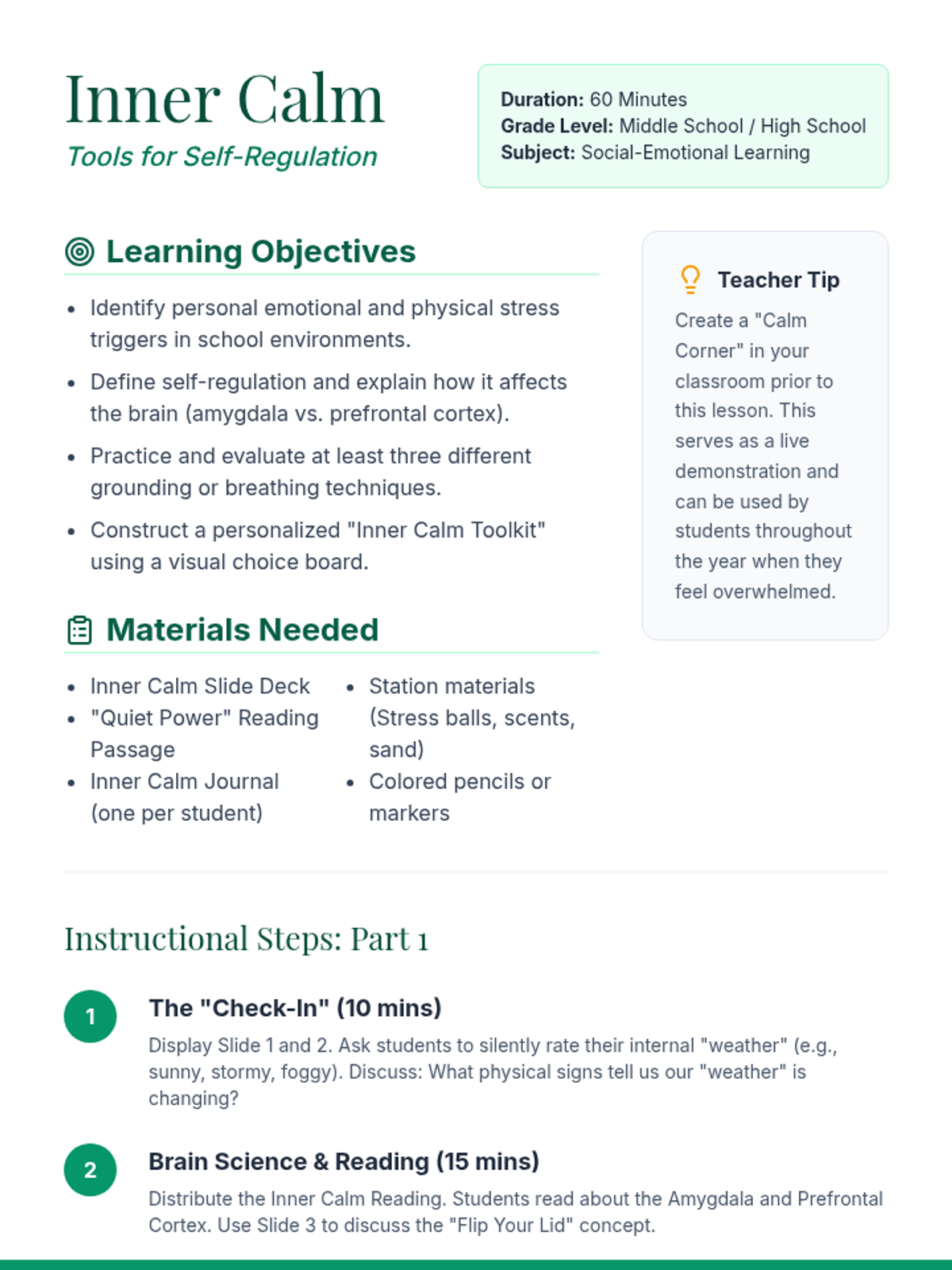
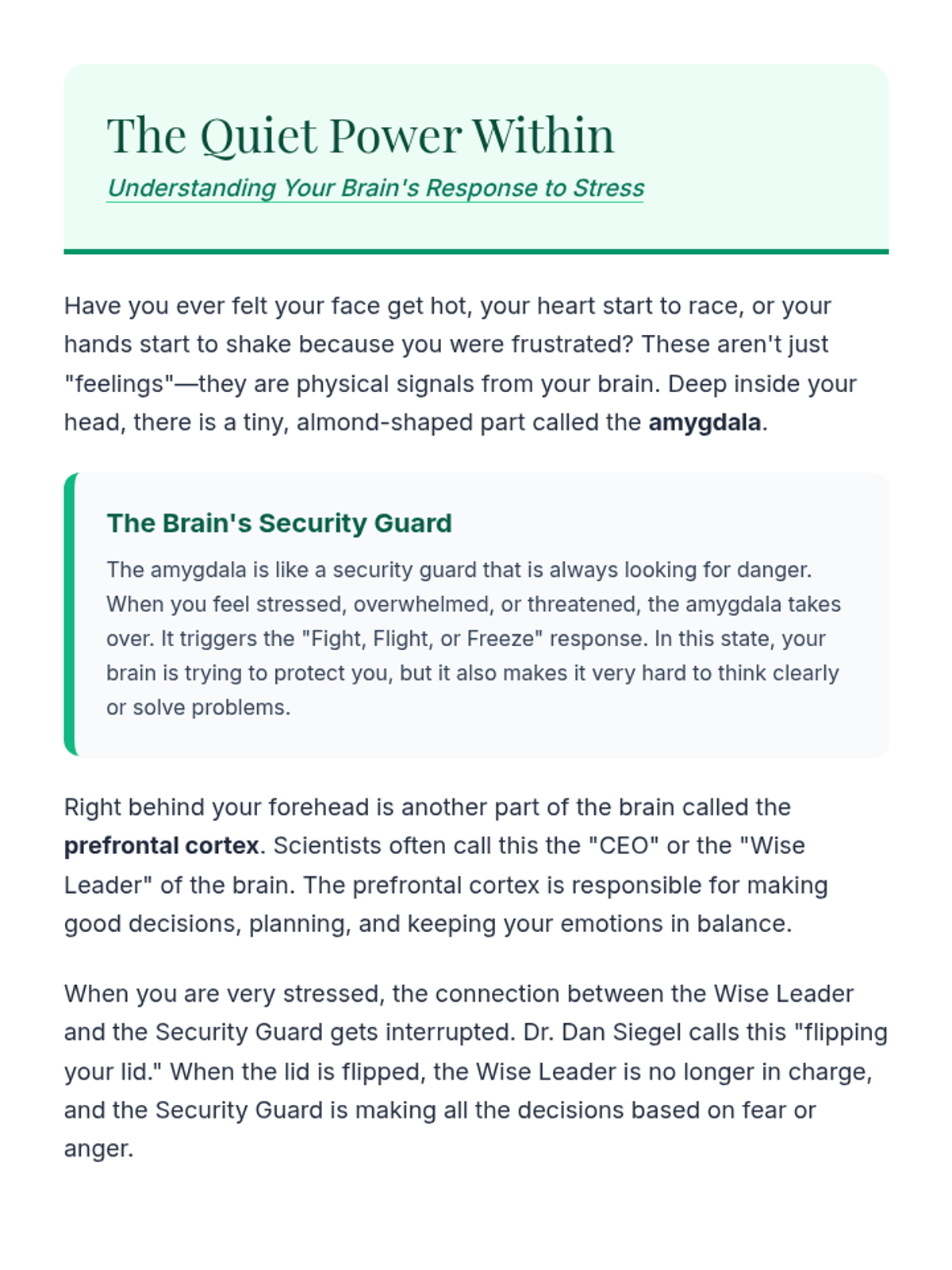
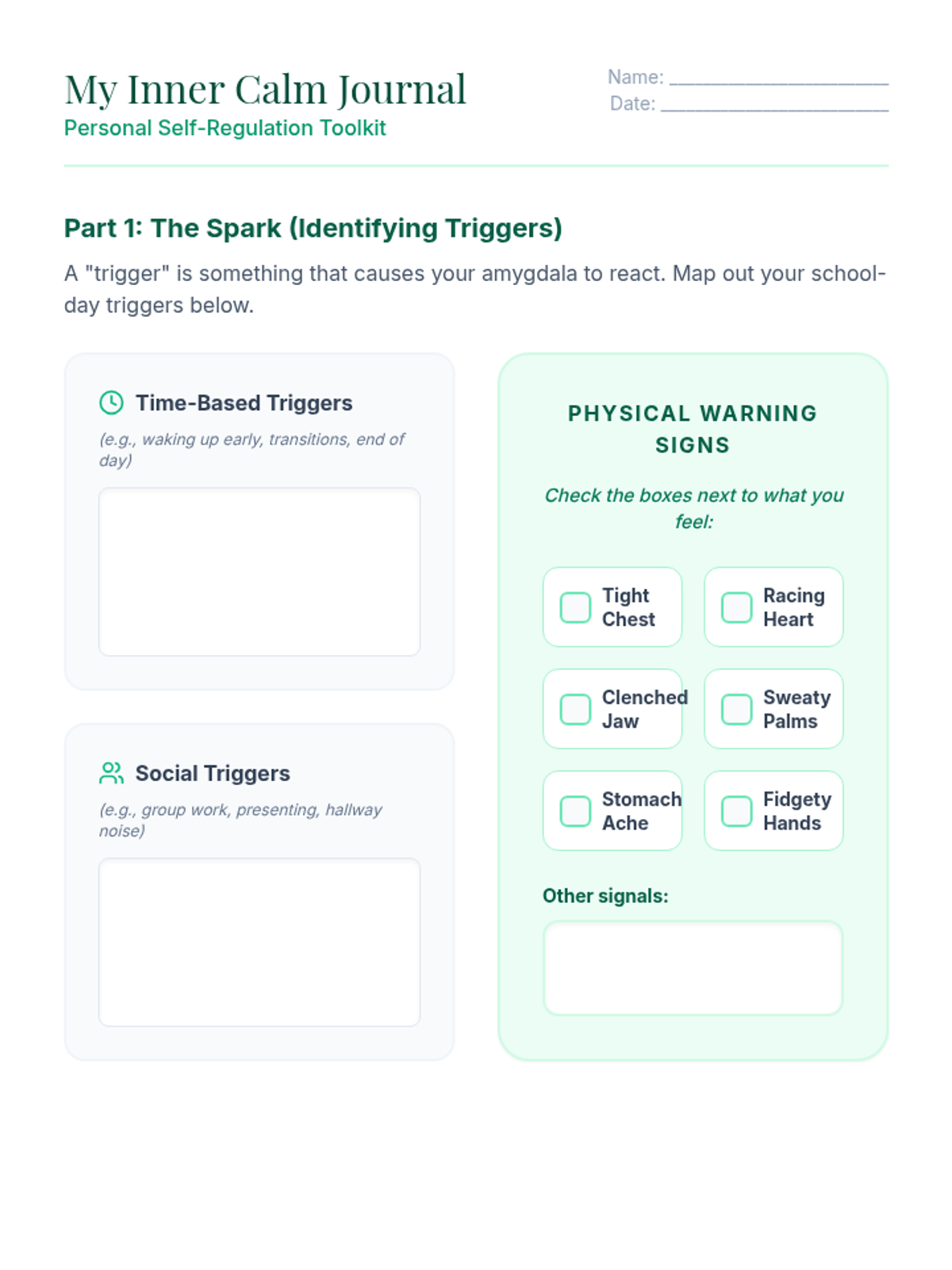
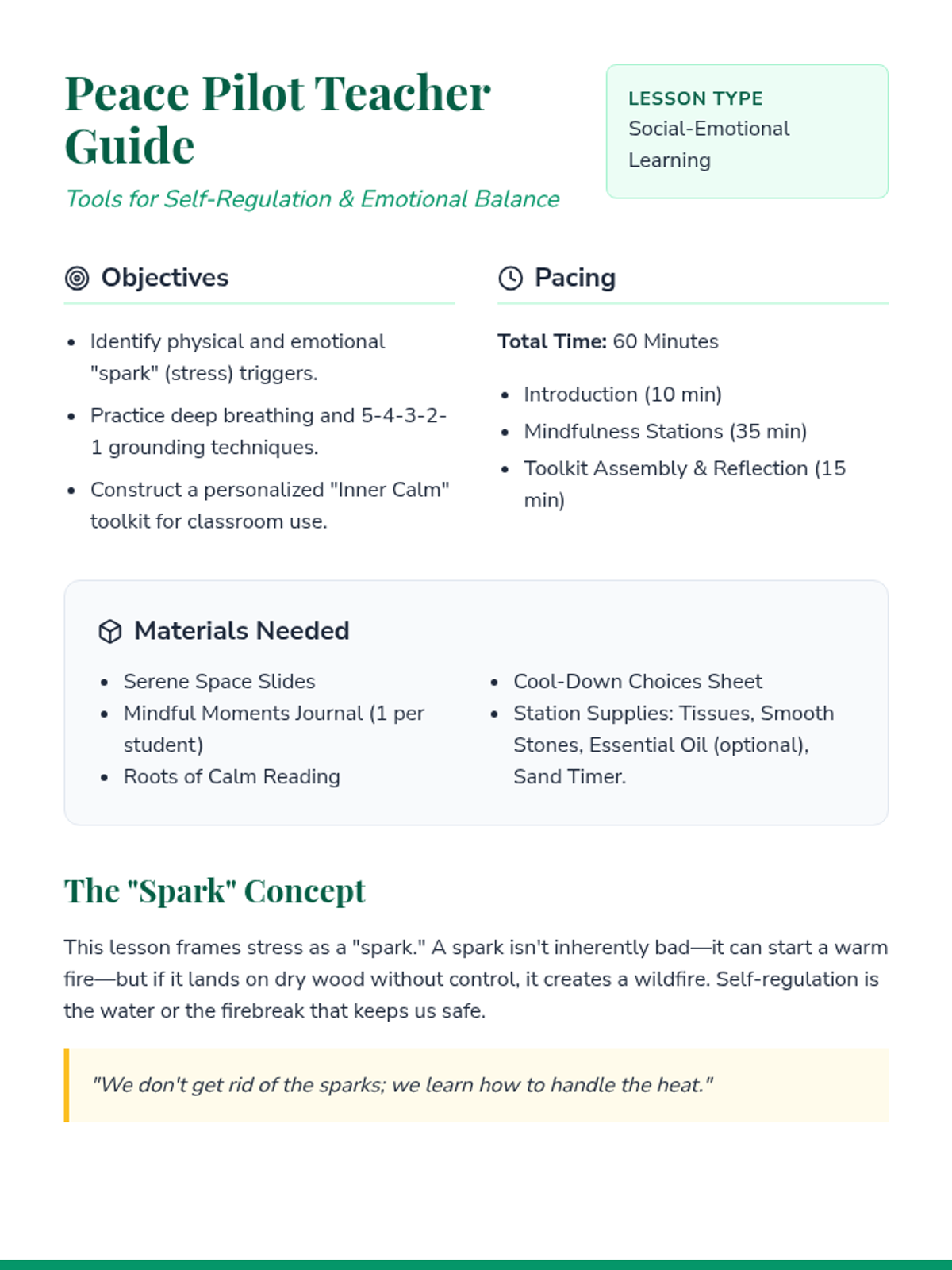
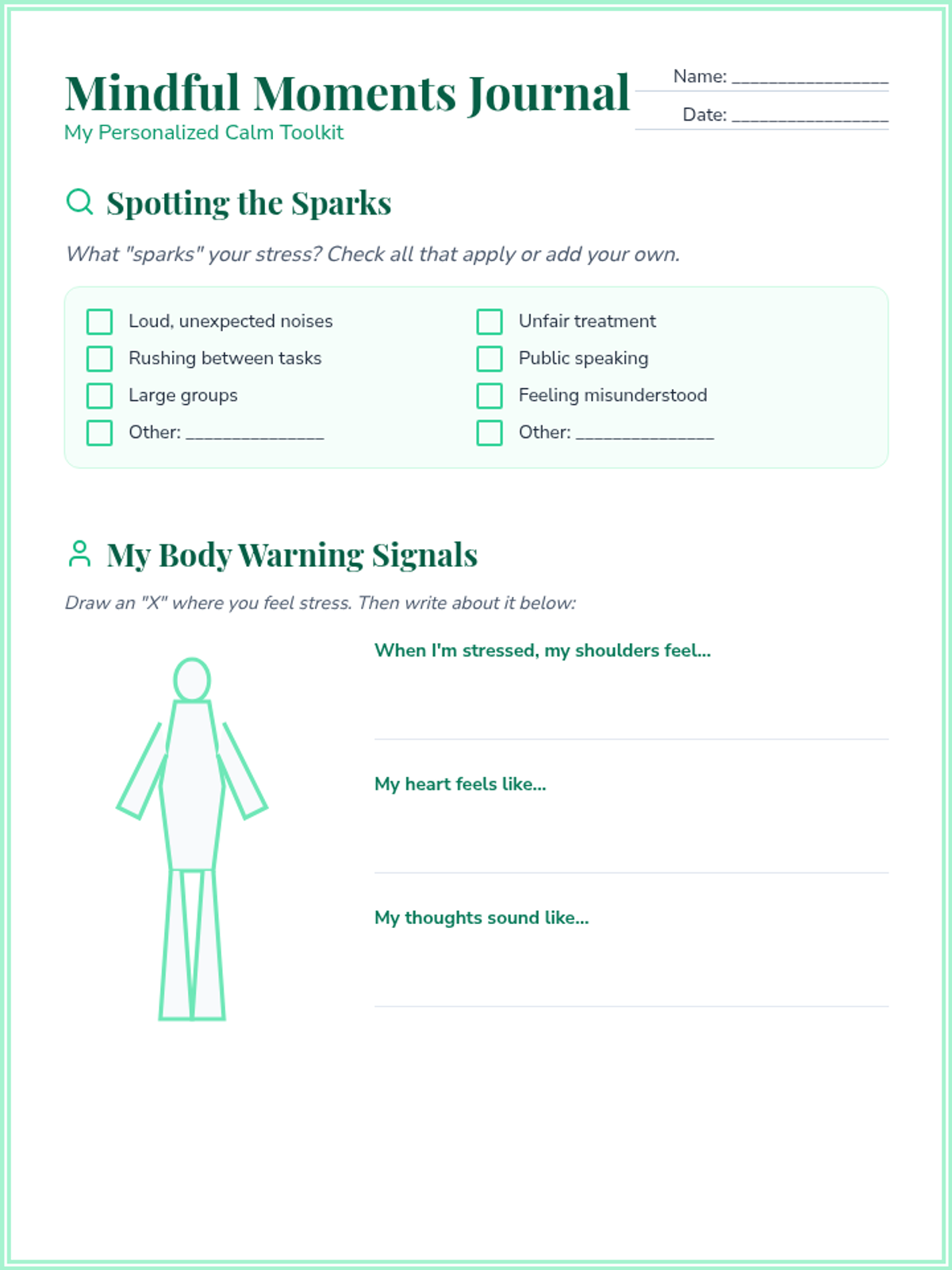
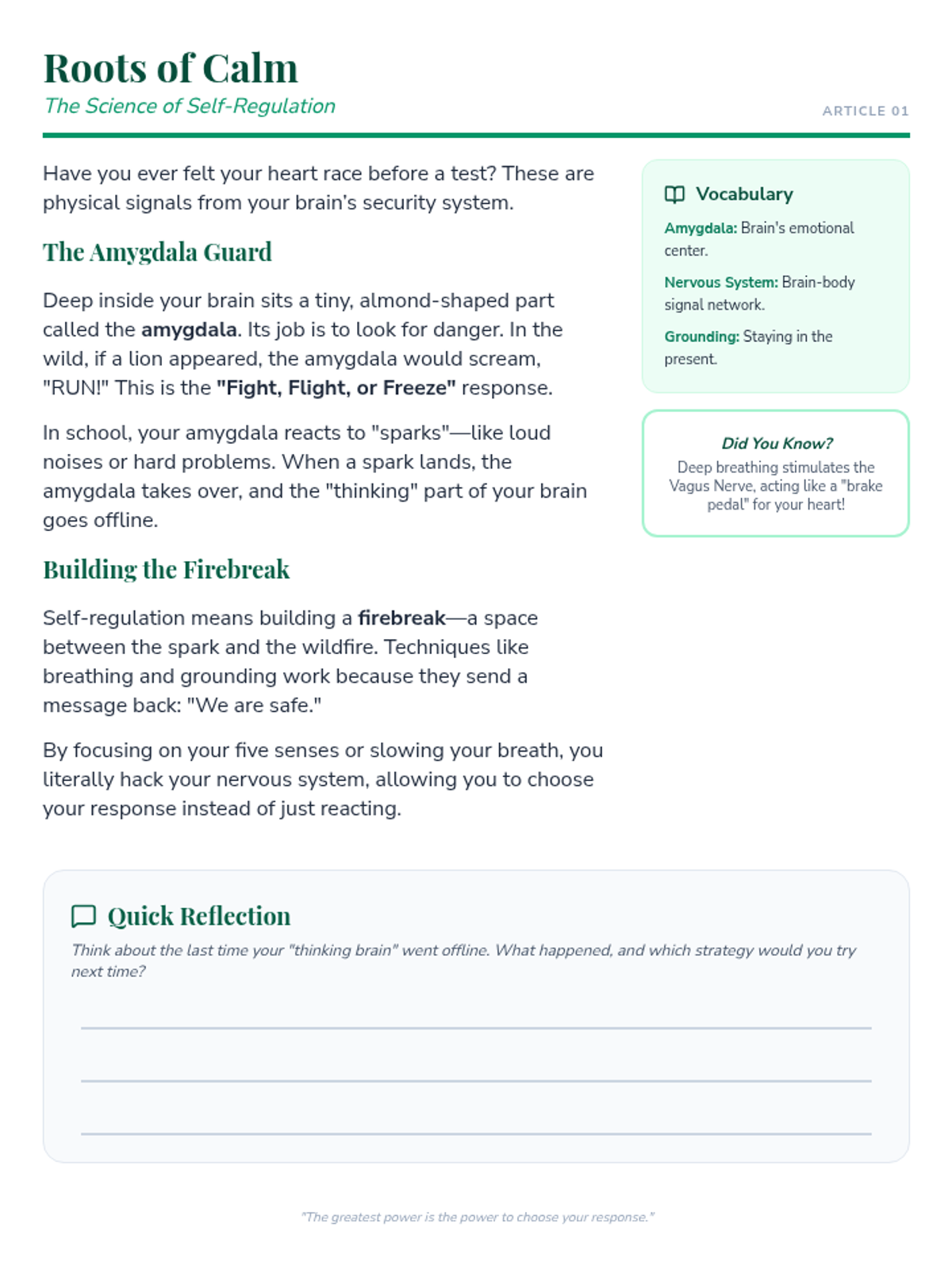
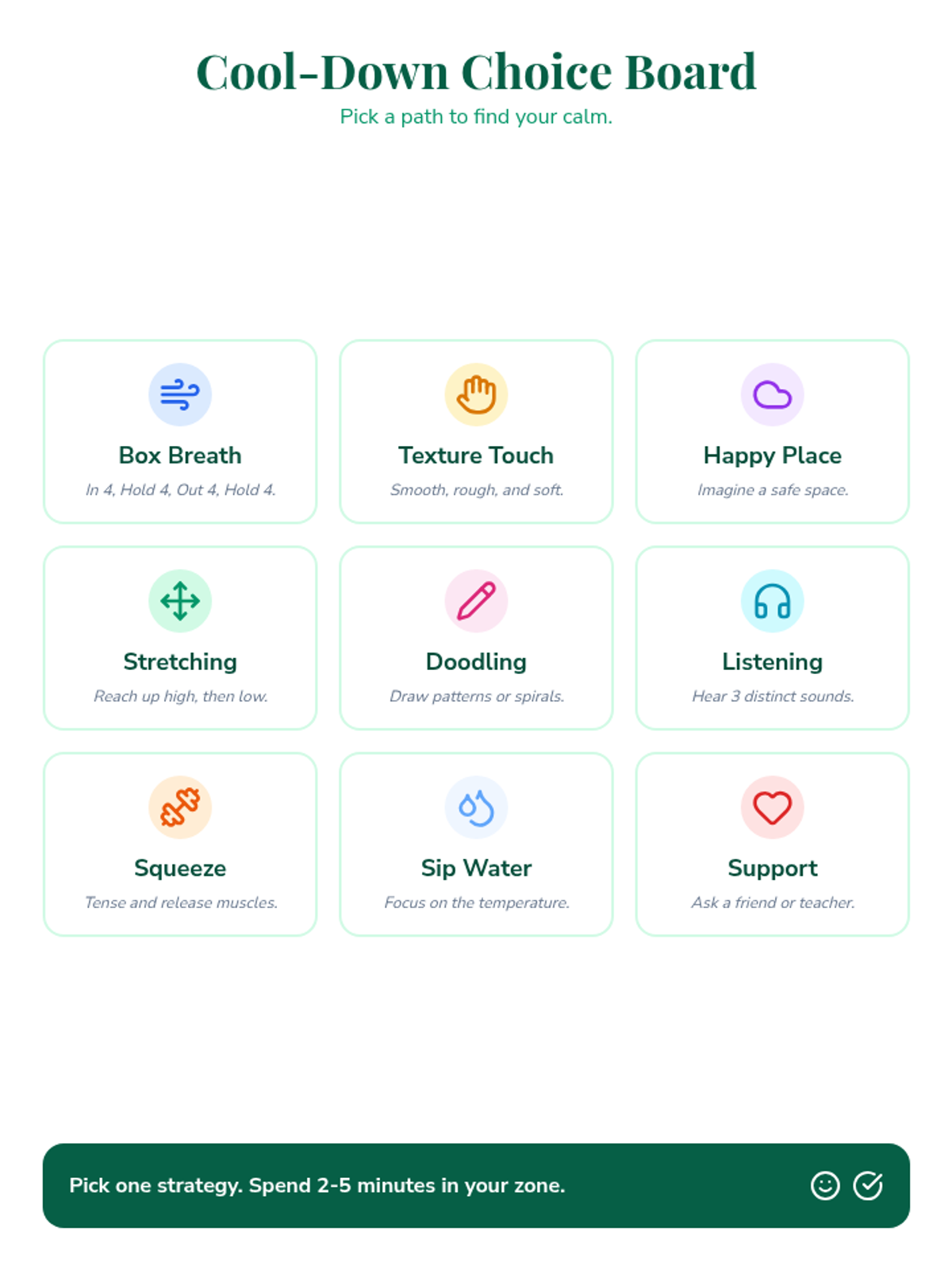
A comprehensive lesson on self-regulation where students identify stress triggers and build a personalized toolkit of mindfulness and grounding strategies.
Students explore personal stress triggers and develop a personalized toolkit of mindfulness and grounding strategies through hands-on stations and reflective journaling.
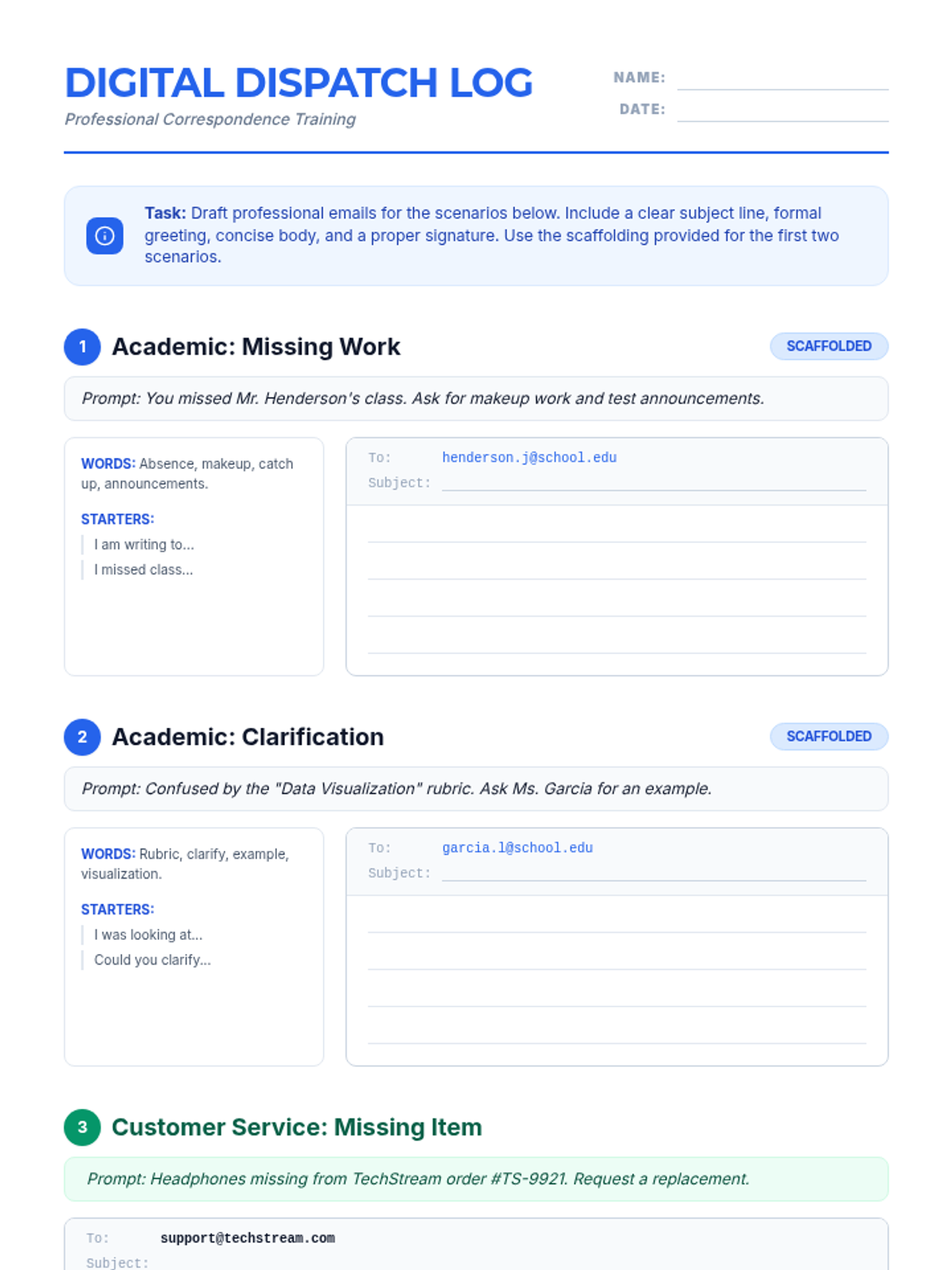
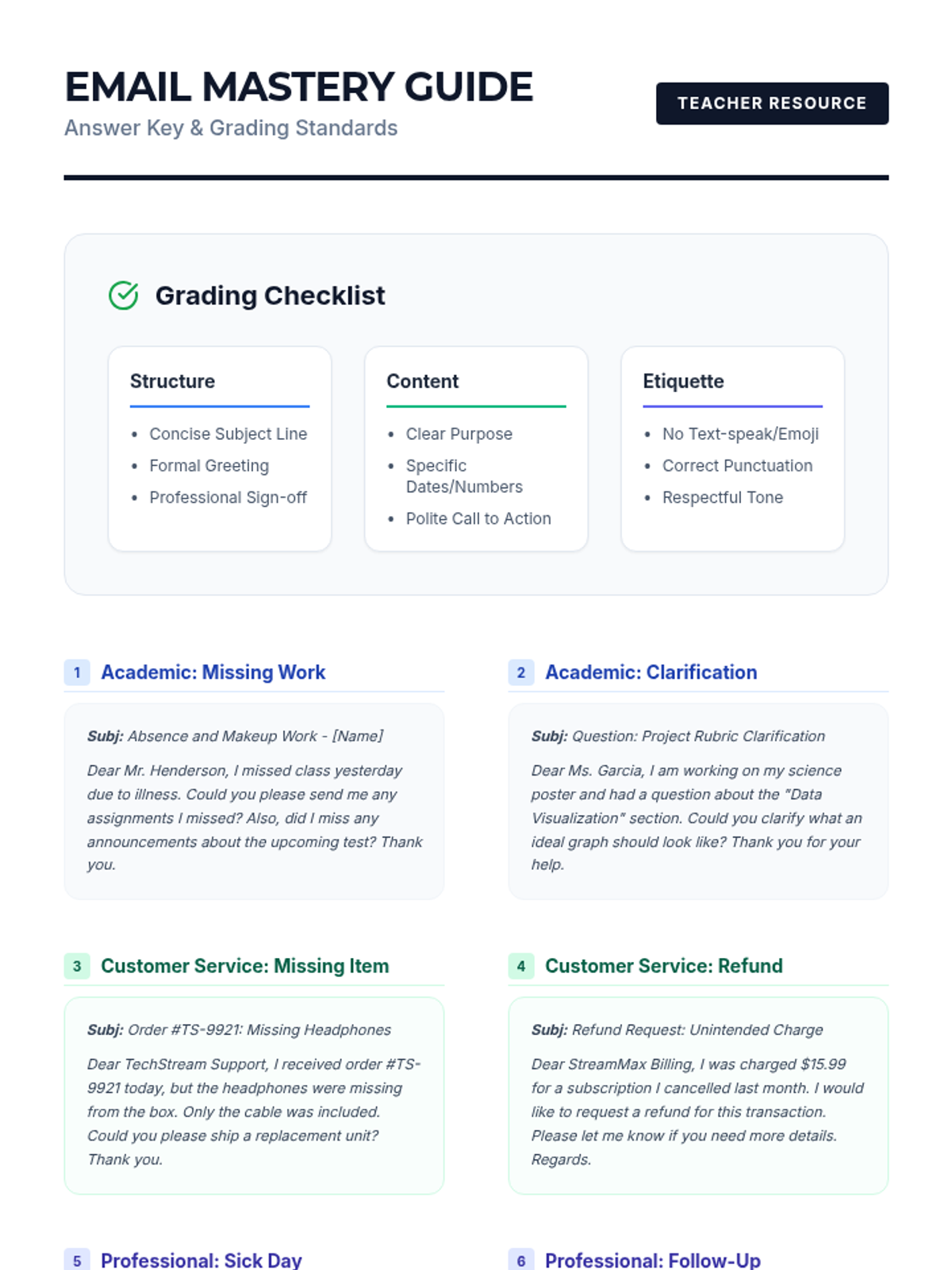
A comprehensive lesson on professional and academic email etiquette, featuring scenarios ranging from school help to job applications. Students learn the structure of a formal email and practice writing their own digital correspondence.
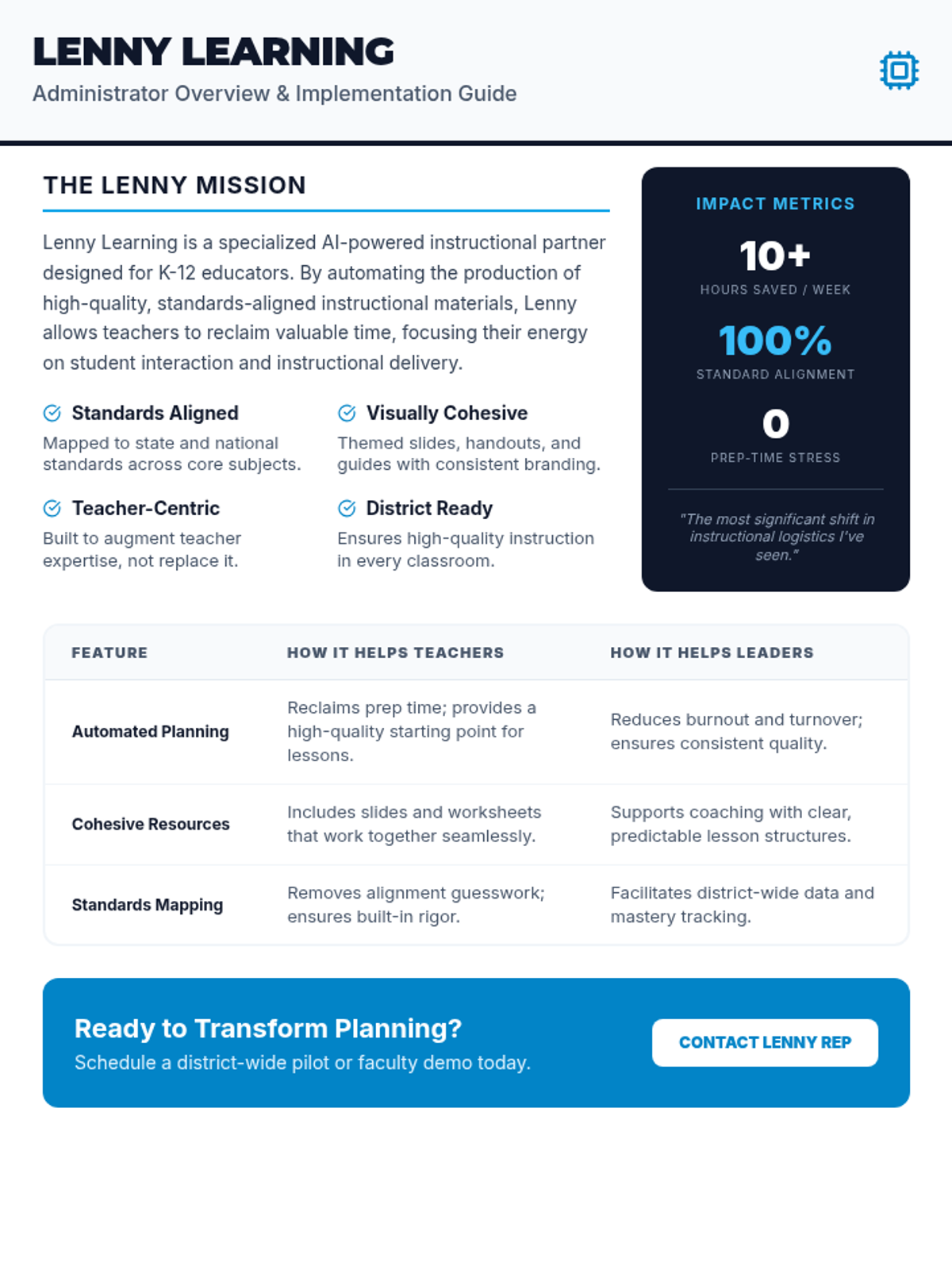
An introductory session for school and district administrators exploring how Lenny Learning streamlines instructional planning and enhances classroom consistency.
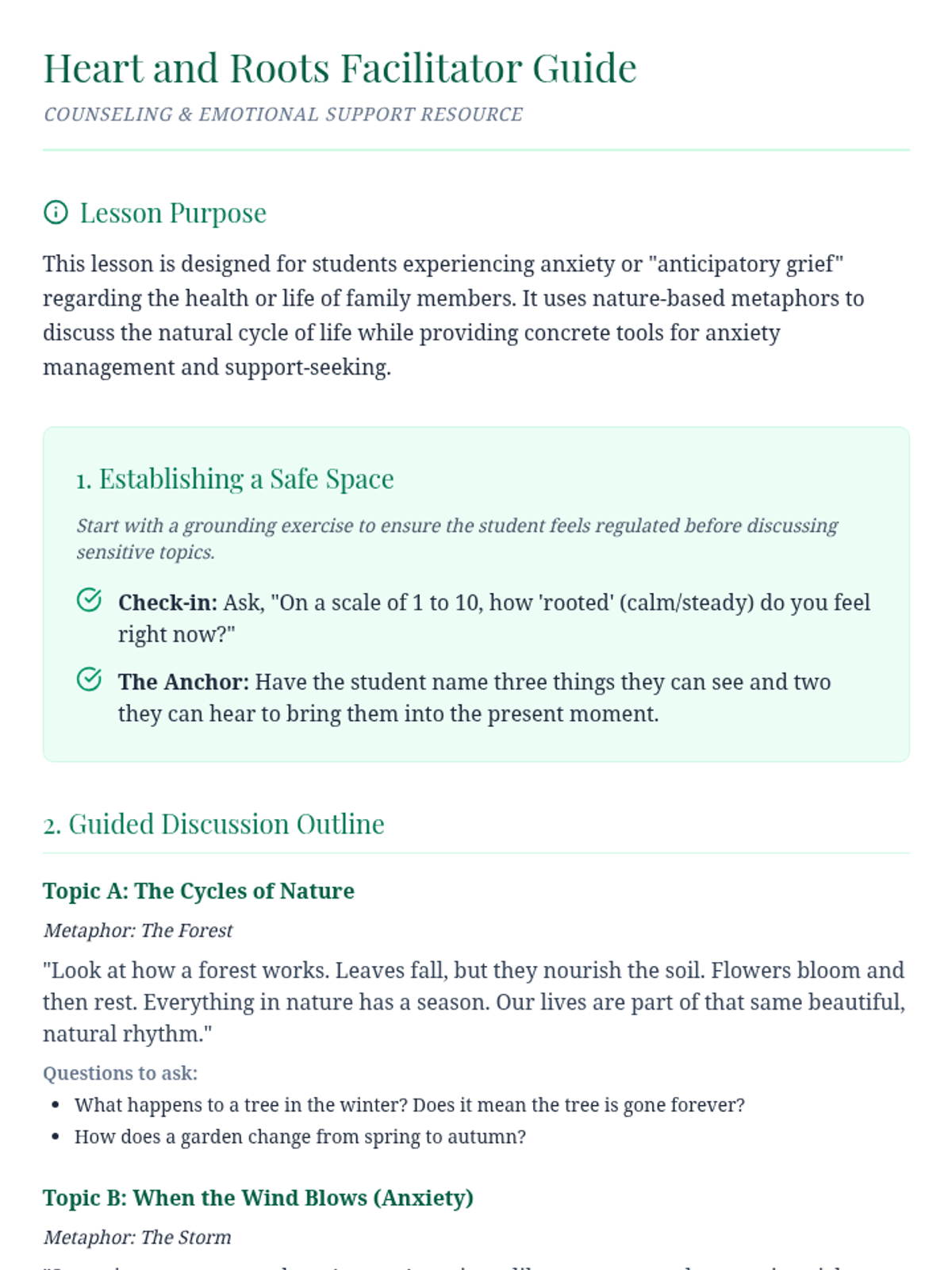
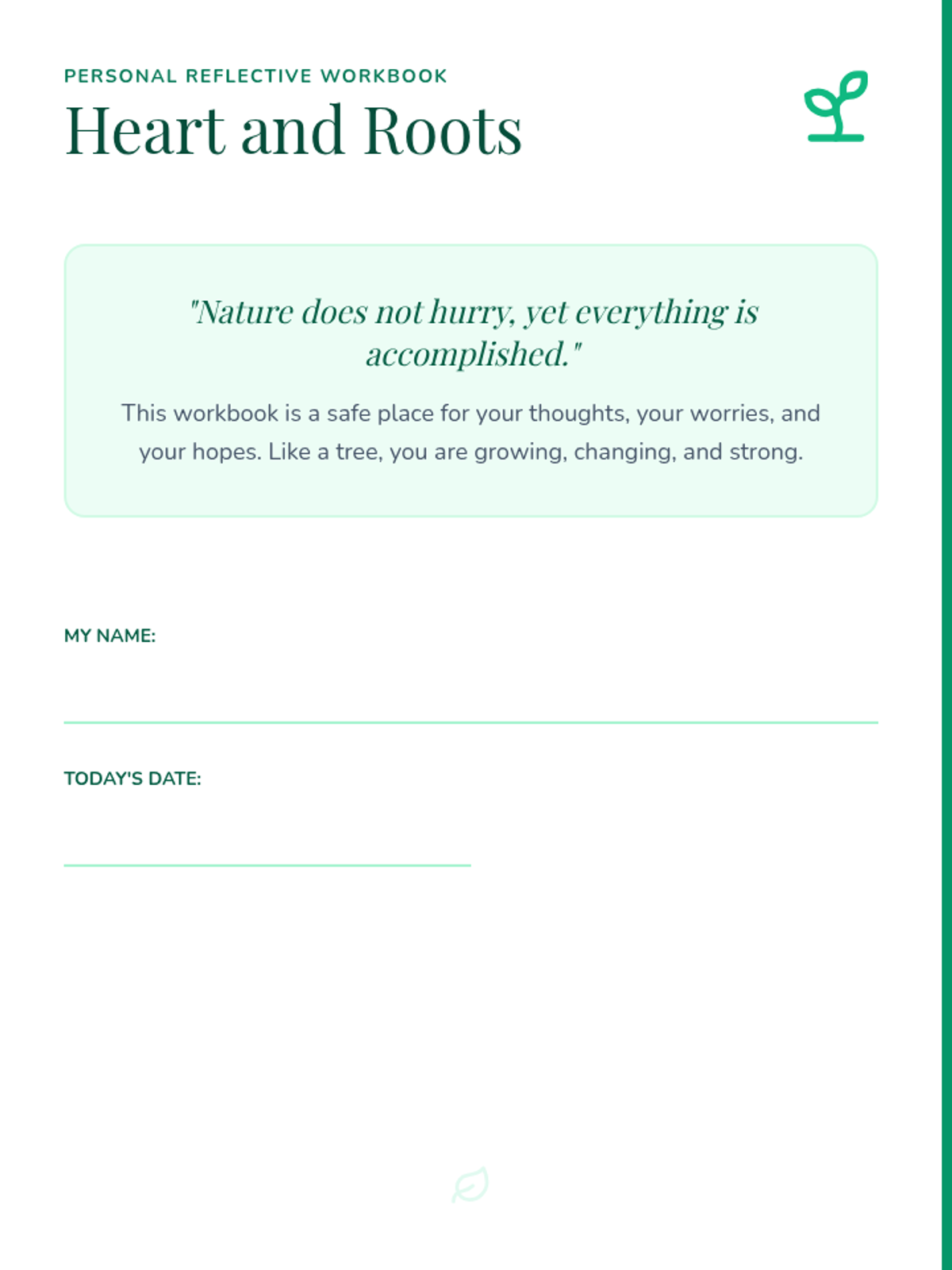
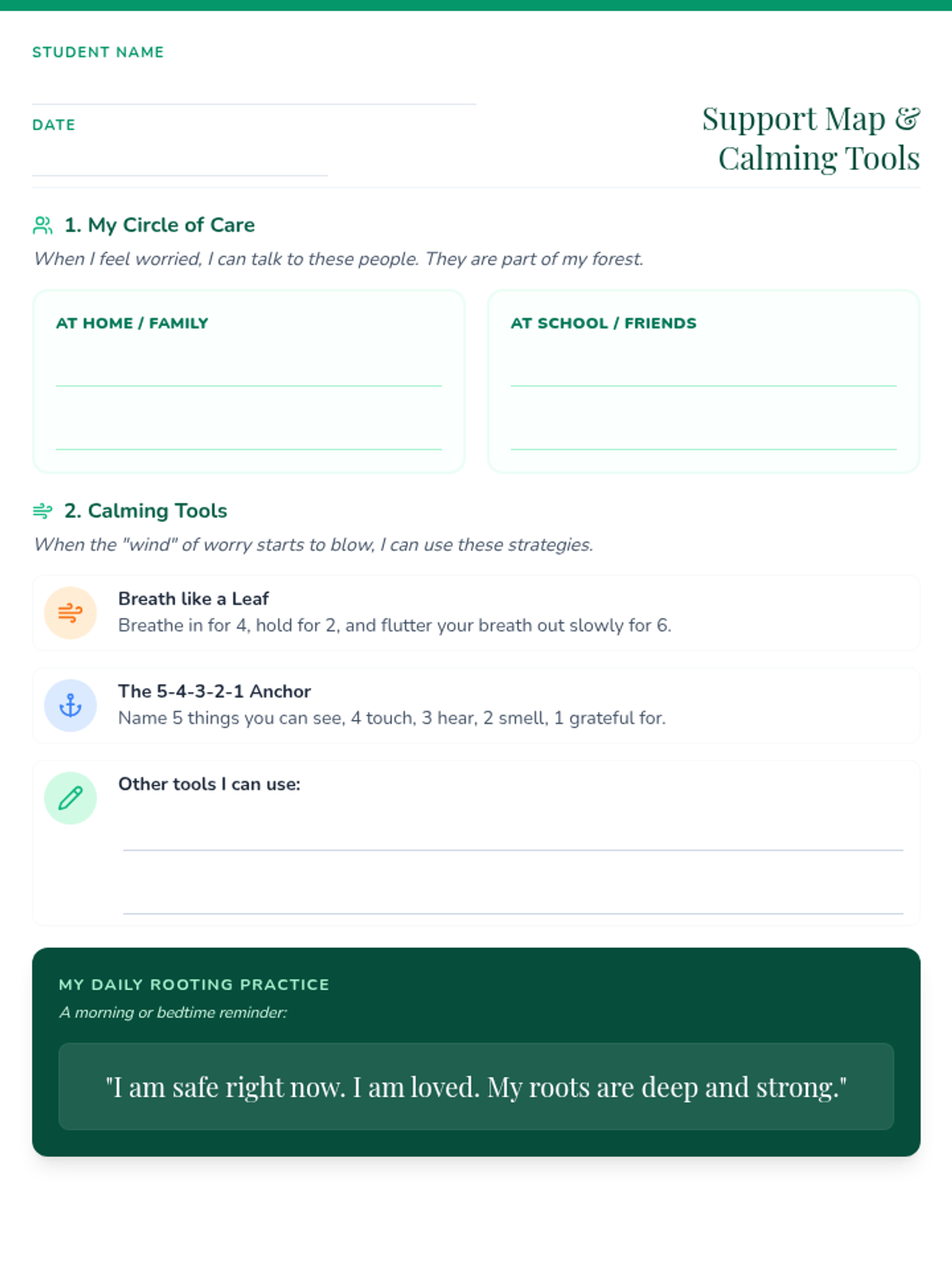
A sensitive and supportive lesson designed to help students navigate anxiety regarding the loss of loved ones through nature metaphors, expressive art, and identifying support systems.
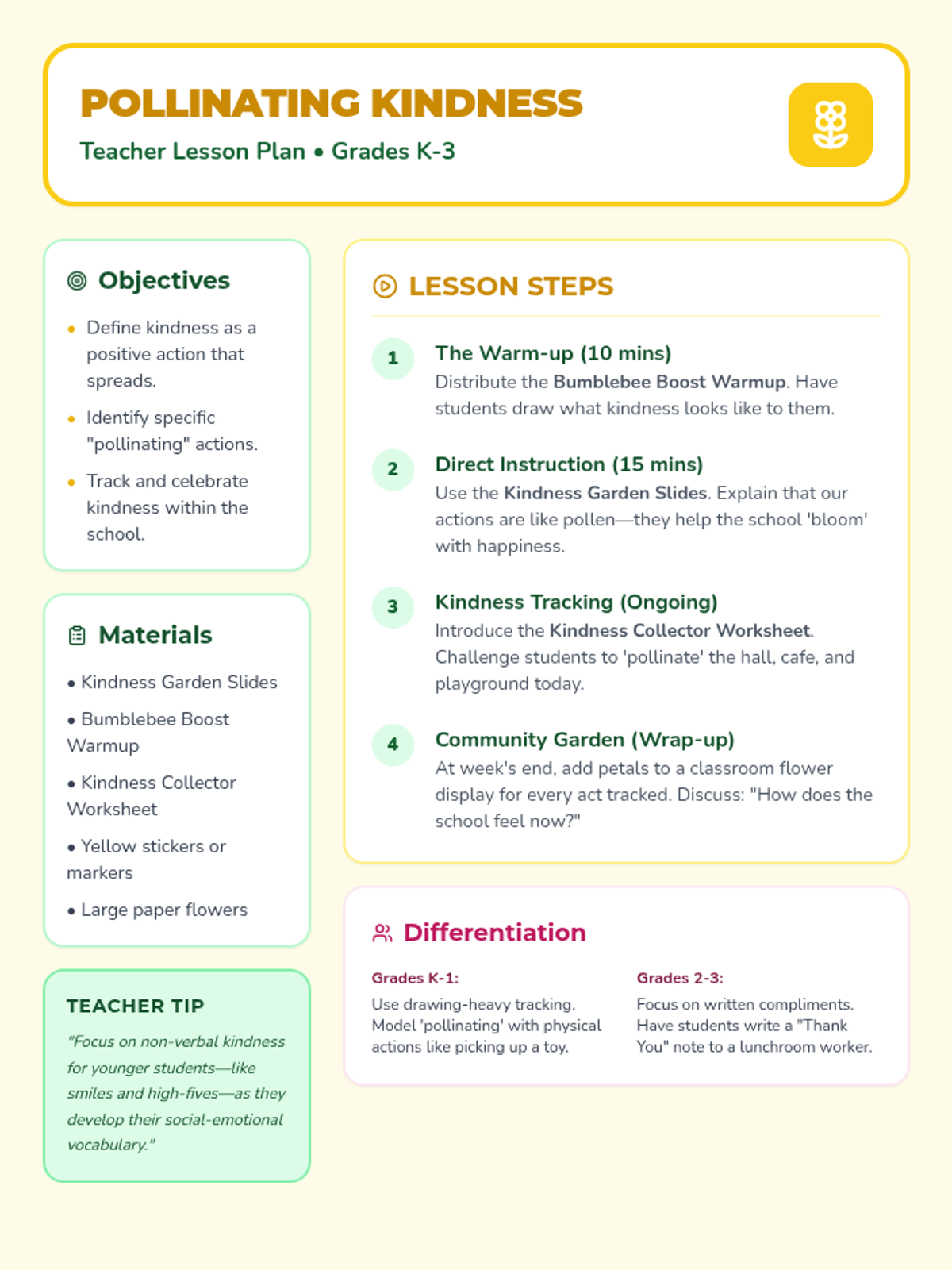
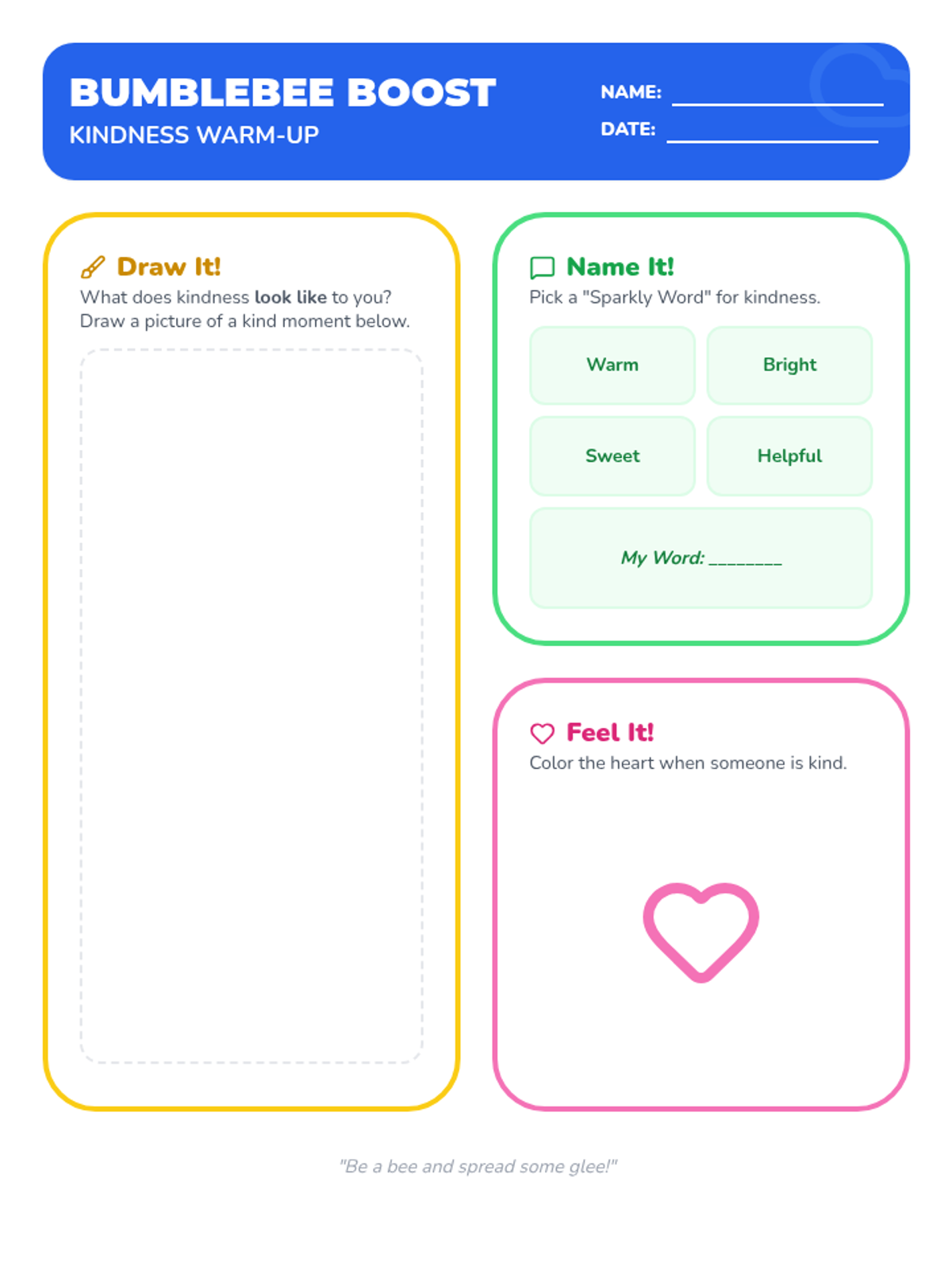
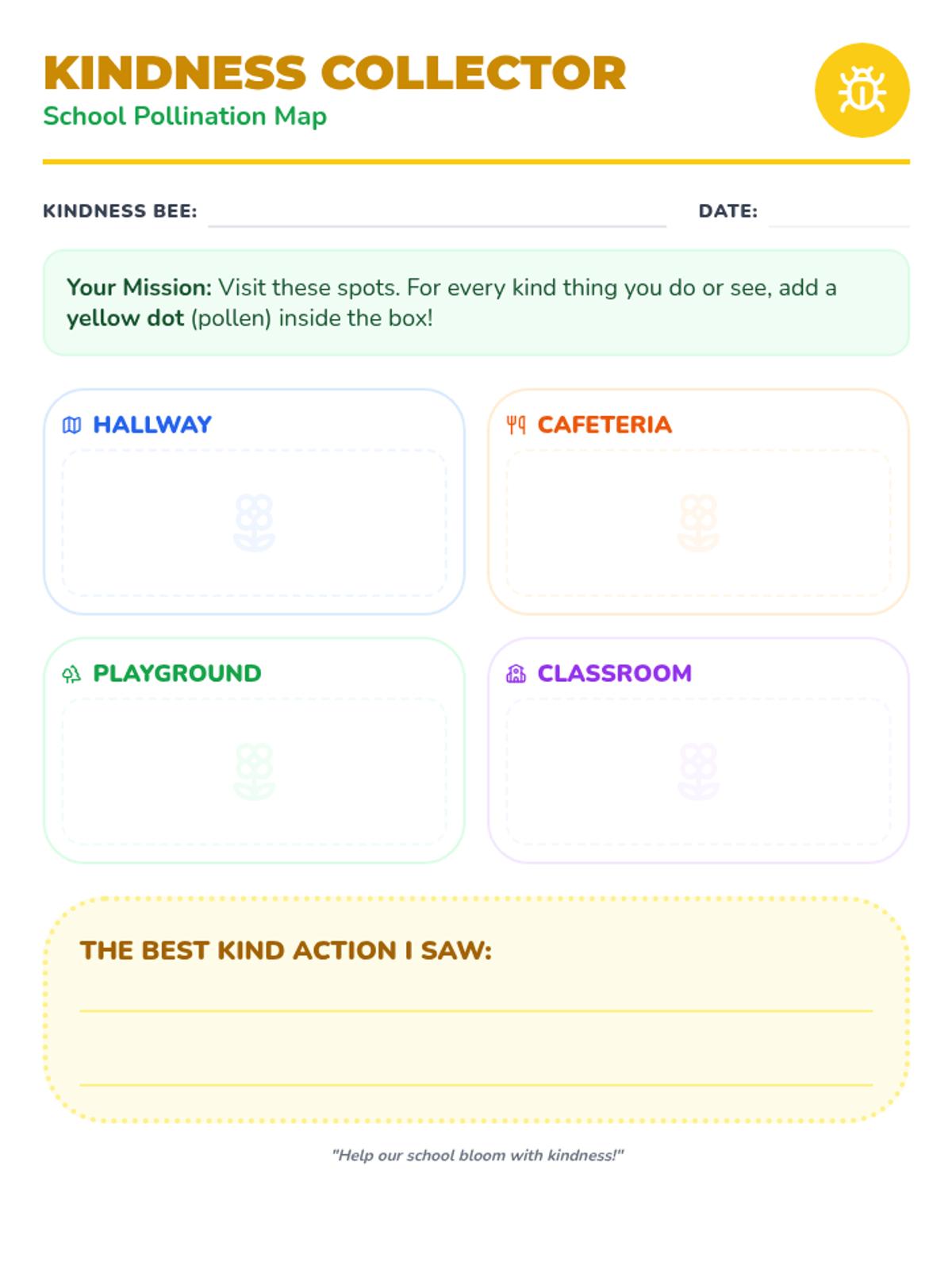
A project-based lesson for K-3 students that uses a garden analogy to teach the impact of kindness. Students learn how positive actions spread throughout a community like pollen in a garden.
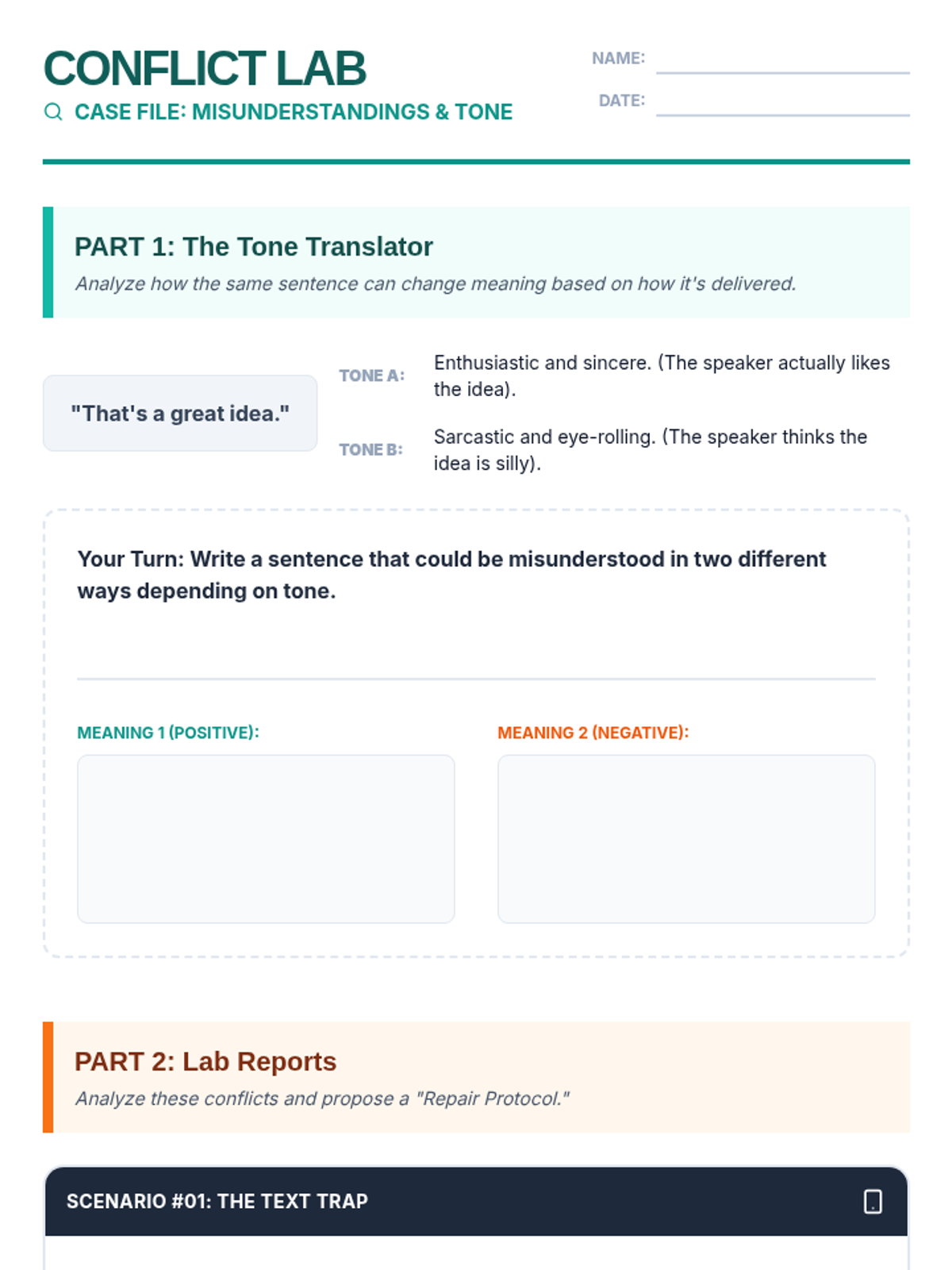
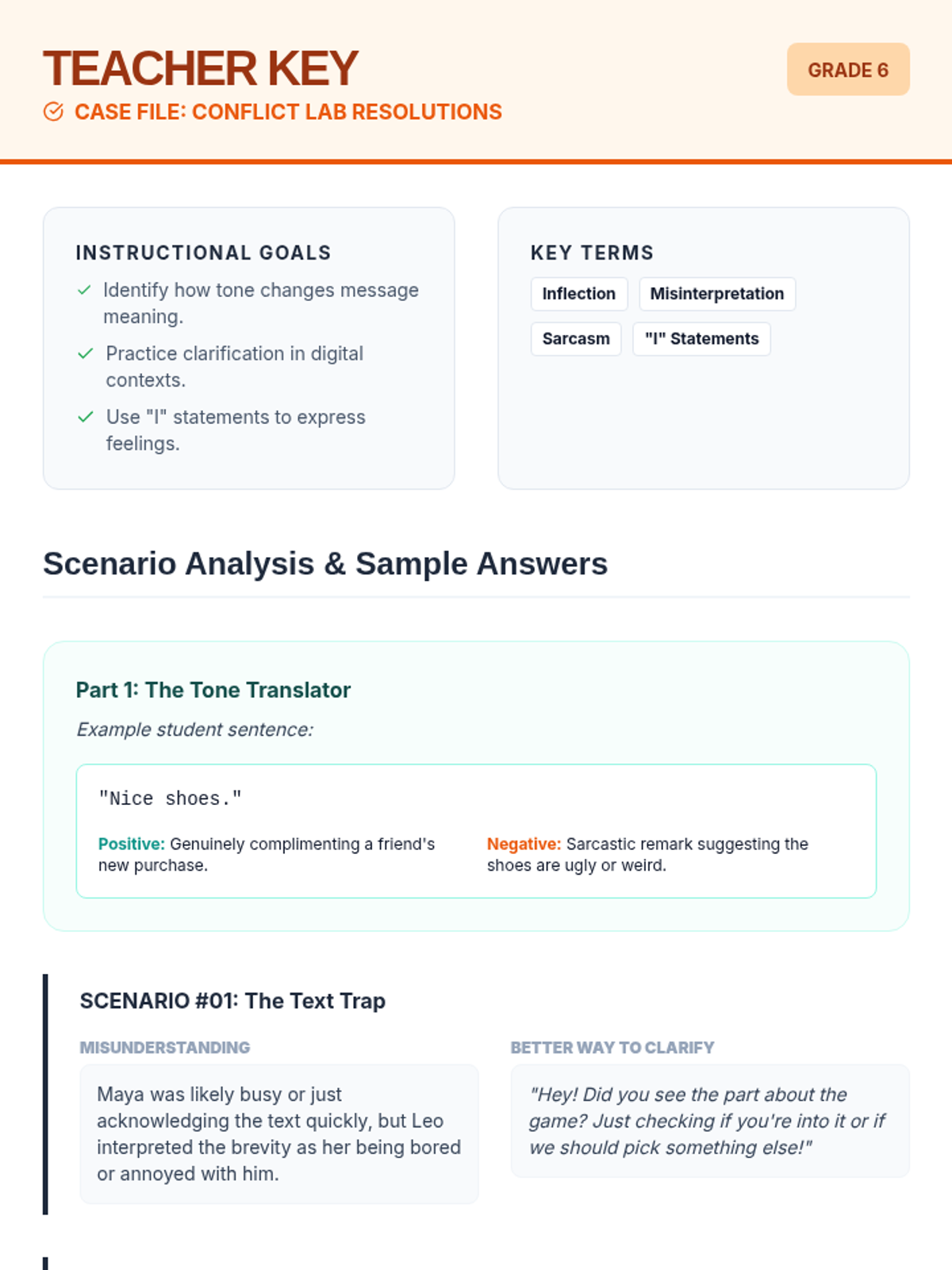
A lesson for 6th grade students focused on identifying how tone and misunderstandings lead to conflict between friends, featuring practical strategies for resolution.
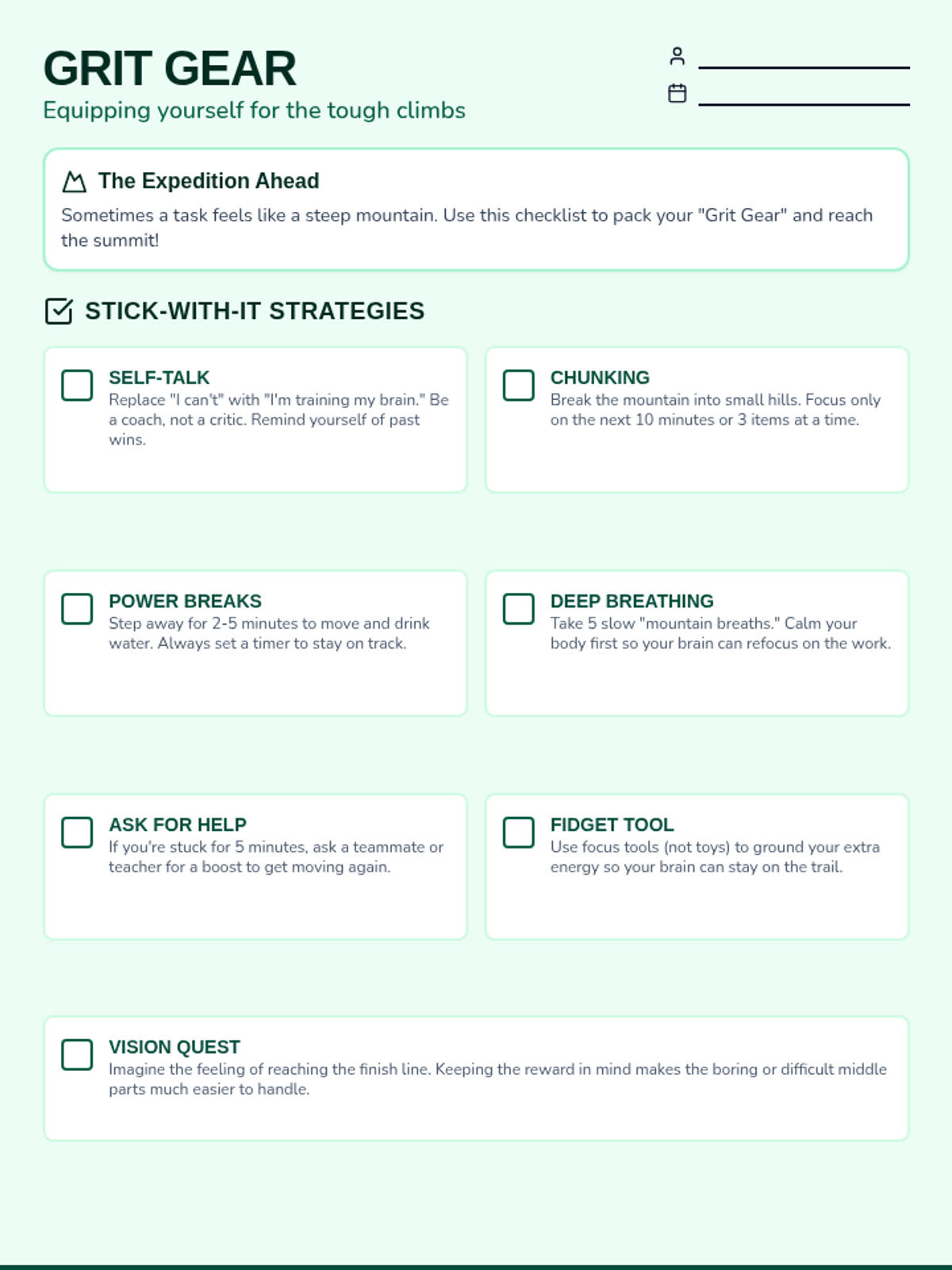
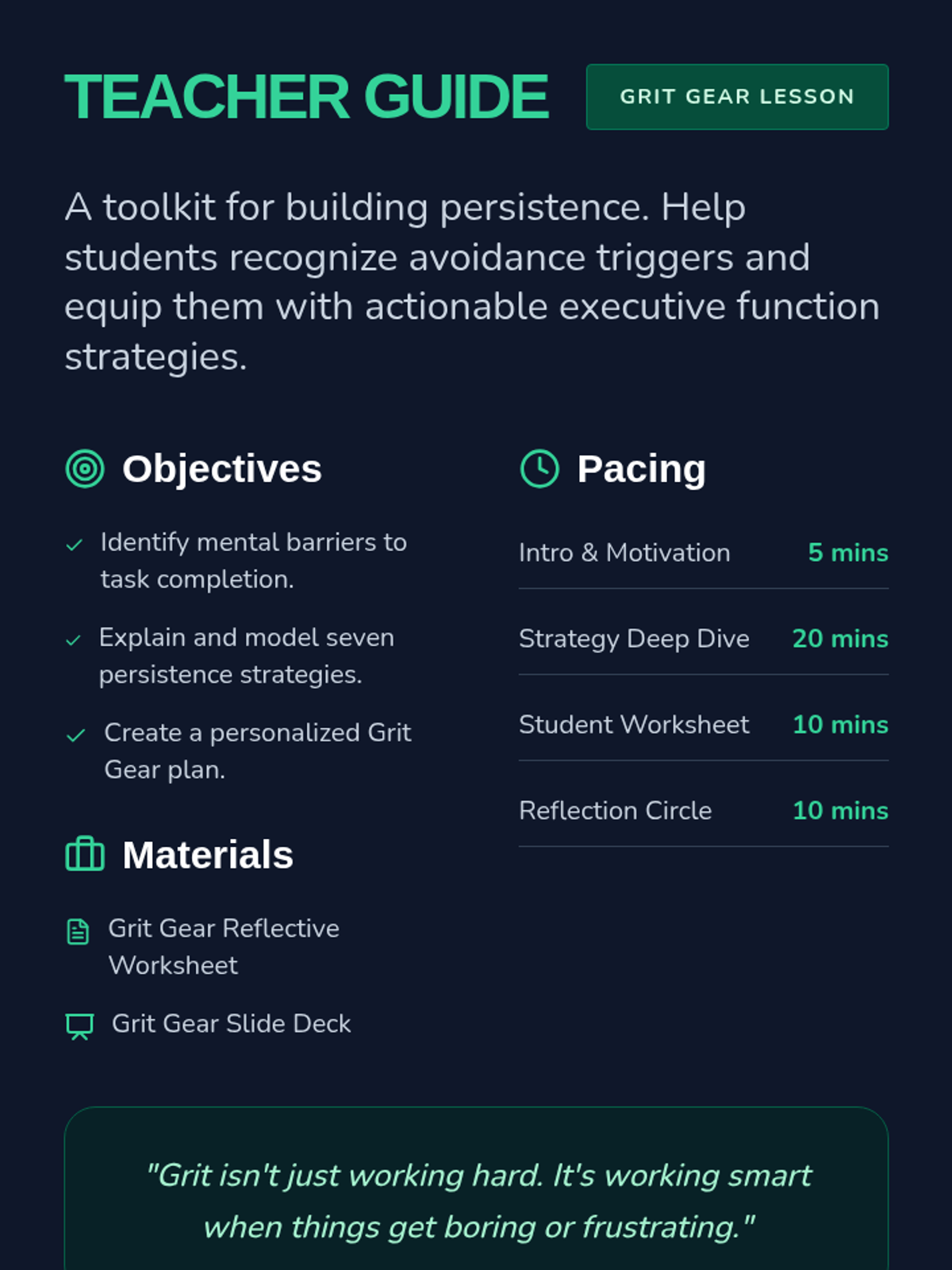
A lesson focused on equipping students with practical strategies to maintain focus and persistence during difficult or monotonous tasks.
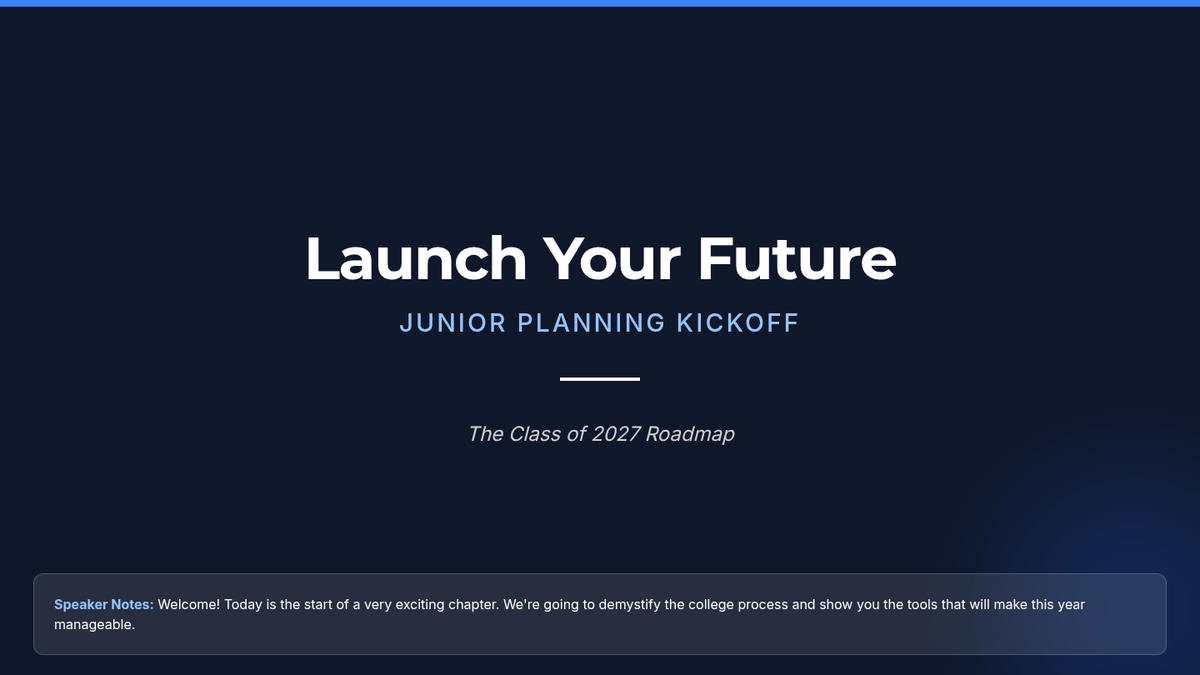
A comprehensive guide for high school juniors to navigate the college application process, focusing on self-discovery through YouScience and research through Scoir.
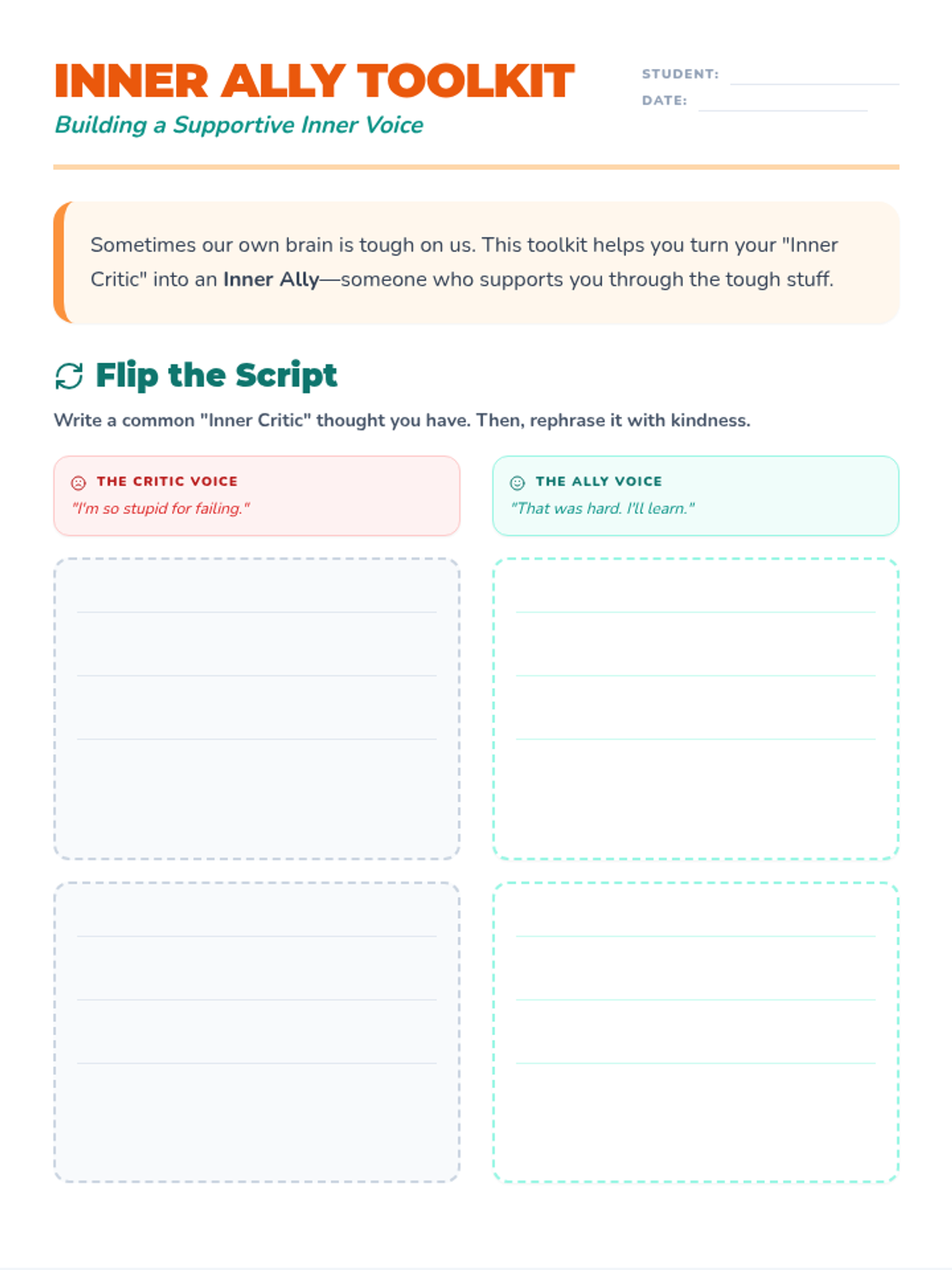
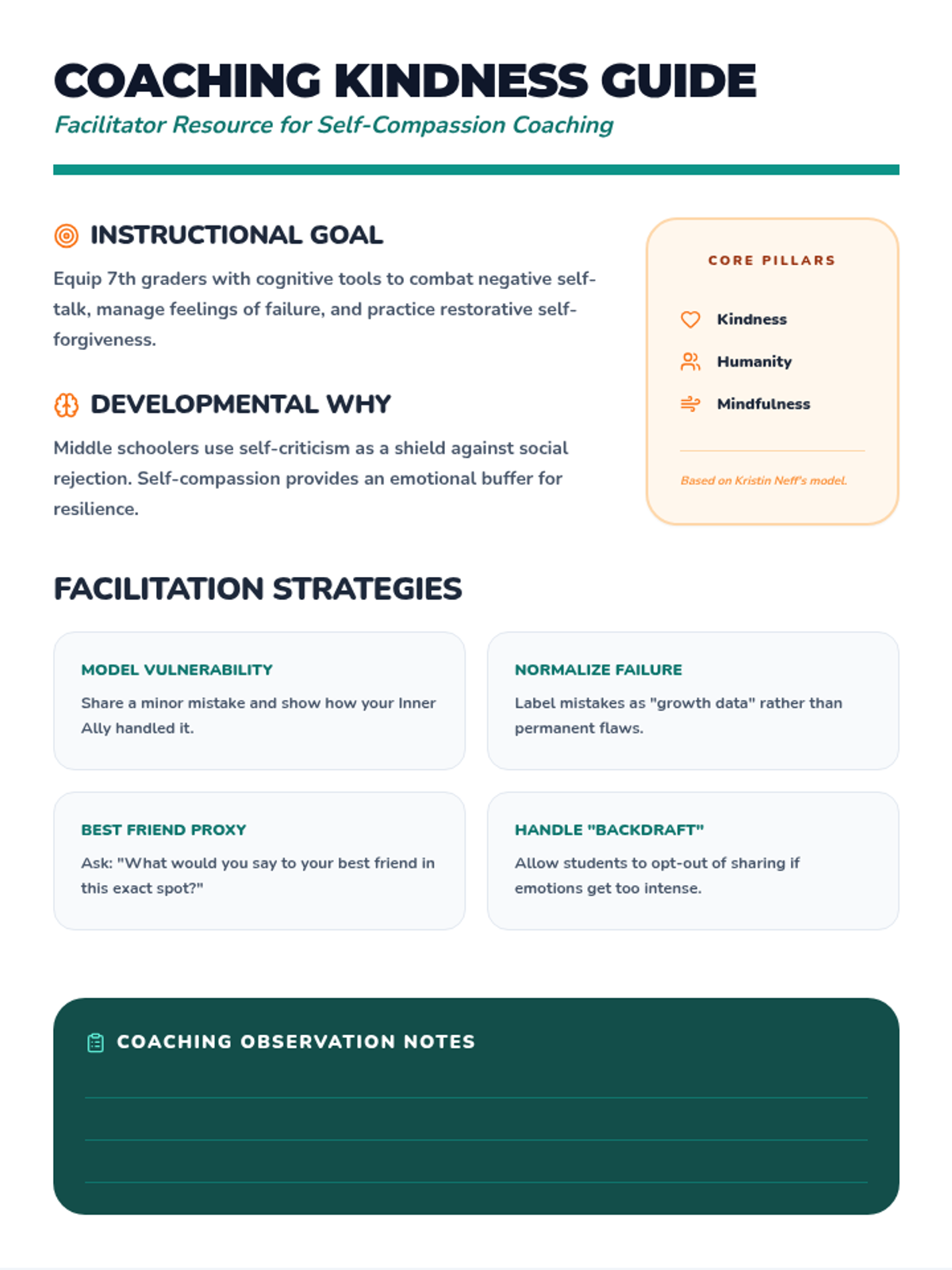
A supportive lesson for middle schoolers focused on developing self-compassion and the ability to forgive oneself after mistakes or difficult days. Students learn to identify their inner critic and cultivate a kind, supportive inner voice.
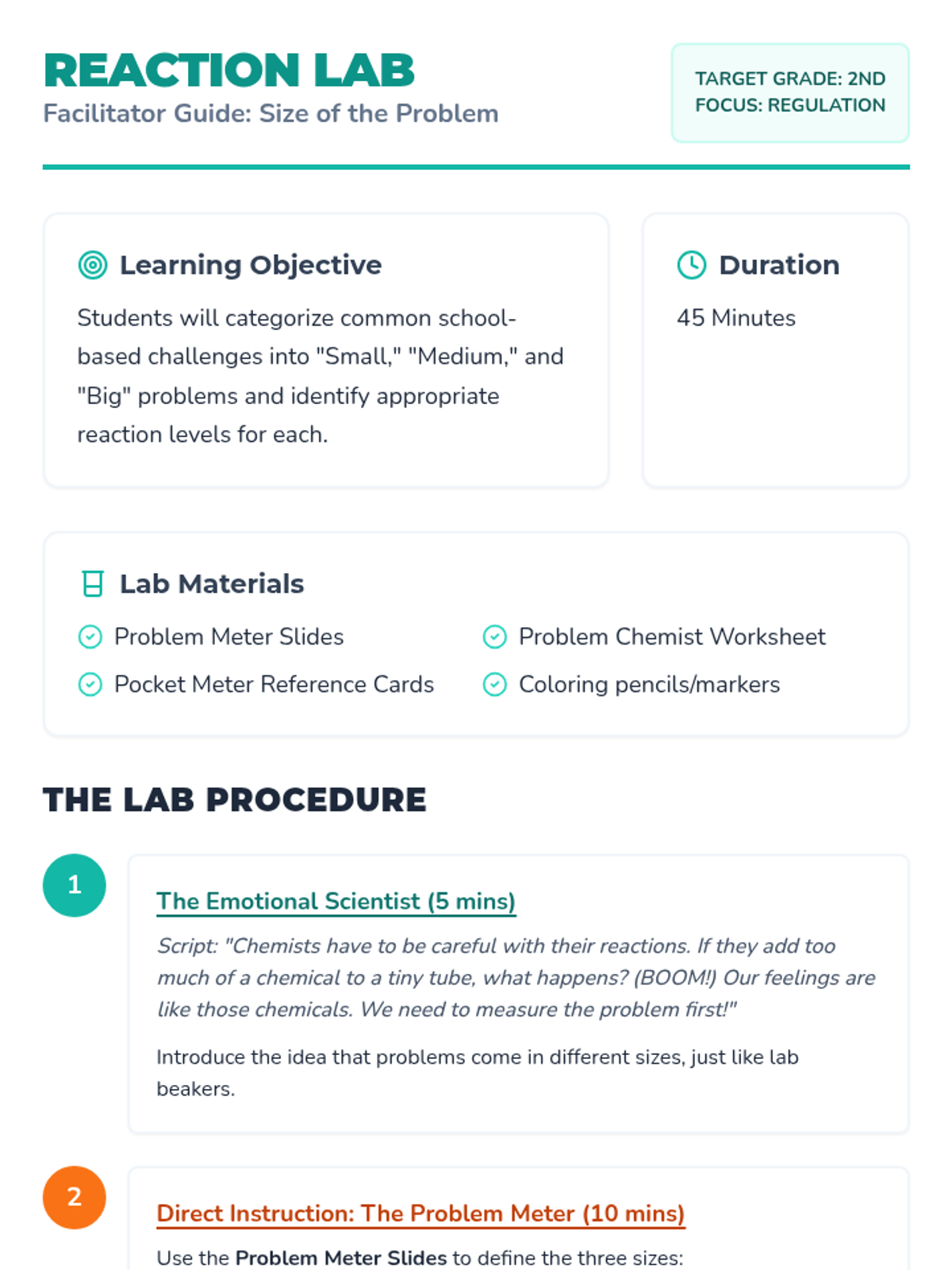
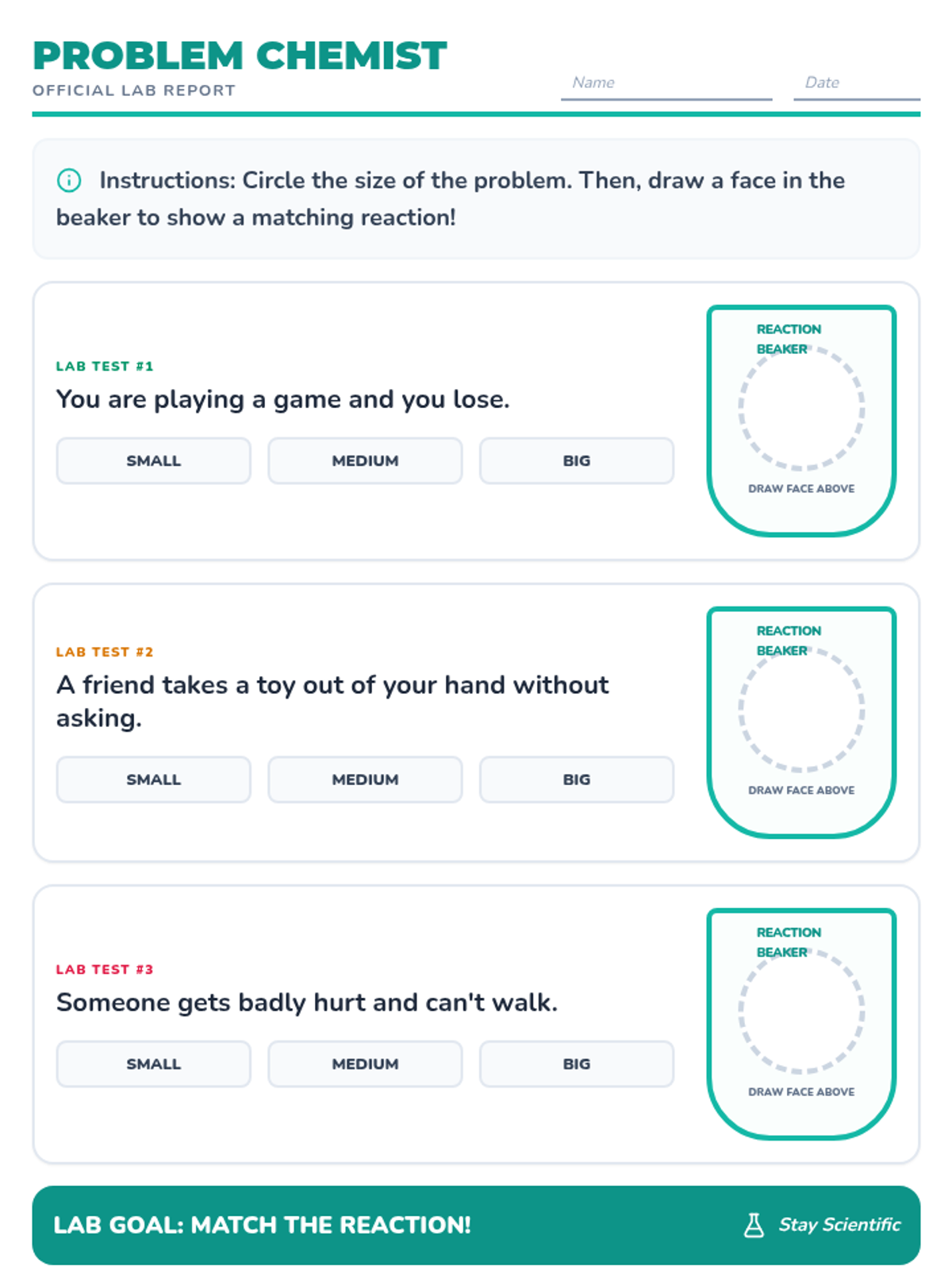
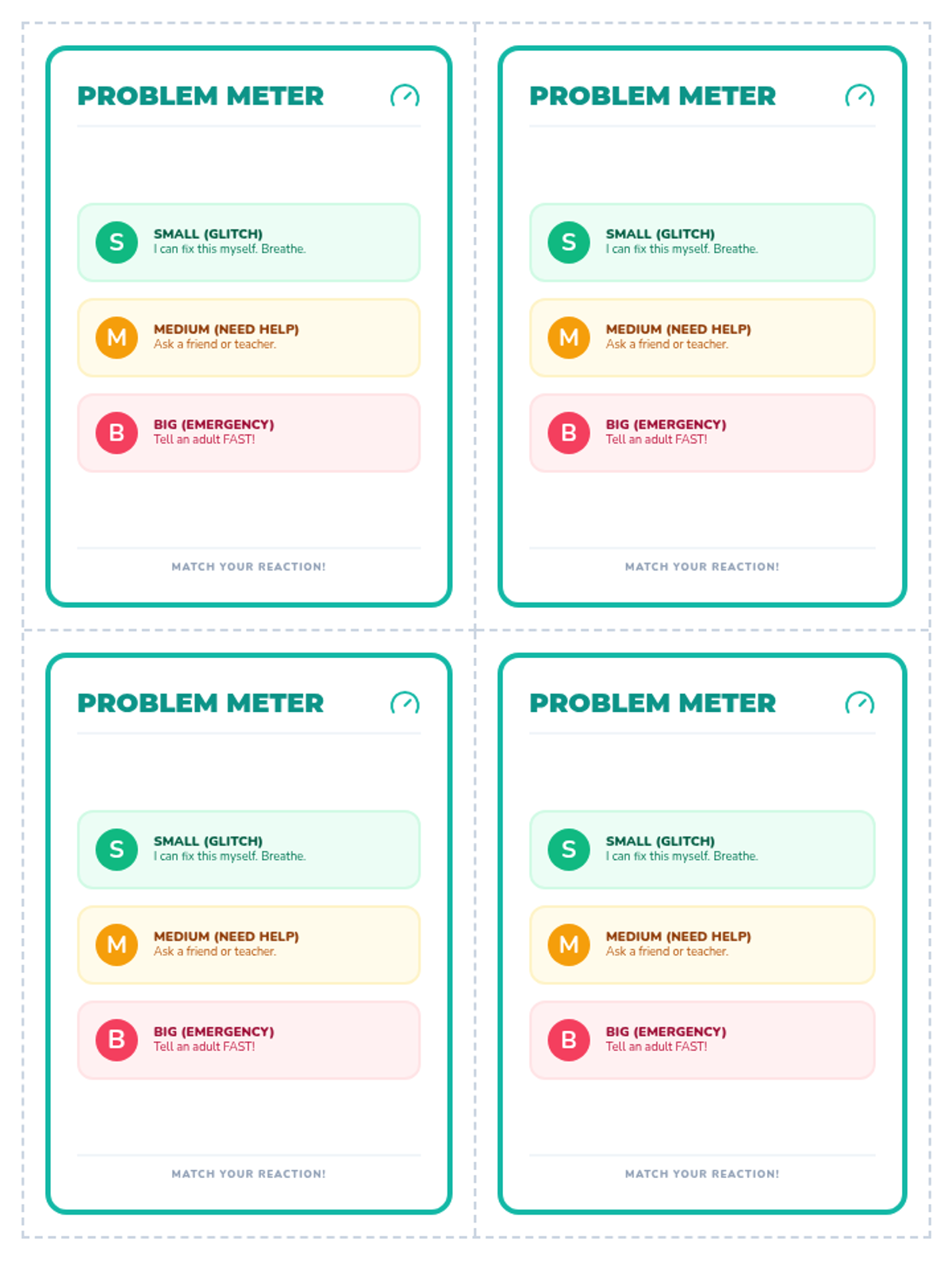
A comprehensive lesson focused on helping 2nd-grade students understand the concept of 'Size of the Problem' to build frustration tolerance and emotional regulation.
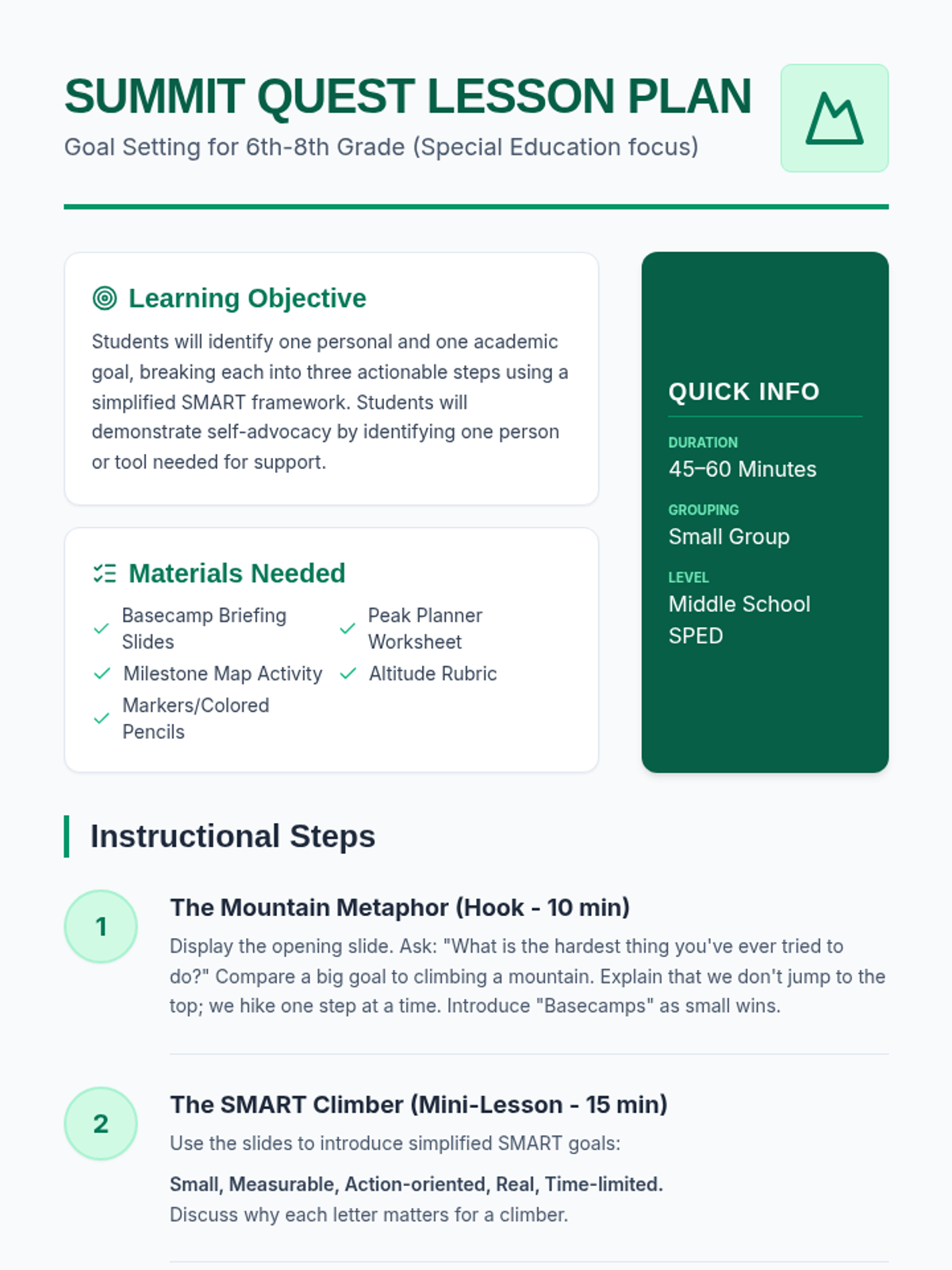
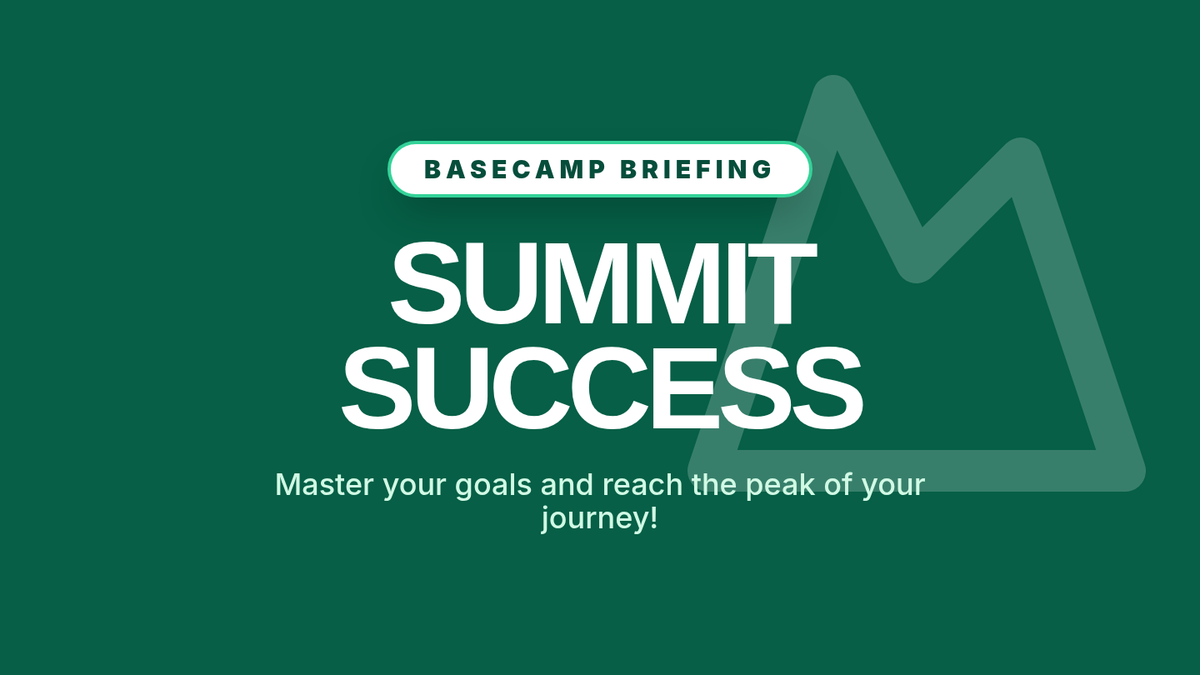
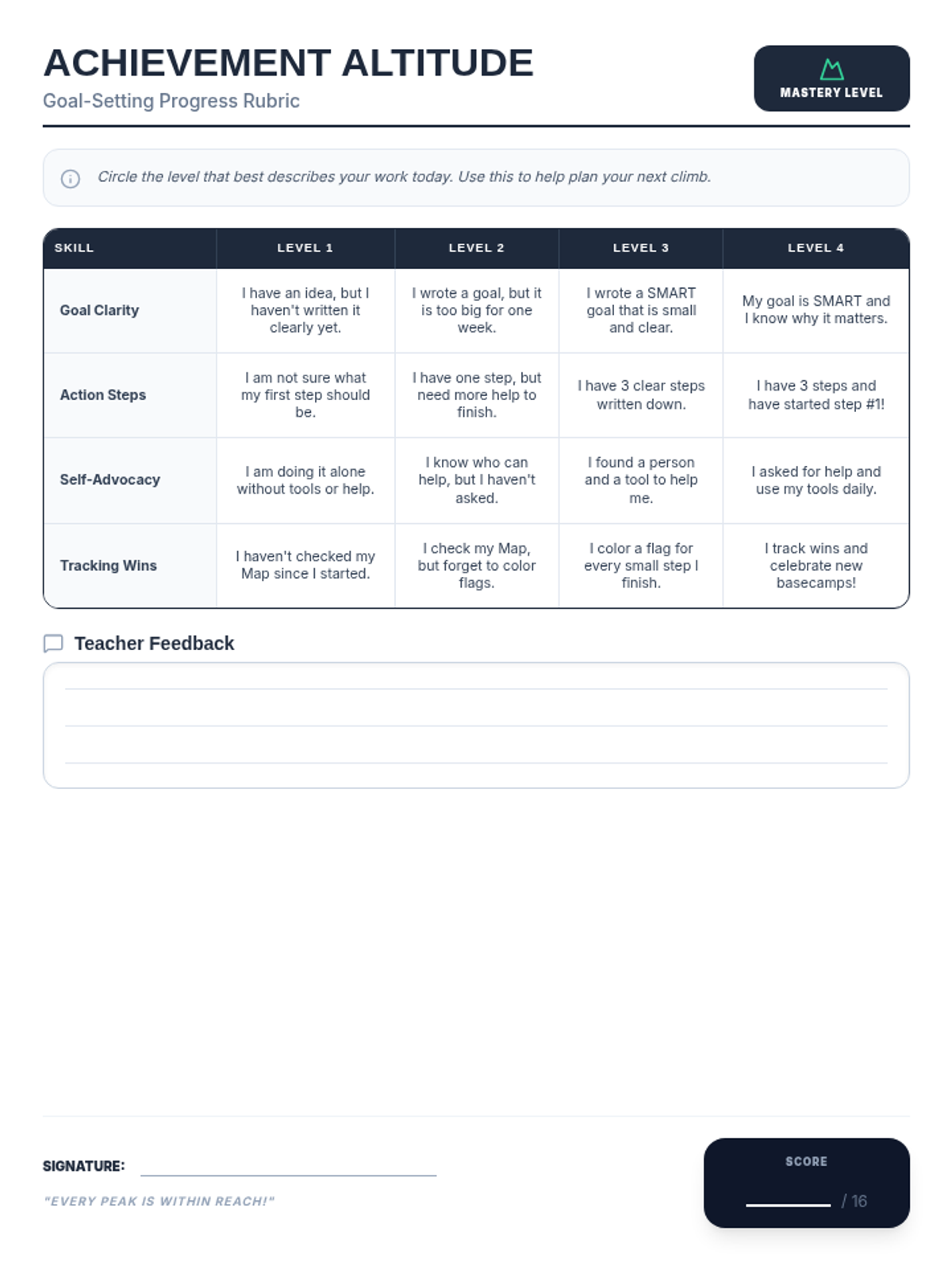
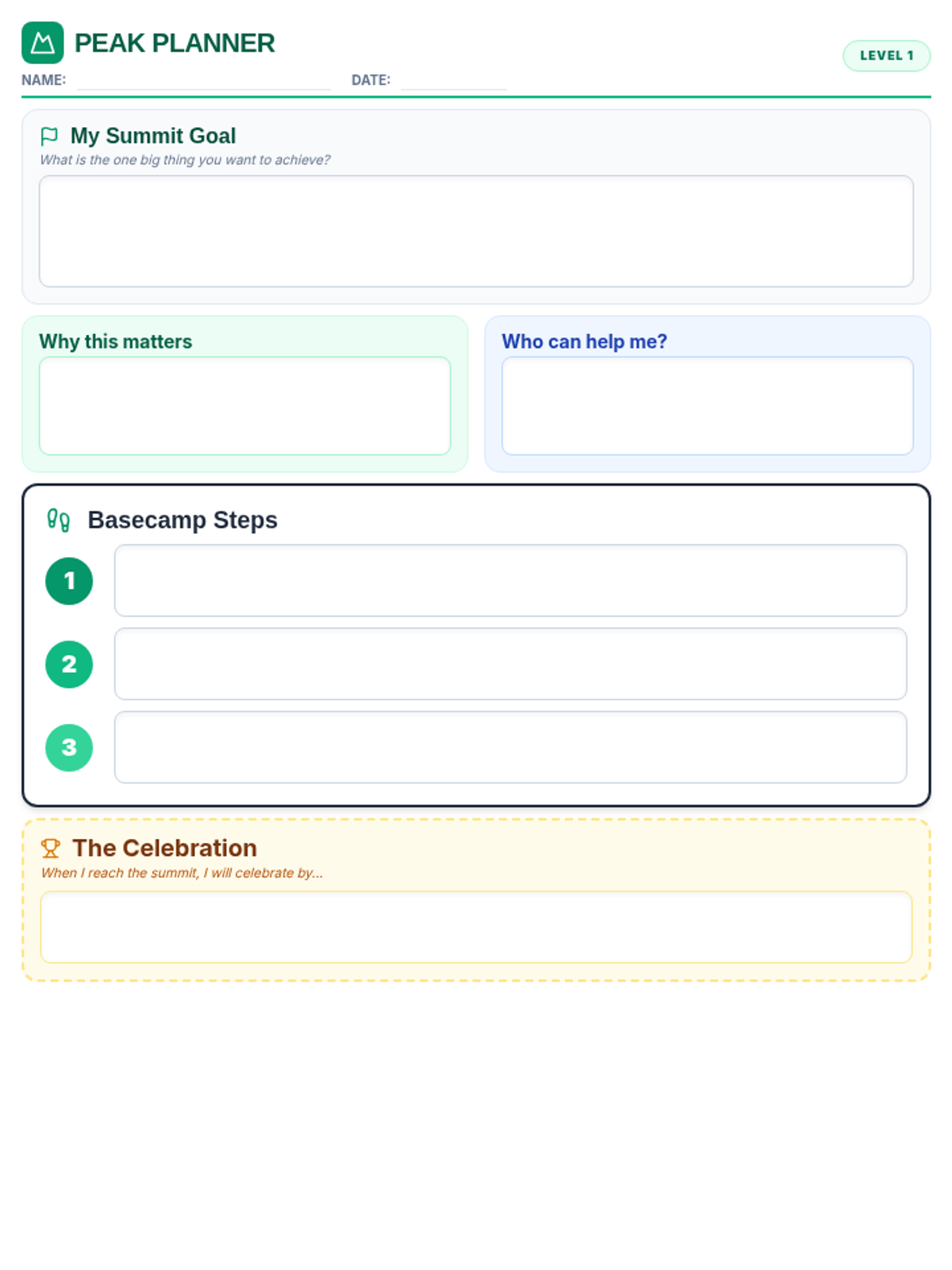
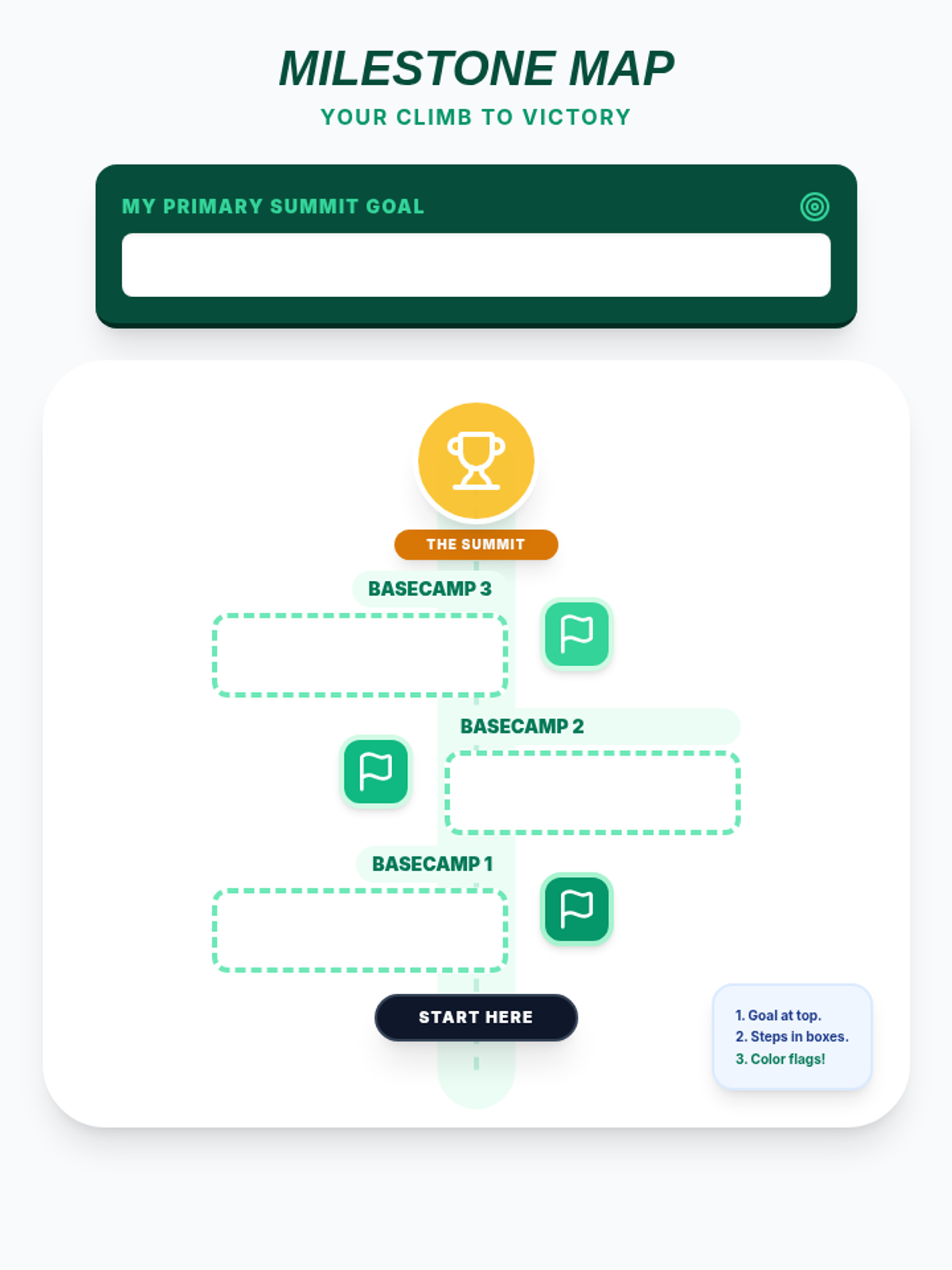
A lesson designed for 6th-8th grade special education students to learn the fundamentals of setting and tracking personal and academic goals using a mountain-climbing metaphor. Students will learn to break large objectives into manageable 'basecamp' steps to build confidence and self-advocacy.
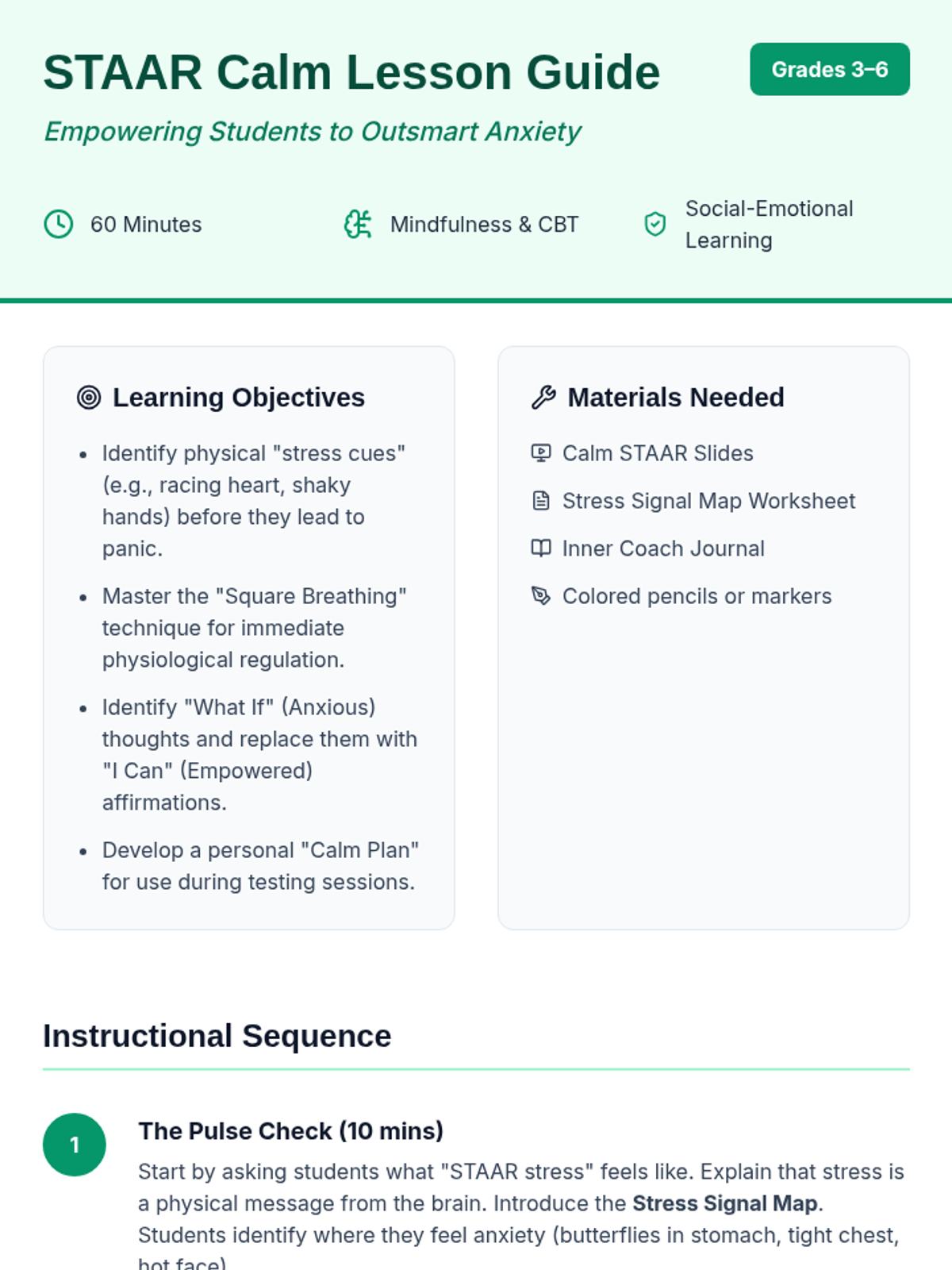
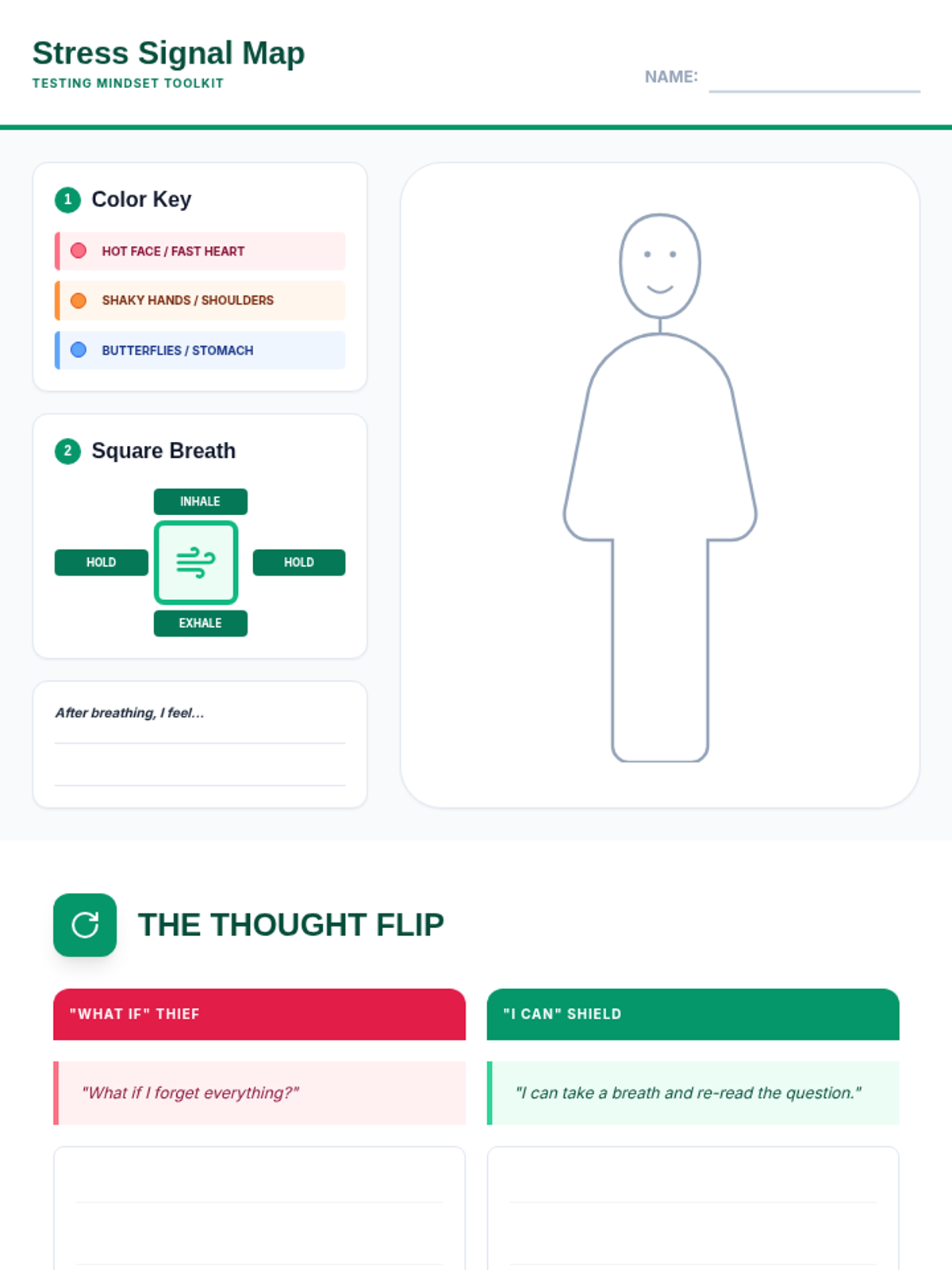
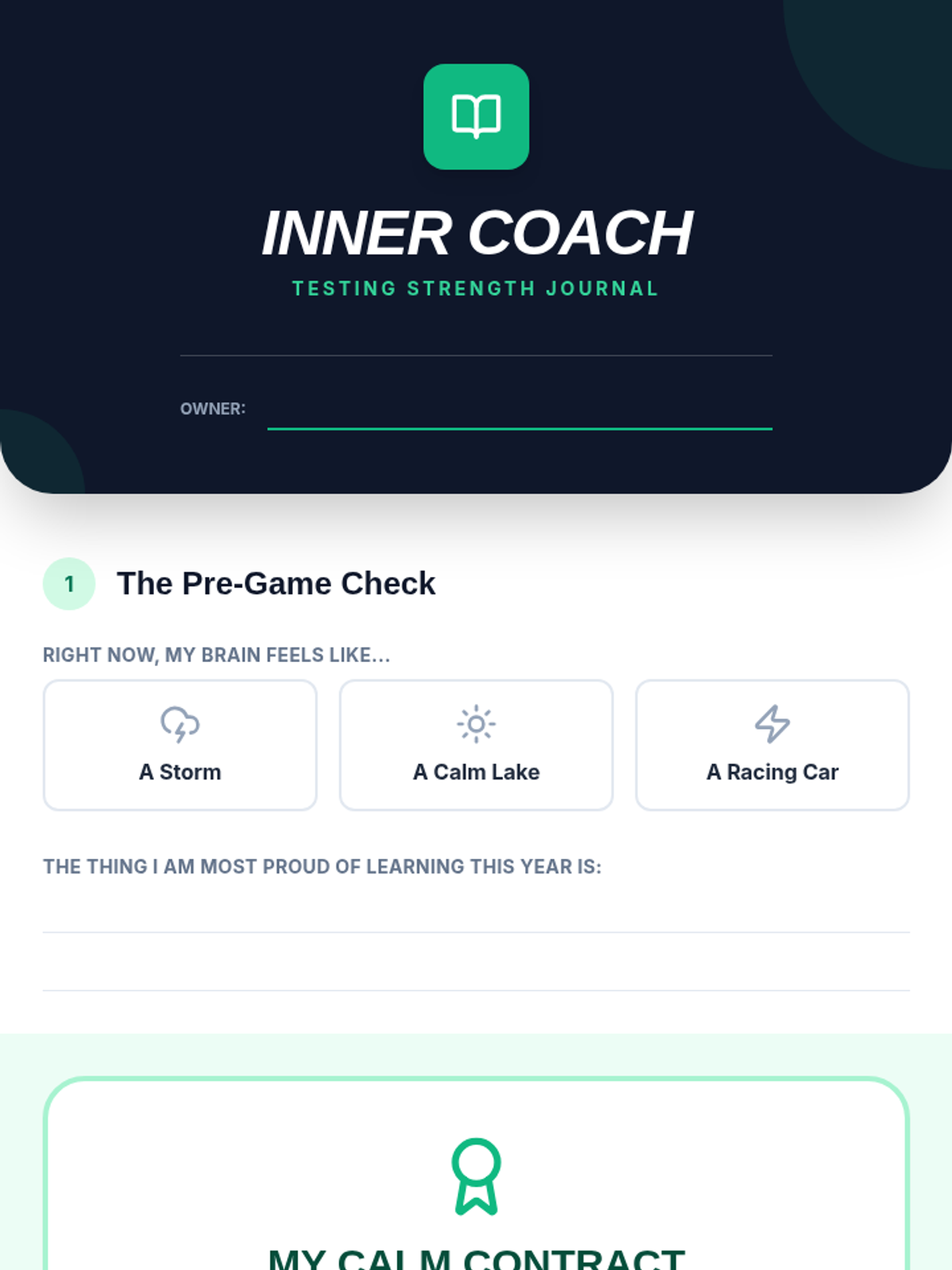
A comprehensive mindfulness workshop designed to equip 3rd-6th grade students with practical tools to manage testing anxiety, focusing on physiological awareness and cognitive reframing.
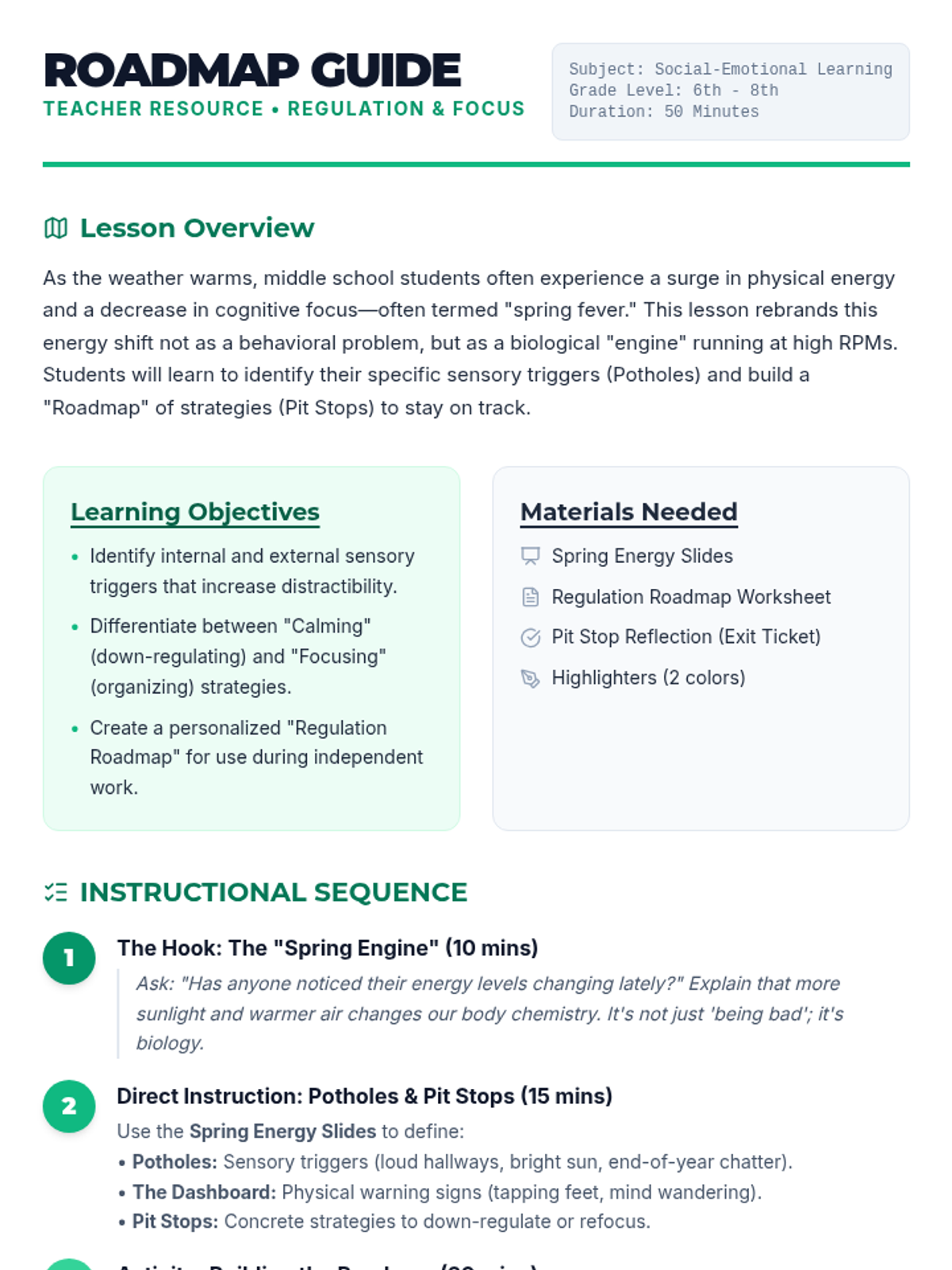
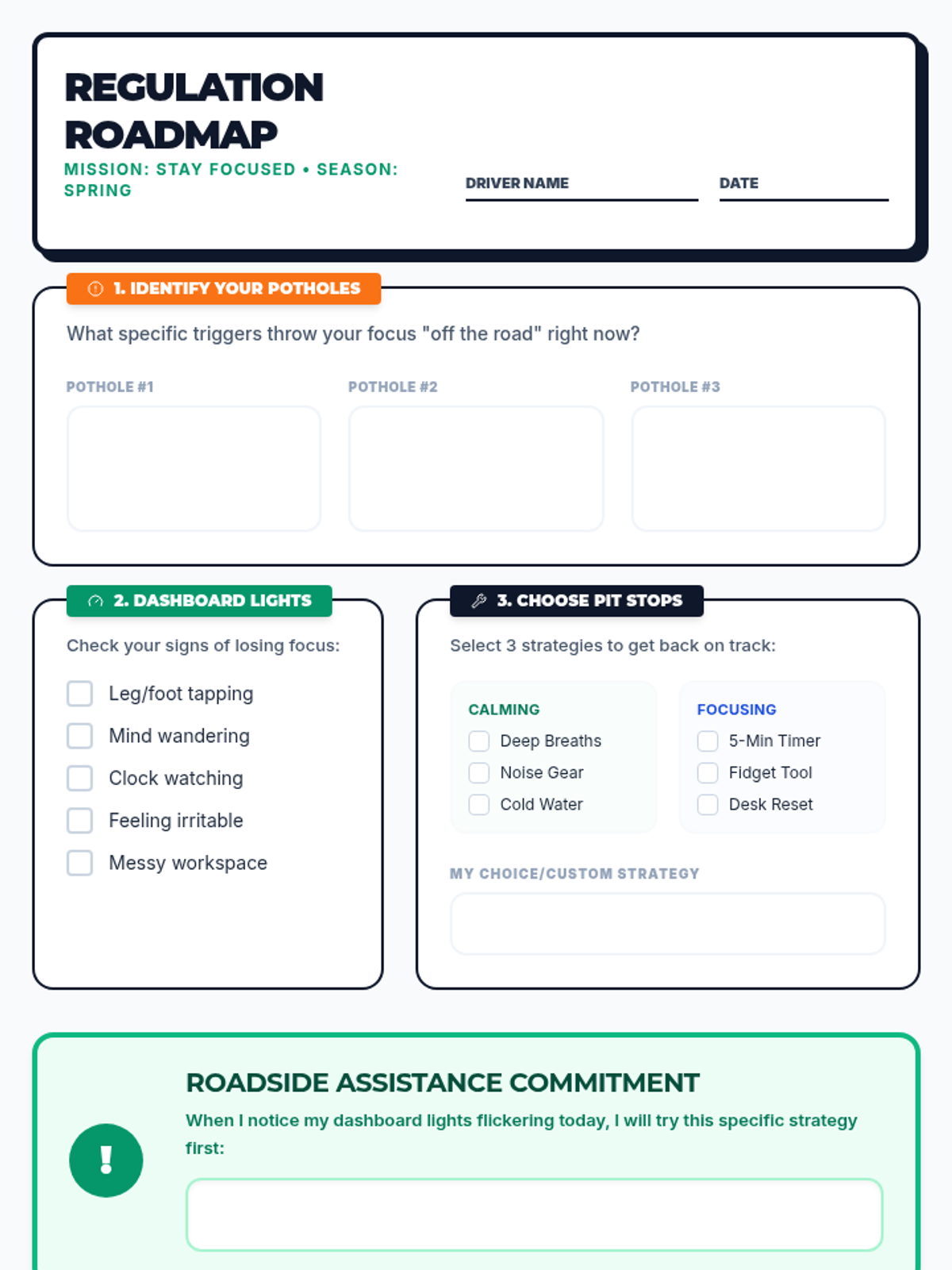
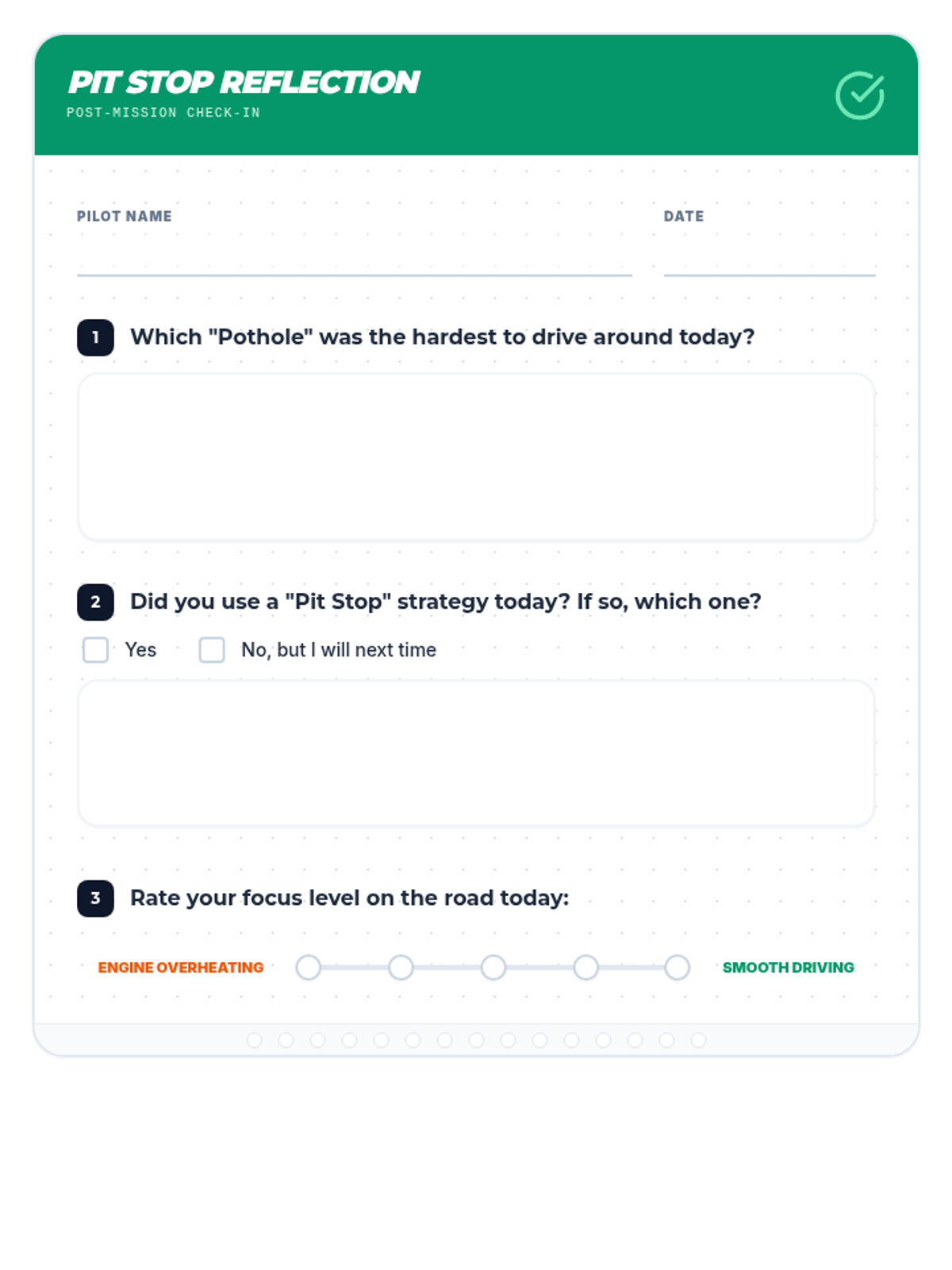
This lesson helps middle school students identify sensory triggers associated with seasonal energy shifts and develop a personalized regulation roadmap of calming and focusing strategies. Students explore the physiology of 'spring fever' and create a practical toolkit for maintaining focus during high-energy periods.
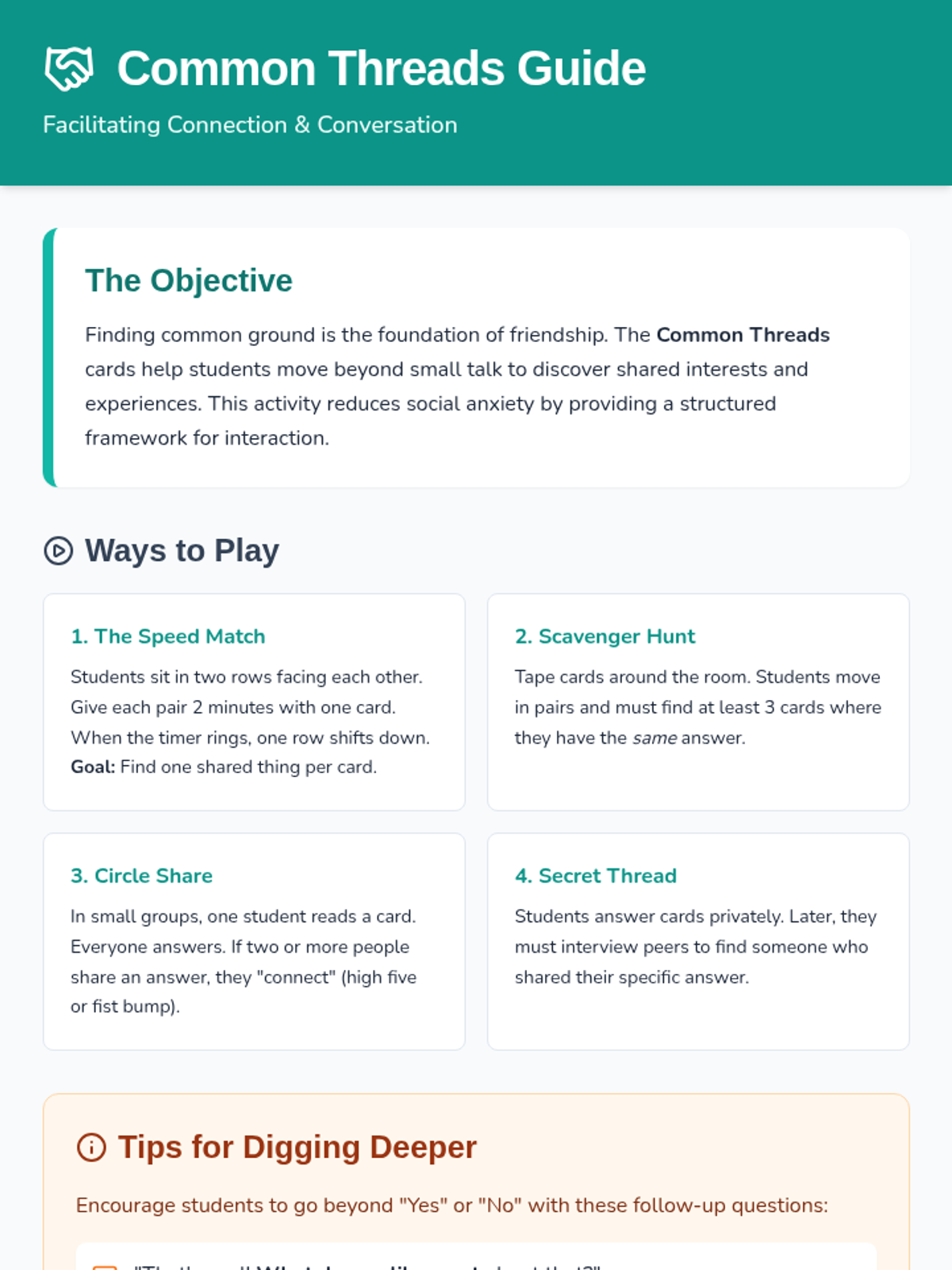
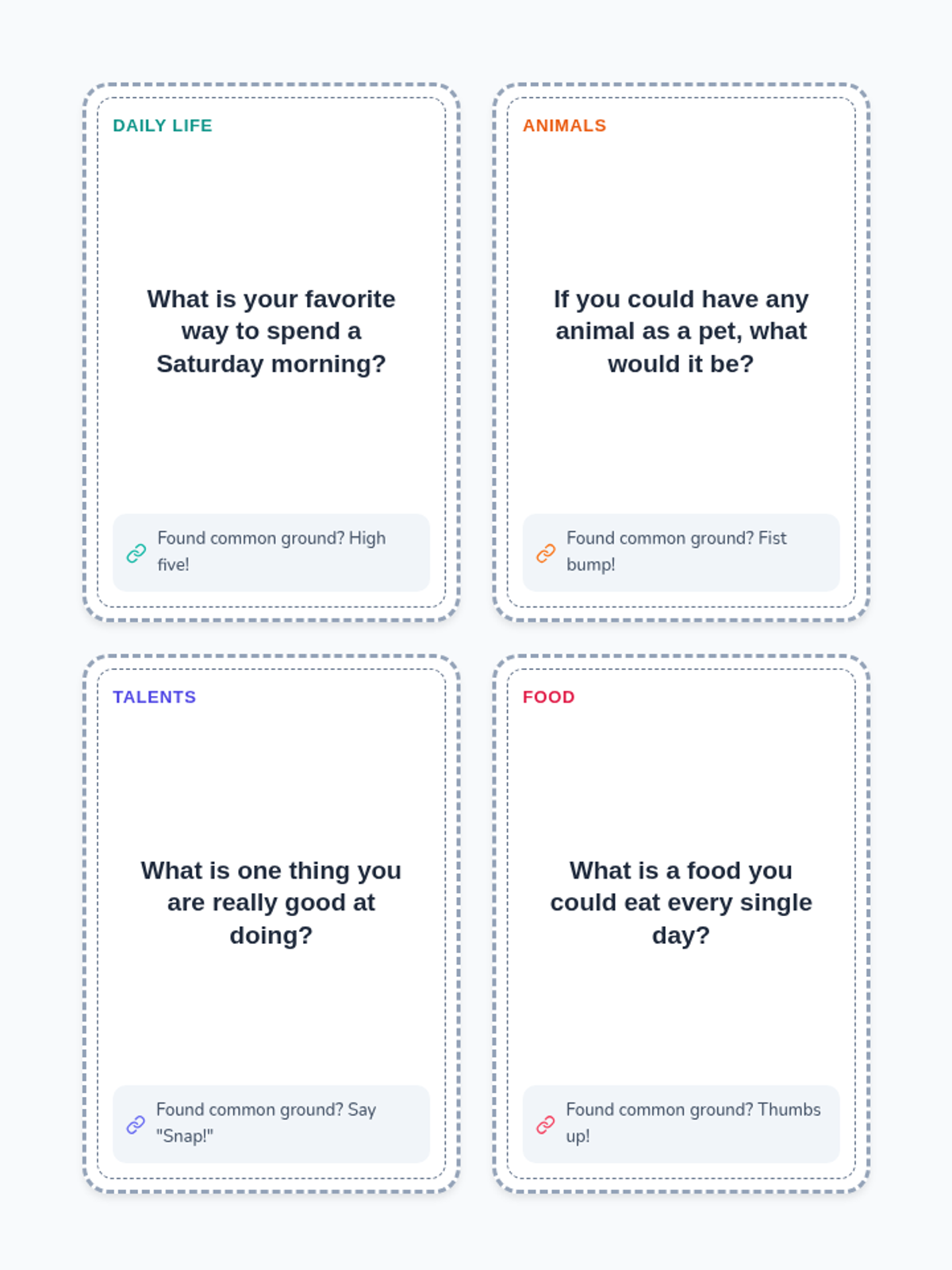
A social-emotional learning lesson focused on finding commonalities with peers through structured conversation. Students use conversation cards to discover shared interests and build connections.
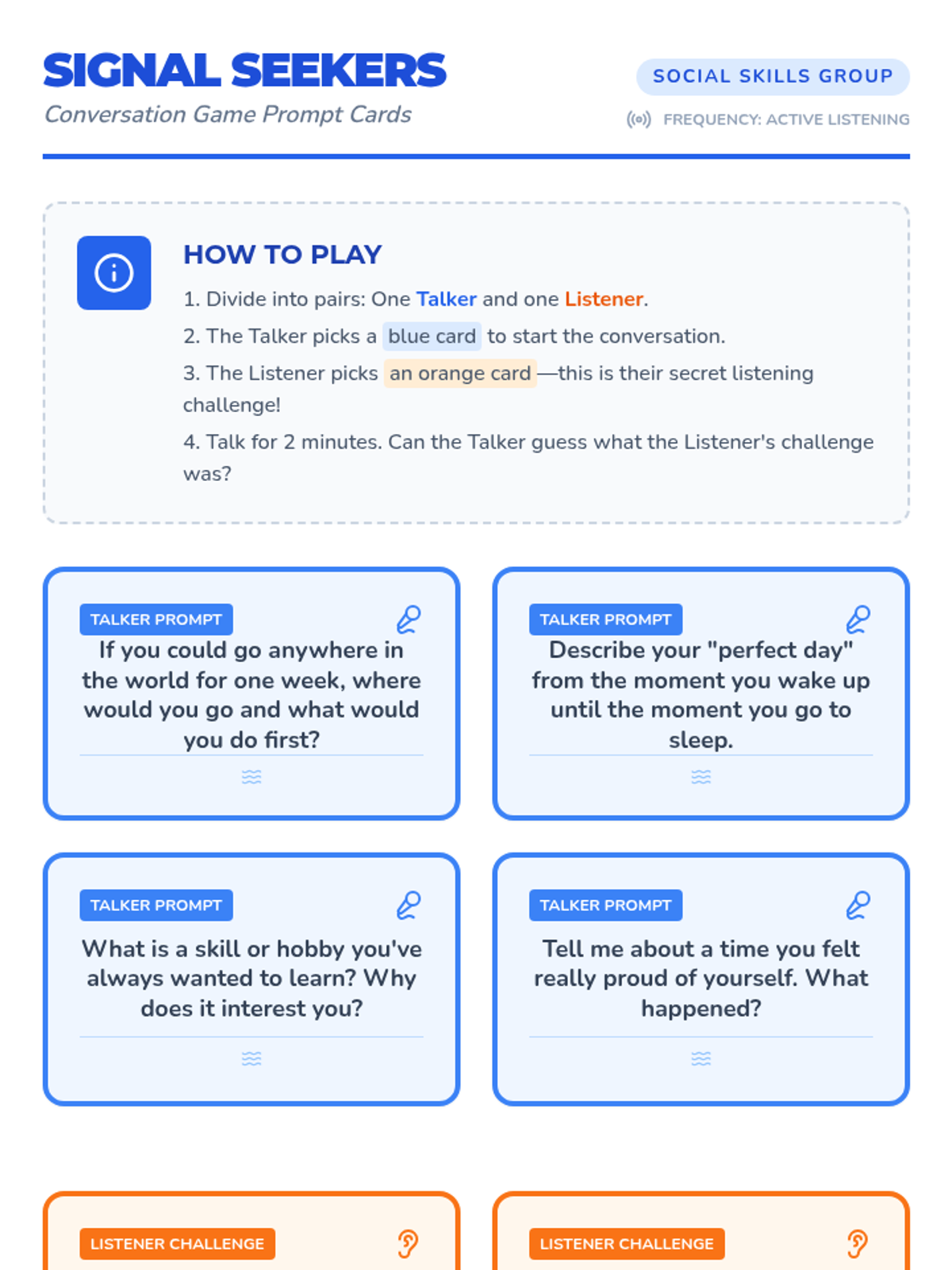
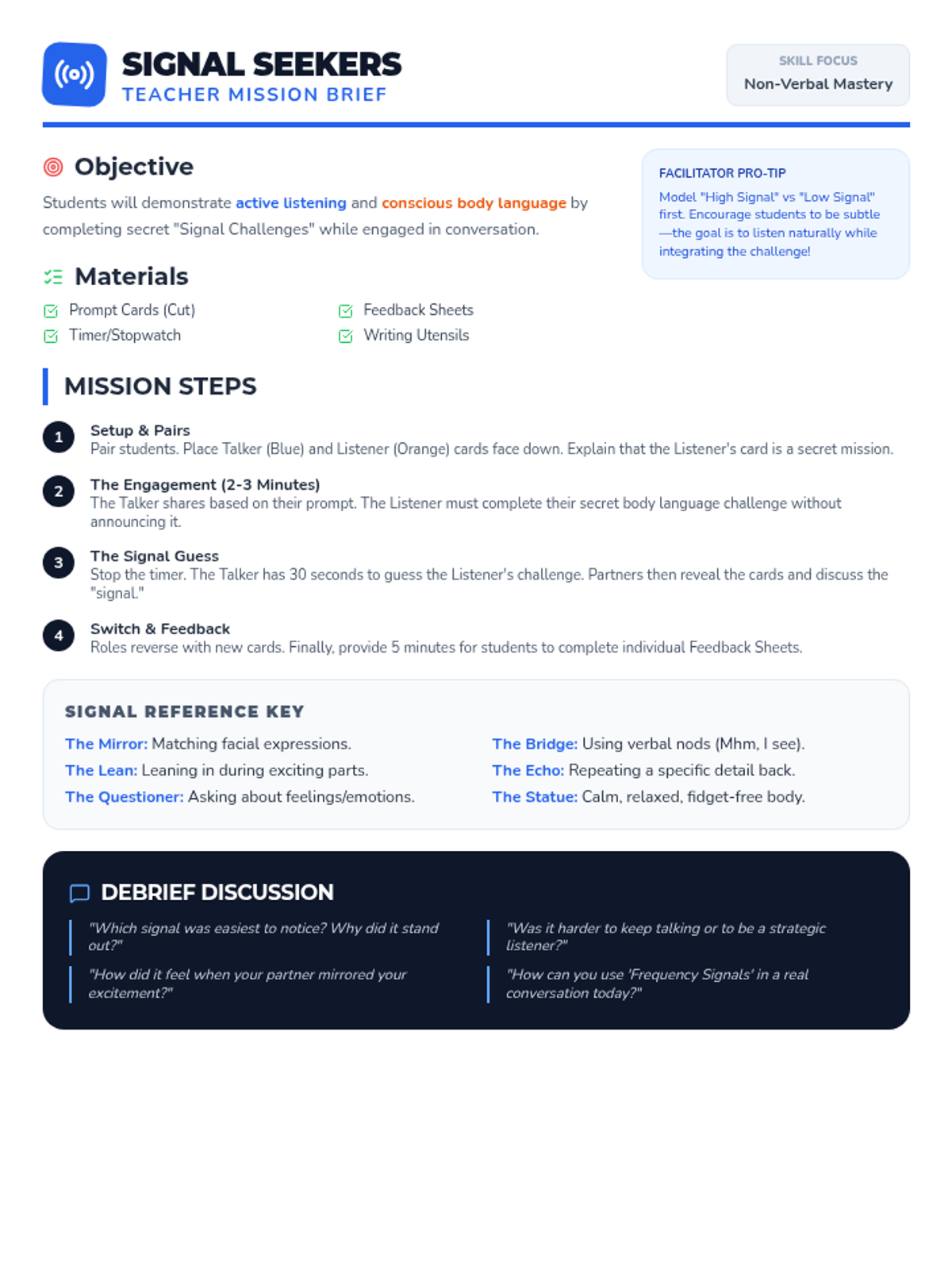
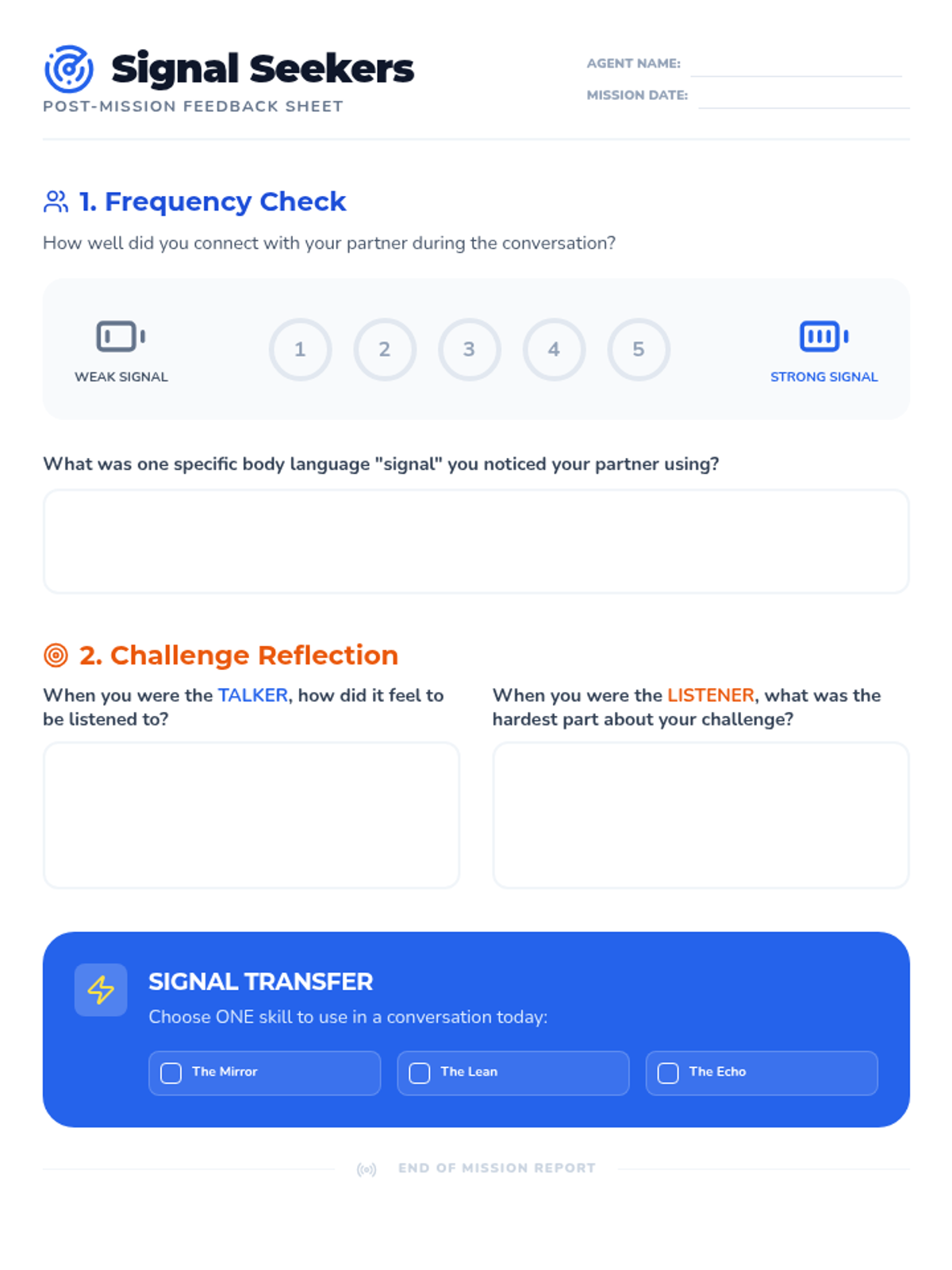
A dynamic conversation game where students practice active listening and non-verbal communication through 'Talker' prompts and 'Listener' challenges. Students learn to recognize and use body language to show they are truly engaged in a conversation.
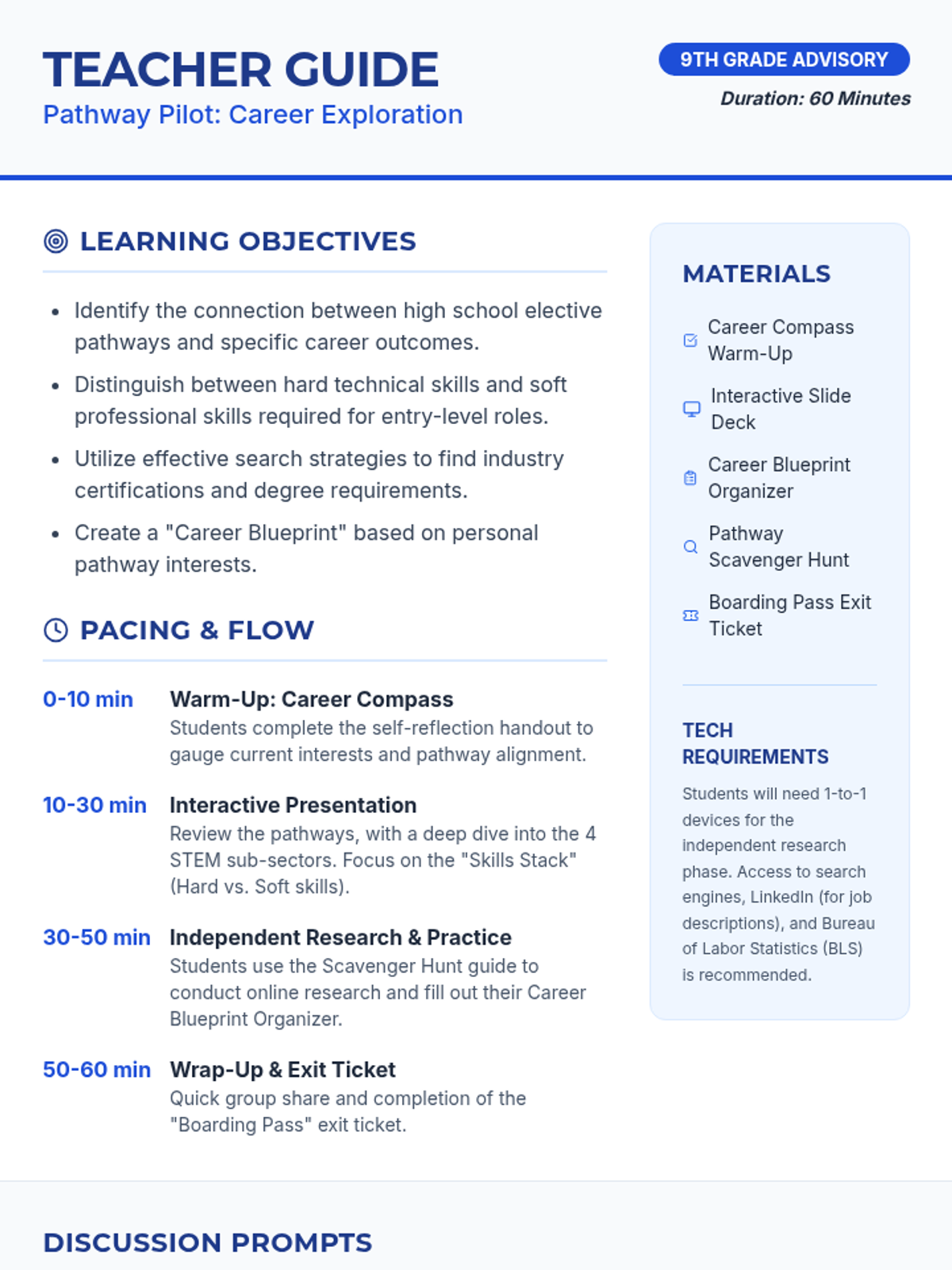
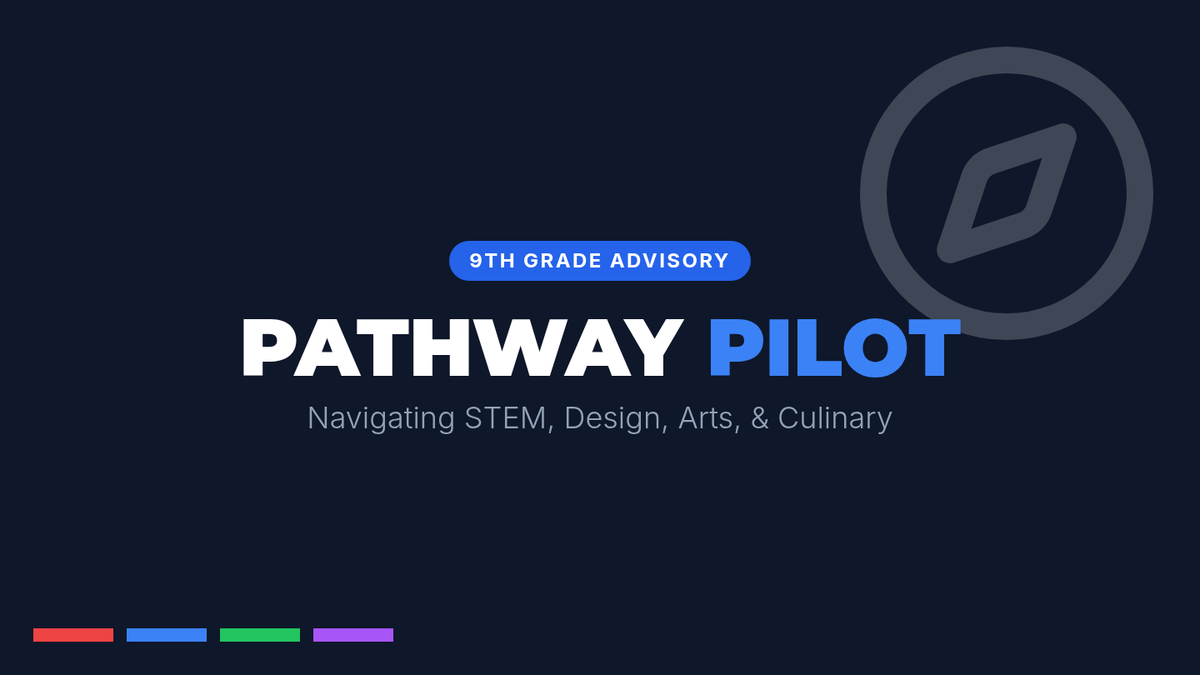
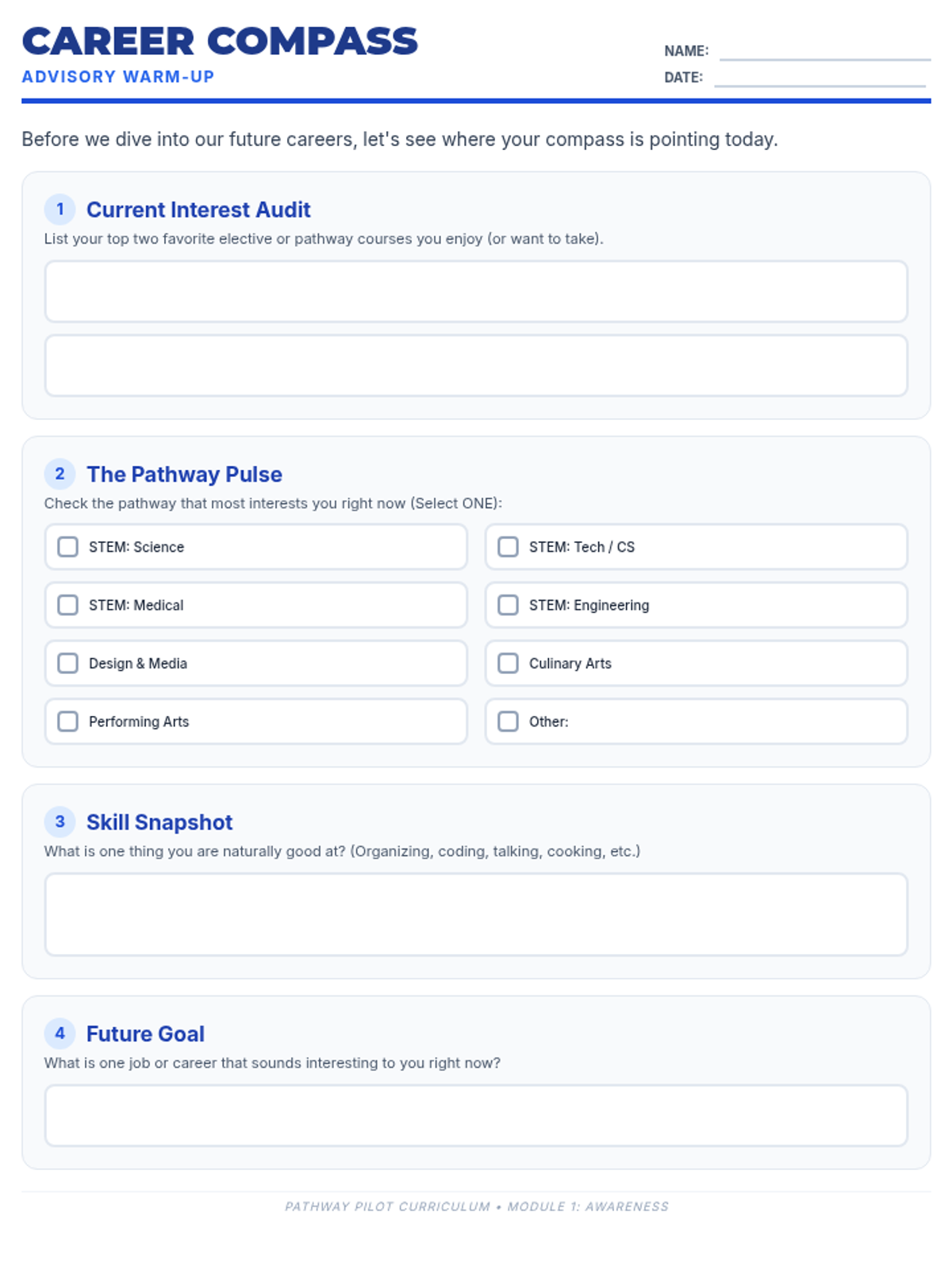
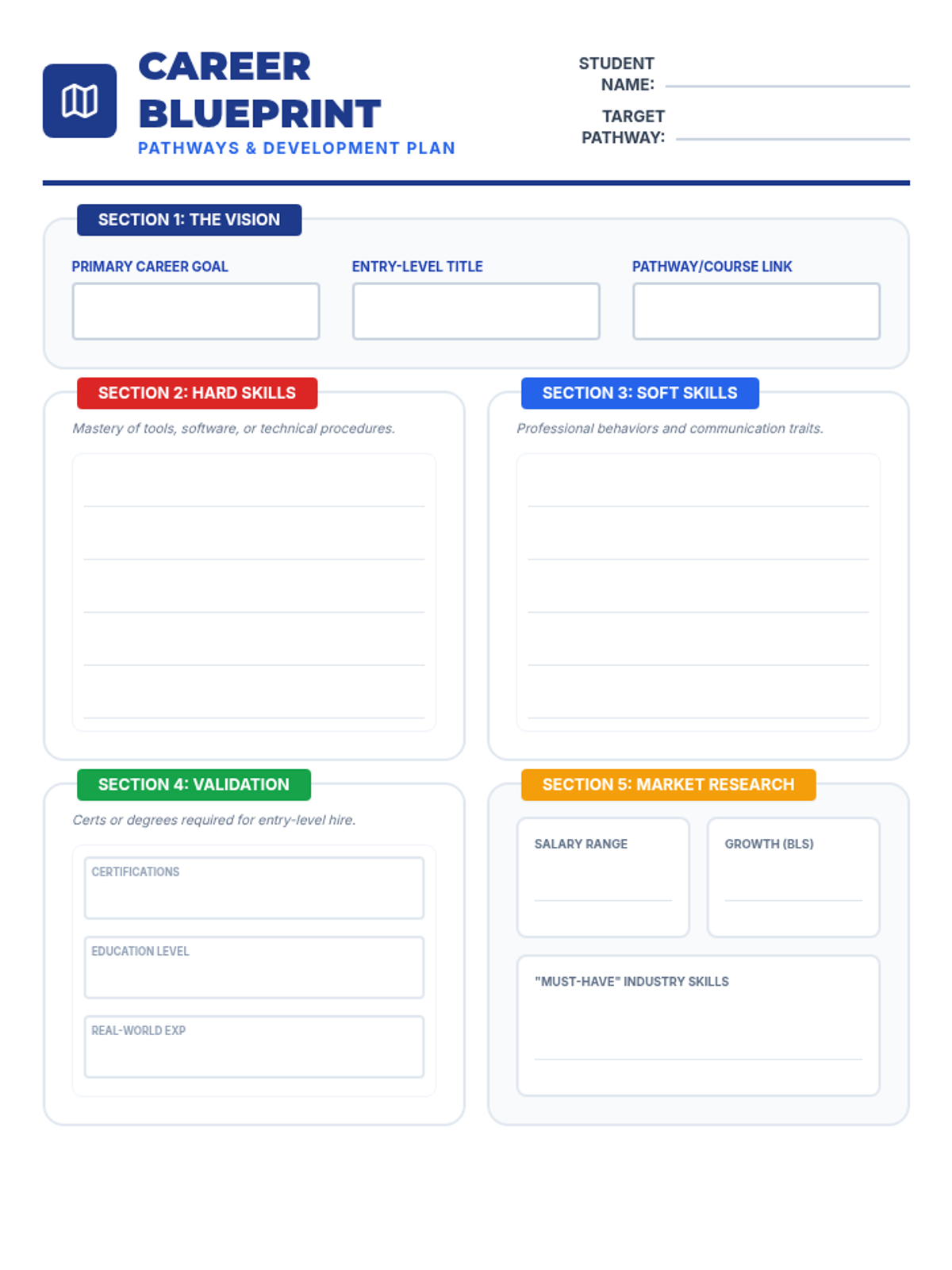
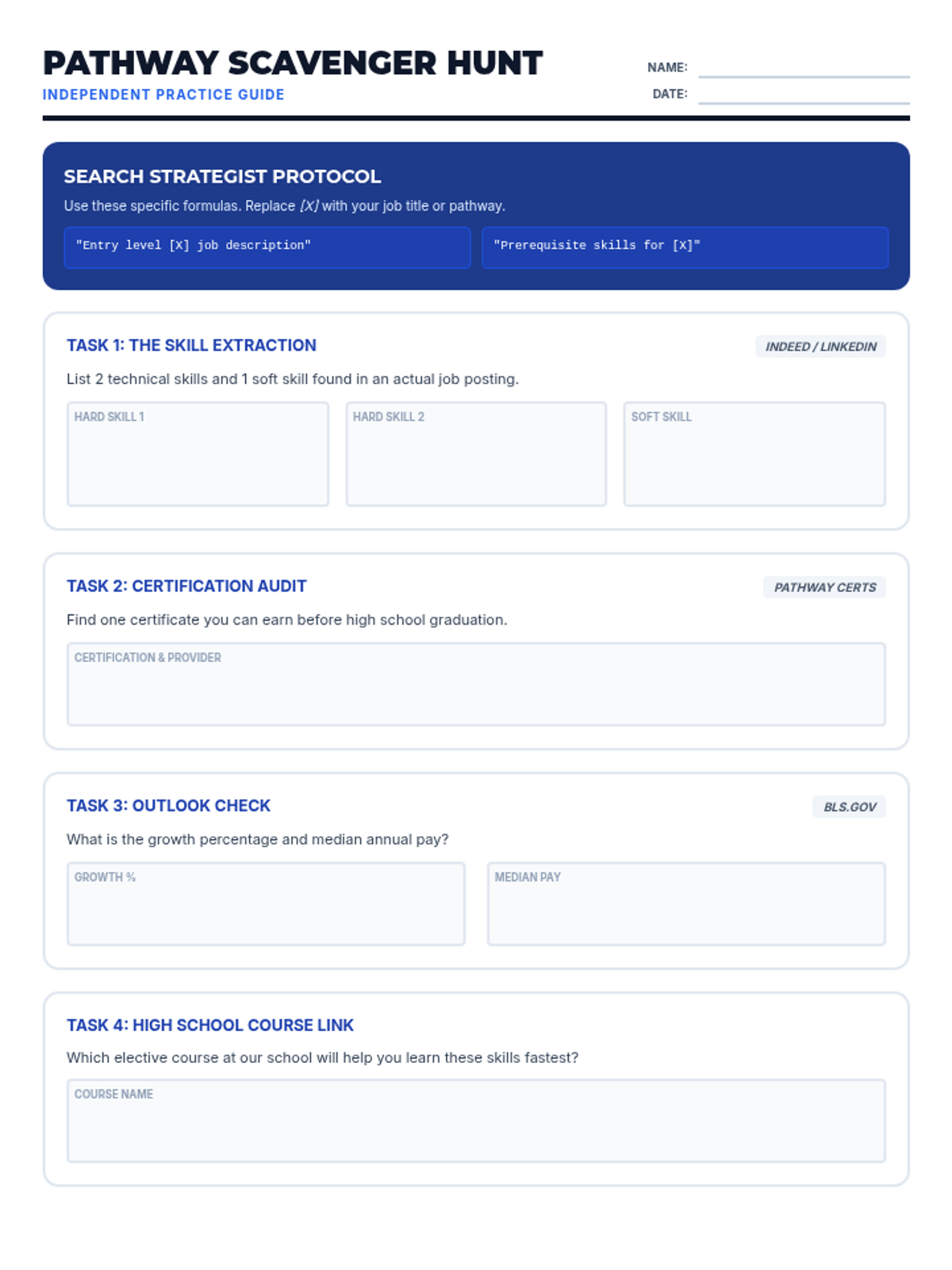
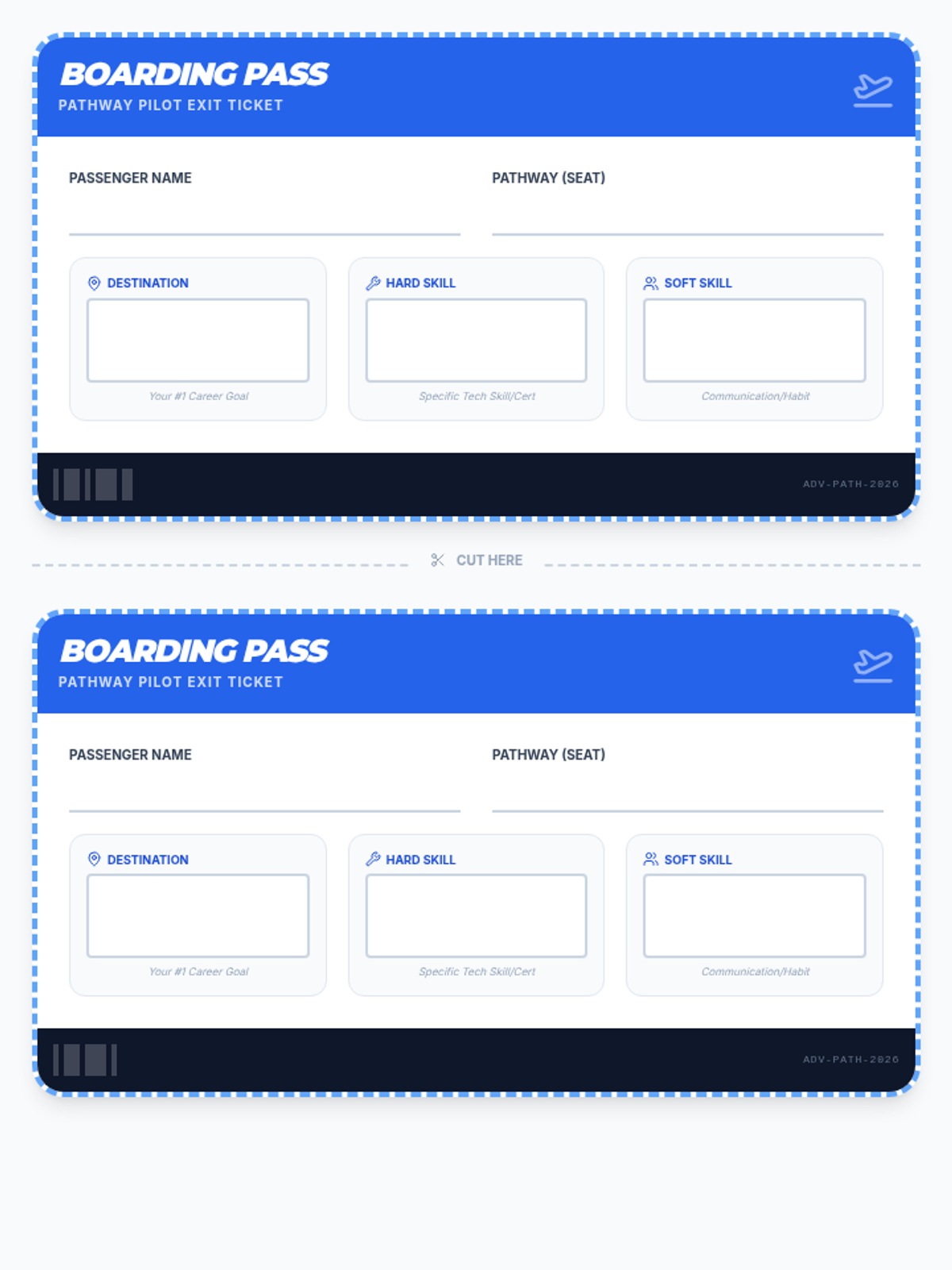
A comprehensive 60-minute advisory lesson designed to help 9th-grade students connect their high school elective pathways (Performing Arts, Design, Culinary, and STEM) to future career requirements, focusing on hard and soft skills, certifications, and research strategies.
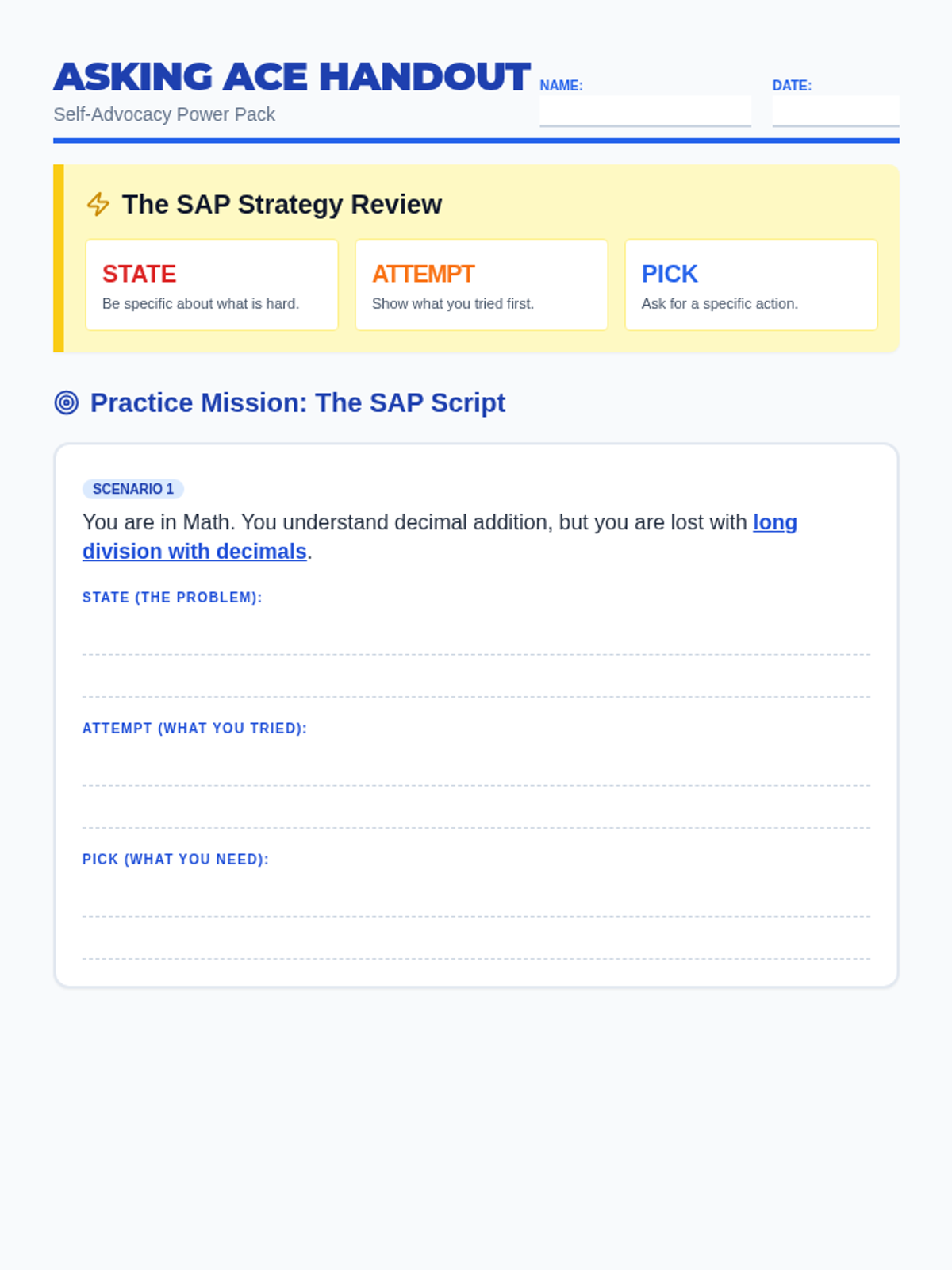
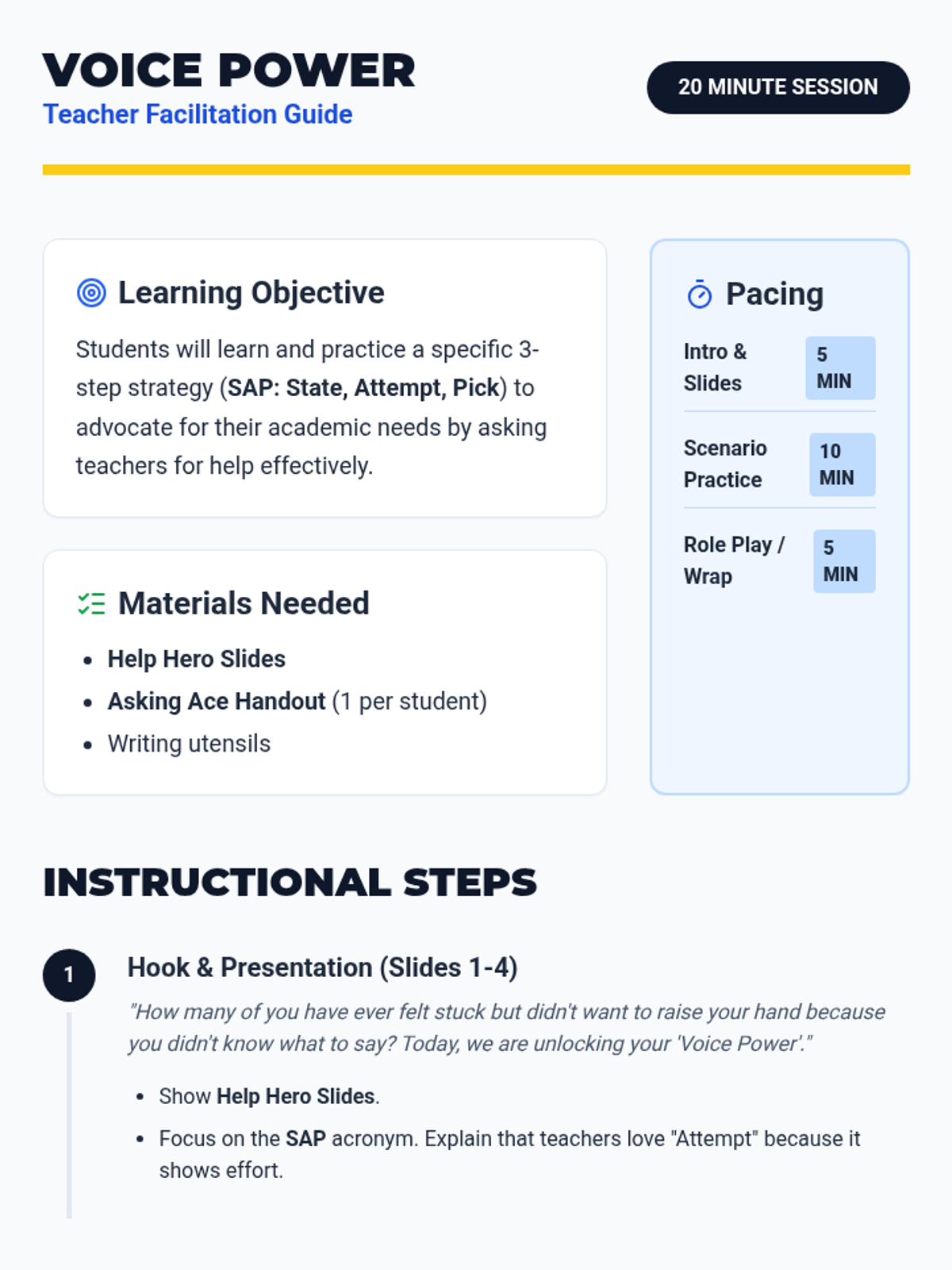
A quick, high-impact lesson designed to empower 6th graders with a simple 3-step strategy for asking teachers for help effectively and confidently.
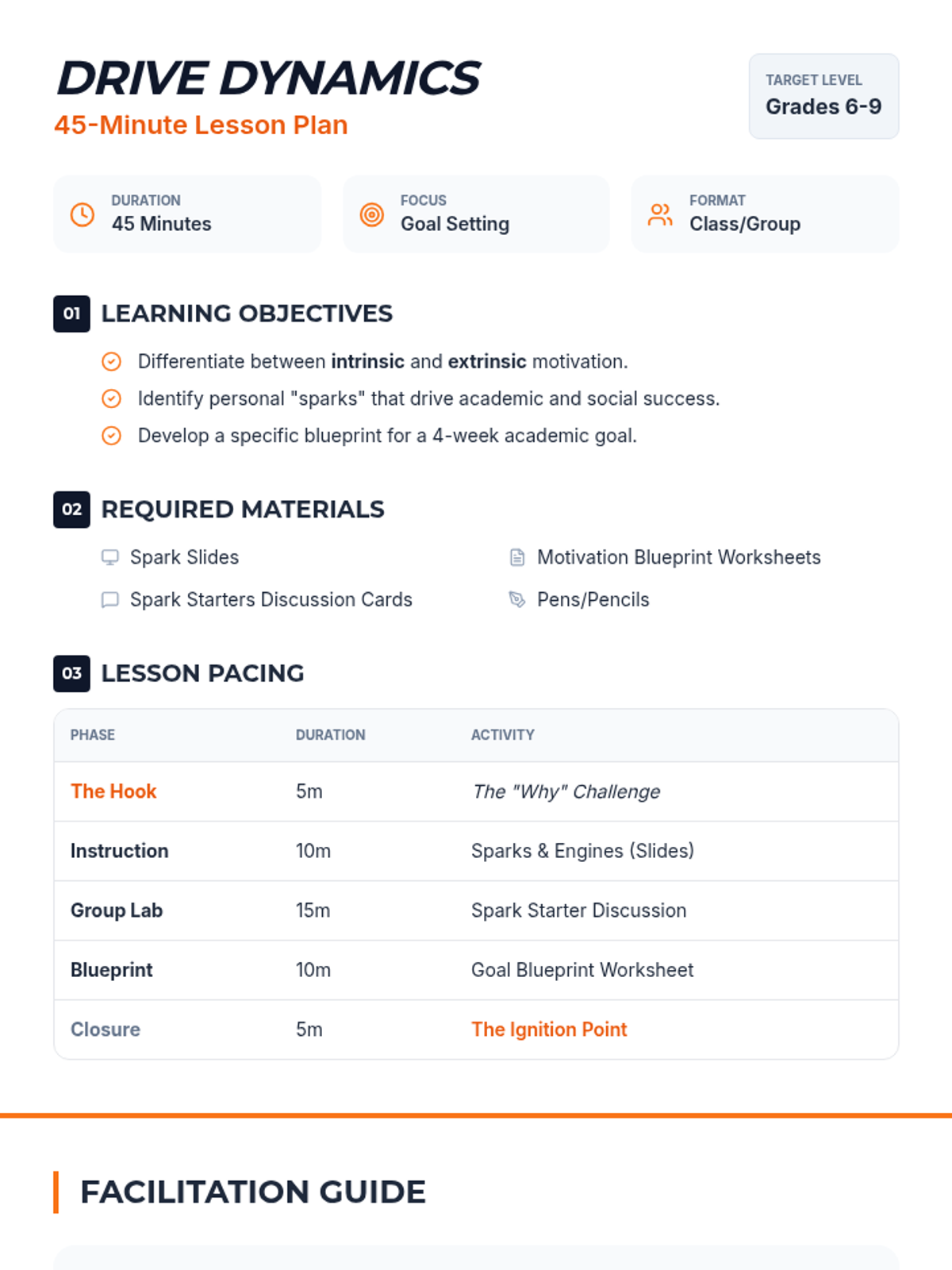
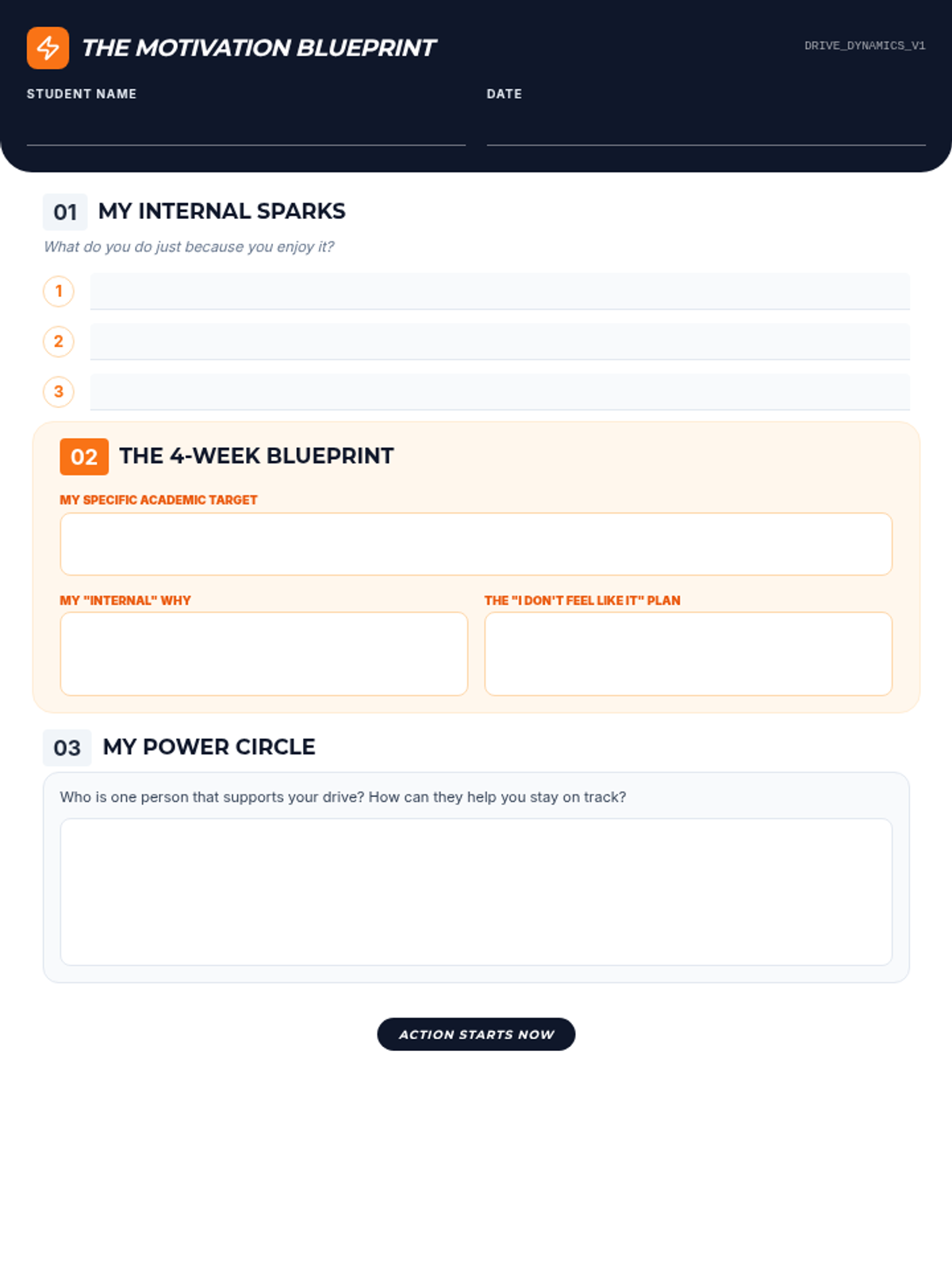
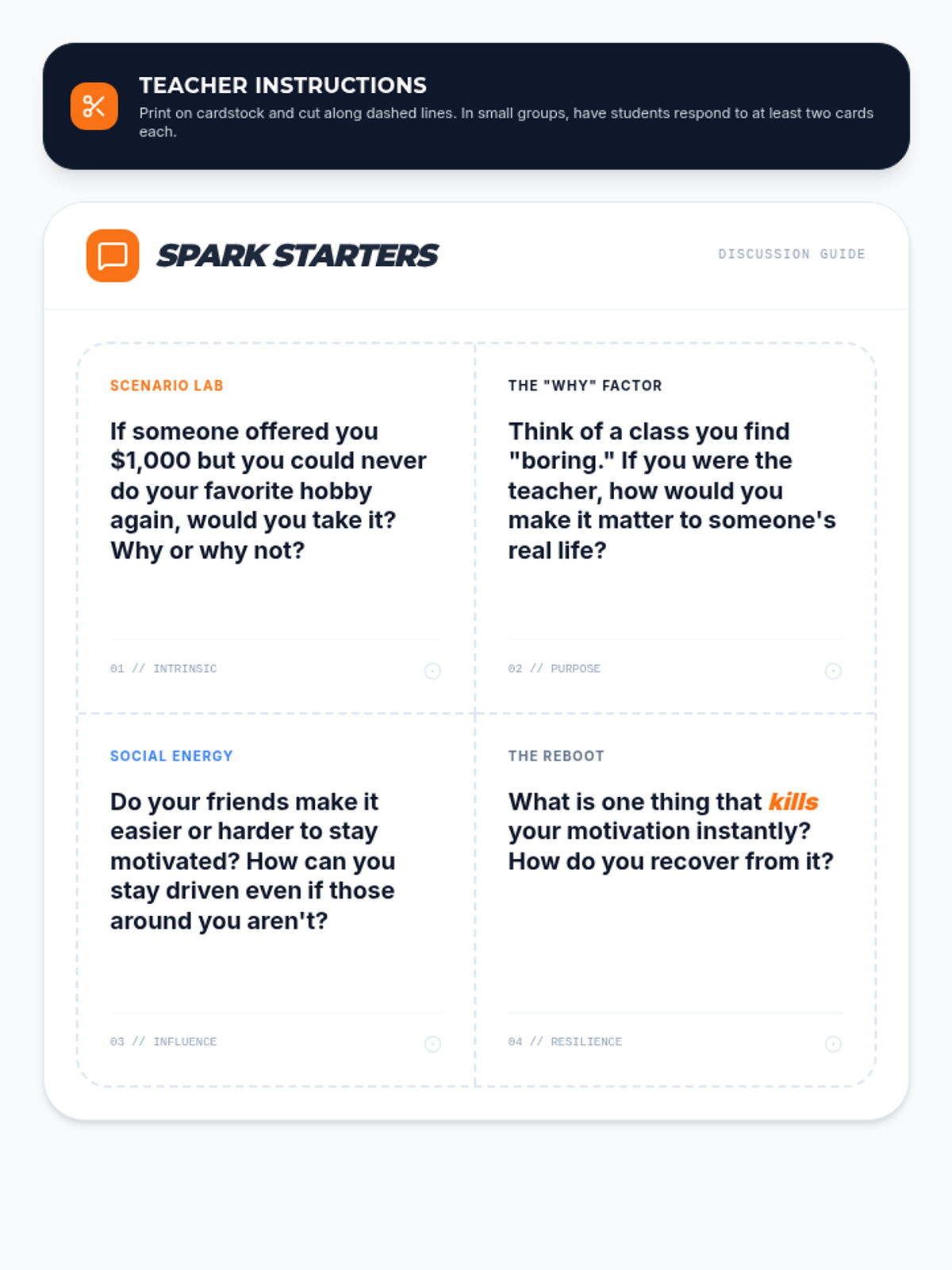
A comprehensive session focused on uncovering internal drivers, setting meaningful academic goals, and building social-emotional resilience through motivation strategies.
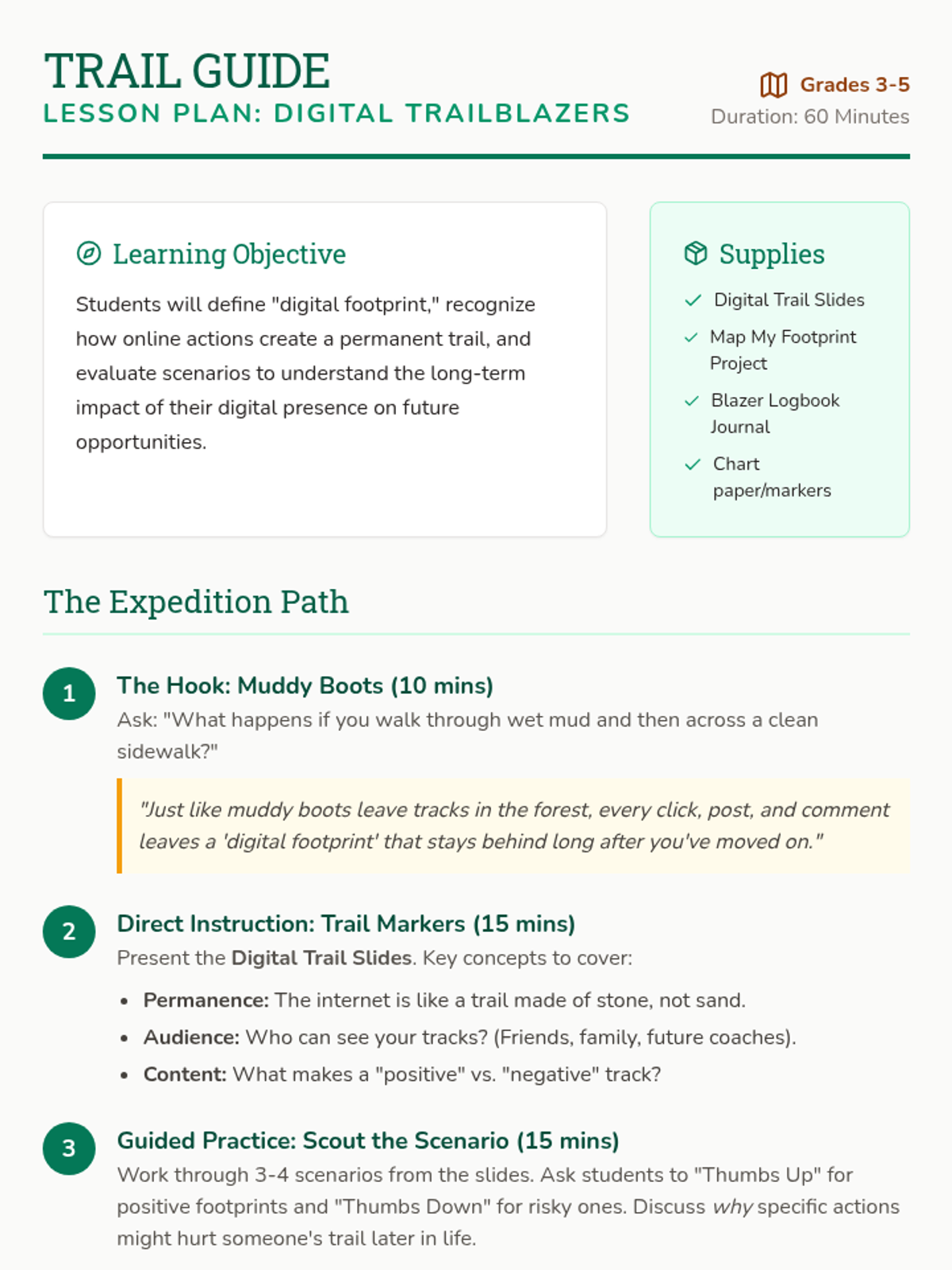
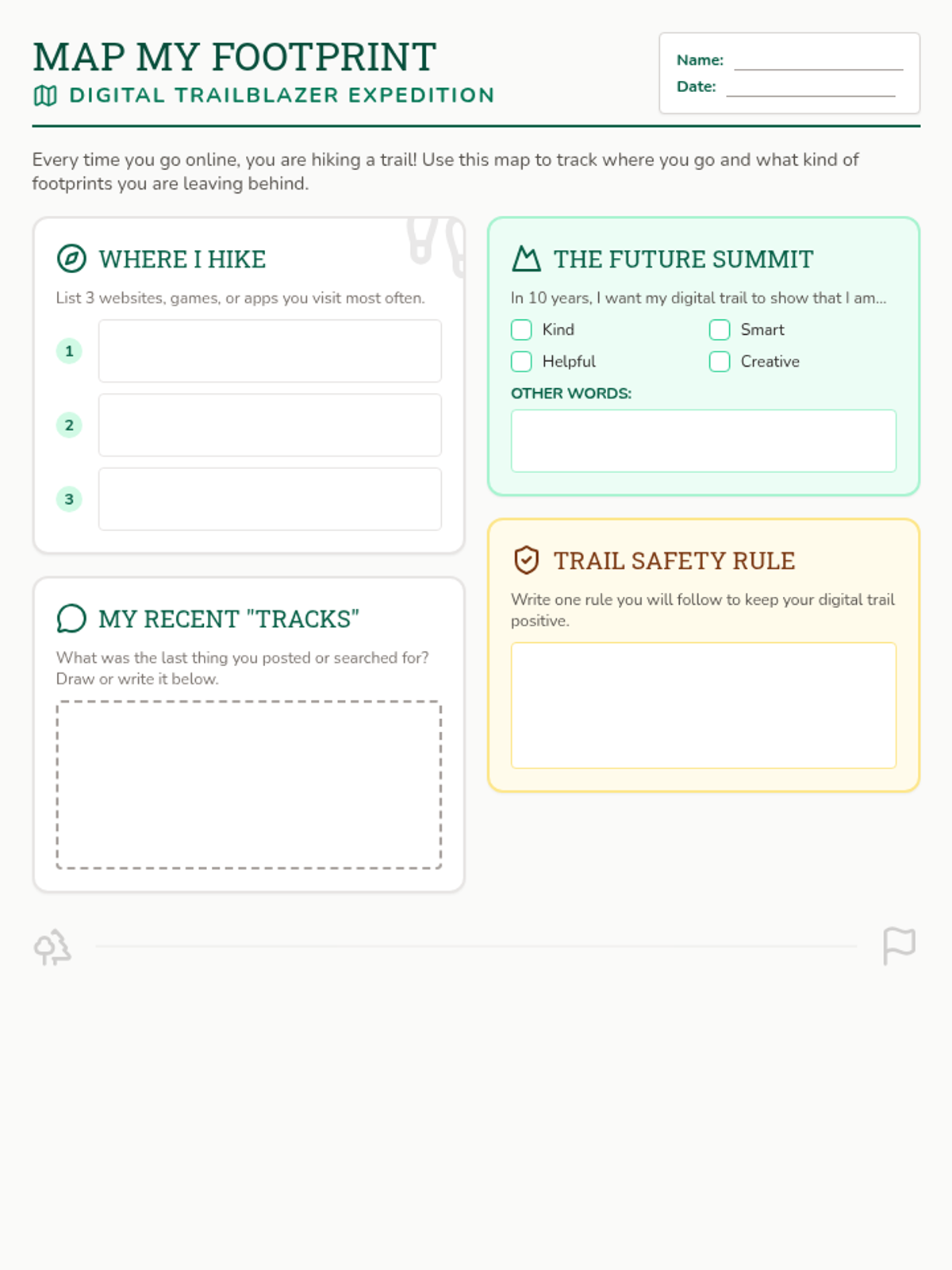
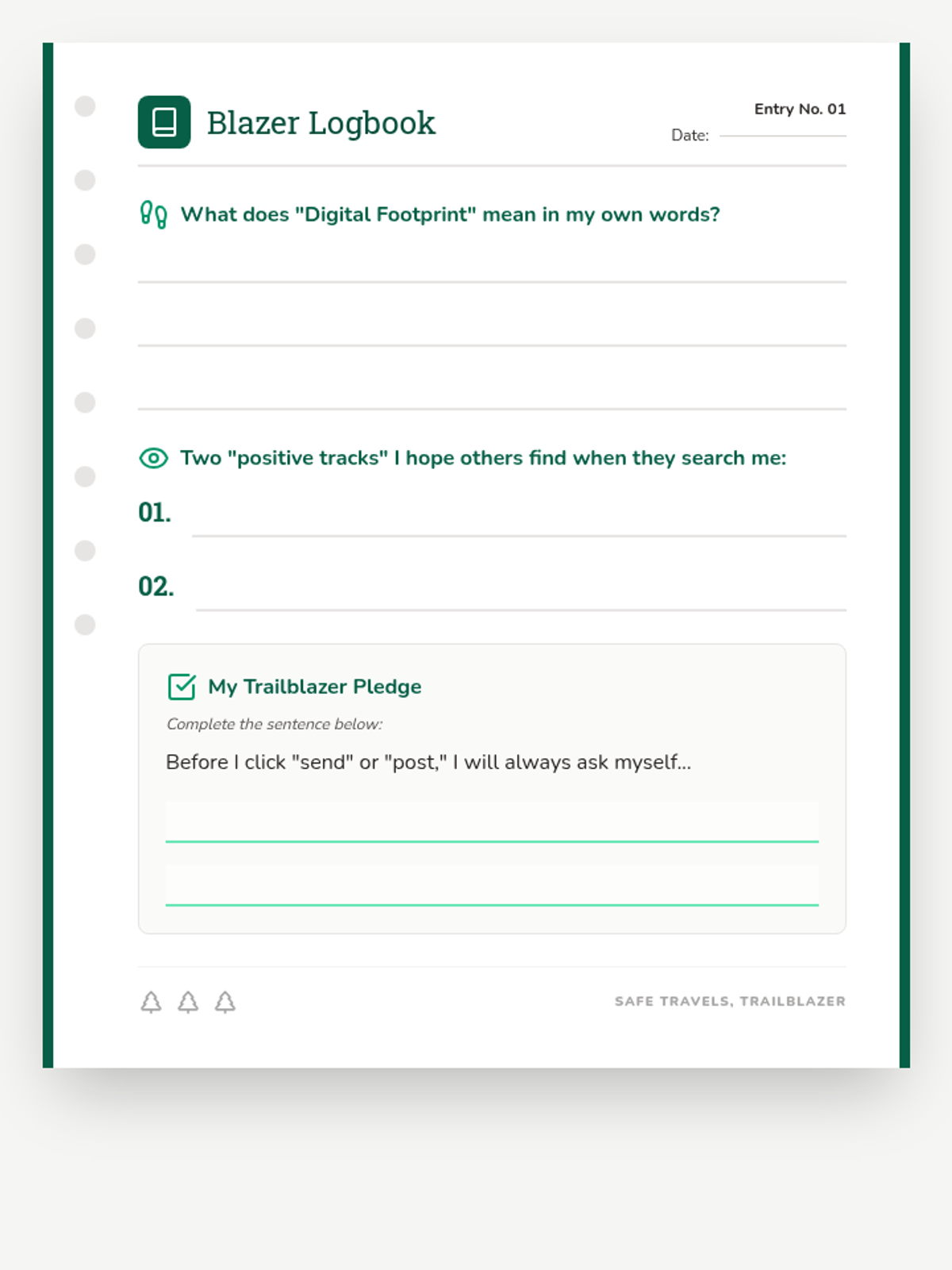
A lesson for grades 3-5 on digital footprints, using a wilderness trail analogy to explore how online actions leave lasting marks and affect future opportunities.
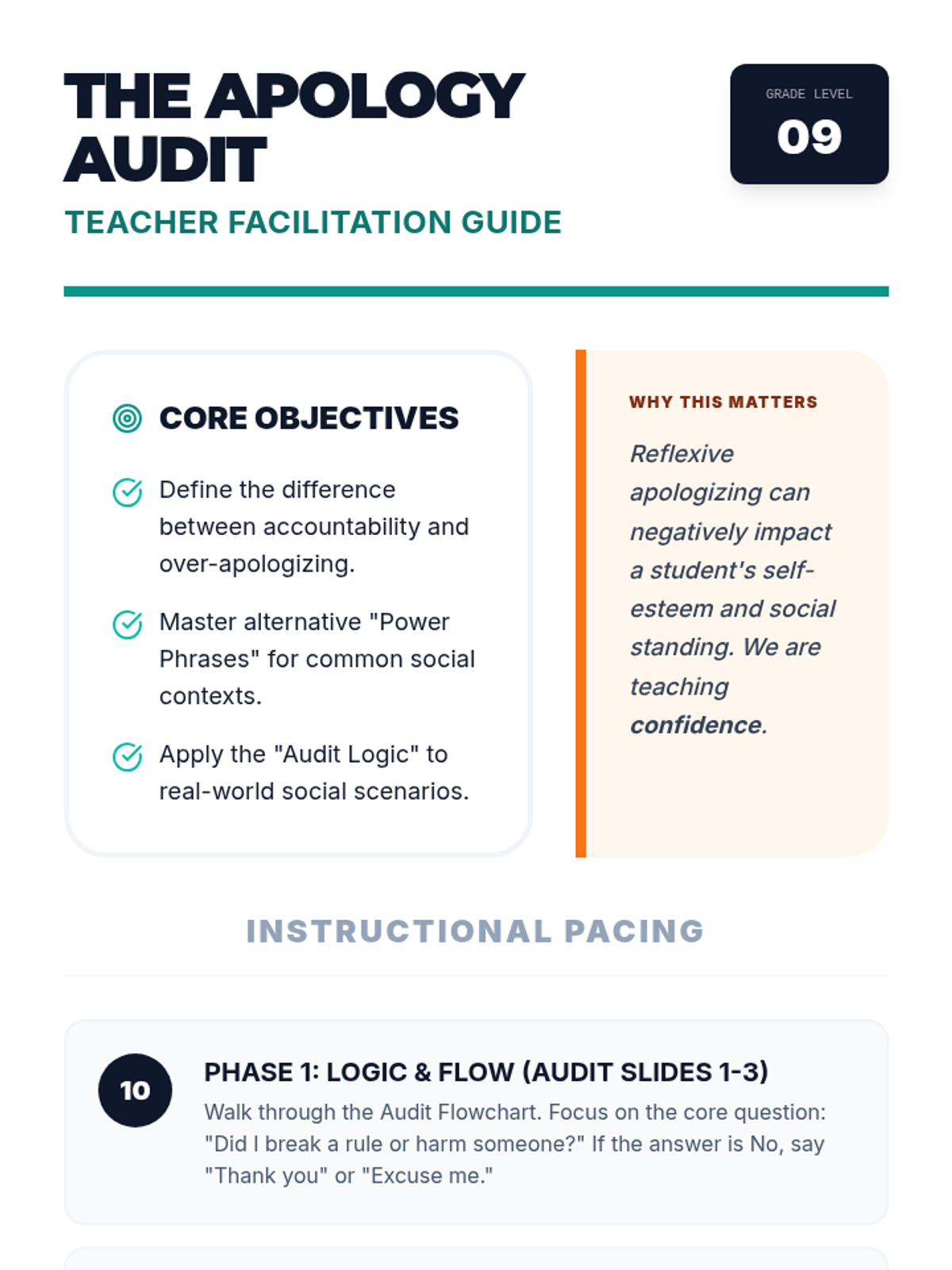
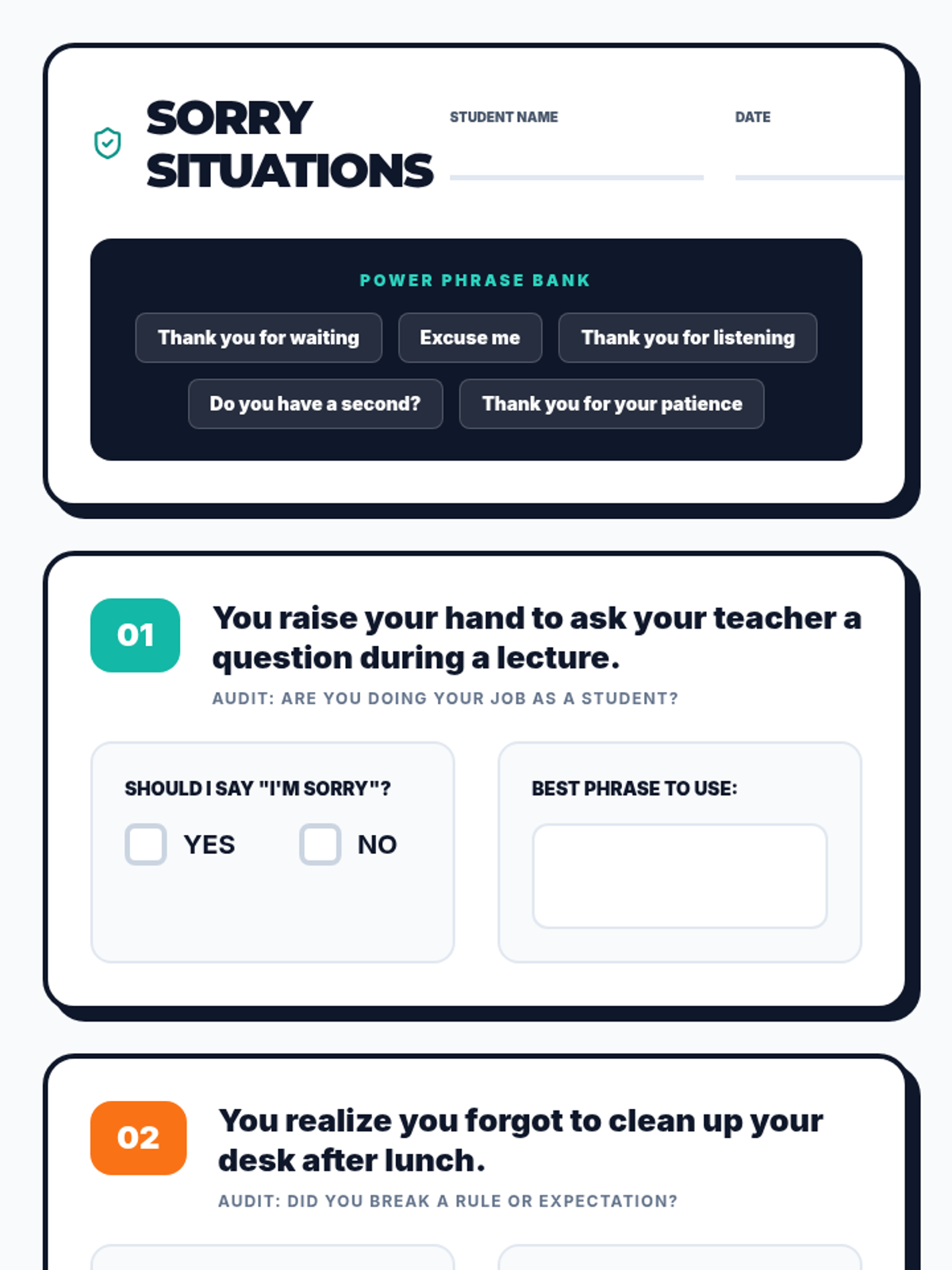
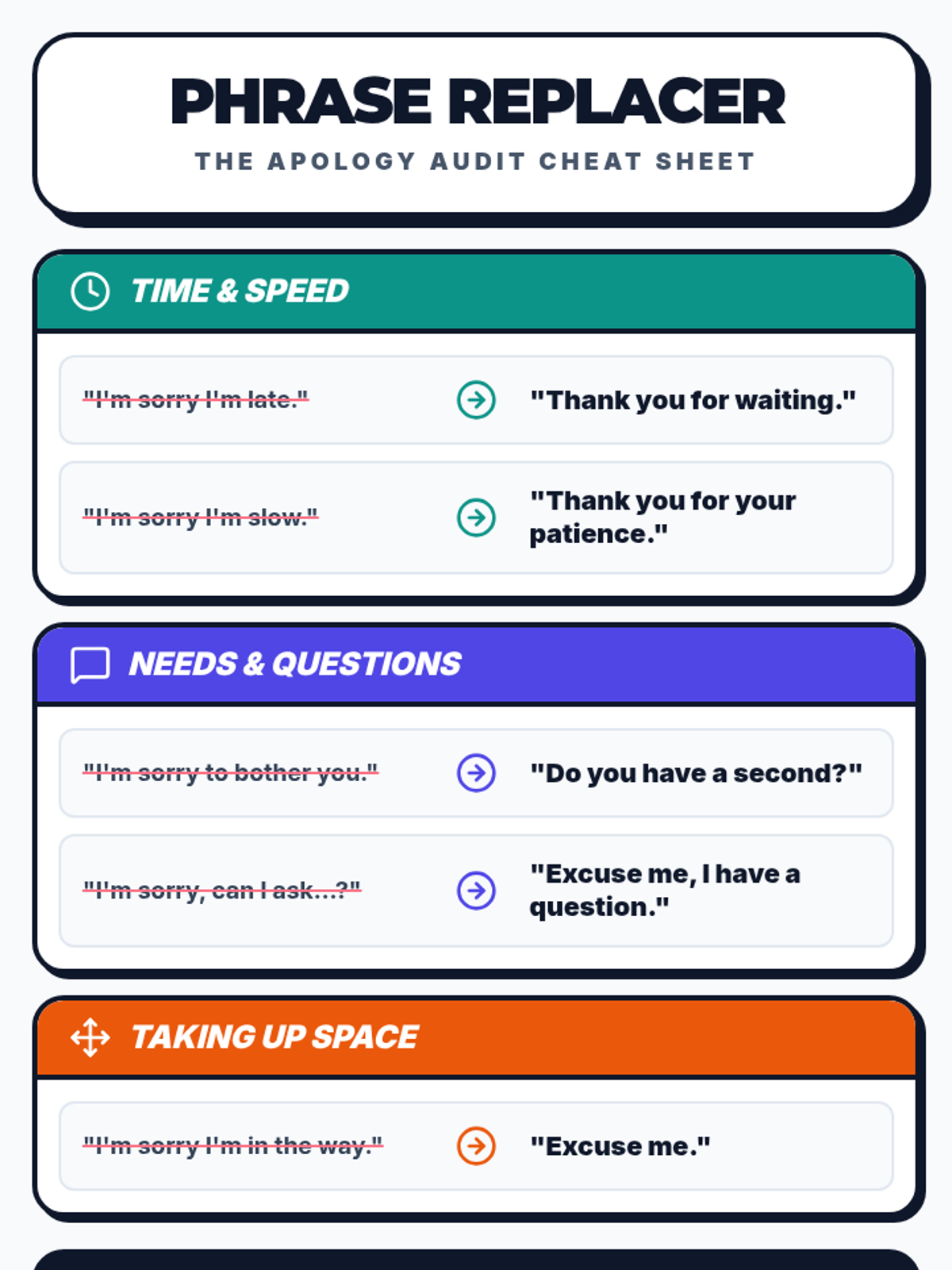
A lesson designed for high school students to differentiate between appropriate apologies and over-apologizing, featuring social scripts and alternative communication strategies.
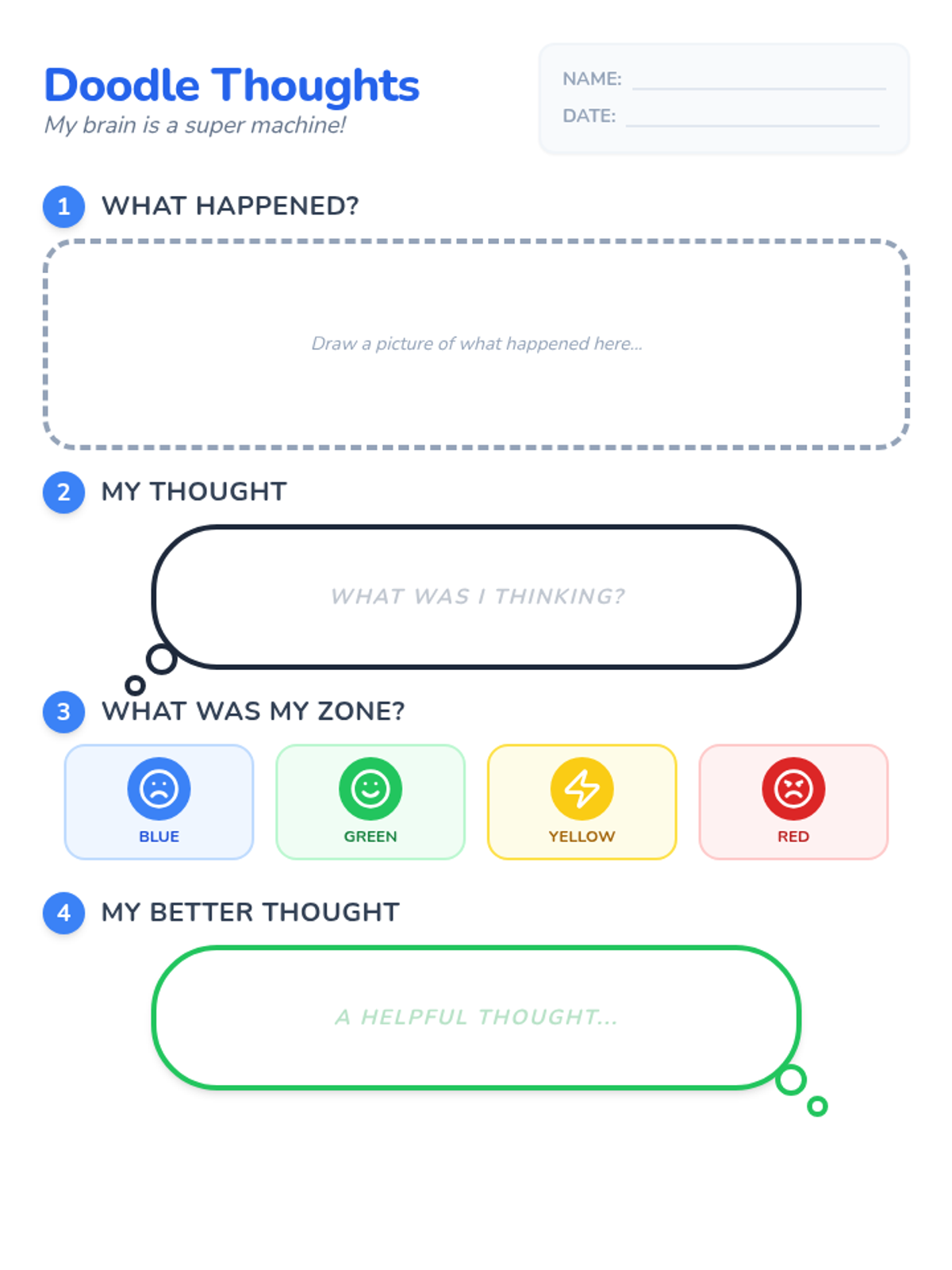
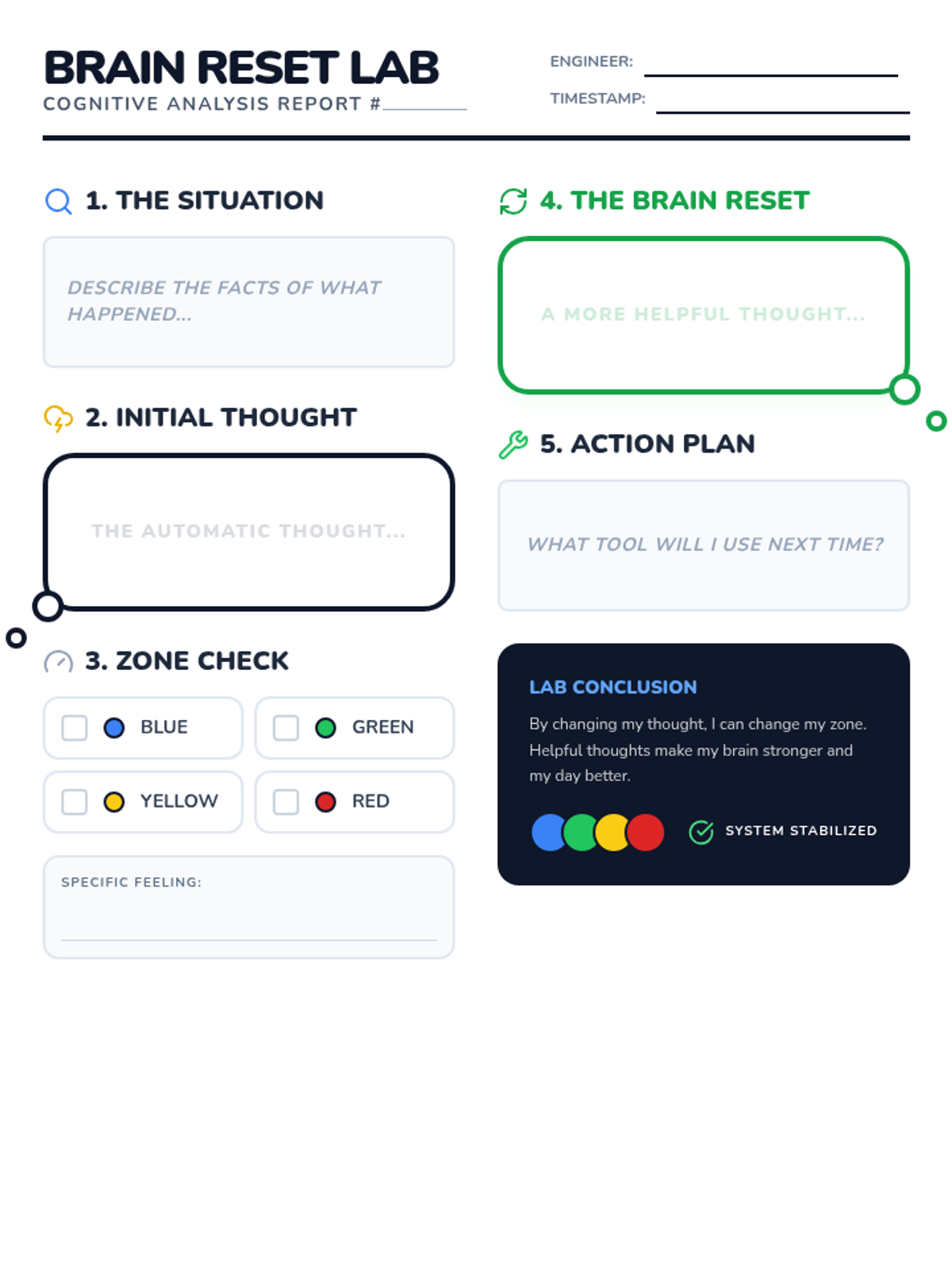
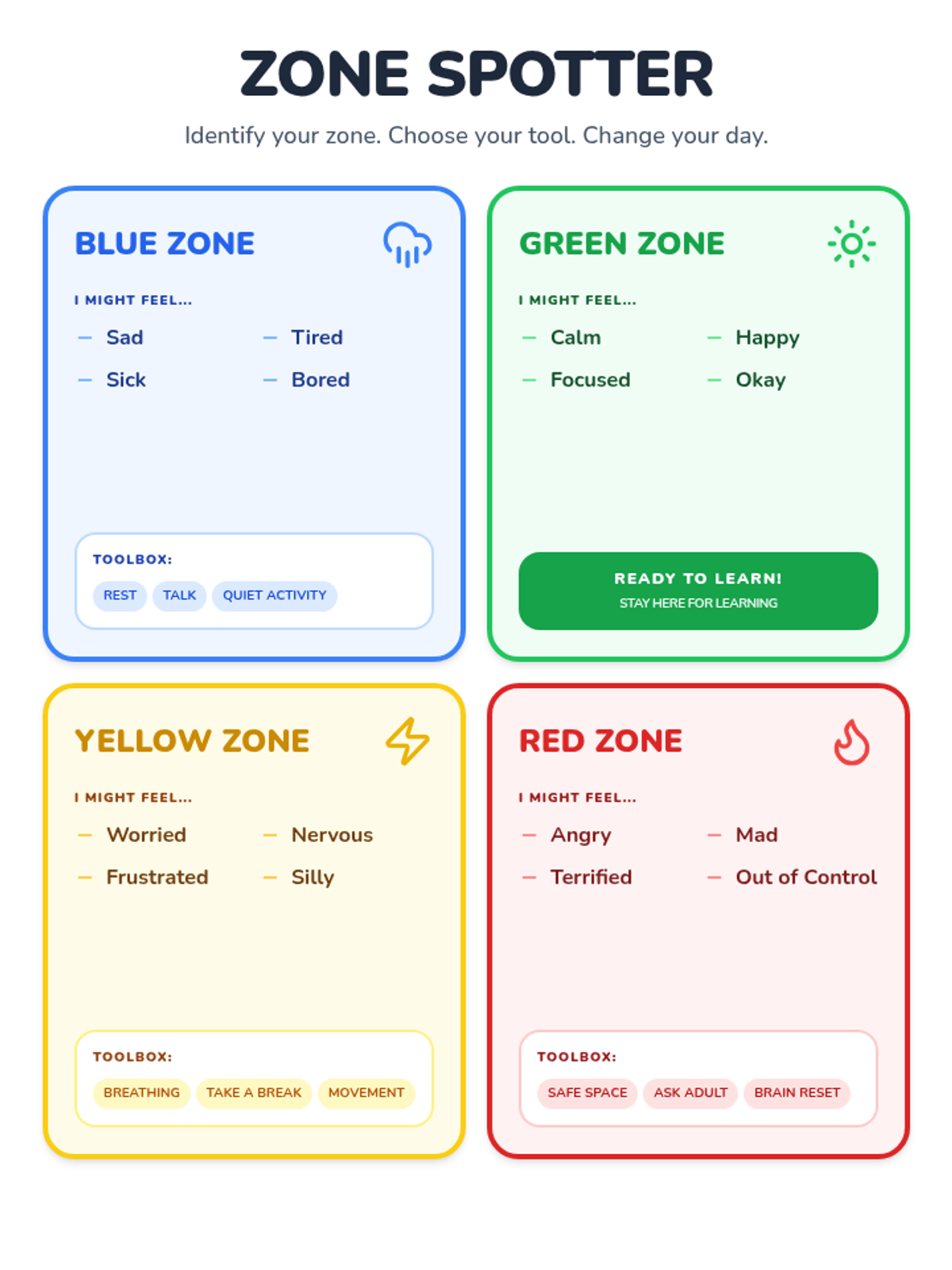
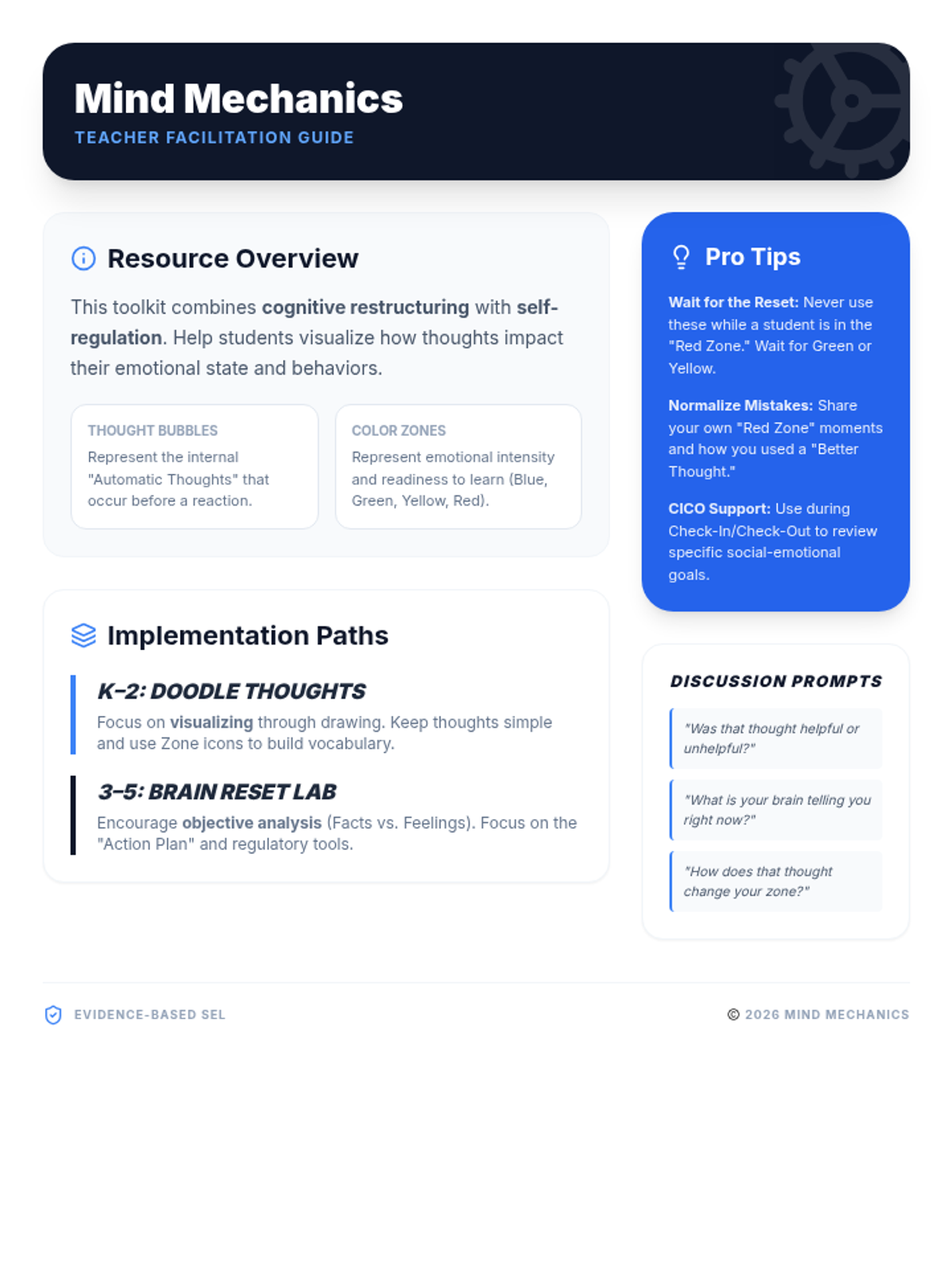
A collection of visual tools and worksheets designed to help students identify their emotional zones and practice cognitive restructuring through thought bubbles. Includes age-appropriate templates for K-2 and 3-5 students.
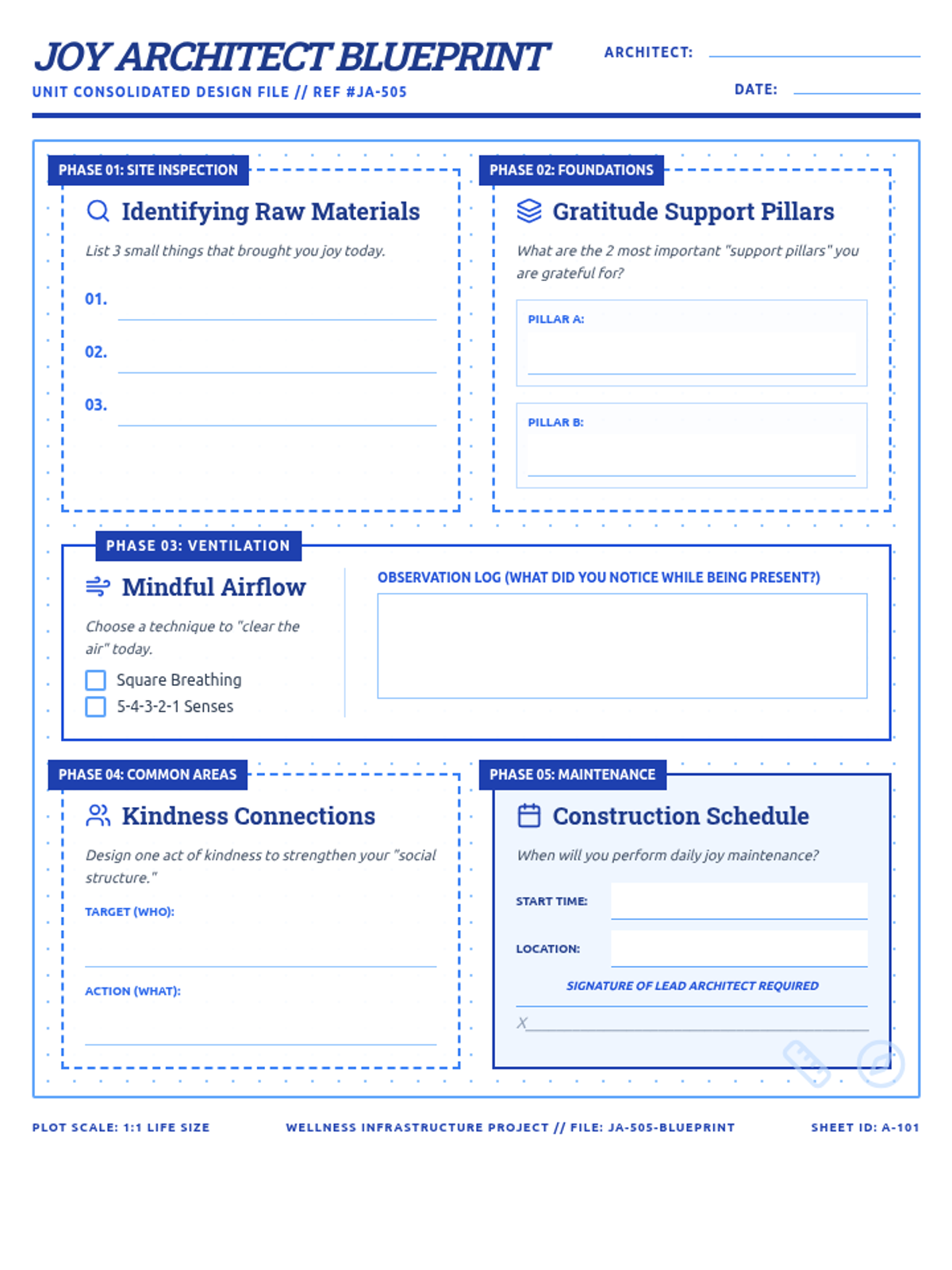
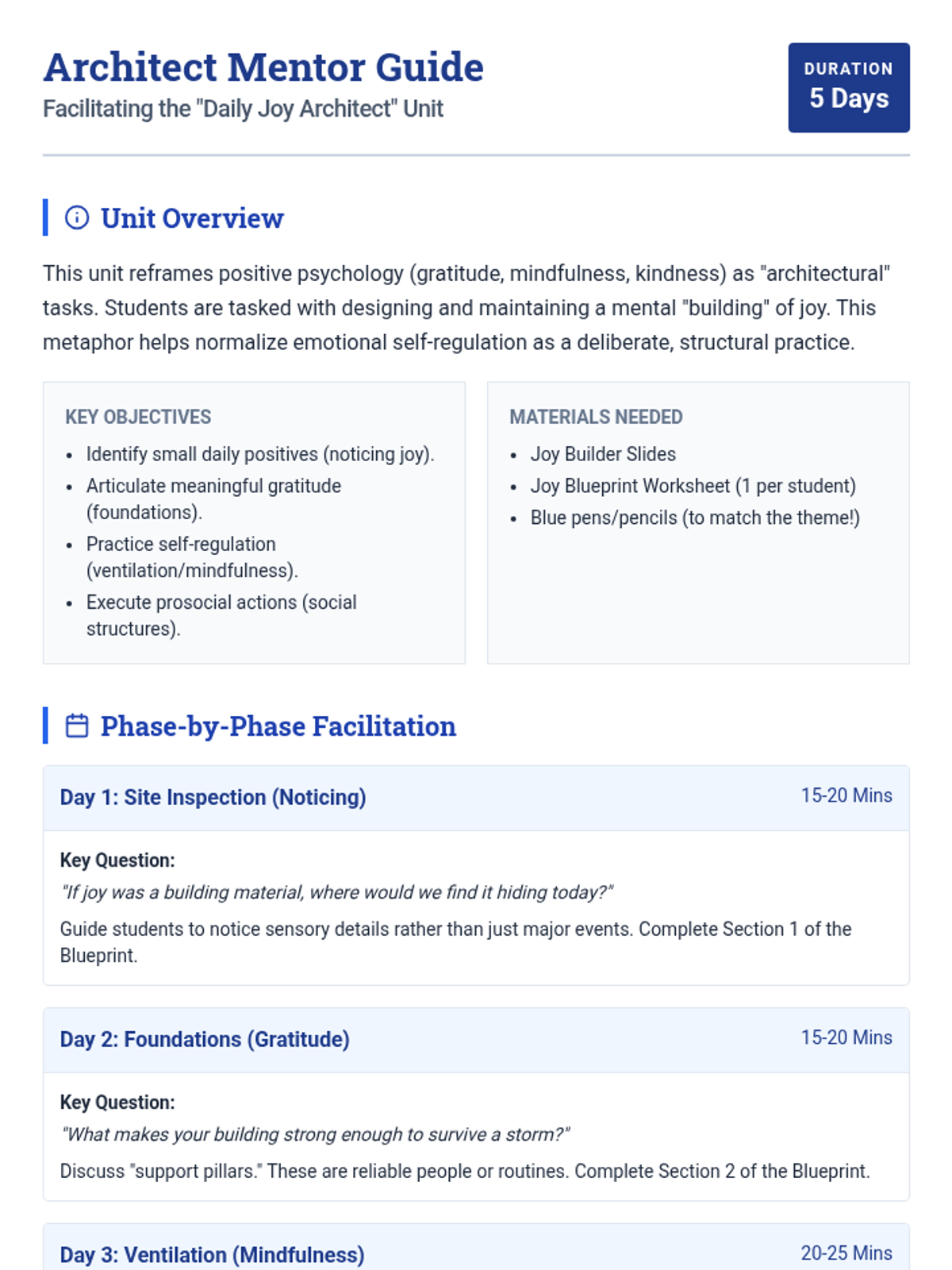
Finalizing the daily routine by creating a 'construction schedule' to keep the joy architecture maintained over time.
Exploring the importance of social connections and kindness as 'common areas' that make the building of joy stronger for everyone.
Introducing mindfulness techniques as 'ventilation' for the mind, helping students stay present and clear-headed.
Focusing on gratitude as the foundation of emotional resilience, students identify the people and things that support them.
Students learn to identify 'raw materials' of joy—small, positive moments in their daily lives—and begin their joy site inspection.
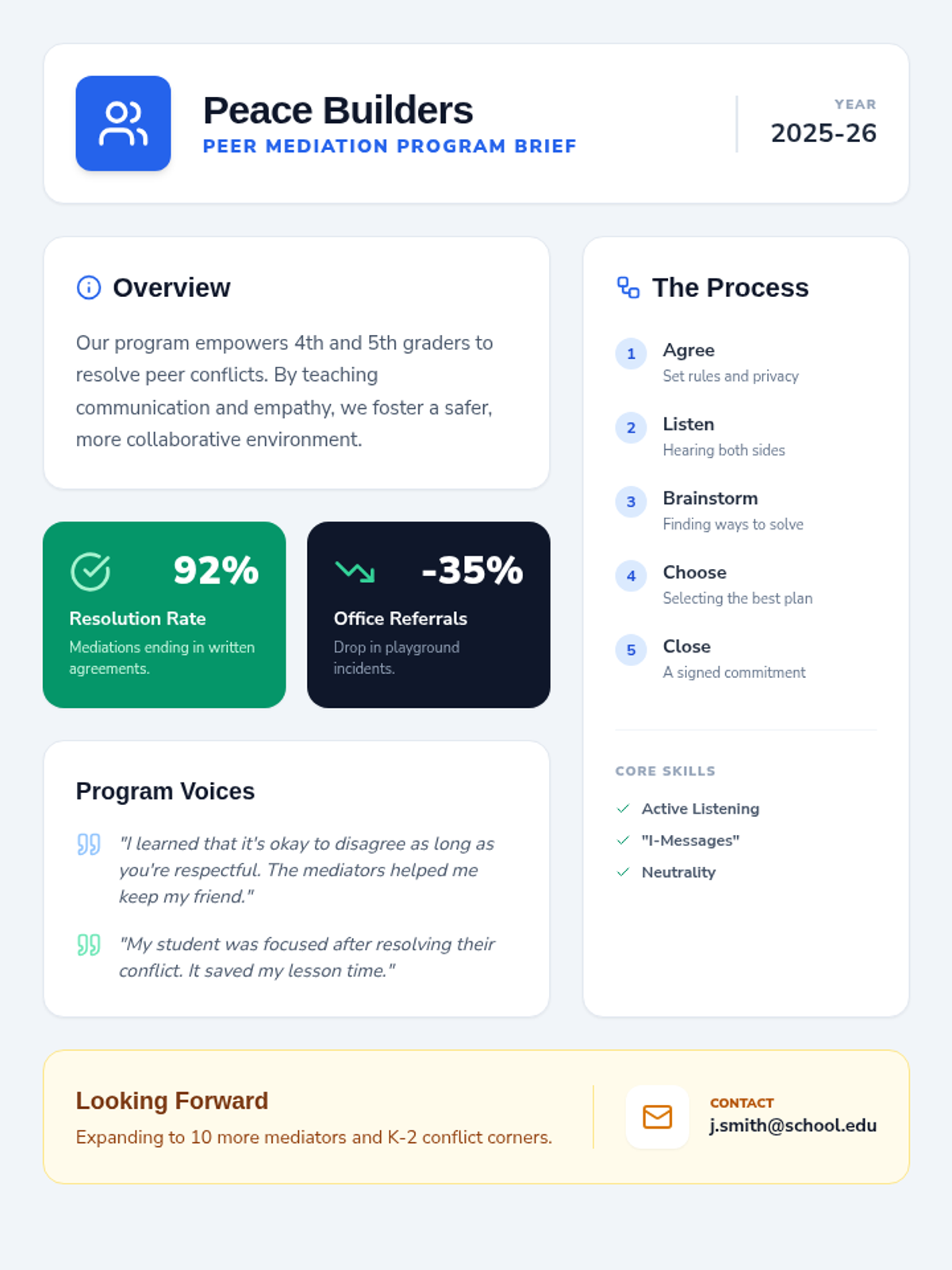
A comprehensive presentation package for school boards and parents detailing the elementary peer mediation program's mission, training, and measurable success.
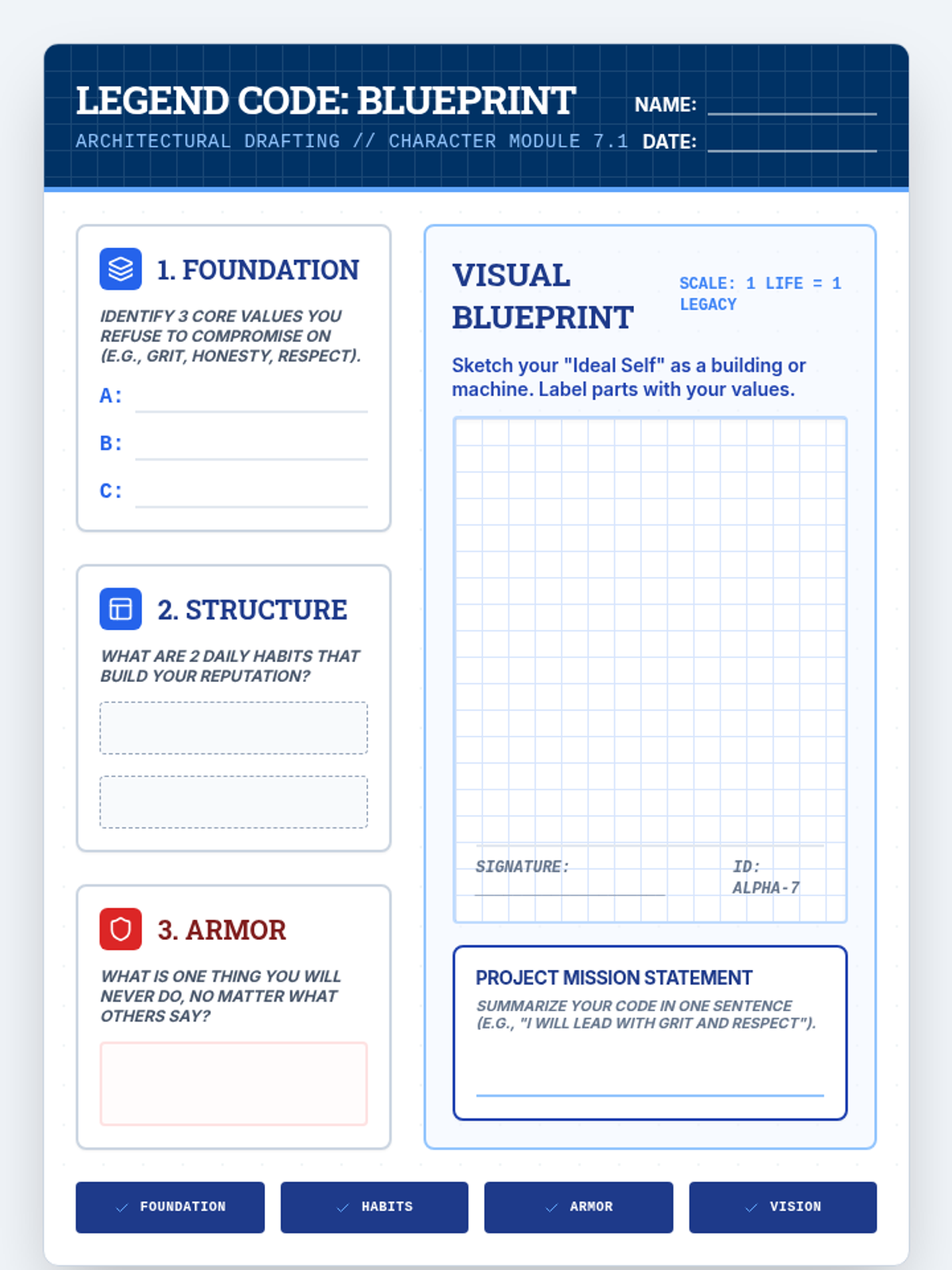
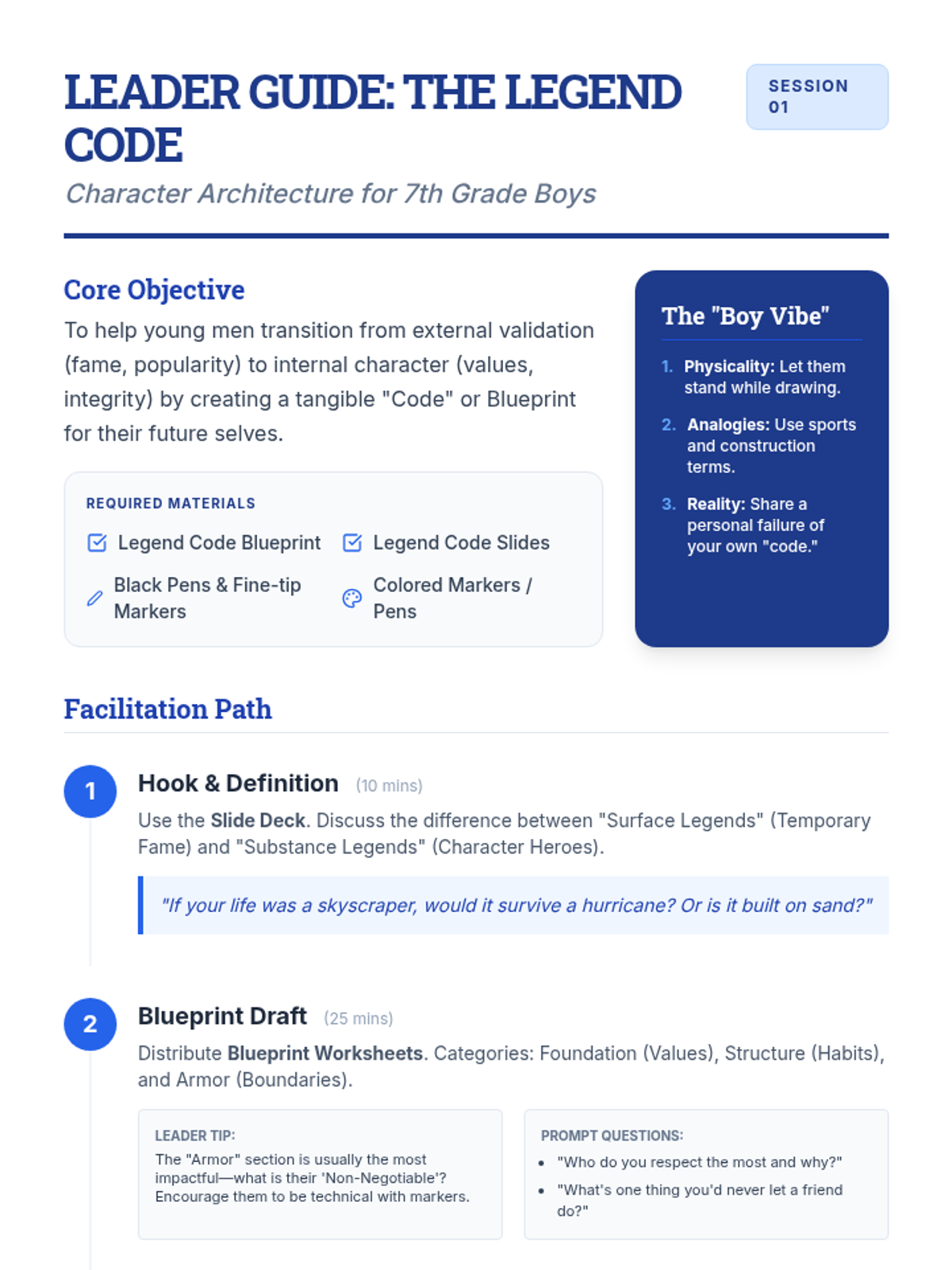
A meaningful character-building lesson designed for 7th grade boys, focusing on defining personal values and future goals through the metaphor of architectural blueprints.