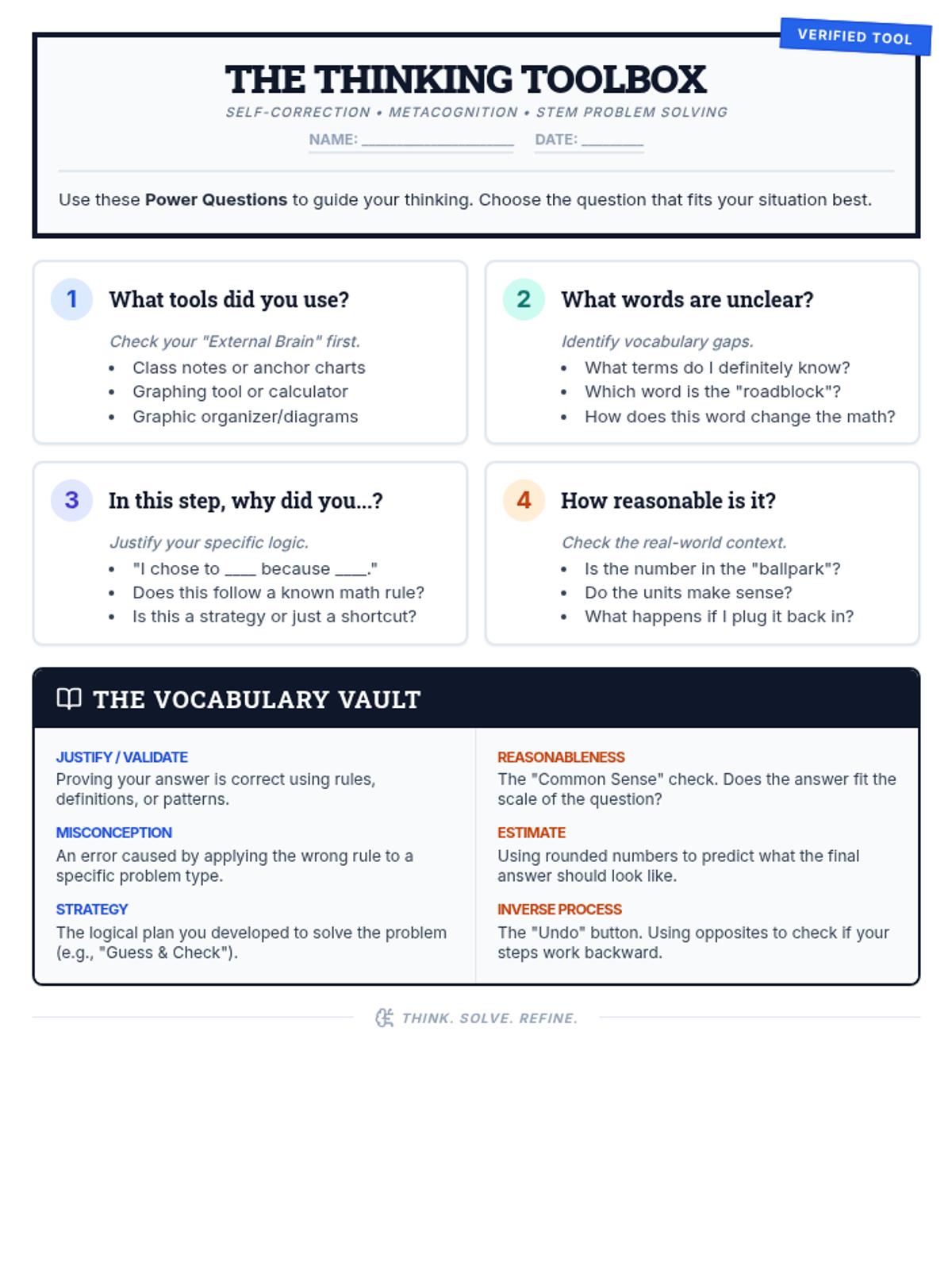
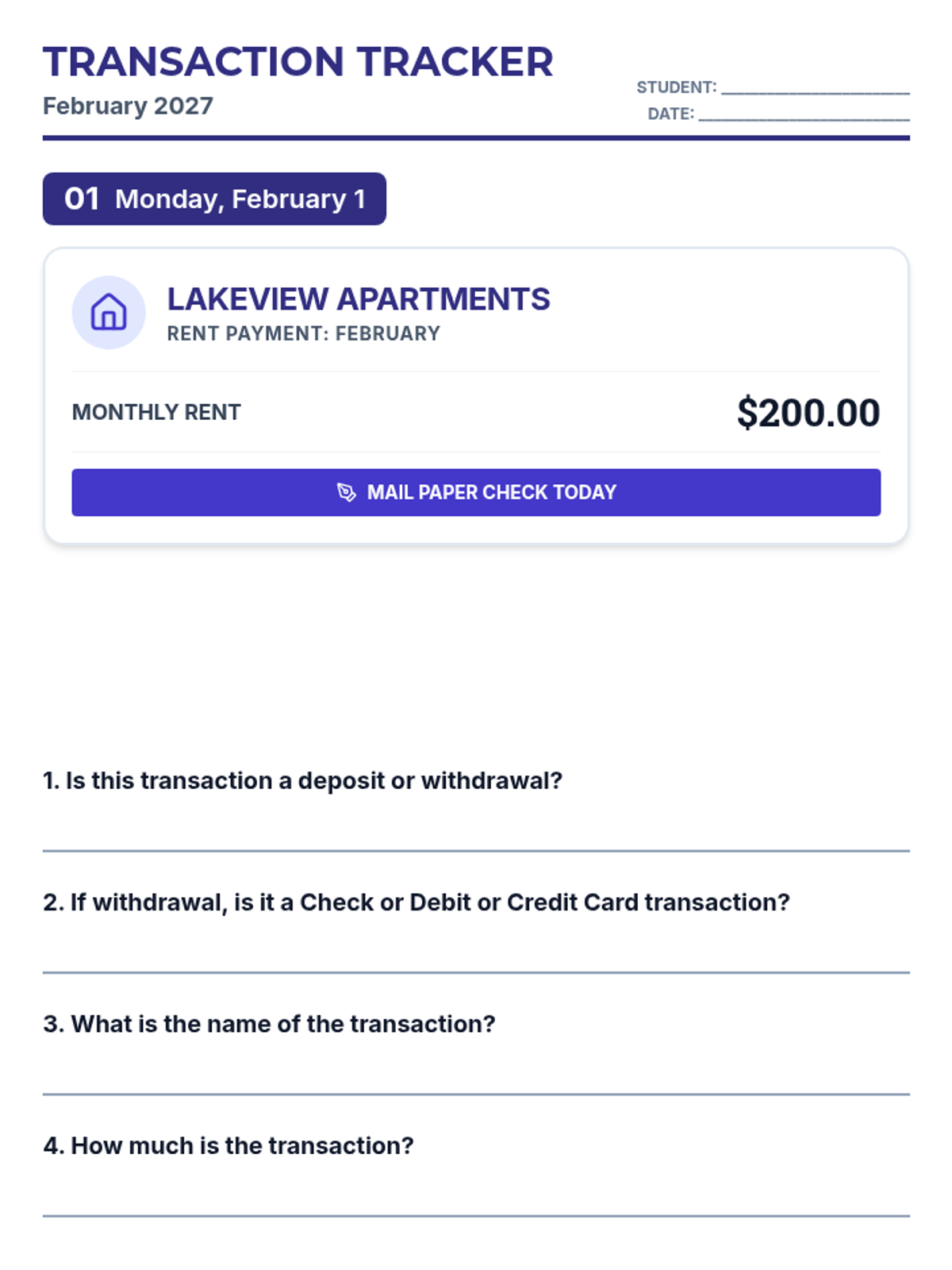
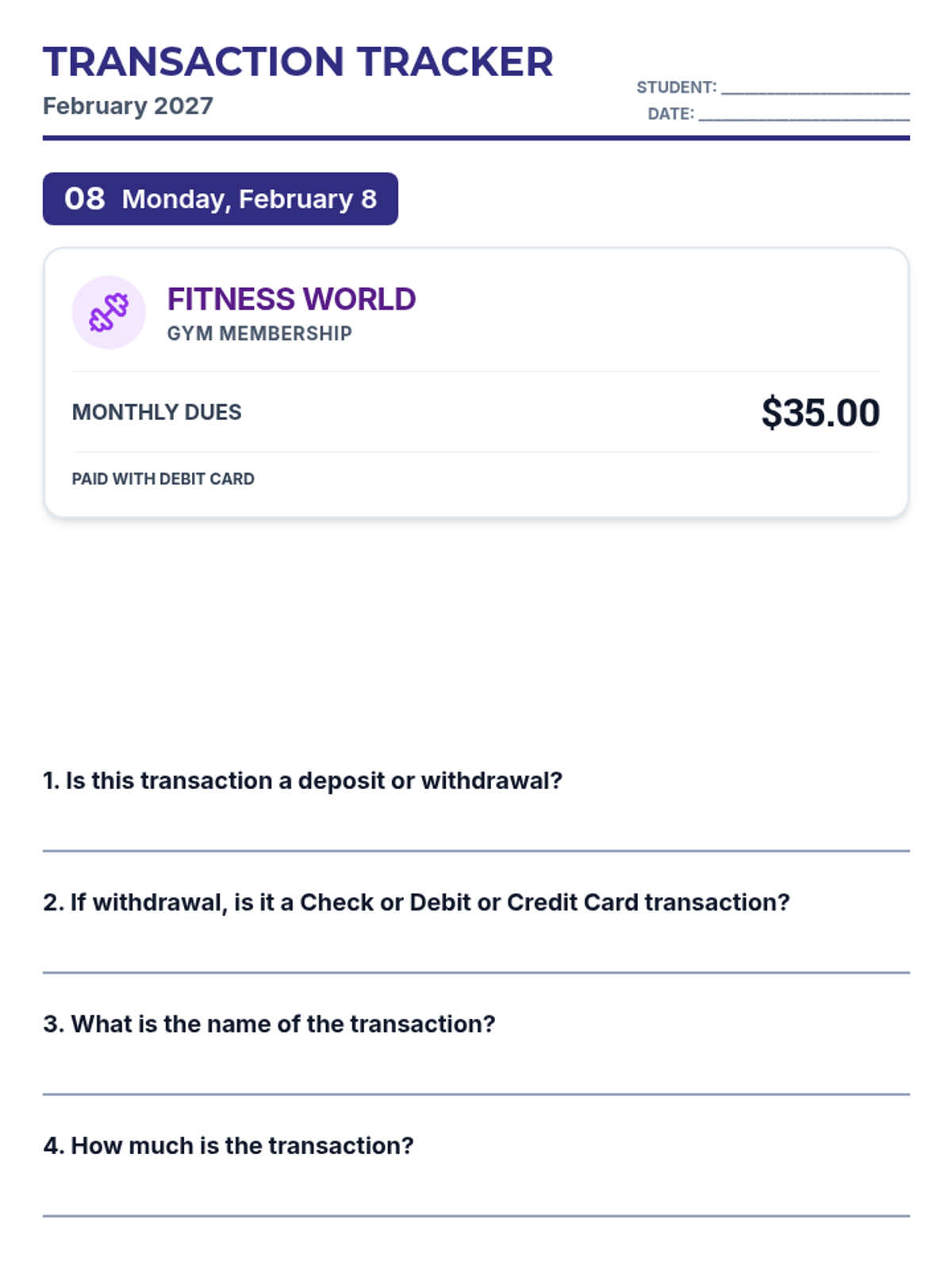
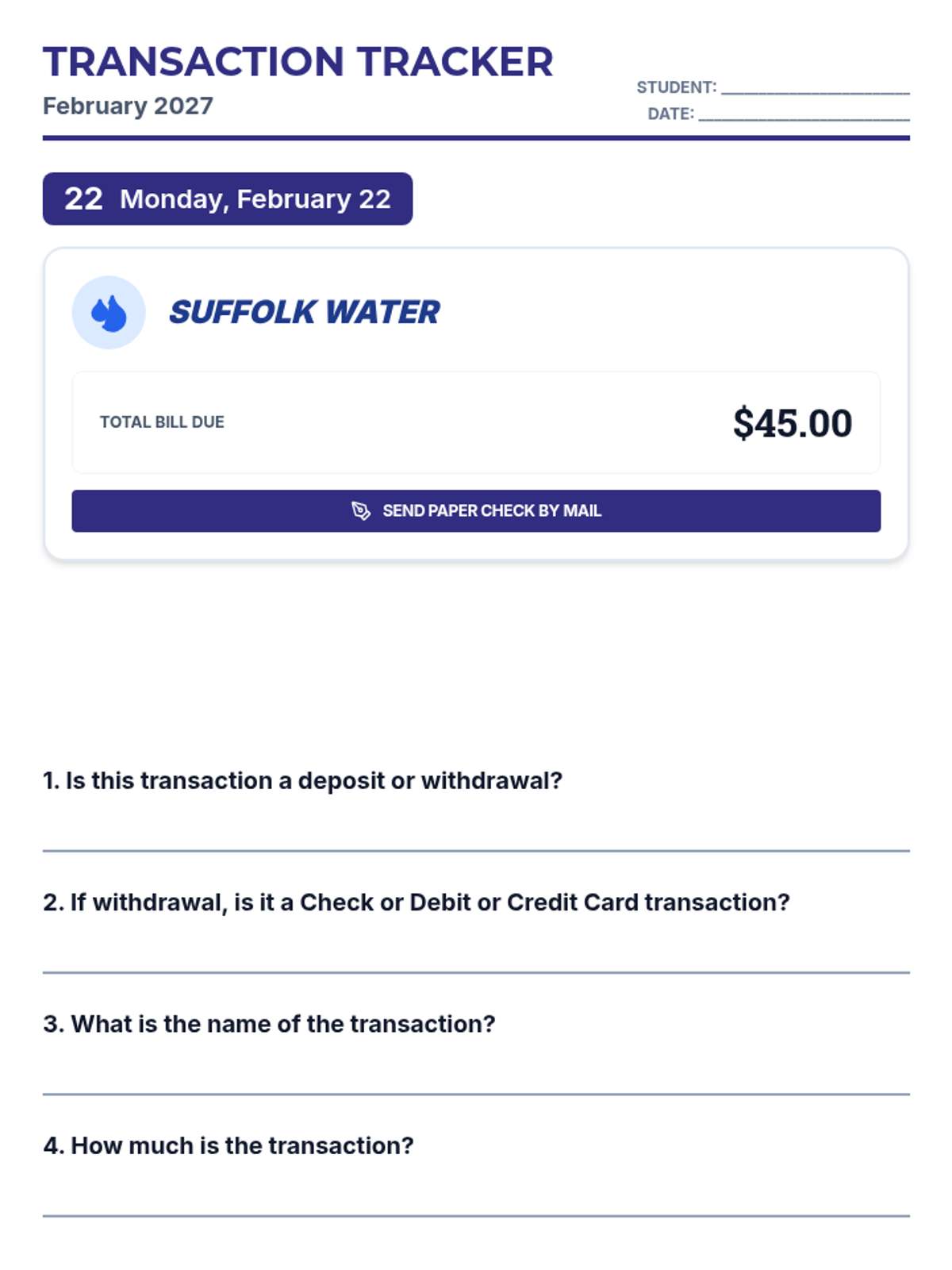
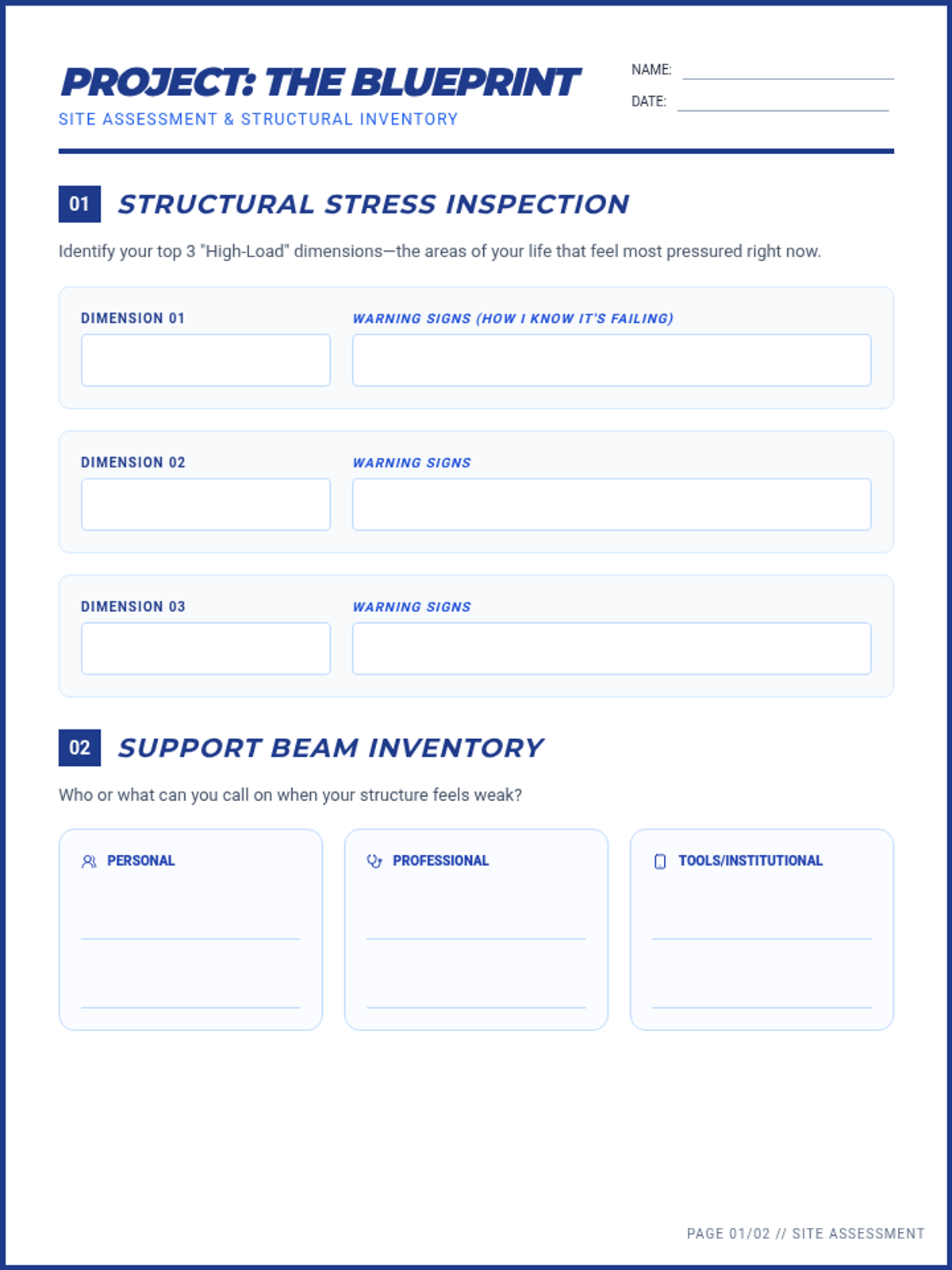
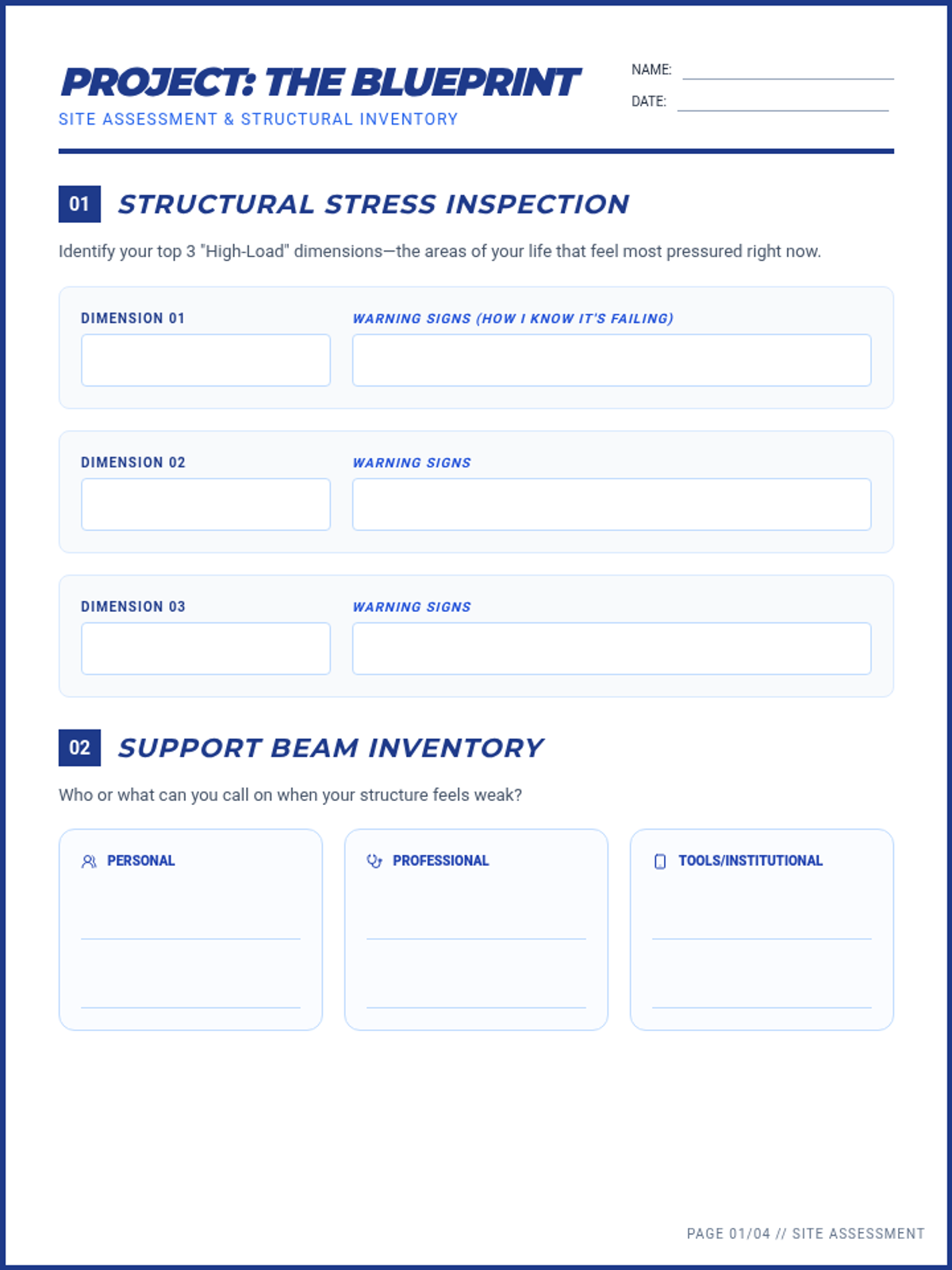
Students investigate the effectiveness of their previous annotations, identifying 'dead highlights' and learning to add meaningful context to their notes to make them useful for future review.
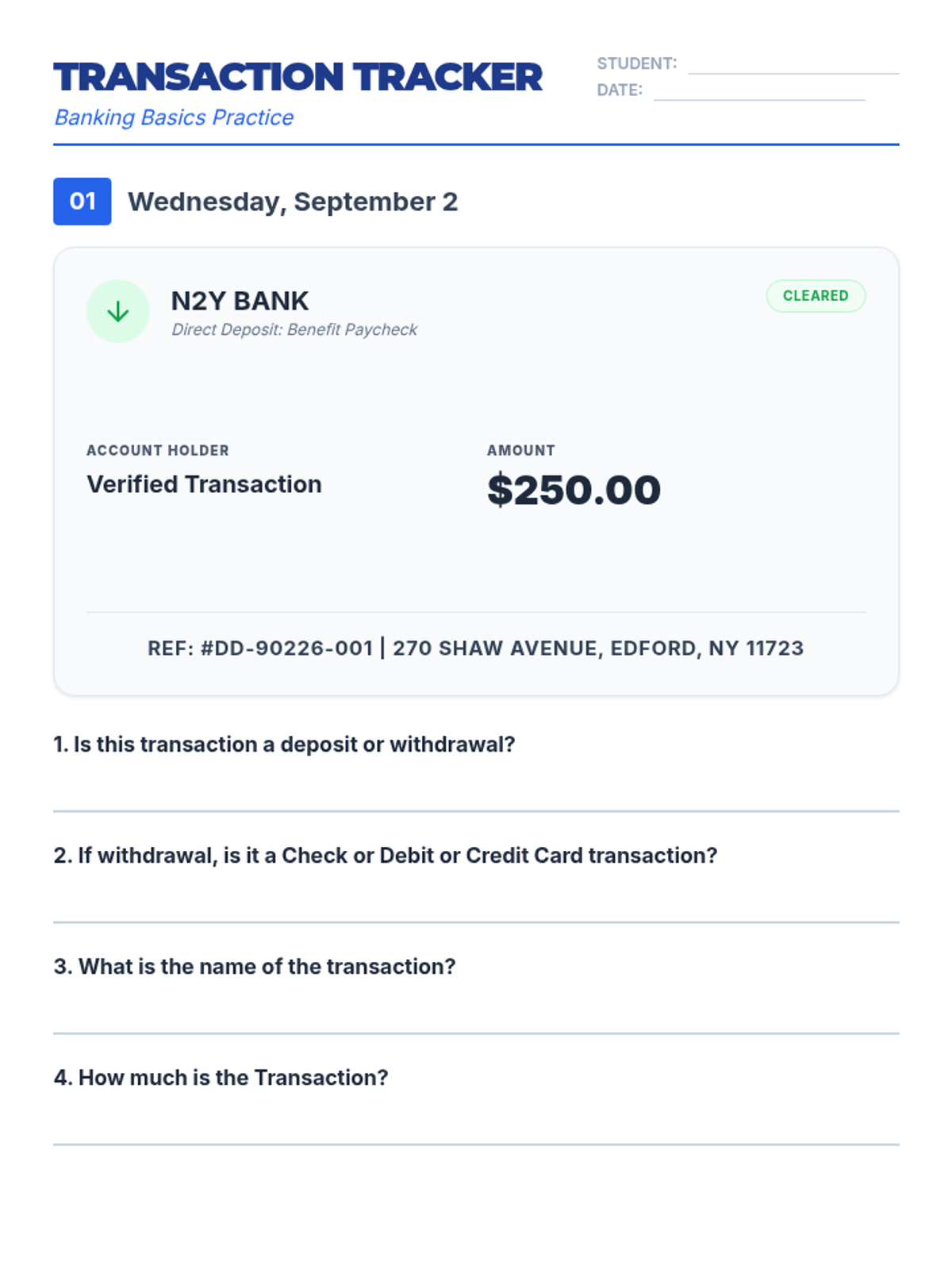
This lesson introduces 9th-grade students to personal values and motivation. Through interactive discussion and a values-alignment debate, students explore how their core beliefs drive their daily actions and long-term goals.
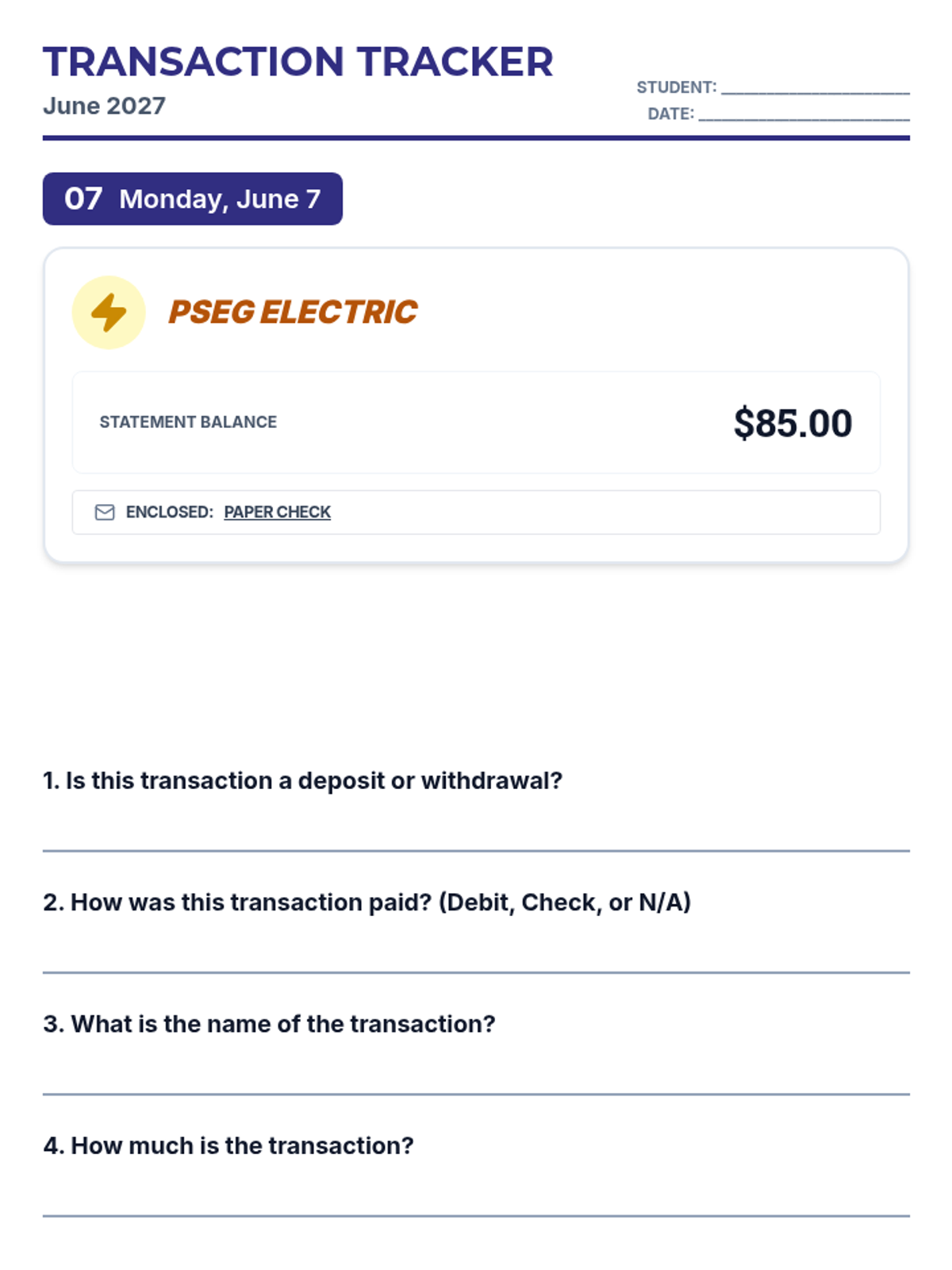
A comprehensive intervention designed to help students identify and challenge cognitive distortions during high-stakes testing seasons, focusing on cognitive reframing techniques to build resilience.
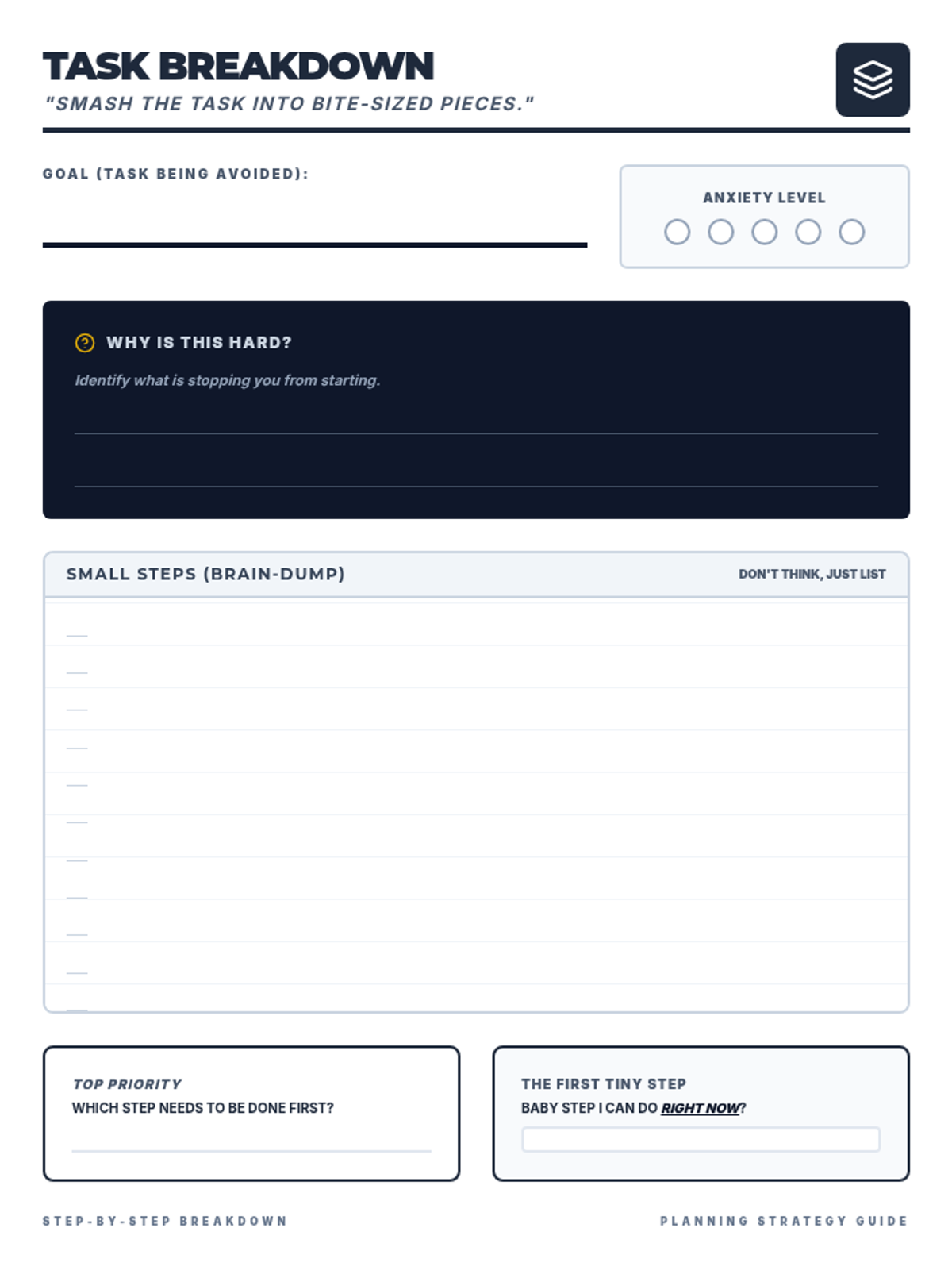
A 20-minute targeted session to help 10th-grade students overcome task paralysis using the 5-minute rule, micro-stepping, and environmental control.
A mentor-facilitated program designed to build student confidence through positive self-talk, growth mindset exercises, and practical coping strategies. The materials provide a structured but flexible framework for meaningful 1-on-1 sessions.
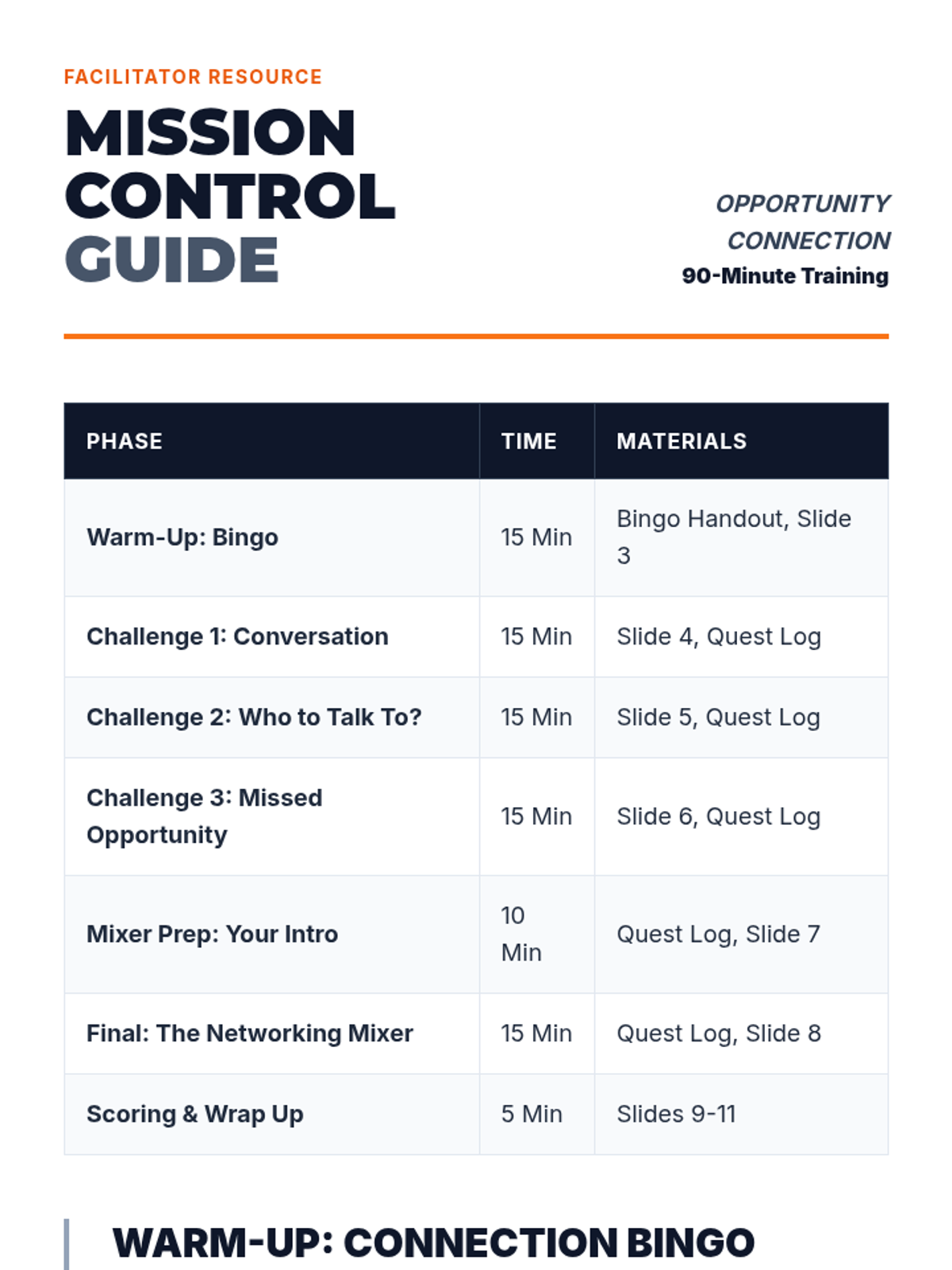
Explores professional communication and organization using digital calendars for shift management and navigating professional social media for networking.
Focuses on the digital job search process, including navigating online applications, uploading resumes, and maintaining internet safety and privacy during the search.
An introduction to workplace computer use, covering hardware basics, logging in, file management, and creating professional memos using word processing software.
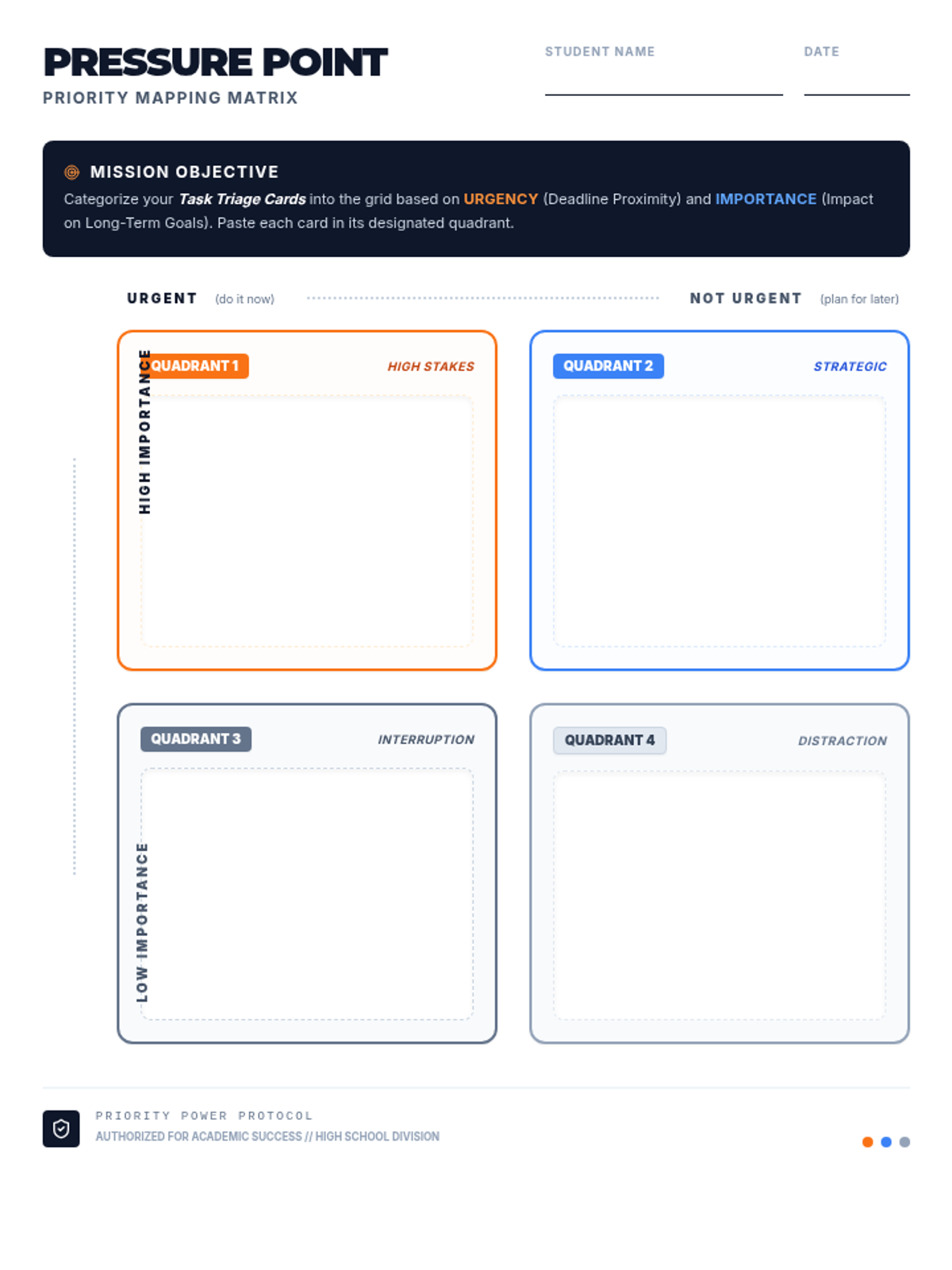
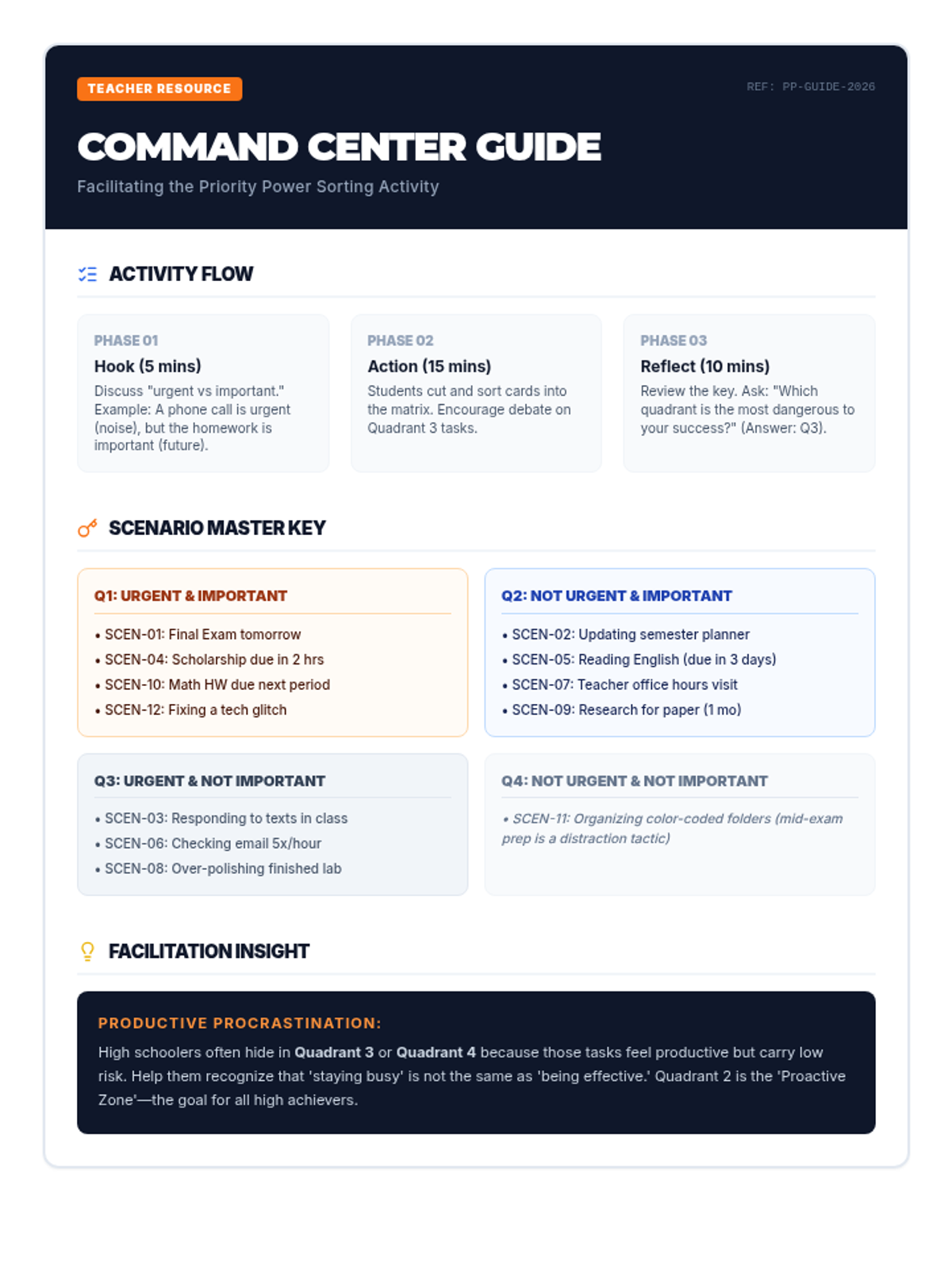
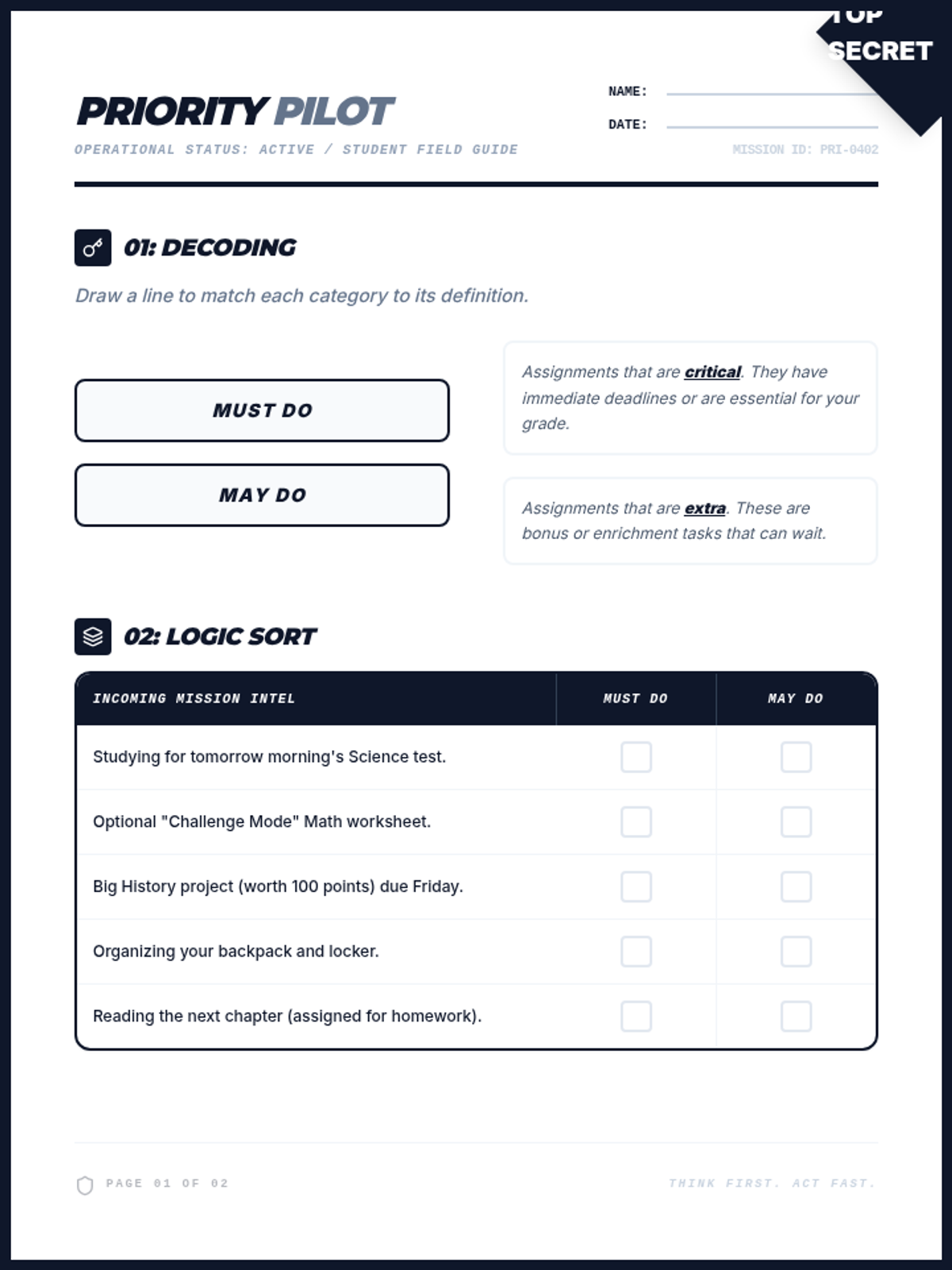
A comprehensive lesson on workplace prioritization and task management across food service, office, and janitorial roles. Students learn to distinguish between urgent and important tasks using real-world scenarios.
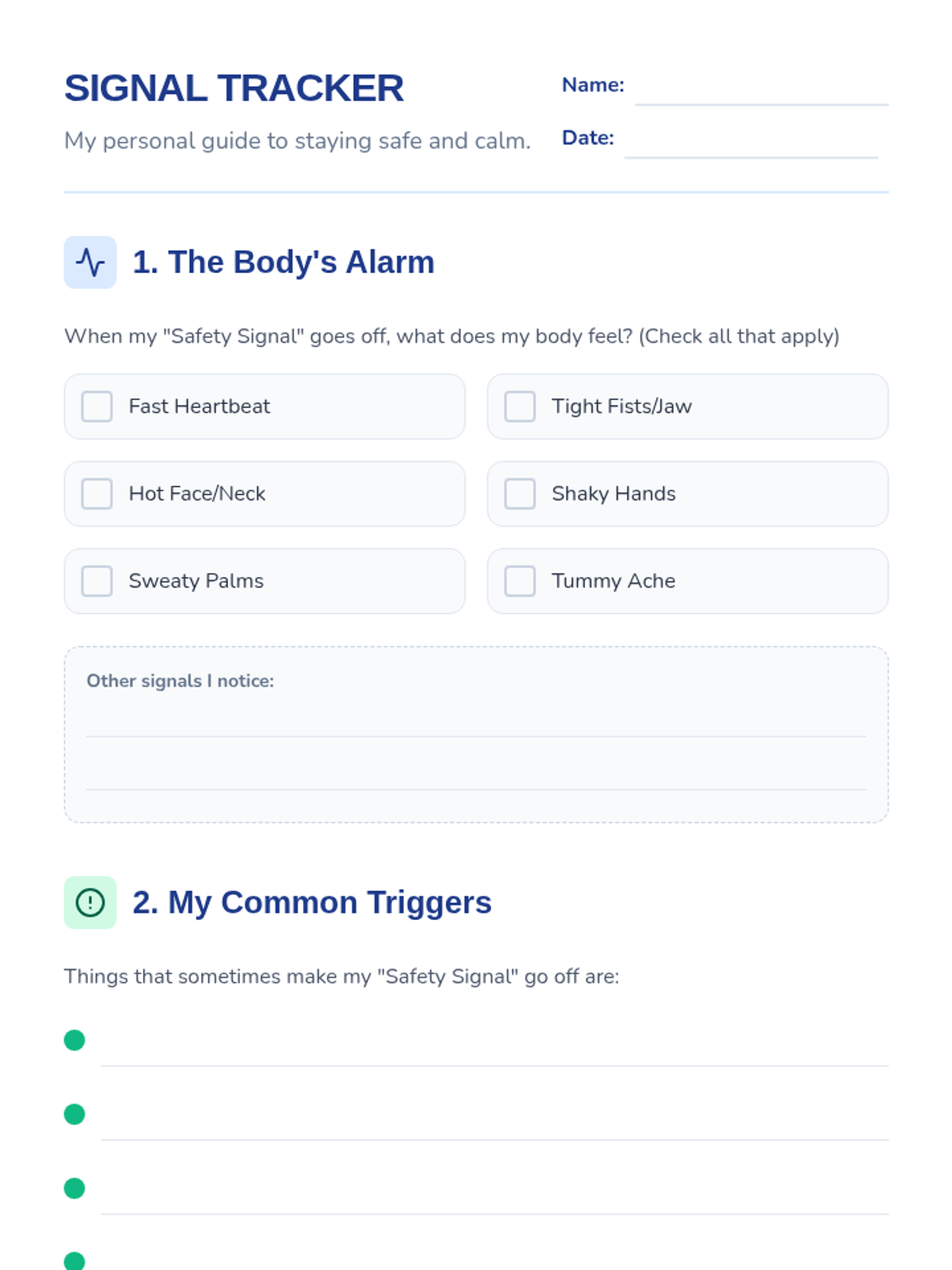
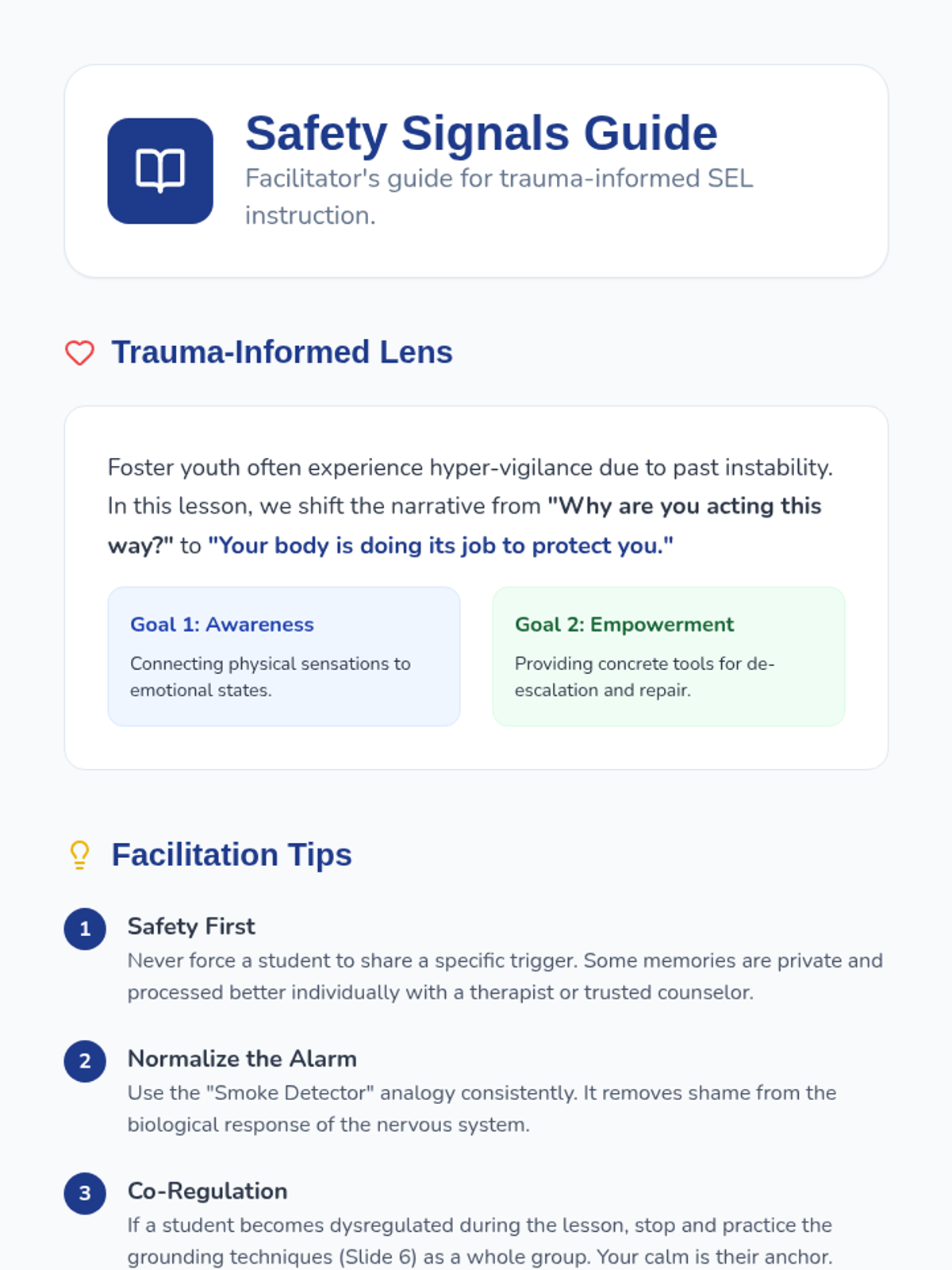
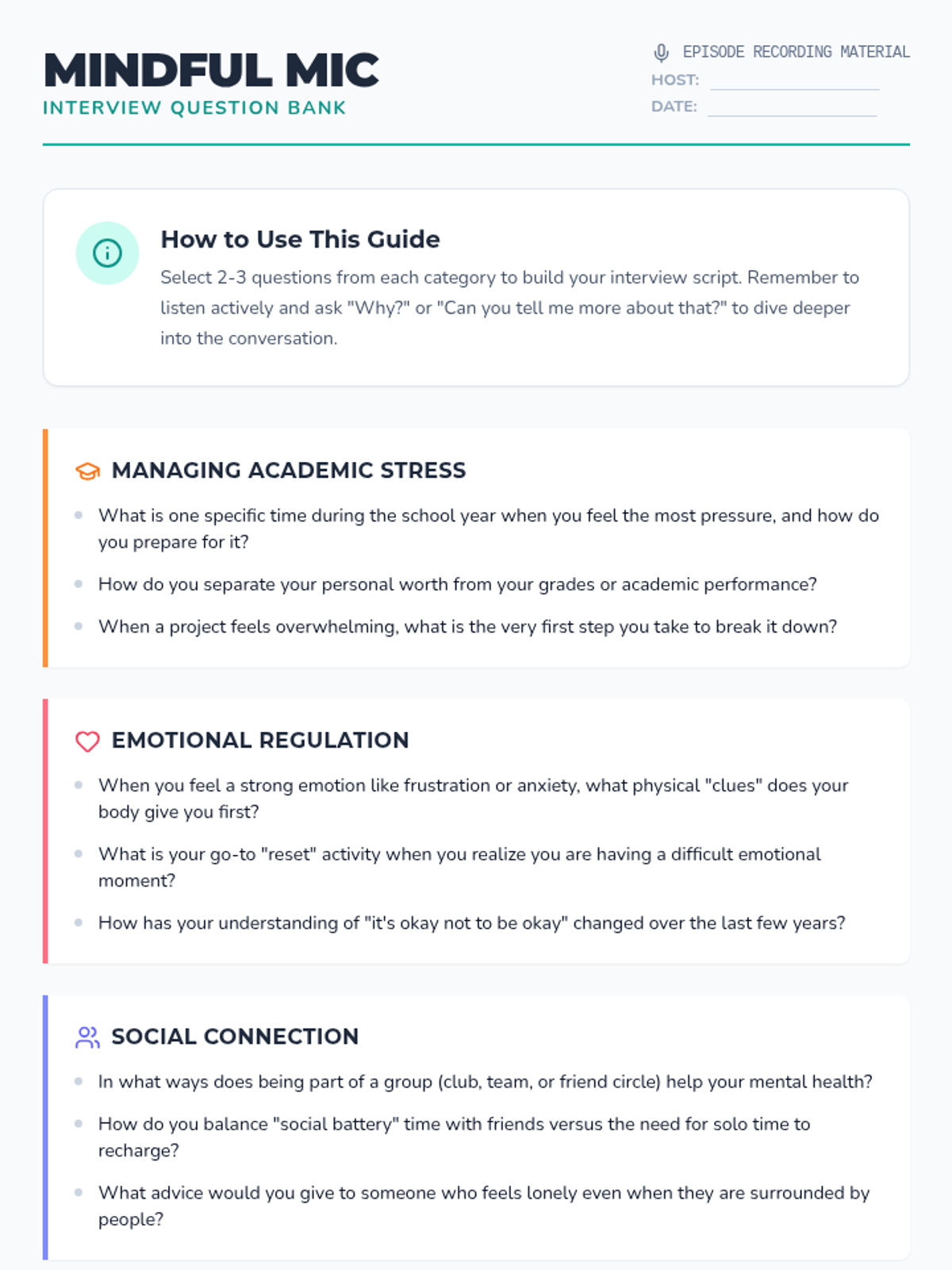
A collection of tools to help students in residential settings prepare for their school day through social-emotional reflection.
A life skills lesson focused on kitchen safety, following recipe directions, and sequencing steps for baking brownies. Designed for high school students with moderate support needs.
A 20-minute intensive focused on the critical skill of reading and following multi-step instructions within the context of applying for summer jobs and volunteer positions. Students will learn the "Read-First" strategy to avoid common pitfalls in professional applications.
This lesson focuses on the intersection of spring cleaning, mental health, and self-advocacy. Students learn the health benefits of a clean environment, safety protocols for cleaning, and how to effectively communicate their needs to caregivers for support and supplies.
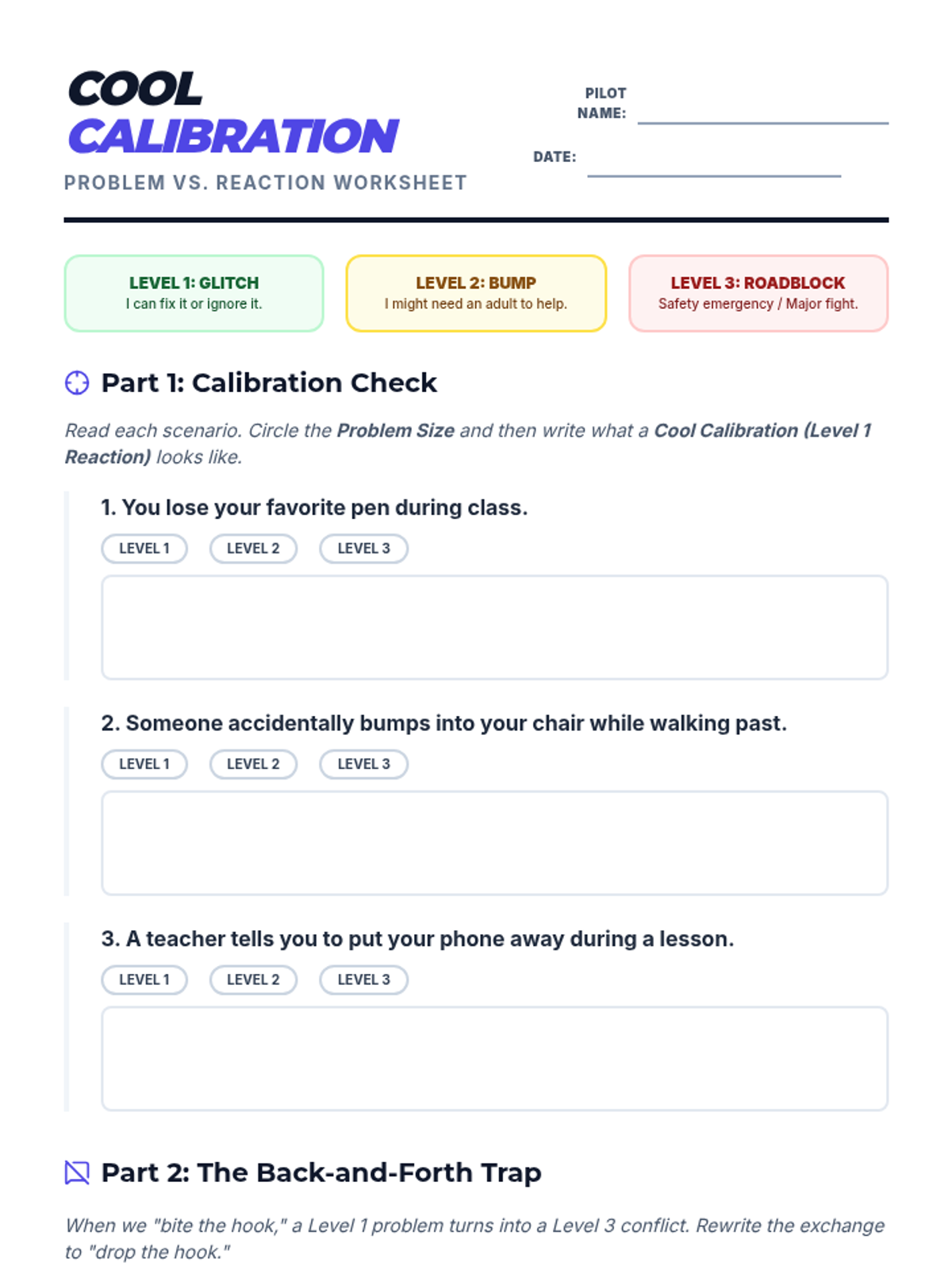
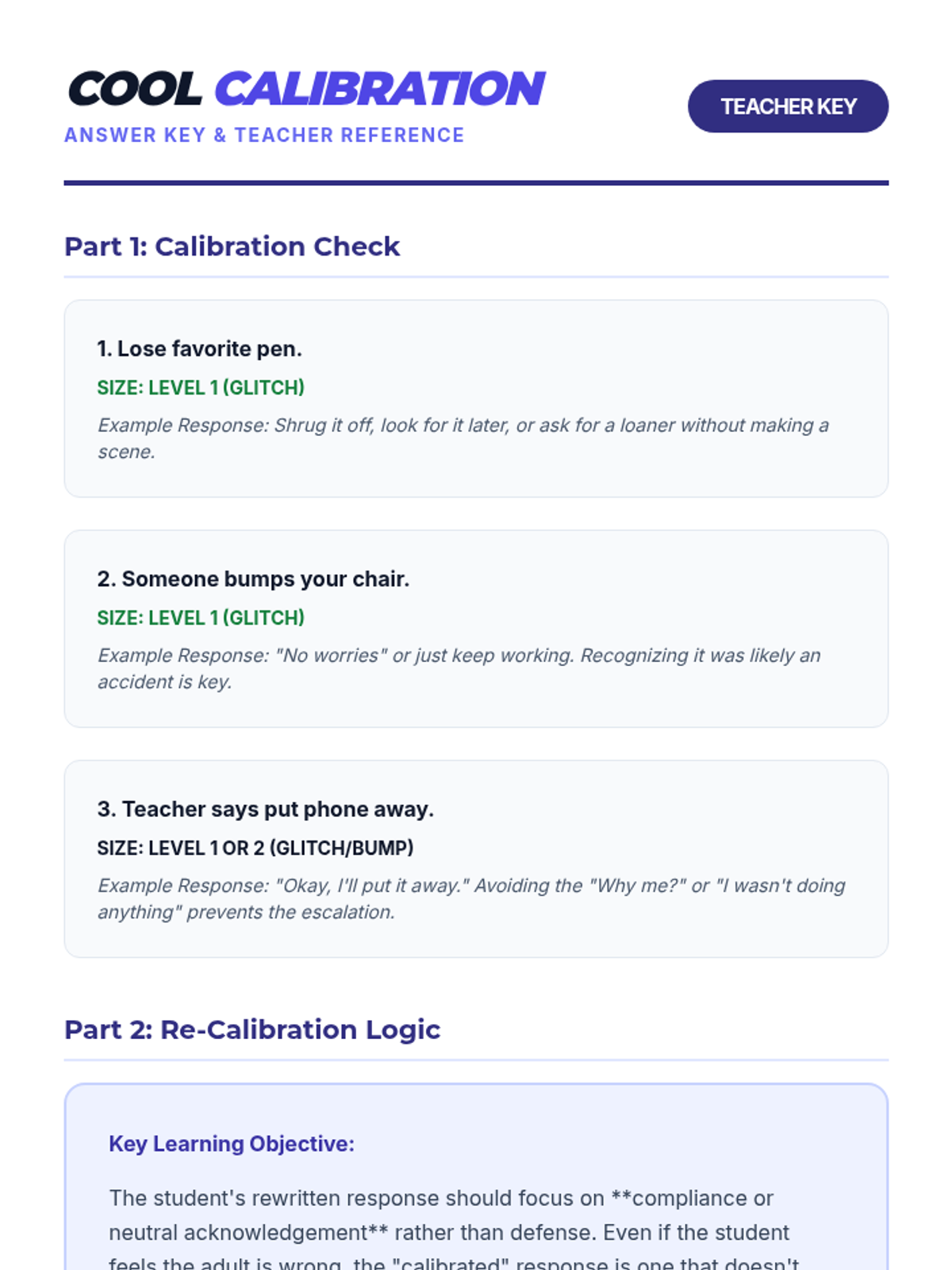
A practical, teen-focused lesson on identifying and reframing cognitive distortions to manage anger and improve self-esteem using the 'Thought Flip' technique.
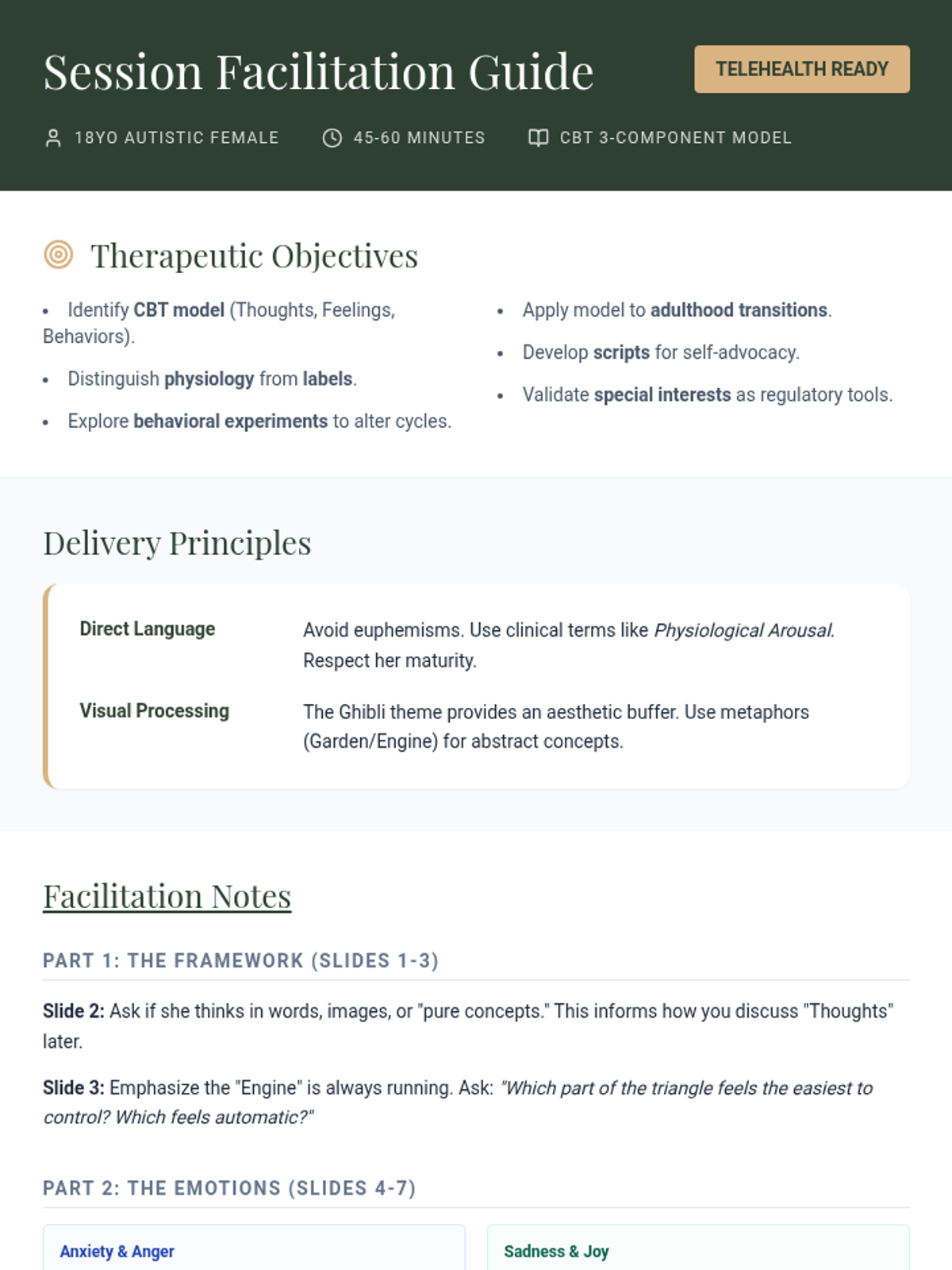
A counseling session focused on helping teenagers understand the mechanics of anger through a CBT lens while maintaining a person-centered, validating environment. This lesson includes psychoeducation, trigger identification, and concrete coping skills.
A lesson designed to help students explore and understand various career paths within the cartooning and creative media industries, specifically tailored for students needing simplified text and visual supports.
A guided research lesson designed to help students explore and document postsecondary education and training paths in cartooning and digital art.
A comprehensive resource kit for the 'Neuro Command Academy' 10-week curriculum, including high-impact TPT product pages and standards-aligned guides.
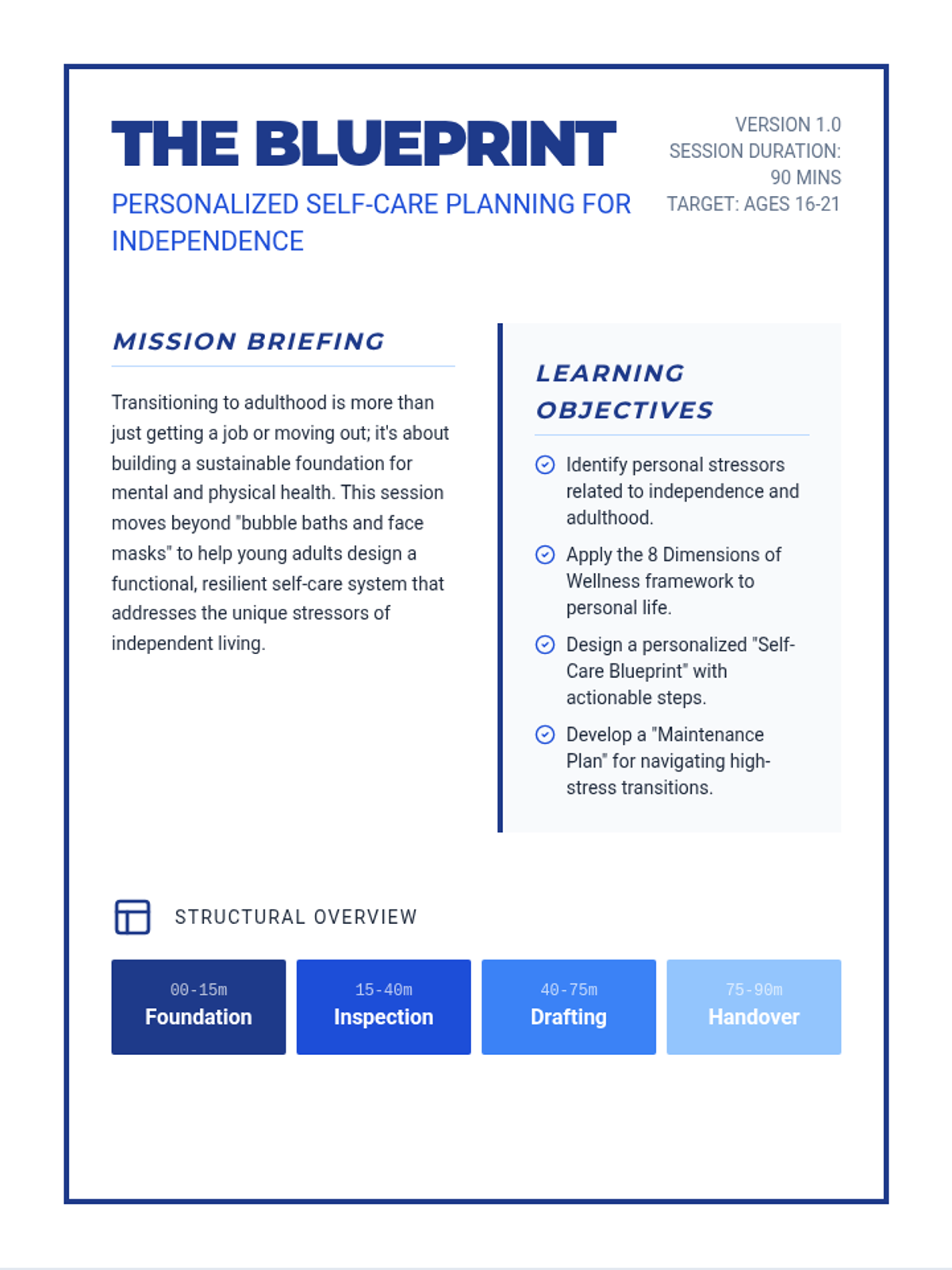
A comprehensive exploration of personal interests and strengths to help teenagers identify potential career paths. Students will map their skills and passions to real-world industries through a structured workbook.
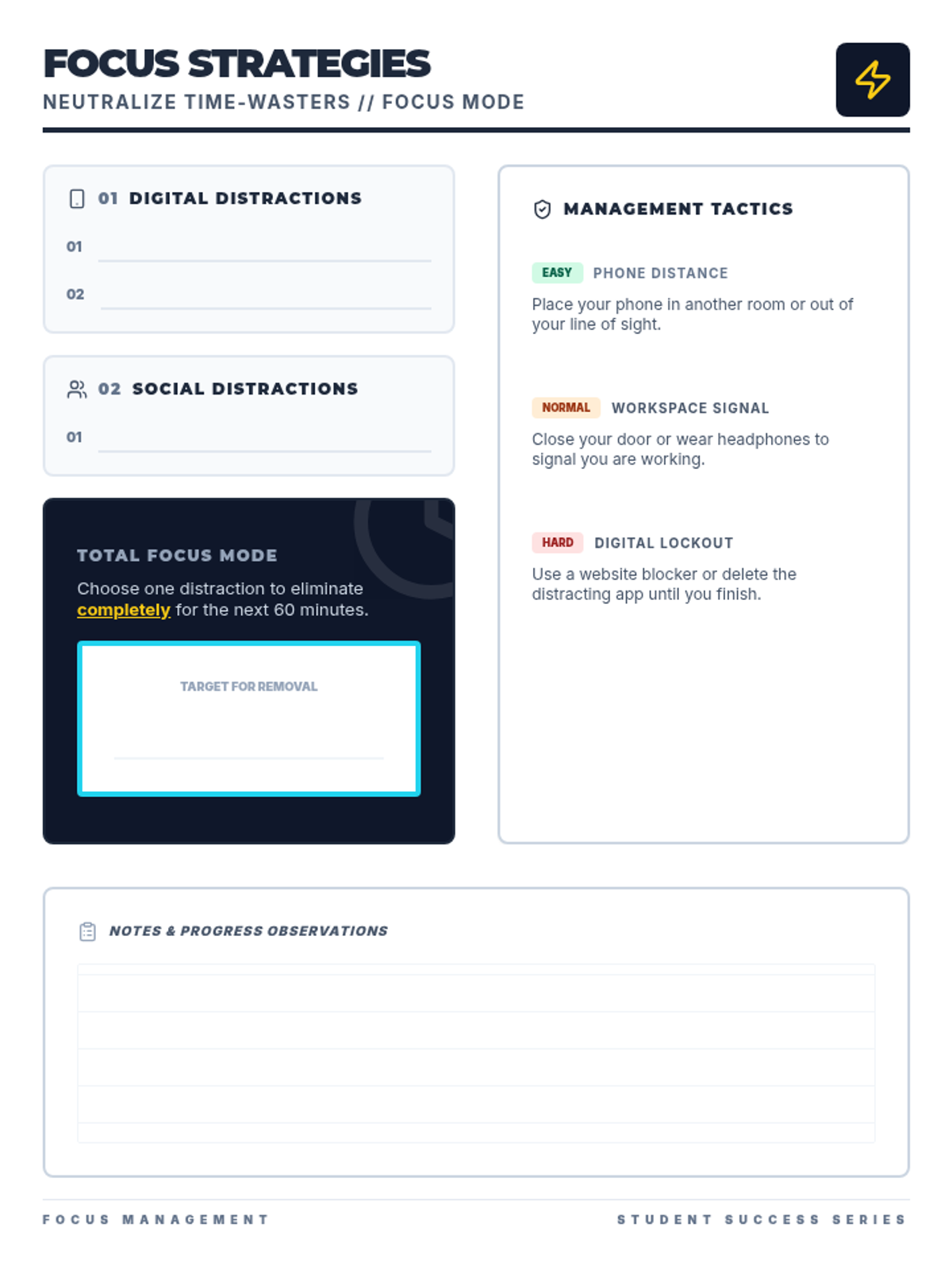
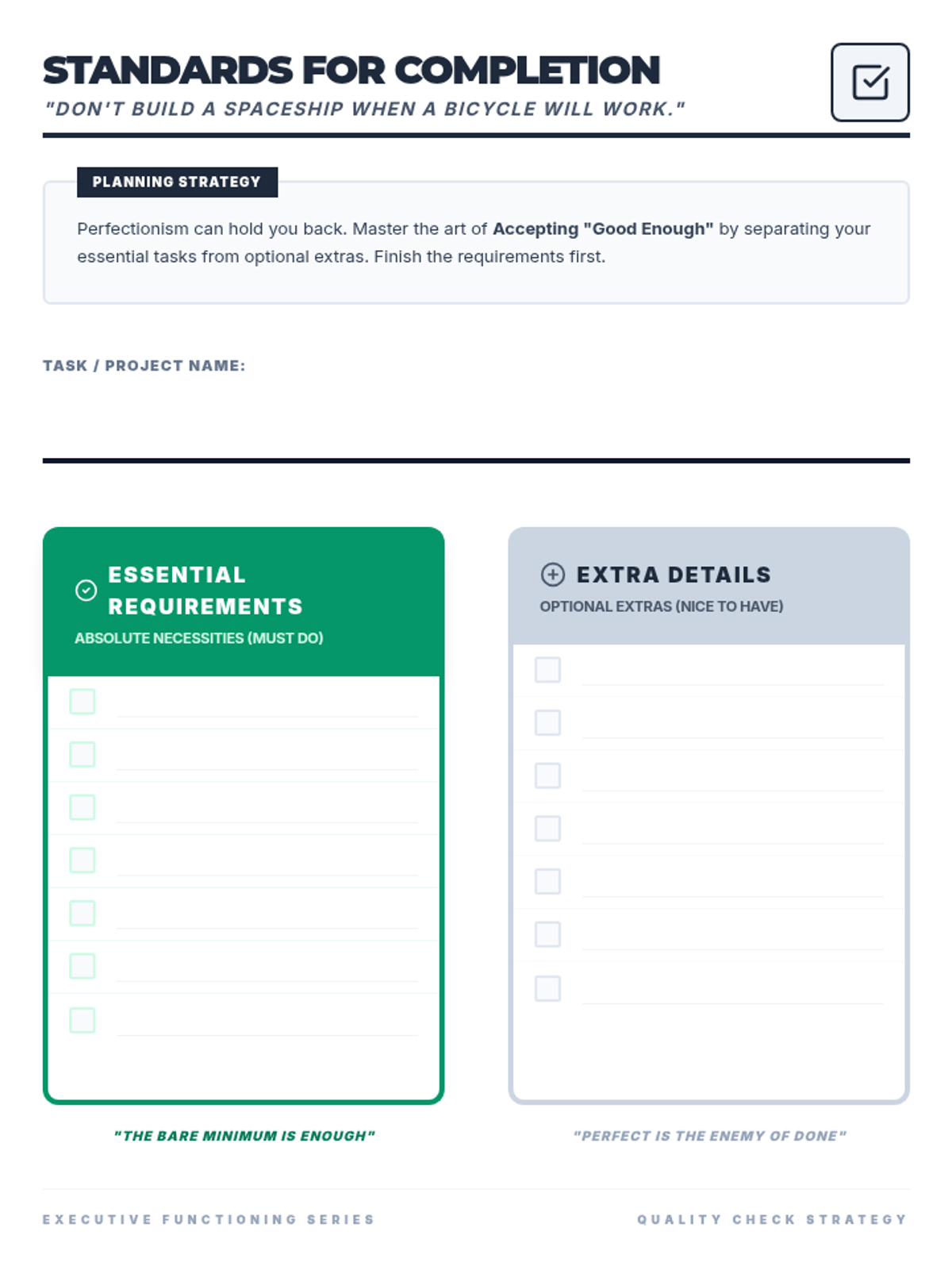
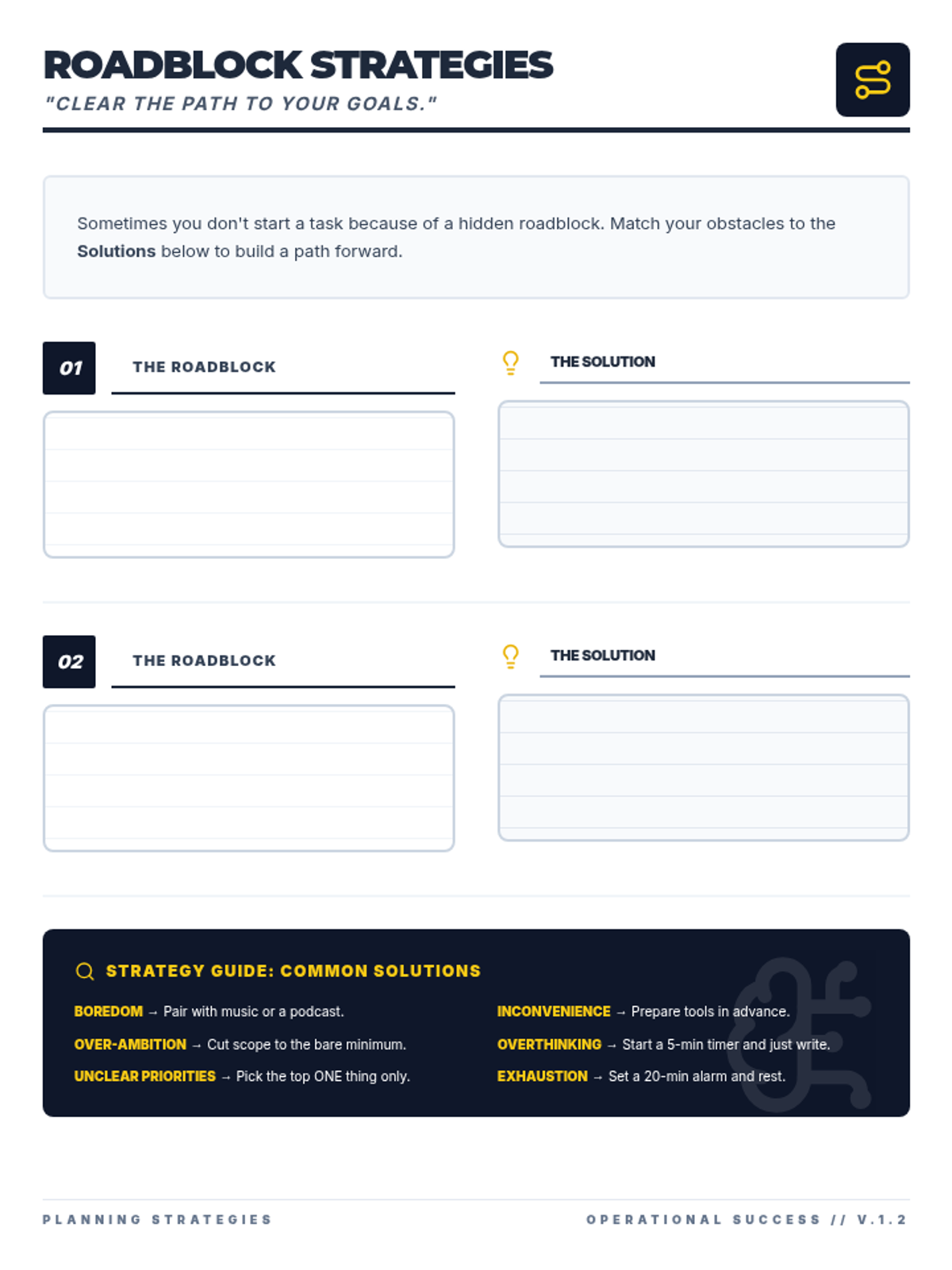
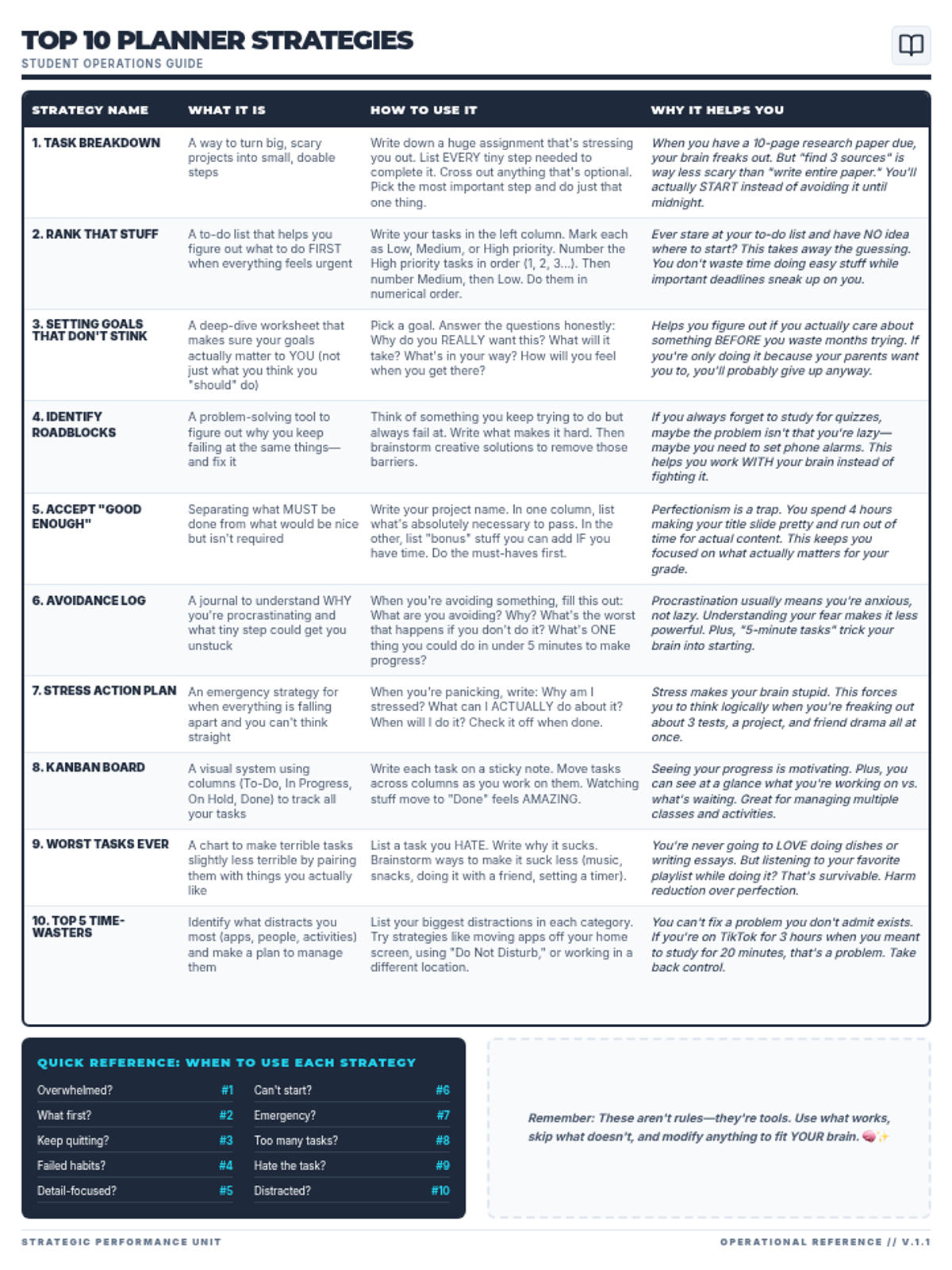
A comprehensive set of tools designed to help teenagers master executive functioning skills, focusing on task management, environmental organization, and self-monitoring using a high-tech, tactical aesthetic.
A lesson designed to empower high school students with the emotional intelligence and communication frameworks needed to navigate difficult conversations with adults (parents, teachers, employers).
A lesson centered on a 'follow the directions' challenge themed as an overly complex job application to teach the importance of reading all instructions before beginning a task.
A self-guided reflection lesson designed to help students evaluate their behavior, understand its impact on the classroom community, and set concrete goals for improvement.
A comprehensive lesson designed to help learners master workplace communication by reducing over-explaining, mastering small talk, following directions, reporting errors, and setting boundaries.
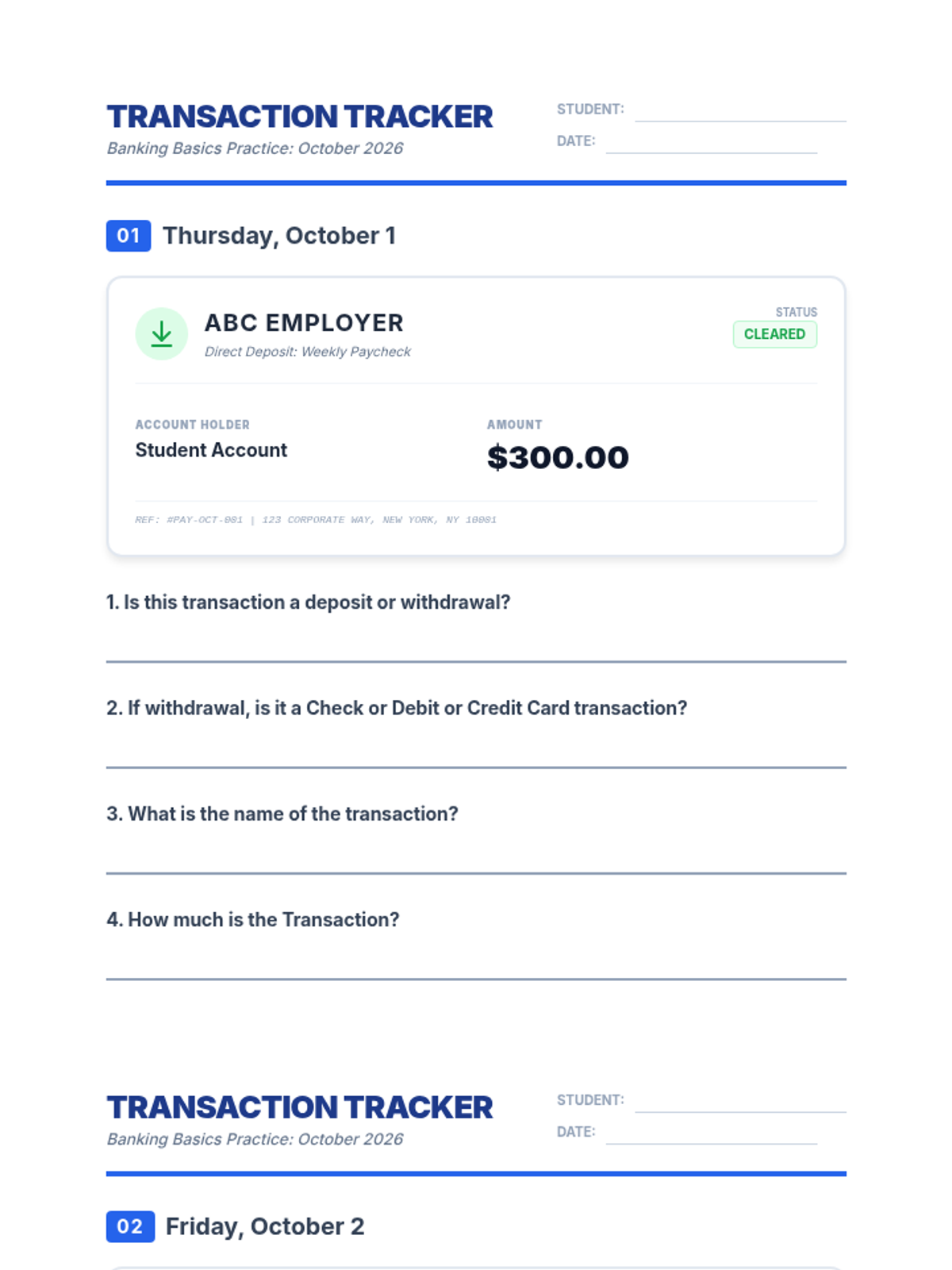
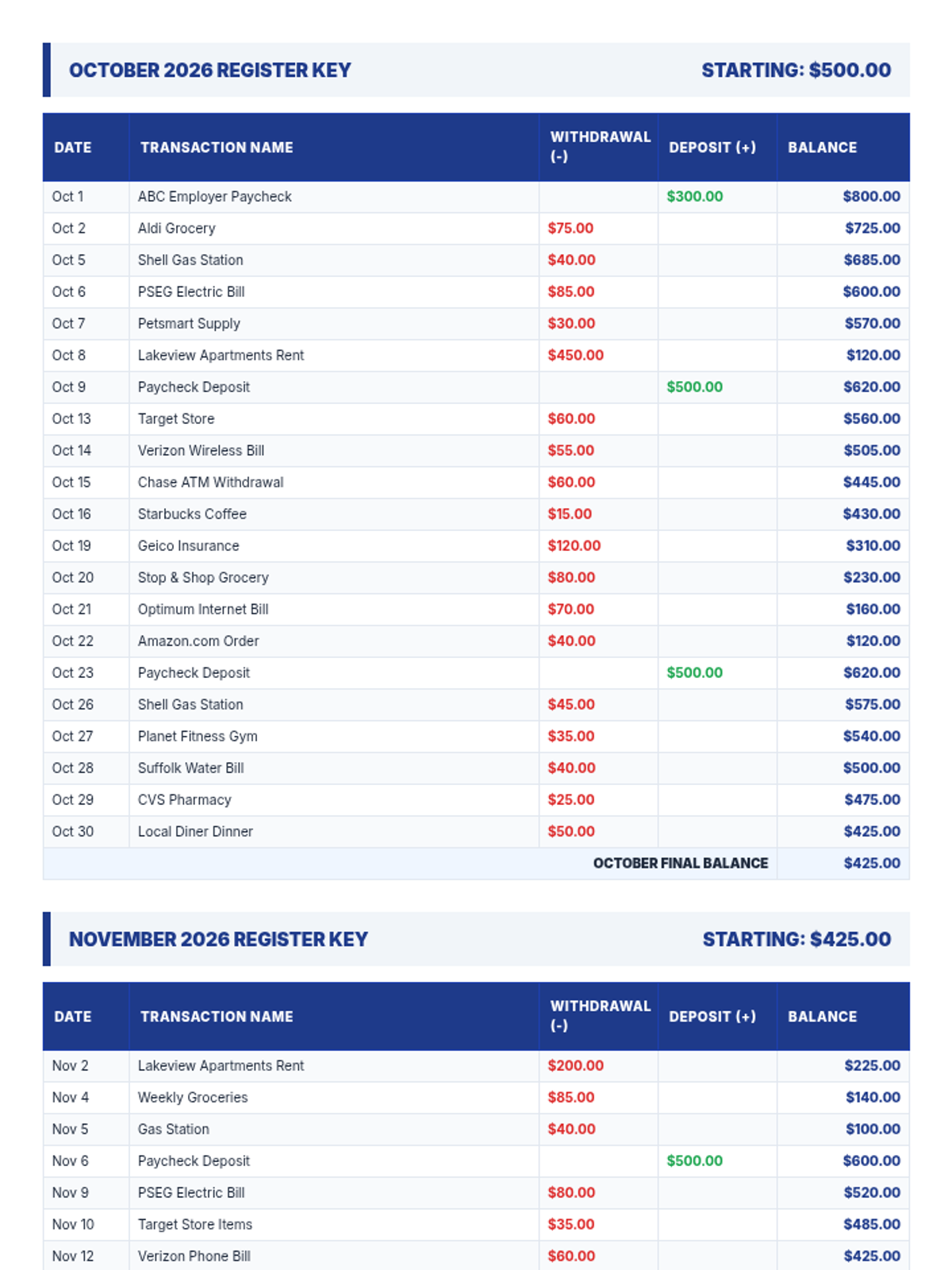
A preparatory lesson focused on mastering the foundational skills of workplace ethics, professional communication, and financial literacy before beginning the full-scale simulation.
Applies geometry and arithmetic to everyday tasks like cooking measurements, home DIY projects, and travel planning.
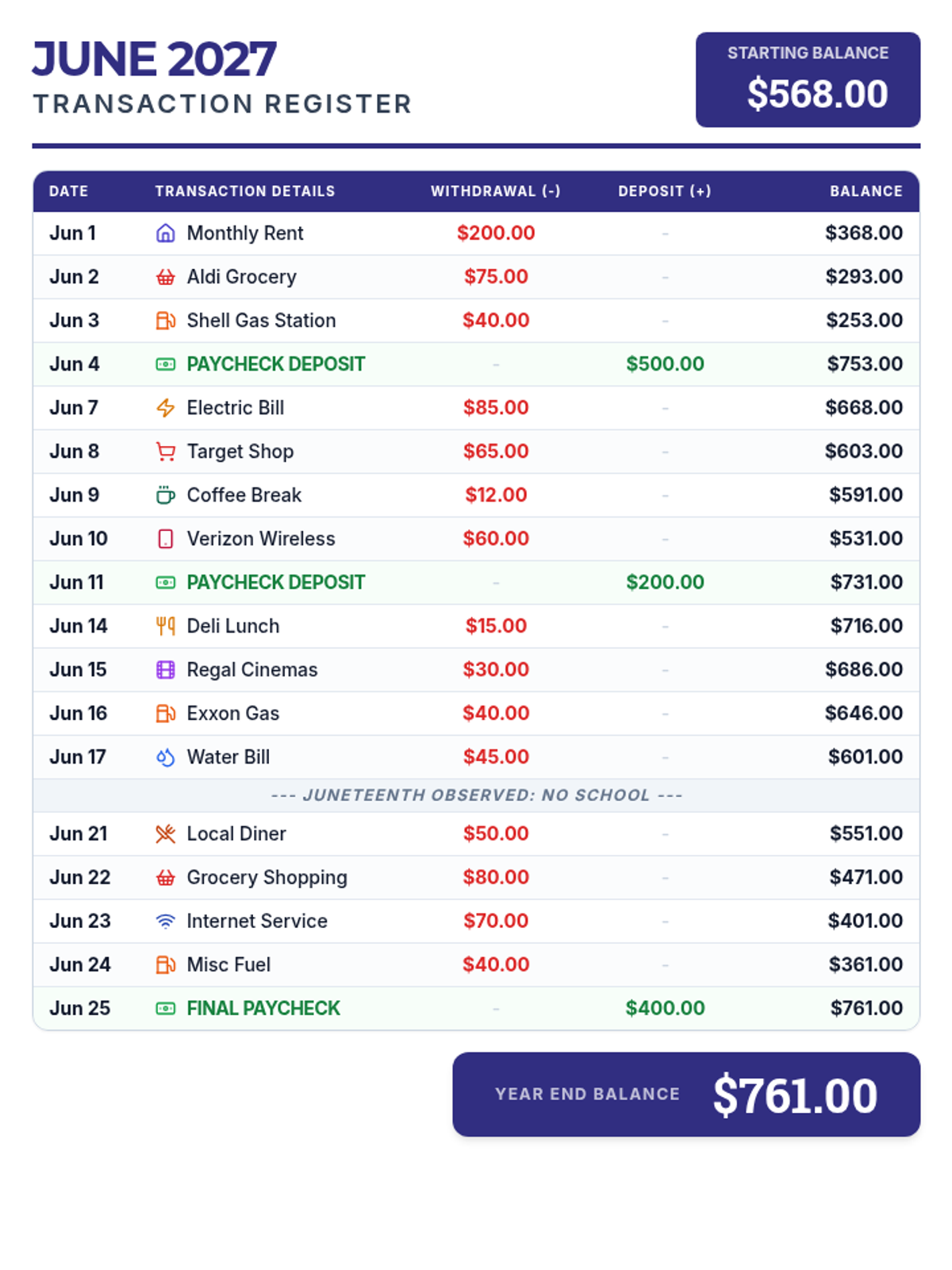
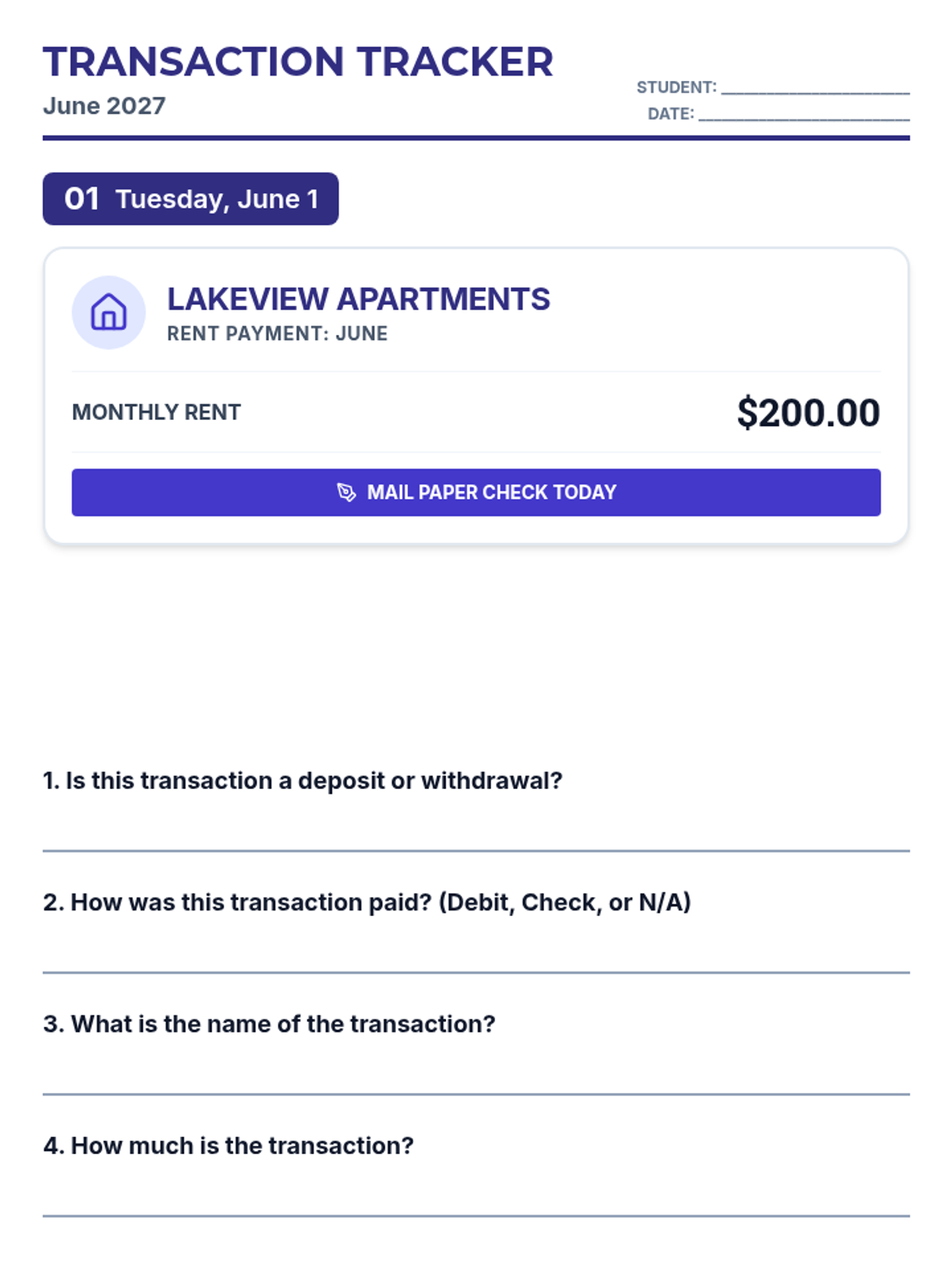
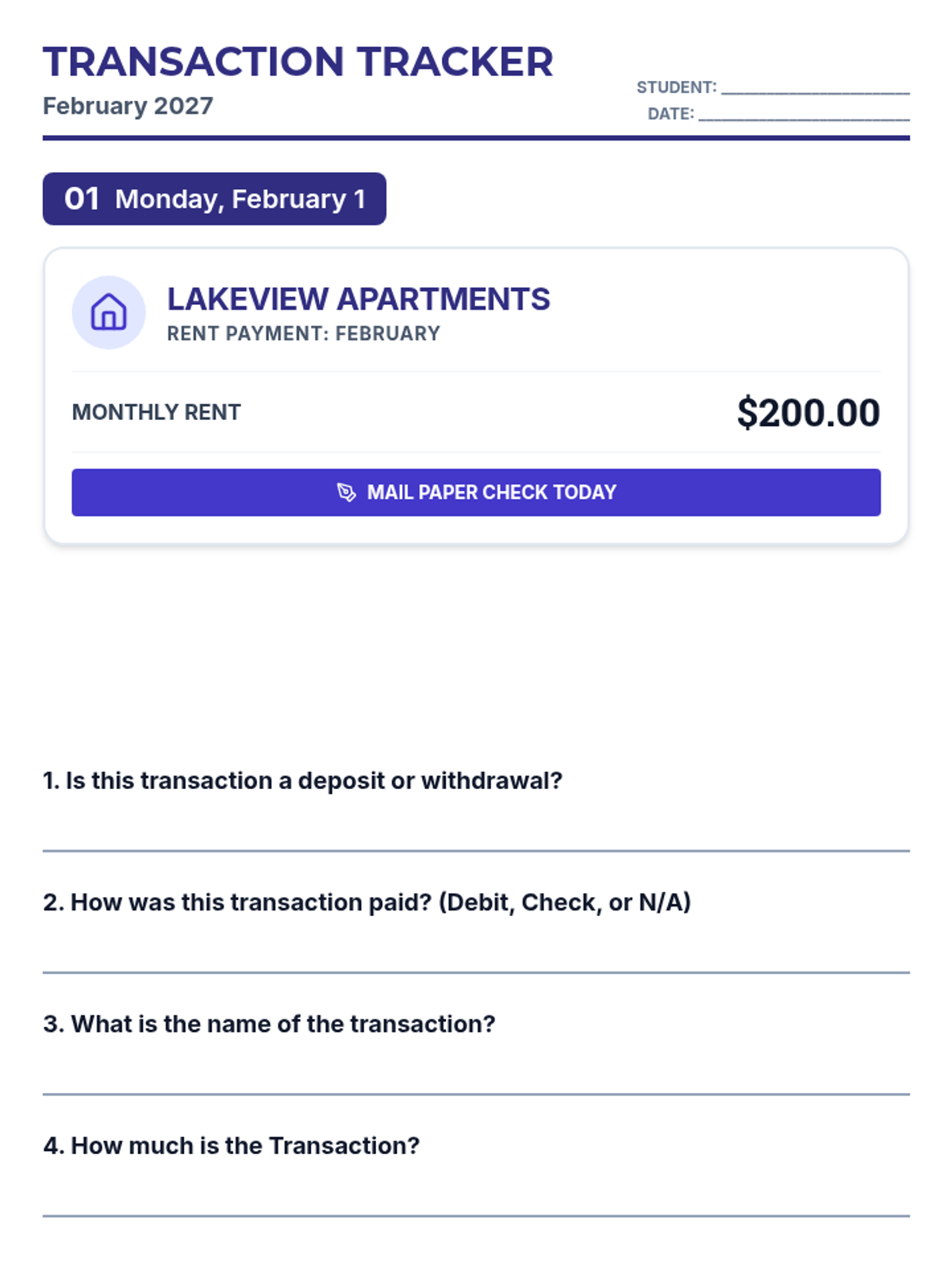
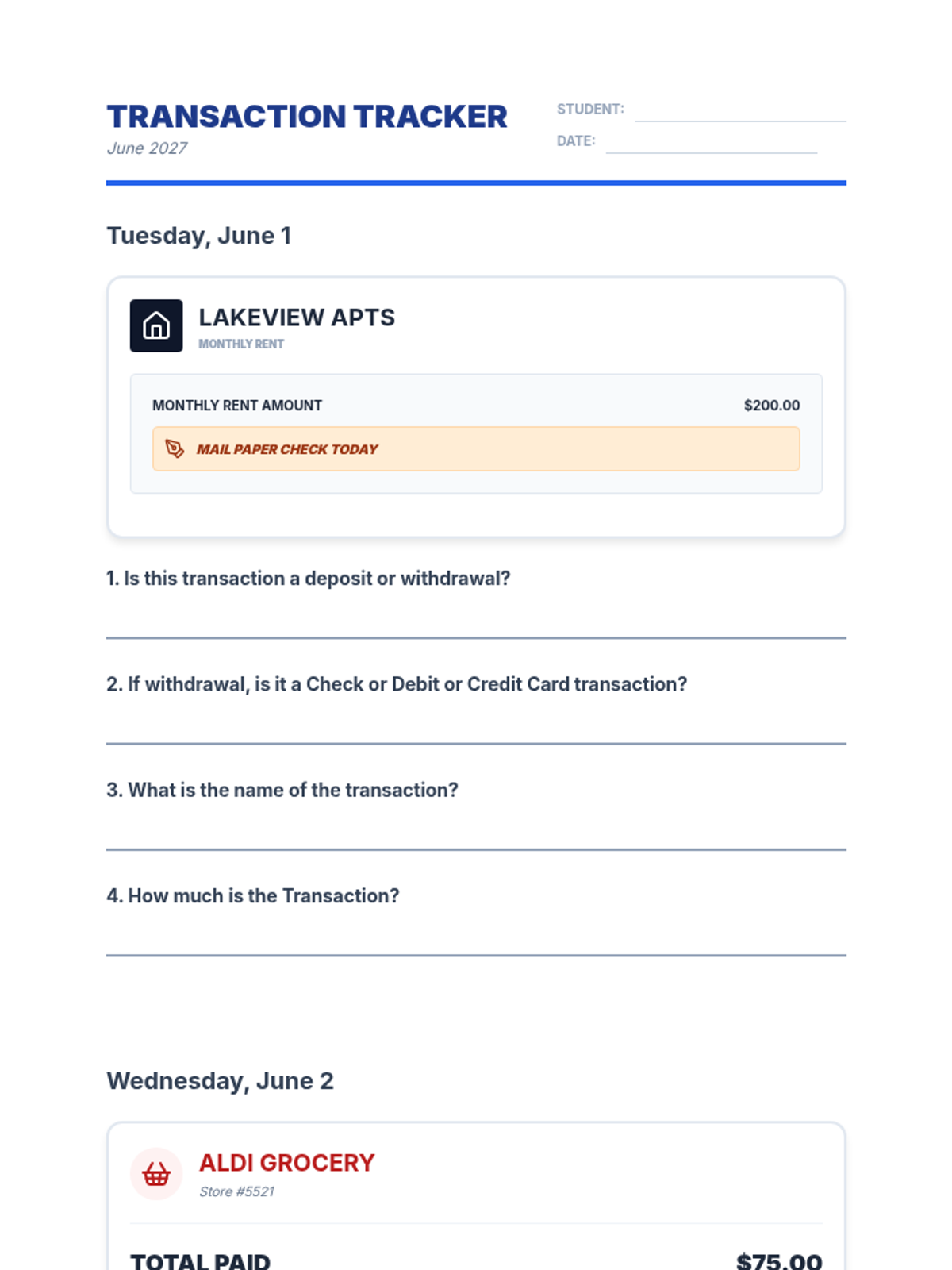
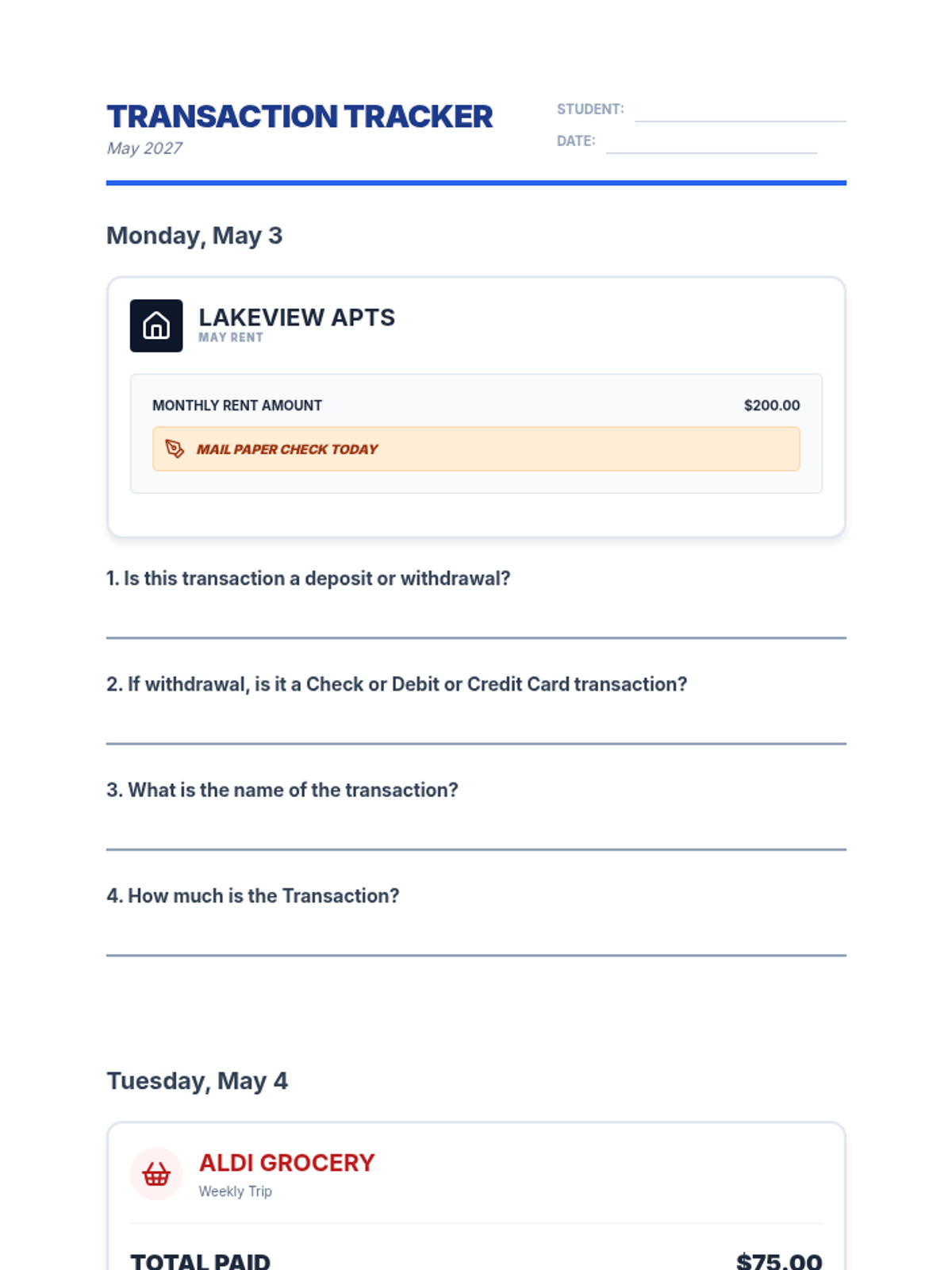
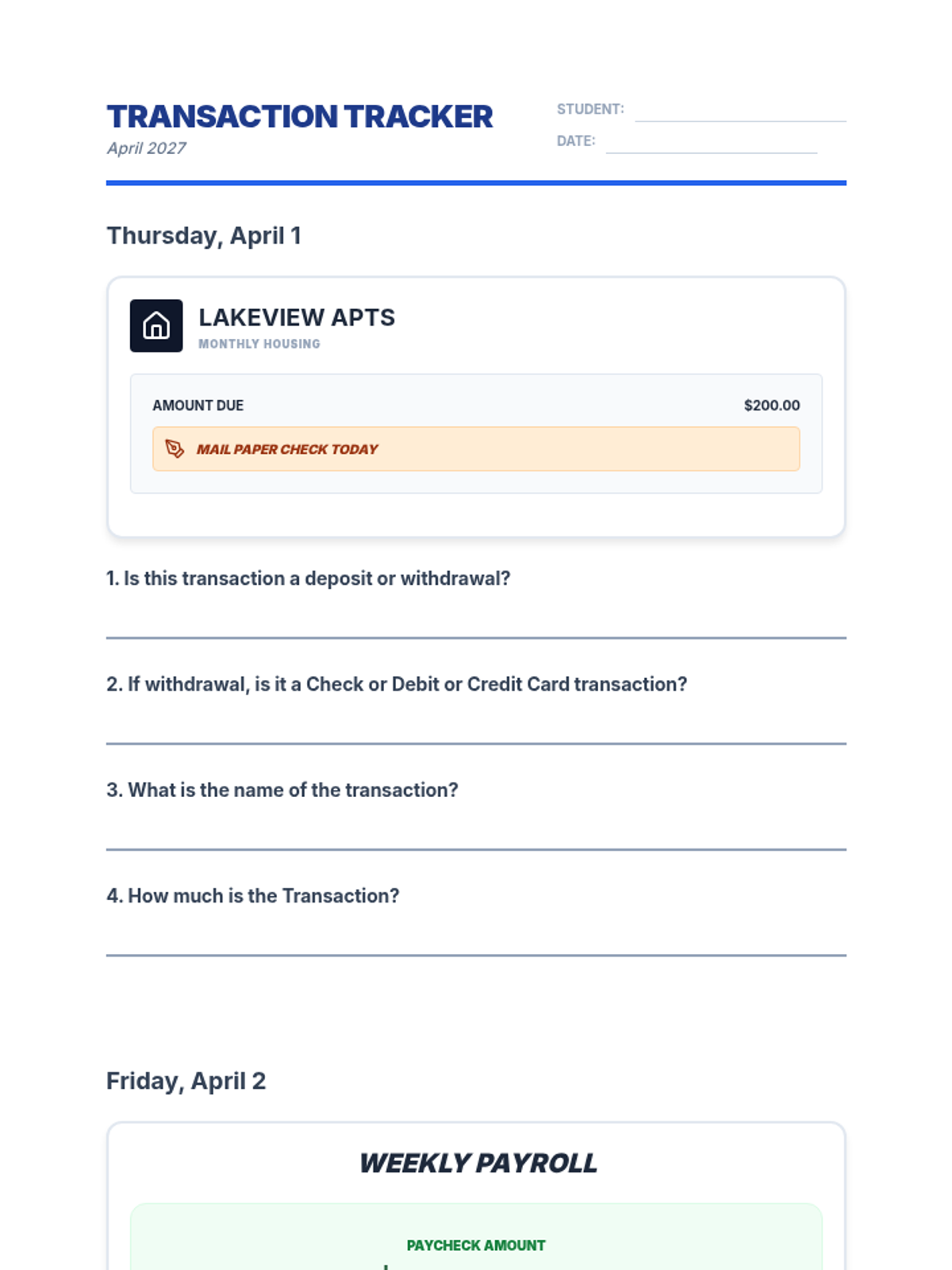
Covers the financial aspects of independent living, including renting, utility usage math, and basic insurance concepts.
Practical applications of percentages and ratios in shopping, including sales tax, discounts, tips, and unit price comparisons.
Explores the math behind interest rates (APR), credit card statements, and the long-term impact of debt.
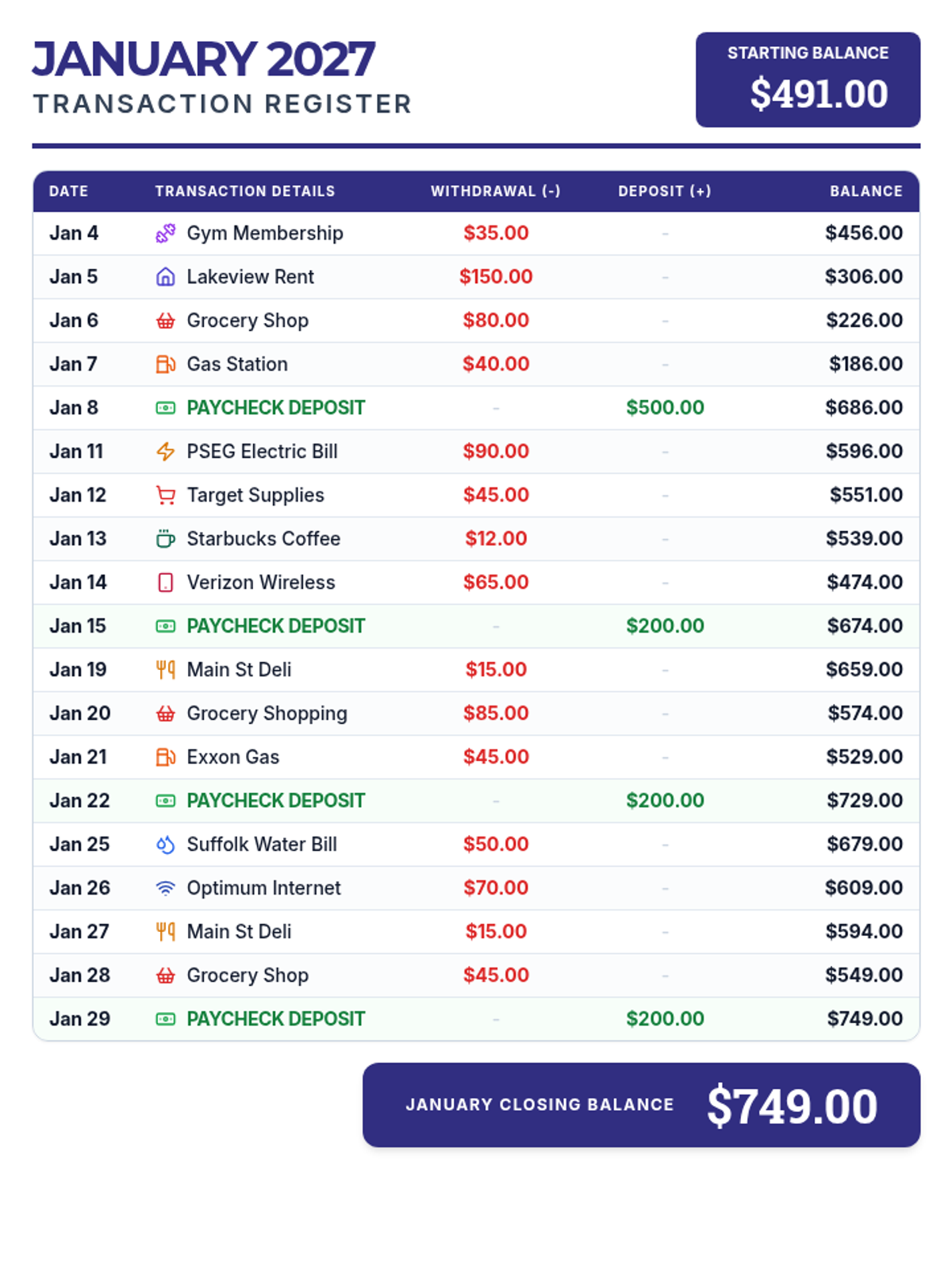
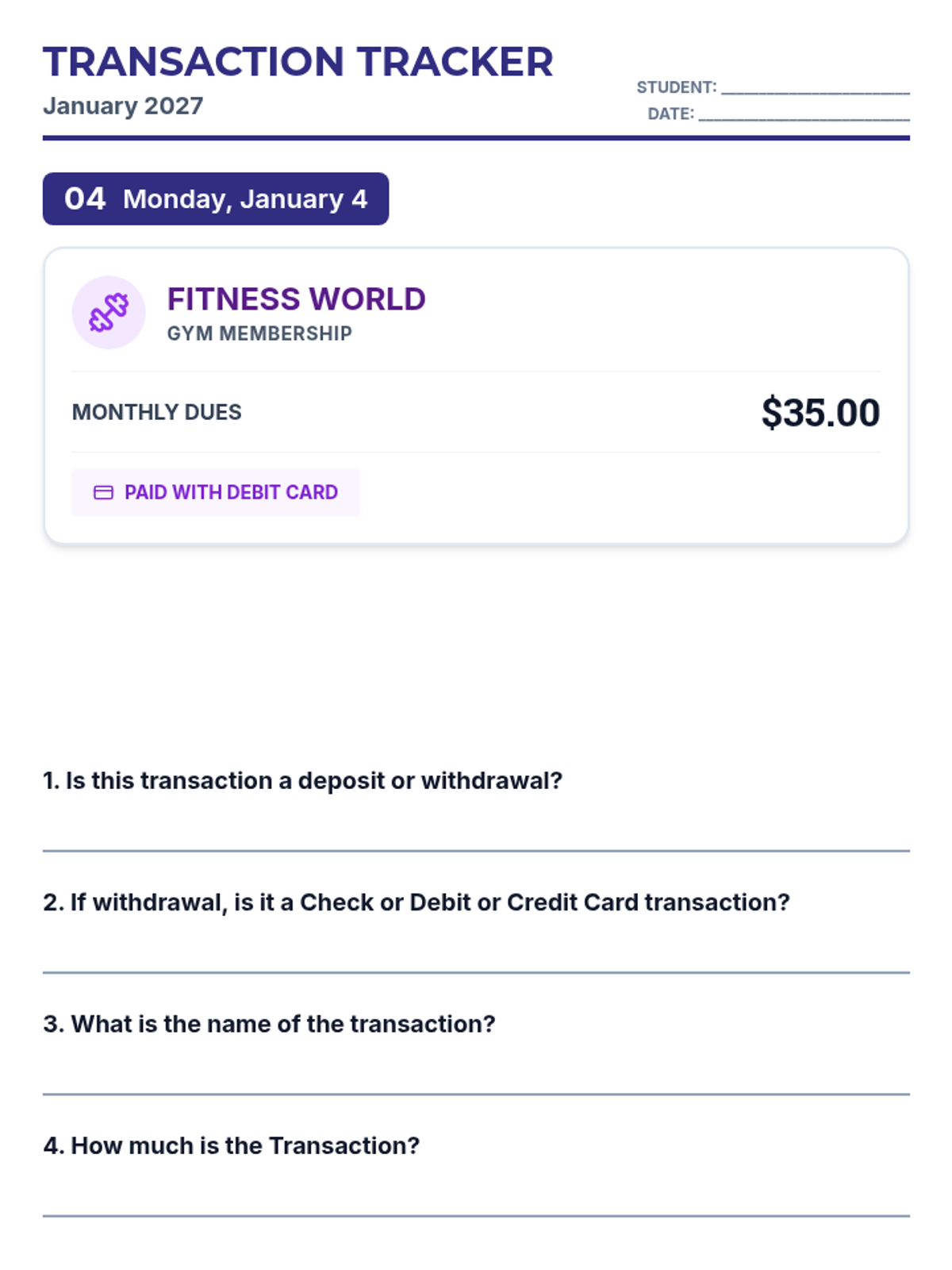
Teaches students how to categorize expenses, use the 50/30/20 rule, and build a sustainable monthly budget.
Focuses on understanding gross vs. net pay, reading paystubs, and calculating common tax deductions to prepare students for their first professional earnings.
A project-based simulation where students create a long-term career roadmap and manage a multi-stage life logbook, practicing workplace ethics and professional communication in real-world scenarios.
Explores the moral framework of the modern workplace. Students will analyze ethical dilemmas, define 'conflict of interest,' and practice the 'Front Page Test' to navigate gray areas where company policy and personal values intersect.
A collection of intake and referral forms for school counseling programs, focused on building a holistic understanding of a student's social-emotional needs through student, teacher, and parent perspectives.
Focuses on the professional skill of acting without being told what to do. Students will learn the "Owner's Mindset," how to identify service gaps, and the appropriate boundaries of taking initiative in a workplace hierarchy.
Explores leadership as a set of behaviors rather than a job title. Students will learn about situational leadership, the concept of 'Servant Leadership,' and how to influence a team positively from any position in the organizational chart.
Focuses on the critical skill of making sound decisions in the workplace. Students will explore the 'Professional Filter,' the importance of confidentiality/discretion, and the impact of their digital footprint on their professional reputation.
Focuses on the professional discipline of taking ownership for actions and outcomes. Students will explore the 'Accountability Loop' versus the 'Victim Loop,' practice the 'Admit, Apologize, Amend' script for errors, and learn how to build a reputation for extreme ownership.
A high-impact lesson designed to equip high school students with assertive communication skills and concrete strategies for setting personal boundaries during high-pressure social events like spring break and prom. Students analyze social dynamics, practice 'The Script' for refusal, and design their own 'Boundary Blueprint' for upcoming events.
Explores the mechanics of high performance by focusing on the distinction between 'being busy' and 'being productive.' Students will learn the 80/20 Rule (Pareto Principle), the science of 'Flow State,' and practical strategies for minimizing workplace friction to maximize quality output.
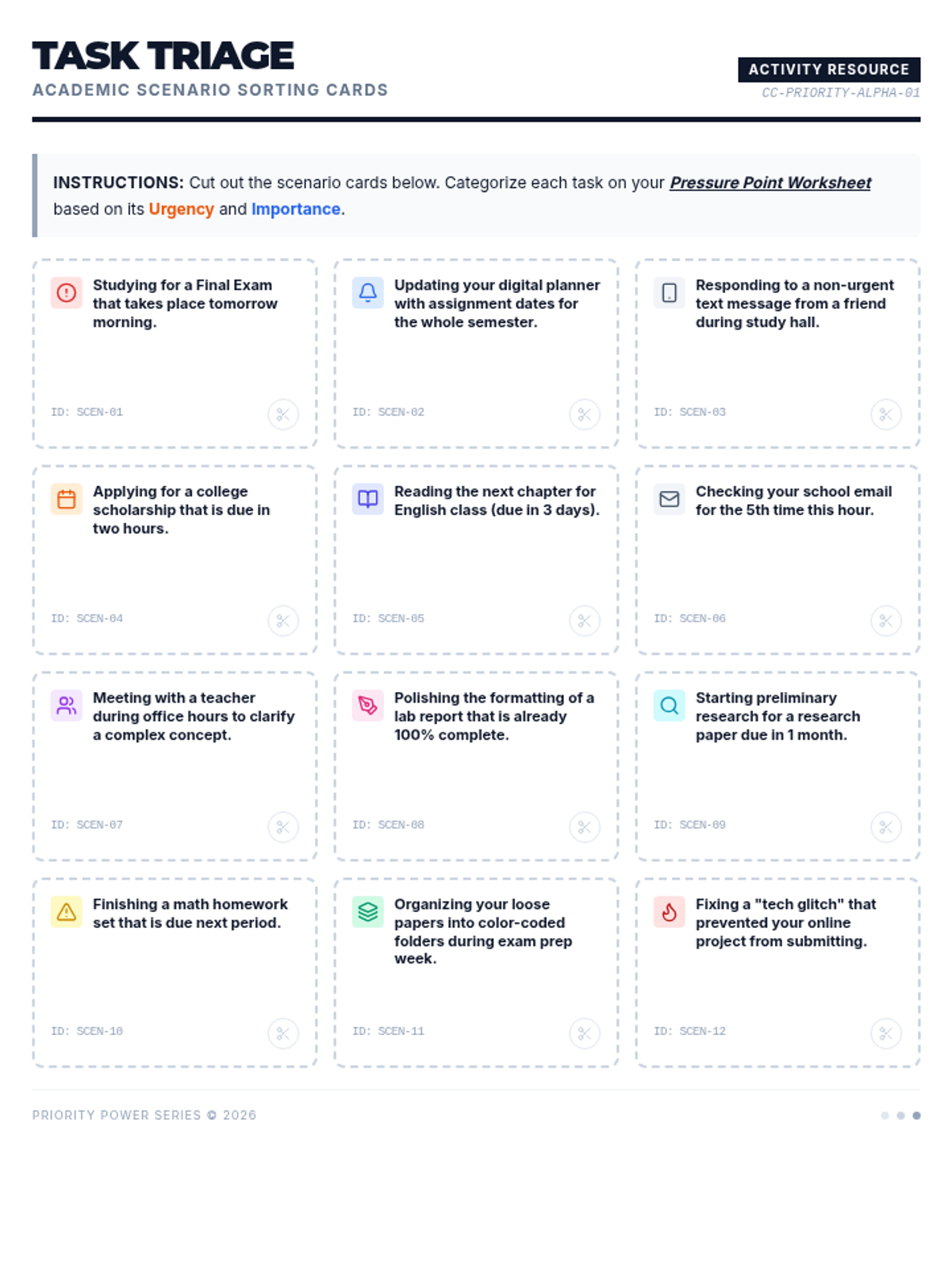
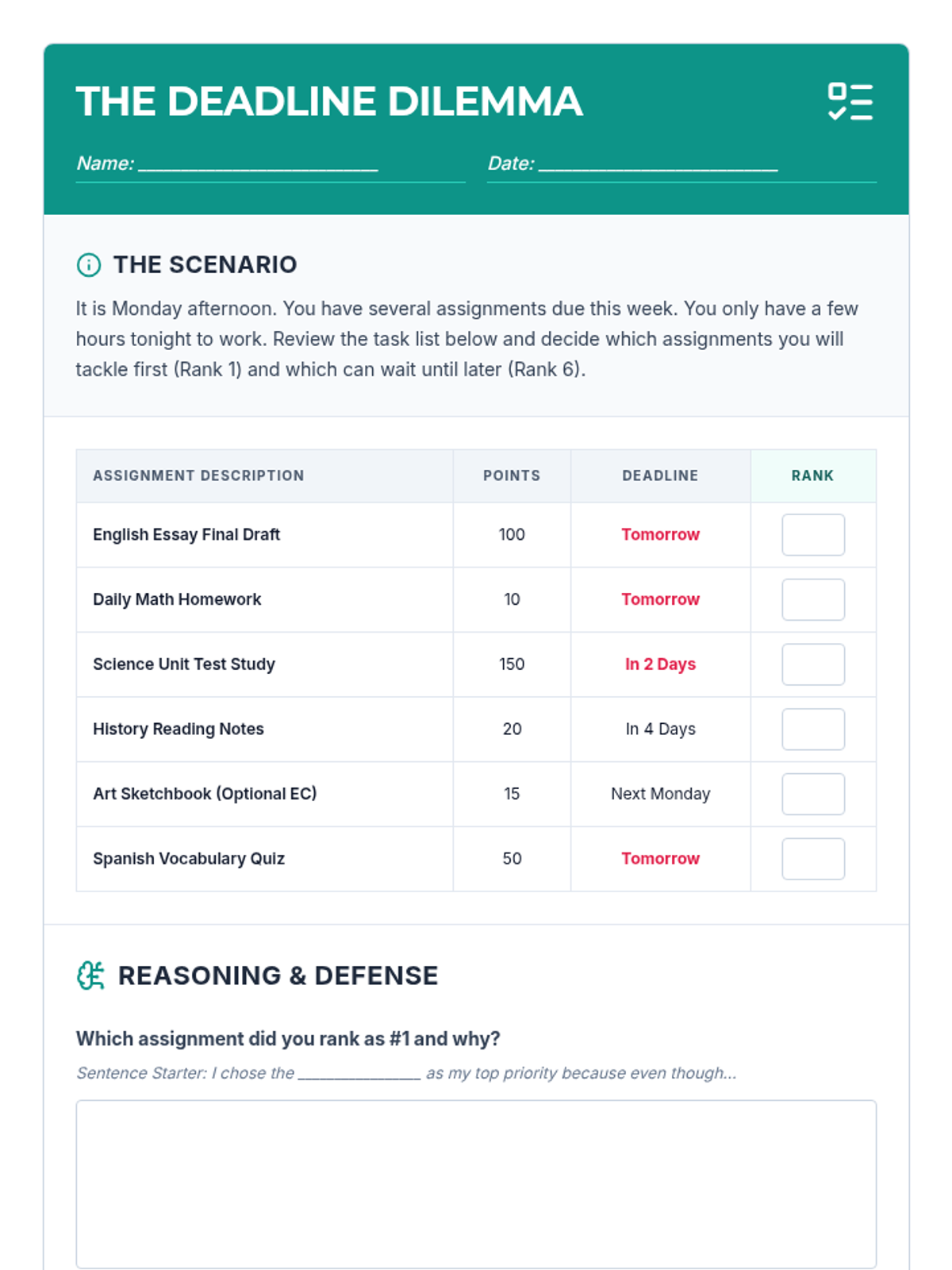
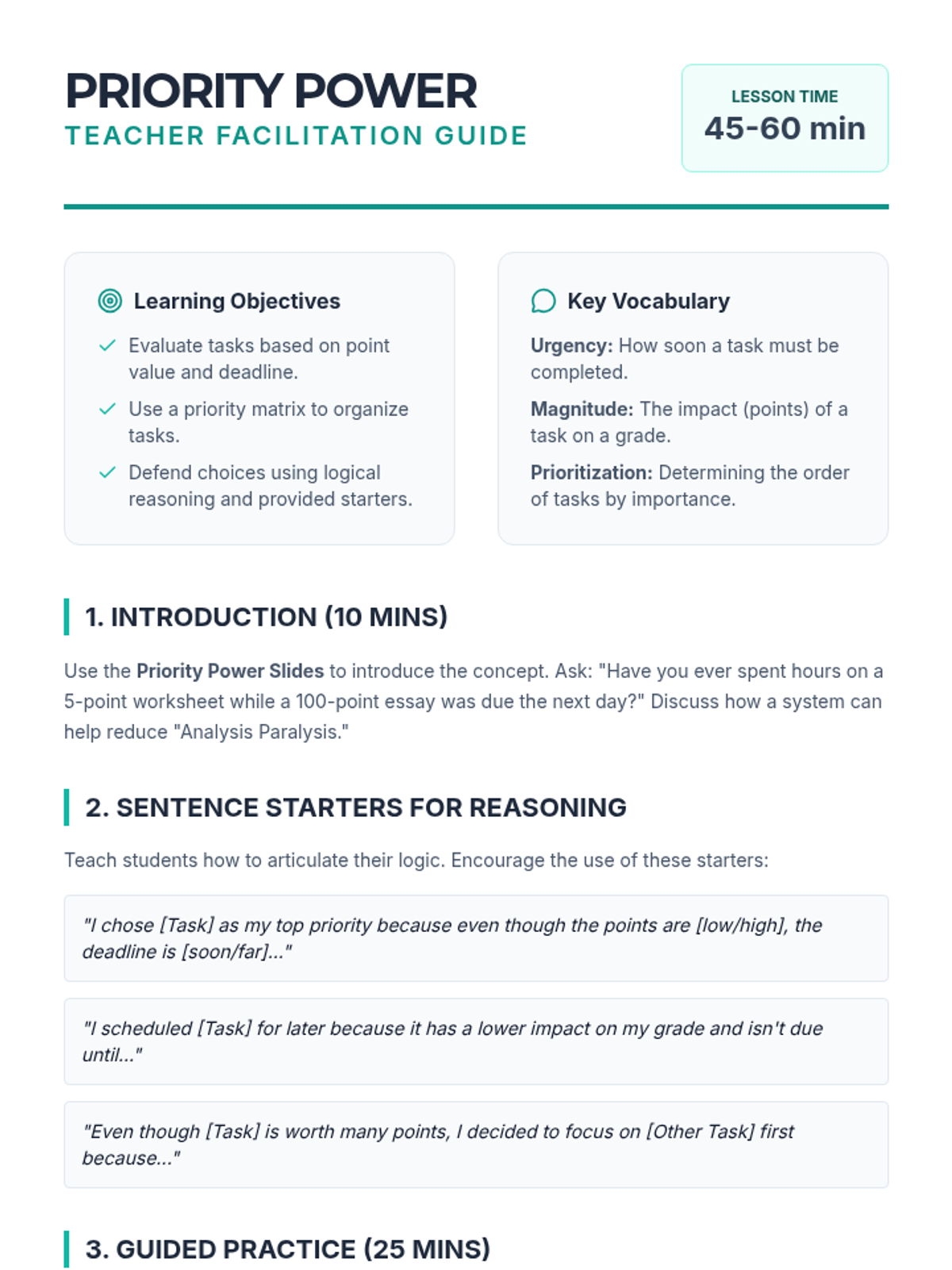
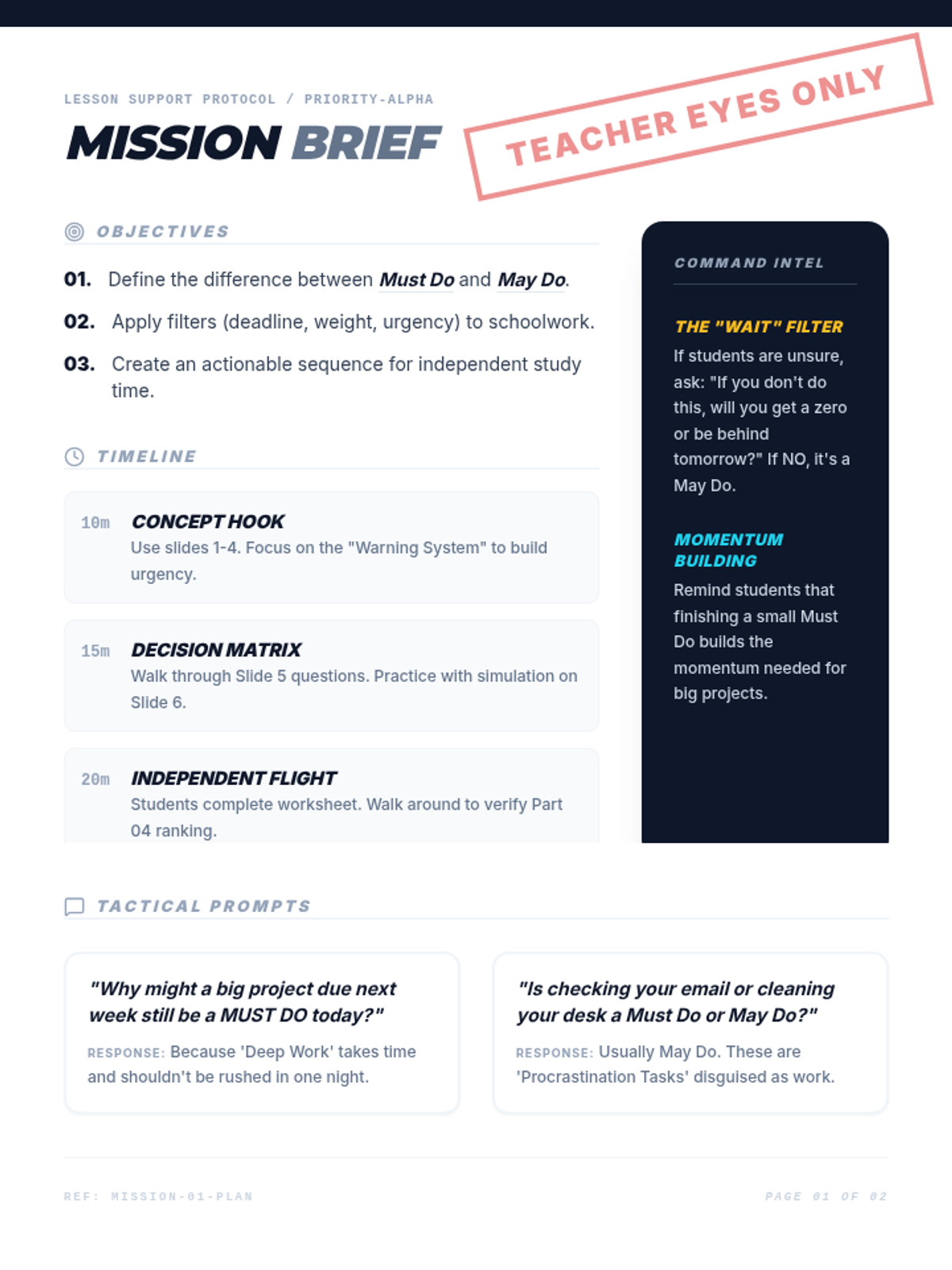
Mastering the mechanics of the workday. Students will learn the Eisenhower Matrix for prioritization, the psychological 'Two-Minute Rule,' and practical time-blocking techniques to eliminate procrastination and meet professional deadlines.
Explores the foundation of professional trust through the lens of reliability and consistency. Students will learn the "Trust Battery" concept, the difference between being dependable and simply "showing up," and how to proactively communicate when setbacks occur.
Focuses on working effectively in diverse professional environments, understanding unconscious bias, and practicing inclusive communication. Students will explore cultural dimensions and apply empathy to workplace interactions.
Focusing on persistence and tracking progress using Scaling and Small Wins. Students will learn how to maintain momentum and identify what helps them keep a "Win Streak" going at school.
A professional-focused exploration of ad hominem, straw man, and red herring fallacies, using workplace scenarios like interviews, meetings, and memos to develop critical communication skills.
Deep diving into the Miracle Question and preferred future visualization. Students will define concrete, sensory details of what a "better" school day looks like.
Focuses on professional communication across multiple channels, including formal email etiquette, digital messaging (Slack/Teams), and active listening. Students will practice translating casual language into professional correspondence and mastering non-verbal cues.
Identifying exceptions (times when the problem is less severe) and individual strengths to build confidence and shift focus from what's wrong to what's working.
A sequence of lessons focused on Solution-Focused Brief Therapy (SFBT) techniques to help students reframe their school experience and identify small, actionable steps toward progress.
A deep dive into Teamwork, focusing on professional roles, conflict resolution styles, and the psychological concept of synergy within a workforce. Students will identify their personal team roles and practice navigating group friction.
An introductory lesson covering the 11 essential employability skills required for modern workplace success. Students will explore definitions and apply skills through realistic workplace scenarios.