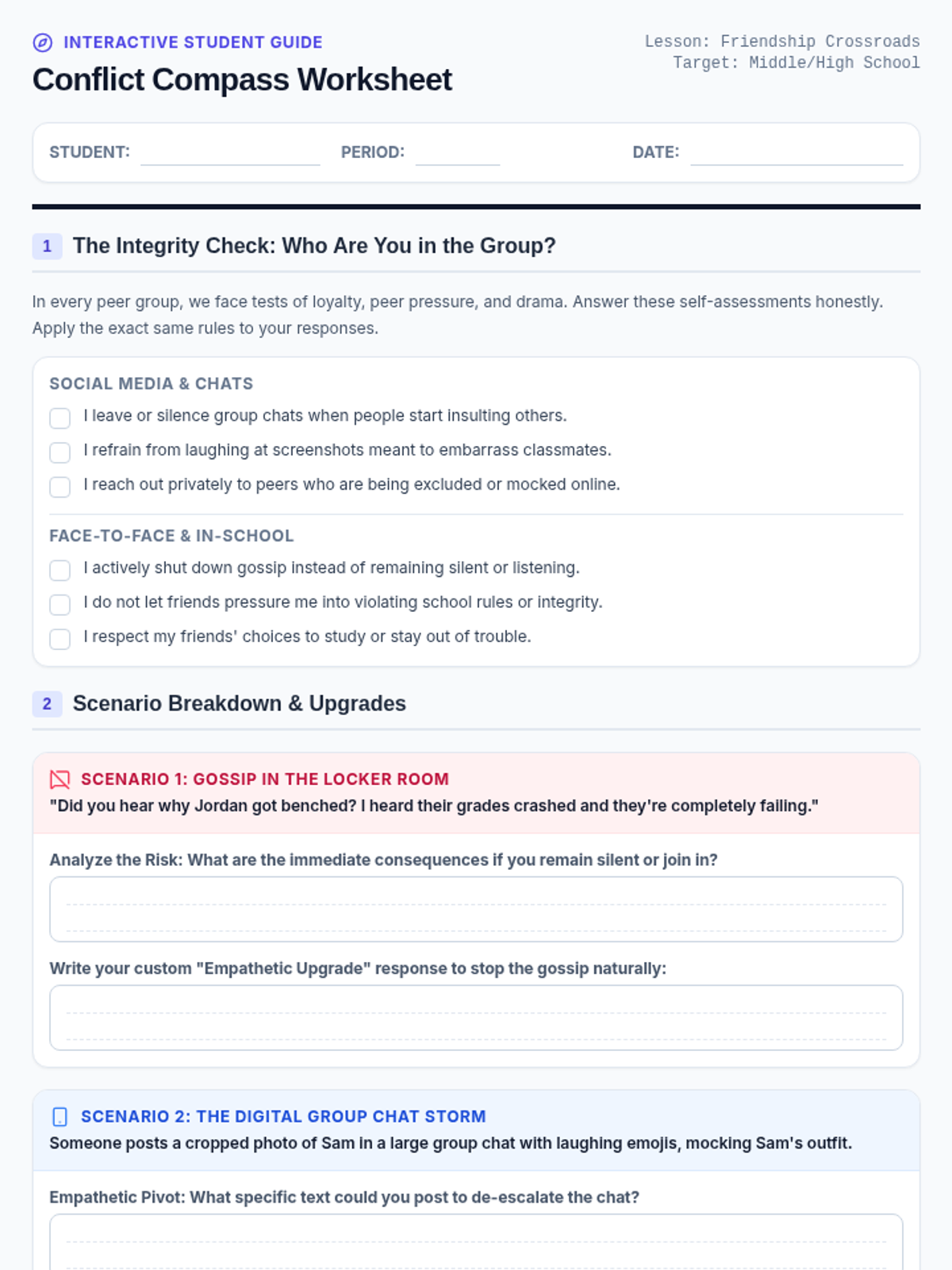
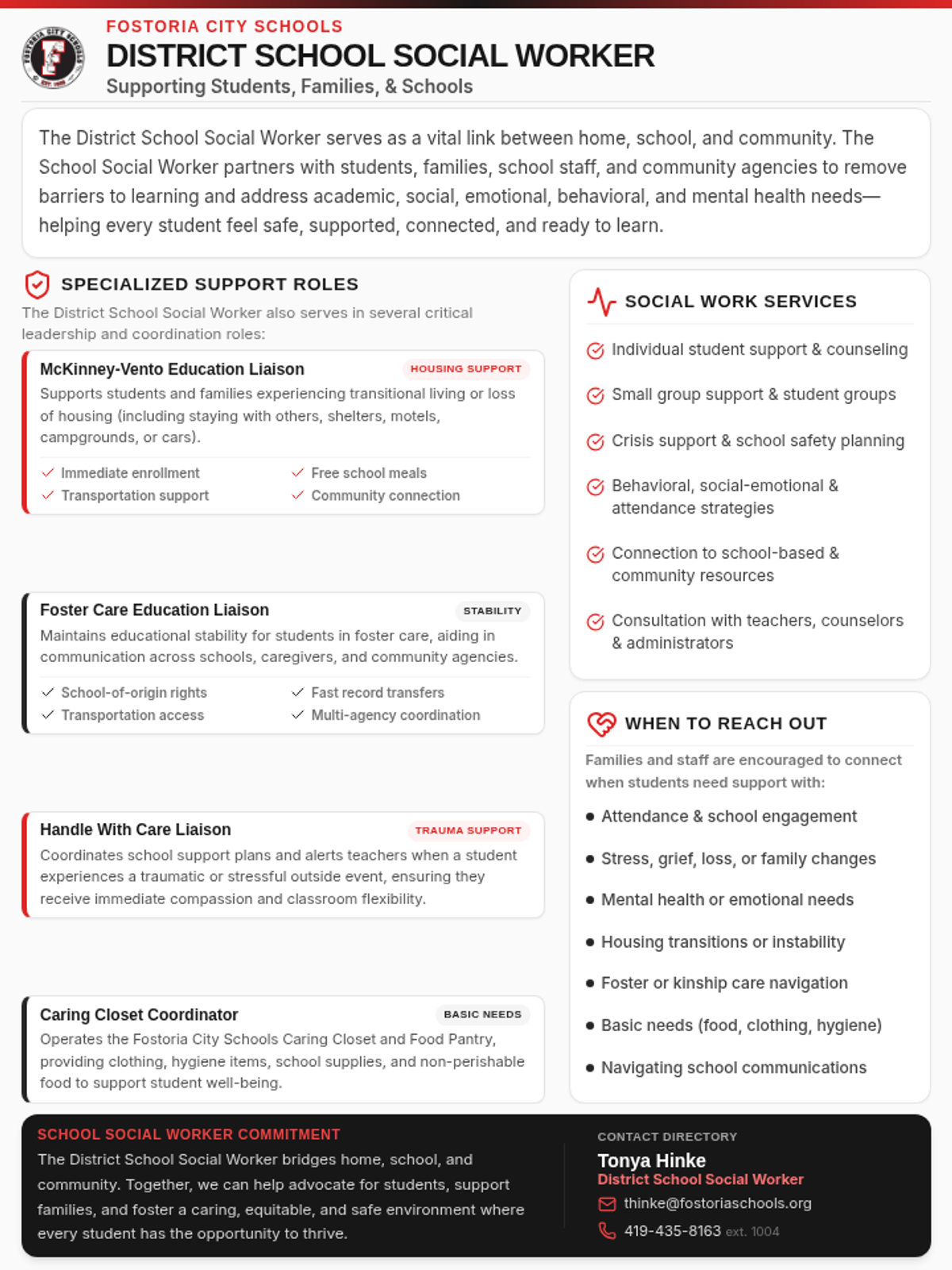
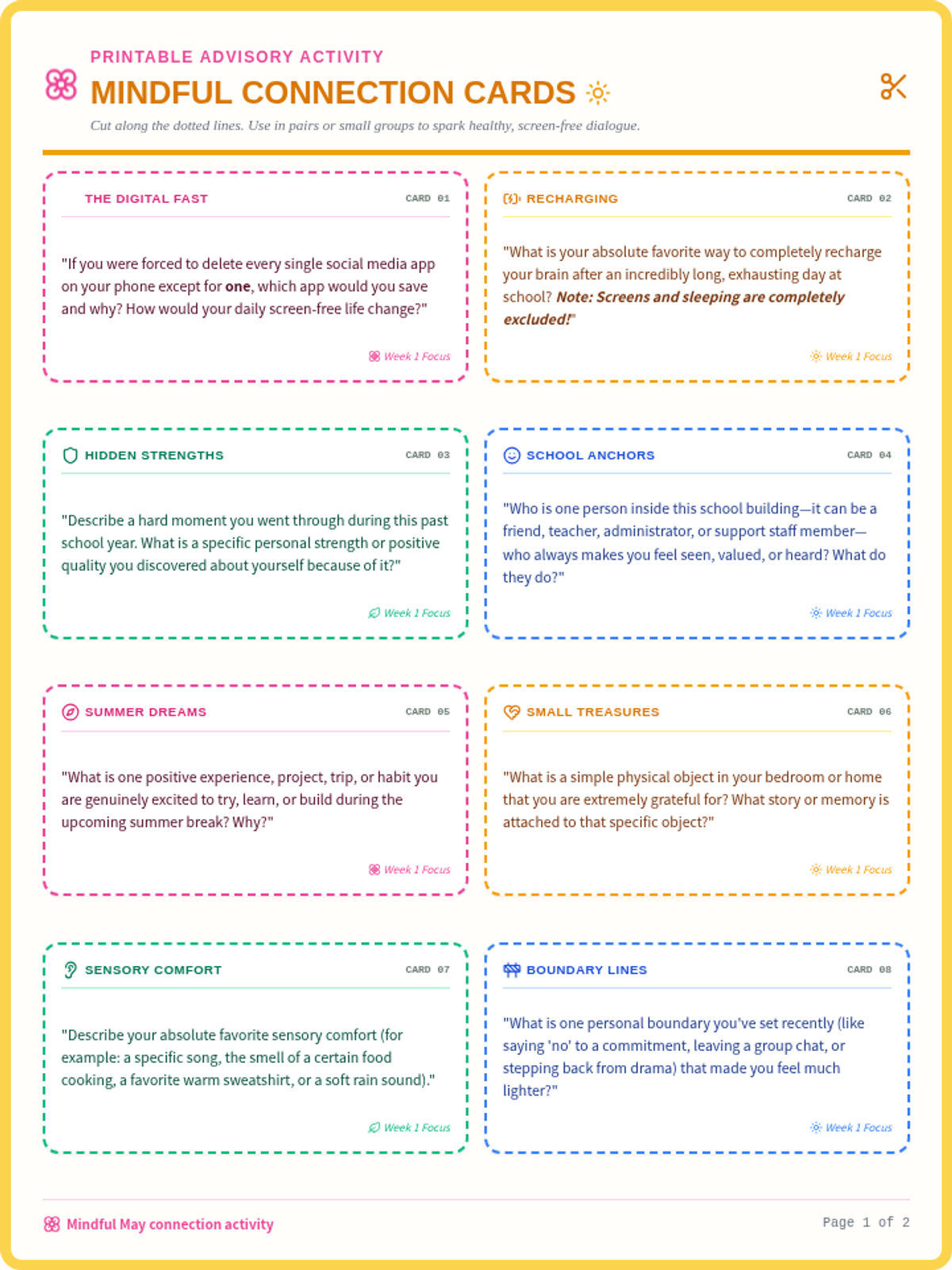
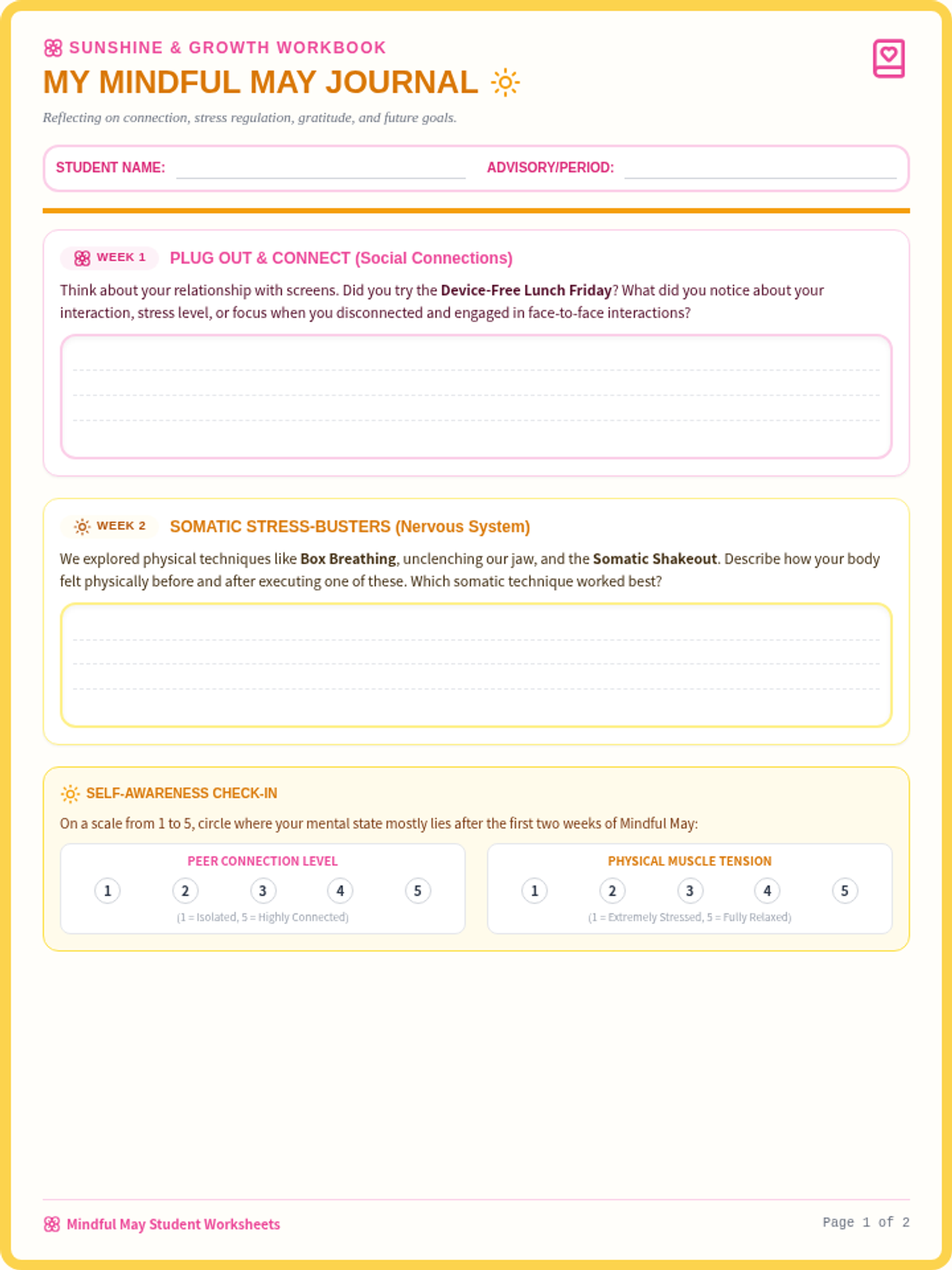
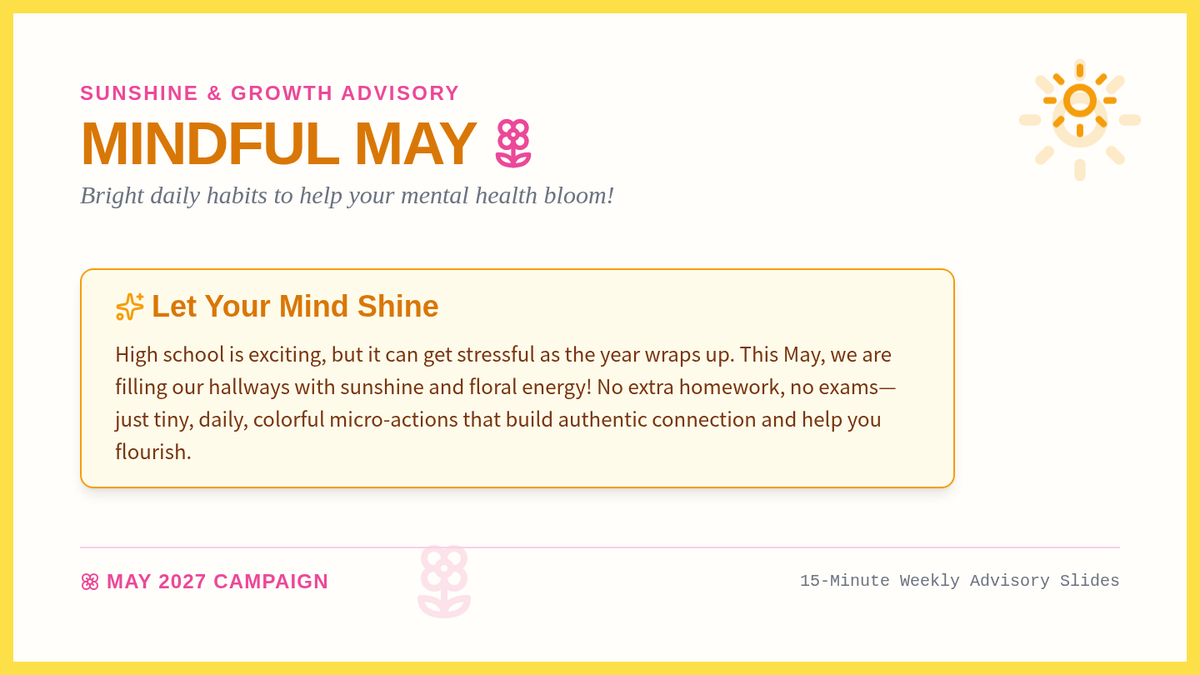
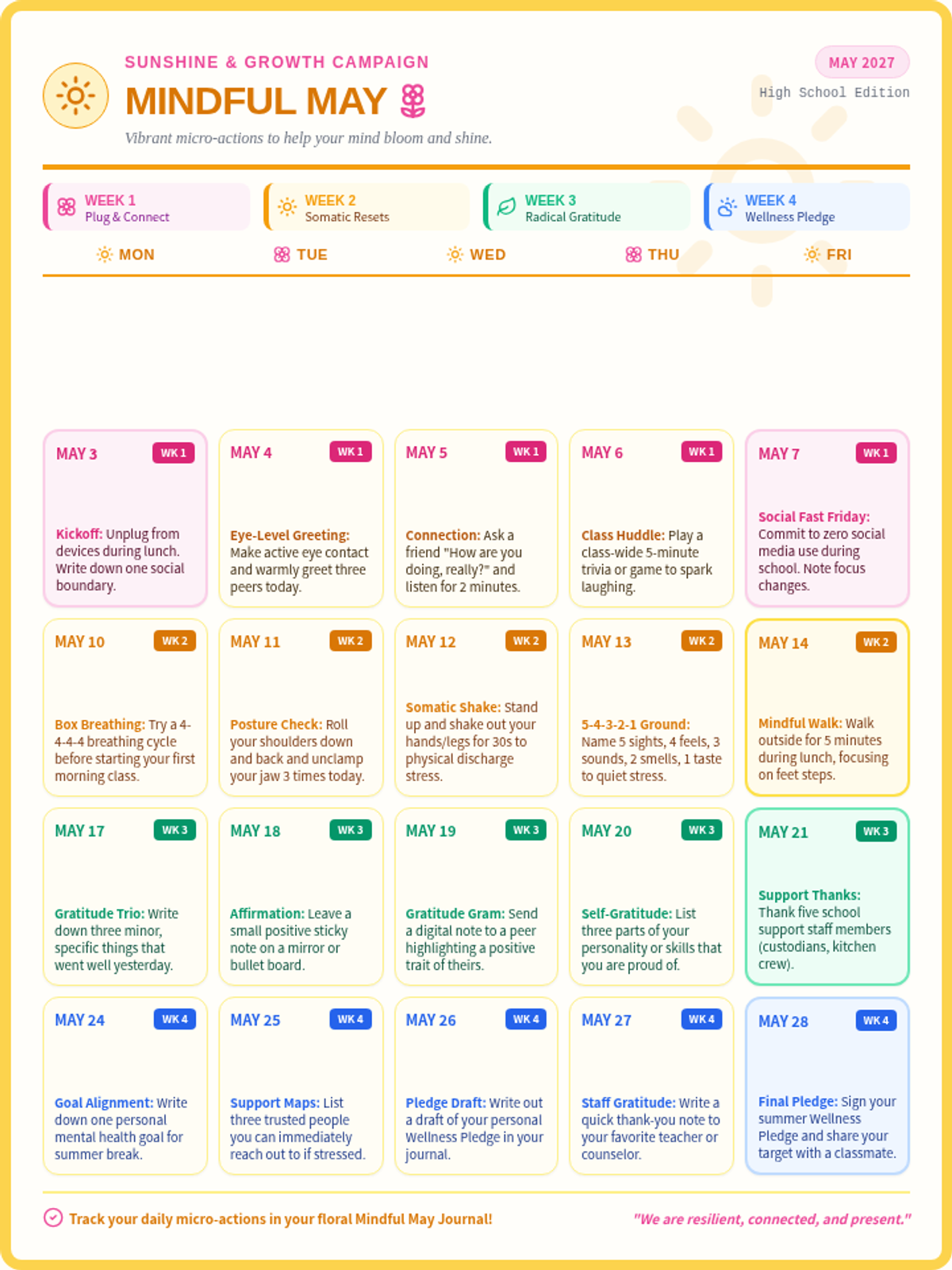
A detailed group project guide for a financial literacy unit. It includes project phases, student roles, and research prompts to help students navigate the "Adulting Blueprint" project.
The updated answer key for entry-level workplace scenarios, providing correct multiple-choice selections and brief rationales.
A career-focused slide deck for entry-level workers, teaching the 4-step problem-solving sequence with examples from service and logistics.
An entry-level workplace problem-solving worksheet with multiple-choice scenarios involving retail, delivery, and basic workplace etiquette.
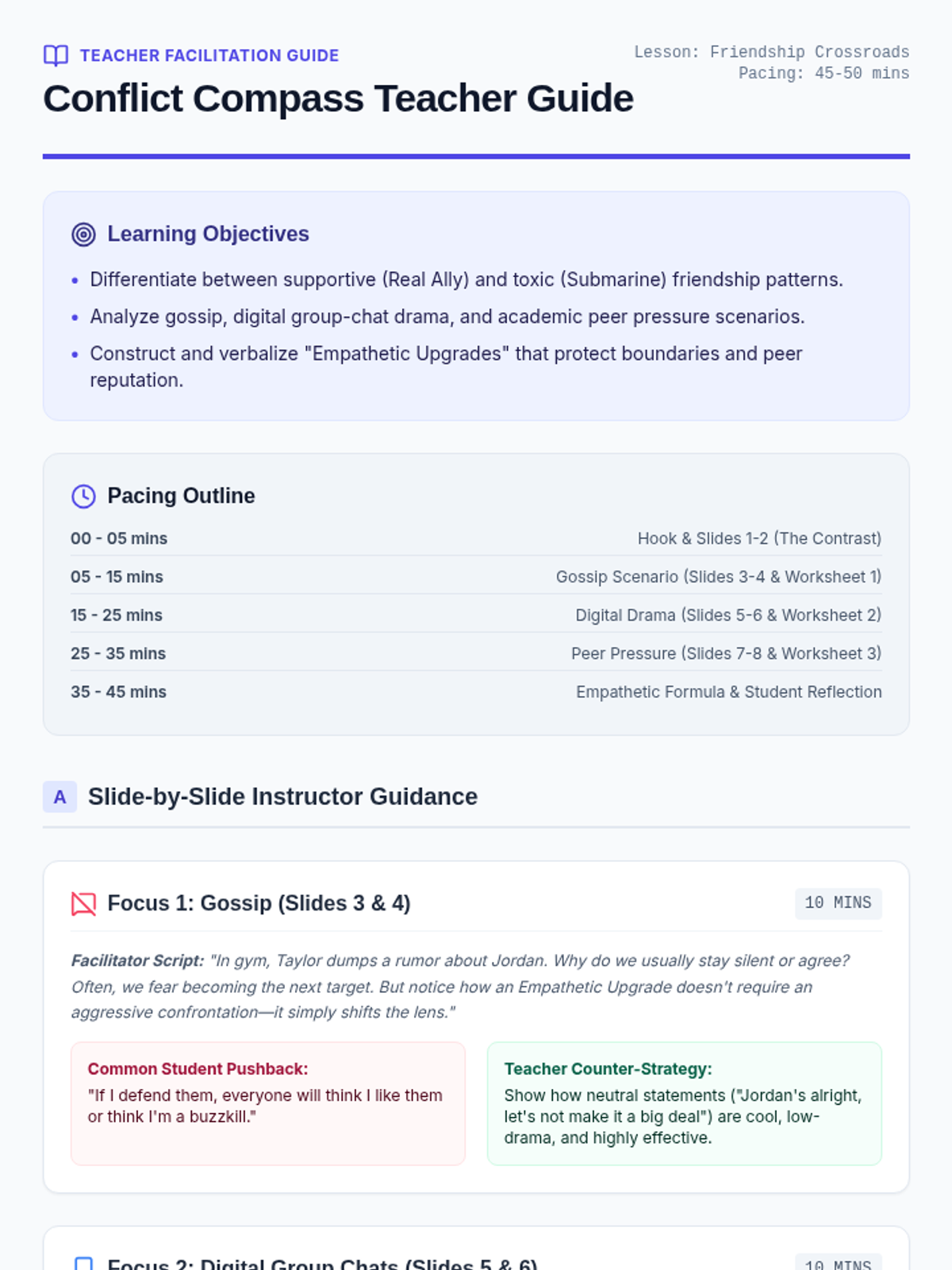
A condensed teacher guide for the one-page Professional Pitch lesson, including learning objectives, a streamlined facilitation plan, and answer keys.
An updated one-page professional communication worksheet with improved spacing, font sizes for readability, and a cleaner layout. Combines instruction with three practice tasks.
A student-facing reference guide providing specific keywords, reliable local websites, and verification checklists for researching financial data on Cape Cod.
The final personal coping plan document for students, allowing them to synthesize their learning from all four sessions into a single "blueprint" for future use.
Slide presentation for Session 4, reviewing the unit's core concepts (Detection, Reframing, Regulation) and guiding students through the creation of their personal coping blueprints.
Coping strategy menu for students to trial and rate different physical and grounding techniques (e.g., box breathing, grounding) to identify what works best for them.
Slide presentation for Session 3, introducing physical coping mechanisms like controlled breathing, the 5-4-3-2-1 grounding technique, and explaining the physiological benefits of these strategies.
Student worksheet featuring common middle school stressors as "Stinky Thoughts" scenarios. Students practice cognitive reframing by writing realistic and positive "Power Thoughts" for each situation.
Slide presentation for Session 2, focusing on the connection between thoughts, feelings, and behaviors, and teaching students how to identify and reframe cognitive distortions.
Student activity sheet for Session 1. Students identify their physical stress symptoms on a body map and list their primary personal triggers.
Slide presentation for Session 1, introducing the concept of stress using the pressure cooker analogy and explaining the body's fight/flight/freeze response.
Unit pre- and post-assessment to measure student growth in identifying stressors and coping strategies.
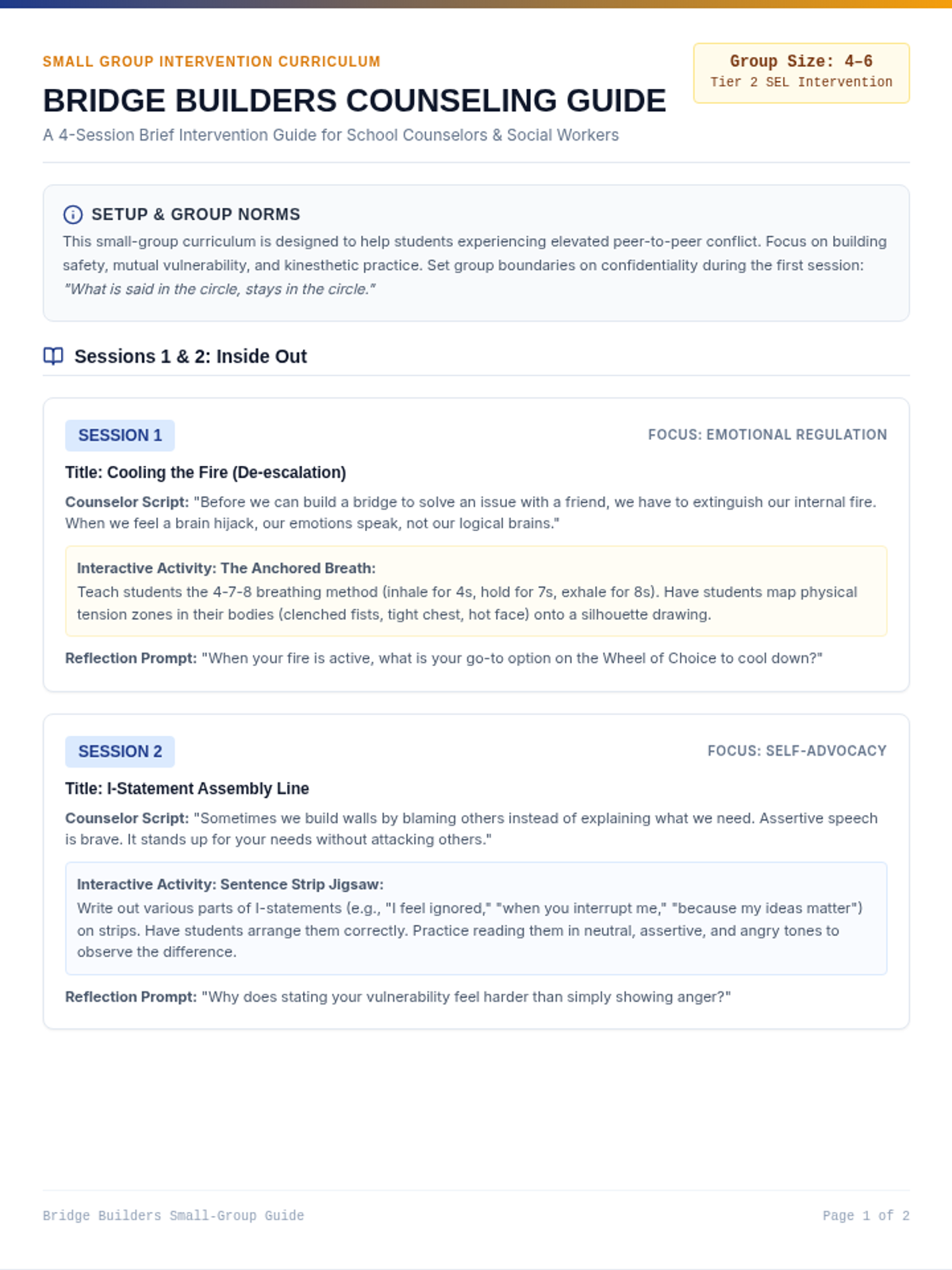
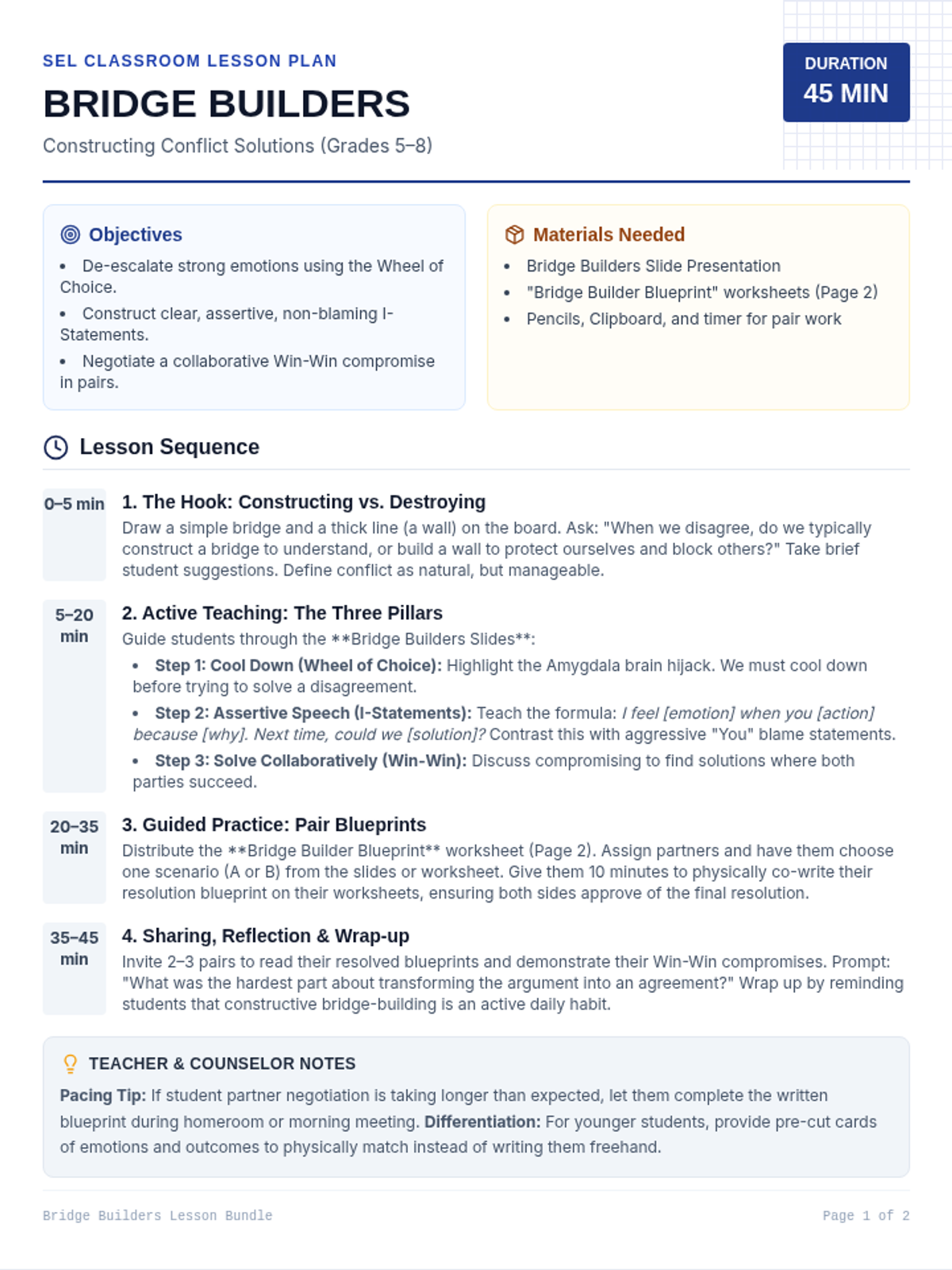
Facilitator guide for the 4-week unit, including ASCA alignment, objectives, and weekly plans.
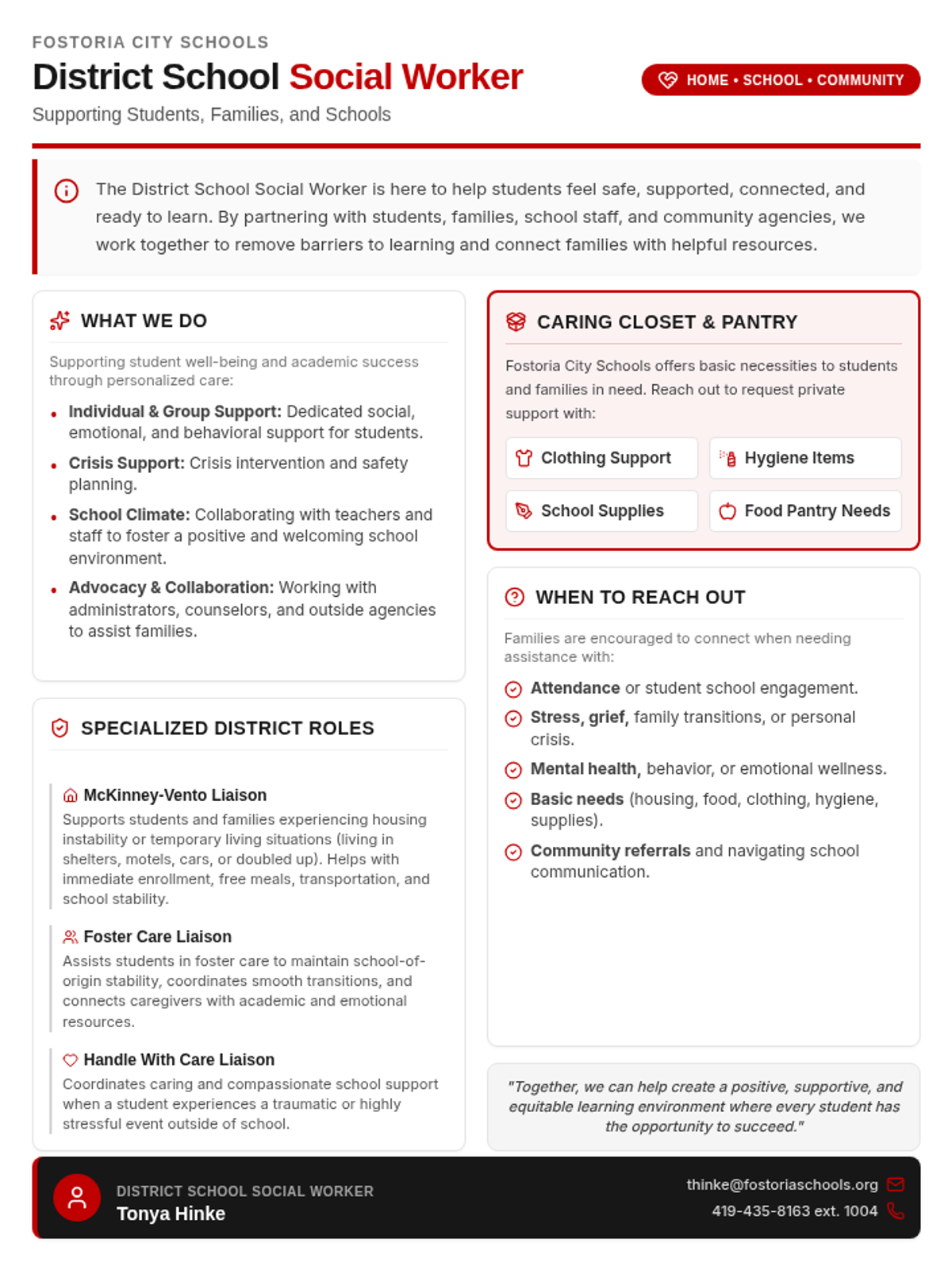
A comprehensive resource directory template for clients. It features national crisis numbers (988, Crisis Text Line), dedicated fillable spaces for local care team contacts, and a guide for navigating community supports like transportation and nutrition services.
A client-facing worksheet for personalizing coping strategies. It includes a checklist for early warning signs, a sensory grounding exercise guide, and a dedicated space for clients to define their daily wellness "anchor" activity.
A detailed facilitation guide for clinicians or group leaders. It includes session objectives, a minute-by-minute timeline, suggested scripts for grounding exercises, and preparation checklists for a recovery-focused group session.
A visual slide deck for a group session with adults in residential care. It covers symptom identification, immediate coping skills (like the 5-4-3-2-1 technique and box breathing), and independent living goal setting.