Students explore how web users read differently than book readers, focusing on the 'F-pattern' and practicing how to make content scannable using headers, bullets, and bold text.
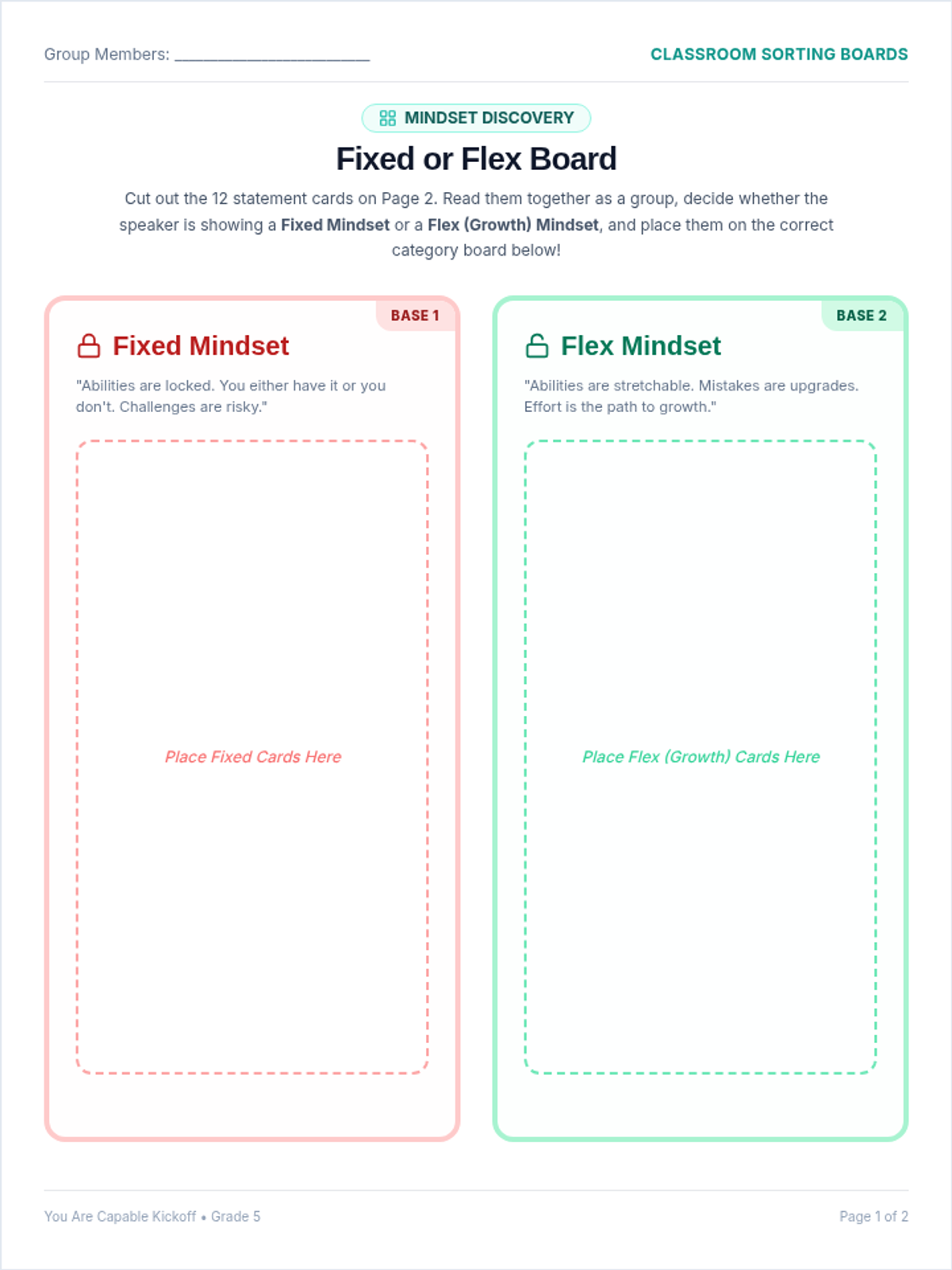
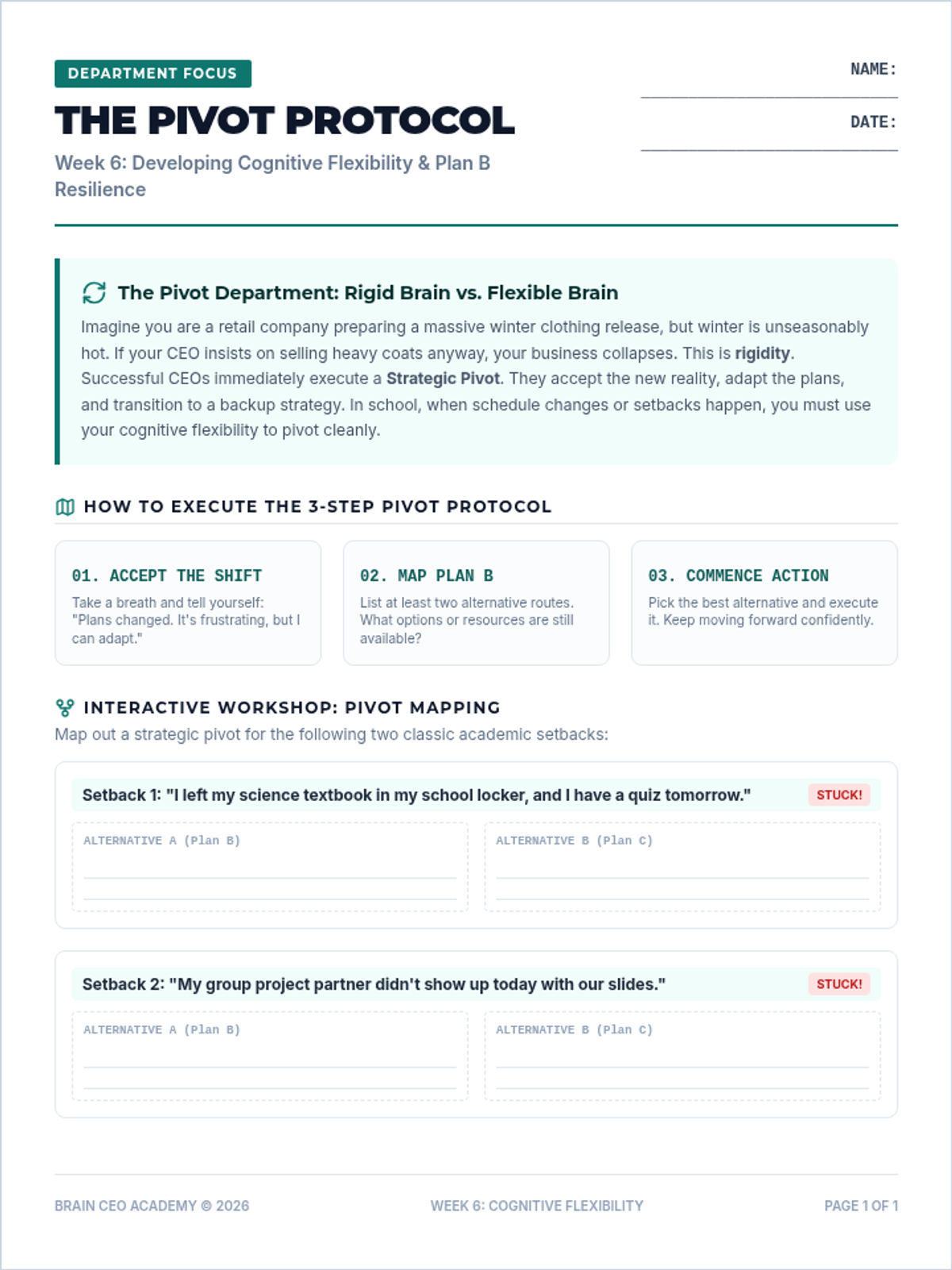
A social-emotional learning lesson for 5th graders focused on developing cognitive flexibility when working in groups. Students learn to identify rigid thinking and practice 'The Pivot' to find collaborative solutions.
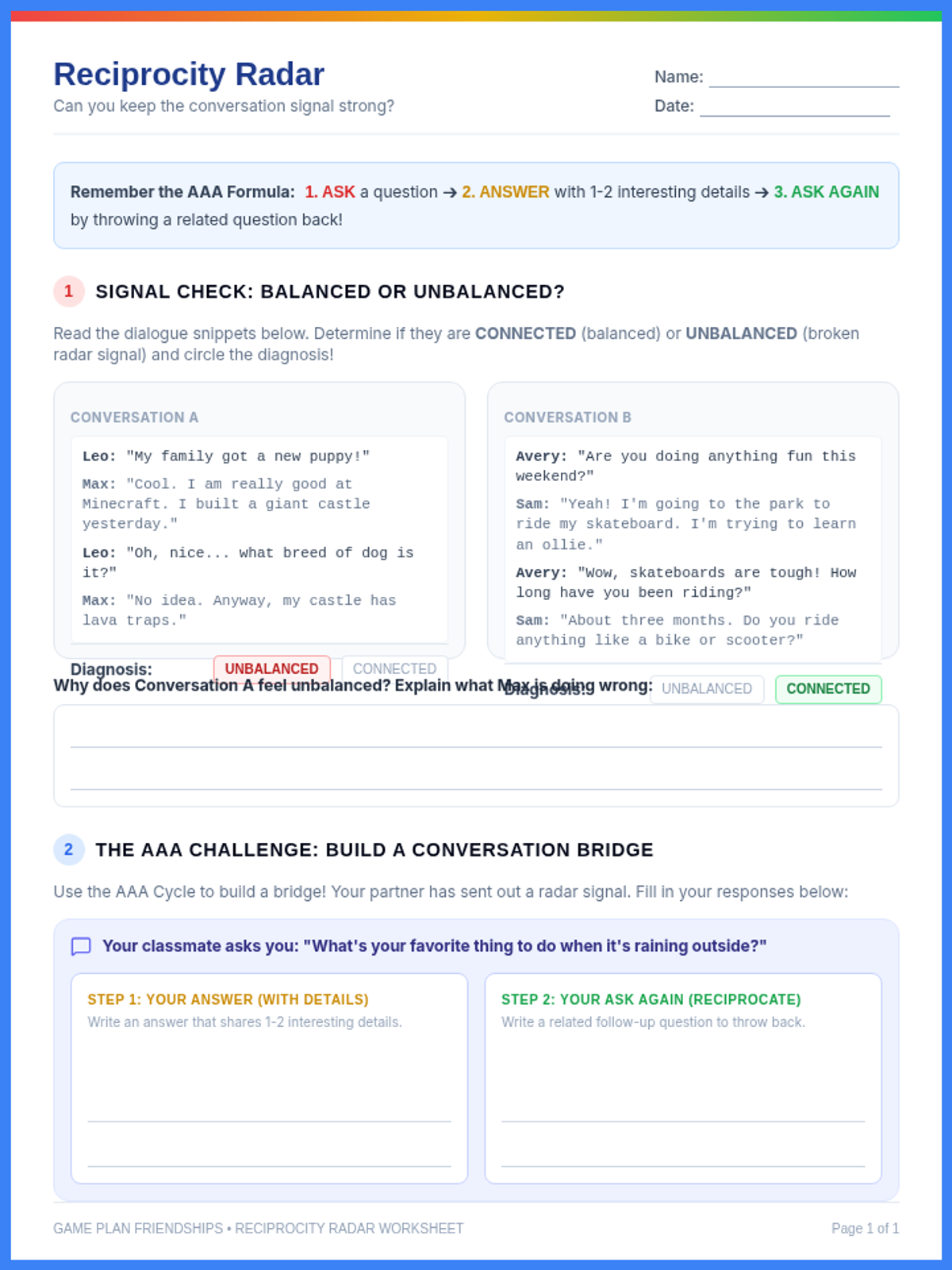
This lesson helps elementary students master the art of peer-to-peer discussion within an SEL context. Using visual scaffolds and structured sentence starters, students learn to listen actively, build on others' ideas, and participate confidently in group settings.
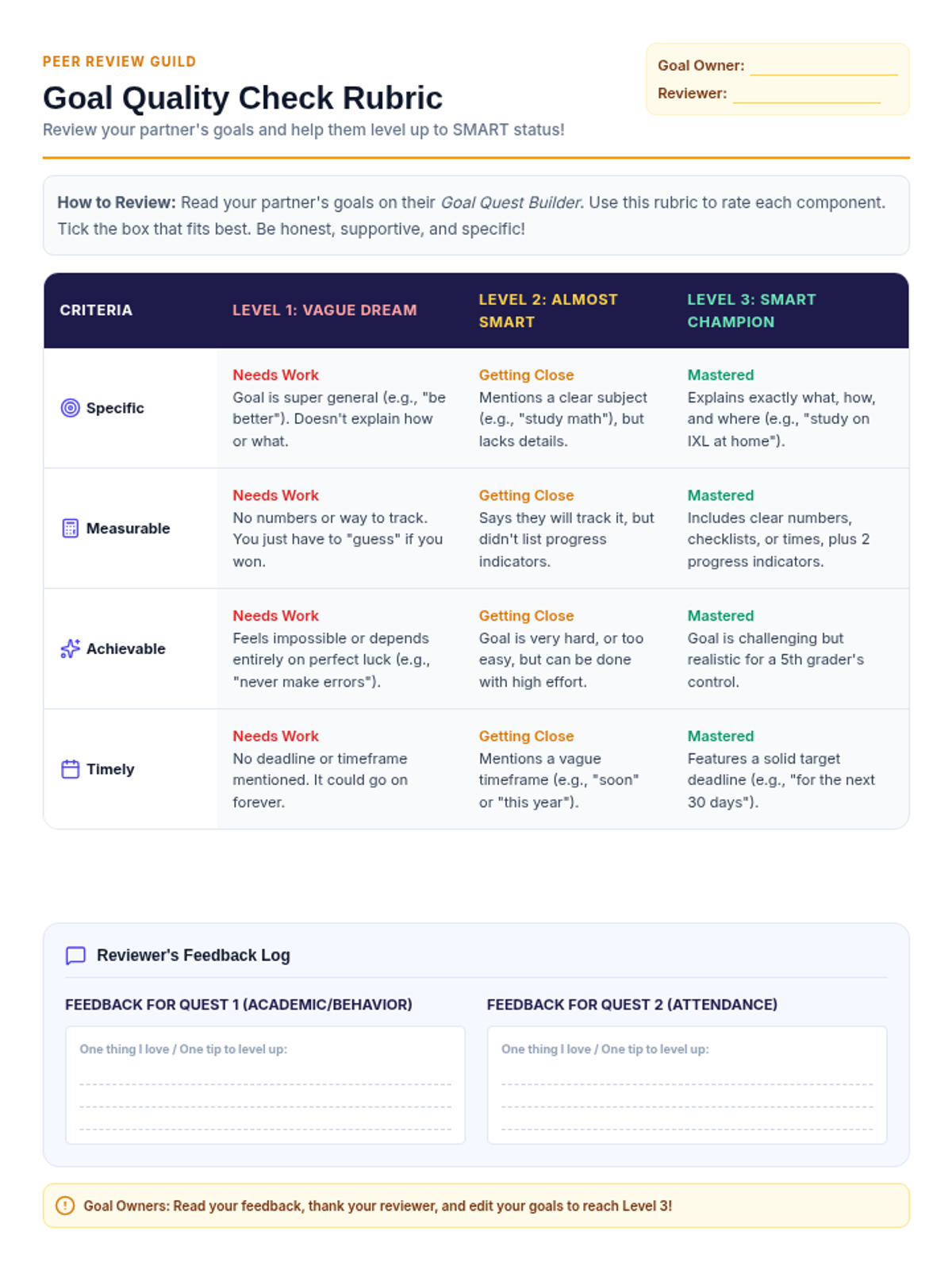
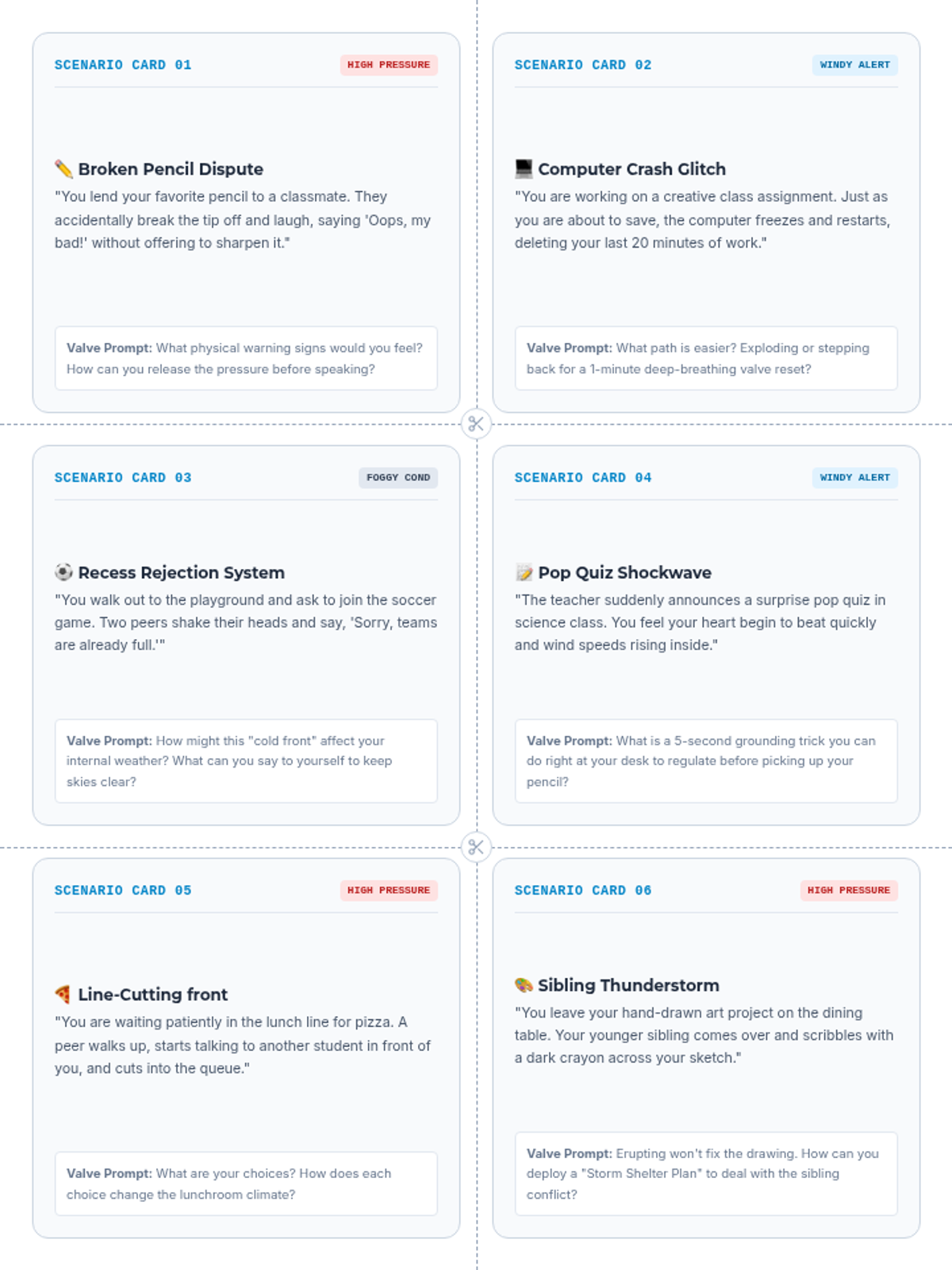
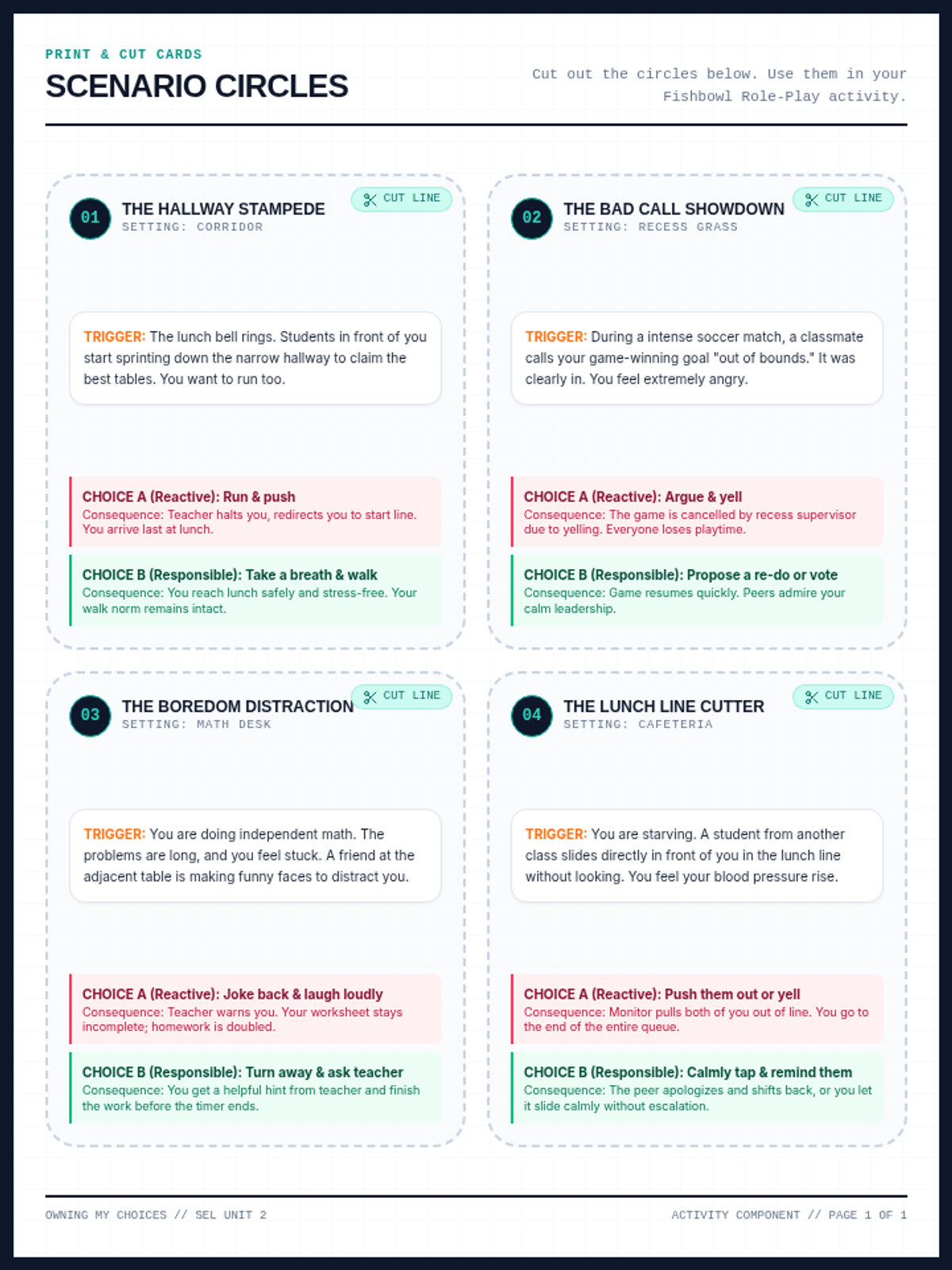
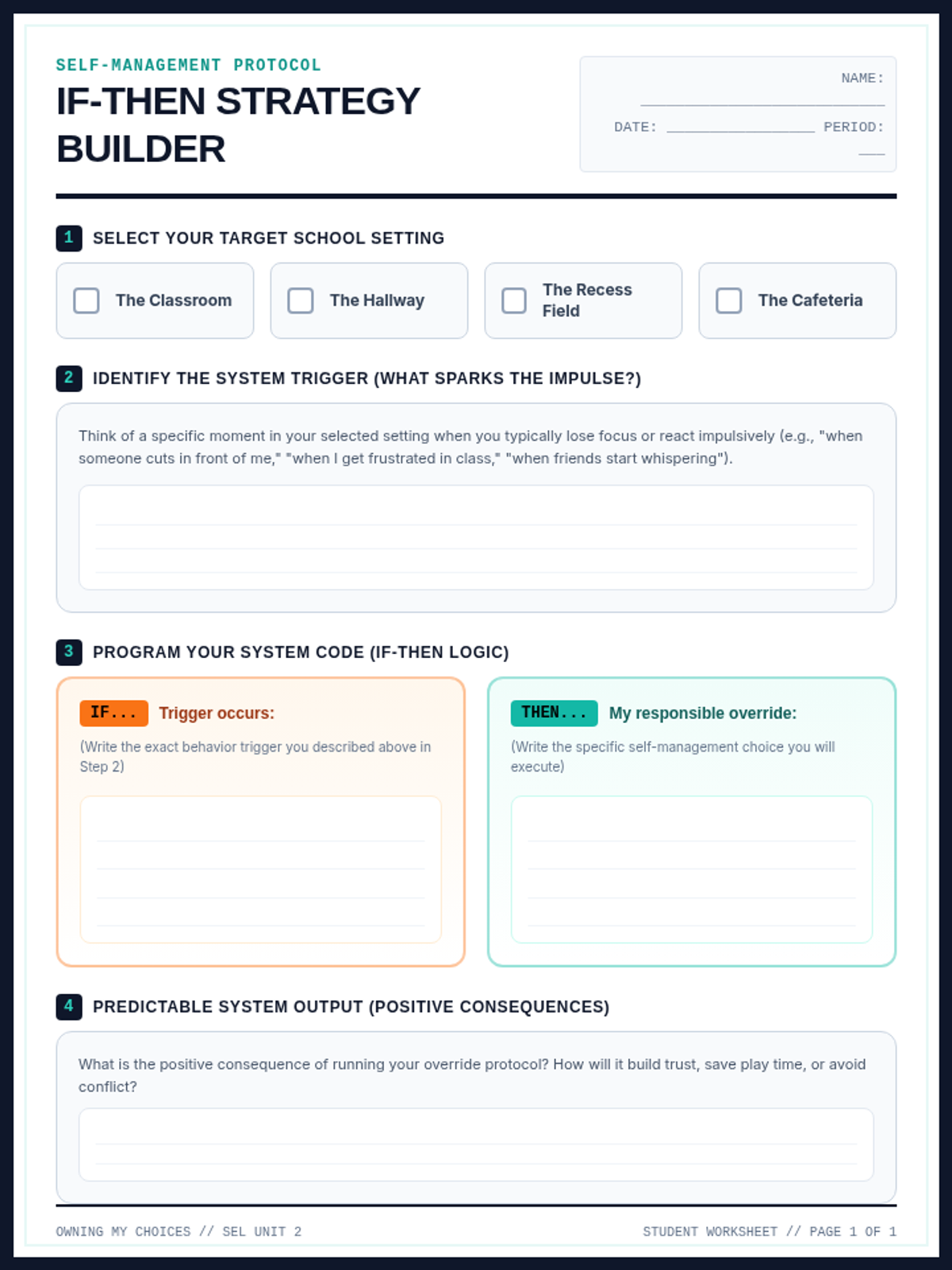
A 15-minute introductory lesson teaching students to focus on their own choices when peers are frustrated during school work.
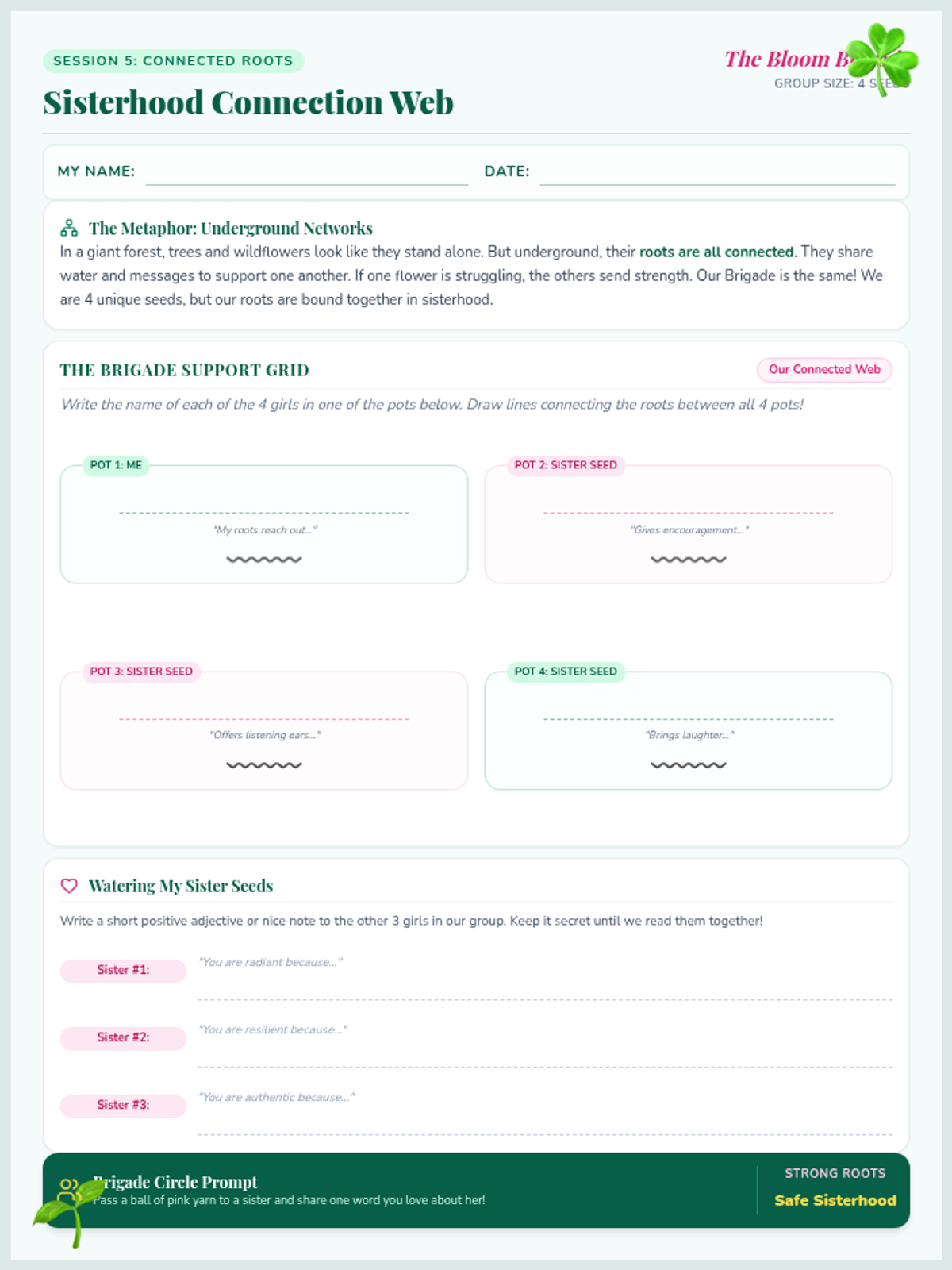
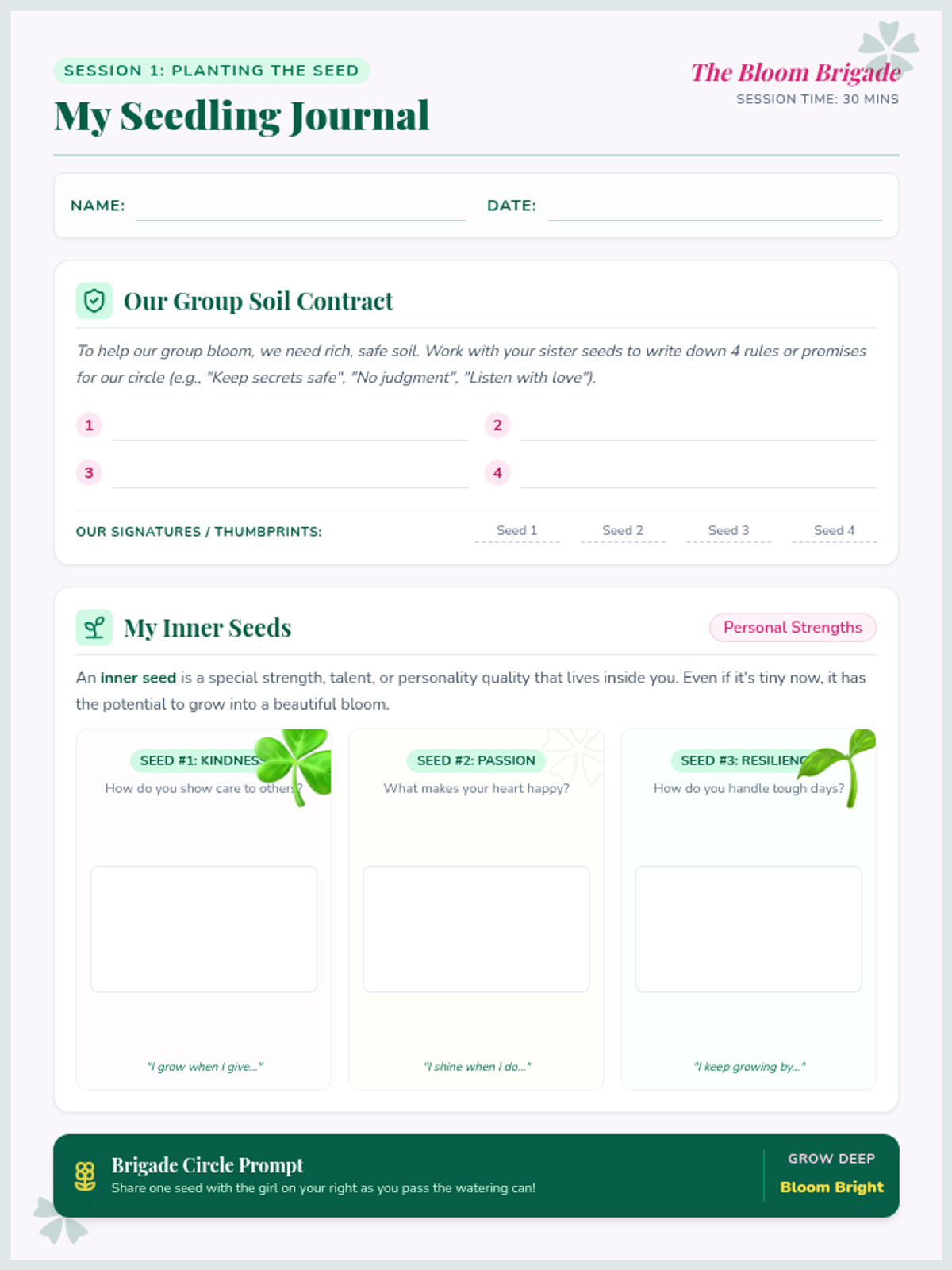
A 30-minute SEL lesson for 5th-grade girls focused on building self-esteem, choosing healthy friendships, and understanding the difference between seeking attention and seeking connection. The lesson addresses specific behaviors like dishonesty and exaggerating for attention.
A lesson designed to help students identify and track their anxiety levels using a 10-level thermometer. It includes reflective tools to distinguish between anxiety-driven fear and simple avoidance.
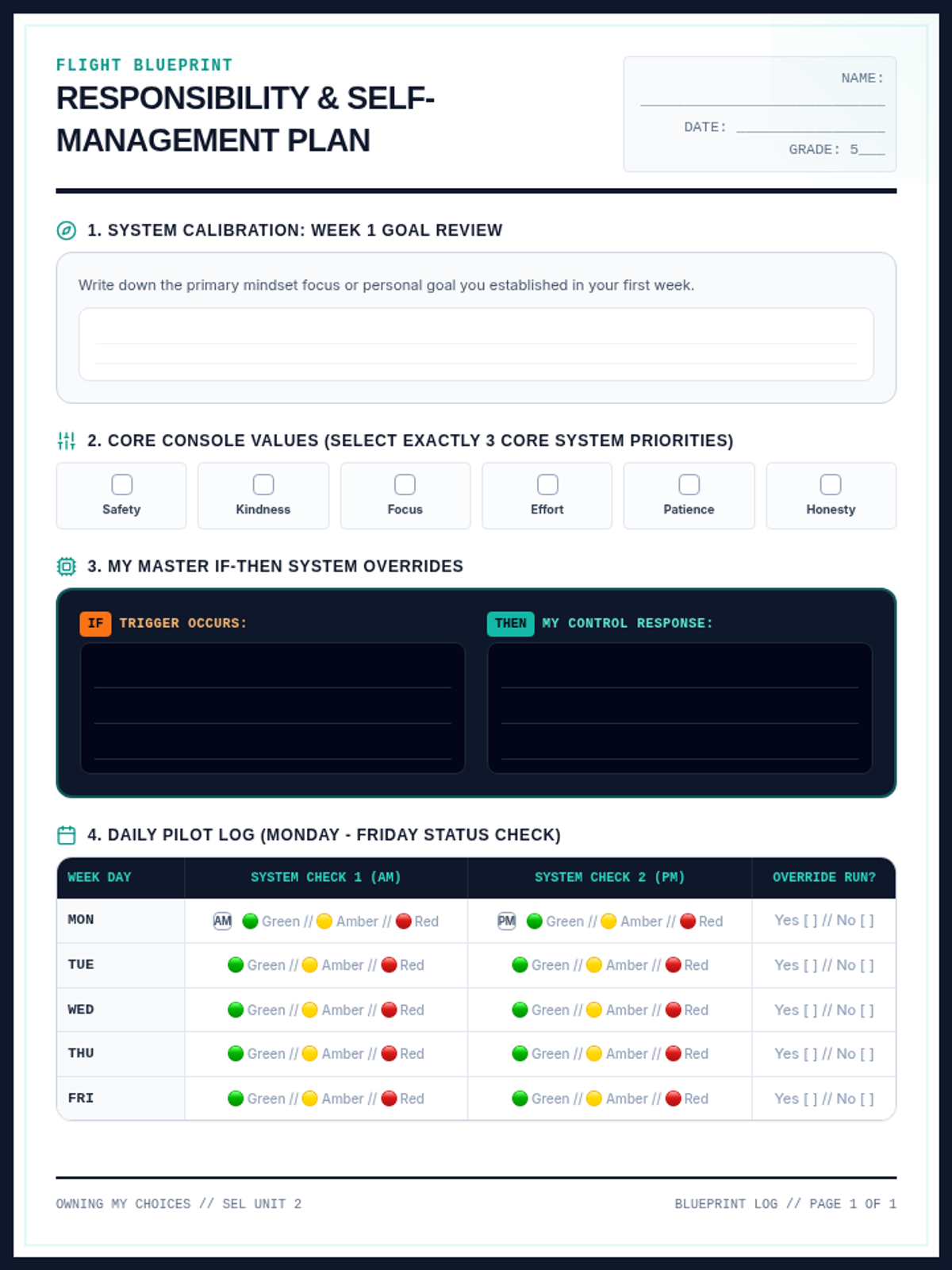
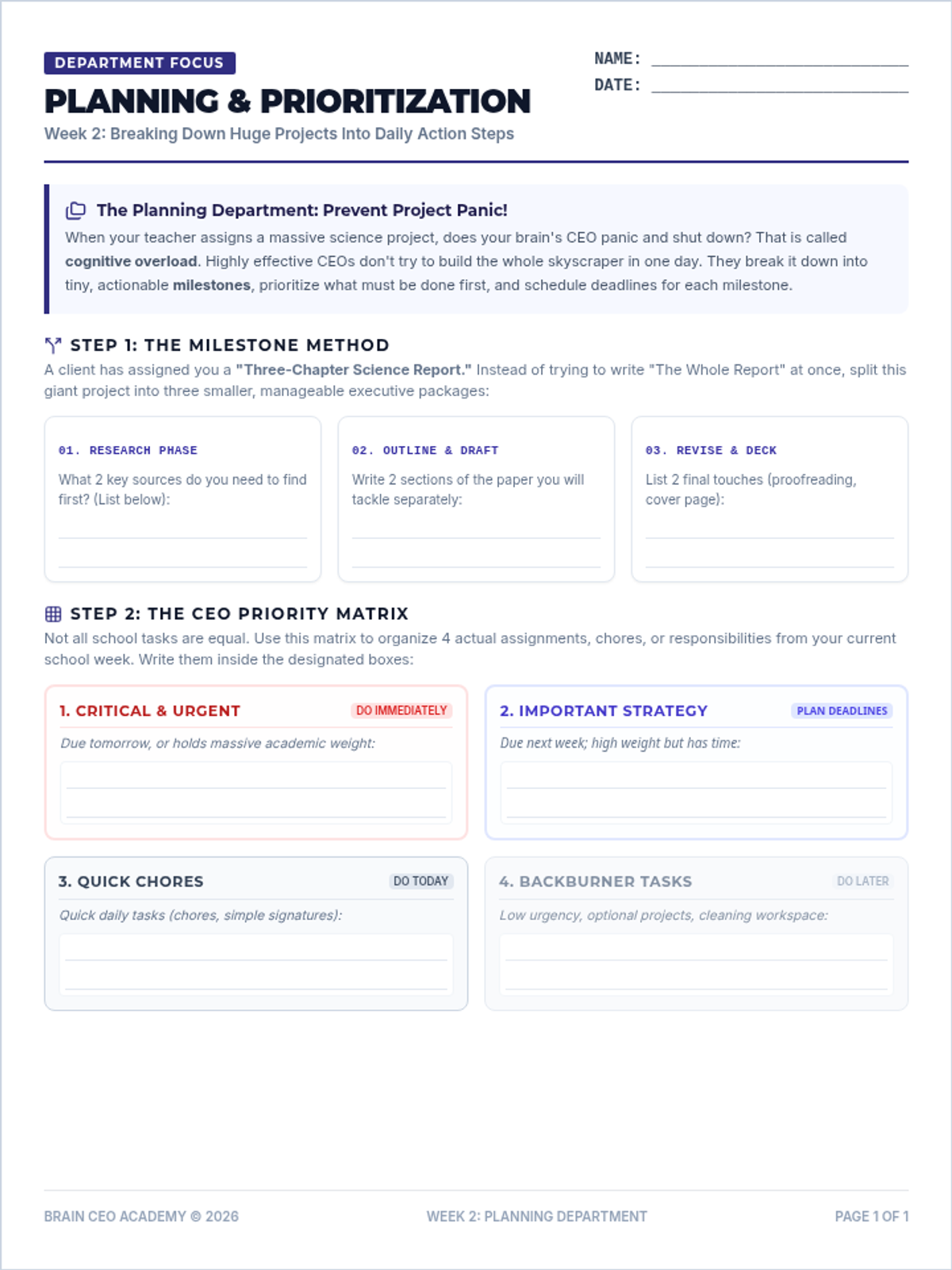
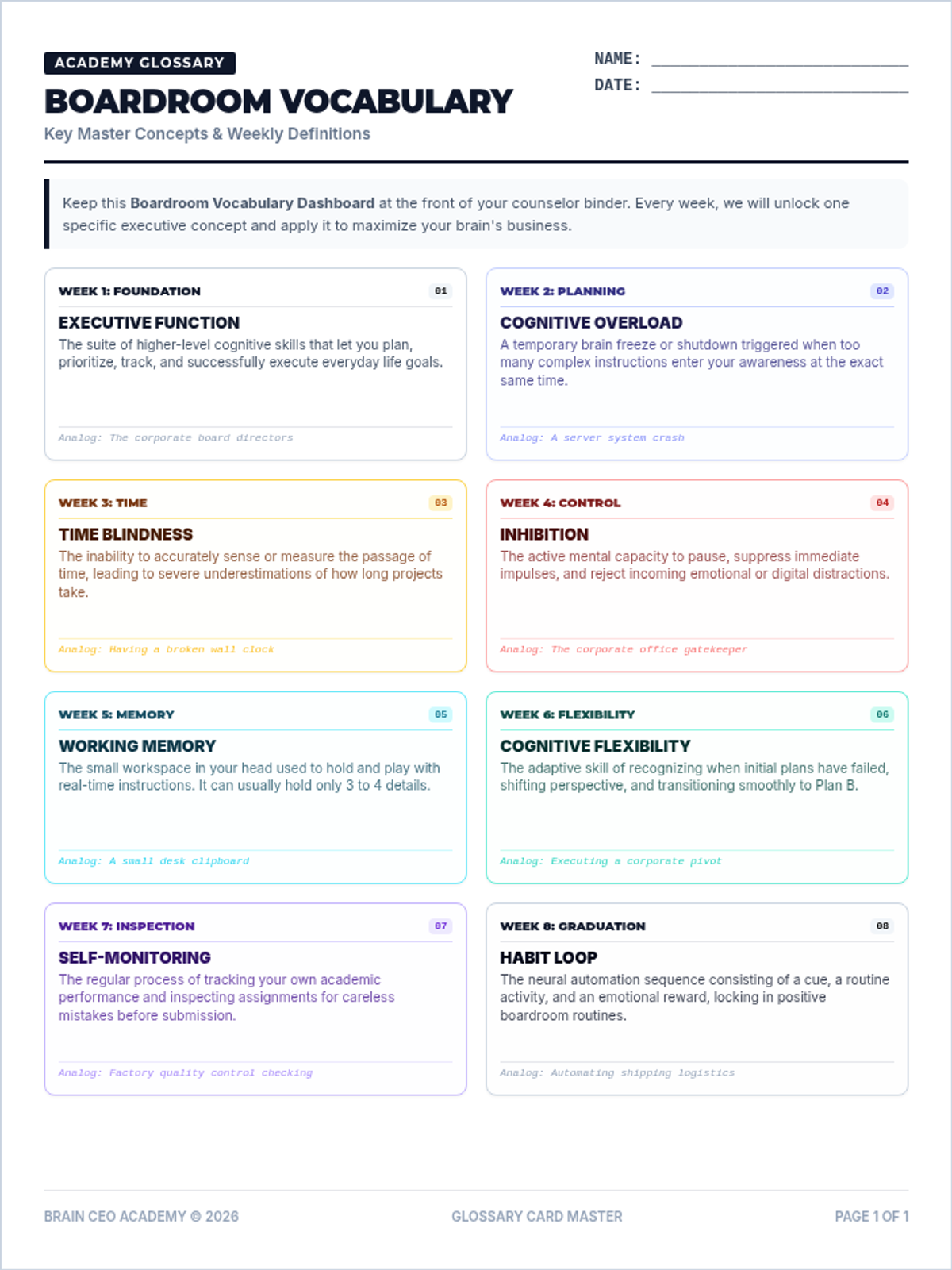
A weekly routine for students to track and reflect on self-created executive functioning goals, promoting metacognition and self-regulation.
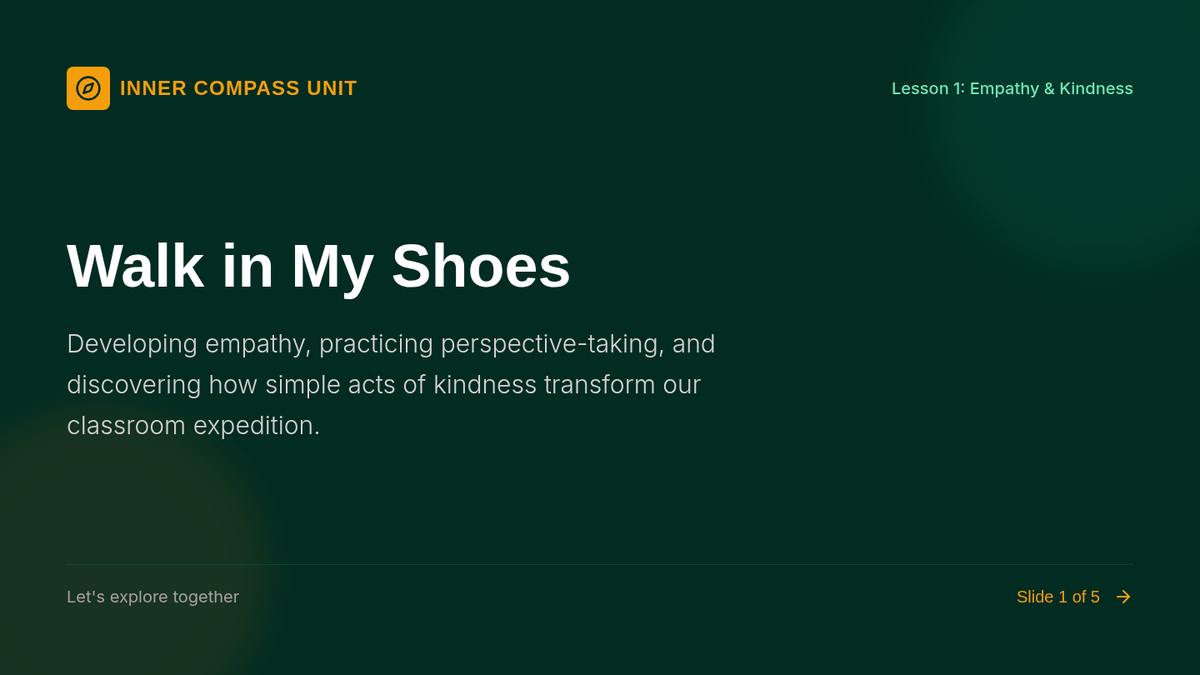
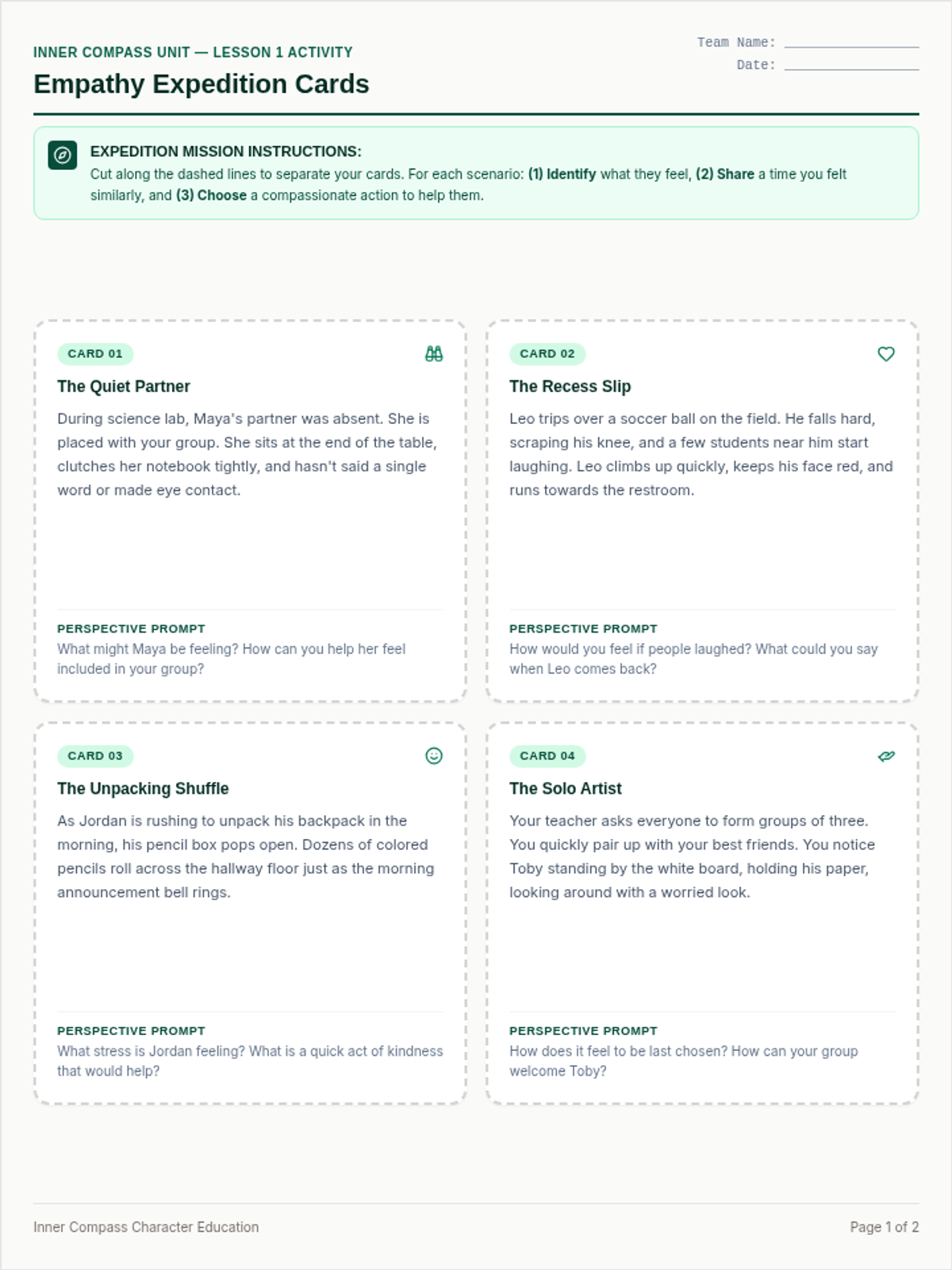
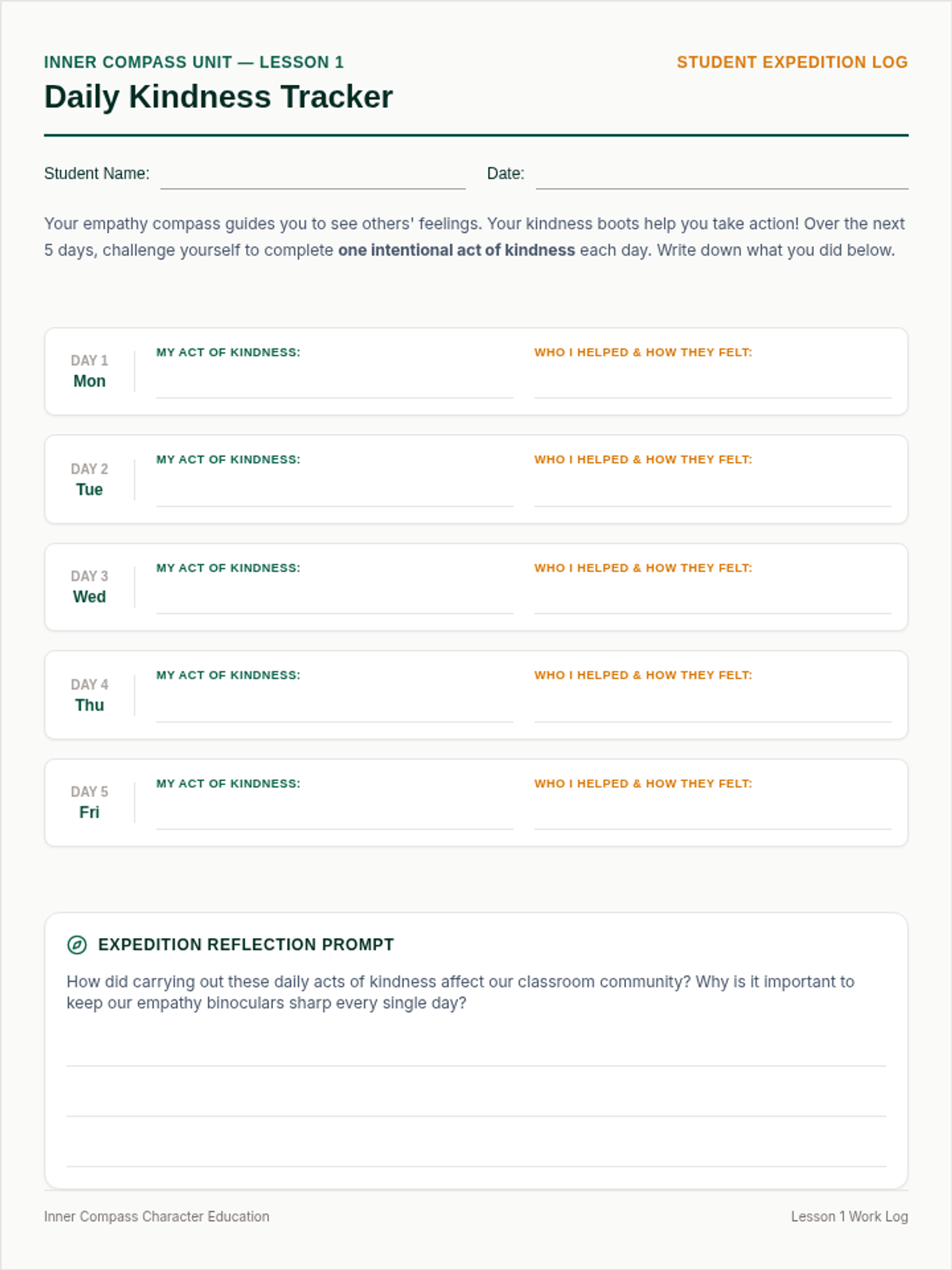
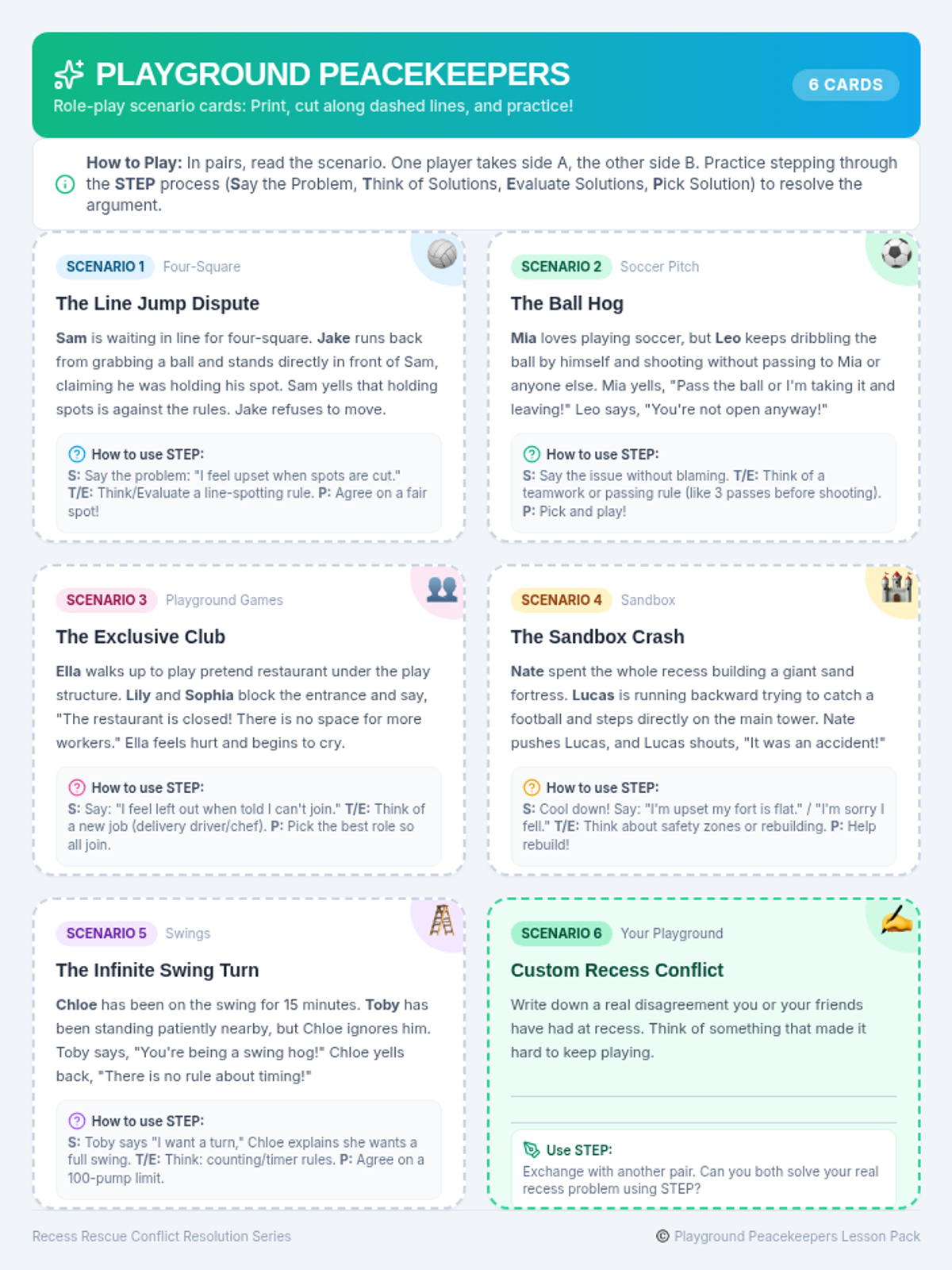
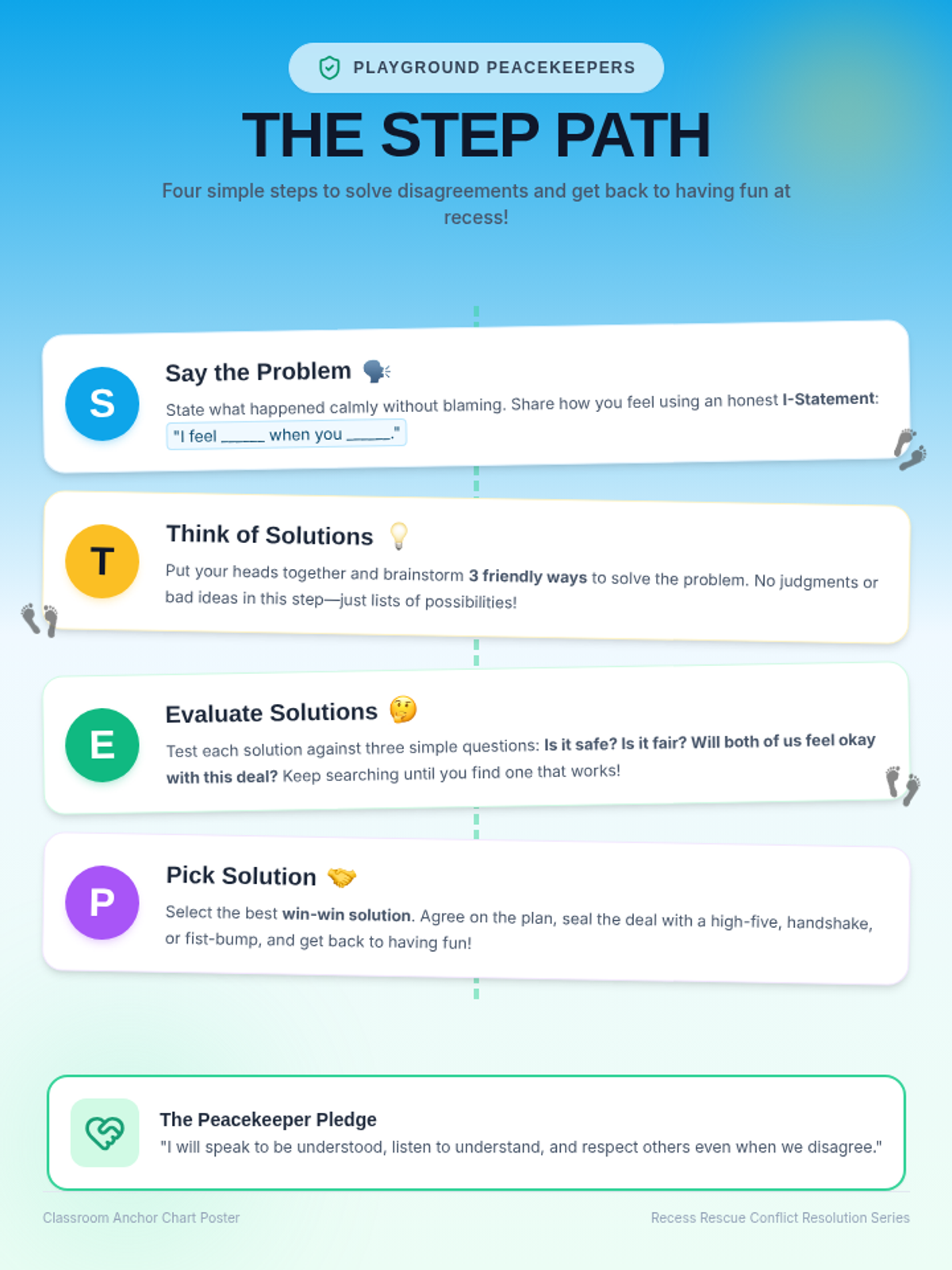
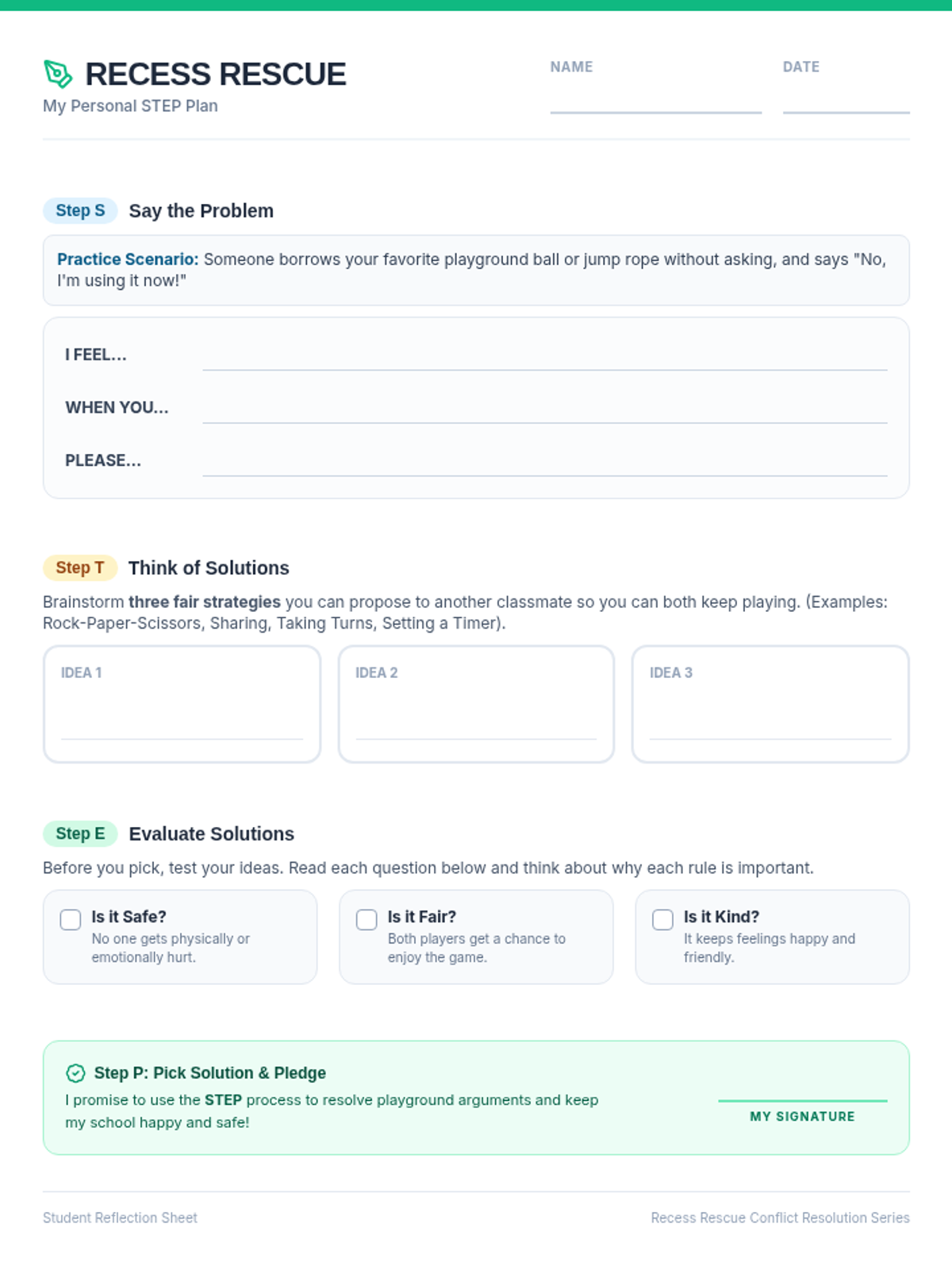
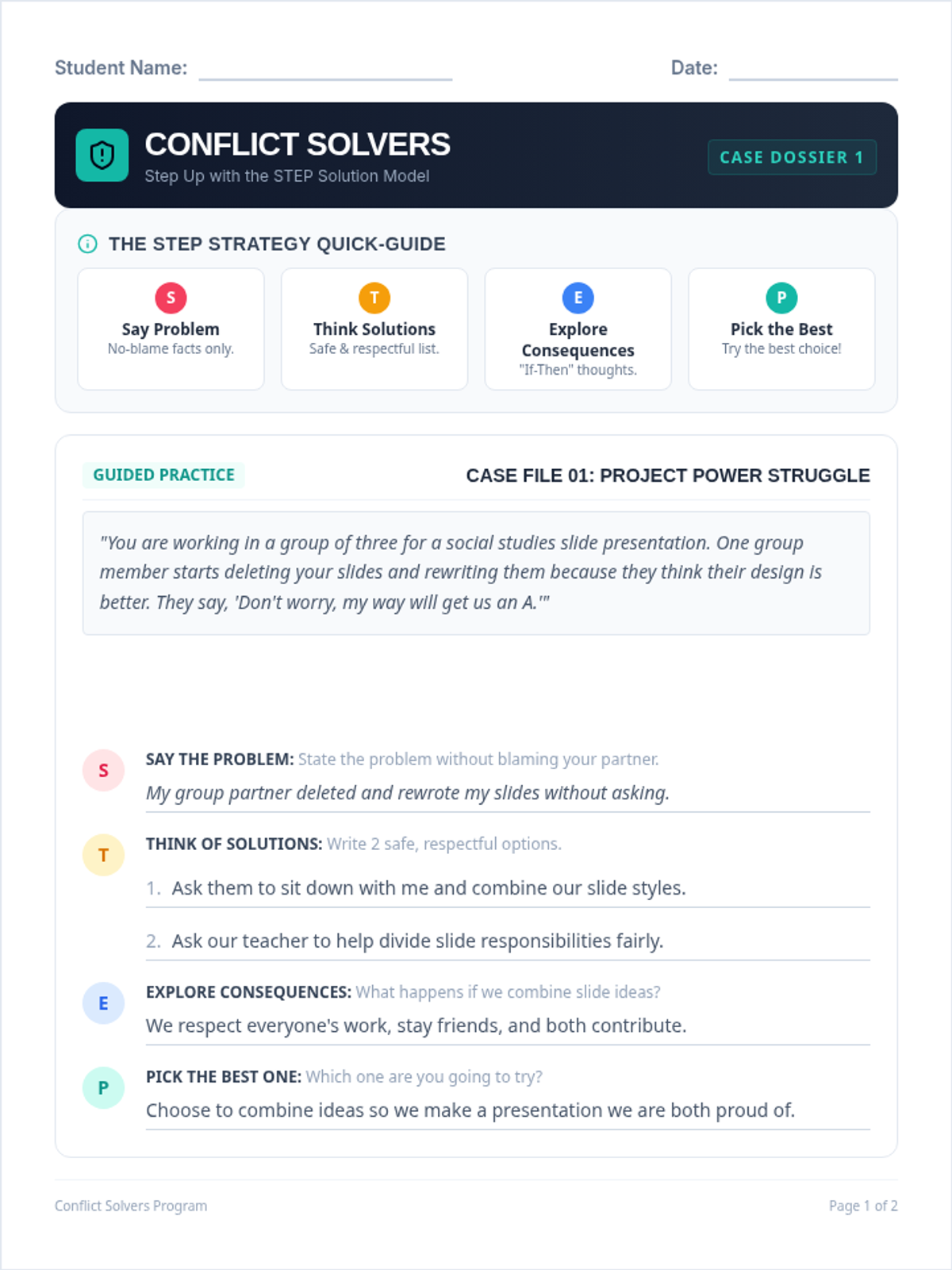
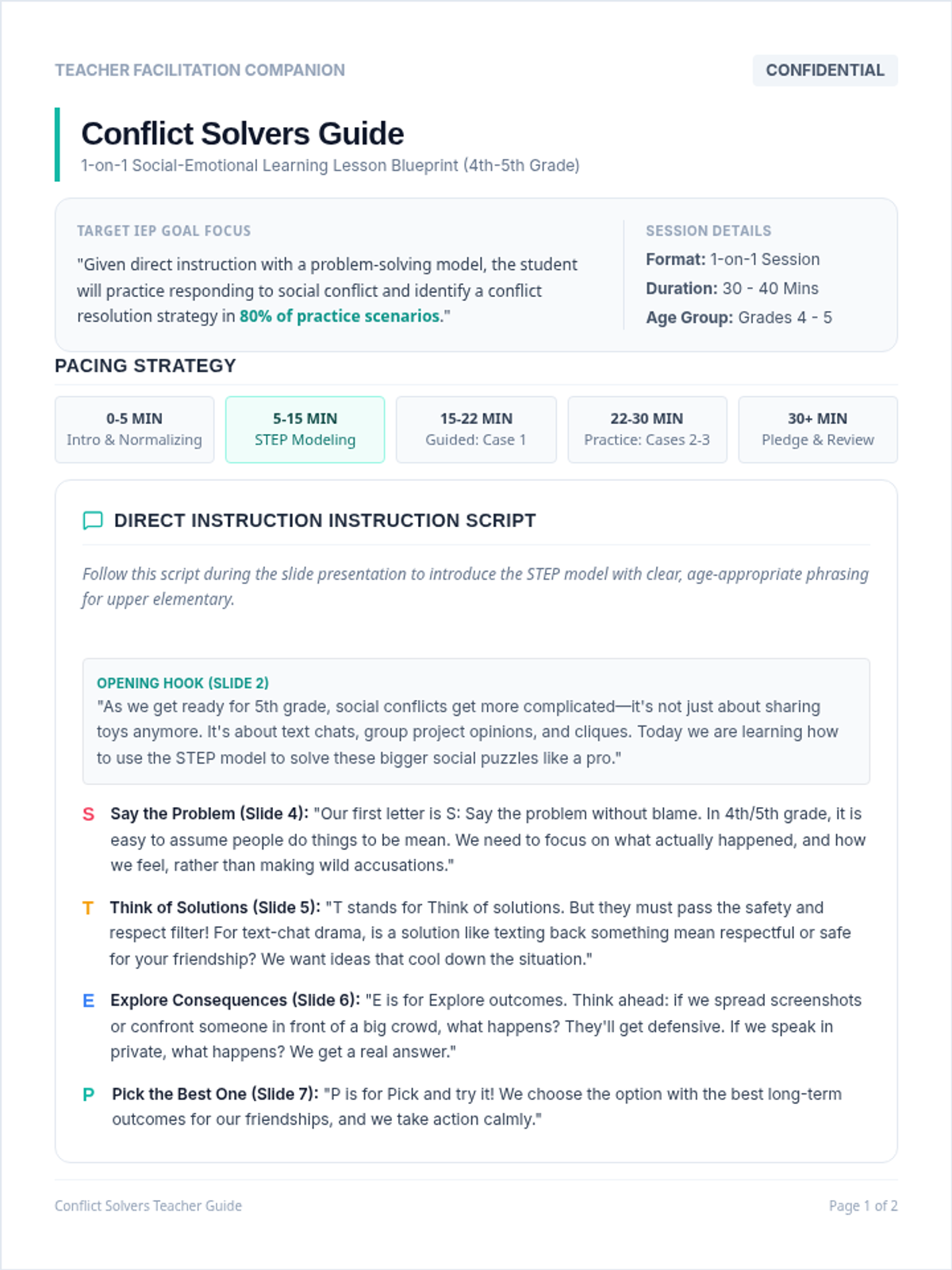
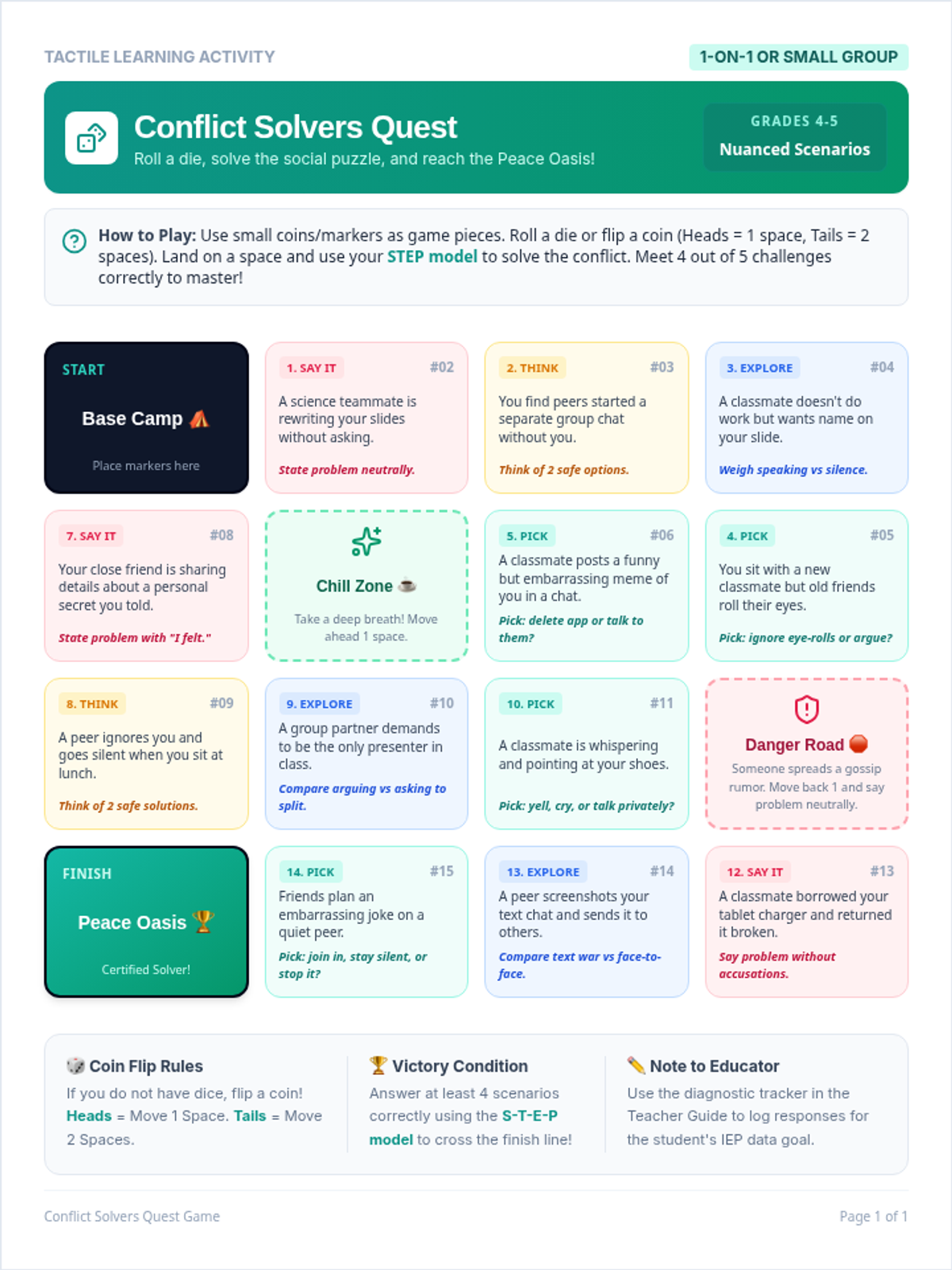
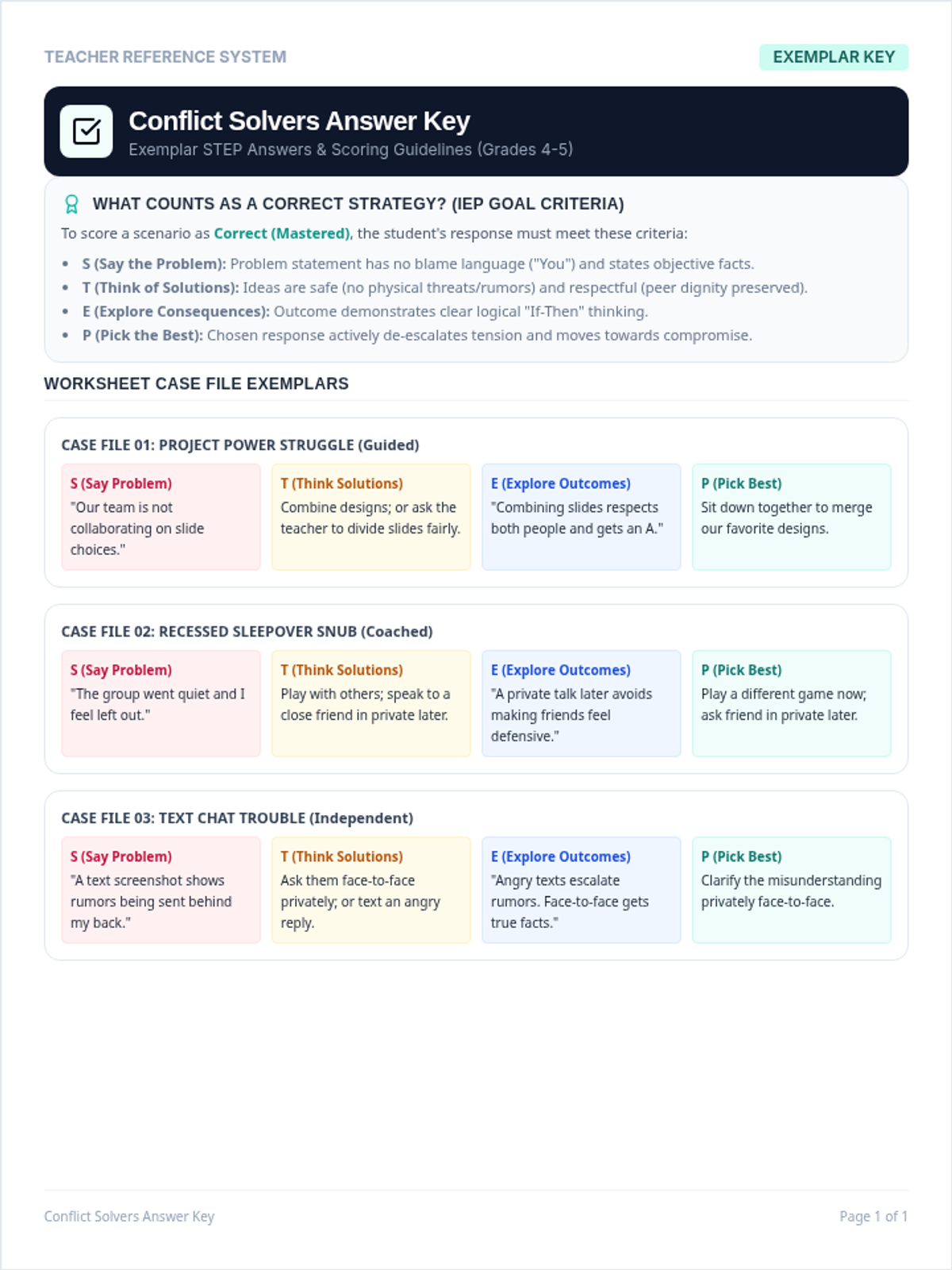
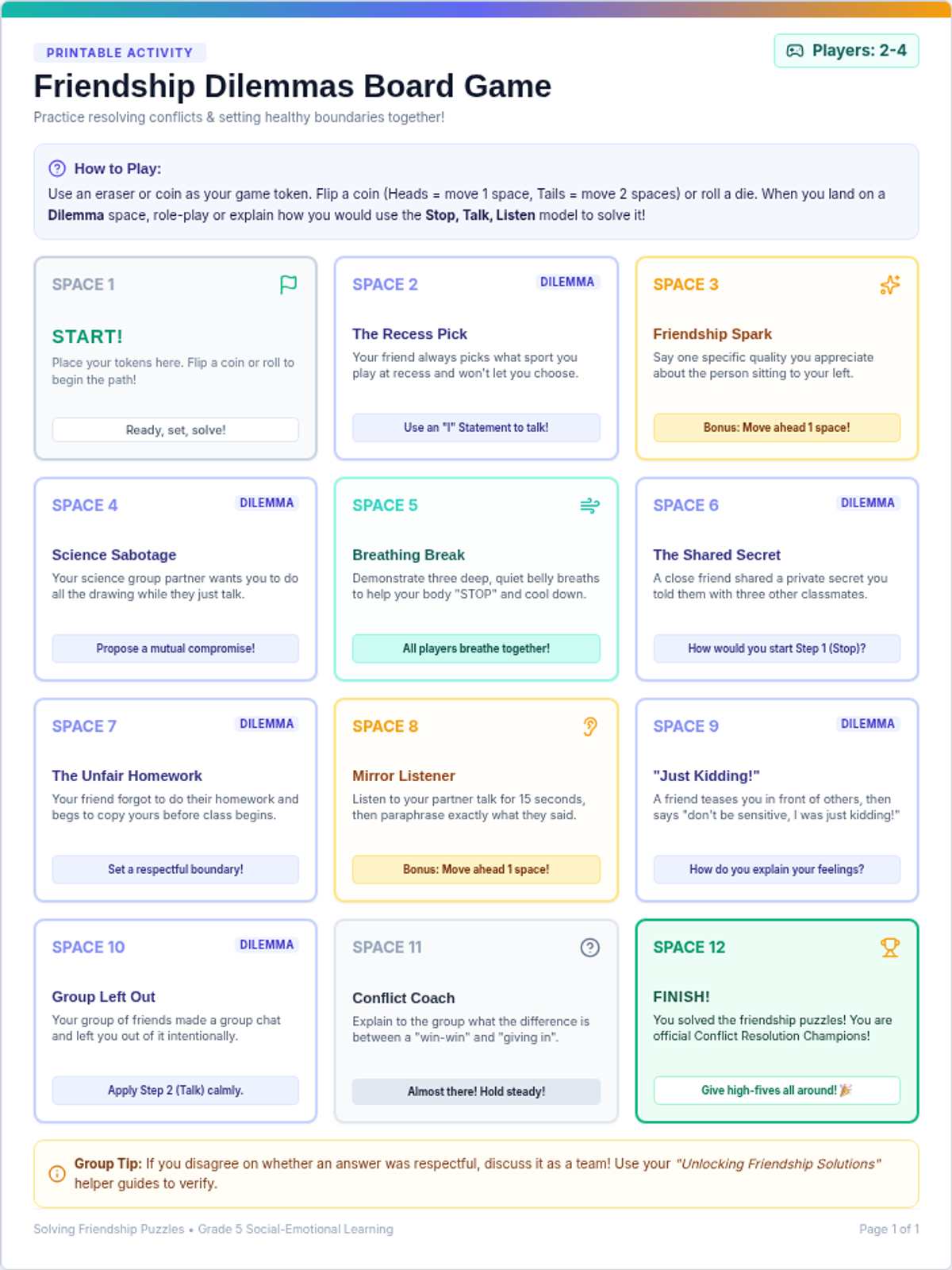
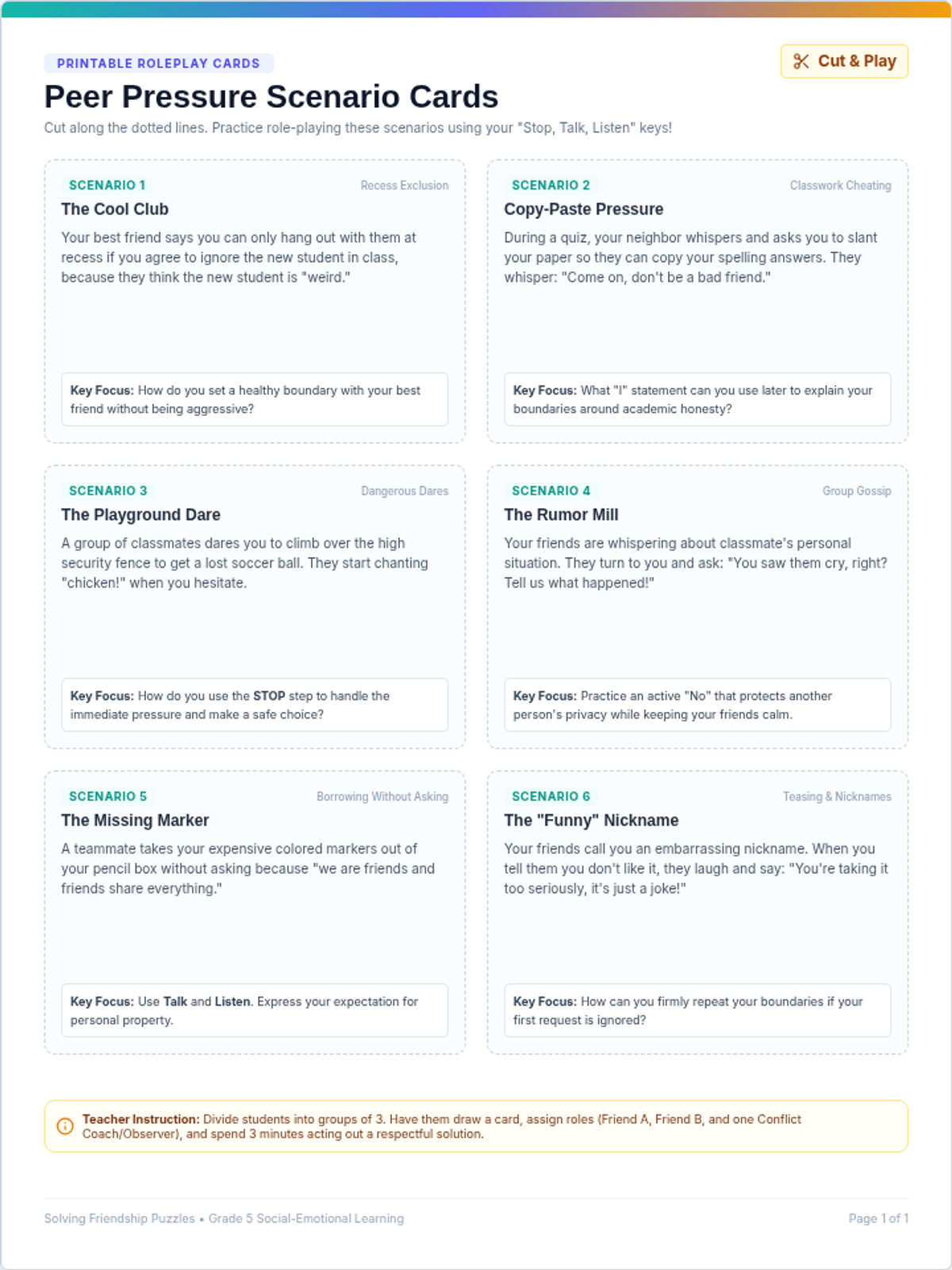
A foundational Social-Emotional Learning lesson focused on teaching students the STEP problem-solving framework and developing empathy through reflection and kindness tracking.
A practical resource for students to securely record and organize their digital credentials in an alphabetical format.
A concluding session that audits the student's social system, identifying their 'structural strengths' and assets to reinforce self-worth subtly.
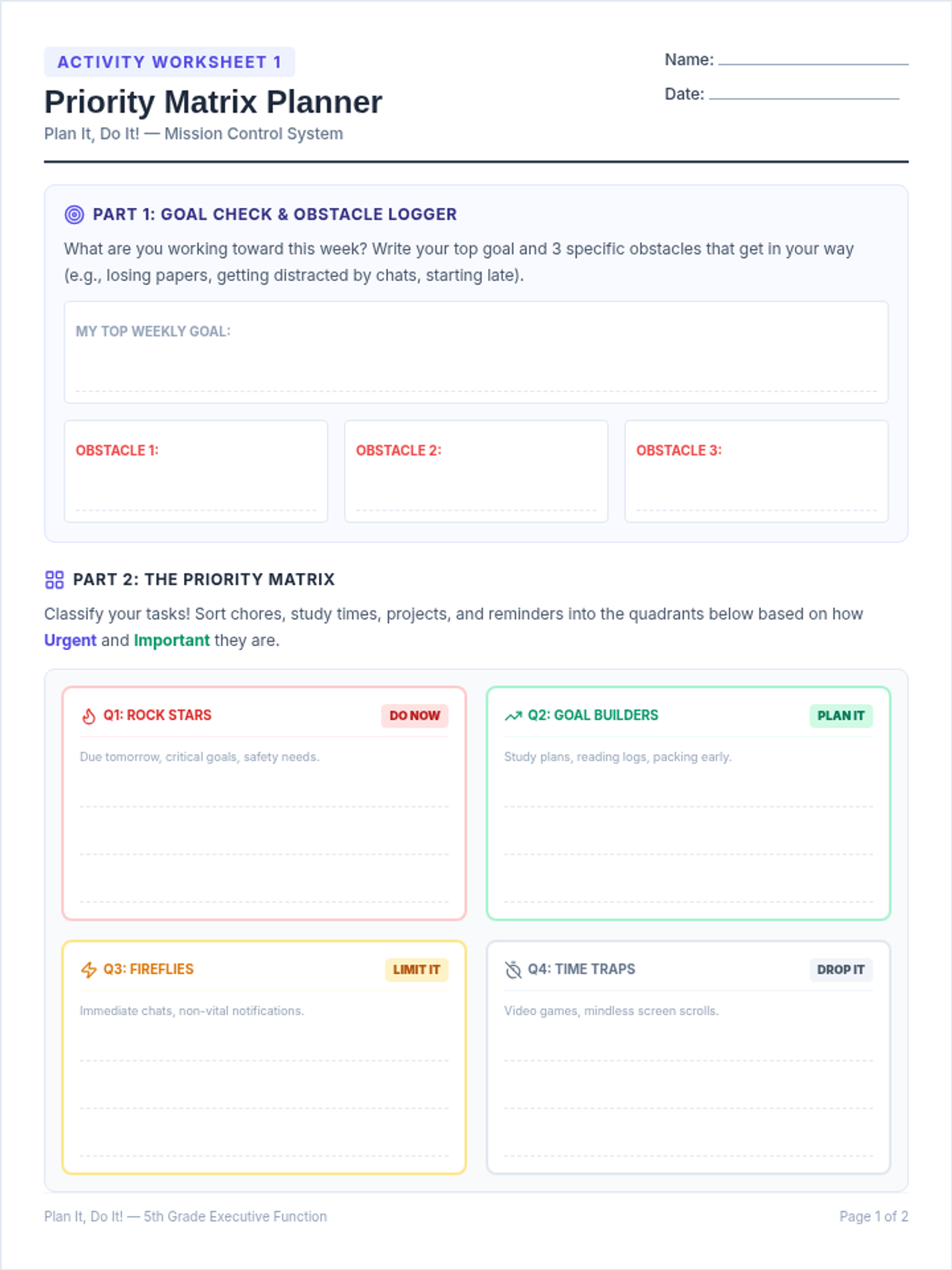
A session focused on 'conflict engineering': using empathy (social forecasting) to build bridges and generate solutions for social problems.
A session focused on sharing personal opinions clearly (broadcasting) and using flexible thinking to handle feedback and changes in plans.
A session focused on the mechanics of social decoding: using context and clues to understand perspectives and differentiate between friendly and mean teasing.
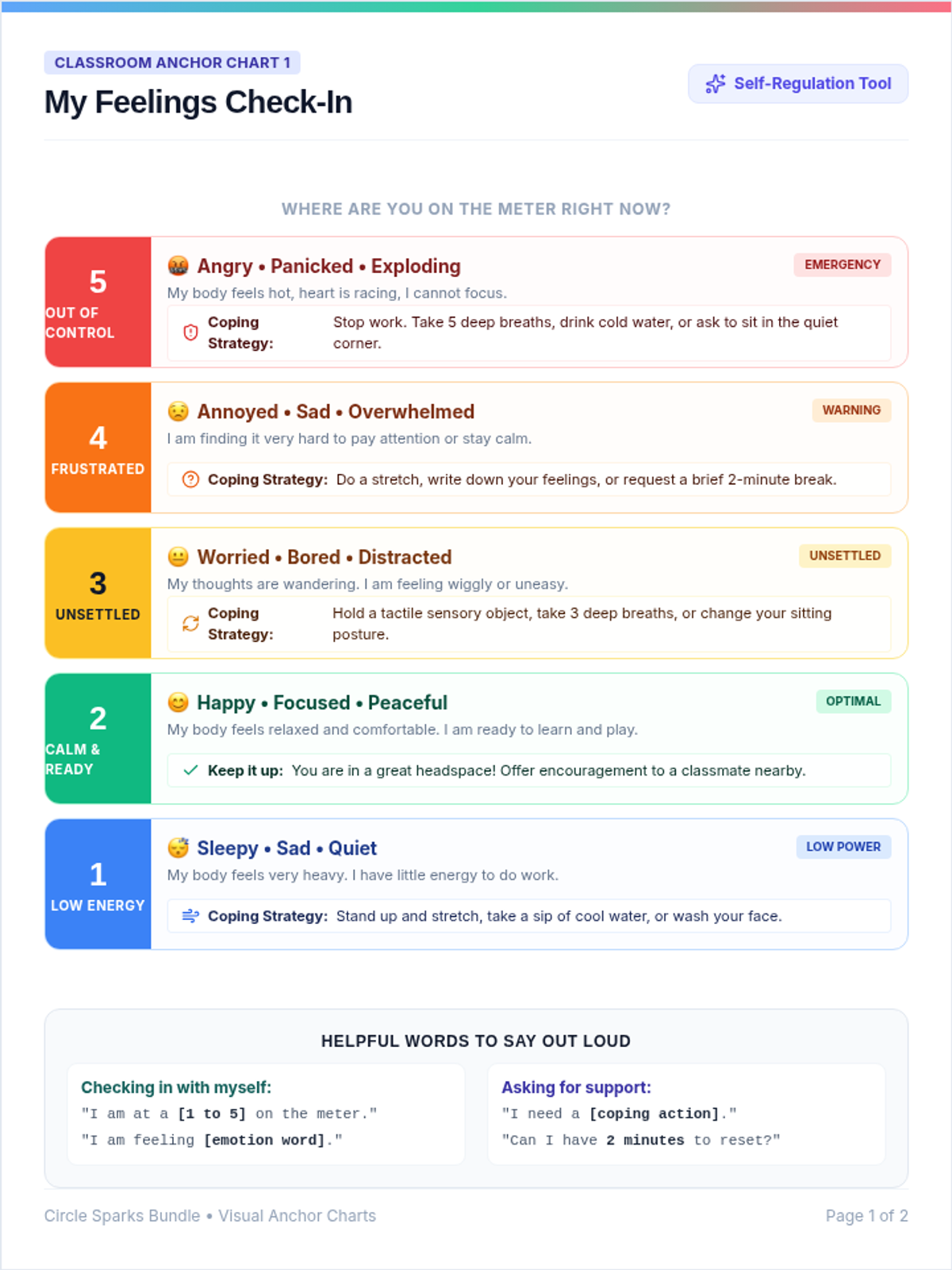
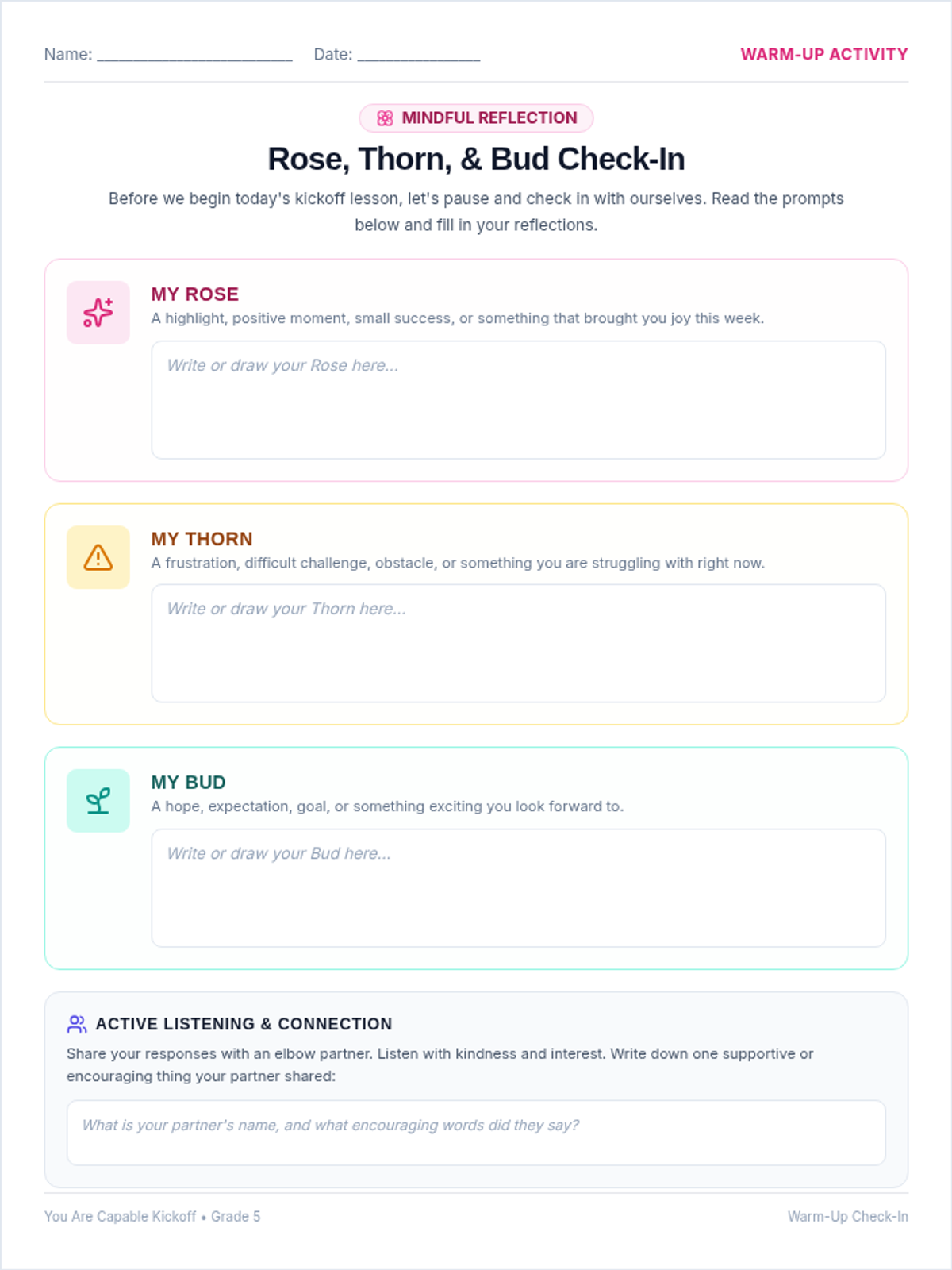
A 15-day emotional check-in series using drawing and reflection to help students identify and process their feelings.
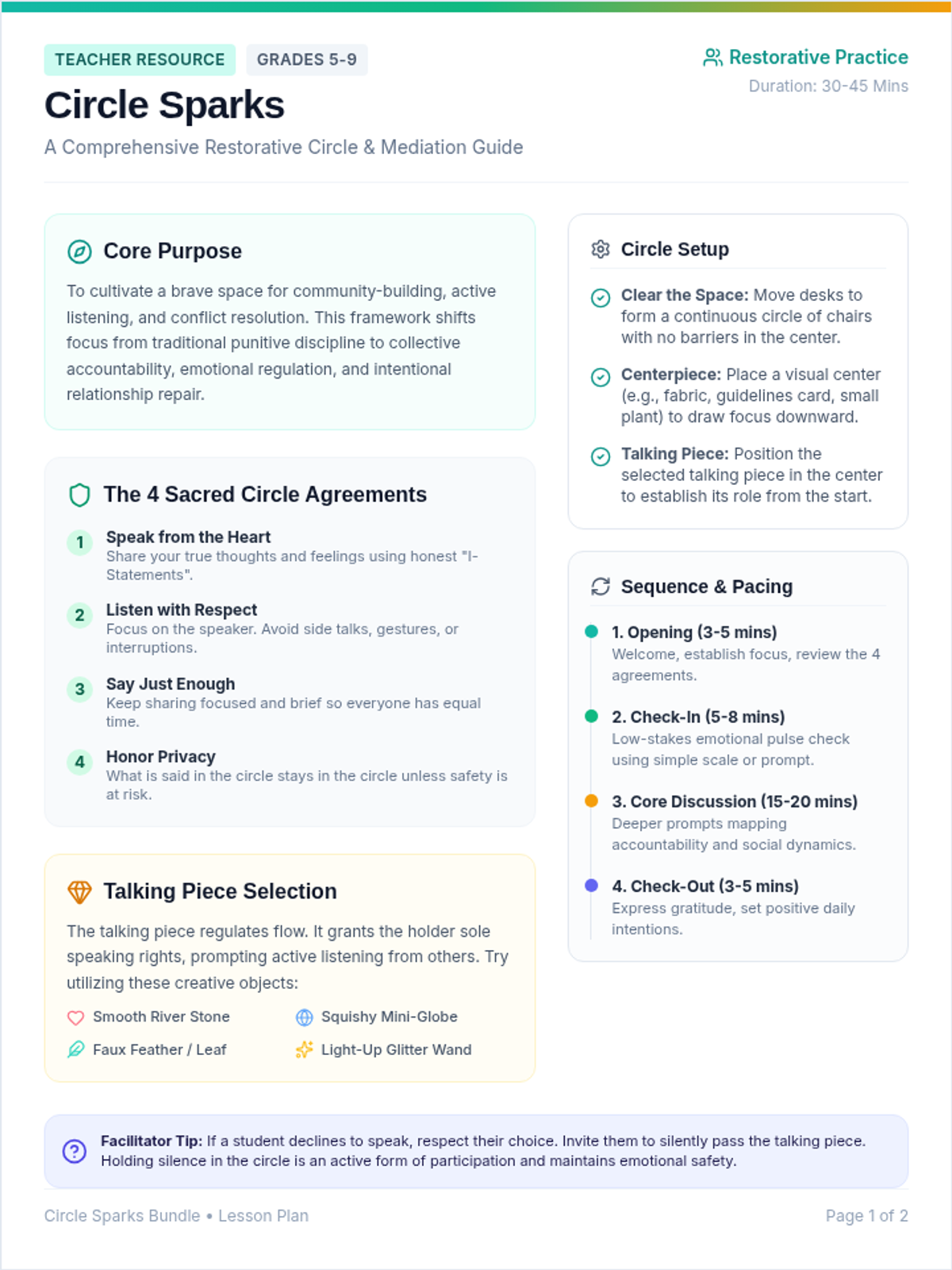
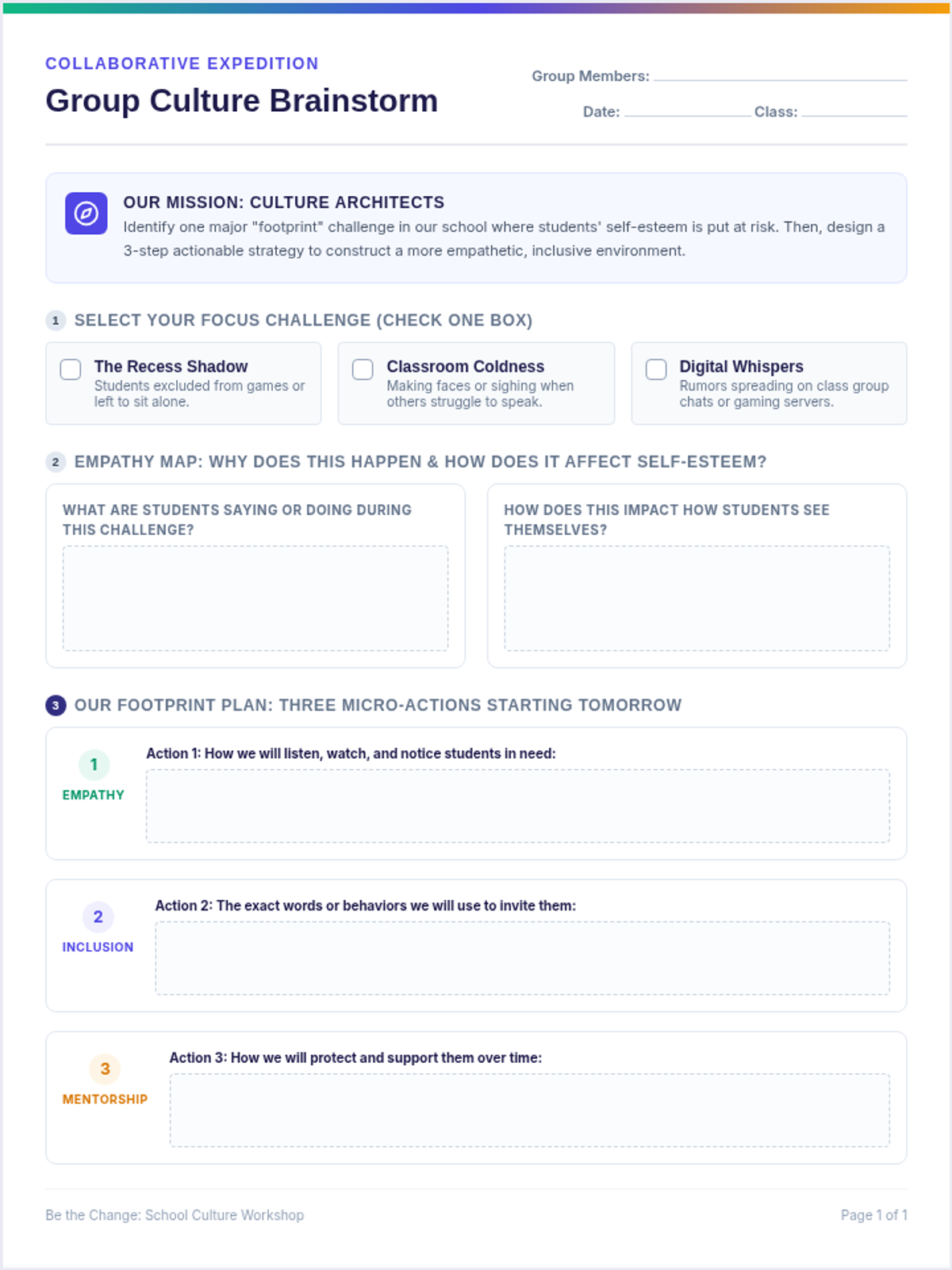
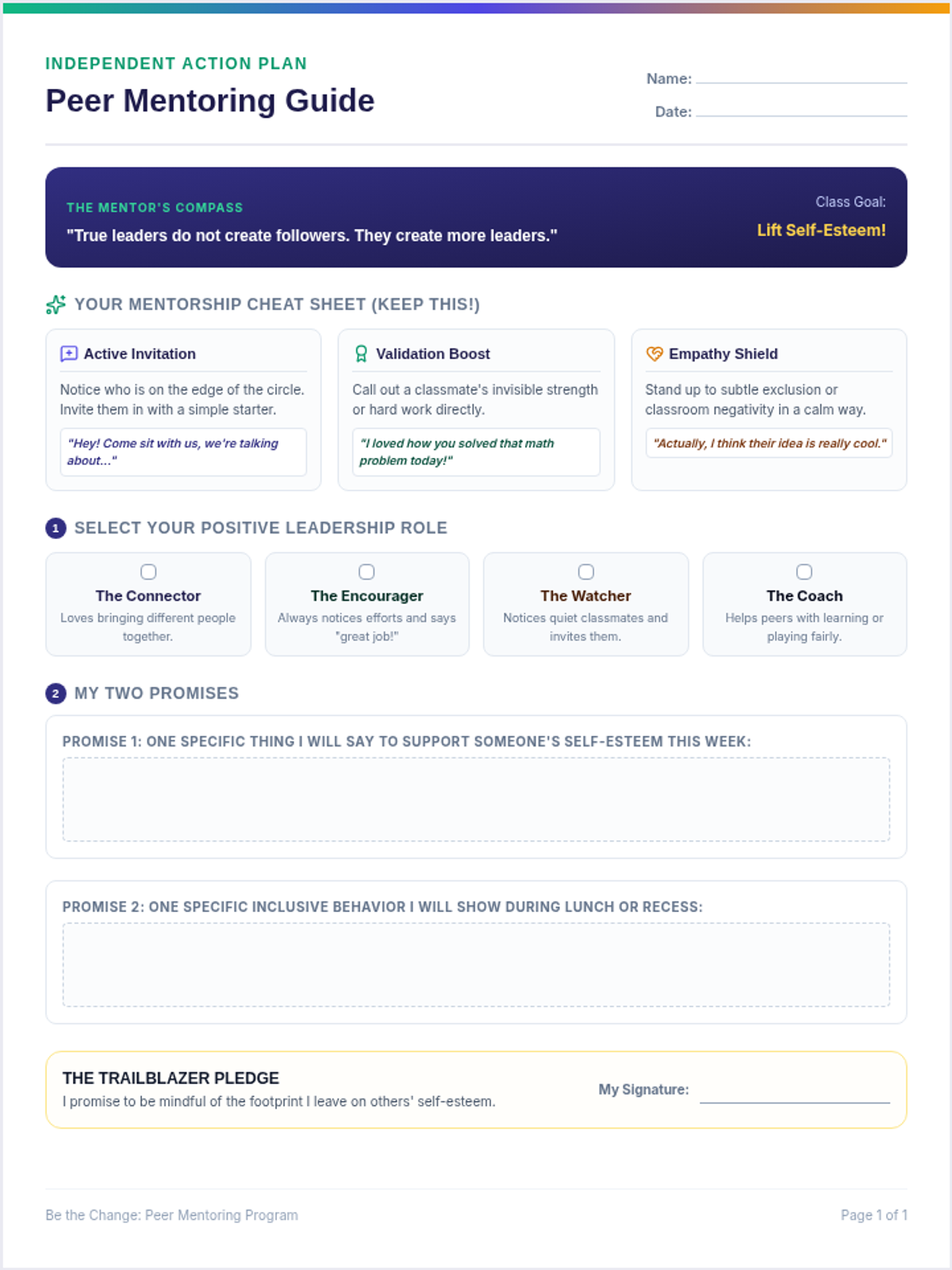
A restorative circle lesson designed to help students reflect on their personal choices, the impact of their behavior on others, and how to lead by example within their school community.
This lesson introduces the "Me" circle of the Circles Curriculum, focusing on self-identity and the development of boundary-setting skills. Students will explore their personal likes, family background, and values before practicing assertive refusal techniques through role-play.
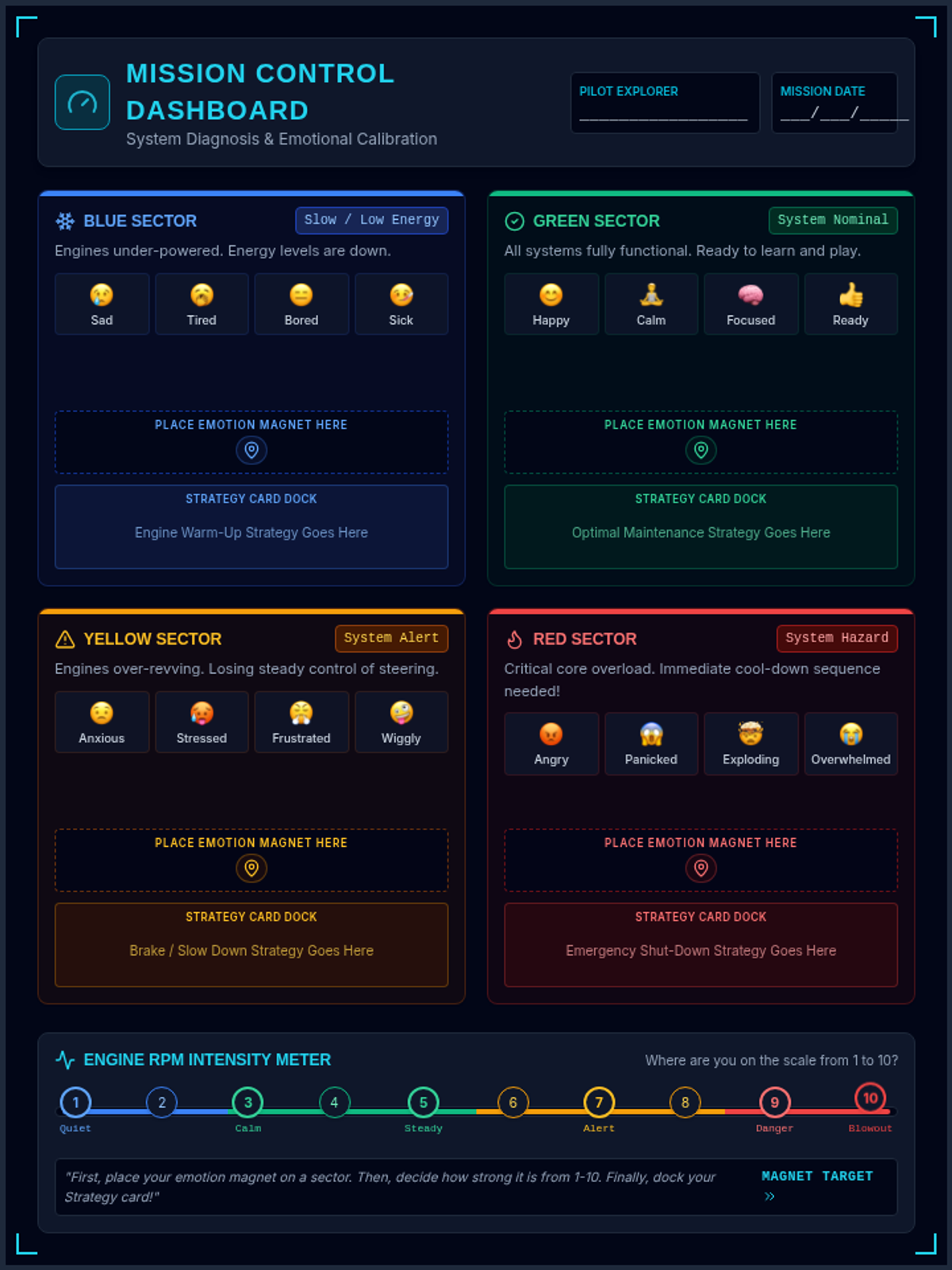
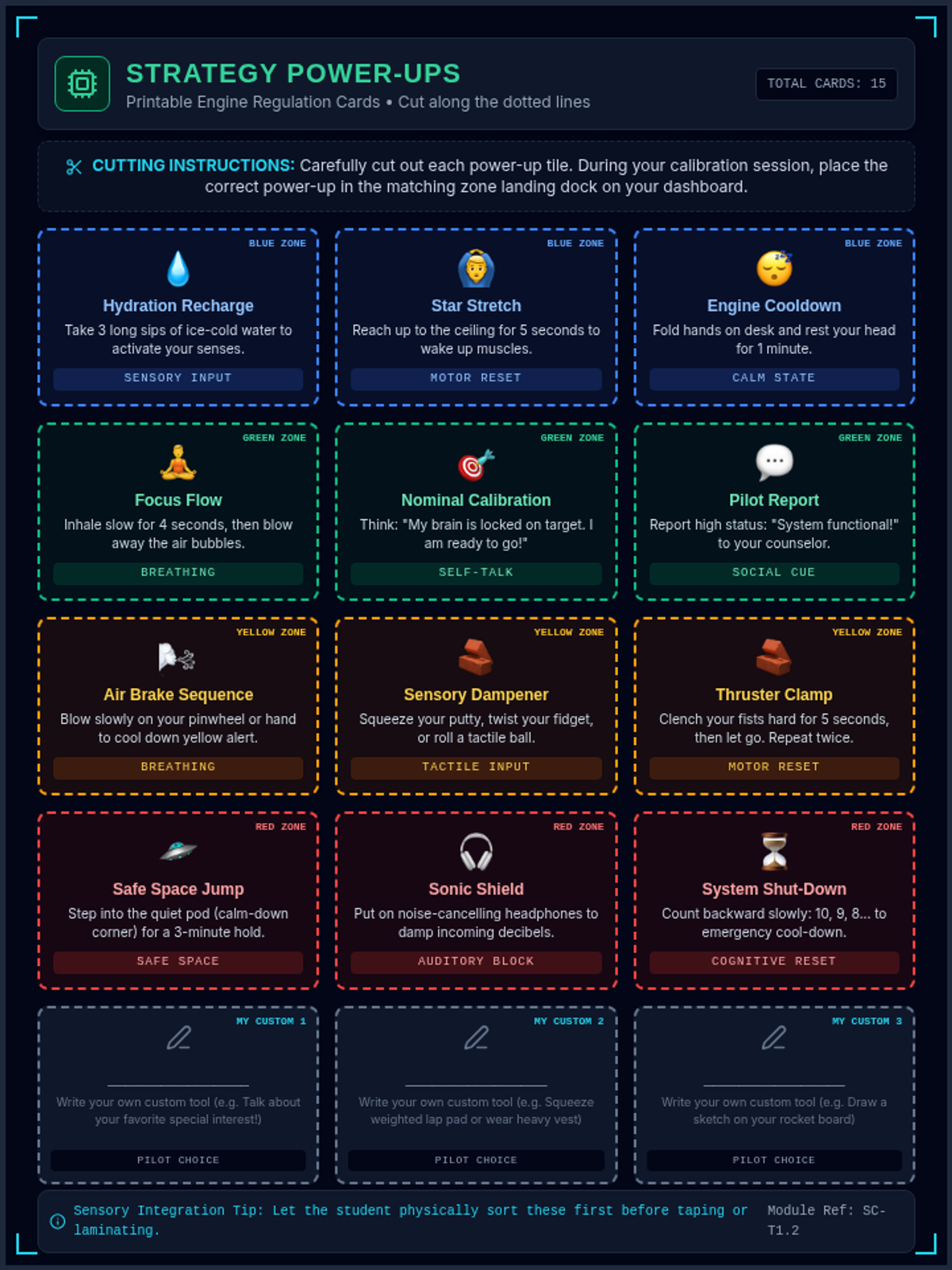
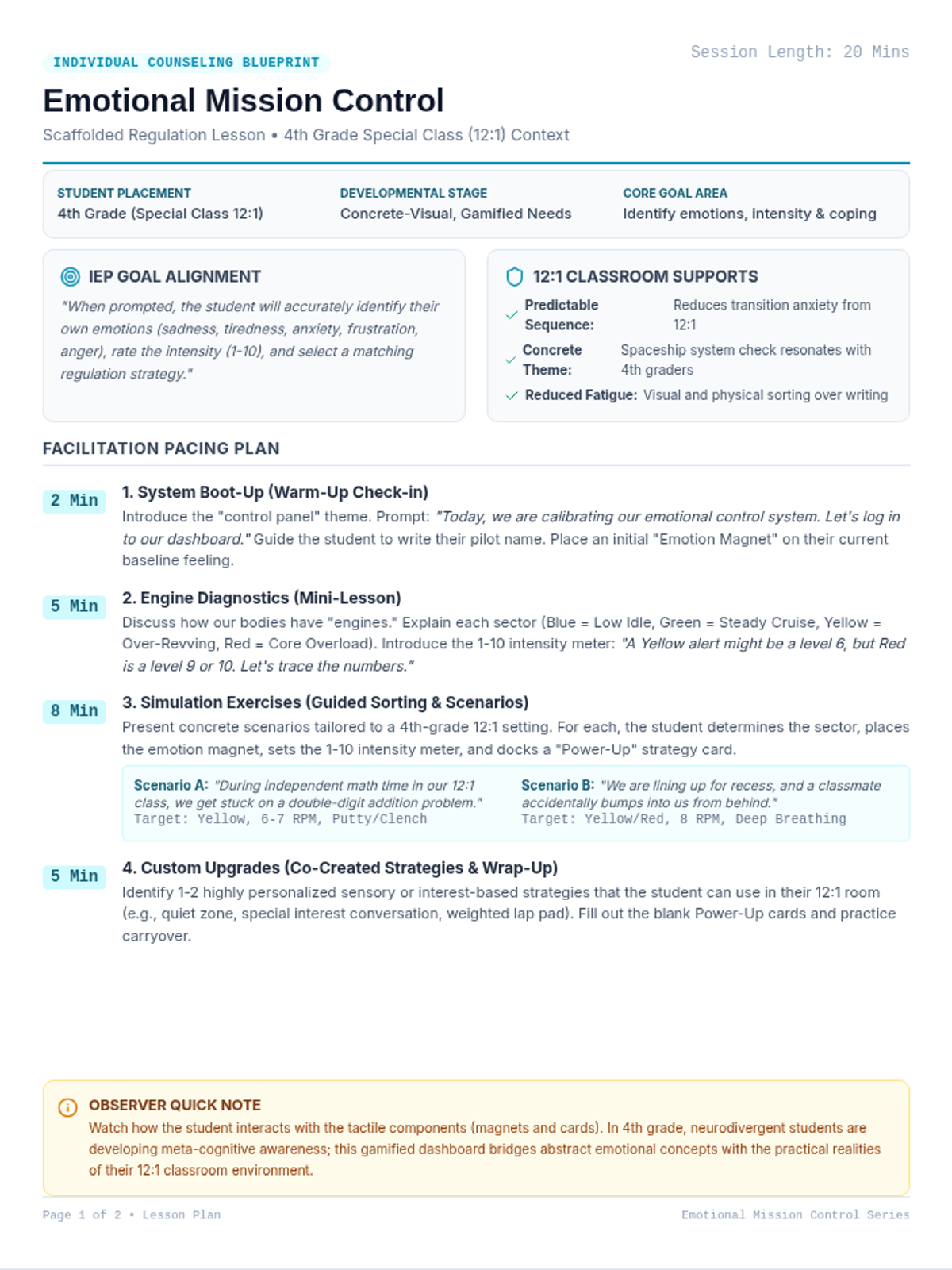
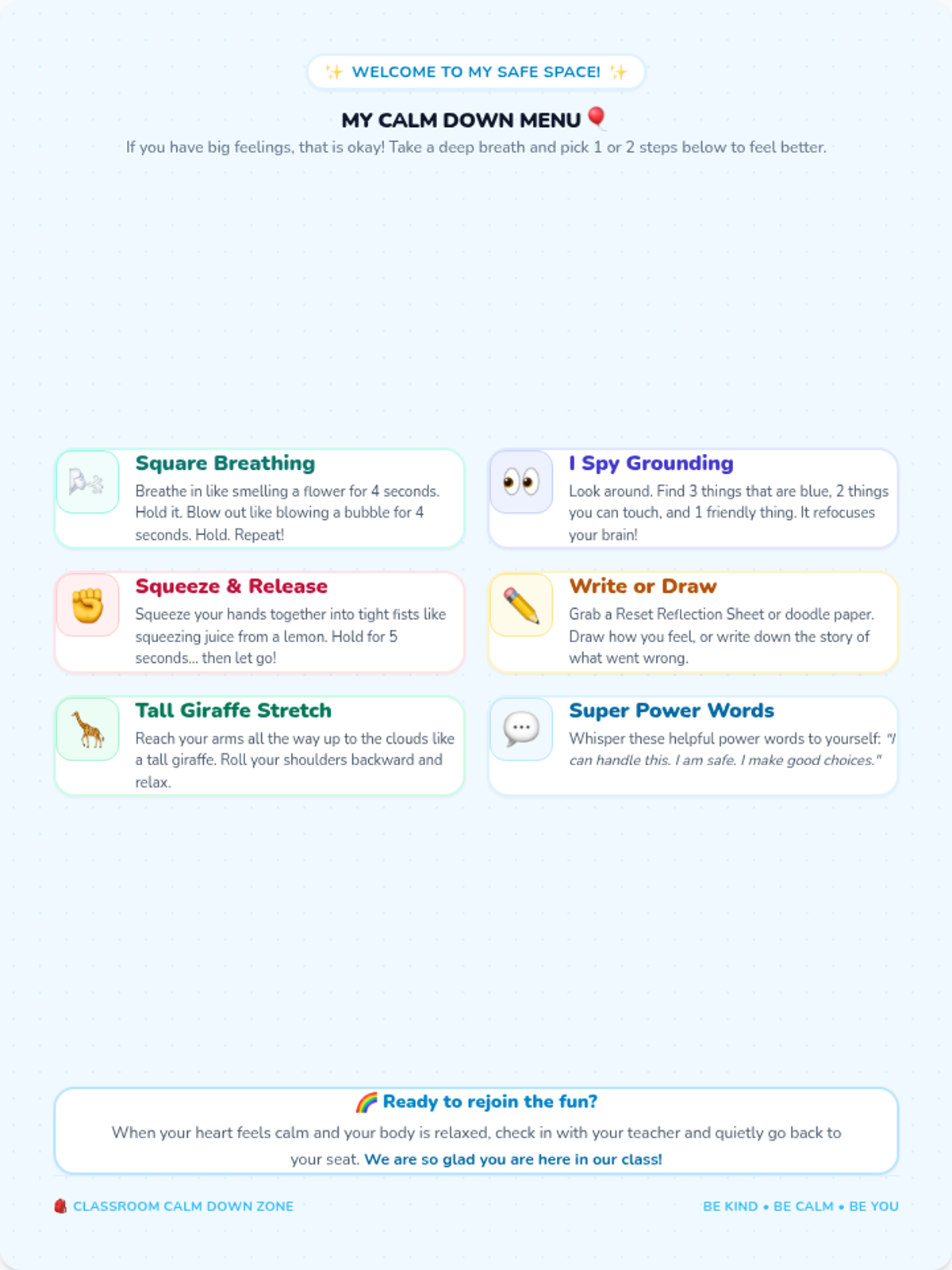
An individual counseling session focused on teaching mindful breathing and physical grounding techniques to help students manage stress and big emotions.
A set of tools designed to help middle school students navigate schoolwork frustration using a 'tech-support' debugging framework. Includes a visual flowchart and practice scenarios.
A 30-minute interactive lesson for 5th graders focused on moving from being a bystander to an active upstander. Students will learn the 'Stop, Speak, Support' framework and practice assertive communication to intervene in bullying situations safely.
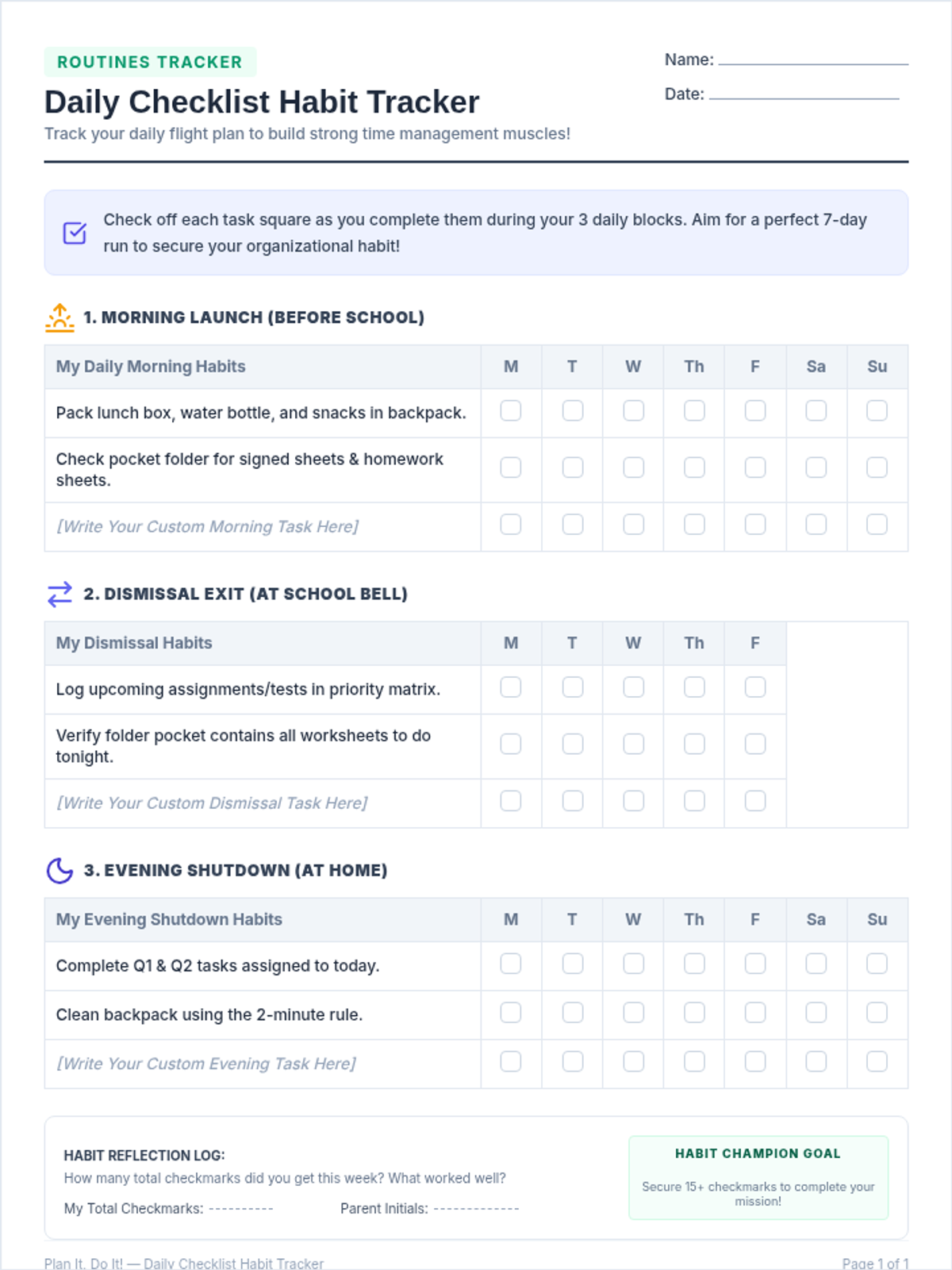
A daily habit-building system for students to monitor their readiness, preparation, and work effort across all subjects. Includes student trackers and teacher implementation guides to foster accountability and self-regulation.
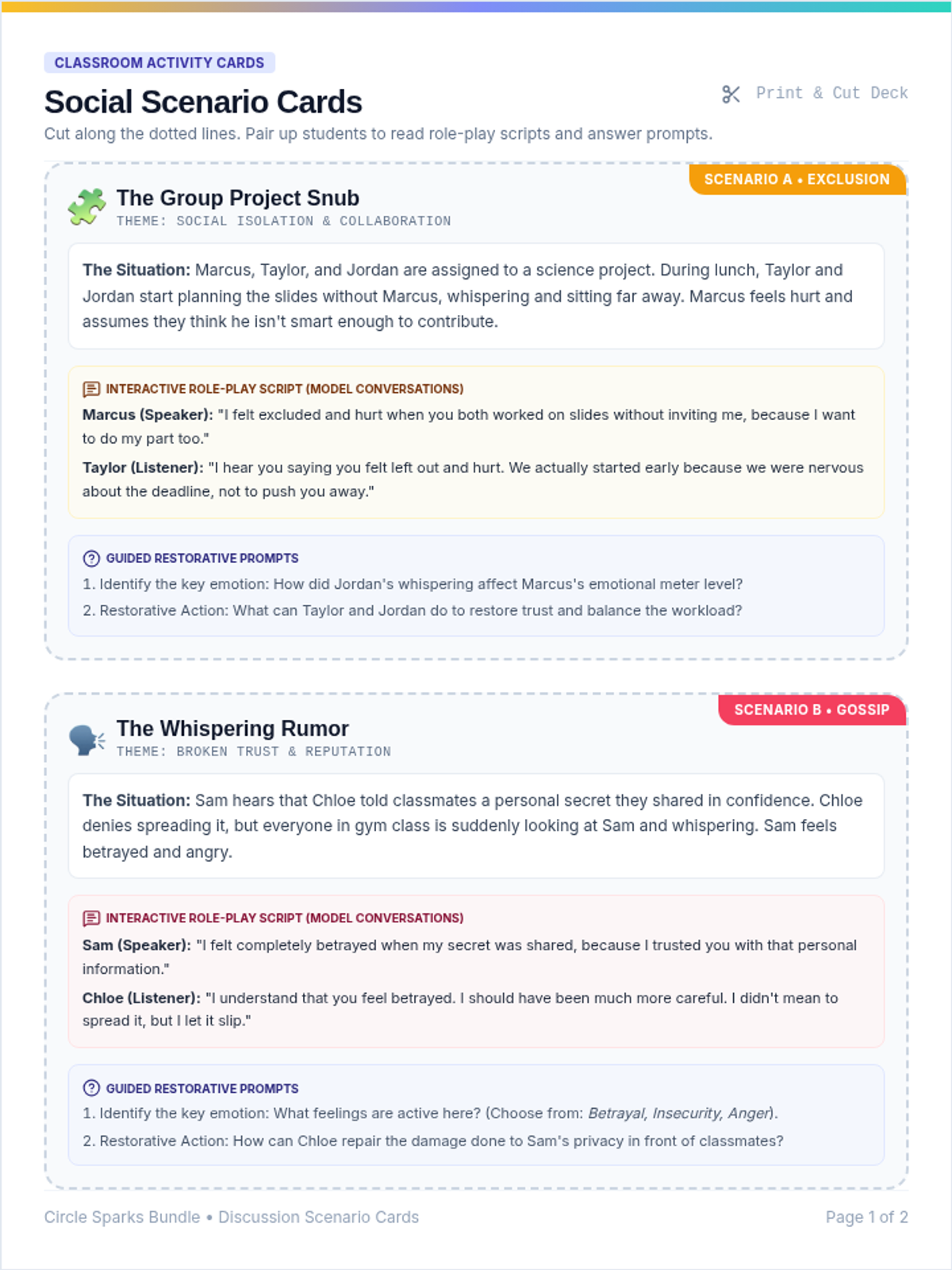
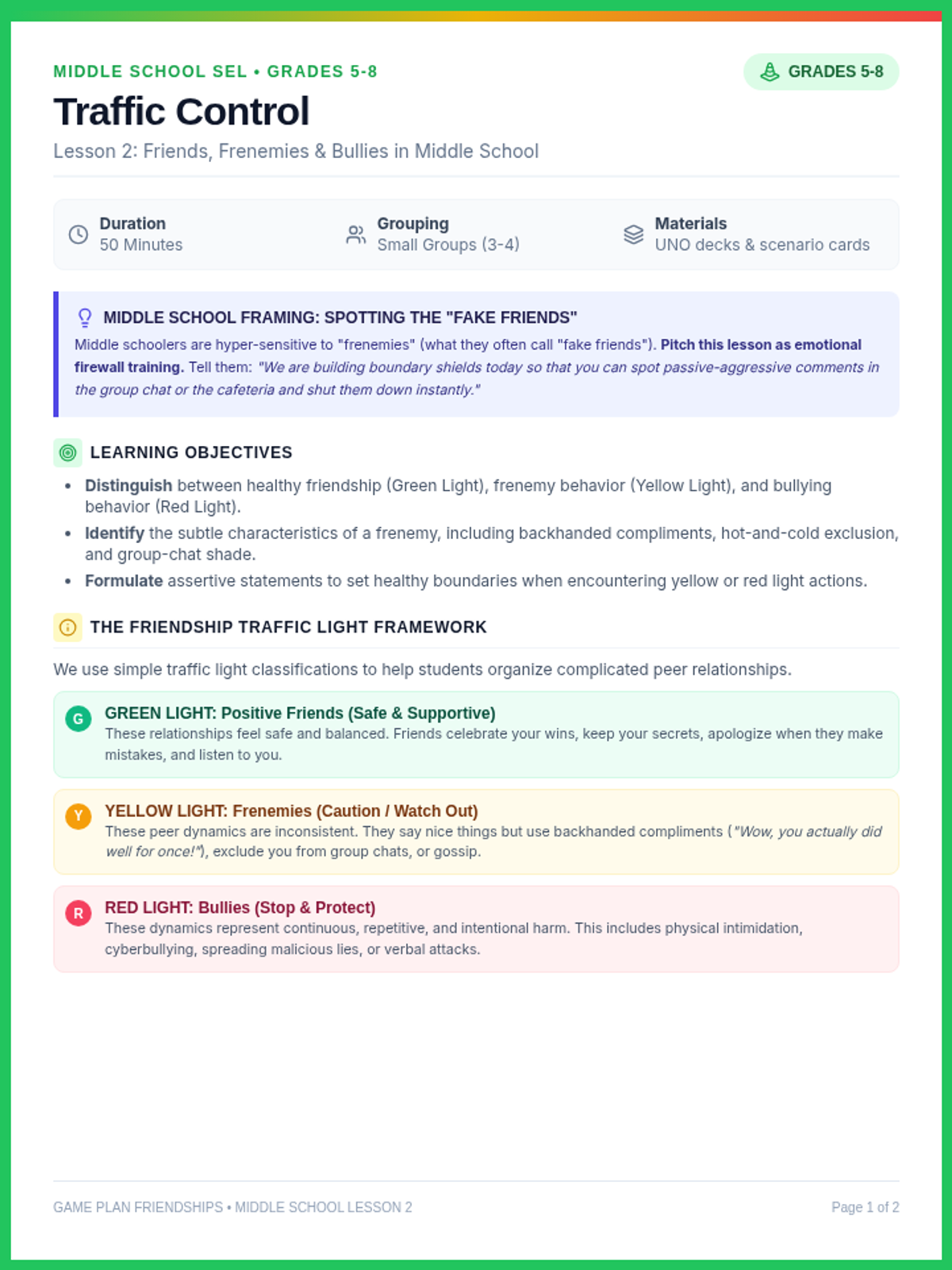
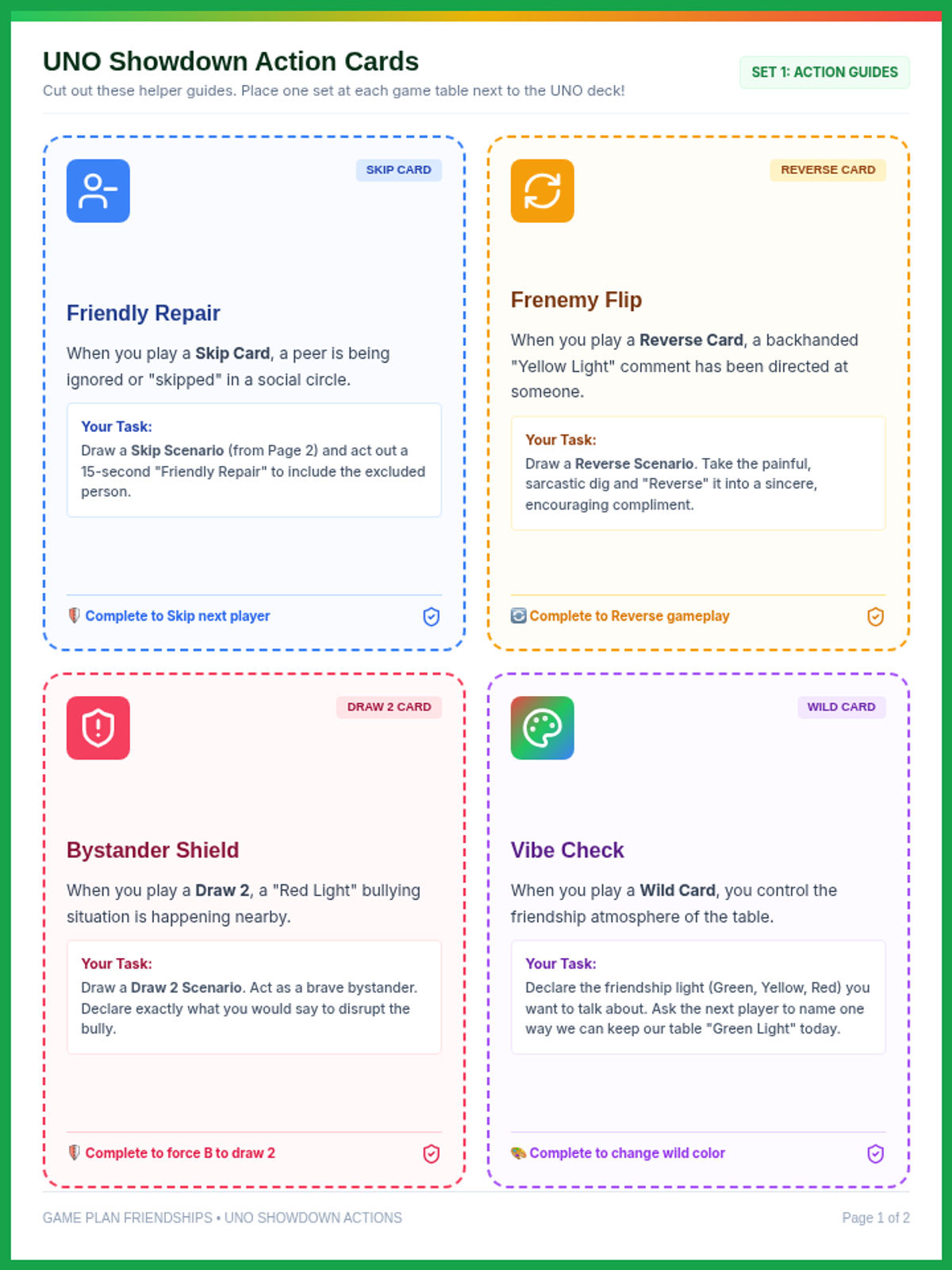
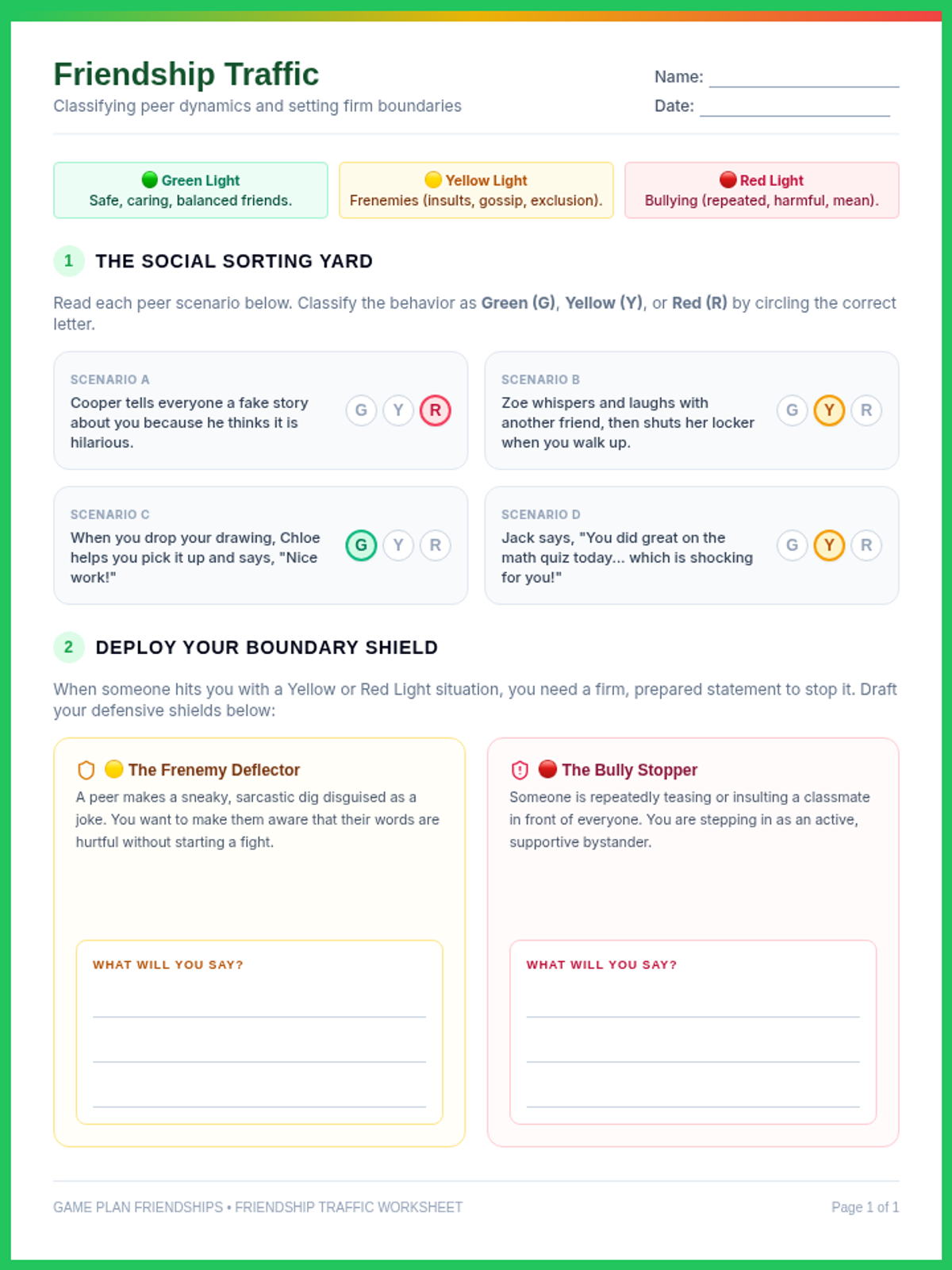
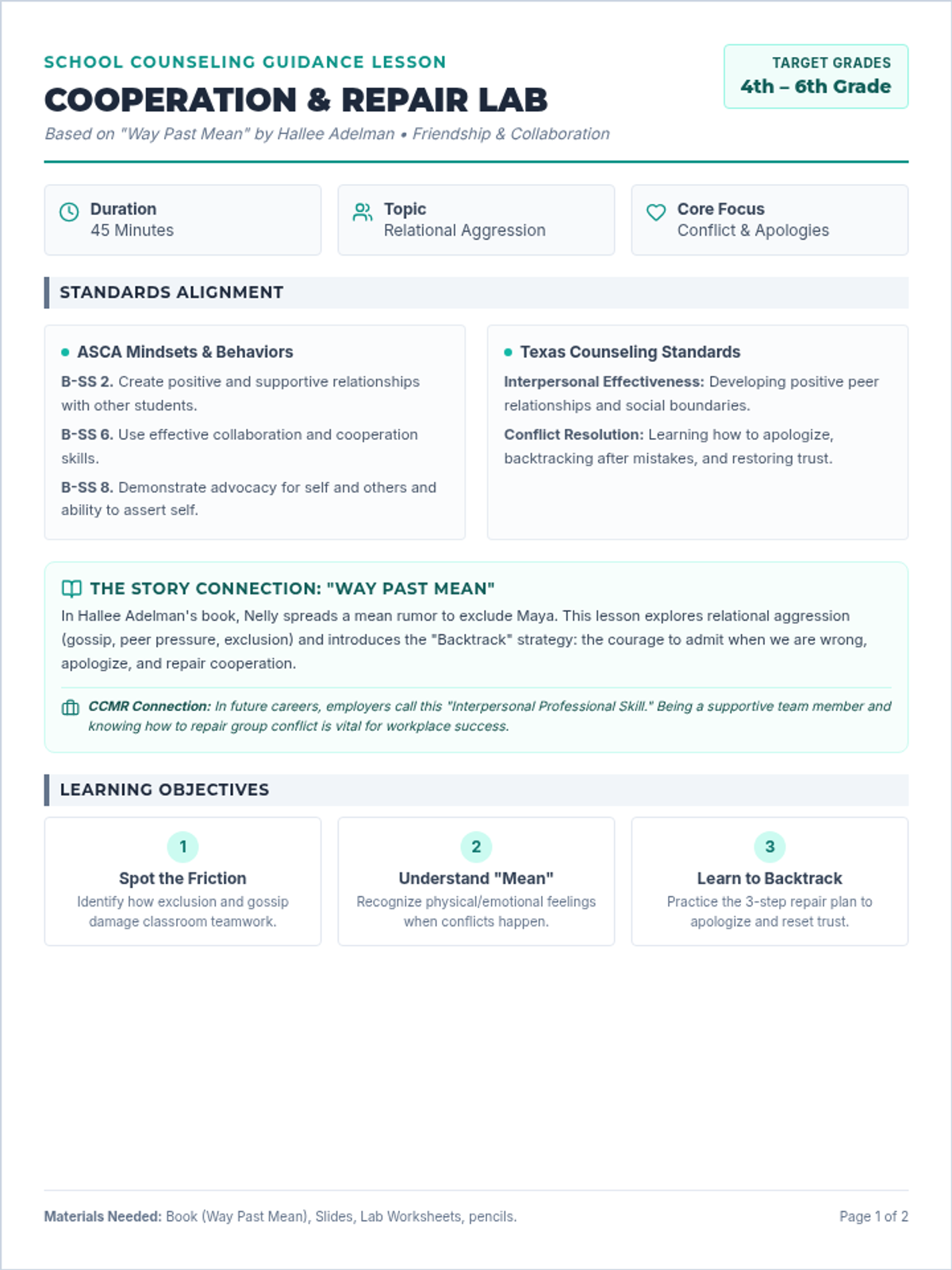
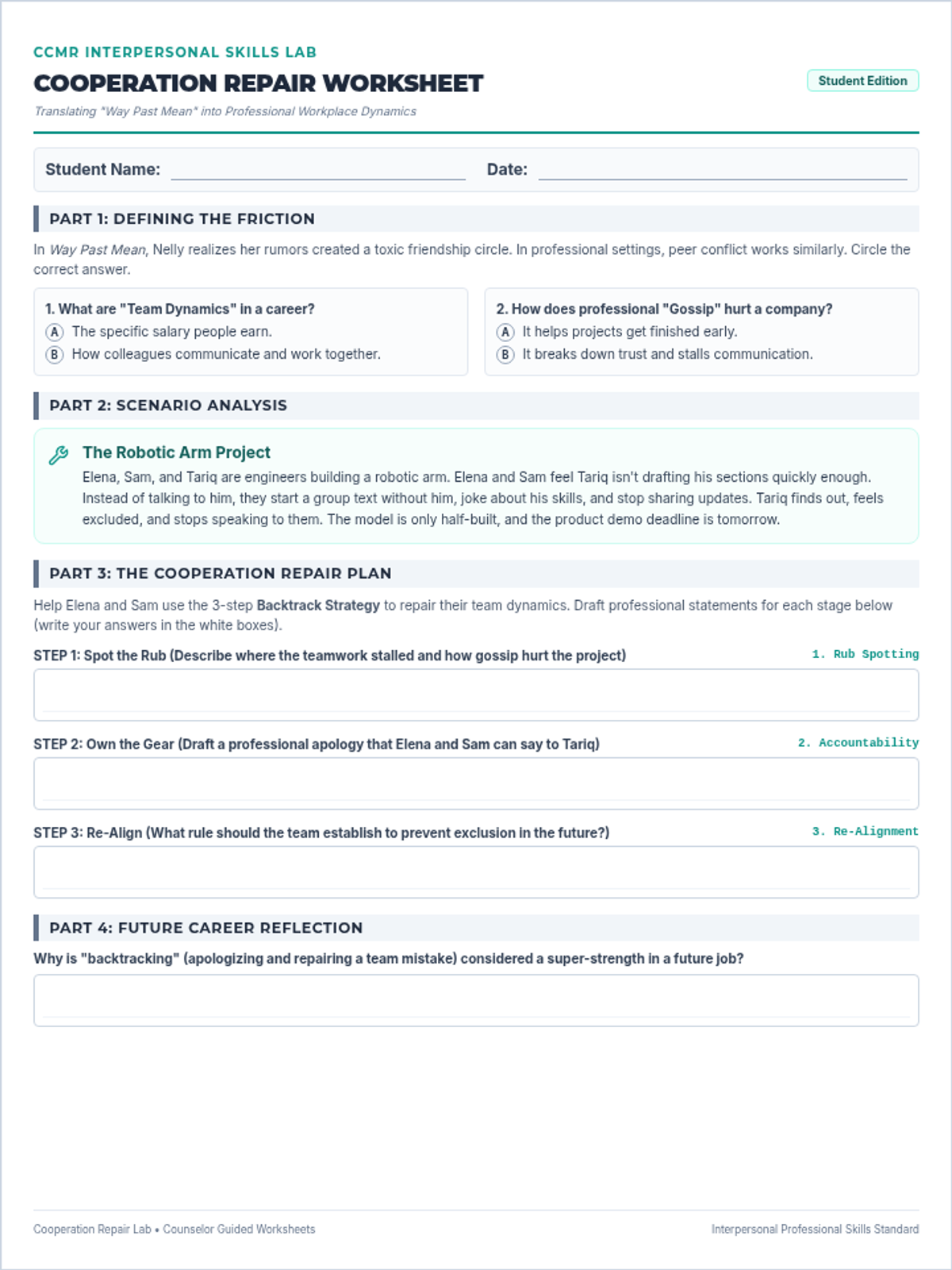
A lesson focused on helping middle school students distinguish between healthy and unhealthy friendship dynamics, specifically focusing on trust, gossip, and social inclusion.
A 40-45 minute lesson for 4th-5th graders on diversity, global citizenship, and perspective-taking through interactive scenarios and personal reflection.
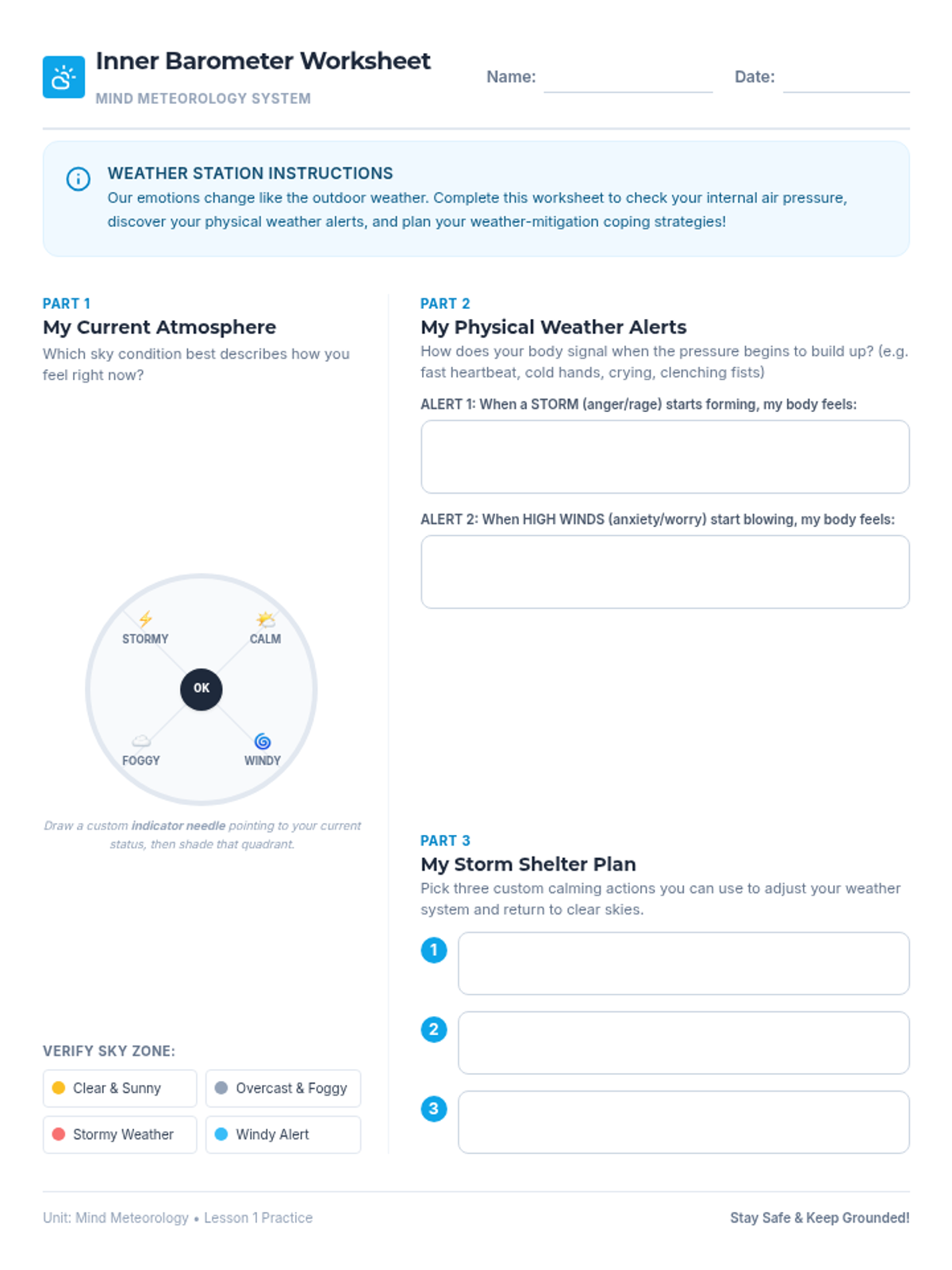
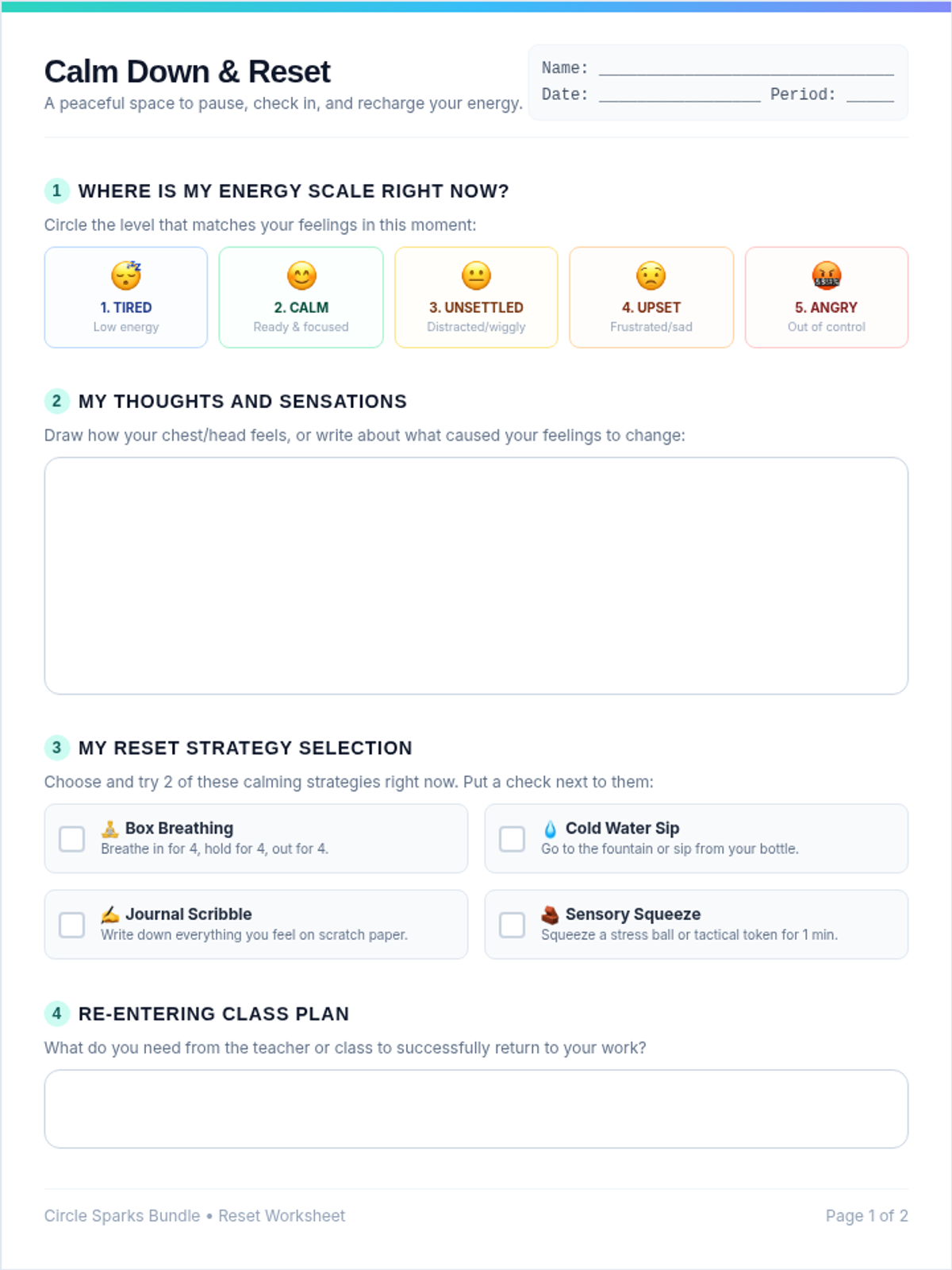
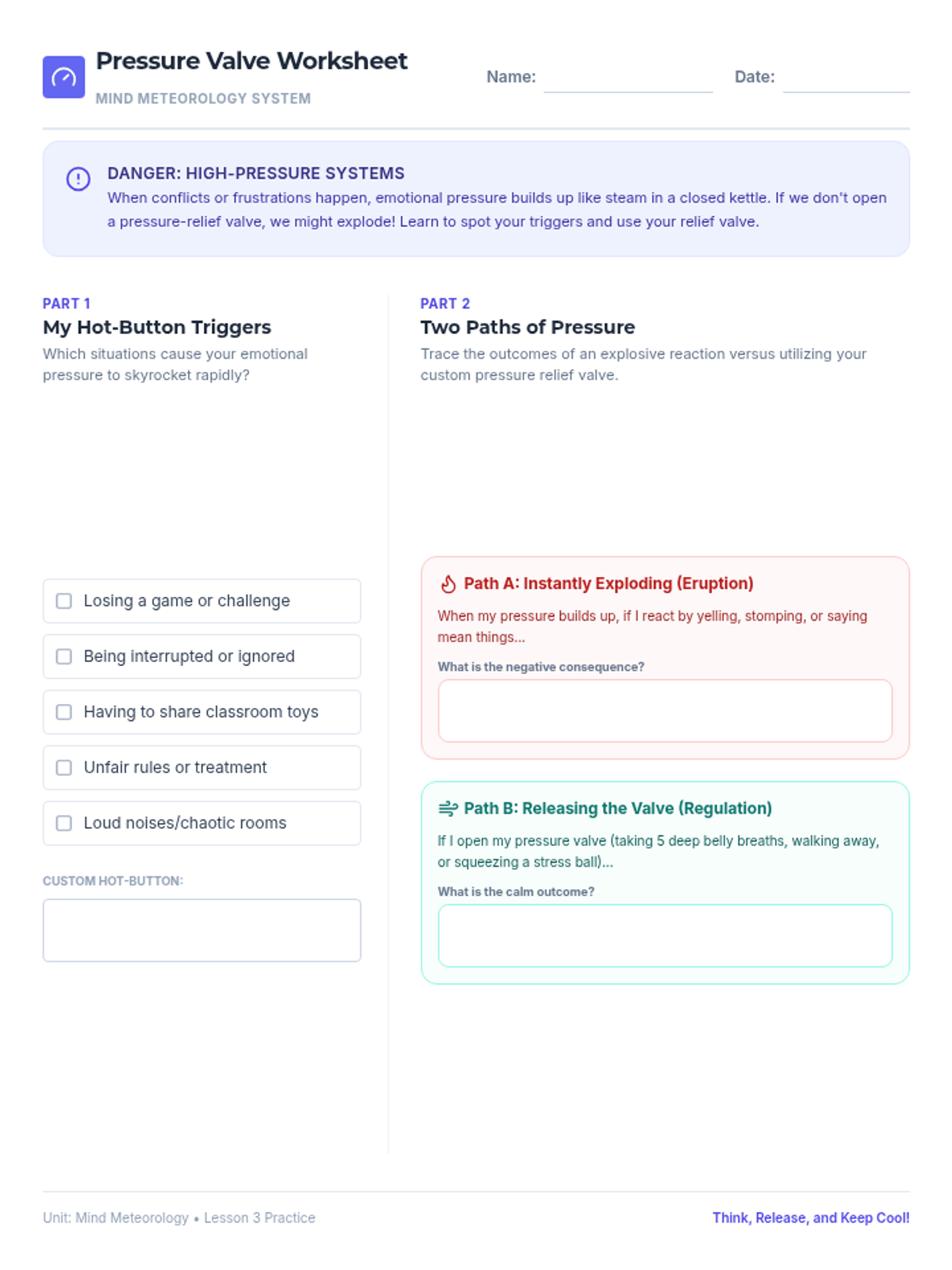
A comprehensive lesson focused on helping students identify emotional triggers and build a personalized toolkit of self-regulation strategies. Students will create a multi-page workbook that serves as their personal 'Calm Code' for navigating stressors.
Students become 'Social Detectives' to investigate the hidden meanings behind facial expressions, body language, vocal pitch, and sarcasm through interactive investigation and role-play.
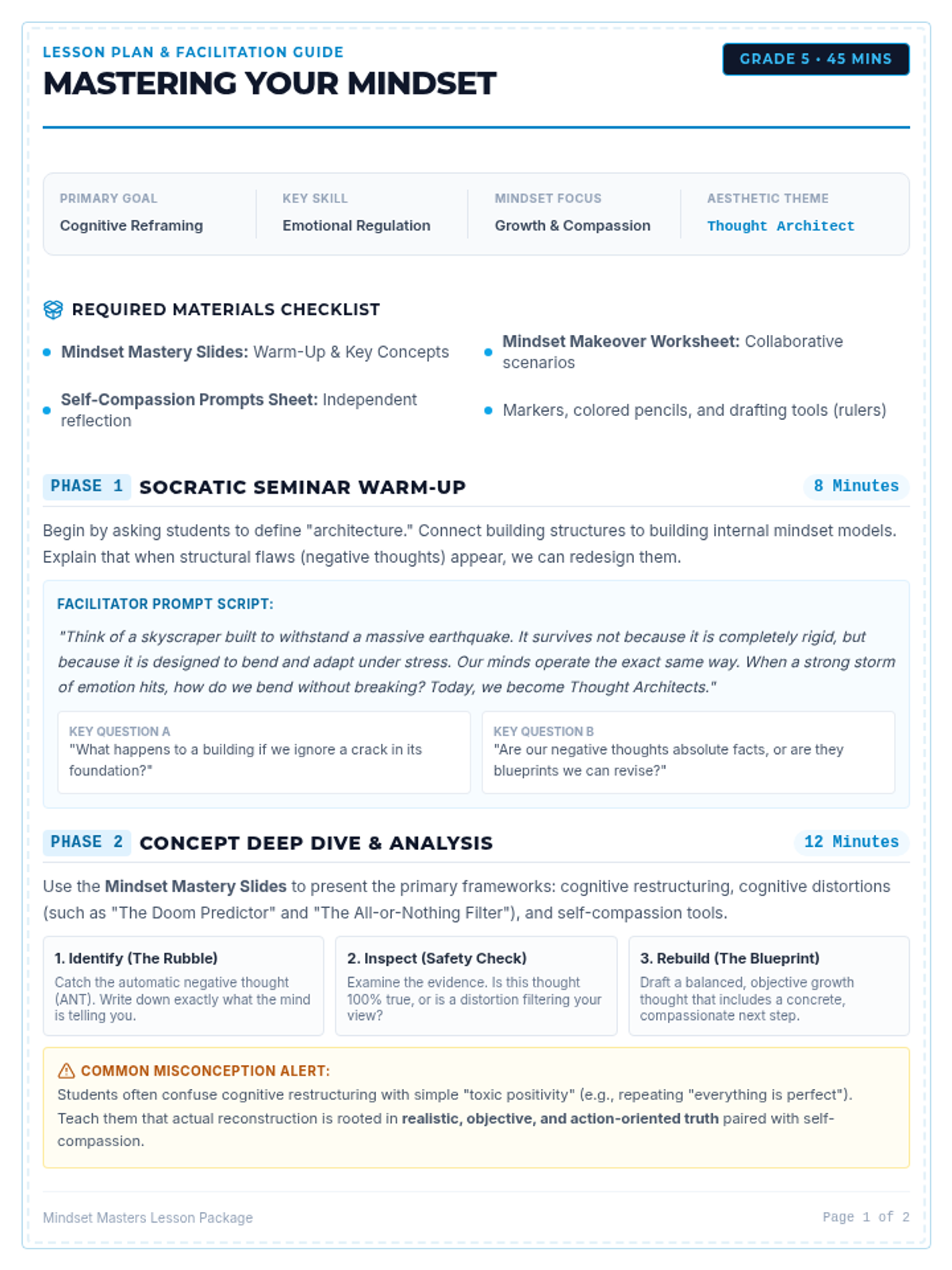
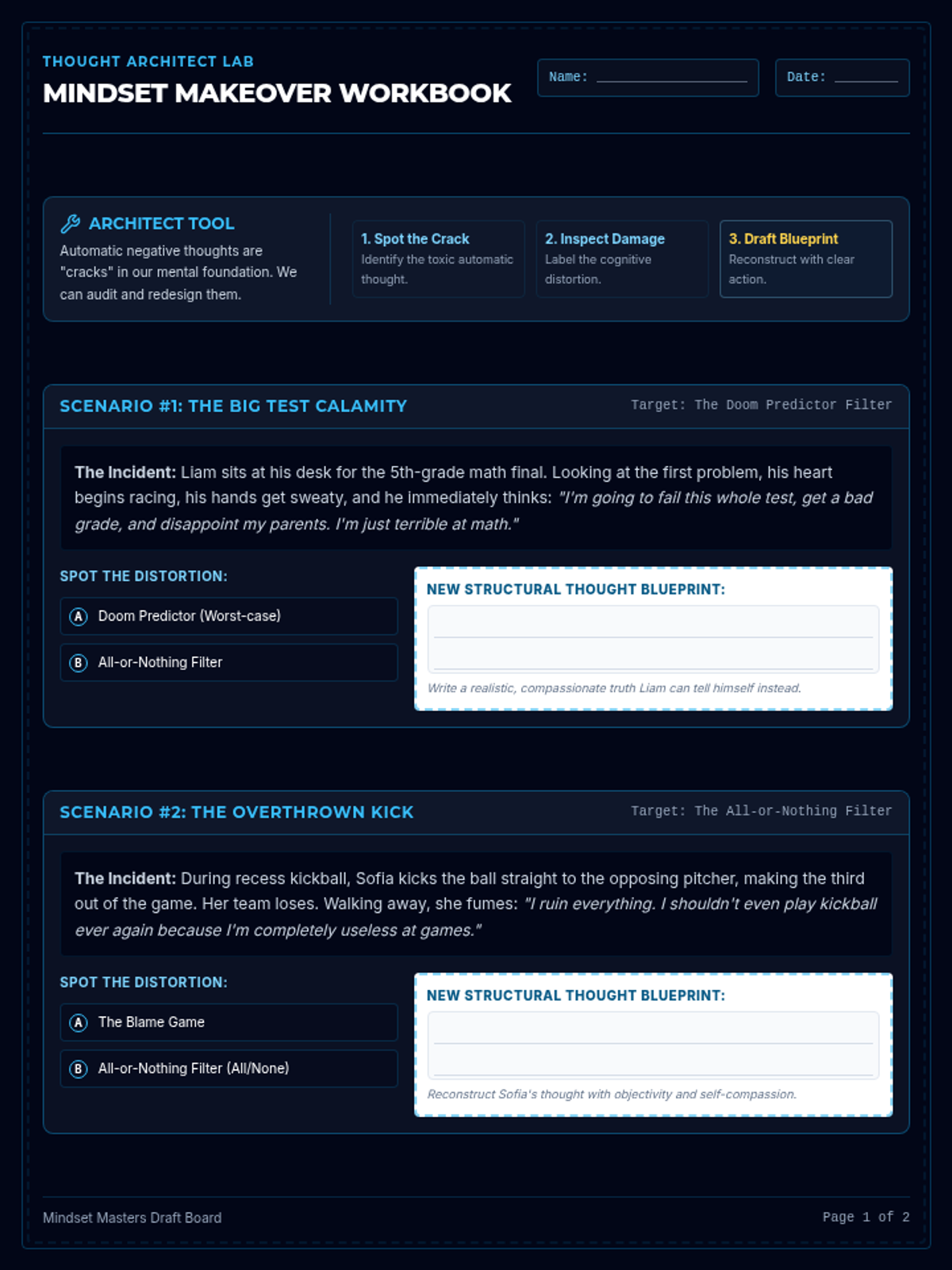
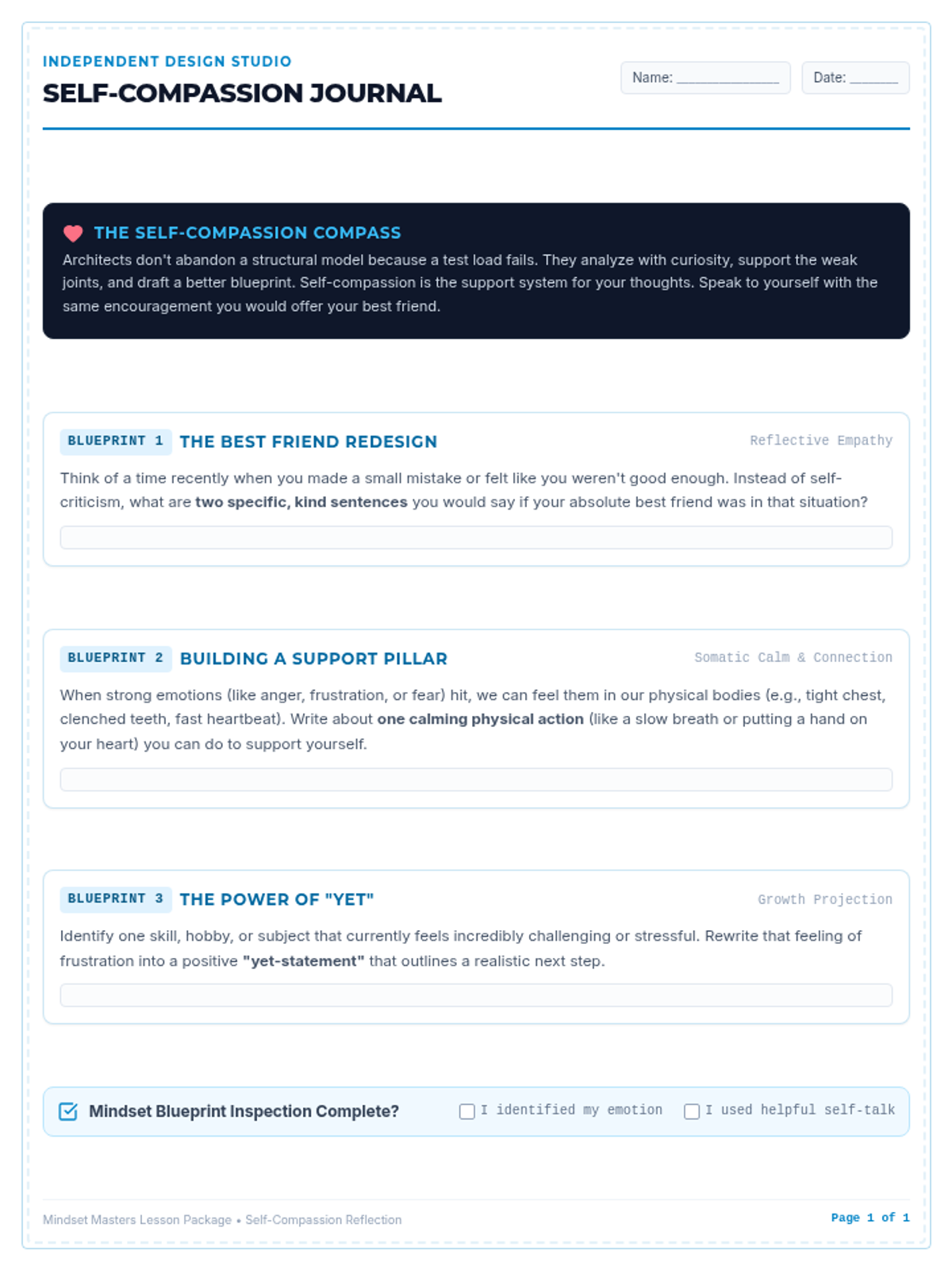
A 30-minute interactive lesson focused on identifying negative self-talk and reframing mistakes as learning opportunities. Students develop a personal 'Inner Hero' persona to combat self-doubt.
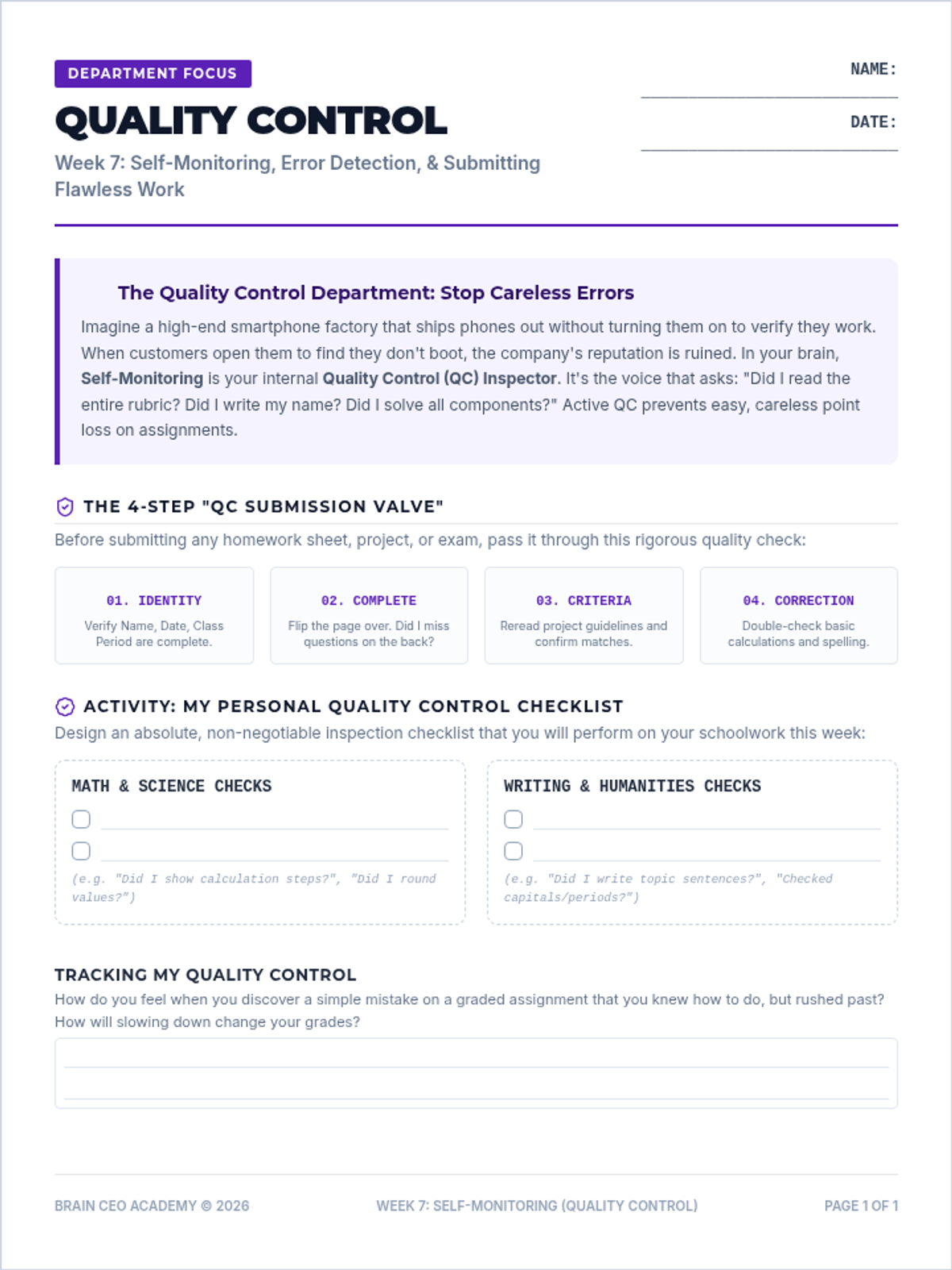
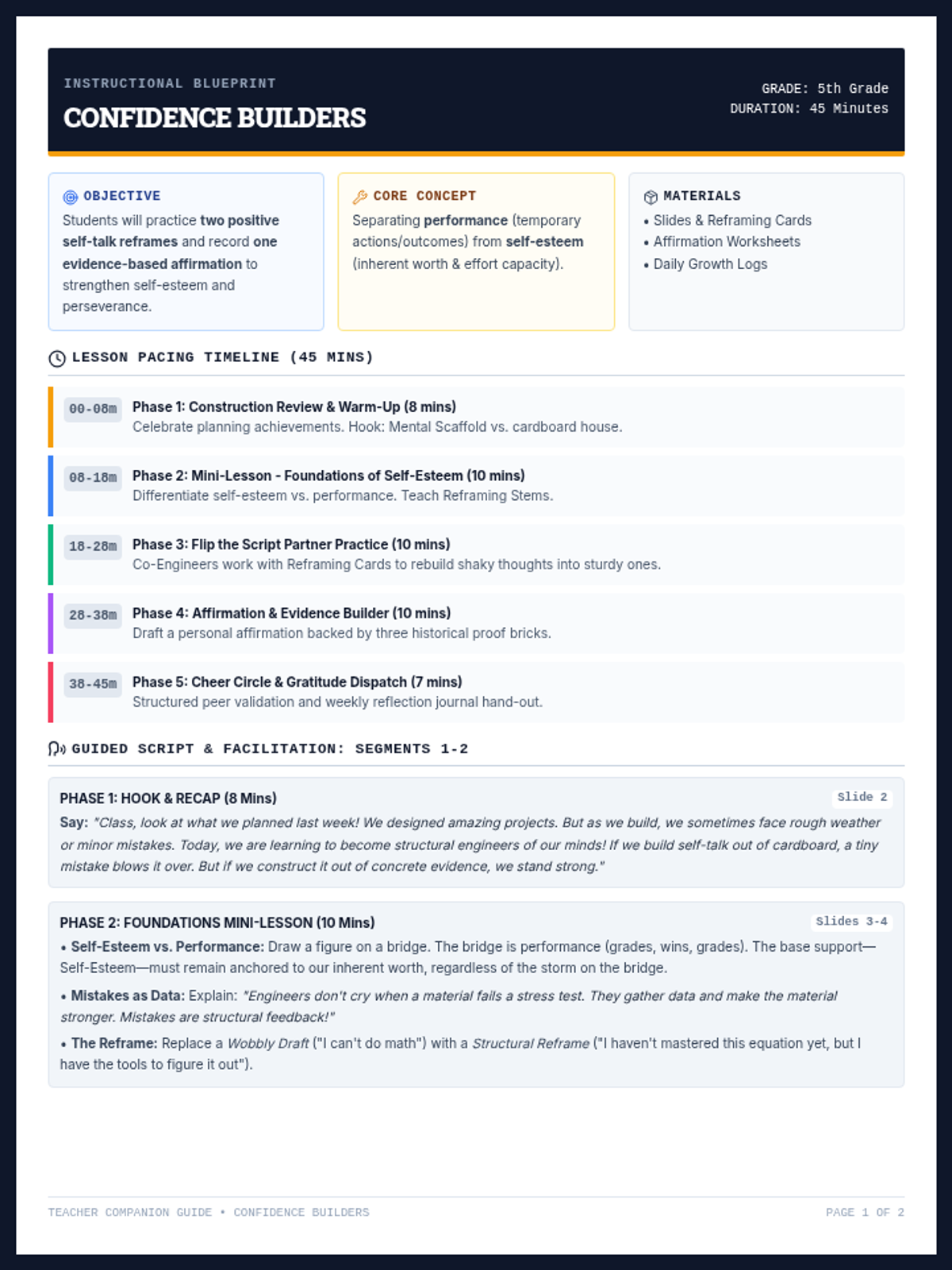
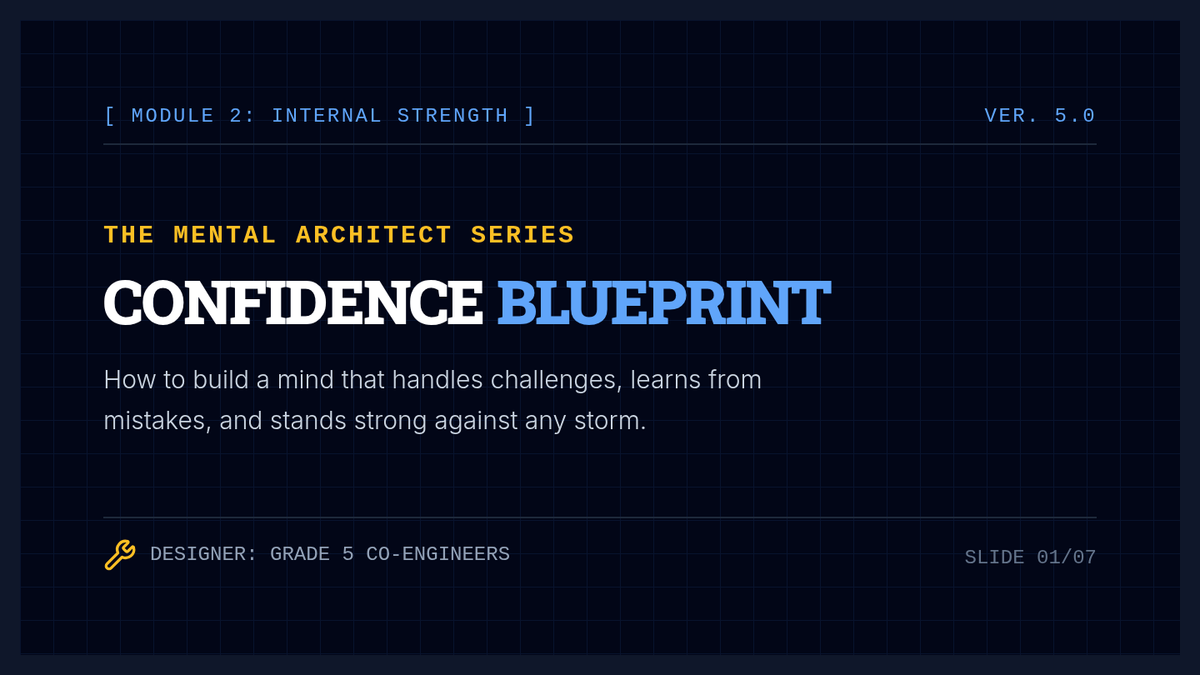
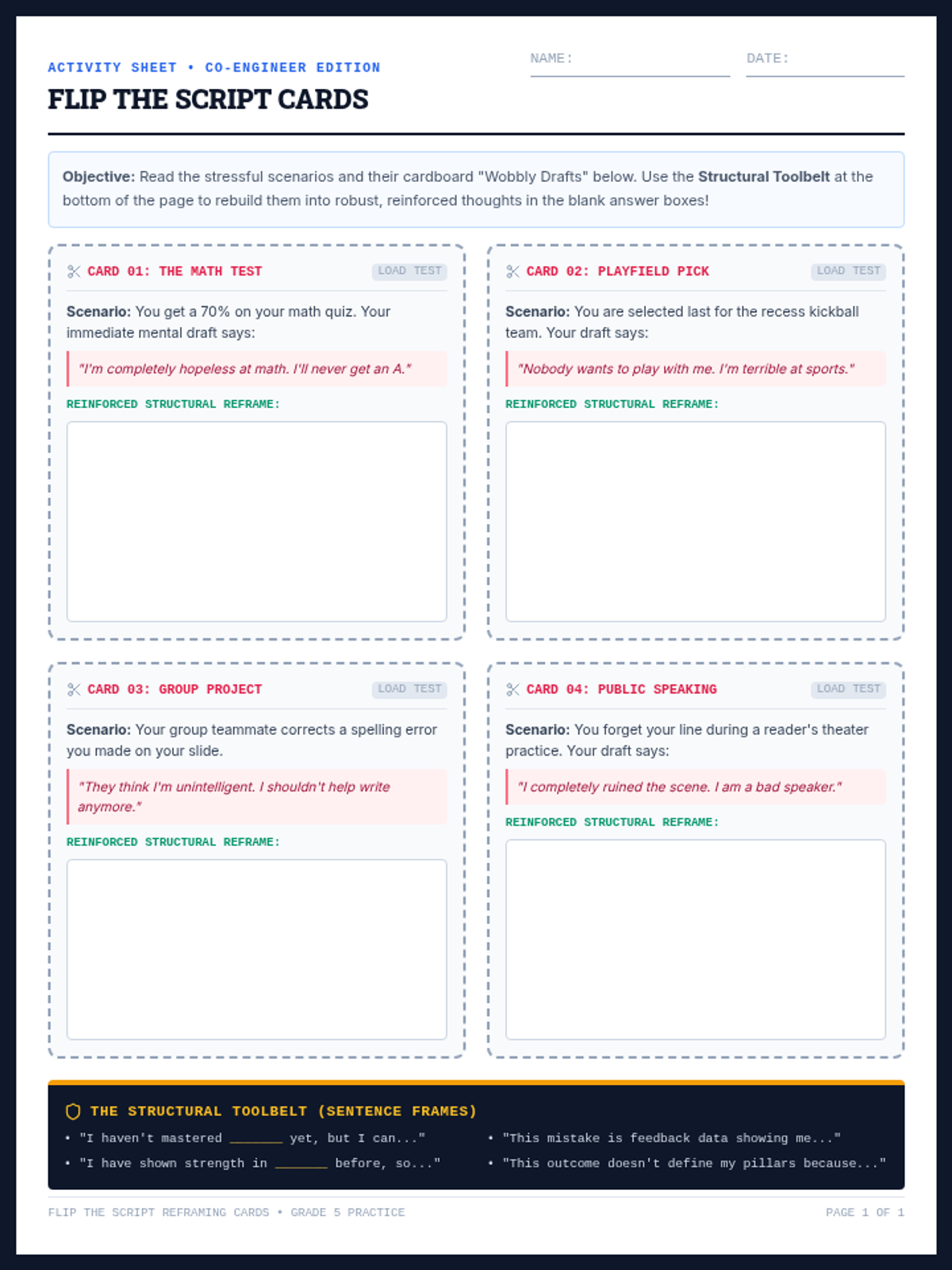
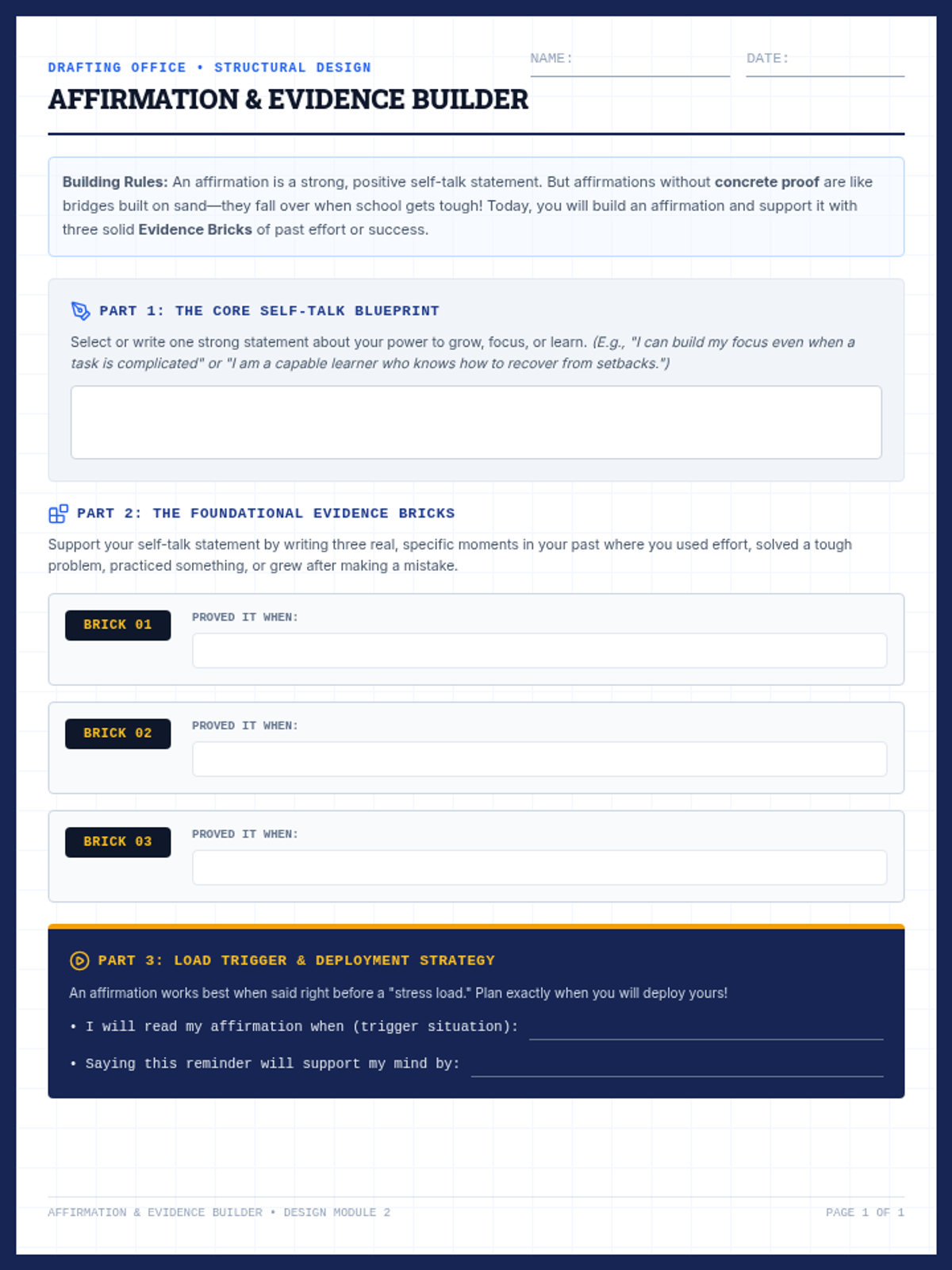
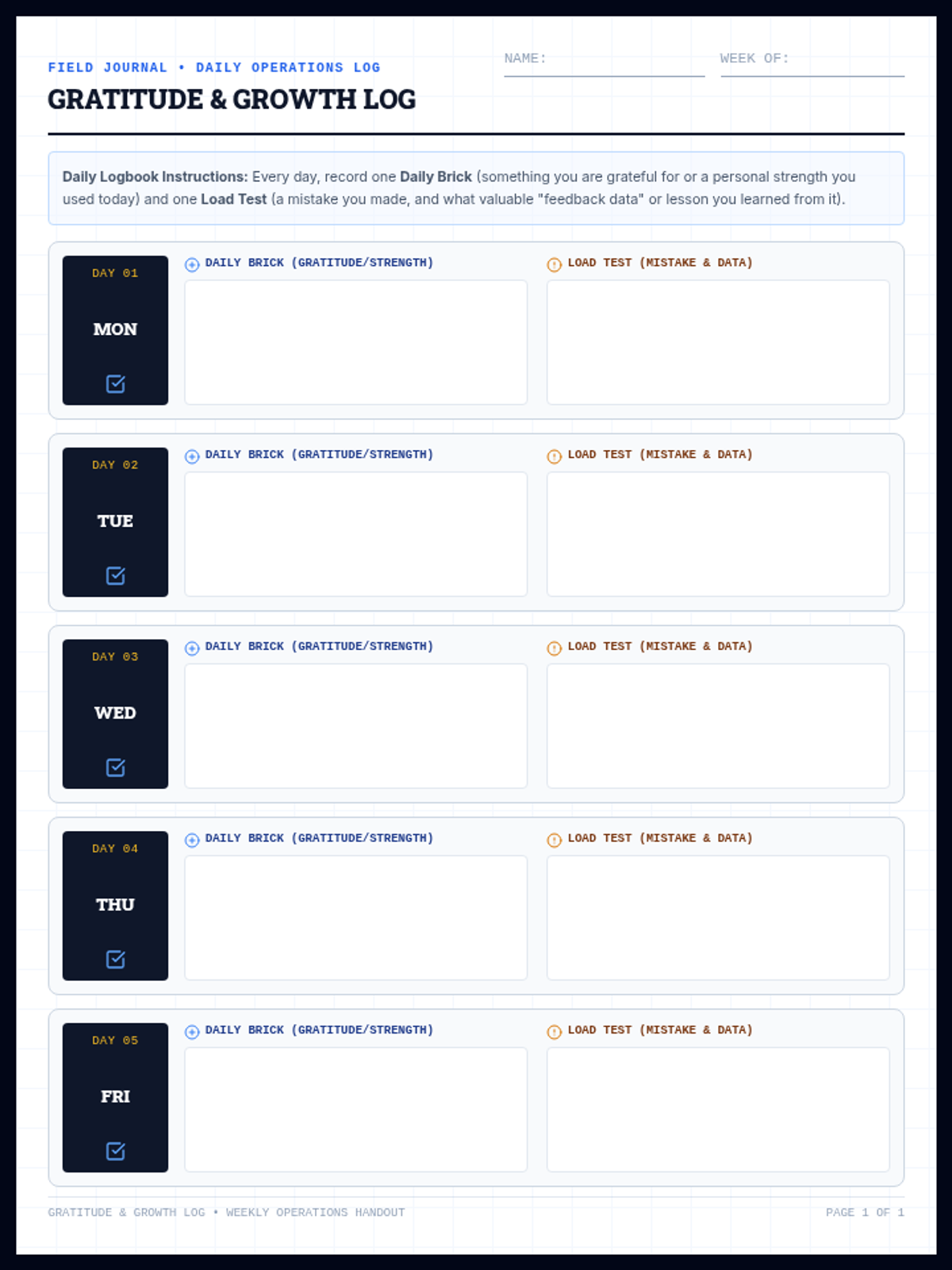
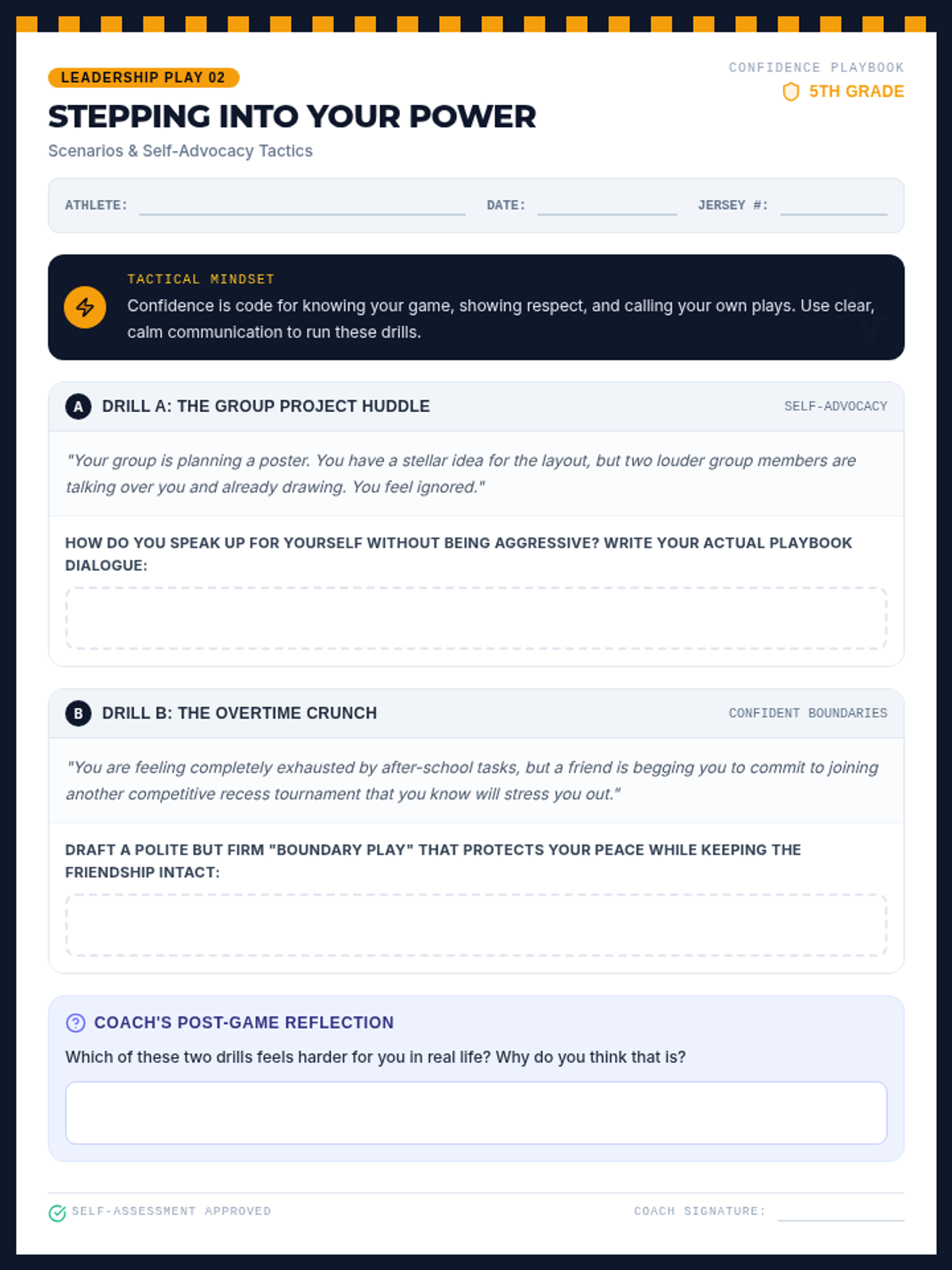
A mentor-facilitated program designed to build student confidence through positive self-talk, growth mindset exercises, and practical coping strategies. The materials provide a structured but flexible framework for meaningful 1-on-1 sessions.
A 30-minute Tier 1 guidance lesson for 5th graders to distinguish everyday drama from bullying and learn practical strategies for maintaining a respectful classroom environment.
A dynamic lesson designed to help 5th graders master the art of self-advocacy through the use of 'I' statements. Students will explore confidence-building strategies, engage with a social story, and practice real-world scenarios in a 'Voice Lab' setting.
A collaborative group-building activity where students work in teams to complete puzzle-based relay challenges, focusing on social communication, turn-taking, and the concept of inclusion.
A collection of tools to help students in residential settings prepare for their school day through social-emotional reflection.
A test-prep lesson for 5th graders using a hiking metaphor to build stamina, positive self-talk, and strategy selection for state assessments. Students will identify 'obstacles' on the test and pack a 'survival kit' of strategies to overcome them.
A high-energy, soccer-themed lesson designed to help disengaged students identify emotions and practice regulation strategies through interactive play and hands-on activities.
A lesson for 5th graders to explore the concept of life balance across screen time, physical health, and social choices through scenario-based discussion and reflection.
A comprehensive counseling module combining CBT and Person-Centered approaches to help children manage anger and improve focus in the classroom. includes practitioner guidance and student-facing activities.
A high-flying lesson for 4th and 5th graders to master test-day anxiety using aviation-themed self-regulation strategies. Students learn to navigate their 'mental cockpit' and follow a 'pre-flight checklist' of breathing and focus techniques.
A 4th-5th grade lesson using aviation metaphors to teach self-regulation and focus techniques for managing test anxiety. Students develop a 'pre-flight checklist' of breathing and mindfulness exercises to stay in control of their 'mental cockpit' during high-pressure assessments.
A 15-minute introductory session designed to build trust between a student and their Wellbeing Officer through a gaming and comic-themed interaction.
A series of activities designed for 1:1 wellbeing sessions to help students navigate peer conflicts and regulate their emotions during high-stress periods like the end of term.
The final week of morning activities centered on visualization, math challenges, compound word hunts, future-thinking, and celebratory wrap-ups.
The third week of morning activities exploring breathing exercises, logic puzzles, anagrams, "Would You Rather" questions, and personal growth reflections.
The second week of morning activities featuring gratitude practices, pattern recognition, riddle solving, hypothetical scenarios, and weekend reflections.
The first week of morning activities focusing on goal setting, creative preferences, word construction, invention design, and peer appreciation.
A lesson exploring emotional depth using the onion metaphor, helping students identify surface reactions versus core feelings and the triggers that connect them.
Applying SEL skills to future goals beyond the classroom.
Reflecting on progress and celebrating the emotional tools gathered throughout the year.
Real-time regulation techniques to use during high-stakes testing.
Practical planning and study habits that reduce pre-test anxiety.
Understanding the 'optimal' level of stress and how to manage high-pressure situations.
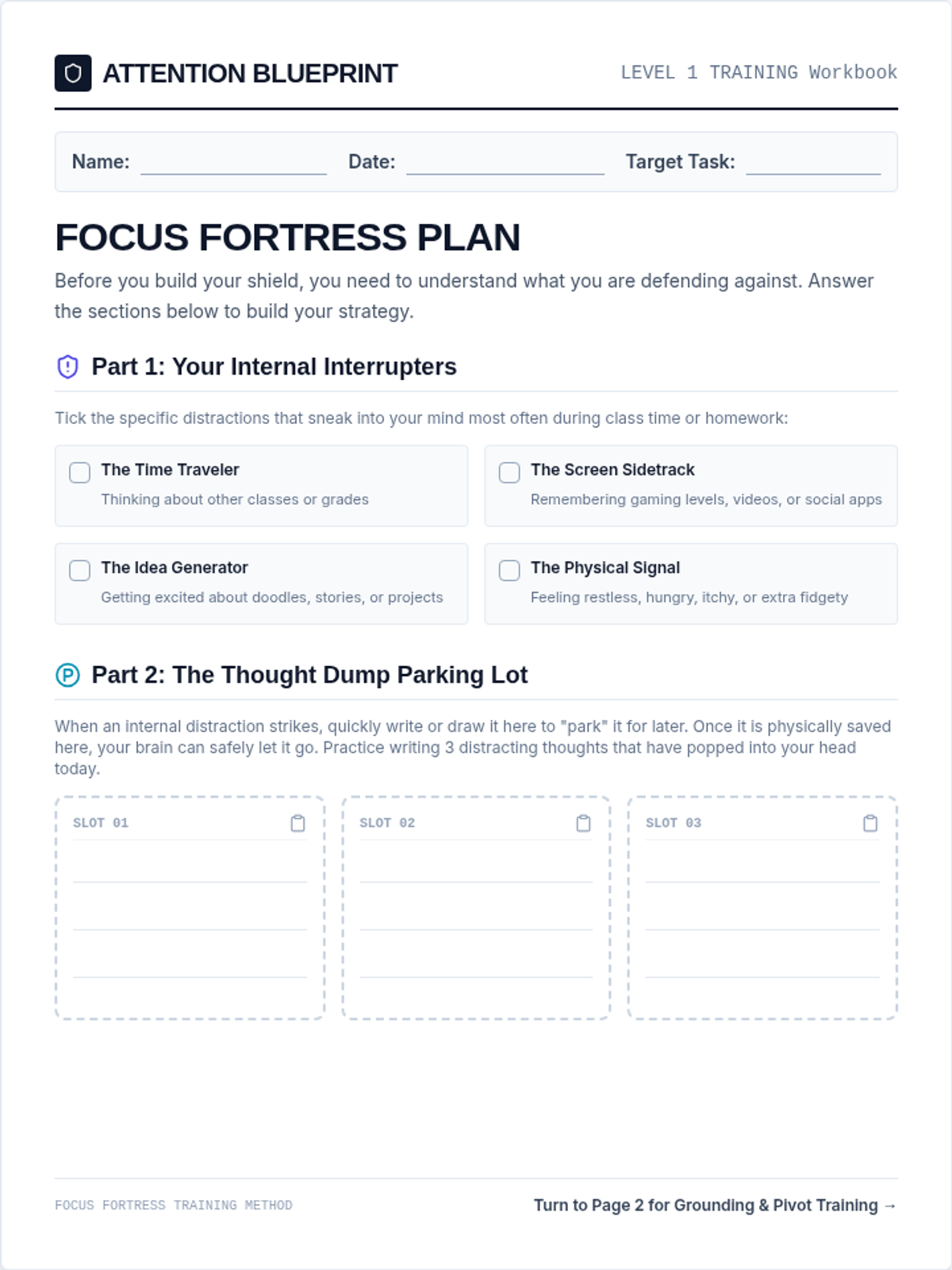
Building the 'focus muscle' through mindfulness exercises and distraction-blocking techniques.