A Guidance Lesson designed for 4th and 5th graders to upgrade their empathy skills. This lesson focuses on perspective-taking, respecting adult workloads/perspectives, and navigating complex peer exclusion dynamics with maturity.
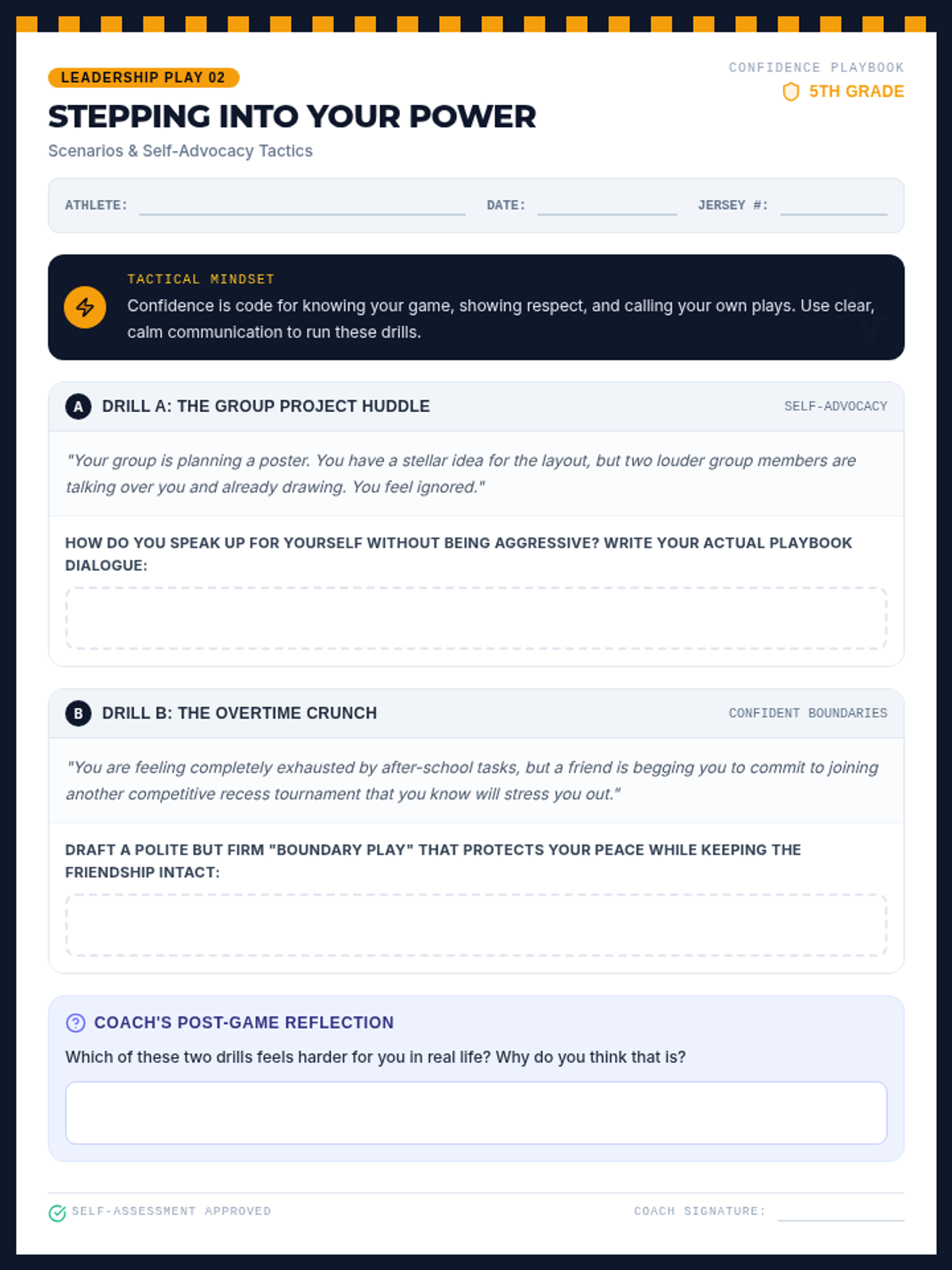
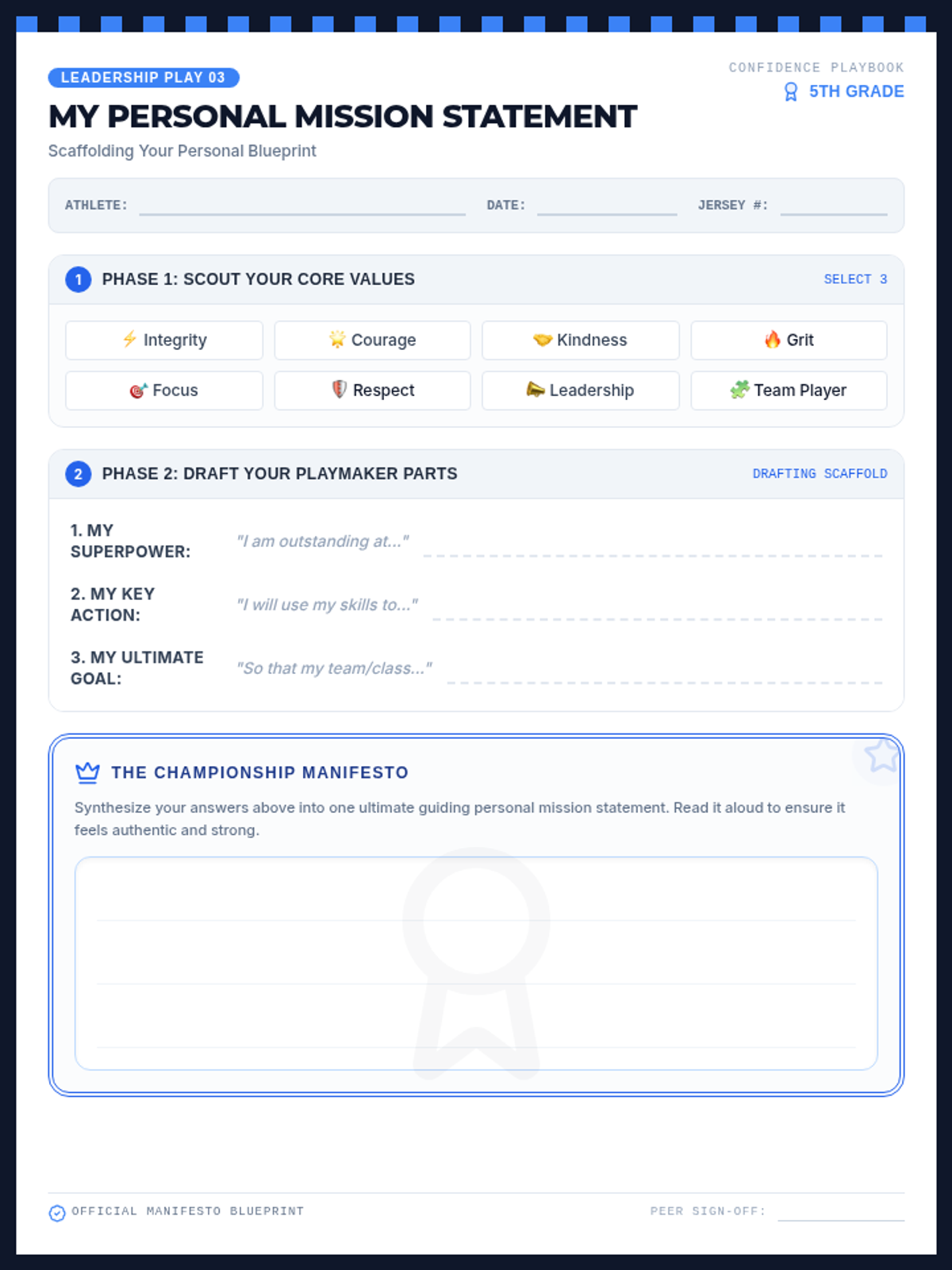
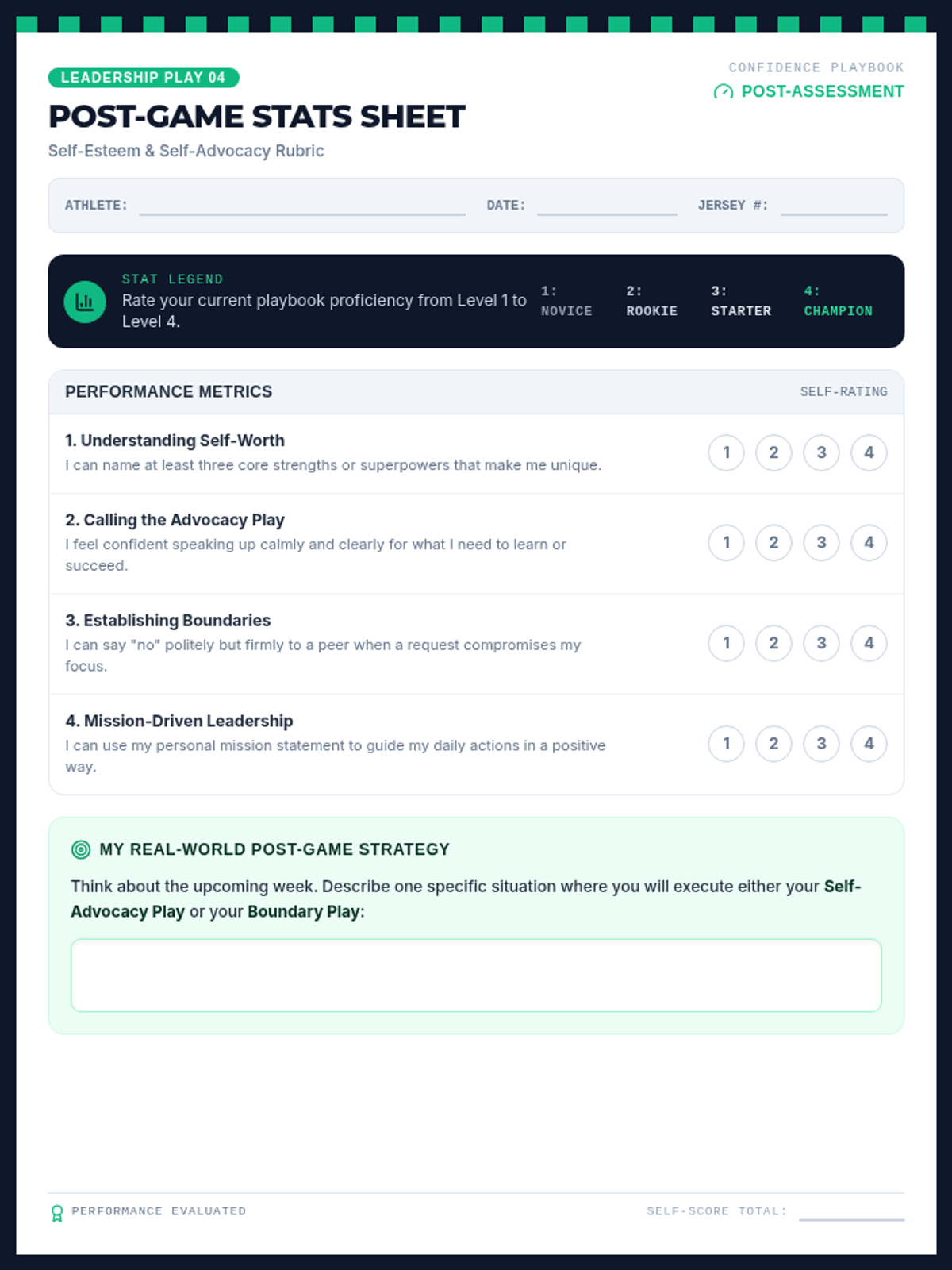
A sports-playbook-themed leadership lesson where 5th graders map out confidence strategies, analyze self-advocacy scenarios, and write their own personal mission statements.
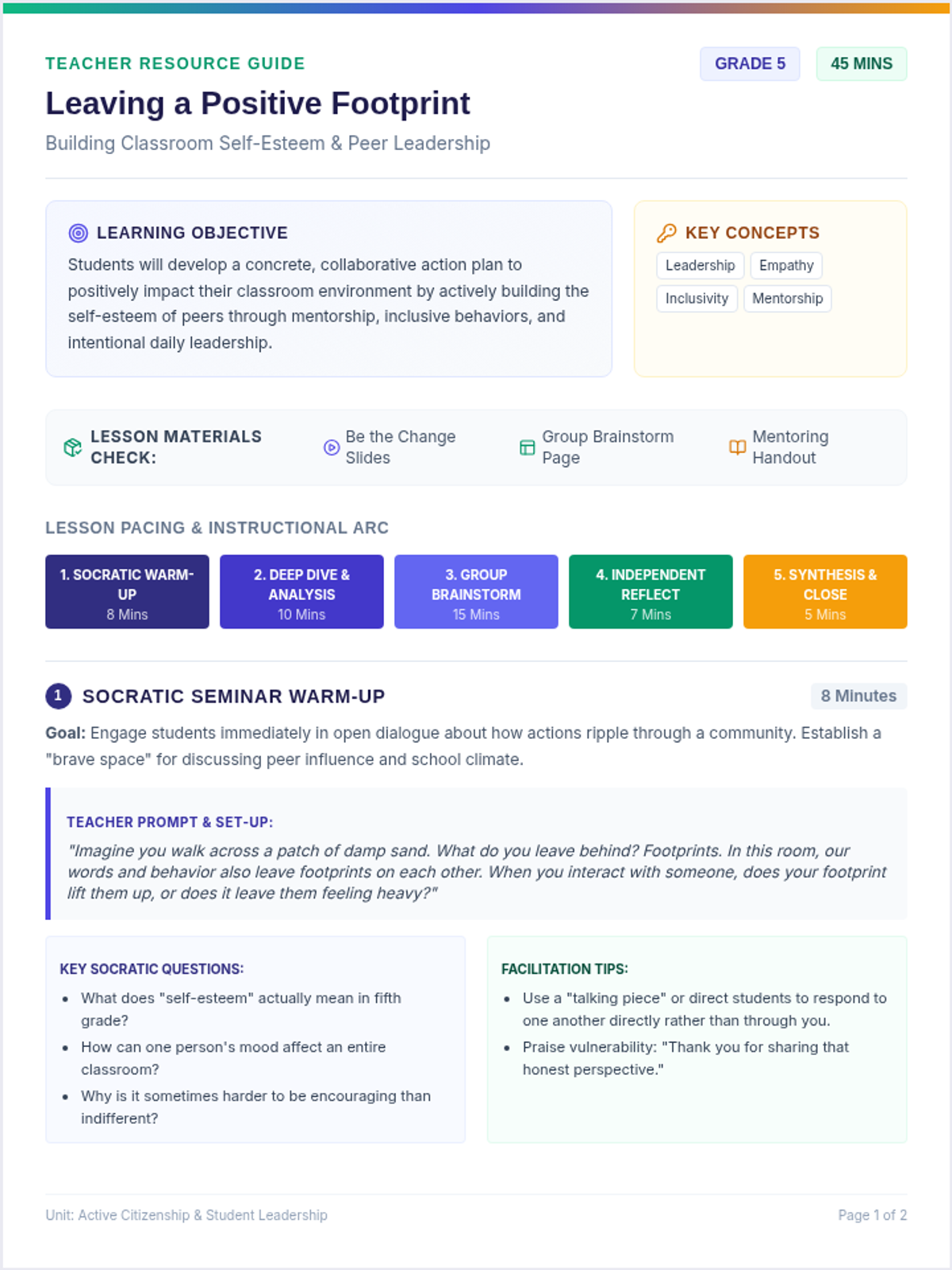
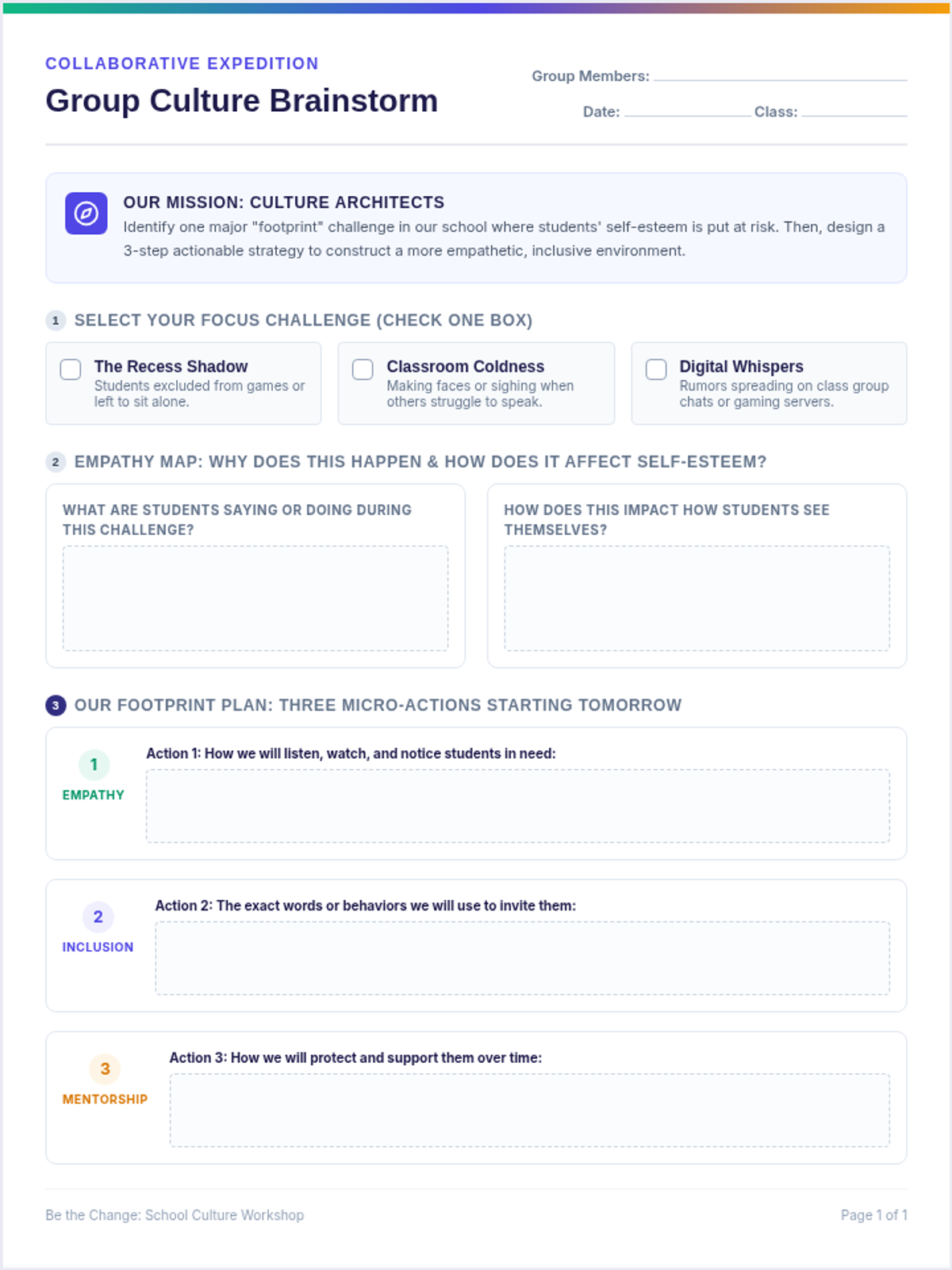
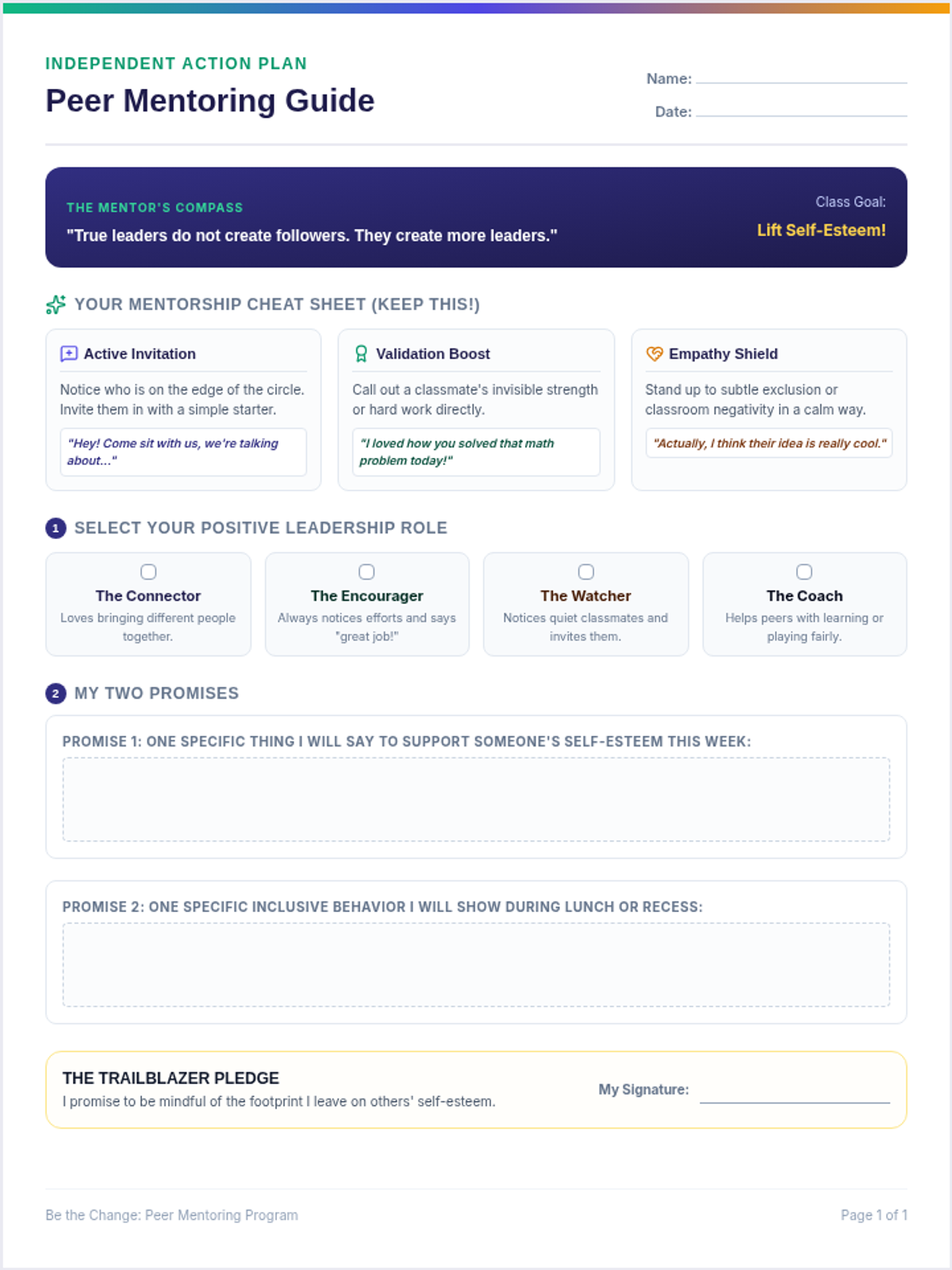
A 45-minute lesson for 5th graders focused on active leadership, empathy, inclusivity, and peer mentorship. Students learn how their daily actions influence others' self-esteem and design a concrete action plan to leave a positive footprint on their school community.
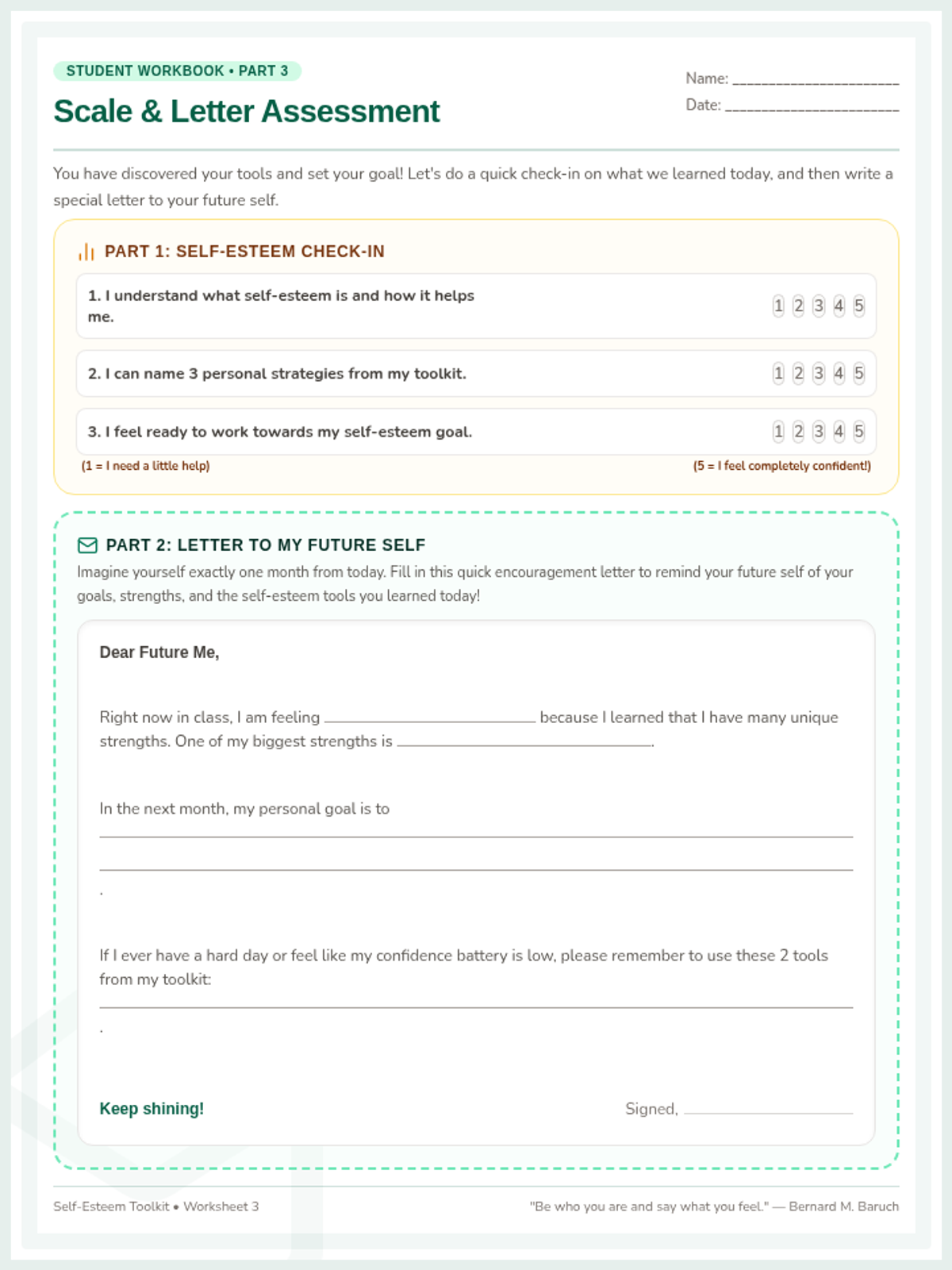
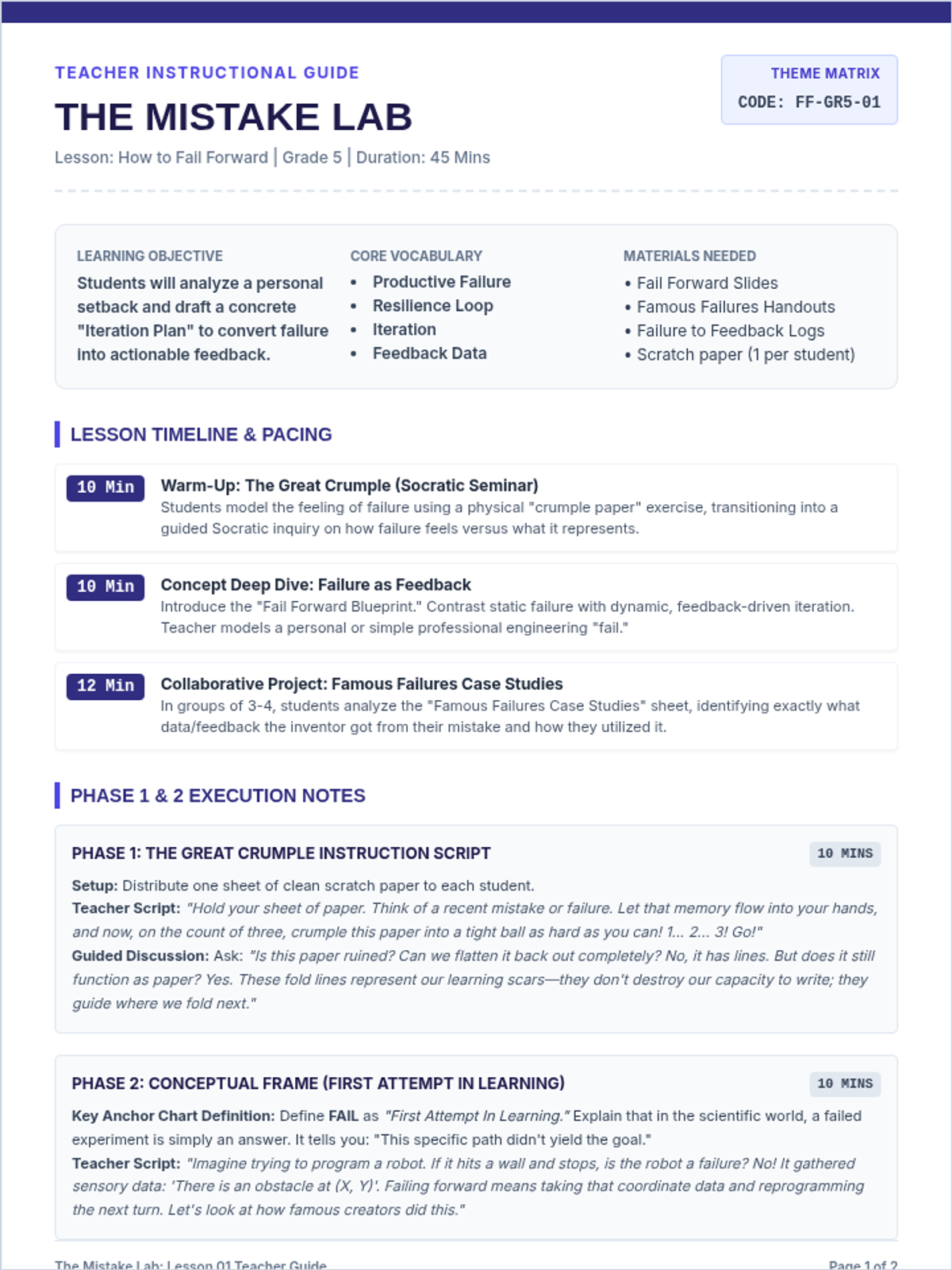
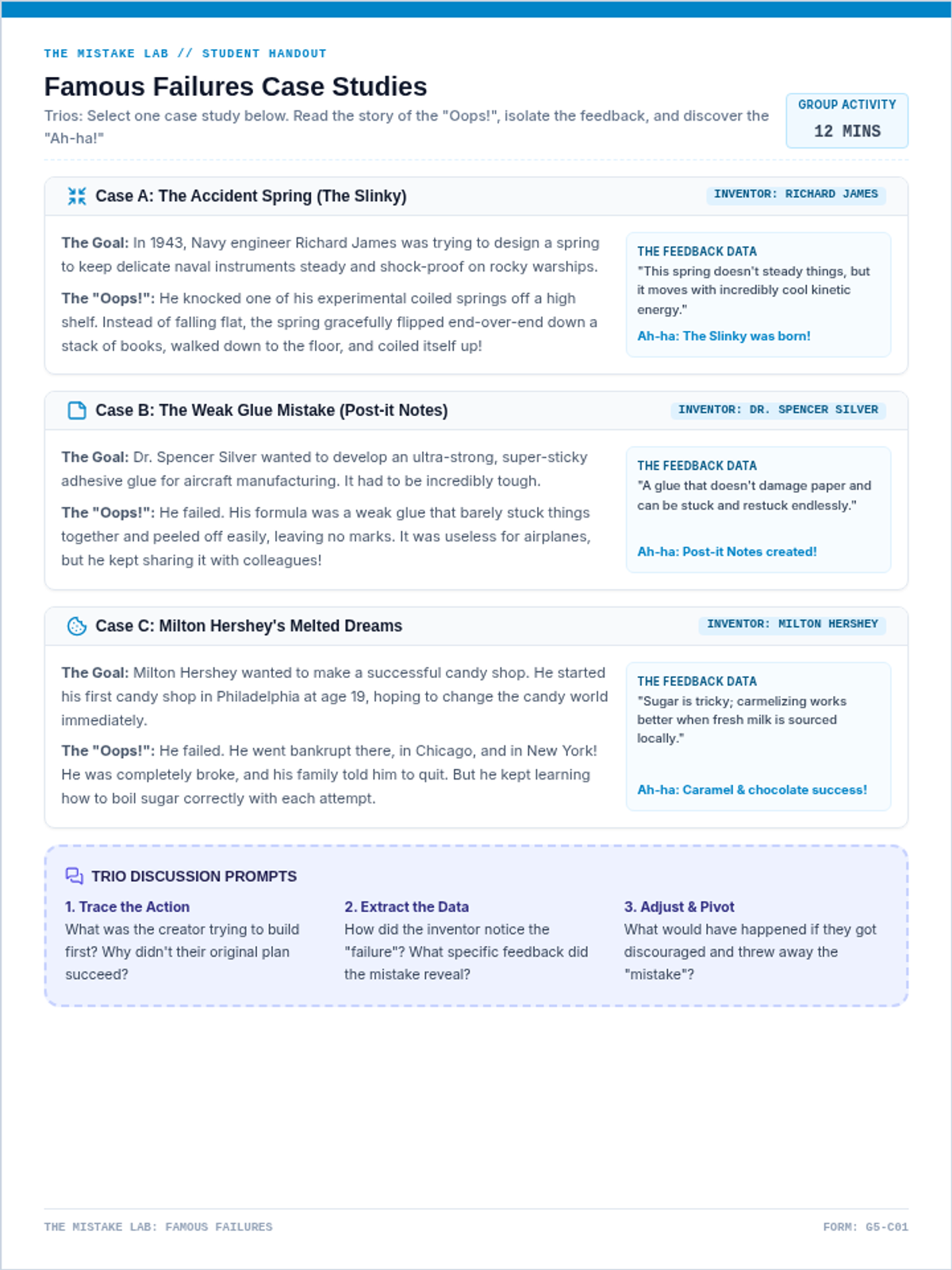
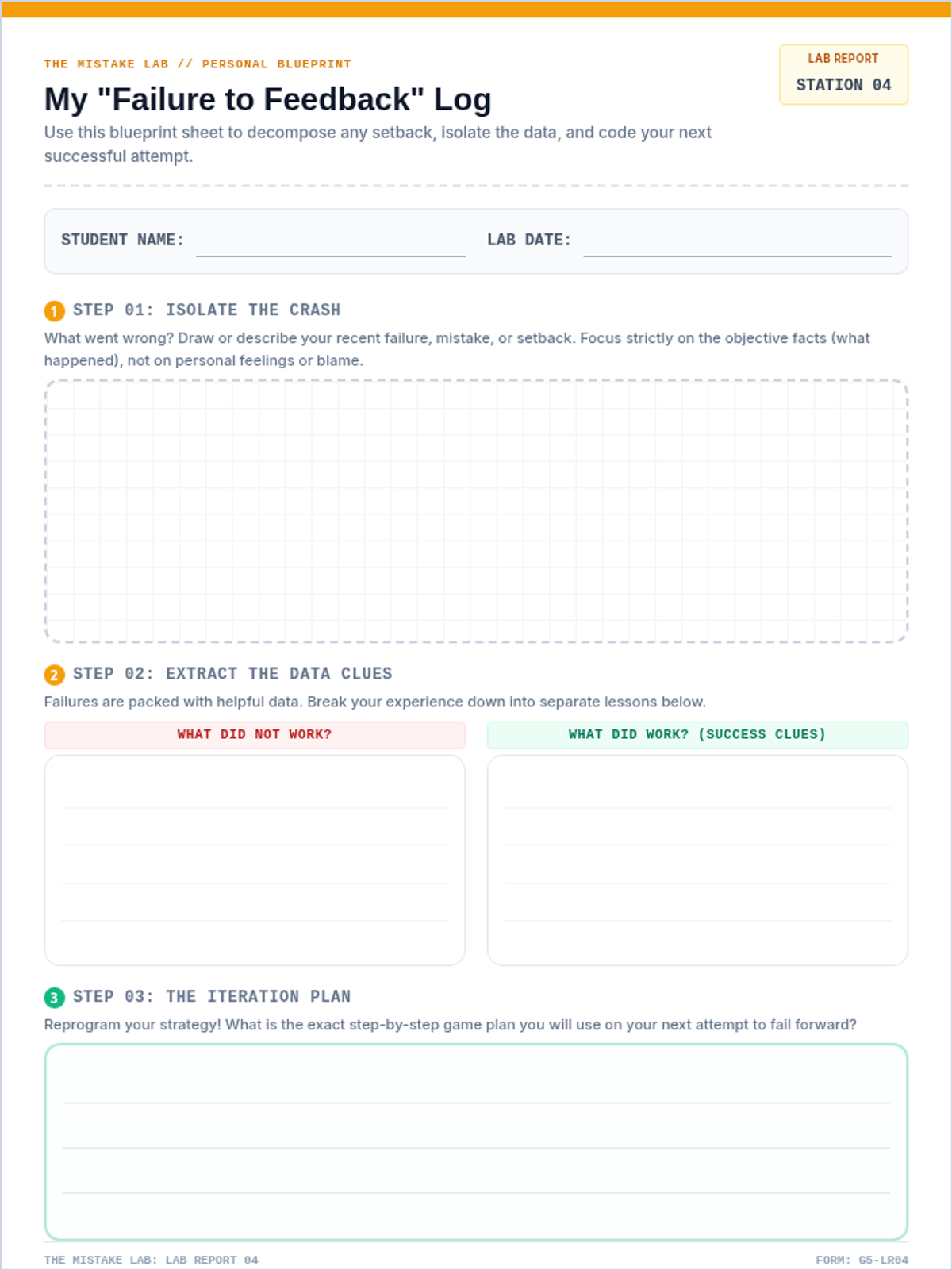
A 45-minute lesson for 5th graders designed to transform the perception of failure into a positive, informative feedback loop. Students will learn the concept of productive failure, analyze case studies of famous errors that led to success, and map out their own blueprint for personal resilience.
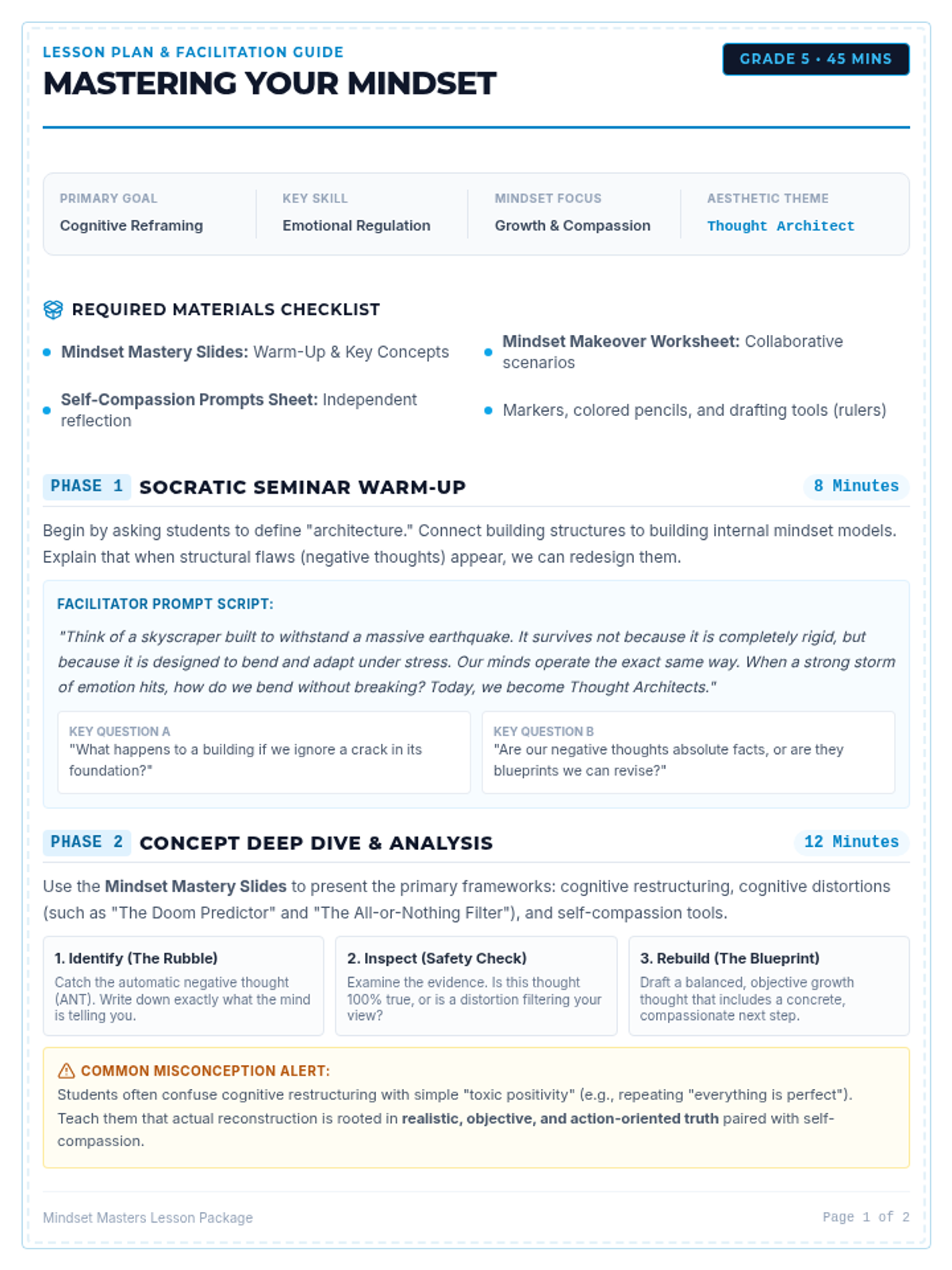
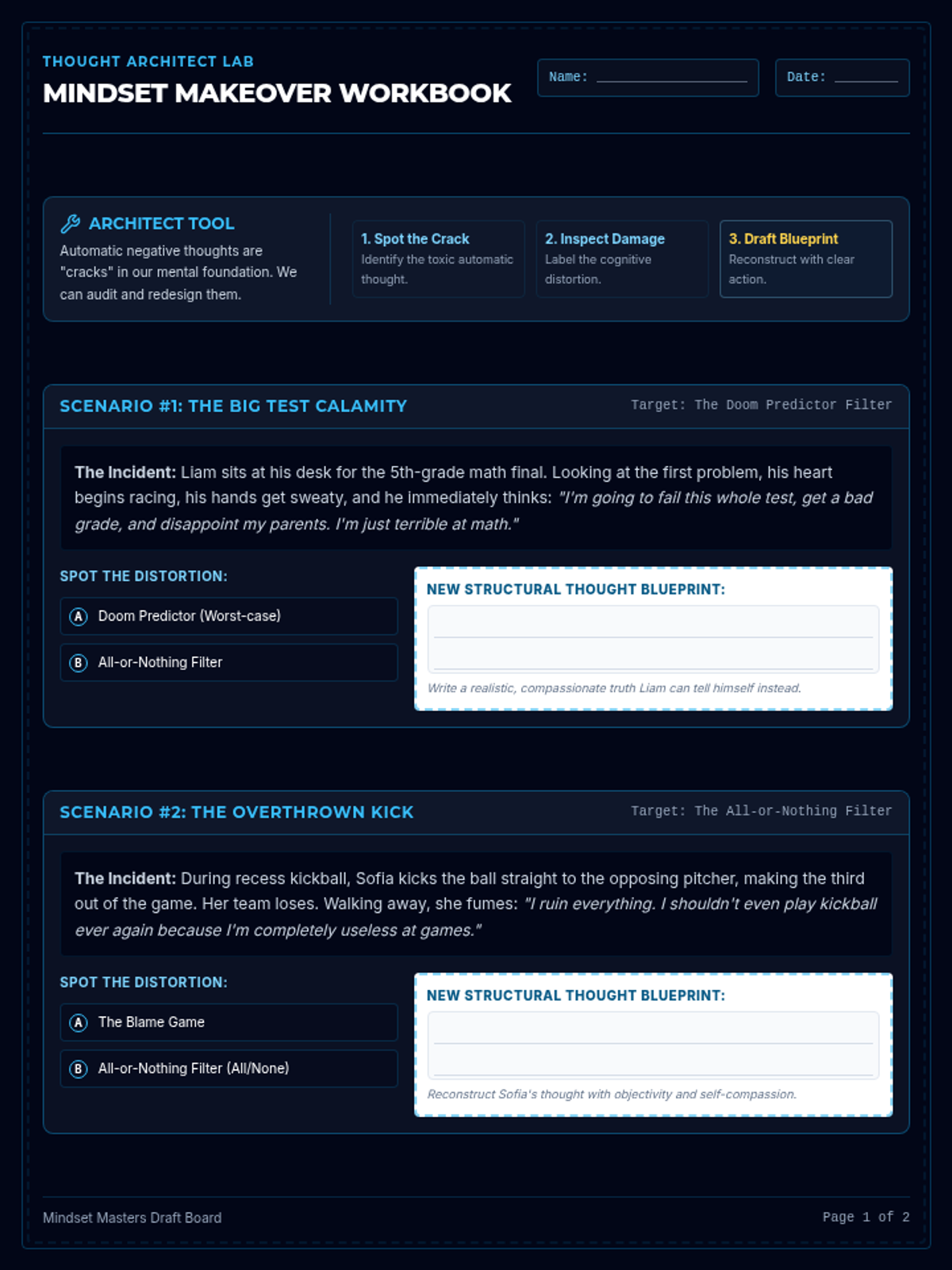
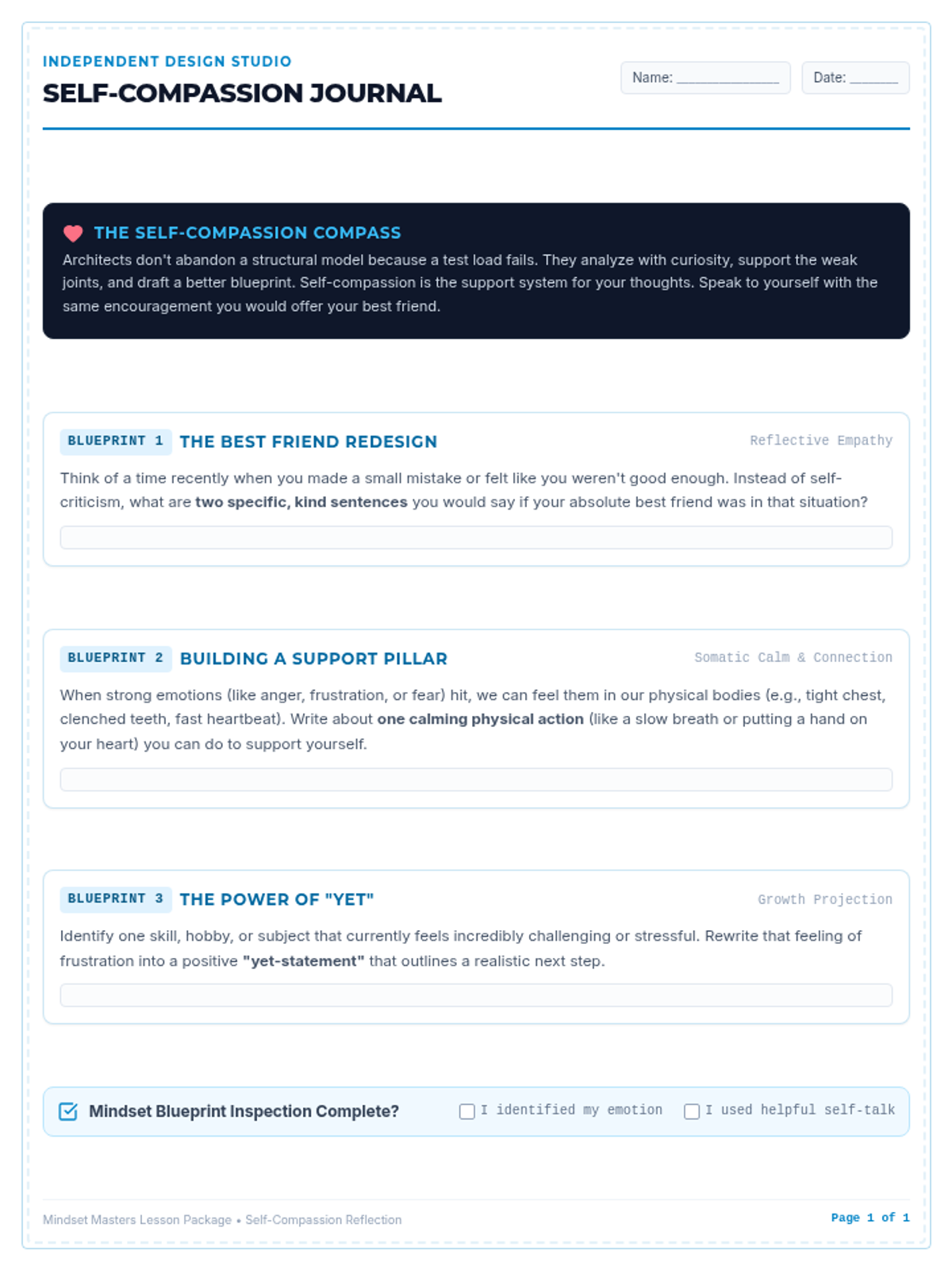
A 45-minute social-emotional learning lesson for 5th graders to master cognitive restructuring and emotional regulation. Students learn to reframe negative thoughts, use self-compassion, and design resilient mindsets using an interactive blueprint theme.
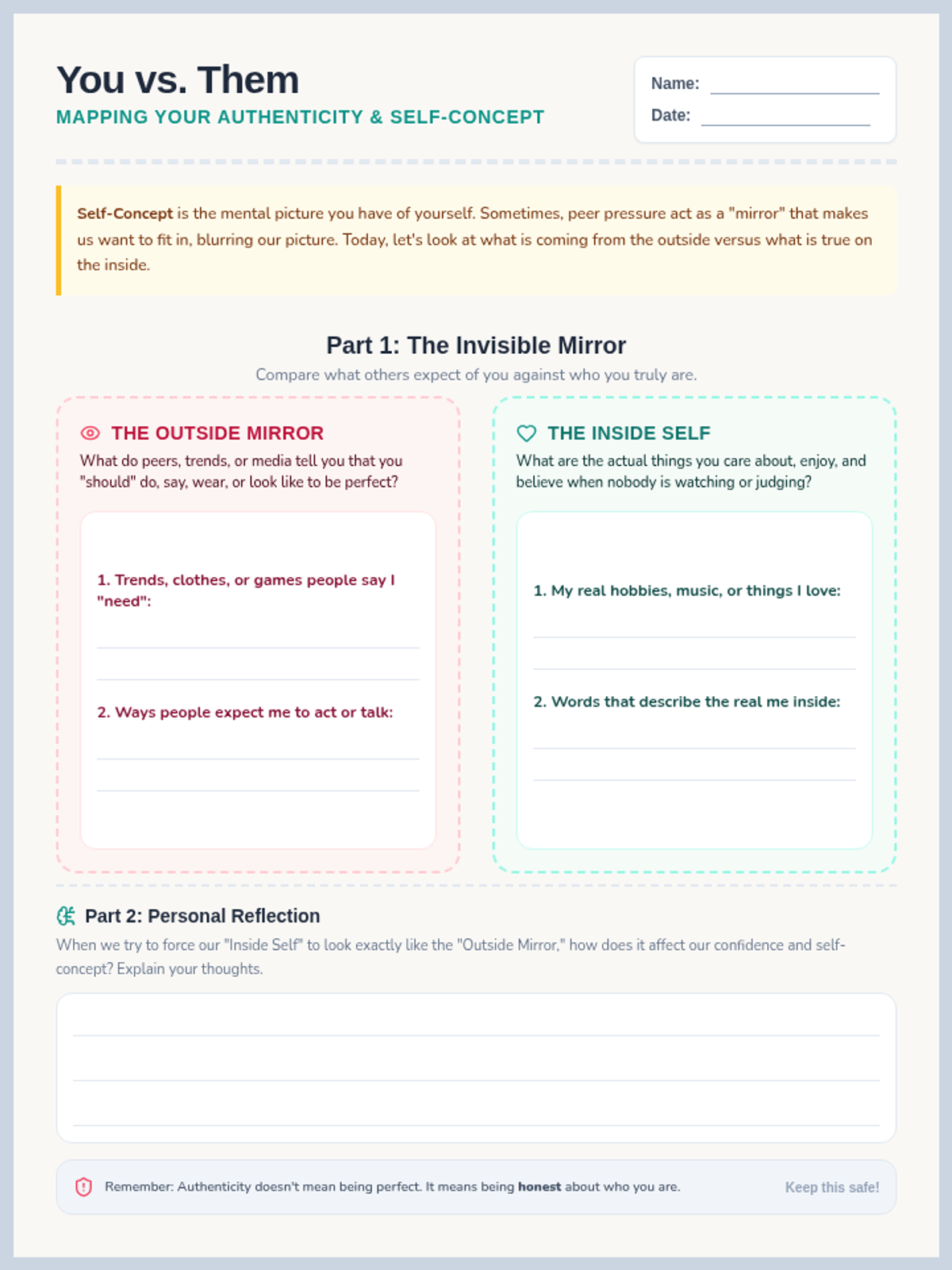
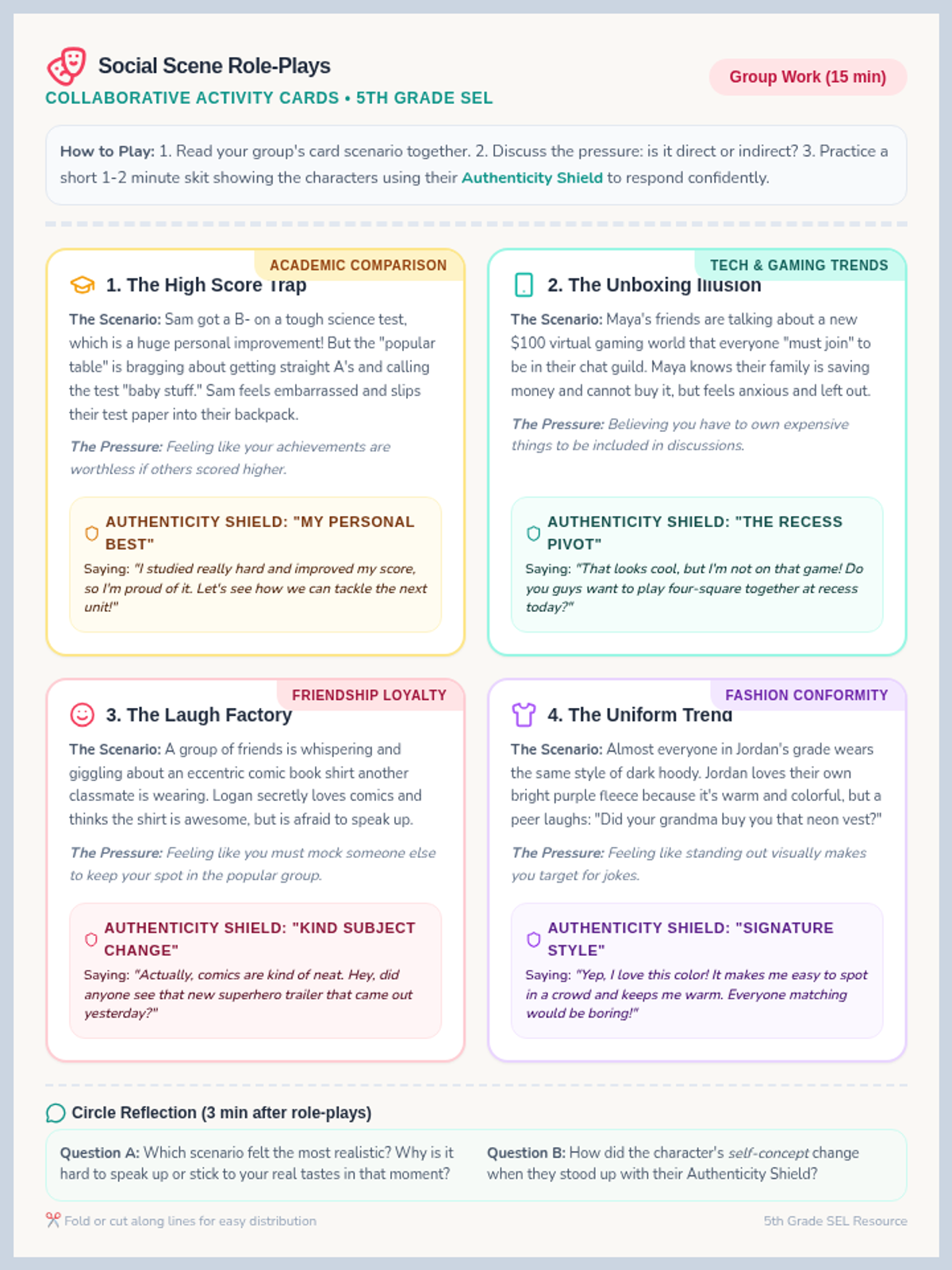
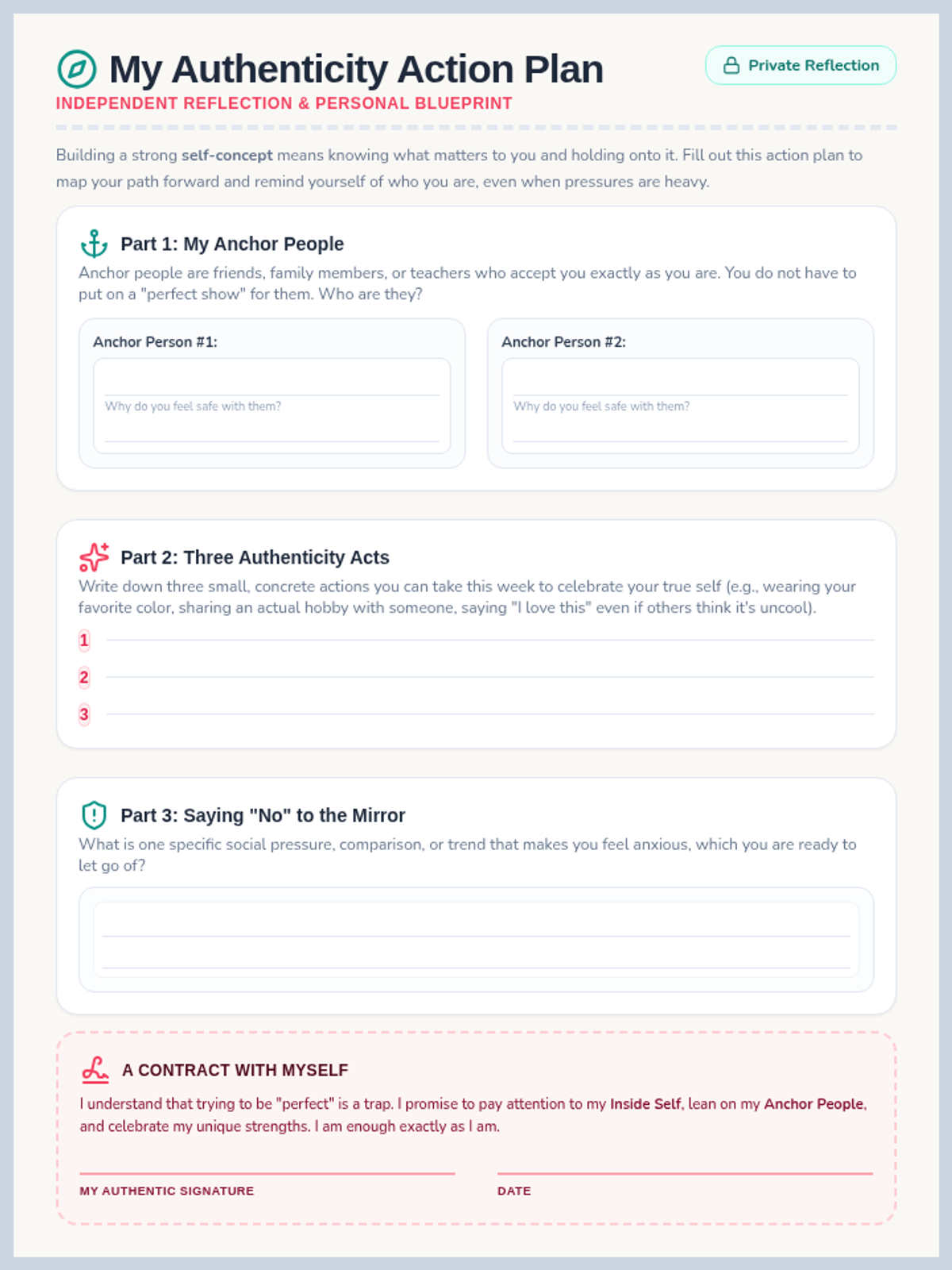
A 45-minute social-emotional learning lesson for 5th graders that guides them through exploring peer influence, social comparison, and authenticity. Students analyze how social relationships affect self-concept and build concrete strategies to protect and celebrate their authentic selves.
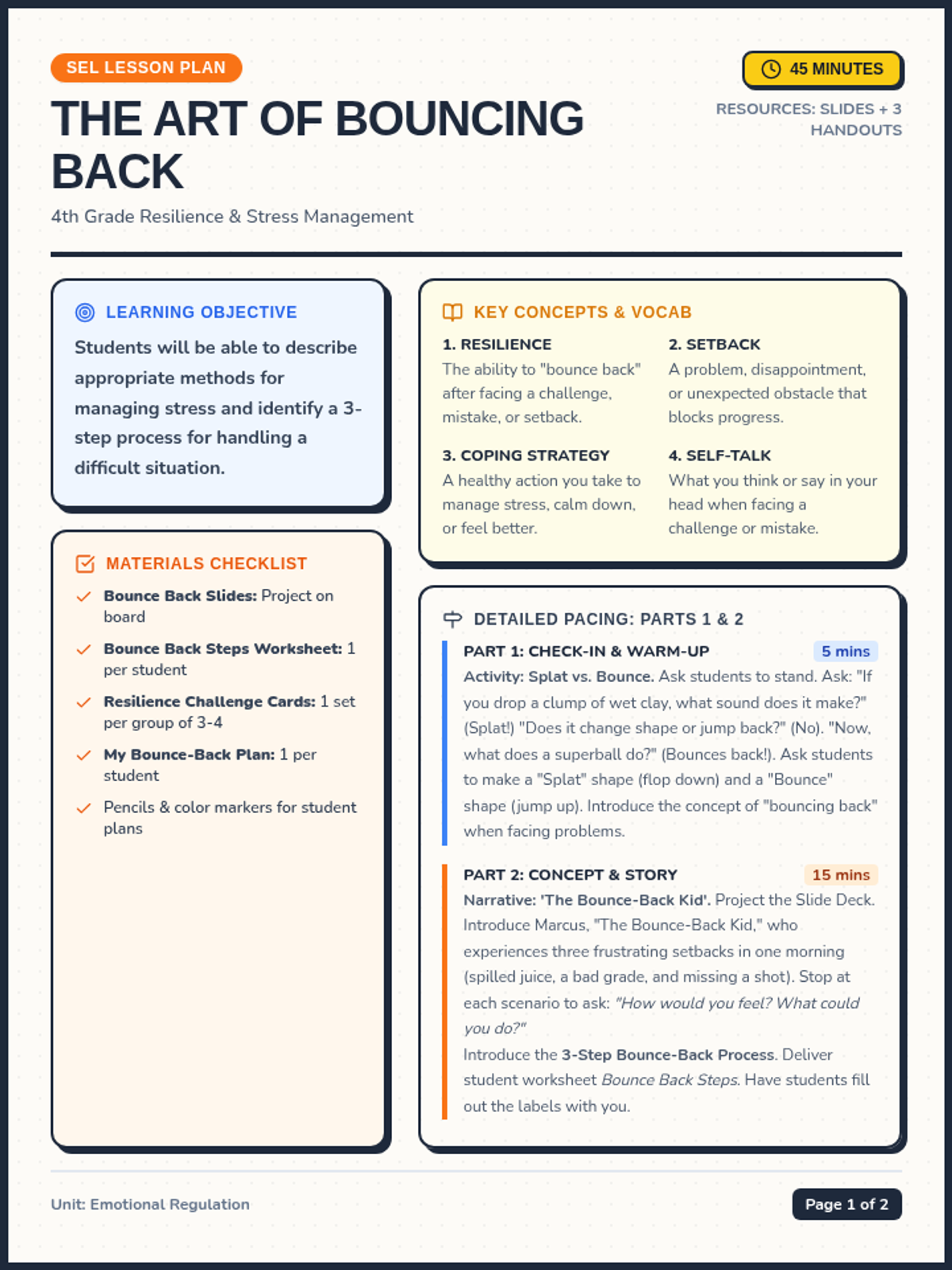
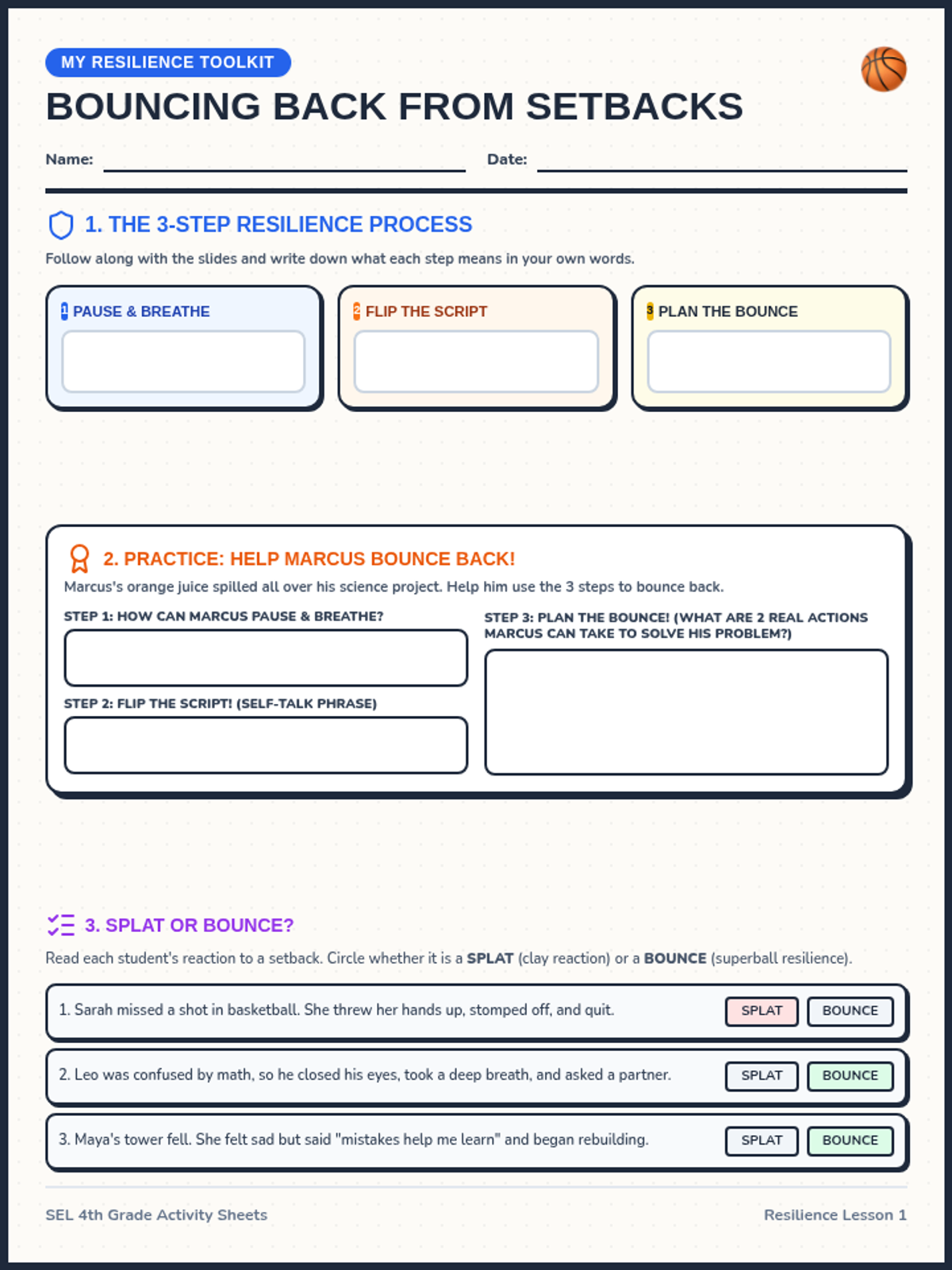
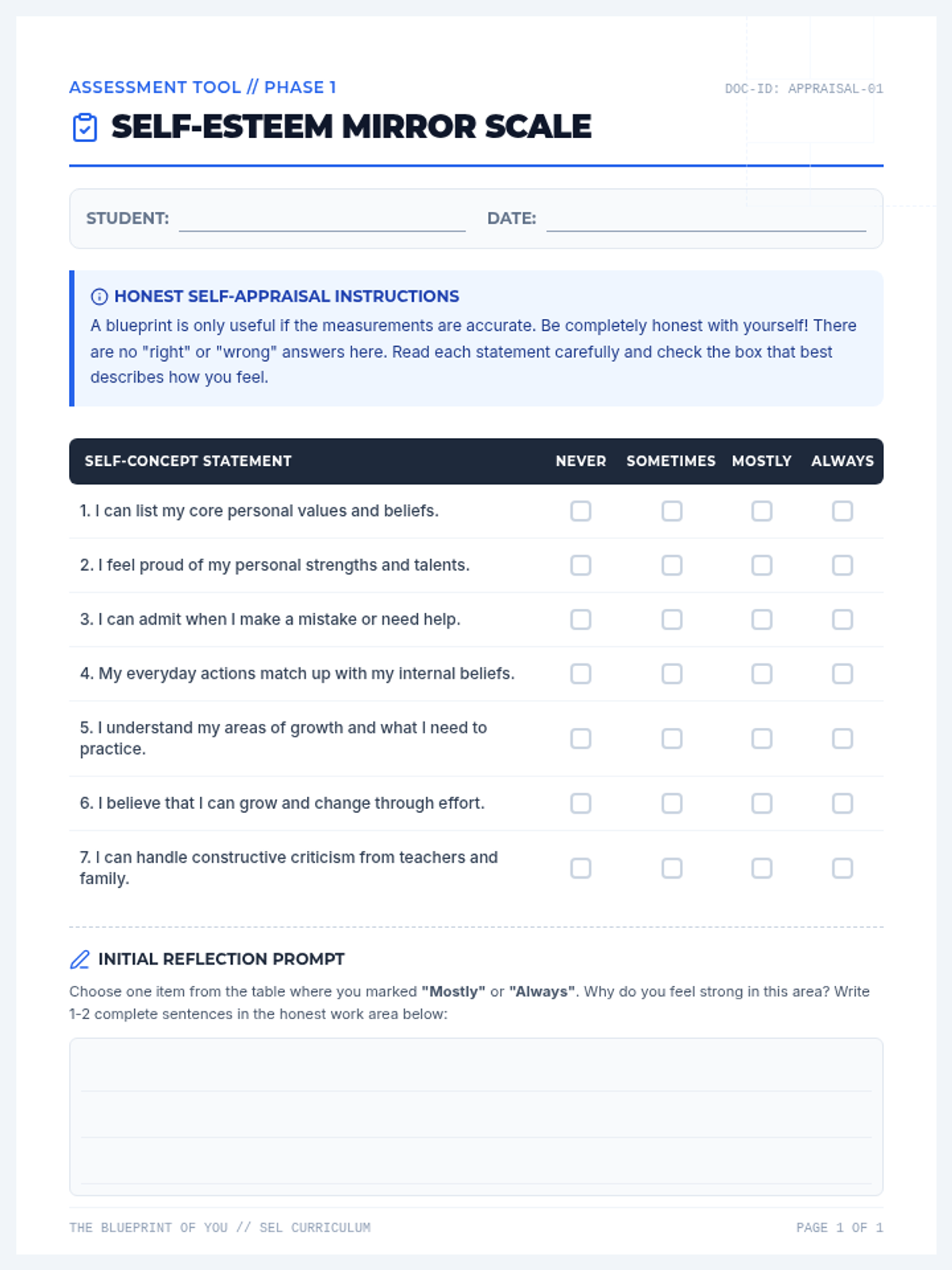
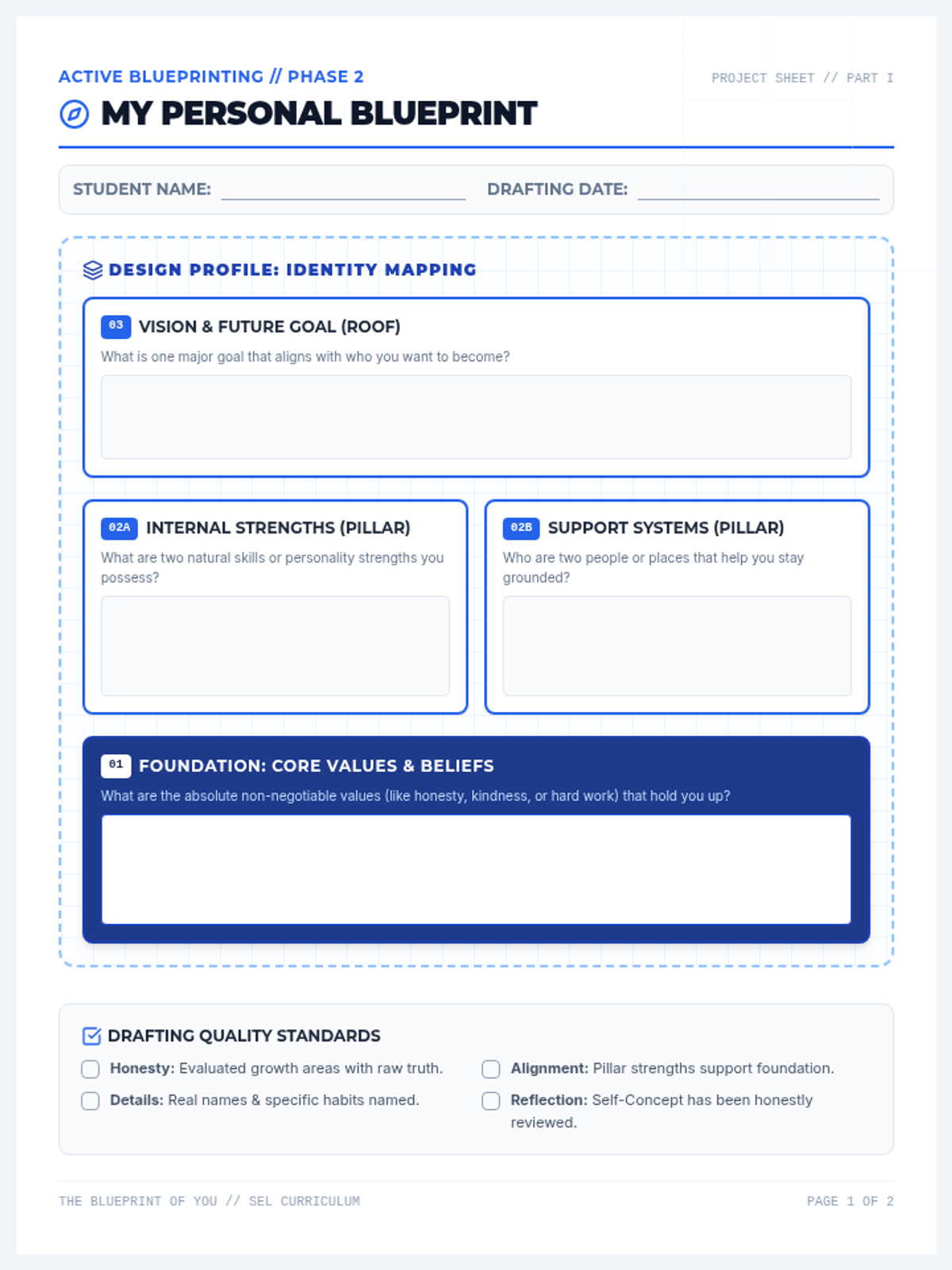
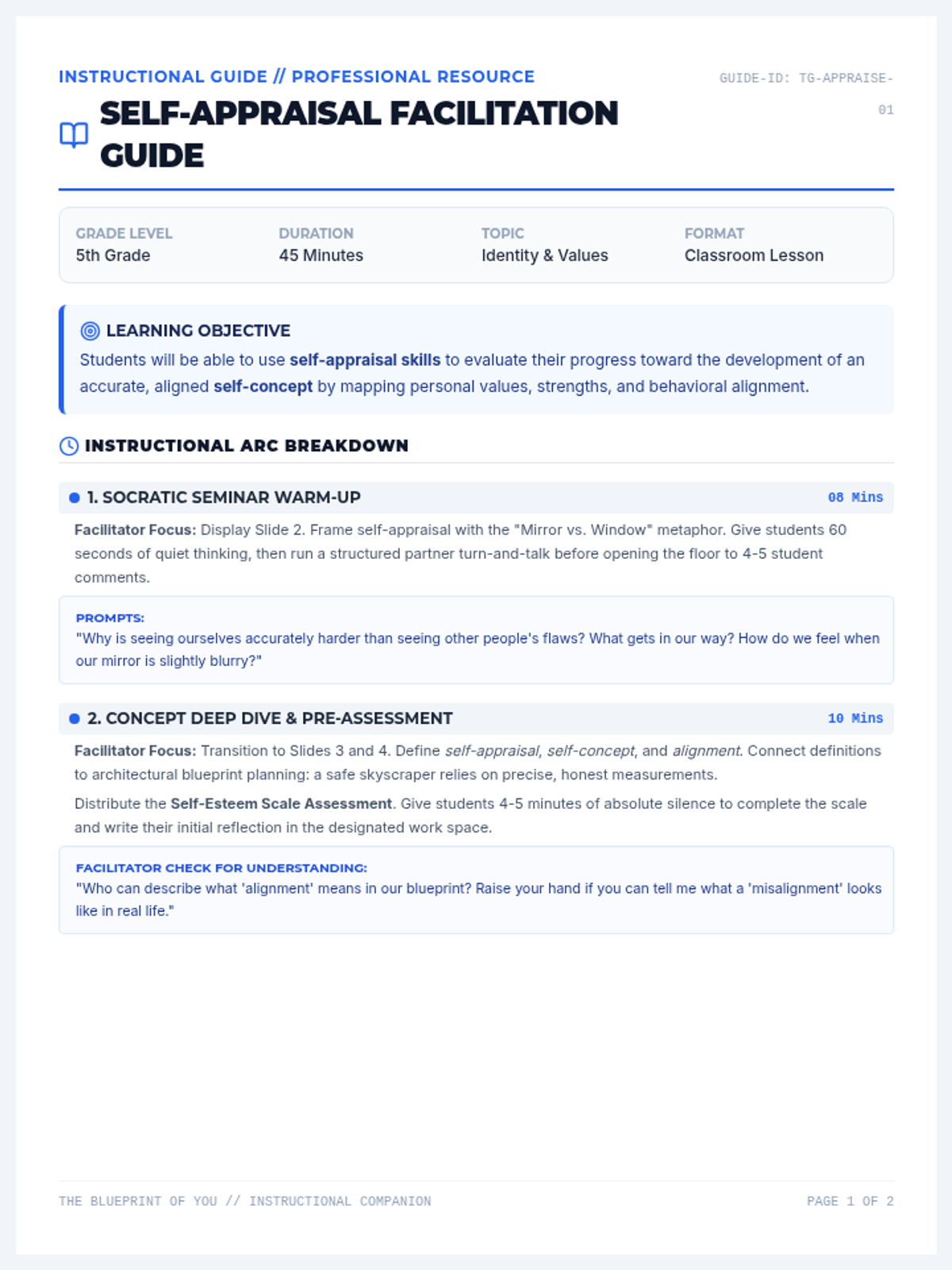
A 5th-grade social-emotional learning lesson focusing on self-appraisal, self-concept, and aligning actions with beliefs and values. Students evaluate their strengths and areas of growth, map out their personal identity blueprints, and participate in collaborative and independent self-reflection activities.
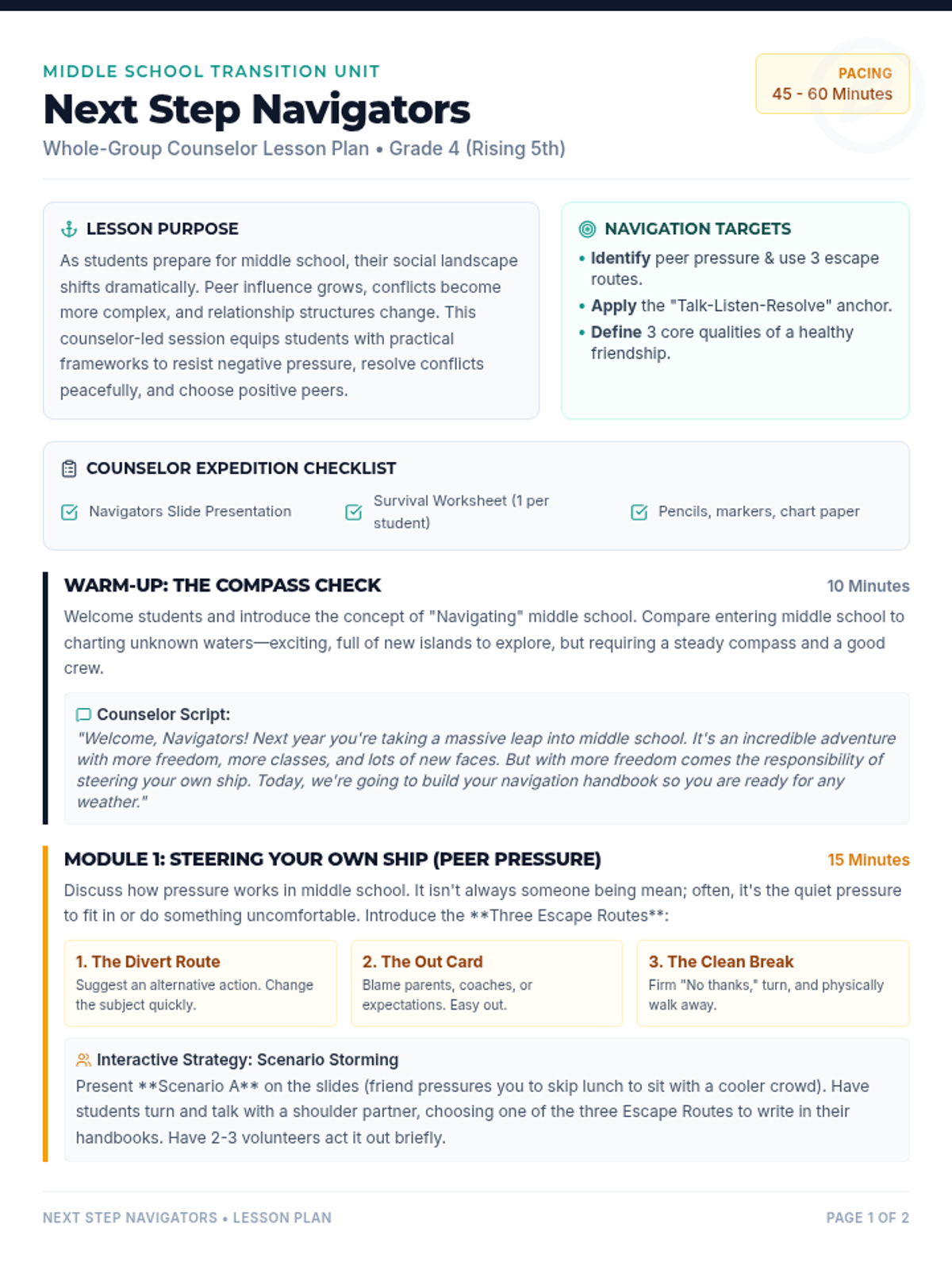
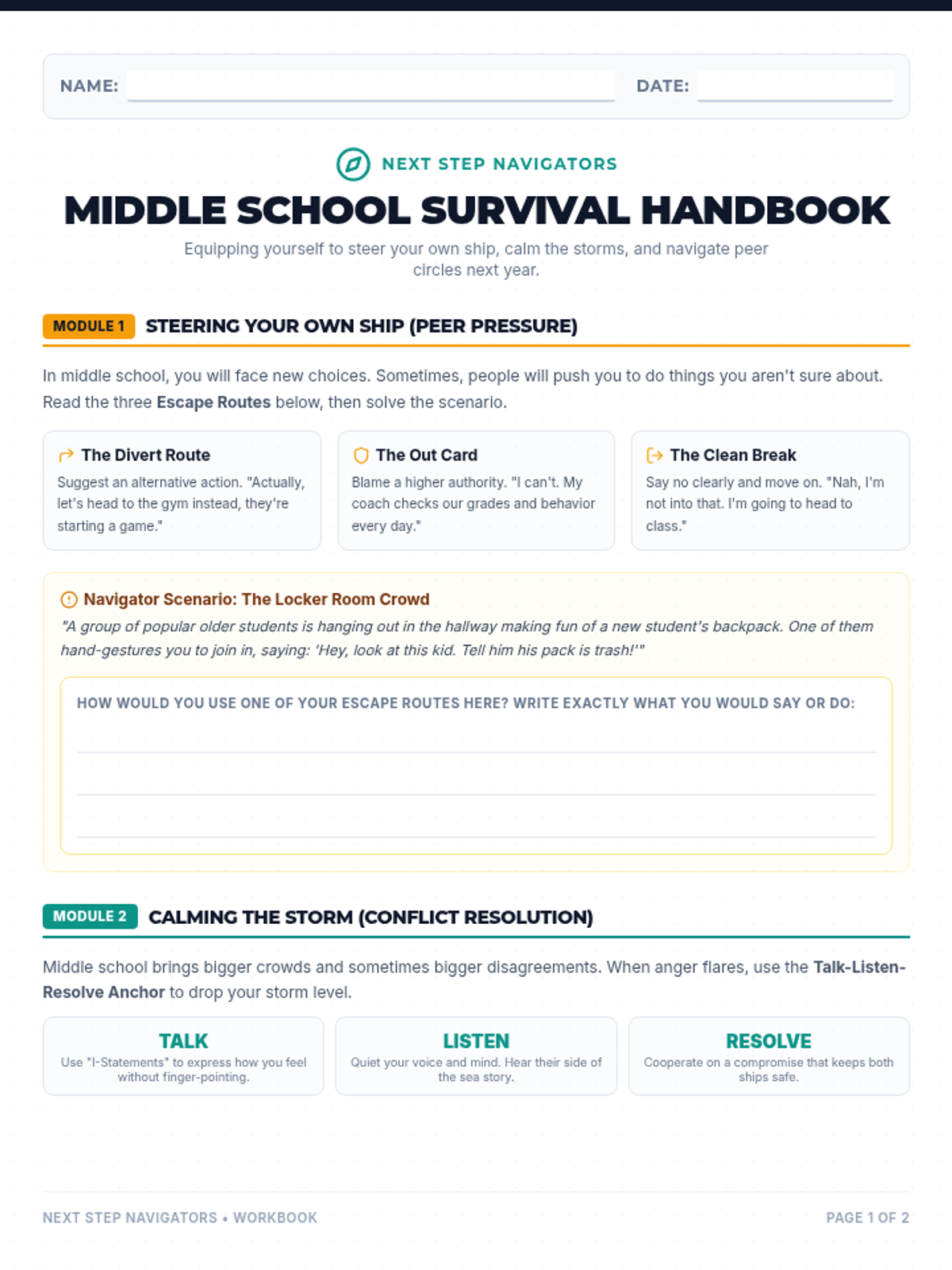
A transitional guidance lesson designed to help rising fifth graders navigate the social waters of middle school. Students explore peer pressure strategies, practice conflict resolution frameworks, and define the traits of healthy relationships through collaborative discussions.
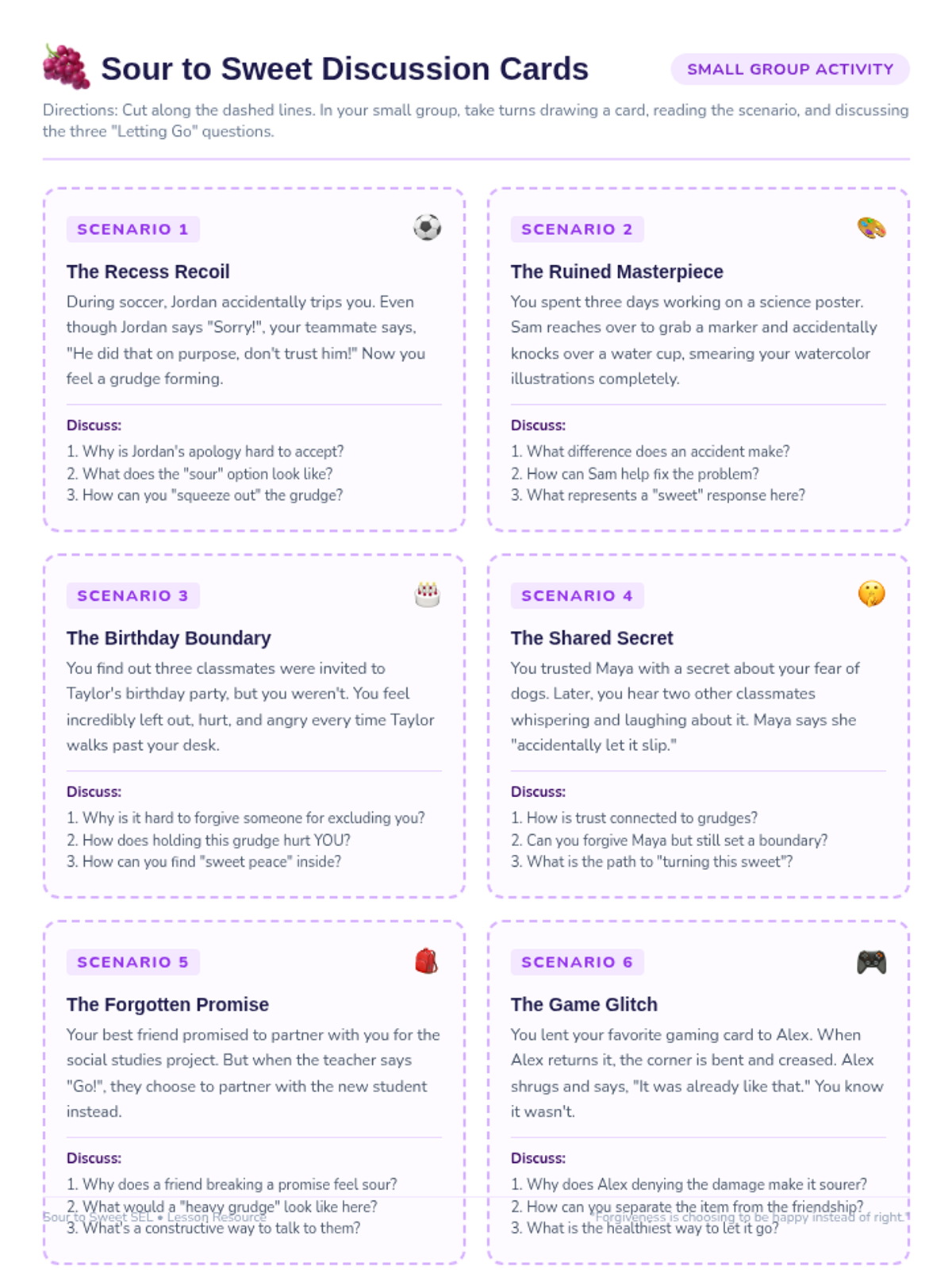
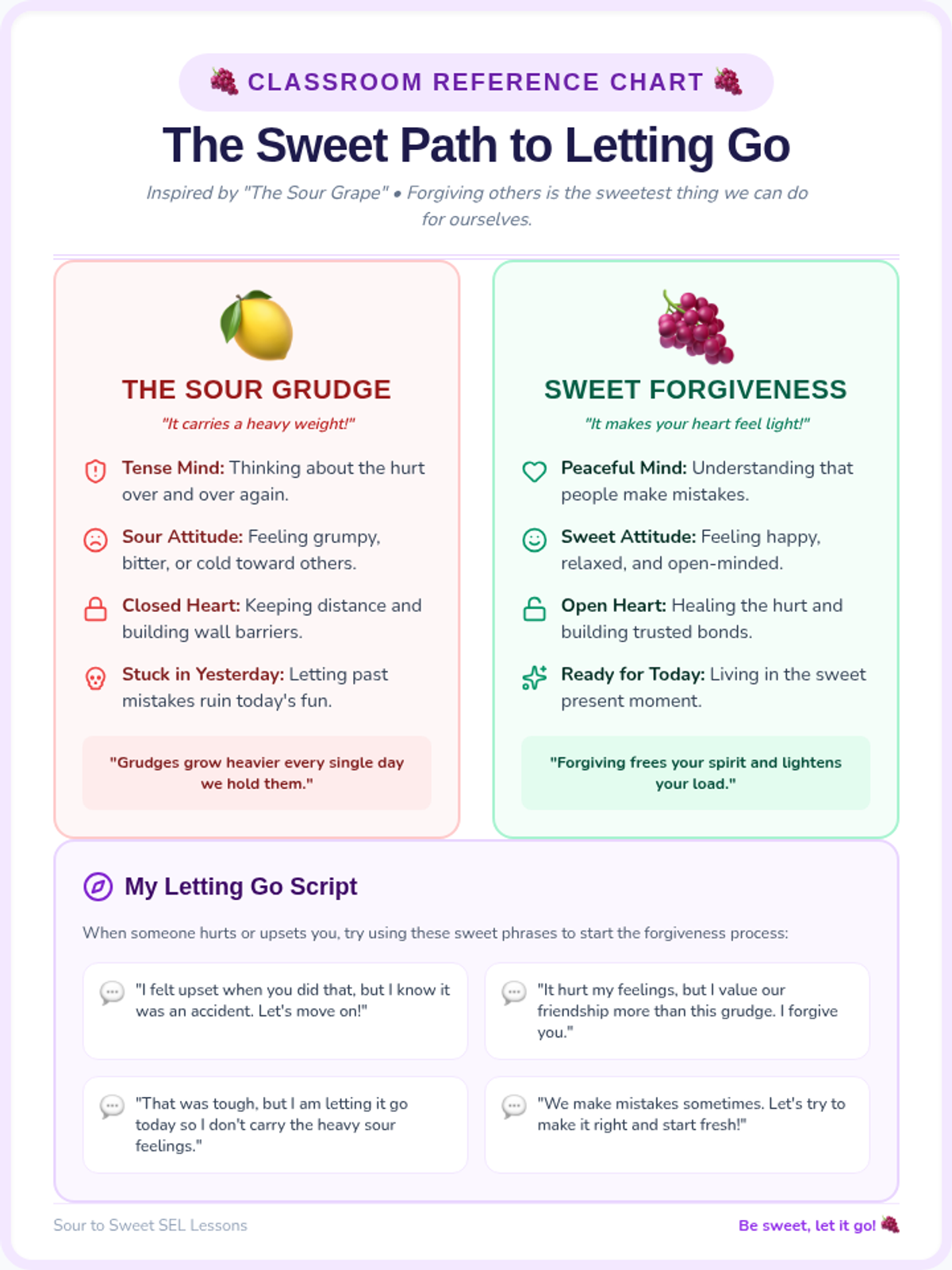
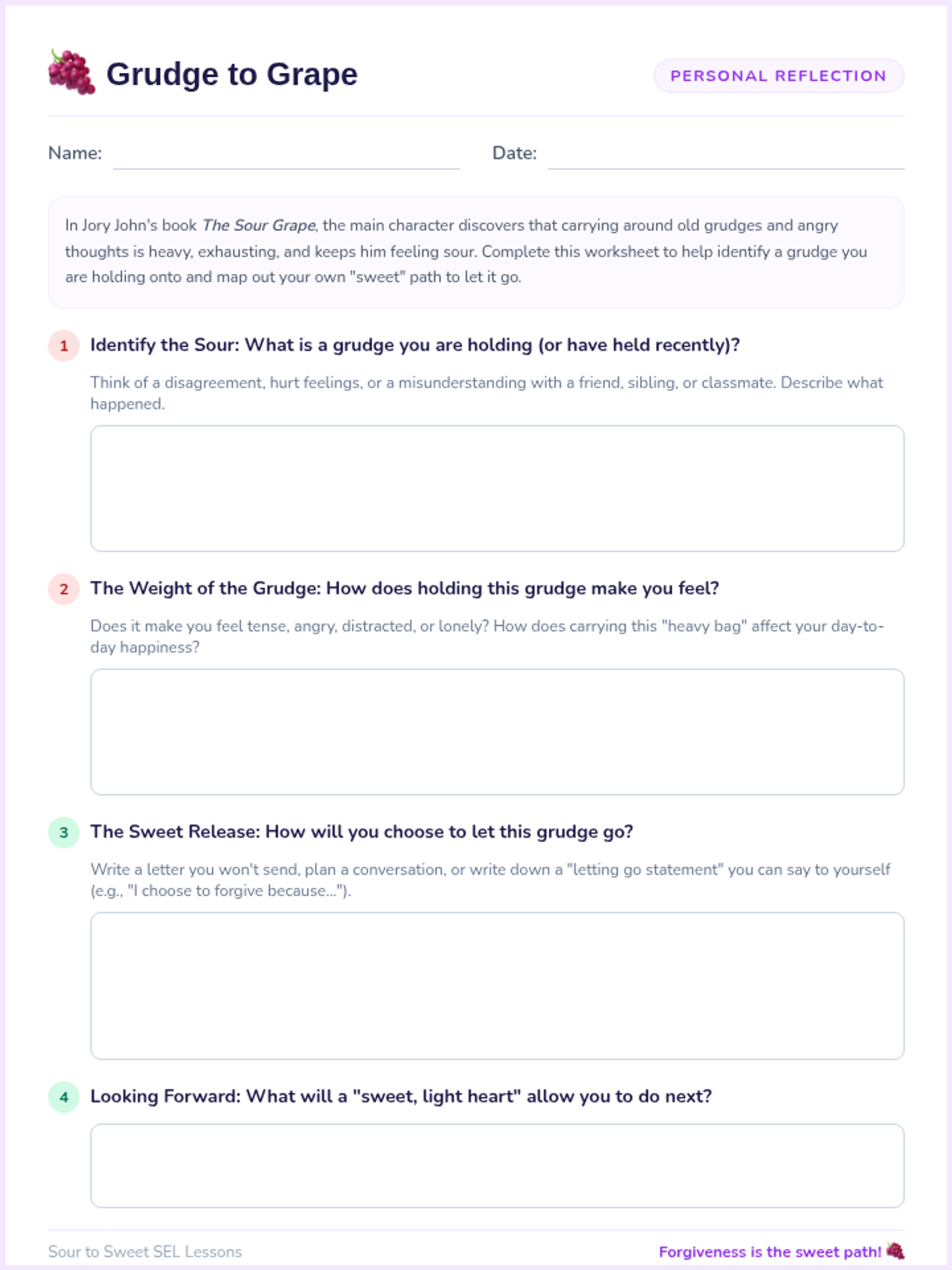
An interactive social-emotional learning lesson using the book 'The Sour Grape' by Jory John. Students learn to identify grudges, understand their emotional weight, and practice the power of forgiveness and letting go.
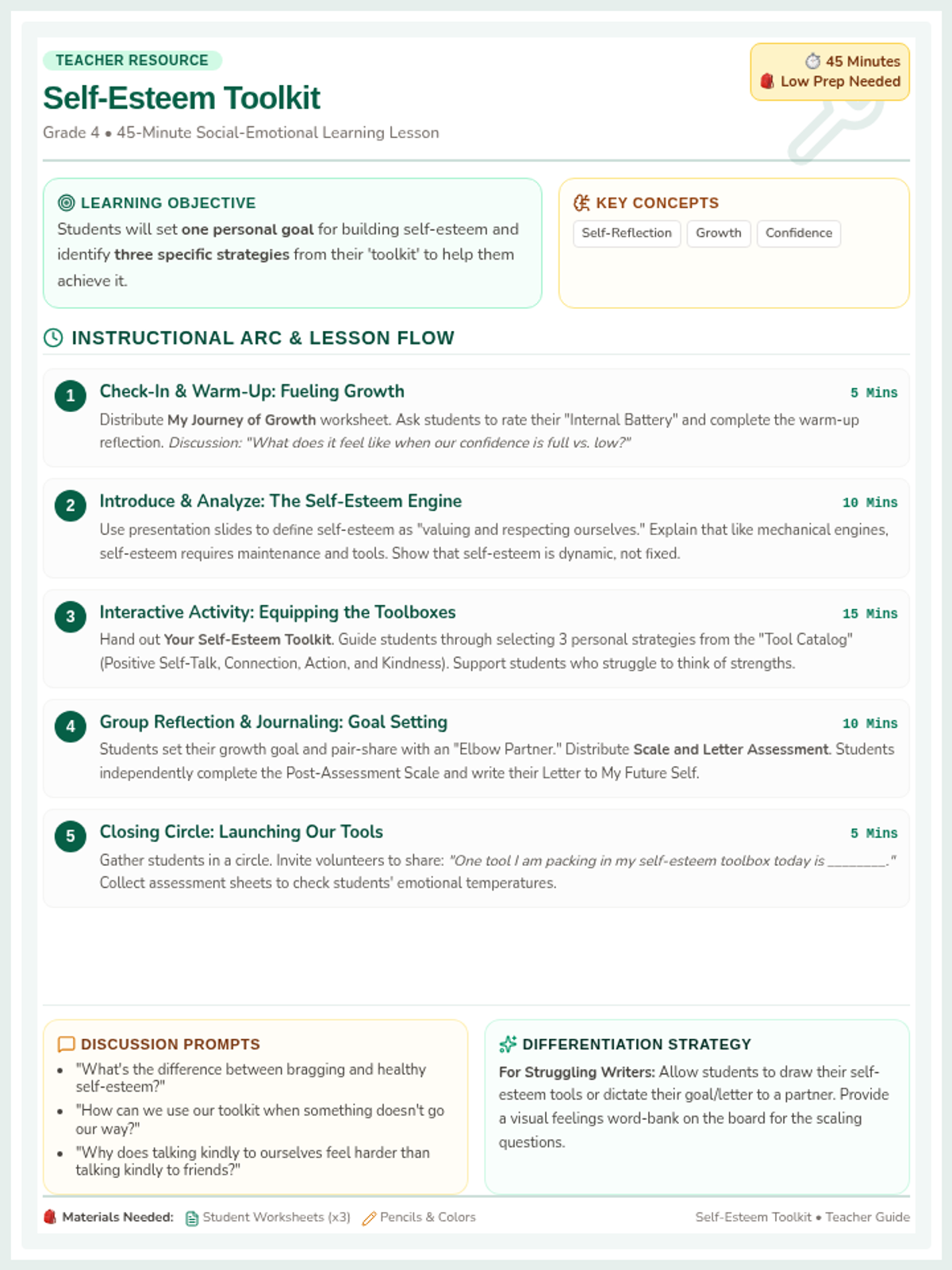
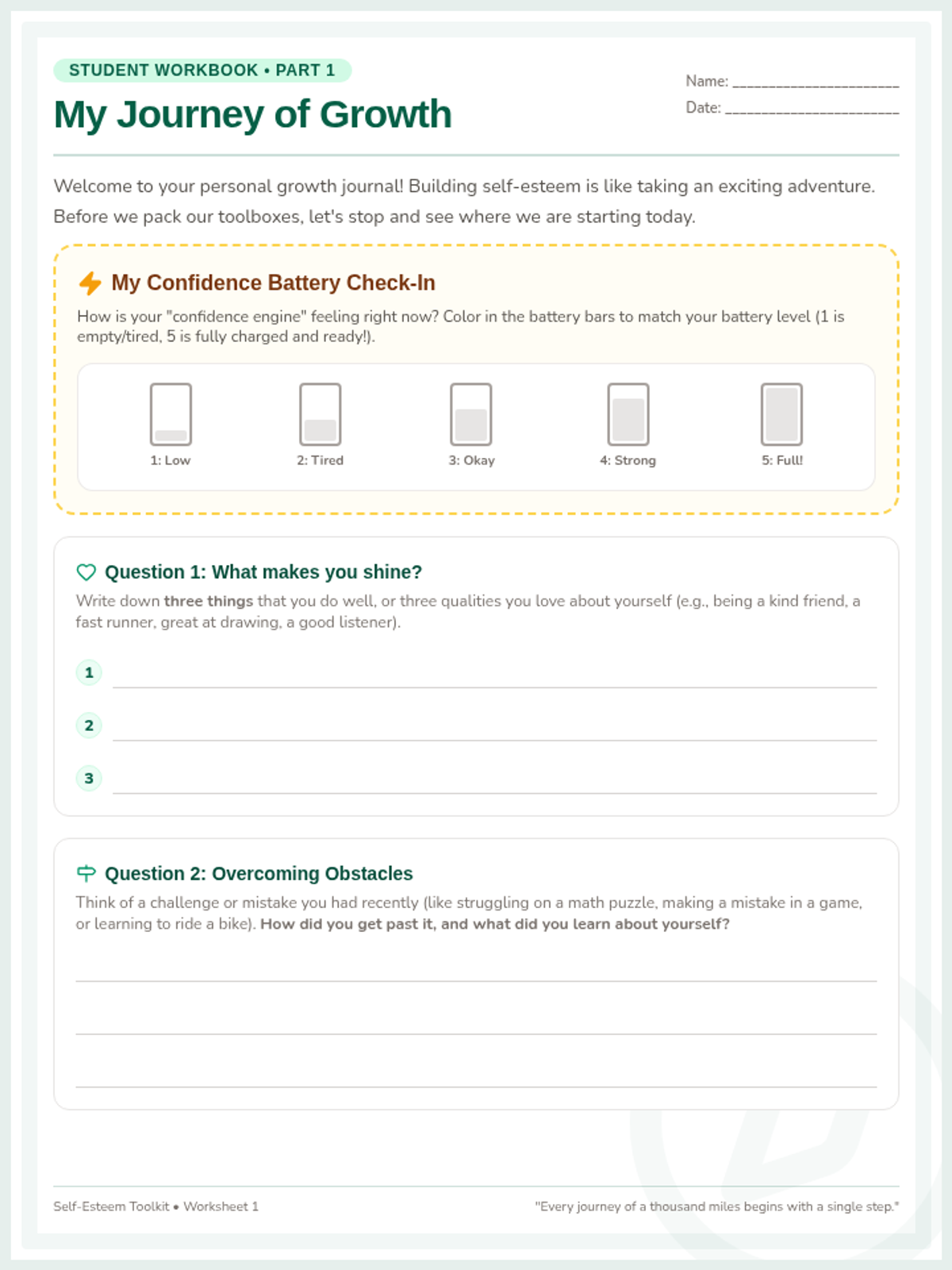
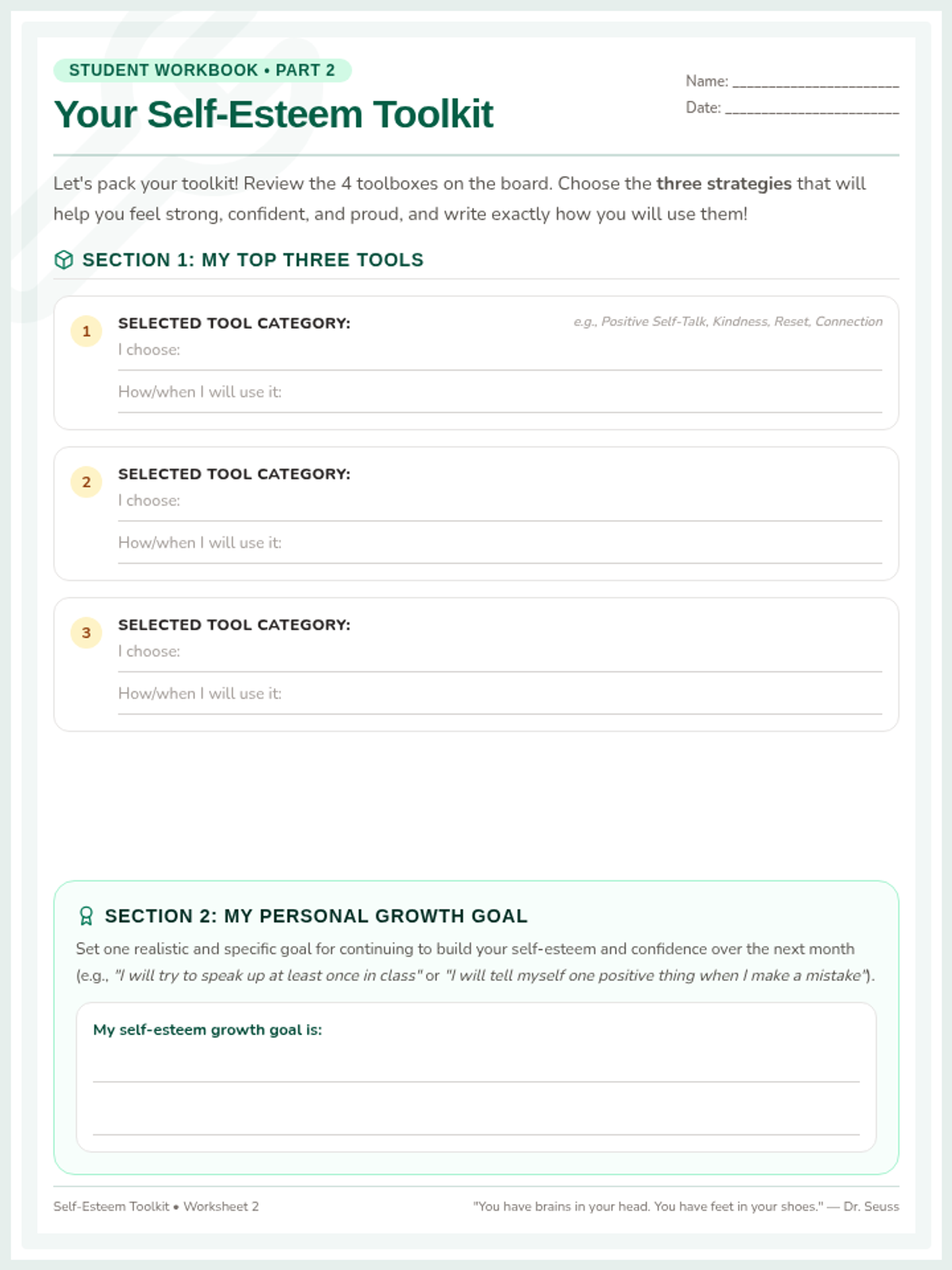
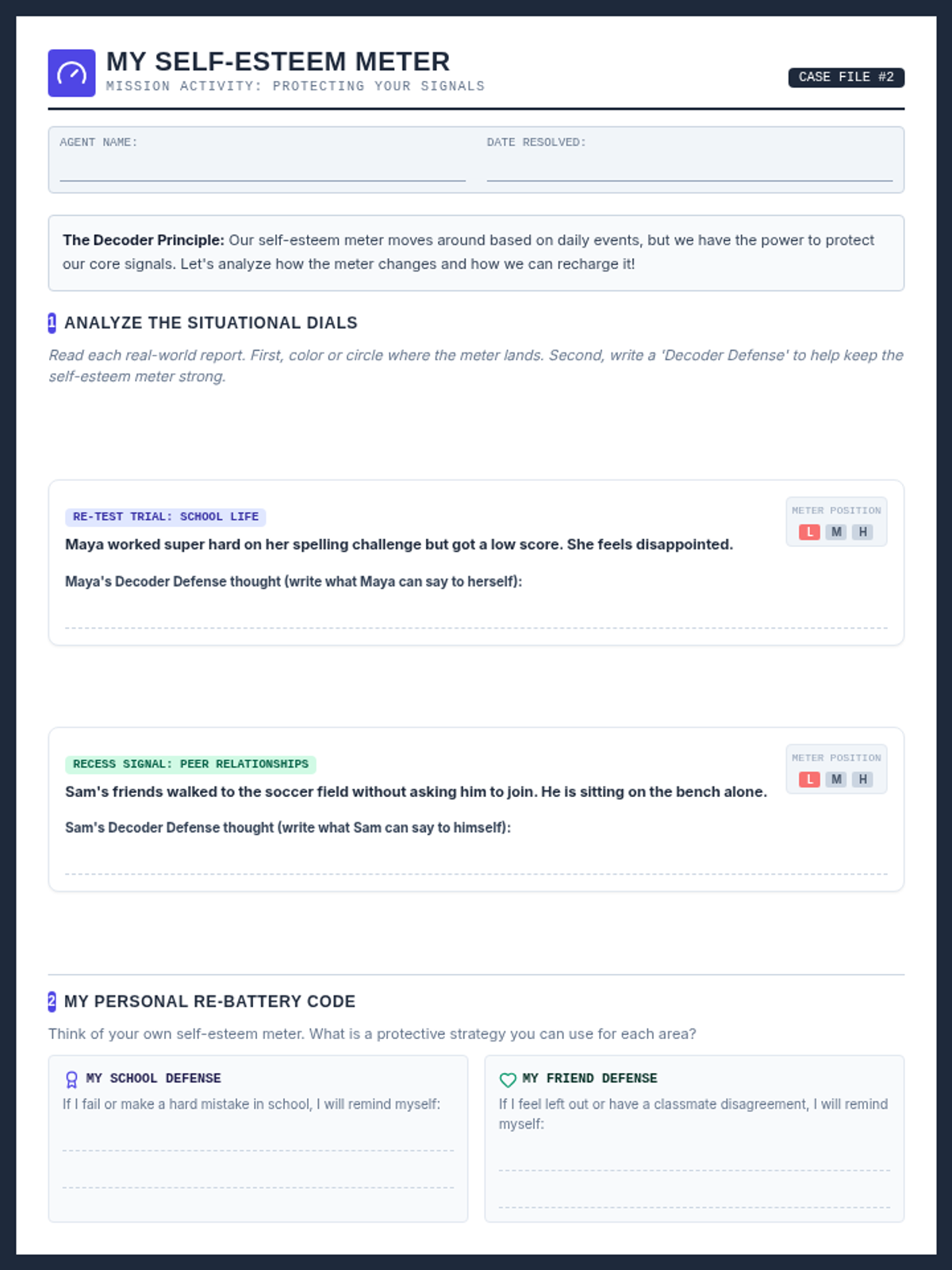
A 45-minute social-emotional learning lesson for 4th-grade students focused on building self-esteem, self-reflection, and personal growth. Students identify personal strengths, build a toolbox of positive self-talk and coping strategies, and set a specific goal for future growth.
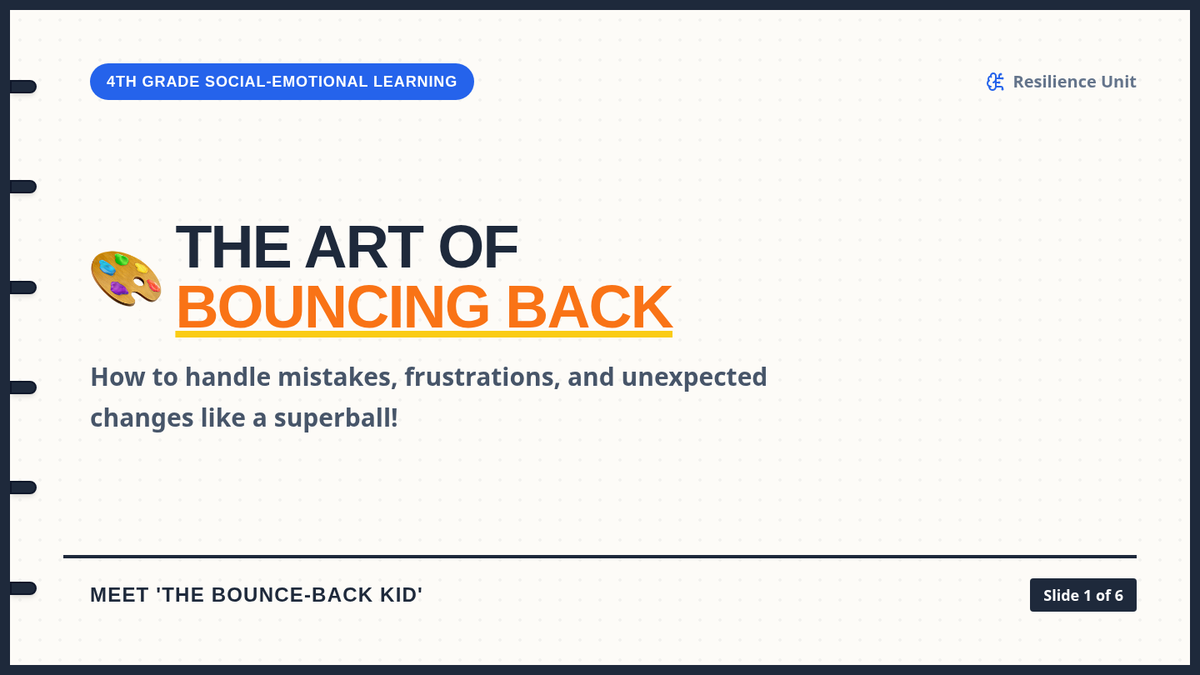
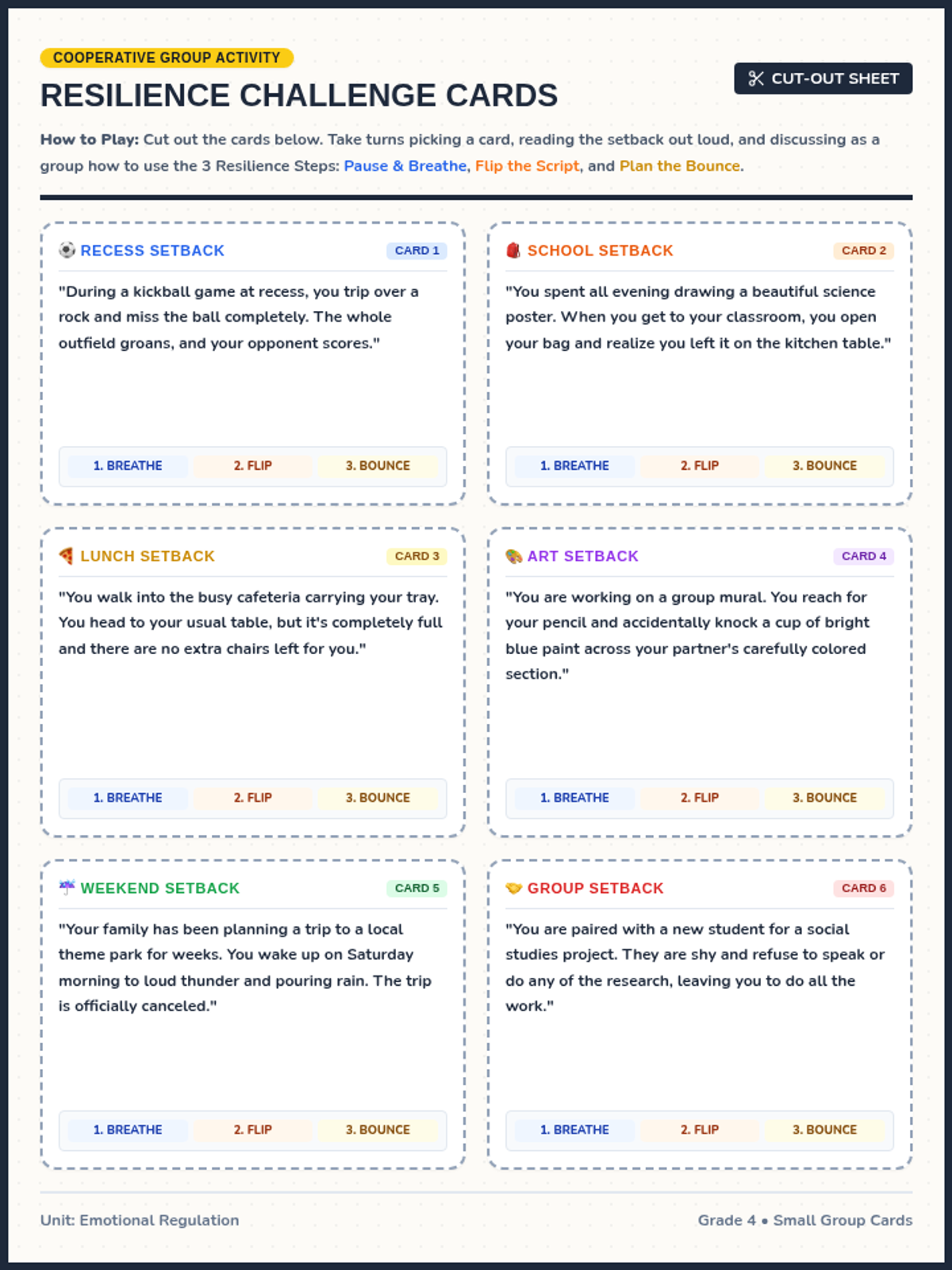
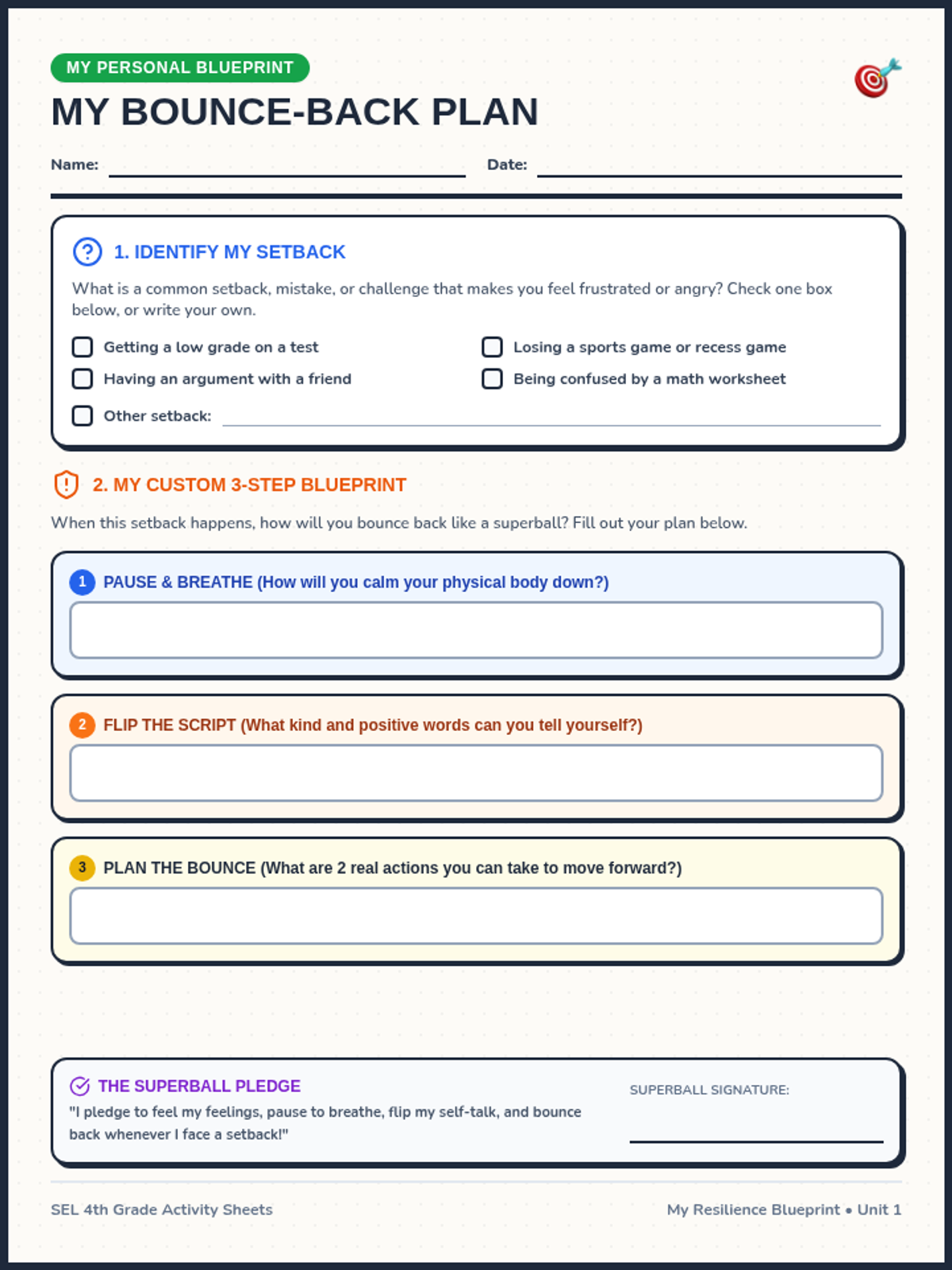
A 45-minute social-emotional learning lesson for 4th grade designed to teach resilience and a 3-step stress management/problem-solving process through the engaging narrative of 'The Bounce-Back Kid' and interactive challenge cards.
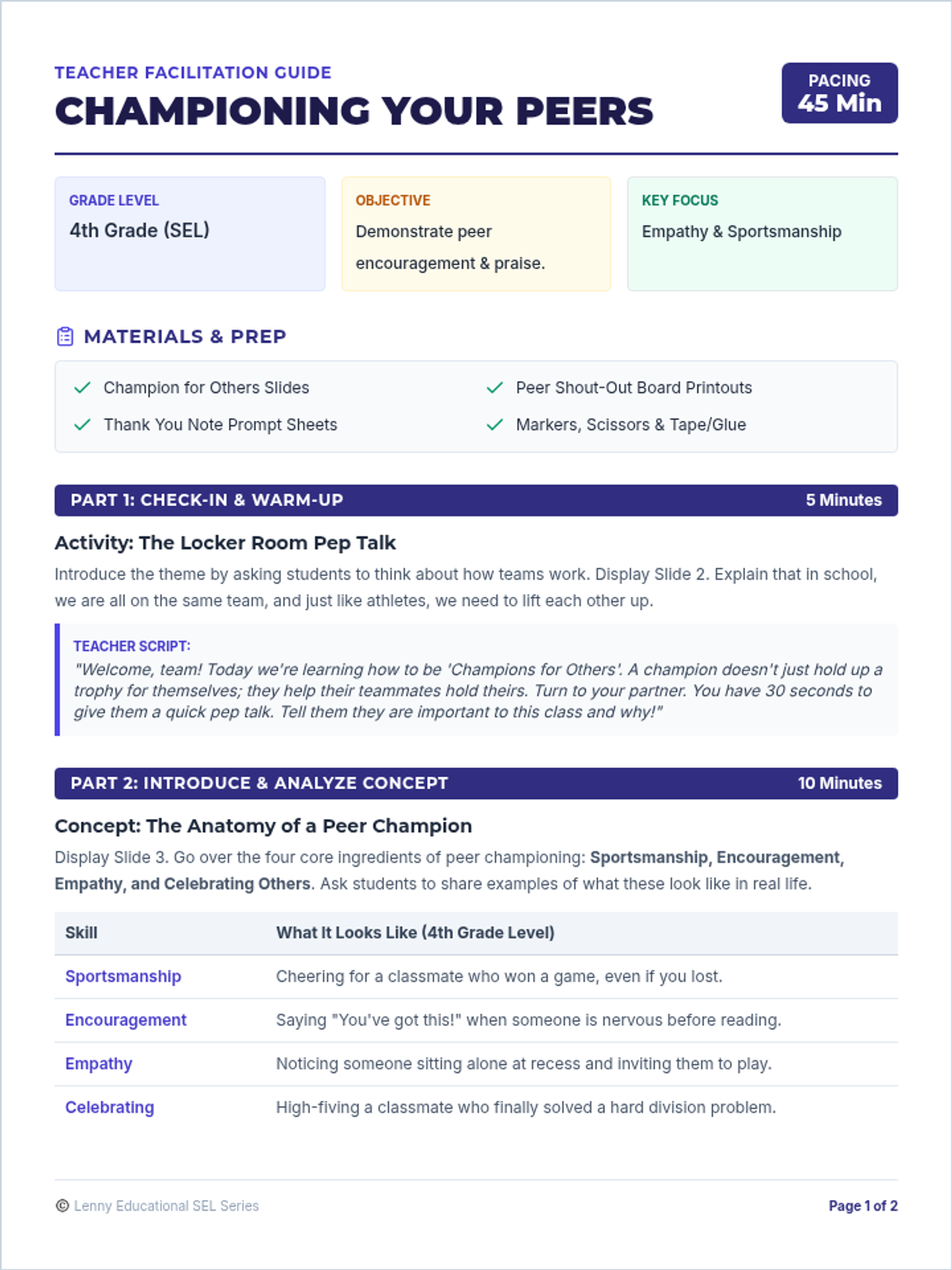
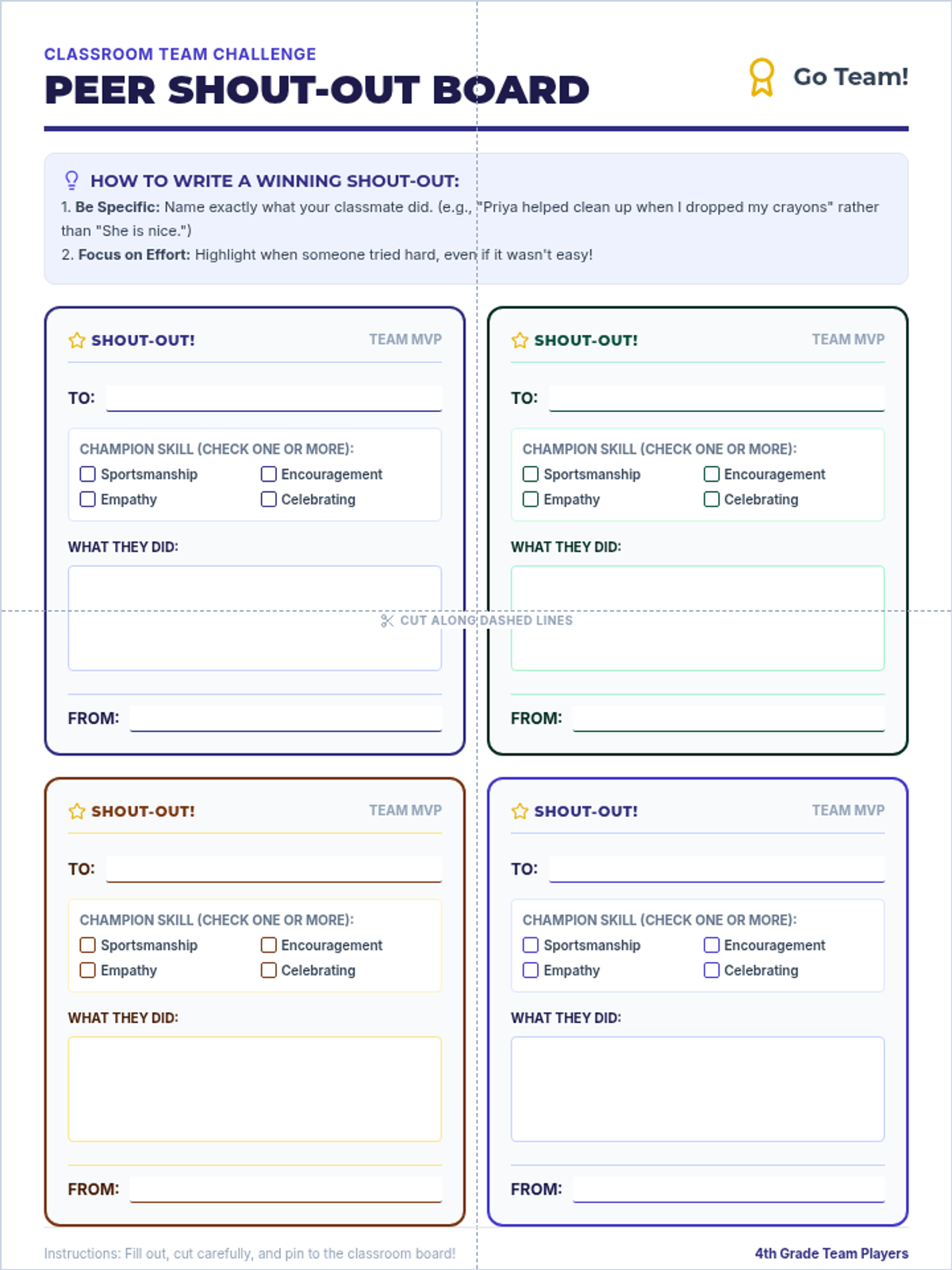
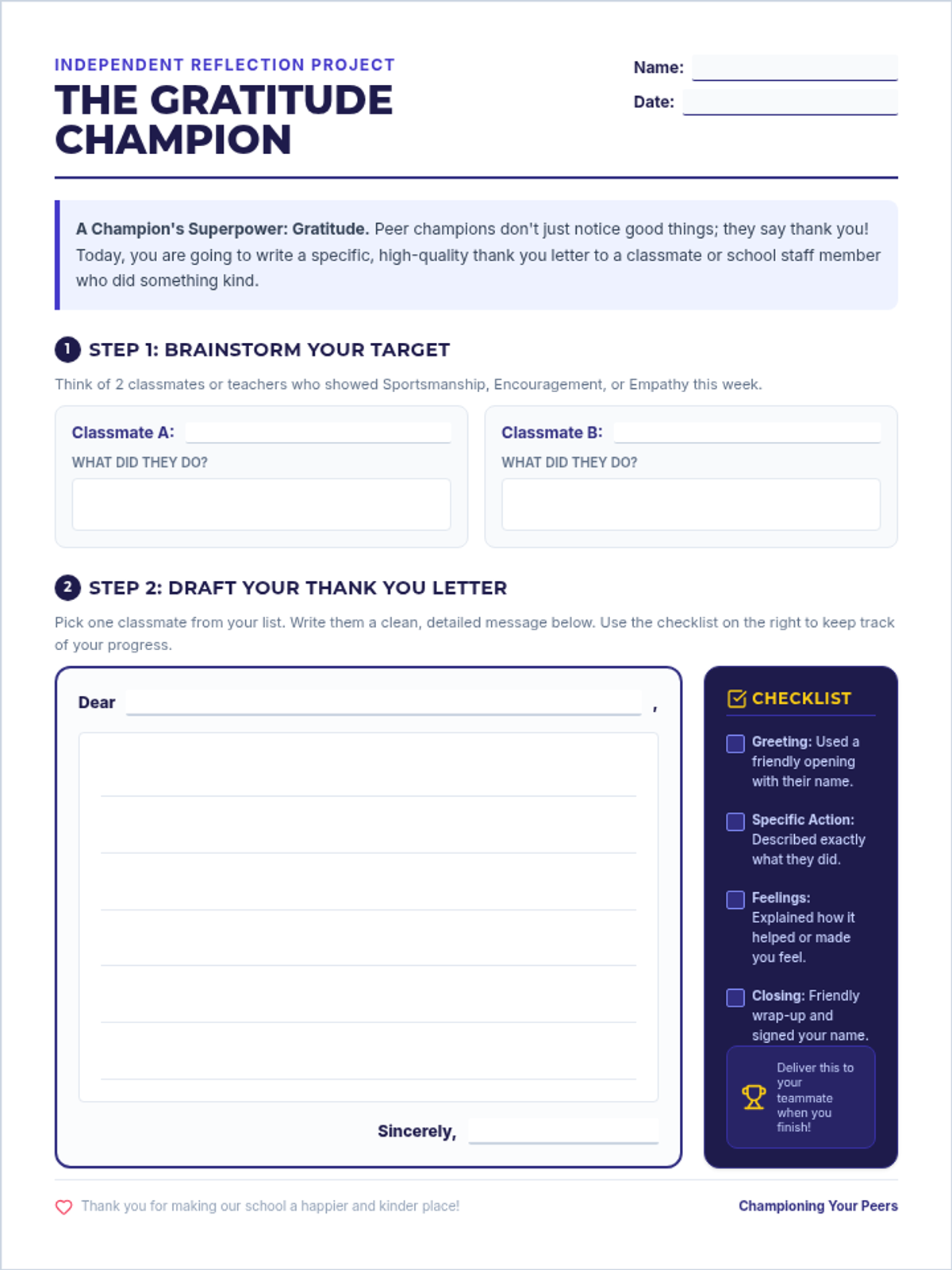
A 45-minute social-emotional learning lesson for 4th graders on how to support, encourage, and celebrate classmates. This lesson guides students from understanding empathy and sportsmanship to actively shouting out and writing thank you letters to their peers.
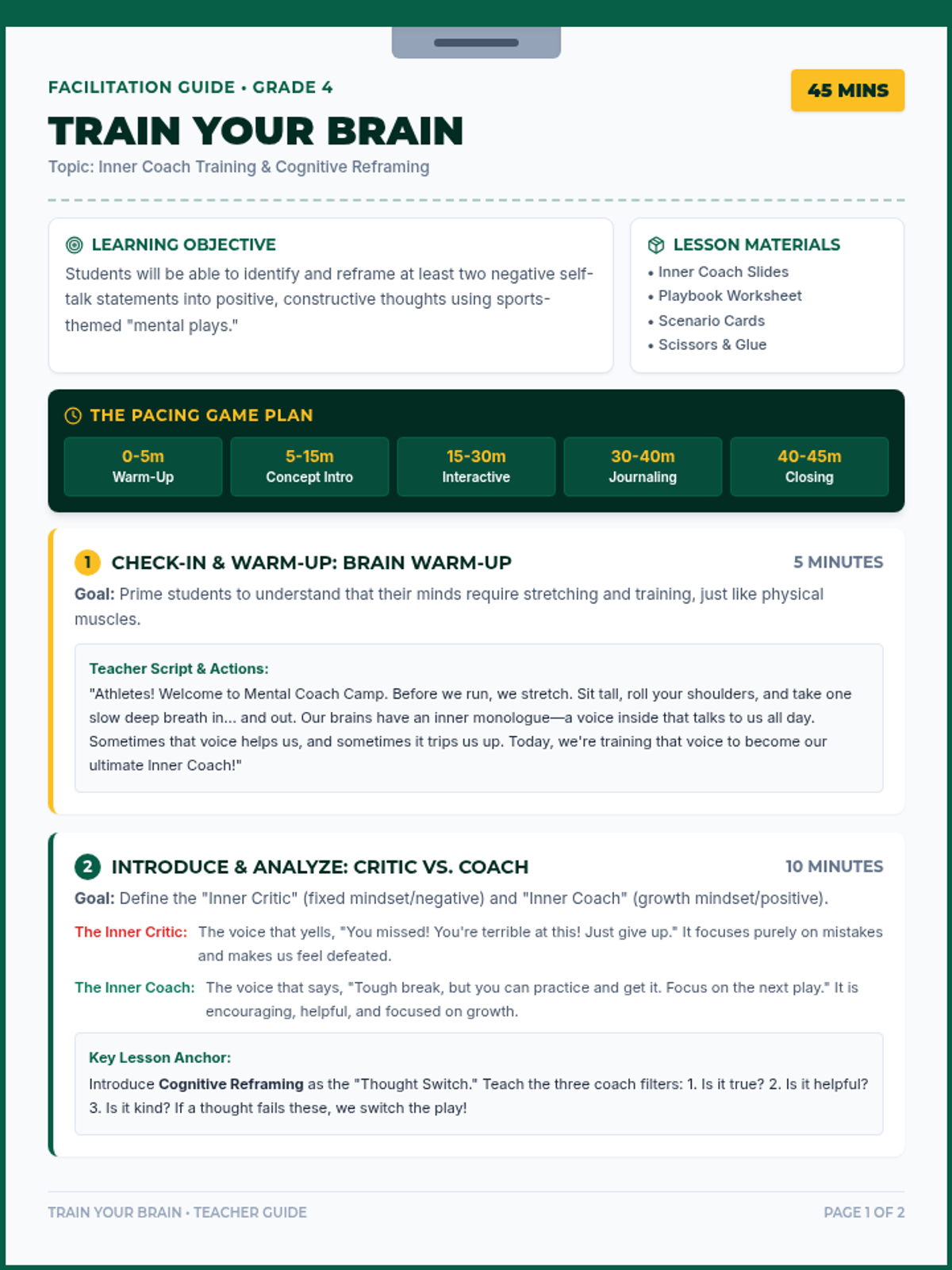
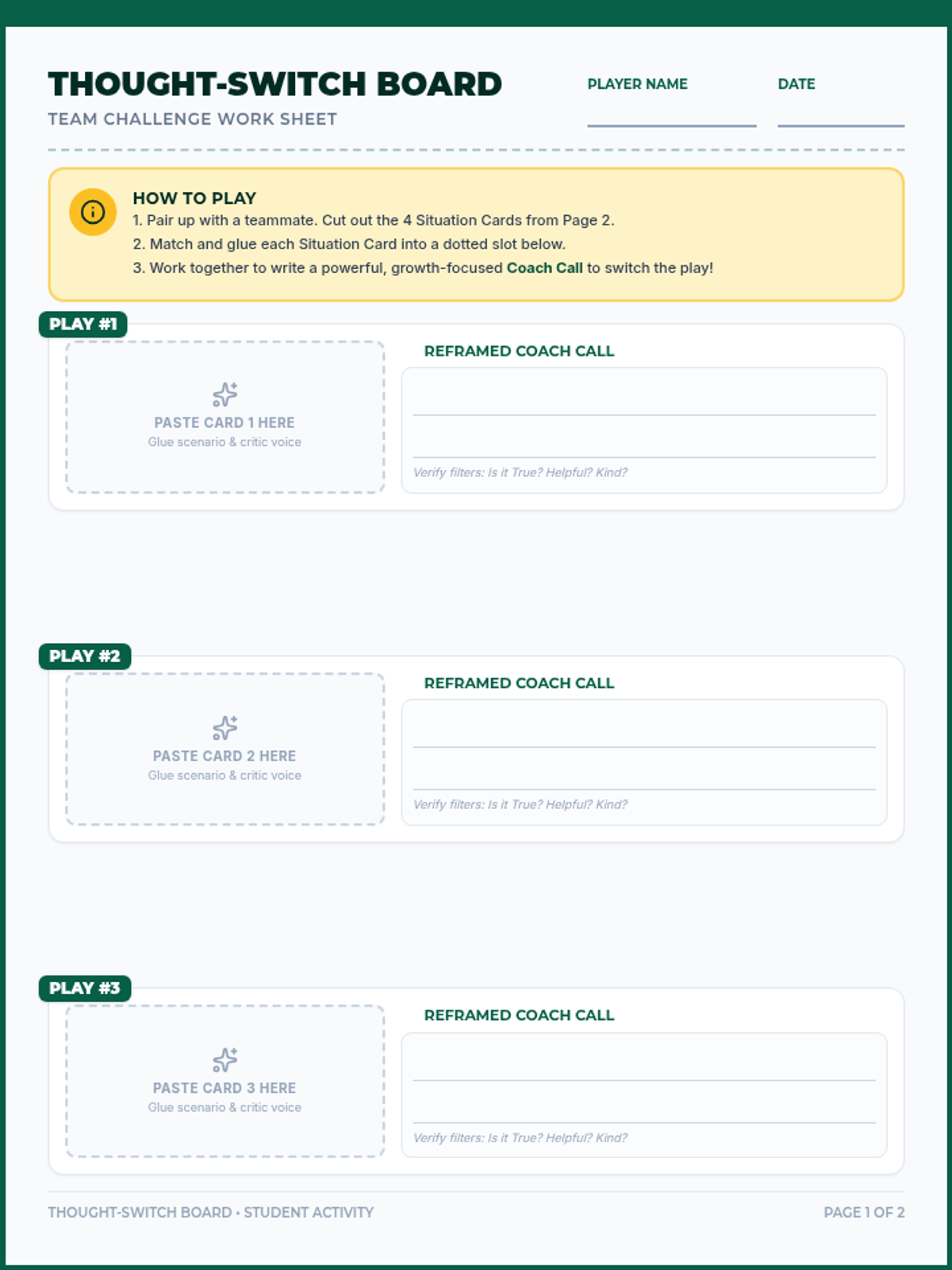
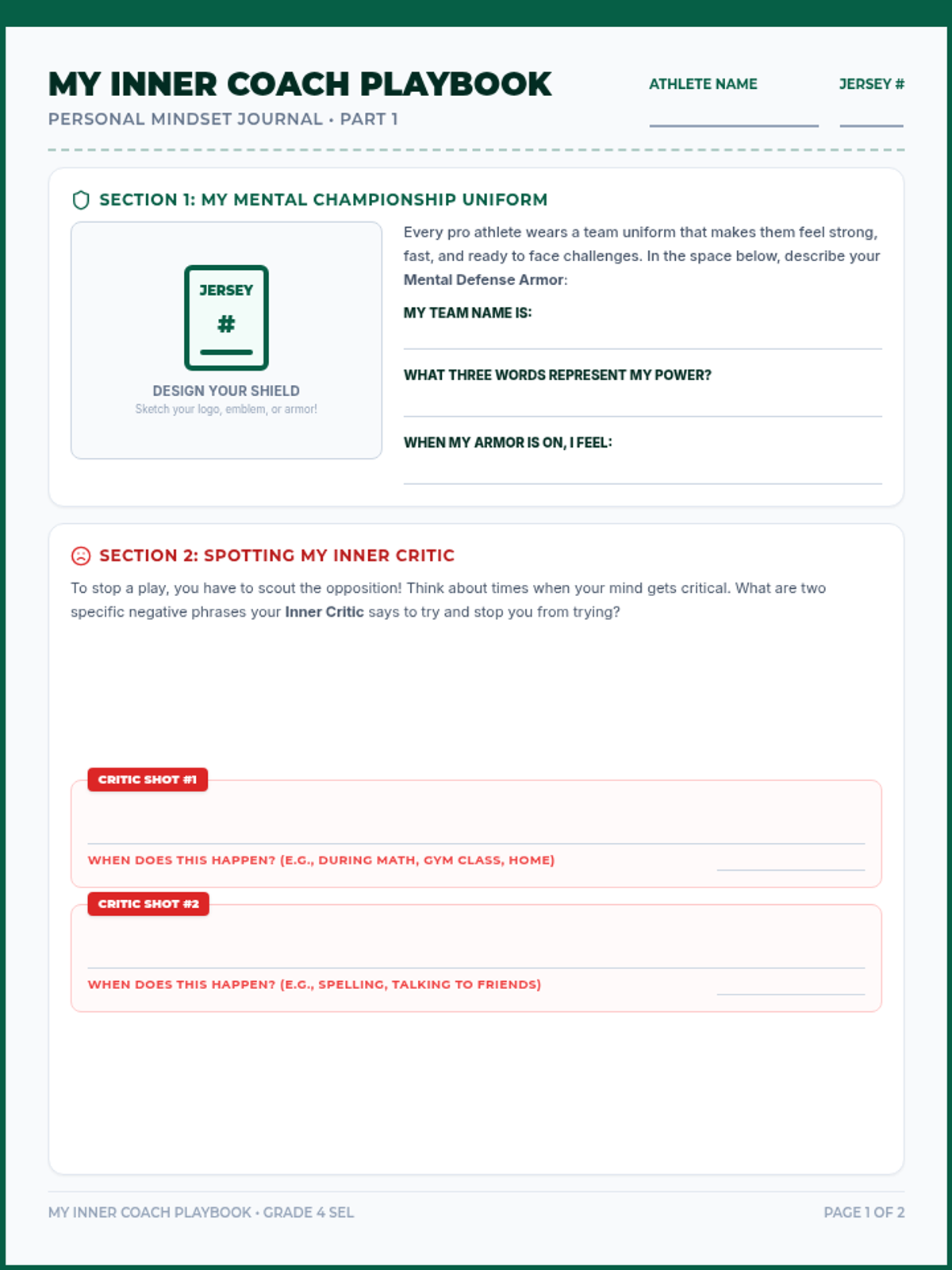
A 45-minute social-emotional learning lesson for 4th graders to discover and strengthen their "Inner Coach." Students learn to recognize the "Inner Critic," practice cognitive reframing through sports-themed mental plays, and build positive self-talk habits.
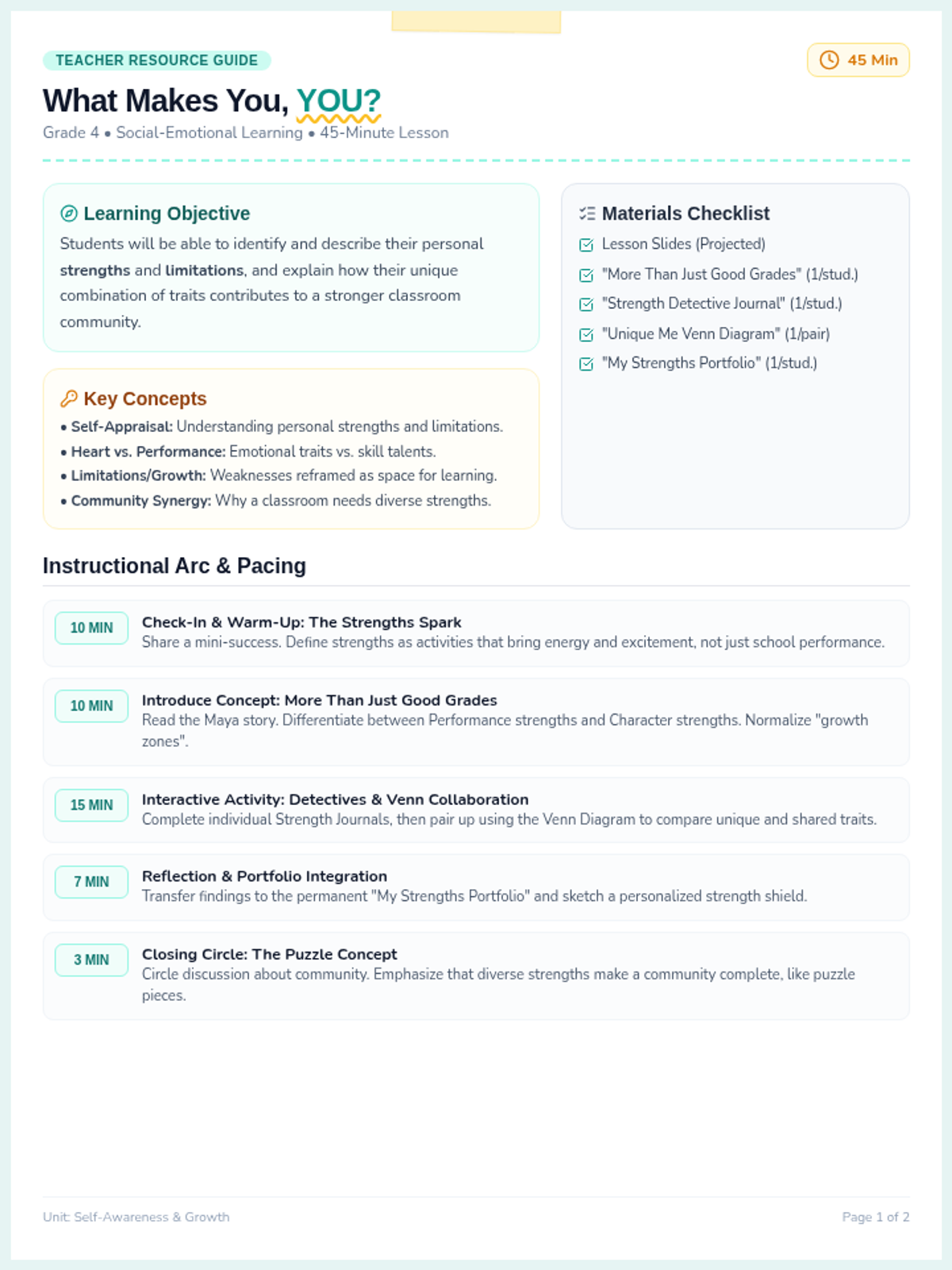
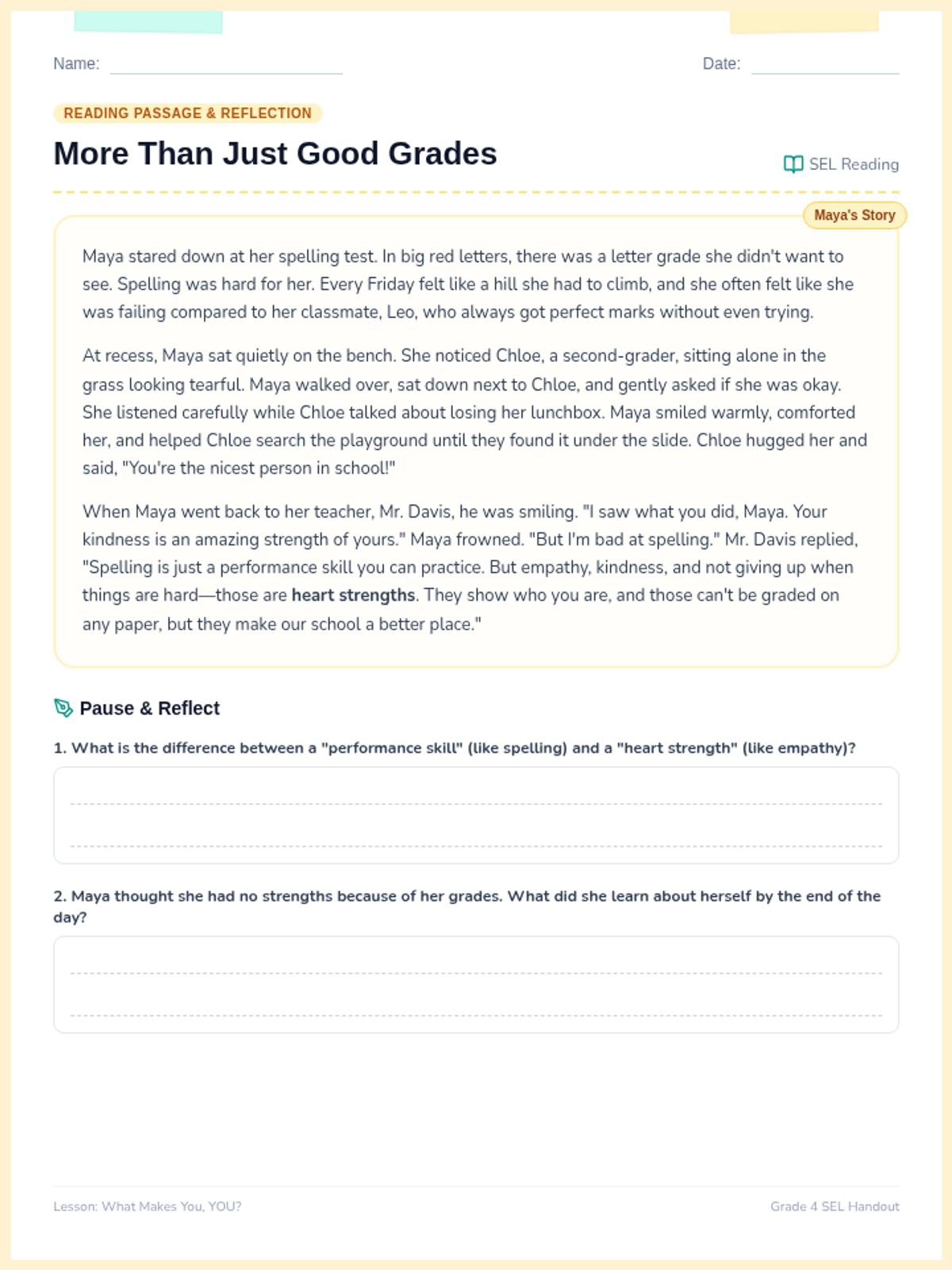
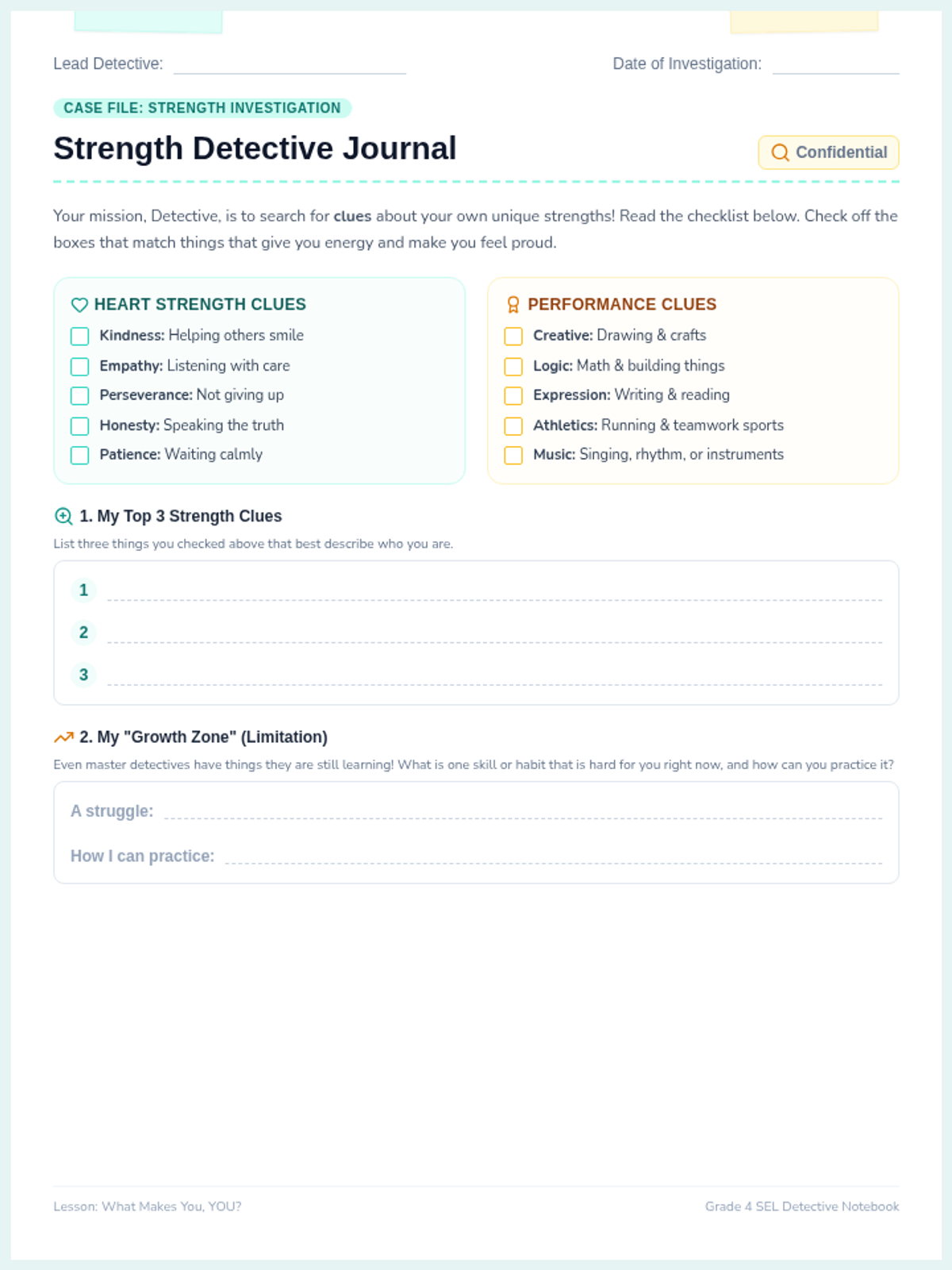
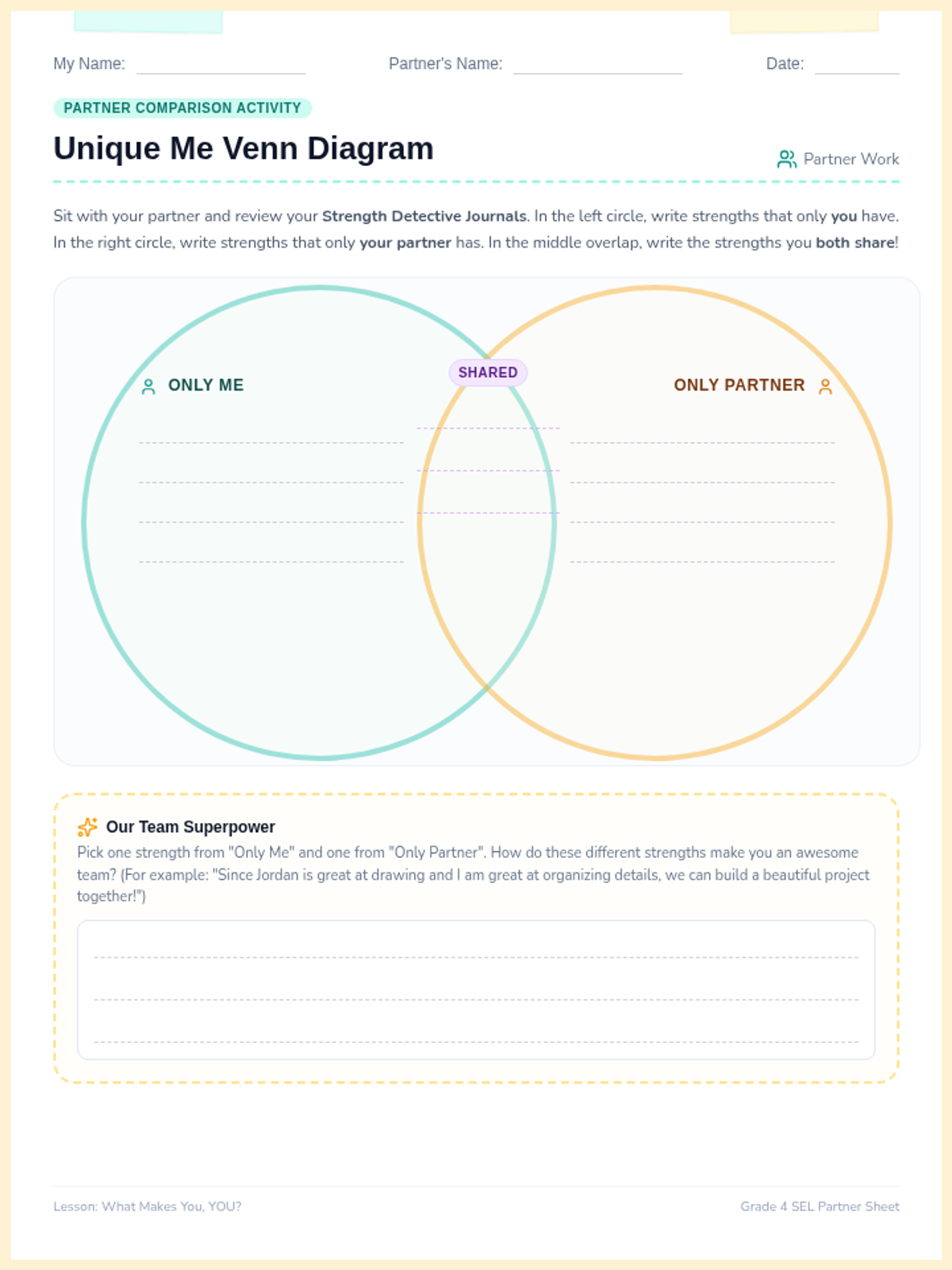
A 45-minute social-emotional learning lesson for 4th graders to explore their personal strengths and limitations. Students learn to self-appraise, appreciate their unique qualities, and understand how diverse strengths make their classroom community stronger.
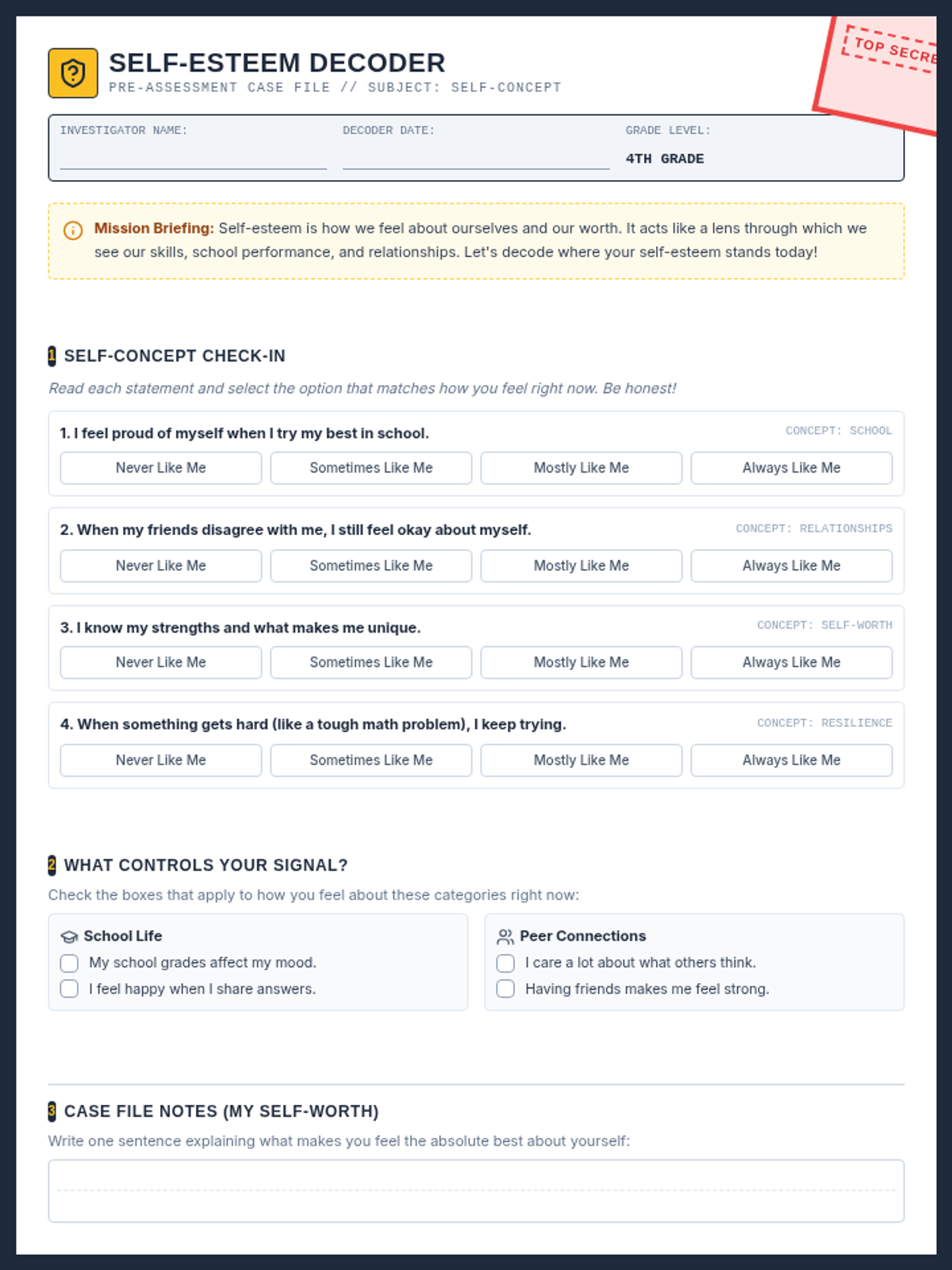
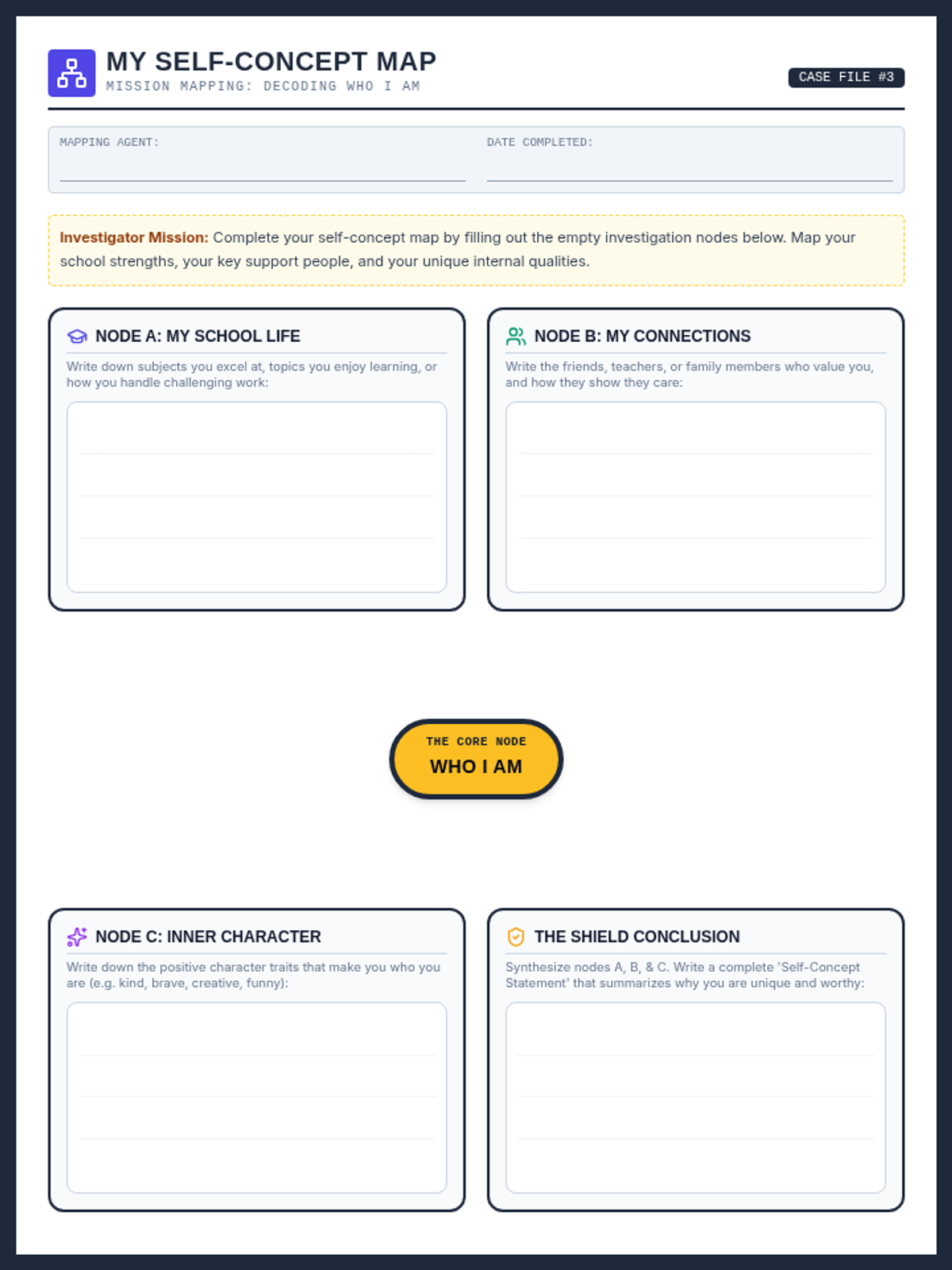
A 45-minute social-emotional learning lesson for 4th graders. Students investigate self-concept, exploring how school performance, peer relationships, and internal feelings shape their overall self-worth.
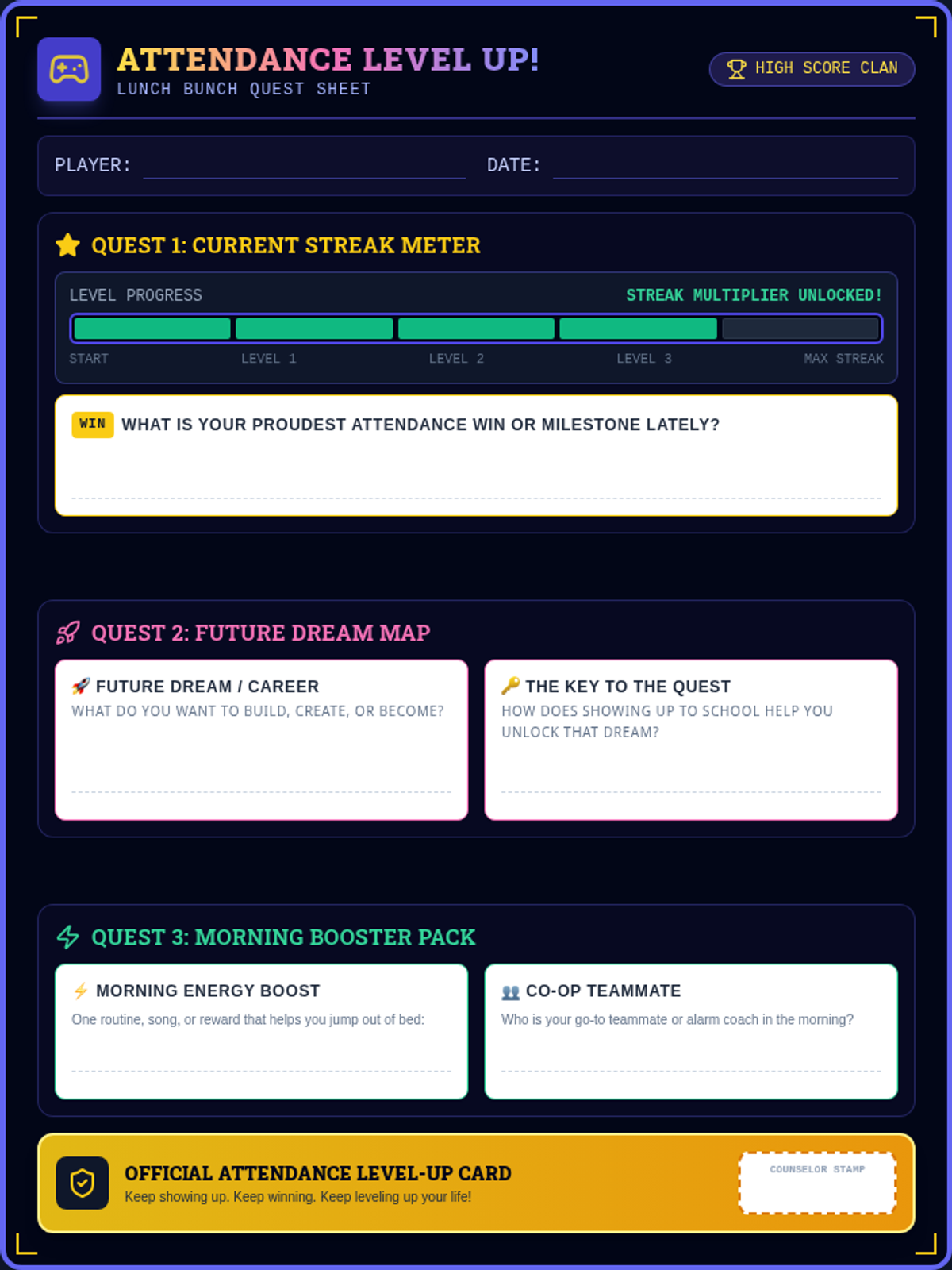
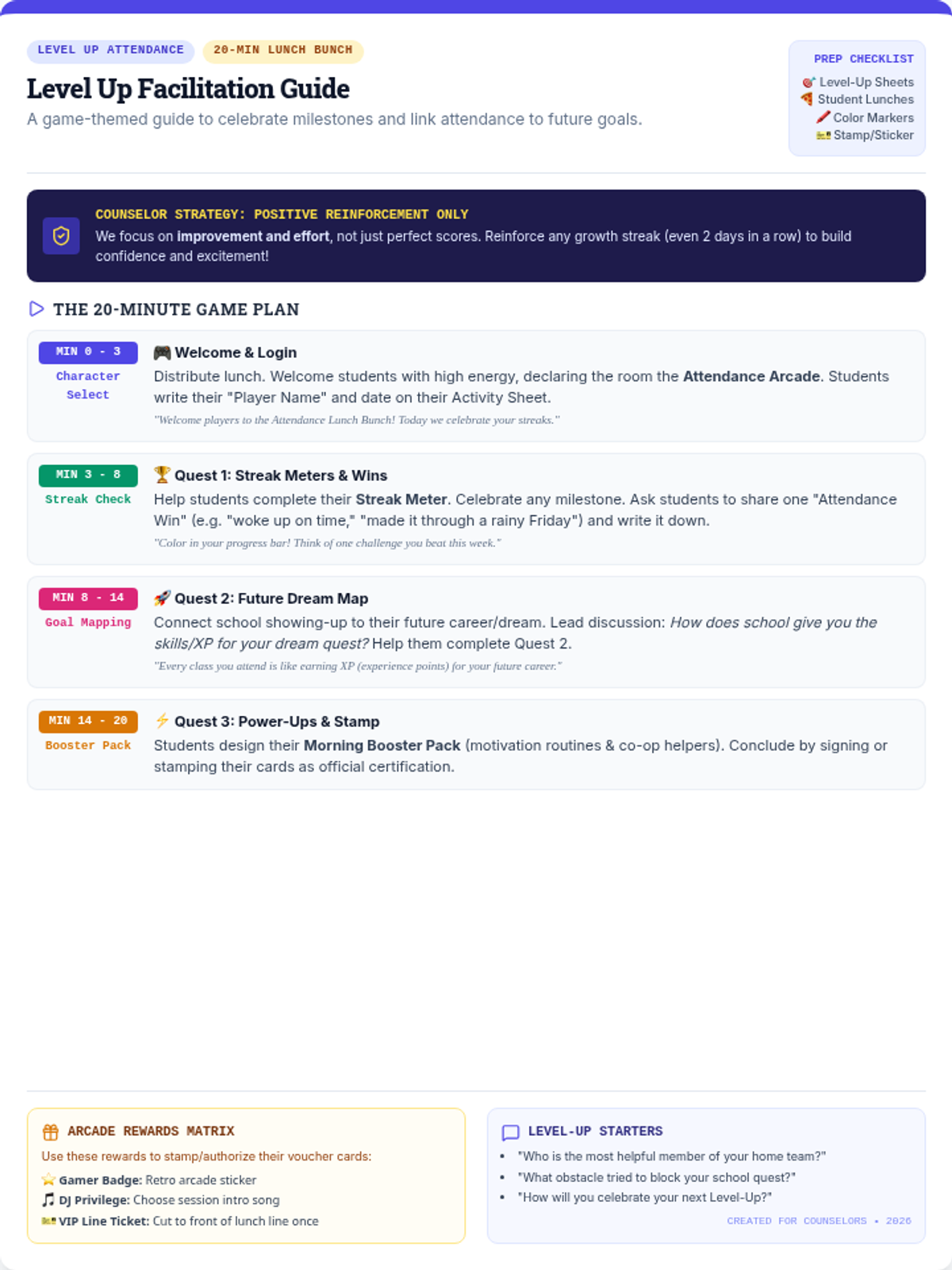
A 20-minute Lunch Bunch lesson plan and facilitation guide designed to celebrate attendance milestones, connect consistent attendance to future goals, and foster a high-energy, positive environment for students.
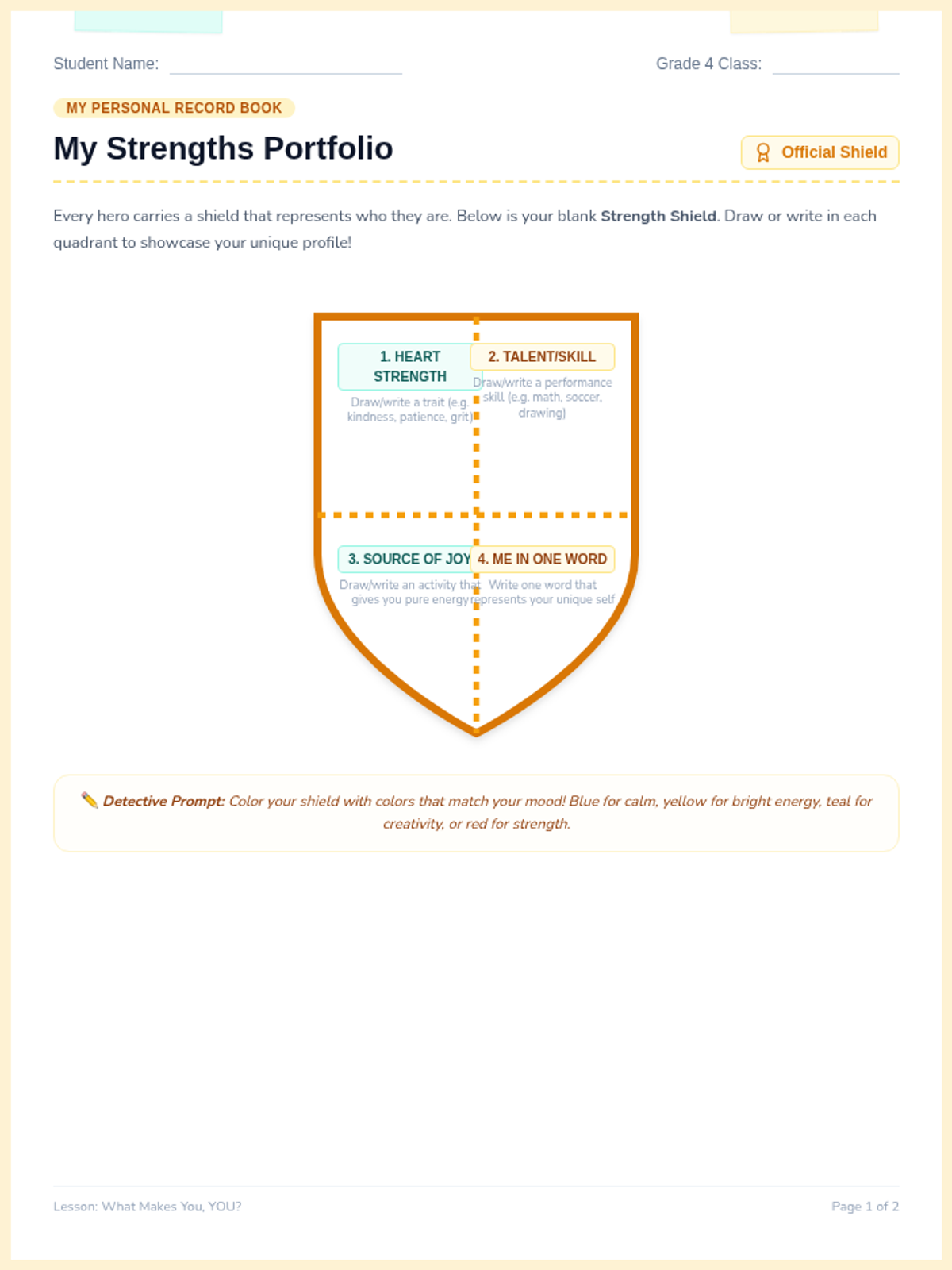
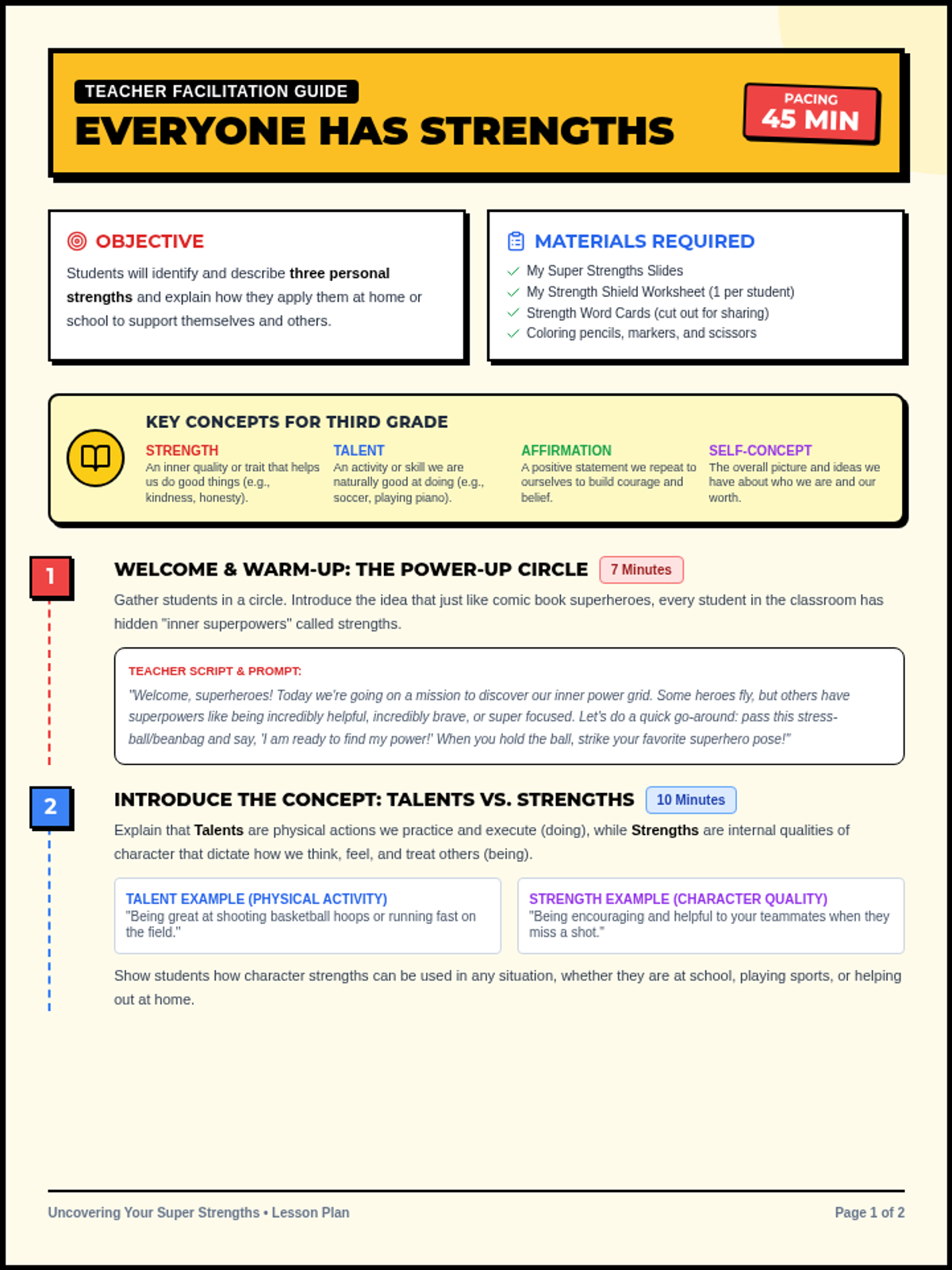
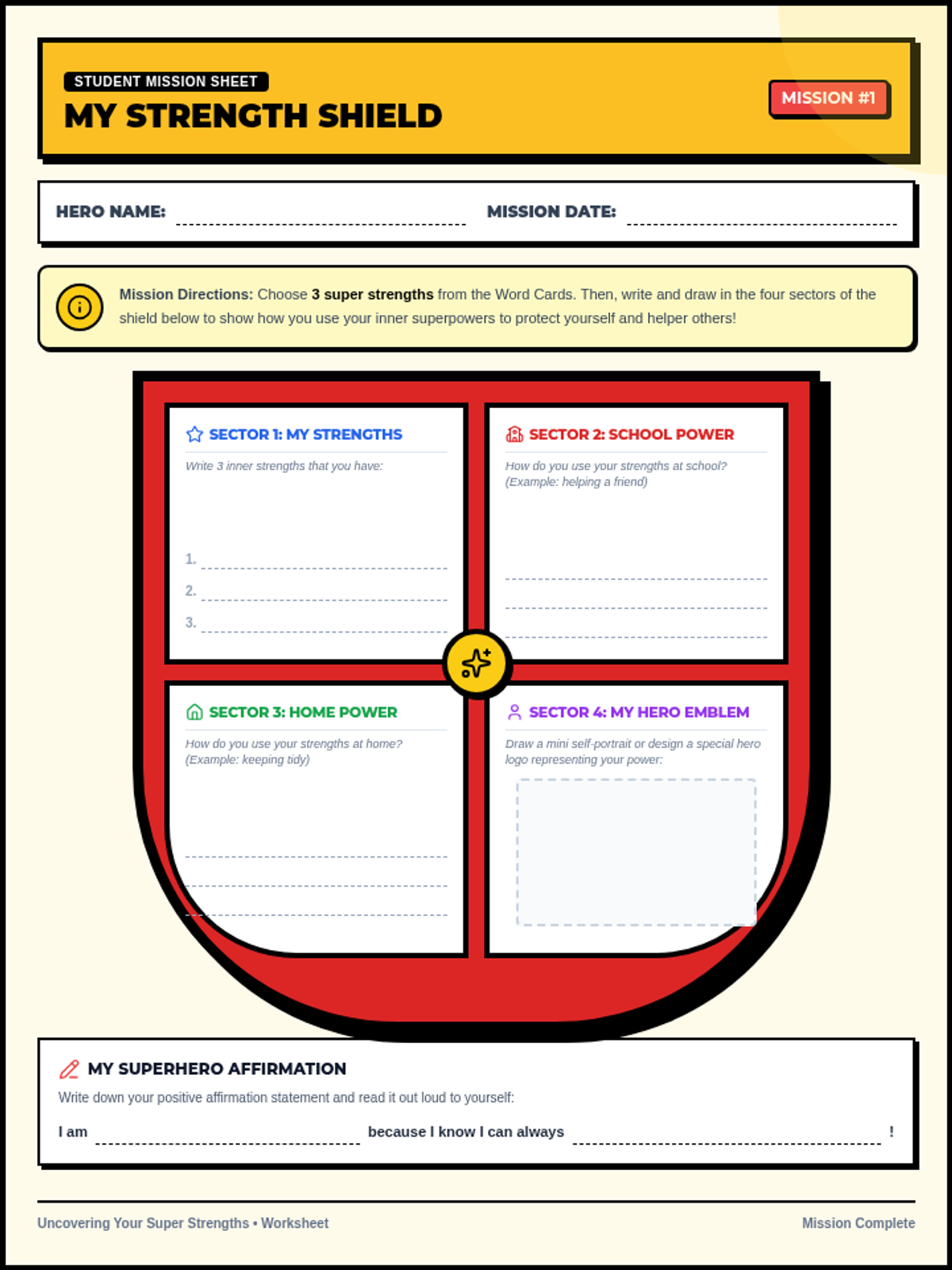
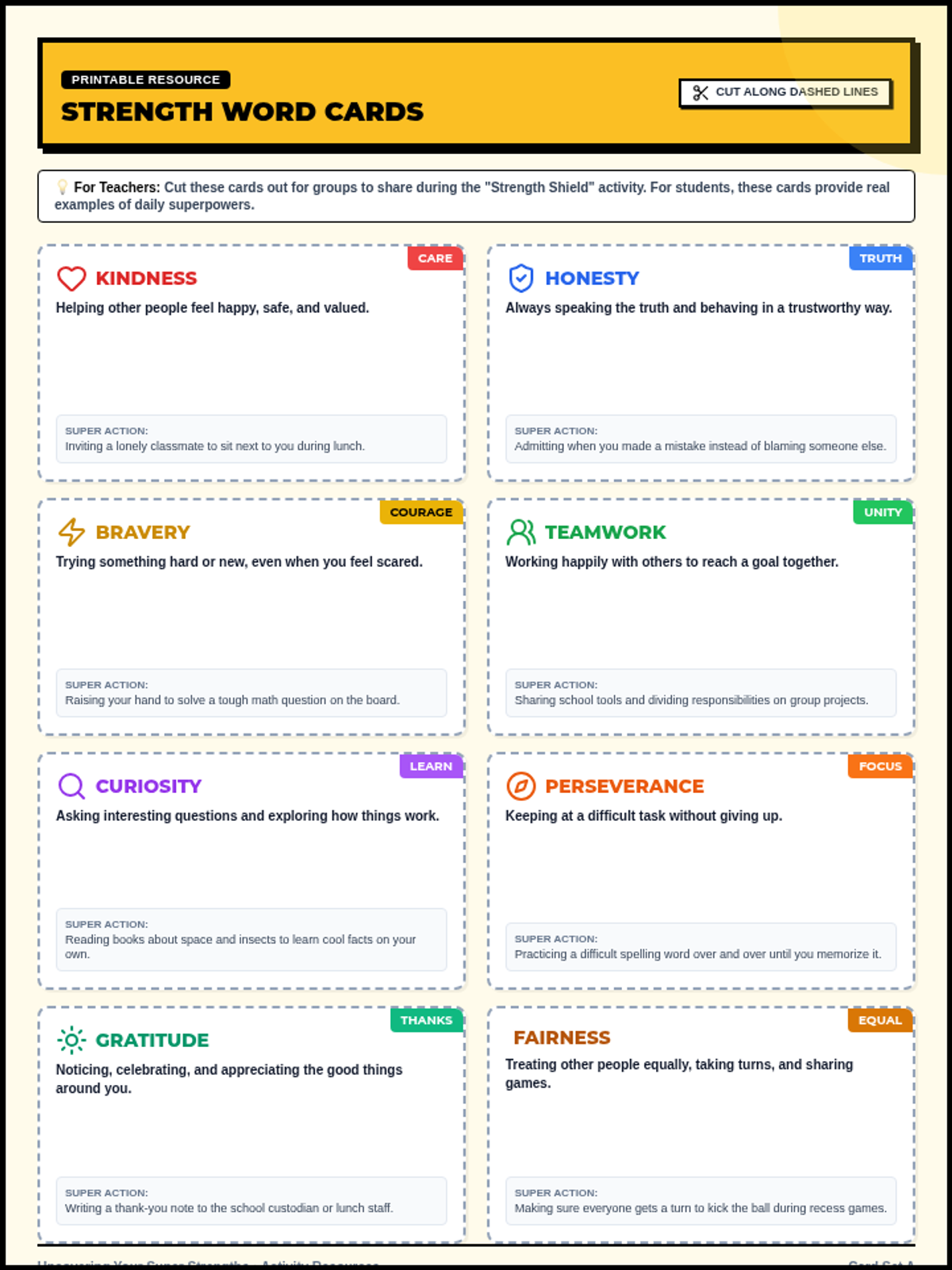
A 45-minute social-emotional learning lesson for 3rd graders to discover, articulate, and celebrate their personal strengths. Students explore the difference between talents and strengths, build a 'Strength Shield' representing their core qualities, and practice positive affirmations.
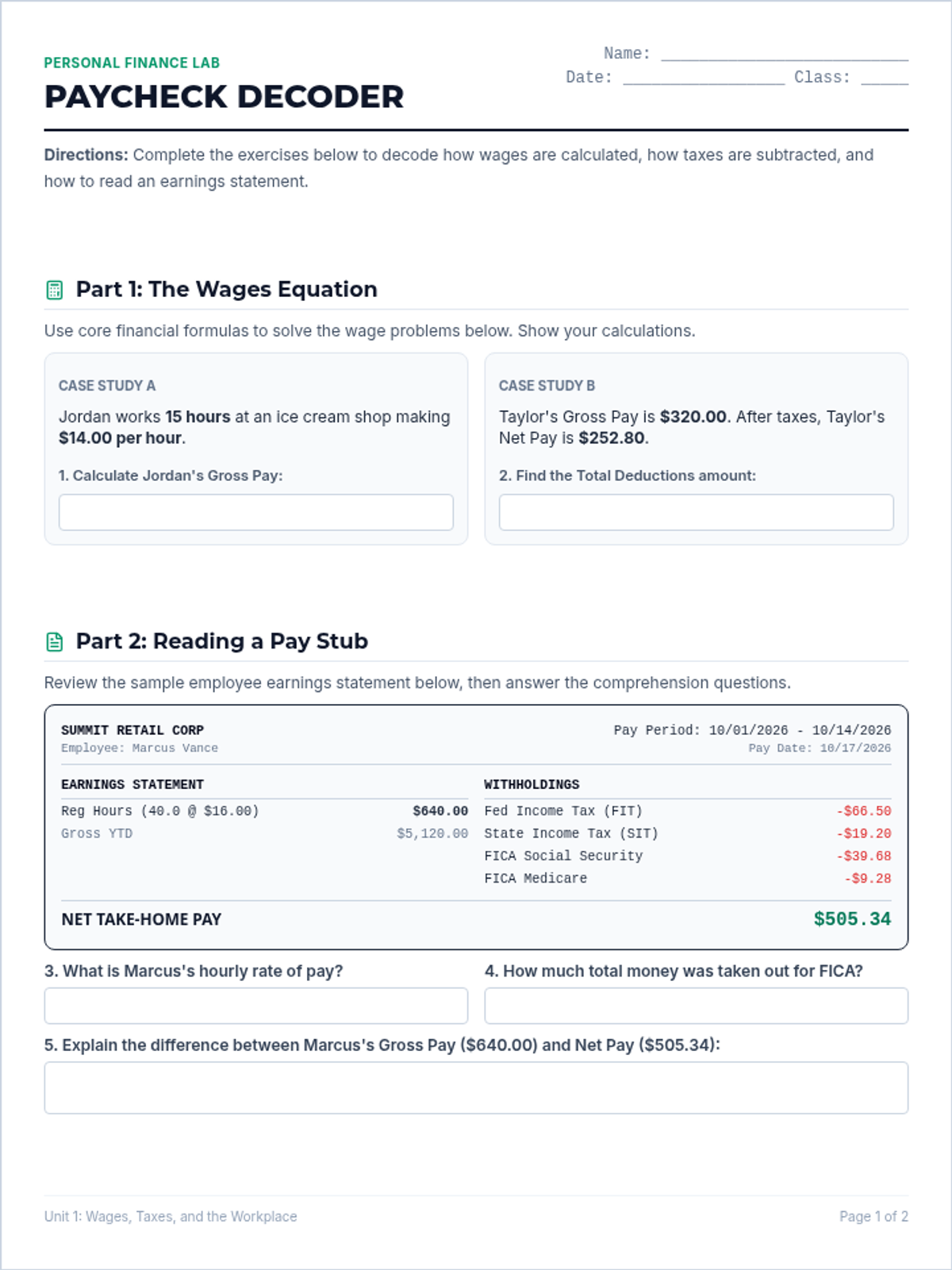
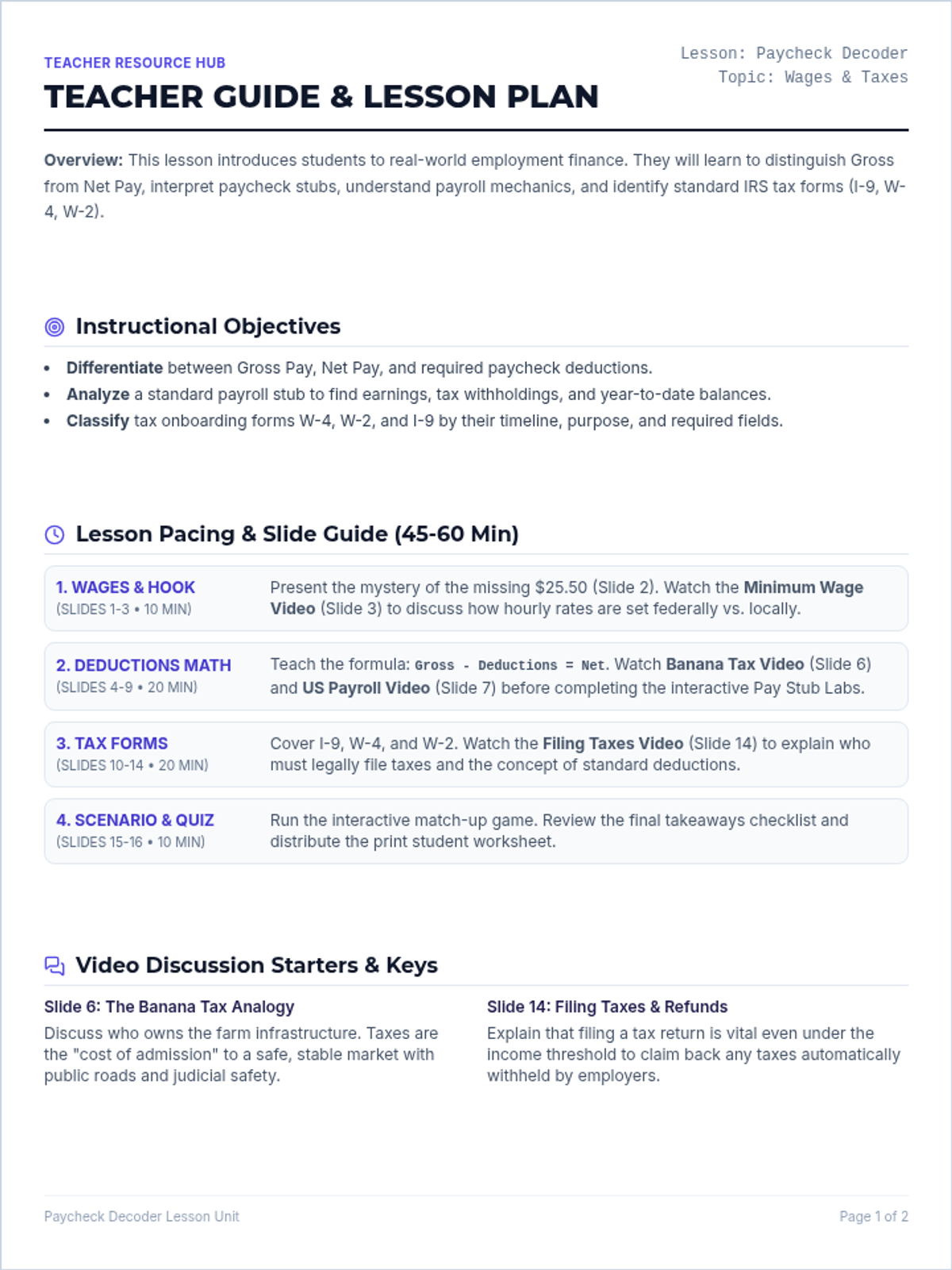
A lesson focusing on gross versus net pay, understanding paycheck deductions, reading a pay stub, and identifying key employment tax forms (W-4, W-2, I-9).
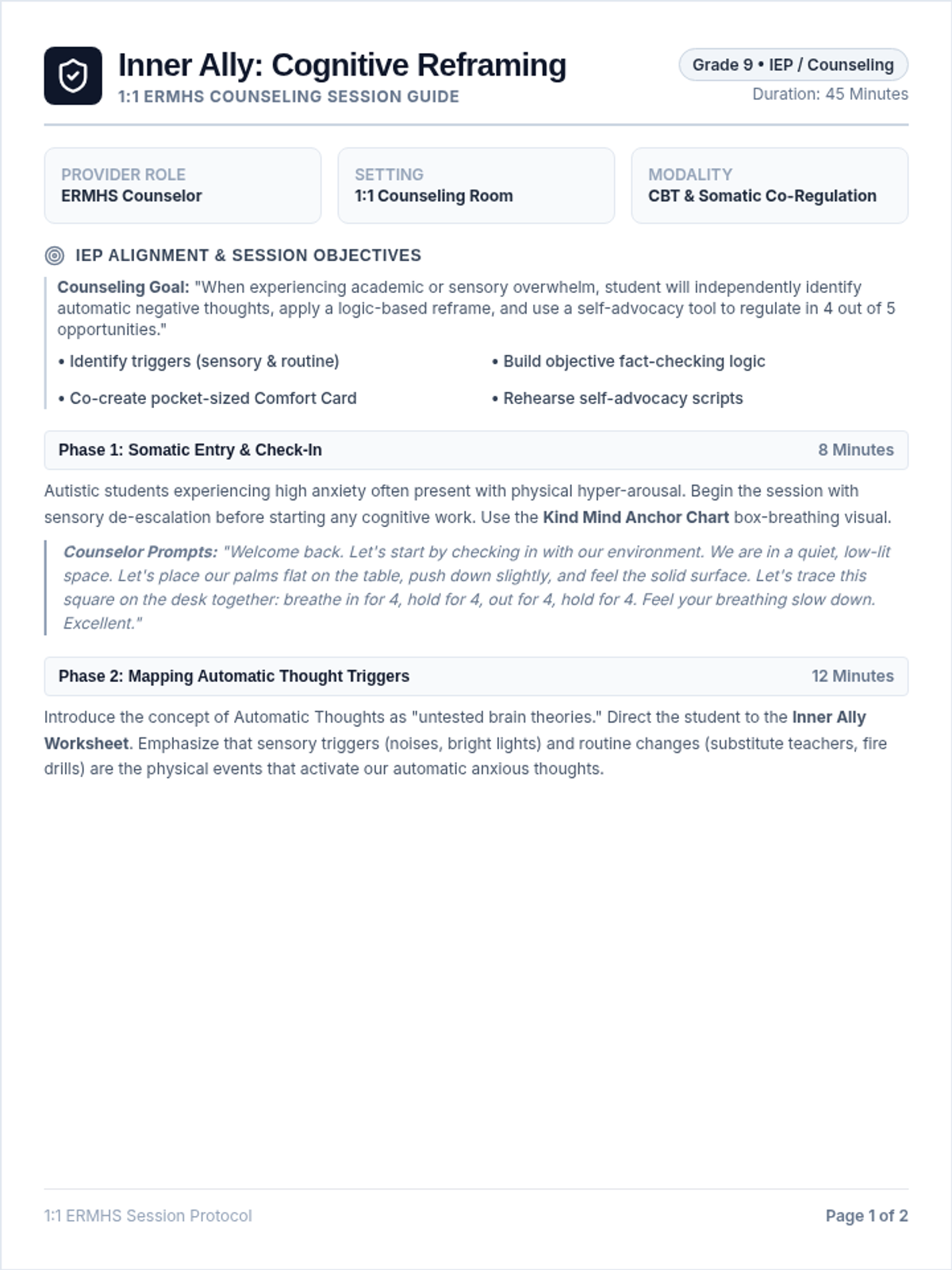
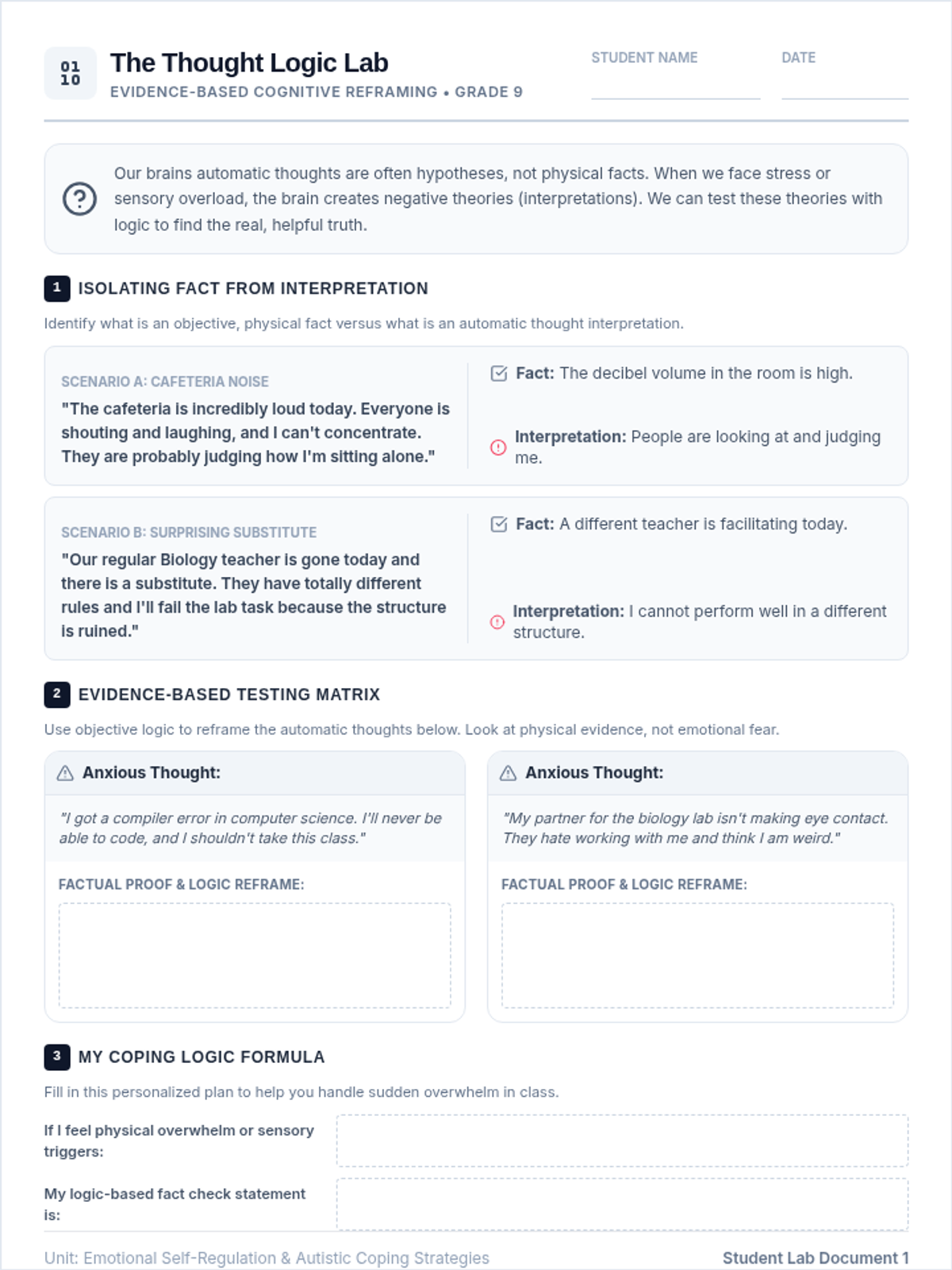
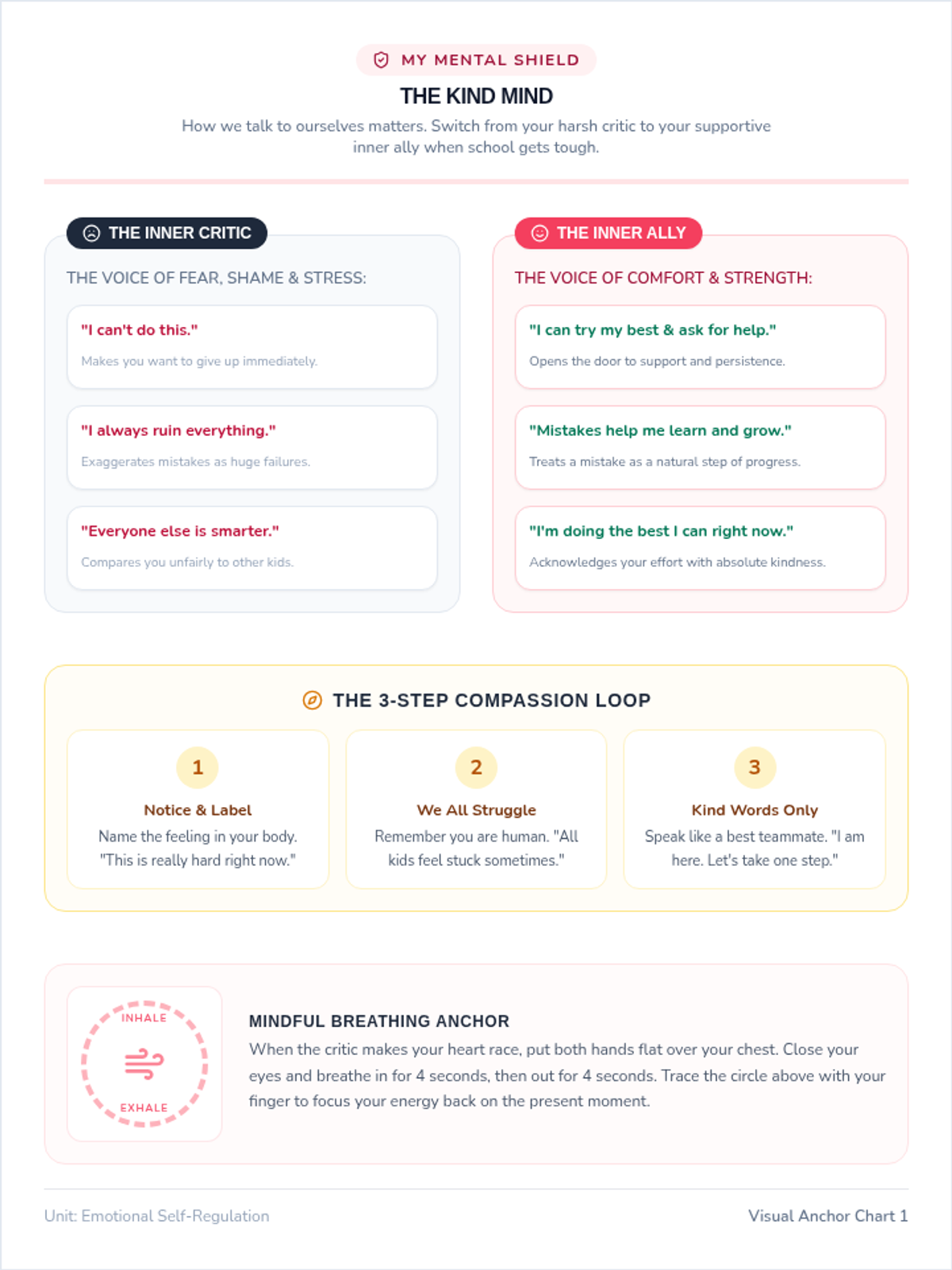
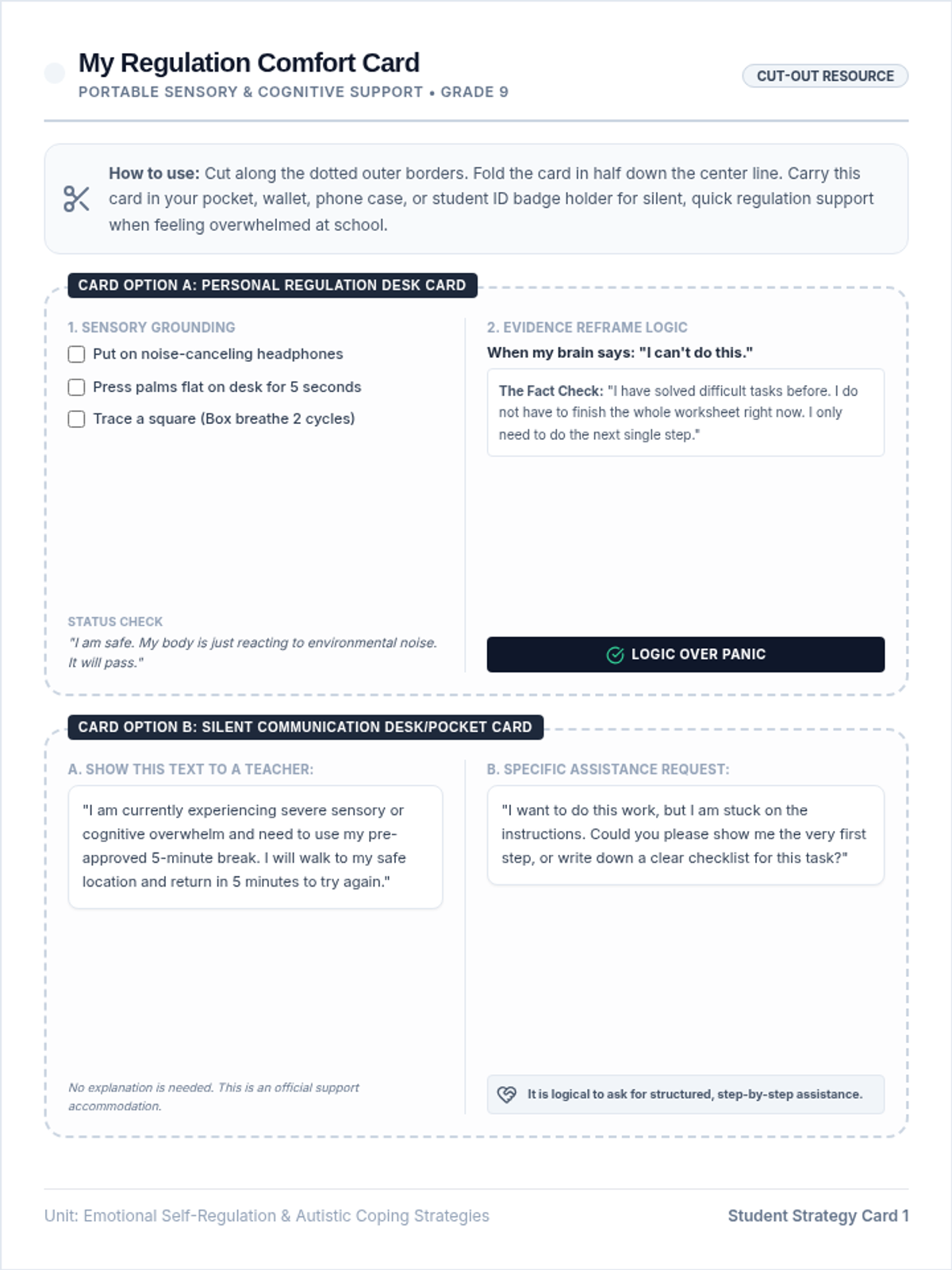
A 1:1 ERMHS (Educationally Related Mental Health Services) counseling session designed for a 9th-grade autistic student. Emphasizes evidence-based cognitive-behavioral reframing, co-regulation, factual evidence testing, and co-creating a discrete pocket-sized regulation comfort card.
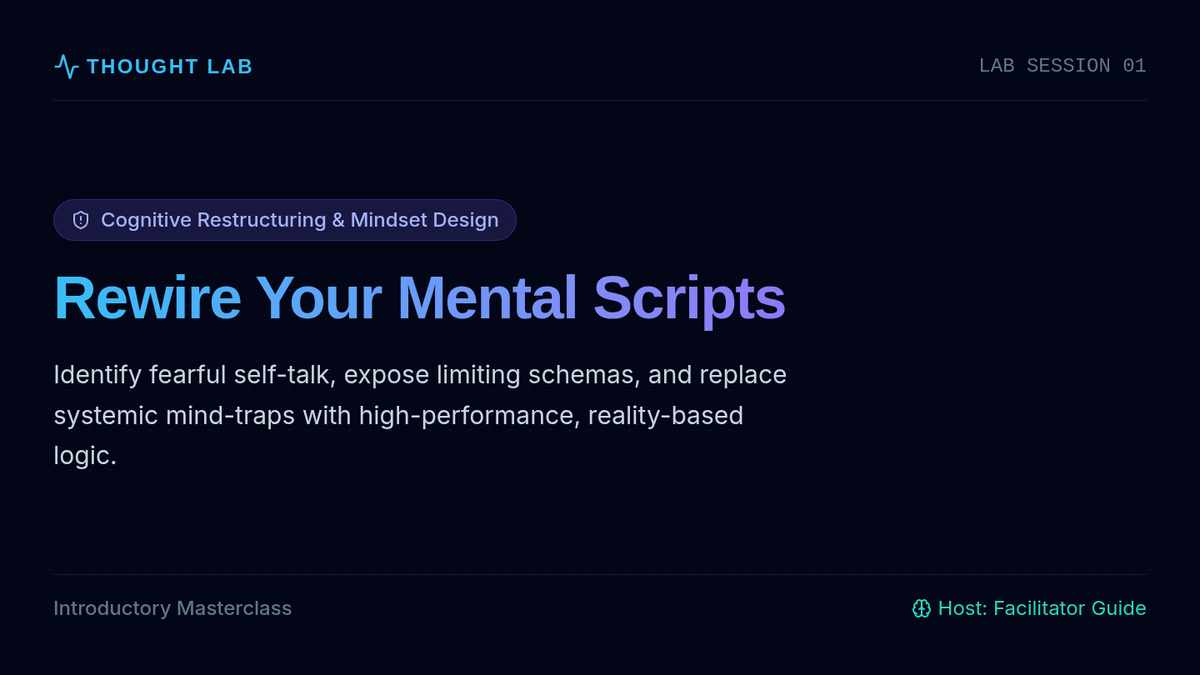
A cognitive-behavioral lesson designed to help individuals identify fearful self-talk, expose underlying cognitive distortions, and construct healthy, reality-based alternative narratives. This lesson guides learners through actionable reframing protocols for social anxiety, perfectionism, and worst-case scenarios.
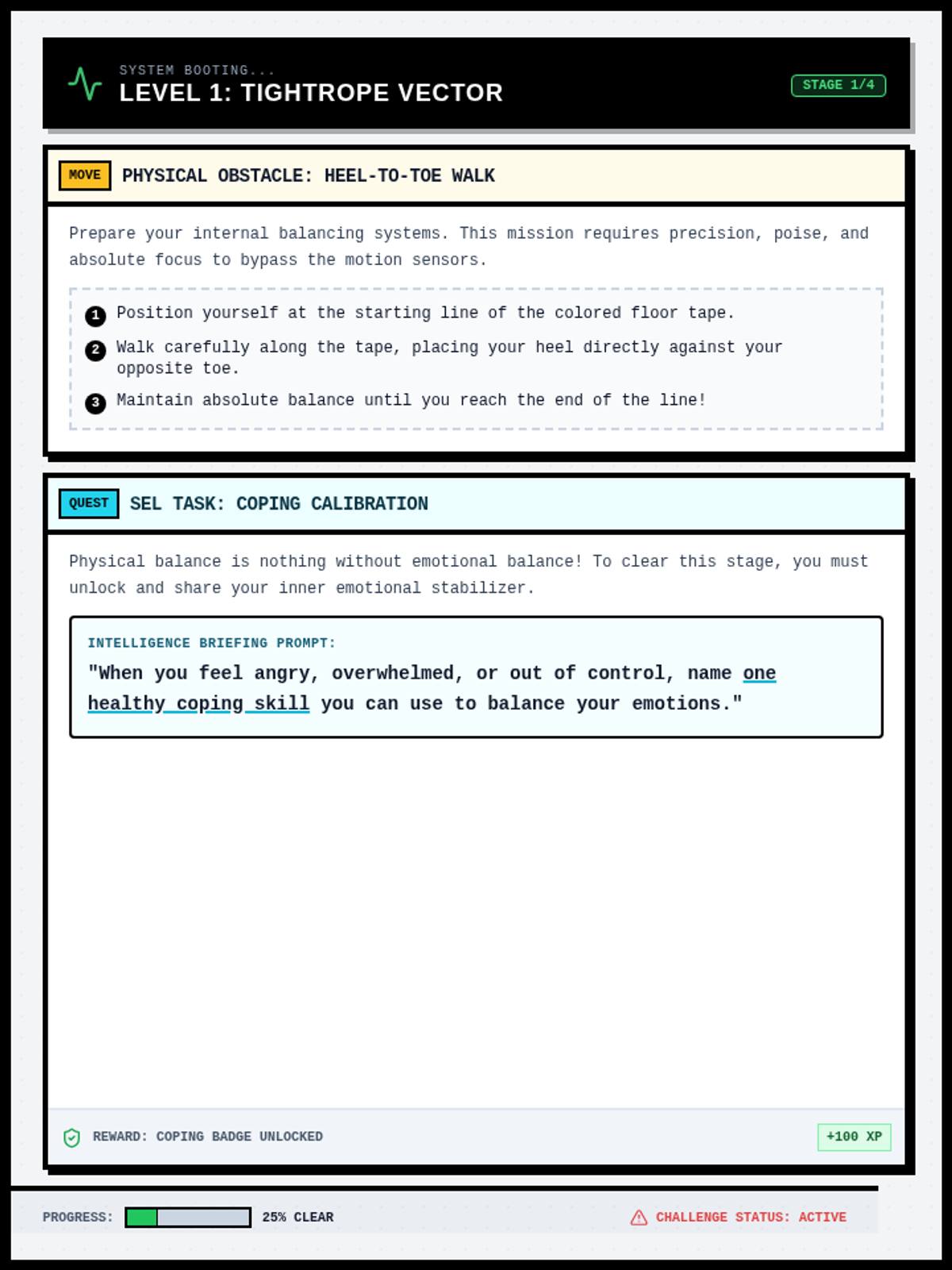
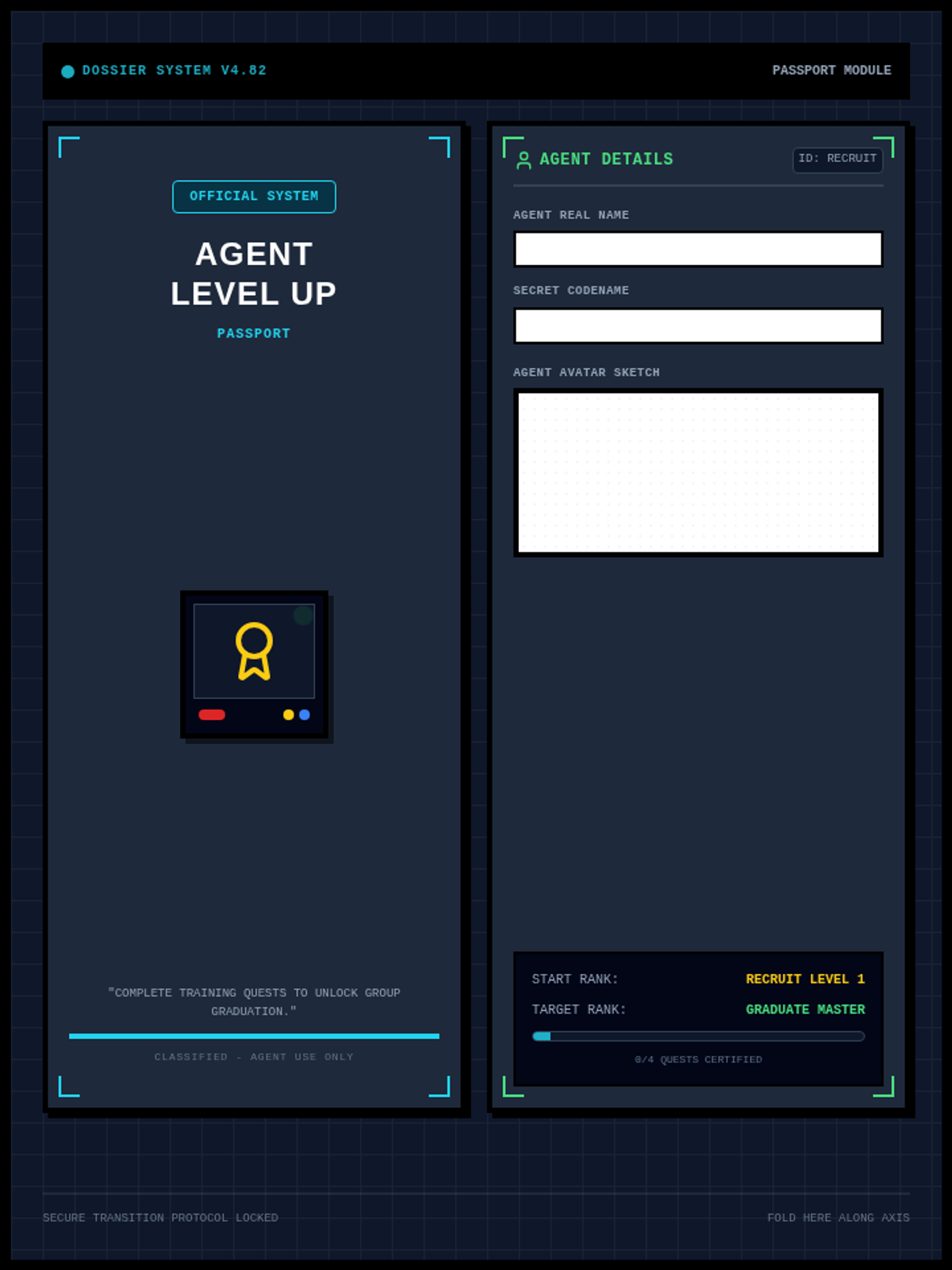
An action-packed obstacle course lesson where students complete physical challenges and social-emotional quests to graduate from their counseling group.
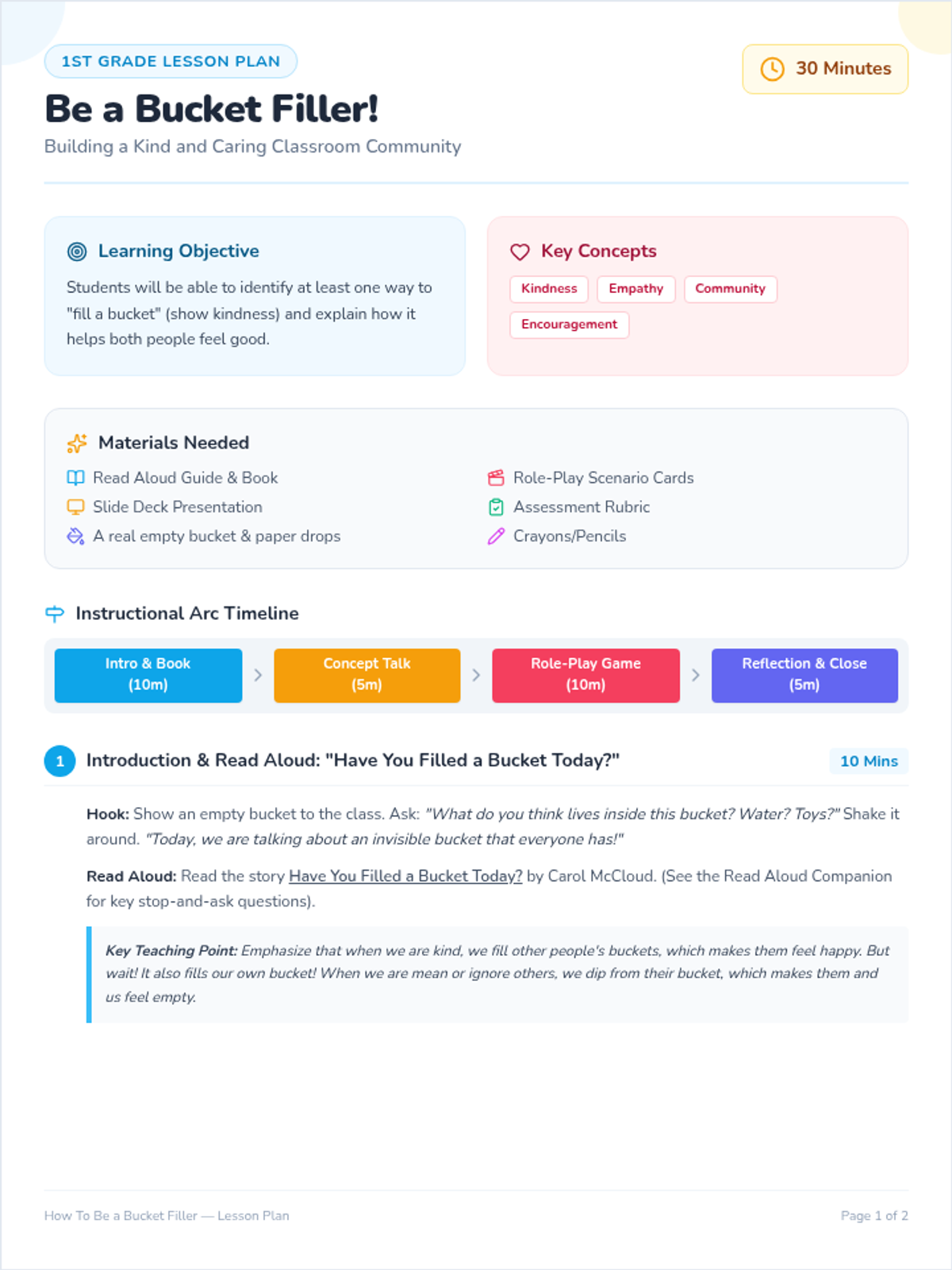
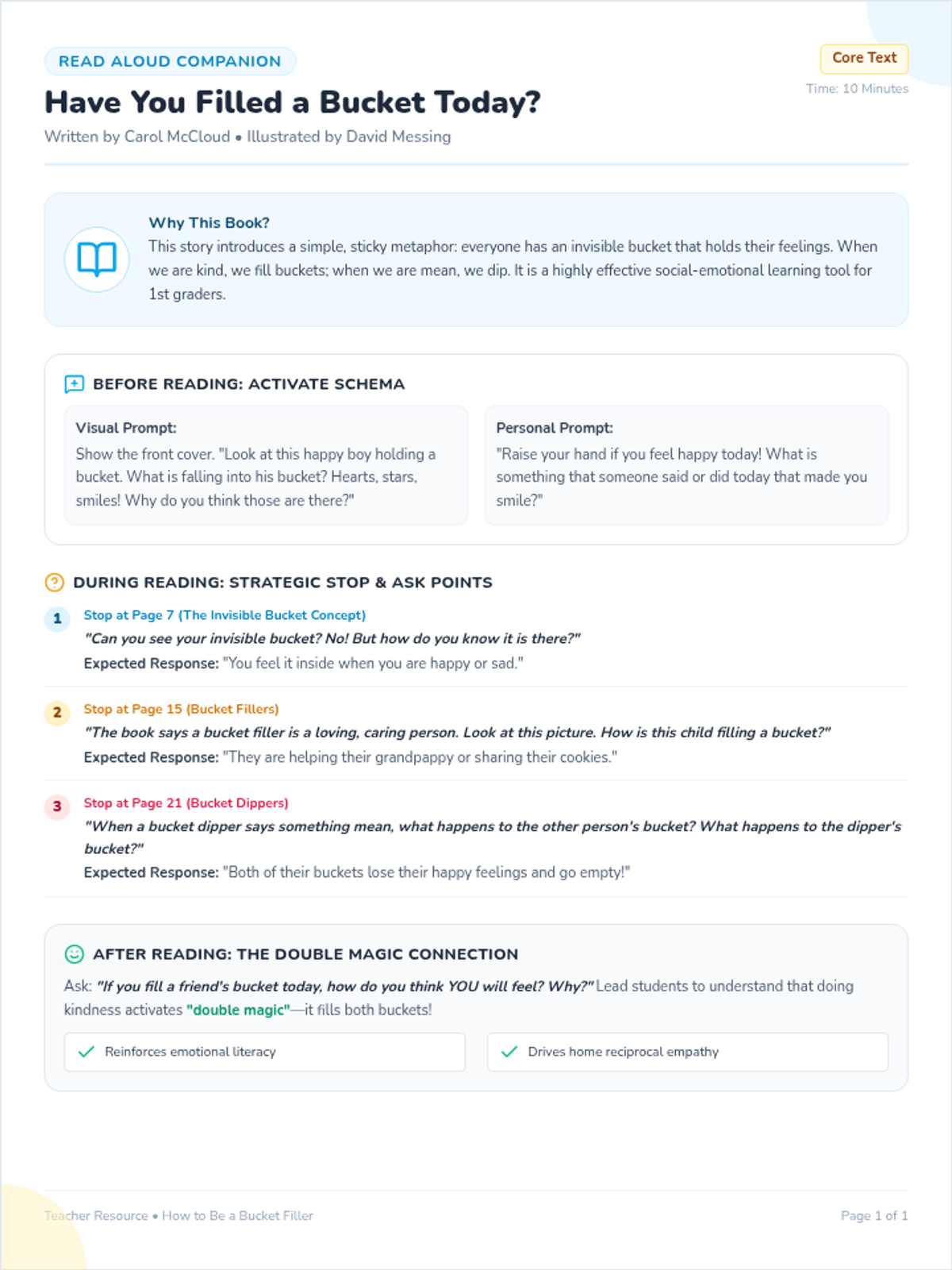
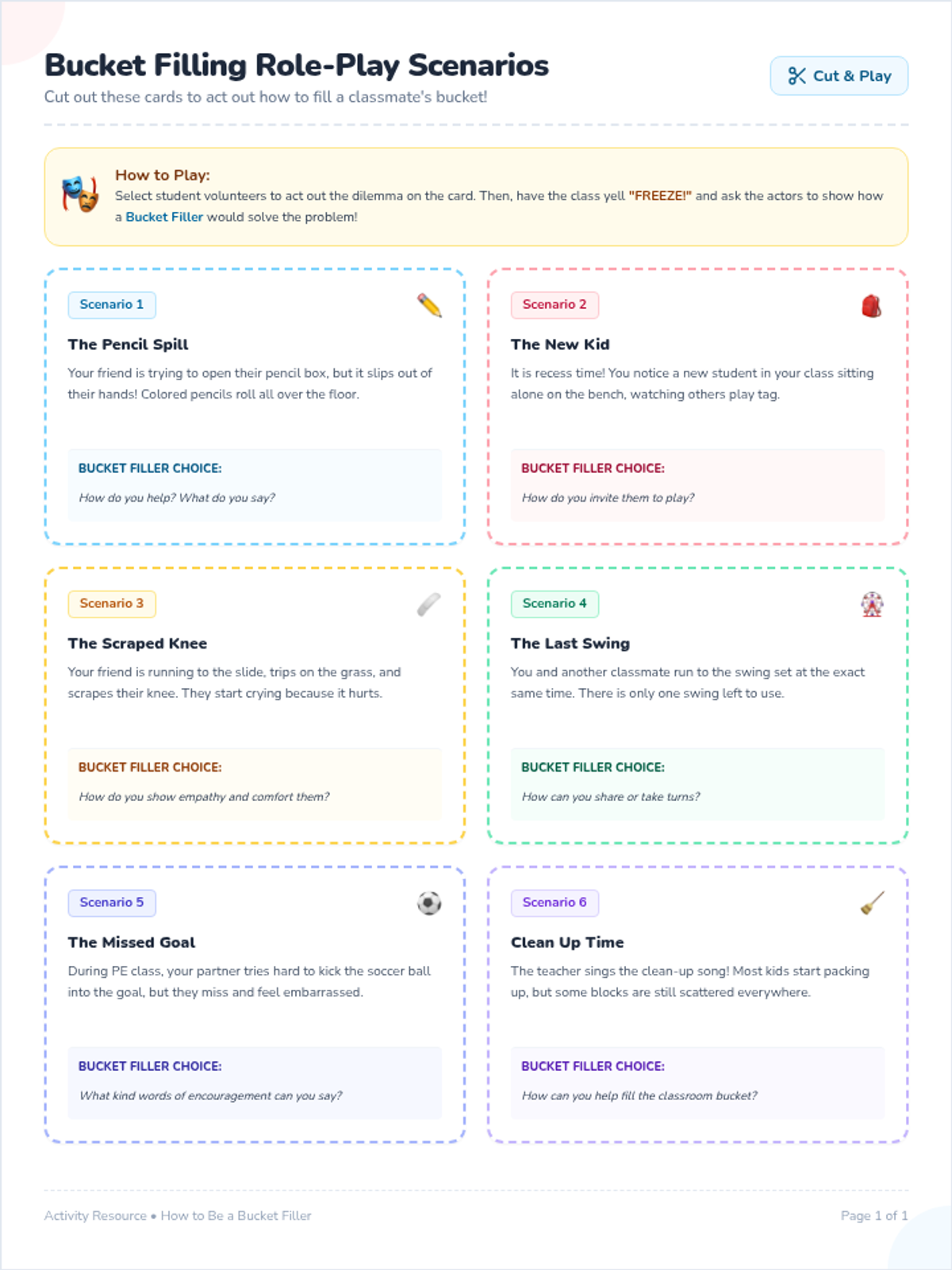
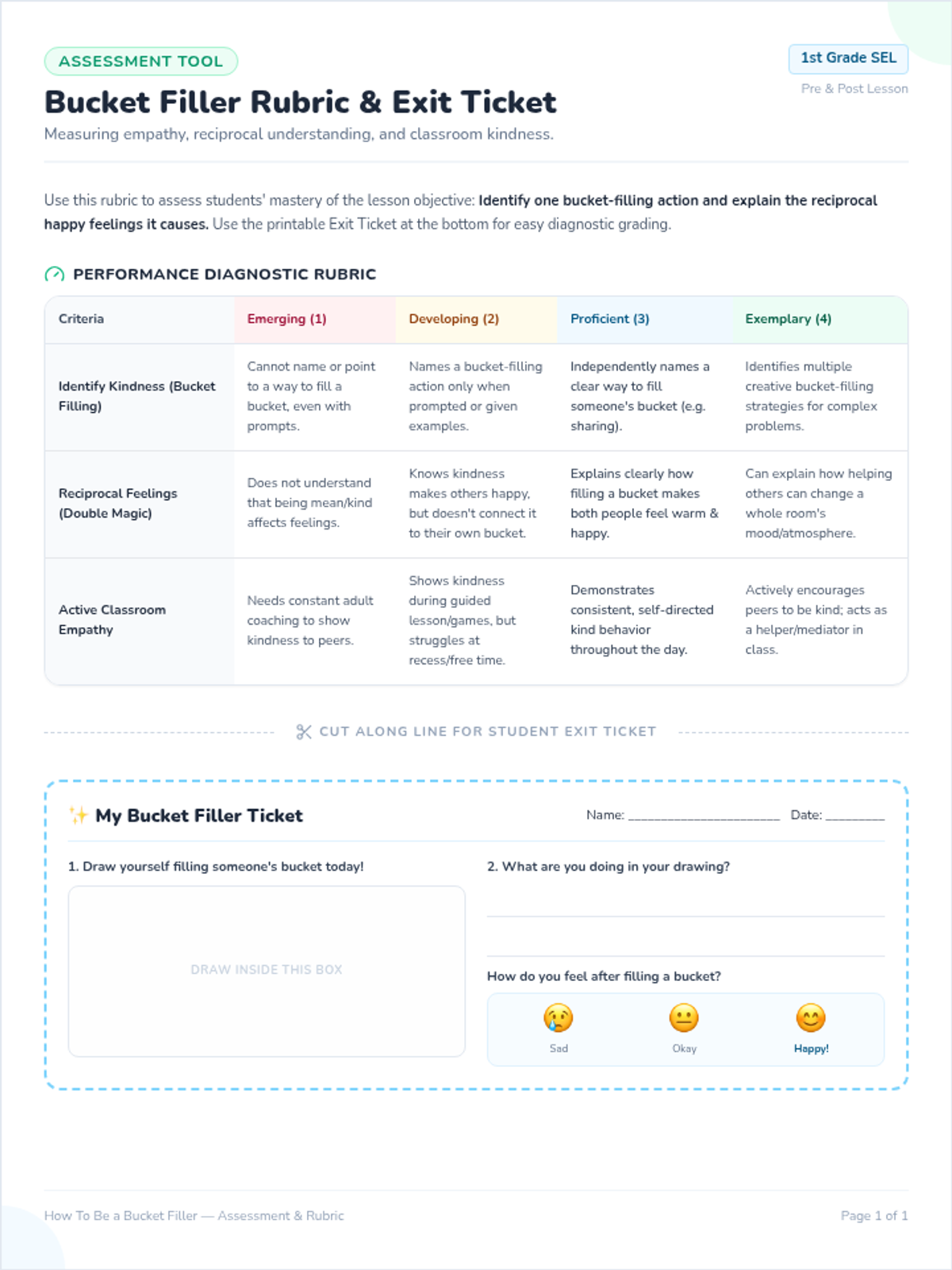
A interactive and heartwarming lesson for 1st-grade students that teaches kindness, empathy, and classroom community using the metaphor of 'bucket filling'. Students learn how their actions impact others and themselves through a read-aloud, role-playing, and self-reflection.
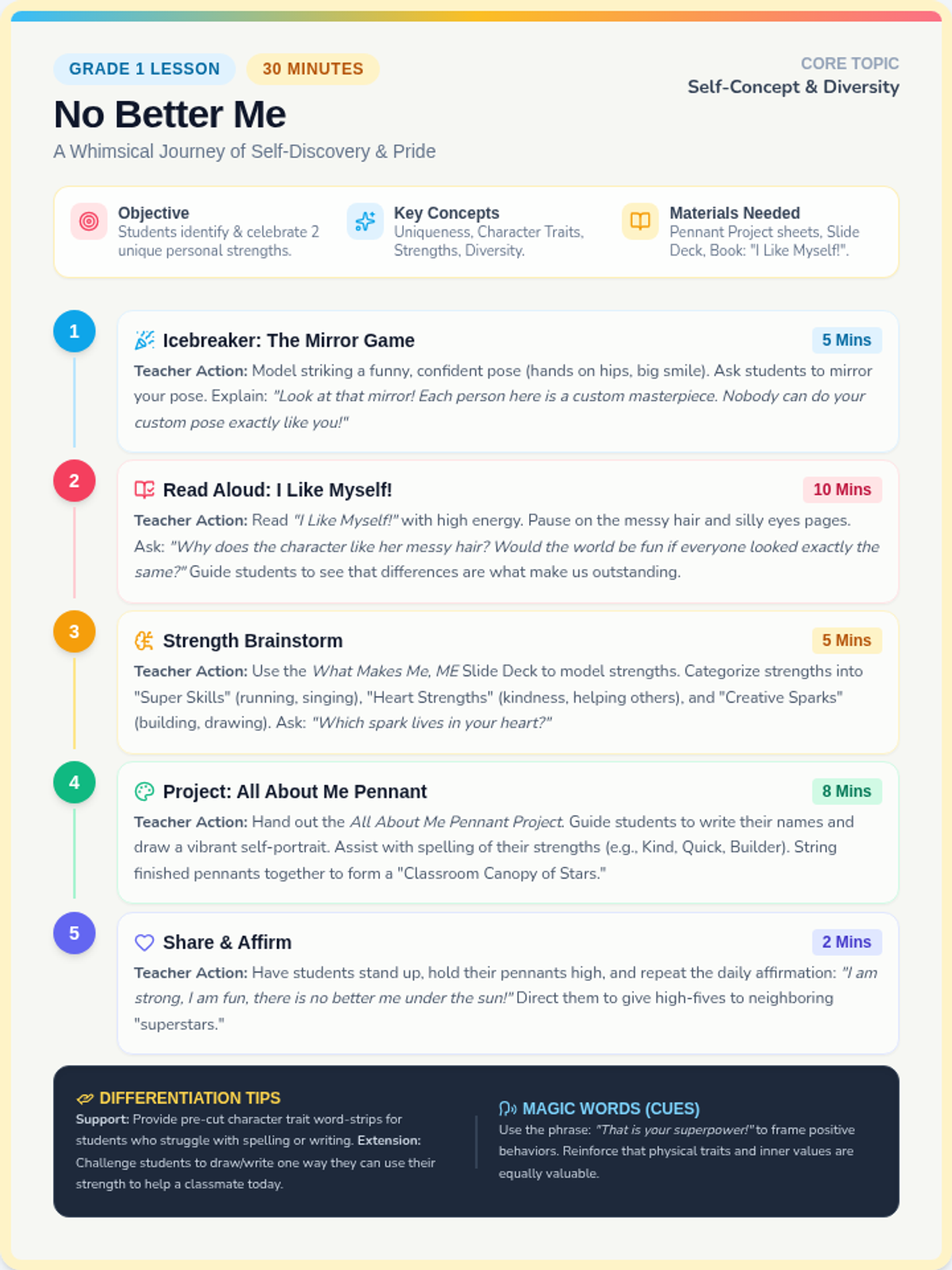
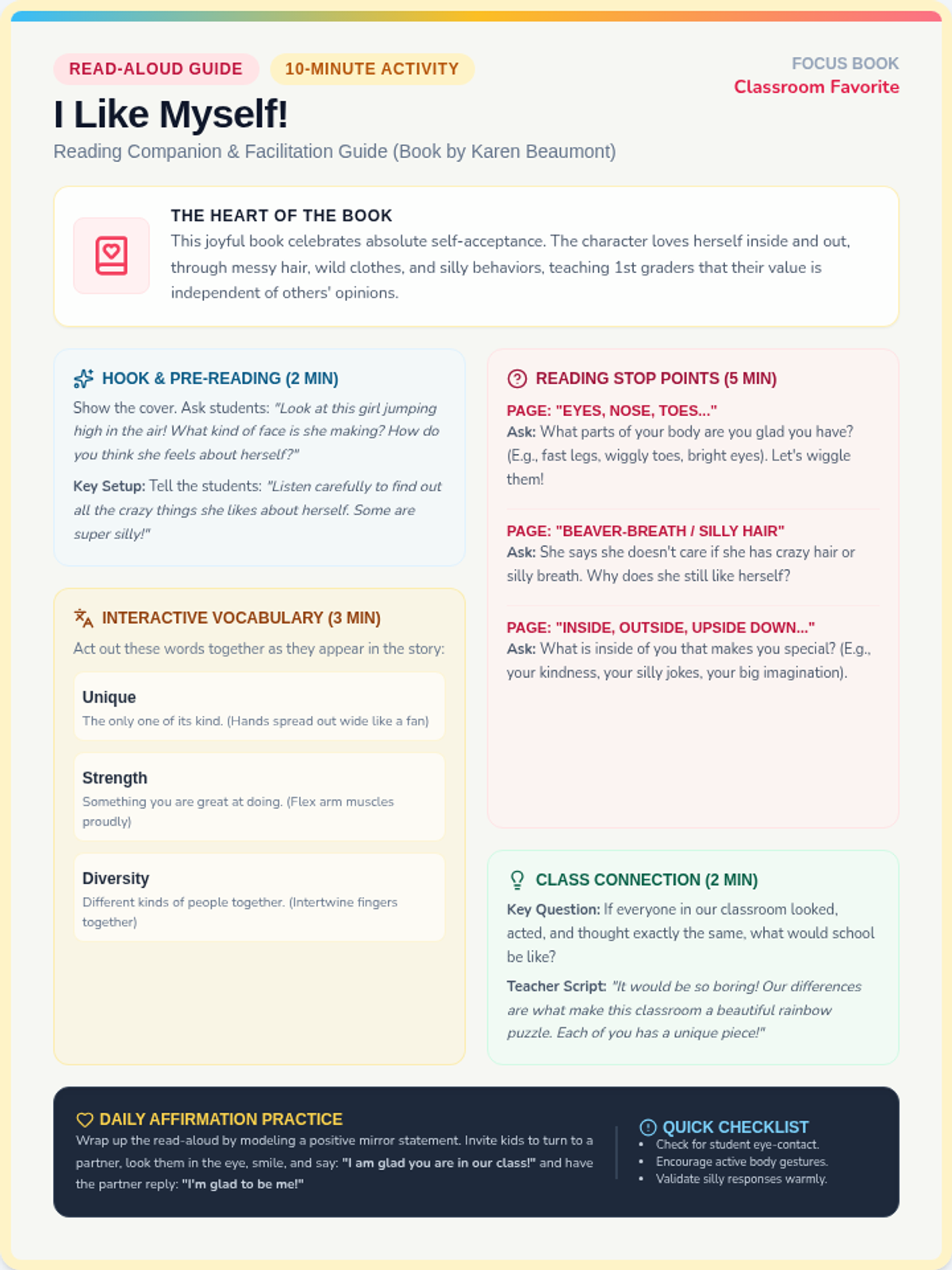
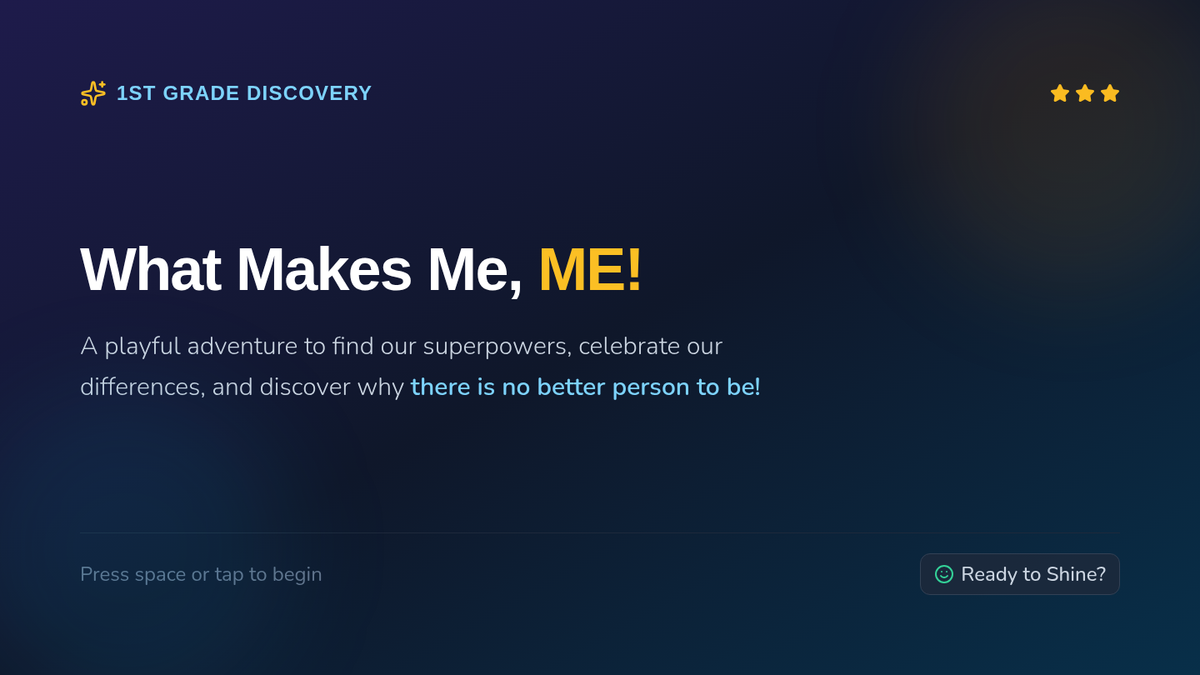
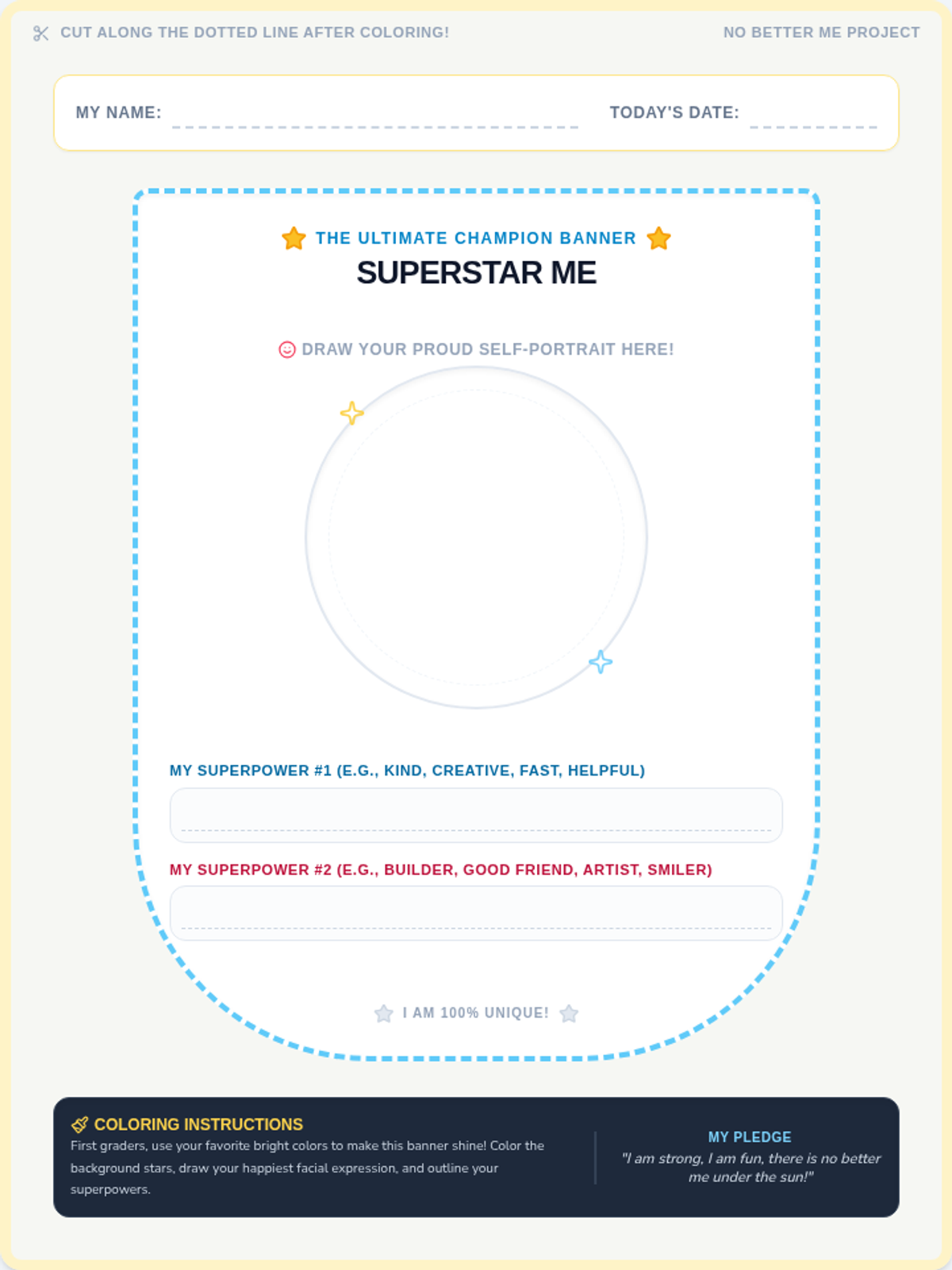
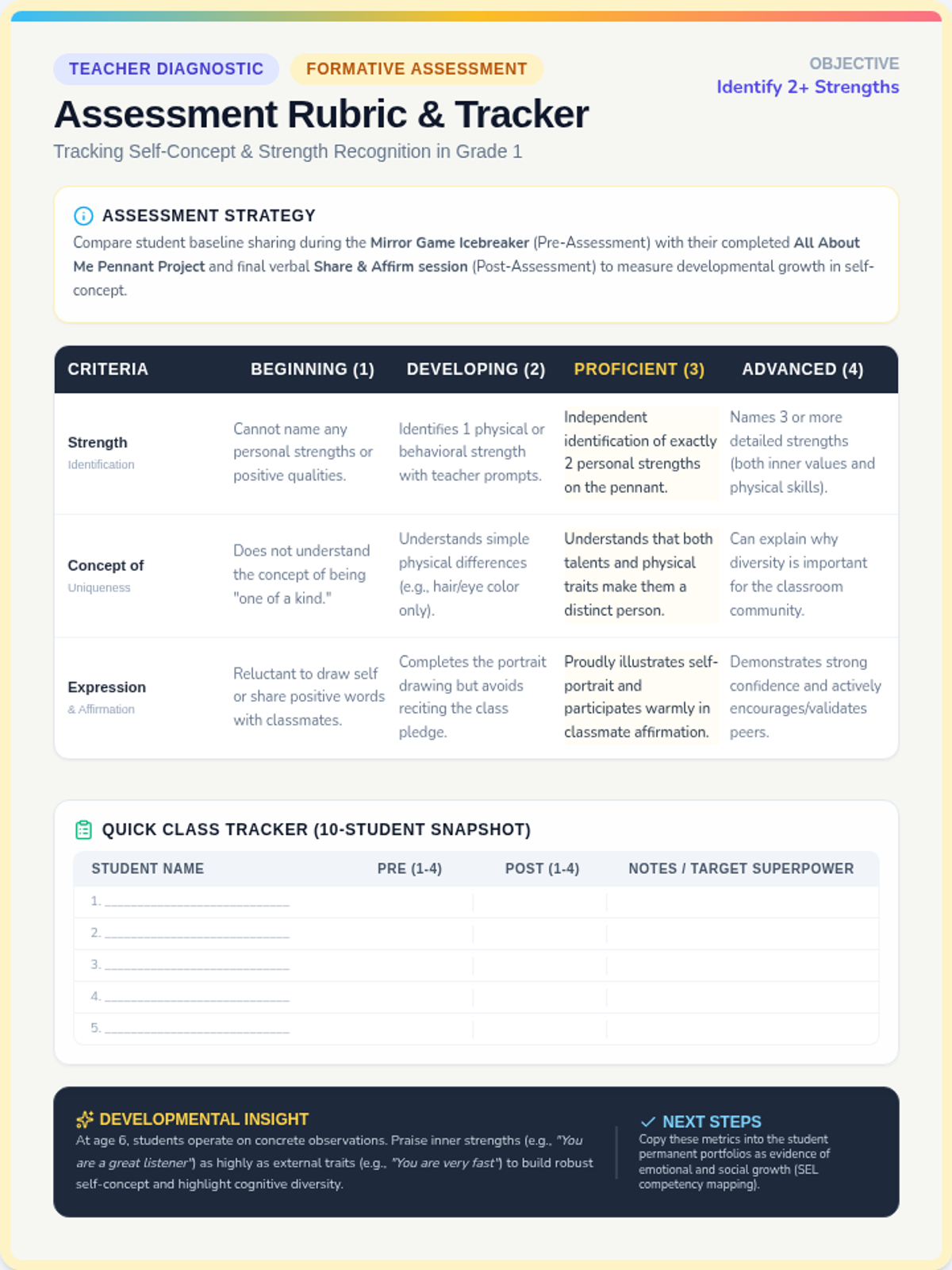
A playful and warm 30-minute lesson for 1st graders focused on self-concept, uniqueness, and identifying personal strengths. Through a shared read-aloud, interactive slides, and a hands-on banner project, students discover and celebrate what makes them special.
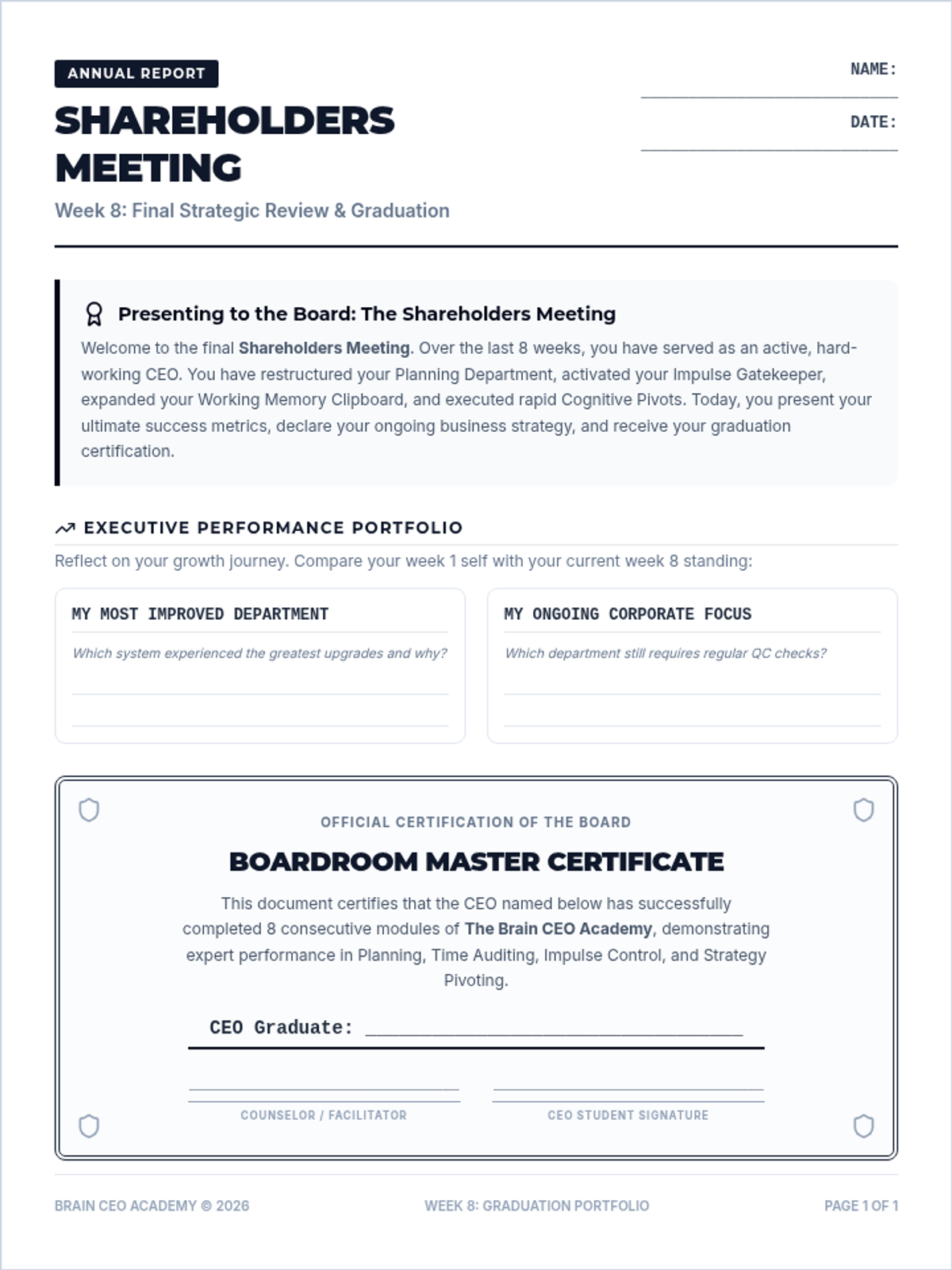
Students host their final Shareholders Meeting to present their executive progress. They receive their Brain CEO Certifications, consolidate their boardroom binders, and commit to long-term habits.
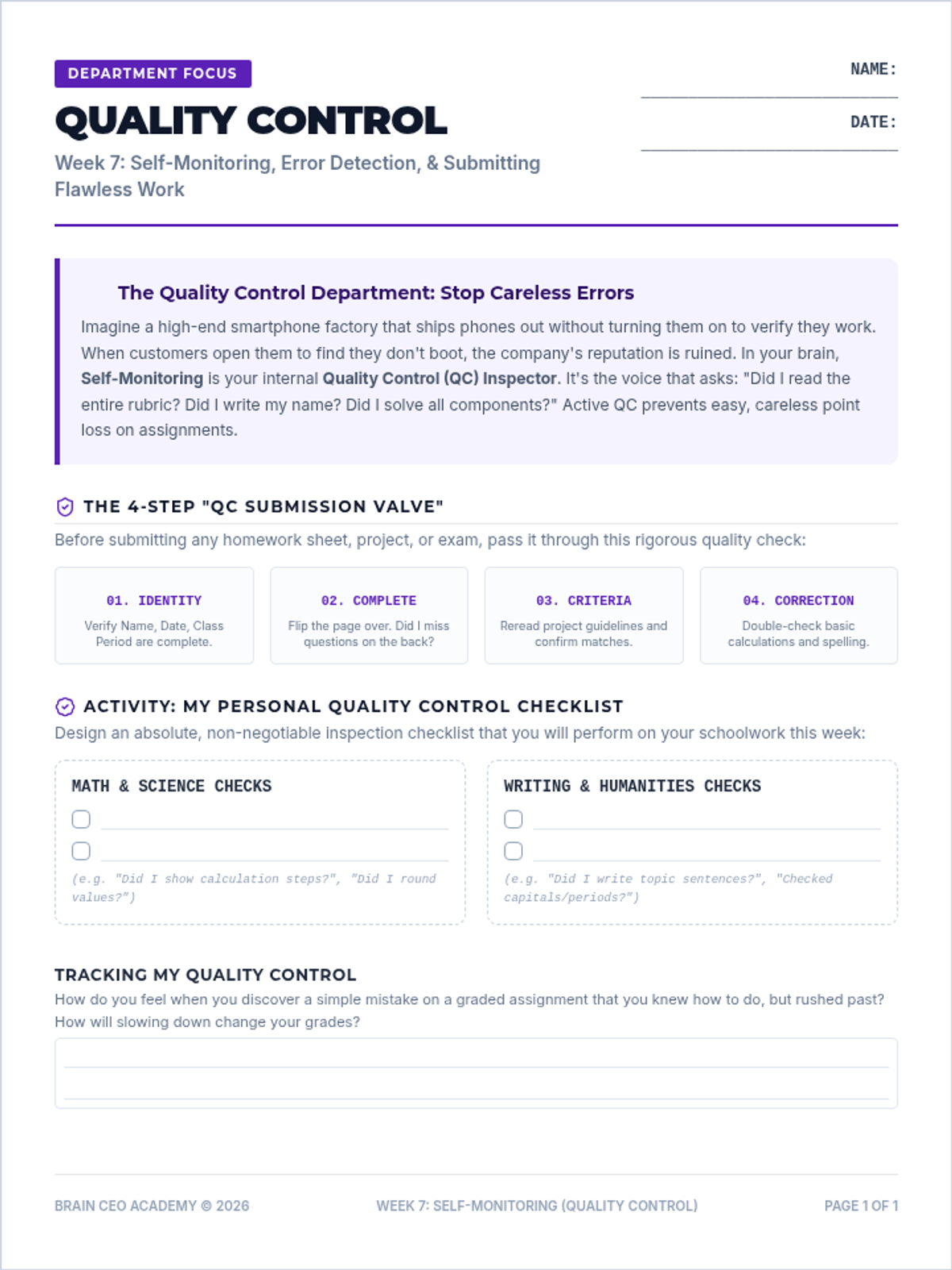
Students examine the brain's 'Quality Control' (self-monitoring). They review academic progress, track habit loops, and self-correct work before submitting it.
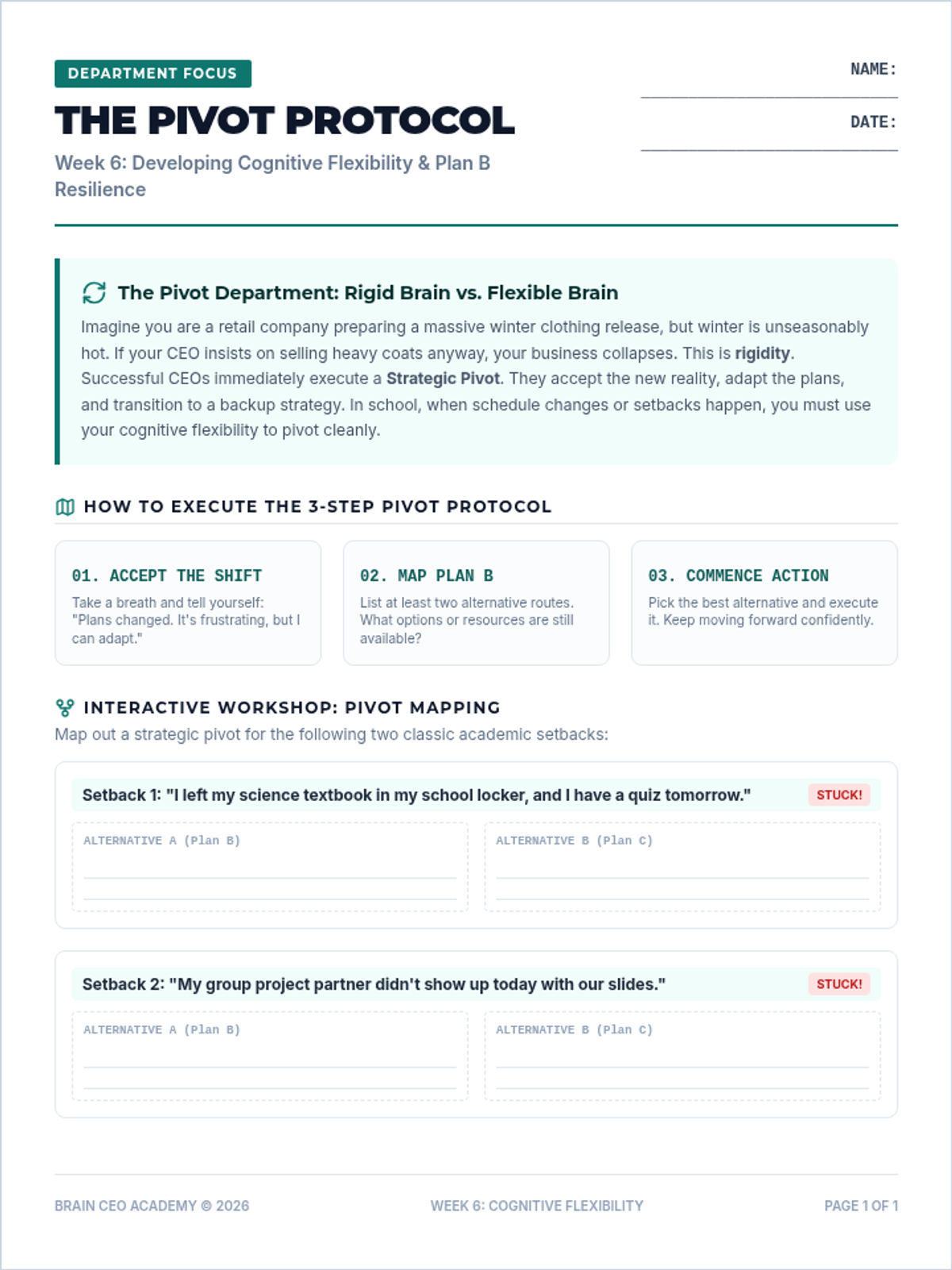
Students examine the brain's 'Pivot' (cognitive flexibility). They learn how to adapt to unexpected boardroom shifts, handle academic setbacks, and problem-solve when plans fail.
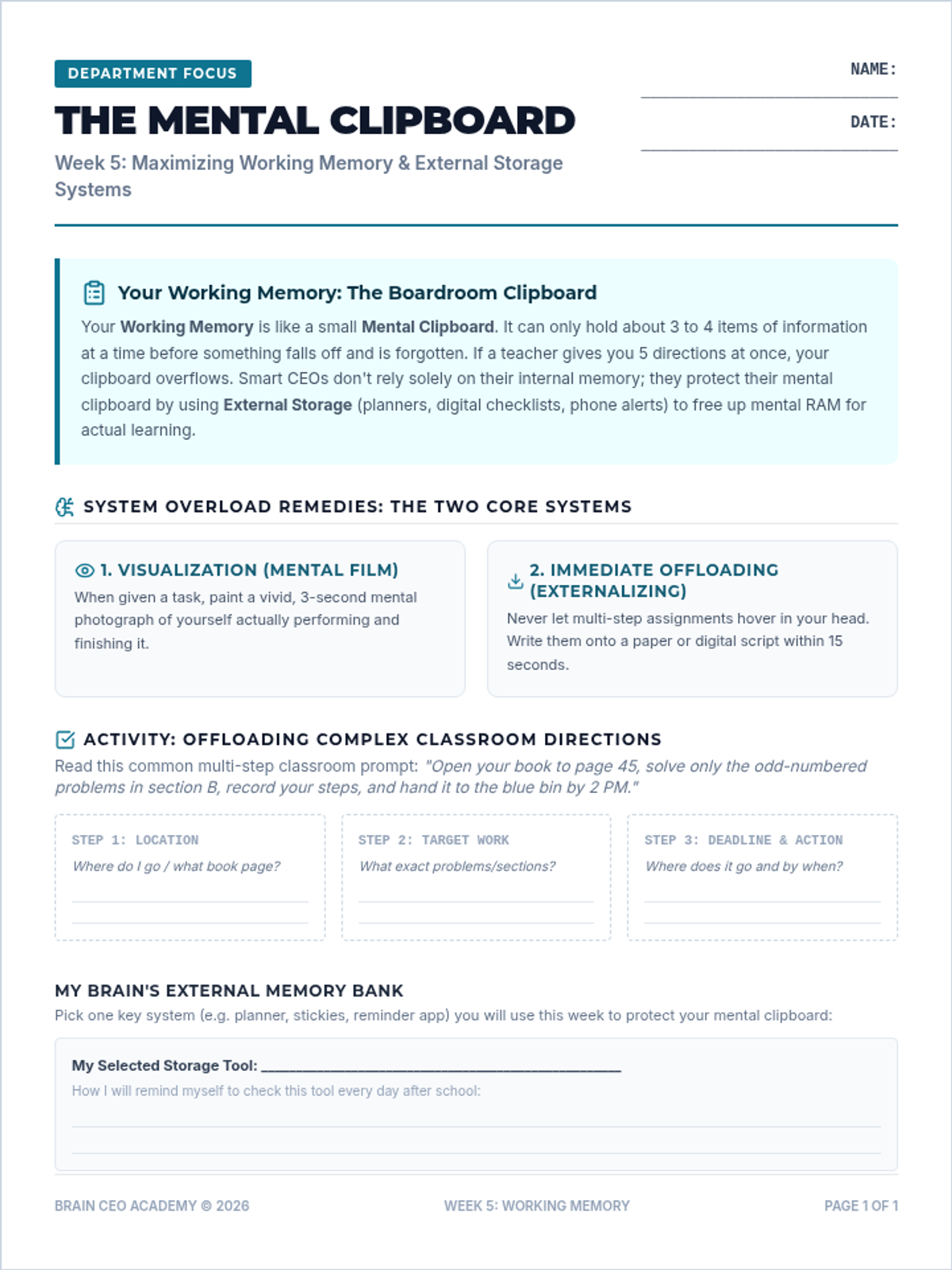
Students explore the brain's 'Mental Clipboard' (working memory). They practice visualization, externalization, and mnemonics to retain multi-step instructions and organize school information.
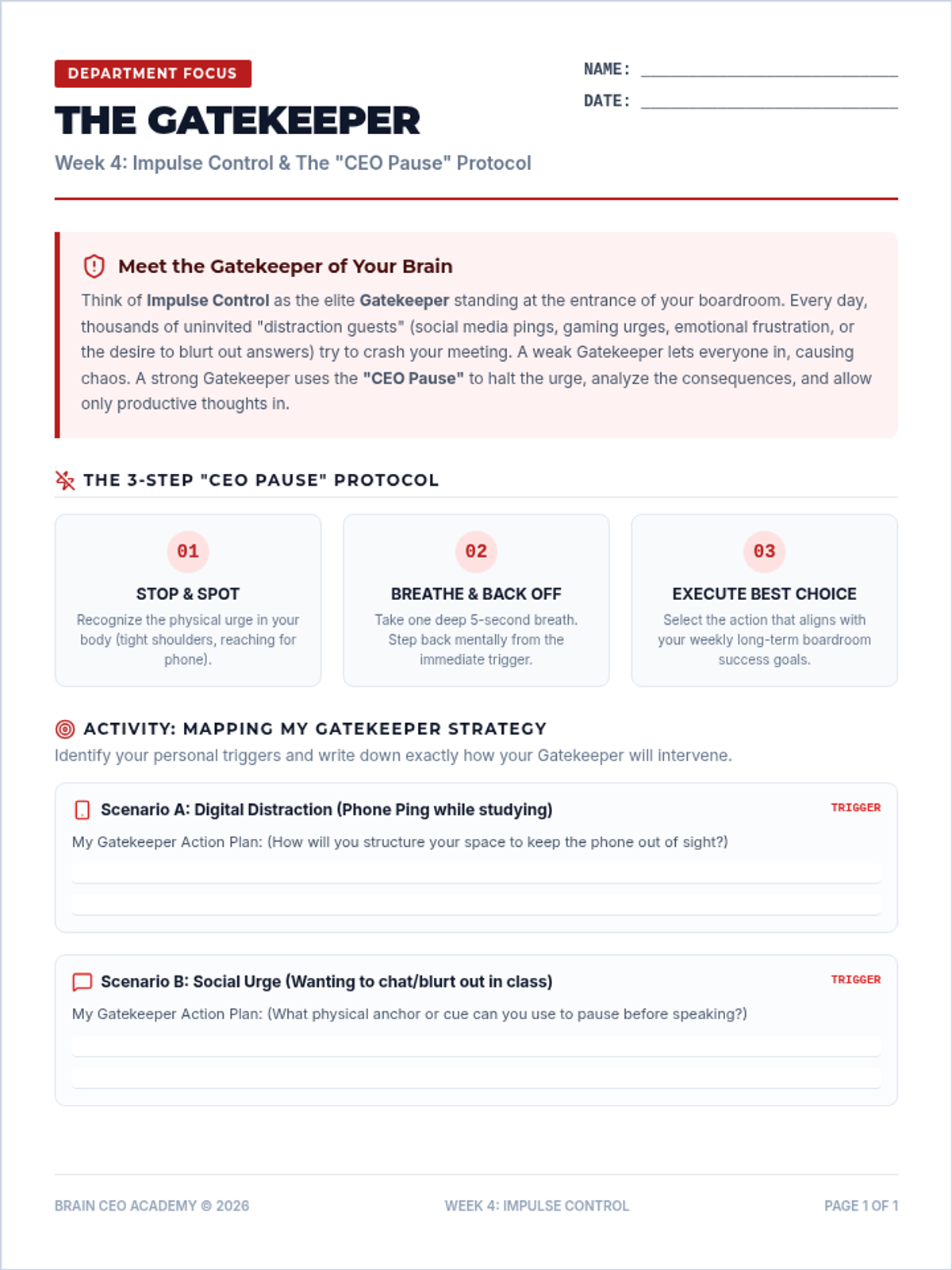
Students explore the brain's 'Gatekeeper' (impulse control), developing practical techniques like the 'CEO Pause' to resist high-tech distractions and control emotional impulses before acting.
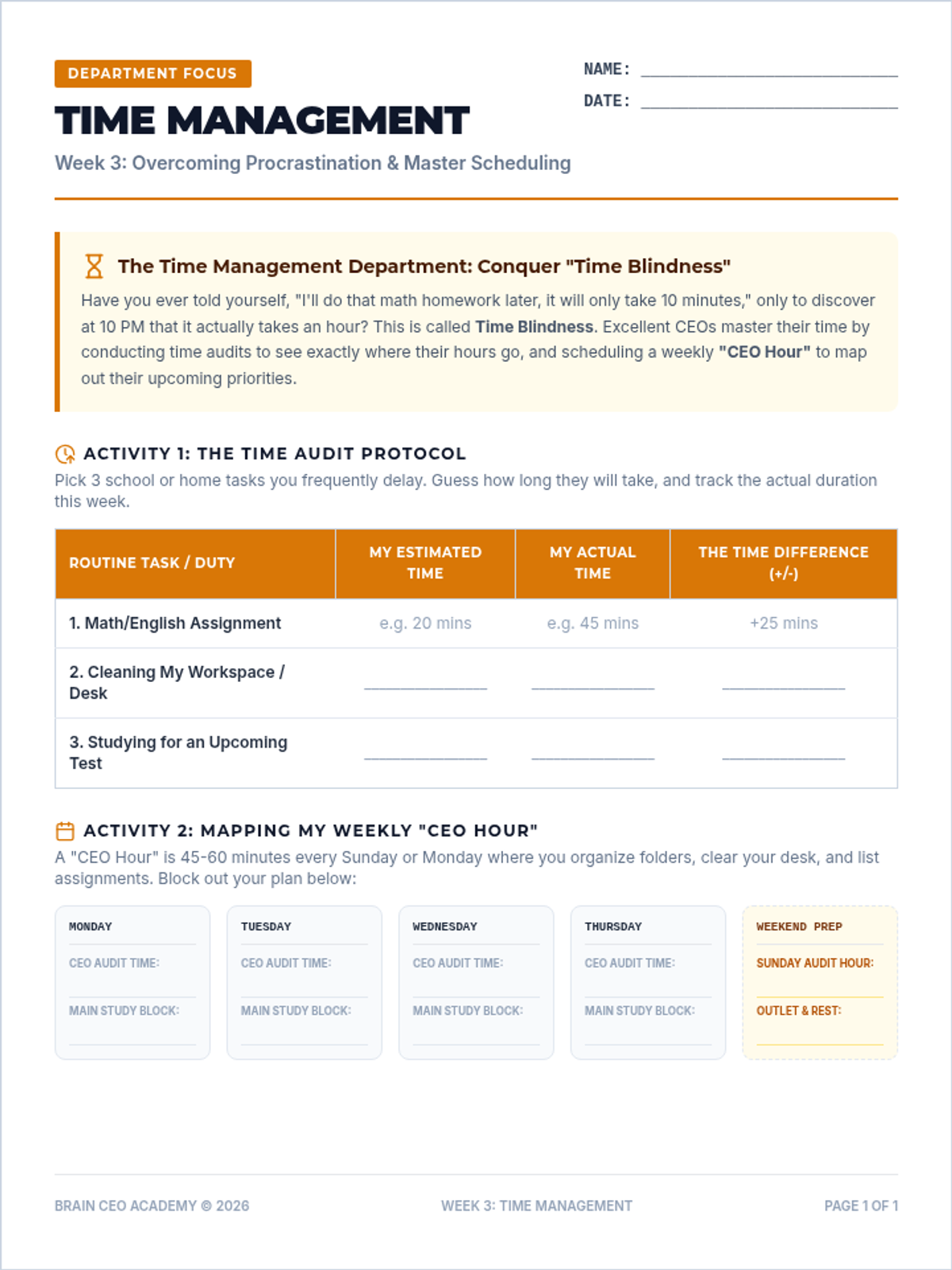
Students examine their brain's Time Management department, learning how to overcome procrastination, estimate task durations accurately, and implement the 'CEO Hour' weekly scheduling technique.
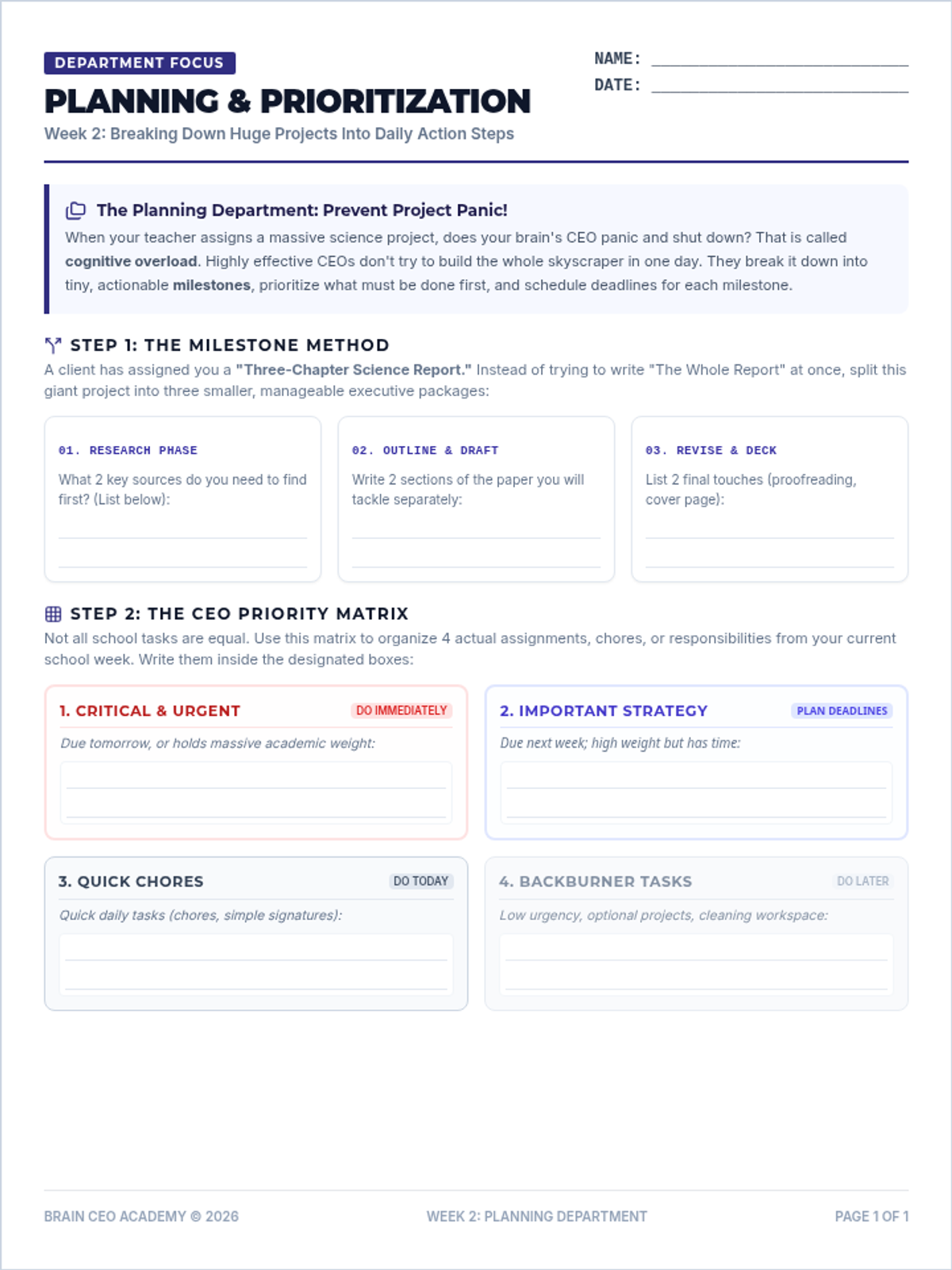
Students dive into the Planning & Prioritization Department, learning how to break down complex projects into actionable steps and organize tasks using the 'CEO Action Item' matrix.