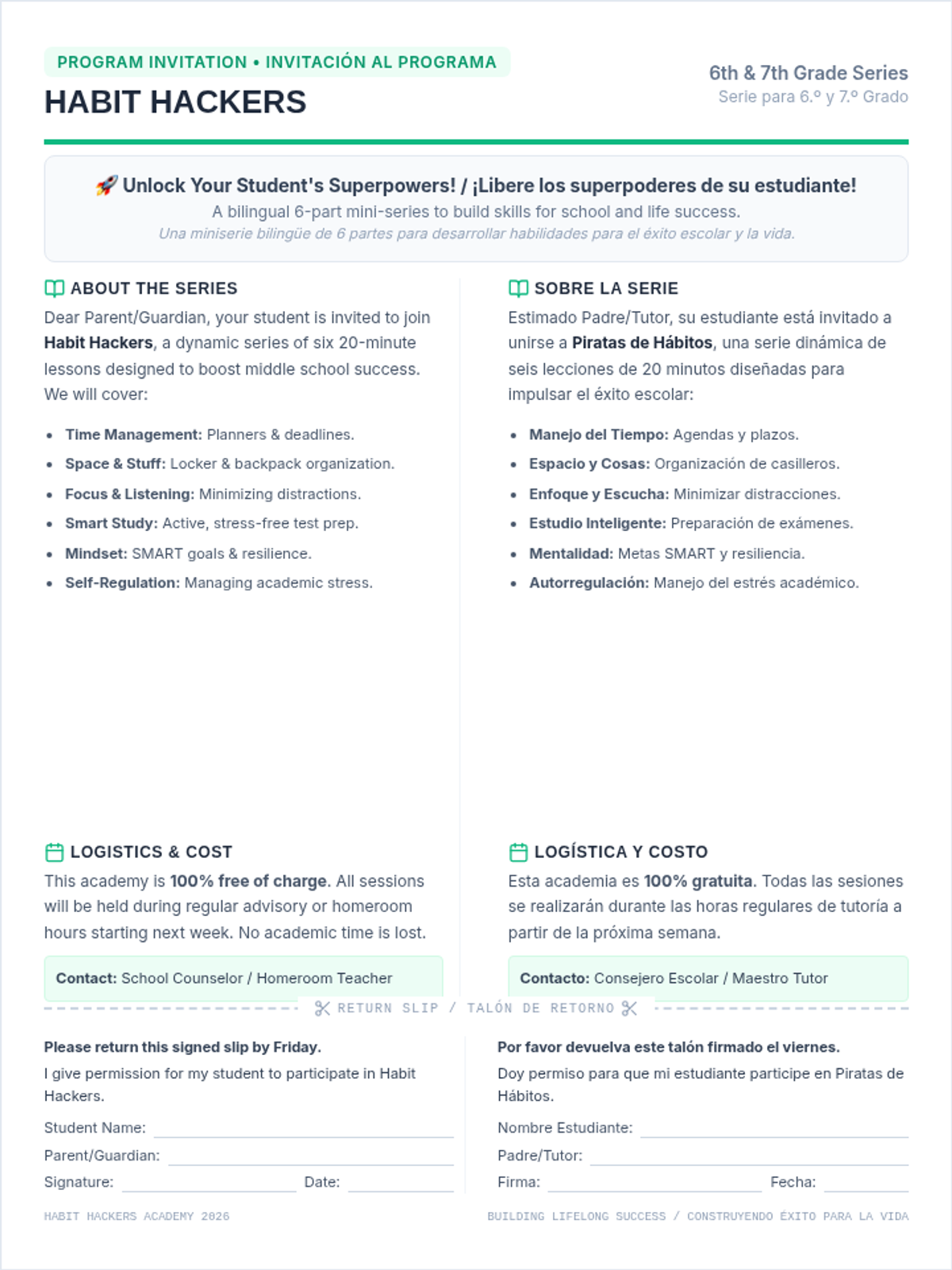
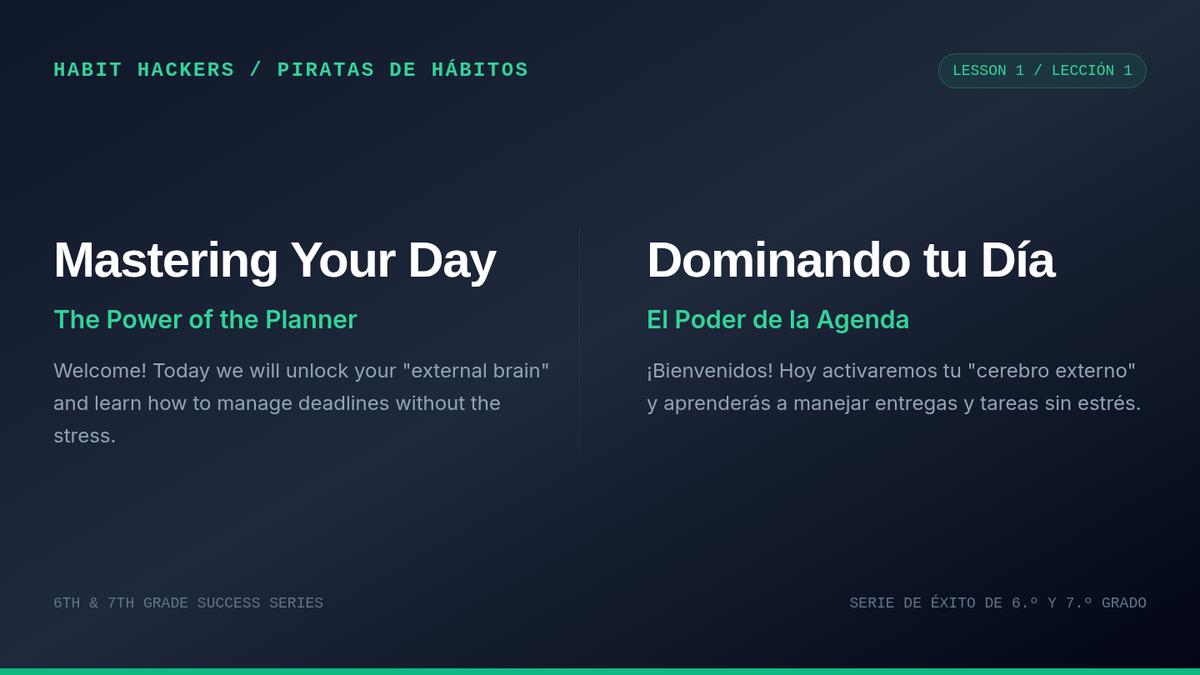
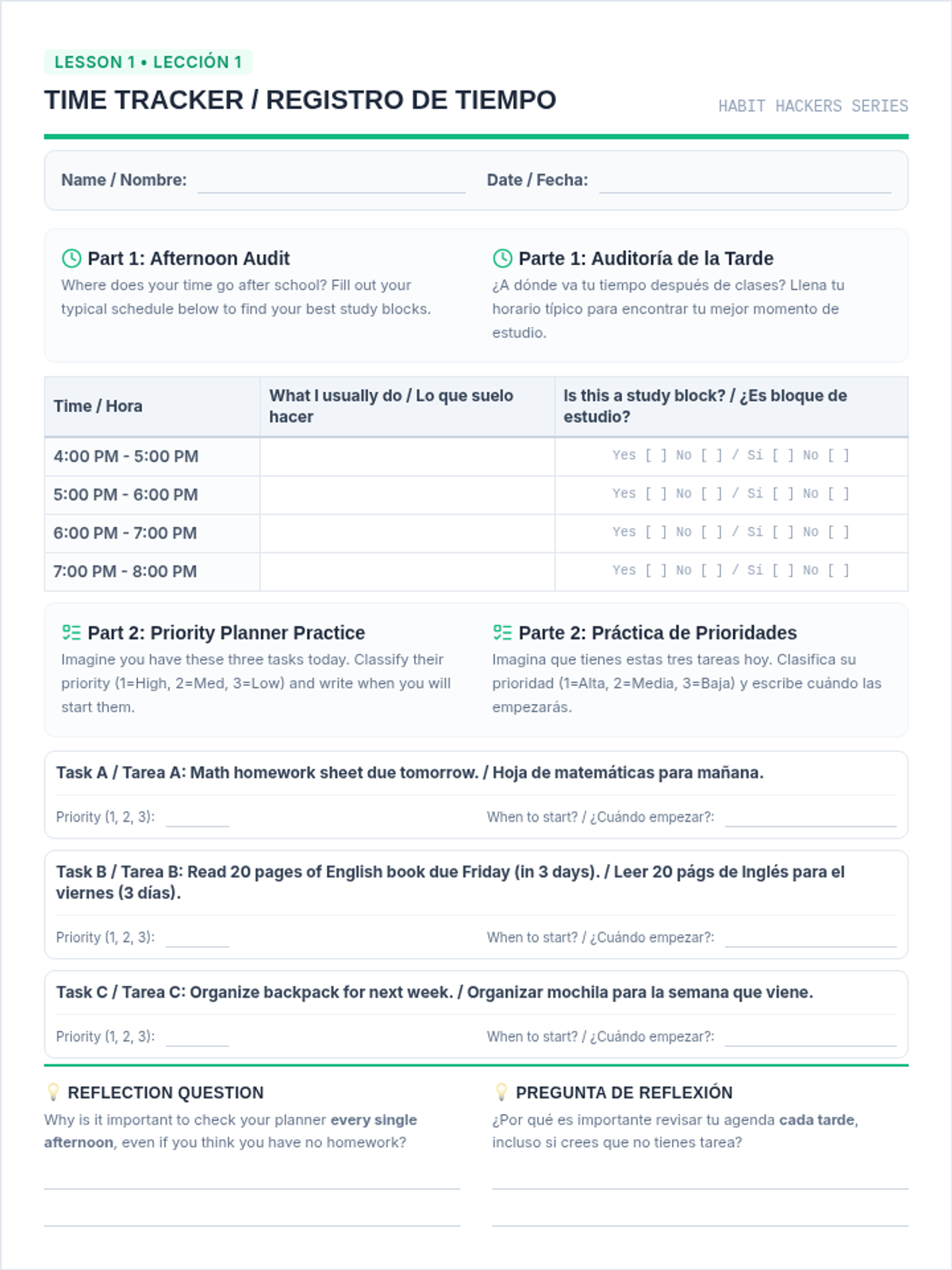
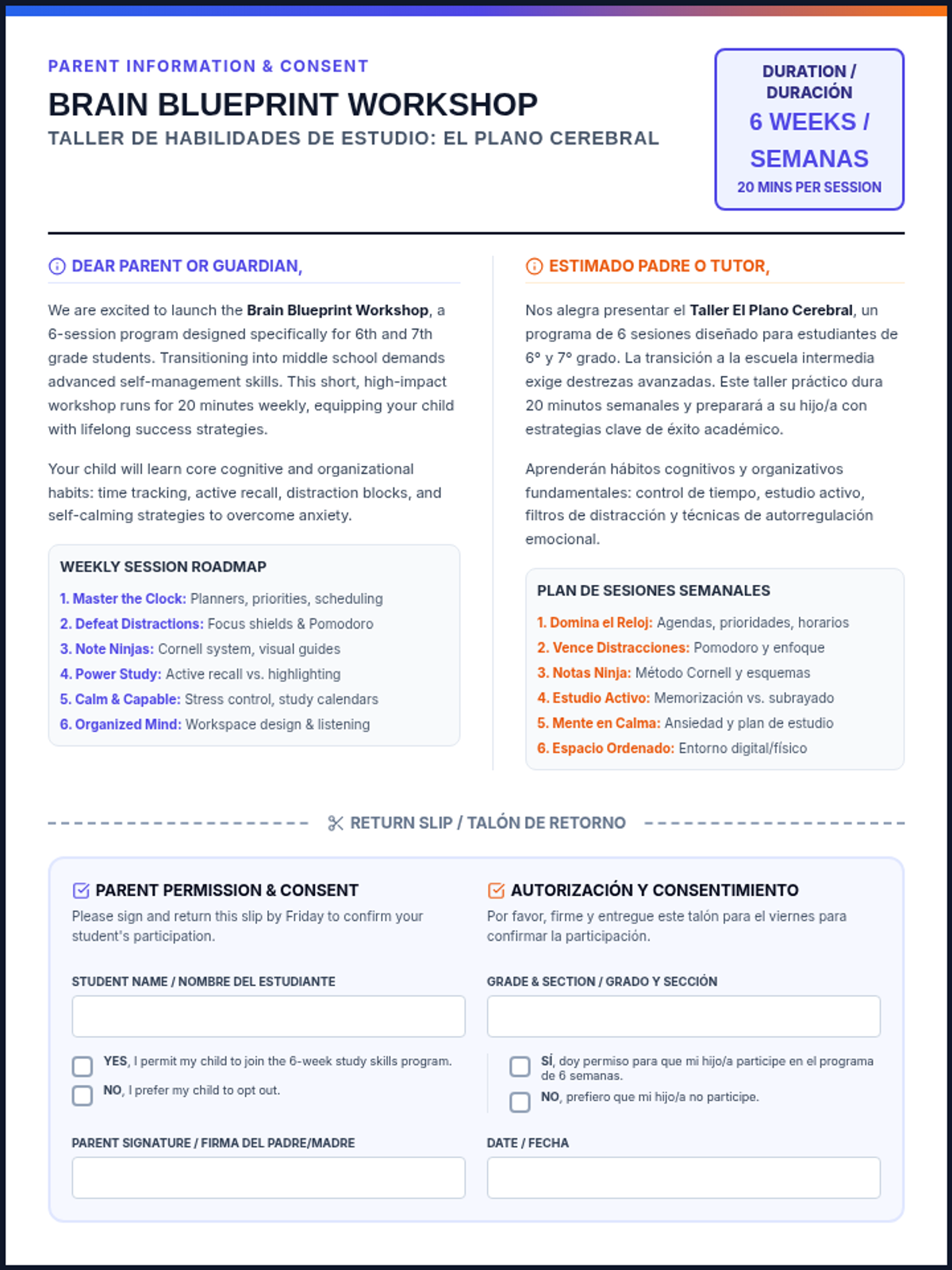
The first lesson of the study skills sequence, focusing on time management, prioritization, and the 'Time Captains' concept for Grade 6 and 7 students. Includes parental permission slips in English and Spanish.
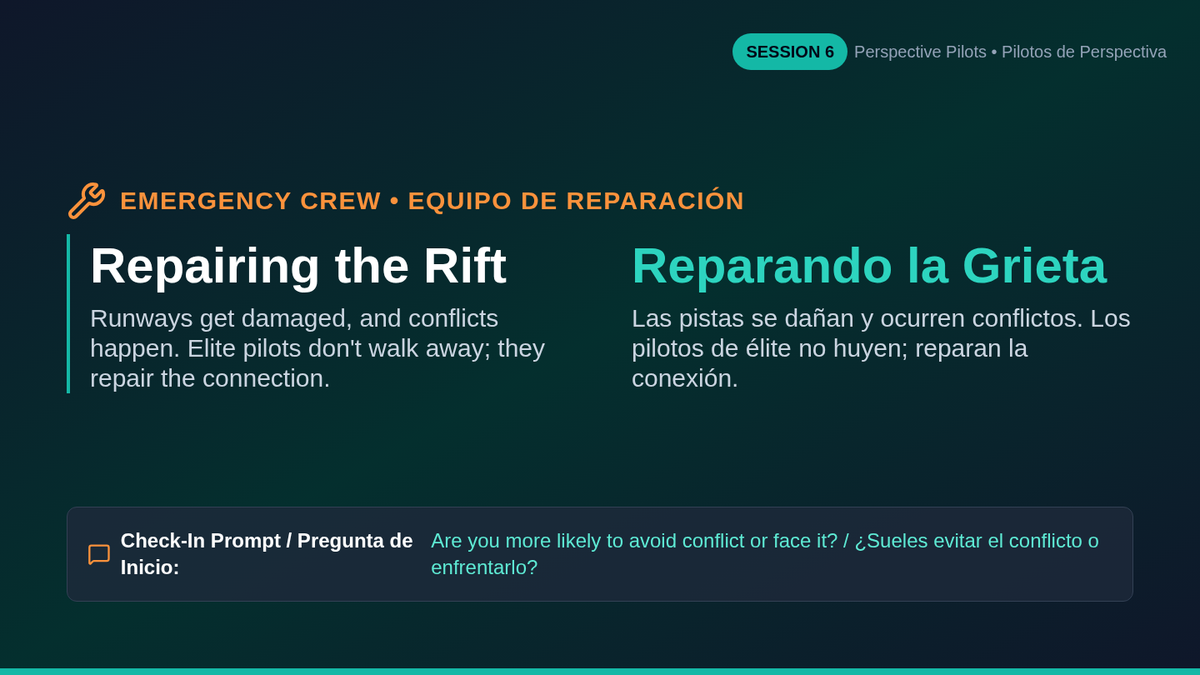
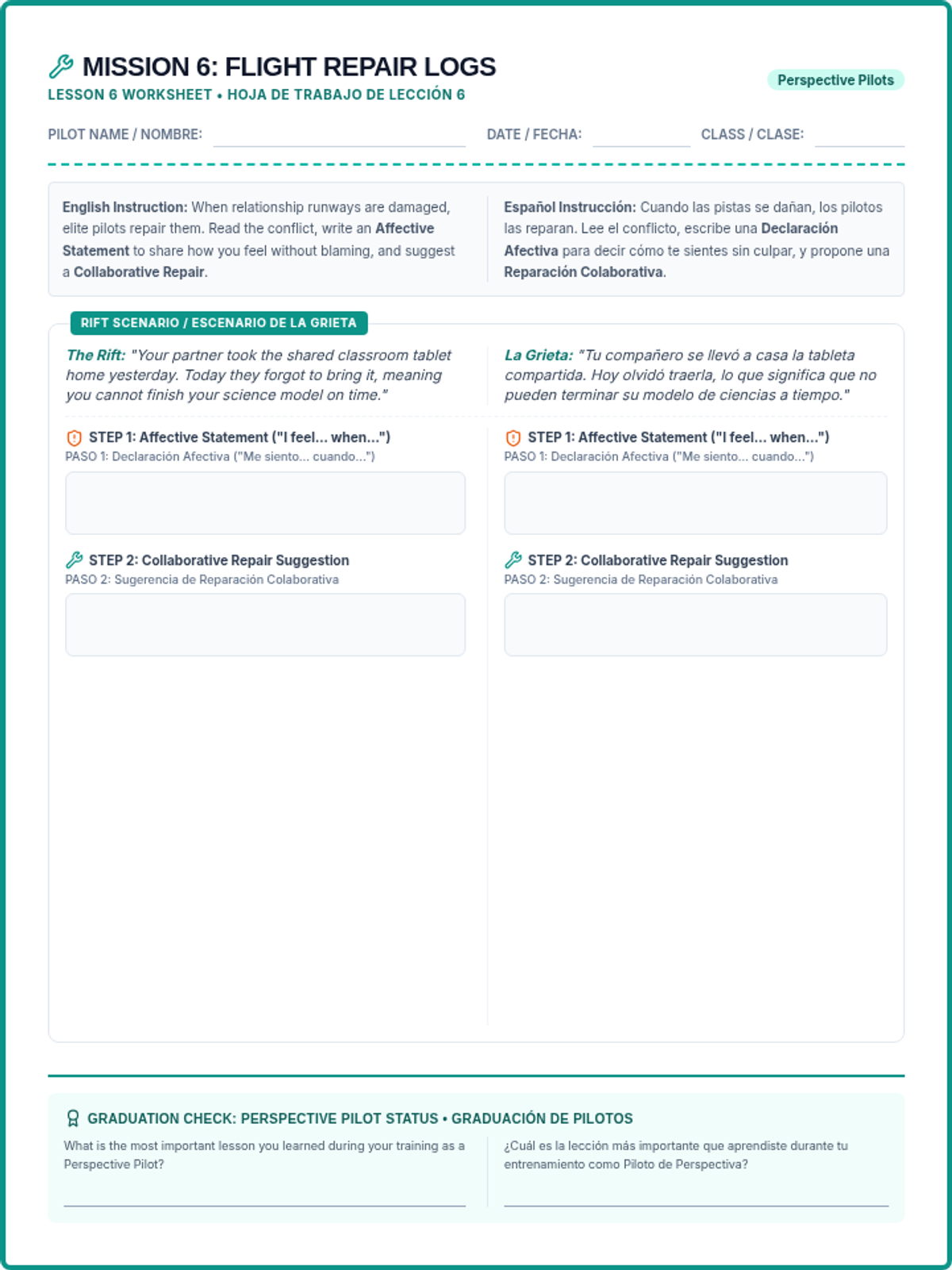
Introduces students to restorative conflict resolution, learning how to repair trust and rebuild connections using affective statements. Includes slides and an active workbook.
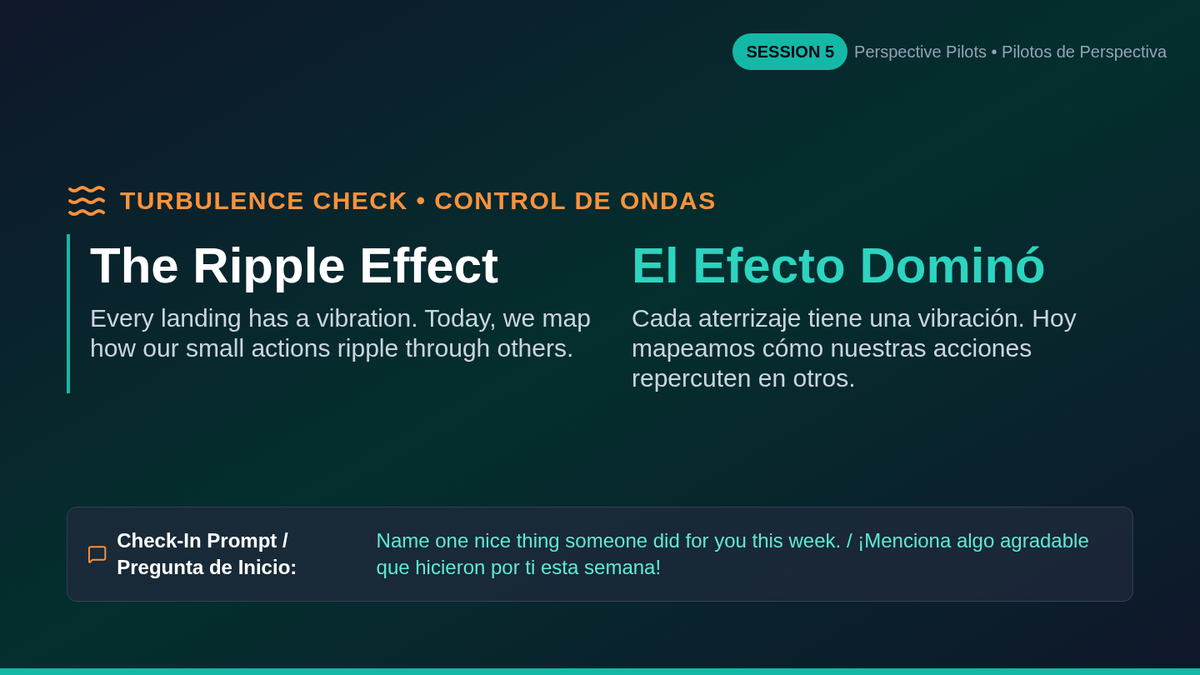
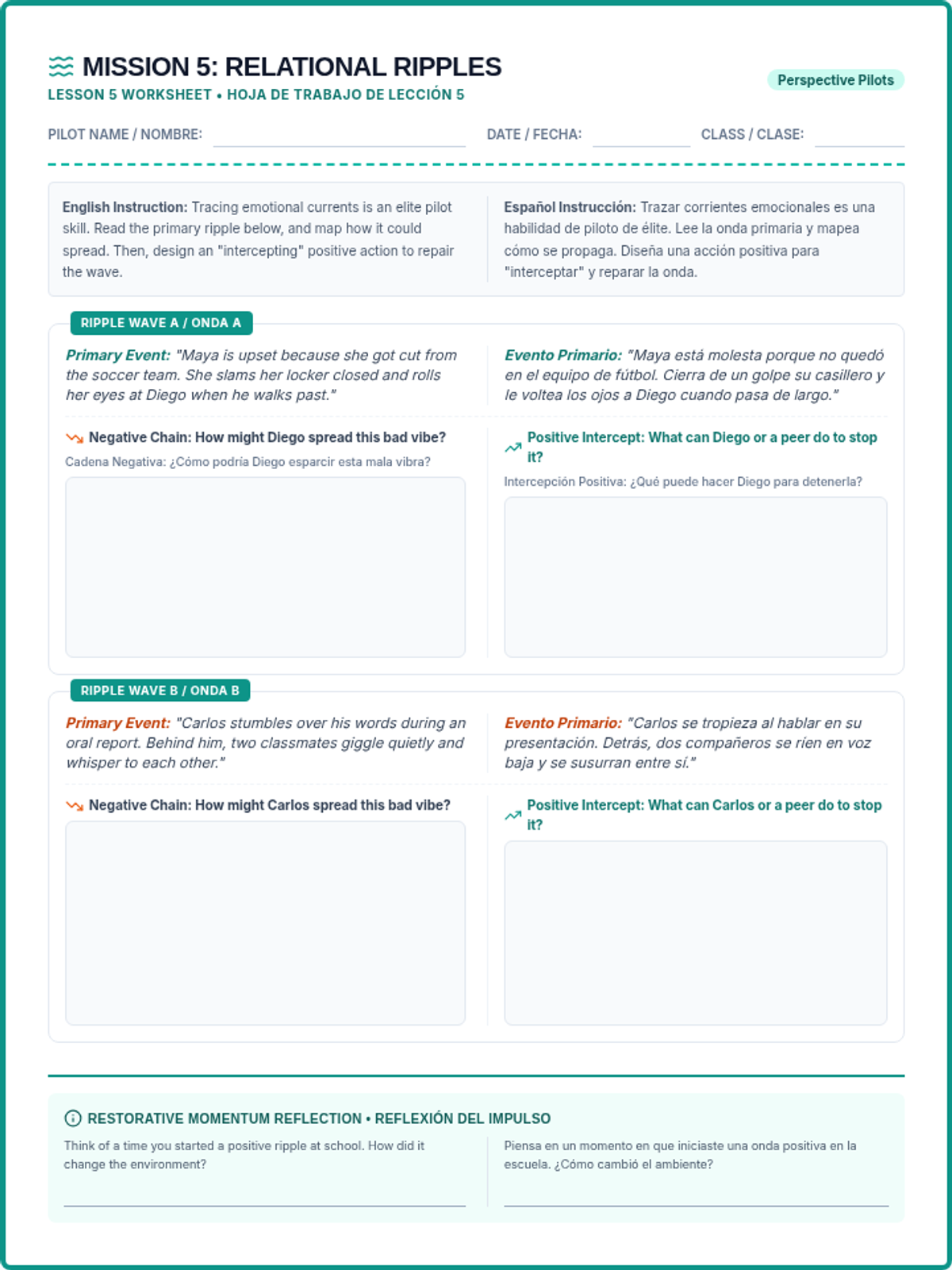
Explores how our actions and words create a ripple effect of emotions on peers. Features interactive presentation slides and a relational mapping worksheet.
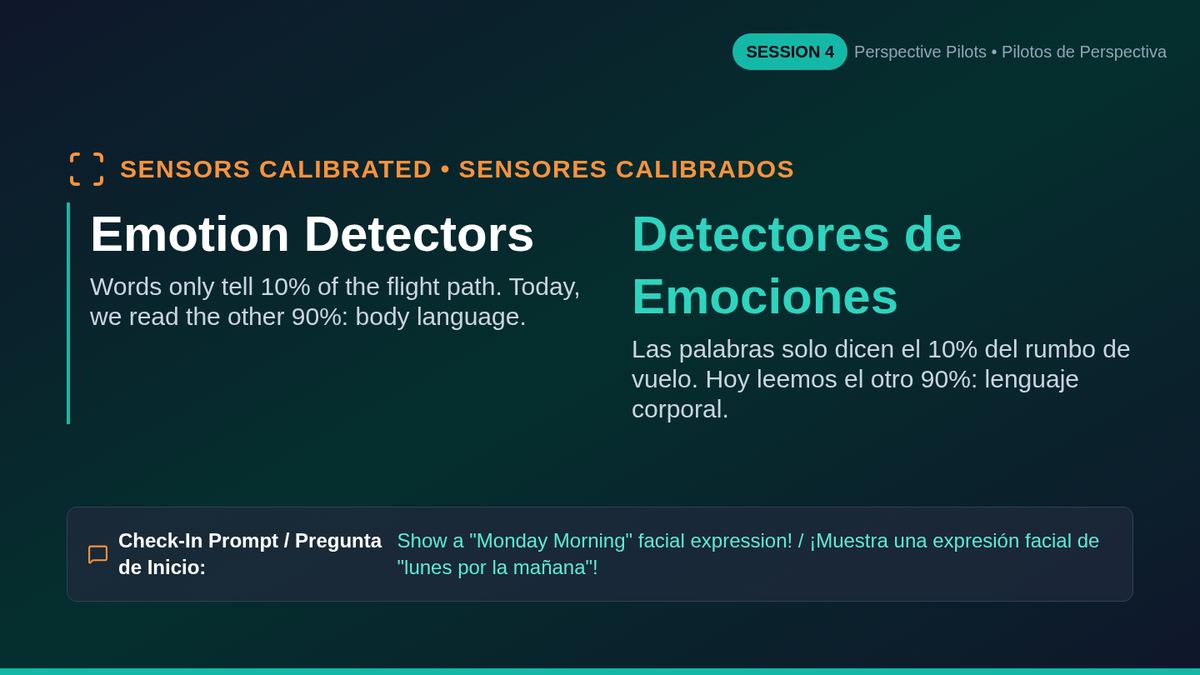
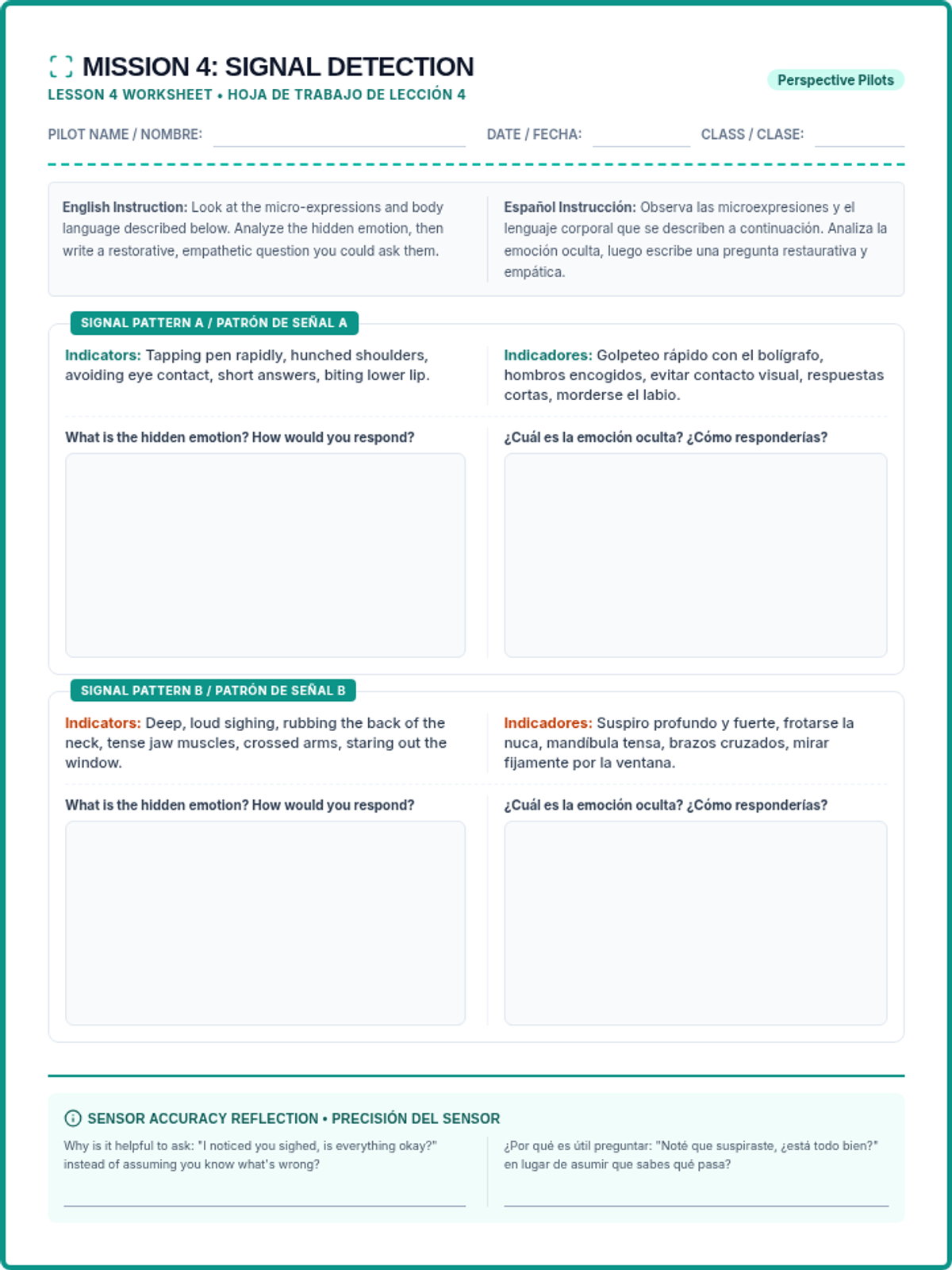
Focuses on social awareness by teaching students how to read micro-expressions and body language. Includes presentation slides and an observational worksheet.
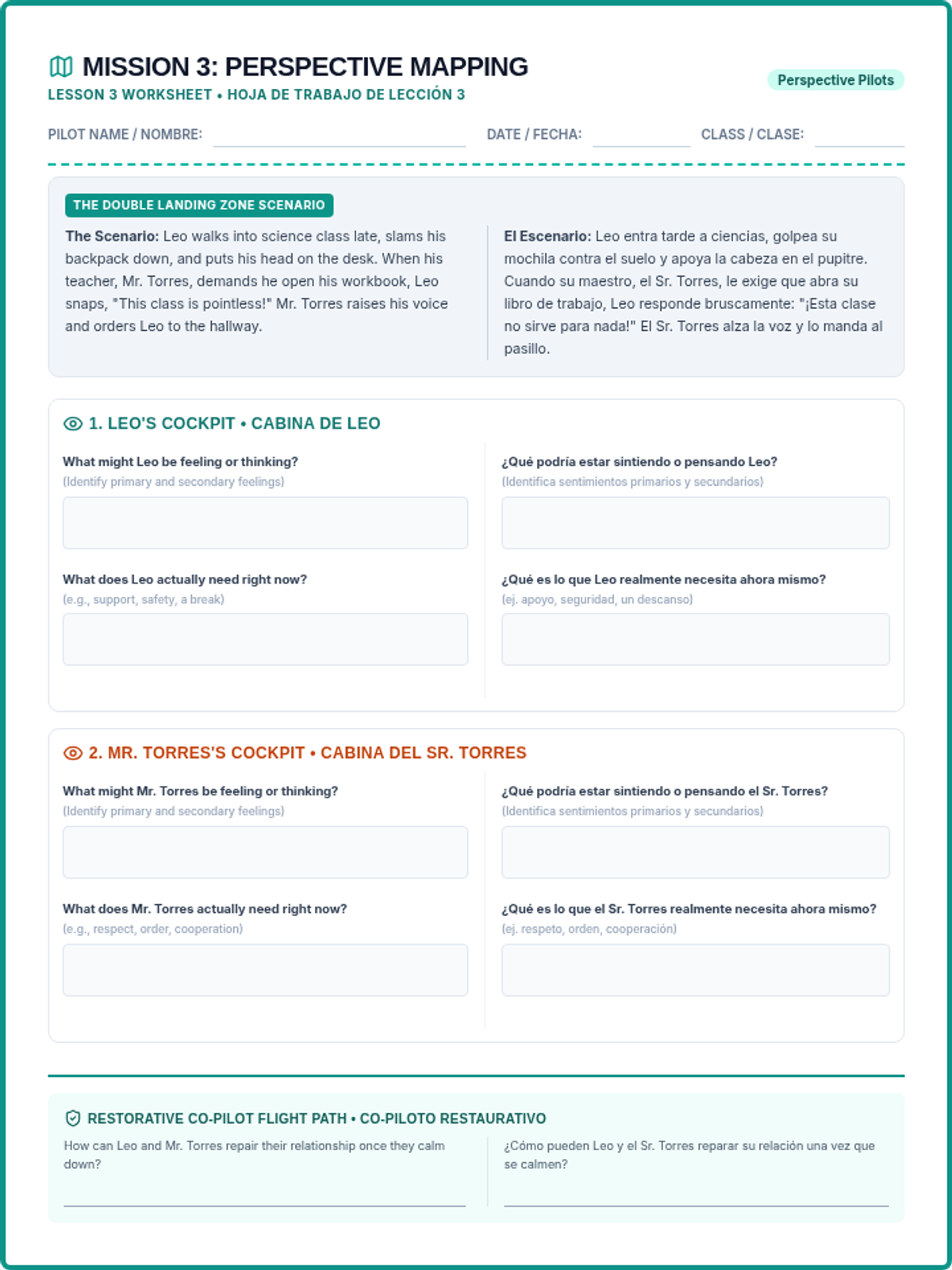
Teaches perspective-taking and social awareness through diverse real-world school scenarios. Includes interactive presentation slides and a perspective mapping worksheet.
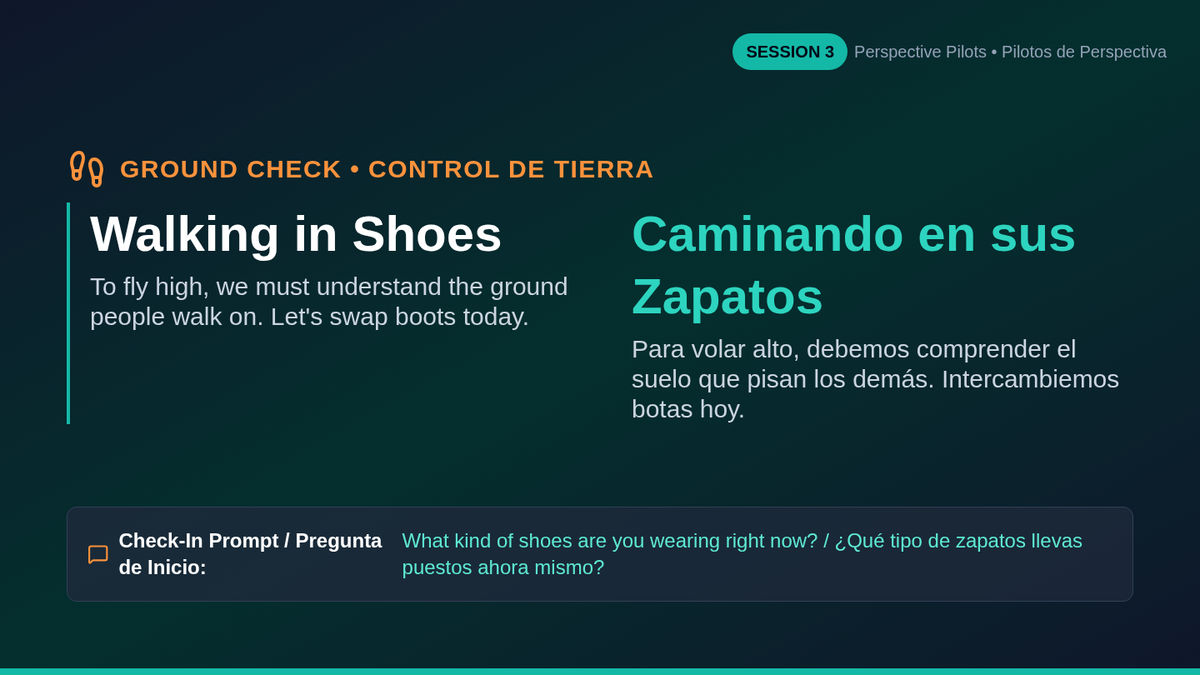
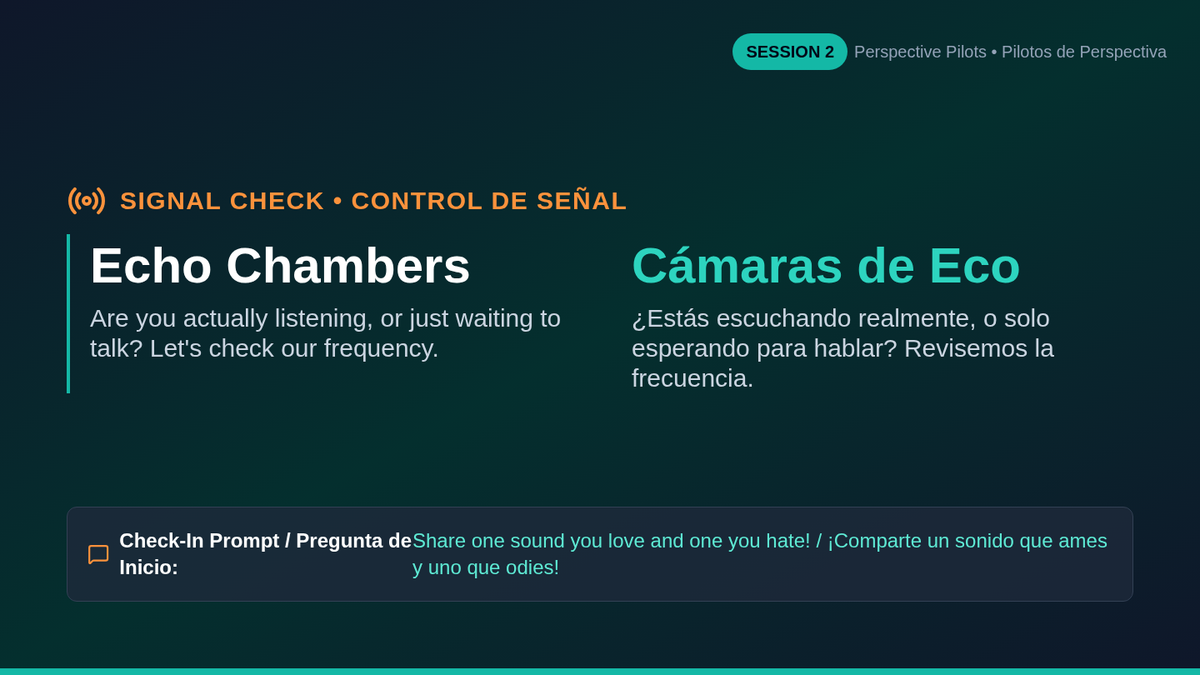
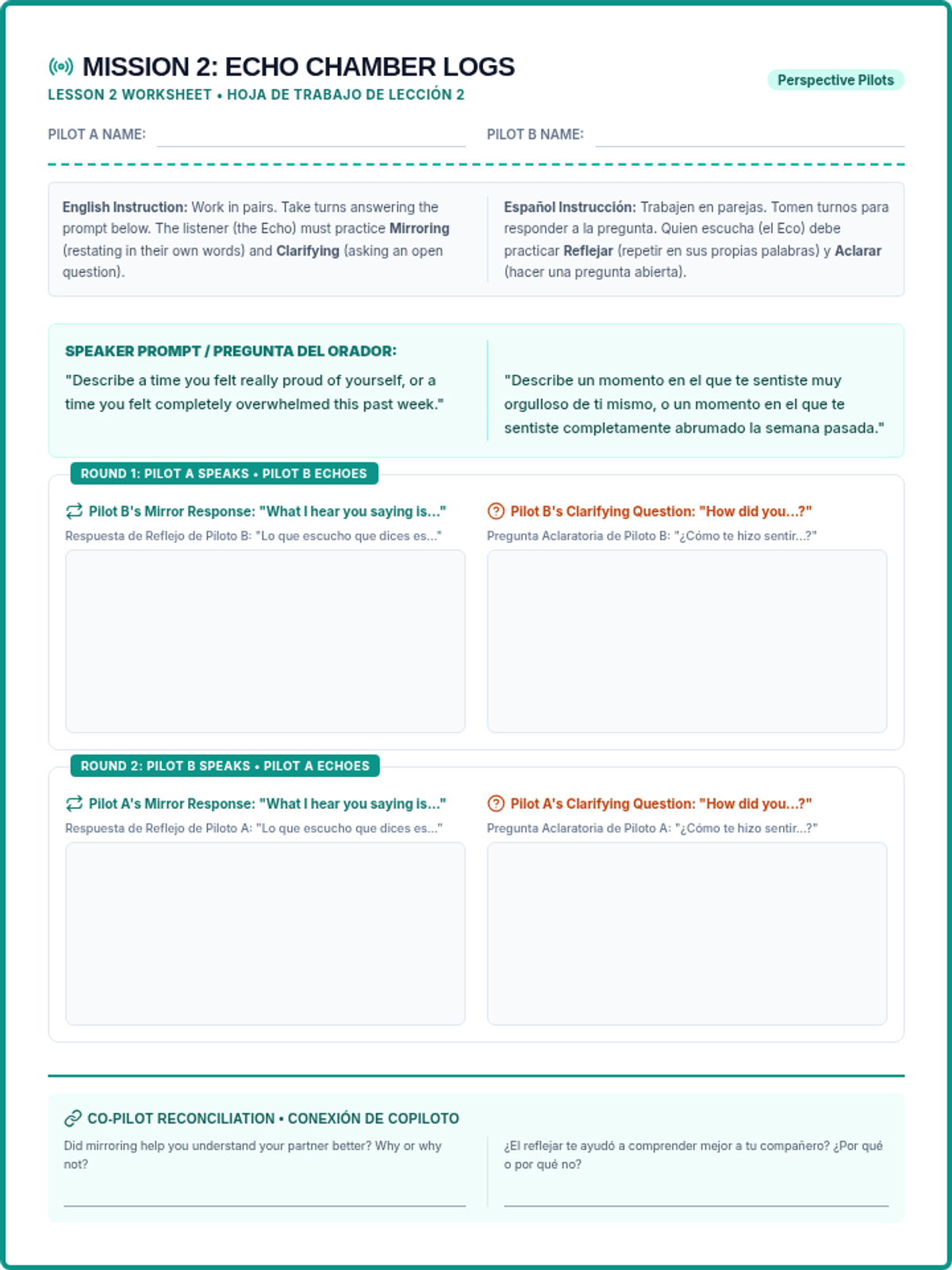
Teaches active listening and restorative communication, recognizing personal biases. Includes interactive presentation slides and a partner active listening worksheet.
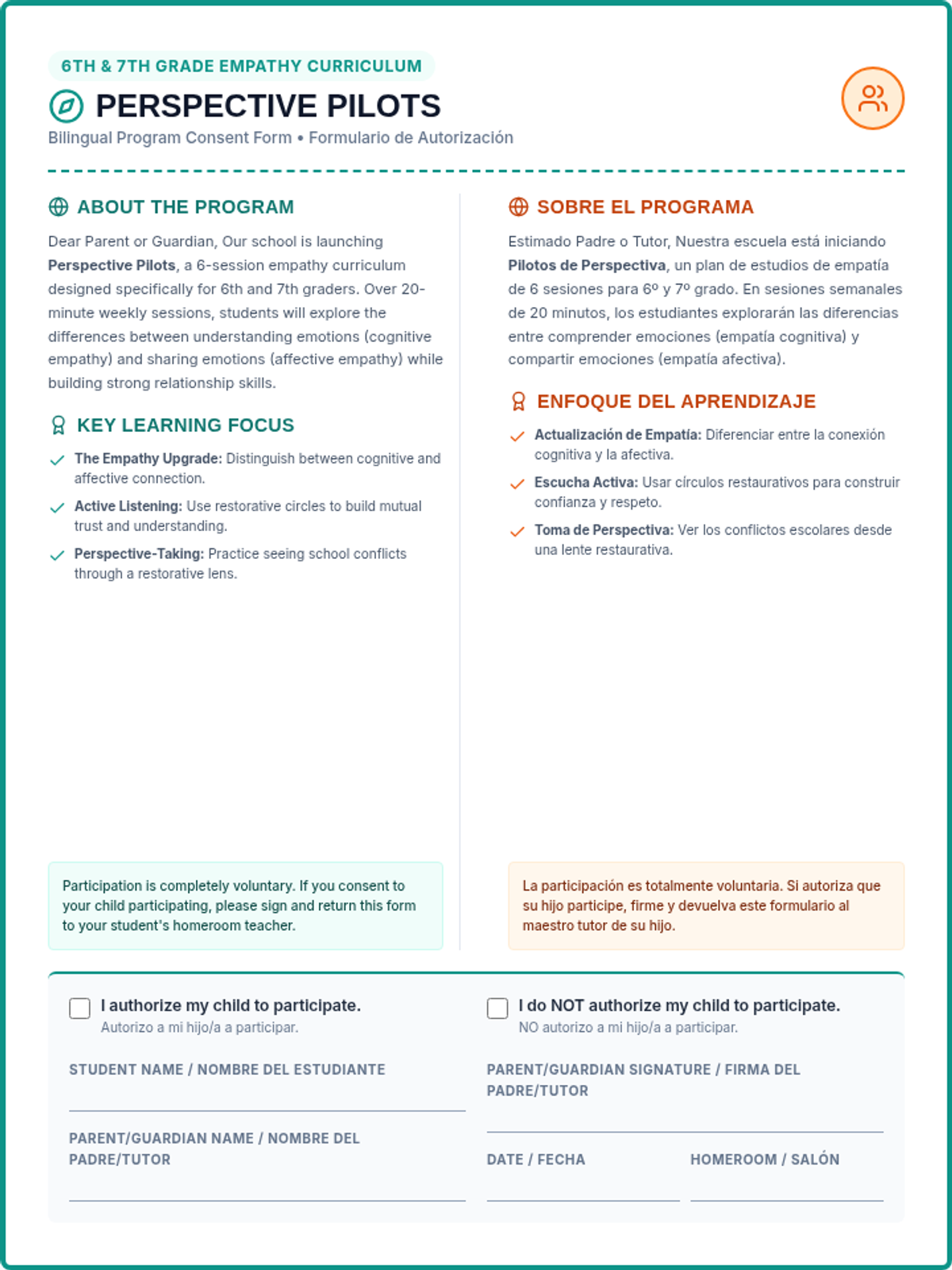
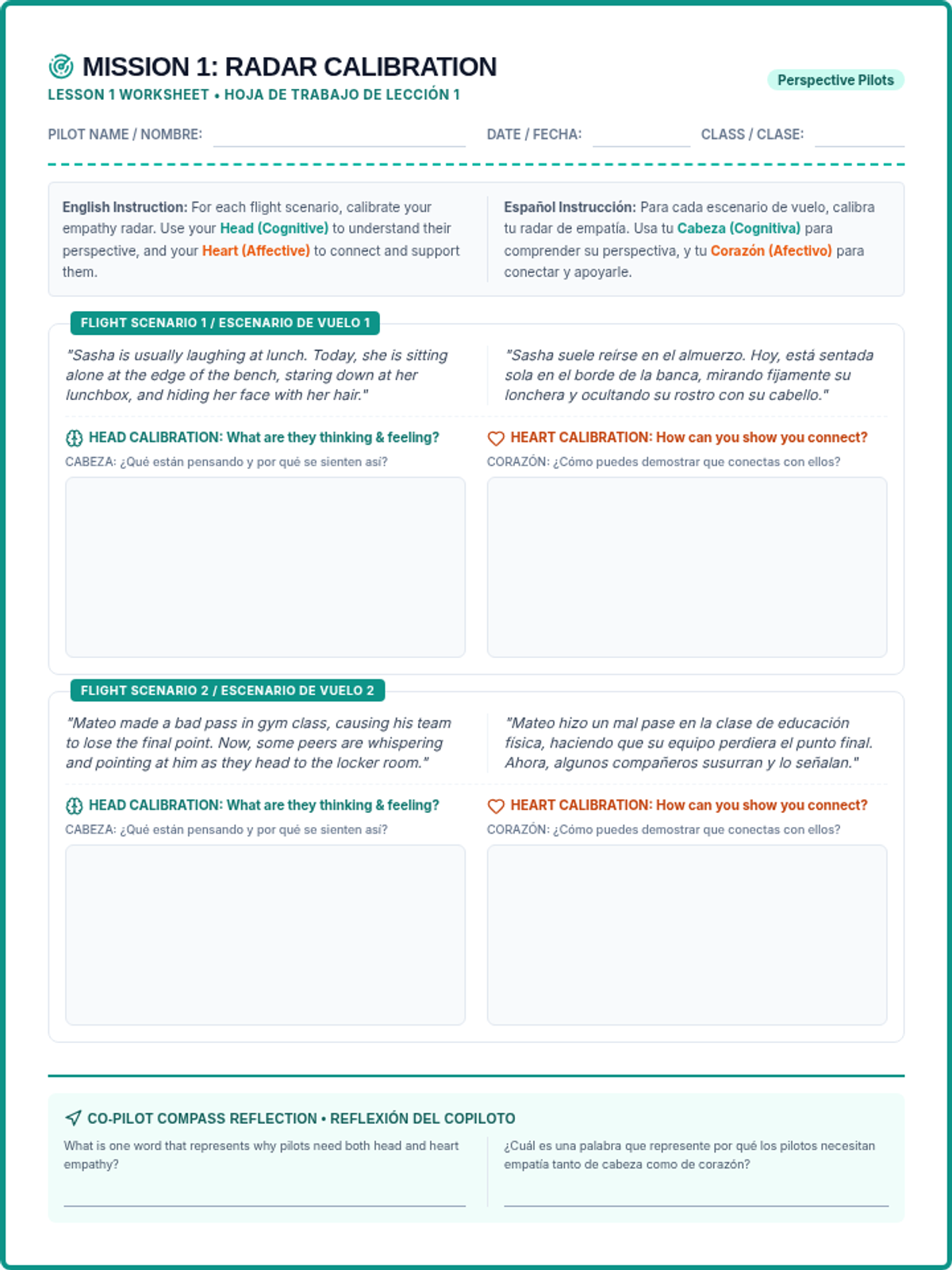
Introduces 6th and 7th graders to cognitive vs. affective empathy. Includes a bilingual parent permission slip, interactive presentation slides, and an active skill-building worksheet.
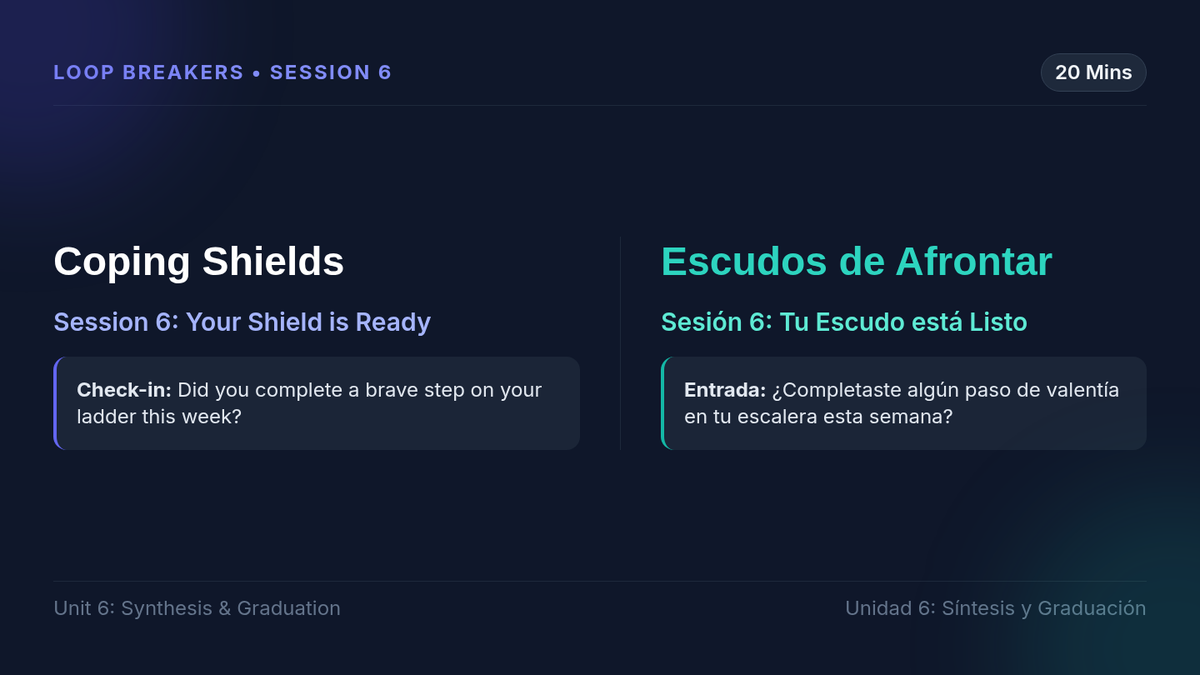
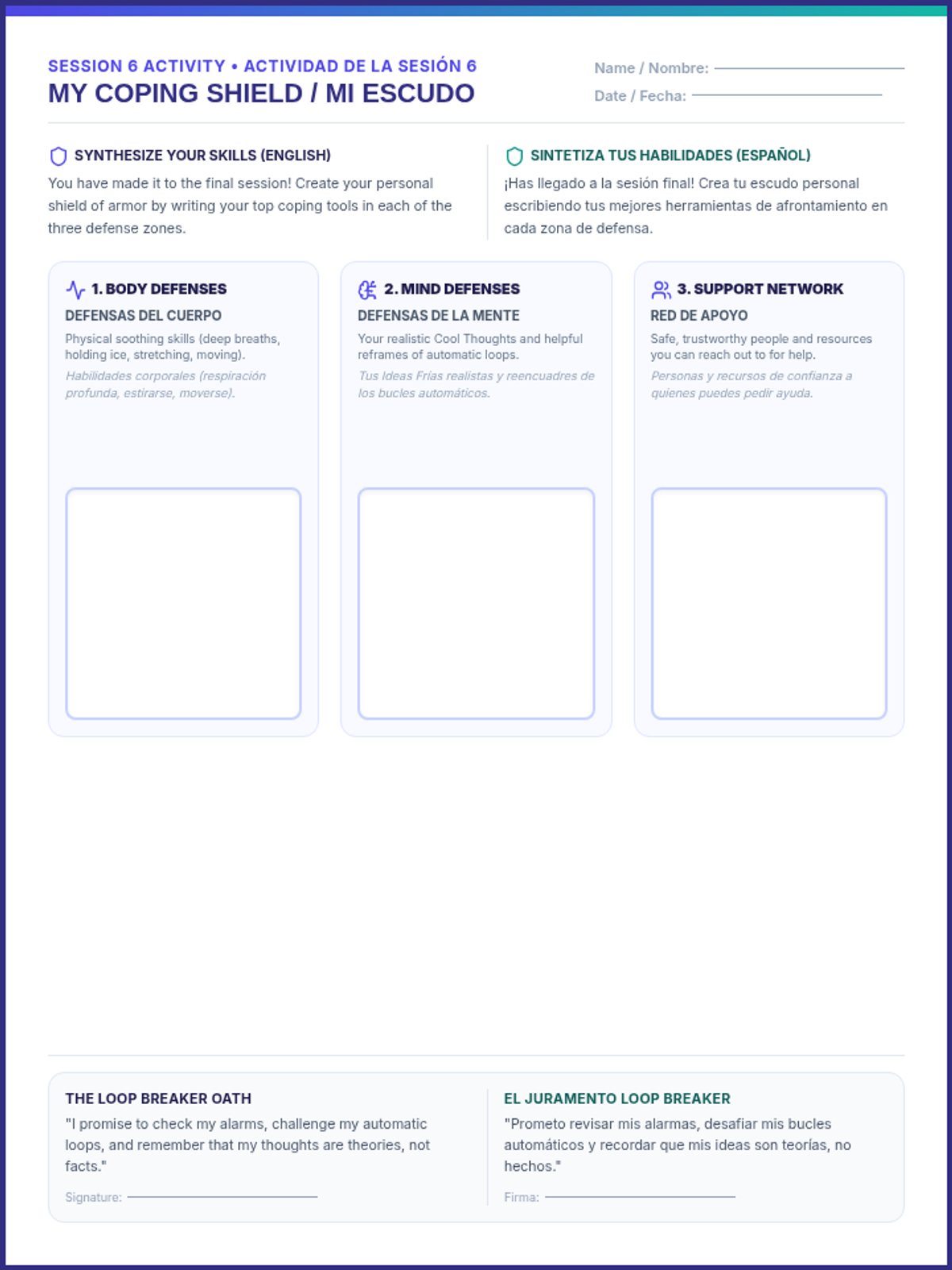
Students synthesize their learning into a personalized, visual coping plan that integrates cognitive reframing, physical soothing, and supportive resources.
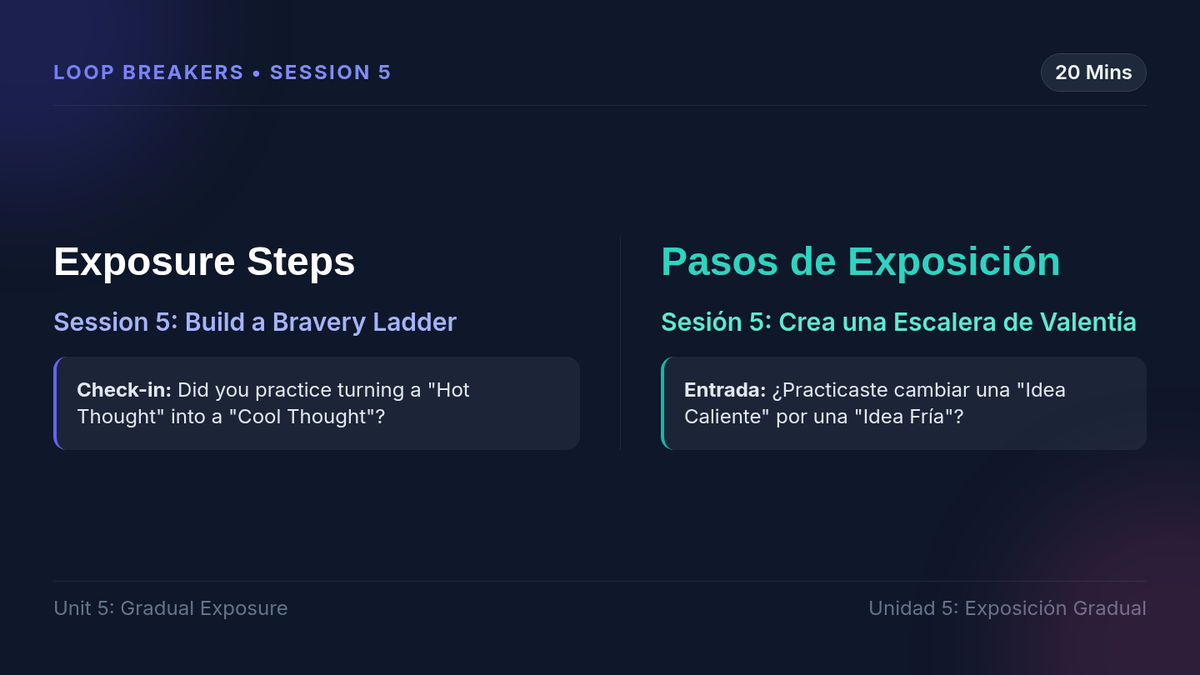
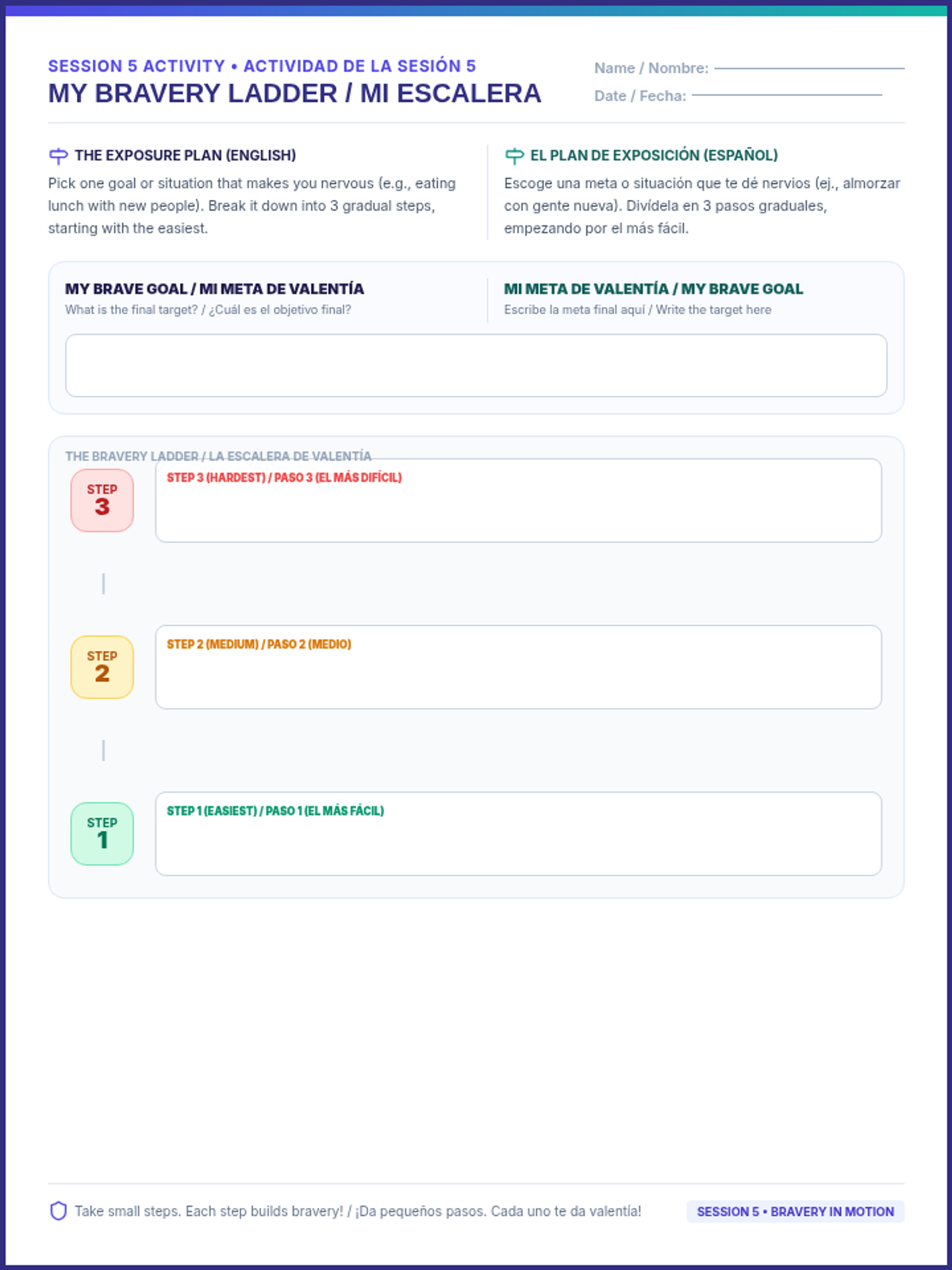
Students design a personalized 'bravery ladder' to face anxious situations gradually and build confidence through safe exposure.
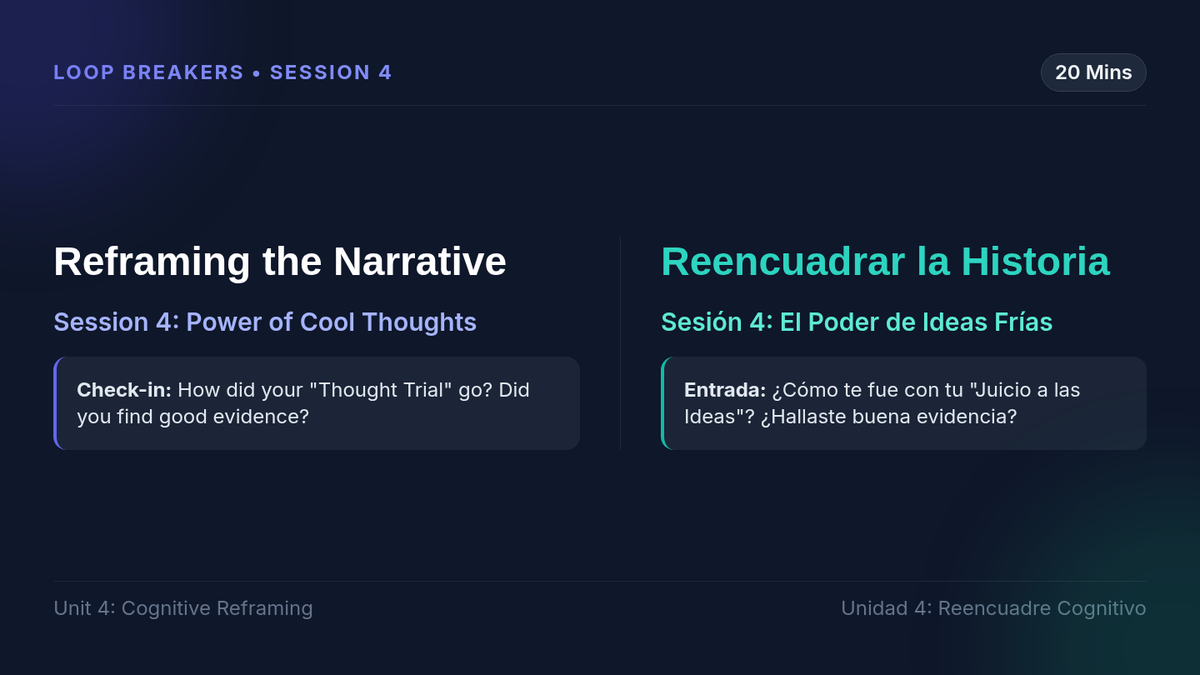
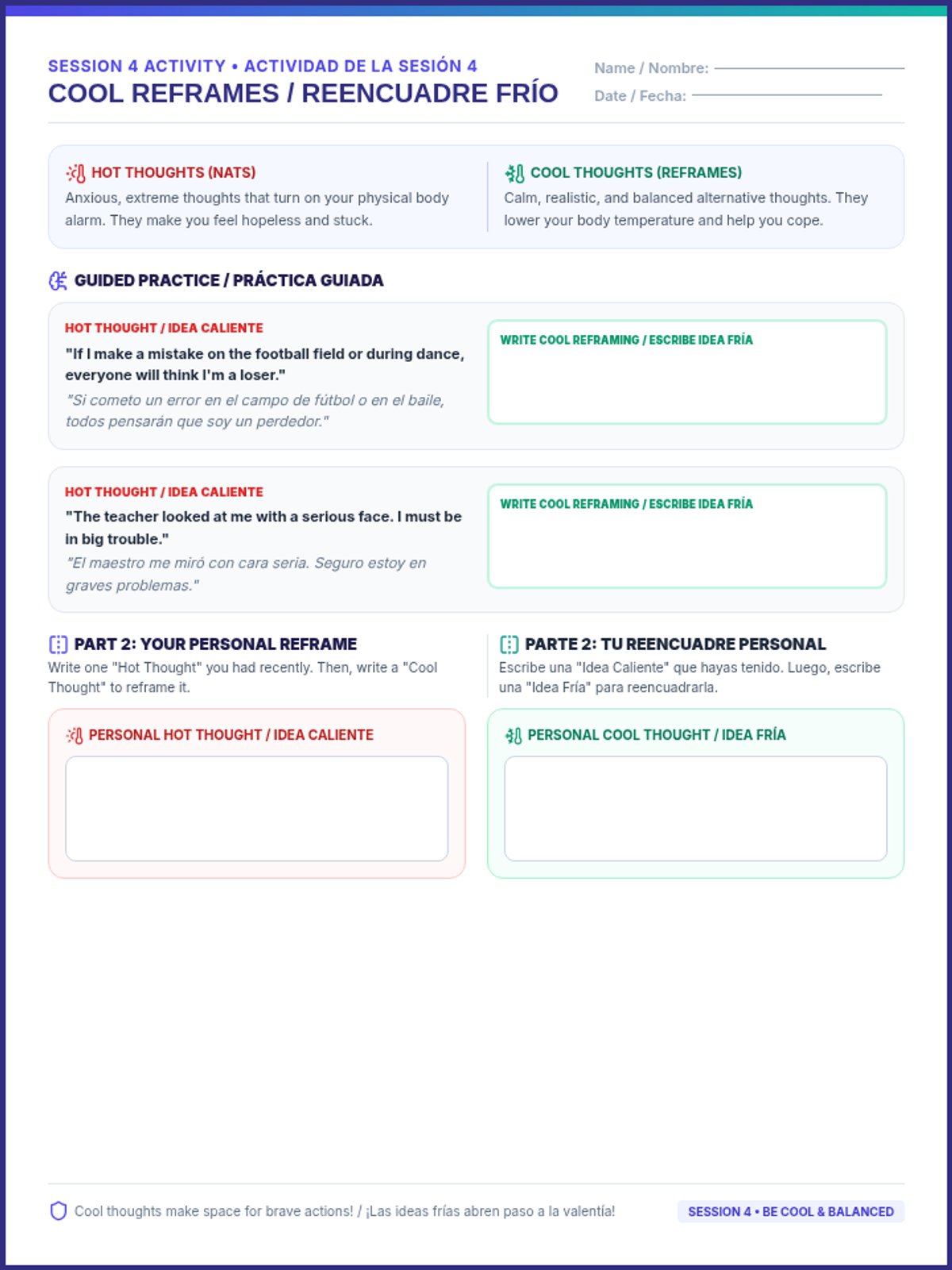
Students practice transforming automatic anxious thoughts into realistic, balanced, and constructive coping thoughts.
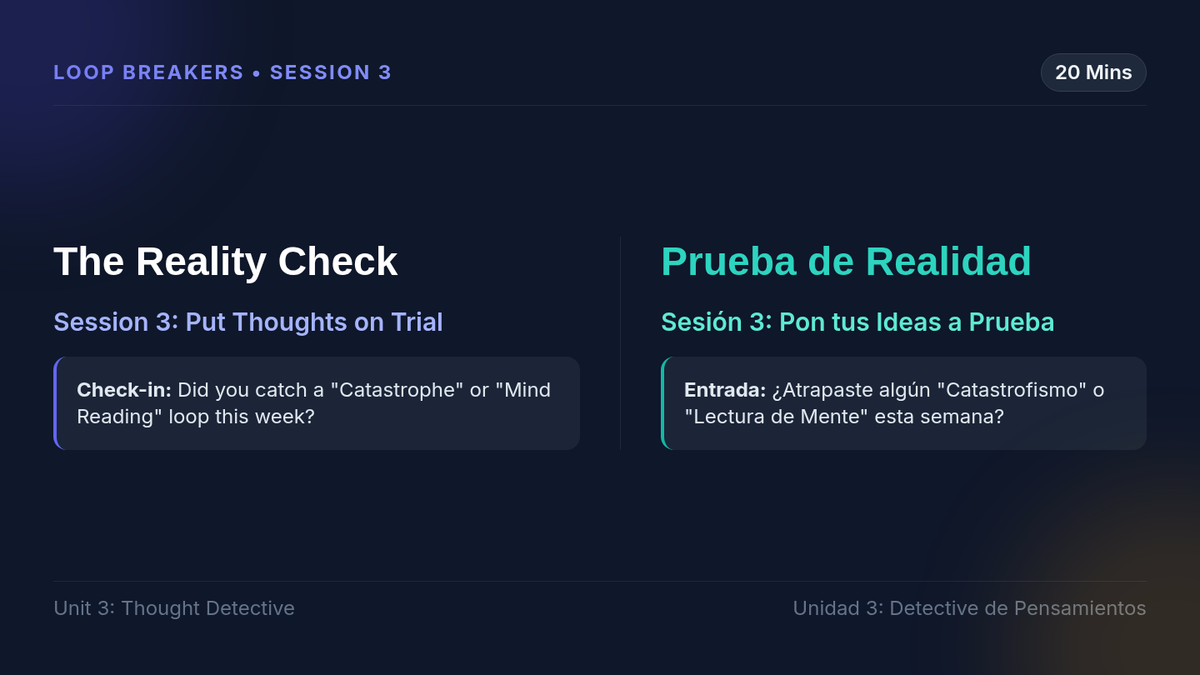
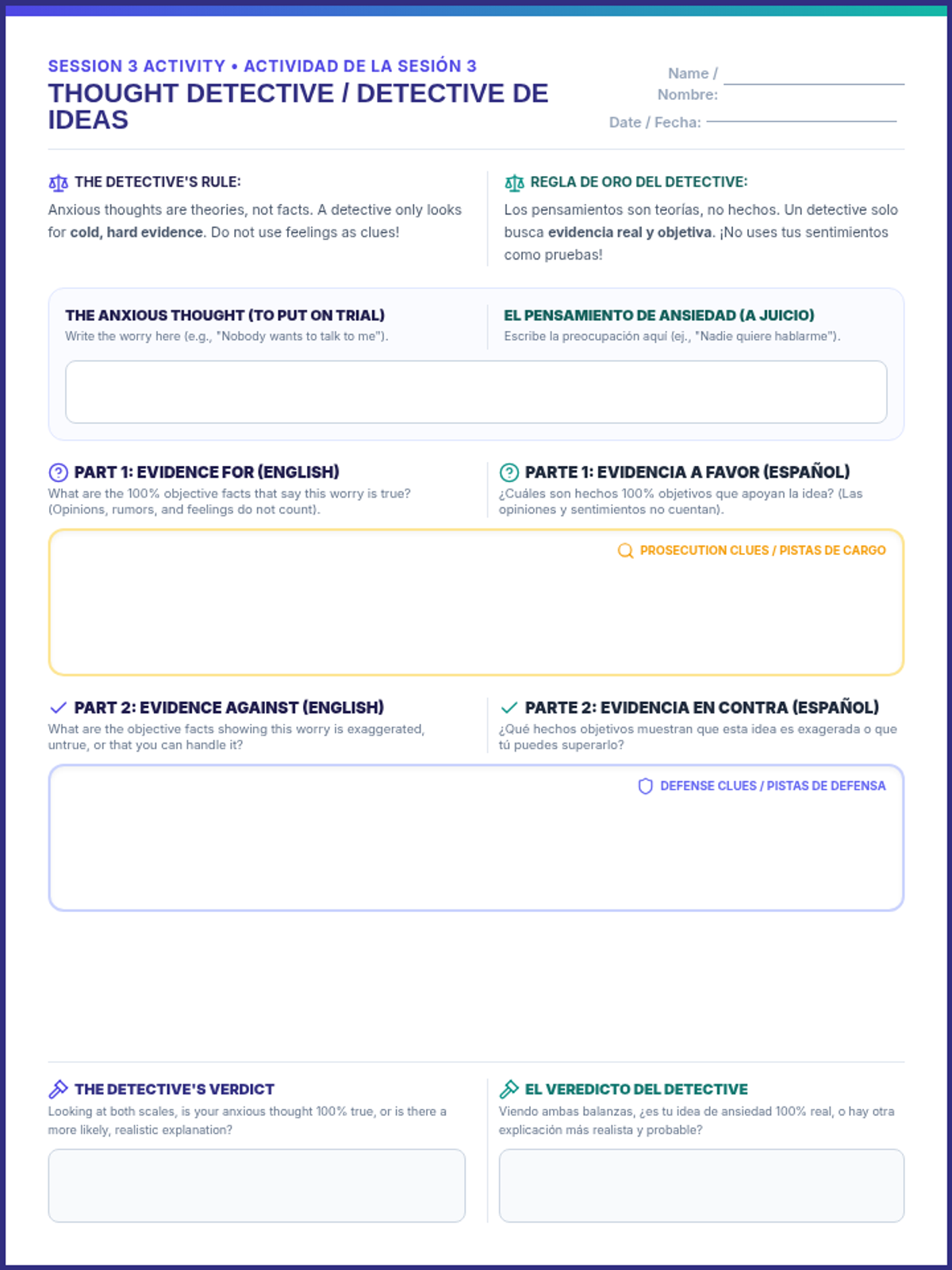
Students act as thought detectives, learning to examine objective evidence for and against their anxious thoughts instead of accepting them as facts.
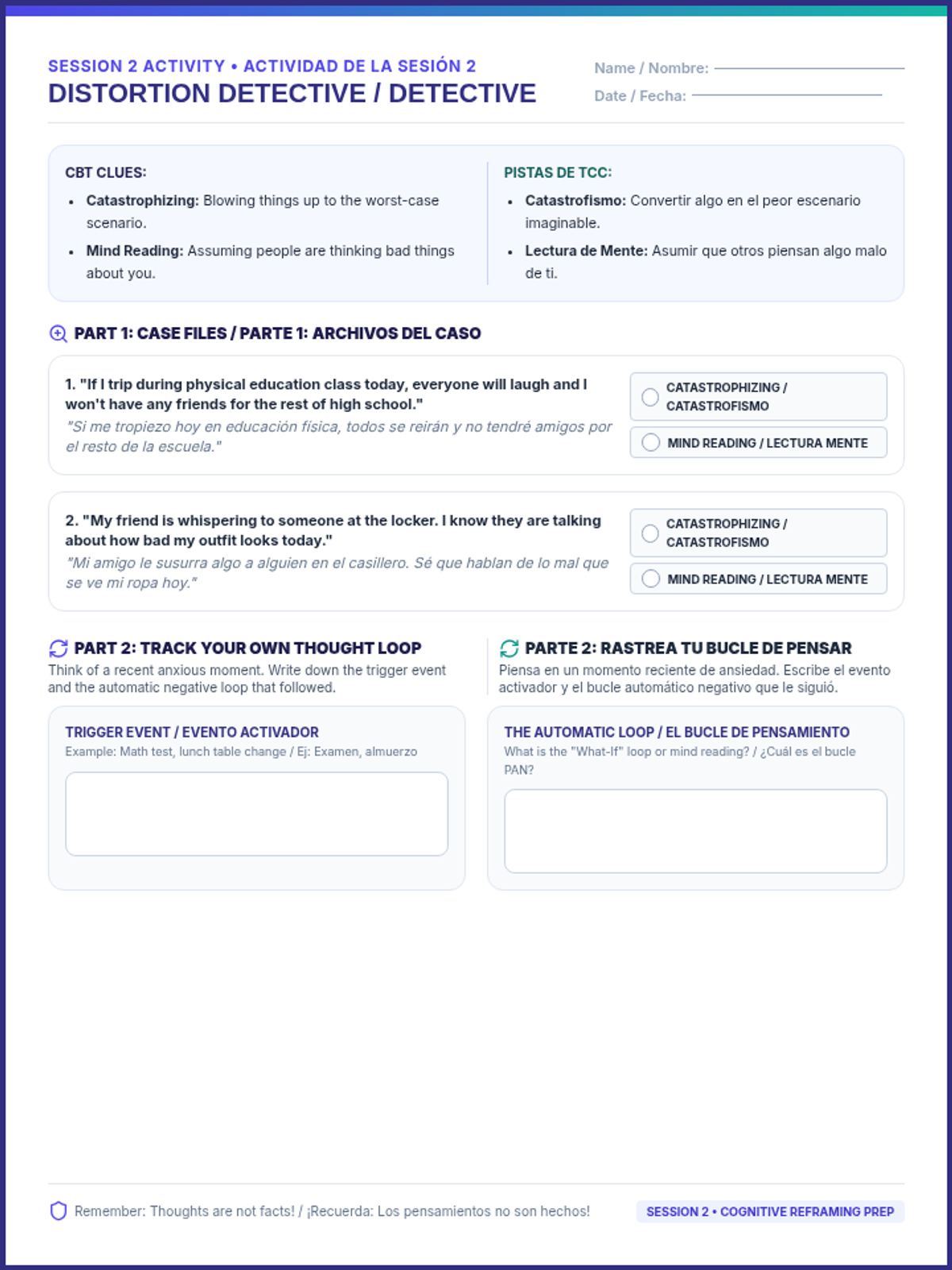
Students learn to identify negative automatic thoughts (NATs) and recognize common cognitive distortions like catastrophizing and mind reading.
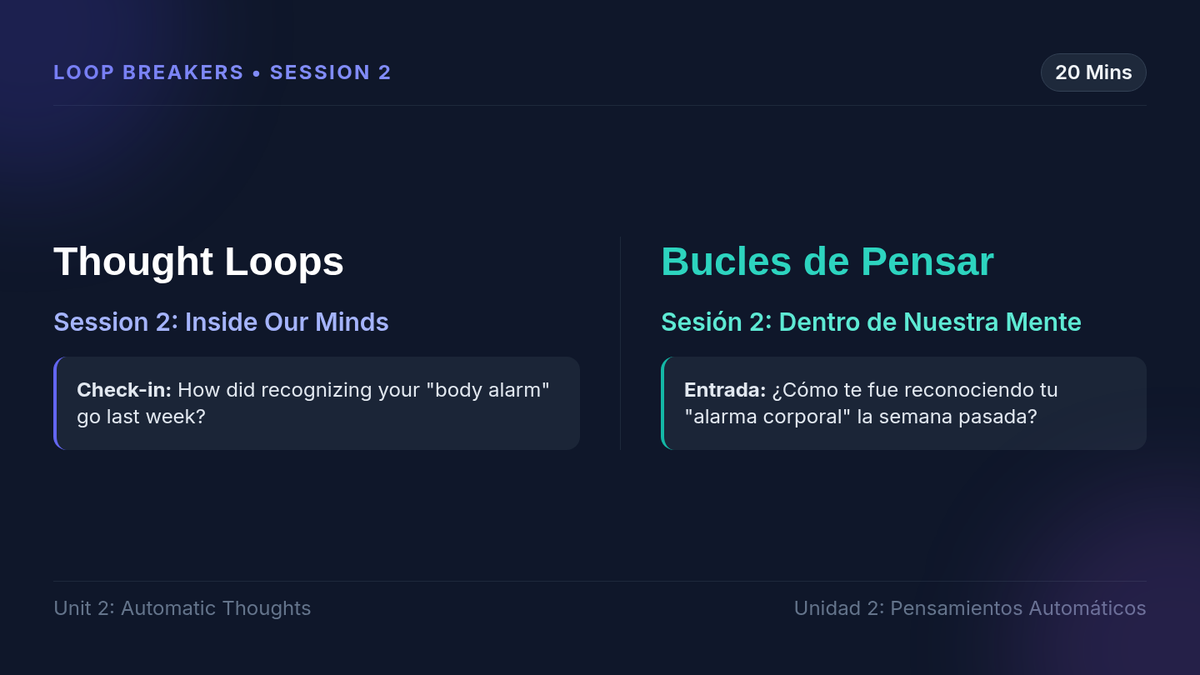
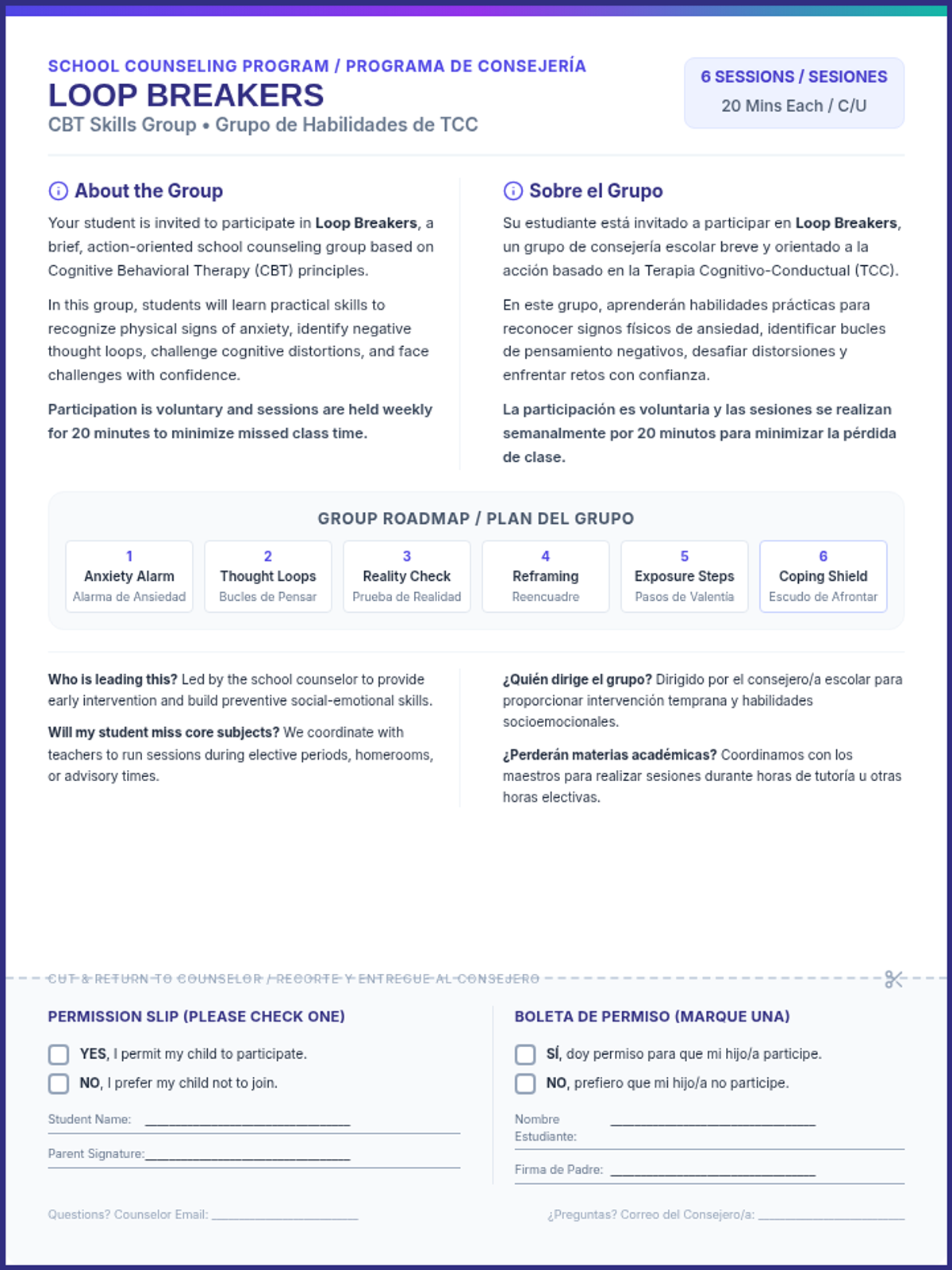
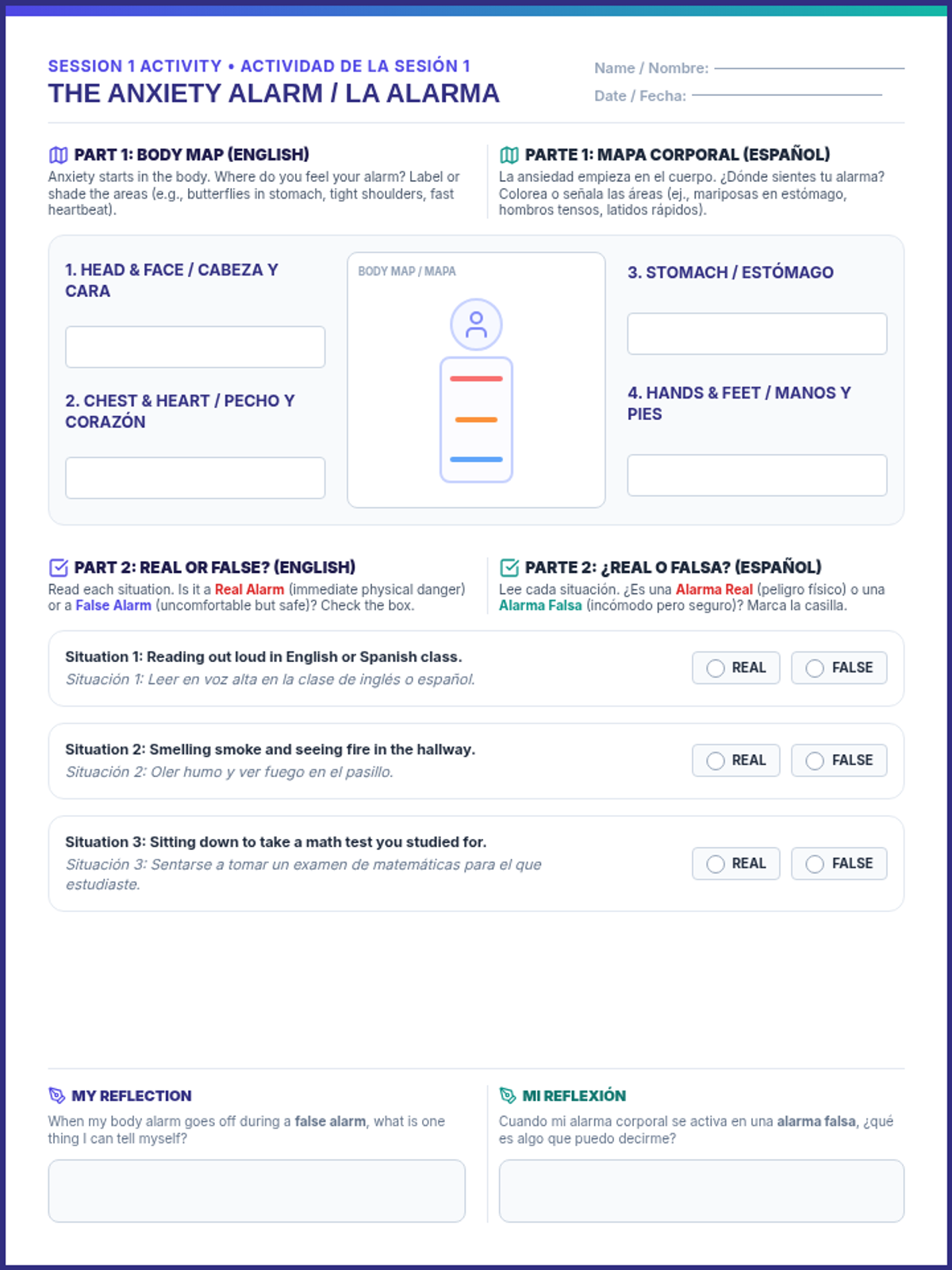
Students explore the evolutionary purpose of anxiety, identify their personal physical alarm signals, and distinguish between real and false alarms. Includes the bilingual parent permission slip.
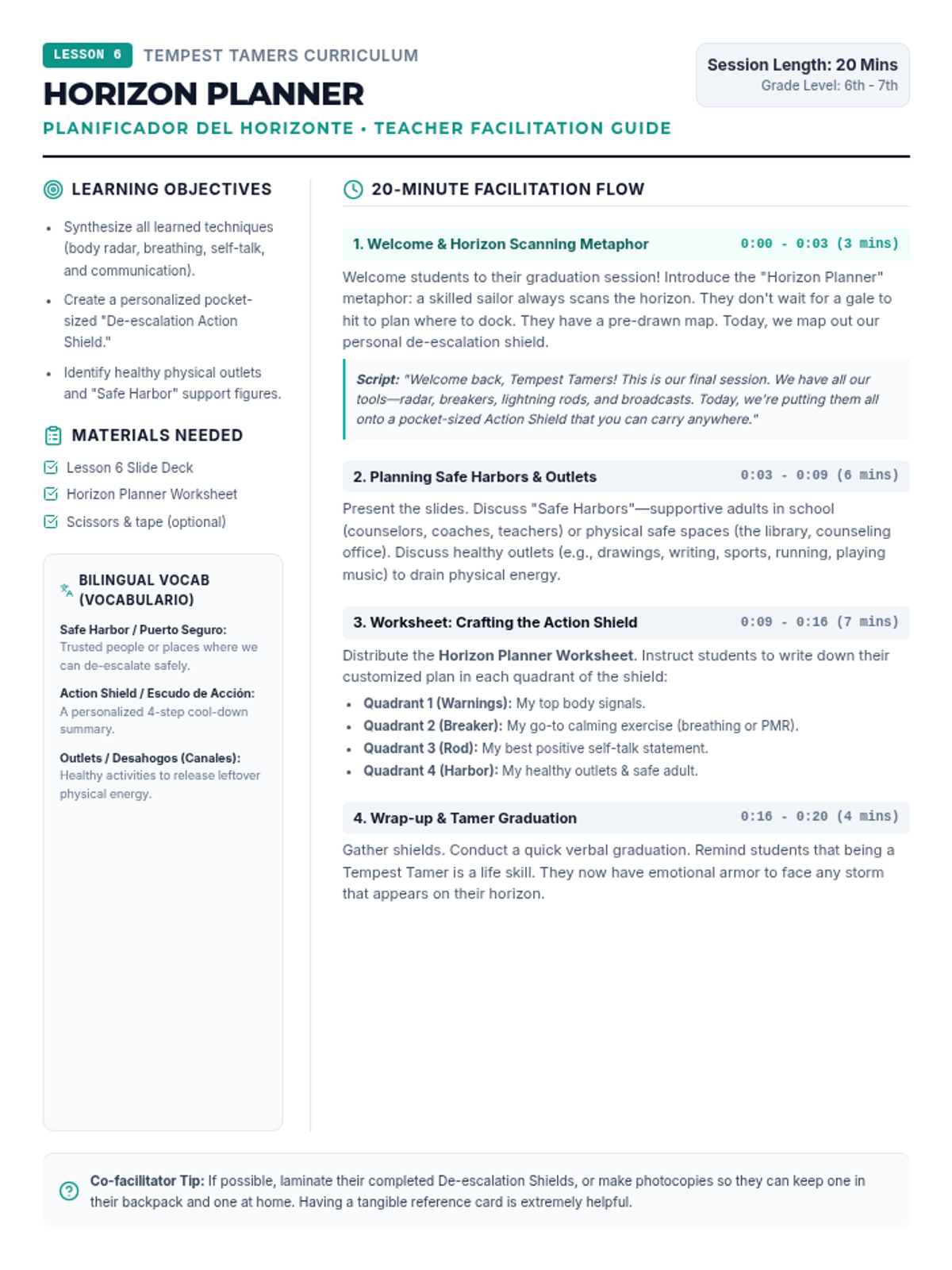
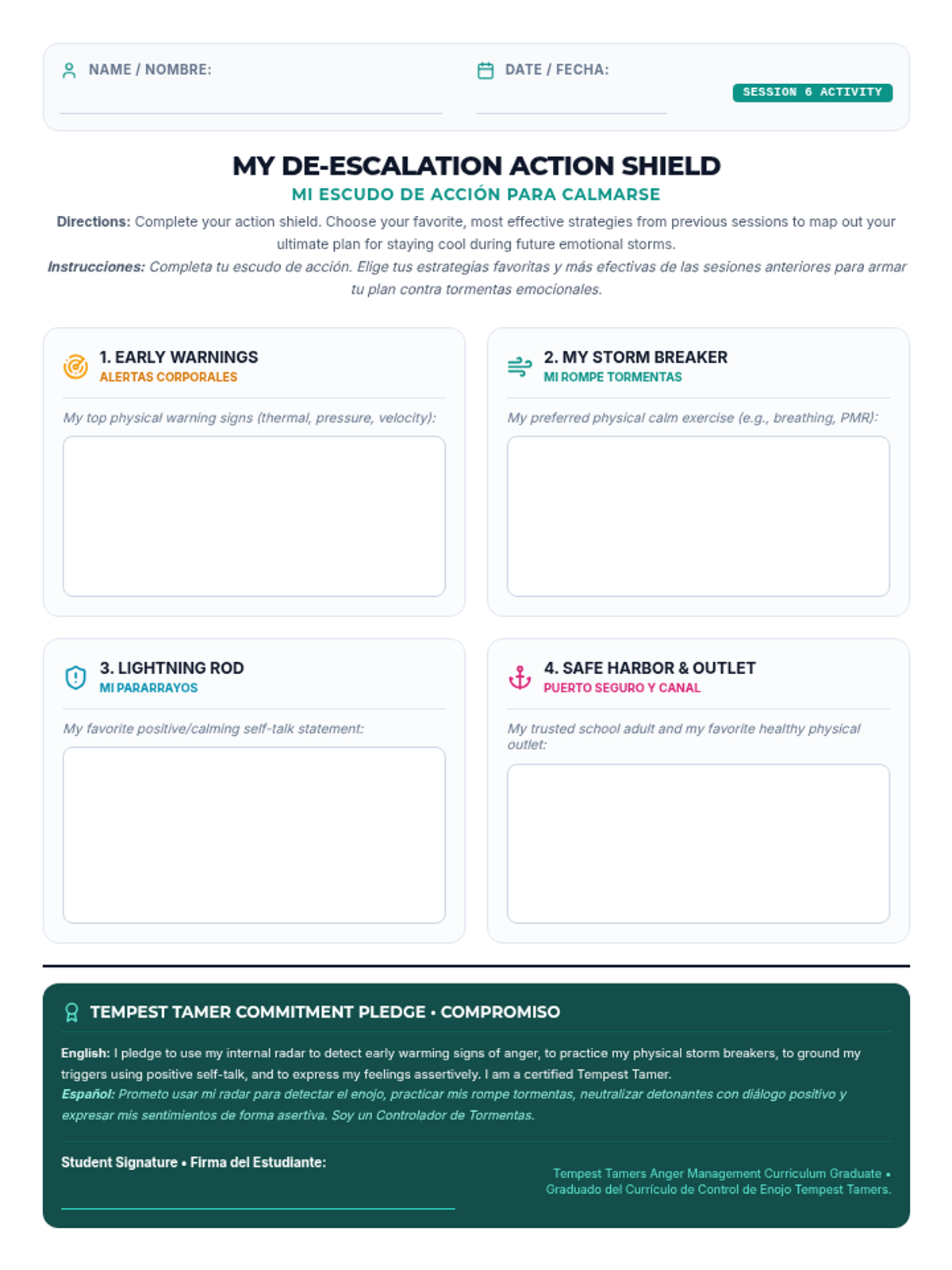
Focuses on personalized de-escalation planning. Students combine the strategies learned throughout the curriculum (body warnings, breathing, self-talk, and communication) into a concrete, pocket-sized 'De-escalation Action Shield' and identify healthy outlets.
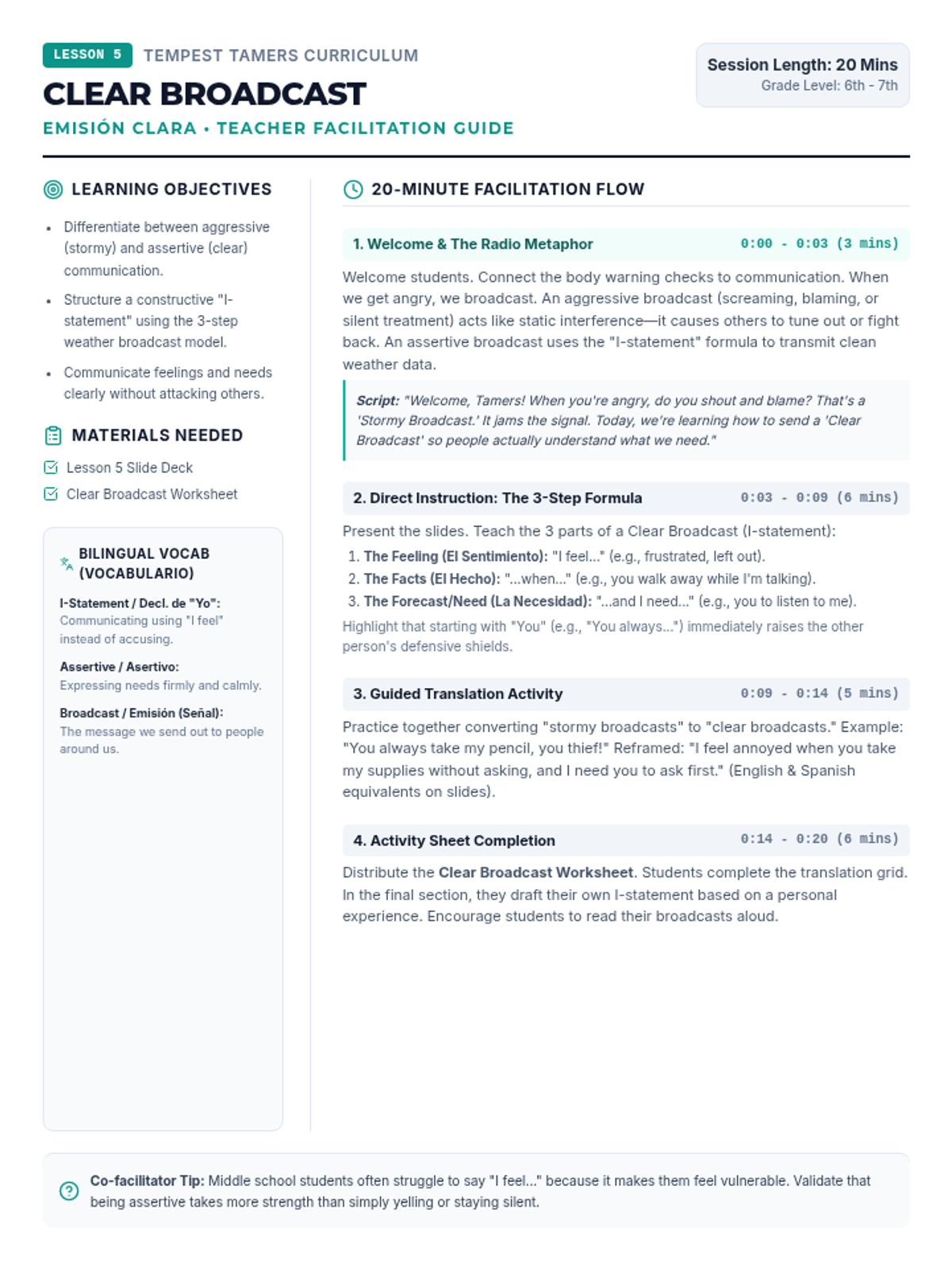
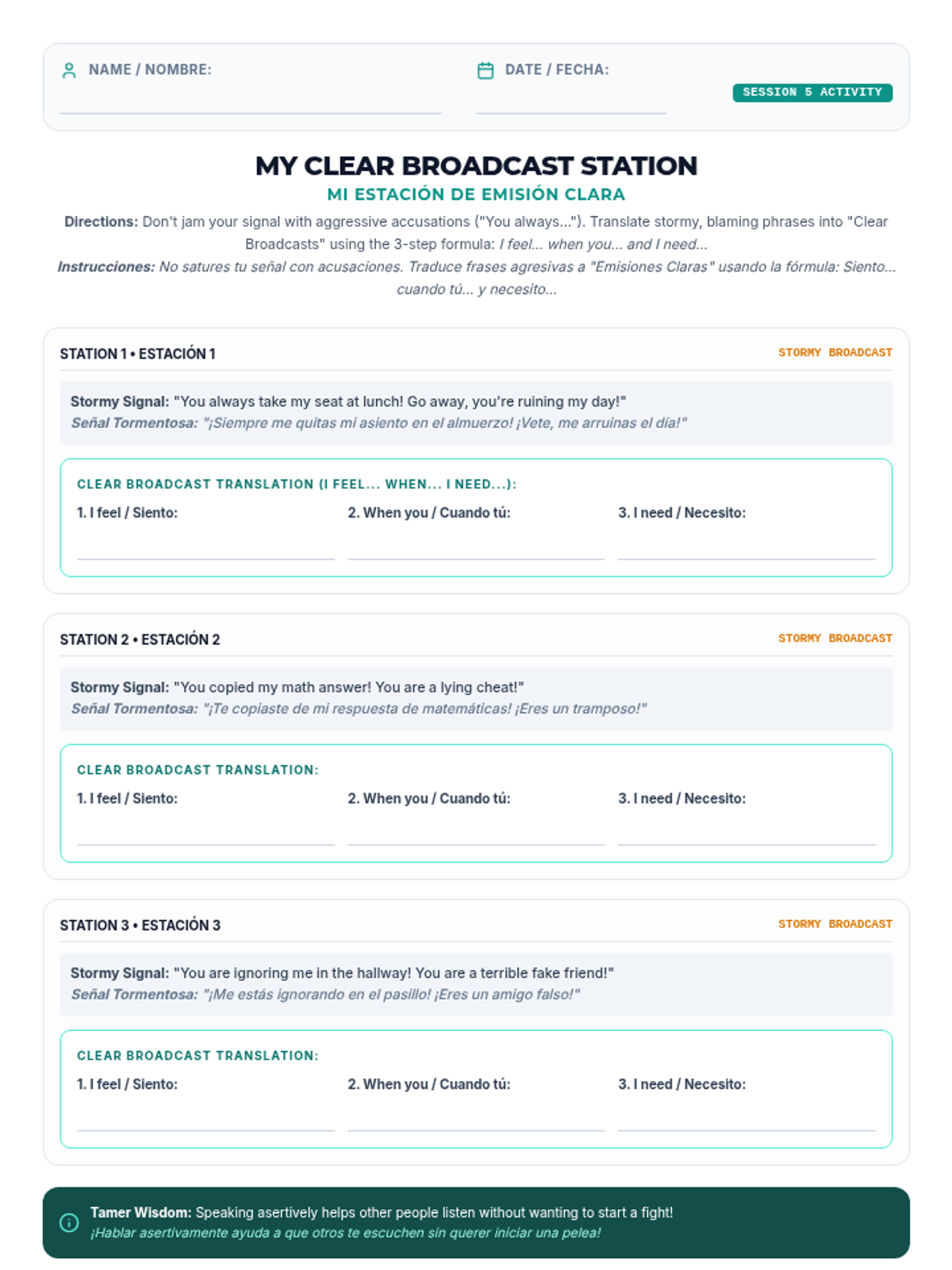
Focuses on assertive communication and 'I-statements'. Students learn how to express feelings constructively without aggression using a clear weather broadcast metaphor.
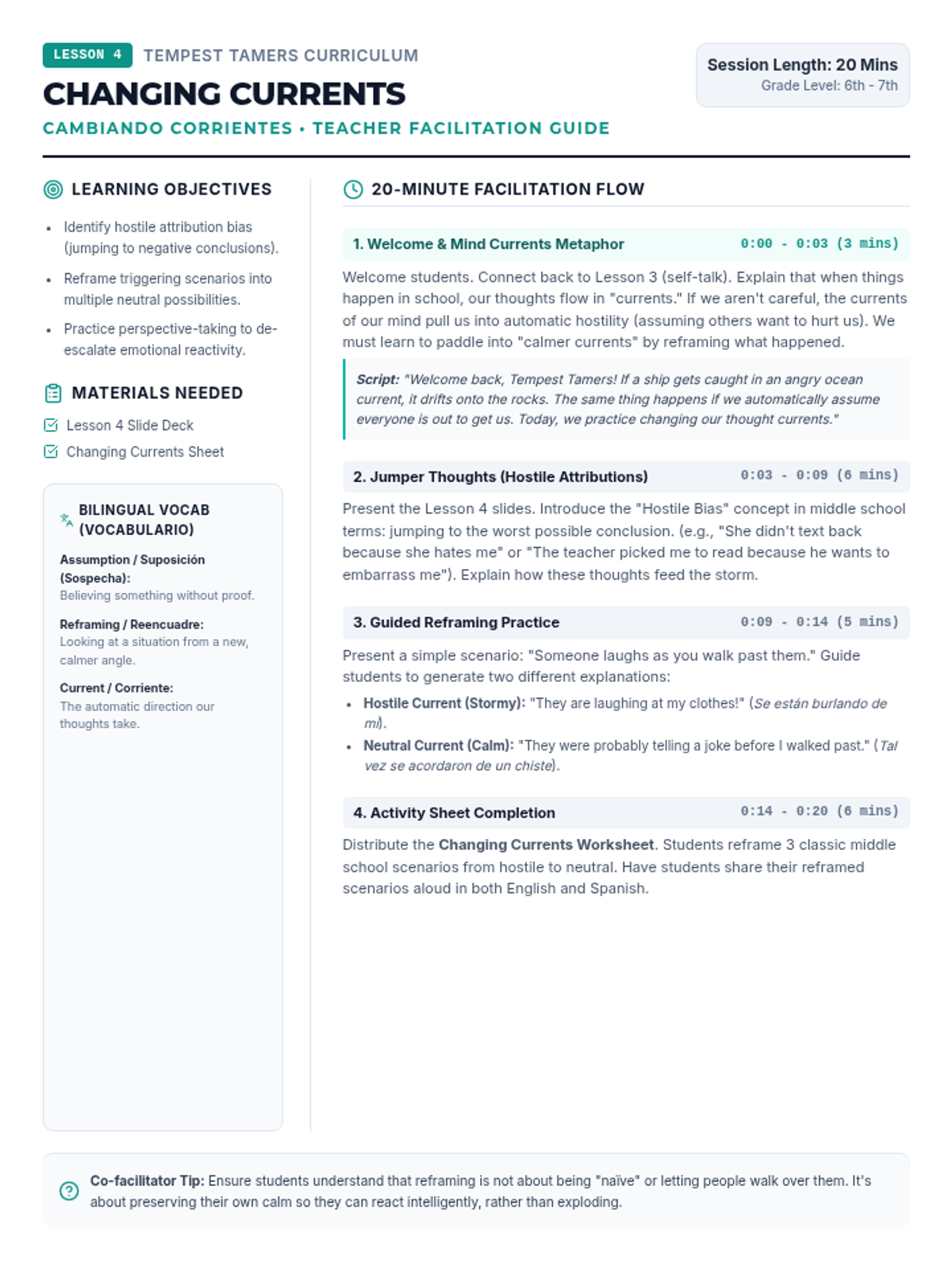
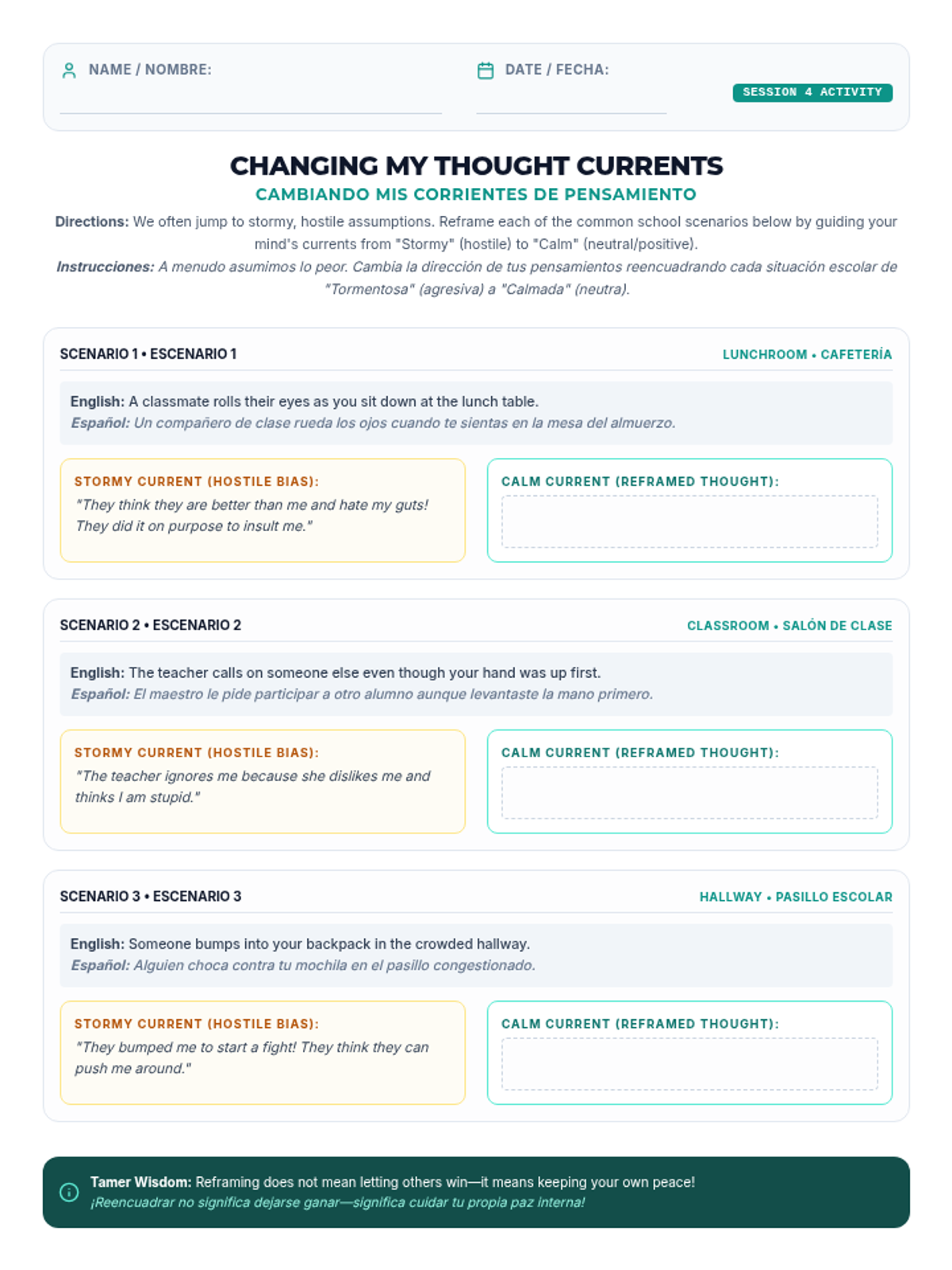
Focuses on cognitive reframing and perspective-taking. Students learn to examine alternative explanations for triggering situations, shifting from aggressive assumptions to calmer, neutral perspectives.
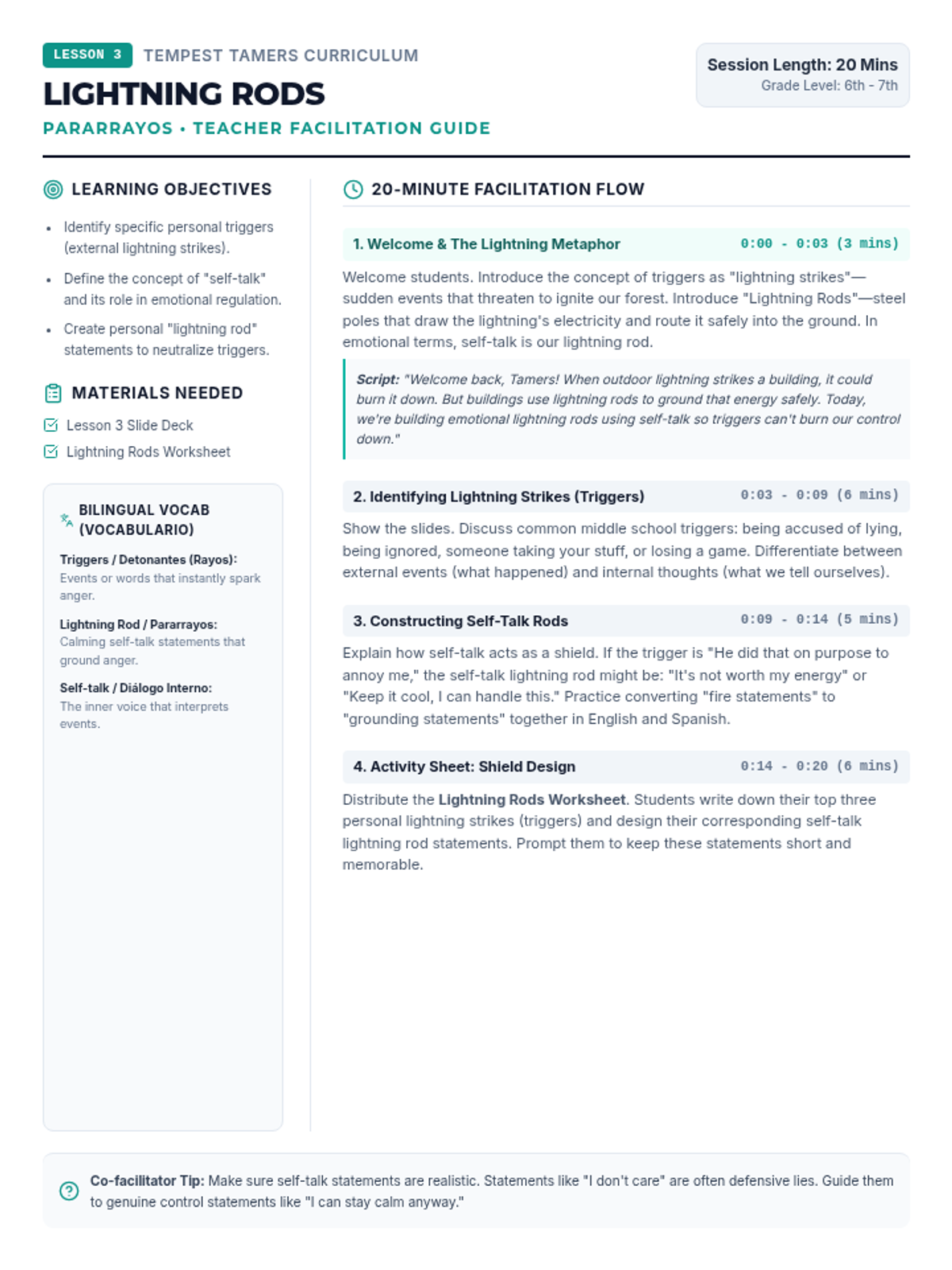
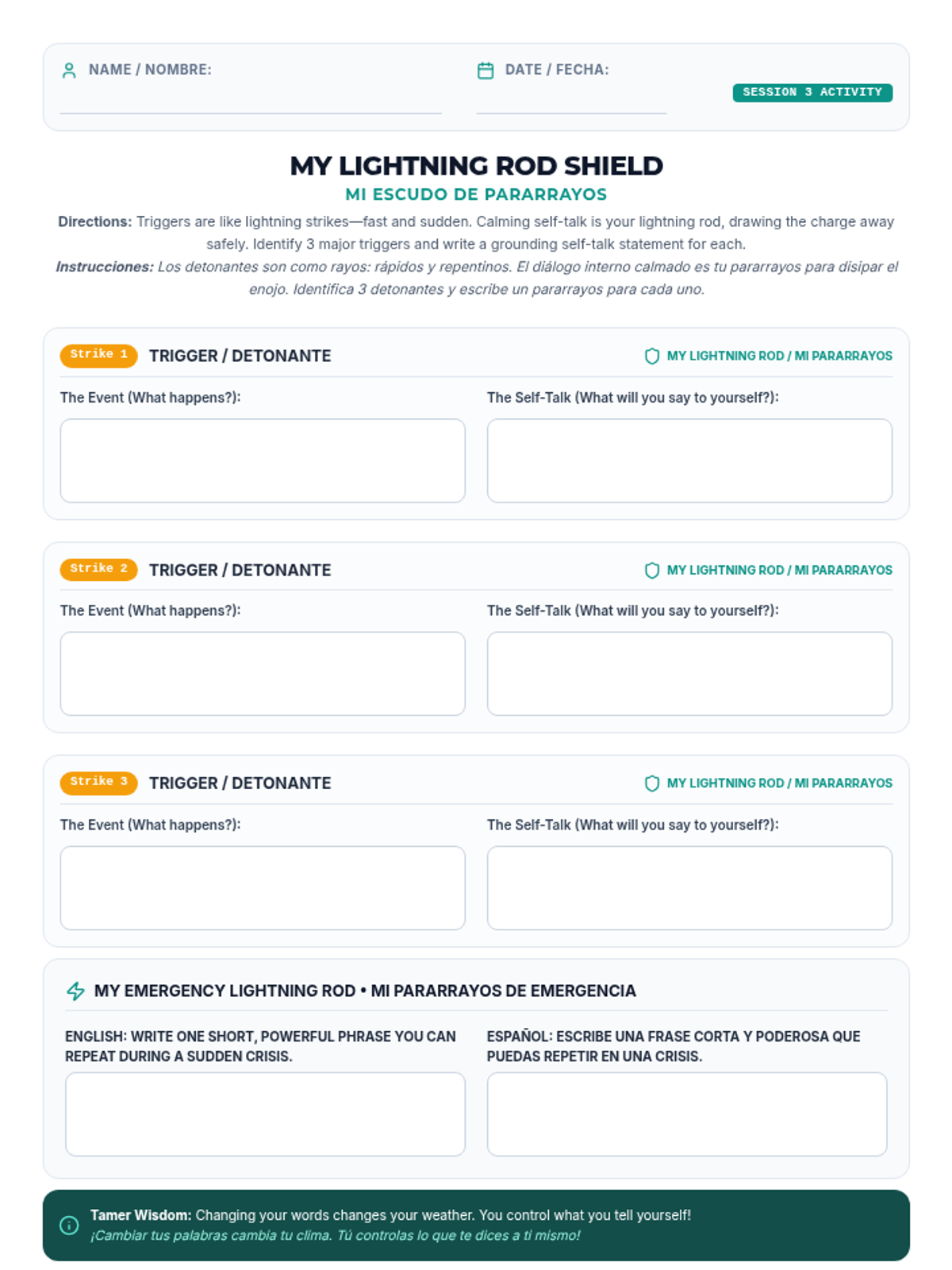
Focuses on identifying internal and external anger triggers (lightning strikes) and using self-talk adjustments (lightning rods) to channel emotional charge safely.
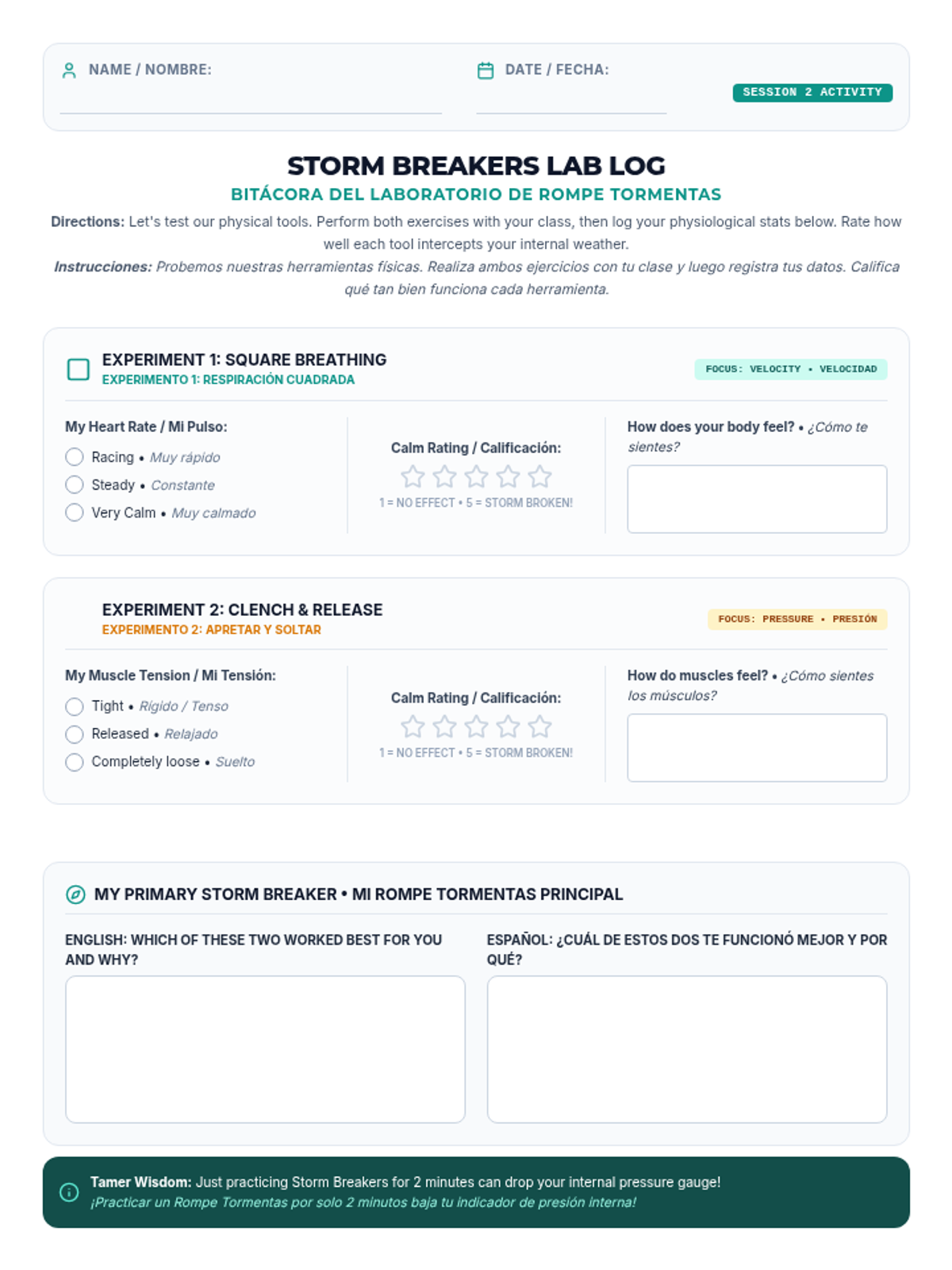
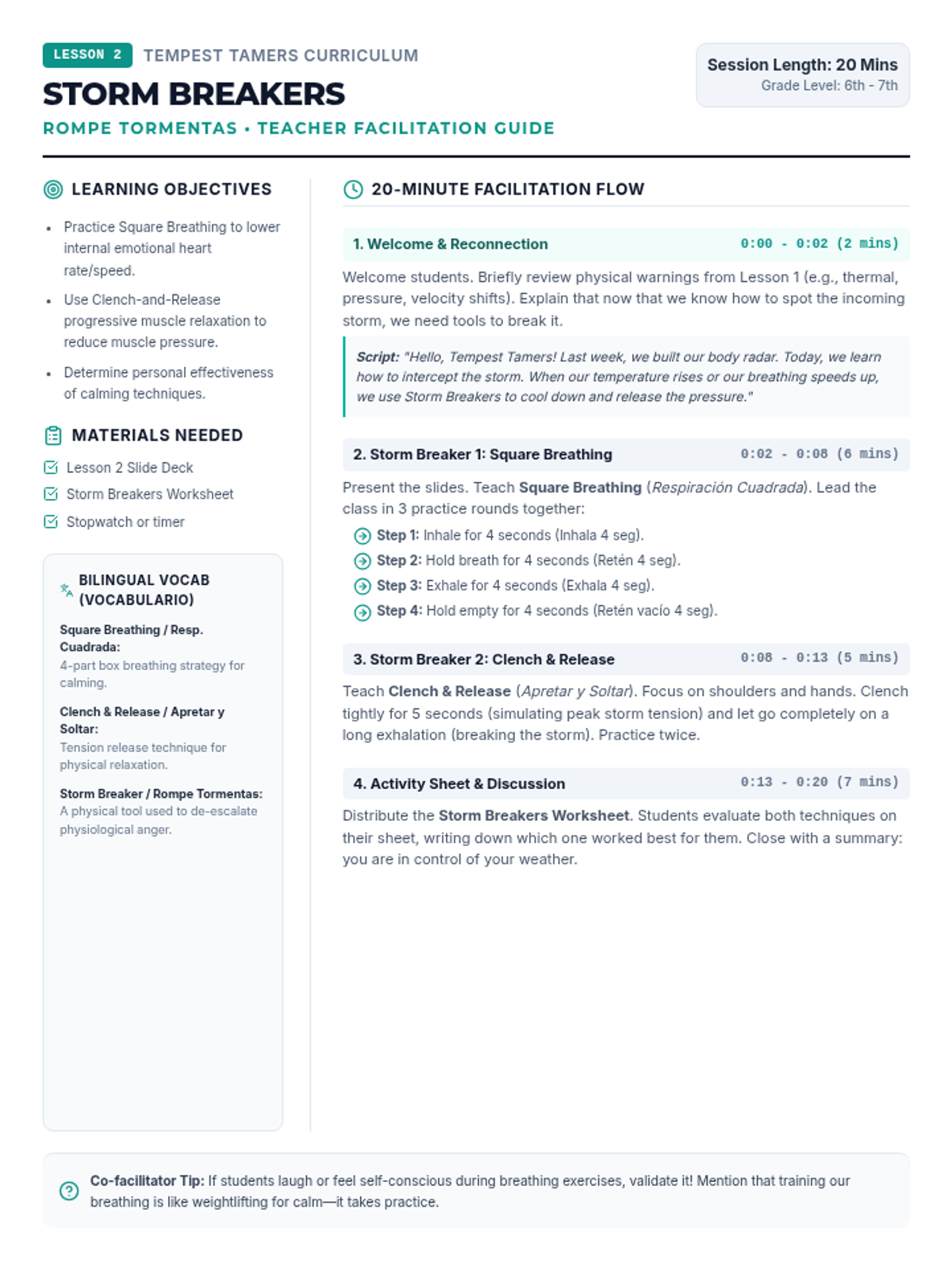
Focuses on physiological calming techniques, specifically deep breathing and progressive muscle relaxation. Students practice "square breathing" and "clench-and-release" to rapidly lower internal temperature and pressure when early warning signals are detected.
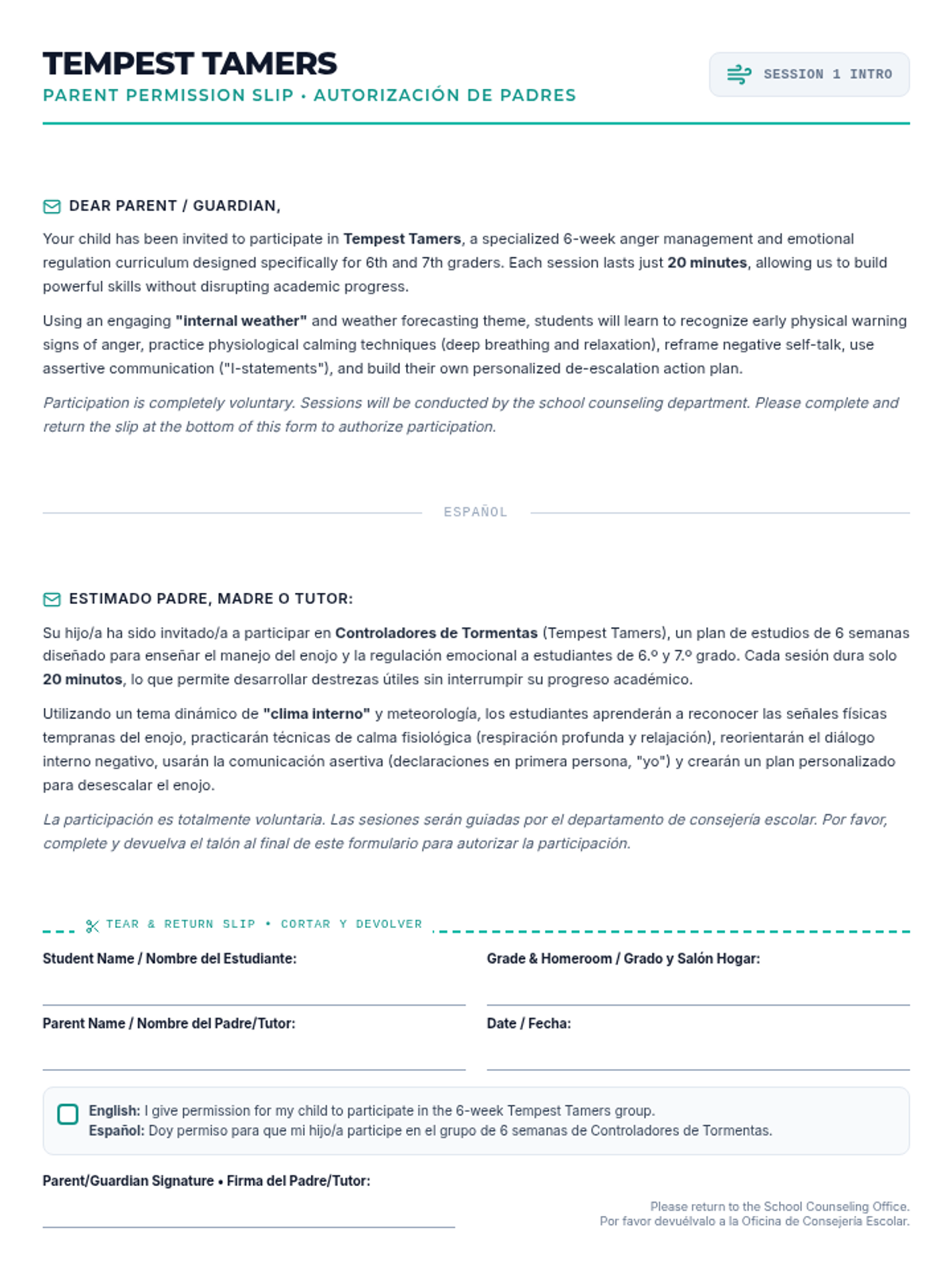
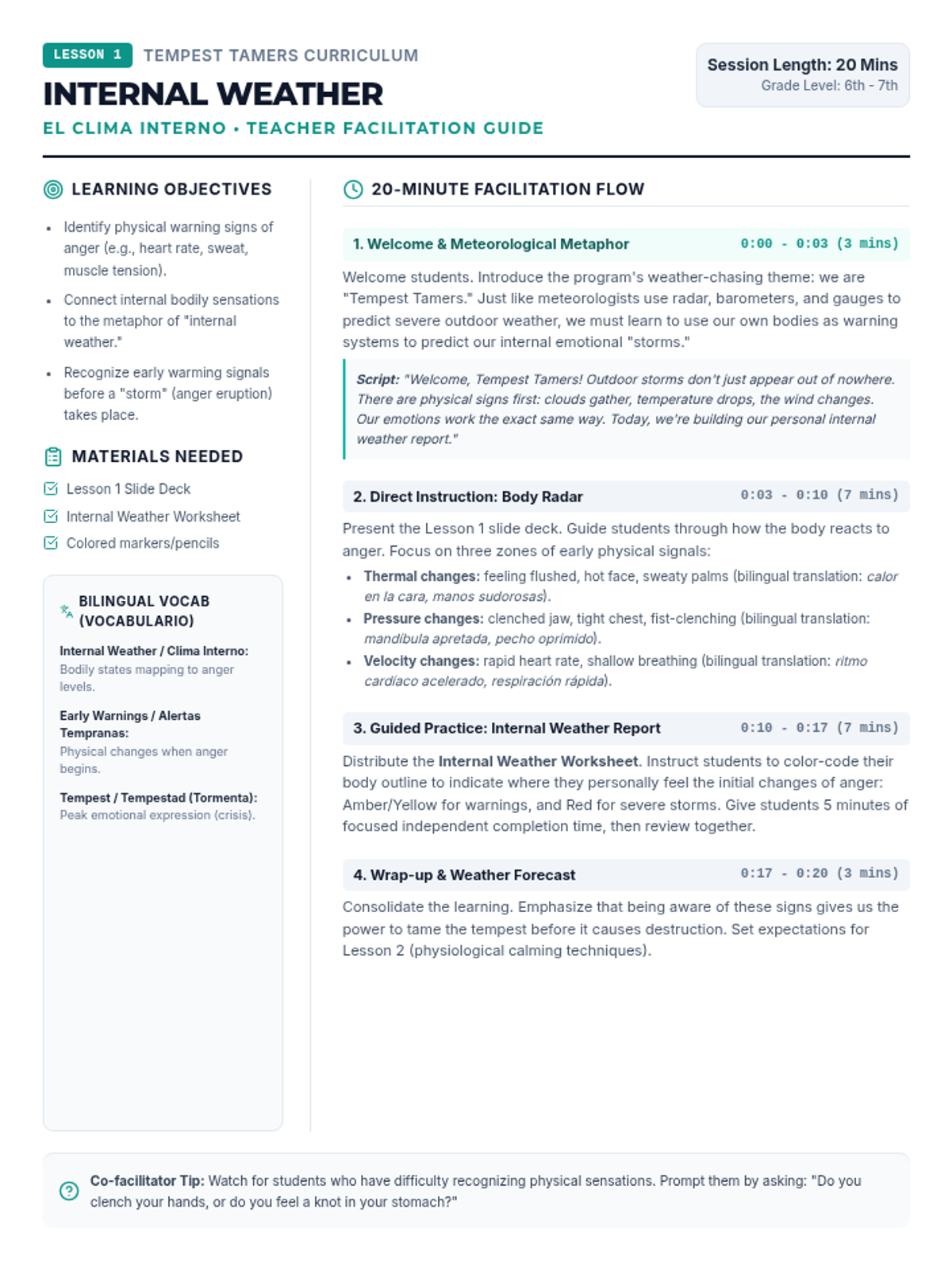
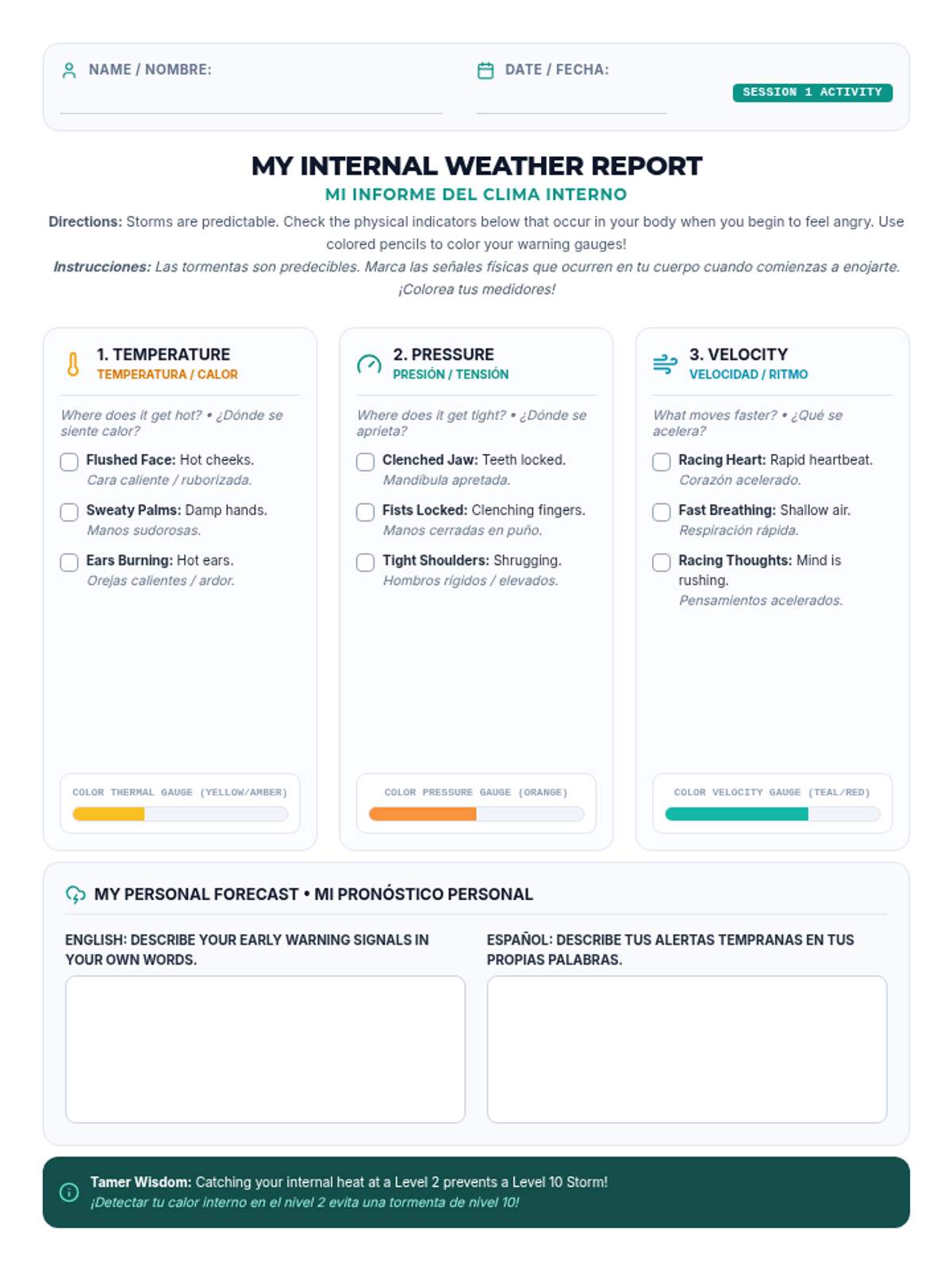
Focuses on physiological calming, specifically body awareness. Students learn to read their body's early warming signs of anger using an 'internal weather report' metaphor. Includes a bilingual parent permission slip.
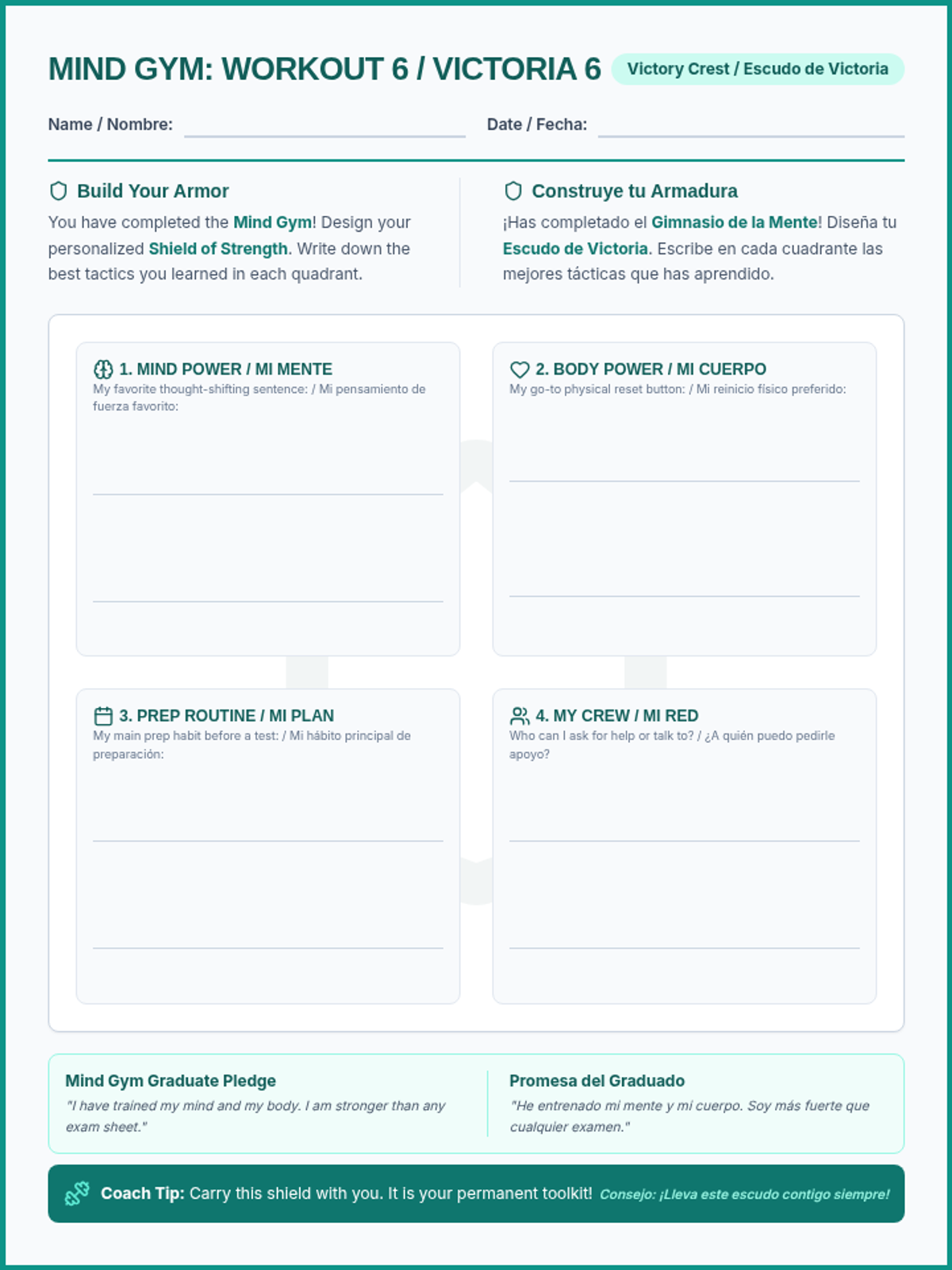
Students review their progress, celebrate their growth, and consolidate their personalized Test Anxiety Toolkit. This lesson includes a final self-assessment and a celebratory reflection.
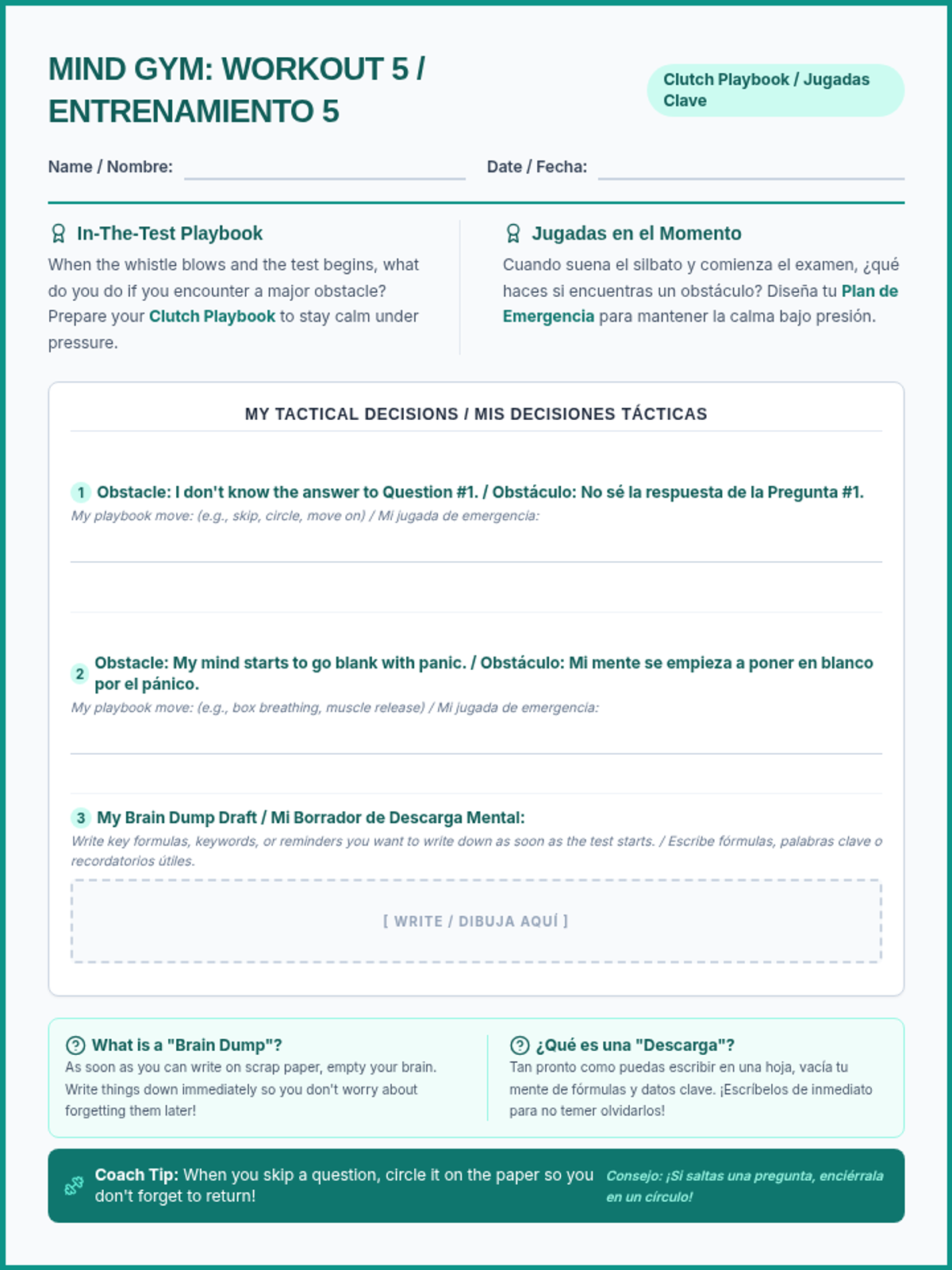
Covers real-time test-taking coping skills, such as how to handle encountering an incredibly difficult question, managing pacing, and utilizing a brief 'brain dump' sheet at the start of a test.
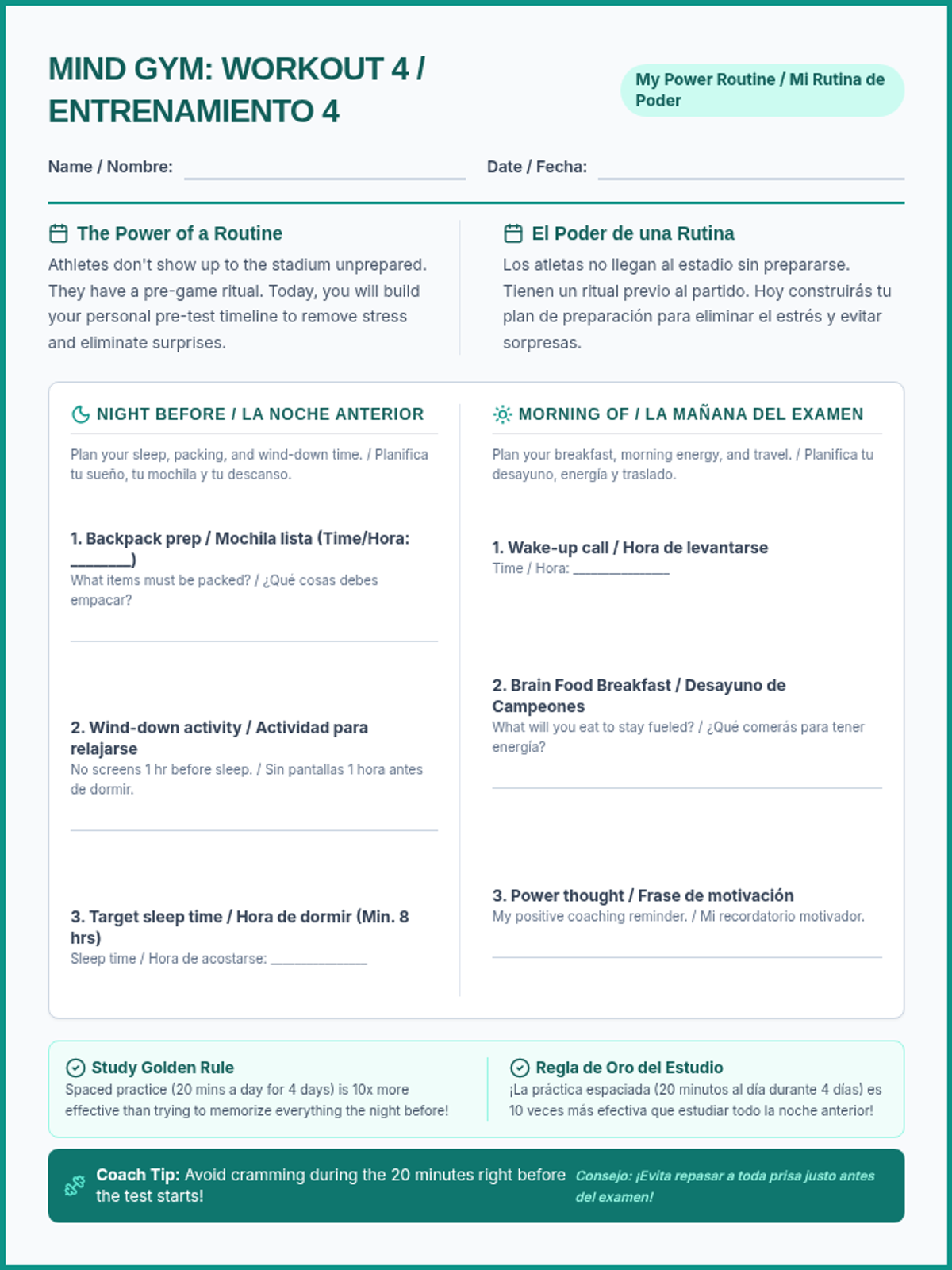
Equips students with practical preparation habits, including effective study routines, sleep hygiene, nutritional tips, and creating a personalized evening-before and morning-of timeline.
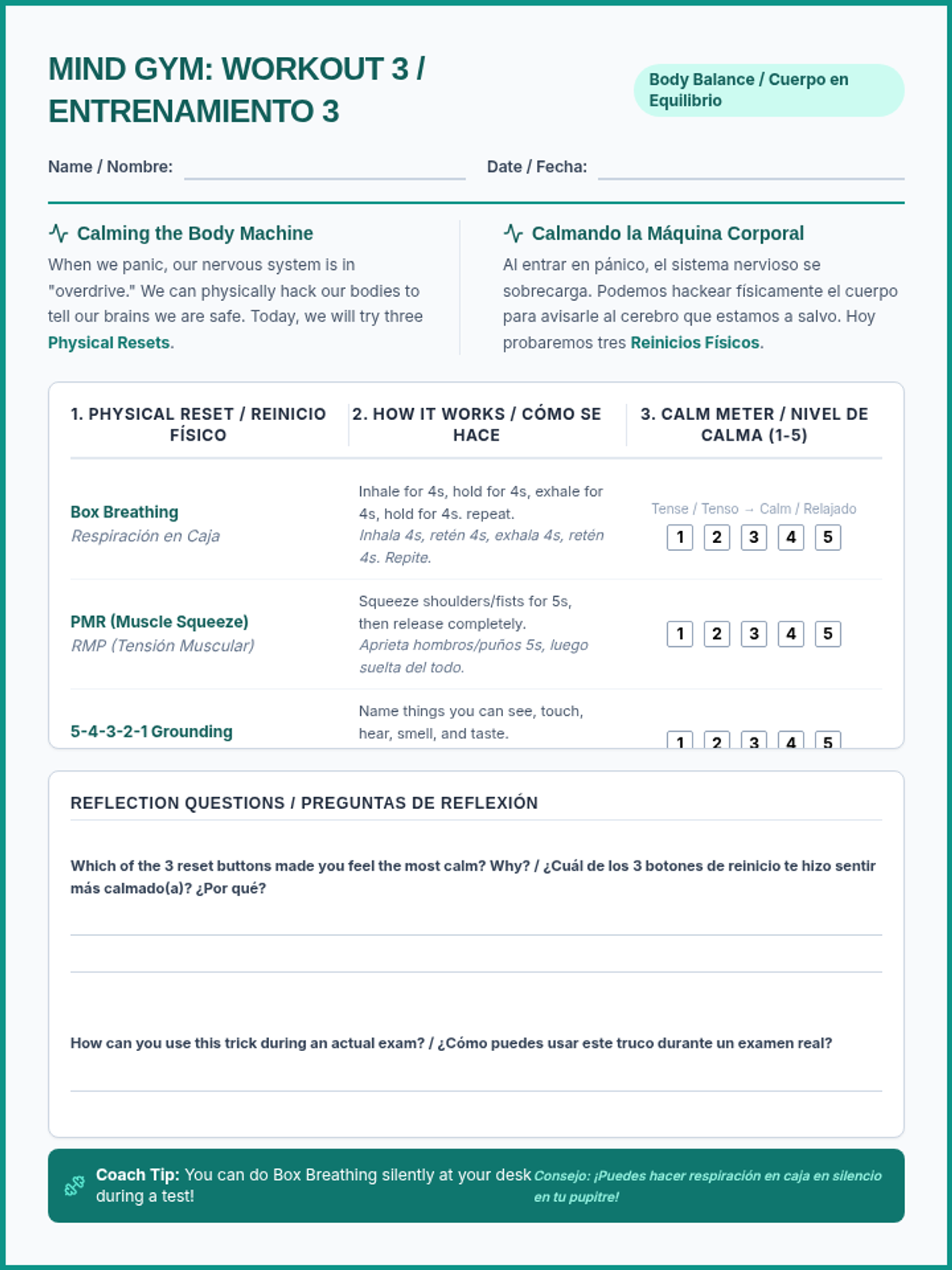
Teaches physical strategies to manage tension and calm the nervous system, including deep breathing exercises, progressive muscle relaxation, and rapid physical resets.
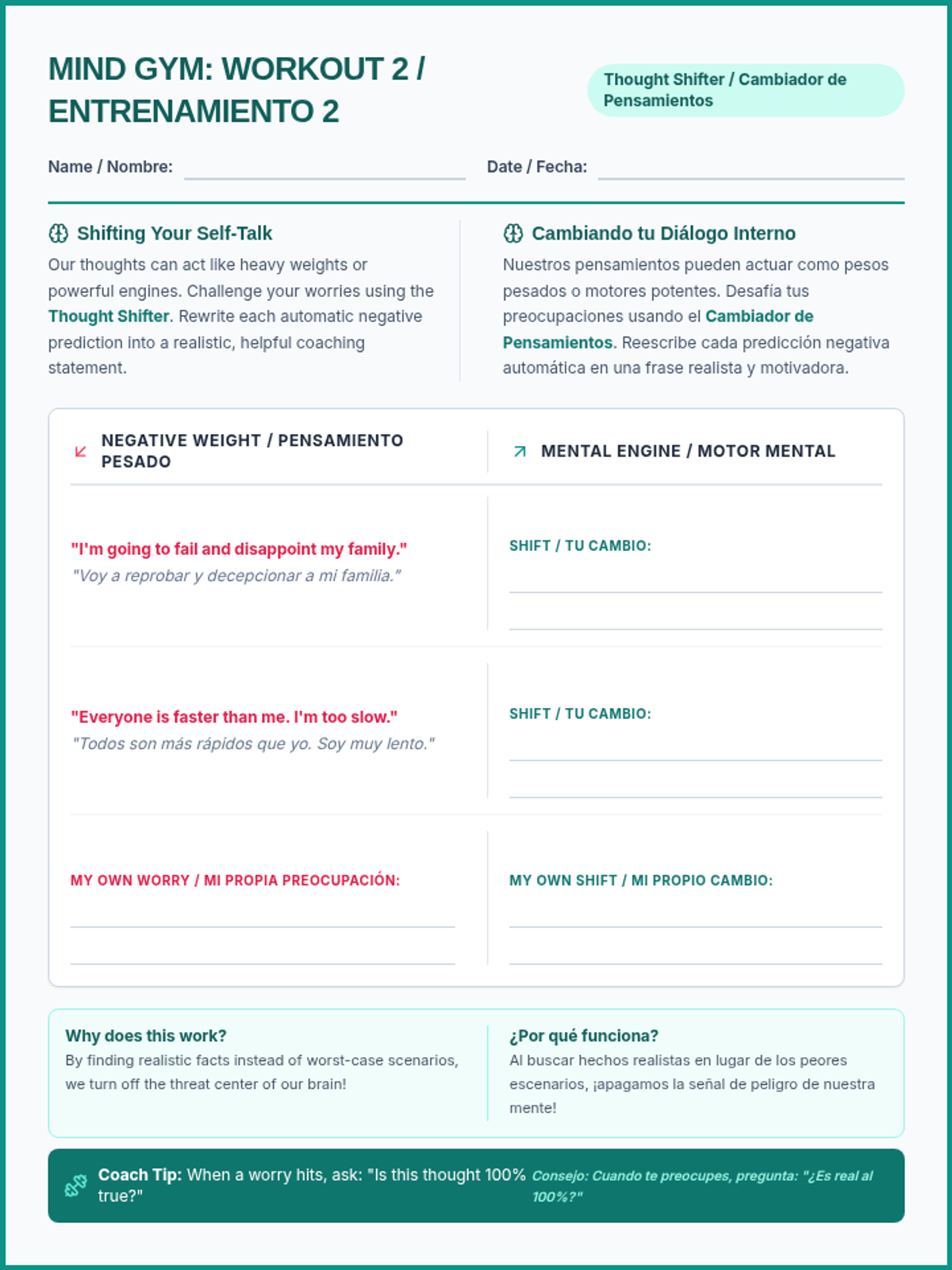
Focuses on cognitive strategies to identify and challenge negative self-talk, replacing it with a supportive inner dialogue. Students learn the 'thought shifting' technique to reframe negative predictions.
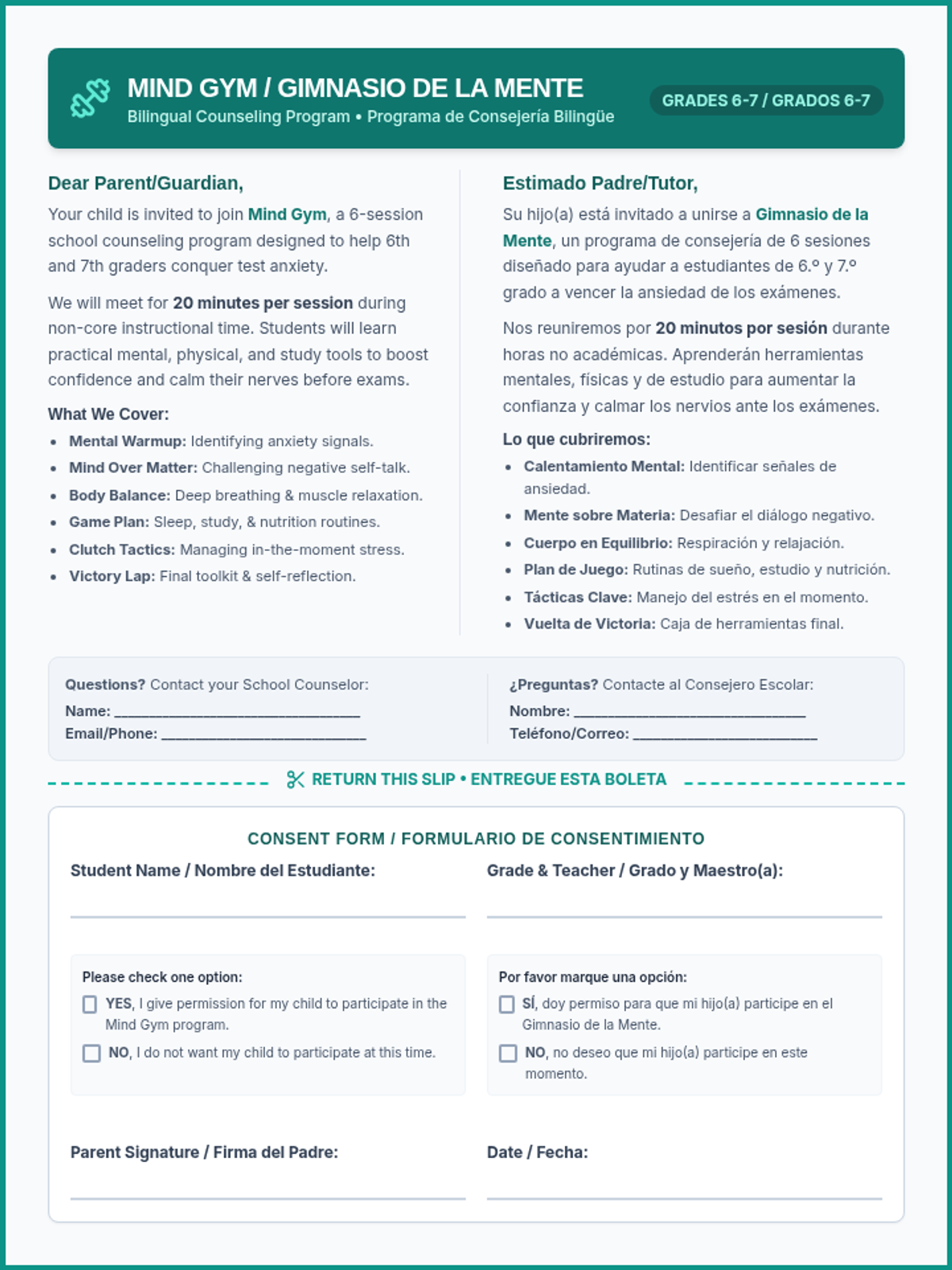
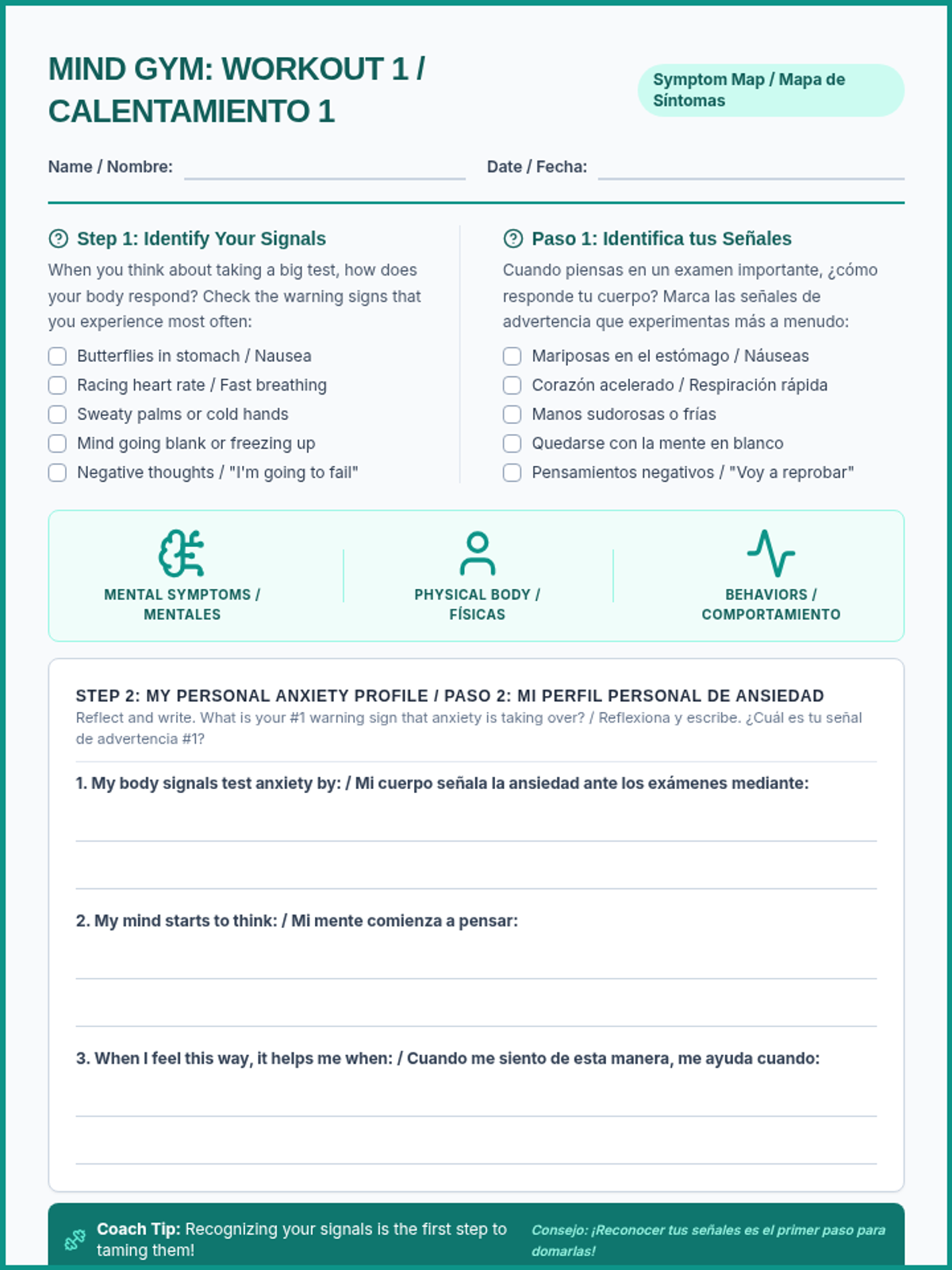
Students learn what test anxiety is, recognize its physical and emotional symptoms, and understand that their feelings are normal. They will receive their bilingually structured Permission Slip and the introductory session worksheet.
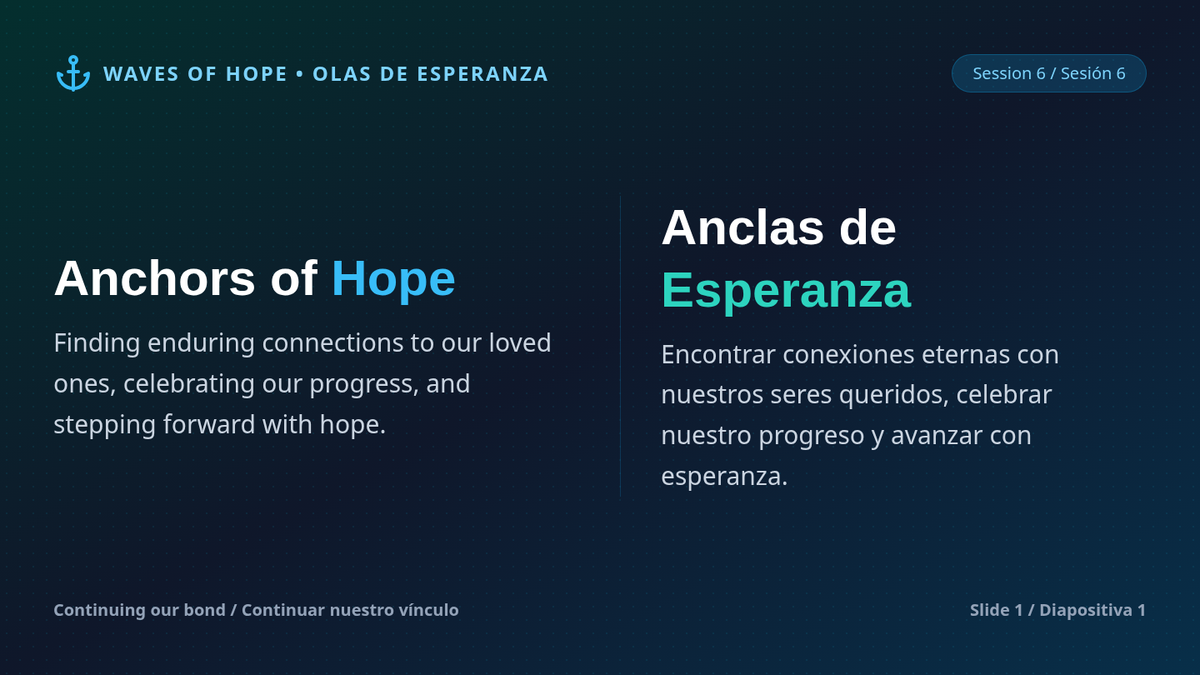
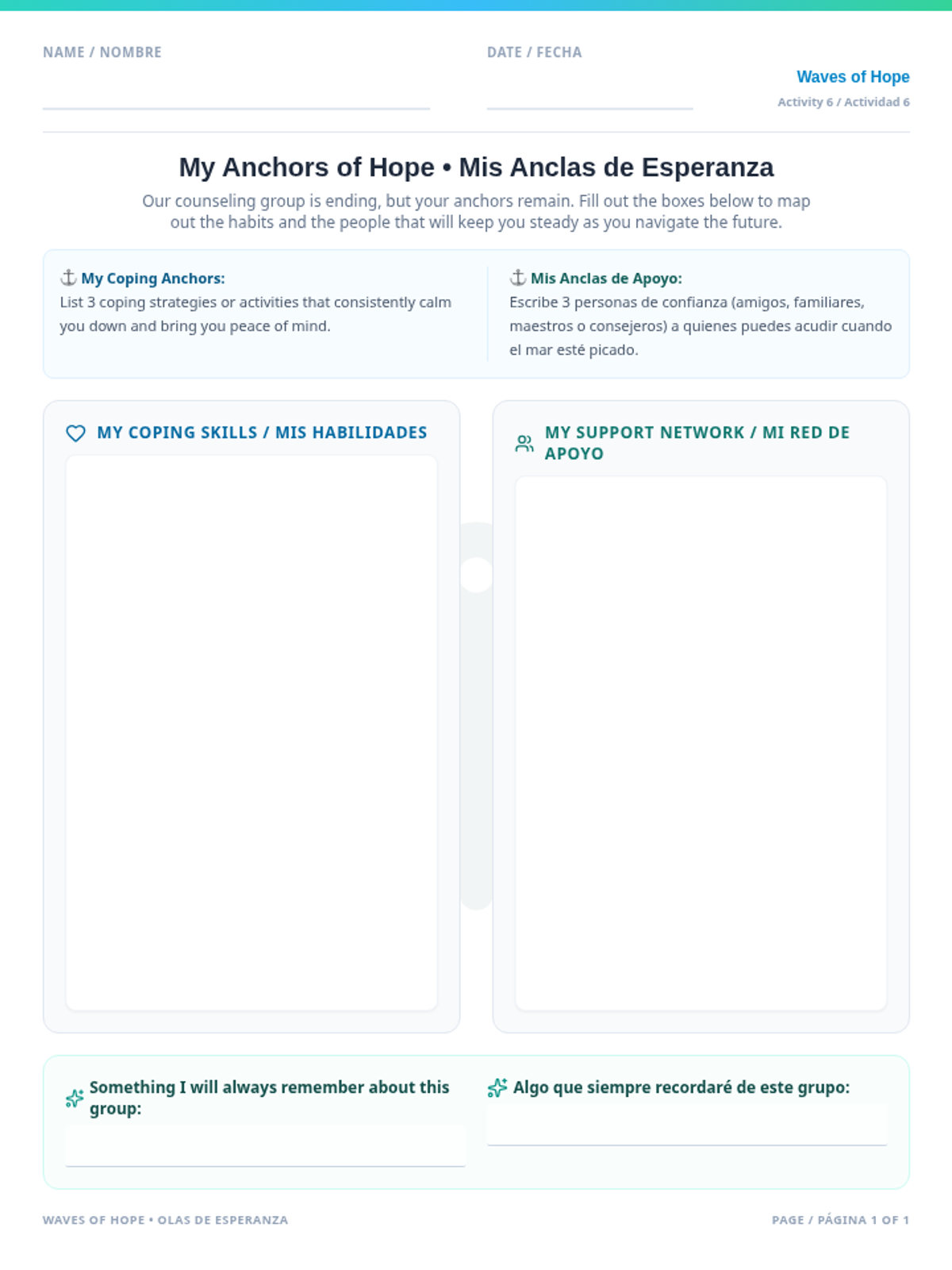
Session 6 targets Worden's Fourth Task of Mourning: finding an enduring connection with the deceased while embarking on a new life. Students engage in a closing ritual, evaluate their progress, and look forward.
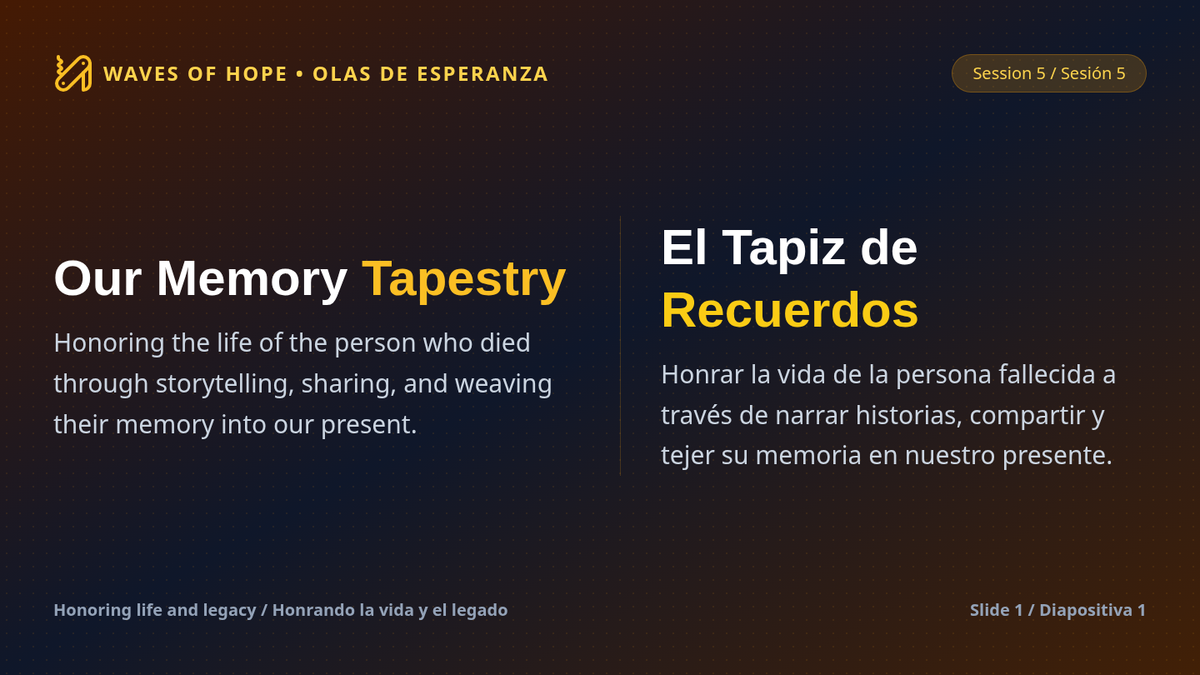
Session 5 employs Narrative Therapy and memories to celebrate and honor the life of the person who died. Students share stories, map memories, and create physical or written symbols of remembrance.
Session 4 focuses on Worden's Third Task of Mourning: adjusting to an environment in which the deceased is missing. Students identify new roles, external shifts, and internal shifts, and build coping strategies.
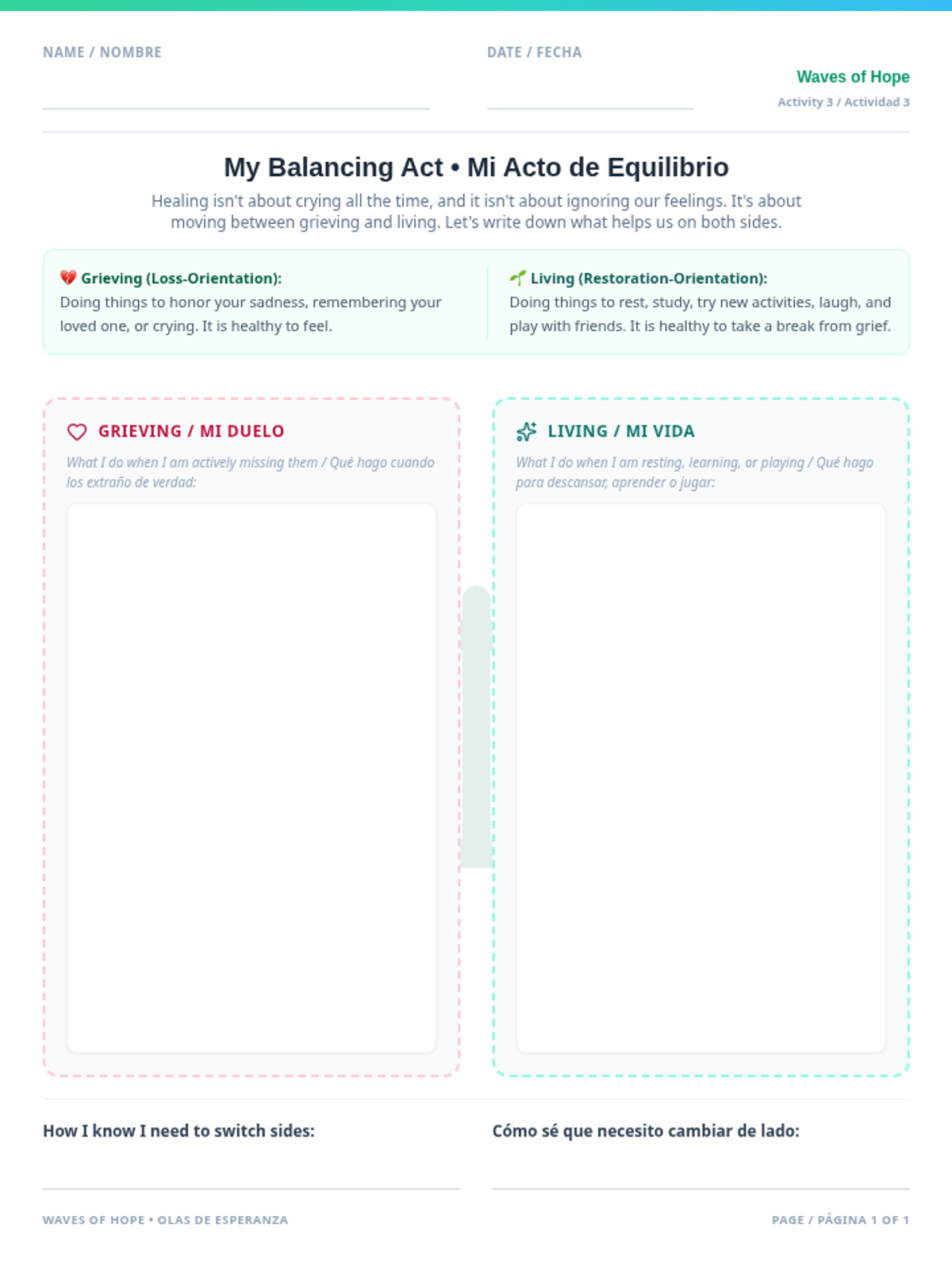
Session 3 introduces the Dual Process Model, helping students understand the healthy oscillation between processing grief (loss-orientation) and participating in regular life/restoration (restoration-orientation).
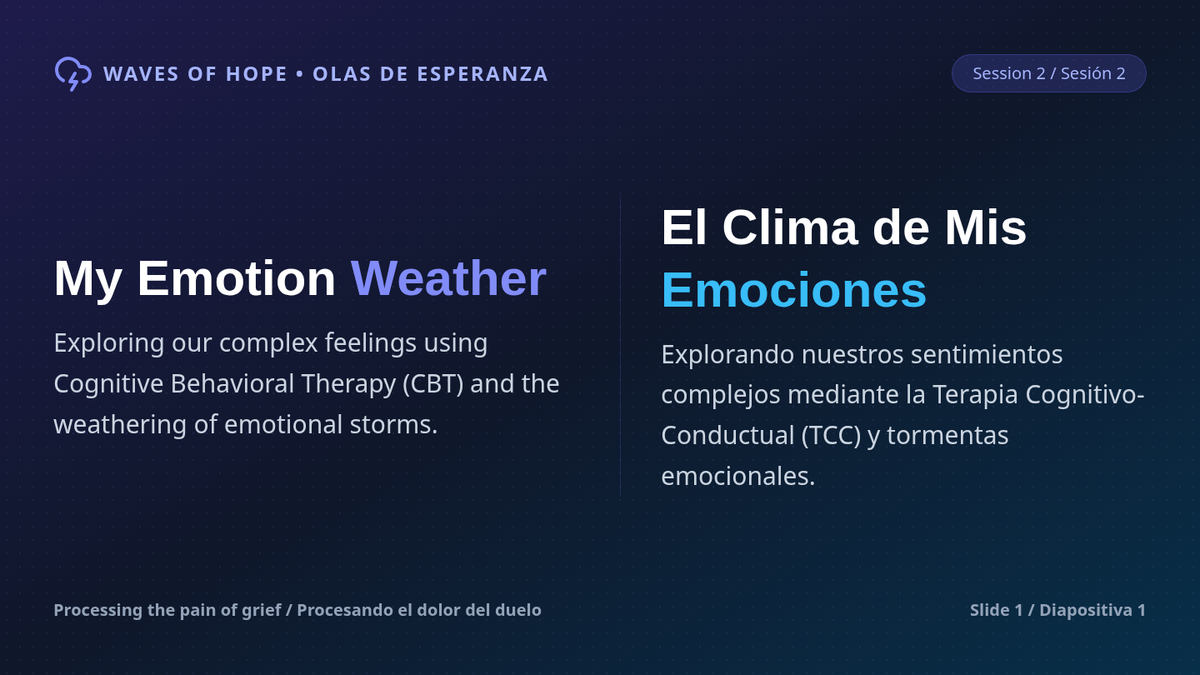
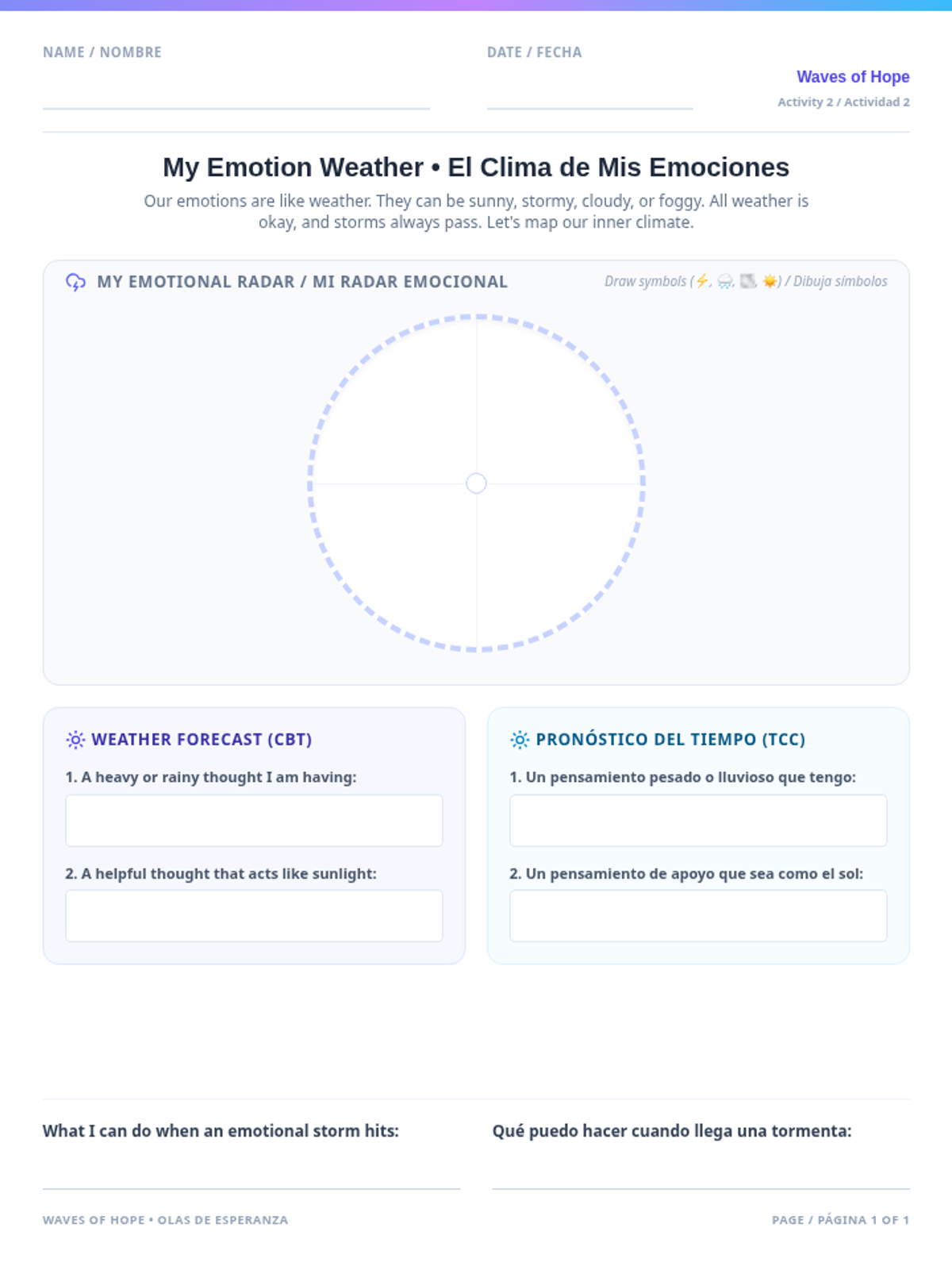
Session 2 utilizes Cognitive Behavioral Therapy (CBT) to help students identify, label, and express their intense feelings, aligning with Worden's Second Task of Mourning: processing the pain of grief.
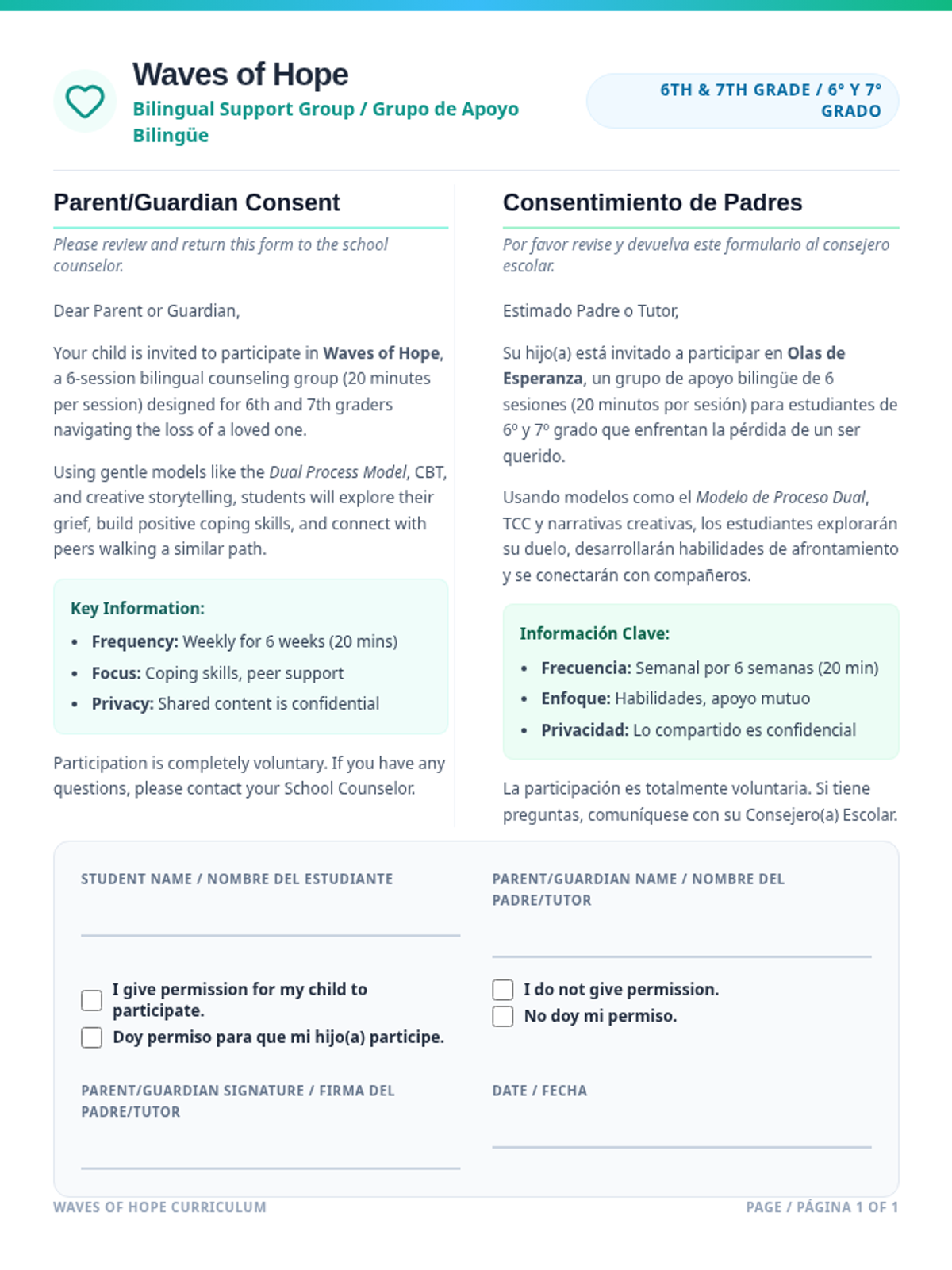
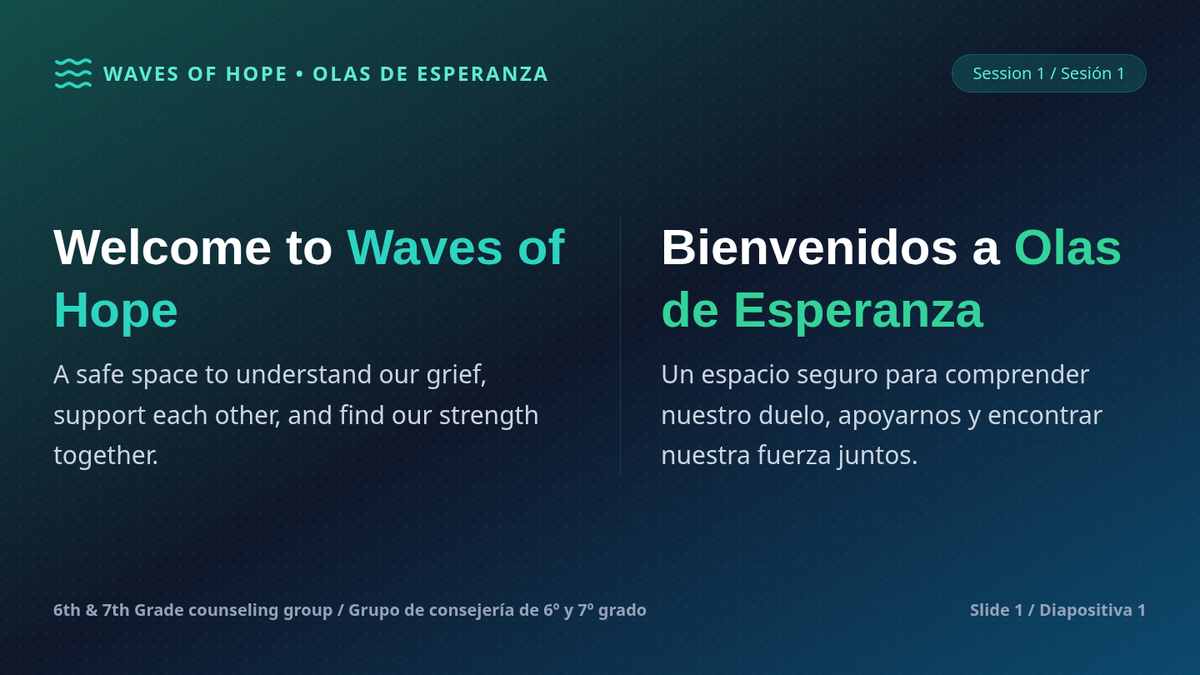
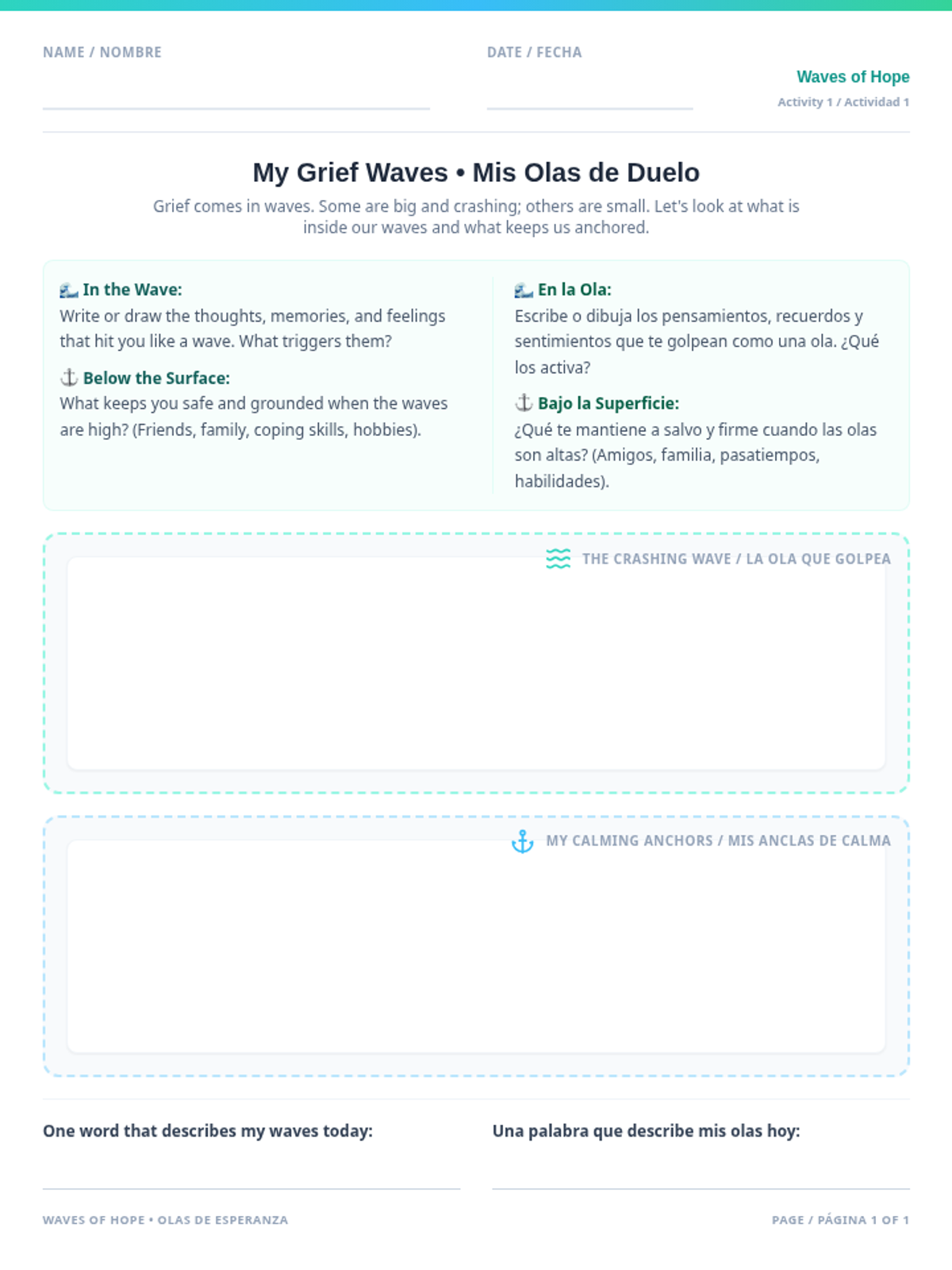
Session 1 introduces group norms, accepts the reality of loss, and conceptualizes grief as waves on an ocean, aligning with Worden's First Task of Mourning. Students explore grief basics in both English and Spanish.
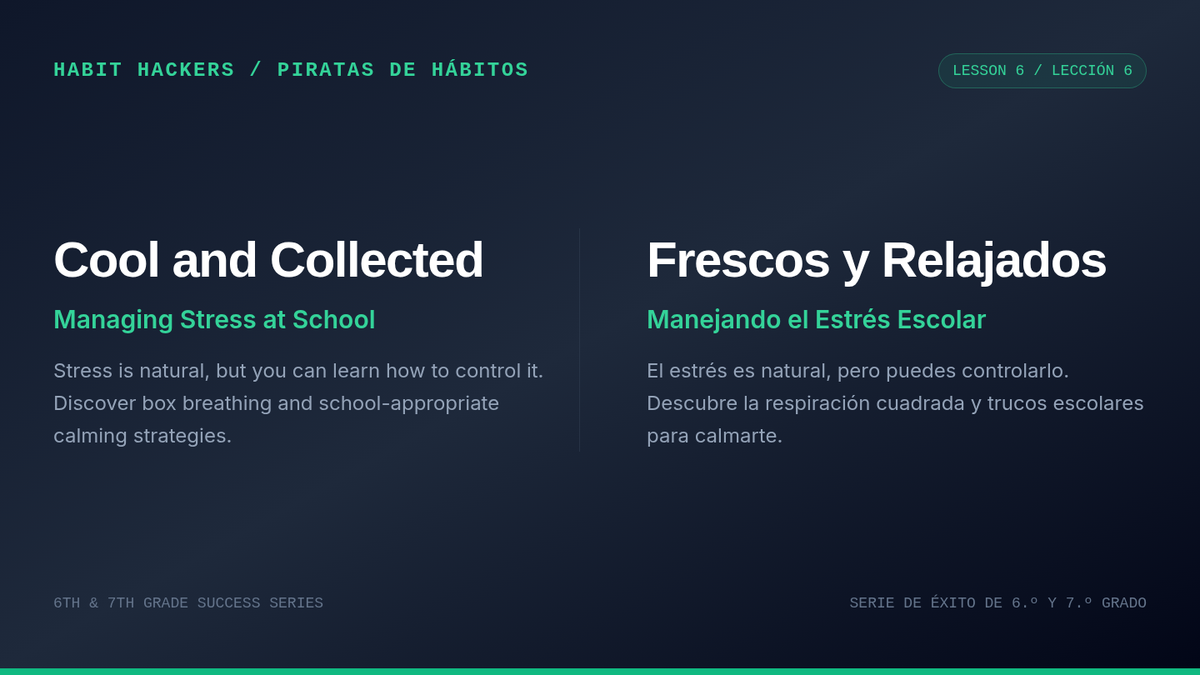
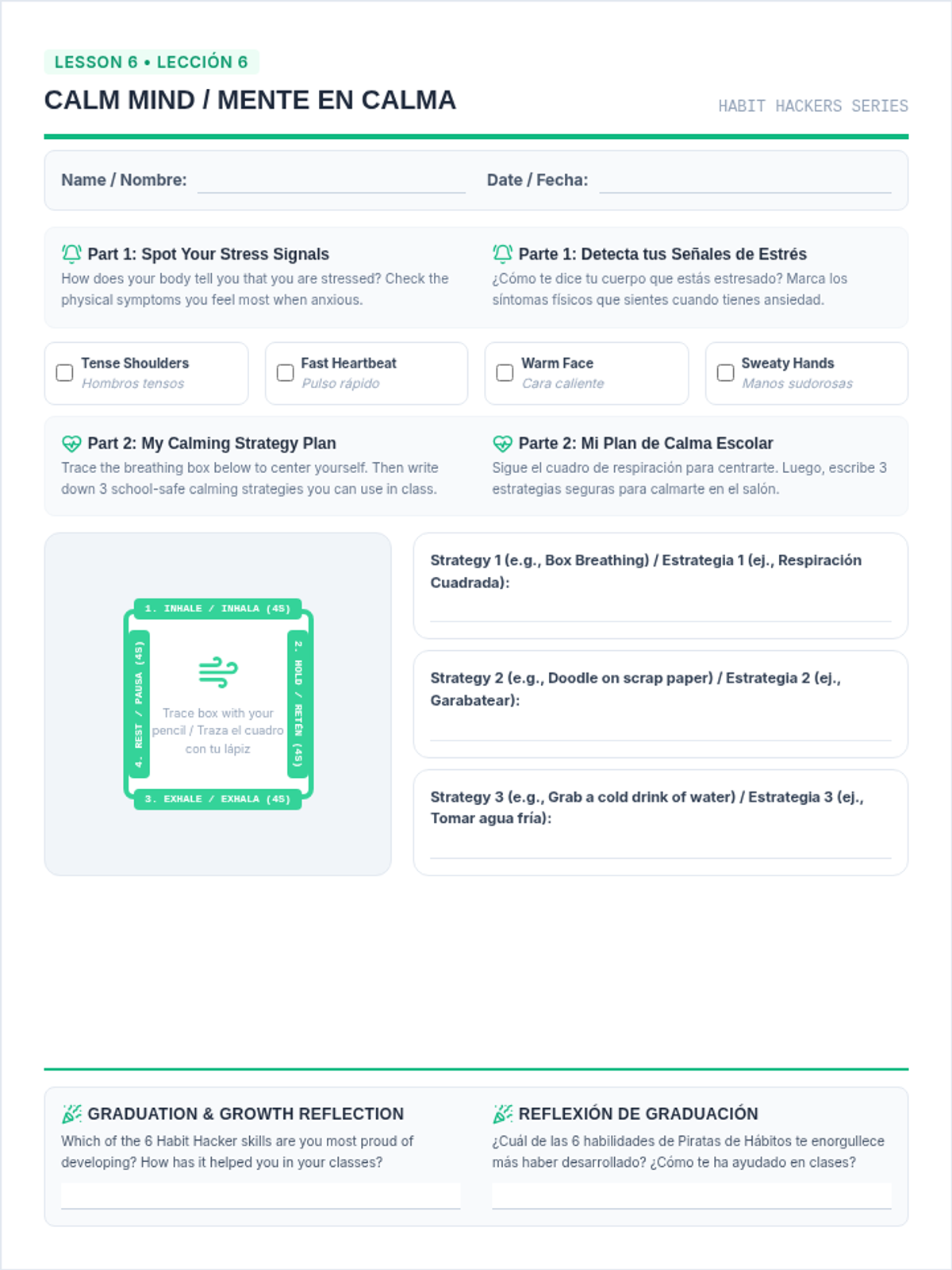
Students explore school-appropriate coping skills, breathing exercises, and emotional self-regulation to manage academic stress.
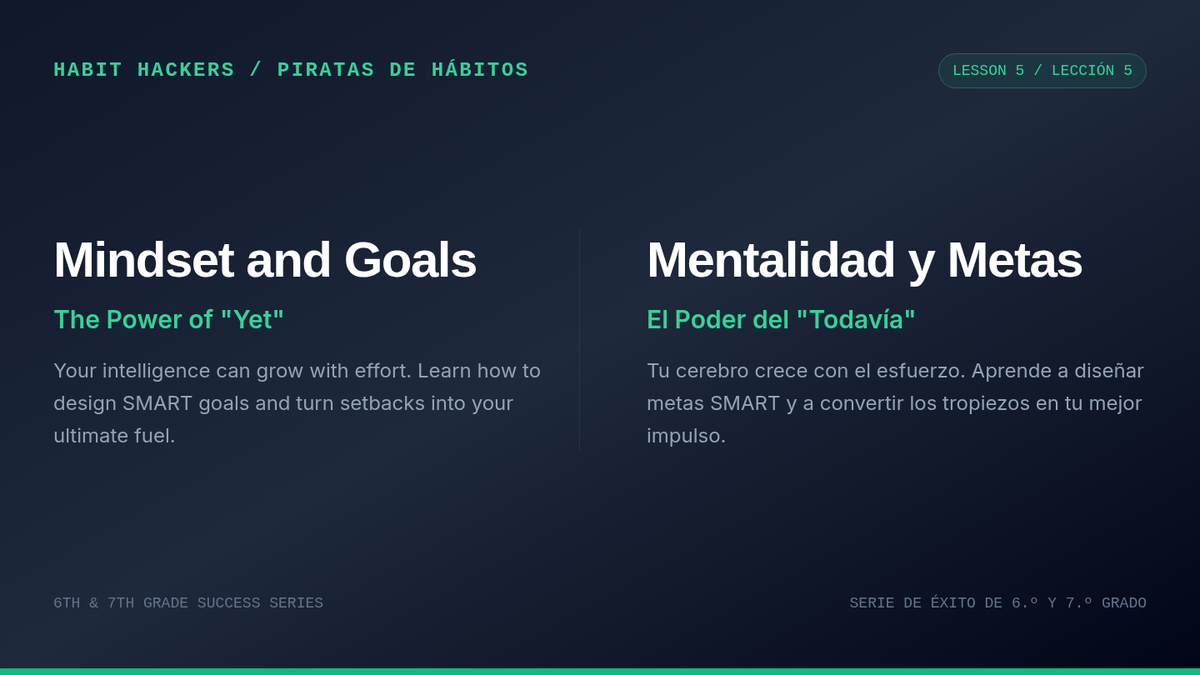
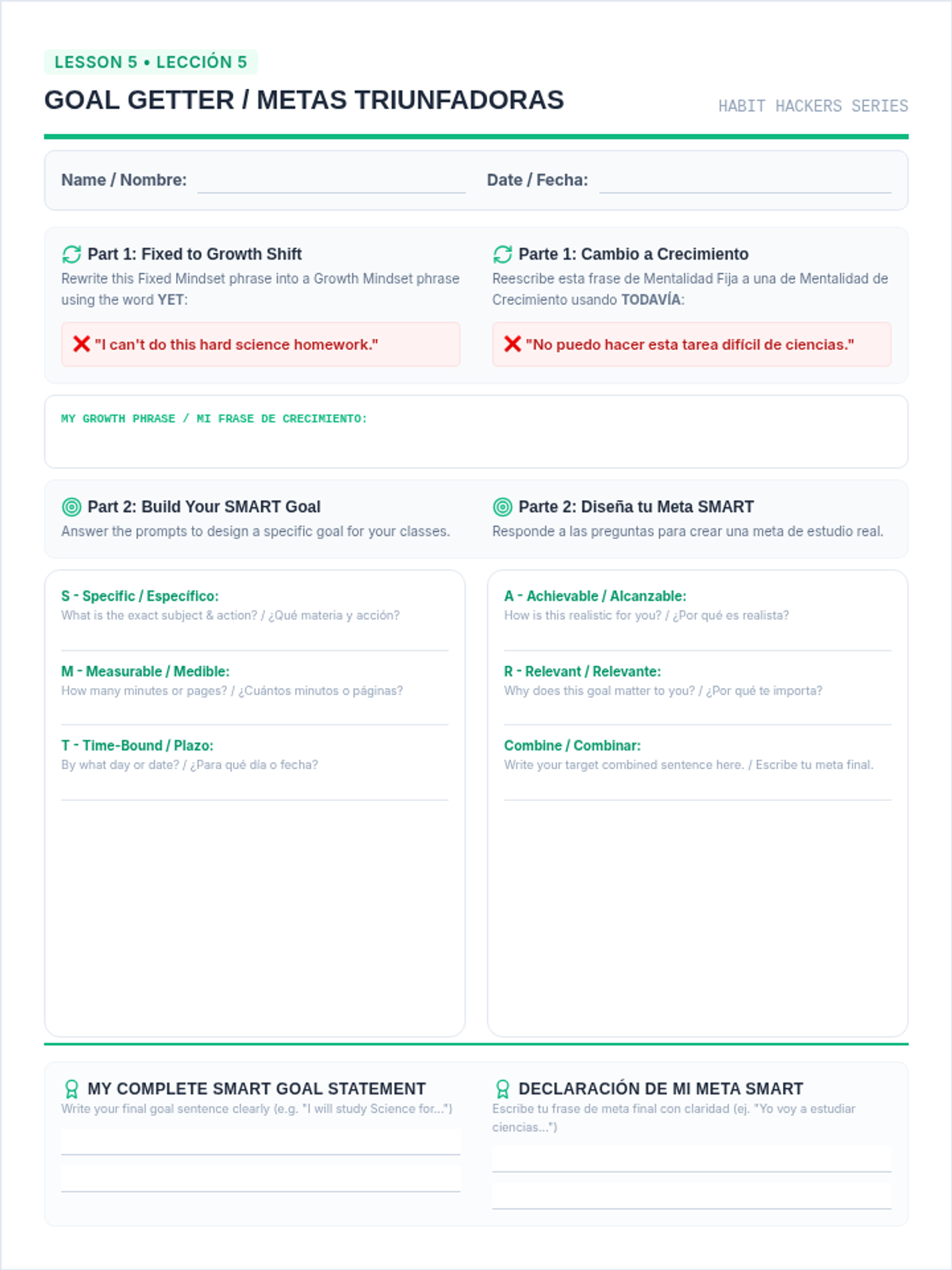
Students learn to write SMART goals and apply growth mindset principles to bounce back from academic setbacks.
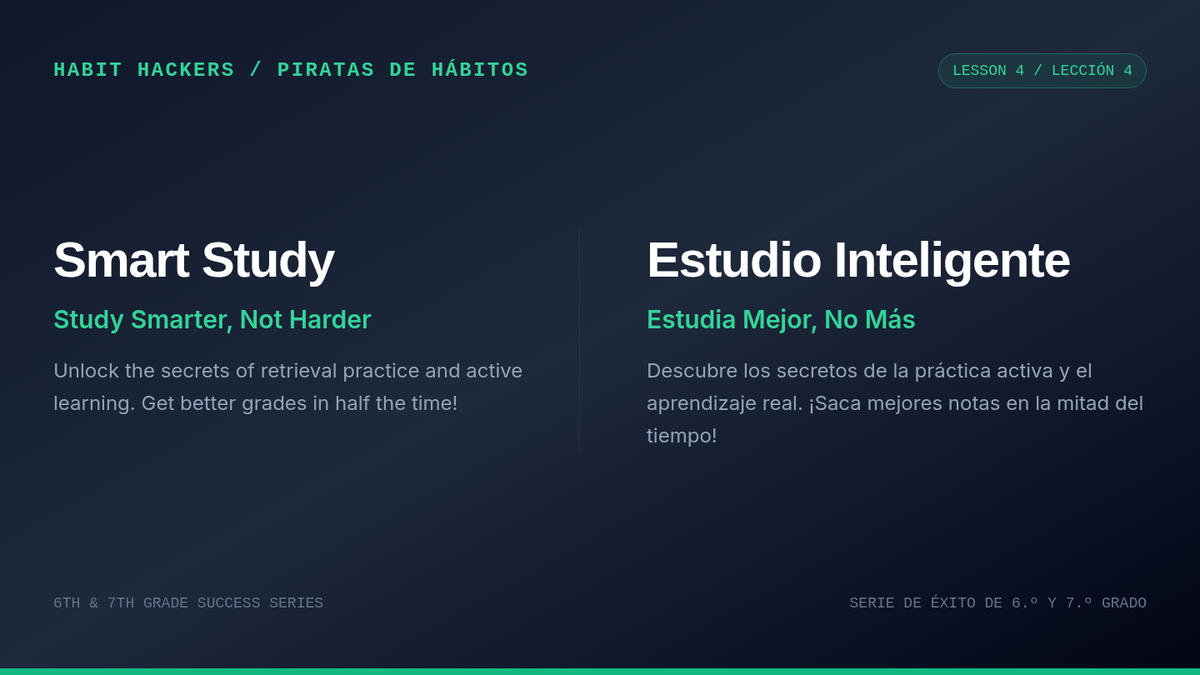
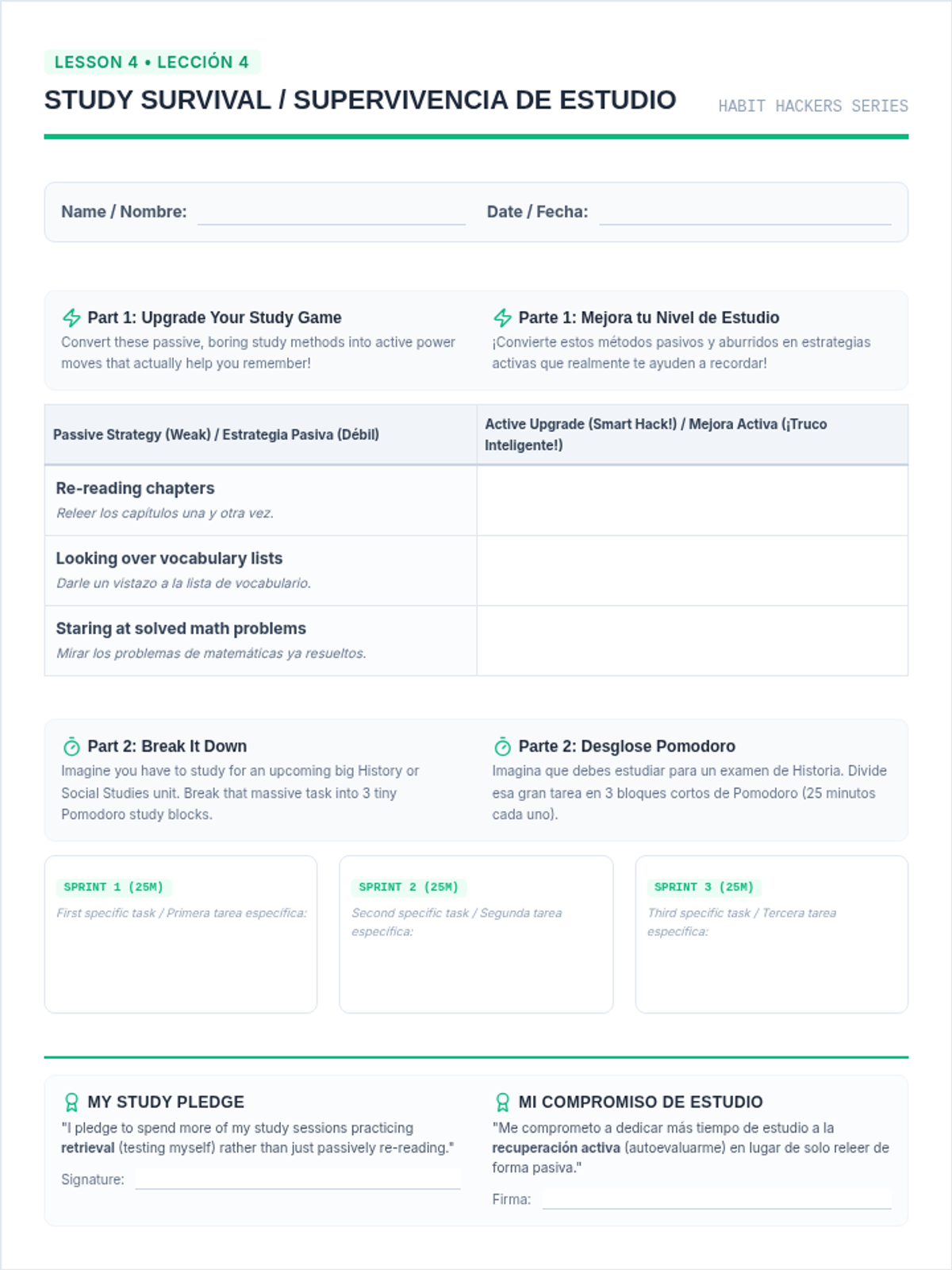
Students practice active learning strategies and stress-free test preparation methods to boost retention and confidence.
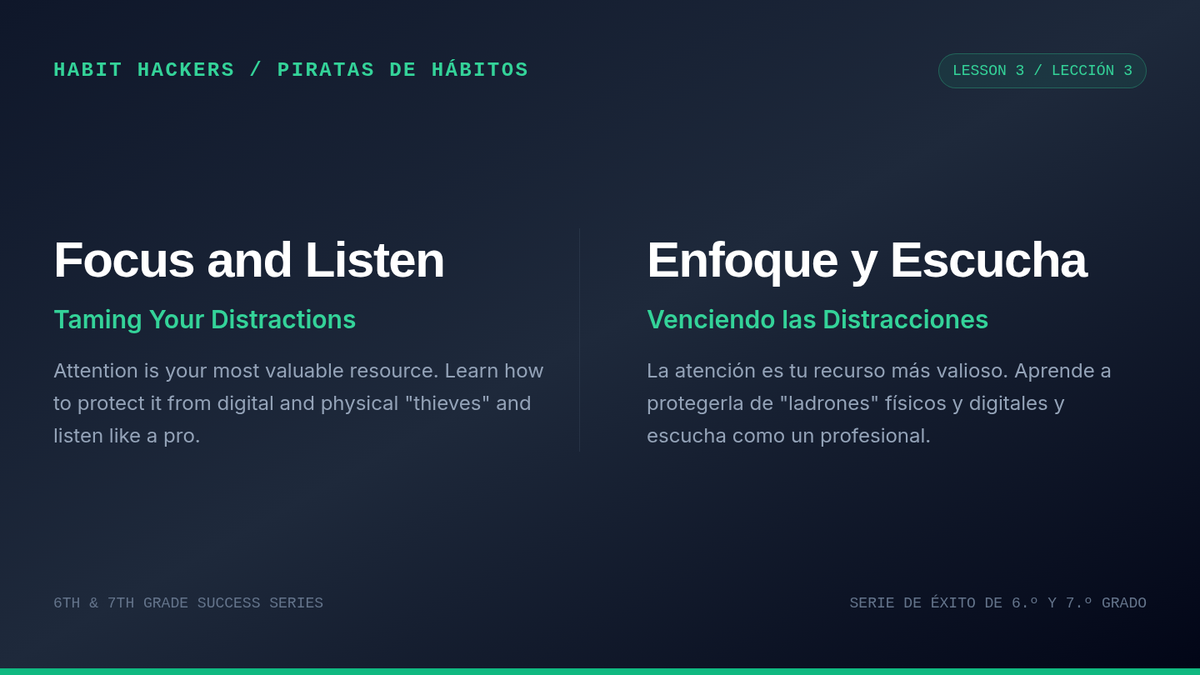
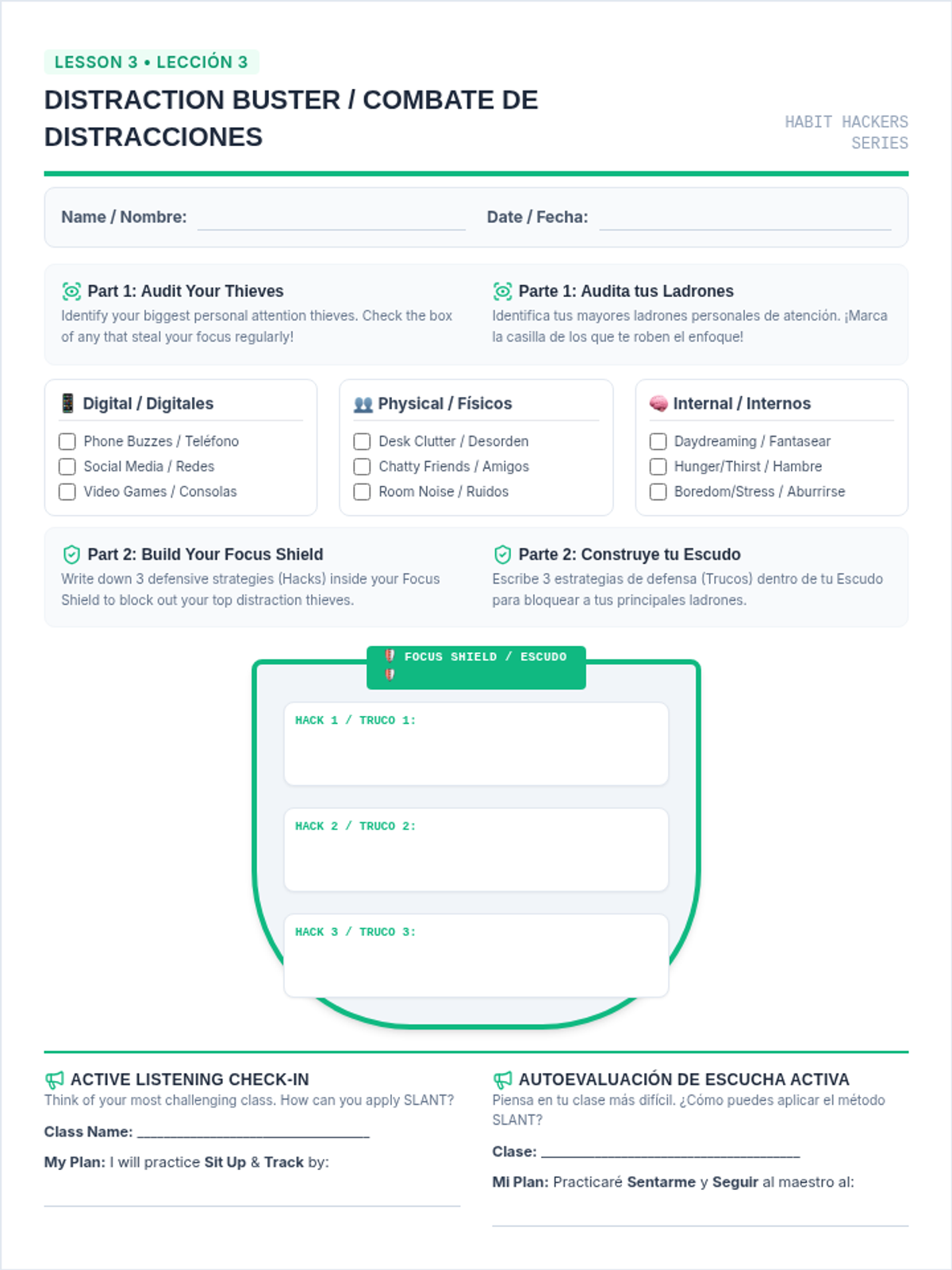
Students explore techniques for active listening and identifying and minimizing internal and external digital and physical distractions.
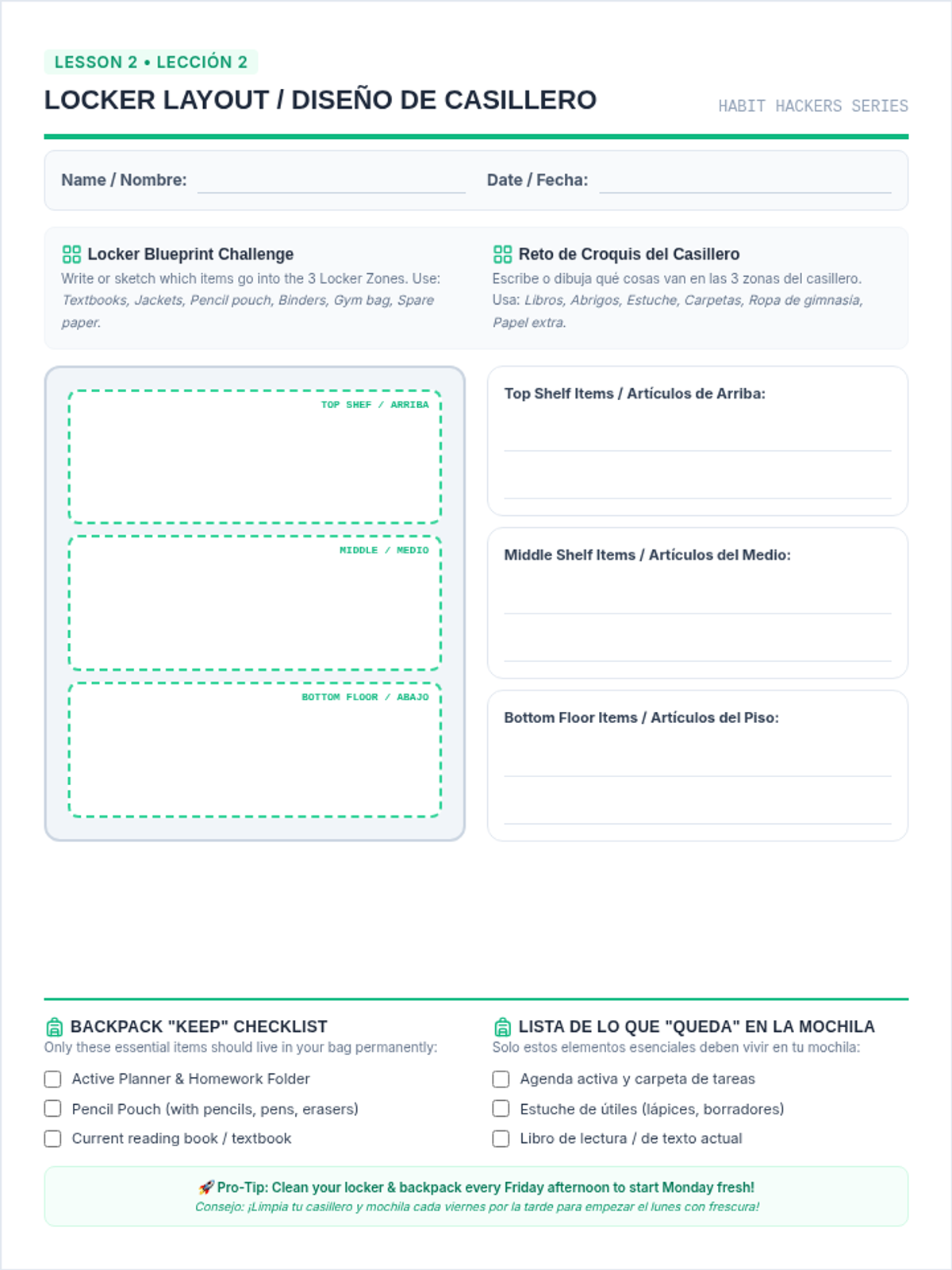
Students learn practical strategies to organize their physical spaces, focusing on lockers, backpacks, and maintaining a functional learning environment.
Students learn the importance of planners and digital tools to manage homework deadlines and prioritize their daily schedules.
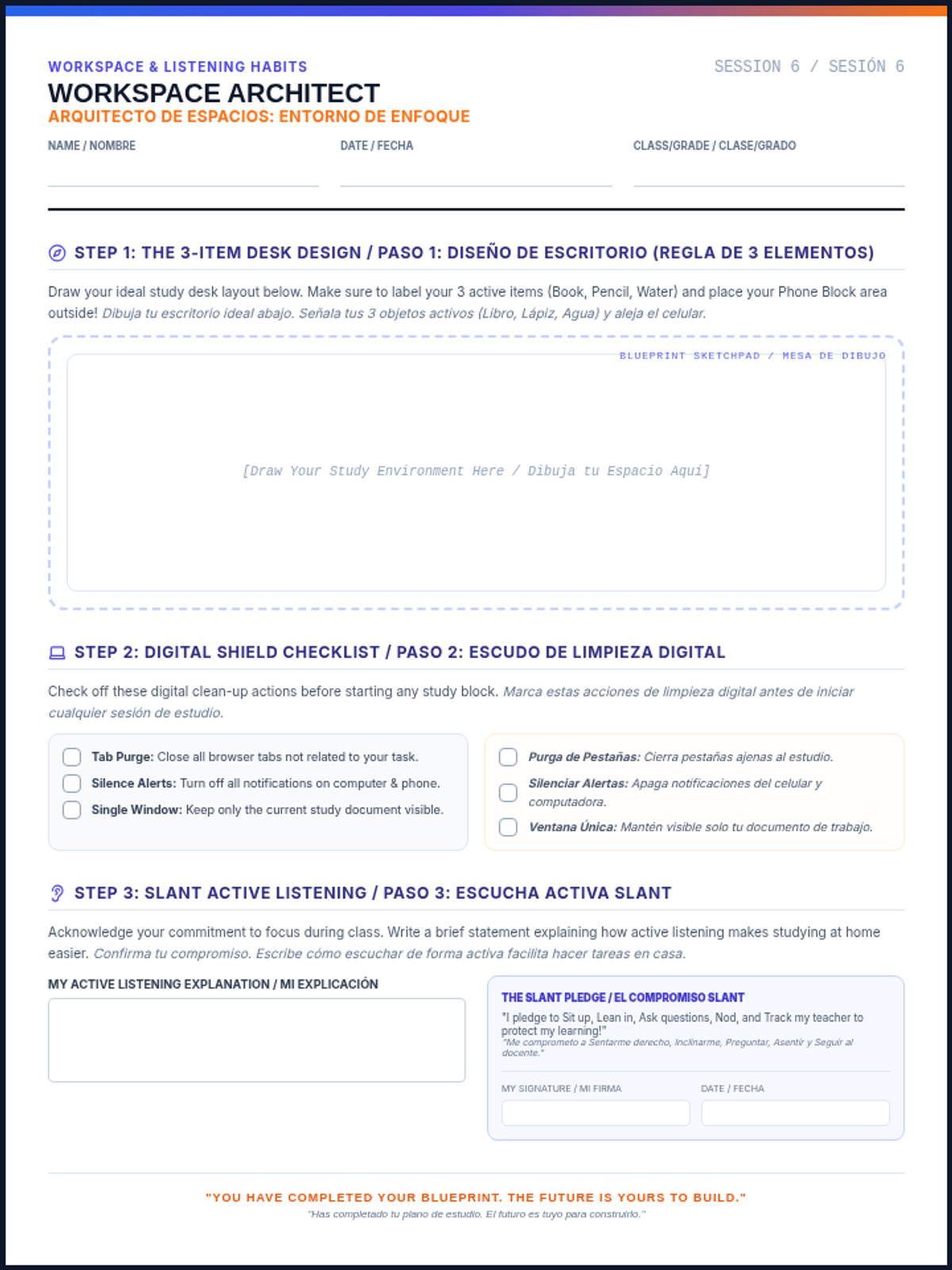
Focuses on setting up physical and digital workspaces for high-efficiency study and practicing active listening strategies during class.
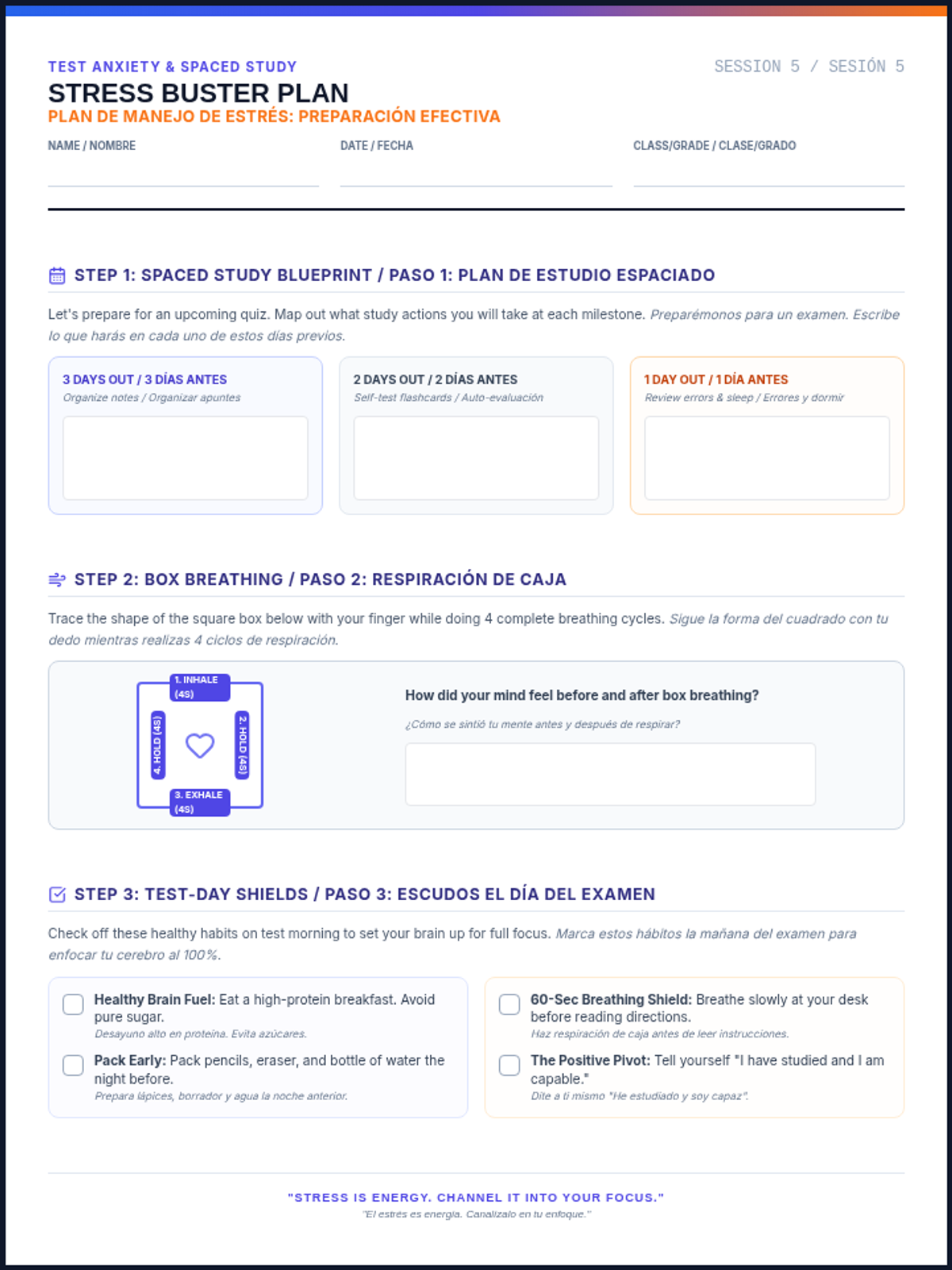
Covers physical and mental preparation for tests, study calendar design, and emotional regulation techniques to beat test-day anxiety.
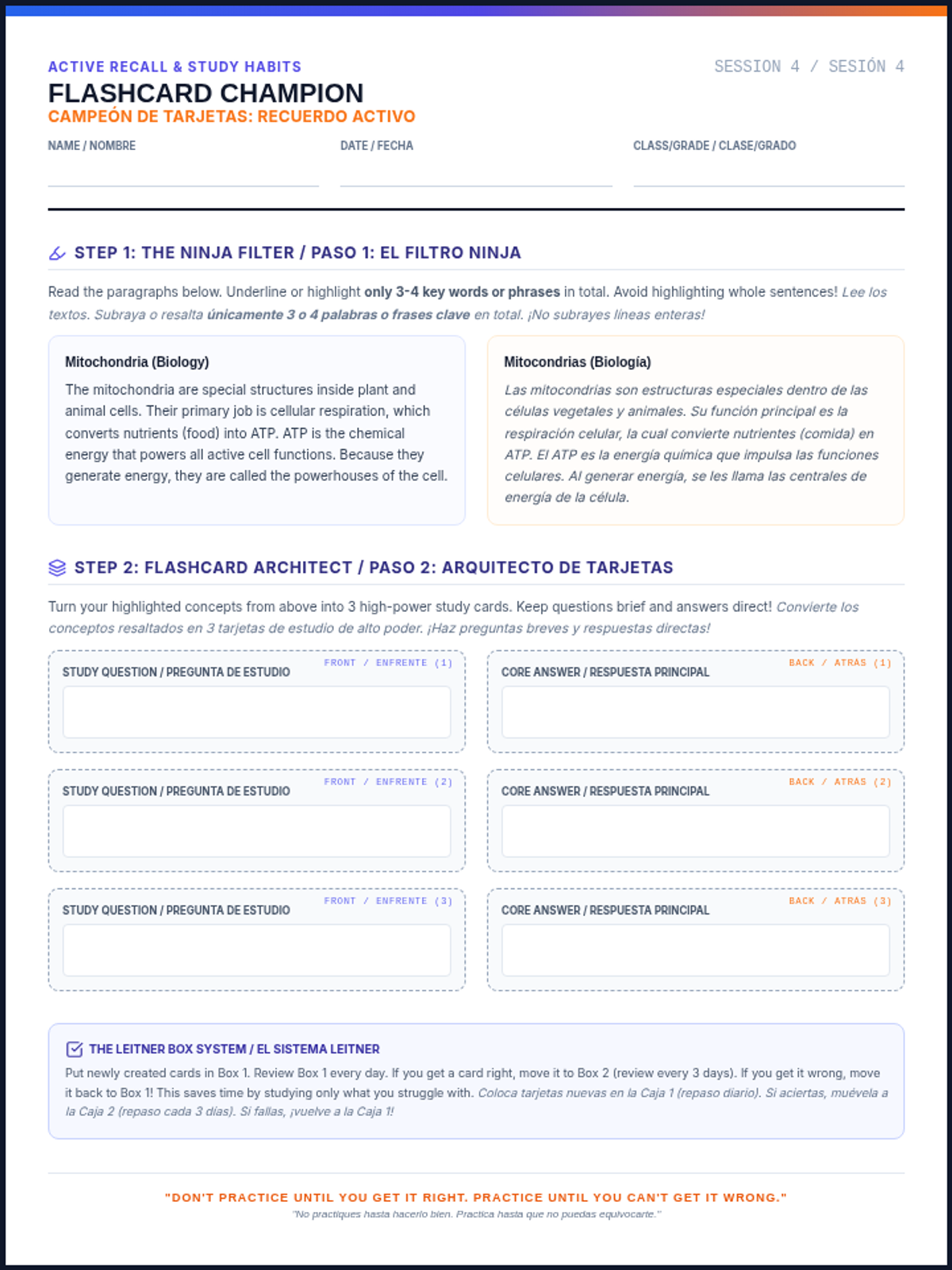
Differentiates passive reading from active recall. Teaches effective highlighting rules and how to design powerful flashcards for long-term memory.
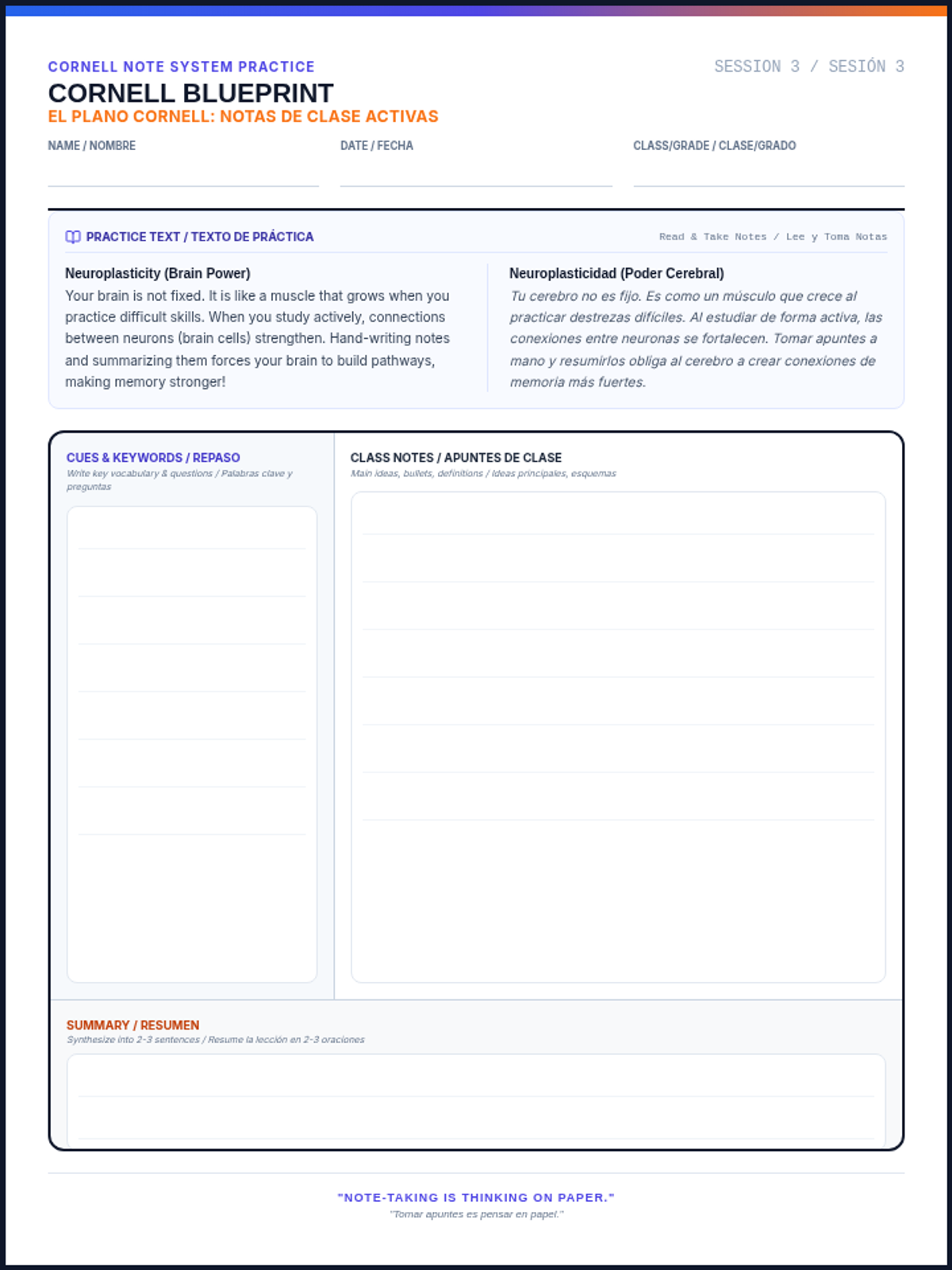
Teaches students the Cornell Notes method, highlighting with a purpose, and synthesizing information for better memory retention.
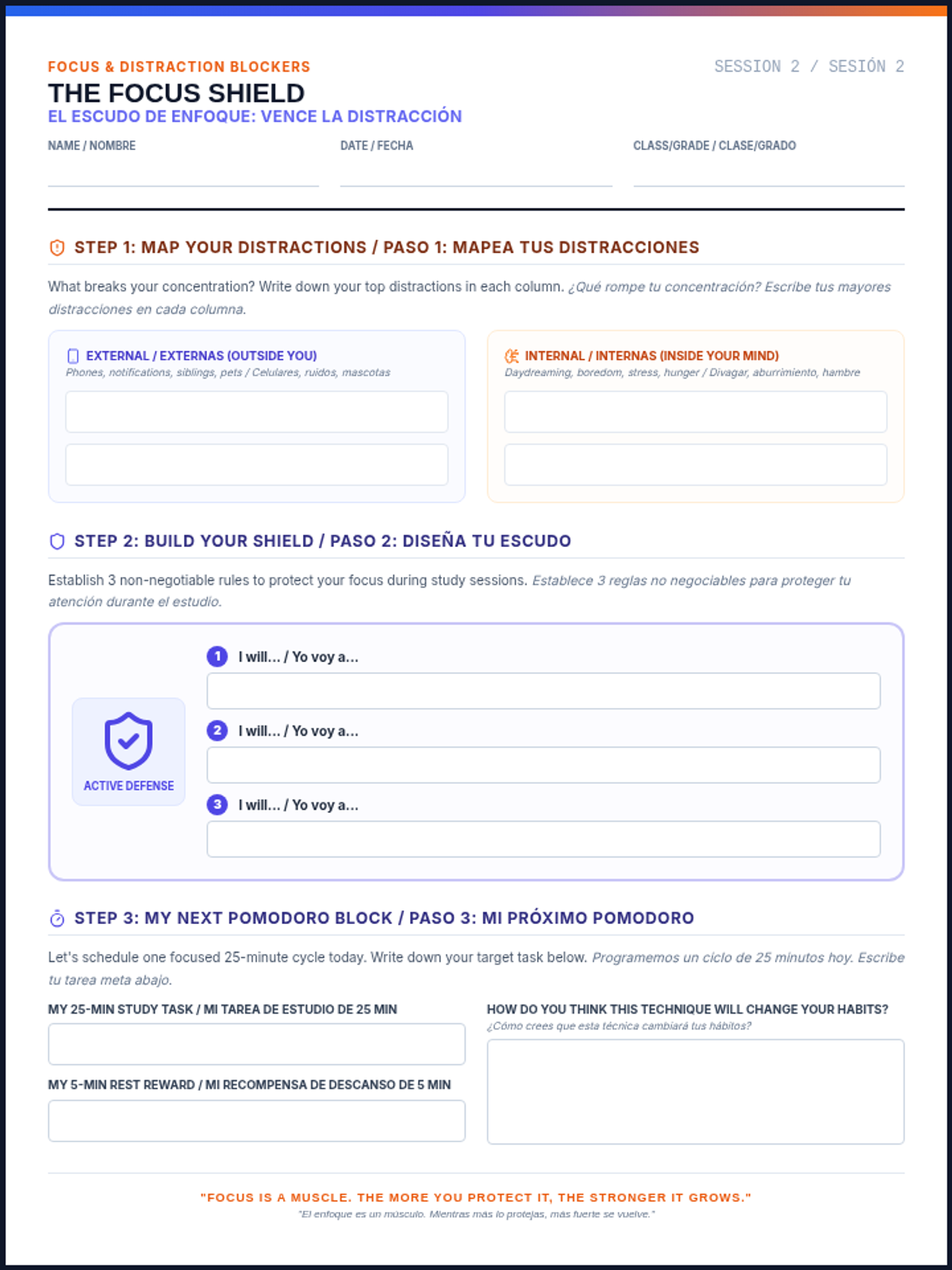
Explores why we procrastinate and how to build focus shields against digital and physical distractions using the Pomodoro technique.
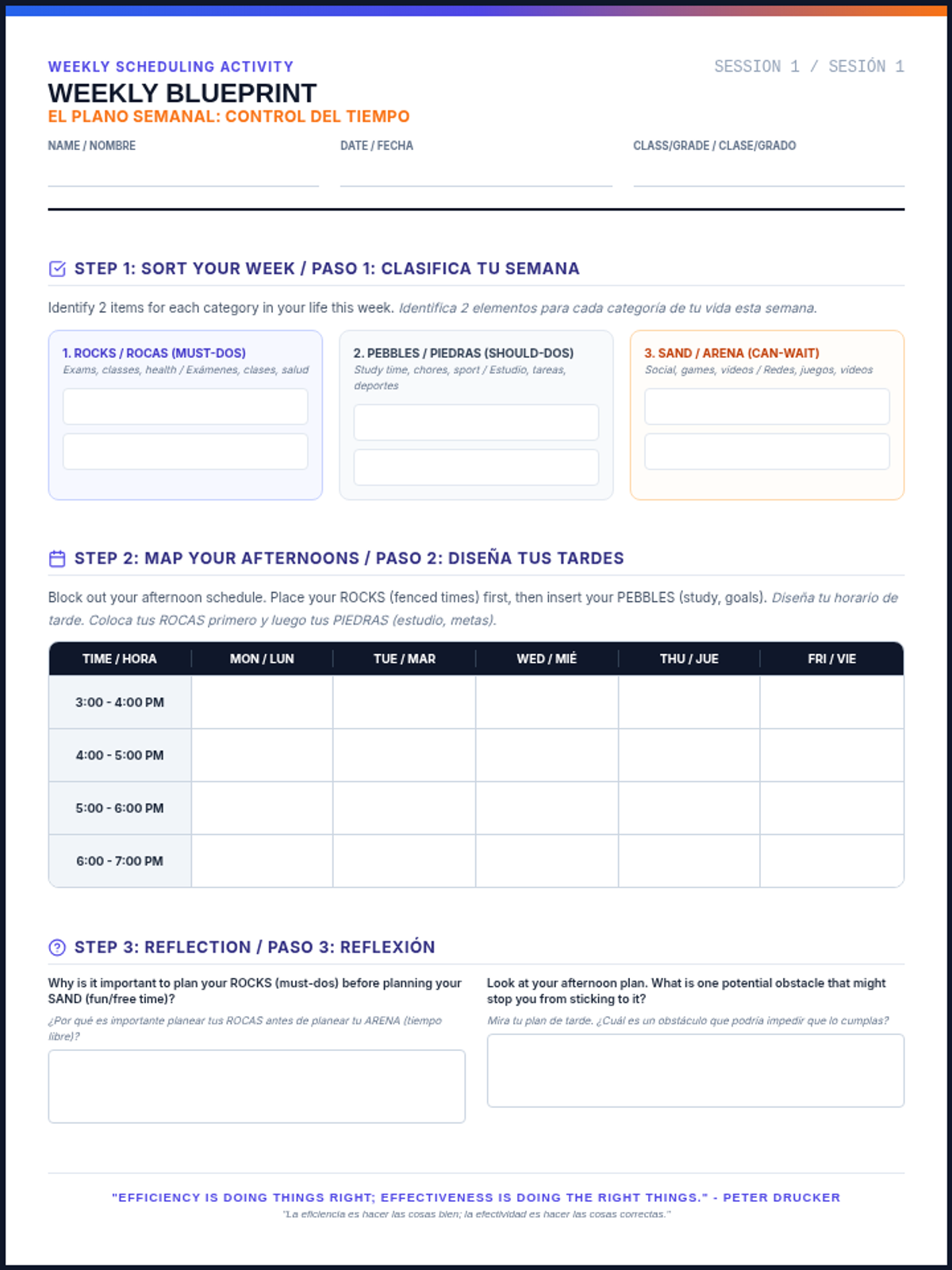
Focuses on using planners, managing schedules, and prioritizing tasks. Students will design a weekly plan and learn the basics of scheduling.
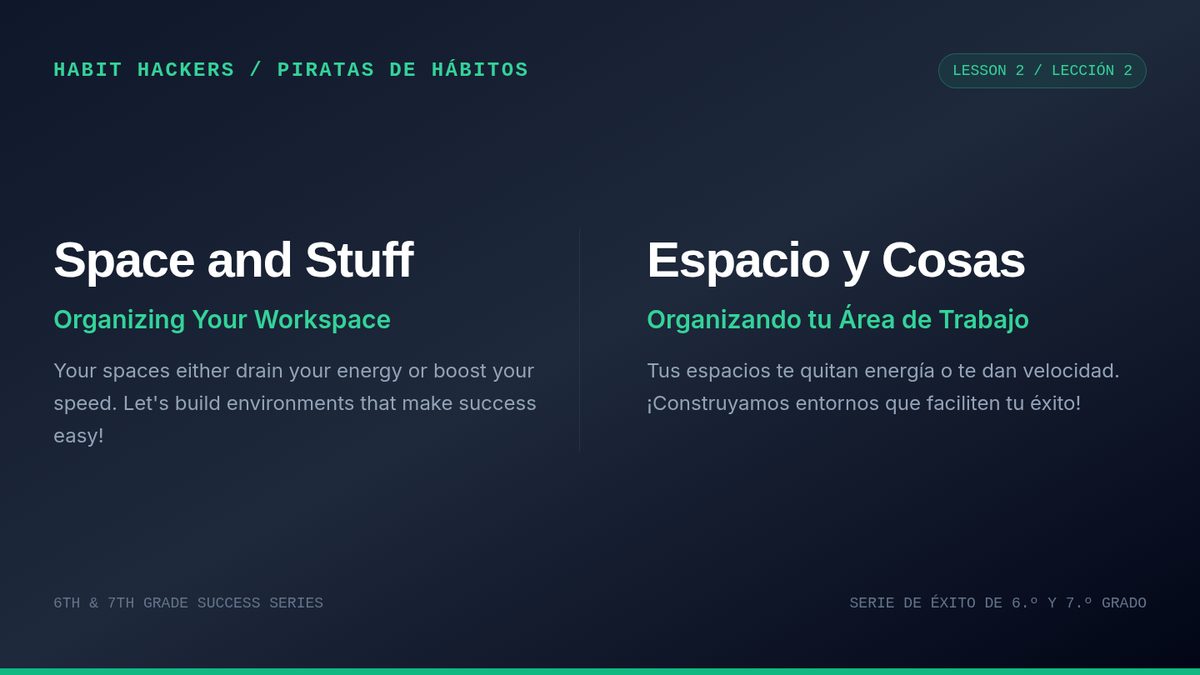
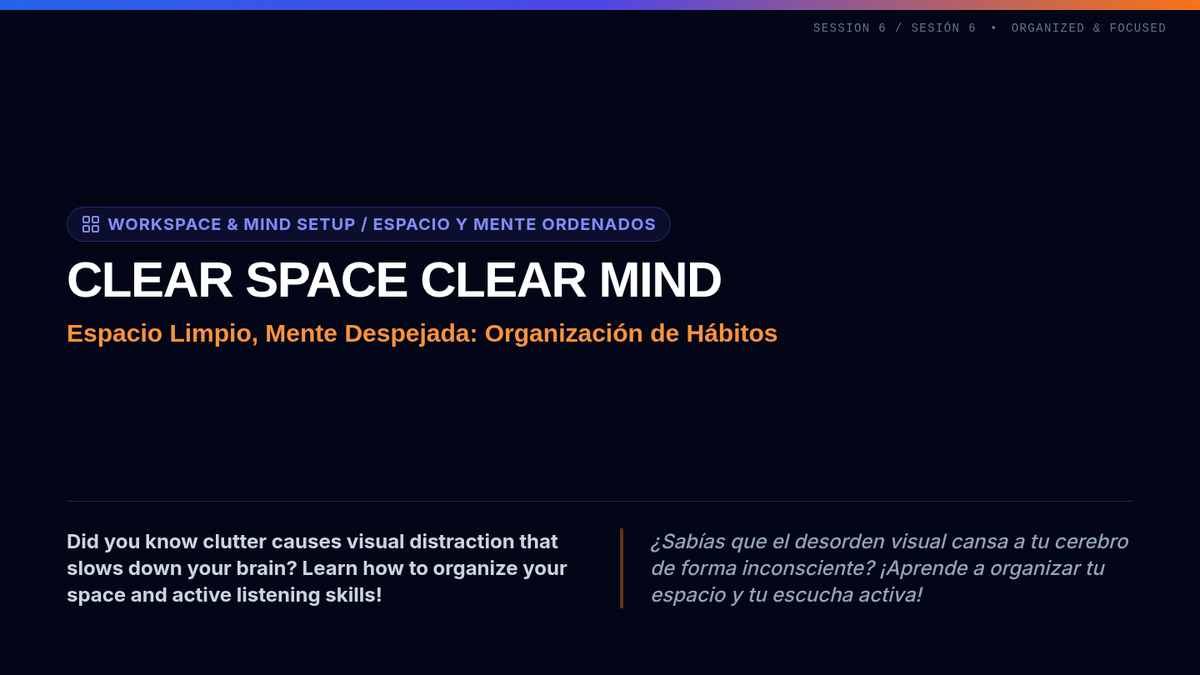
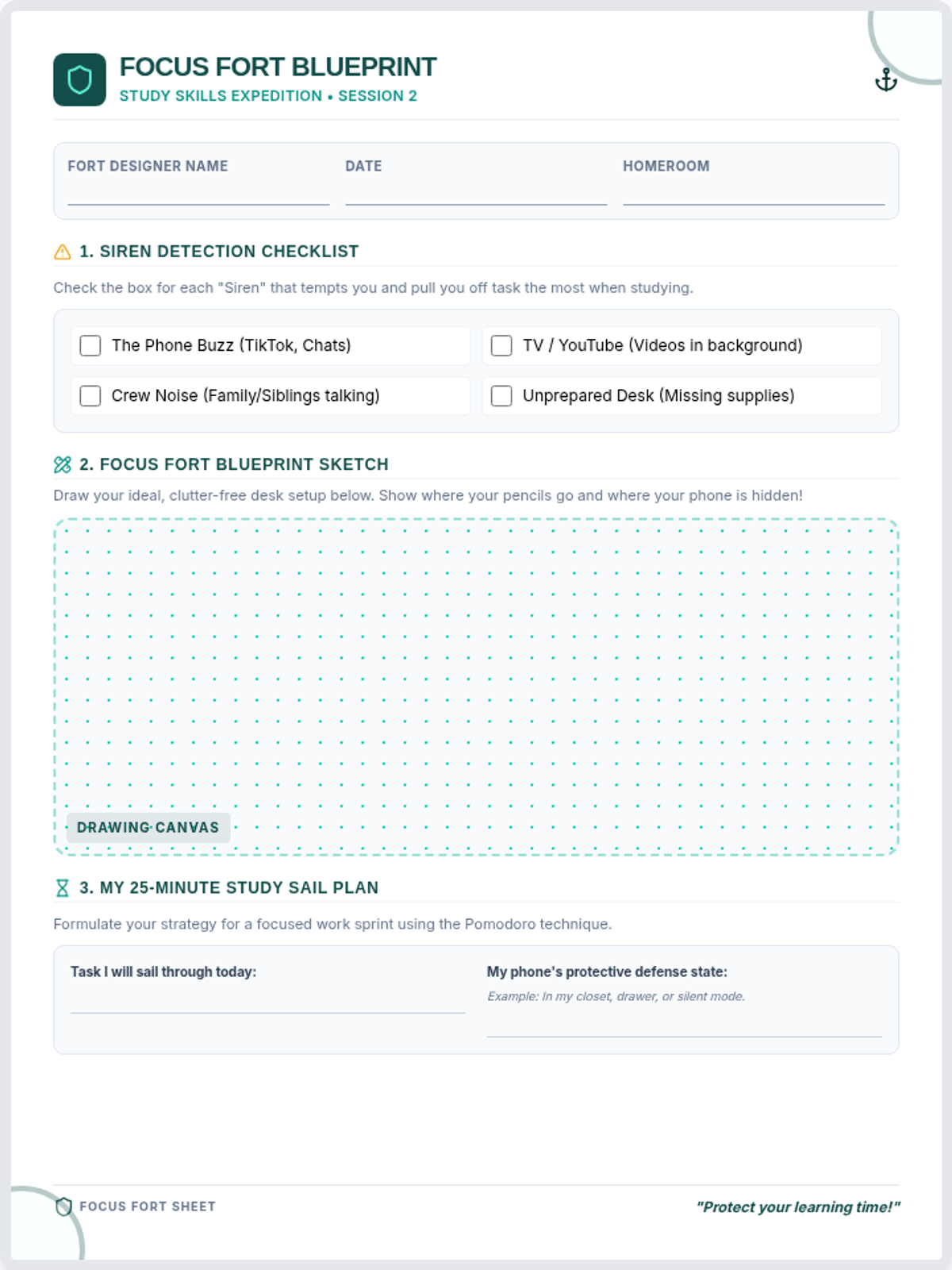
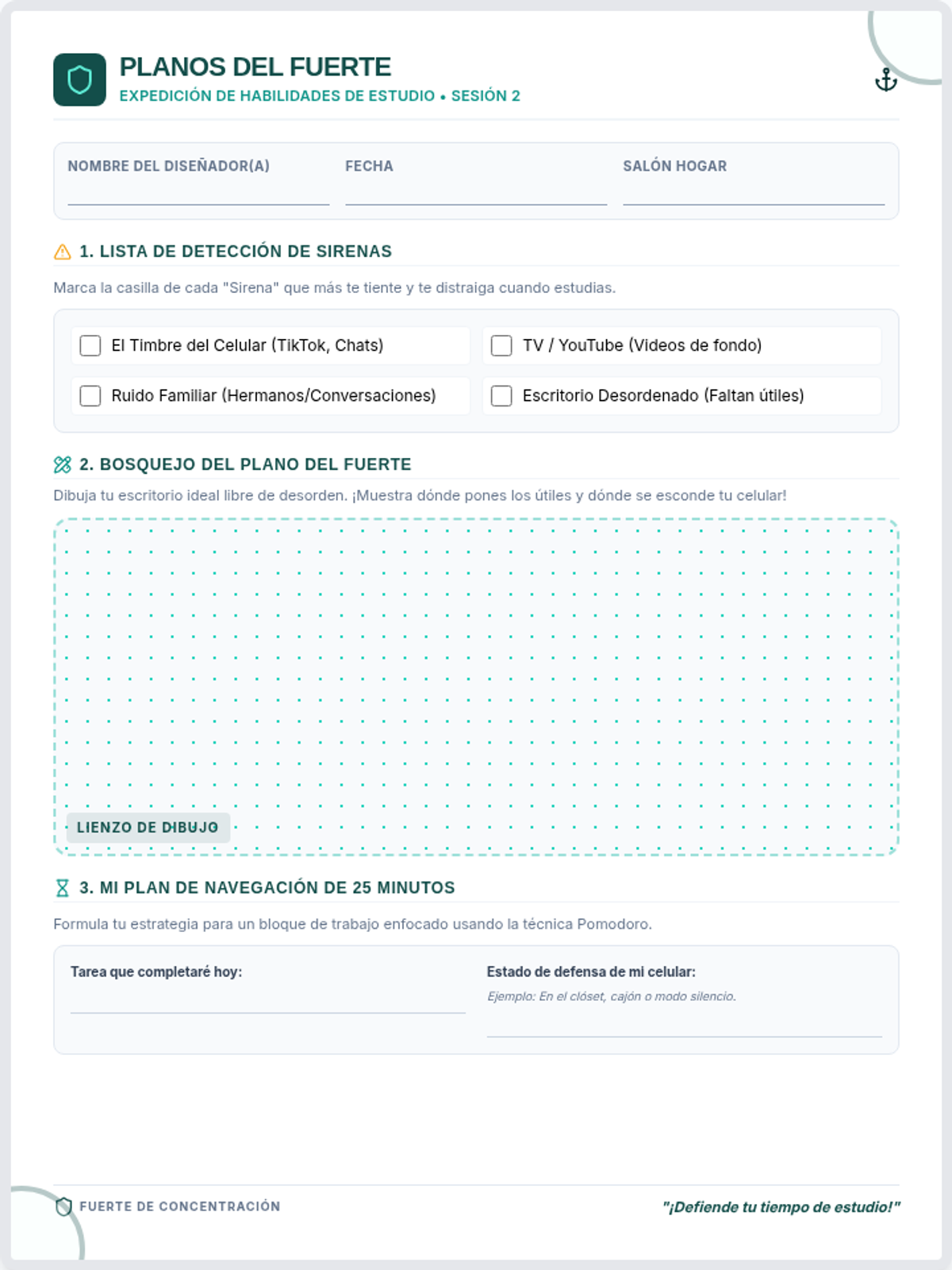
Lesson 2 of the study skills sequence, focusing on creating a productive, distraction-free study environment and the 'Focus Fort' concept.
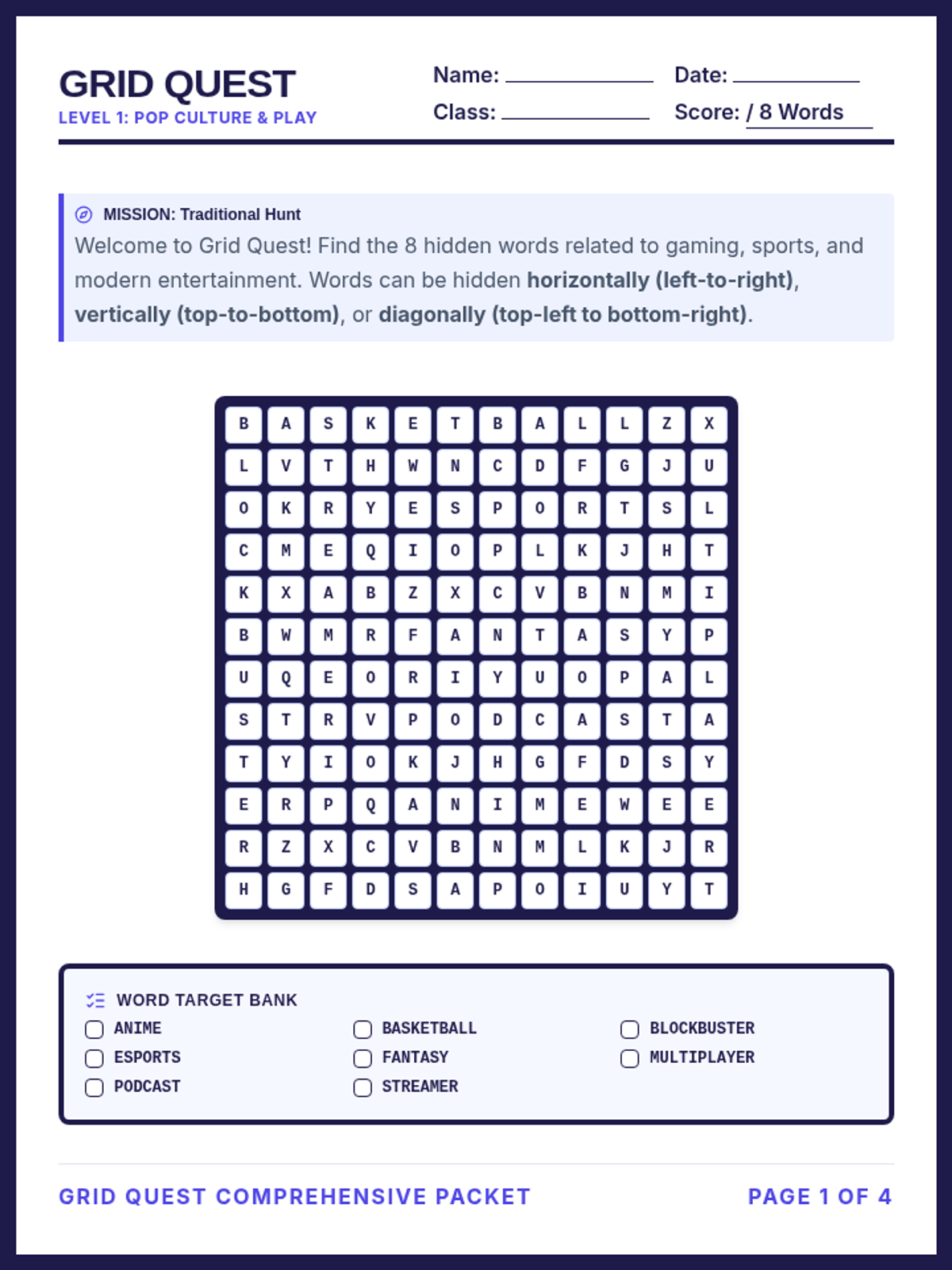
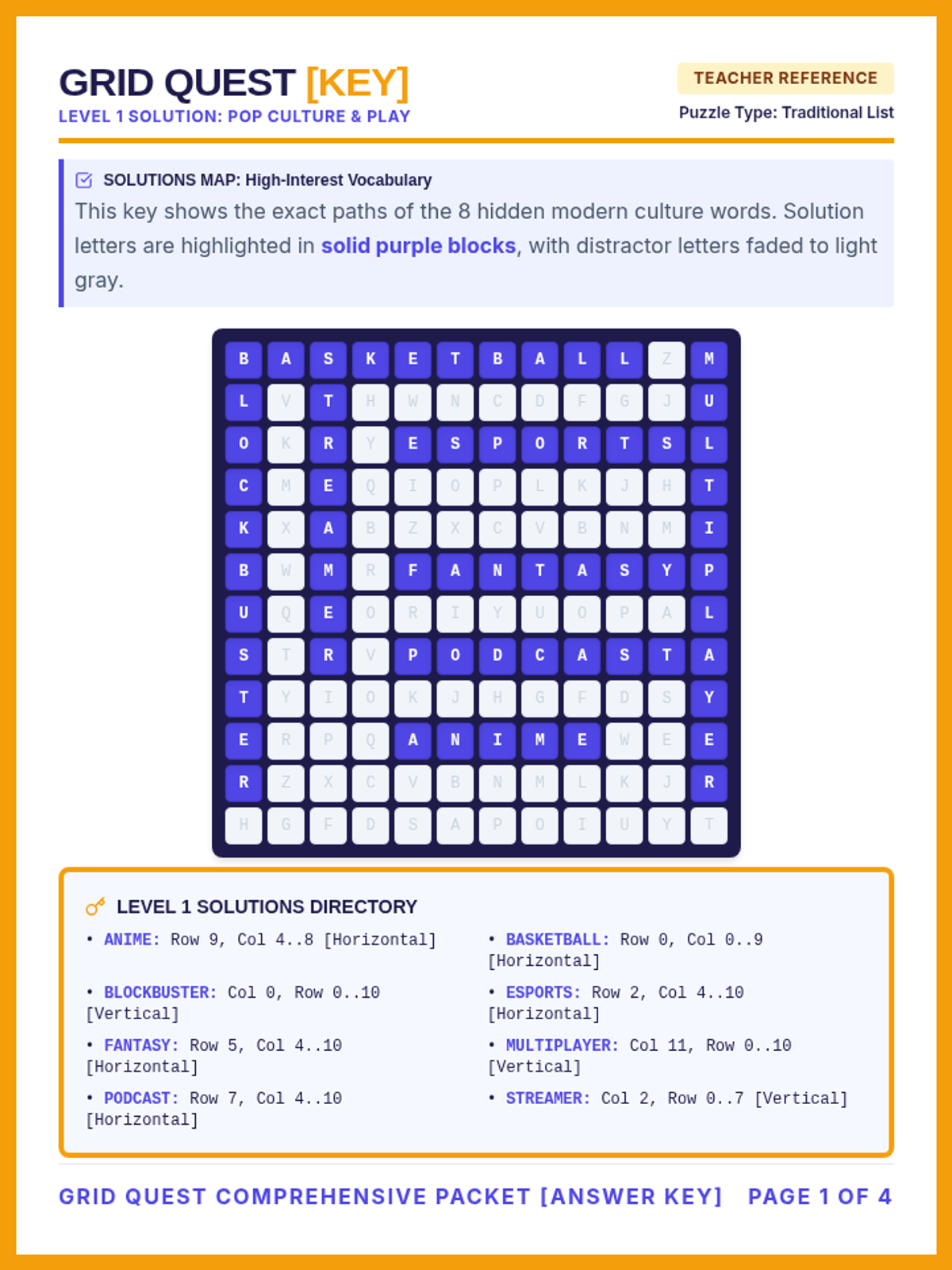
A collection of highly engaging, printable word searches designed for middle schoolers. The packet includes standard grids, definition and synonym searches, and secret message grids spanning pop culture, SEL, life skills, and academic subjects.
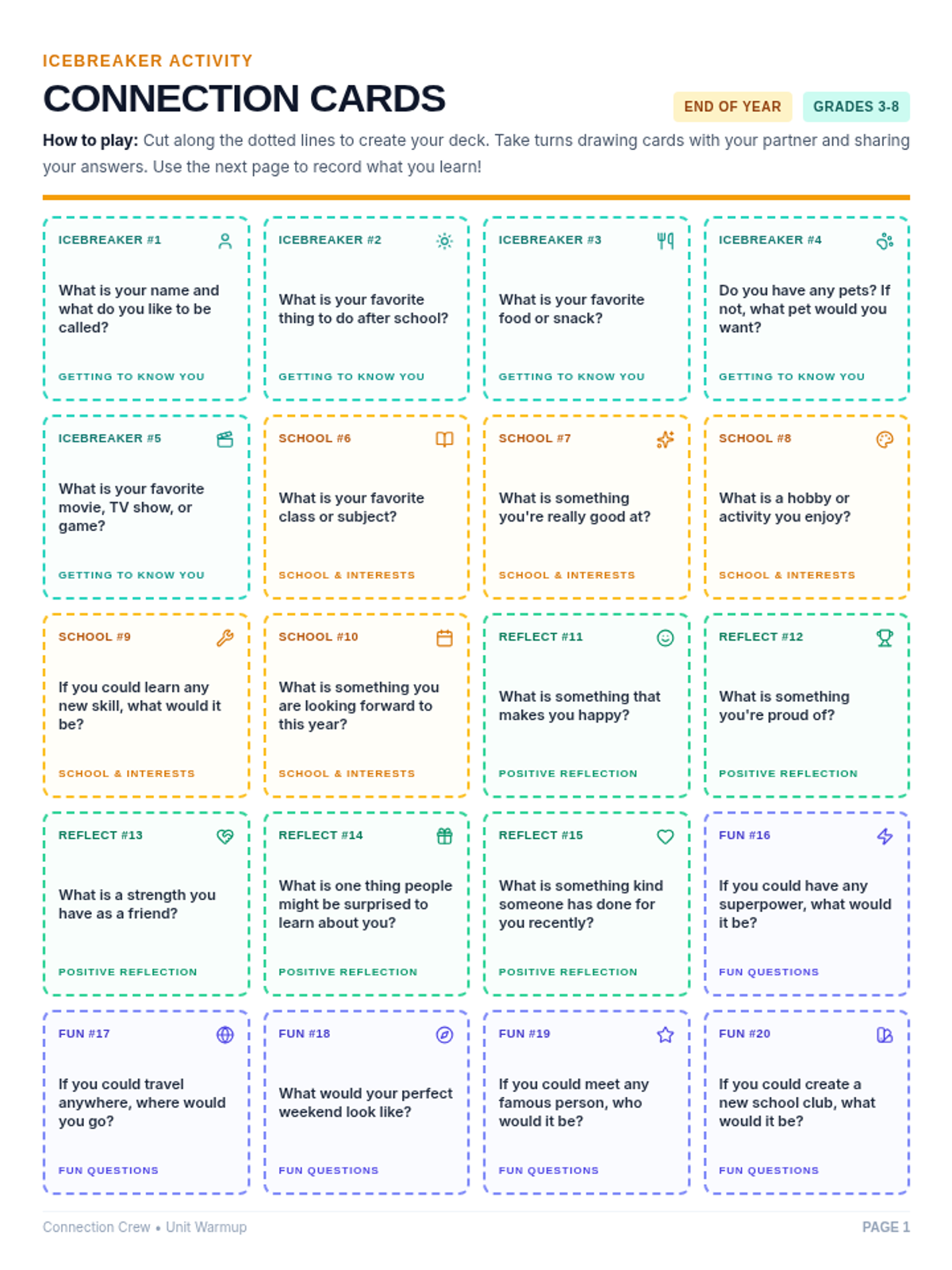
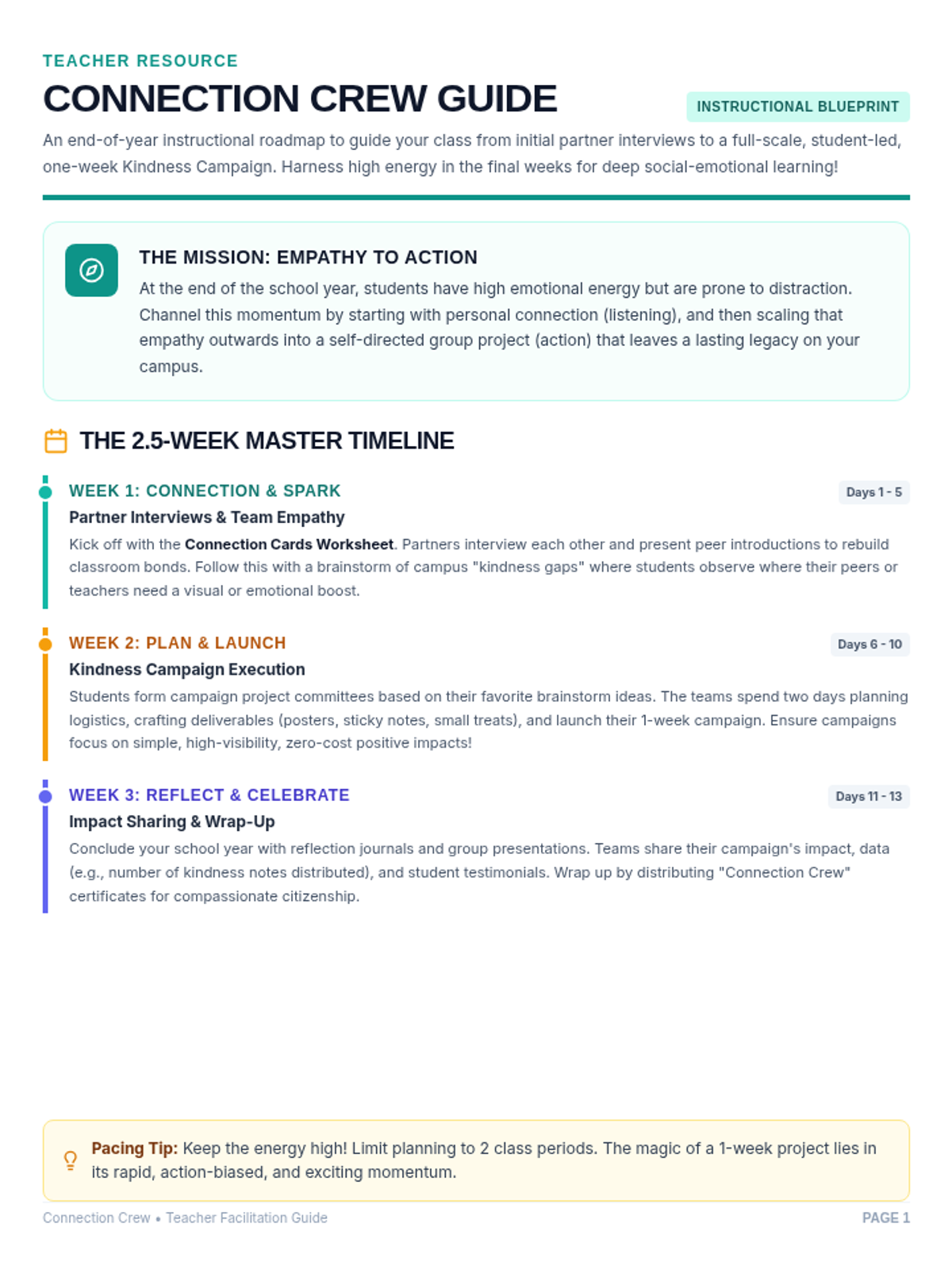
A quick-start end-of-year lesson plan and printable materials that utilize partner interviews to spark connection and transition students into planning a week-long Kindness Campaign.
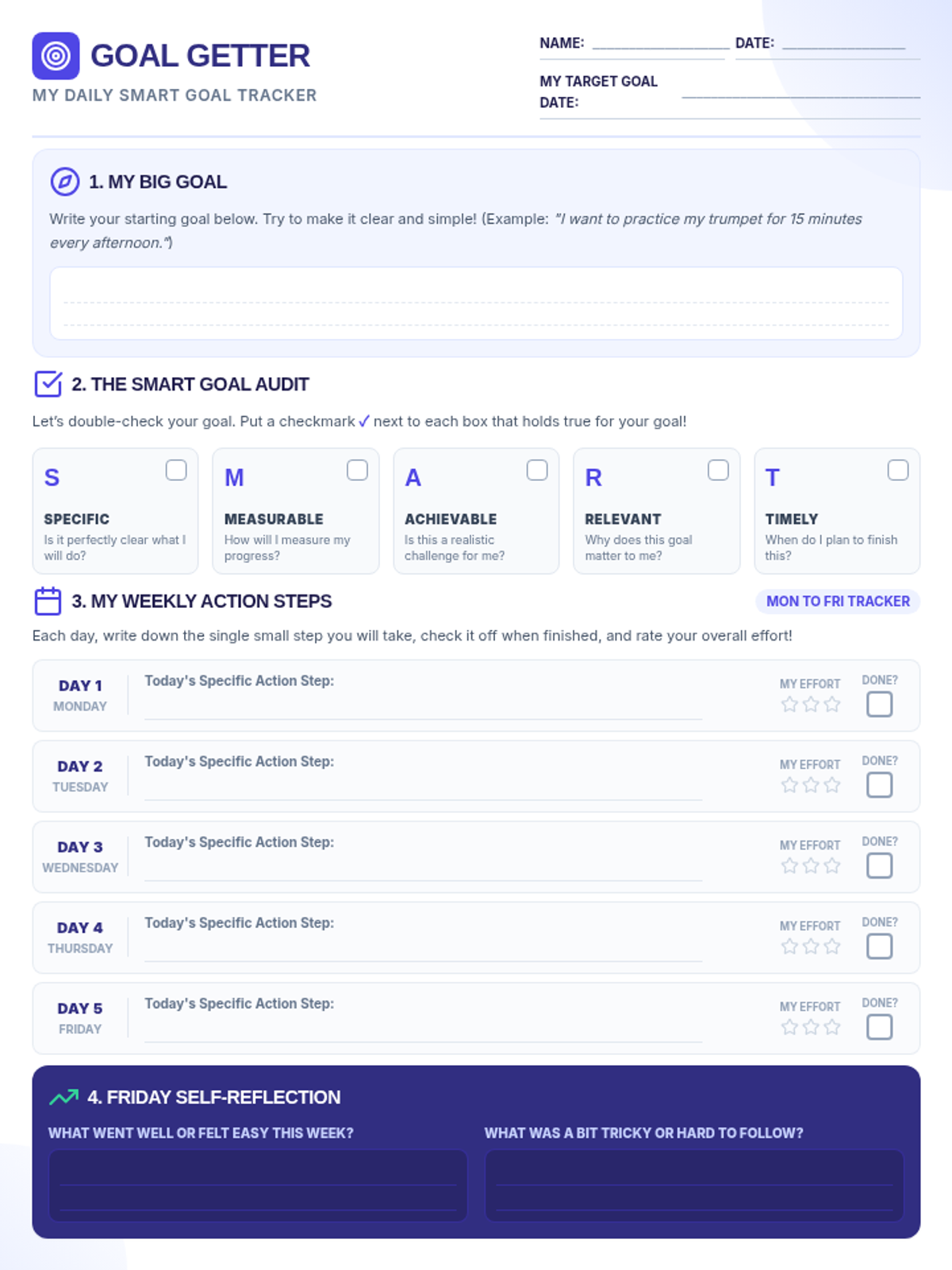
A starter lesson designed for middle school students to introduce, refine, and consistently track SMART goals with action-oriented daily checklists and reflection.
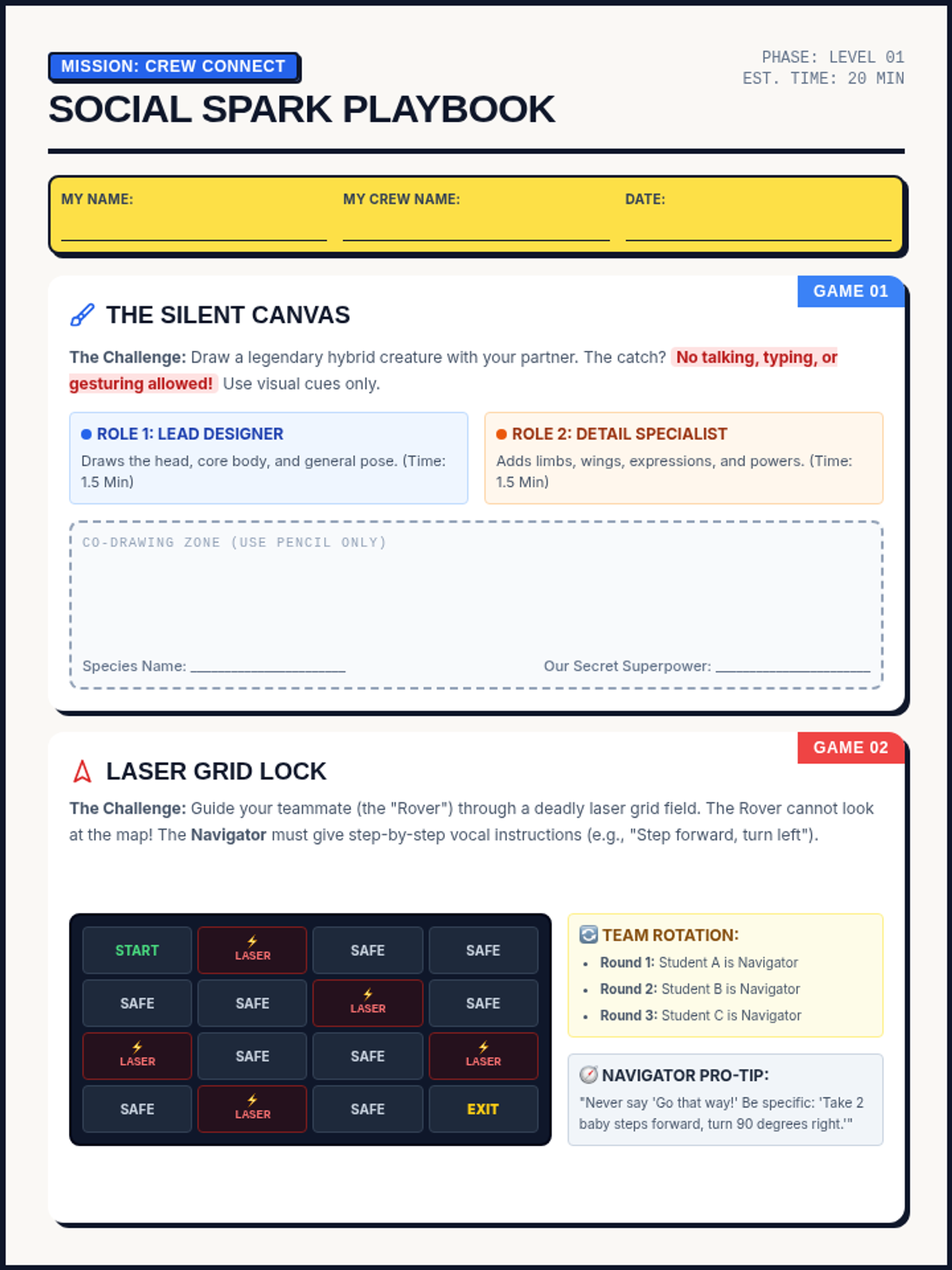
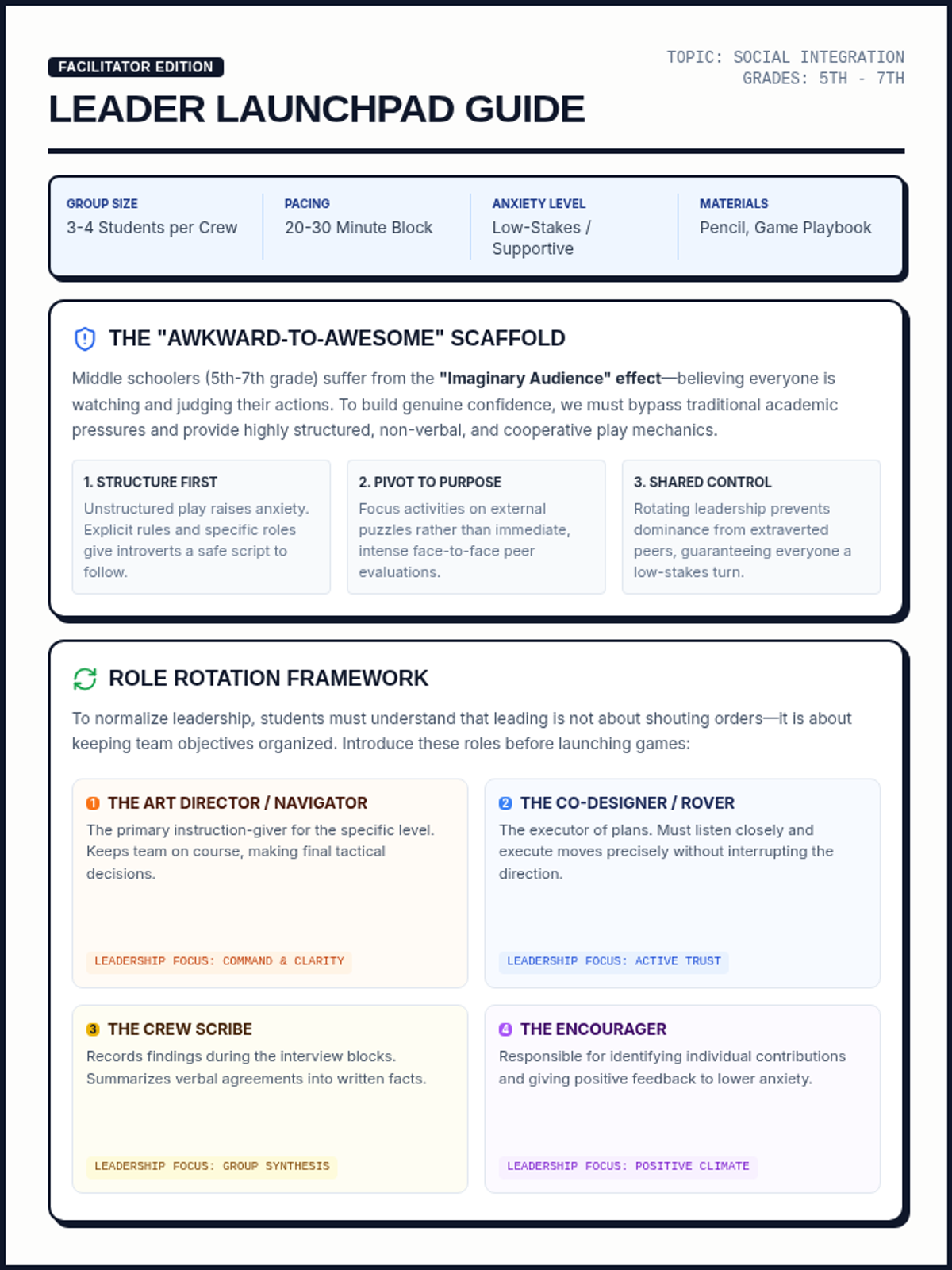
A targeted social-skills and leadership lesson designed for 5th-7th graders to build confidence, reduce social anxiety, and practice low-stakes peer leadership. The materials provide step-by-step, highly collaborative team-building games with rotational leadership roles and reflection prompts.
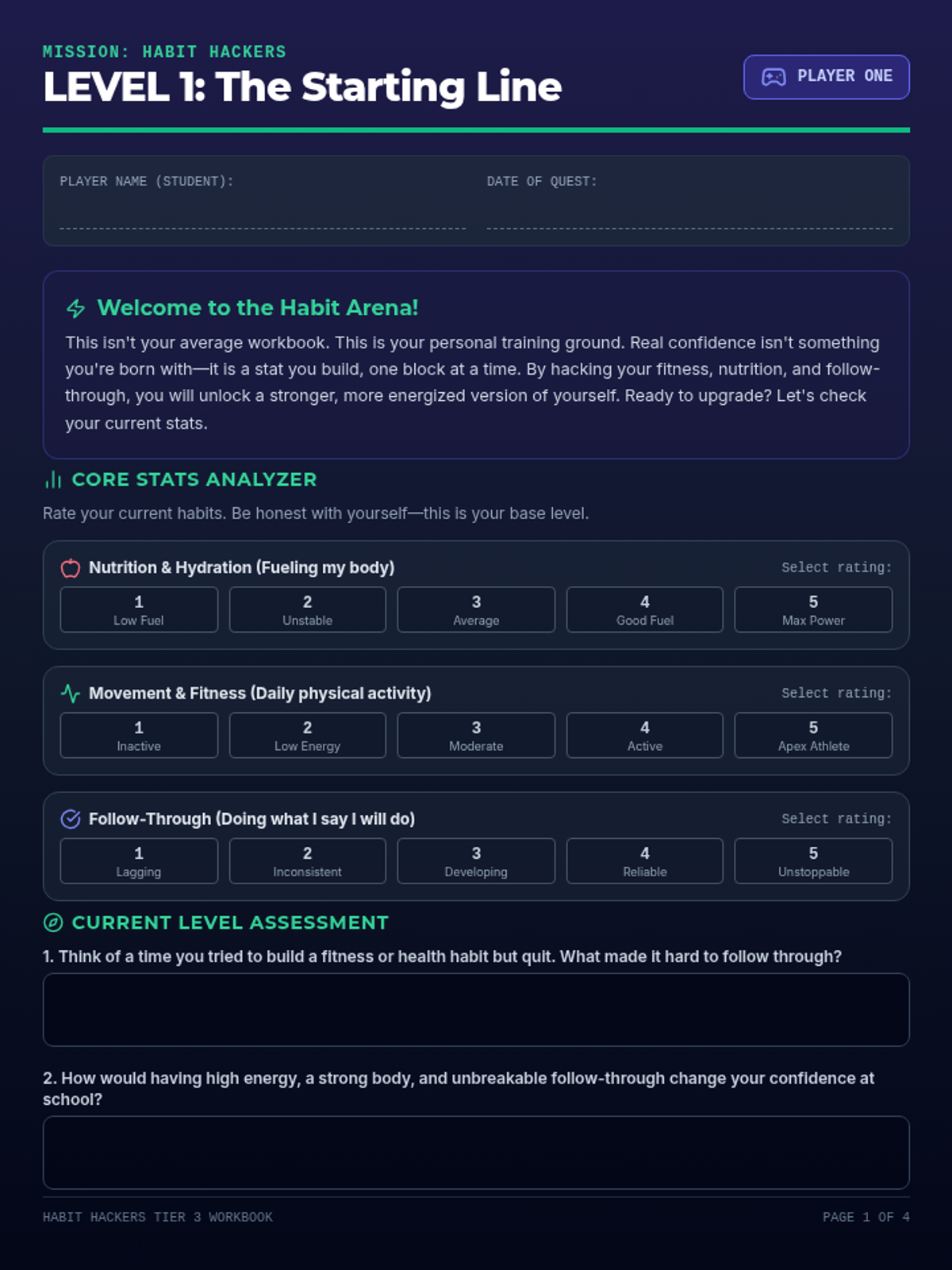
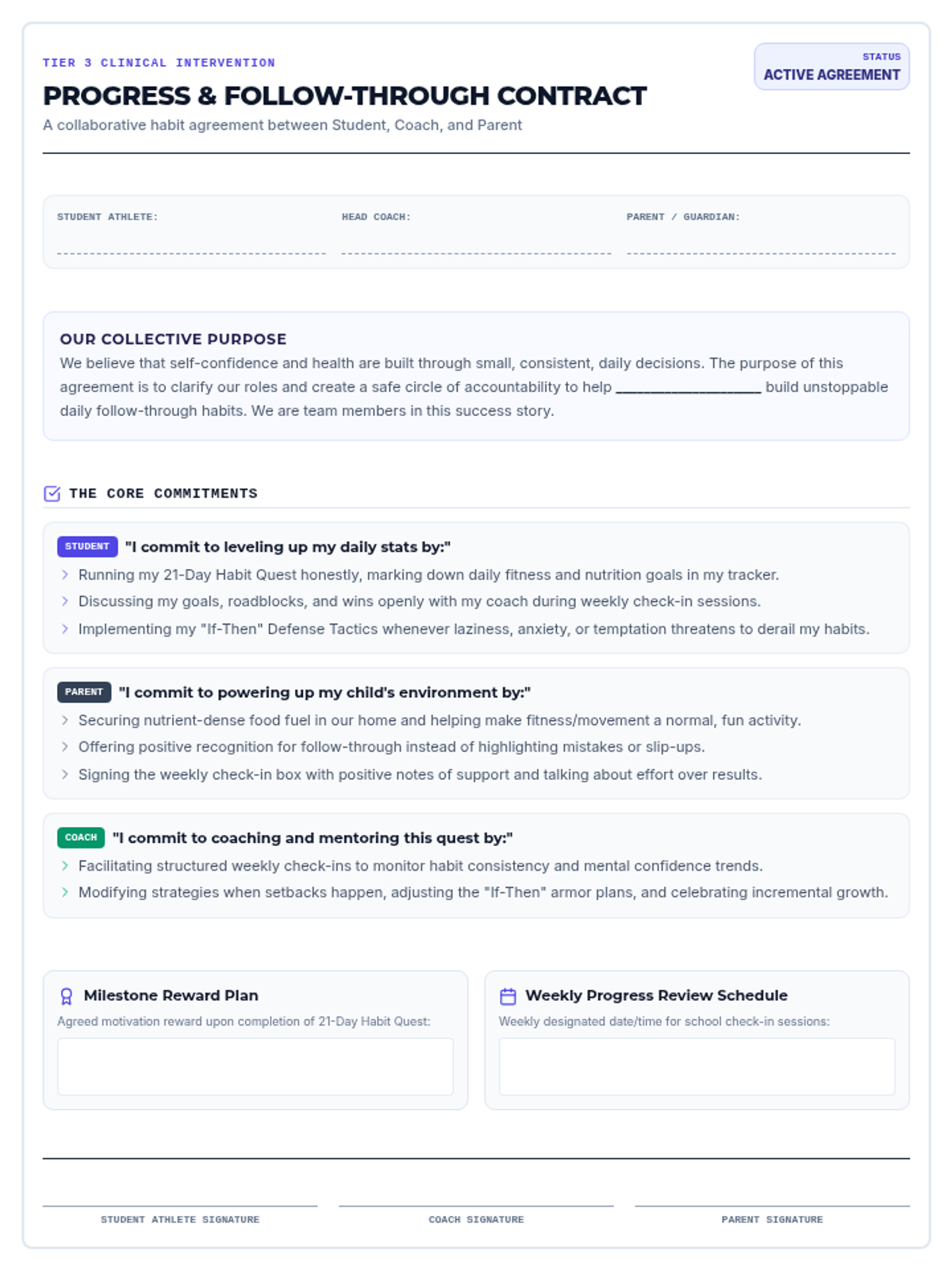
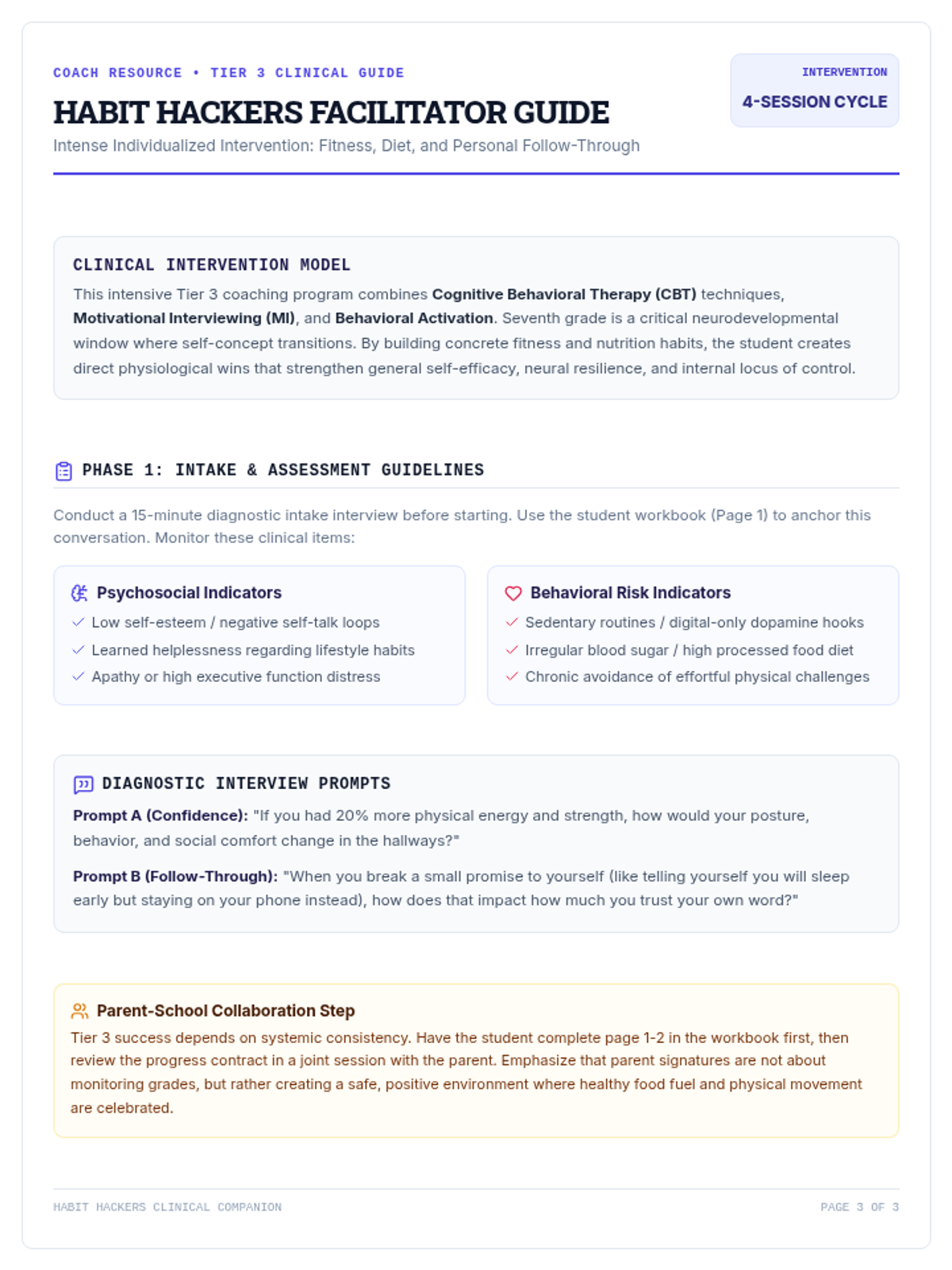
A Tier 3 intensive coaching intervention designed to help 7th-grade students build self-confidence and sustainable habits around fitness, diet, and personal follow-through. The lesson features a structured clinical coach guide, an engaging student goal-setting and tracking workbook, and a collaborative progress contract.
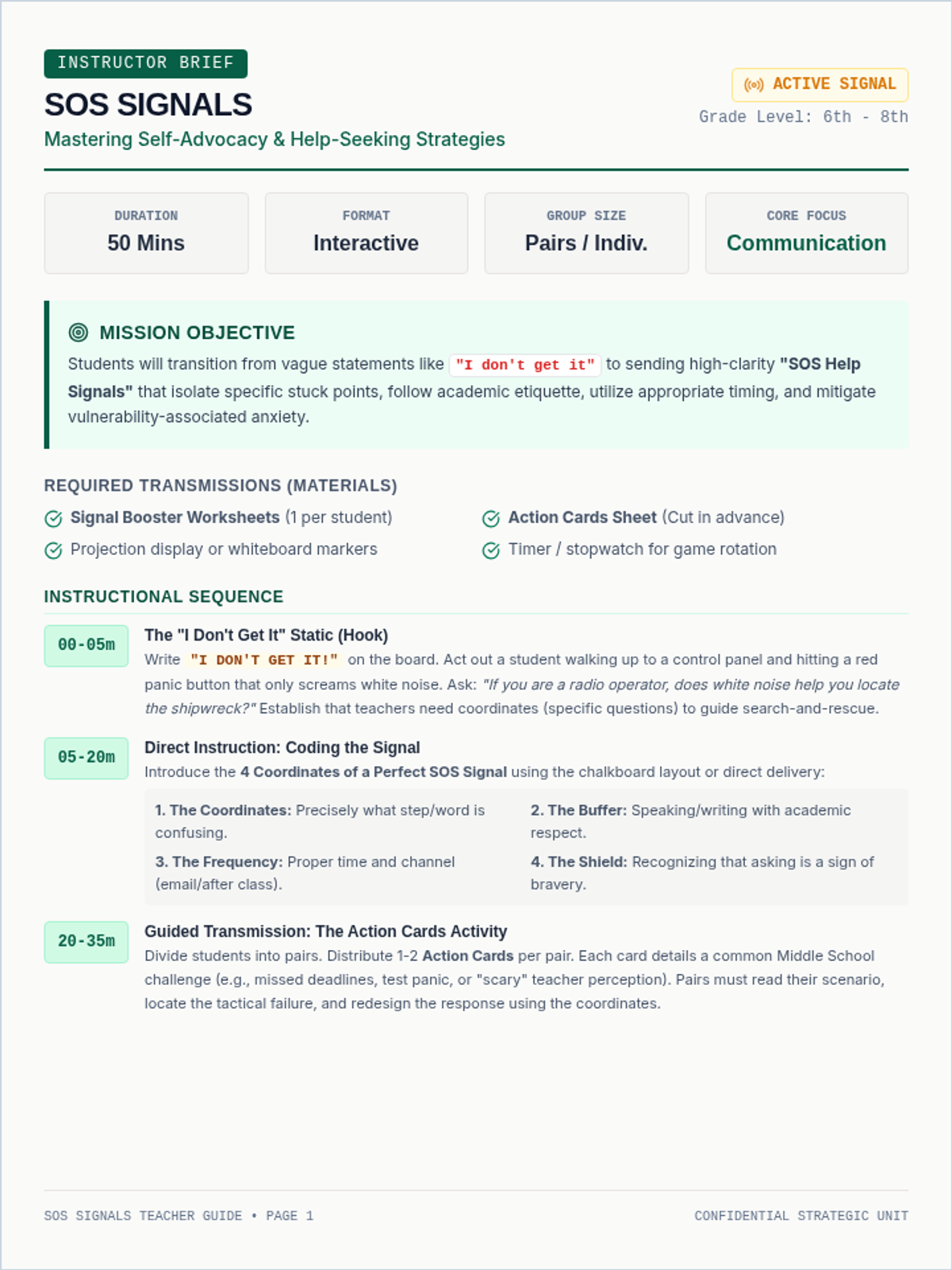
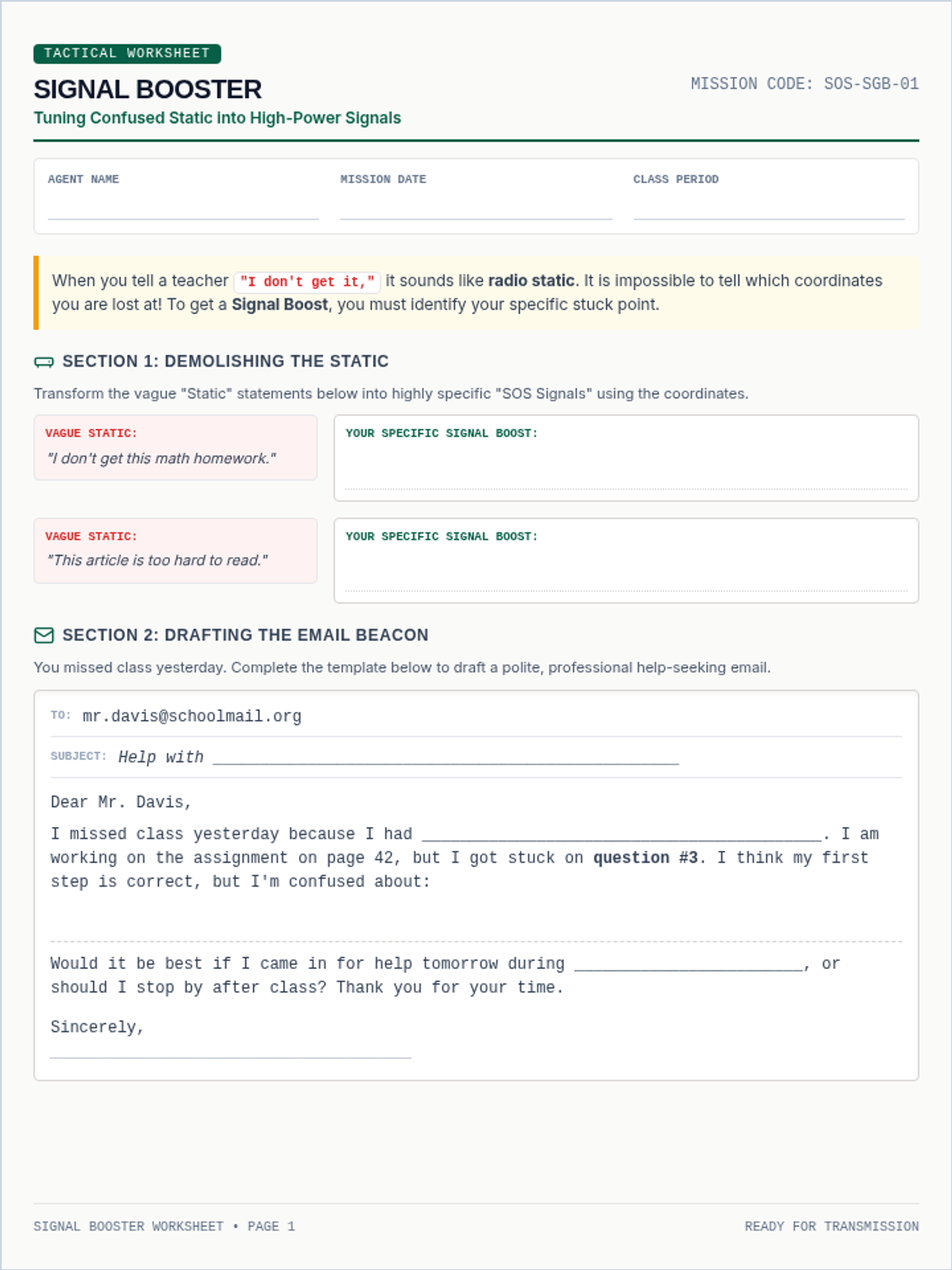
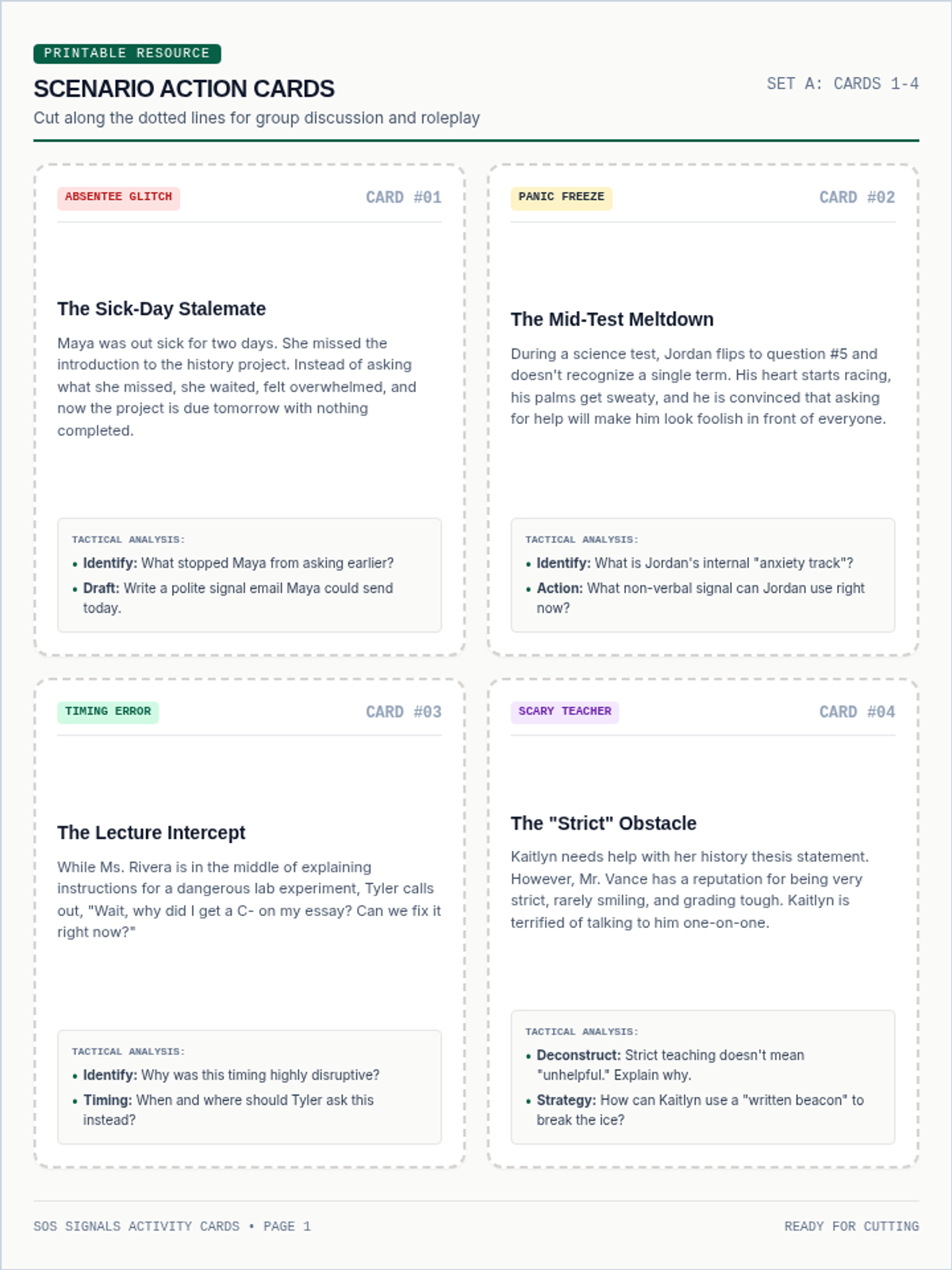
An interactive lesson bundle designed to teach middle schoolers how to advocate for themselves by asking teachers for help effectively, professionally, and confidently.
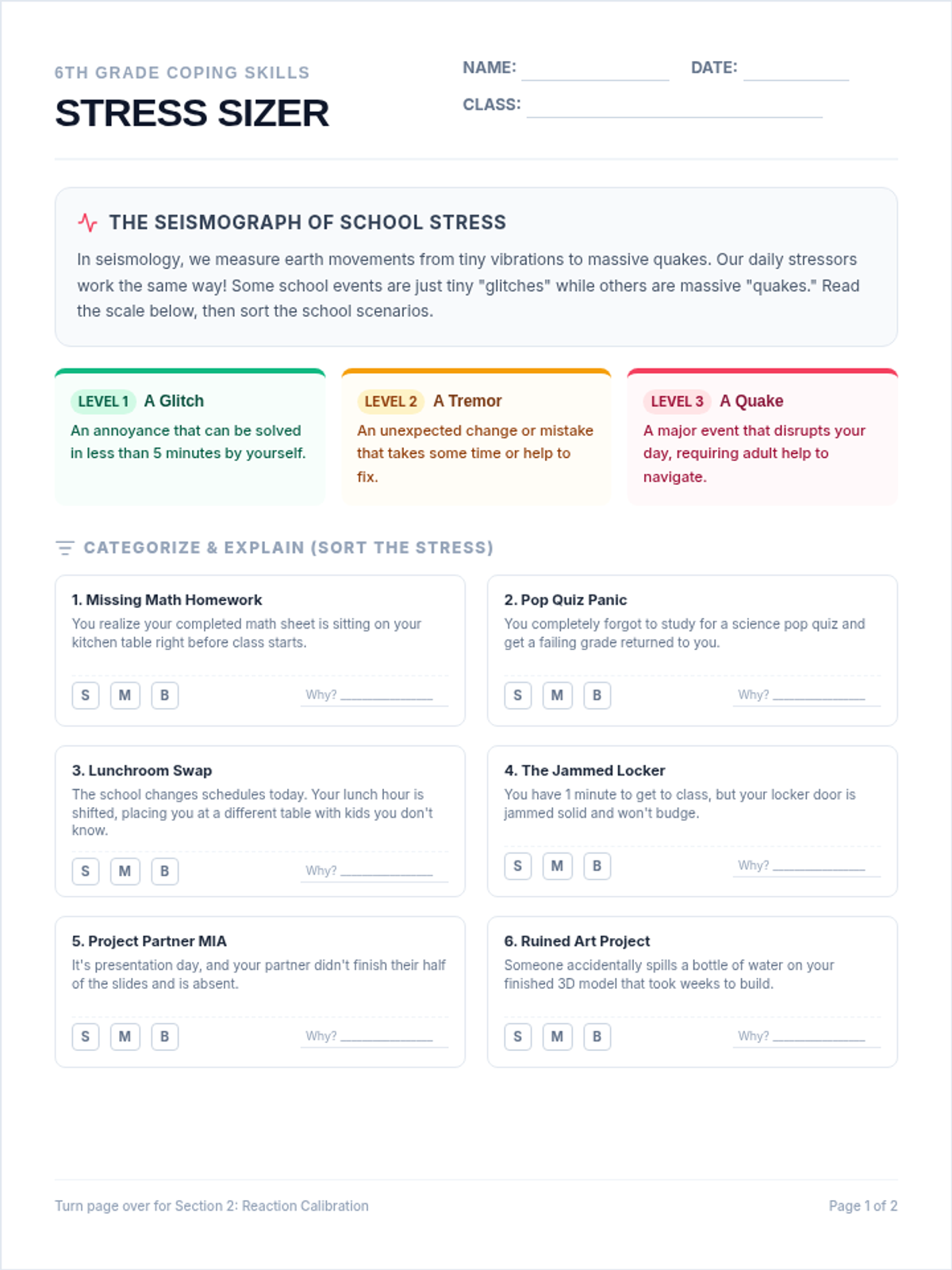
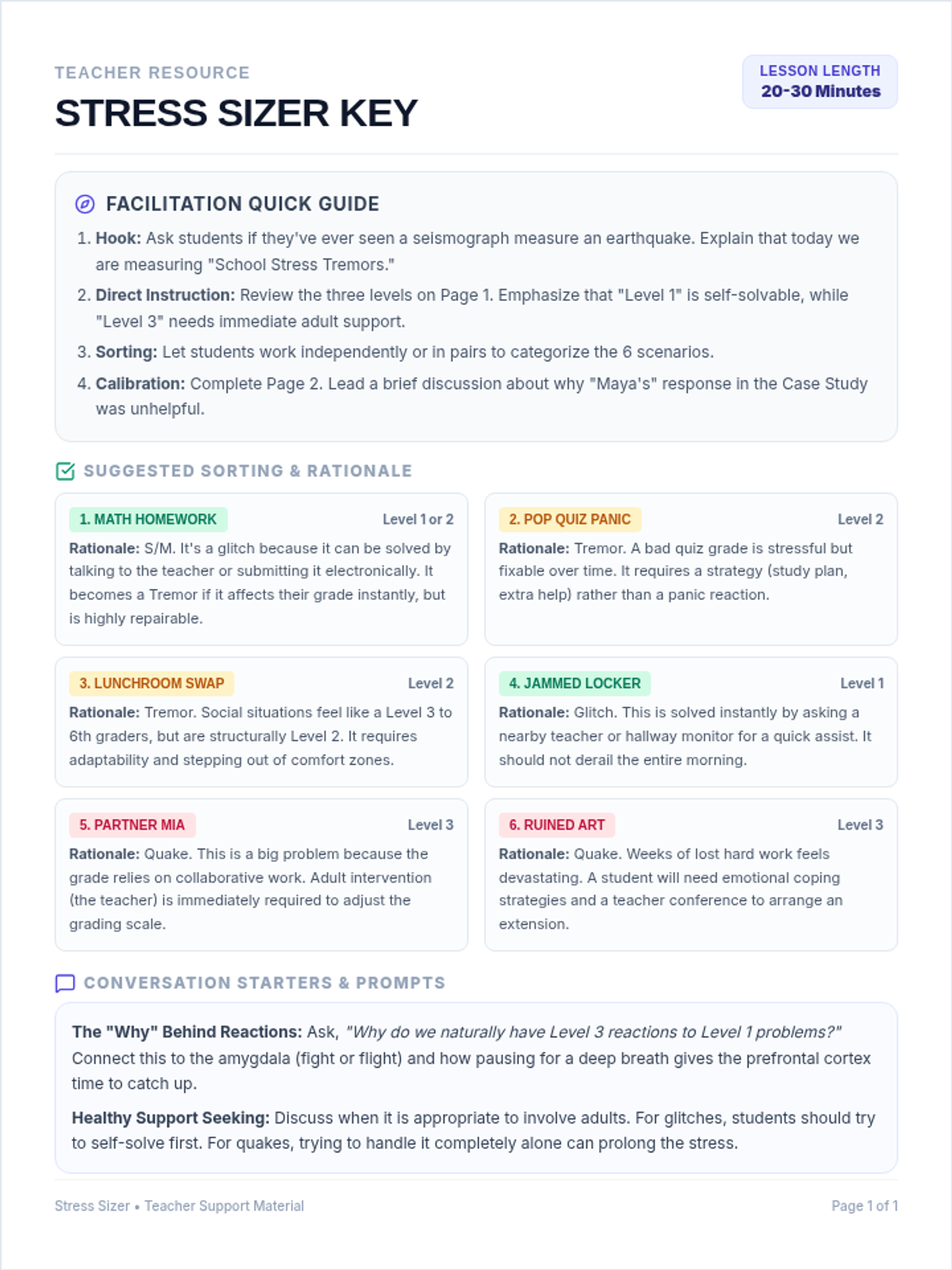
A cognitive behavioral lesson designed for sixth graders to evaluate the size of academic and school-related stressors and align their reactions accordingly.