An introductory lesson for Grade 6 students to meet their school counselor and understand the support available to them during middle school.
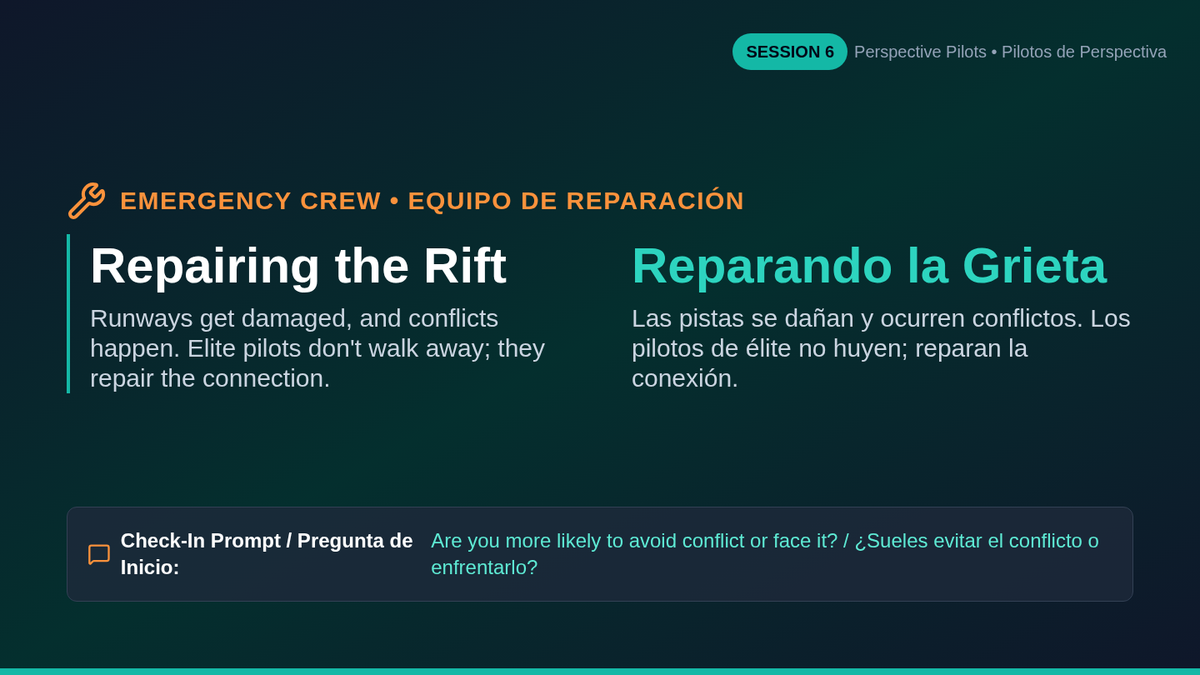
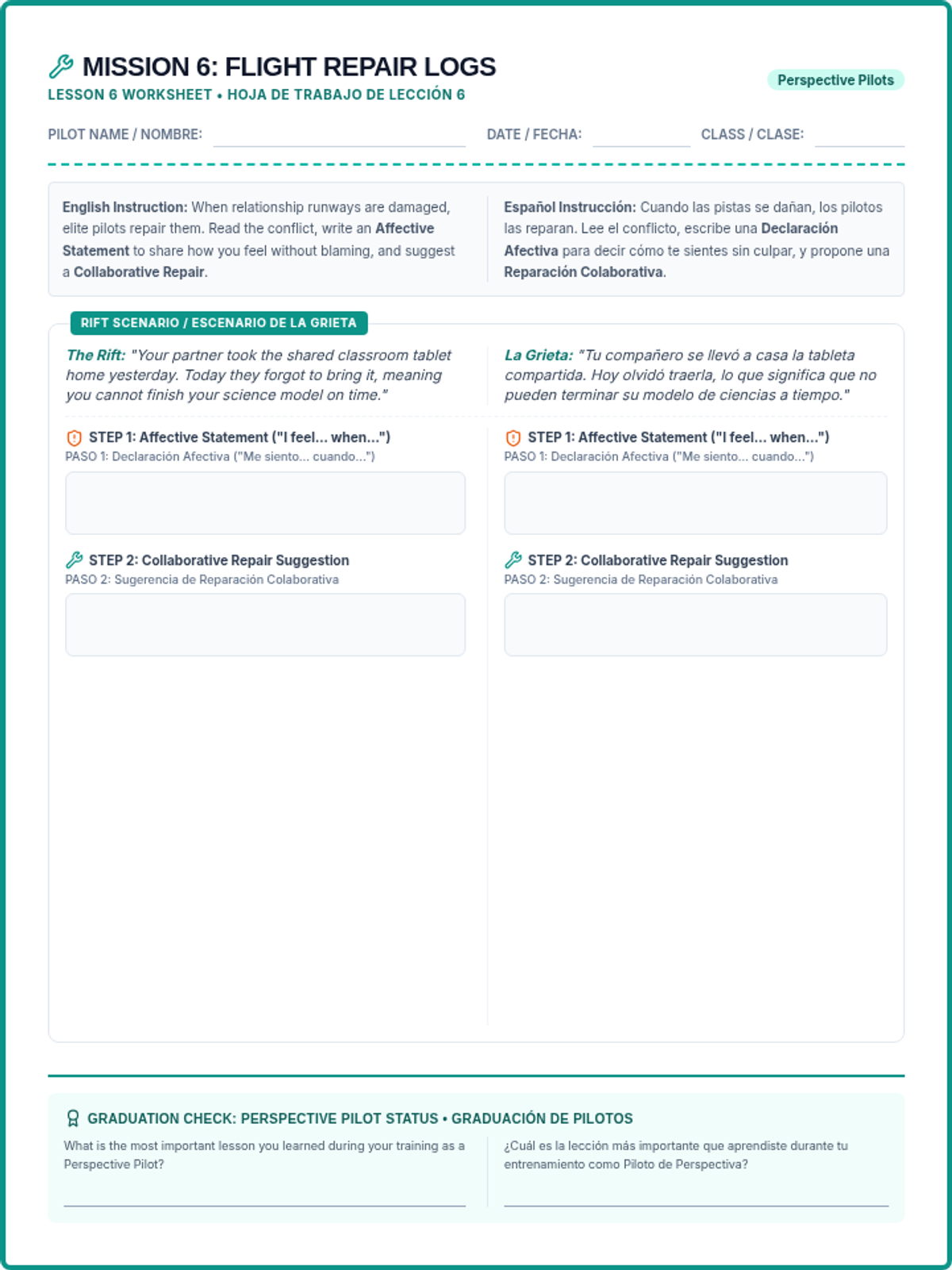
Introduces students to restorative conflict resolution, learning how to repair trust and rebuild connections using affective statements. Includes slides and an active workbook.
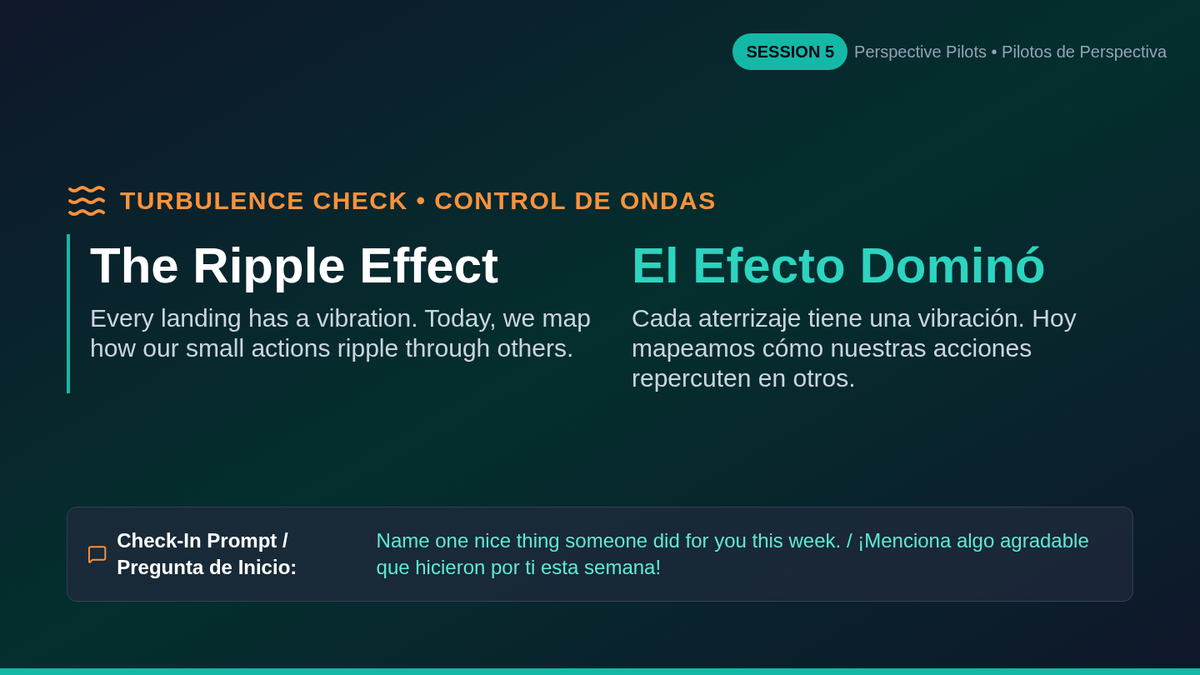
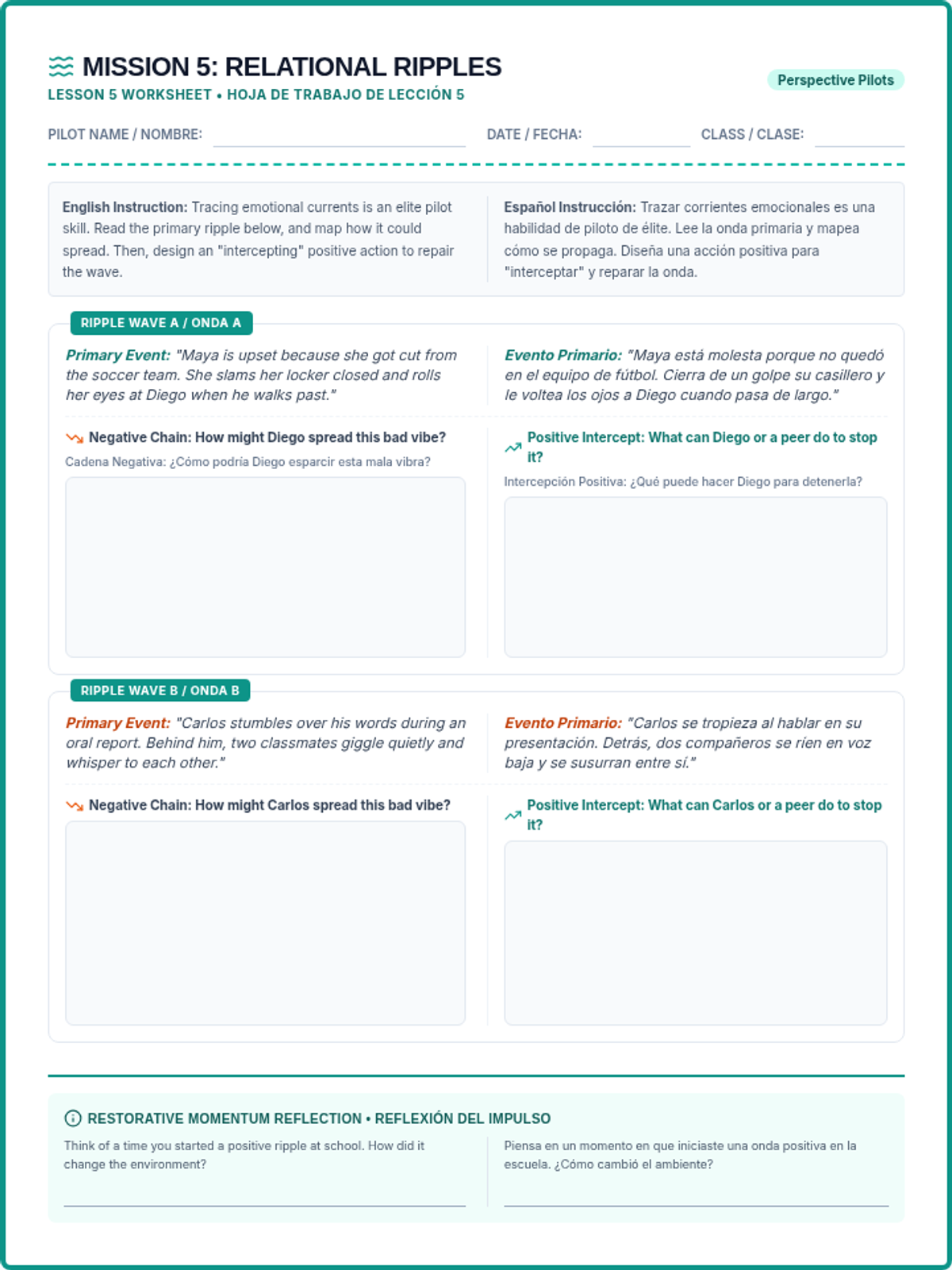
Explores how our actions and words create a ripple effect of emotions on peers. Features interactive presentation slides and a relational mapping worksheet.
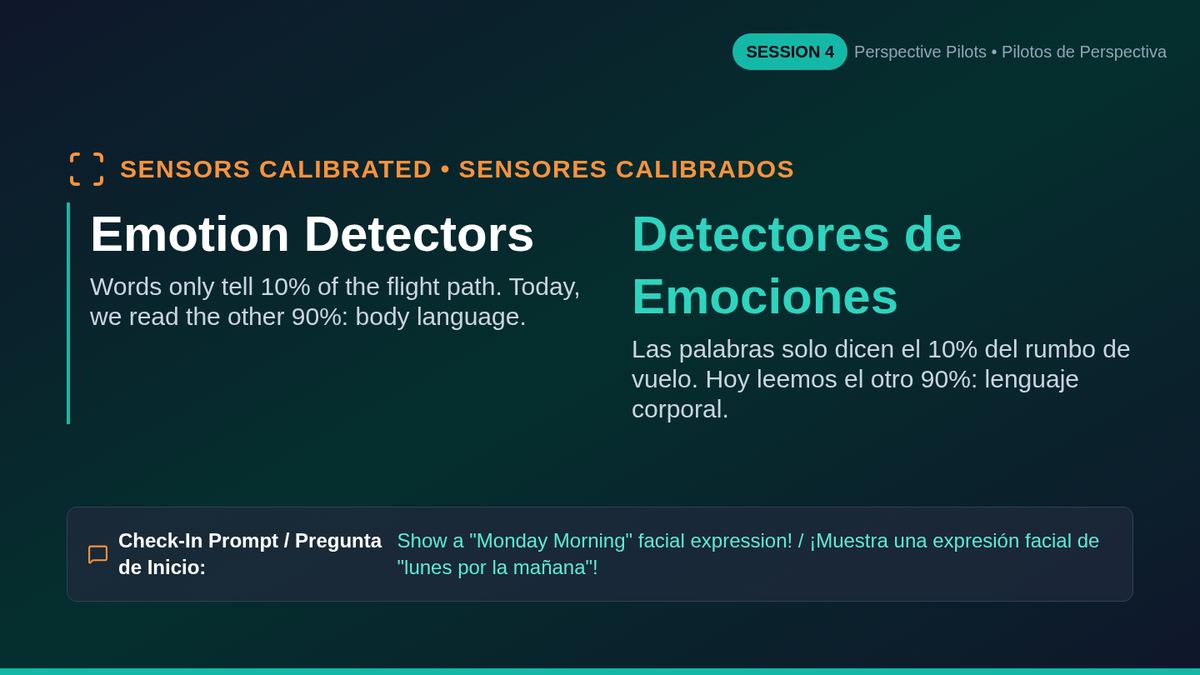
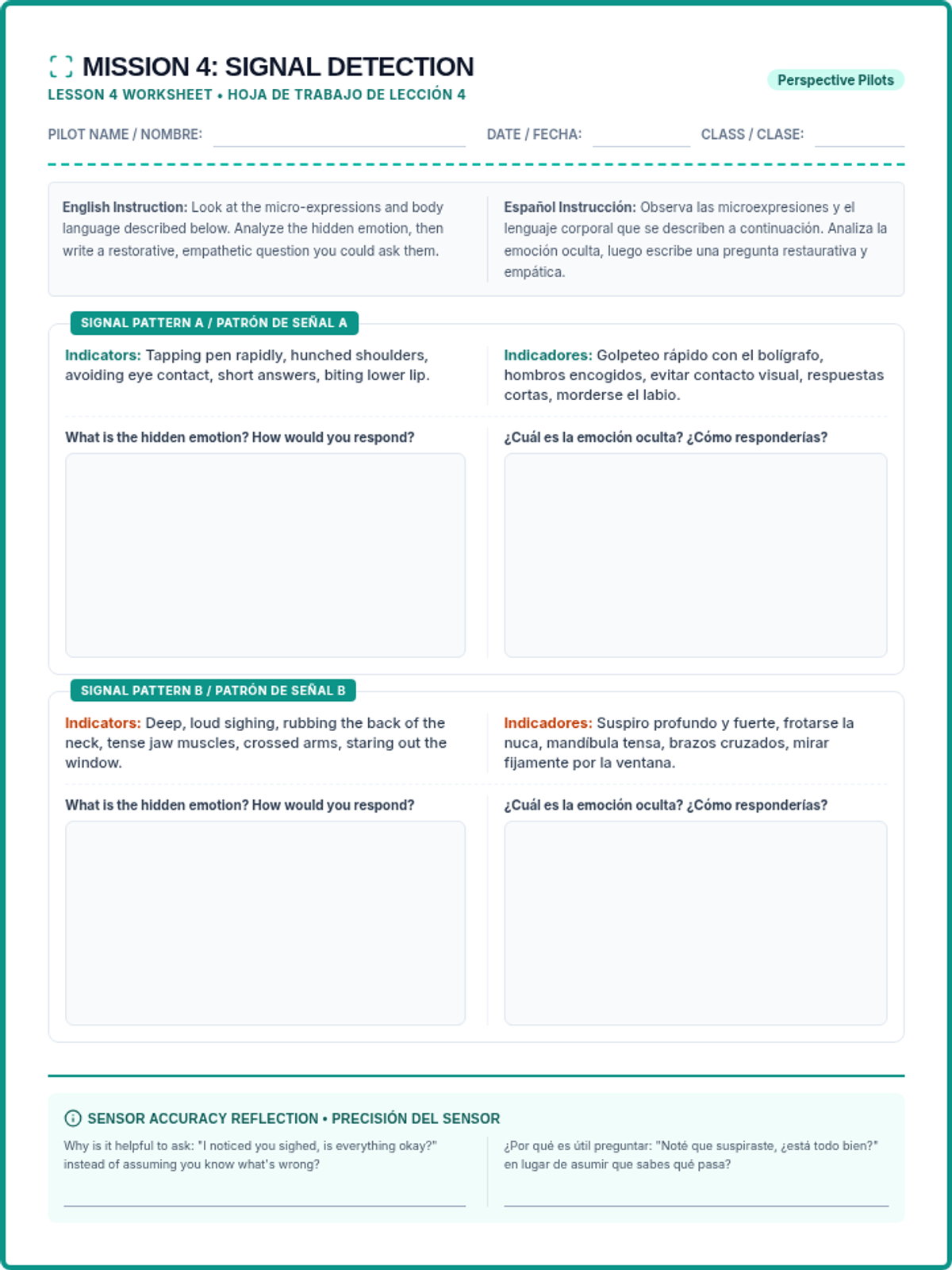
Focuses on social awareness by teaching students how to read micro-expressions and body language. Includes presentation slides and an observational worksheet.
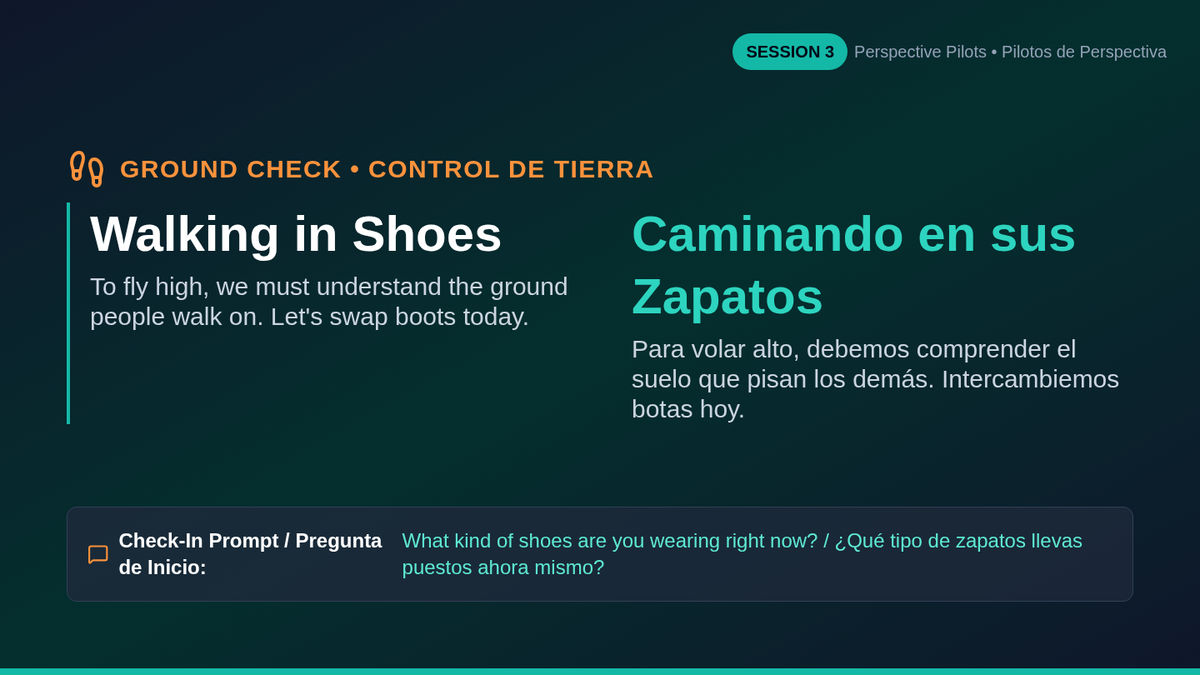
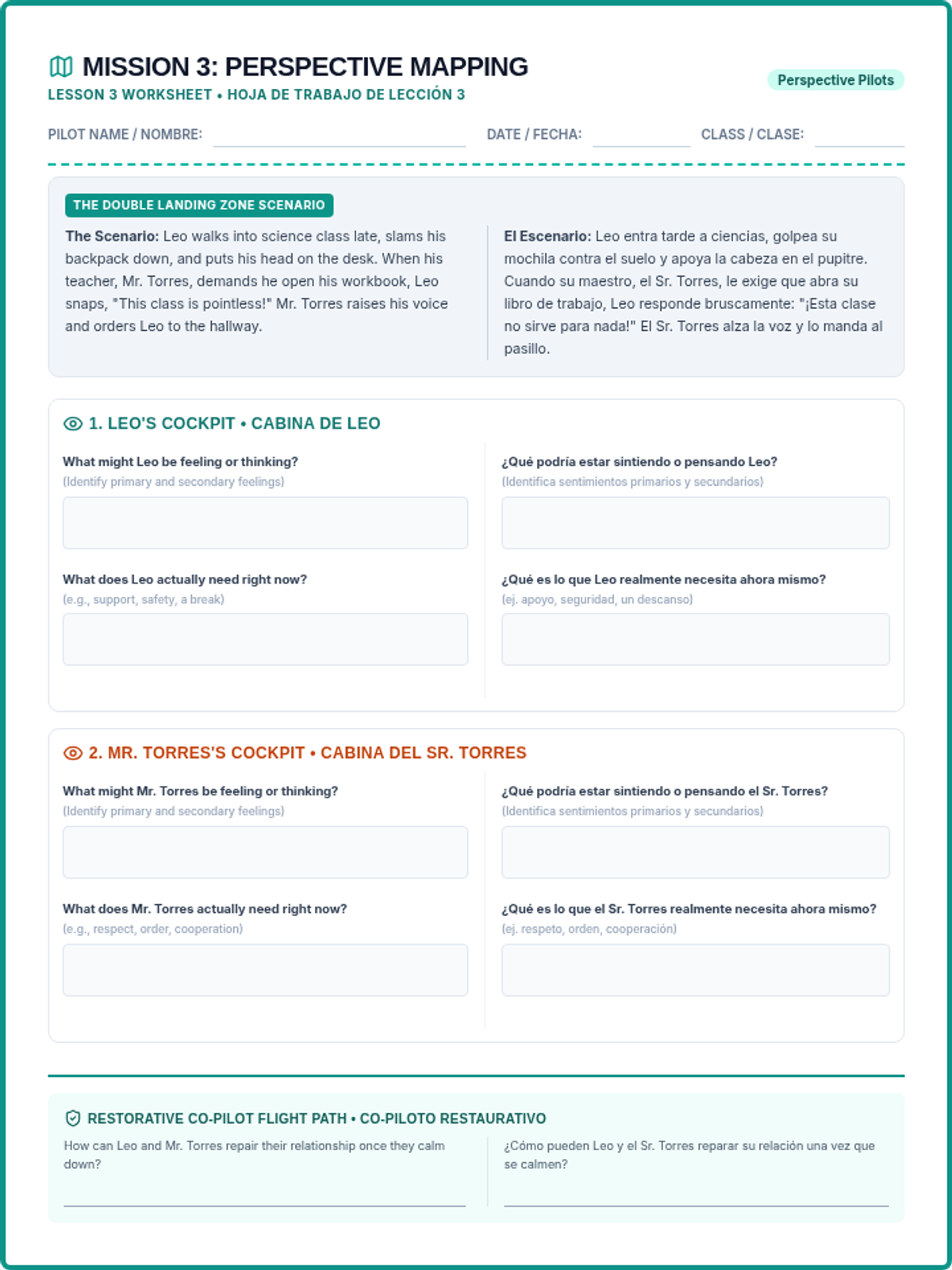
Teaches perspective-taking and social awareness through diverse real-world school scenarios. Includes interactive presentation slides and a perspective mapping worksheet.
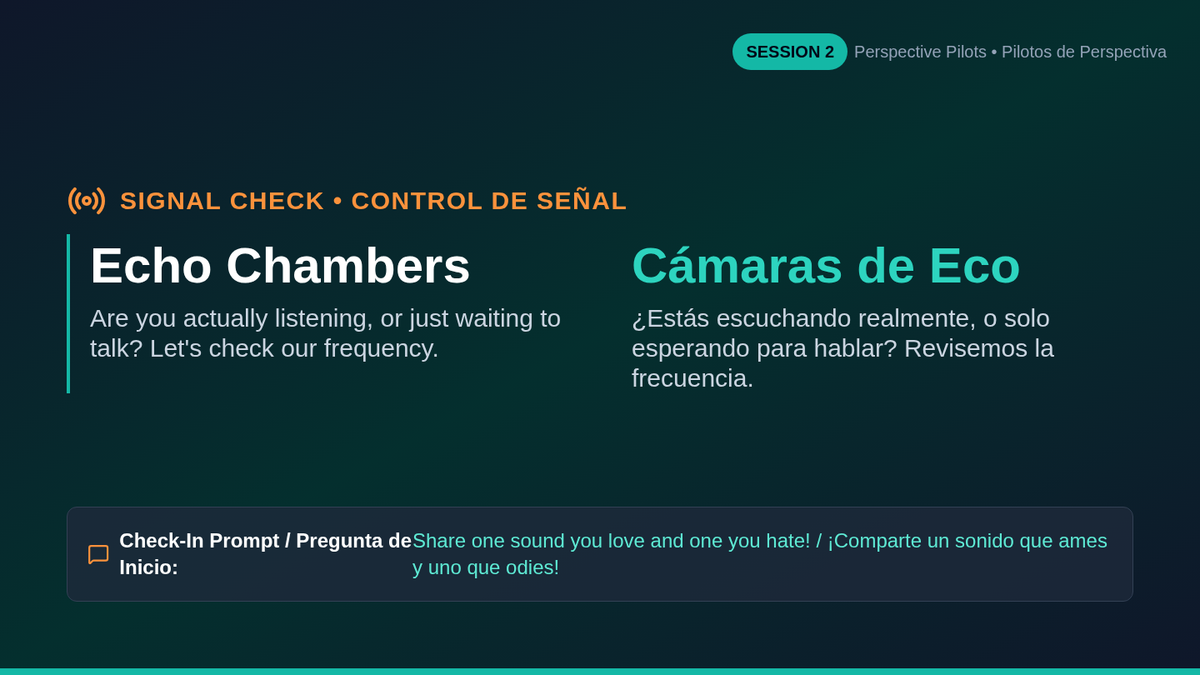
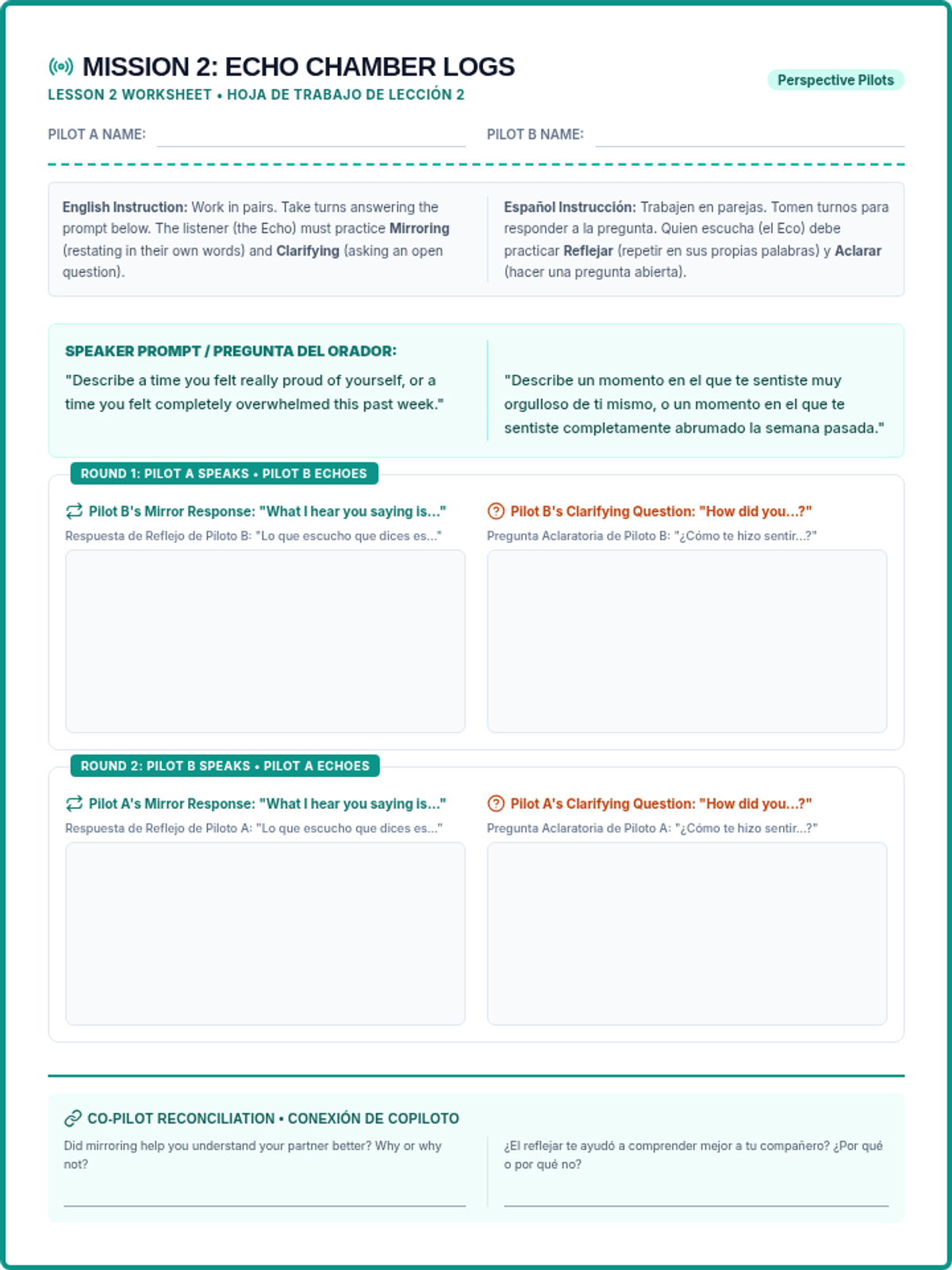
Teaches active listening and restorative communication, recognizing personal biases. Includes interactive presentation slides and a partner active listening worksheet.
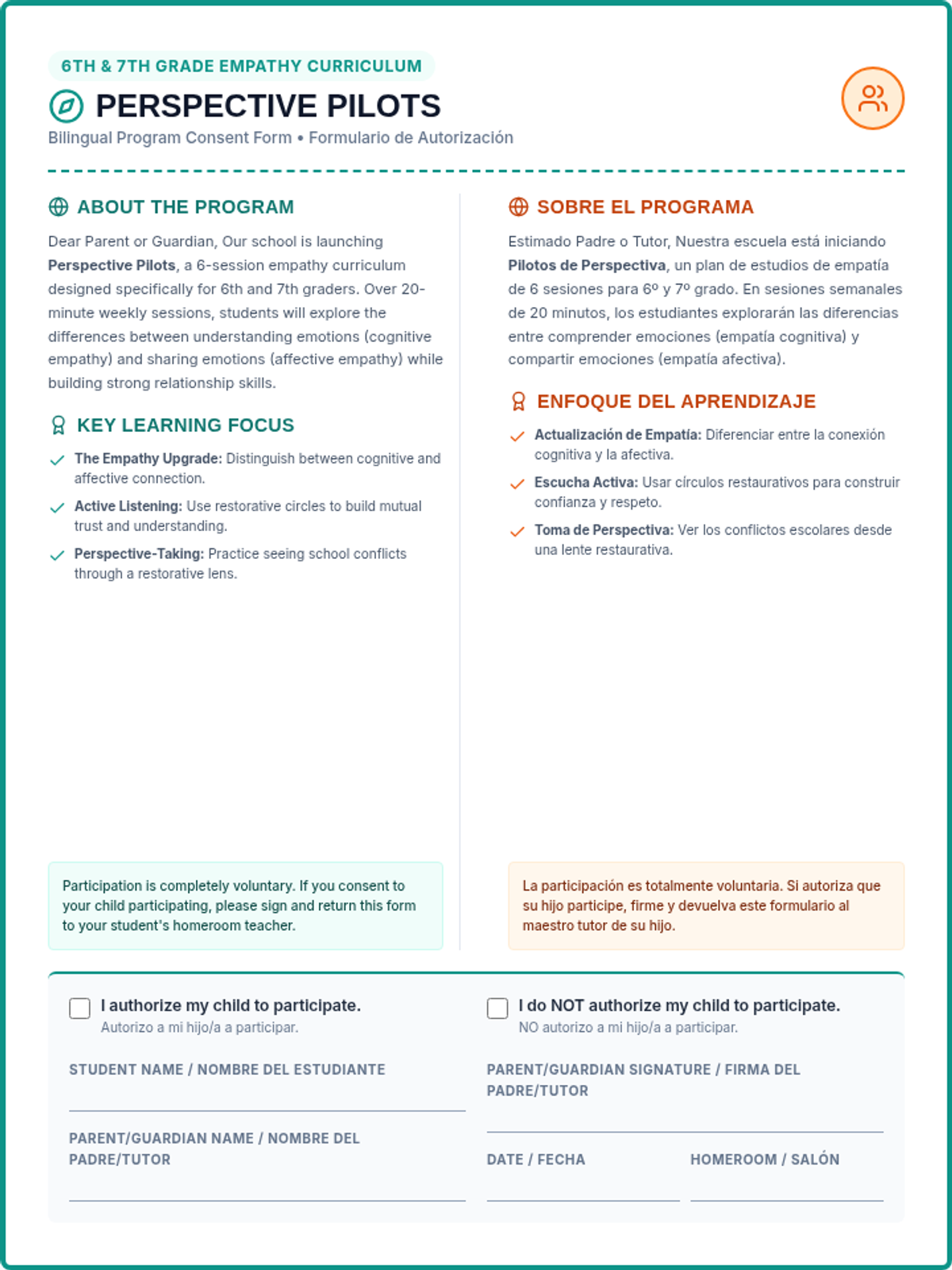
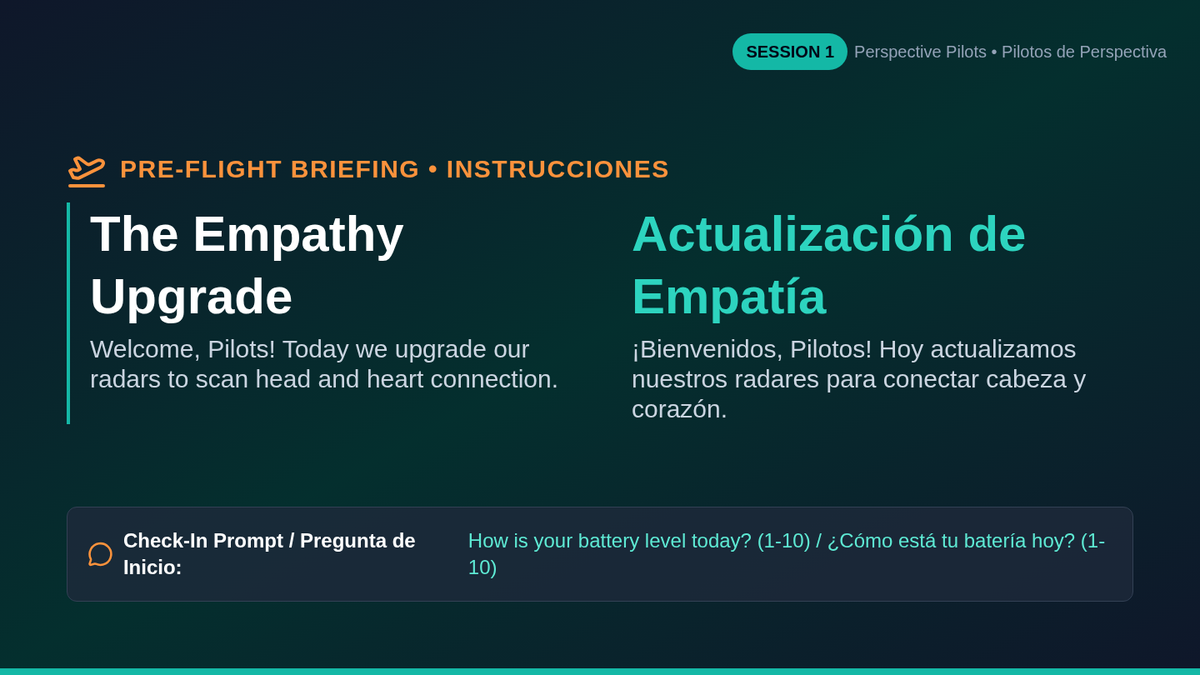
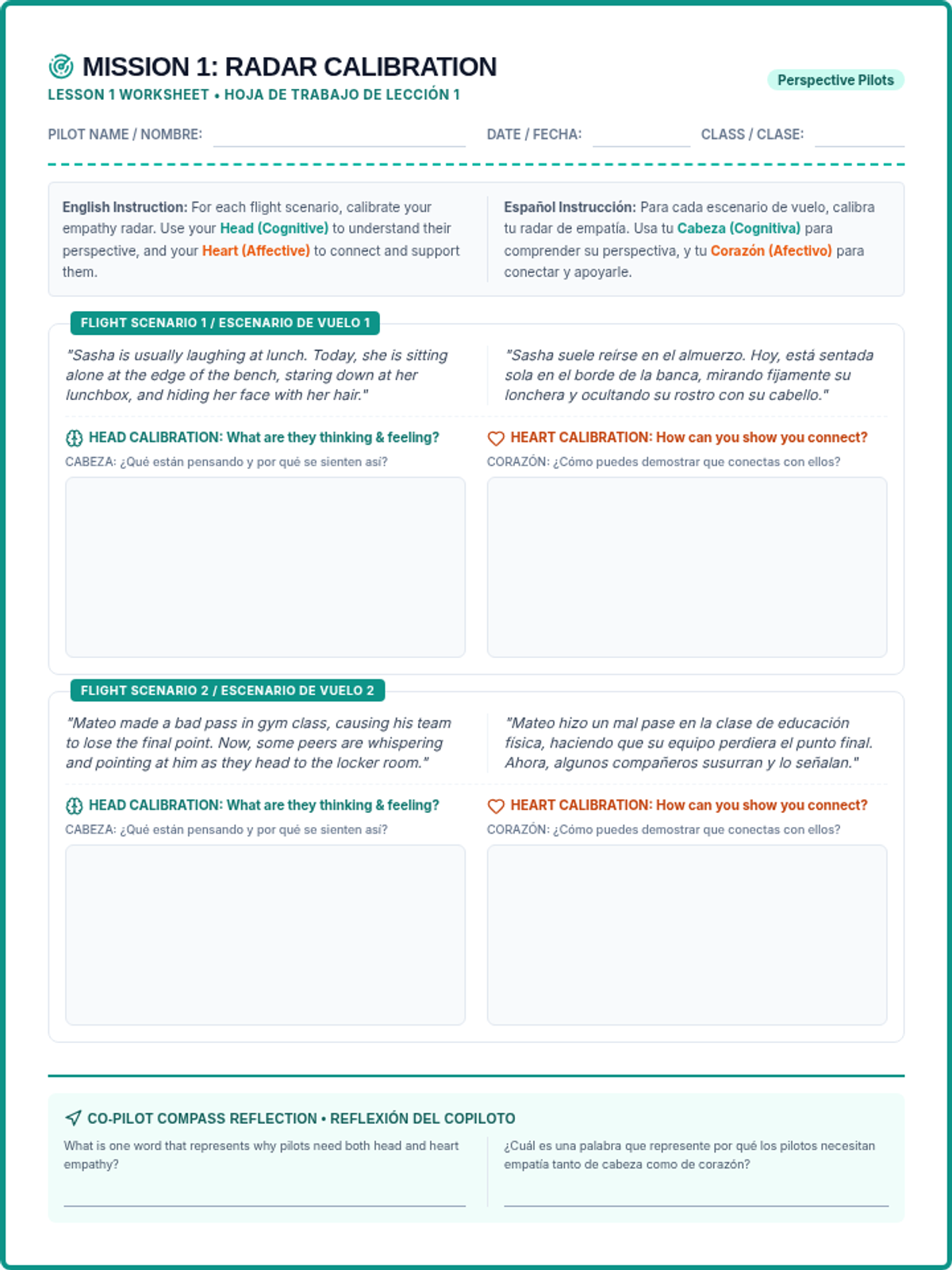
Introduces 6th and 7th graders to cognitive vs. affective empathy. Includes a bilingual parent permission slip, interactive presentation slides, and an active skill-building worksheet.
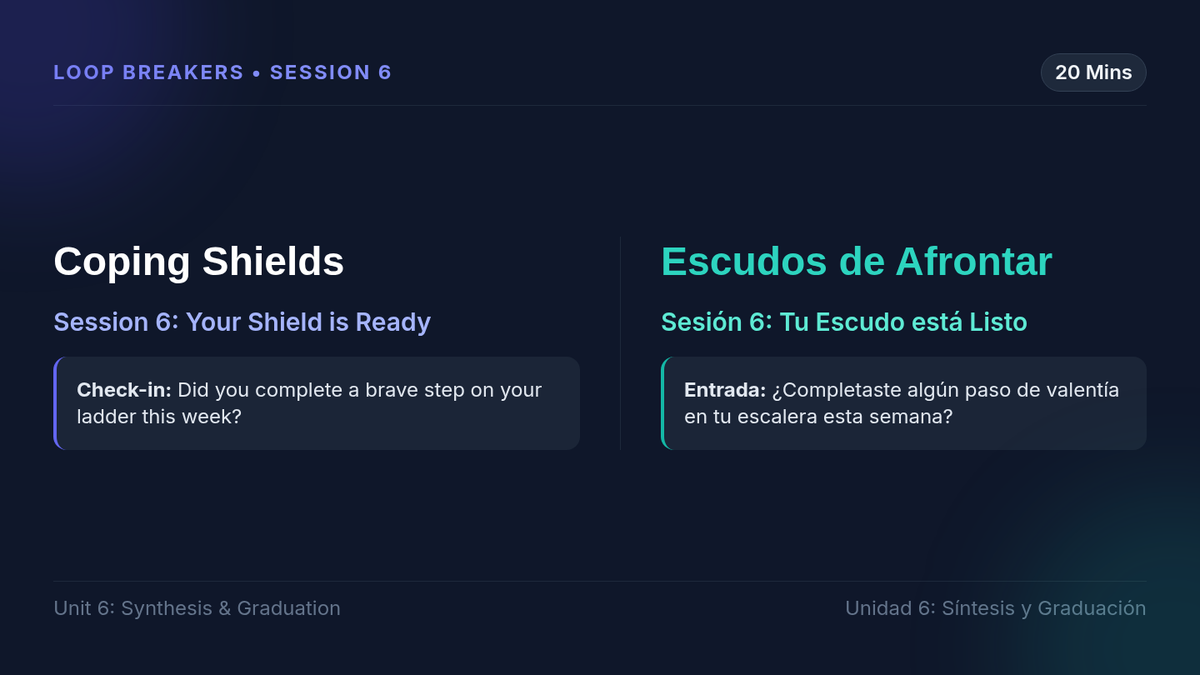
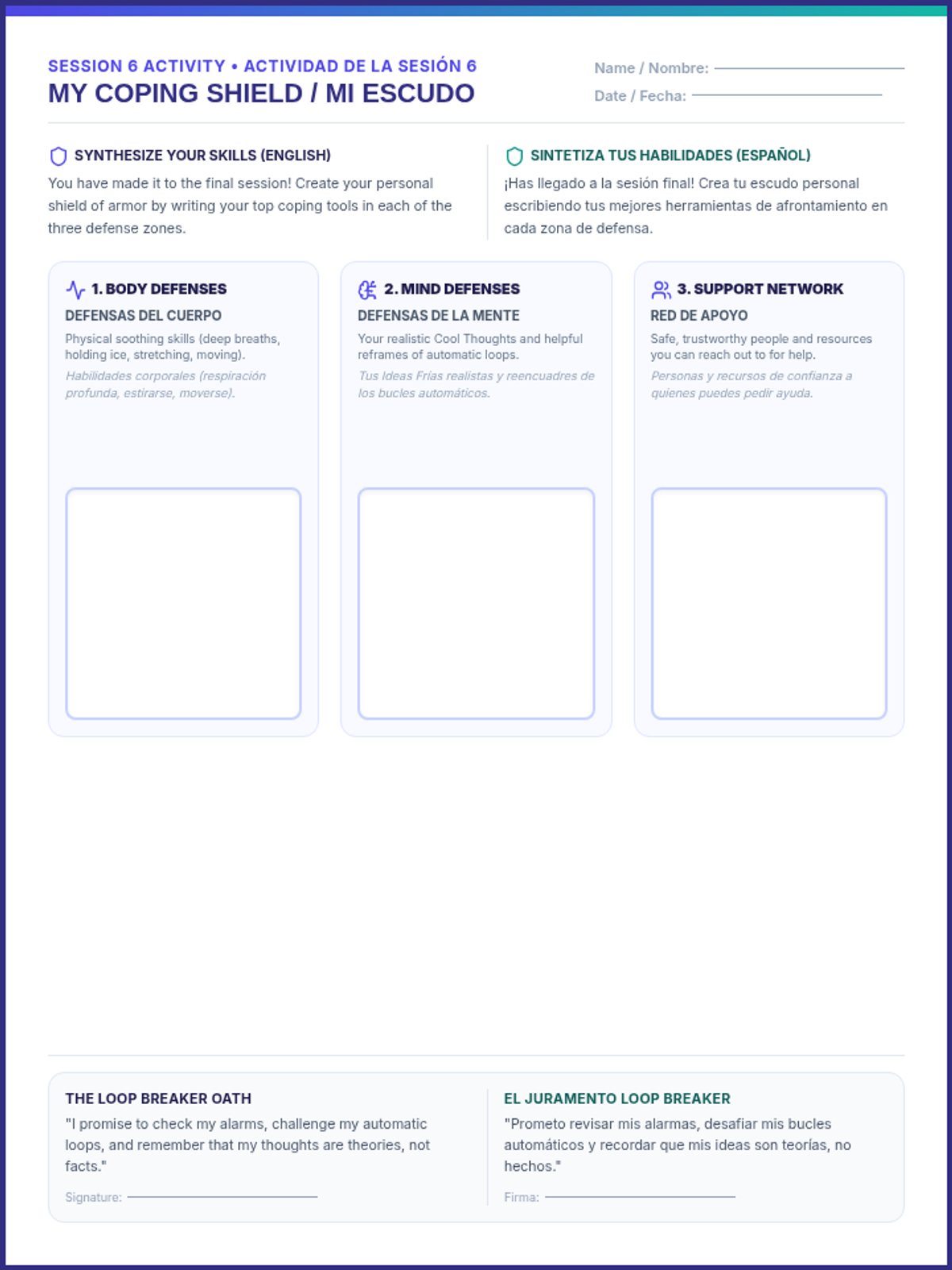
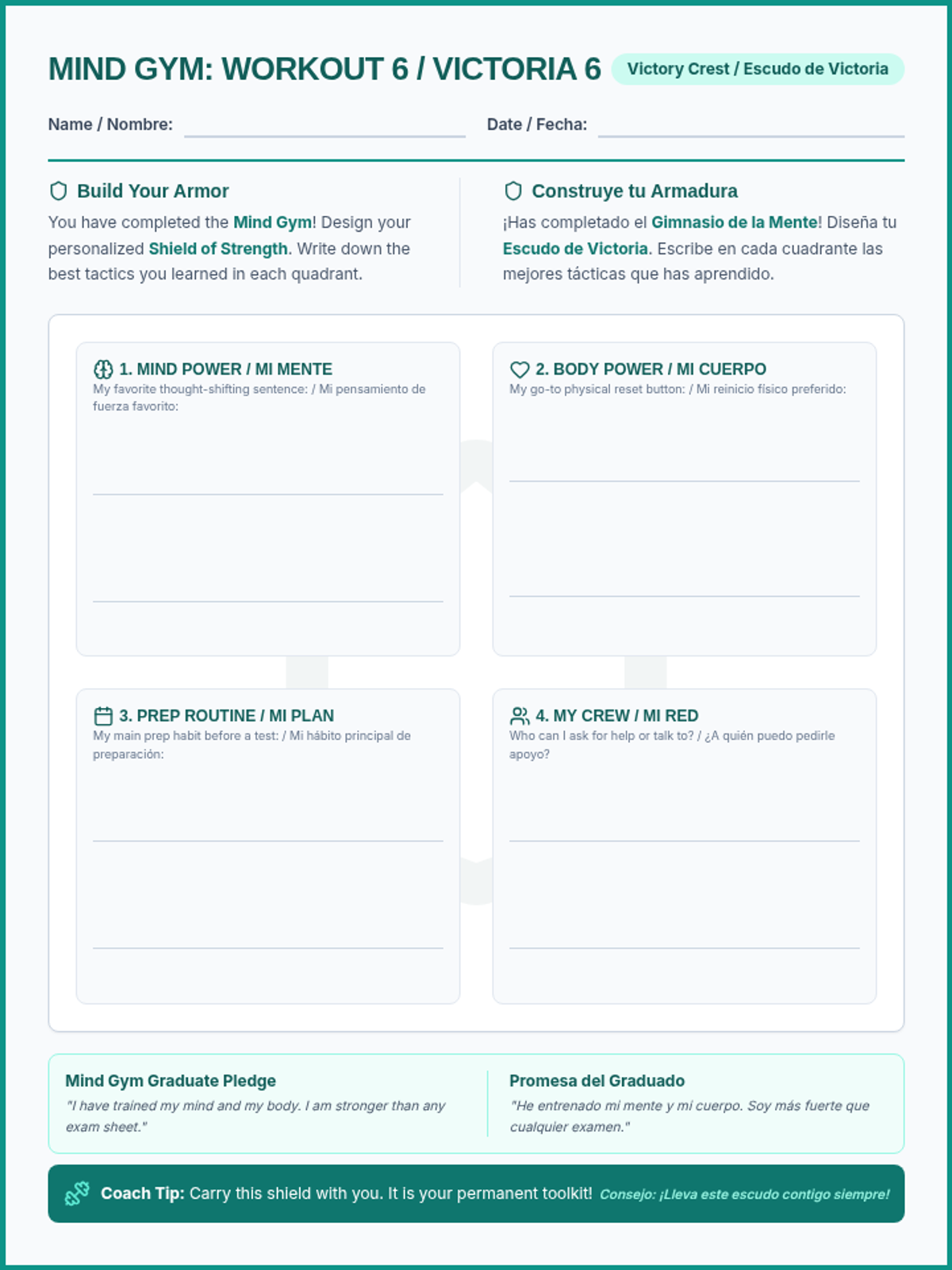
Students synthesize their learning into a personalized, visual coping plan that integrates cognitive reframing, physical soothing, and supportive resources.
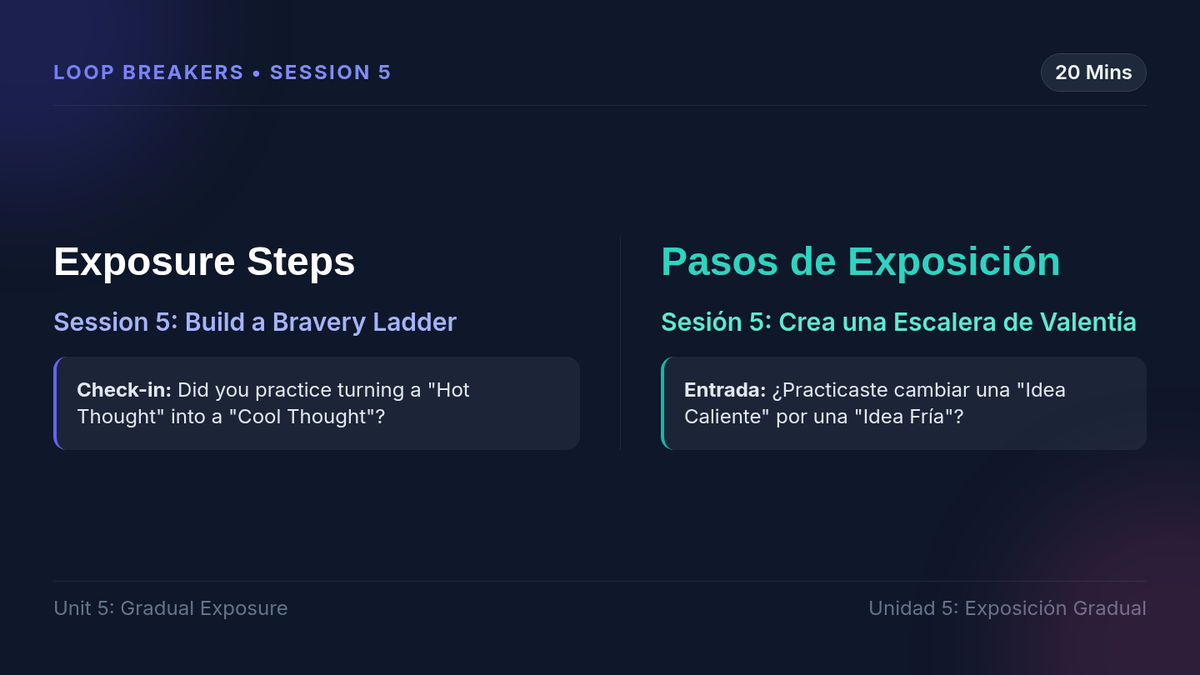
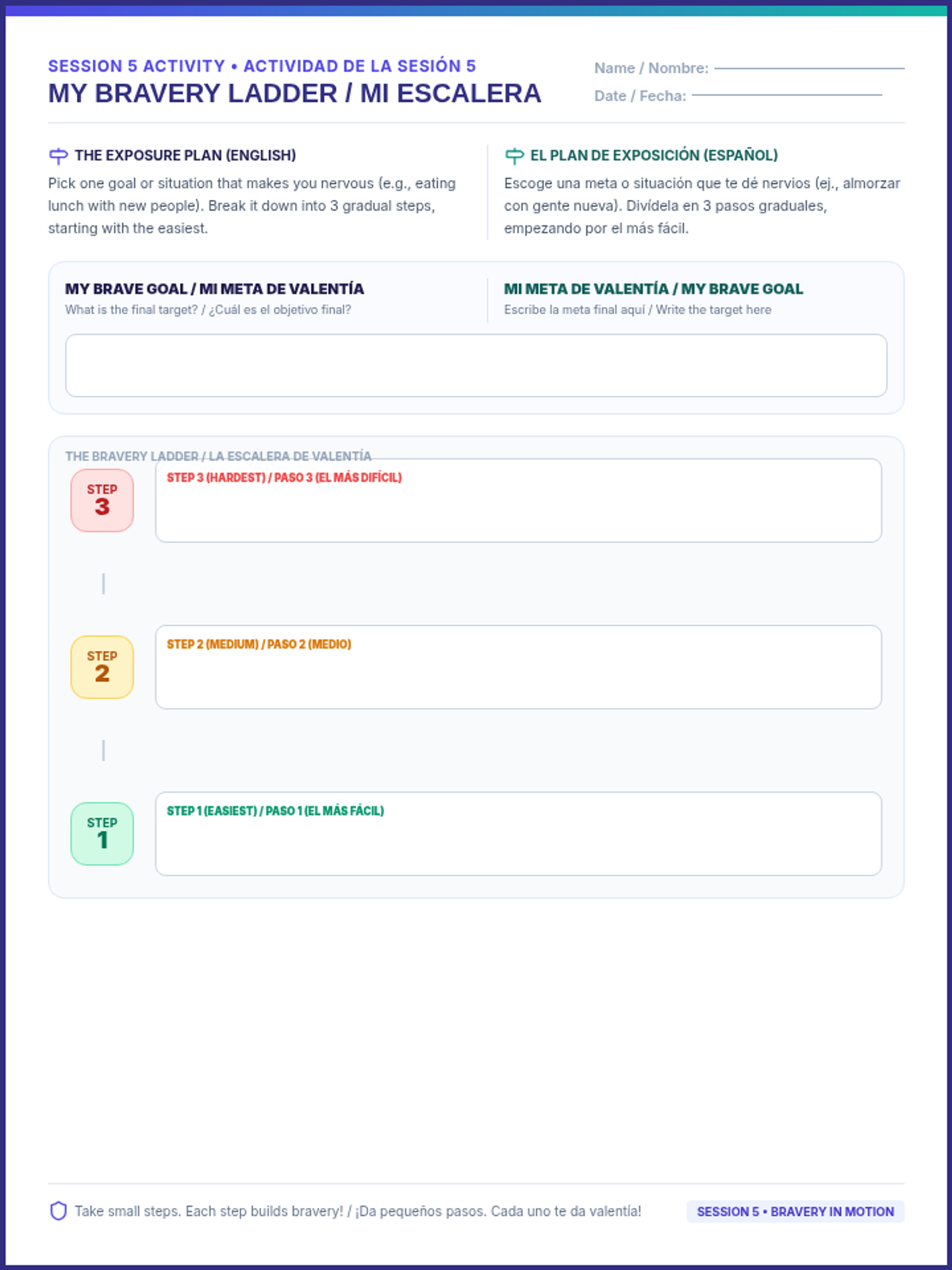
Students design a personalized 'bravery ladder' to face anxious situations gradually and build confidence through safe exposure.
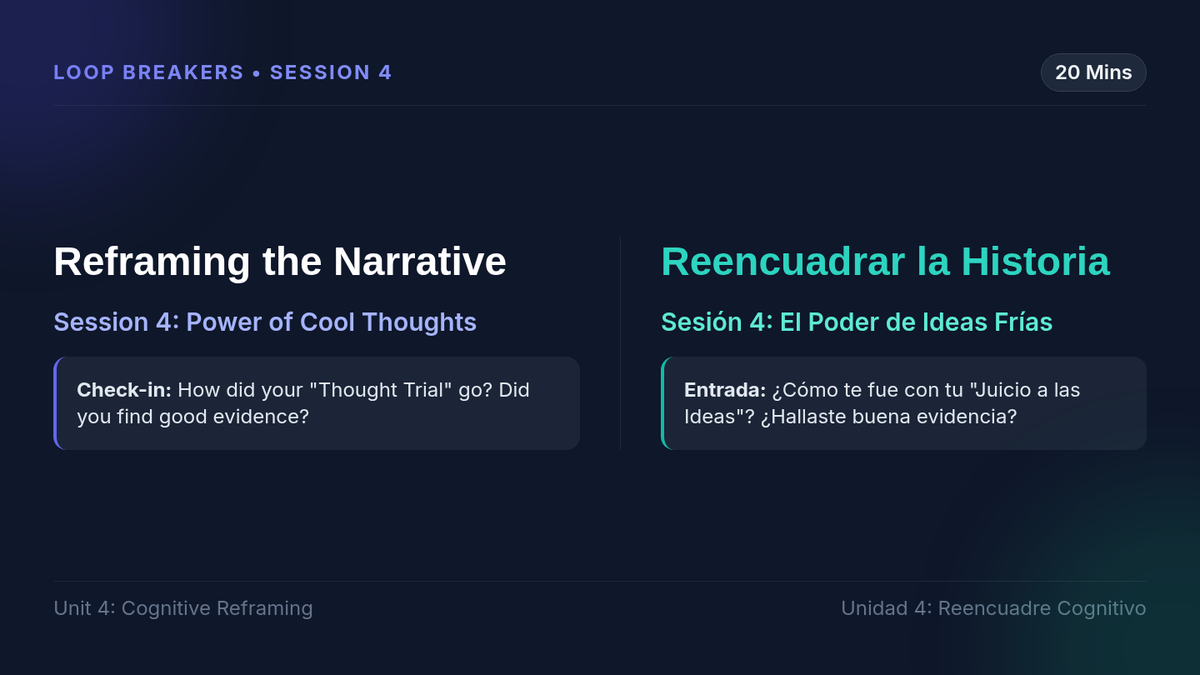
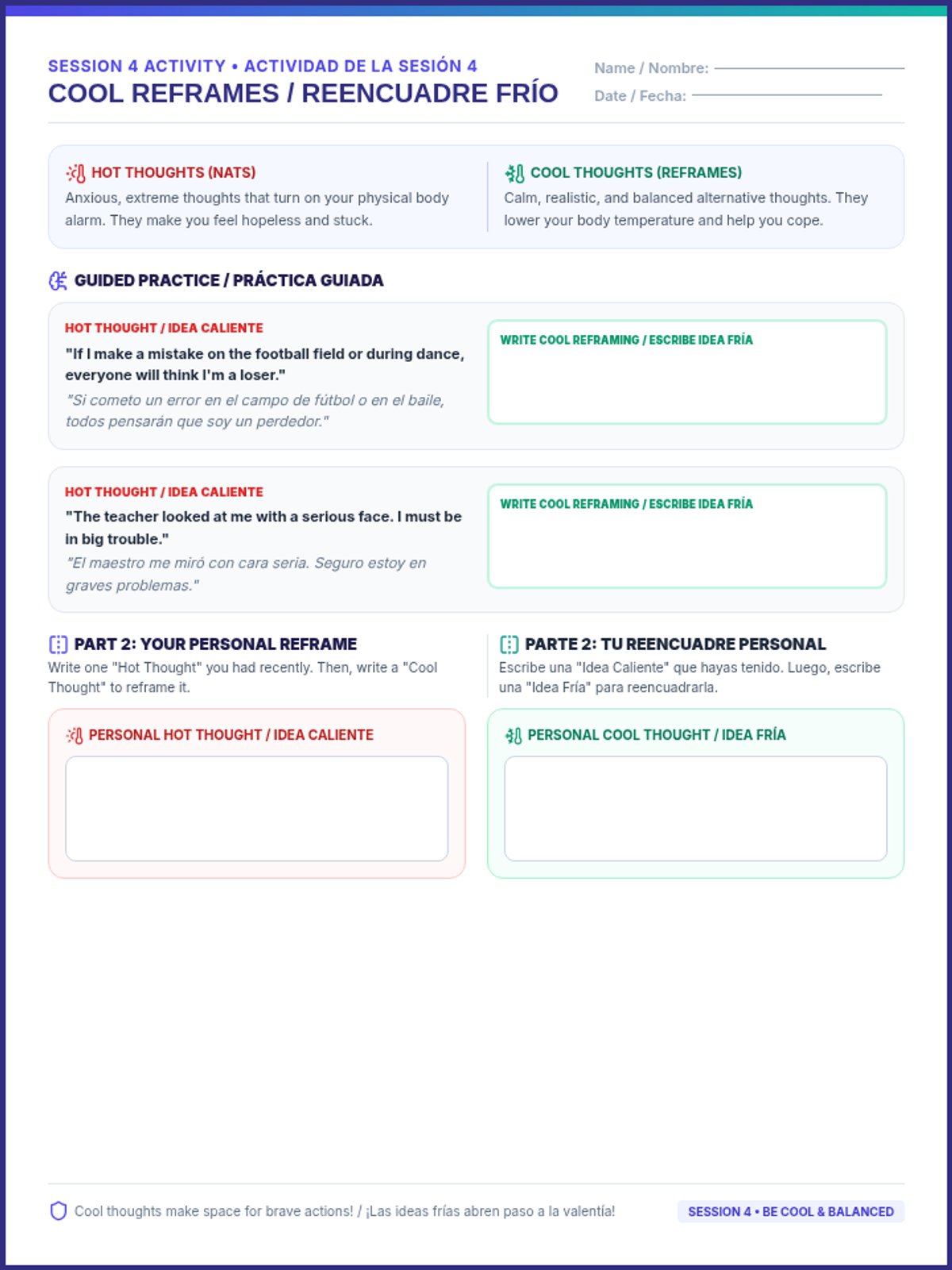
Students practice transforming automatic anxious thoughts into realistic, balanced, and constructive coping thoughts.
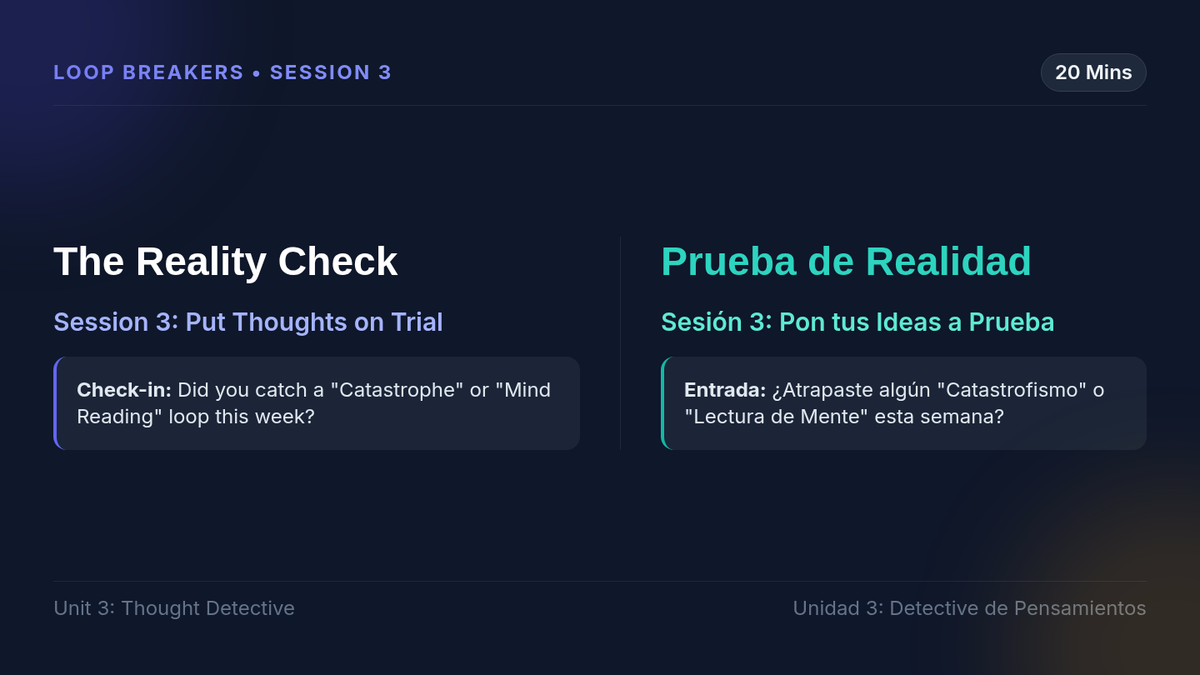
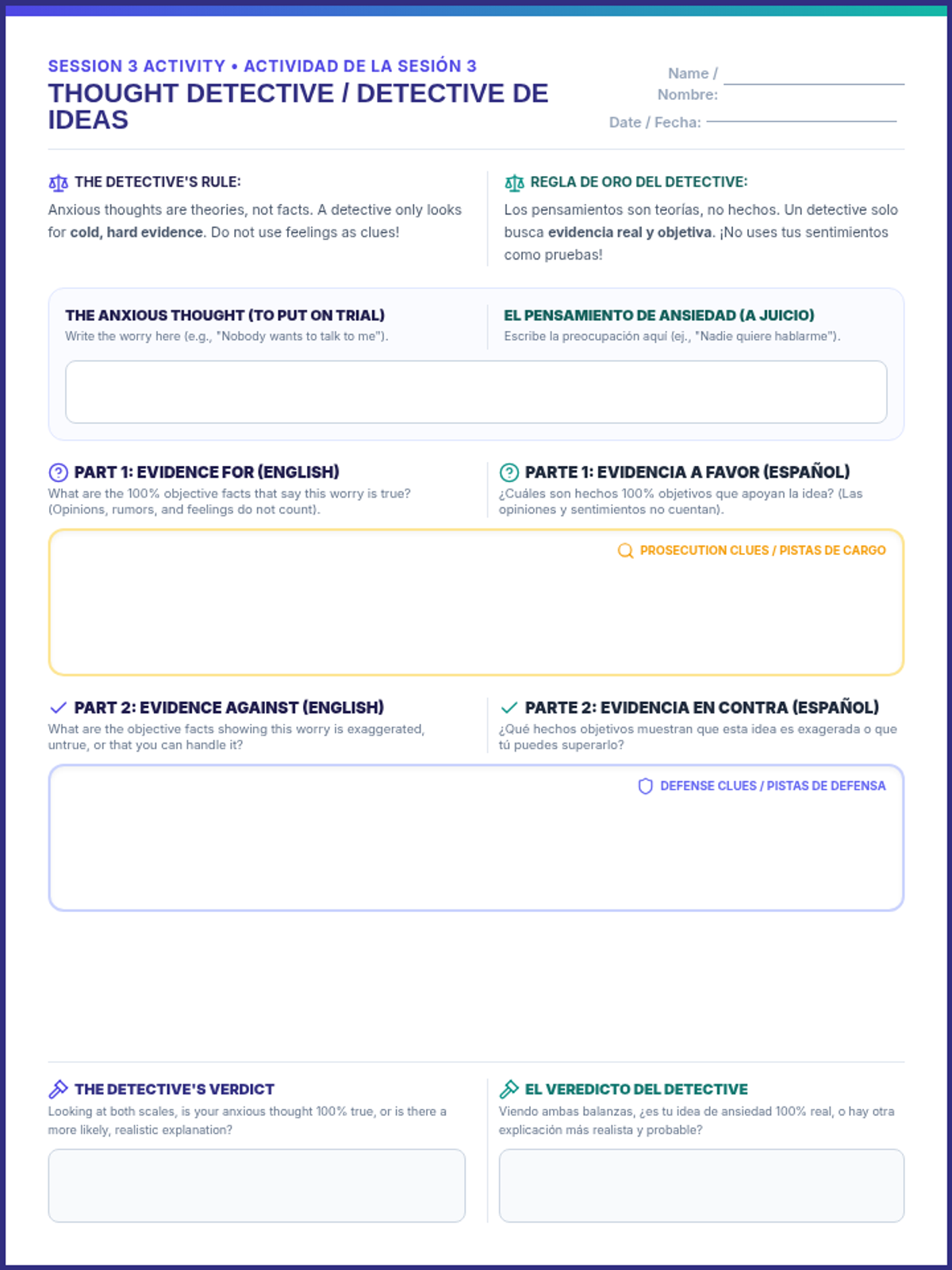
Students act as thought detectives, learning to examine objective evidence for and against their anxious thoughts instead of accepting them as facts.
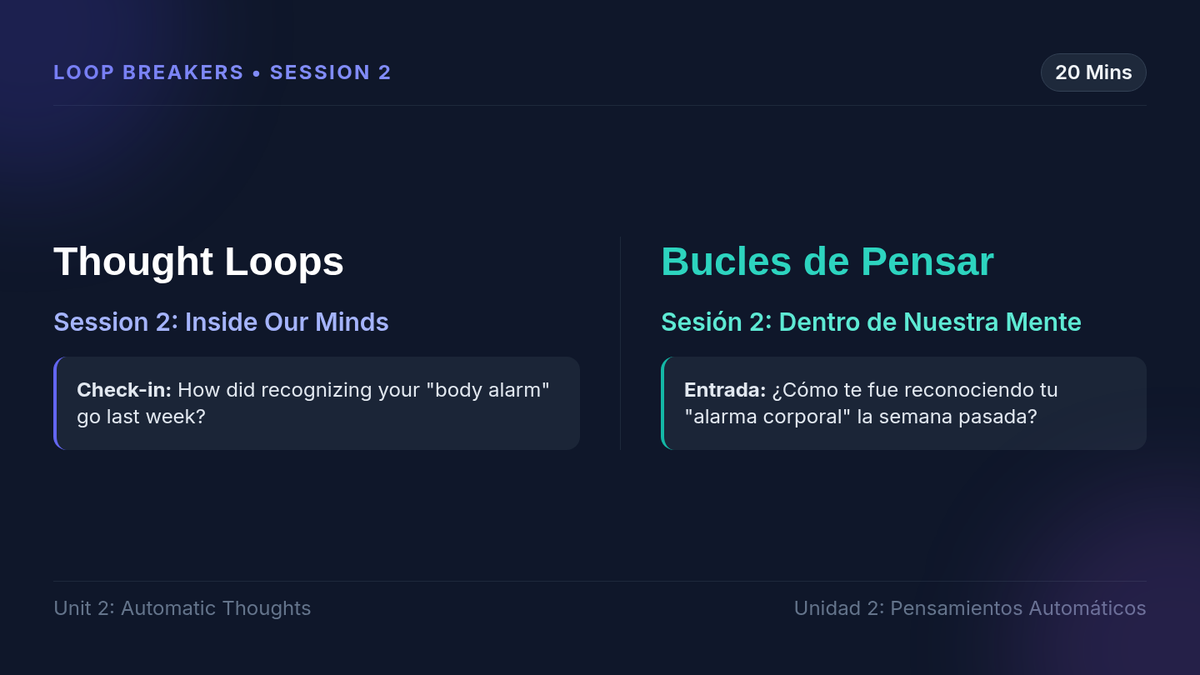
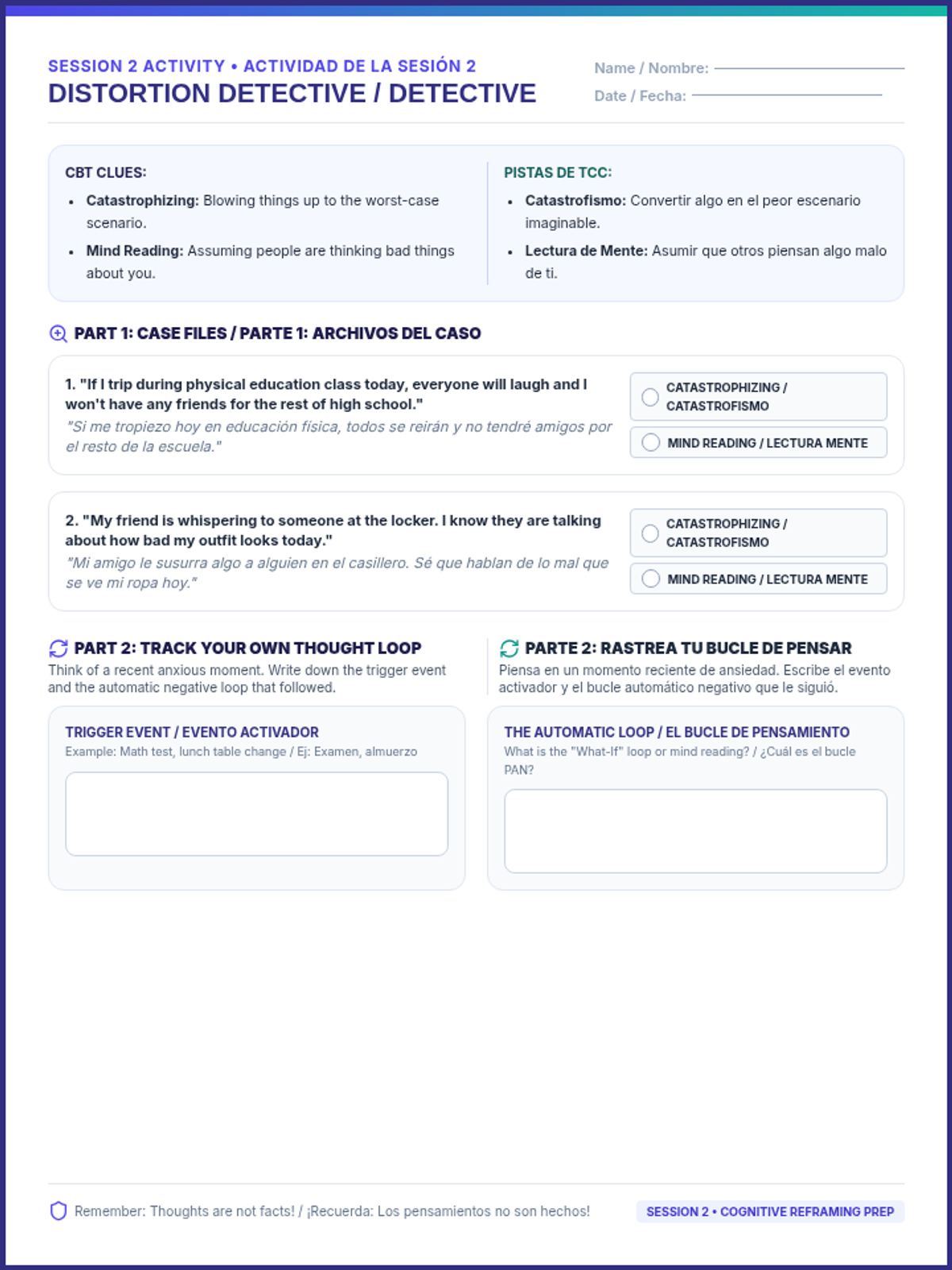
Students learn to identify negative automatic thoughts (NATs) and recognize common cognitive distortions like catastrophizing and mind reading.
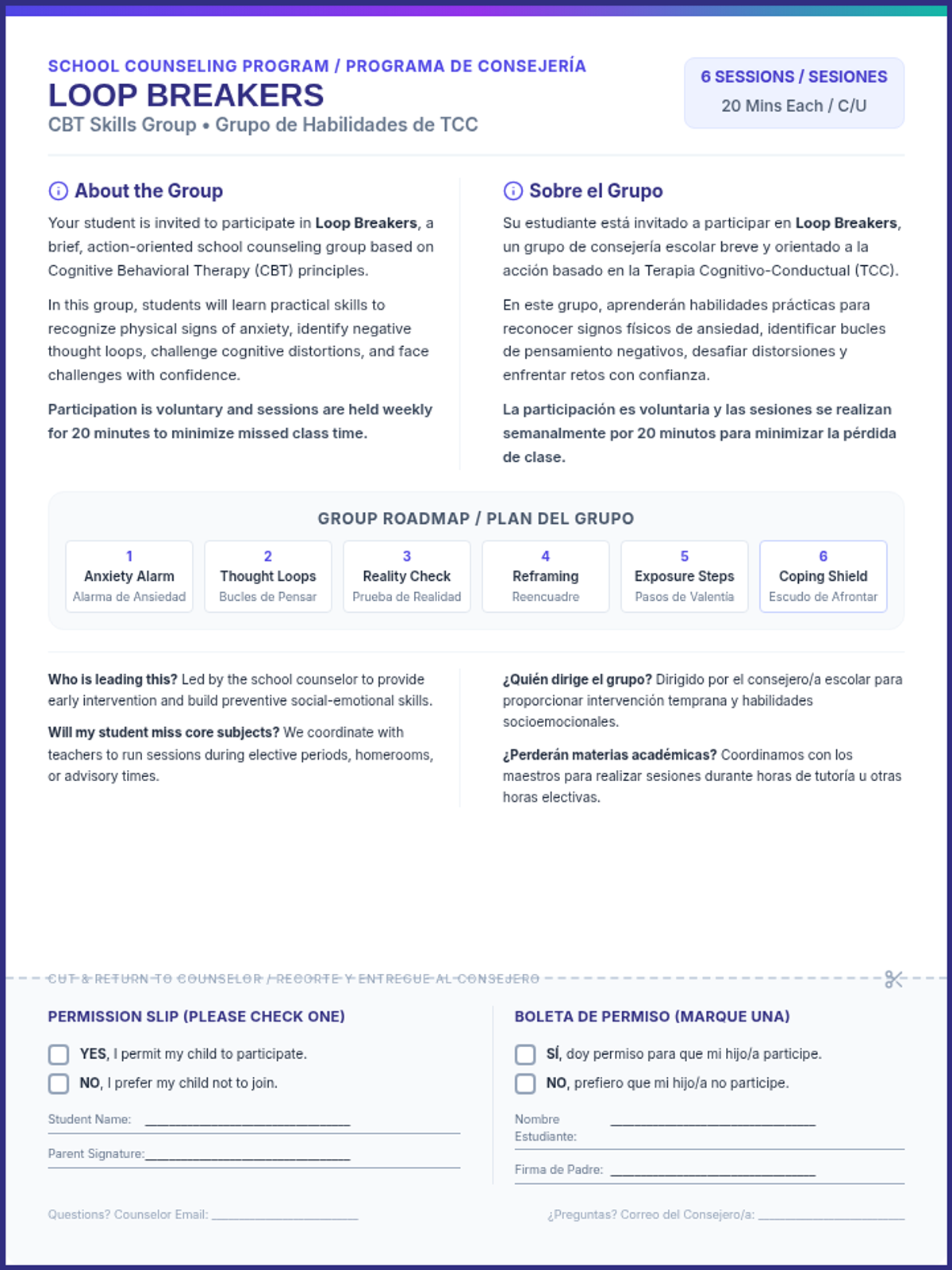
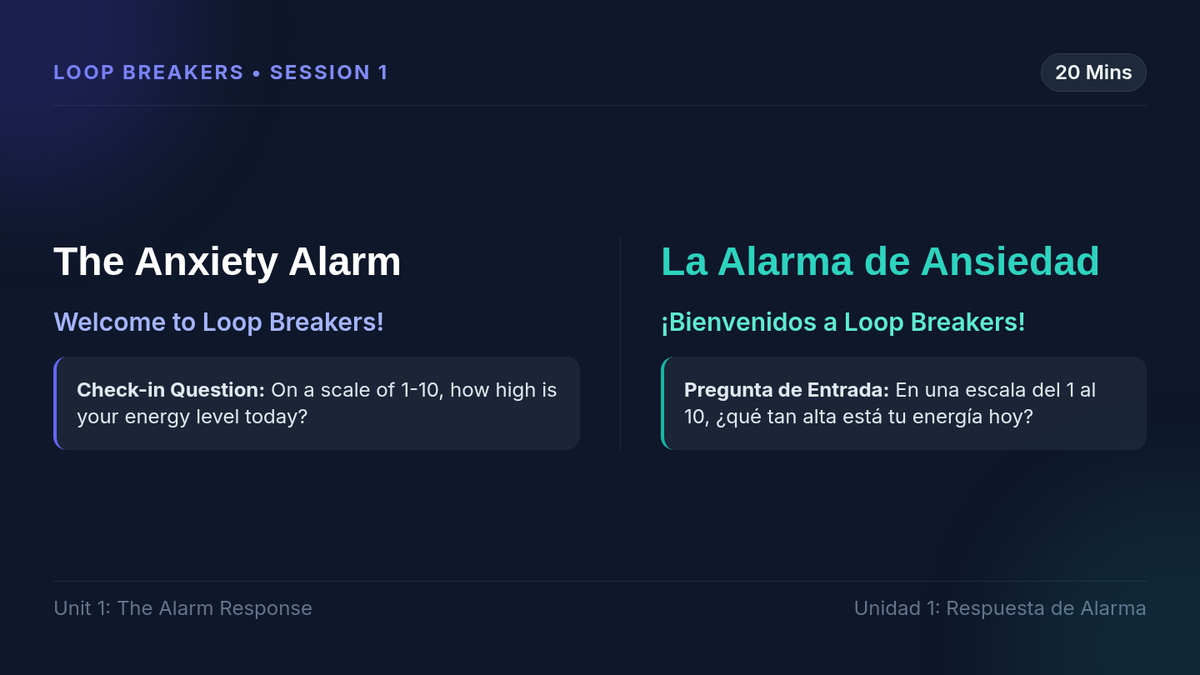
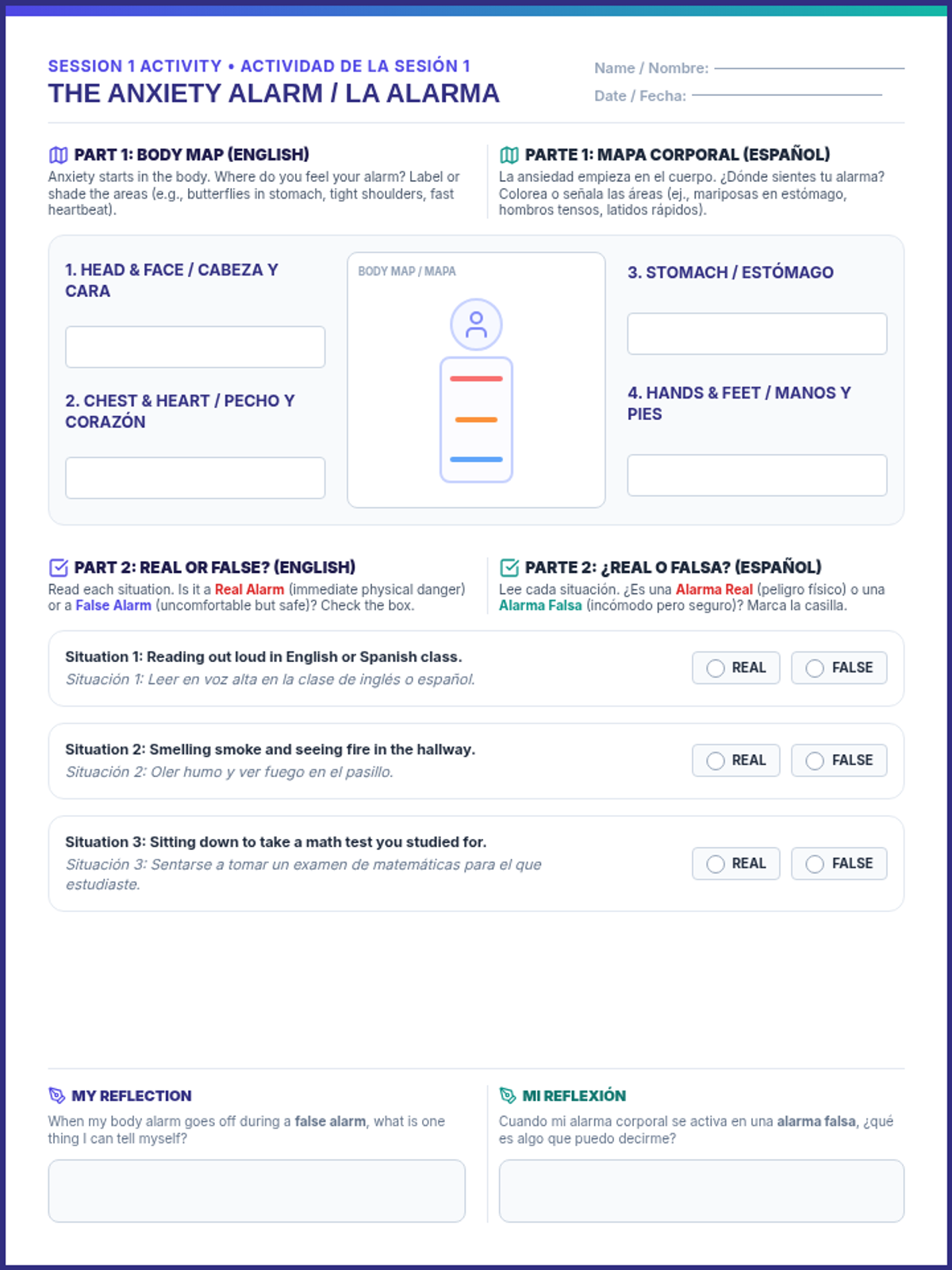
Students explore the evolutionary purpose of anxiety, identify their personal physical alarm signals, and distinguish between real and false alarms. Includes the bilingual parent permission slip.
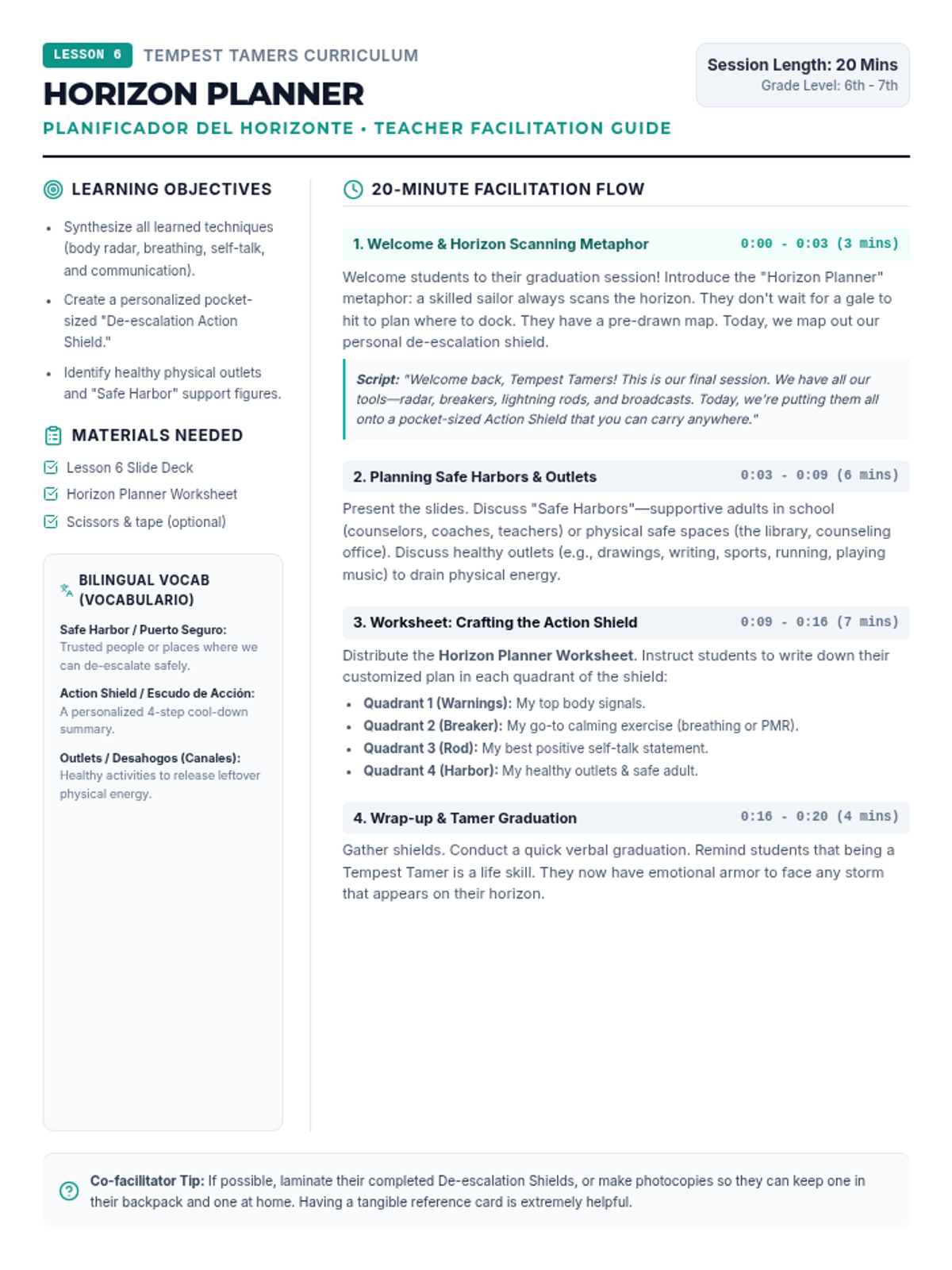
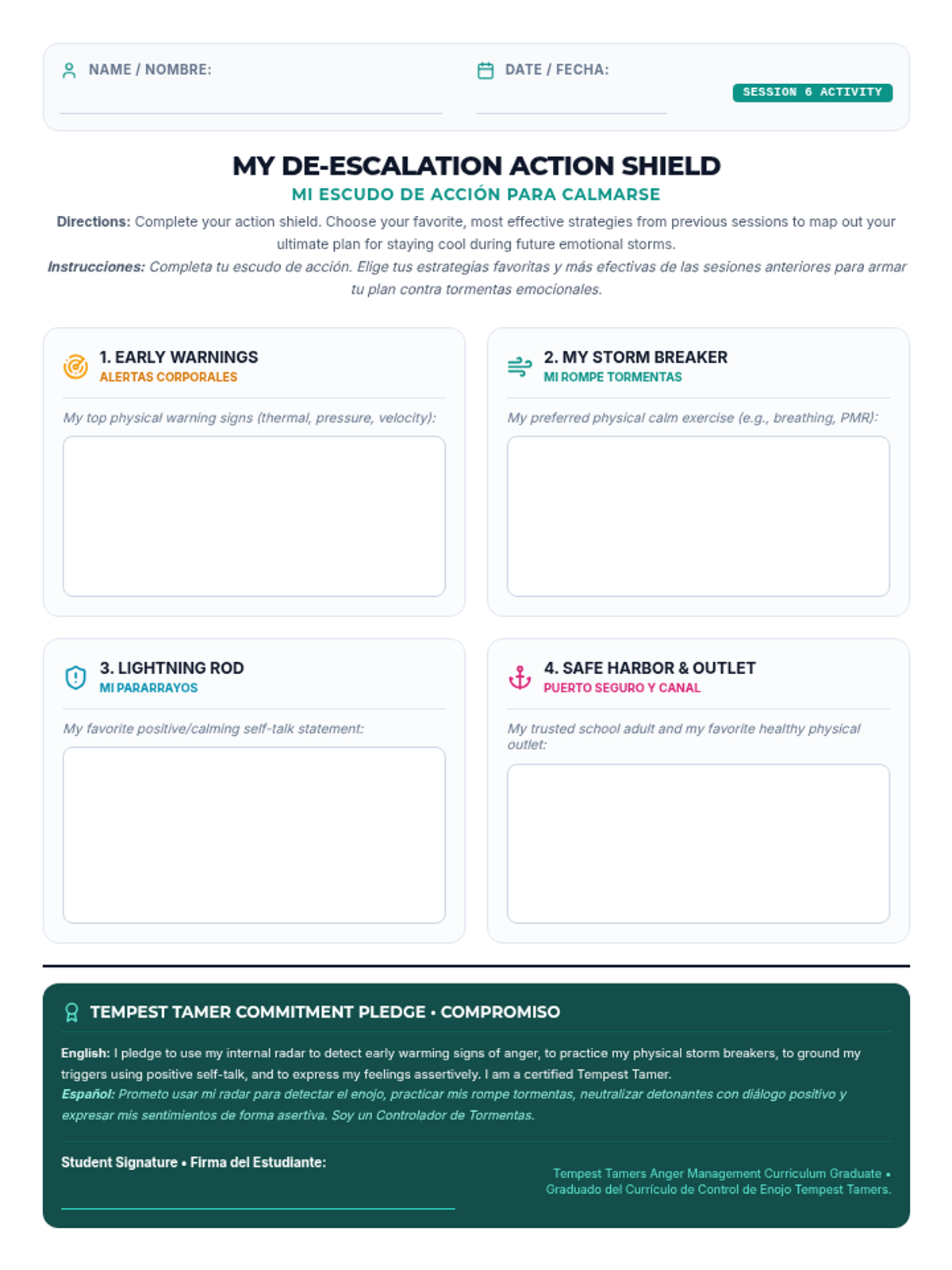
Focuses on personalized de-escalation planning. Students combine the strategies learned throughout the curriculum (body warnings, breathing, self-talk, and communication) into a concrete, pocket-sized 'De-escalation Action Shield' and identify healthy outlets.
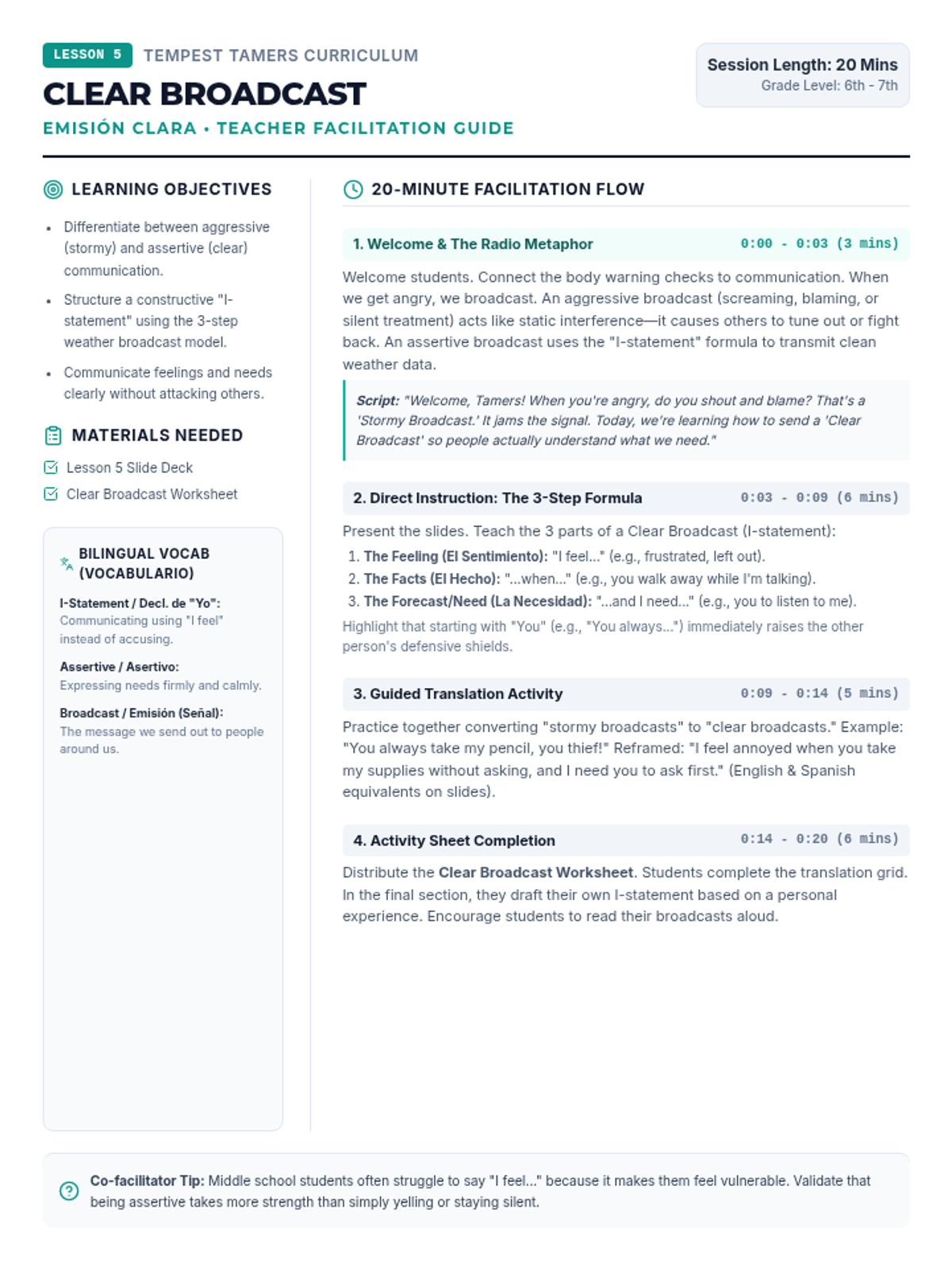
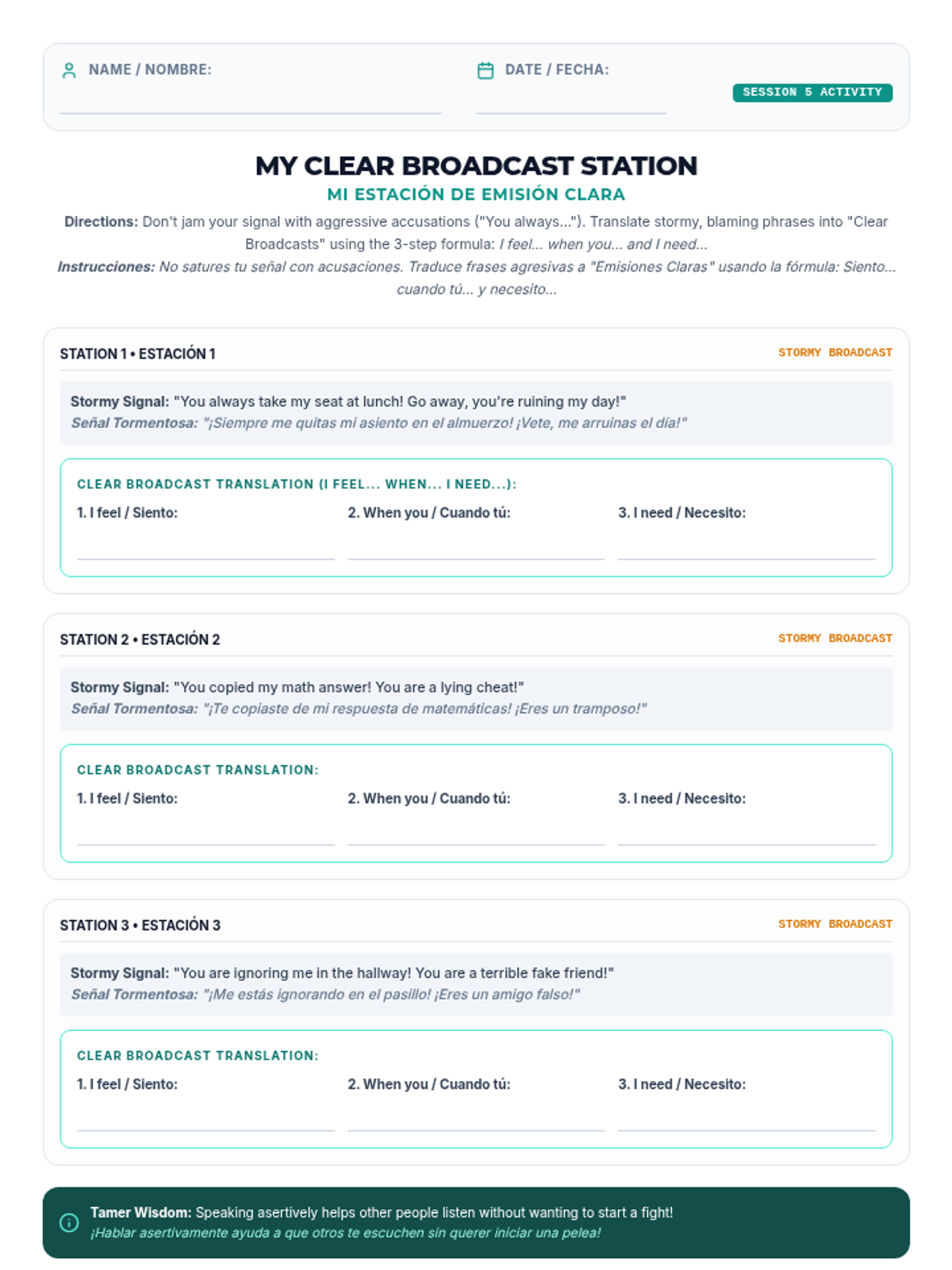
Focuses on assertive communication and 'I-statements'. Students learn how to express feelings constructively without aggression using a clear weather broadcast metaphor.
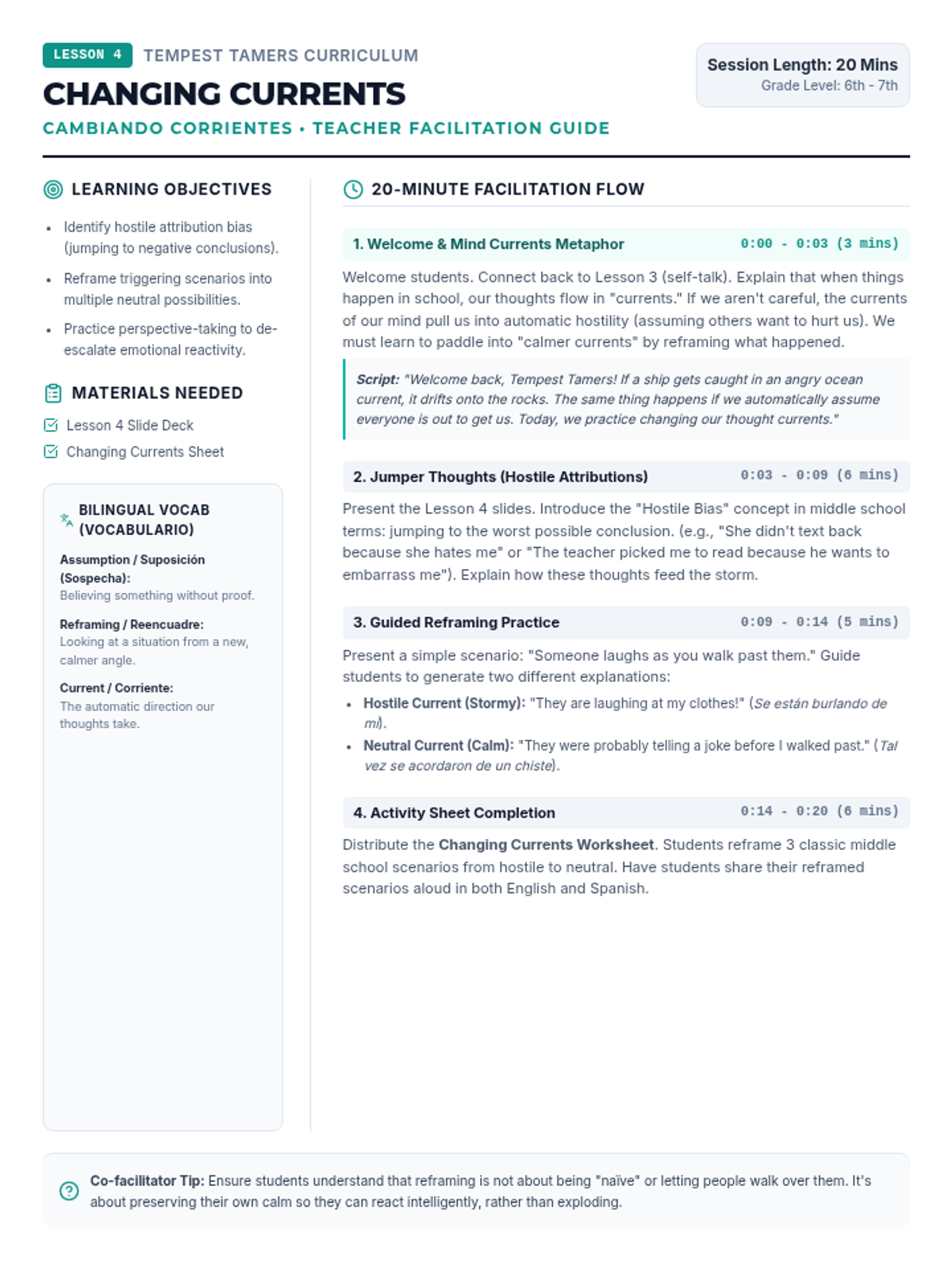
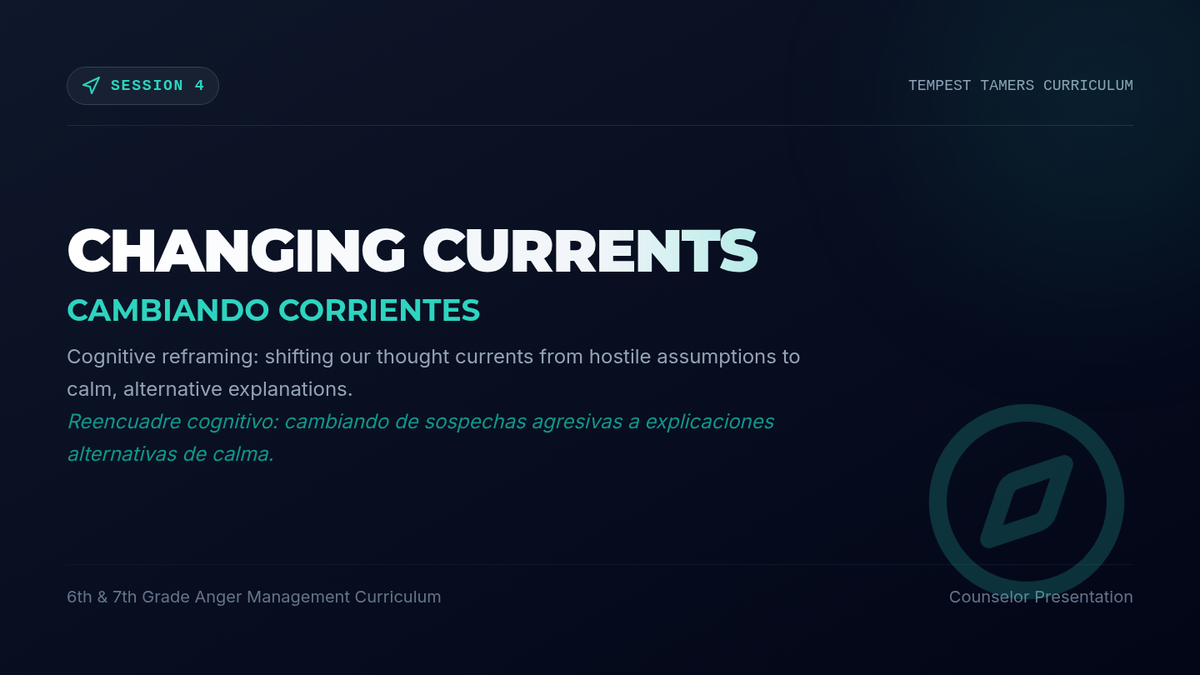
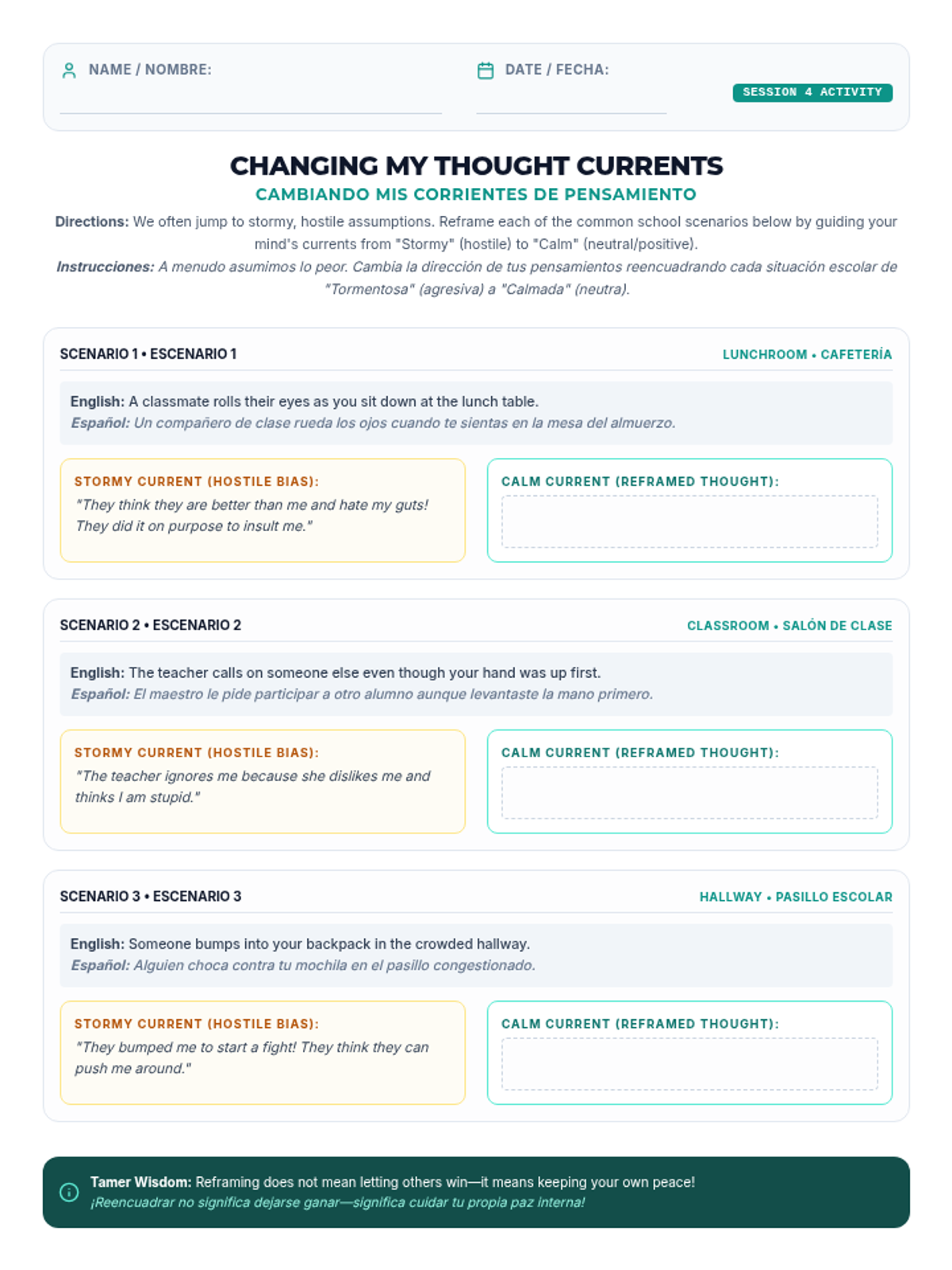
Focuses on cognitive reframing and perspective-taking. Students learn to examine alternative explanations for triggering situations, shifting from aggressive assumptions to calmer, neutral perspectives.
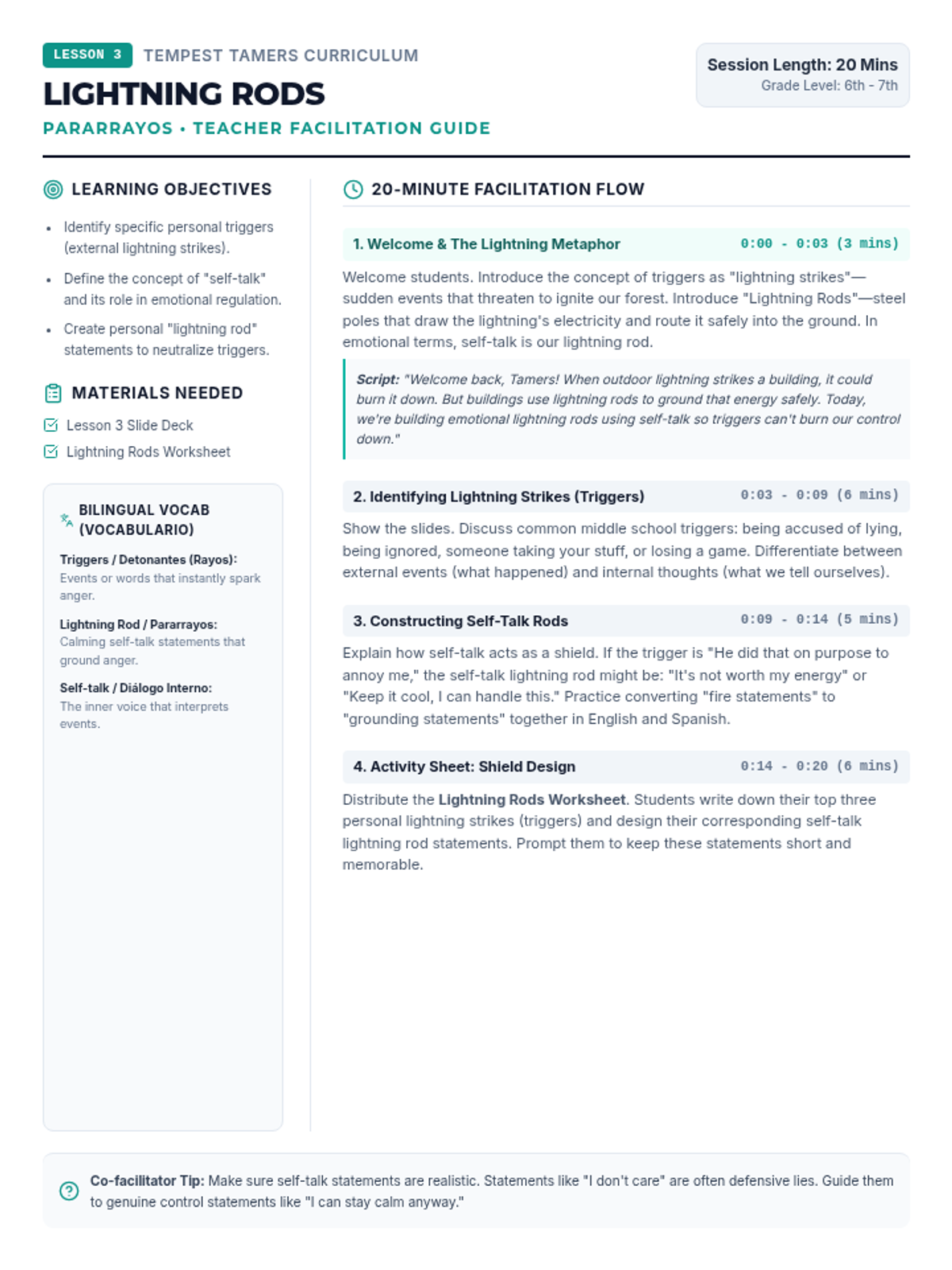
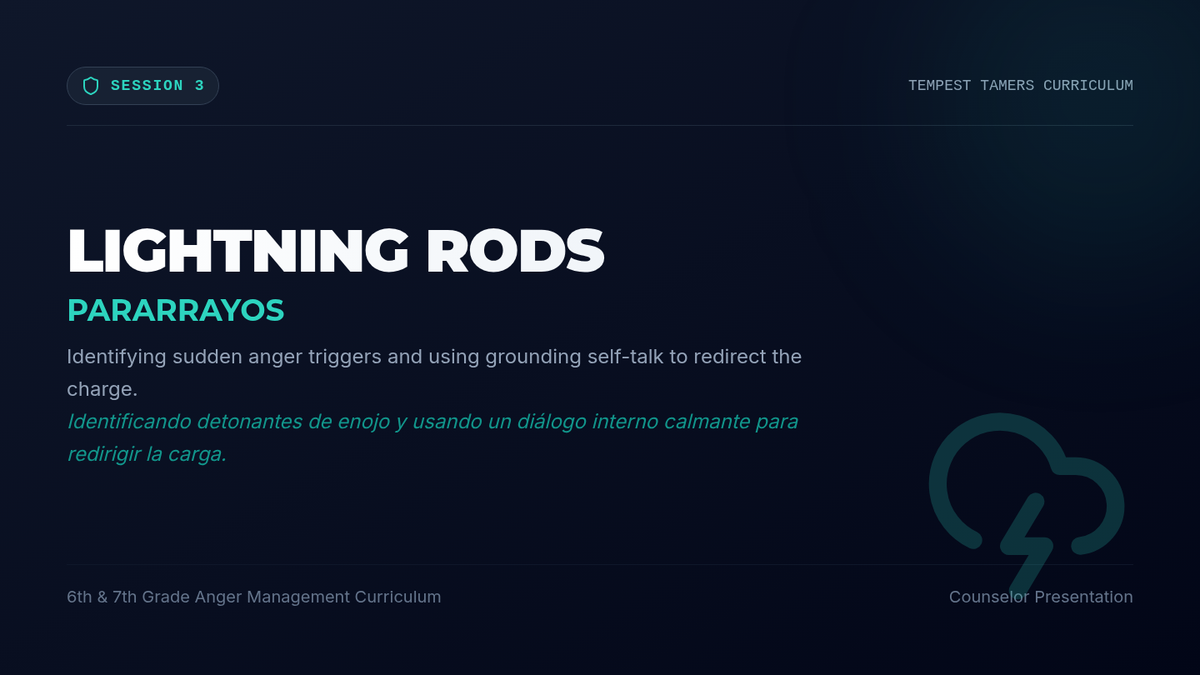
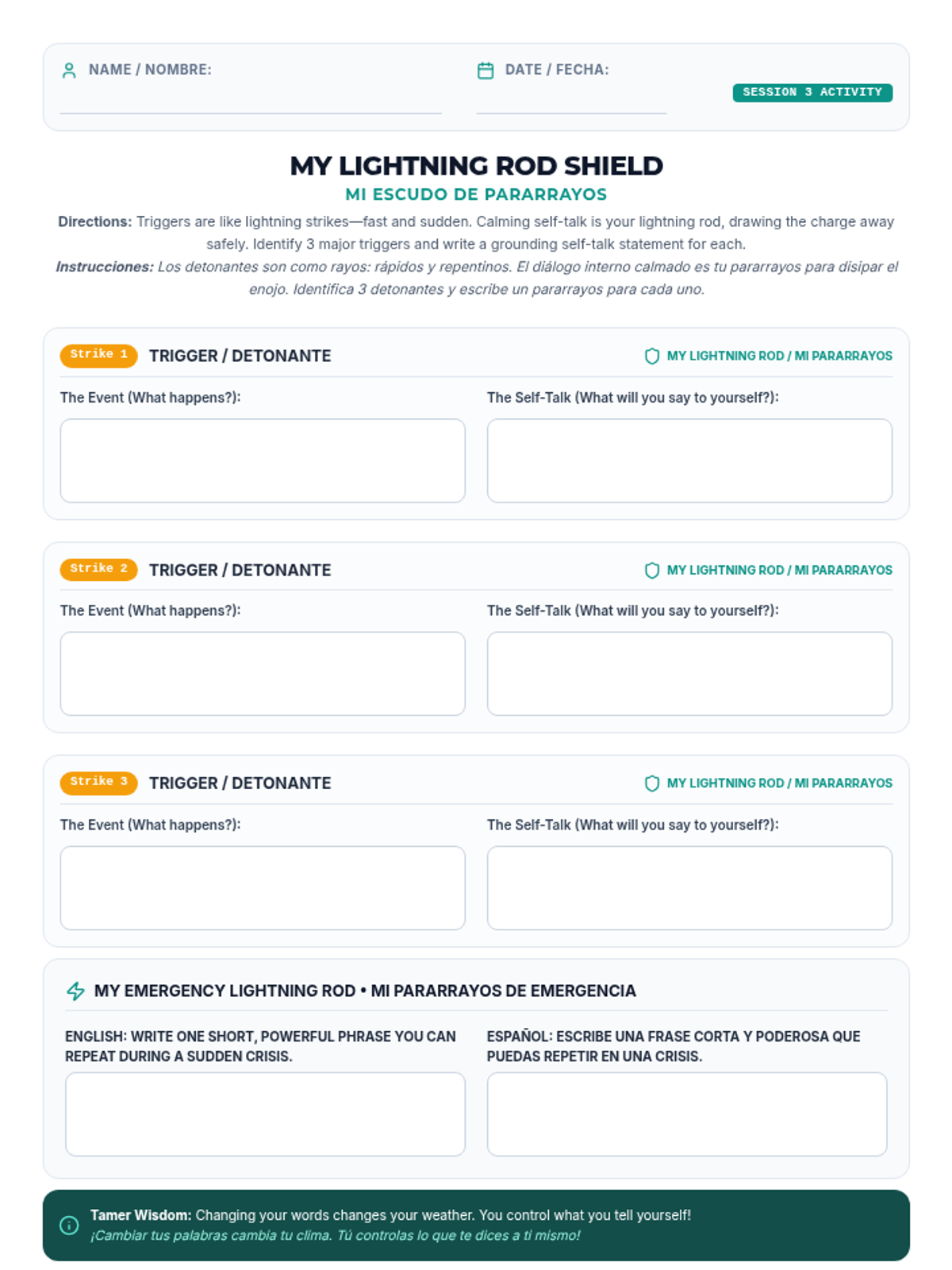
Focuses on identifying internal and external anger triggers (lightning strikes) and using self-talk adjustments (lightning rods) to channel emotional charge safely.
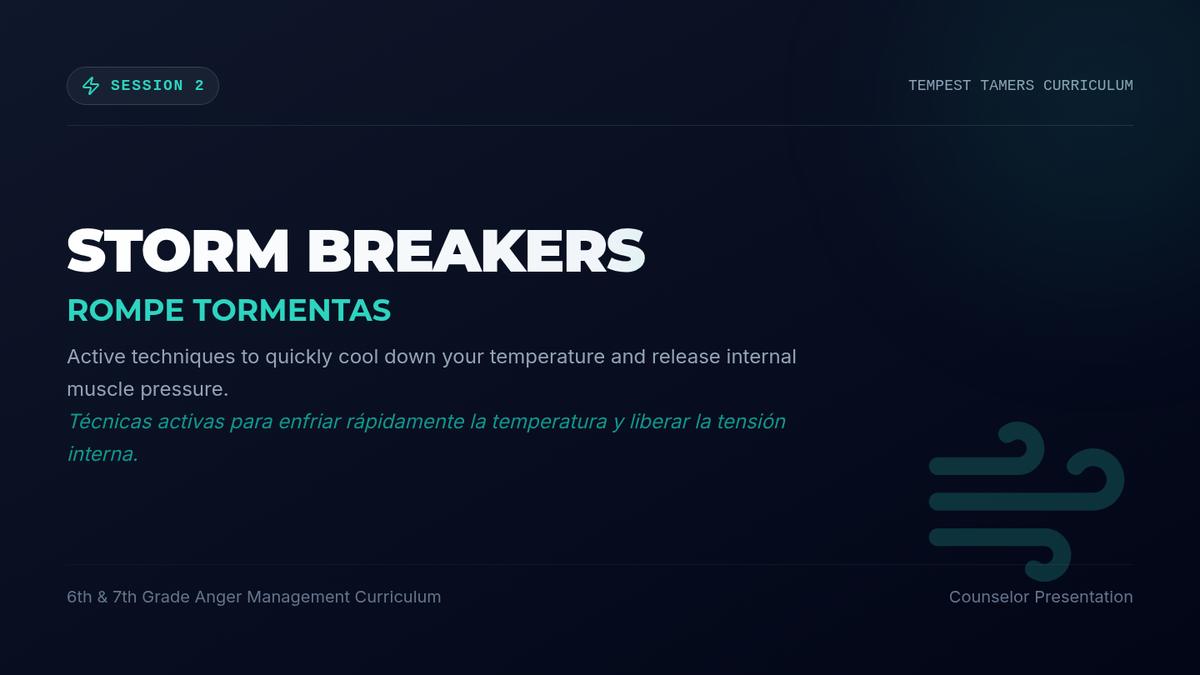
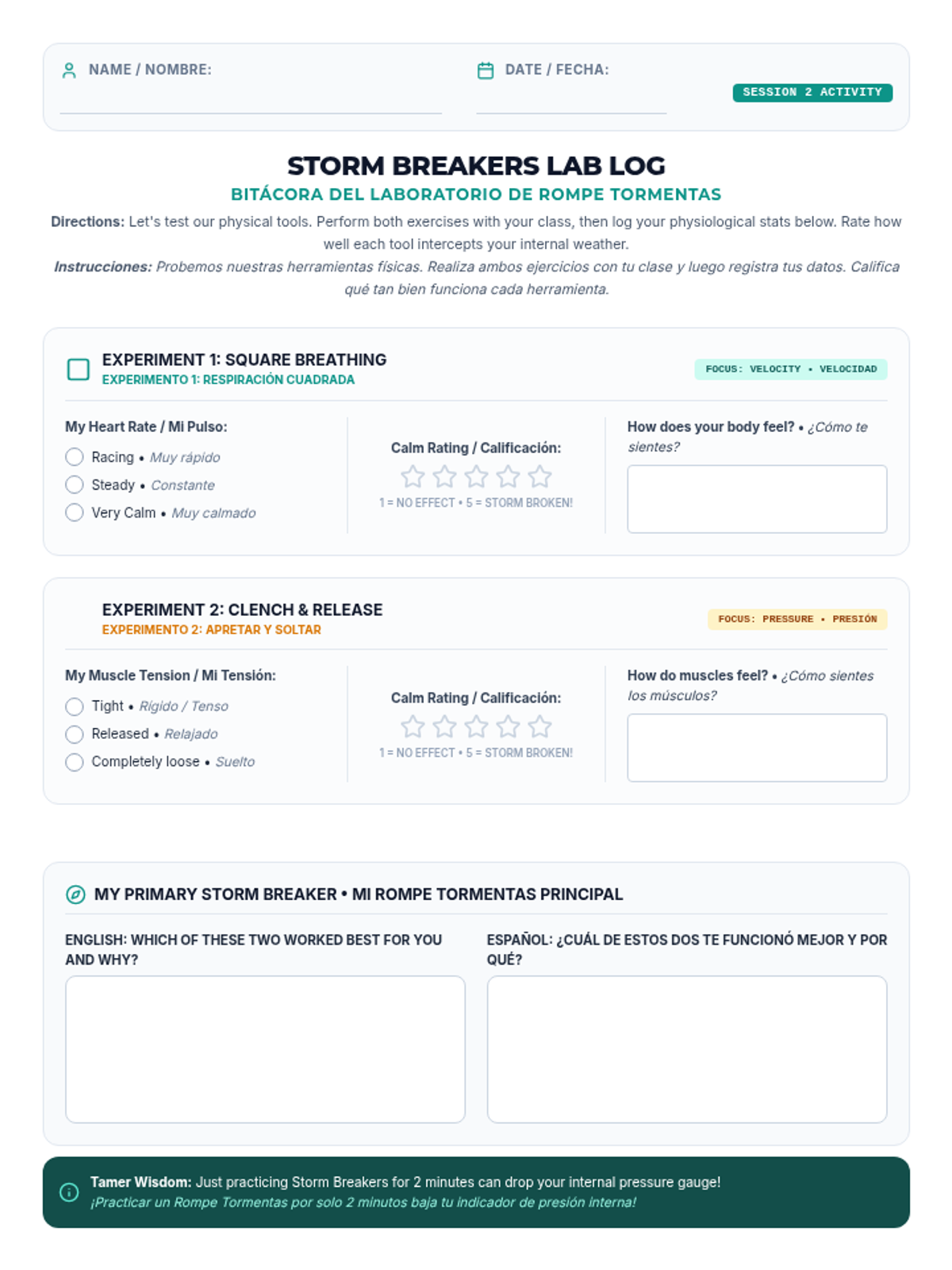
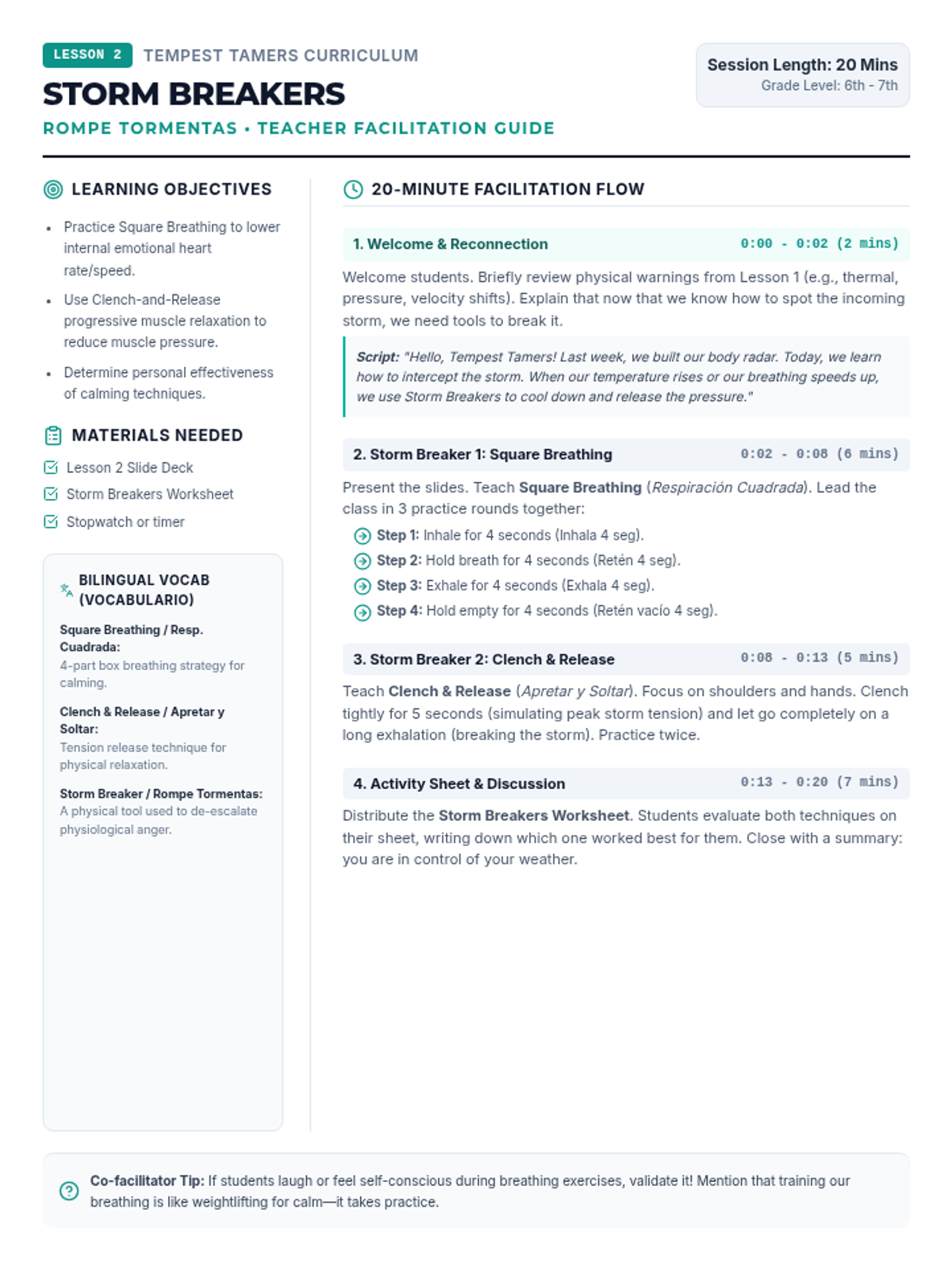
Focuses on physiological calming techniques, specifically deep breathing and progressive muscle relaxation. Students practice "square breathing" and "clench-and-release" to rapidly lower internal temperature and pressure when early warning signals are detected.
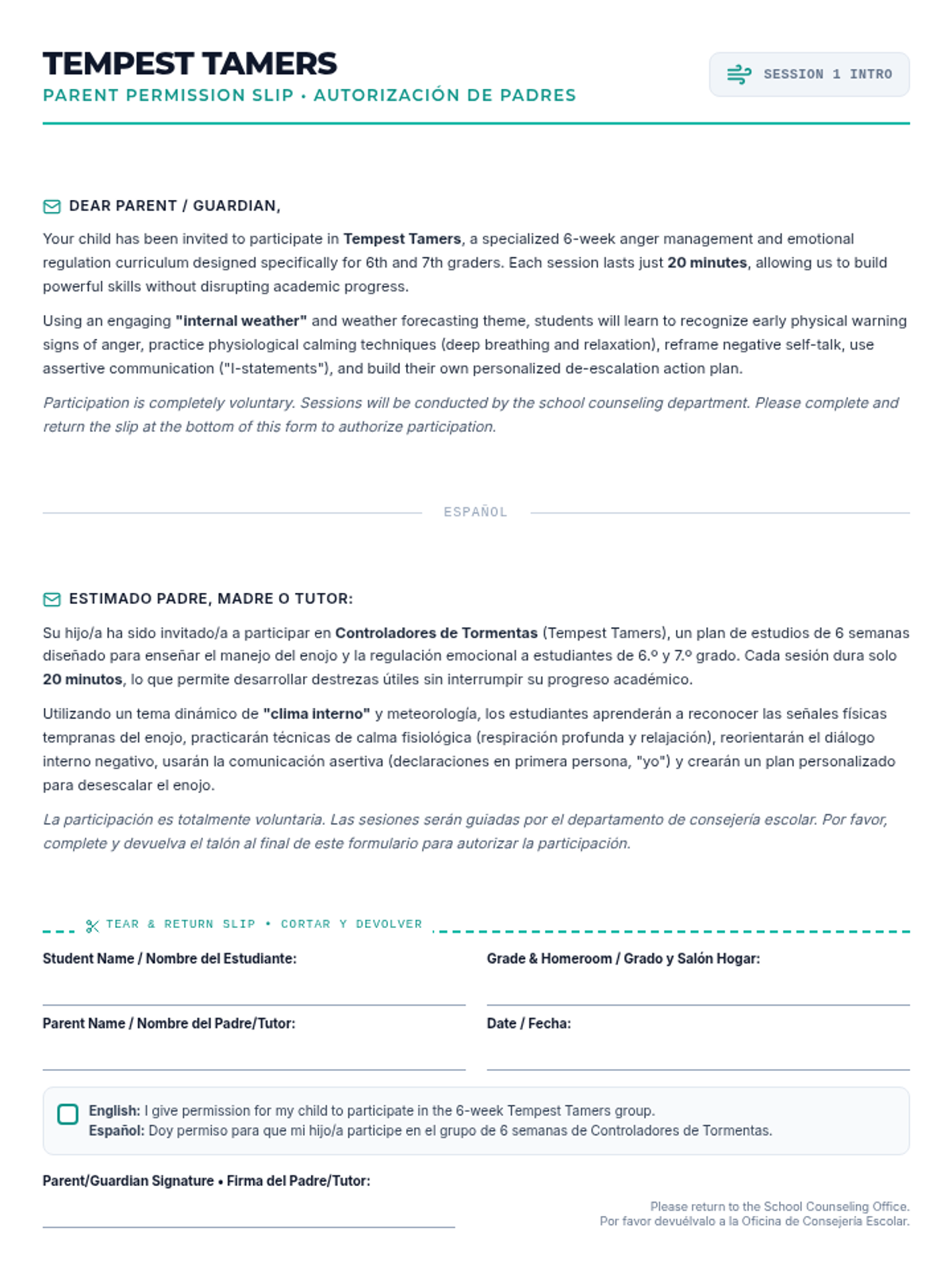
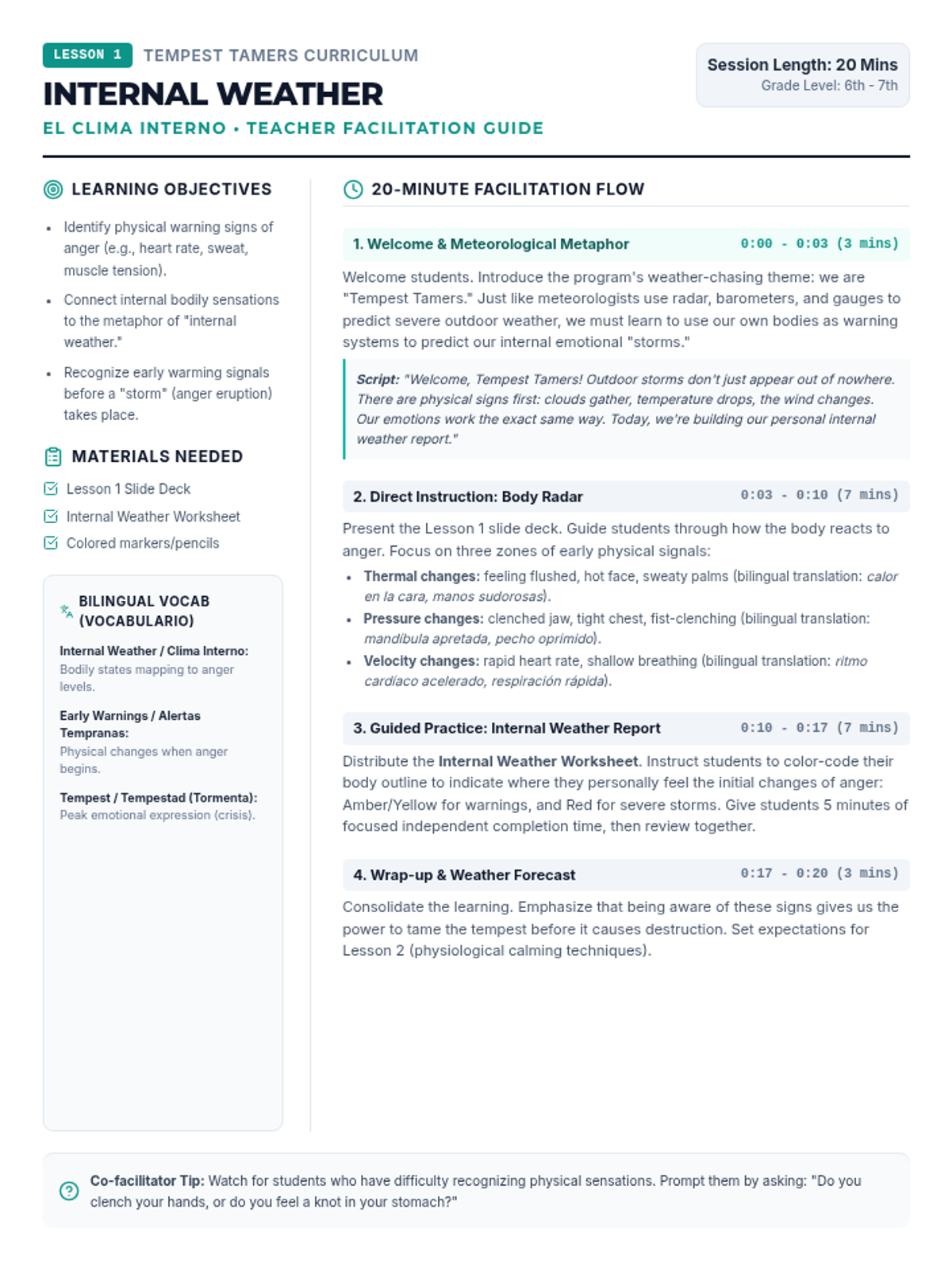
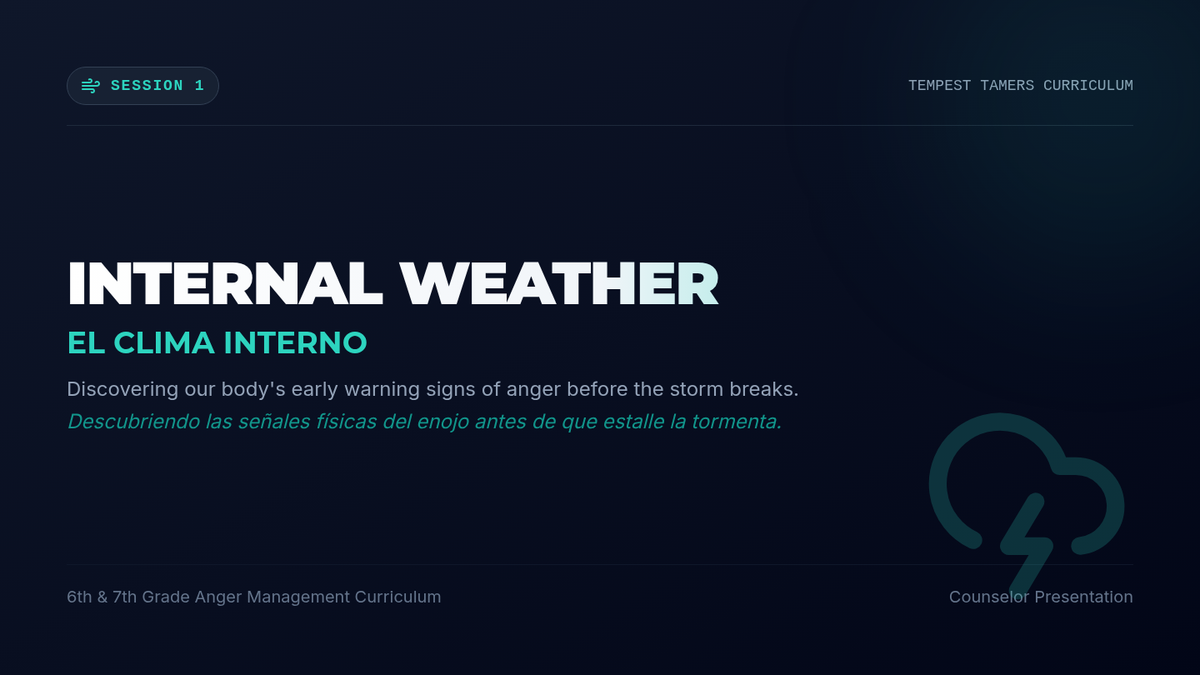
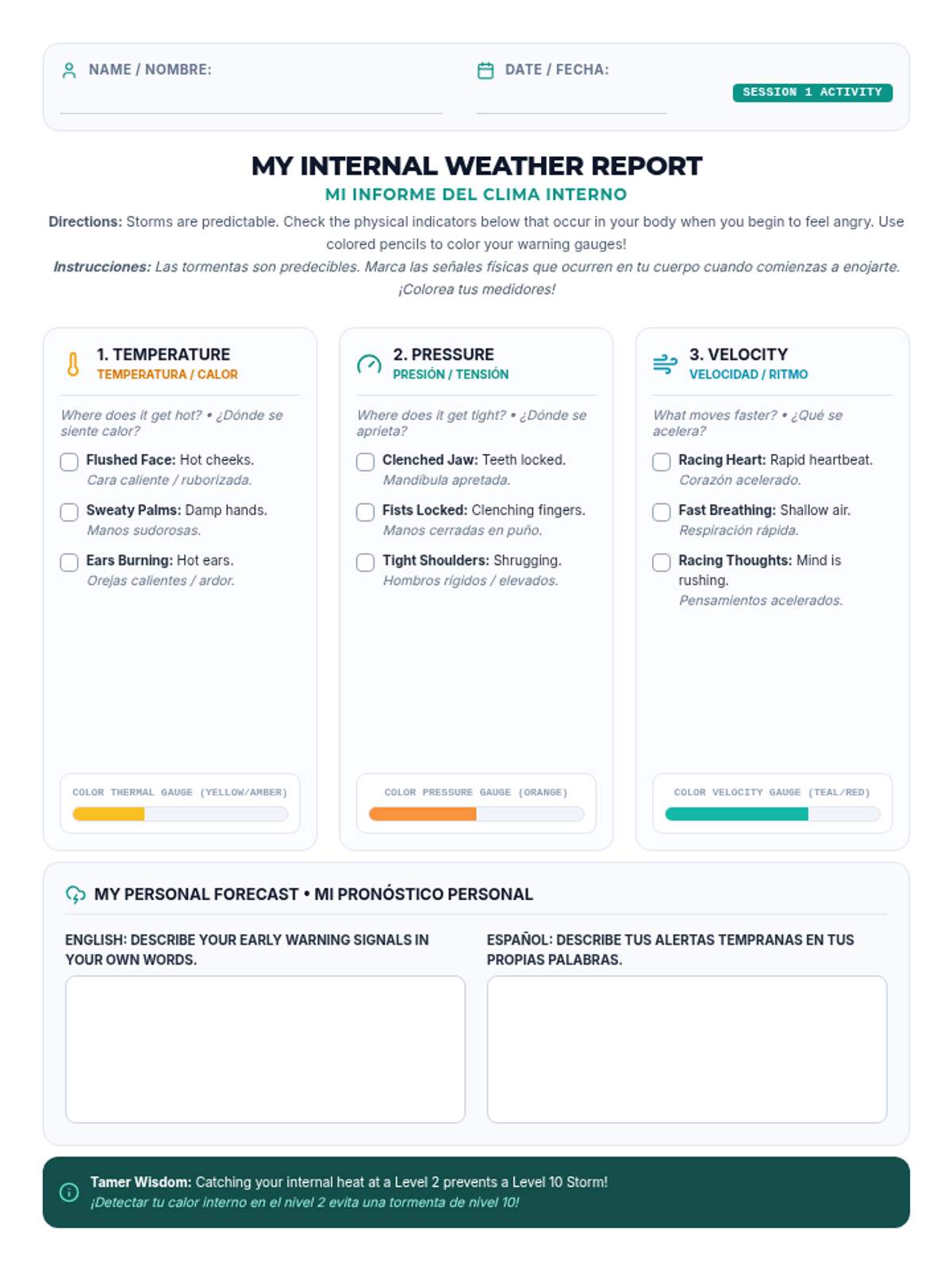
Focuses on physiological calming, specifically body awareness. Students learn to read their body's early warming signs of anger using an 'internal weather report' metaphor. Includes a bilingual parent permission slip.
Students review their progress, celebrate their growth, and consolidate their personalized Test Anxiety Toolkit. This lesson includes a final self-assessment and a celebratory reflection.