Resources and answer keys for educators to facilitate the Macro Mission sequence.
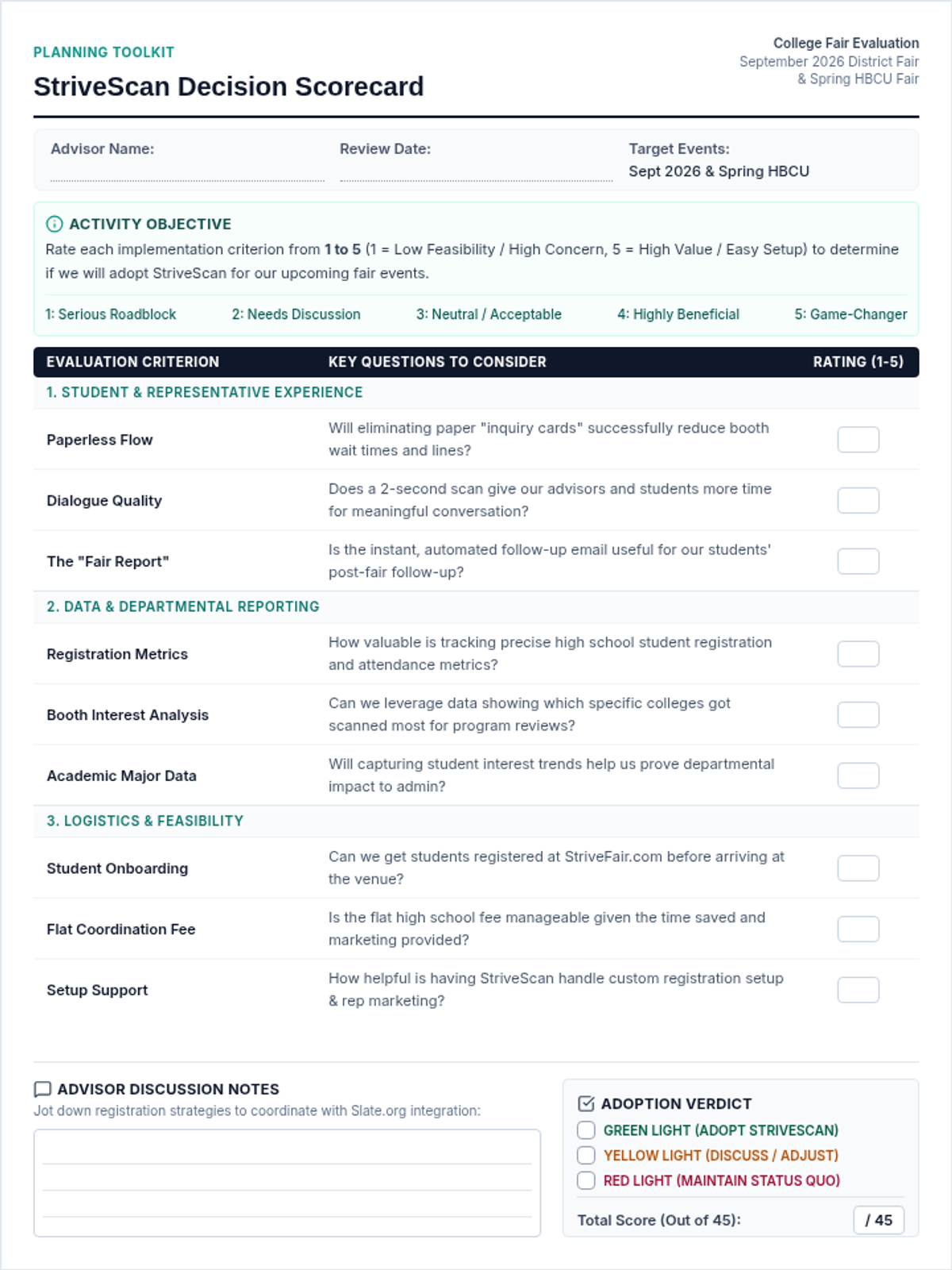
A brief lesson to help college and career advisors evaluate and plan the implementation of StriveScan for their upcoming fall college fair.
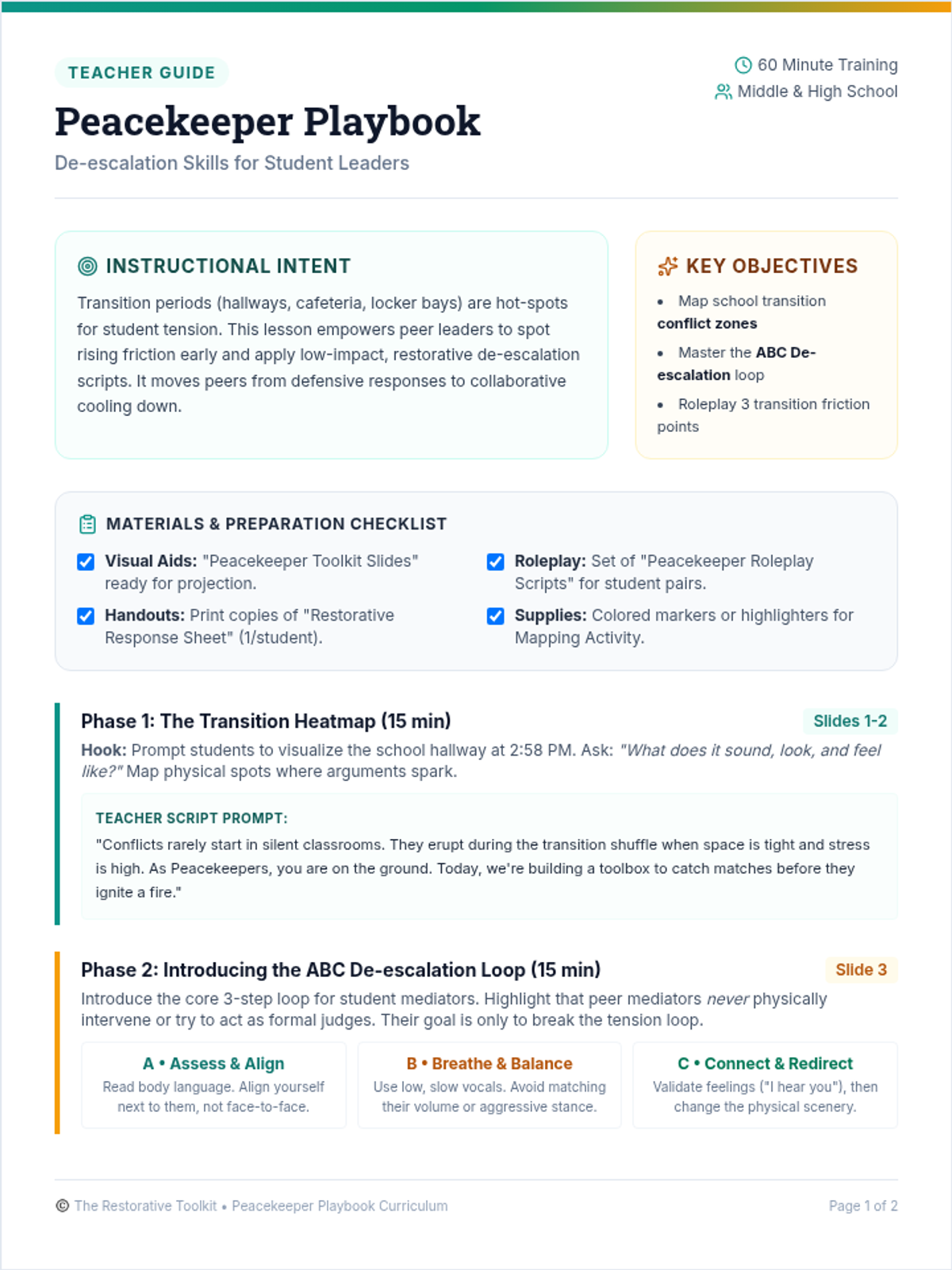
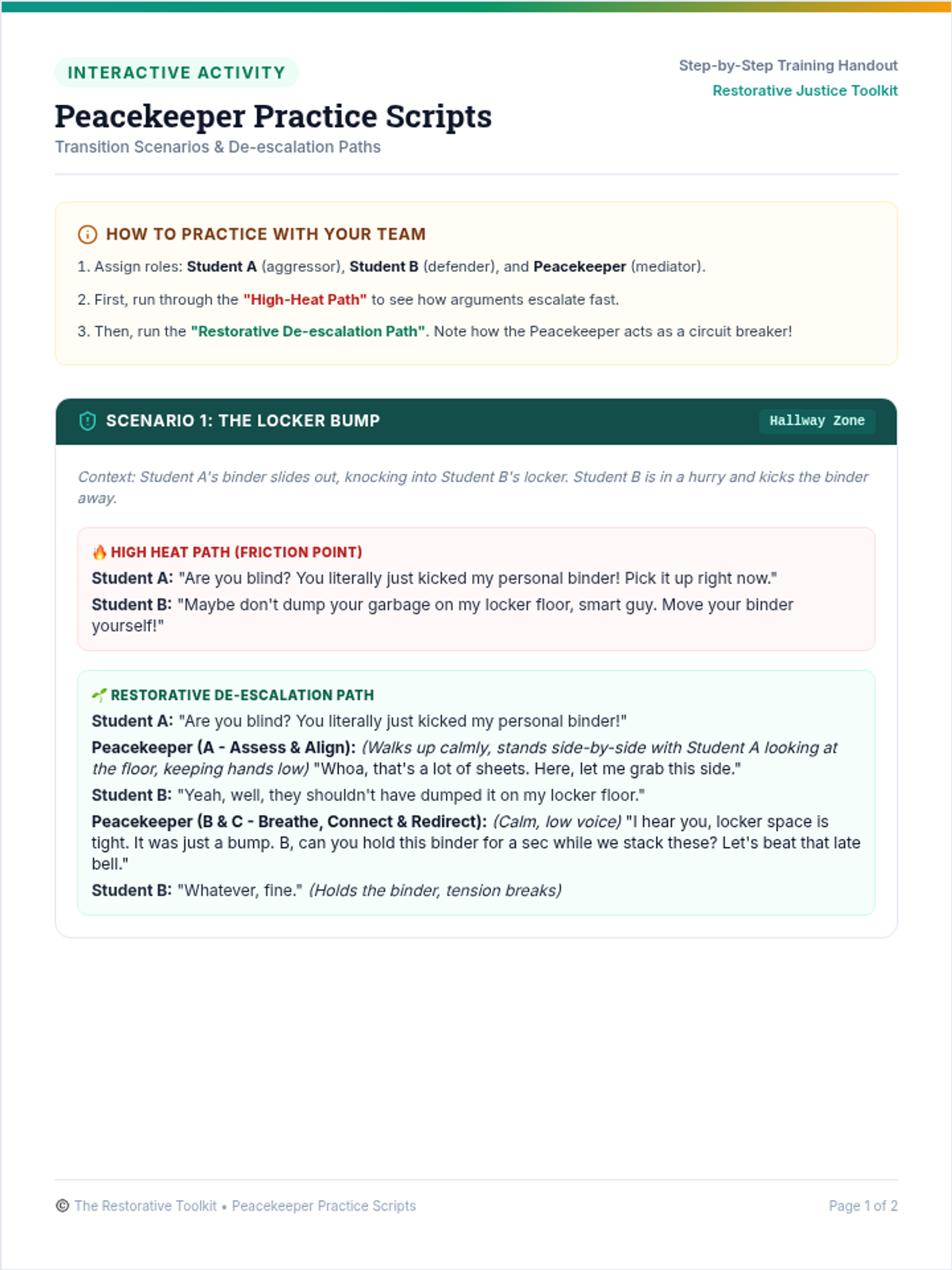
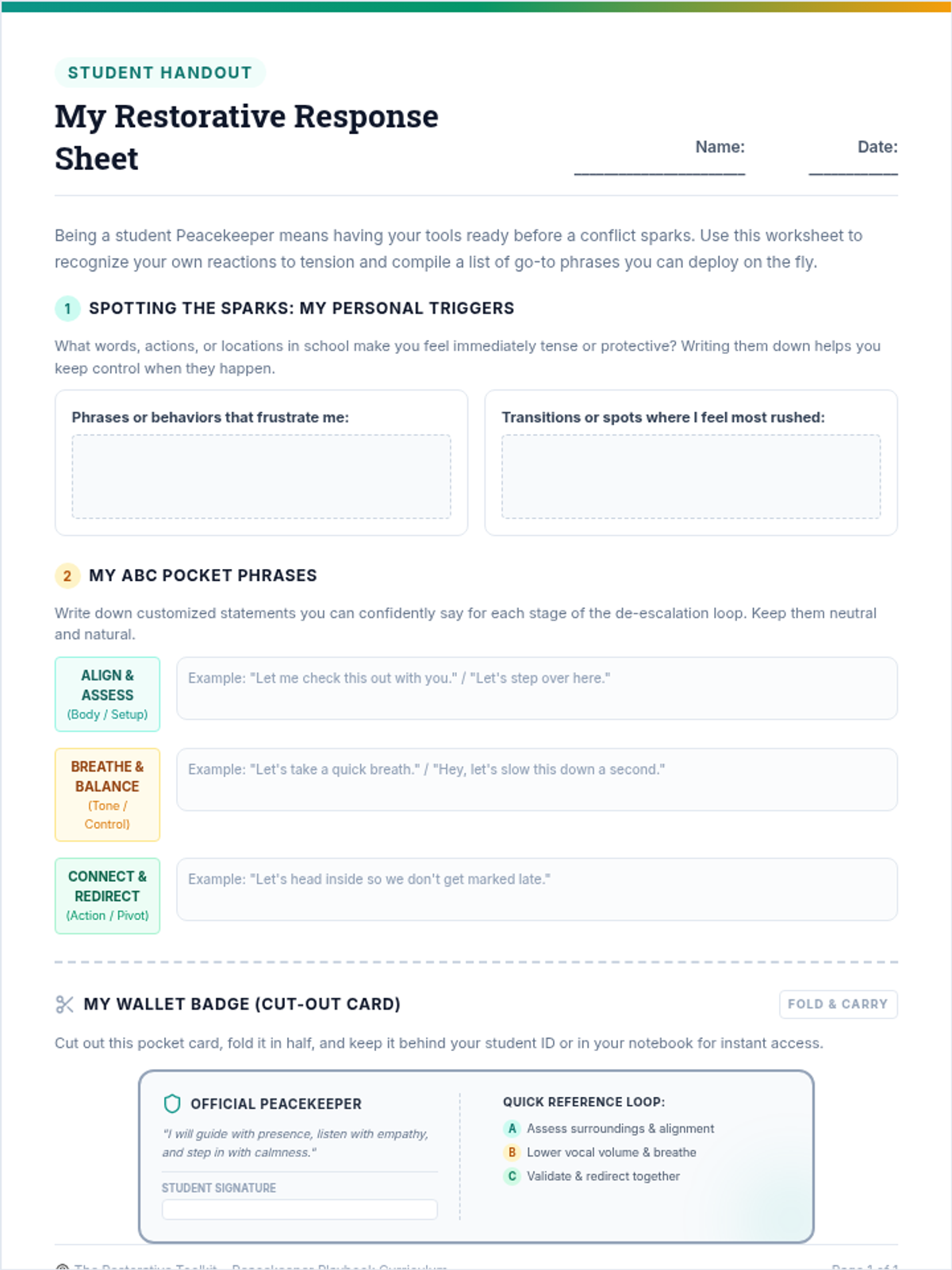
An interactive, student-led curriculum empowering middle and high school leaders to de-escalate minor peer conflicts during high-stress transition periods, building sustainable restorative justice skills.
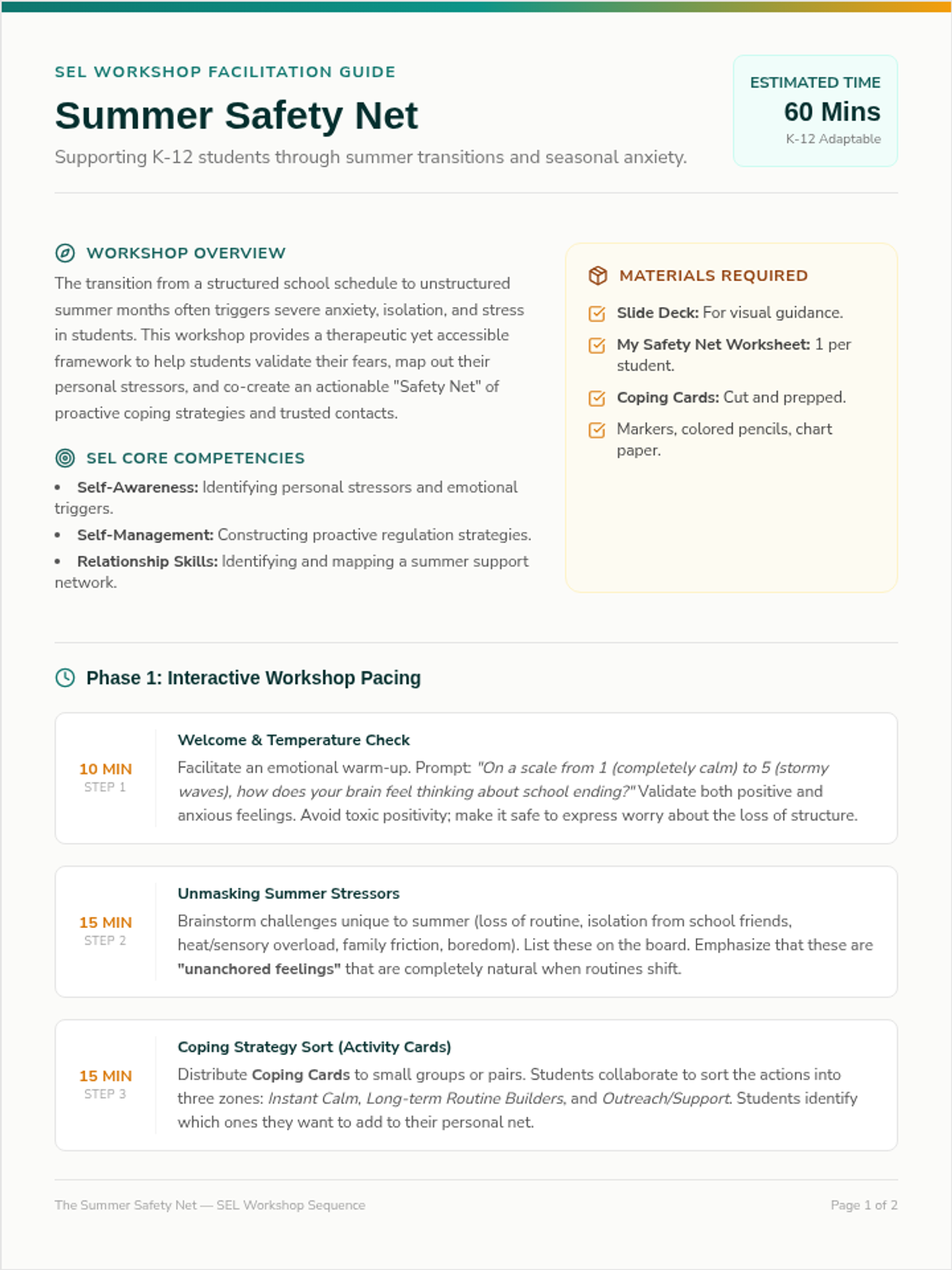
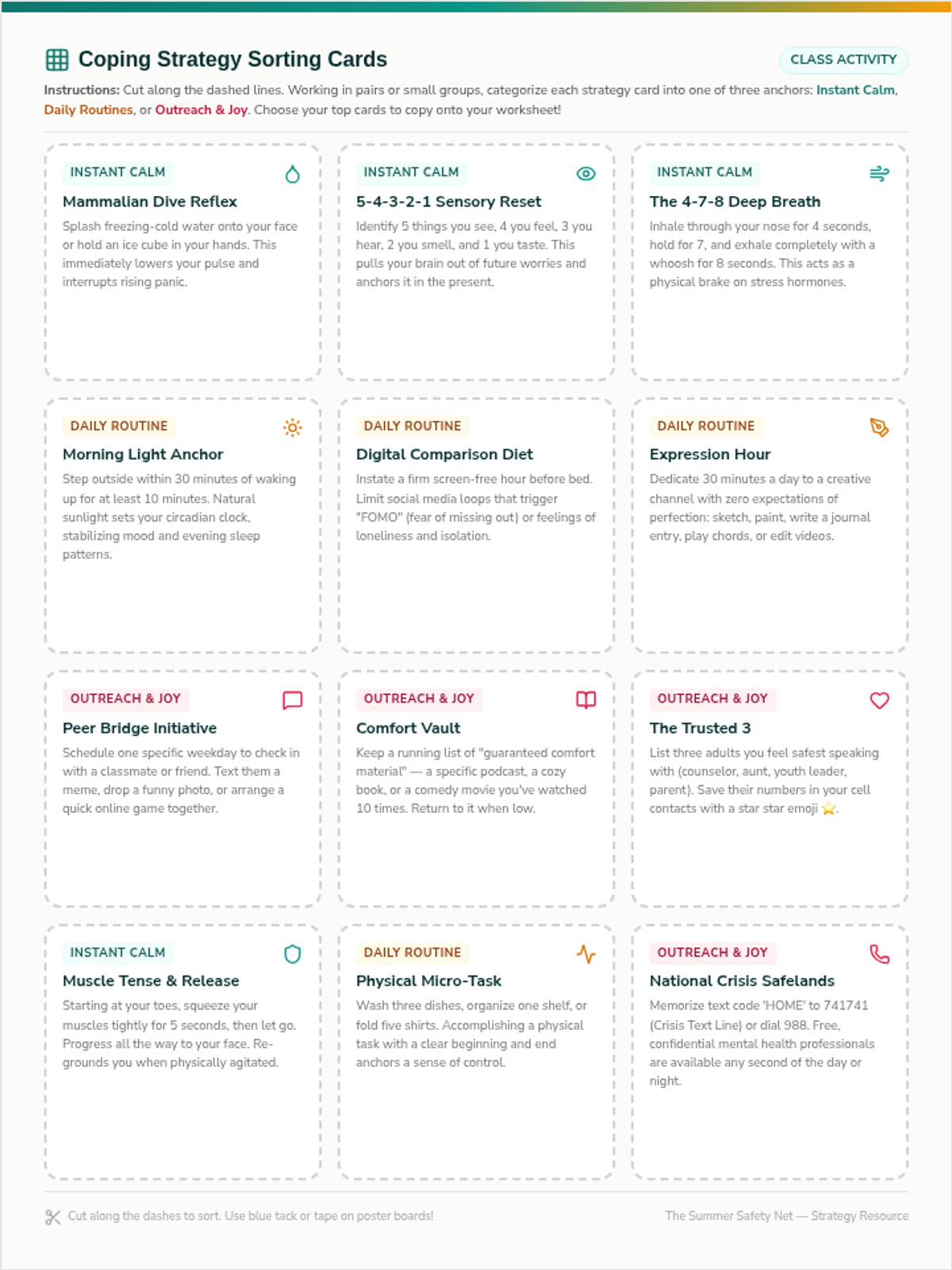
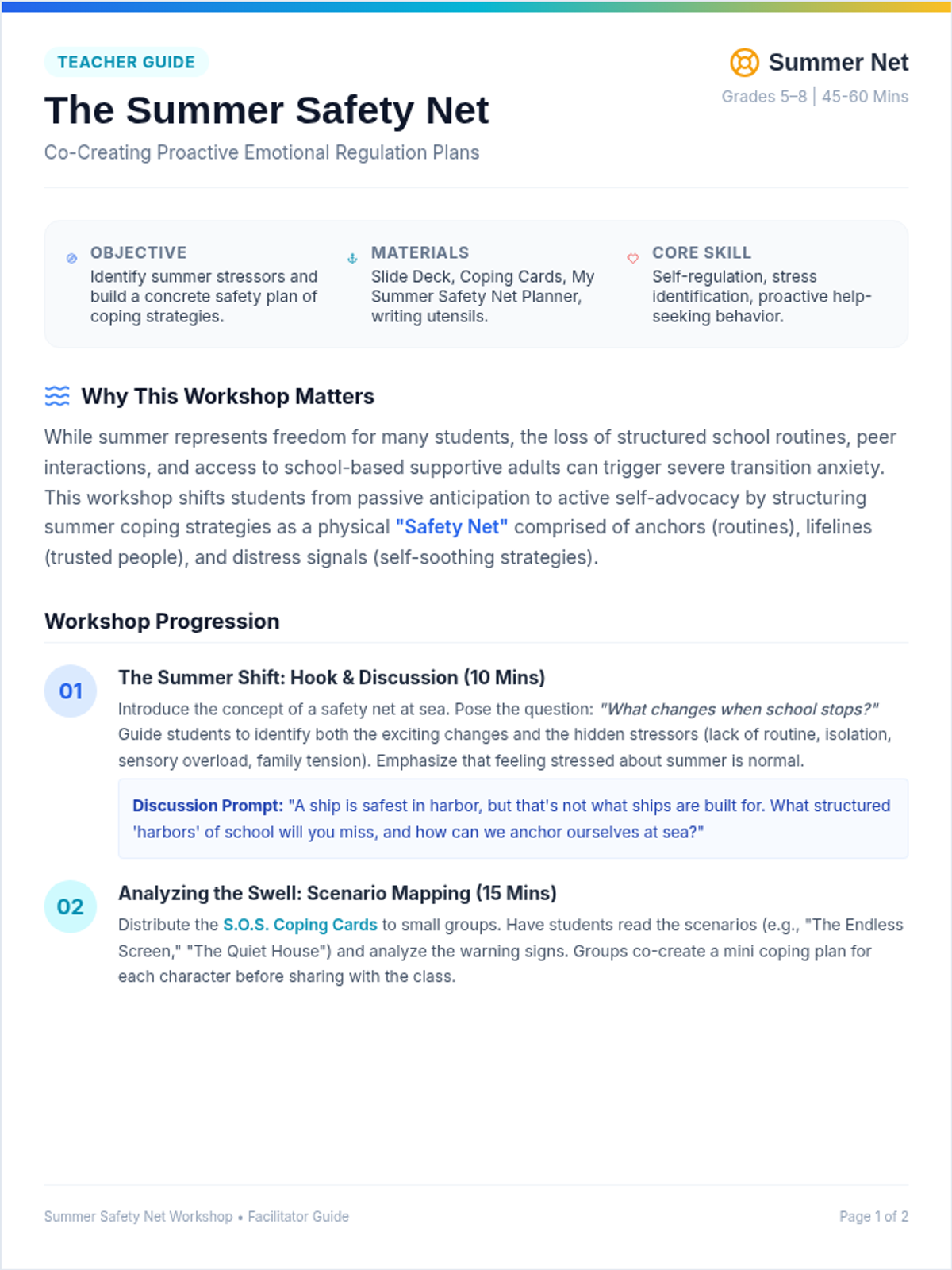
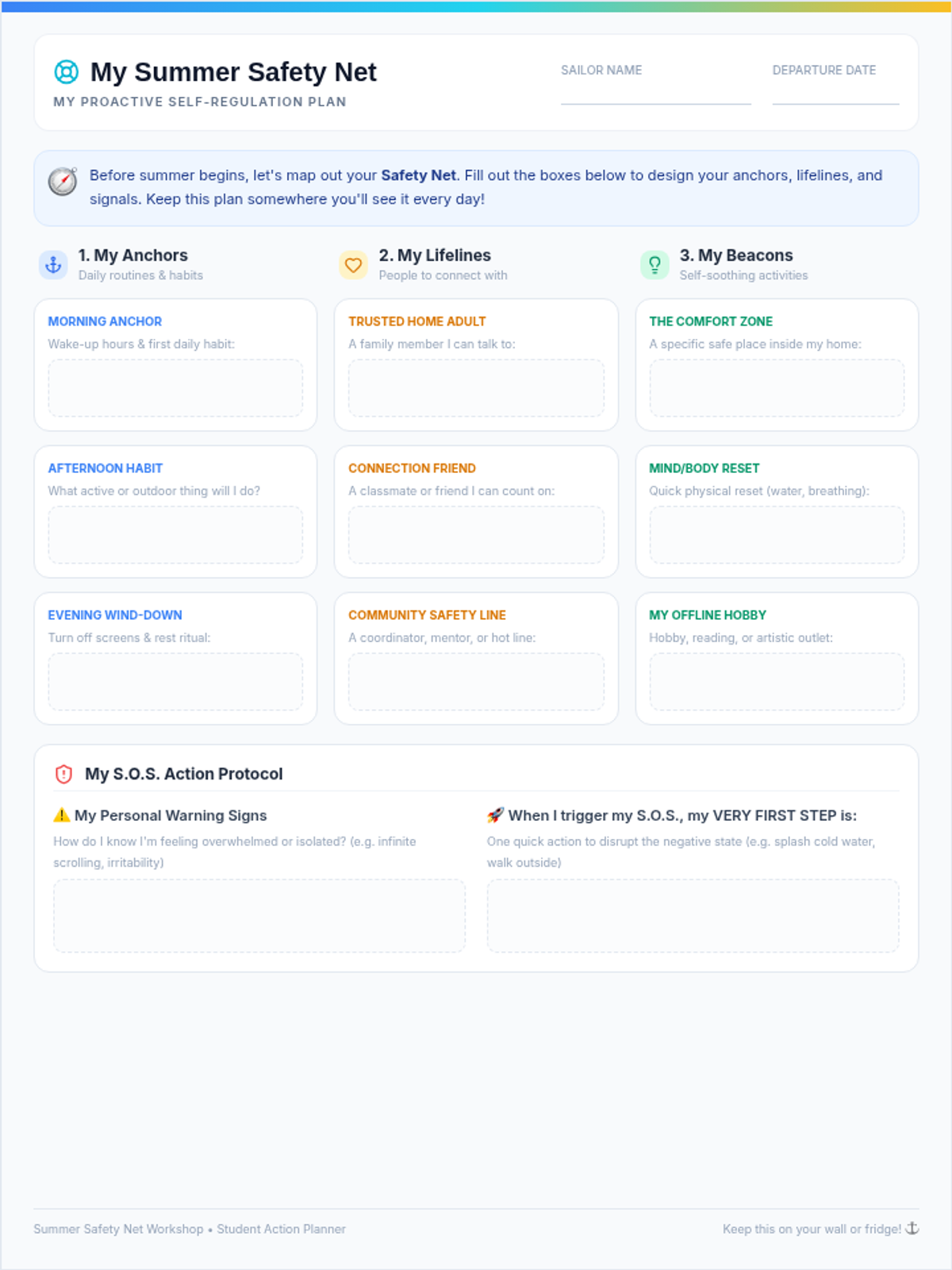
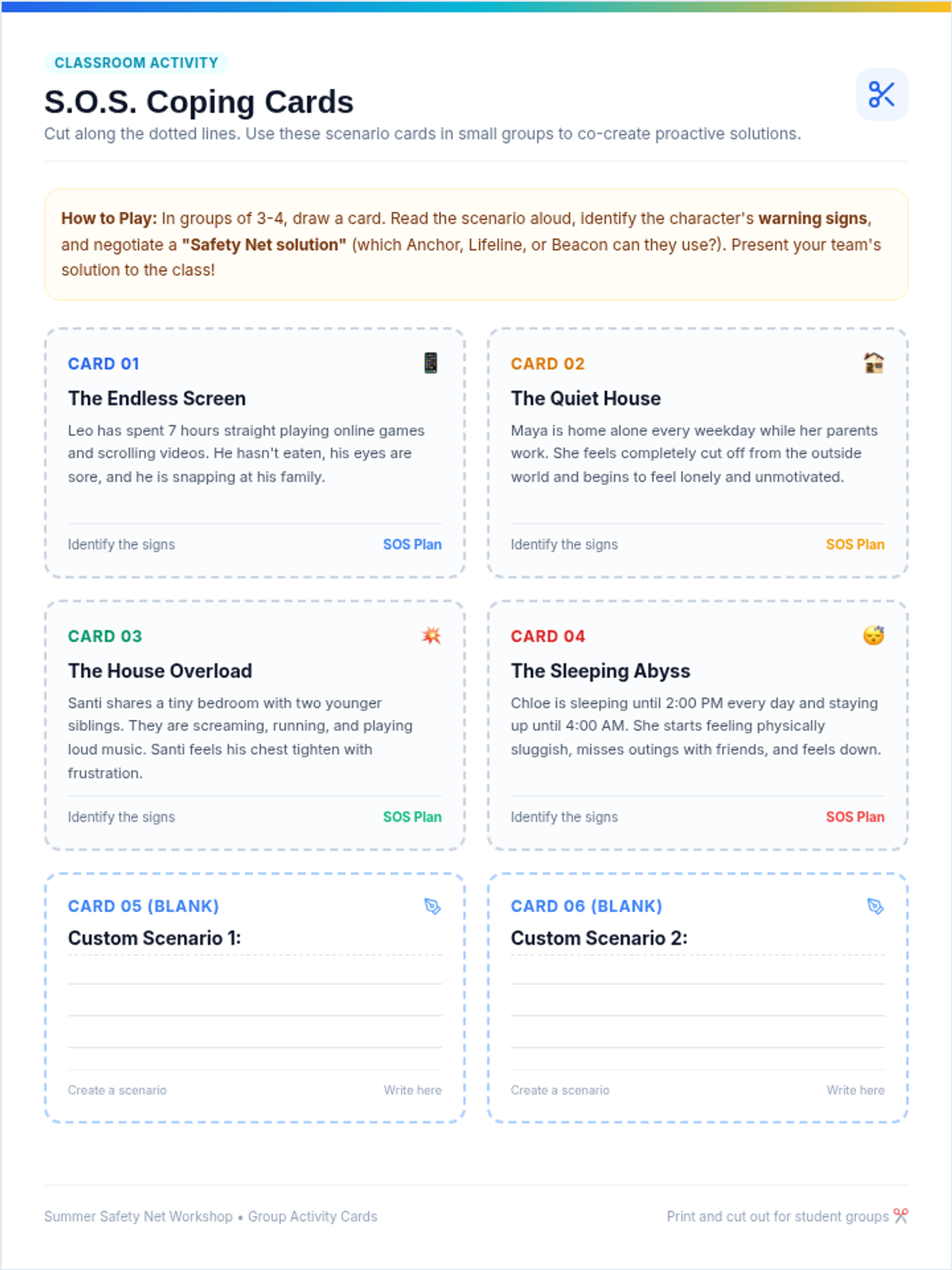
A collaborative mental health workshop designed to help students navigate summer transition anxiety by identifying stressors, mapping coping strategies, and co-creating a personalized proactive emotional regulation plan.
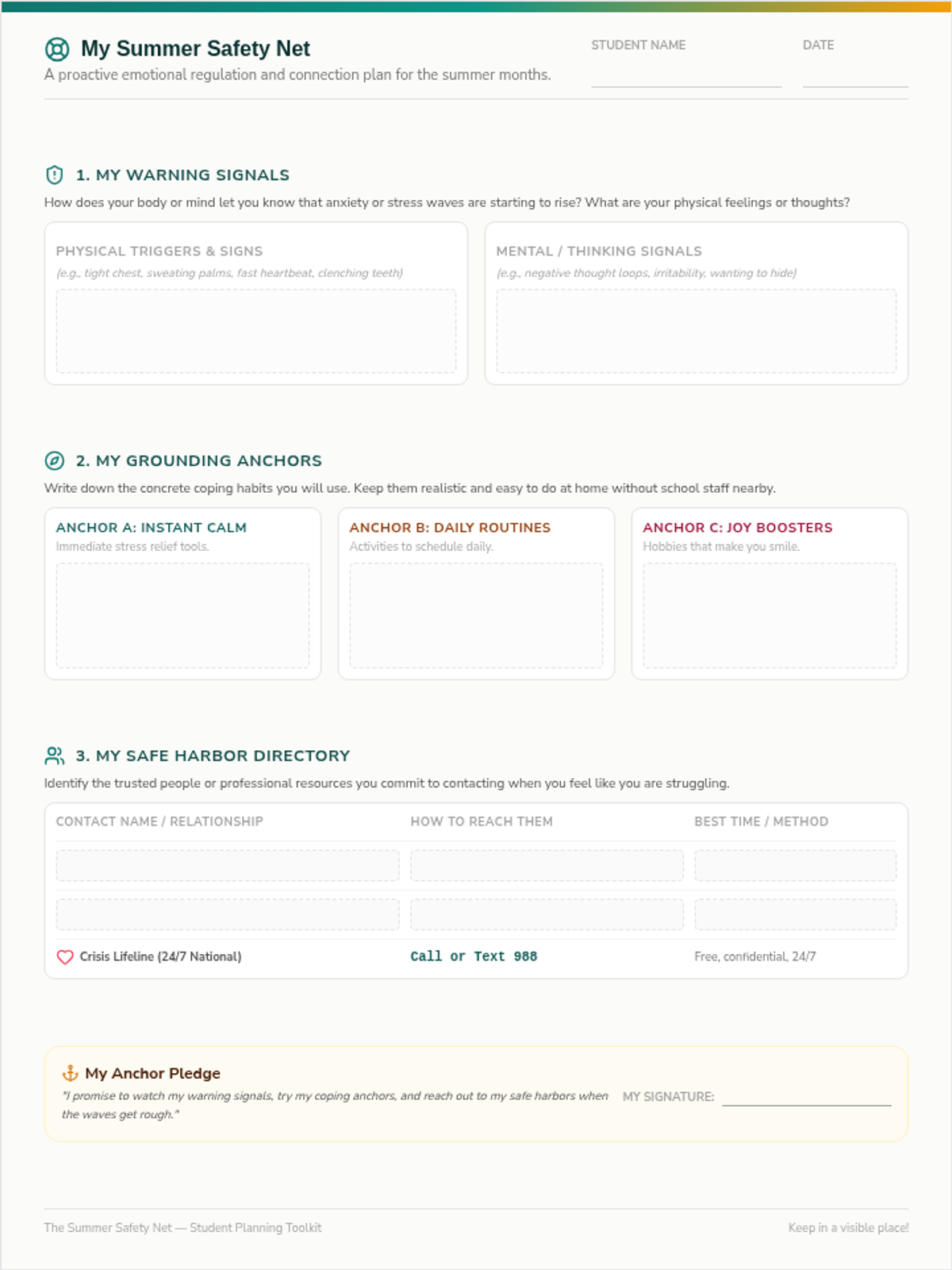
A collaborative workshop designed to help students identify summer stressors and co-create proactive plans for emotional regulation outside of school. This lesson builds concrete coping strategies and 'safety nets' for students transitioning to summer break.
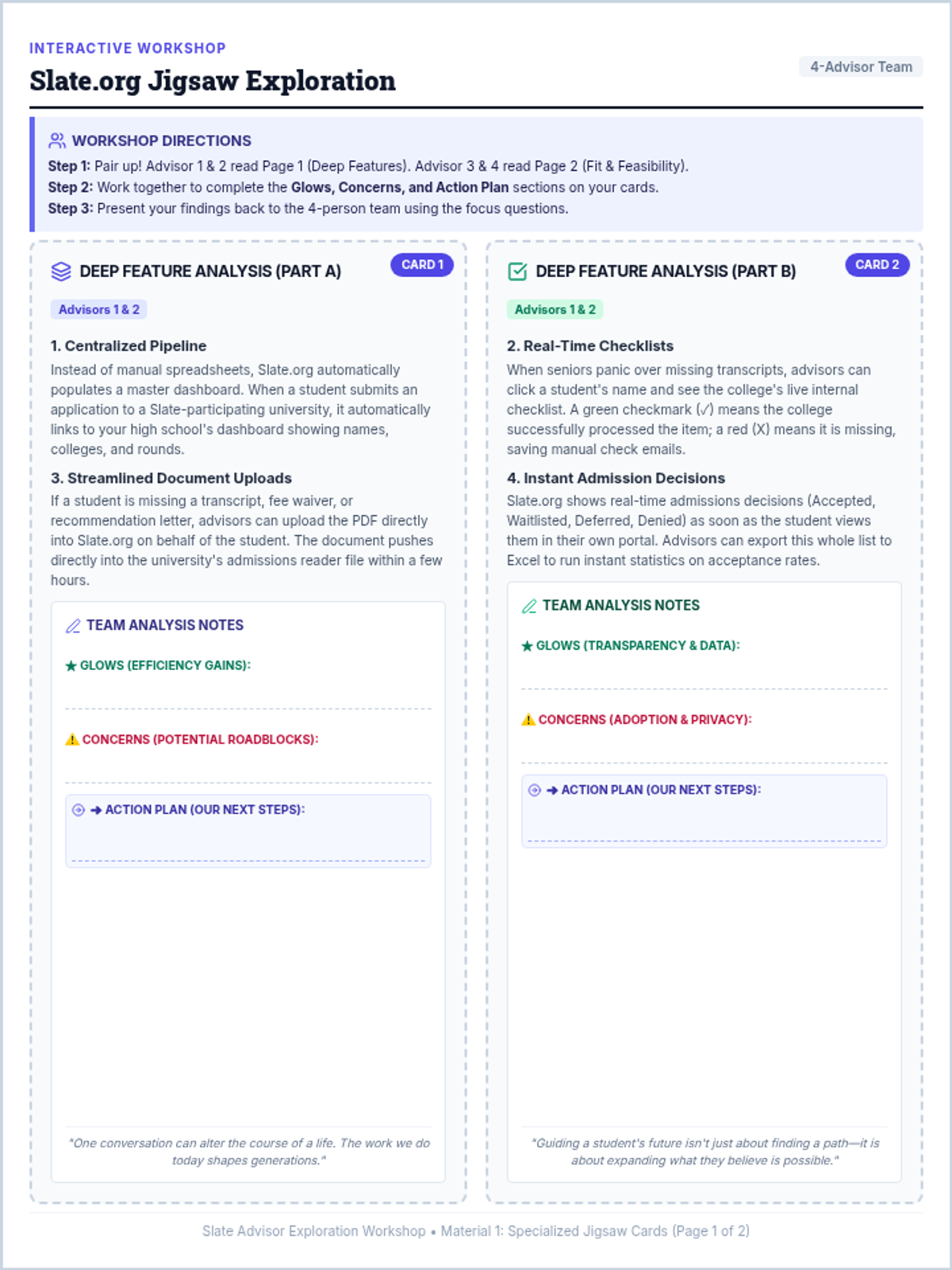
A focused workshop session for College and Career Advisors (CCAs) to evaluate and master Slate.org for senior tracking, comparing it to existing district tools and analyzing its core backend features.
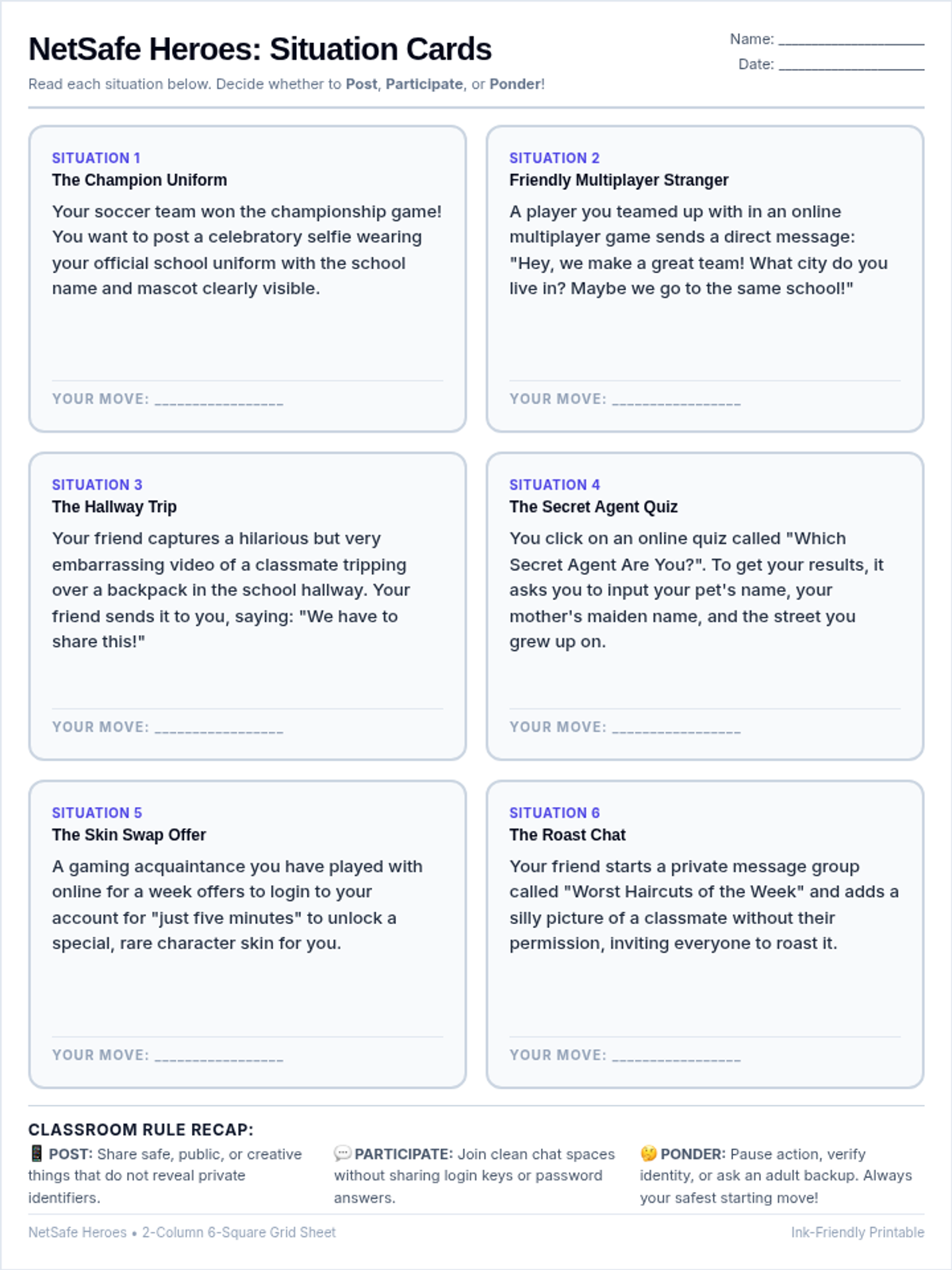
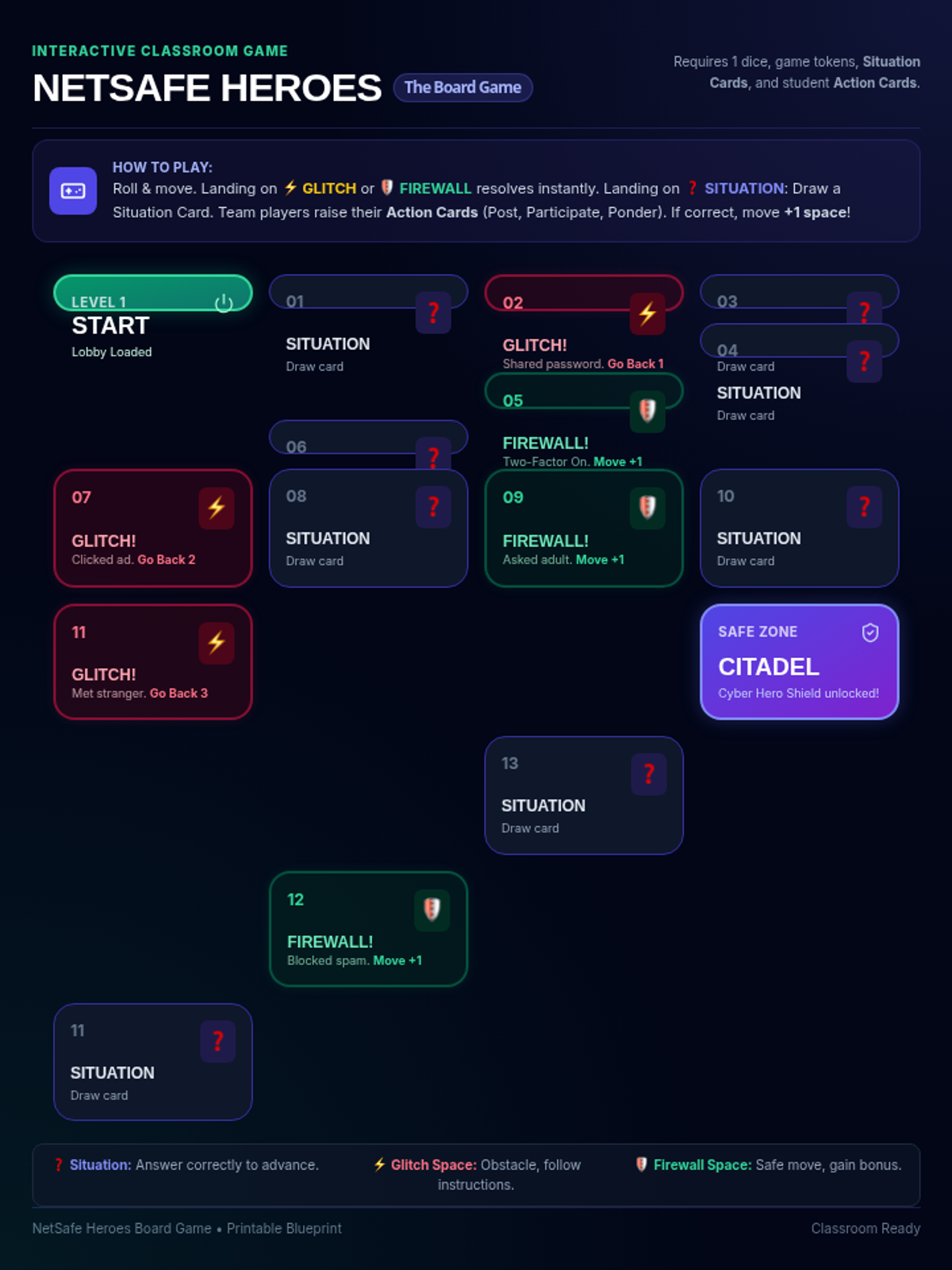
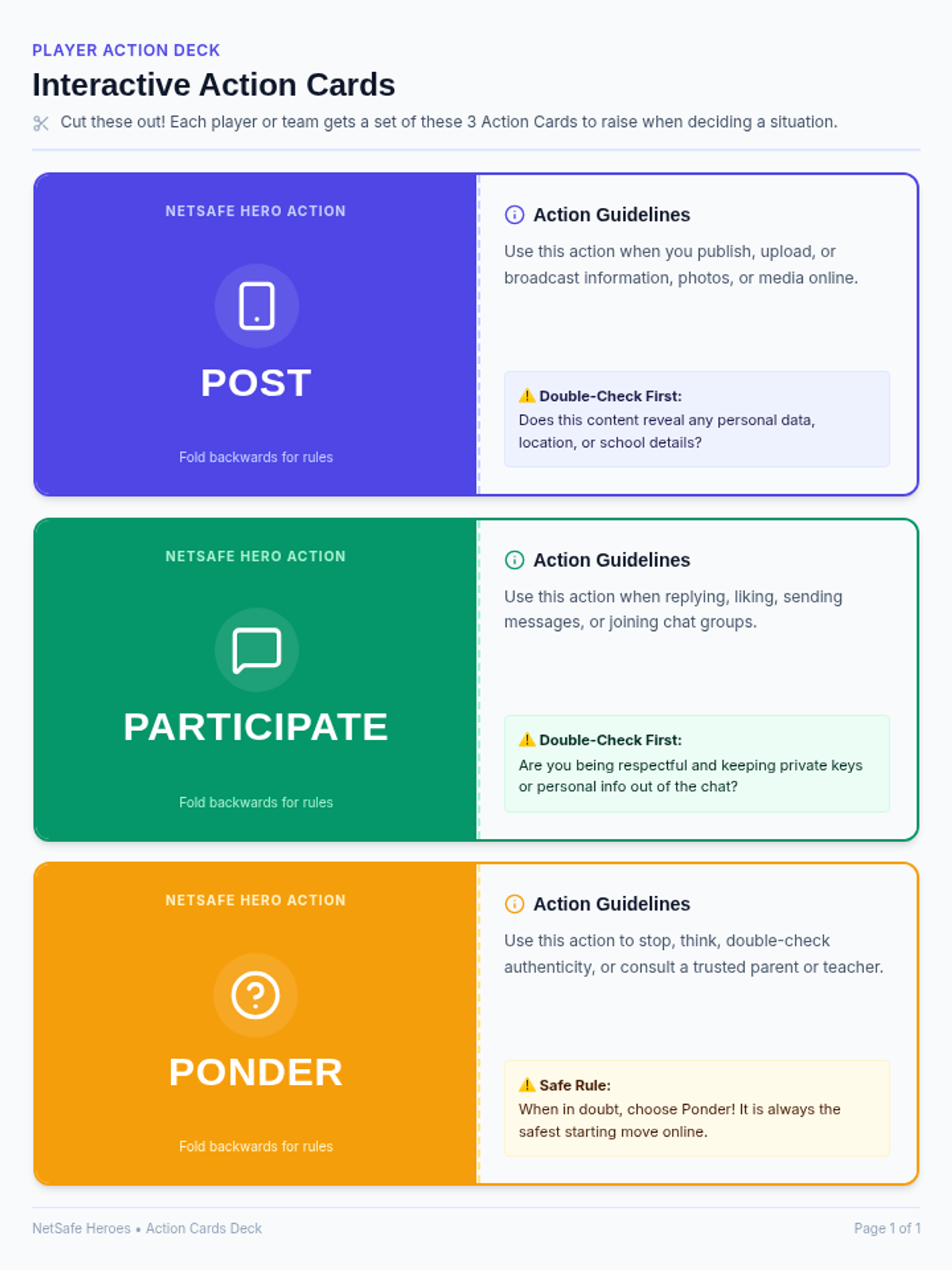
A lesson focusing on critical digital citizenship skills, helping students navigate the web safely and make informed choices when posting, interacting, or pondering online situations.
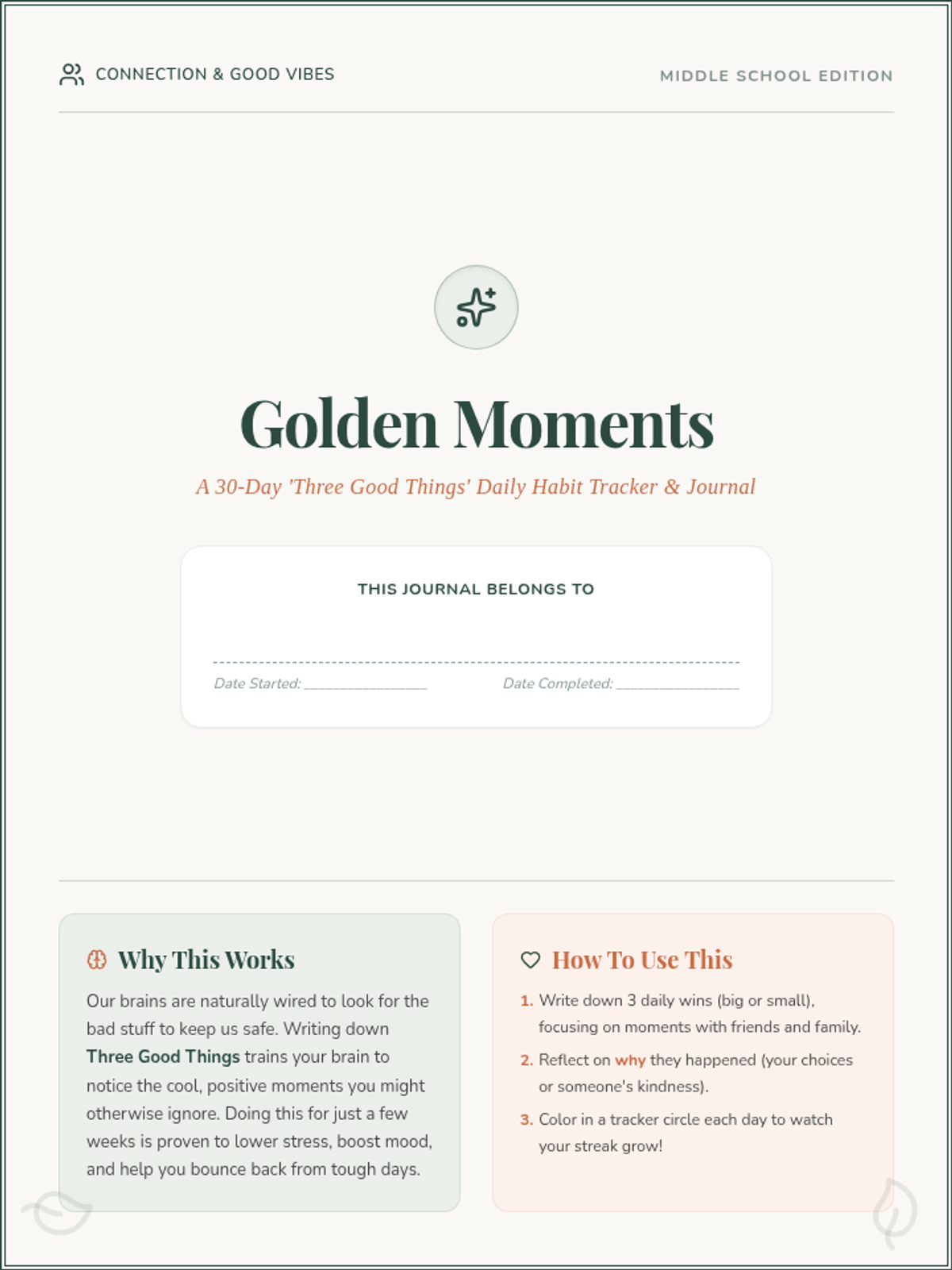
A transformative lesson introducing students to the psychological science of gratitude, centered on the 'Three Good Things' daily habit to build mental resilience, optimism, and emotional wellbeing.
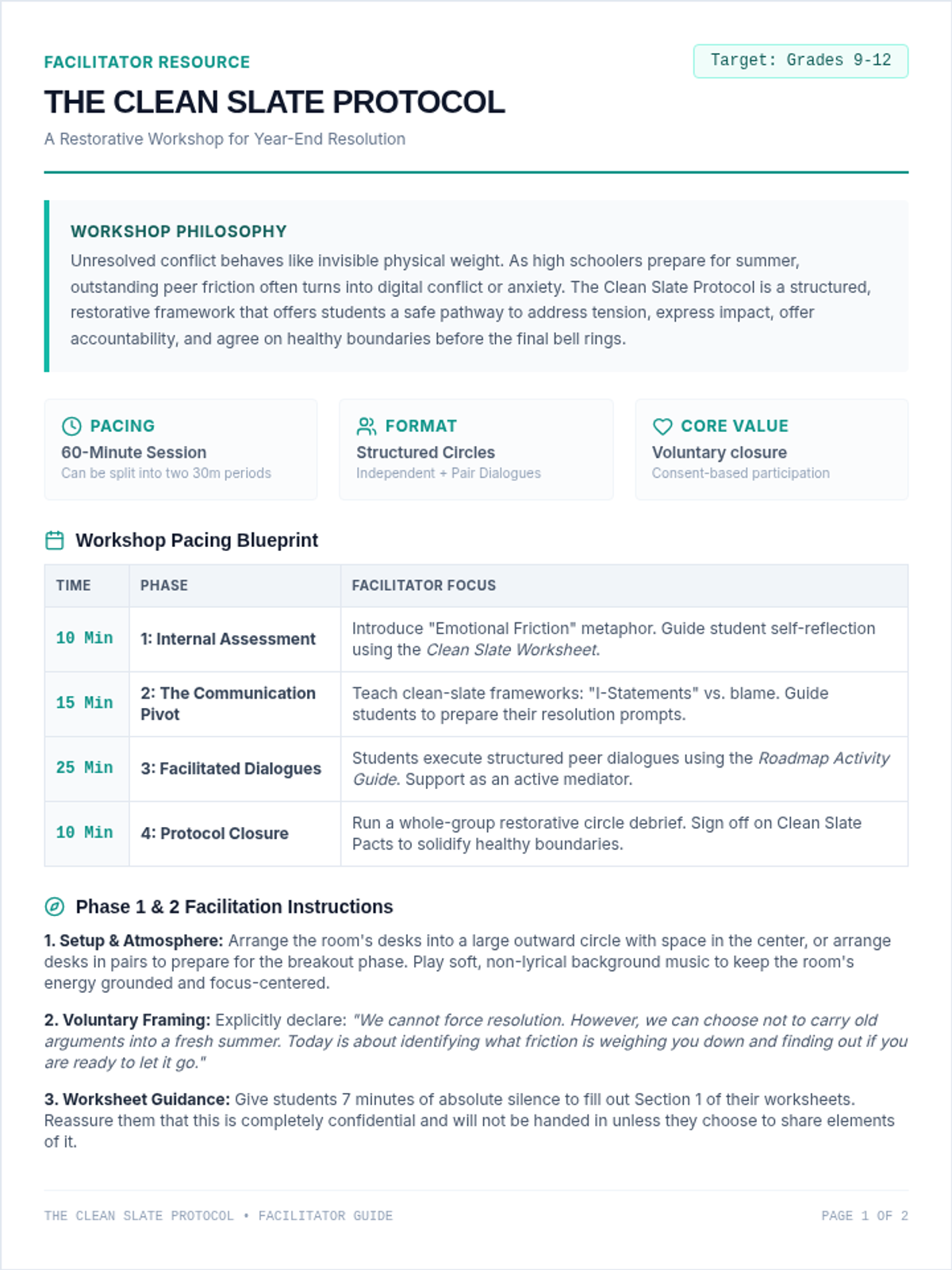
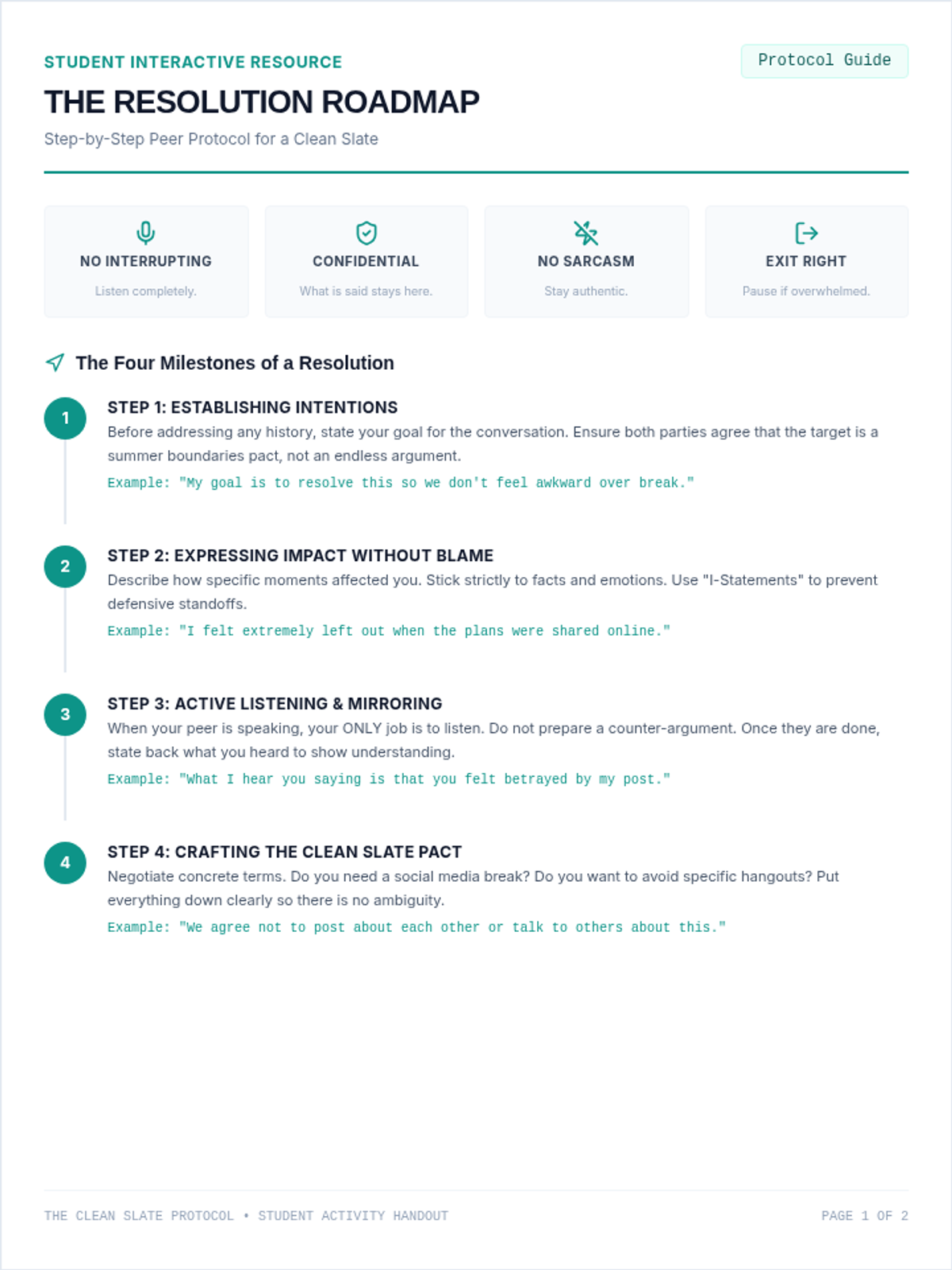
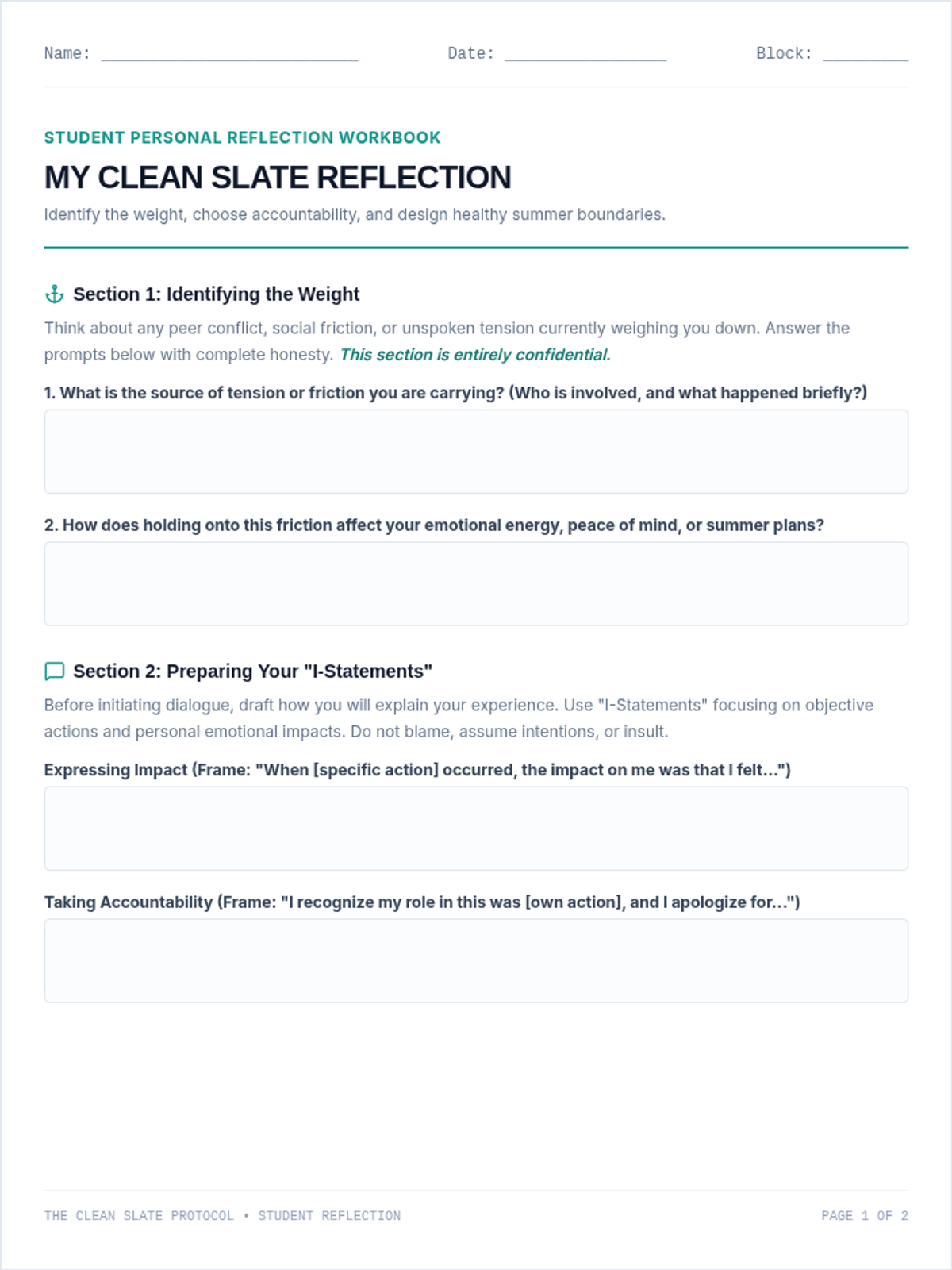
A restorative conflict-resolution workshop designed to help high schoolers resolve outstanding peer friction before summer break, allowing them to depart with a sense of peace and closure. This workshop provides step-by-step guidance, structured reflection, and concrete resolution tools.
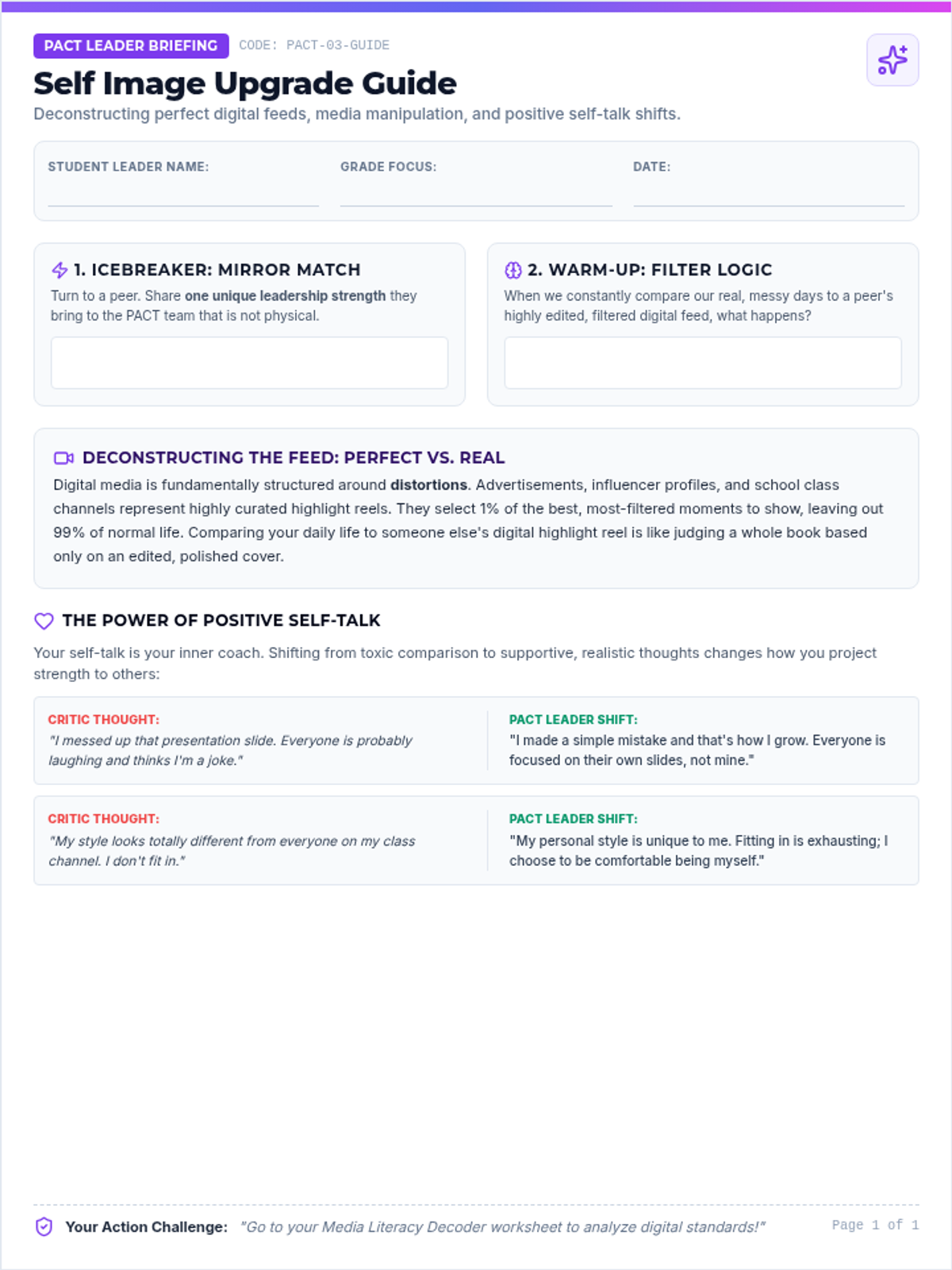
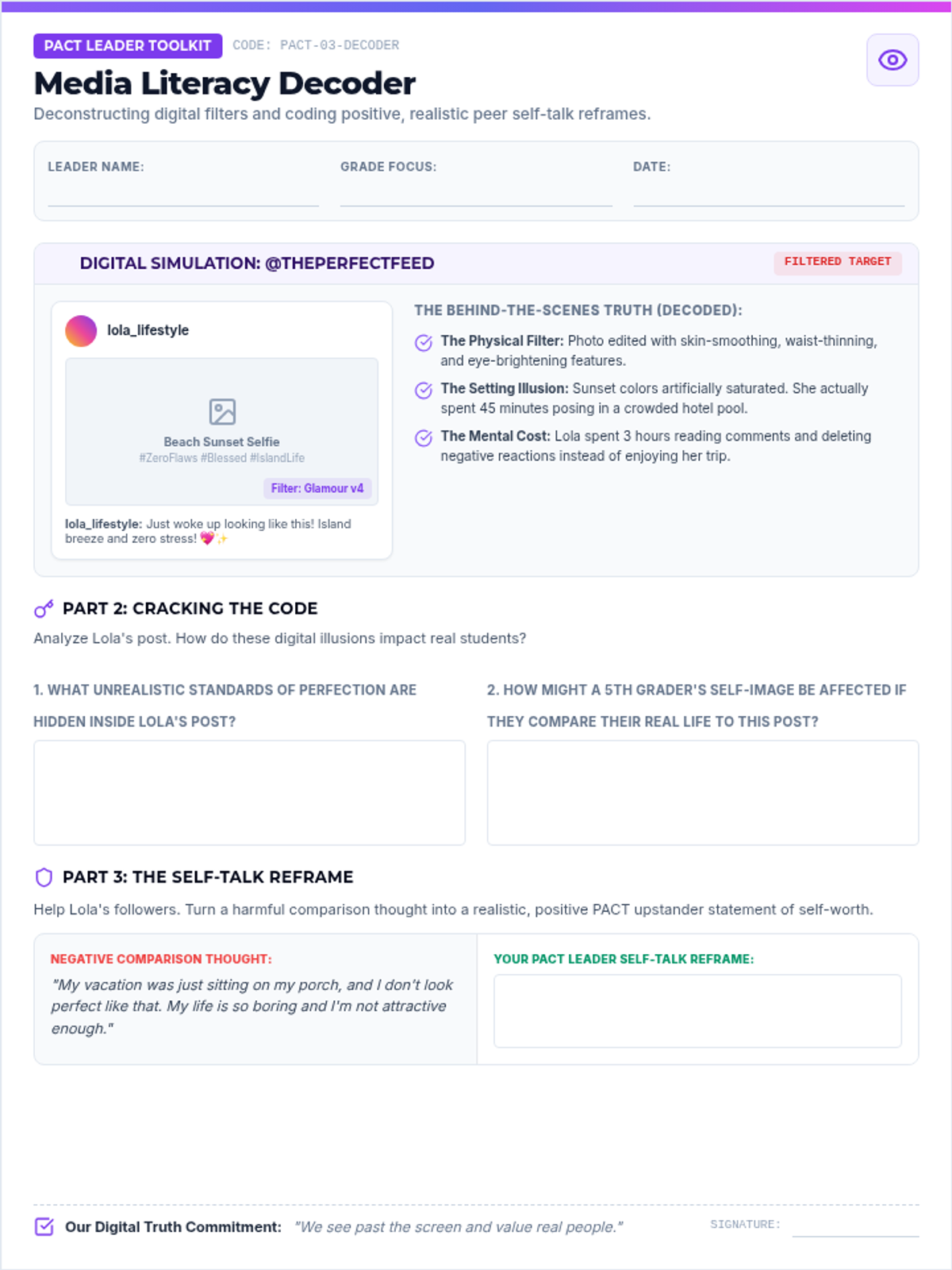
Focuses on building self-worth, identifying negative media messages, and shifting personal and peer narratives through positive self-talk strategies.
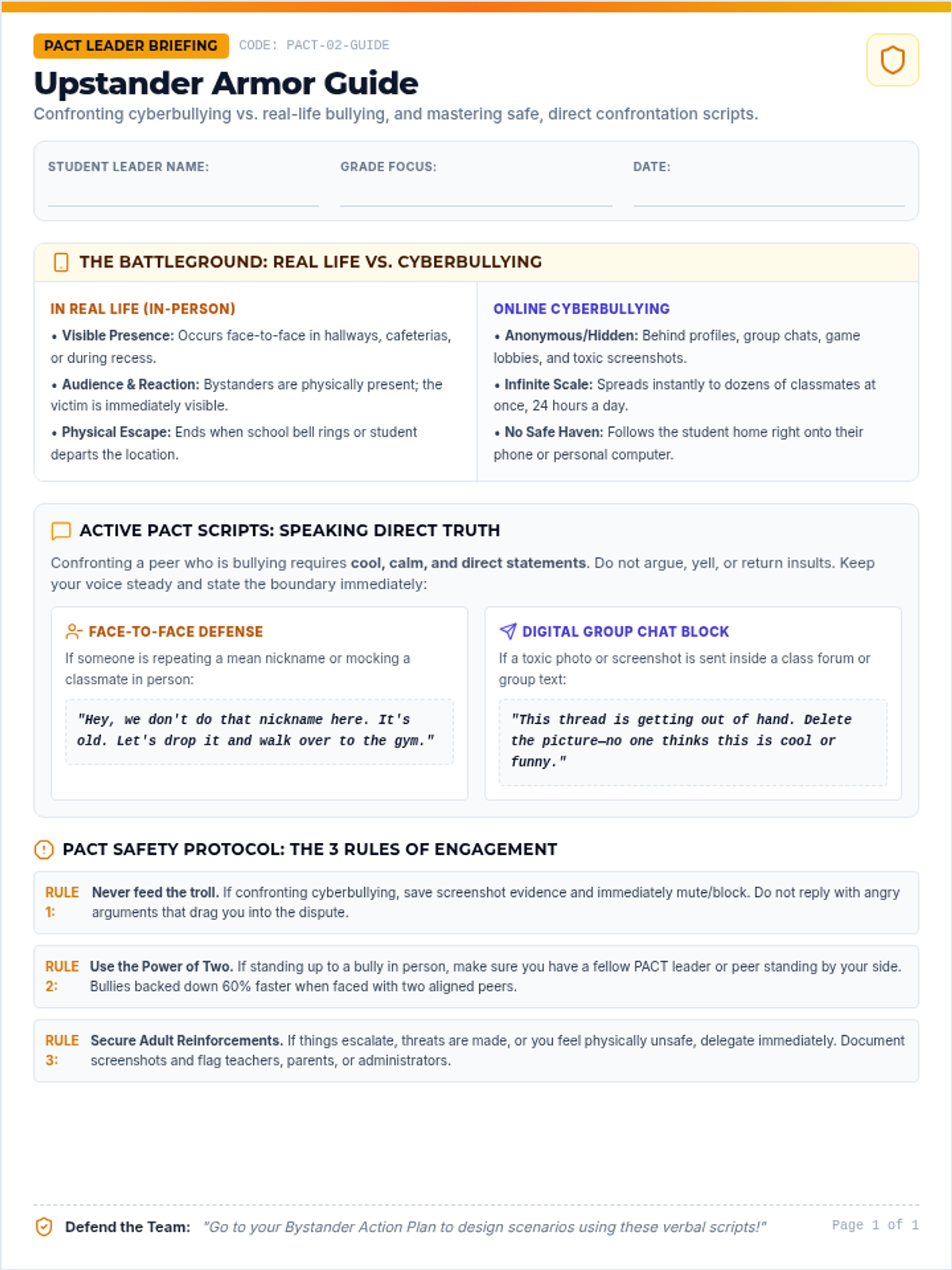
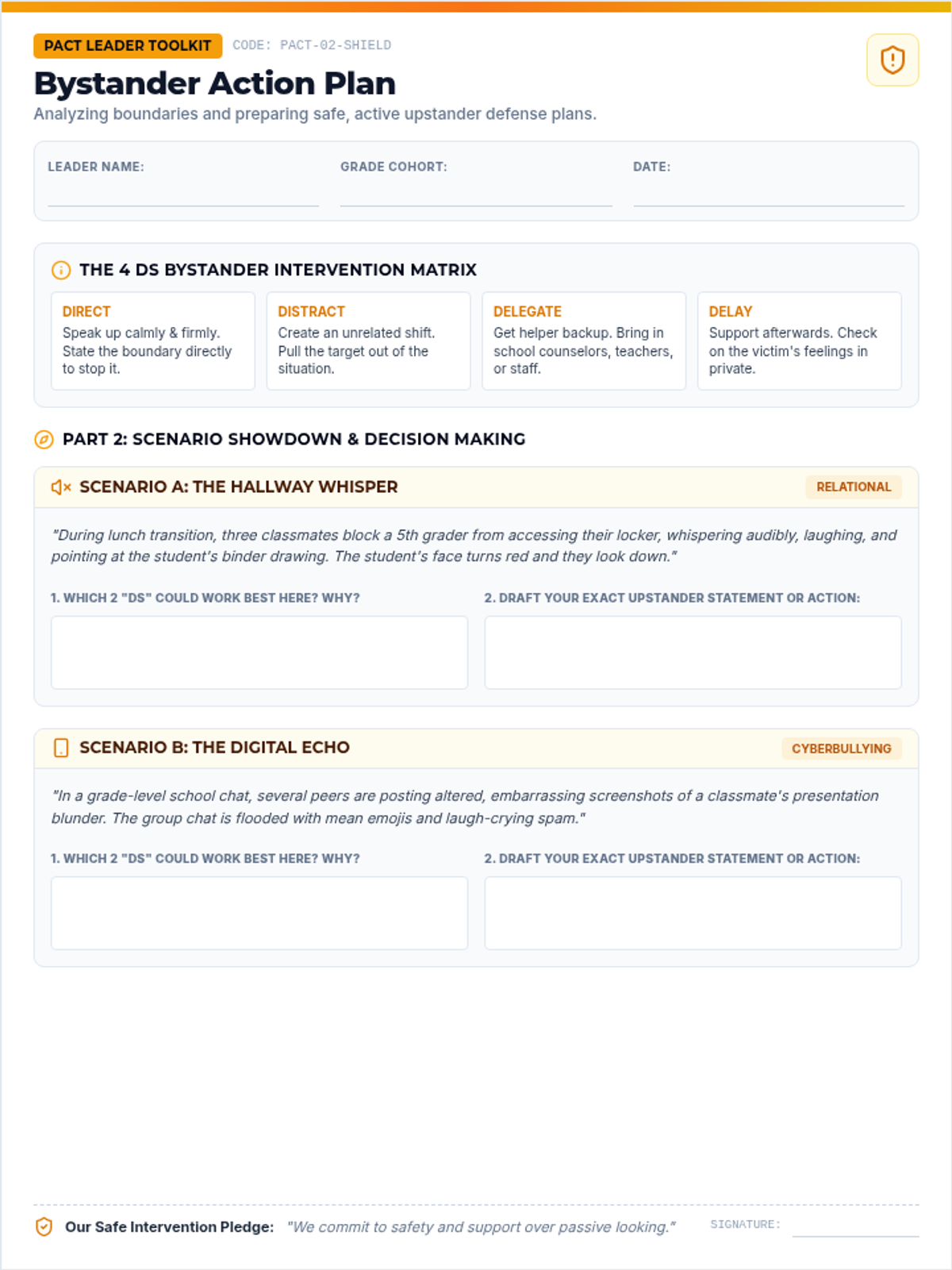
Teaches student leaders to identify the fine line between teasing and bullying, and equips them with safe, practical upstander intervention and peer support frameworks.
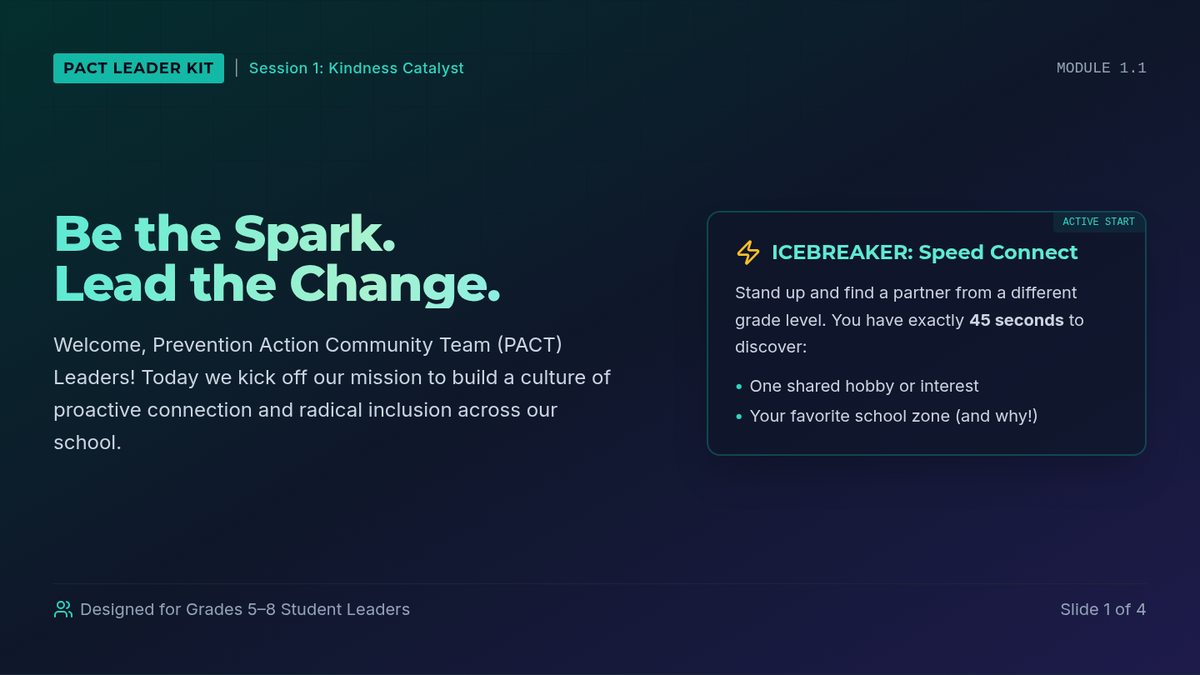
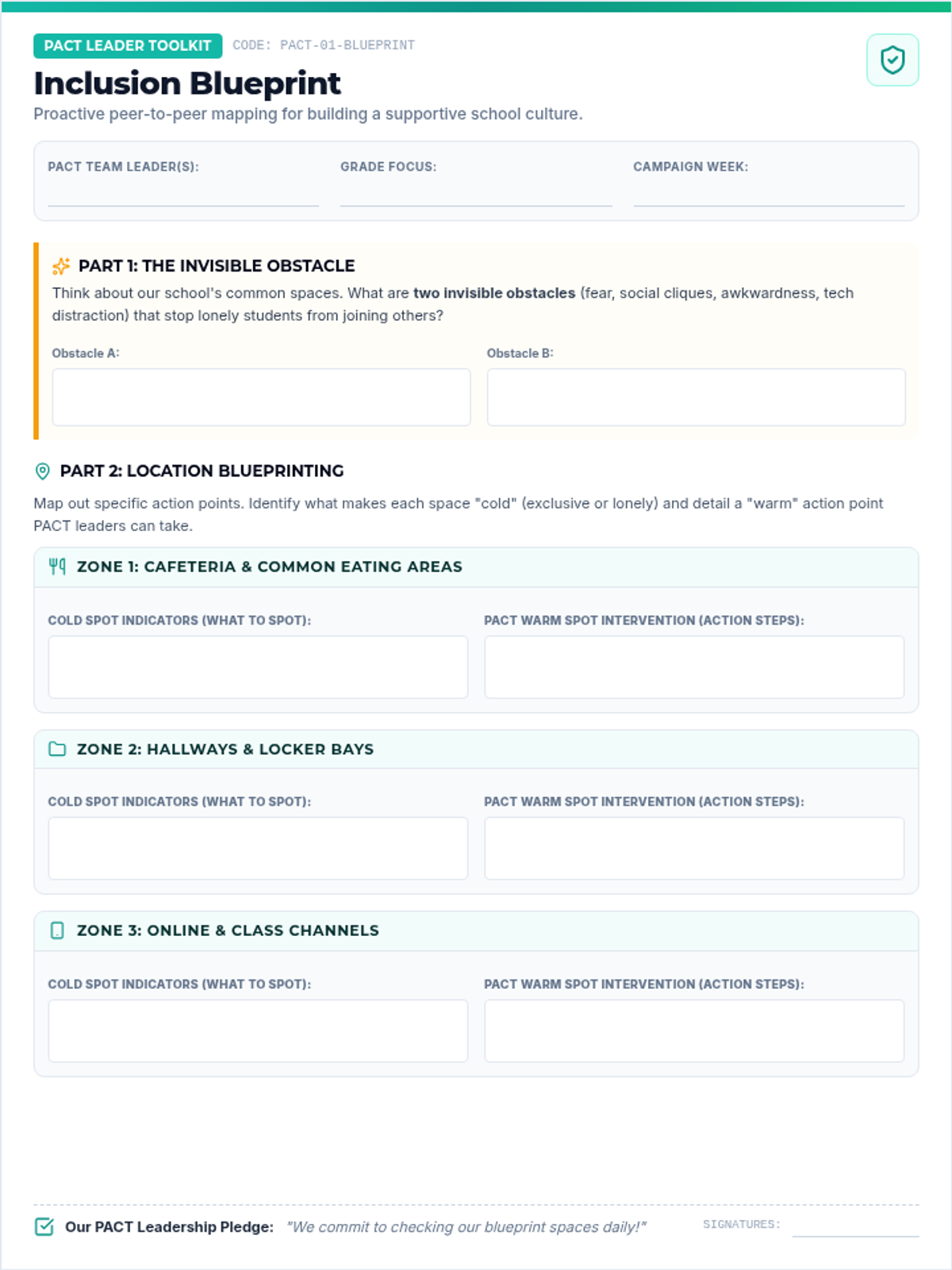
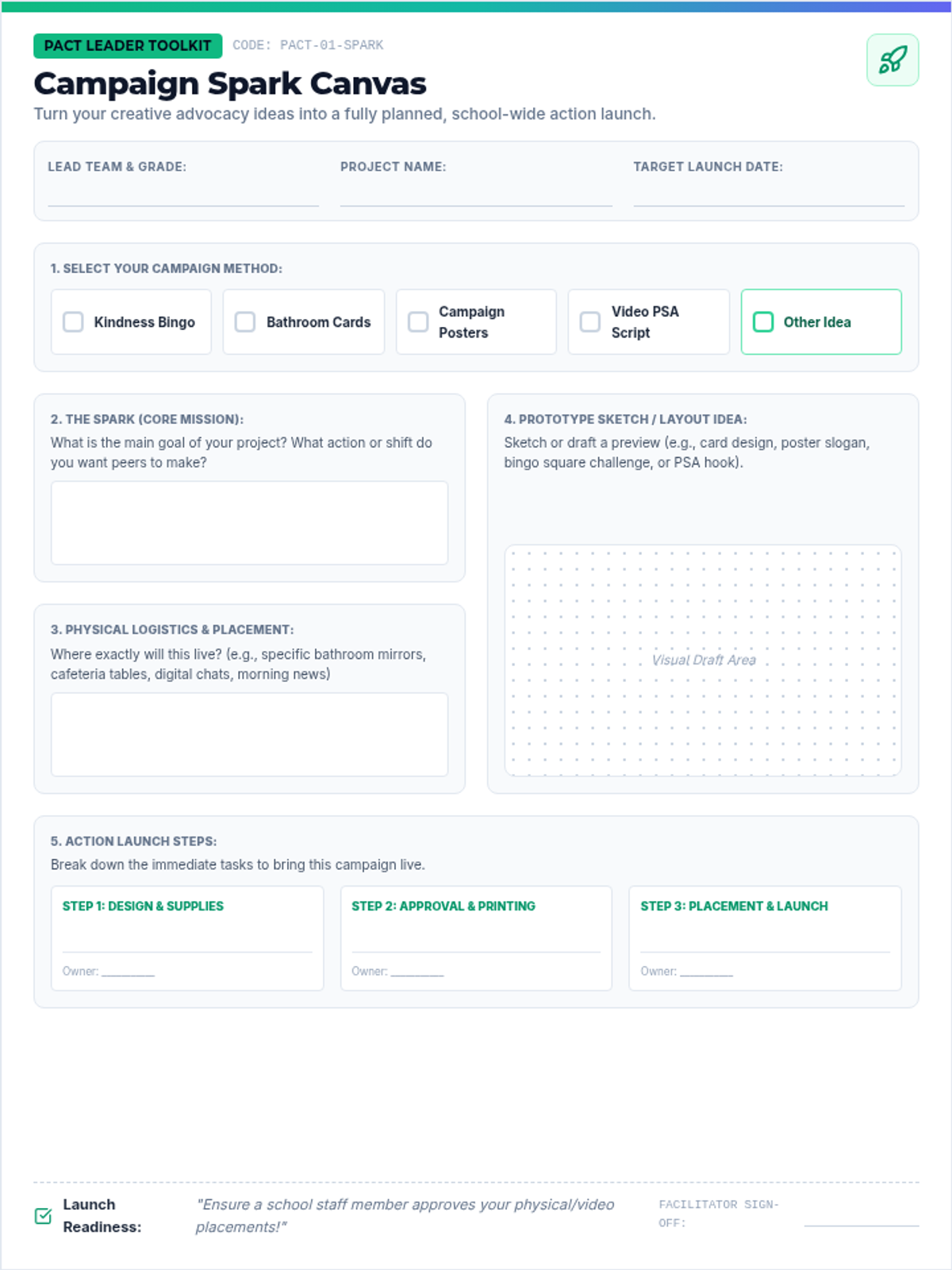
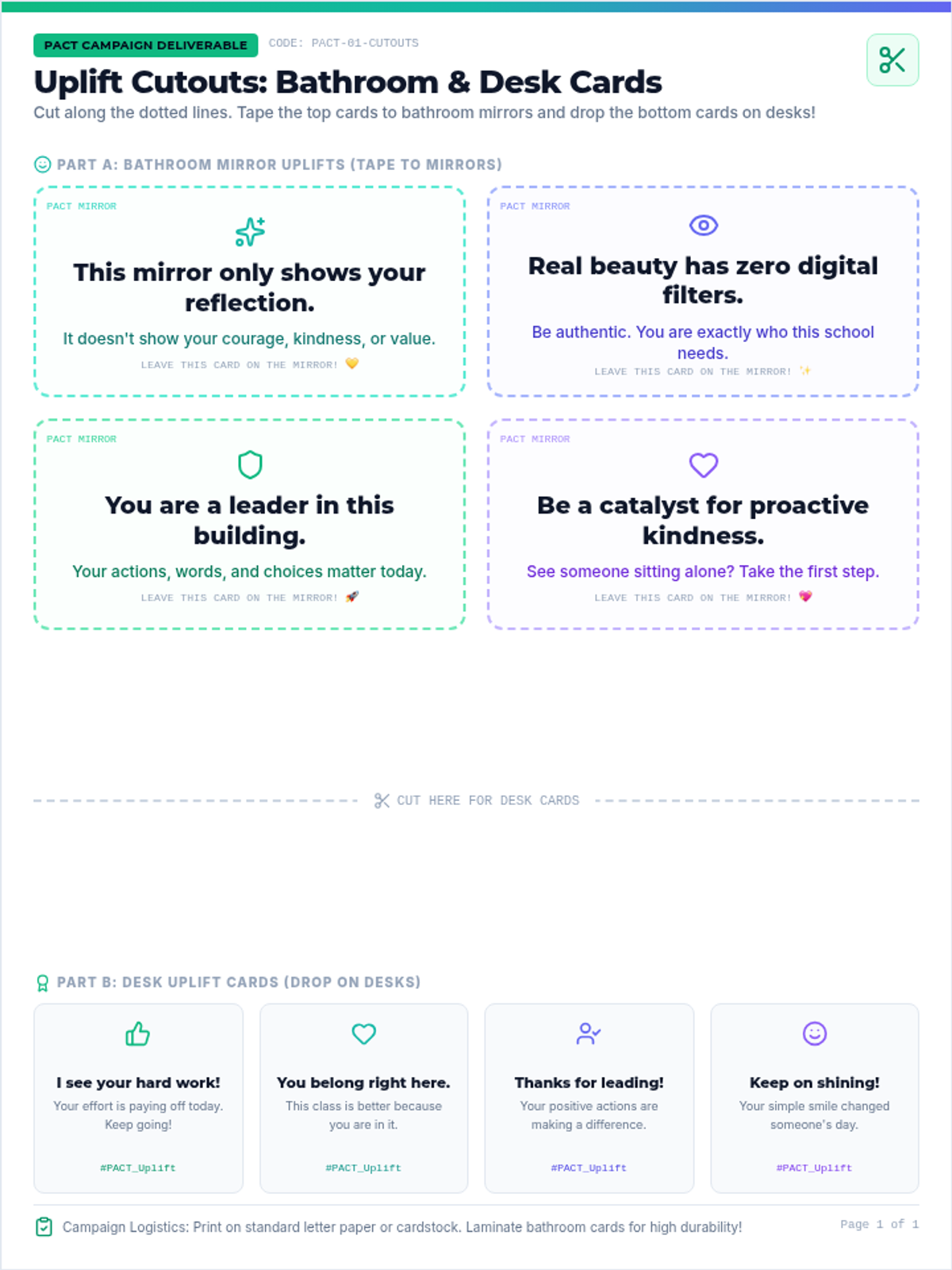
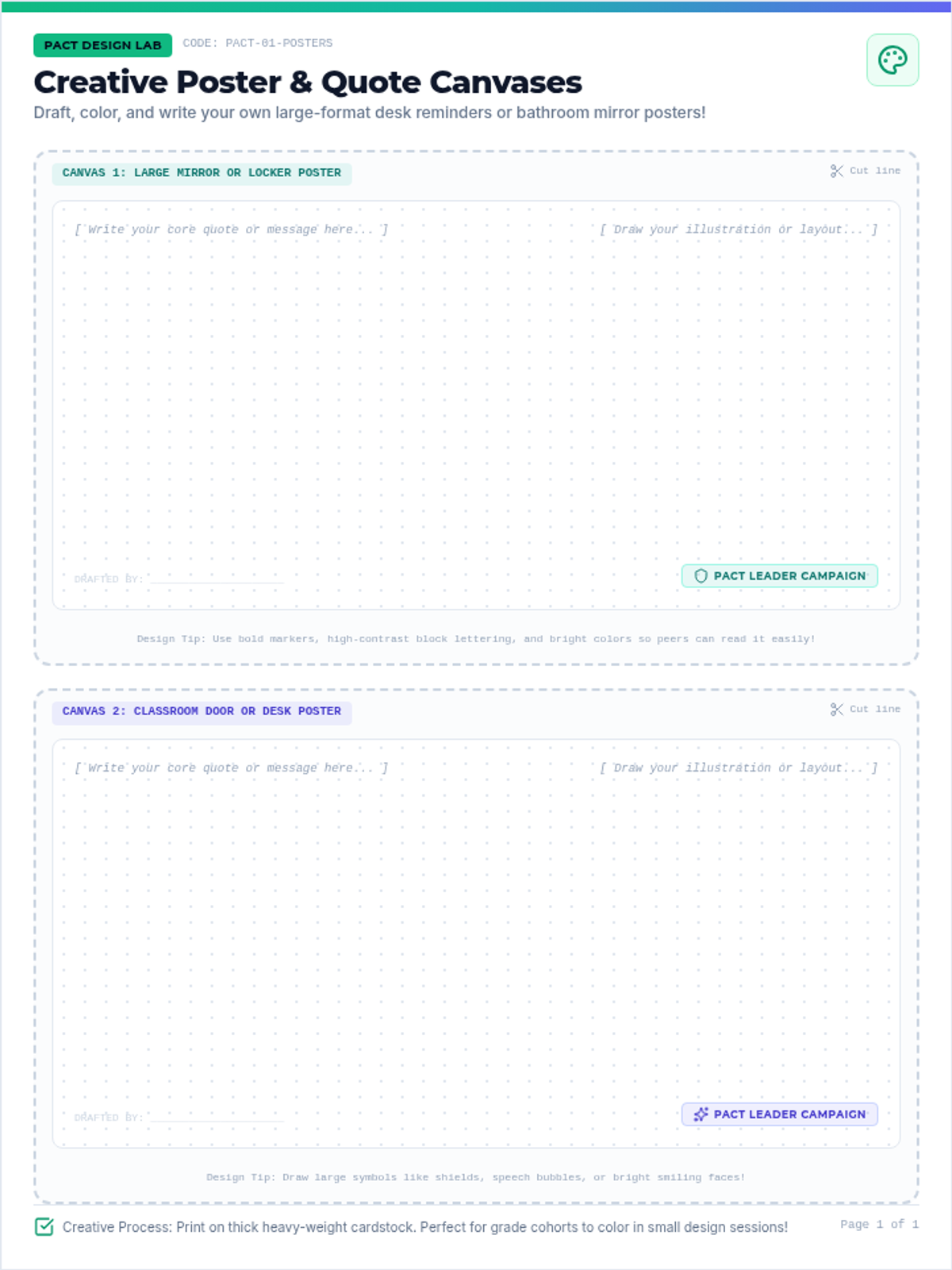
Equips PACT student leaders with core concepts of proactive inclusion, empathy, and positive peer-to-peer connection. Features a hands-on inclusion blueprint worksheet and peer training presentation.
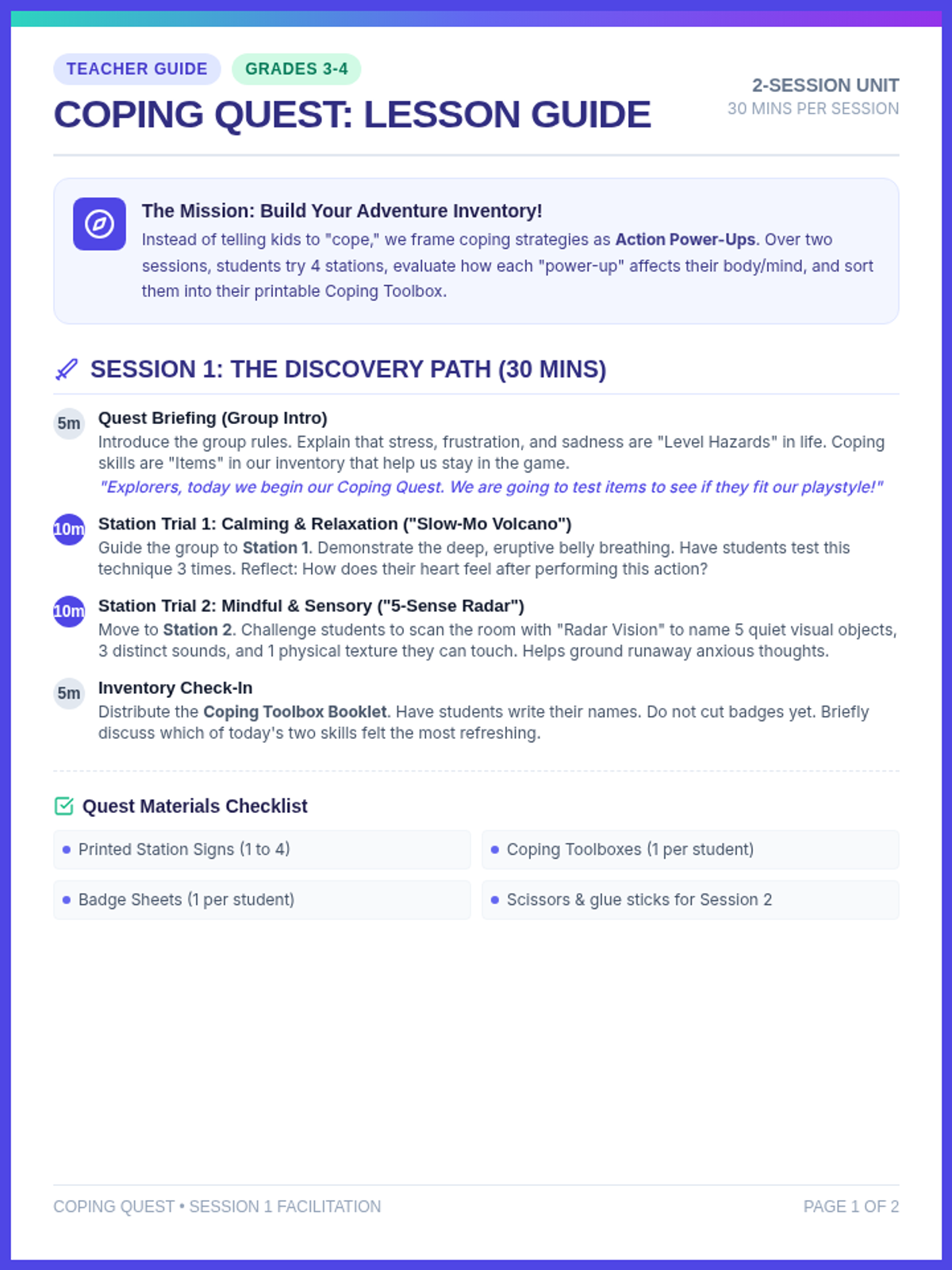
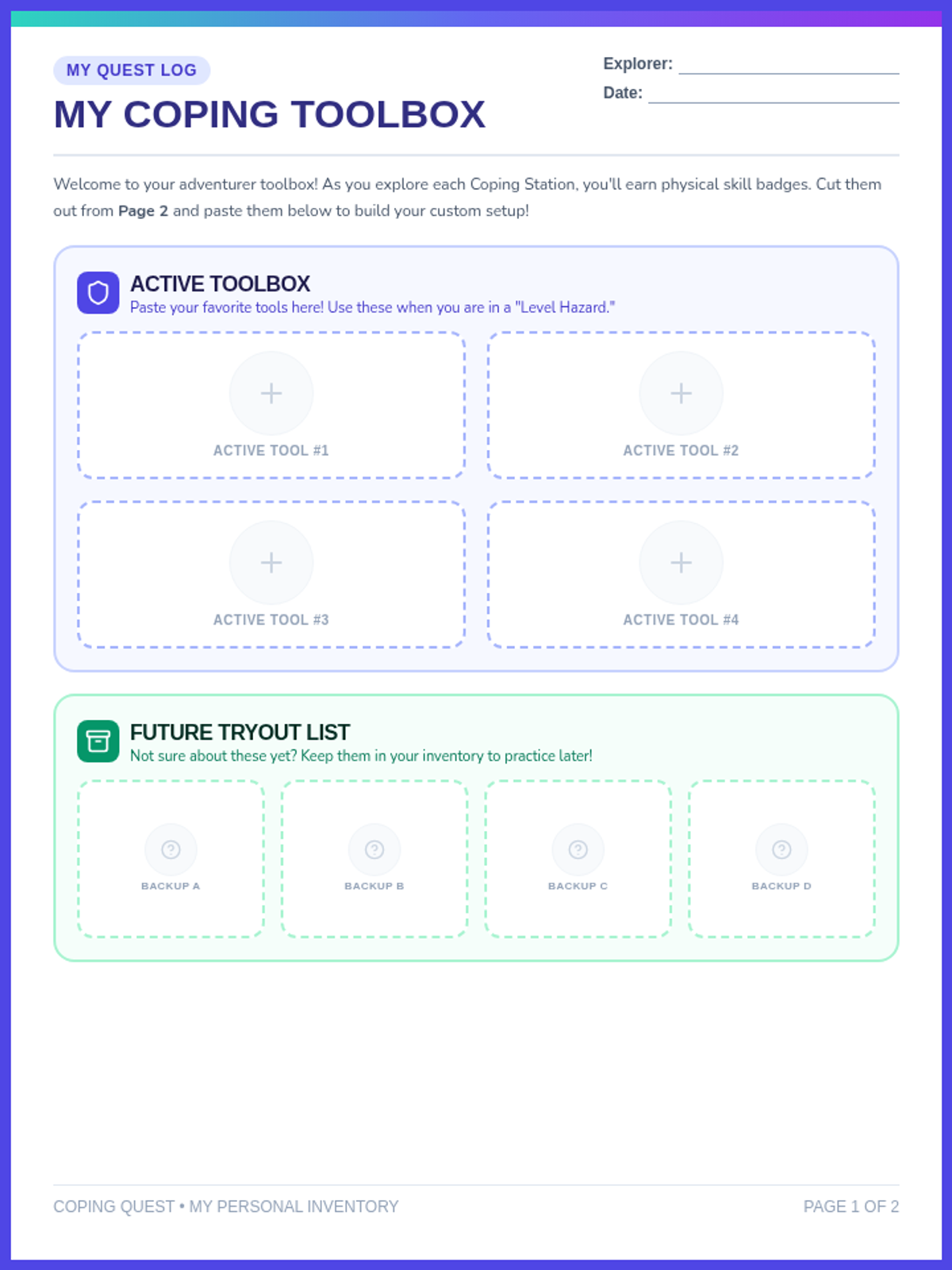
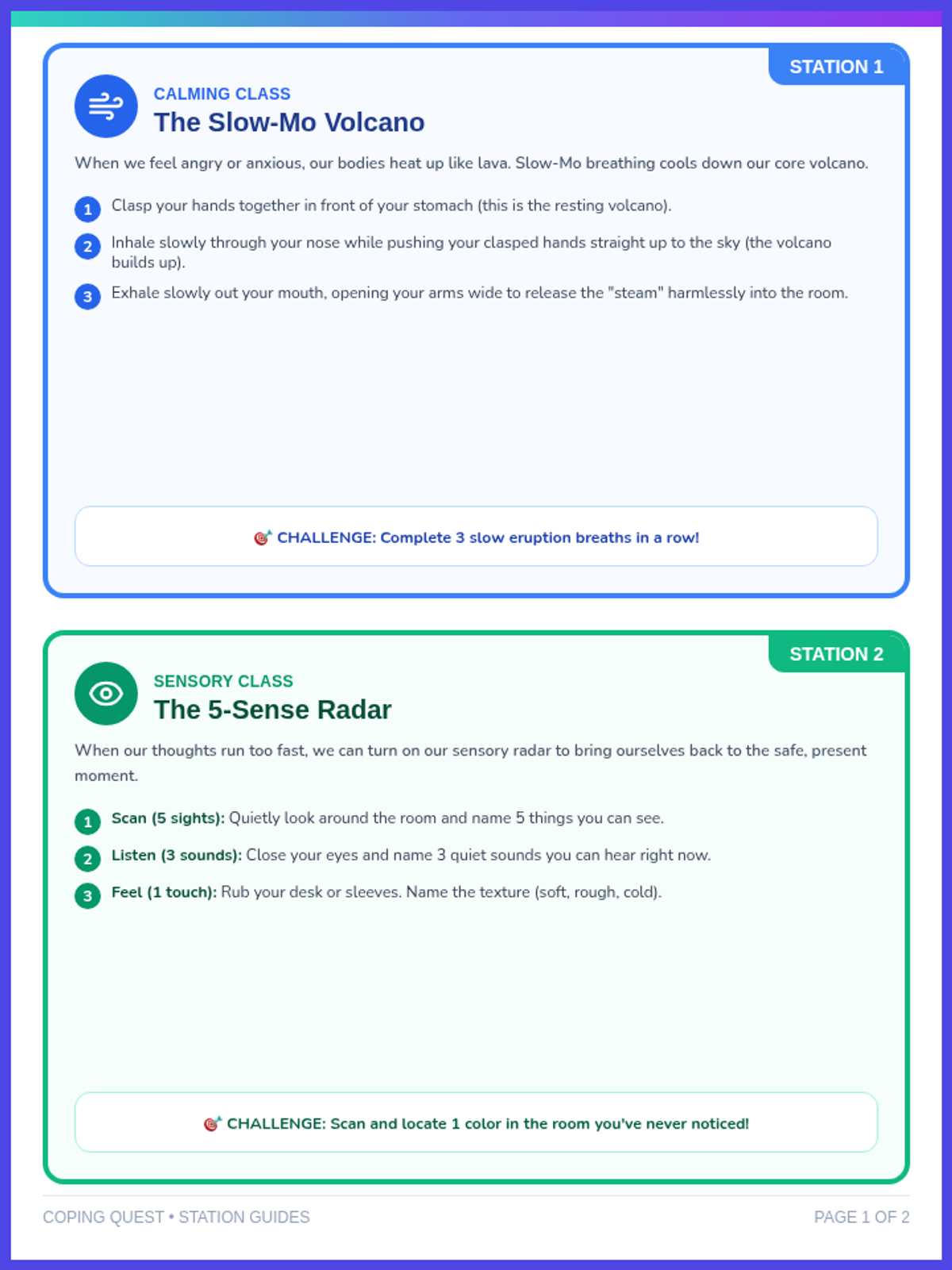
A gamified 2-session SEL small group unit where 3rd and 4th grade students explore, try out, and collect coping skills for their personal Coping Toolboxes.
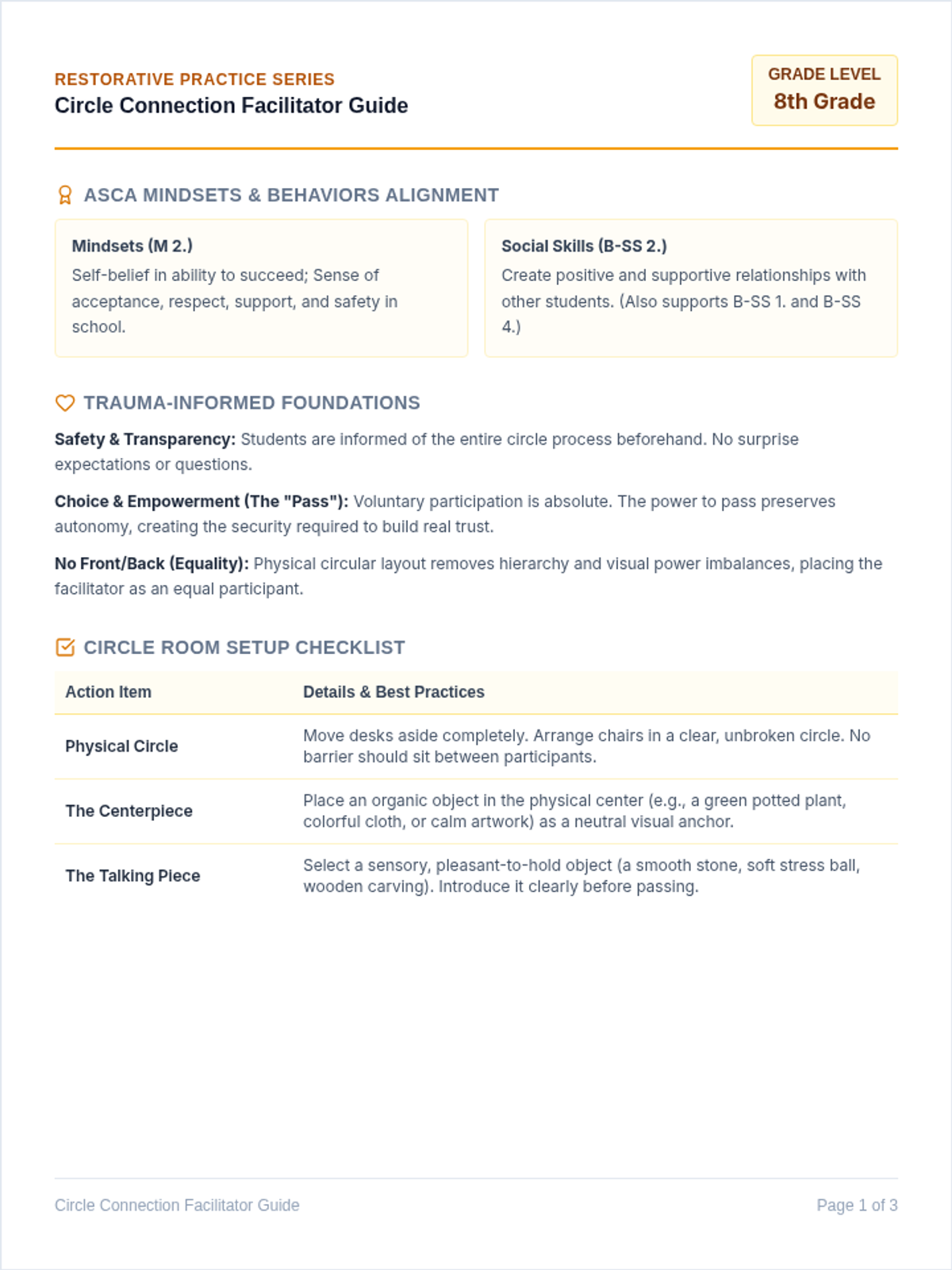
An introductory lesson designed to demystify restorative justice circles for 8th-grade students in California, building trust and encouraging voluntary participation using an ASCA-aligned, trauma-informed lens.
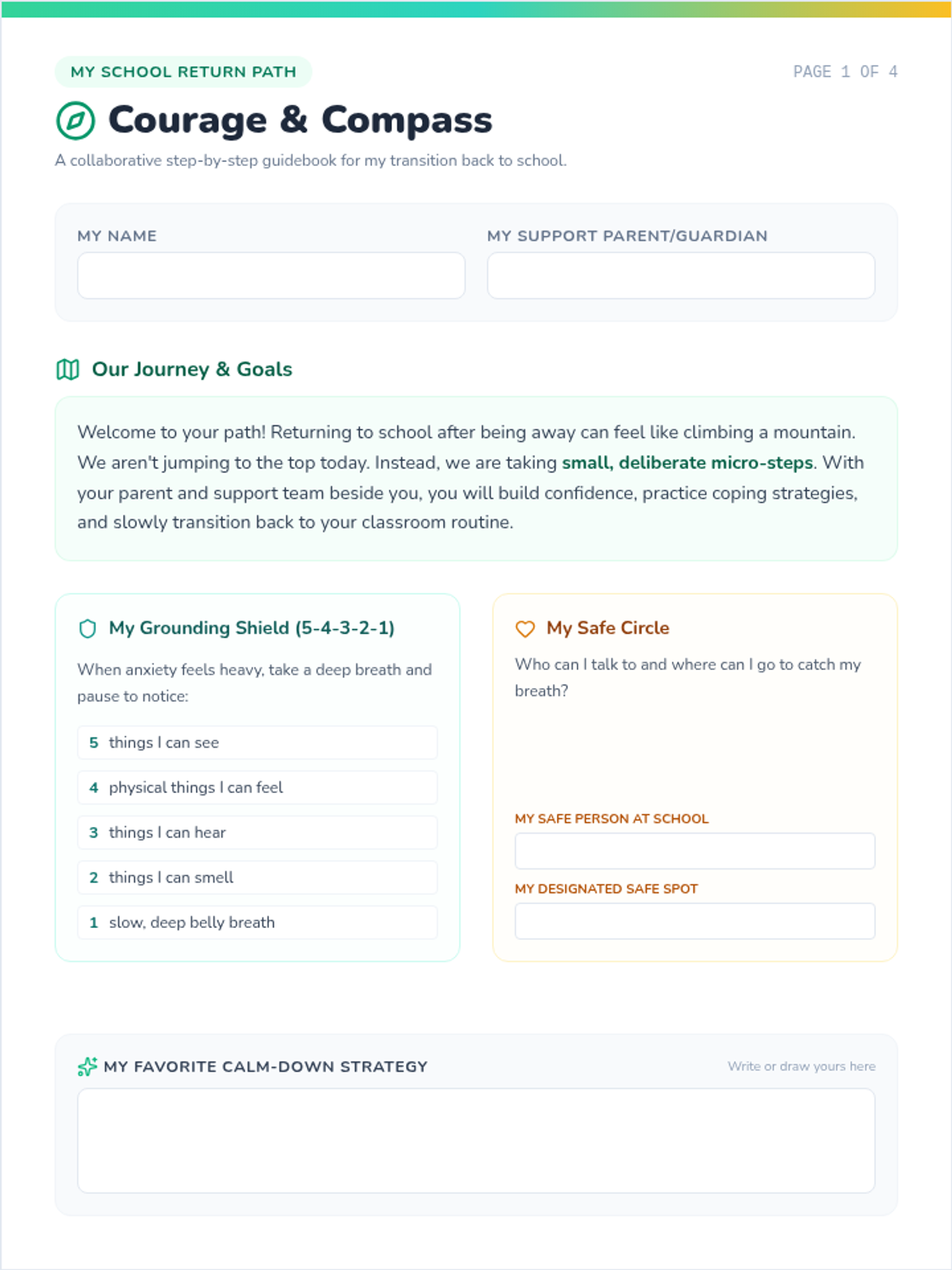
A collaborative, student-centered lesson framework to support students transitioning back to school after anxiety-related absences using a graduated exposure pathway.
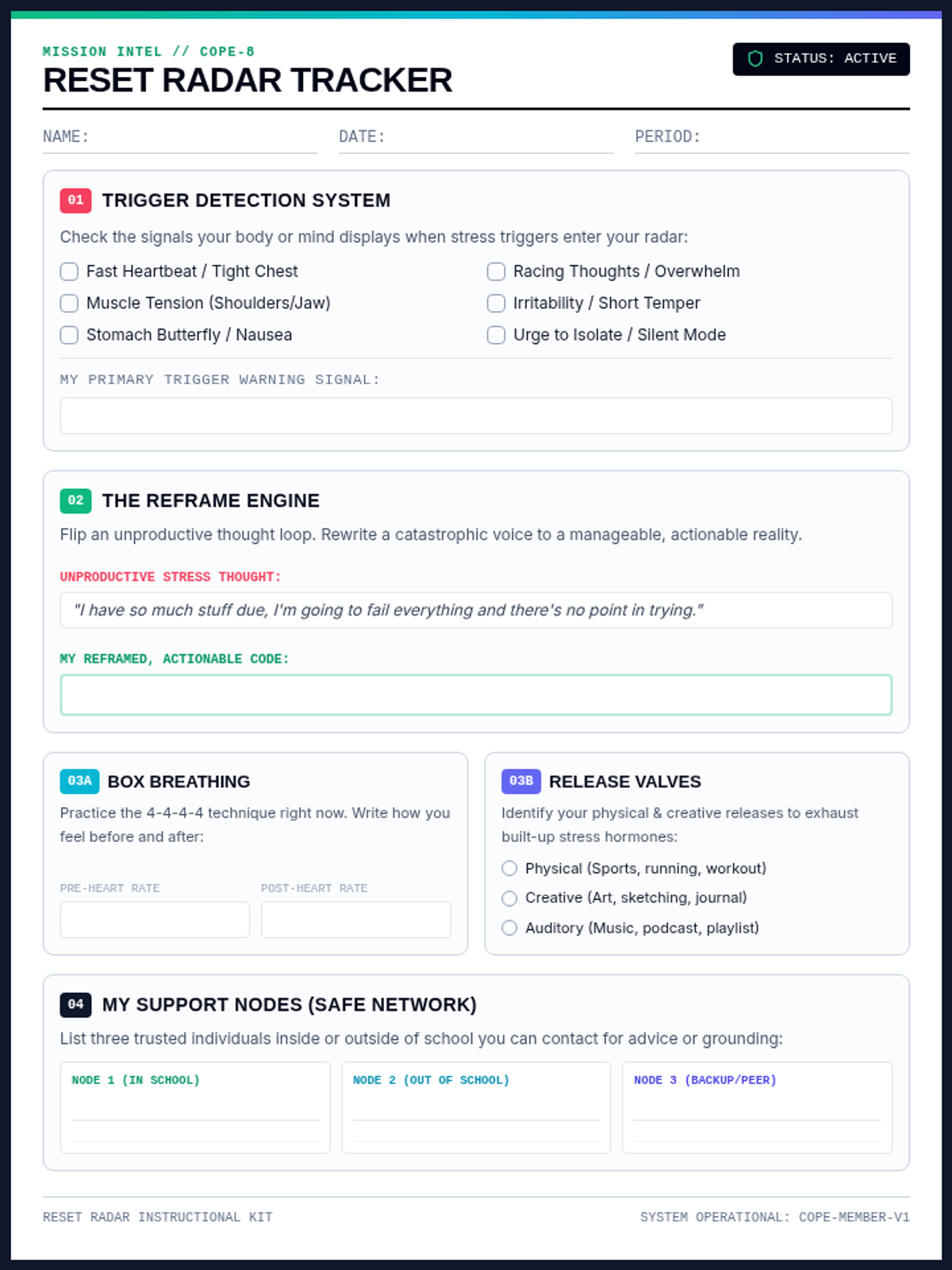
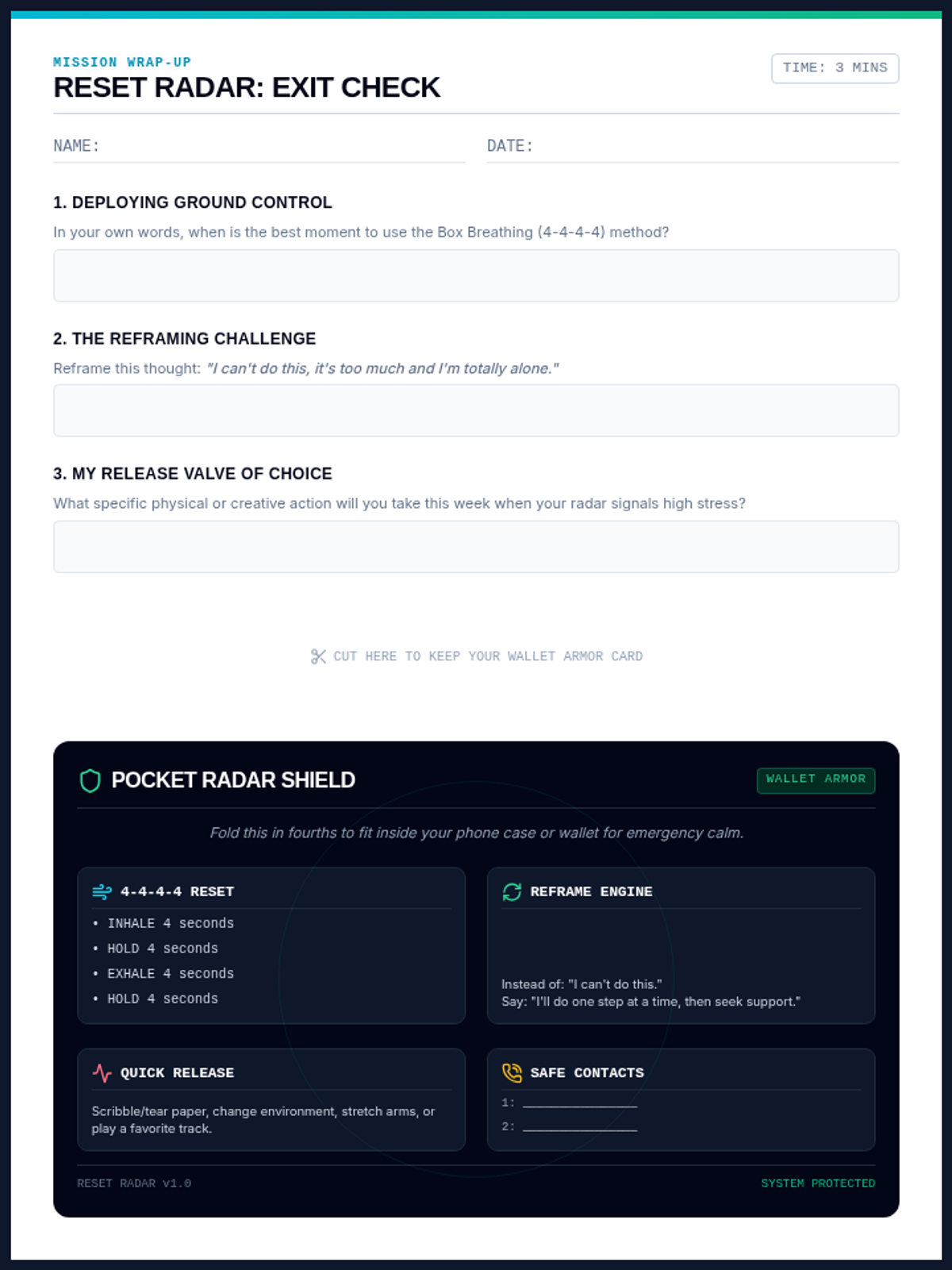
A practical lesson introducing 8th graders to evidence-based healthy coping mechanisms. Students learn to identify stress triggers and build a personalized toolkit using grounding, reframing, physical outlets, and boundaries.
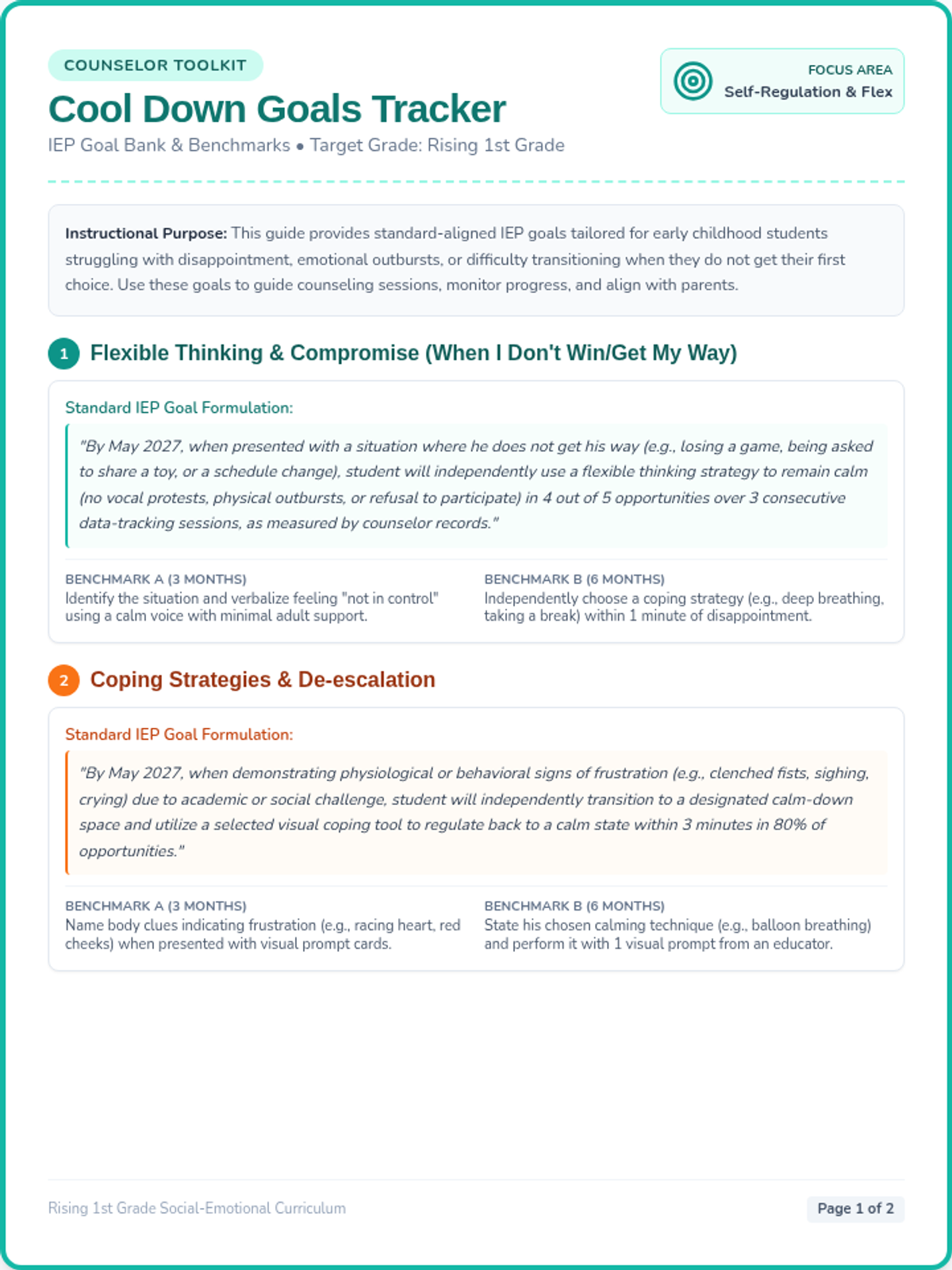
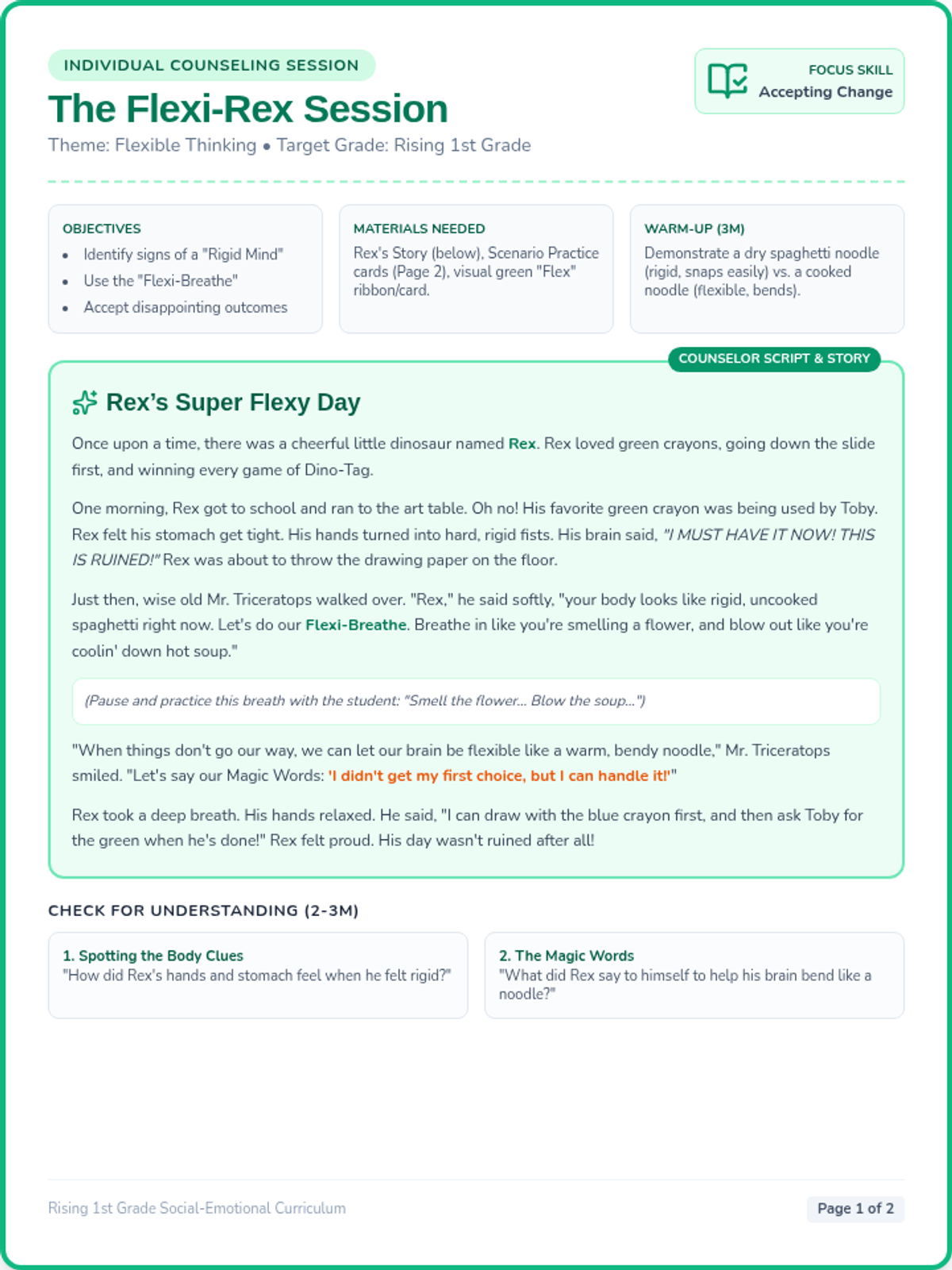
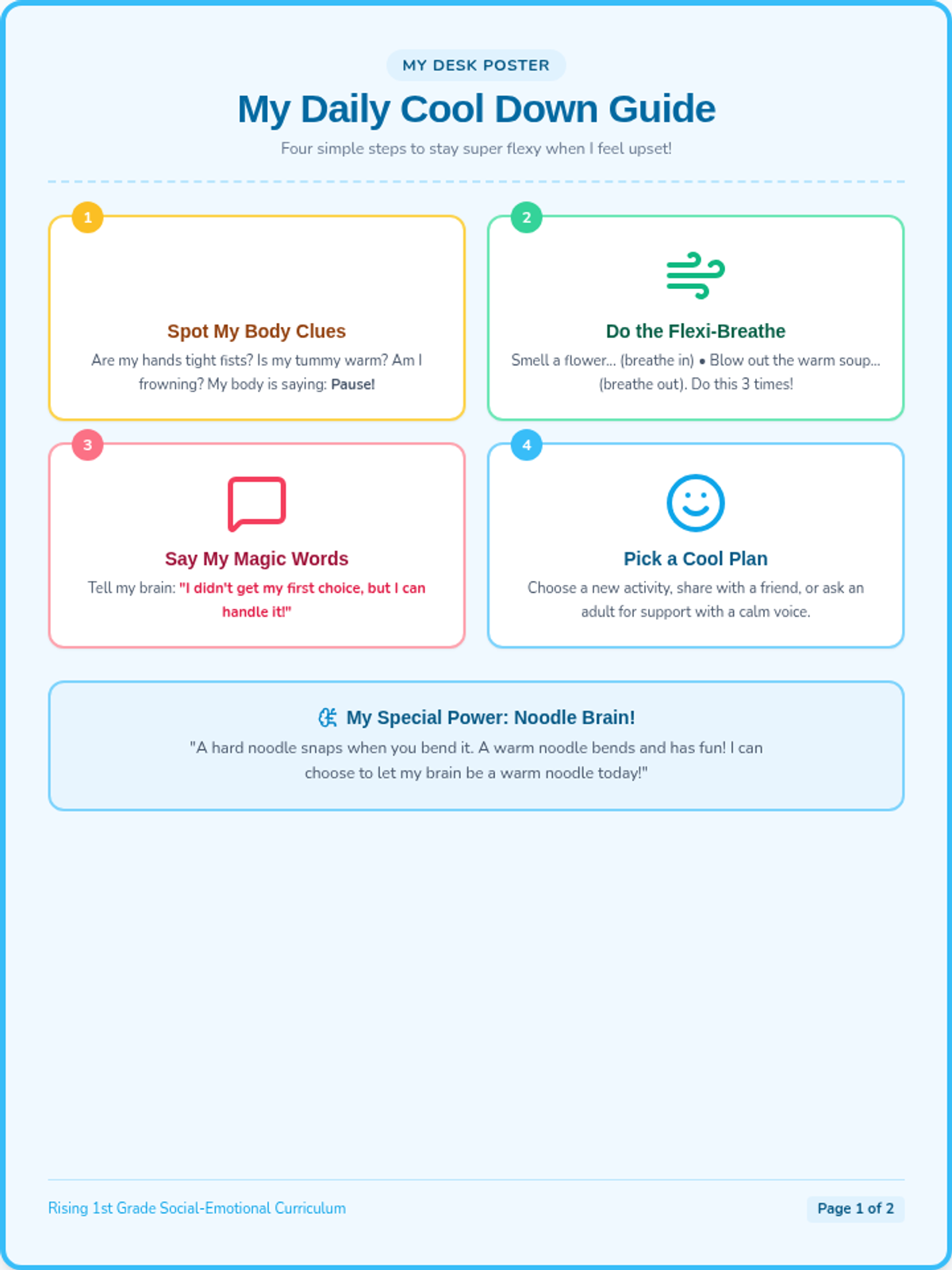
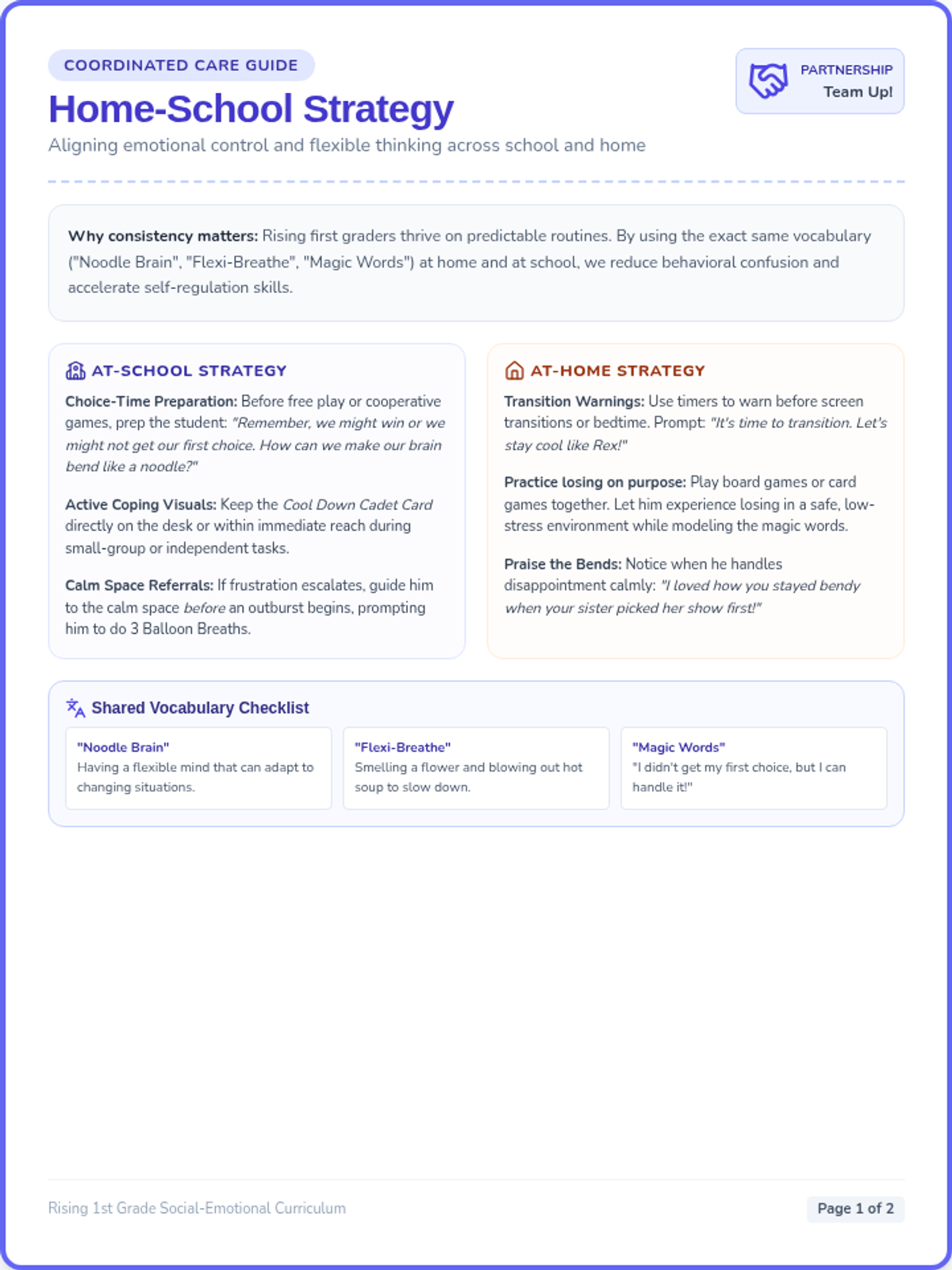
A comprehensive counseling bundle designed for a rising first grader struggling with social interactions and emotional regulation when things do not go their way. Includes targeted IEP goals, data trackers, a story-based counseling lesson, visual coping tools, and a home-school strategy guide.
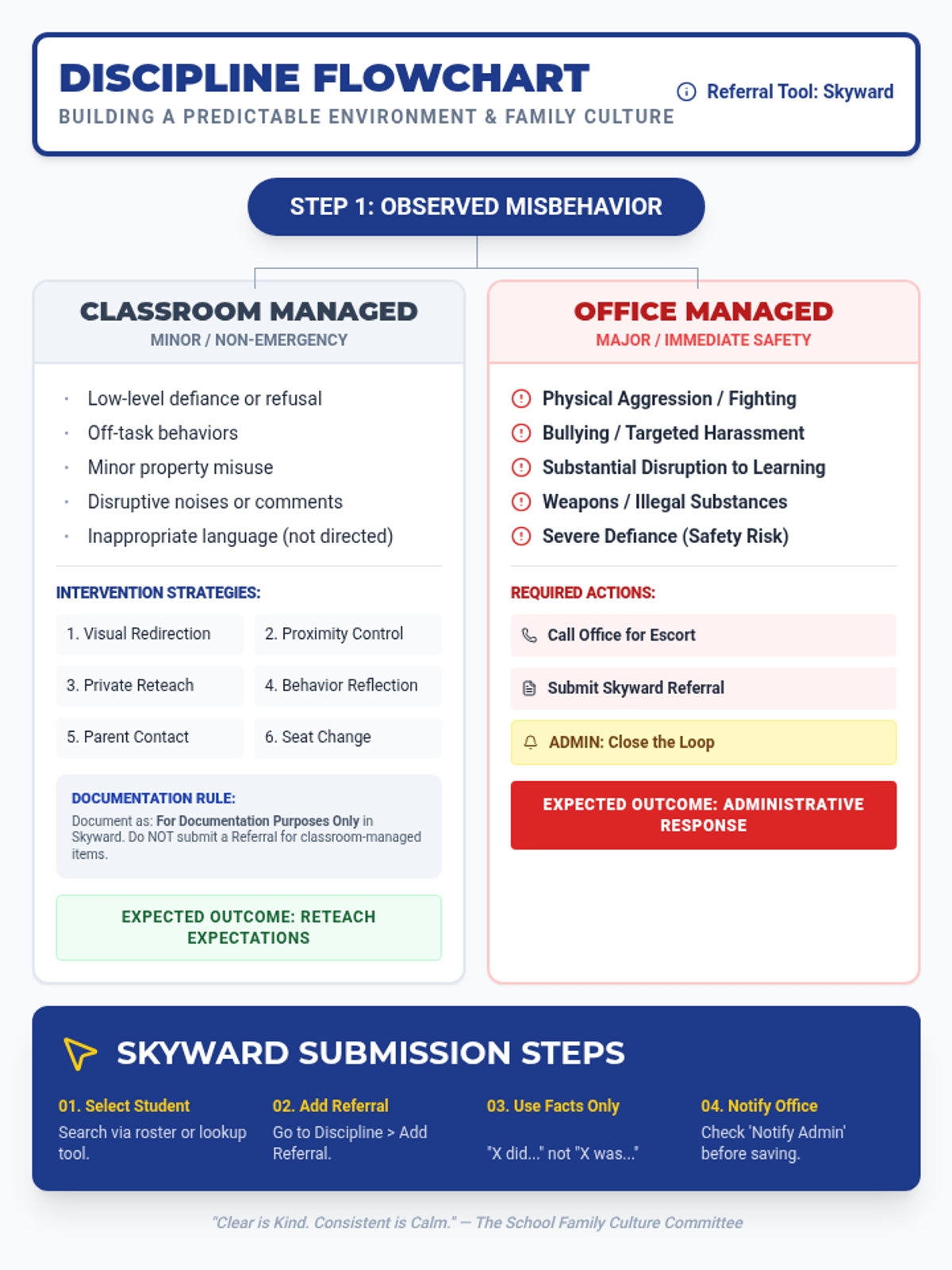
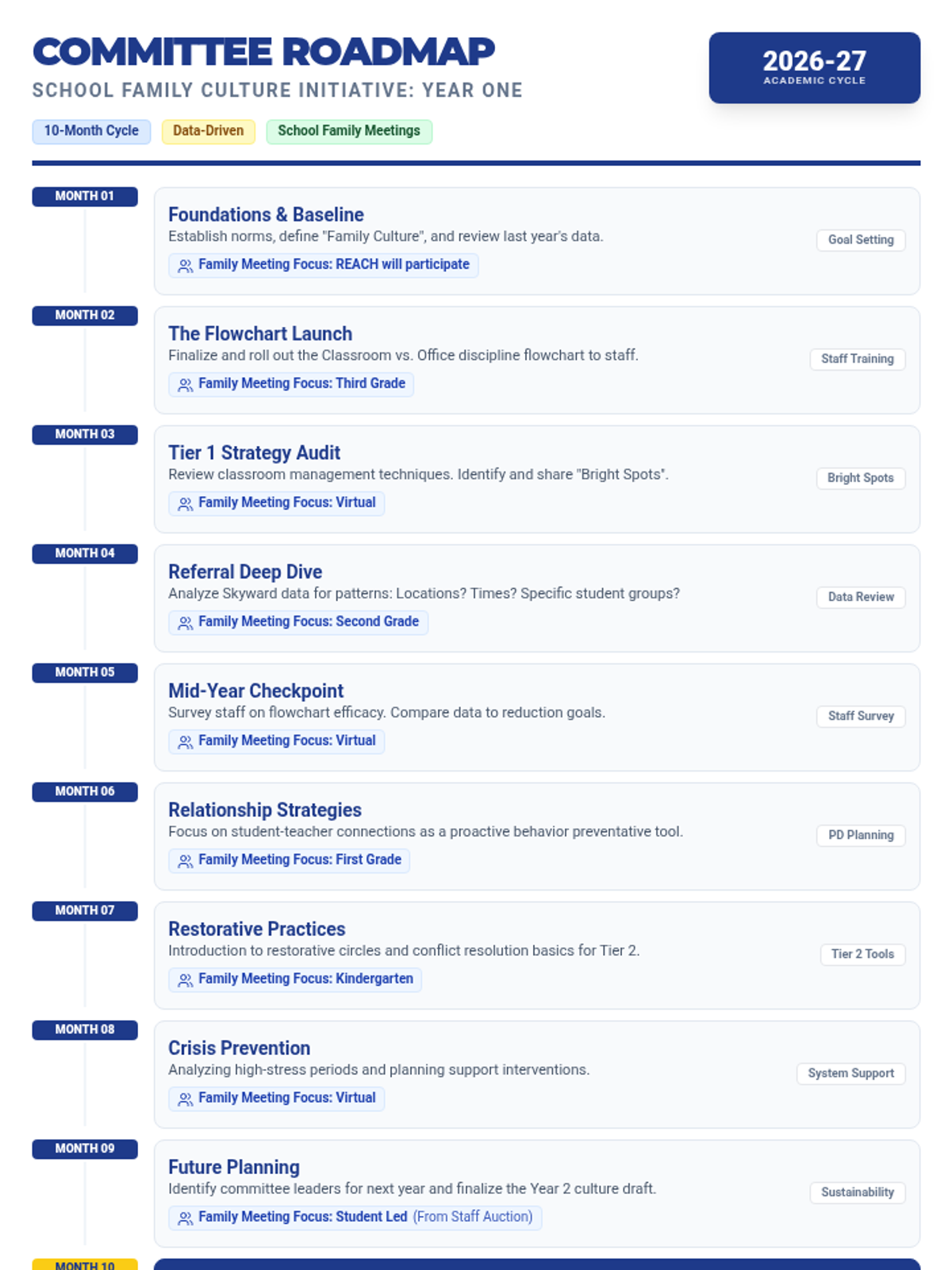
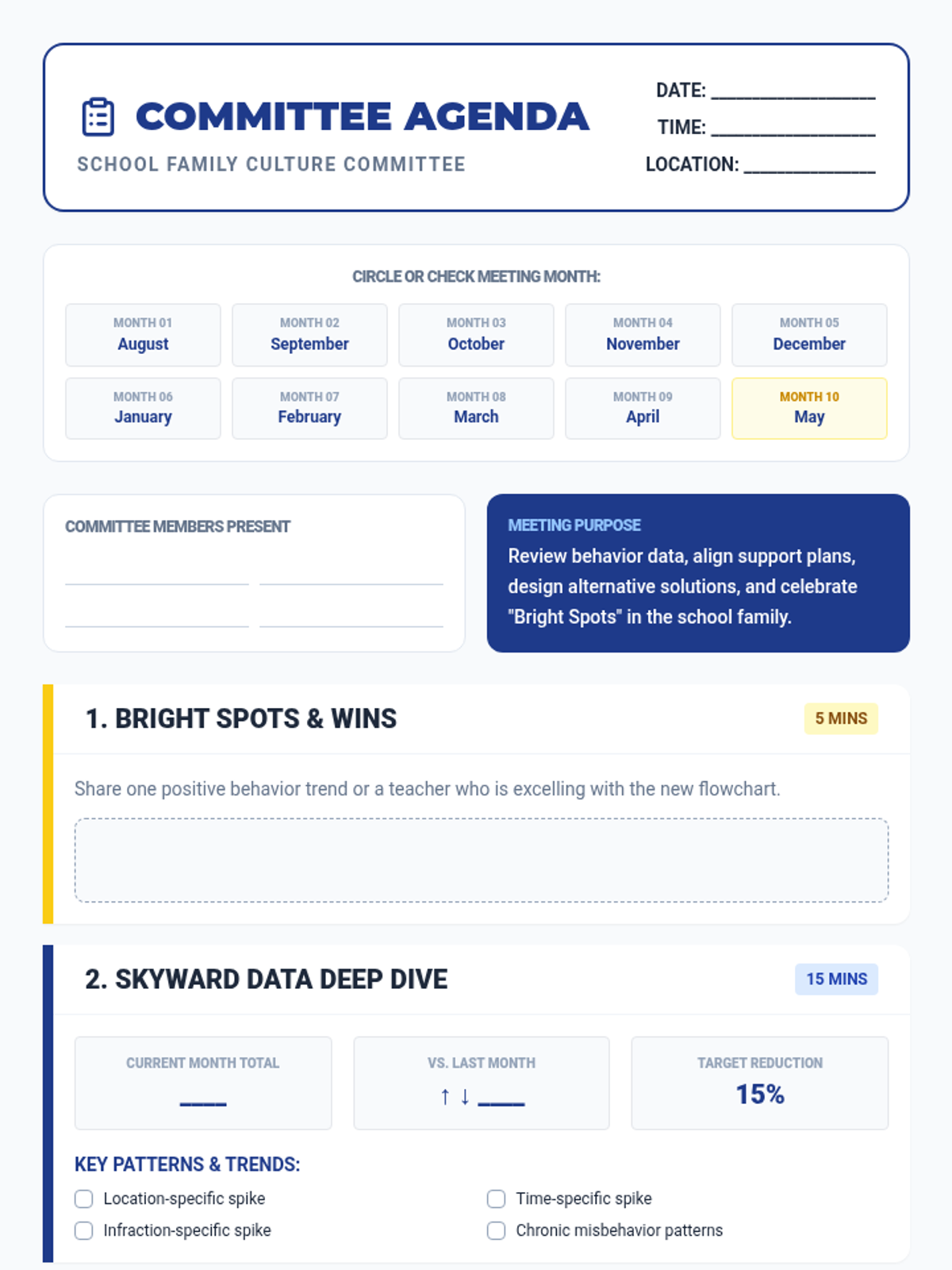
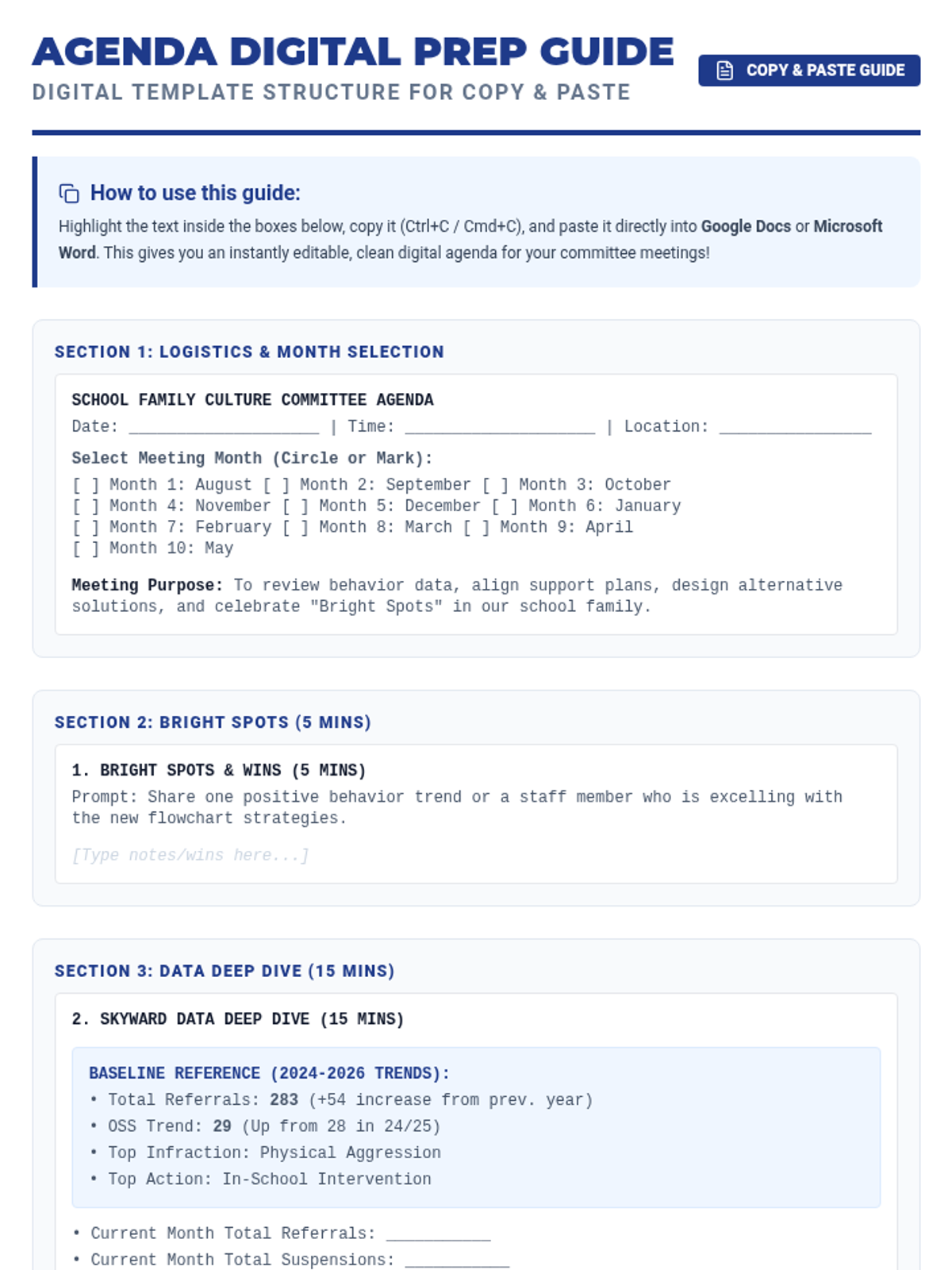
A comprehensive set of resources to launch and sustain a School Family Culture committee focused on improving discipline outcomes and school climate through clear expectations and data-driven decision making.
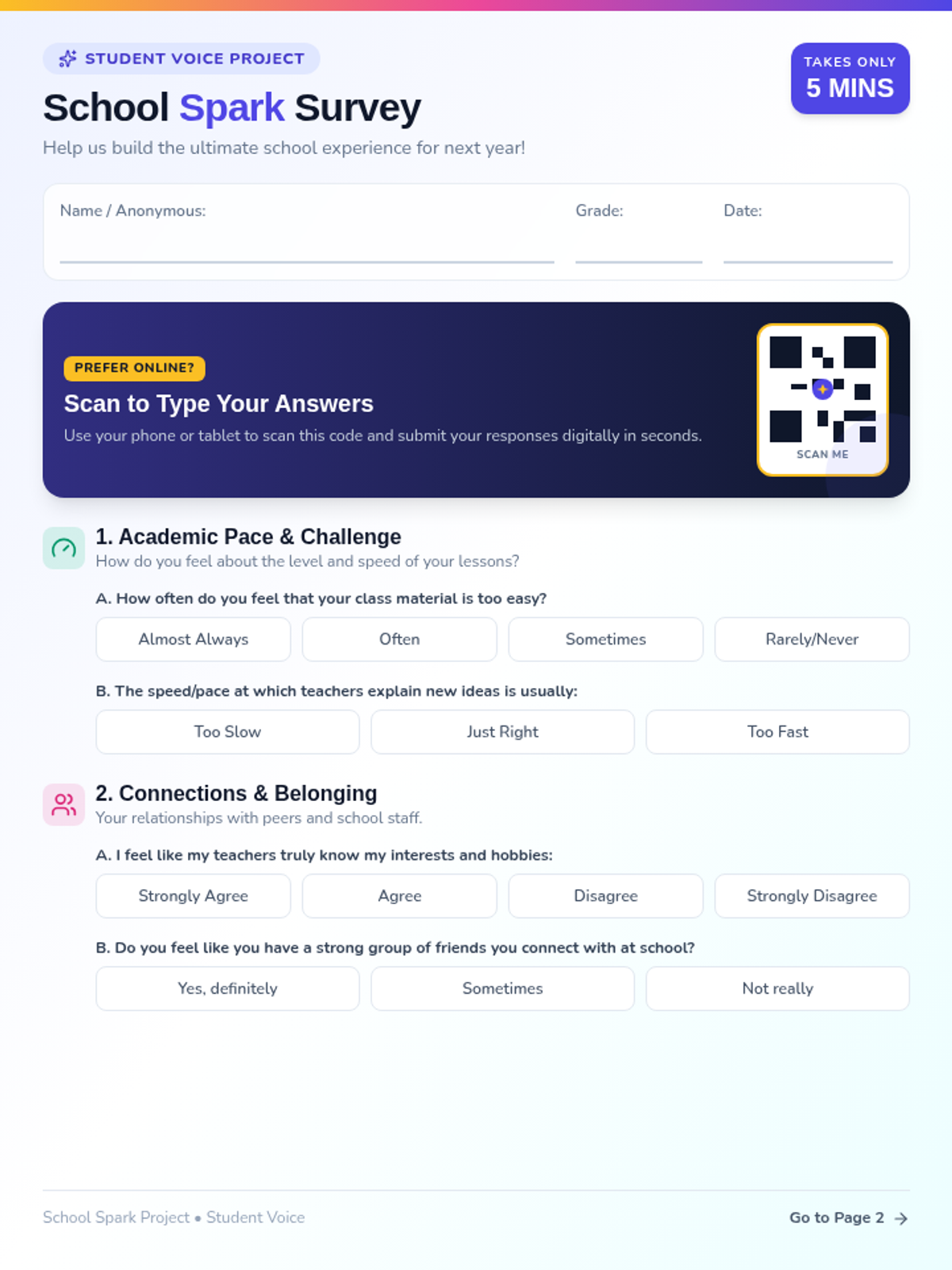
A lesson designed to check in with disengaged or bored students, gathering their insights through a creative survey to design a highly engaging, personalized experience for the upcoming school year.
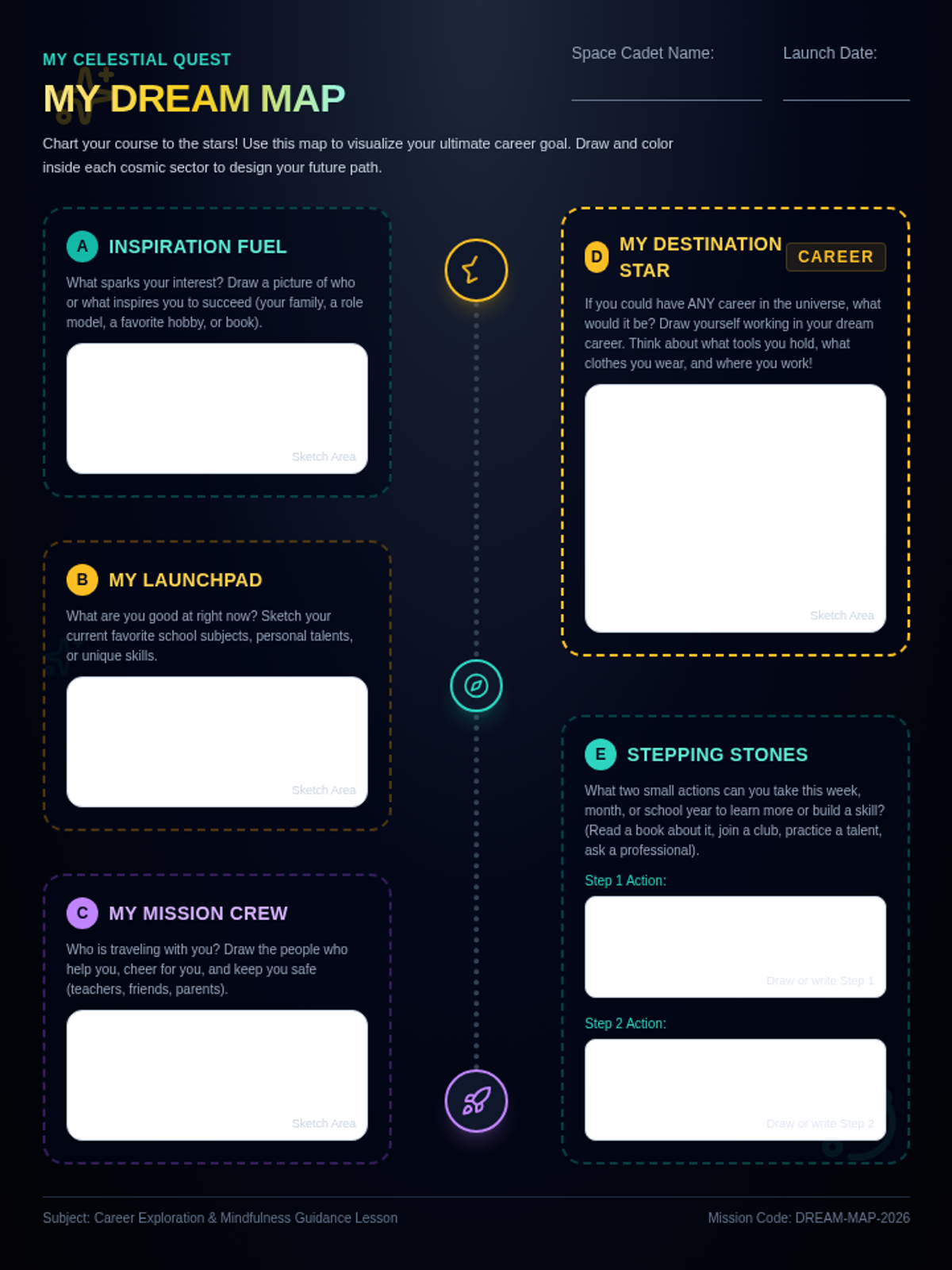
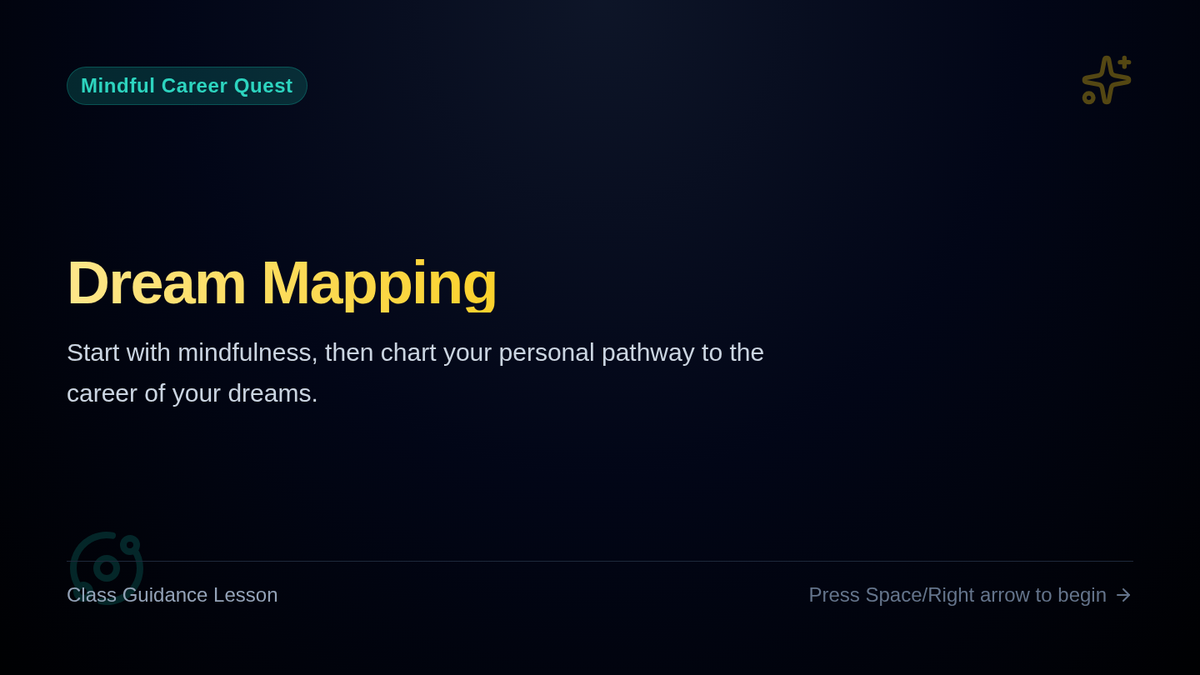
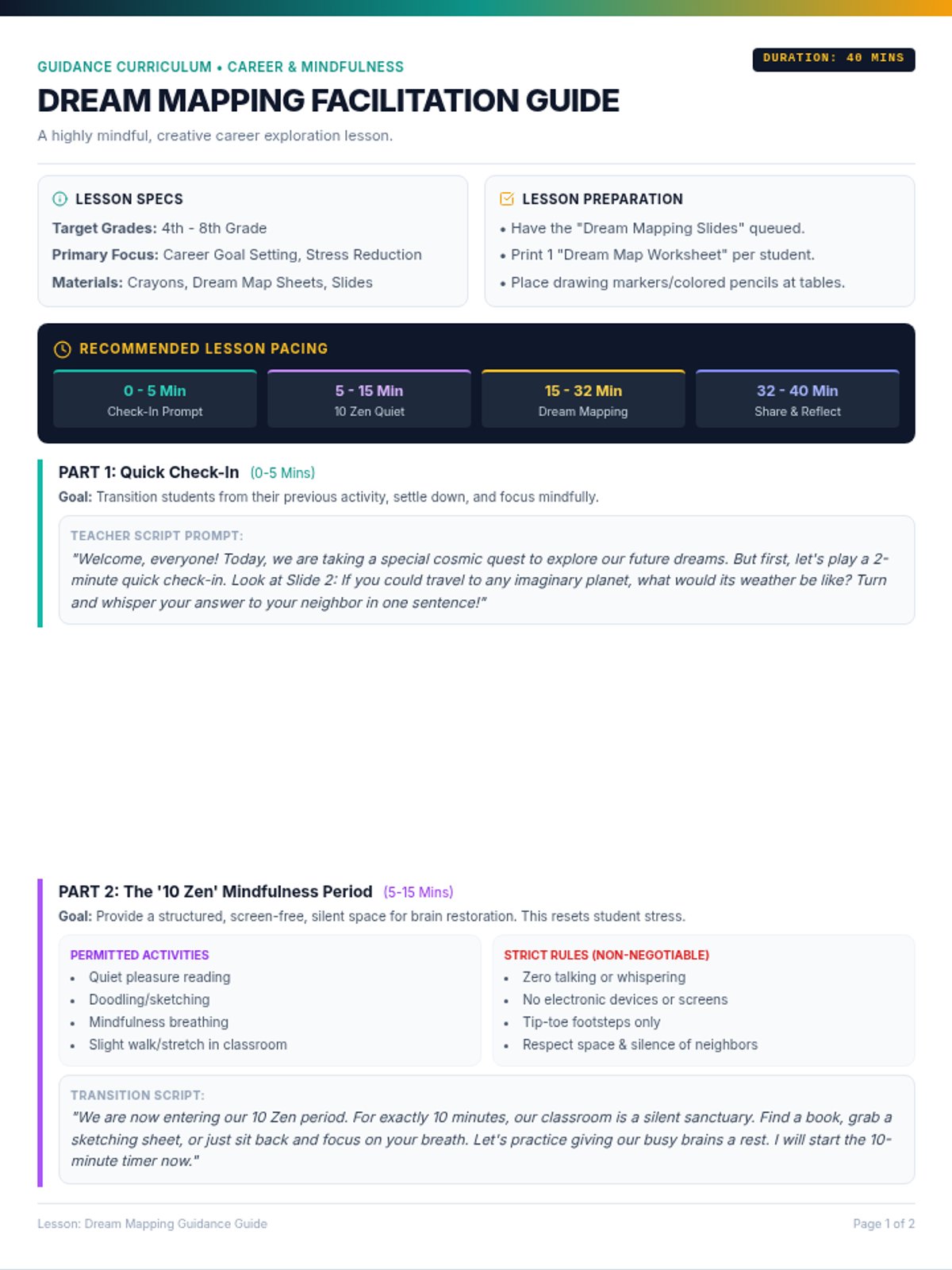
A 40-minute guidance lesson that combines a mindful '10 Zen' period with a creative, drawing-heavy 'Dream Map' vision board activity for career goal setting. Includes a slide presentation, teacher script, and a student drawing sheet.
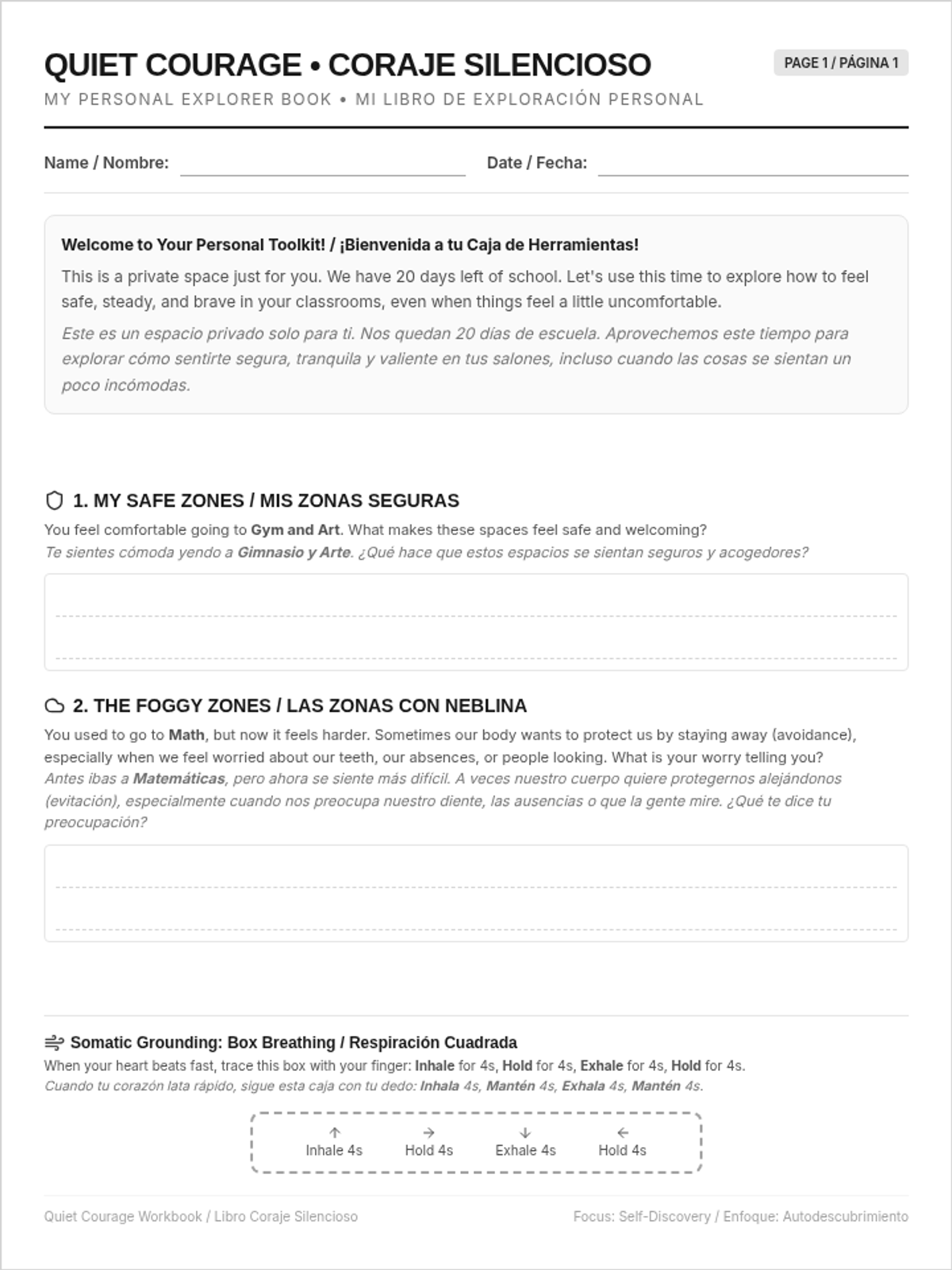
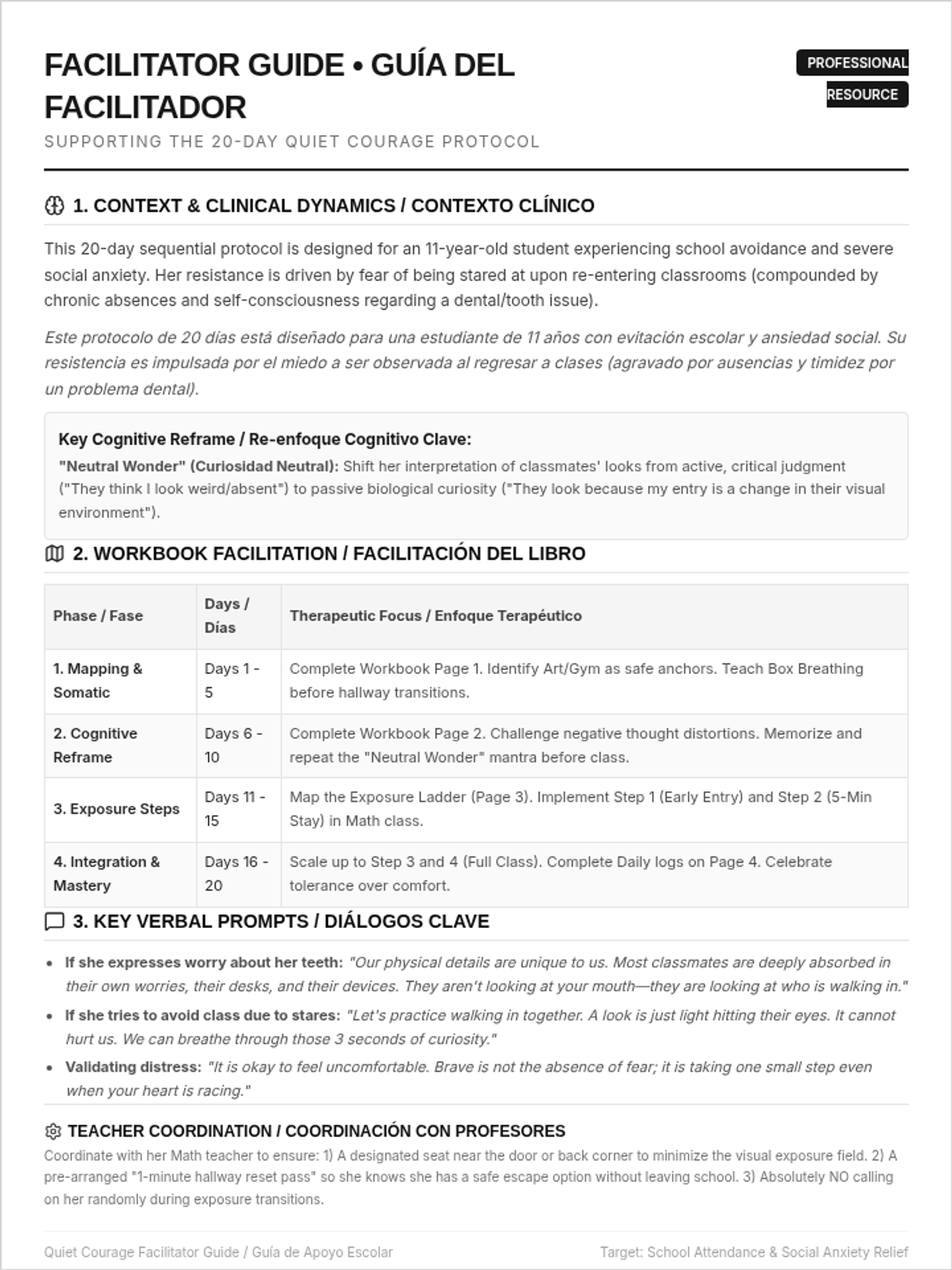
A bilingual English-Spanish therapeutic resource set for an 11-year-old student struggling with school avoidance and social anxiety. It includes a comprehensive self-guided workbook and a facilitator guide to build tolerance, reframe classmates' curious stares, and complete a 20-day exposure challenge.
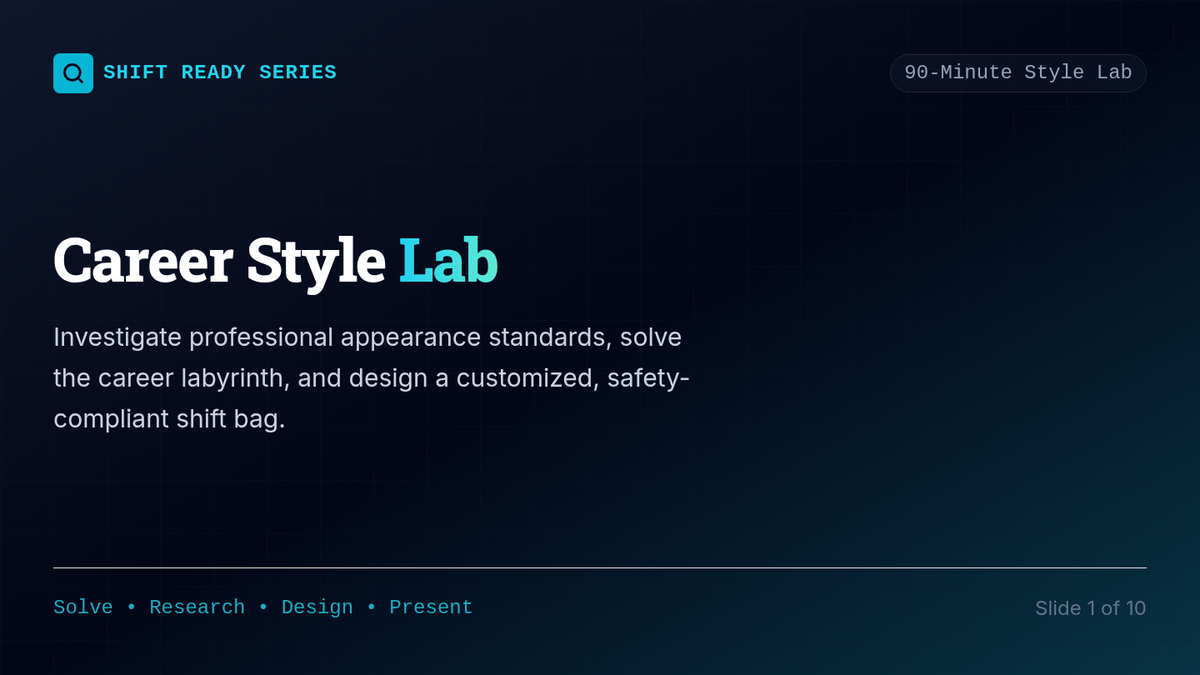
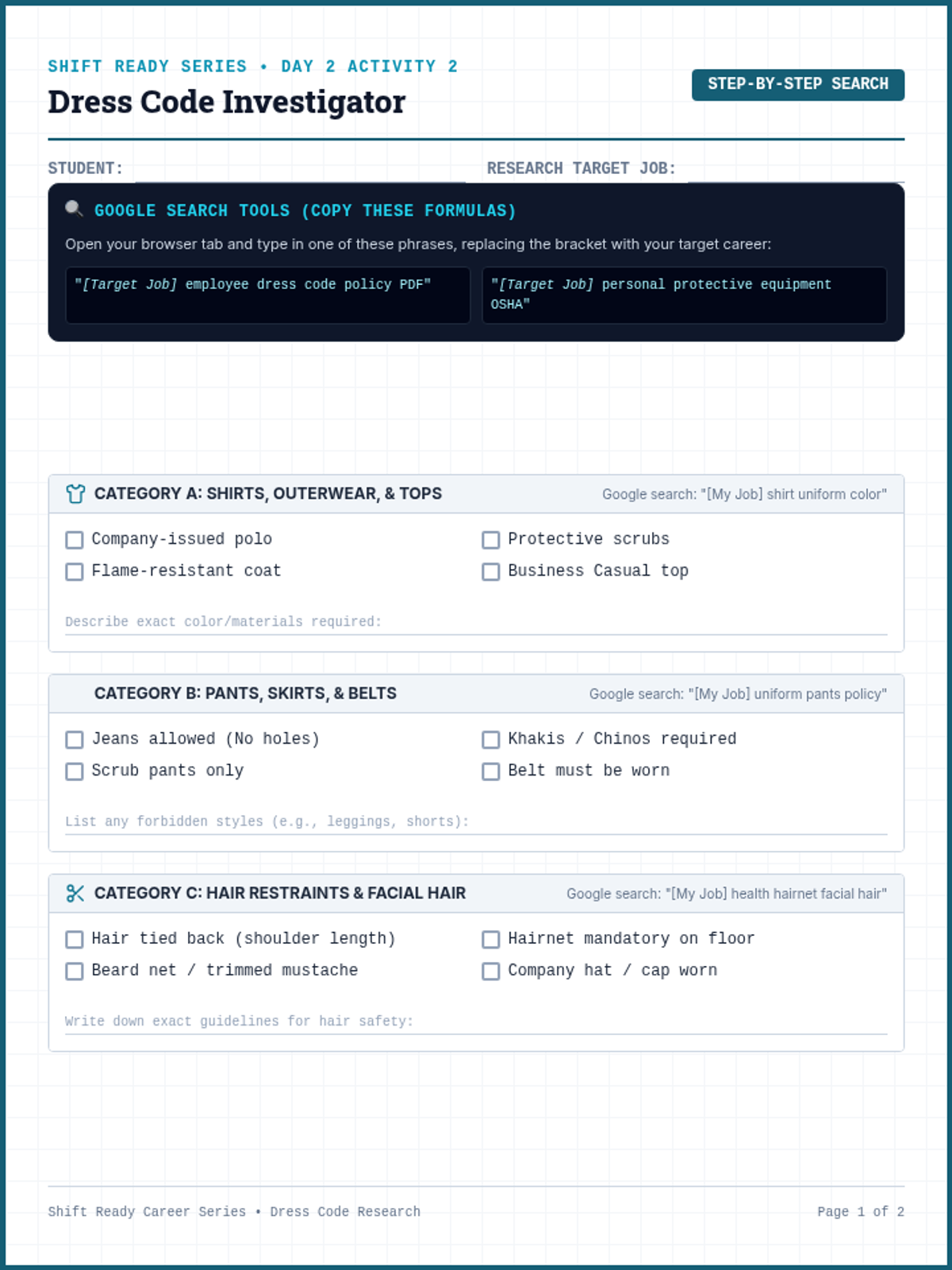
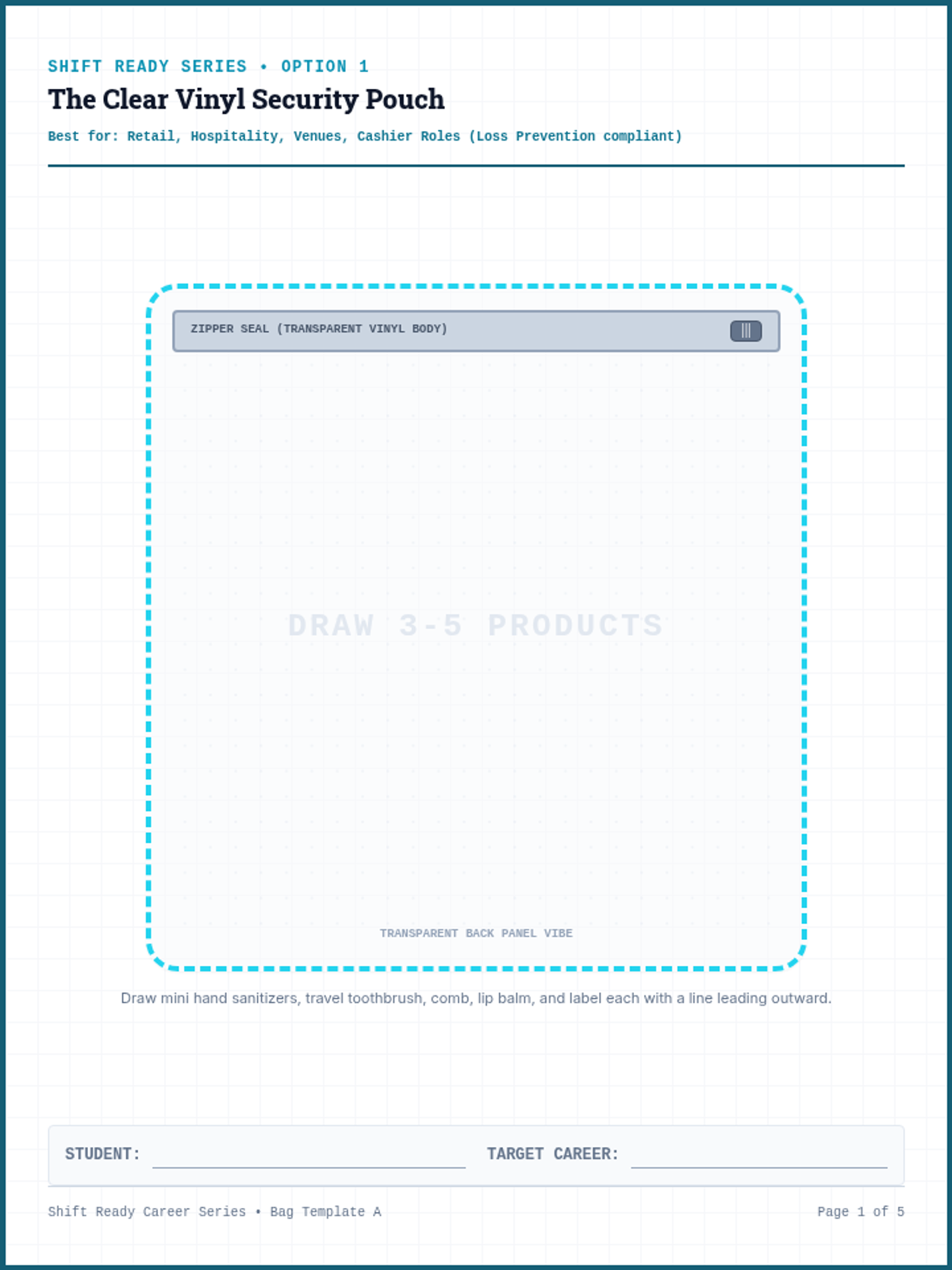
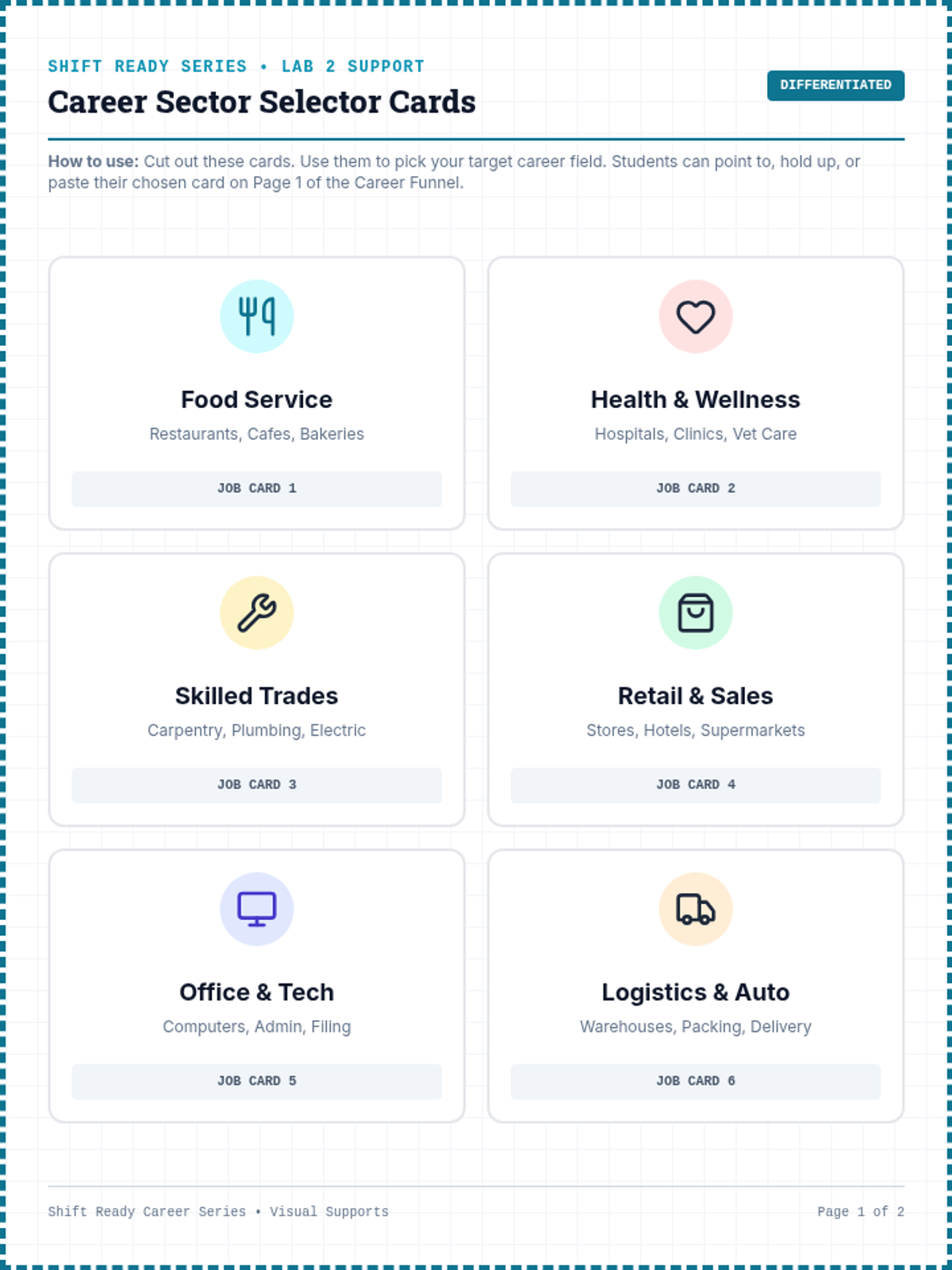
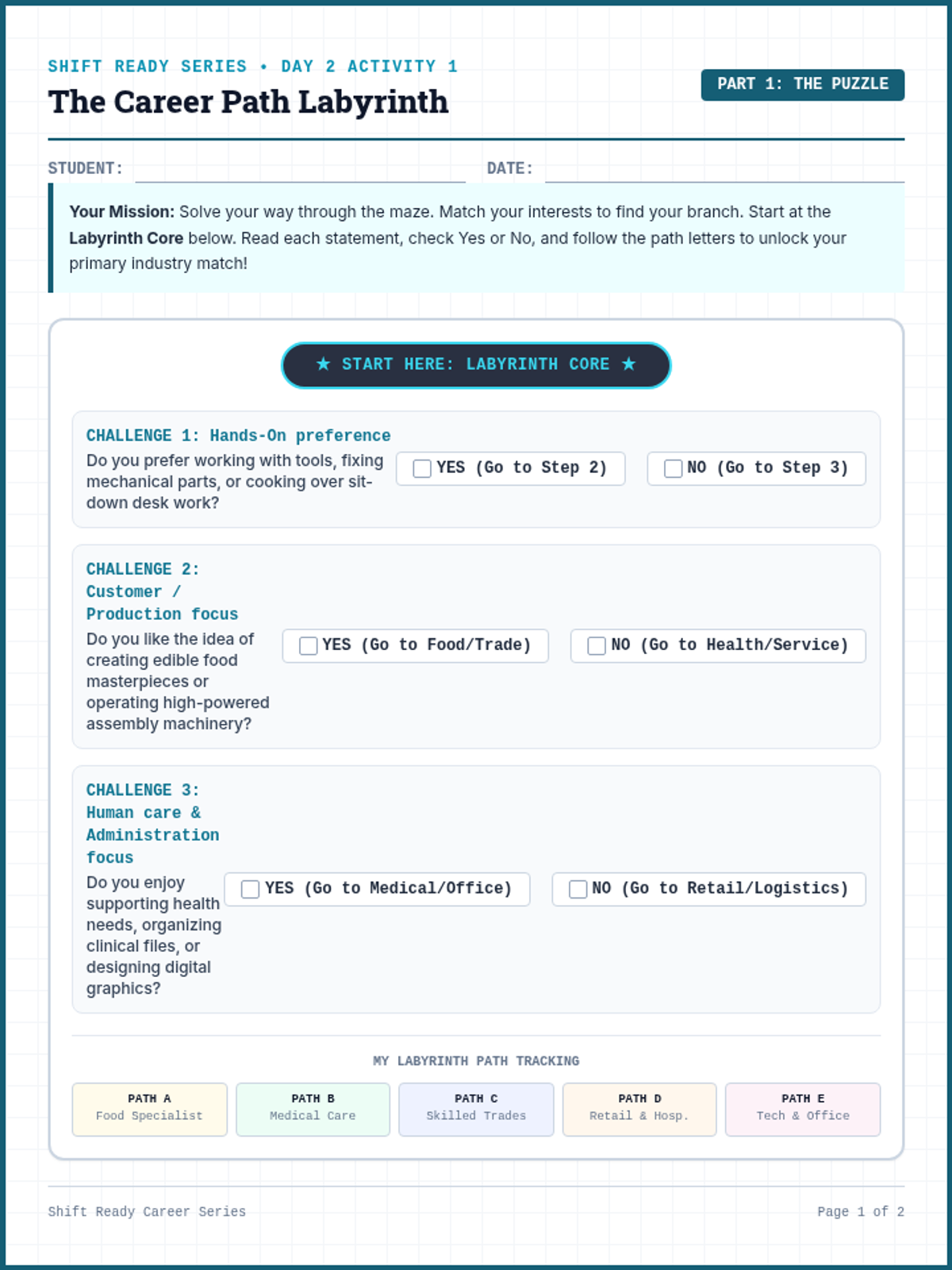
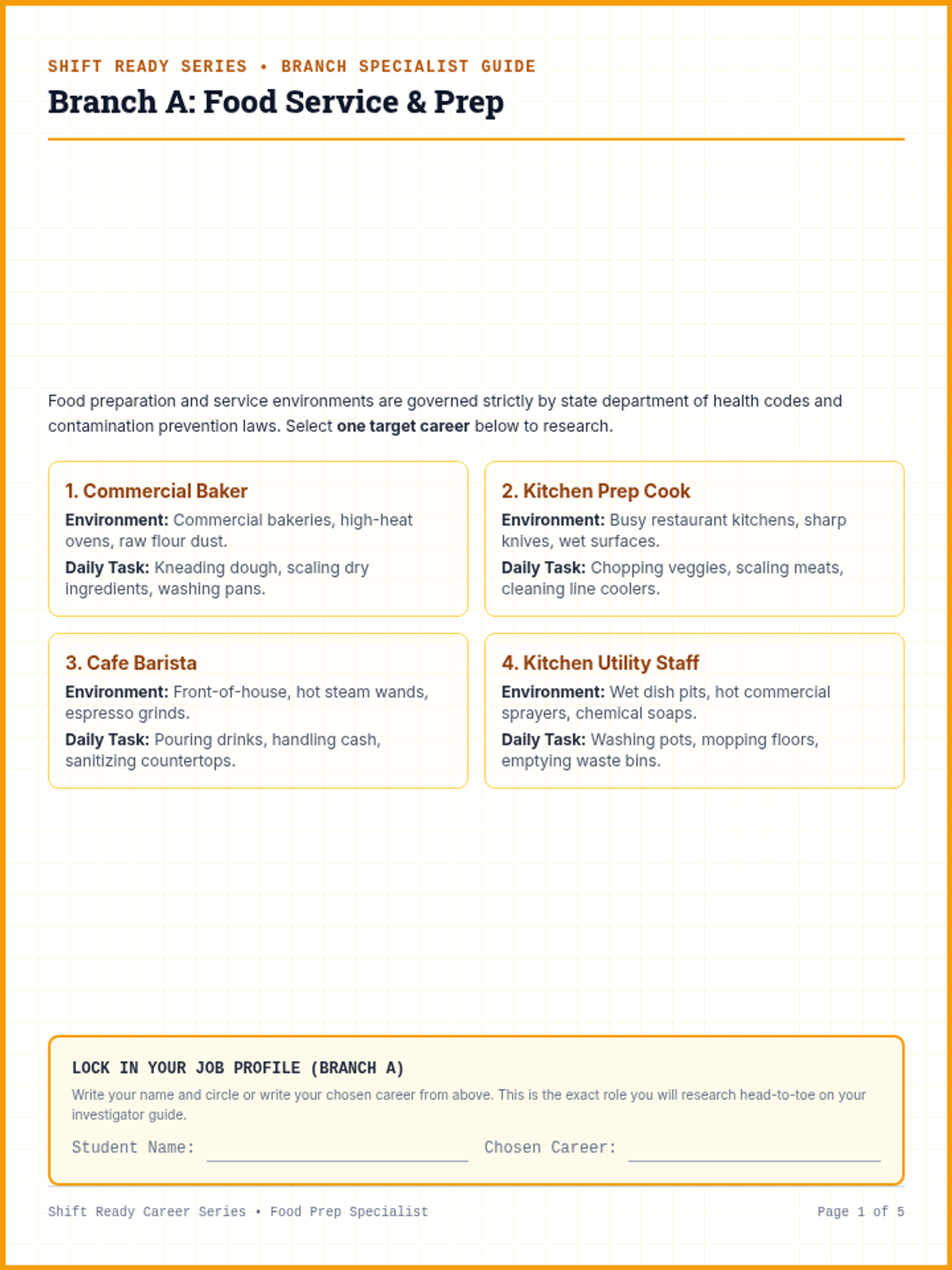
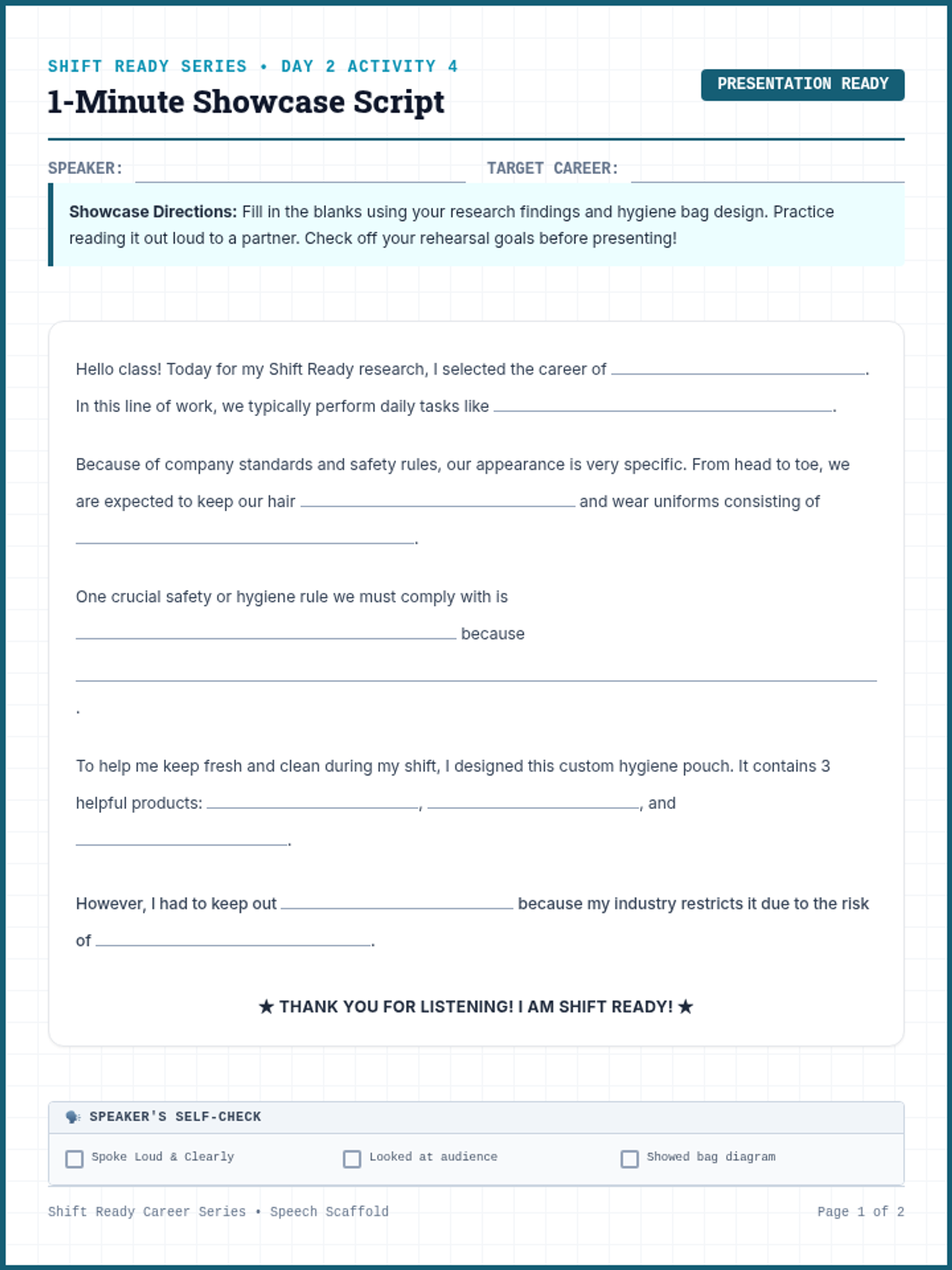
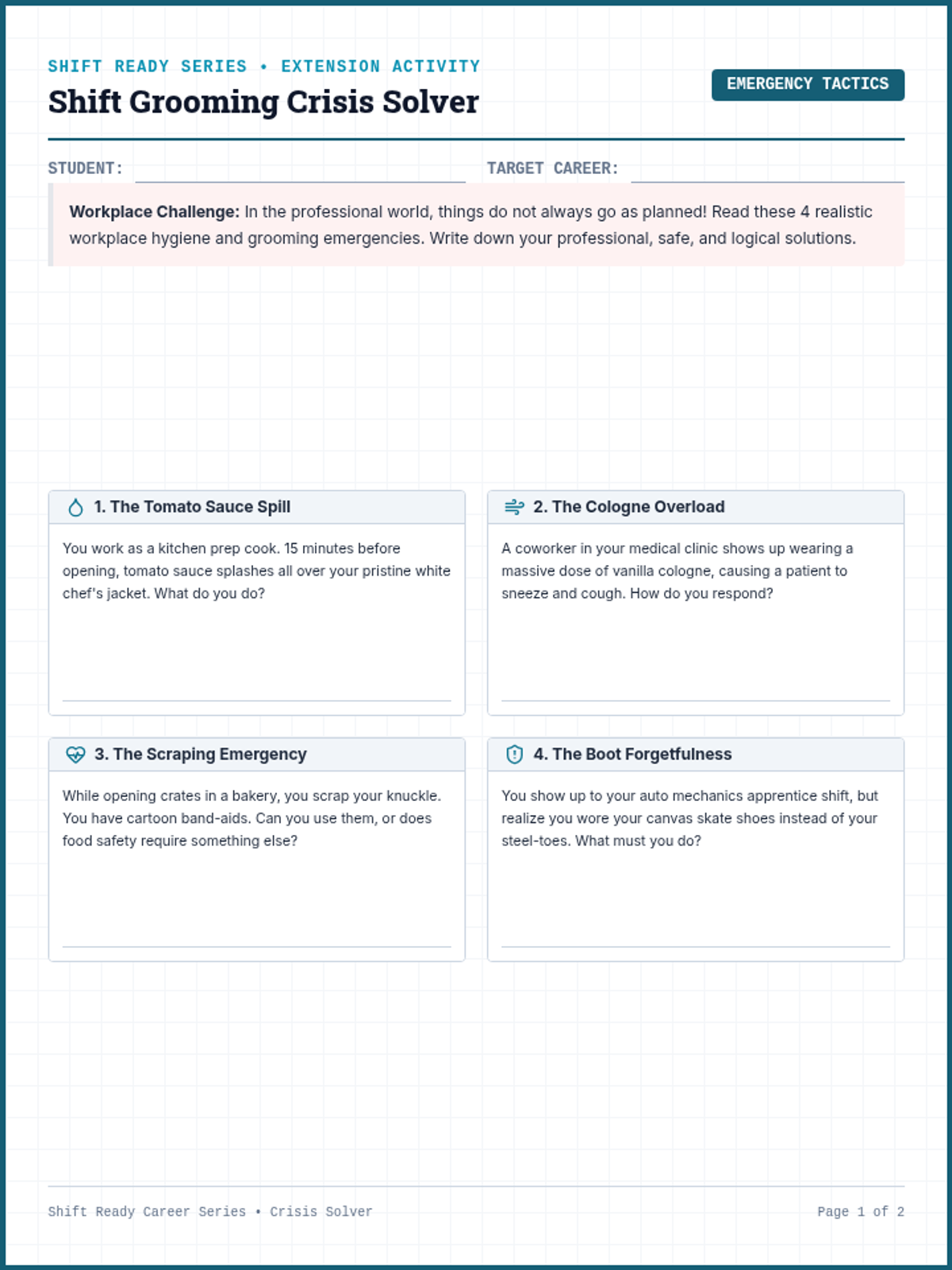
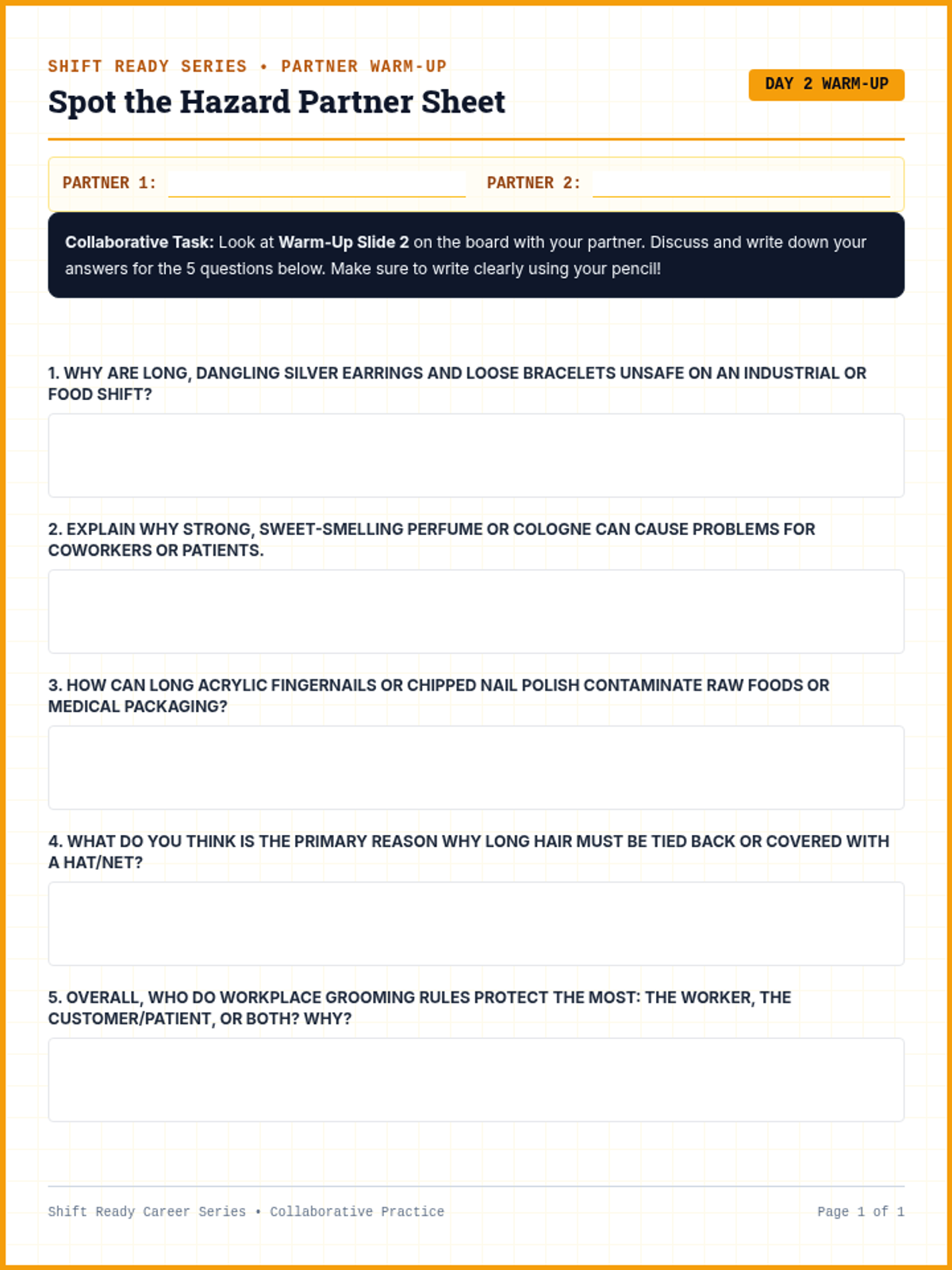
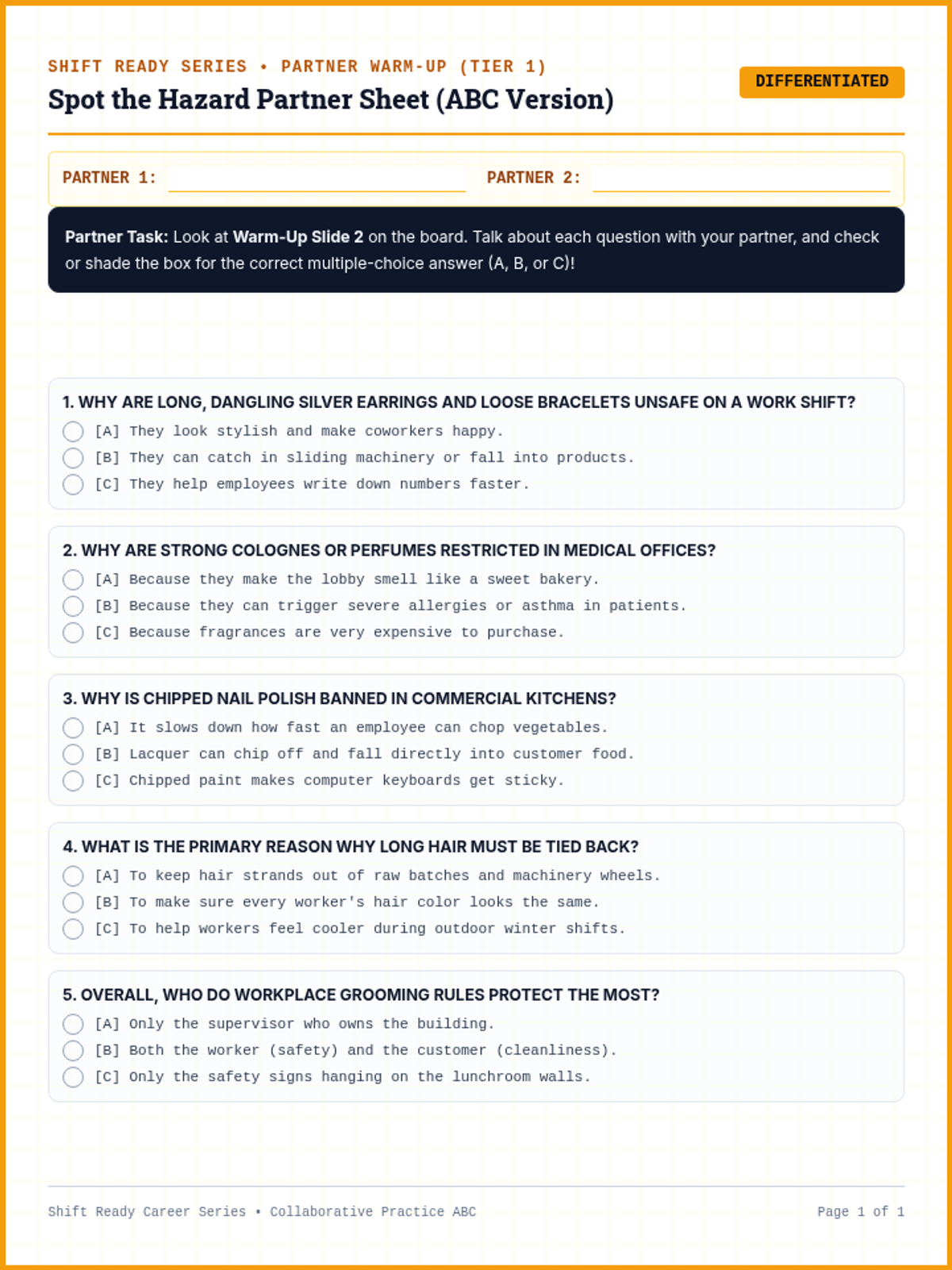
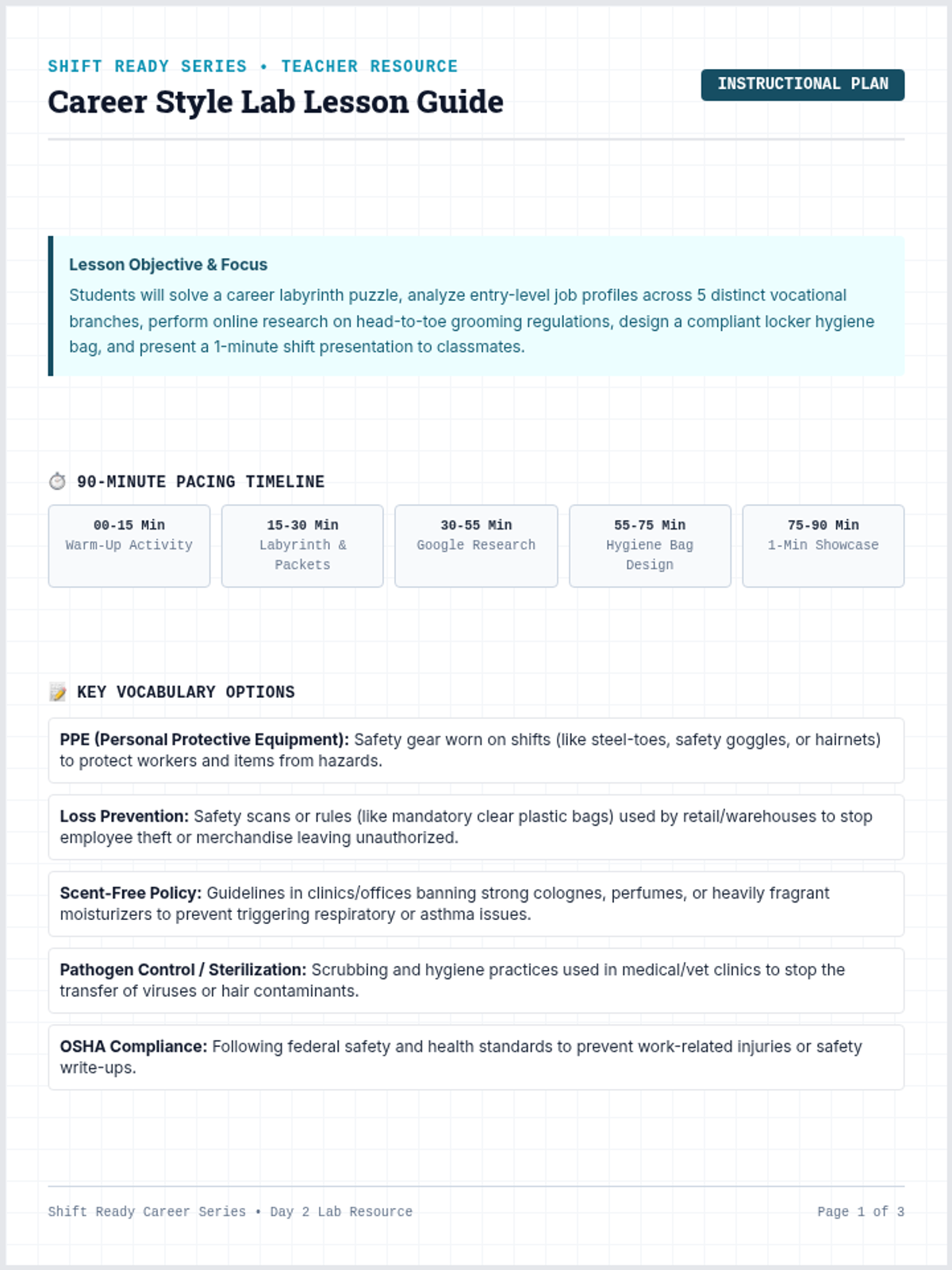
A guided research lesson for transition students to narrow down a career interest, research hygiene/apparel rules from head to toe, design a workplace-appropriate grooming bag, and present findings using a structured 1-minute presentation script.
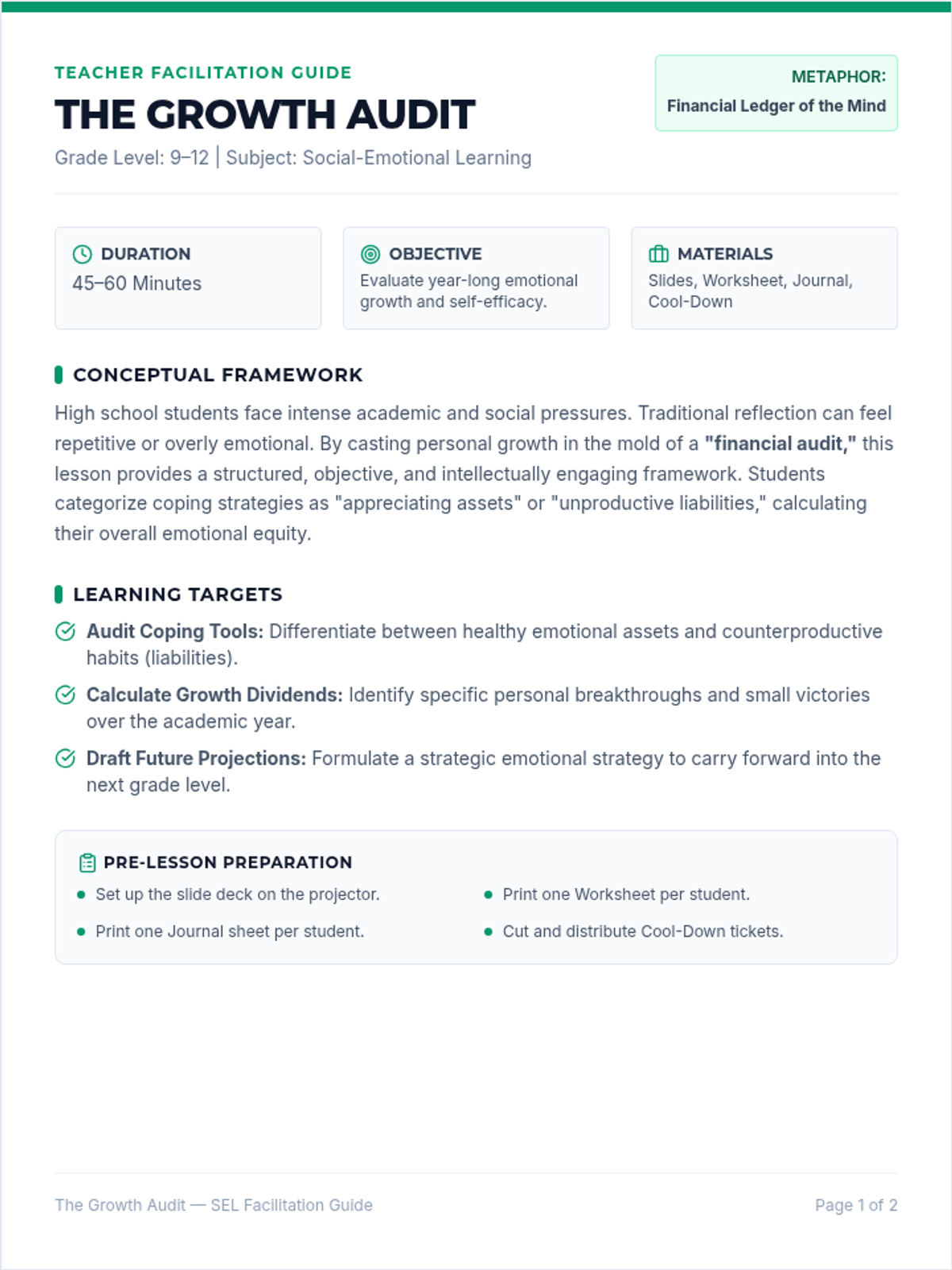
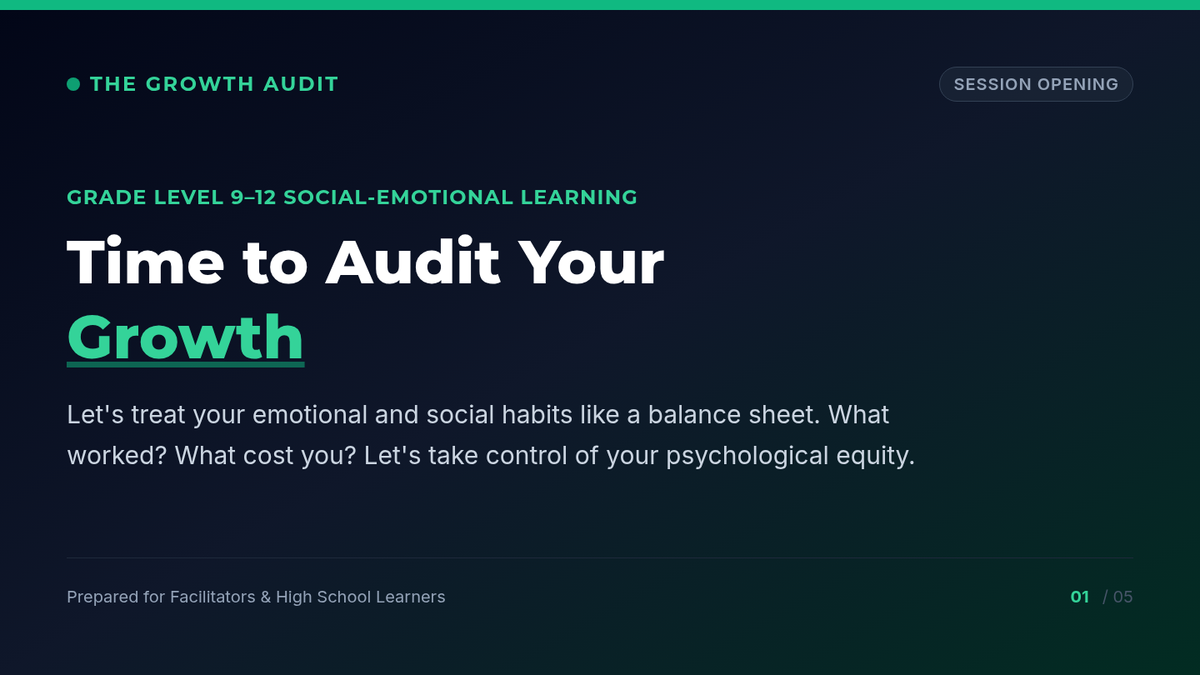
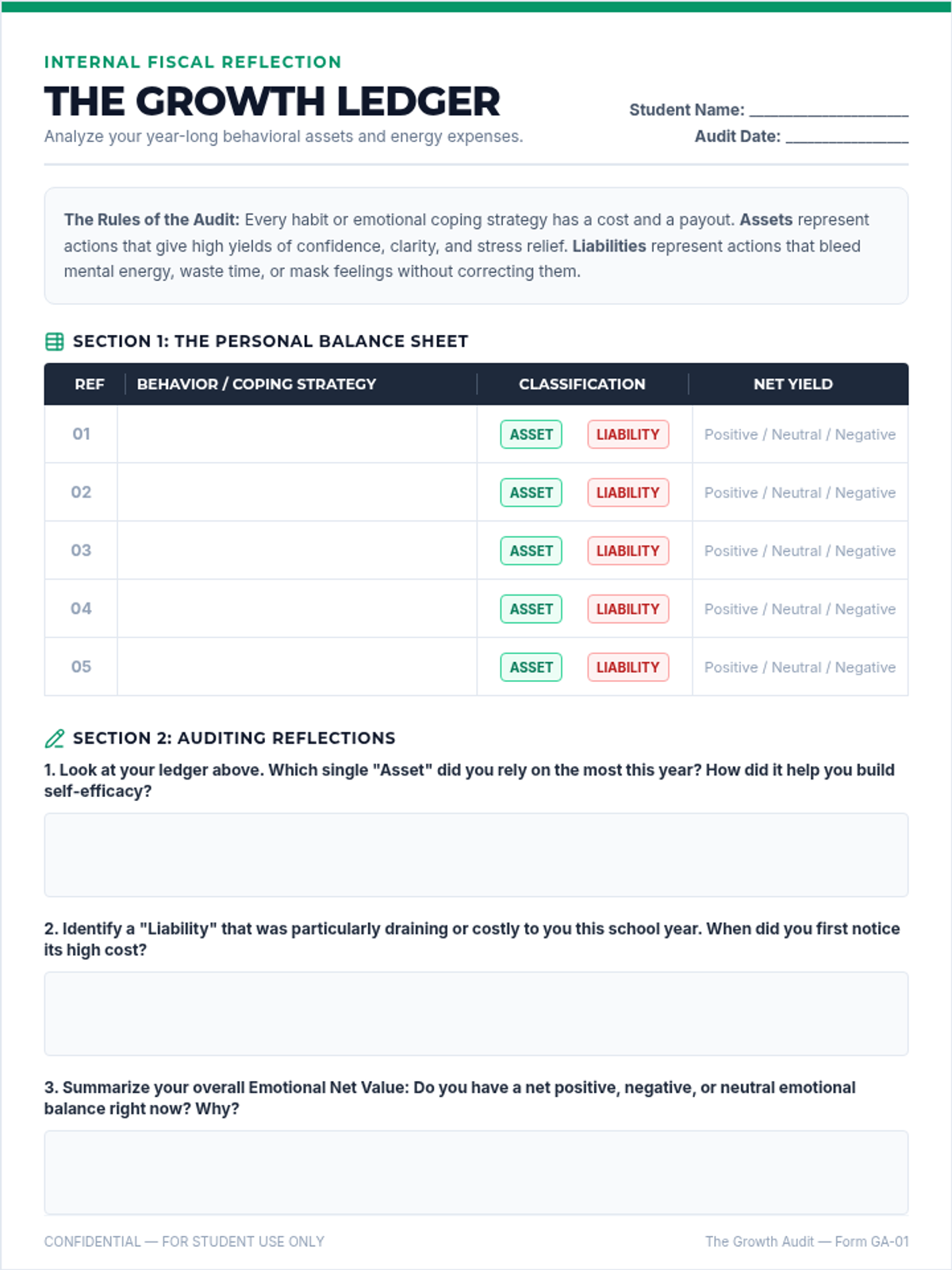
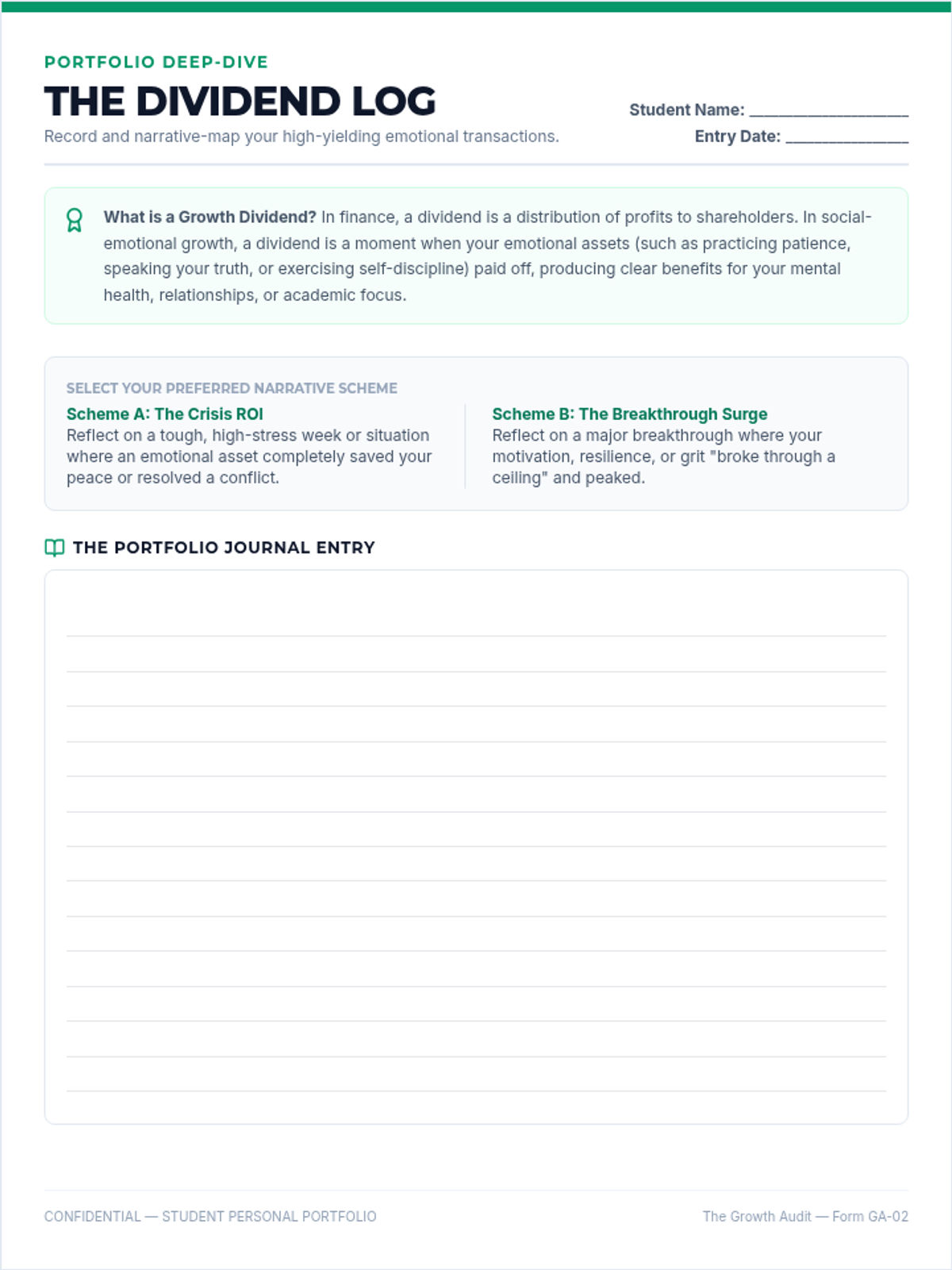
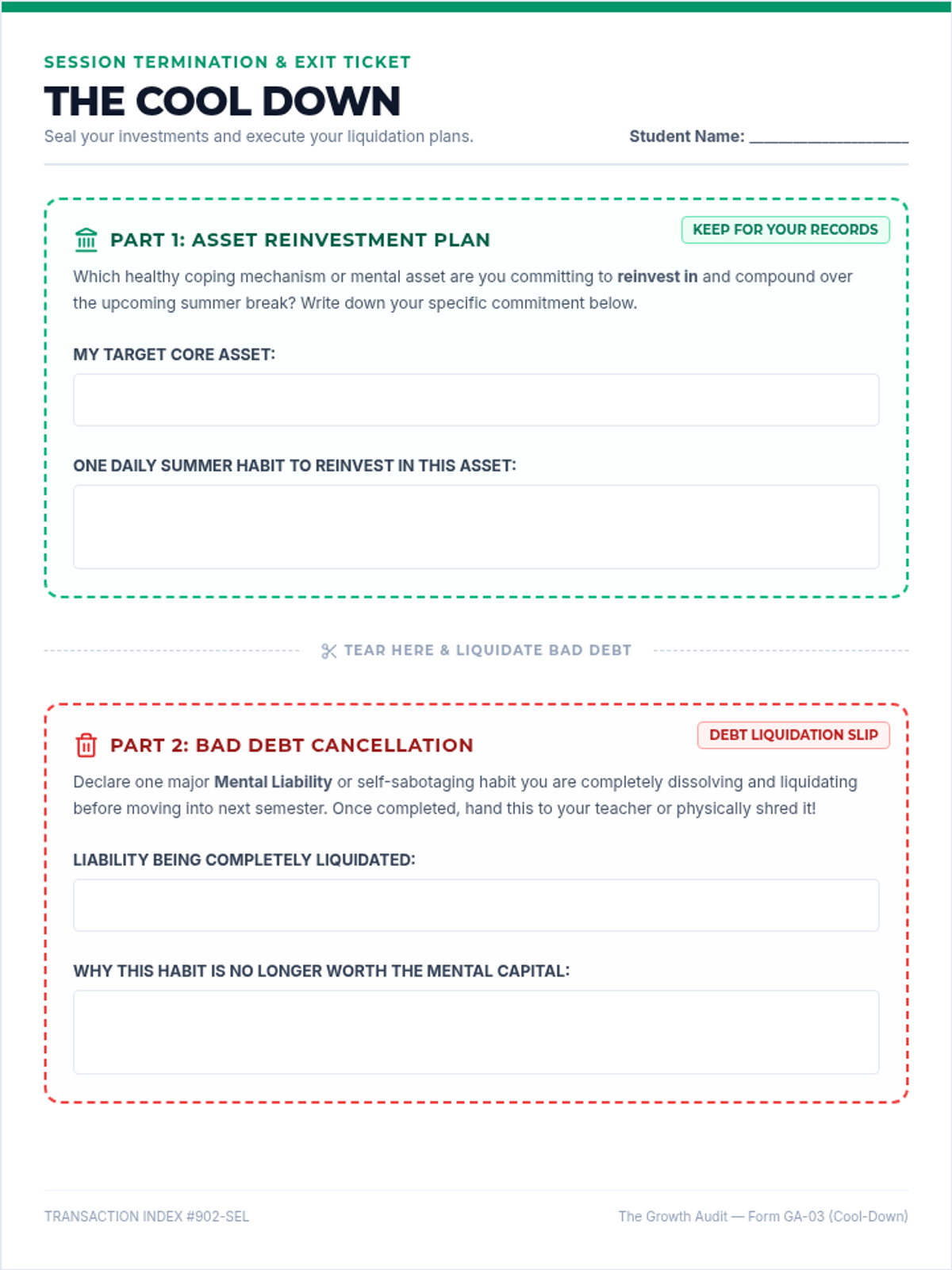
A reflective Social-Emotional Learning session for high school students (grades 9-12) to audit, analyze, and celebrate their personal and social growth over the school year using analytical financial metaphors.
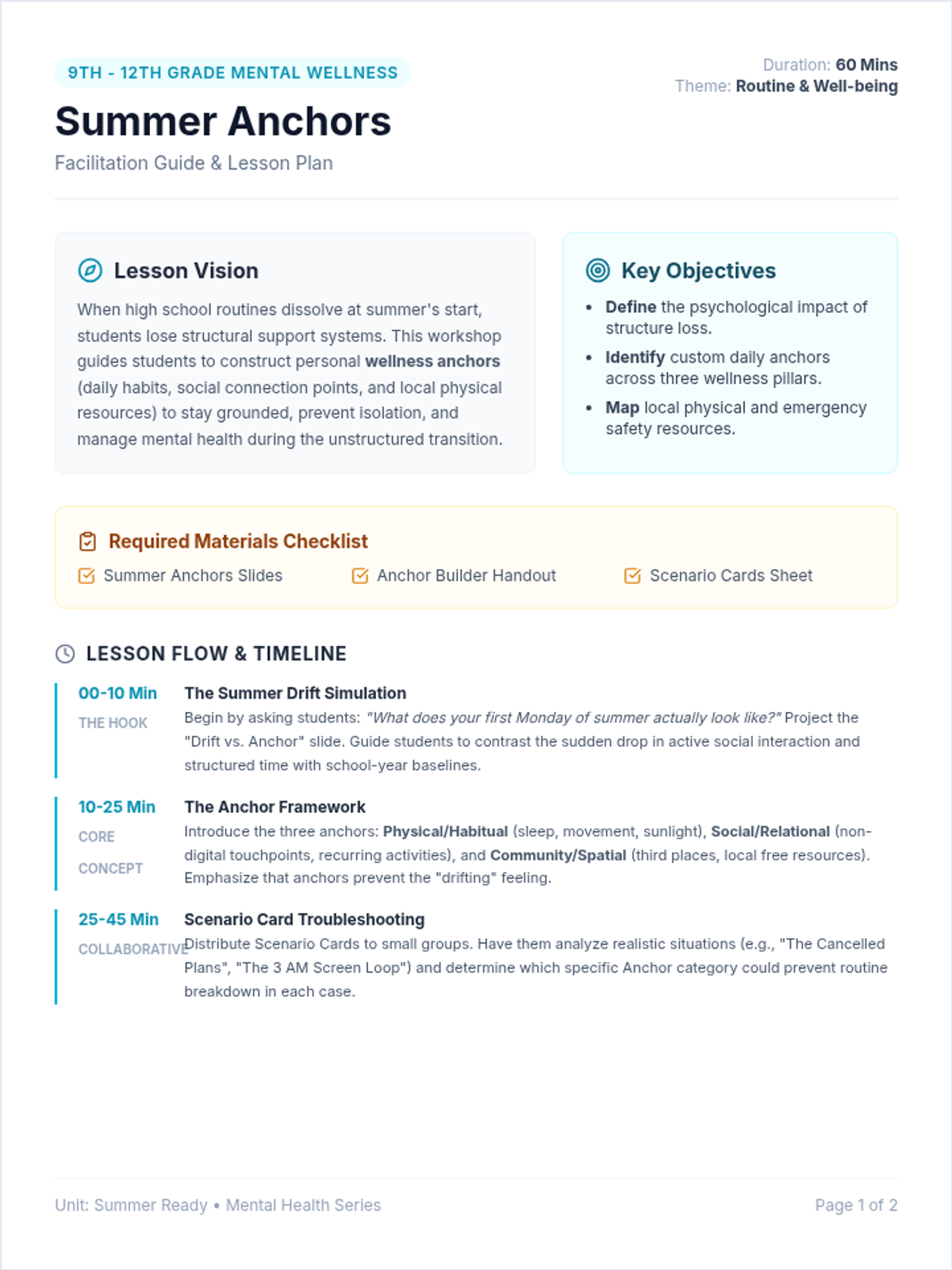
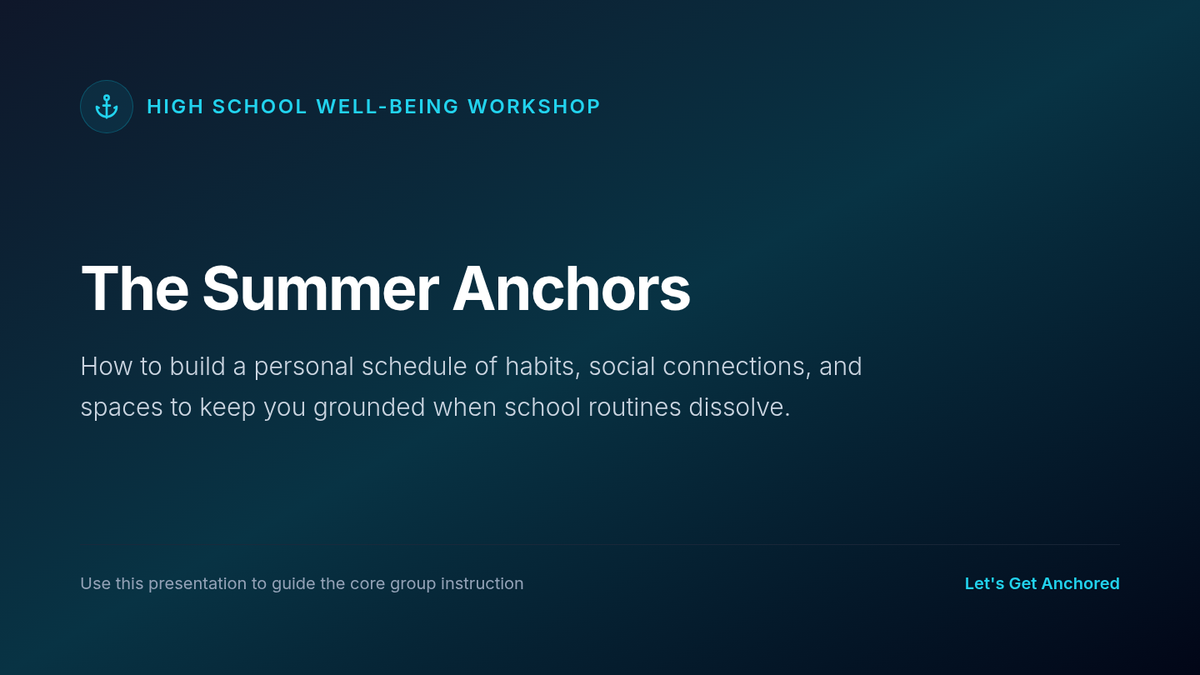
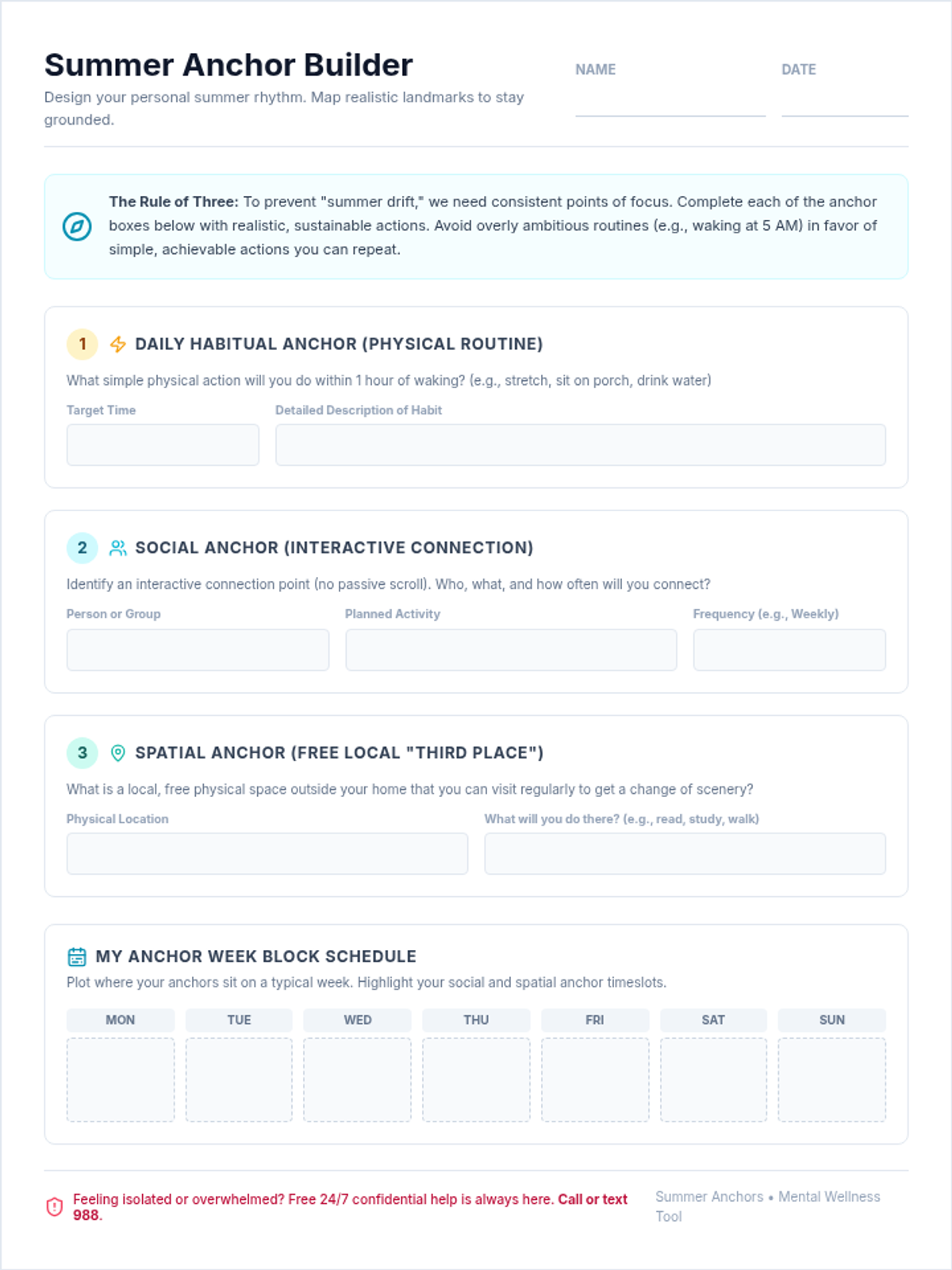
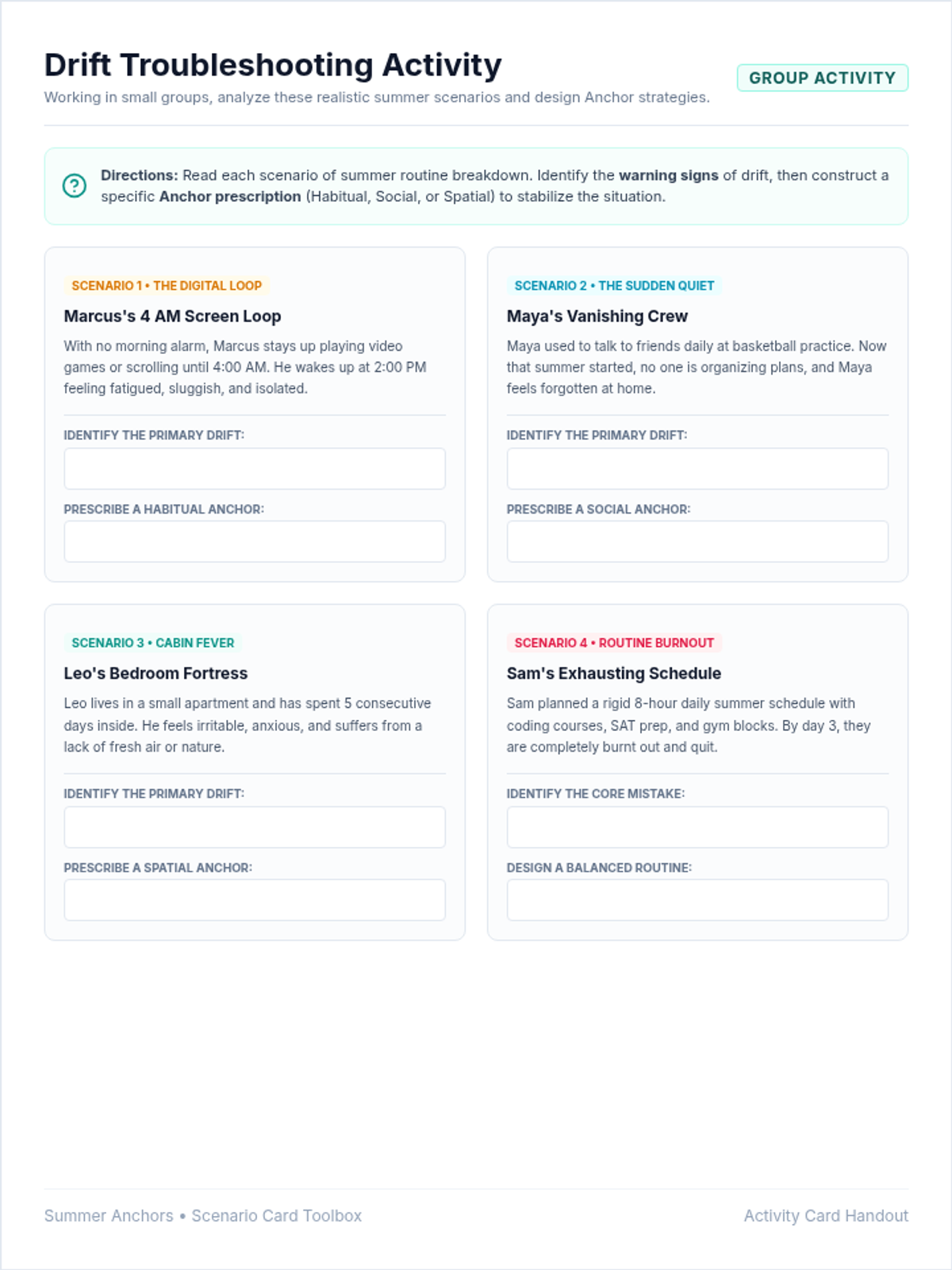
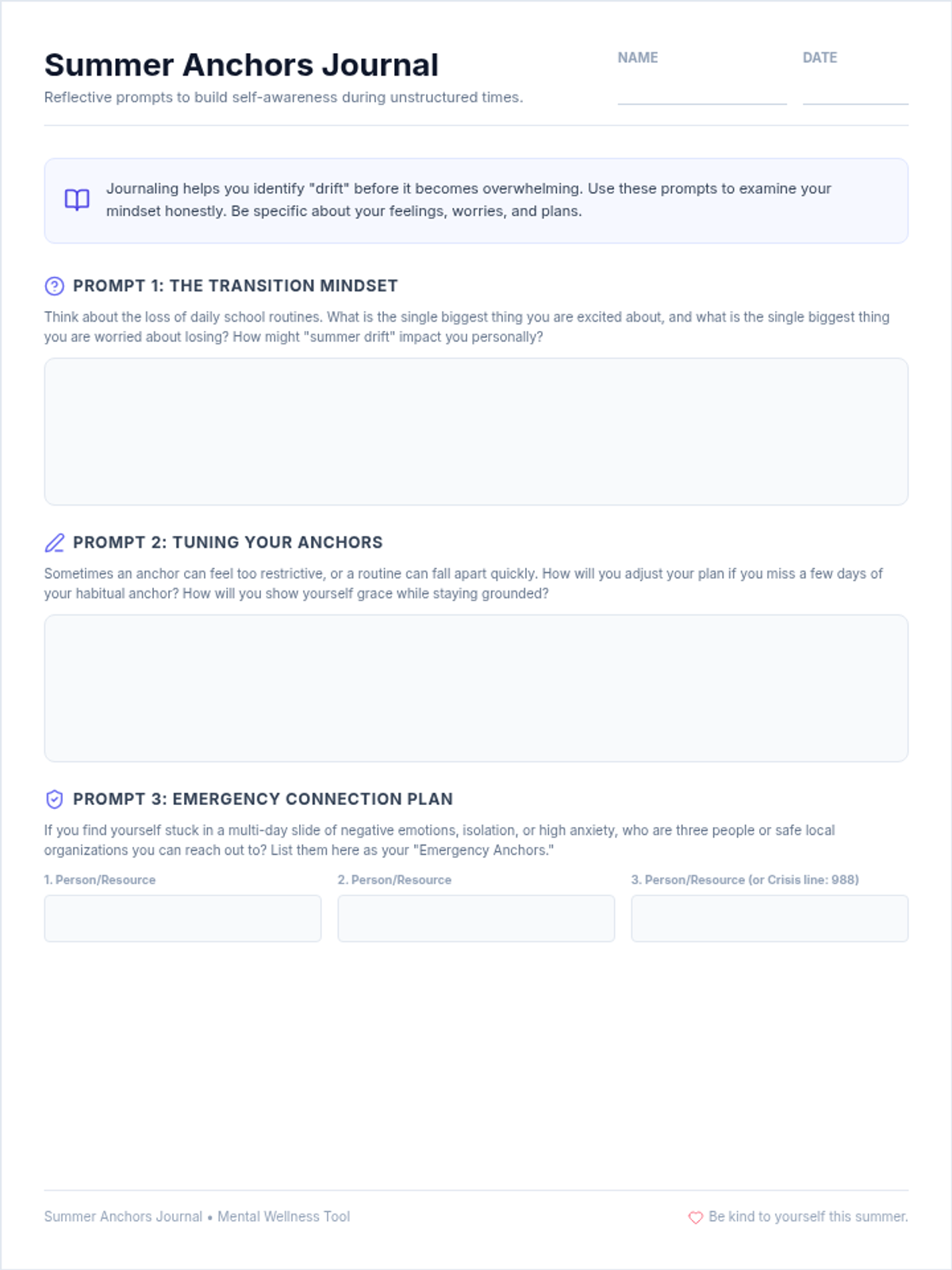
A comprehensive lesson designed for 9th-12th Grade students to establish daily wellness 'anchors'—essential habits, social connections, and community resources—to structure their summer break and support mental well-being when school routines dissolve.
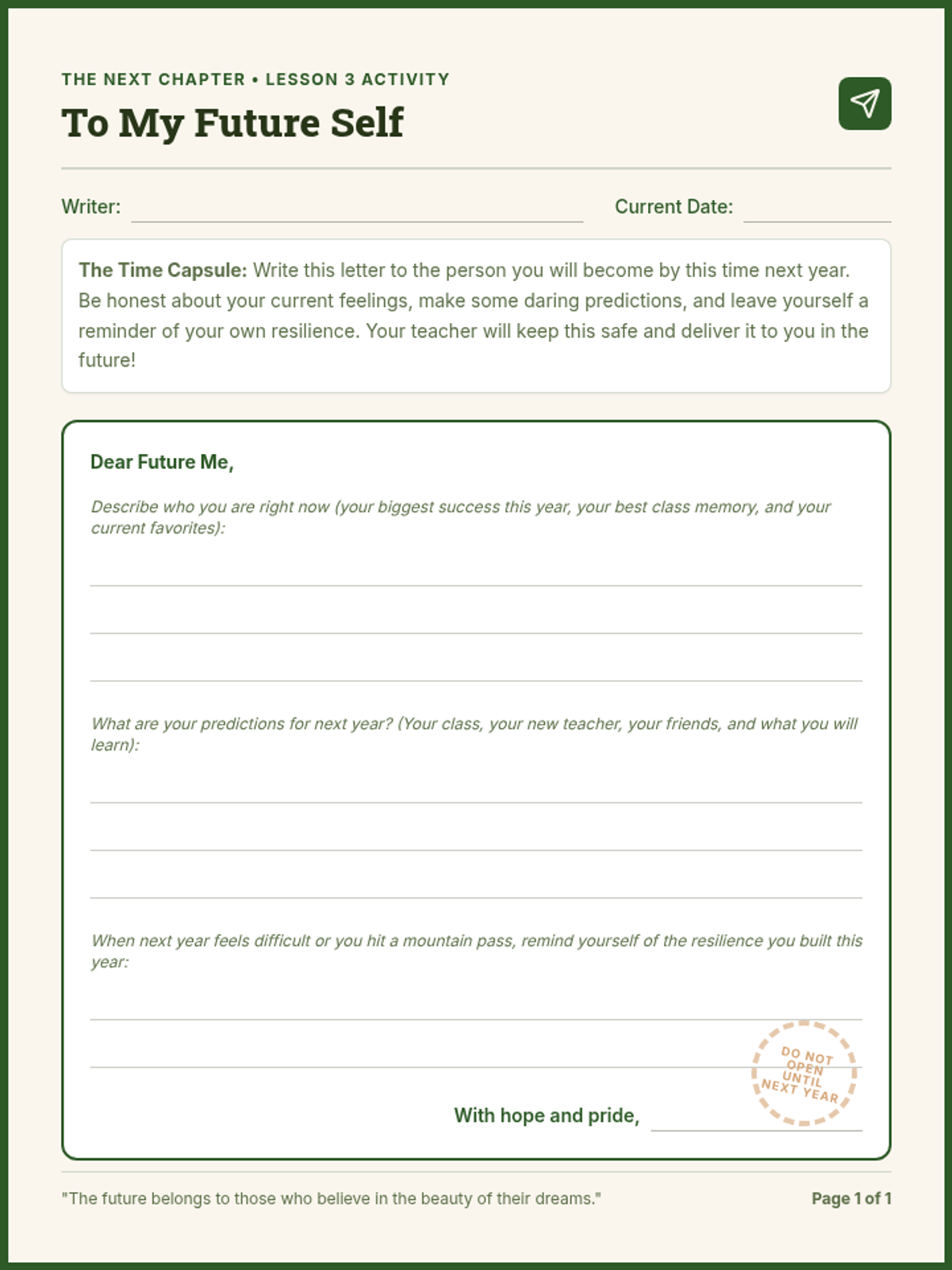
Students explore their expectations, excitements, and fears regarding the upcoming school year. They compile their wisdom for next year's class and write a letter of support to their future selves.
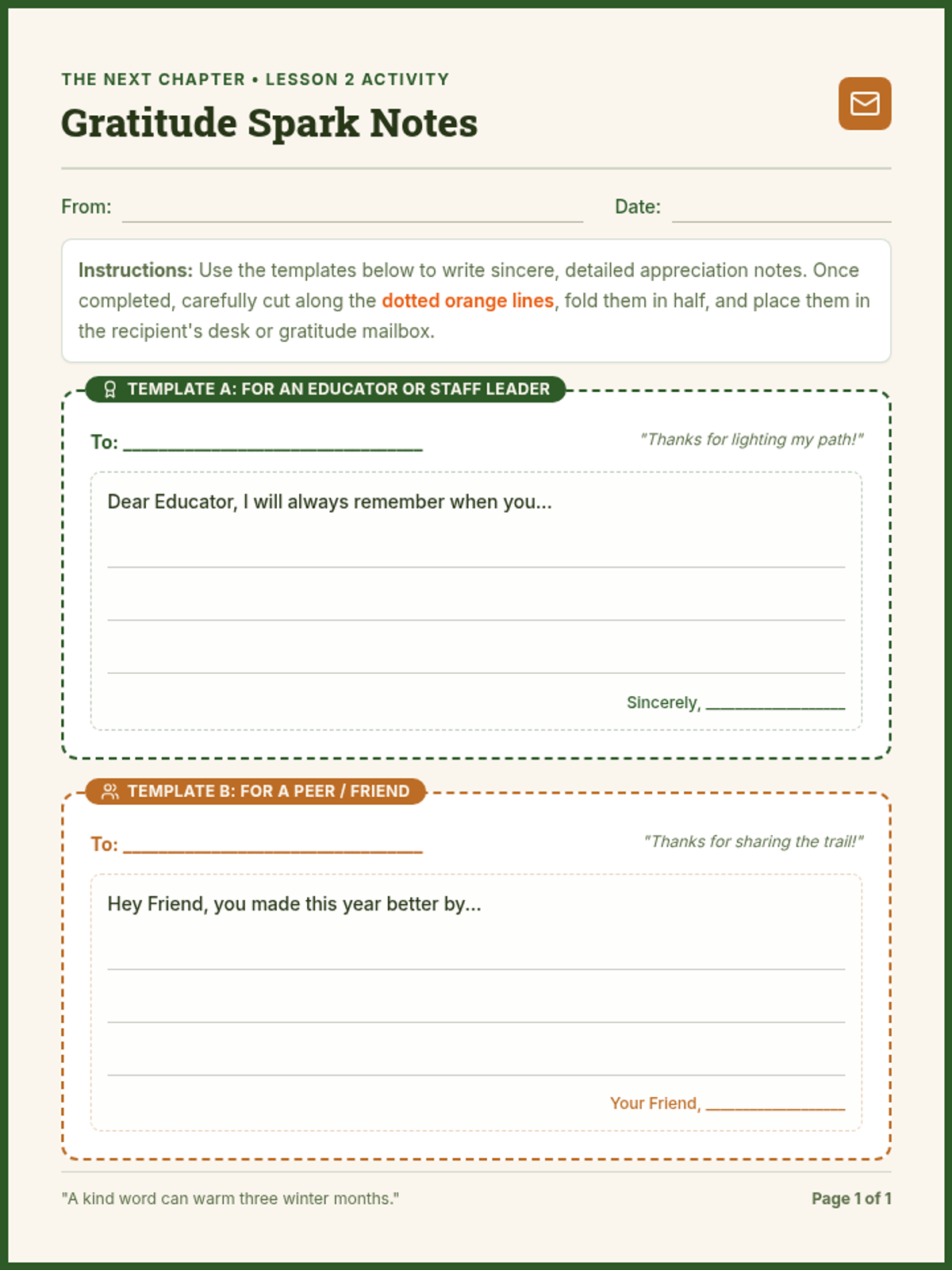
Students practice expressions of meaningful closure. They write gratitude notes to peers and teachers, process the emotions of physically leaving their current classroom, and celebrate their shared history.
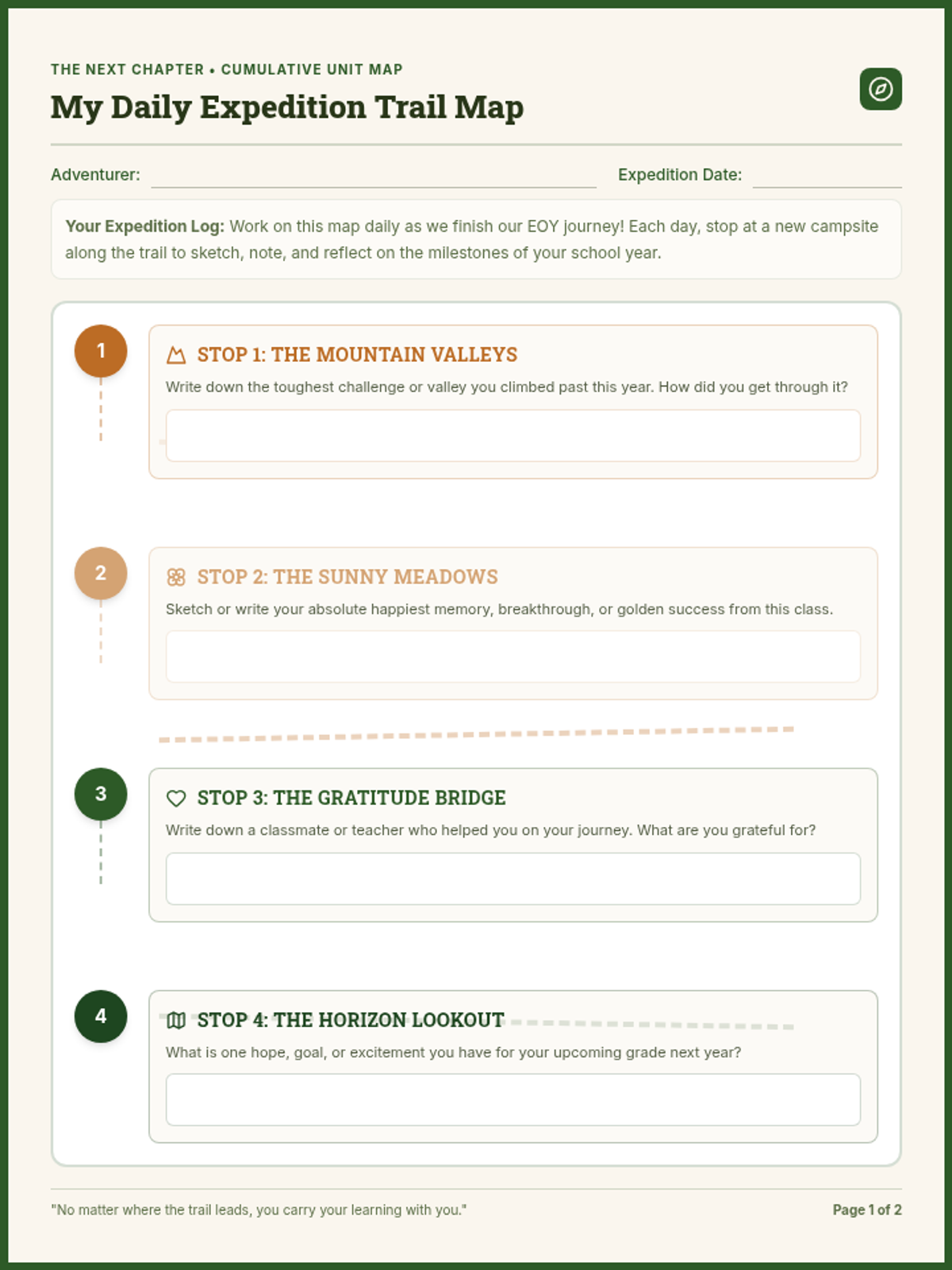
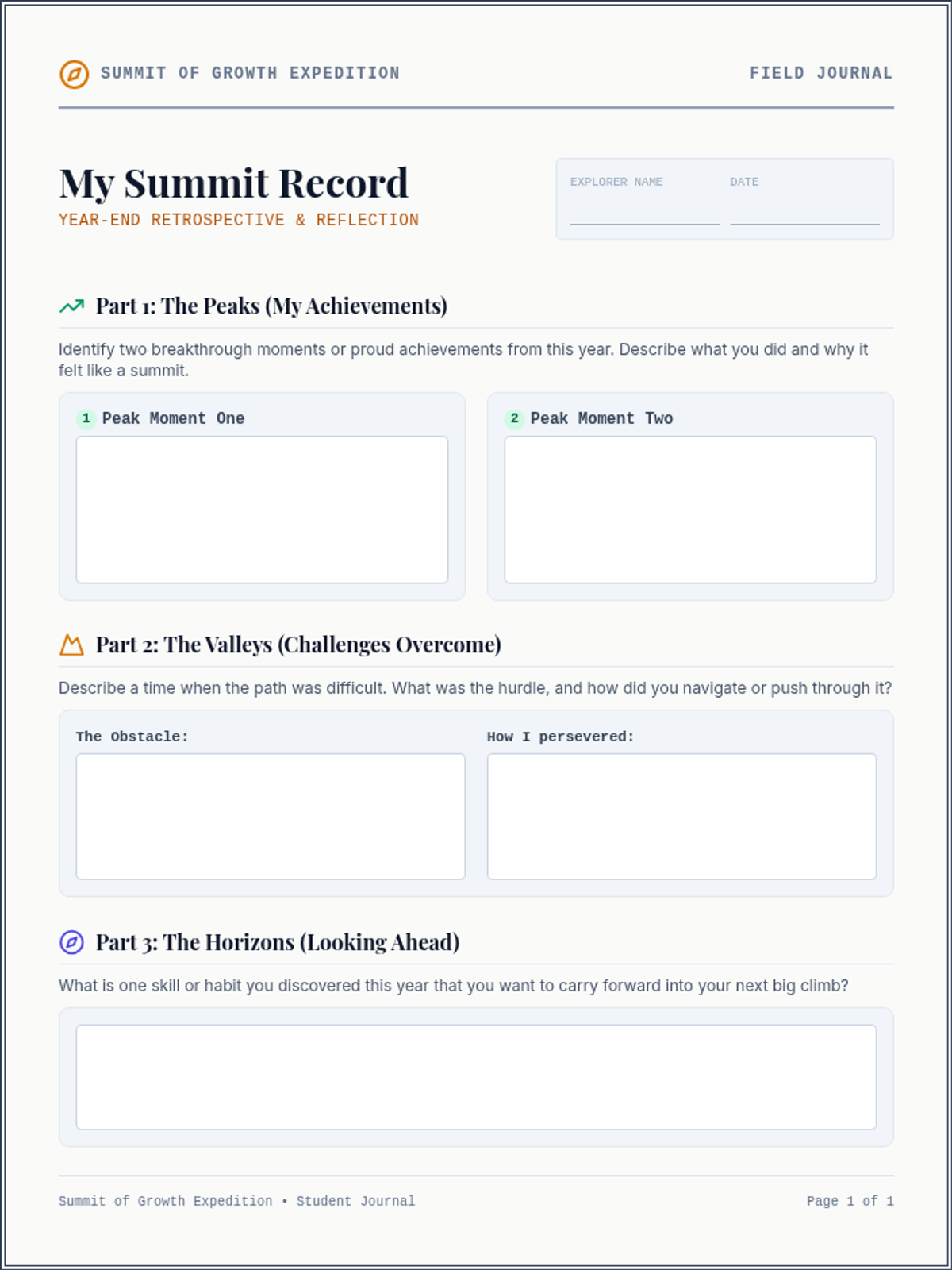
In this lesson, students reflect on their highest and lowest points of the school year. They explore how challenging days built resilience and how successful moments deserve celebration, utilizing mountain and meadow imagery.
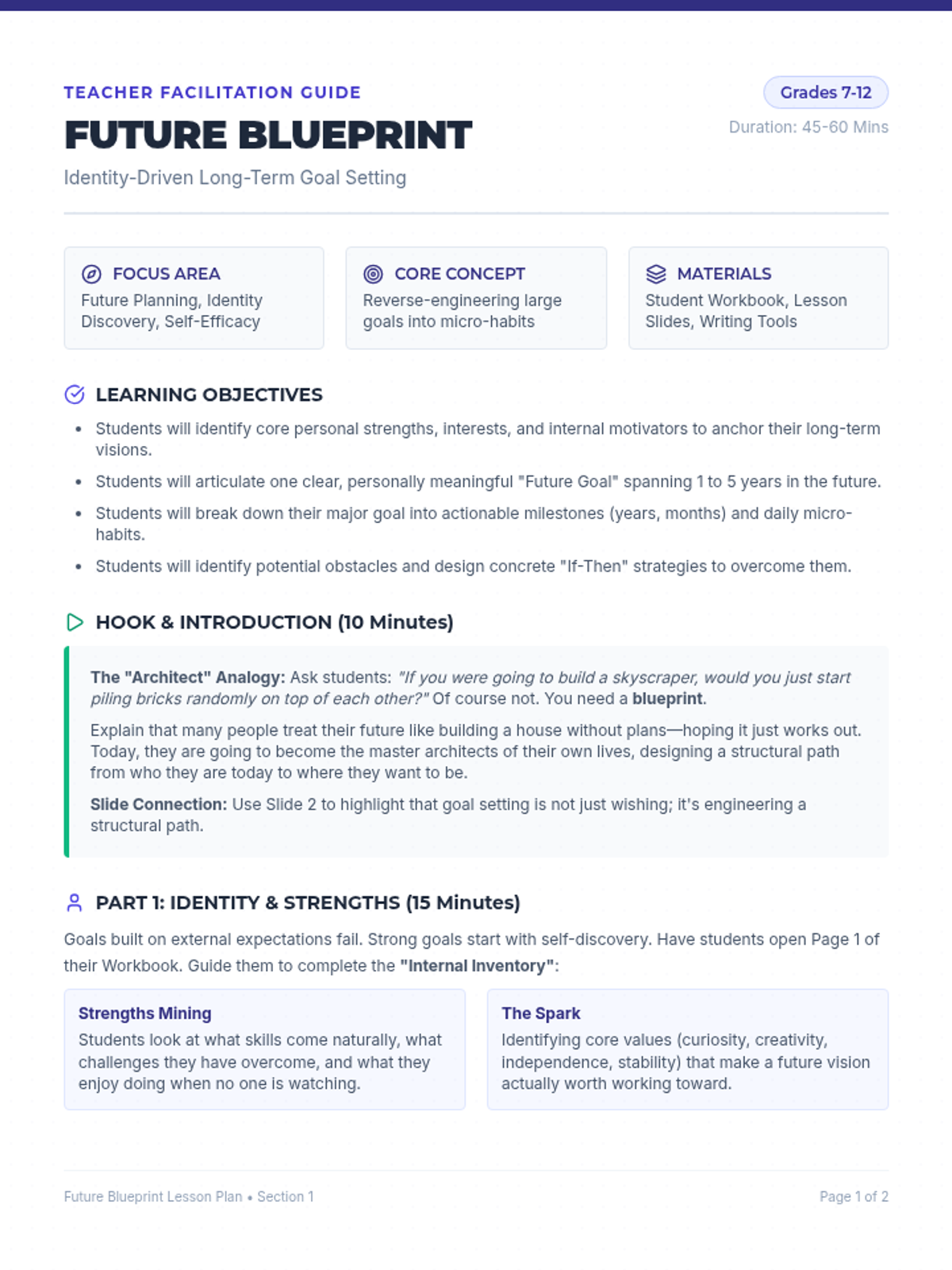
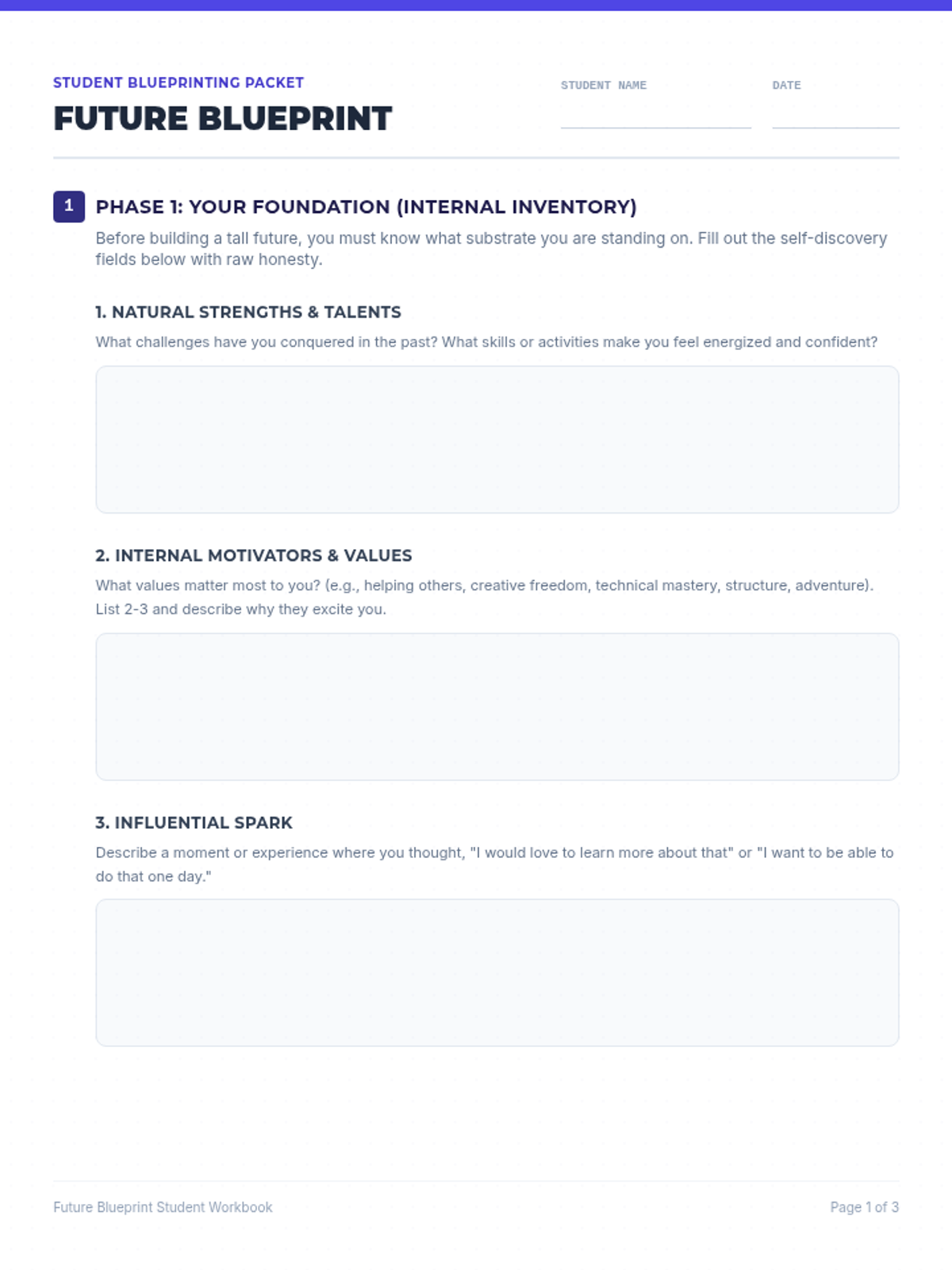
A comprehensive lesson guiding students through identity exploration, strengths mapping, and structuring long-term personal goals into actionable milestones and daily habits.
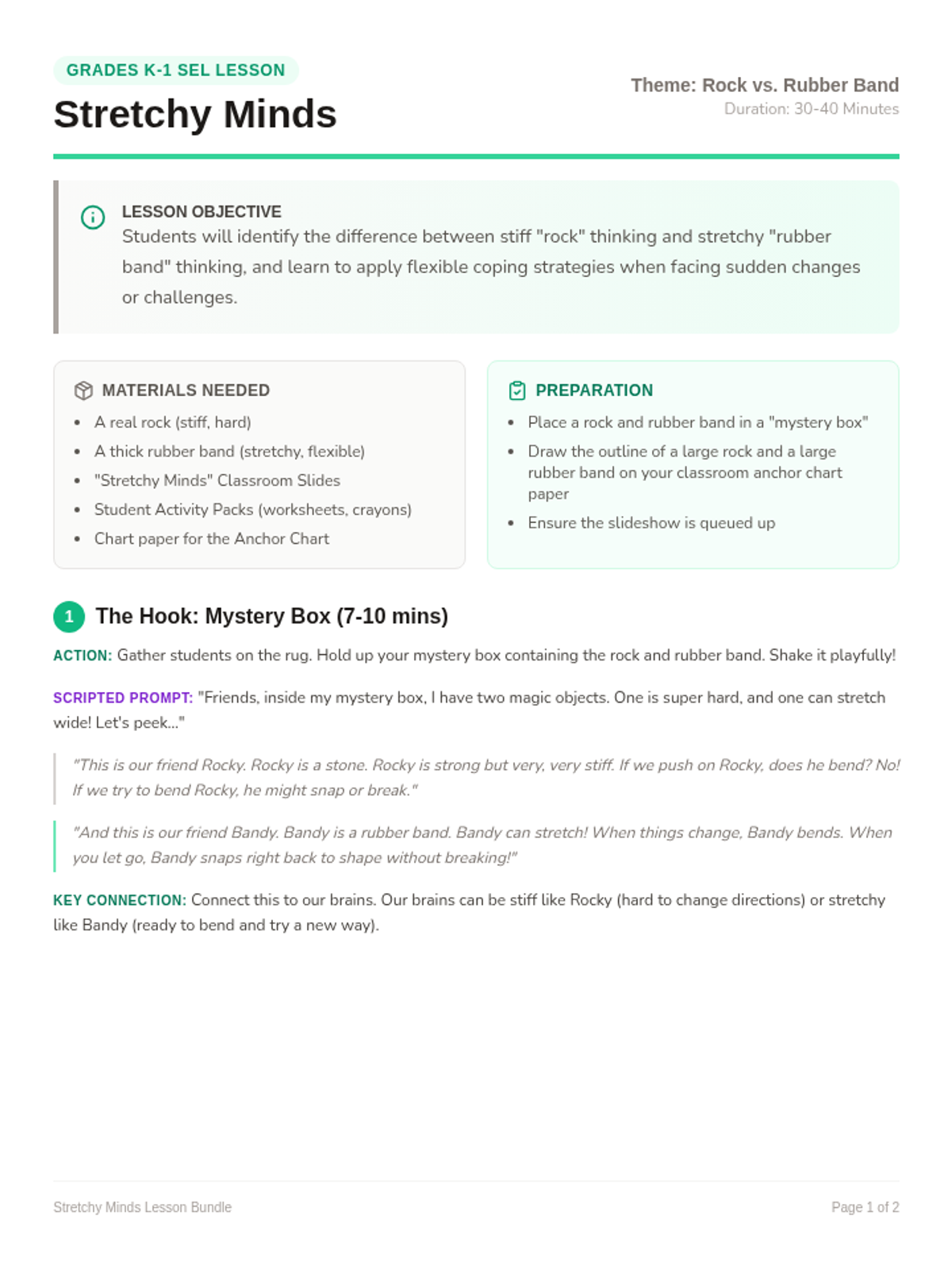
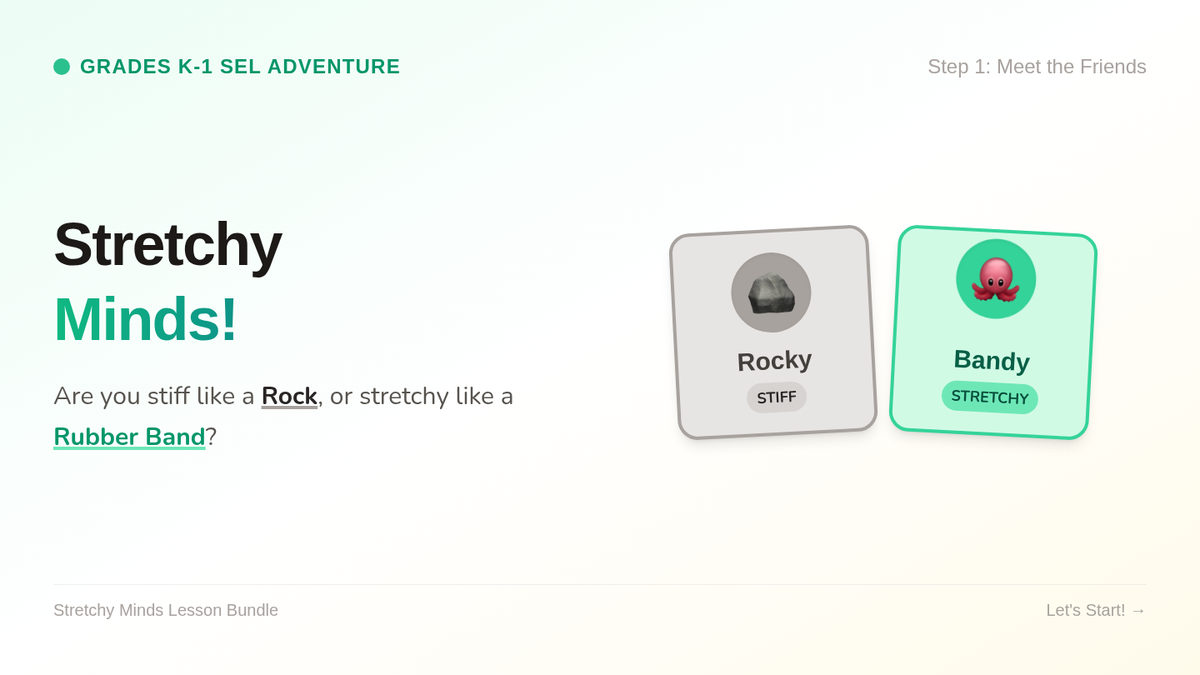
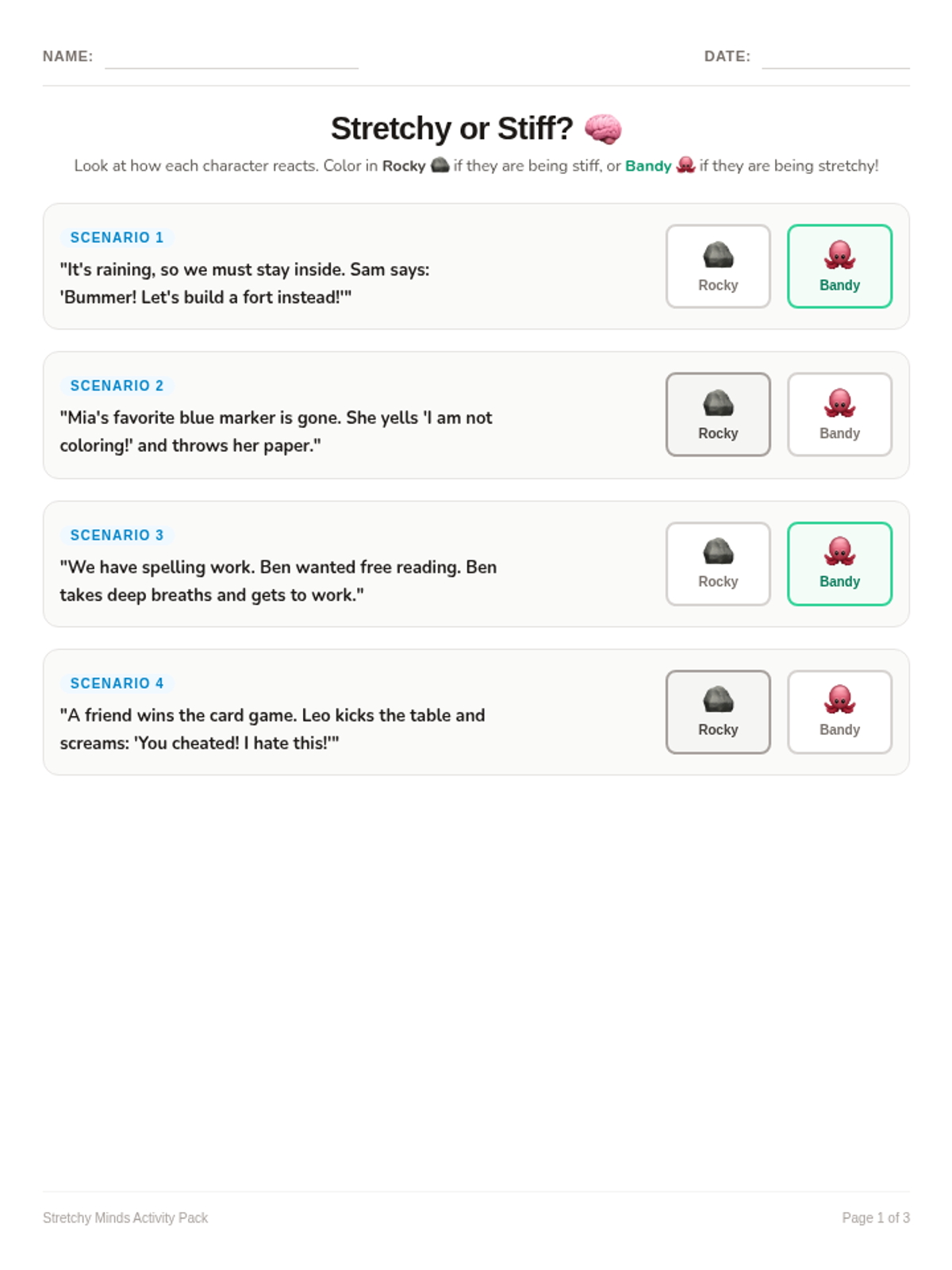
A social-emotional learning lesson for grades K-1 introducing flexible thinking through the metaphor of a stiff rock versus a stretchy rubber band.
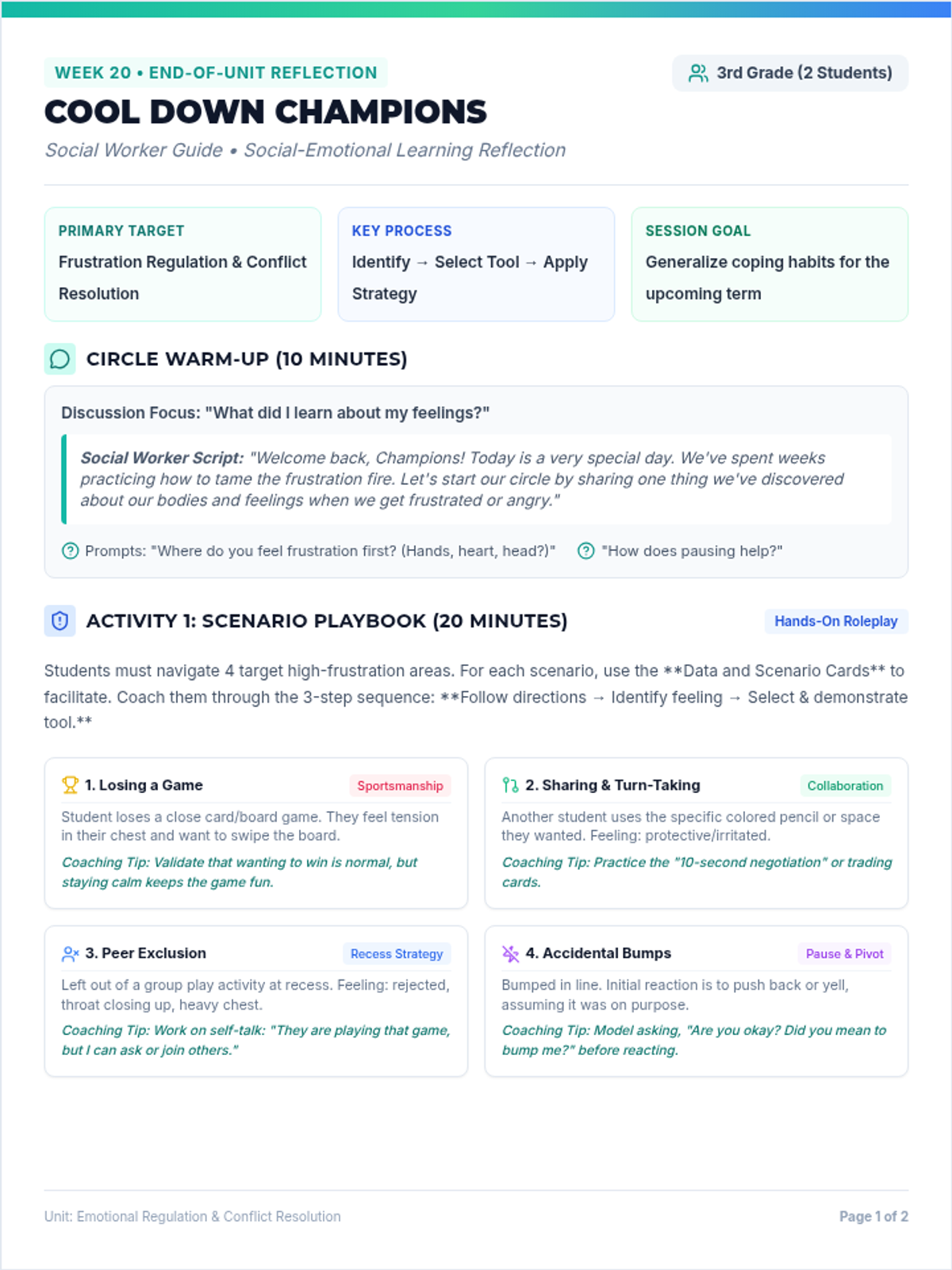
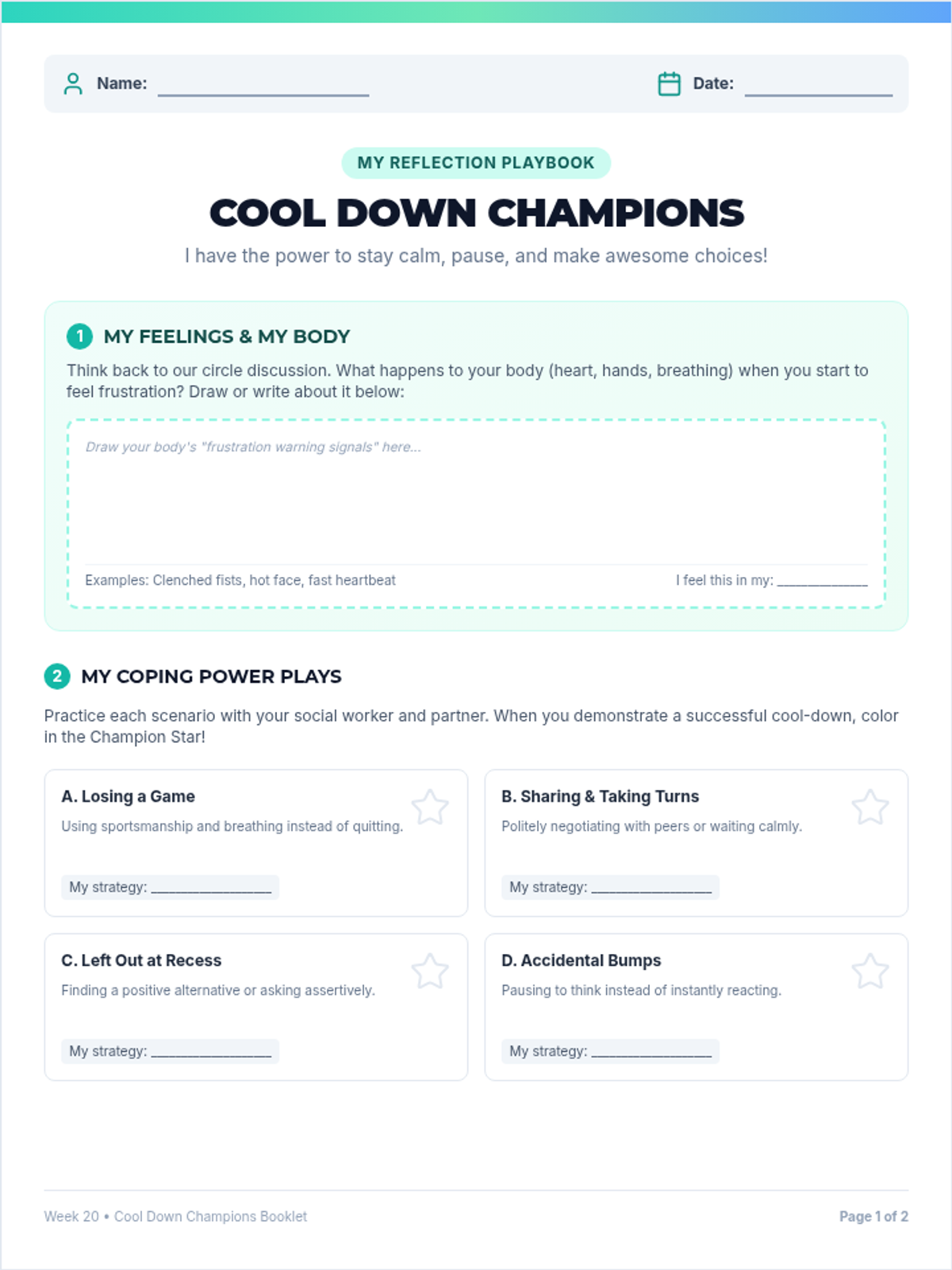
An intensive, reflective end-of-unit session for 3rd graders focused on emotional regulation during peer conflict. Students review critical scenarios like losing games, turn-taking, peer exclusion, and accidental bumps, demonstrating coping tools and setting future goals.
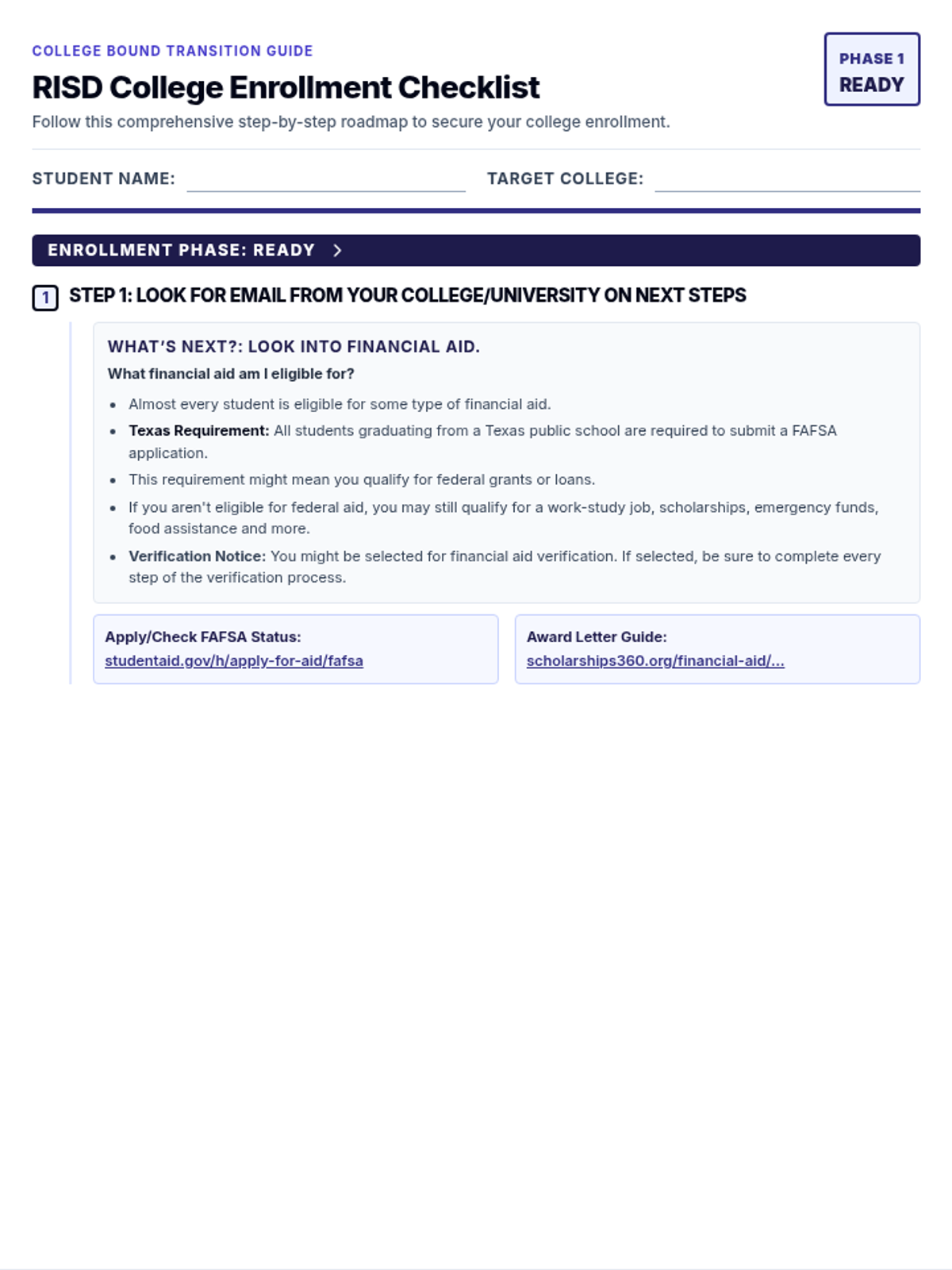
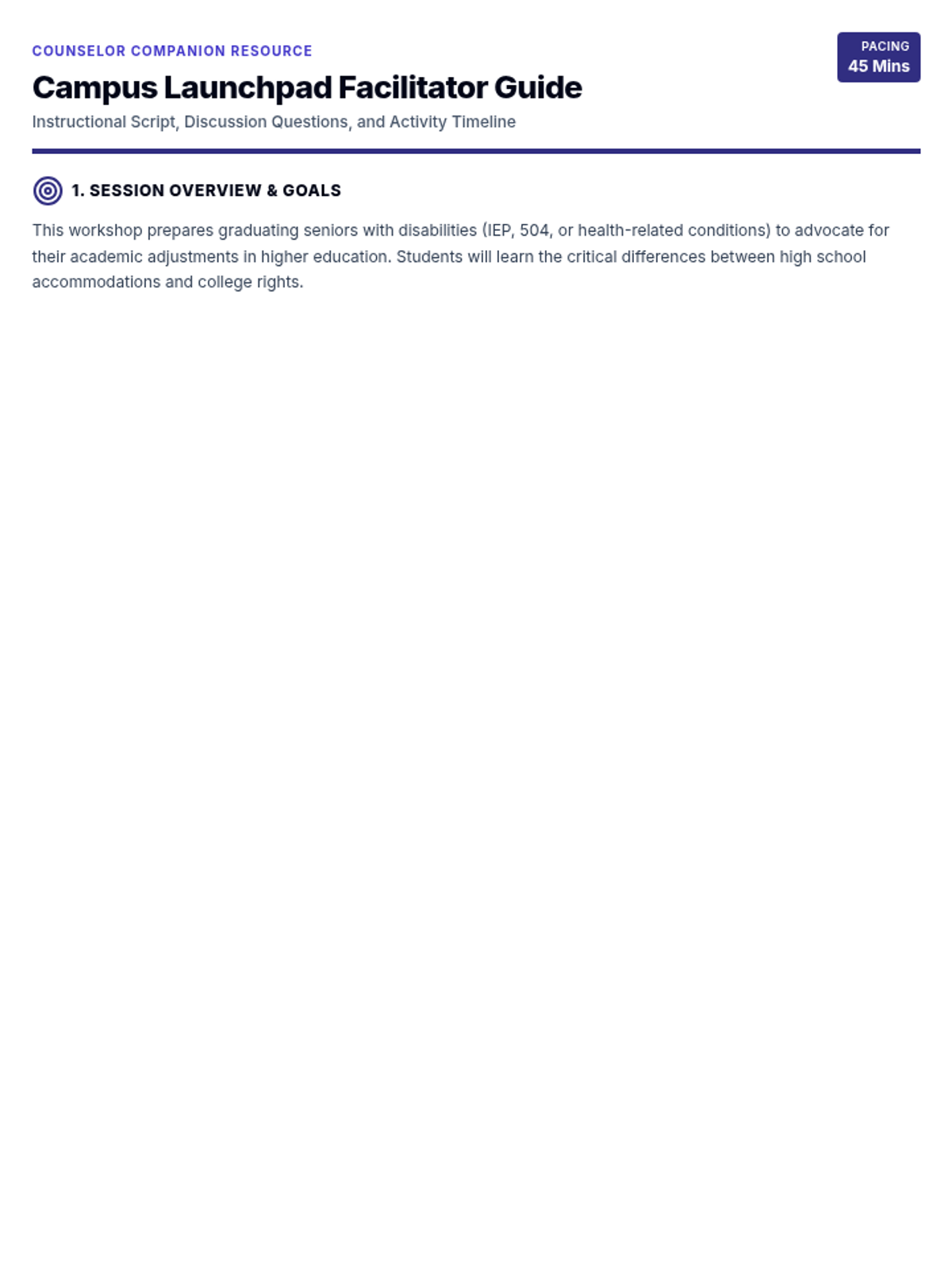
A transition lesson designed to help graduating high school seniors navigate college campus resources, master self-advocacy, and successfully secure academic adjustments.
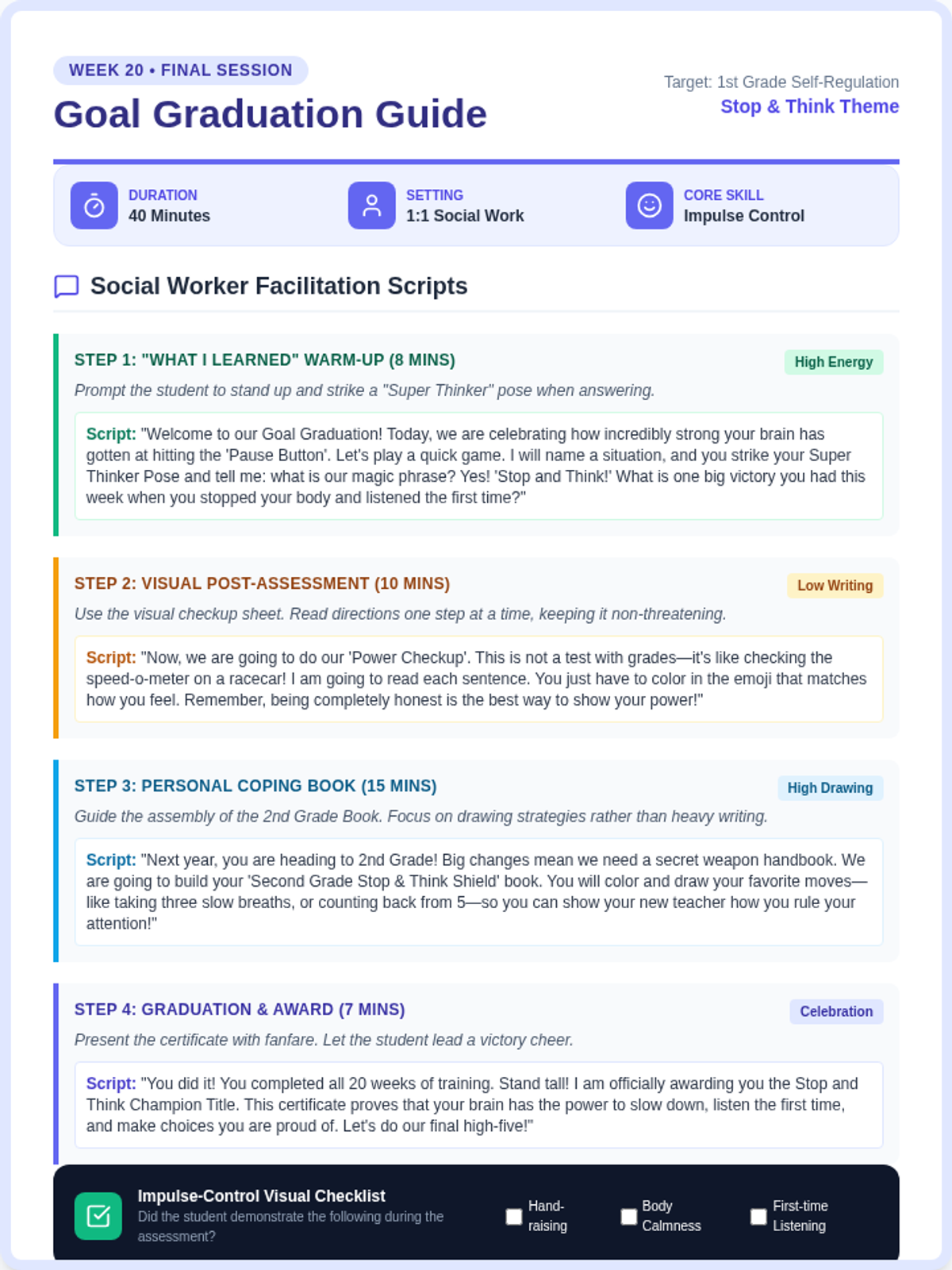
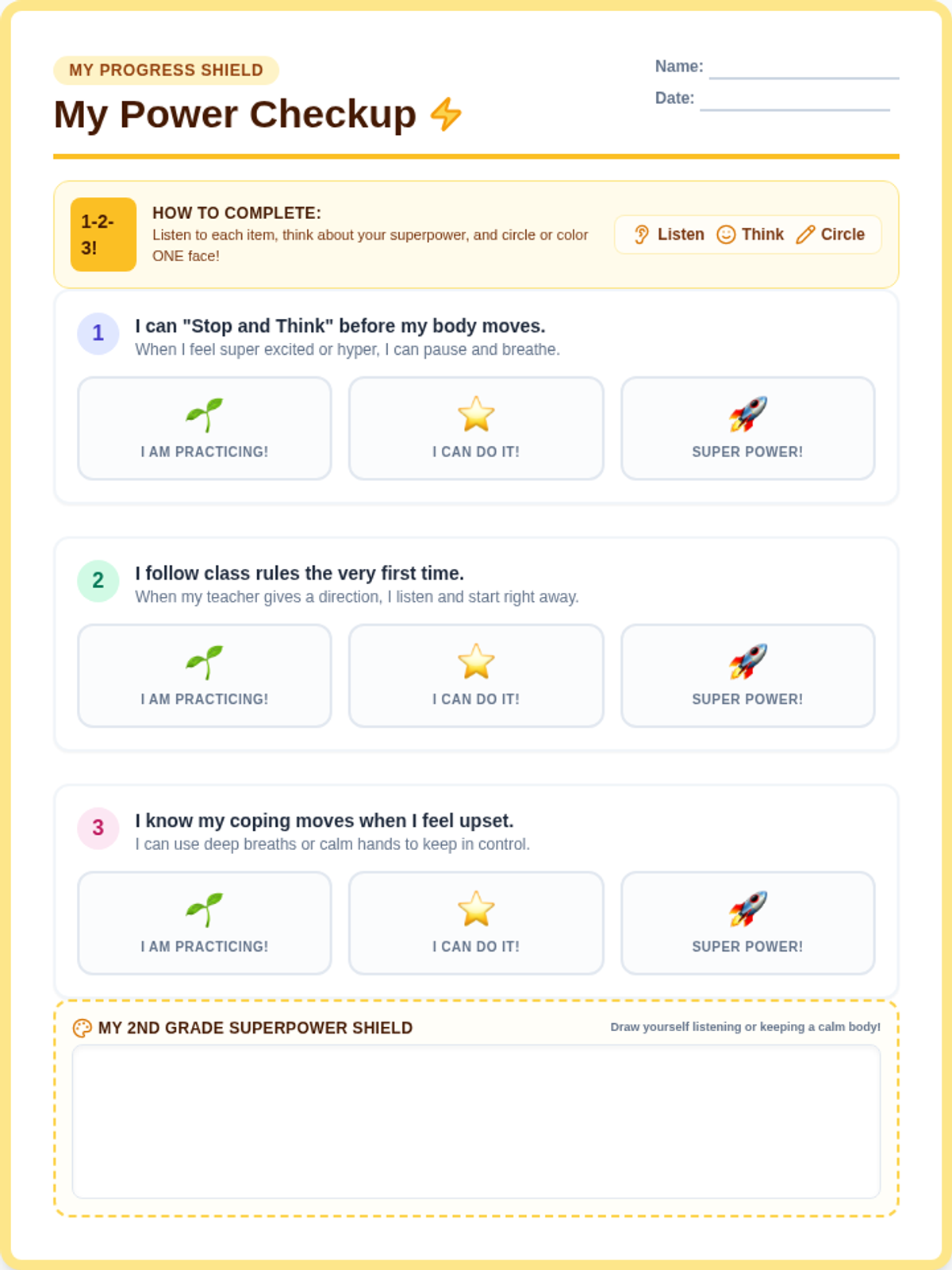
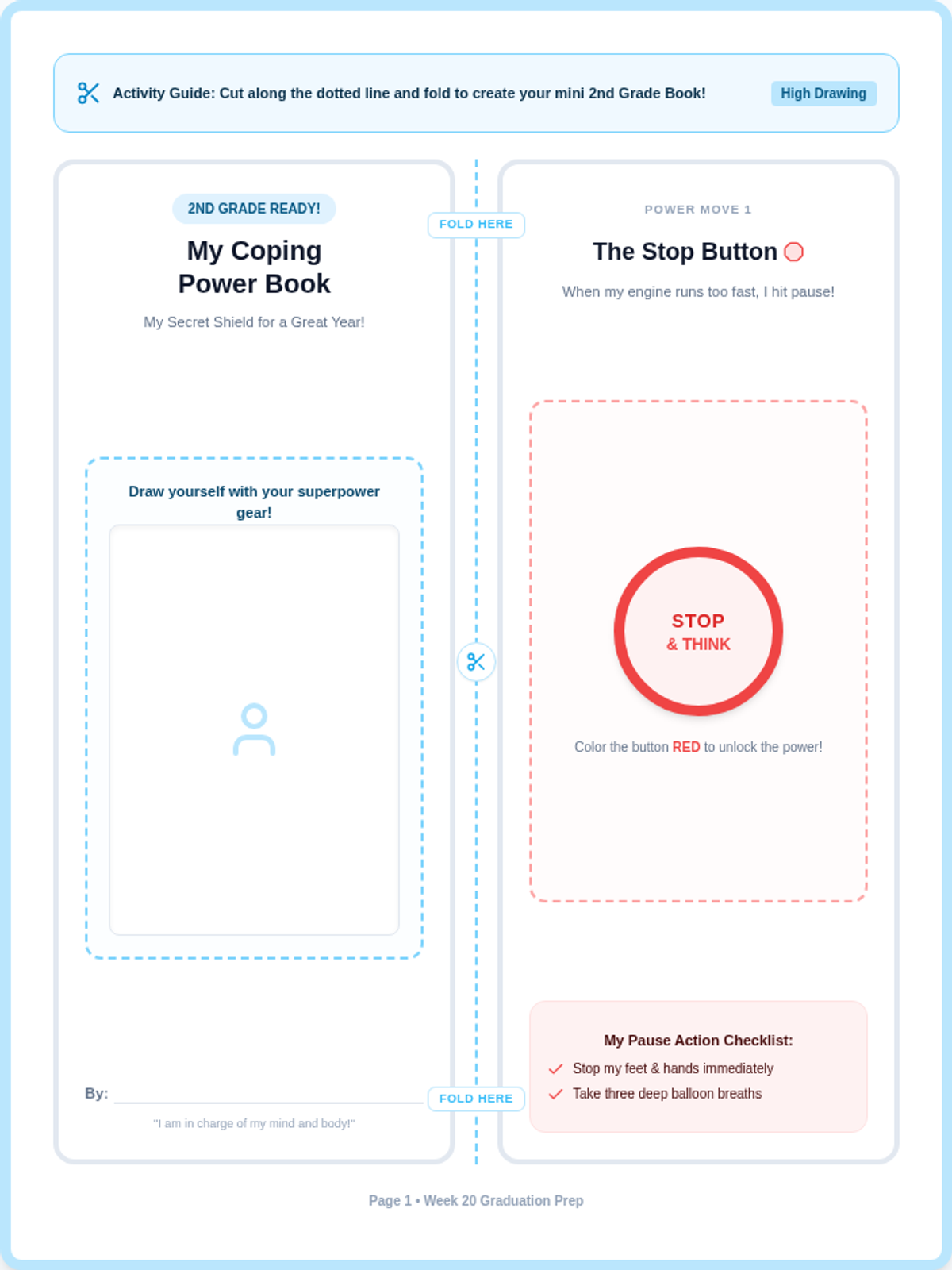
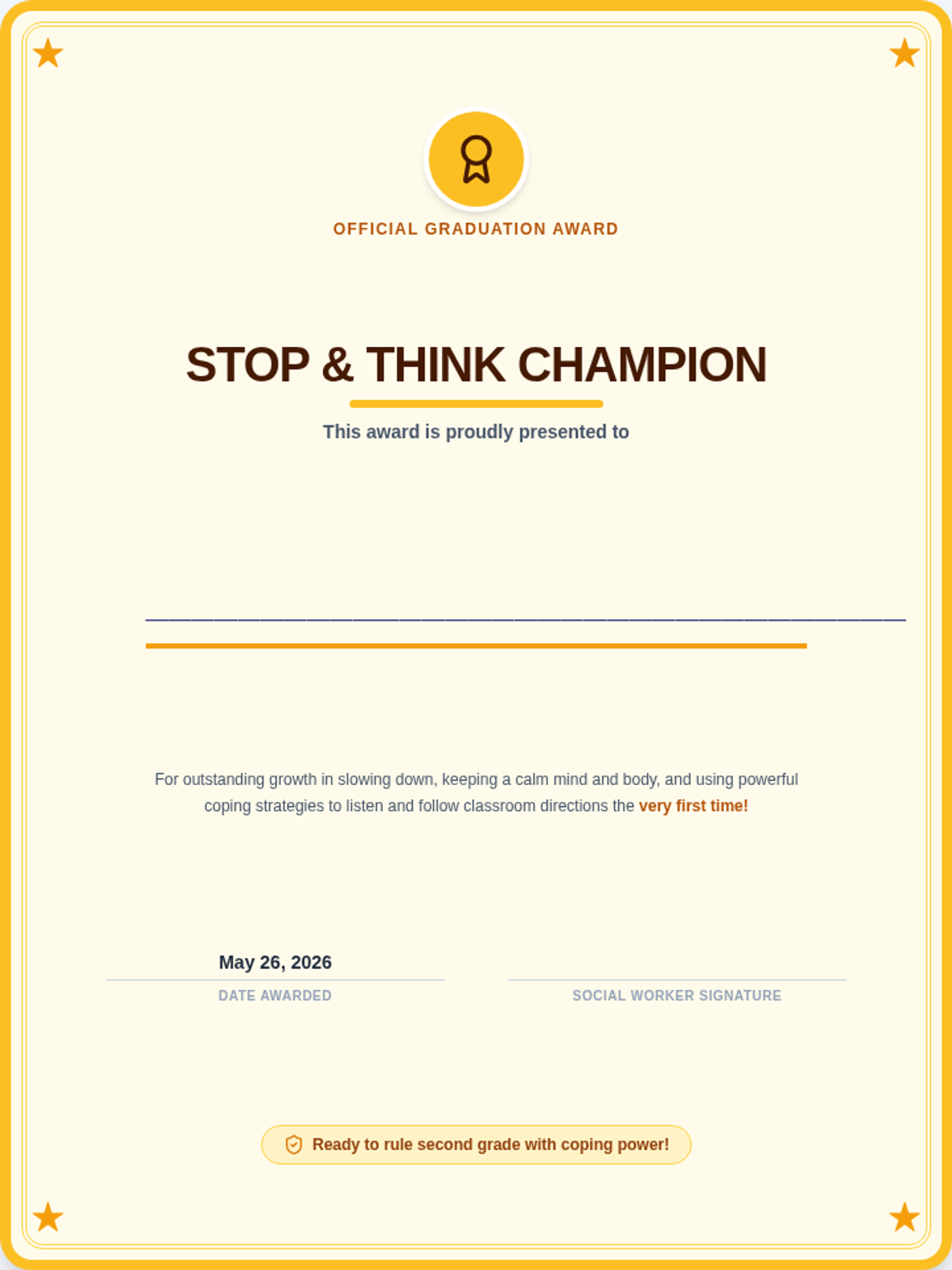
A final reflection, assessment, and celebration lesson for 1st-grade self-regulation, focusing on celebrating growth in impulse control and transitioning to 2nd grade with a personal coping book.
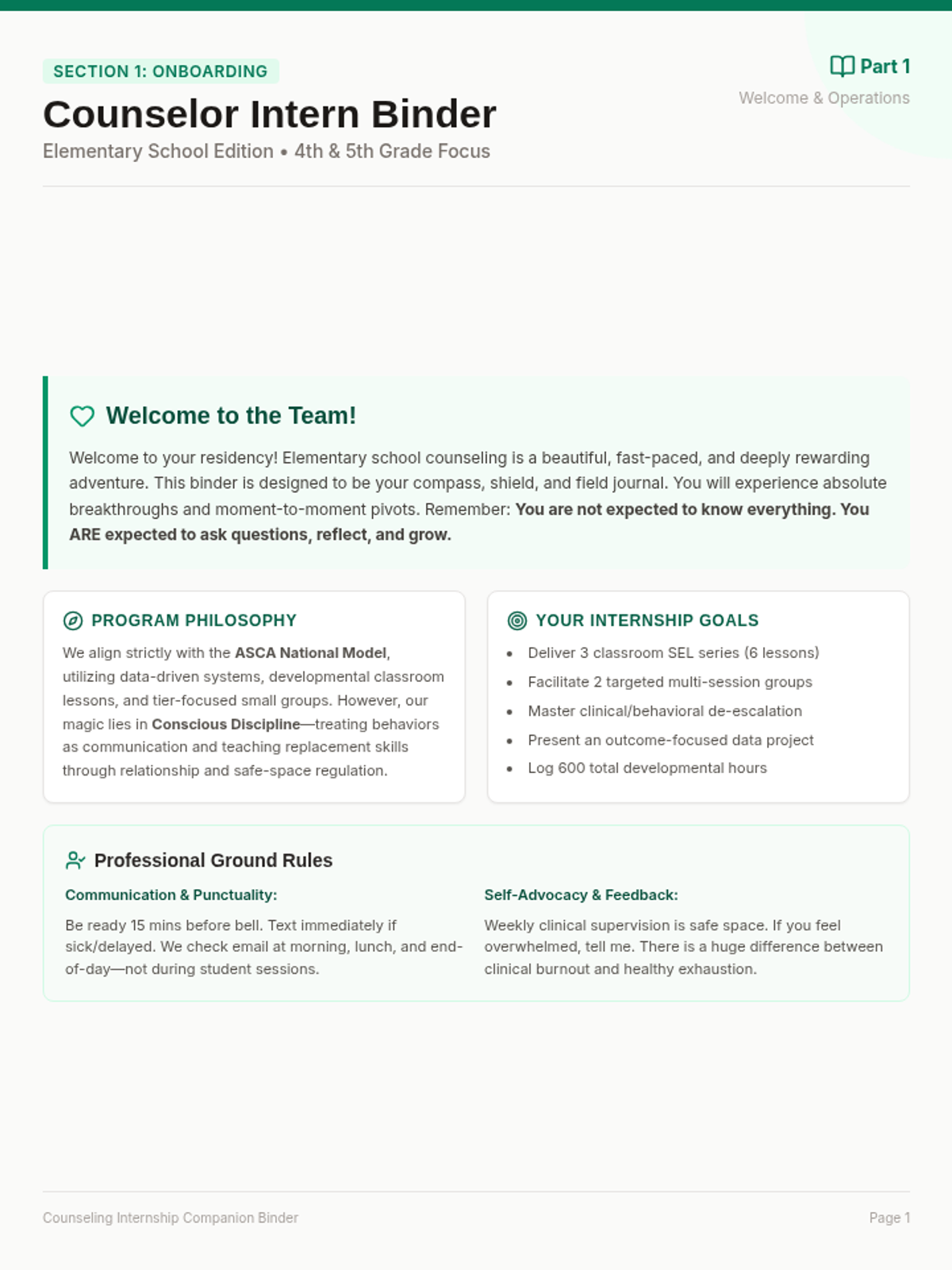
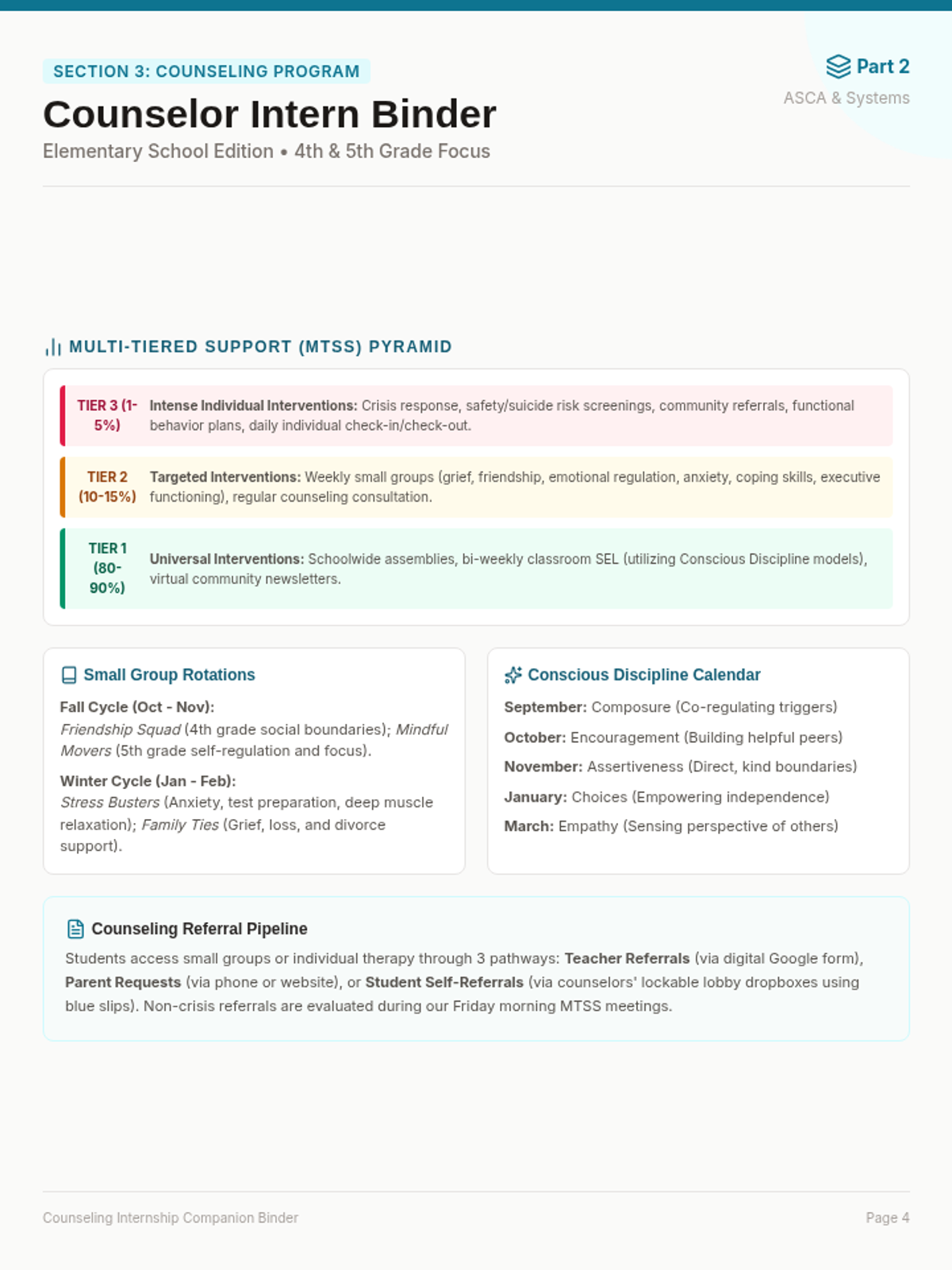
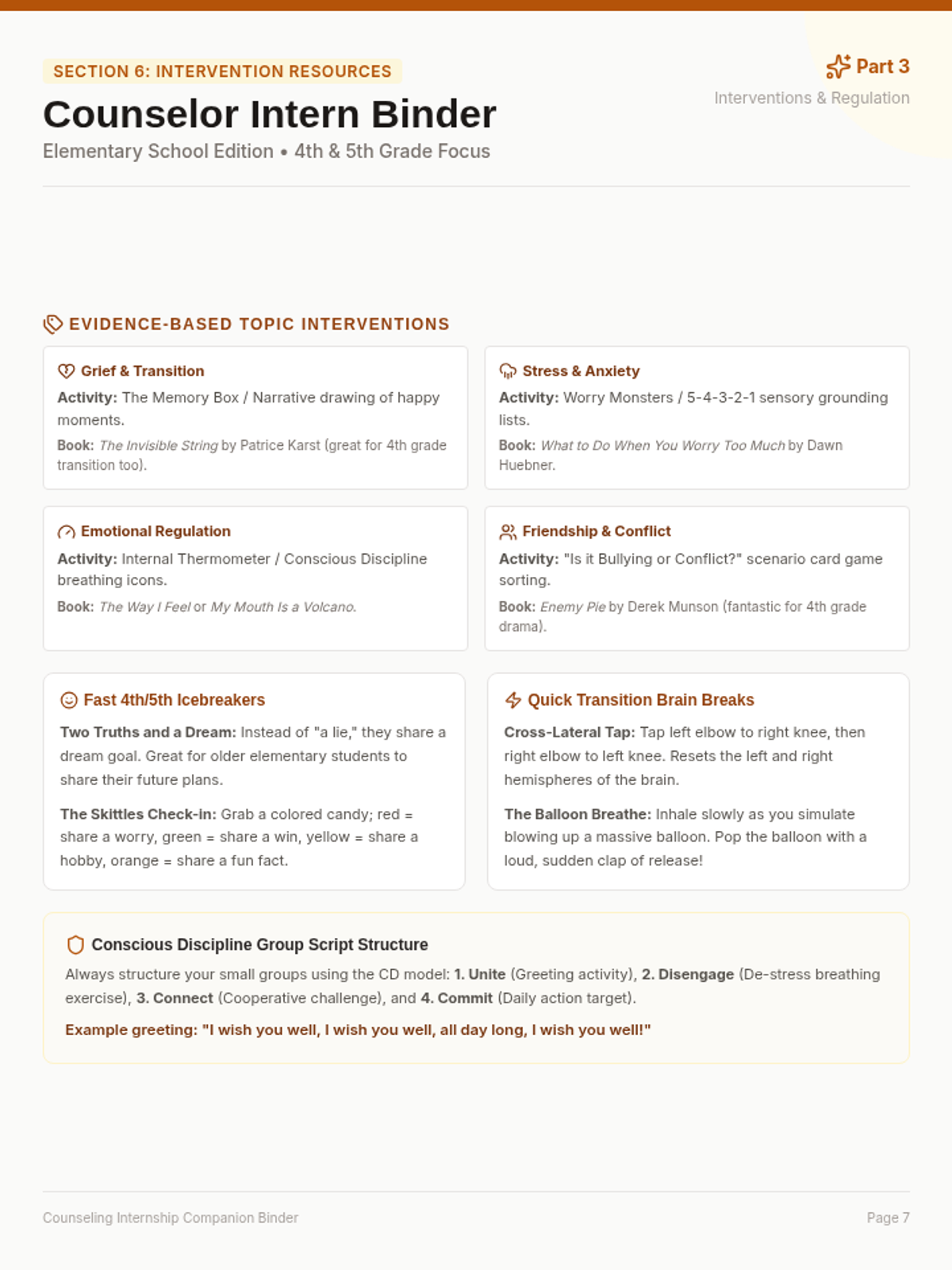
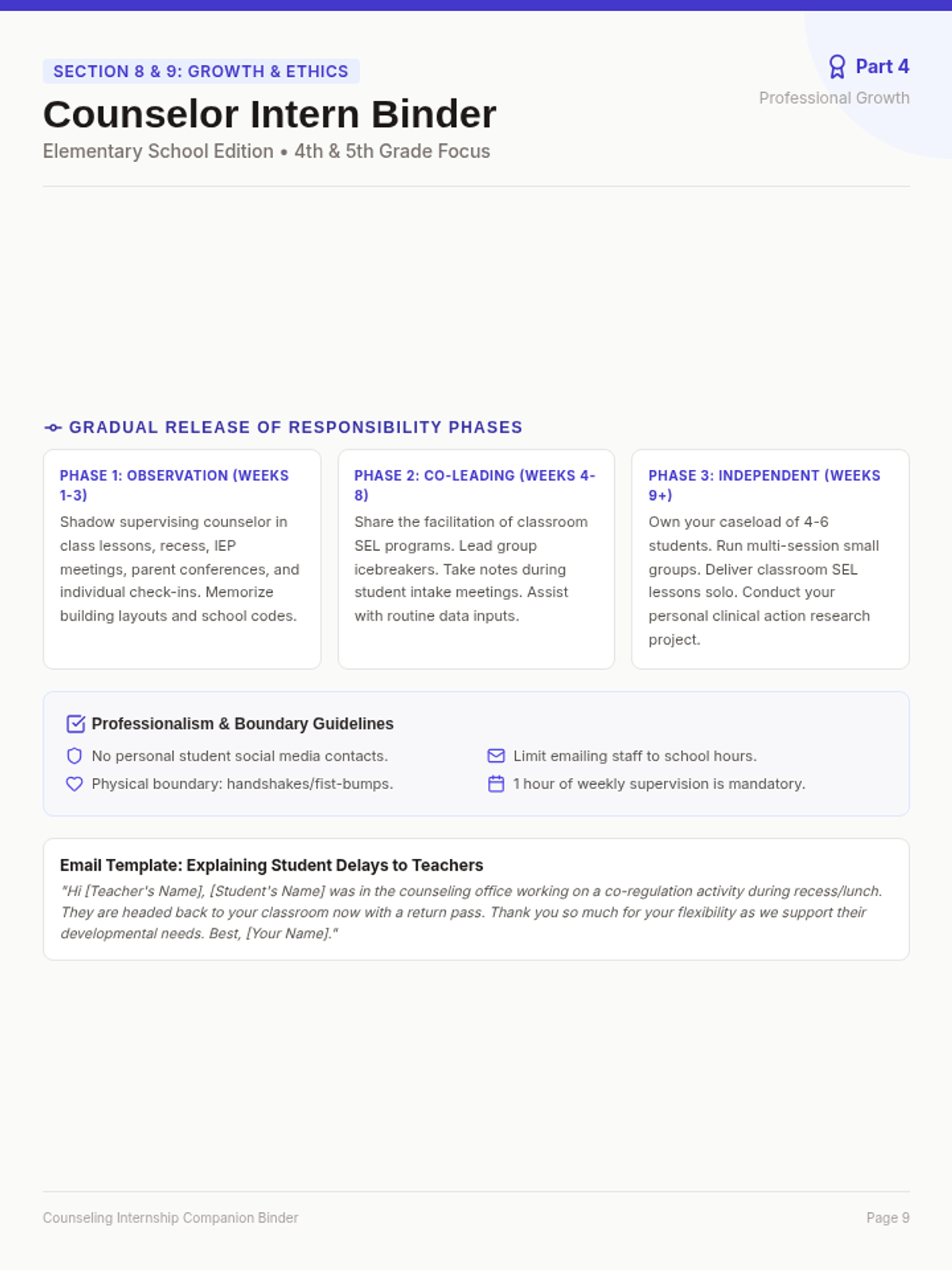
The complete suite of internship binder materials designed to welcome, guide, and support school counseling interns through clinical expectations, daily operations, and self-care.
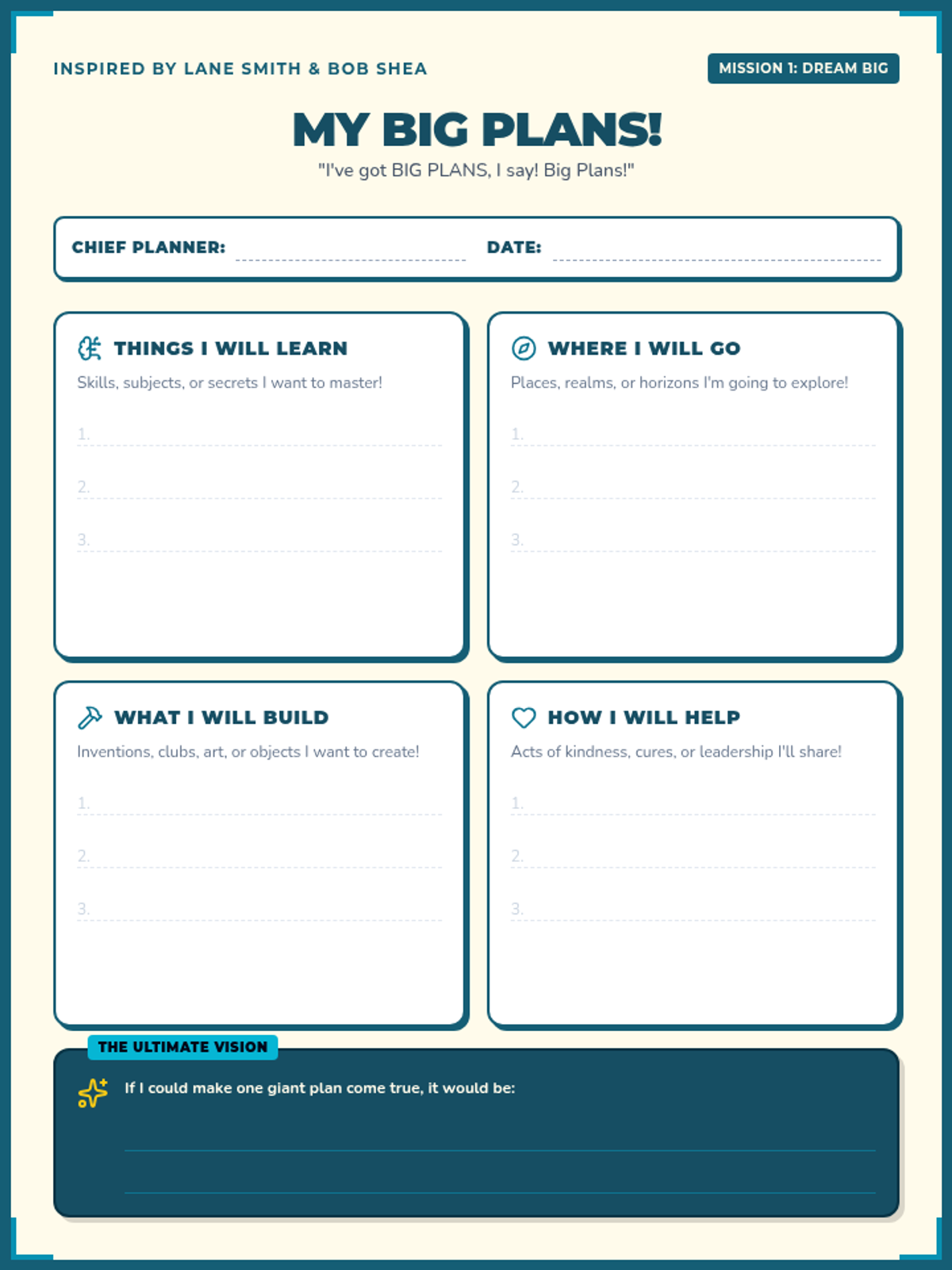
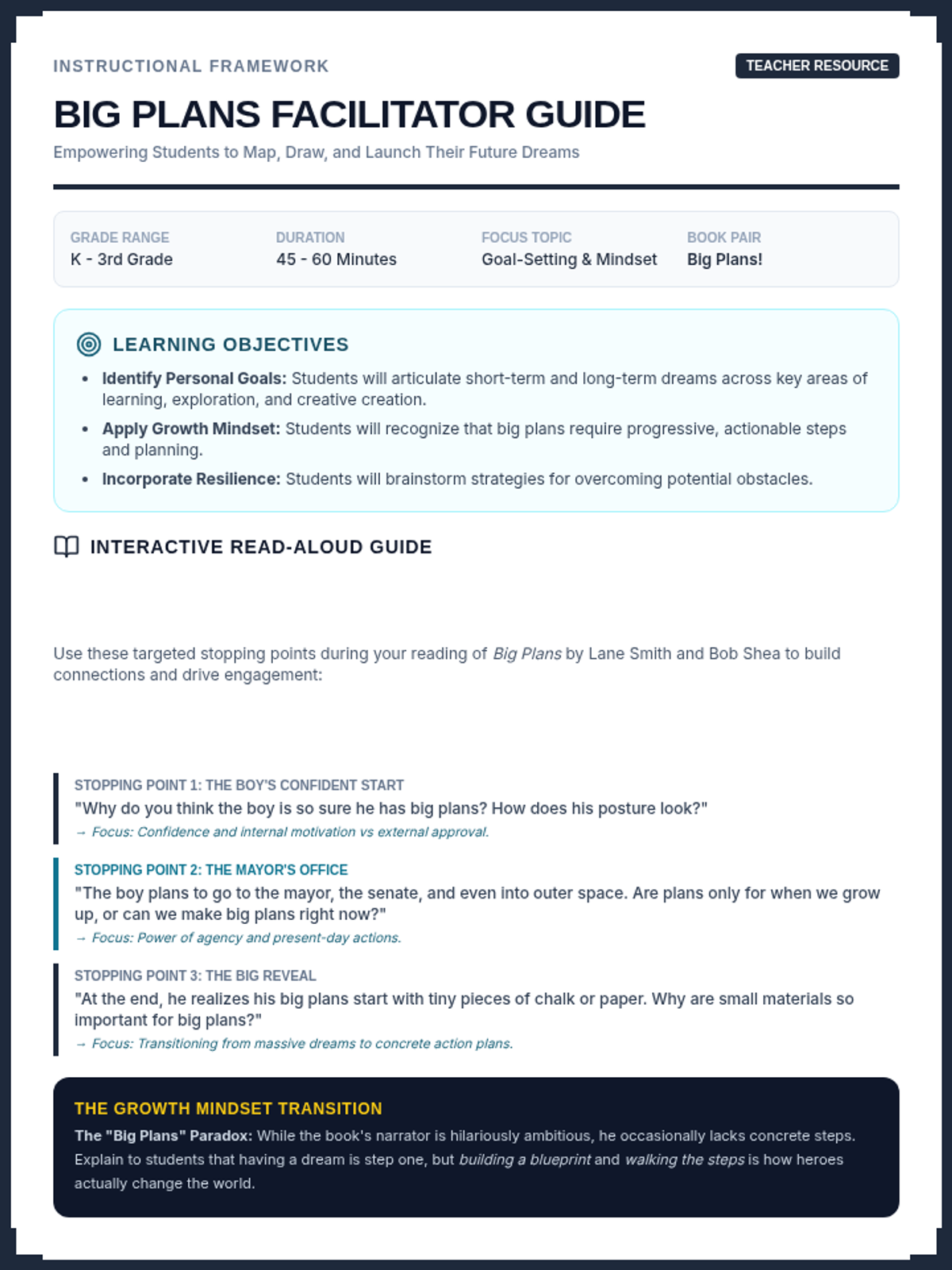
A creative, goal-setting lesson based on the book 'Big Plans' by Lane Smith and Bob Shea. Students design their own 'big plans' and develop a growth mindset through interactive graphic organizers, blueprint drawings, and structured action steps.
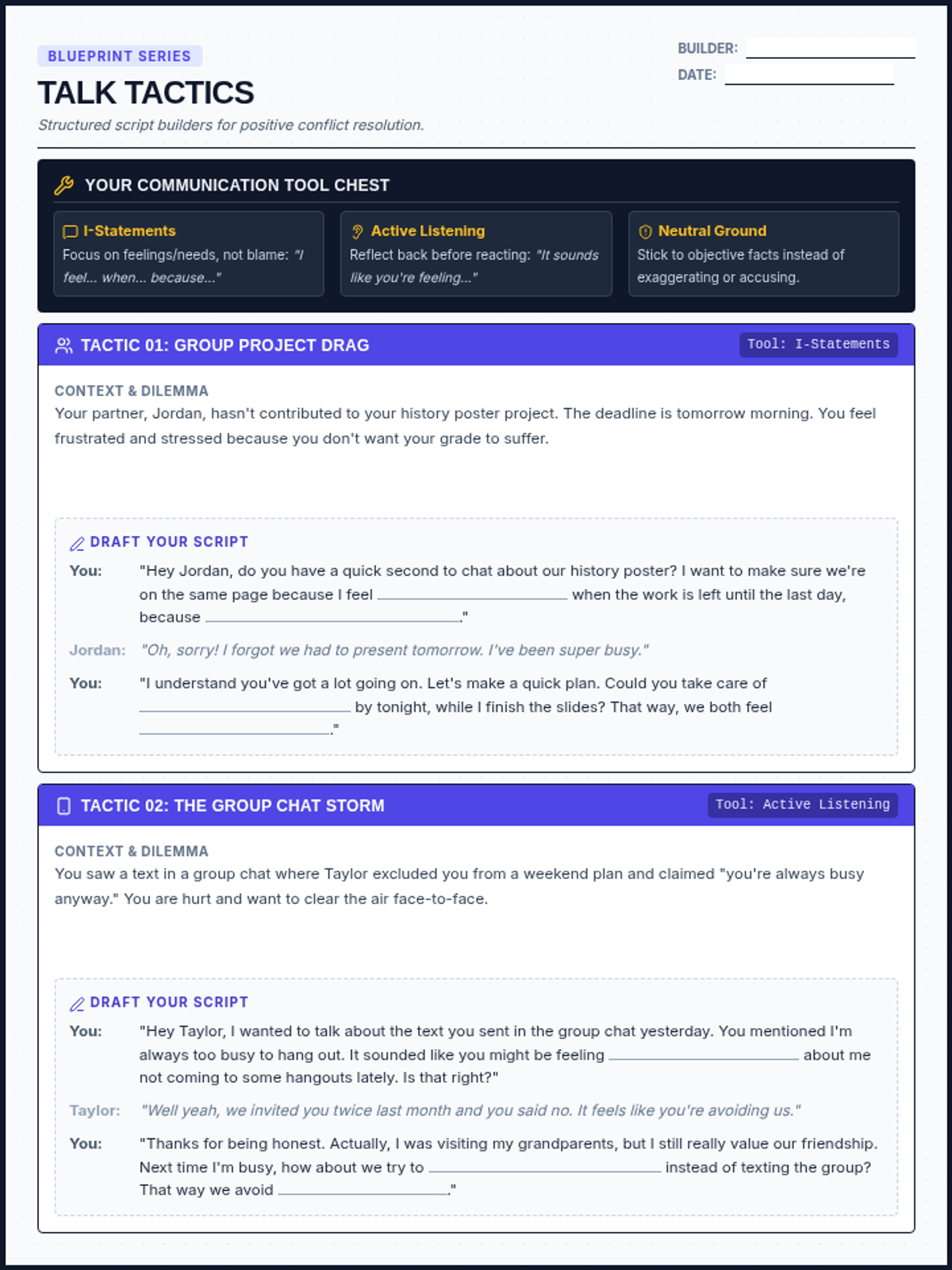
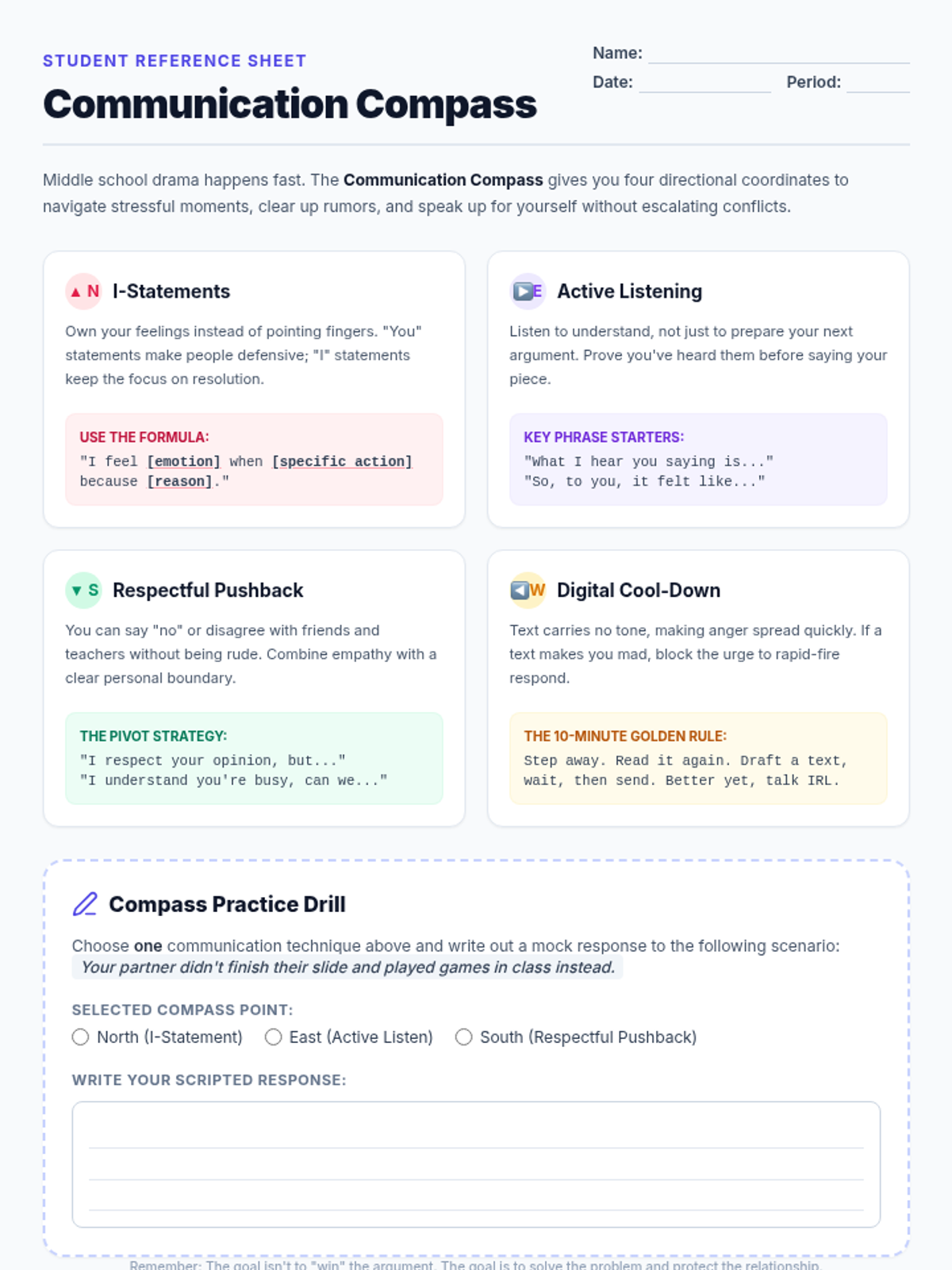
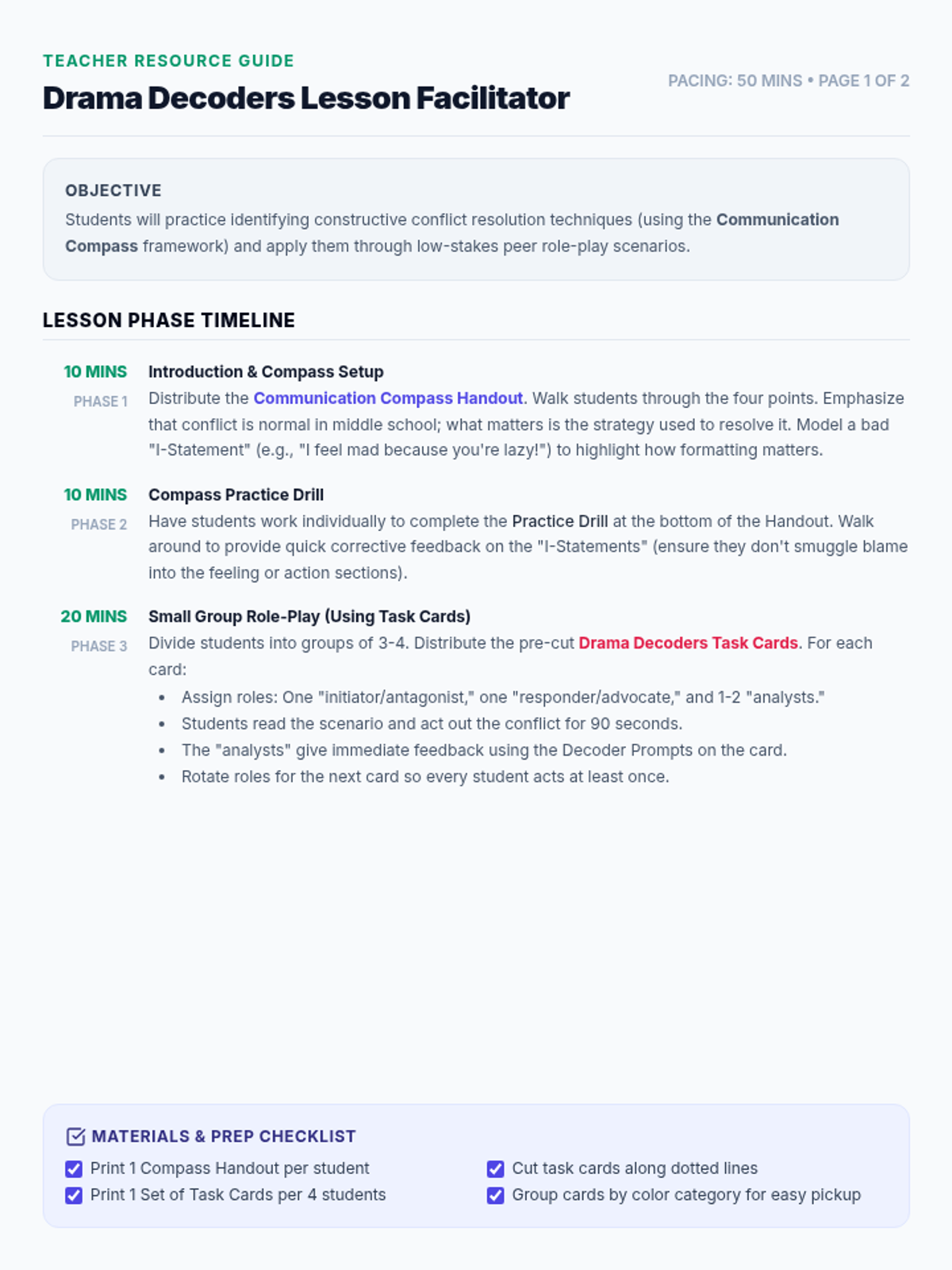
A lesson focused on equipping middle schoolers with constructive communication strategies to resolve everyday conflicts, including group work disagreements, digital drama, boundary issues, and self-advocacy with teachers.
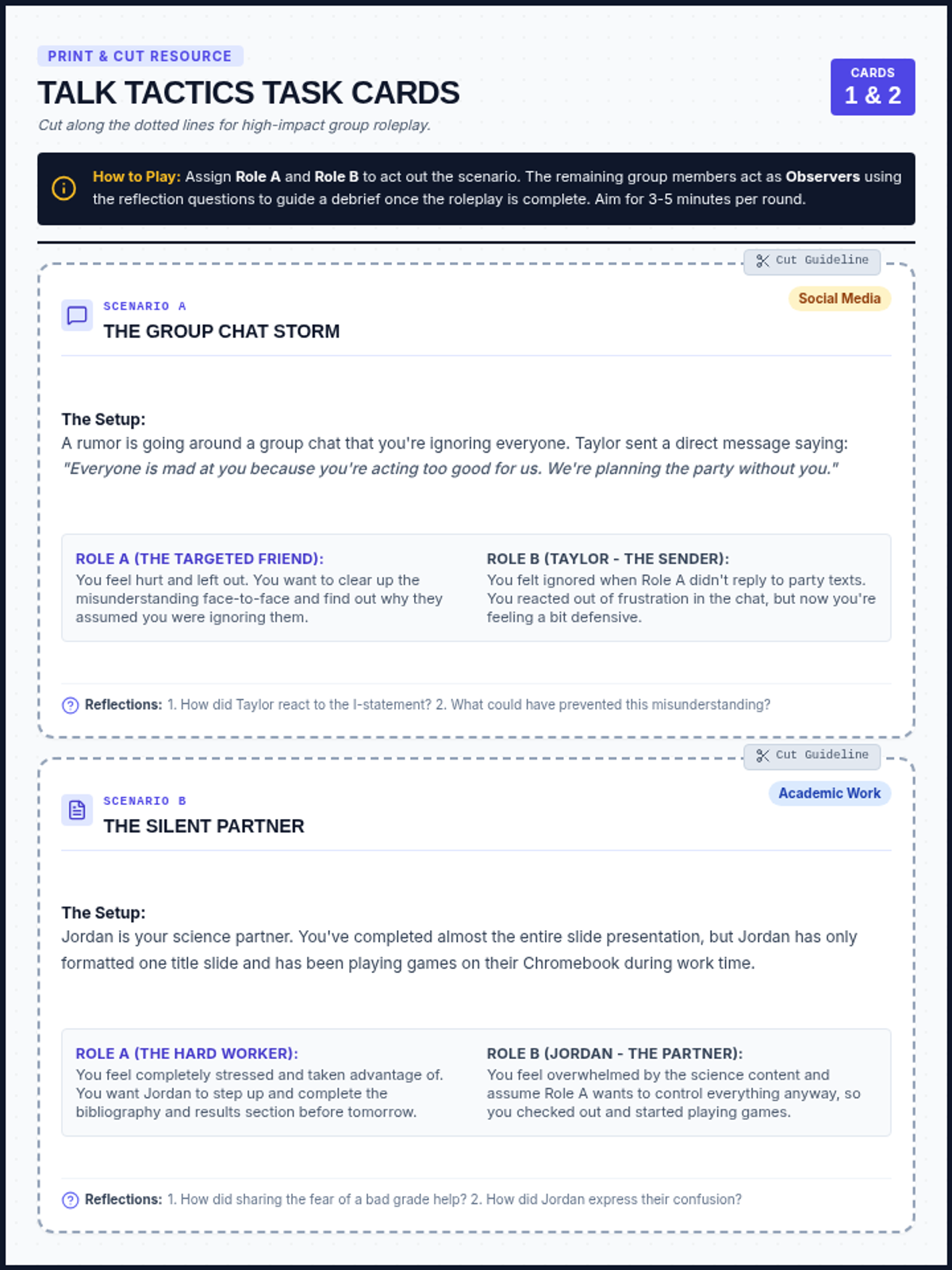
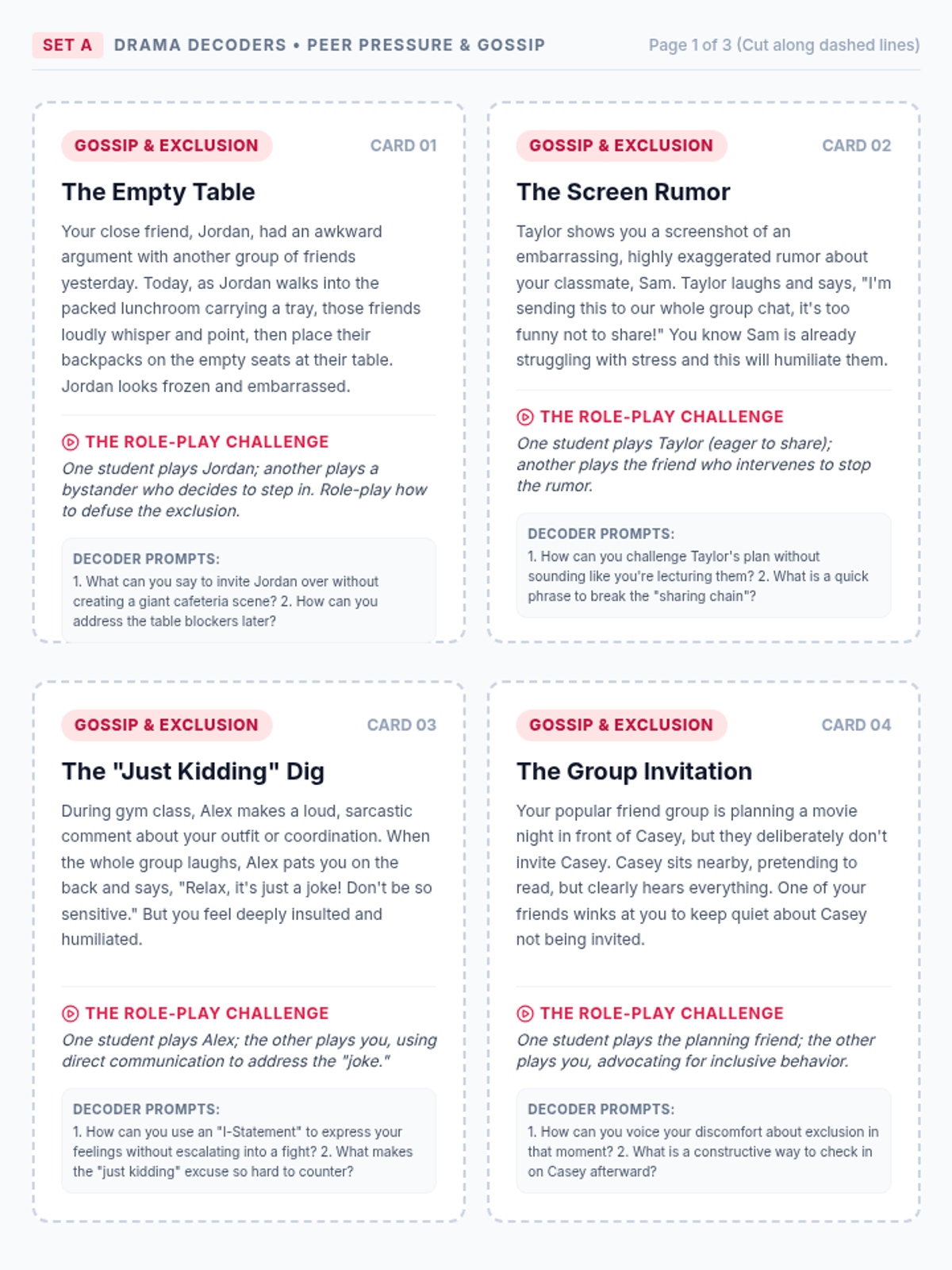
An interactive, small-group role-playing lesson designed to help middle schoolers navigate conflict resolution, peer pressure, digital misunderstandings, and teacher advocacy using positive communication frameworks.
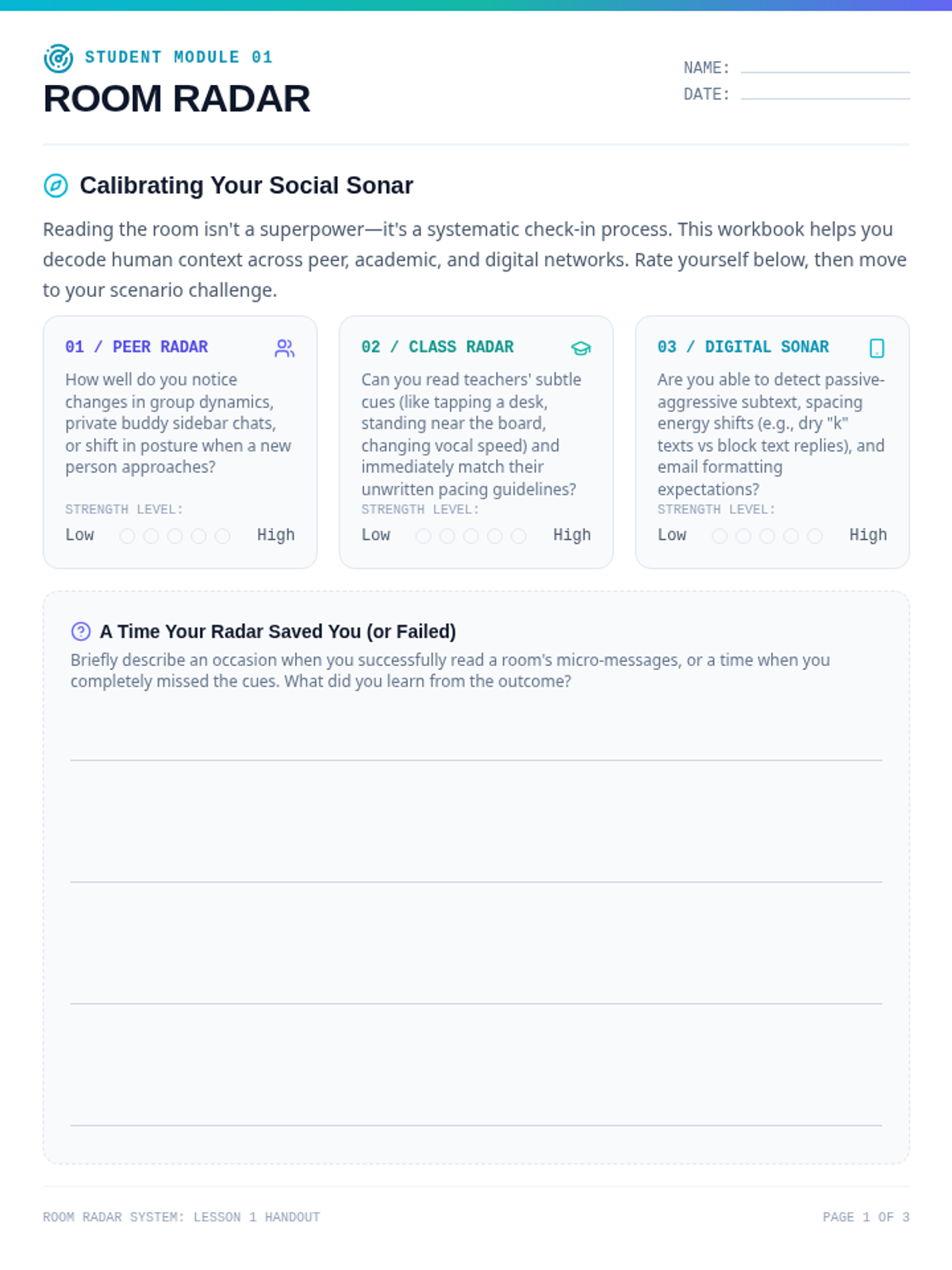
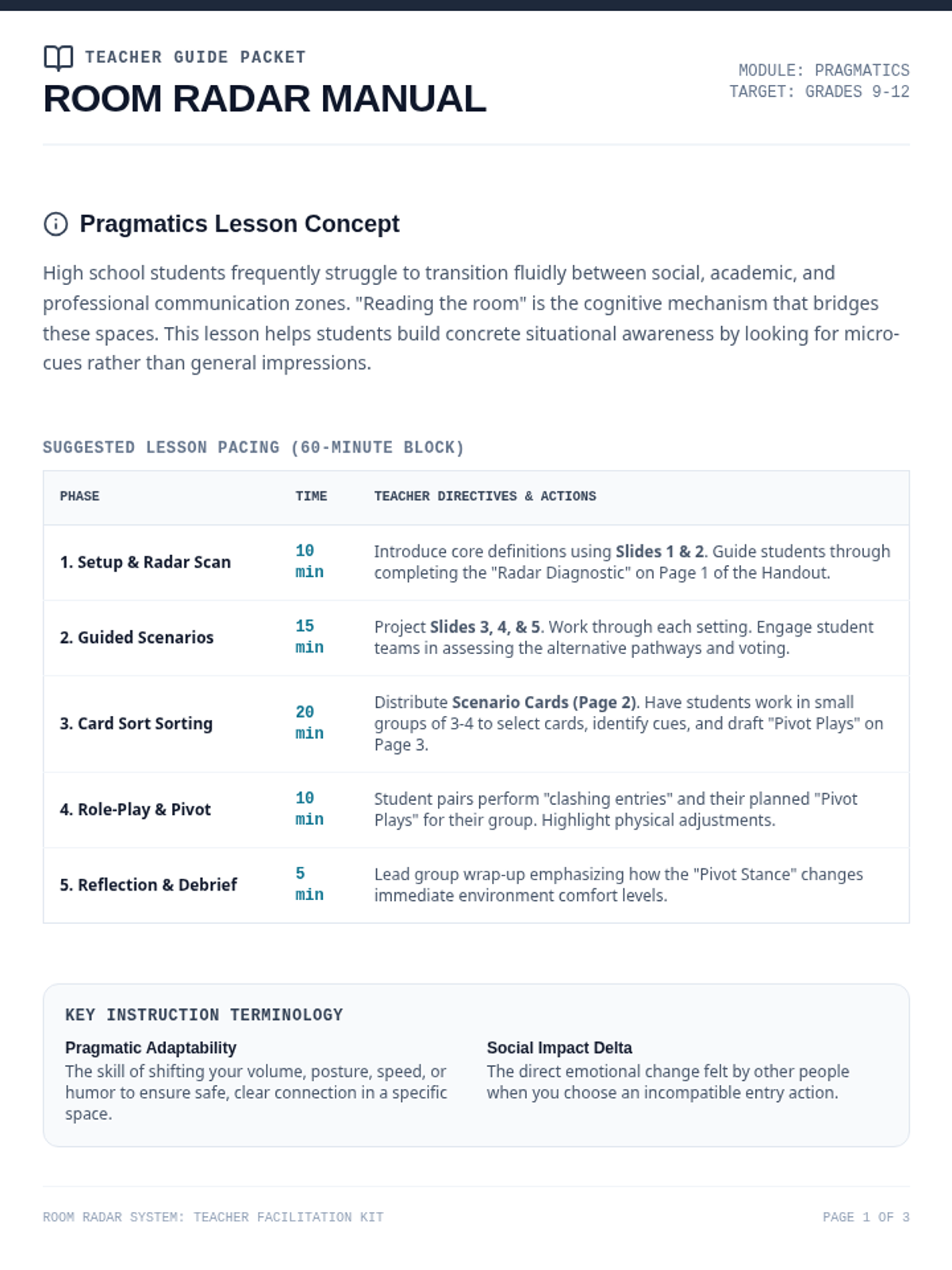
A high school pragmatics lesson focused on 'reading the room' in social, academic, and digital spaces. Students learn to analyze subtle social cues, decode contexts, and adapt their behavior appropriately using interactive slides, scenario-based role-play cards, and structured reflection.
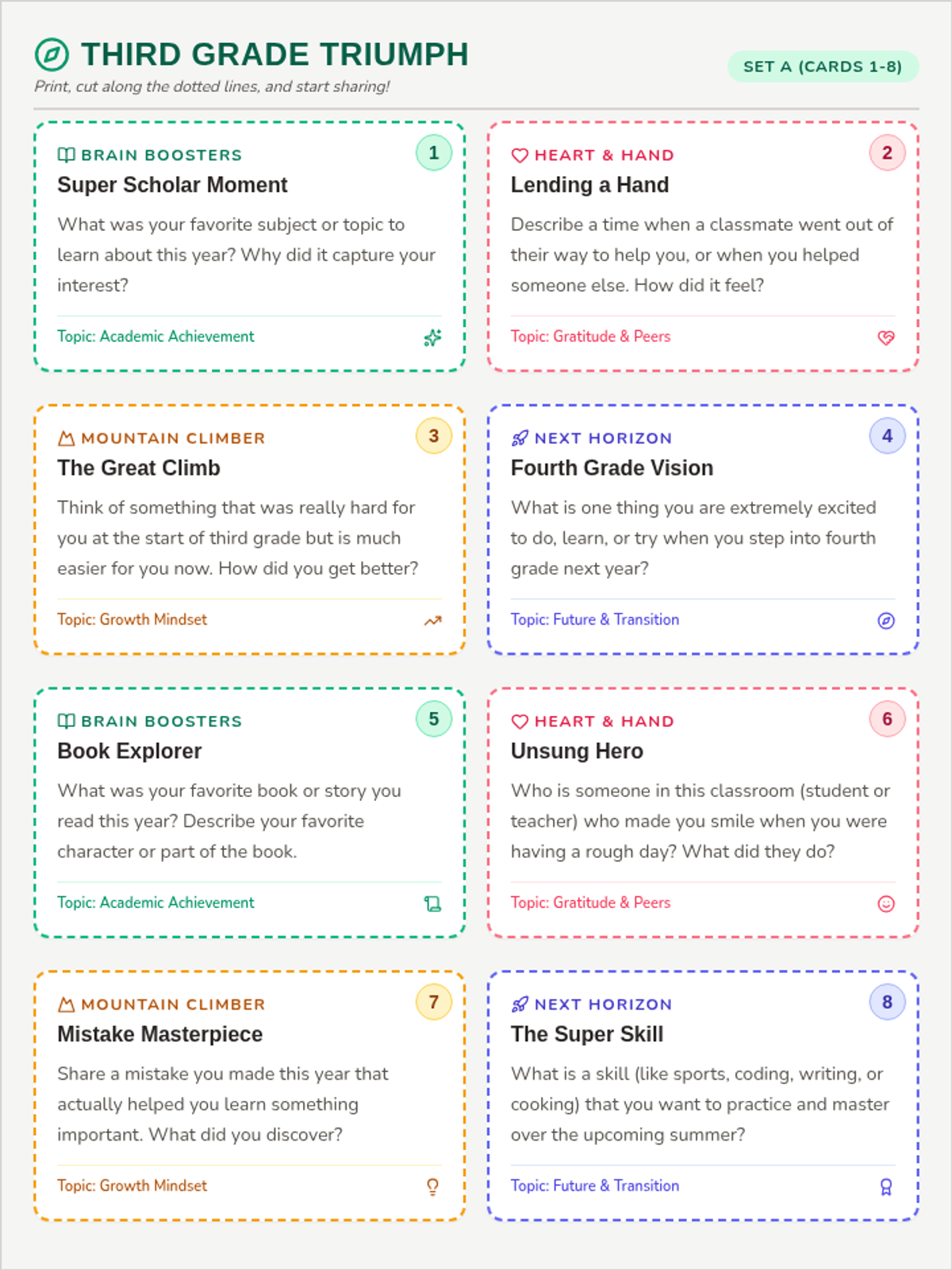
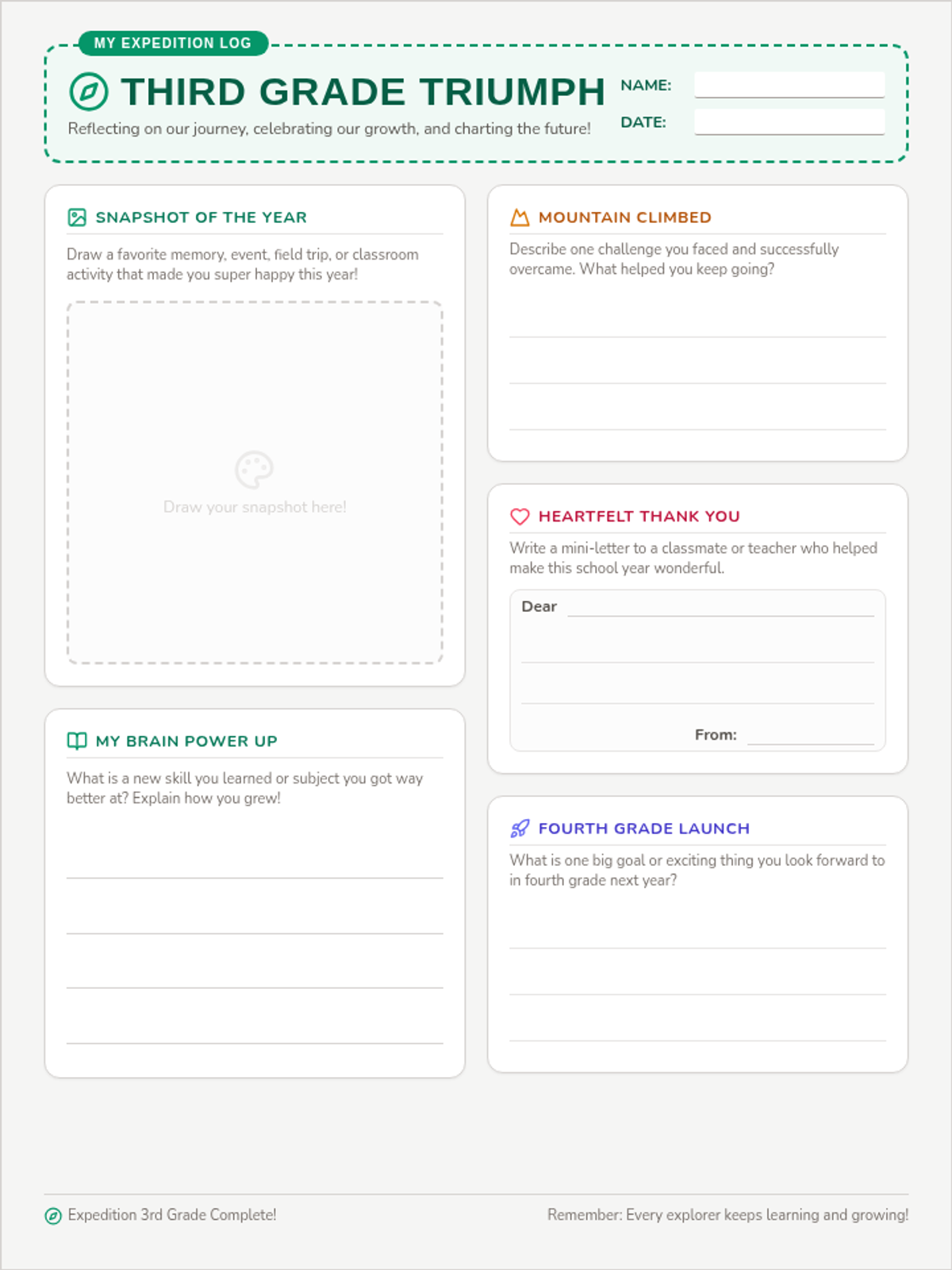
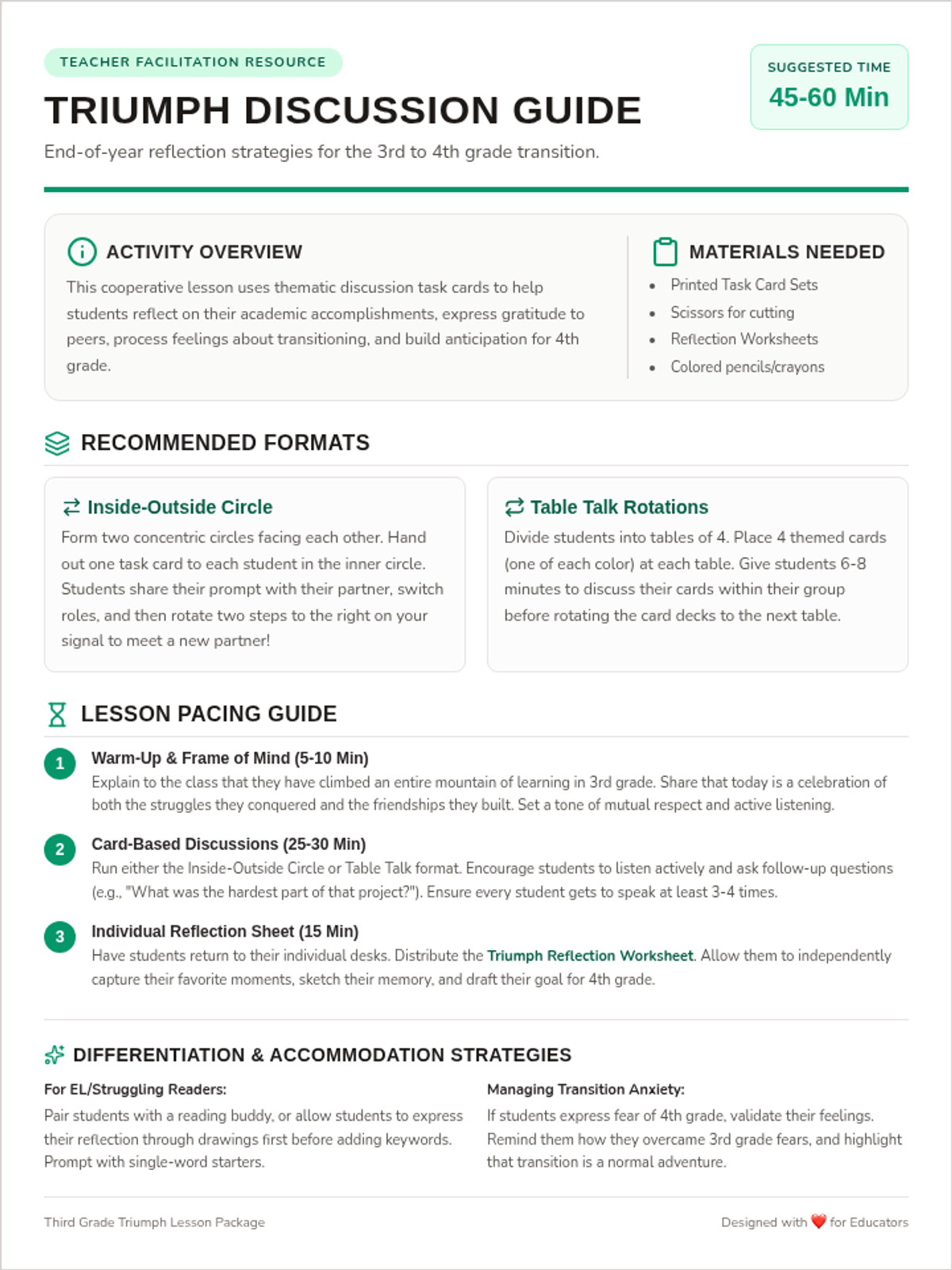
An end-of-year reflection lesson designed for 3rd-grade students to celebrate academic growth, peer connections, personal milestones, and transition feelings through interactive task card discussions.
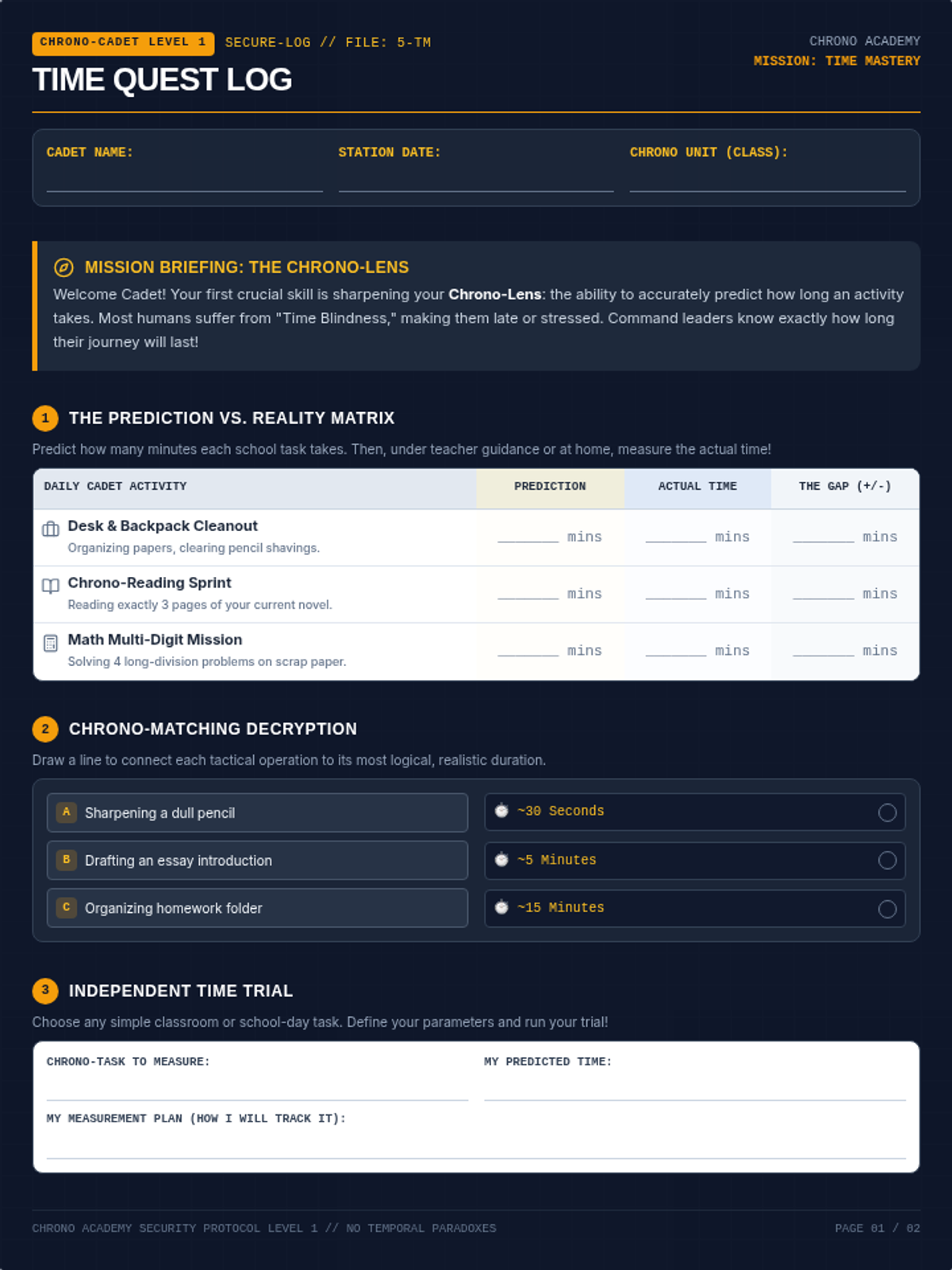
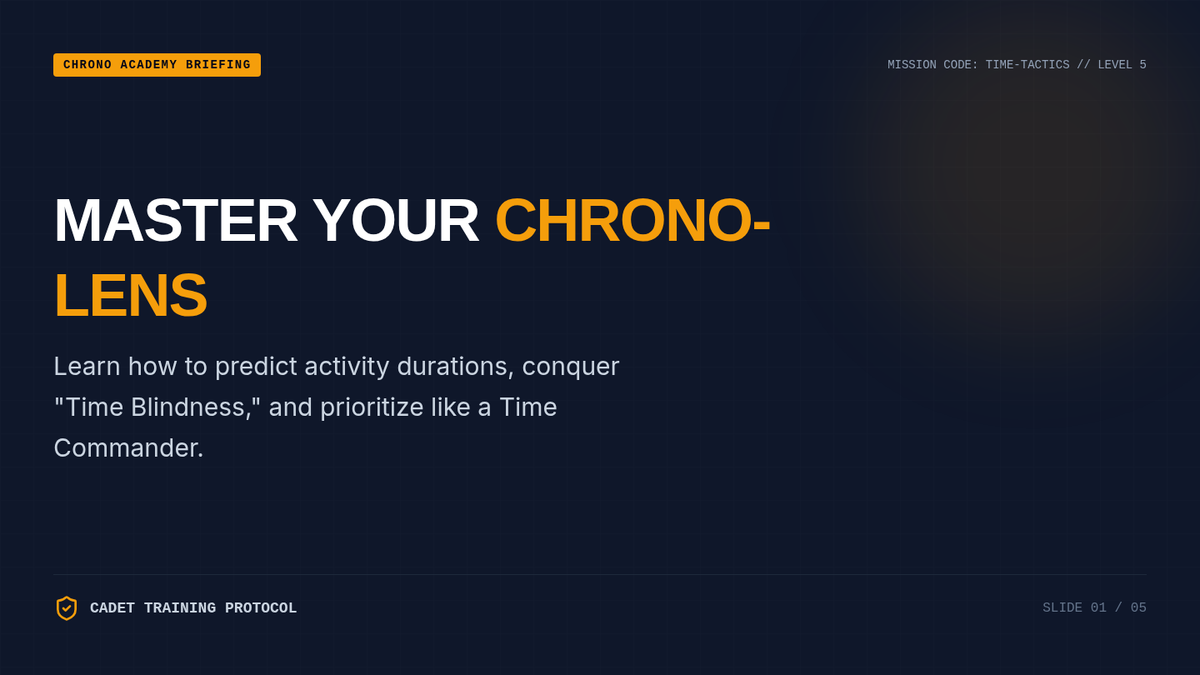
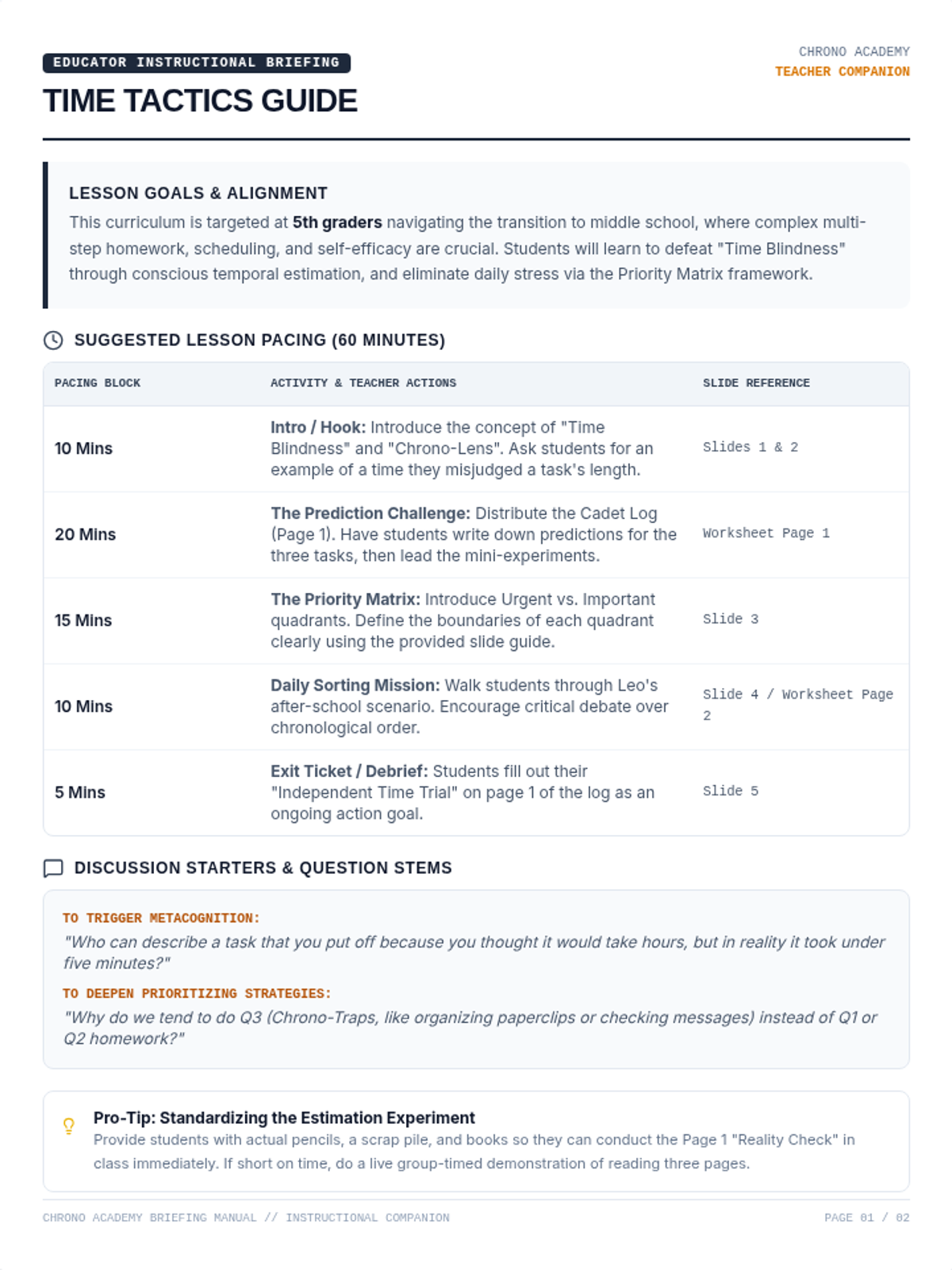
A practical lesson designed to teach 5th graders critical time management skills, focusing on predicting activity durations and prioritizing tasks based on urgency and importance.
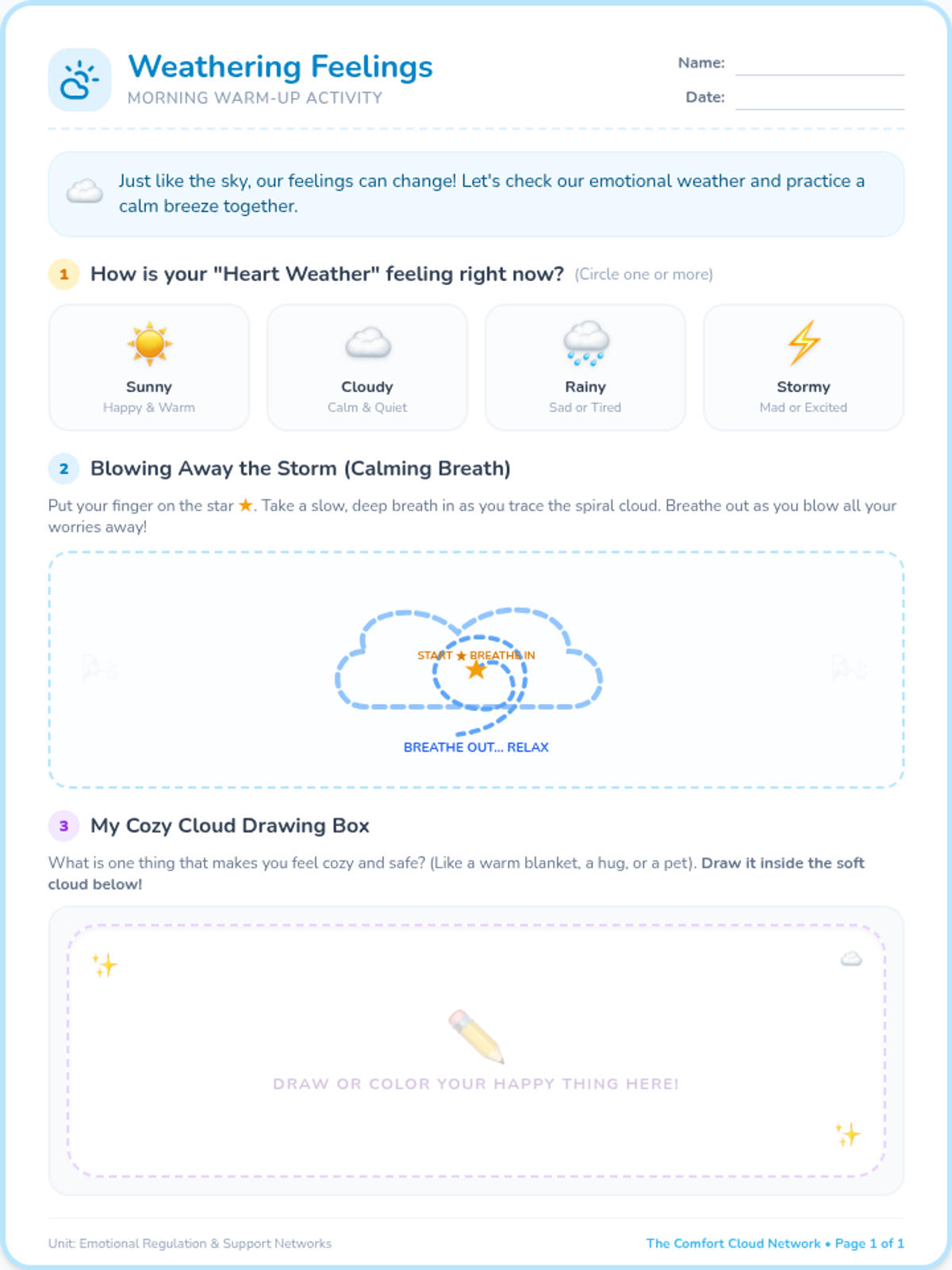
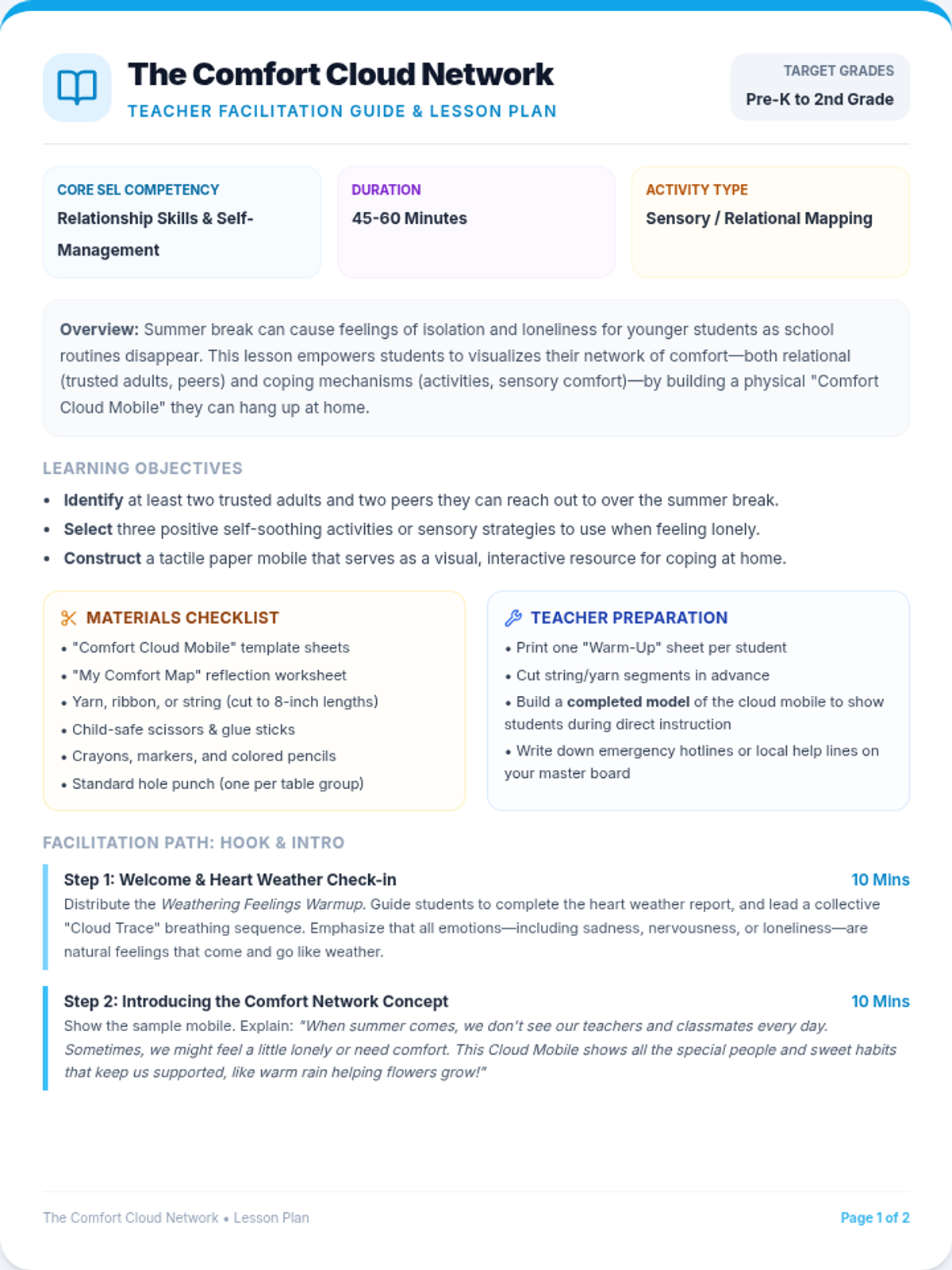
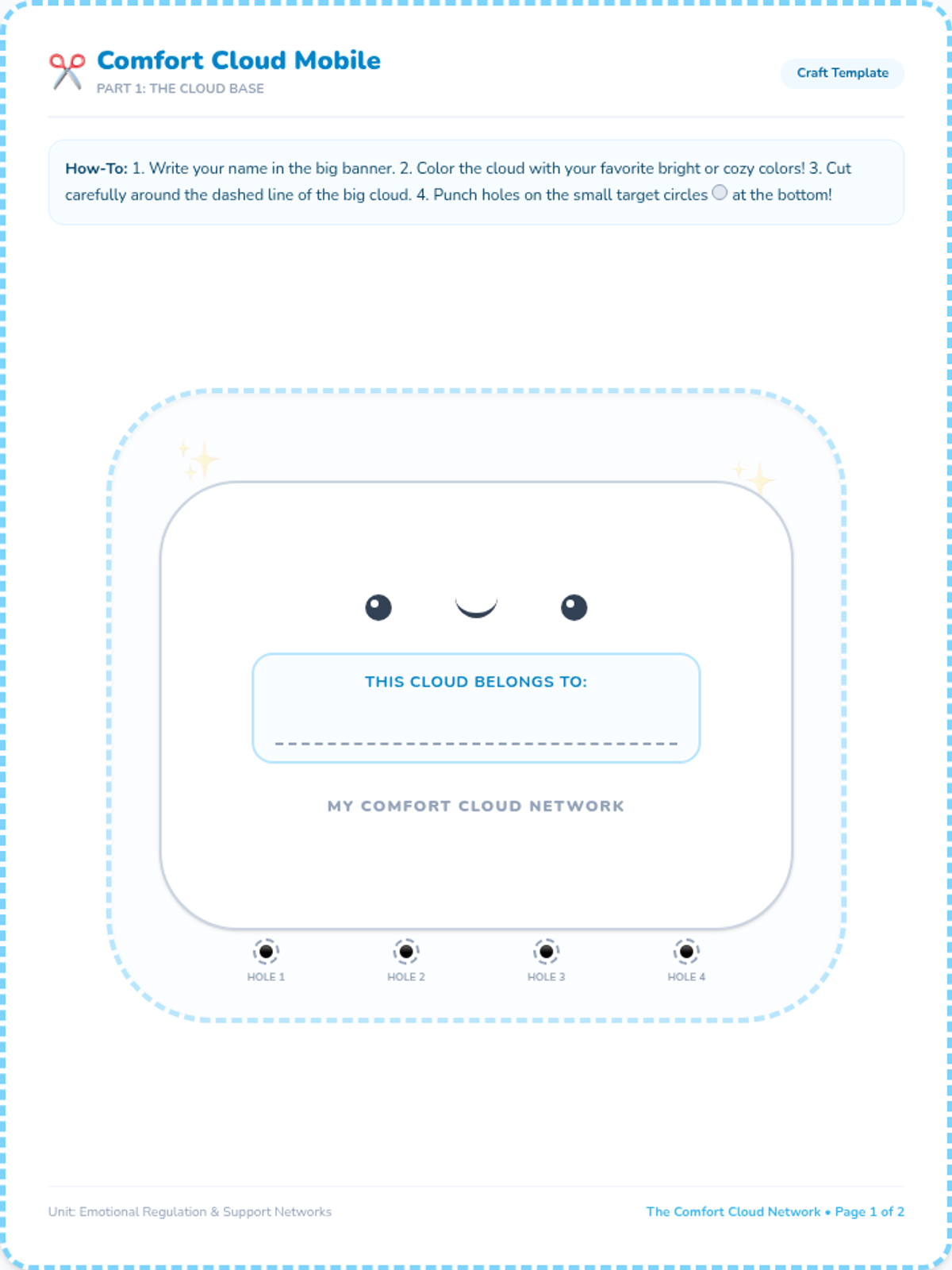
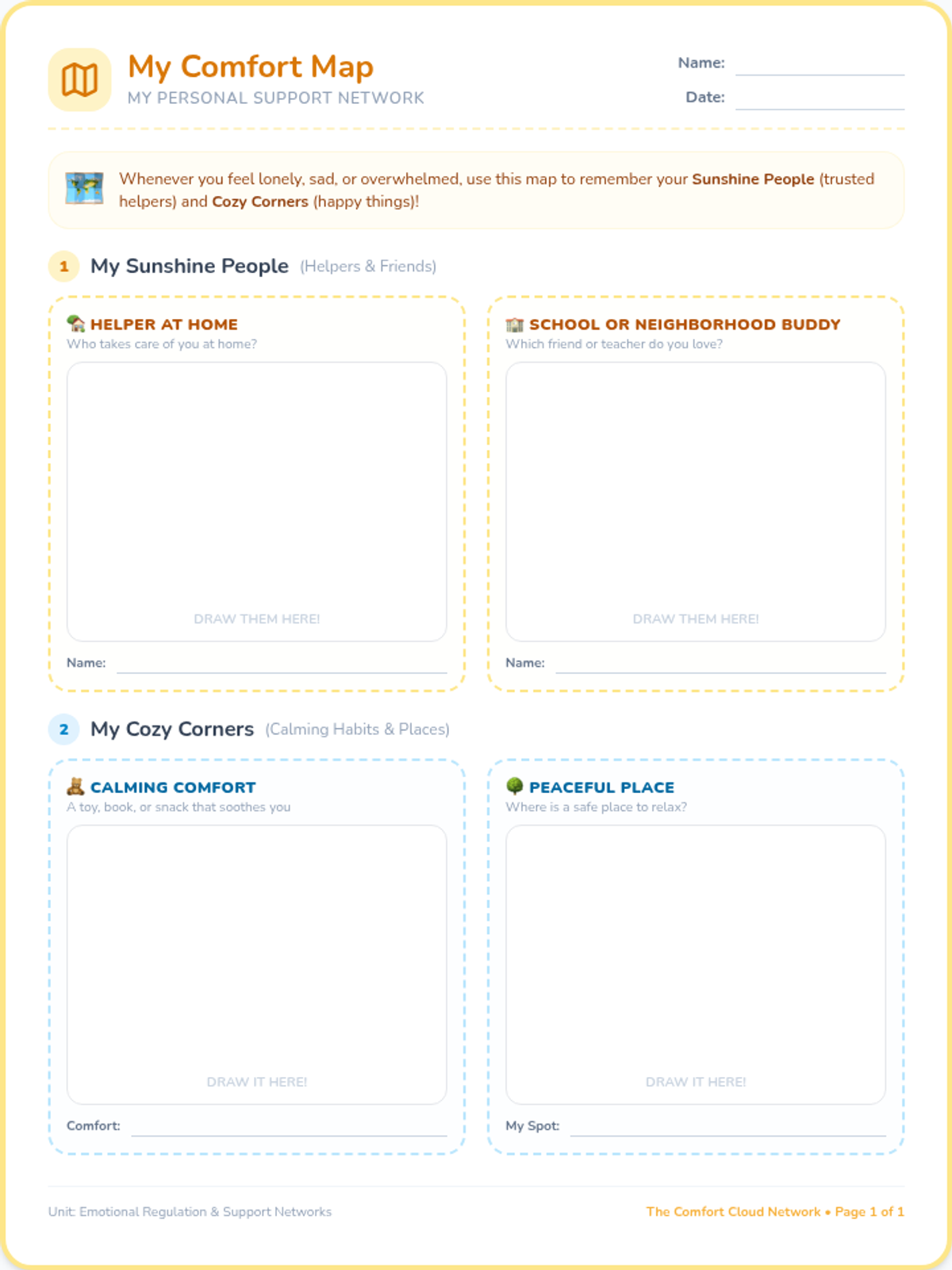
A nurturing social-emotional learning lesson for Pre-K through 2nd grade. Students map out their support systems and coping strategies by crafting a personal "Comfort Cloud" mobile with hanging raindrops to support them during the summer break.
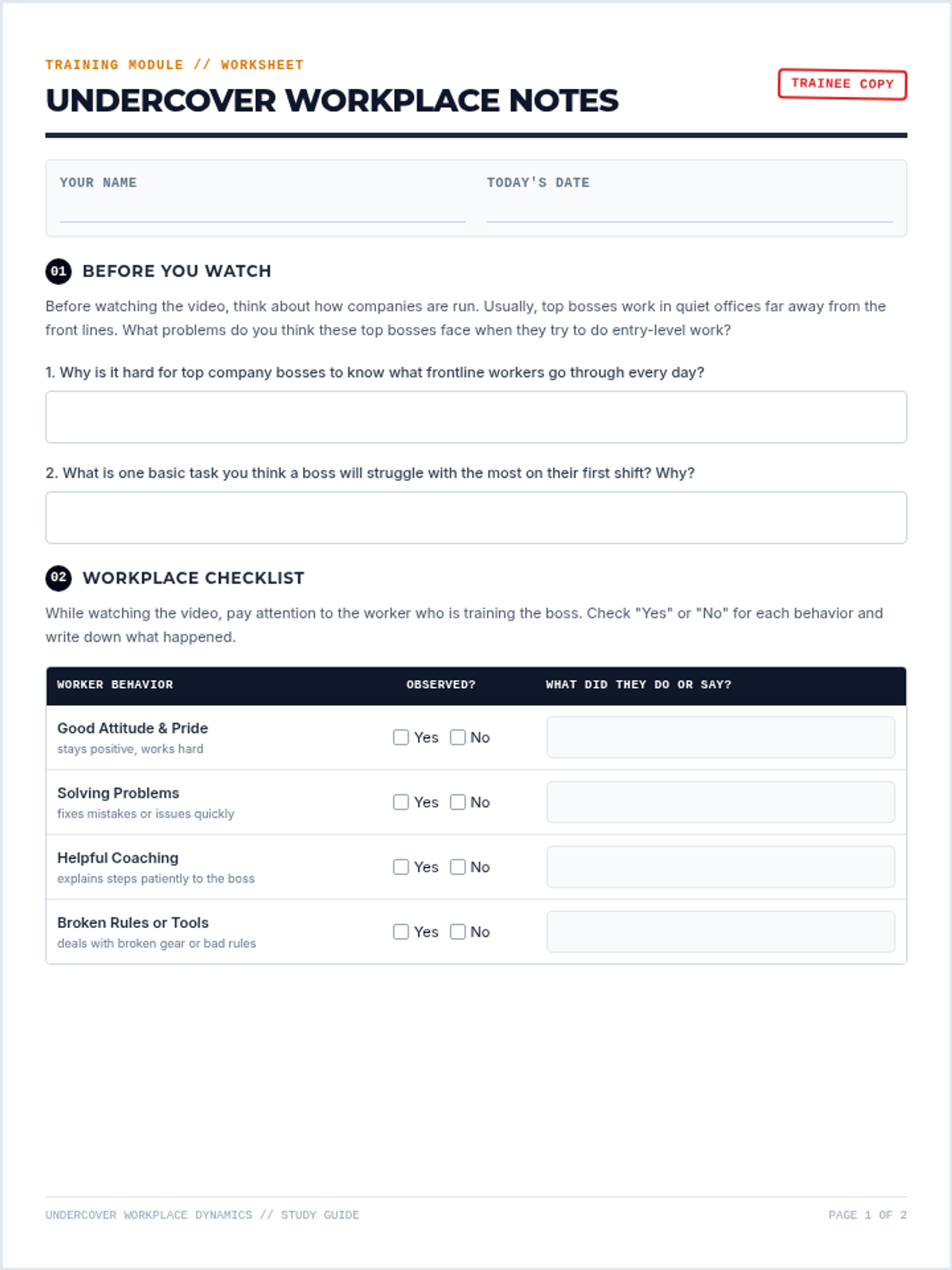
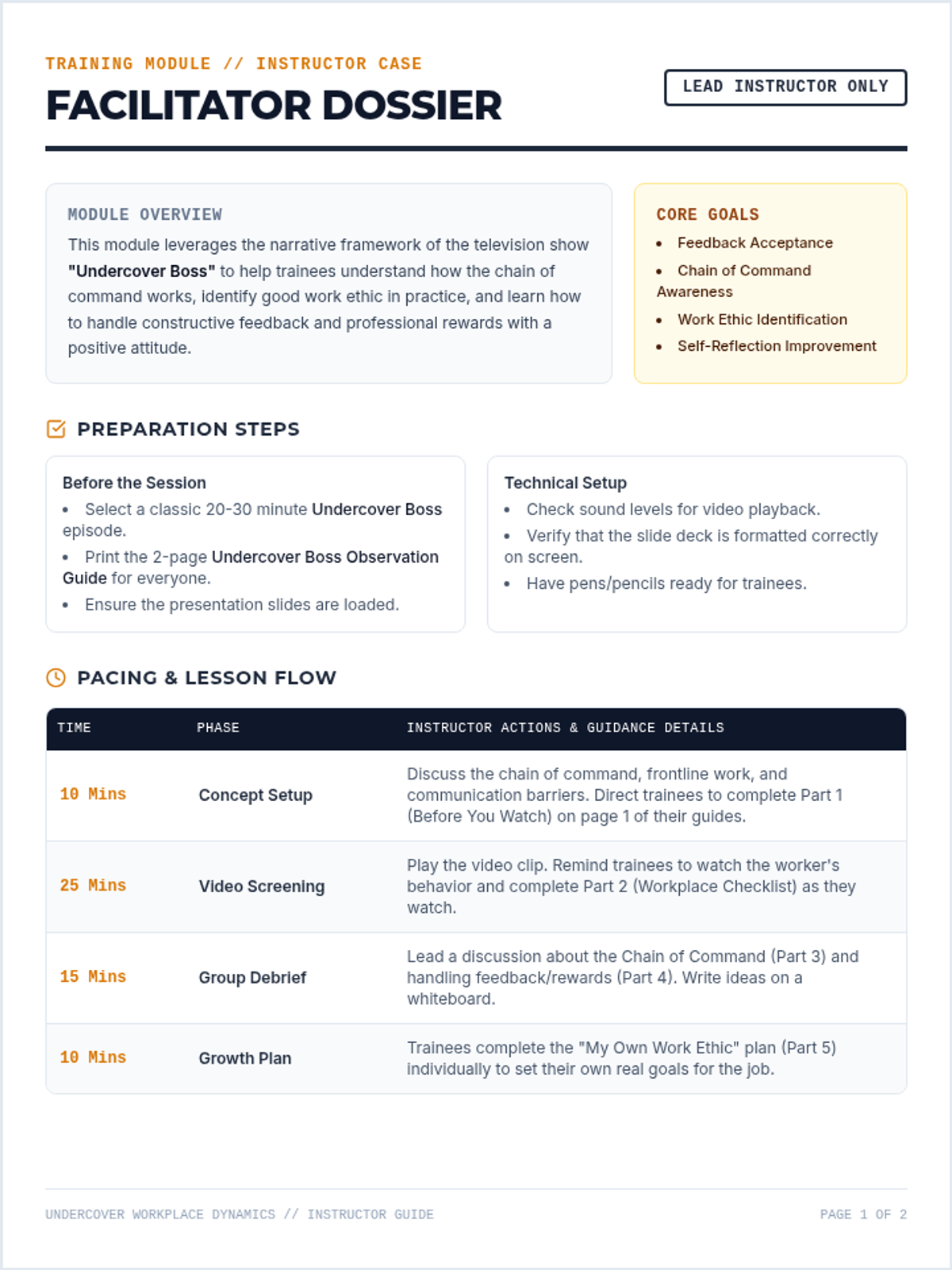
An employment training module centered around the dynamics of 'Undercover Boss'. Trainees analyze workplace hierarchy, identify strong work ethic, and study how feedback and rewards shape career success using a structured observation format.
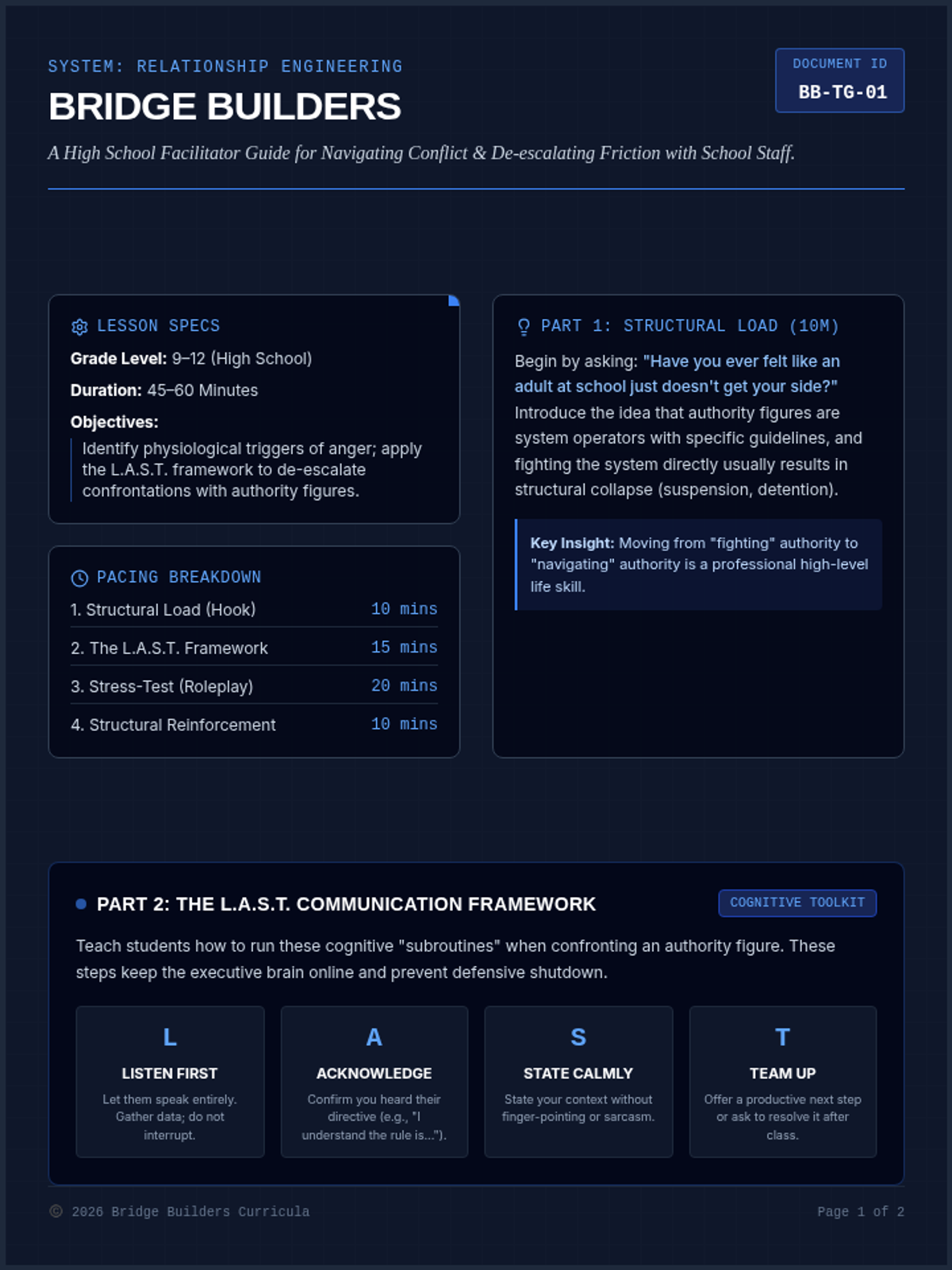
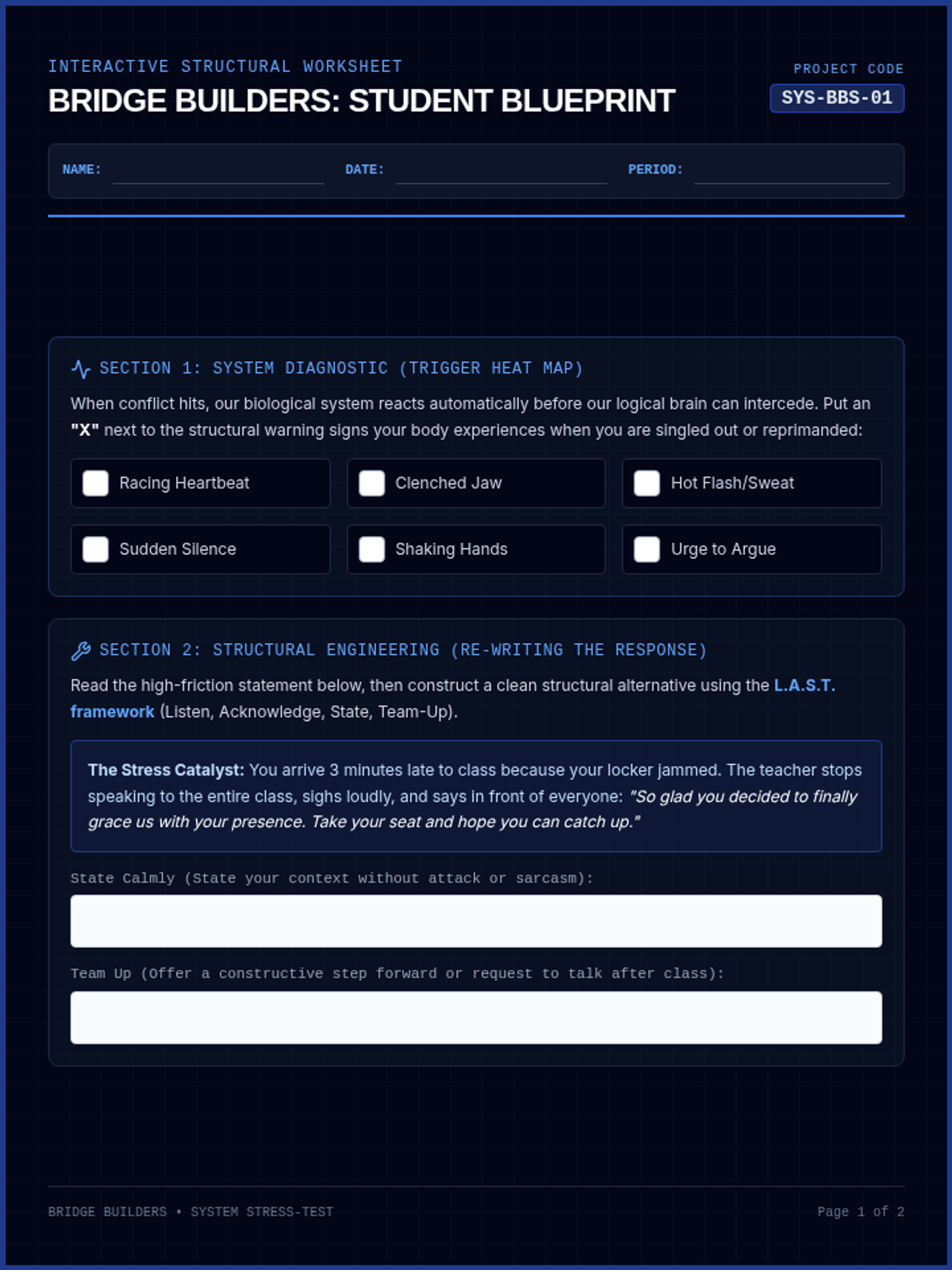
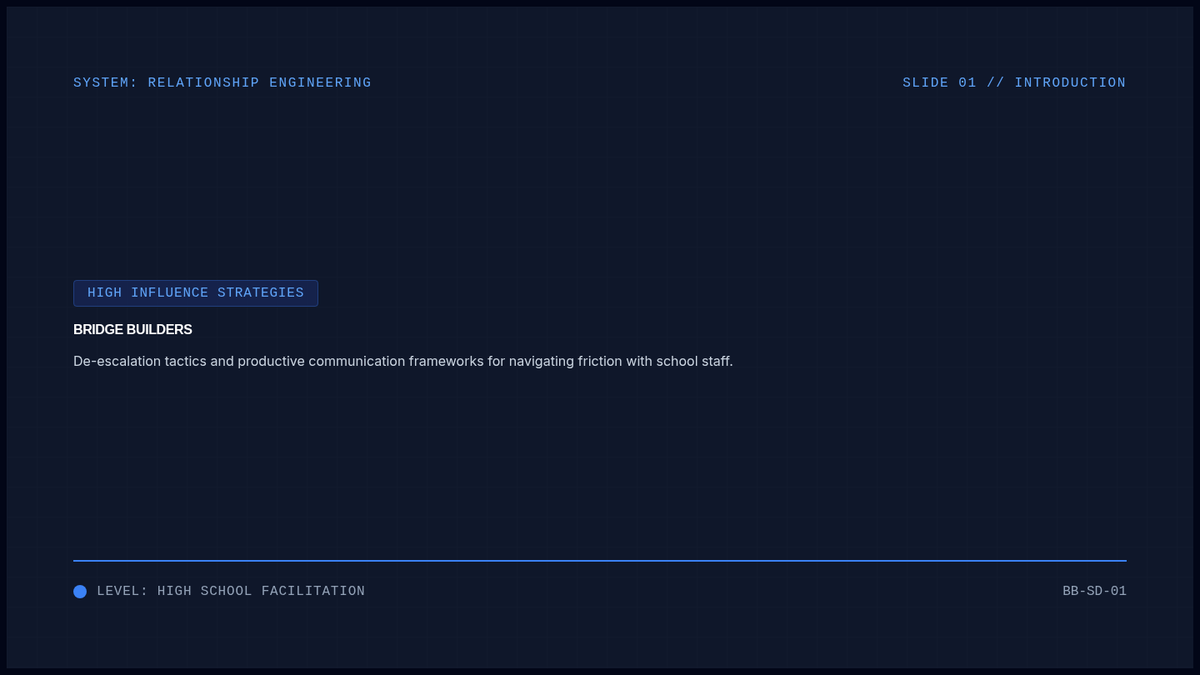
A high school lesson focused on navigating relationships with school authority and staff. Students learn active listening, de-escalation strategies, and productive communication frameworks to express frustration constructively.
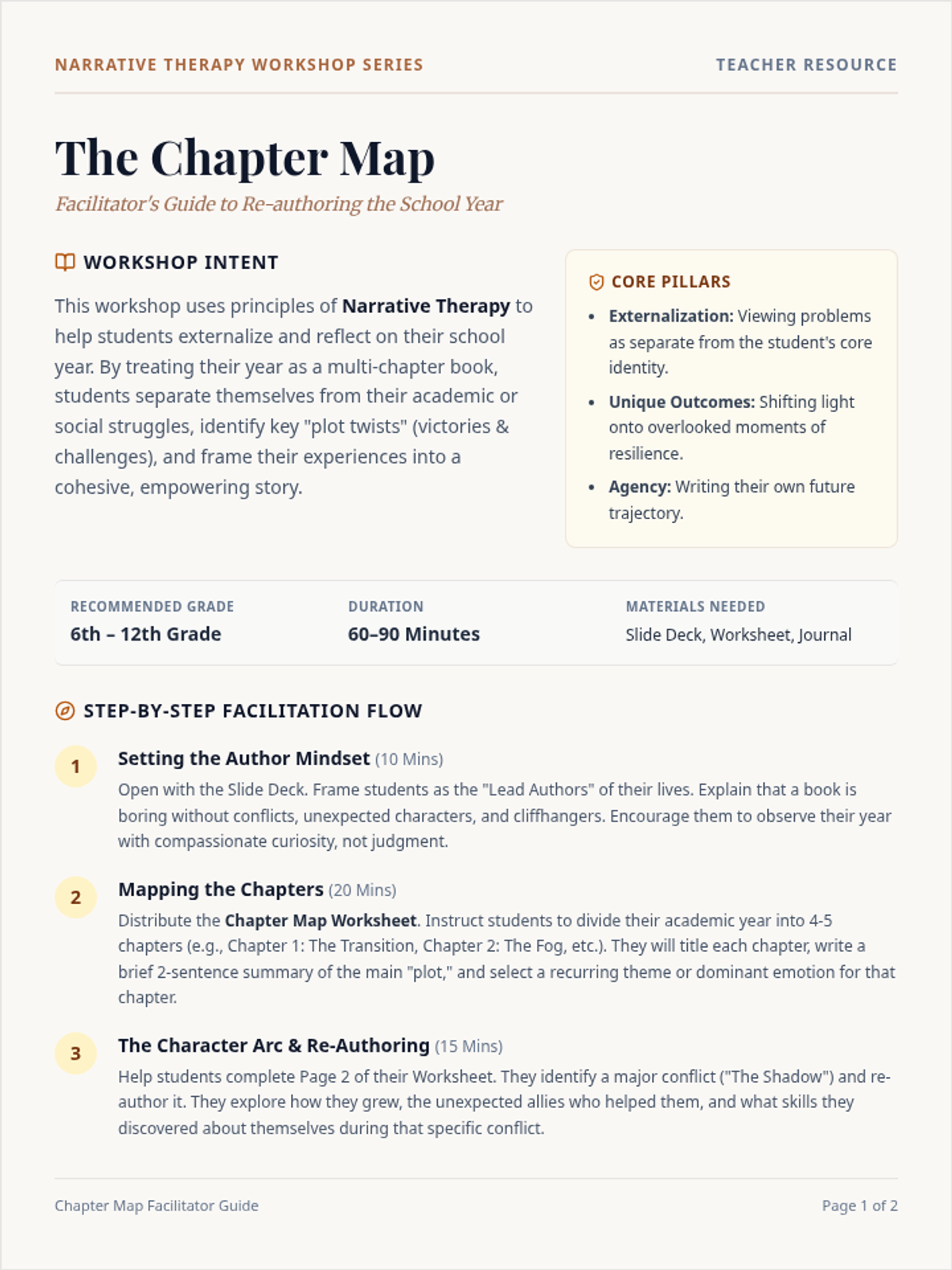
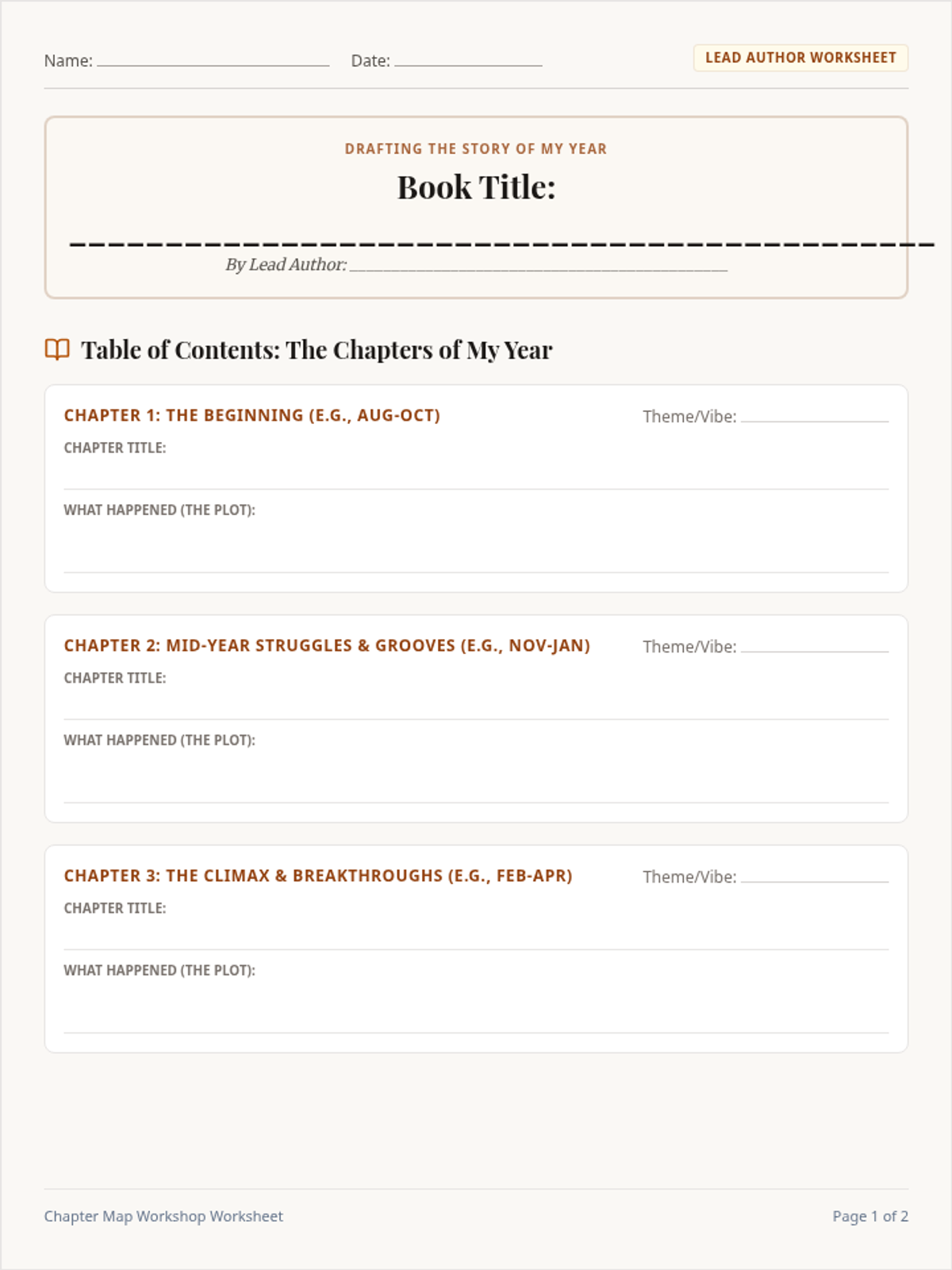
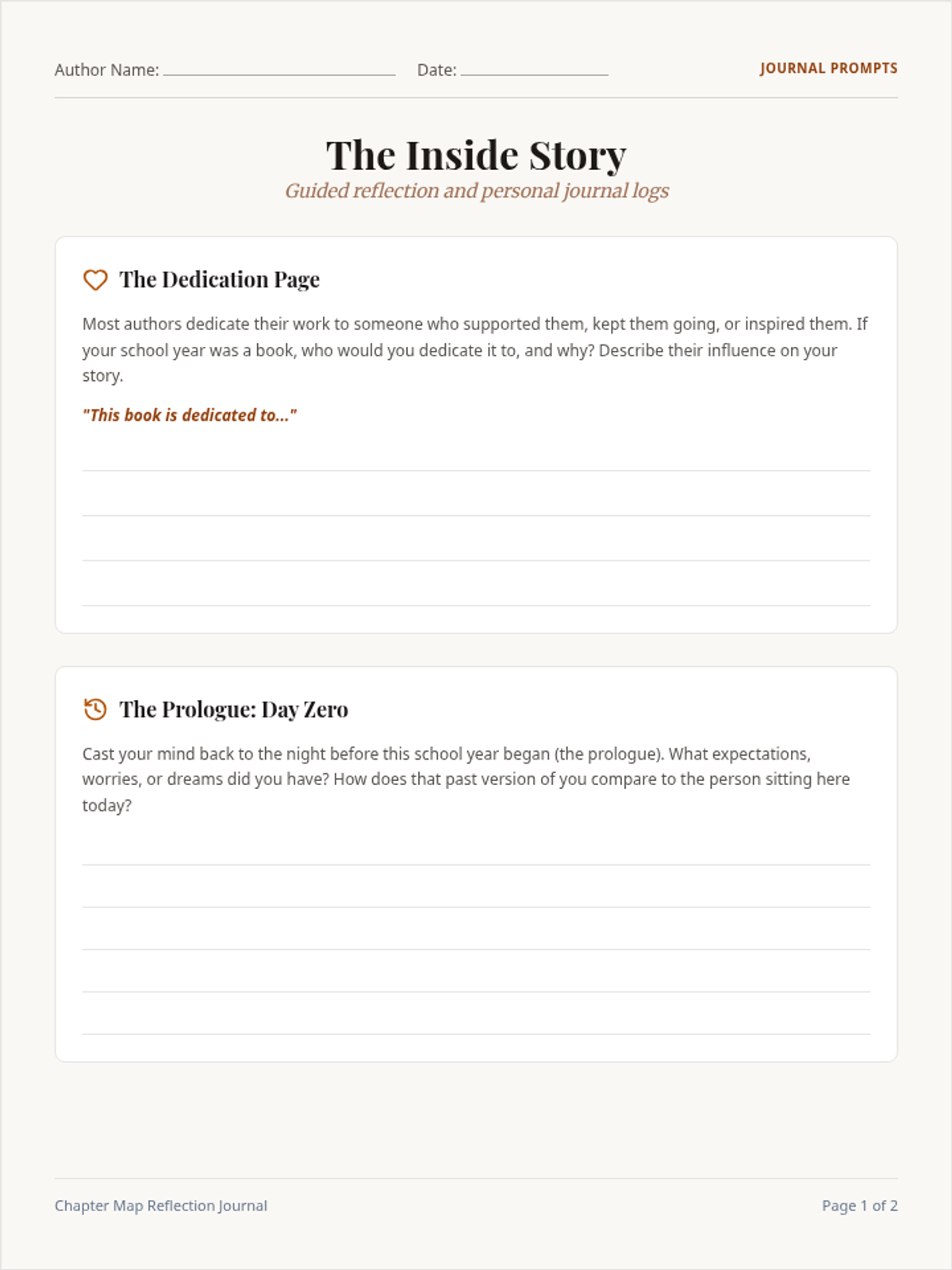
A narrative-therapy-inspired workshop where middle and high school students map out their school year as a book with chapters to synthesize challenges, victories, and closures.
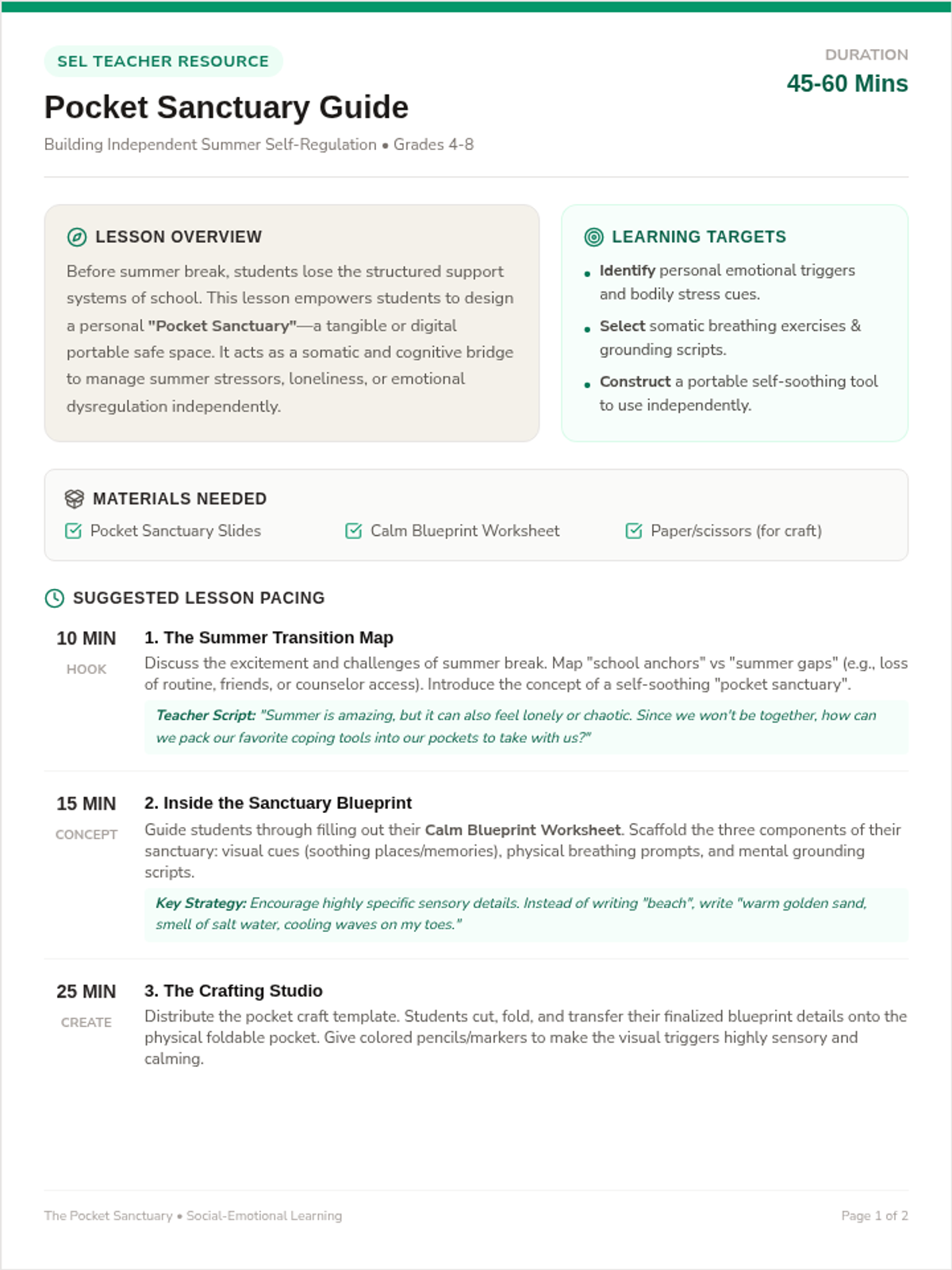
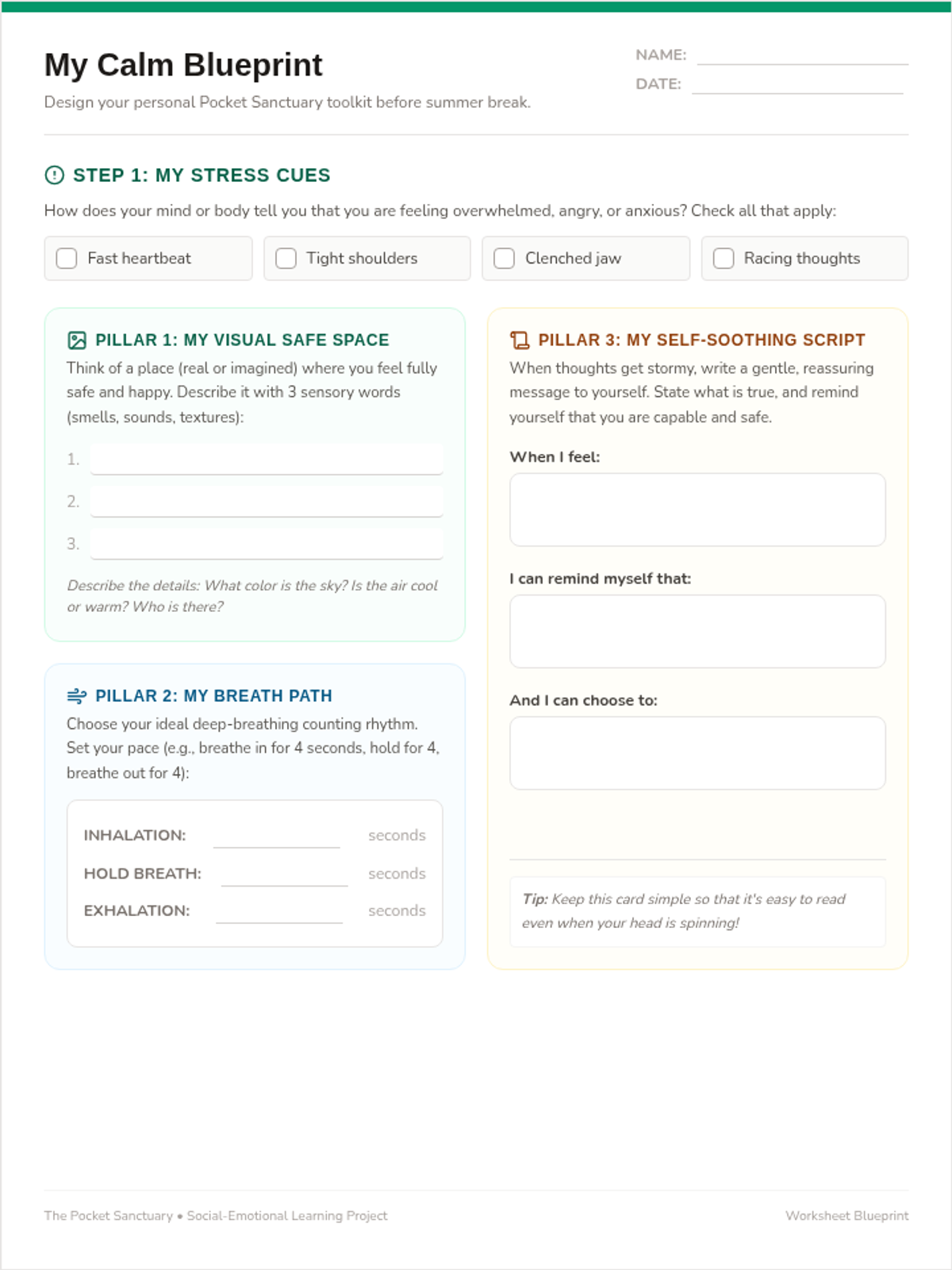
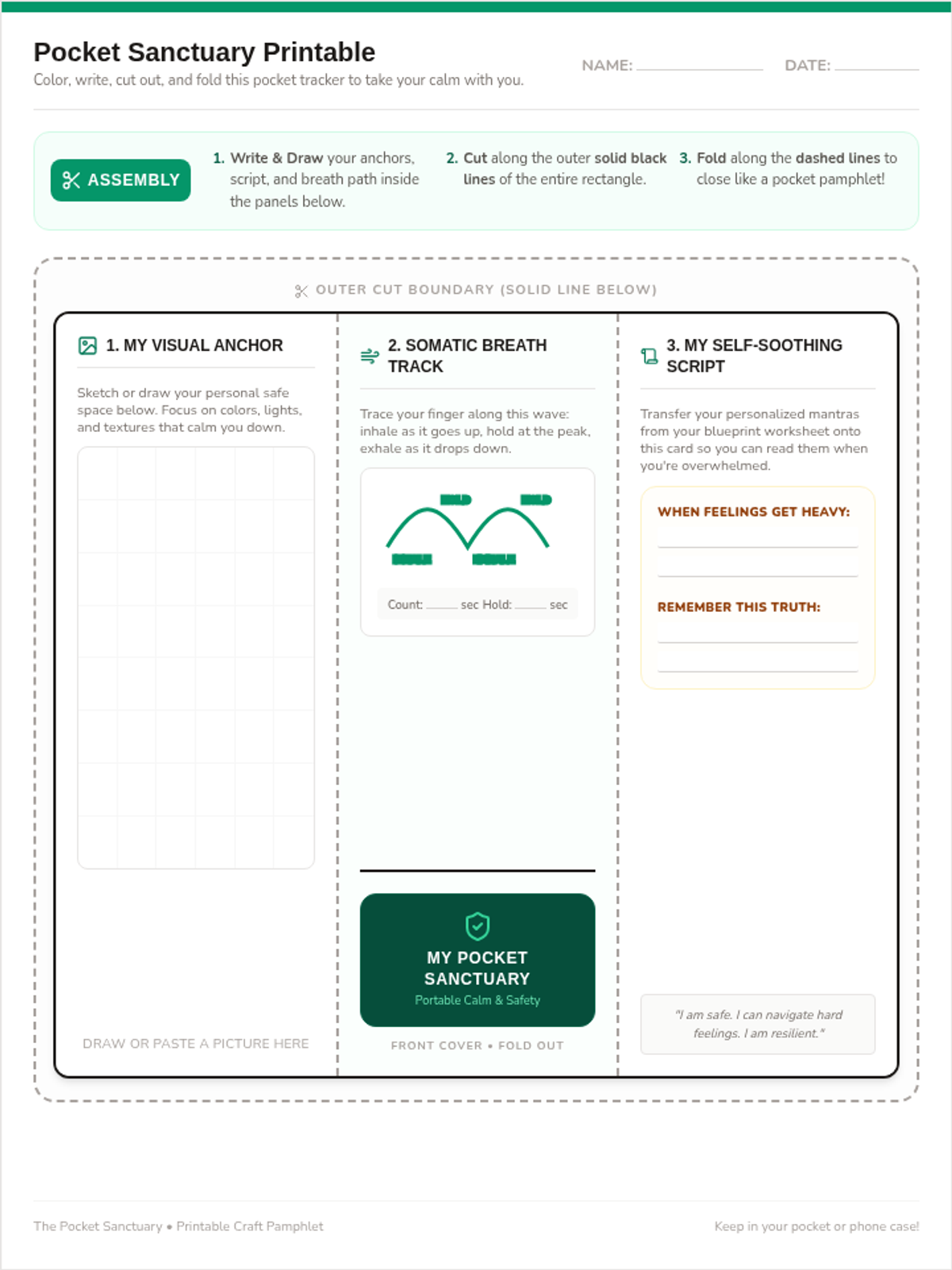
A social-emotional learning lesson where students design a physical or digital pocket sanctuary with visual cues, breathing prompts, and self-soothing scripts to build self-regulation skills for summer break.
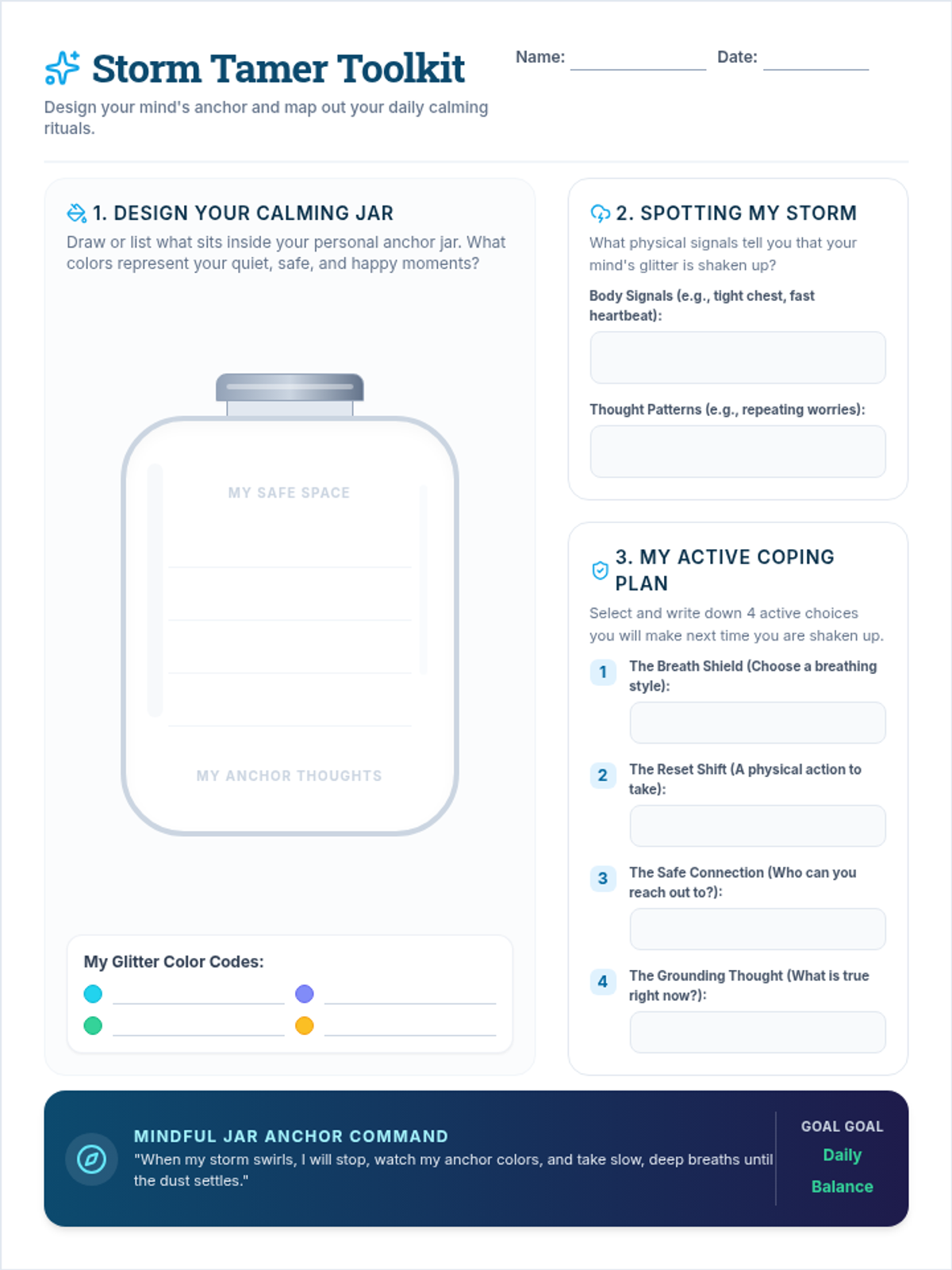
A transformative social-emotional learning lesson using the metaphor of a shaken glitter jar to help students understand emotional agitation, practice mindful breathing, and build a personalized daily coping toolkit.
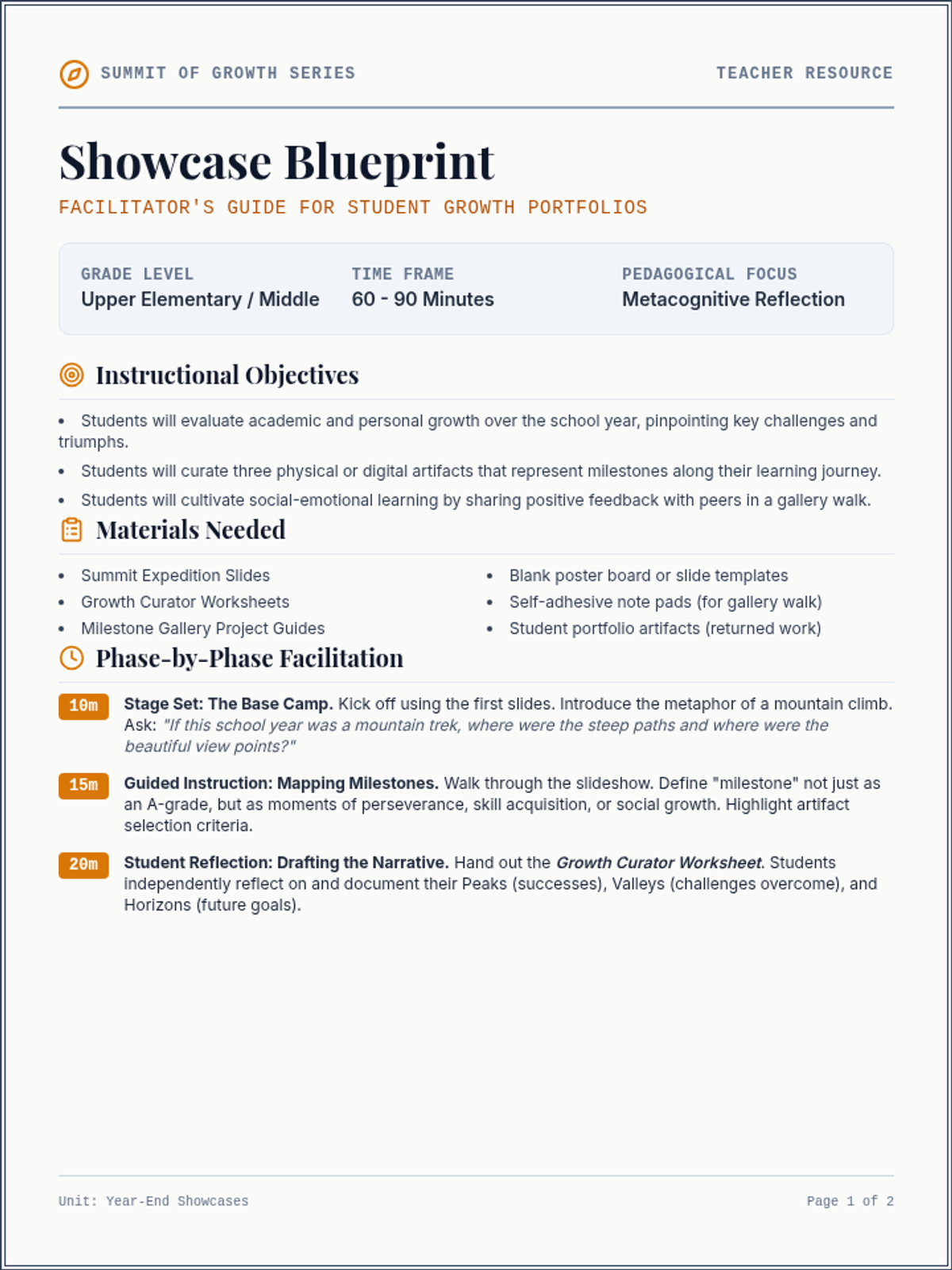
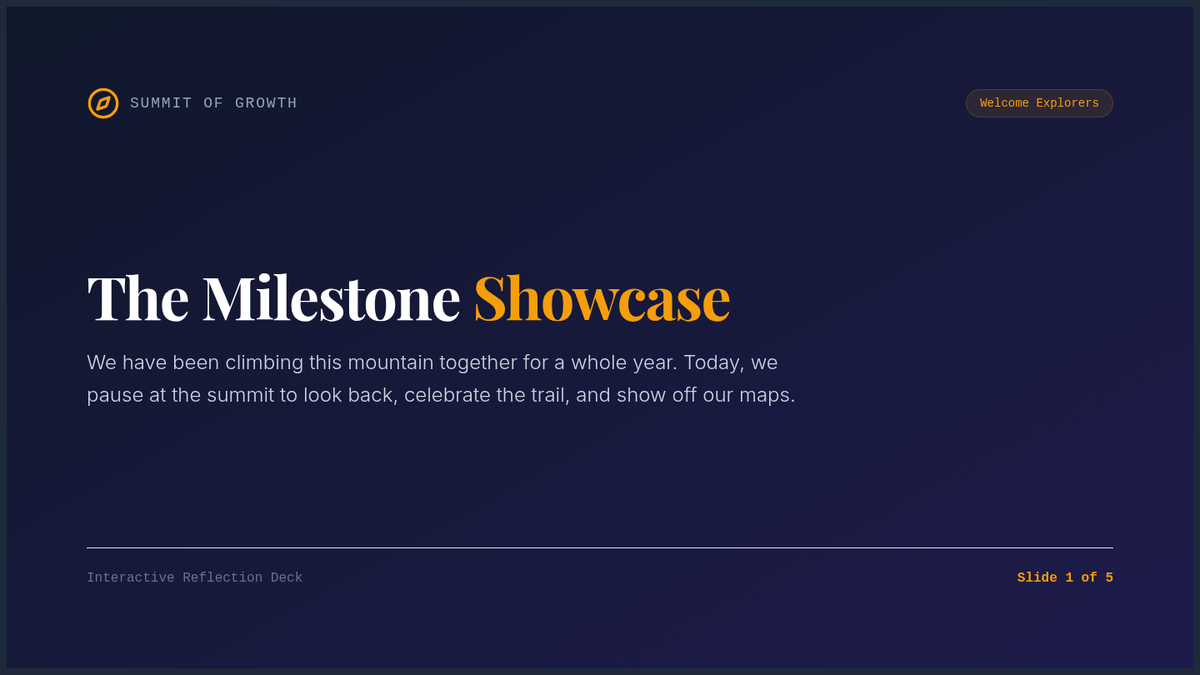
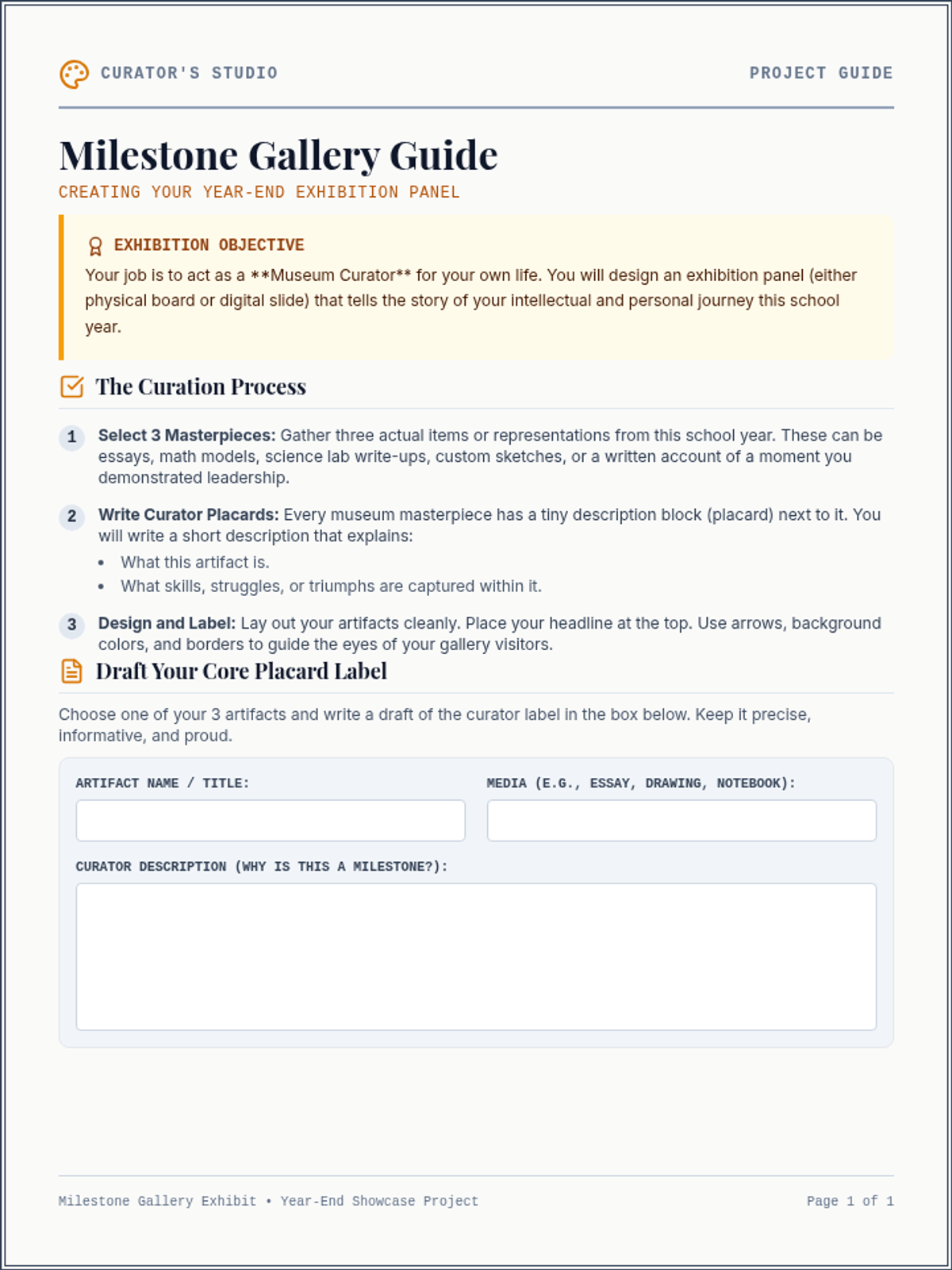
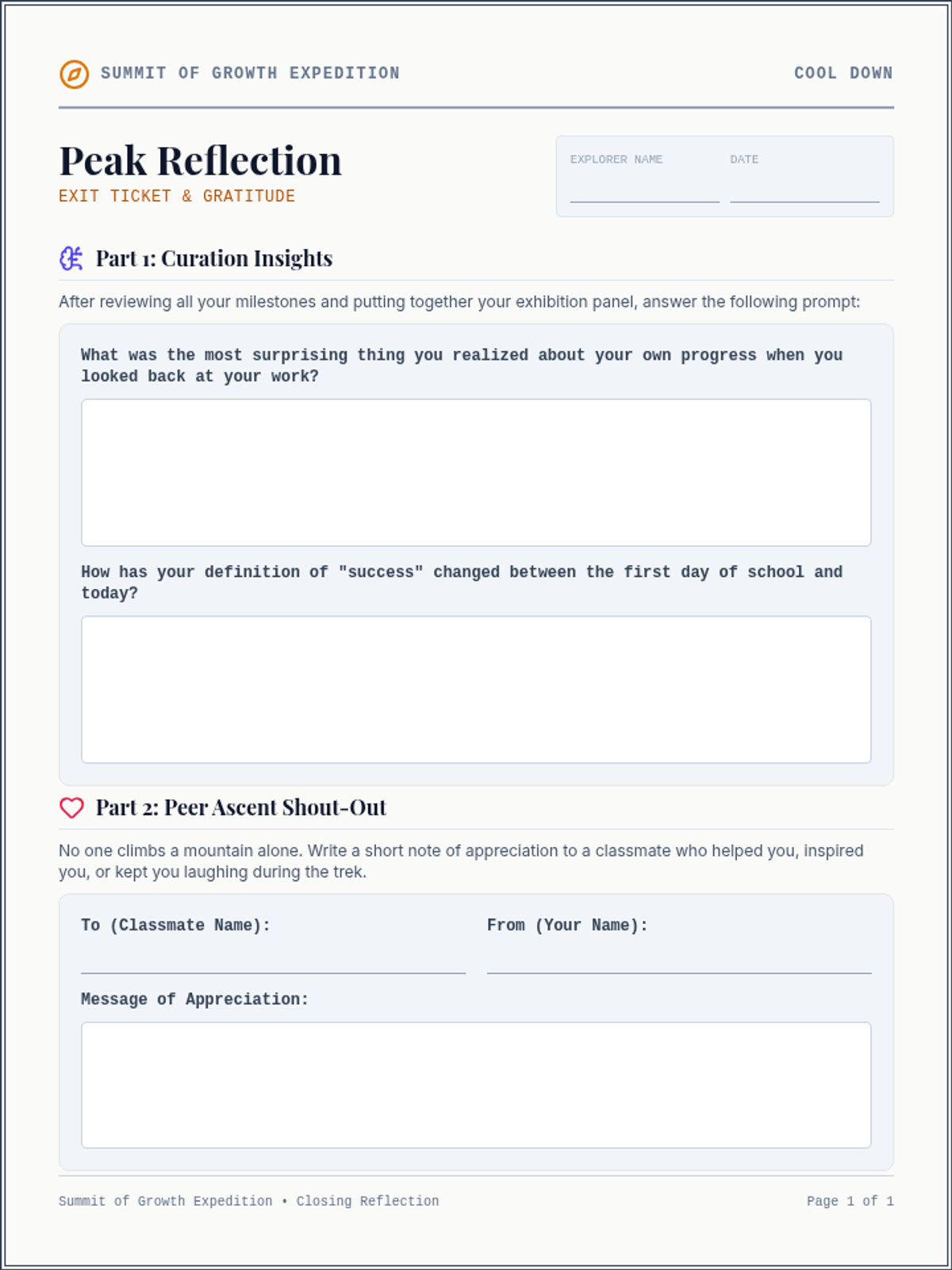
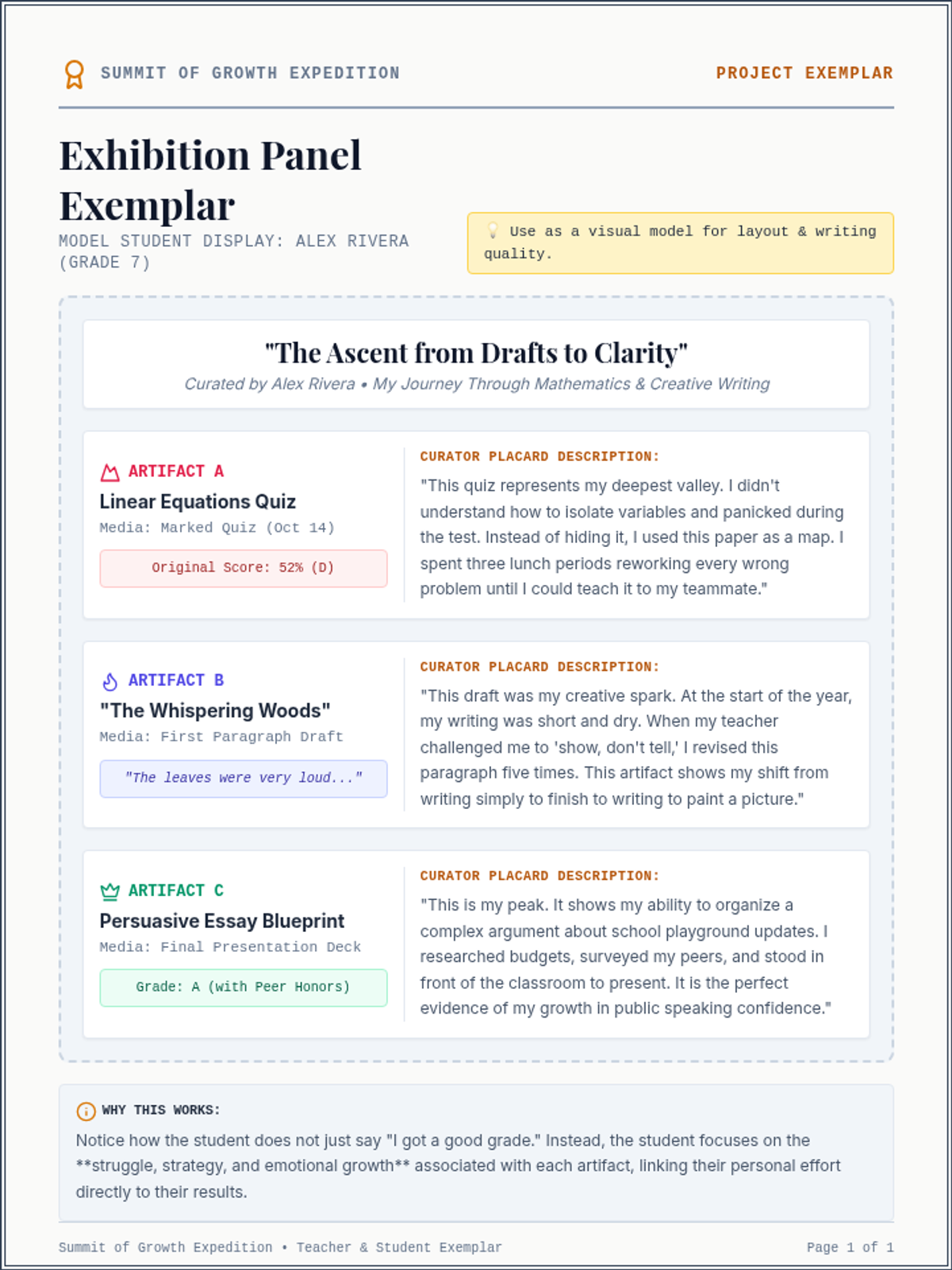
A comprehensive lesson guiding students through a structured reflection on their growth, achievements, and challenges over the school year, culminating in a creative milestone showcase portfolio.
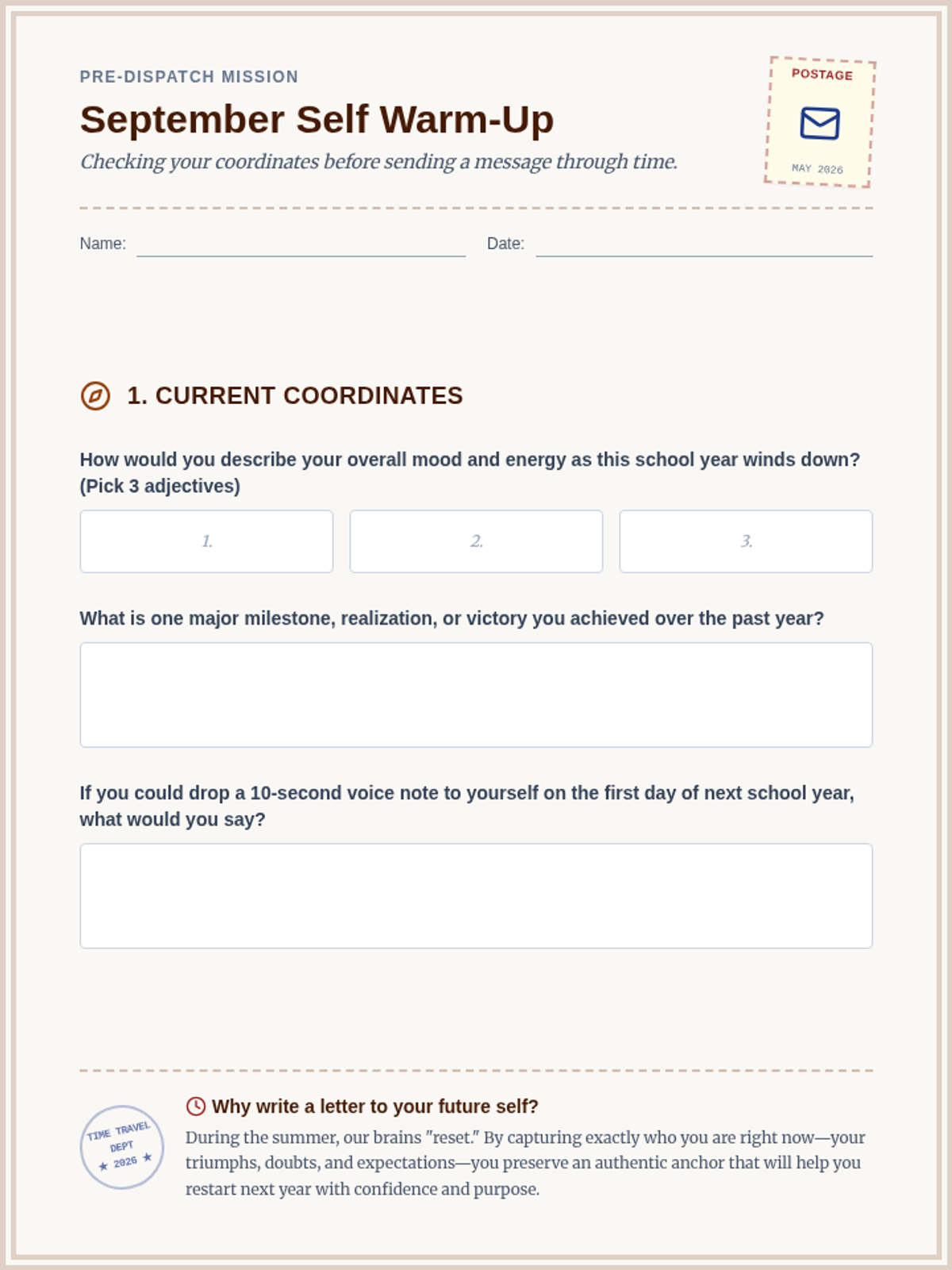
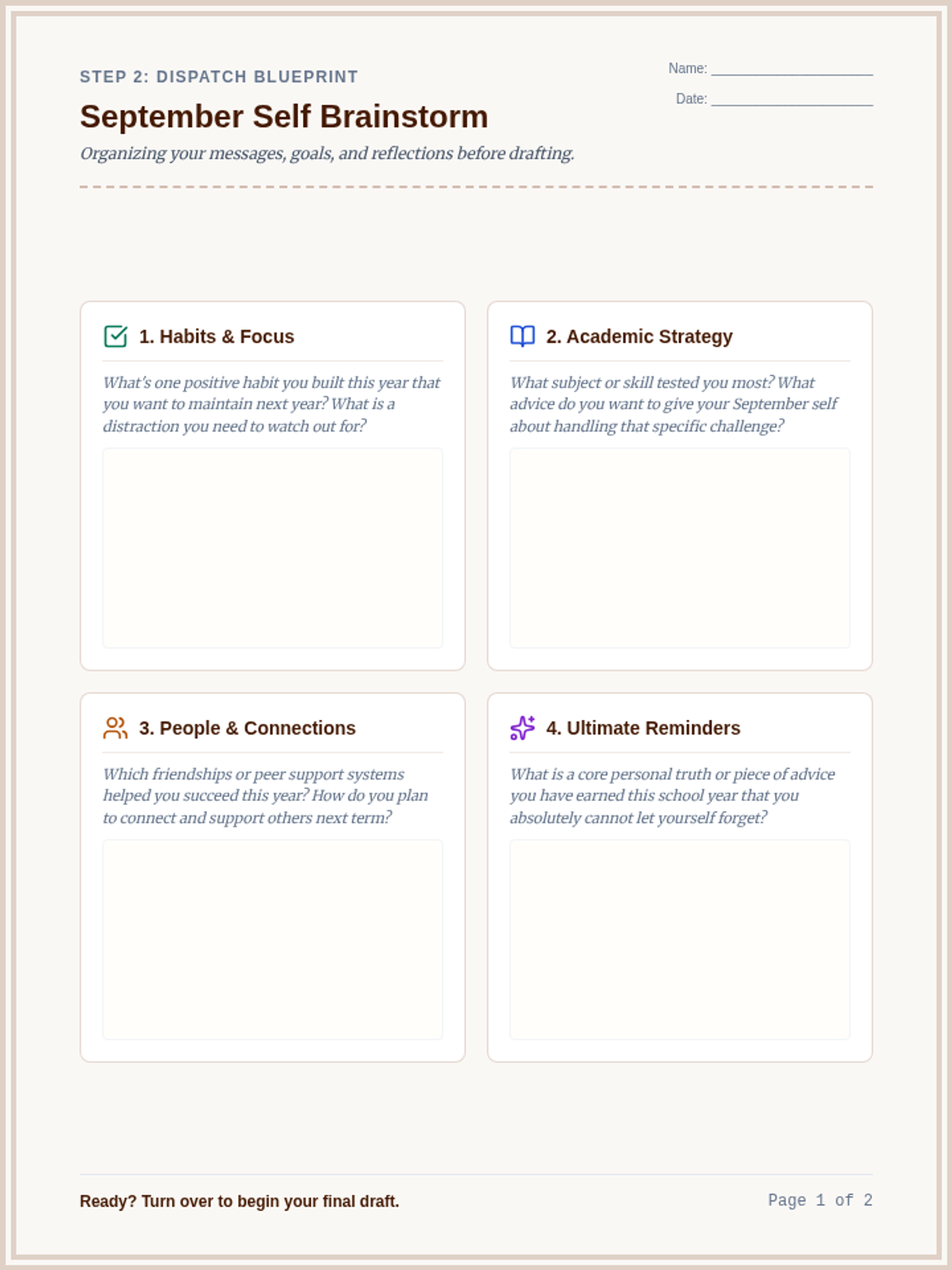
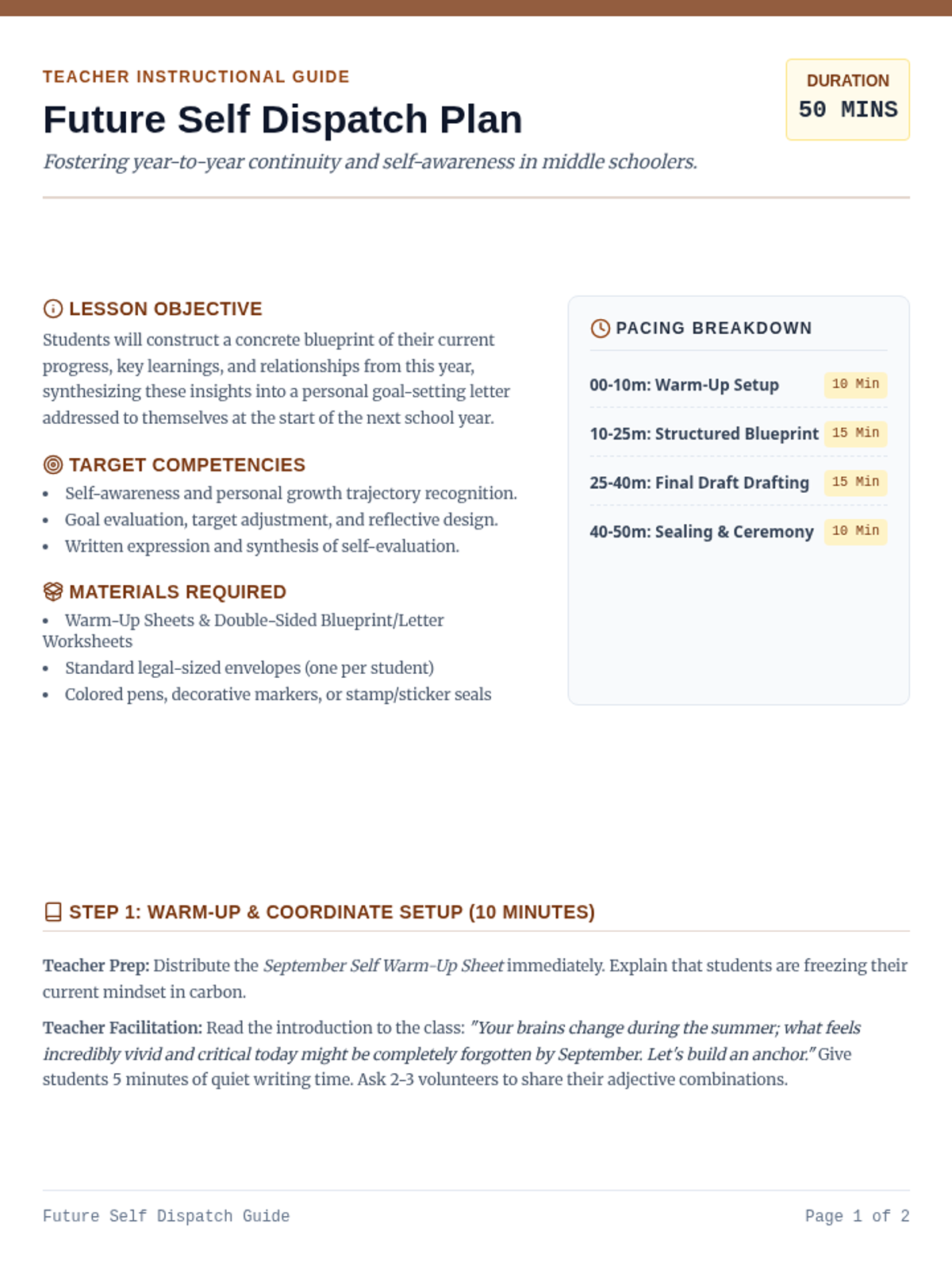
A reflective goal-setting lesson where middle school students write letters to their future selves to read at the start of the next school year, fostering continuity and self-awareness during the summer transition.