A high-energy, collaborative 7th-grade icebreaker lesson themed around being 'Social Detectives'. Students use codes, 'figure me out' numbers, and interactive class data coordinates to connect with their peers and crack the social cipher.
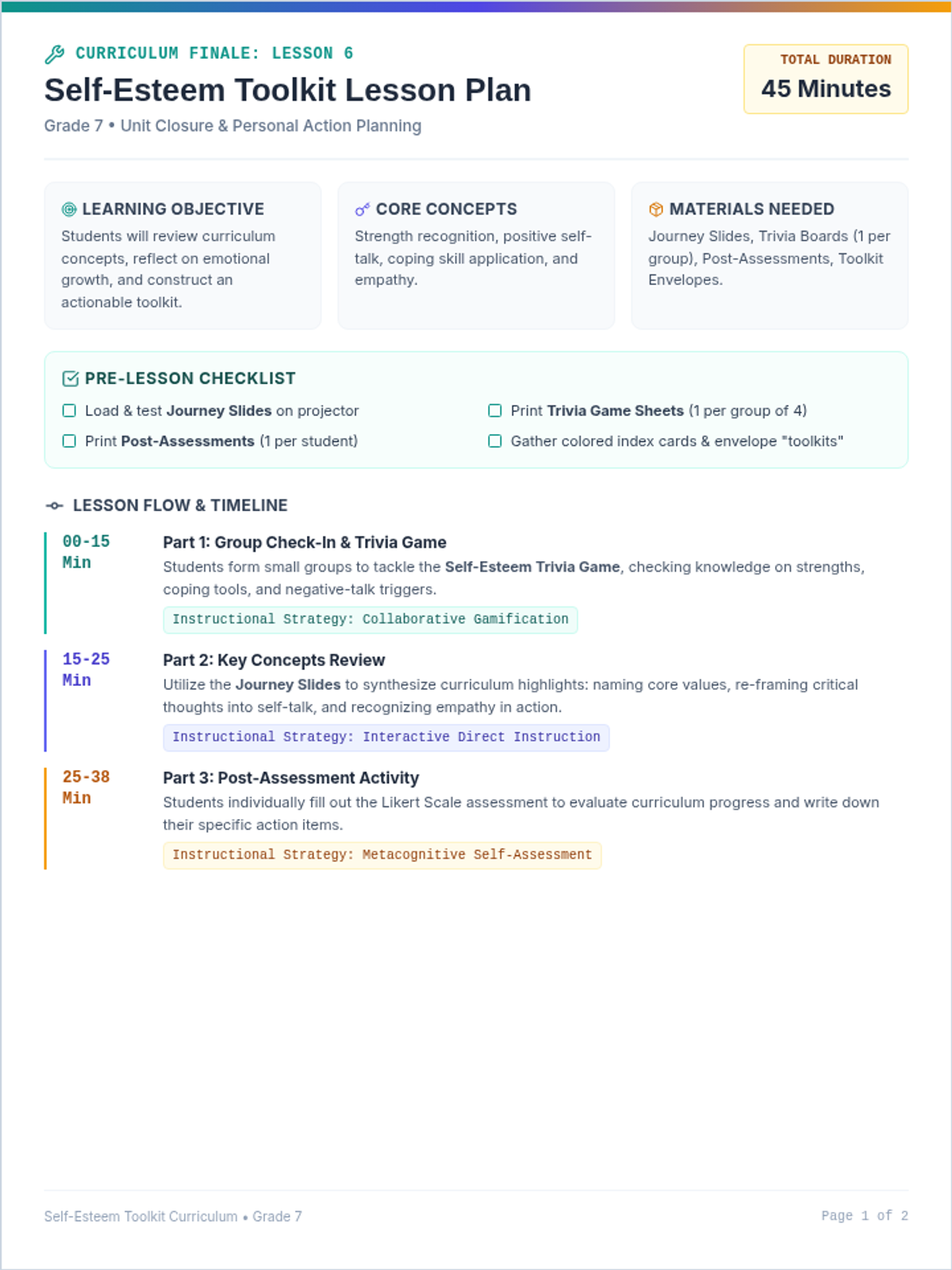
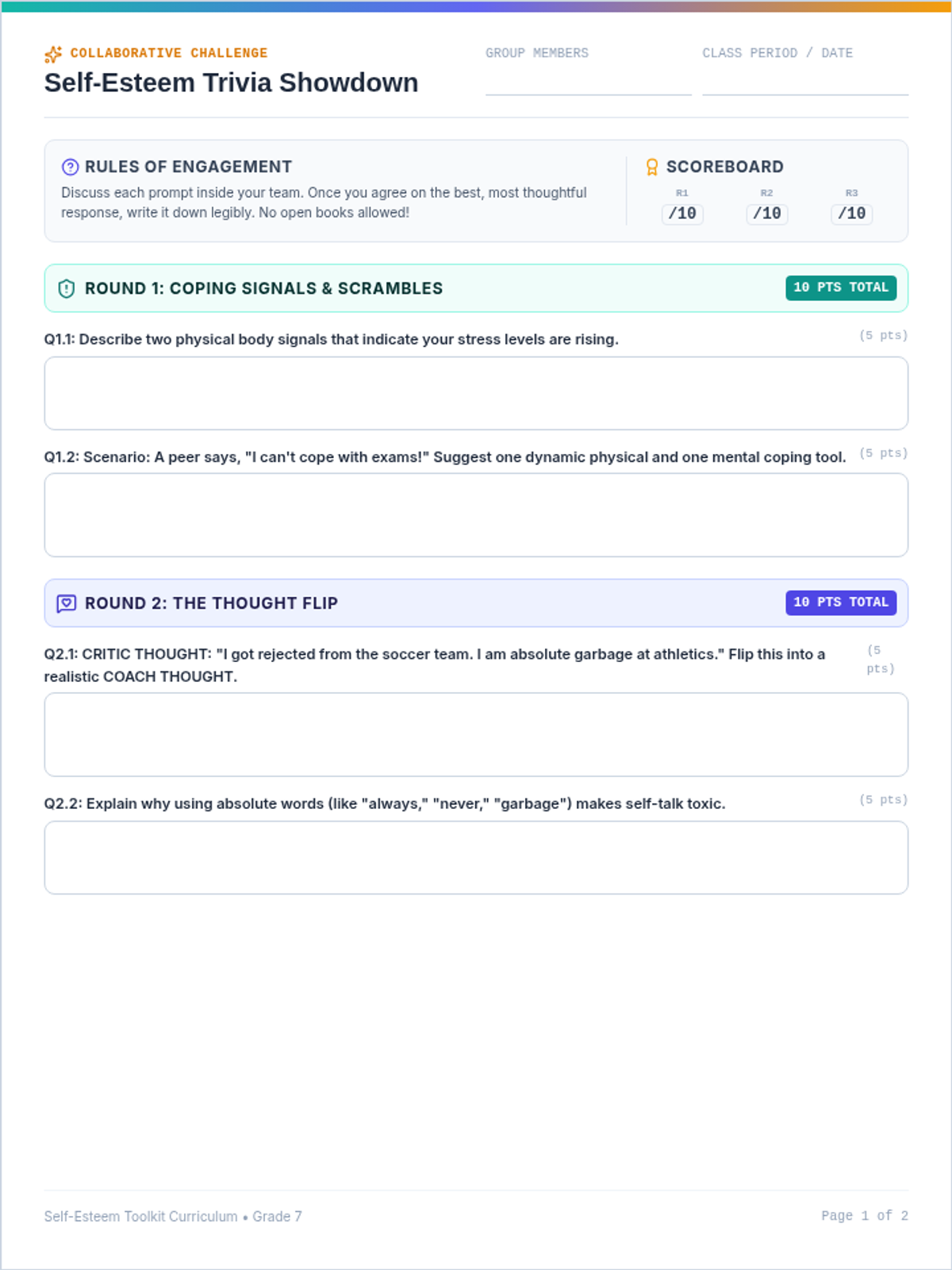
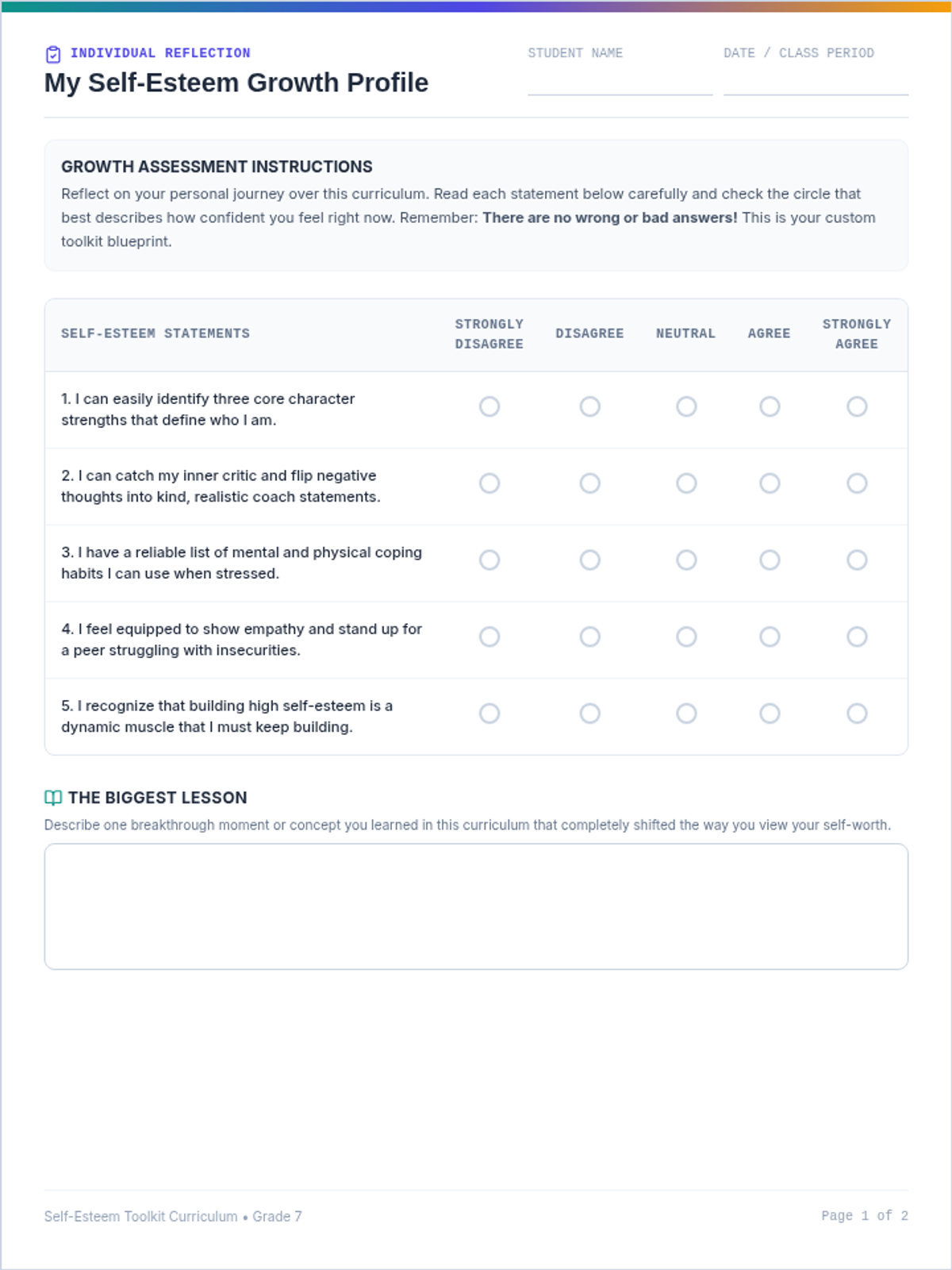
A comprehensive 45-minute concluding lesson for 7th grade students to review core self-esteem concepts through an engaging trivia game, self-reflect with a growth-focused post-assessment, and build their personal action plans.
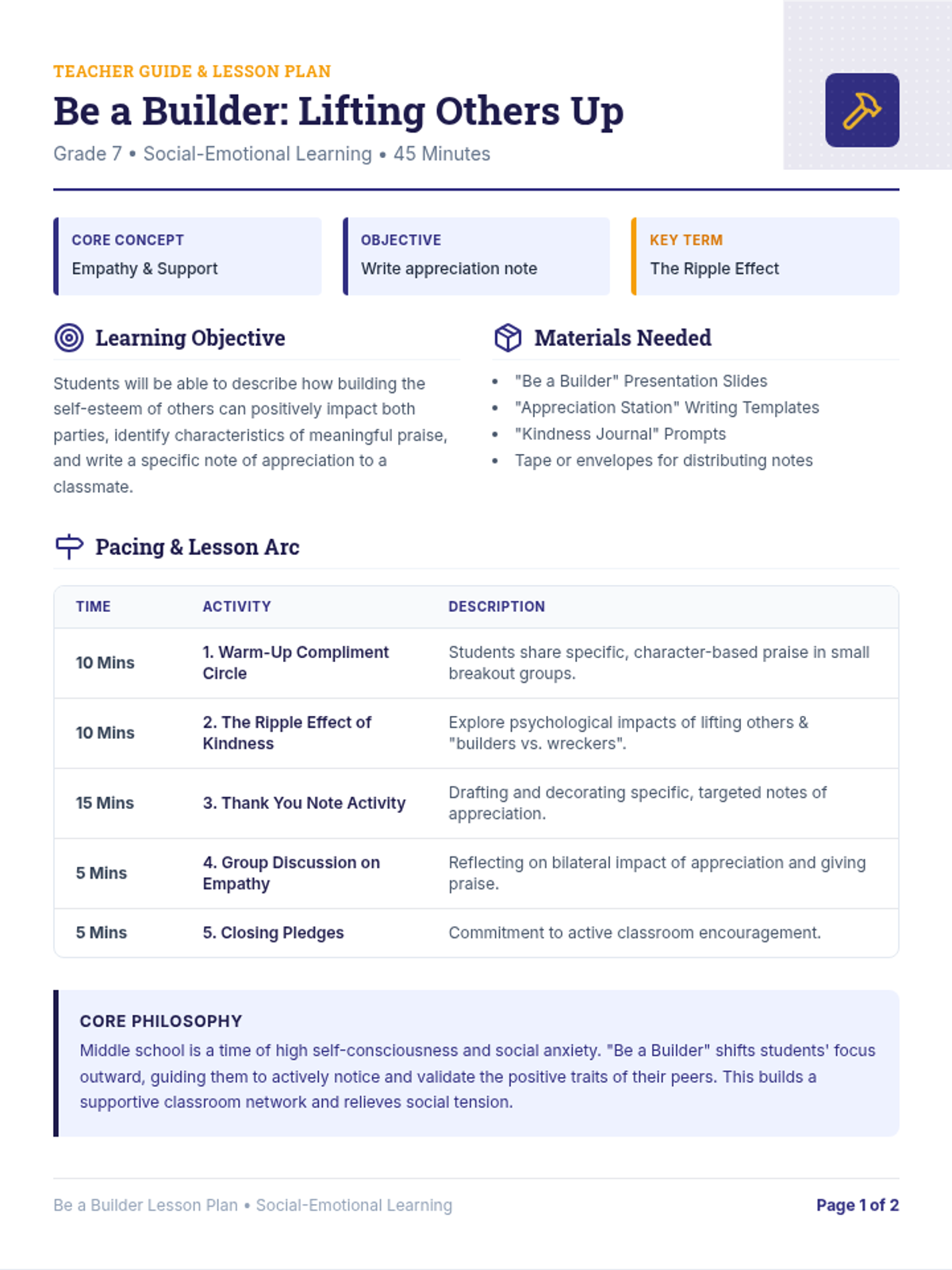
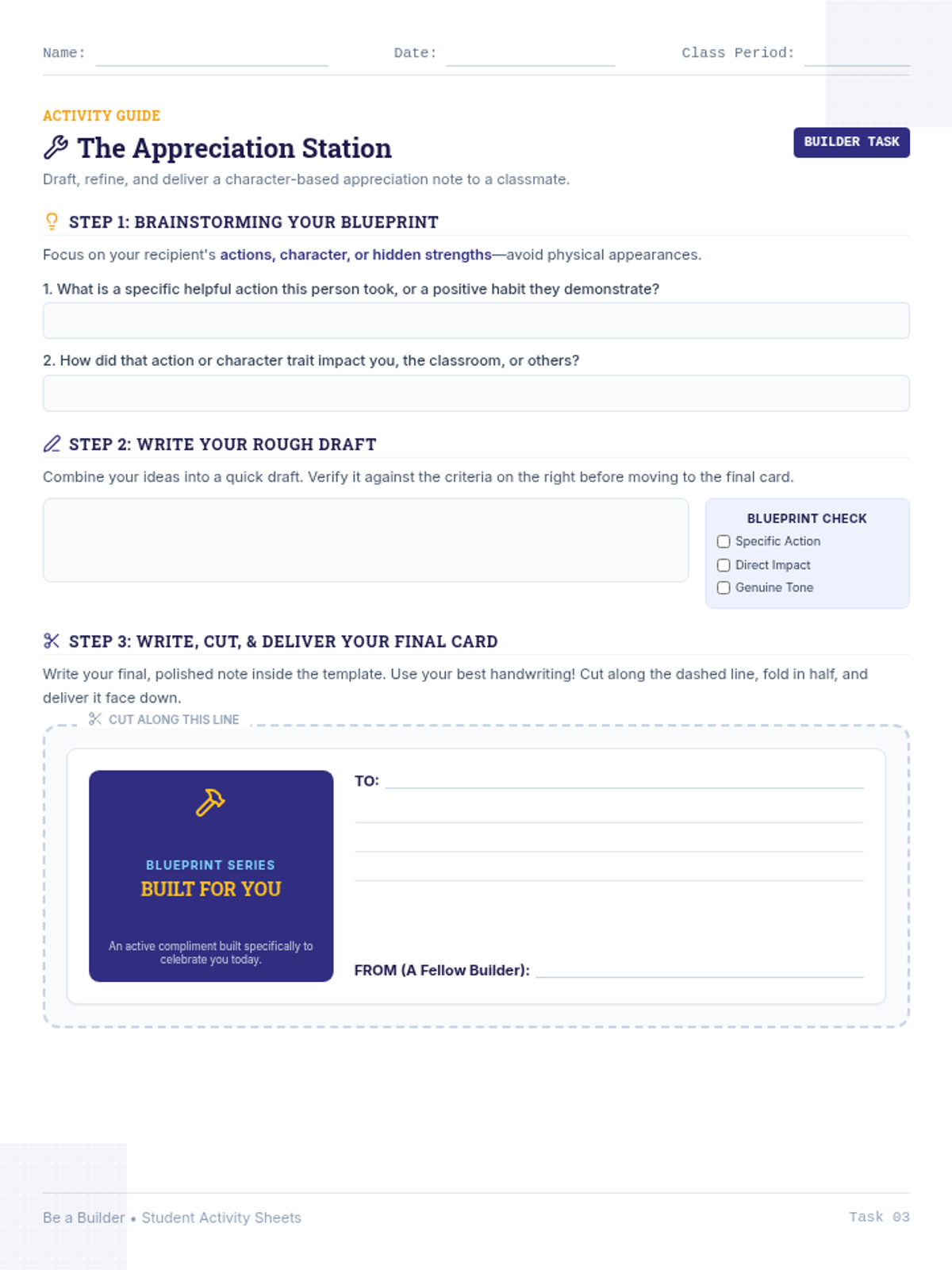
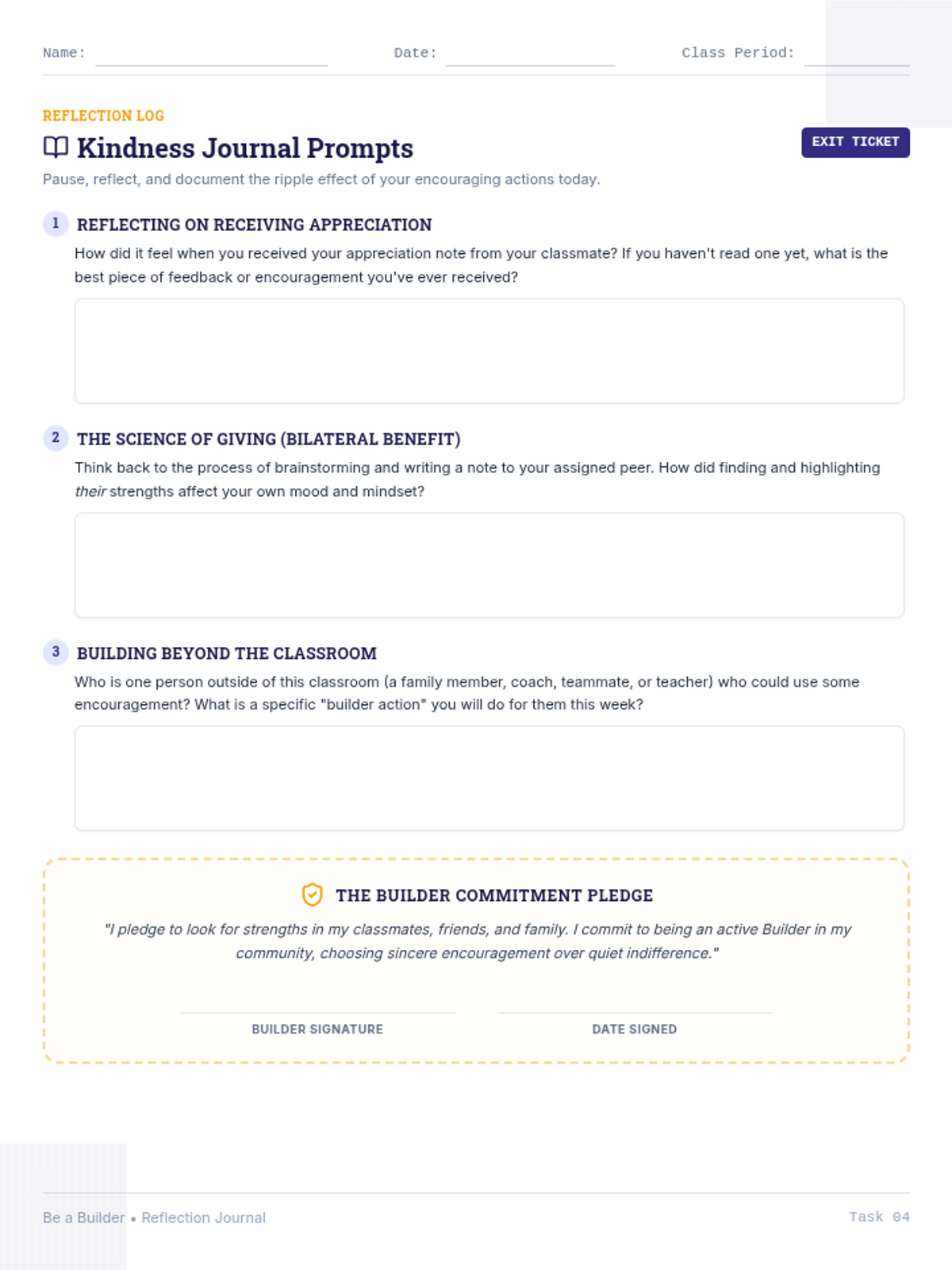
A 45-minute social-emotional learning lesson for 7th graders focused on the positive ripple effect of kindness, building others' self-esteem, and writing peer appreciation notes.
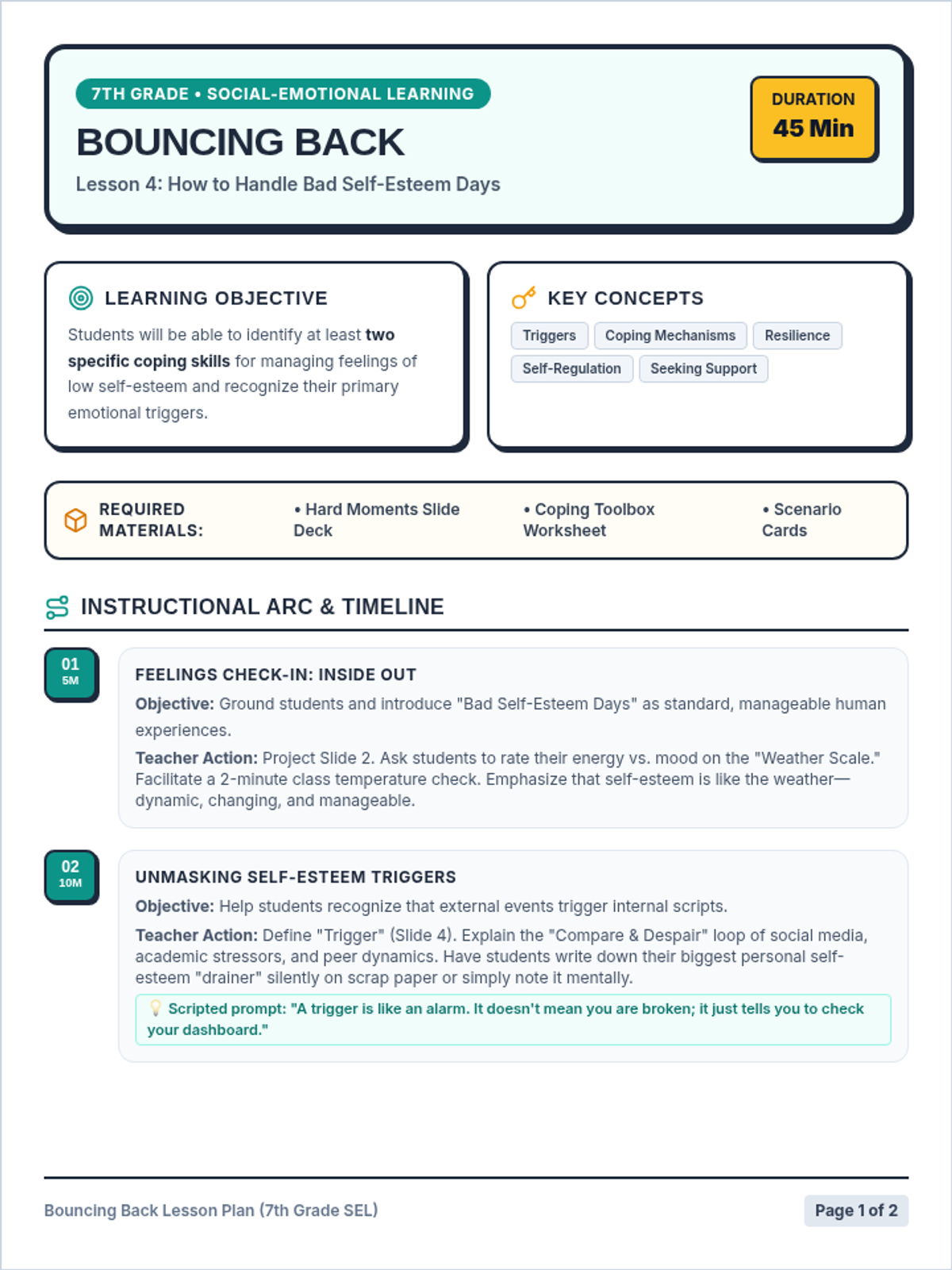
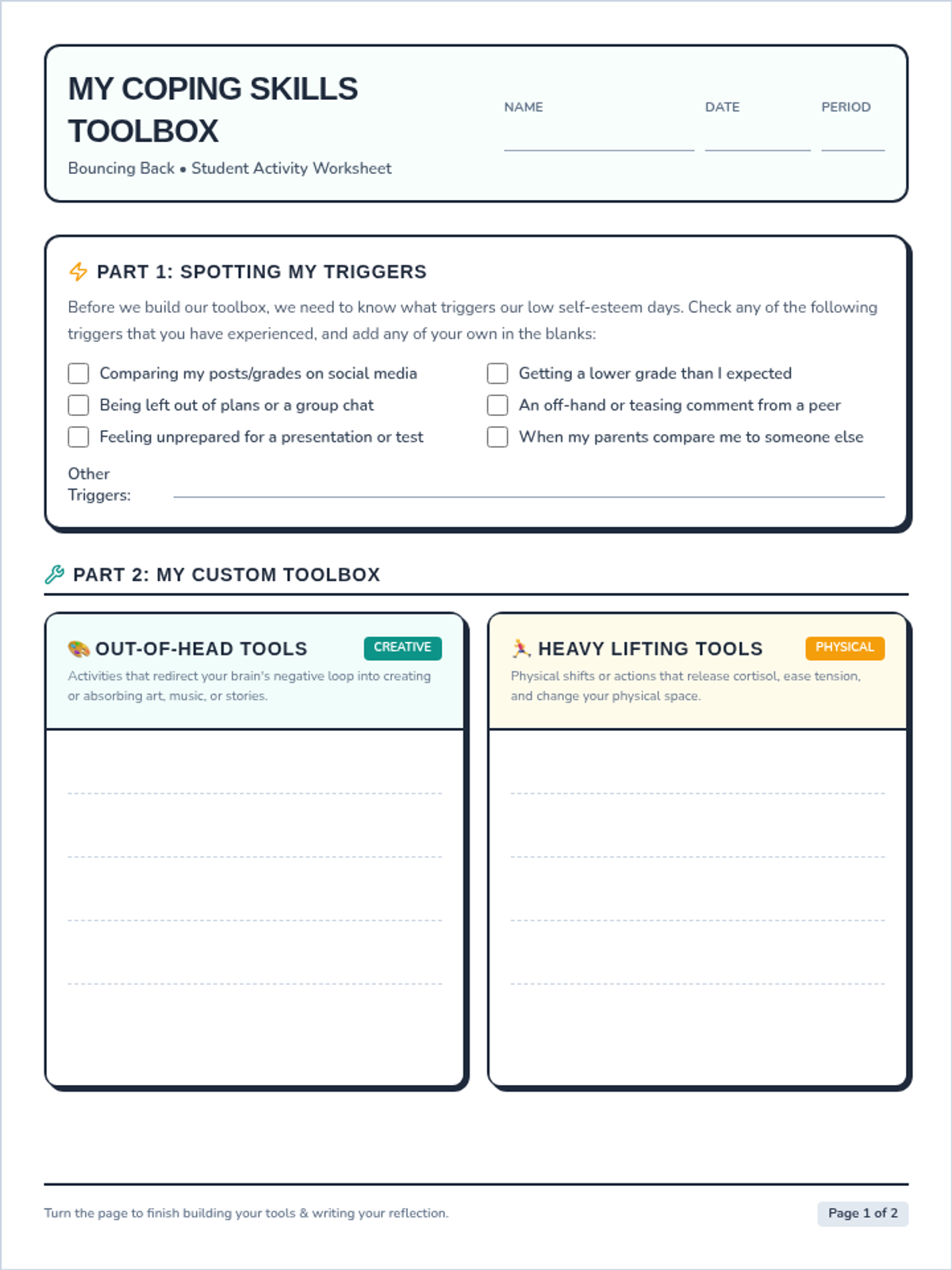
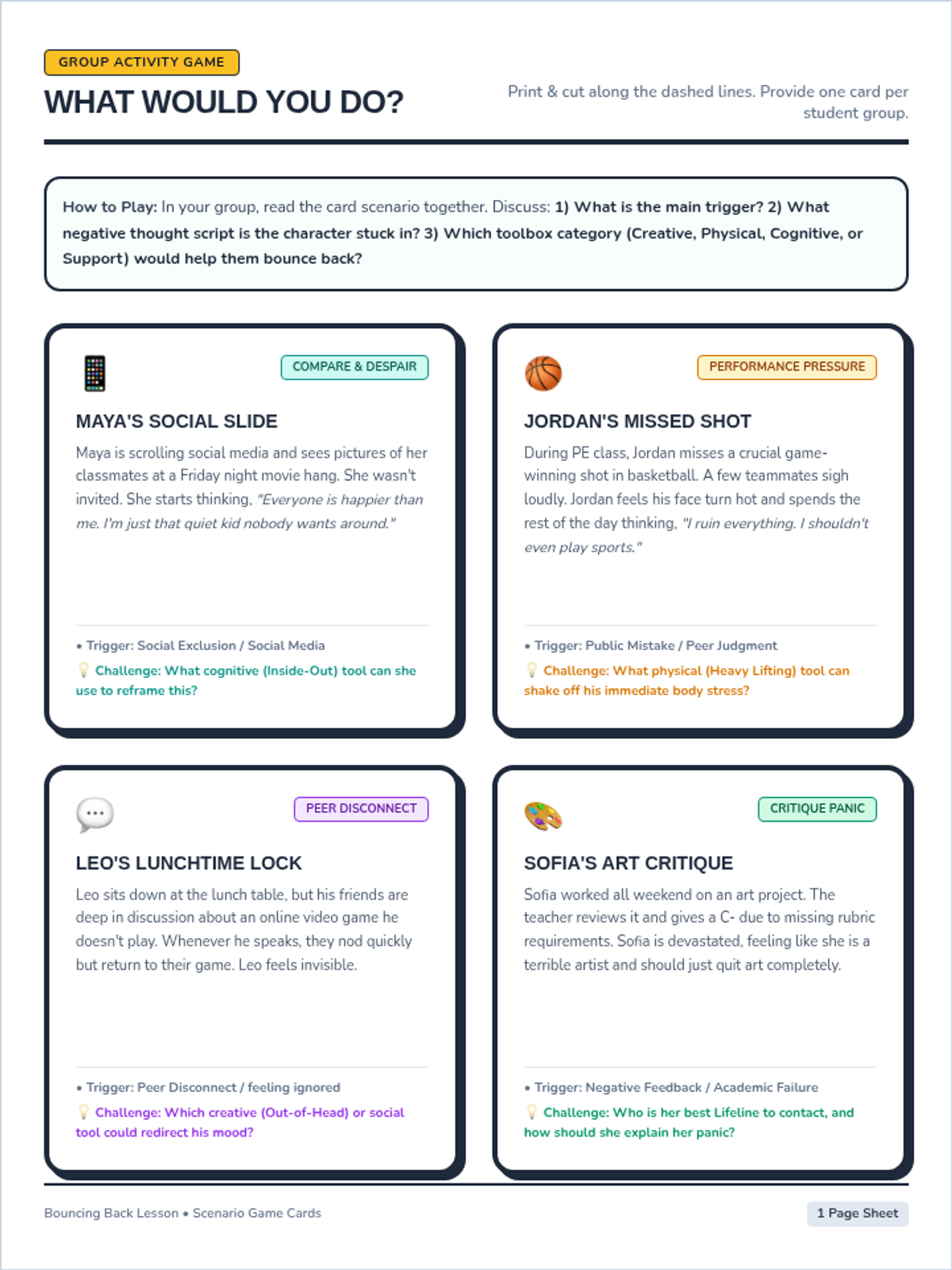
A 45-minute social-emotional learning lesson for 7th grade focused on identifying self-esteem triggers and building a personalized coping skills toolbox to navigate difficult emotional days with resilience.
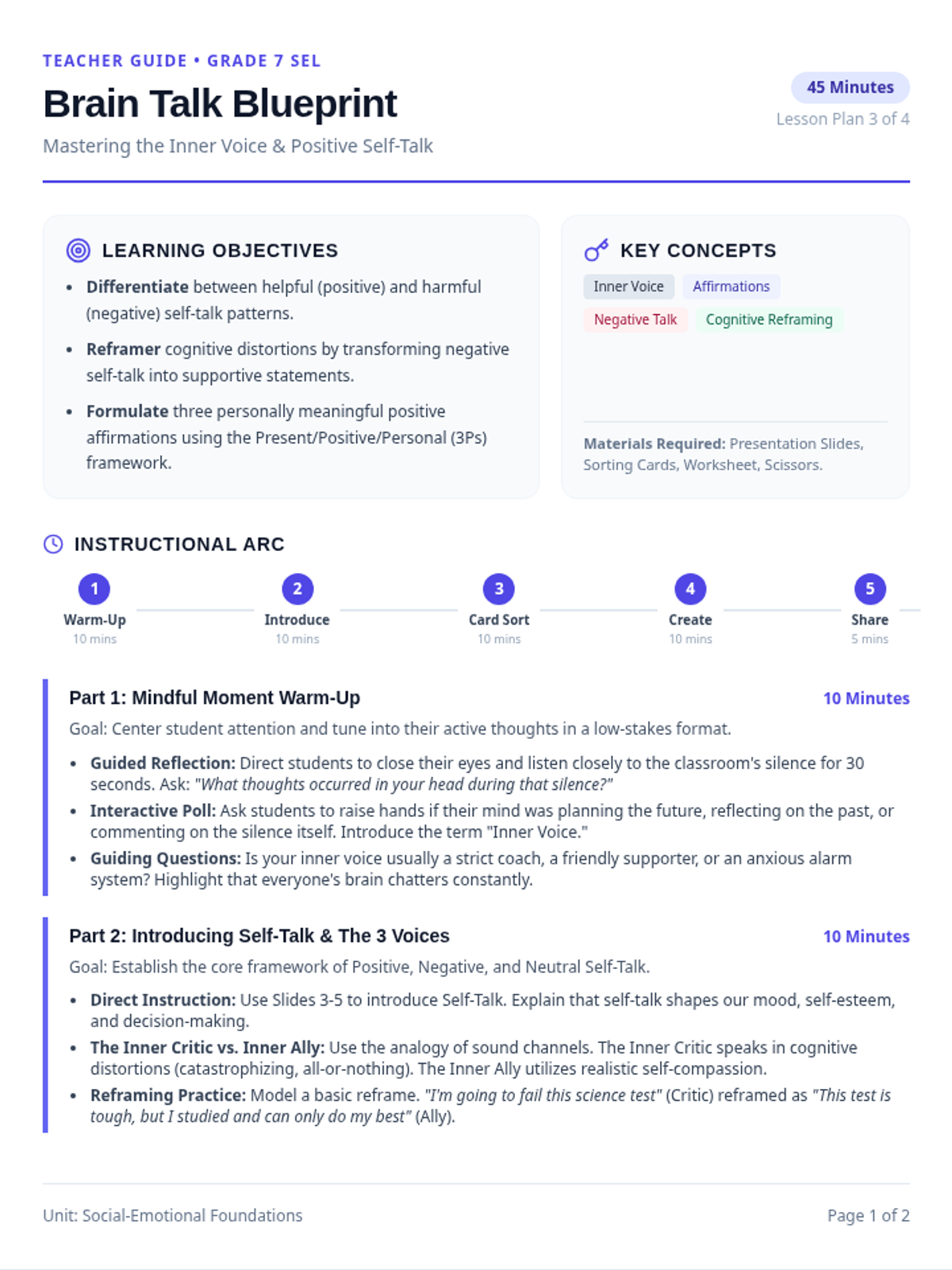
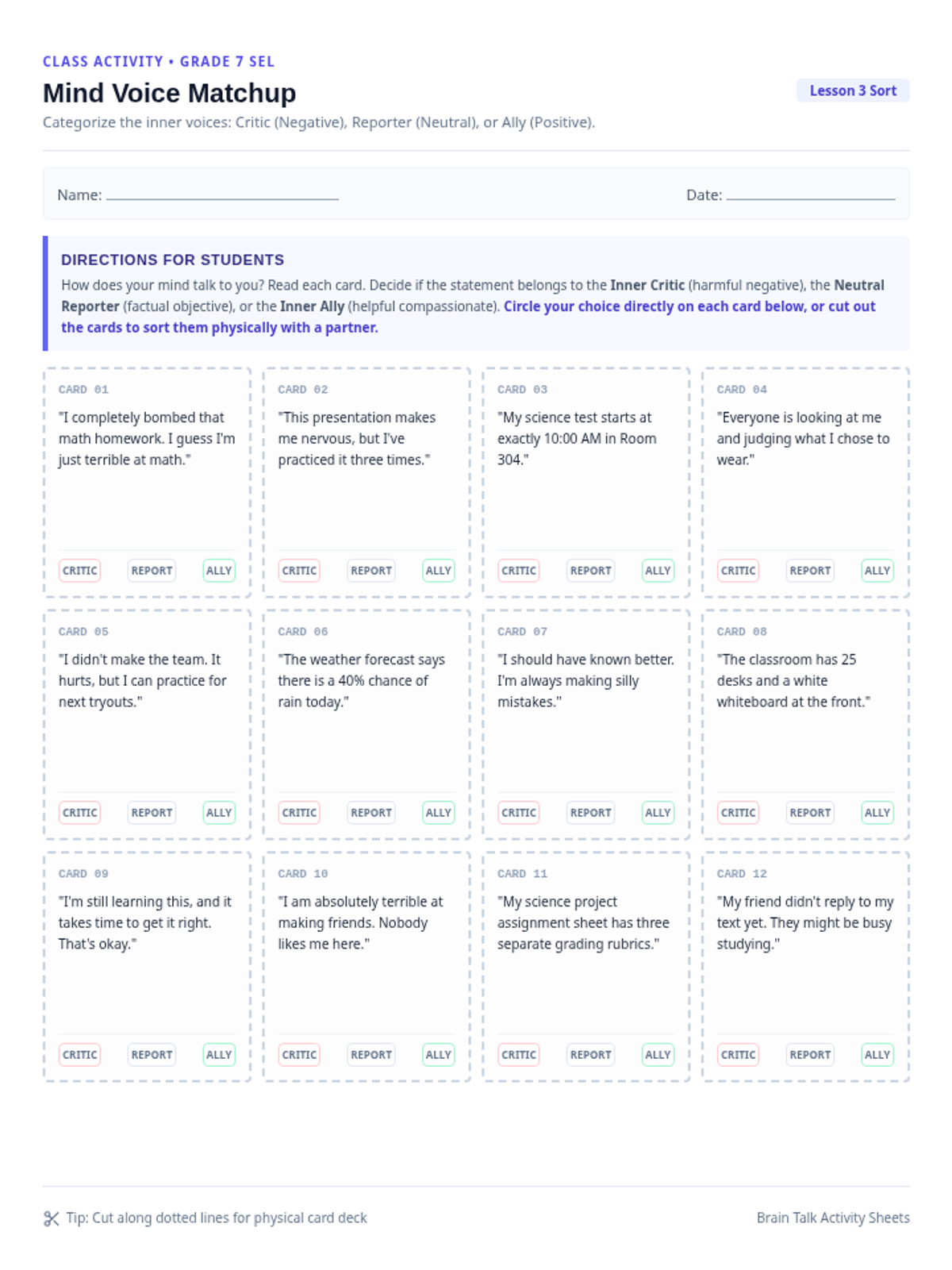
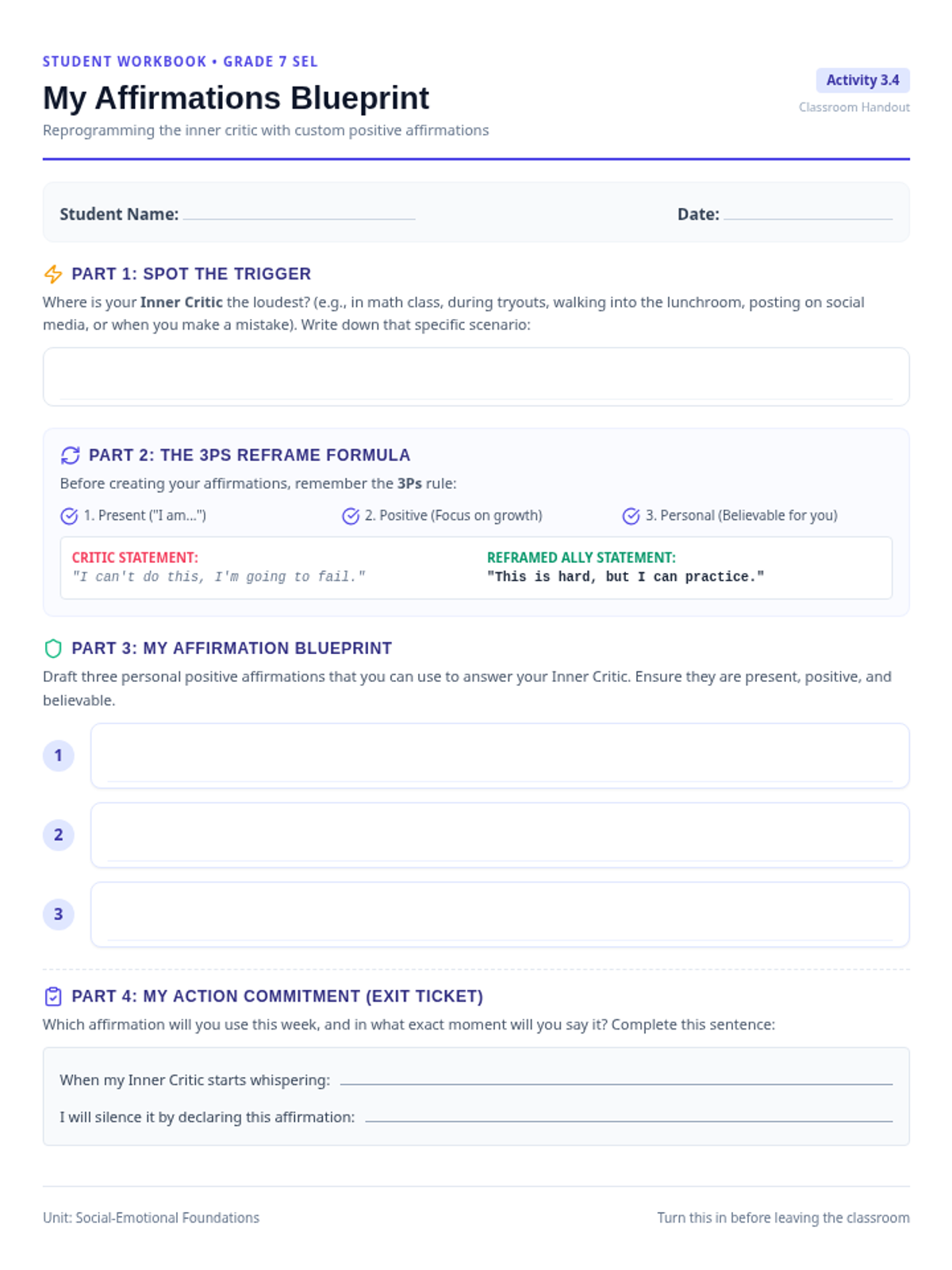
A transformative 45-minute social-emotional learning lesson for 7th graders to master their inner dialogue. Students explore cognitive reframing, separate negative self-talk from positive affirmations, and design a personalized toolkit of supportive inner voices.
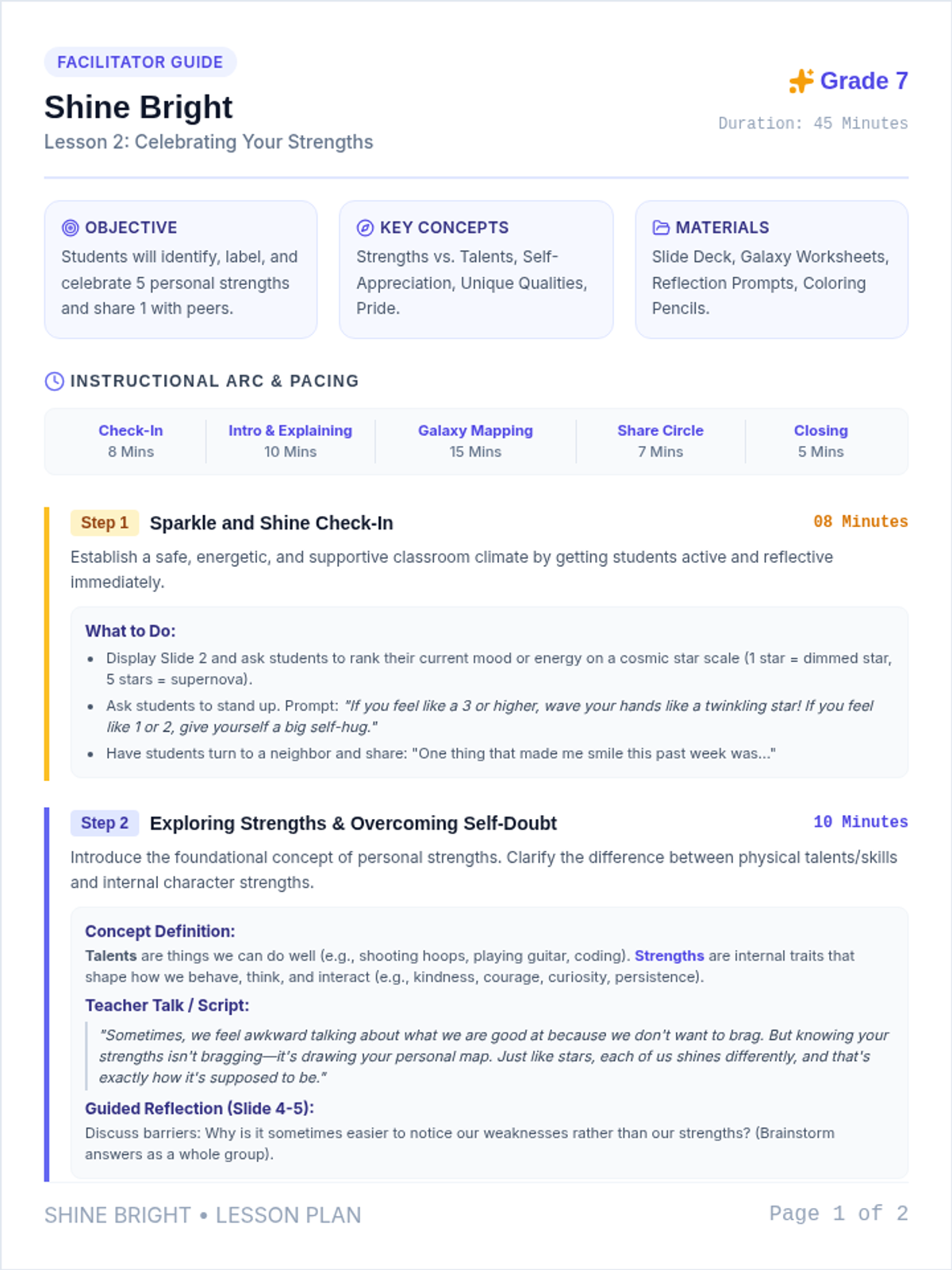
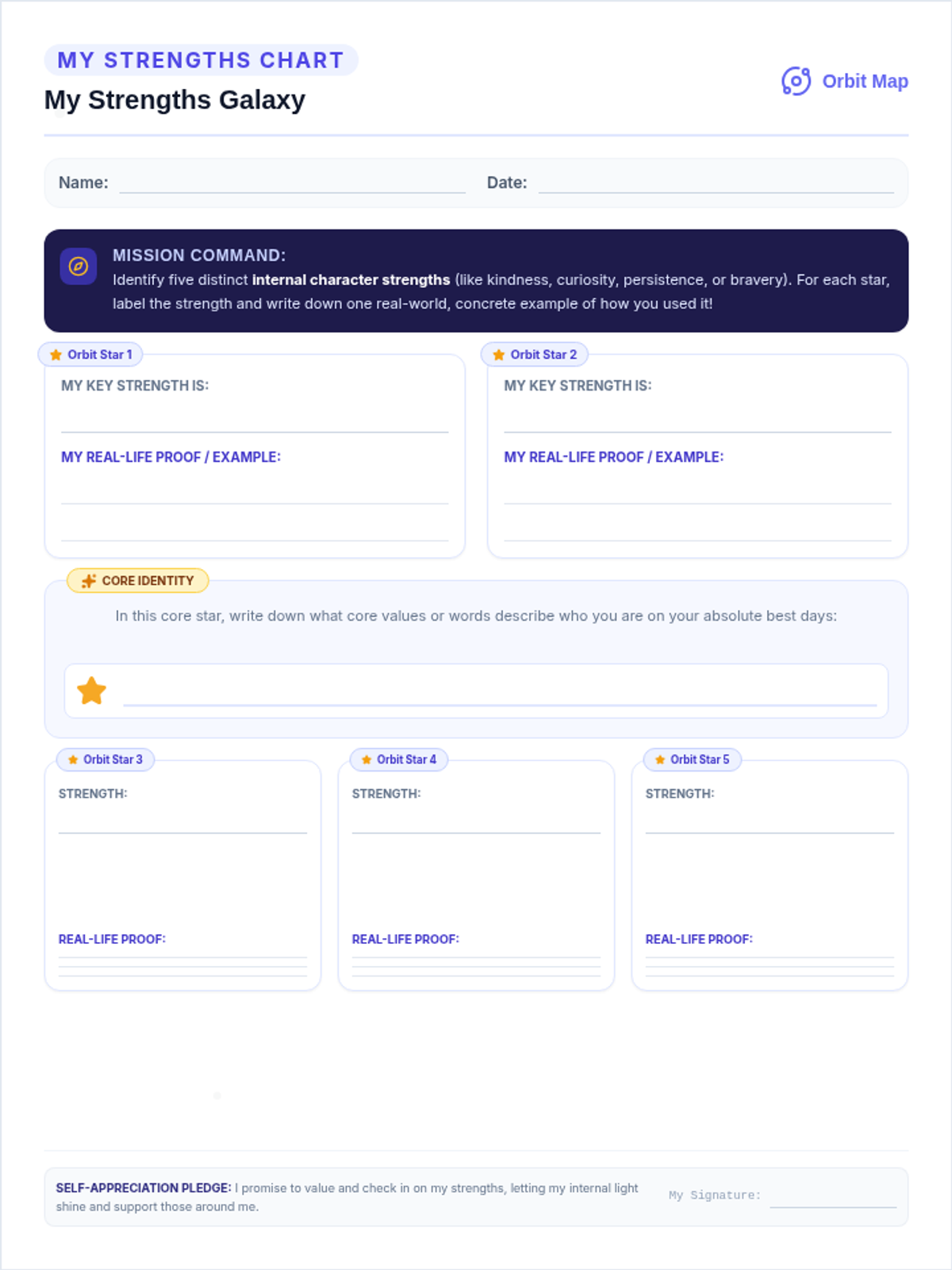
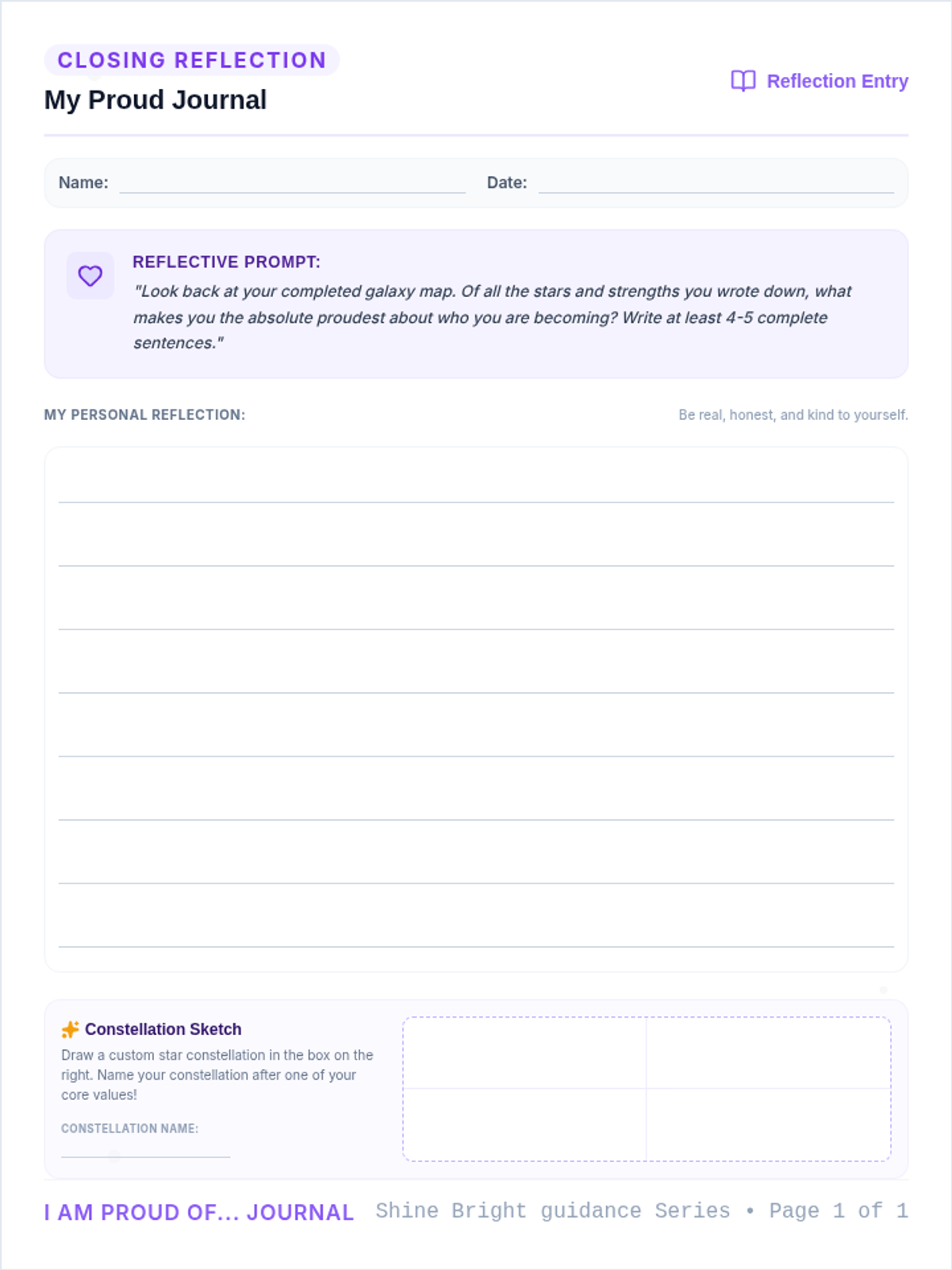
A 45-minute lesson designed for 7th-grade students to explore, identify, and celebrate their personal strengths. Students map their strengths in a creative space-themed galaxy worksheet, participate in a sharing circle, and reflect on their personal pride.
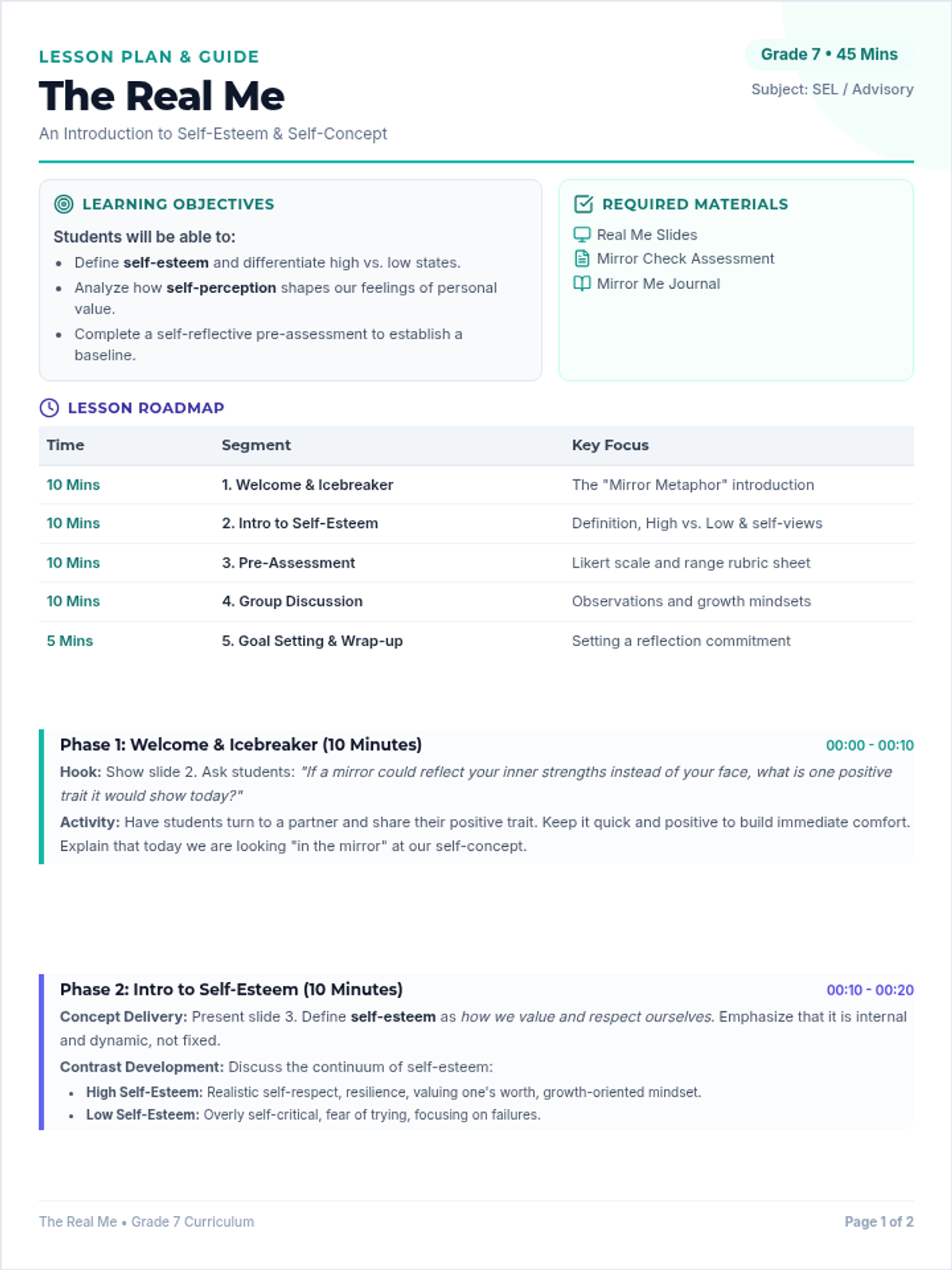
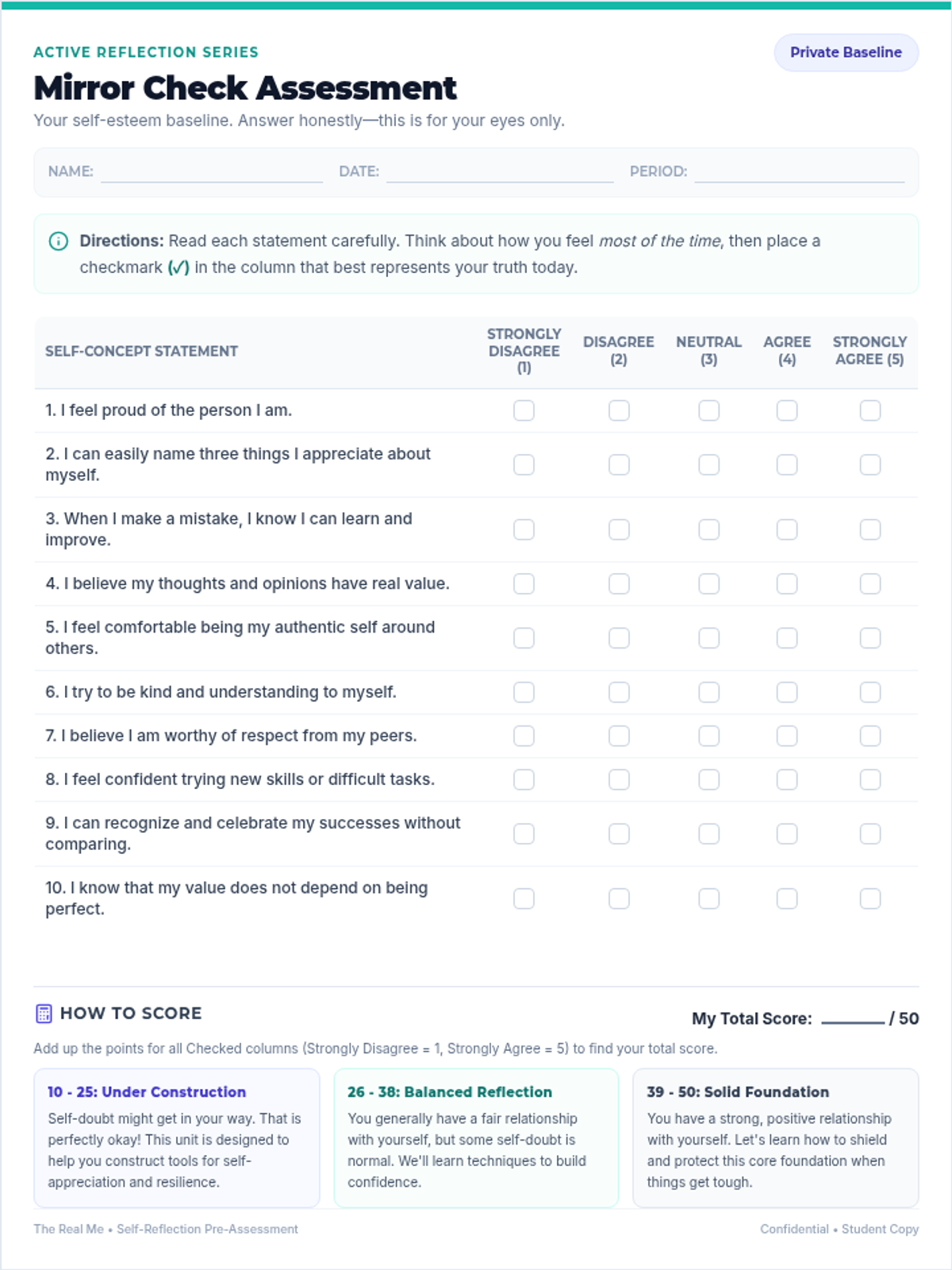
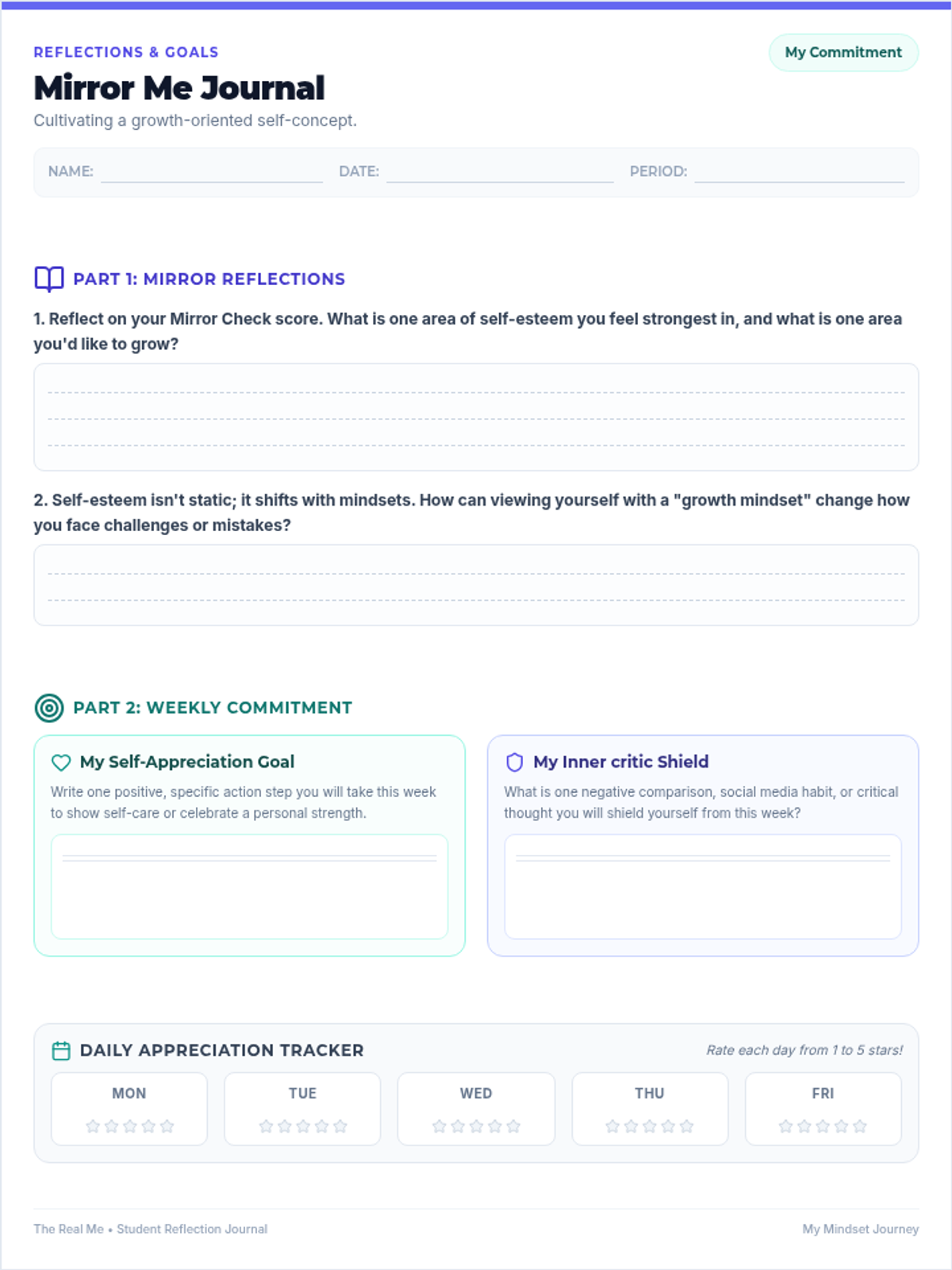
An introductory lesson on self-esteem for 7th graders, exploring personal value, self-perception, and establishing a baseline self-concept through reflection and goal-setting. This lesson guides students from definitions to deep personal reflection.
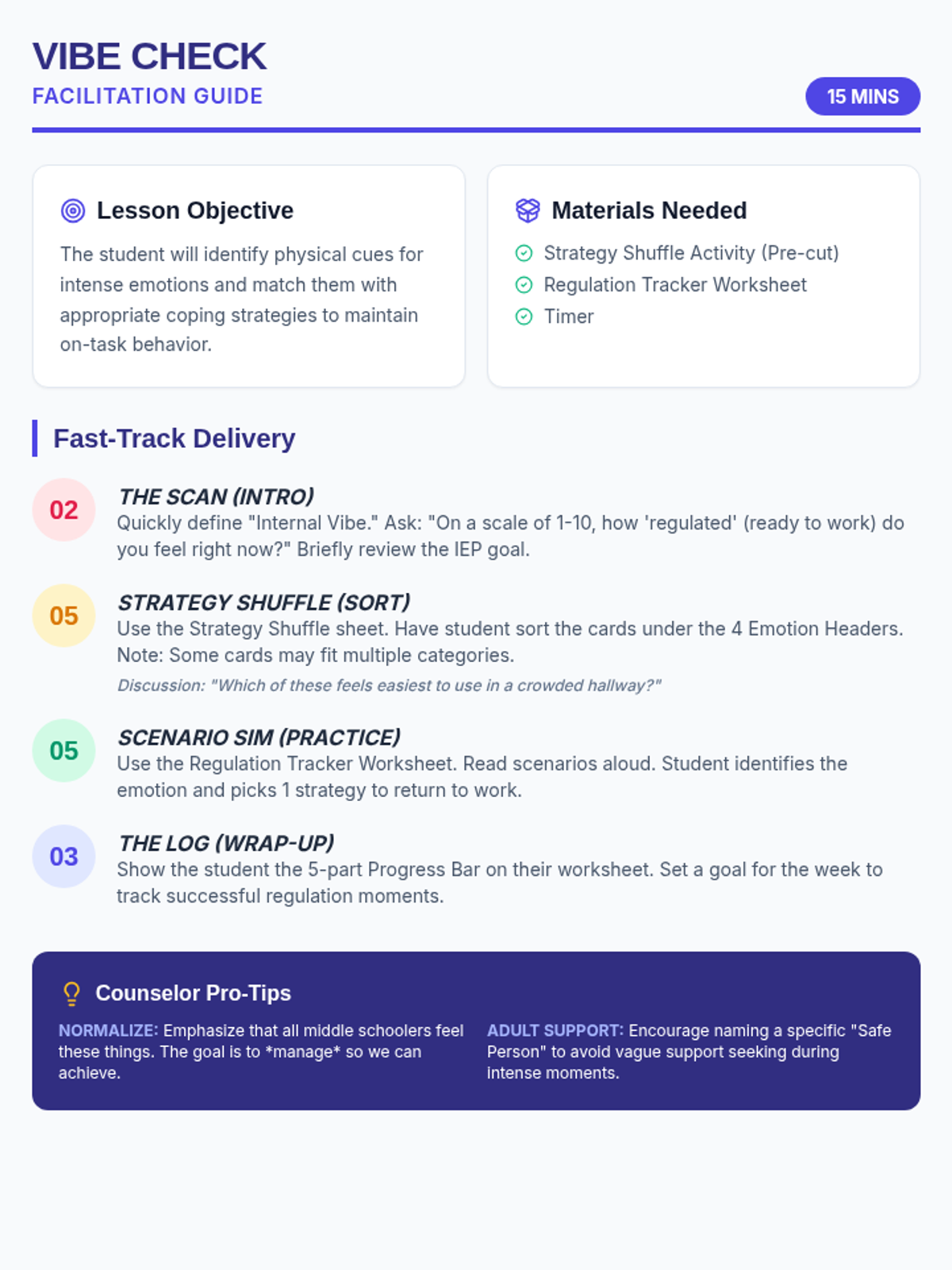
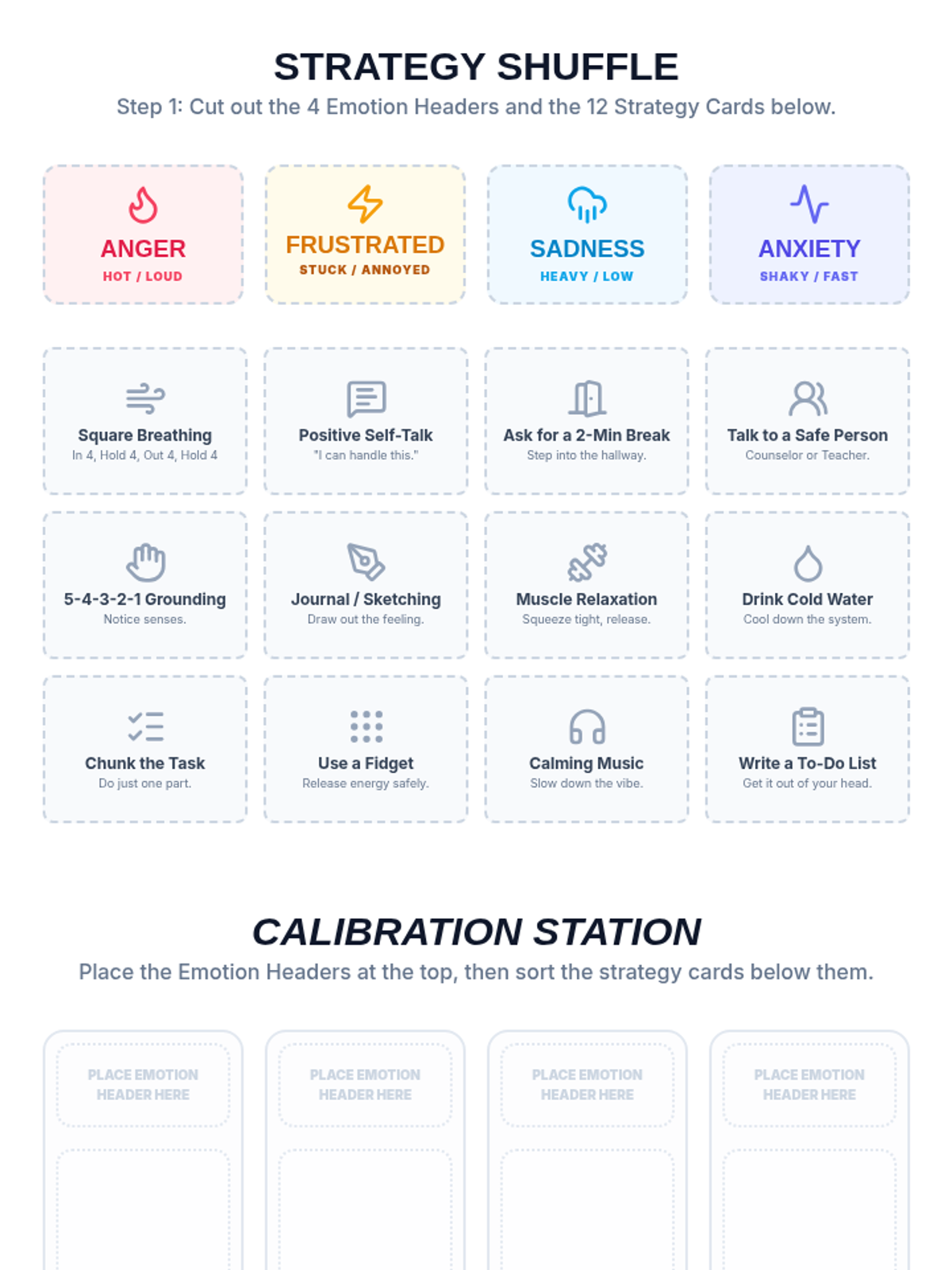
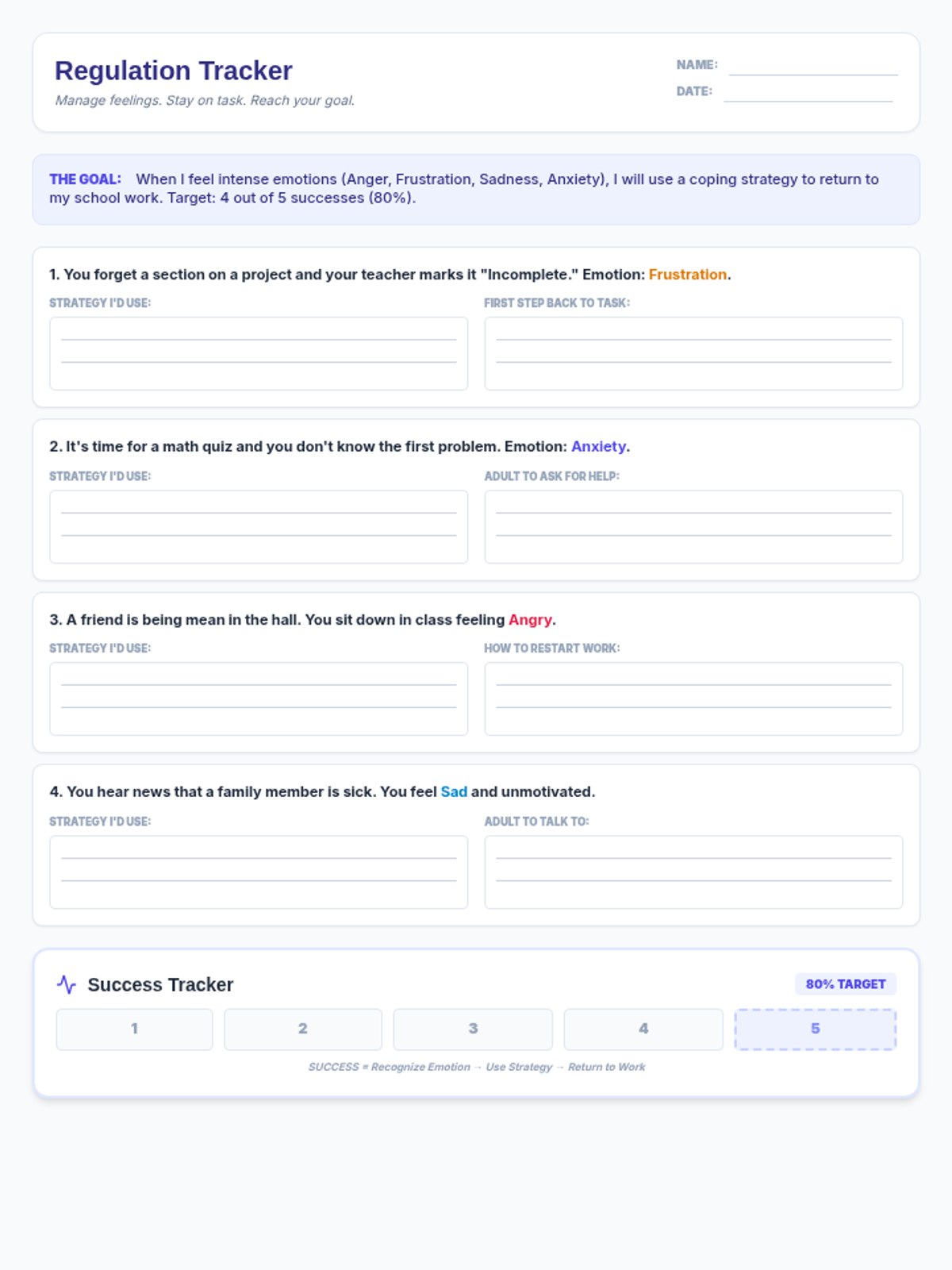
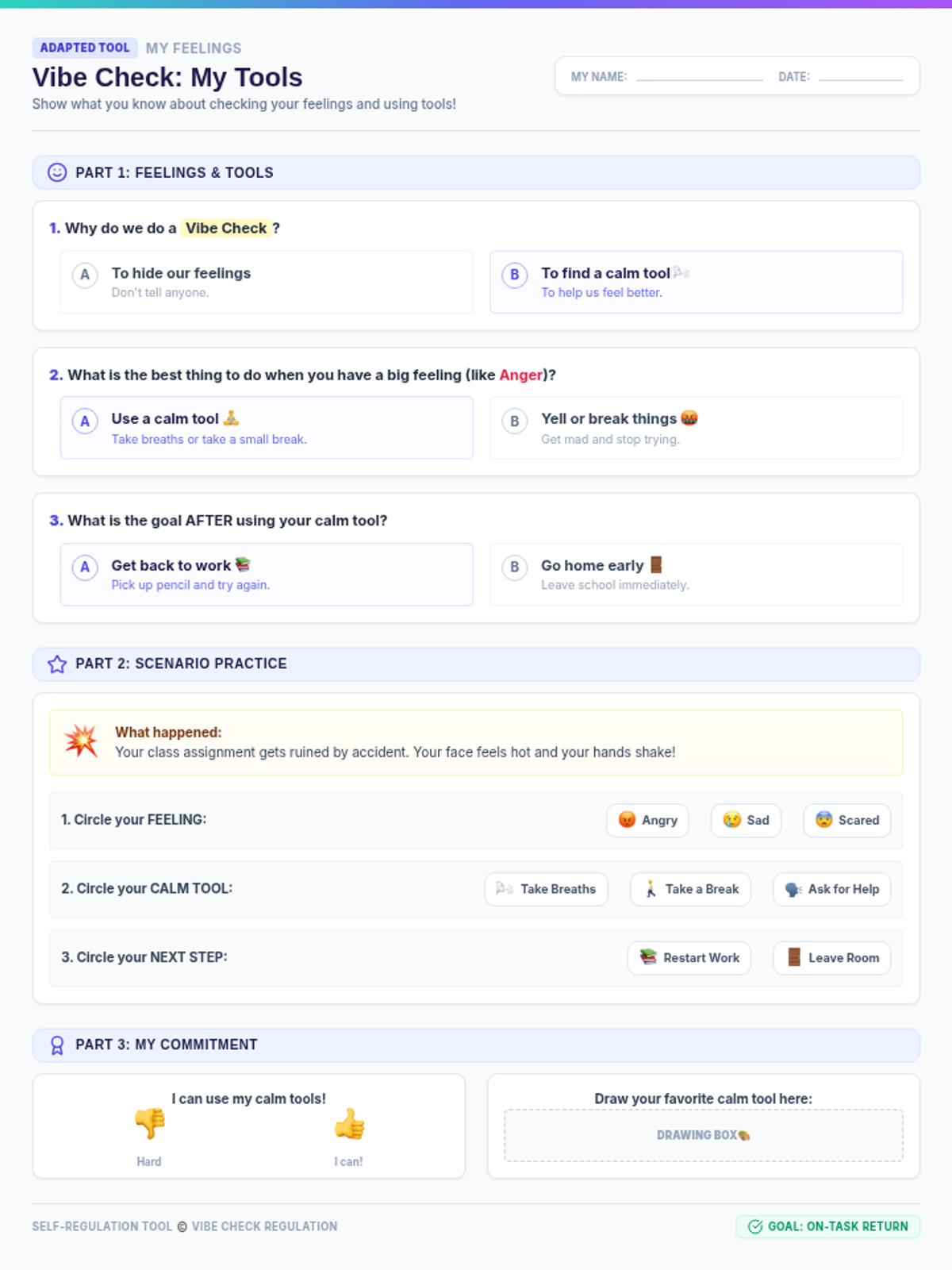
A 15-minute counseling lesson designed to help middle school students identify intense emotions and apply specific self-regulation strategies to return to on-task behavior.
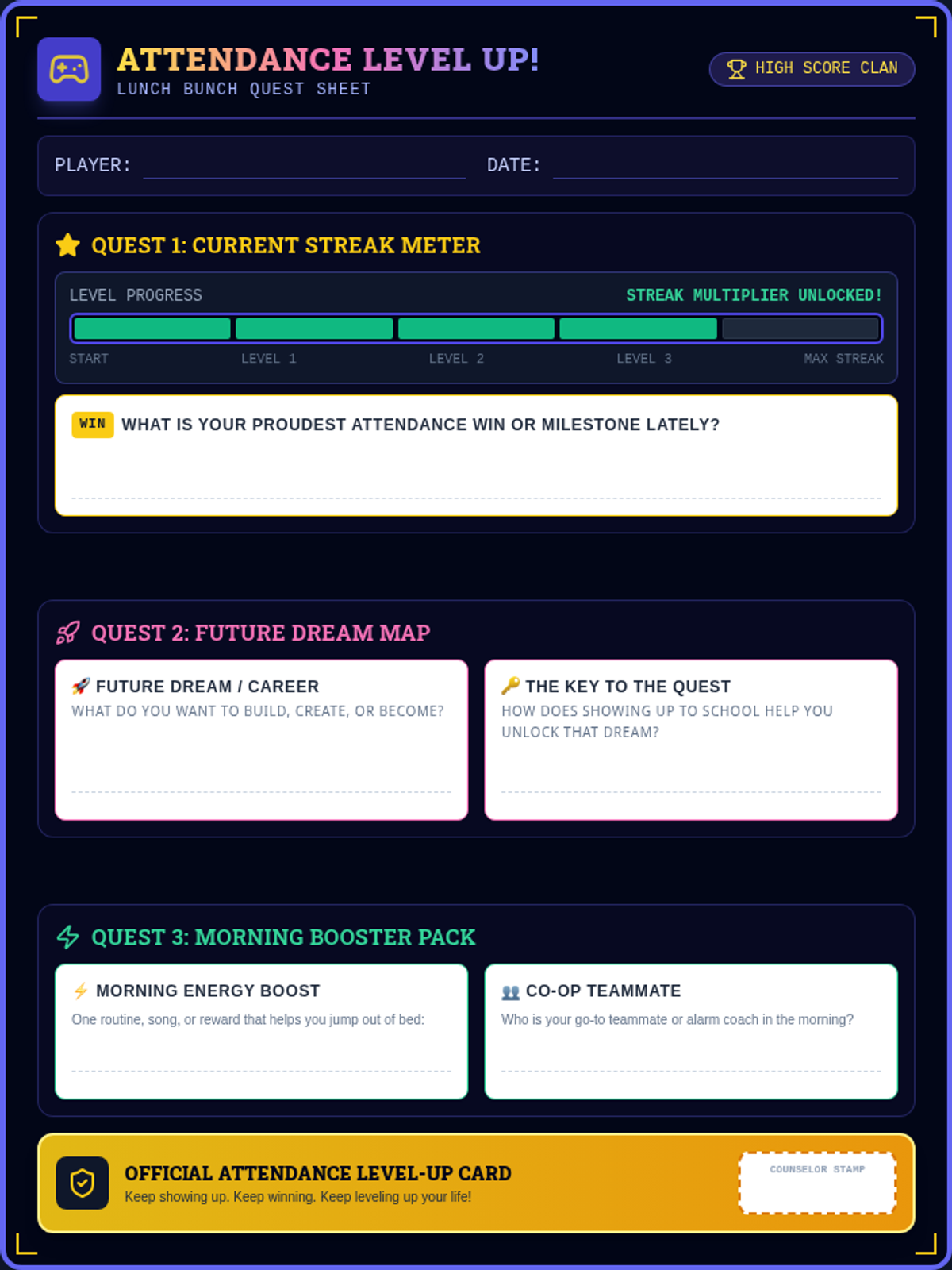
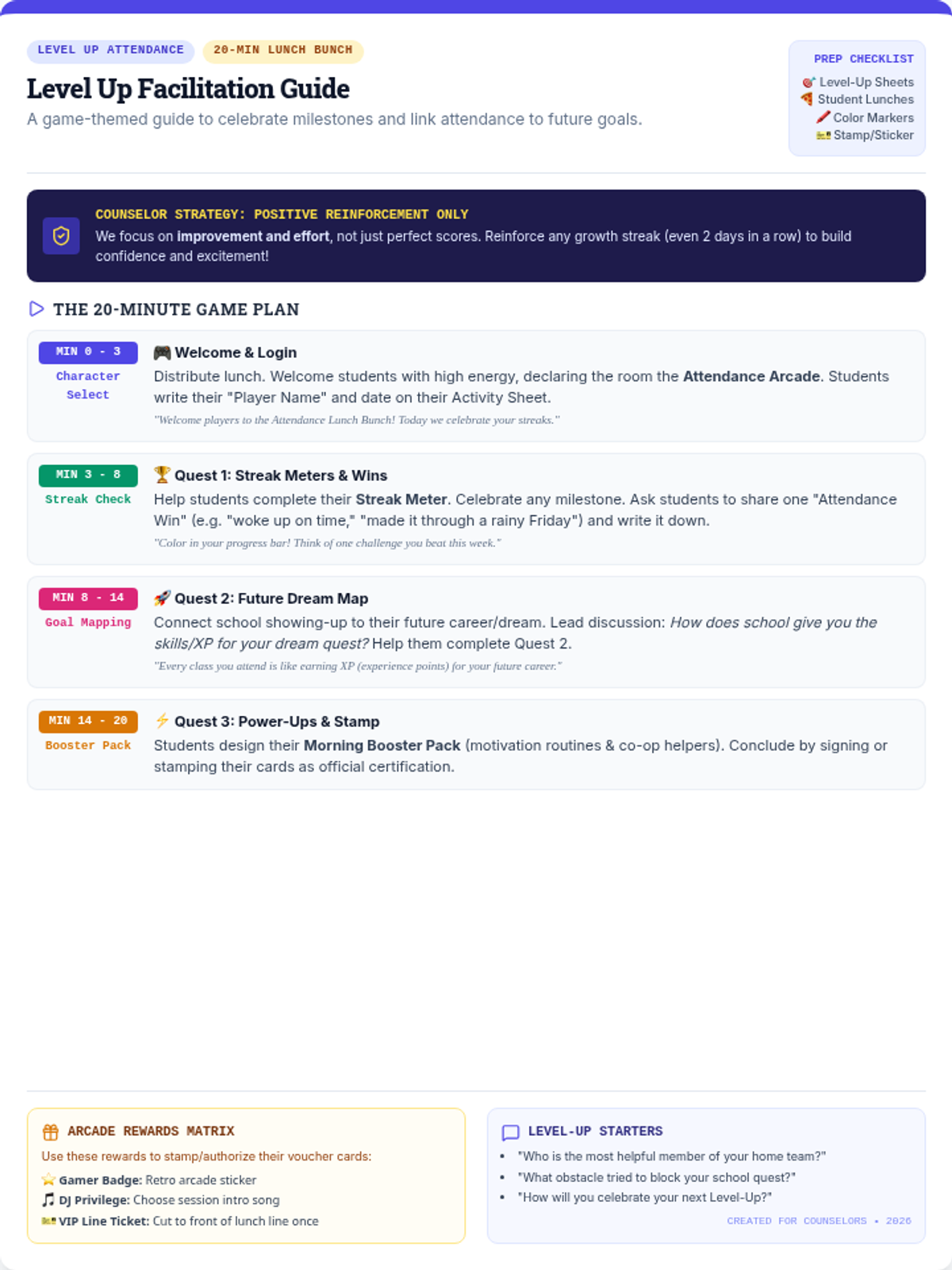
A 20-minute Lunch Bunch lesson plan and facilitation guide designed to celebrate attendance milestones, connect consistent attendance to future goals, and foster a high-energy, positive environment for students.
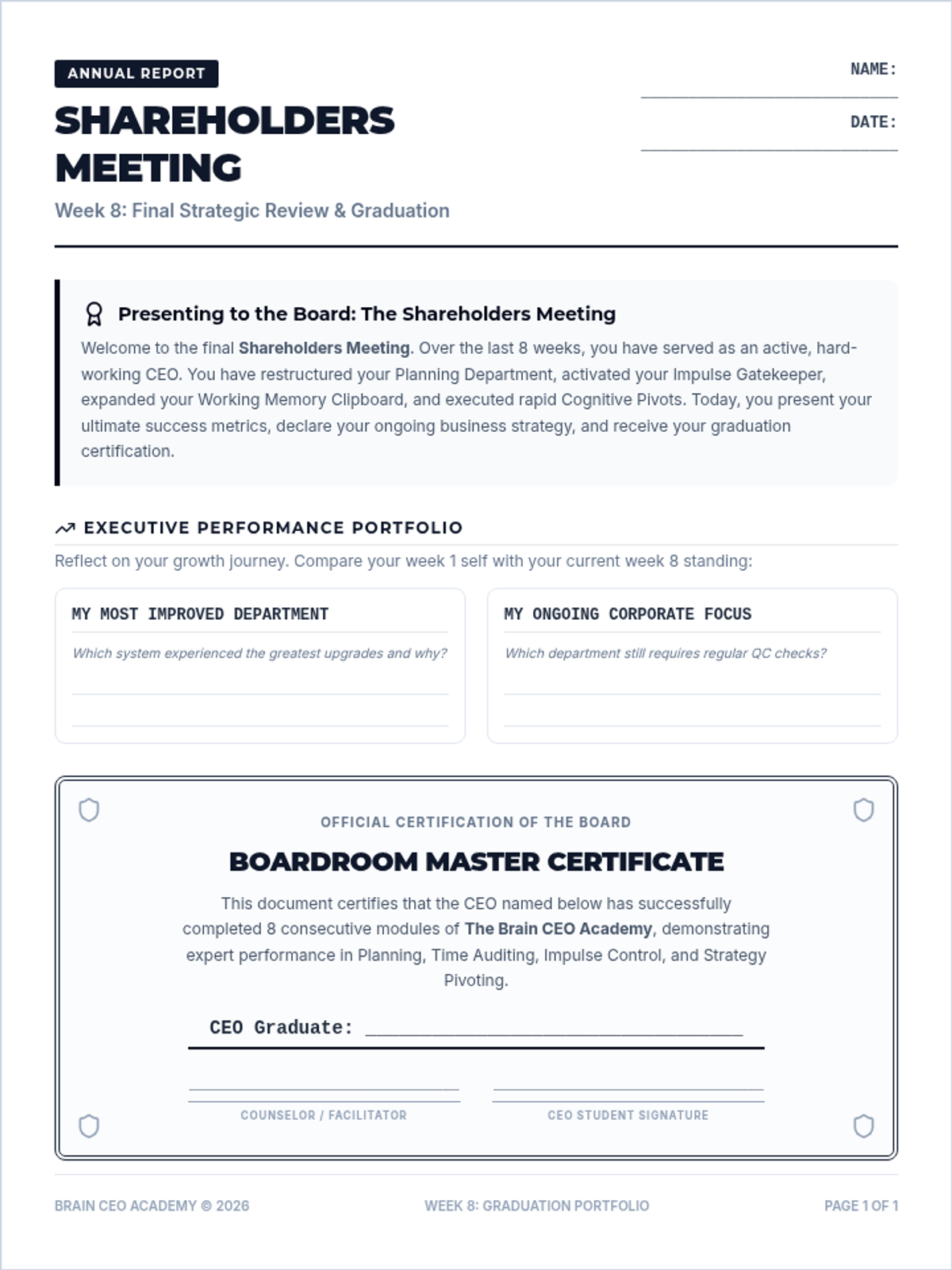
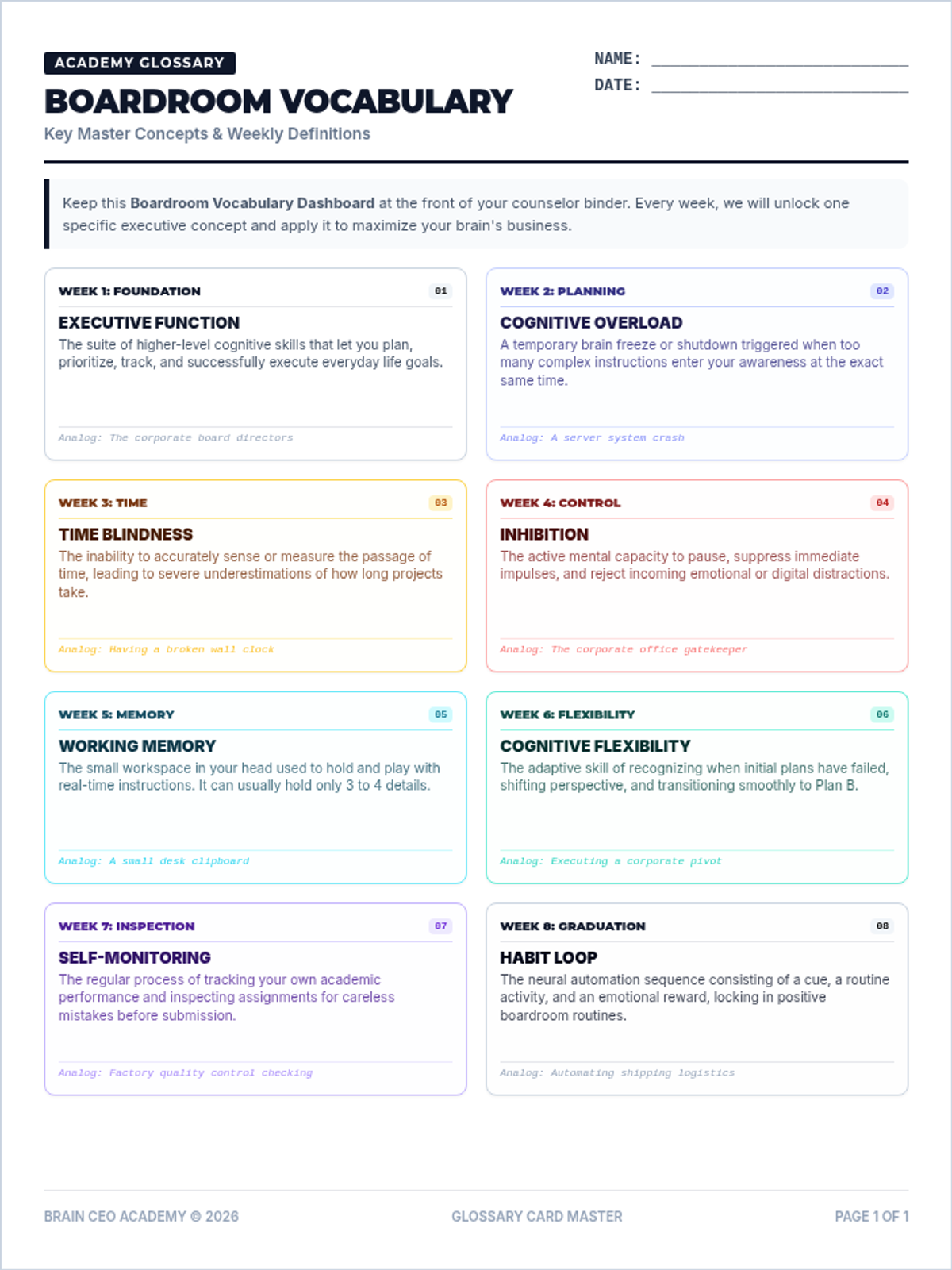
Students host their final Shareholders Meeting to present their executive progress. They receive their Brain CEO Certifications, consolidate their boardroom binders, and commit to long-term habits.
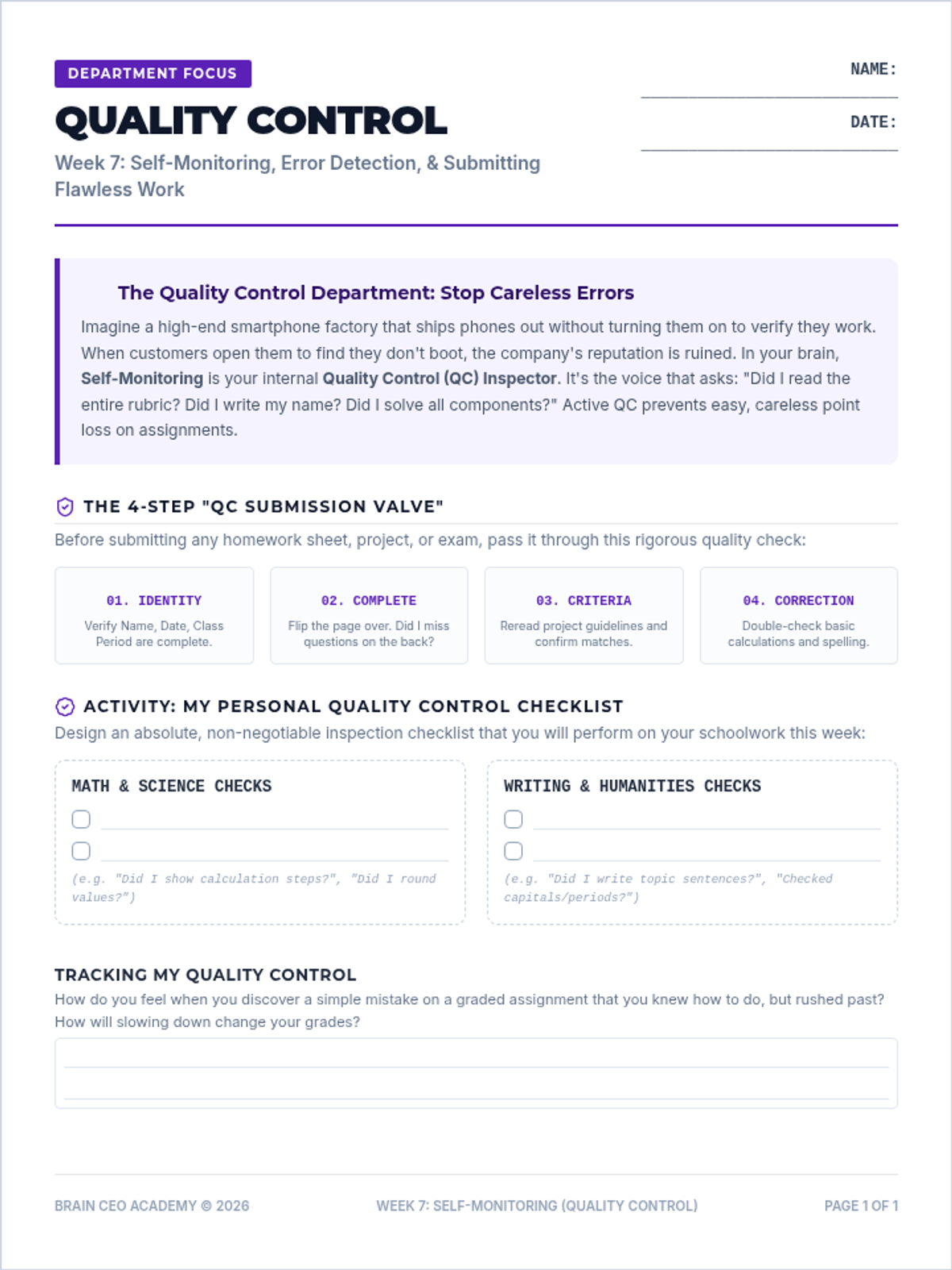
Students examine the brain's 'Quality Control' (self-monitoring). They review academic progress, track habit loops, and self-correct work before submitting it.
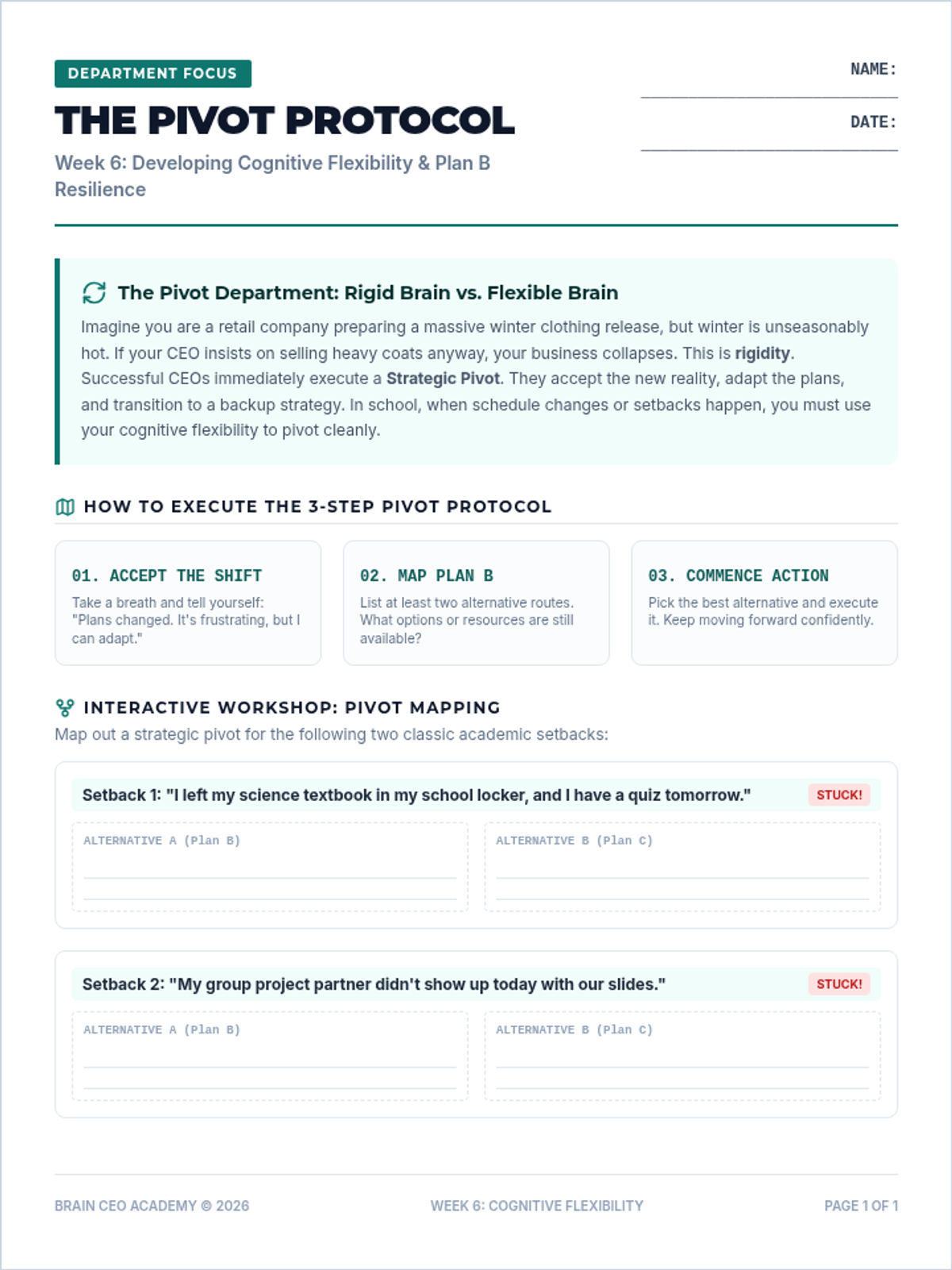
Students examine the brain's 'Pivot' (cognitive flexibility). They learn how to adapt to unexpected boardroom shifts, handle academic setbacks, and problem-solve when plans fail.
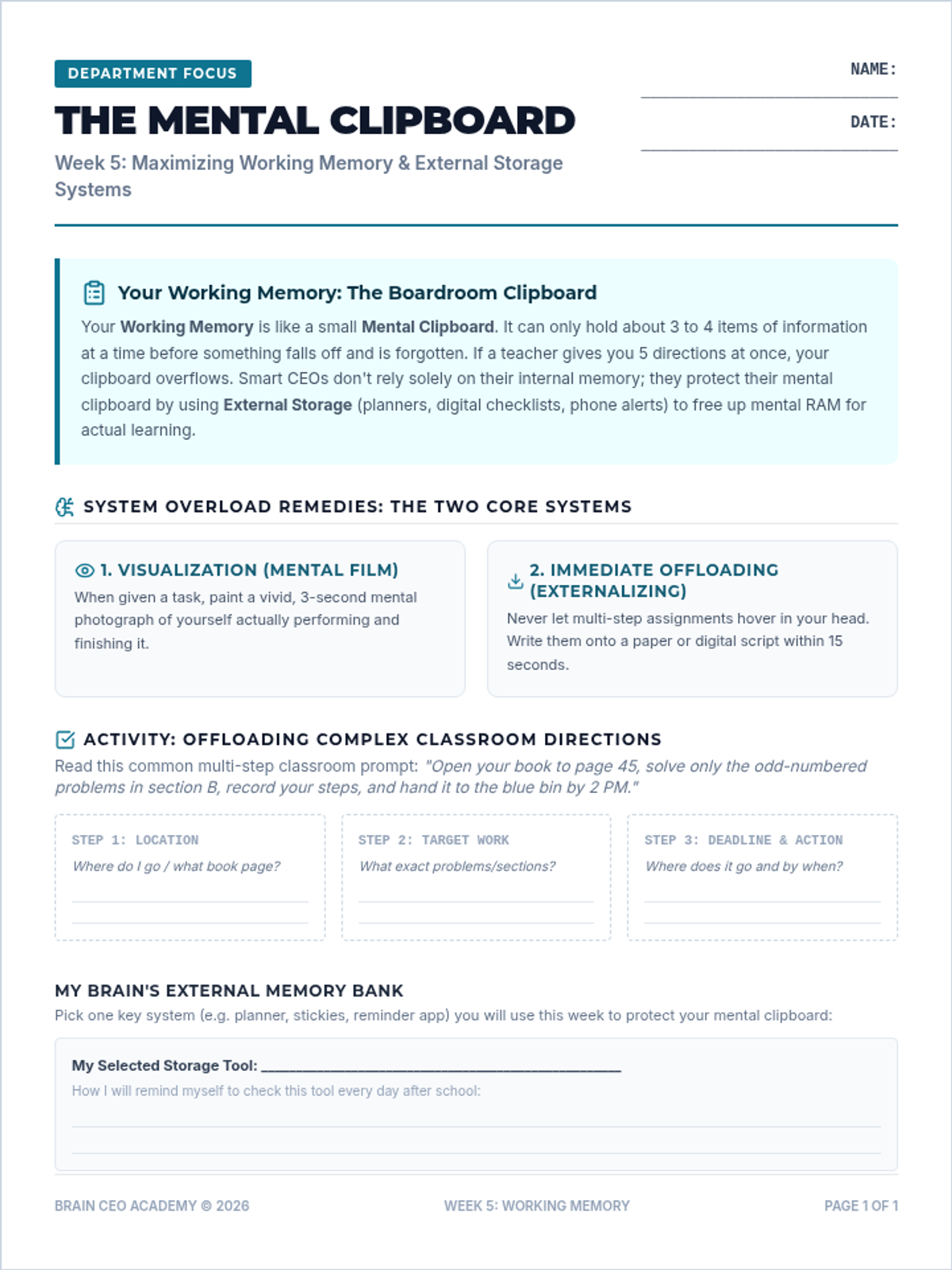
Students explore the brain's 'Mental Clipboard' (working memory). They practice visualization, externalization, and mnemonics to retain multi-step instructions and organize school information.
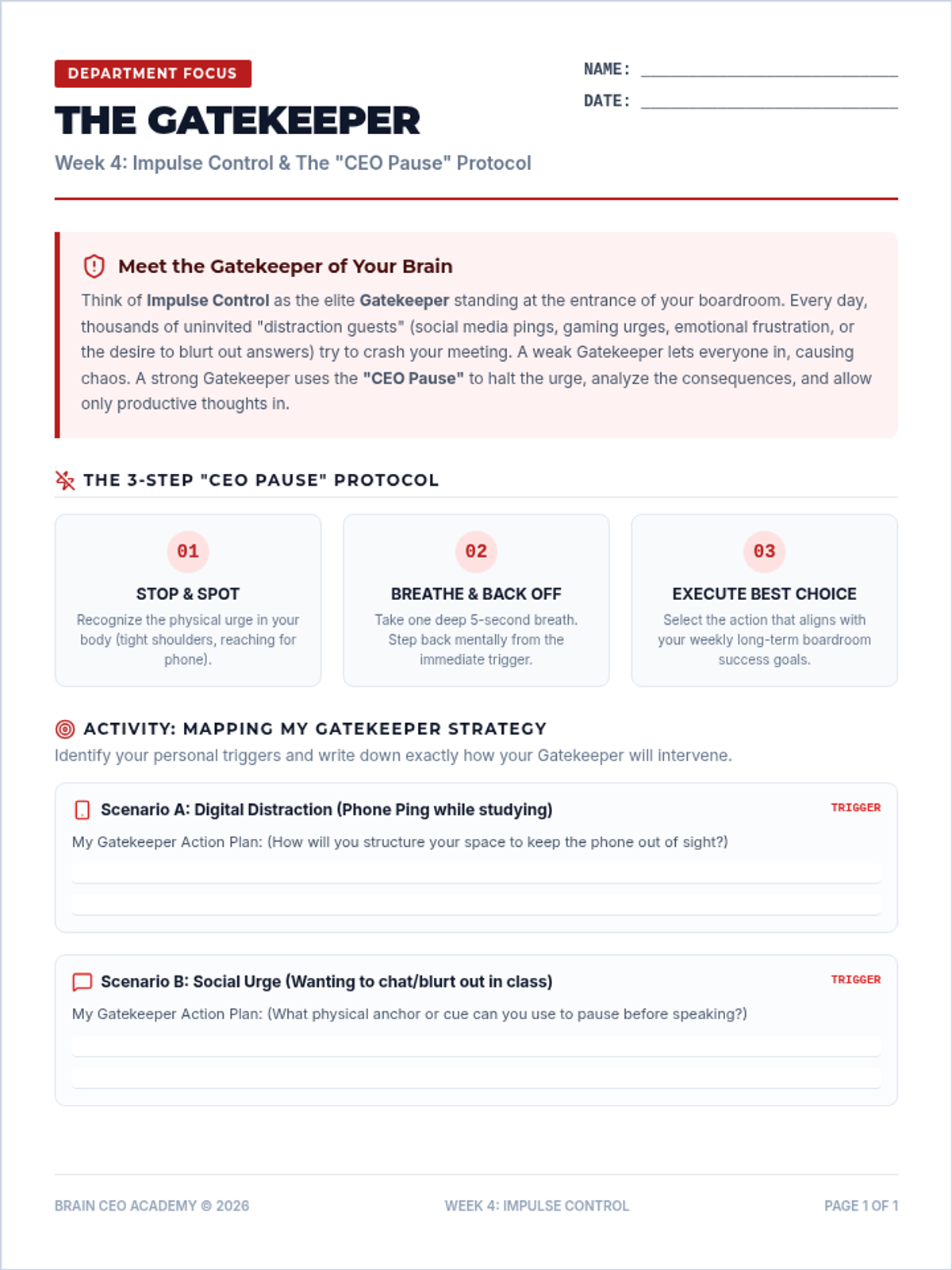
Students explore the brain's 'Gatekeeper' (impulse control), developing practical techniques like the 'CEO Pause' to resist high-tech distractions and control emotional impulses before acting.
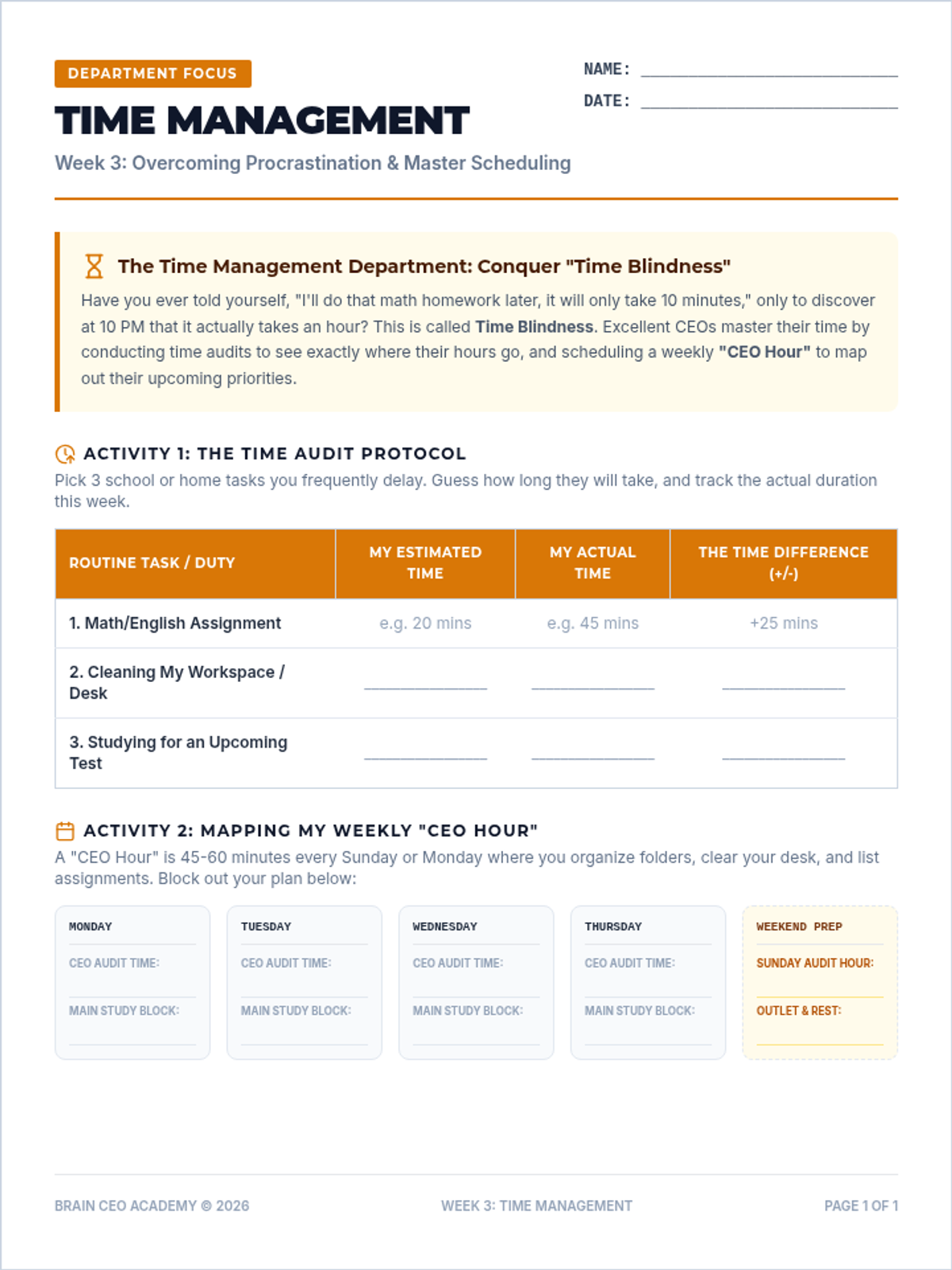
Students examine their brain's Time Management department, learning how to overcome procrastination, estimate task durations accurately, and implement the 'CEO Hour' weekly scheduling technique.
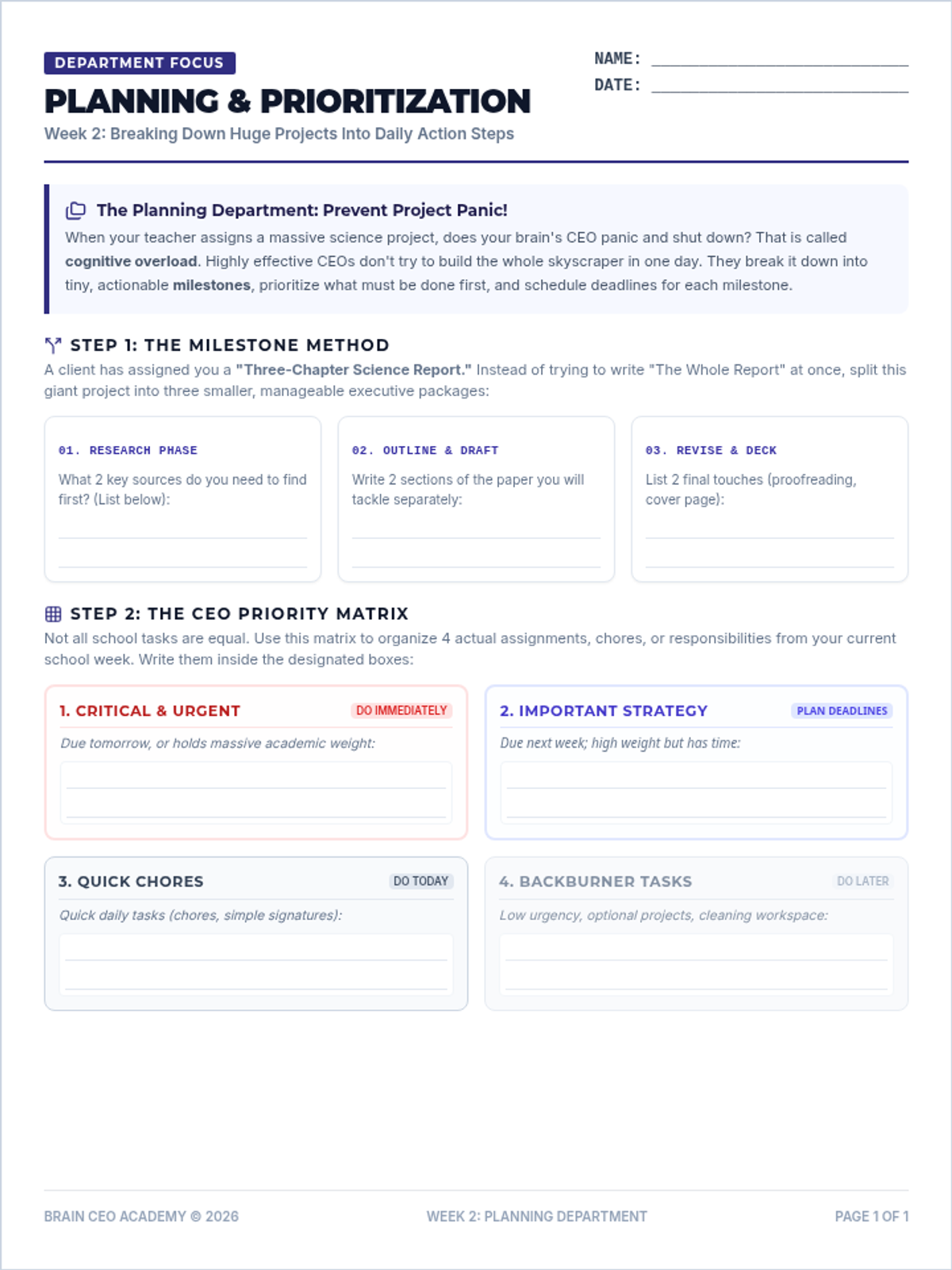
Students dive into the Planning & Prioritization Department, learning how to break down complex projects into actionable steps and organize tasks using the 'CEO Action Item' matrix.
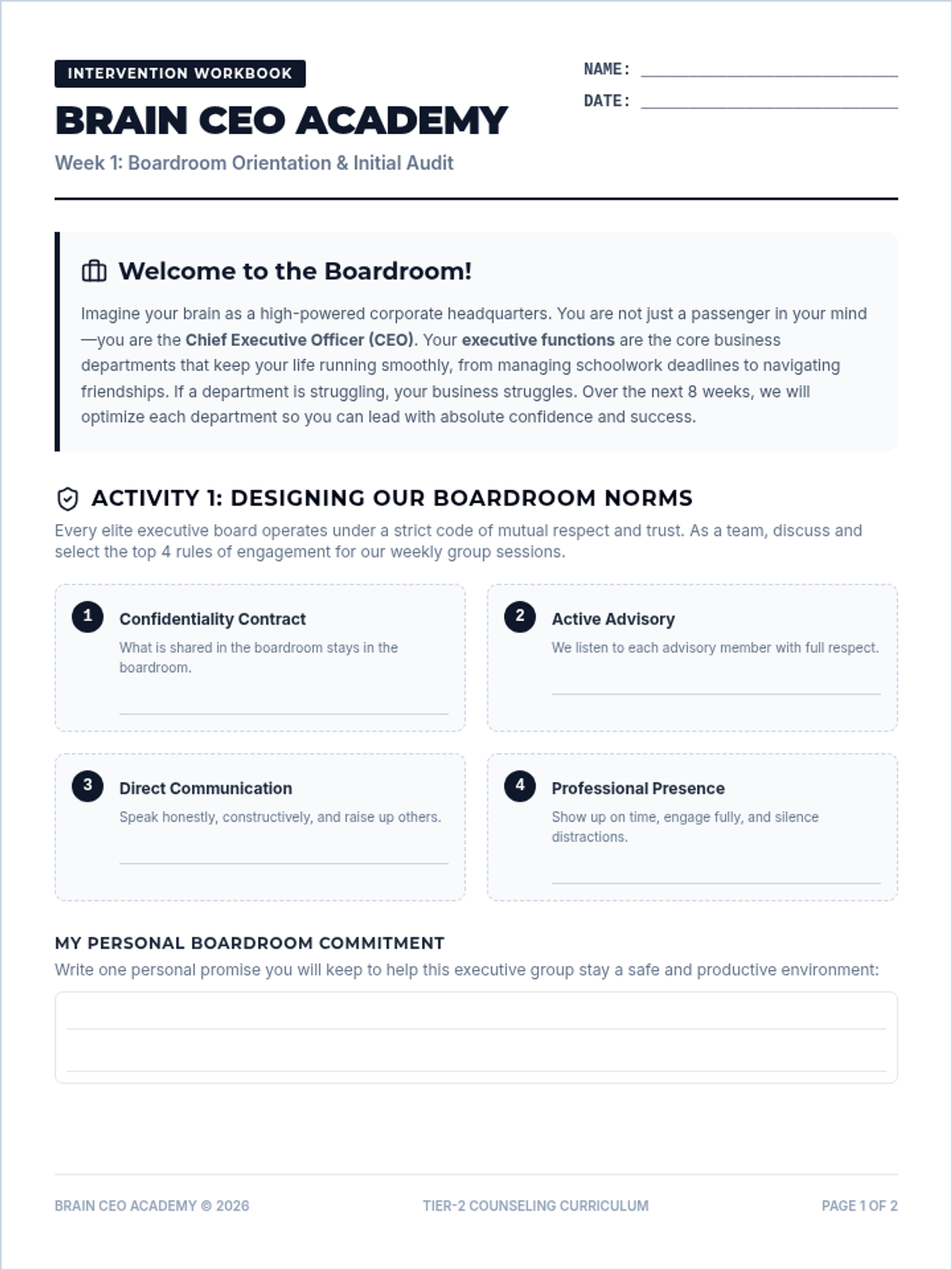
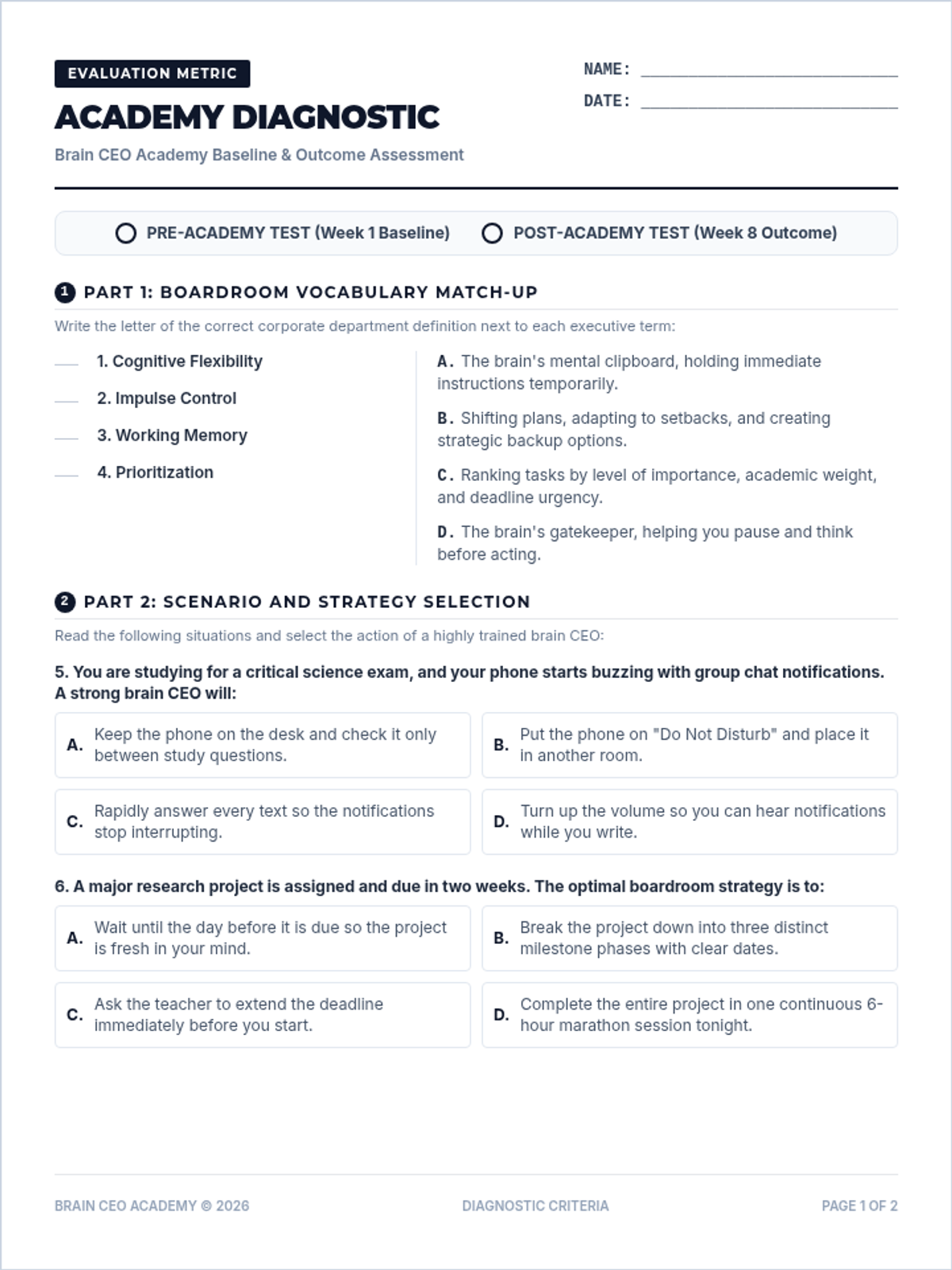
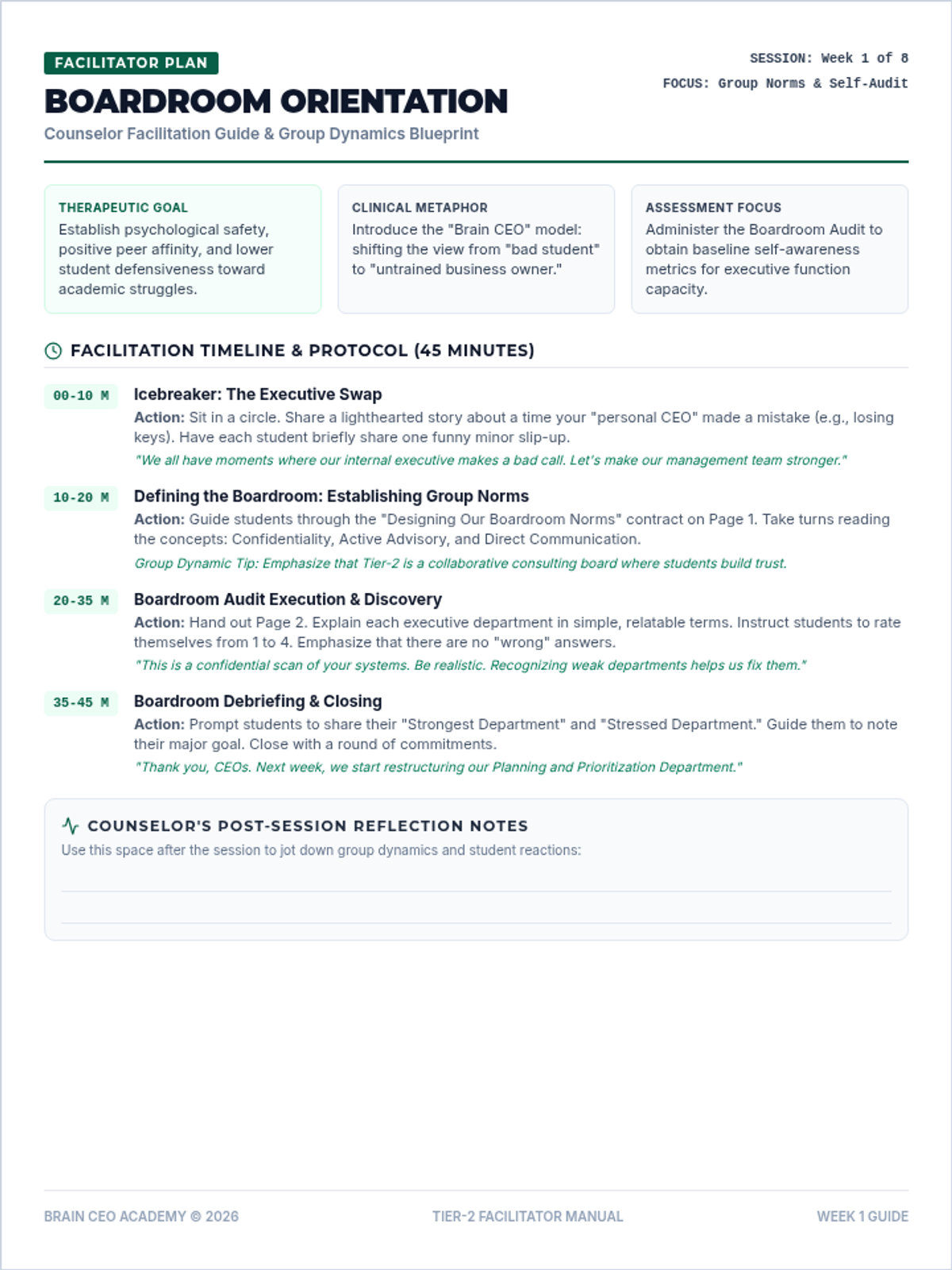
Students are introduced to the group, establish norms, and explore the 'Brain CEO' metaphor. They conduct an initial Boardroom Audit (Self-Assessment) to identify their brain's strongest and weakest executive departments.
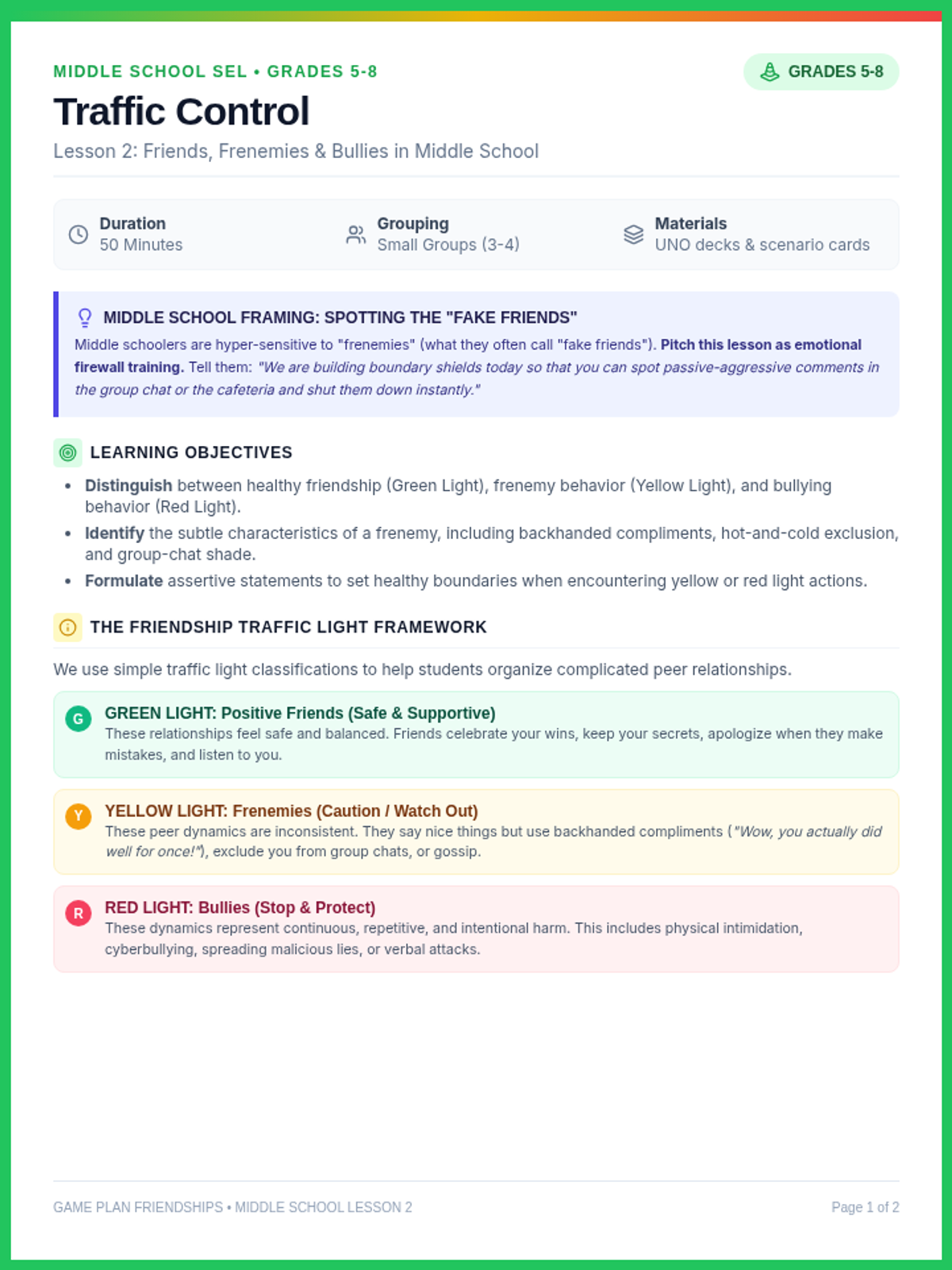
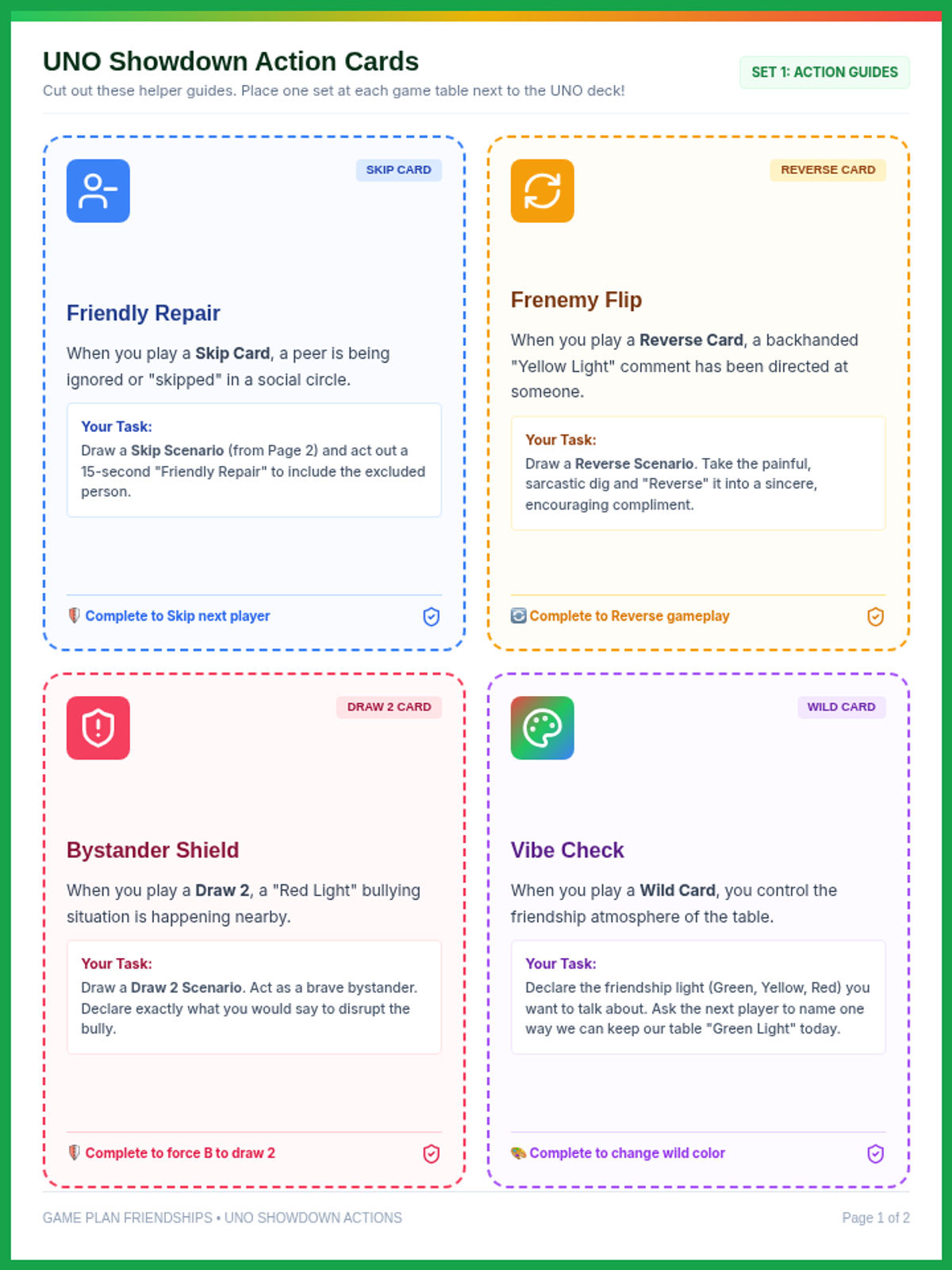
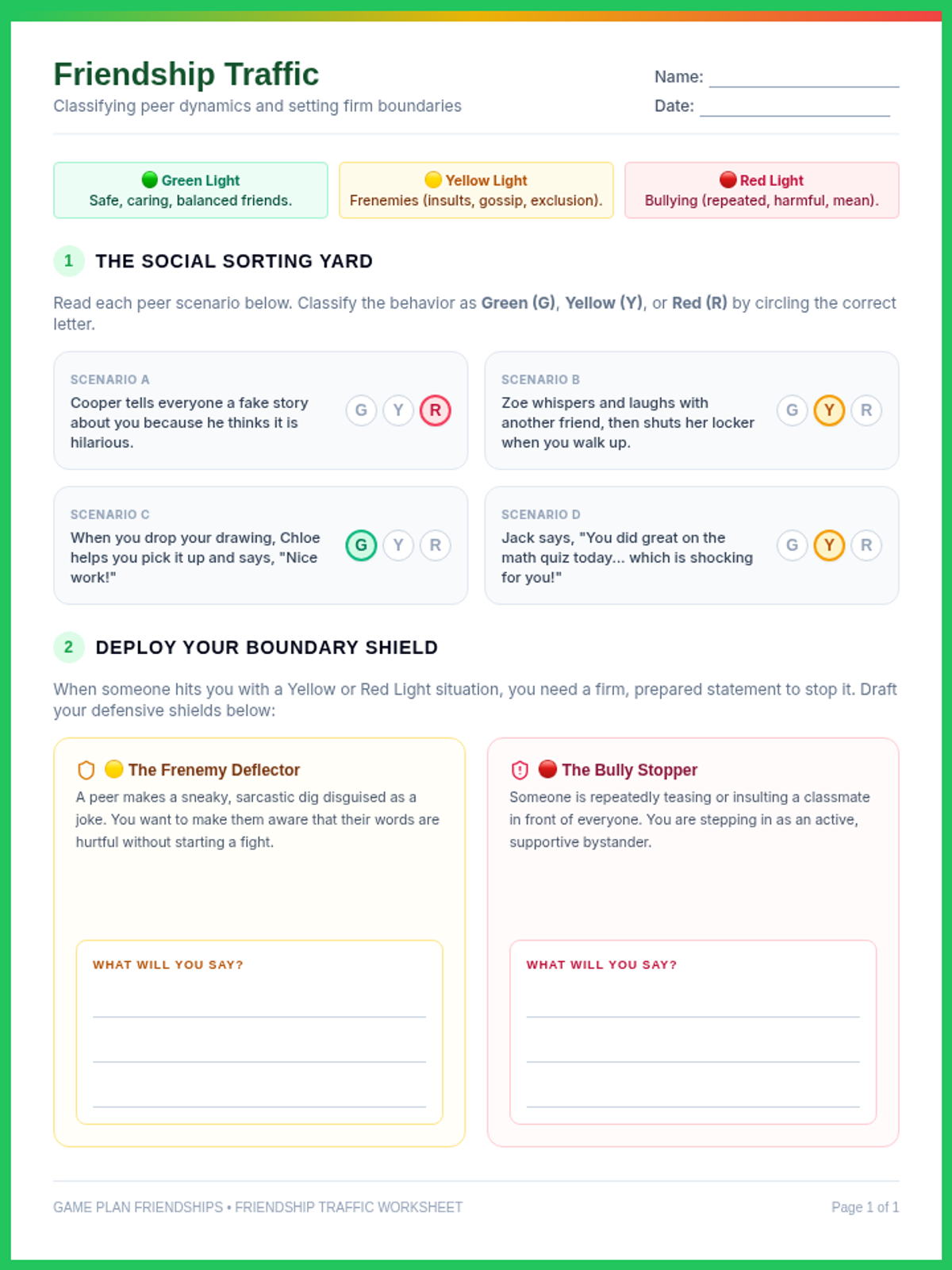
Students learn to classify peer dynamics as friends, frenemies, or bullies using "UNO Showdown" action cards to trigger role-play and conflict-resolution.
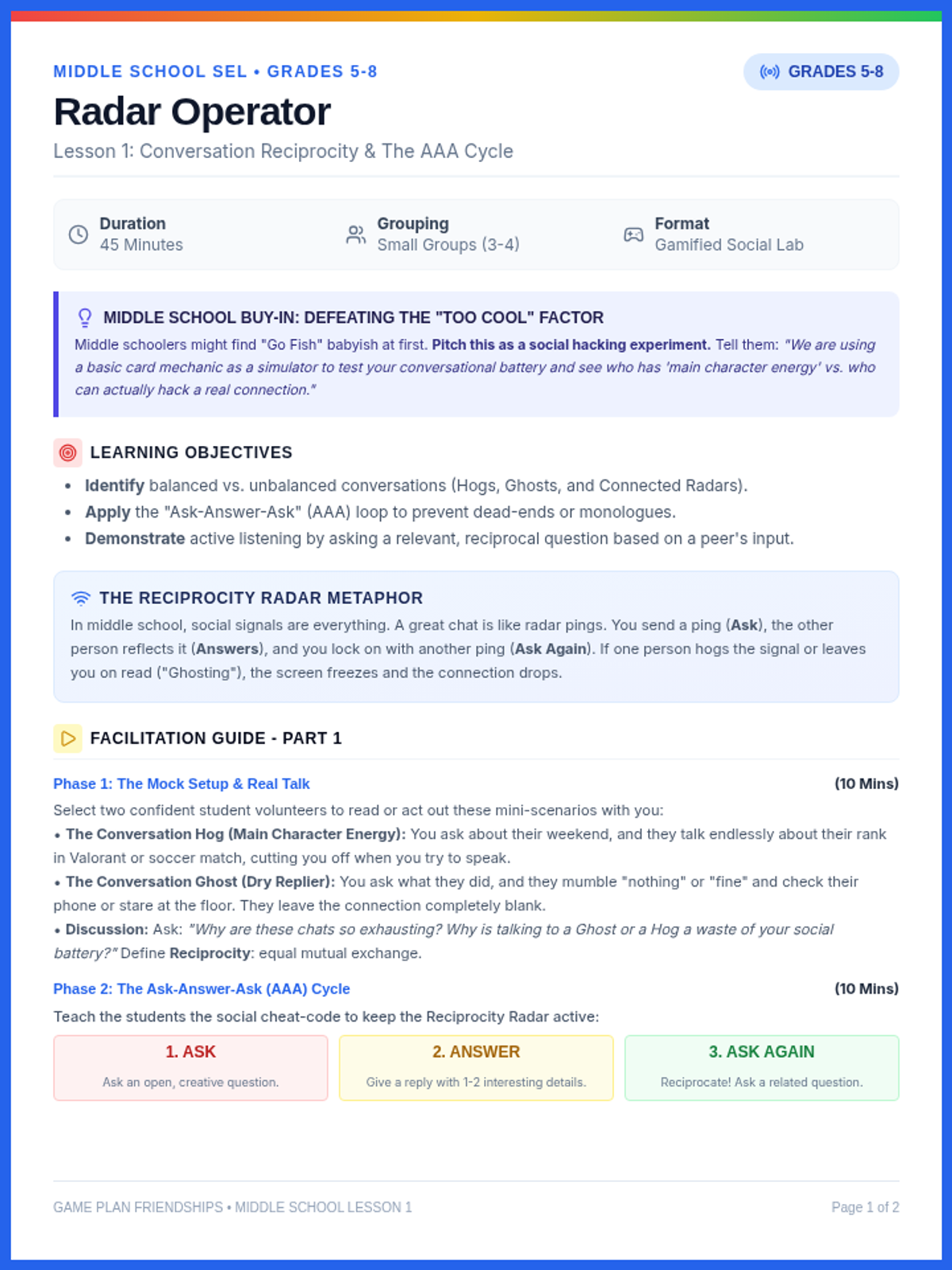
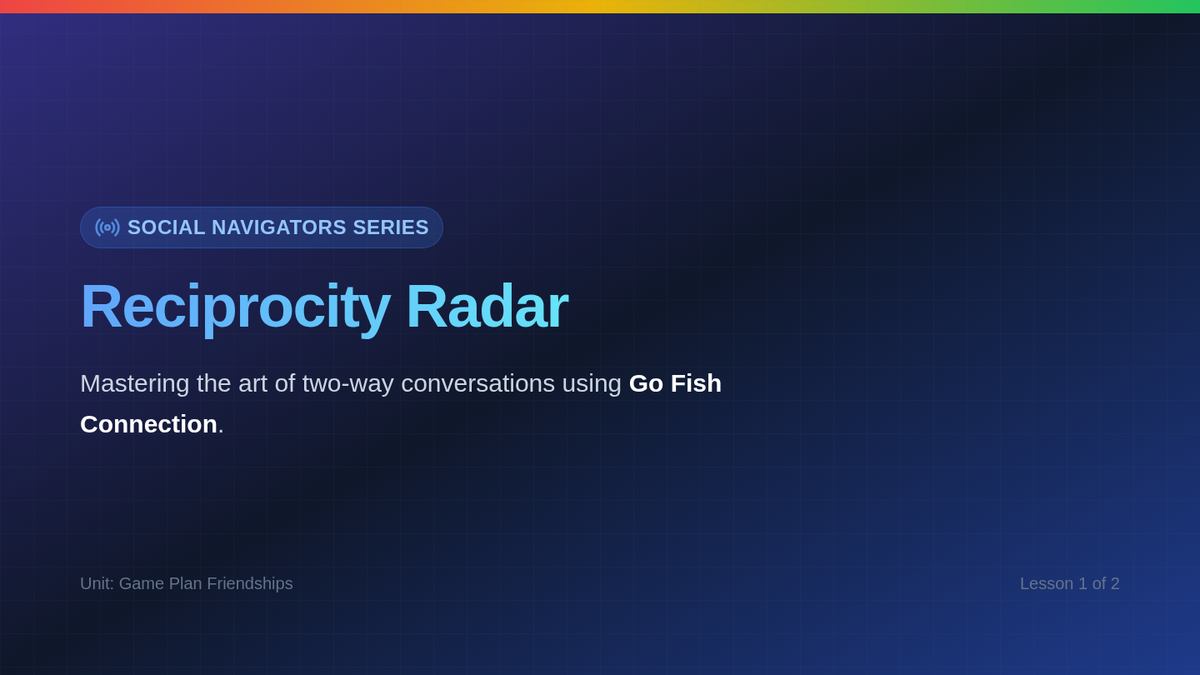
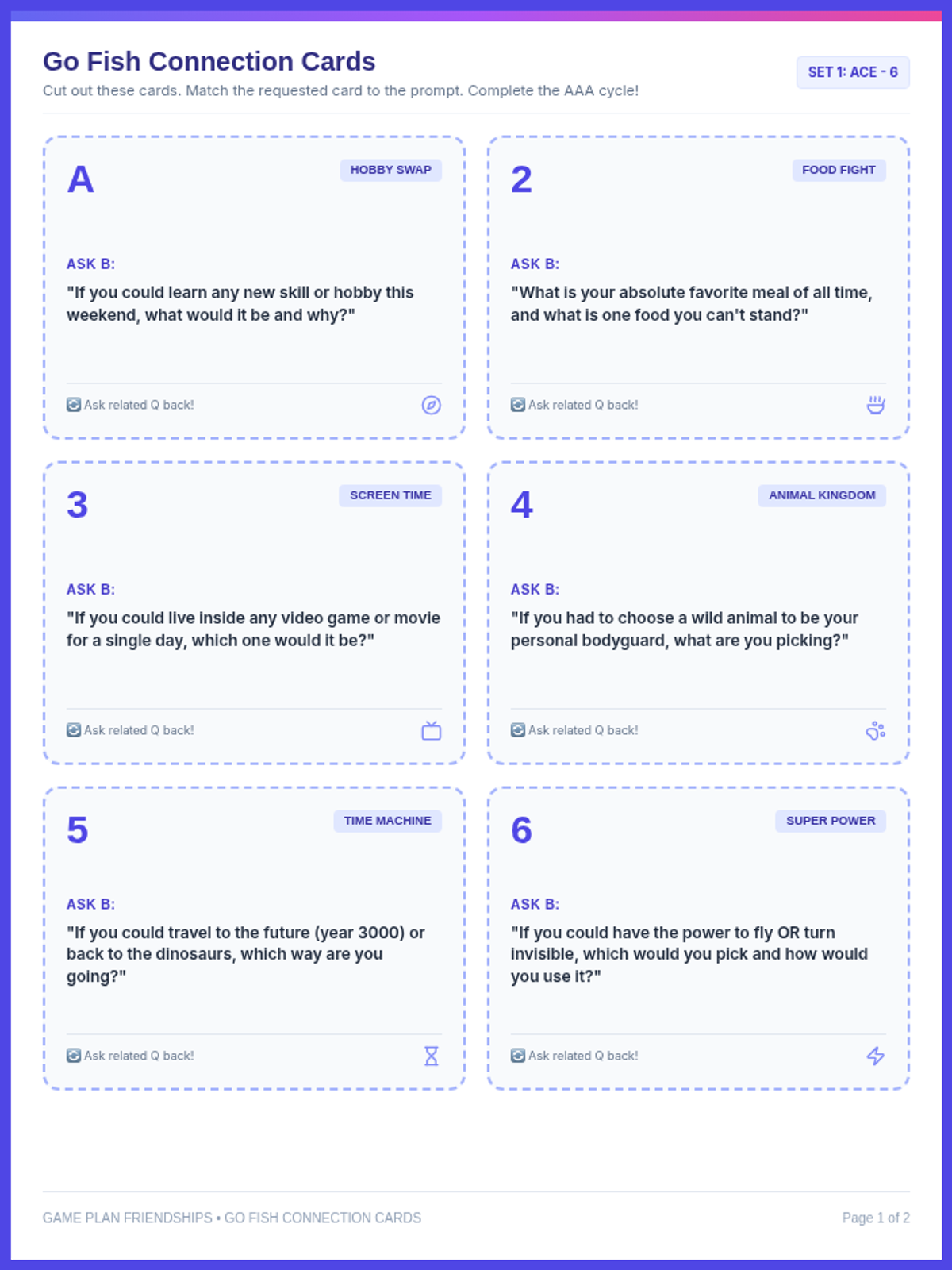
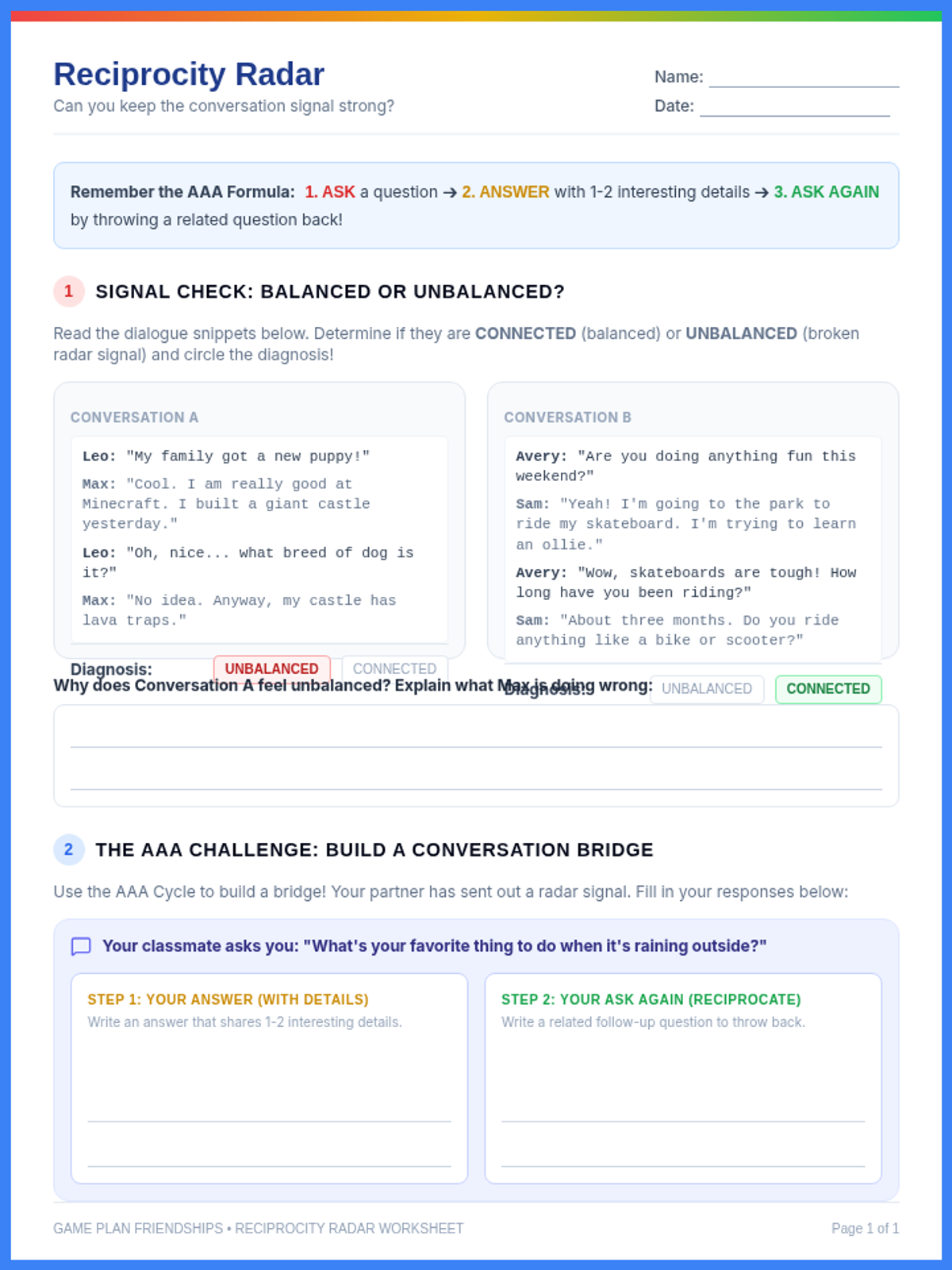
Students master conversation turn-taking and reciprocating by playing "Go Fish Connection," where asking for matches triggers targeted questions.
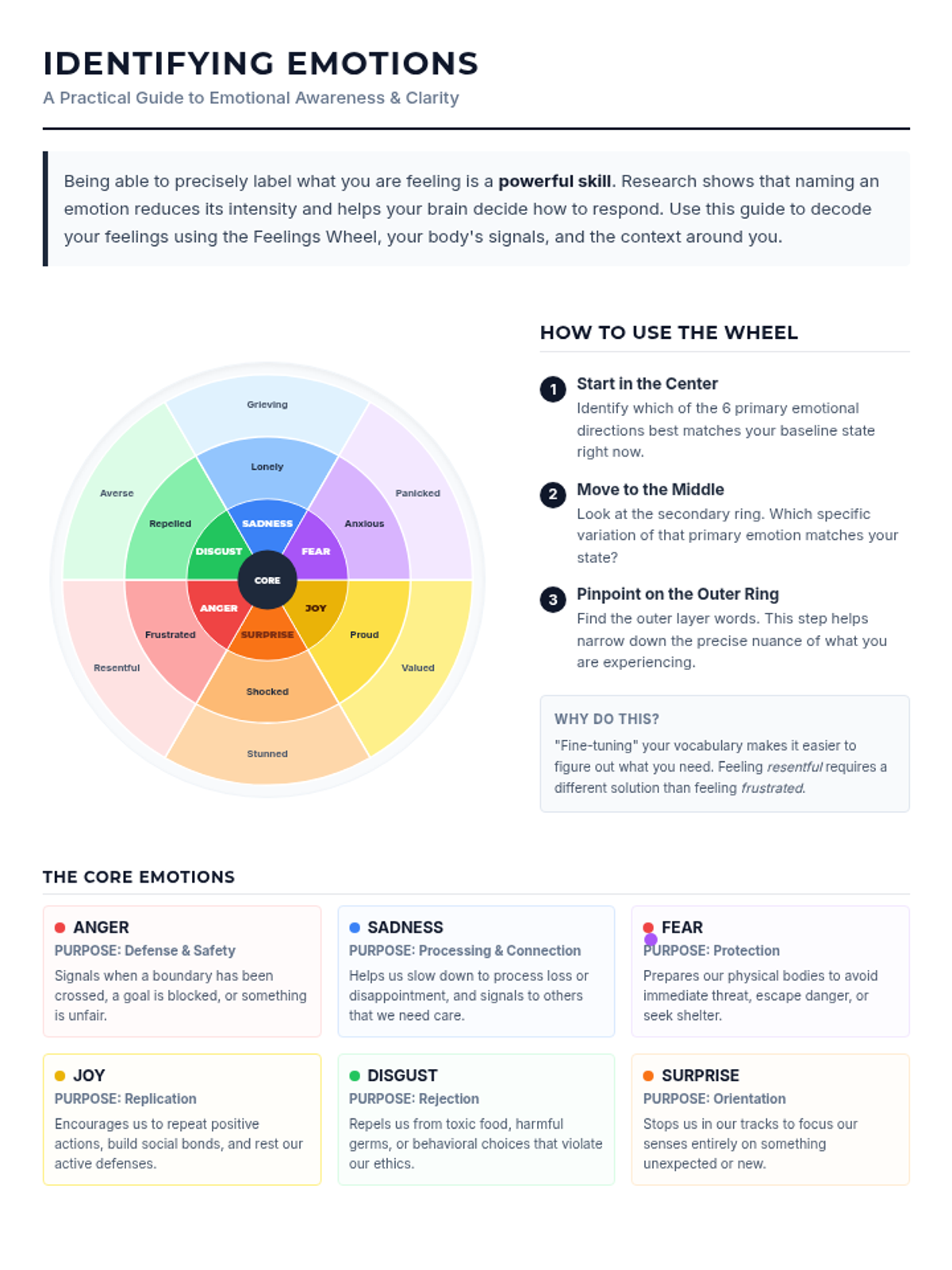
A middle-school guide to emotional awareness. This lesson introduces students to identifying and labeling their emotions using physical cues, external context, and a categorized feelings wheel.
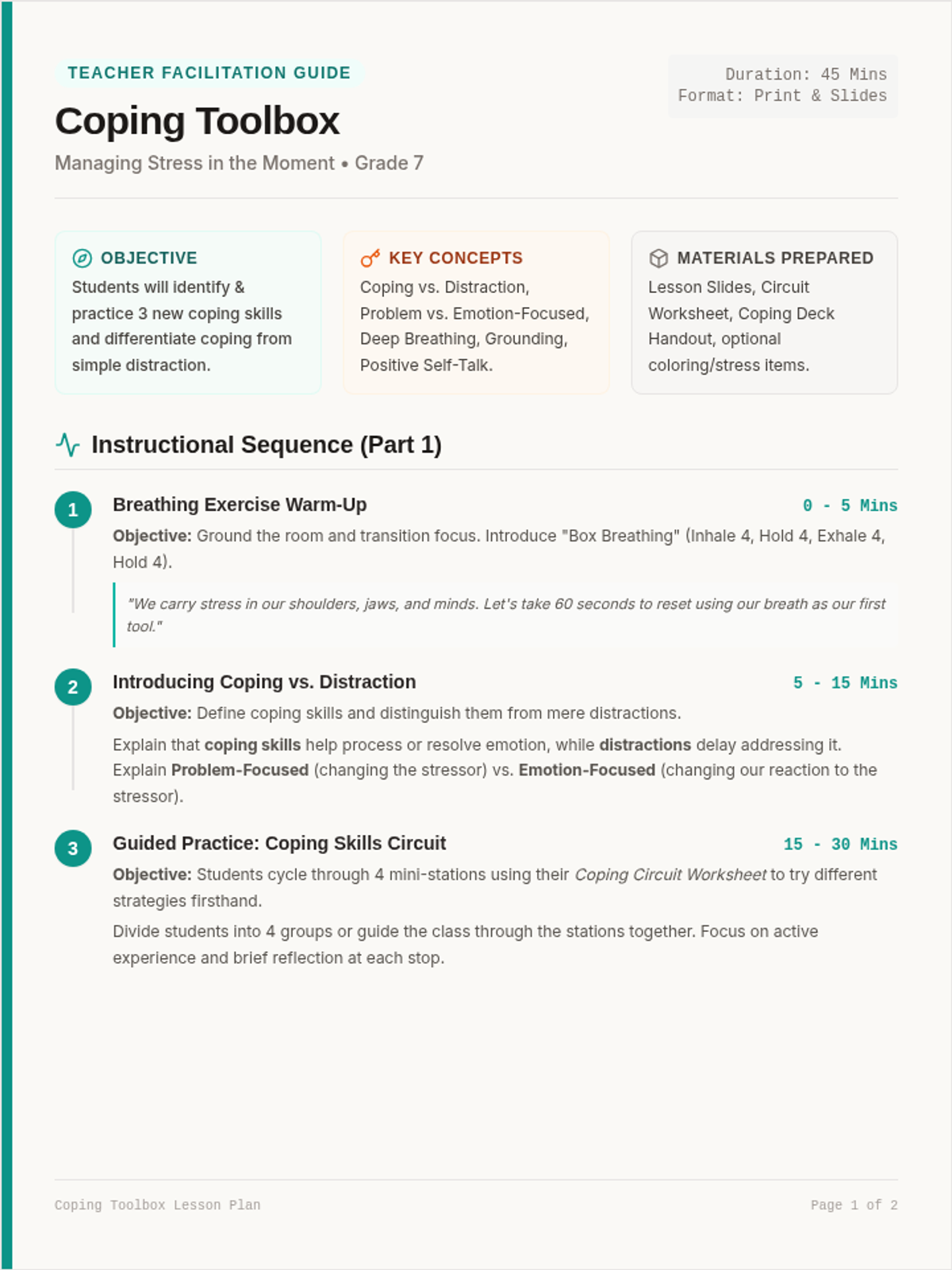
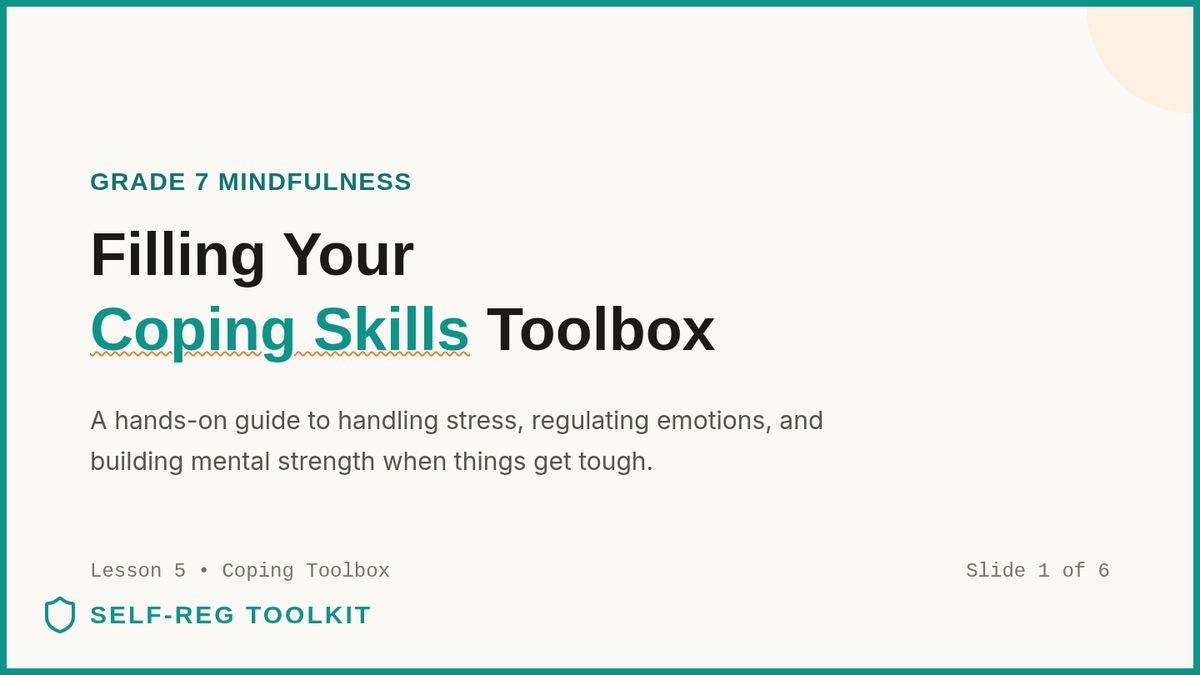
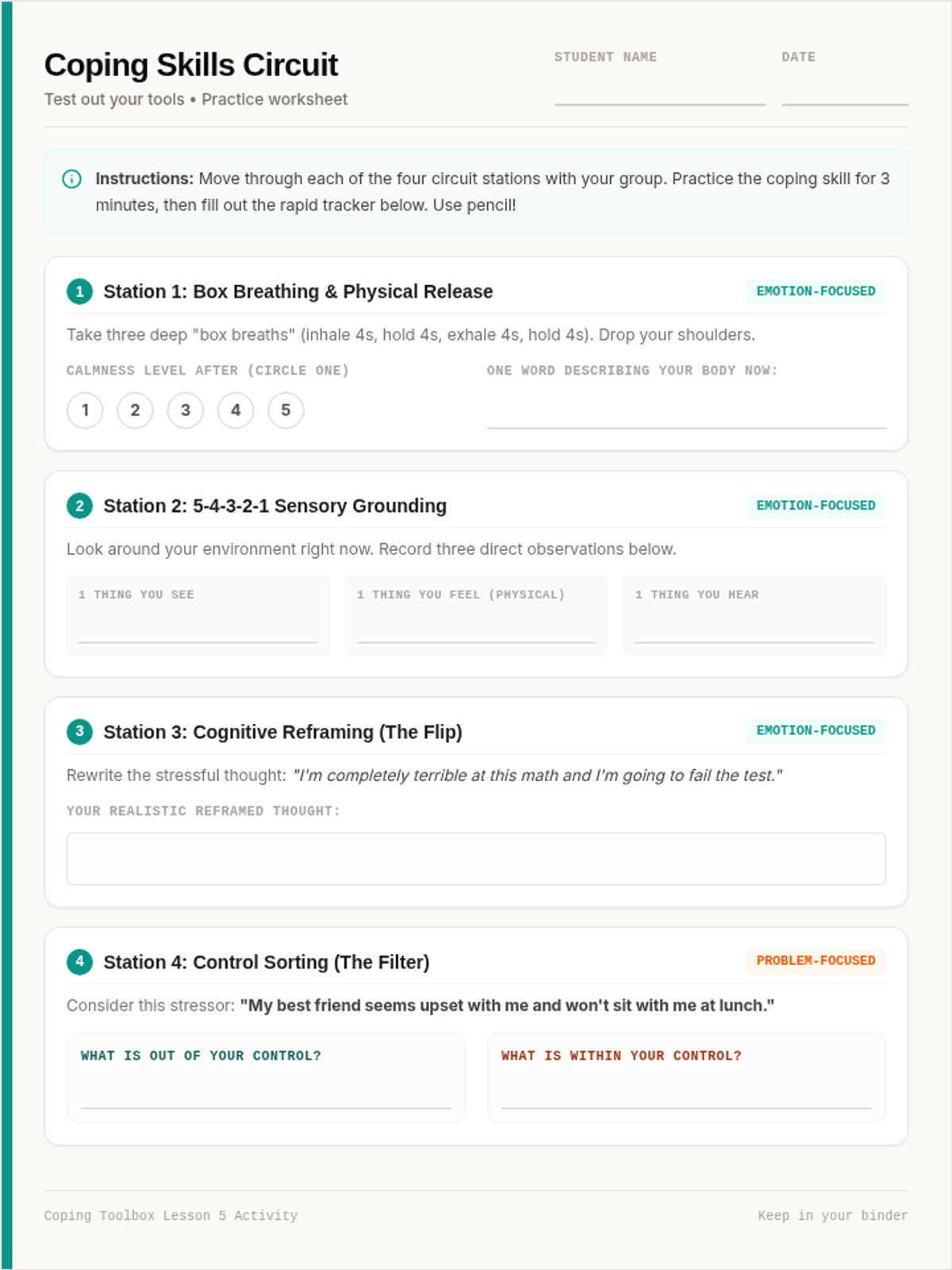
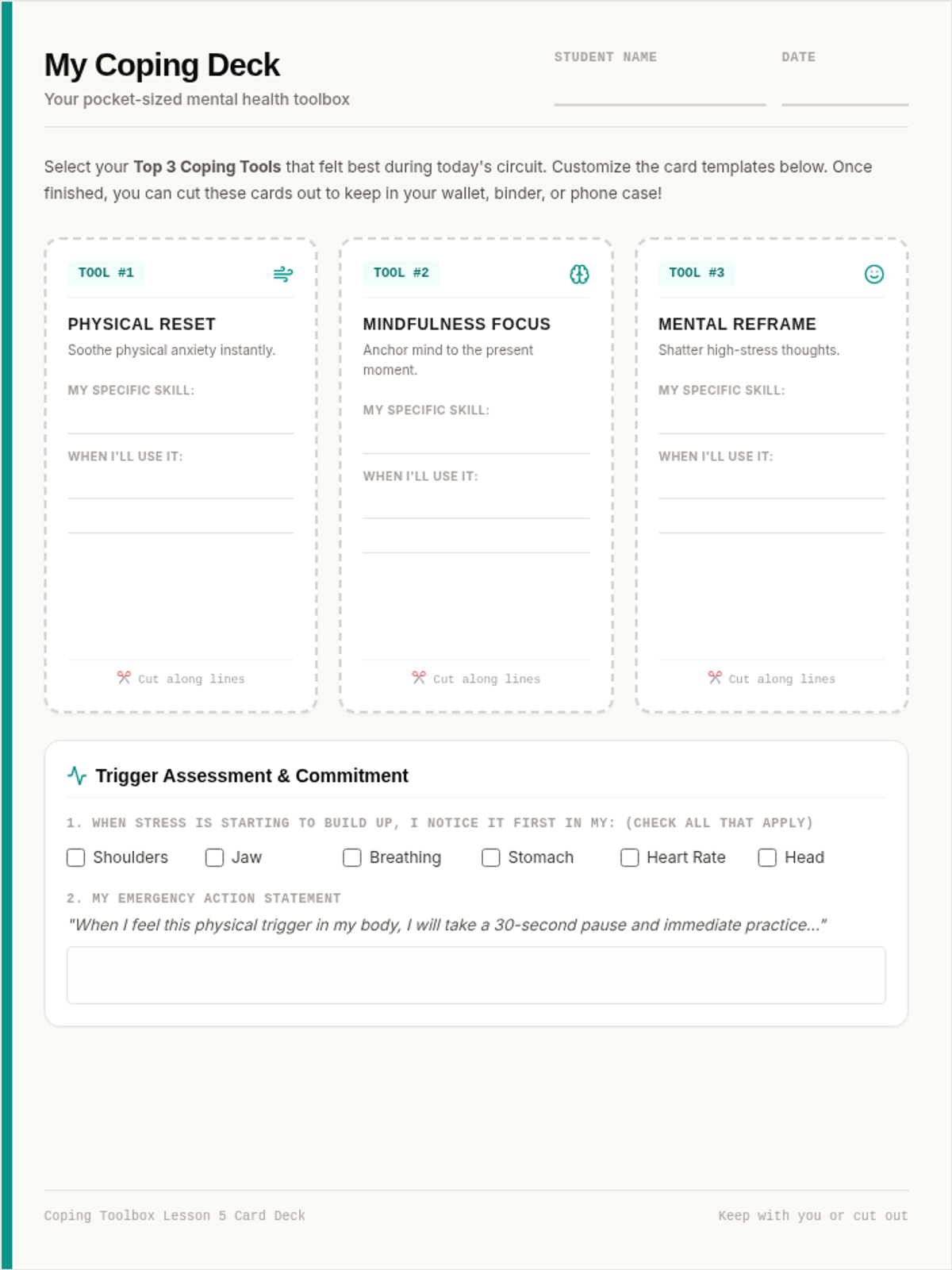
A 45-minute lesson for 7th-grade students to explore physical and cognitive coping skills, differentiate them from simple distractions, and build a personalized self-regulation toolkit. Students practice hands-on deep breathing, mindfulness, and cognitive reframing before creating their own pocket-sized coping plan.
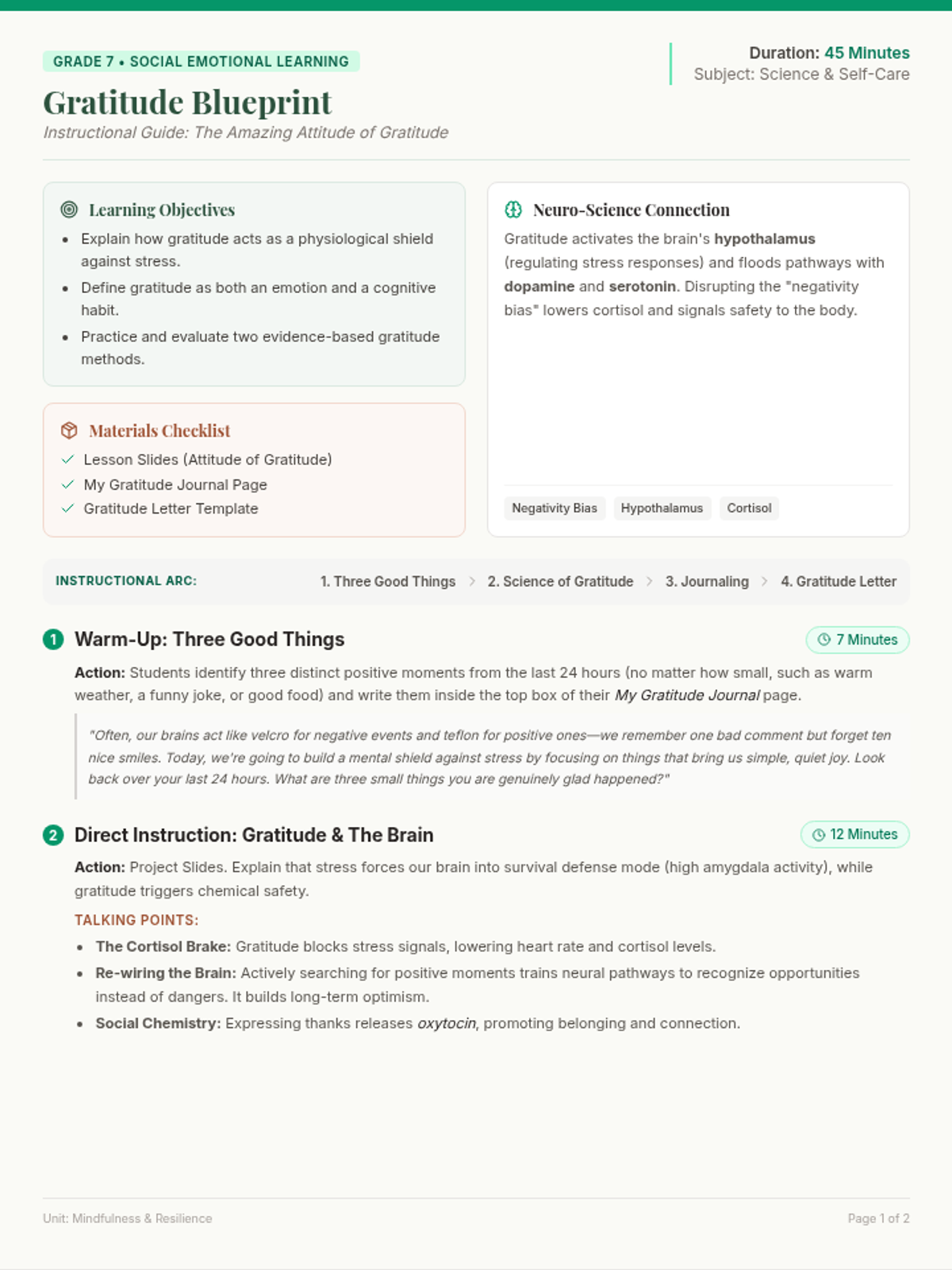
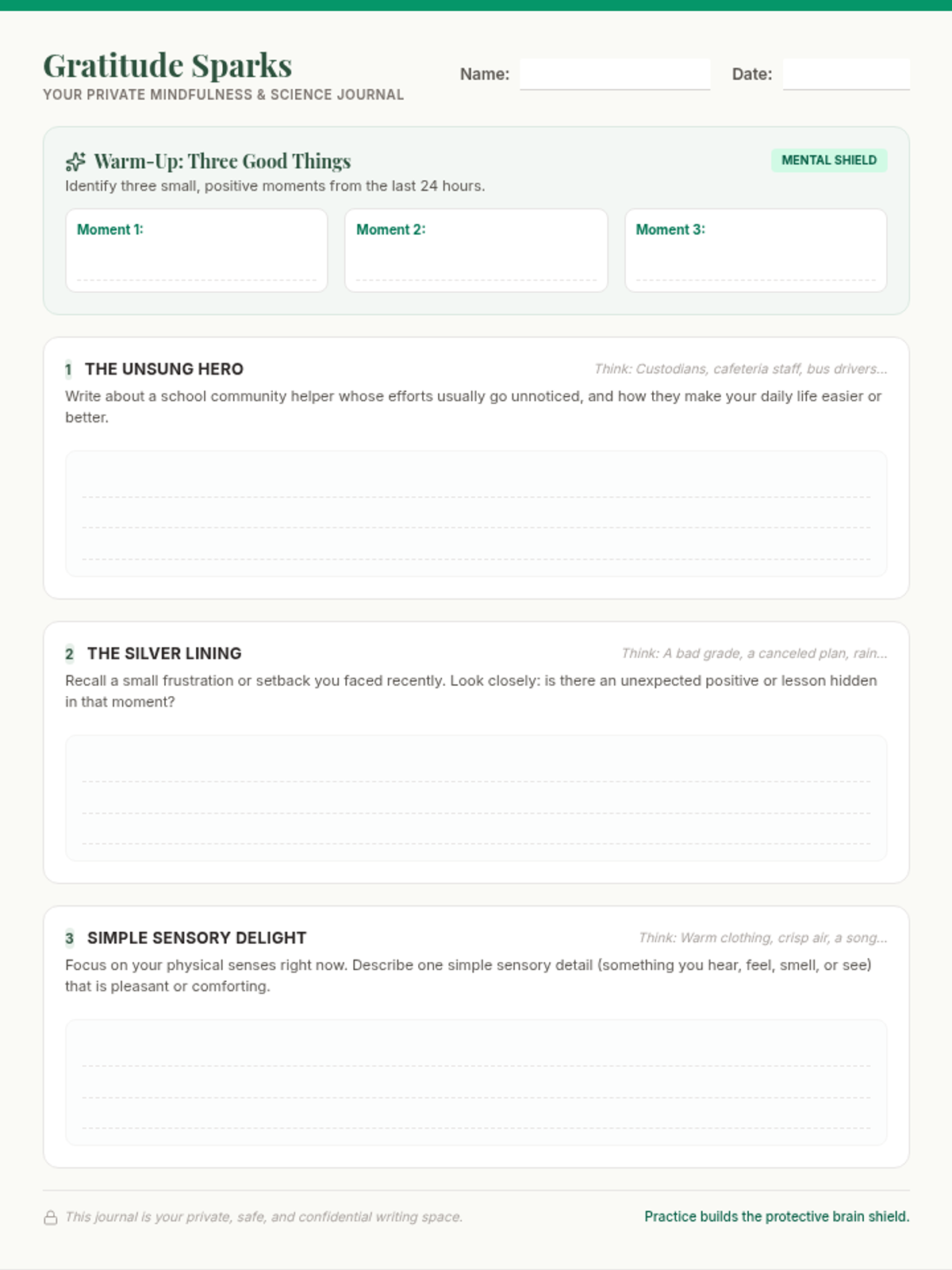
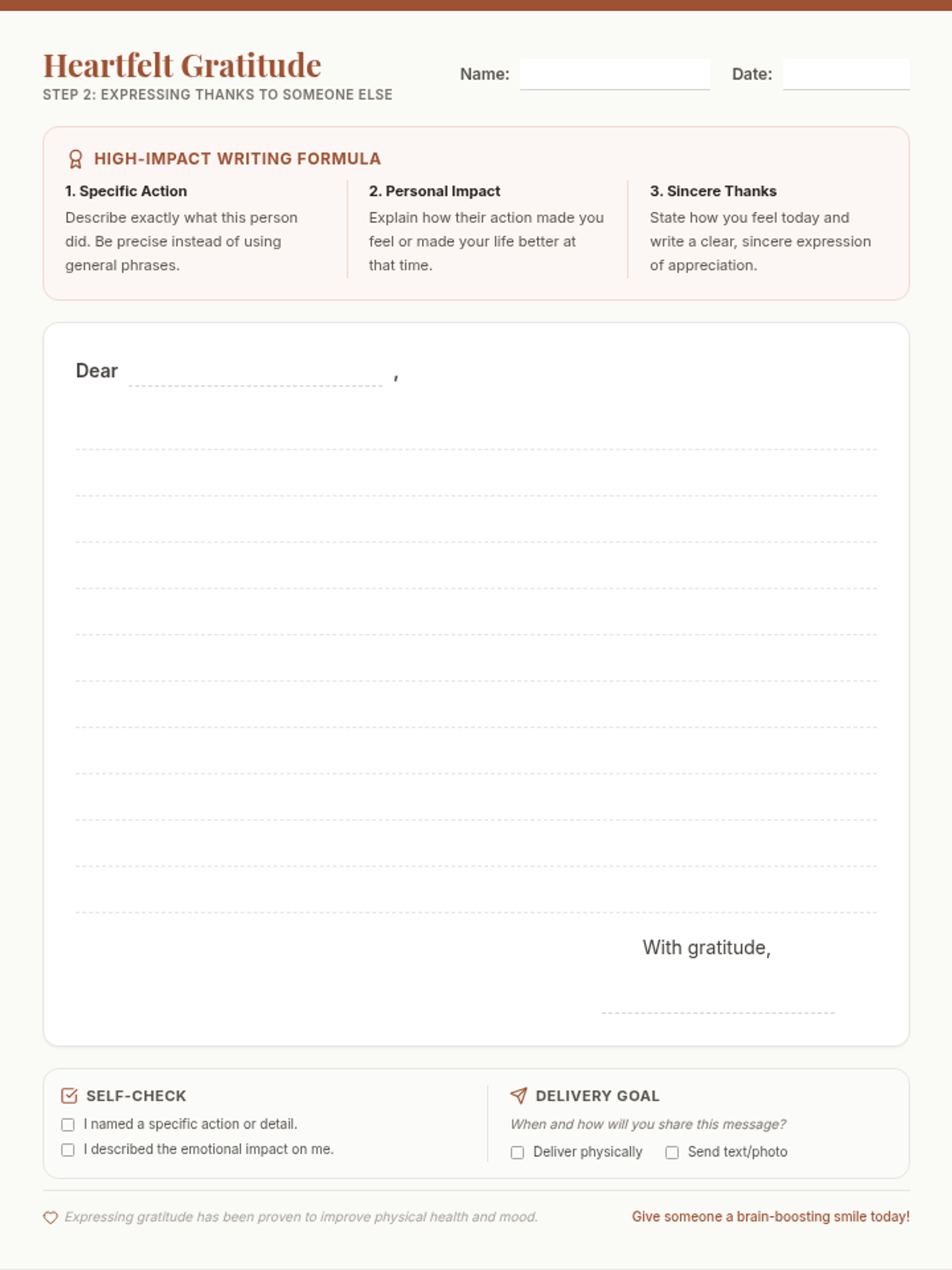
A 45-minute lesson introducing 7th graders to the science and practice of gratitude. Students learn how gratitude reduces stress, explore its effects on the brain, and practice two concrete methods: gratitude journaling and letter writing.
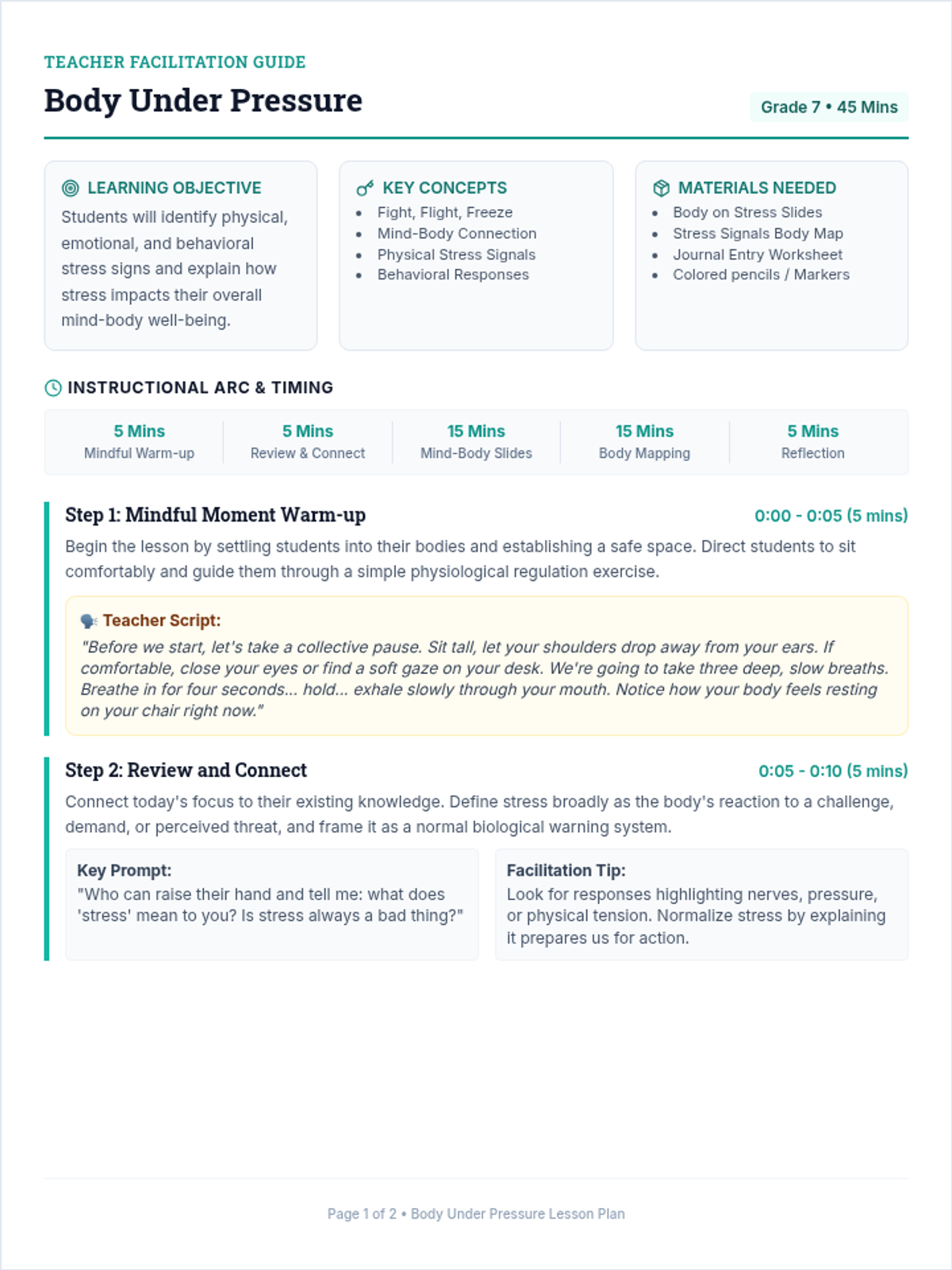
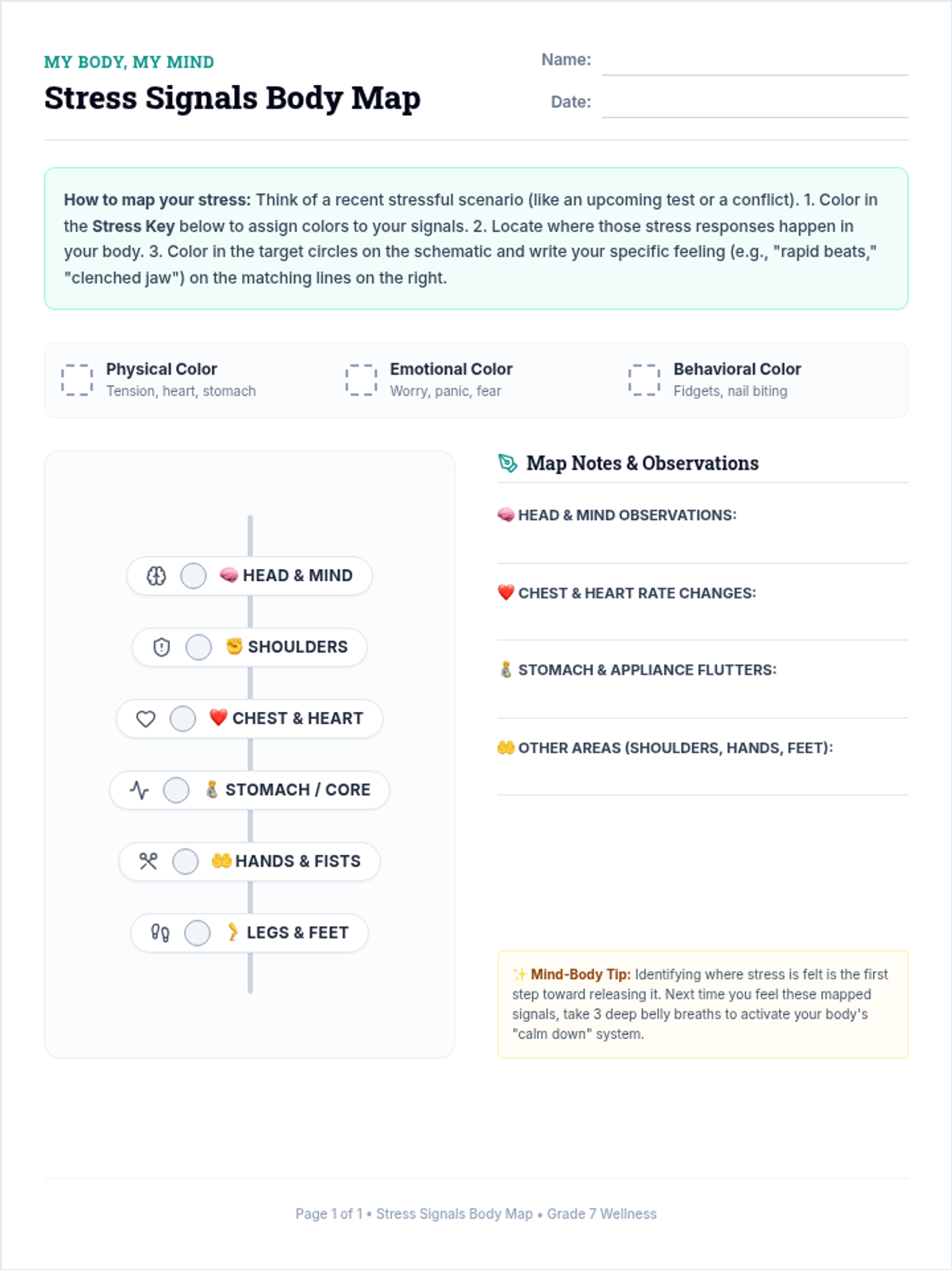
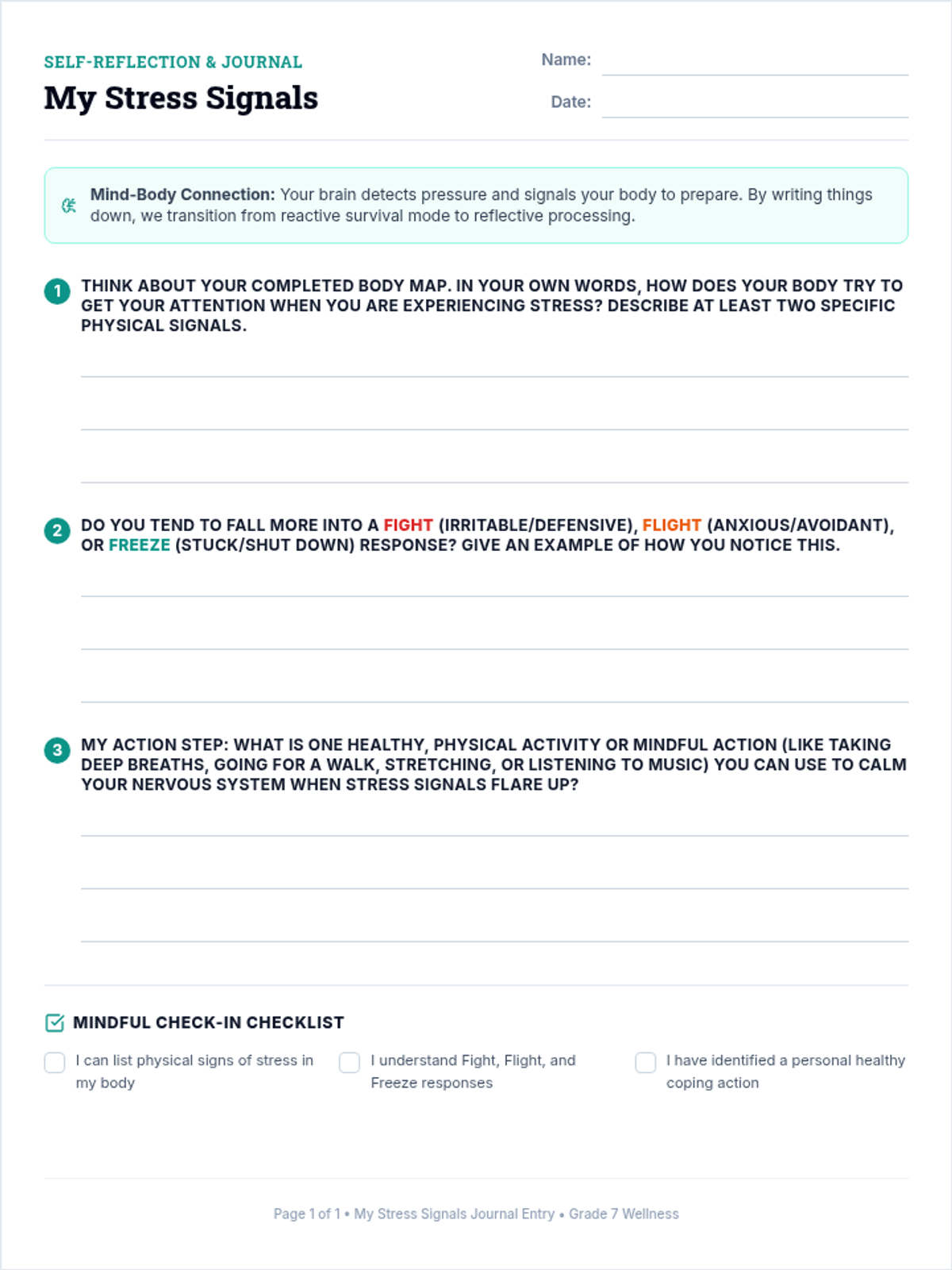
A 45-minute lesson designed for 7th-grade students to explore how stress physically, emotionally, and behaviorally manifests in their bodies, using a mind-body connection approach with body mapping and reflection.
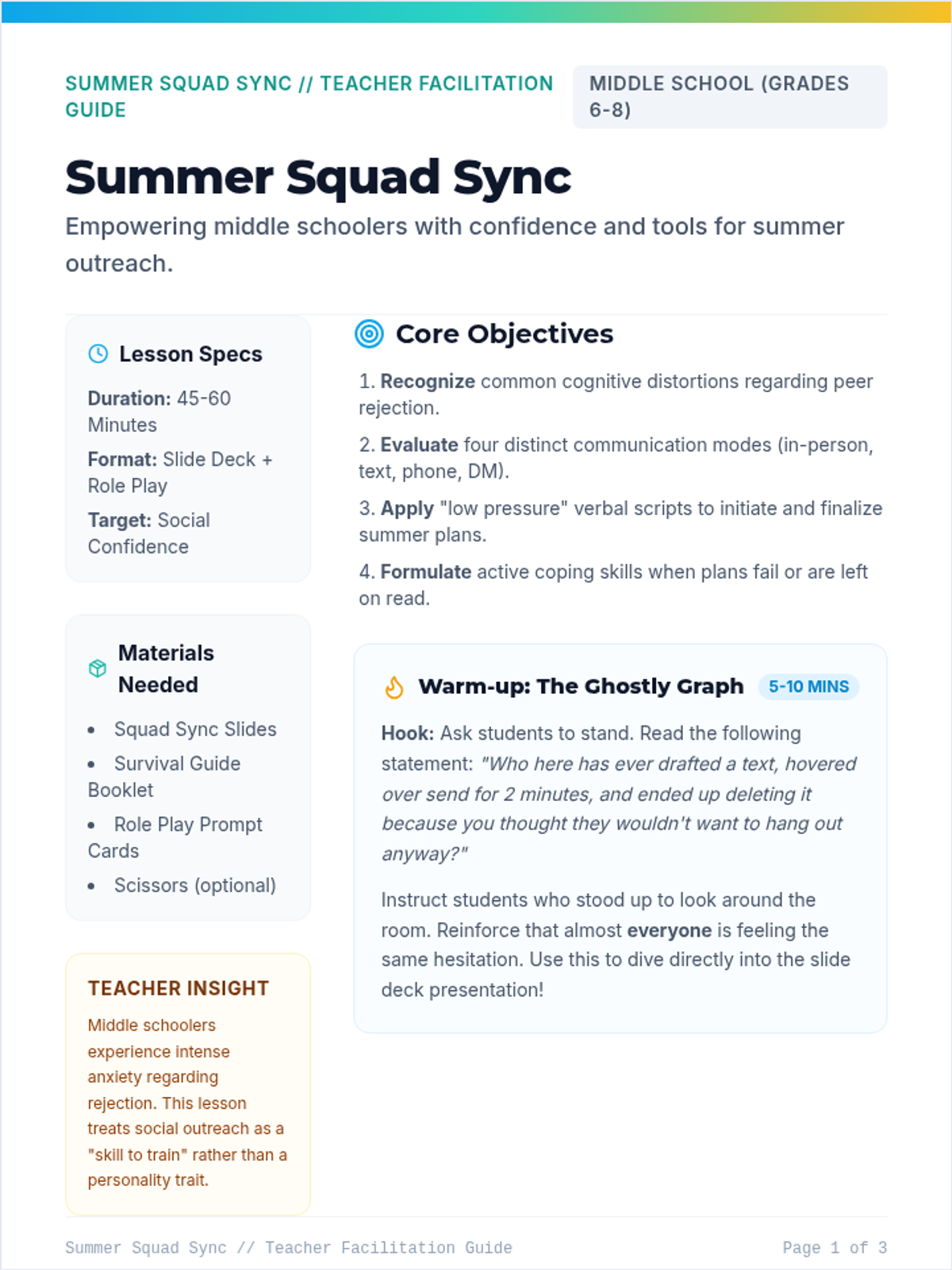
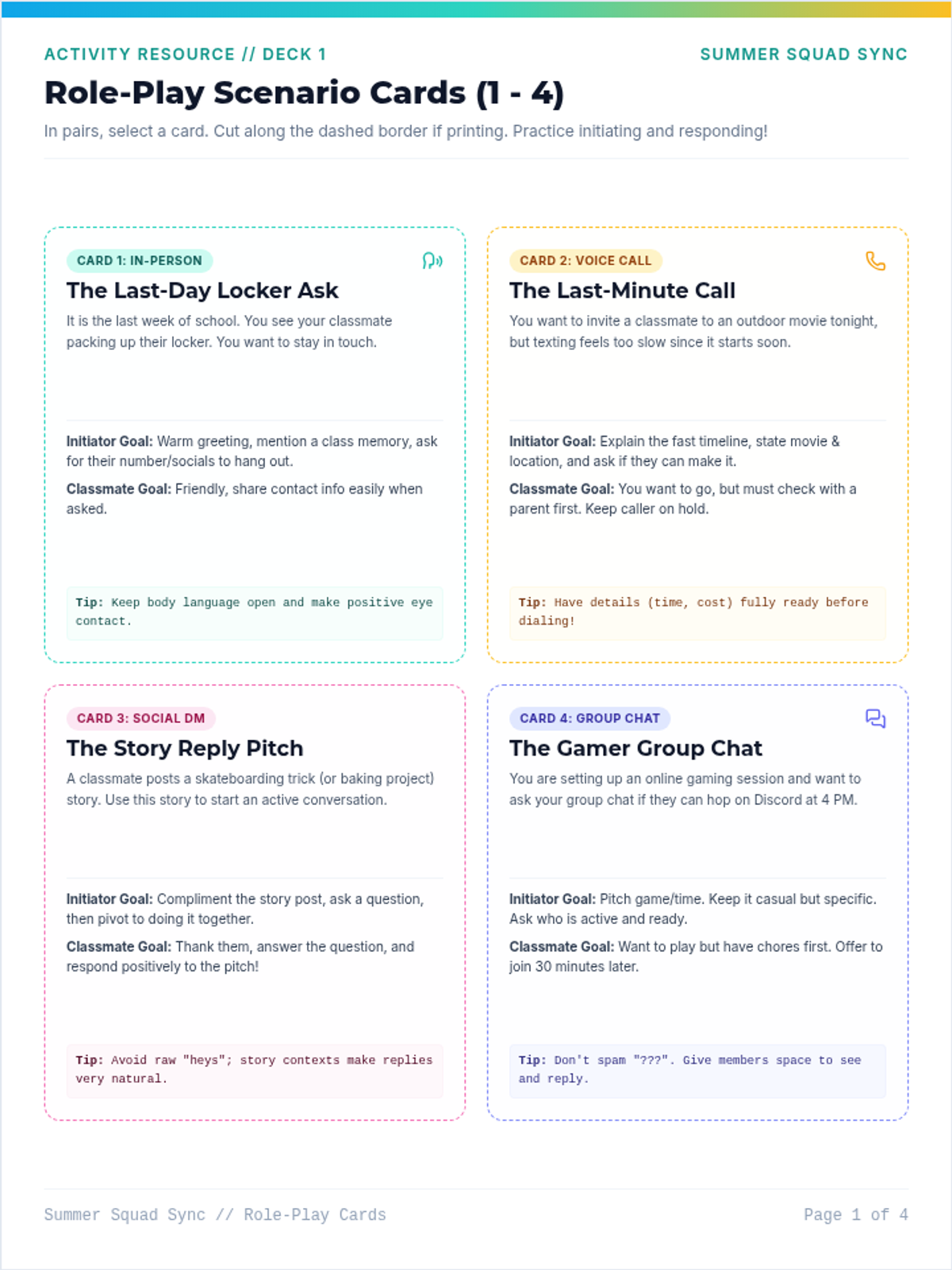
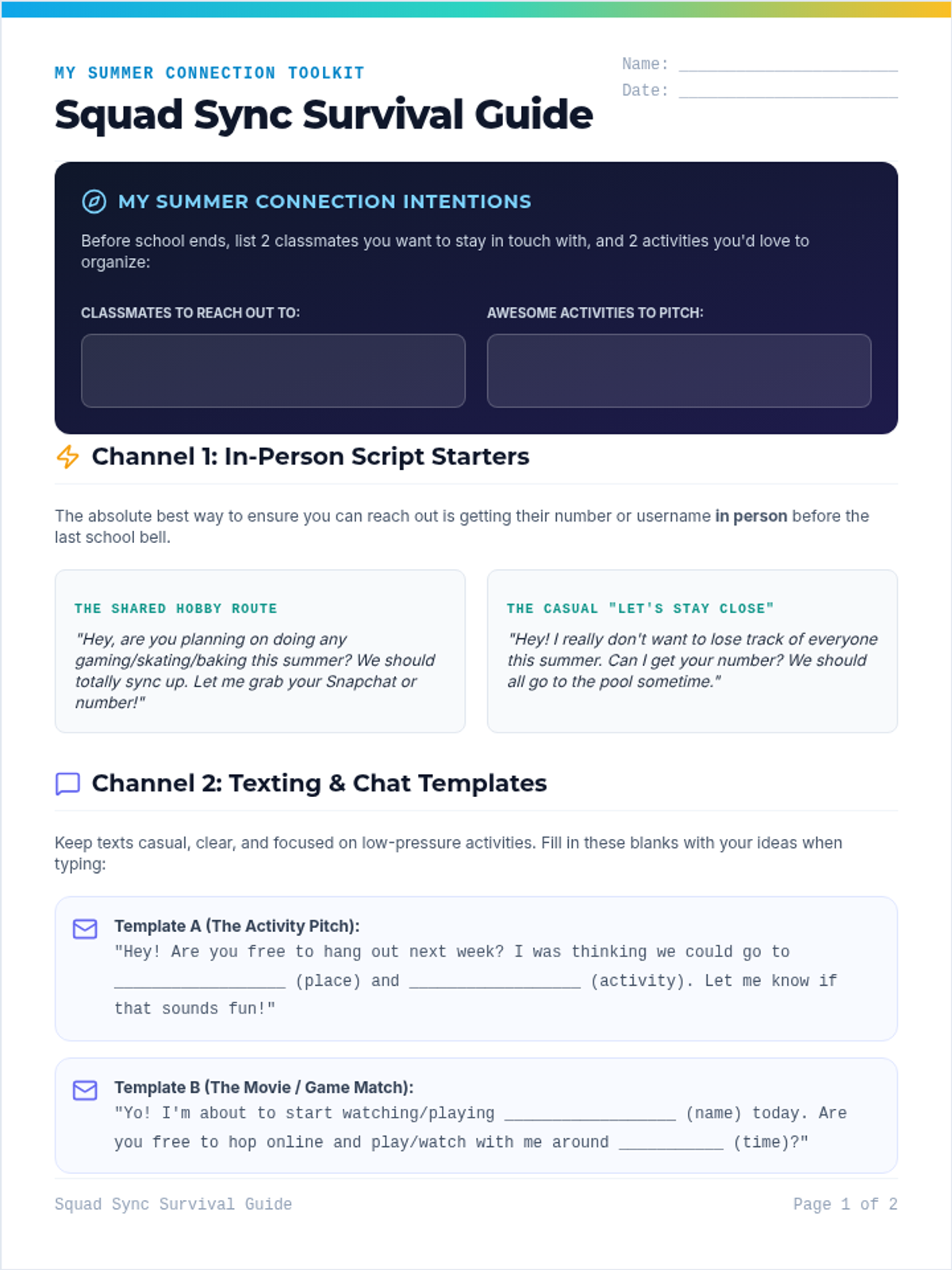
A comprehensive social skills lesson designed to help middle schoolers confidently reach out, initiate conversations, and coordinate summer hangout plans with classmates using various communication channels.
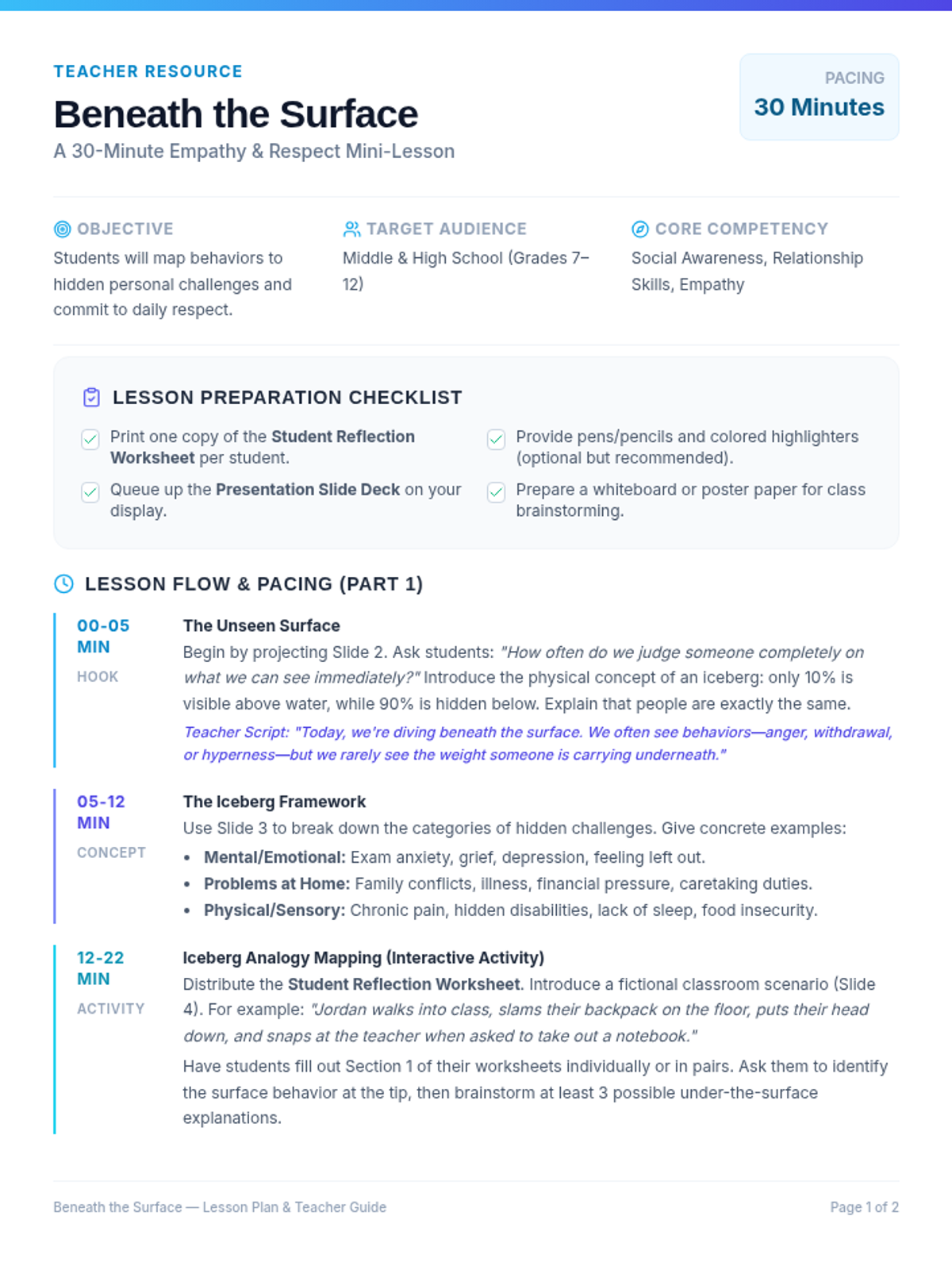
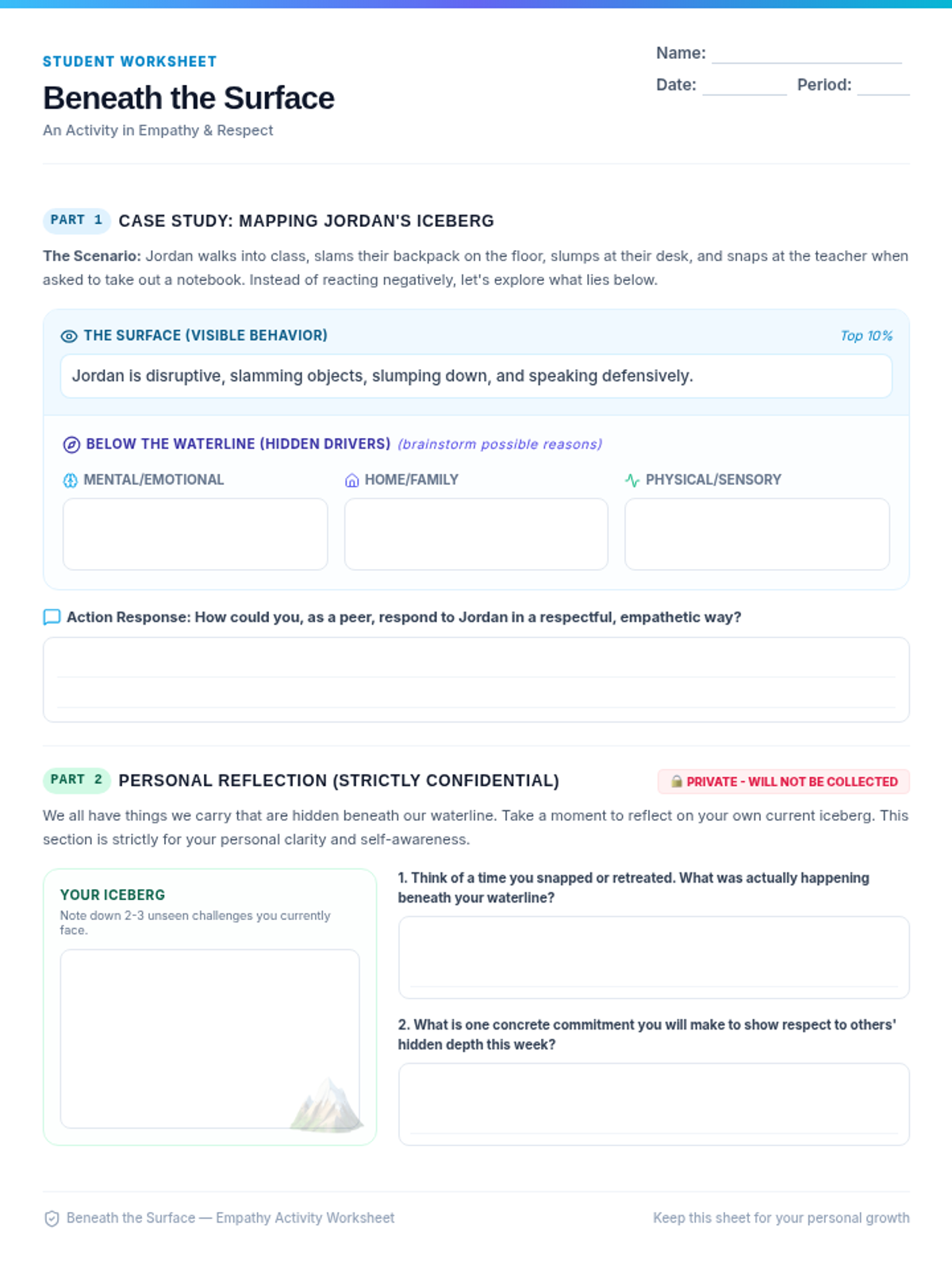
A 30-minute high school lesson focused on building empathy and respect by exploring the Iceberg Analogy. Students learn to recognize that visible behaviors (the tip of the iceberg) are driven by unseen mental, physical, or personal challenges (the submerged iceberg).
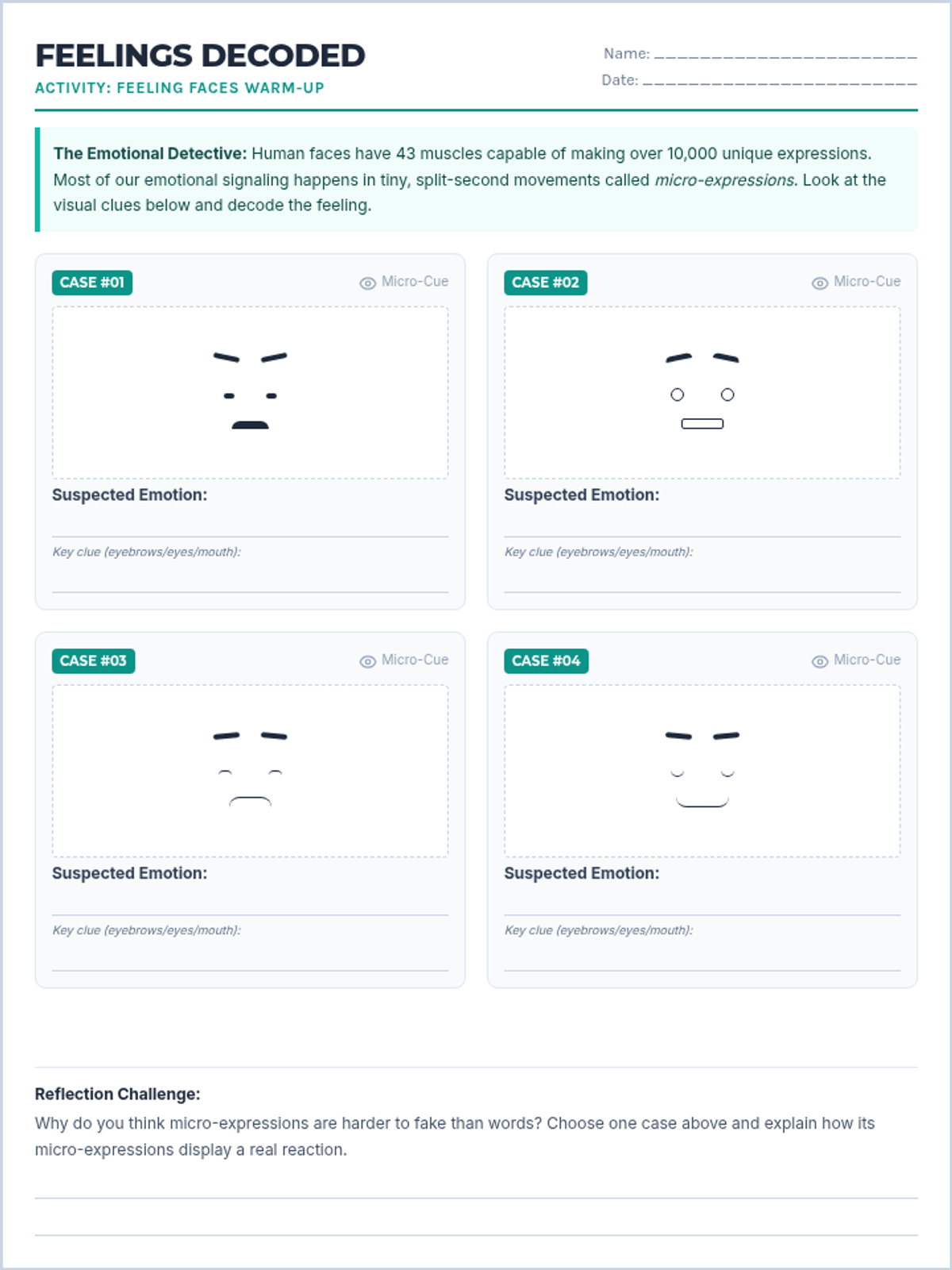
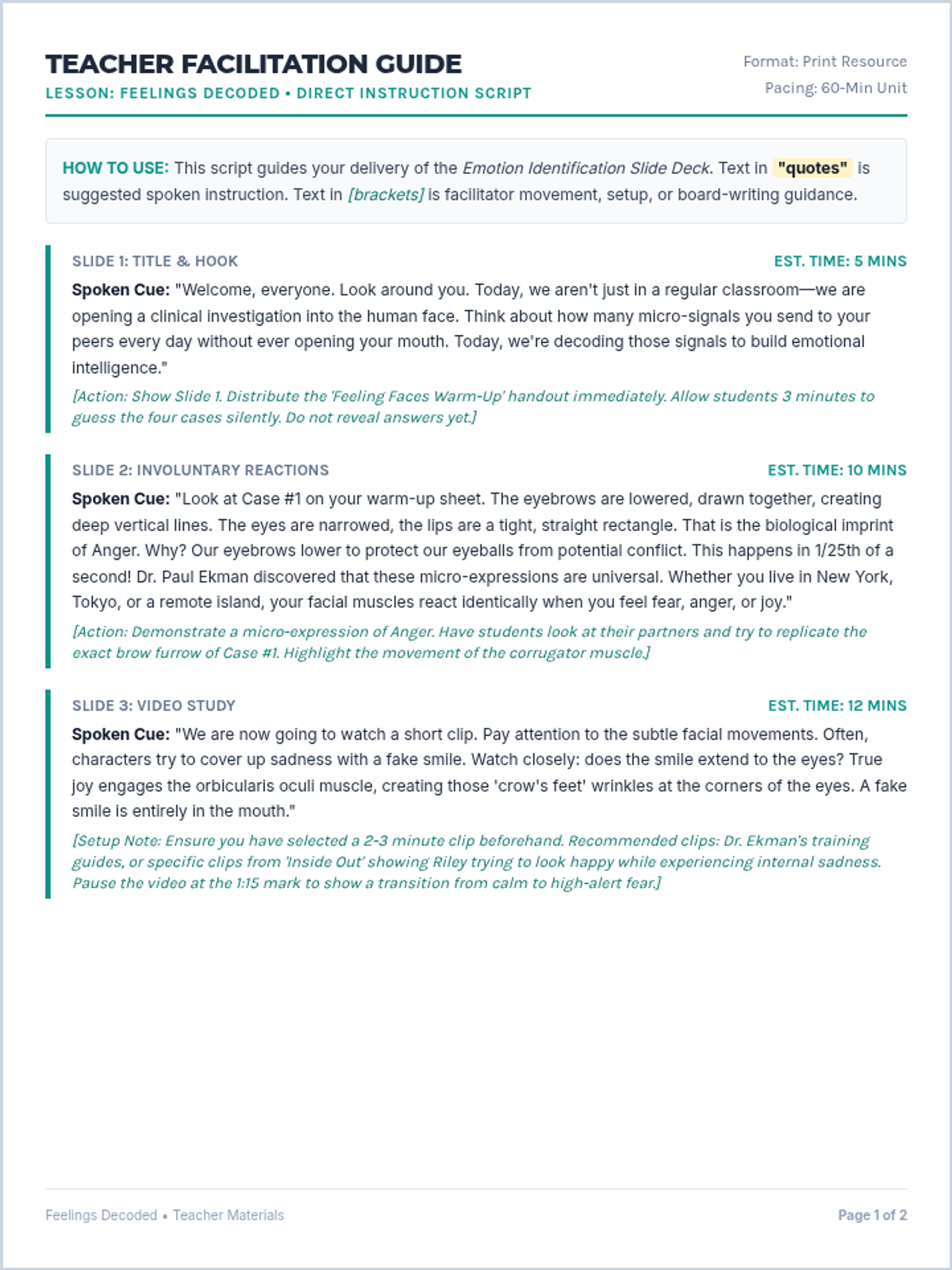
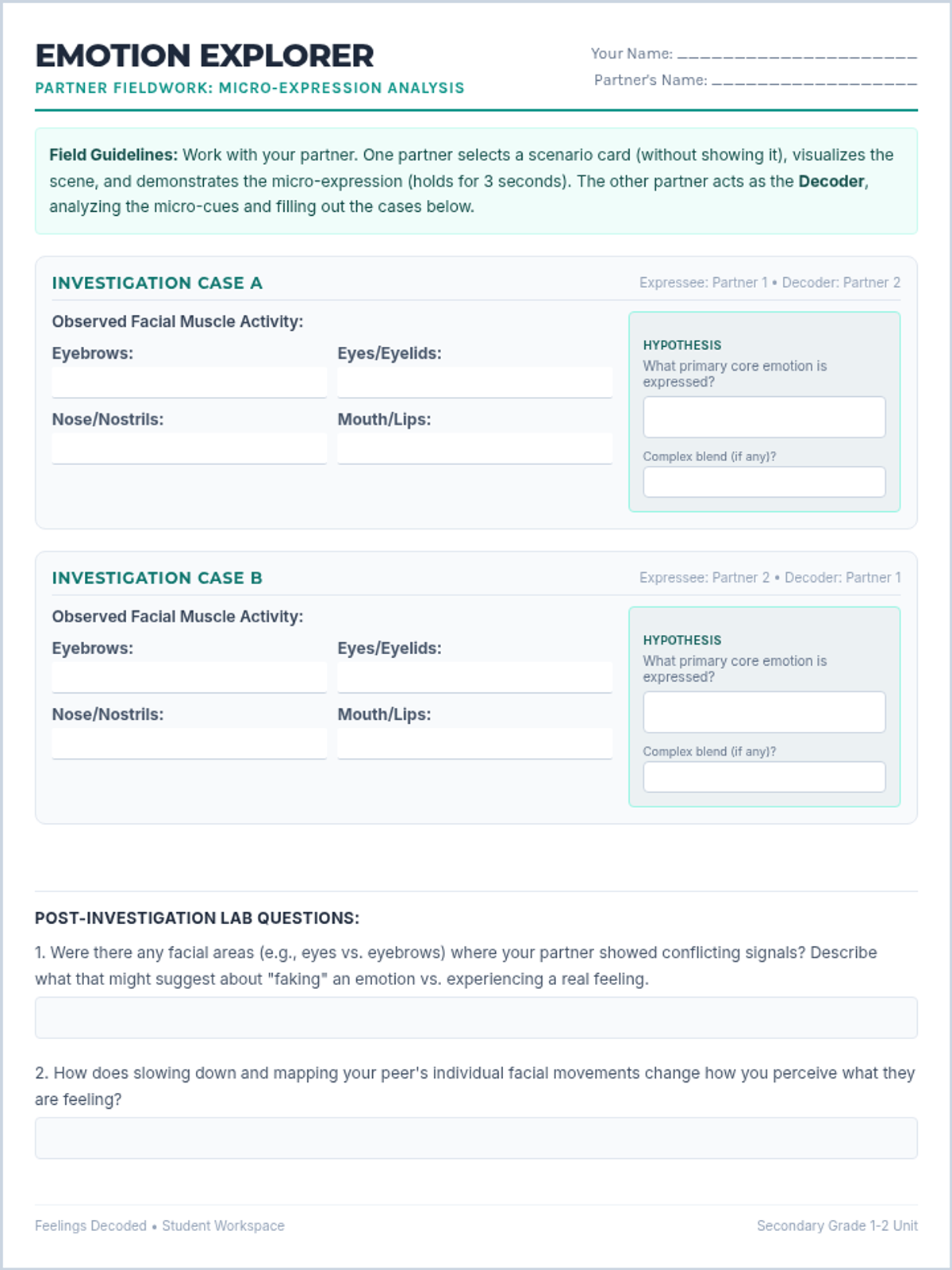
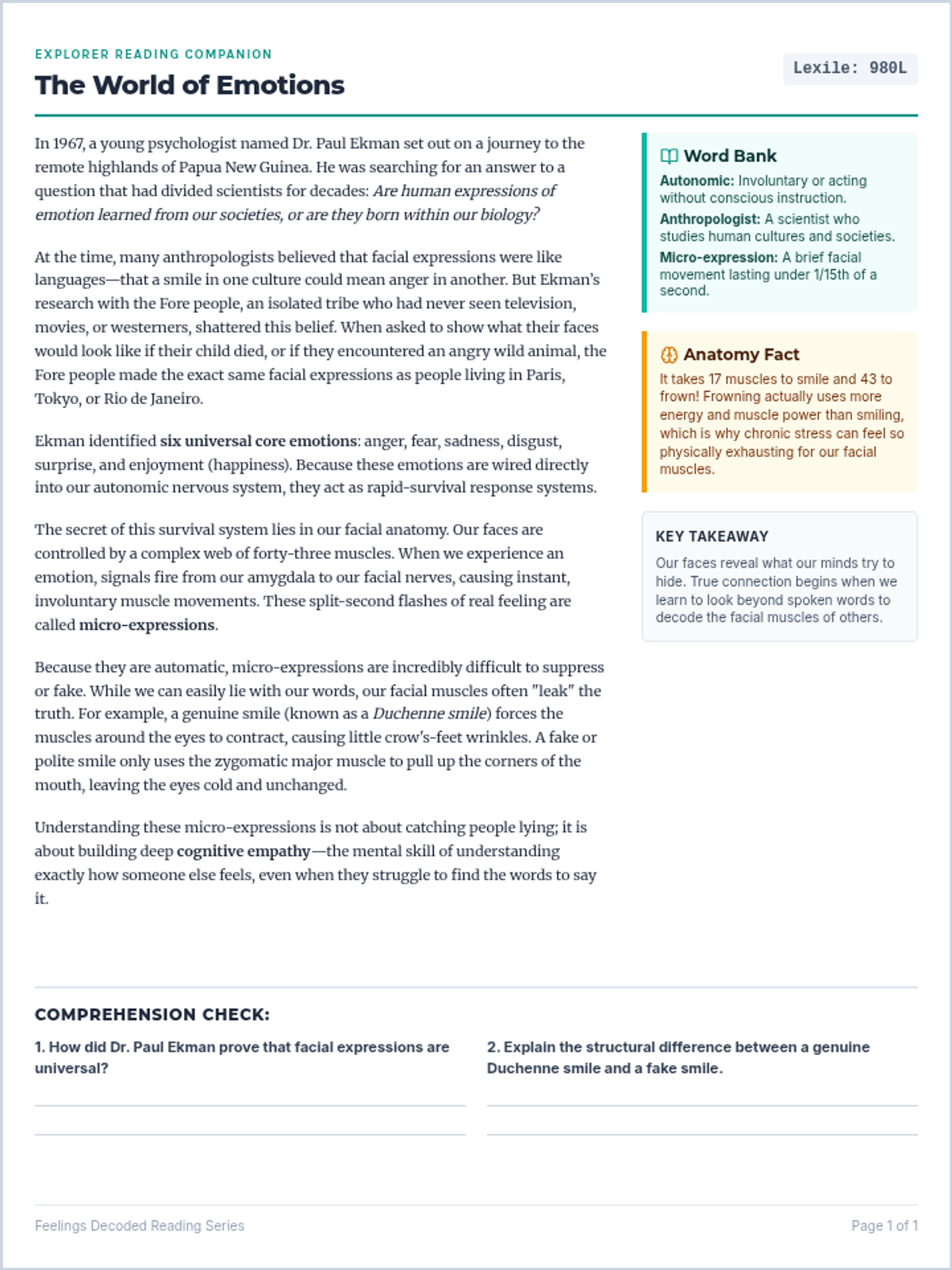
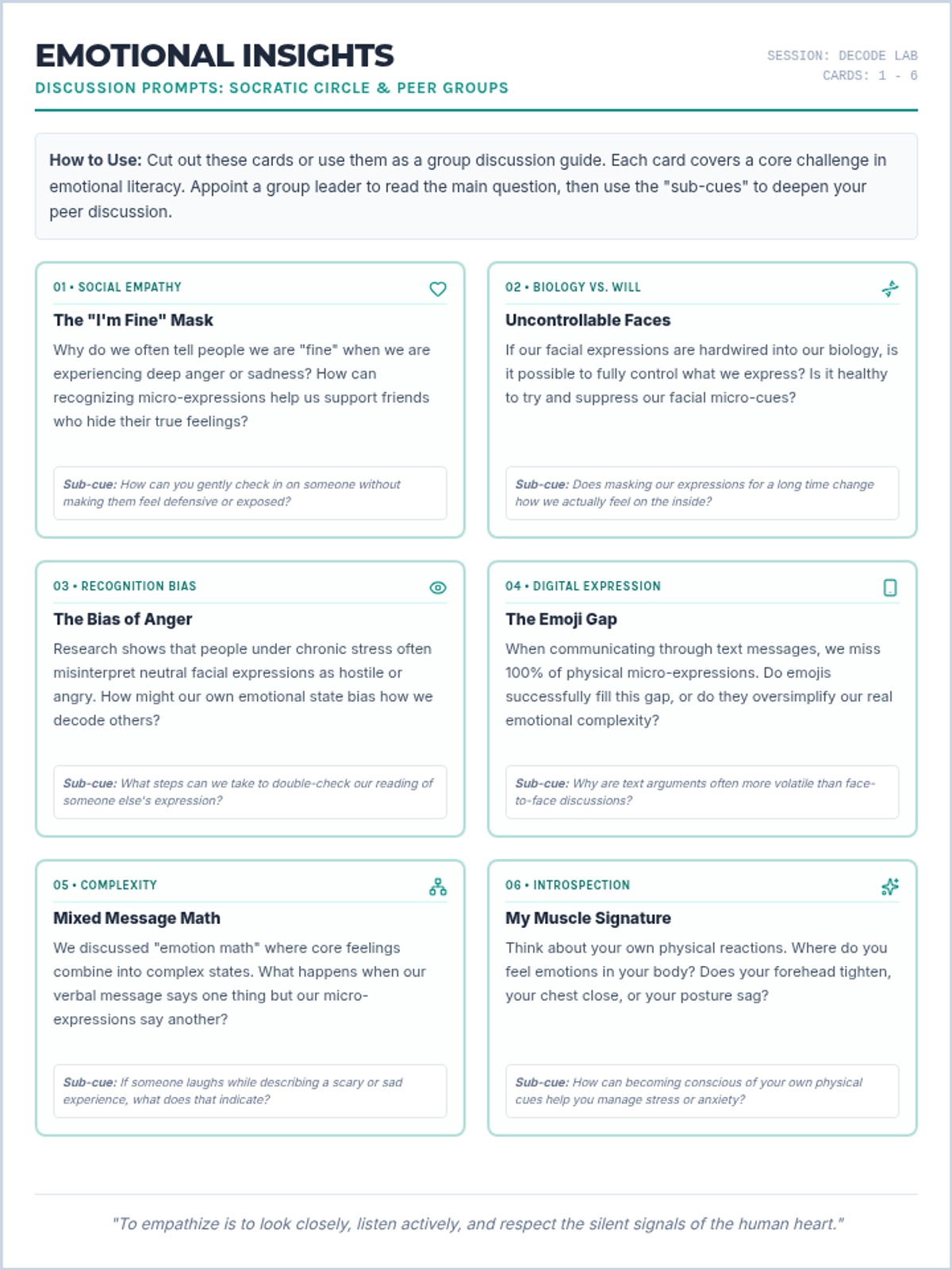
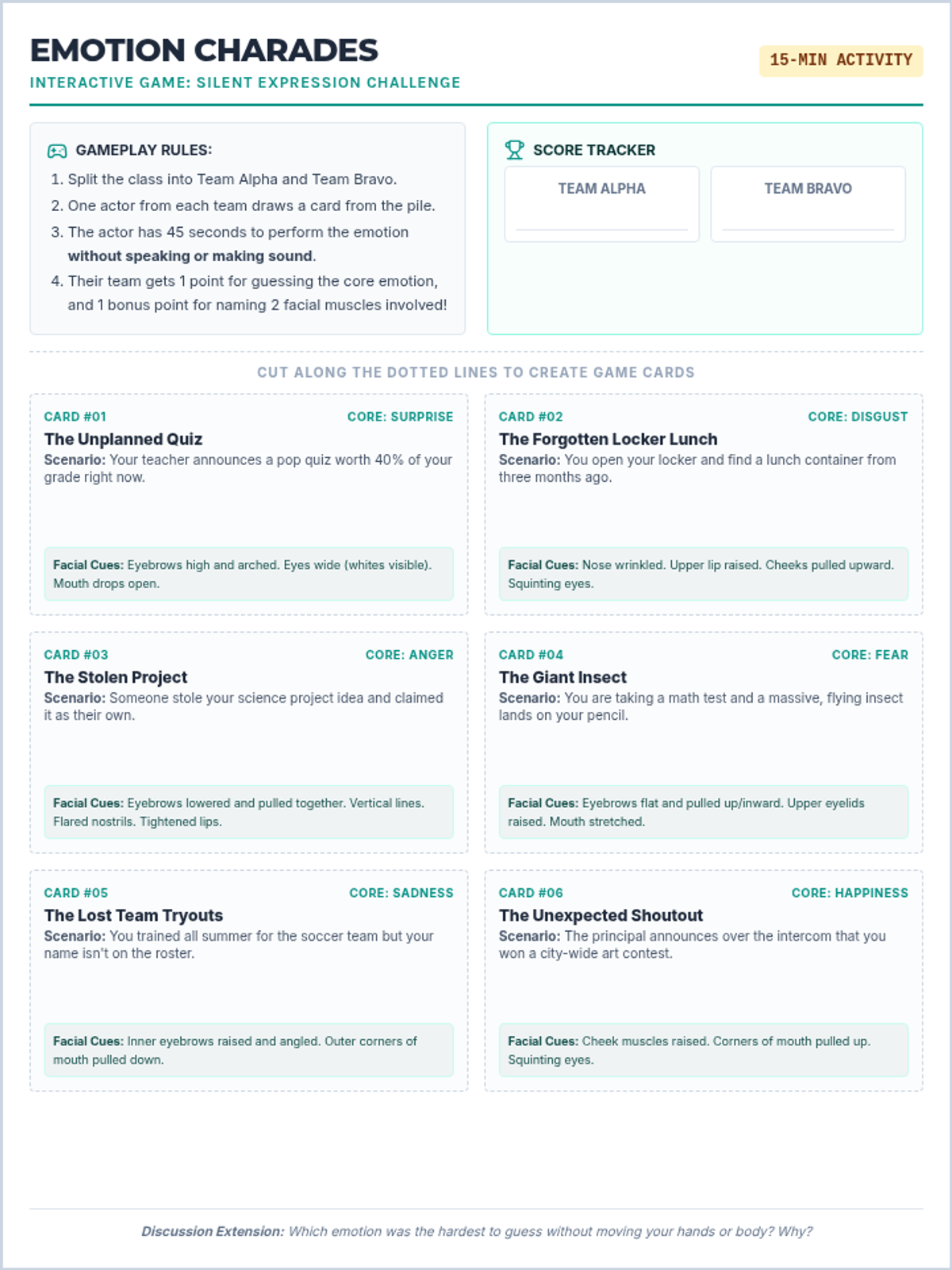
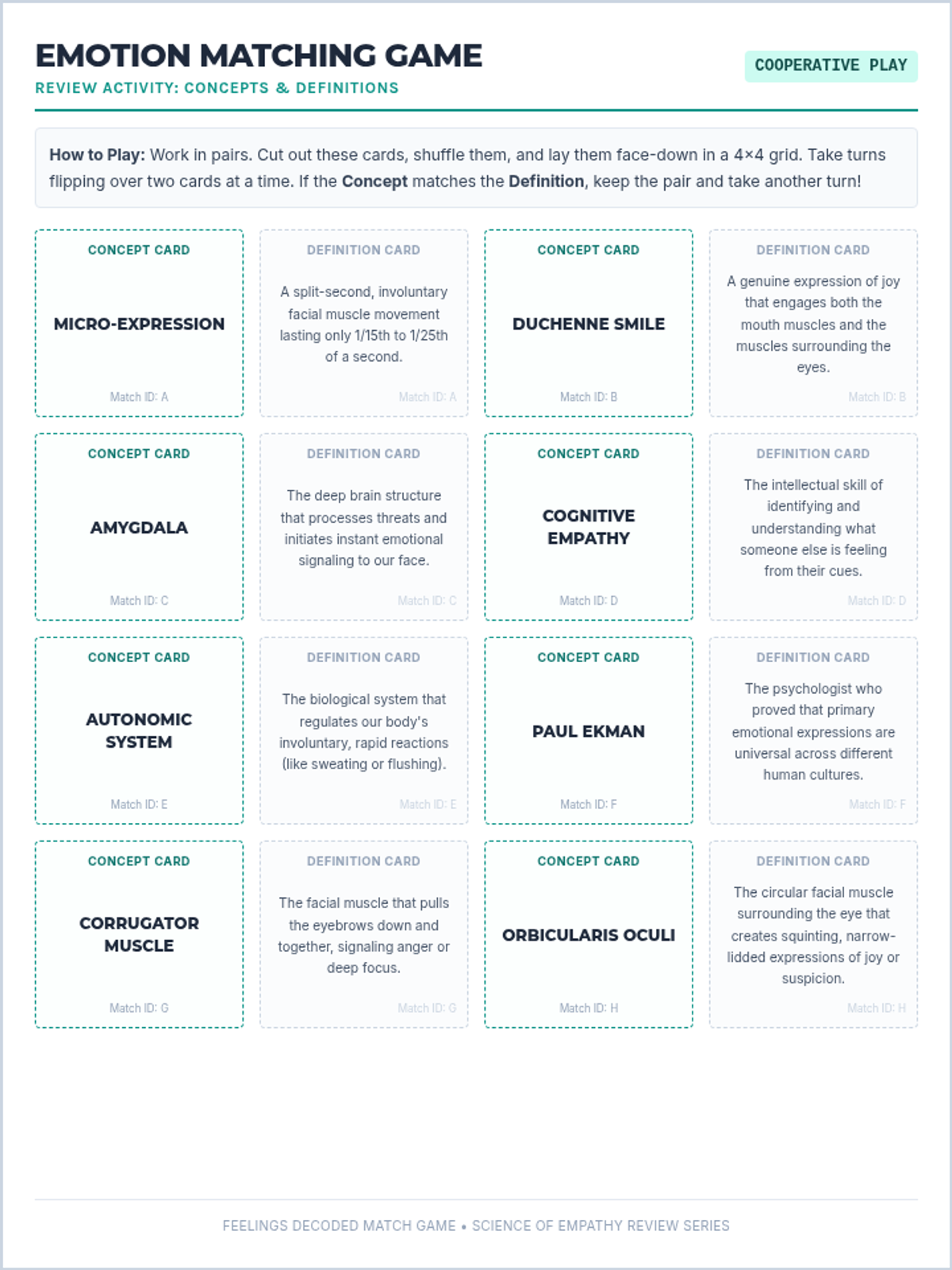
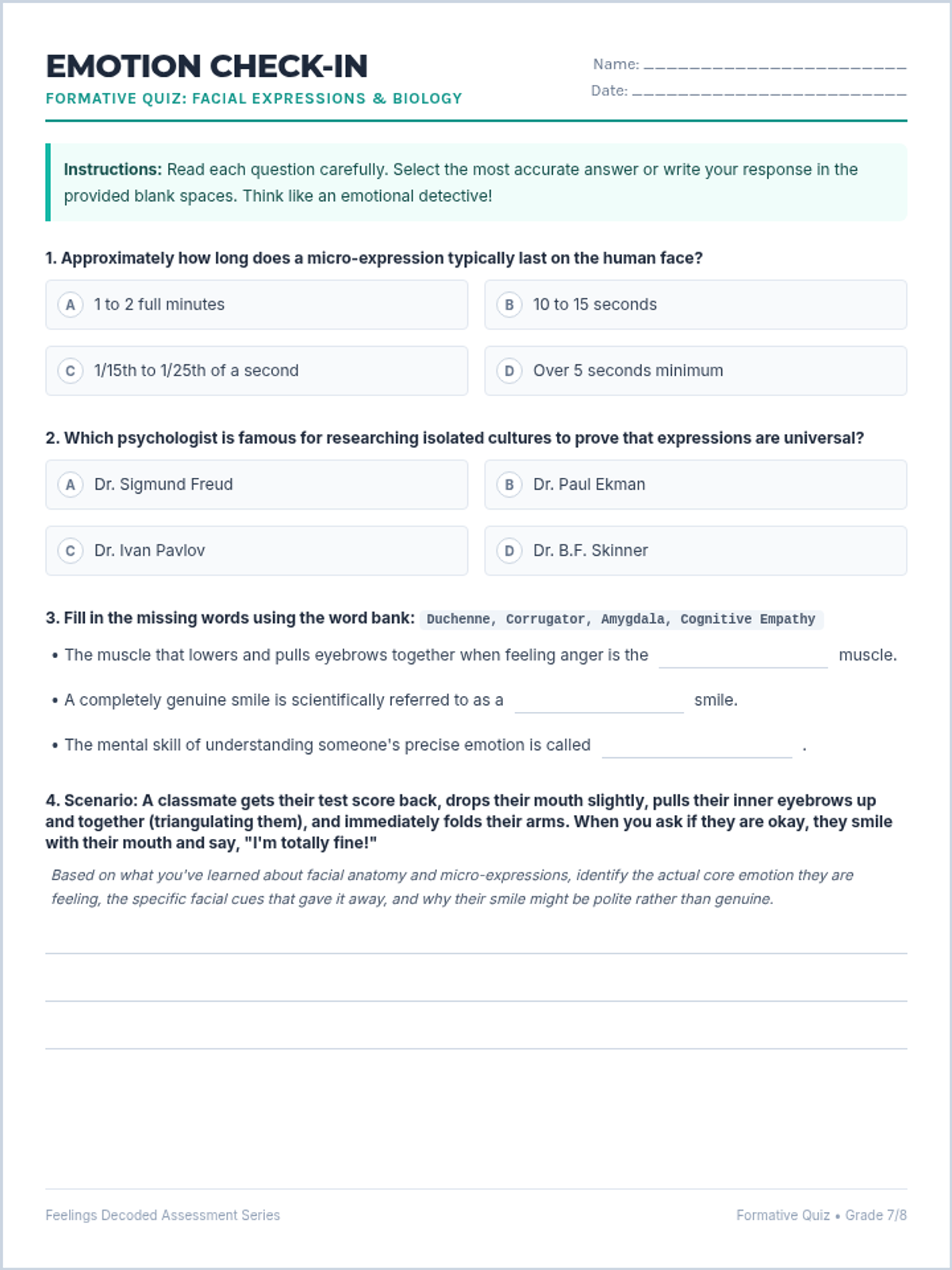
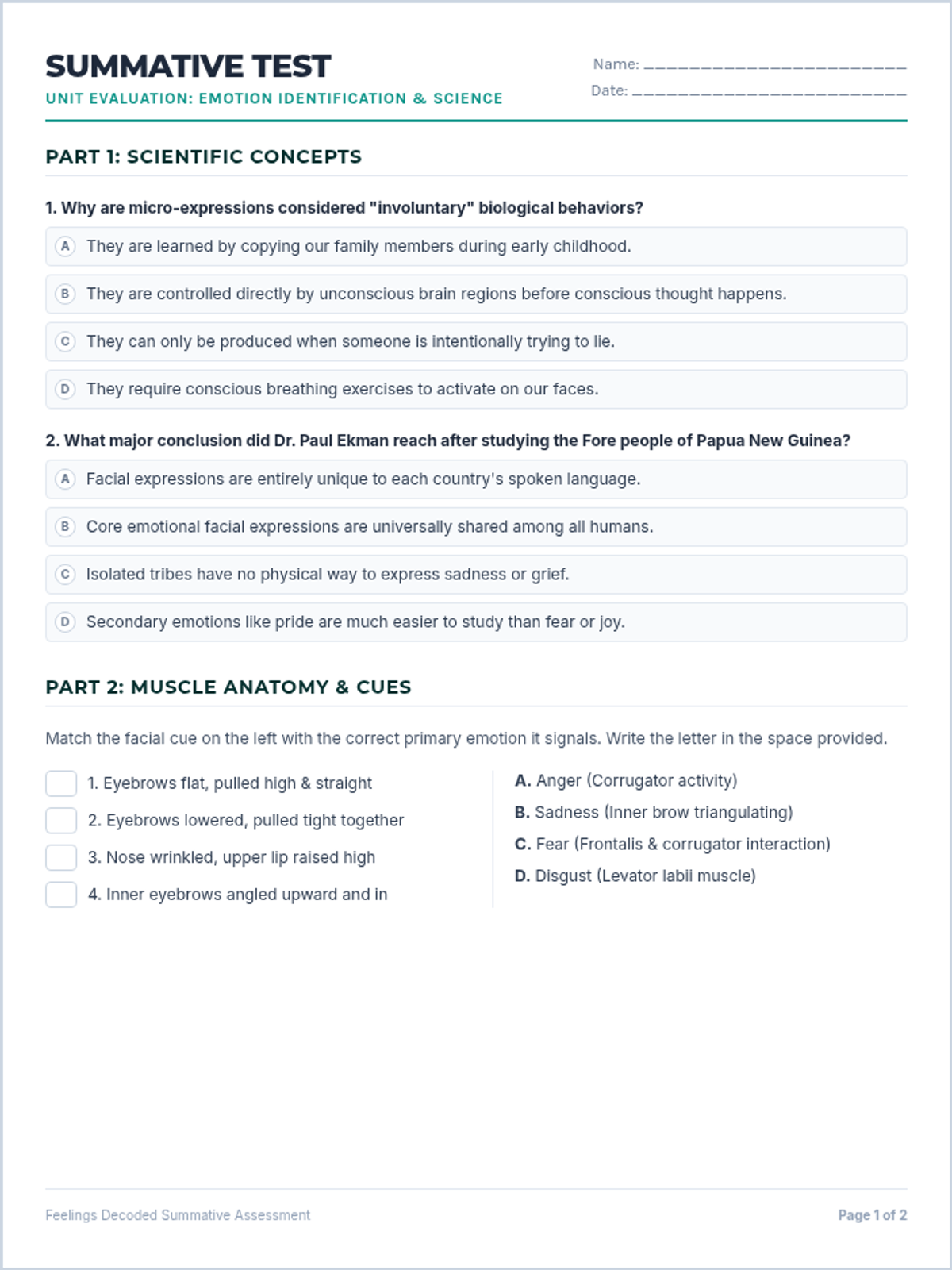
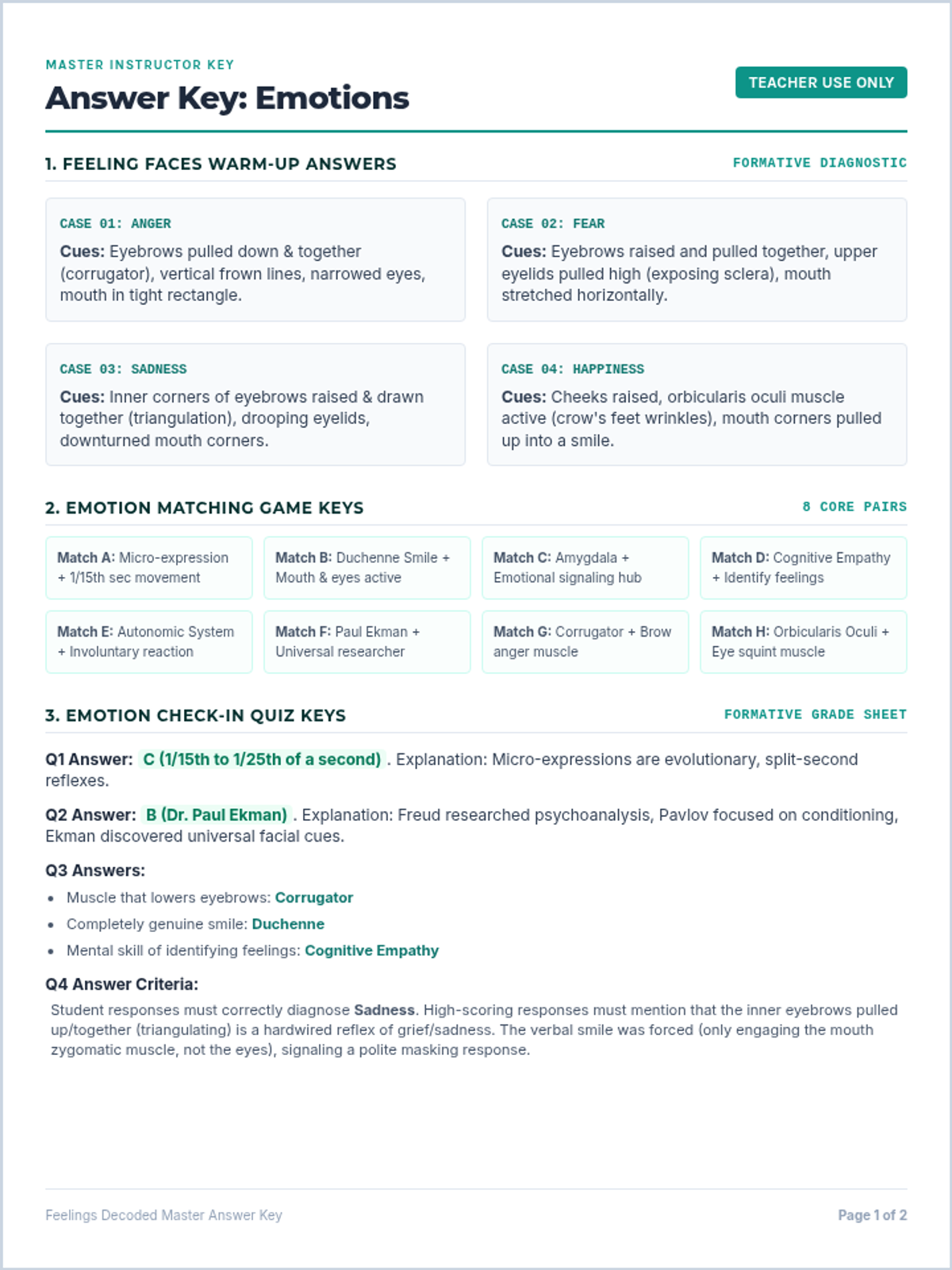
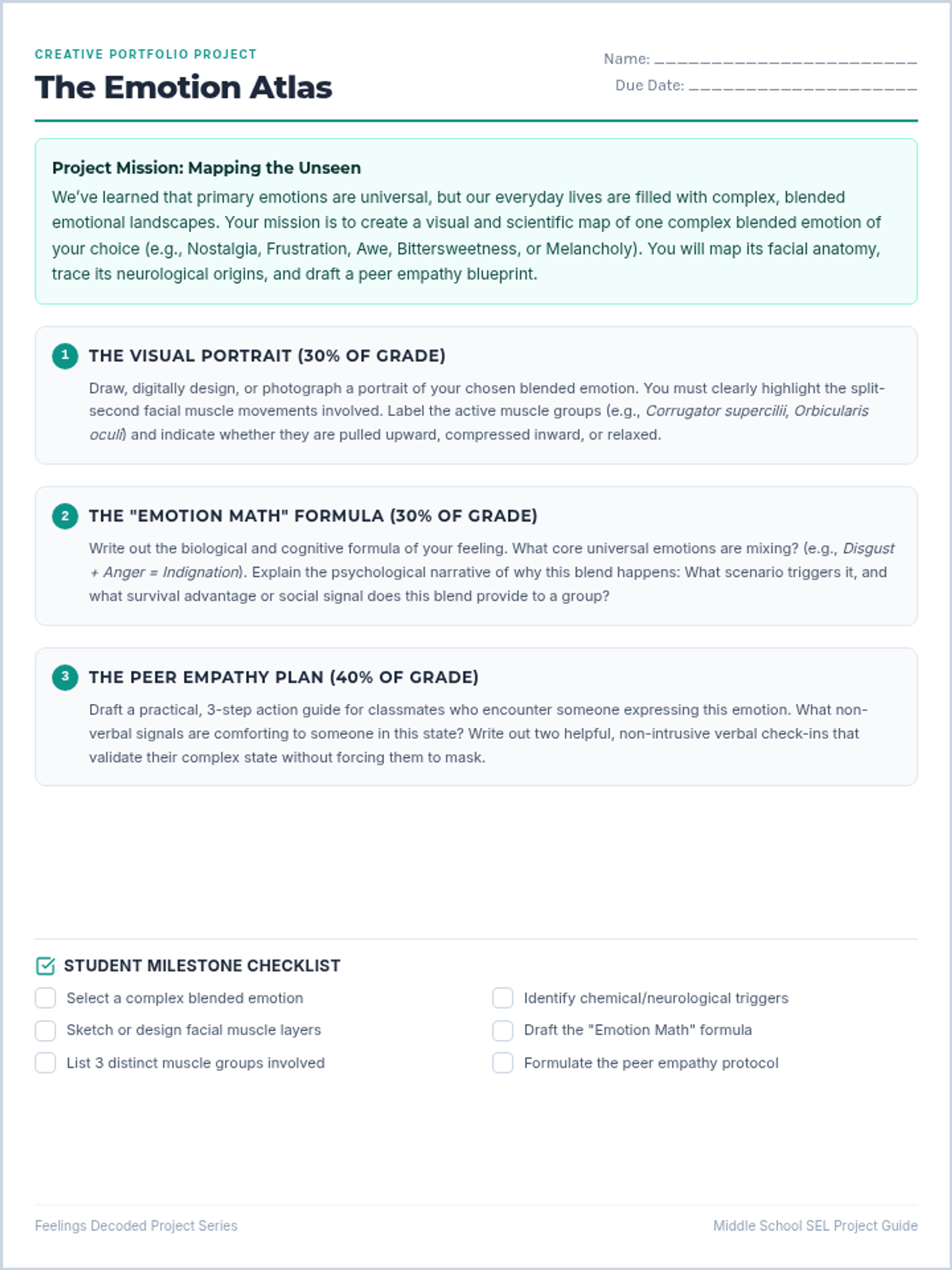
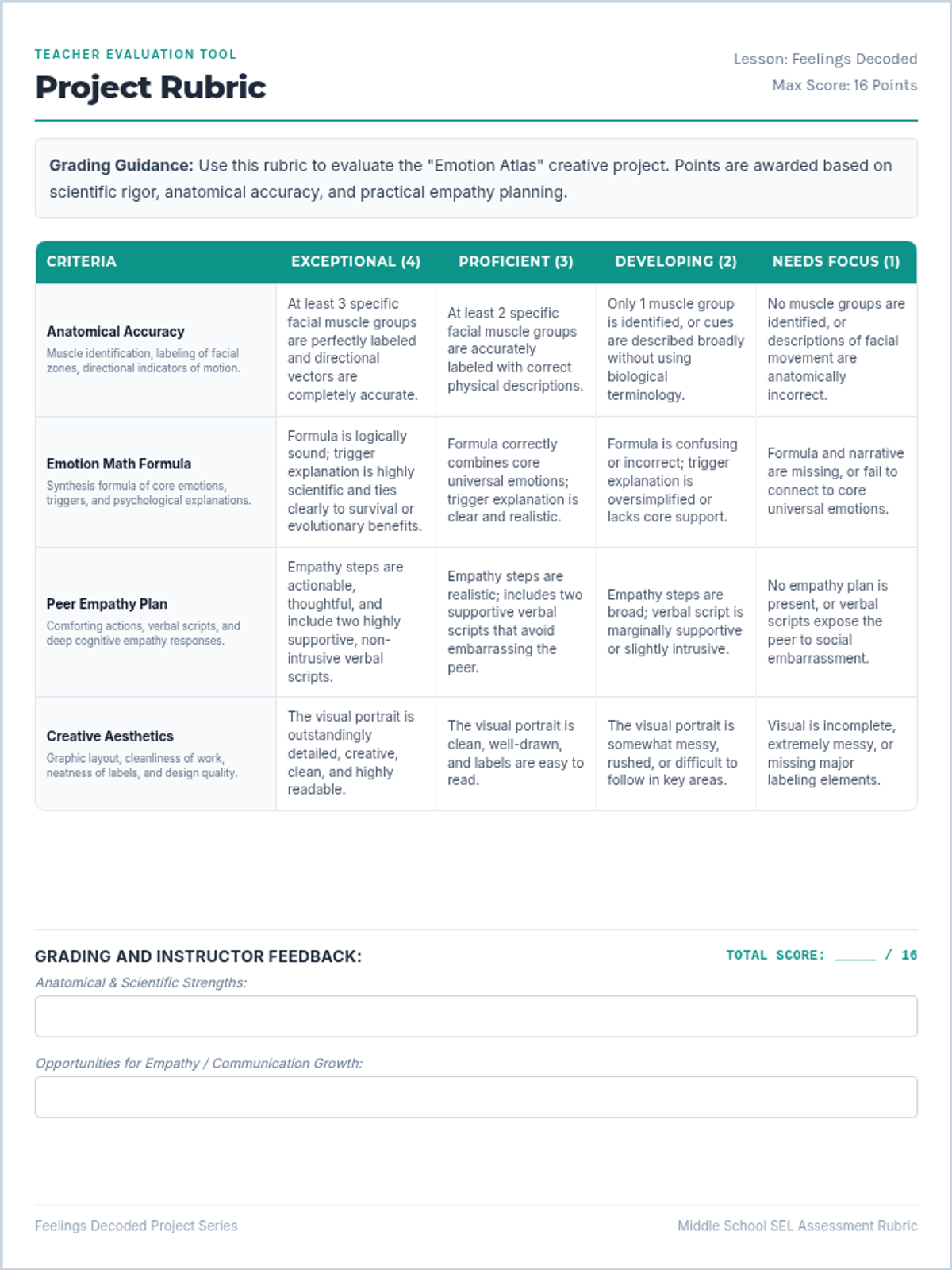
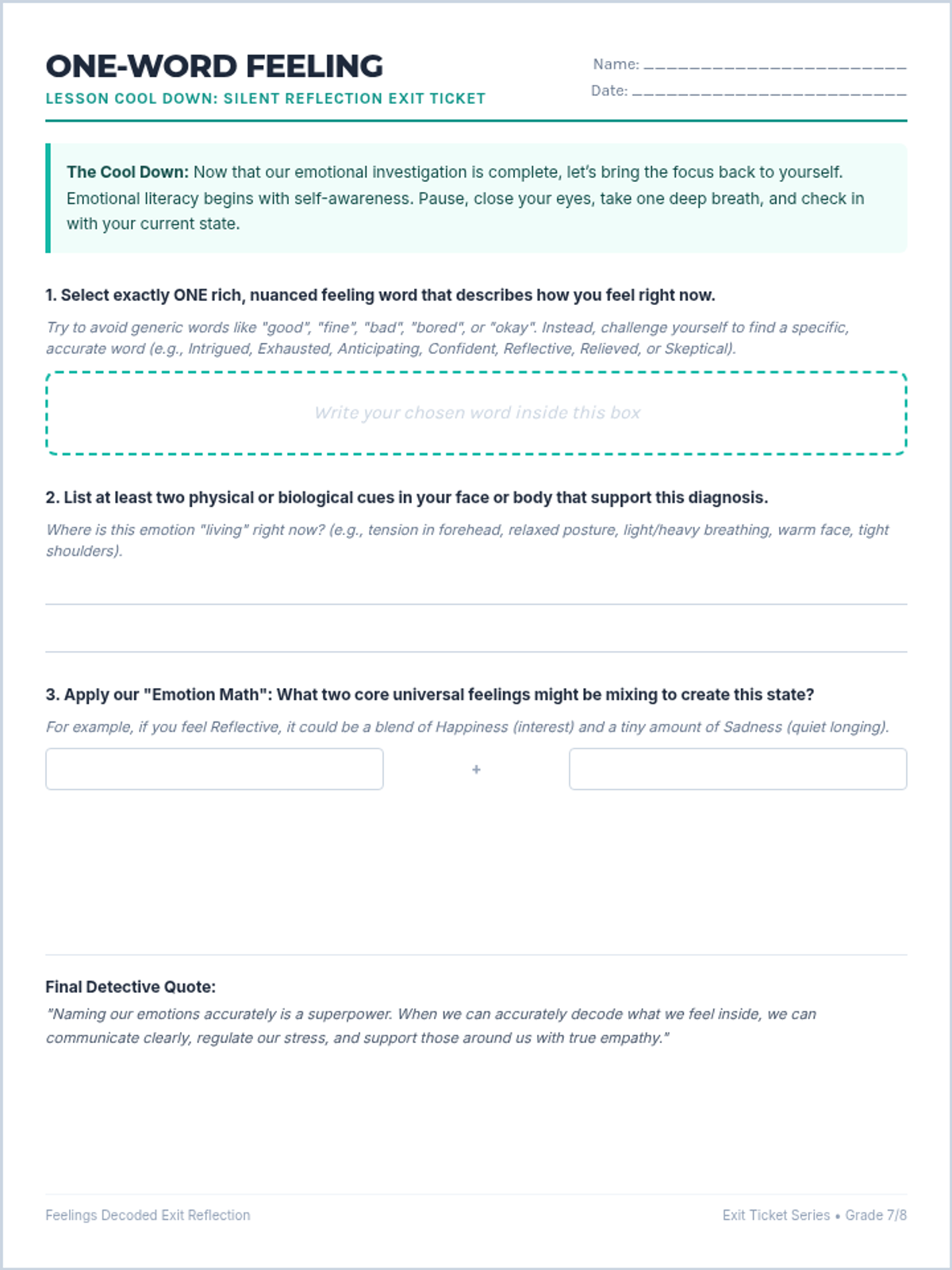
An interactive, psychologically grounded lesson for Secondary 1 and 2 students (ages 12-14) to develop emotional literacy, decode complex micro-expressions, and build social-emotional awareness. Through multi-sensory activities, presentation materials, and structured reflections, students learn to analyze emotional cues and articulate feelings accurately.
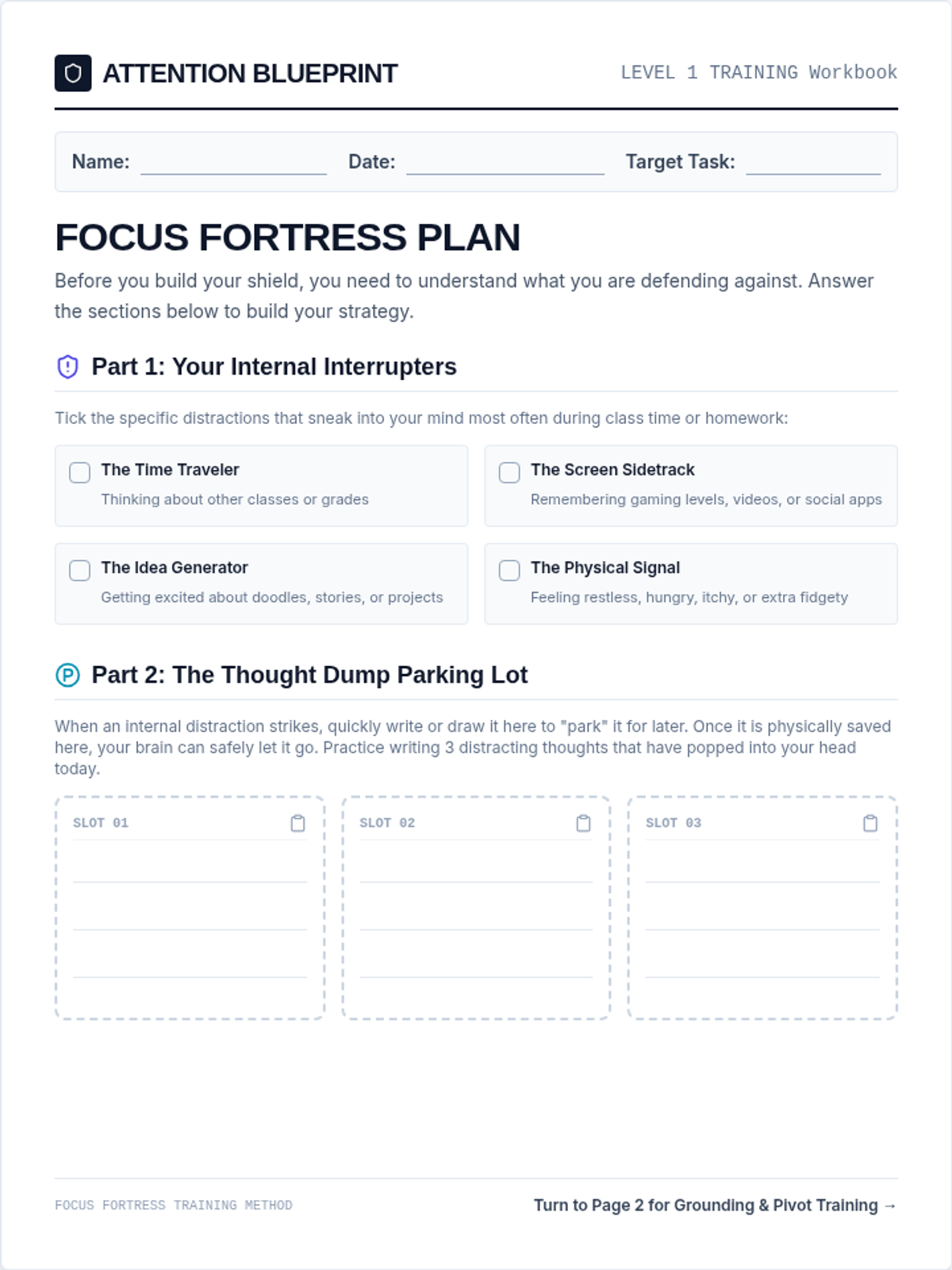
A lessons designed to teach students how to identify and conquer internal distractions using three core strategies: Thought Dumping, Mindful Grounding, and Self-Talk & Redirection.
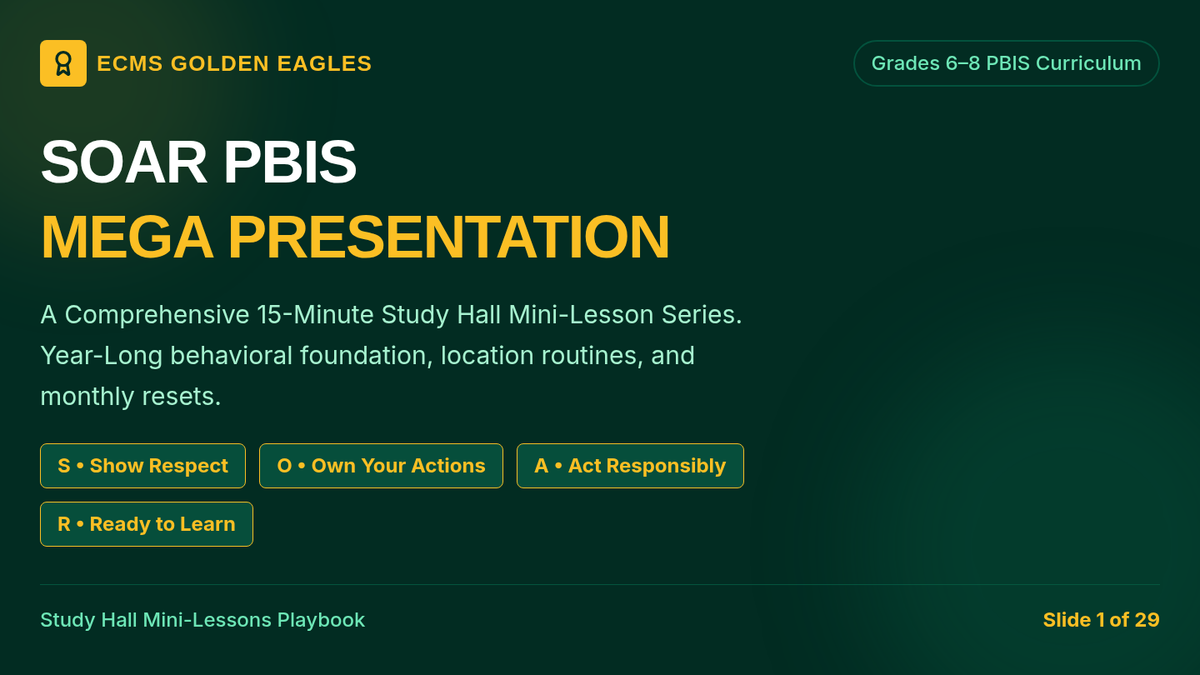
A schoolwide PBIS curriculum designed for Grades 6-8 to establish, model, and reinforce positive behaviors across all settings. Includes Week 1 foundation, Week 2 location-specific routines, and Year-Long Monthly resets.
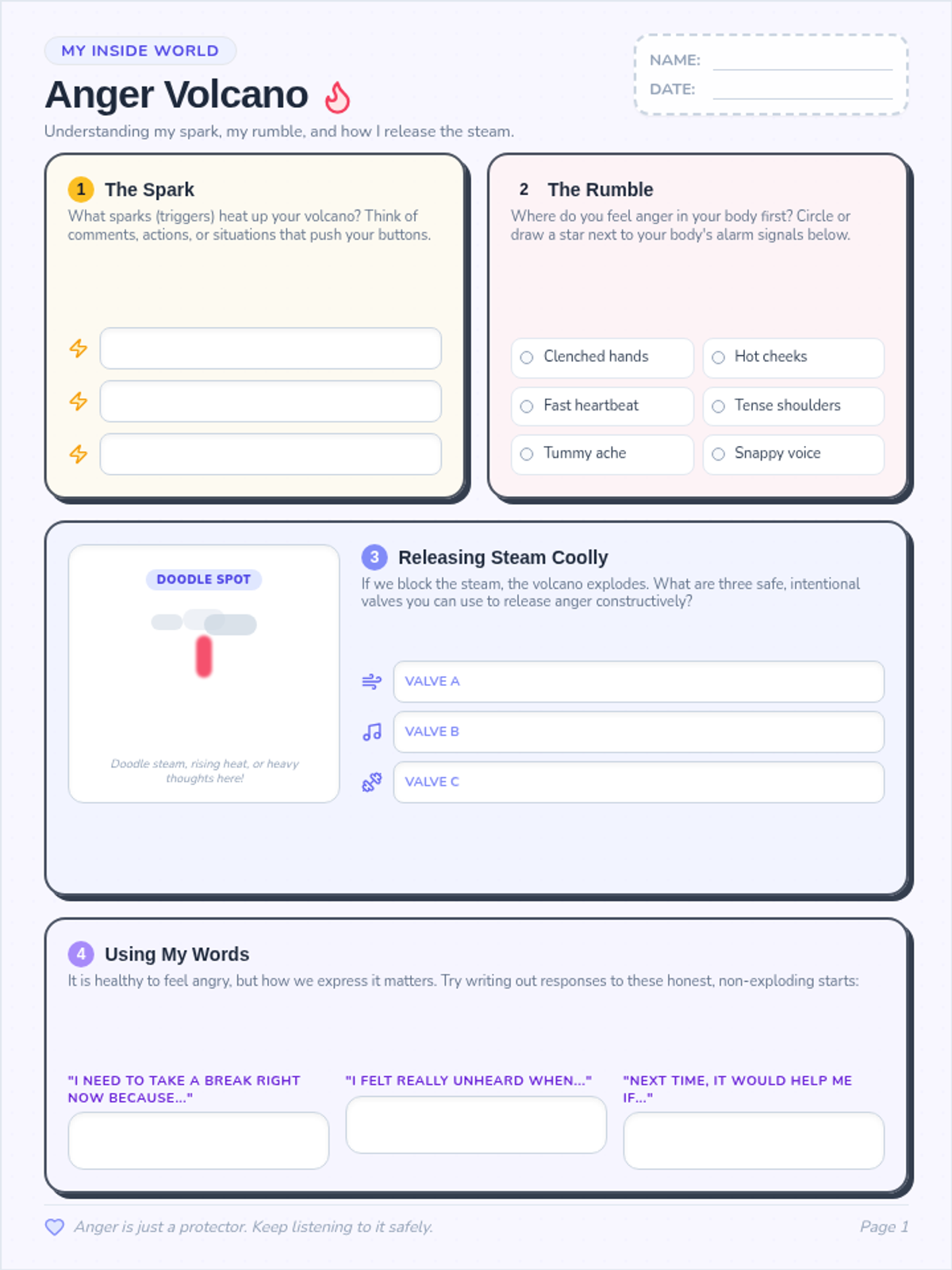
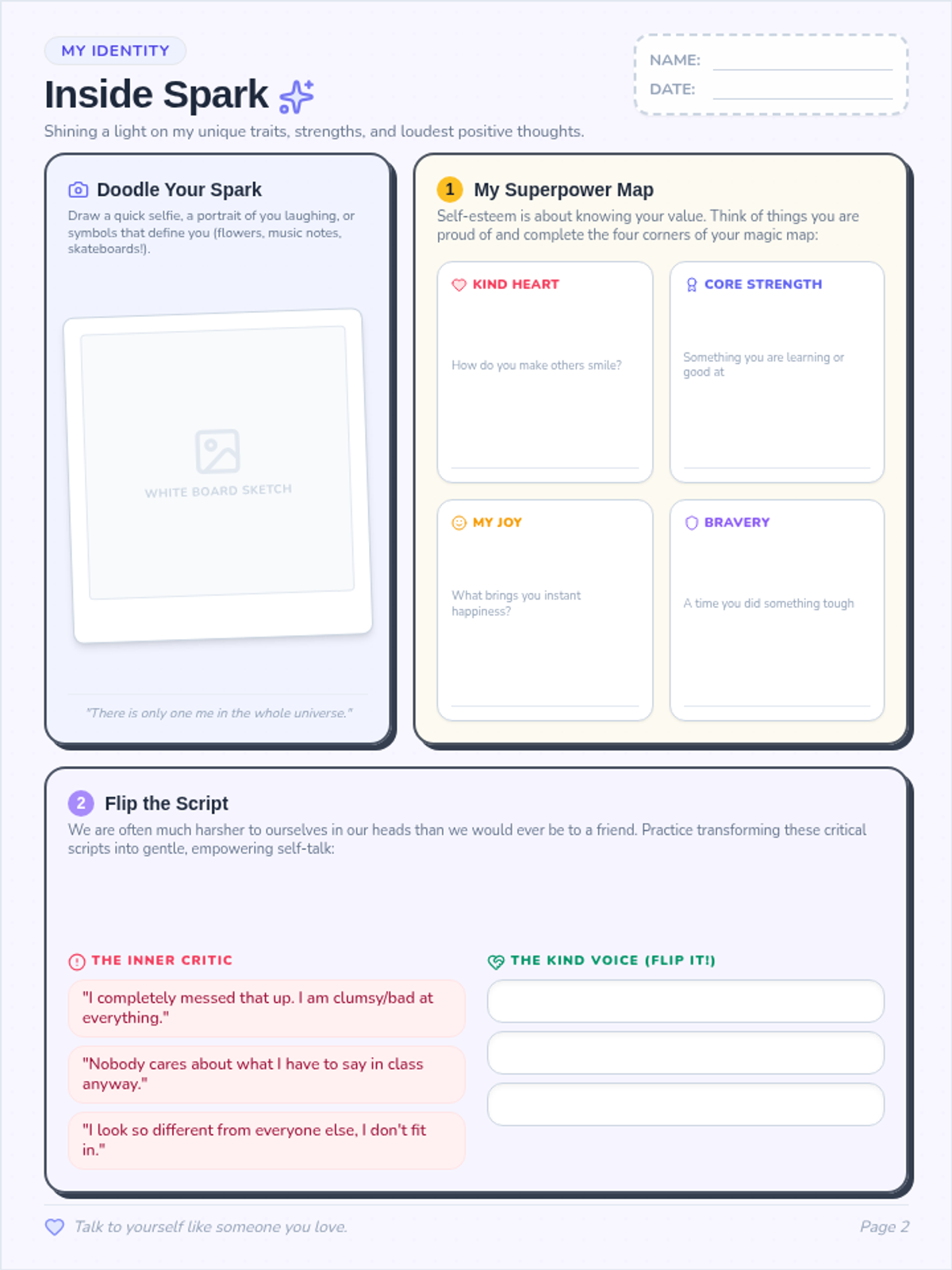
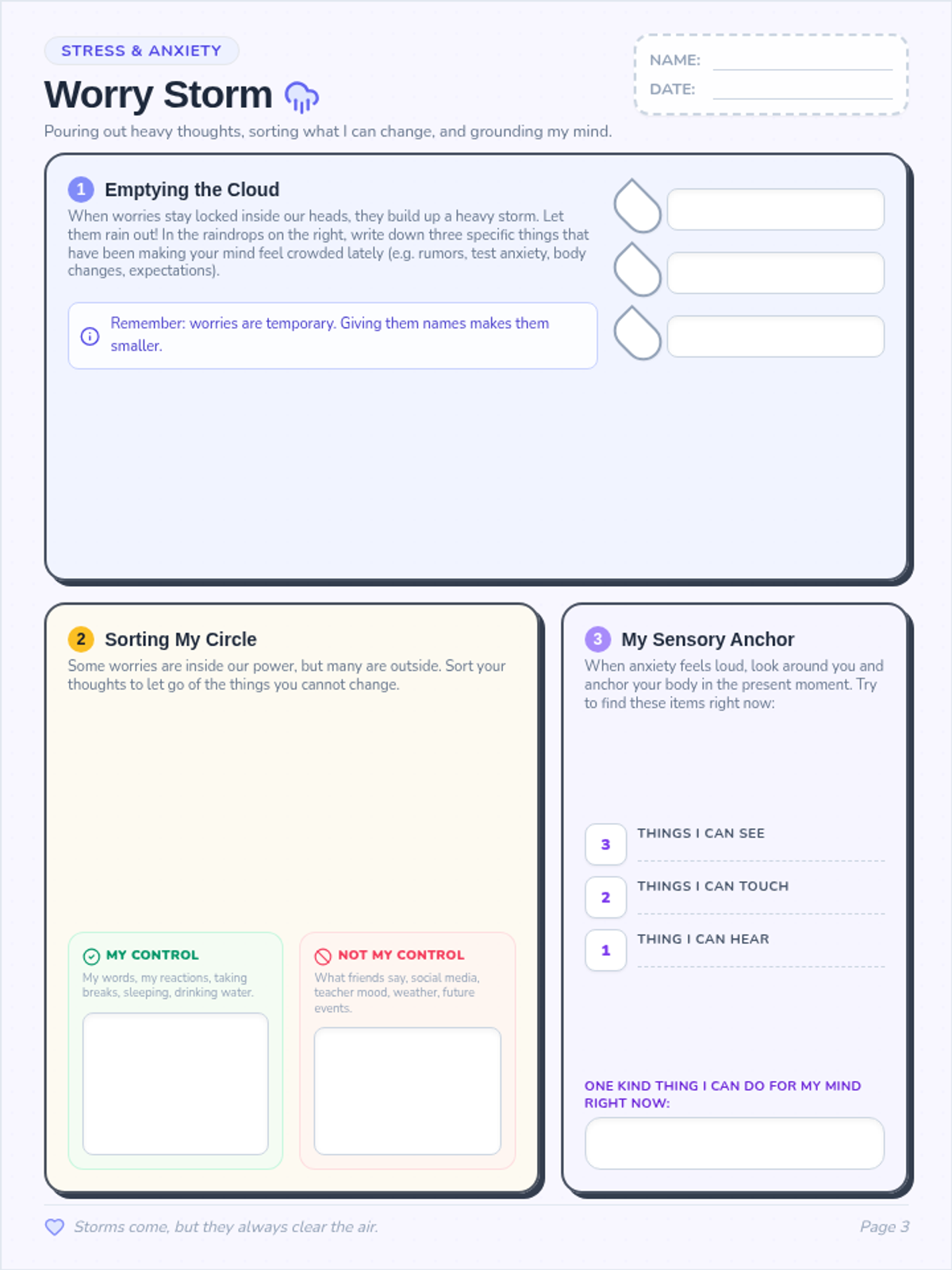
A collection of highly engaging, sketchbook-style journaling worksheets designed specifically for 12-year-old girls. This lesson focuses on self-esteem, managing stress and anxiety, navigating friendships, and constructively communicating and expressing anger.
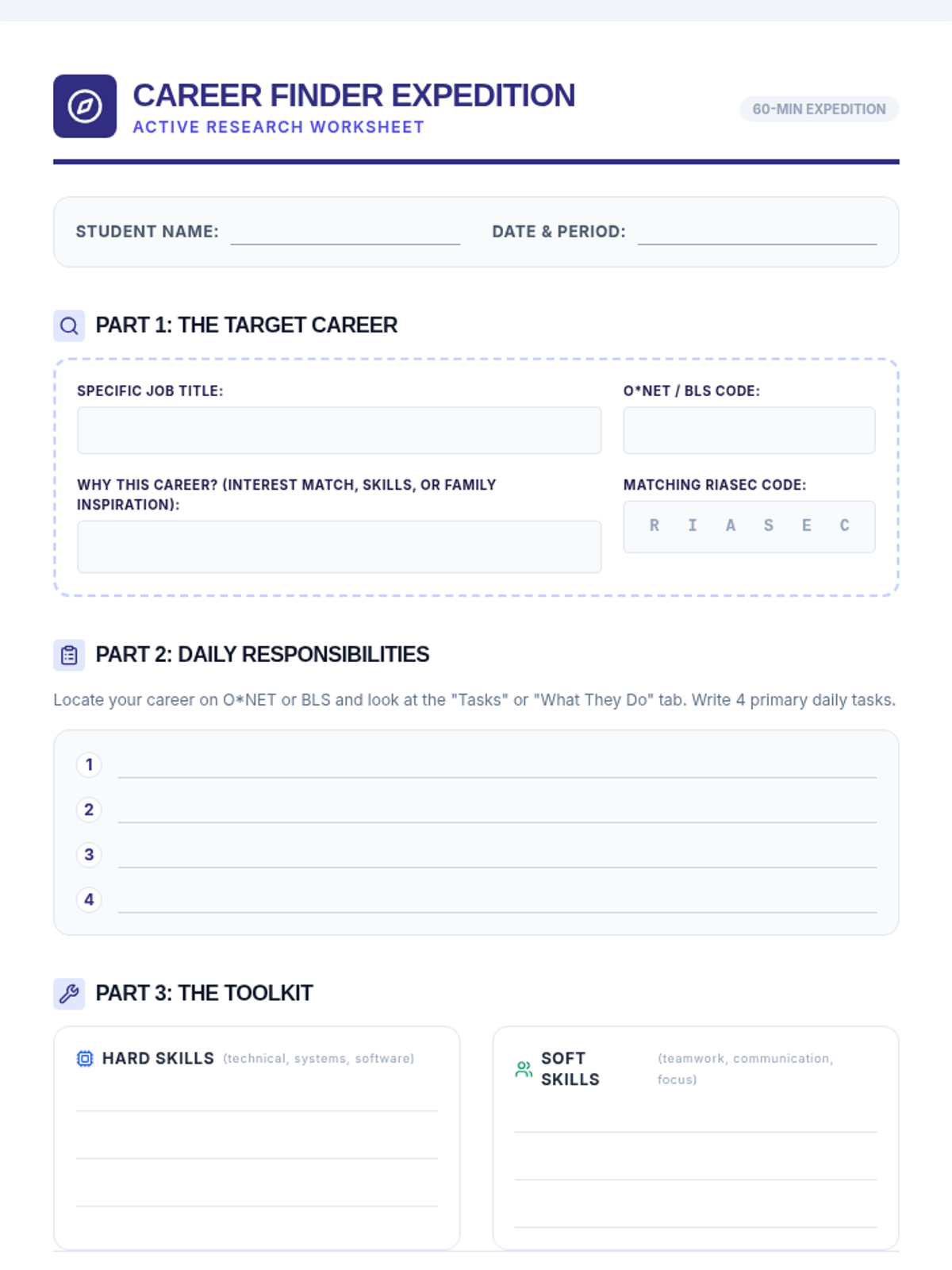
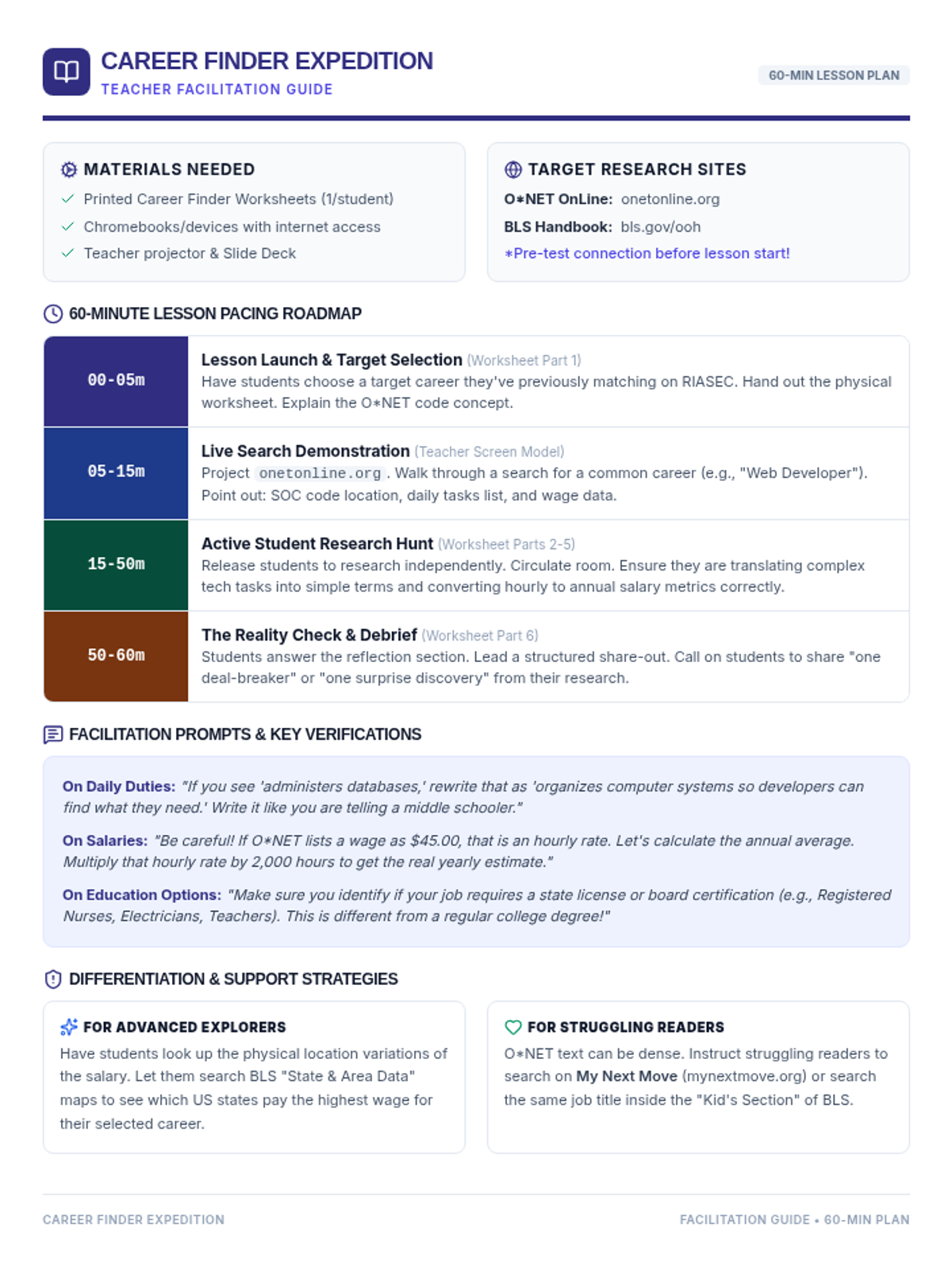
A 60-minute active career investigation lesson where students select a career matching their RIASEC interests, conduct live research using O*NET/BLS, and map out requirements, salary metrics, and key skills.
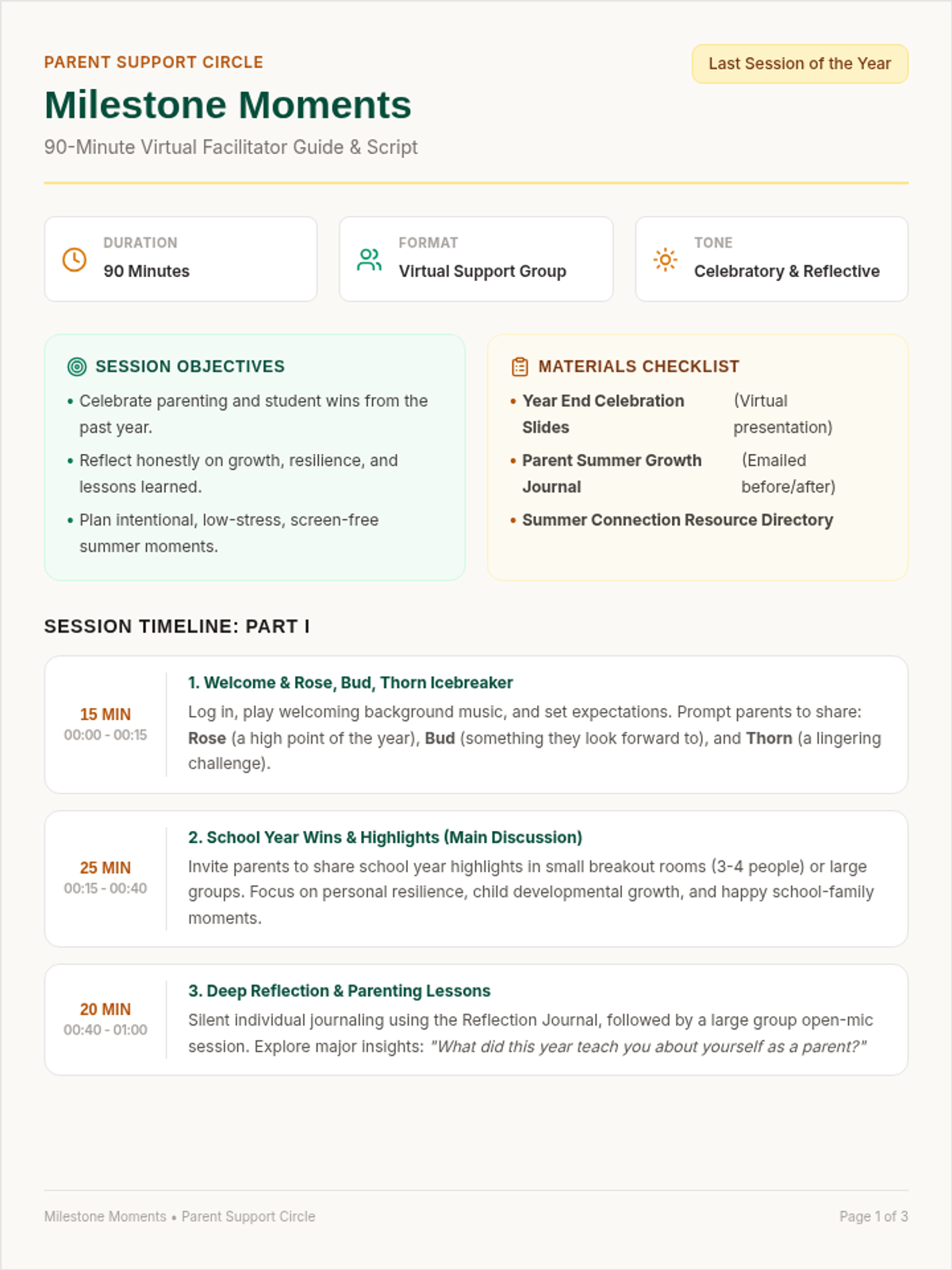
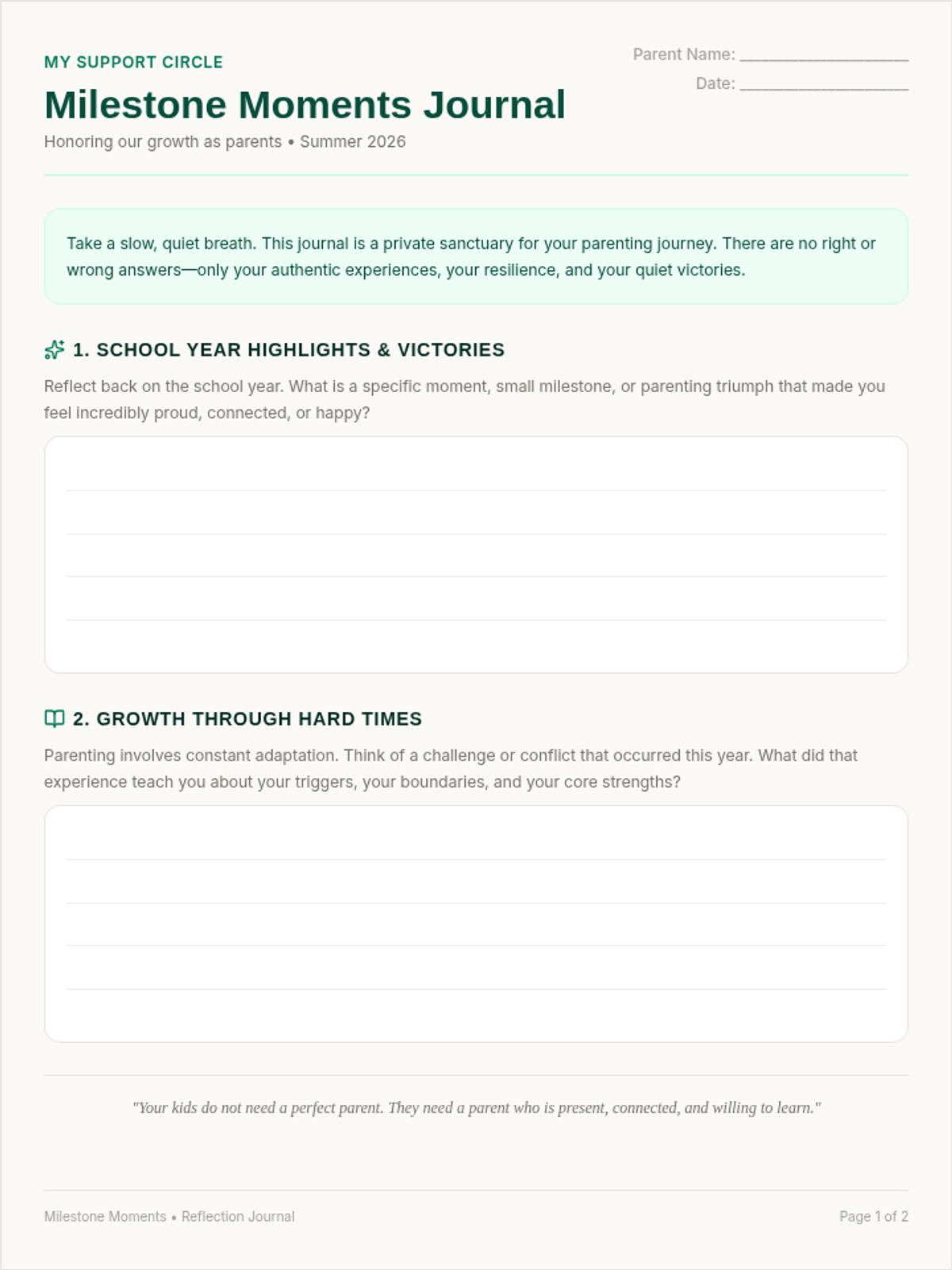
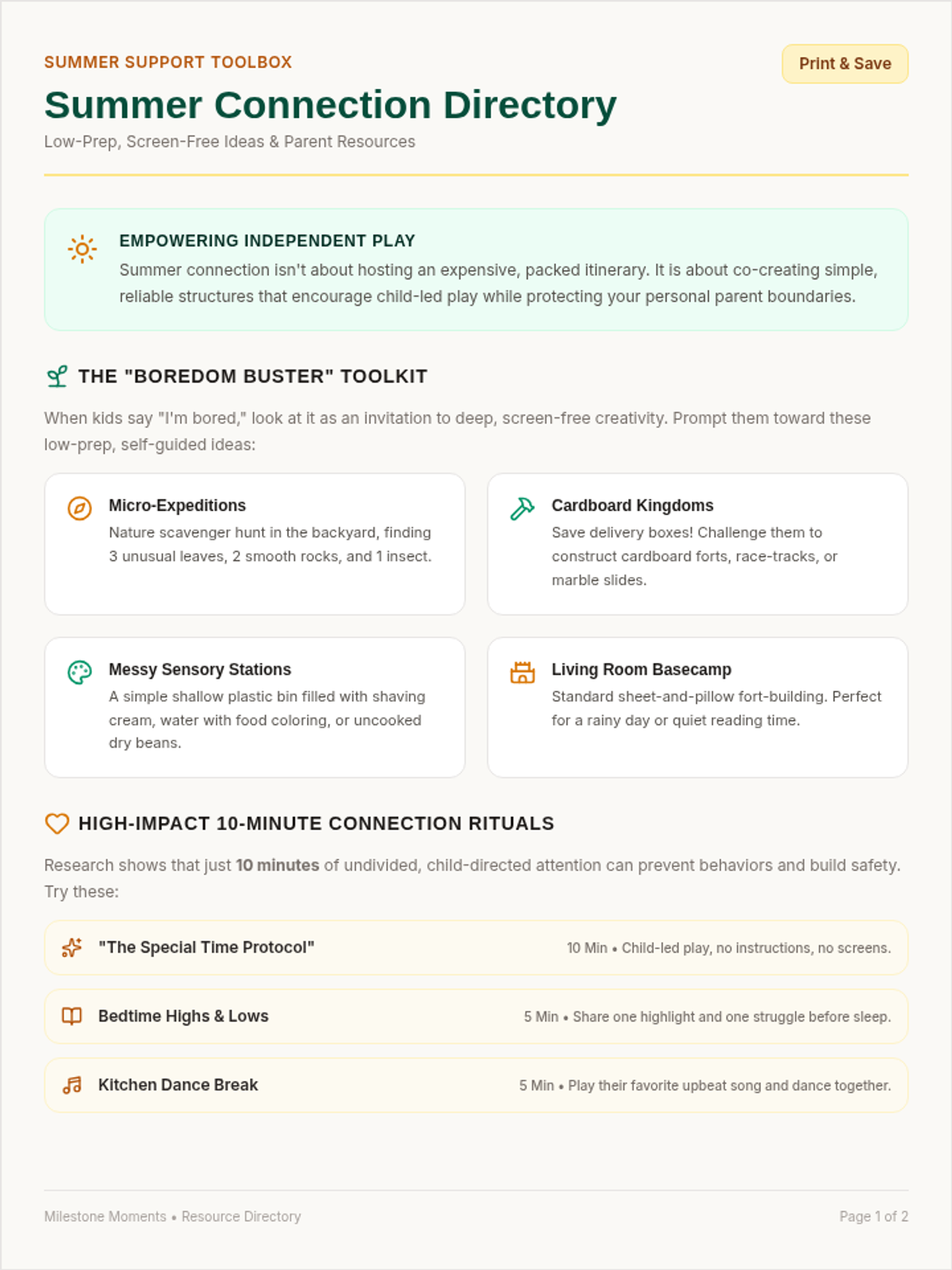
A warm, celebratory parent support group session focused on reflecting on school year successes, planning screen-free summer adventures, and setting growth goals.
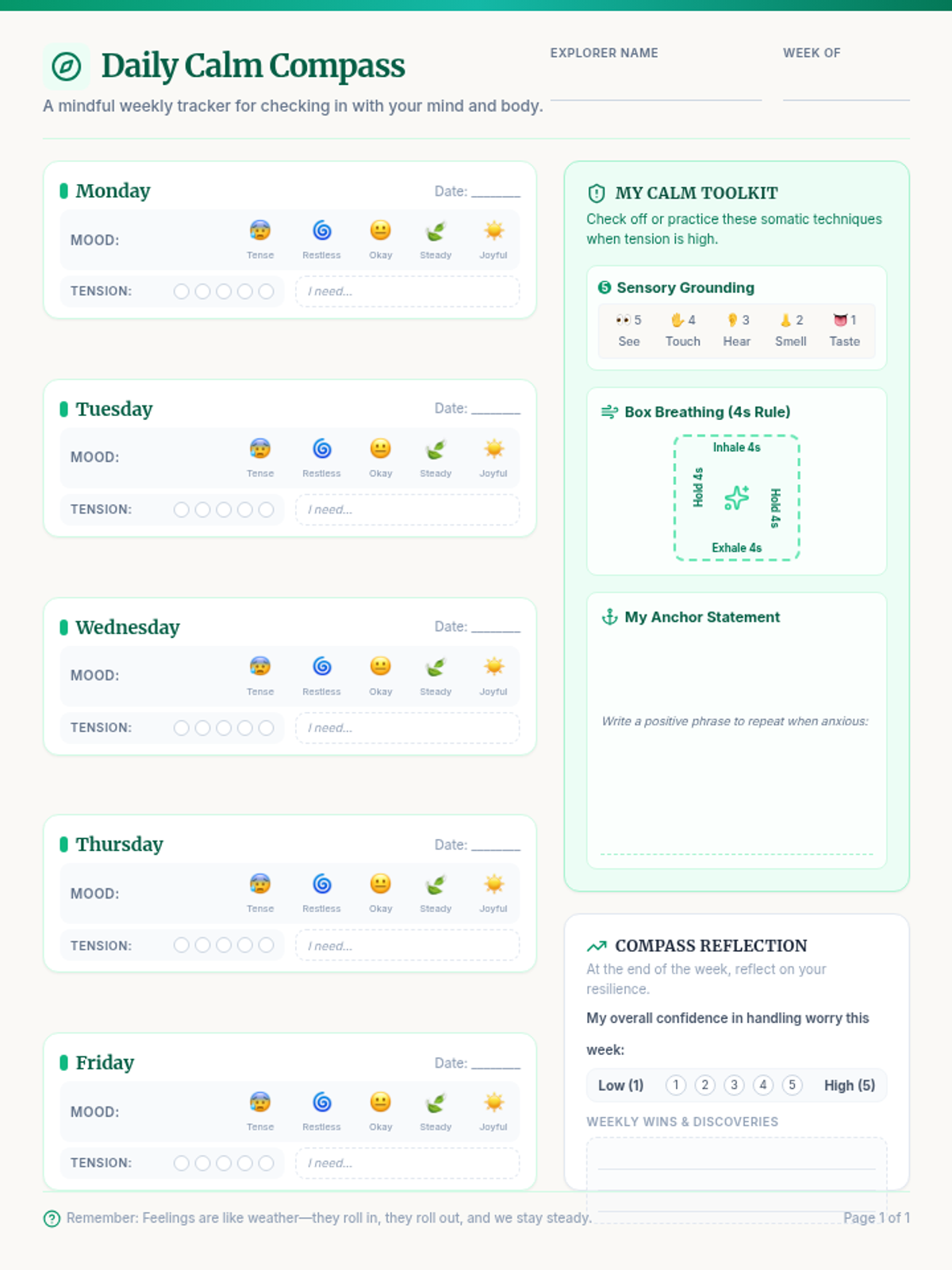
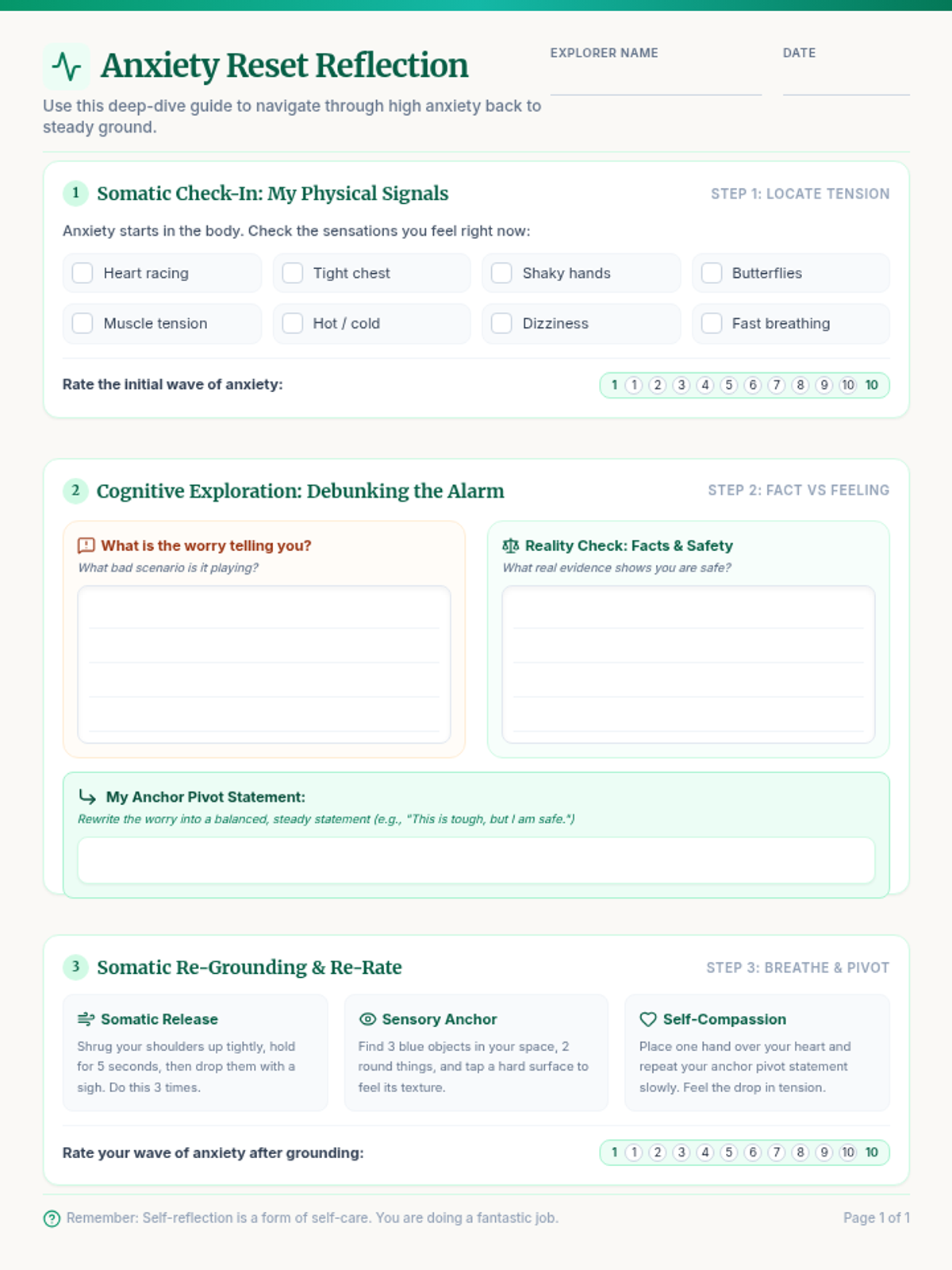
A therapeutic toolkit and instructional guide designed to help individuals understand, track, and navigate anxiety. This lesson combines daily visual tracking with cognitive-behavioral and somatic grounding techniques to build emotional resilience and self-regulation skills.
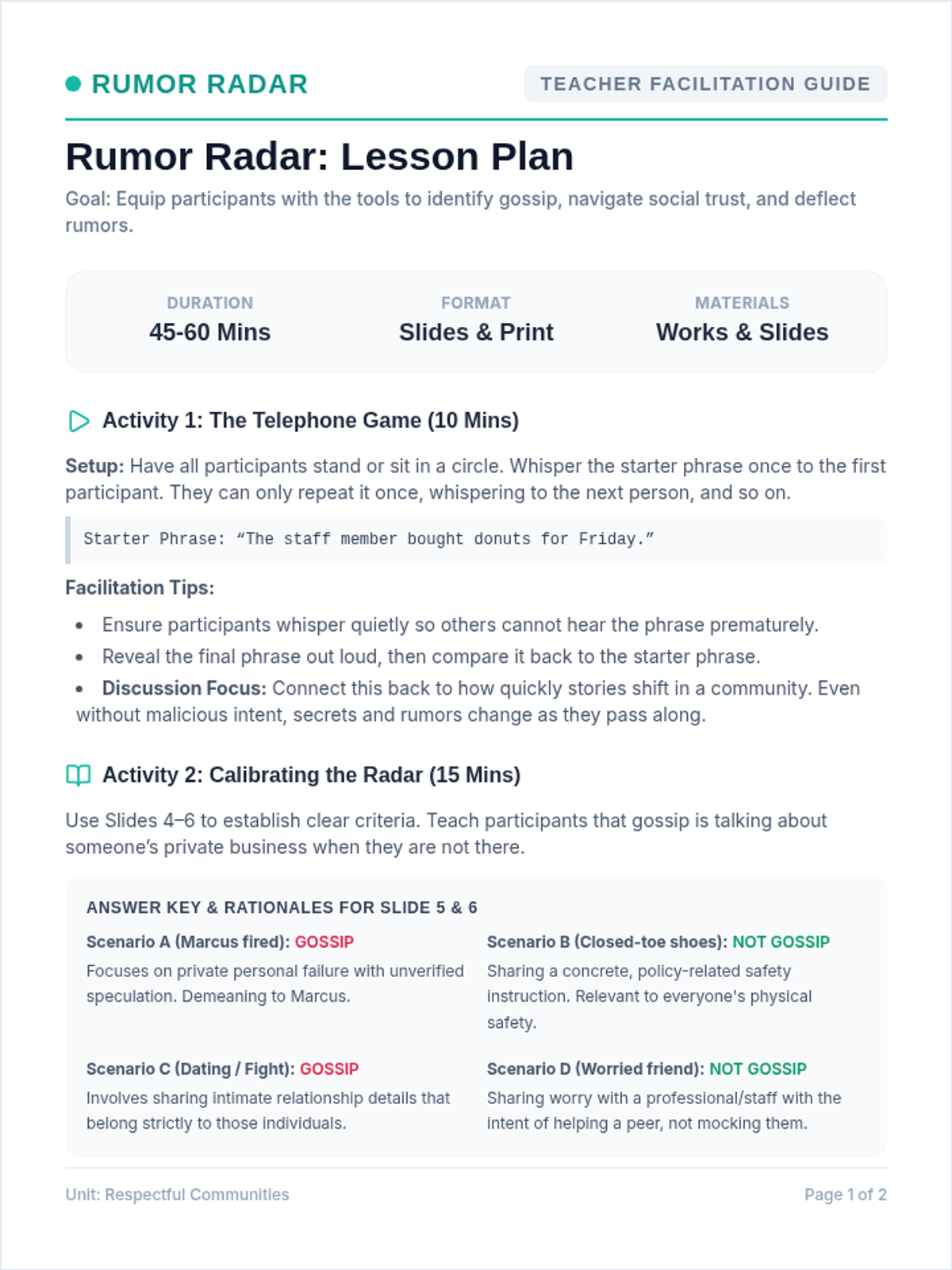
A dynamic lesson designed to help participants understand the impact of gossip, how rumors spread, and how to build healthy, respectful communication habits using visual scenarios and discussion prompts.
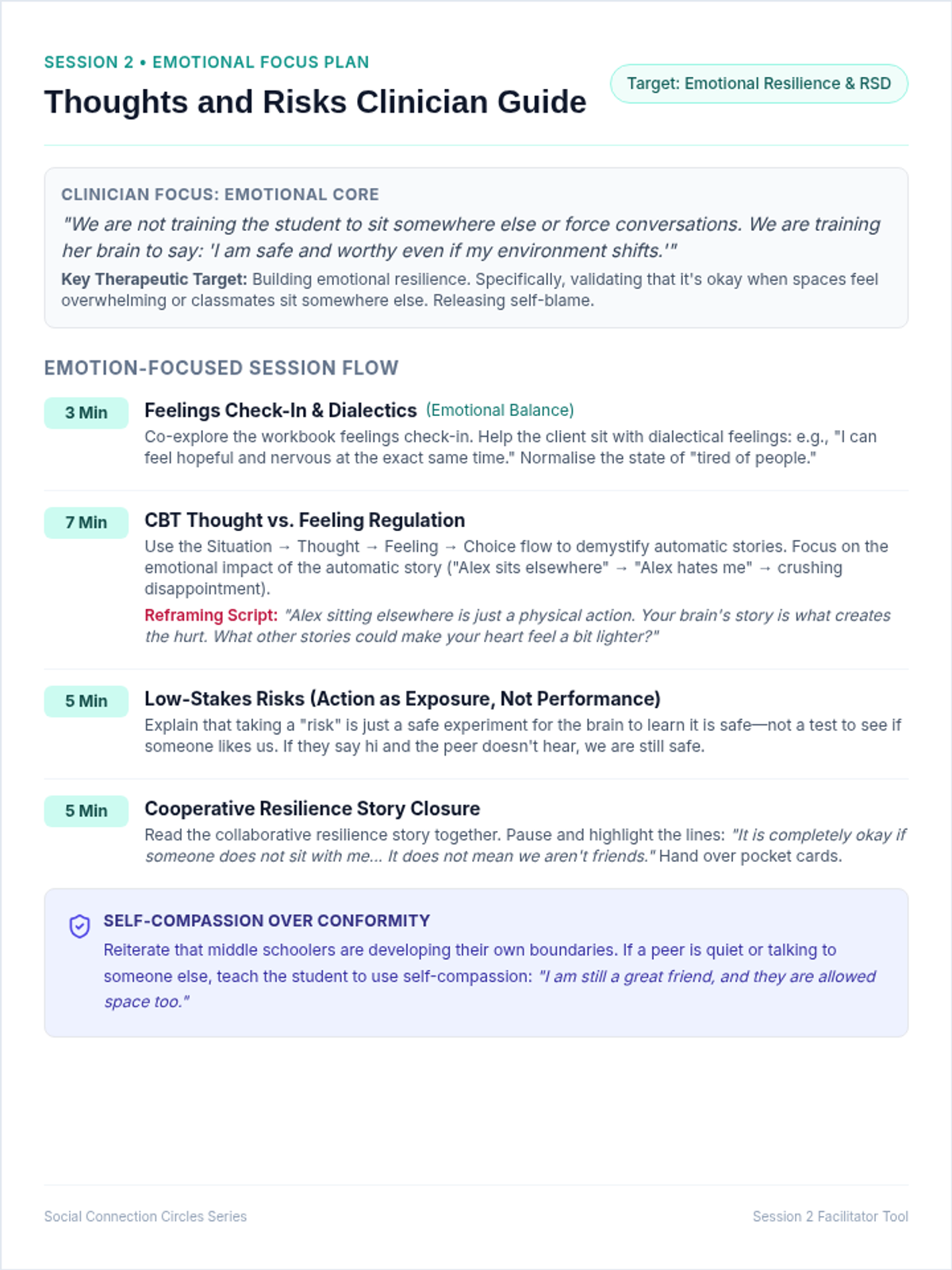
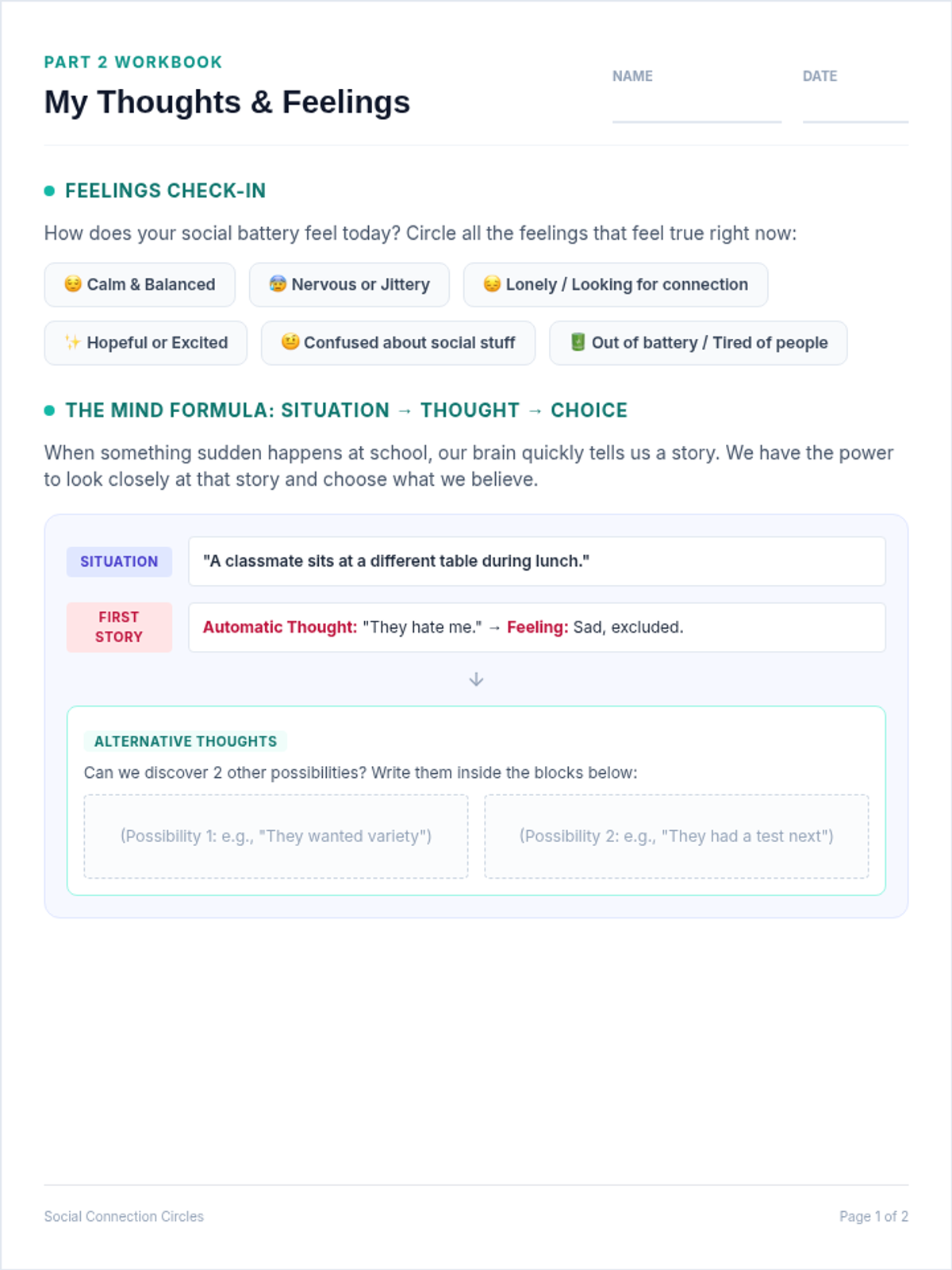
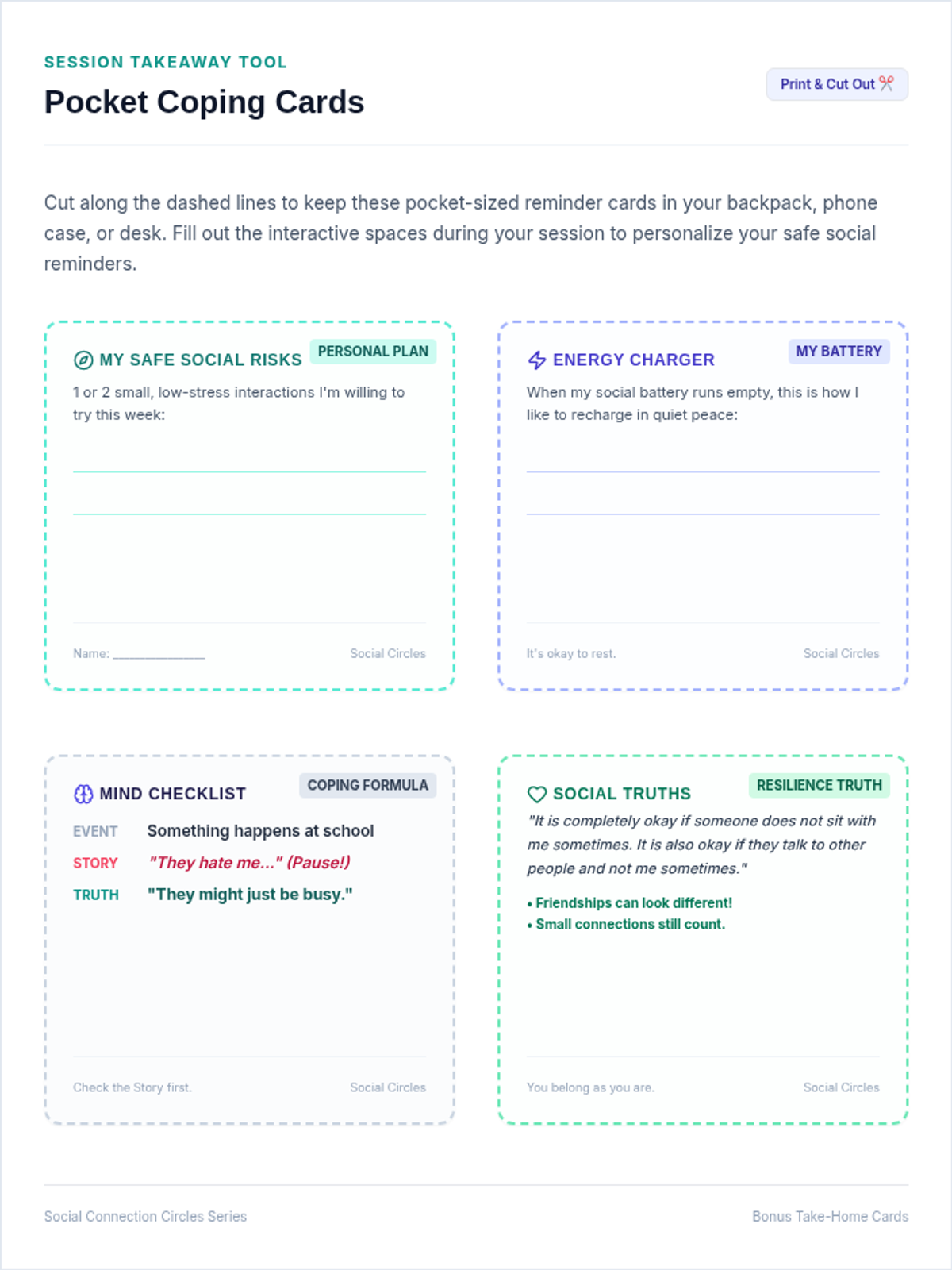
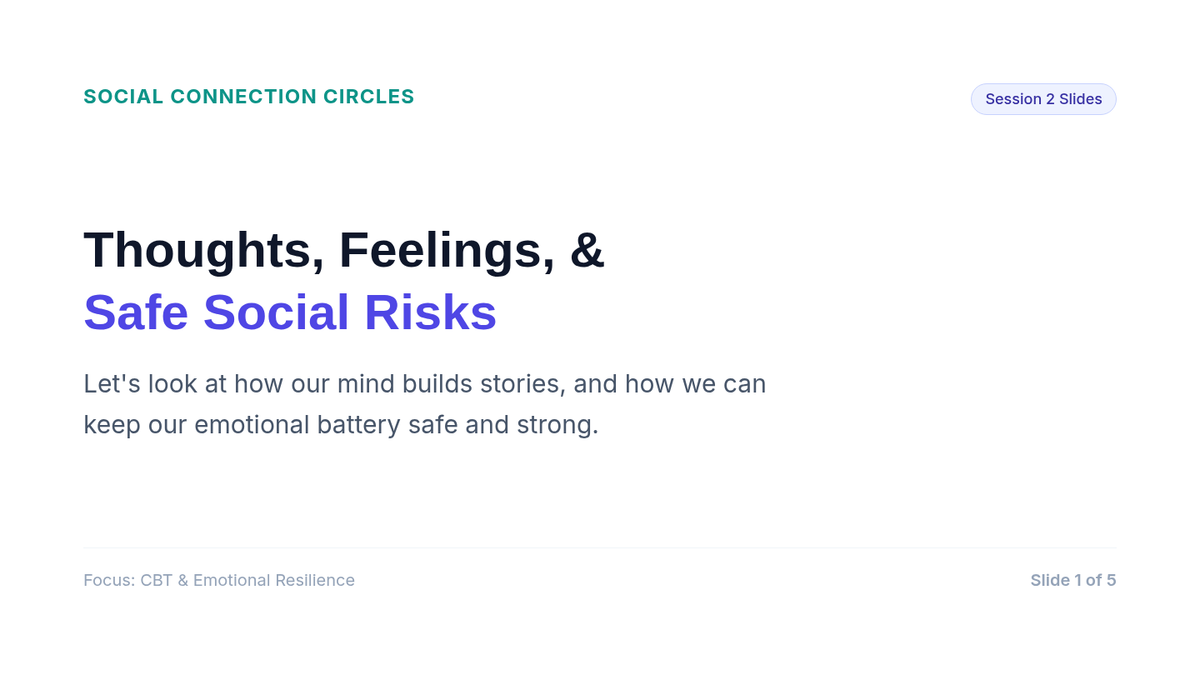
Session 2 focuses on cognitive-behavioral reframing of rejection-fears, identifying the difference between feelings and absolute thoughts, and drafting highly personalized, low-stakes safe social risks.
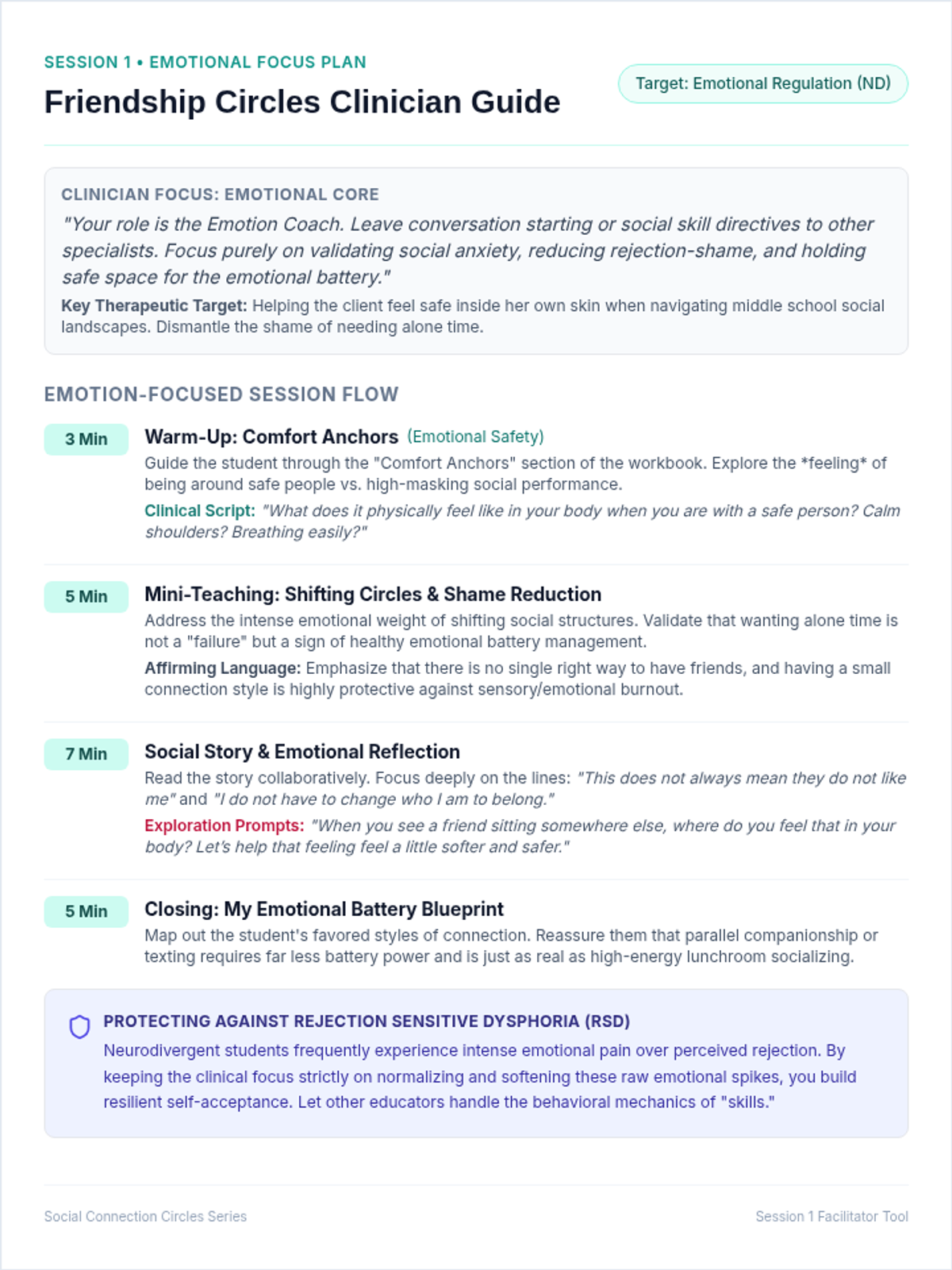
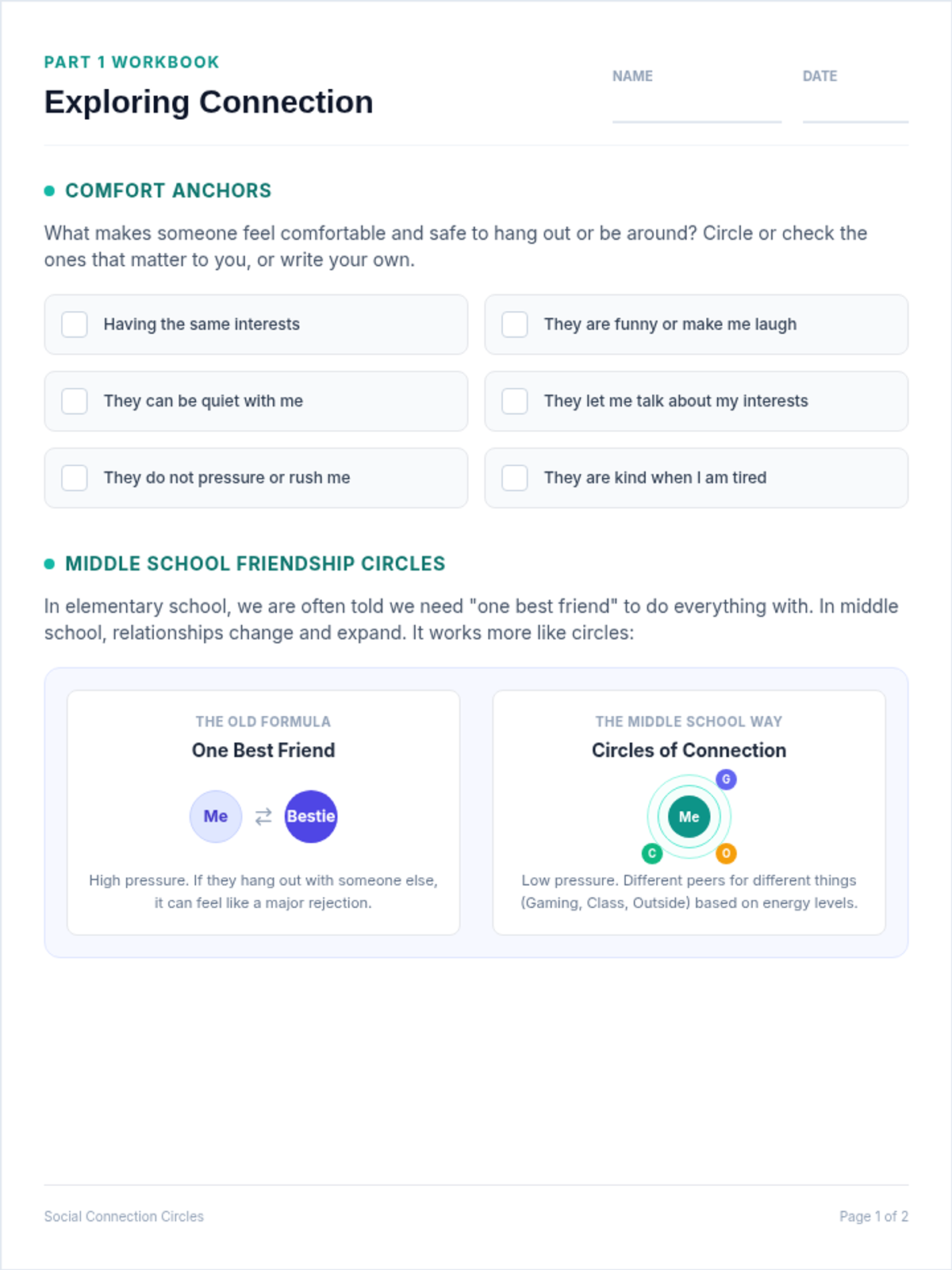
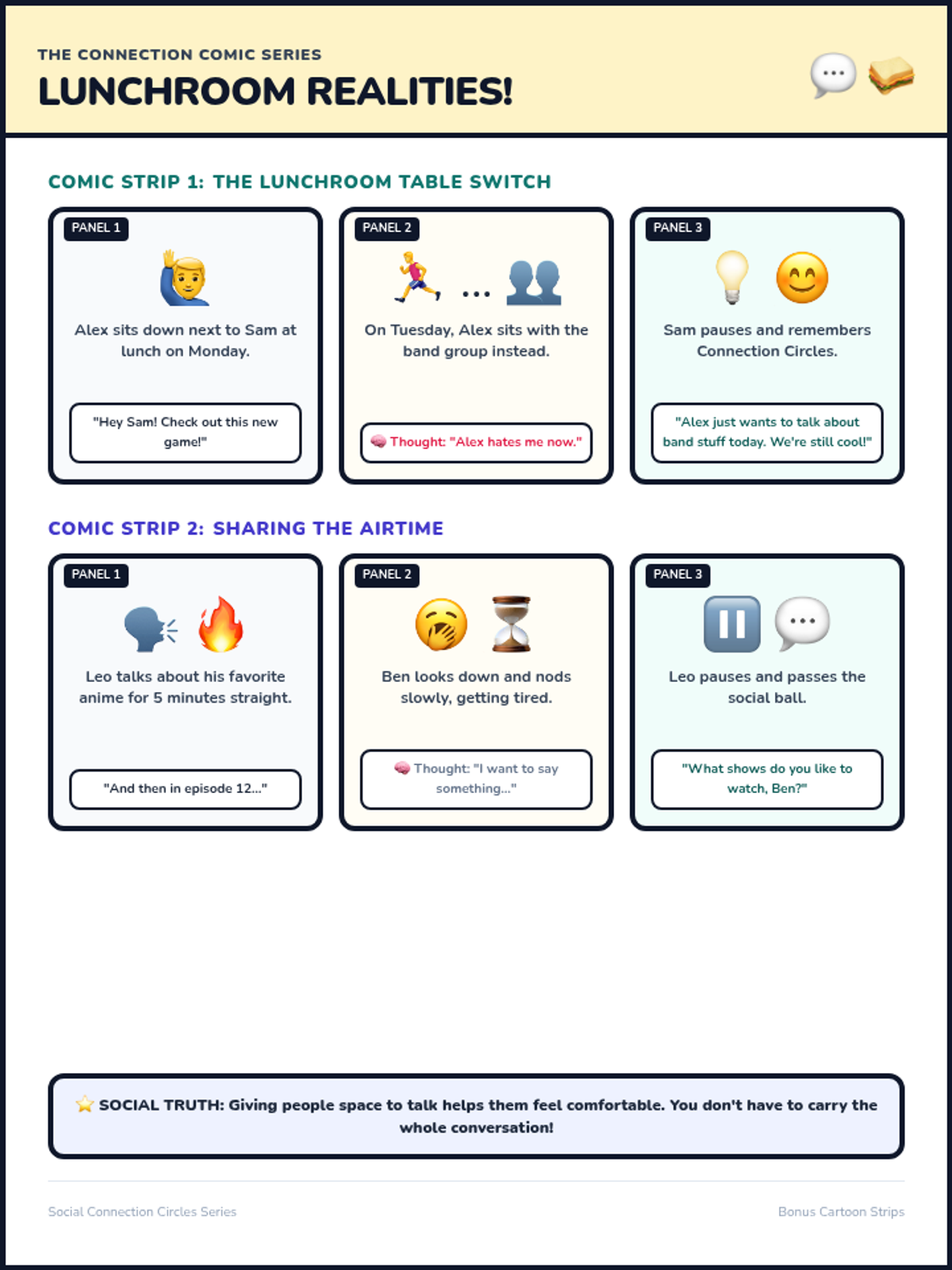
Session 1 focuses on redefining friendship in middle school, moving from a single strict standard of friendship to a nuanced circle layout that respects individual social batteries and neurodivergent connection styles.
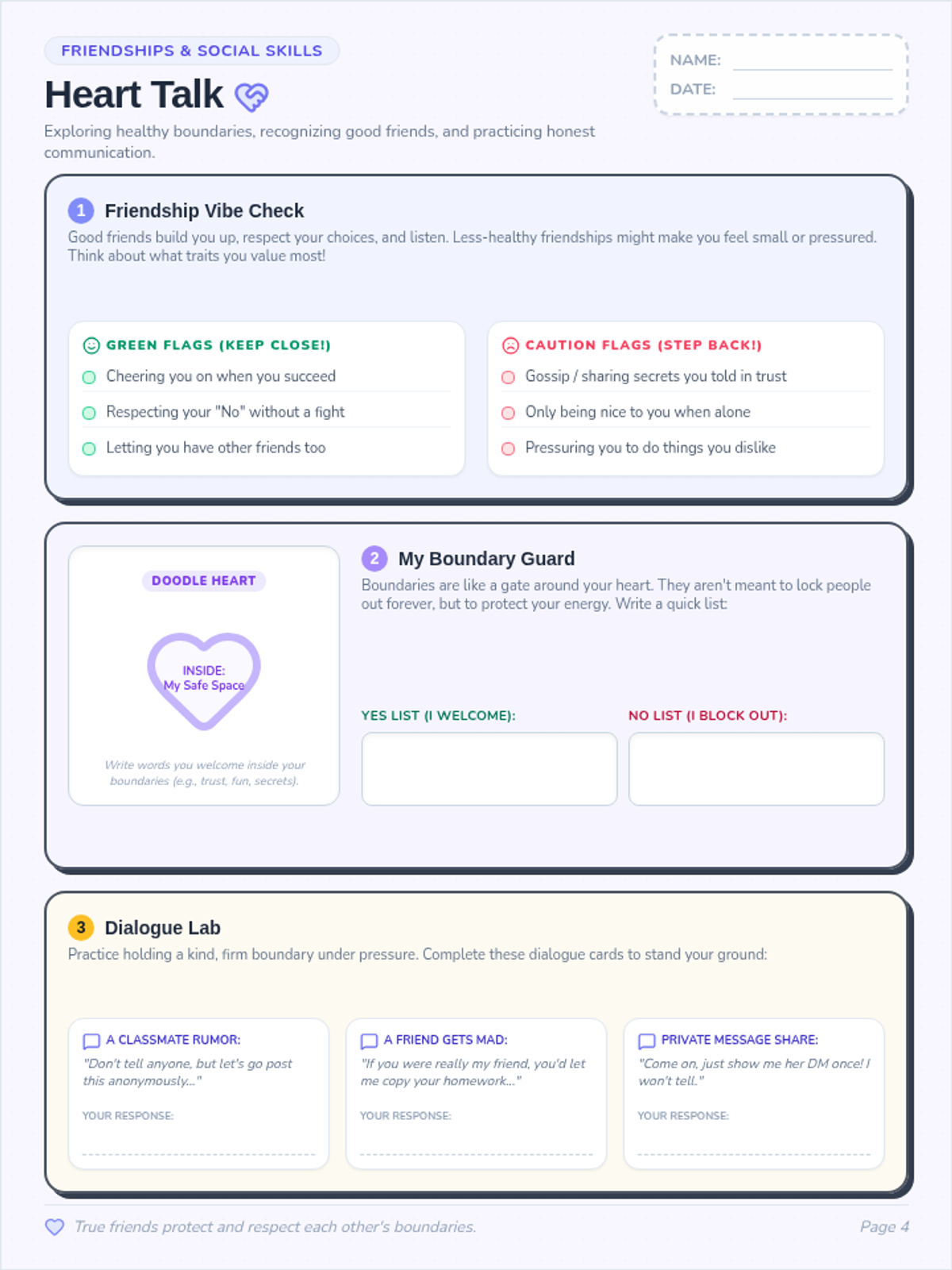
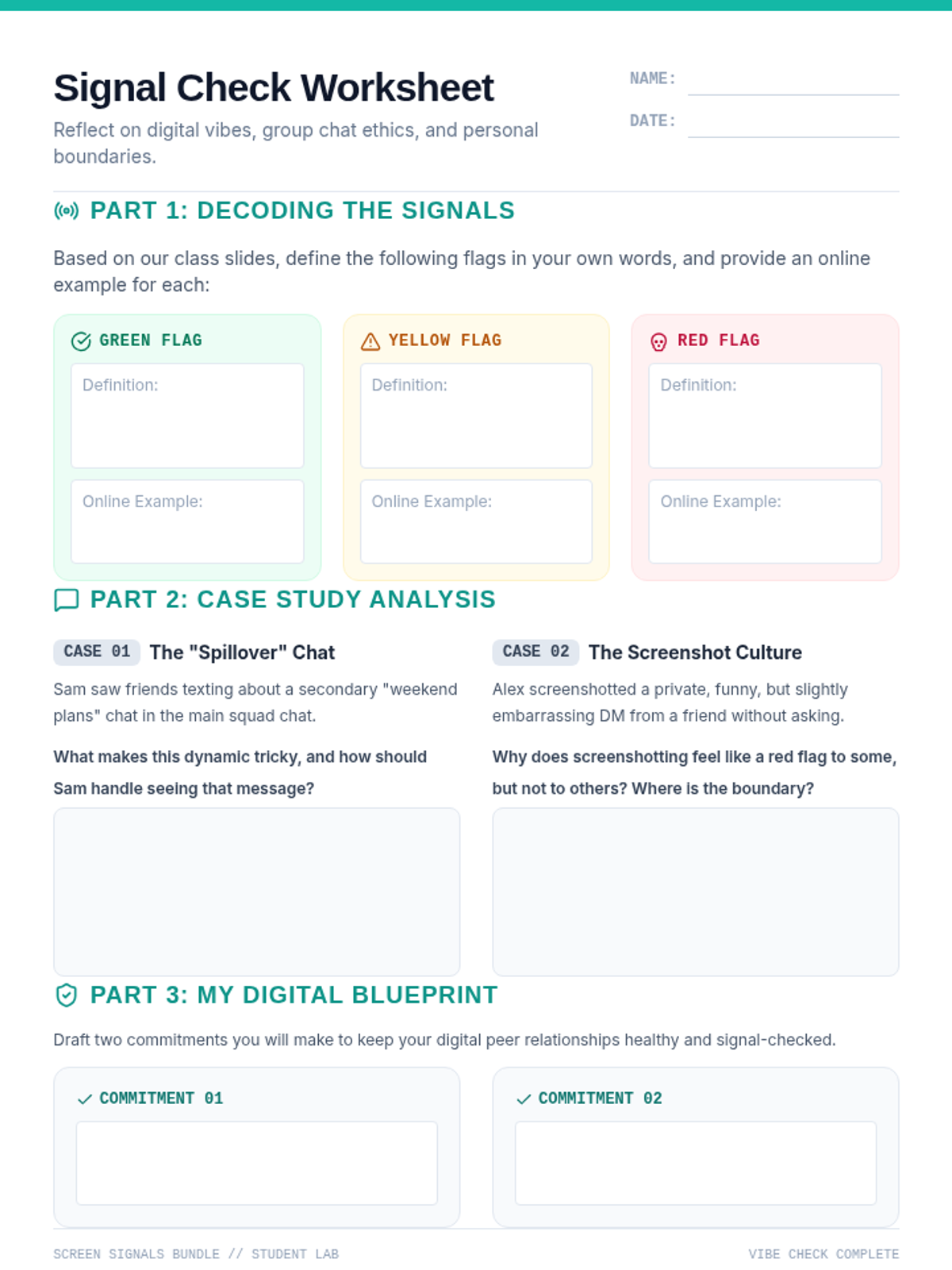
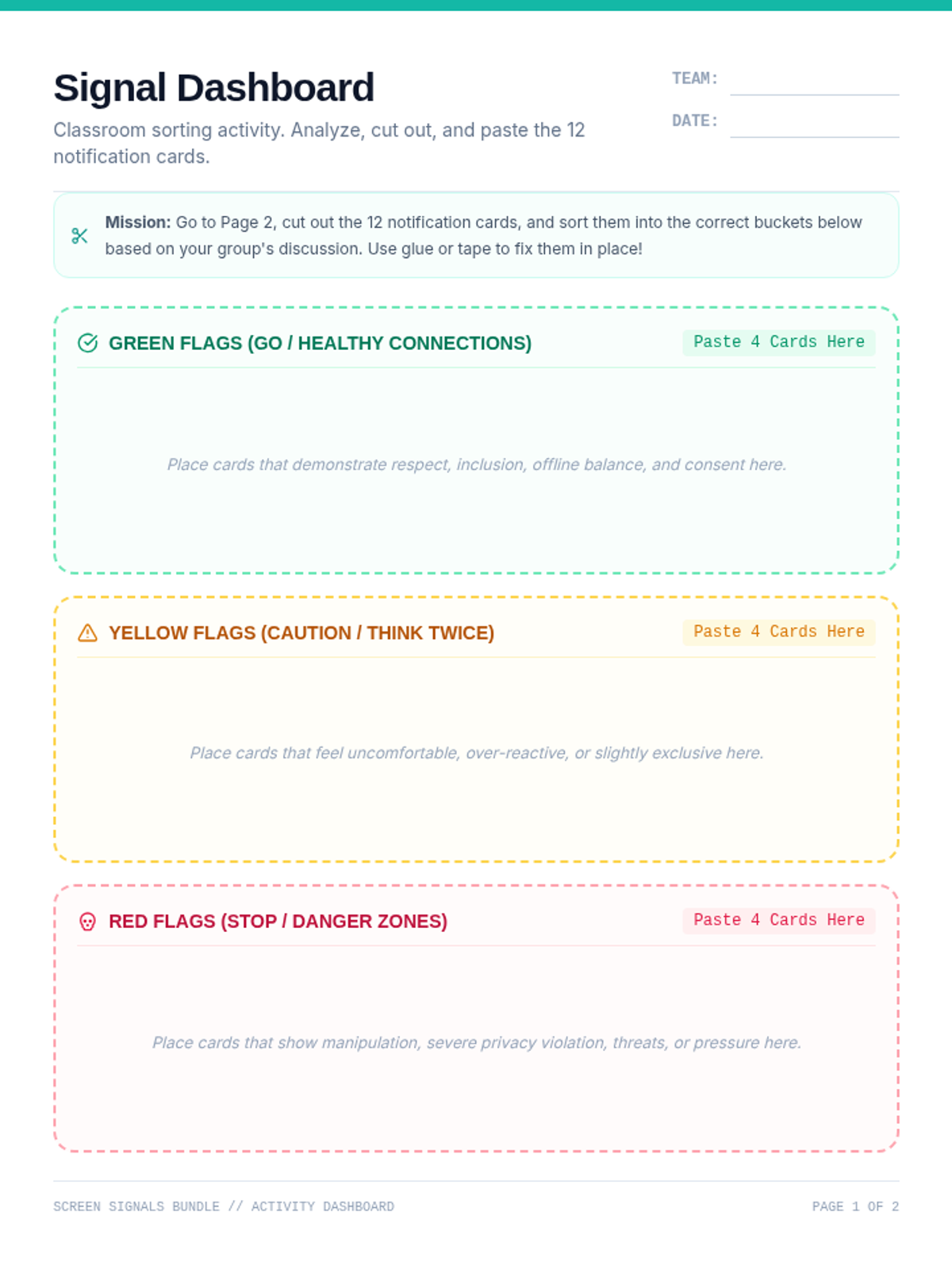
A middle school lesson bundle on navigating the green and red flags of digital peer relationships, covering group chats, social media boundaries, and texting dynamics.
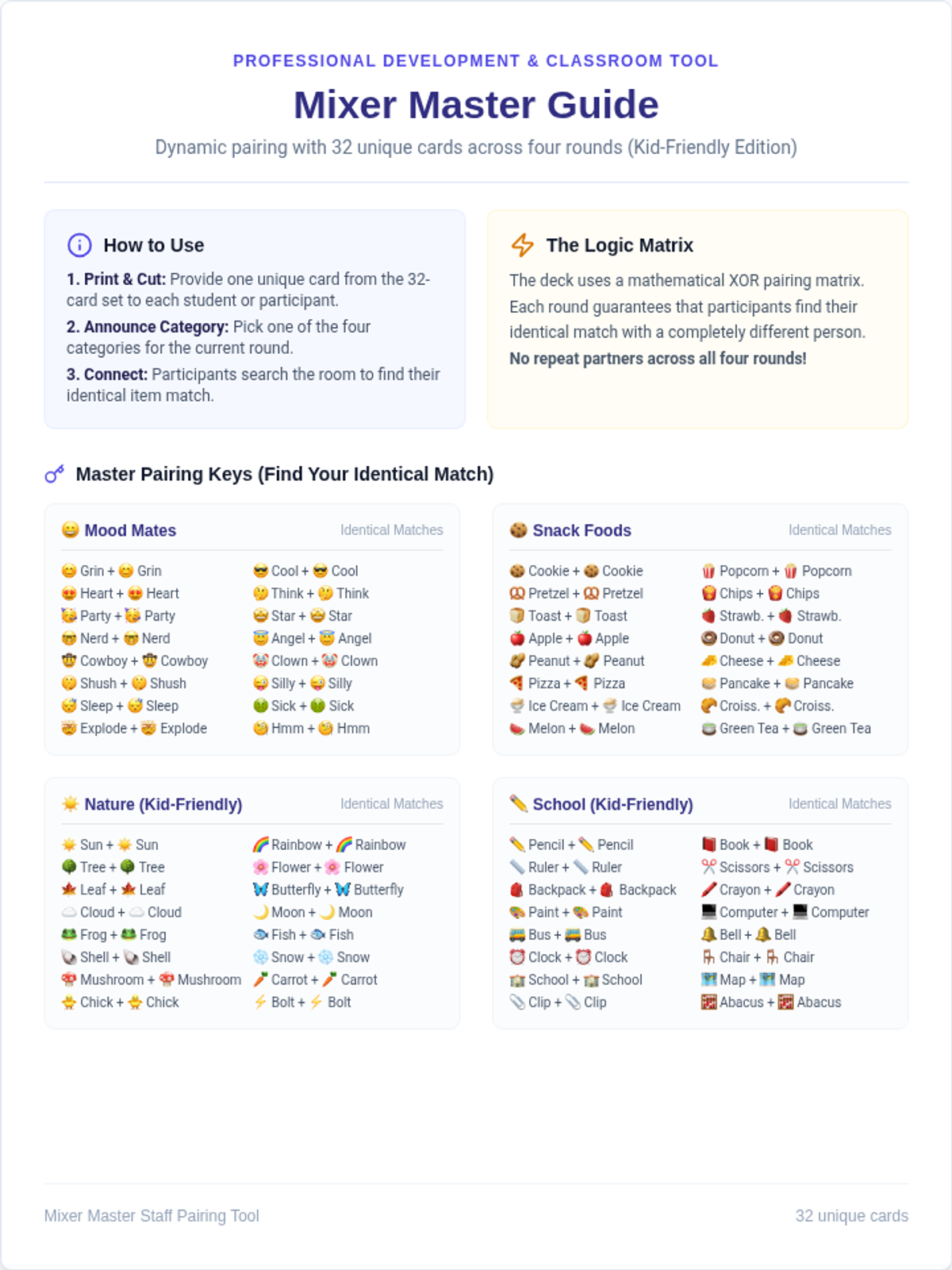
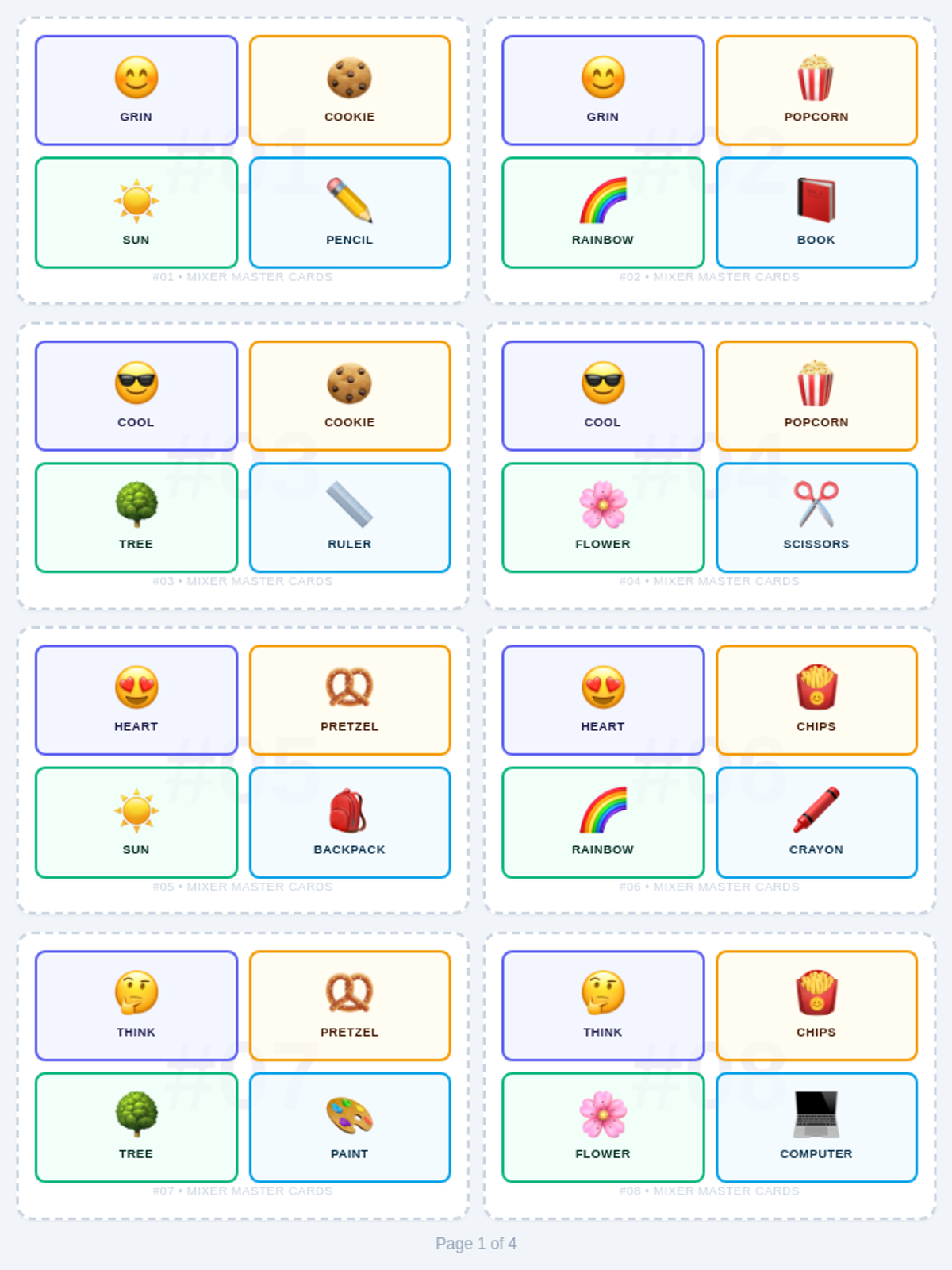
A lesson designed to facilitate quick, dynamic staff pairing and mixing during professional development sessions, utilizing a 32-card XOR matrix across four categories.