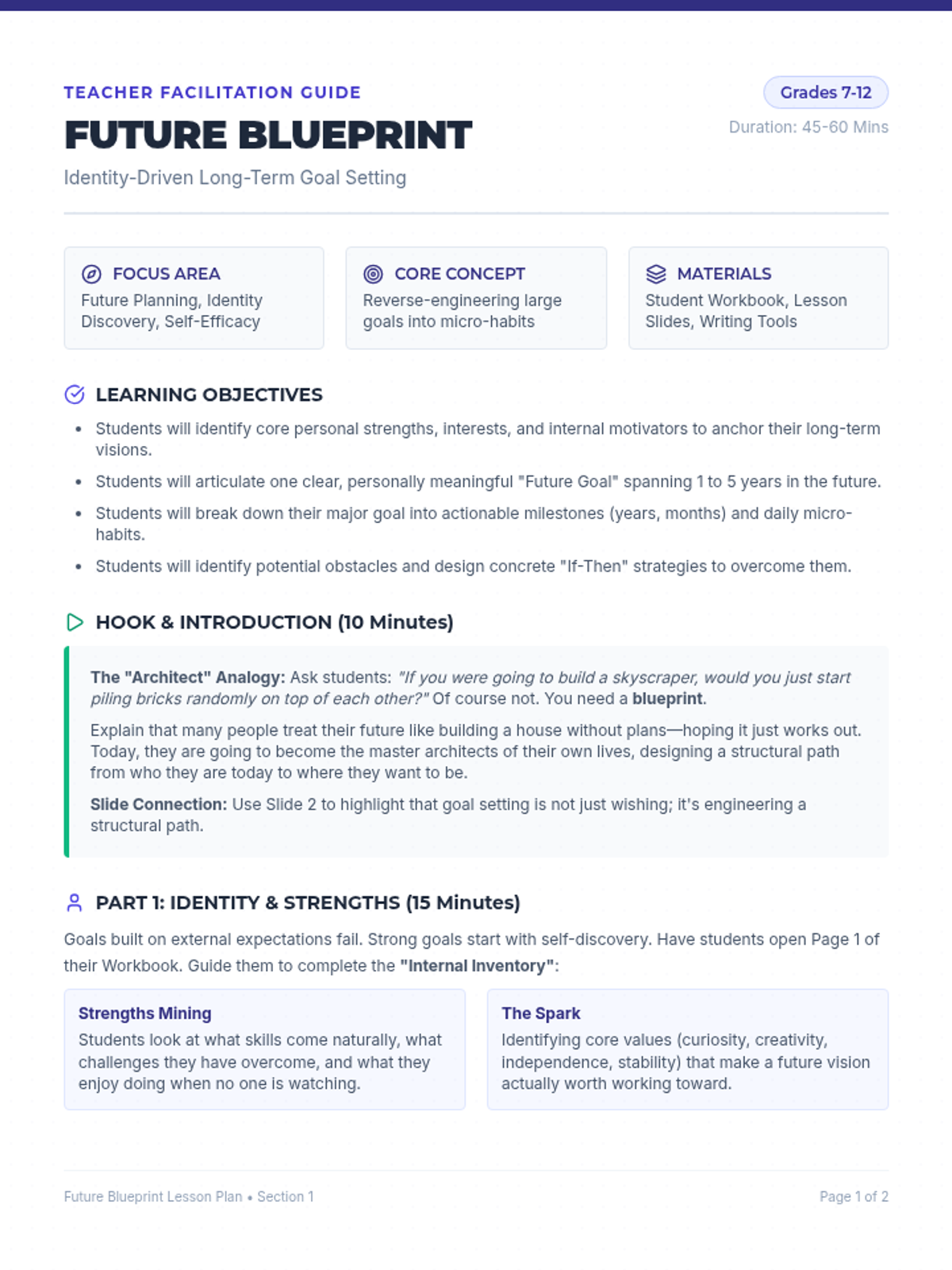
Students define a financial goal (e.g., buying a bike) and create a plan that involves automated monthly transfers from checking to savings. They visualize the timeline for achieving their goal.
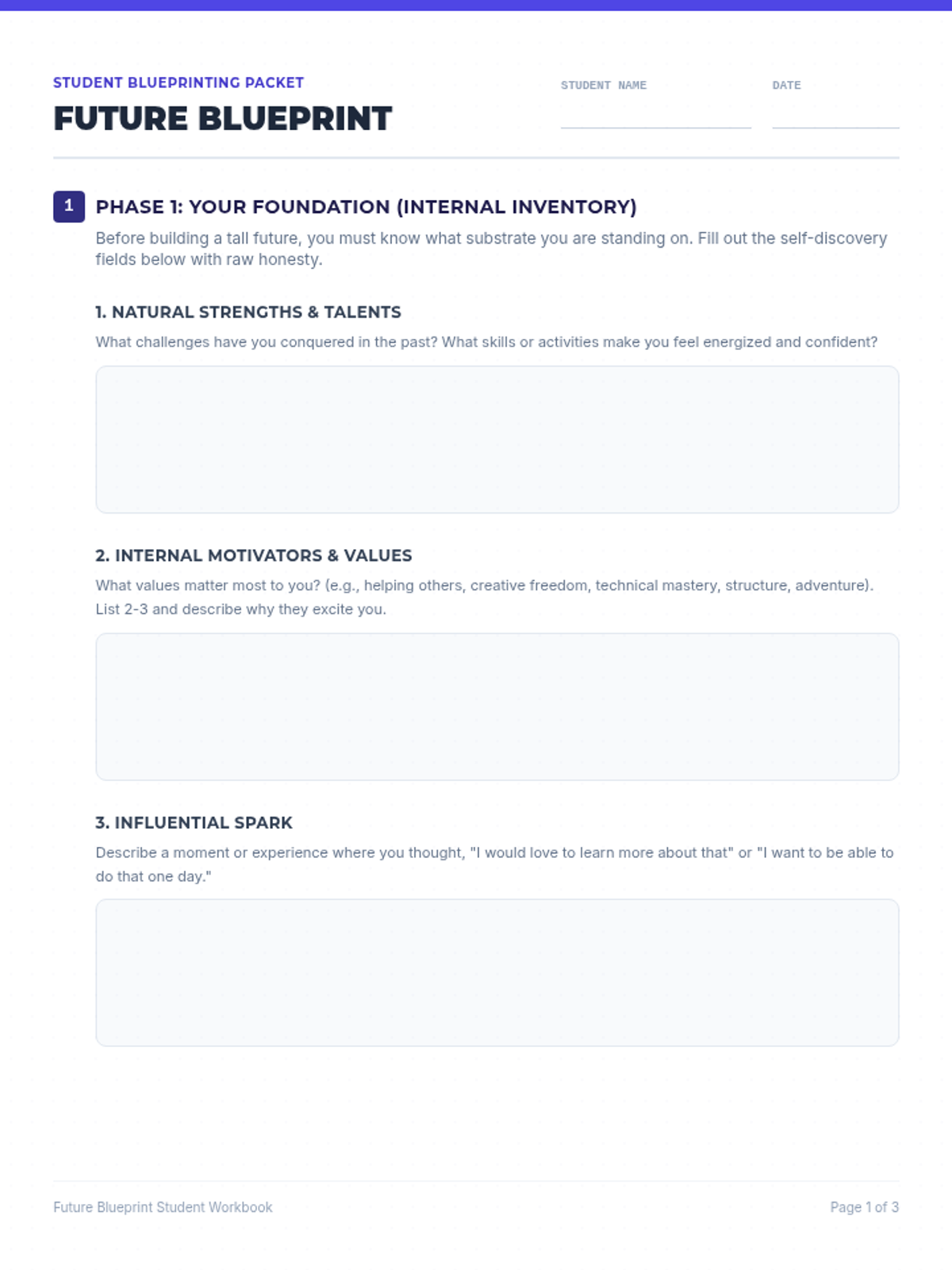
A quick, impactful lesson for 5th graders transitioning to middle school. Students explore their internal locus of control through the 'Circle of Control' concept and celebrate their elementary achievements through goal-setting and reflection.
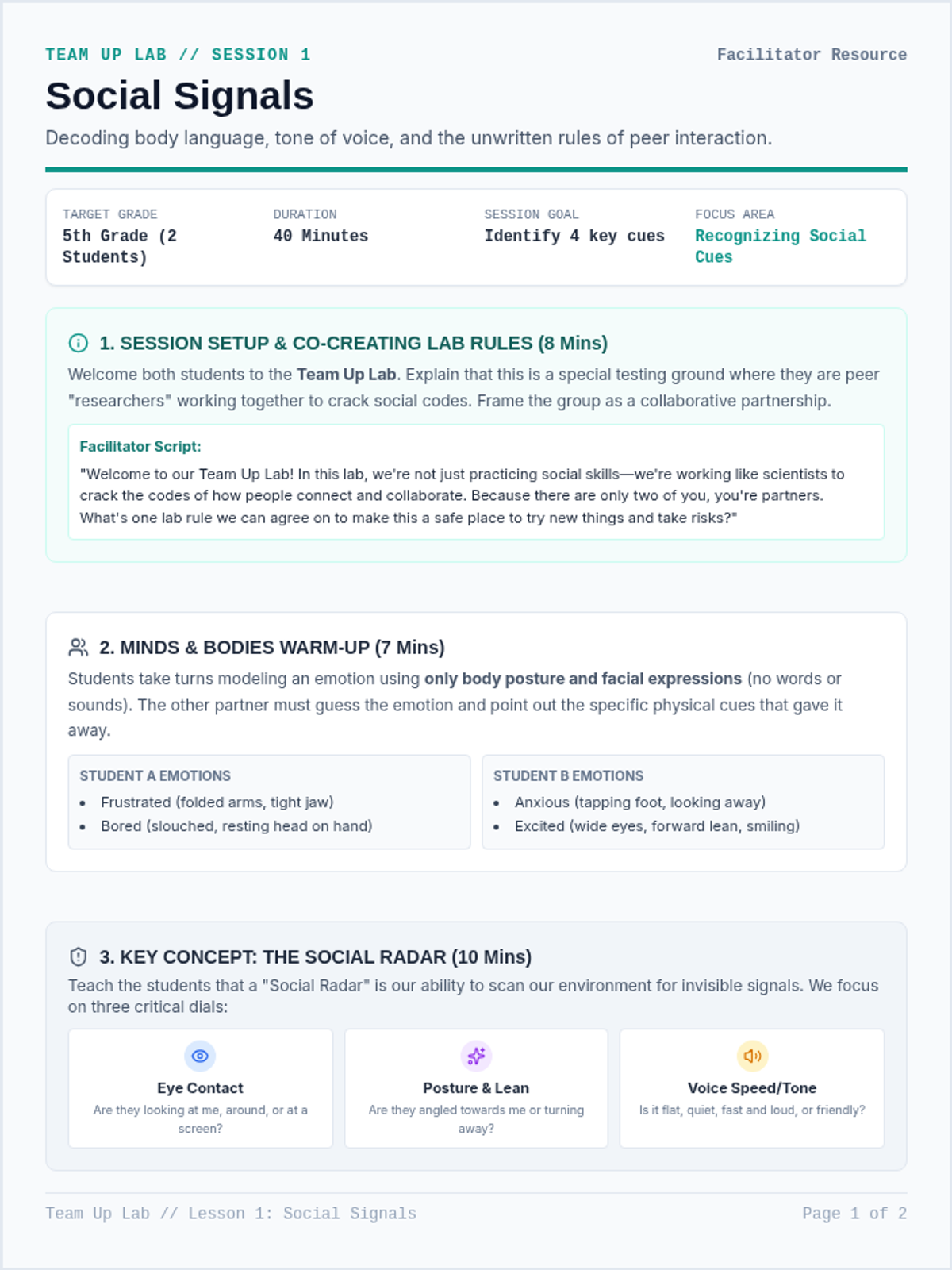
A foundational lesson for Transitional Kindergarten students focused on identifying basic emotions and the physical sensation of being 'wiggly' (stressed) vs. 'still' (calm). Introduces 'Turtle Breathing' as a primary regulation tool.
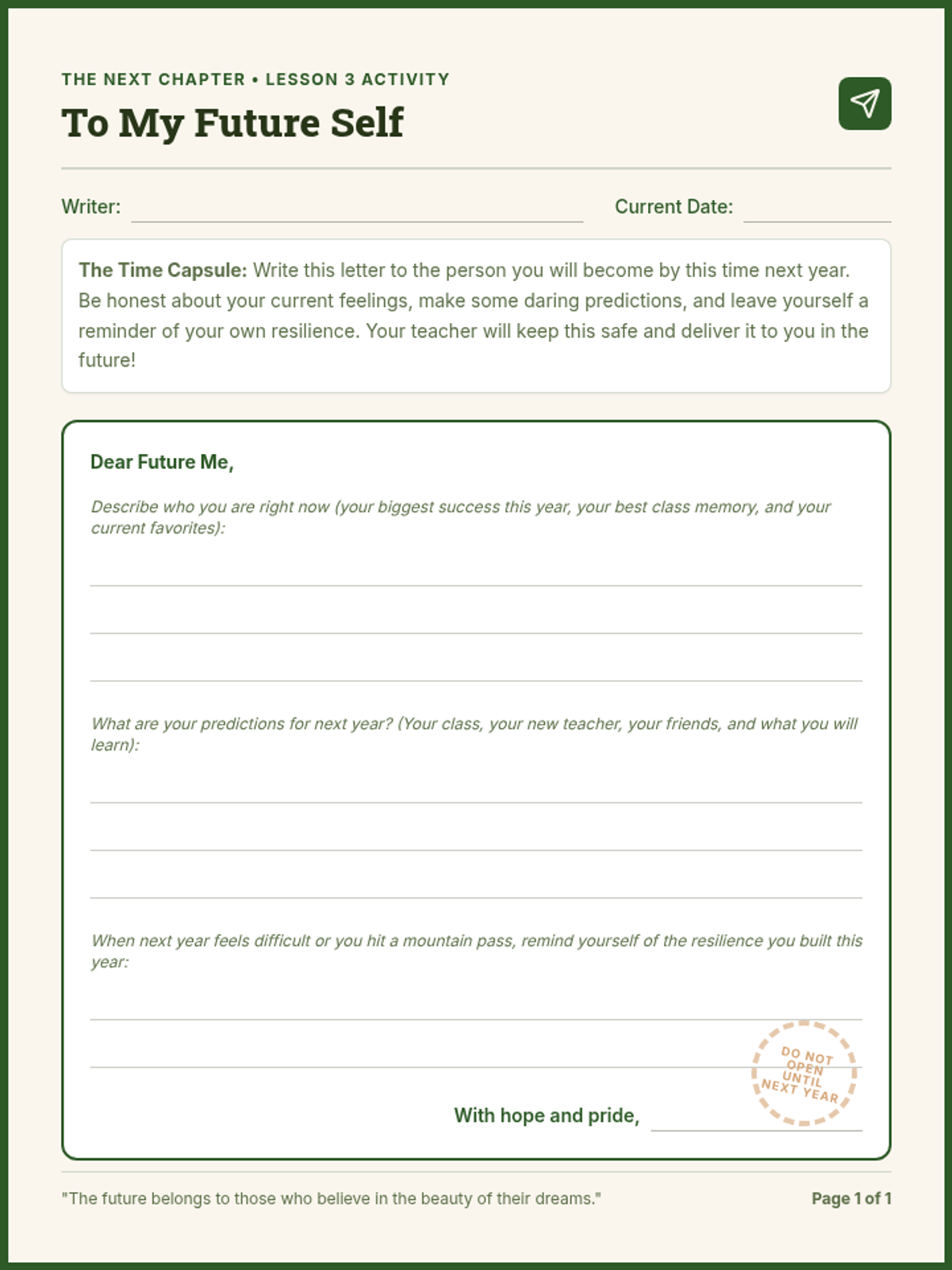
Reviewing all strategies, celebrating progress, and creating a personalized self-control plan for future use.
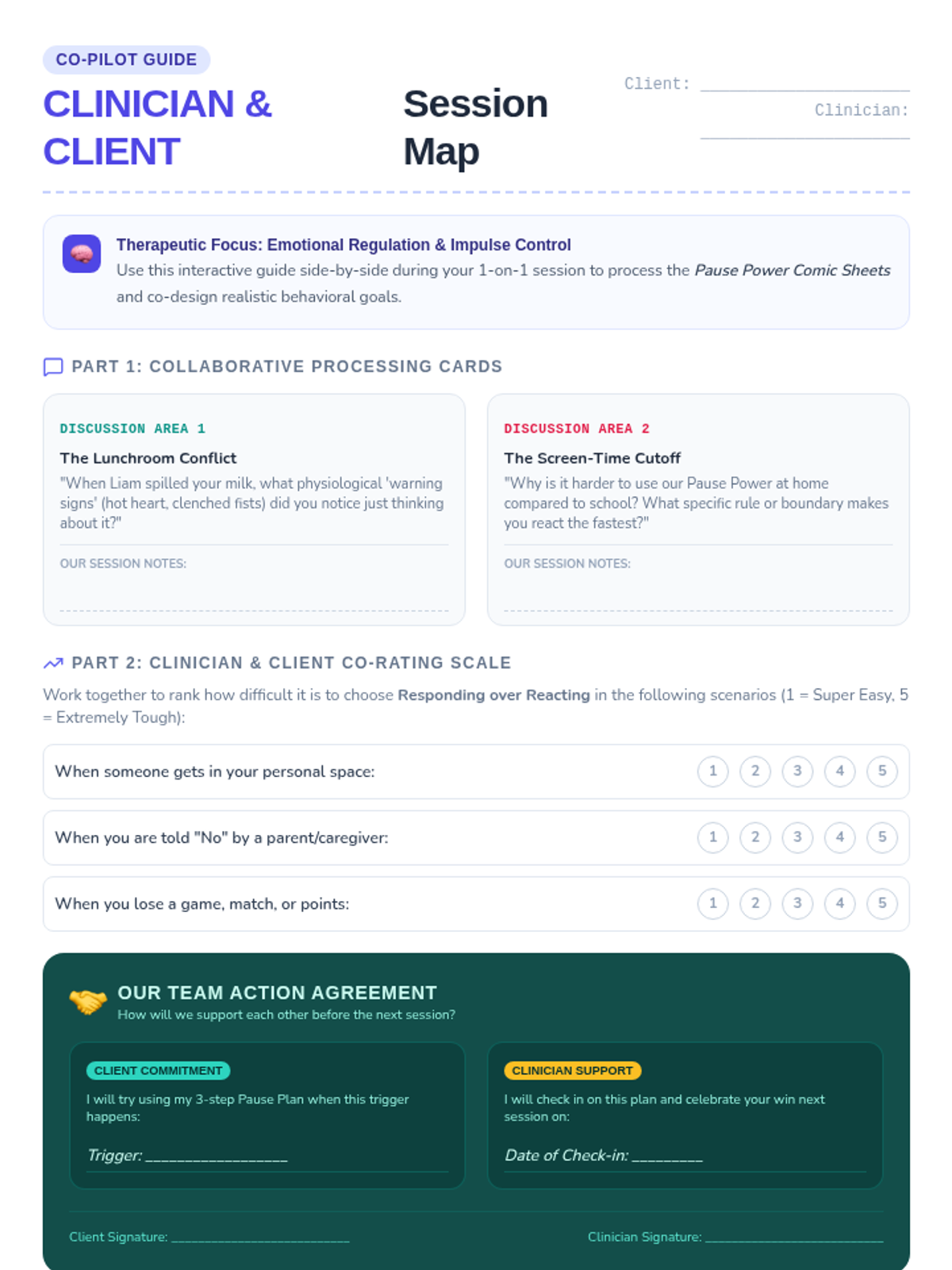
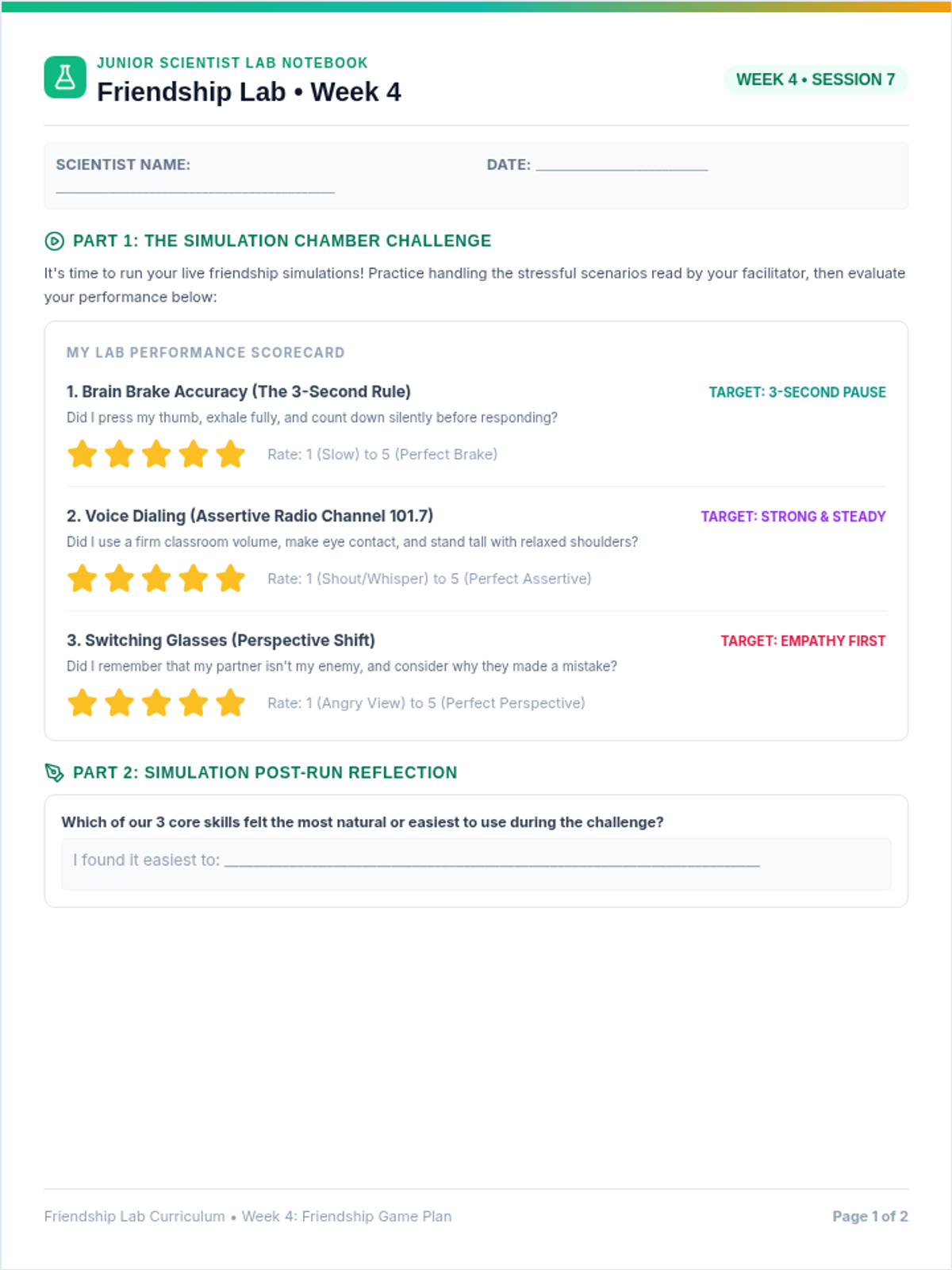
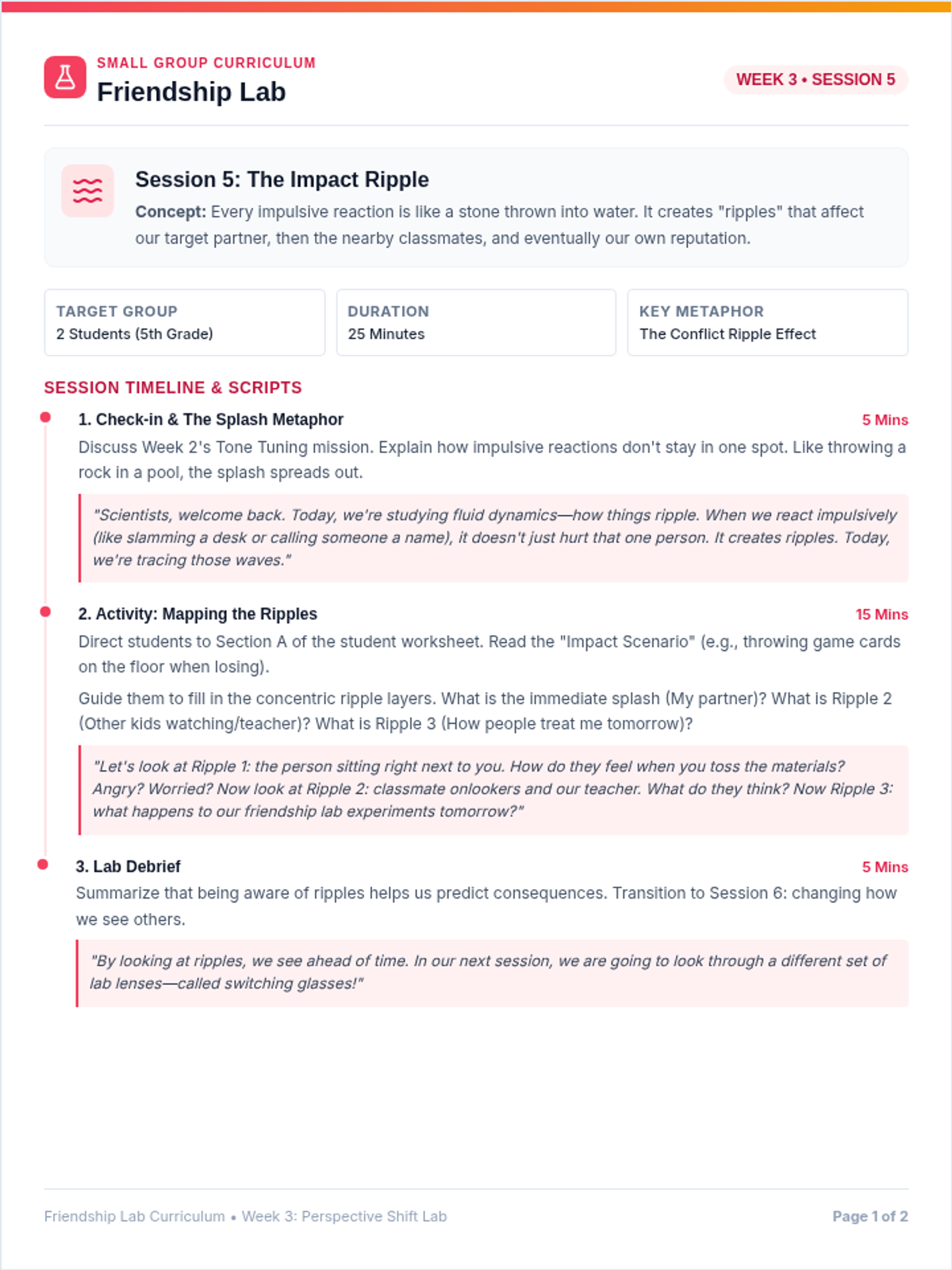
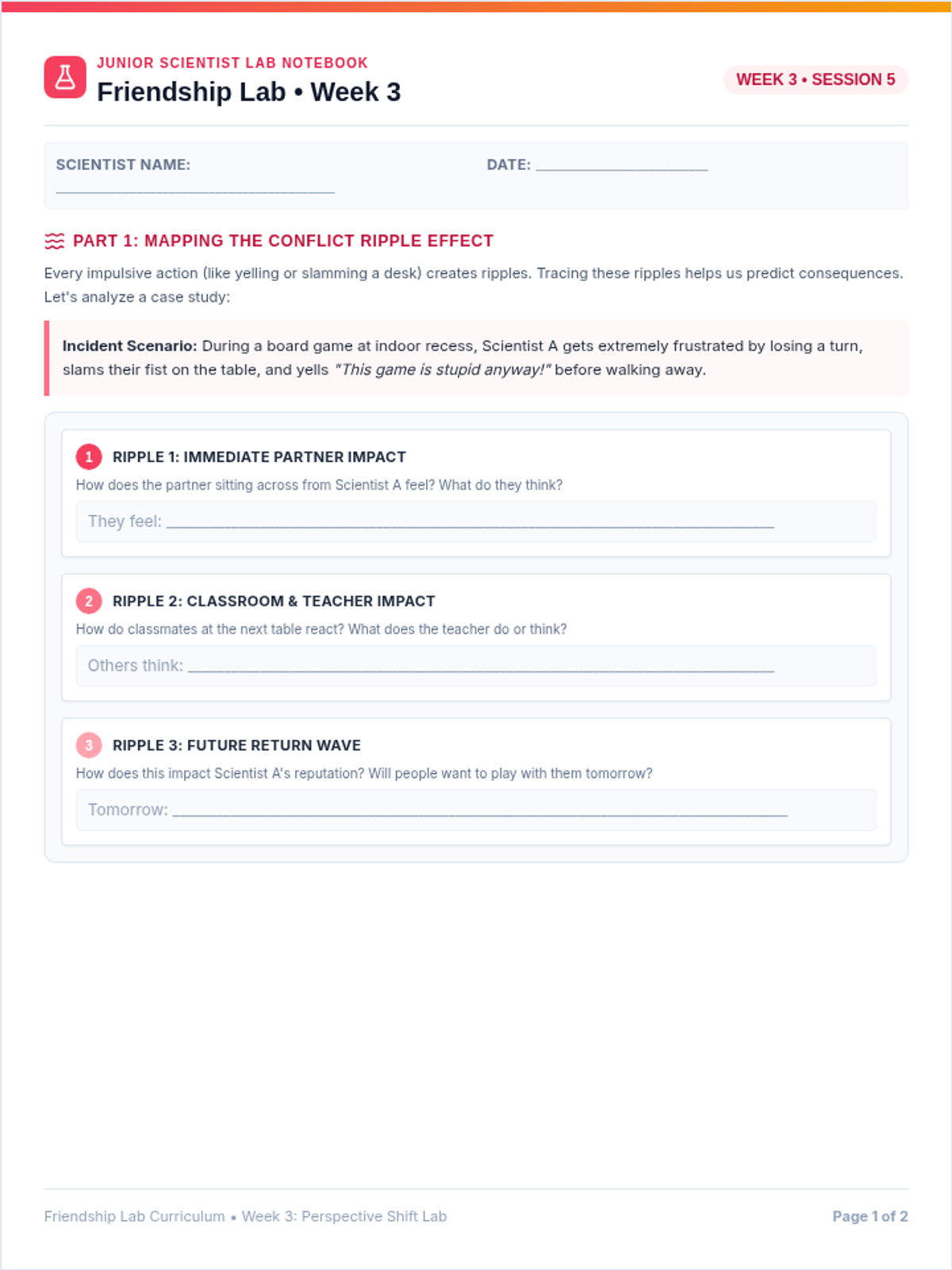
Developing impulse control by 'fast-forwarding' to see the potential consequences of different choices.
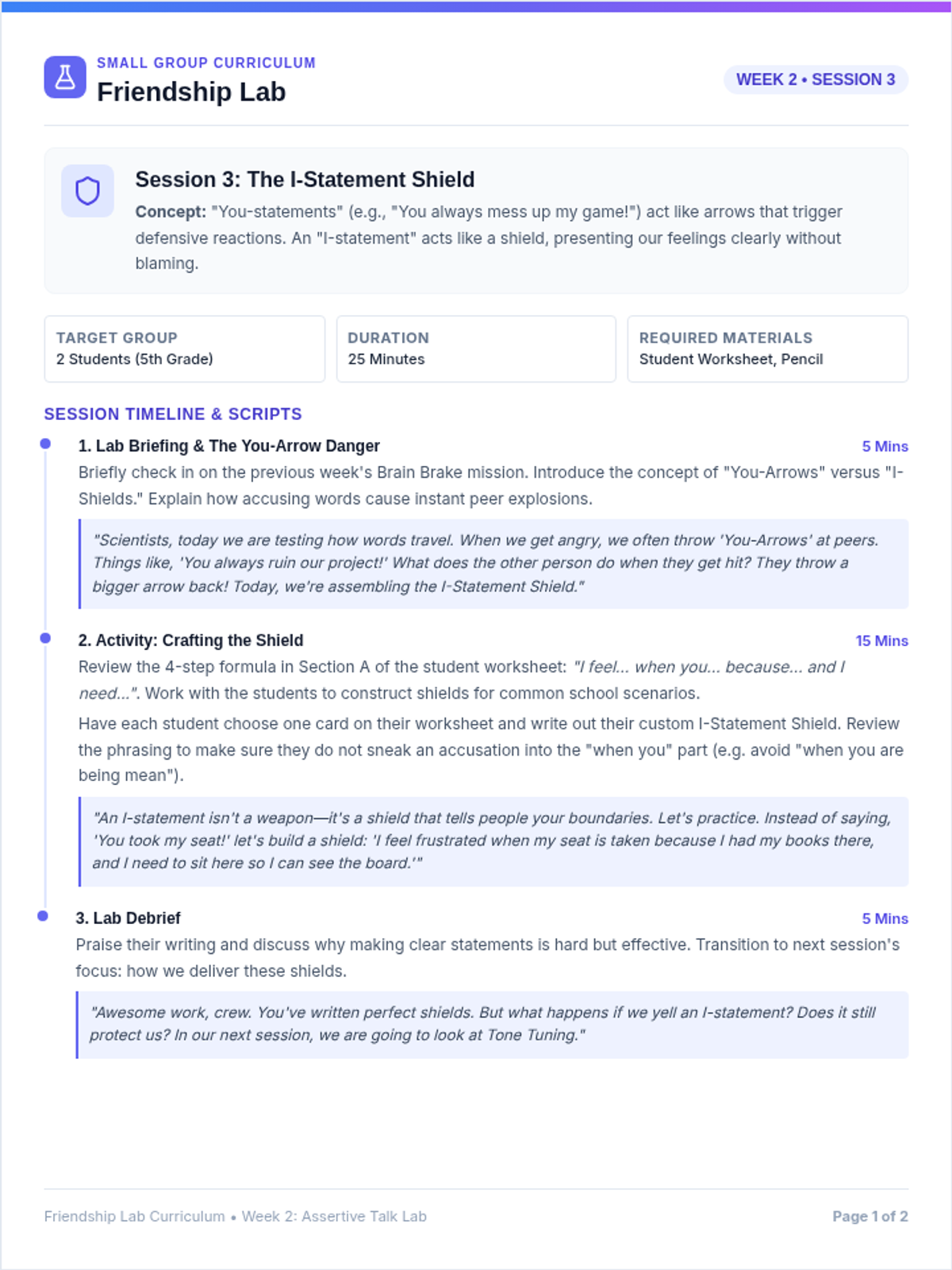
Managing the intensity of emotions and reactions using the 'Volume Control' strategy for self-regulation in social situations.
Addressing social frustrations by 'rewinding' to understand what happened and how to troubleshoot social bugs with peers.
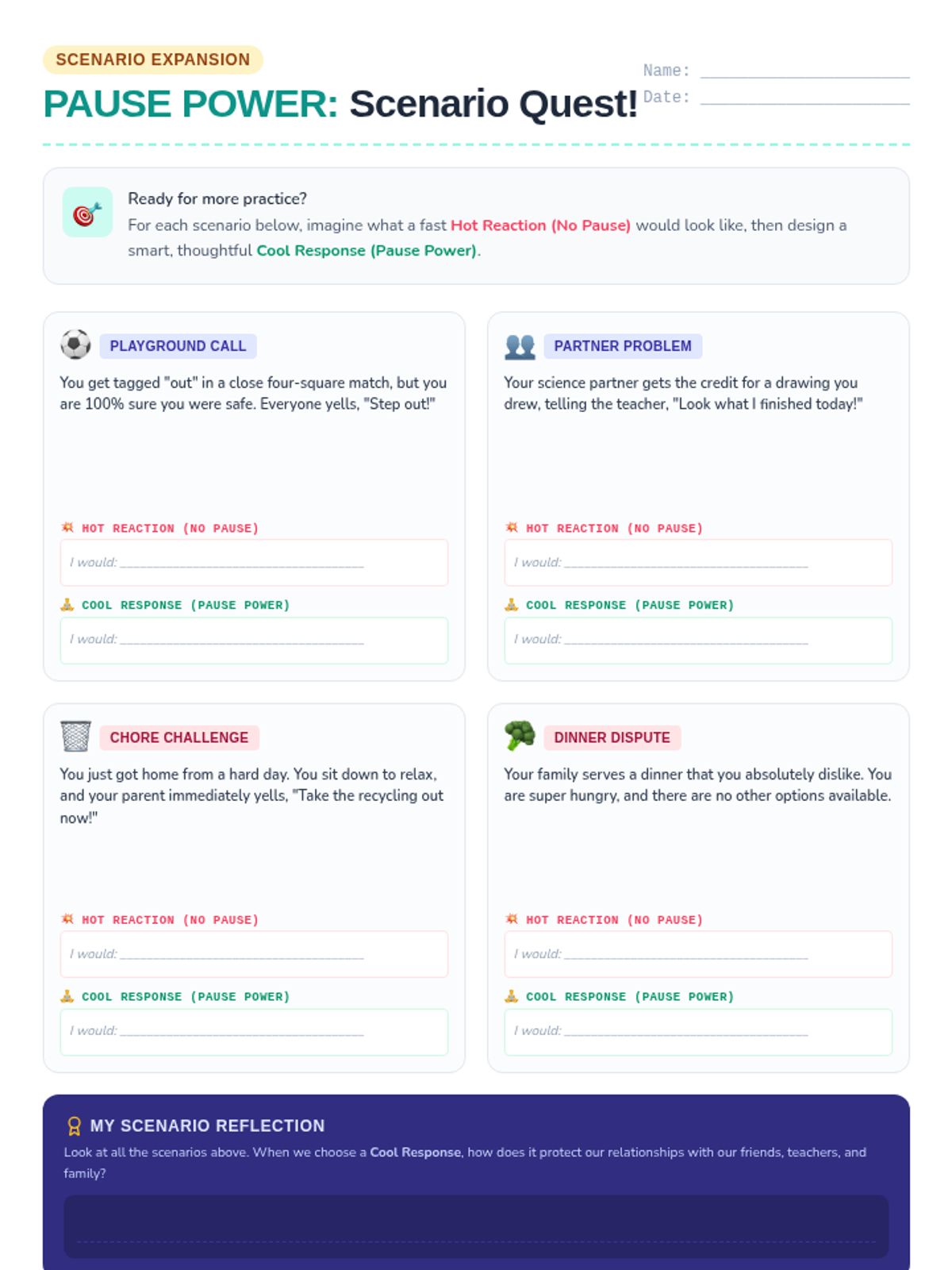
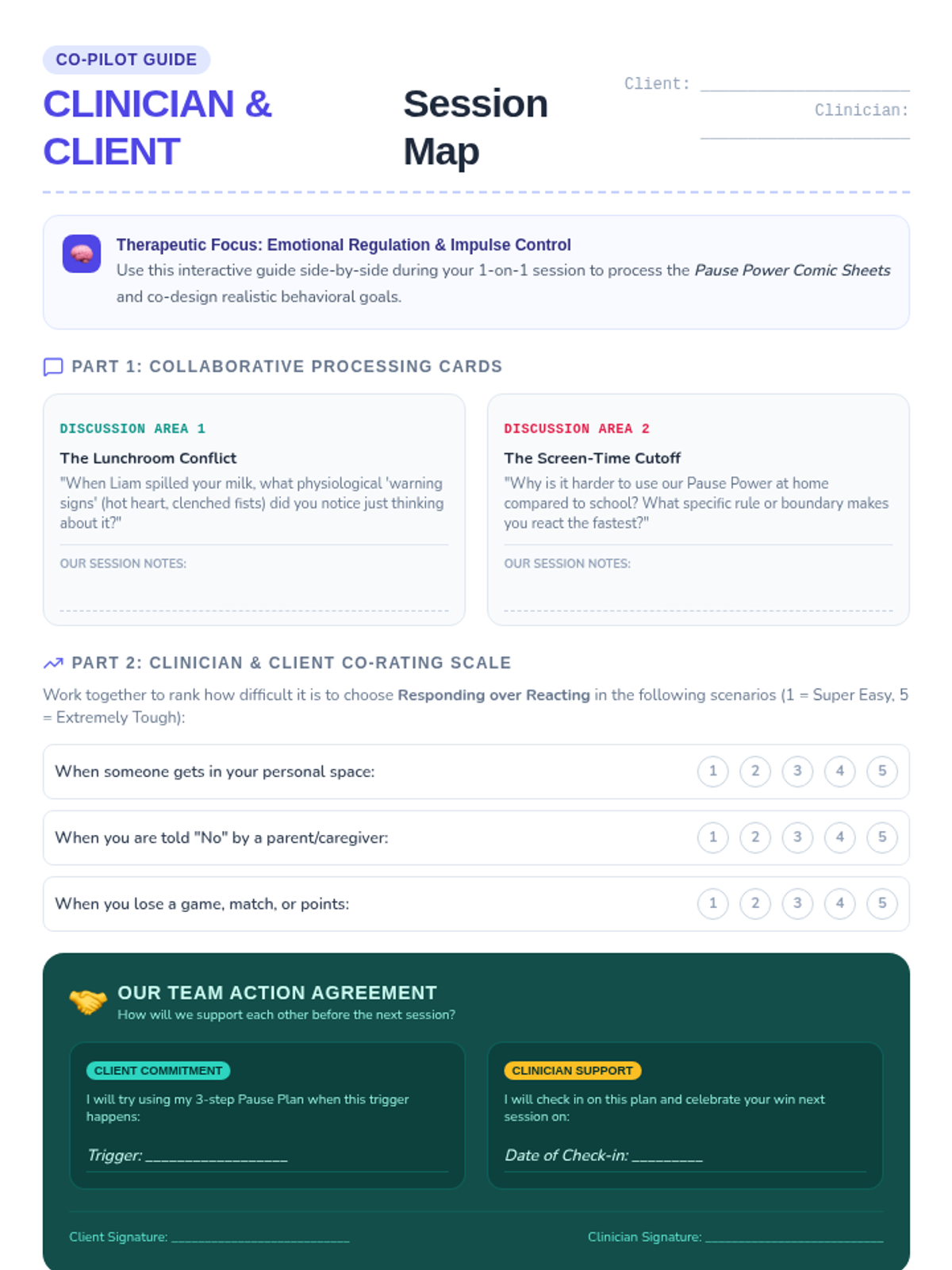
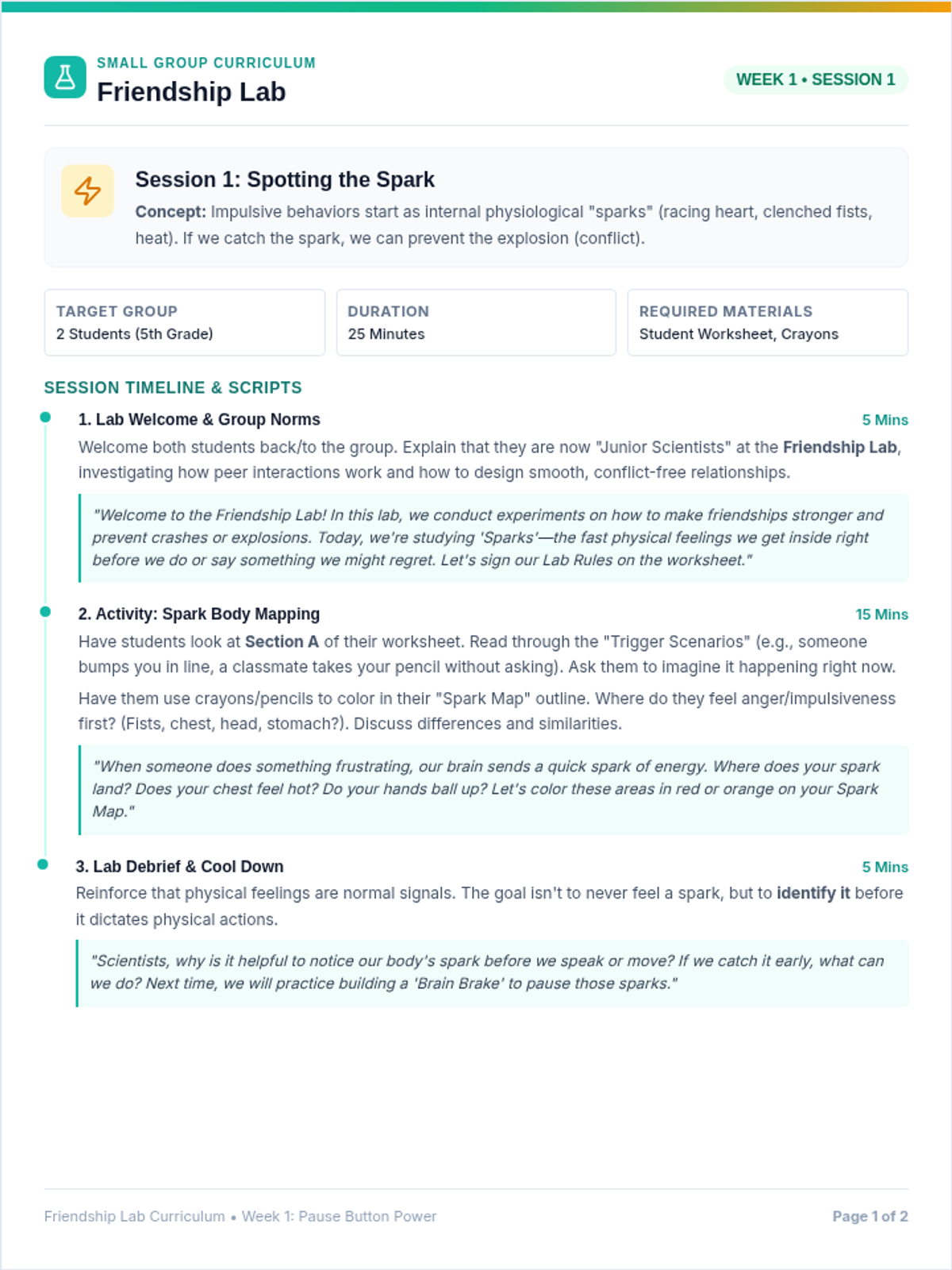
Focusing on the 'Pause' button to build a gap between impulse and action, featuring strategies for stopping in the moment.
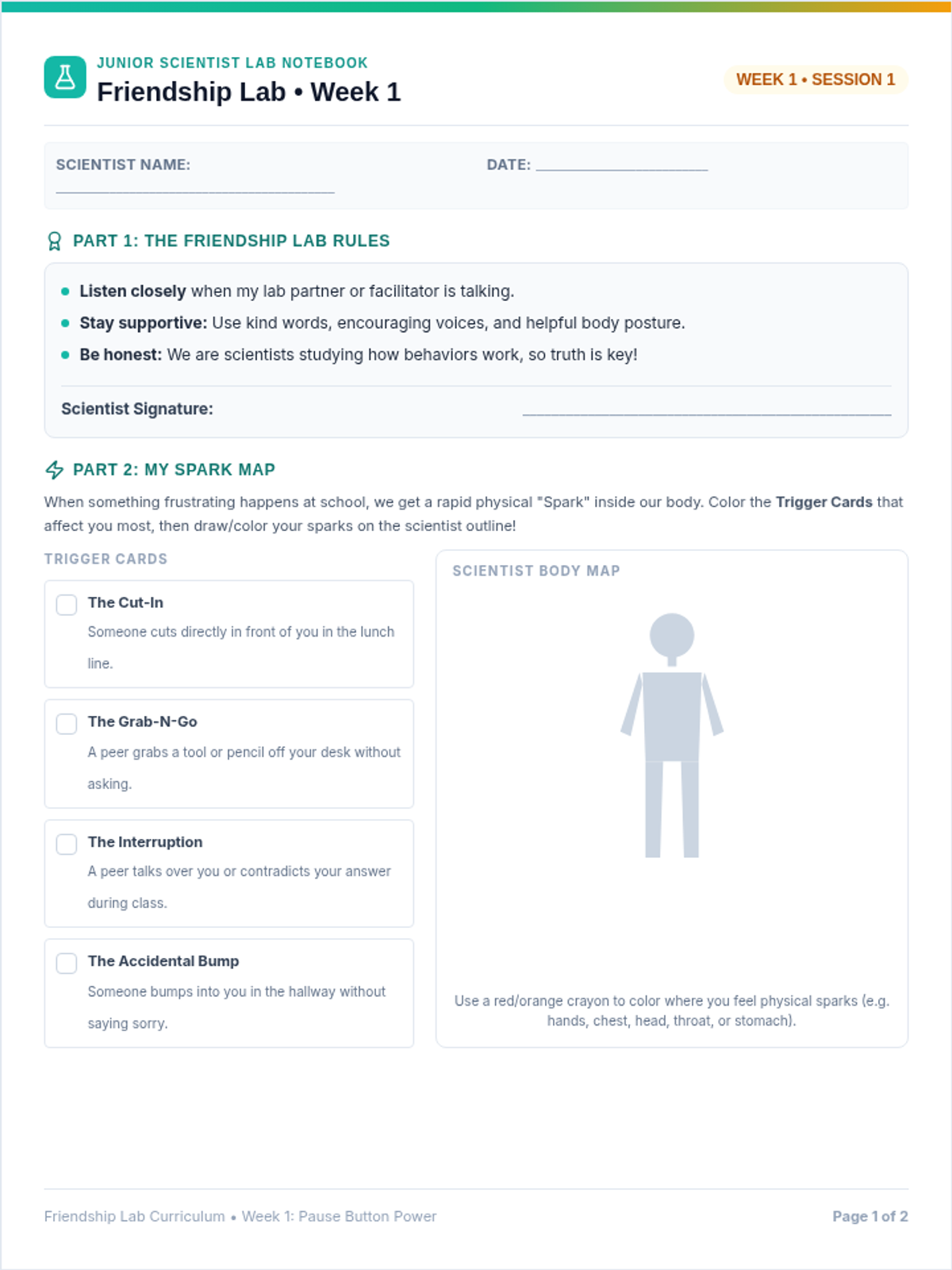
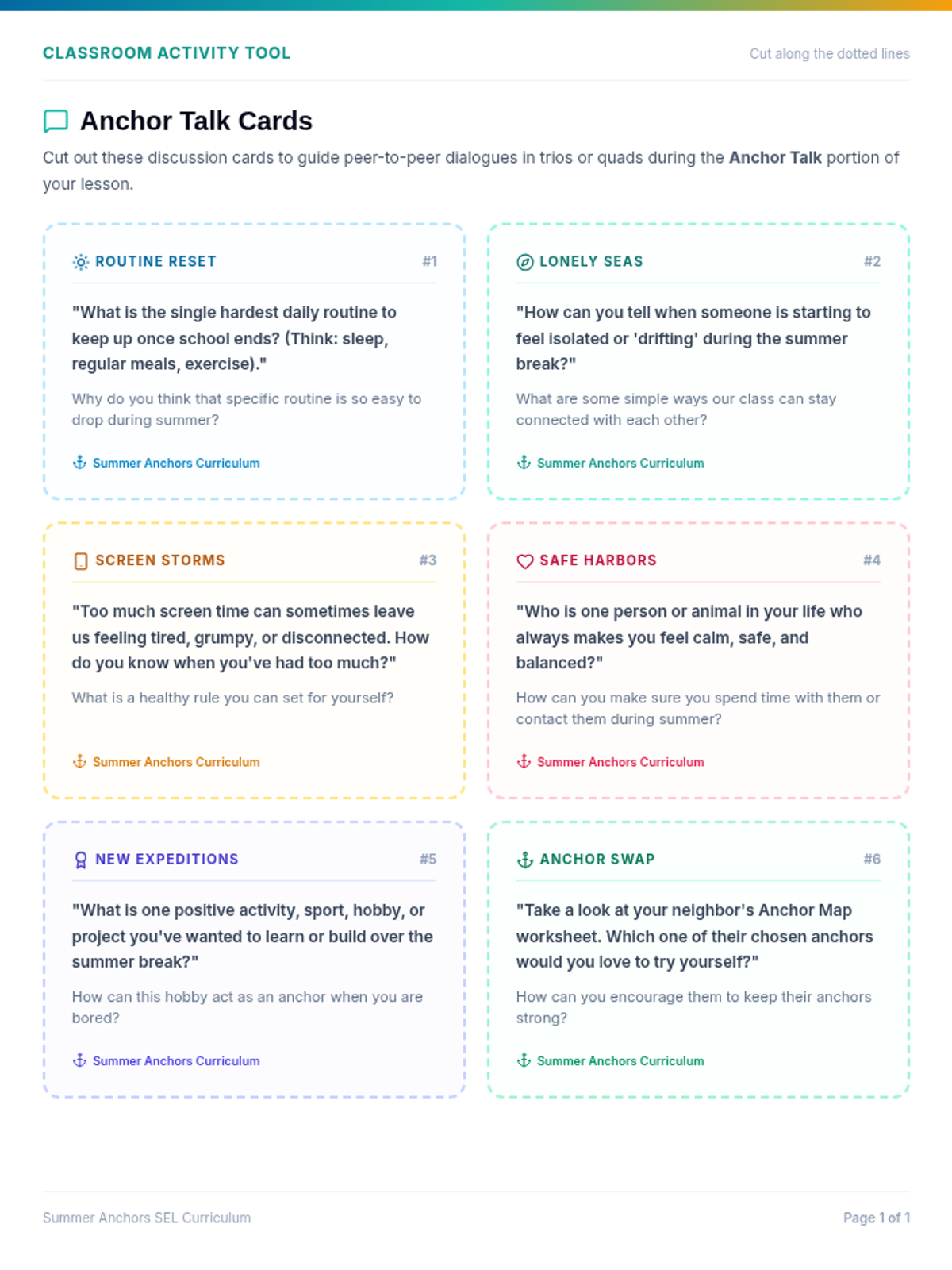
Introduction to the concept of self-control using the remote control metaphor and identifying personal 'impulses' that need managing.
A fast-paced, engaging 15-minute lesson exploring the 'Ripple Effect' of kindness and why it matters for both the giver and the receiver.
Students will learn how to make meaningful apologies and use art to explore the concept of repairing damaged relationships.
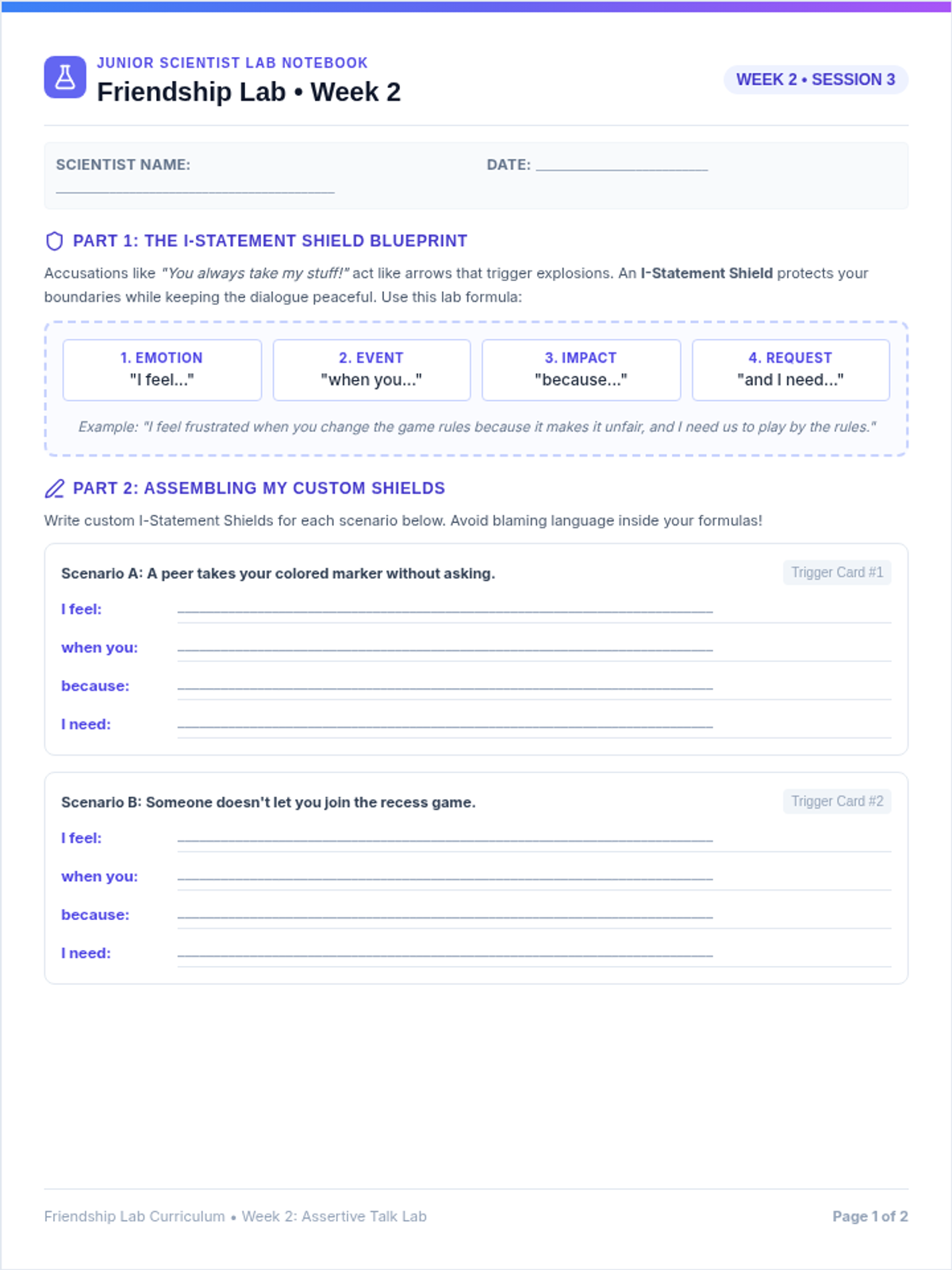
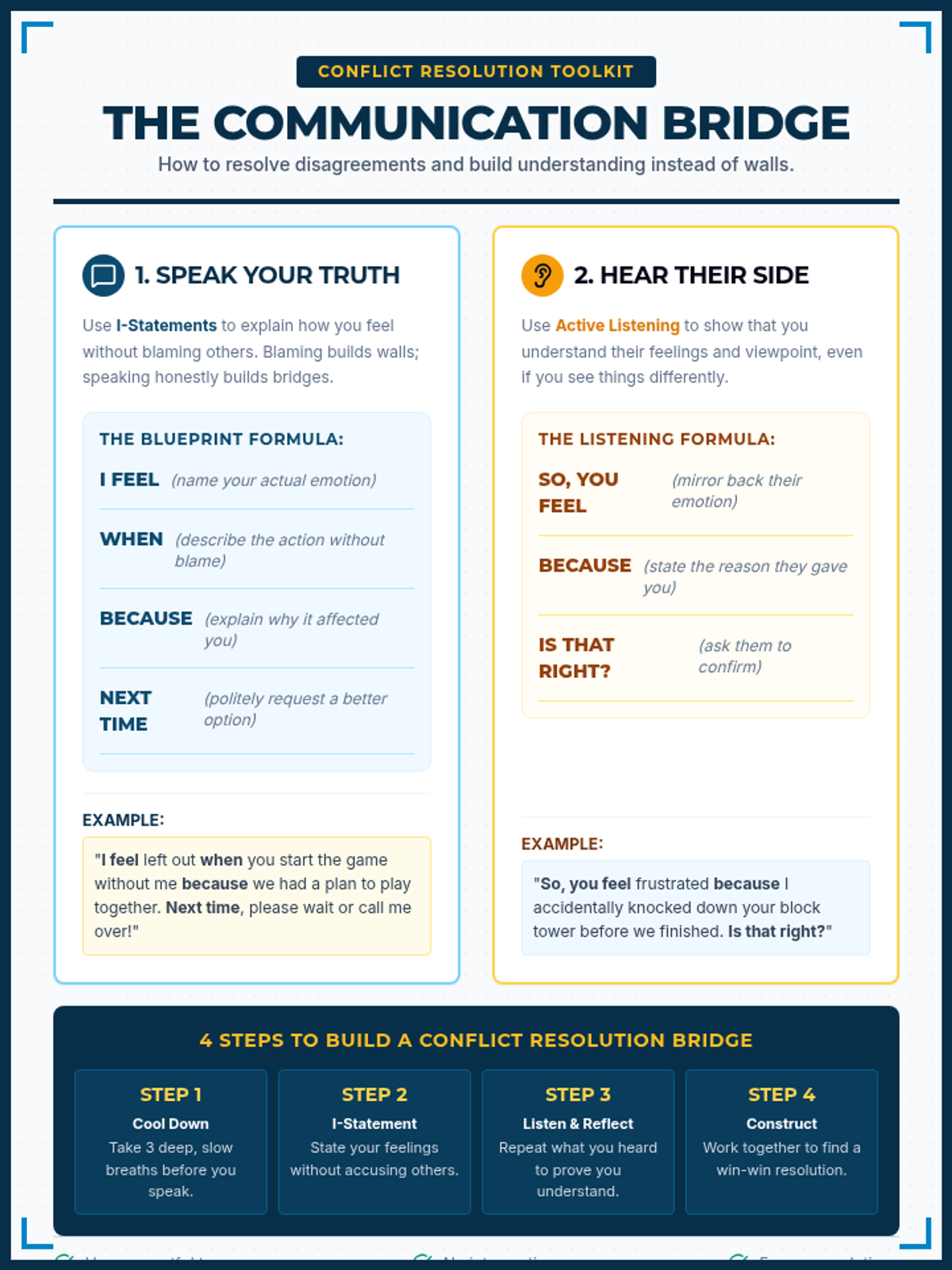
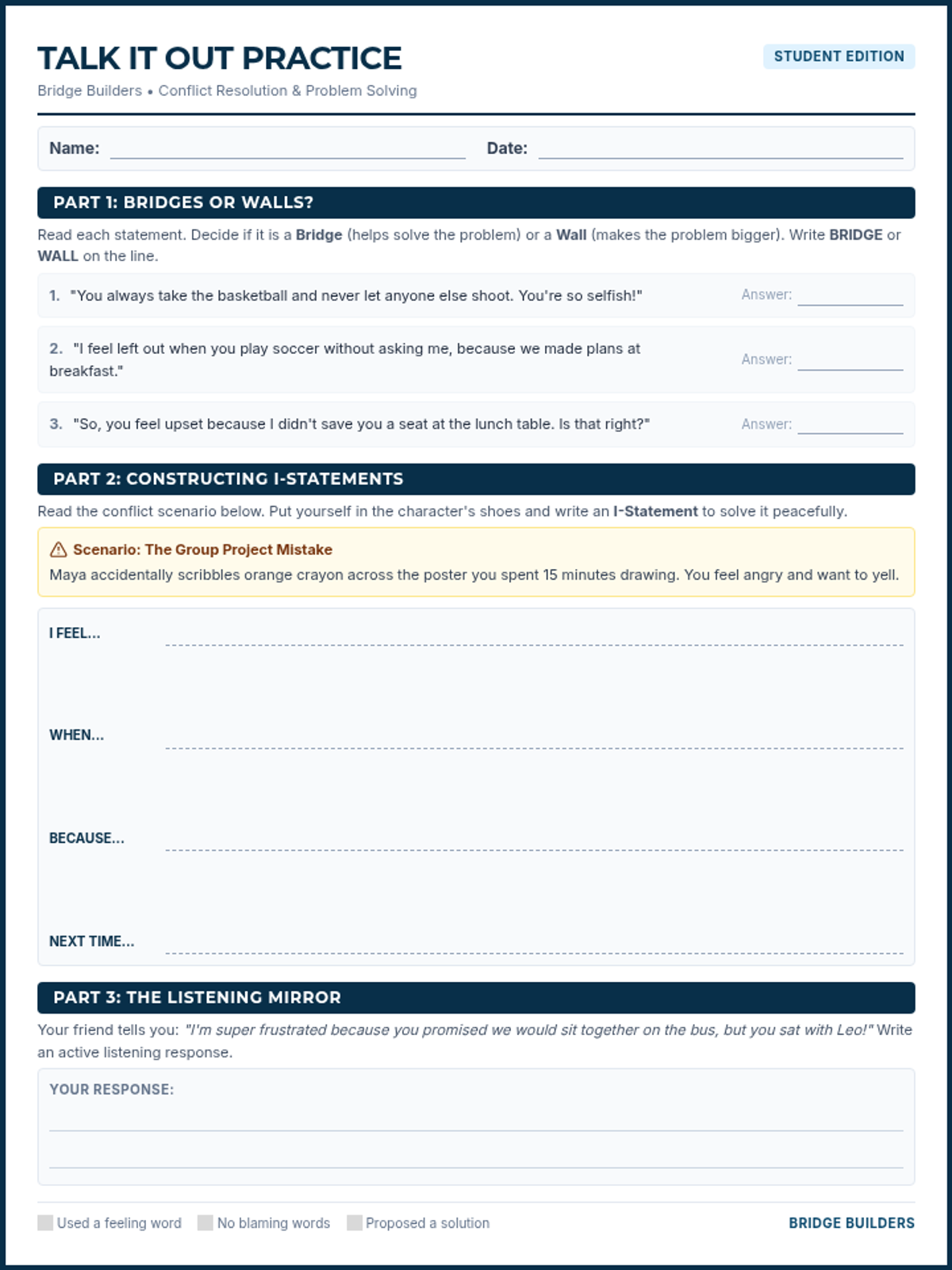
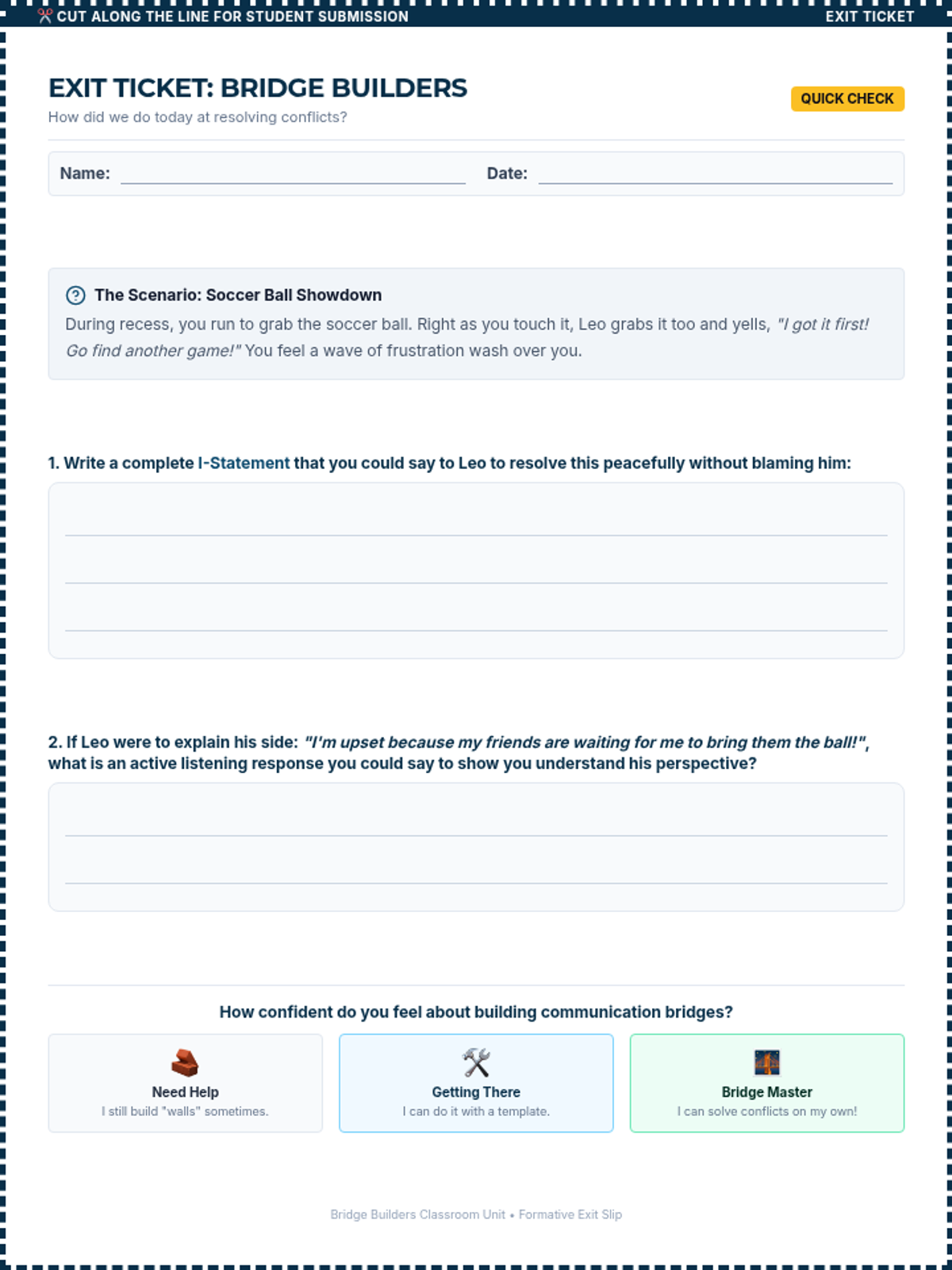
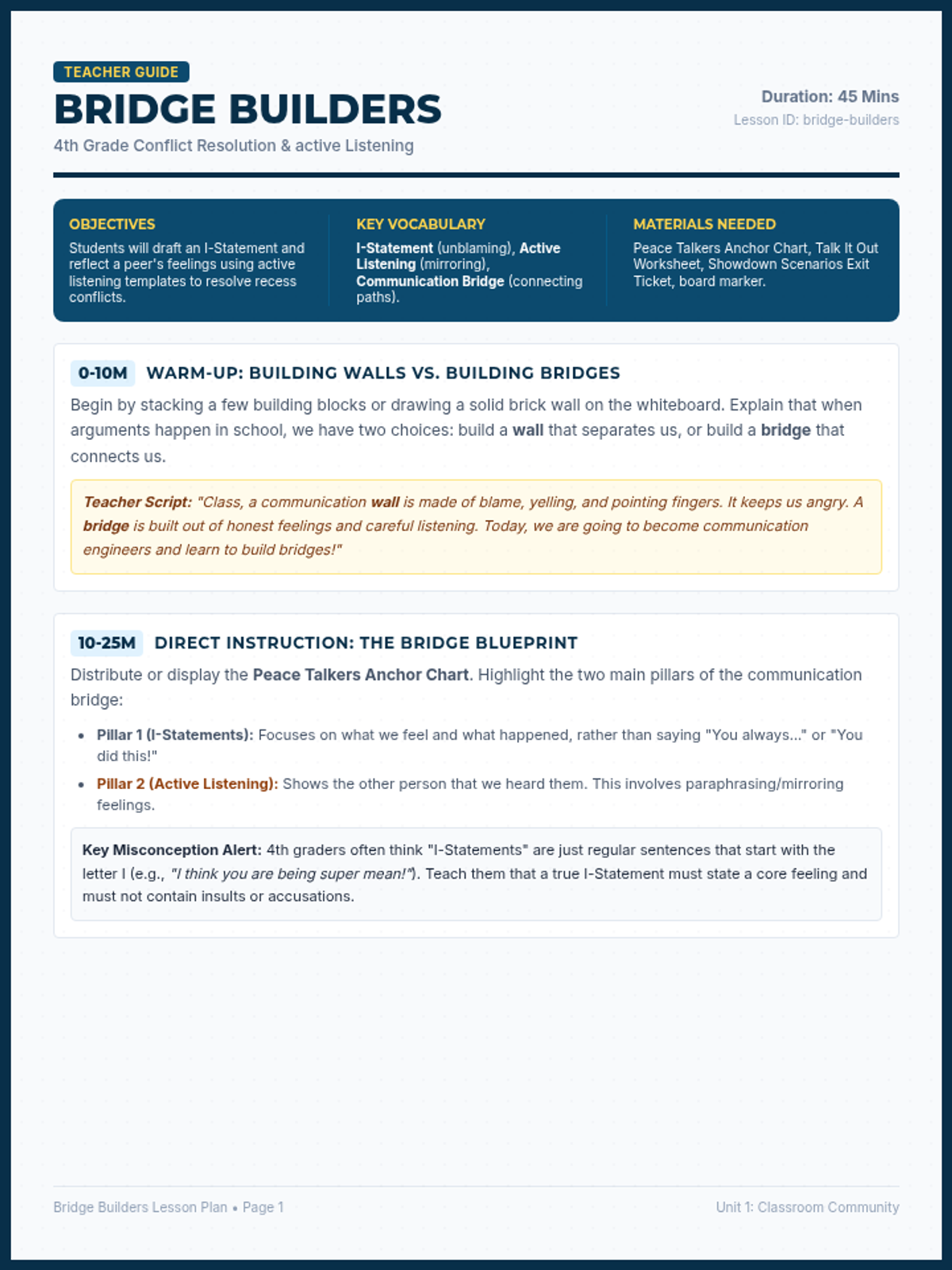
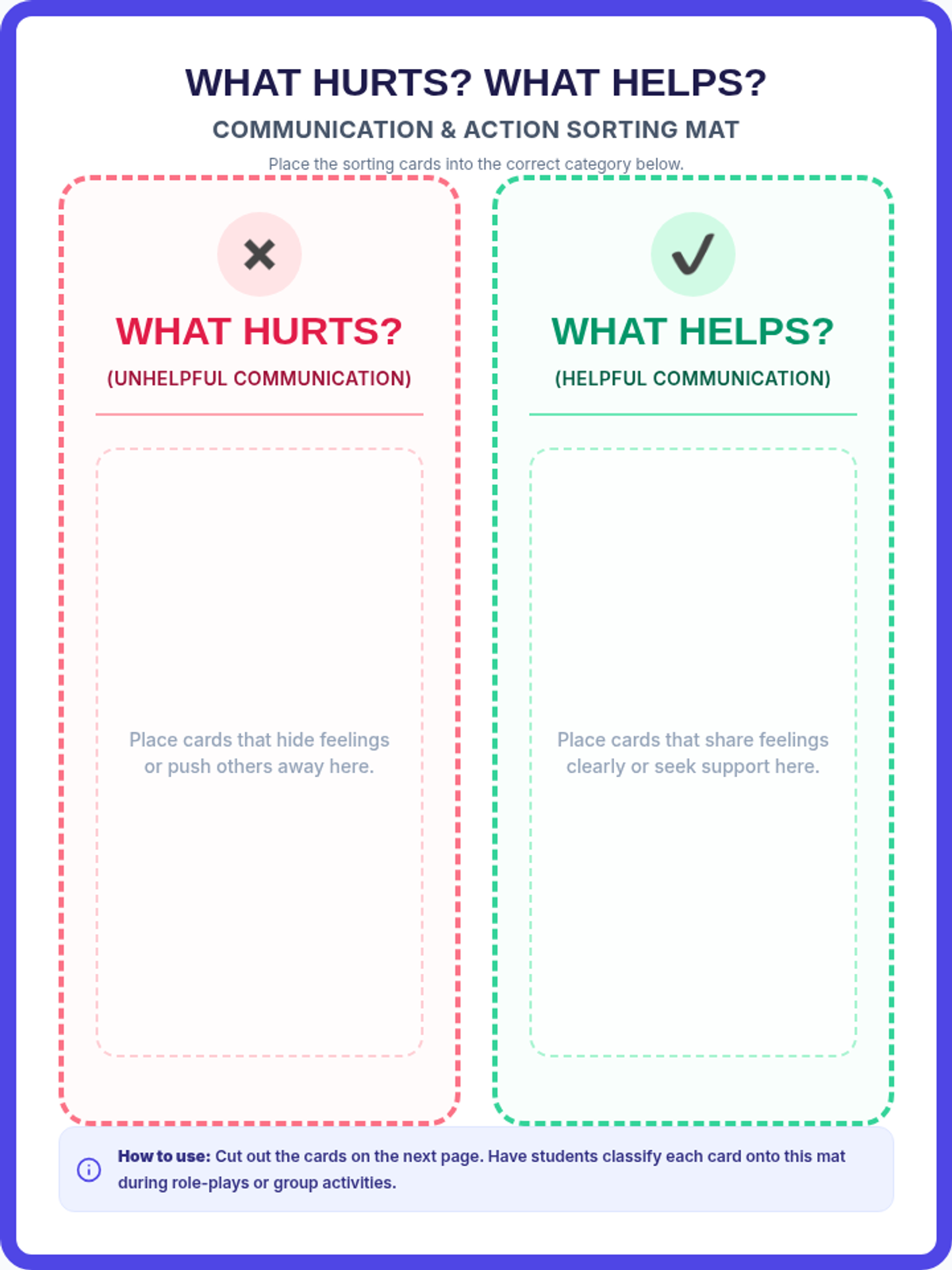
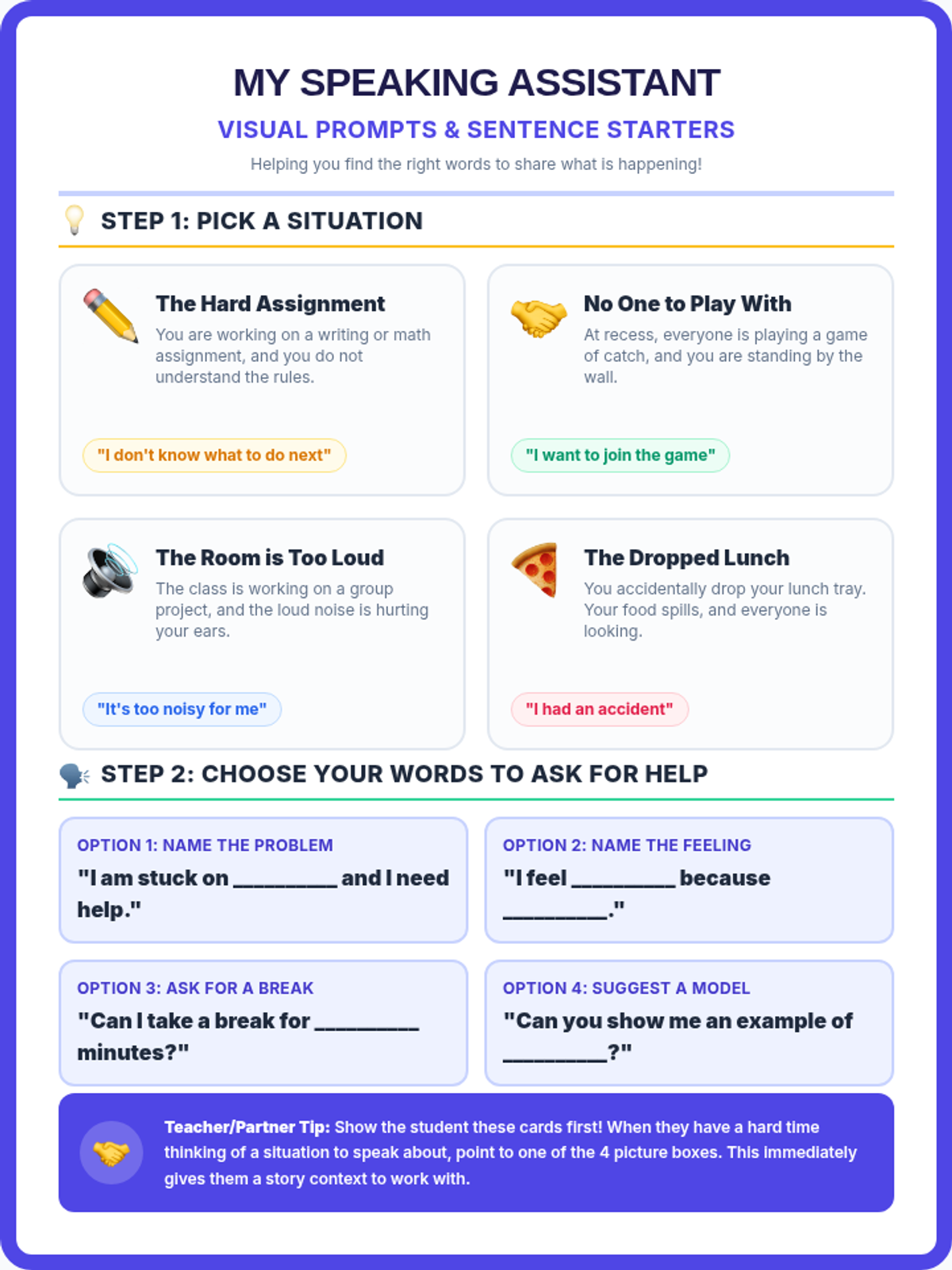
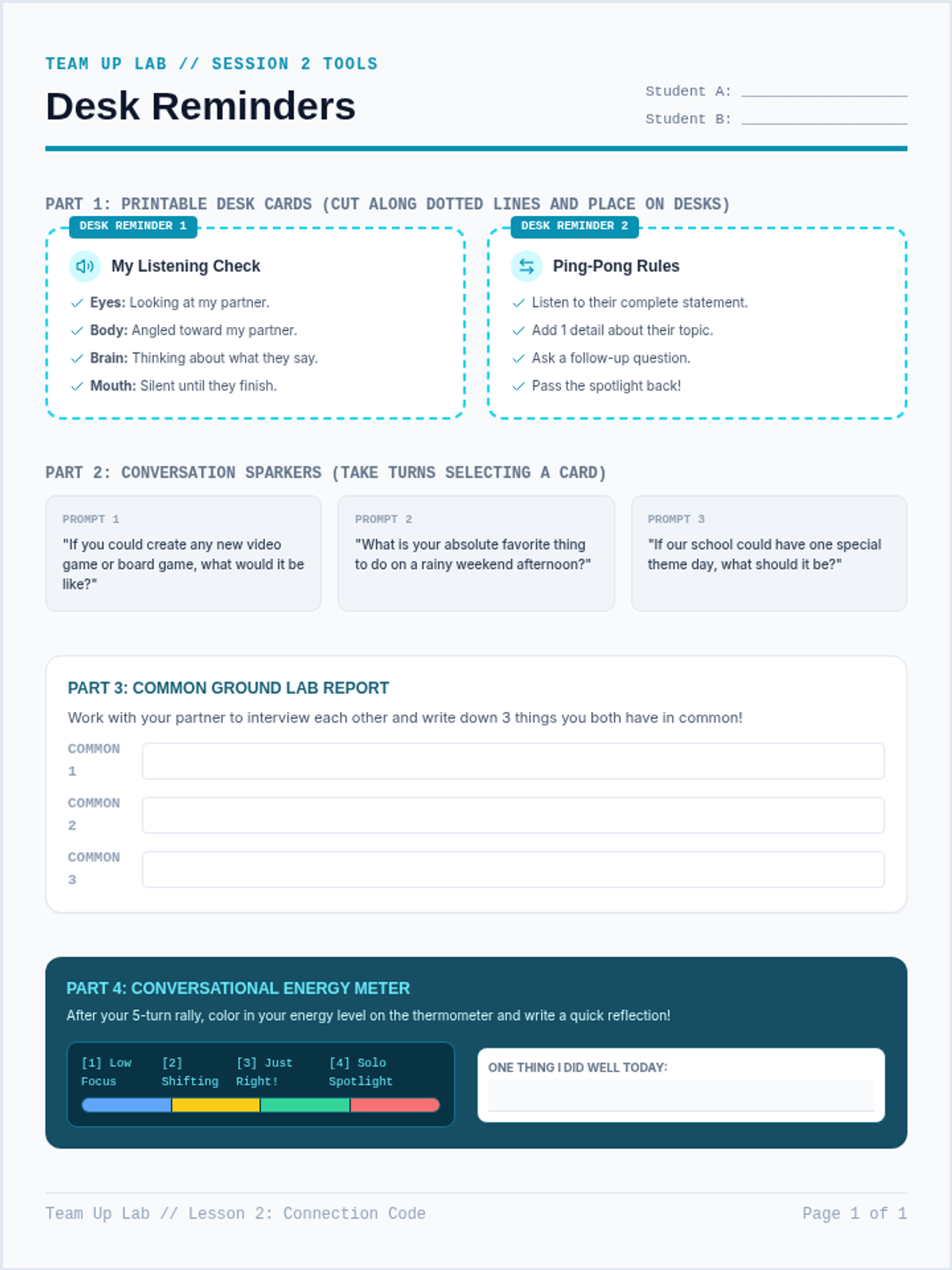
Students will practice effective communication techniques using role-play scenarios focused on active listening and "I" statements.
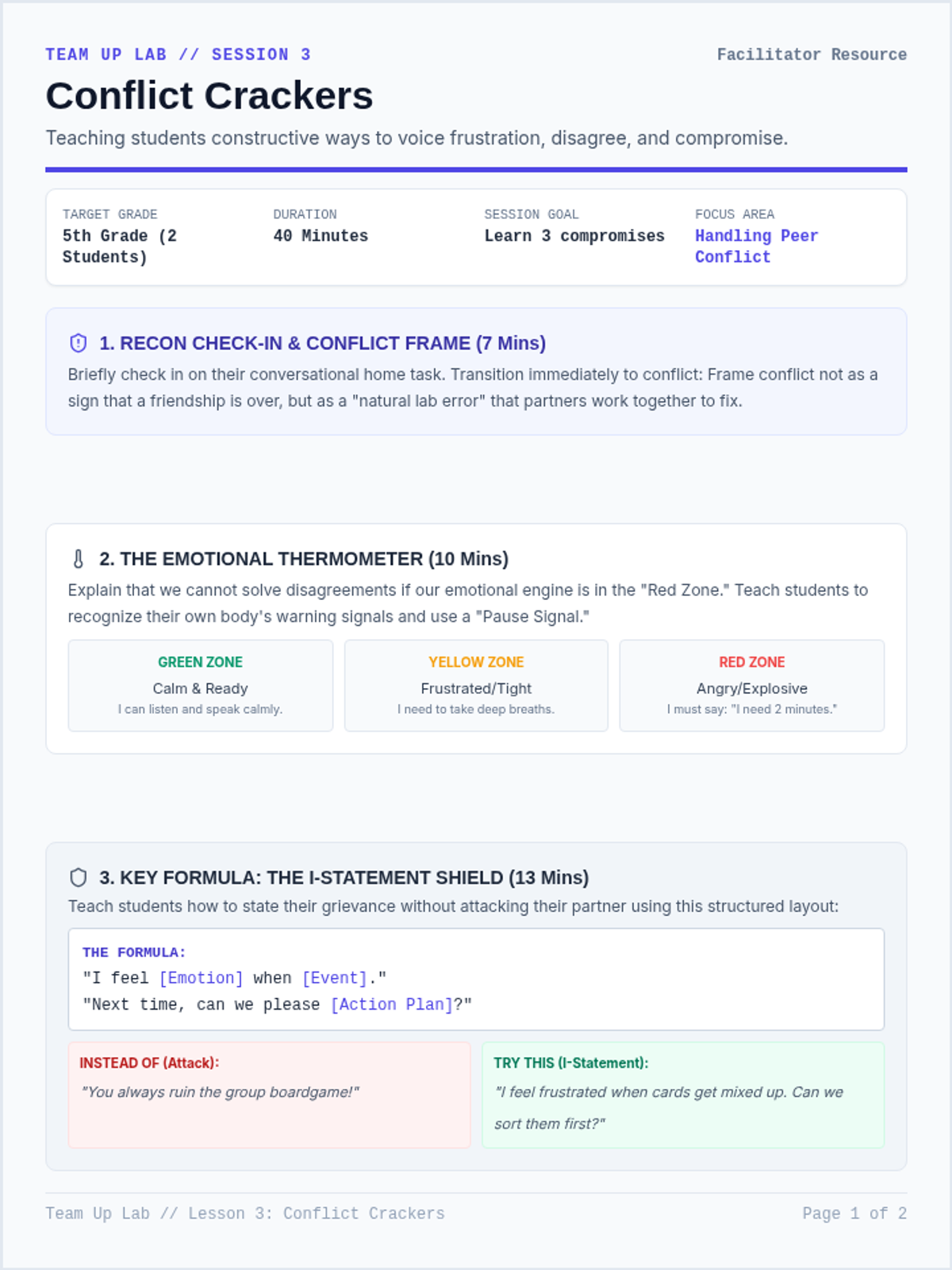
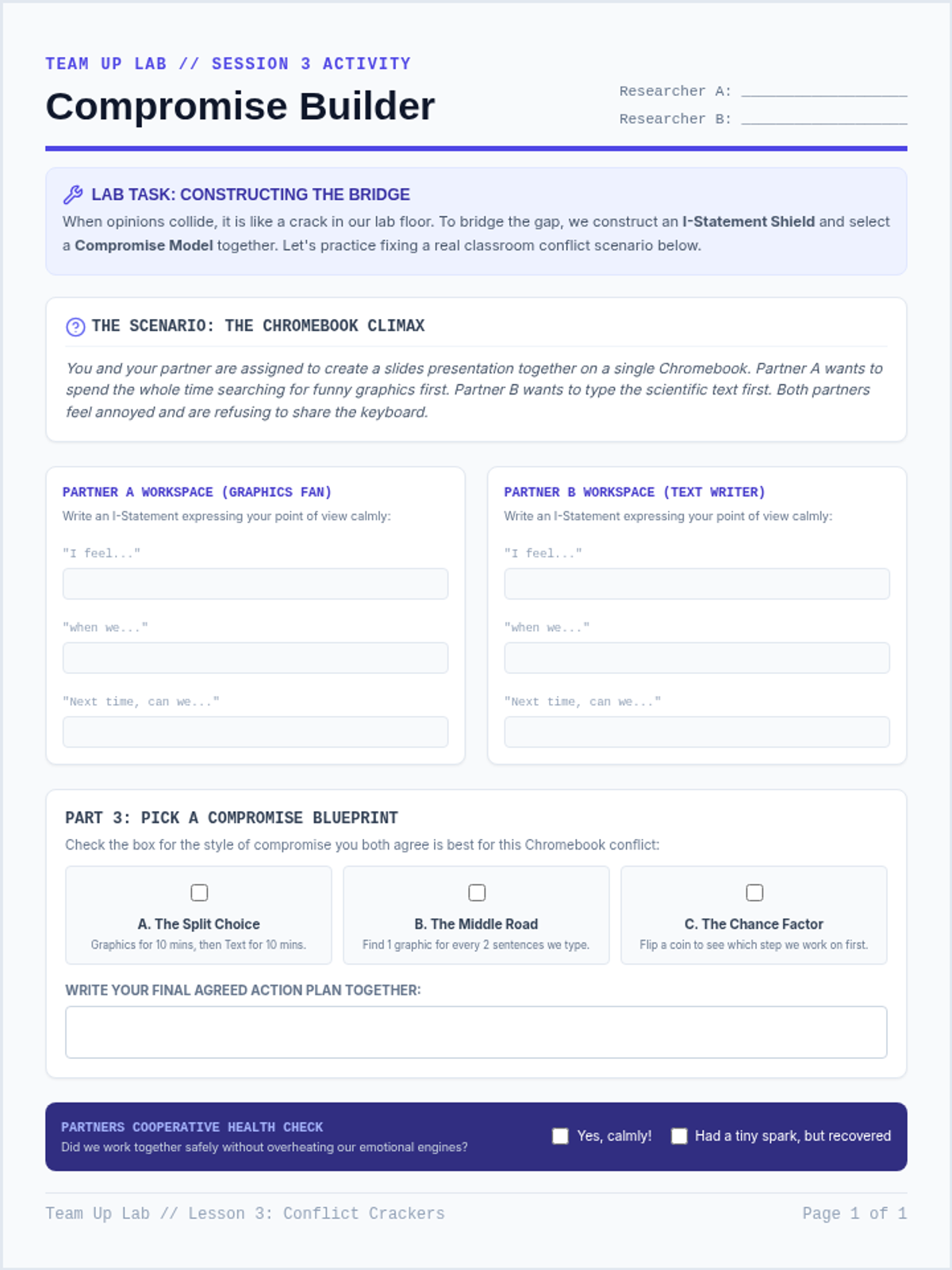
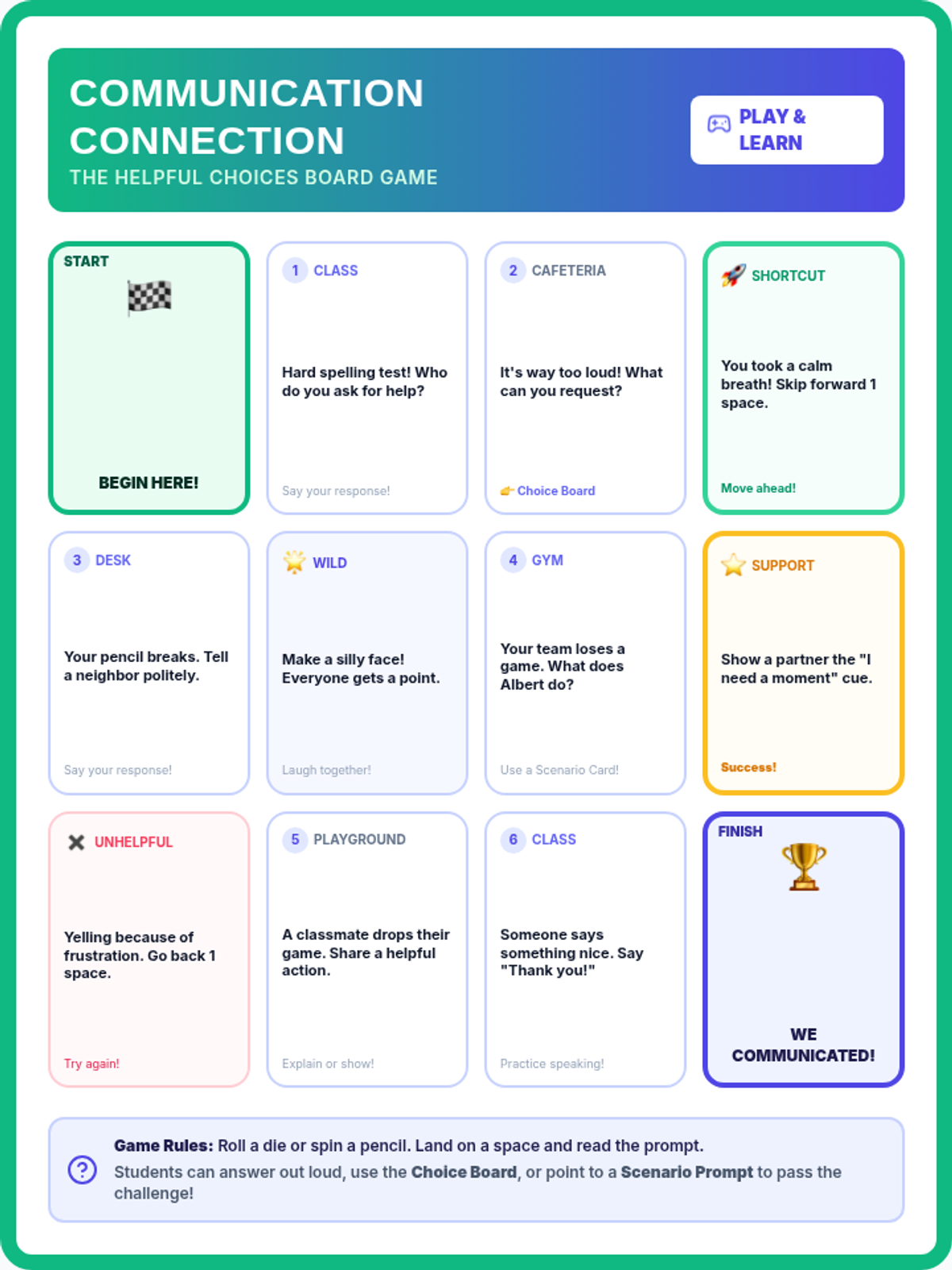
Students will explore different ways to navigate disagreements using a board game format to practice perspective-taking.
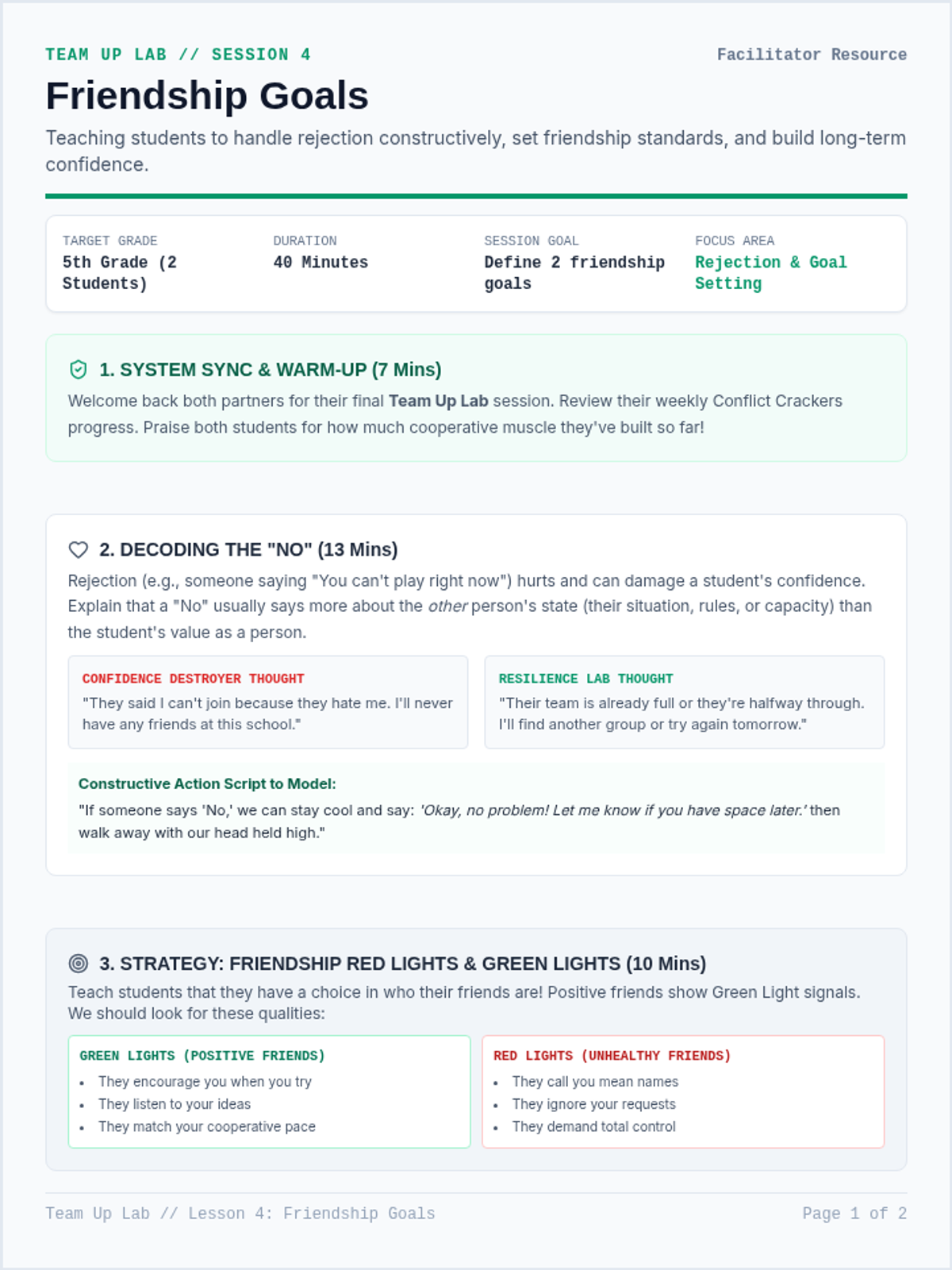
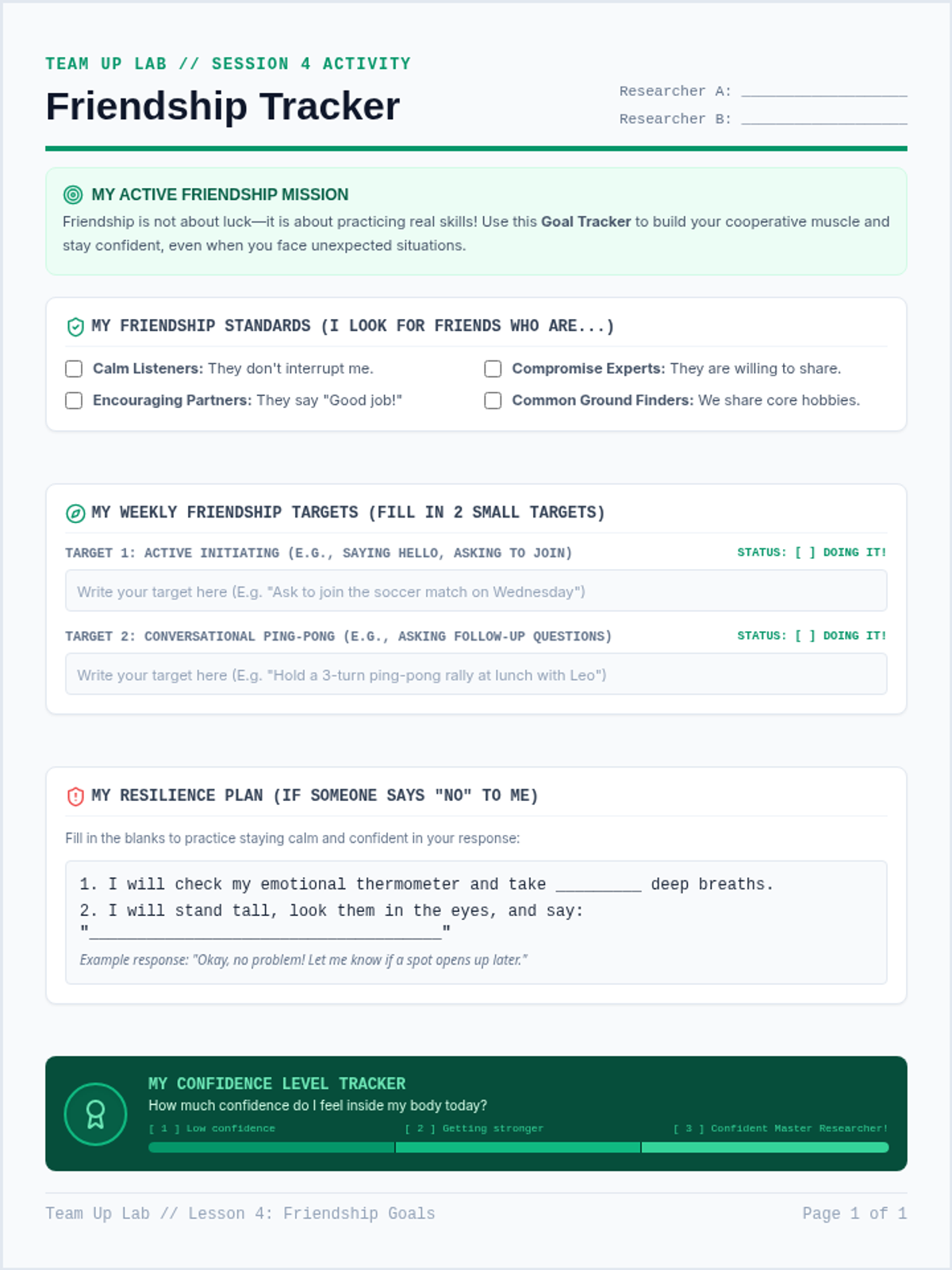
Students will identify the "ingredients" of a good friend and create a visual representation of their friendship standards.
Students synthesize their learning by creating a personal coping plan and reflecting on their growth throughout the group.
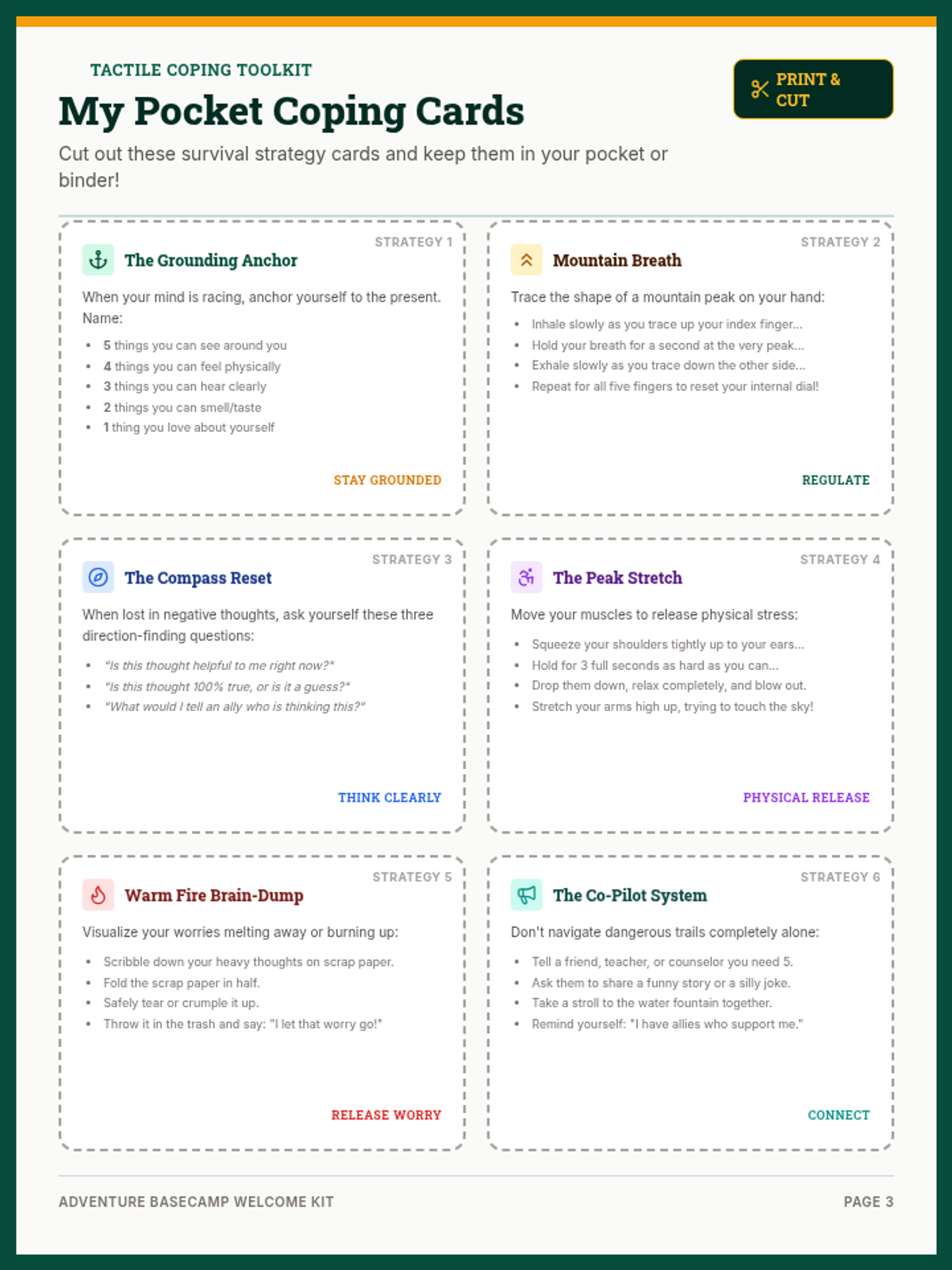
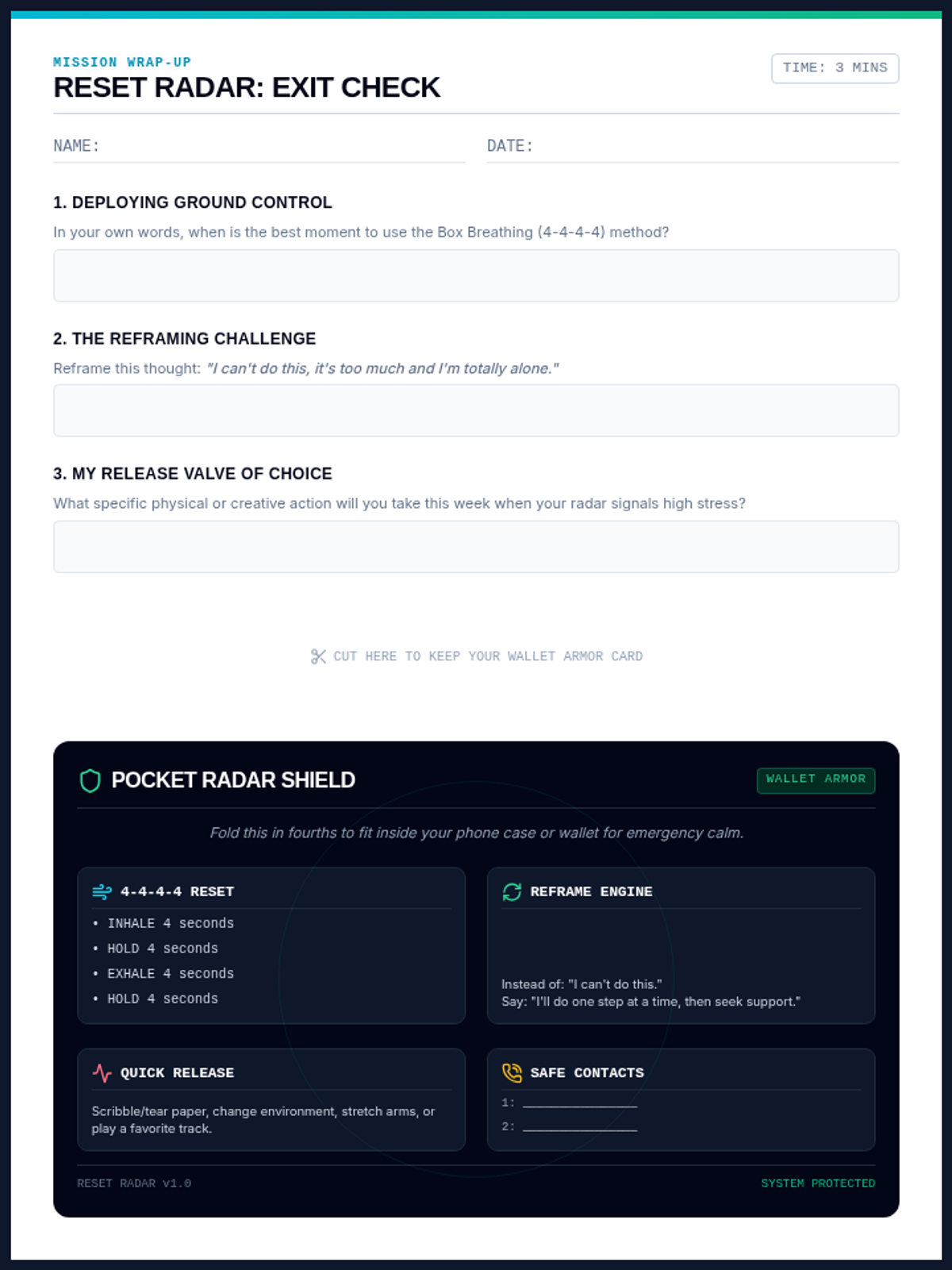
Introduces physical and environmental coping strategies, including deep breathing, grounding techniques, and healthy lifestyle habits.
Focuses on the connection between thoughts and feelings, teaching students how to challenge negative self-talk and reframe stressful situations.
Students will define stress, identify their personal 'stress triggers', and learn how their bodies react to pressure.
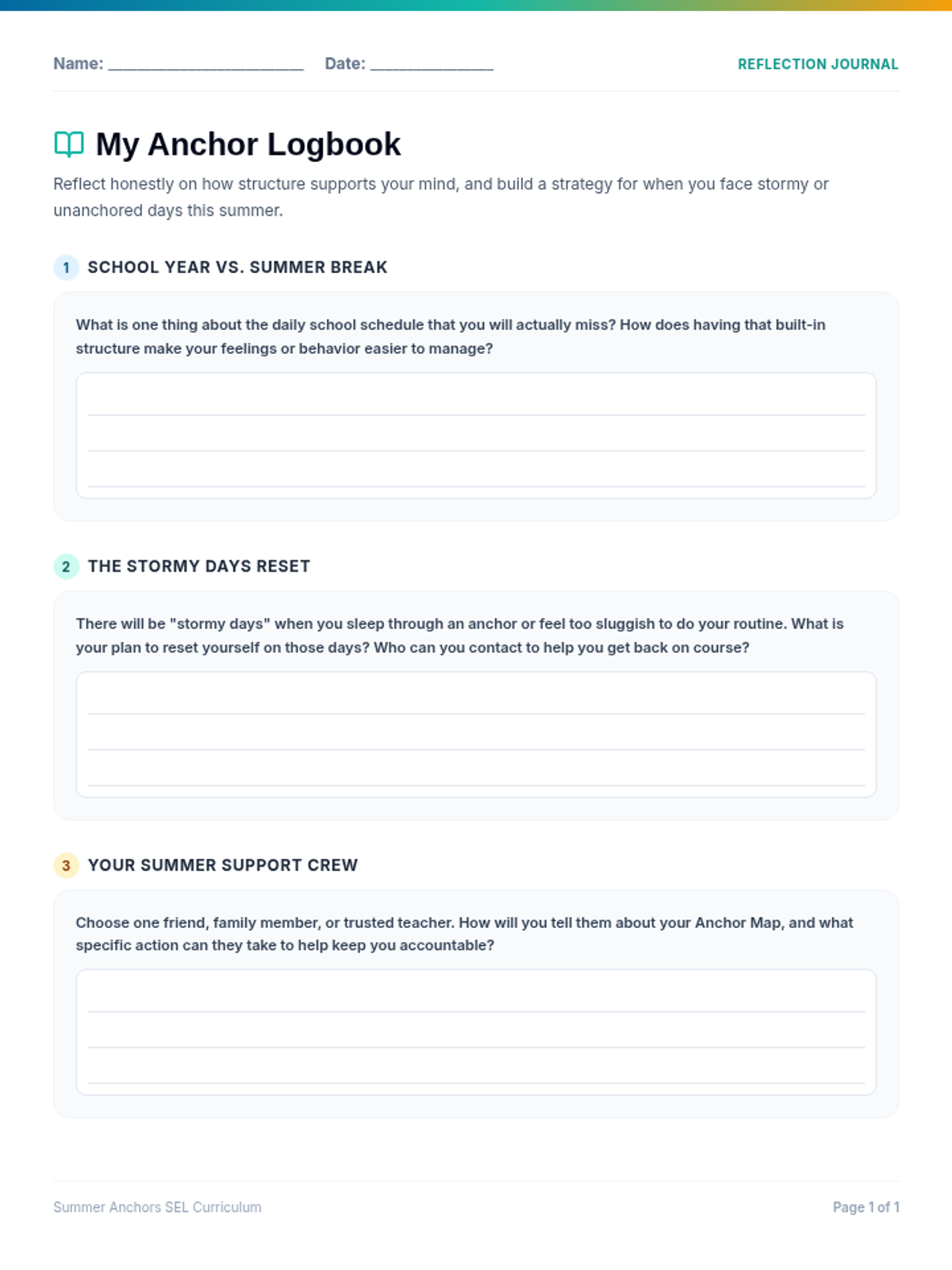
A reflective session designed for 8th-grade students to evaluate their communication choices and understand the impact of classroom disruptions, specifically focusing on respectful advocacy when work is completed.
A reflective lesson designed for 8th-grade students to analyze their communication styles, specifically focusing on how to advocate for themselves respectfully when they have completed work, and understanding the collective impact of classroom disruptions.
A game-based social-emotional learning lesson using UNO cards to help students navigate the transition to high school, focusing on friendships, academic stress, peer pressure, and balance.
A comprehensive lesson on restaurant etiquette covering menu reading, ordering, manners, volume control, tipping, and conflict resolution.
A functional skills lesson focused on navigating a restaurant experience on a budget, covering menu reading, budget planning, social etiquette, and group check splitting.
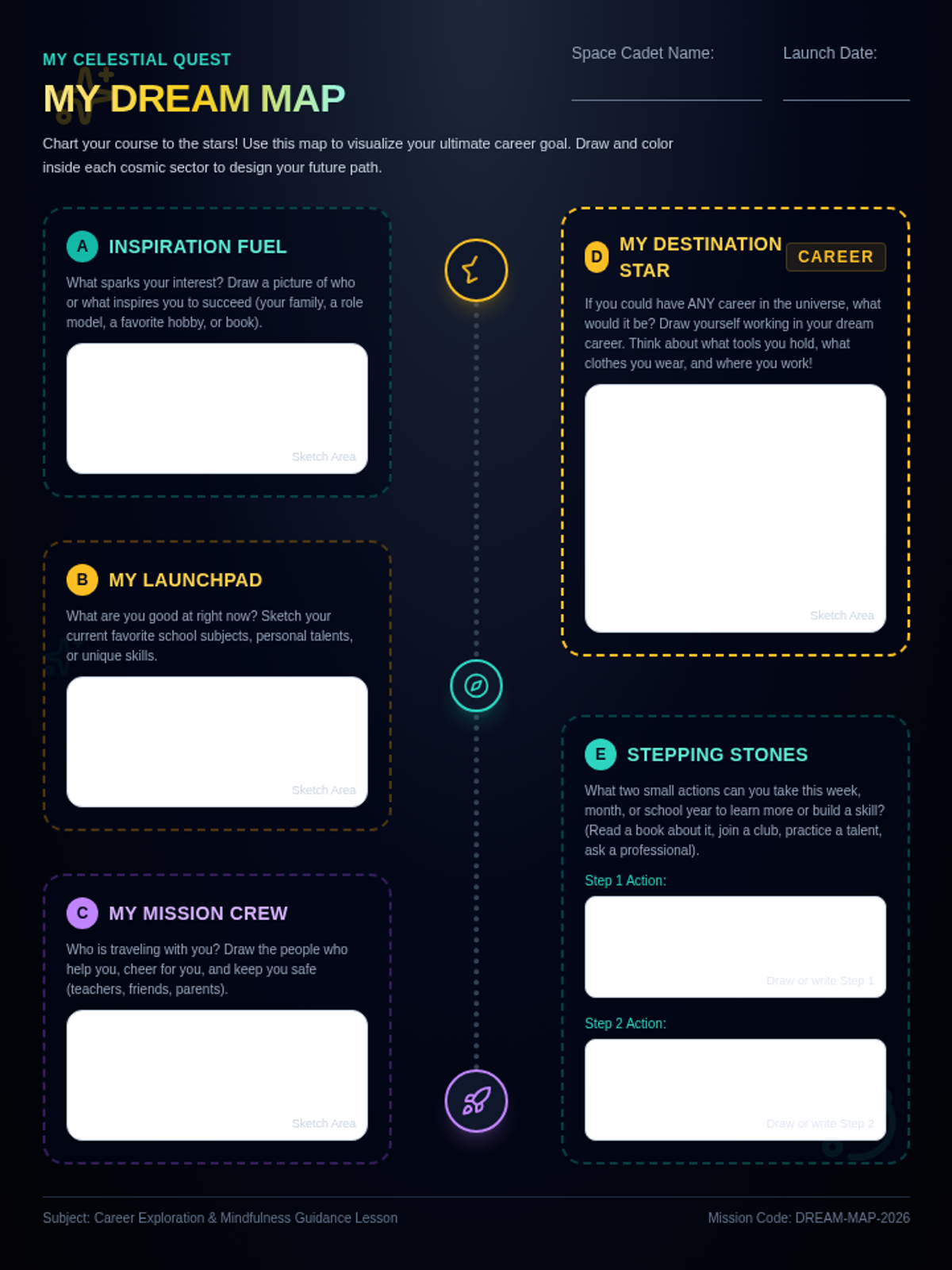
A visual career exploration lesson designed for students with moderate to severe disabilities, using real photos to identify interests across various career clusters.
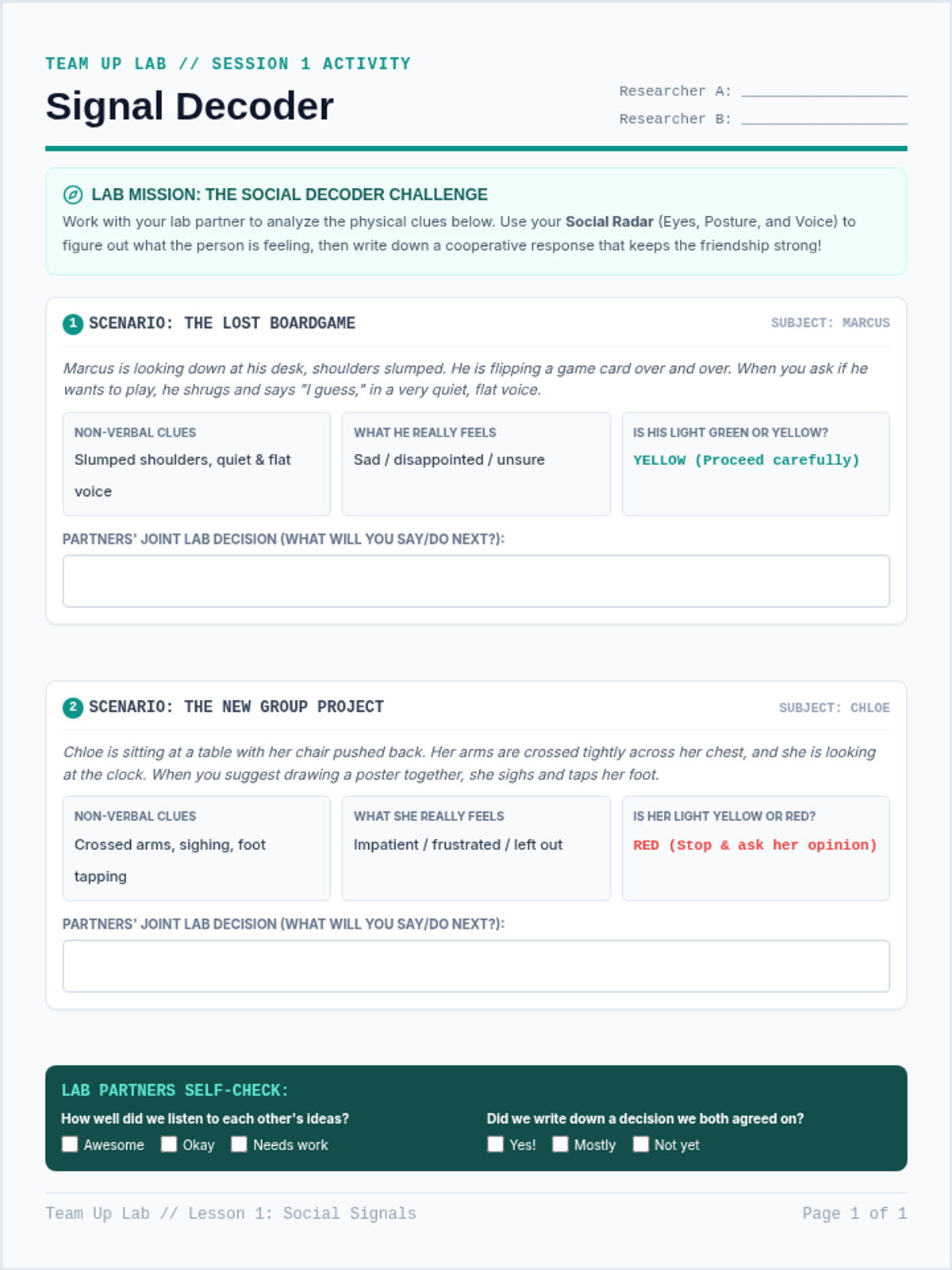
A social-emotional learning lesson for Tier 2 small groups focusing on identifying spheres of control and practicing assertive I-Statements in social scenarios.
Program review, celebration of growth, and completion of the EF Post-Test.
Instruction on effective note-taking and test-taking strategies tailored for middle school.
Practical strategies to defeat procrastination and streamline homework routines.
Building an awareness of time and learning how to estimate how long tasks actually take.
Developing cognitive flexibility to handle changes in schedules and different teaching styles.
Strategies for overcoming the 'freeze' and getting started on difficult tasks immediately.
Focuses on organization of physical and digital spaces and long-term project planning.
Introduction to the brain's "Command Center," establishing group norms, and completing the EF Pre-Test.
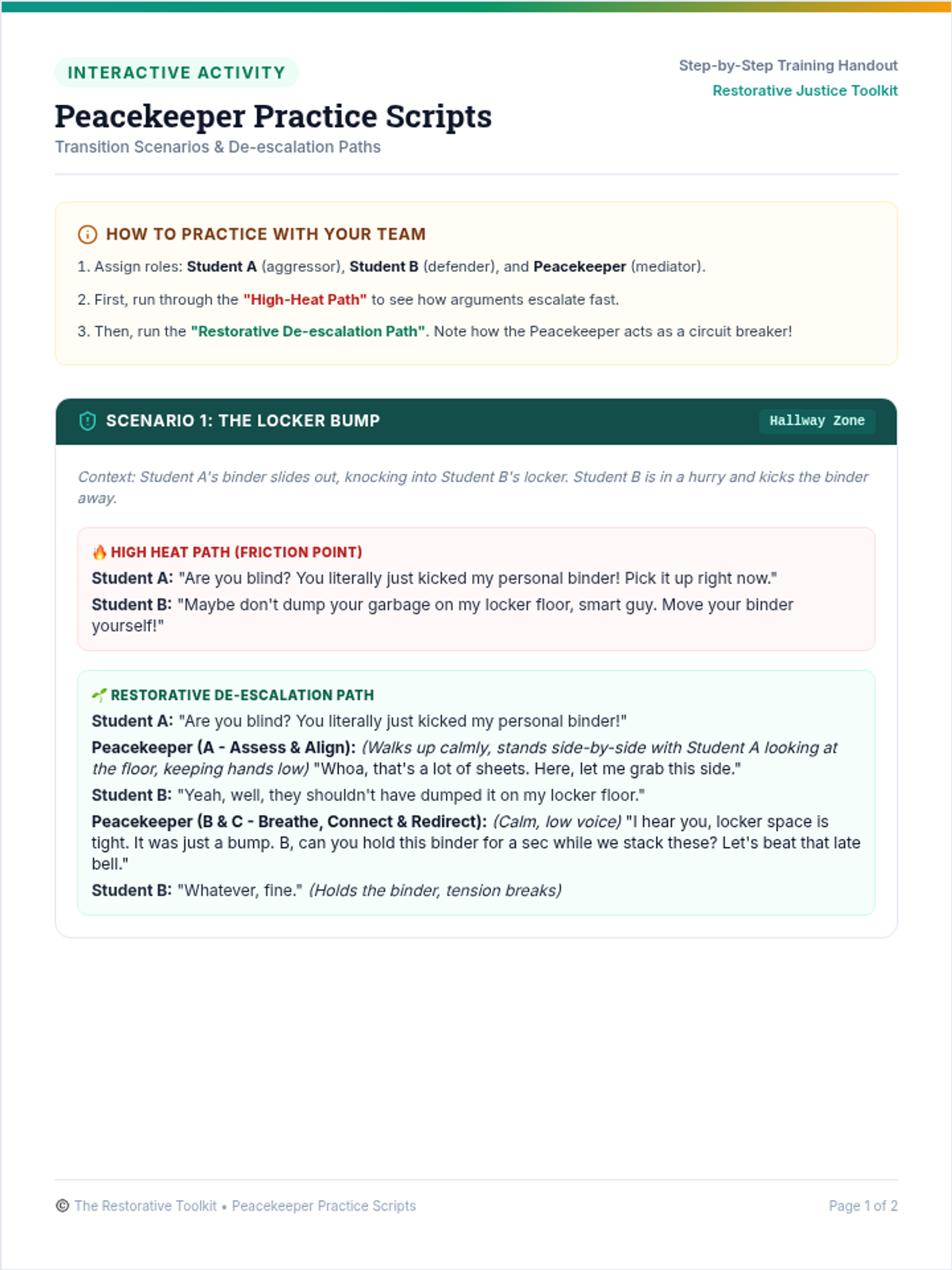
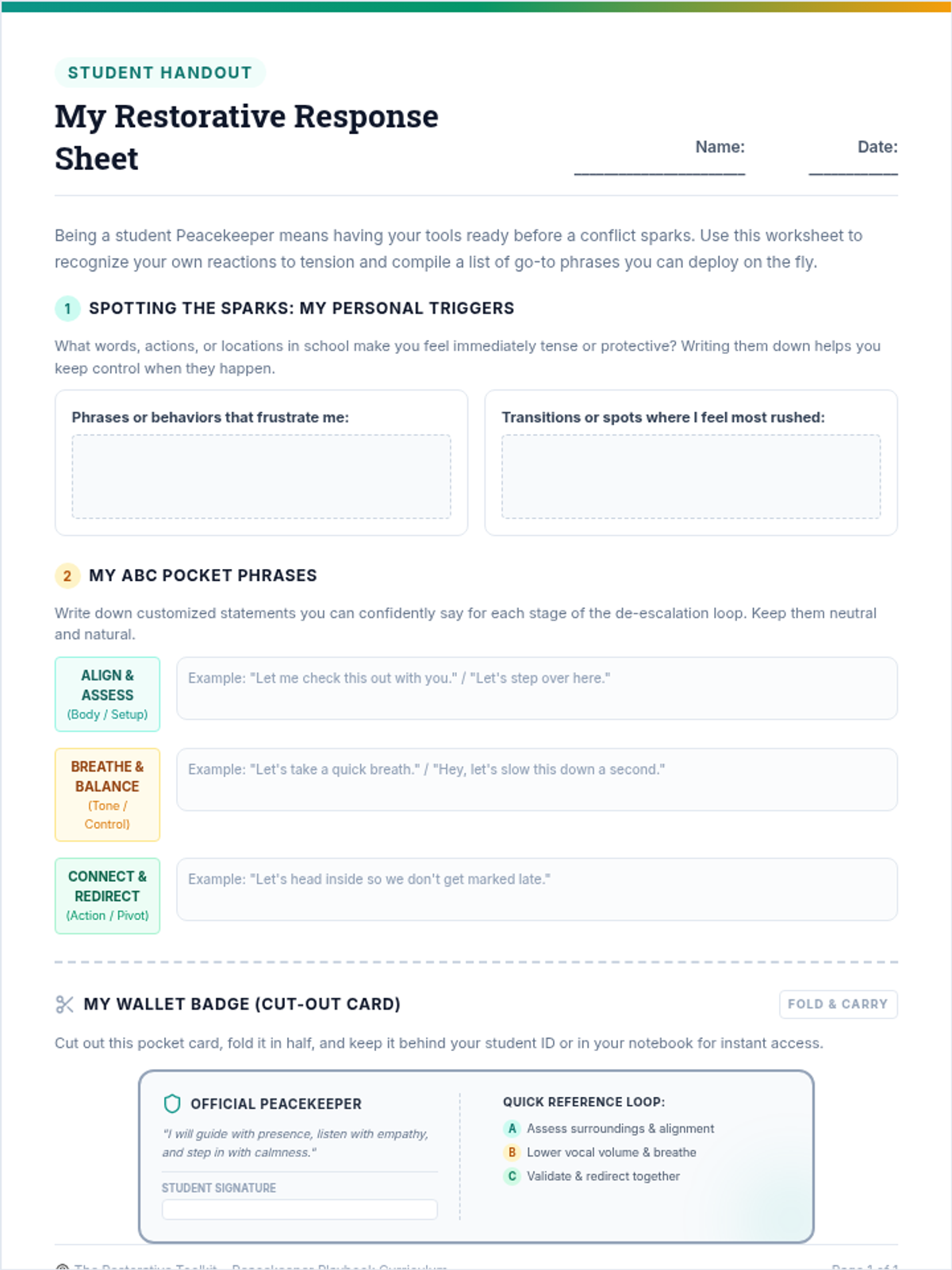
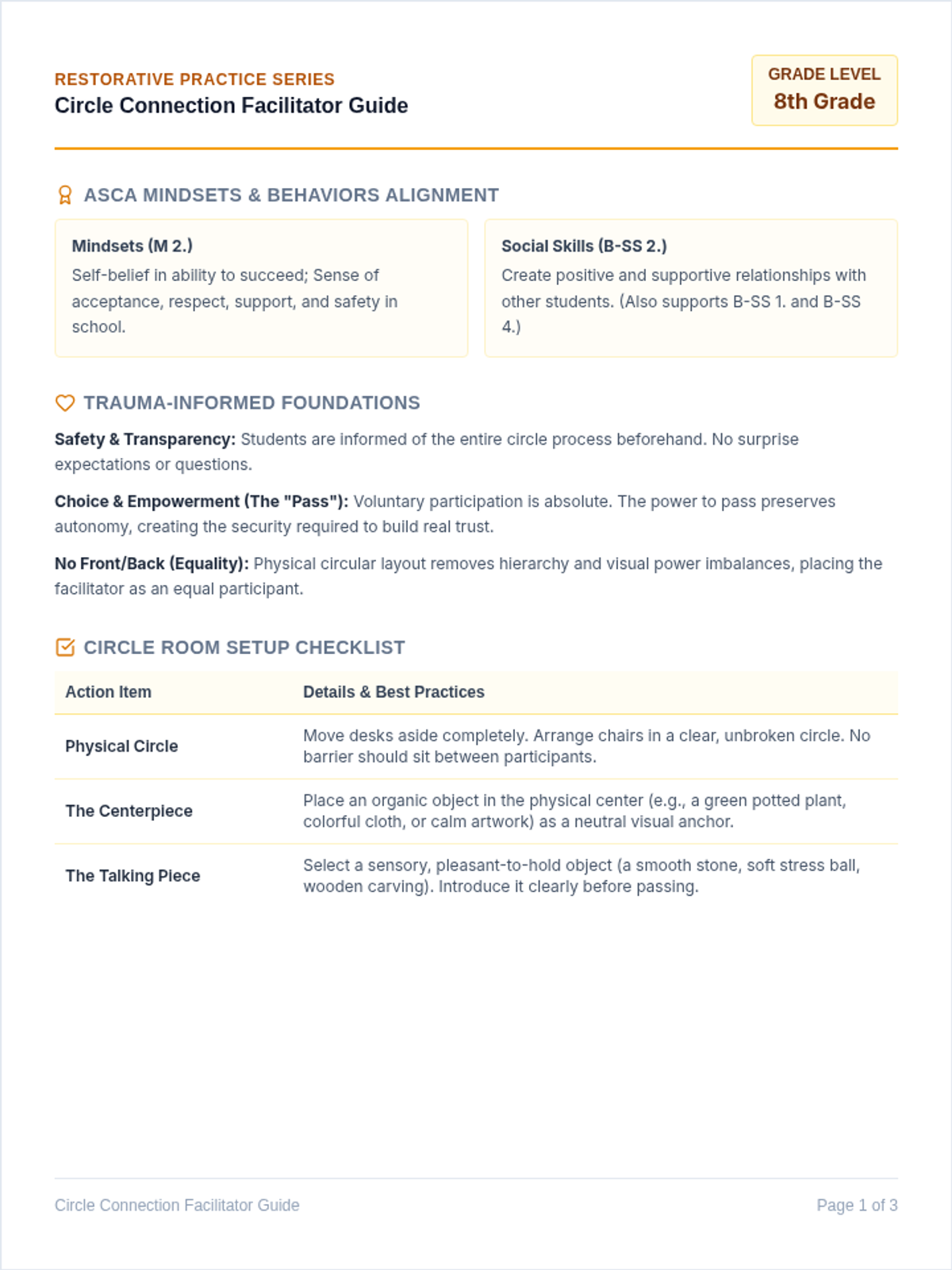
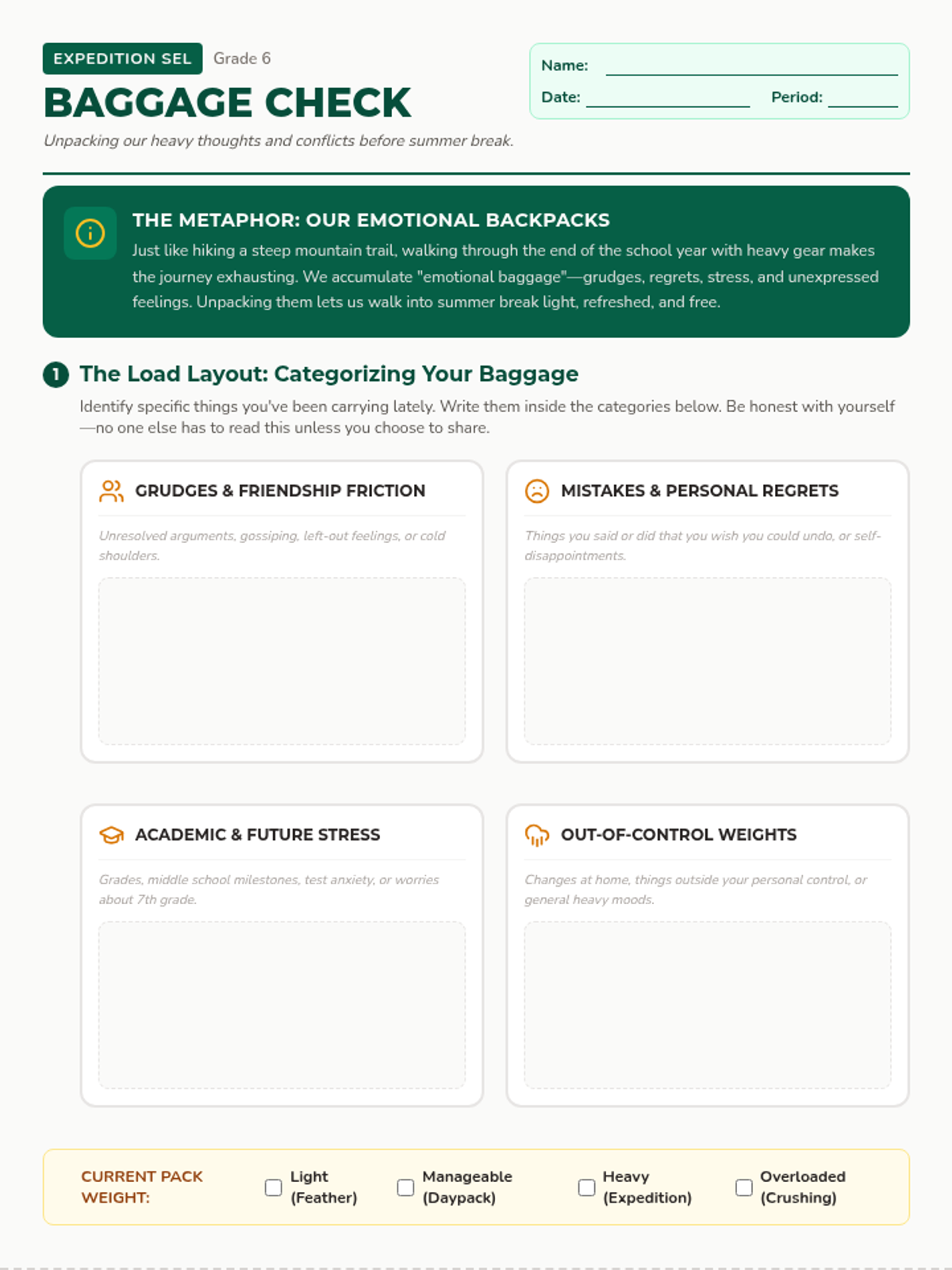
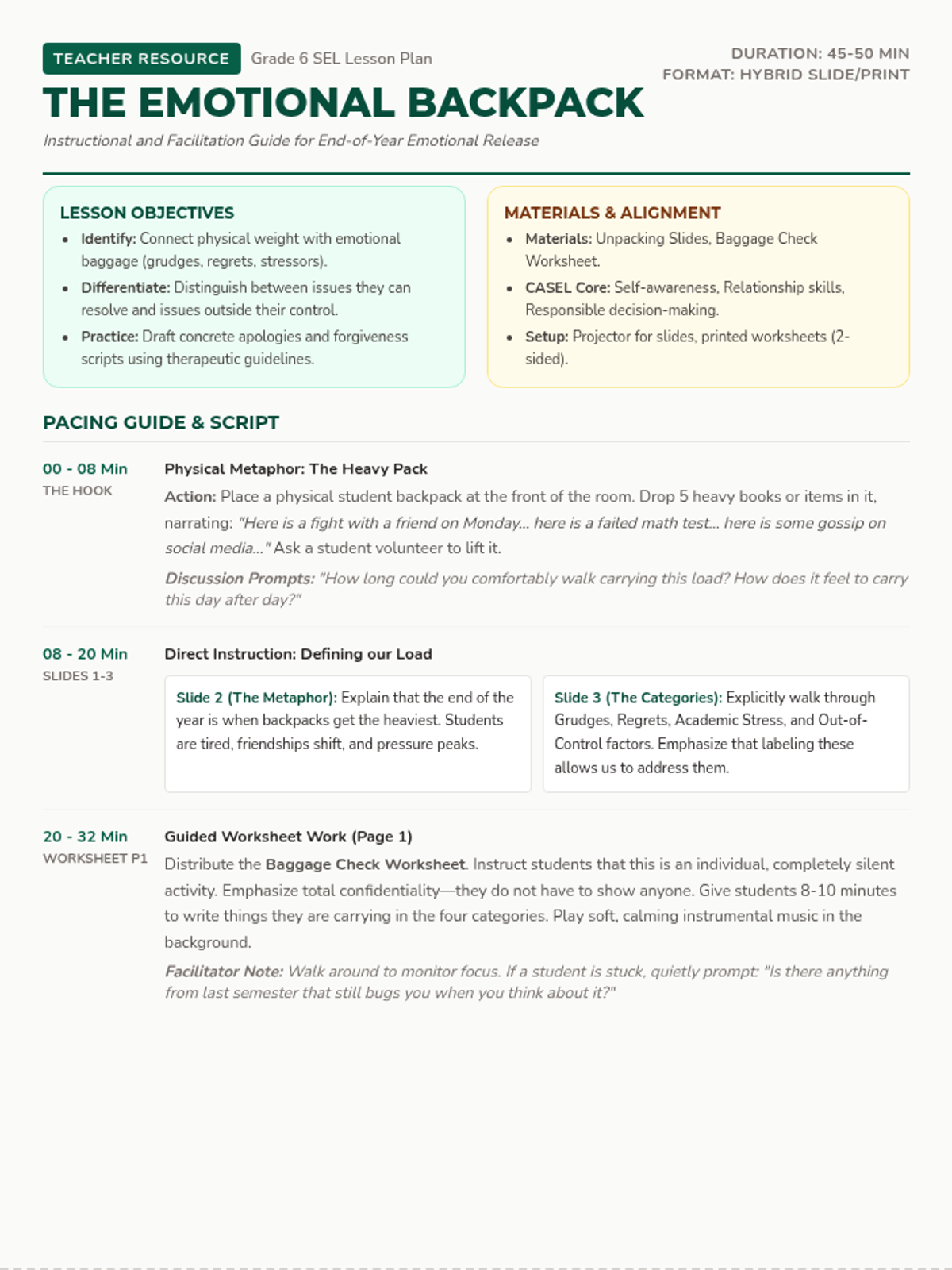
A Restorative Practices-based lesson for 6th graders focused on identifying impulsive emotional reactions, understanding their impact on others, and taking accountability through meaningful repair.
Reviewing skills learned, troubleshooting obstacles, and practicing self-advocacy for future success.
Organizing physical and digital spaces, establishing routines for material management.
Developing active study habits, creating optimal study environments, and memory enhancement techniques.
Strategies for time estimation, prioritization of tasks, and overcoming procrastination.
Focusing on academic planning, using planners effectively, and the art of backward planning for long-term projects.
Introduction to executive functioning as the brain's 'Command Center' and setting initial SMART goals for the 6-week program.
This lesson helps 6th graders navigate the complex world of early romantic feelings by focusing on identifying emotions, setting healthy boundaries, and practicing clear communication. Students will learn to distinguish between healthy and unhealthy relationship behaviors through interactive slides and role-play scenarios.
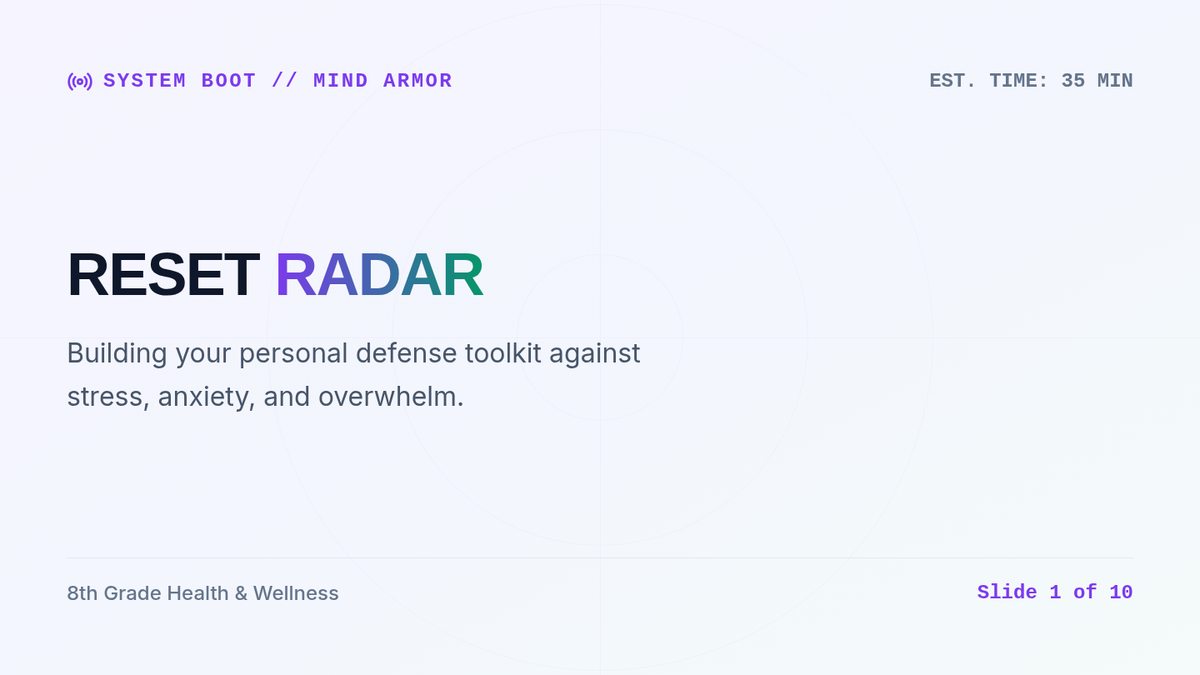
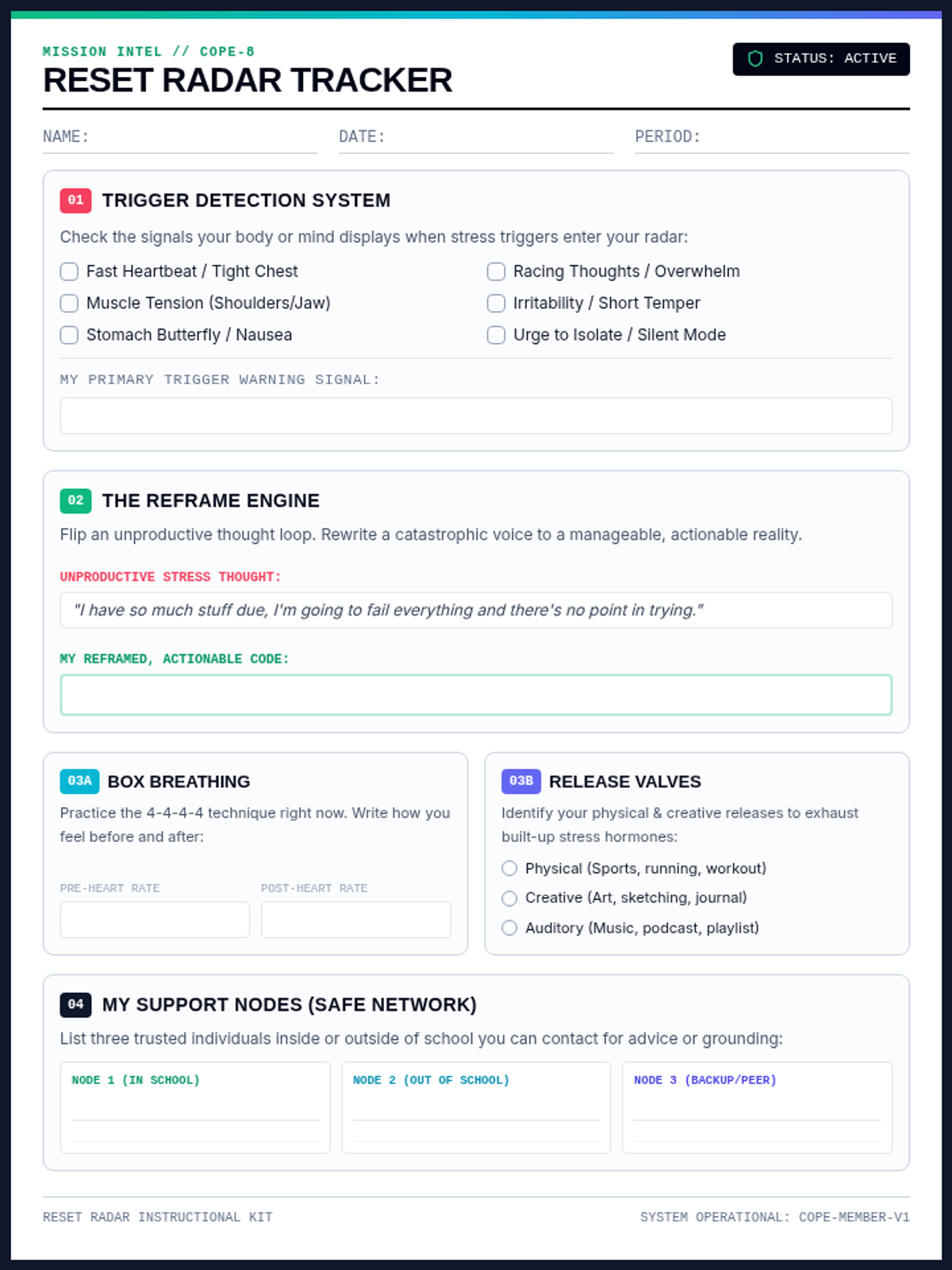
Agents learn to identify 'reactor heat' (stress) and use cooling valves to maintain operational status.