A culminating activity where students analyze different types of information to determine which note-taking structure best supports the content and their own retrieval needs.
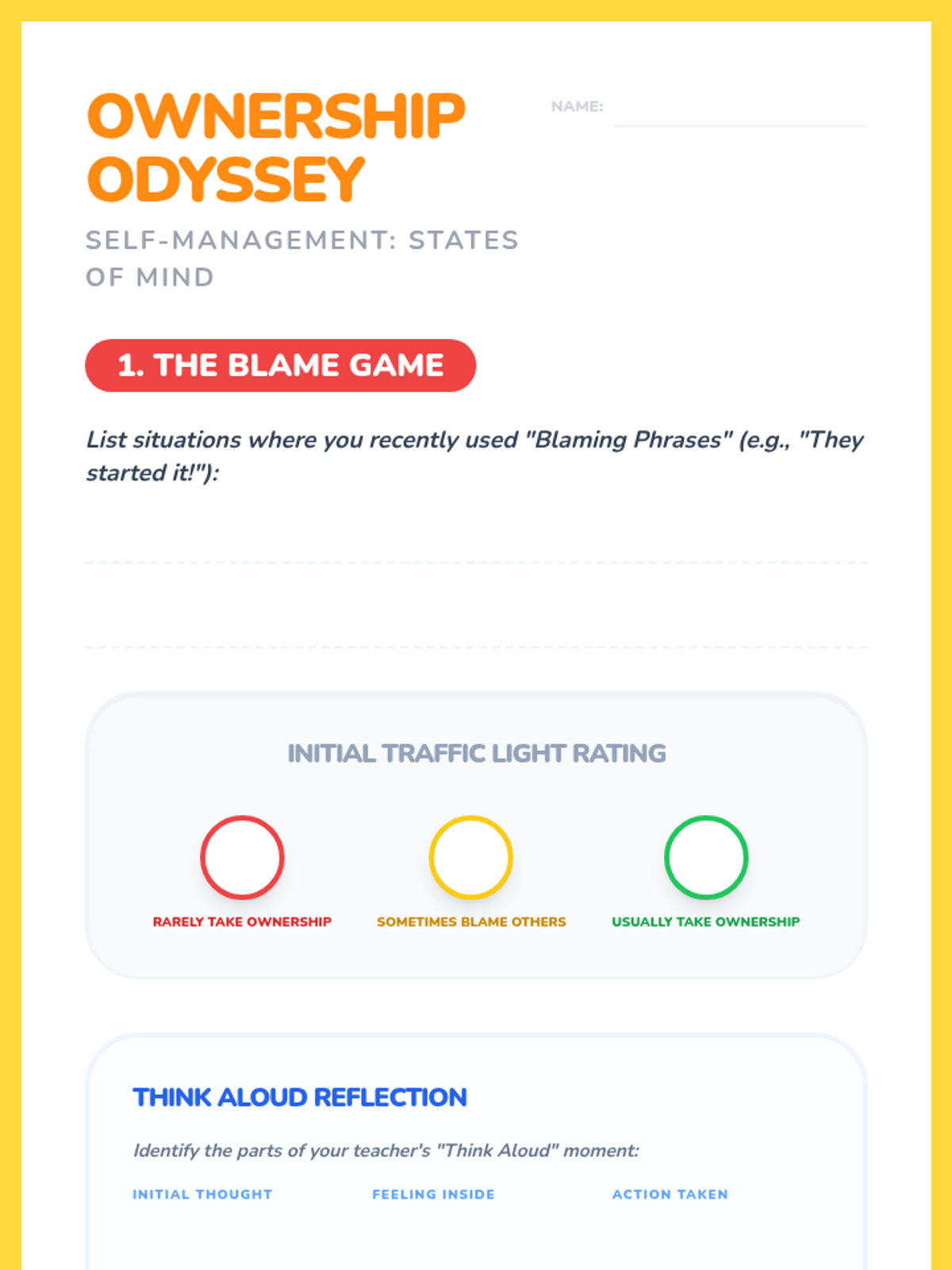
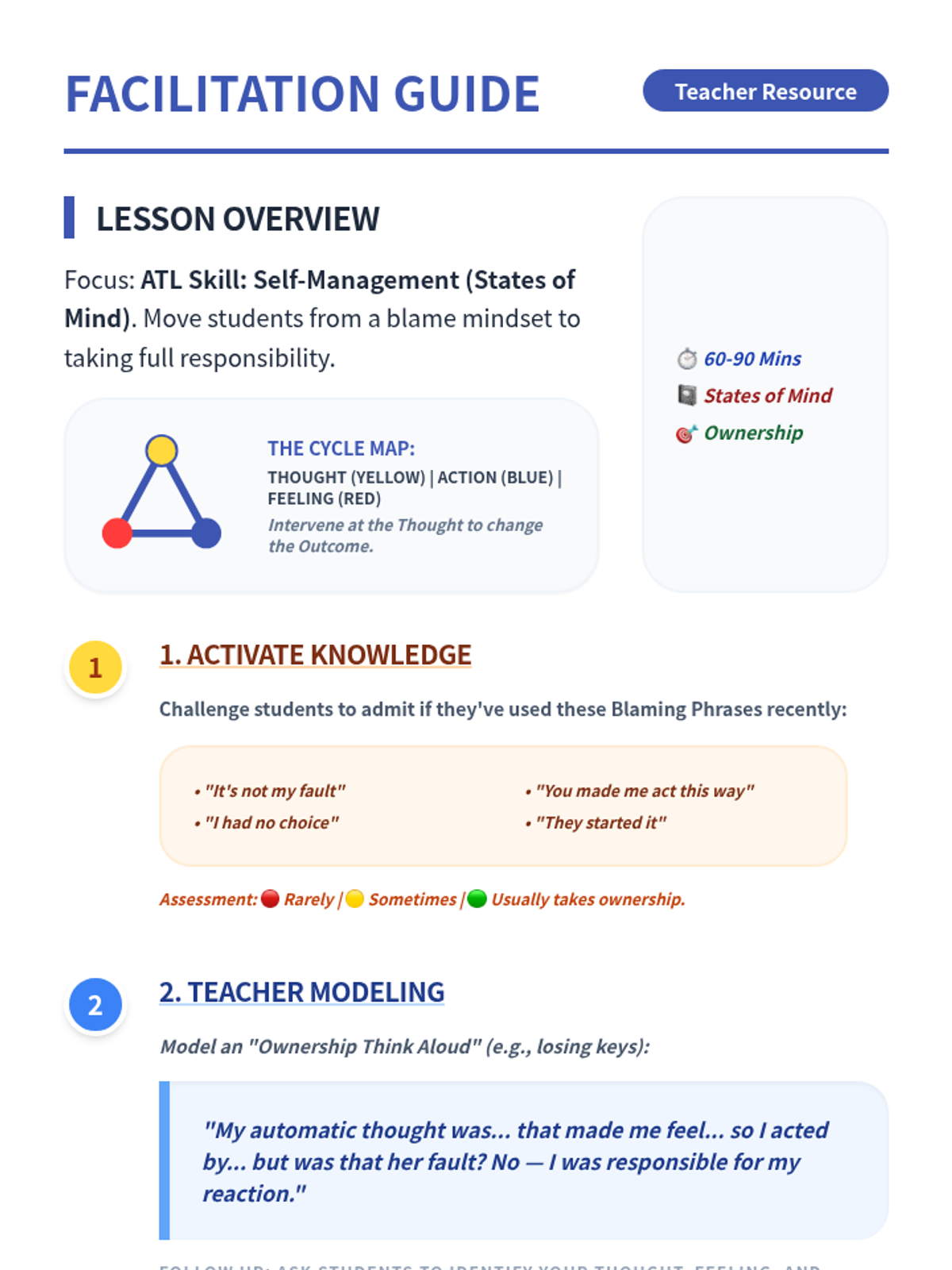
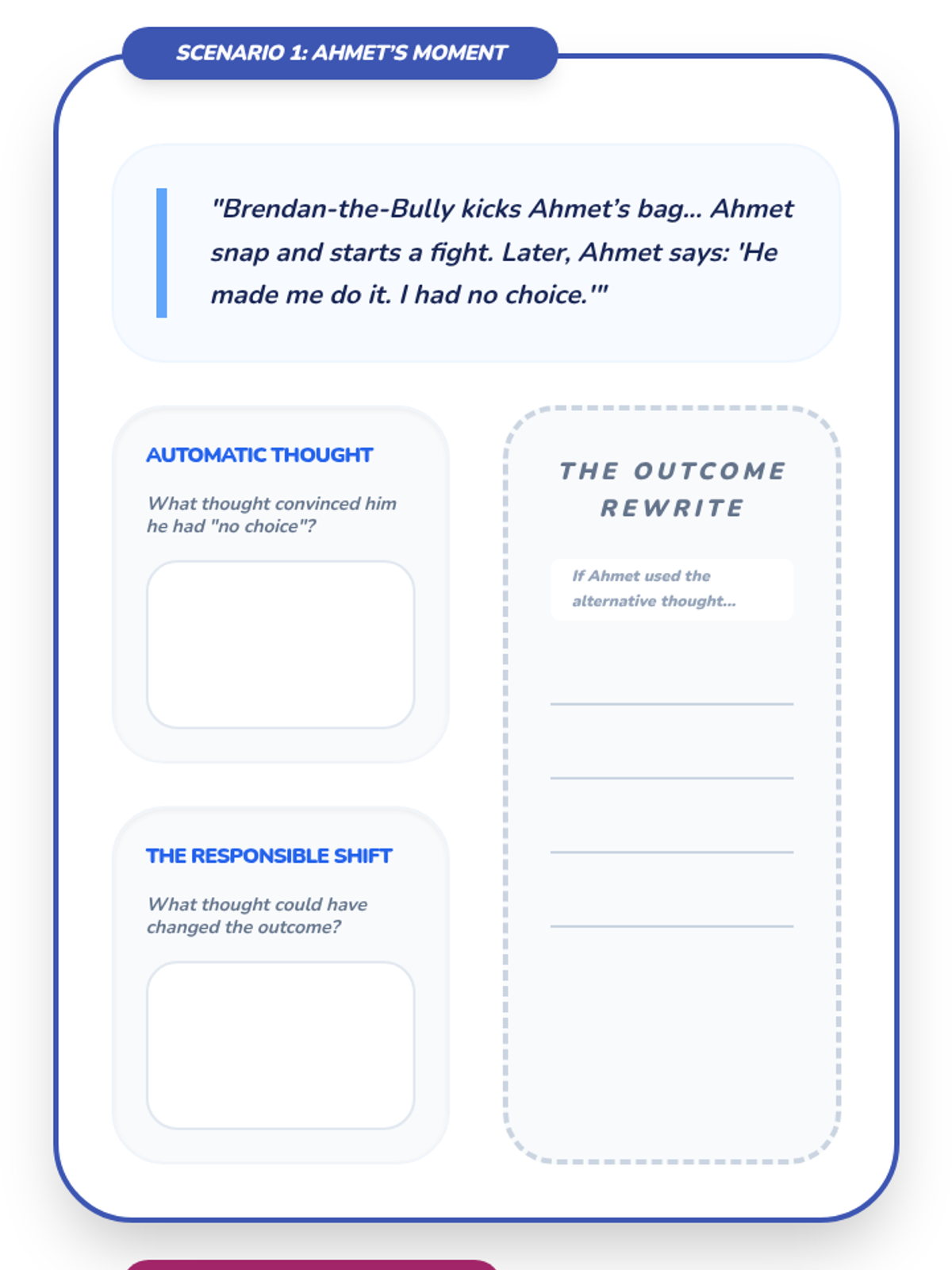
A comprehensive self-management lesson that uses Cognitive Behavioral Therapy (CBT) principles to help students move from a blame mindset to taking full responsibility for their actions. Students analyze characters from 'Inside Out 2' and 'The Boy at the Back of the Class' to understand the connection between thoughts, feelings, and behaviors.
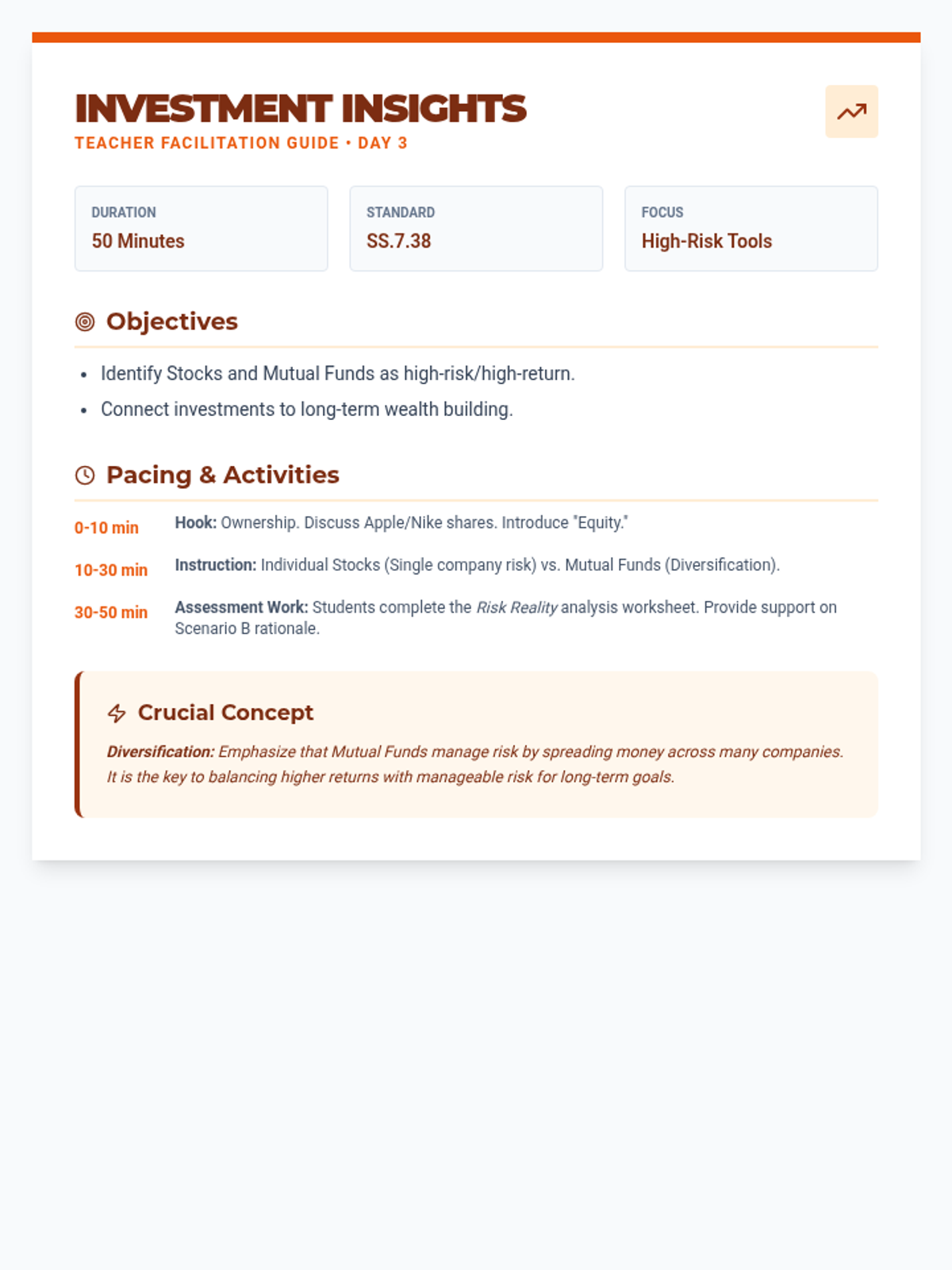
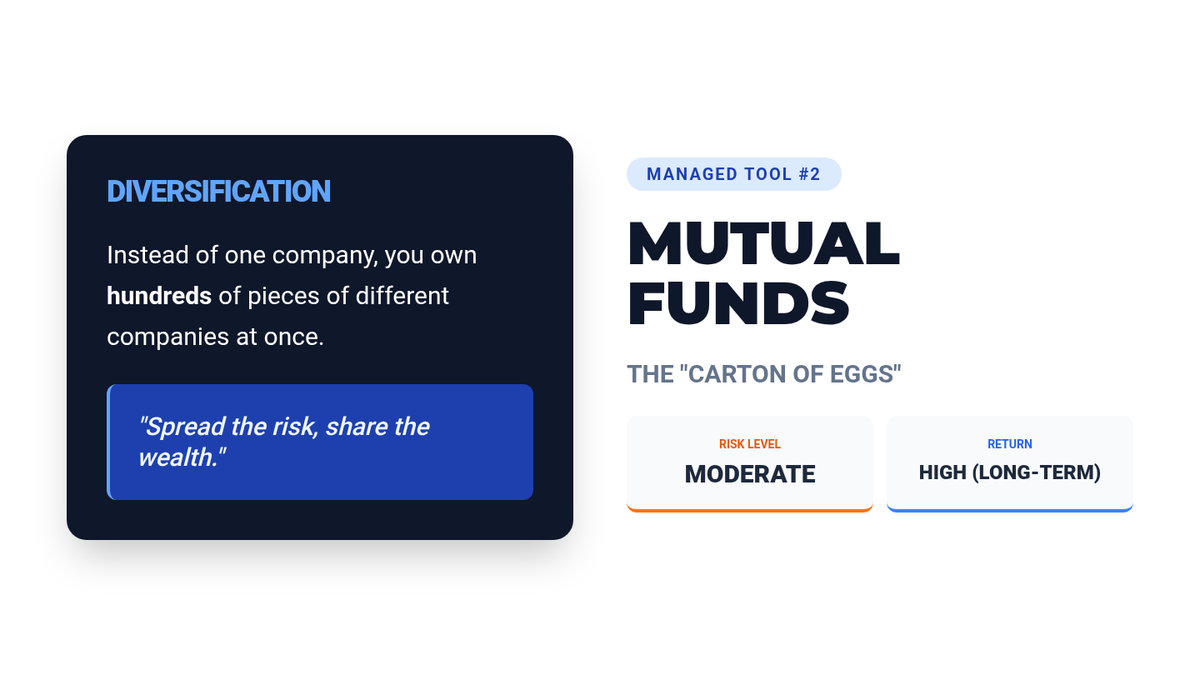
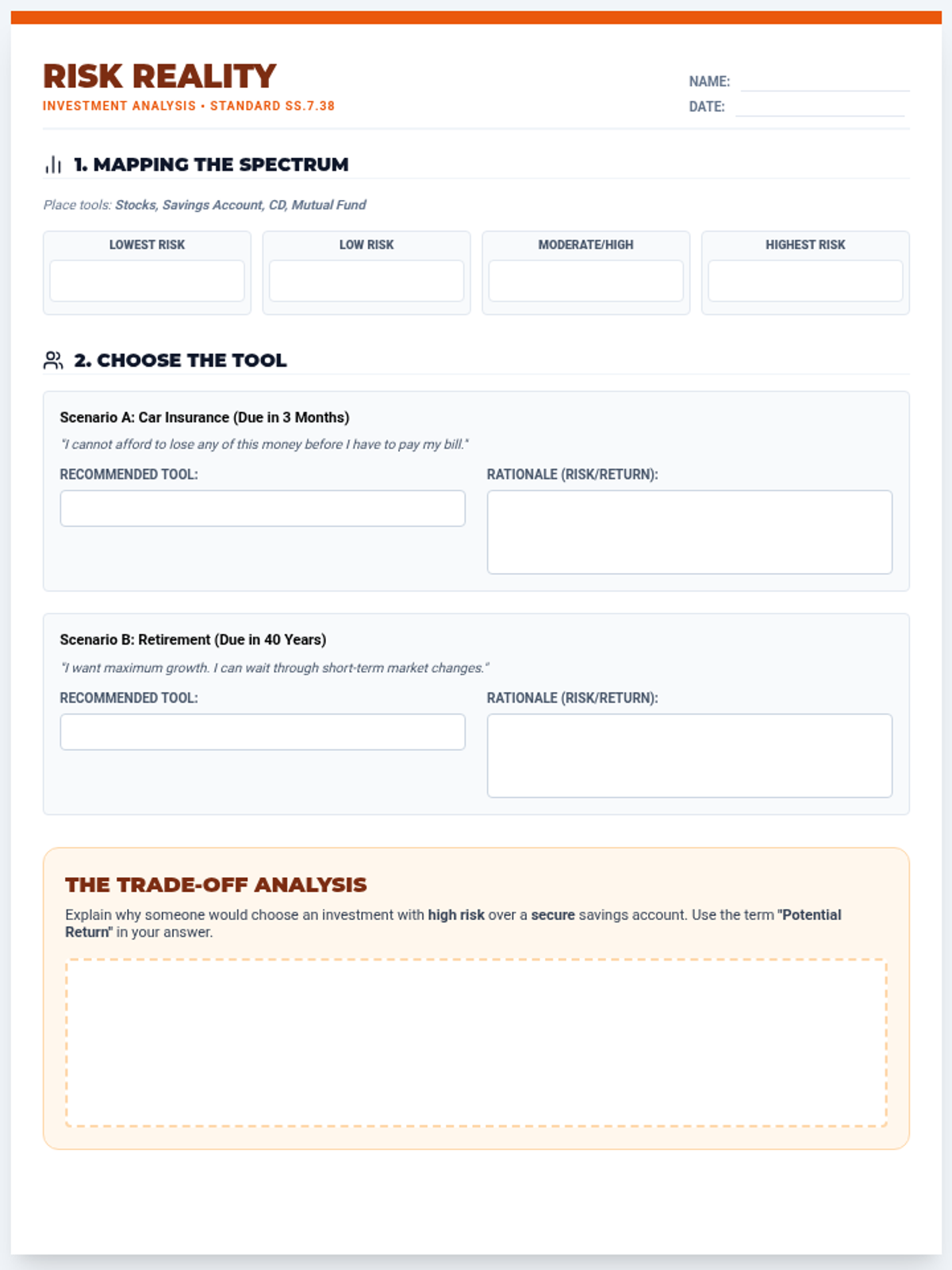
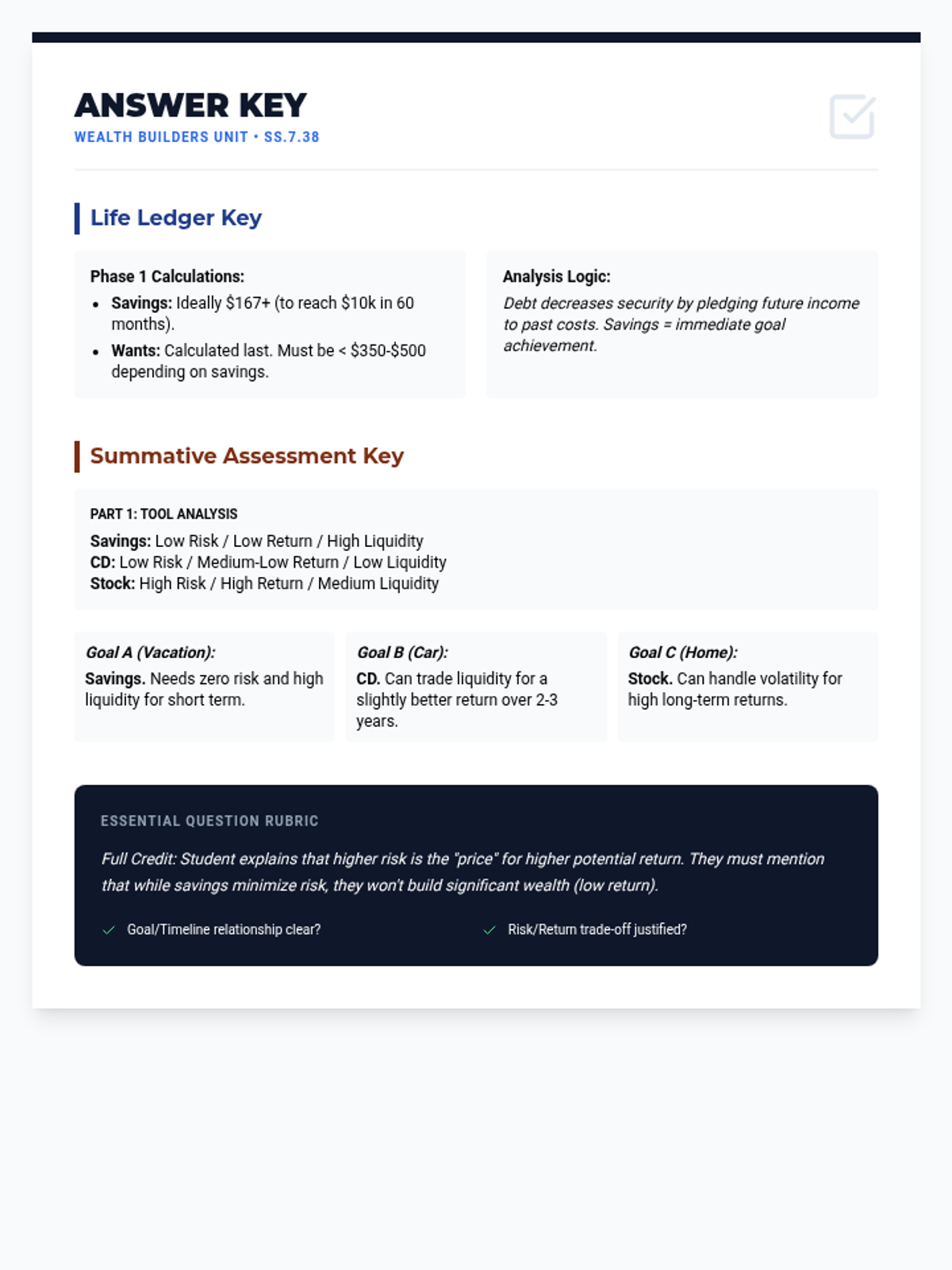
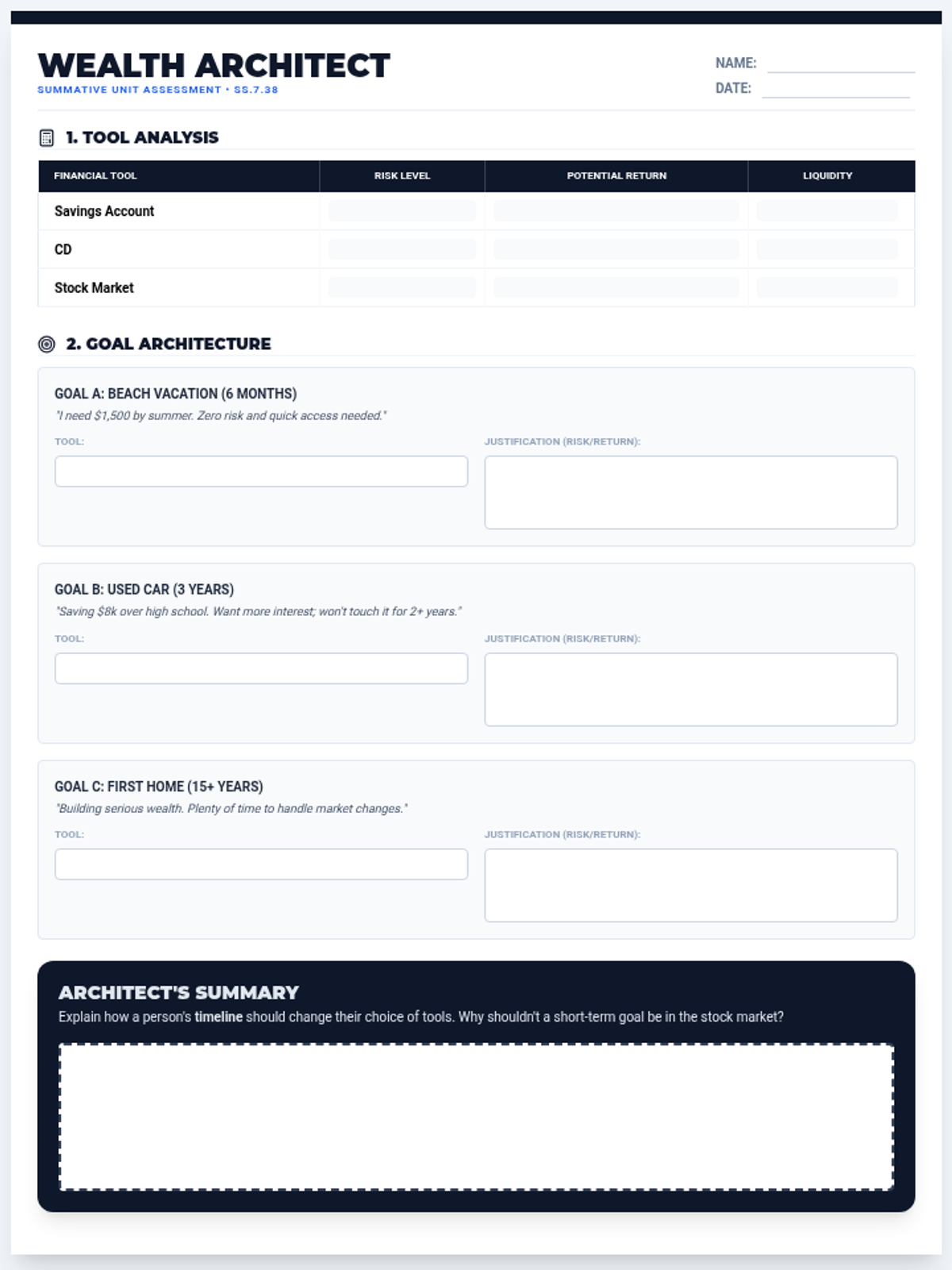
An investigation into high-risk investment tools like stocks and mutual funds, focusing on the principle that higher potential returns often carry higher risks for long-term wealth.
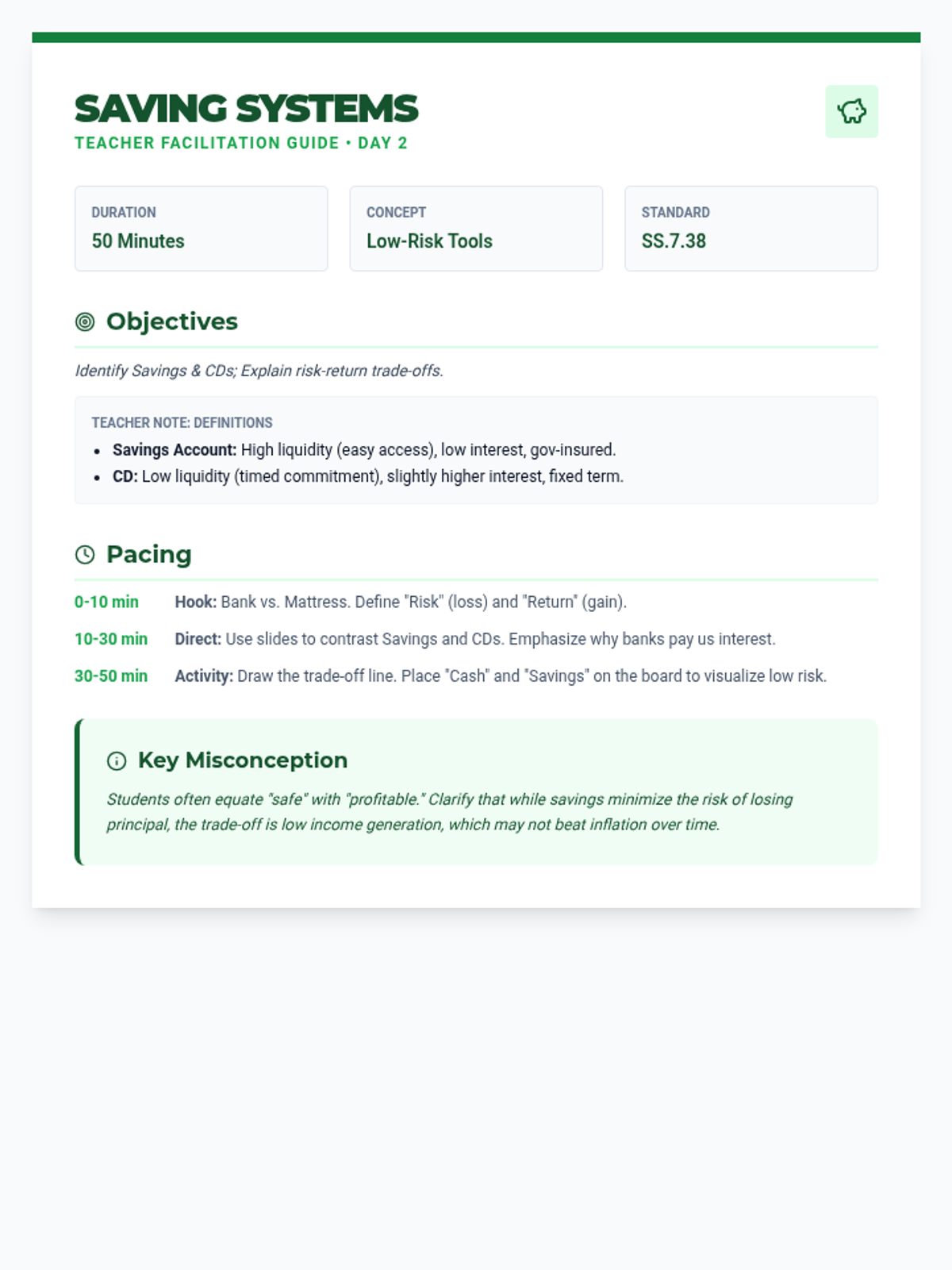
An exploration of low-risk financial tools including savings accounts and CDs, highlighting the balance between security and lower returns.
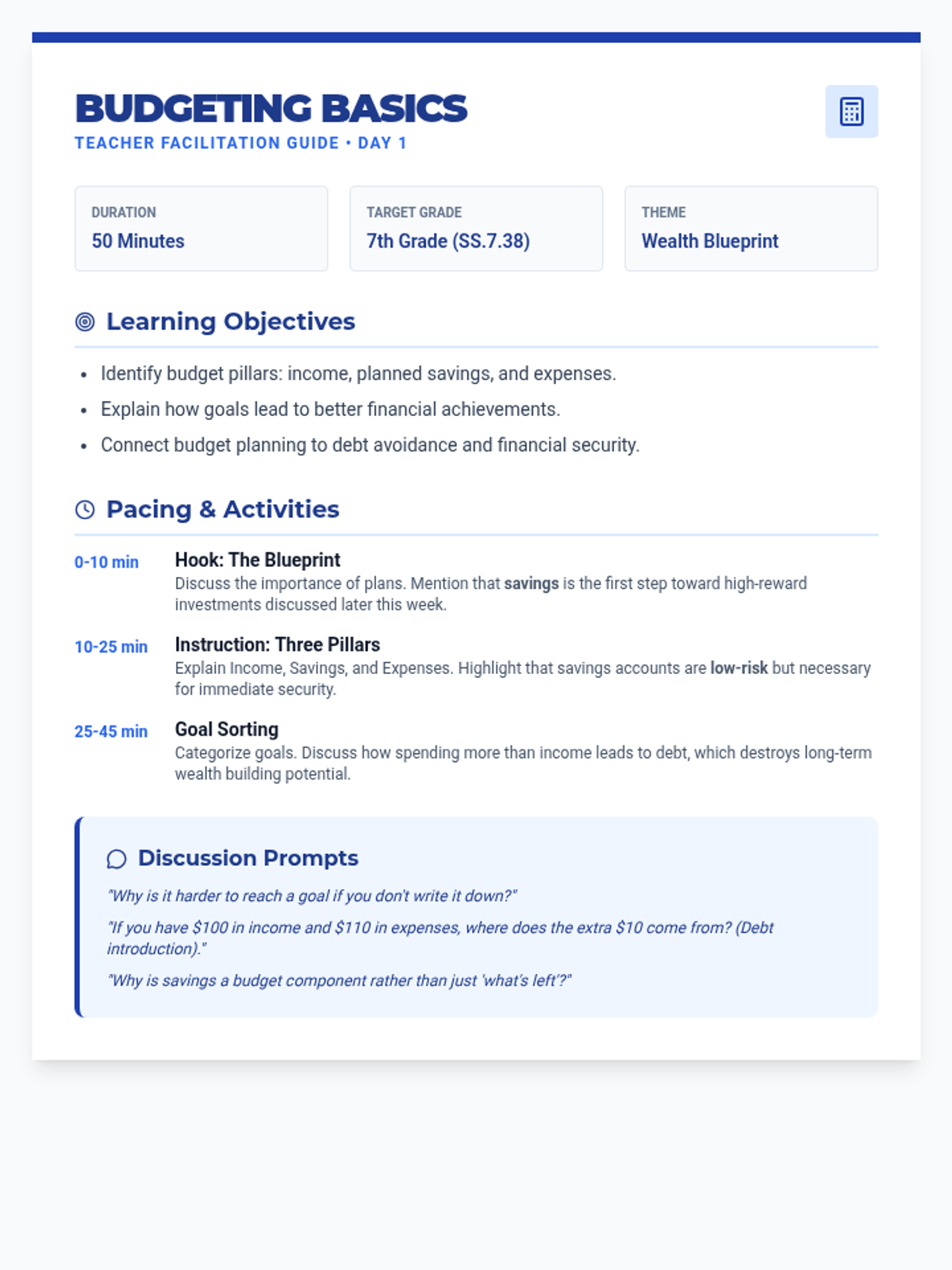
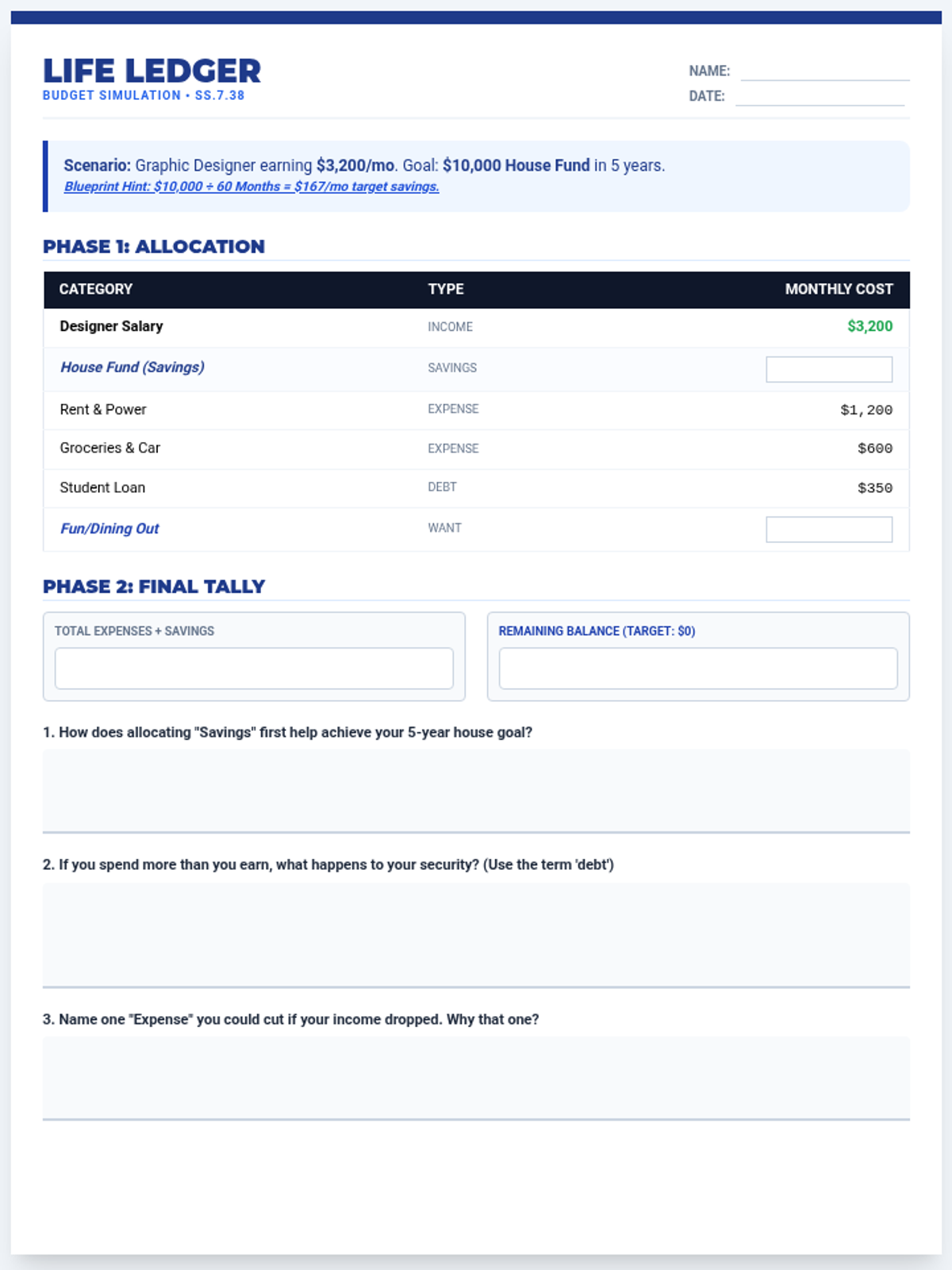
Students explore the foundational components of a personal budget—income, expenses, and planned savings—while learning how goal-setting and planning can prevent debt and build security.
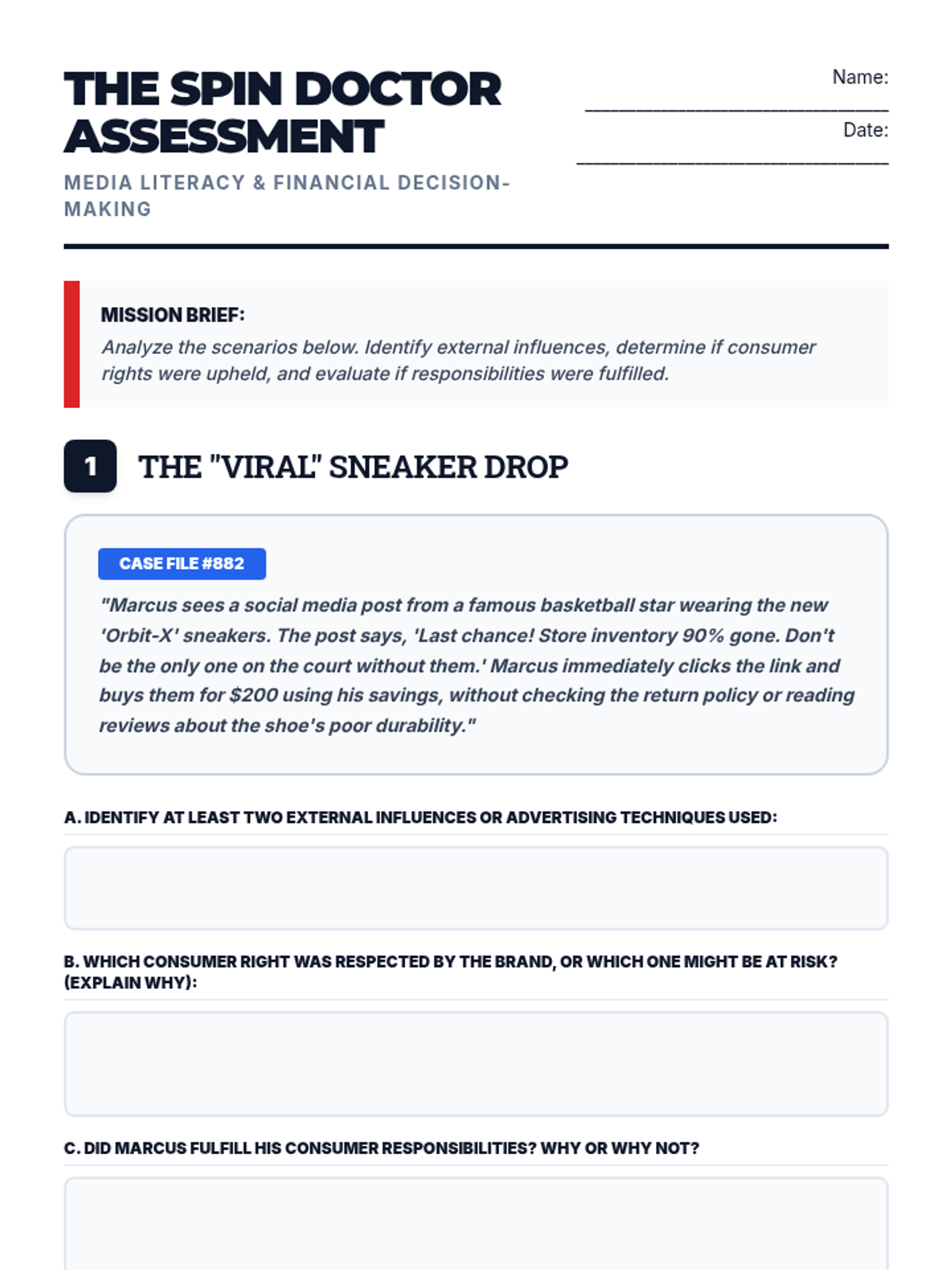
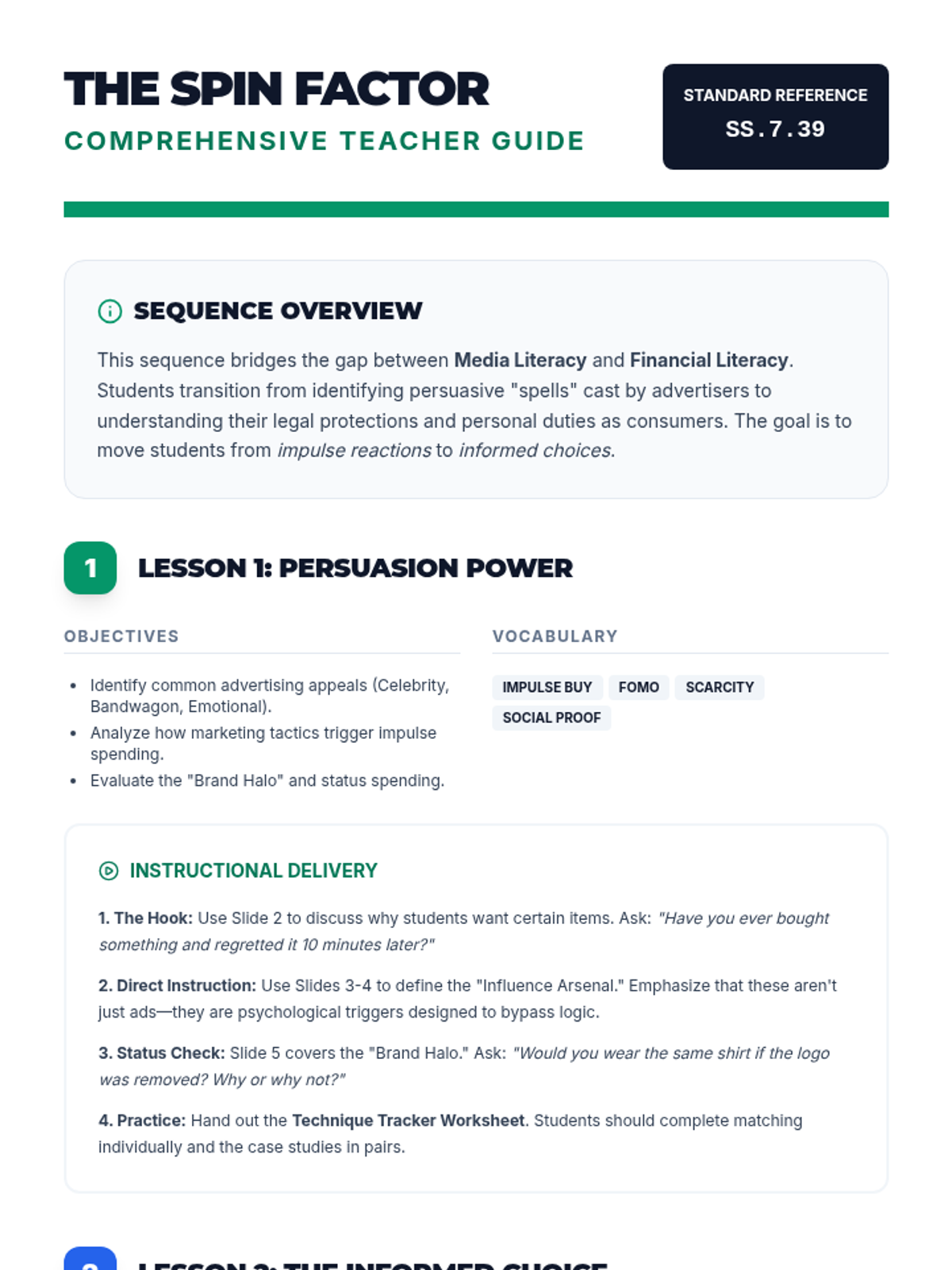
Students explore the rights and responsibilities of a consumer, focusing on how social media and peer pressure impact decision-making.
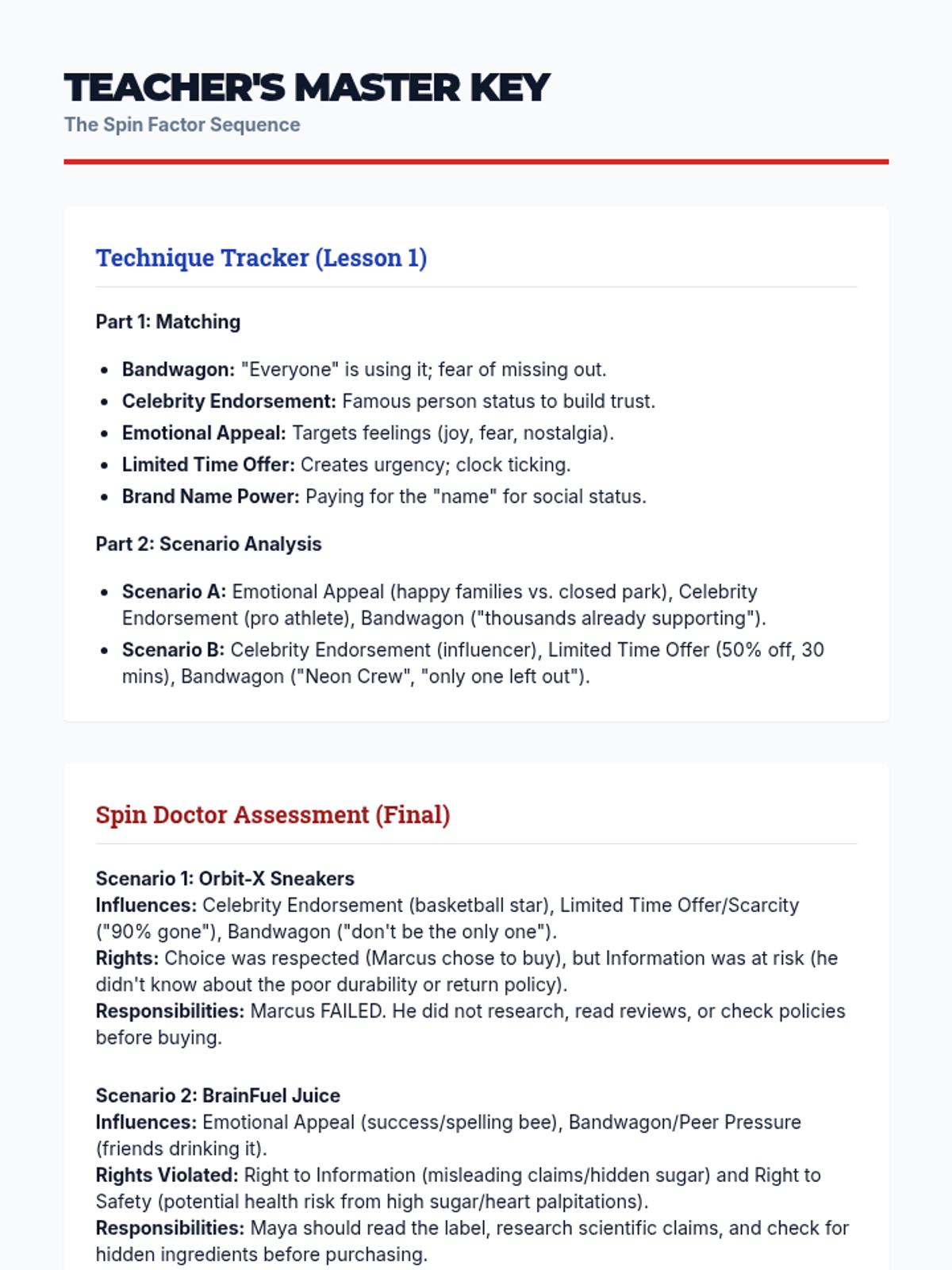
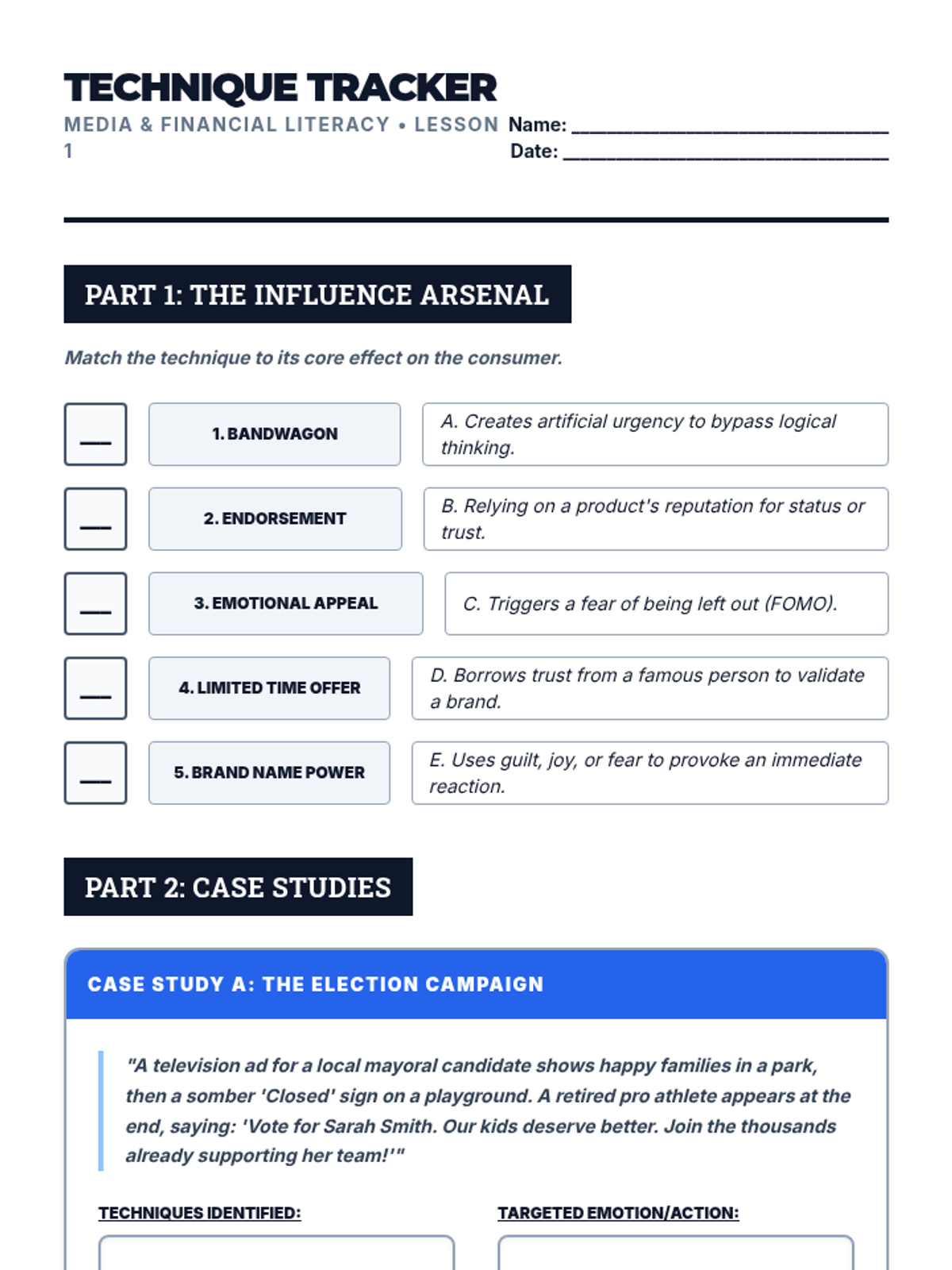
Students analyze how political and commercial advertising use techniques like bandwagon, celebrity endorsements, and emotional appeals to influence spending and voting.
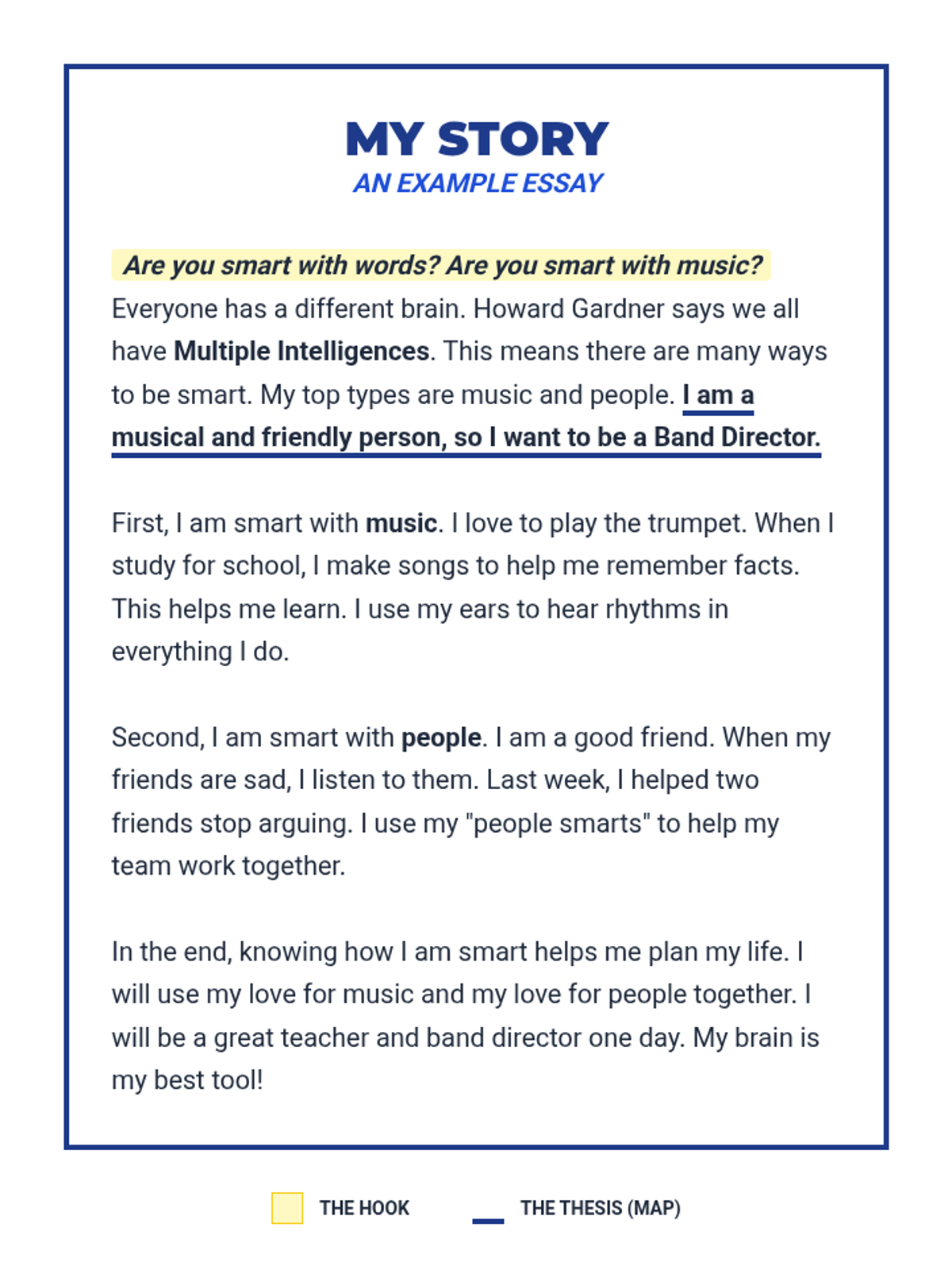
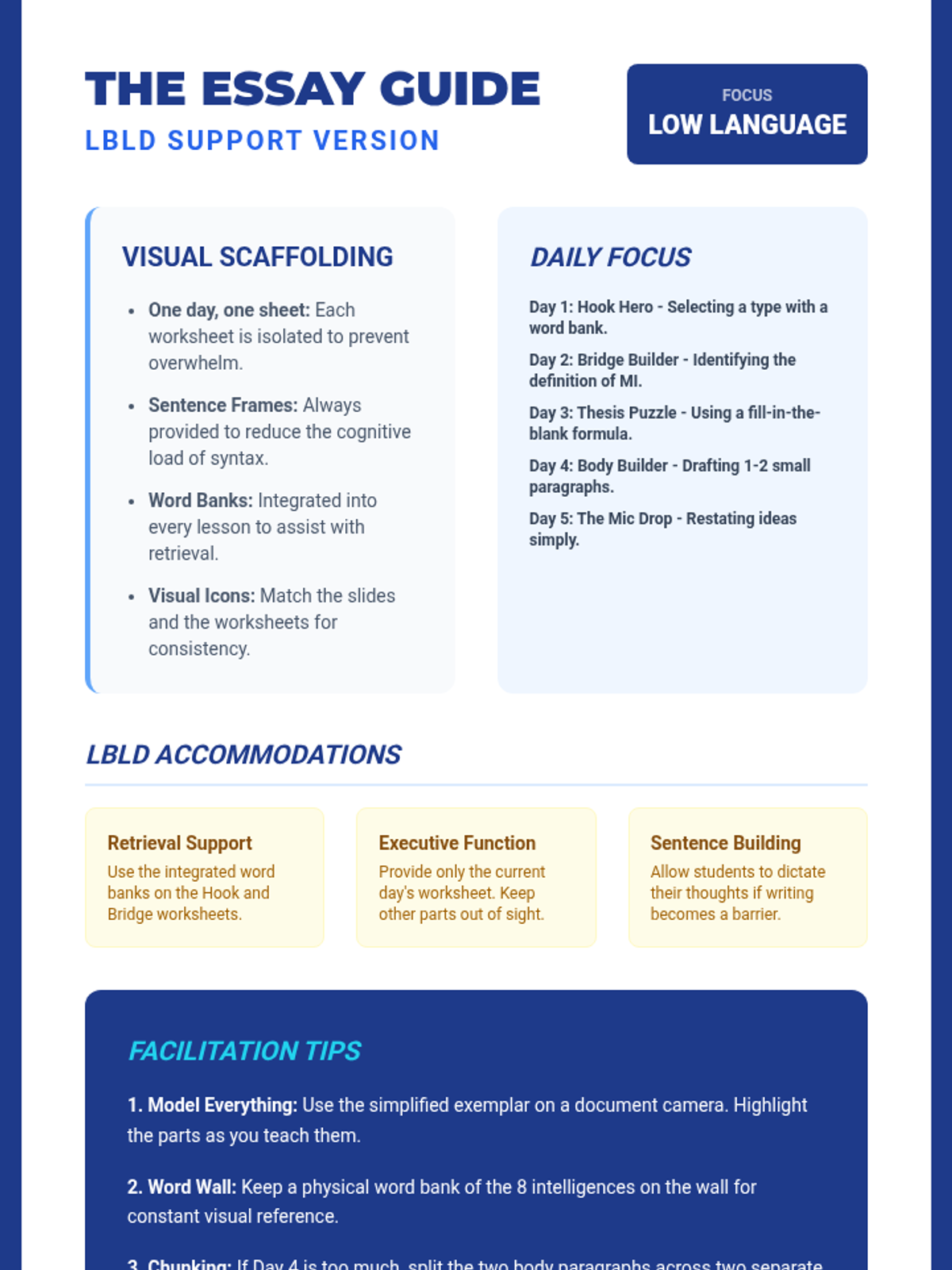
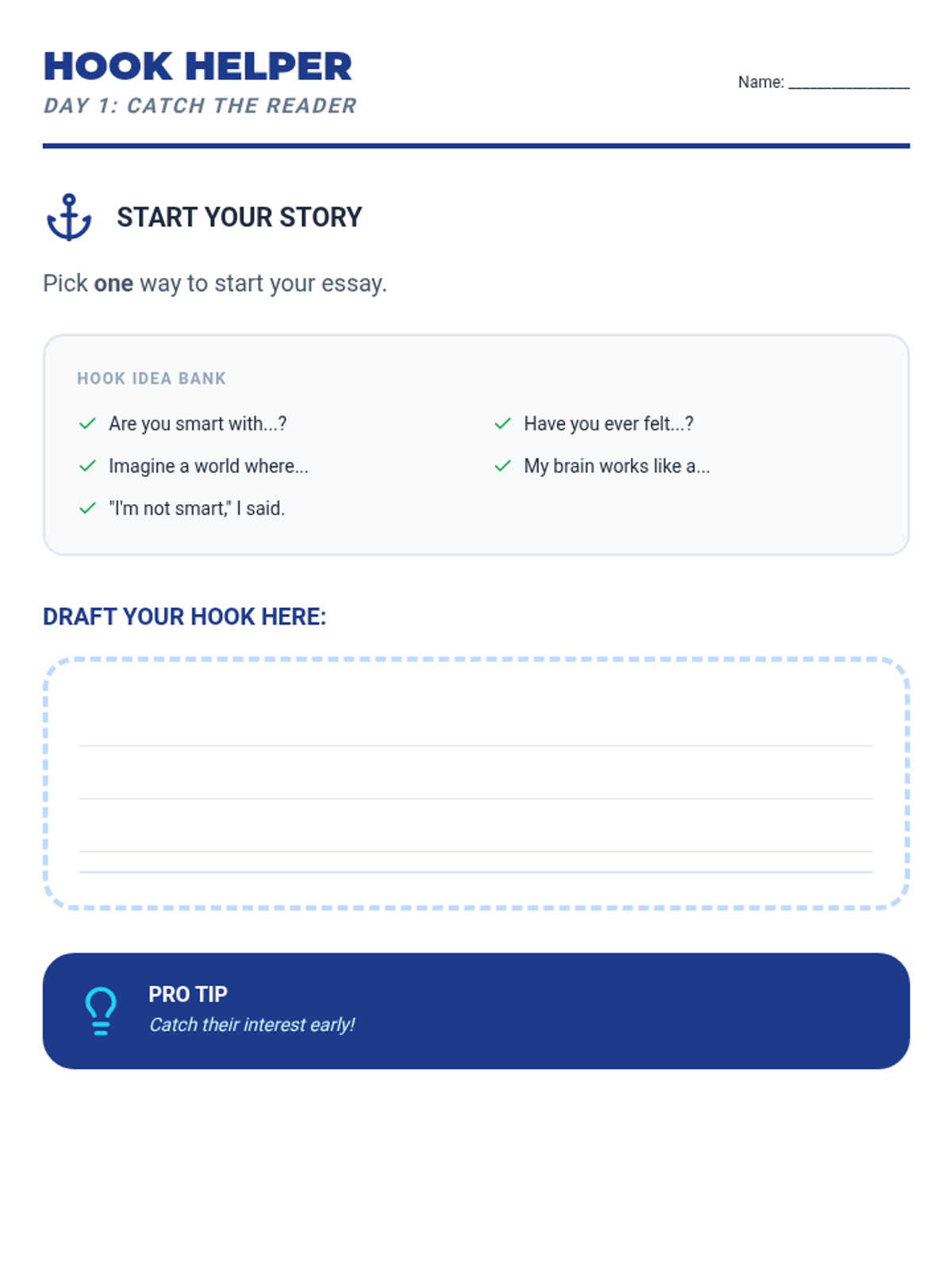
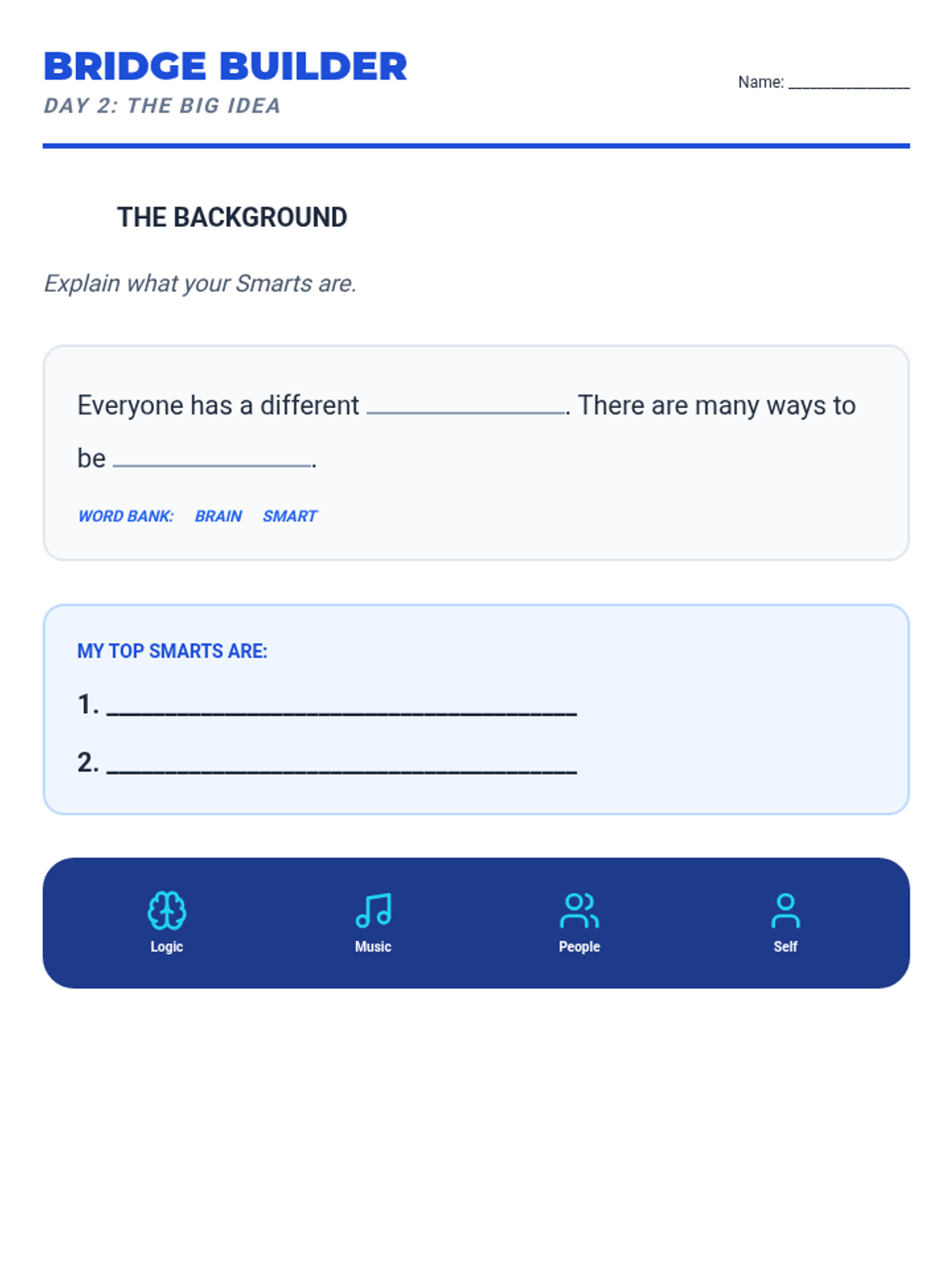
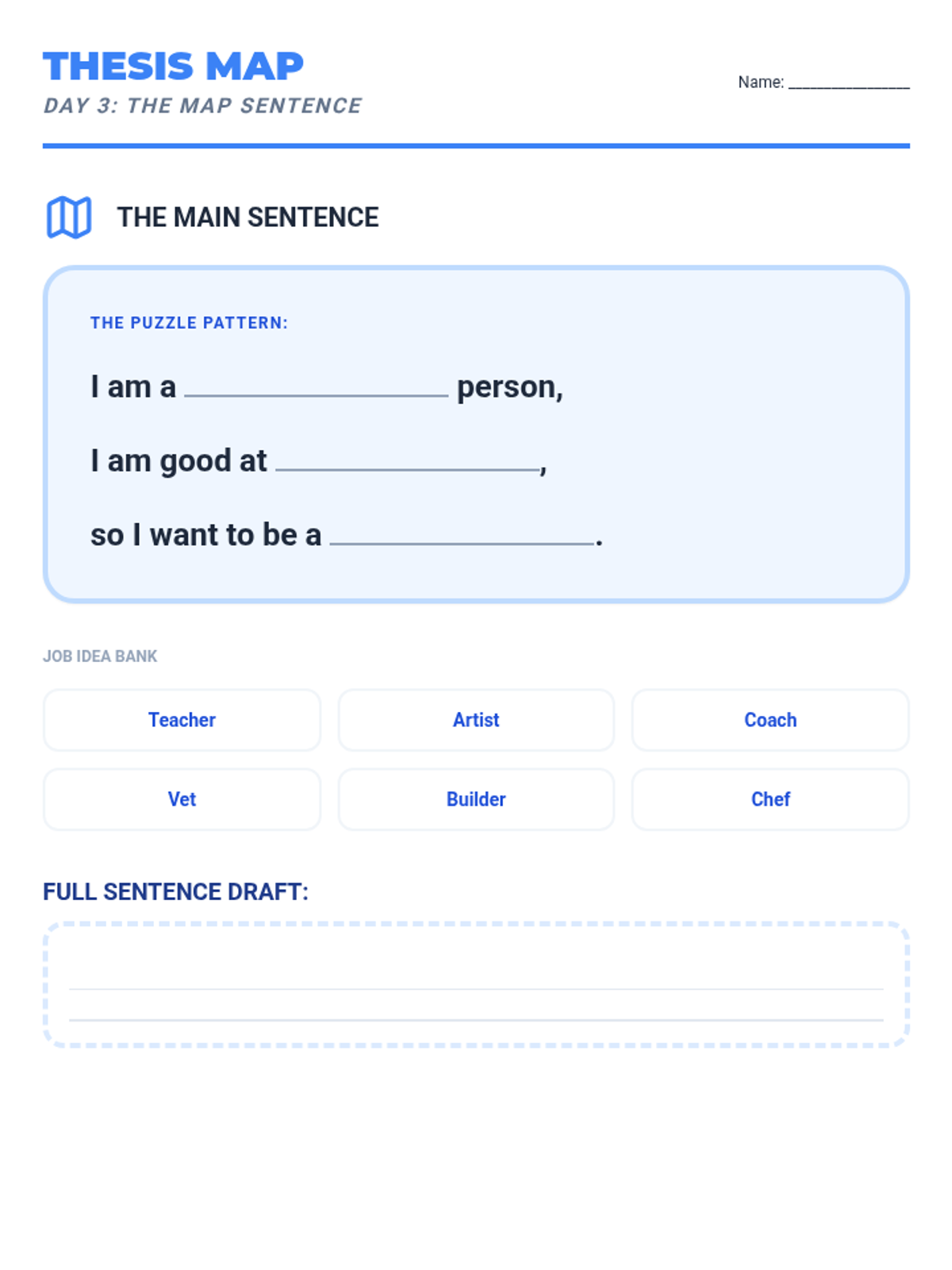
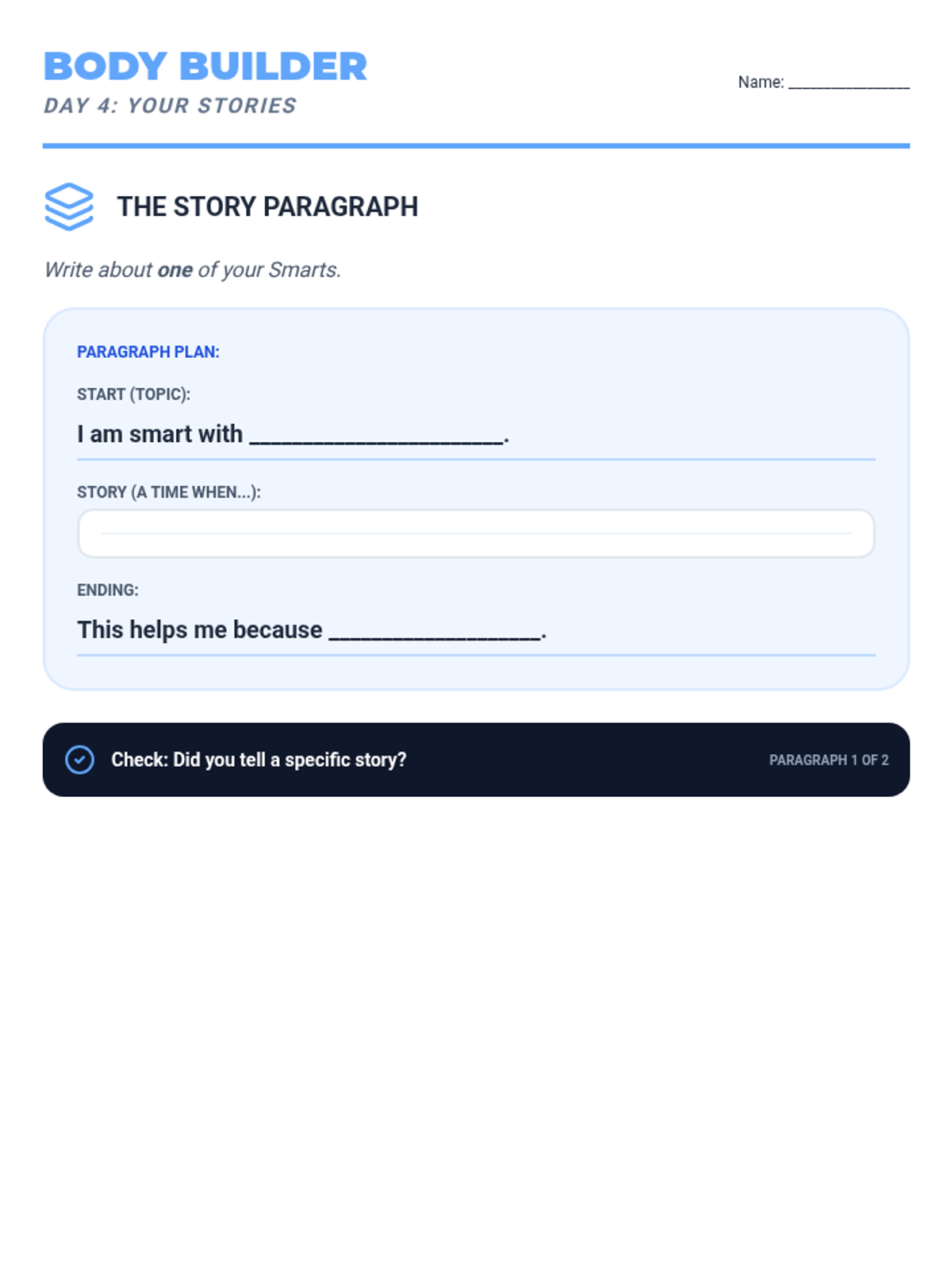
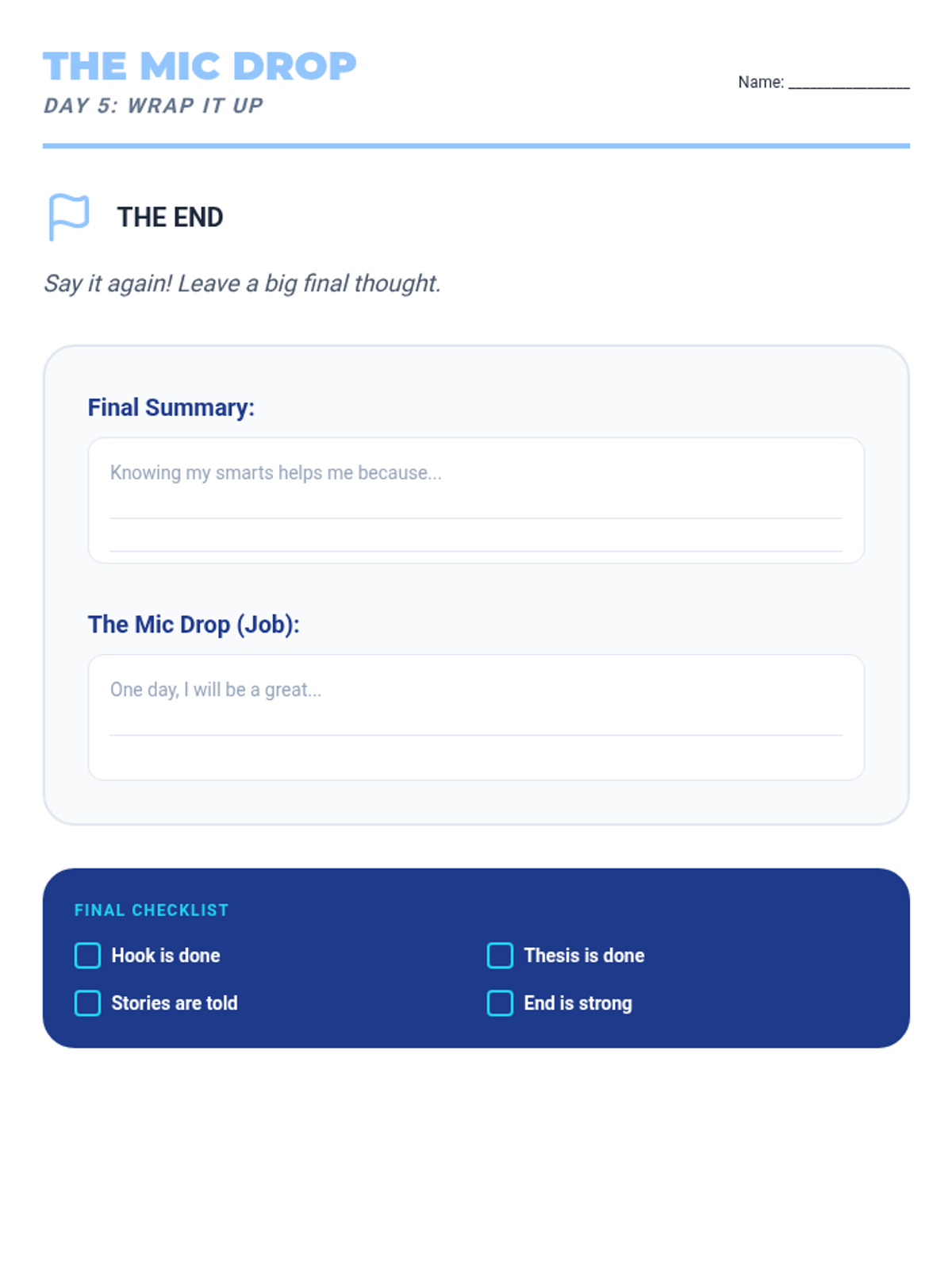
A comprehensive 5-day lesson guiding students through the process of writing a personal essay about their multiple intelligences, skills, and future career paths.
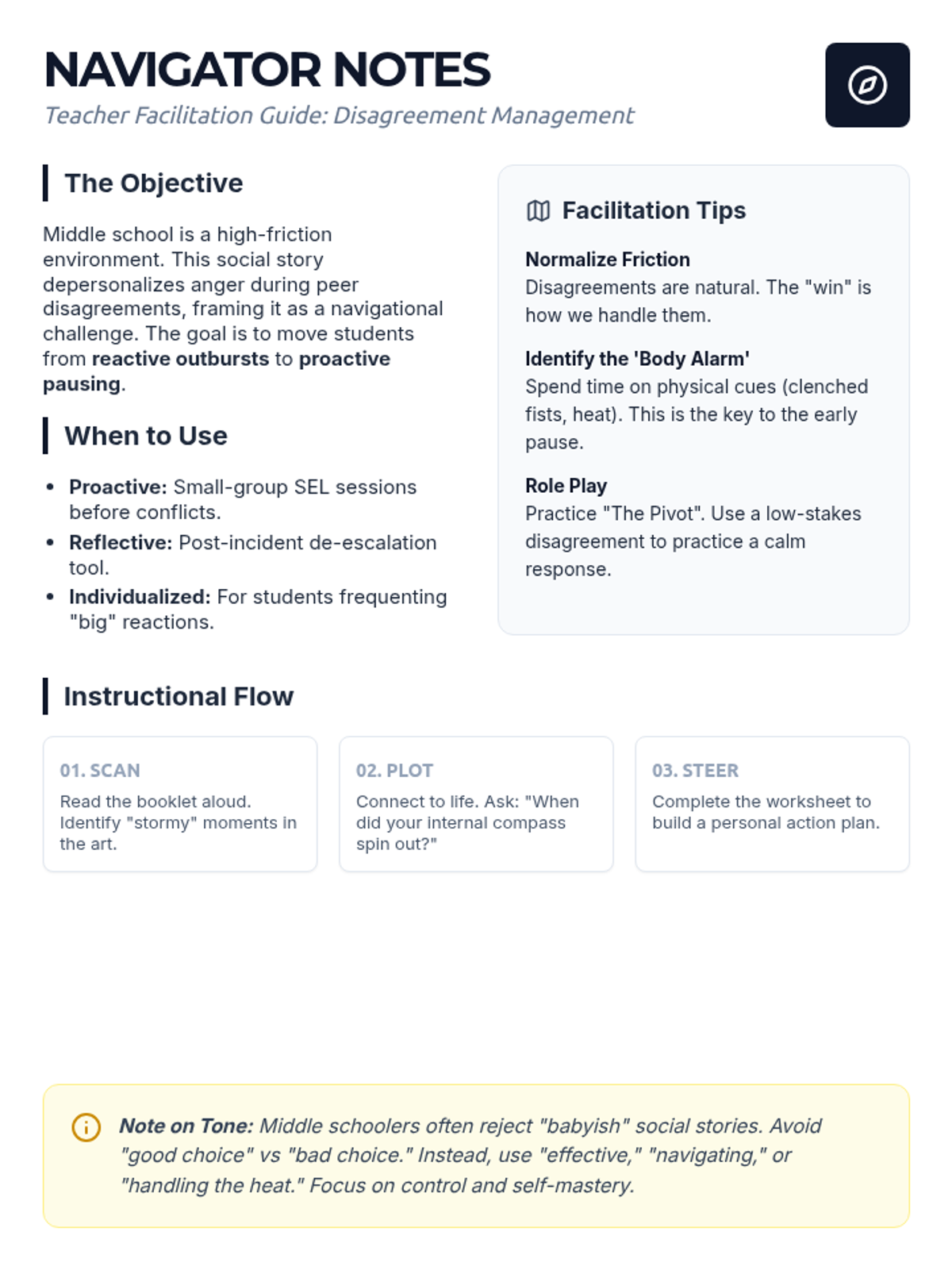
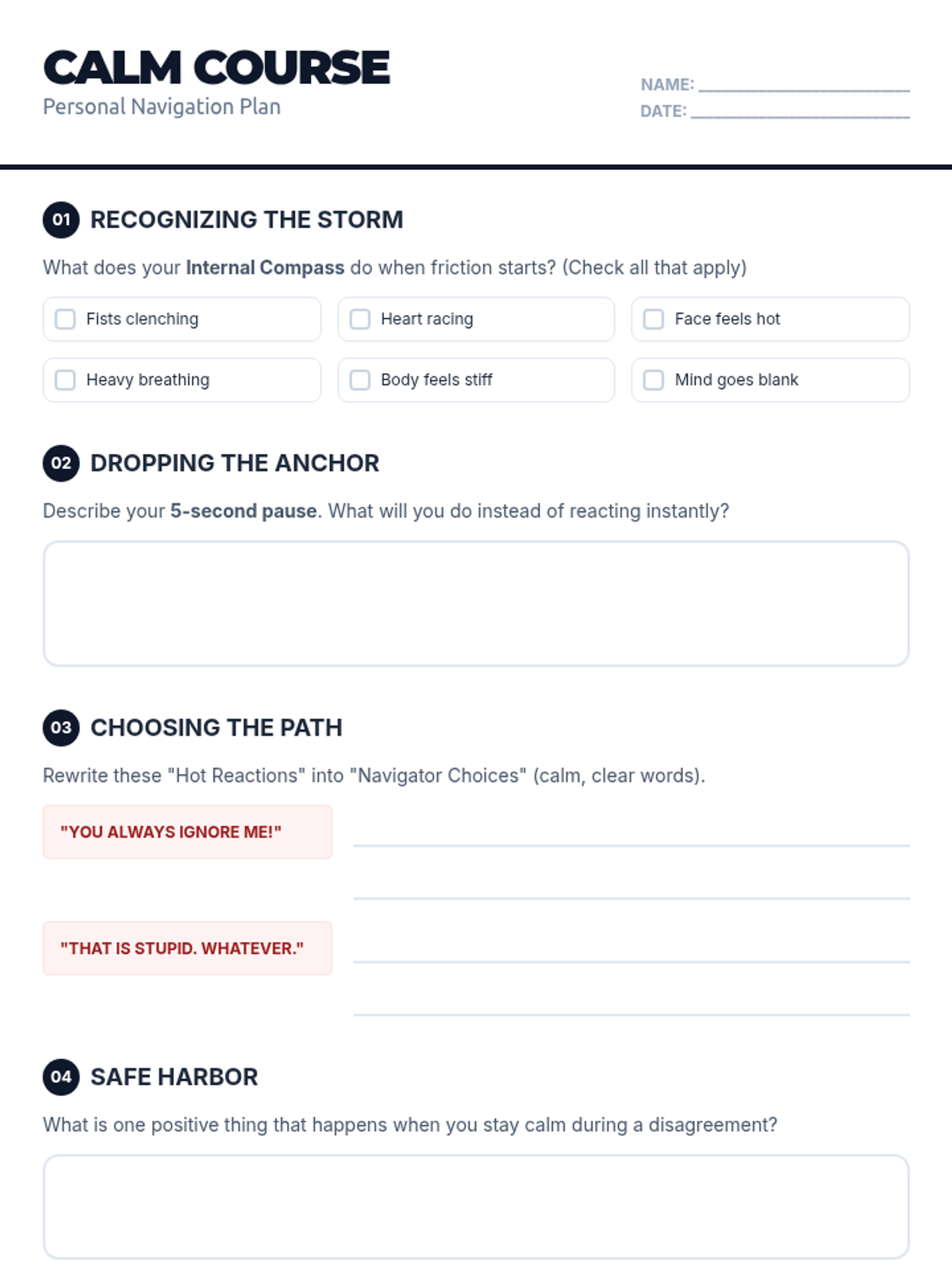
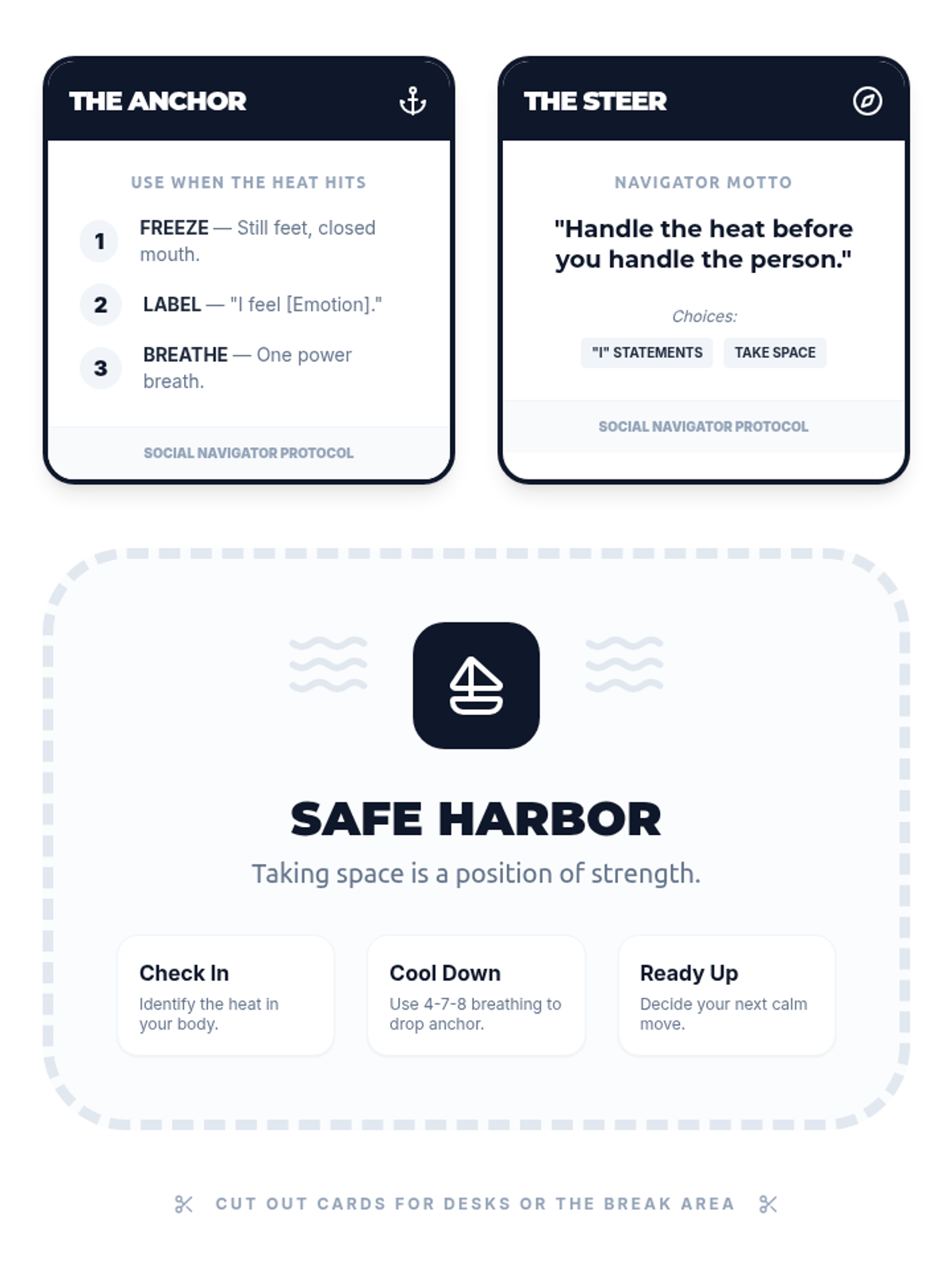
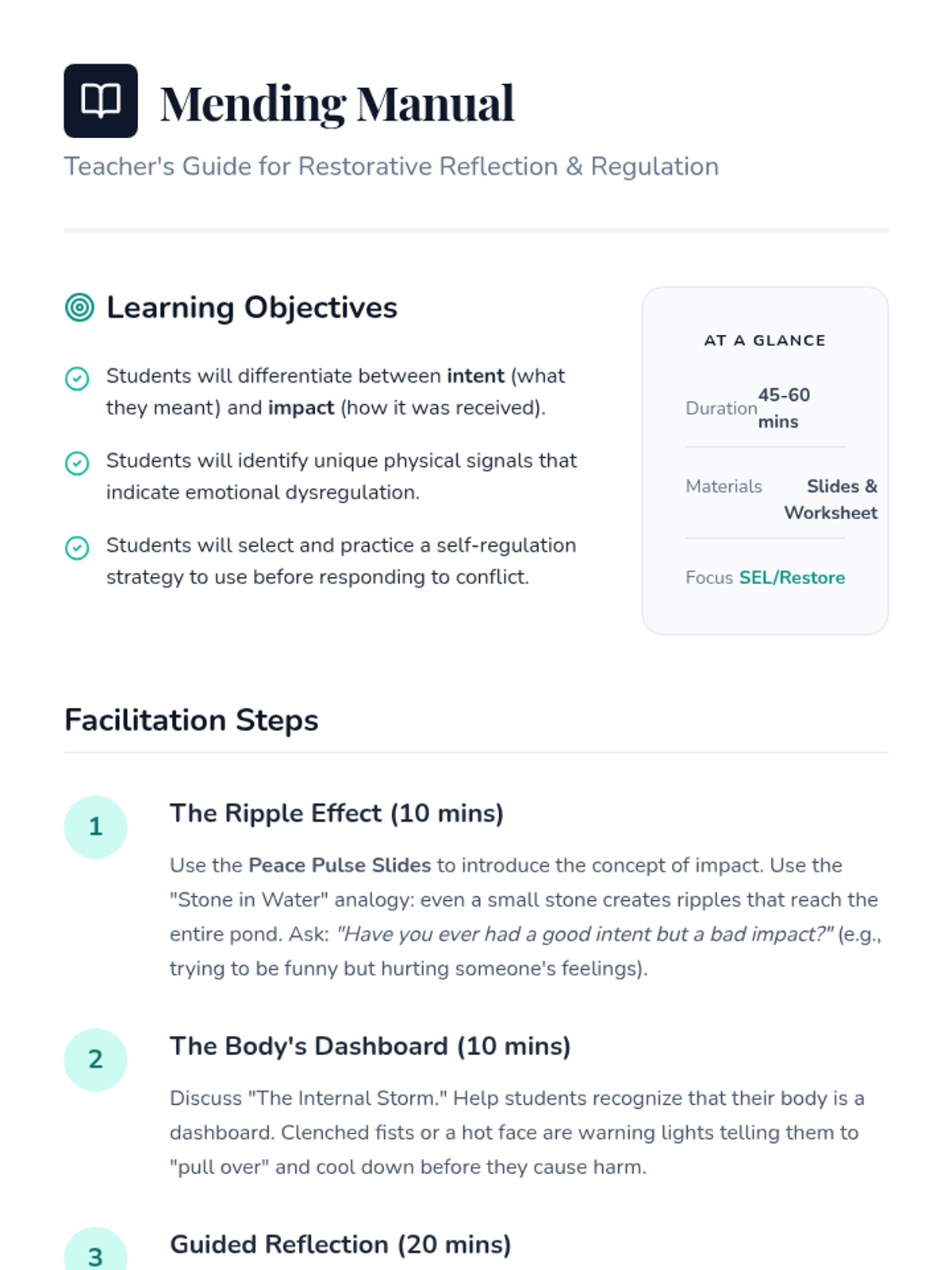
A comprehensive lesson designed for middle school students to help them navigate social disagreements using self-regulation strategies and clear communication. The lesson includes a narrative-based social story, a teacher facilitation guide, and a reflective student worksheet.
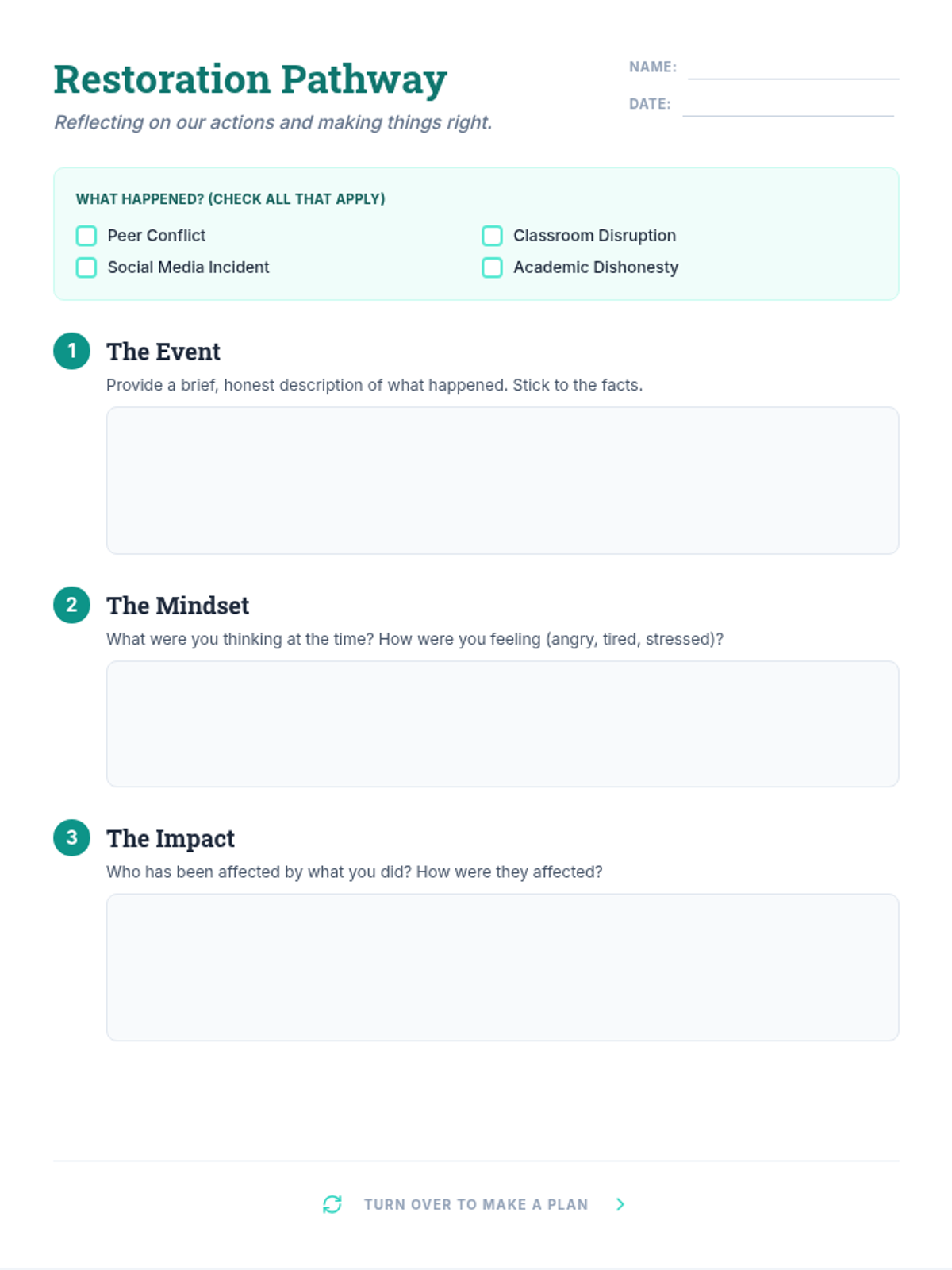
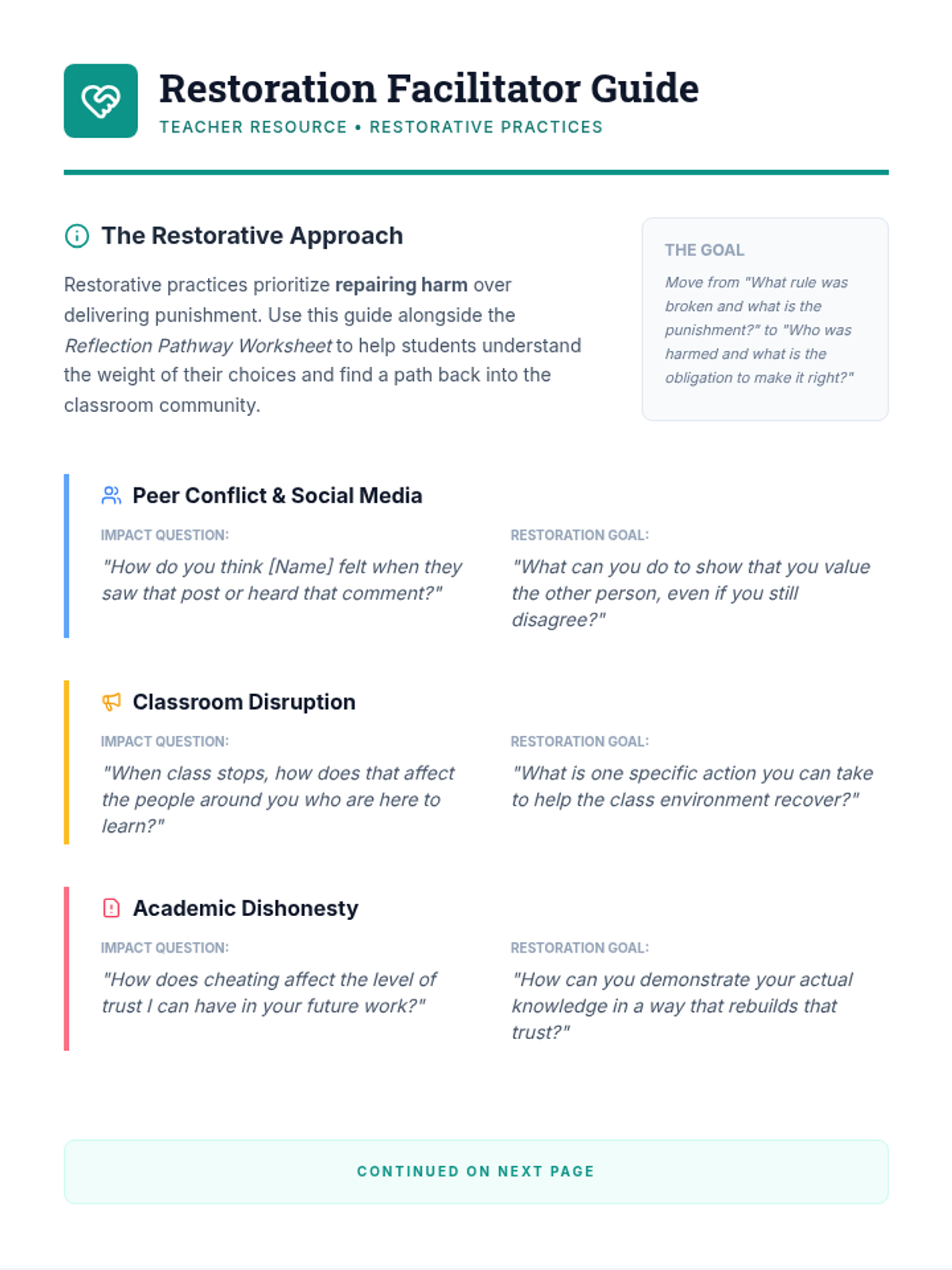
A collection of restorative practice tools designed to help students reflect on their actions, understand the impact of their behavior, and create a plan for restoration following peer conflict, classroom disruption, social media incidents, or academic dishonesty.
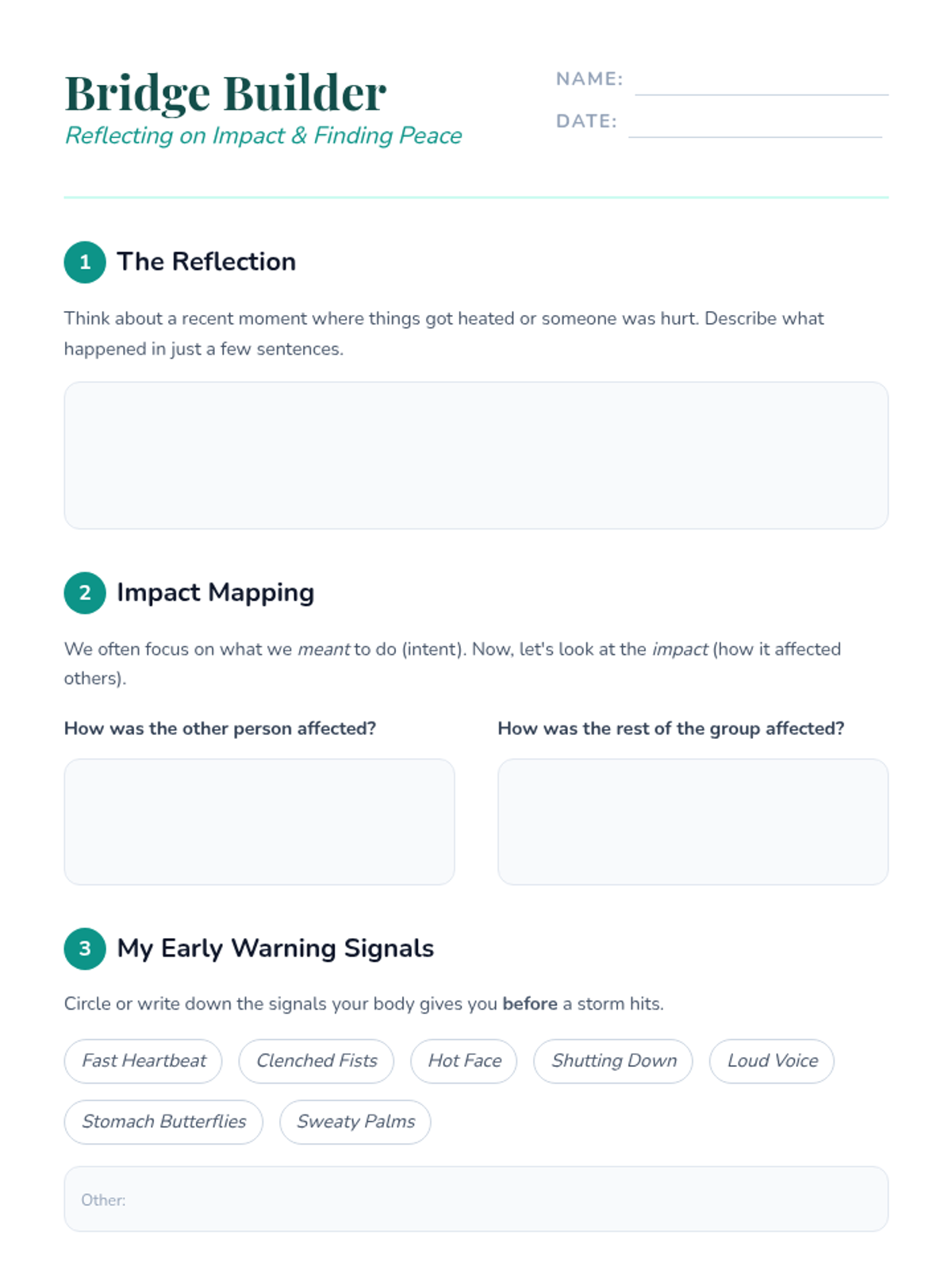
A lesson focused on restorative justice principles, helping students identify the impact of their actions and master self-regulation strategies to rebuild relationships.
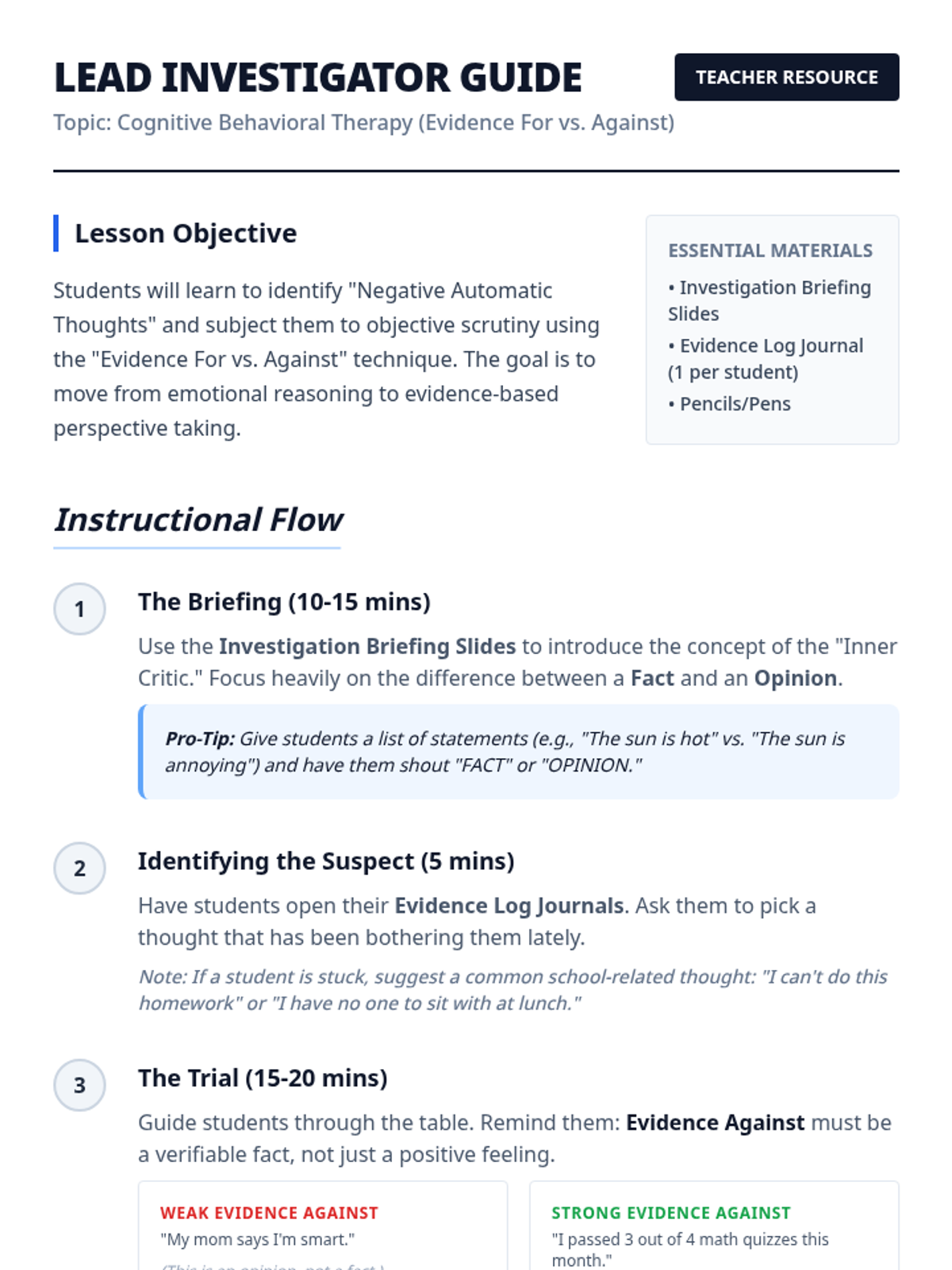
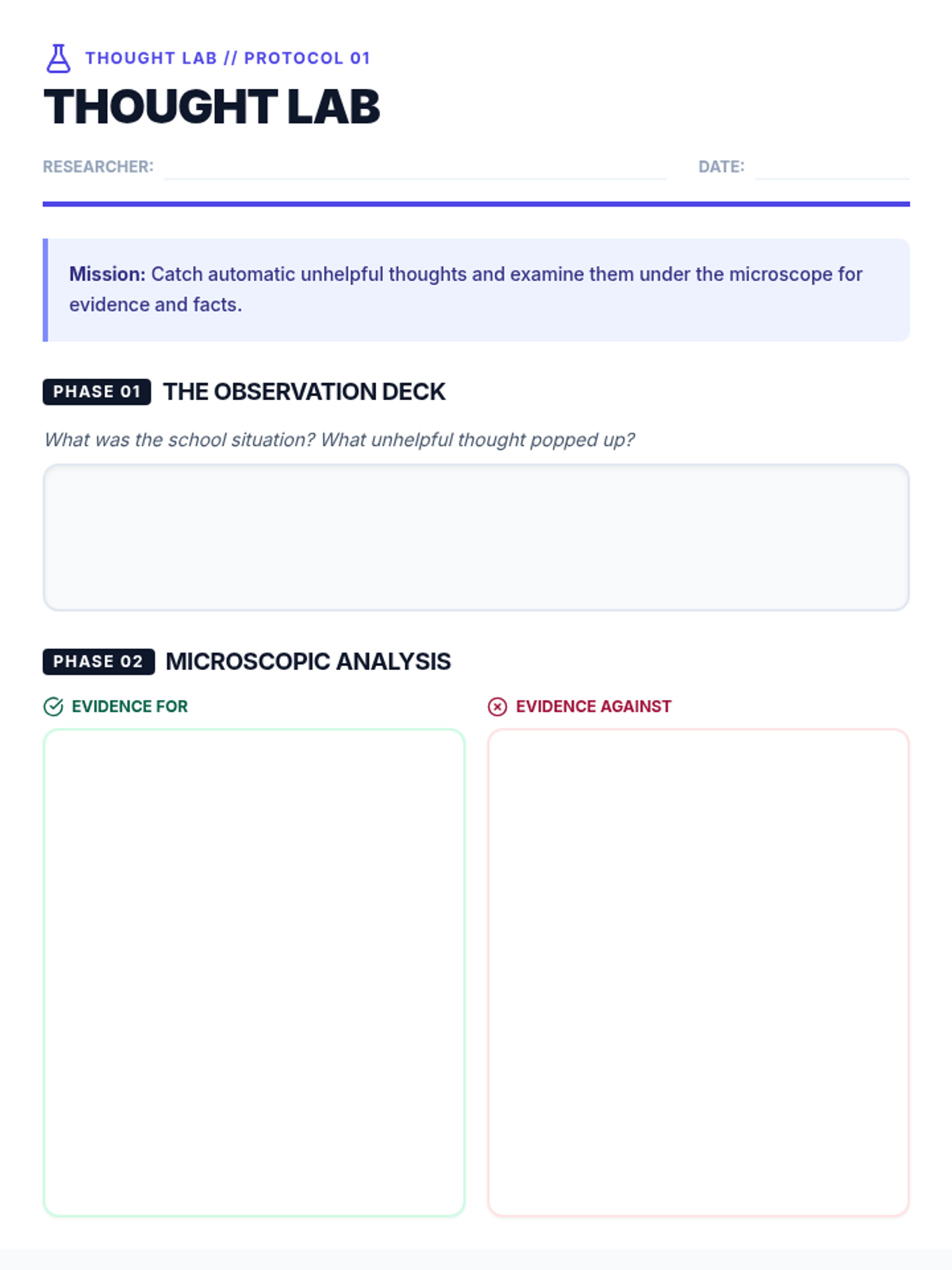
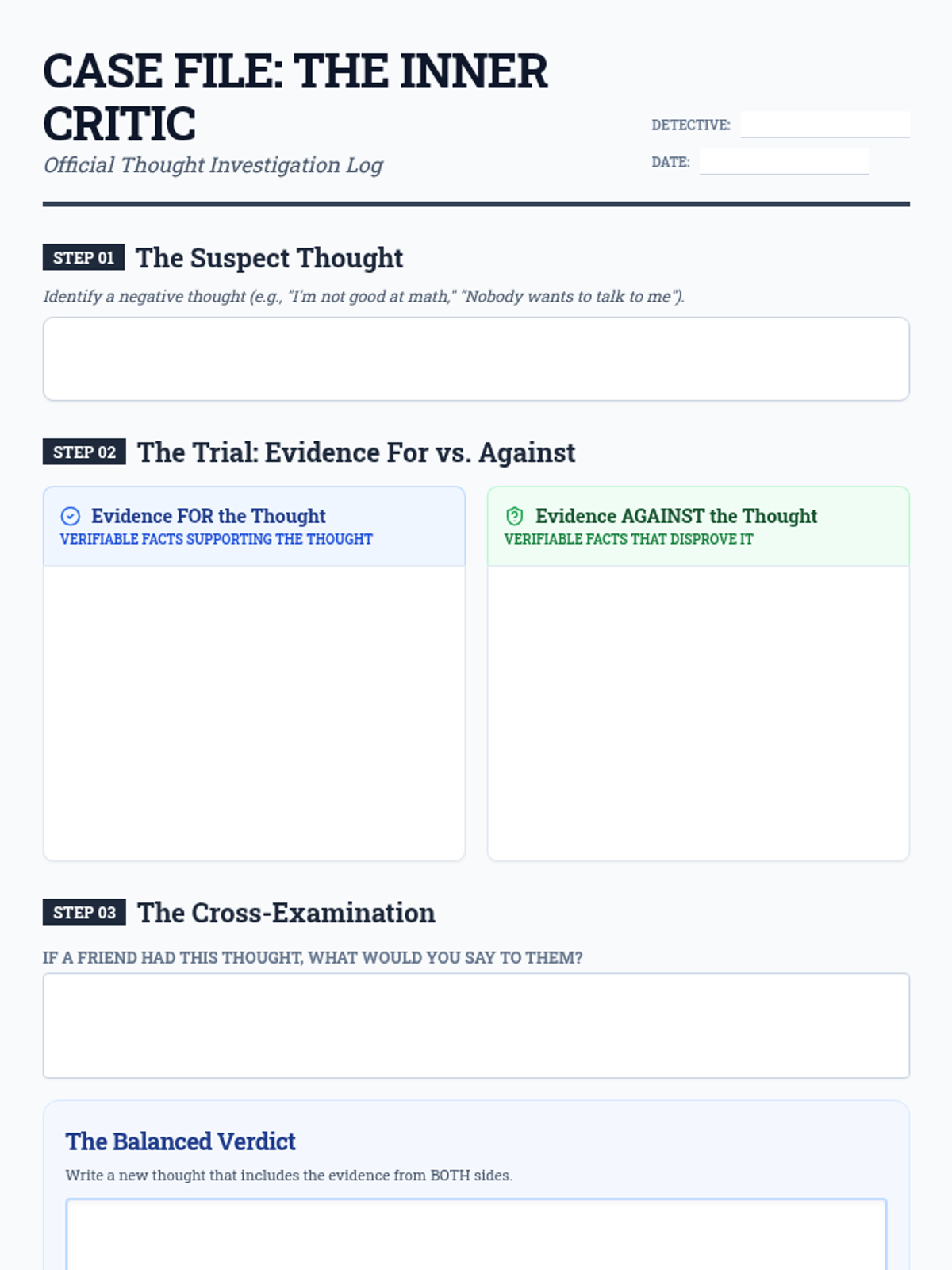
A lesson focused on identifying and challenging cognitive distortions through the 'evidence for vs. against' technique, styled as a psychological investigation.
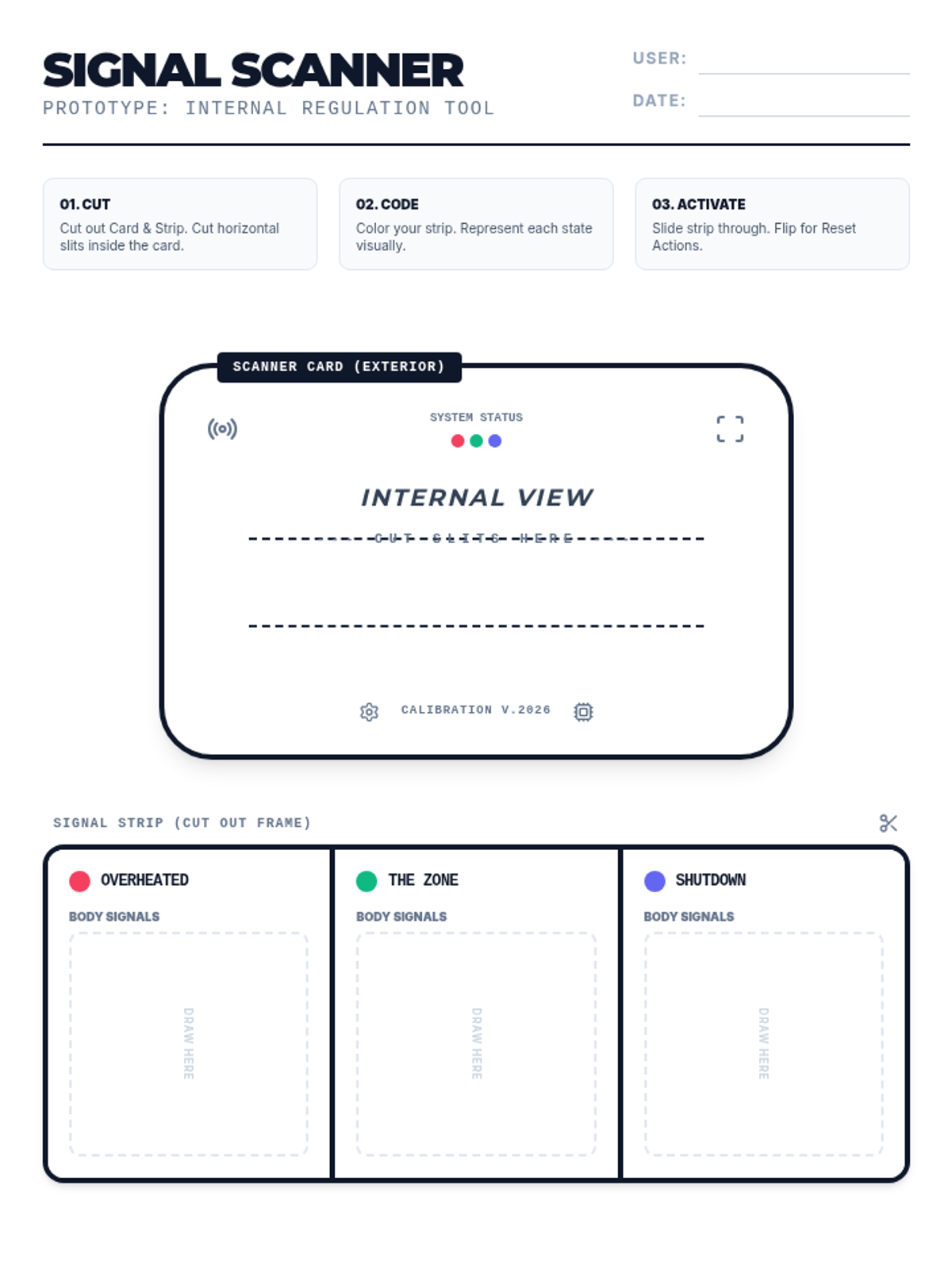
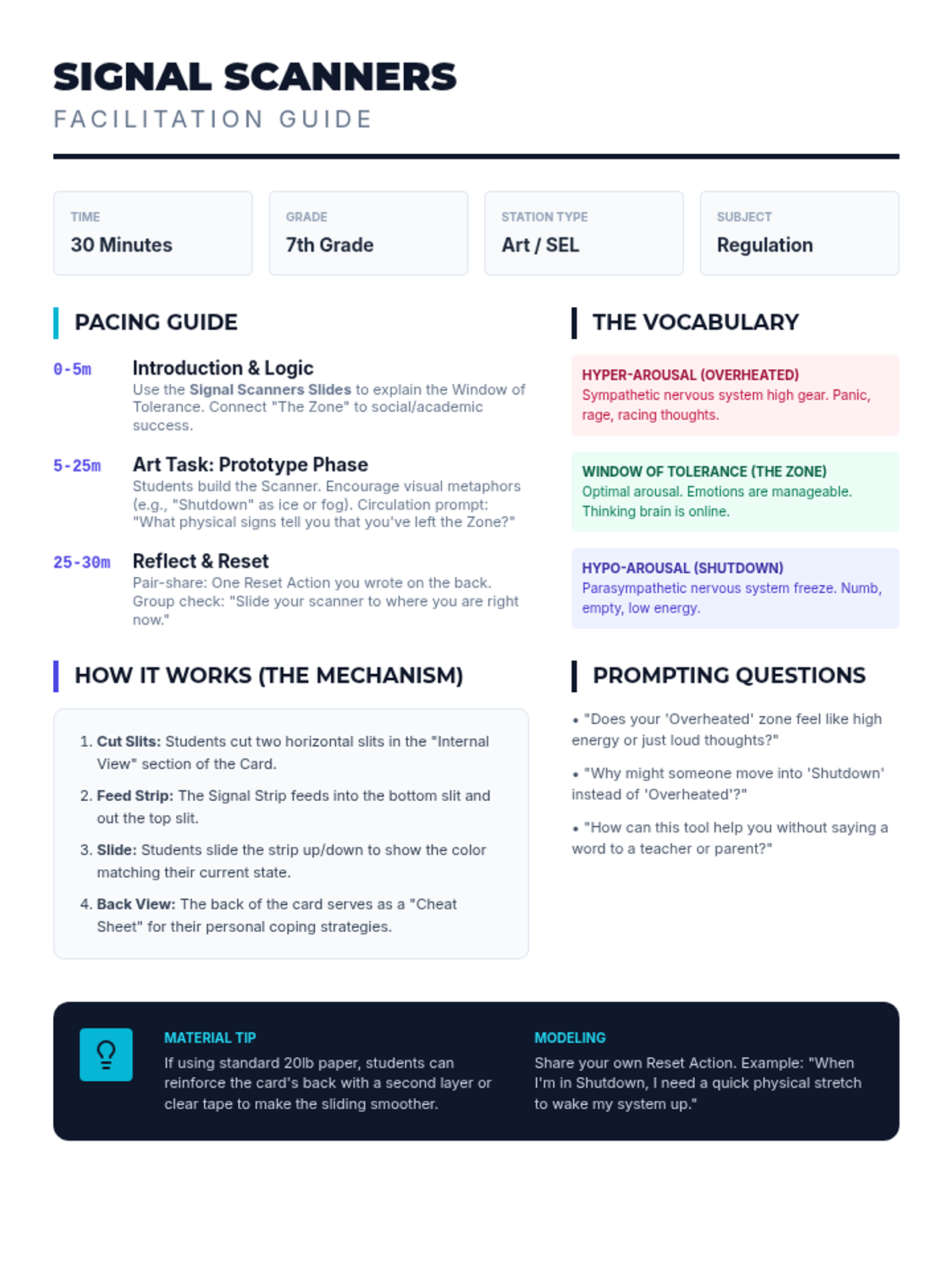
A high-engagement, 30-minute art-based SEL lesson for 7th graders focused on identifying and regulating emotional states using the 'Window of Tolerance' framework and a DIY 'Internal Shutter' tool.
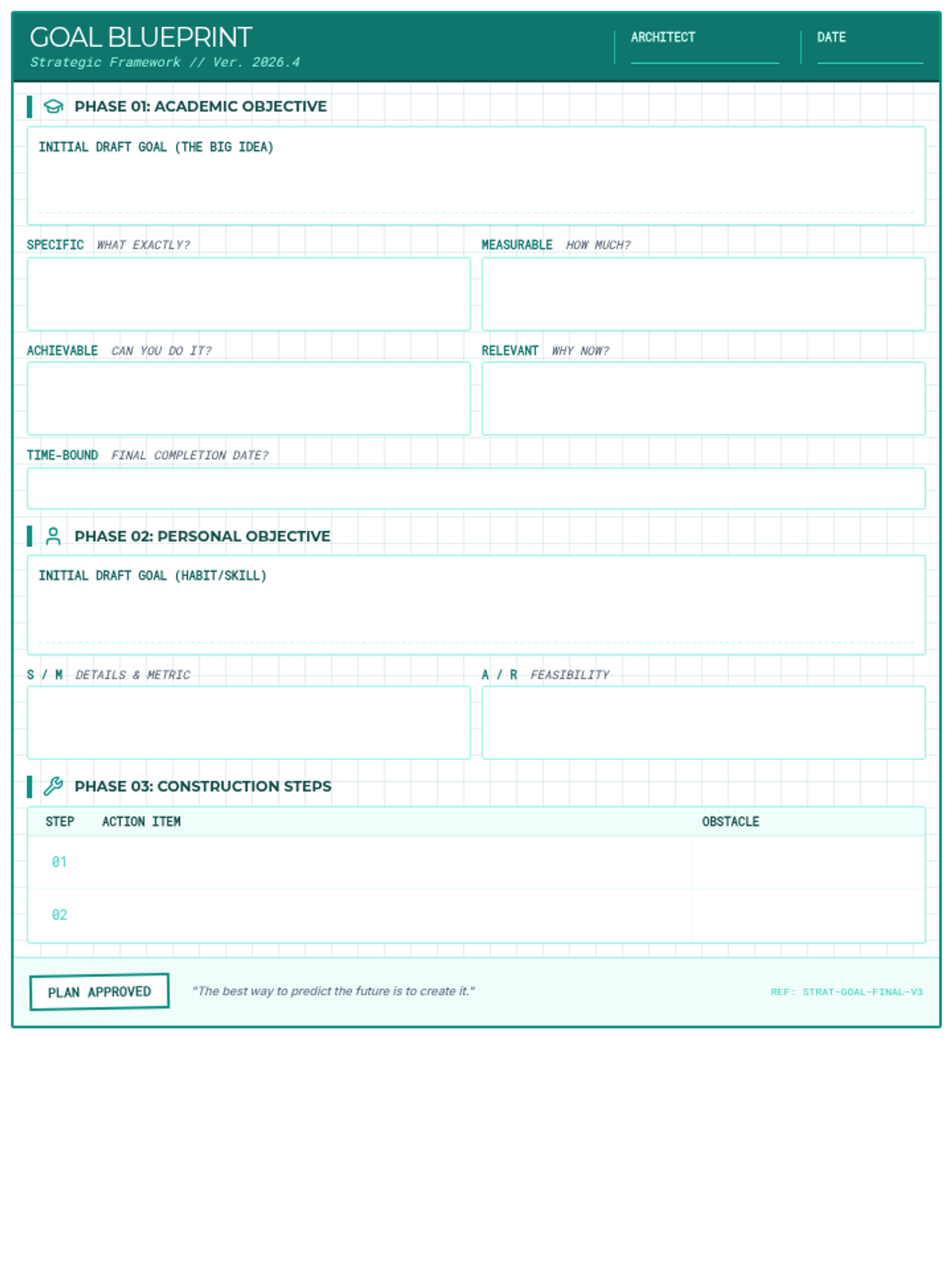
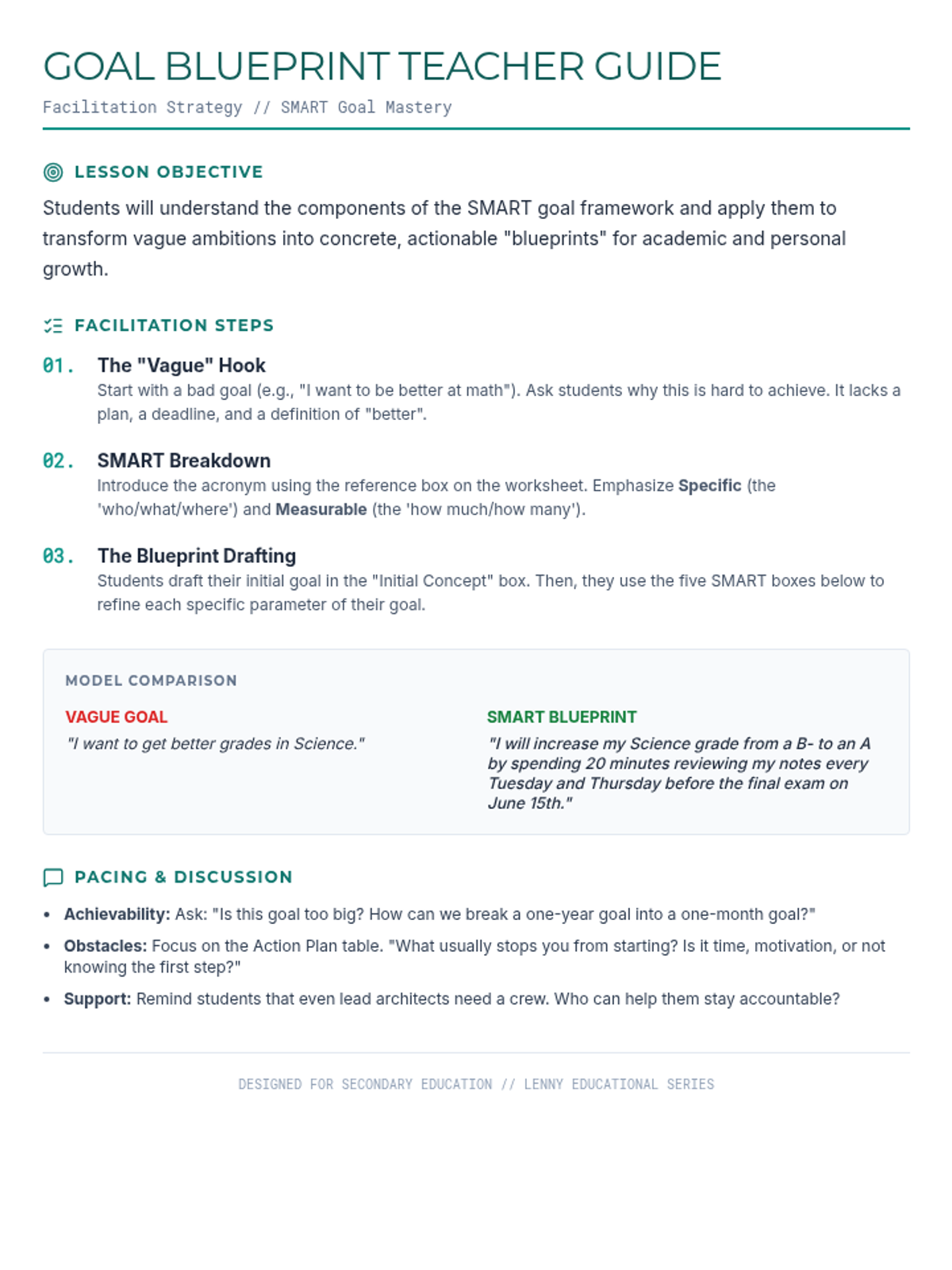
A lesson designed to help students master the SMART goal-setting framework to achieve academic and personal success. Students will learn to transition from vague intentions to actionable, time-bound blueprints for their future.
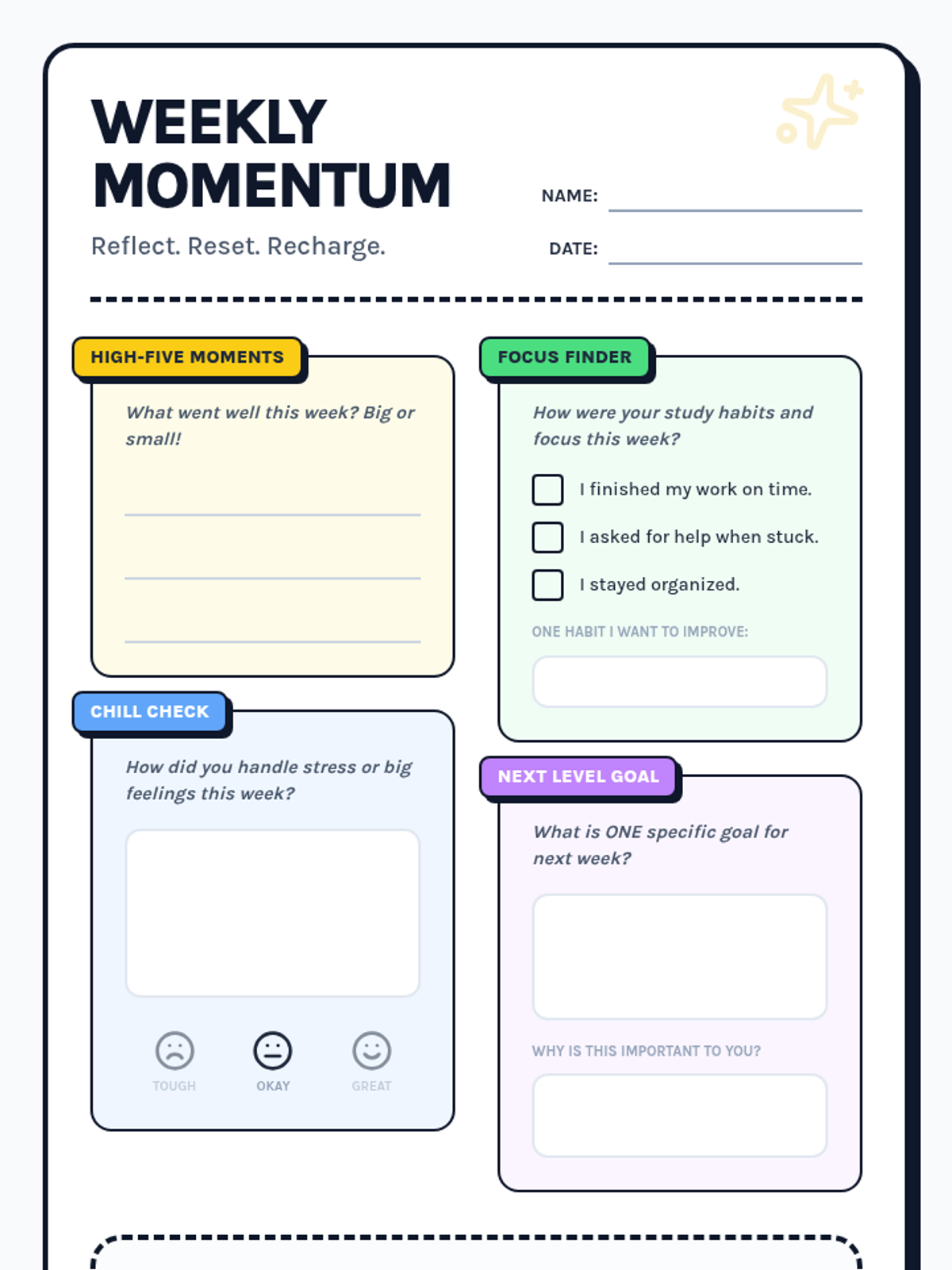
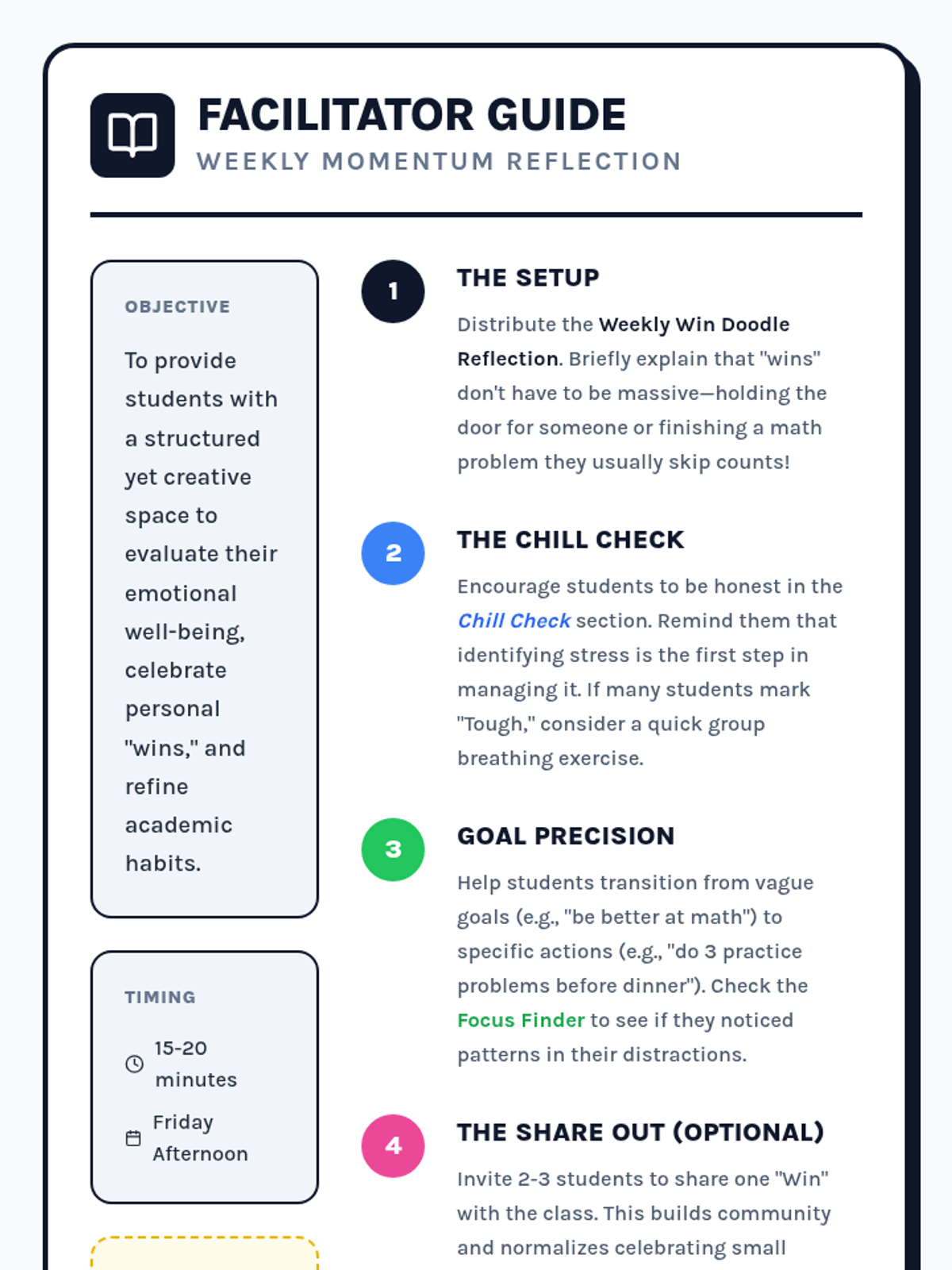
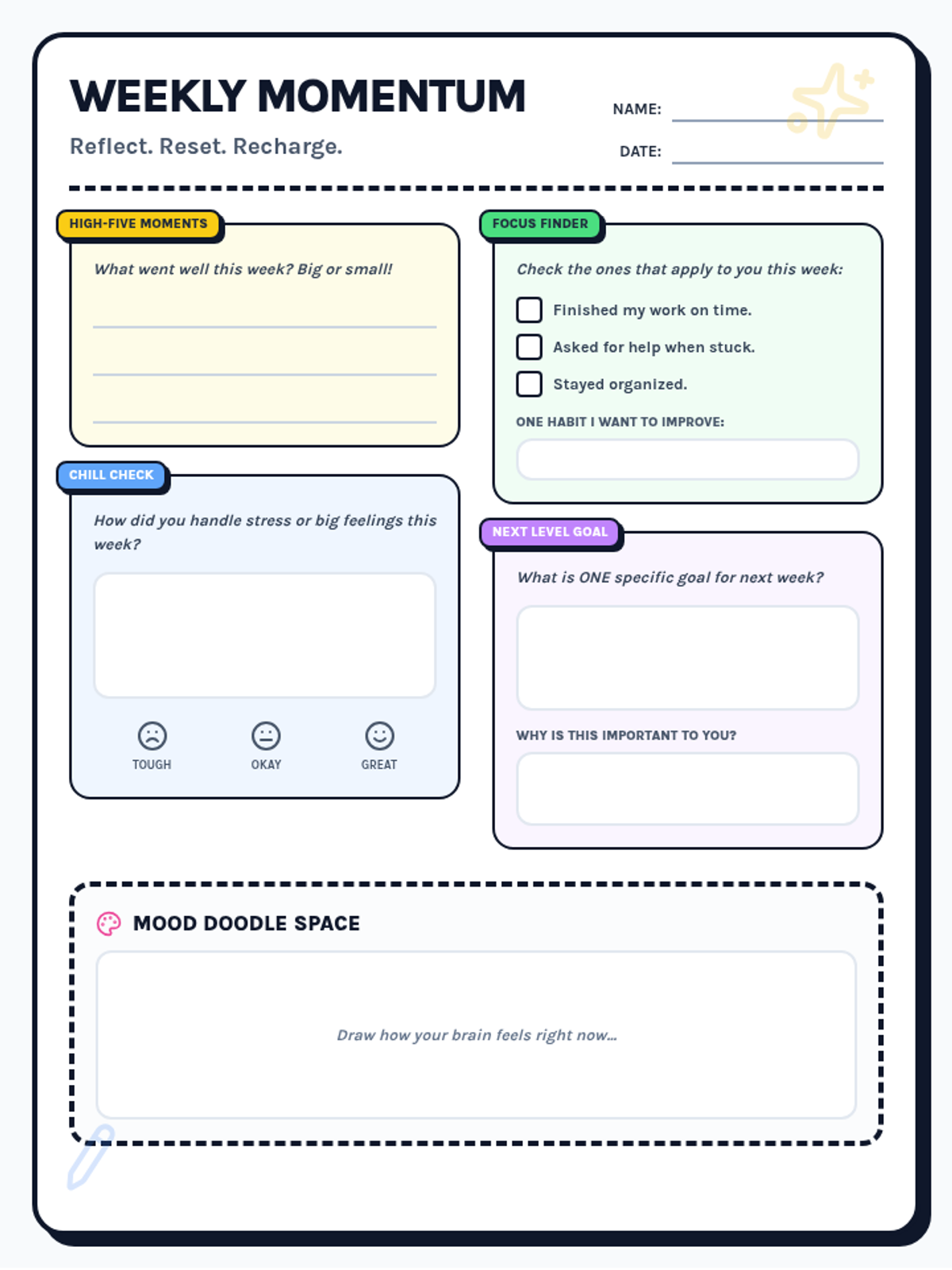
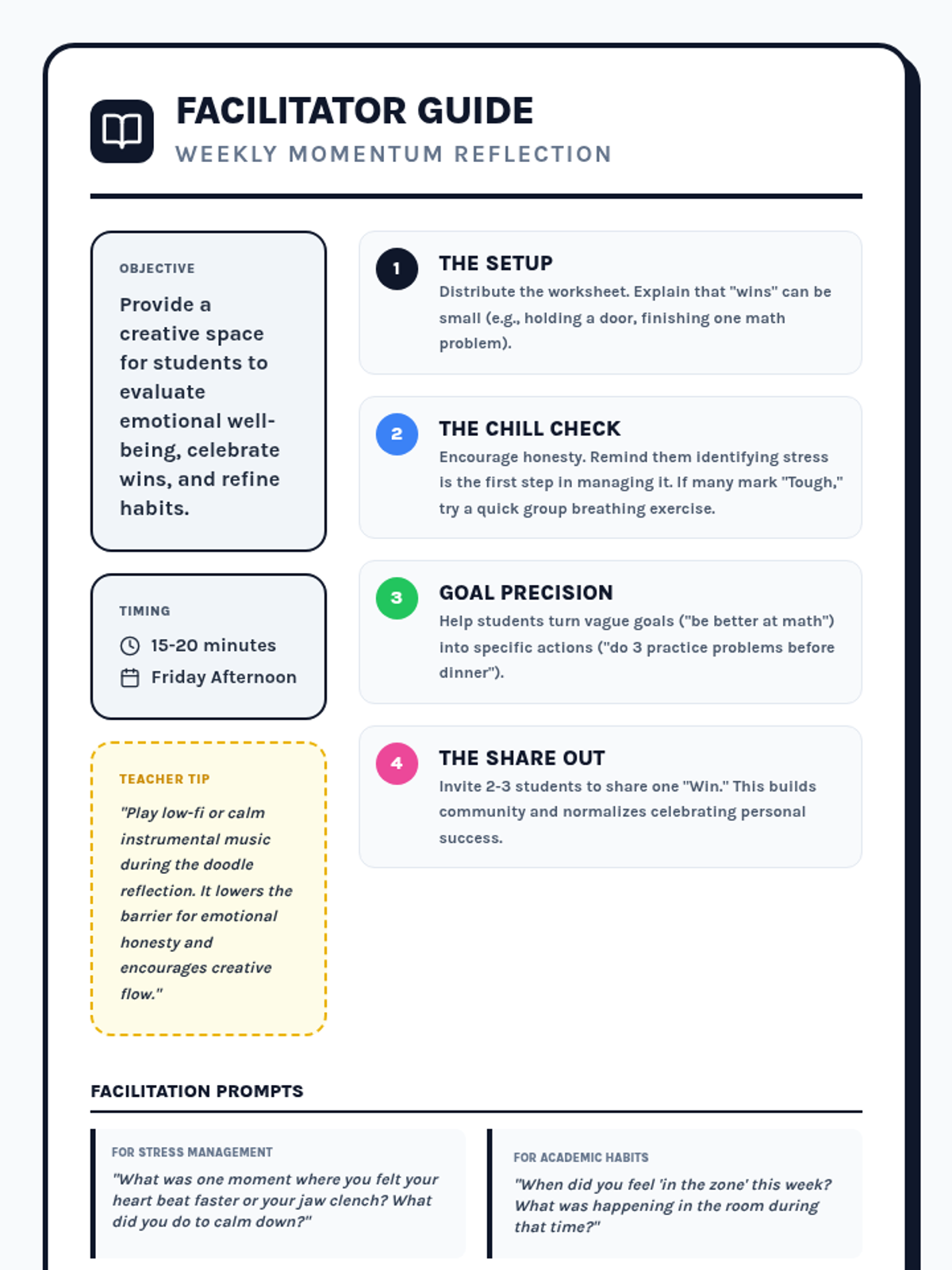
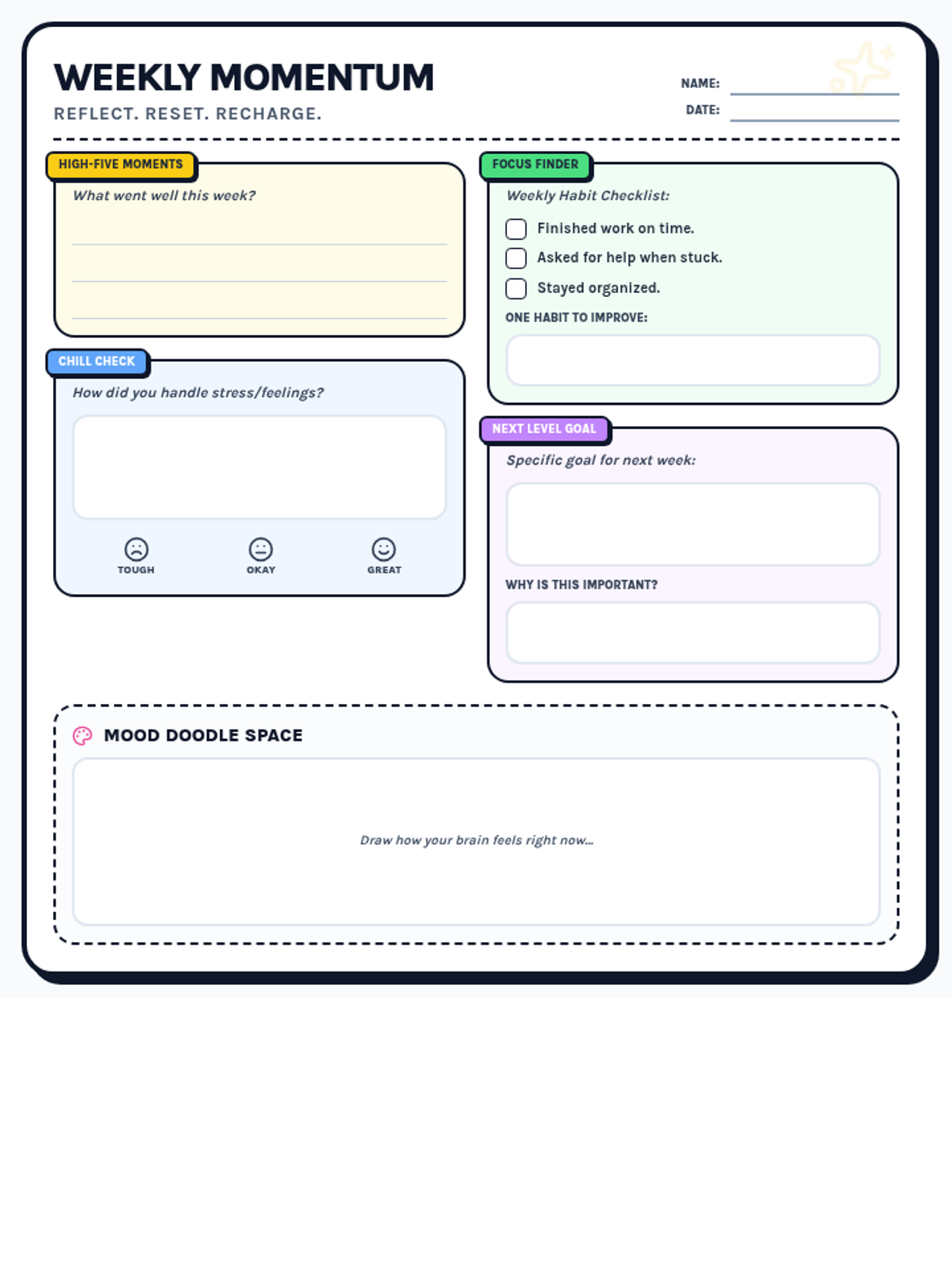
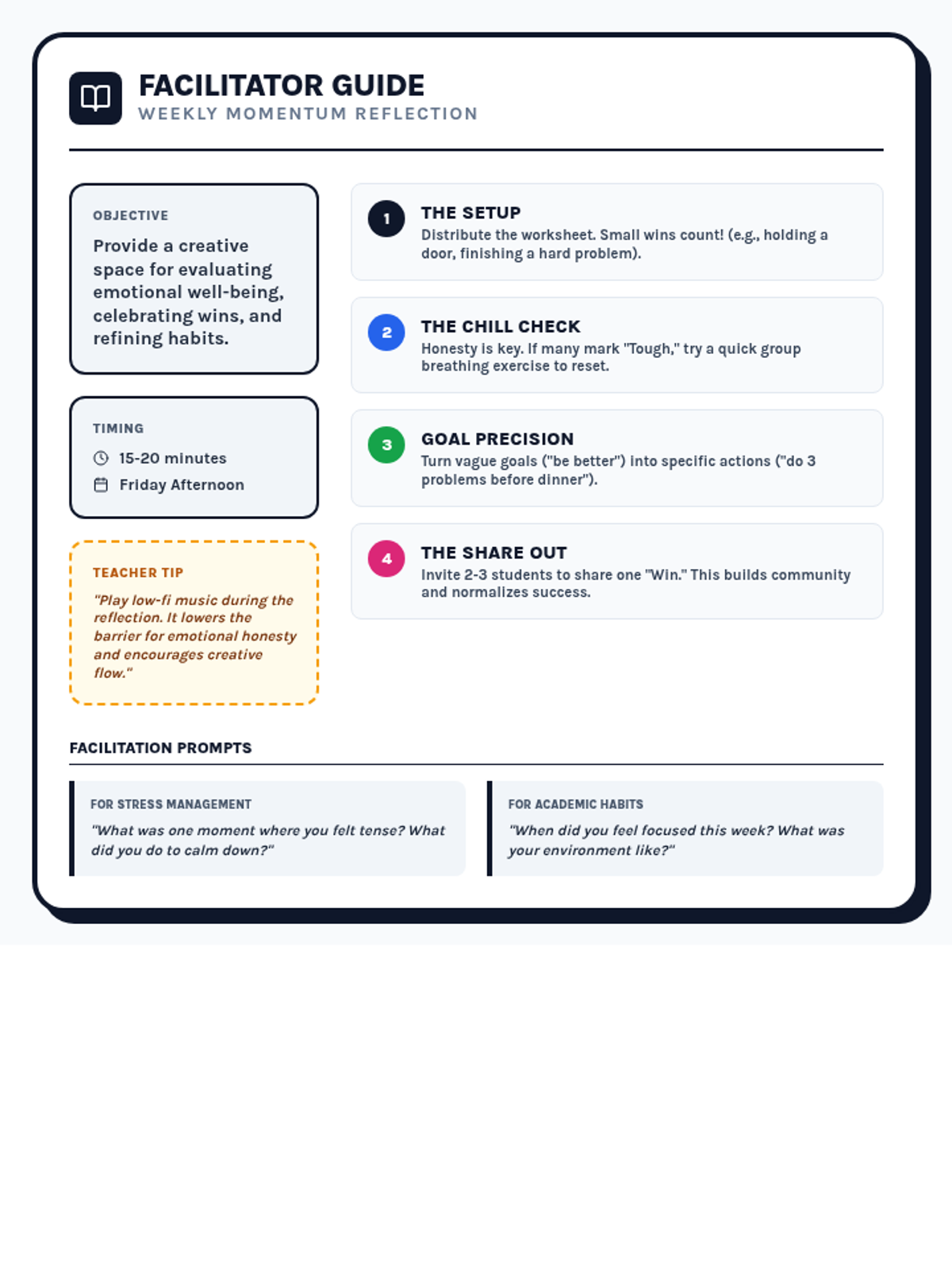
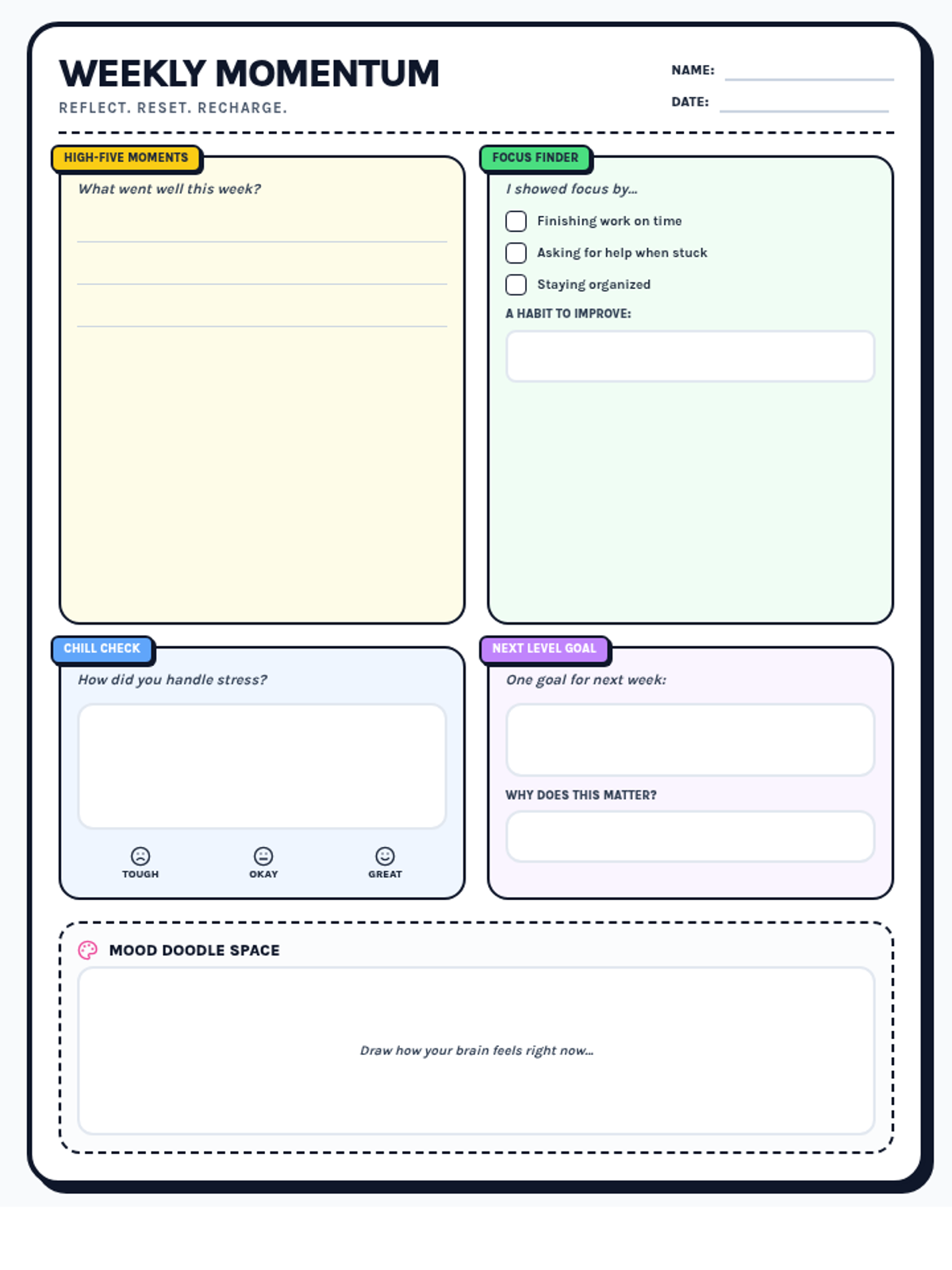
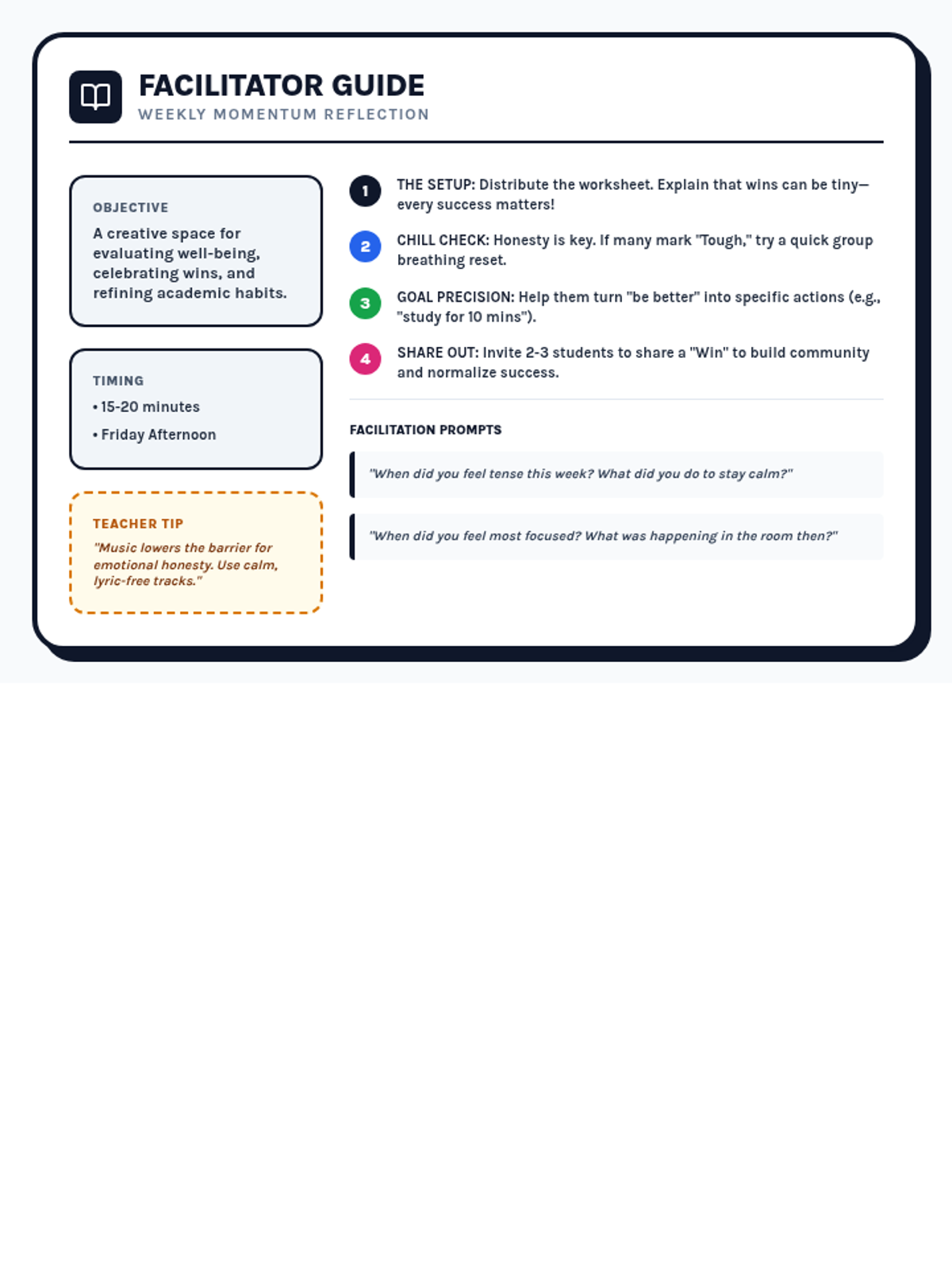
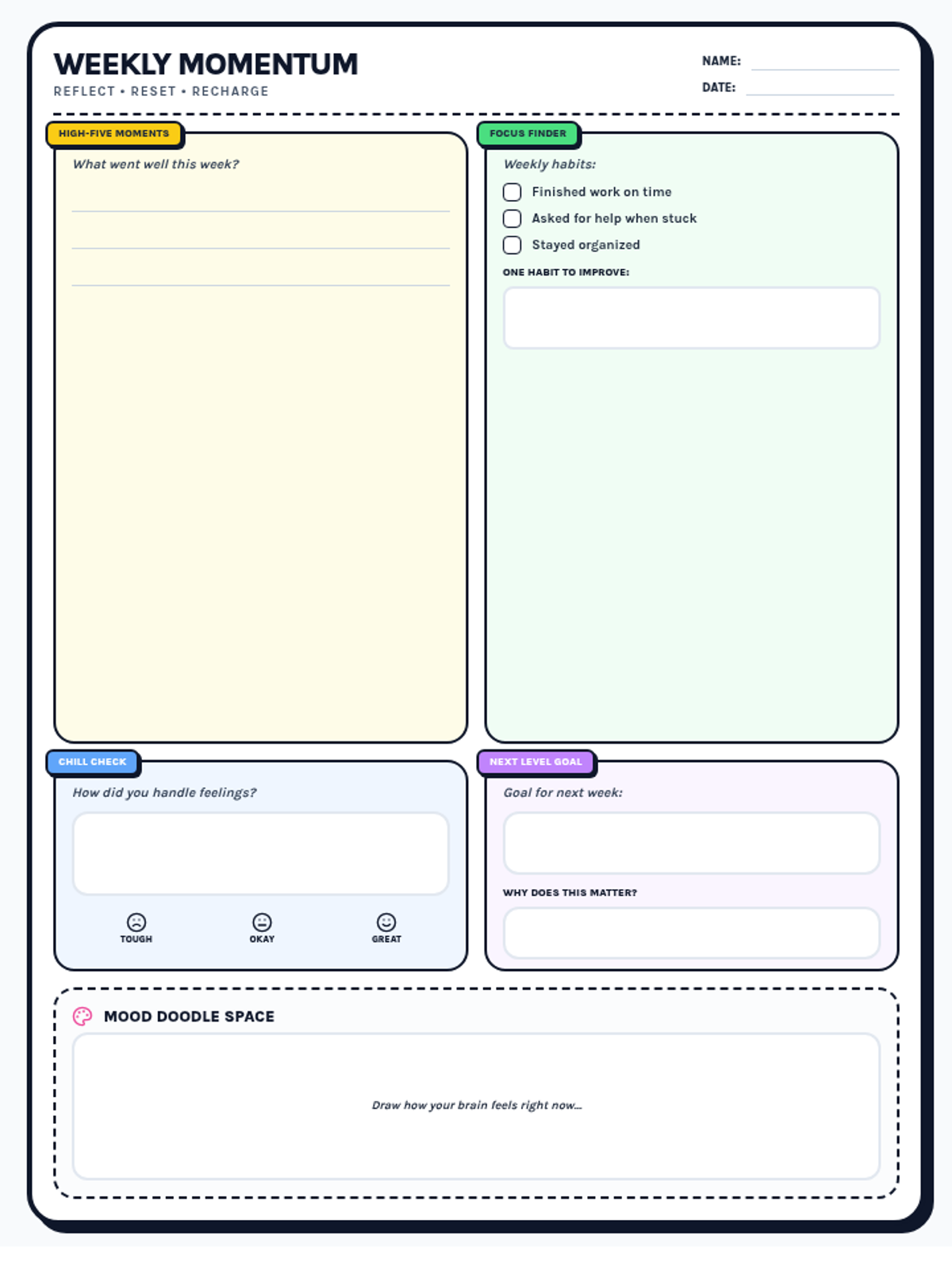
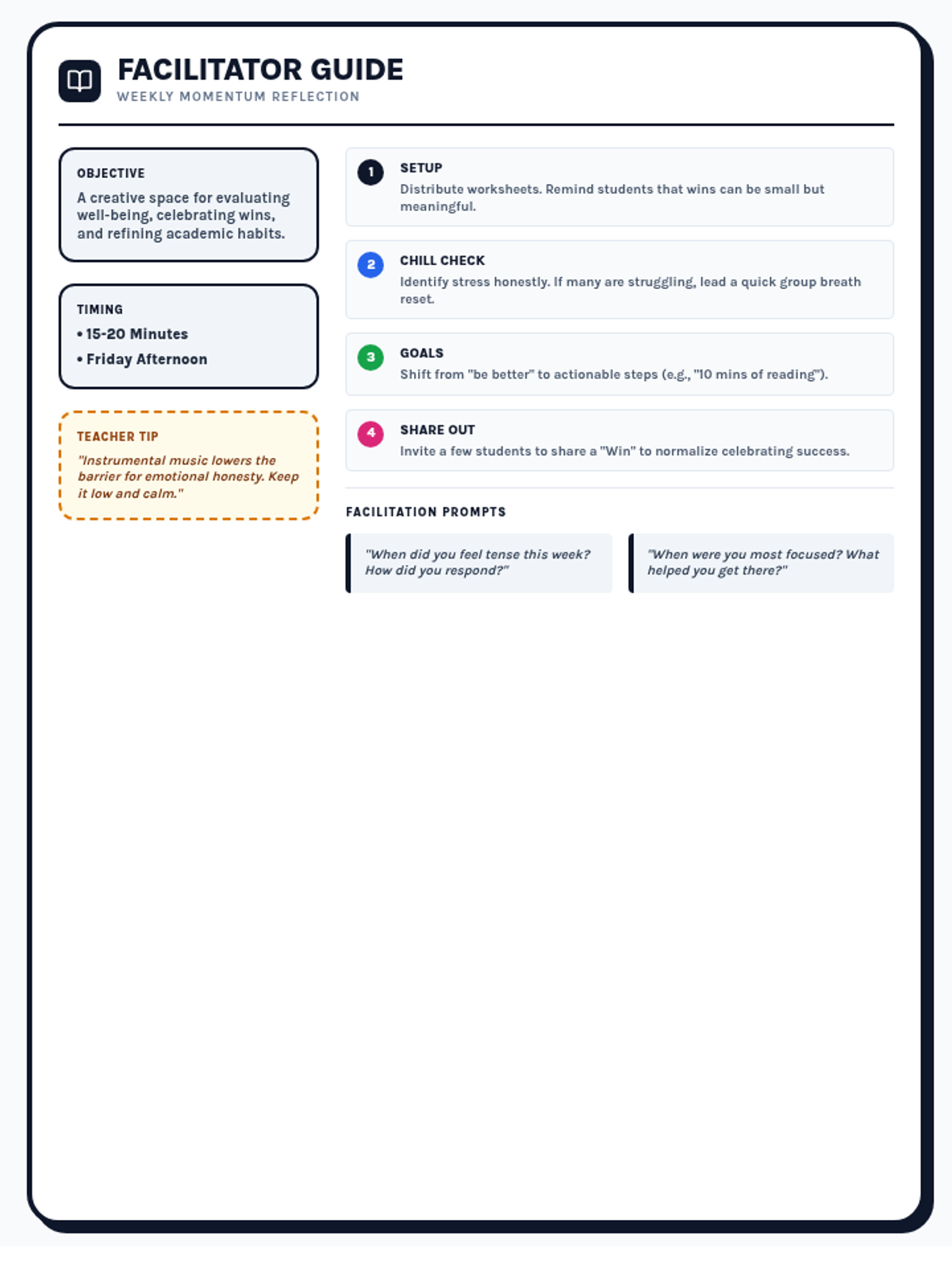
A recurring weekly reflection tool designed to help students celebrate successes, manage their emotional well-being, and sharpen their academic focus through a creative doodle-inspired layout.
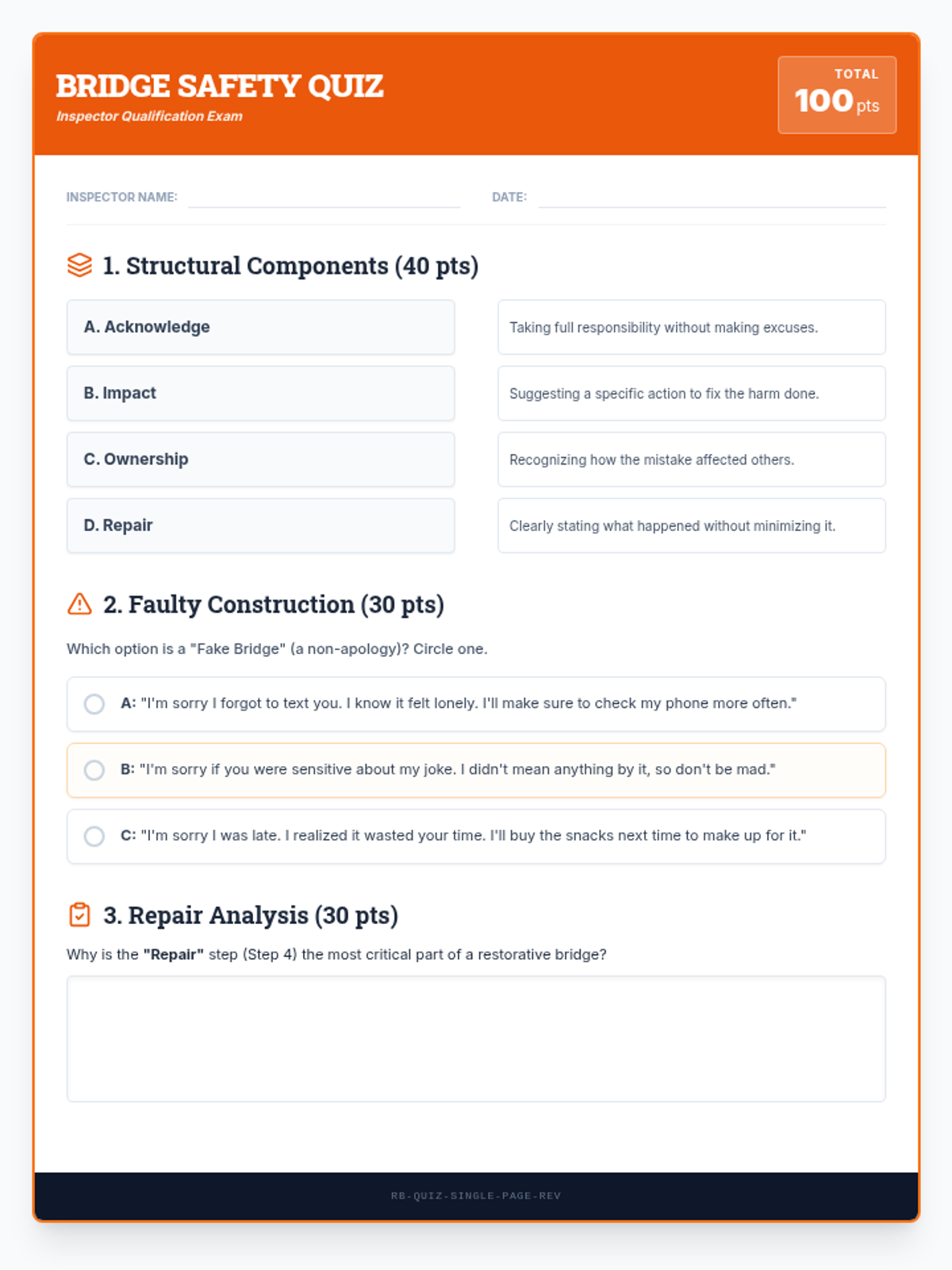
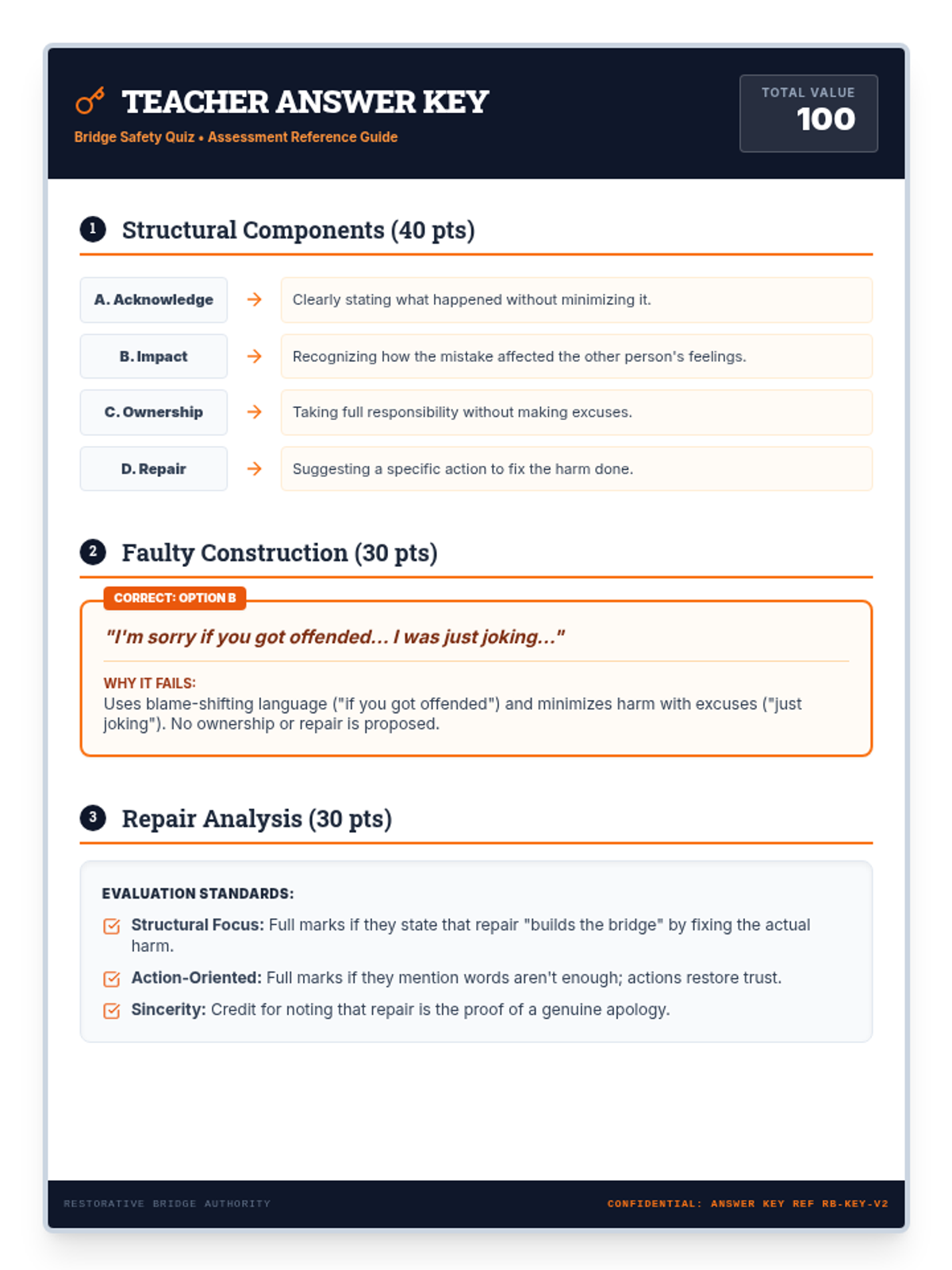
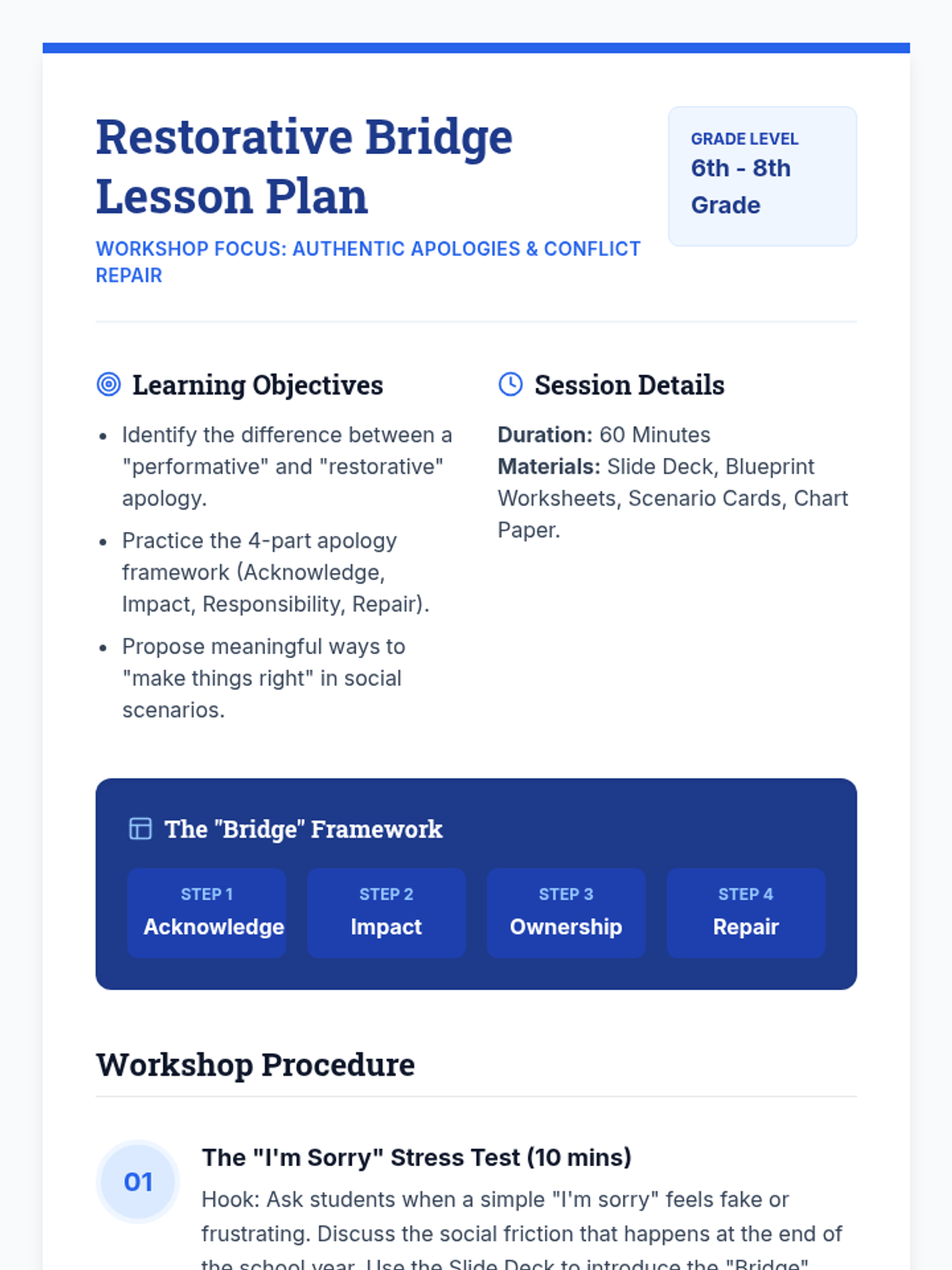
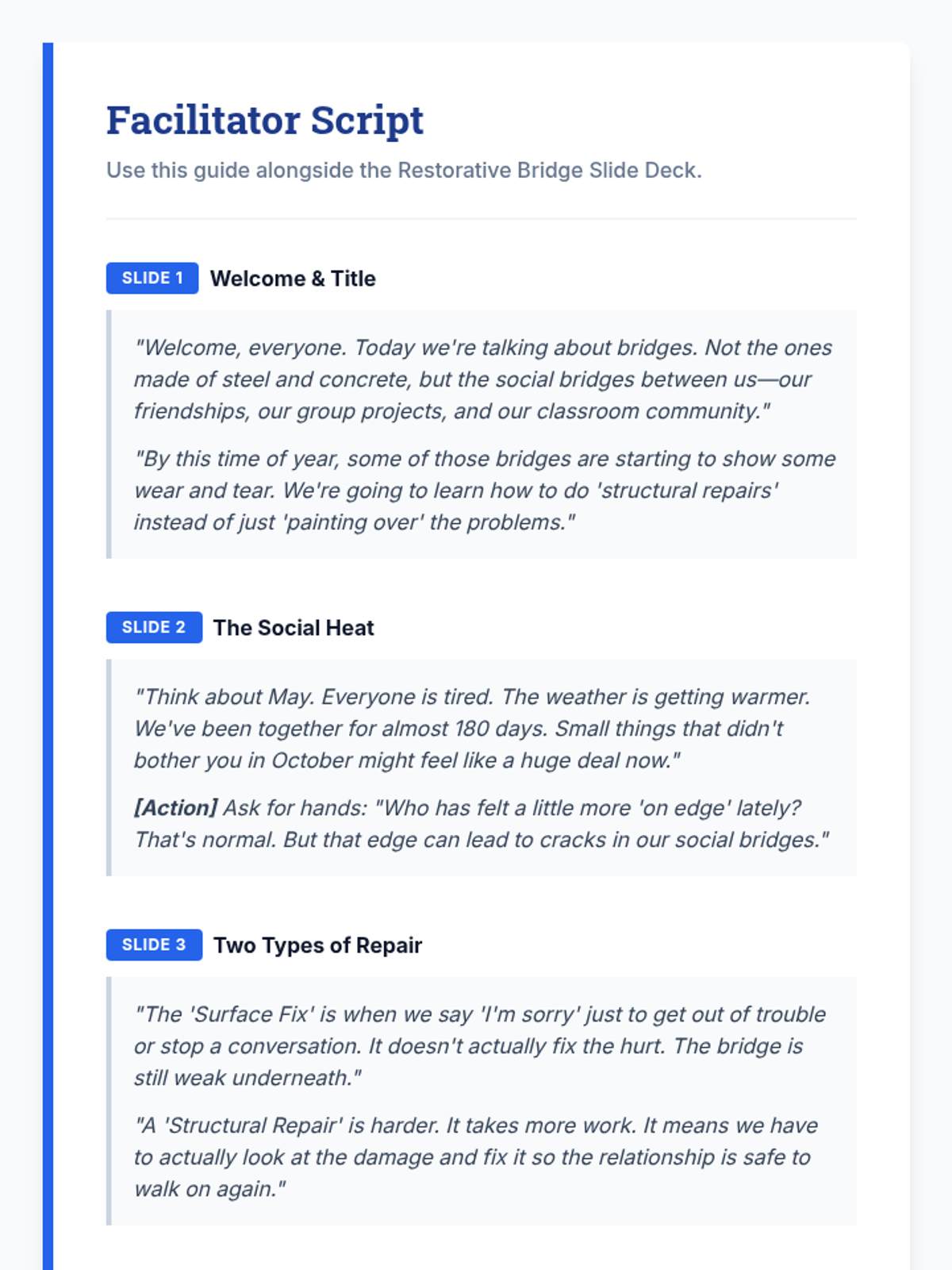
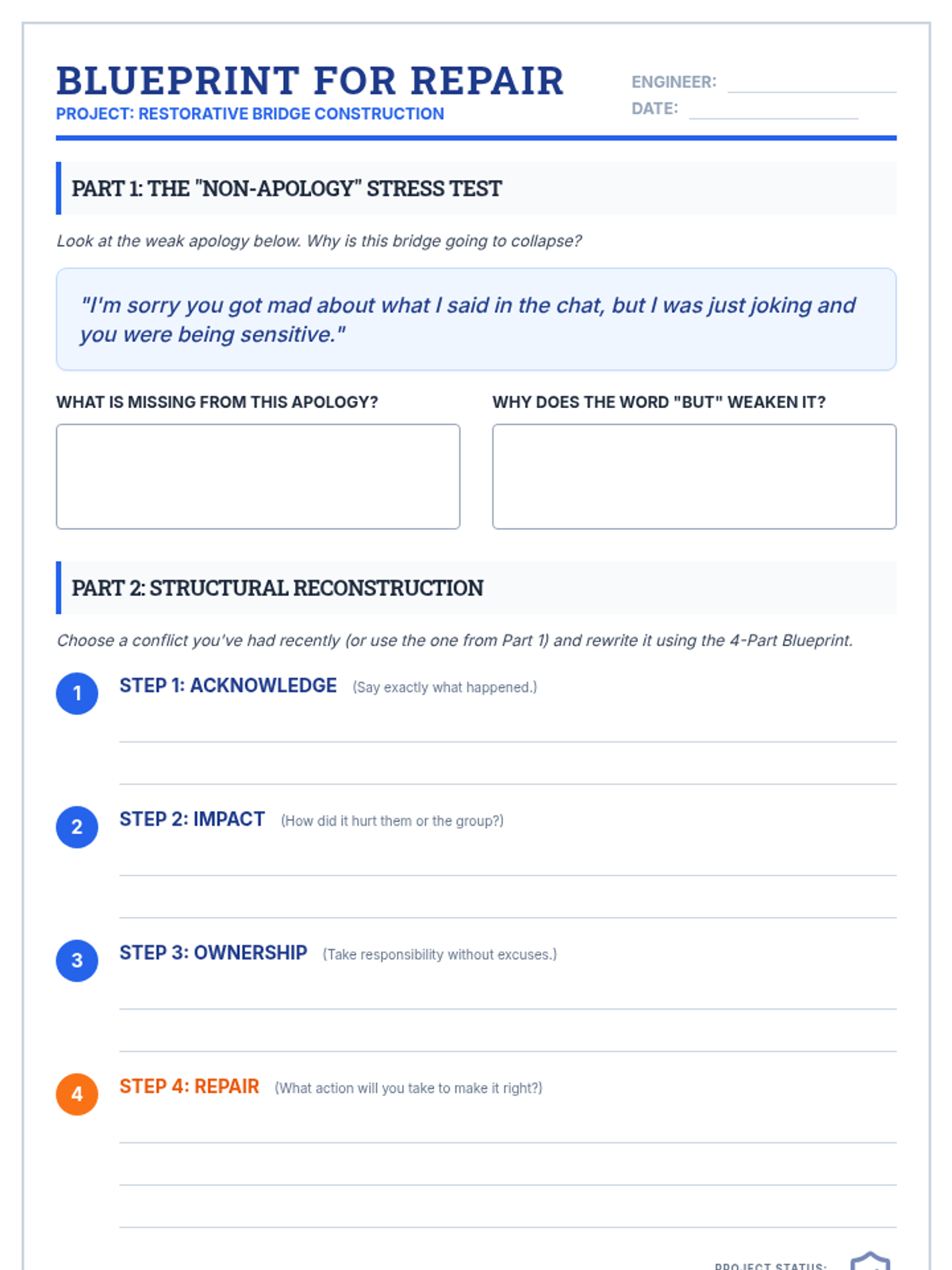
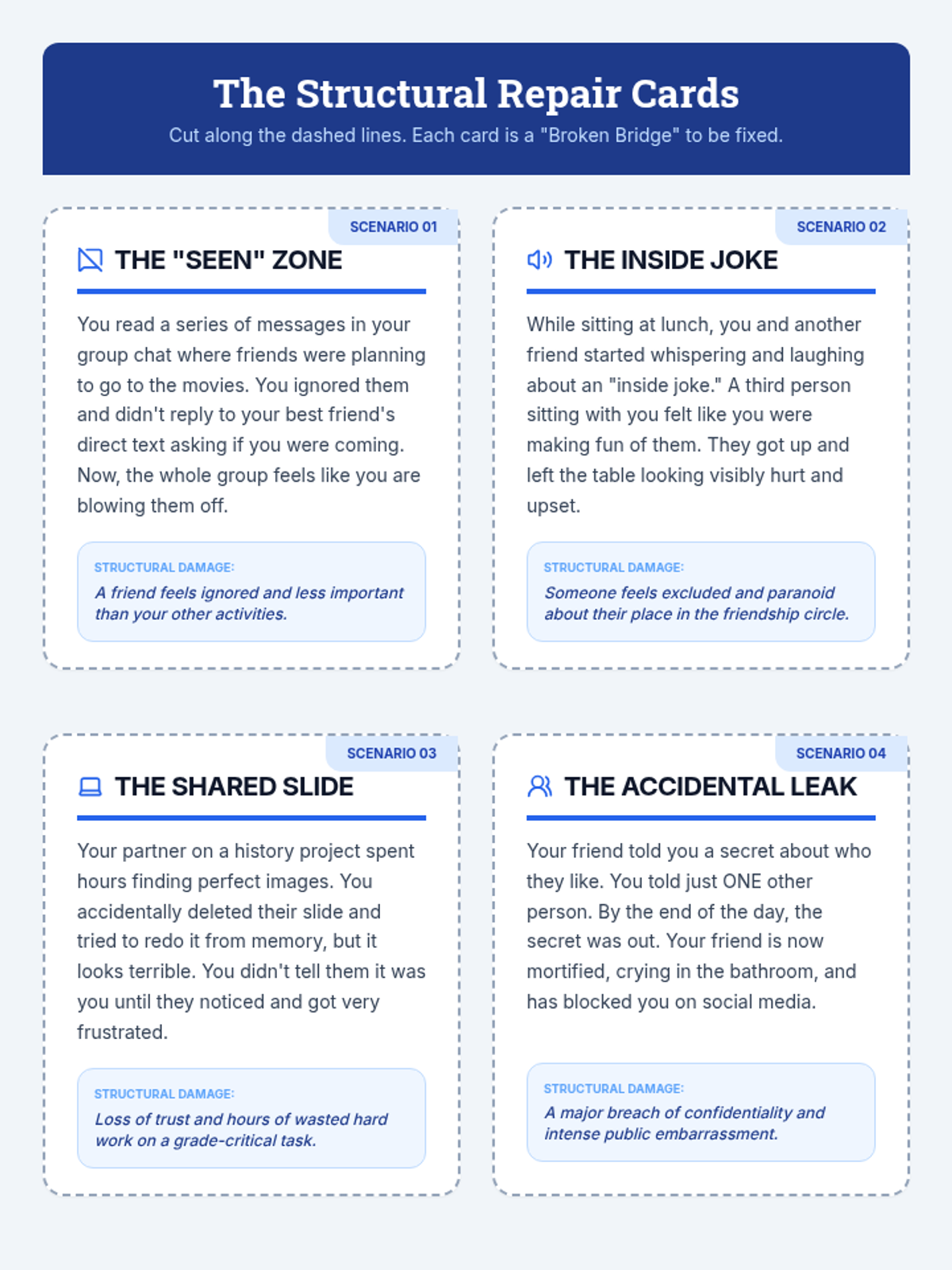
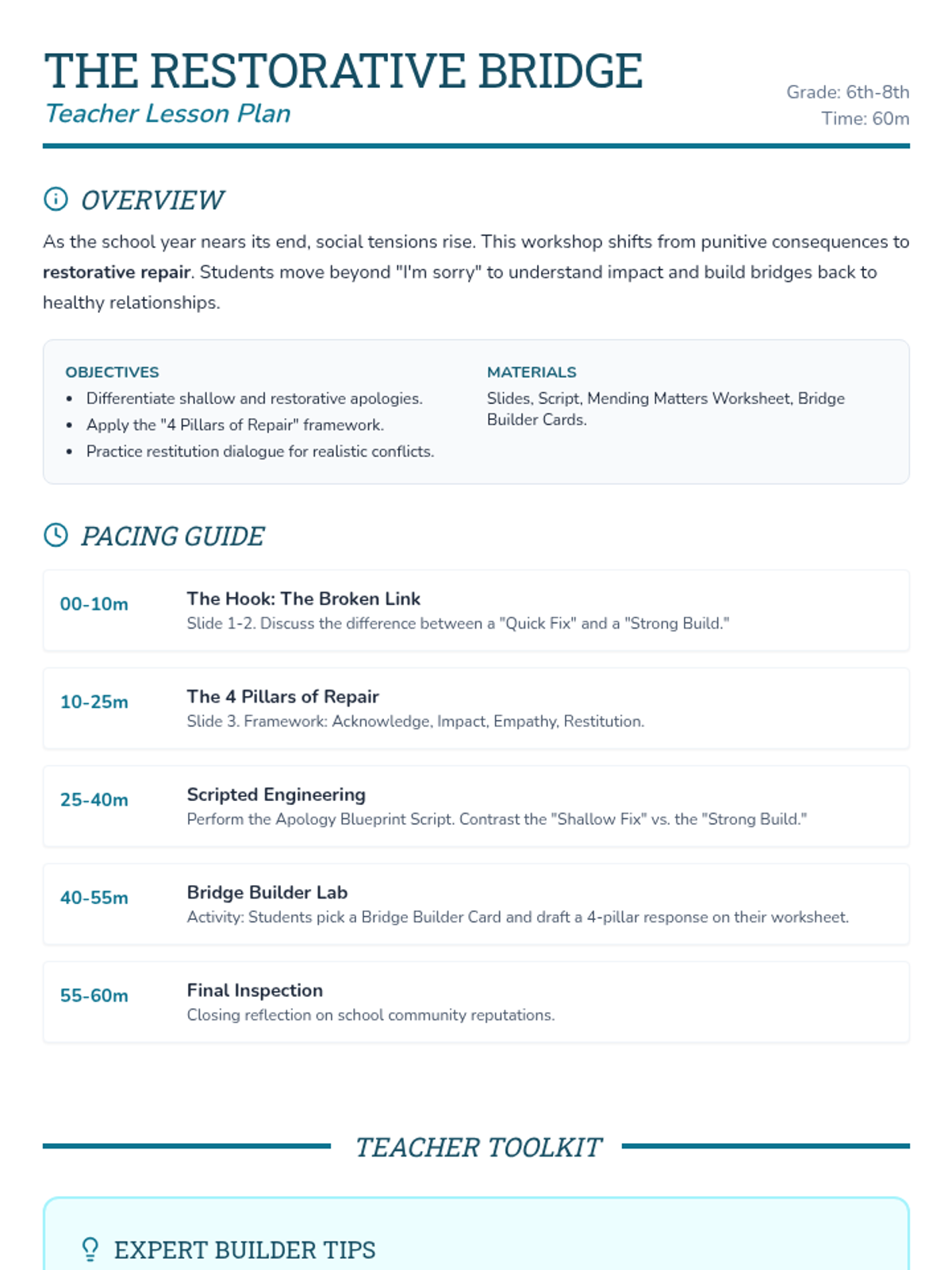
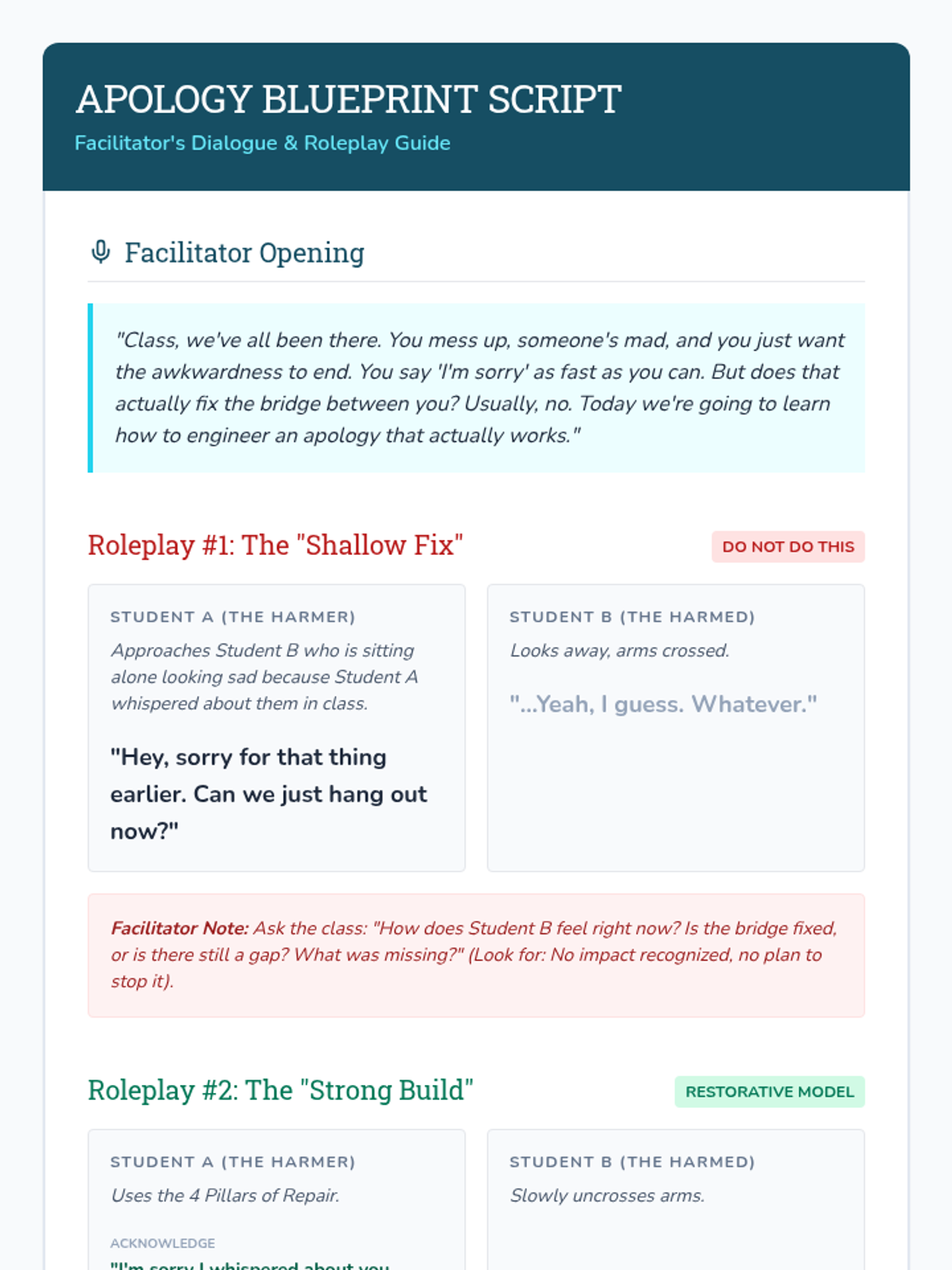
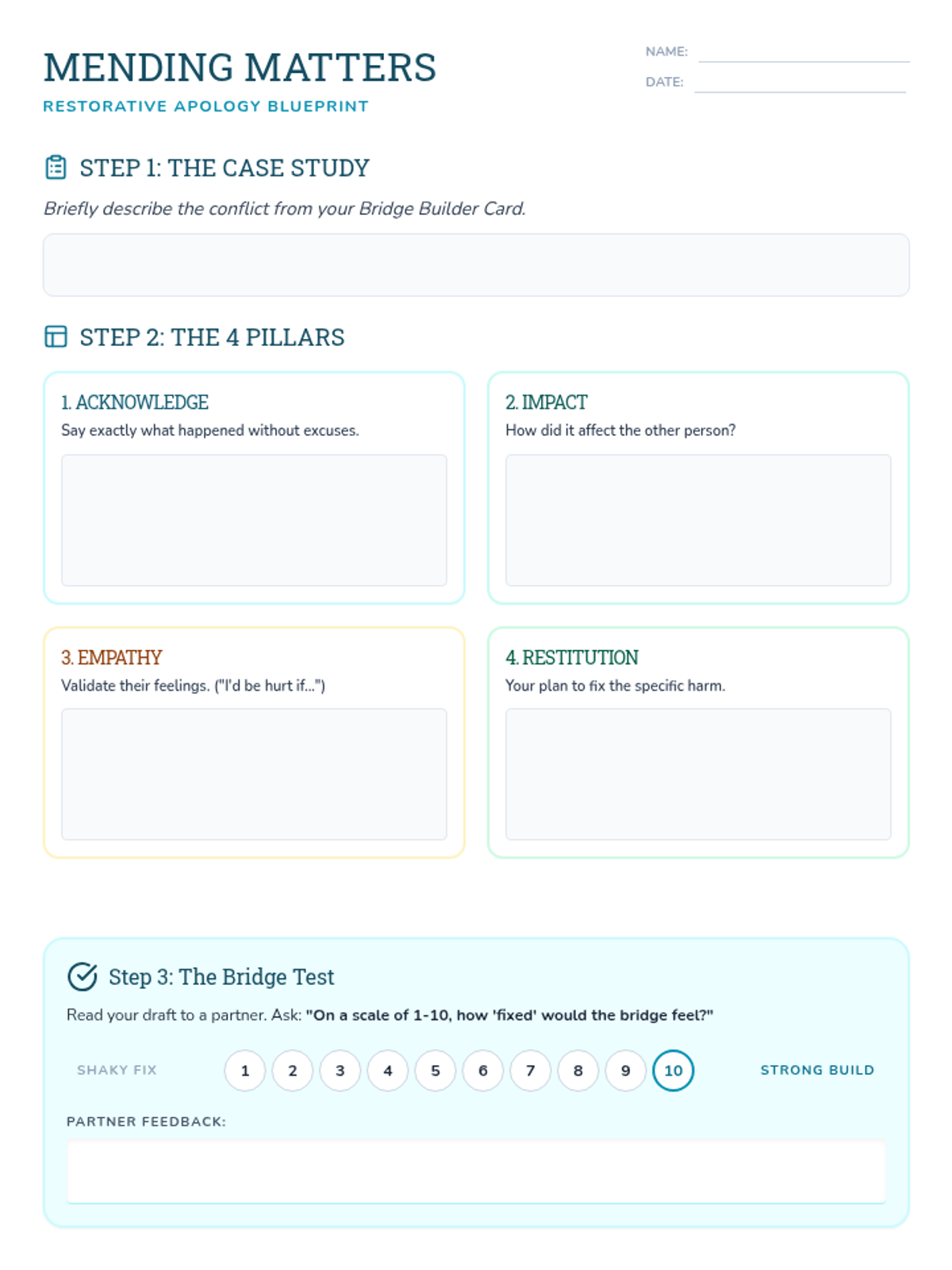
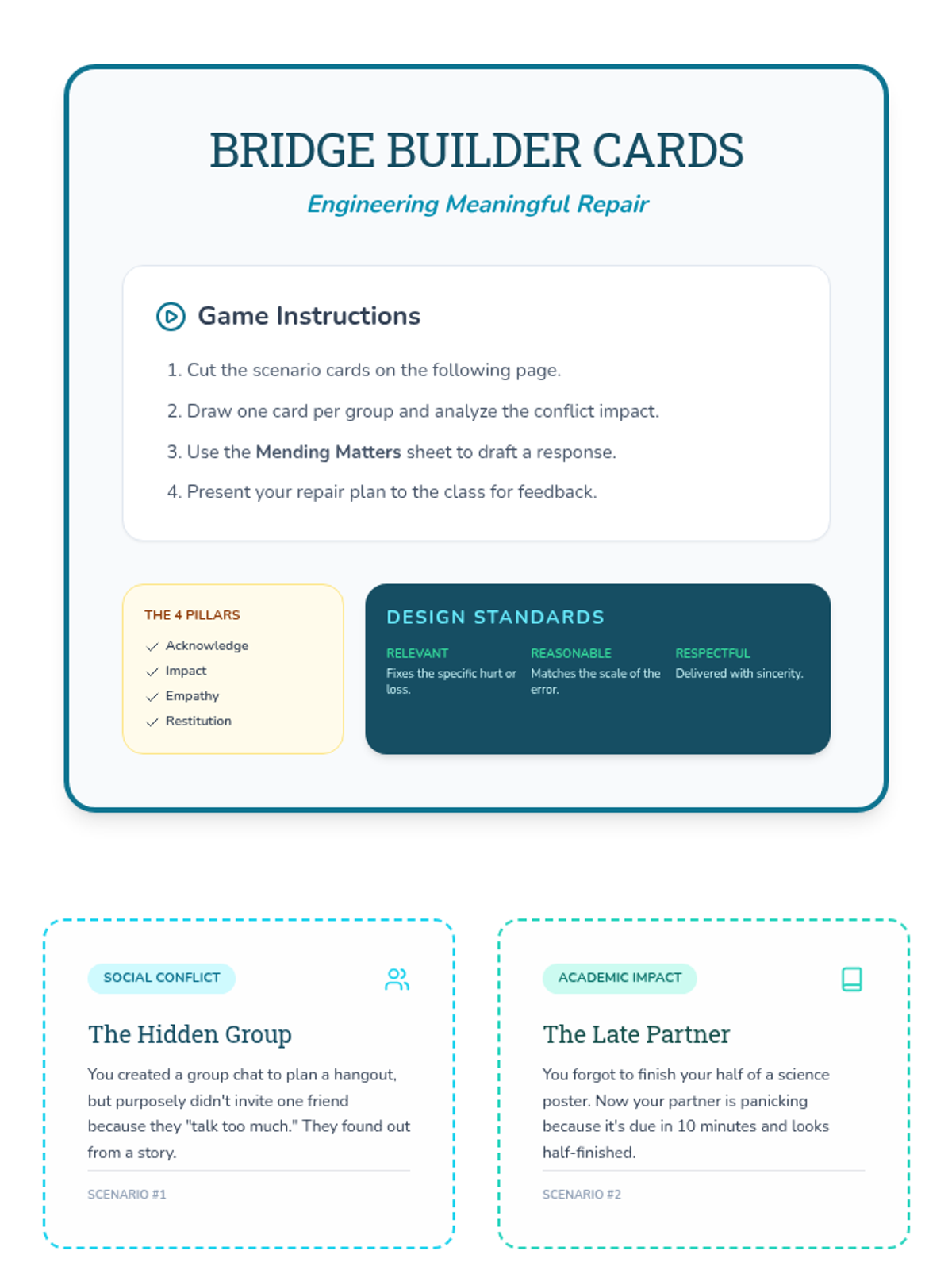
A workshop for middle schoolers on restorative dialogue and genuine apologies, focusing on moving beyond simple 'I'm sorry' statements to identify impact and propose meaningful repair.
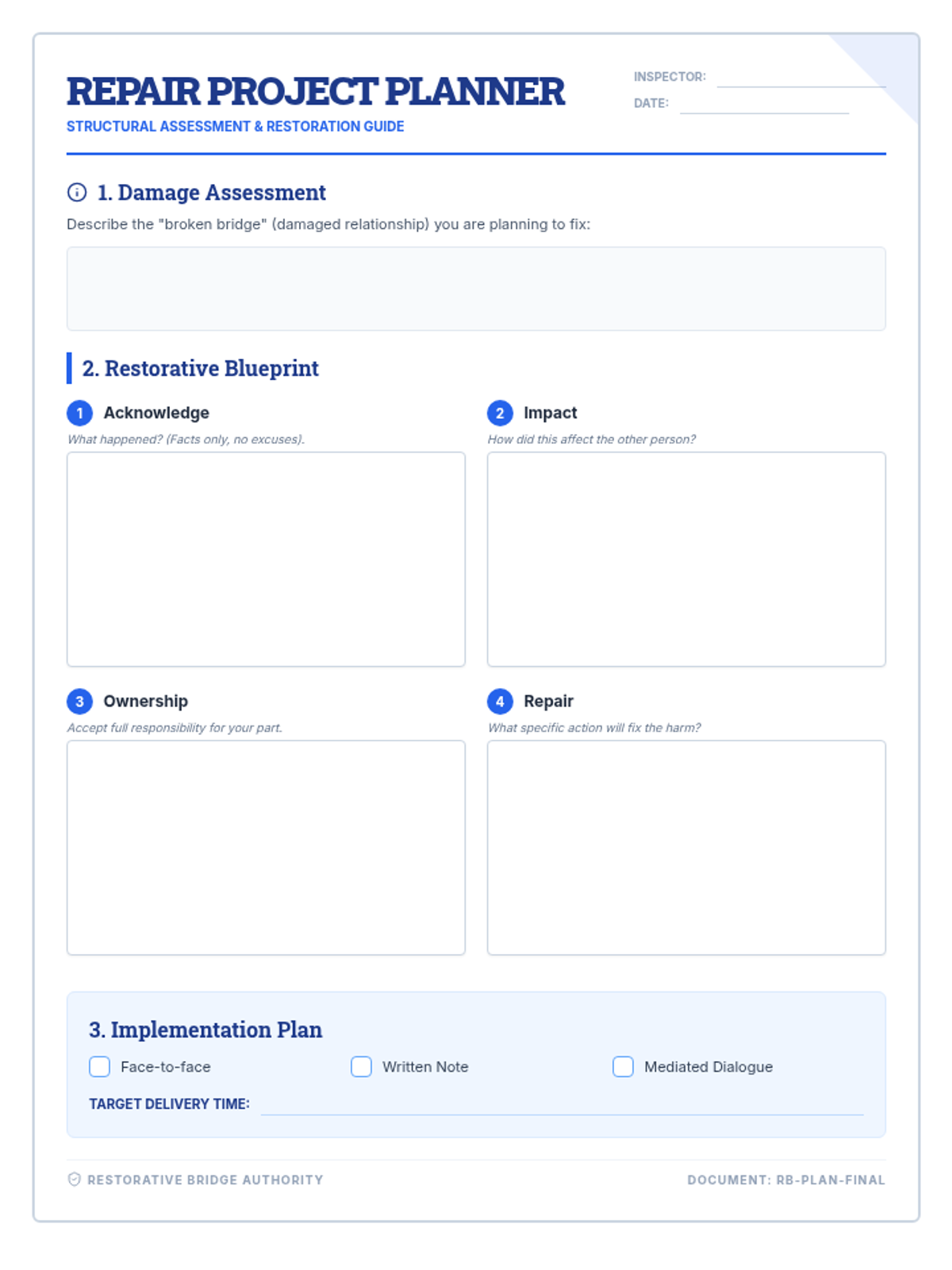
A workshop for middle schoolers focused on restorative justice and effective apologies, helping them build bridges of understanding through accountability and restitution.
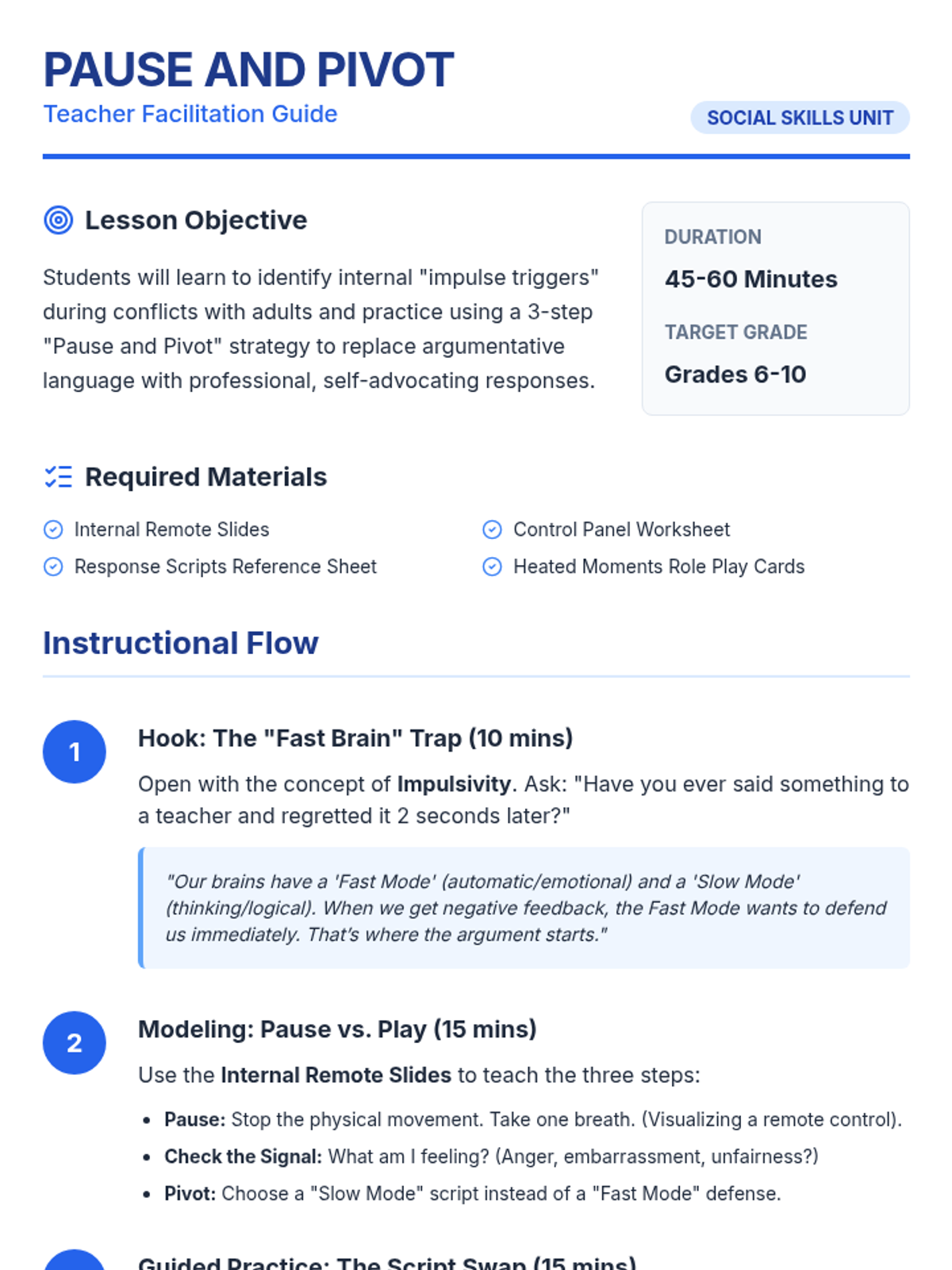
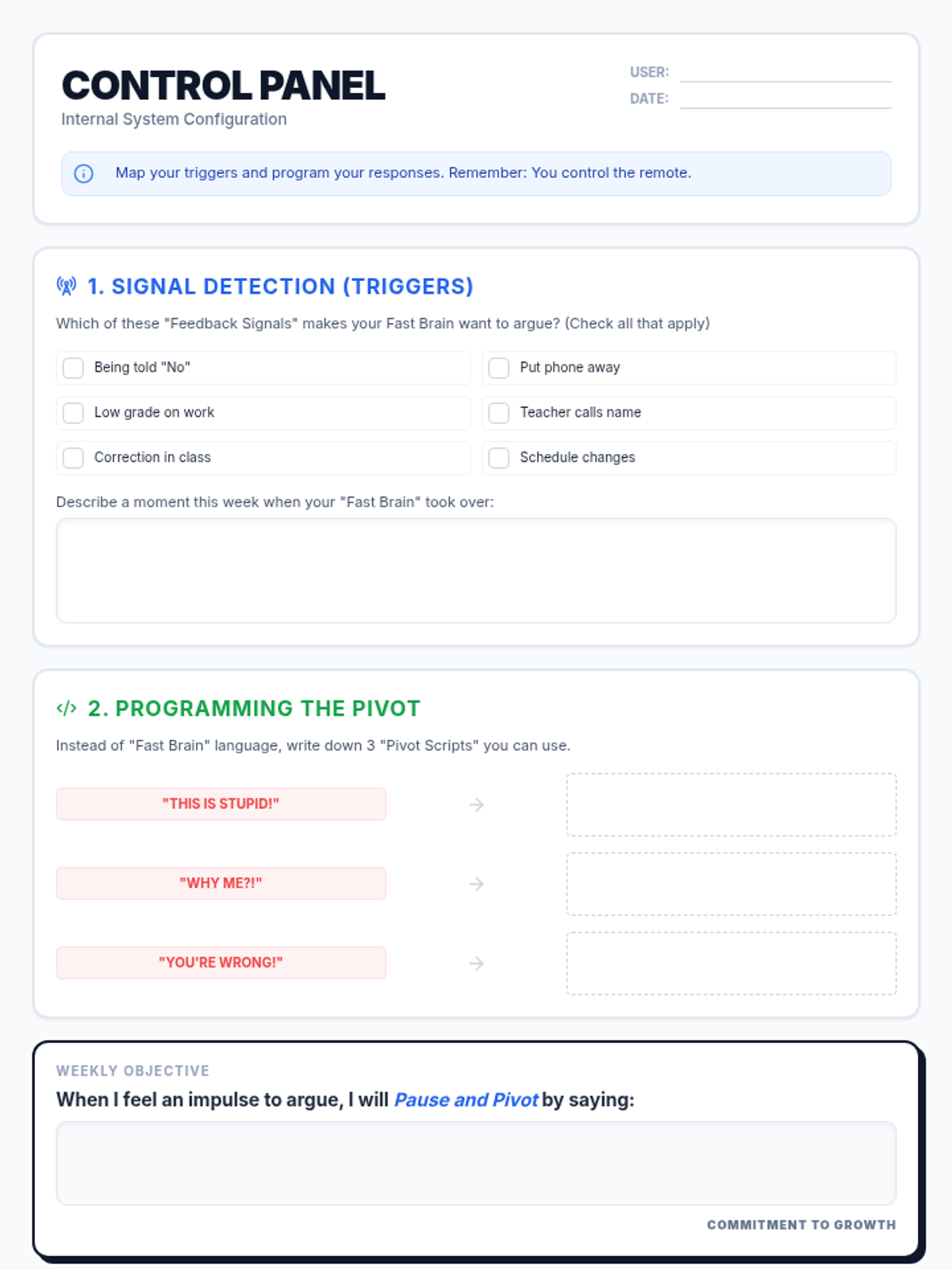
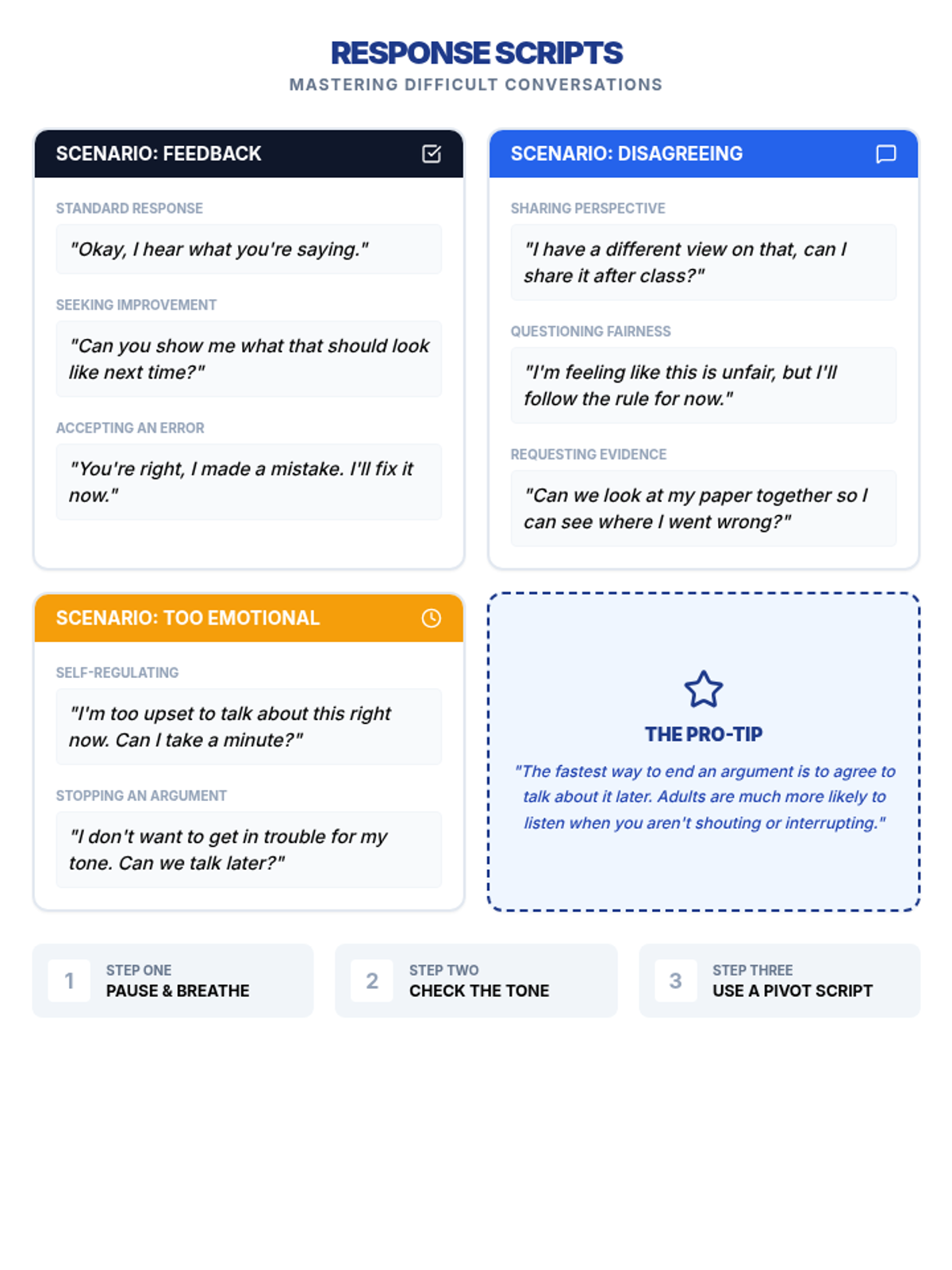
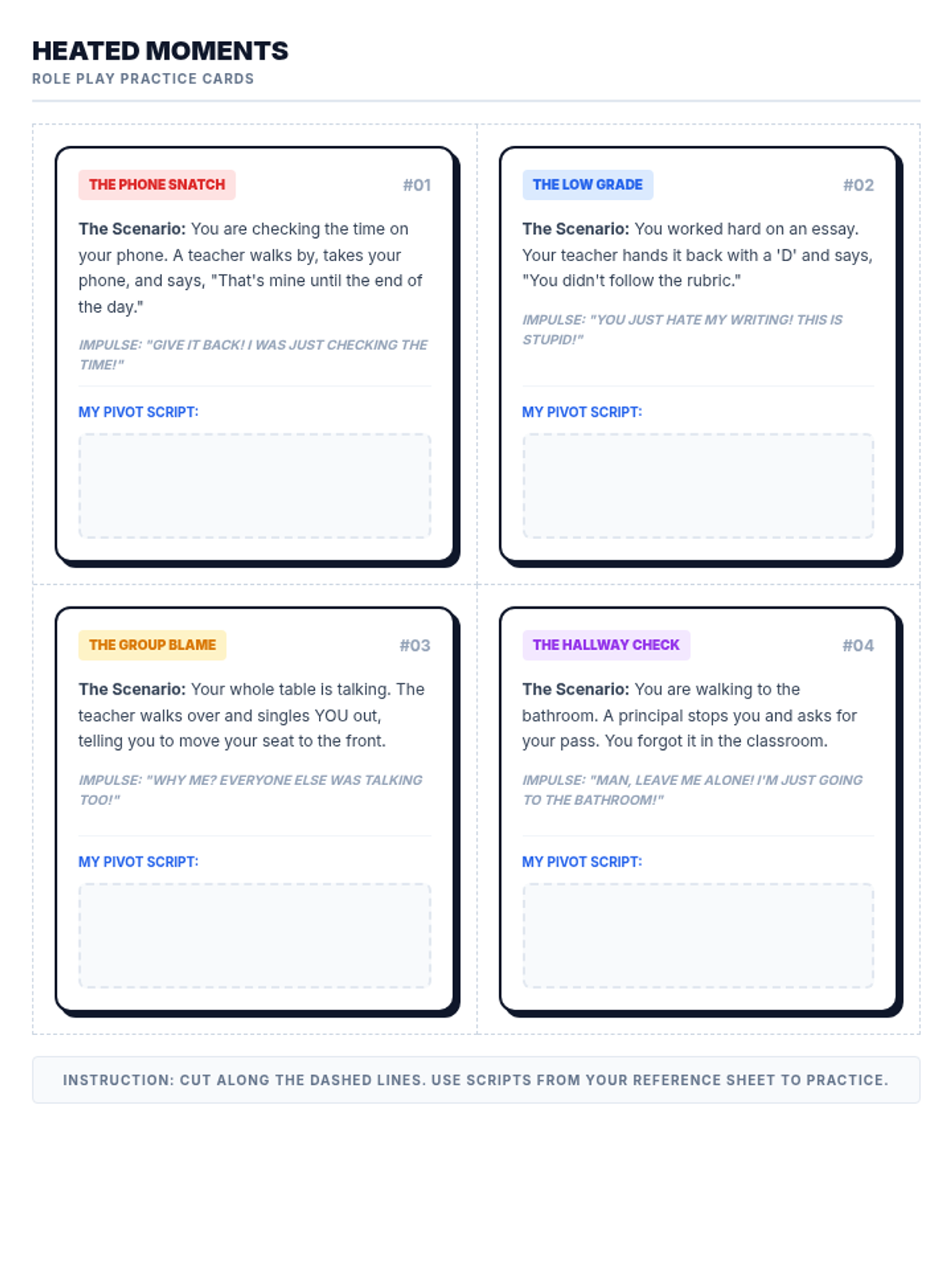
A comprehensive lesson designed to help students manage impulsive reactions to authority figures and transform argumentative language into constructive communication.
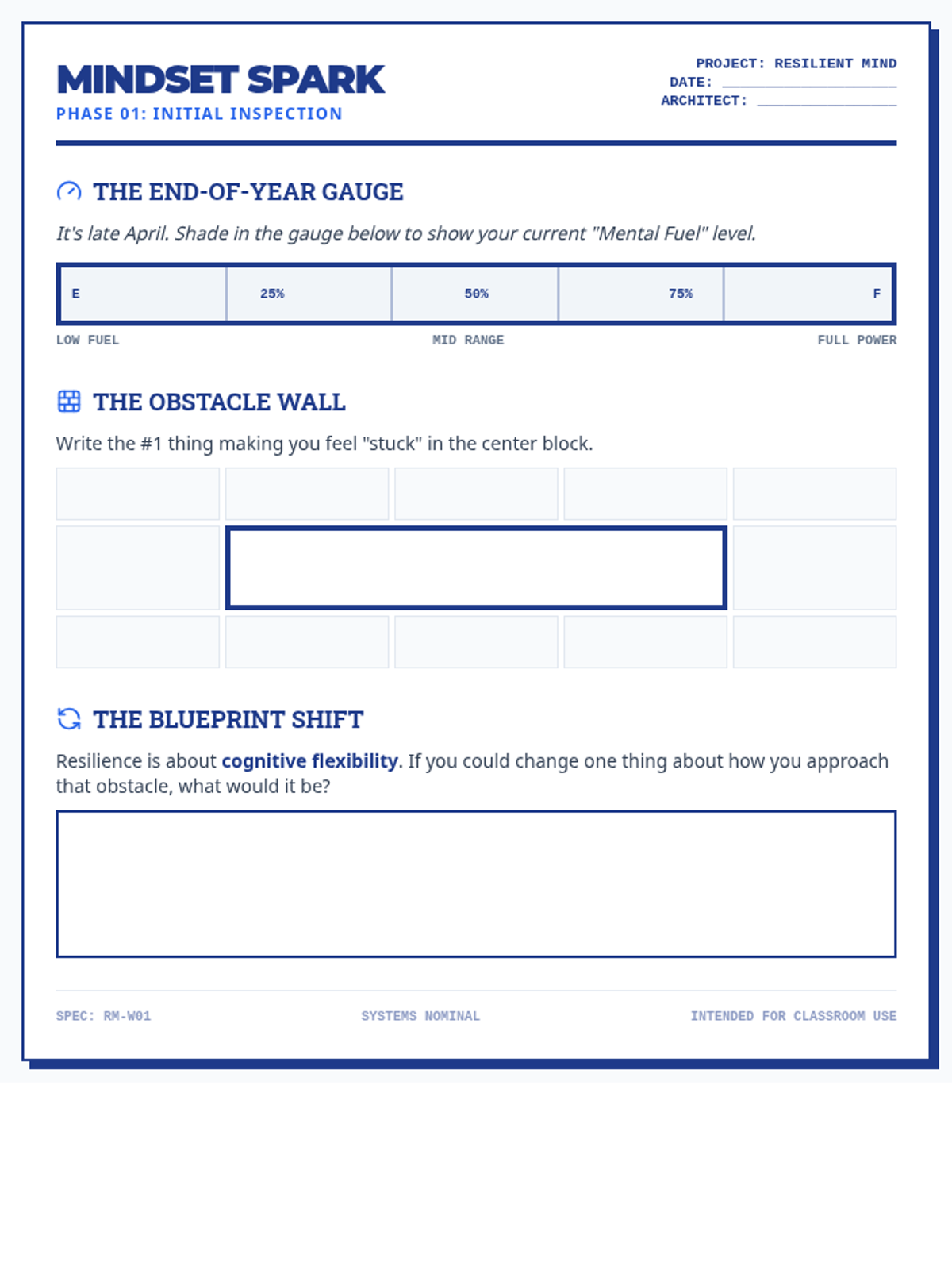
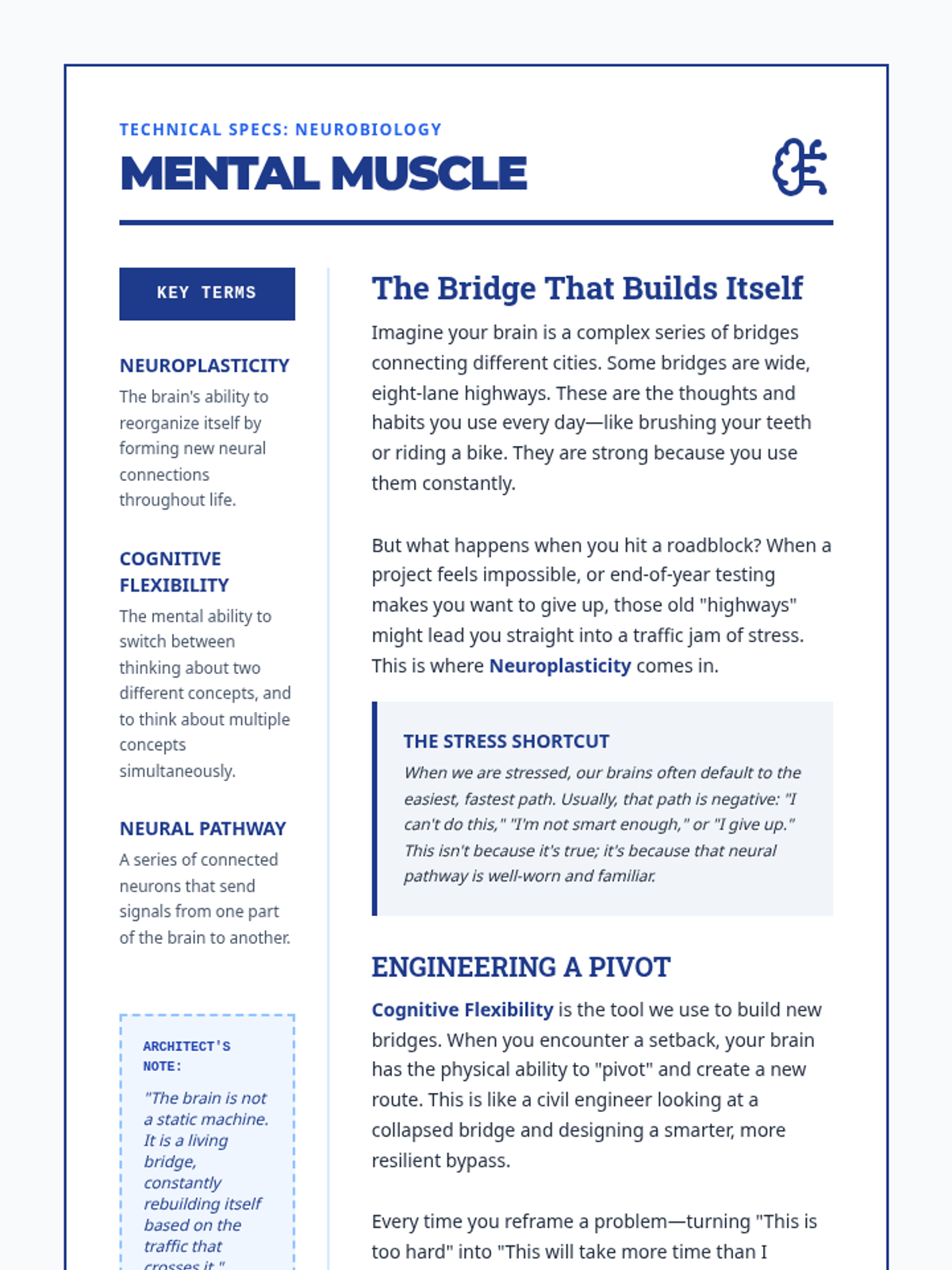
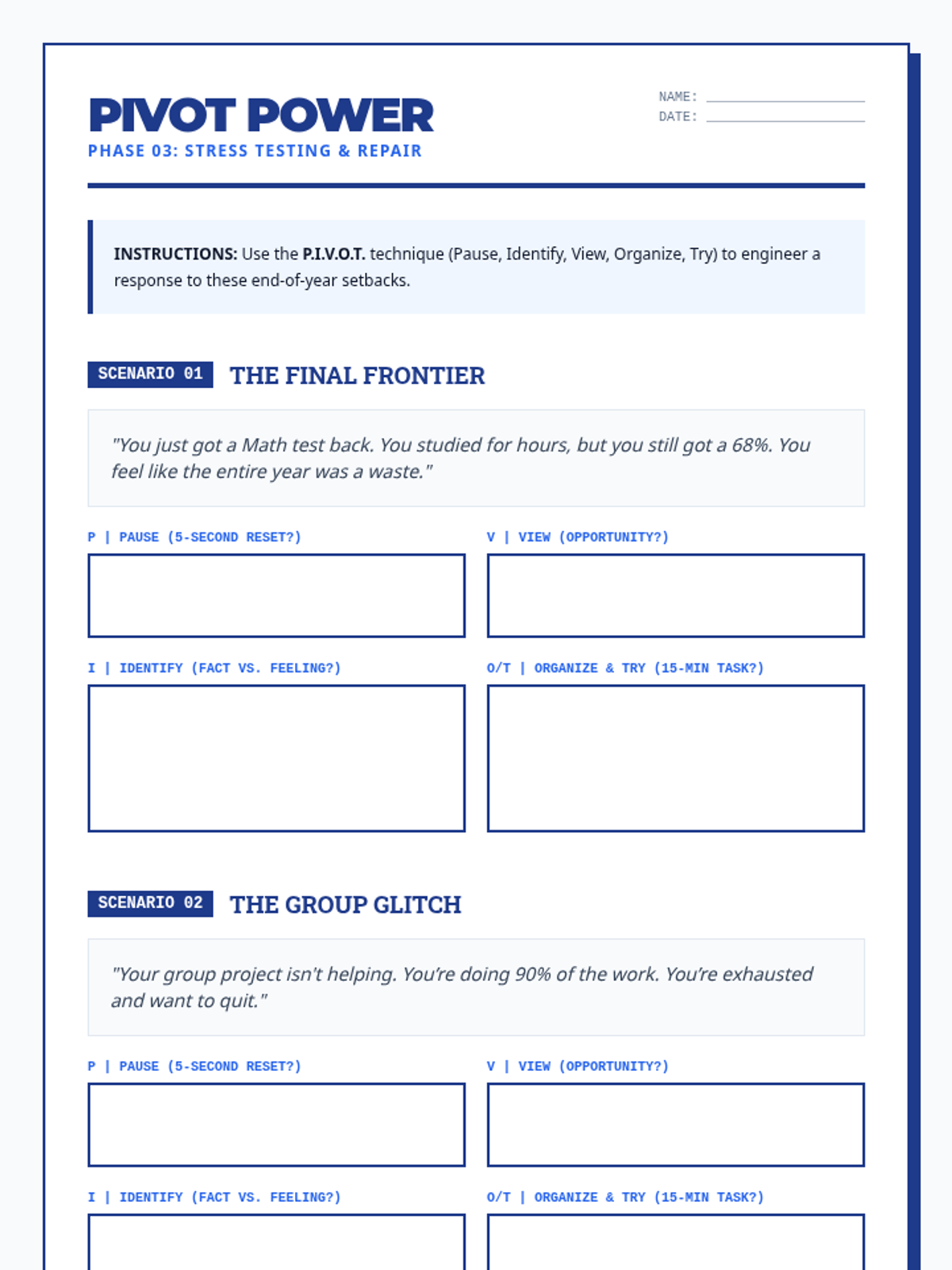
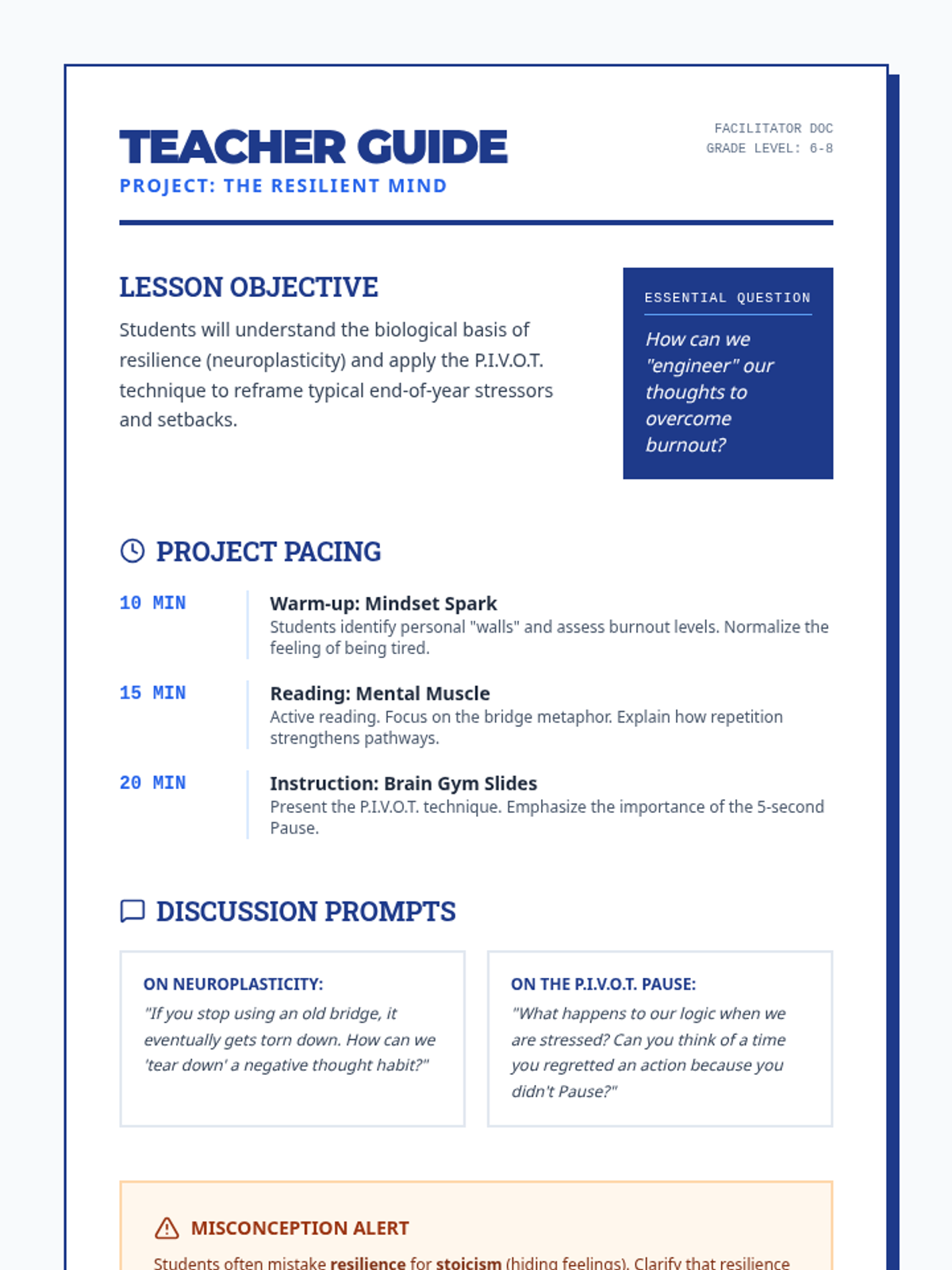
A 6th-8th grade social-emotional learning lesson designed to combat end-of-year burnout. Students explore neuroplasticity and cognitive flexibility through hands-on 'engineering' of their own mental responses to setbacks.
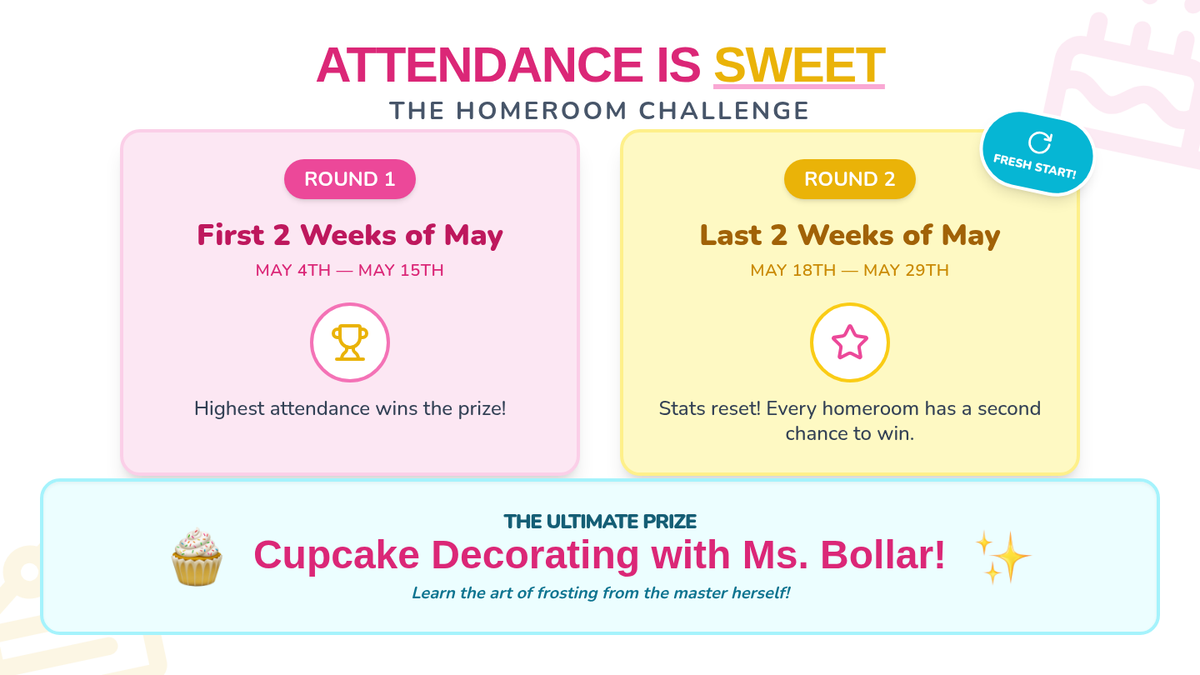
A short incentive program to encourage middle school attendance through a cupcake-themed competition.
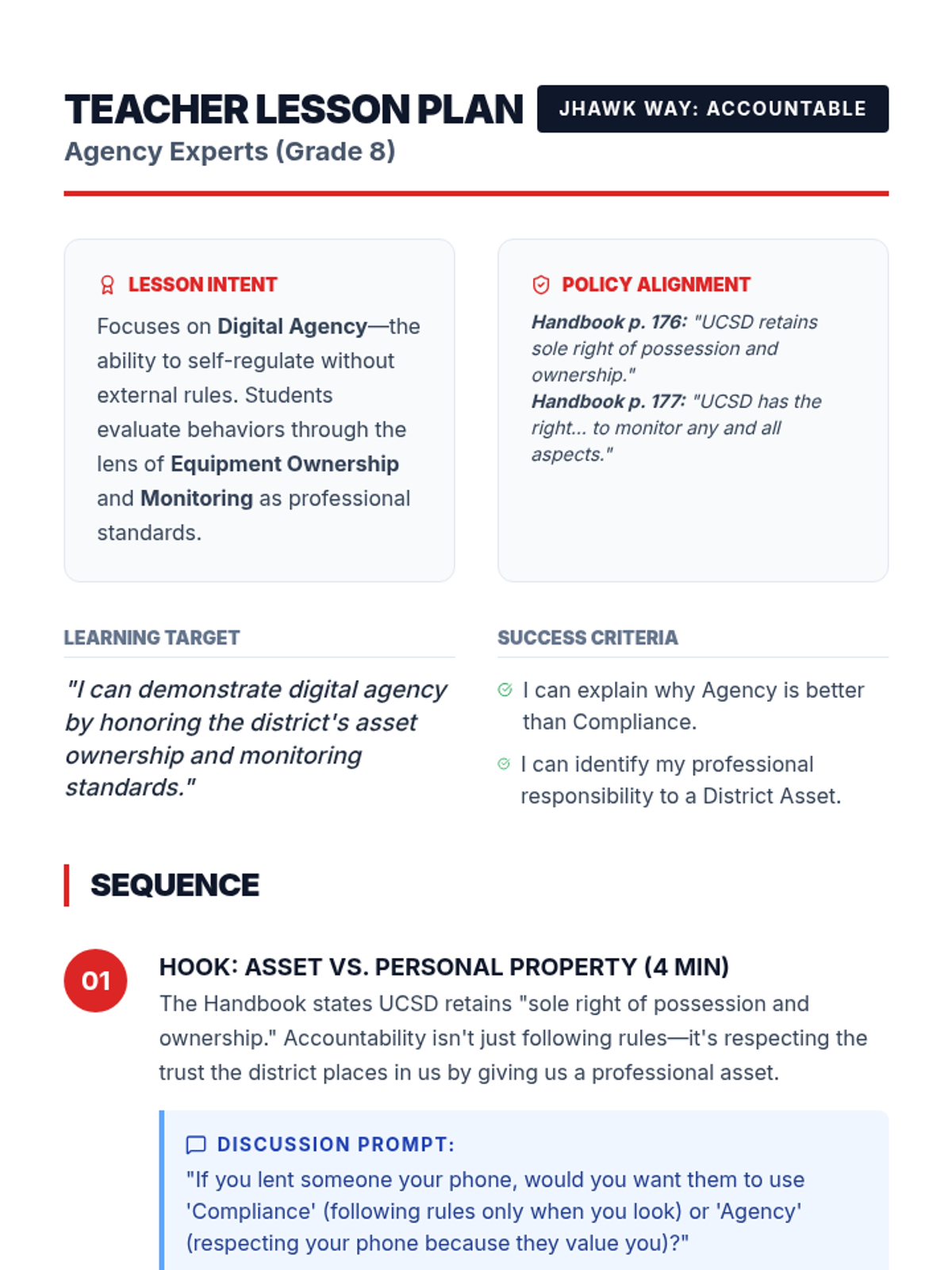
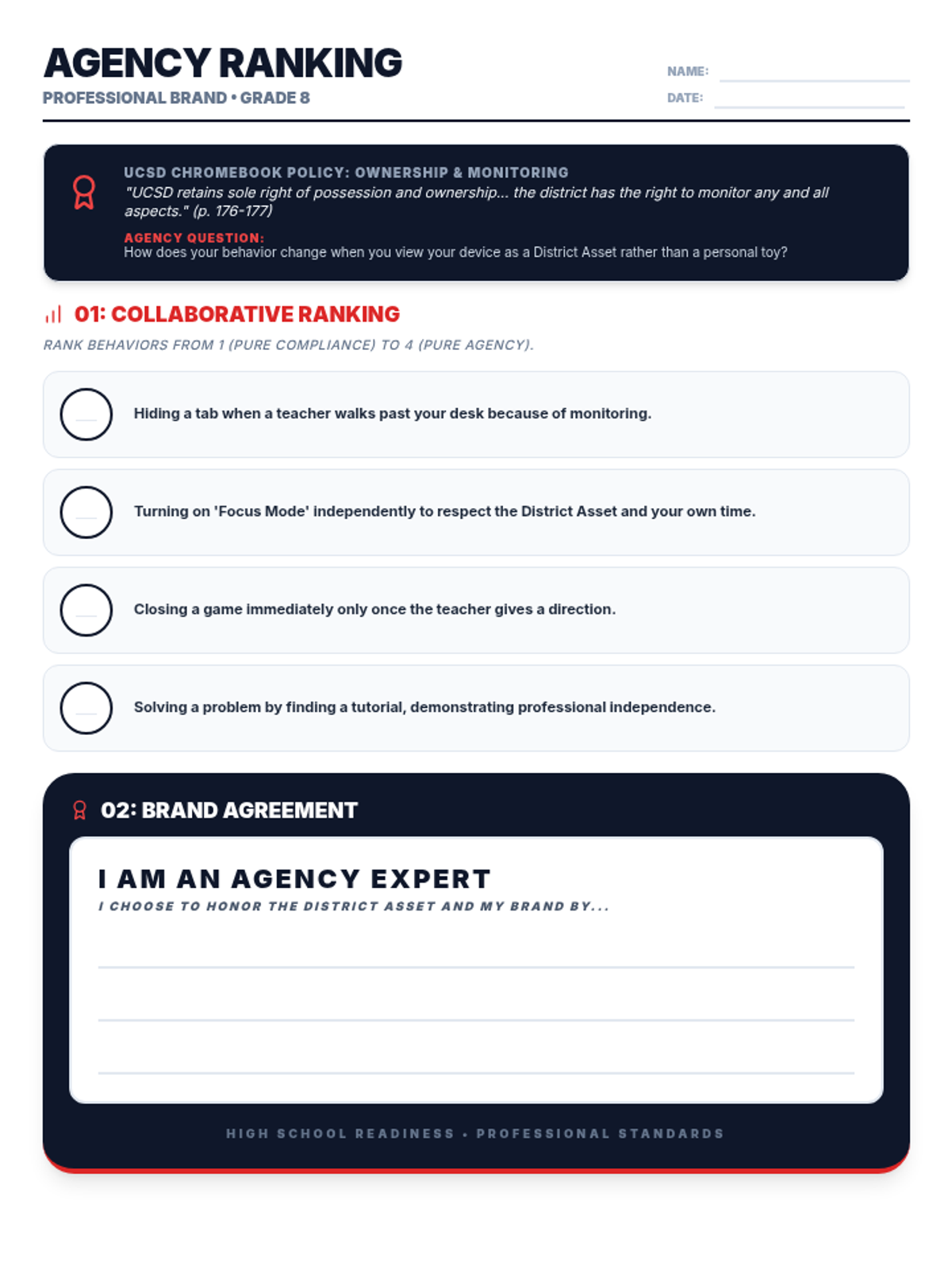
Eighth grade students evaluate their digital agency, focusing on self-regulation and building a professional personal brand for high school readiness.
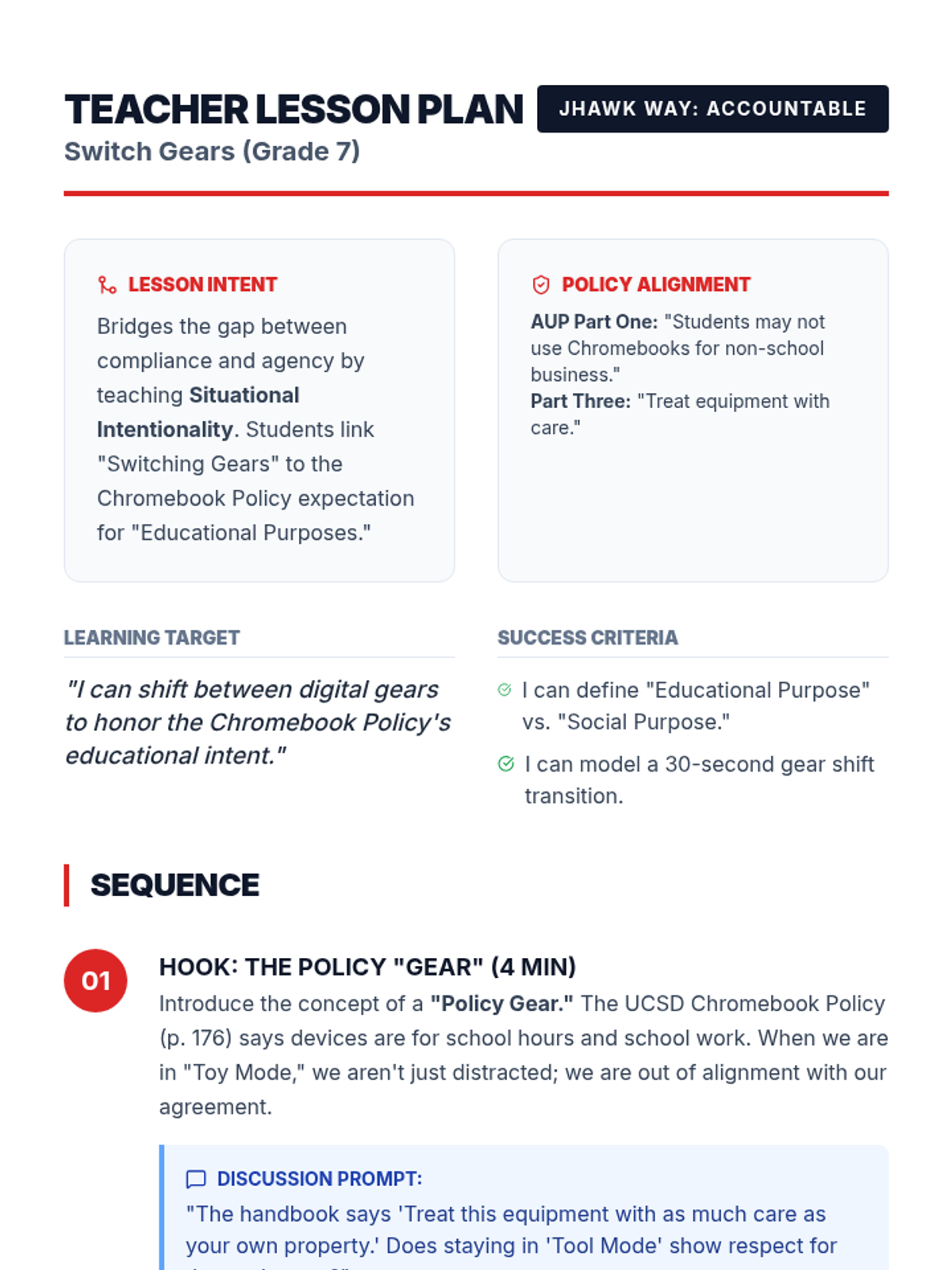
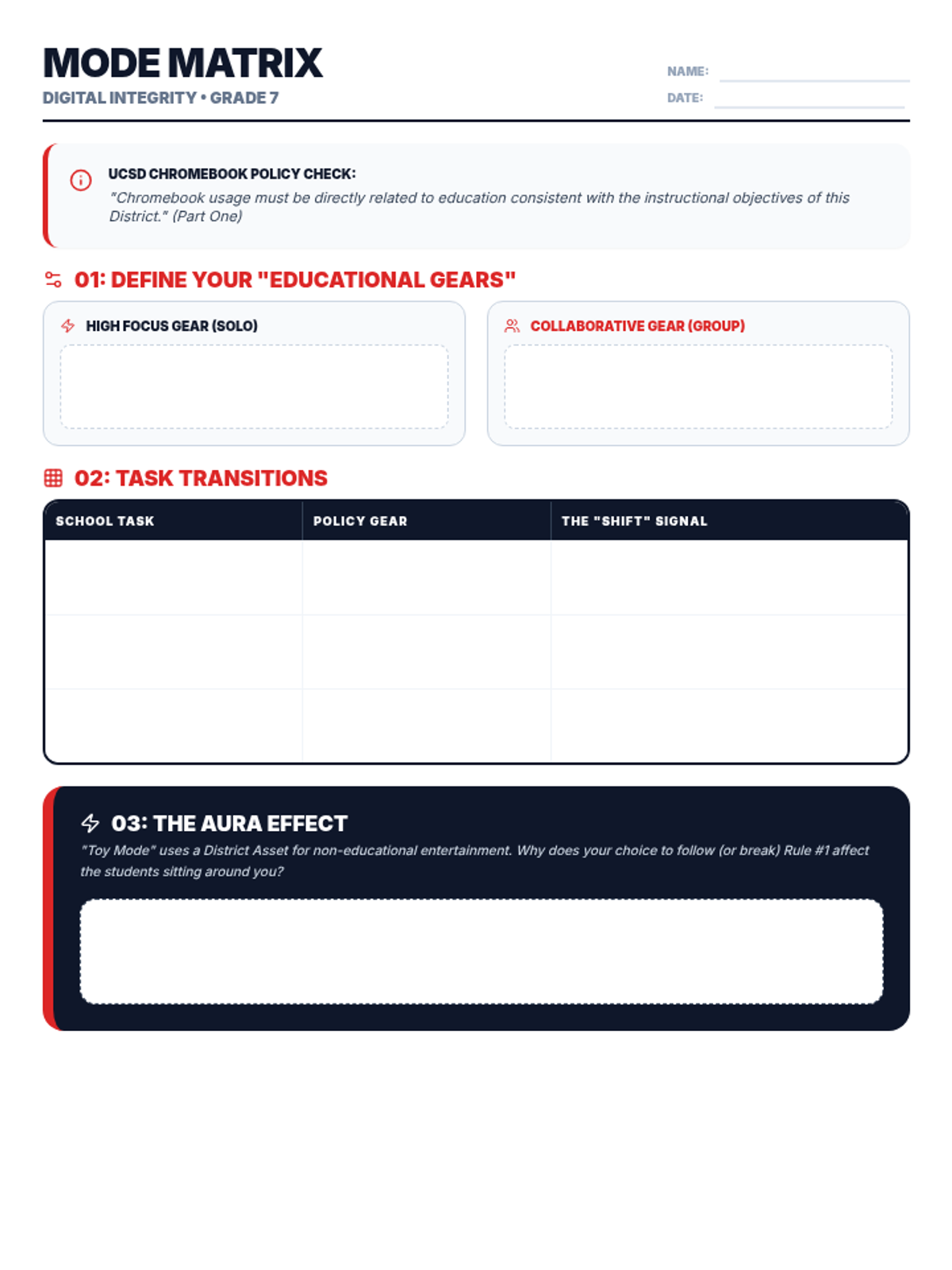
Seventh grade students learn to 'switch gears' between different device modes based on classroom tasks, bridging the gap between rules and agency.
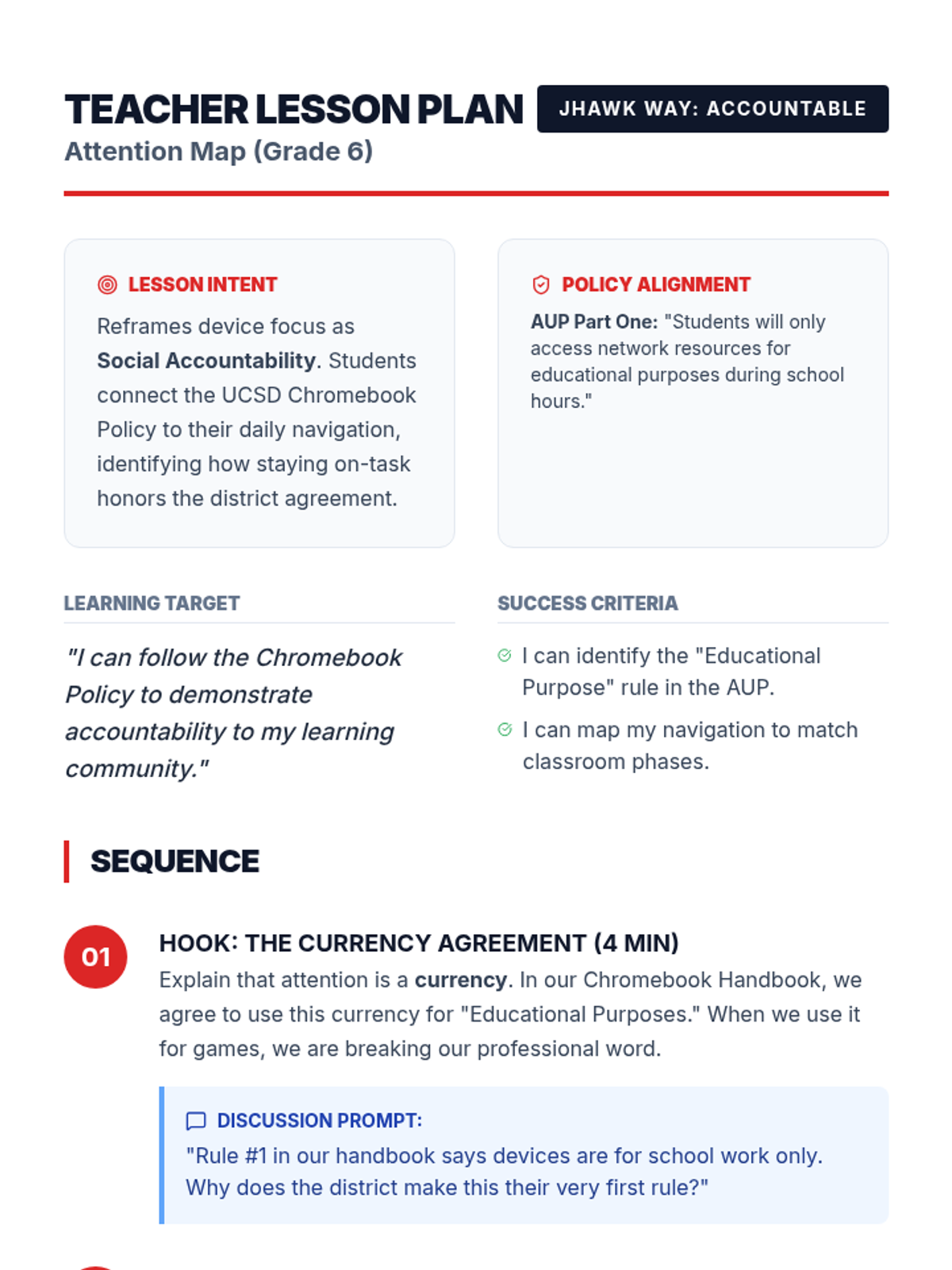
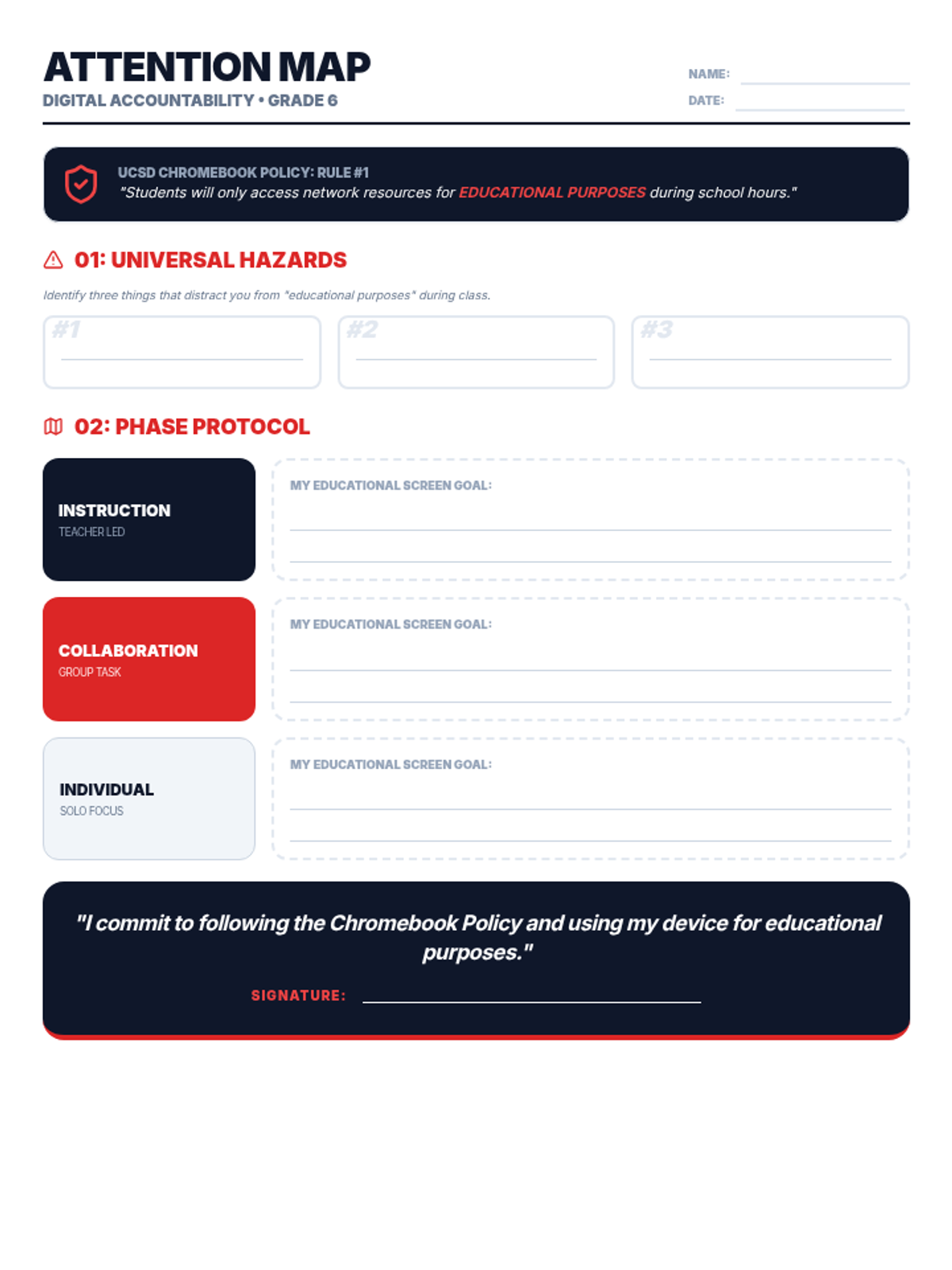
Sixth grade students explore the 'Attention Economy' and learn how their device navigation communicates respect to their learning community.
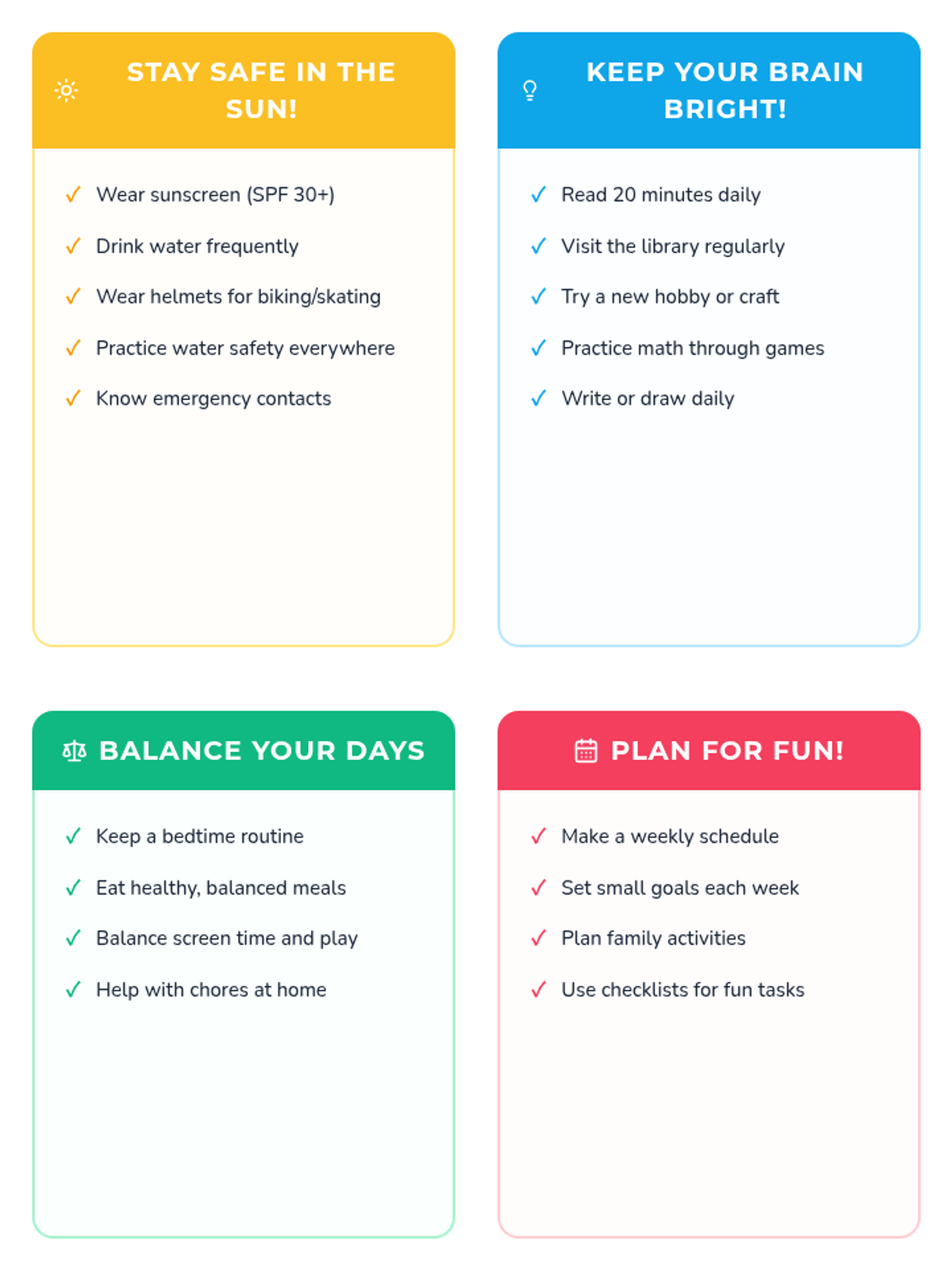
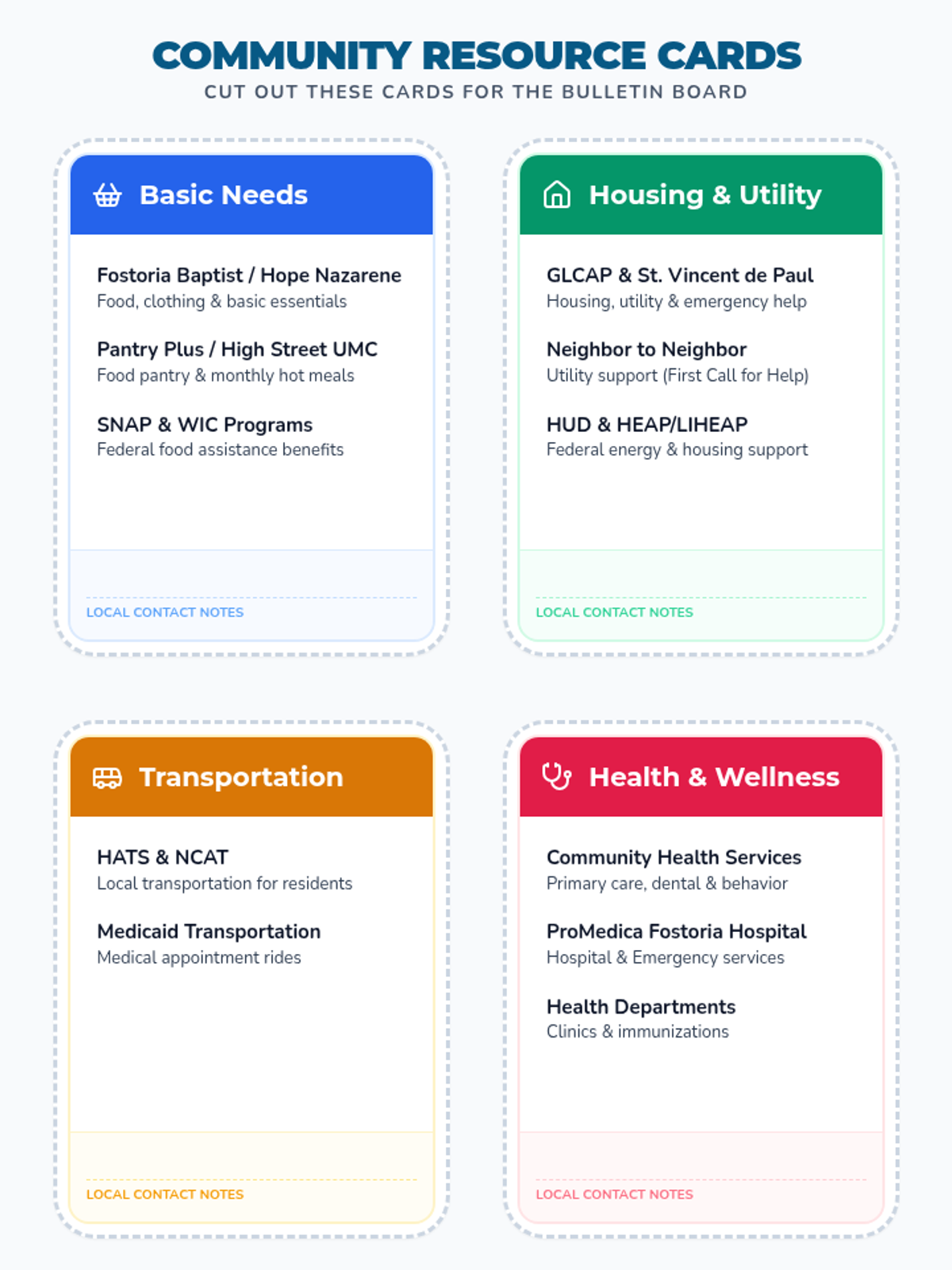
A collection of printable banners, headers, advice cards, and community resource listings to create an engaging summer-themed bulletin board.
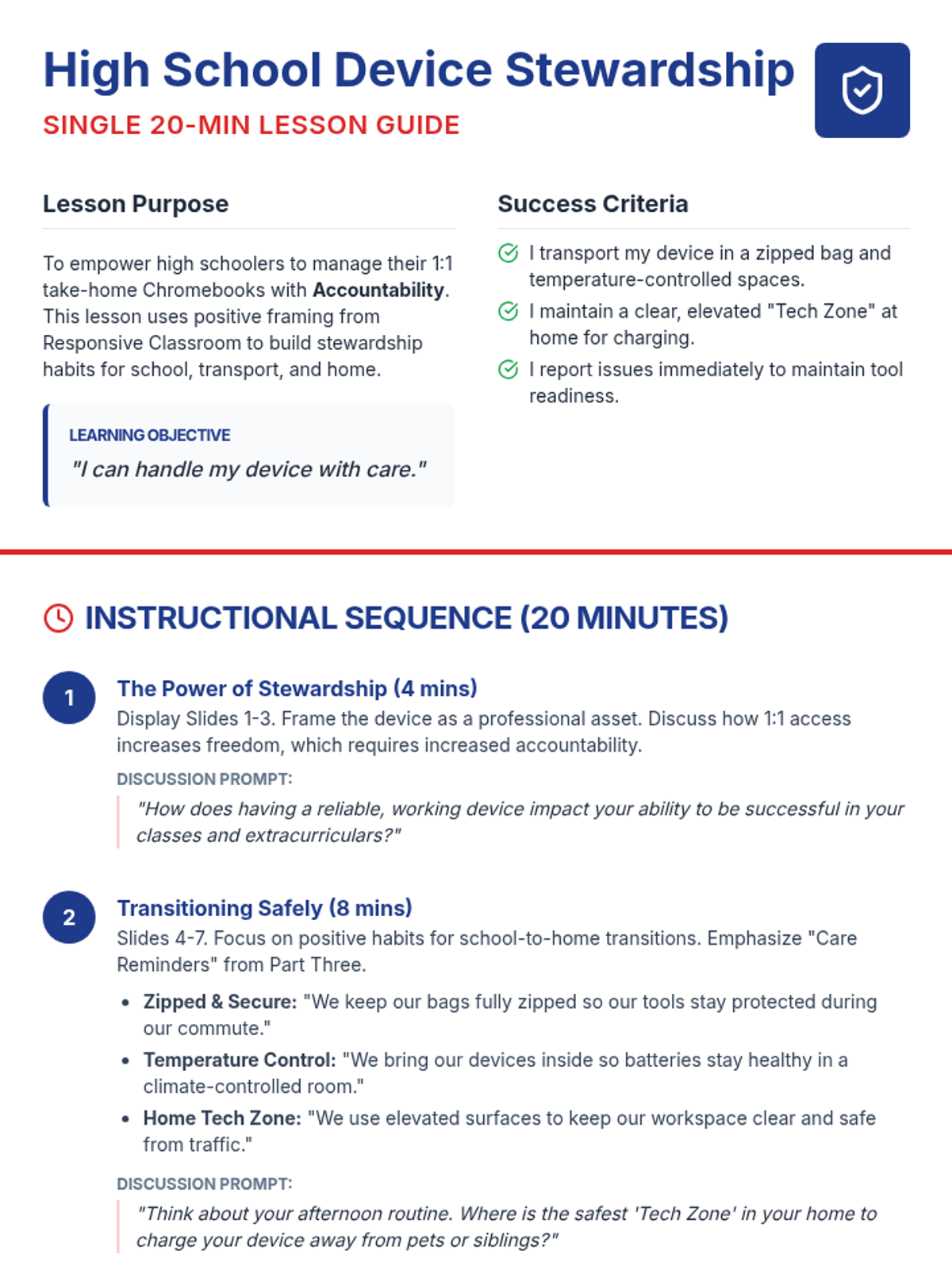
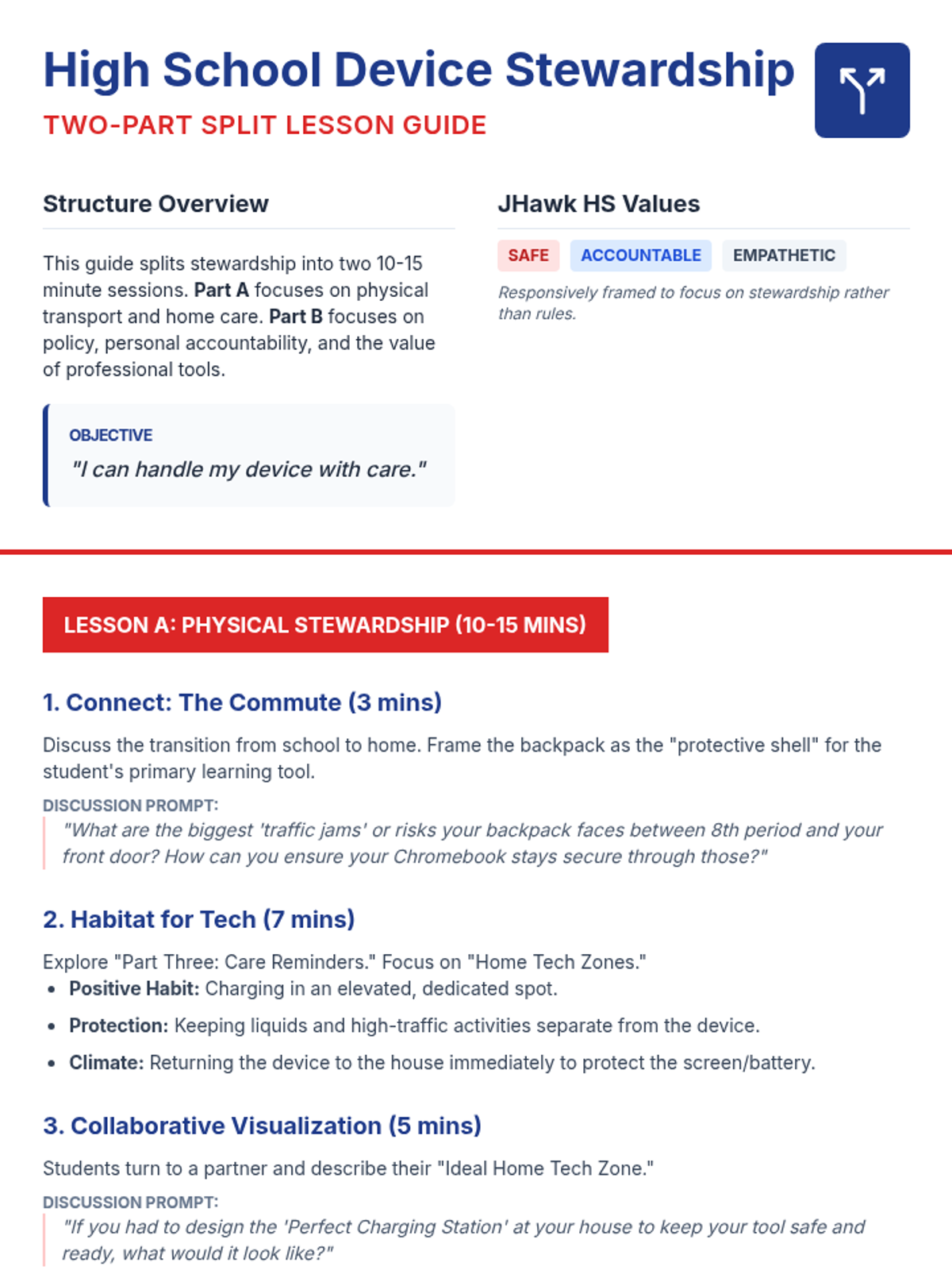
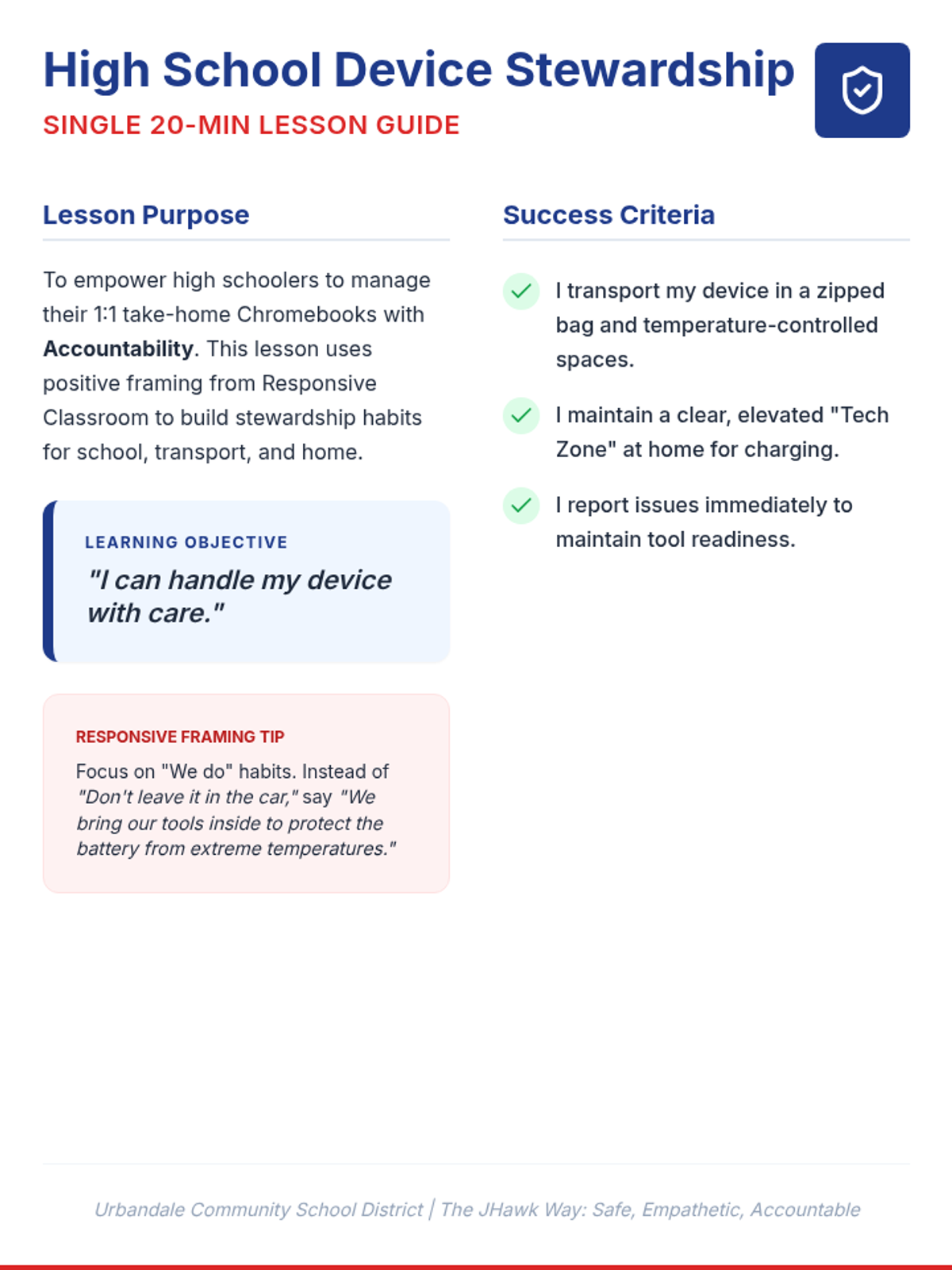
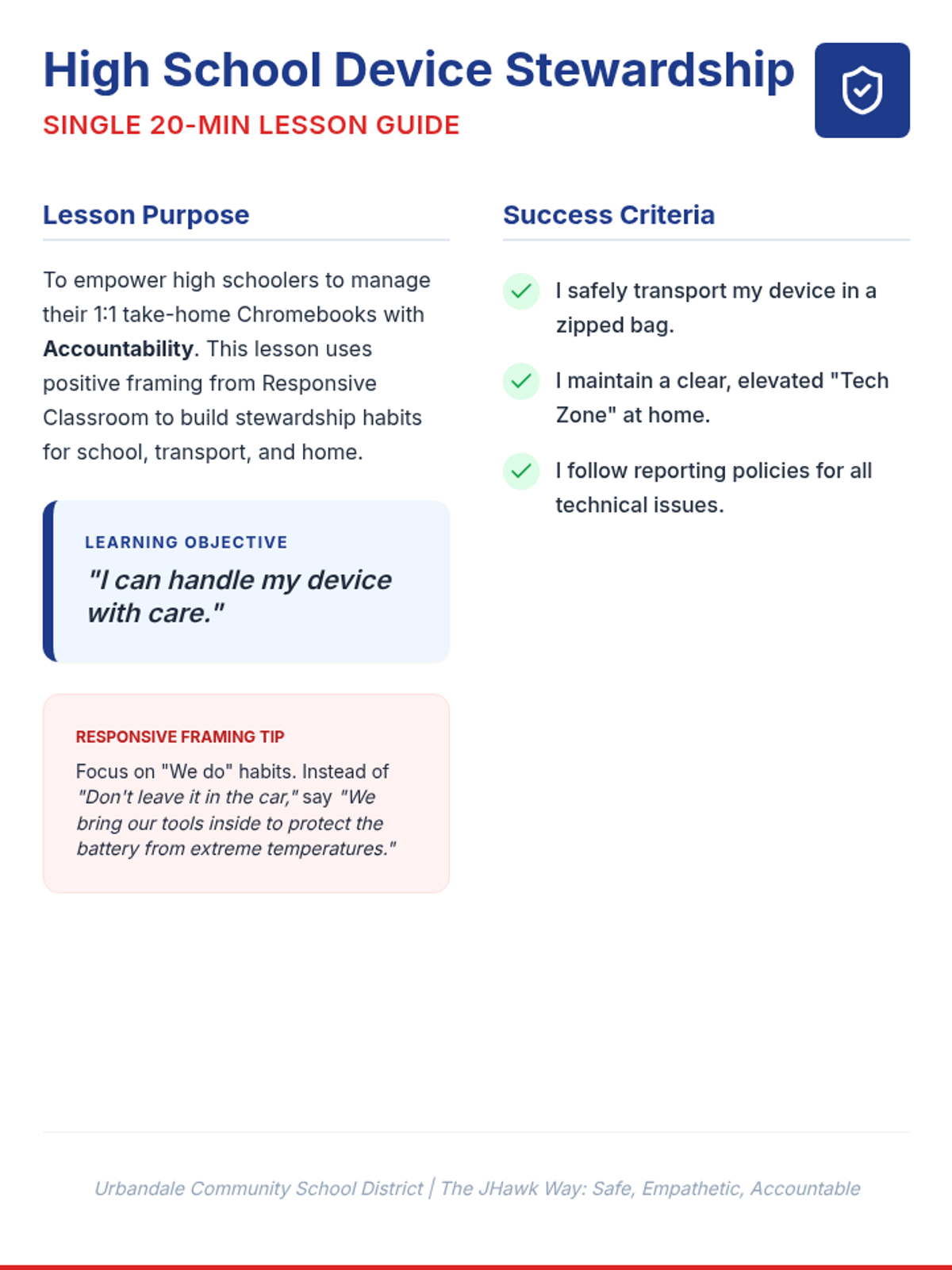
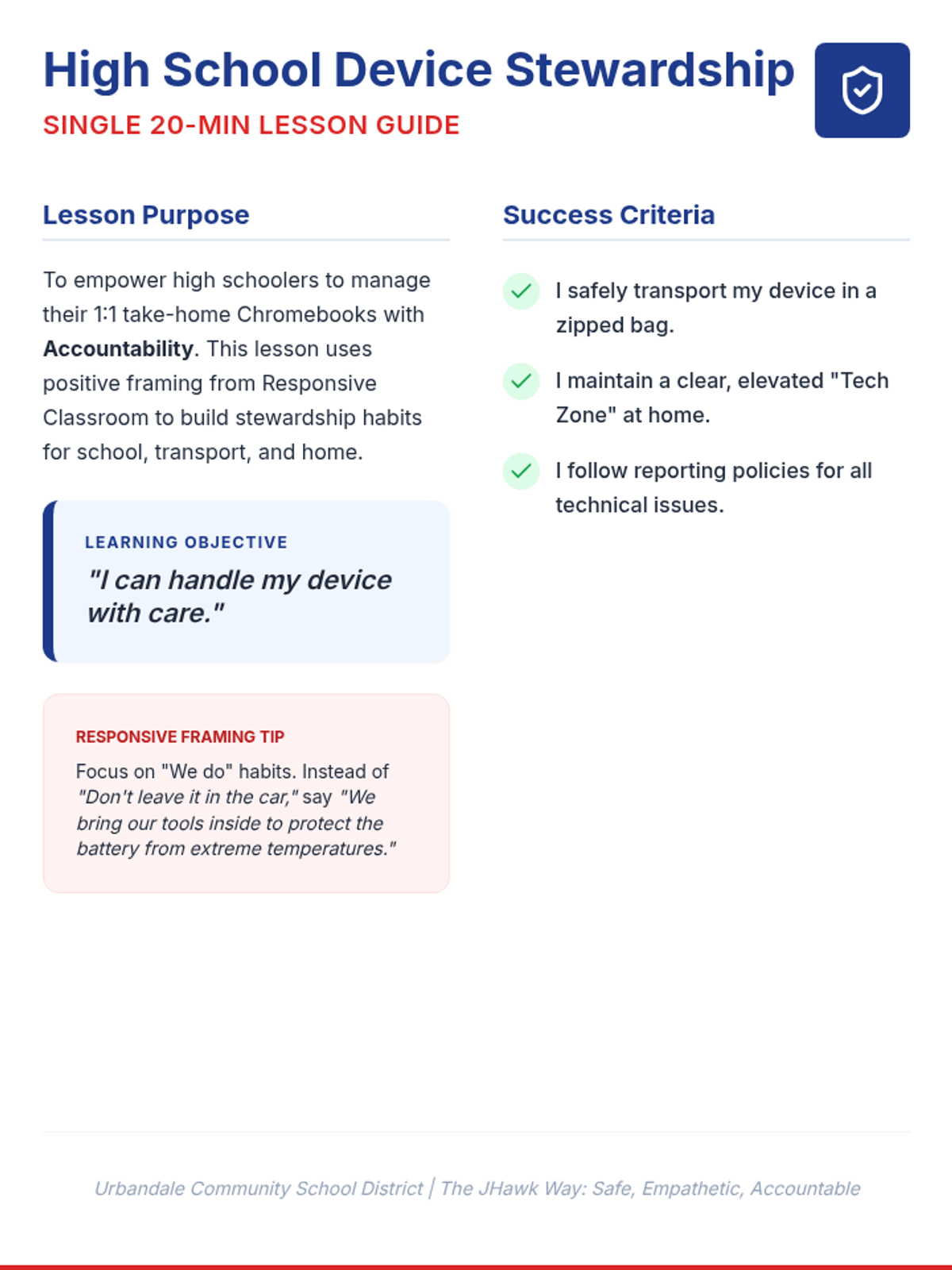
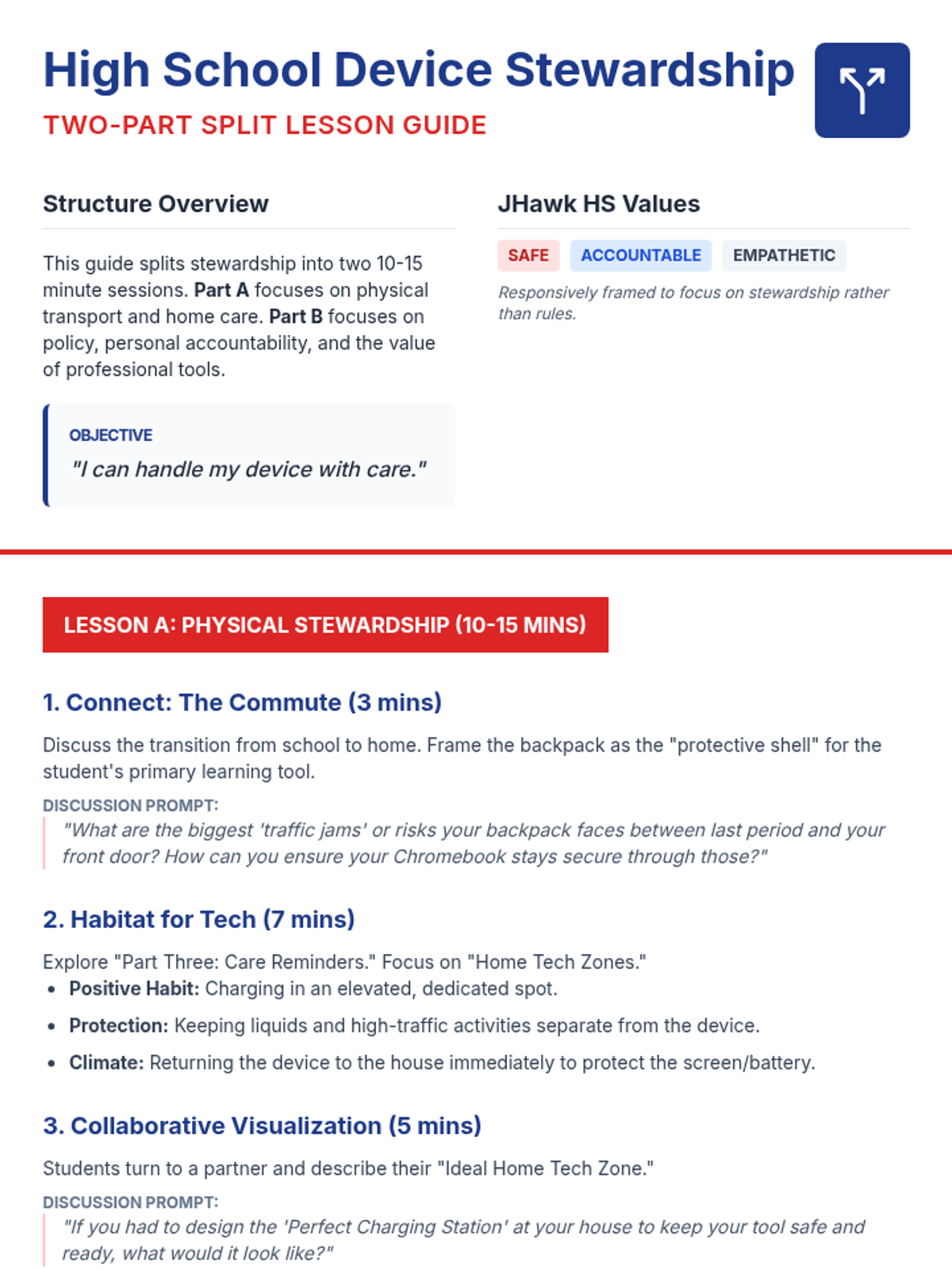
A lesson sequence for high schoolers on managing 1:1 take-home Chromebooks, focusing on transport safety, home care, and district policy accountability.
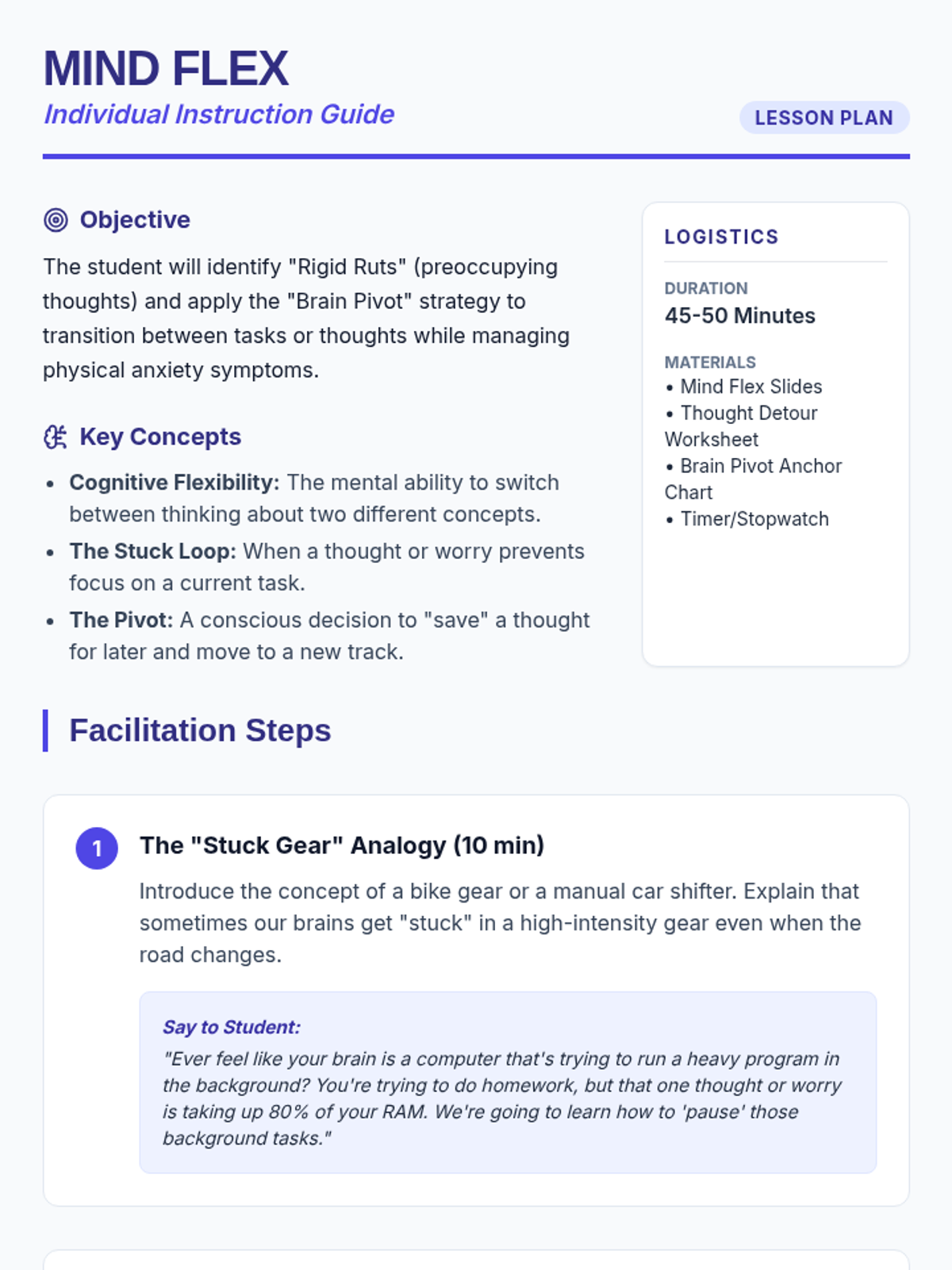
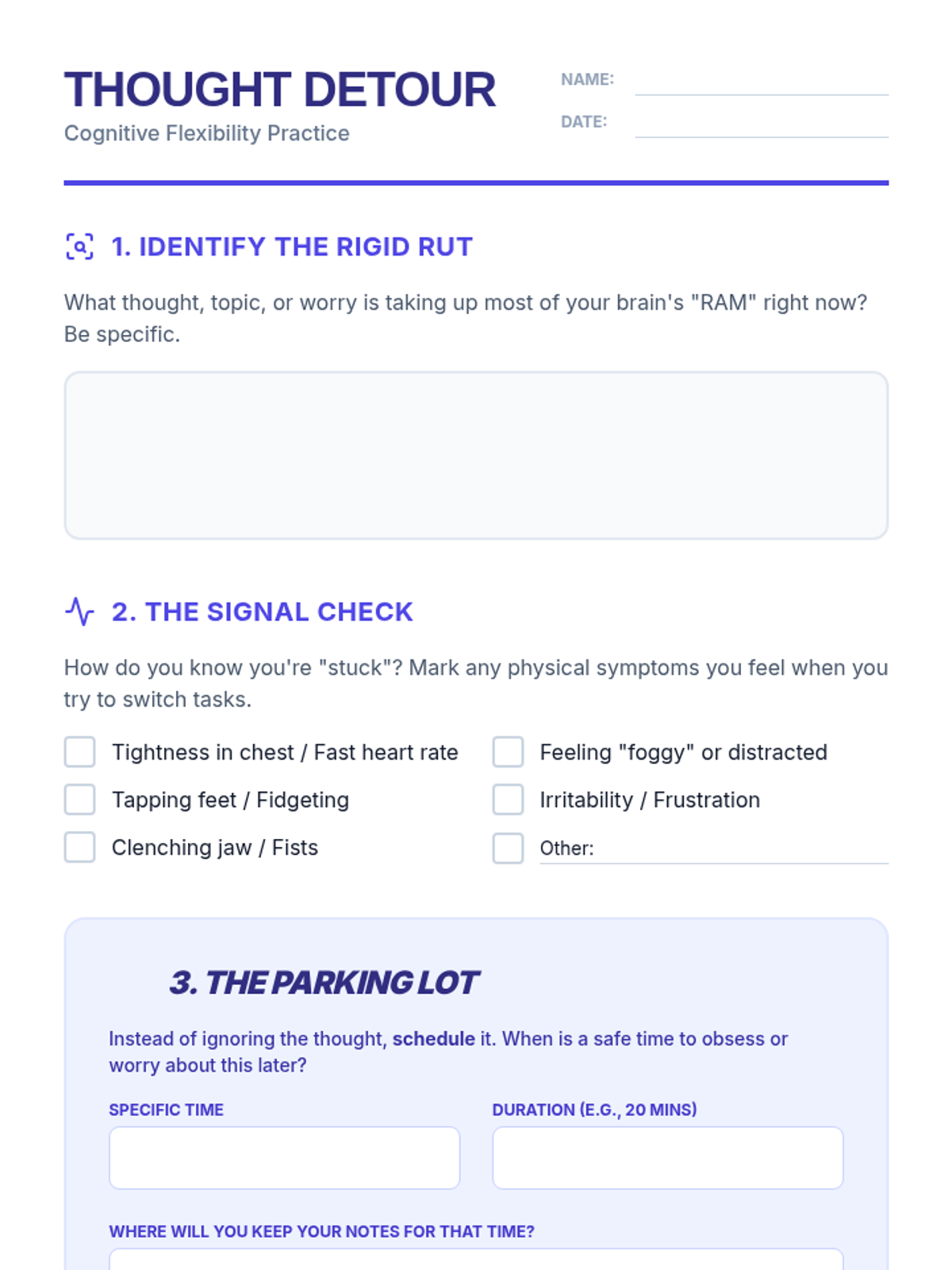
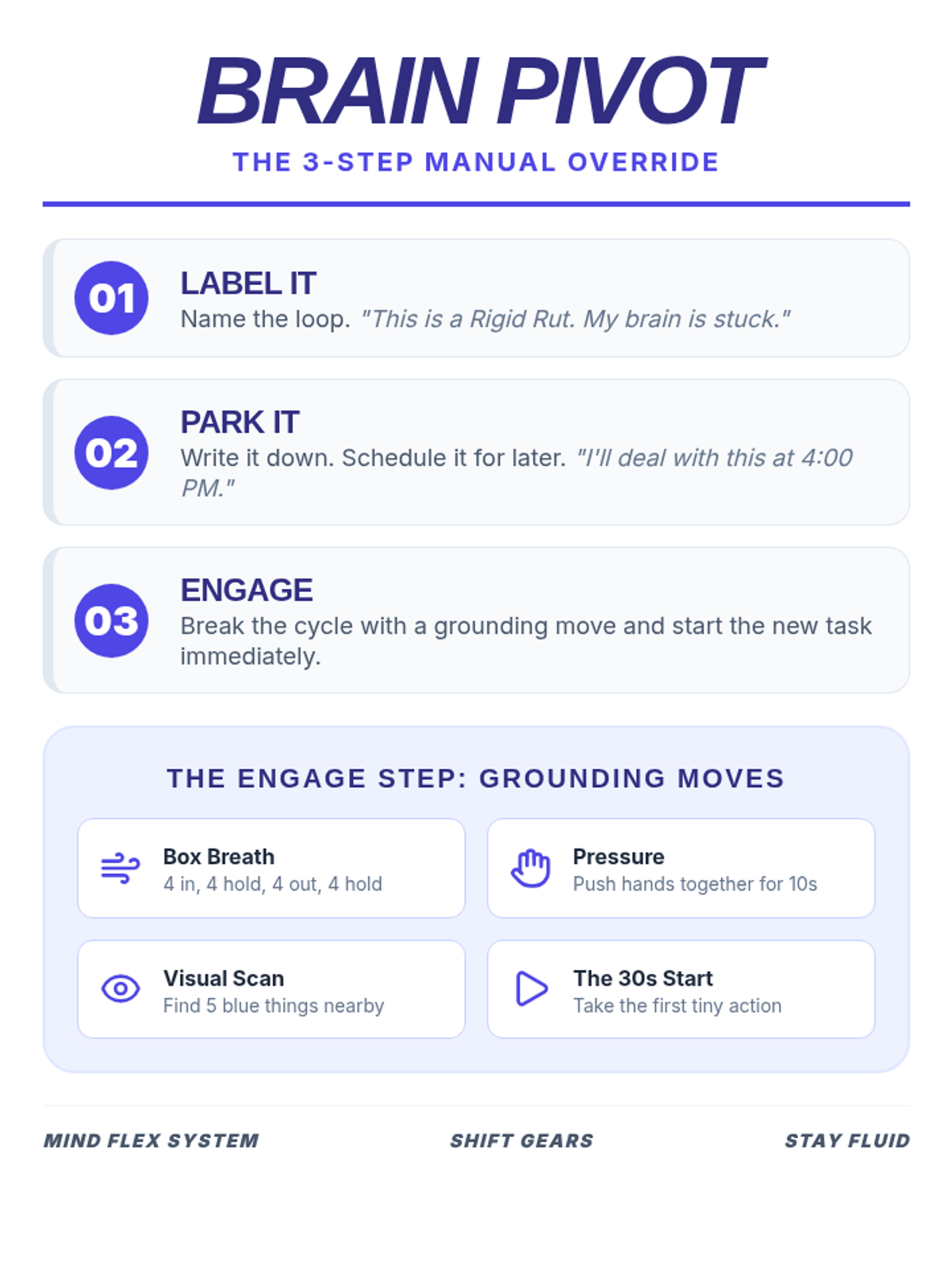
A focused lesson for older students to develop cognitive flexibility, manage anxiety, and navigate preoccupying thoughts using the 'Brain Pivot' technique.
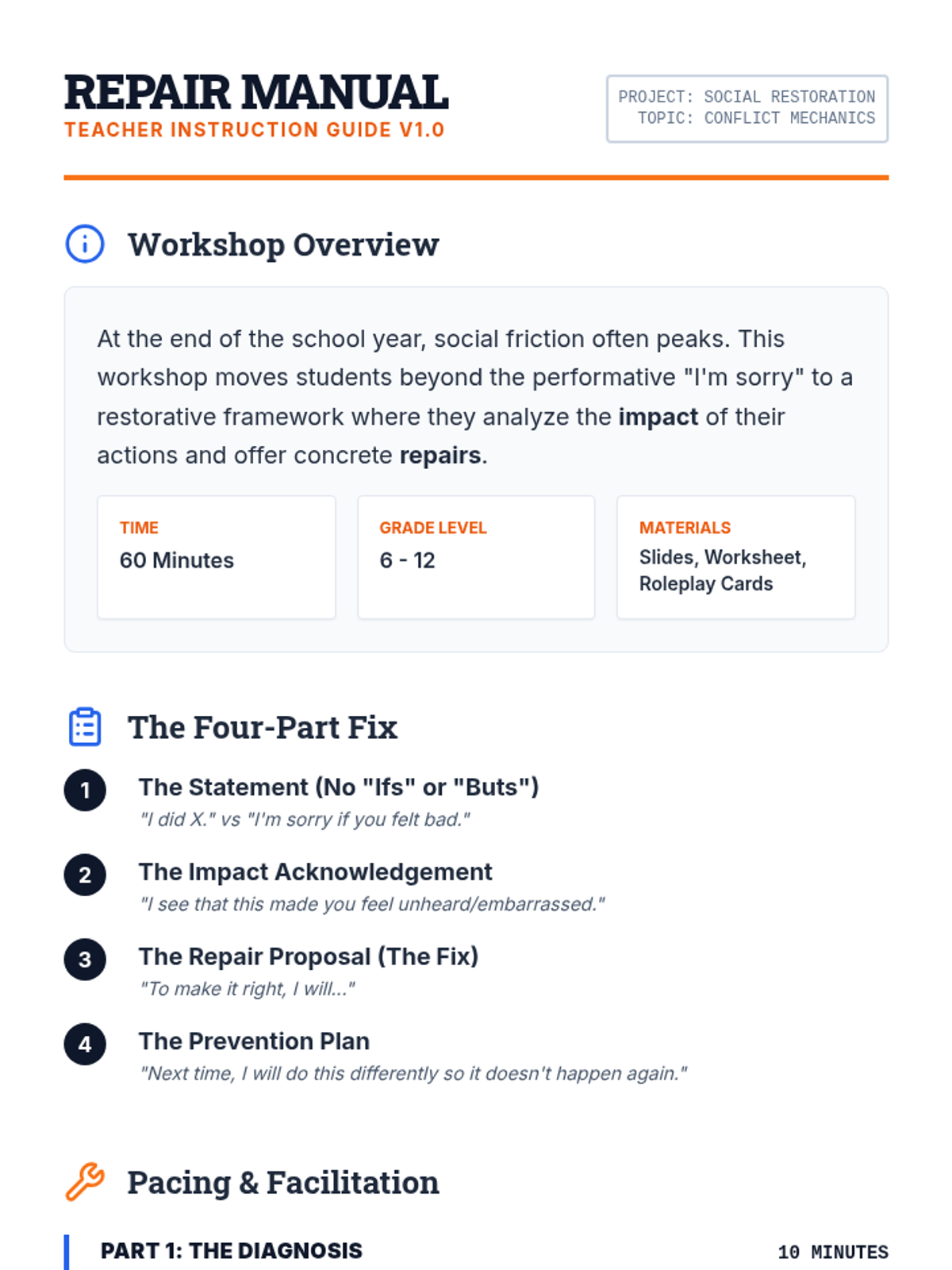
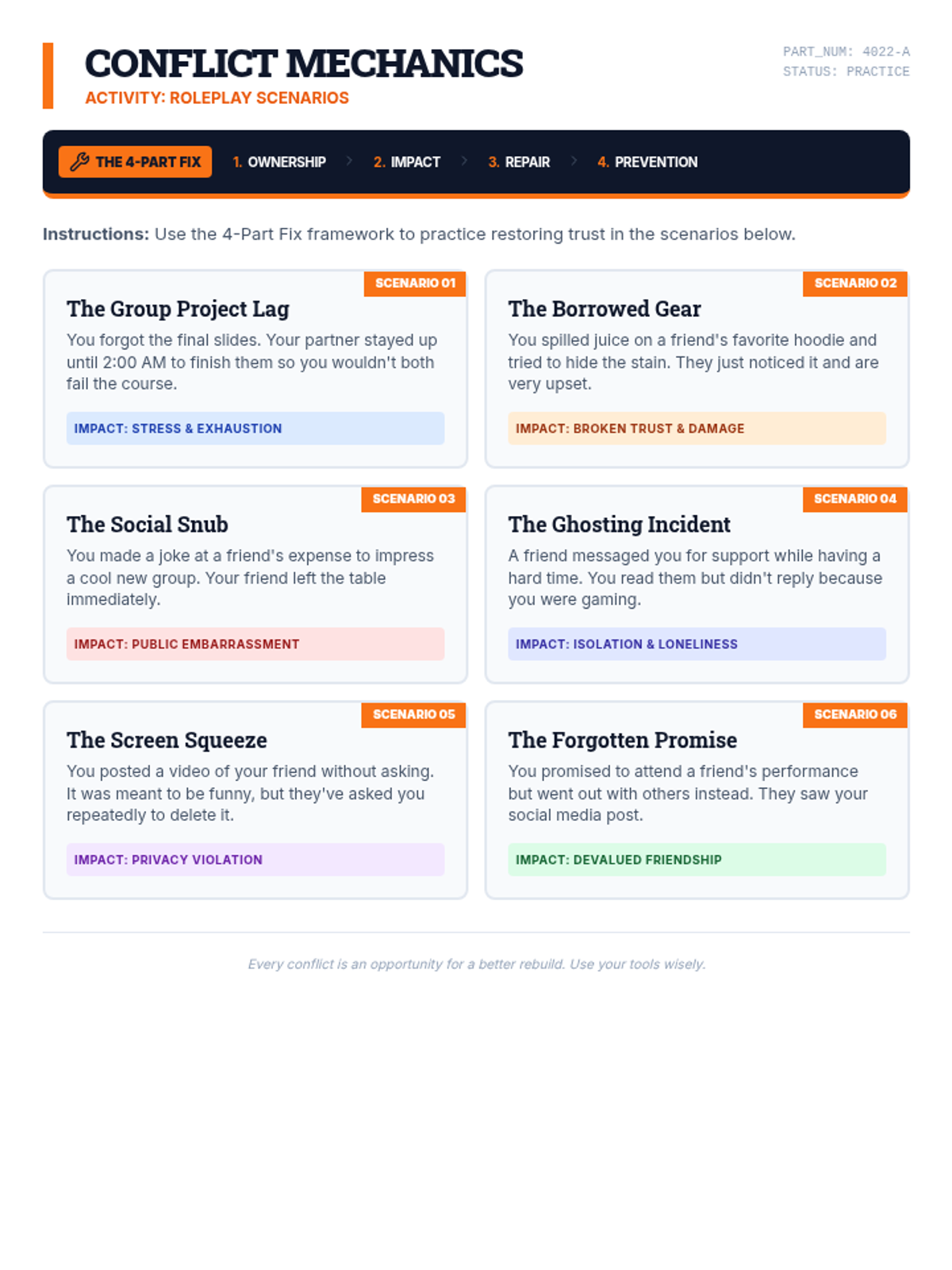
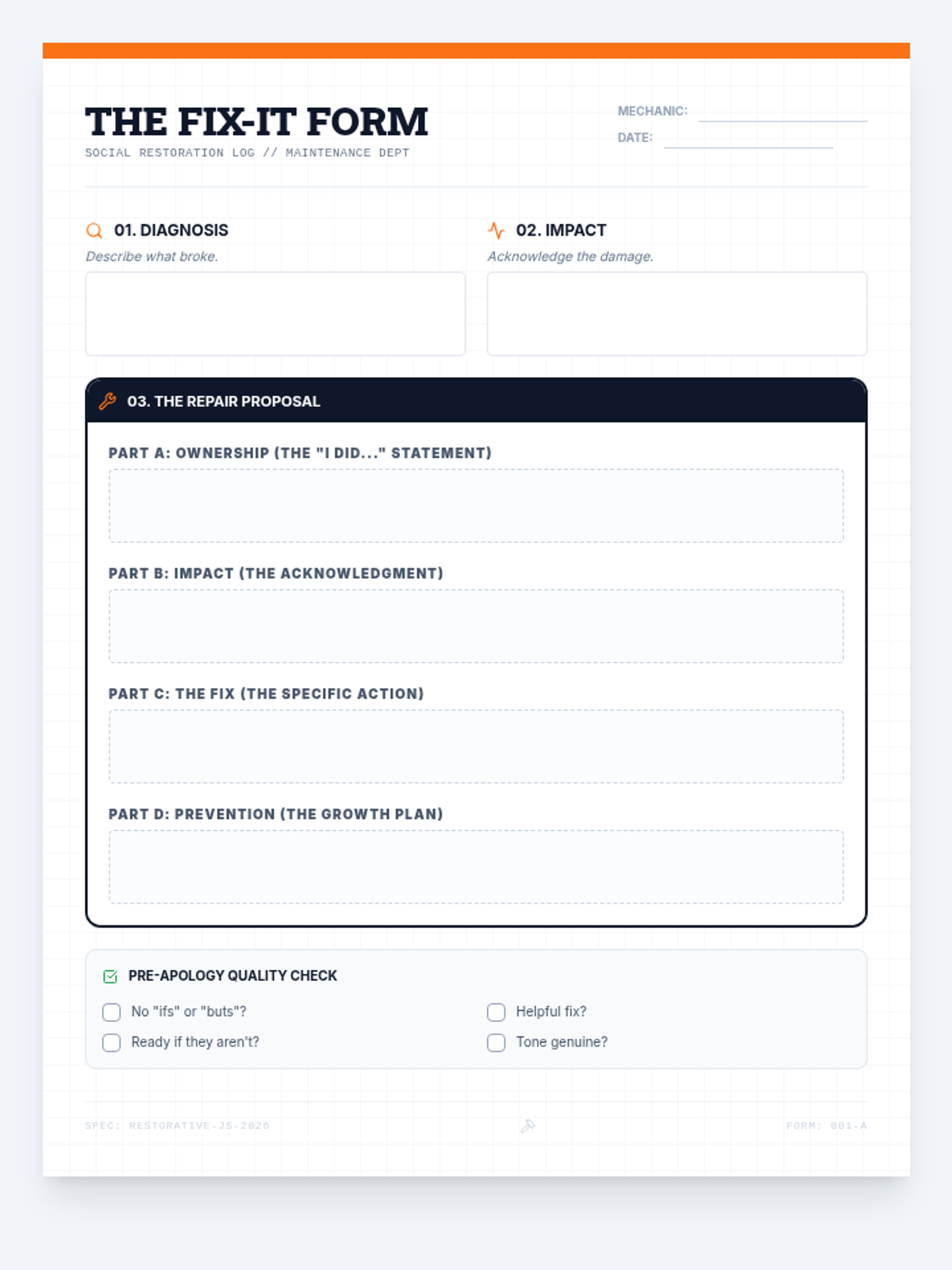
A restorative justice workshop for middle and high schoolers focused on the 'mechanics' of a genuine apology. Students learn to diagnose social friction and use specific tools to repair relationships after end-of-year conflict.
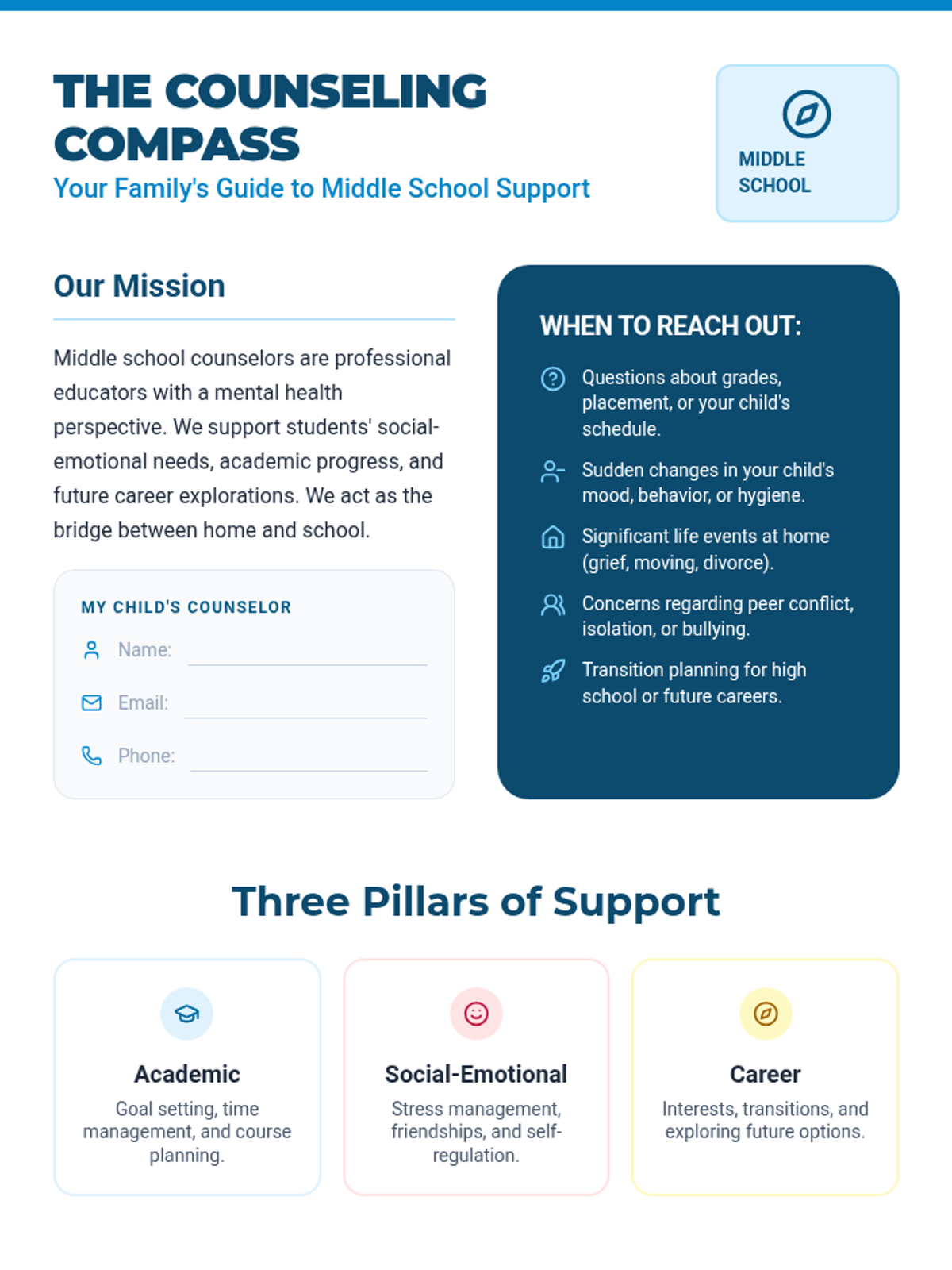
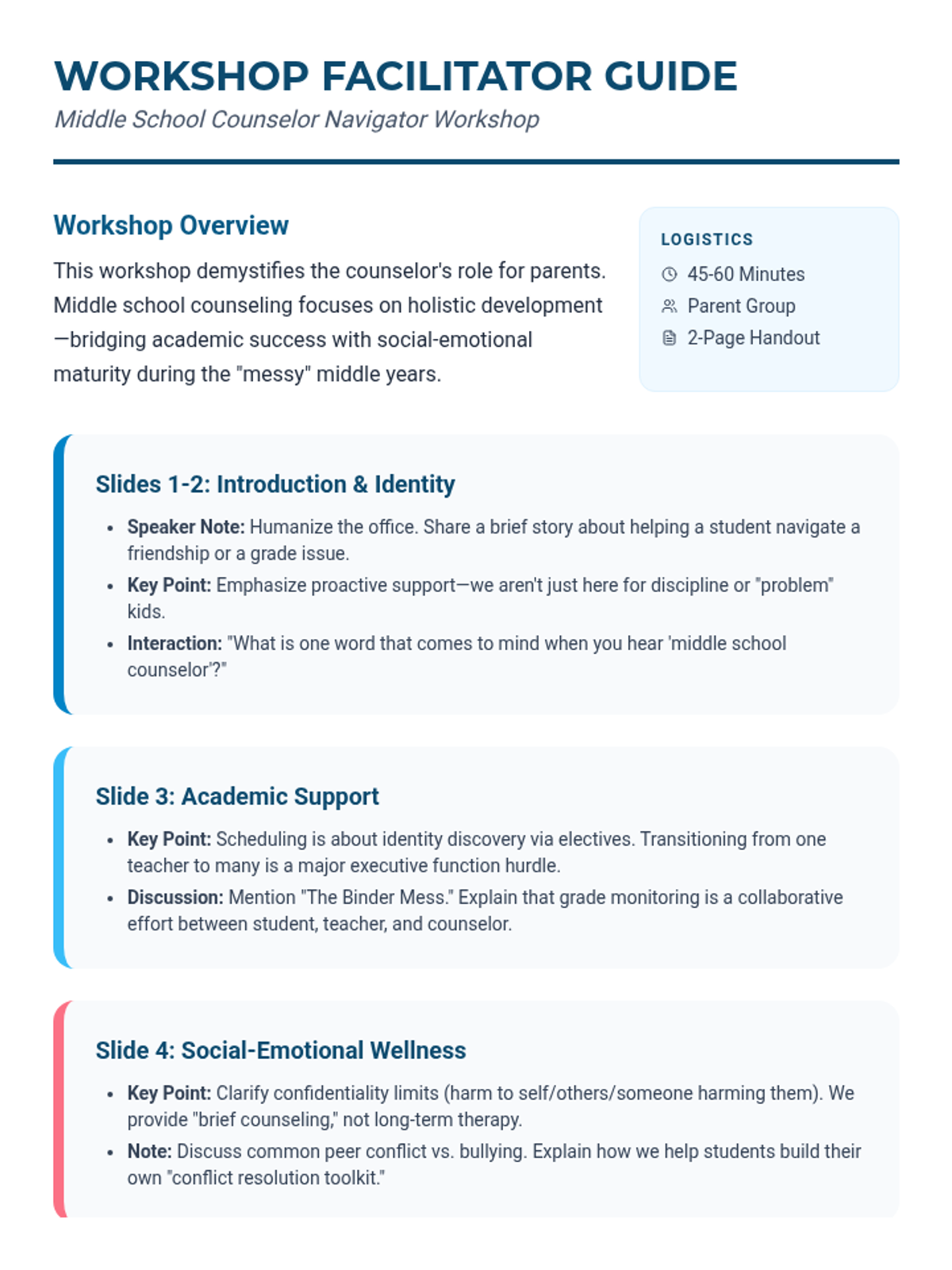
A comprehensive parent workshop designed to introduce families to the multi-faceted role of middle school counselors, covering academic, social-emotional, and career support.
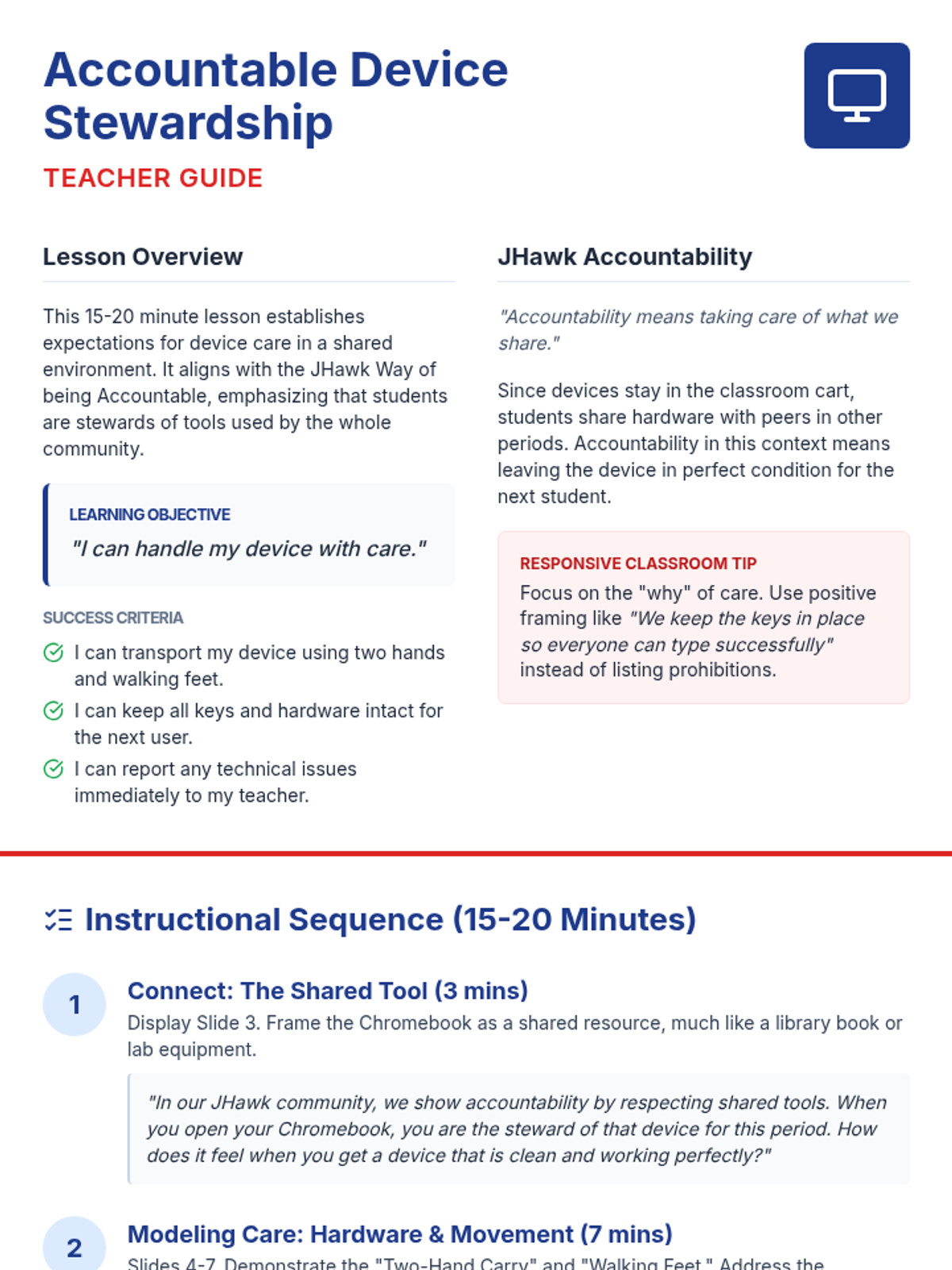
A 15-20 minute lesson for middle schoolers on device stewardship, focusing on keyboard care, screen safety, and reporting issues through the lens of JHawk Accountability.
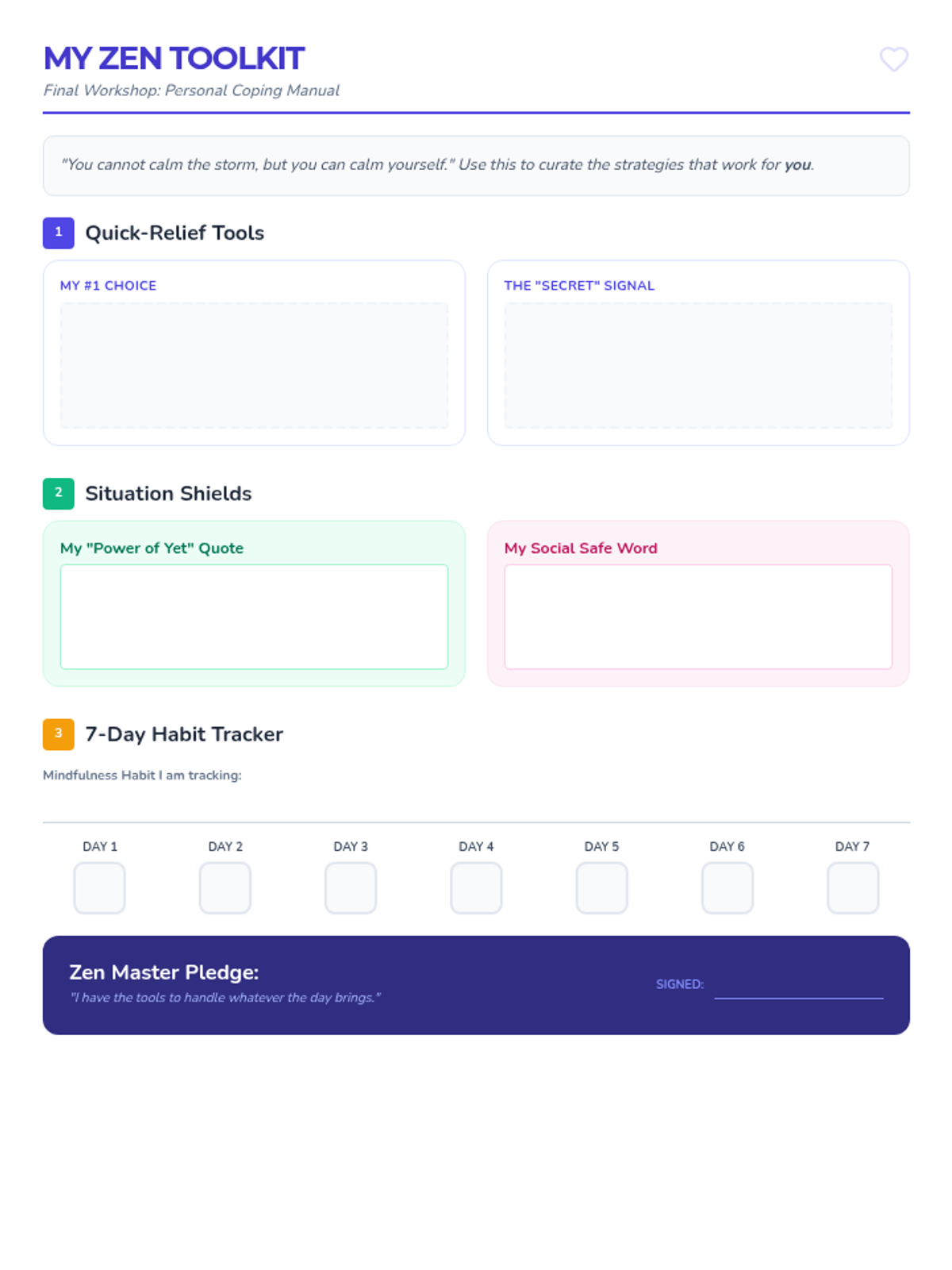
A hands-on workshop to practice guided mindfulness and create a personalized, long-term coping toolkit.
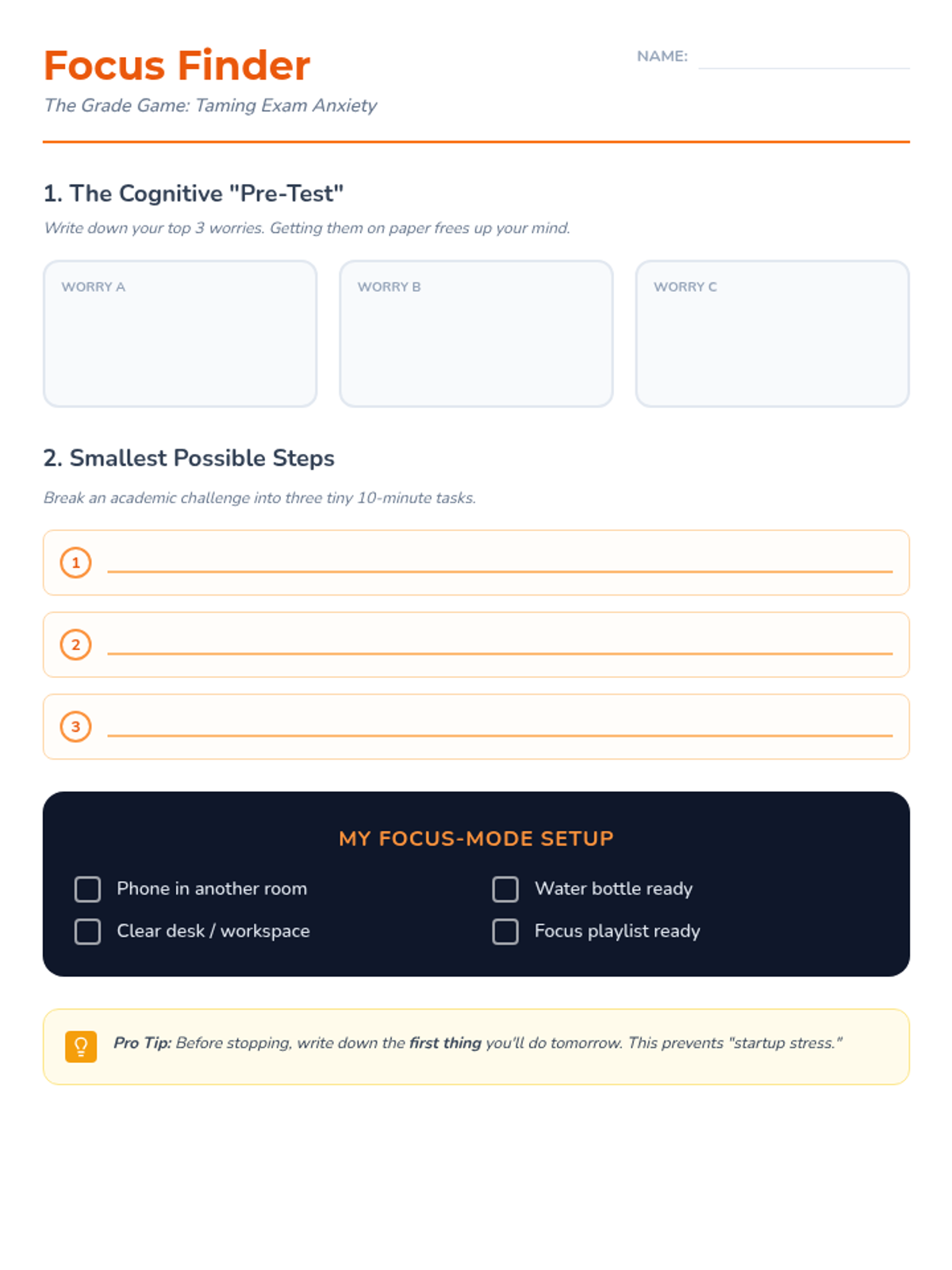
Strategies for managing academic pressure and exam anxiety using focus techniques and growth mindset principles.
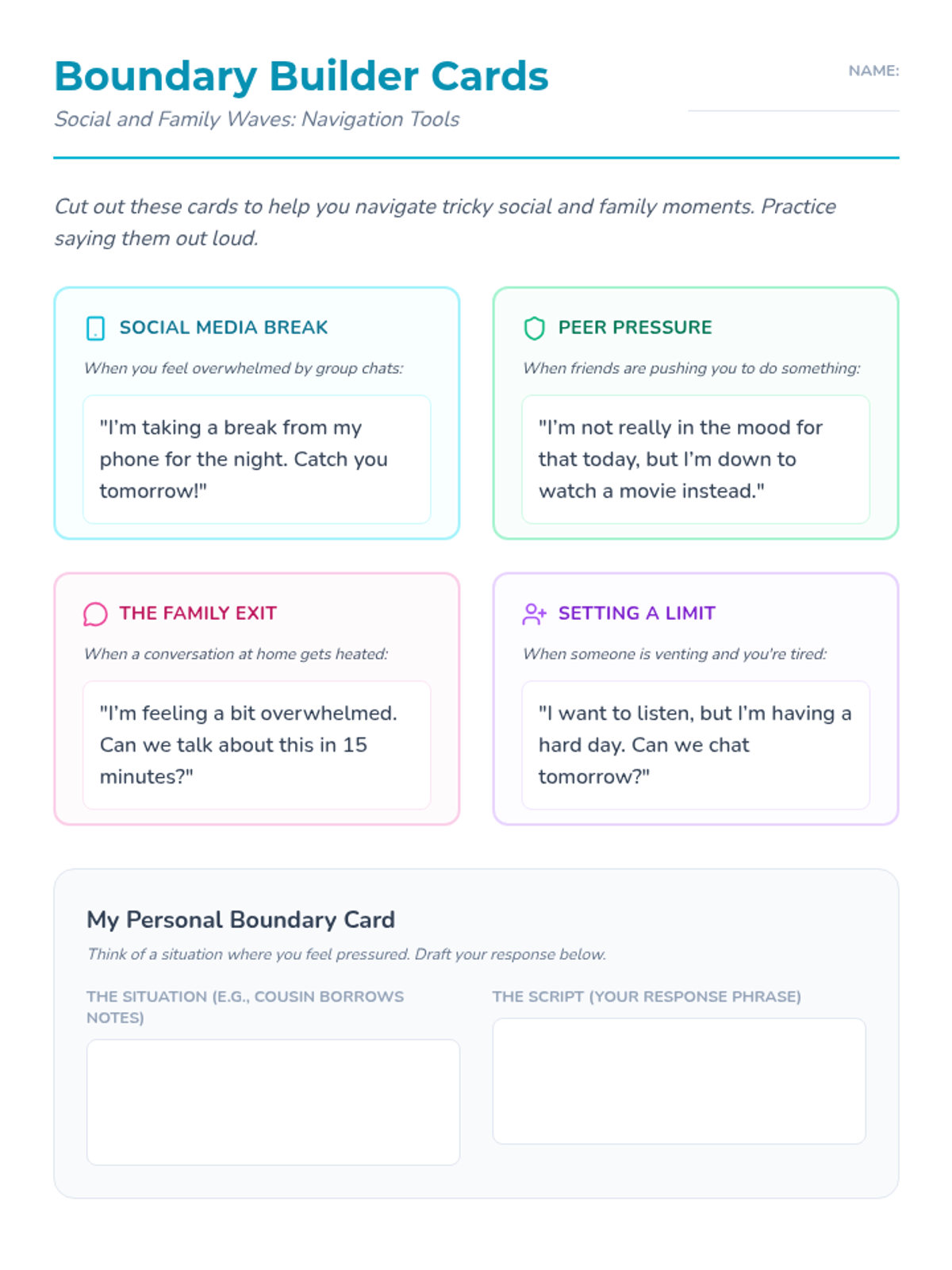
Navigating the complexities of social media, peer pressure, and family relationships through mindful communication and boundary setting.
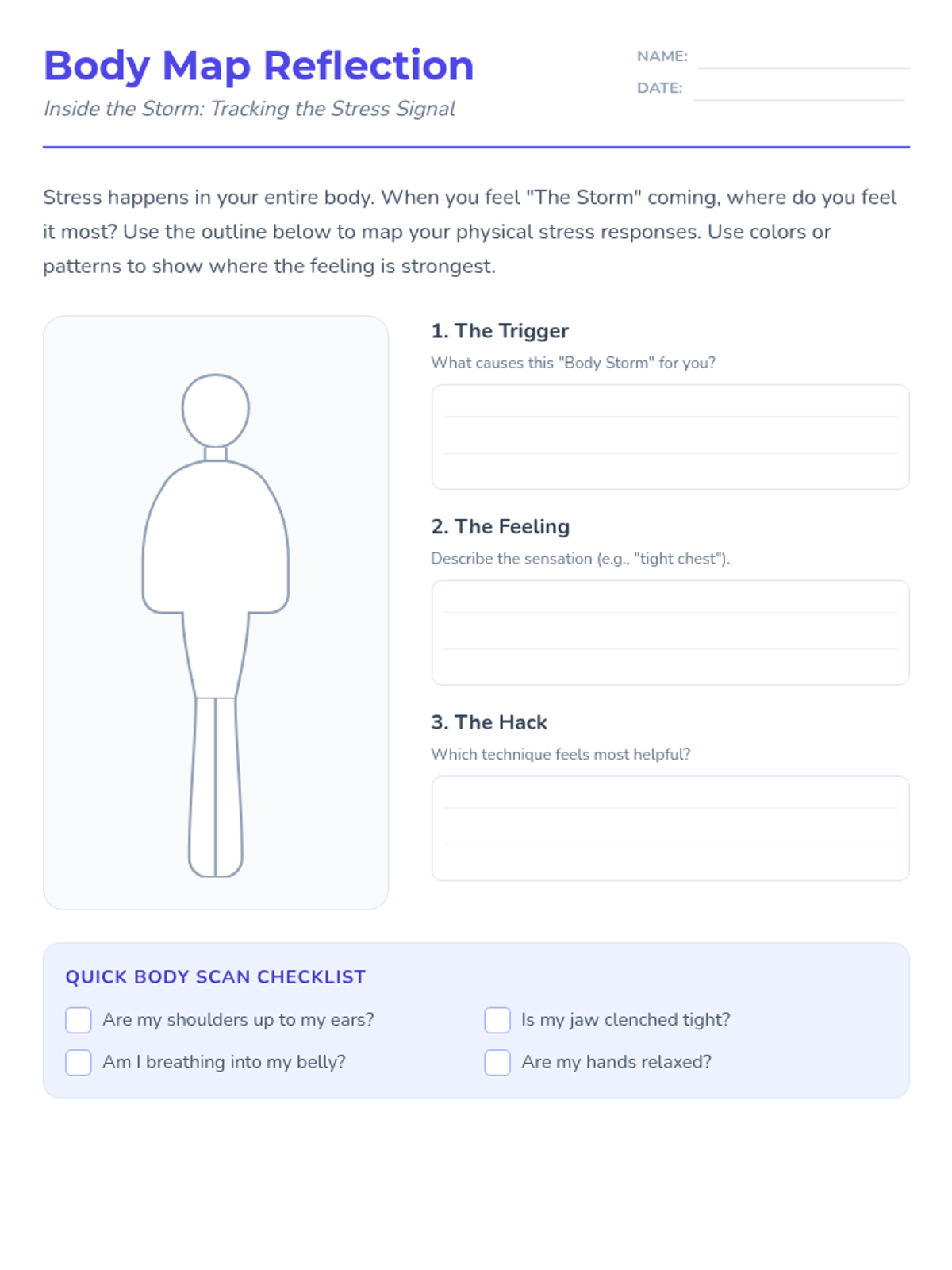
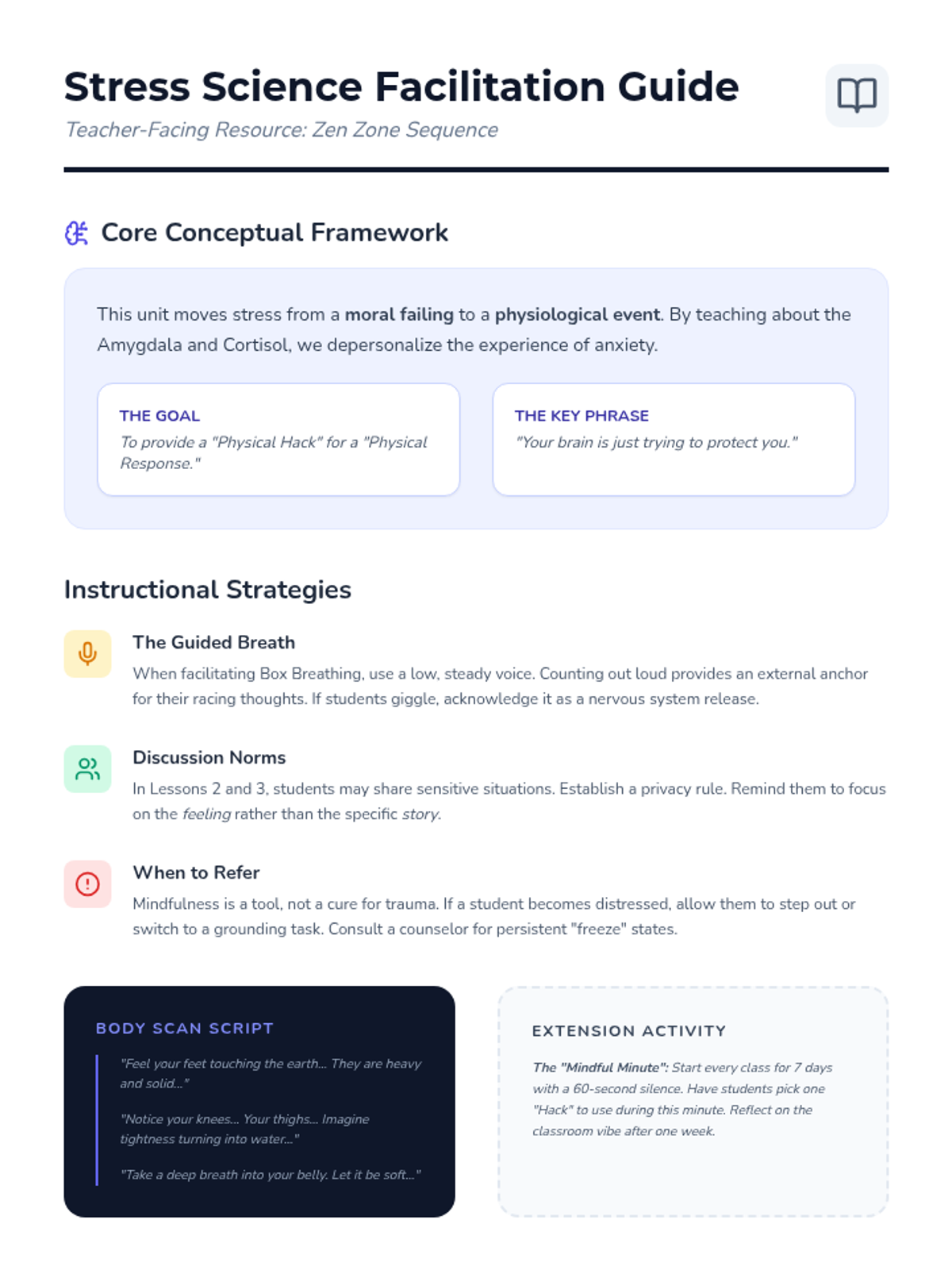
Explores the body's physiological response to stress and introduces three foundational mindfulness techniques.
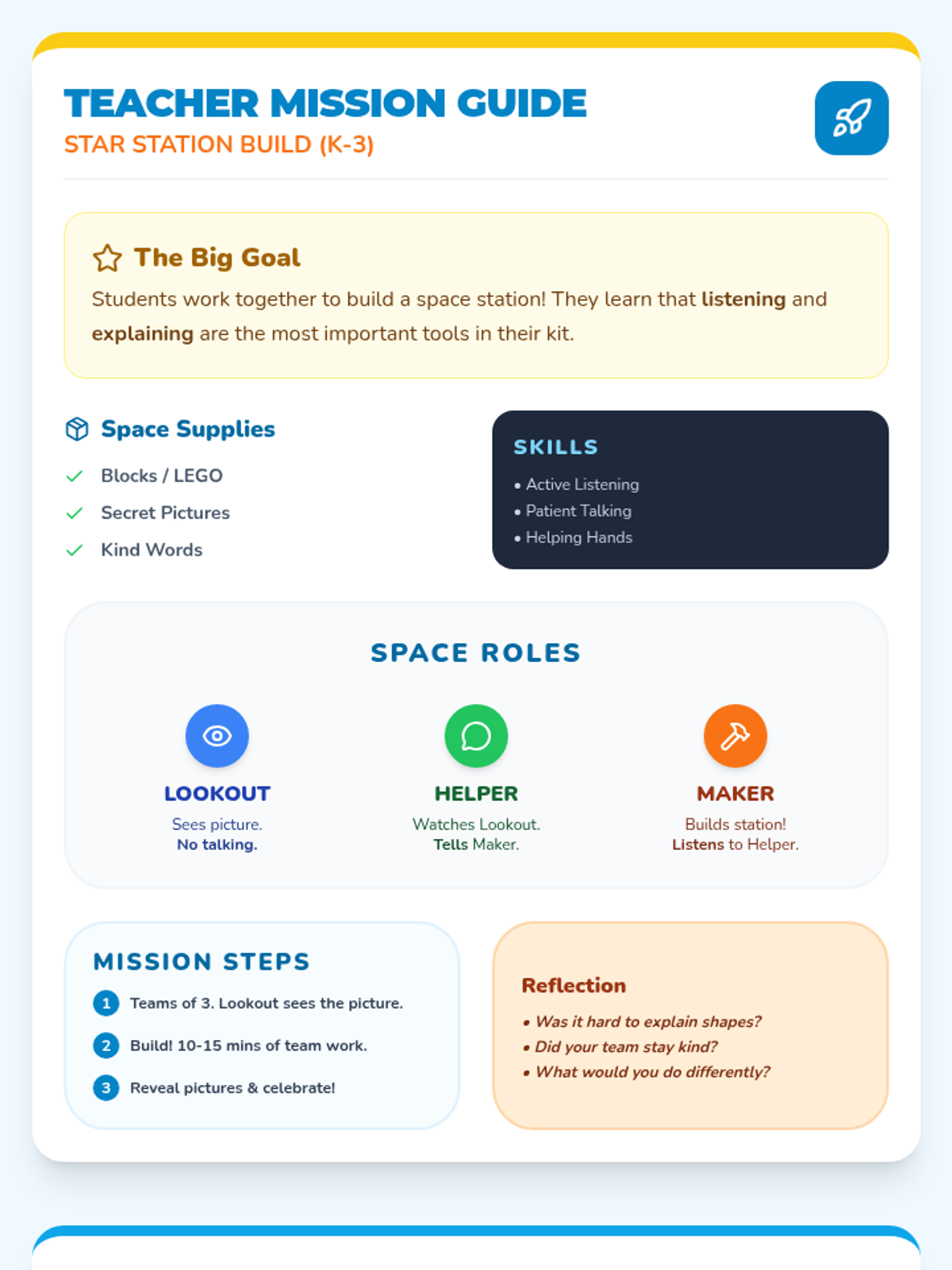
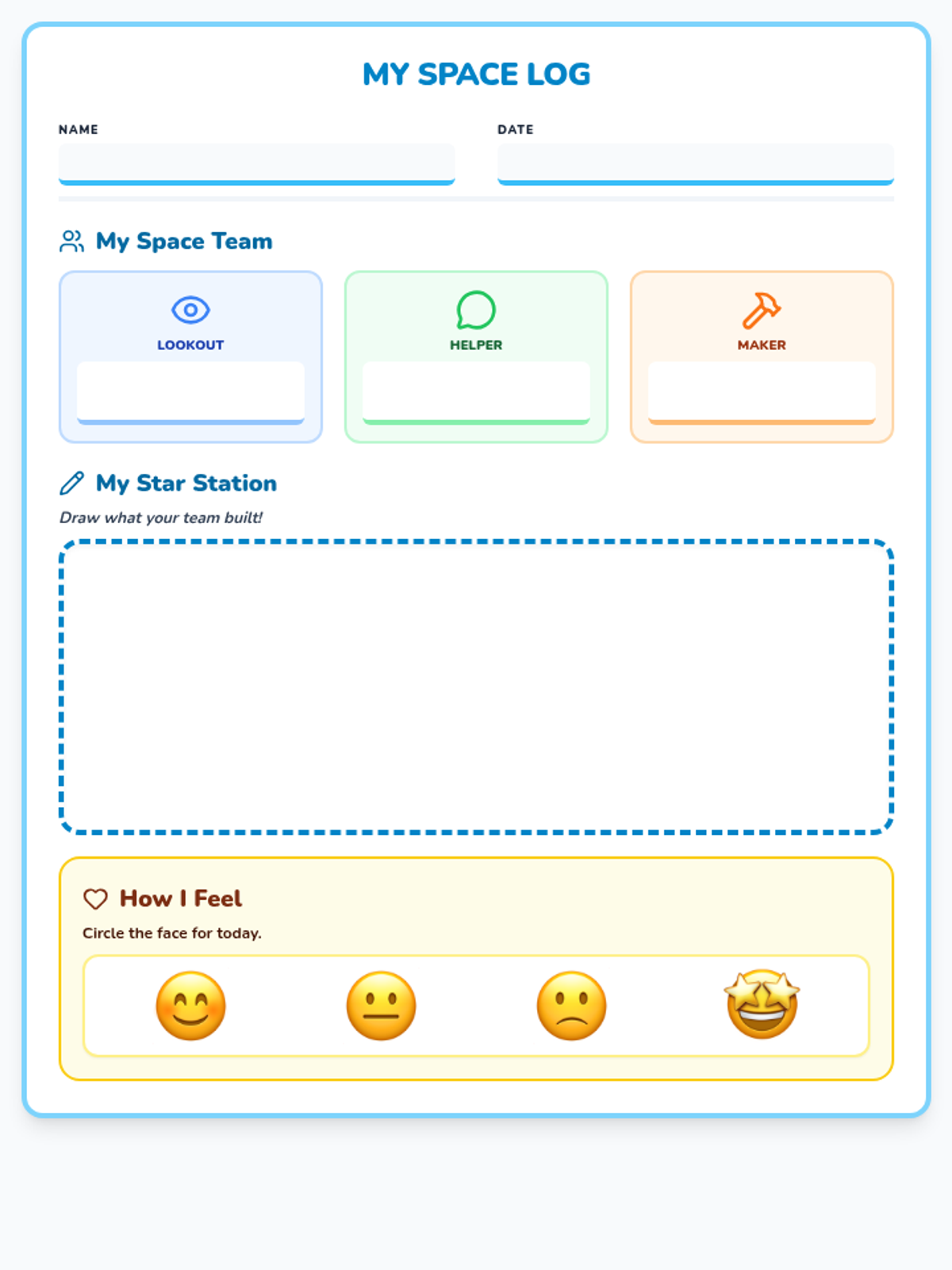
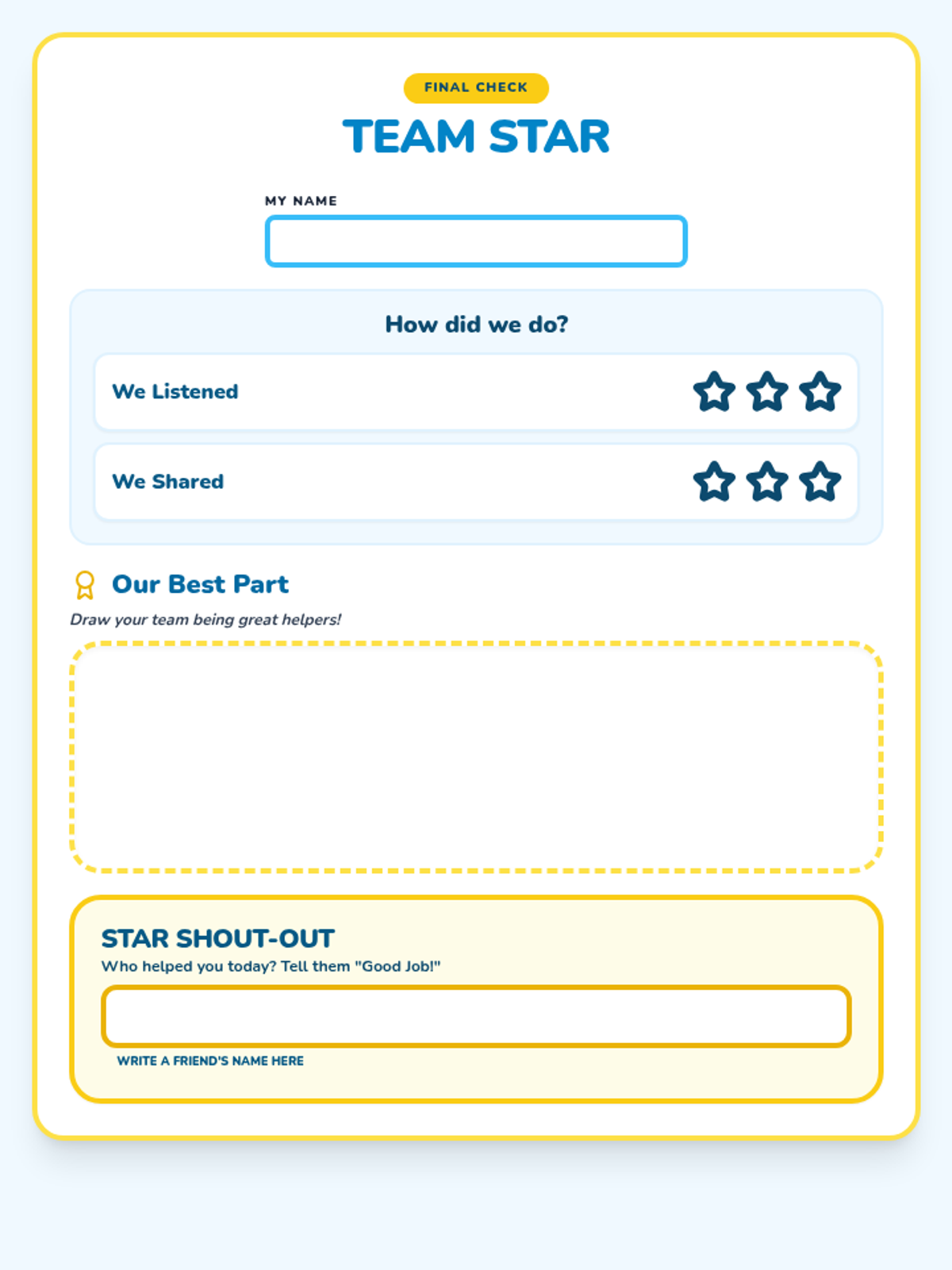
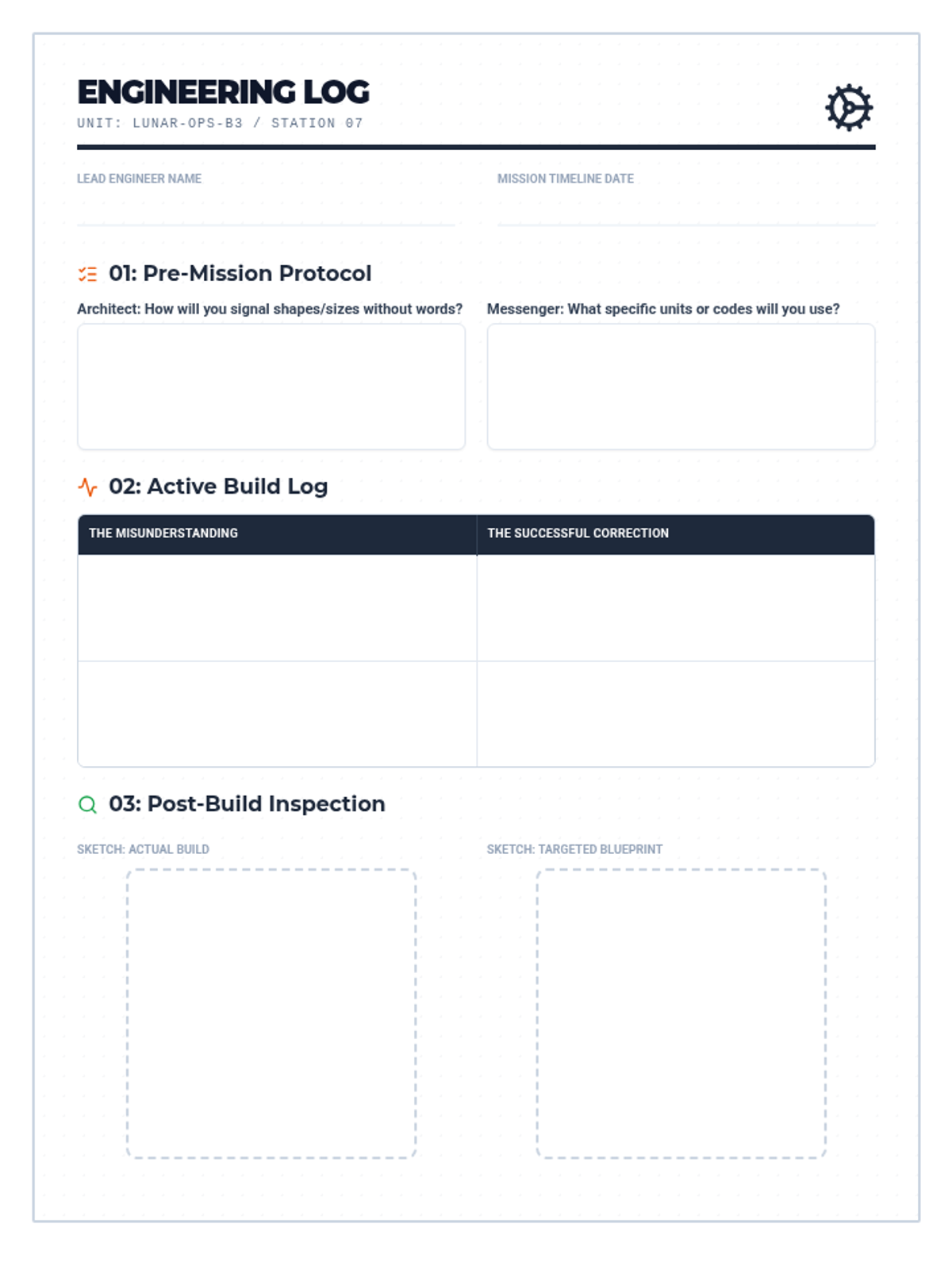
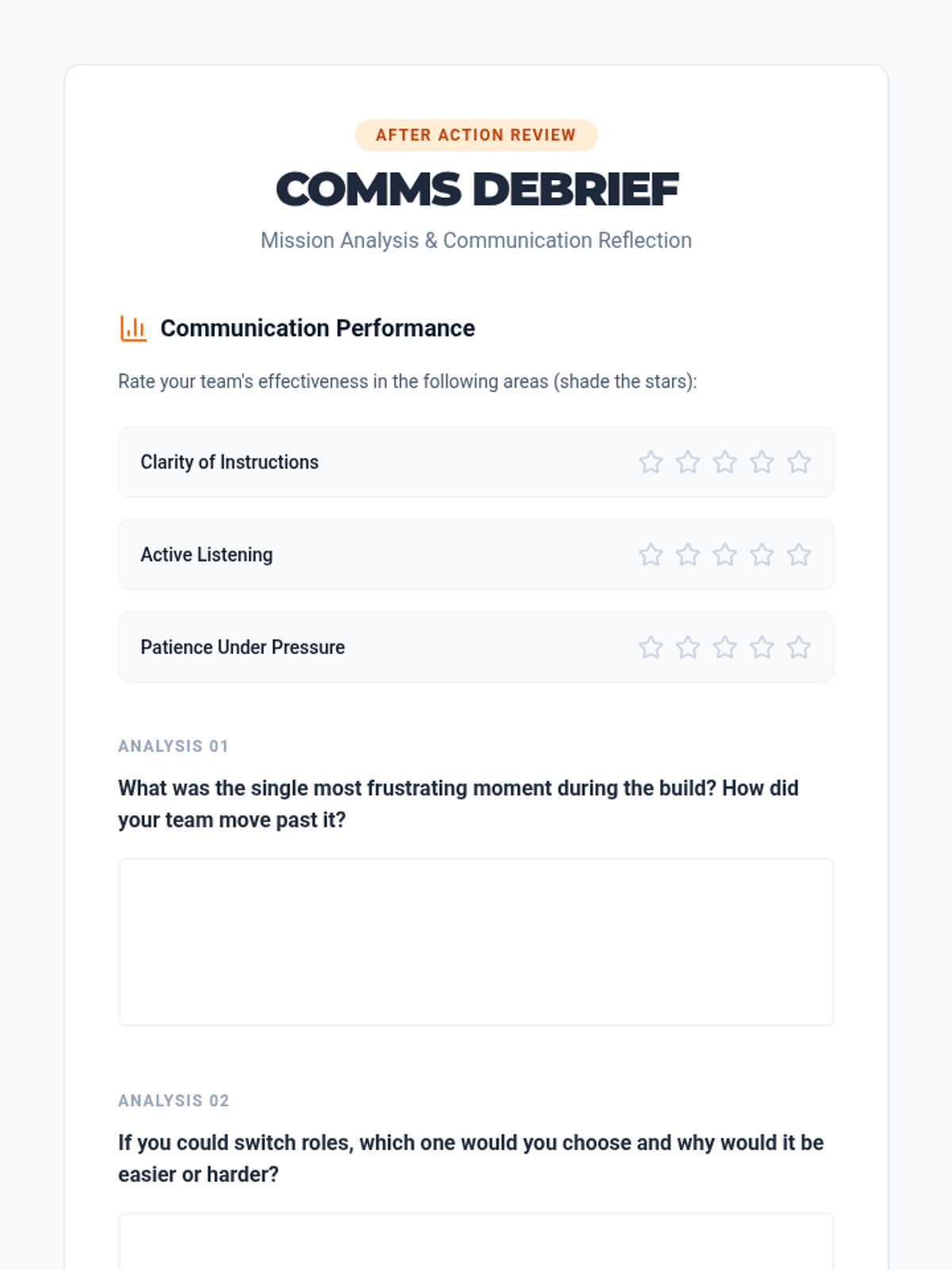
Students work in small teams to build a space station. One student sees the secret picture, one gives directions, and one builds, teaching them how to share information clearly.
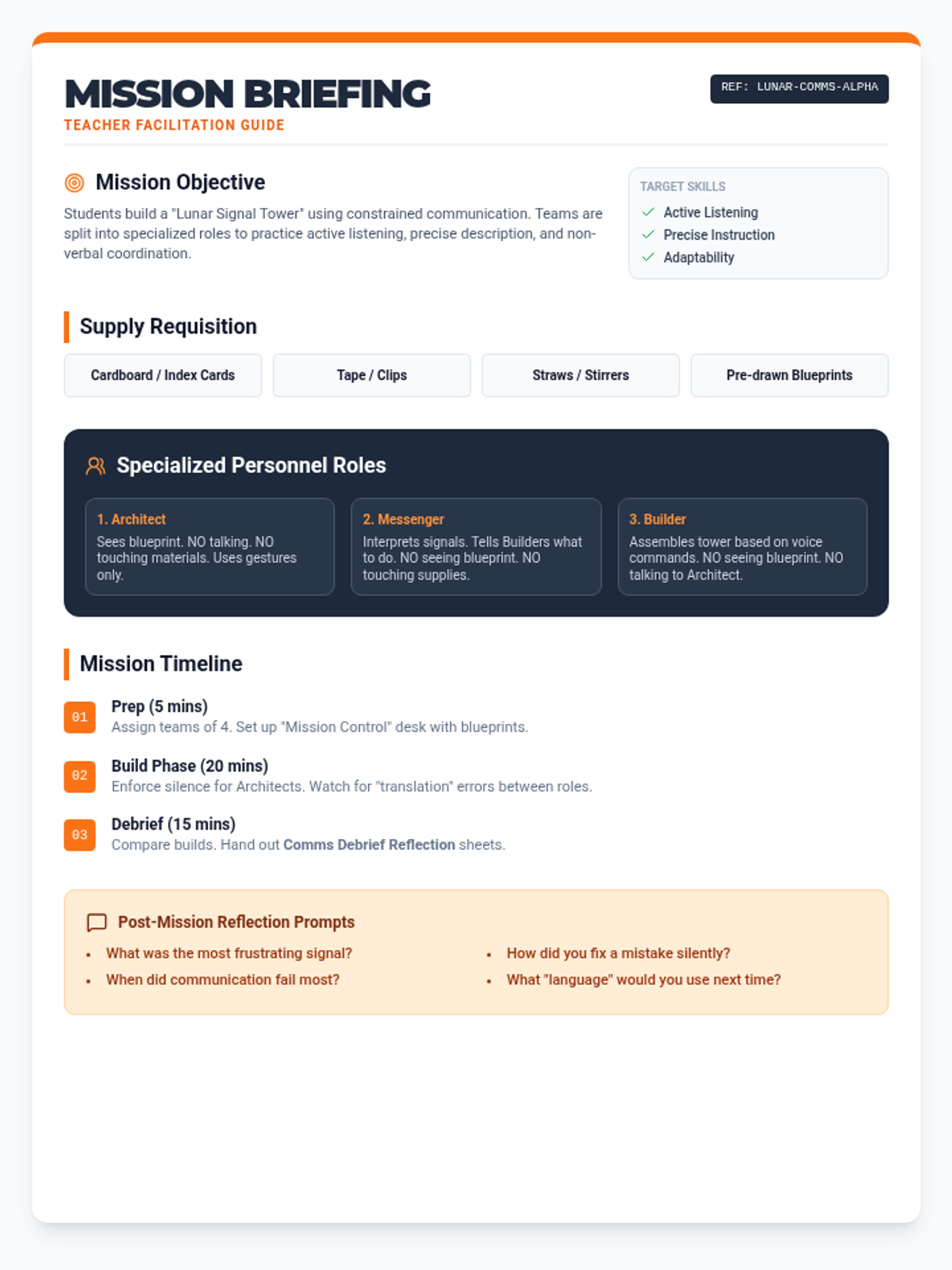
Students work in teams to build a lunar structure while navigating specific communication barriers, forcing them to develop new ways to share information and work together.
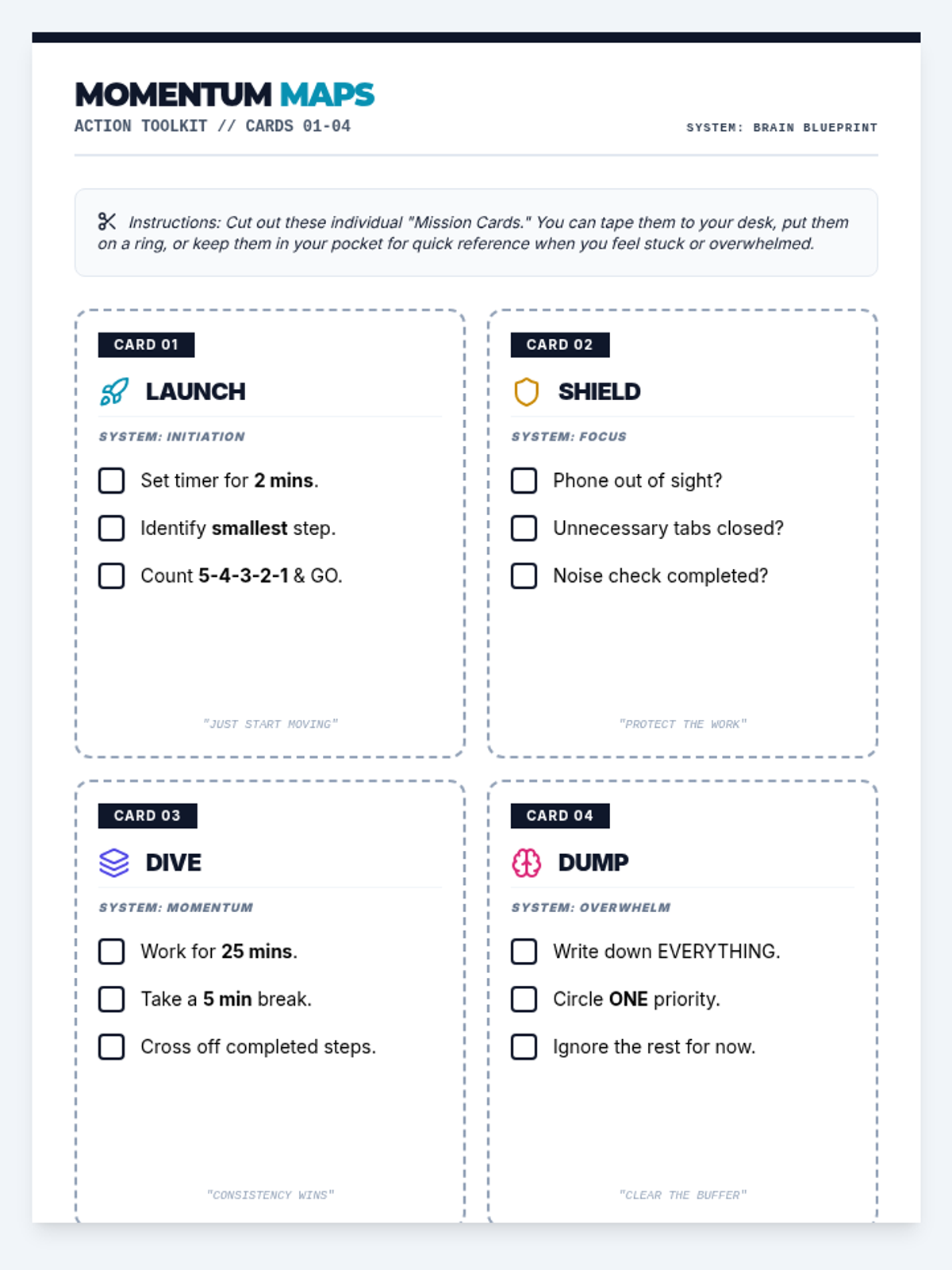
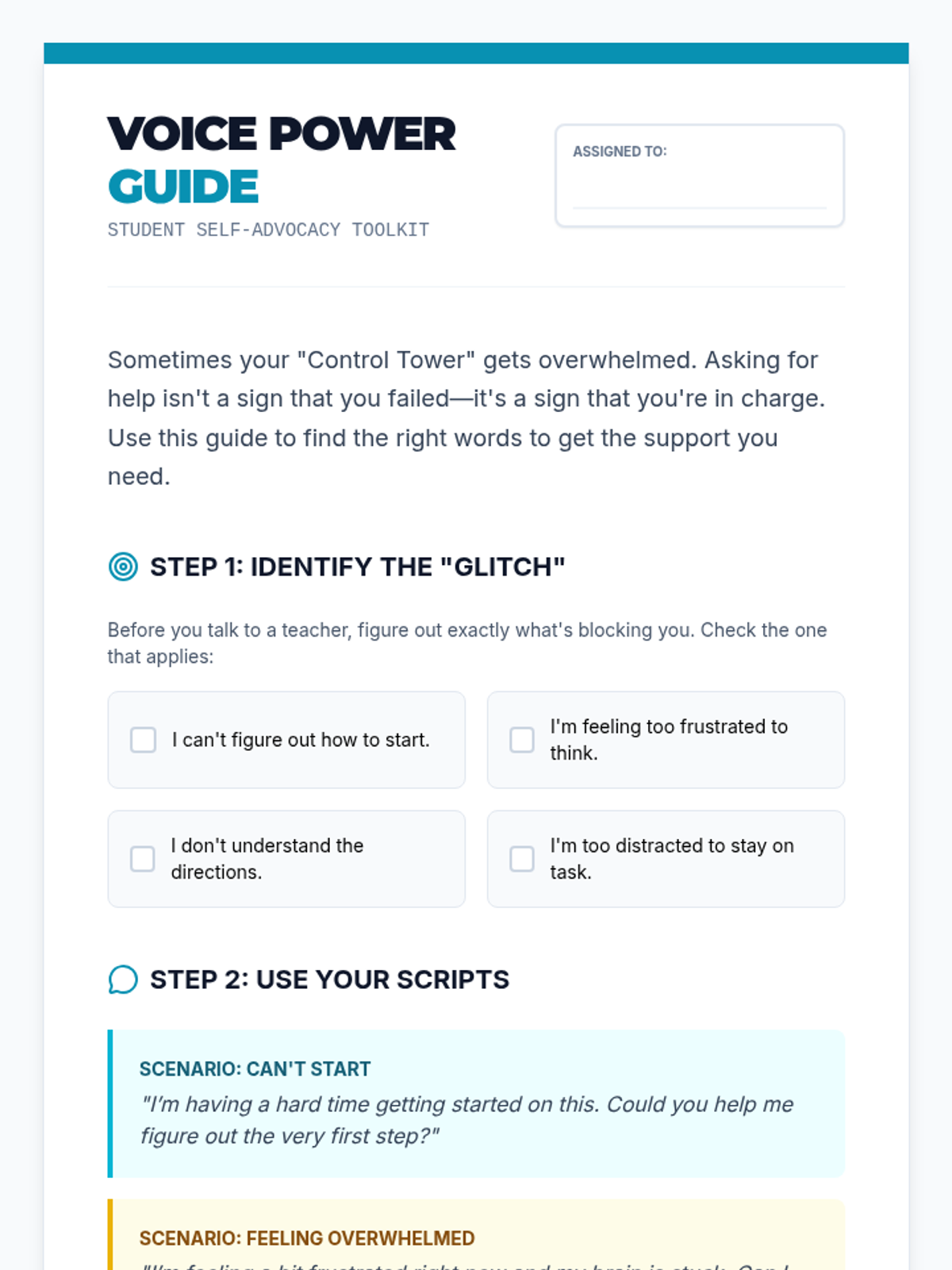
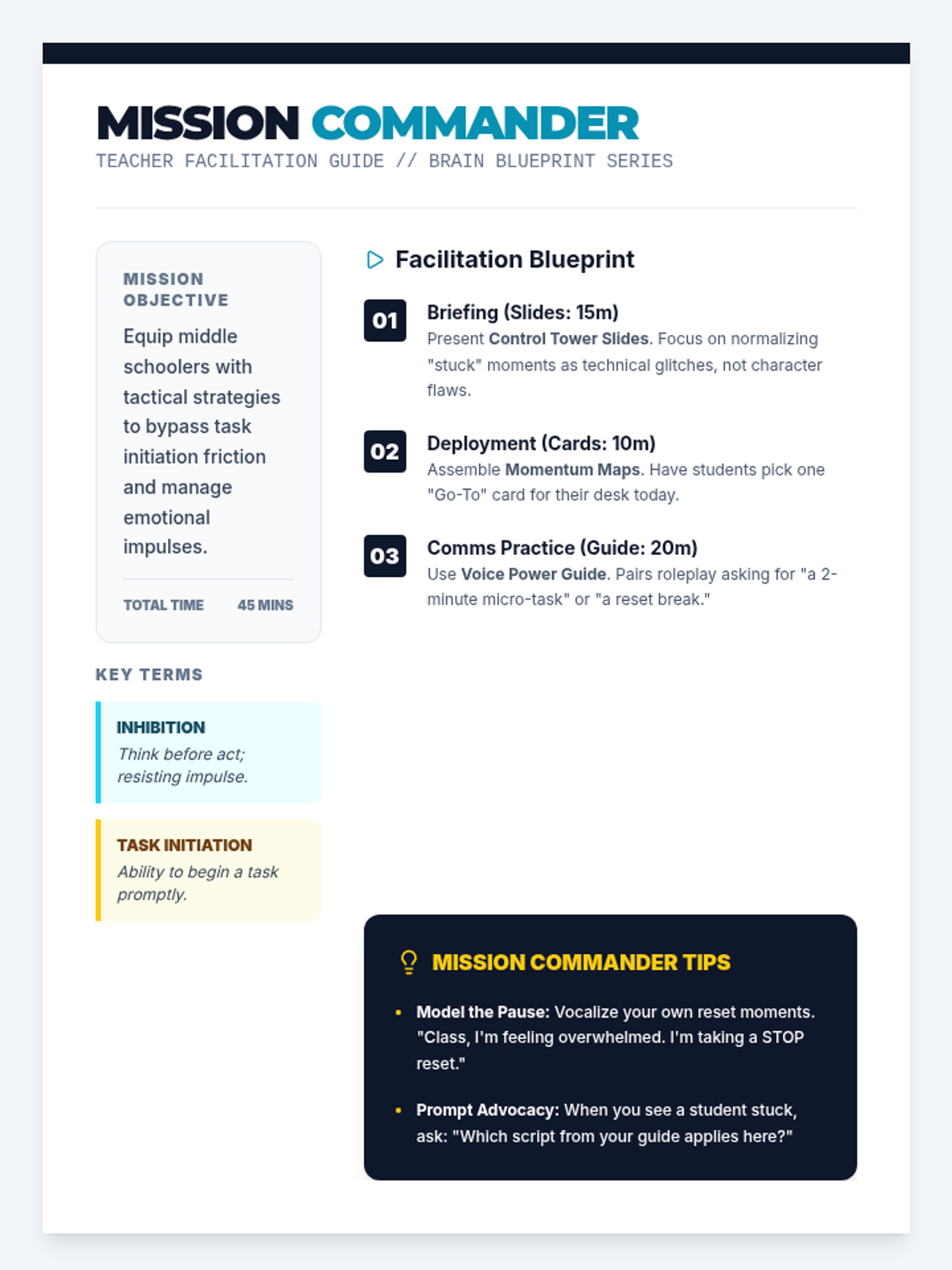
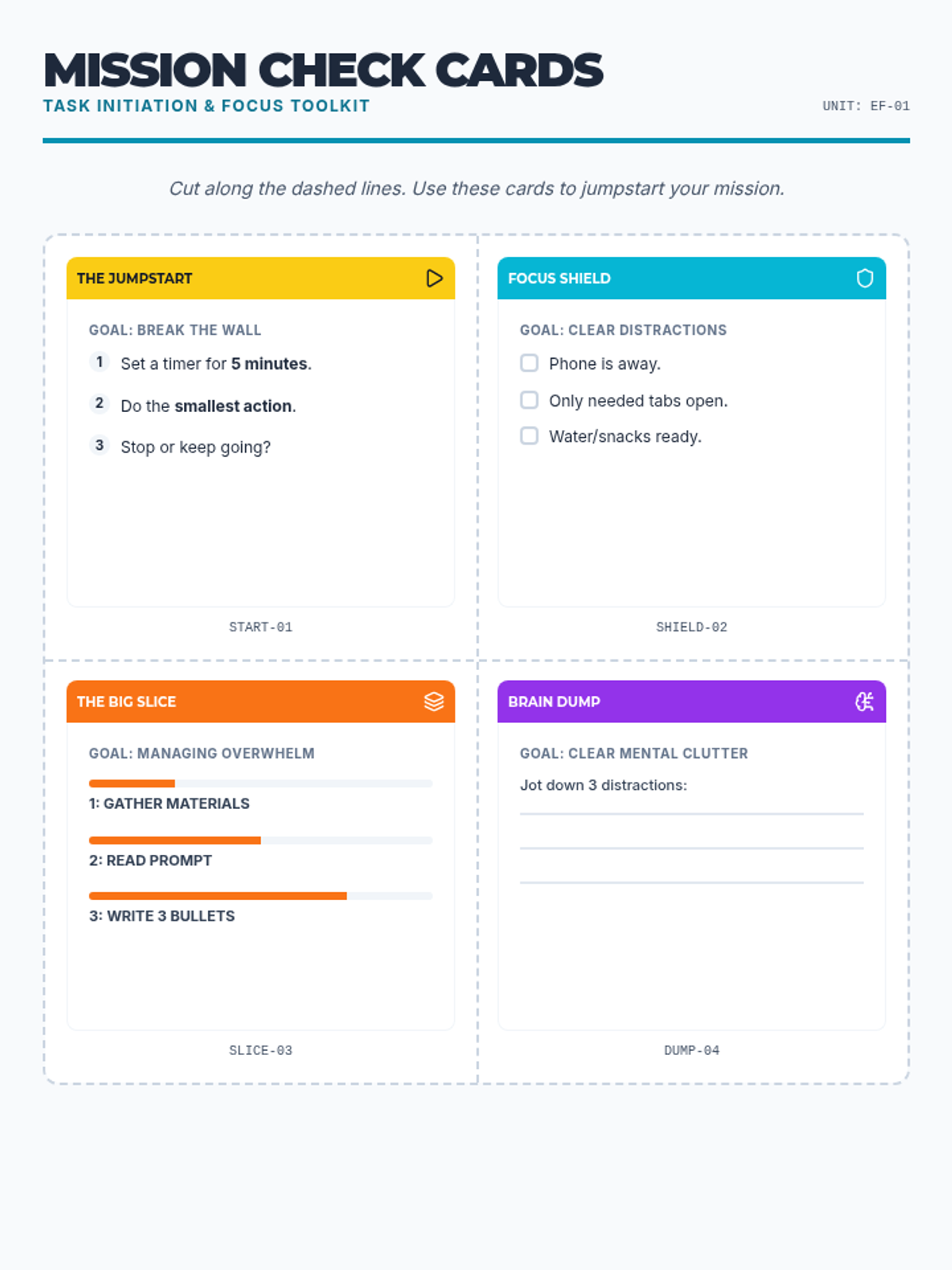
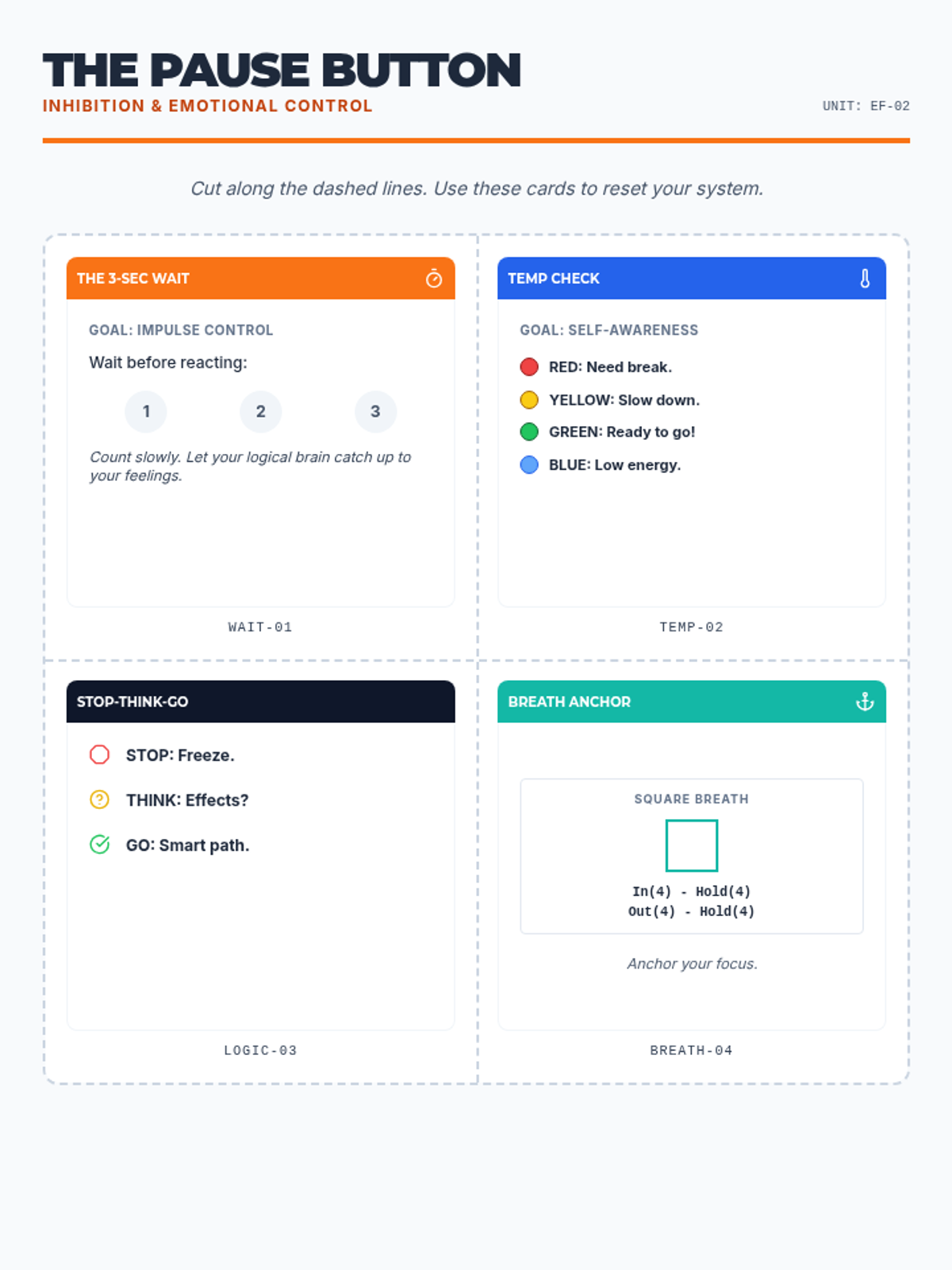
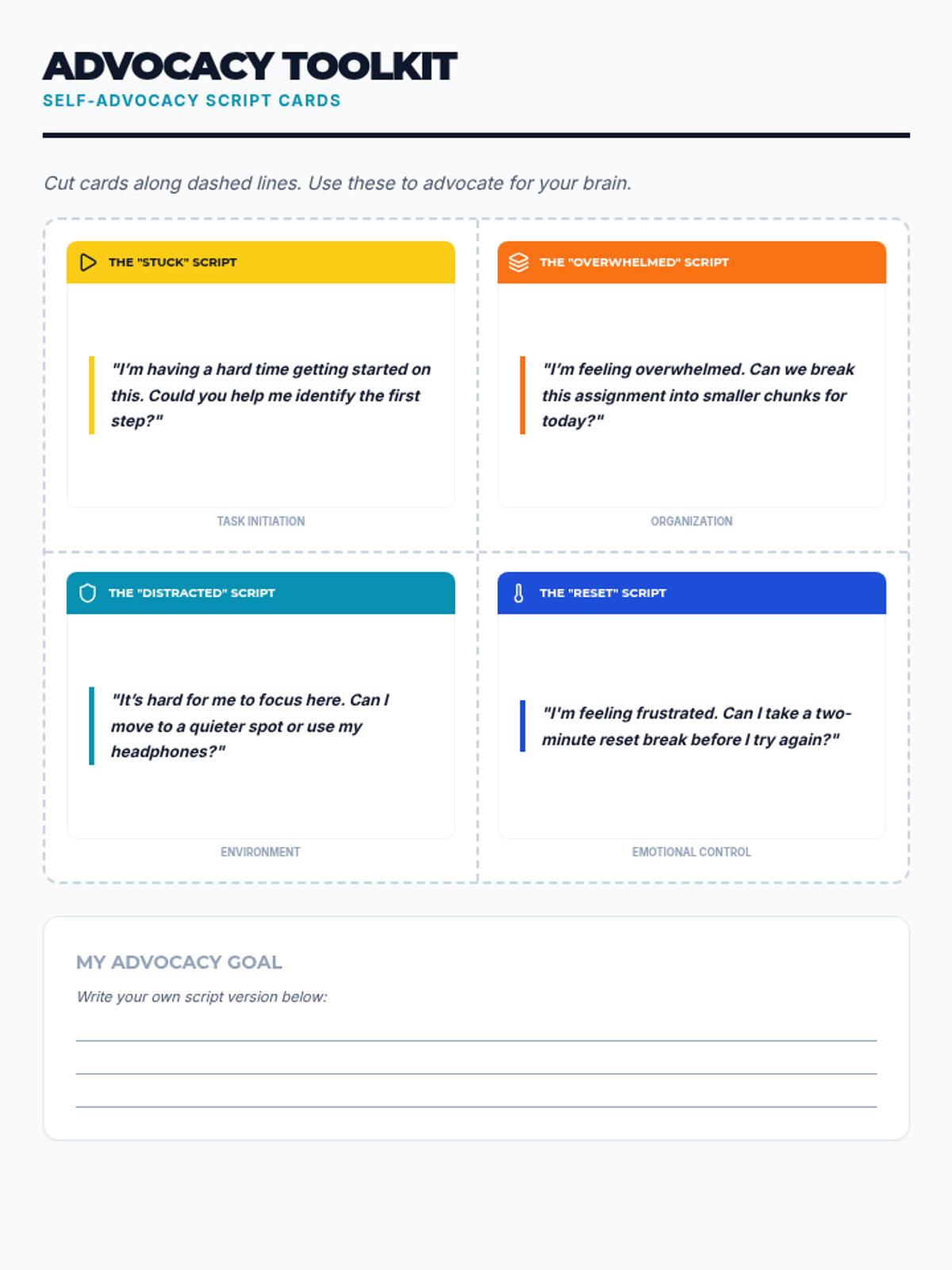
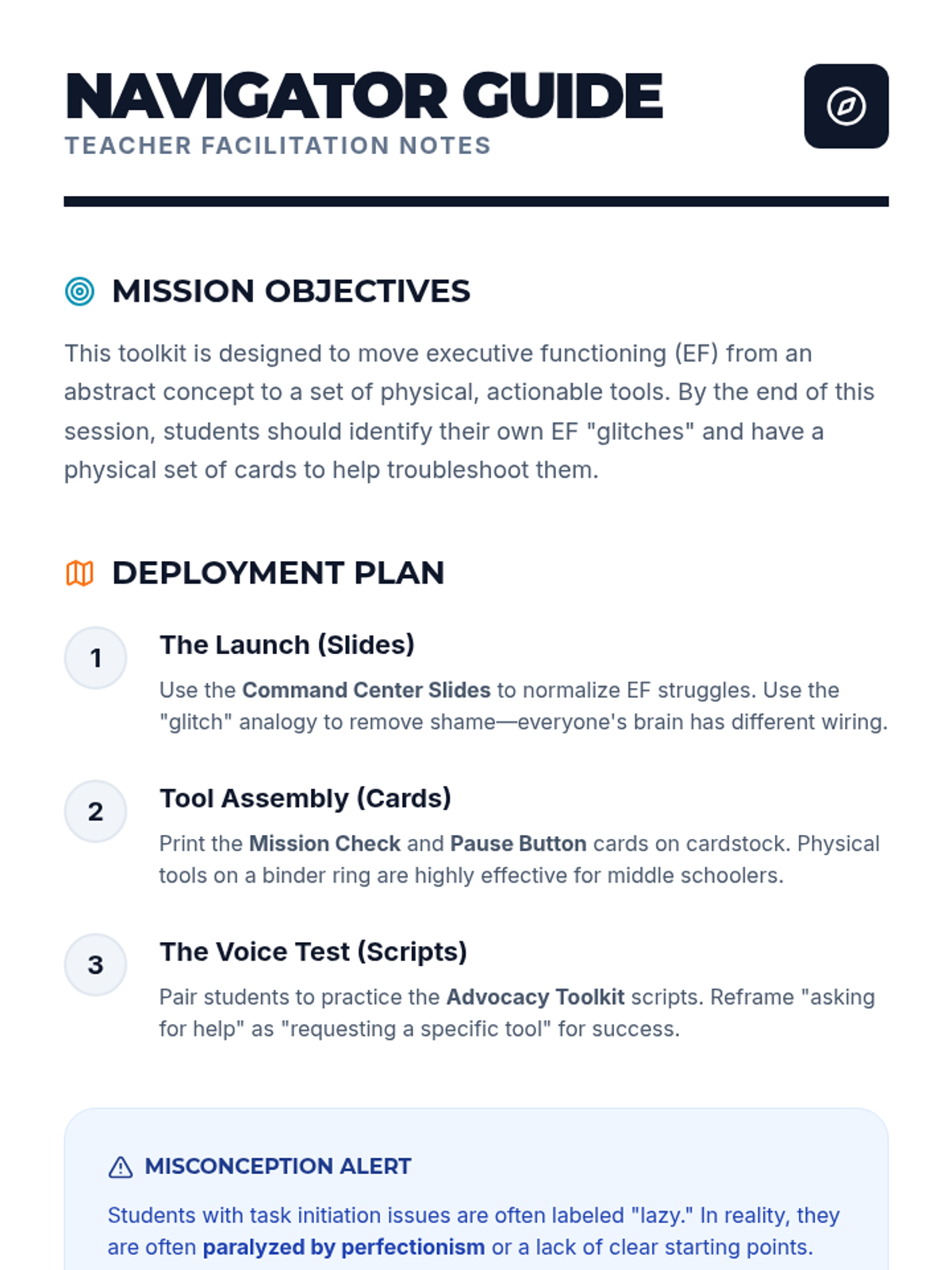
A comprehensive toolkit designed for middle schoolers to master inhibition, emotional control, task initiation, and focus using the 'Brain Blueprint' framework.
A comprehensive set of tools designed to help middle schoolers master task initiation, focus, inhibition, and emotional control through practical strategies and self-advocacy scripts.
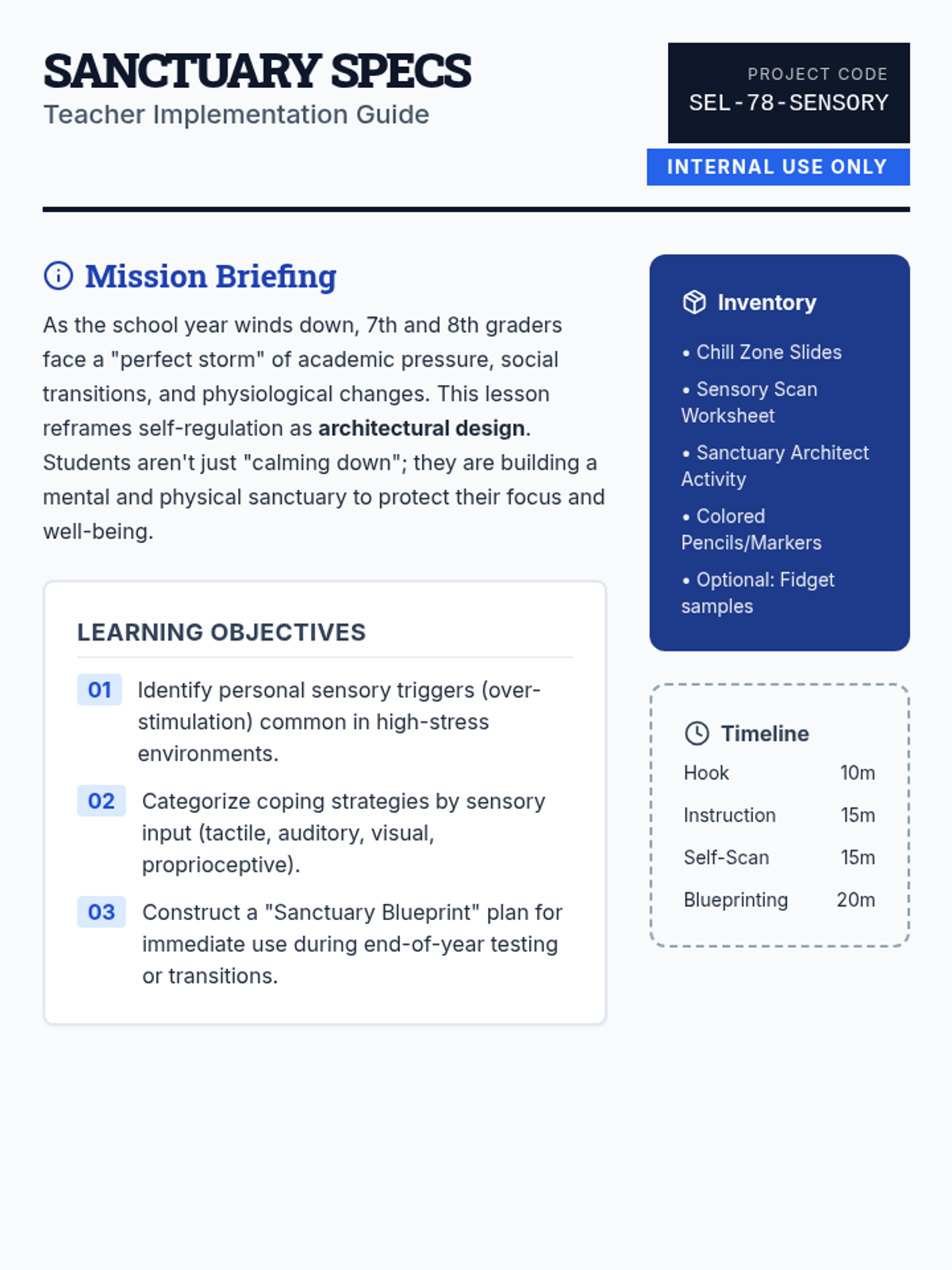
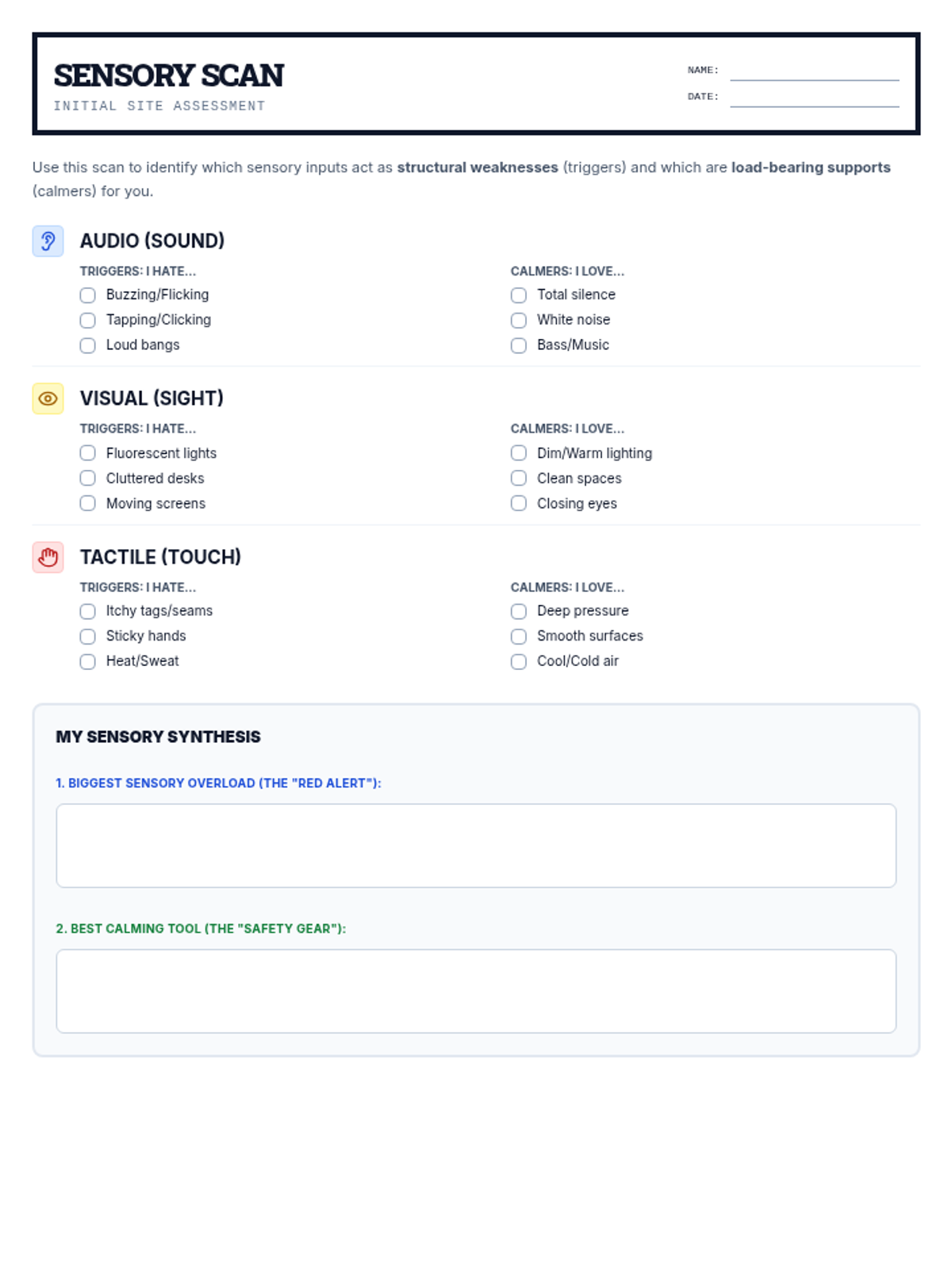
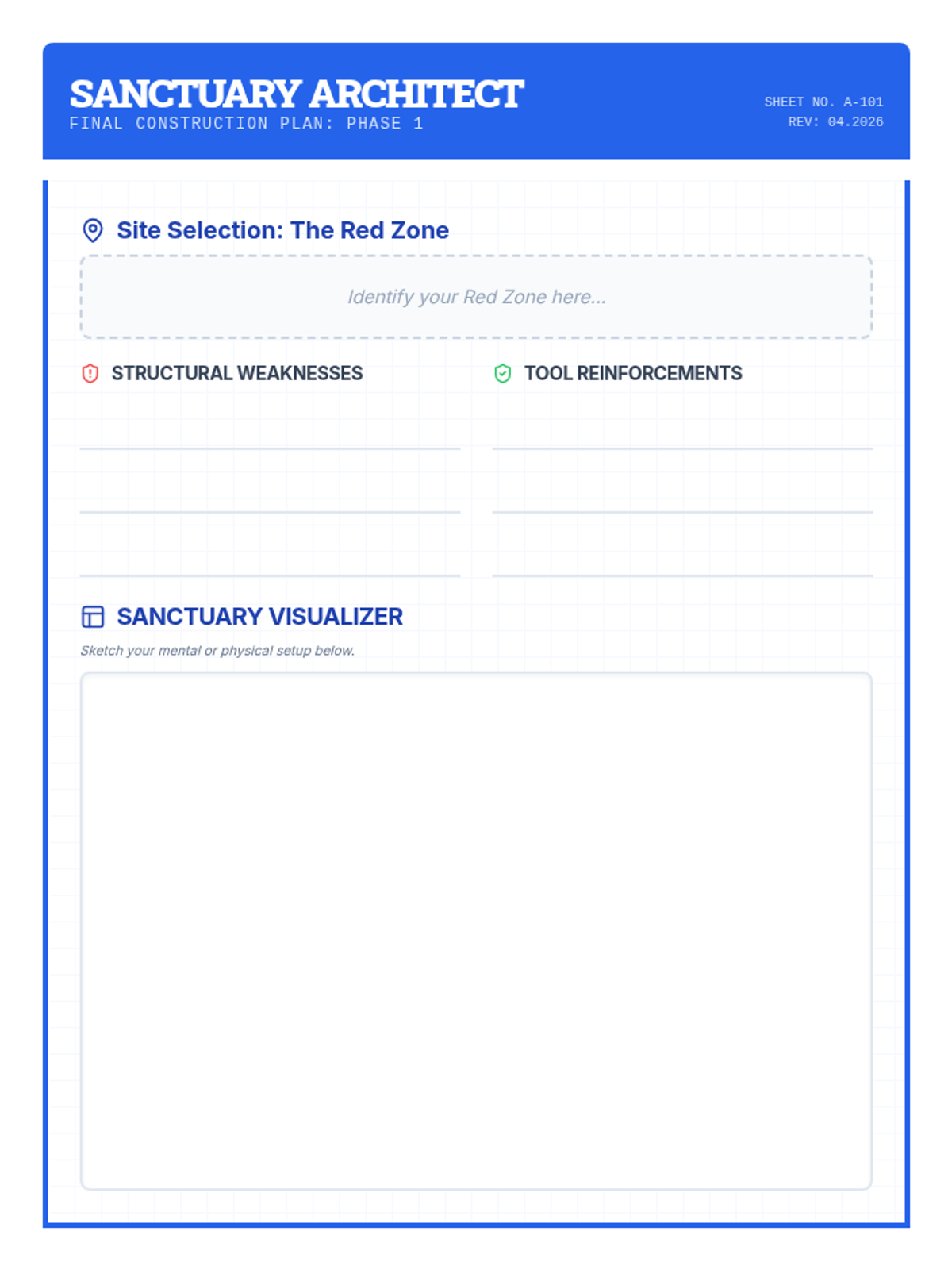
A social-emotional learning lesson for middle schoolers to identify sensory triggers and design personal coping strategies for end-of-year stress. Students transition from 'Construction Zone' chaos to 'Sanctuary' calm through self-reflection and architectural-themed planning.
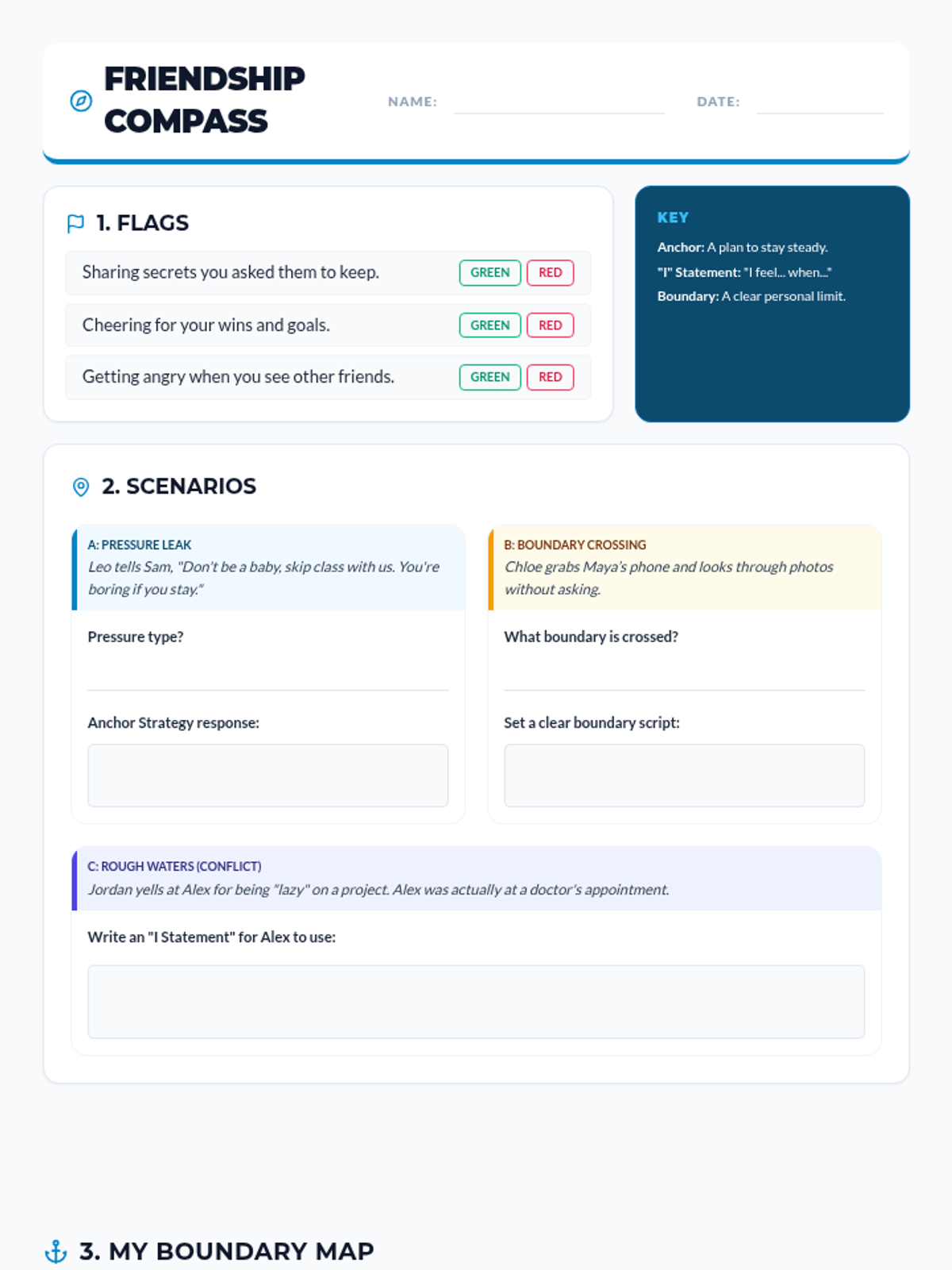
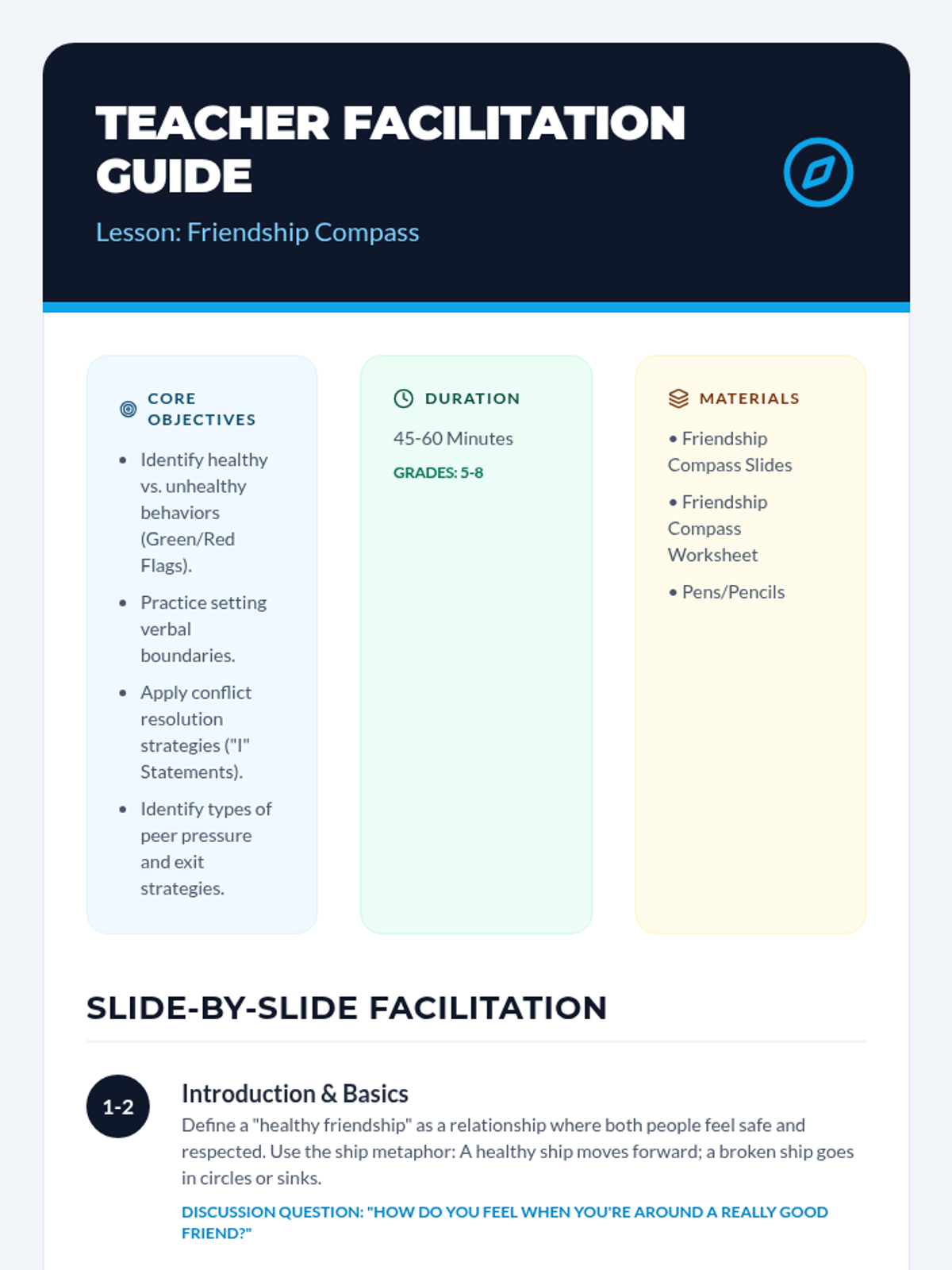
A lesson exploring healthy vs. unhealthy friendship dynamics, focusing on green/red flags, boundary setting, conflict resolution, and resisting peer pressure. Students learn to navigate social relationships using practical strategies and scenario-based practice.
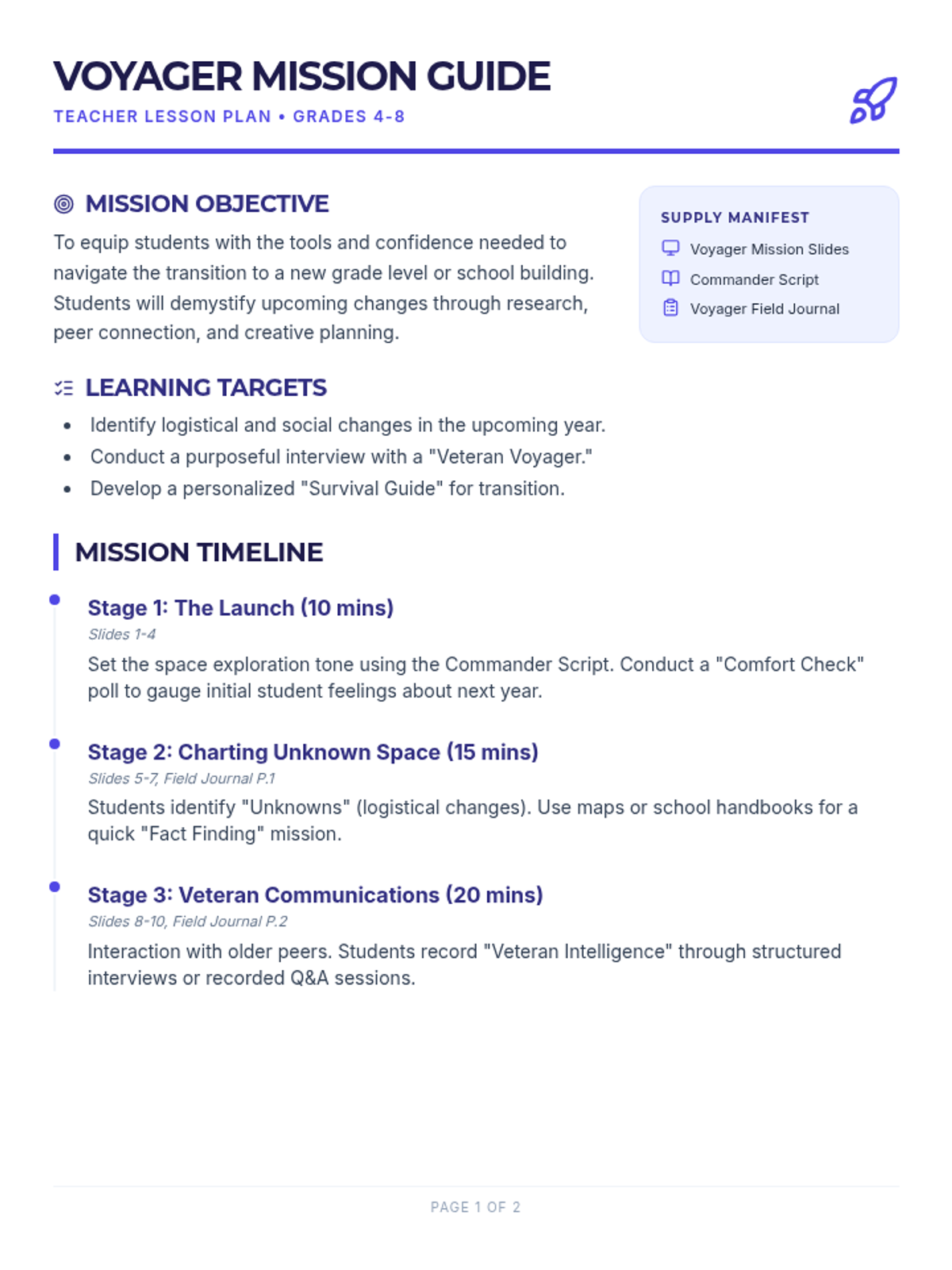
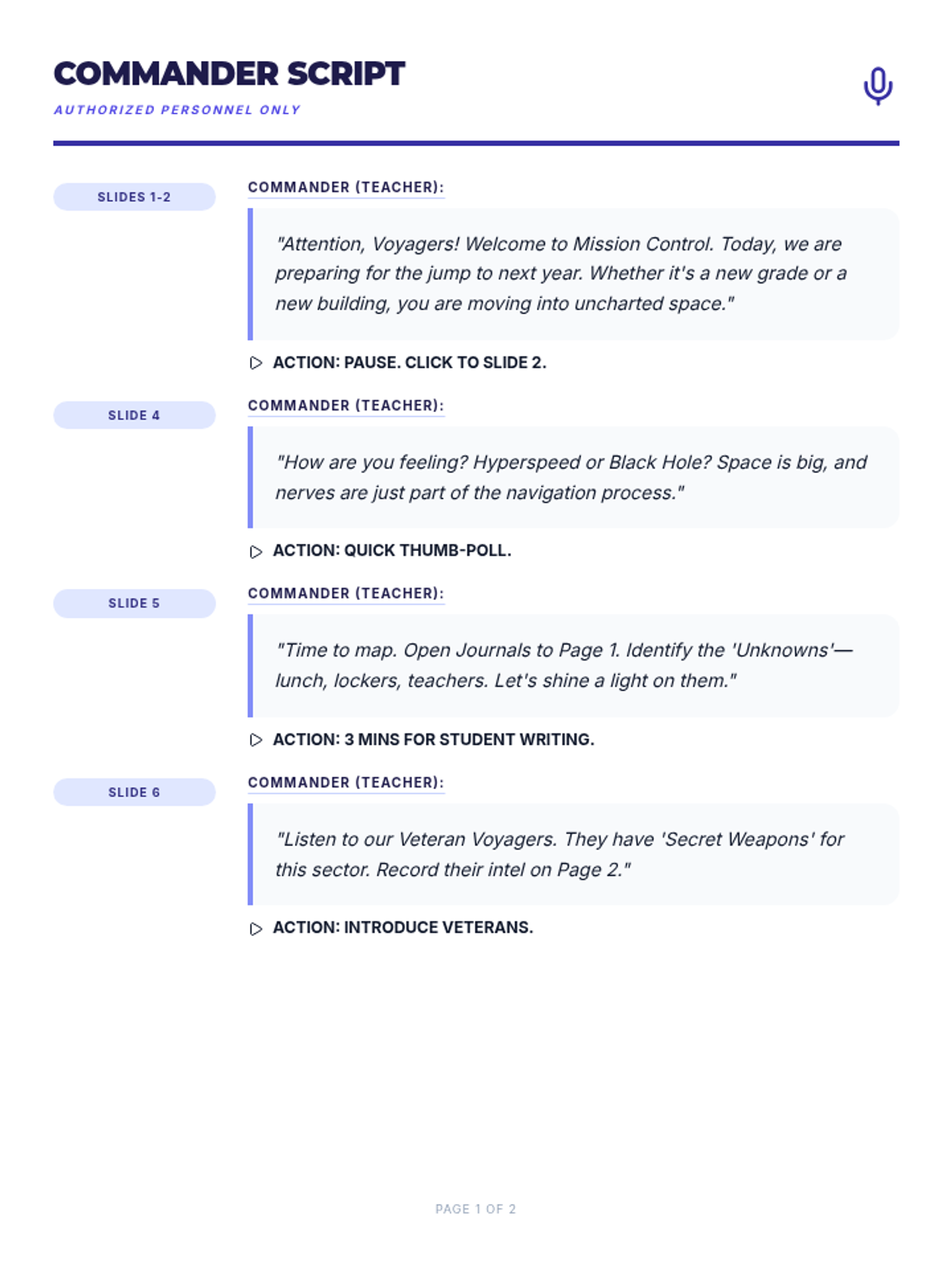
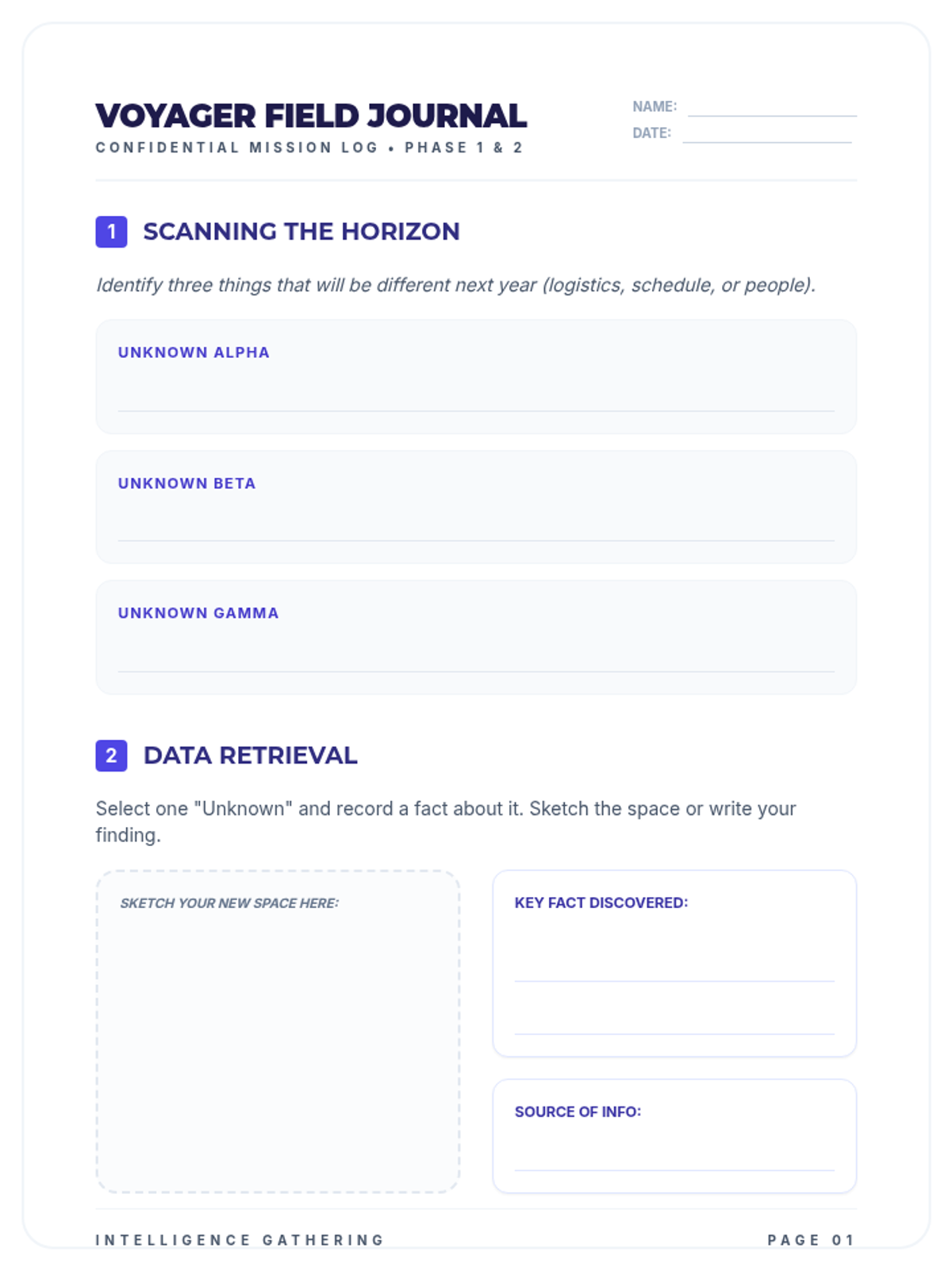
A transition-readiness program for students in grades 4-8. Students navigate the transition to new grades or buildings by identifying changes, interviewing peers, and building a survival guide.
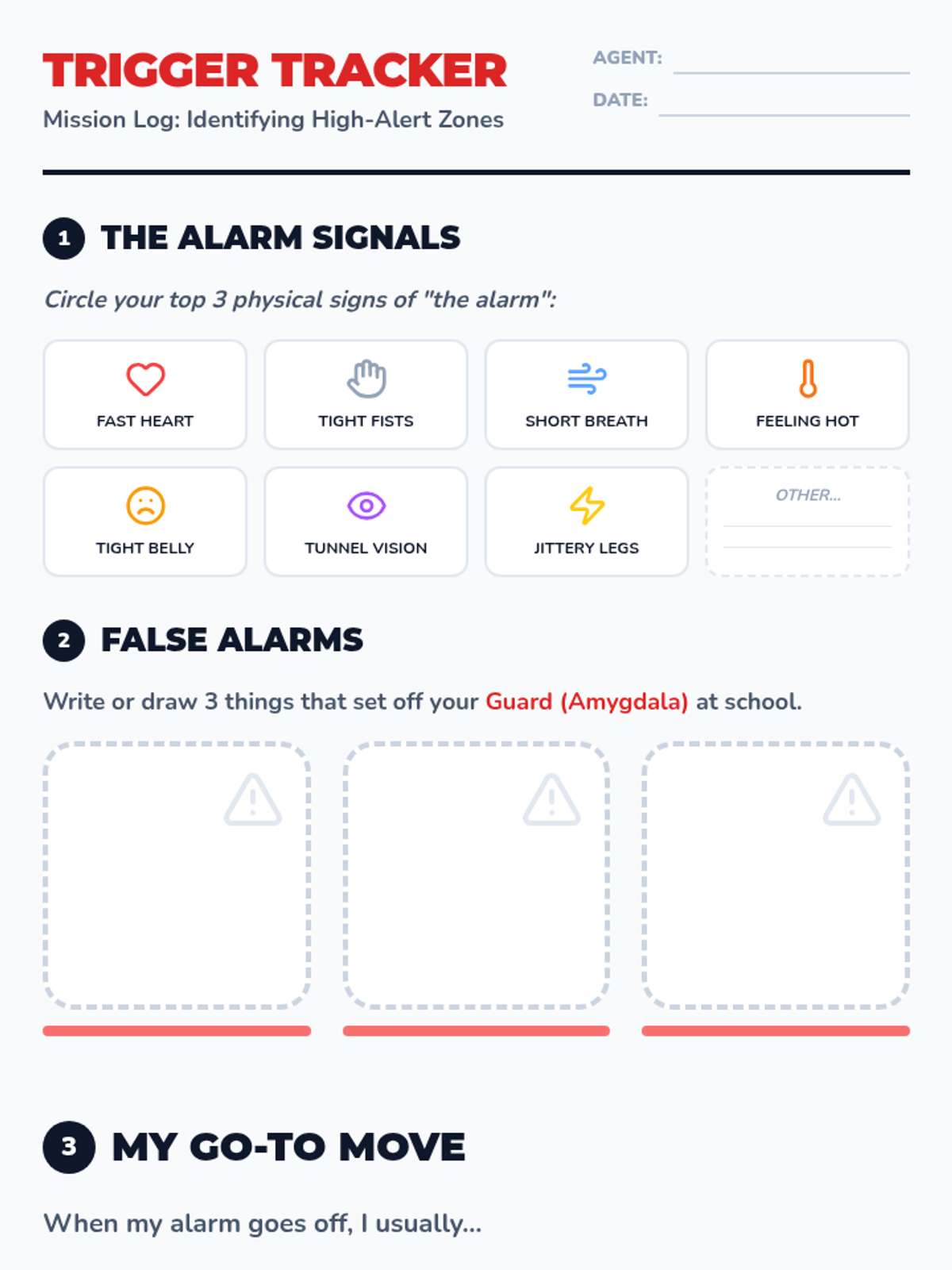
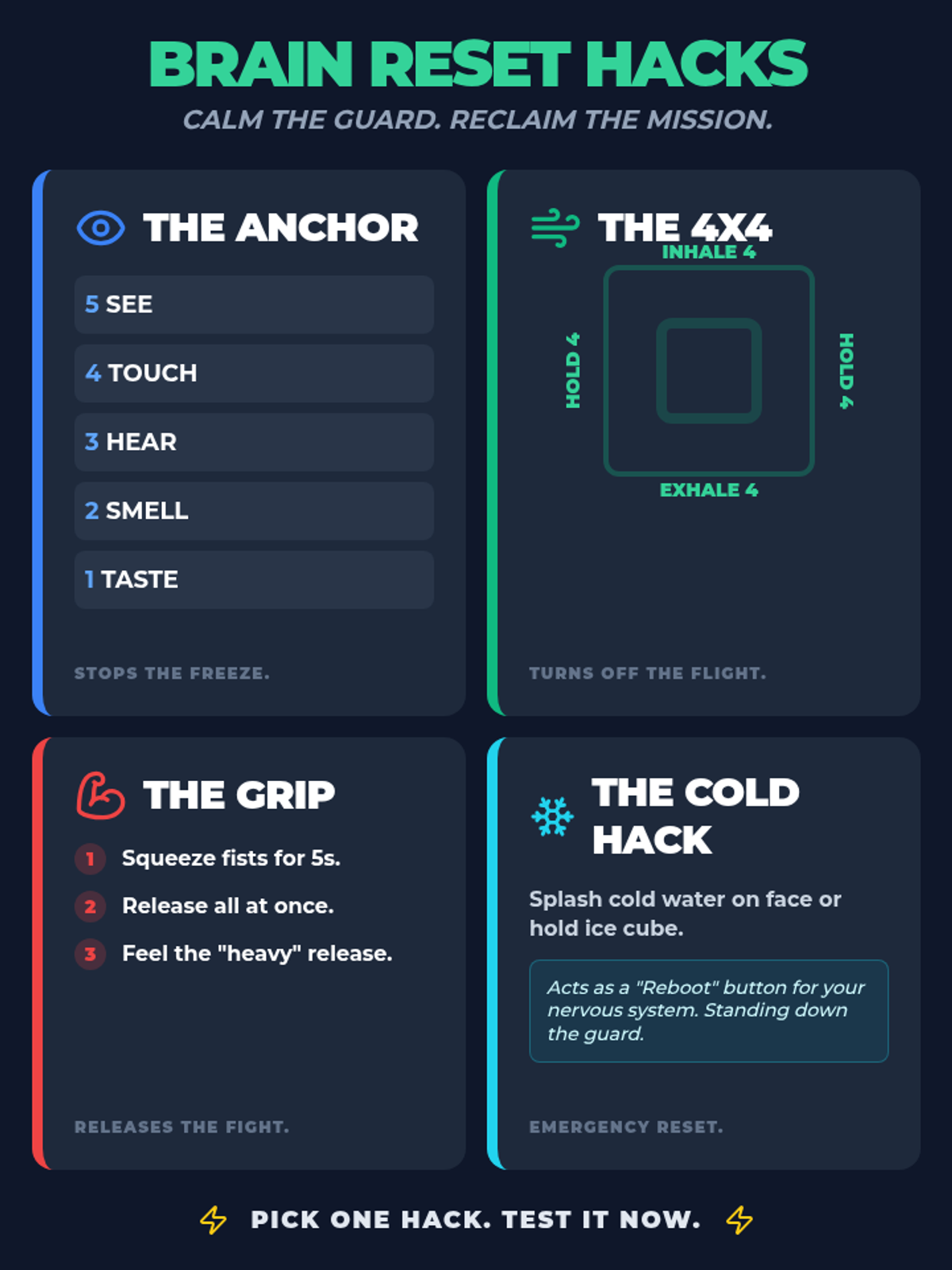
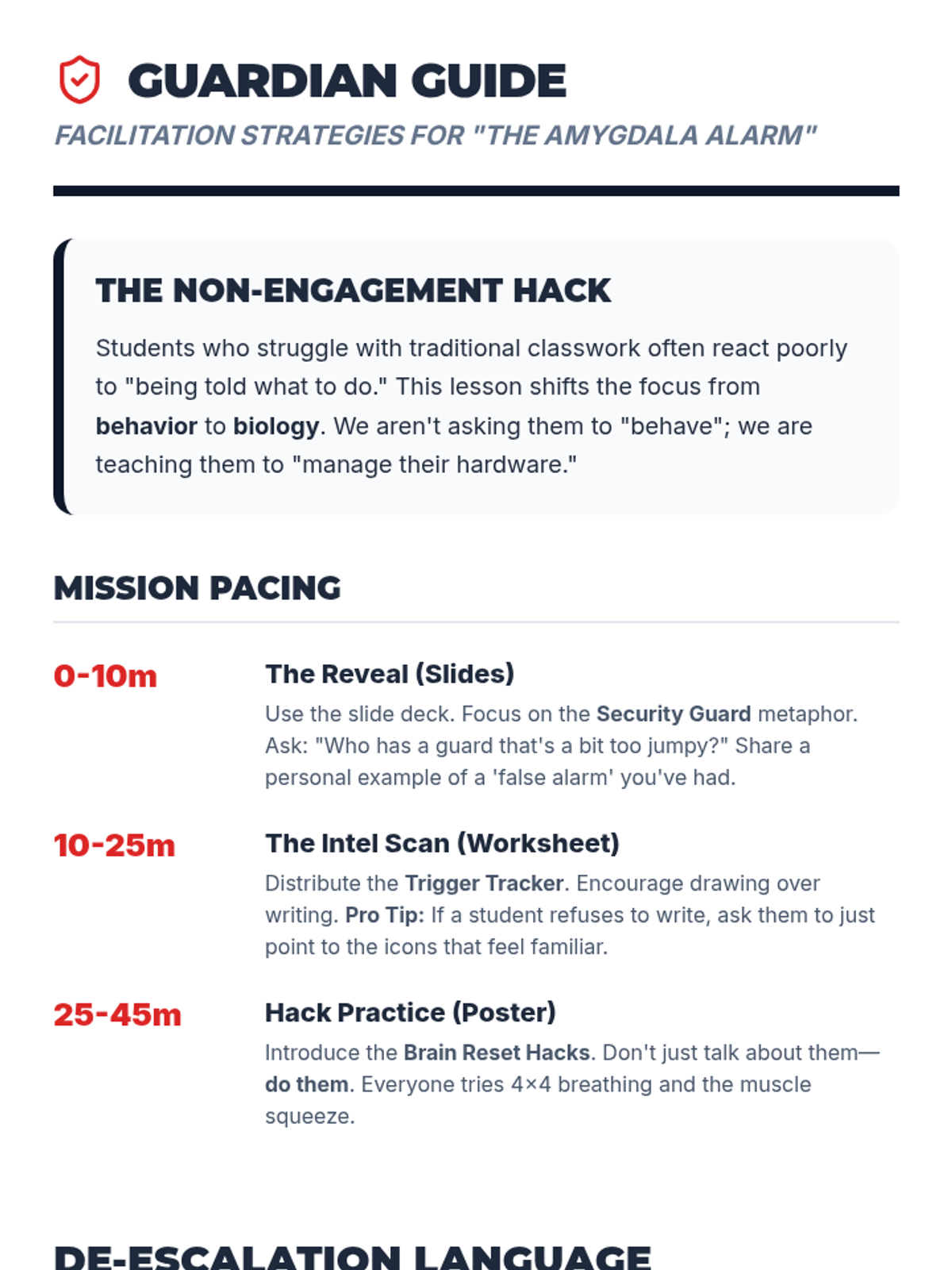
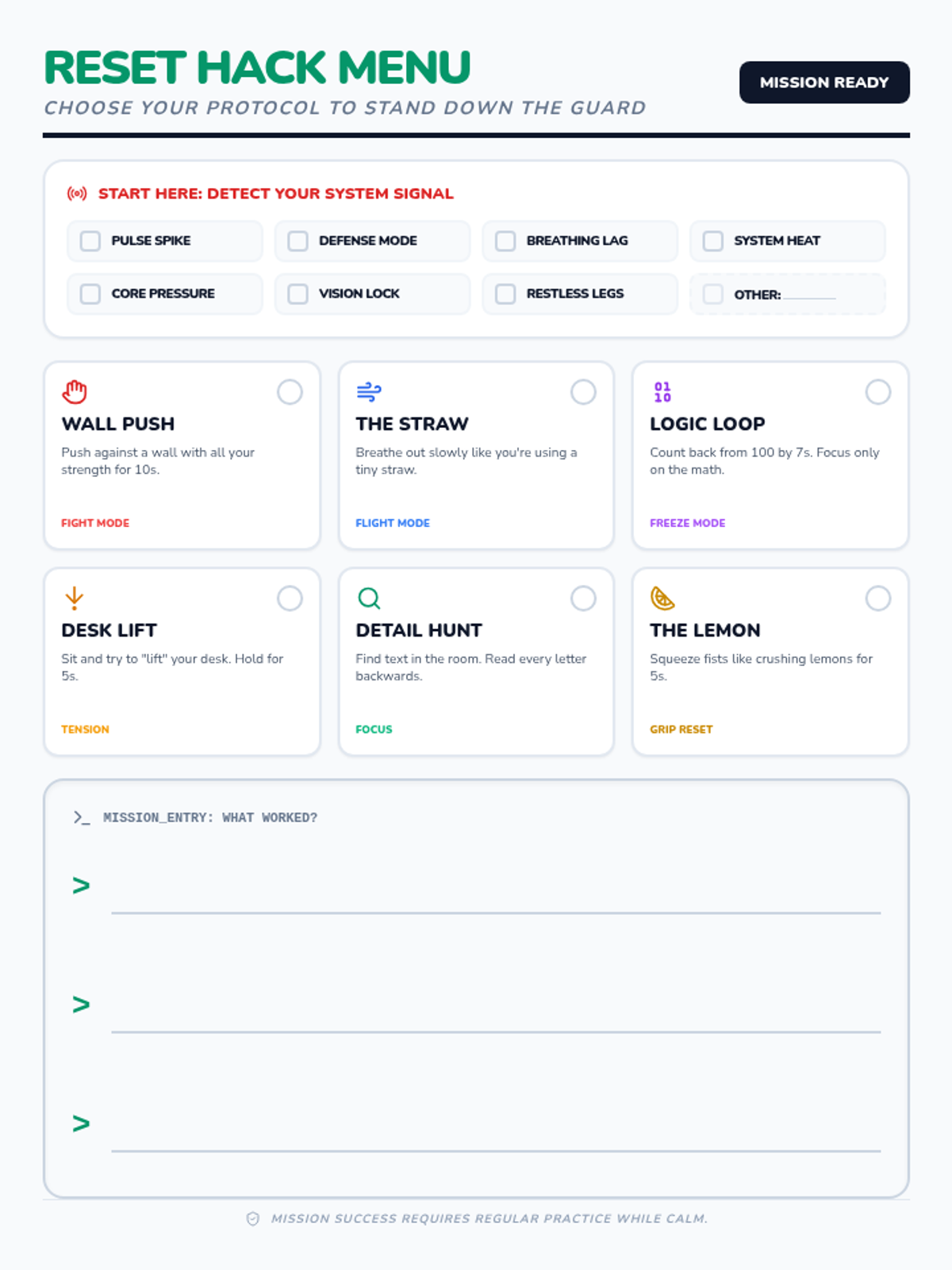
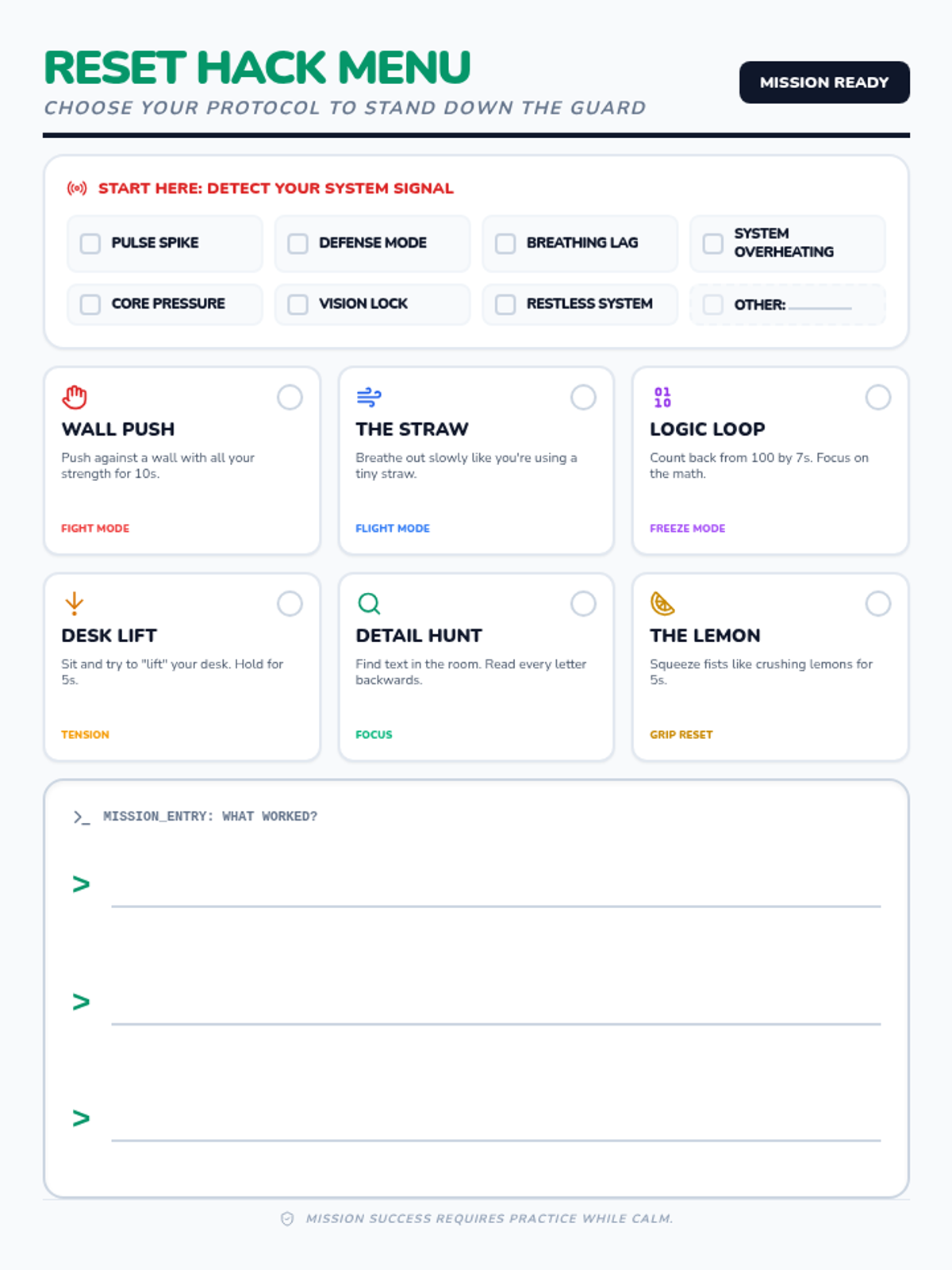
An introductory lesson on the amygdala as the brain's security system, helping students identify their fight/flight/freeze responses and personal triggers using a comic-book aesthetic.
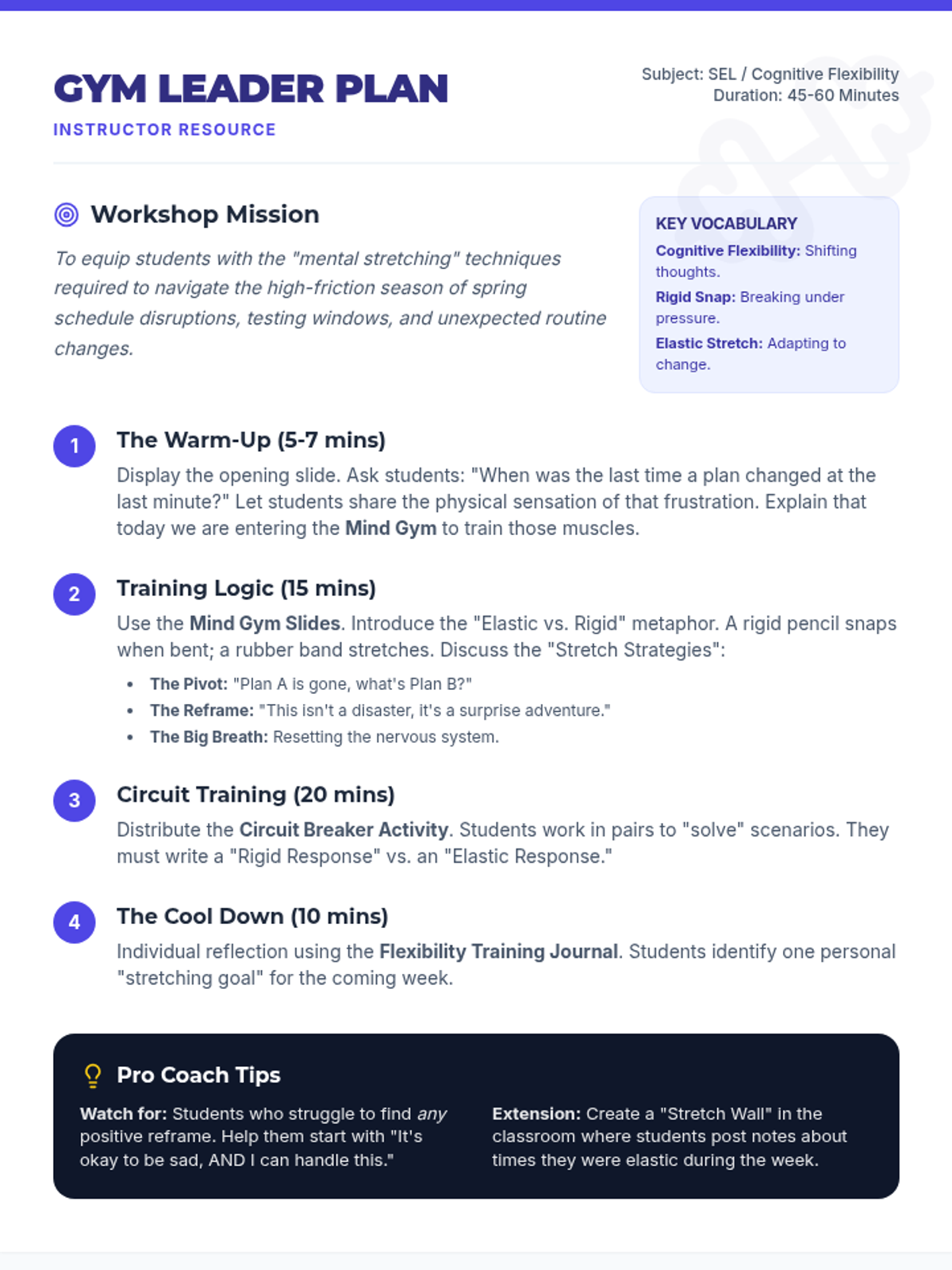
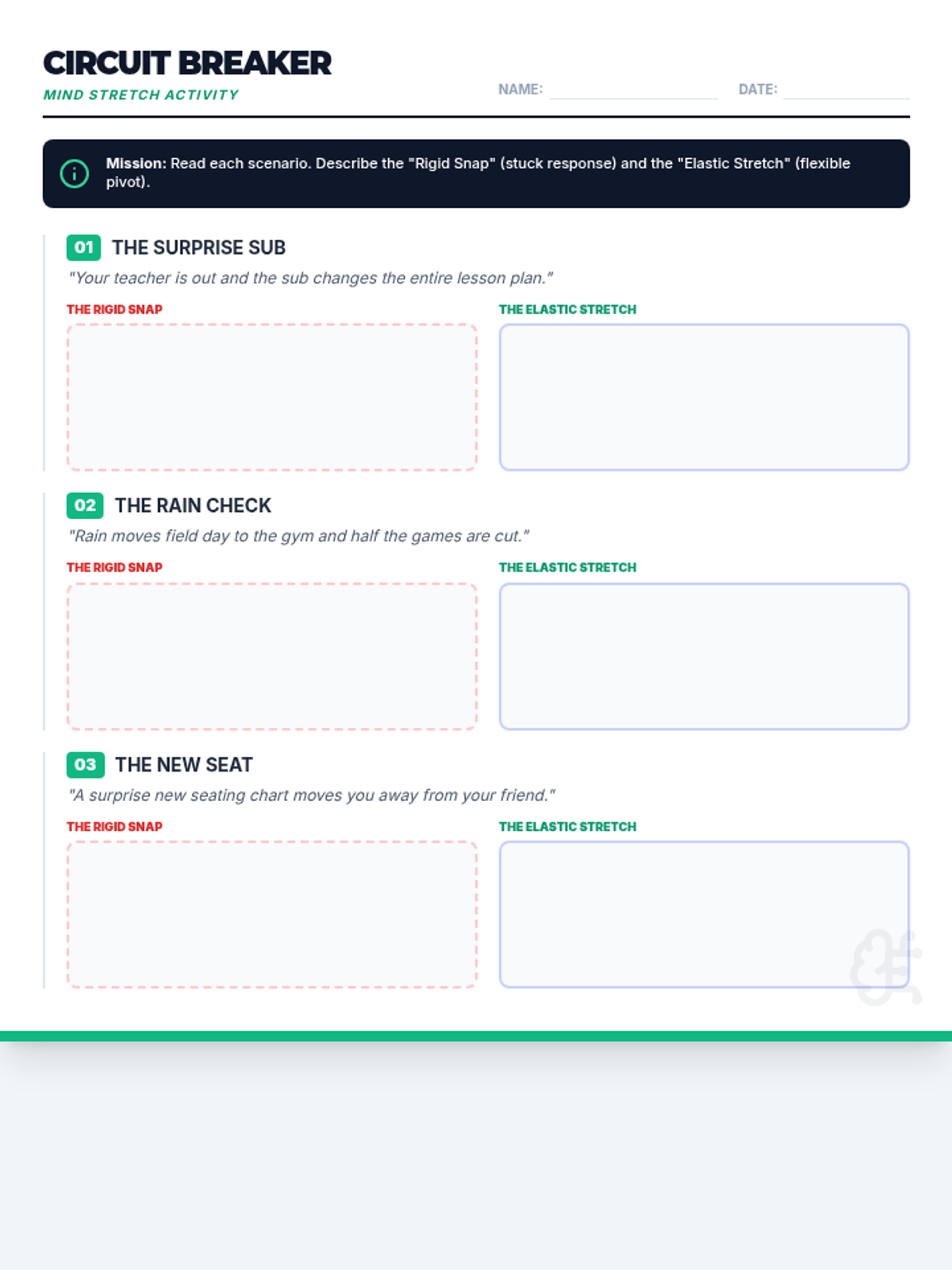
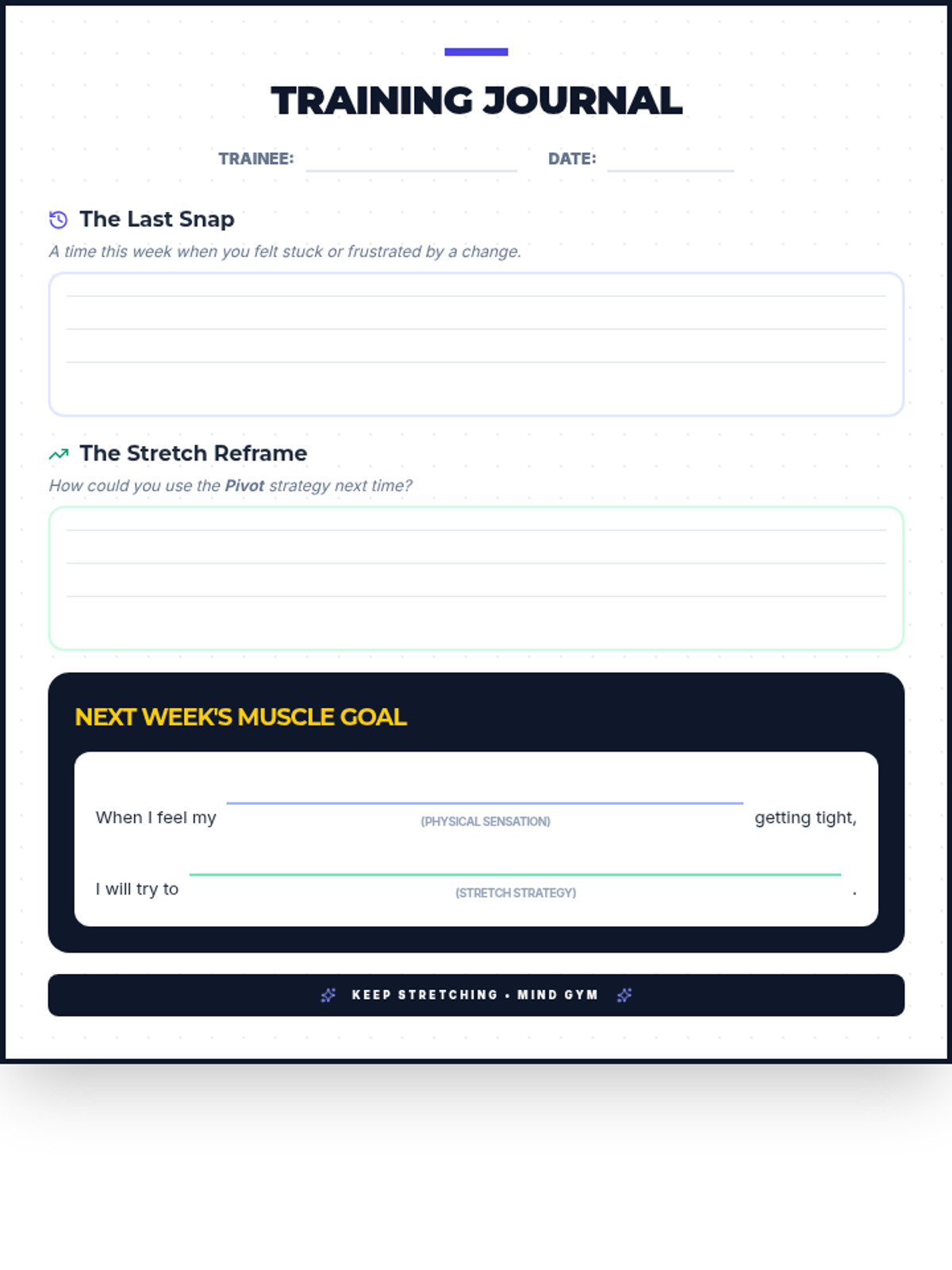
A cognitive flexibility workshop designed to help students 'stretch' their thinking during unexpected changes and setbacks, using a high-energy mental workout theme.
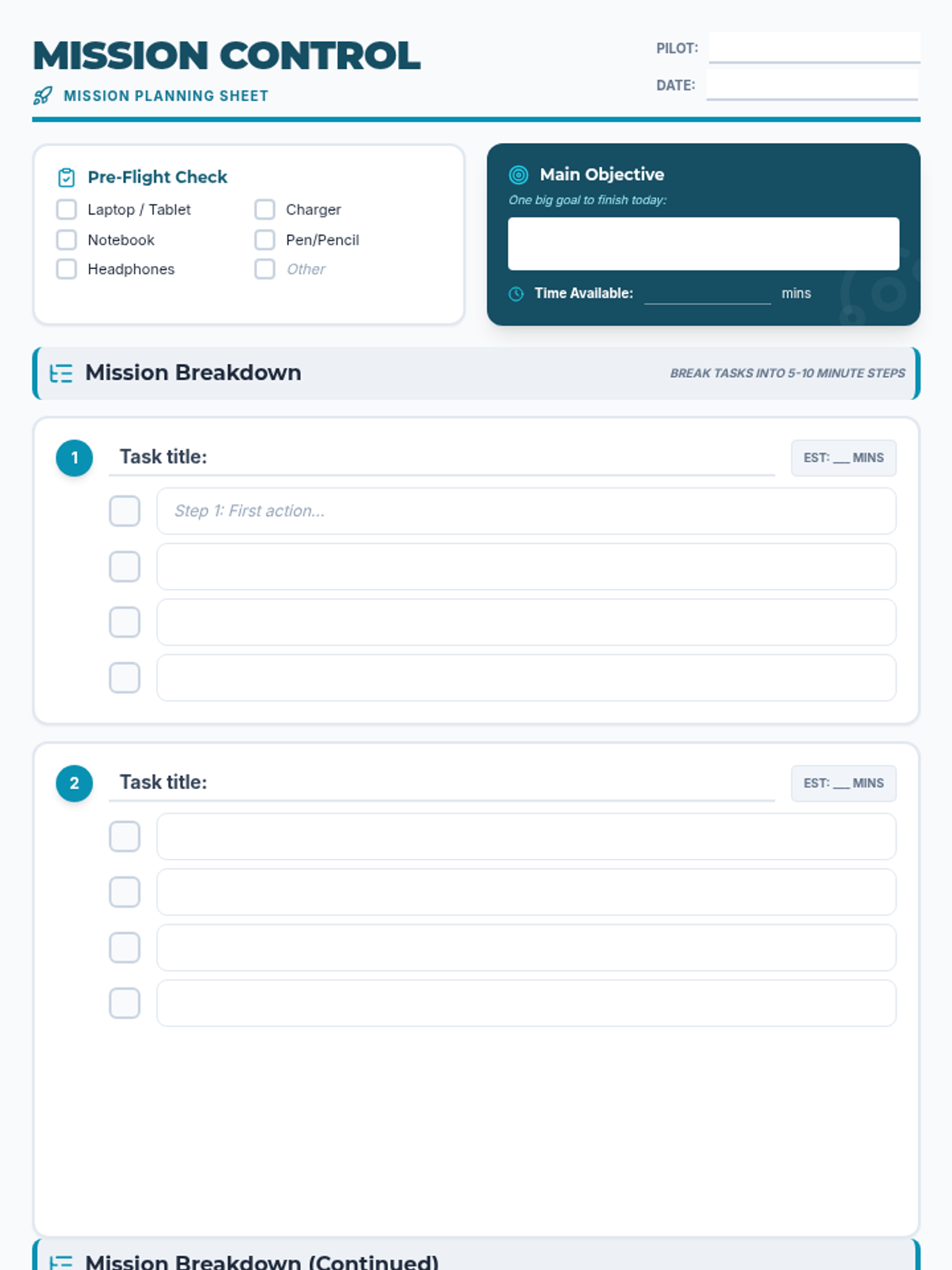
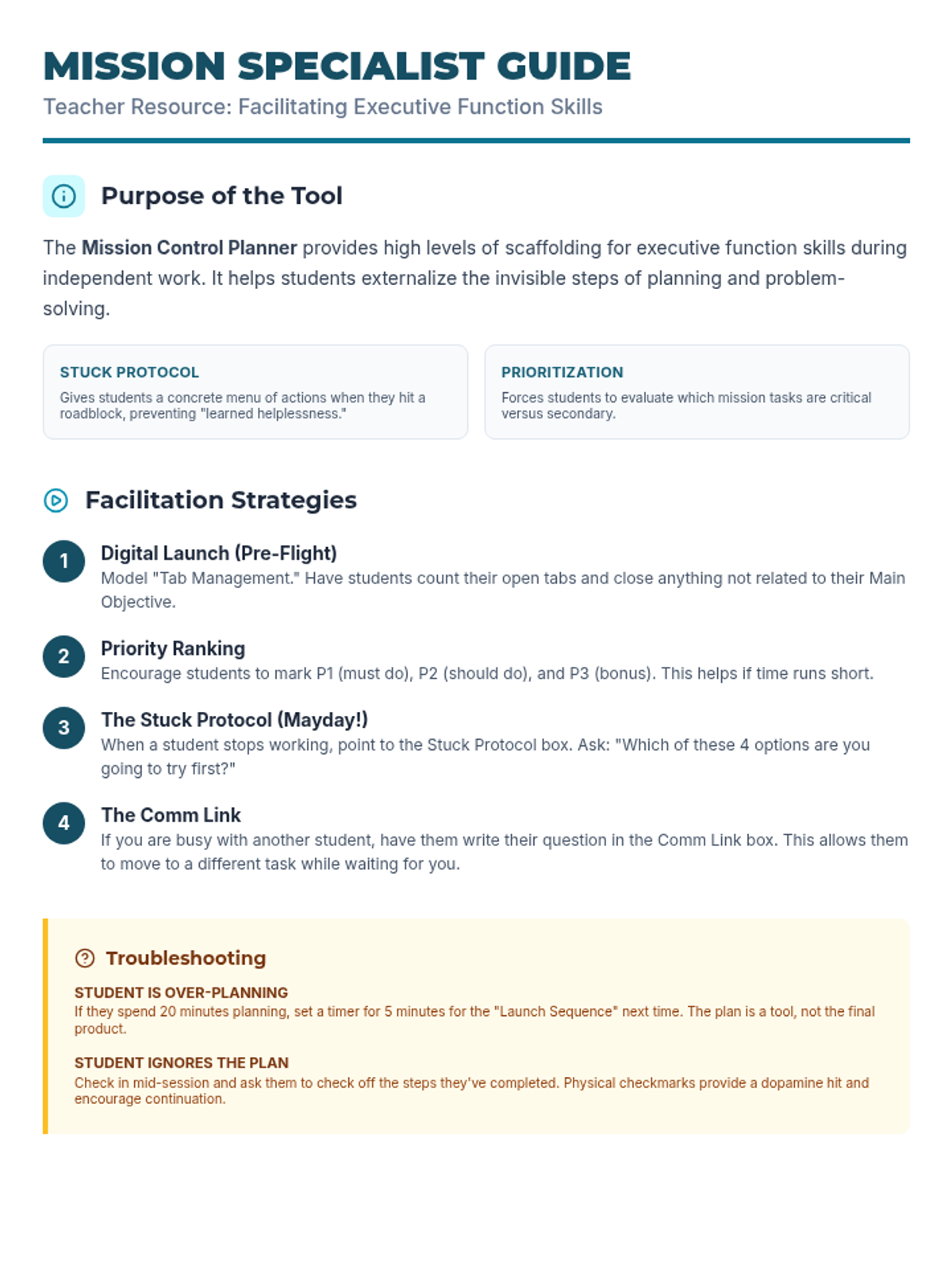
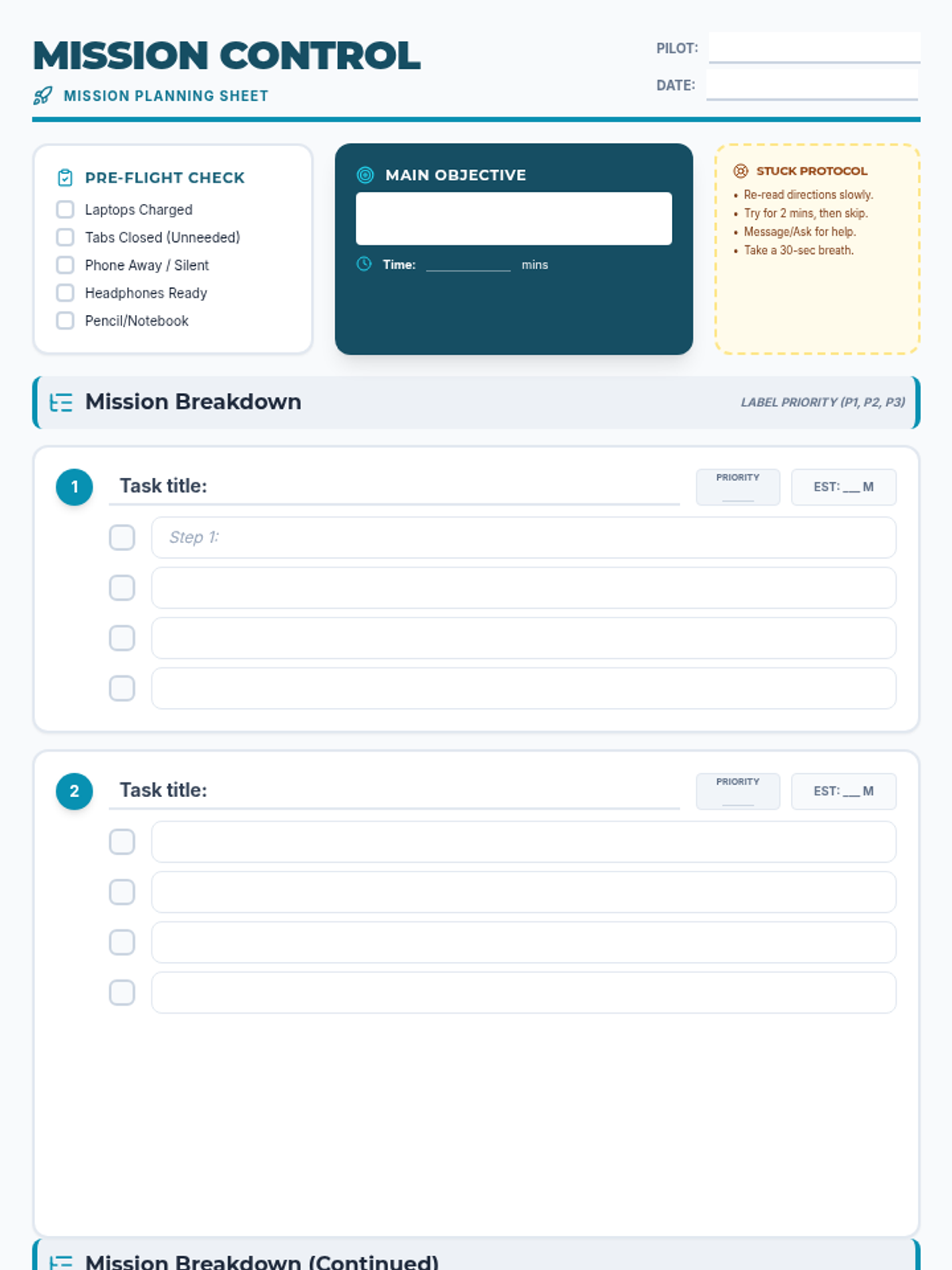
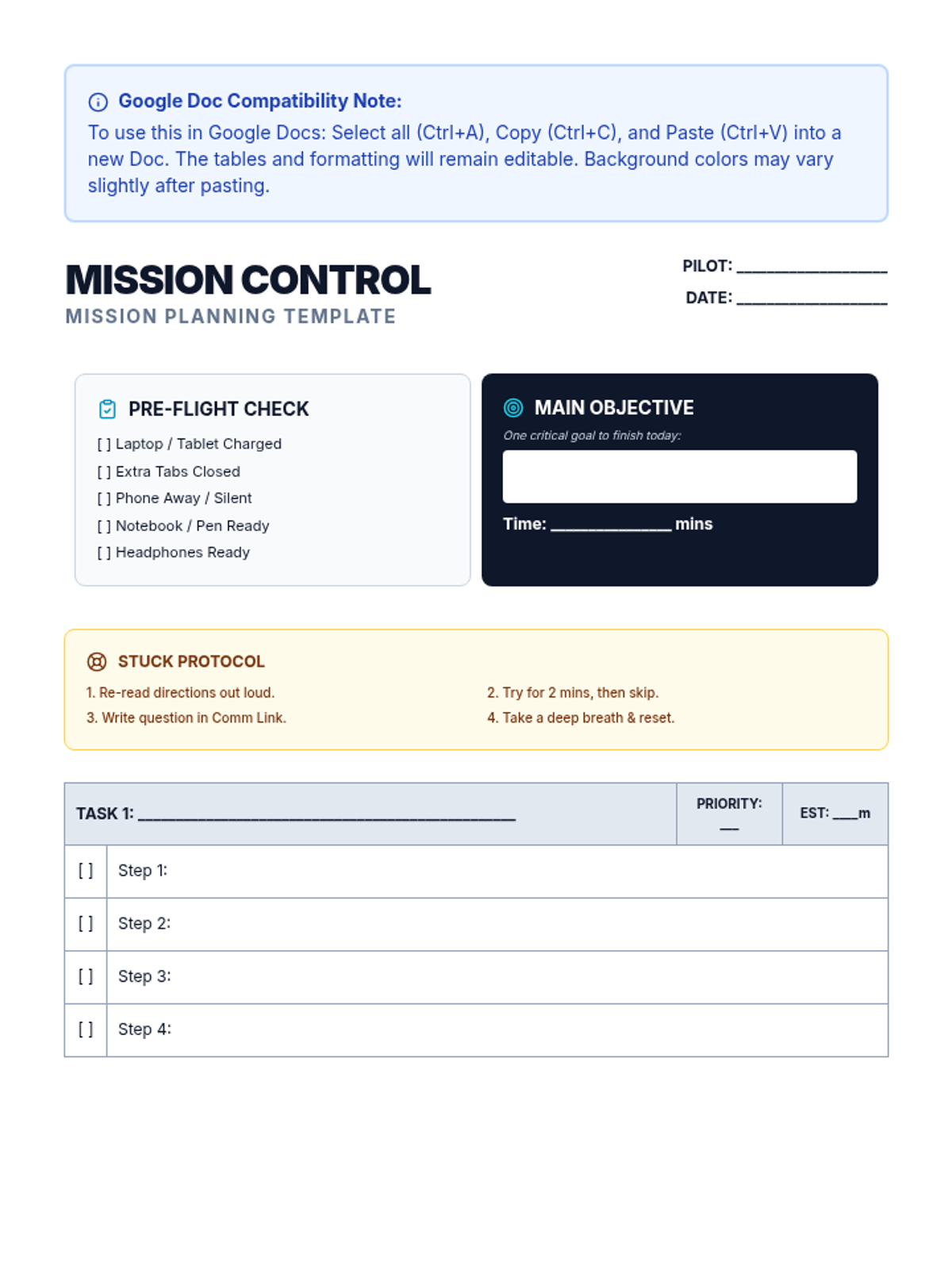
A lesson designed to help middle school students develop executive function skills by breaking down large tasks into manageable steps during study hall sessions.
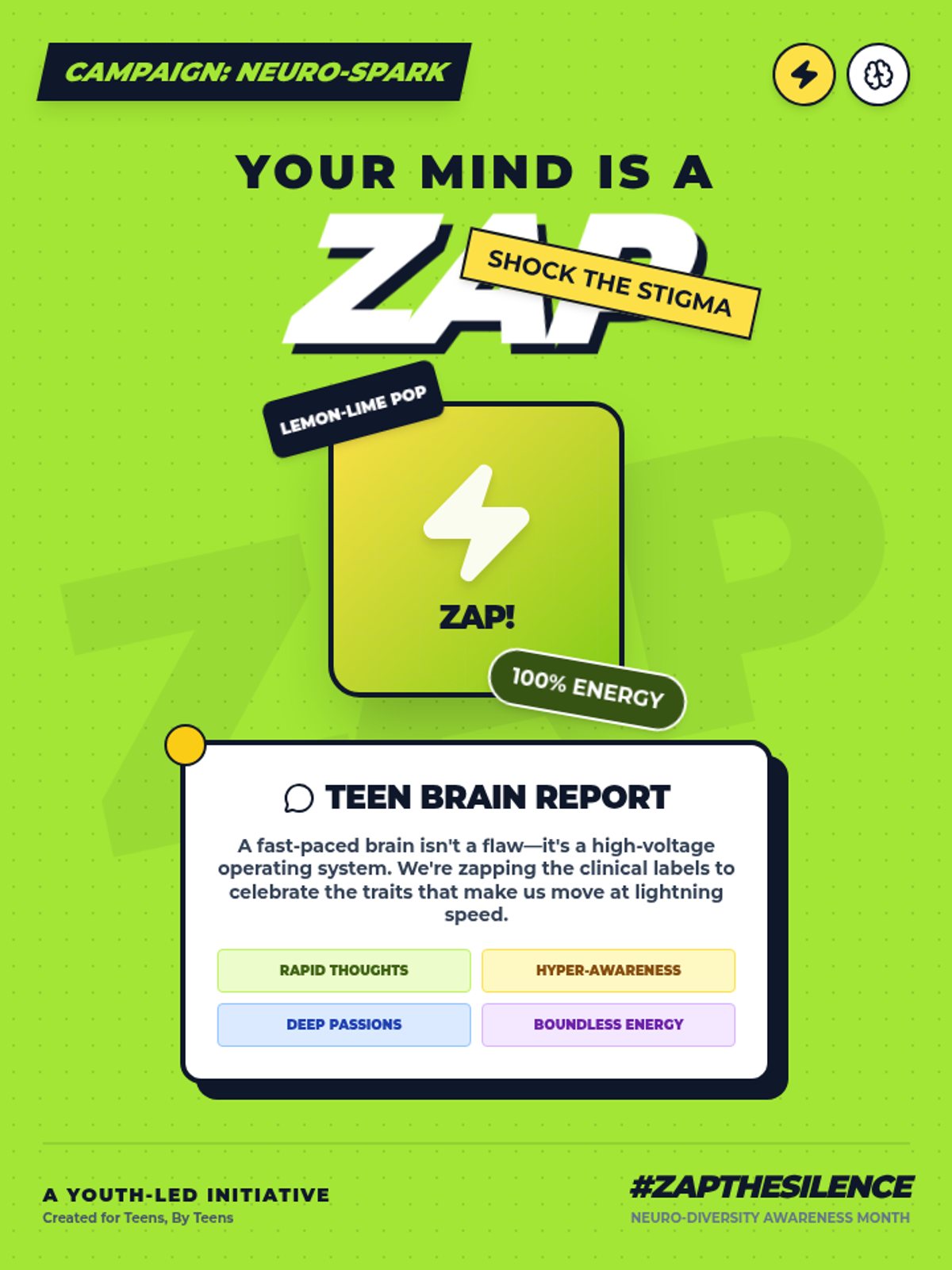
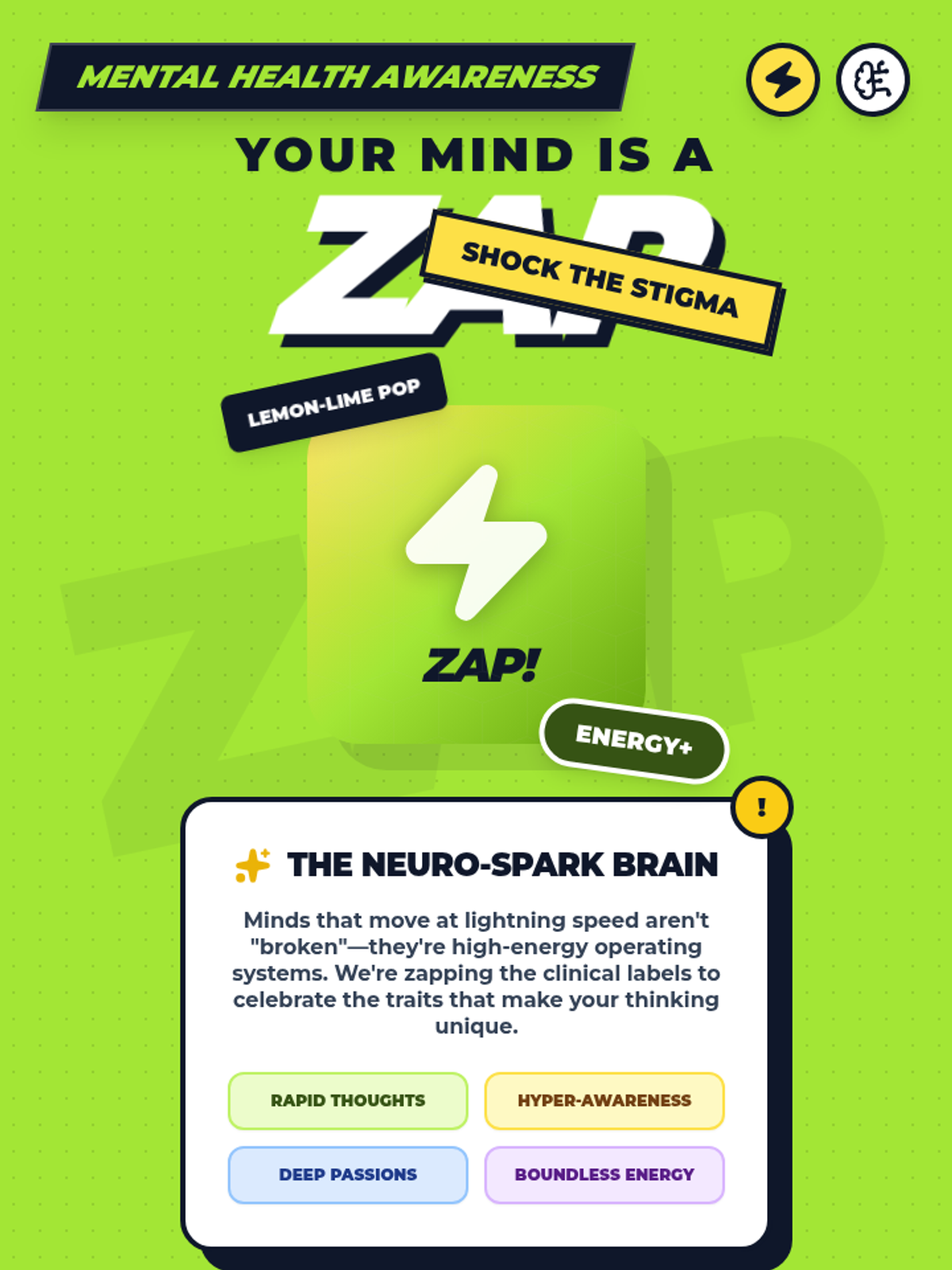
An activity for Mental Health Awareness Month centered on a fictional candy brand that celebrates neurodiversity and high-energy mind traits.
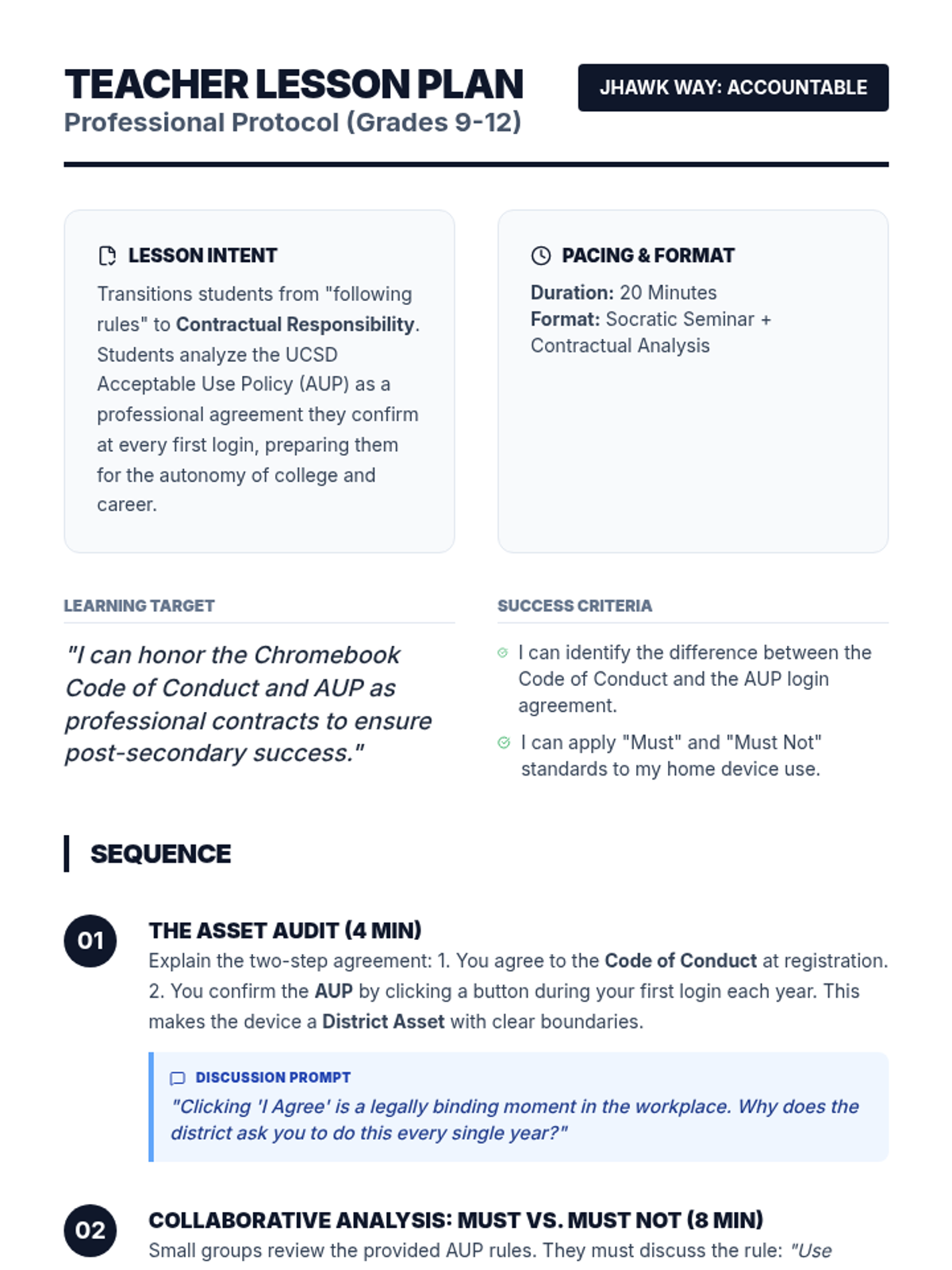
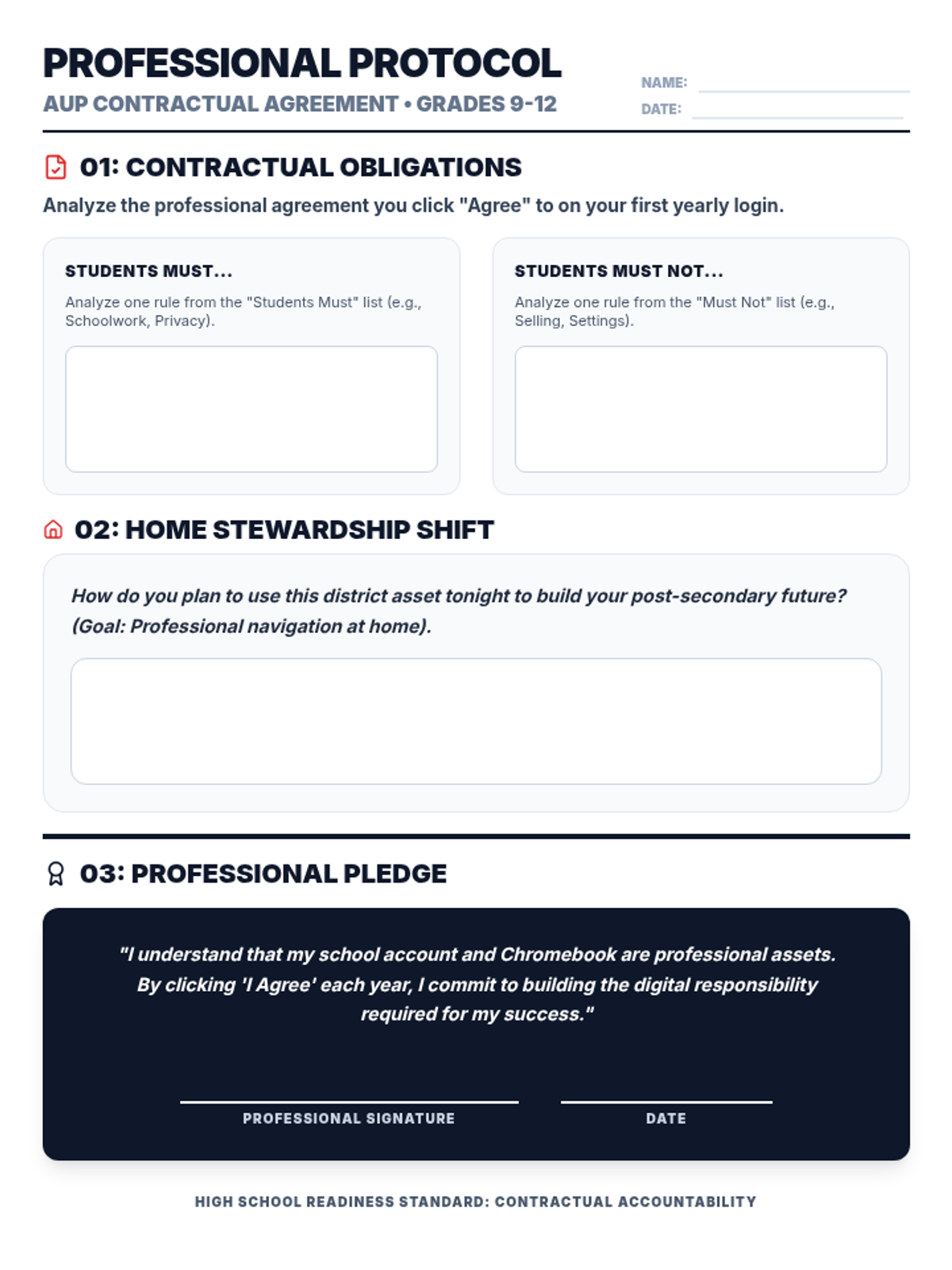
High school students examine the Acceptable Use Policy as a professional contract, focusing on device ownership, district monitoring, and building digital responsibility for post-secondary success.
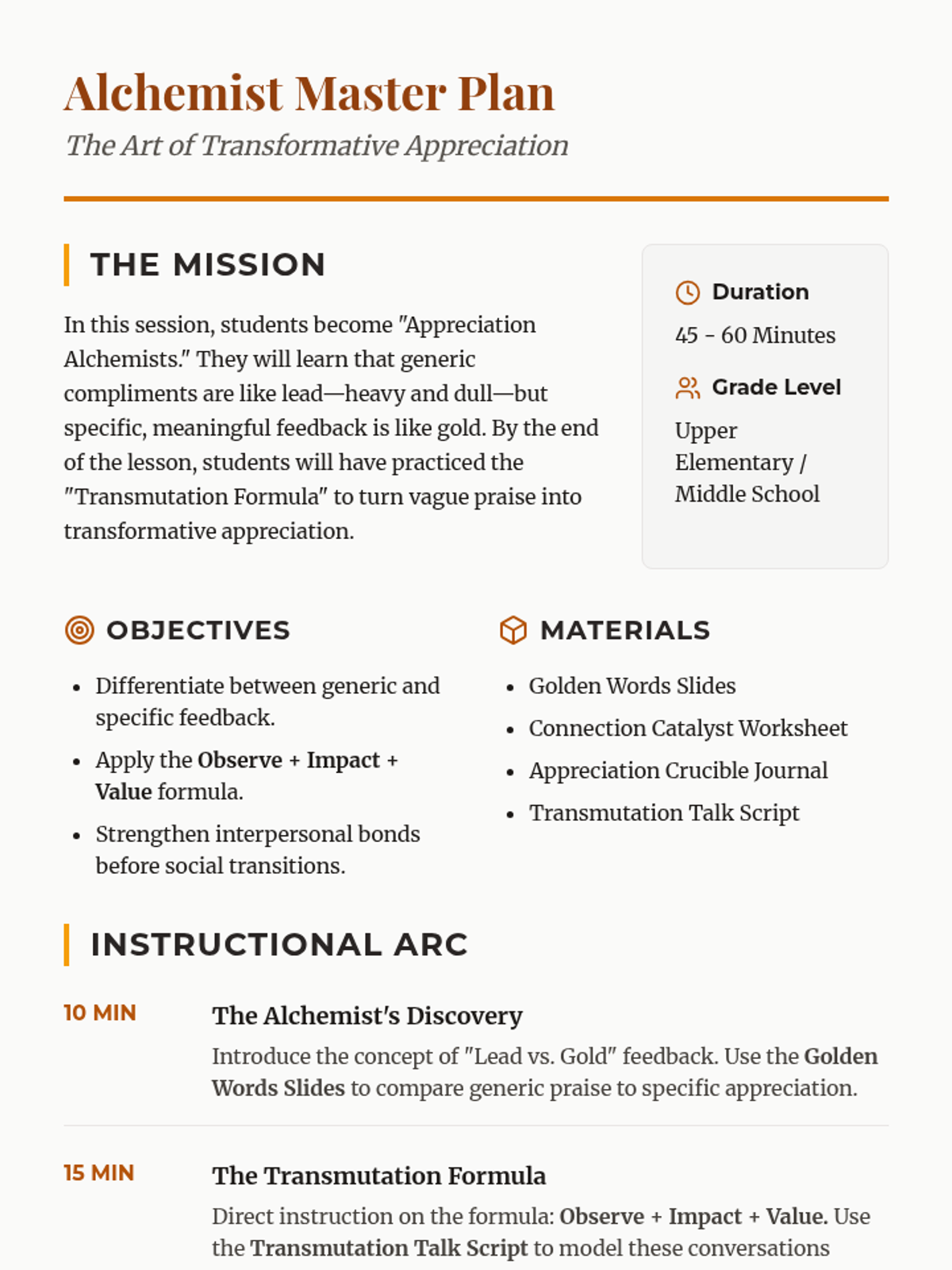
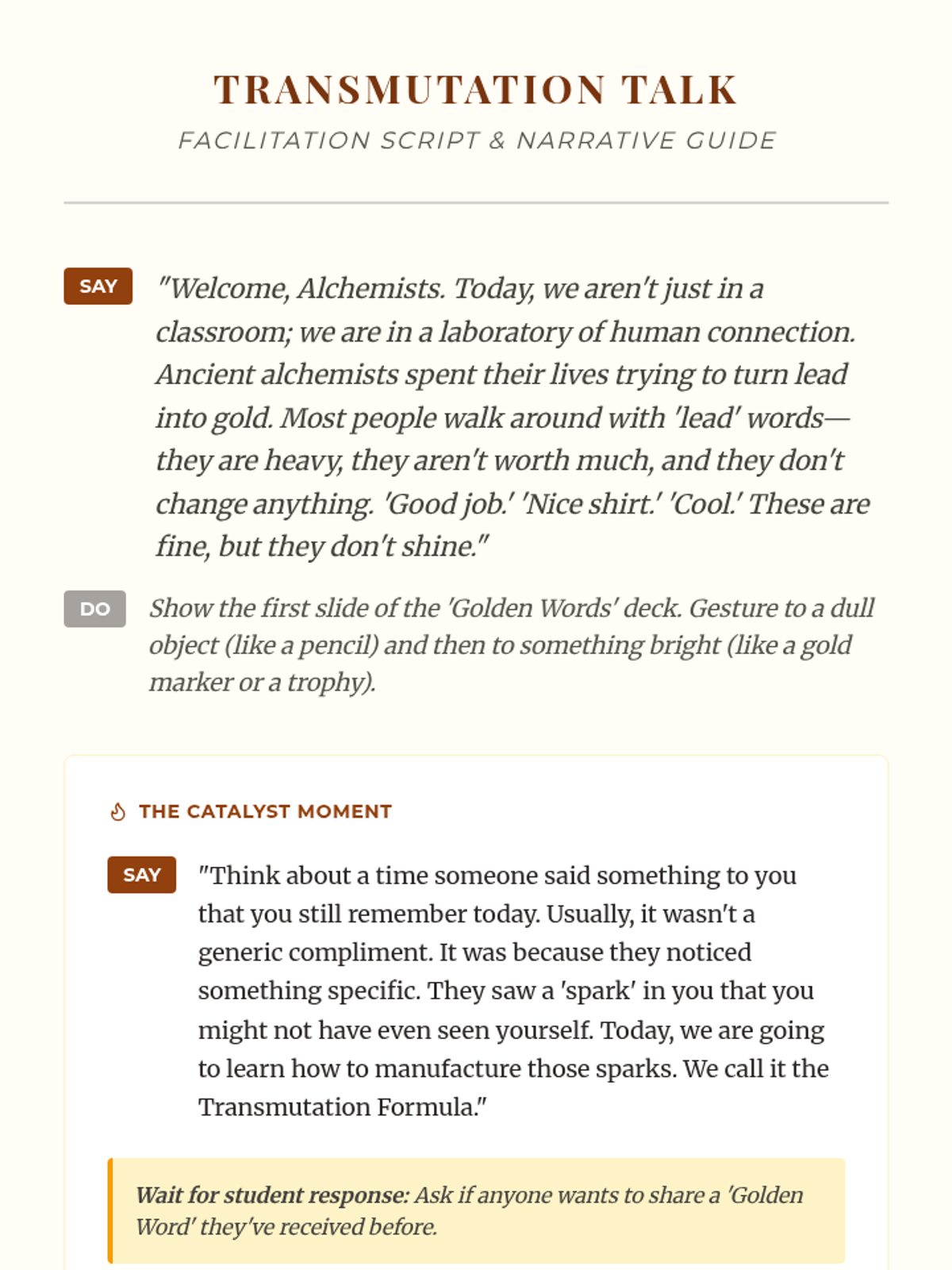
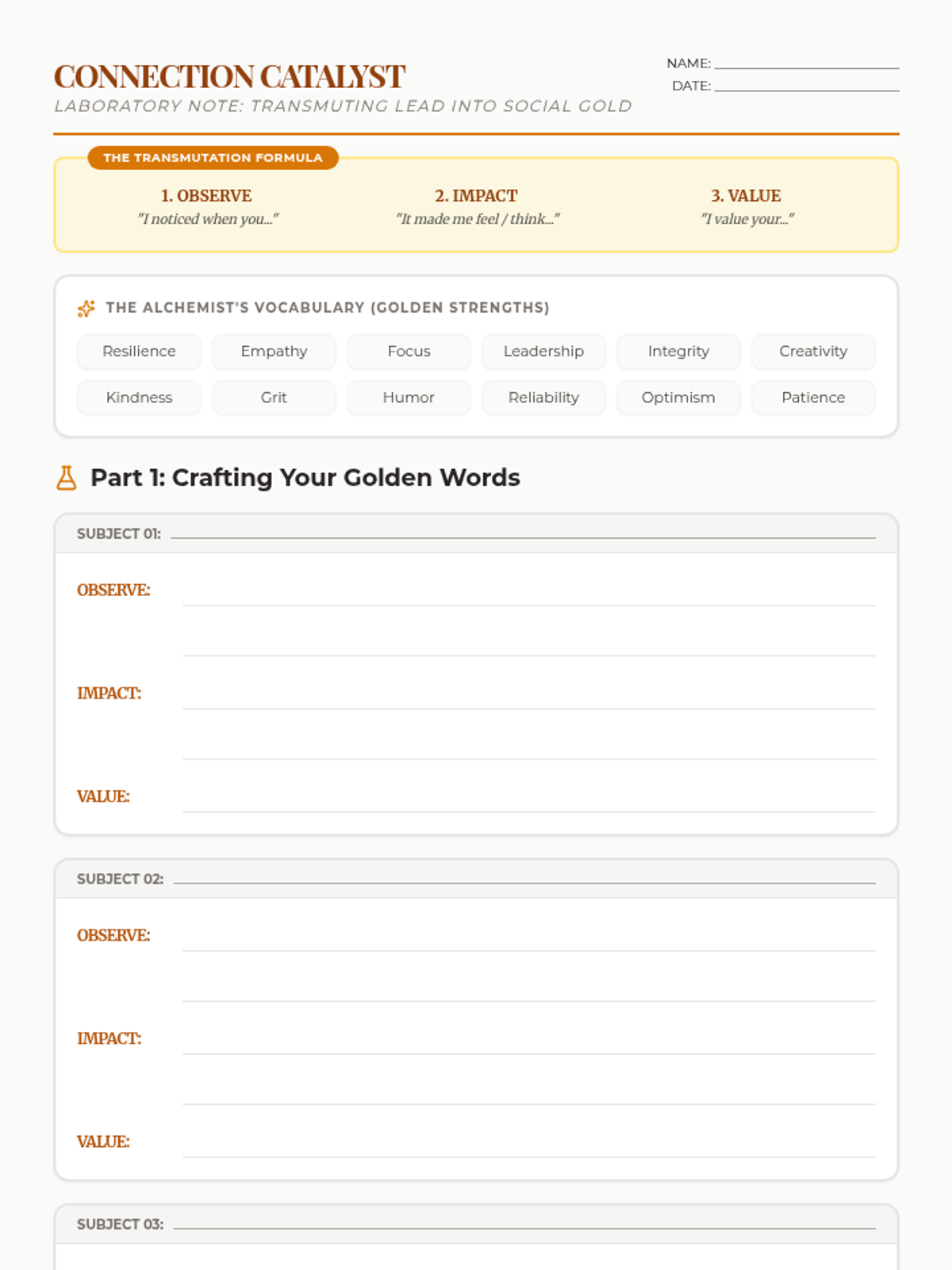
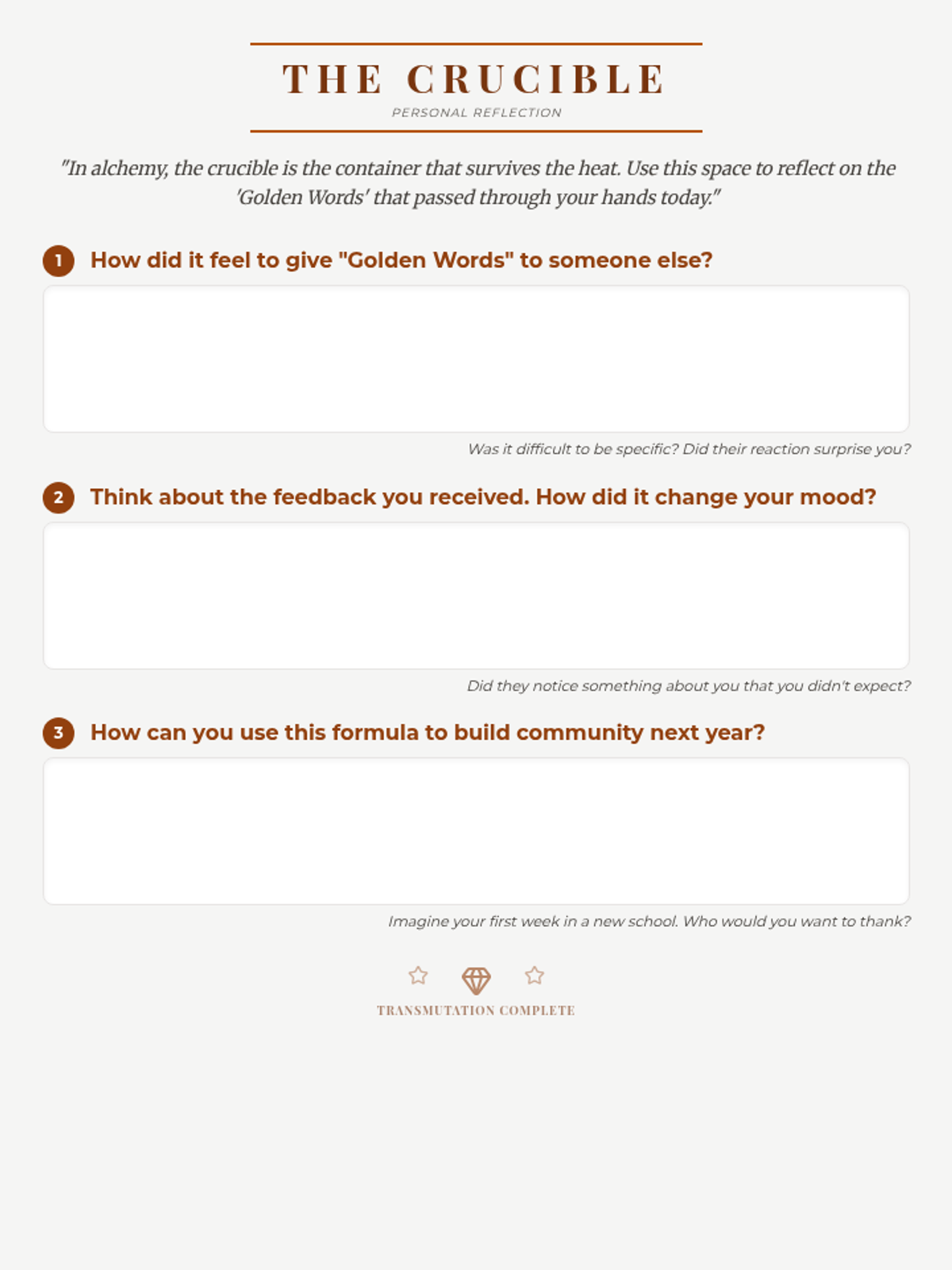
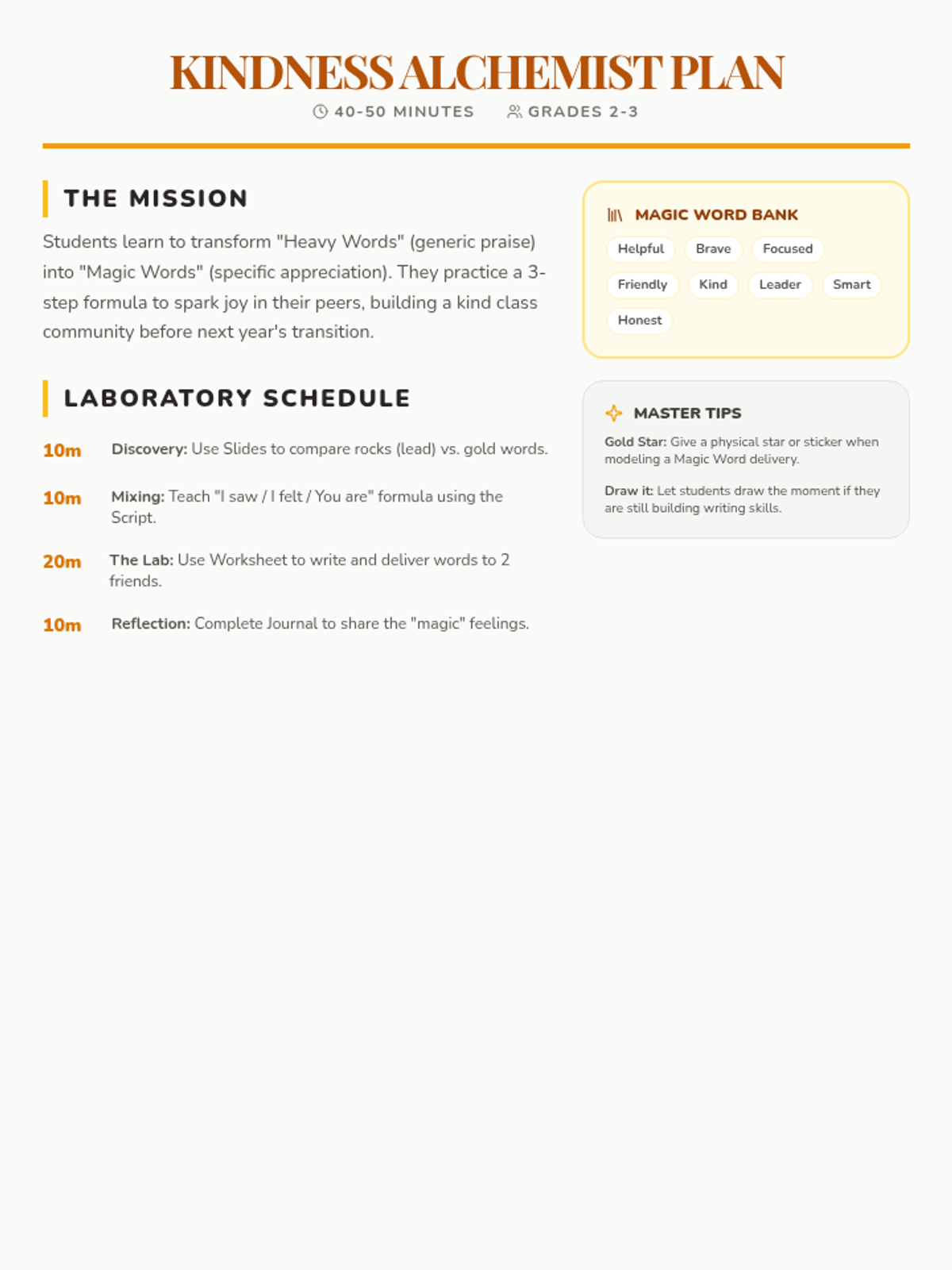
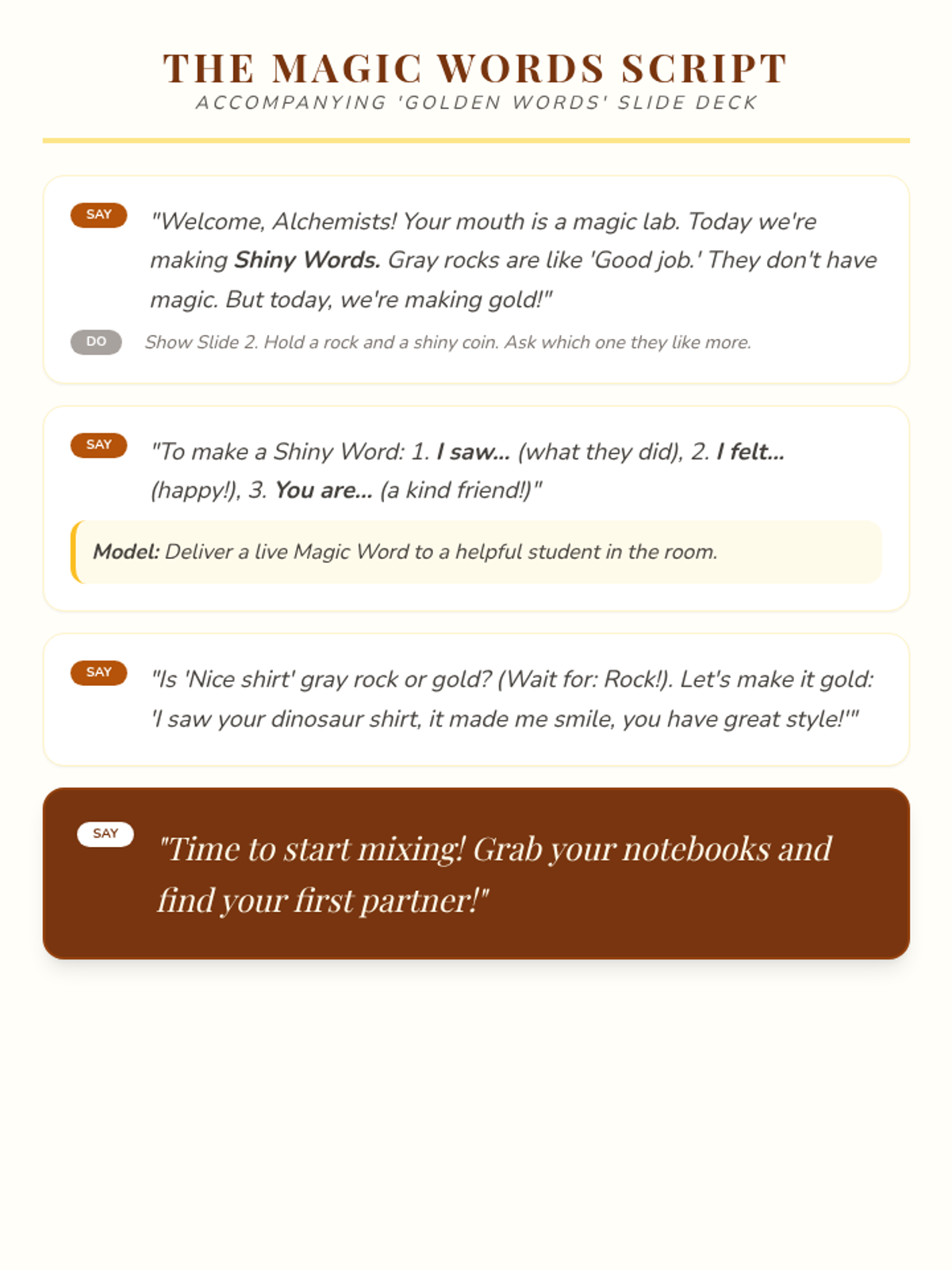
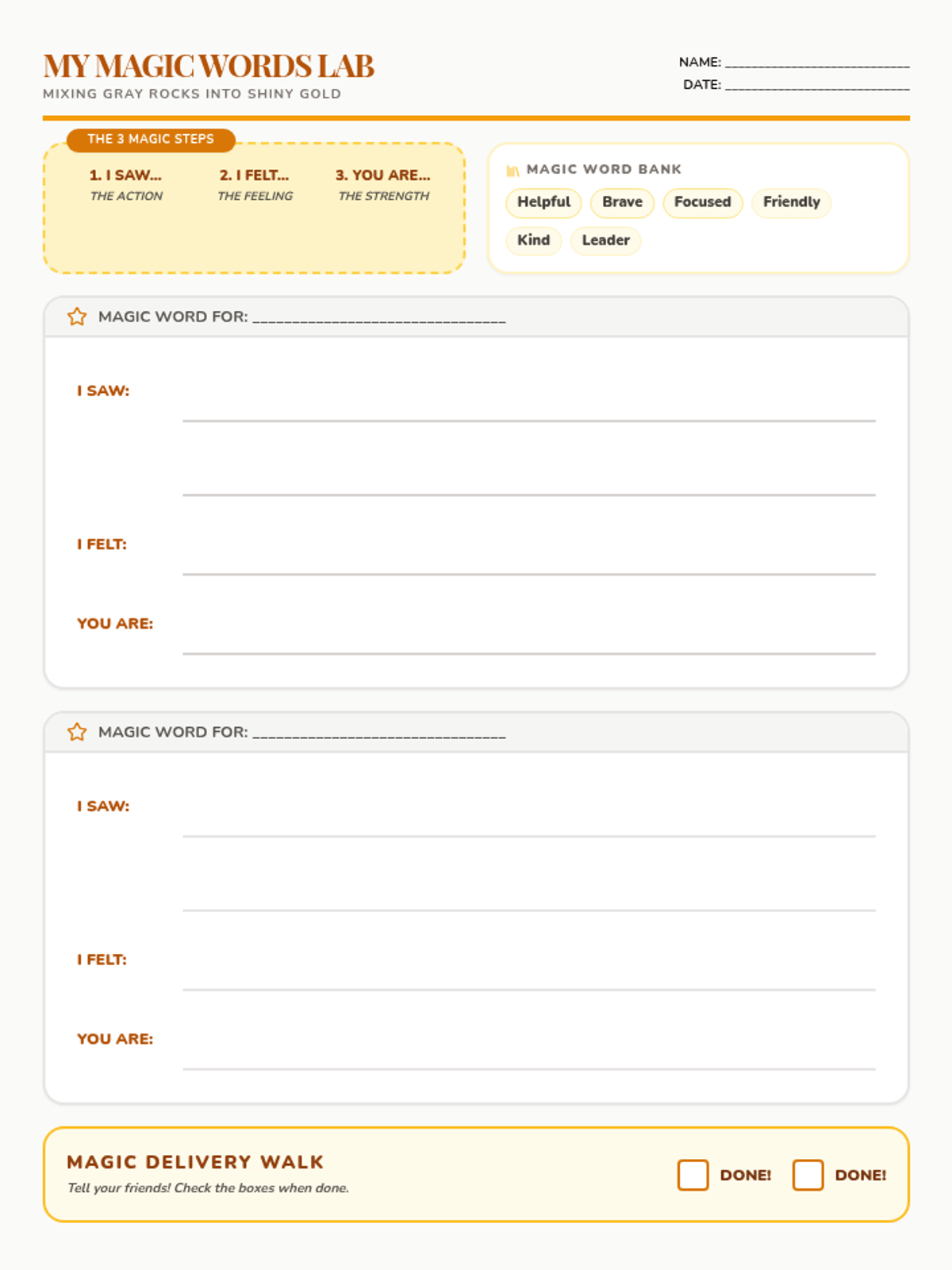
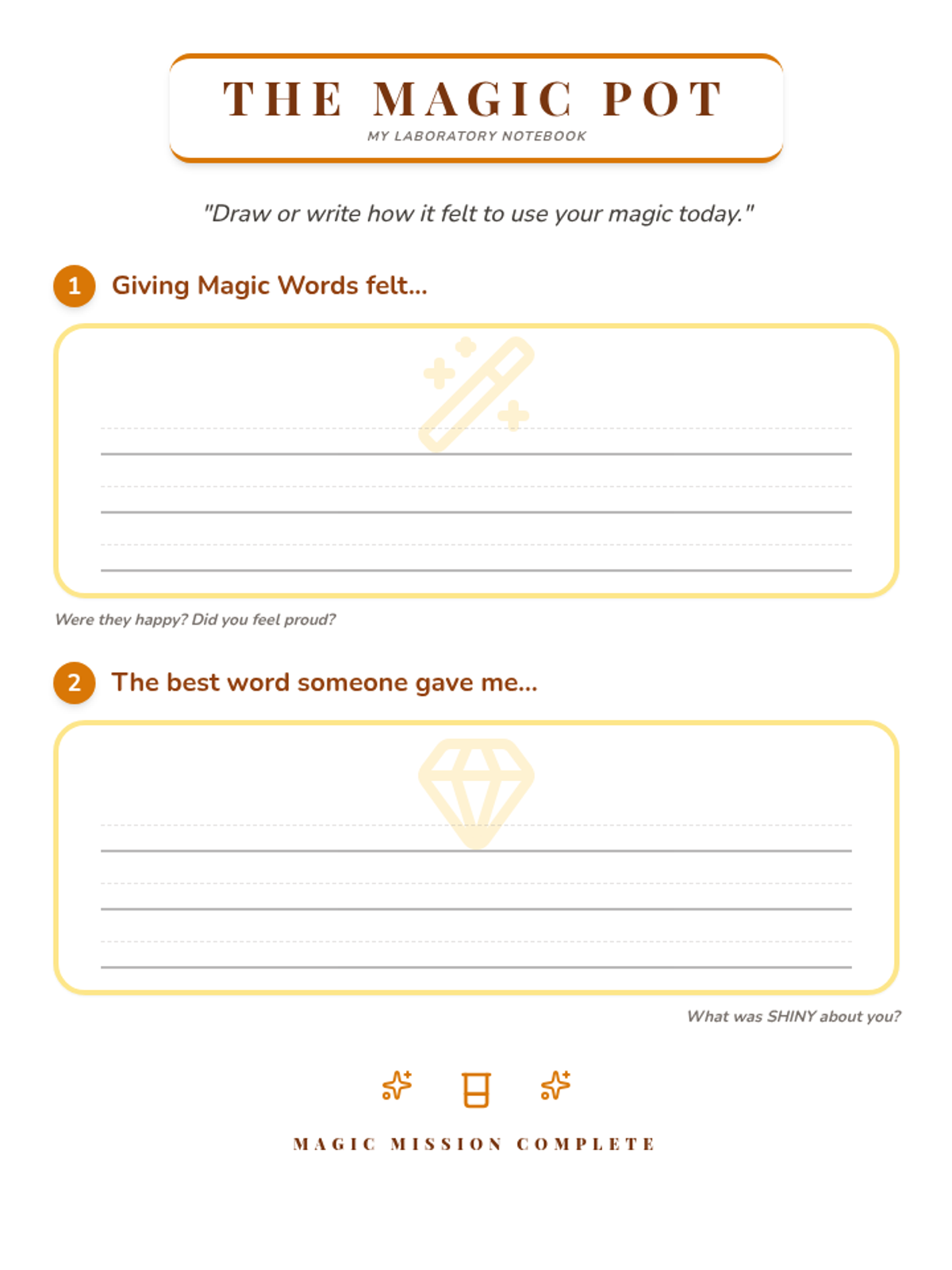
2nd and 3rd grade students become 'Kindness Alchemists' to learn how specific, heartfelt compliments can transform their classroom into a magical community of friends.
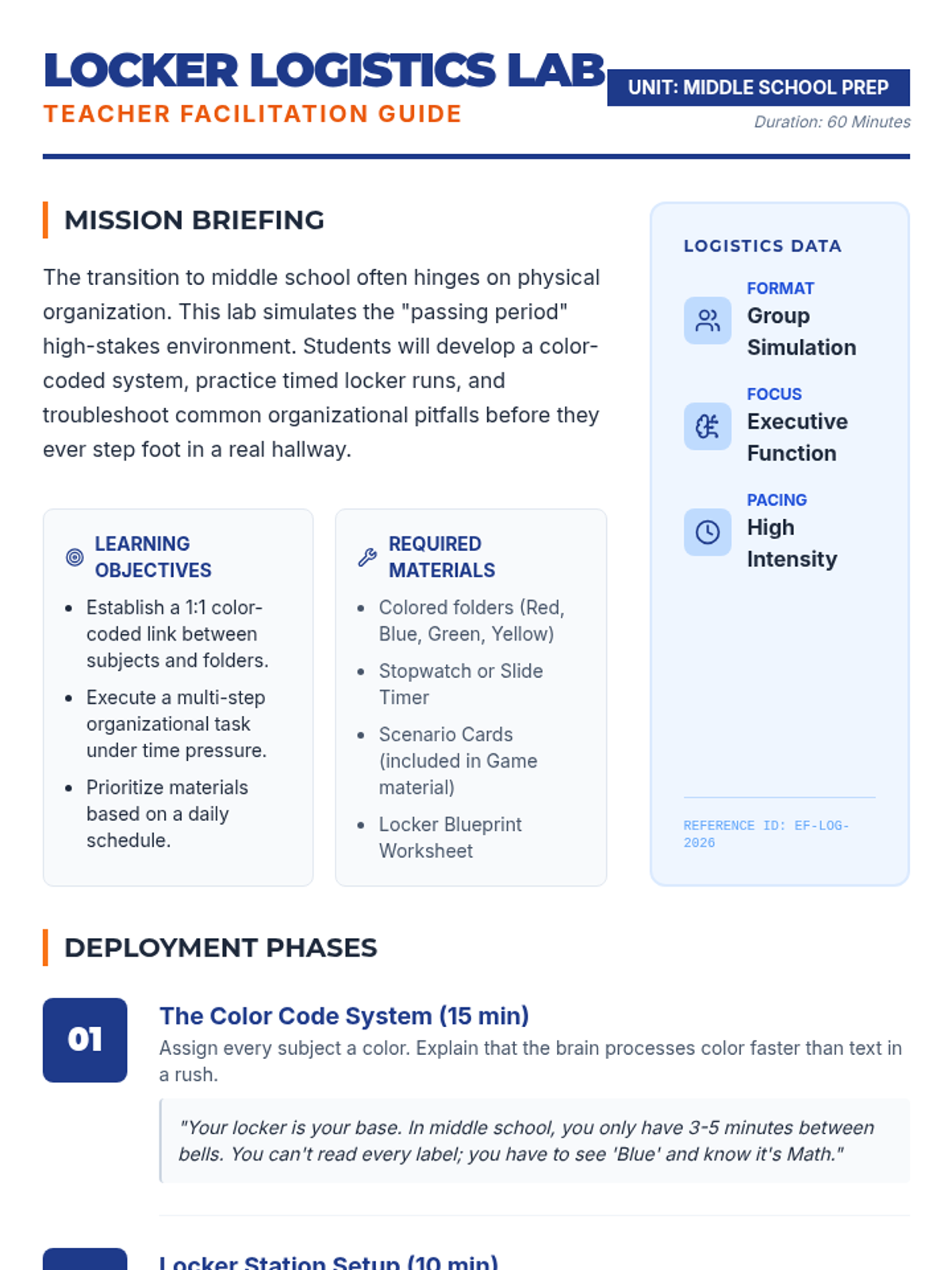
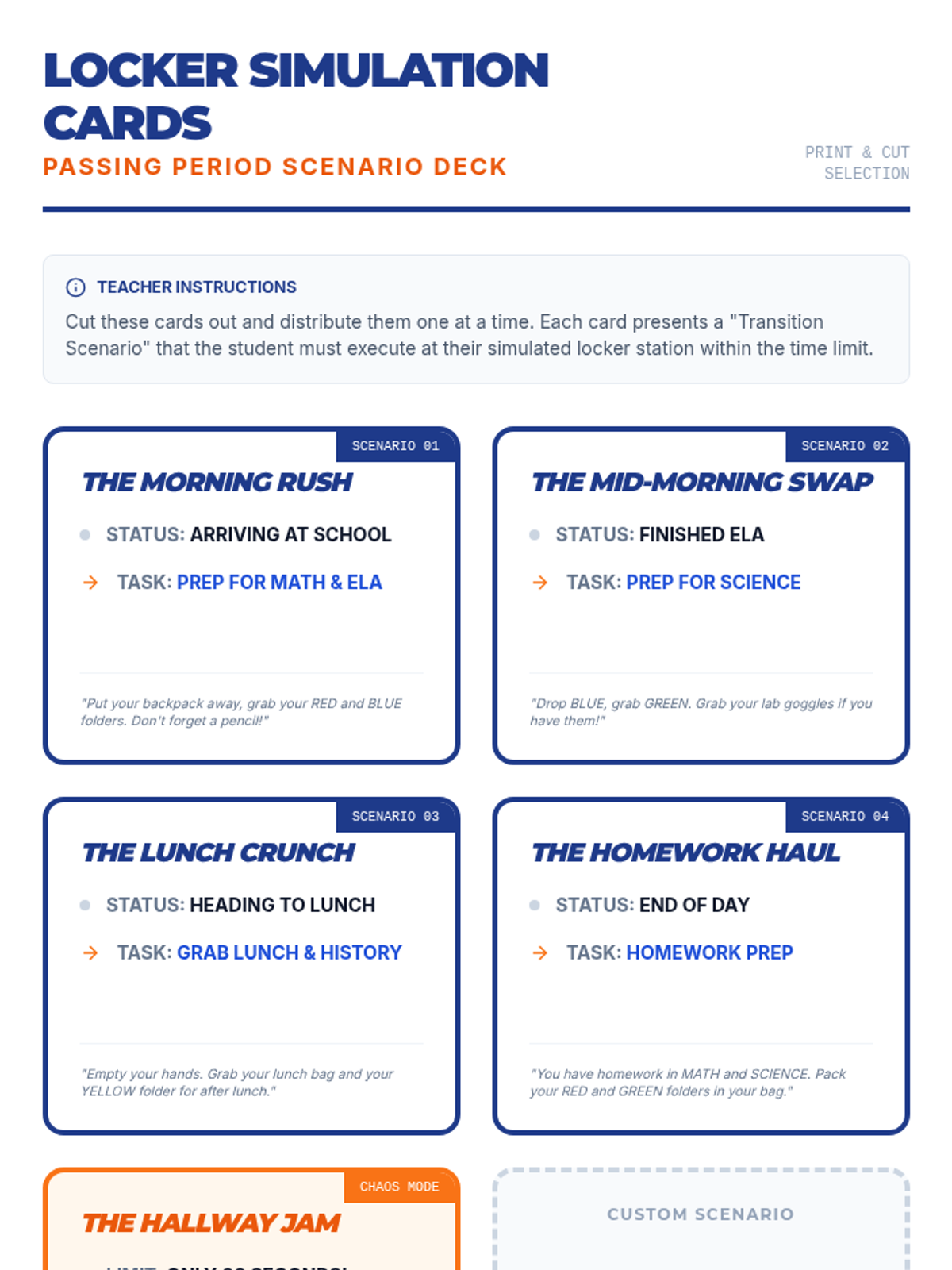
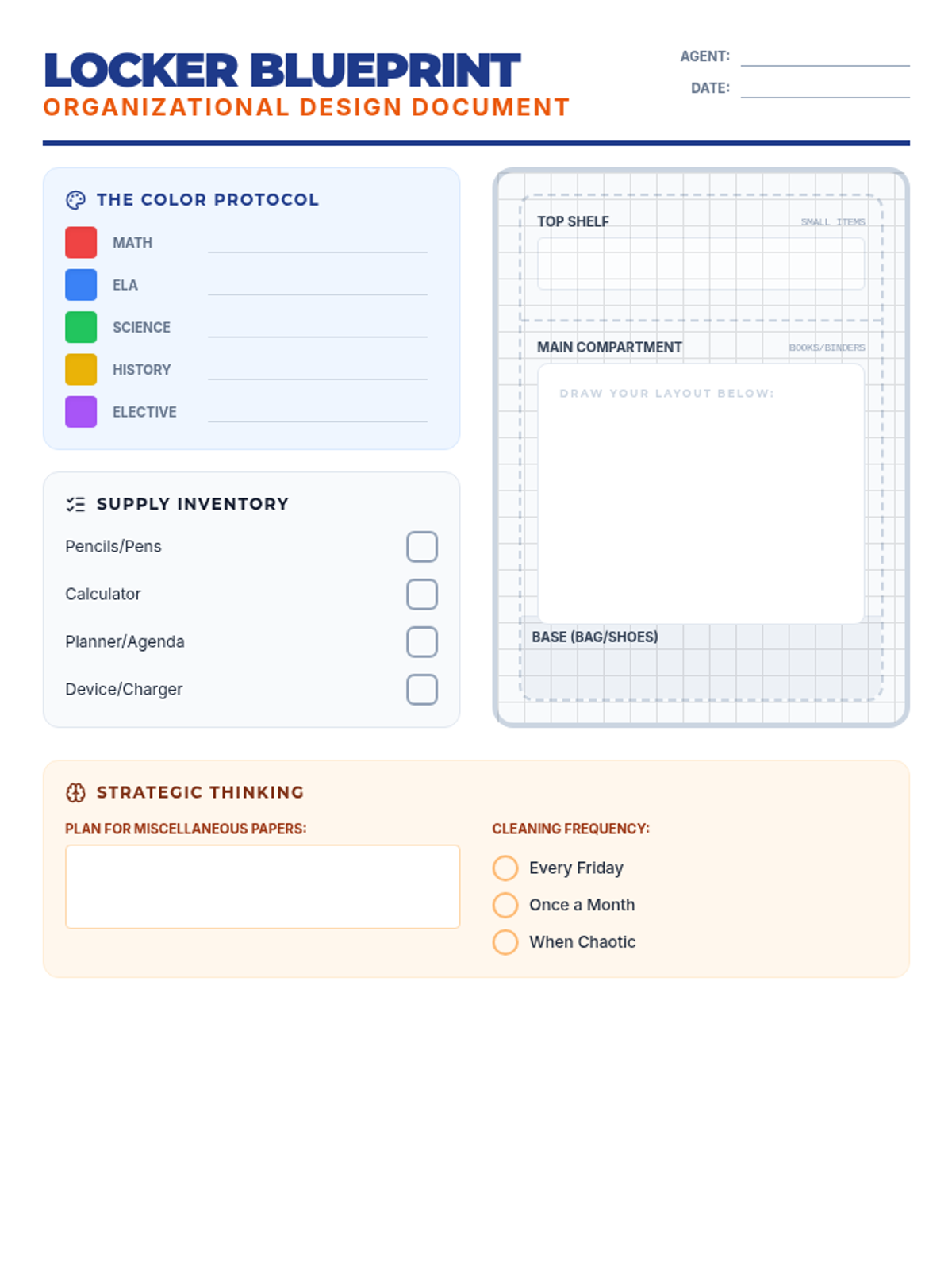
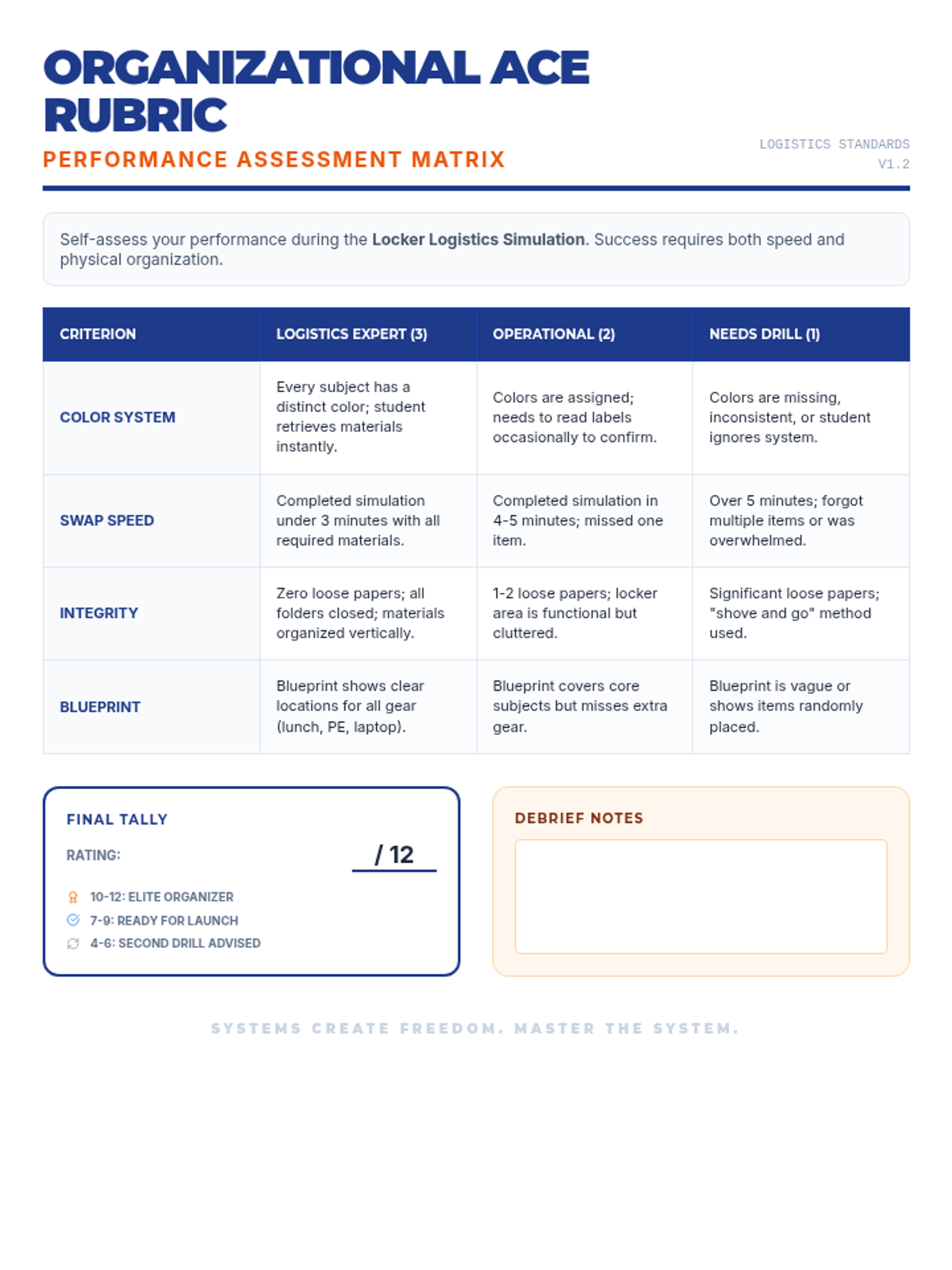
A hands-on executive functioning simulation where students master the organizational demands of middle school, including locker management and color-coded binder systems.
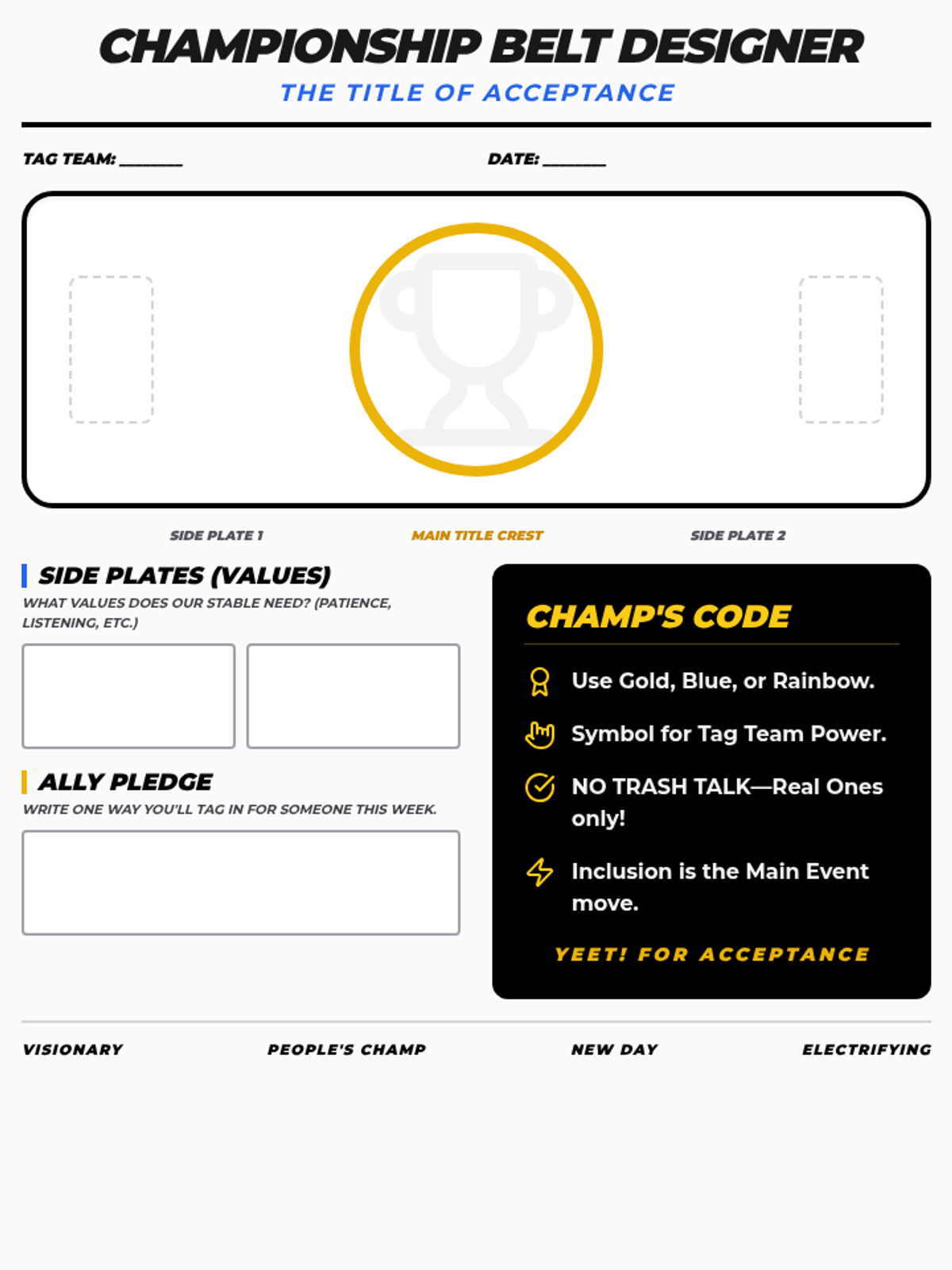
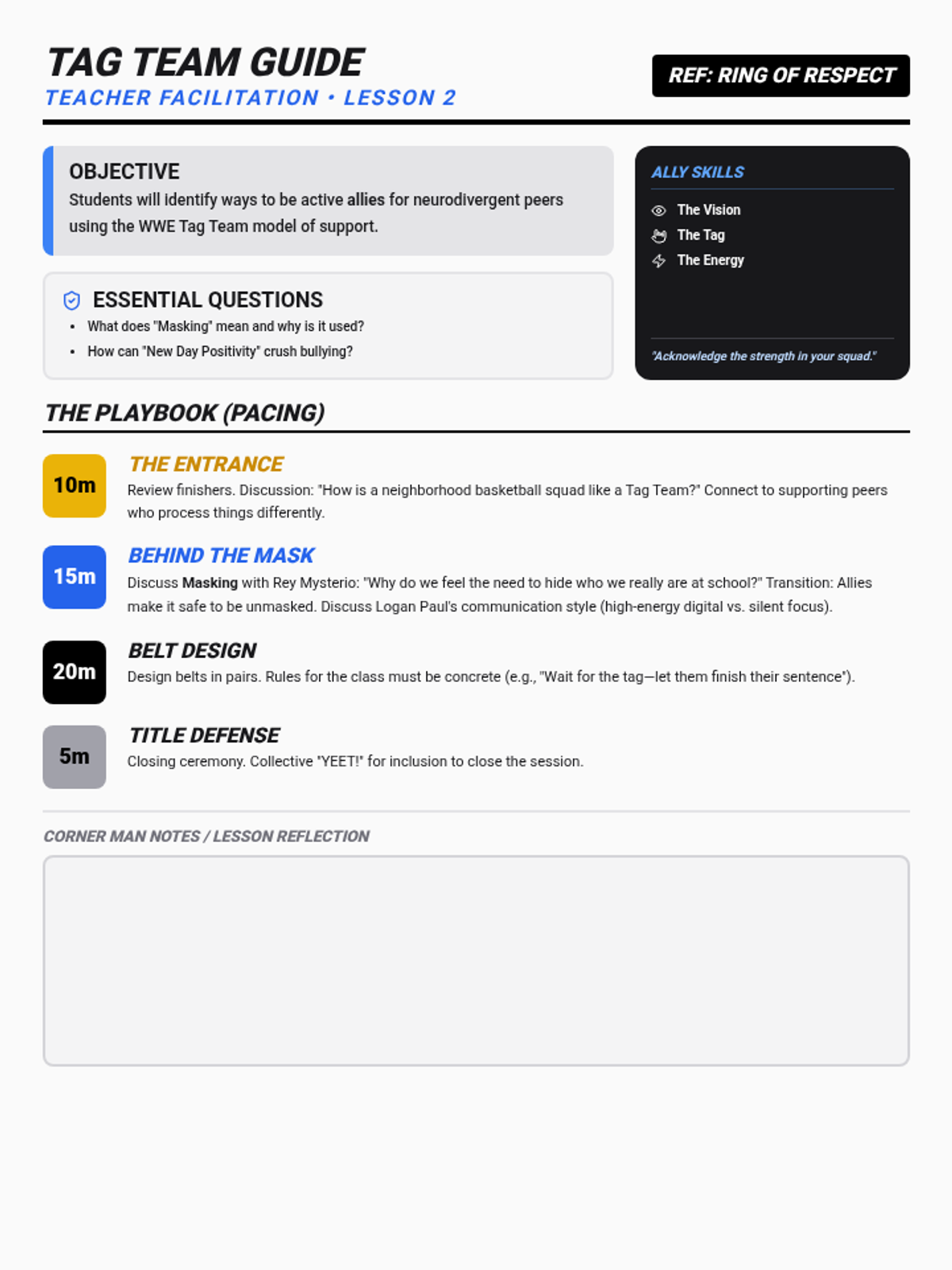
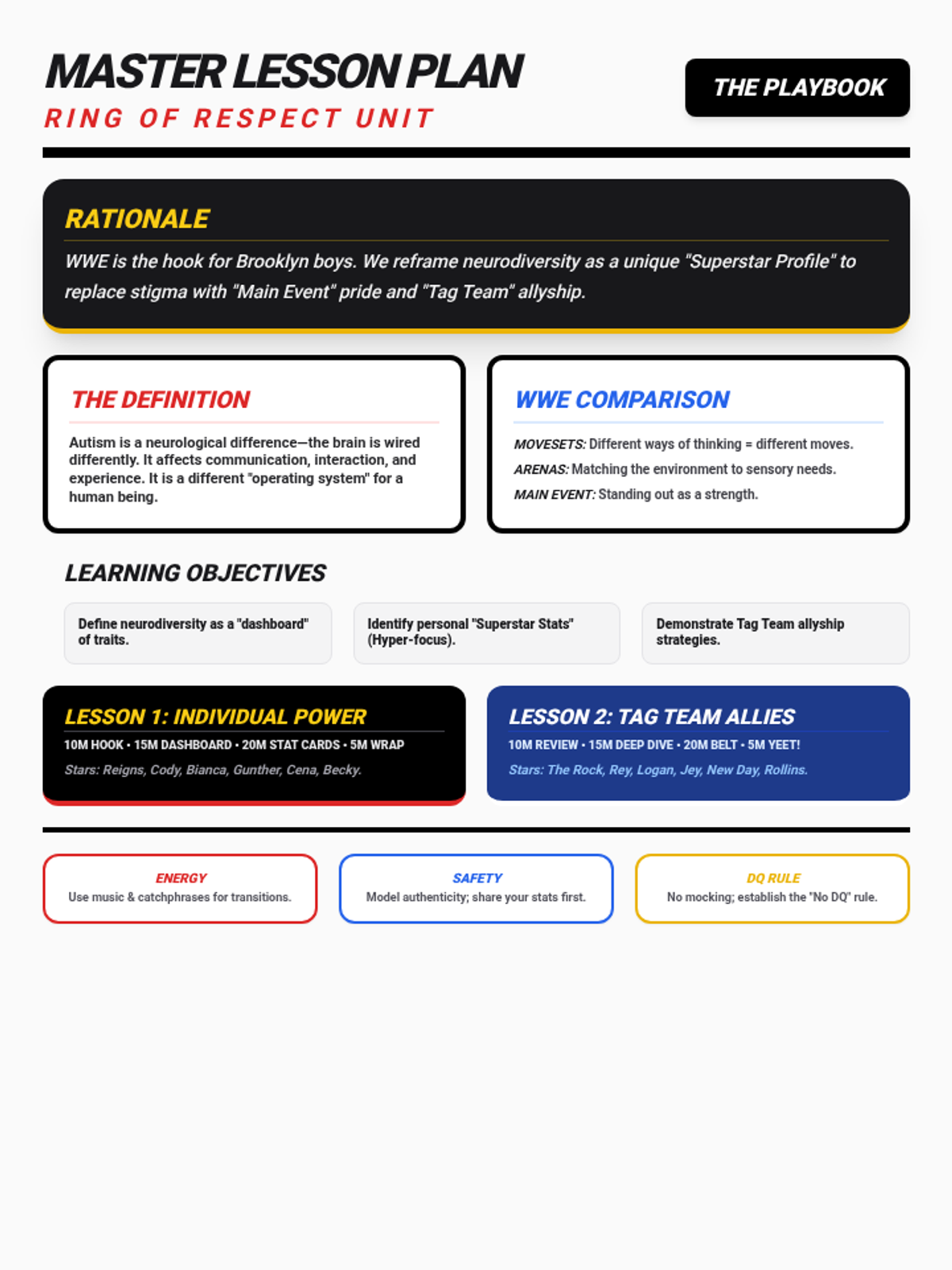
Focuses on communication, empathy, and advocacy using tag team dynamics from The Rock, Seth Rollins, and The New Day to build a culture of acceptance and 'Championship' level respect.
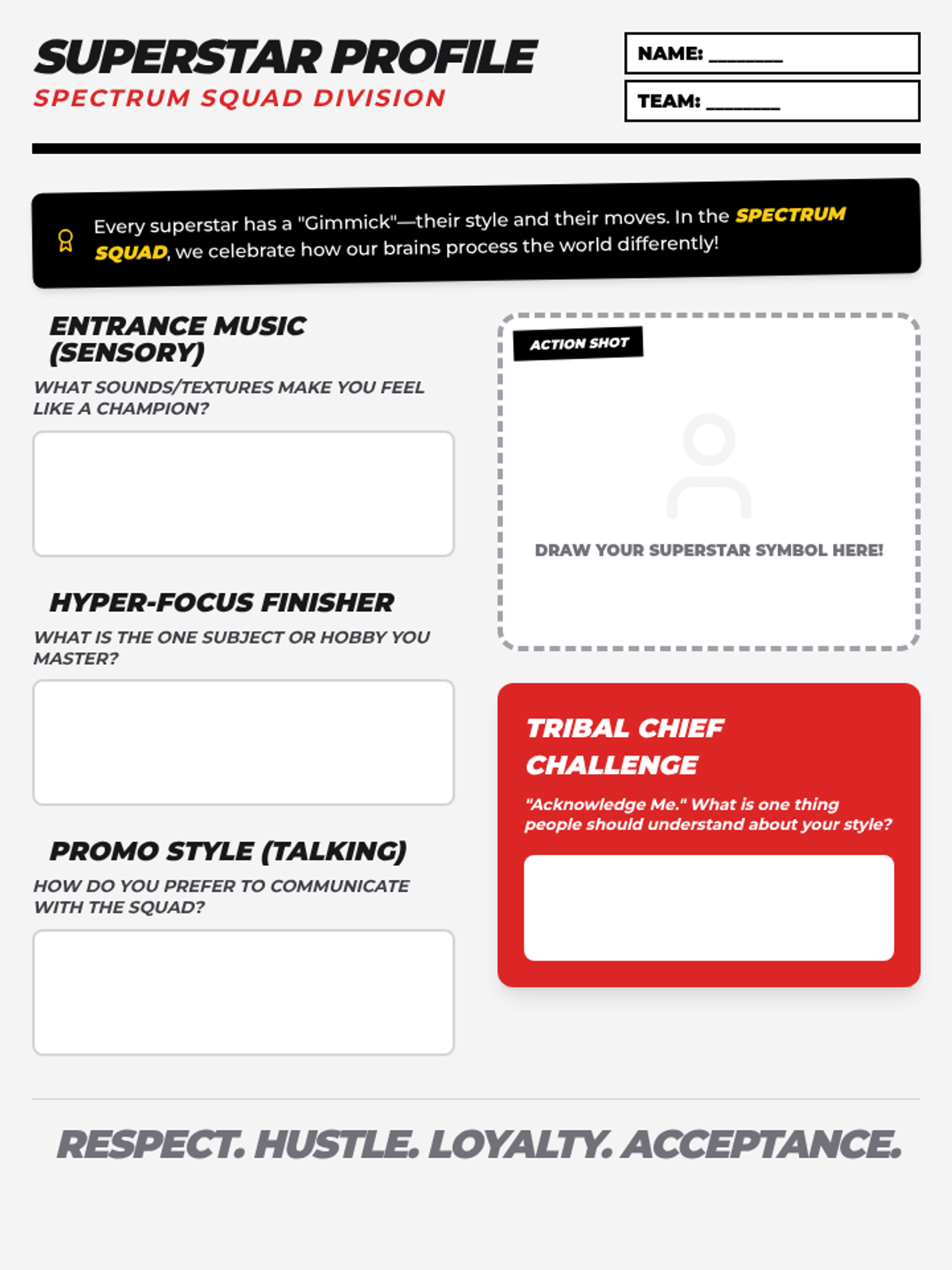
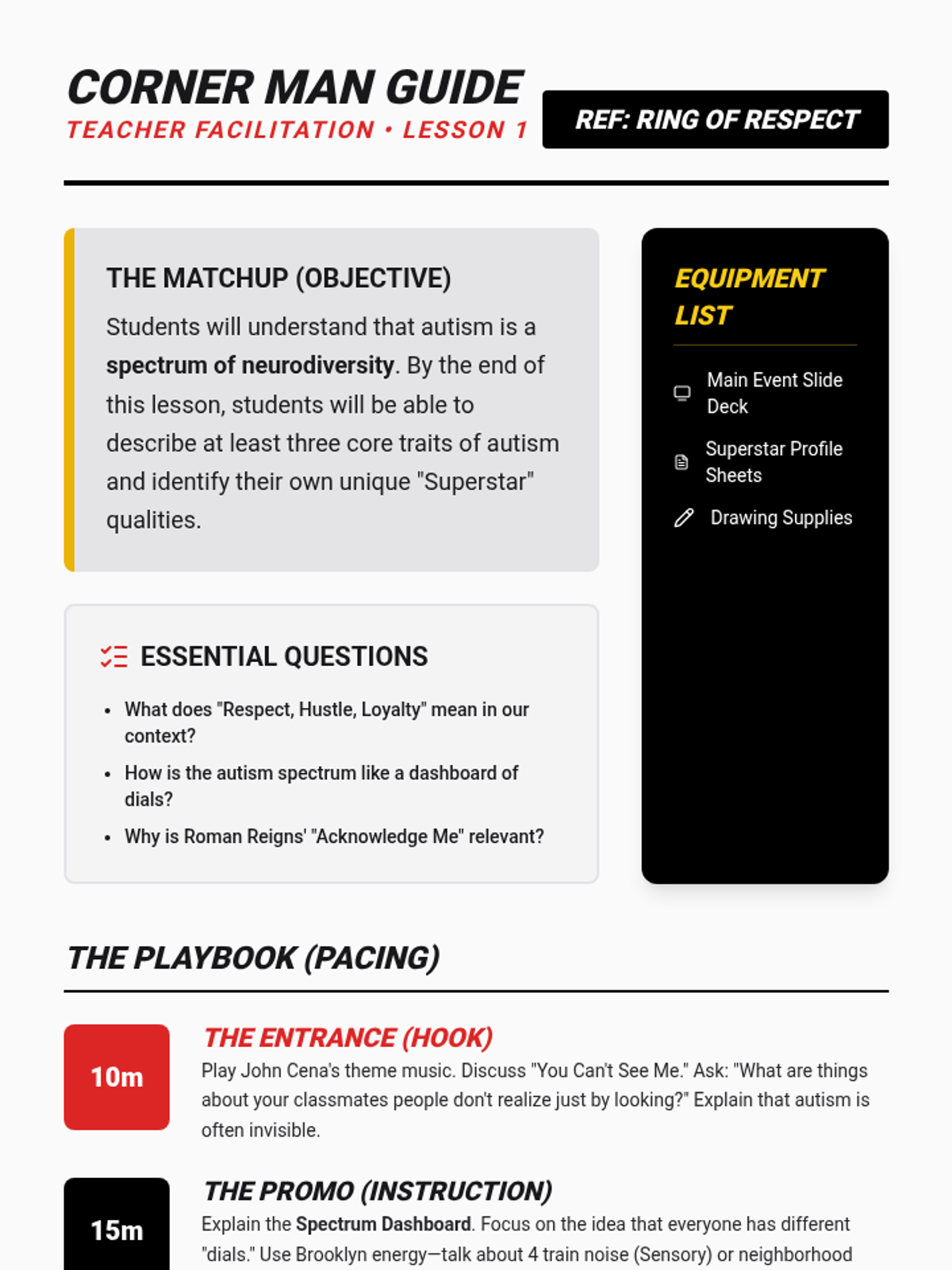
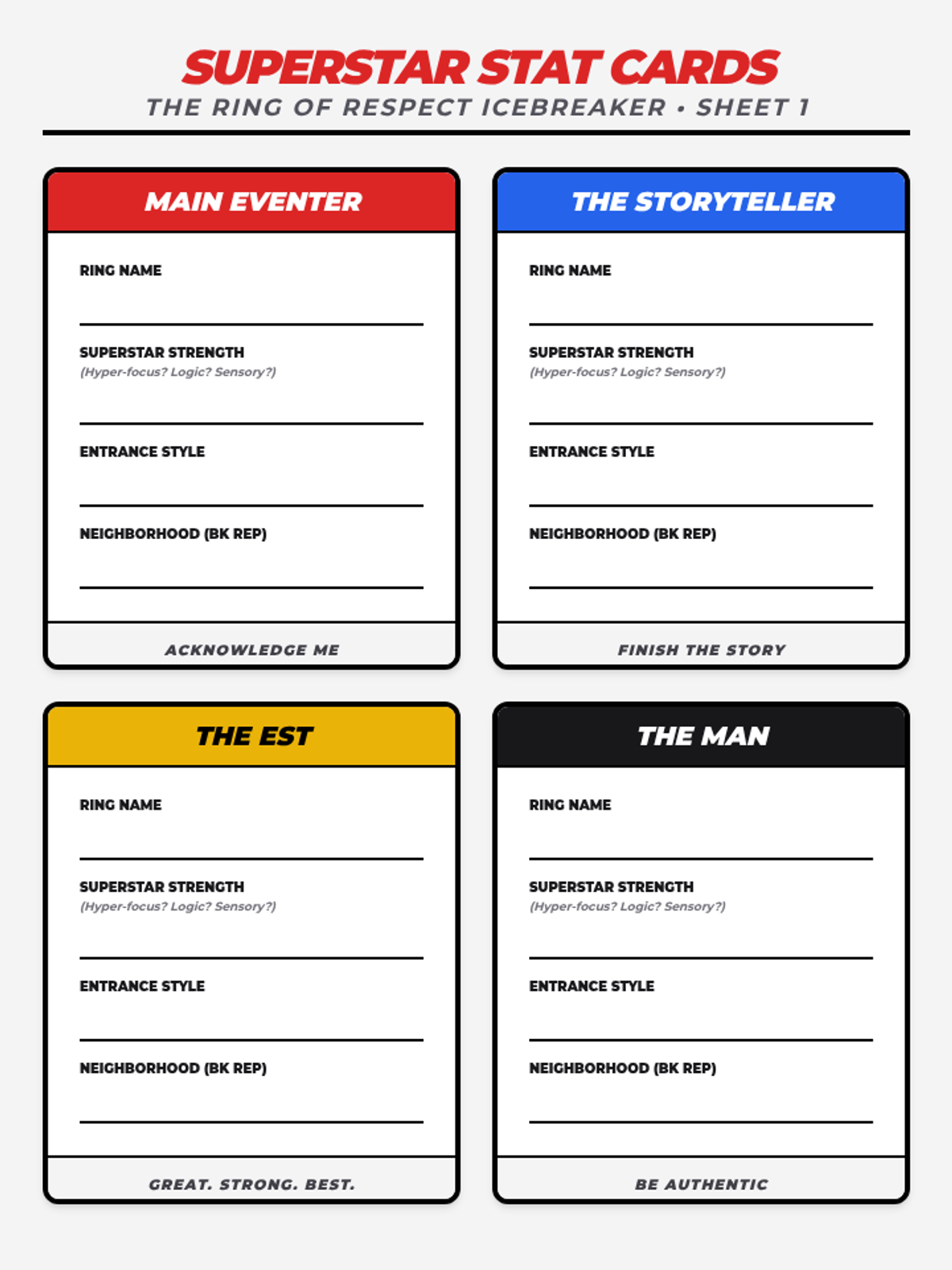
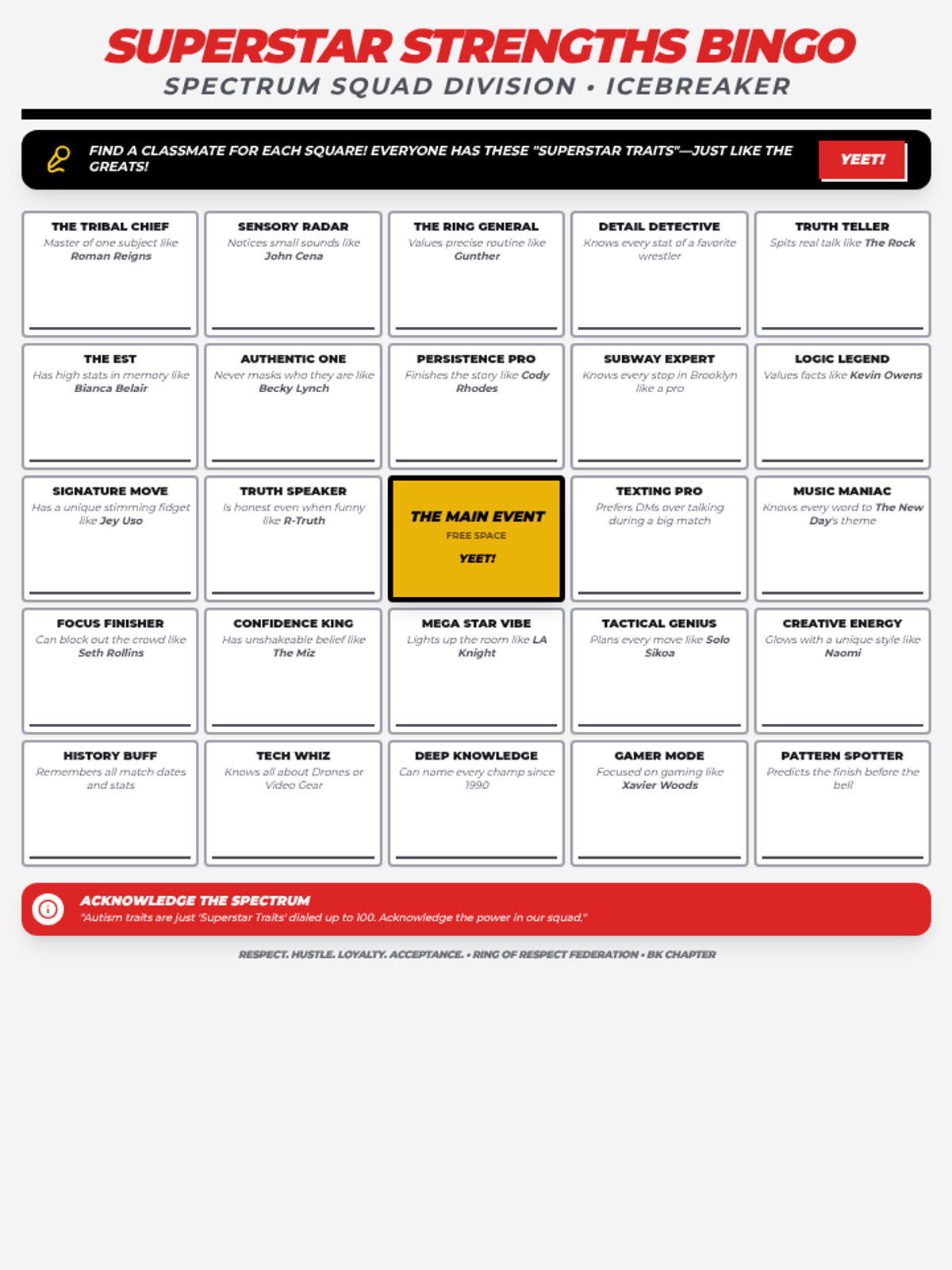
Focuses on understanding the autism spectrum through the lens of WWE superstars like John Cena and Roman Reigns, reframing neurodiversity as a unique 'superstar' profile rather than a deficit.
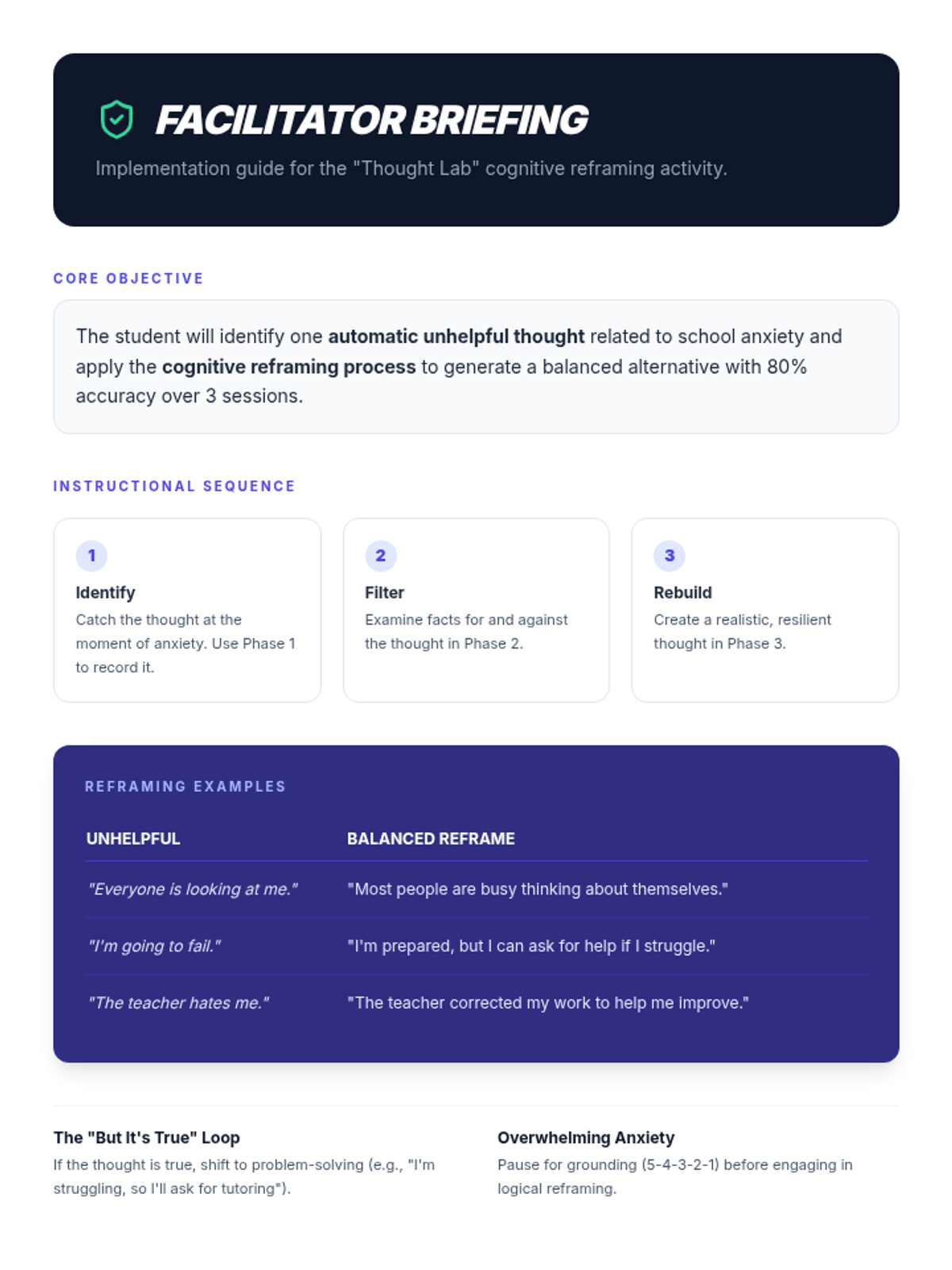
An IEP counseling lesson focused on cognitive reframing techniques to help students manage school-based anxiety by transforming unhelpful thoughts into balanced, helpful ones.