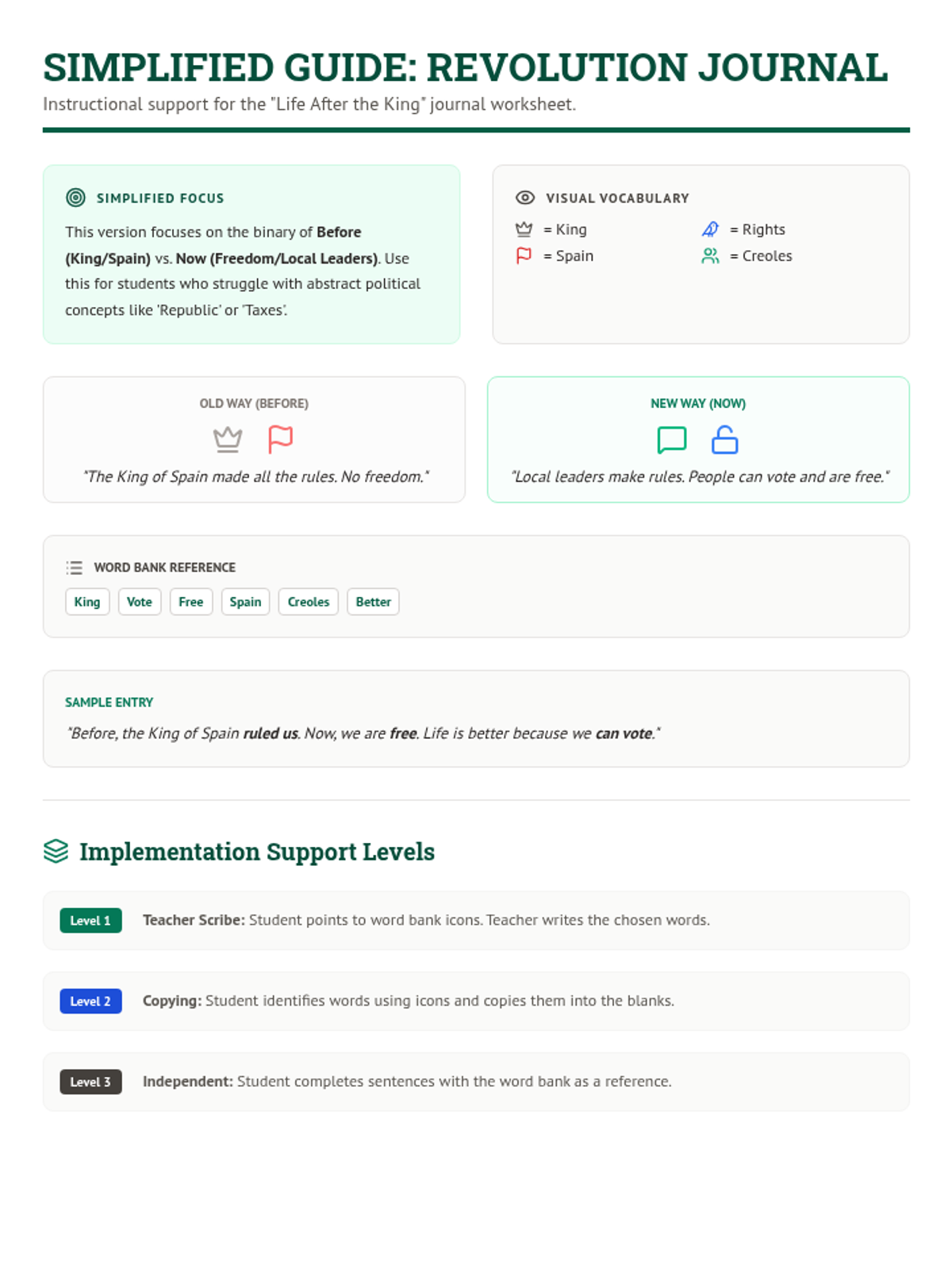
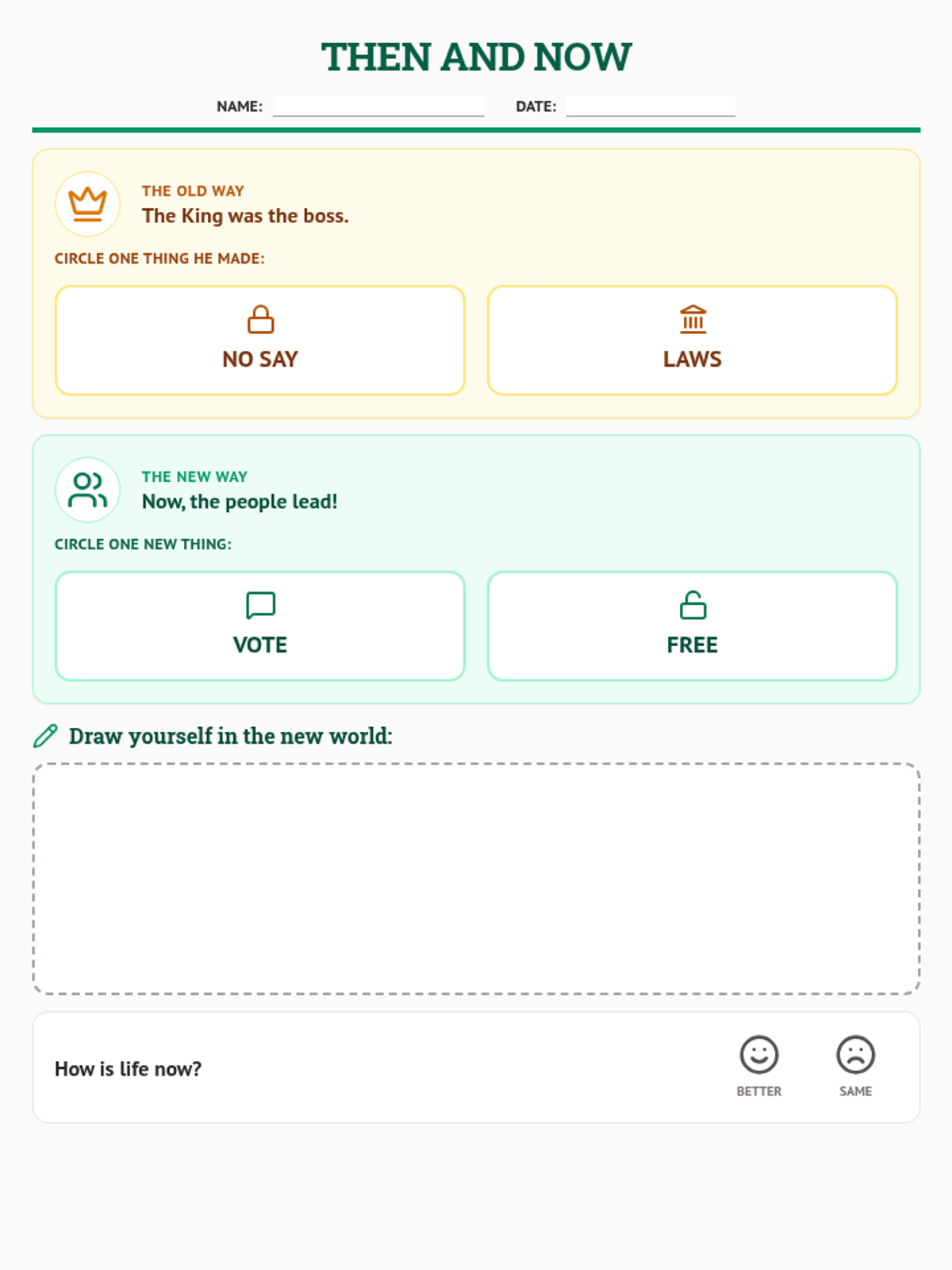
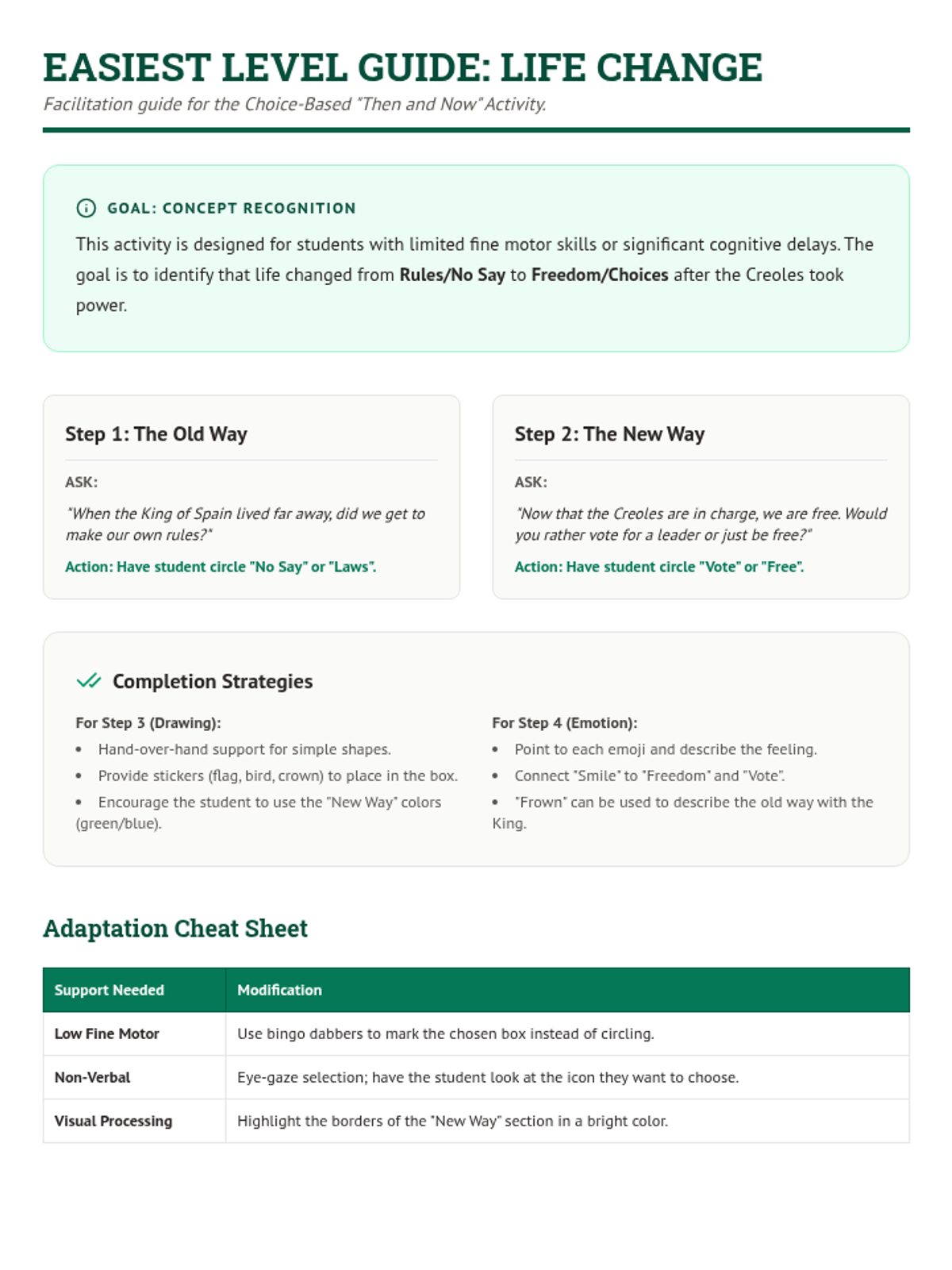
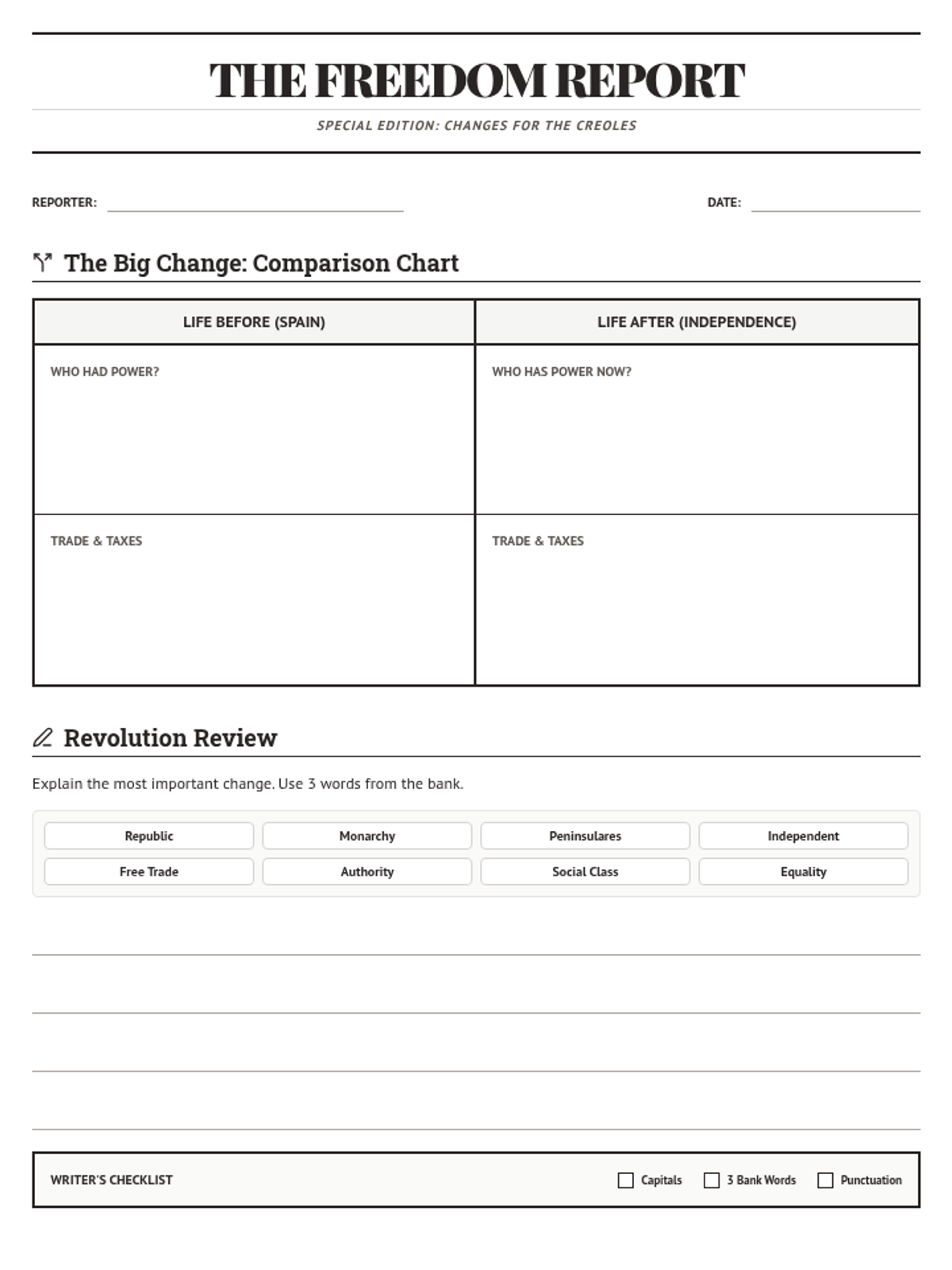
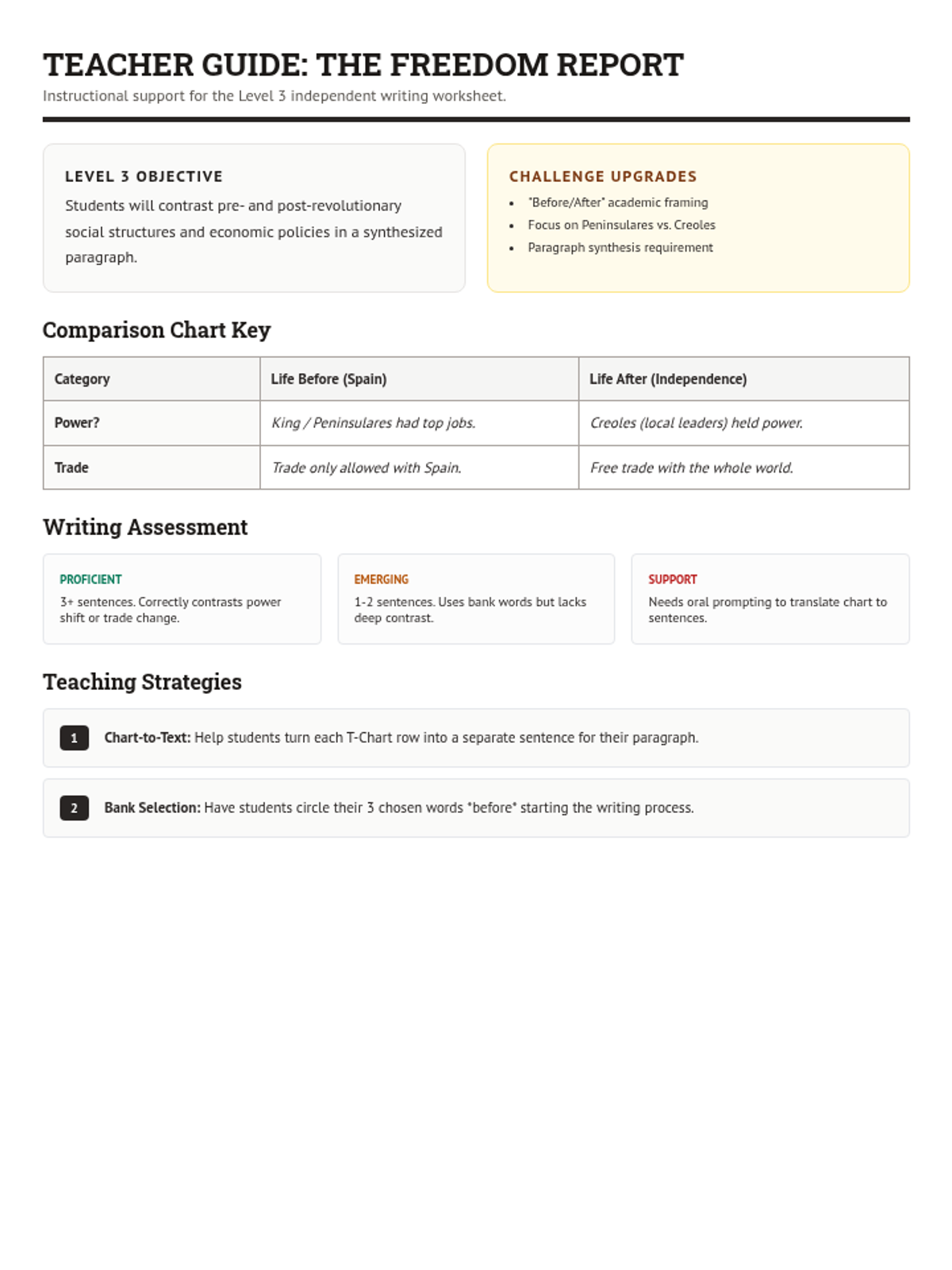
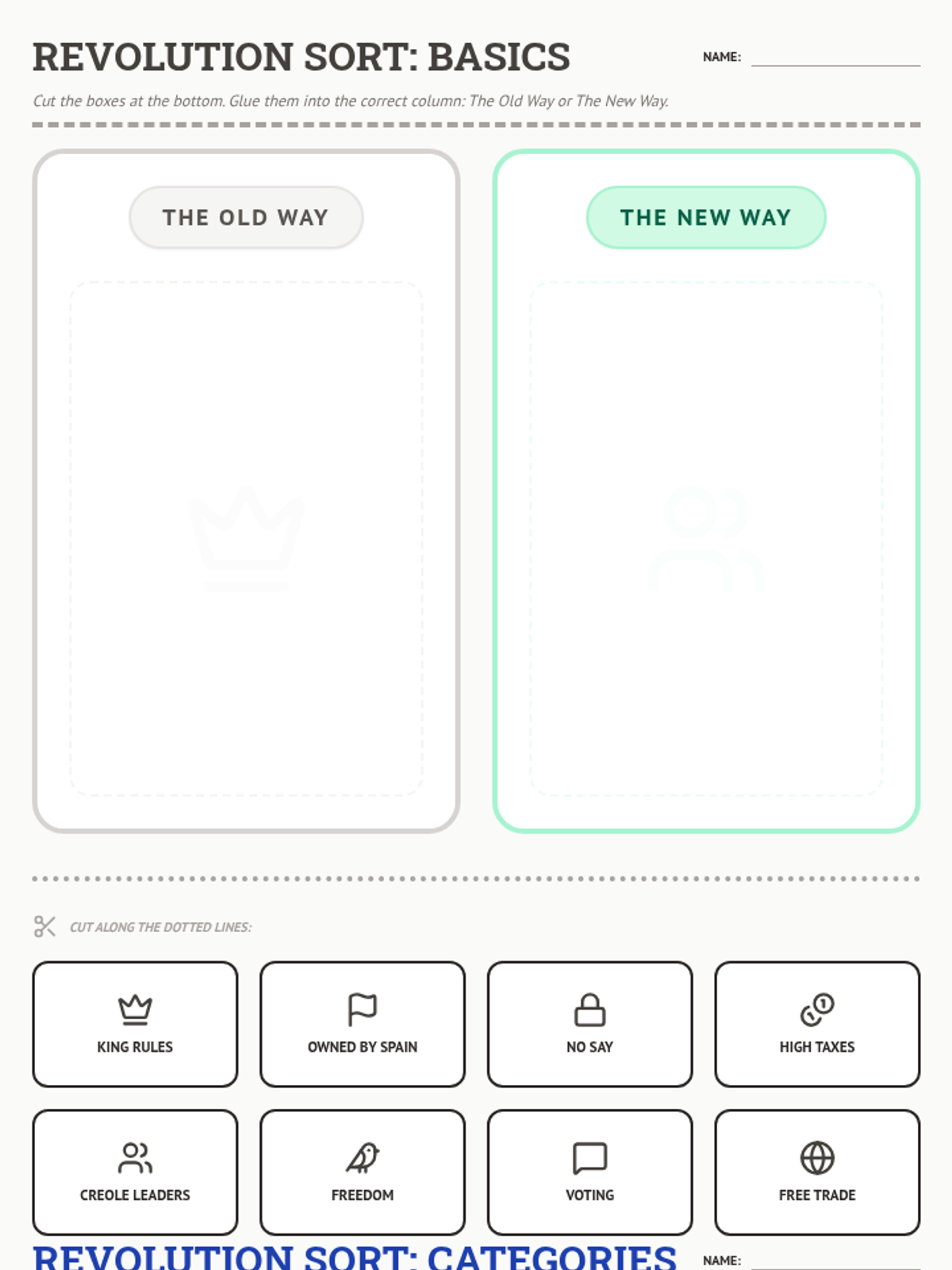
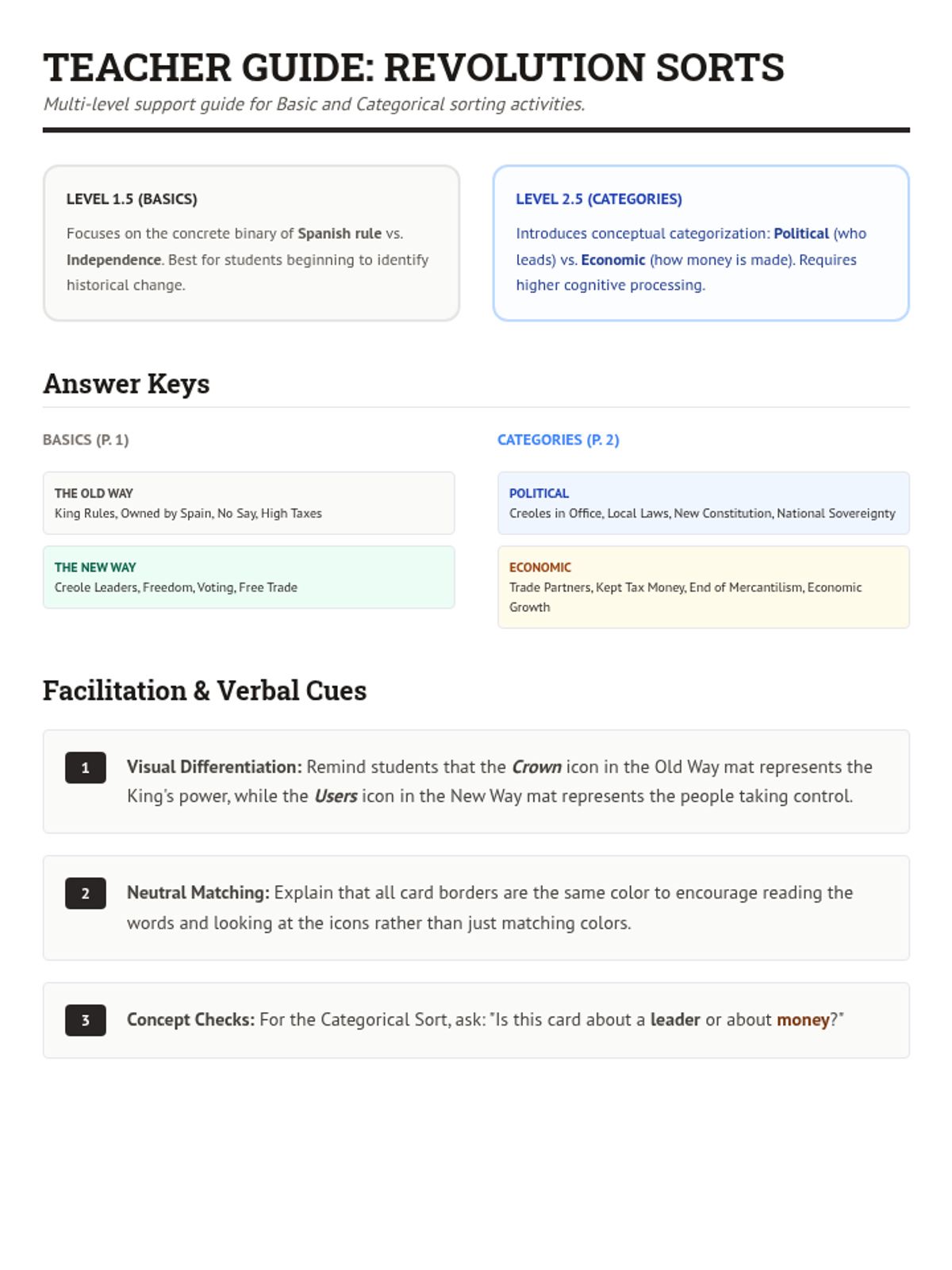
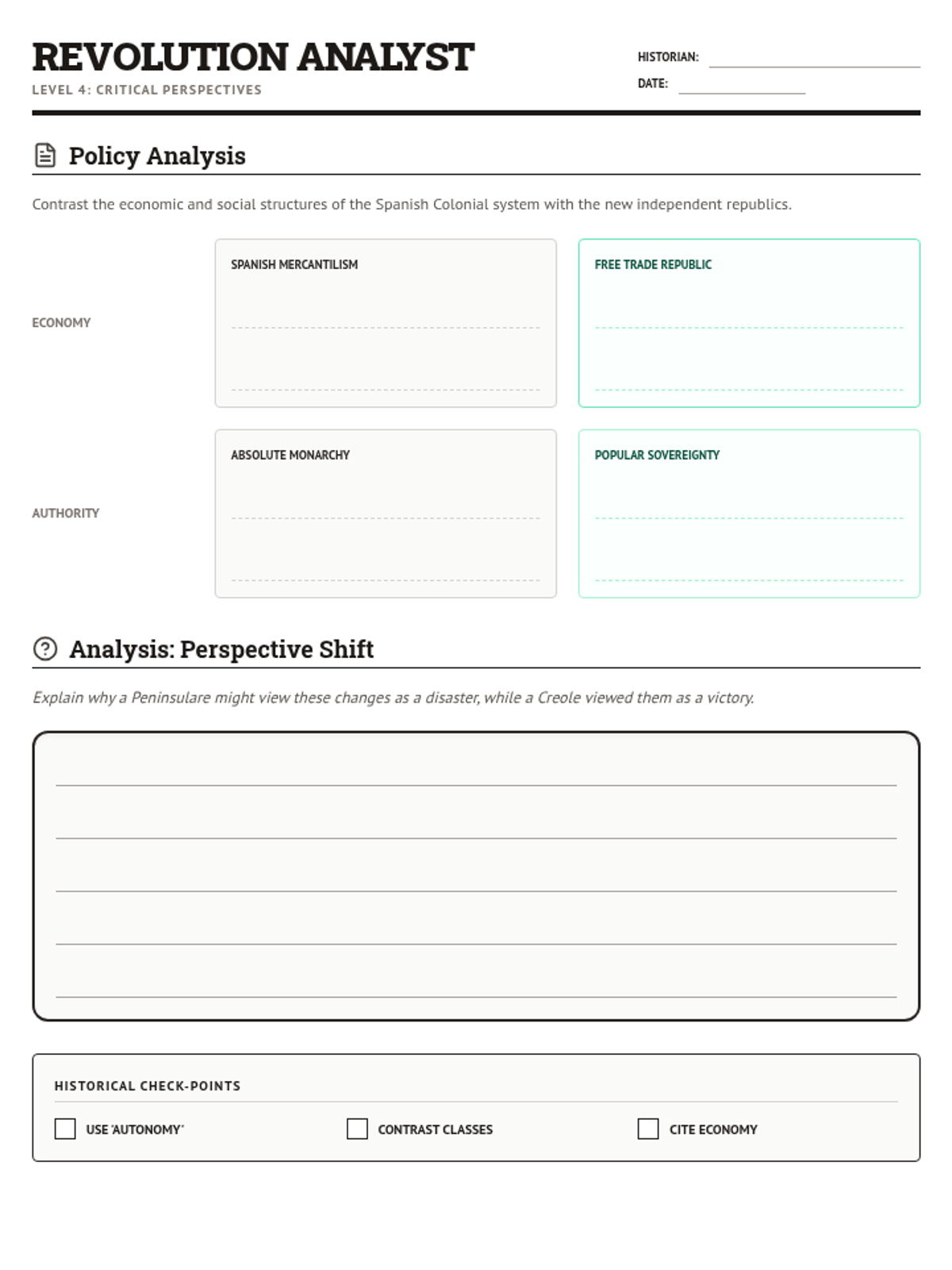
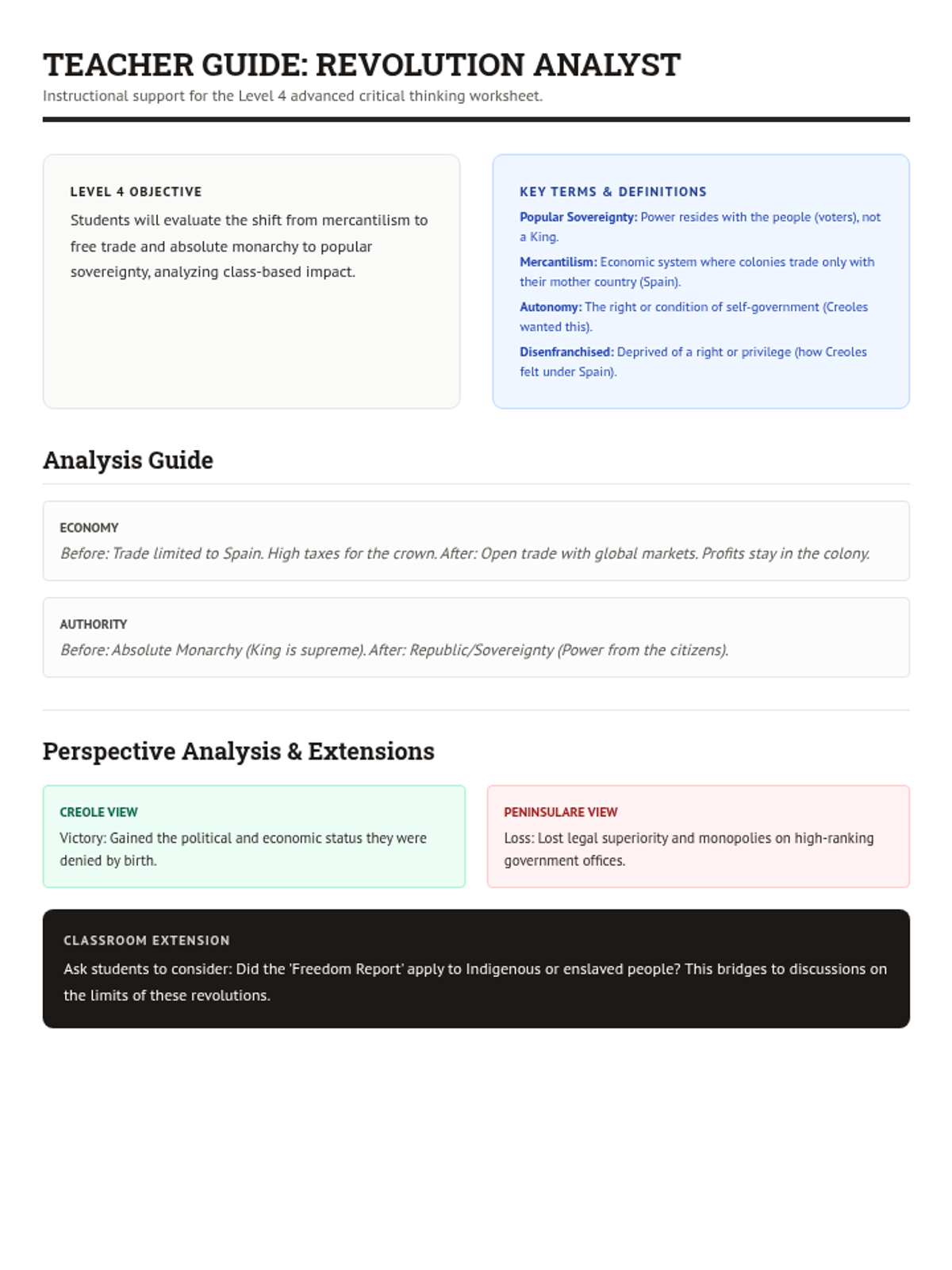
A lesson exploring the key moments of the Latin American Creole Revolutions, designed with heavy scaffolding for IEP students to express their understanding of revolutionary events through visual and written journals.
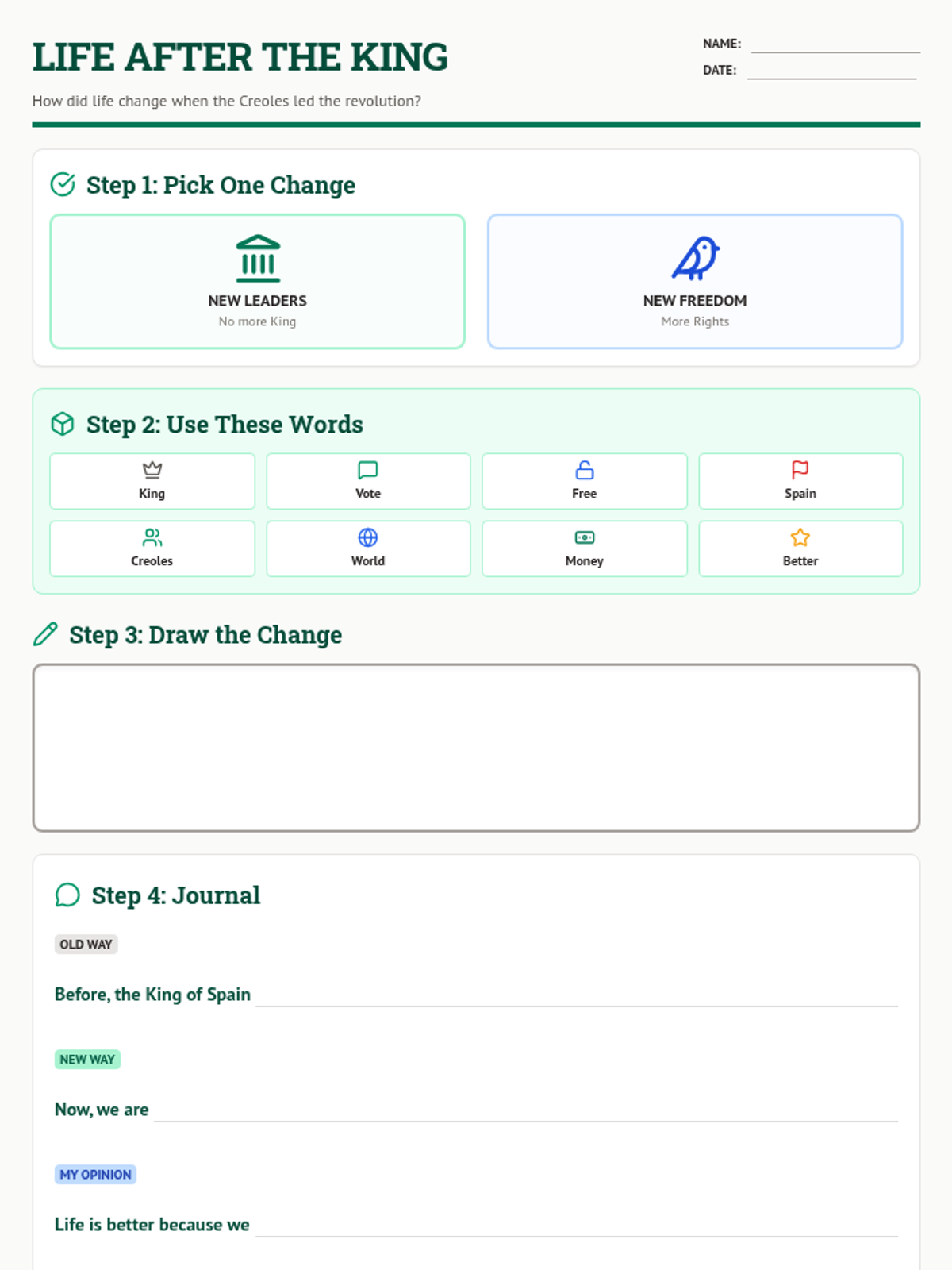
A lesson exploring the social and political changes following the Creole-led revolutions in Latin America, specifically designed for students requiring IEP accommodations.
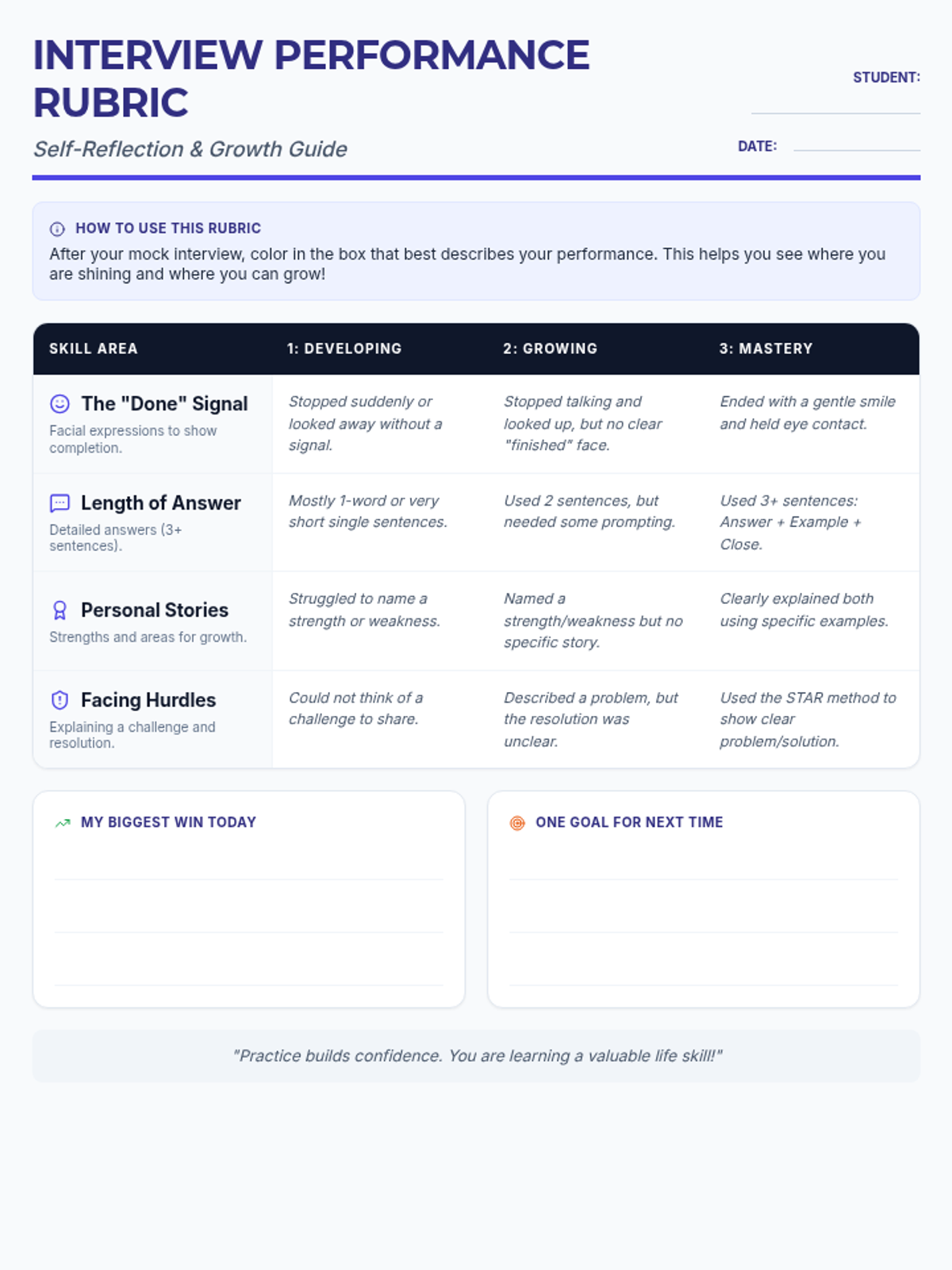
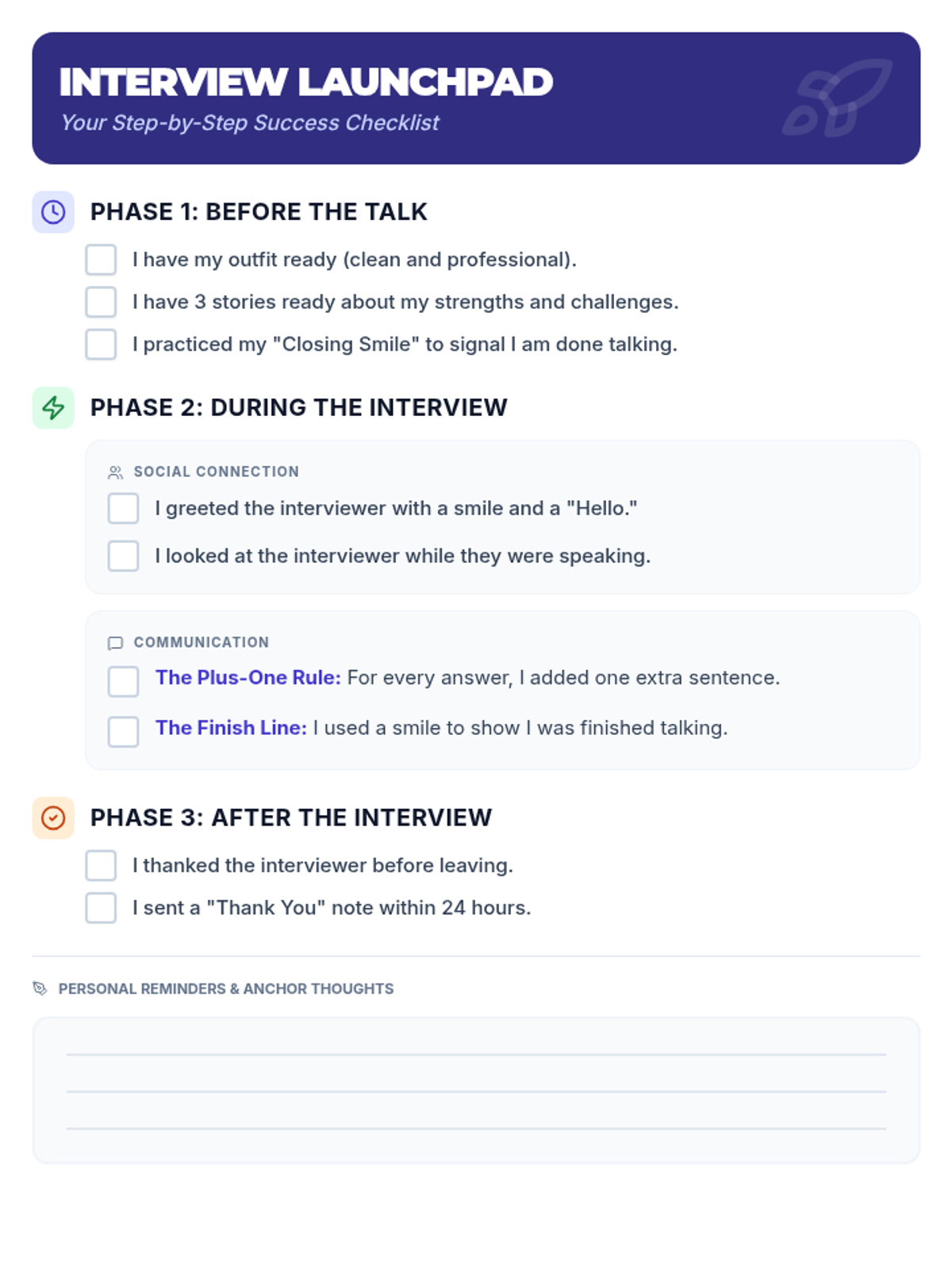
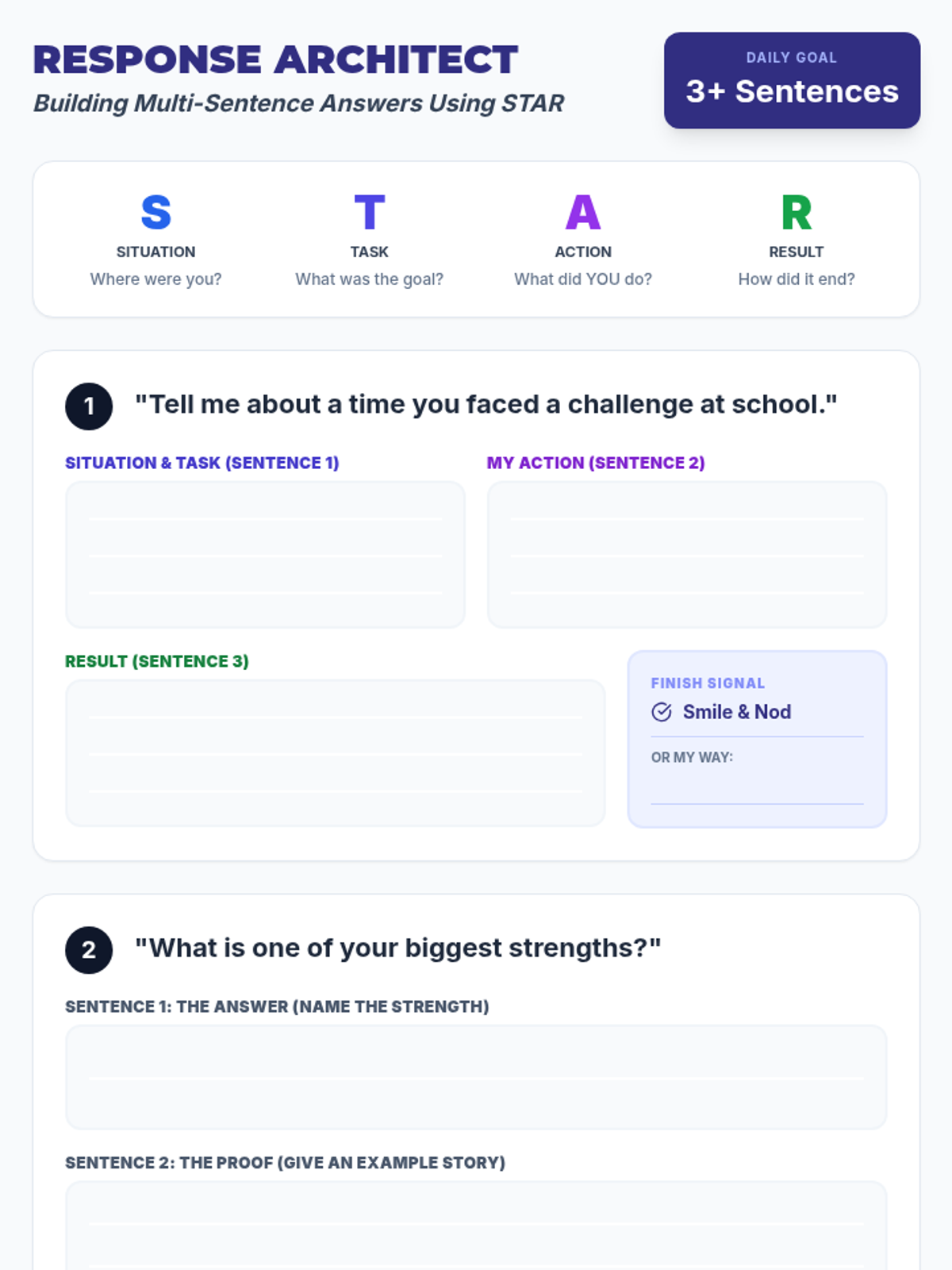
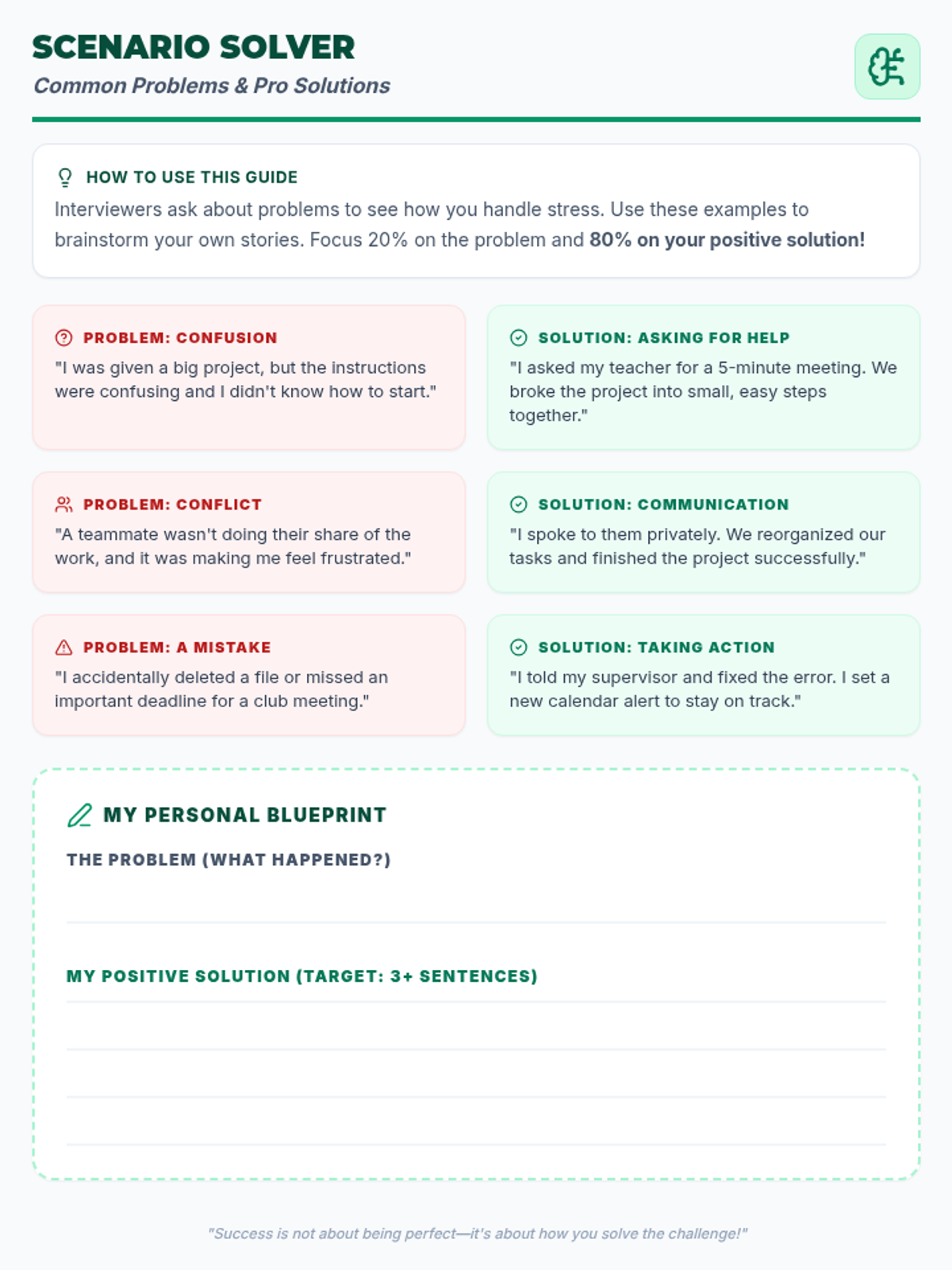
A set of structured tools designed to help high school students with autism master the nuances of job interviews, focusing on social cues and expanding answer length.
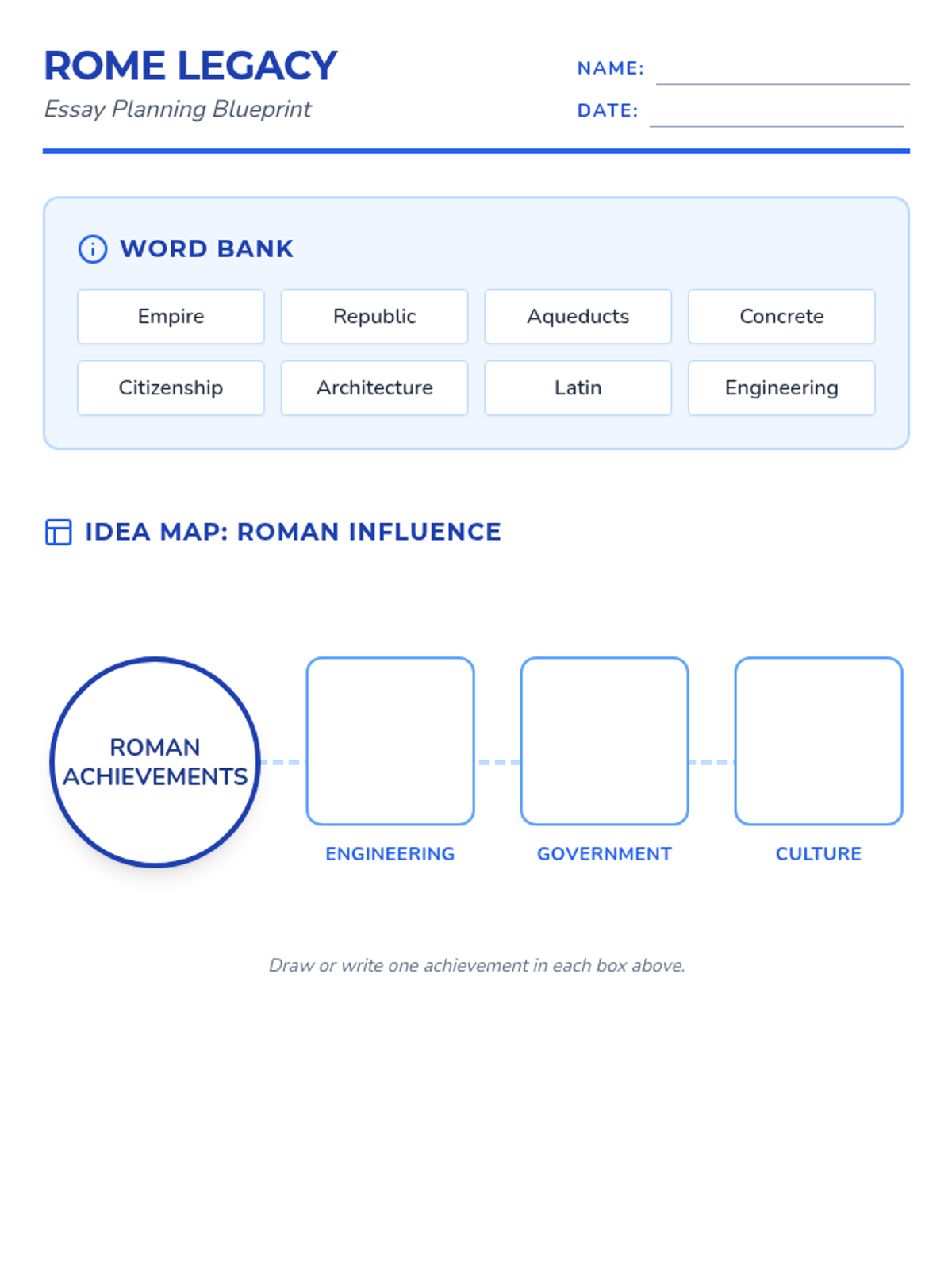
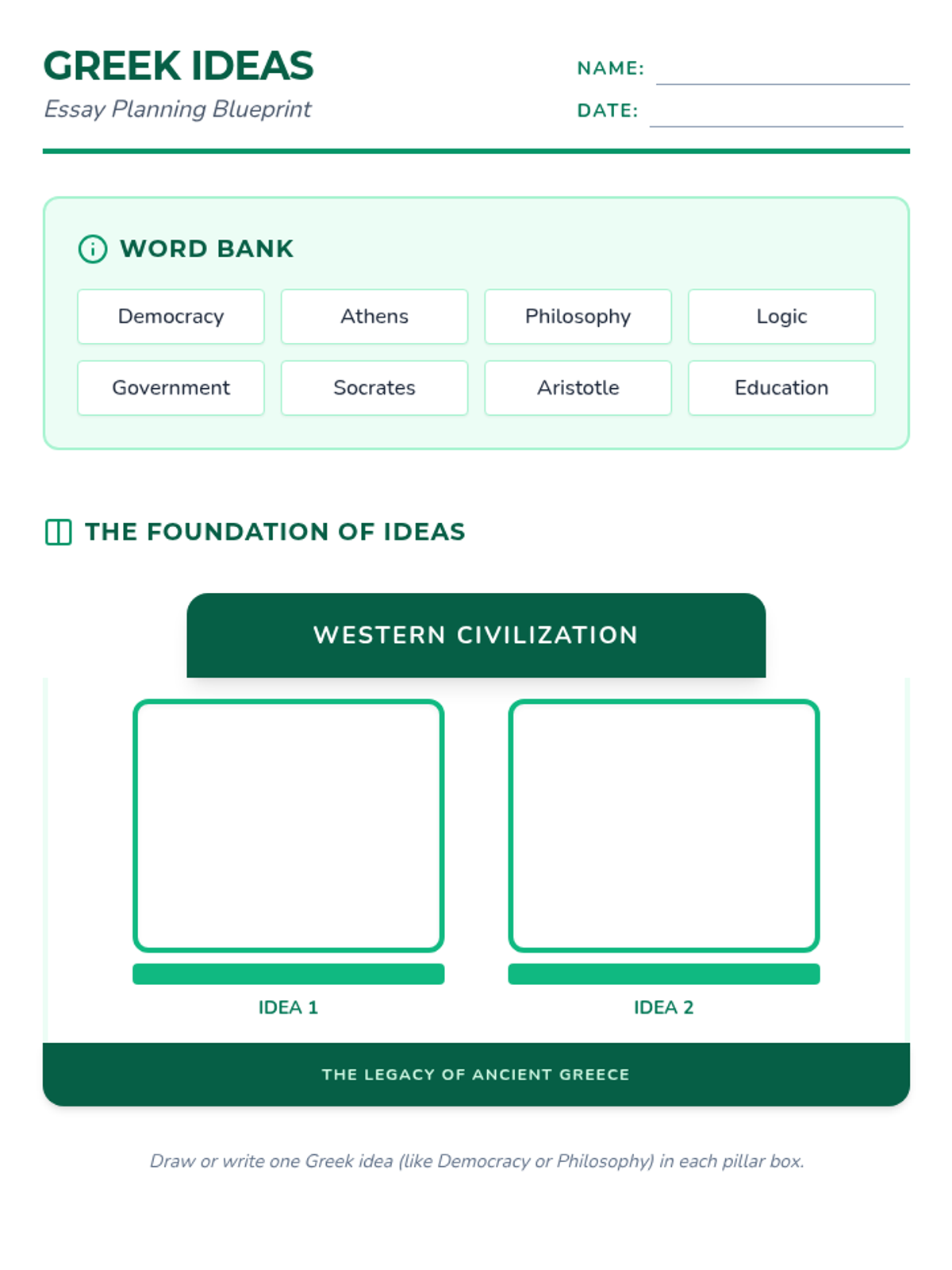
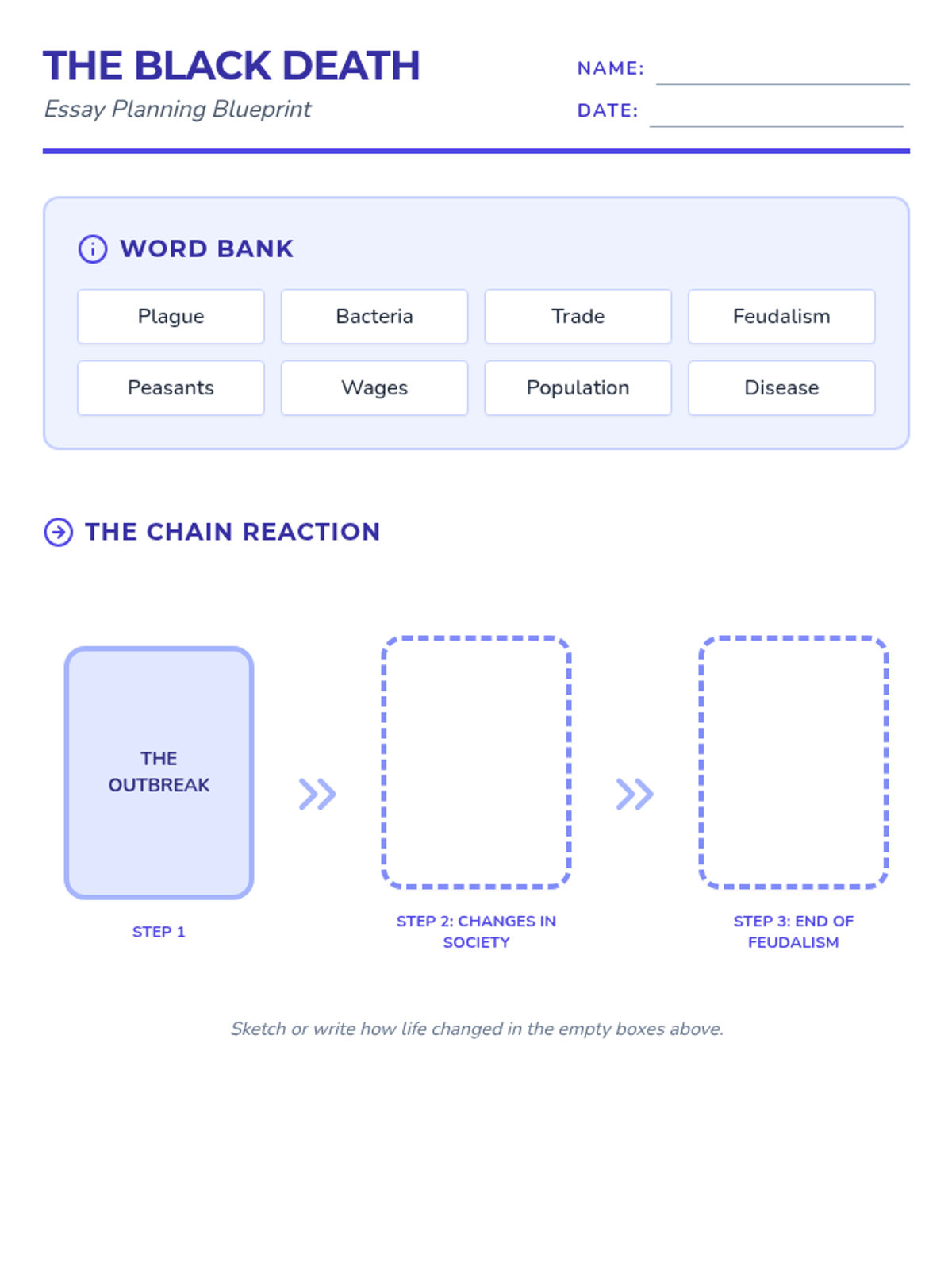
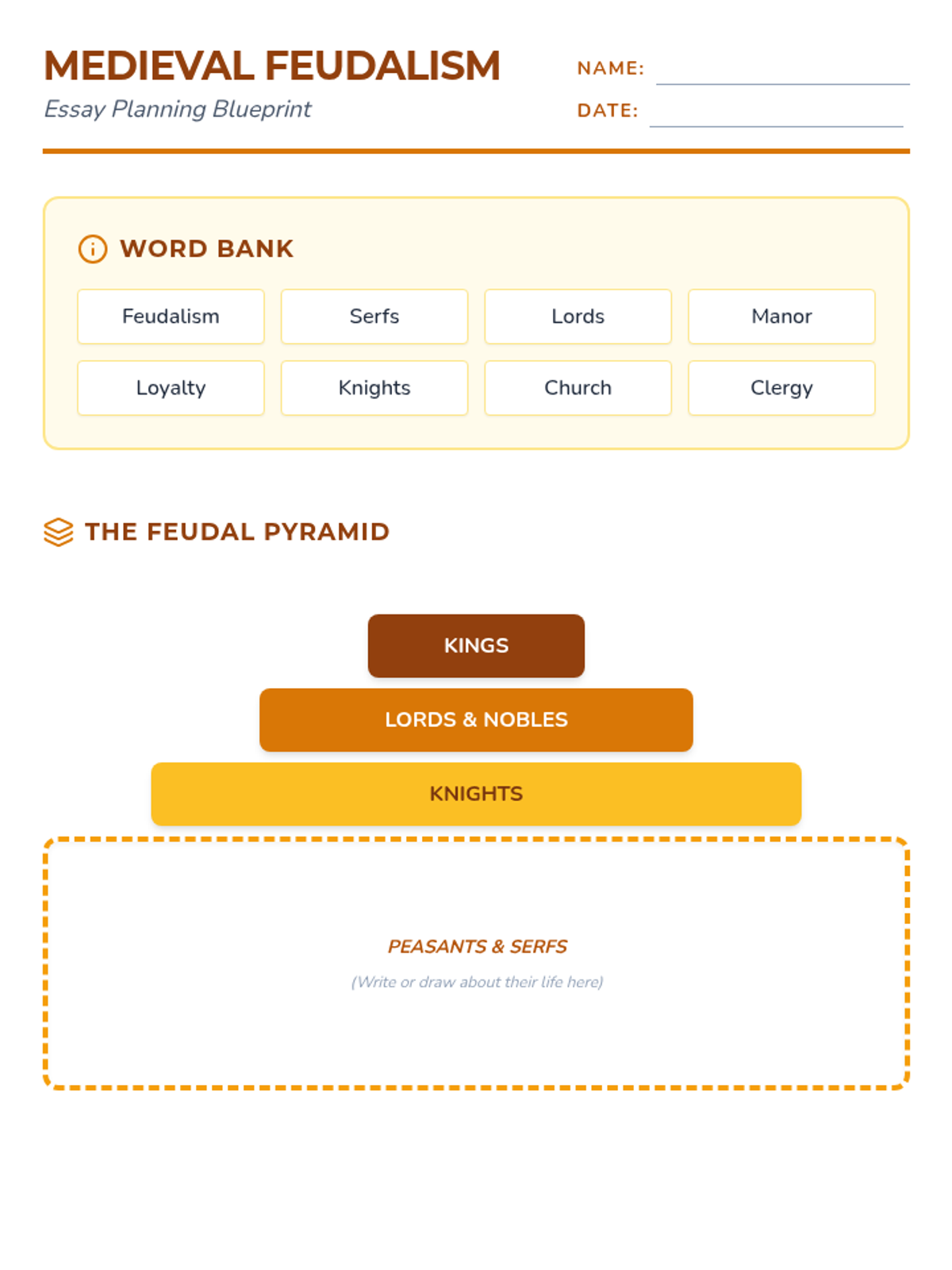
A collection of modified essay planning guides for key topics in European history, specifically designed for students with IEPs. Each guide features a simplified 3-paragraph structure, sentence starters, and visual organizers.
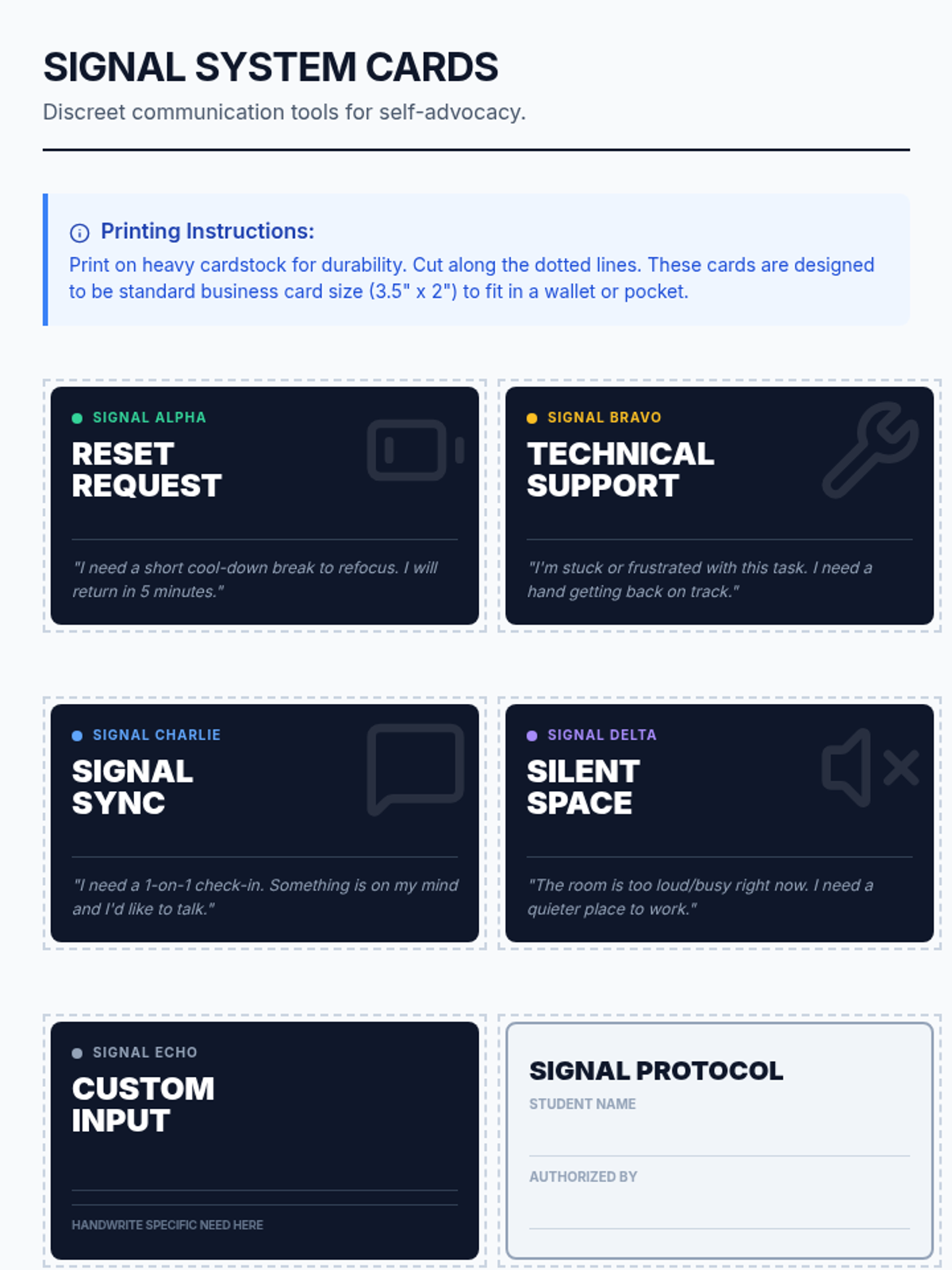
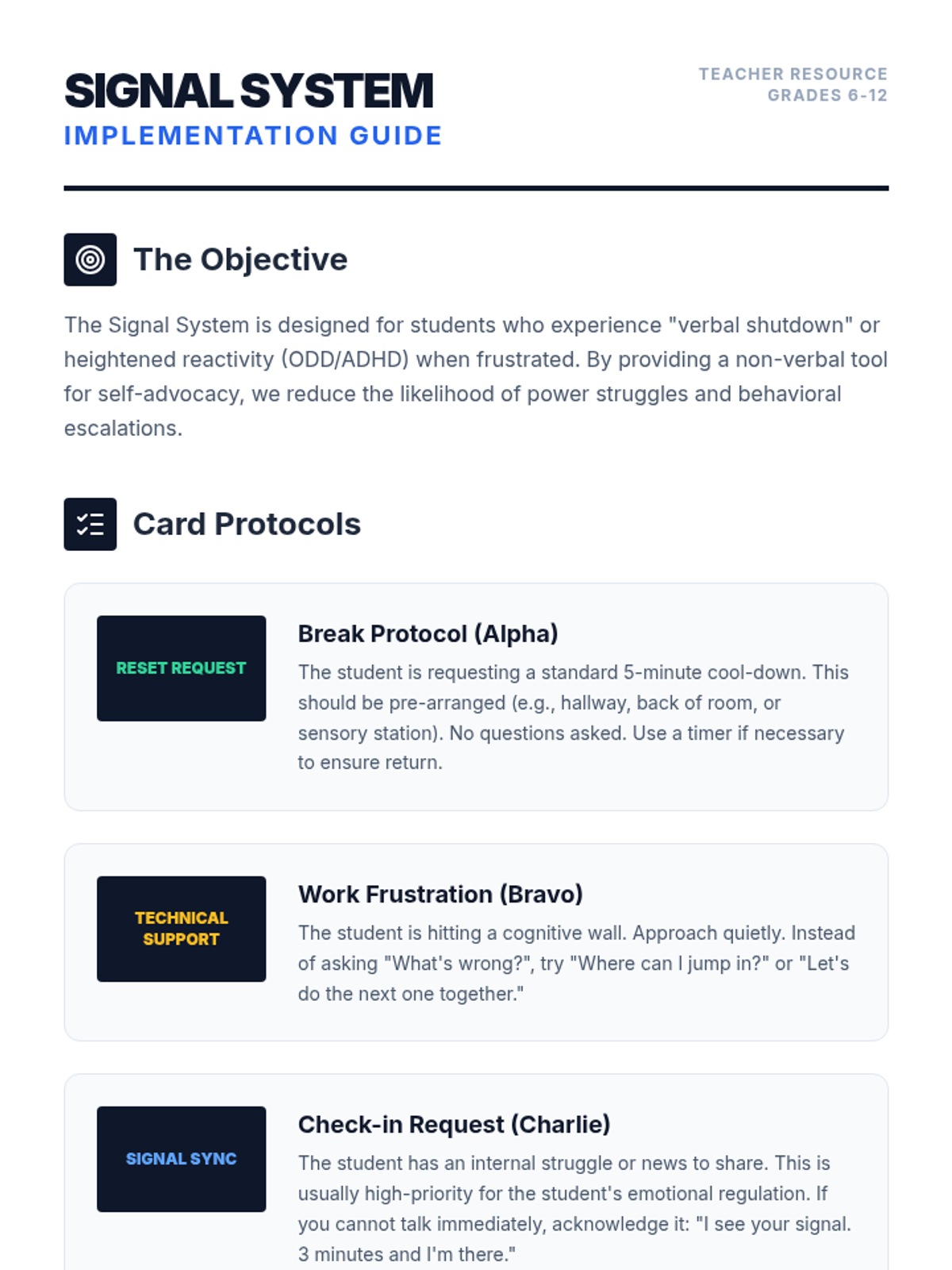
A set of discreet communication cards designed for an 8th-grade student to advocate for their needs during moments of frustration or sensory overwhelm.
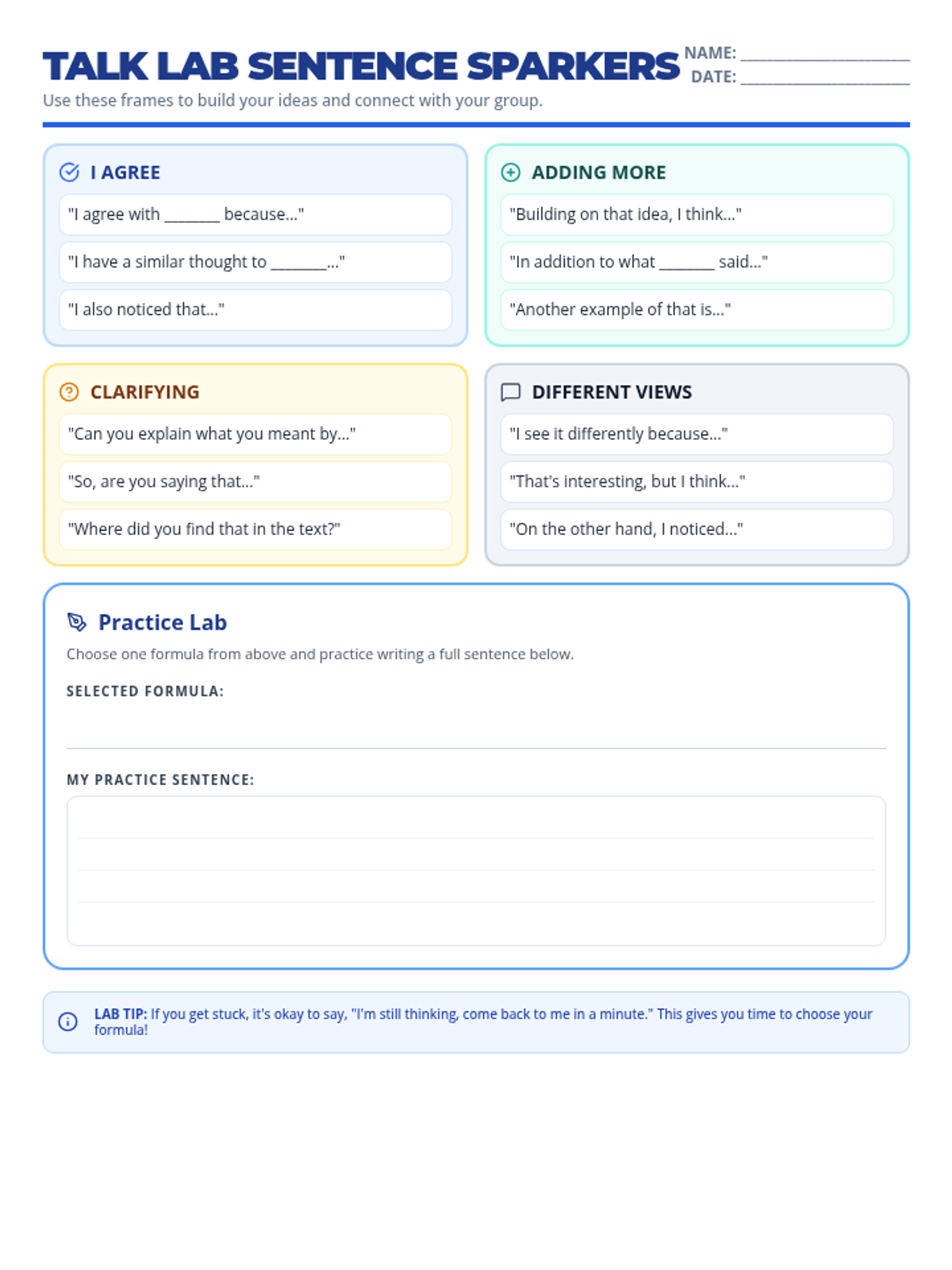
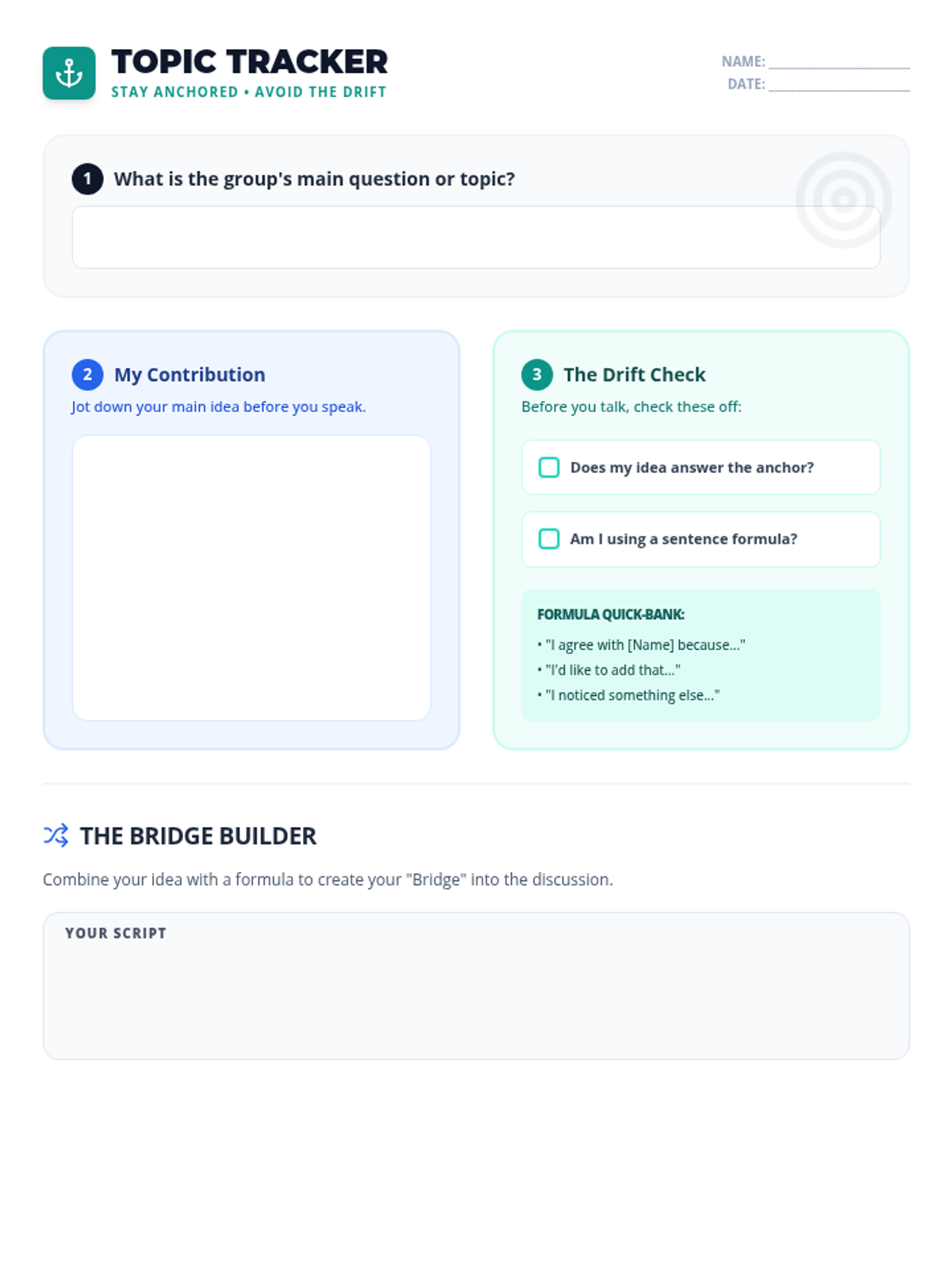
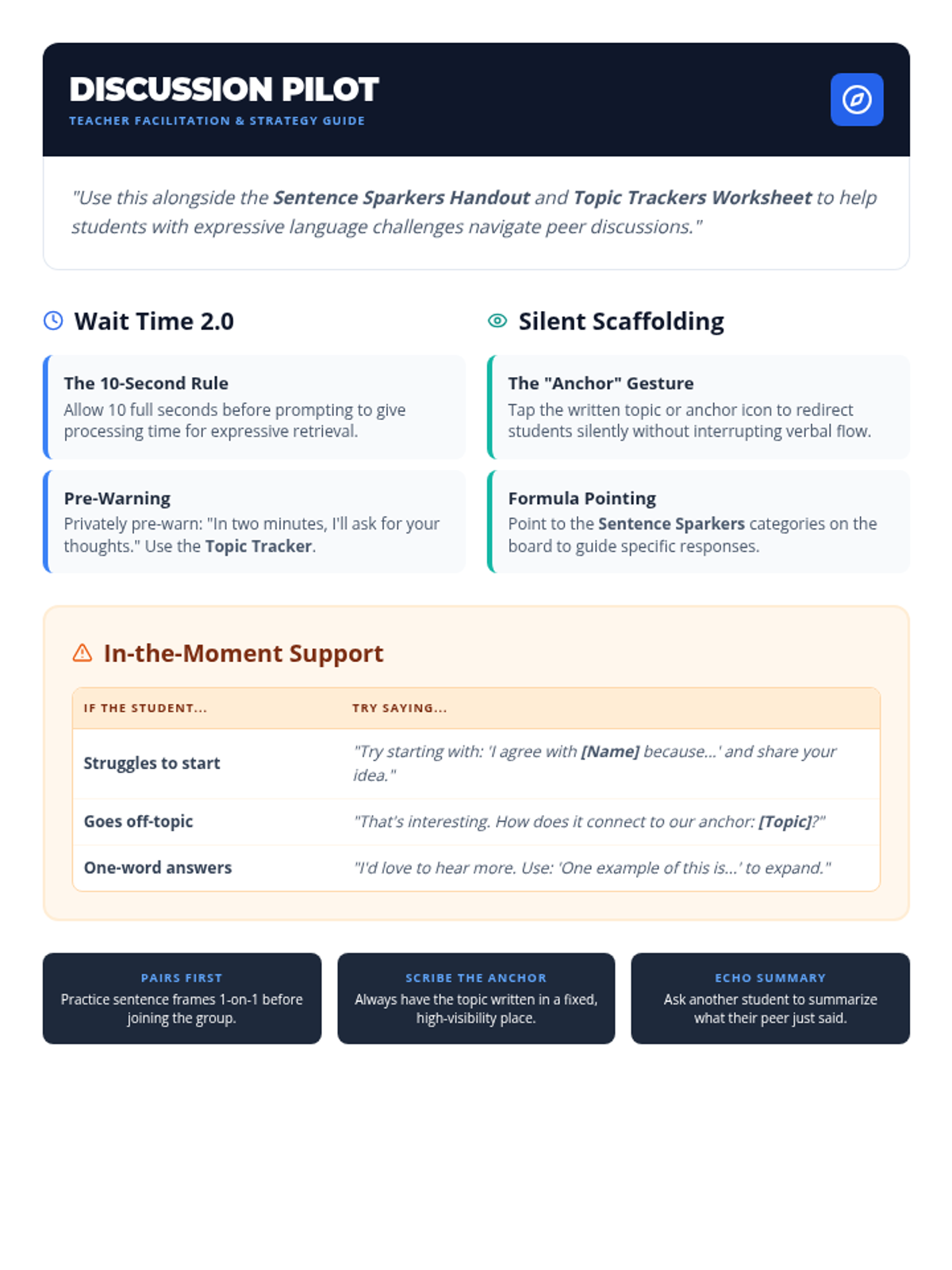
A toolkit designed to help students with expressive language challenges engage meaningfully in group discussions while remaining focused on the core topic.
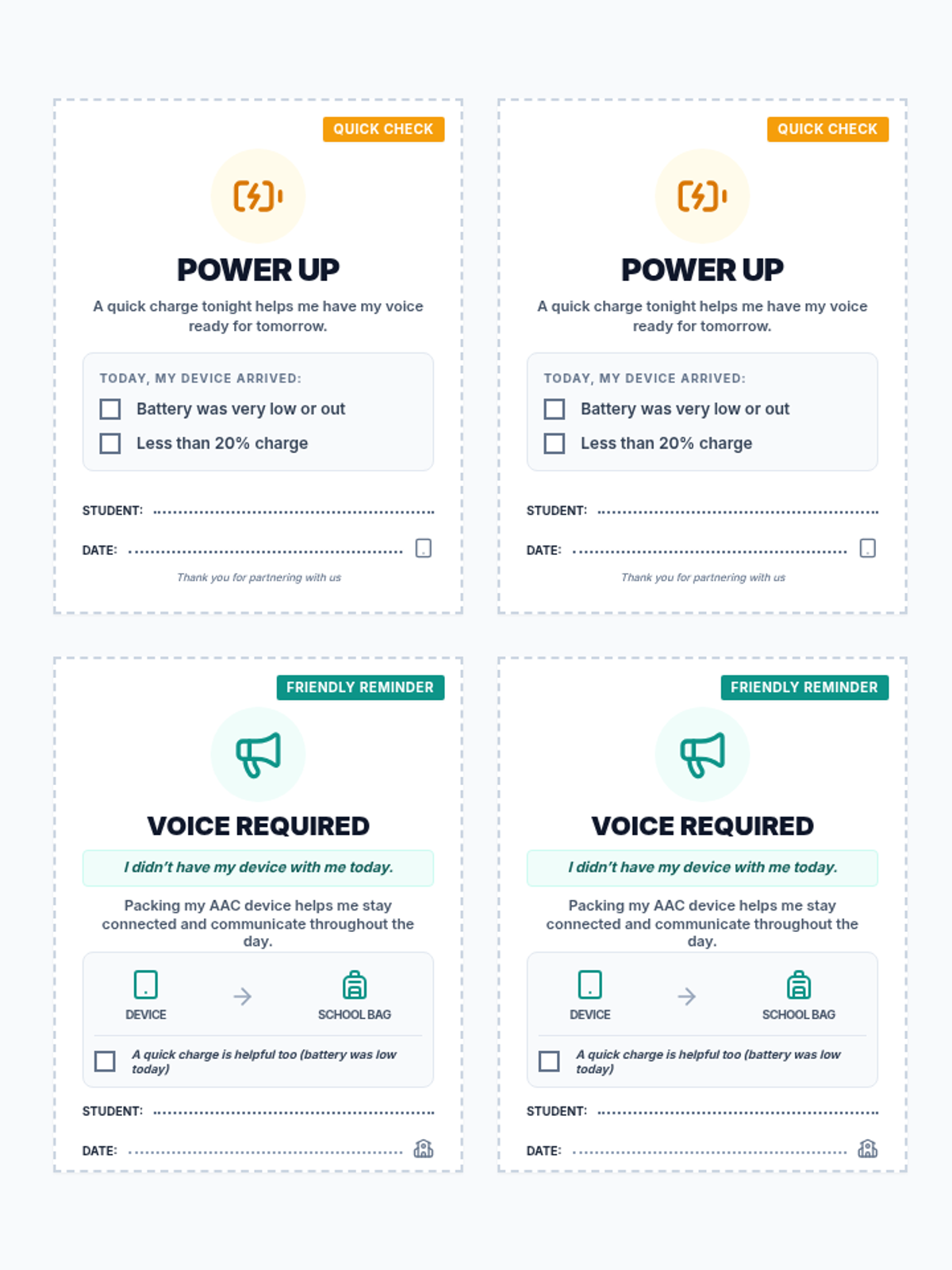
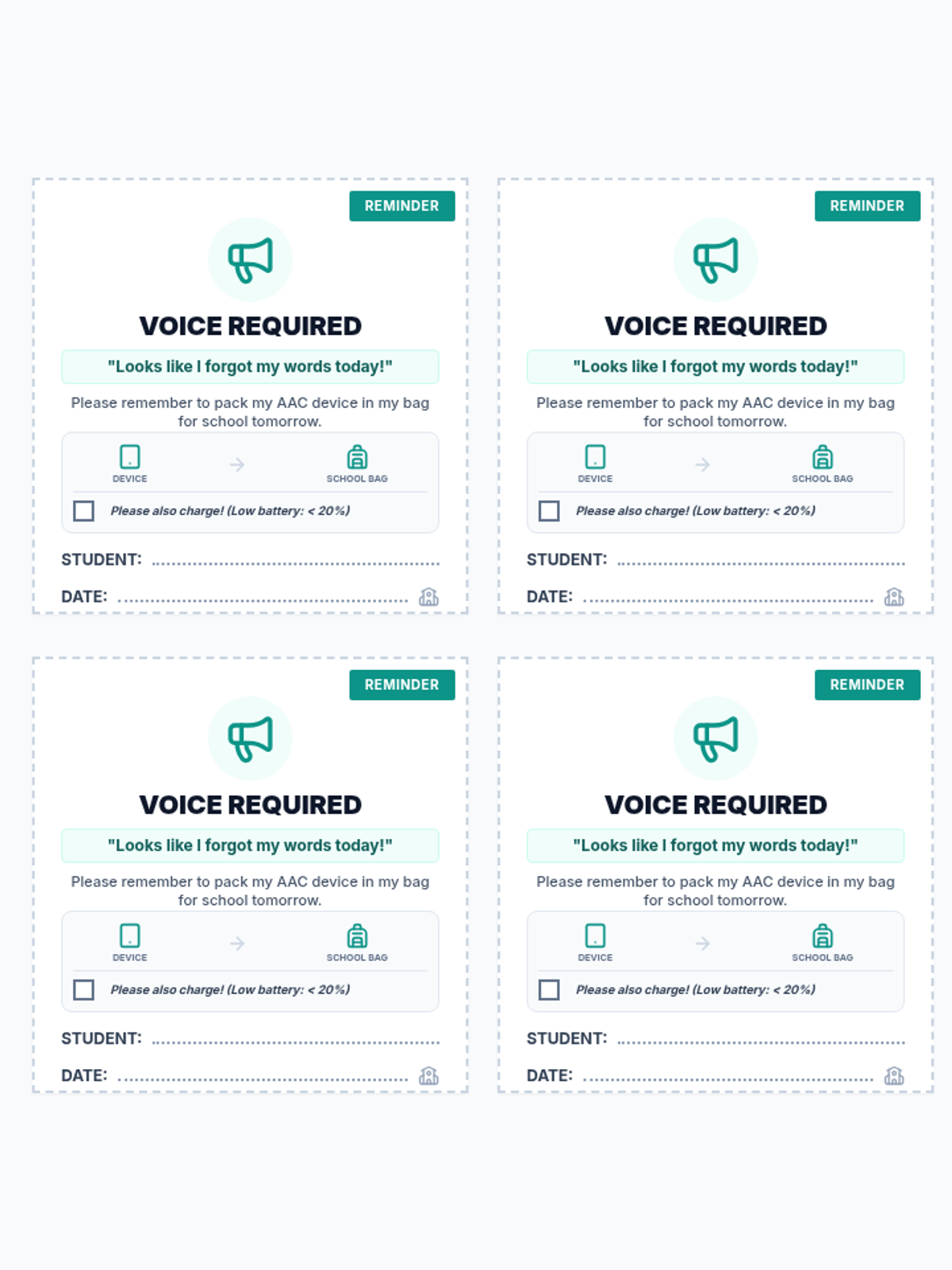
A collection of simple, visual reminder slips to help bridge the gap between home and school for students using AAC devices.
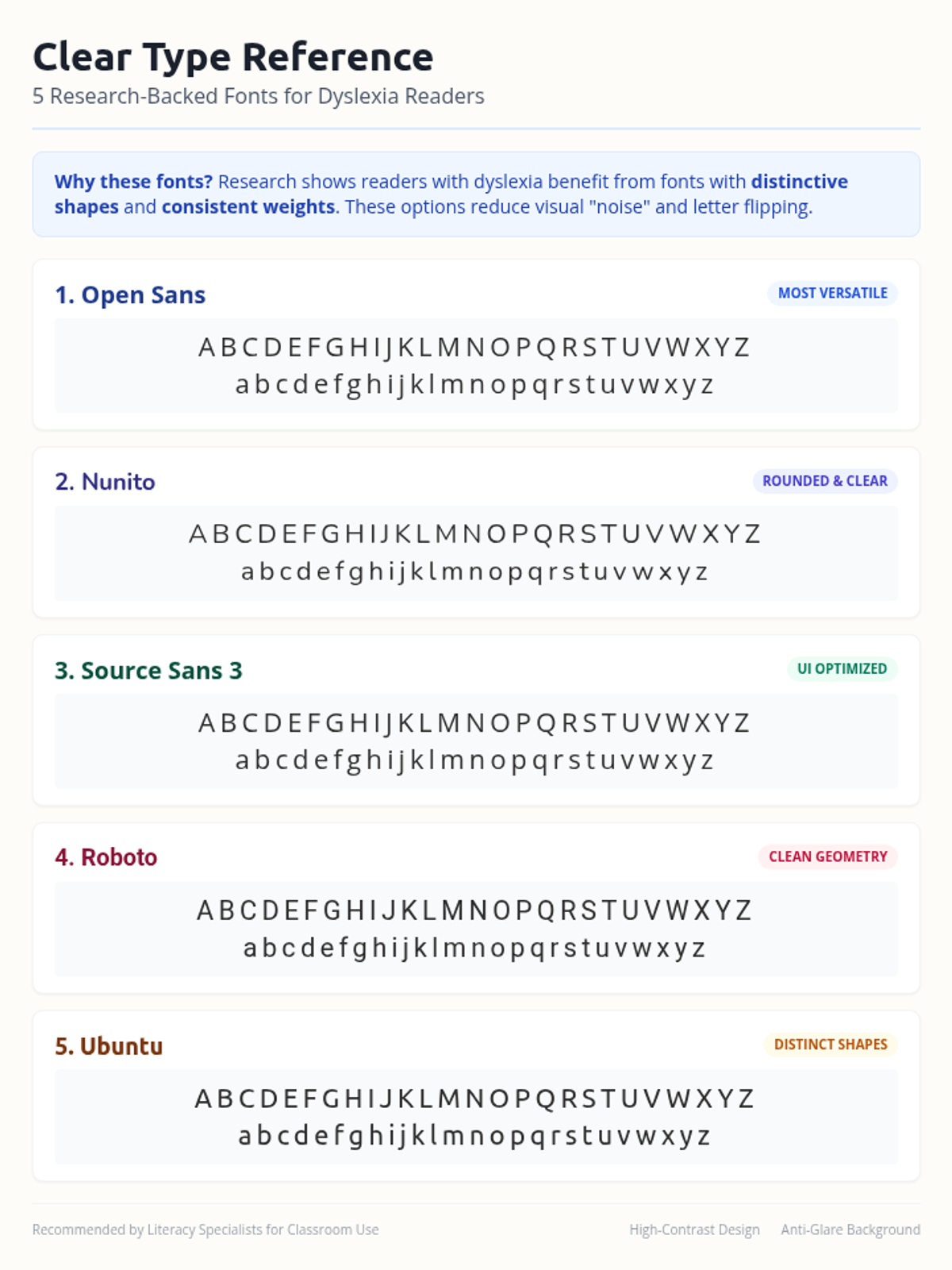
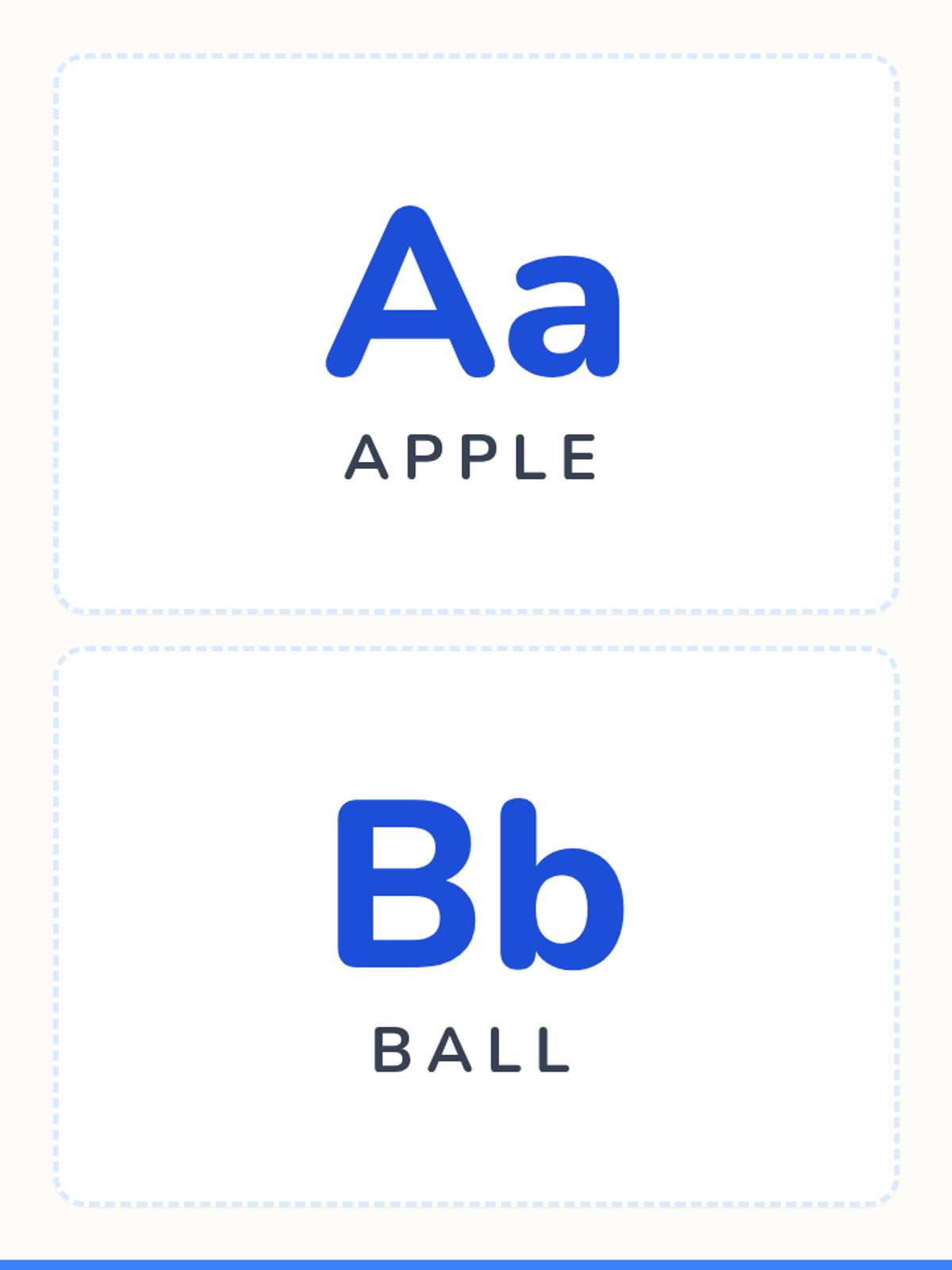
A collection of research-backed typographical resources designed to support readers with dyslexia, including reference guides and classroom visual aids.
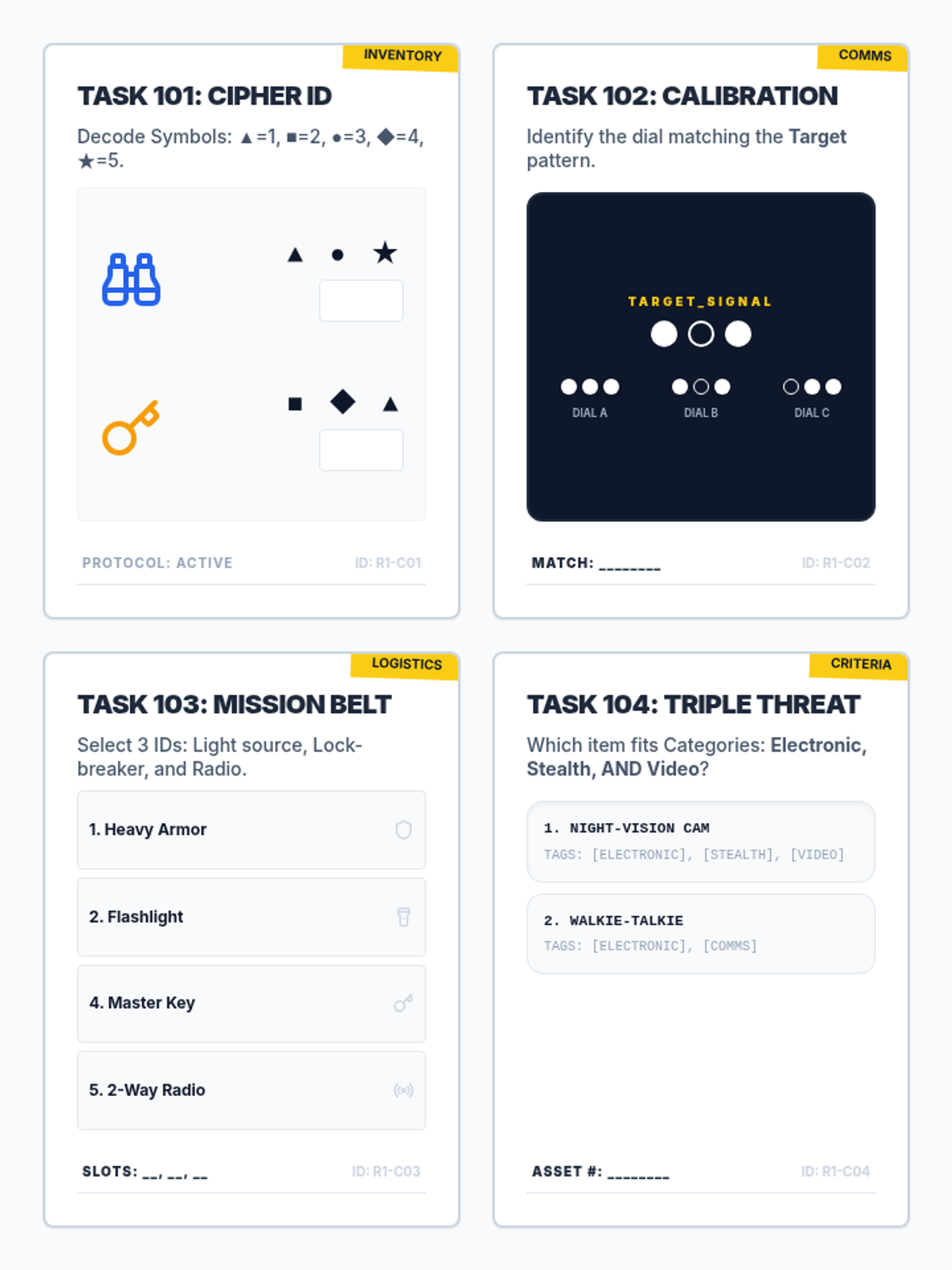
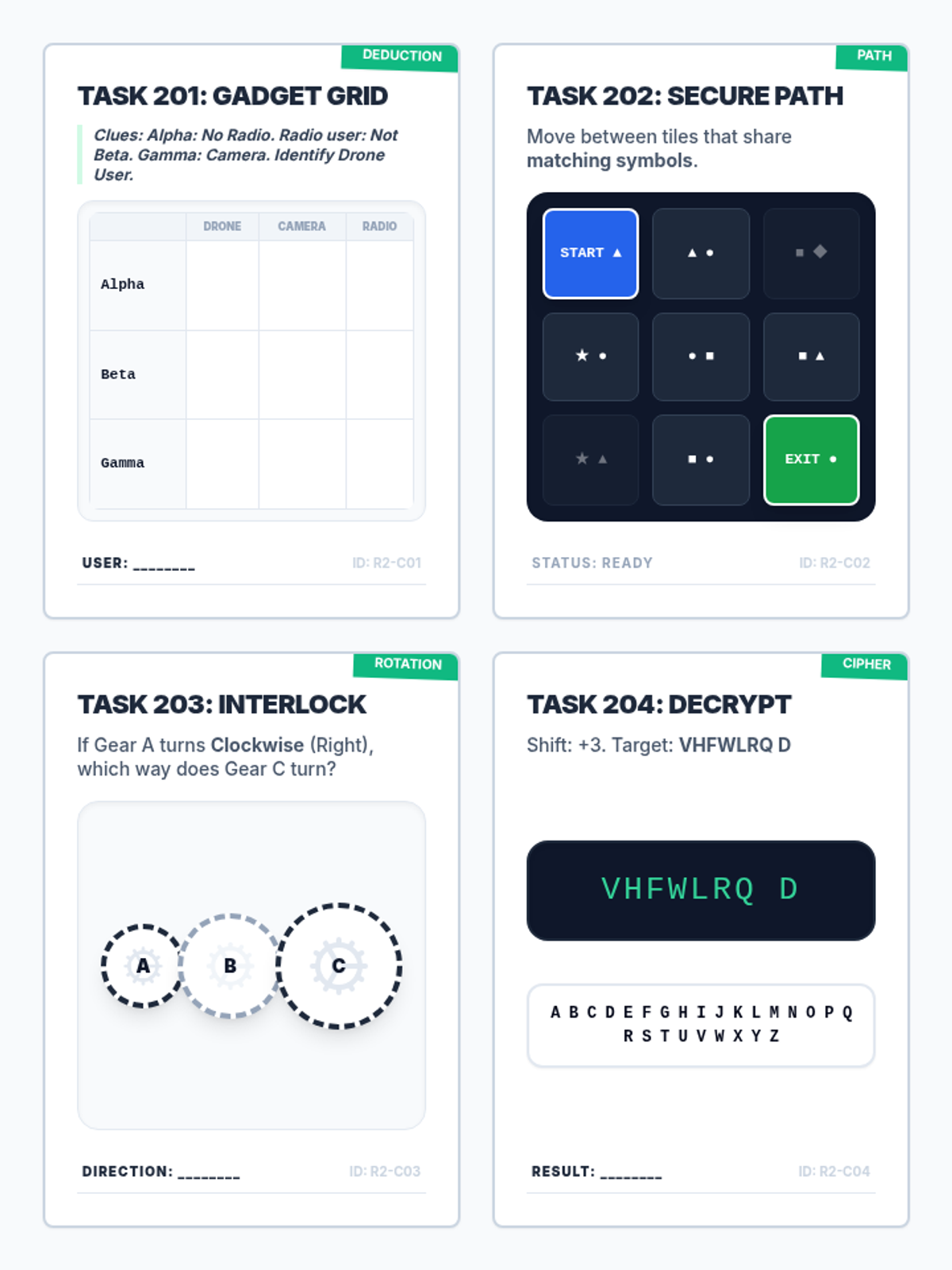
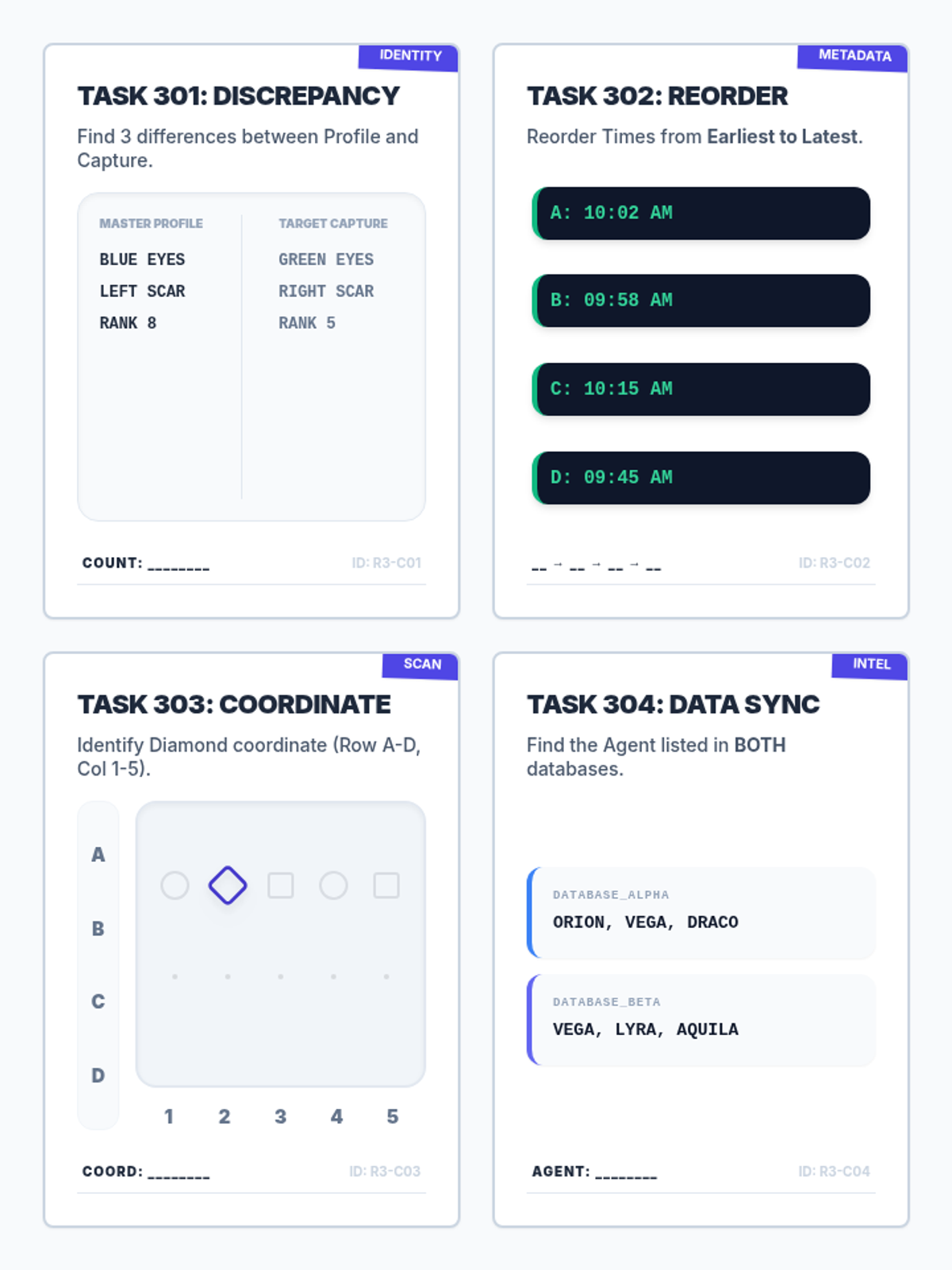
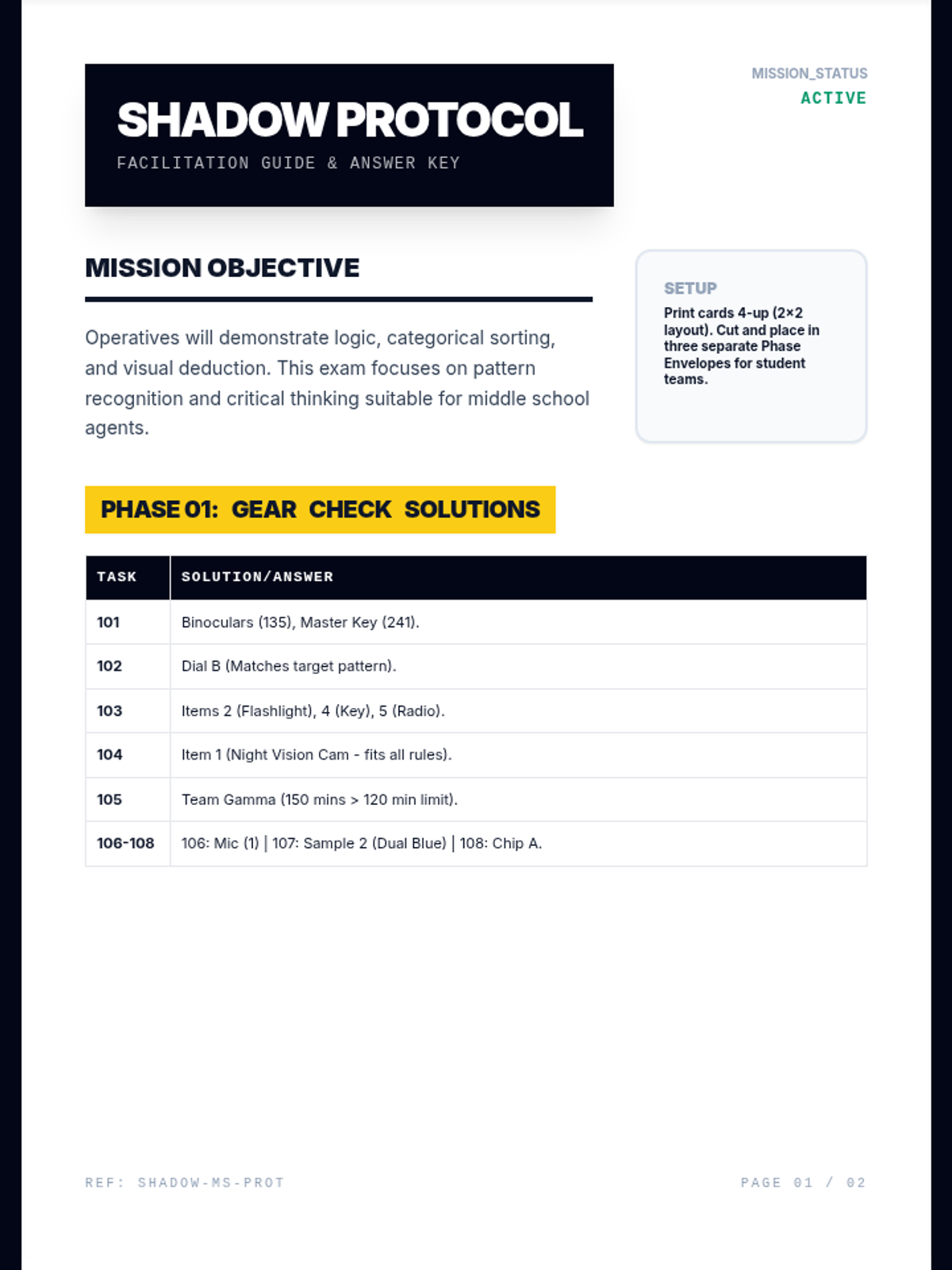
A high-stakes secret agent escape room designed for middle school students, featuring complex logic grids, binary decryption, spatial reasoning, and data analysis. Operatives must work through three rigorous phases of testing to earn their field status.
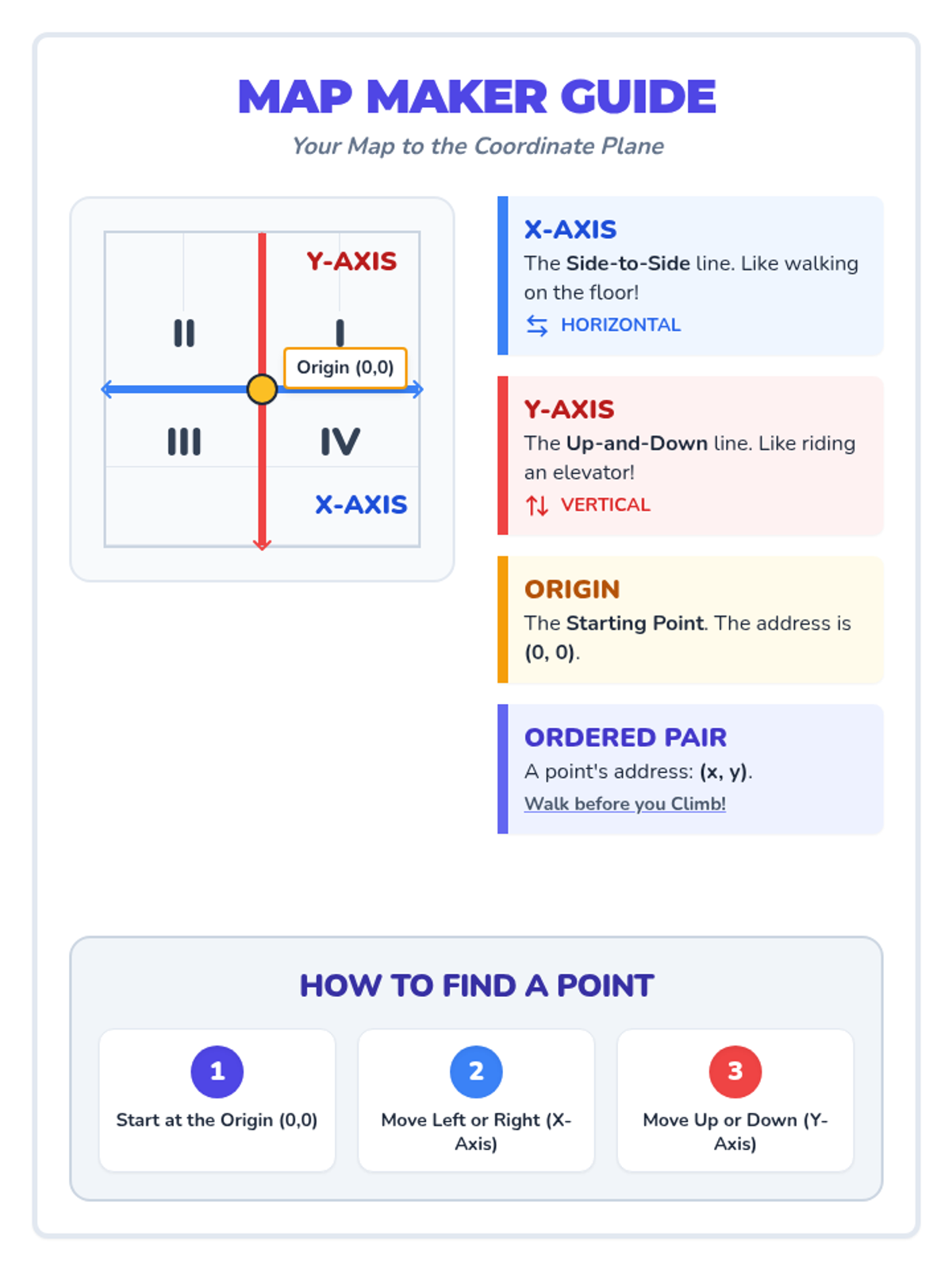
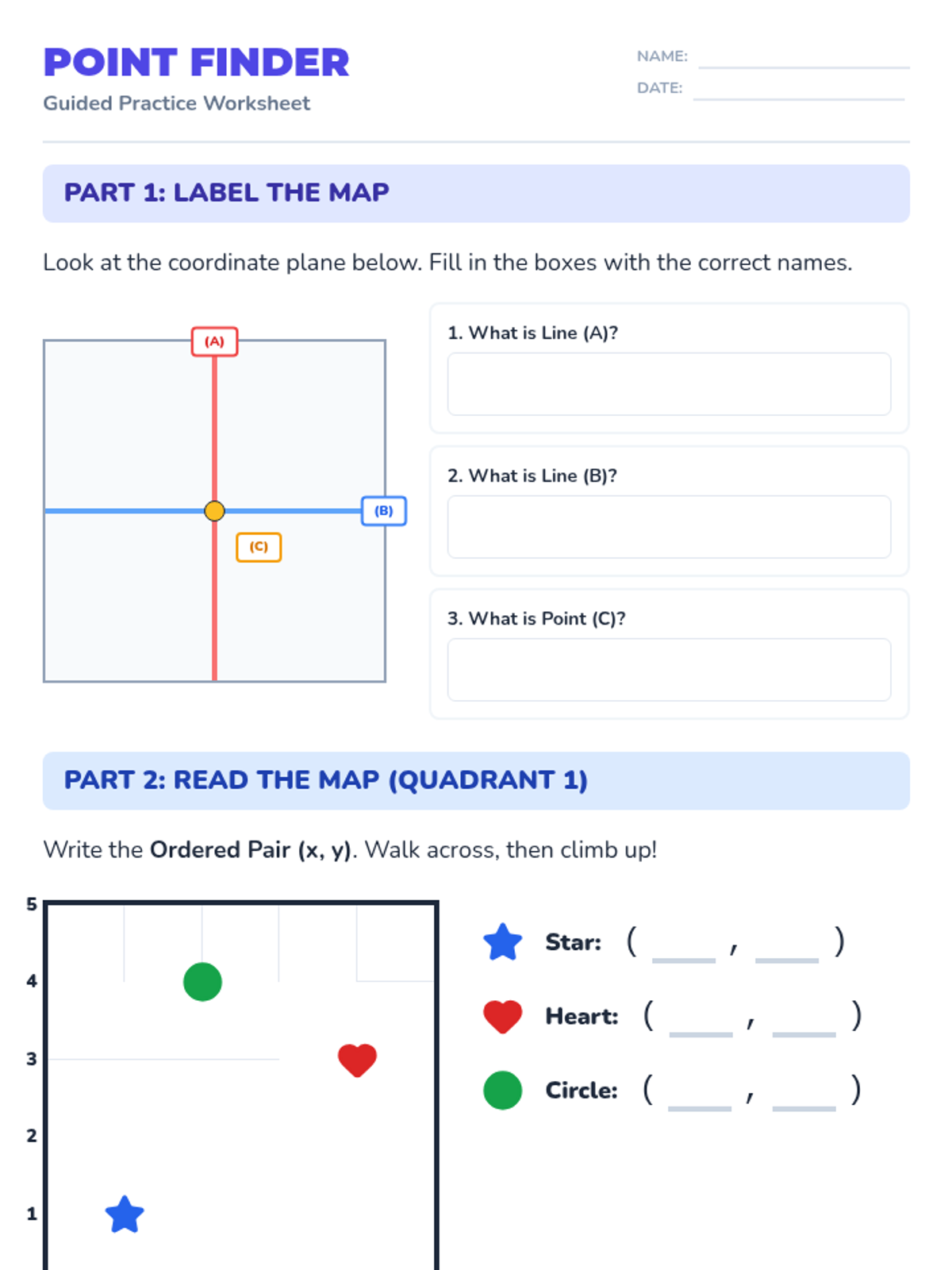
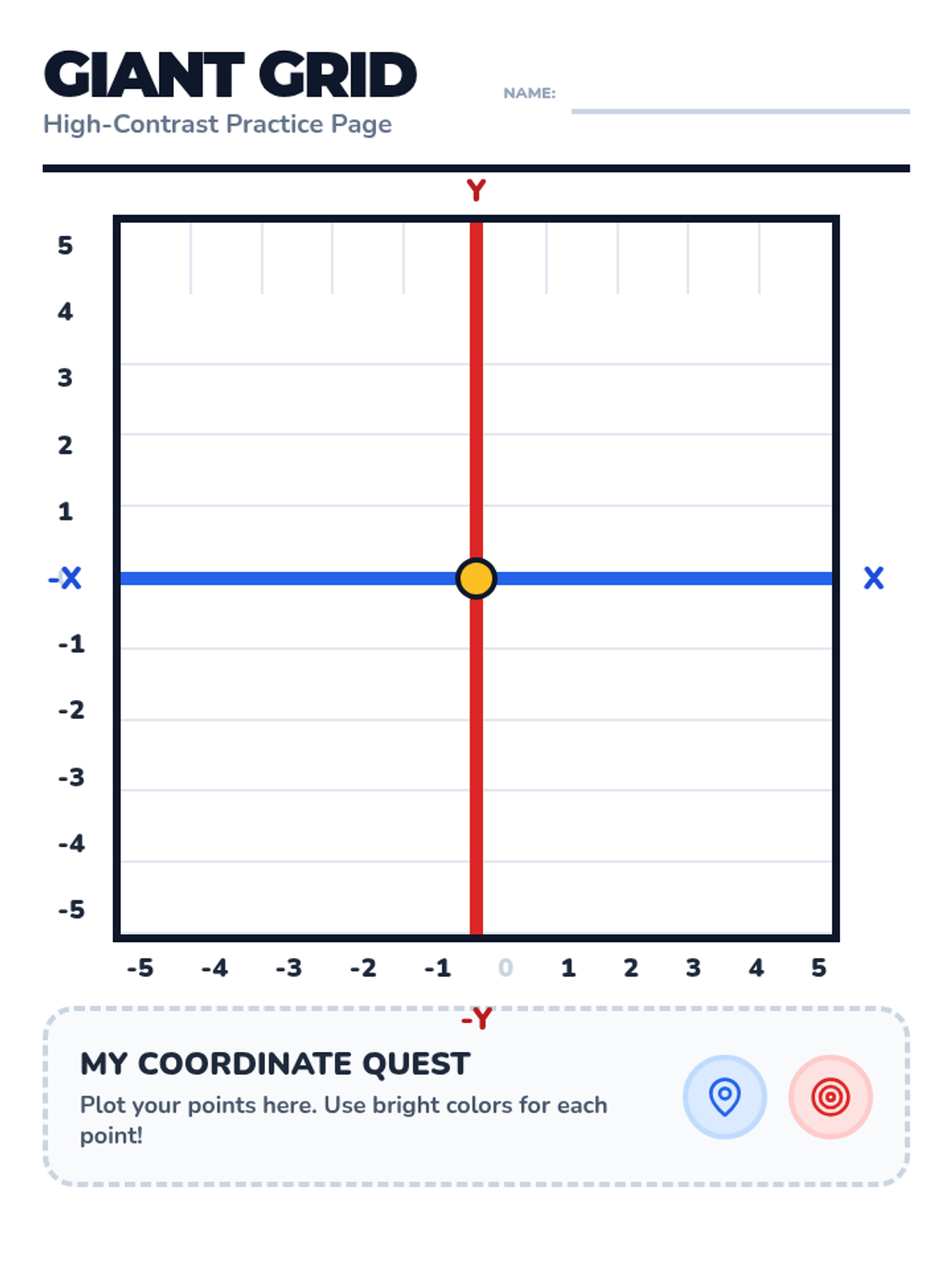
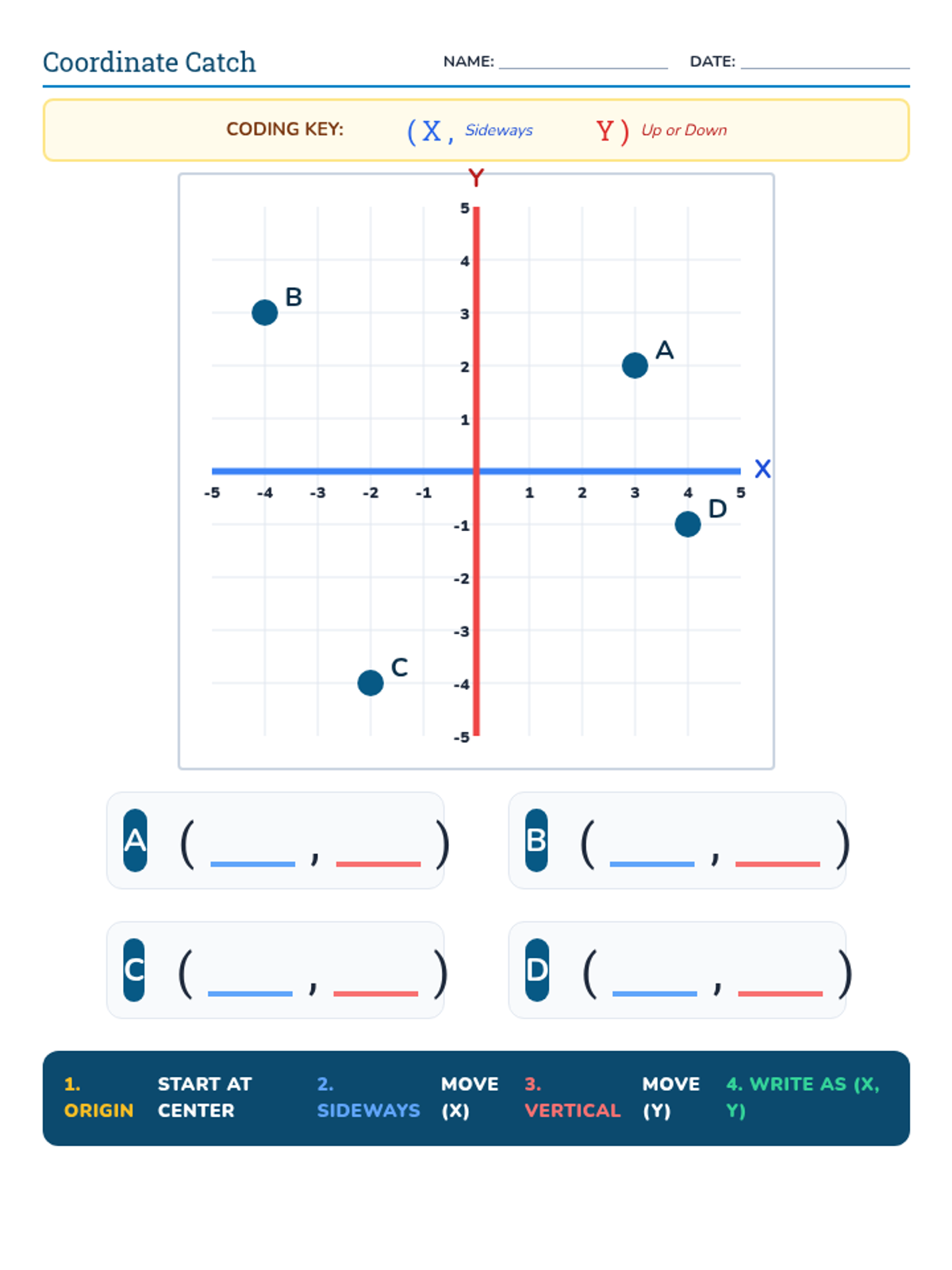
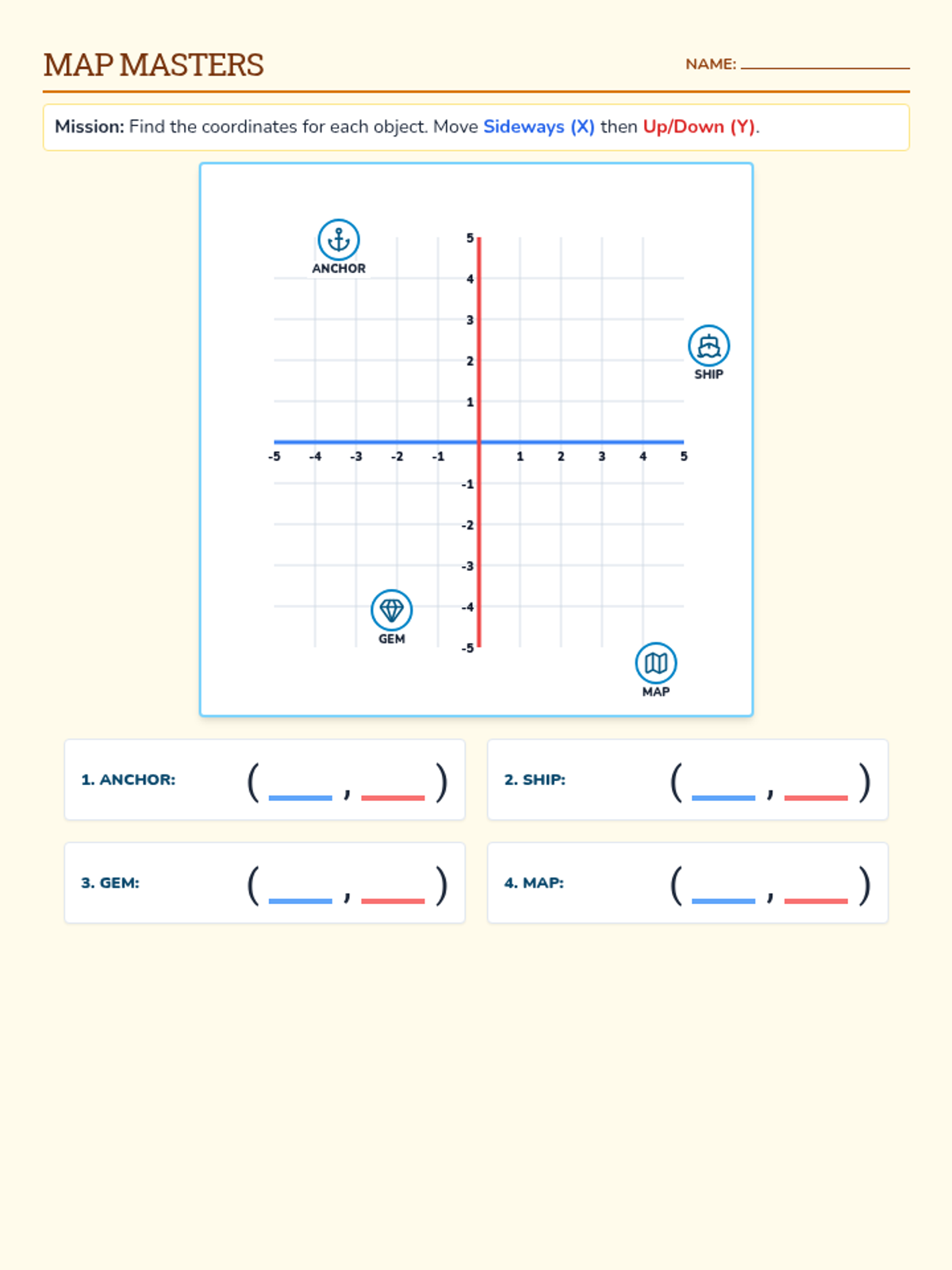
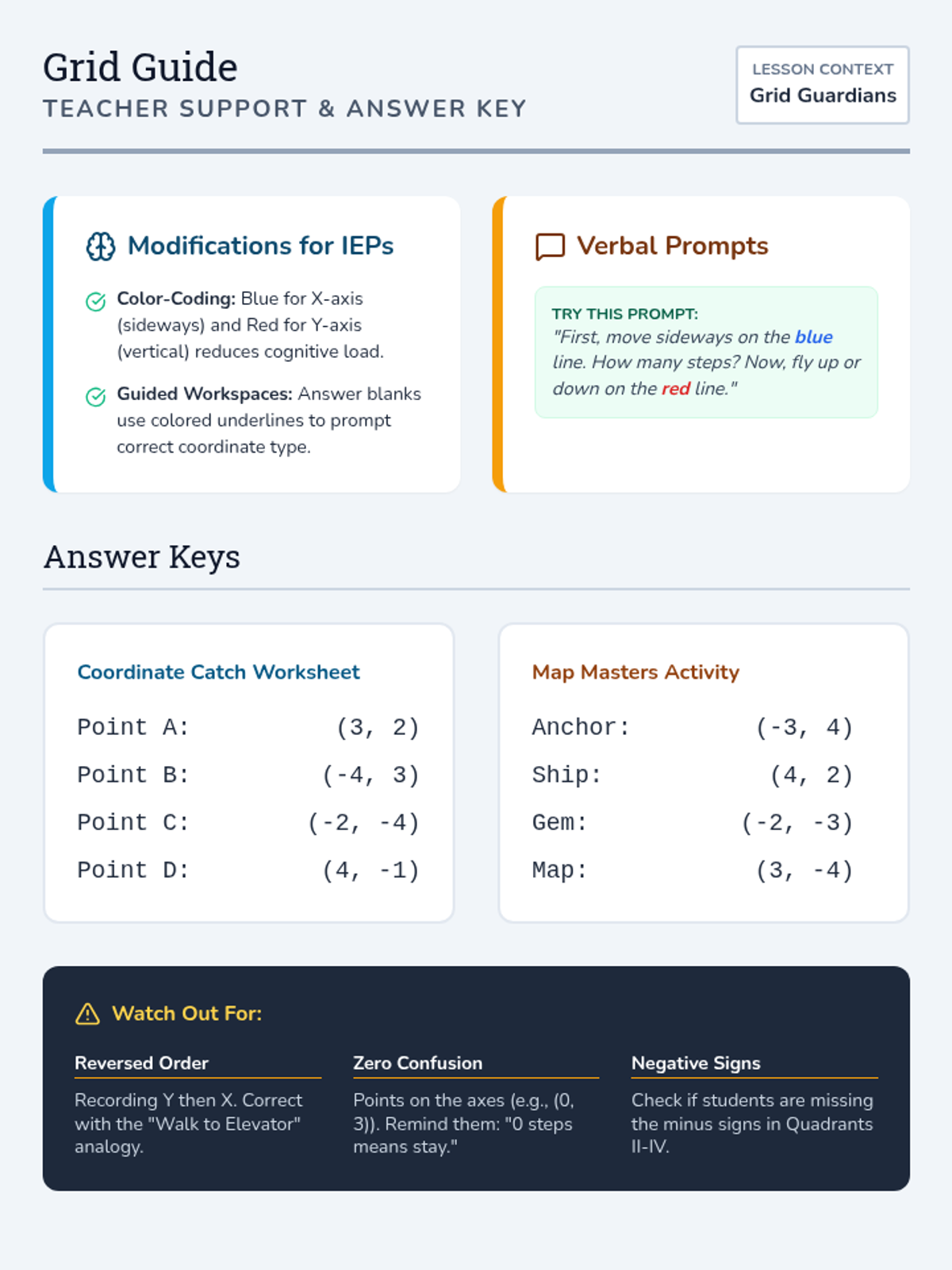
A foundational lesson on the four-quadrant coordinate plane, specifically designed with scaffolds and visual aids for students with IEPs to master identifying ordered pairs.
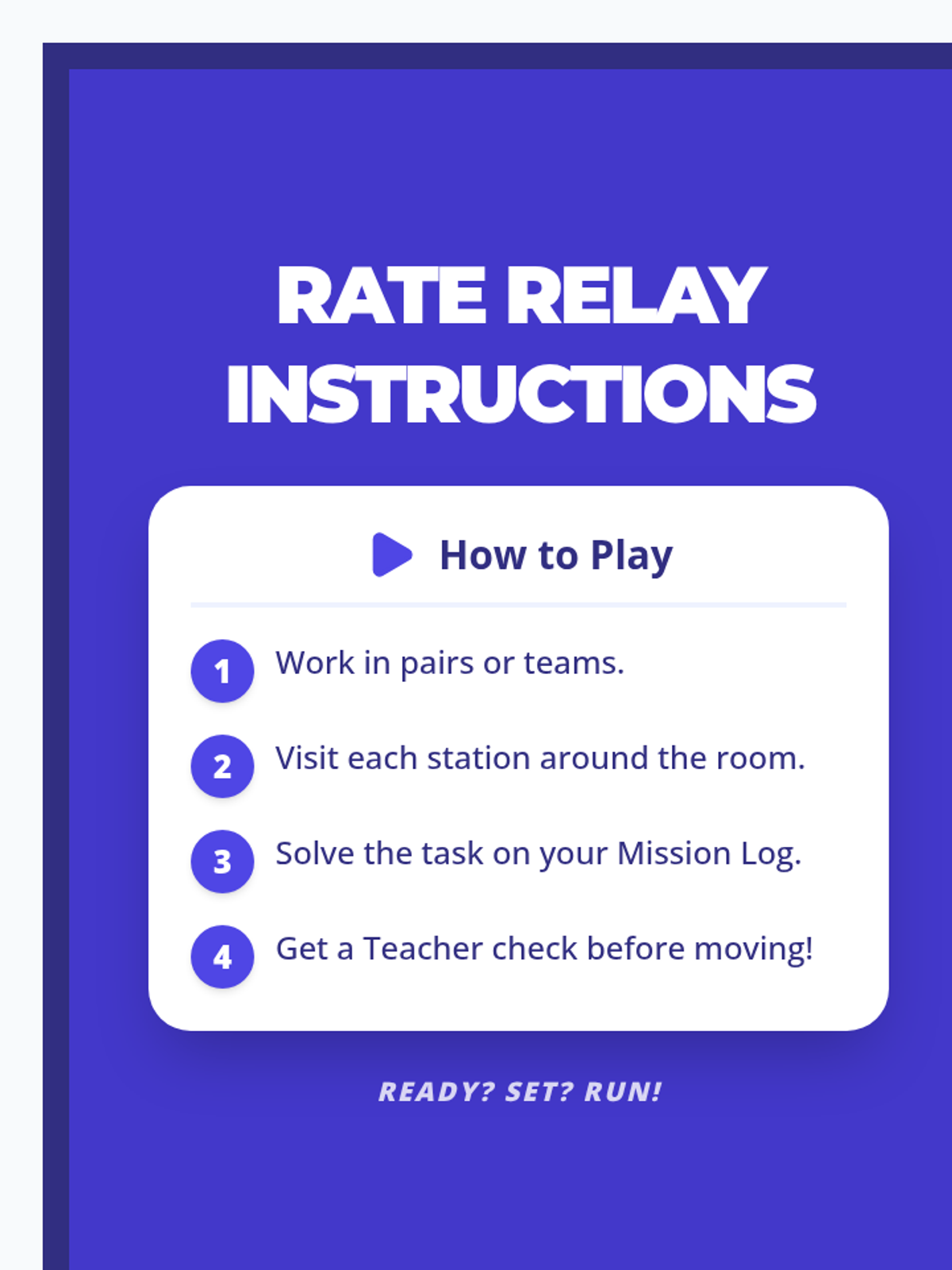
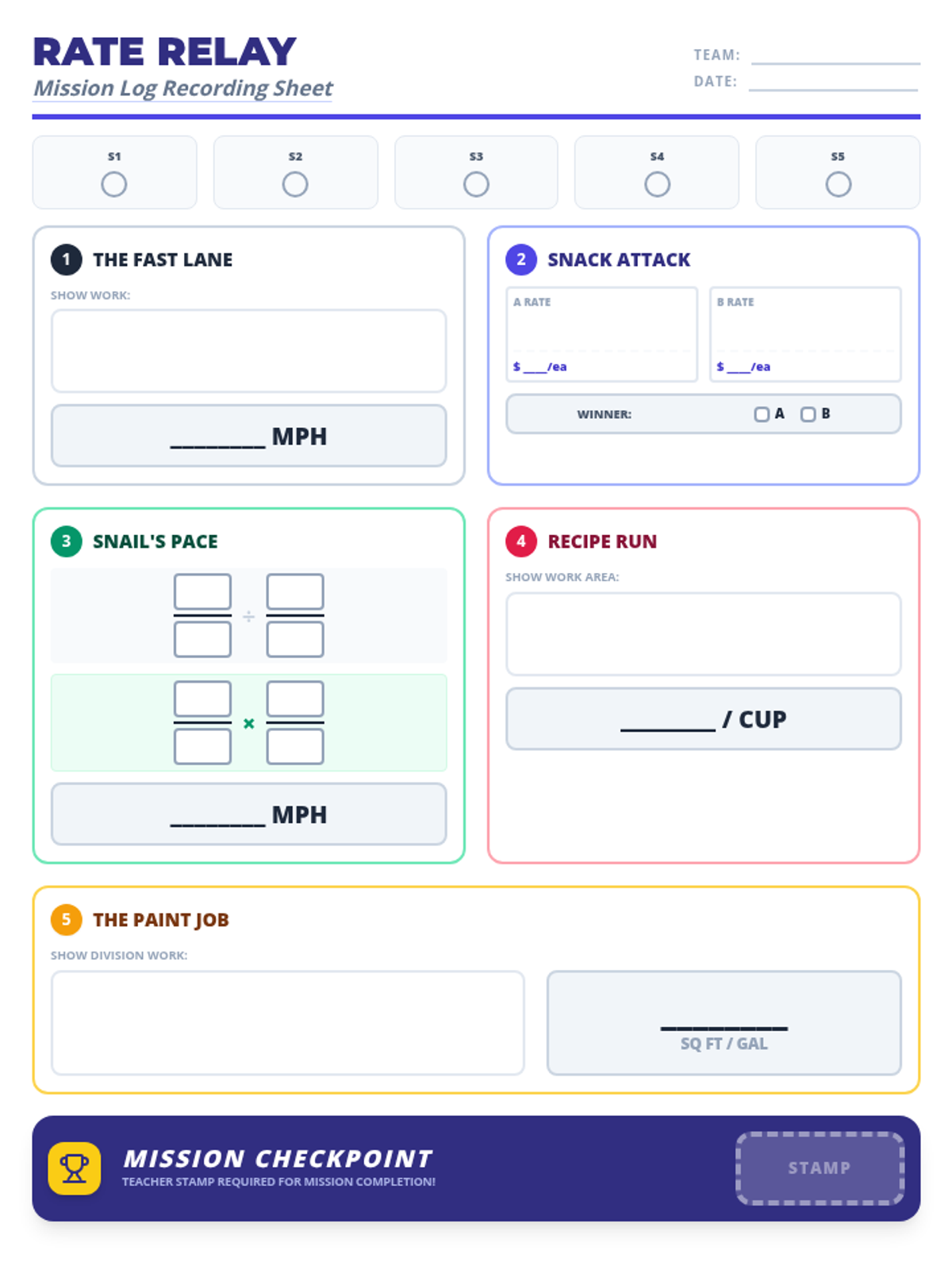
A high-energy collaborative review day. Students participate in a 'Relay Race' of unit rate tasks, moving through stations that cover whole numbers, fractions, consumer math, and measurement to reinforce skills before the final assessment.
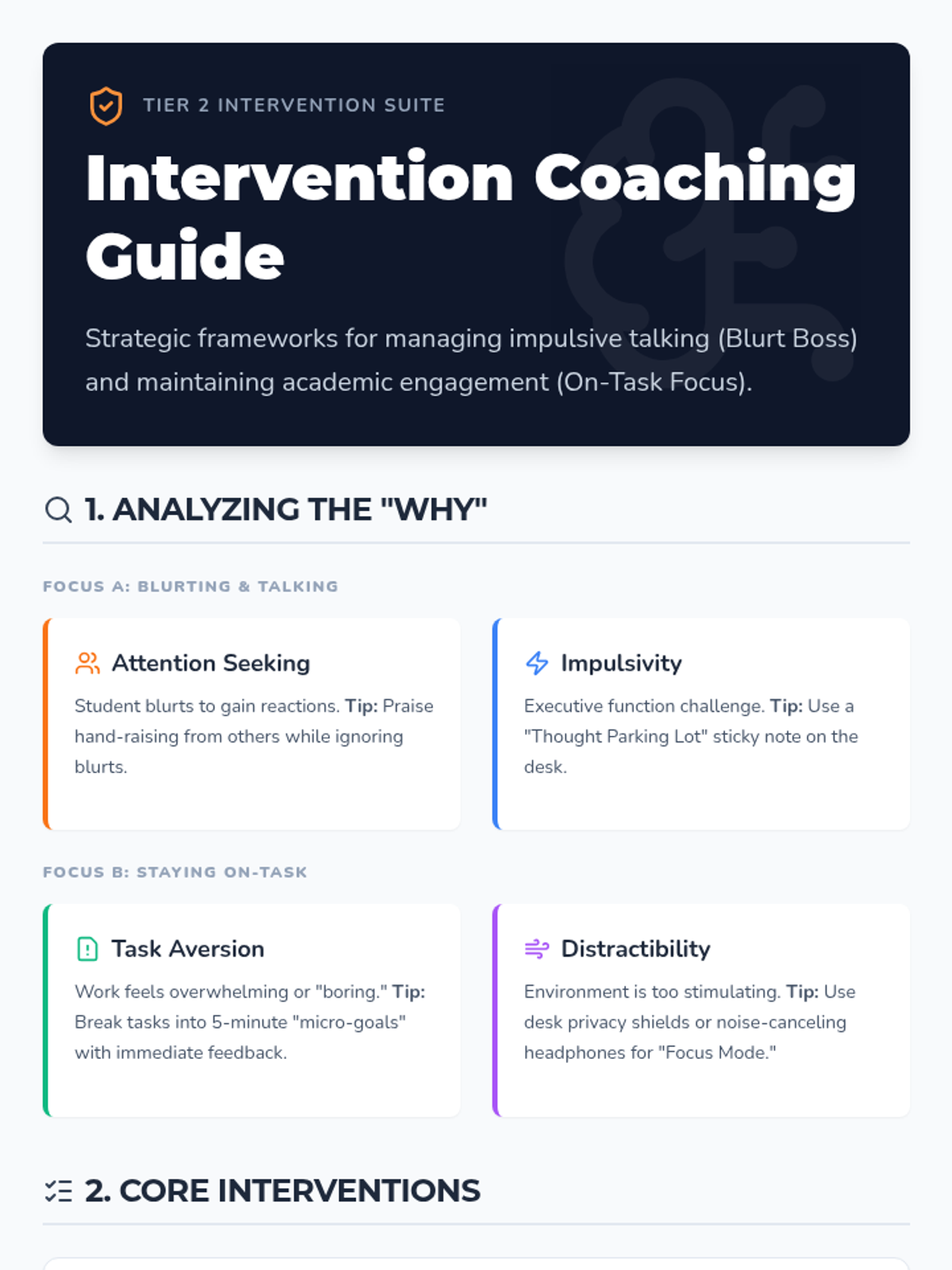
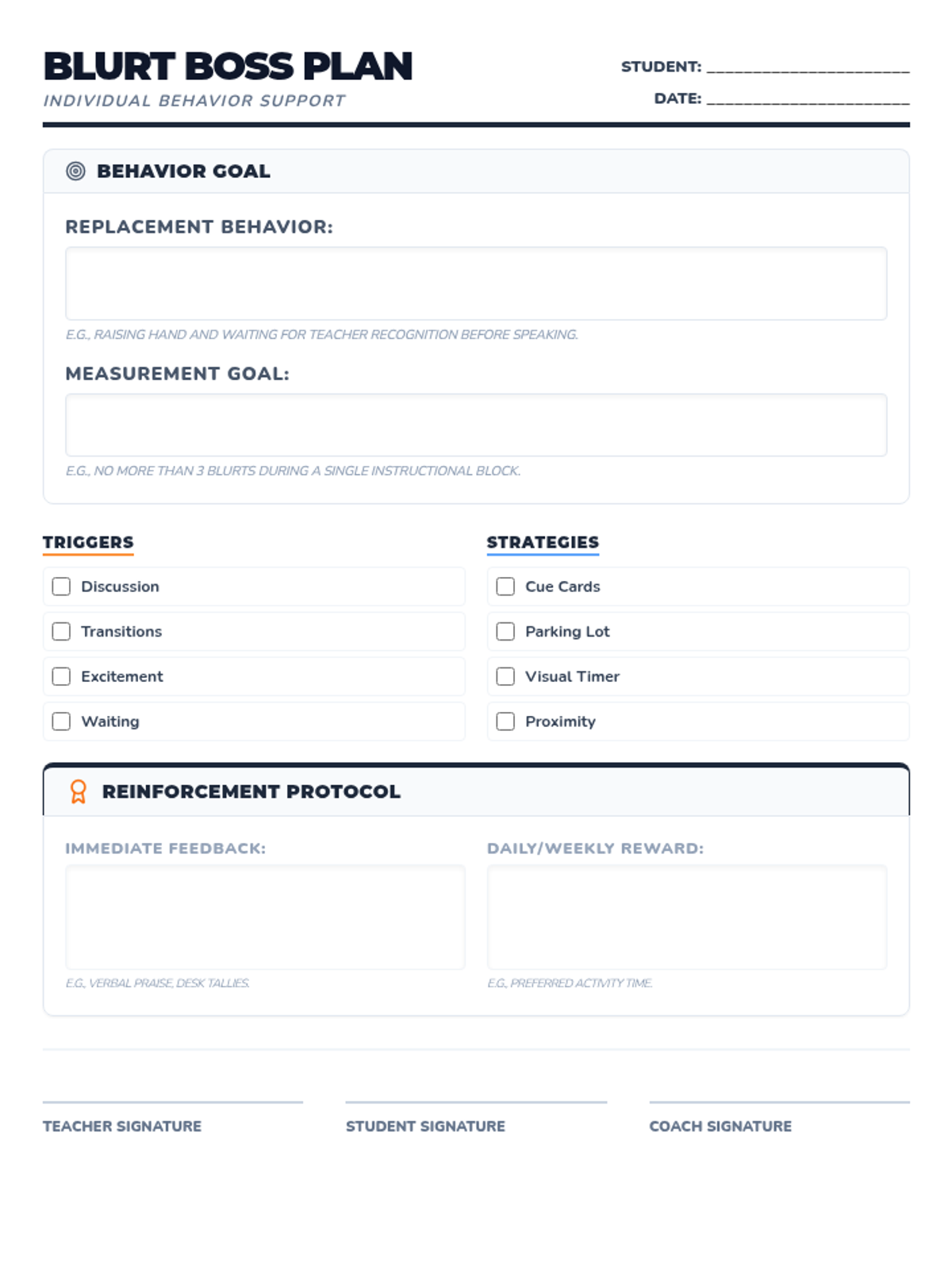
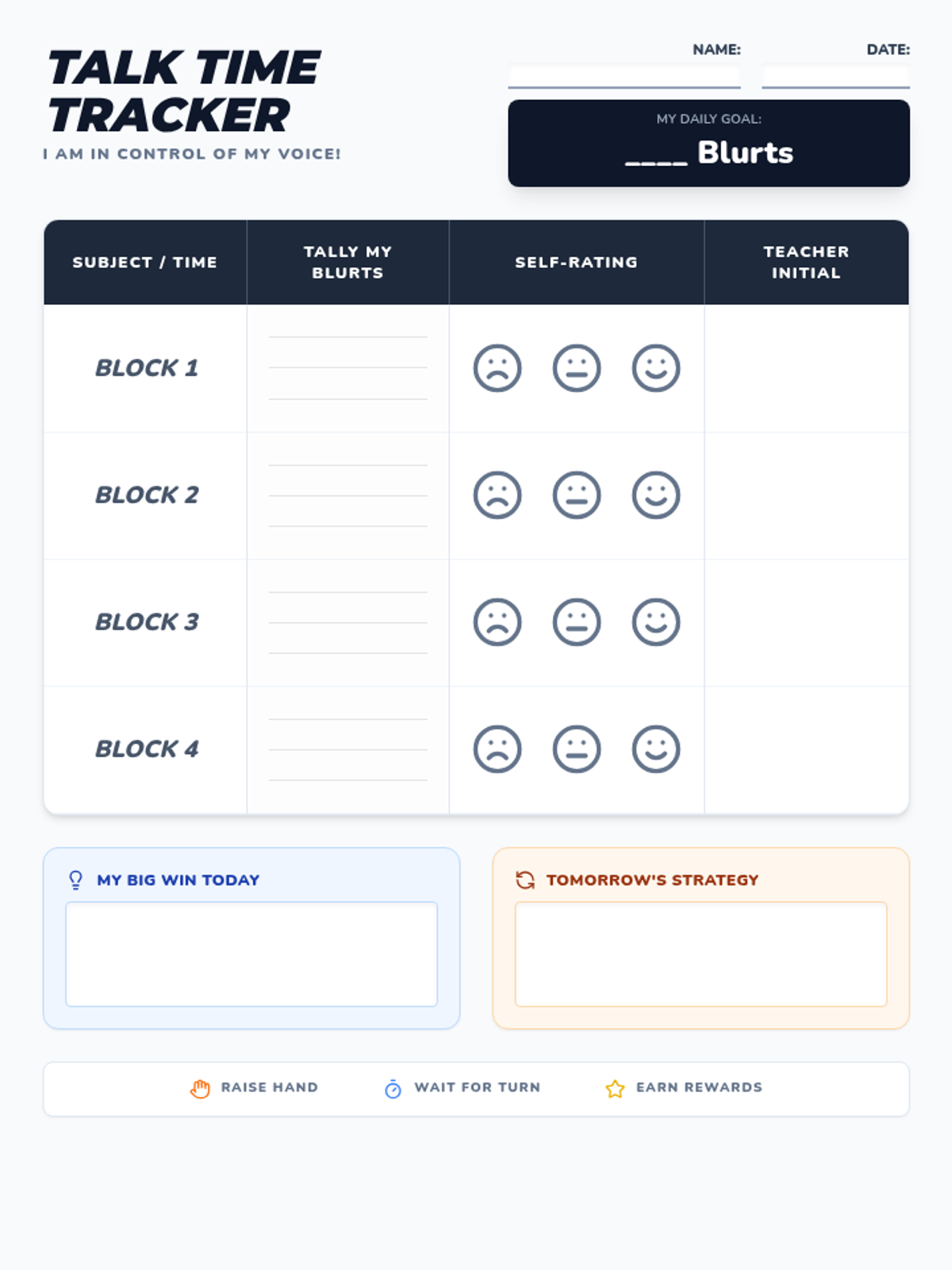
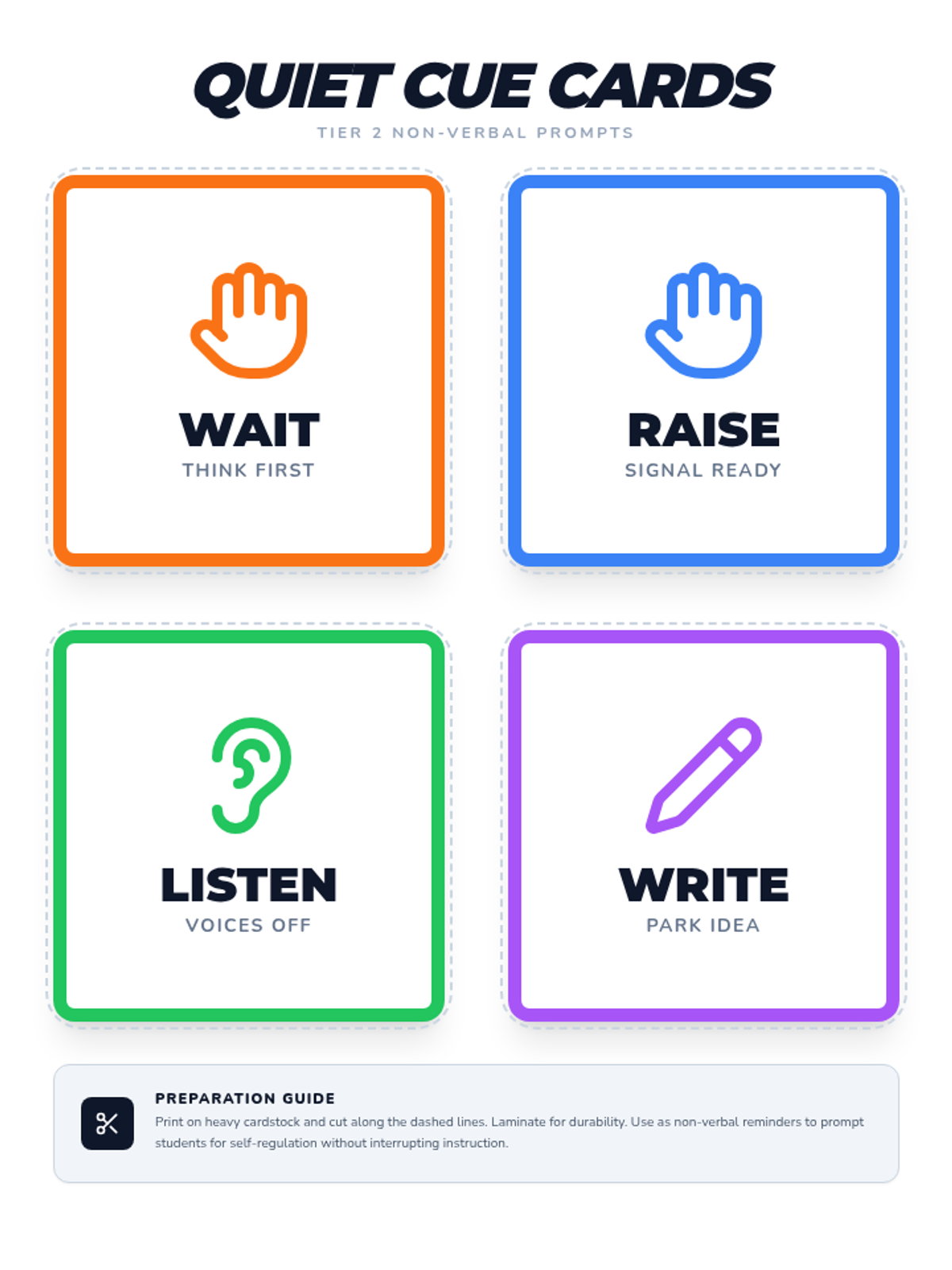
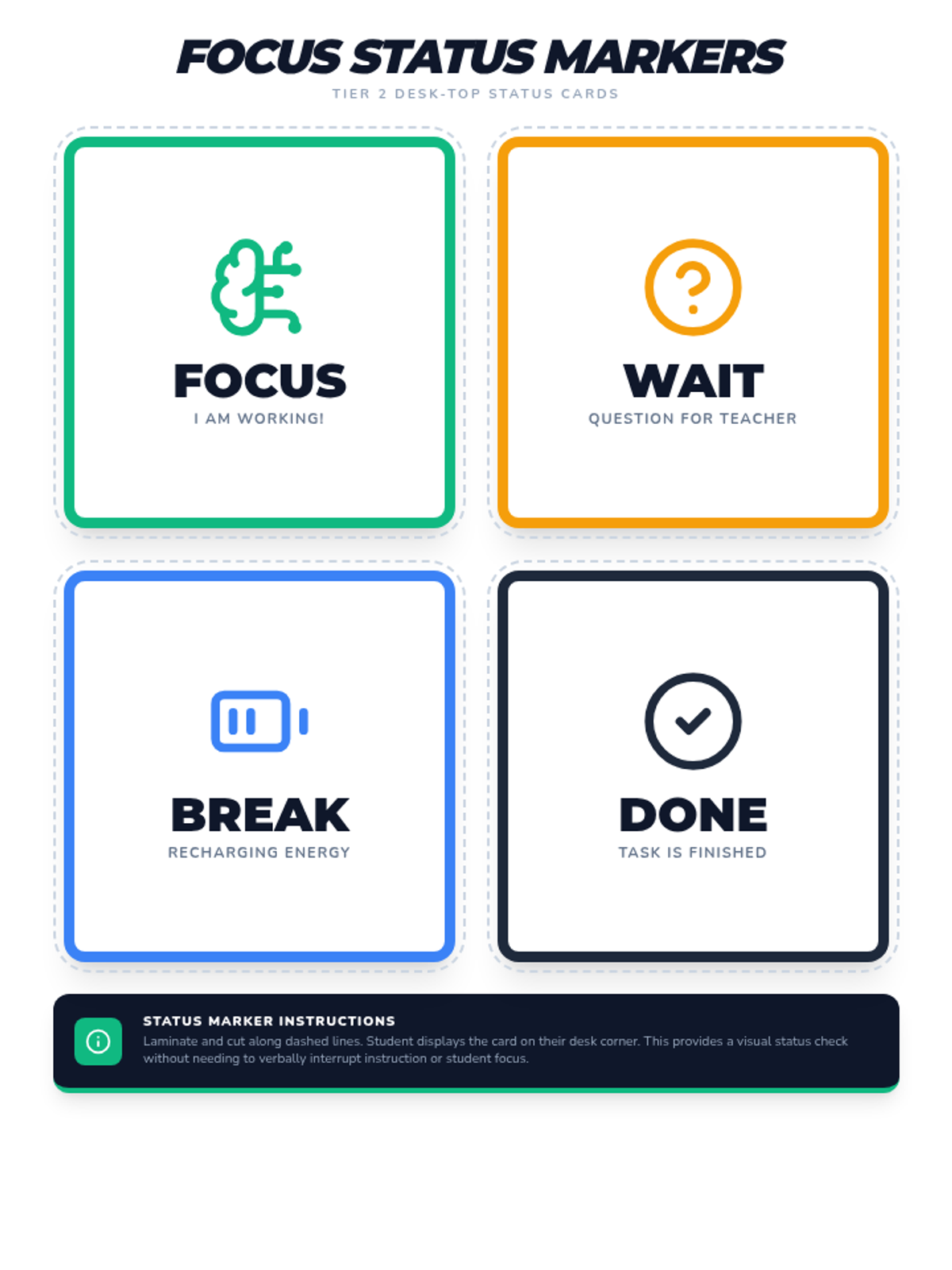
A comprehensive Tier 2 intervention toolkit designed to support students struggling with blurting and excessive talking through self-monitoring, visual cues, and structured coaching.
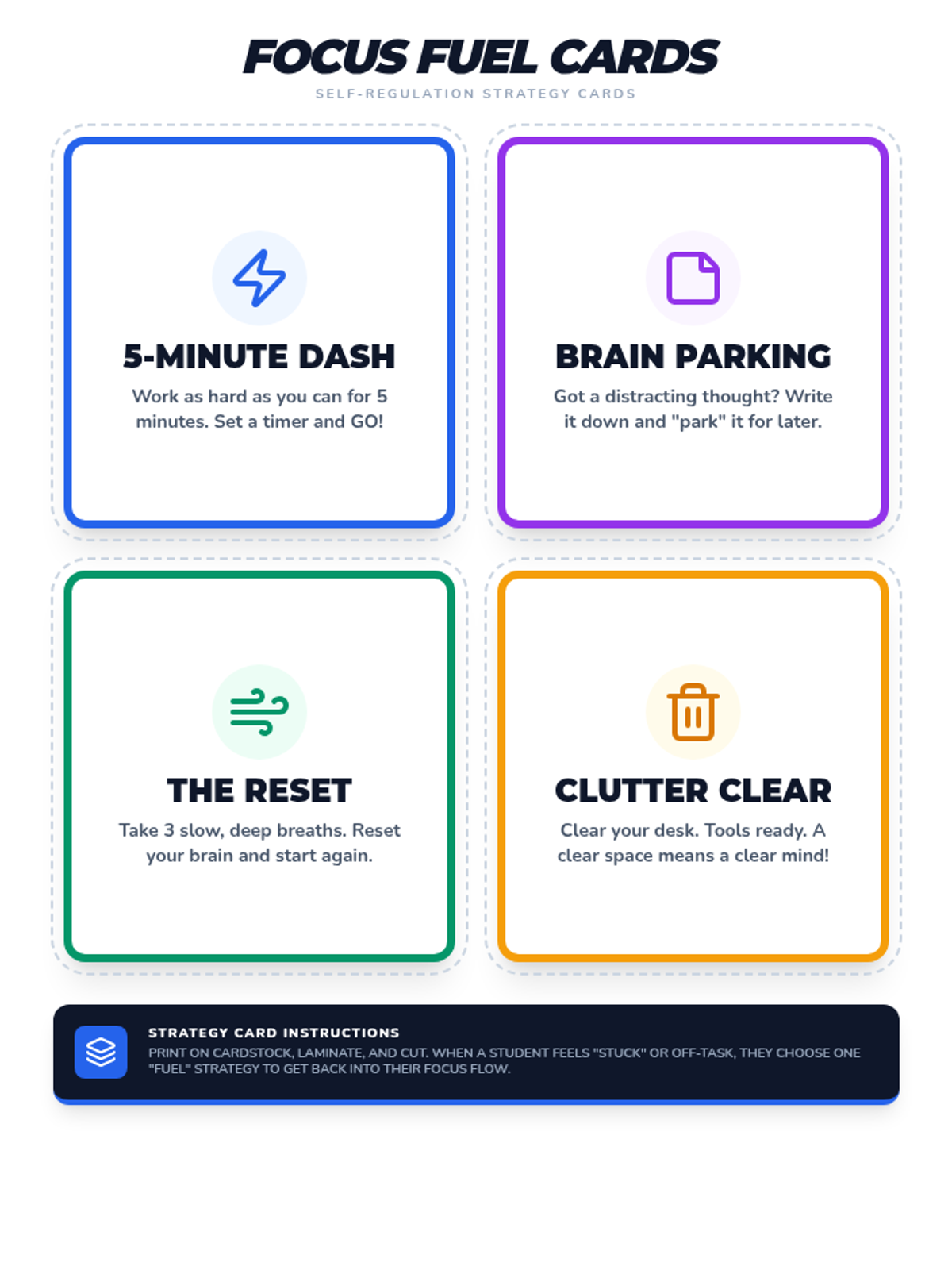
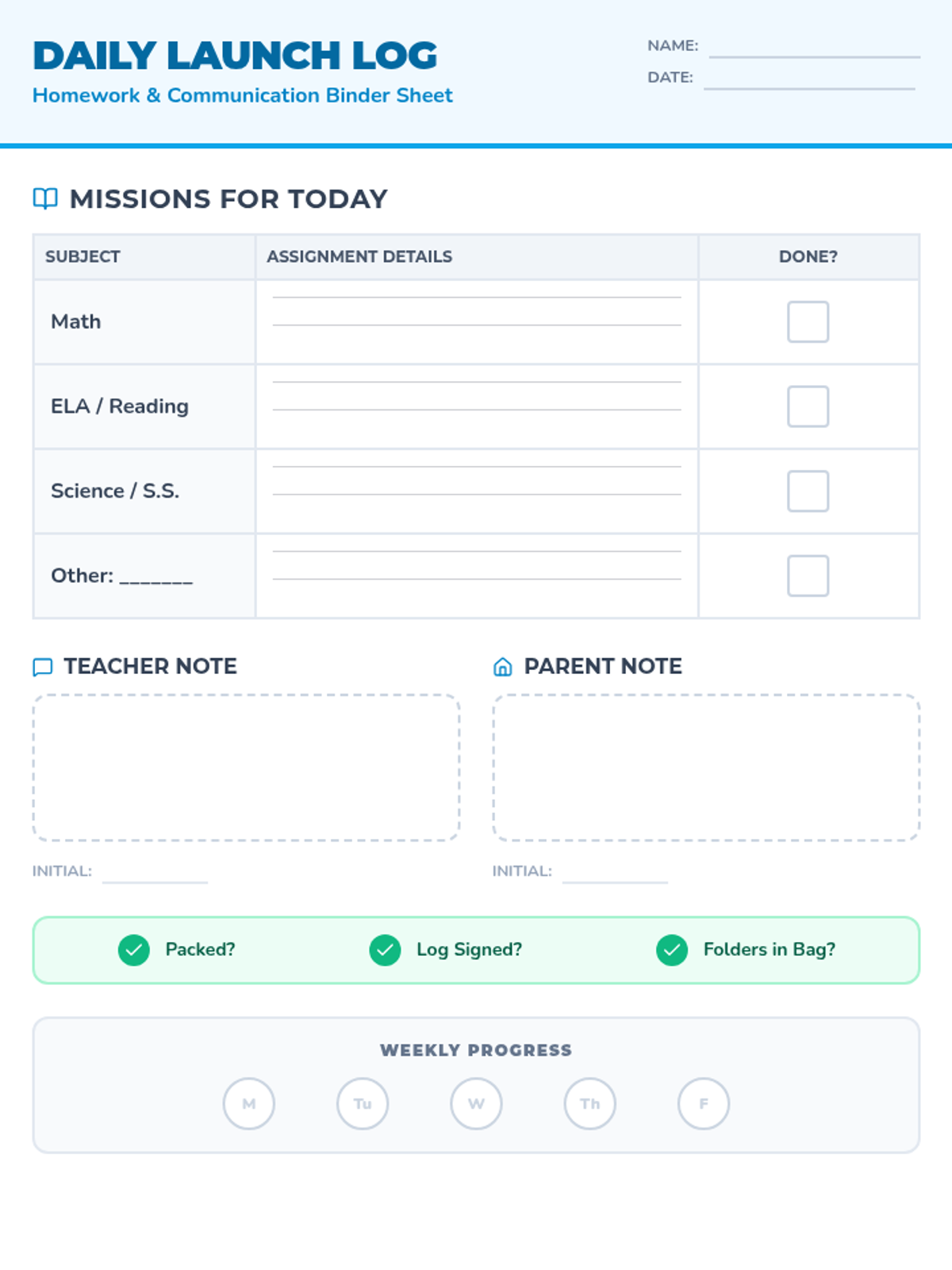
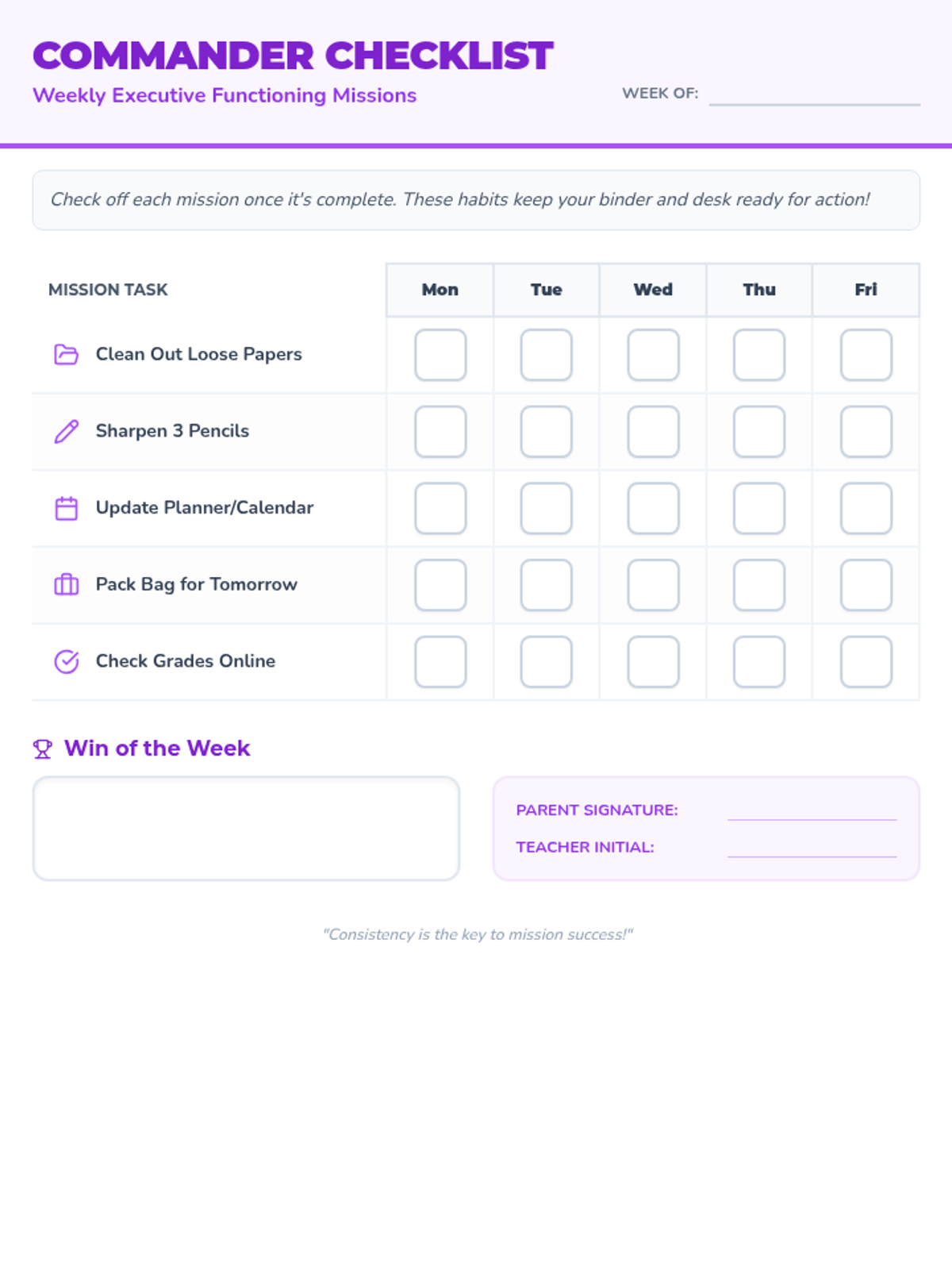
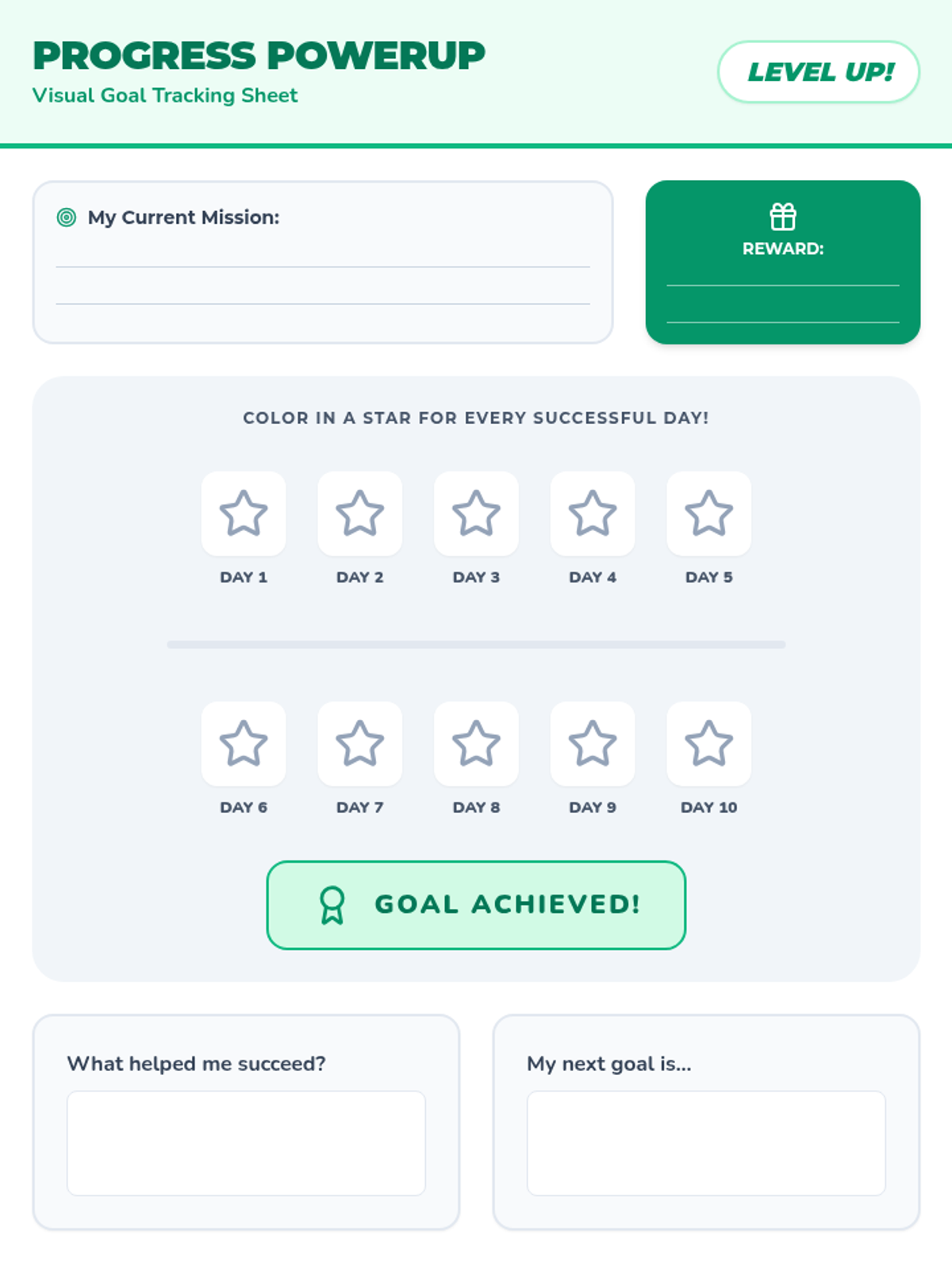
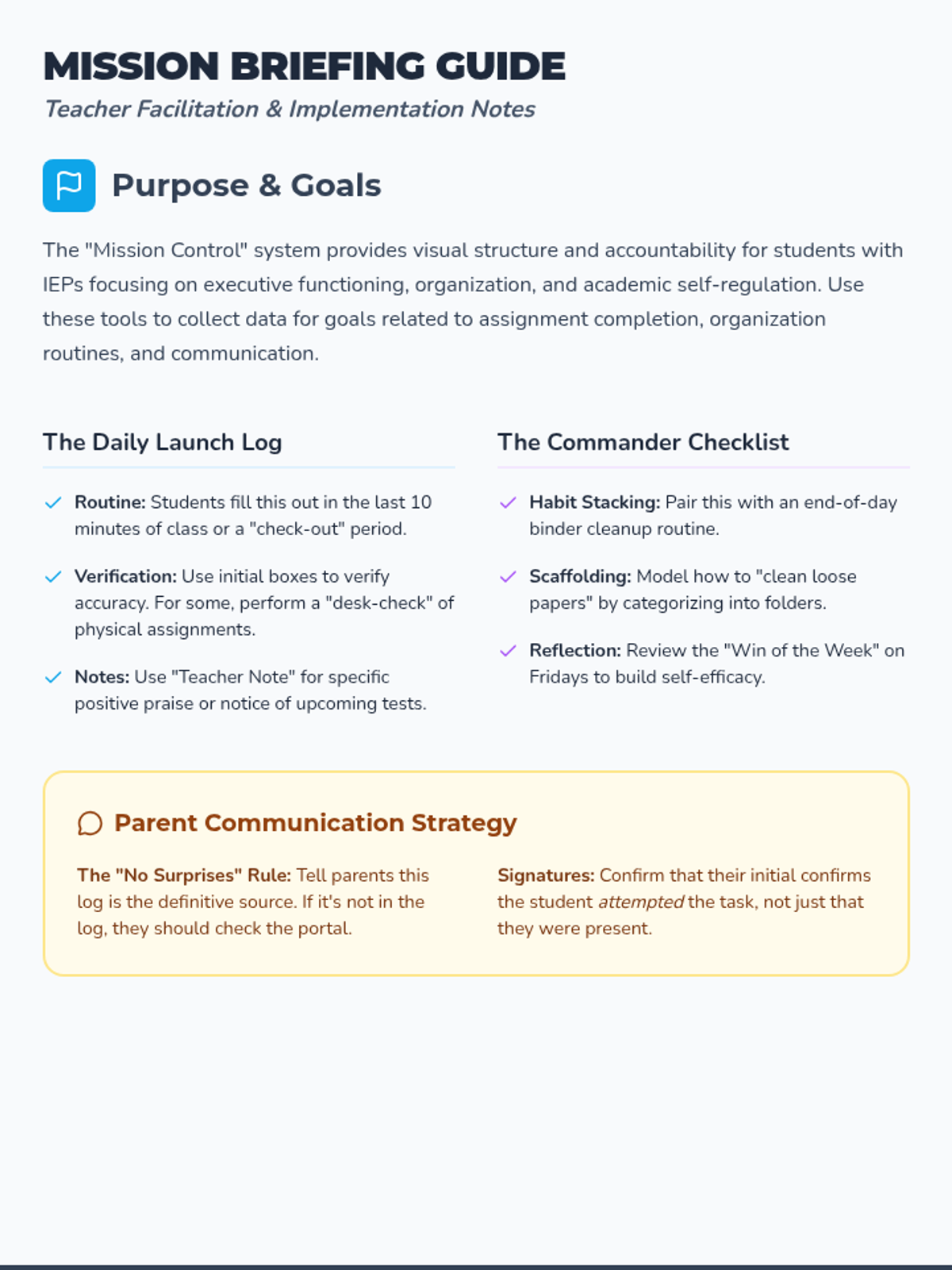
A comprehensive set of tools designed to help IEP students manage daily homework, develop executive functioning skills, and bridge communication between home and school.
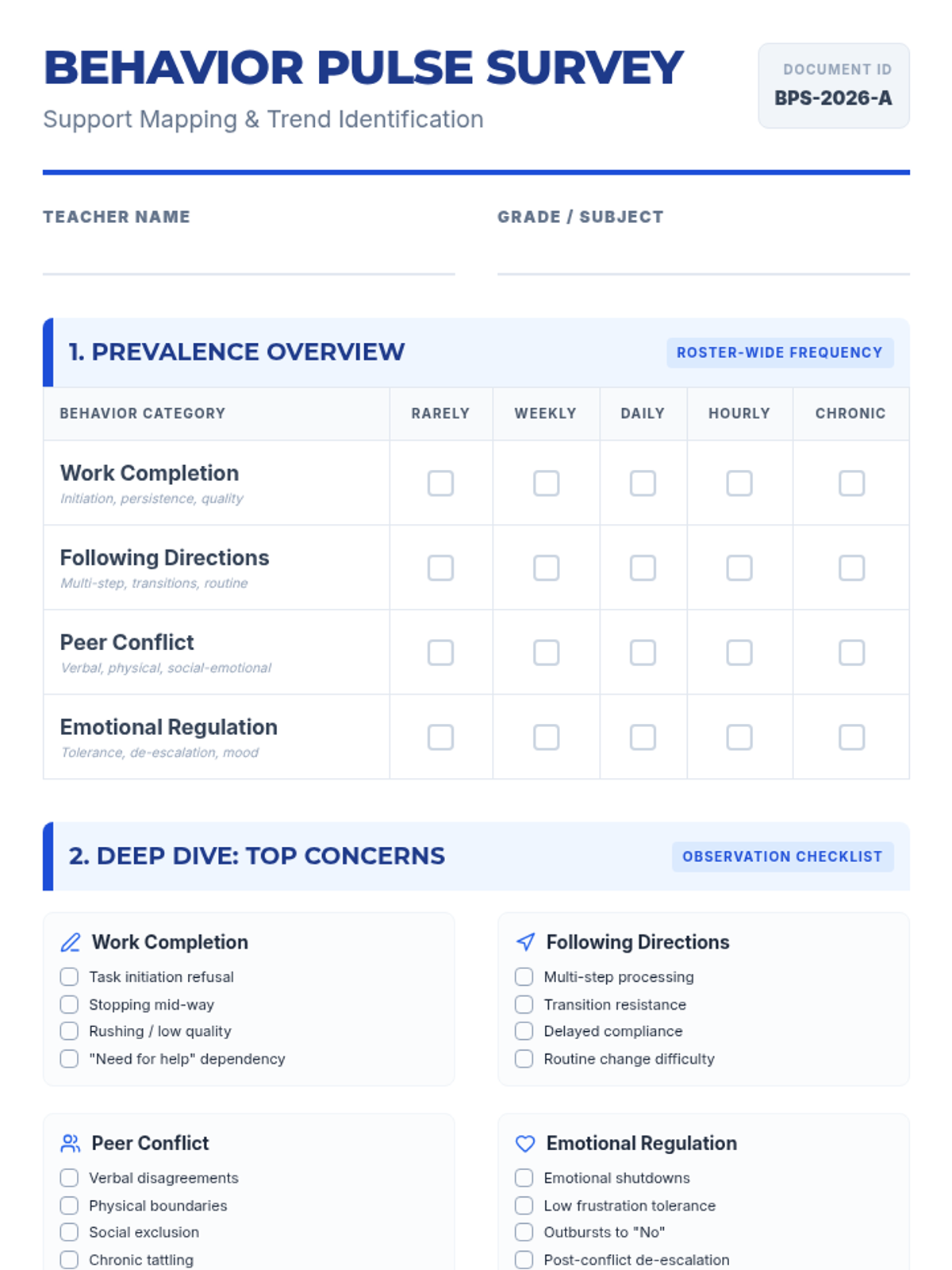
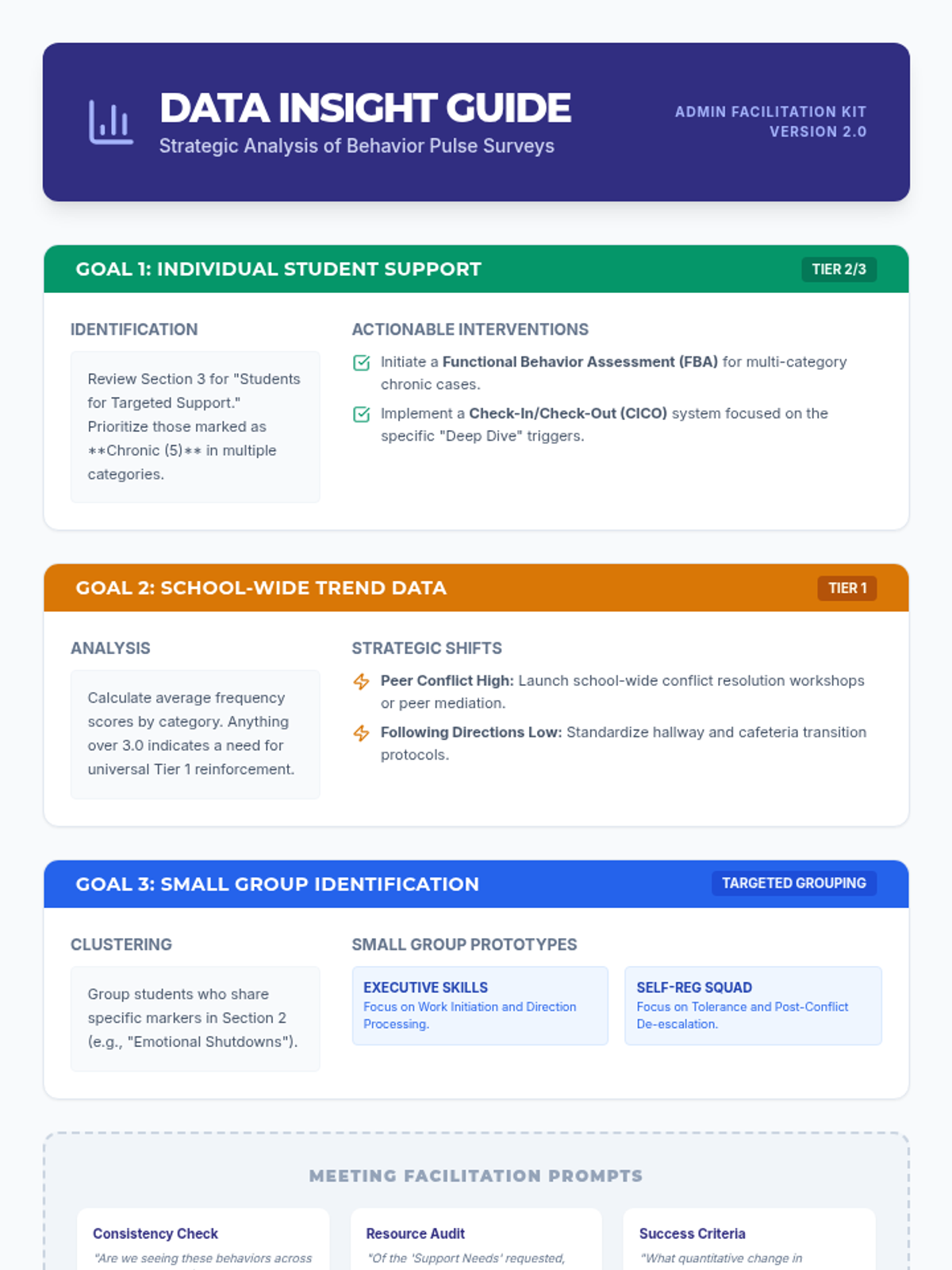
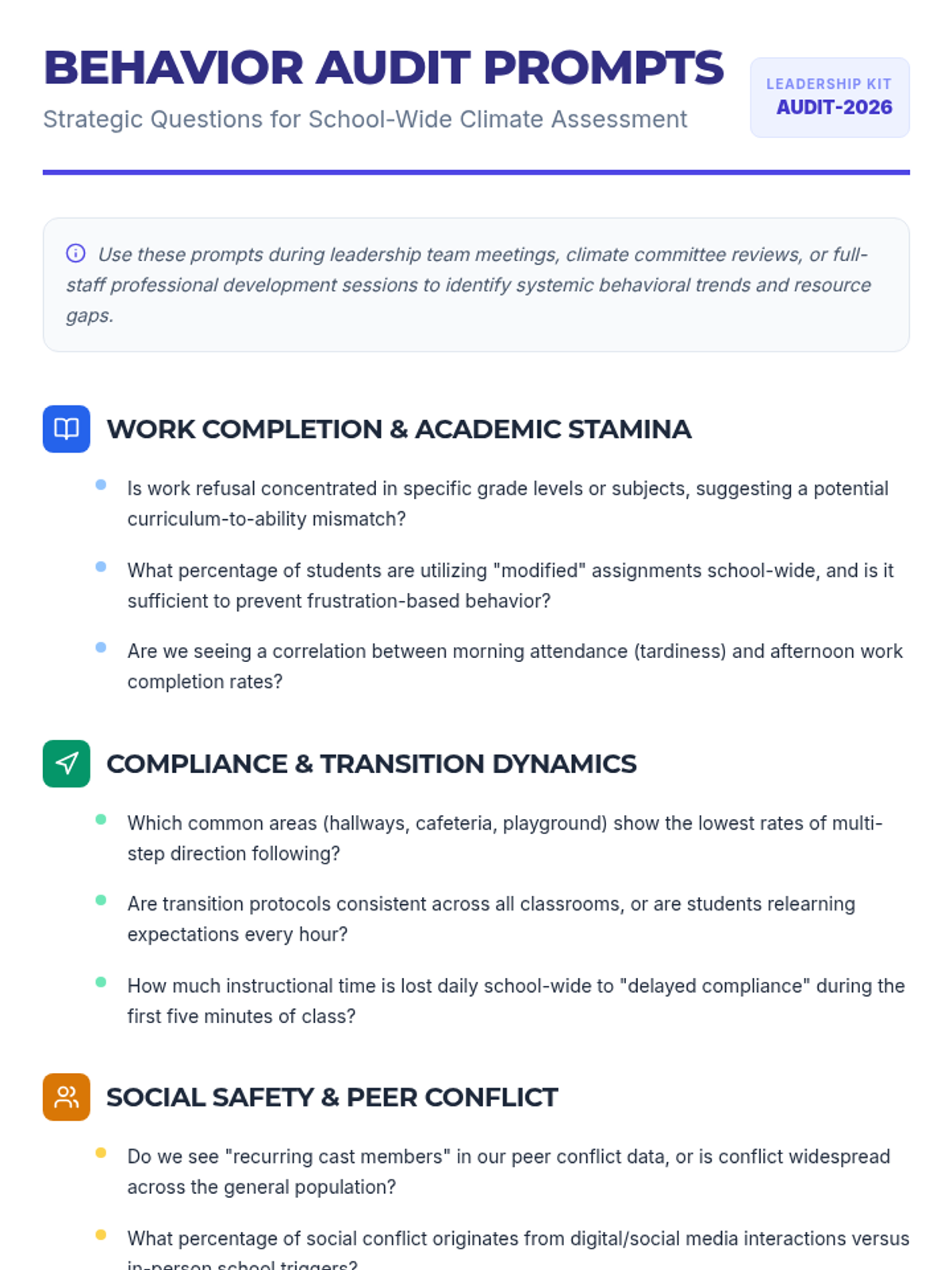
A comprehensive behavior assessment tool for teachers to track trends in work completion, following directions, peer conflict, and emotional regulation. This data is designed to drive individual support plans, school-wide initiatives, and small-group interventions.
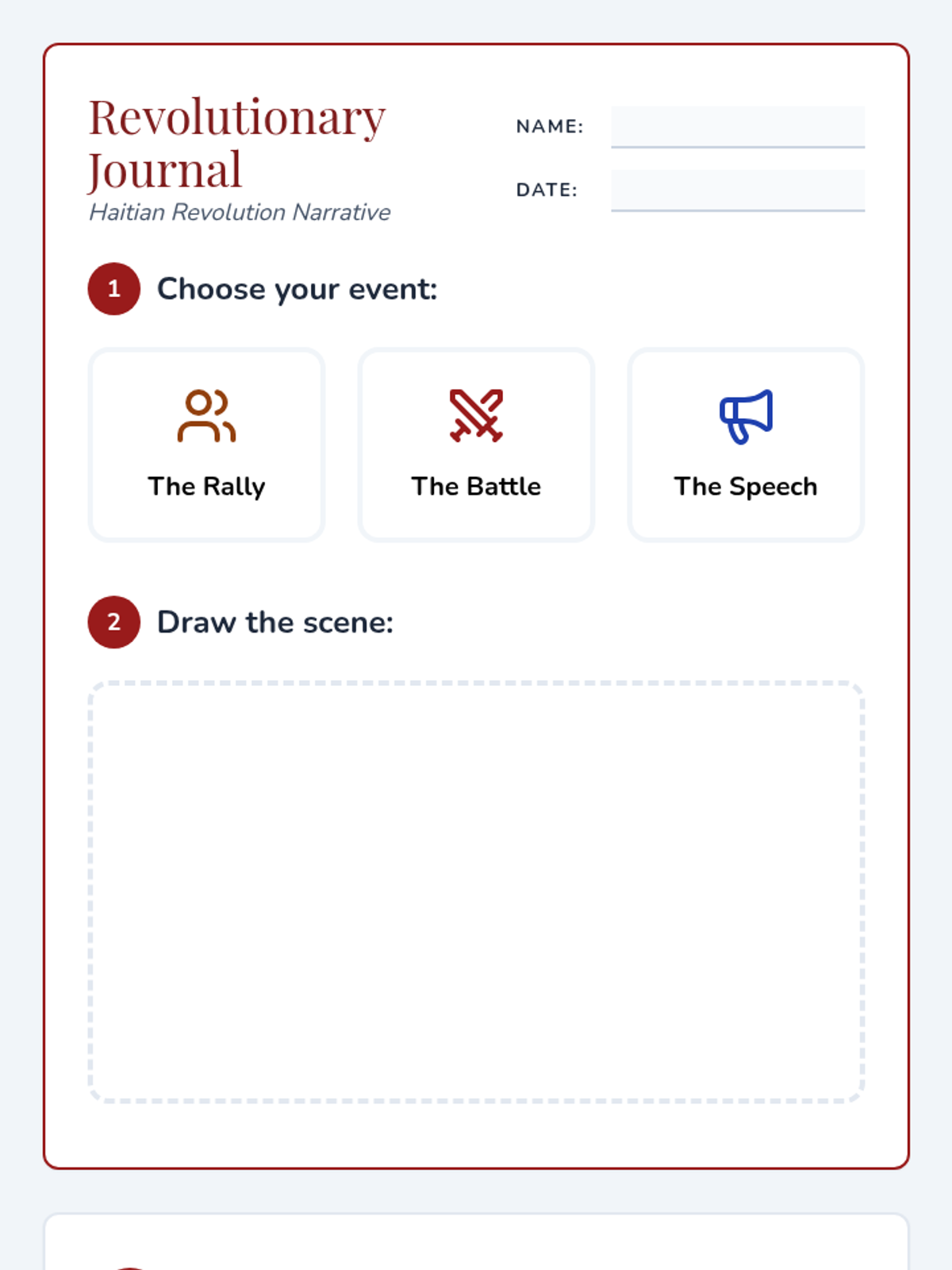
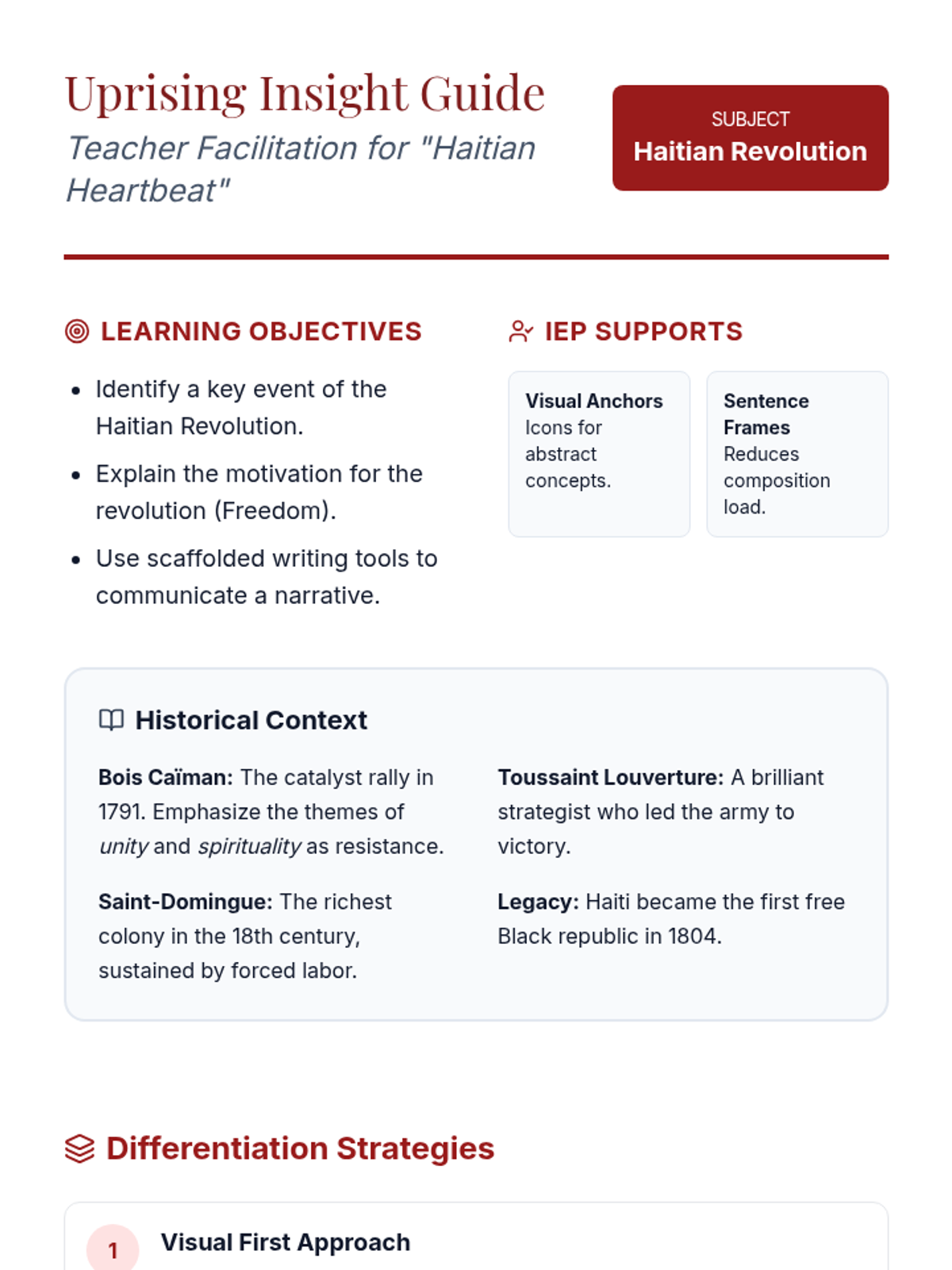
A lesson exploring the key events and motivations of the Haitian Revolution, designed specifically with scaffolded supports for students with IEPs. Students will analyze revolutionary actions like rallies and battles before completing a visually supported journal entry.
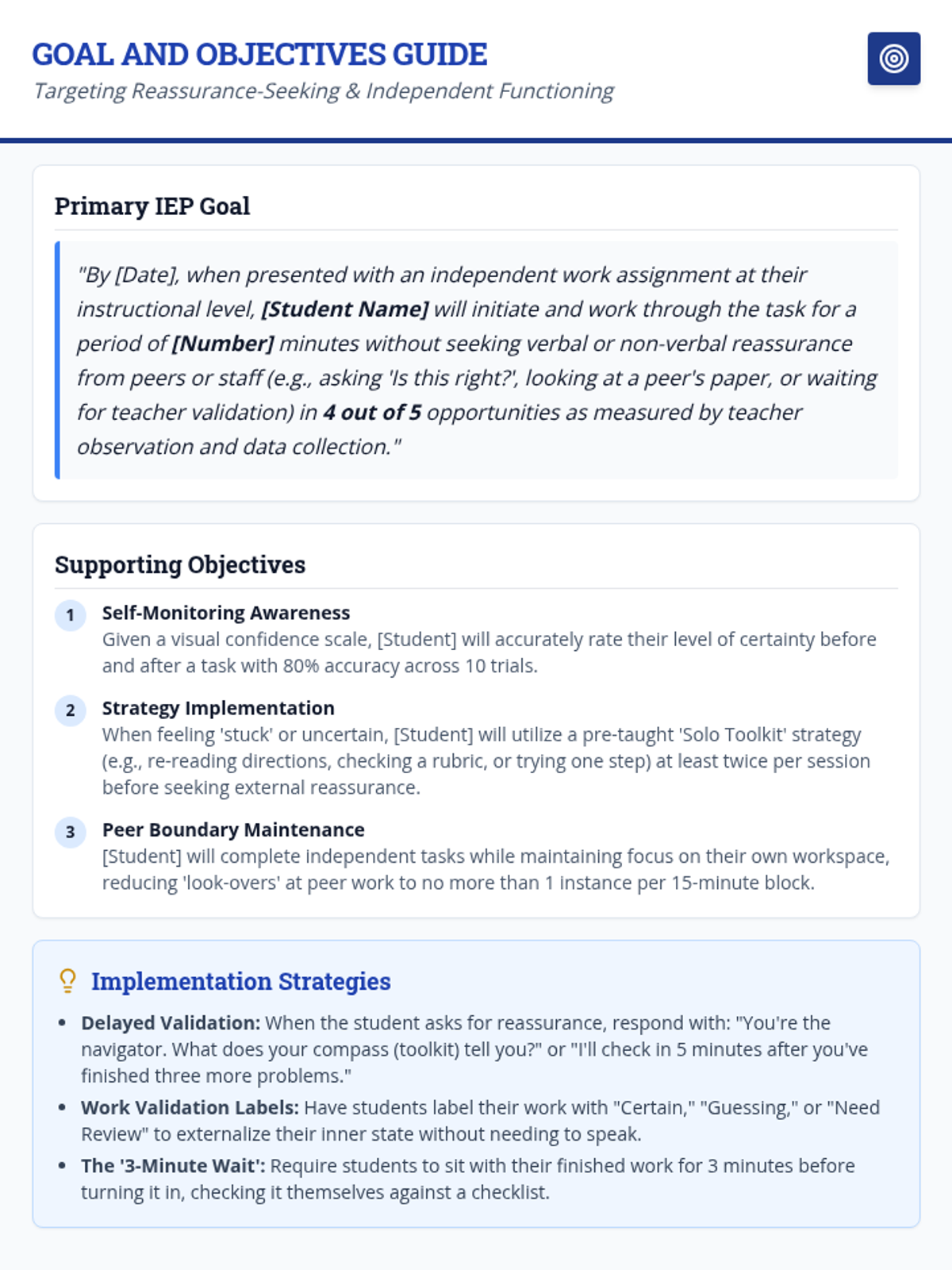
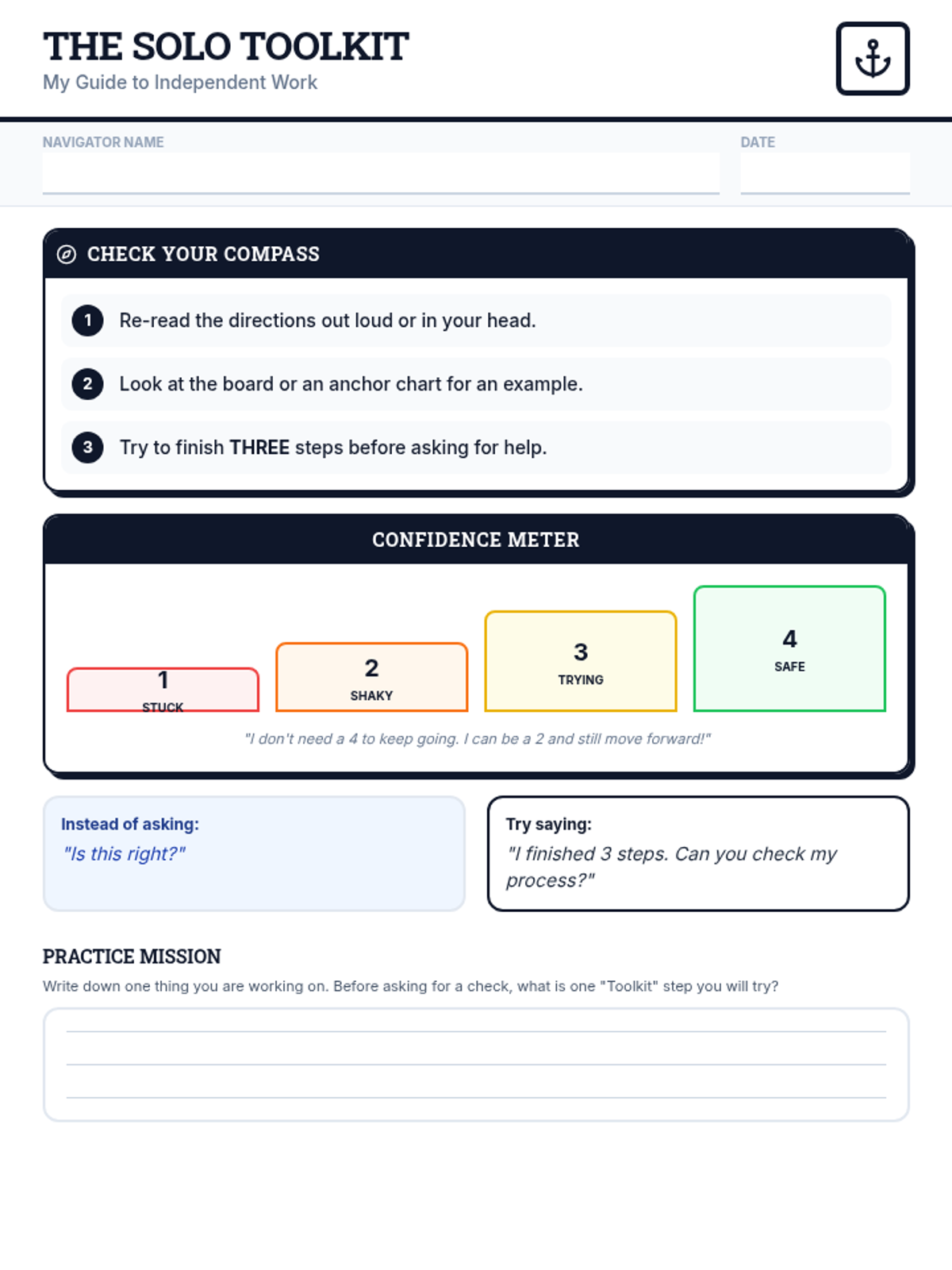
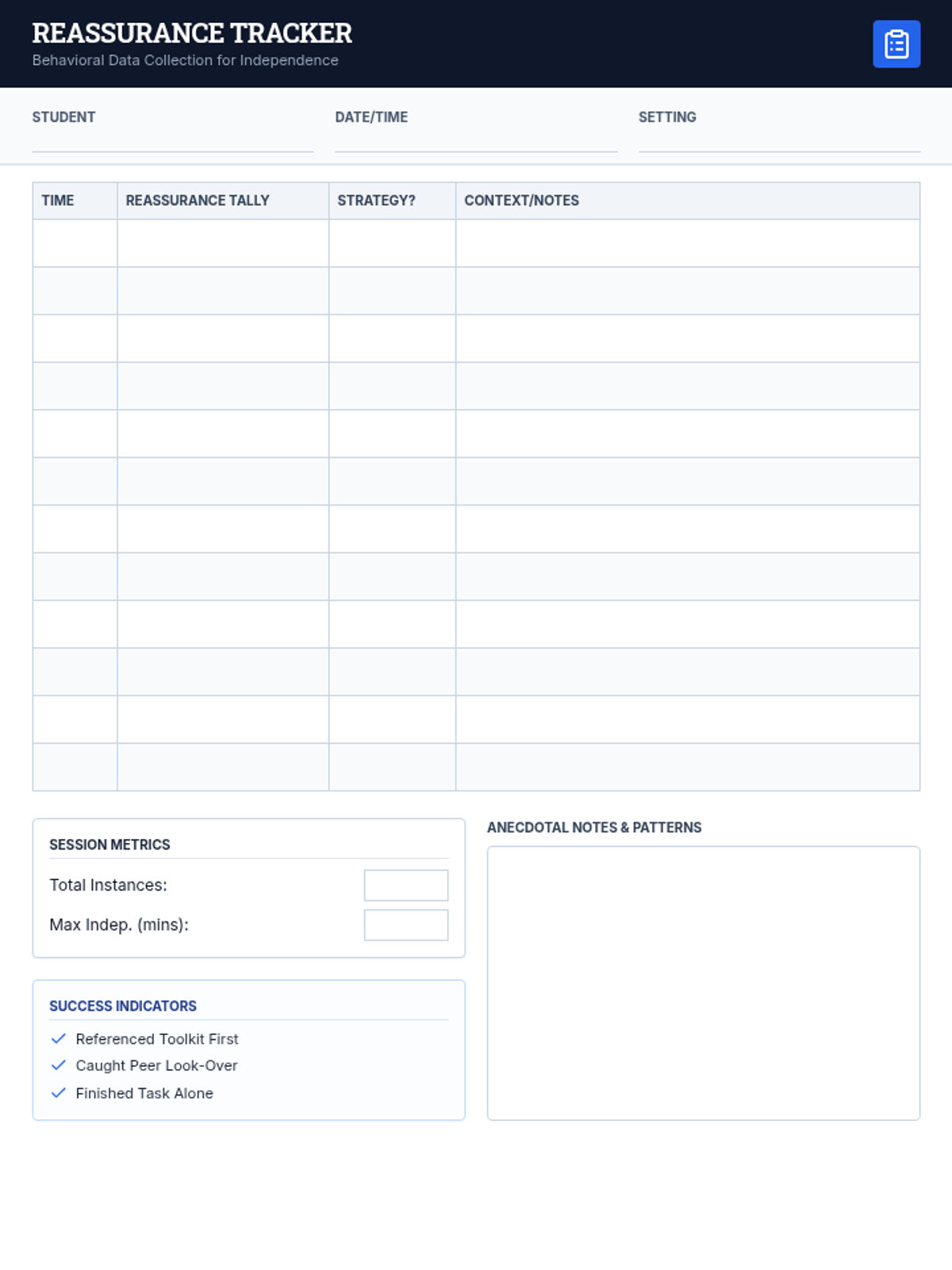
A comprehensive lesson designed to help students transition from reassurance-seeking behavior to independent work through self-monitoring and specific problem-solving strategies.
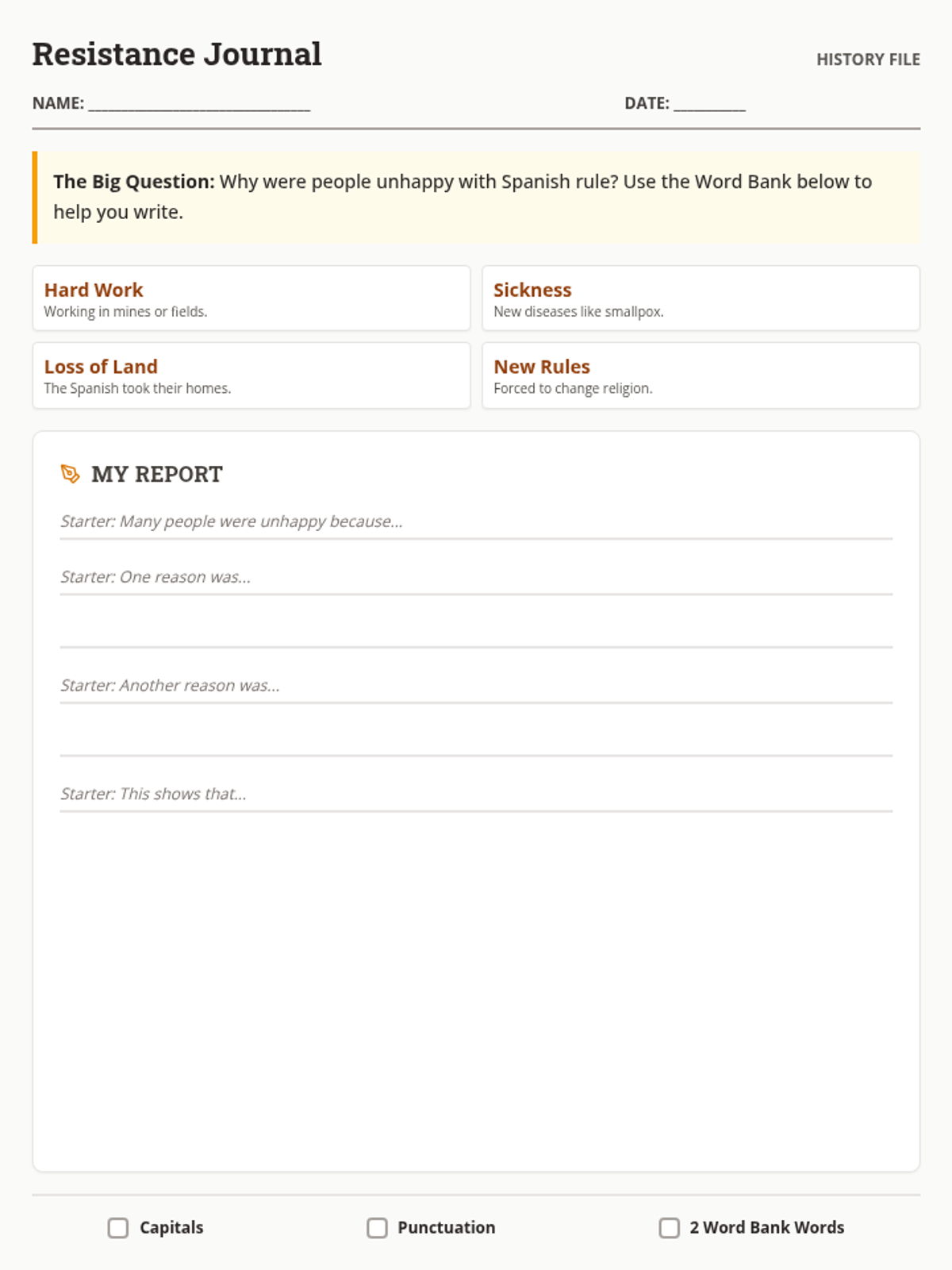
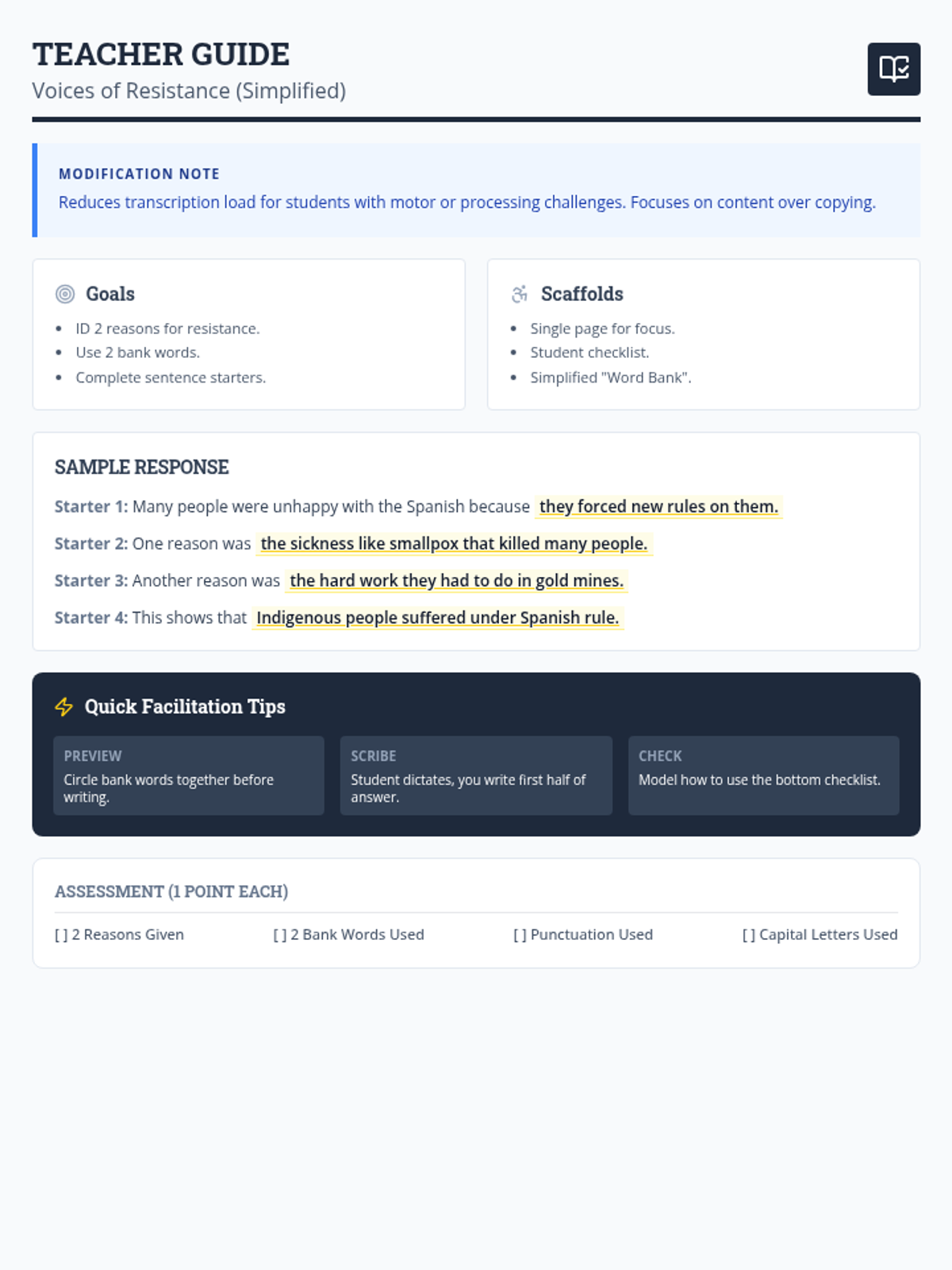
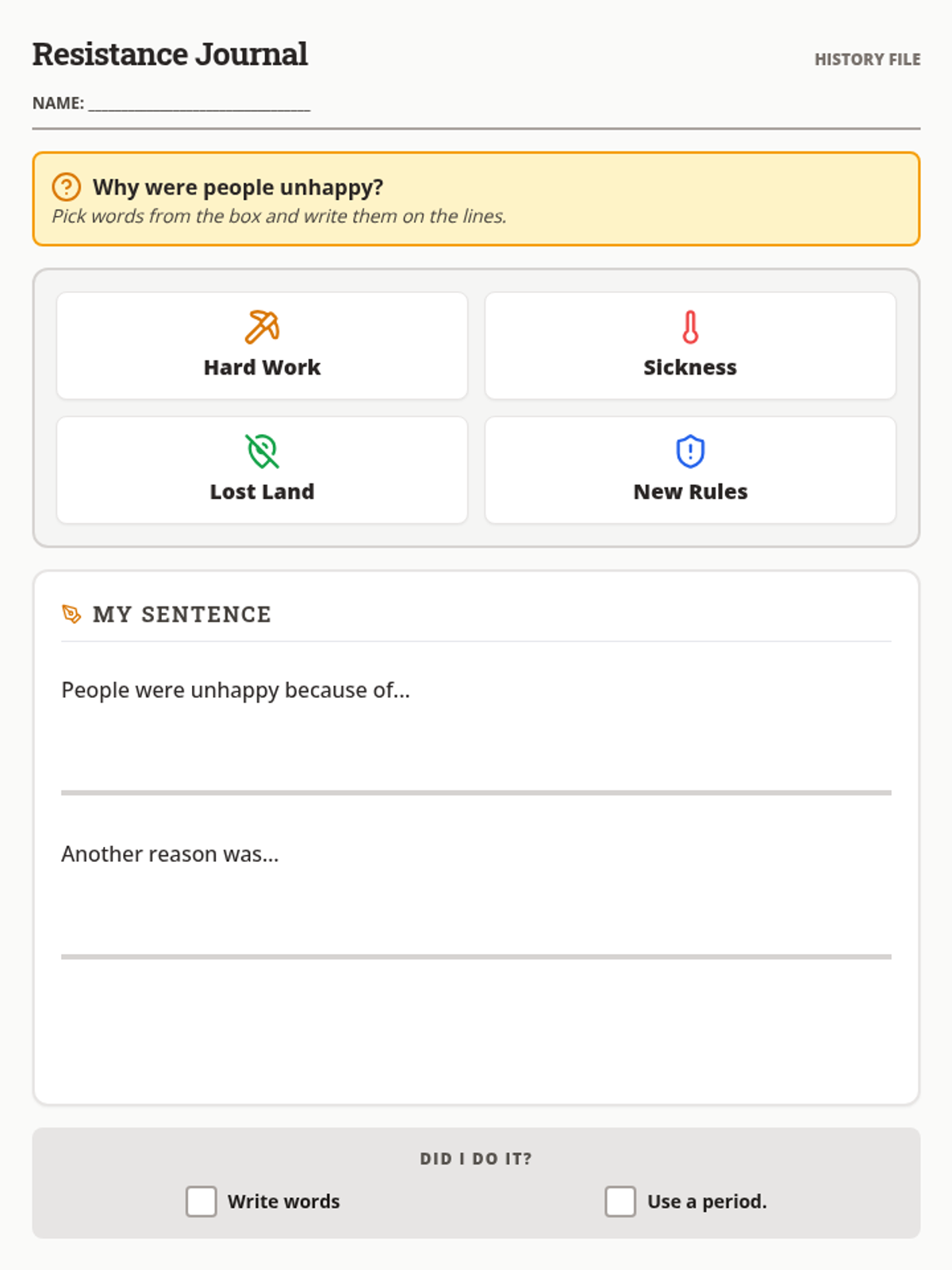
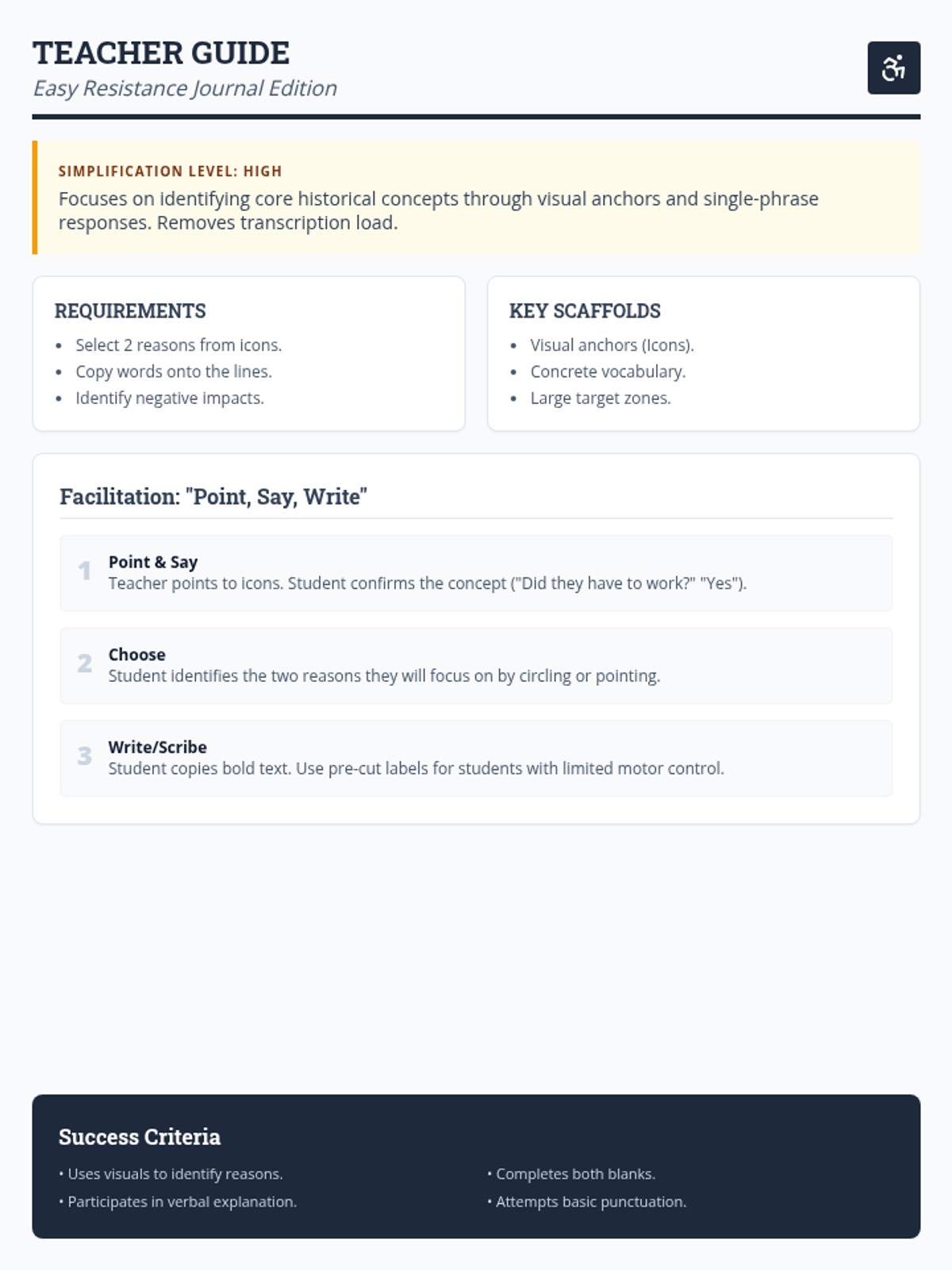
A structured writing lesson exploring the reasons for Indigenous resistance to Spanish colonial rule, specifically designed with scaffolds for IEP students.
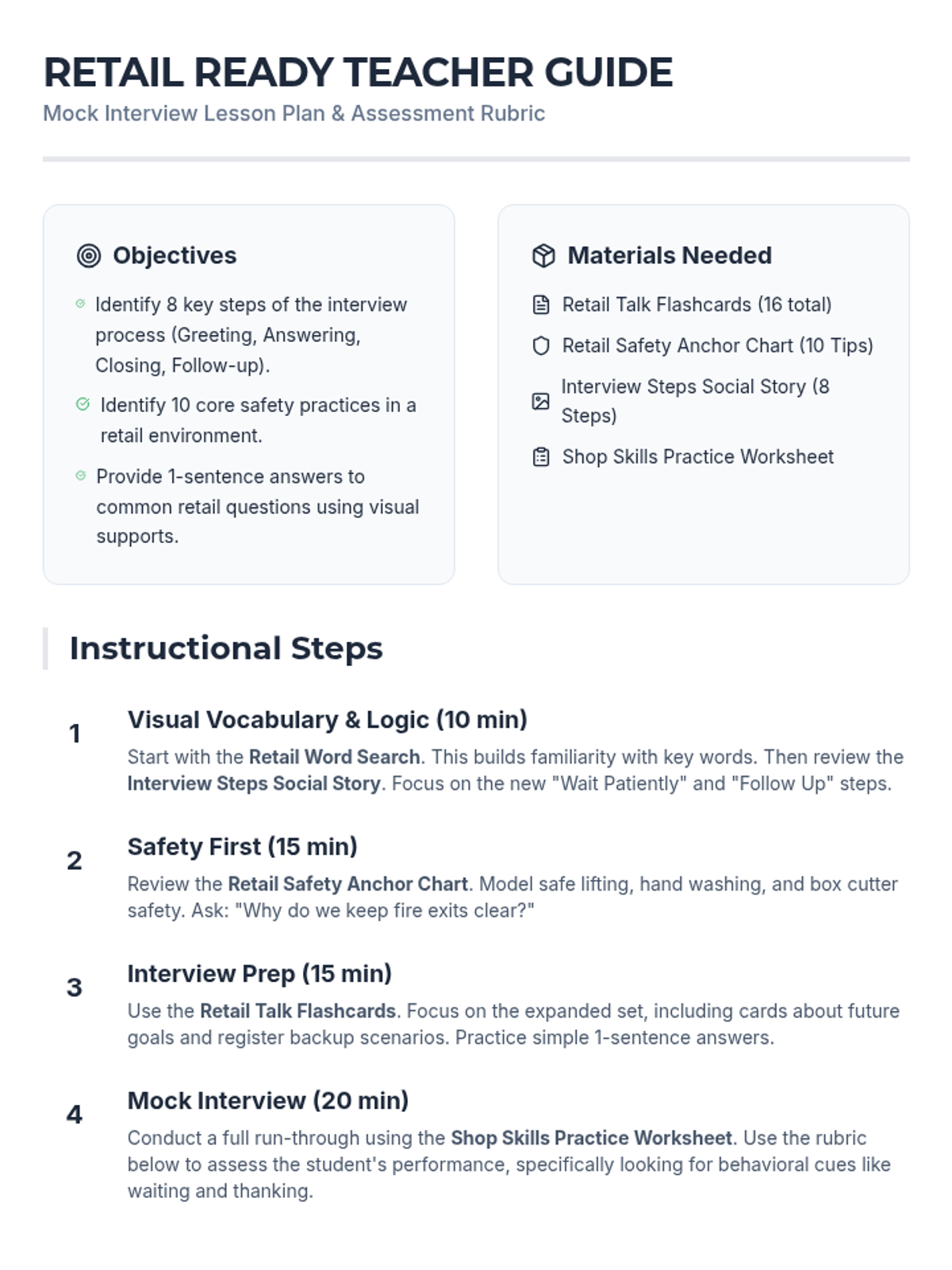
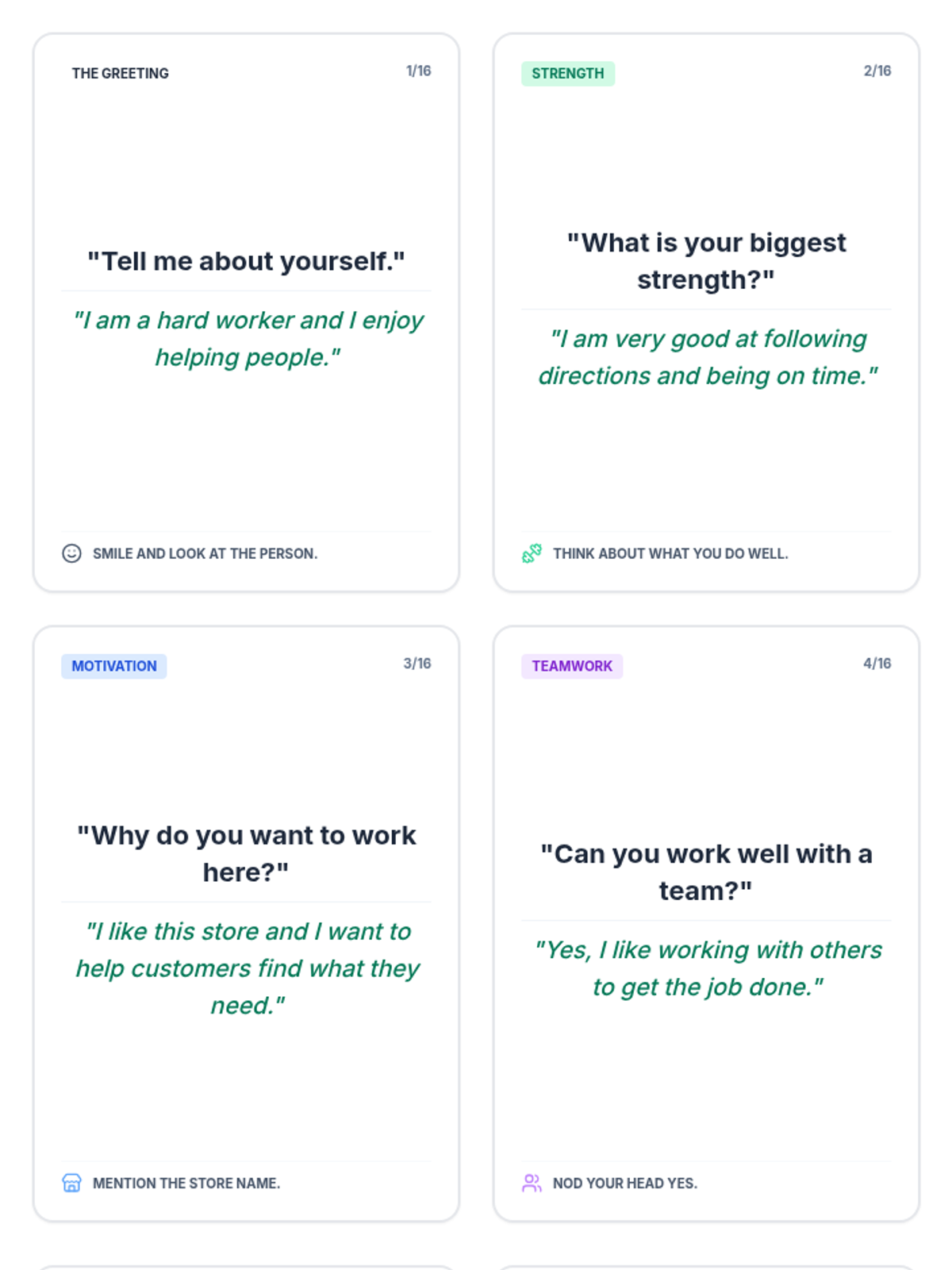
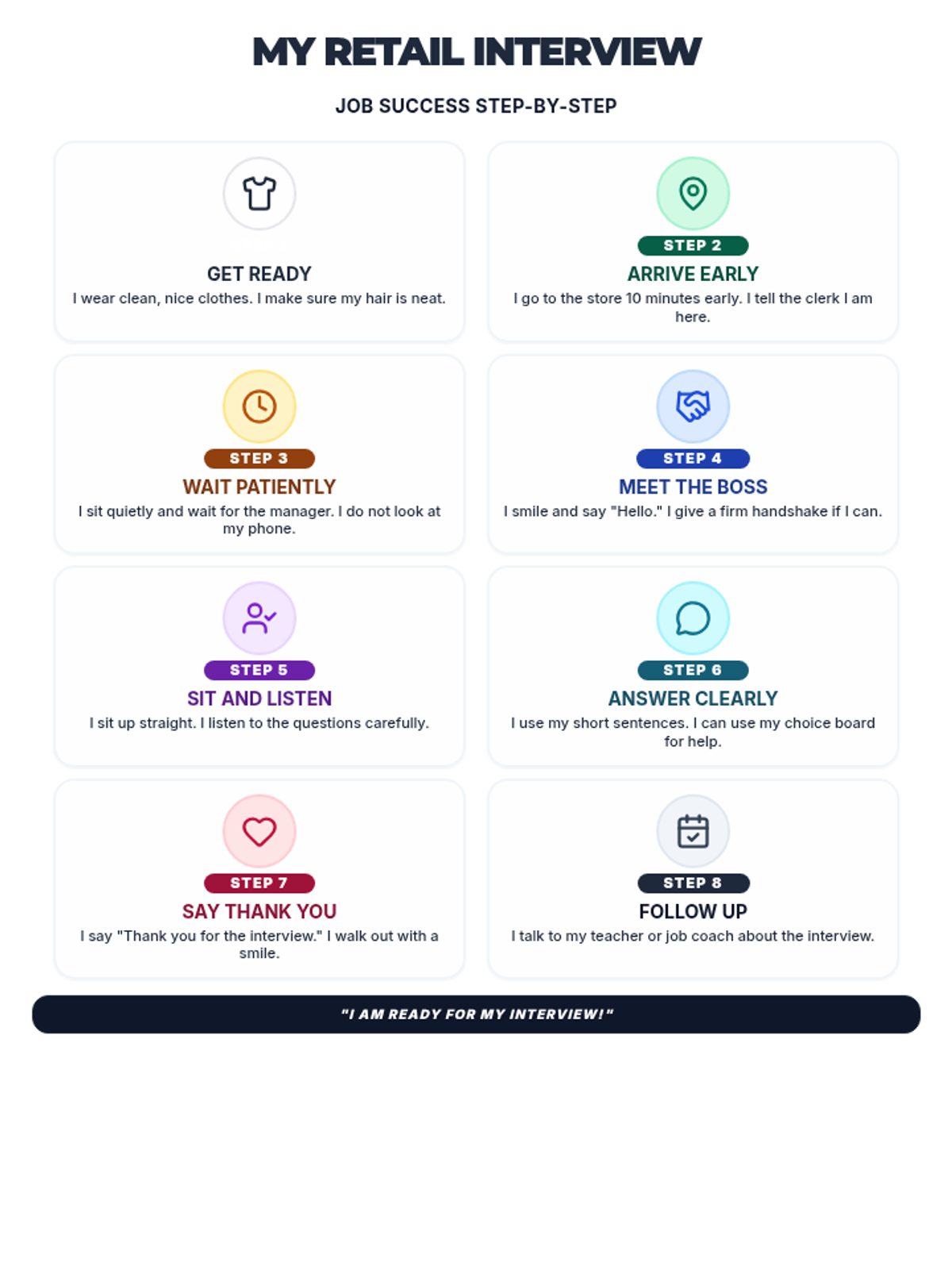
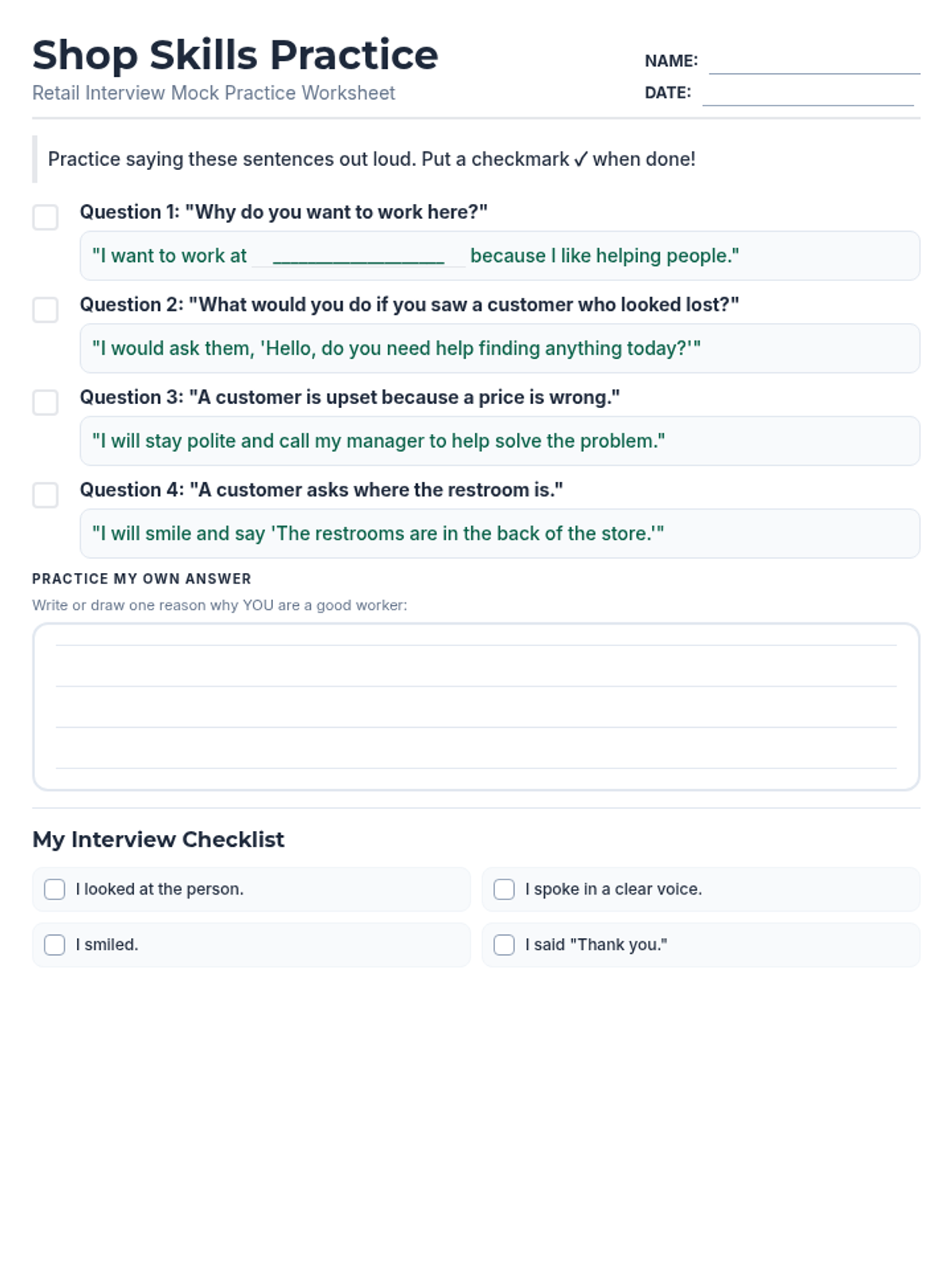
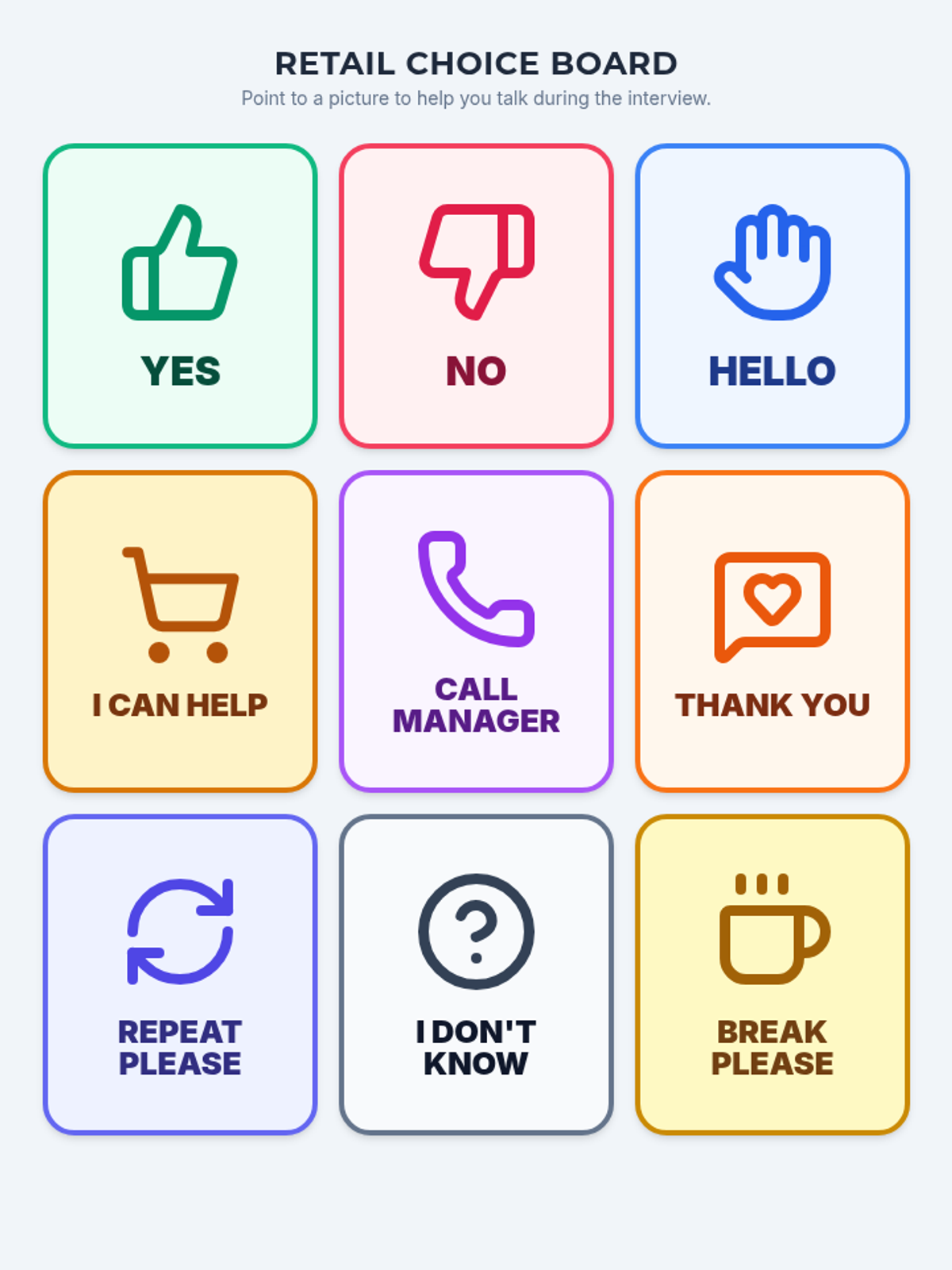
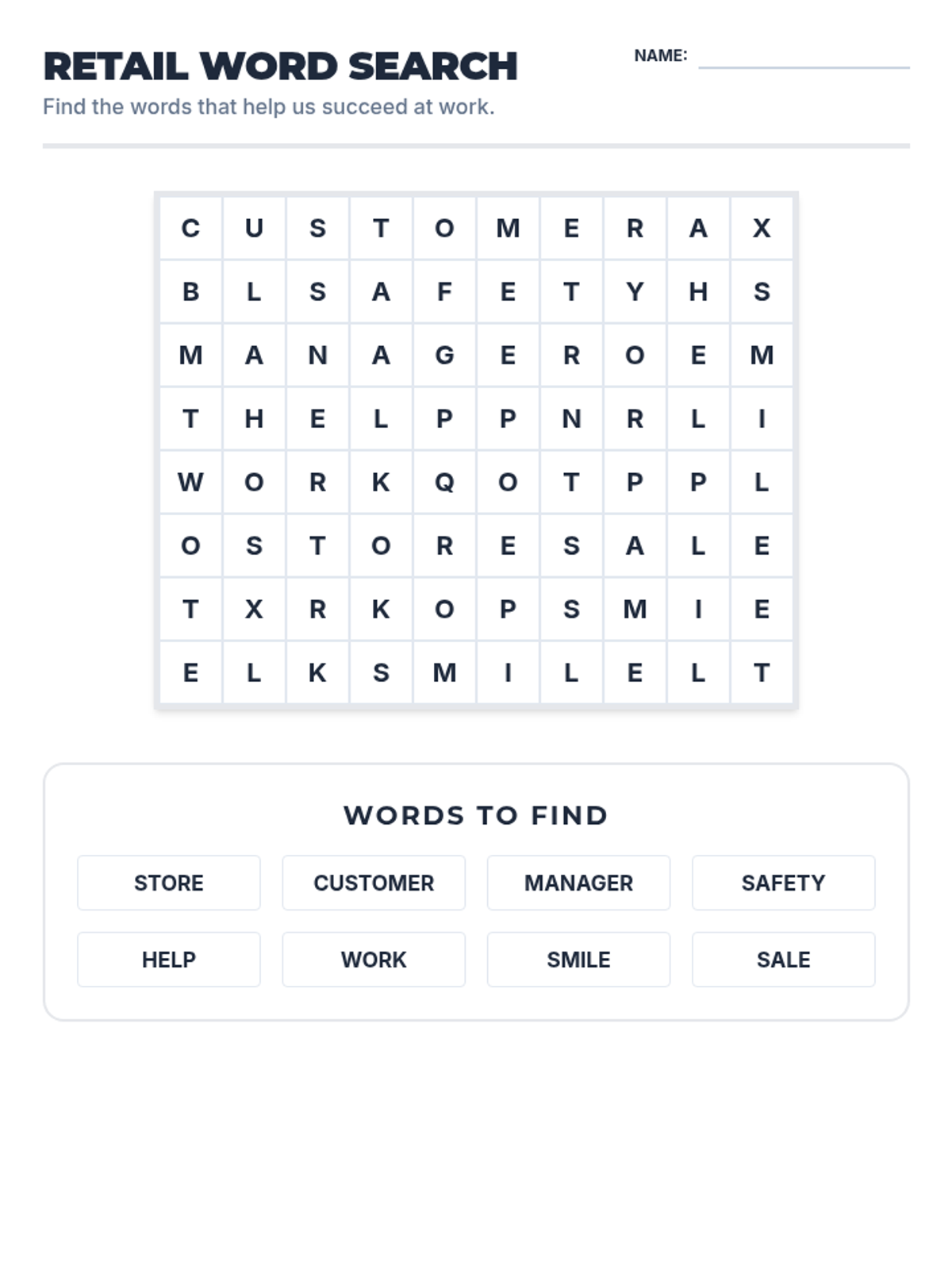
A comprehensive mock interview training program designed for learners seeking retail positions, focusing on visual supports, simple scripting, and situational problem-solving.
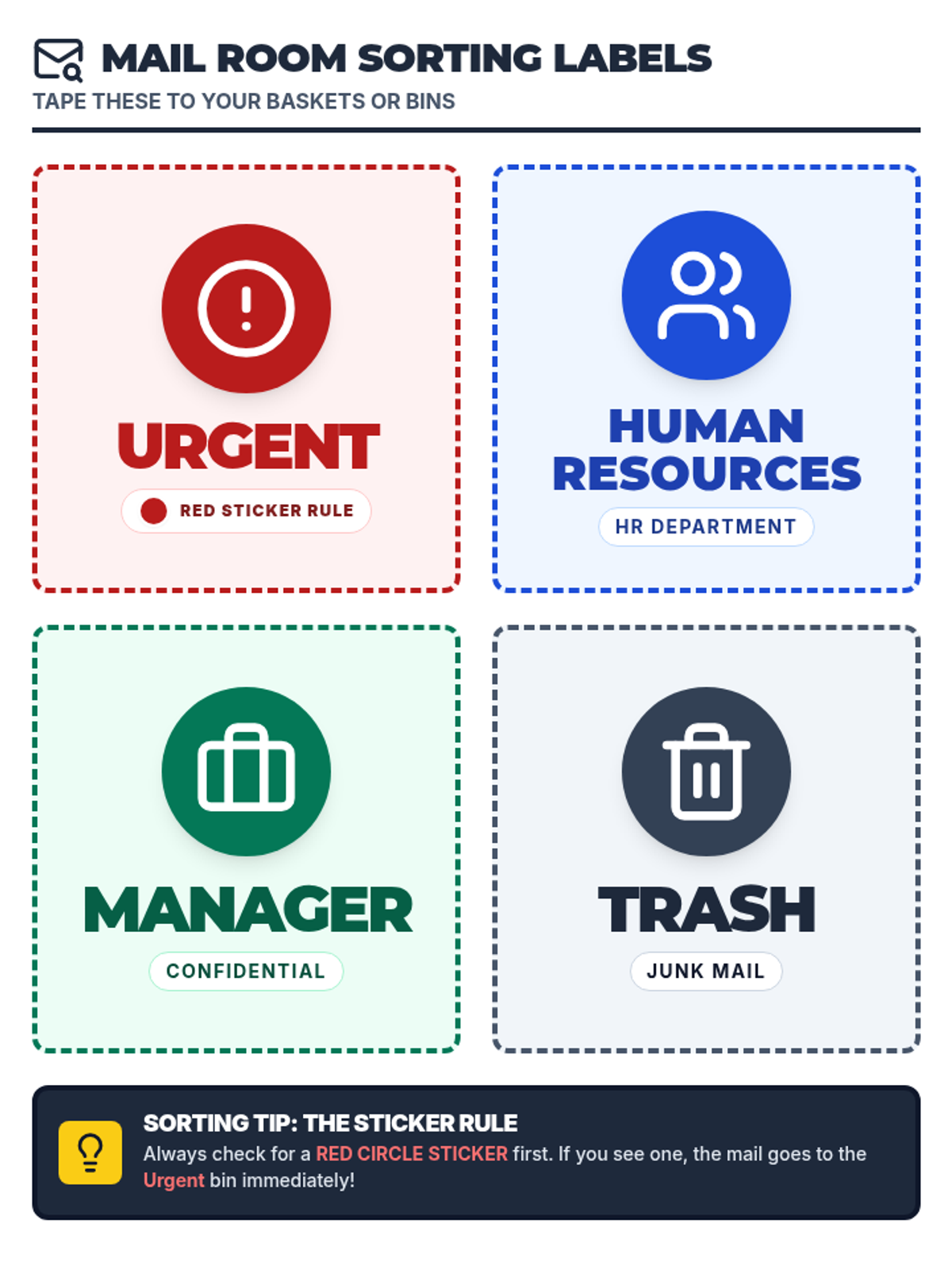
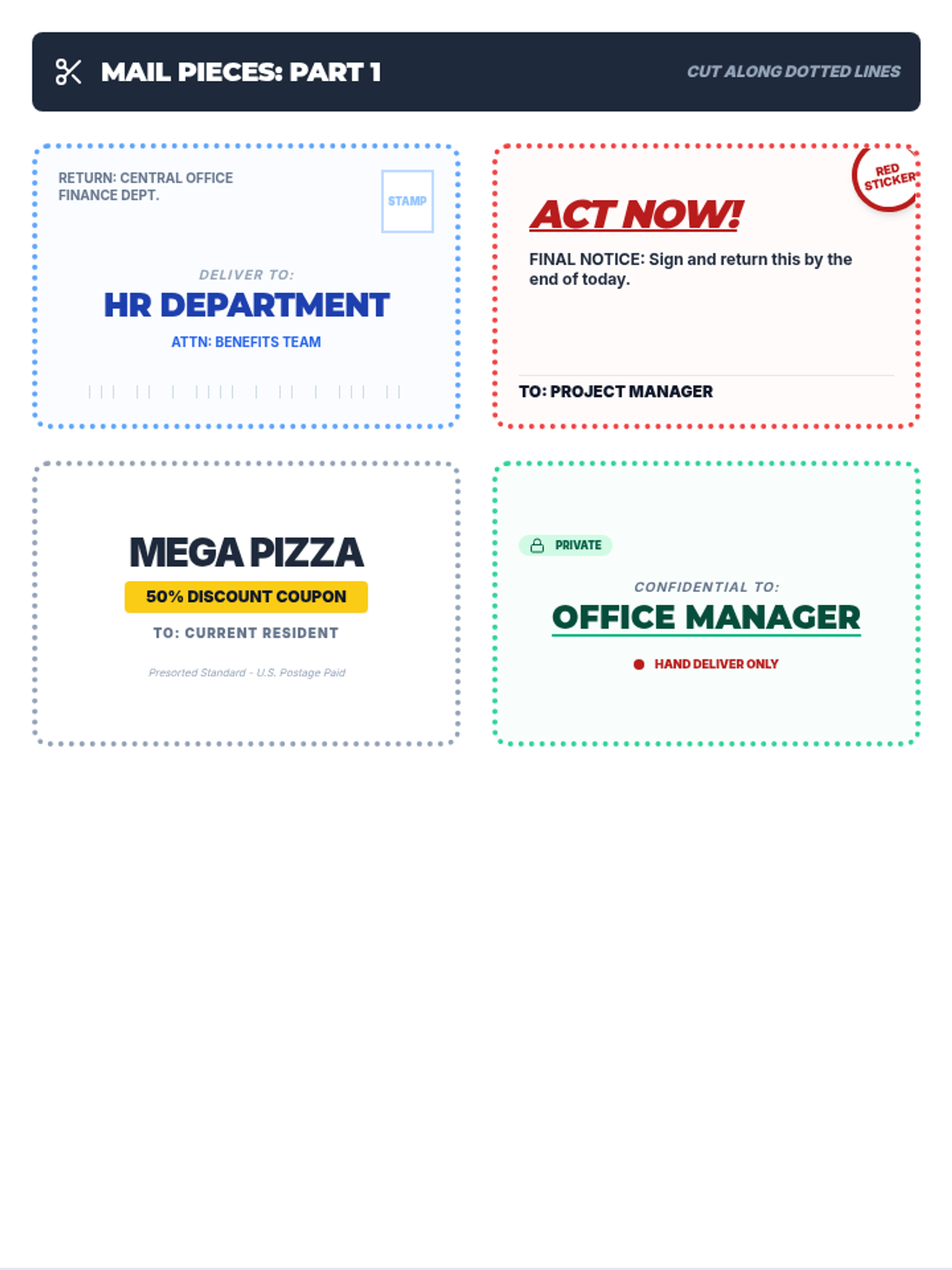
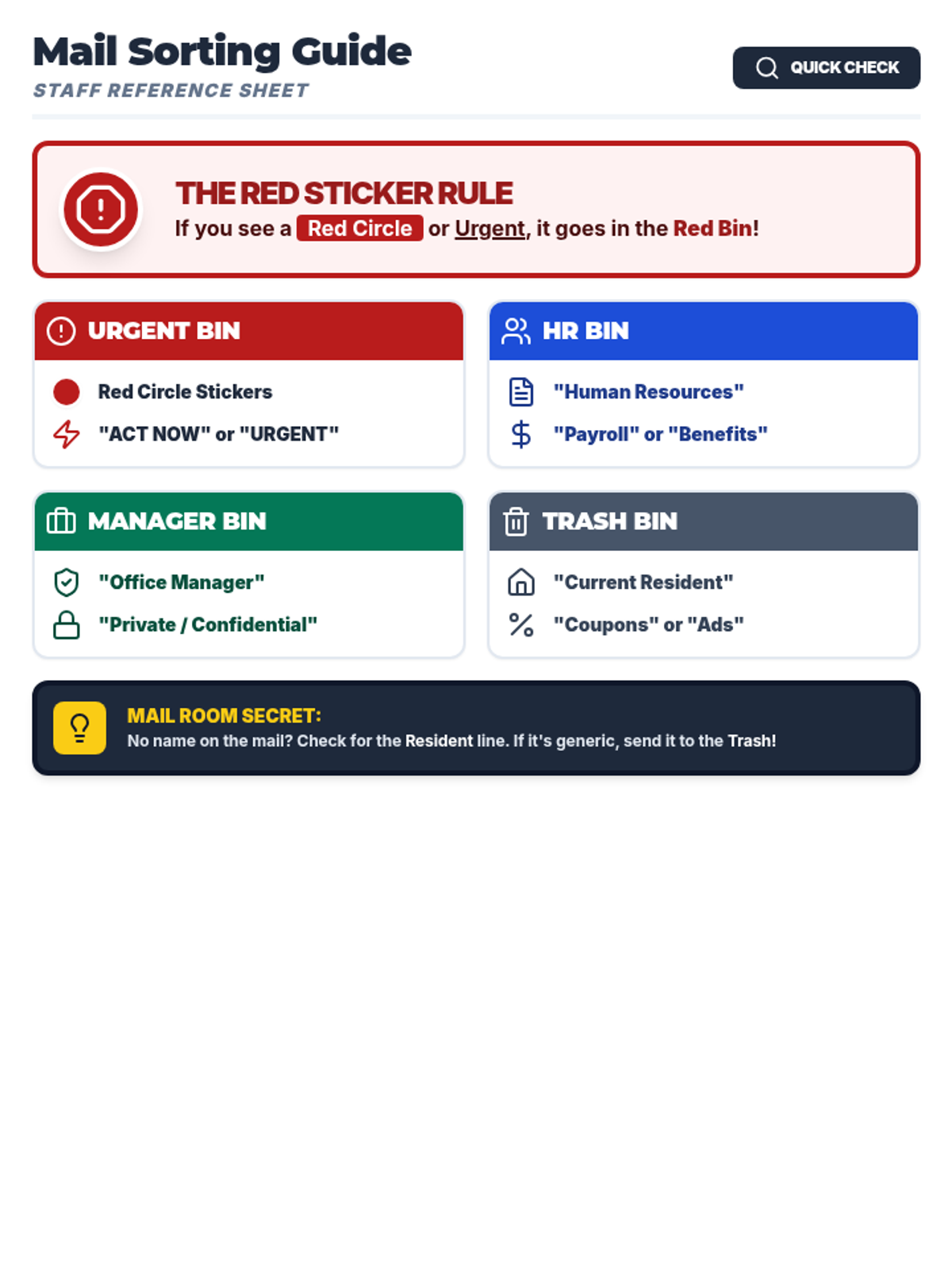
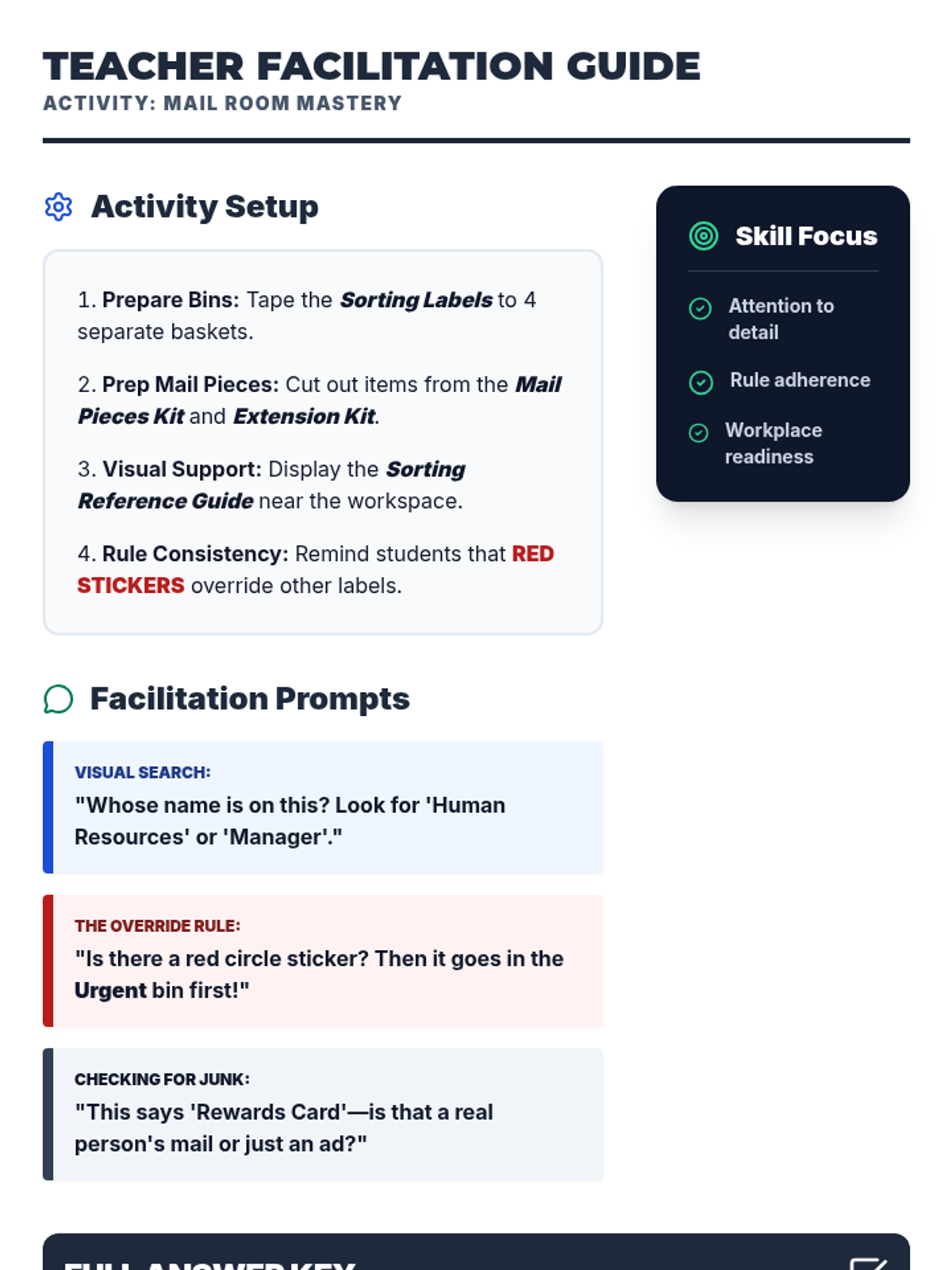
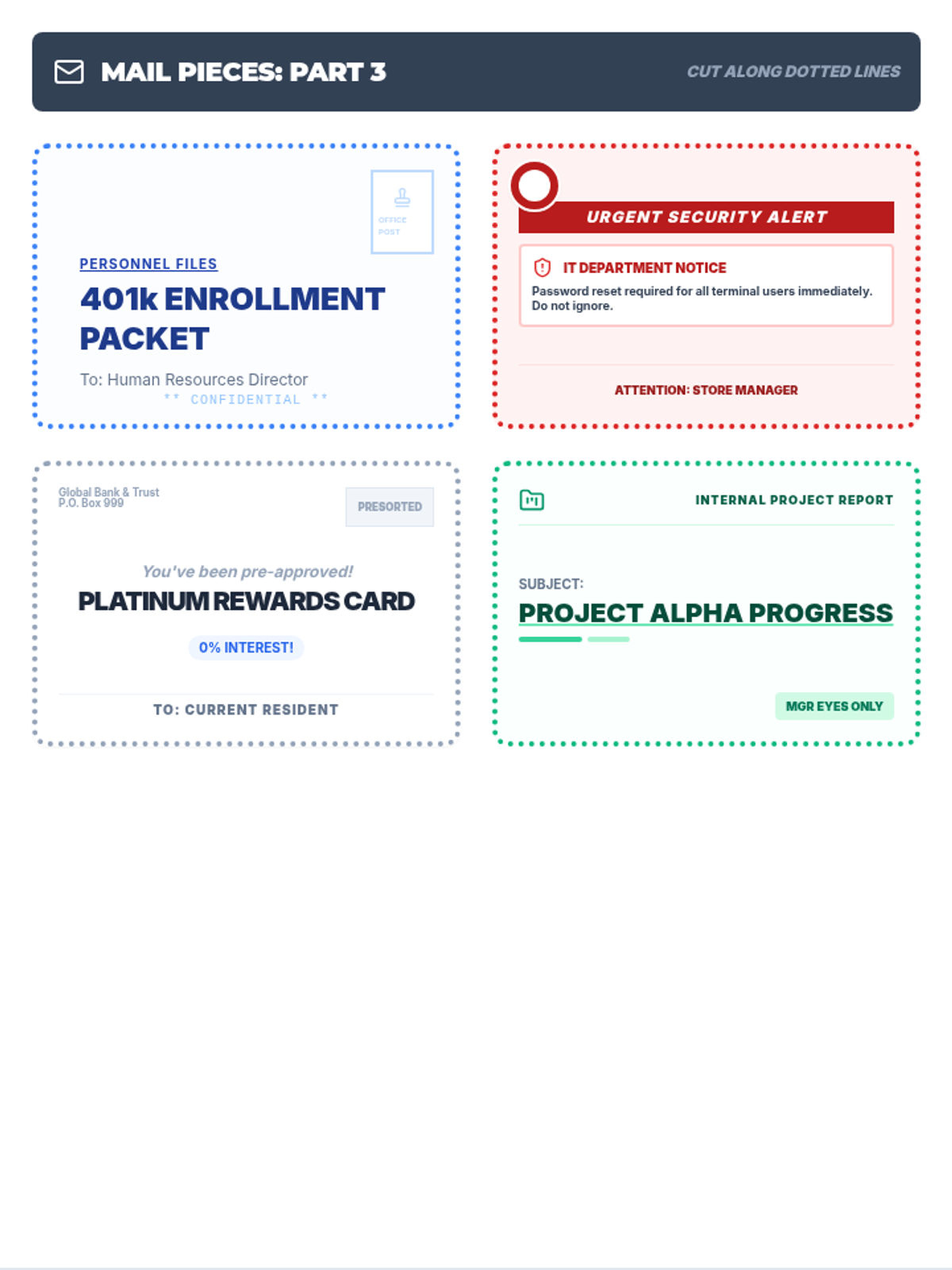
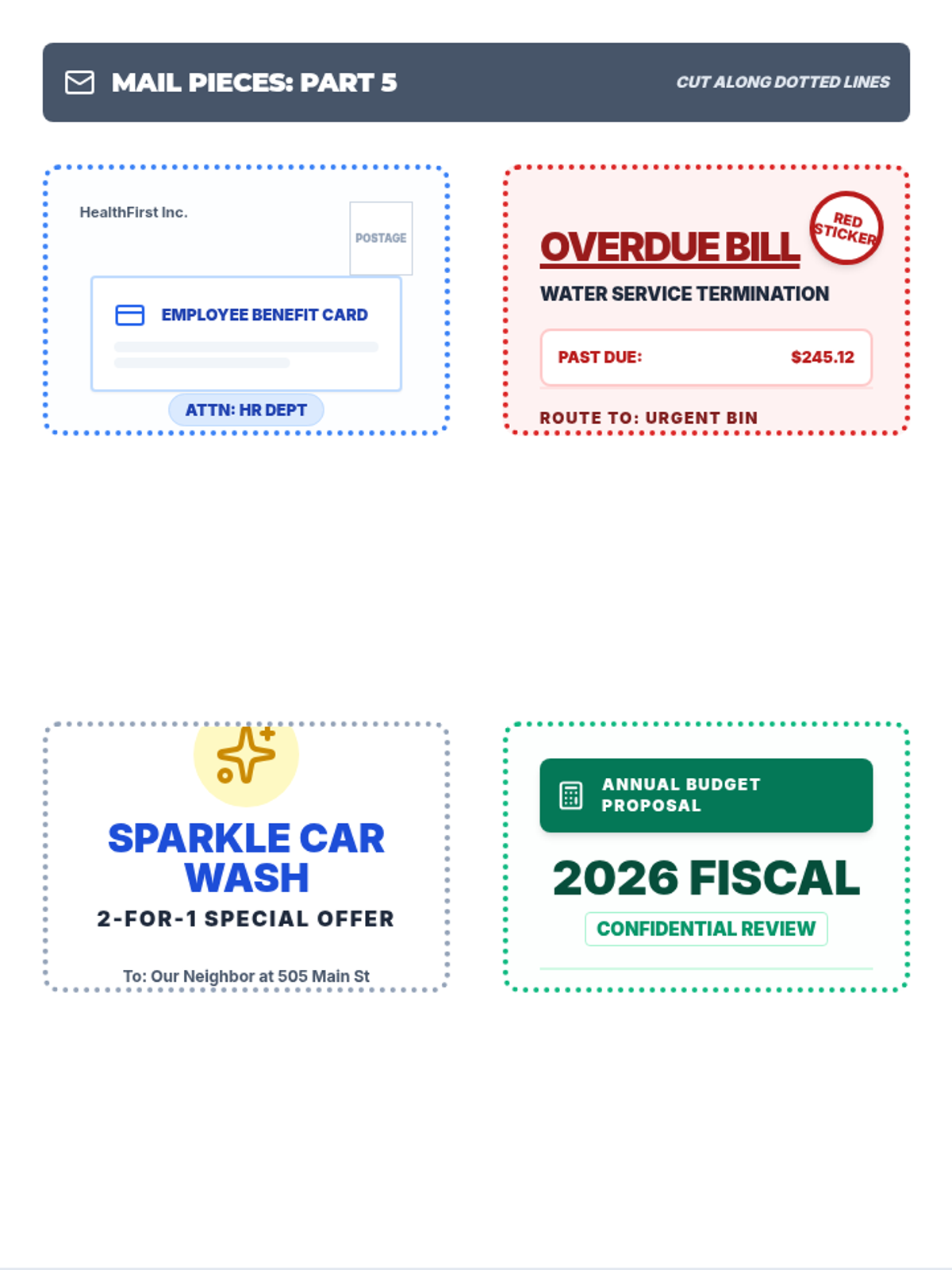
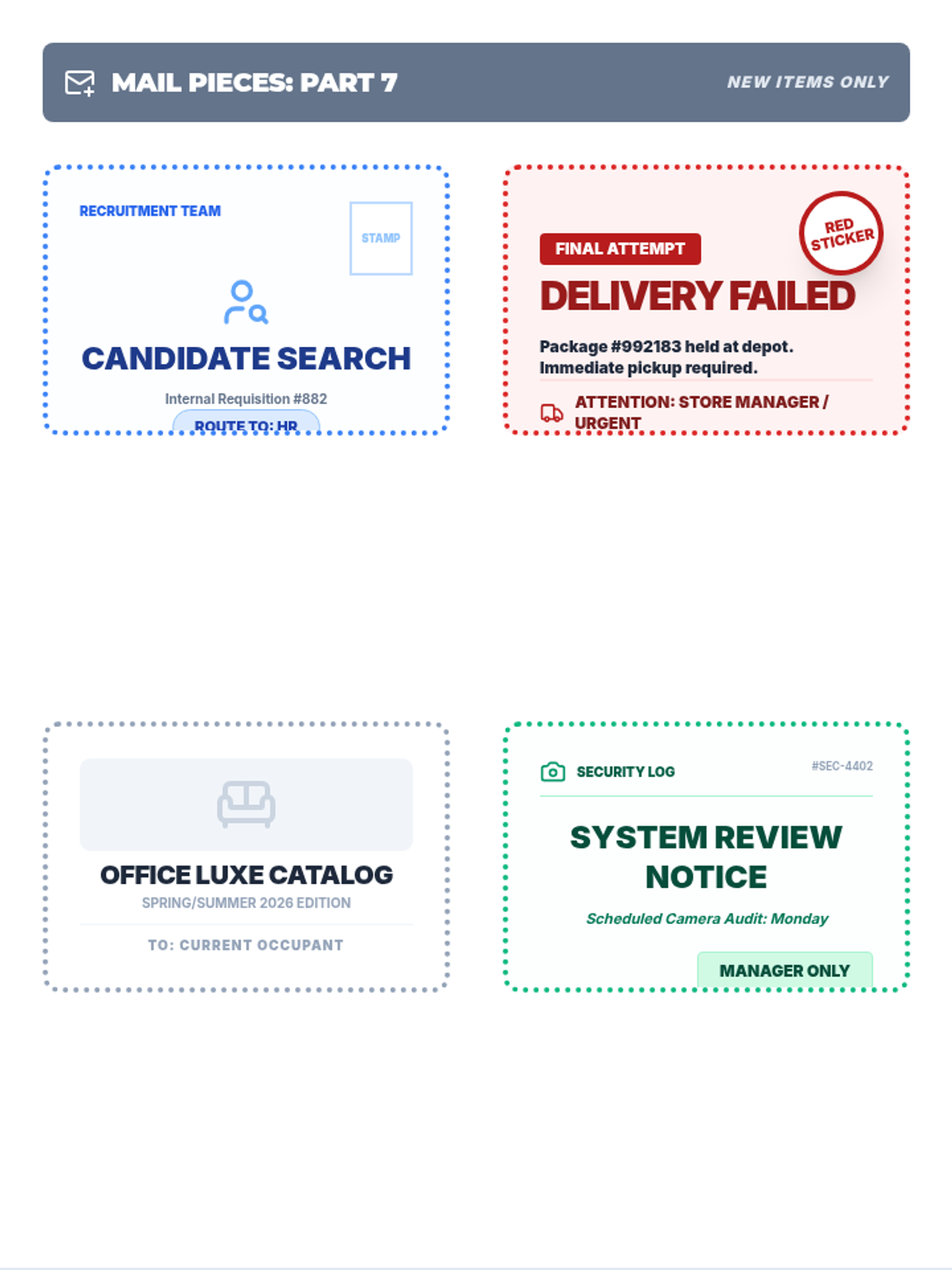
A hands-on vocational activity focused on sorting mail into categories like HR, Urgent, Manager, and Trash to build organizational and attention-to-detail skills.
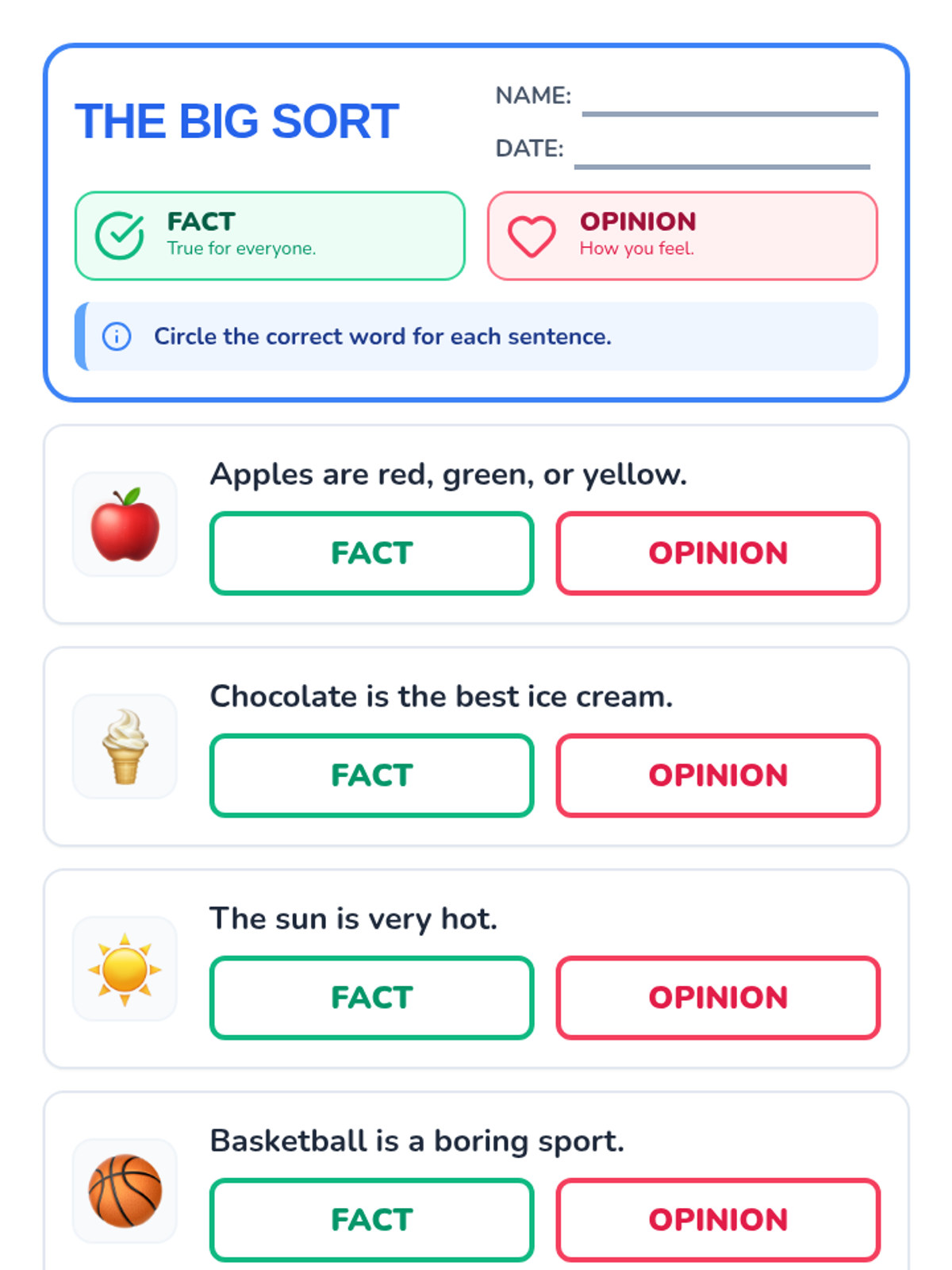
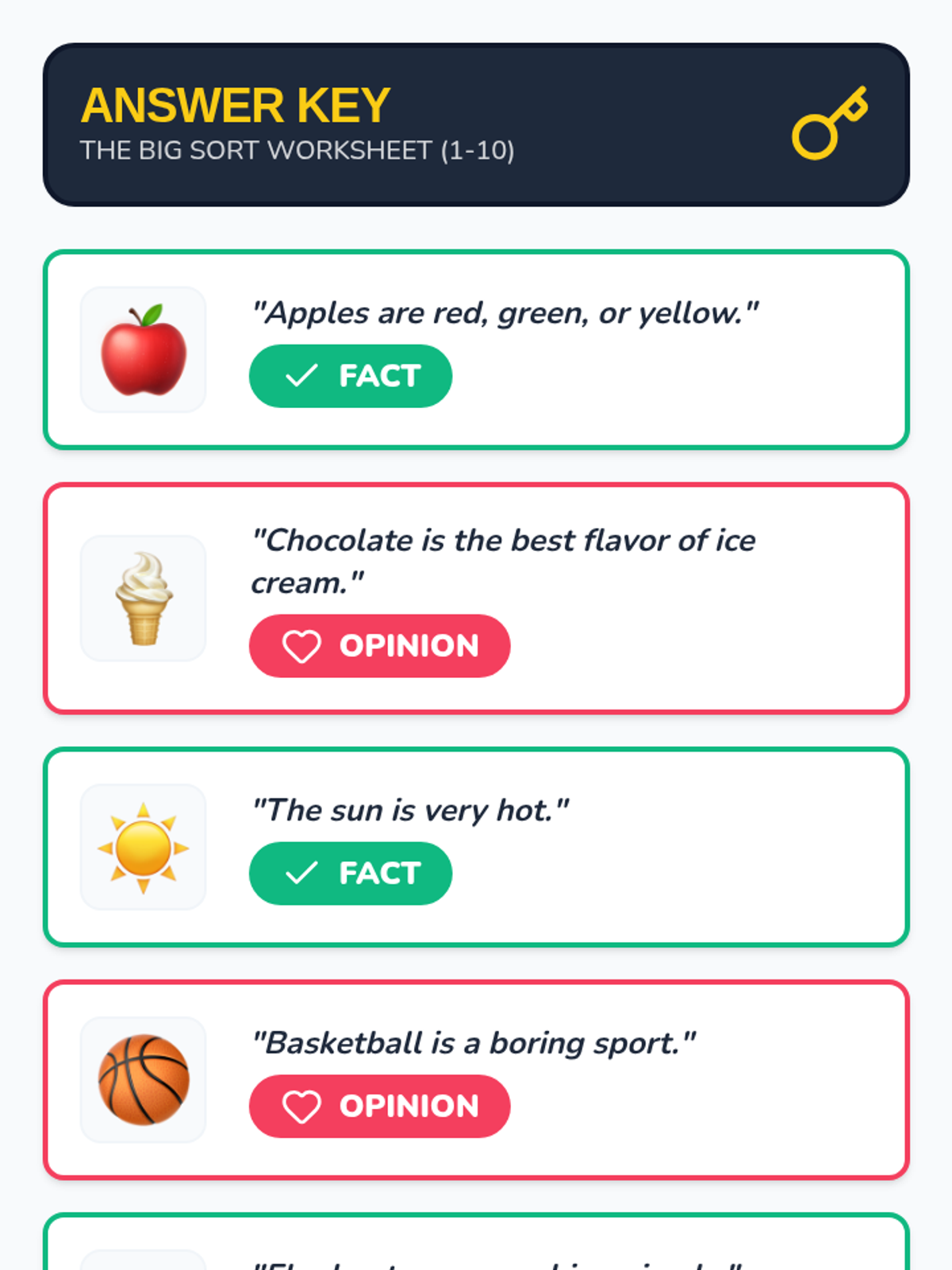
An introductory lesson on persuasive writing for high school students with intellectual disabilities, focusing on distinguishing between facts and opinions through visual sorting and simple examples.
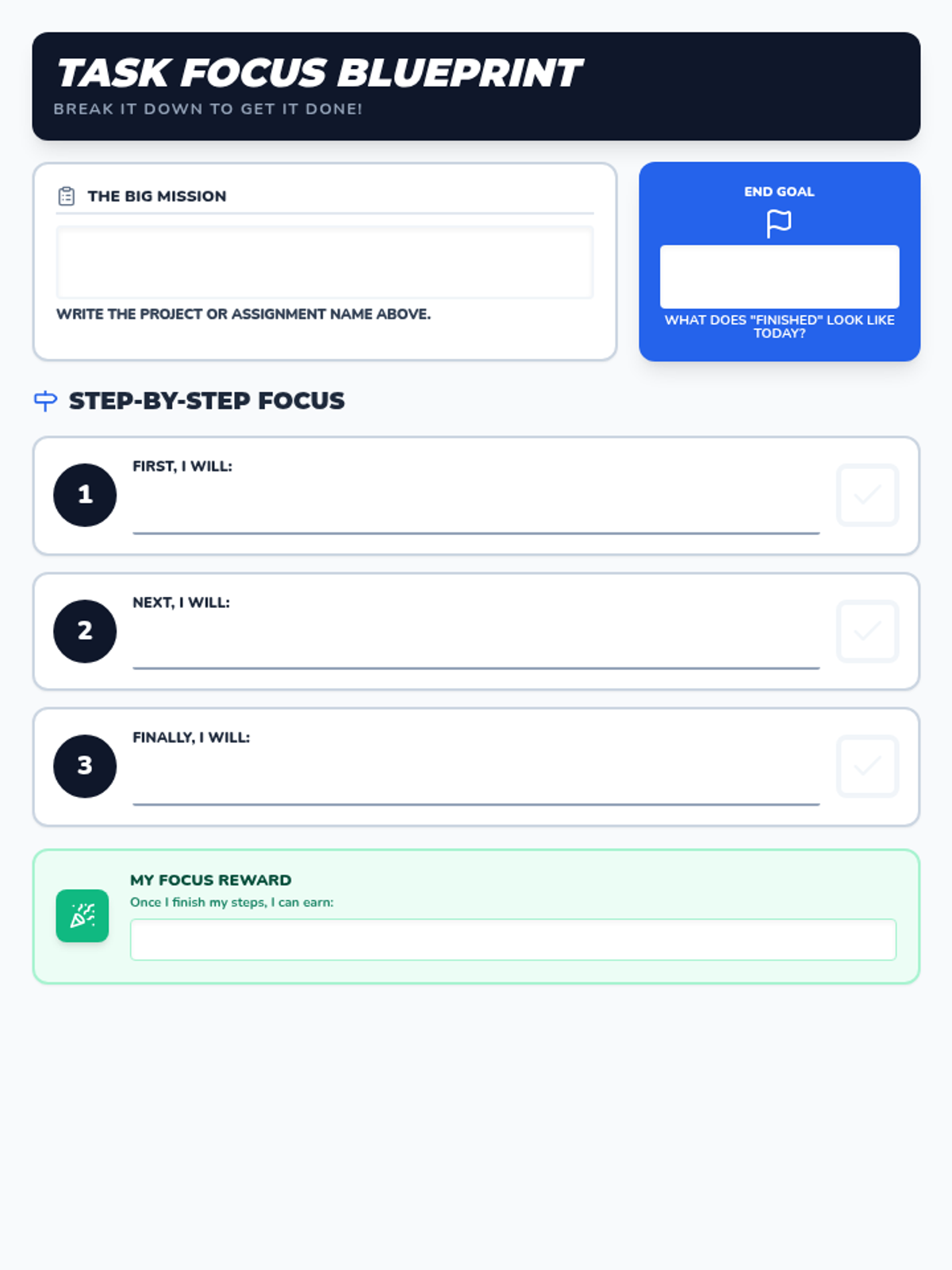
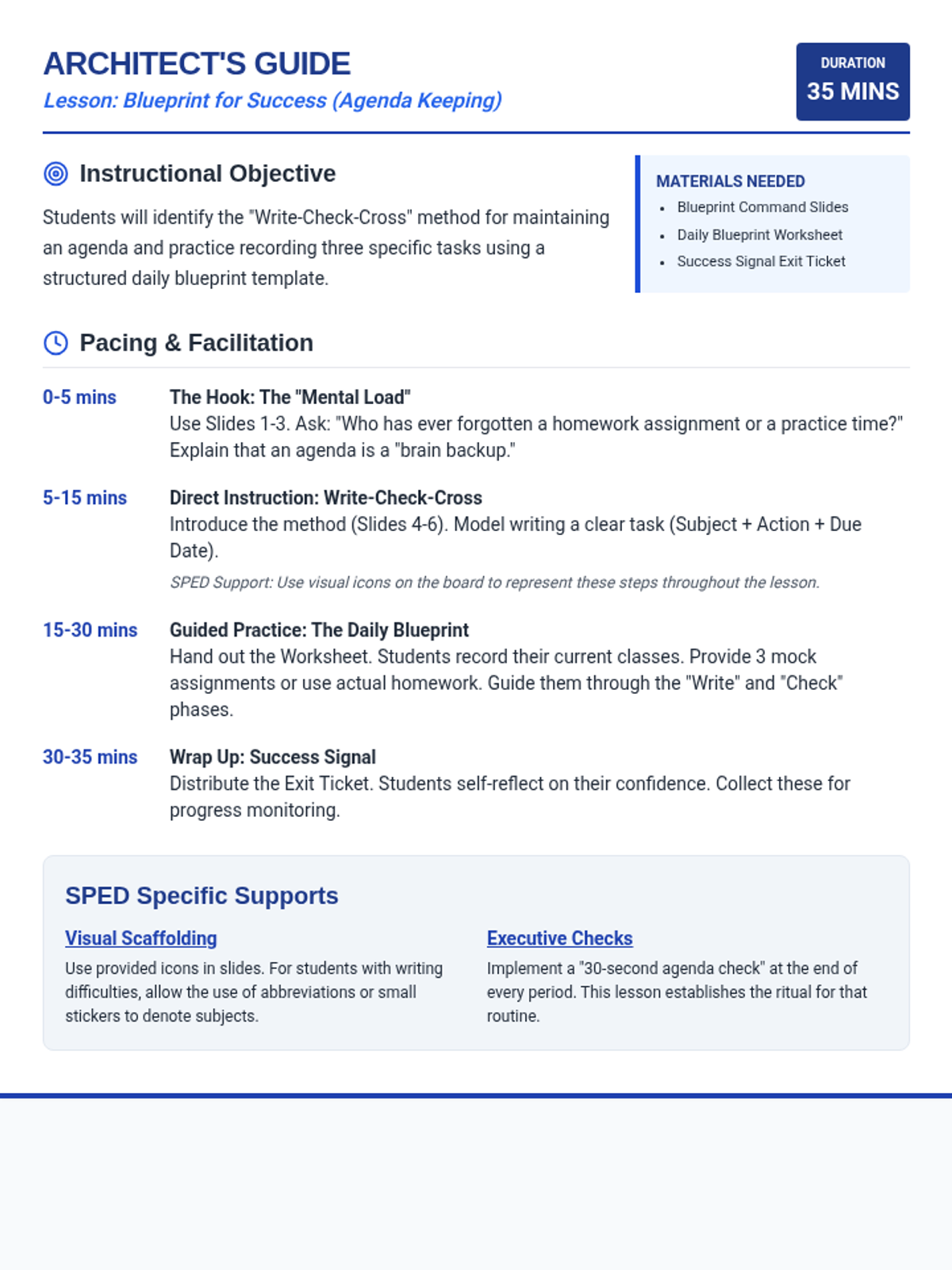
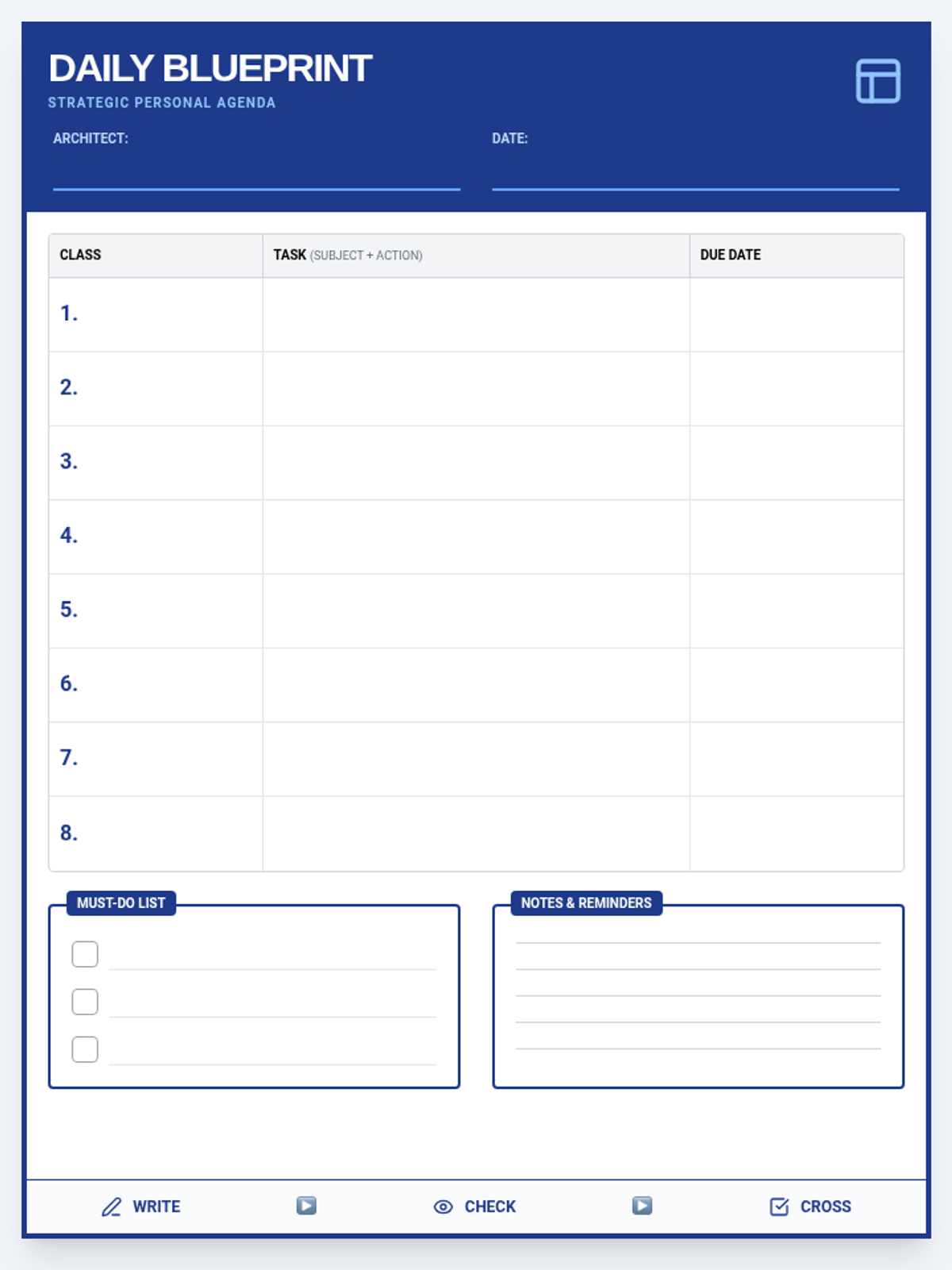
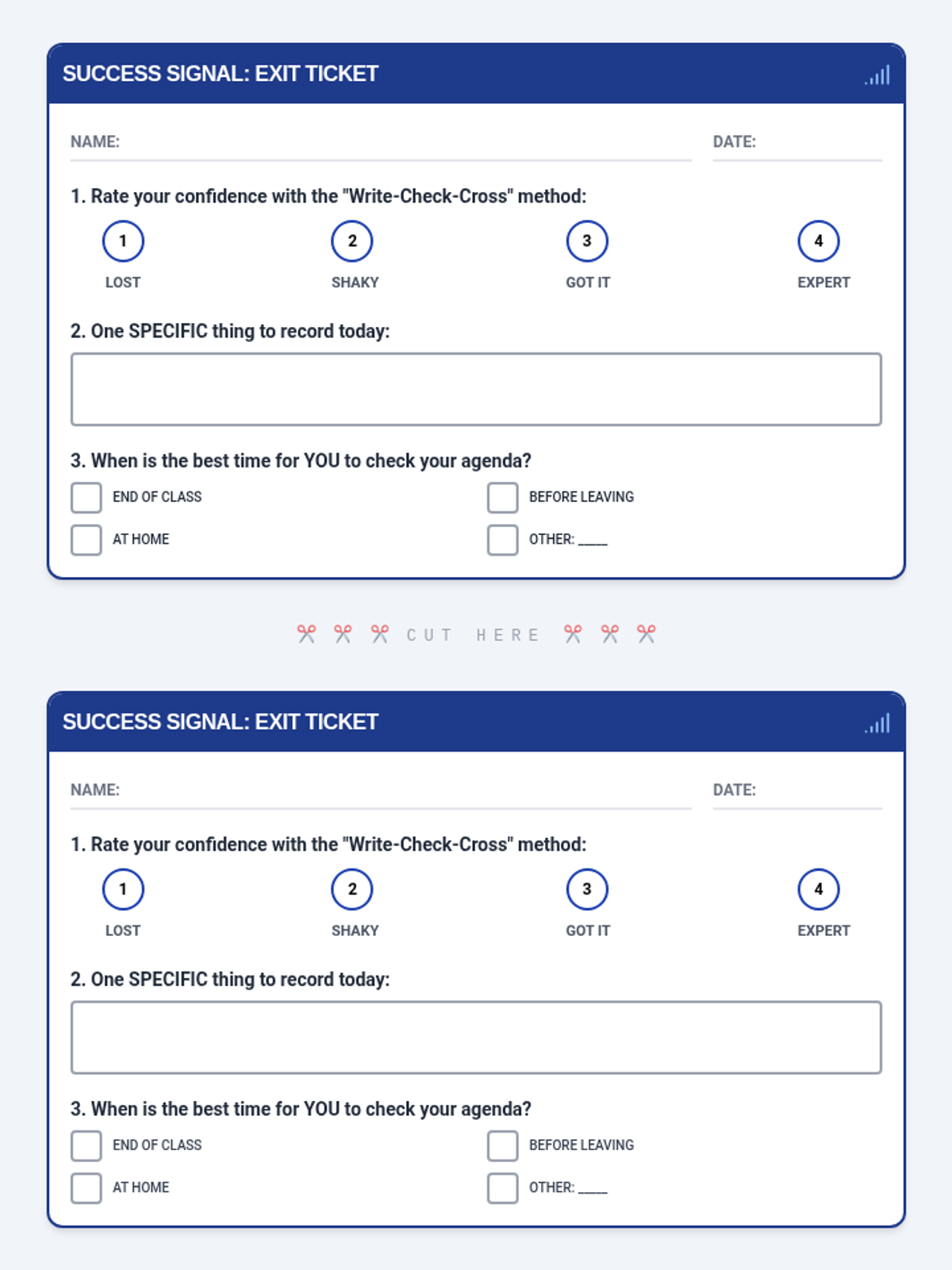
A 35-minute lesson focused on the executive functioning skill of maintaining an agenda, specifically designed for 10th-grade special education students using a "Blueprint" theme.
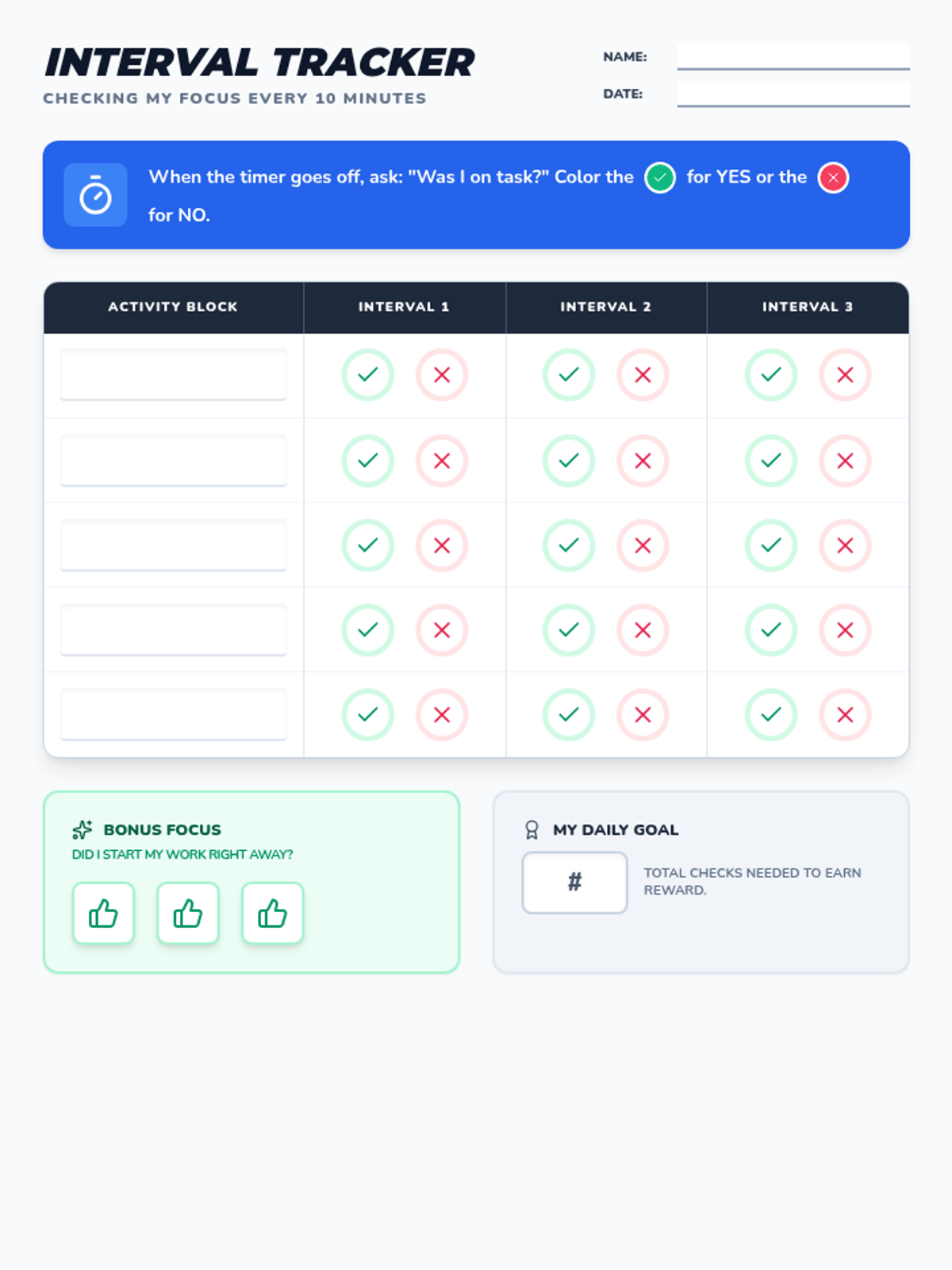
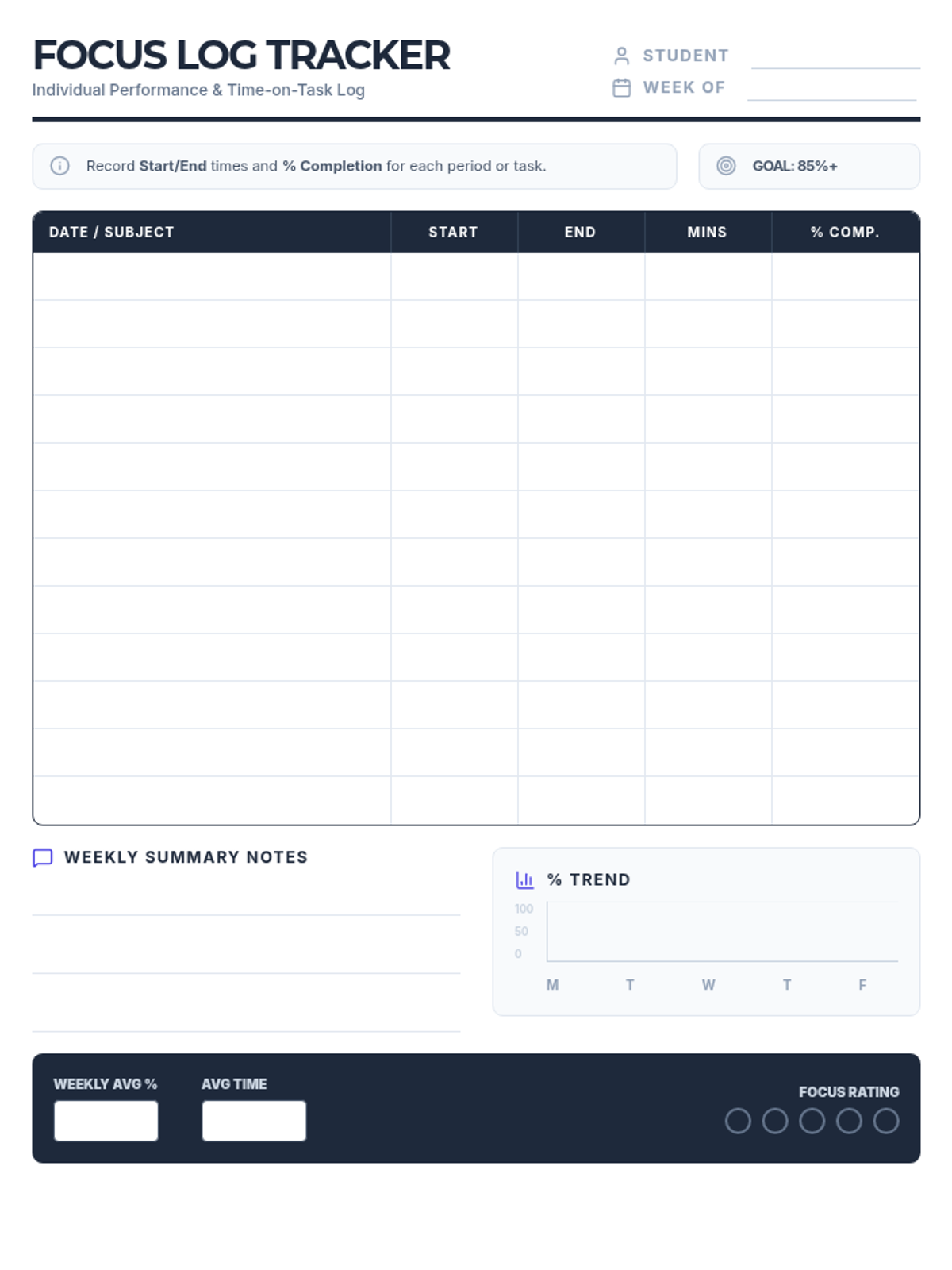
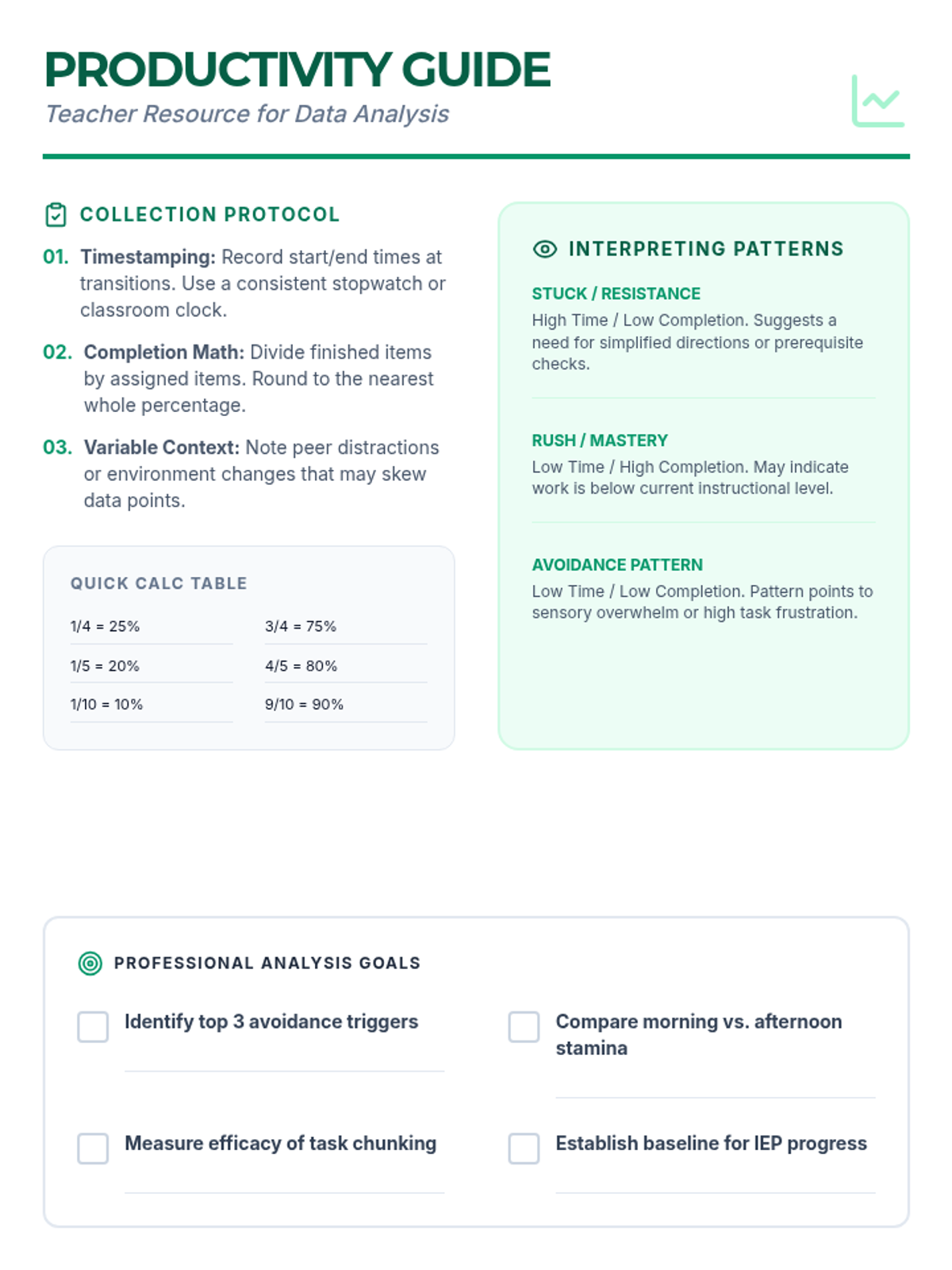
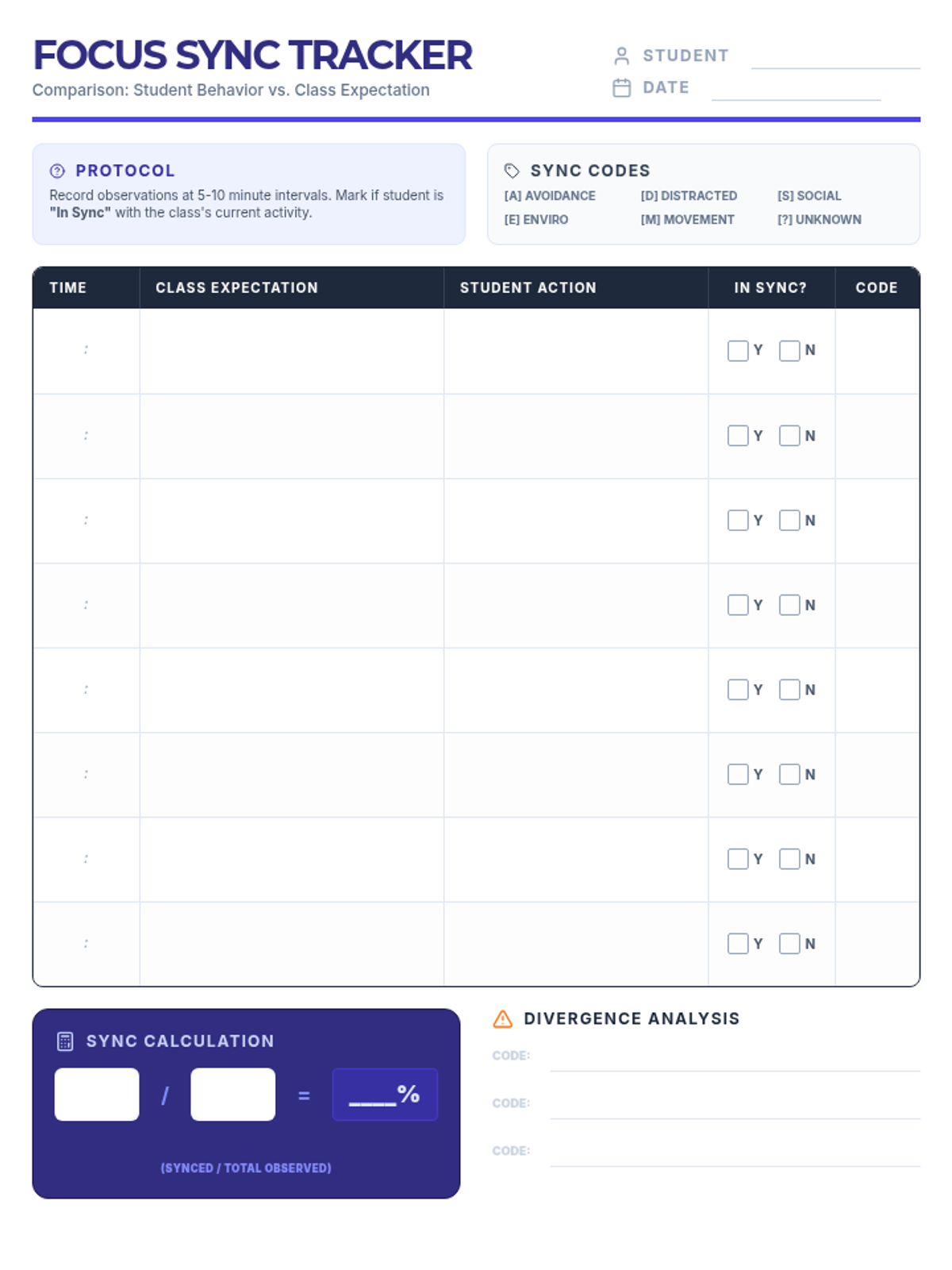
A system for teachers to monitor and analyze student time on task and work completion rates. These tools provide clear data points to identify patterns and support instructional adjustments.
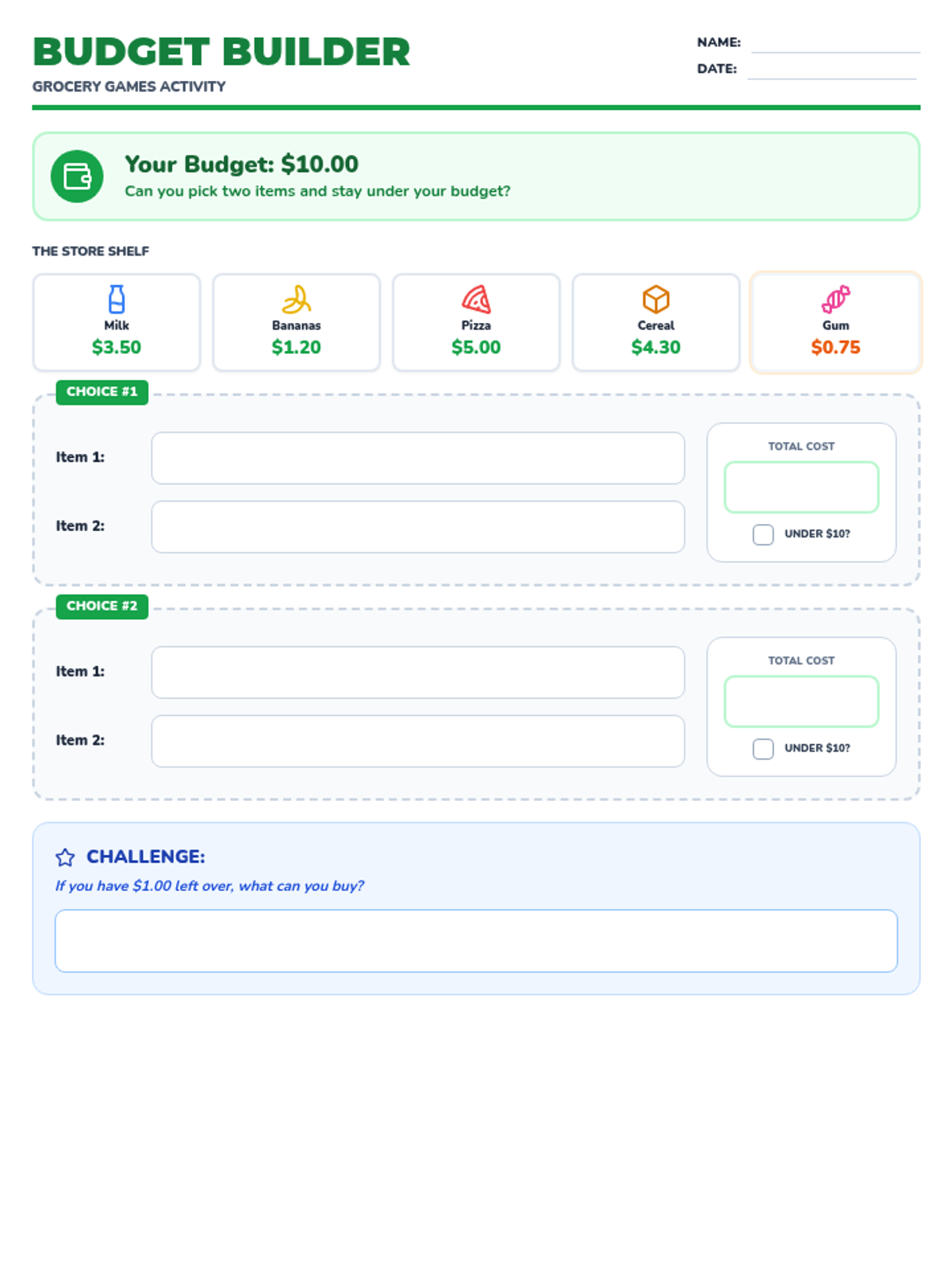
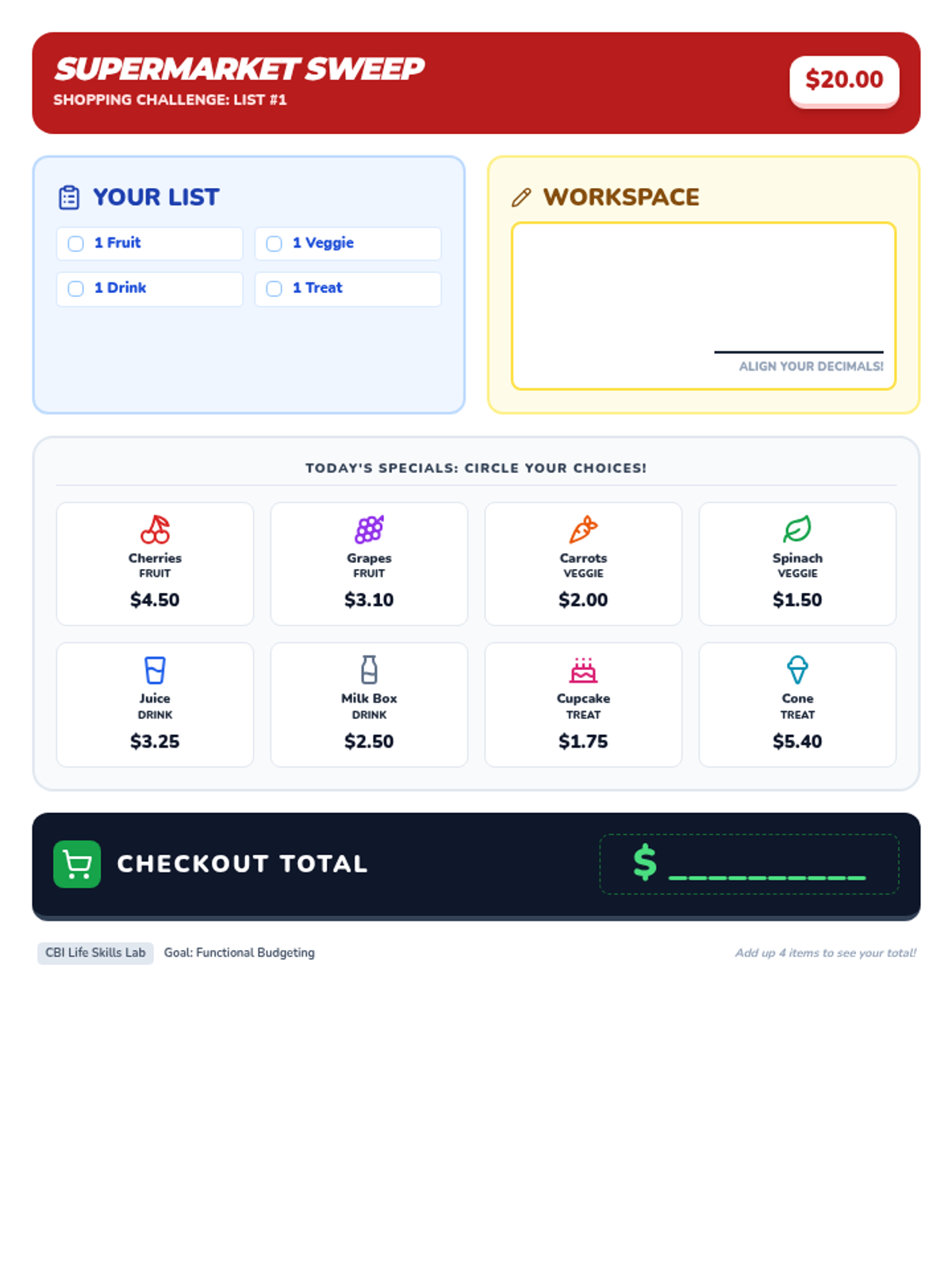
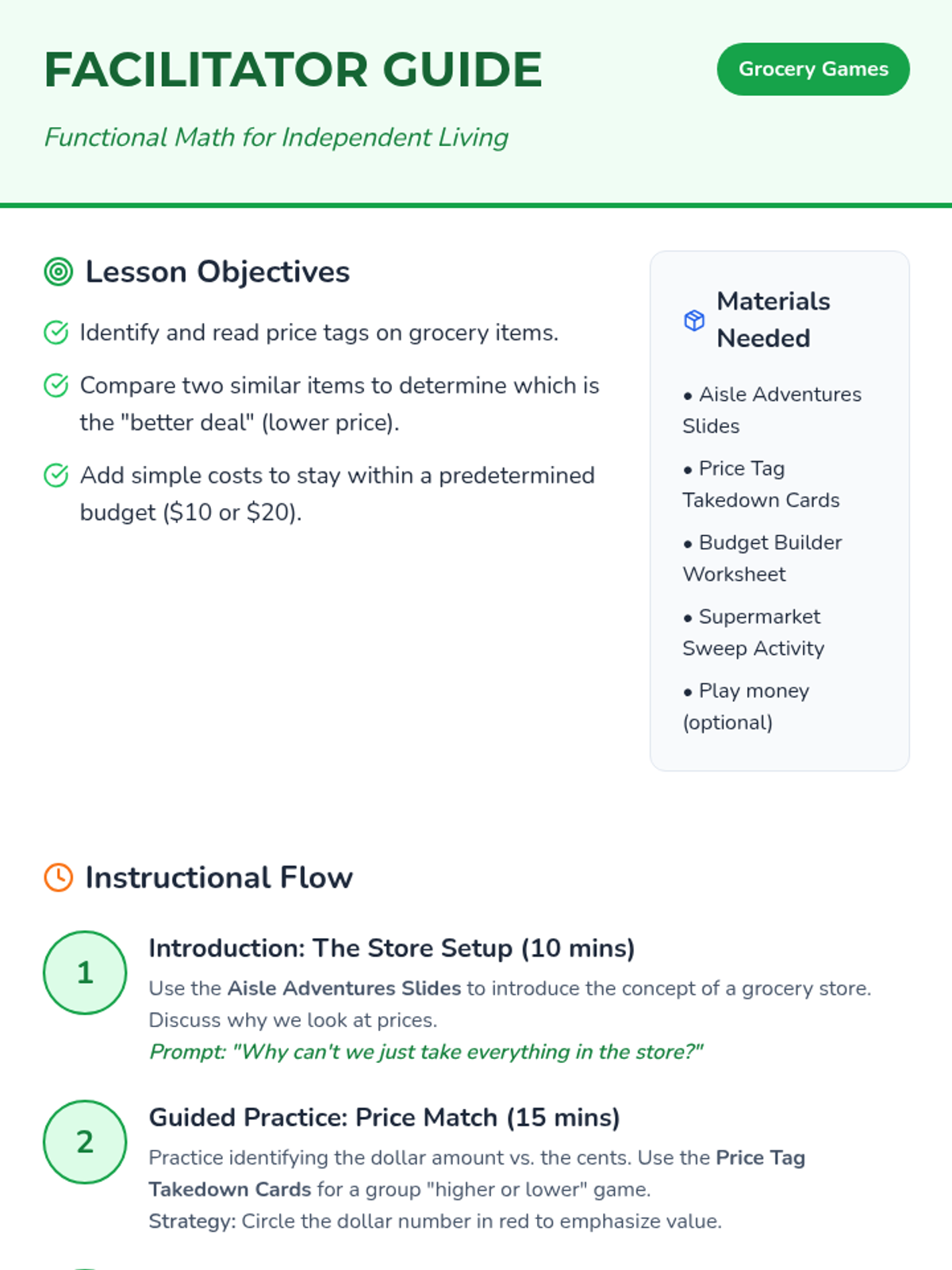
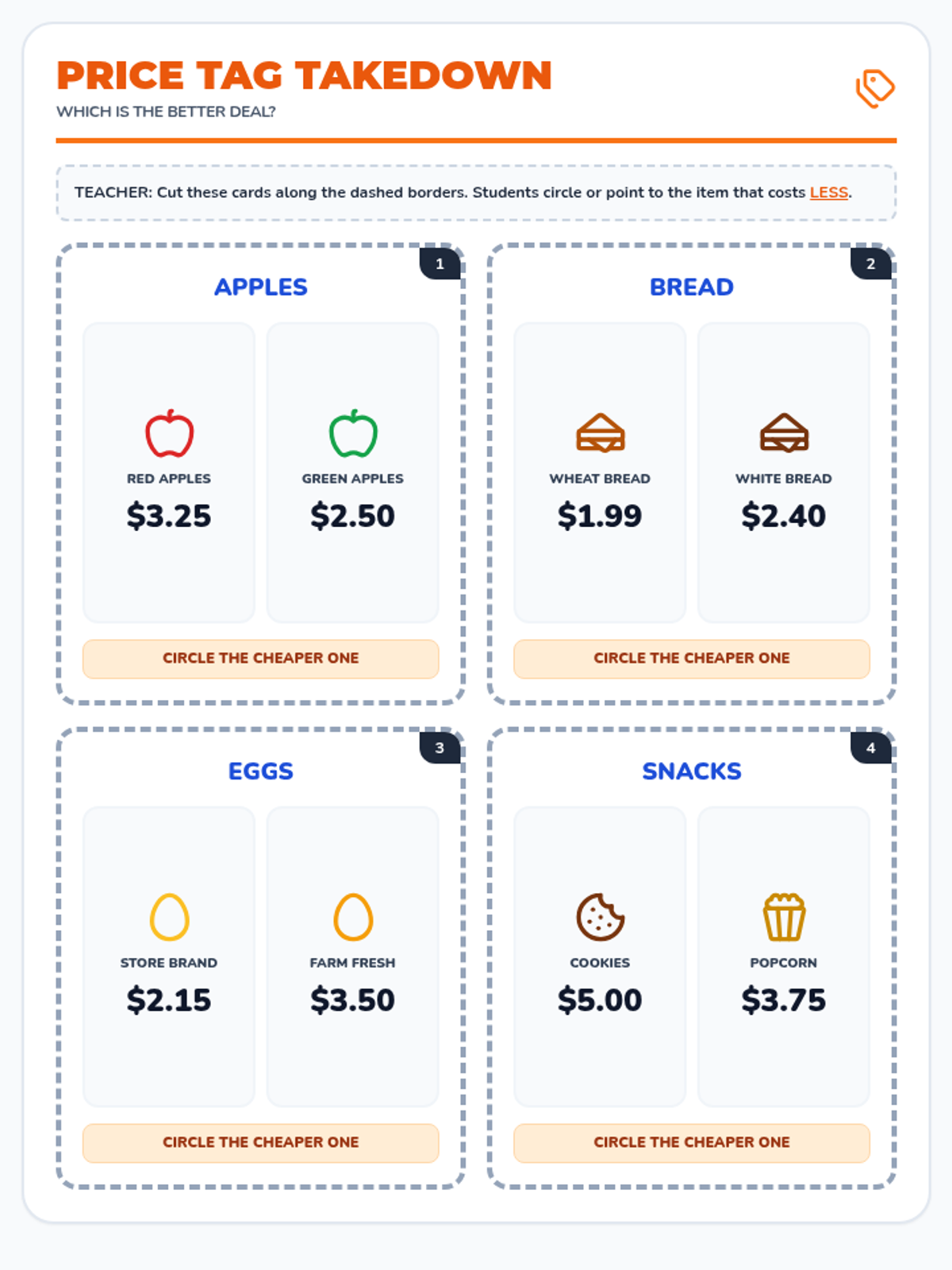
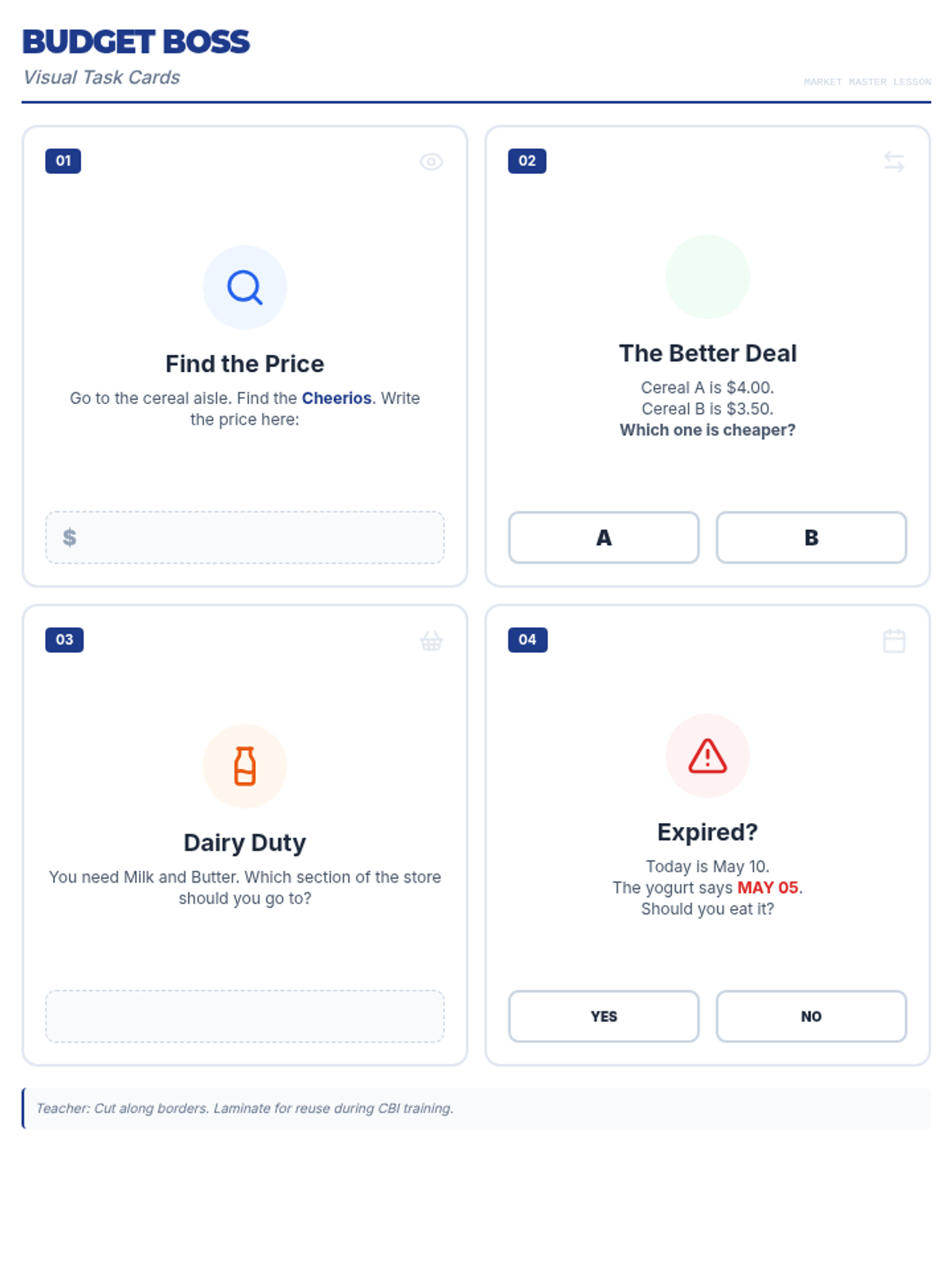
A functional math lesson designed for life skills students to practice budgeting and price comparison in a simulated grocery store environment. Students learn to navigate price tags and make smart shopping choices for independent living.
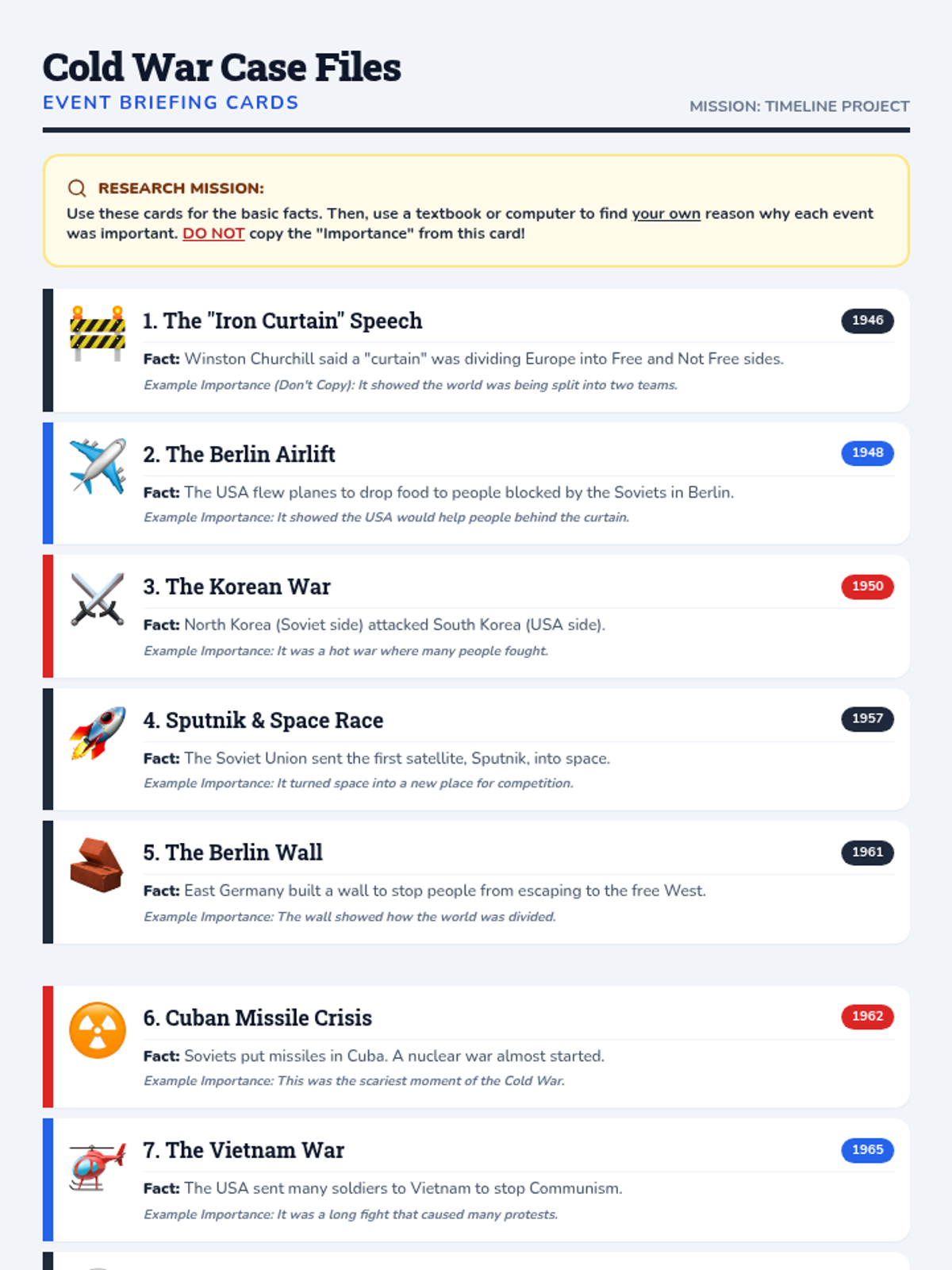
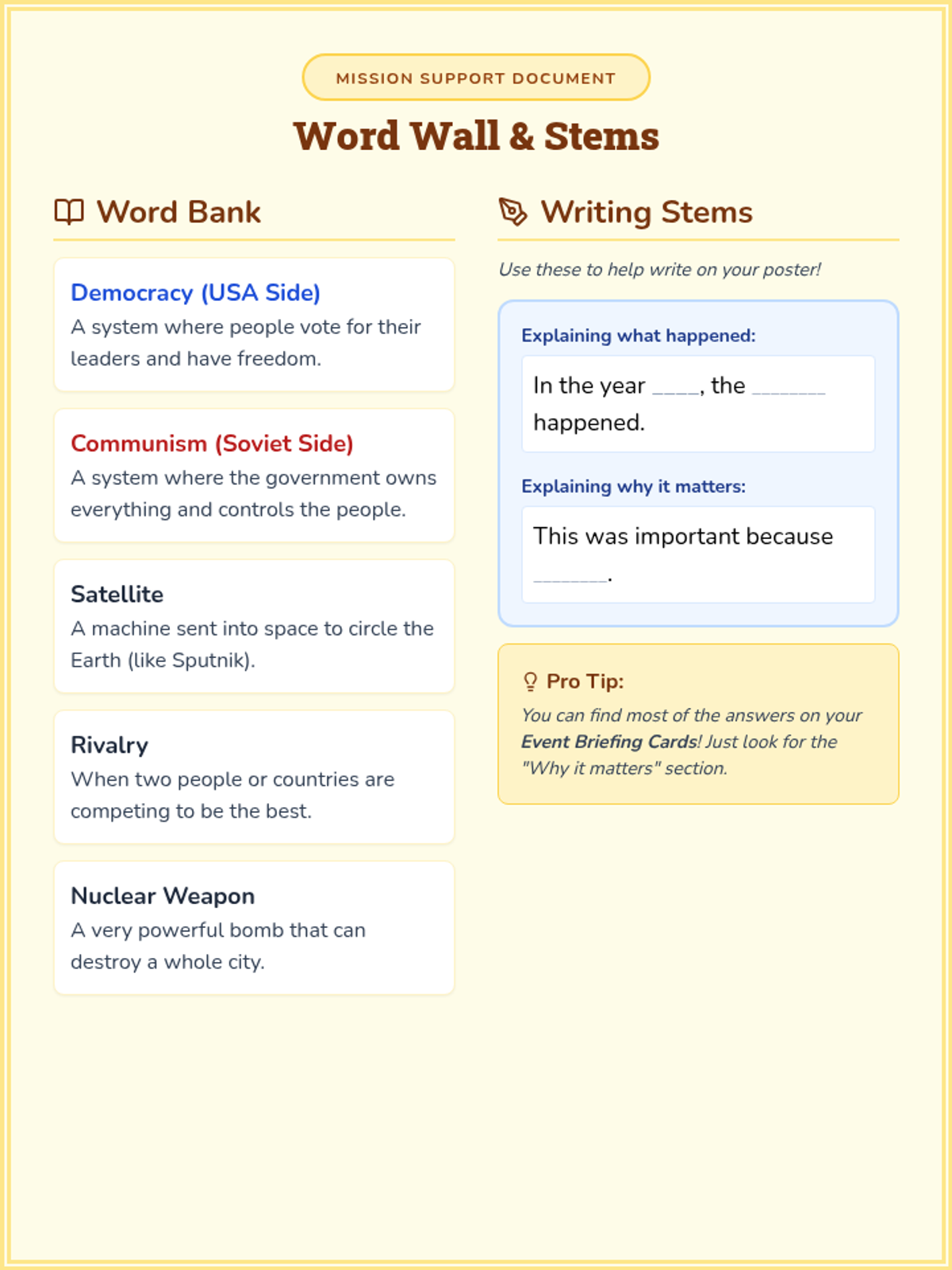
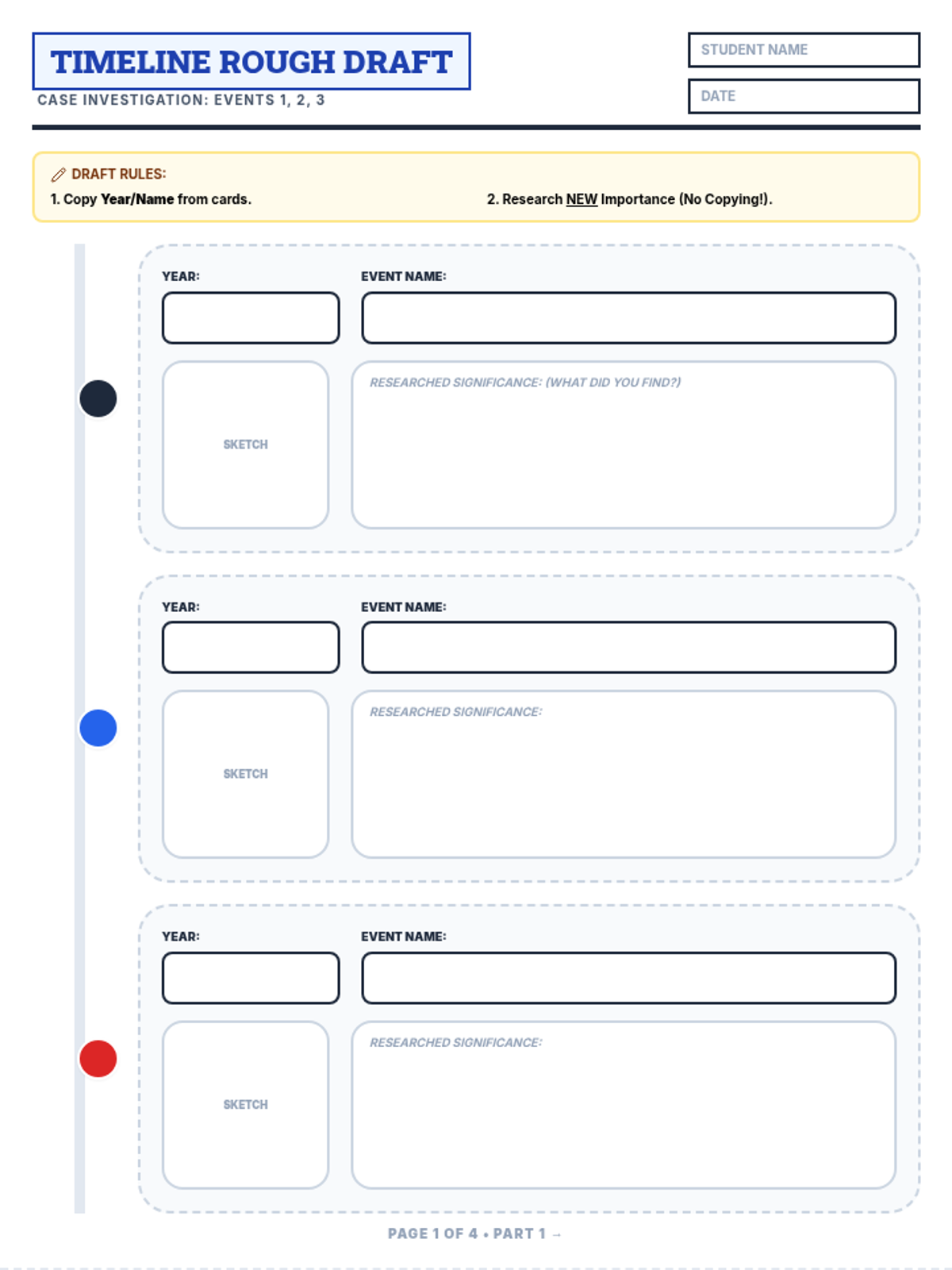
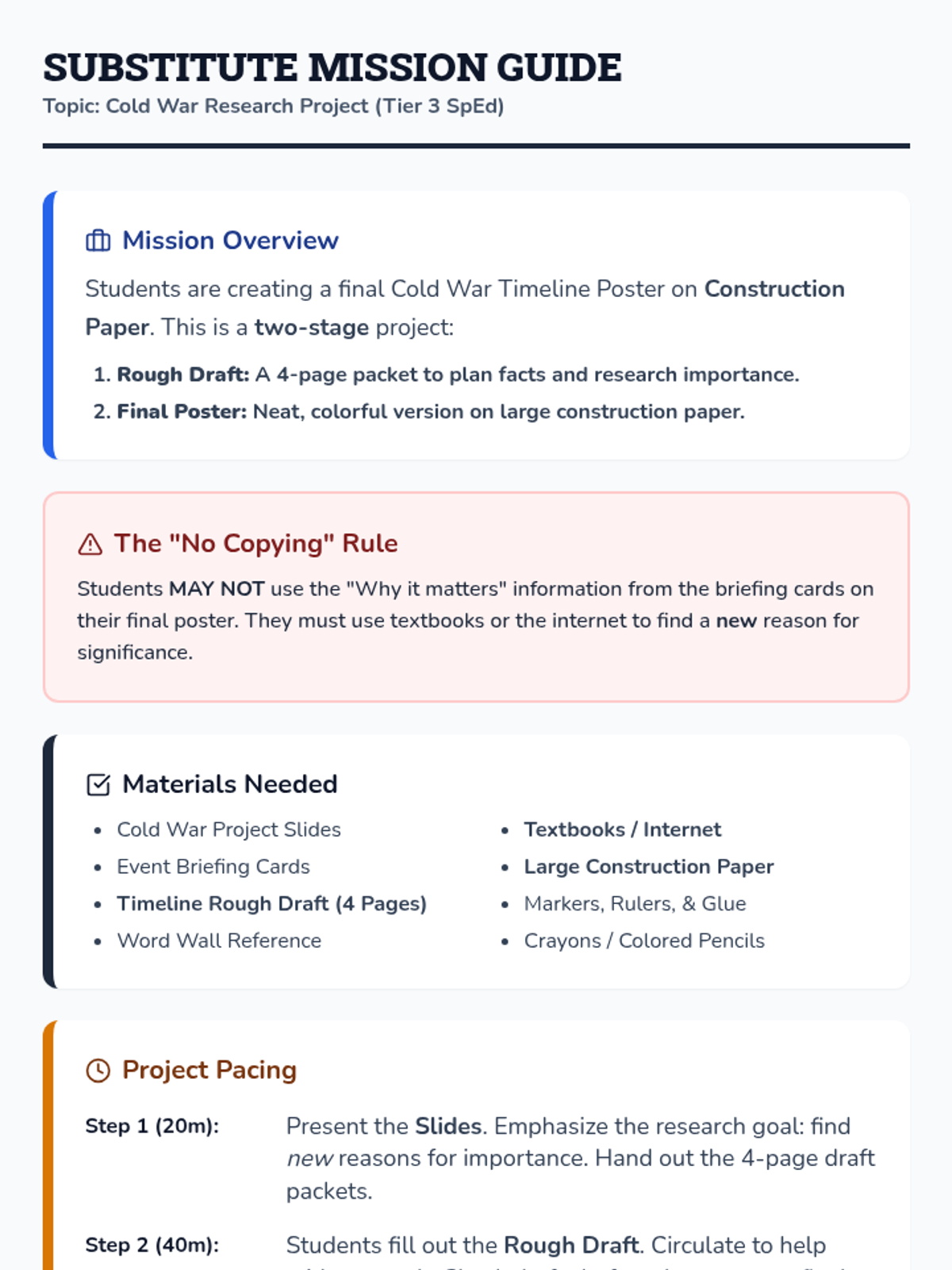
A simplified project-based lesson on the Cold War designed for Tier 3 Special Education students. Students use a 'Case File' approach to build a timeline of 10 major events with provided stems and visual supports.
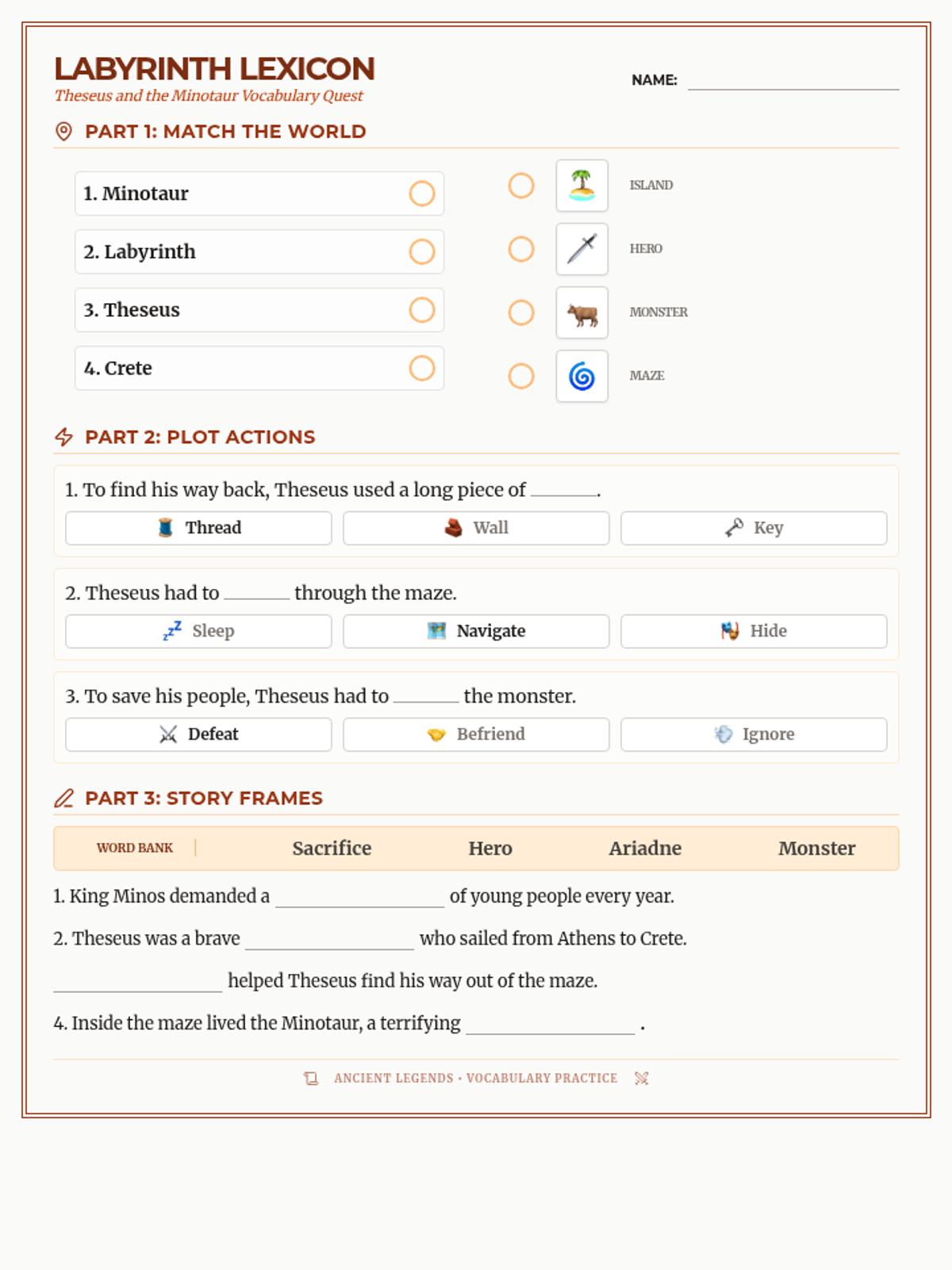
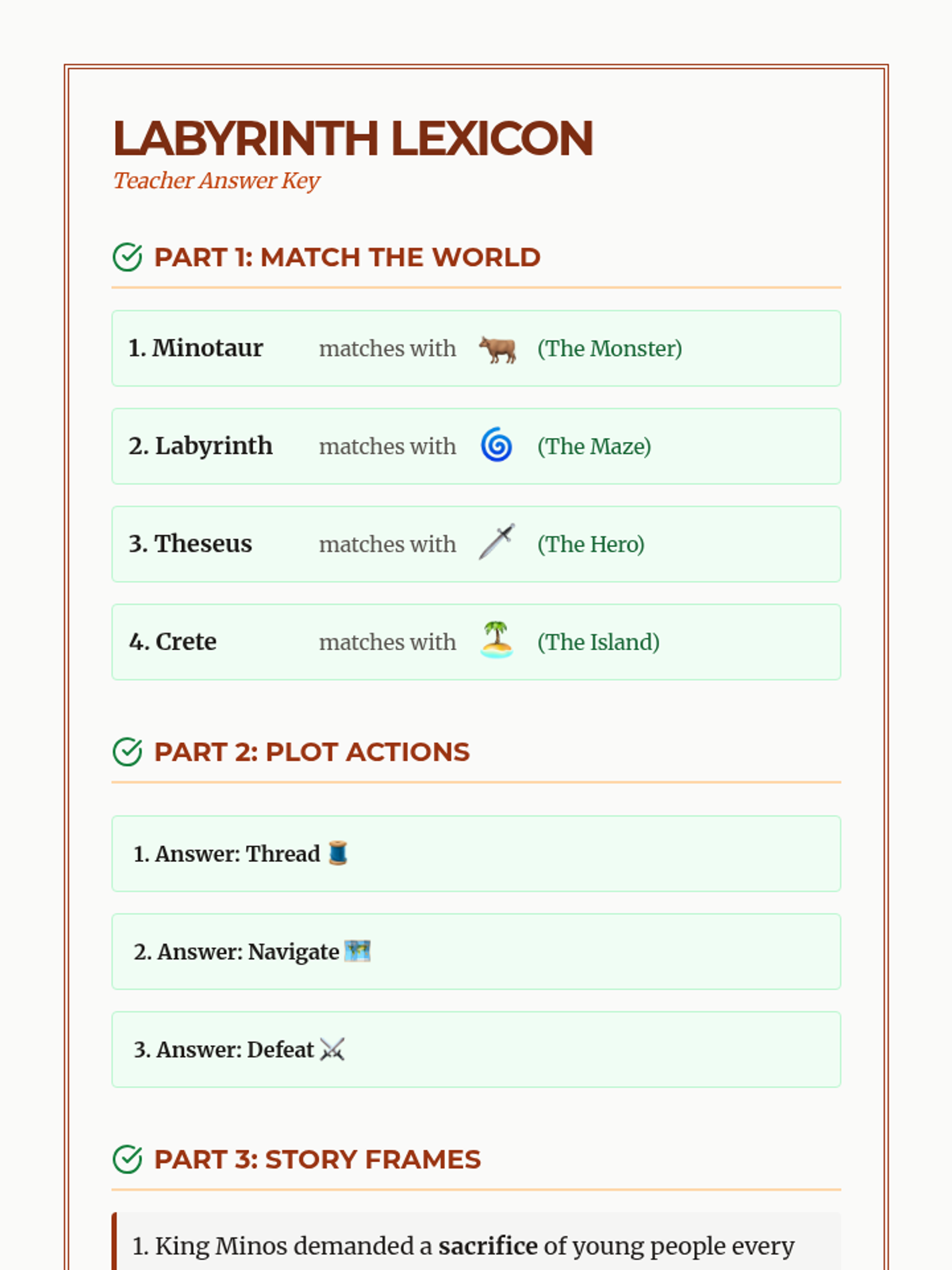
A vocabulary-focused lesson on the myth of Theseus and the Minotaur, designed with visual scaffolds and modified tasks for accessibility.
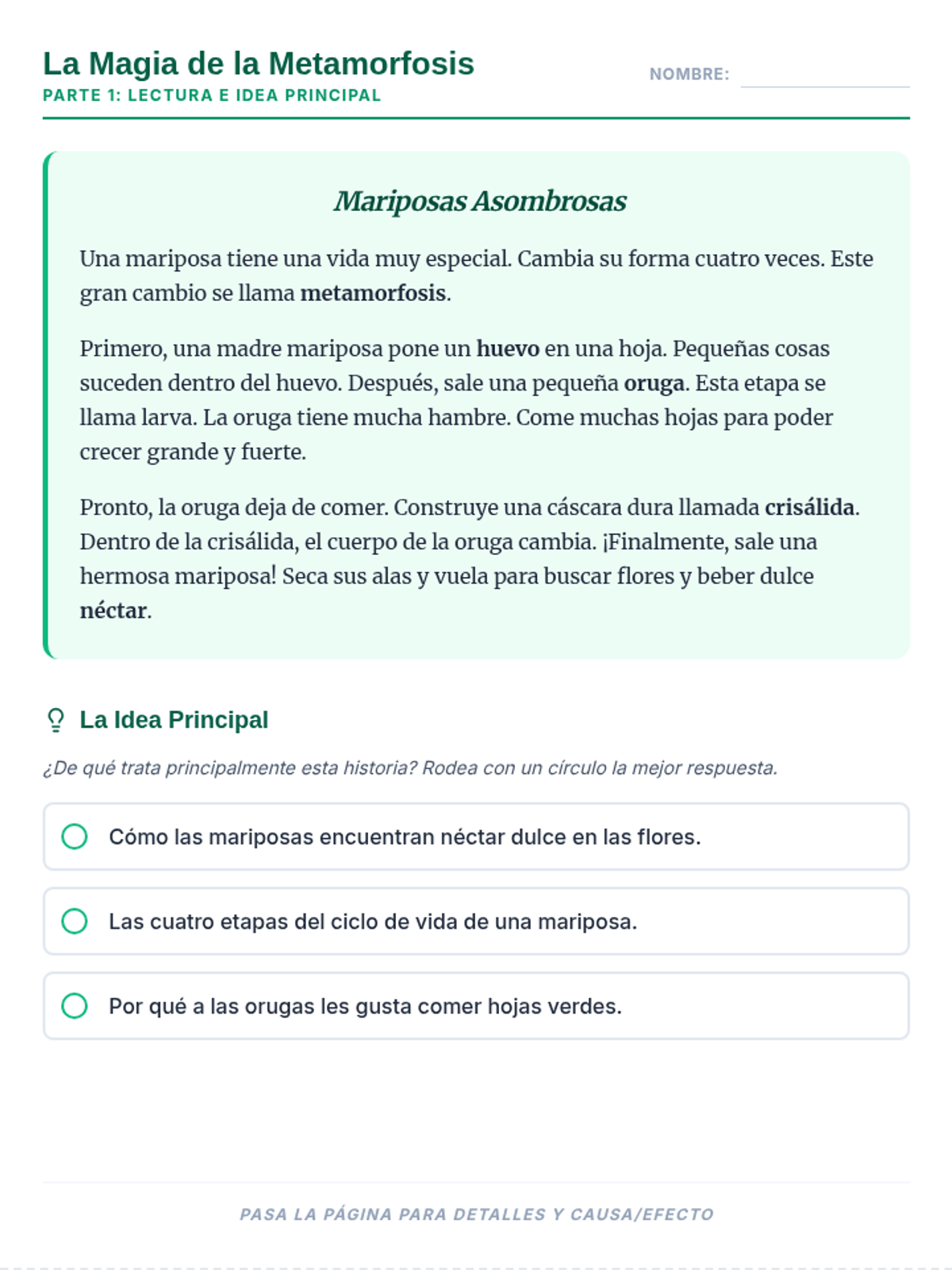
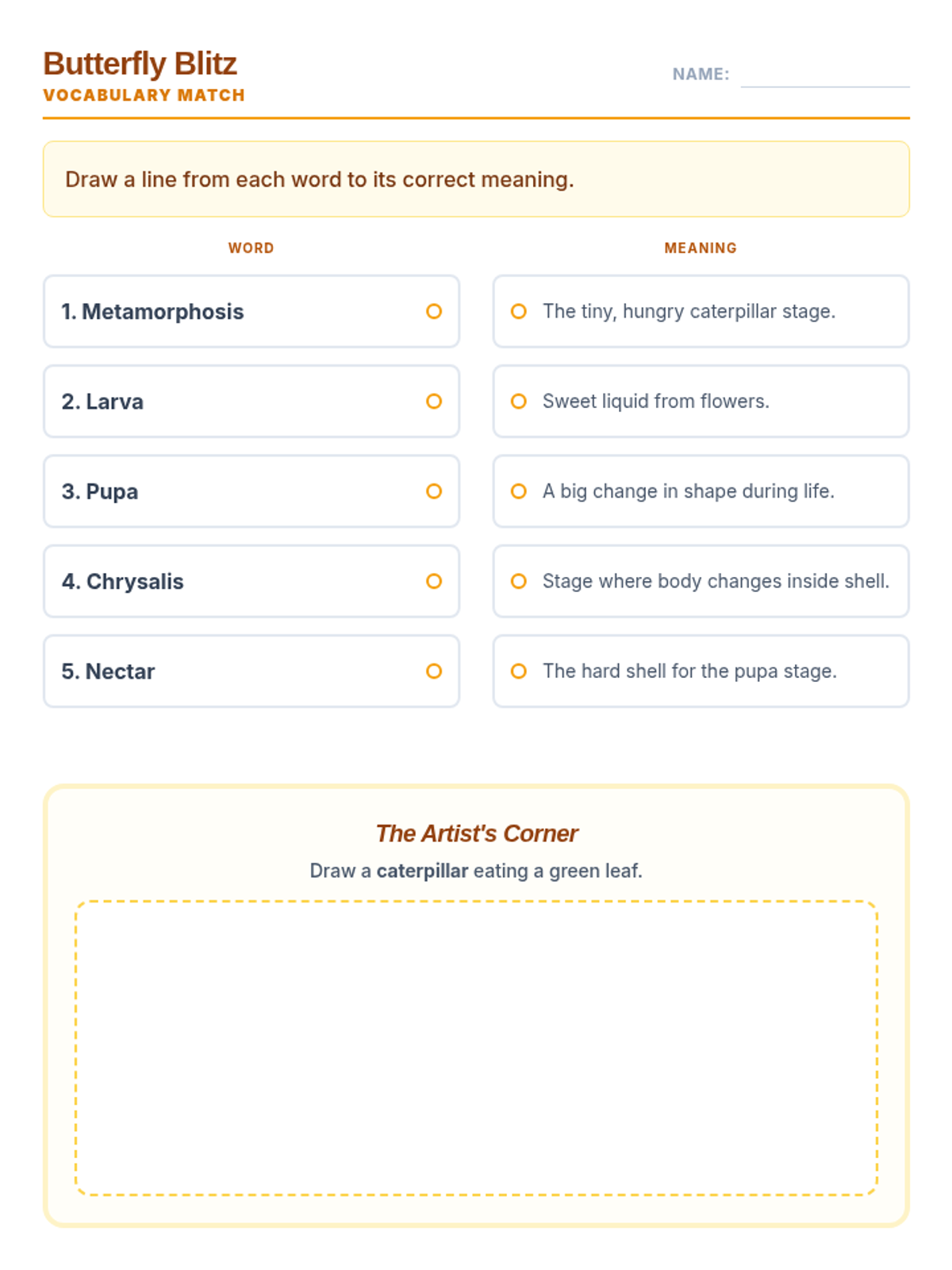
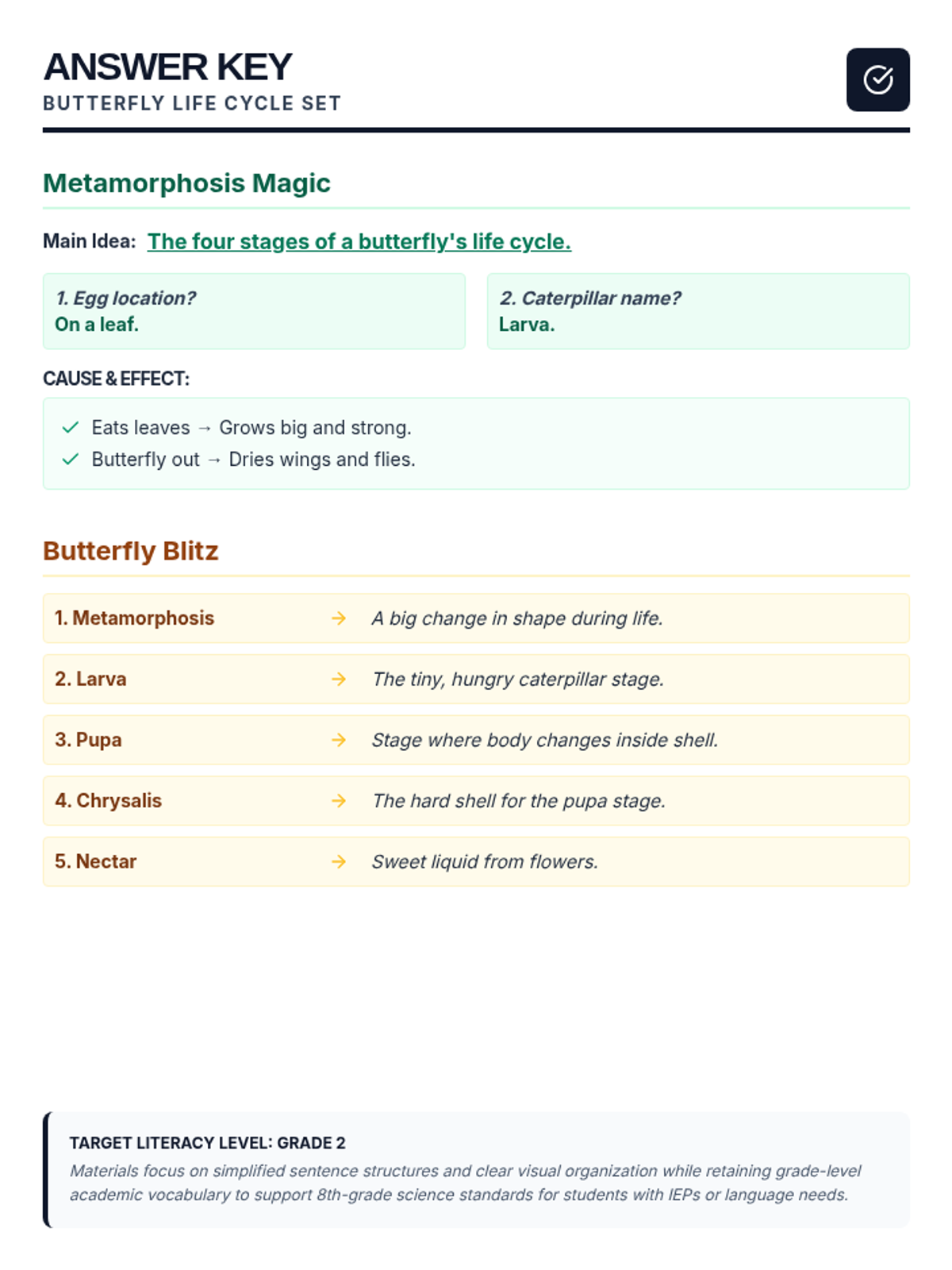
A collection of homework materials focused on the life cycle of butterflies, designed for 8th-grade students reading at a 2nd-grade level. The materials emphasize key vocabulary, main idea and details, and cause-and-effect relationships.
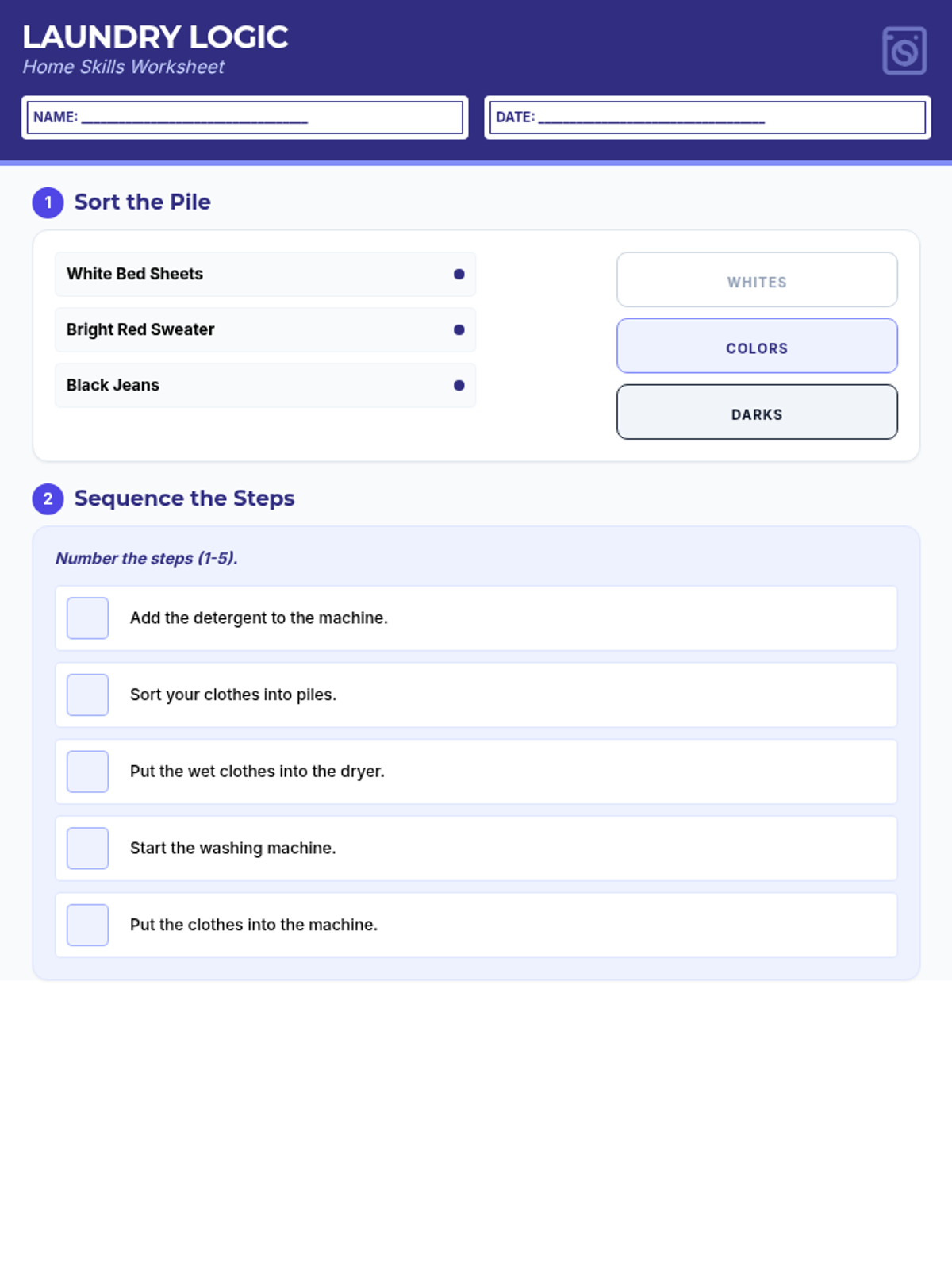
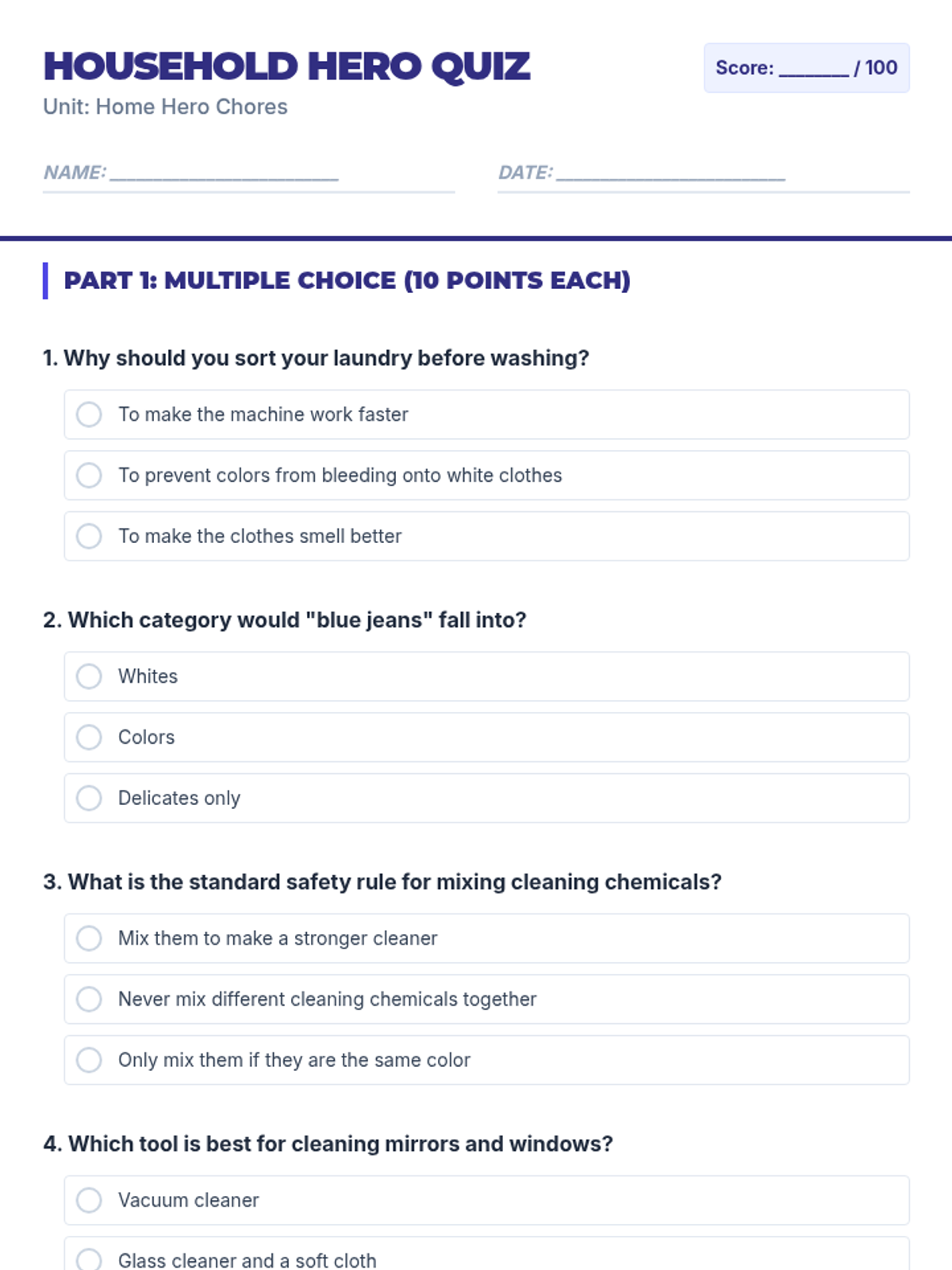
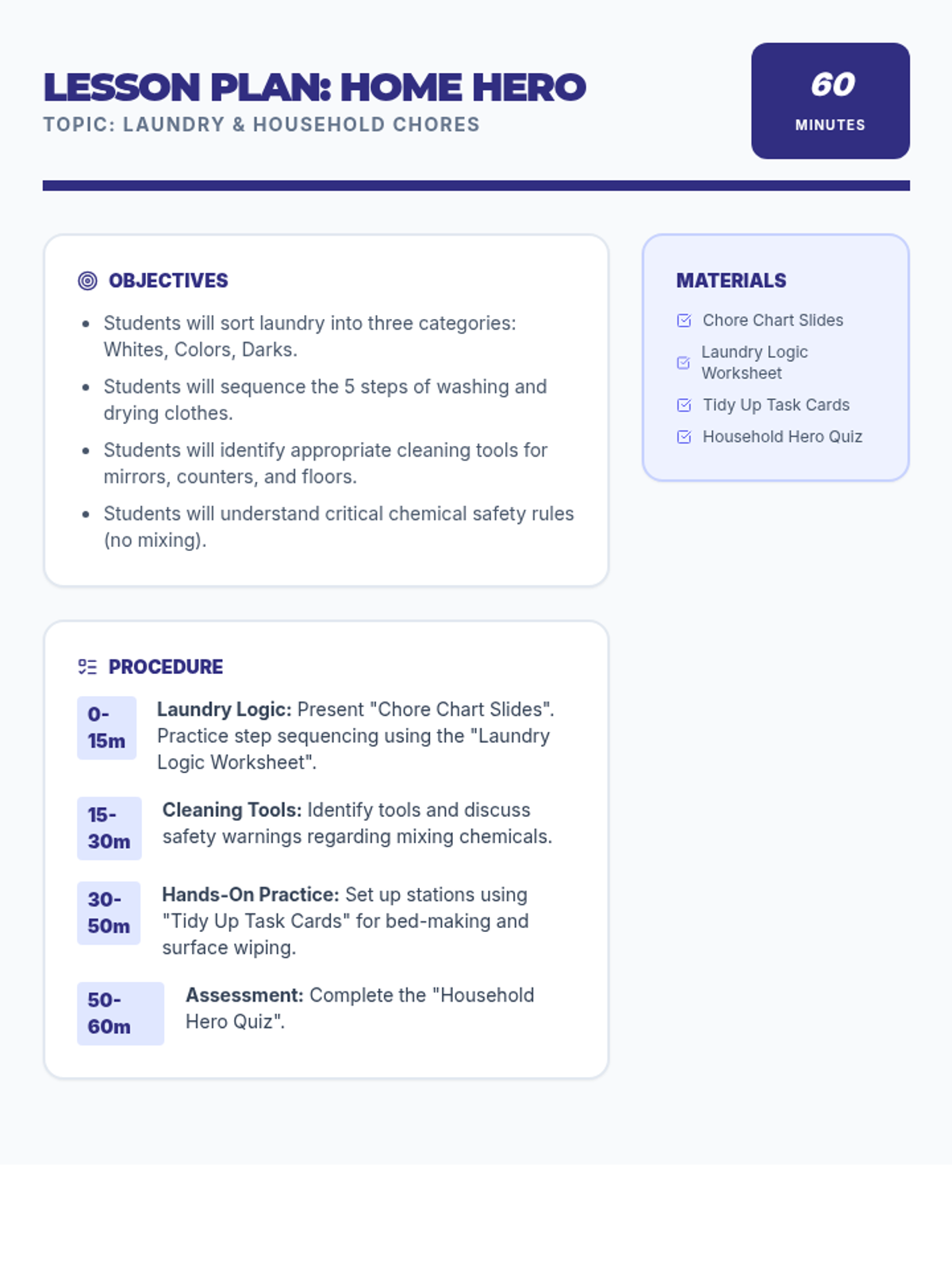
Mastering the art of laundry, cleaning schedules, and maintaining a healthy home environment.
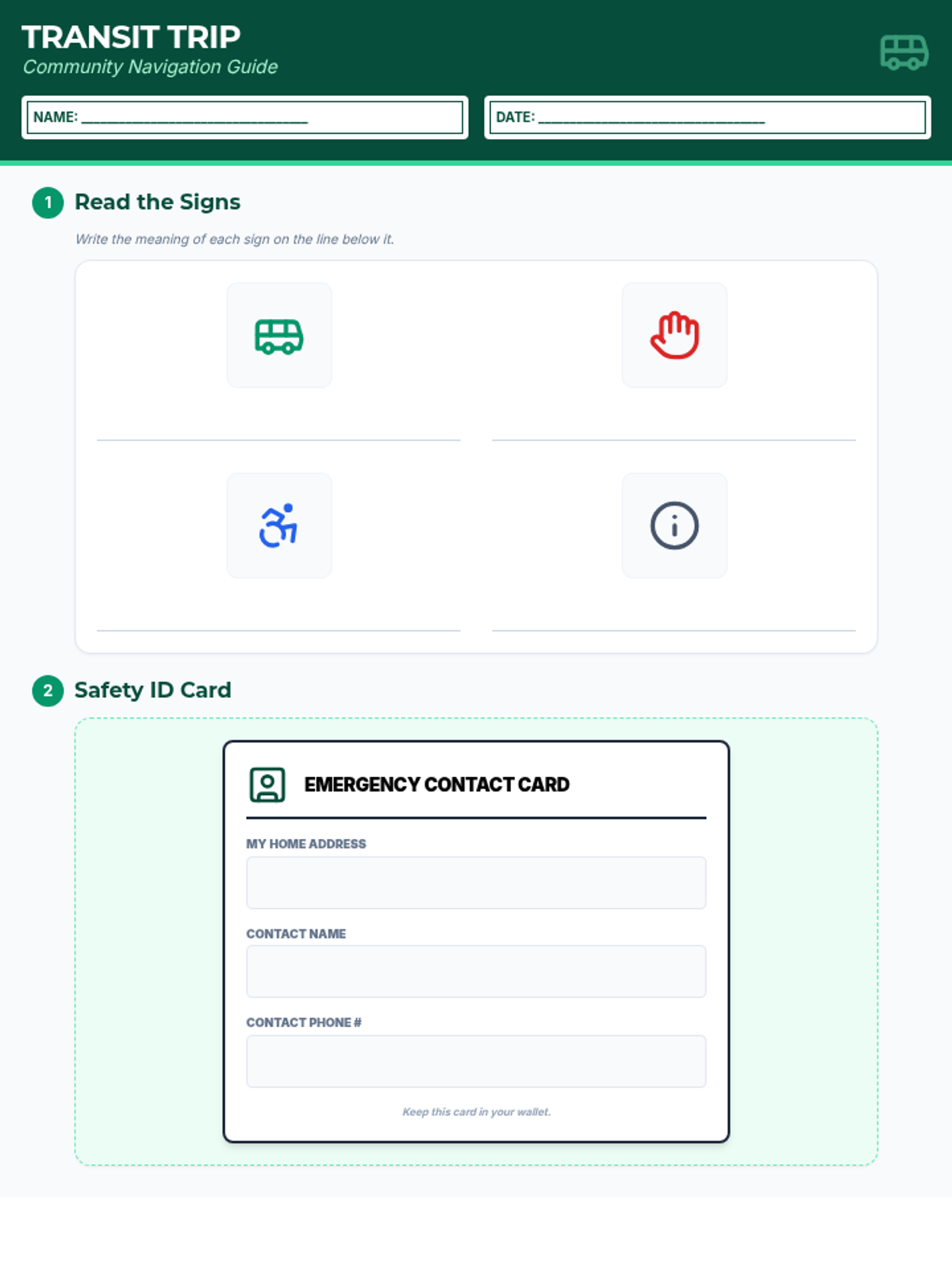
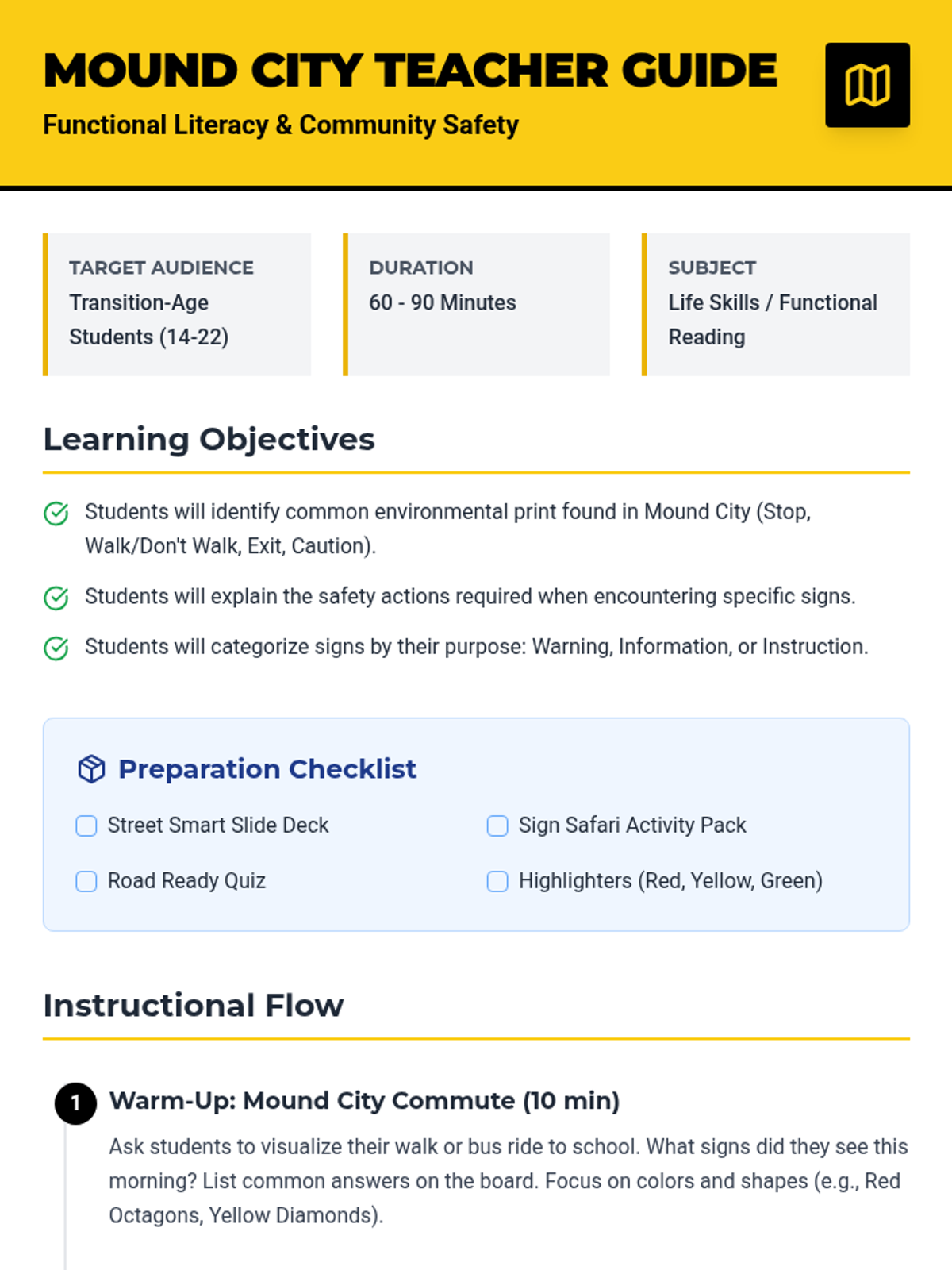
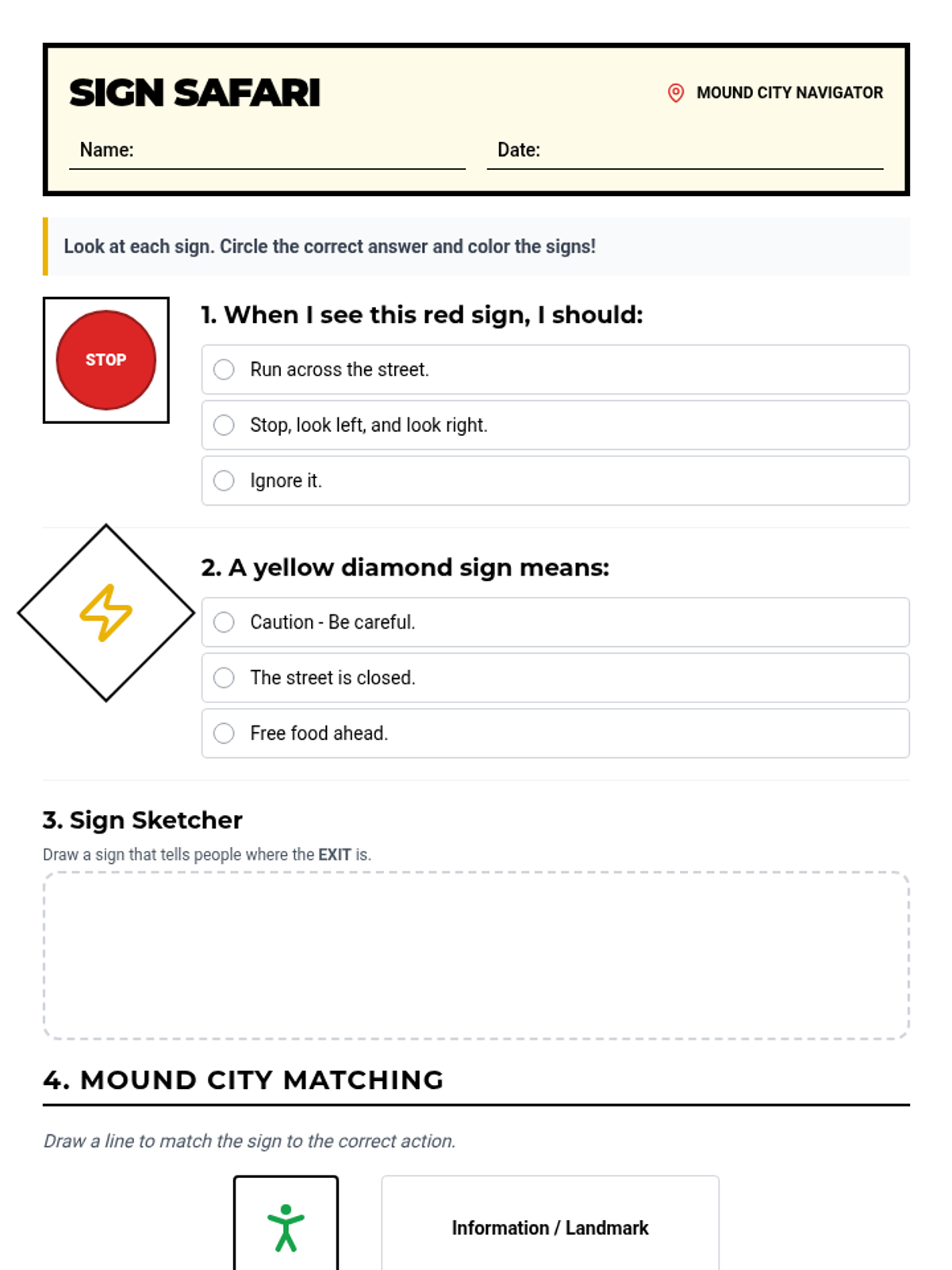
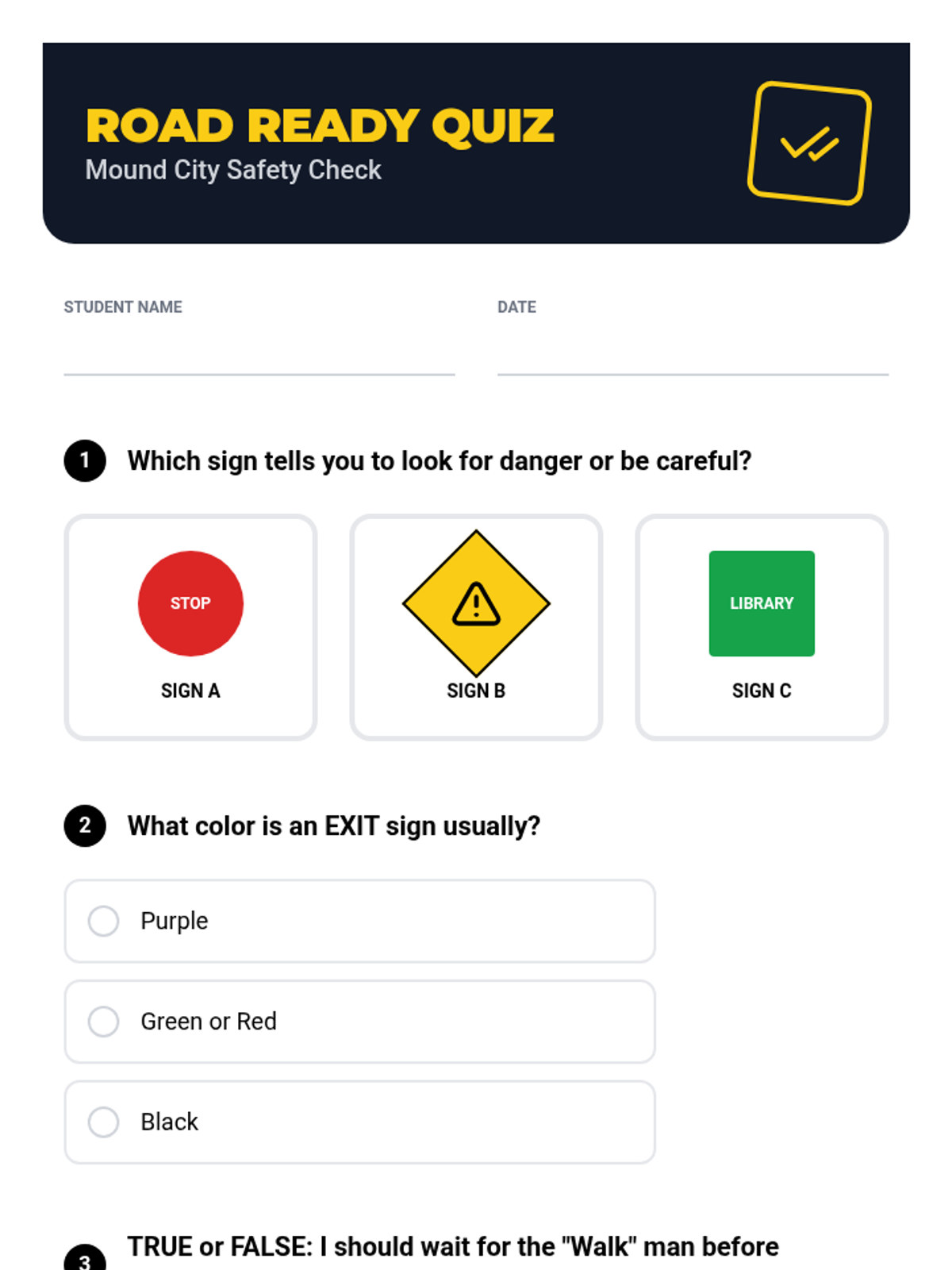
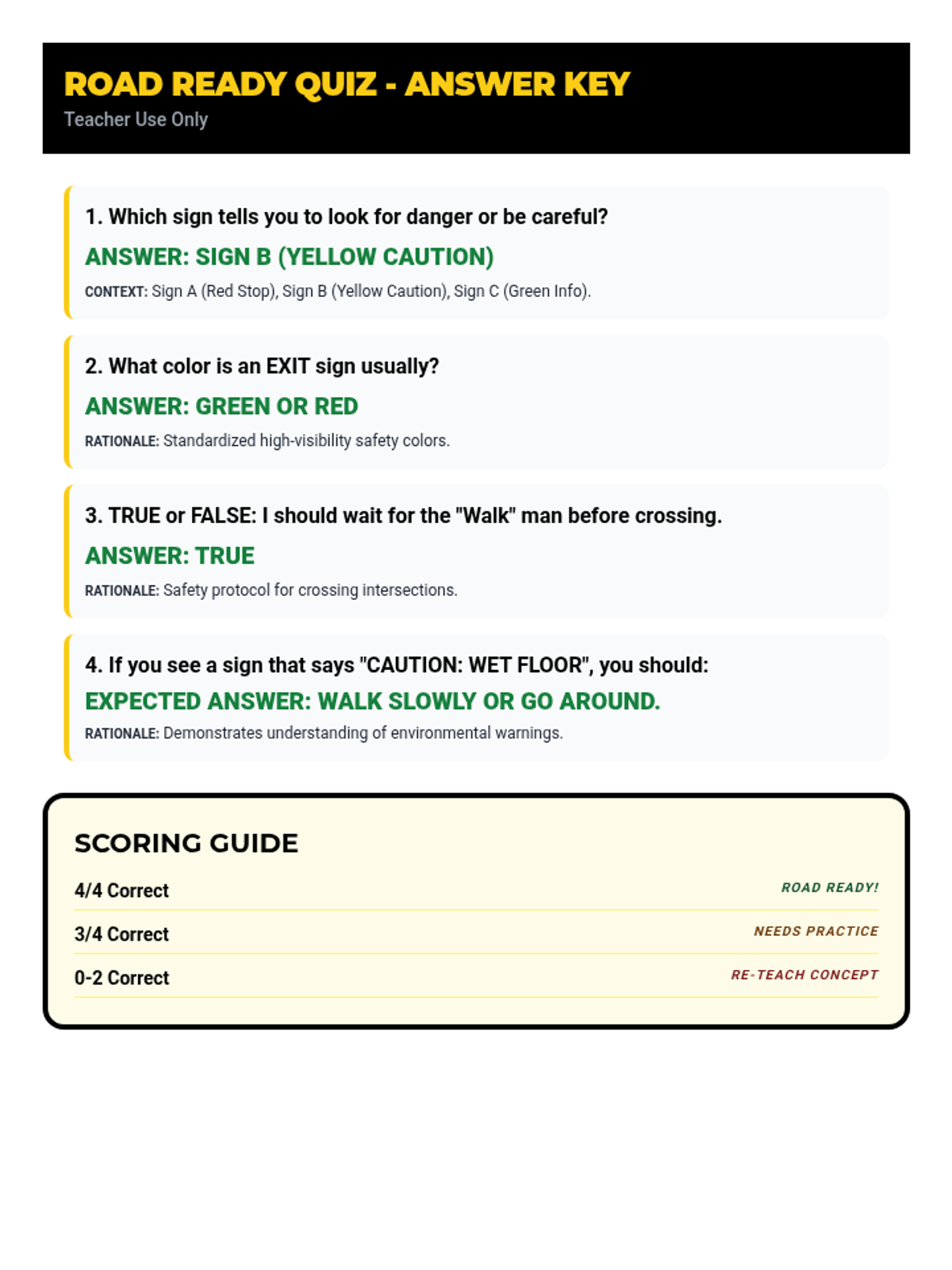
A functional literacy lesson for transition-age students focused on identifying and interpreting environmental print and safety signs in the Mound City community. Students build real-world independence through sign recognition and situational awareness.
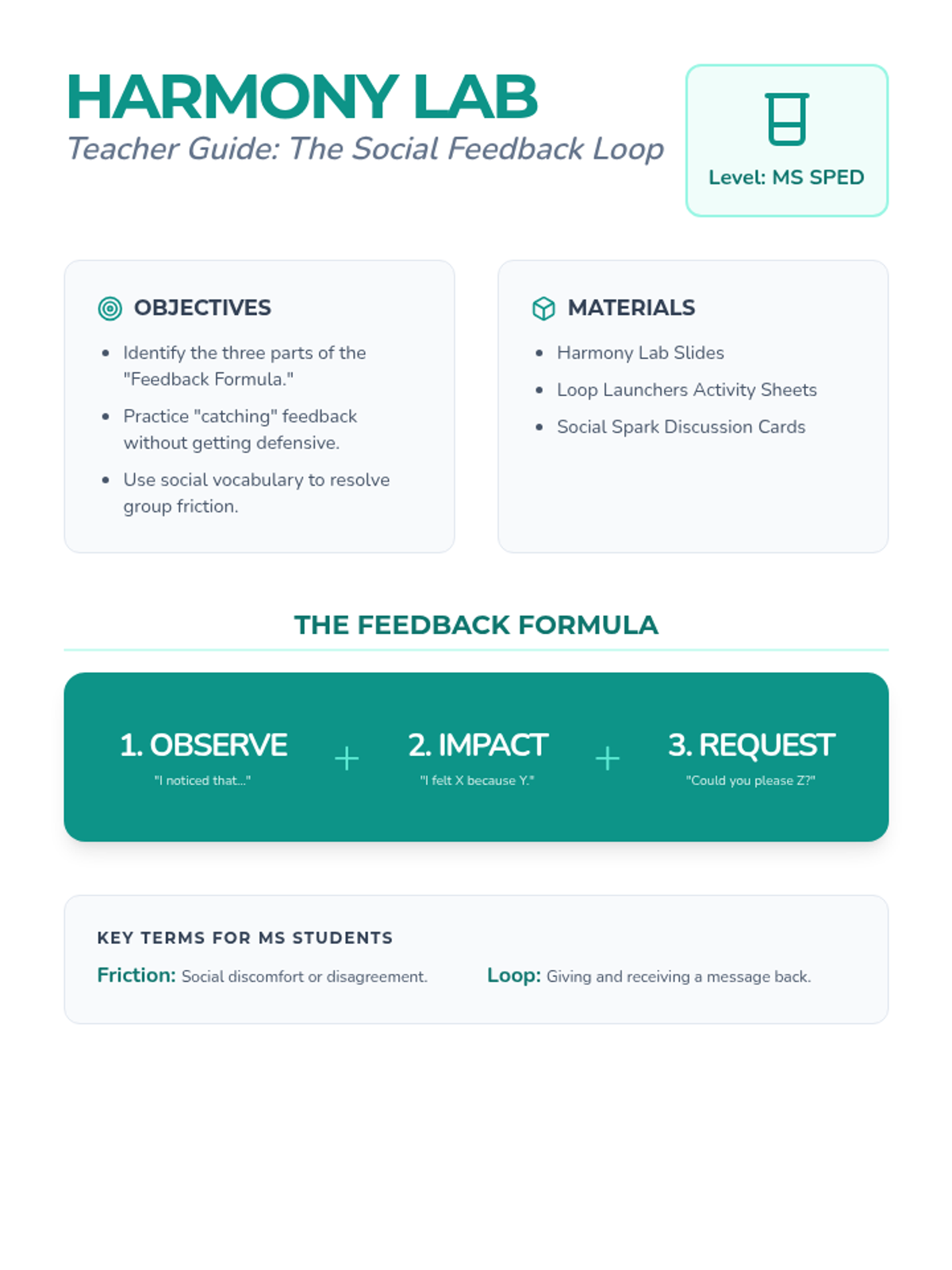
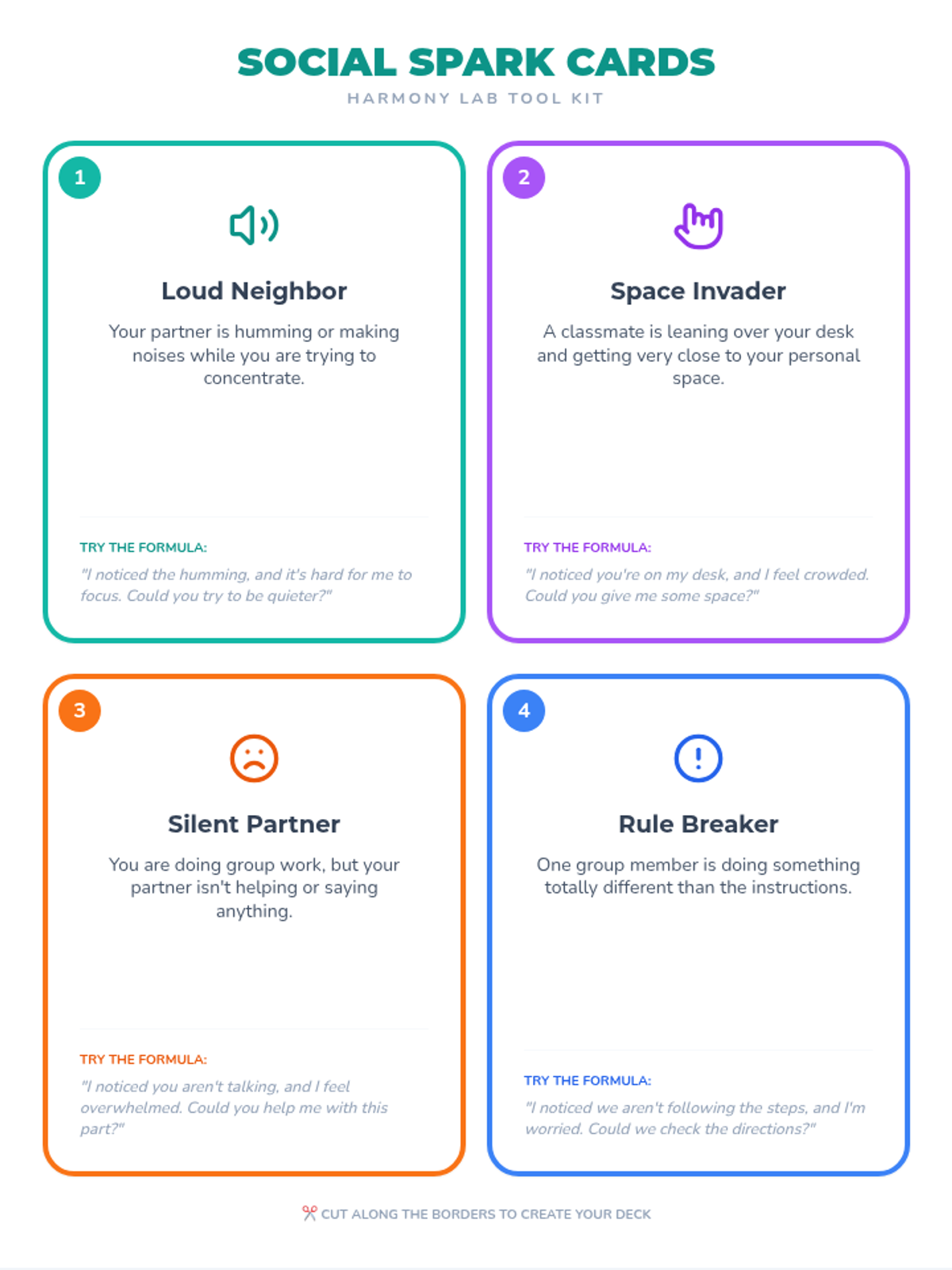
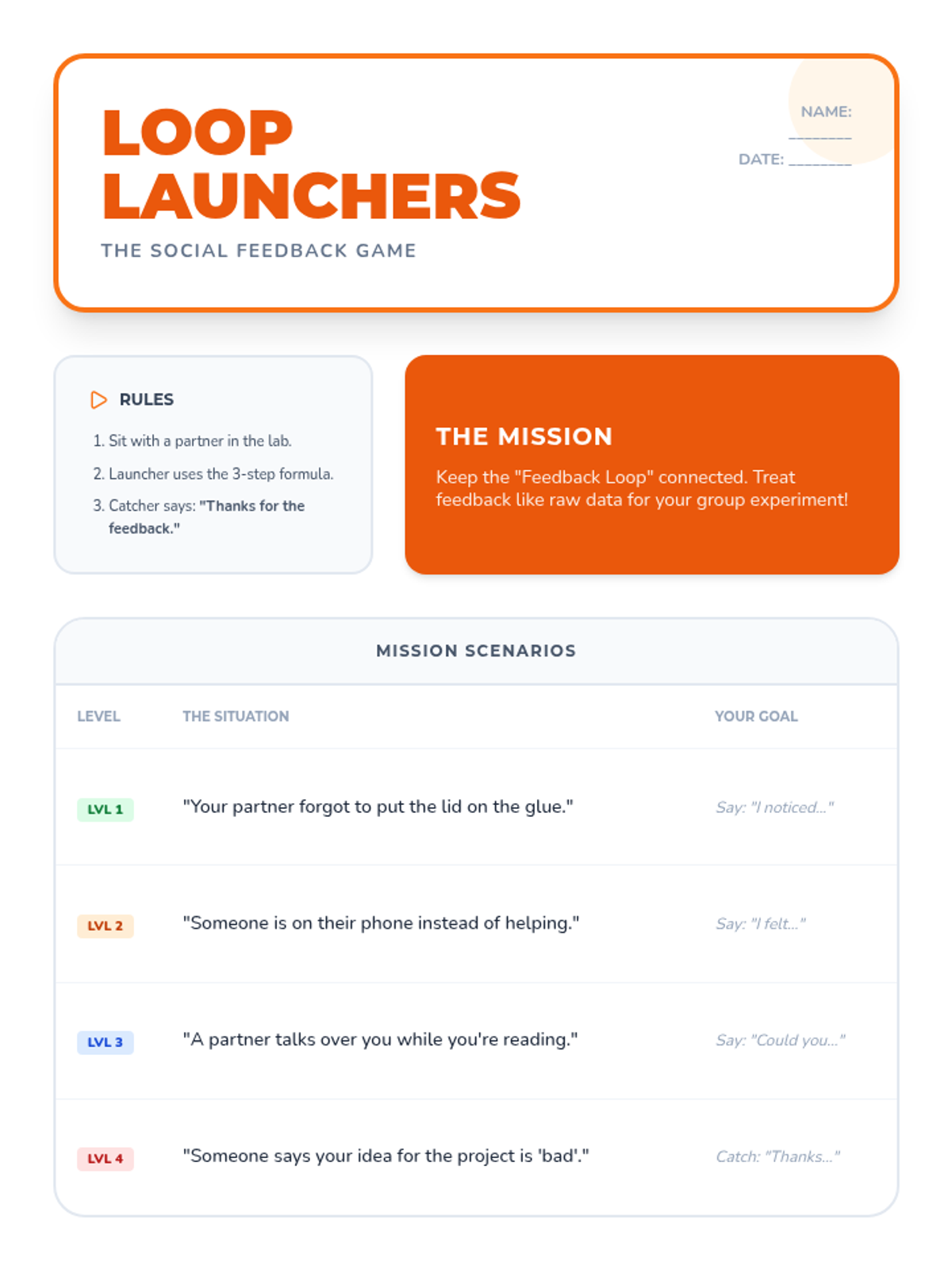
A social-emotional learning lesson designed for middle school special education students to master the 'Feedback Formula.' Students will explore group dynamics through the lens of a scientific laboratory, practicing how to give and receive constructive feedback to maintain positive peer relationships.
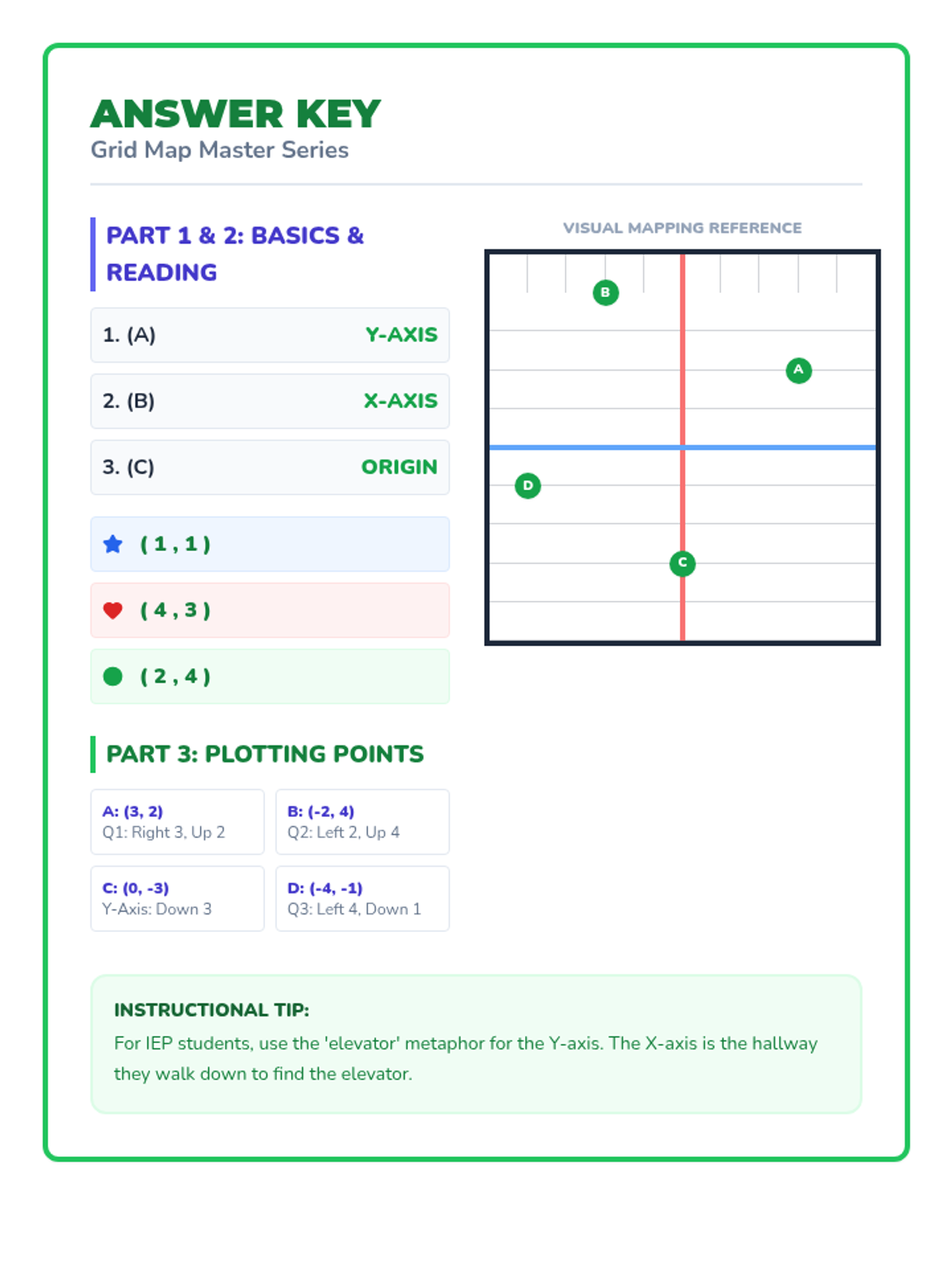
A foundational lesson on the coordinate plane designed for IEP students, focusing on vocabulary, quadrant identification, and step-by-step plotting and reading of points.
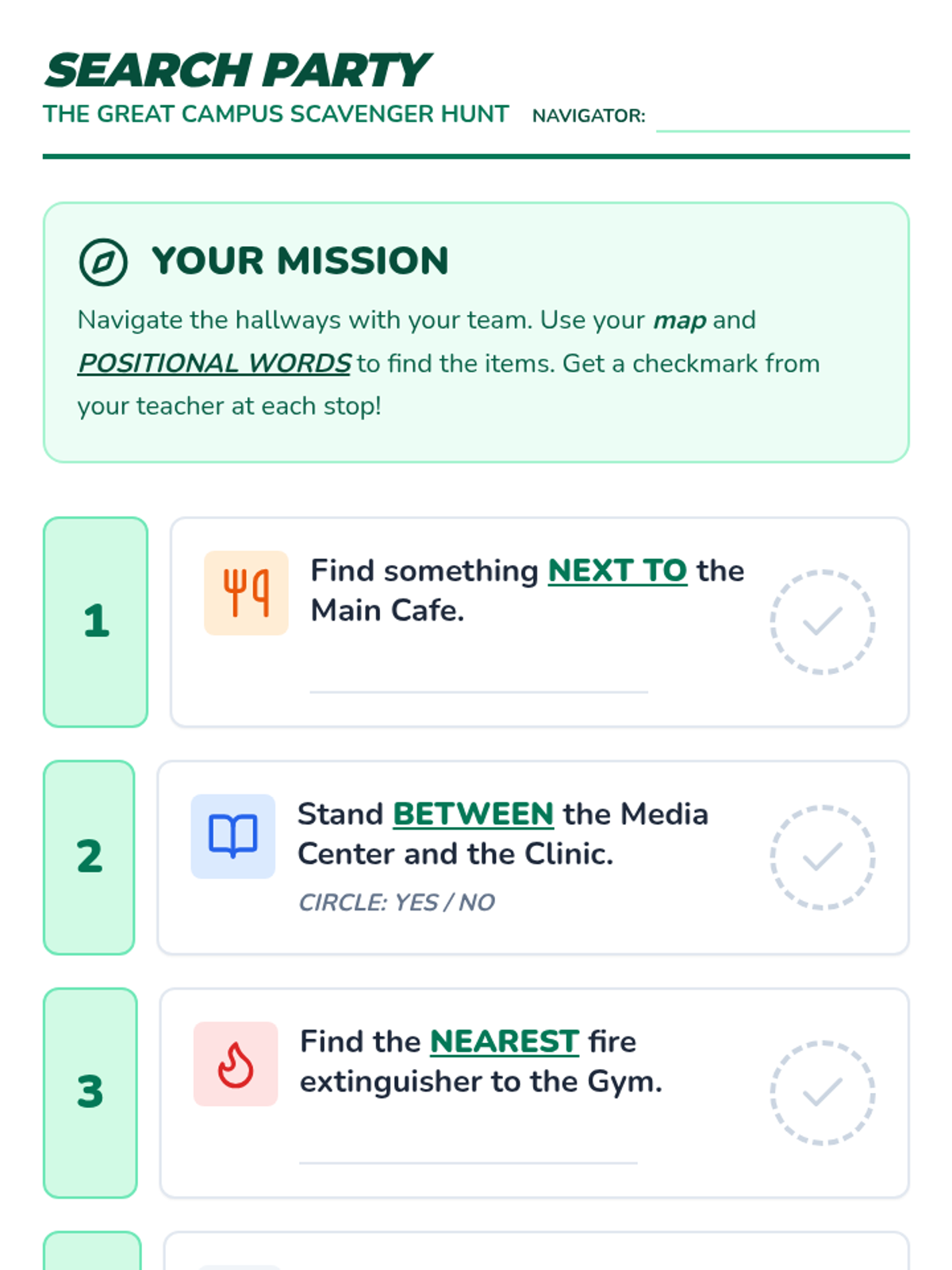
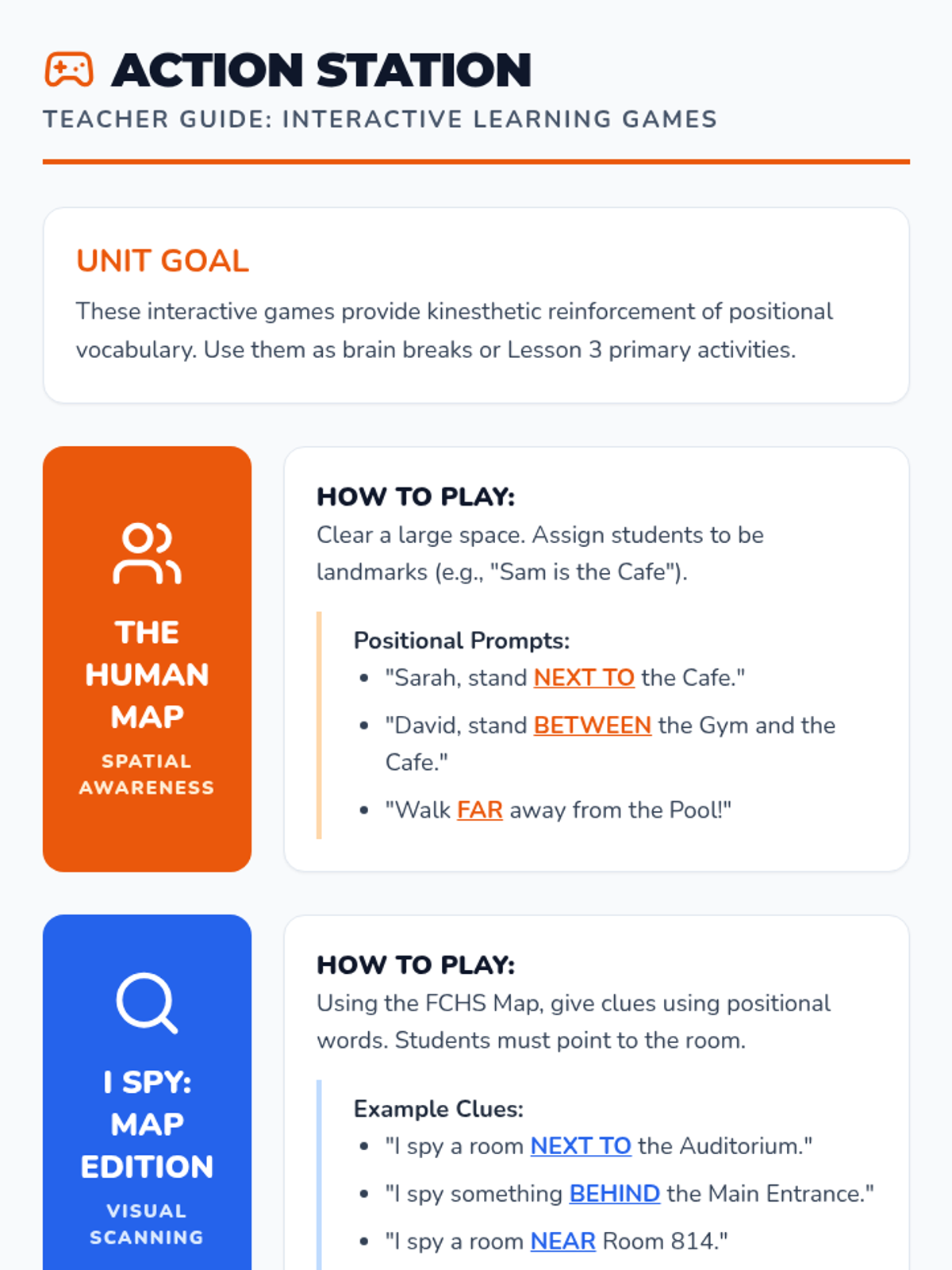
Hands-on application of spatial skills through school-wide scavenger hunts and interactive physical games.
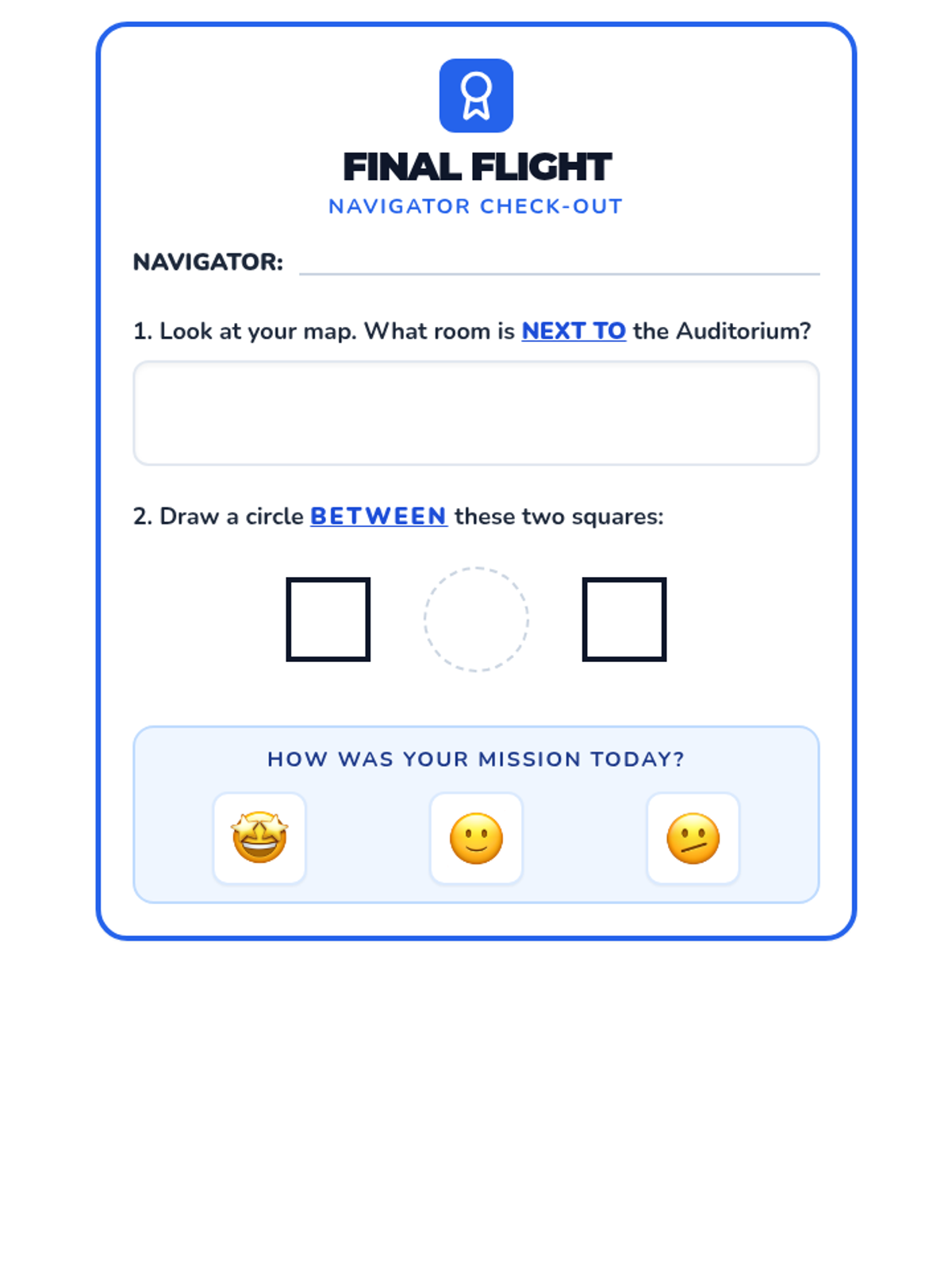
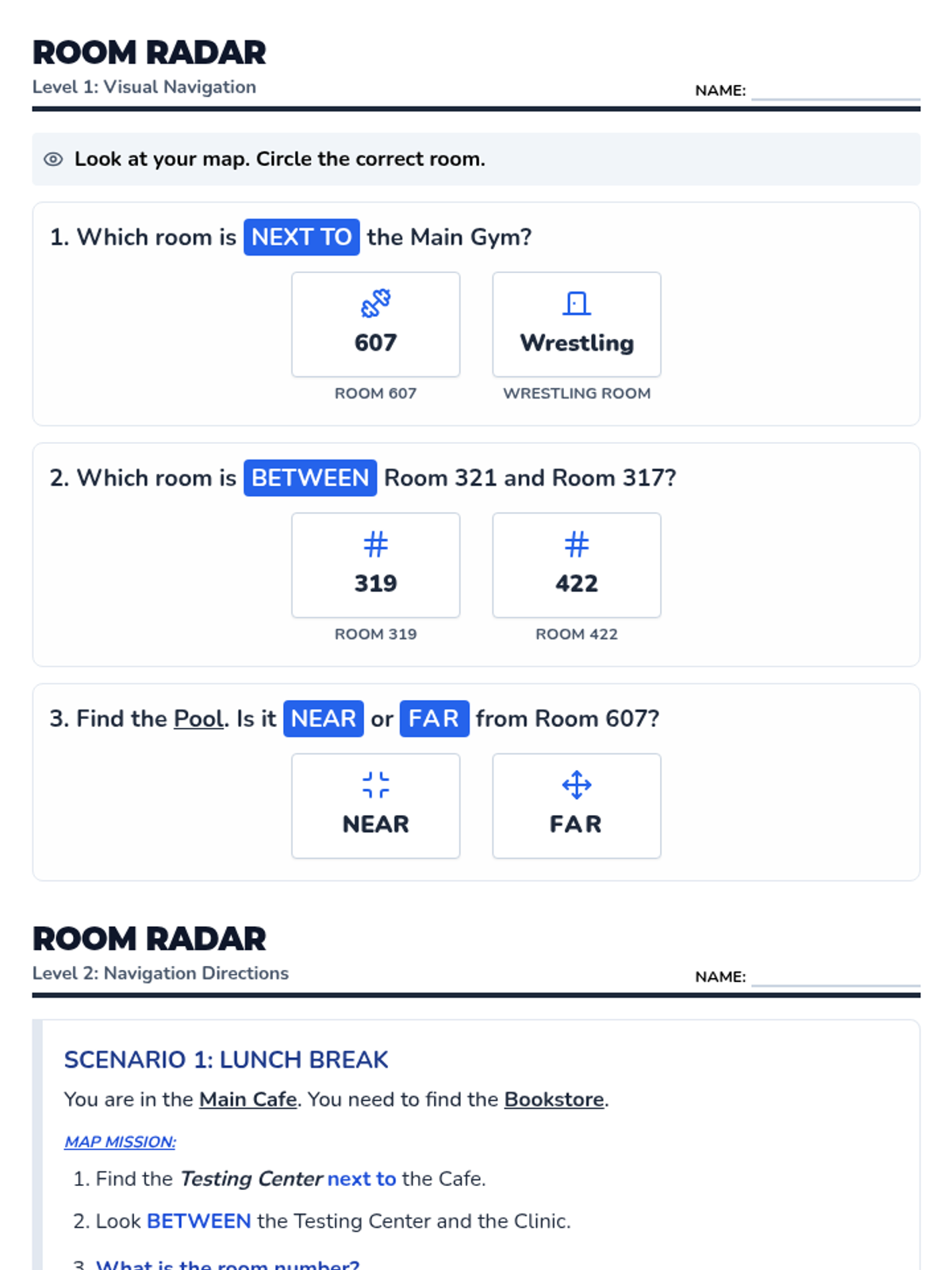
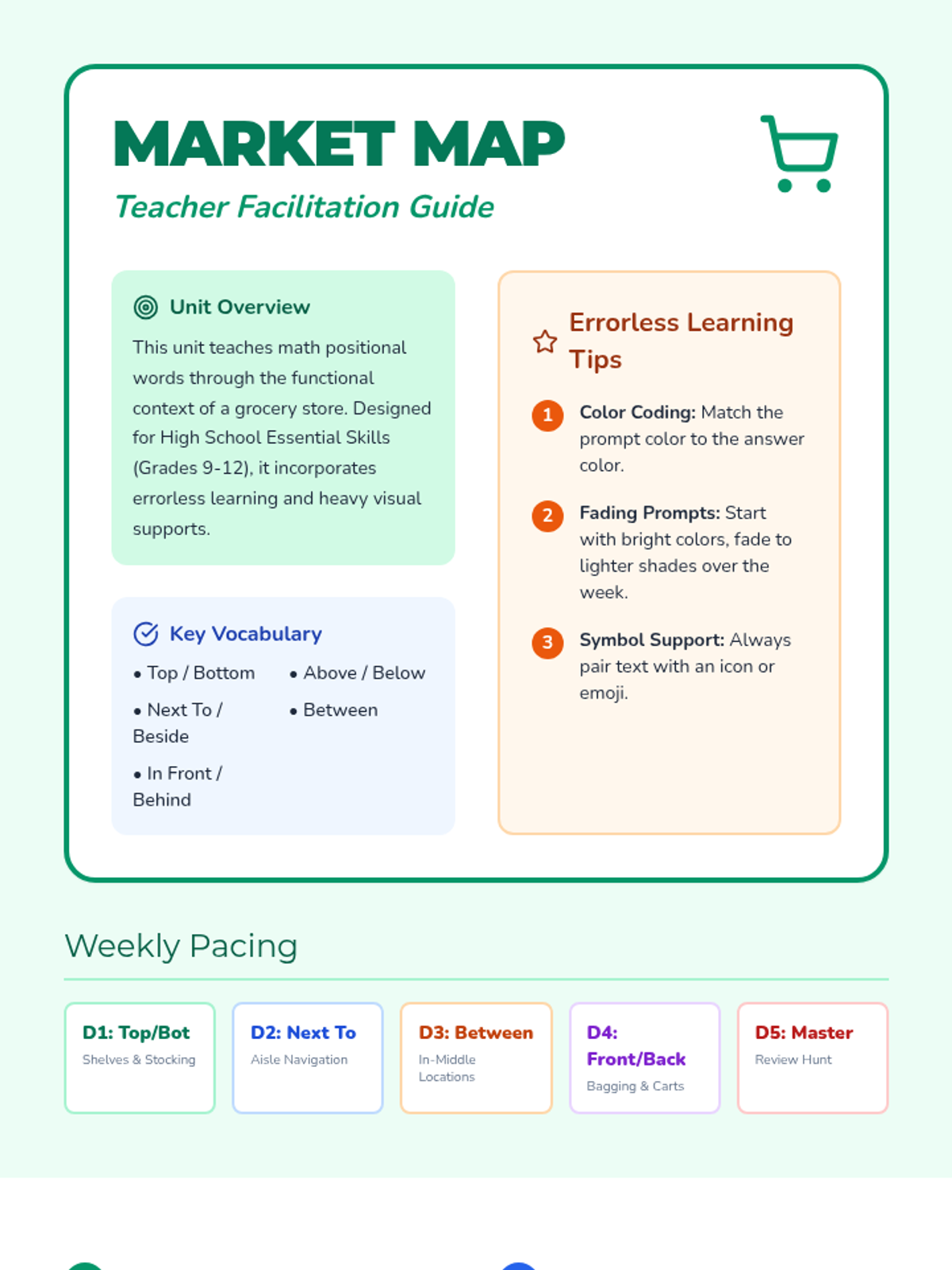
Applying positional vocabulary to the Franklin Central High School map, identifying key landmarks and room relationships.
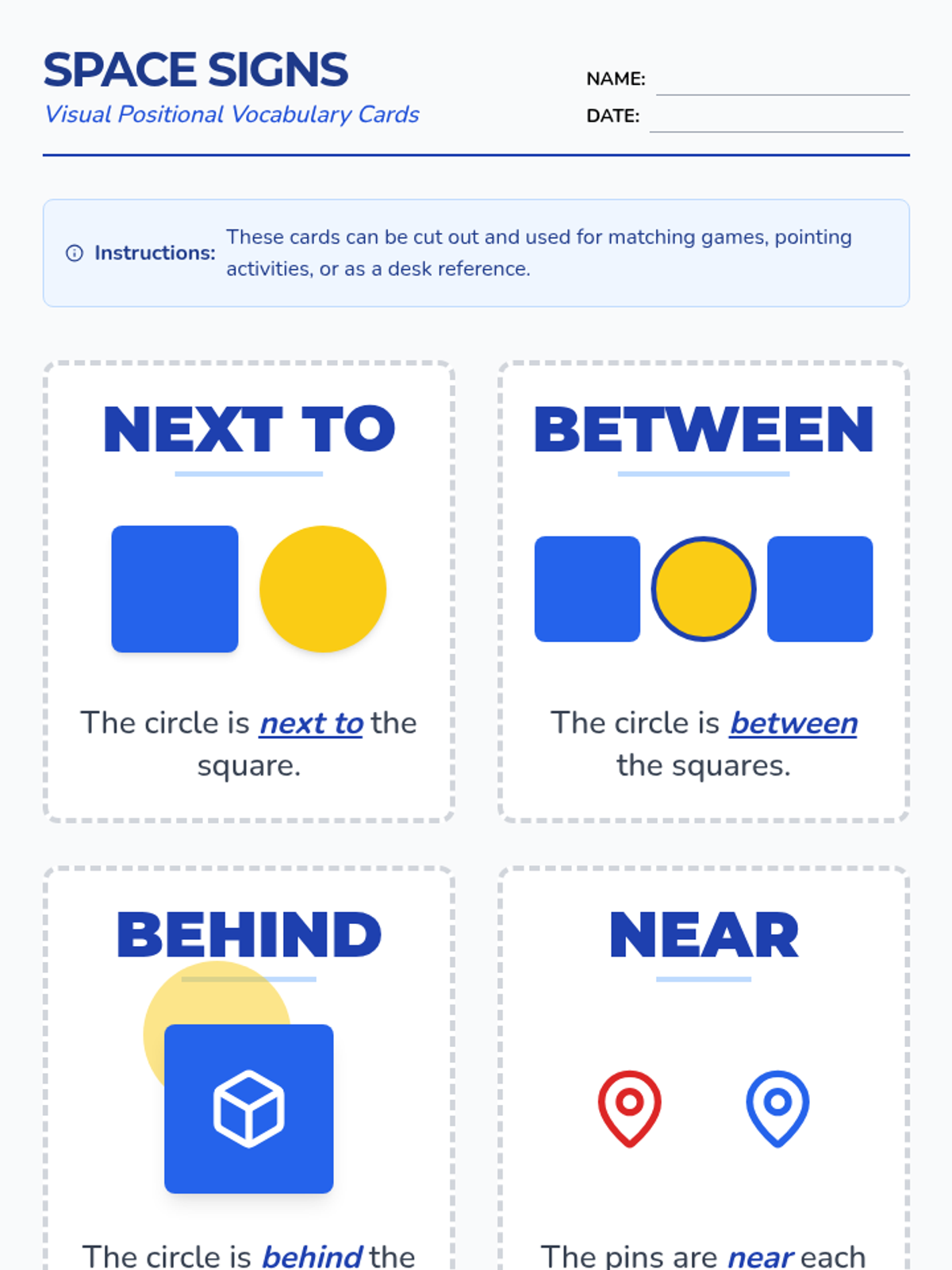
Introduction to positional vocabulary (near, far, next to, behind, between) using visual supports and simple classroom objects.
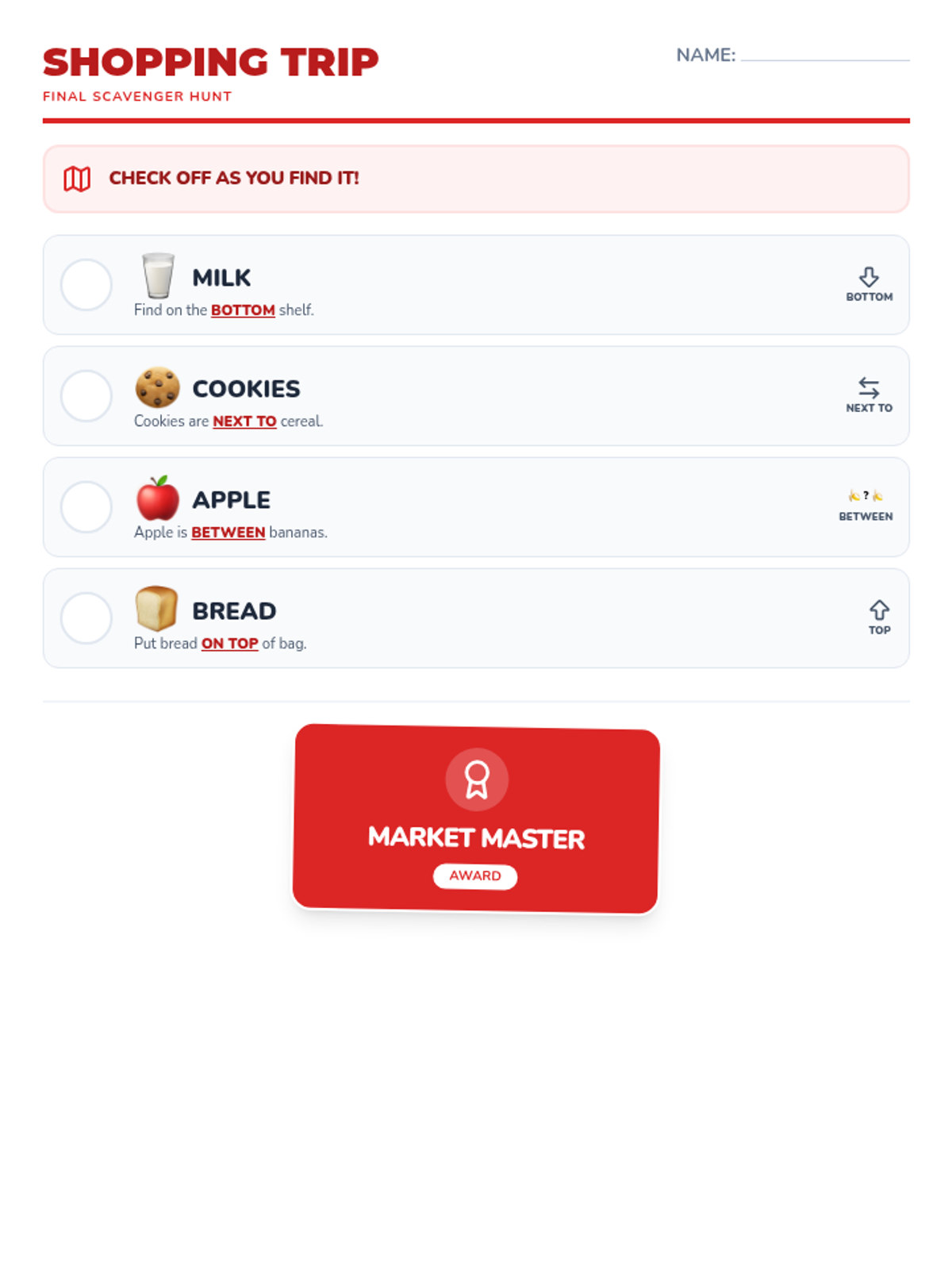
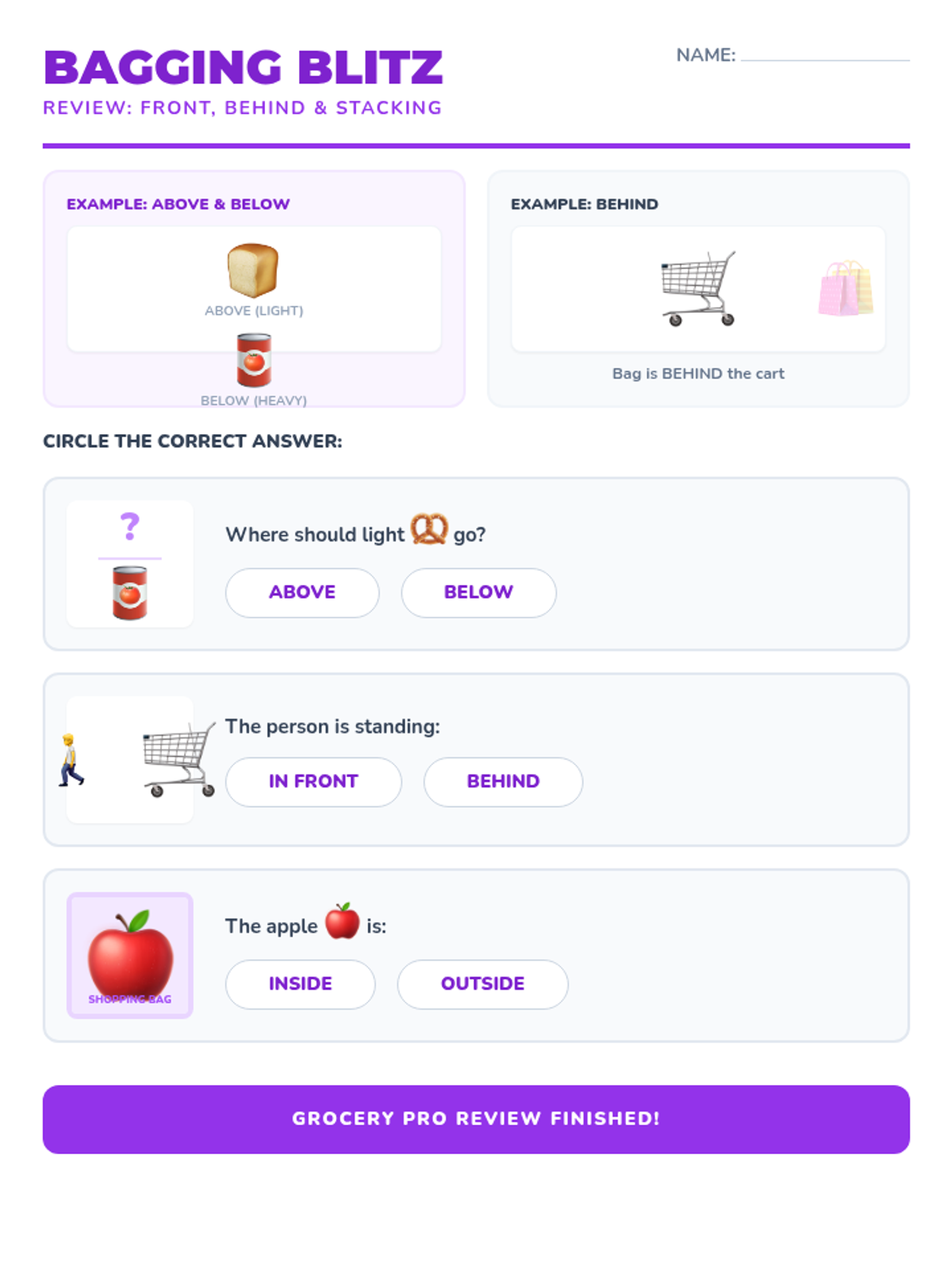
A cumulative review lesson applying all positional words to a full shopping trip simulation.
Explores 'in front of' and 'behind' through bagging groceries and cart organization.
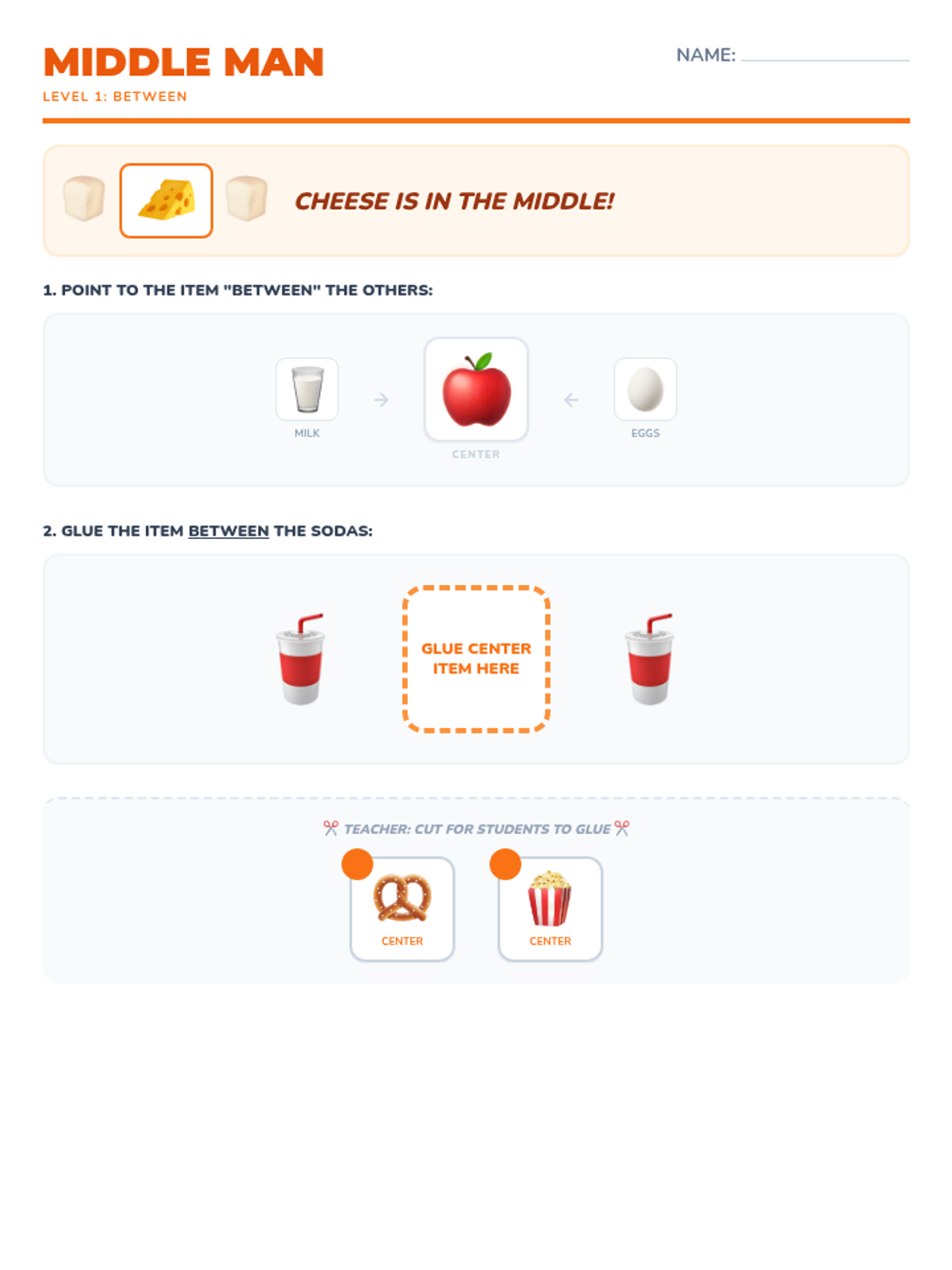
Teaches the concept of 'between' using shelf layouts and checkout line scenarios.
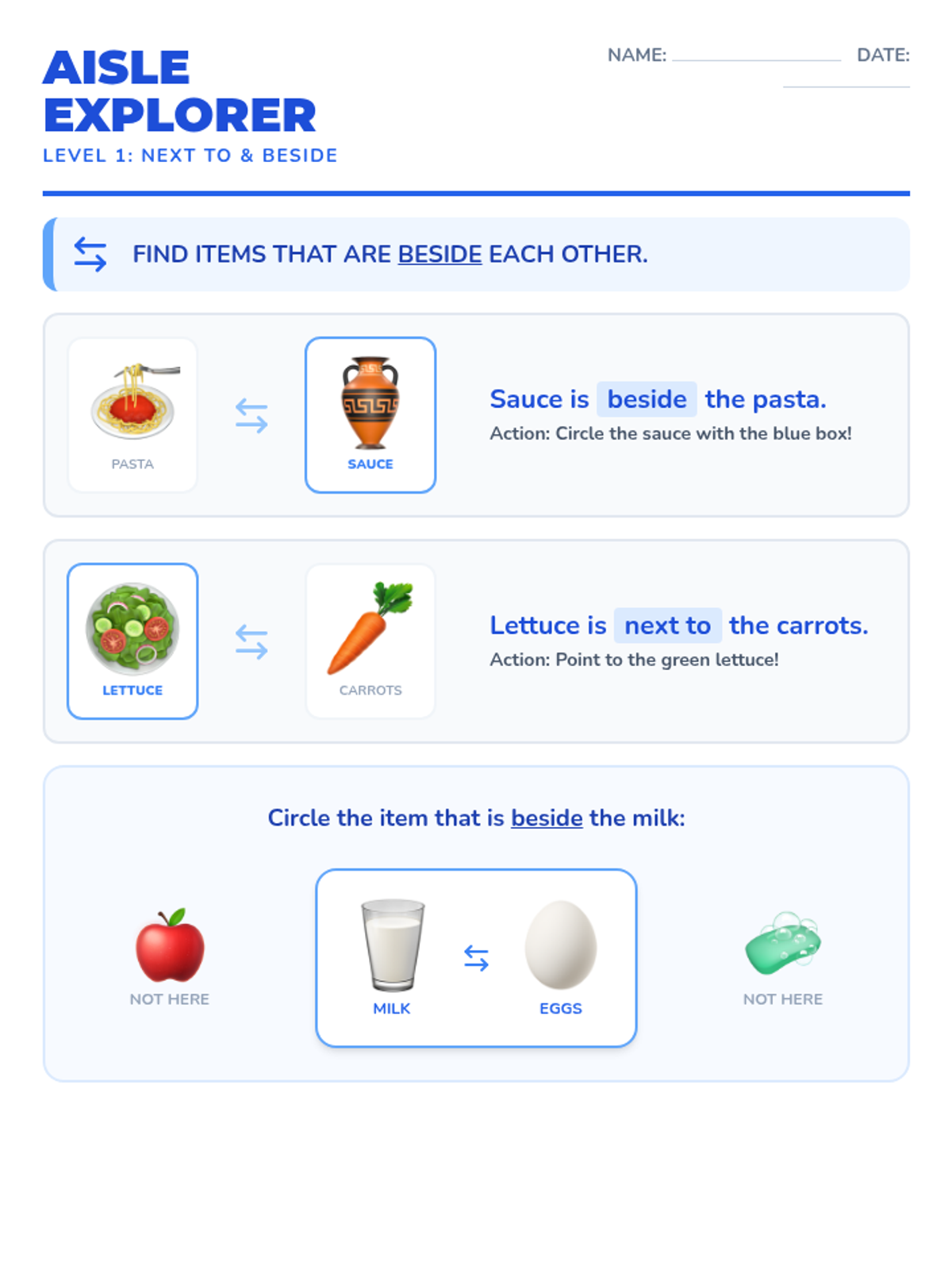
Introduces 'next to' and 'beside' concepts by navigating grocery aisles and finding neighboring items.
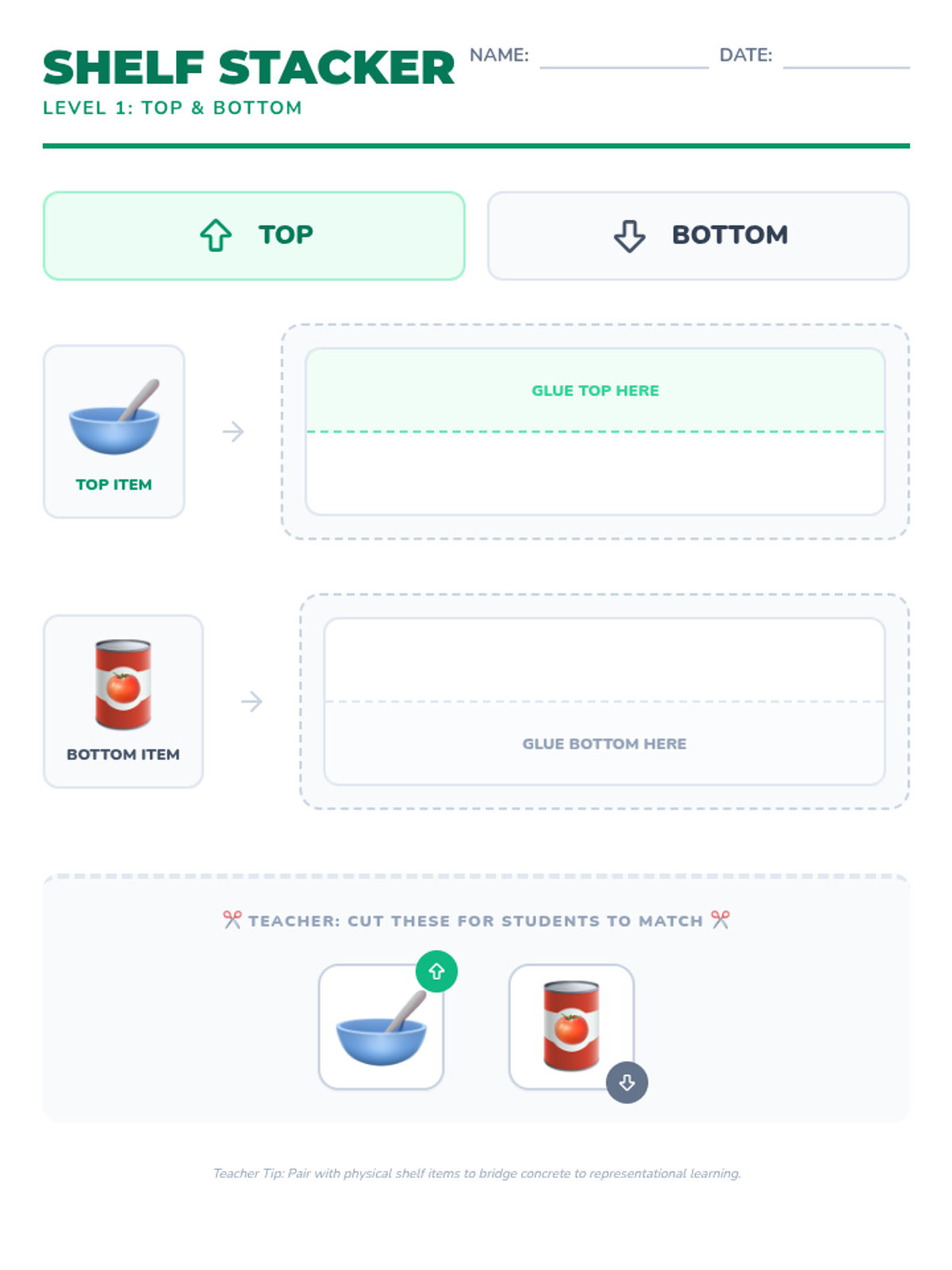
Focuses on the concepts of 'top' and 'bottom' through the functional lens of stocking grocery shelves and identifying item locations.
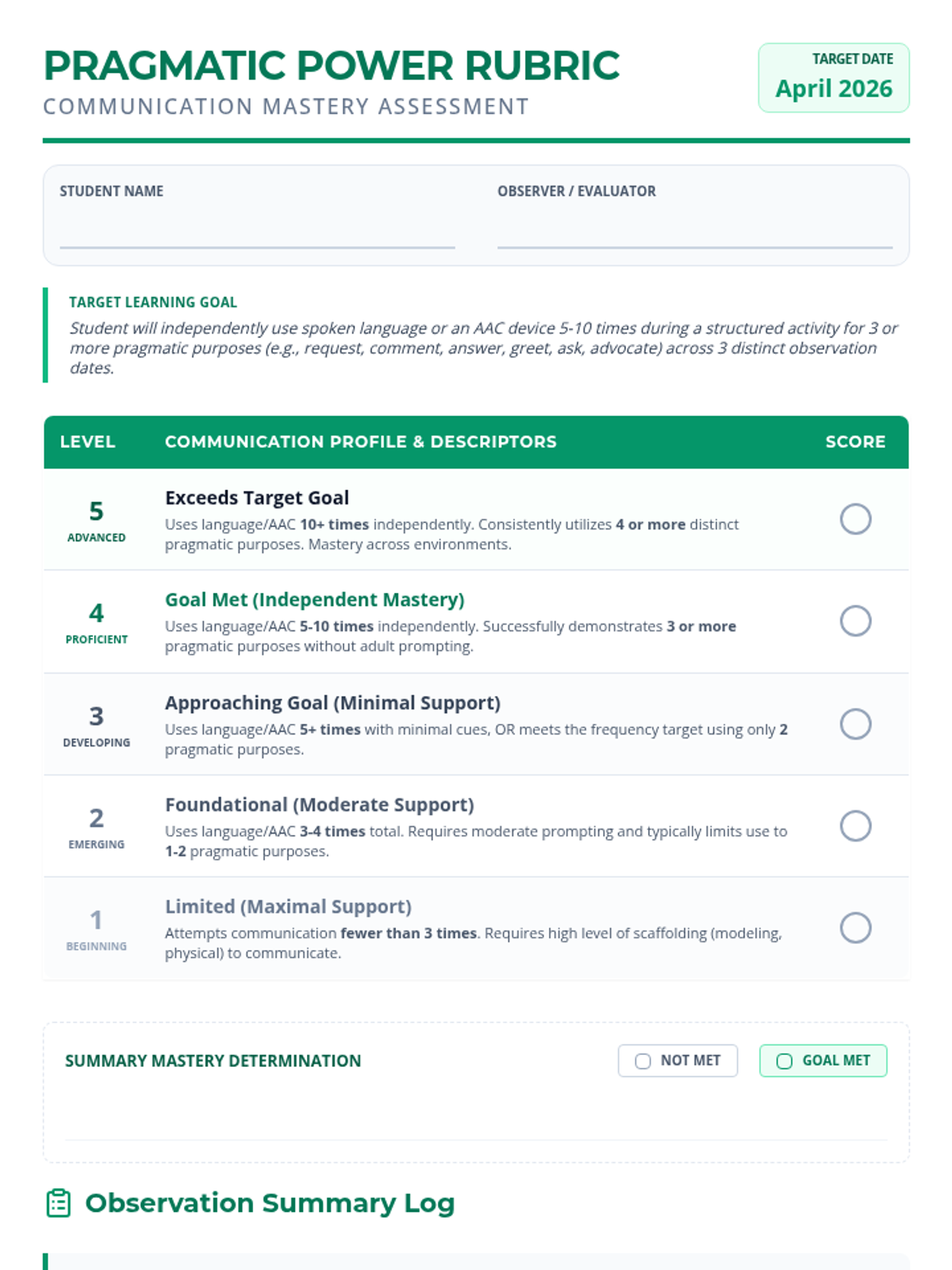
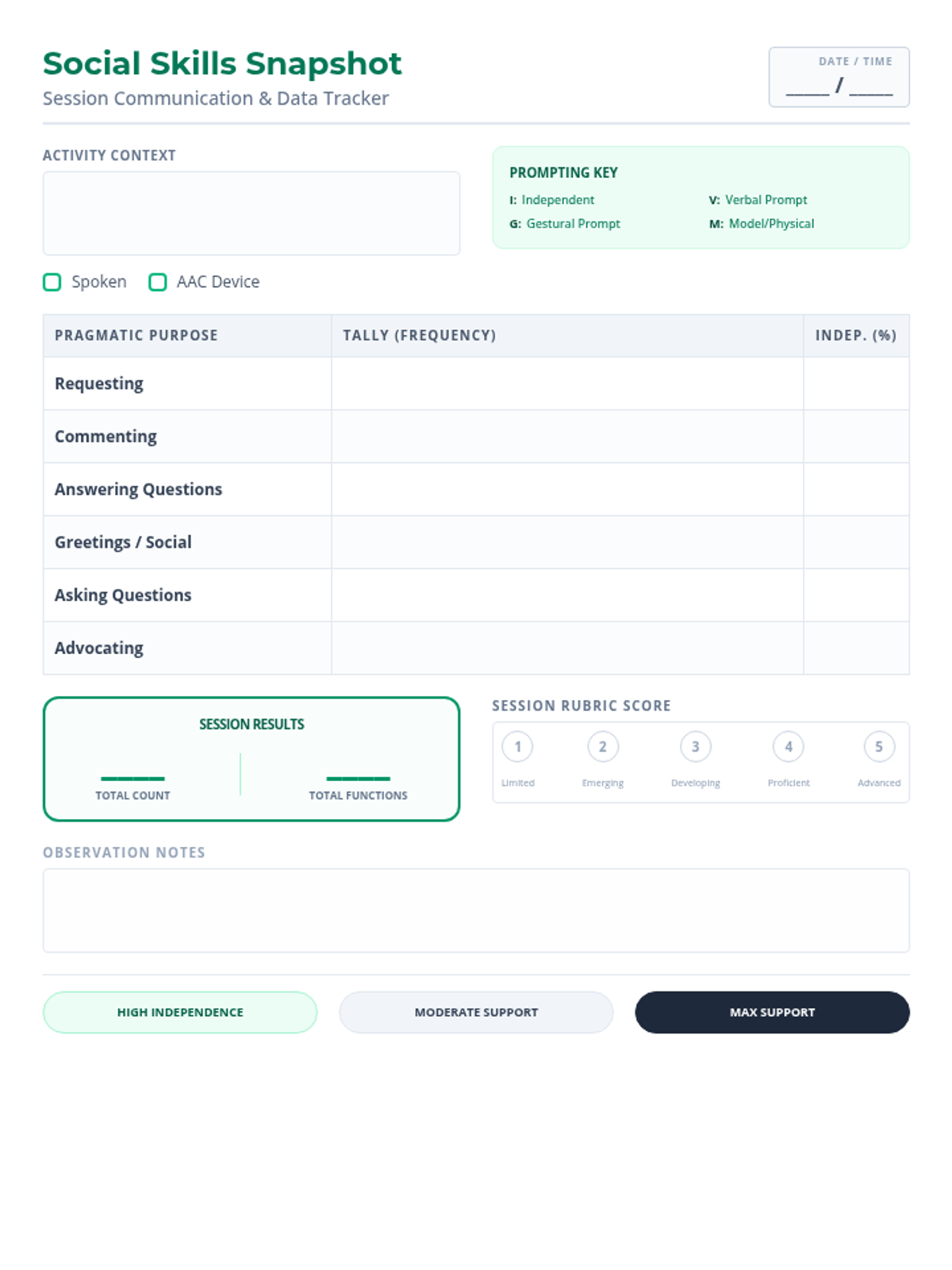
A comprehensive evaluation tool designed to track and measure a student's progress toward mastering various pragmatic communication functions using spoken language or AAC devices.
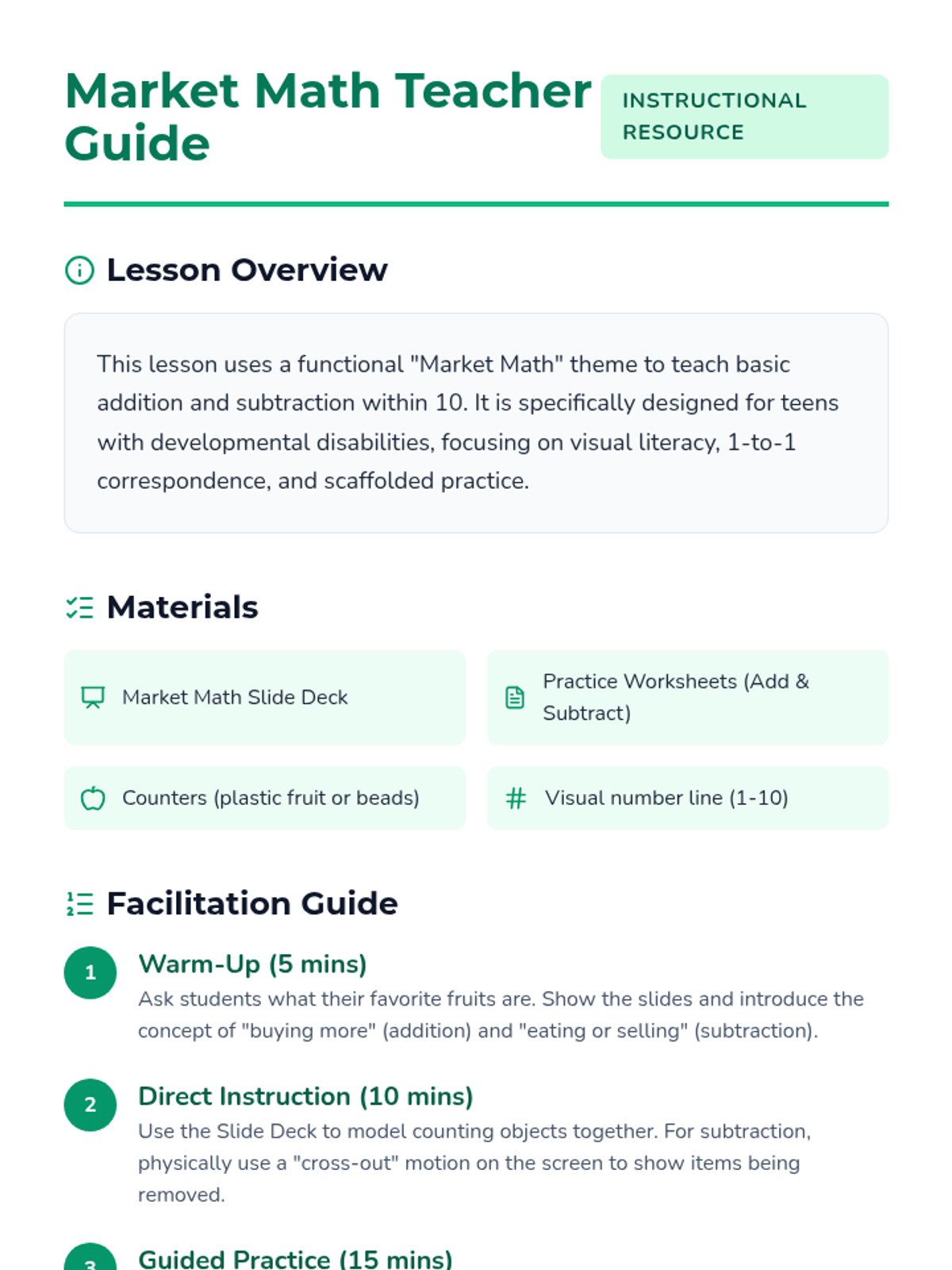
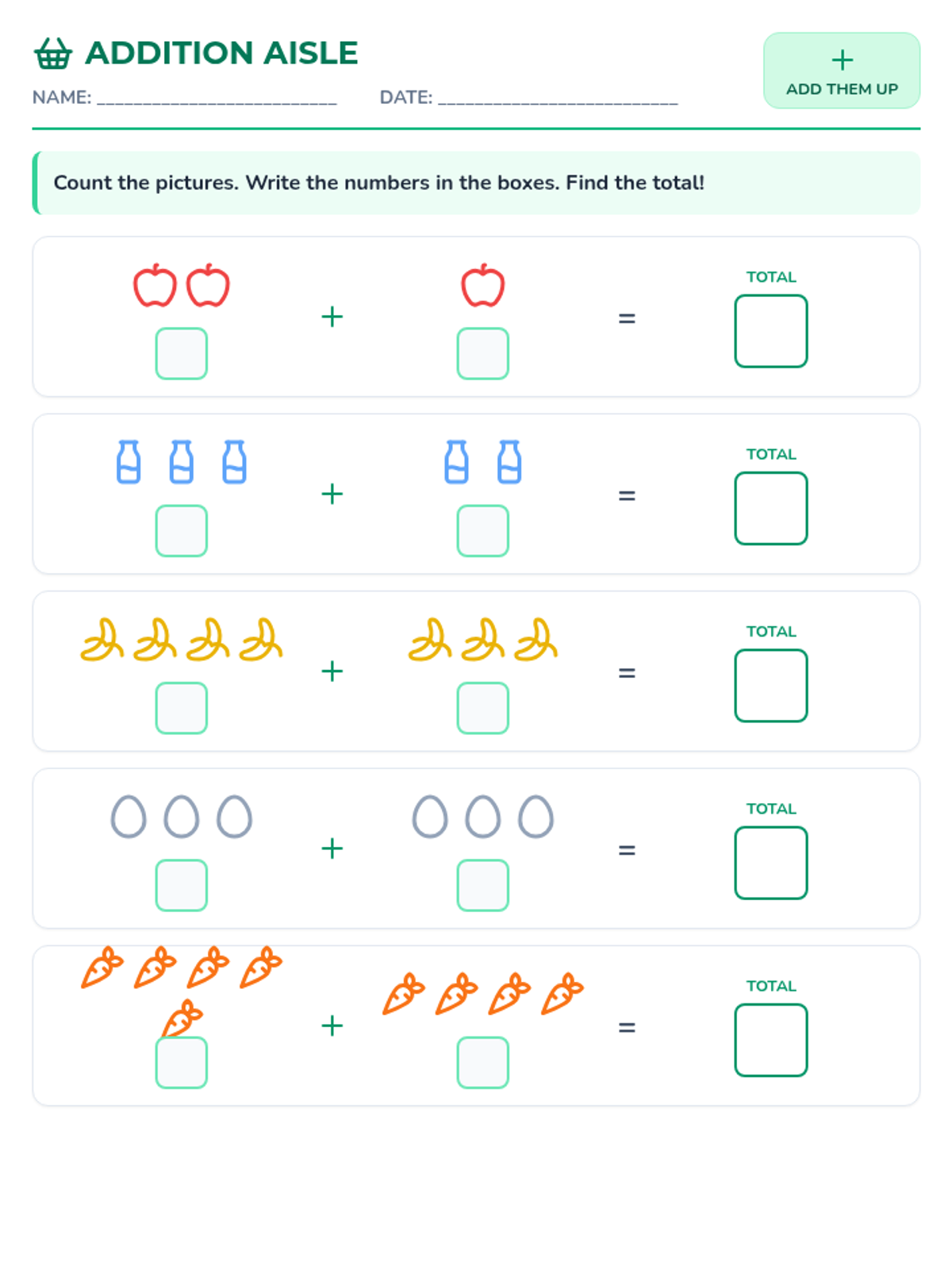
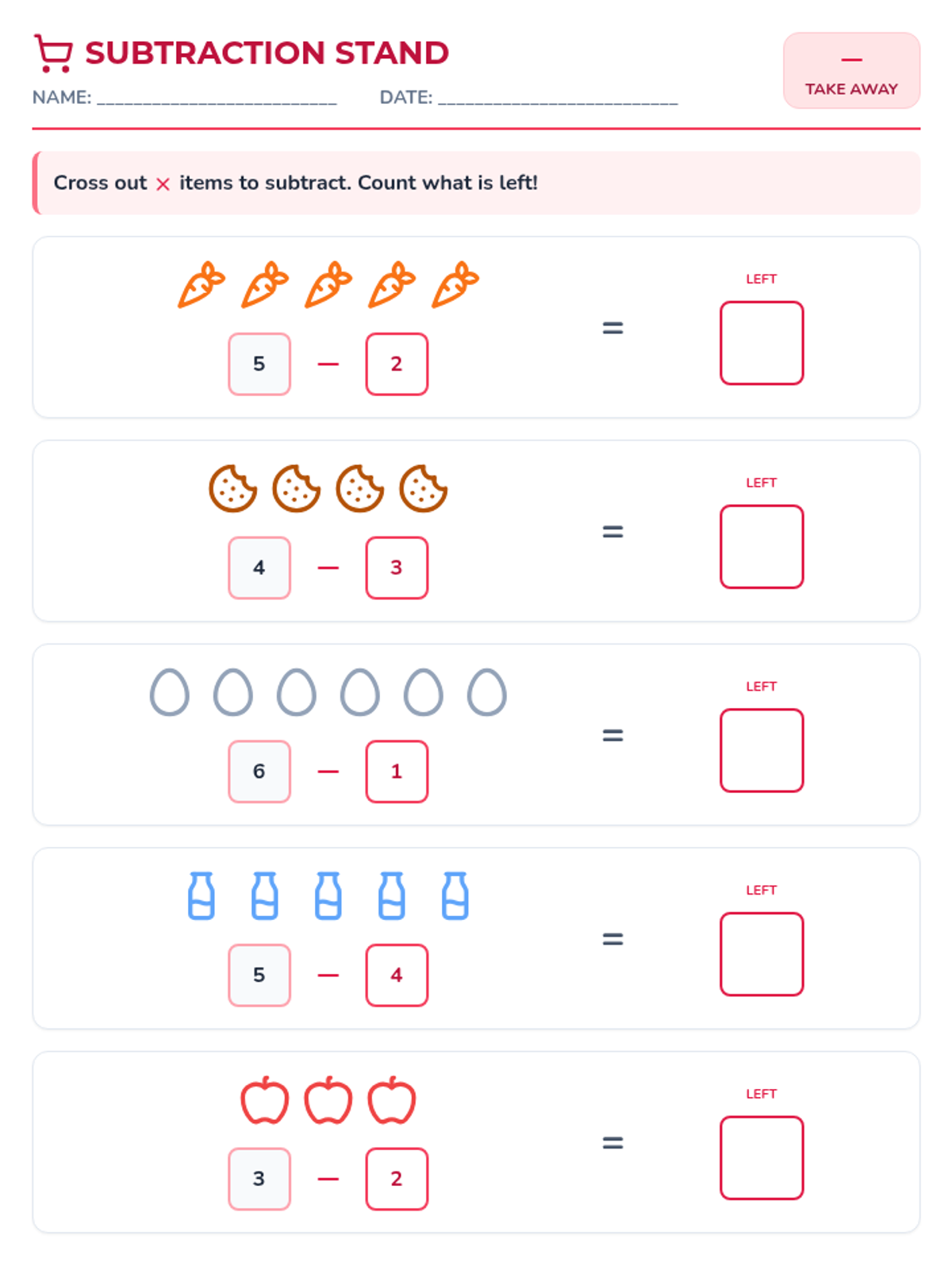
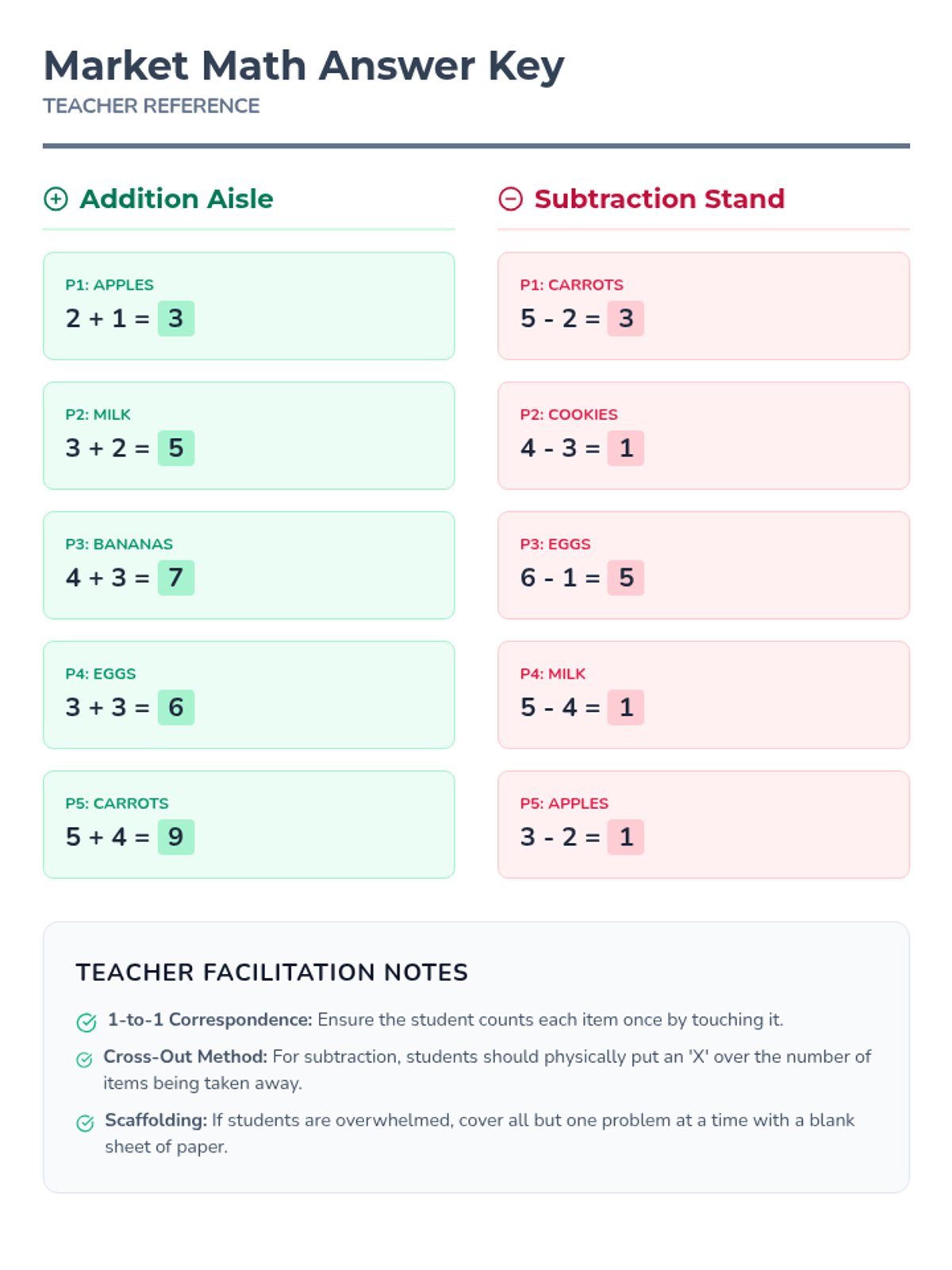
A functional math lesson focusing on basic addition and subtraction within 20 using a grocery store theme. Designed for teens with developmental disabilities, it emphasizes visual aids and real-world application.
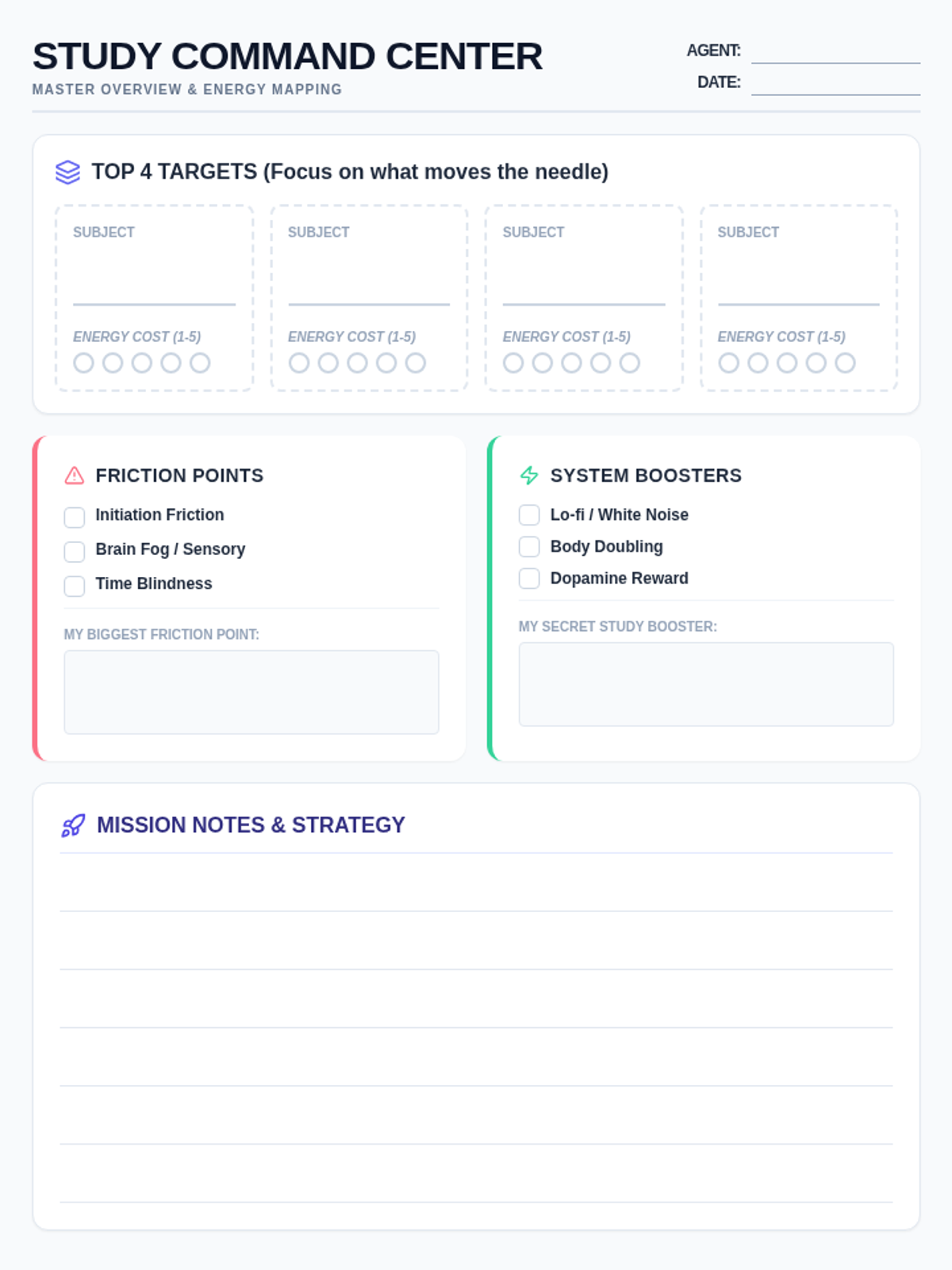
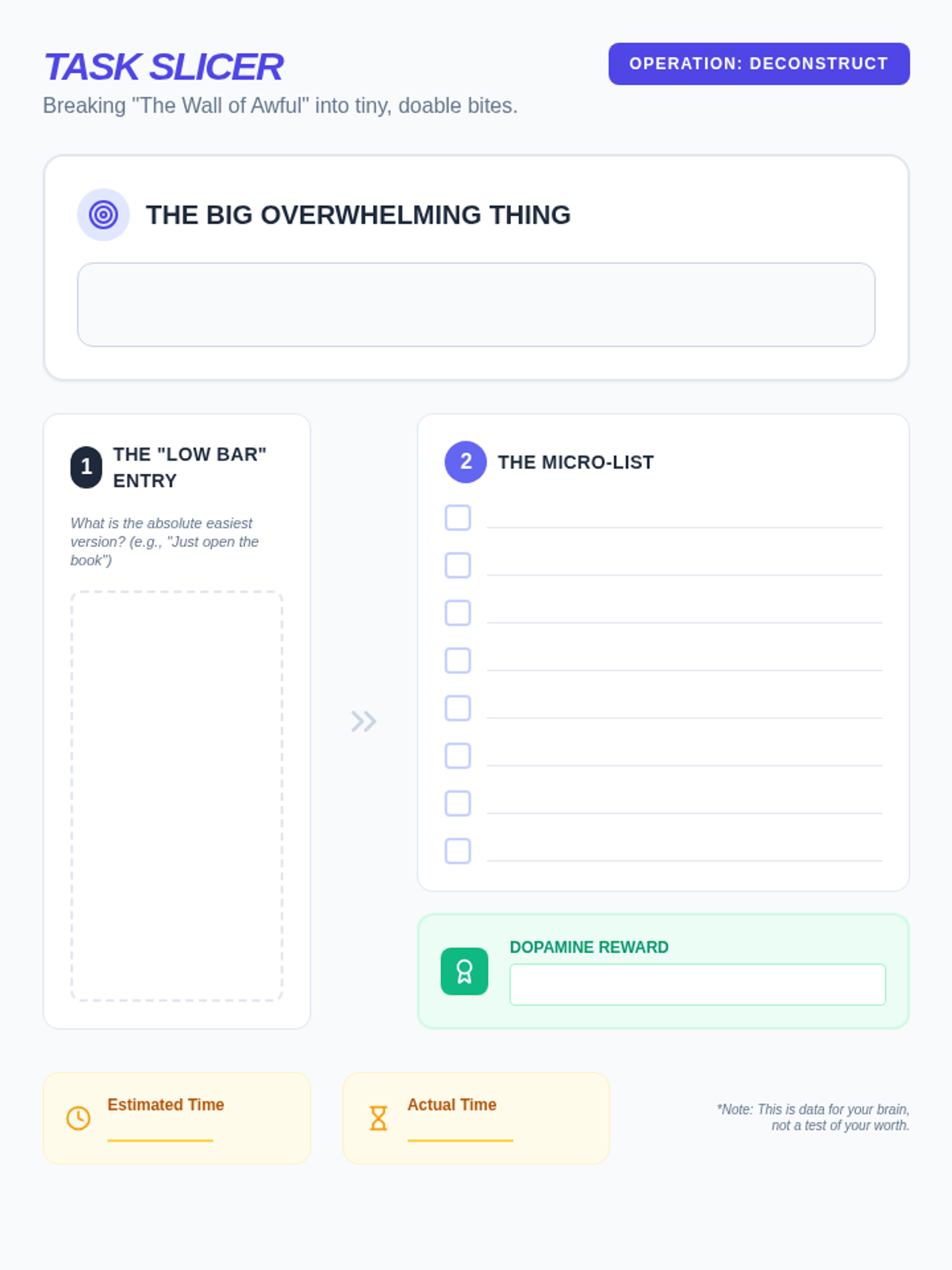
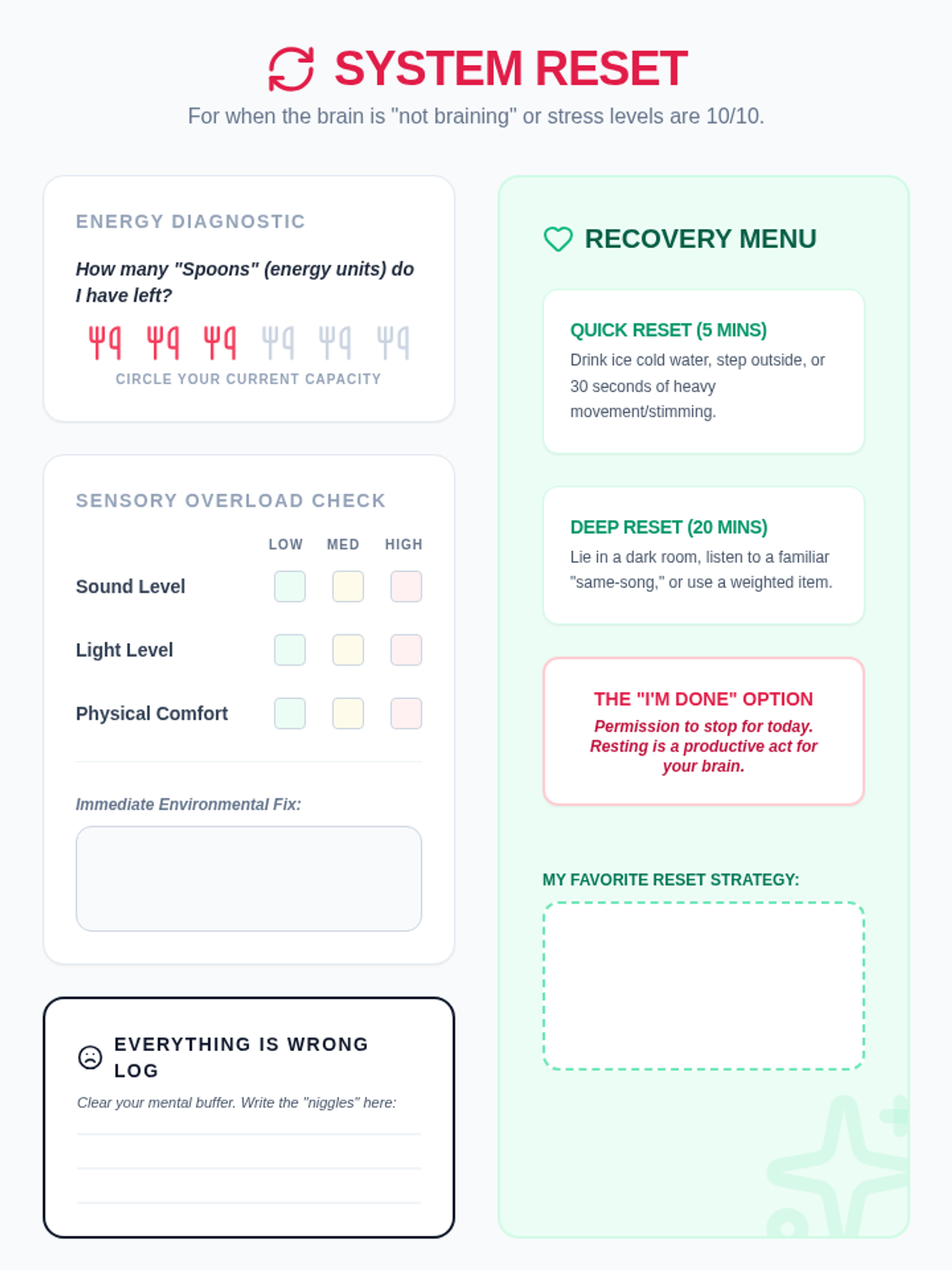
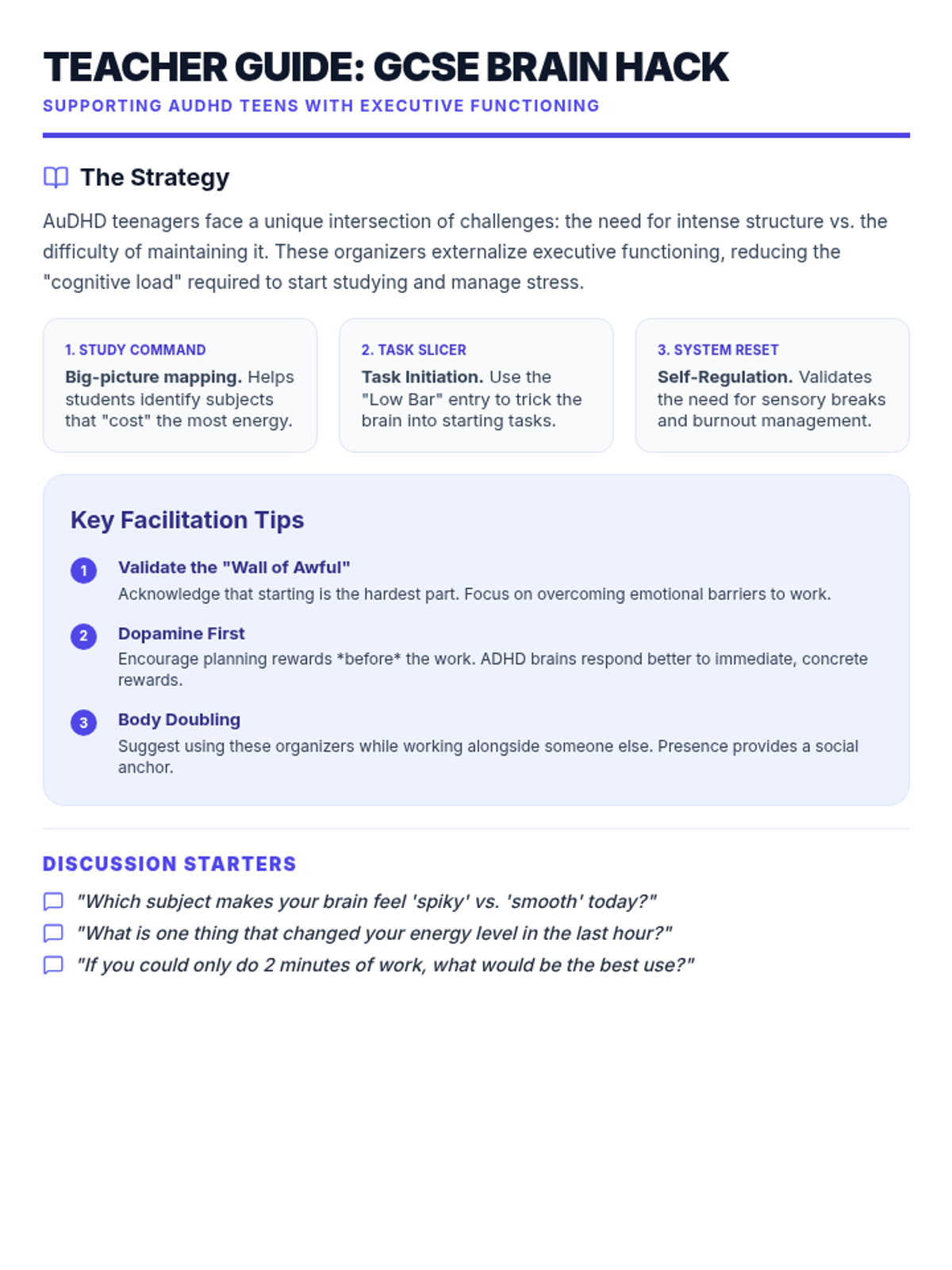
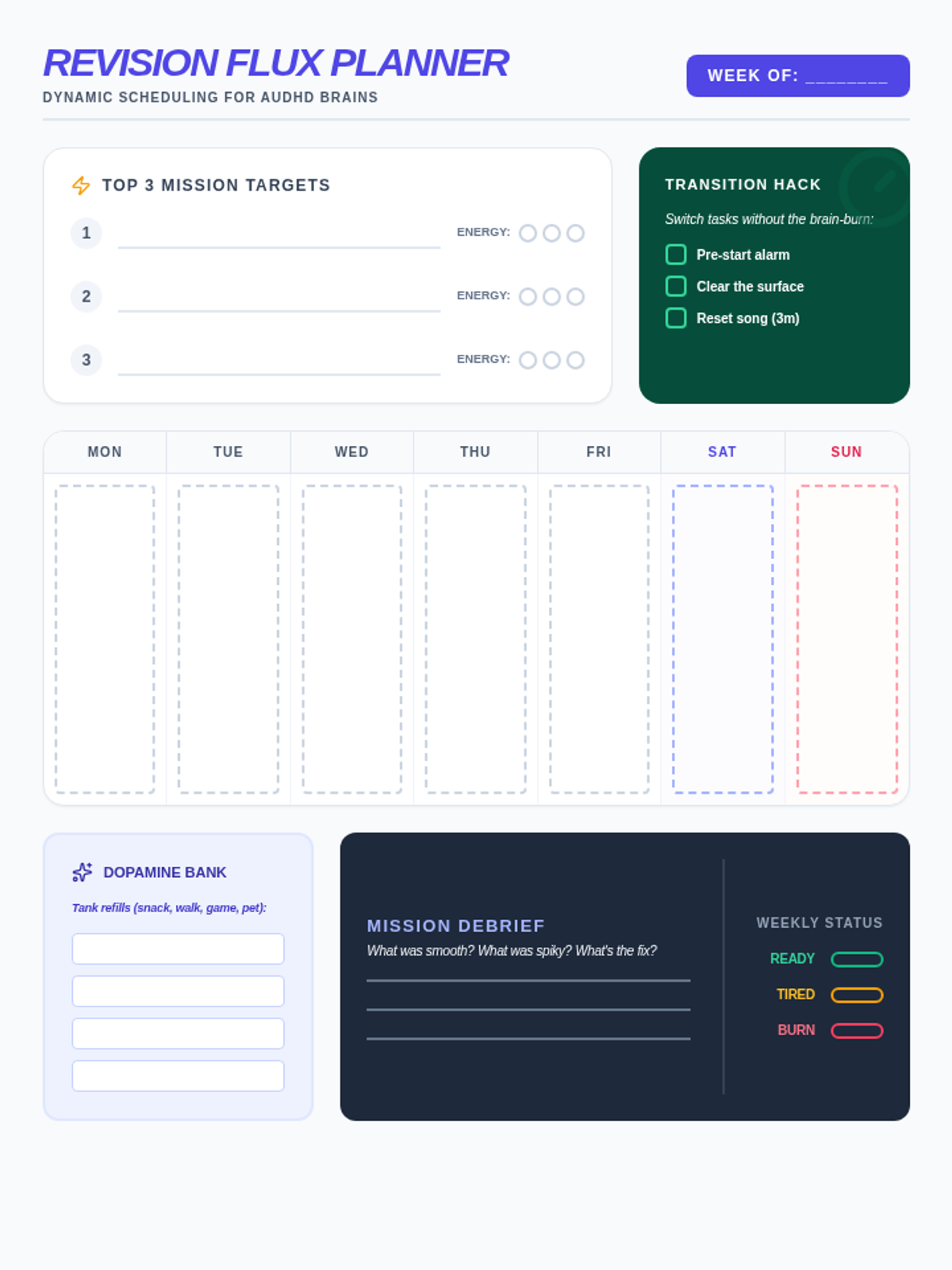
A collection of graphic organizers and strategies designed specifically for AuDHD teenagers to manage executive functioning and stress during GCSE exam preparation.
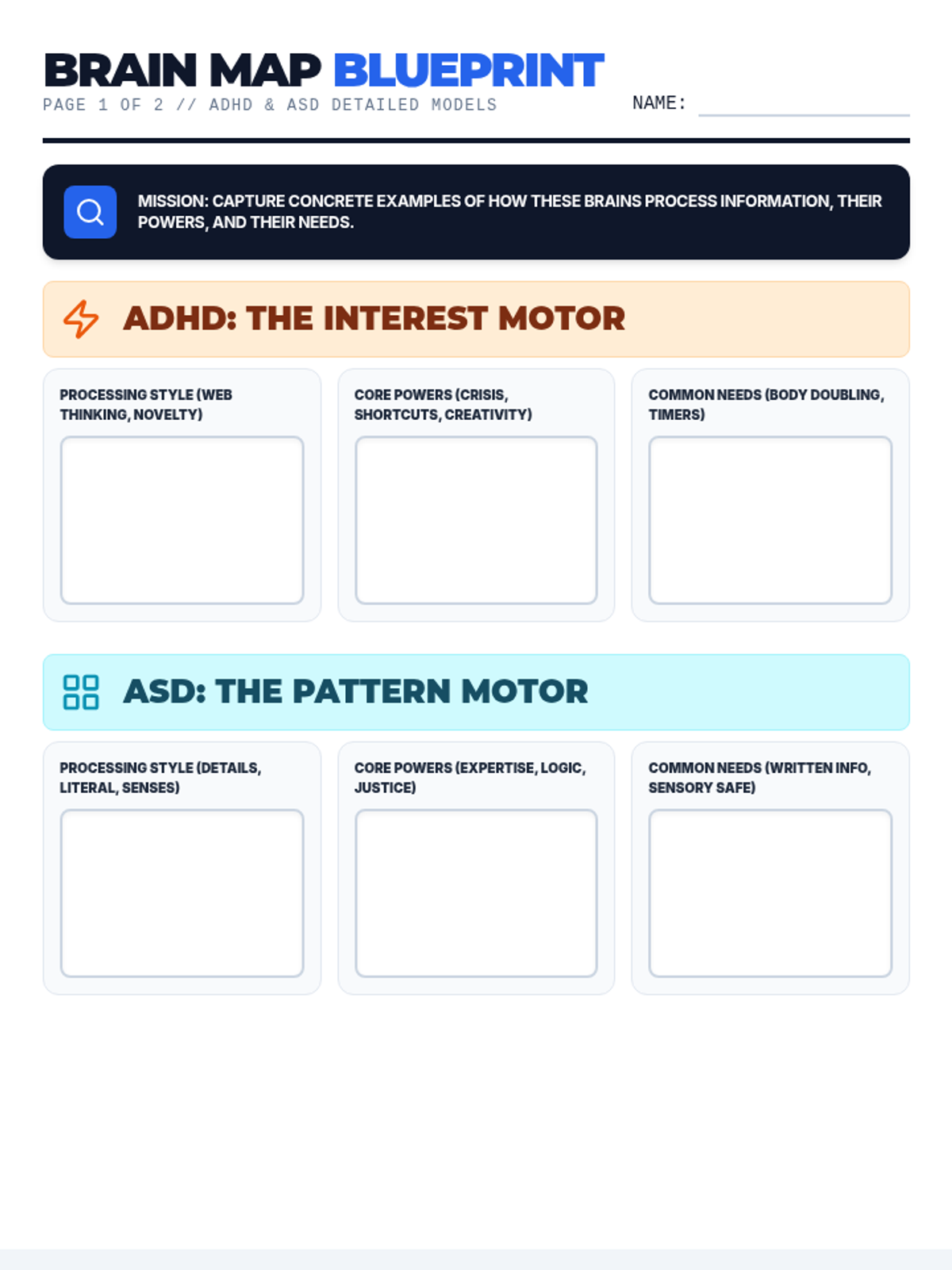
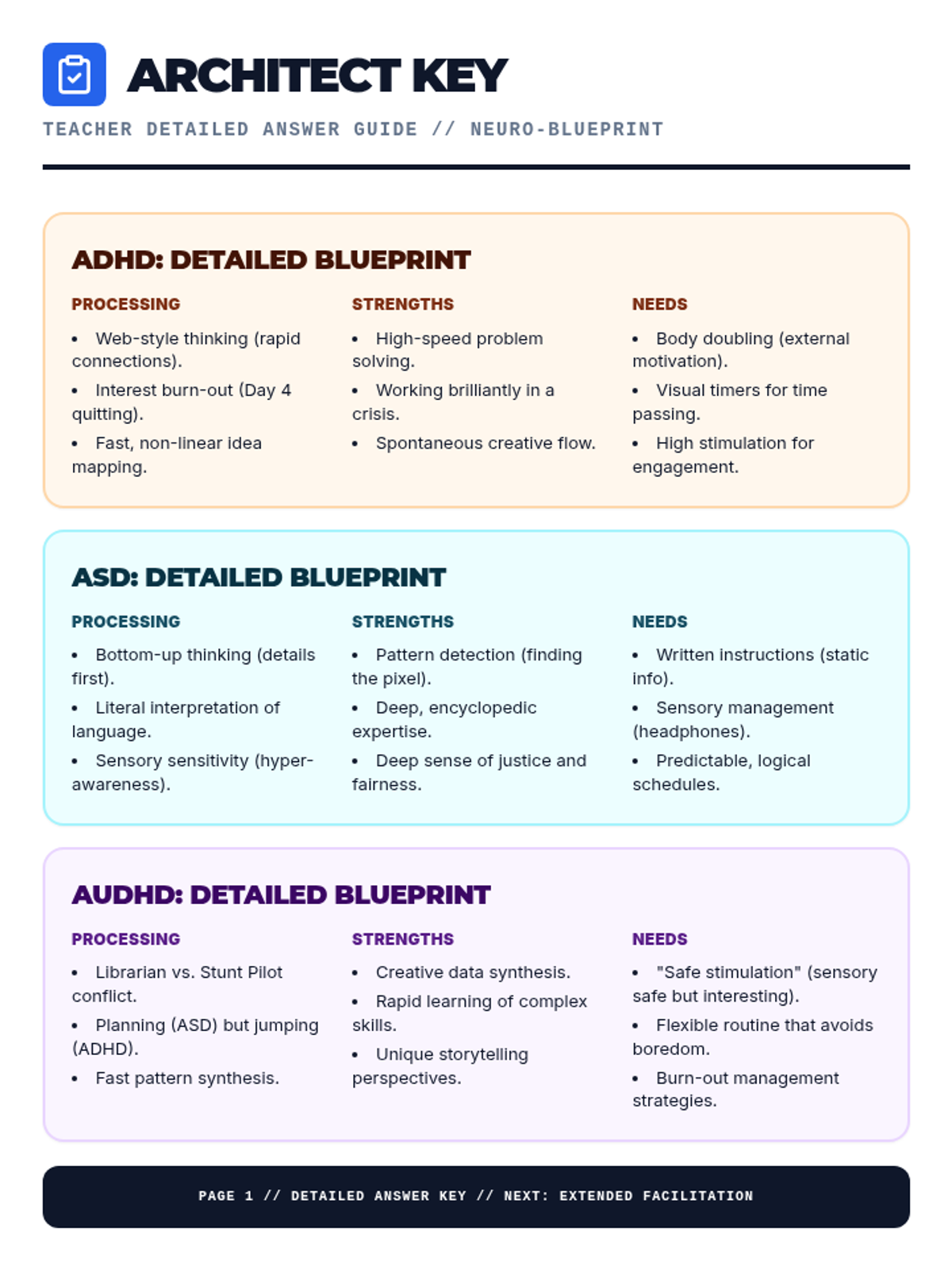
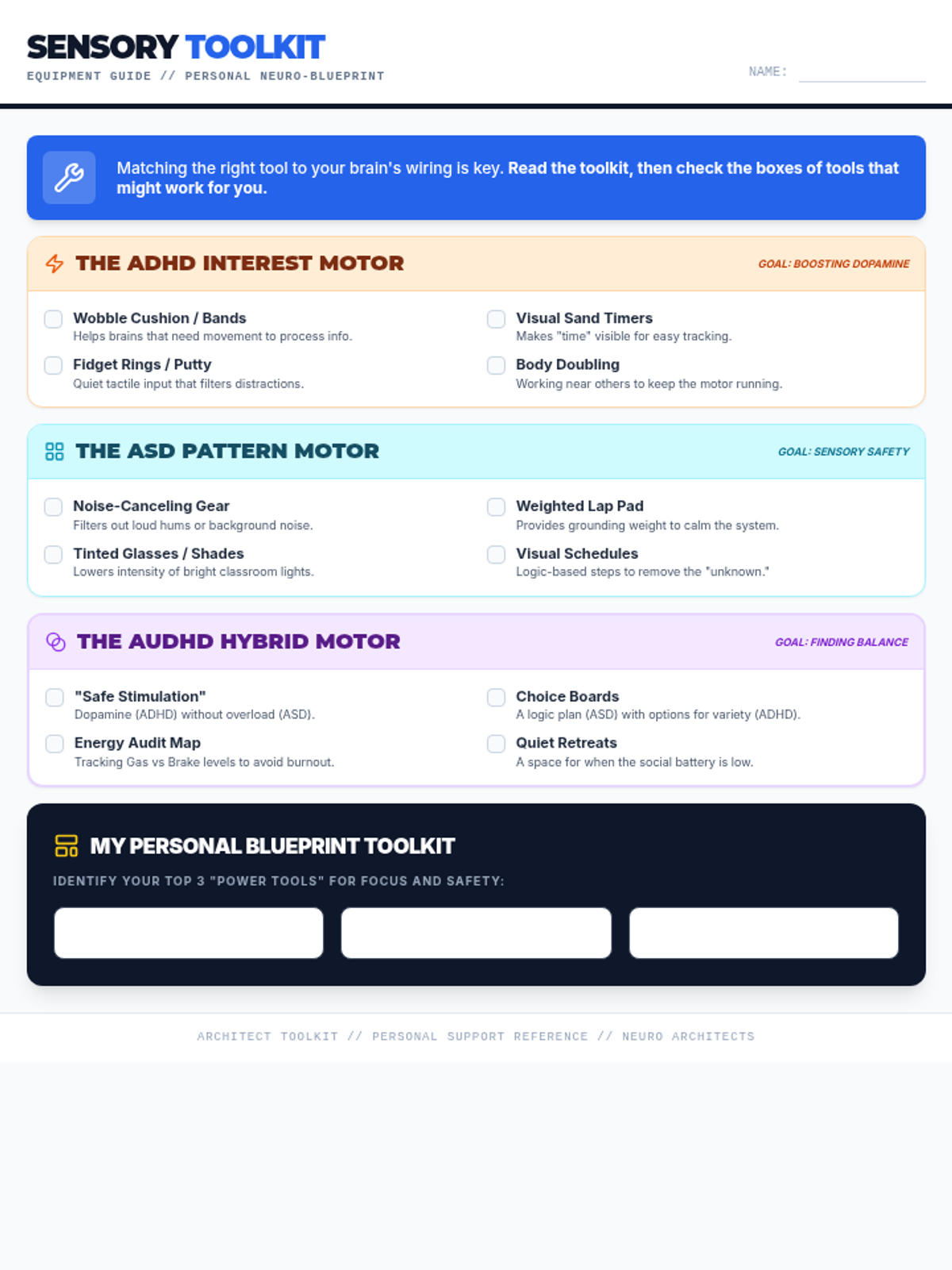
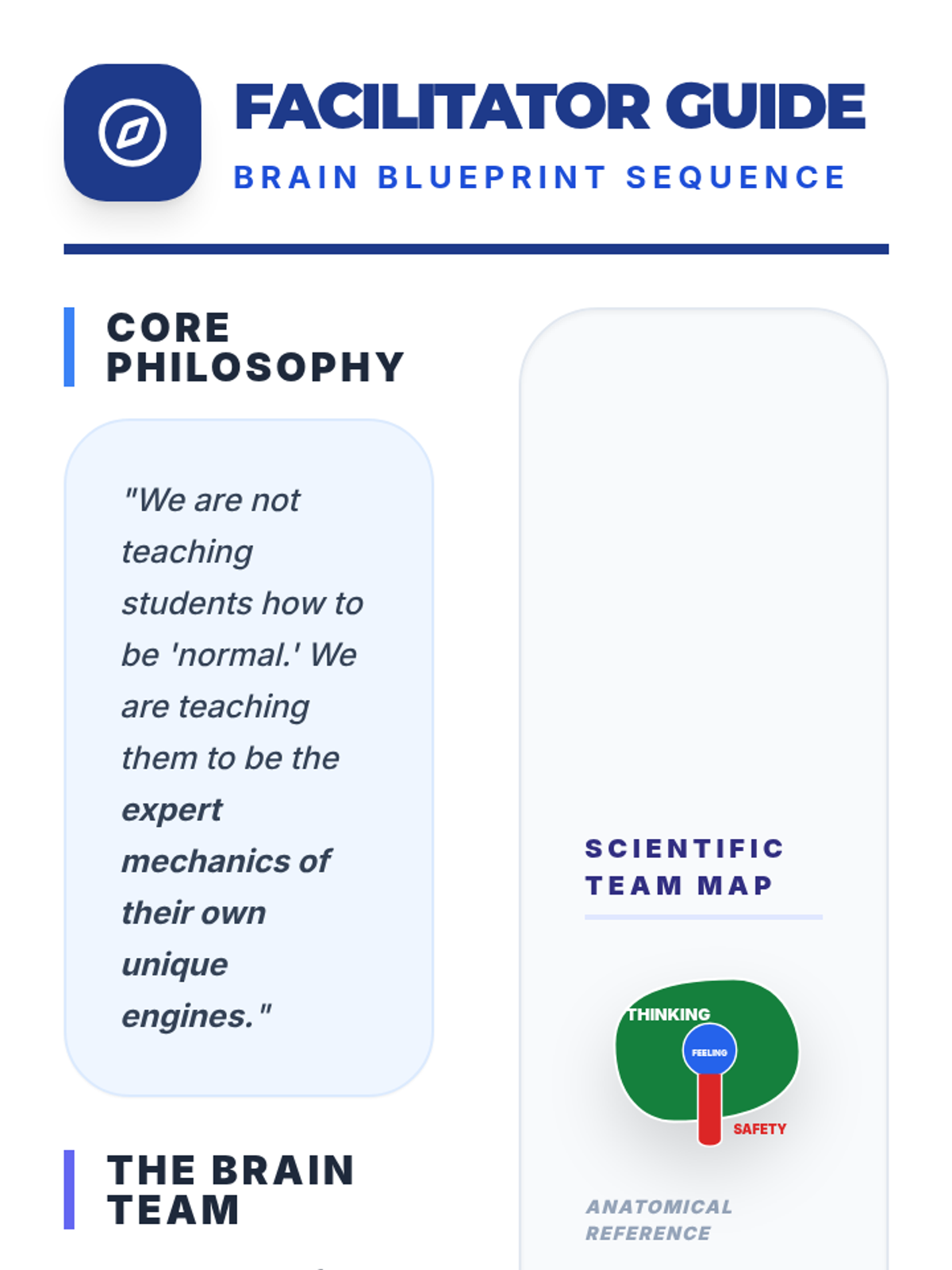
An exploration of the unique wiring of ADHD, ASD, and AuDHD brains through visual mapping and blueprinting. Students learn to identify key processing differences and strengths associated with each neurotype using a visual-first approach.
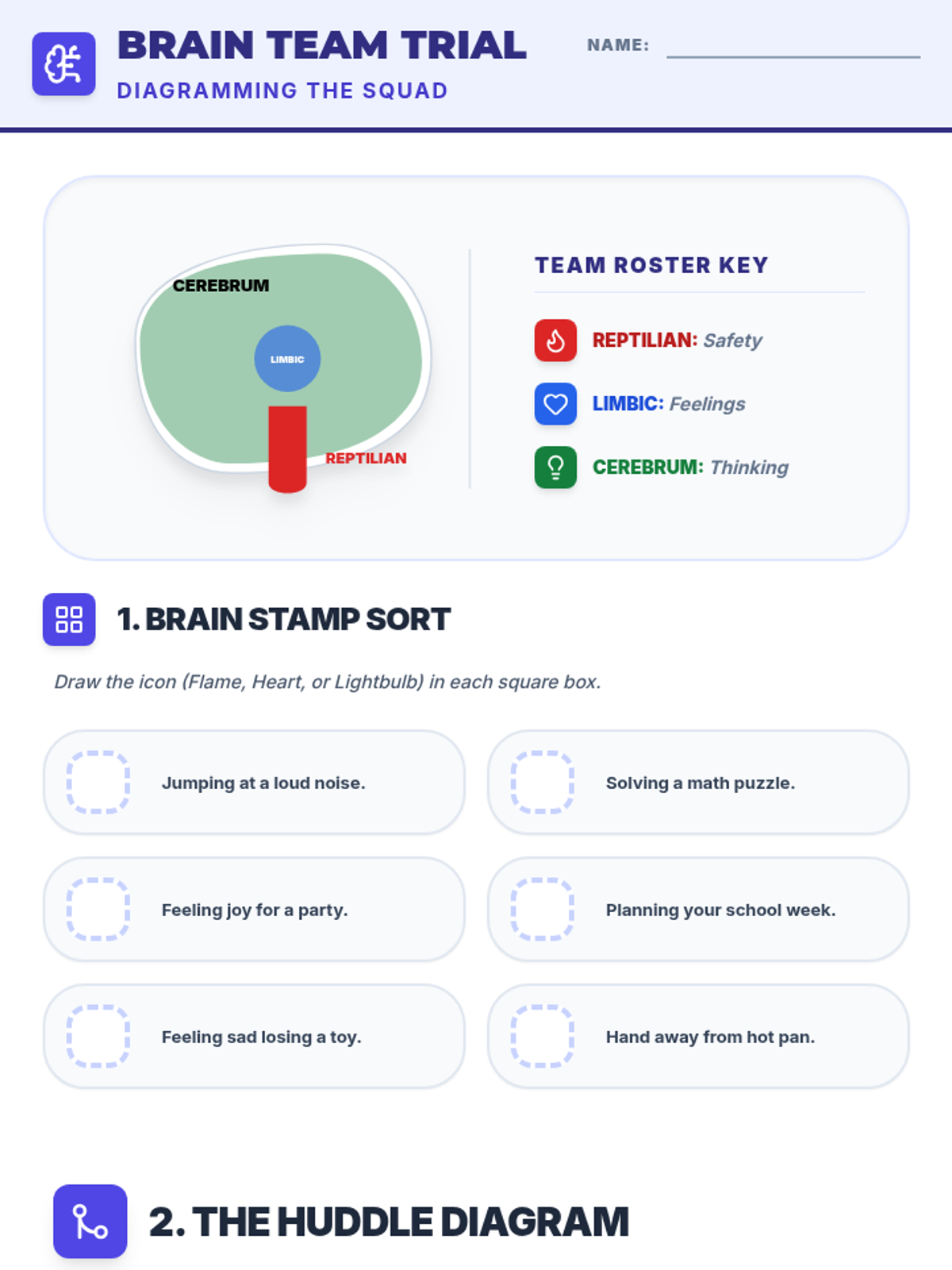
Exploring the foundational layers of the brain—the Reptilian Brain, the Limbic System, and the Cerebellum—to understand how survival instincts, emotions, and physical coordination work together.
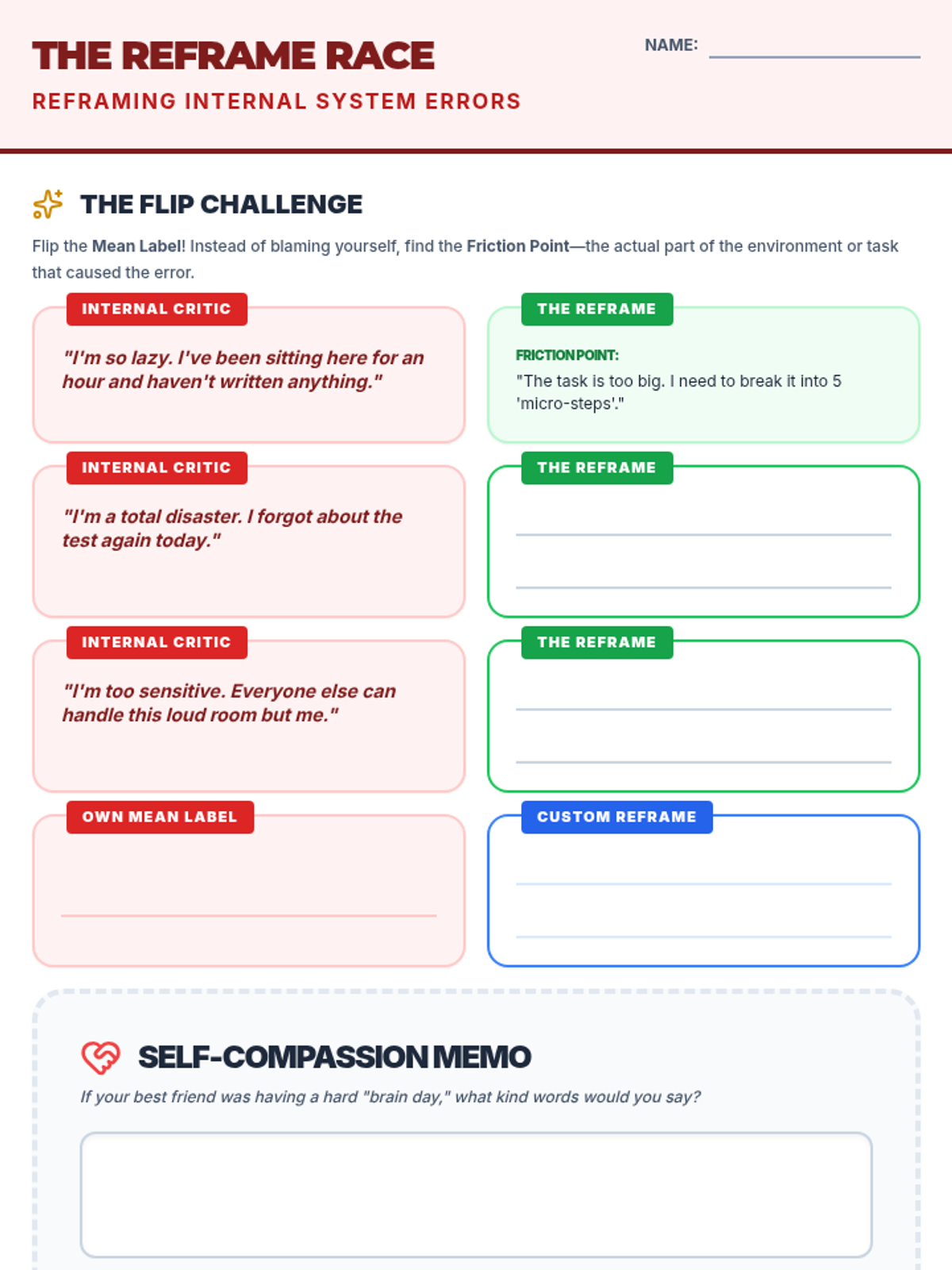
Developing a growth mindset specifically tailored for neurodivergent experiences, focusing on self-compassion and reframing challenges.
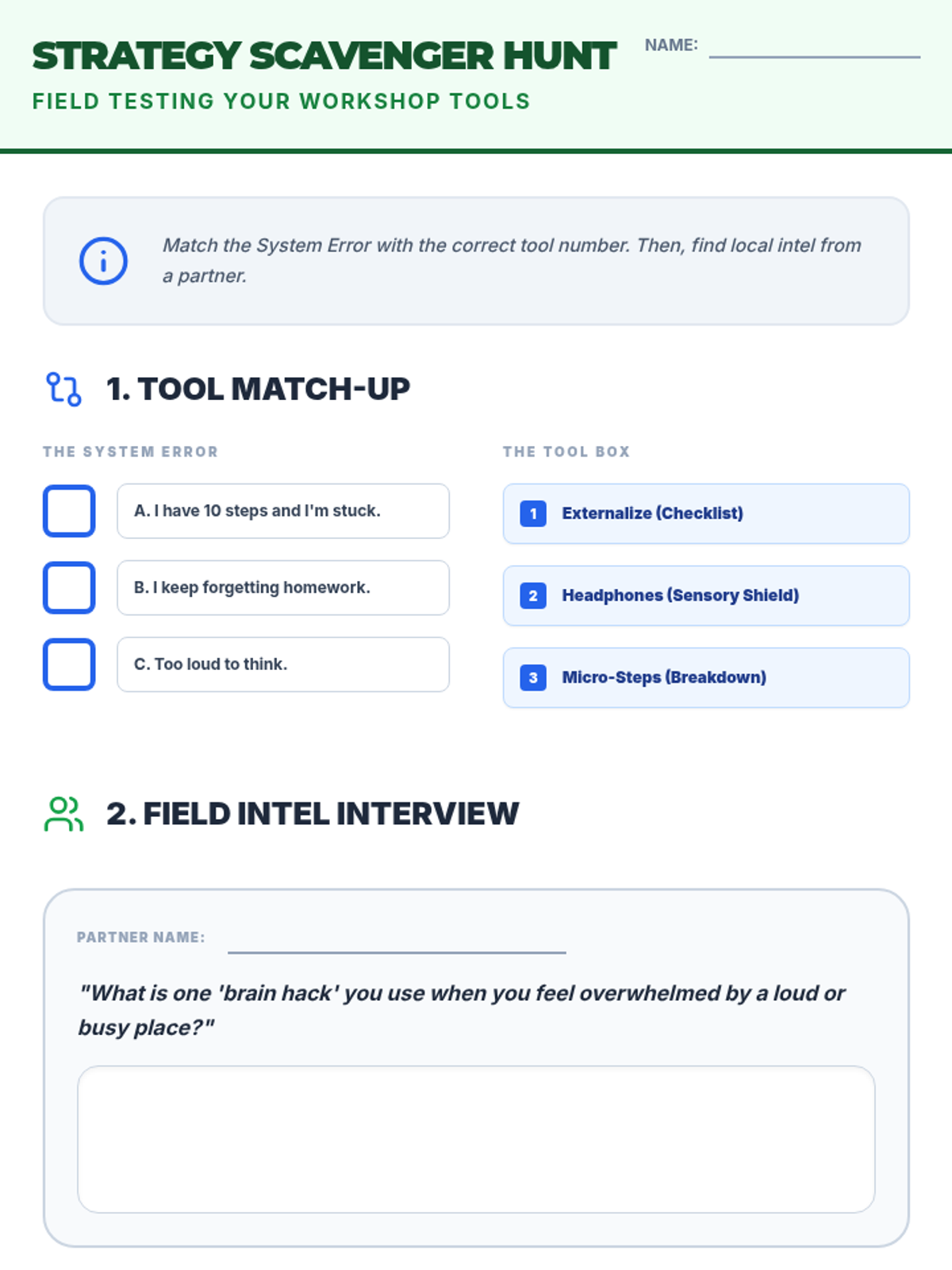
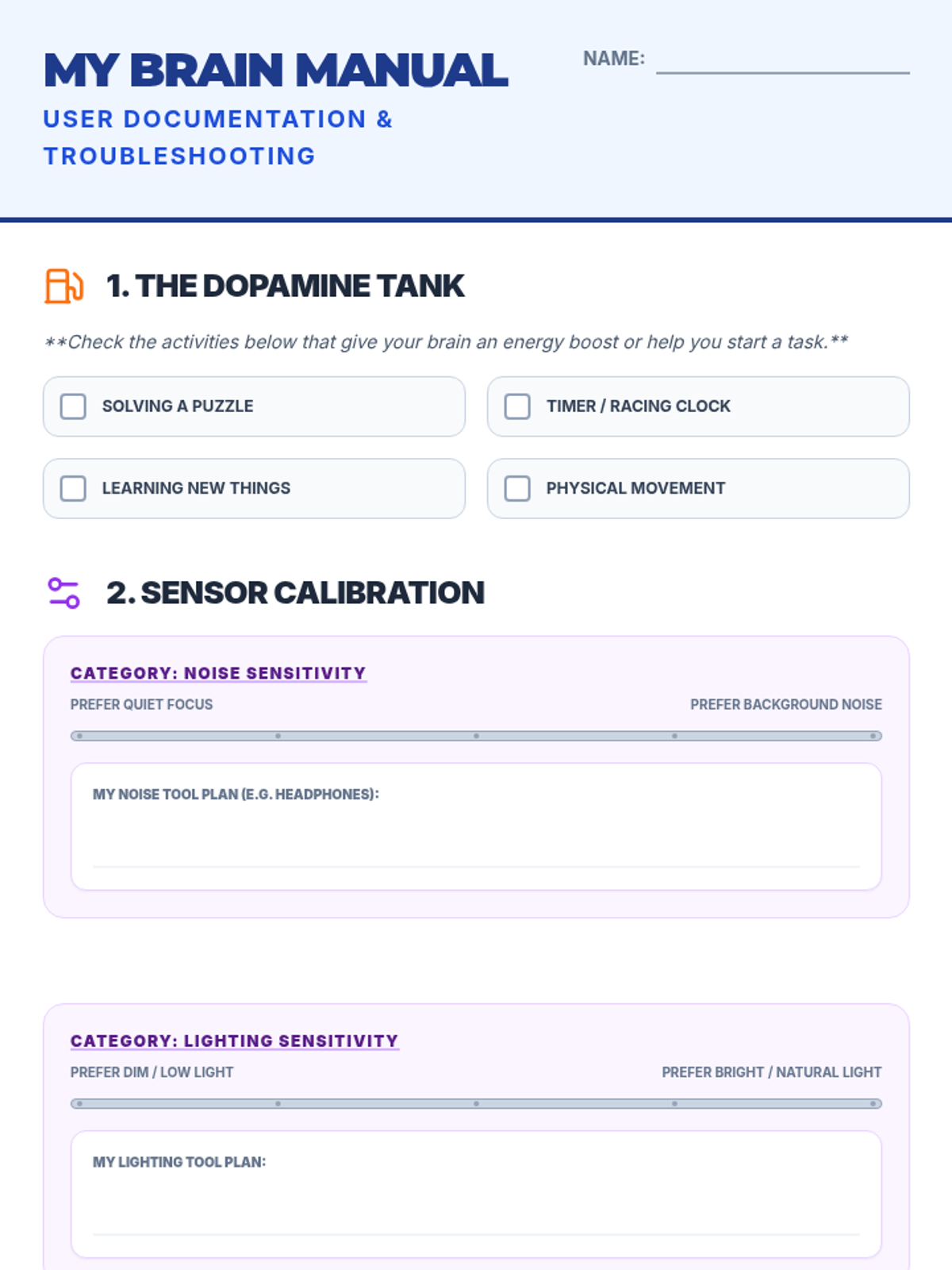
Practical strategies for managing time, focus, and sensory needs by working with the brain's natural tendencies.
Exploration of the neurobiology of ADHD and AuDHD, focusing on executive function and sensory processing as 'features' rather than 'bugs.'
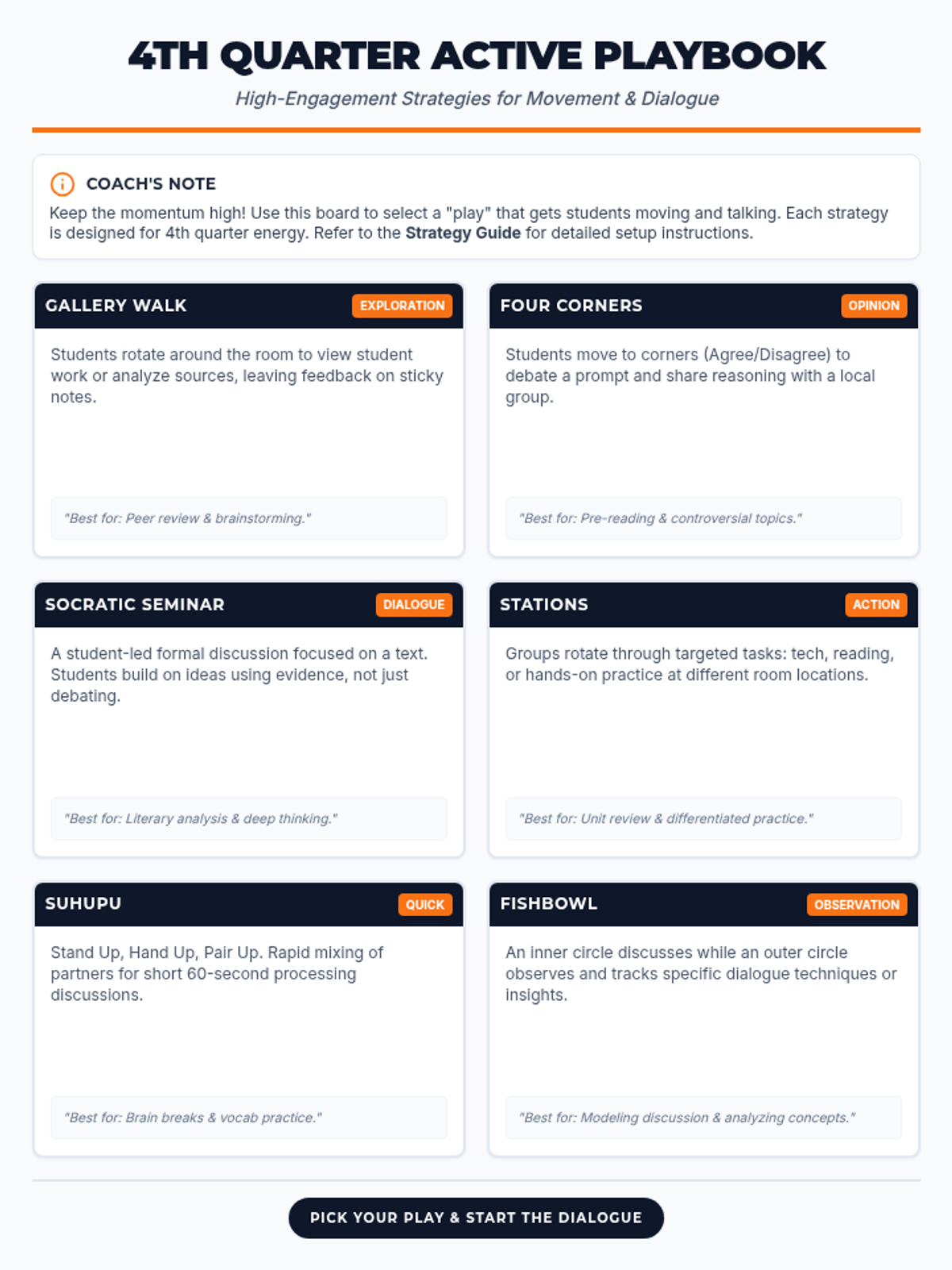
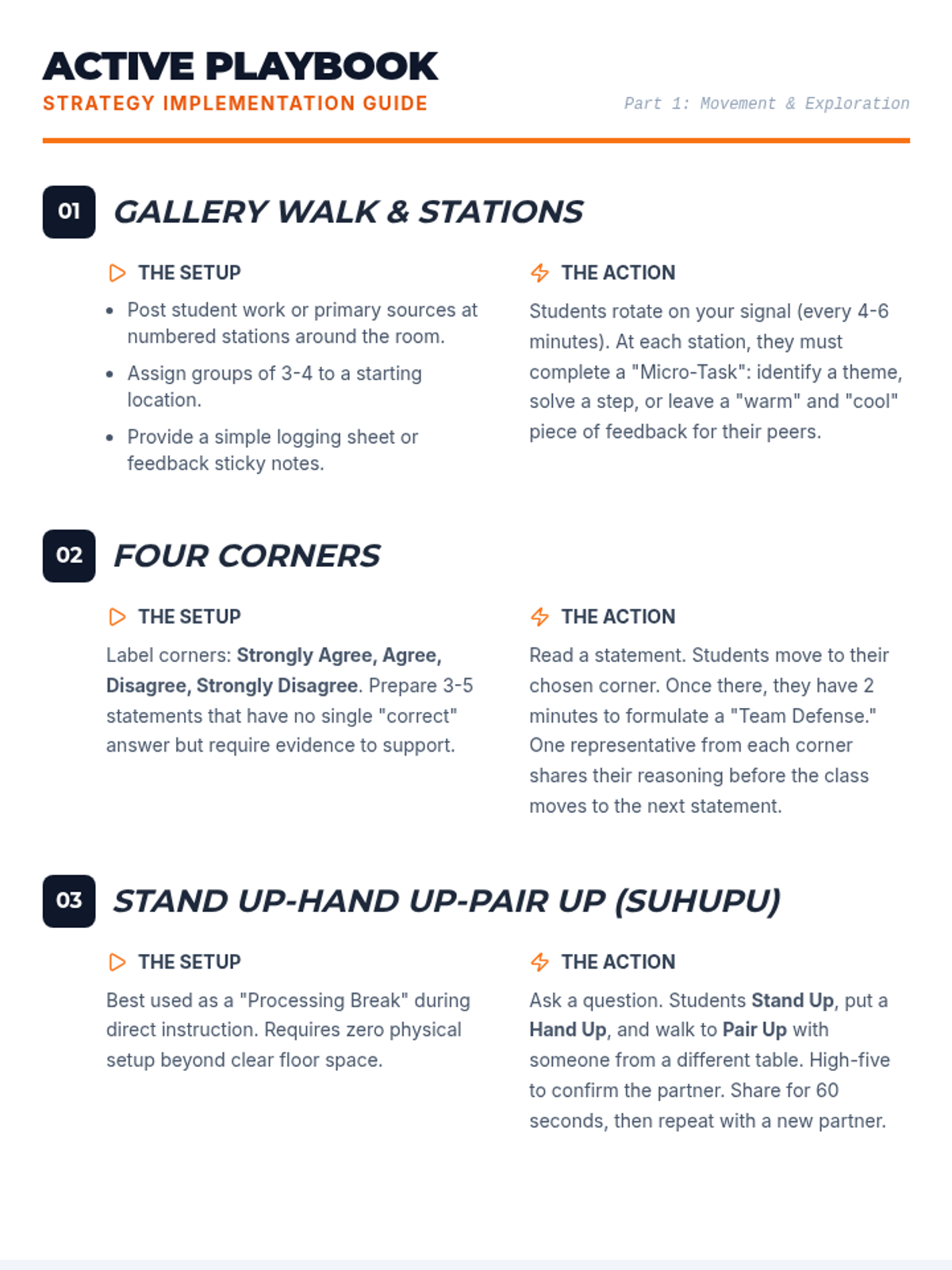
A comprehensive guide for teachers to implement movement-based and dialogue-driven instructional strategies to keep student engagement high during the 4th quarter.
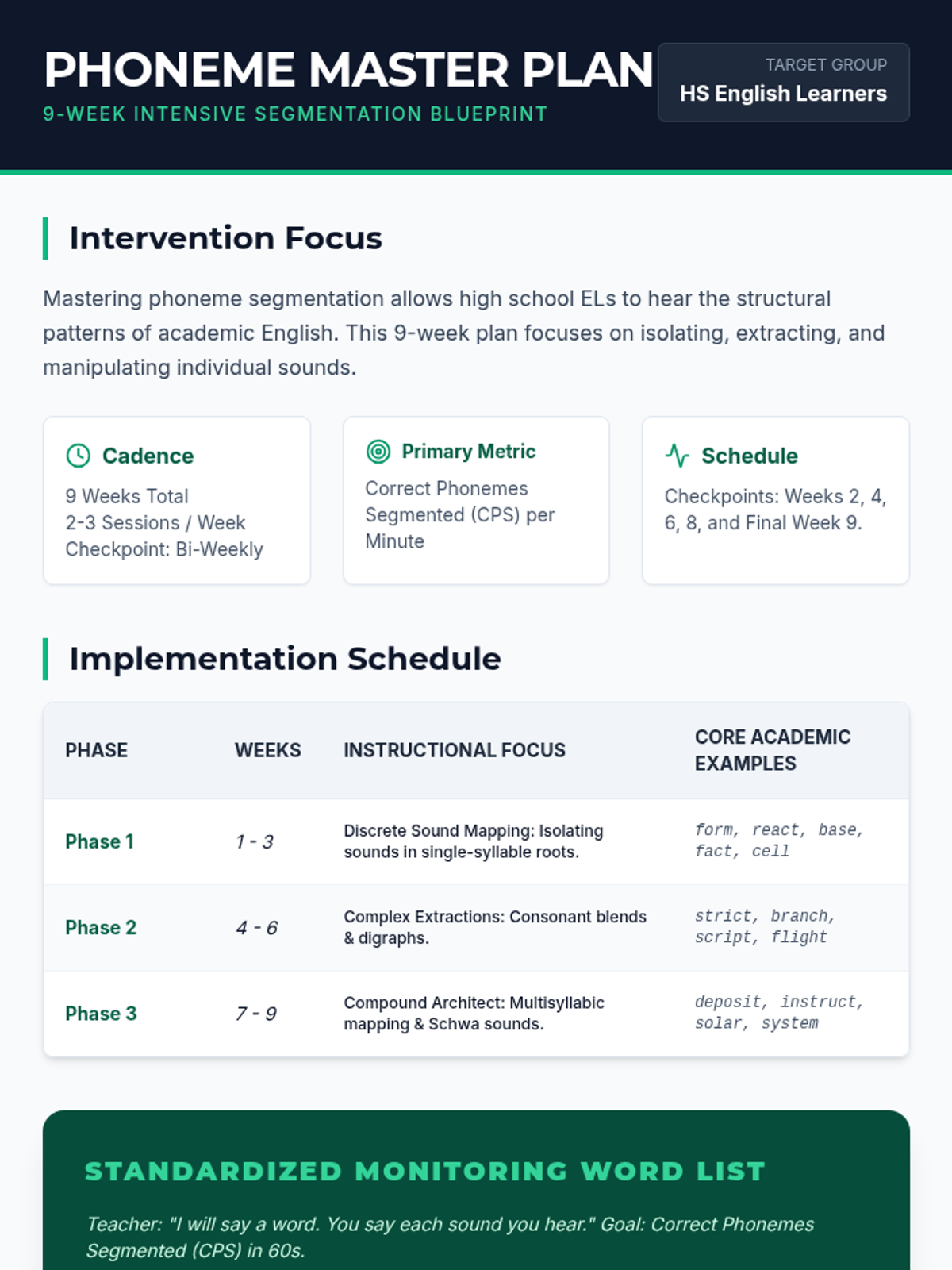
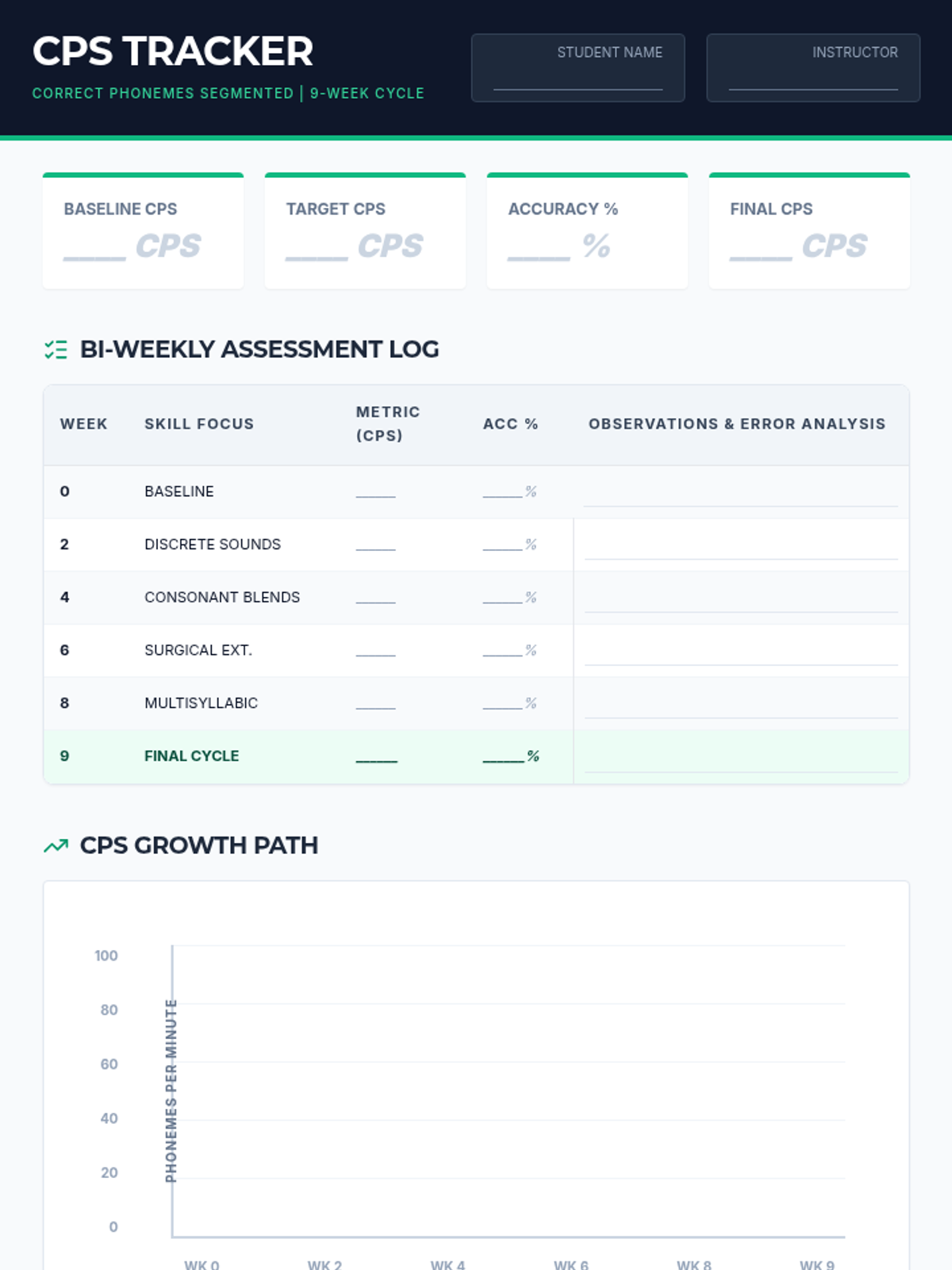
The master 9-week schedule and progress monitoring system for a pure phoneme segmentation intervention cycle.
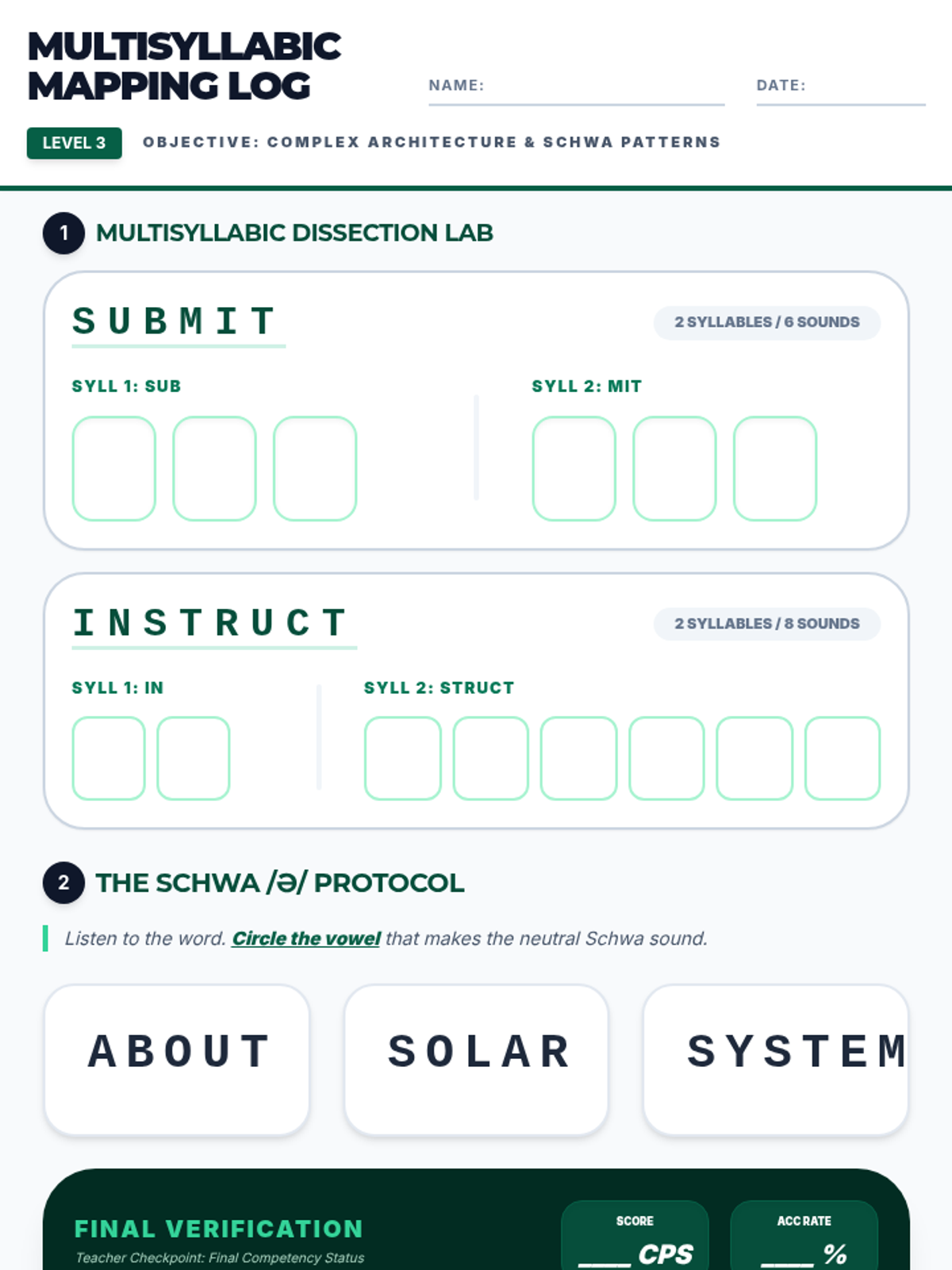
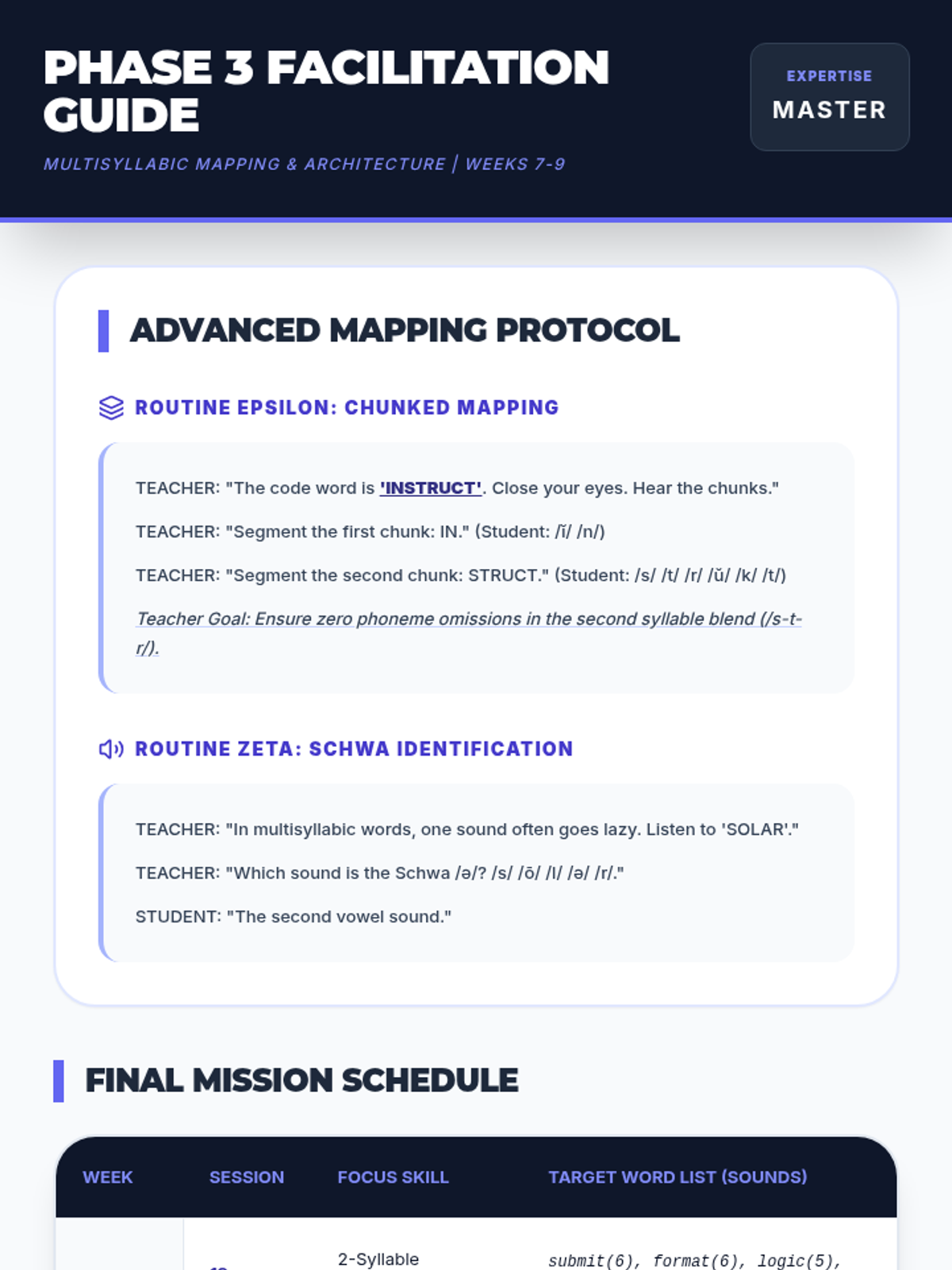
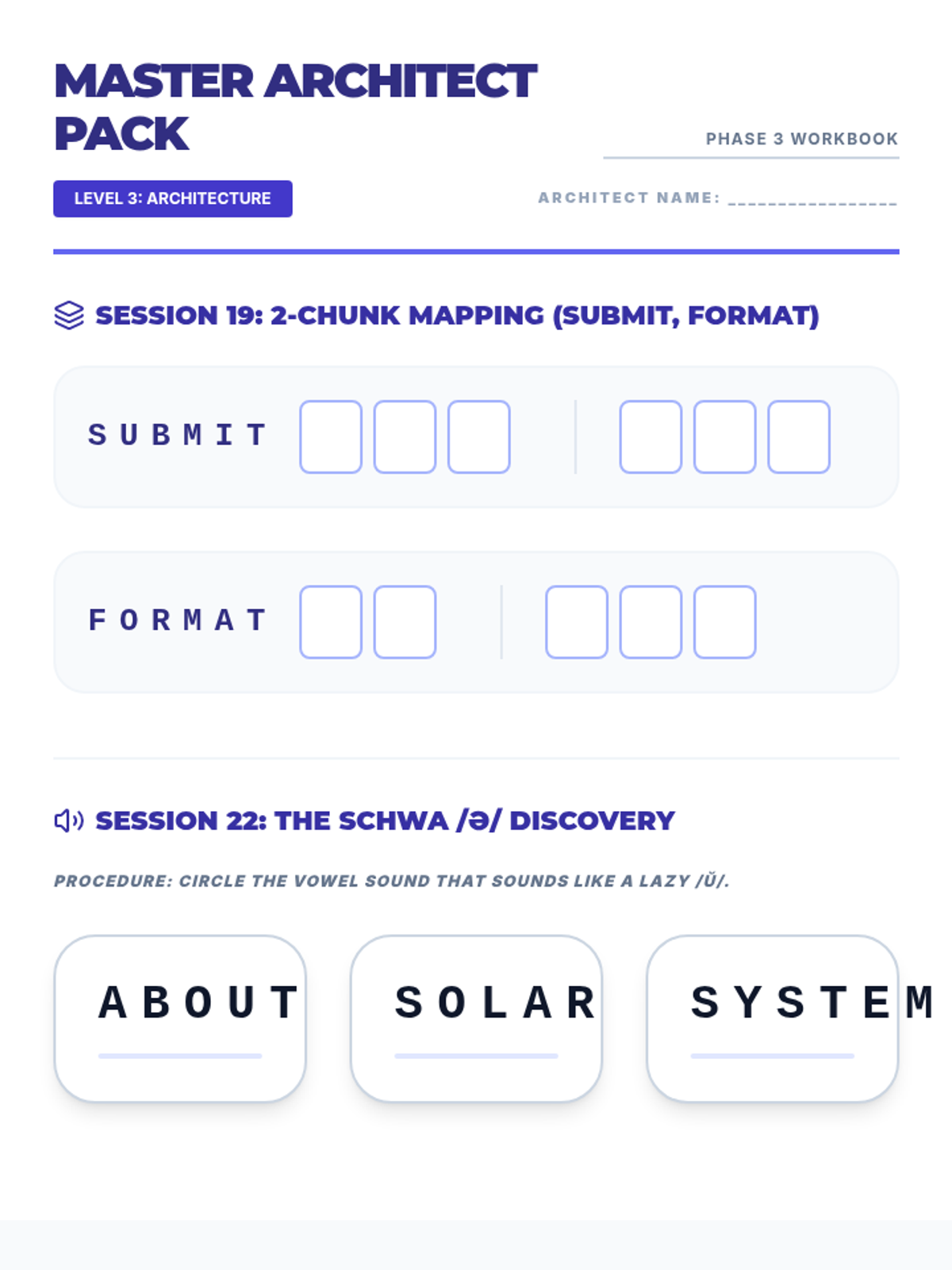
Applying segmentation skills to multisyllabic academic vocabulary, focusing on the relationship between sounds and syllables.