A foundational lesson on the four-quadrant coordinate plane, specifically designed with scaffolds and visual aids for students with IEPs to master identifying ordered pairs.
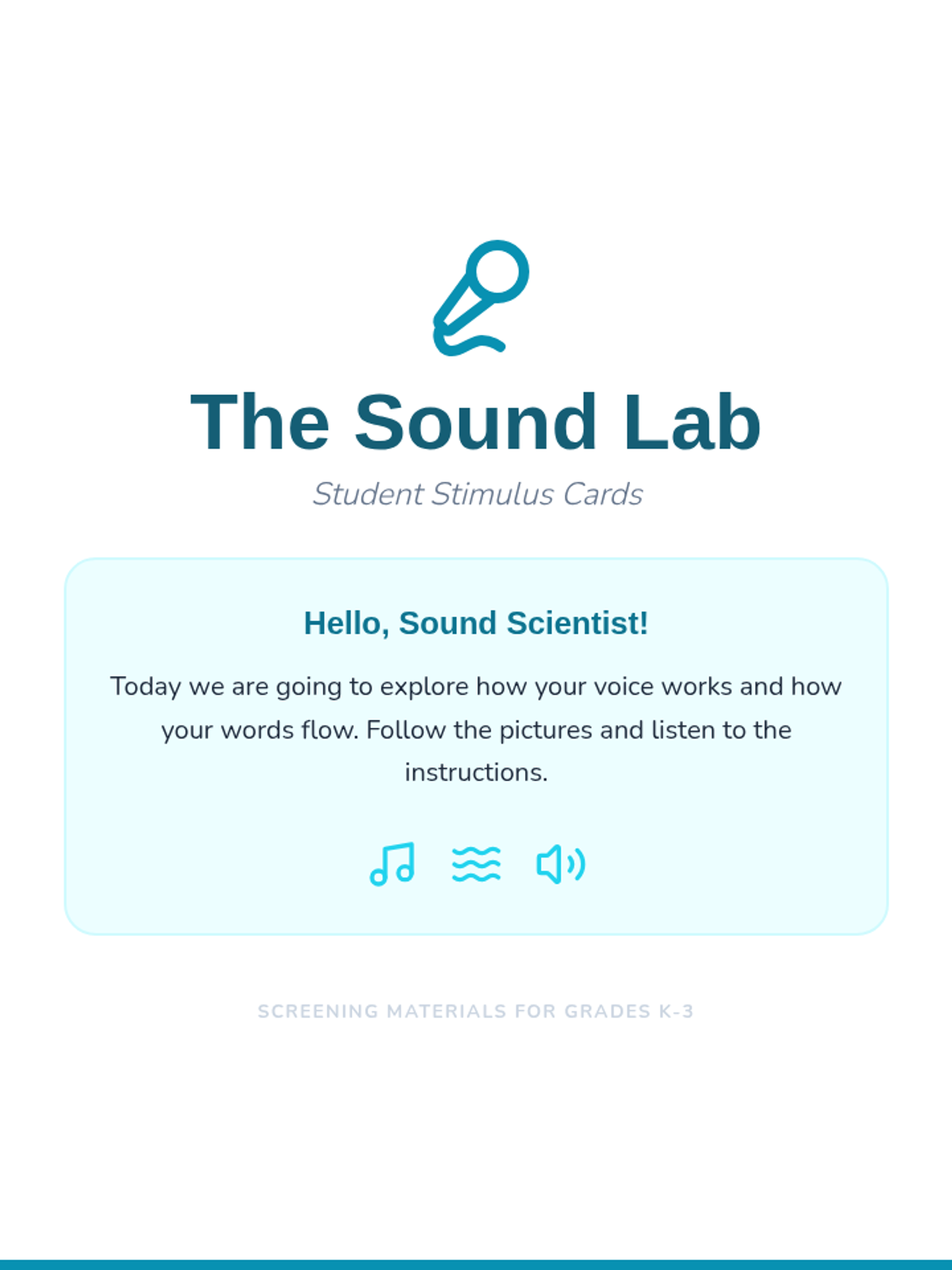
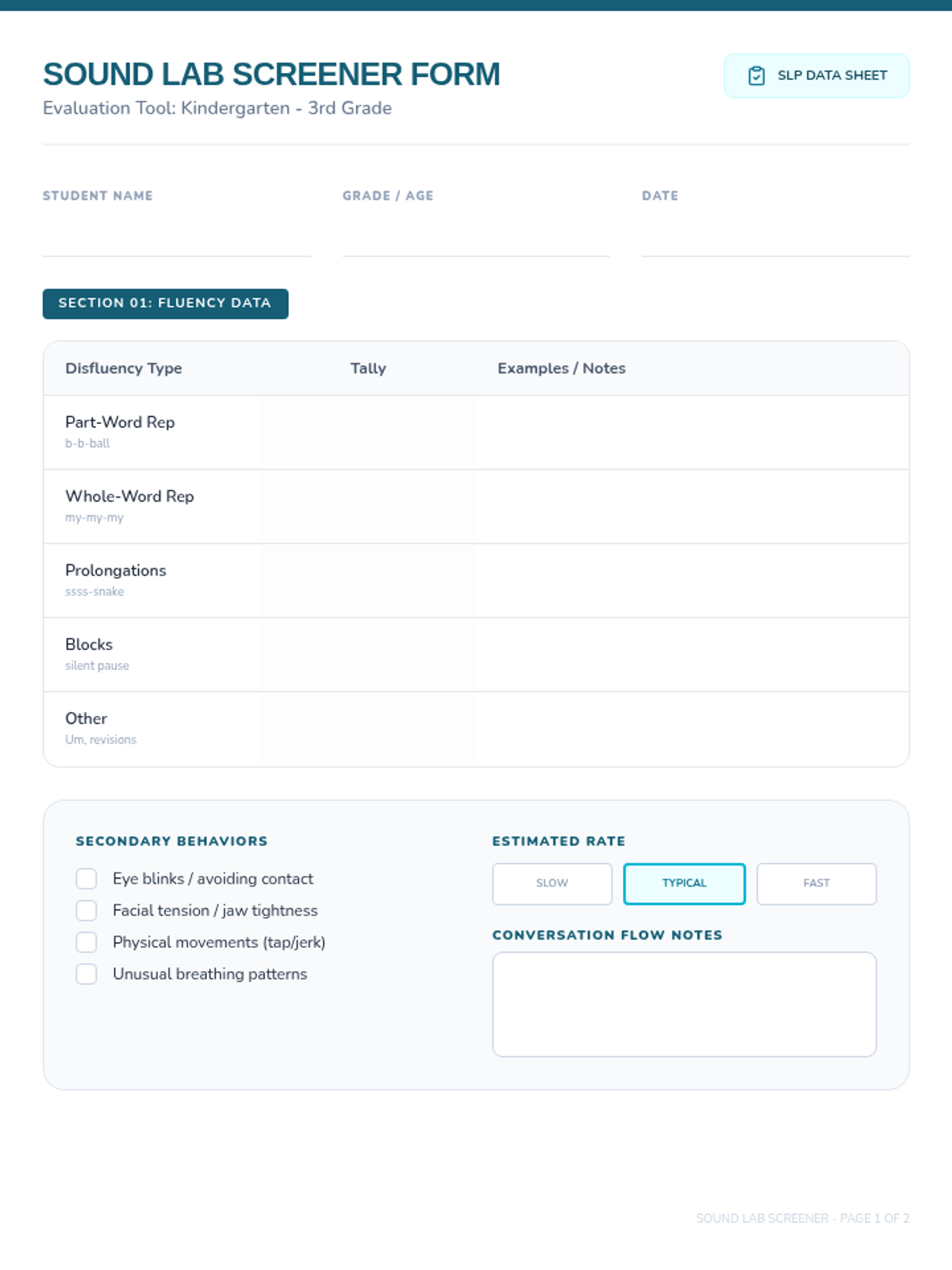
A comprehensive screening tool for speech-language pathologists to evaluate fluency and voice in students from Kindergarten through 3rd Grade. The lesson includes student-facing stimulus cards and a professional recording form for data collection.
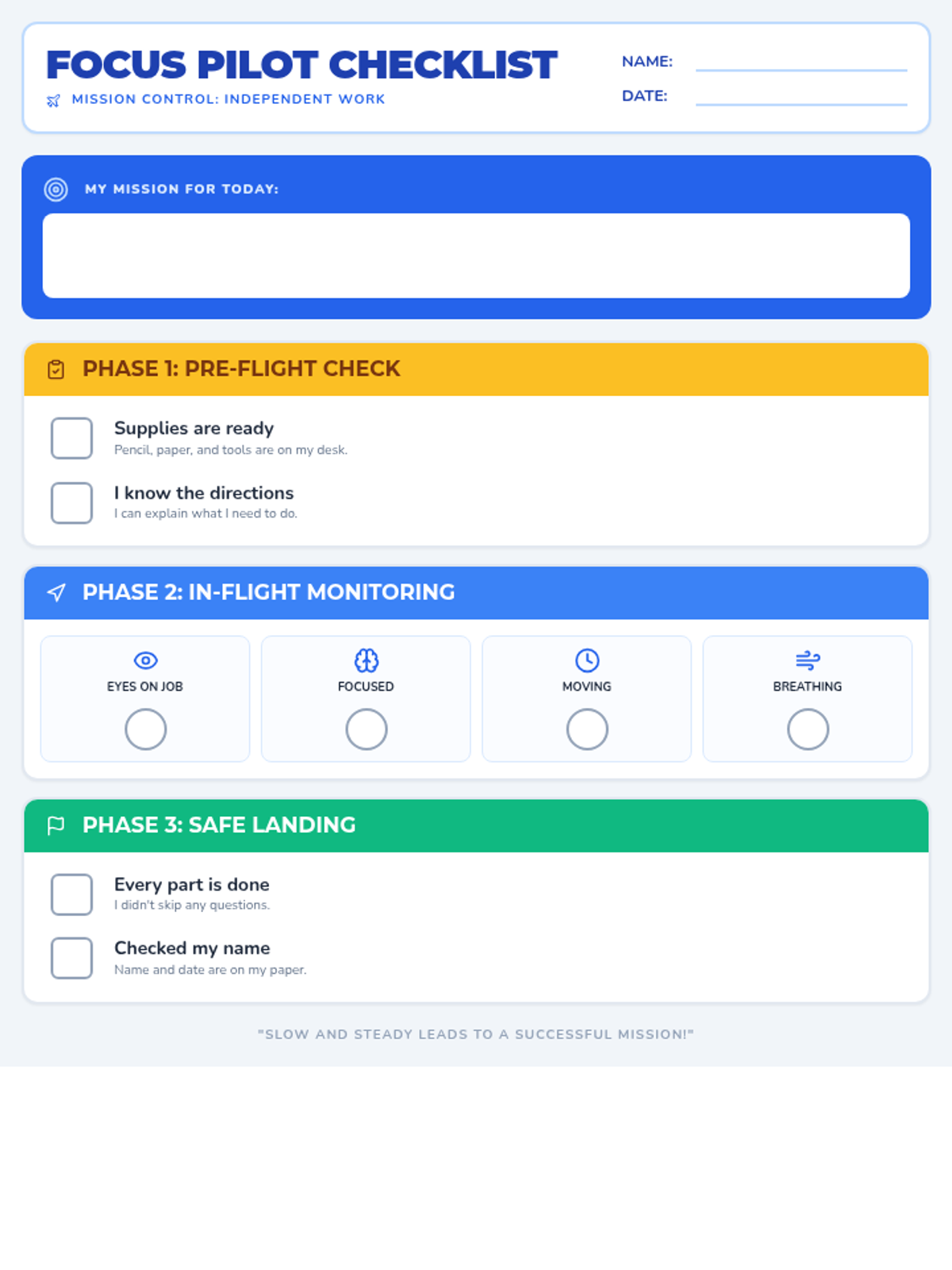
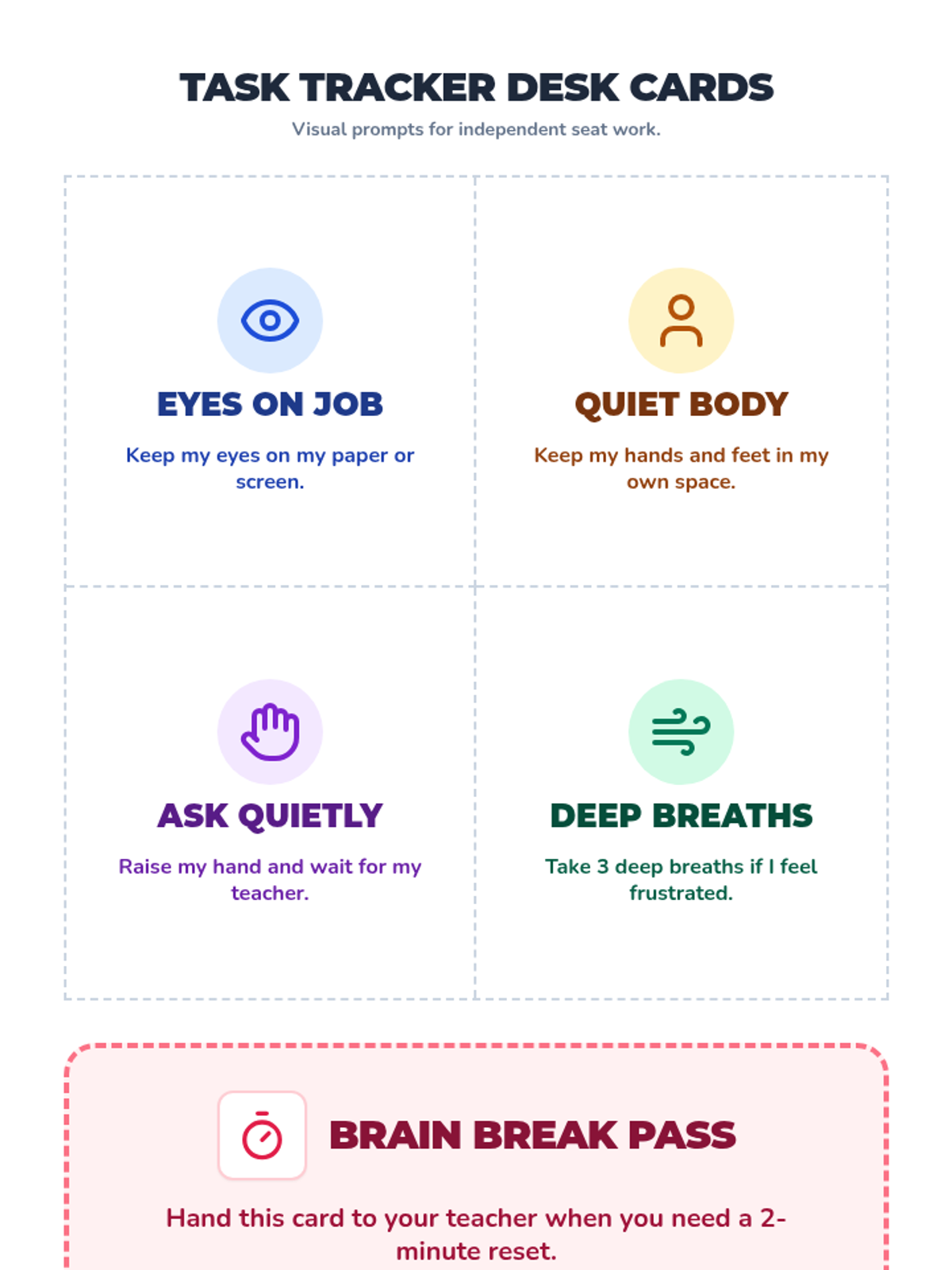
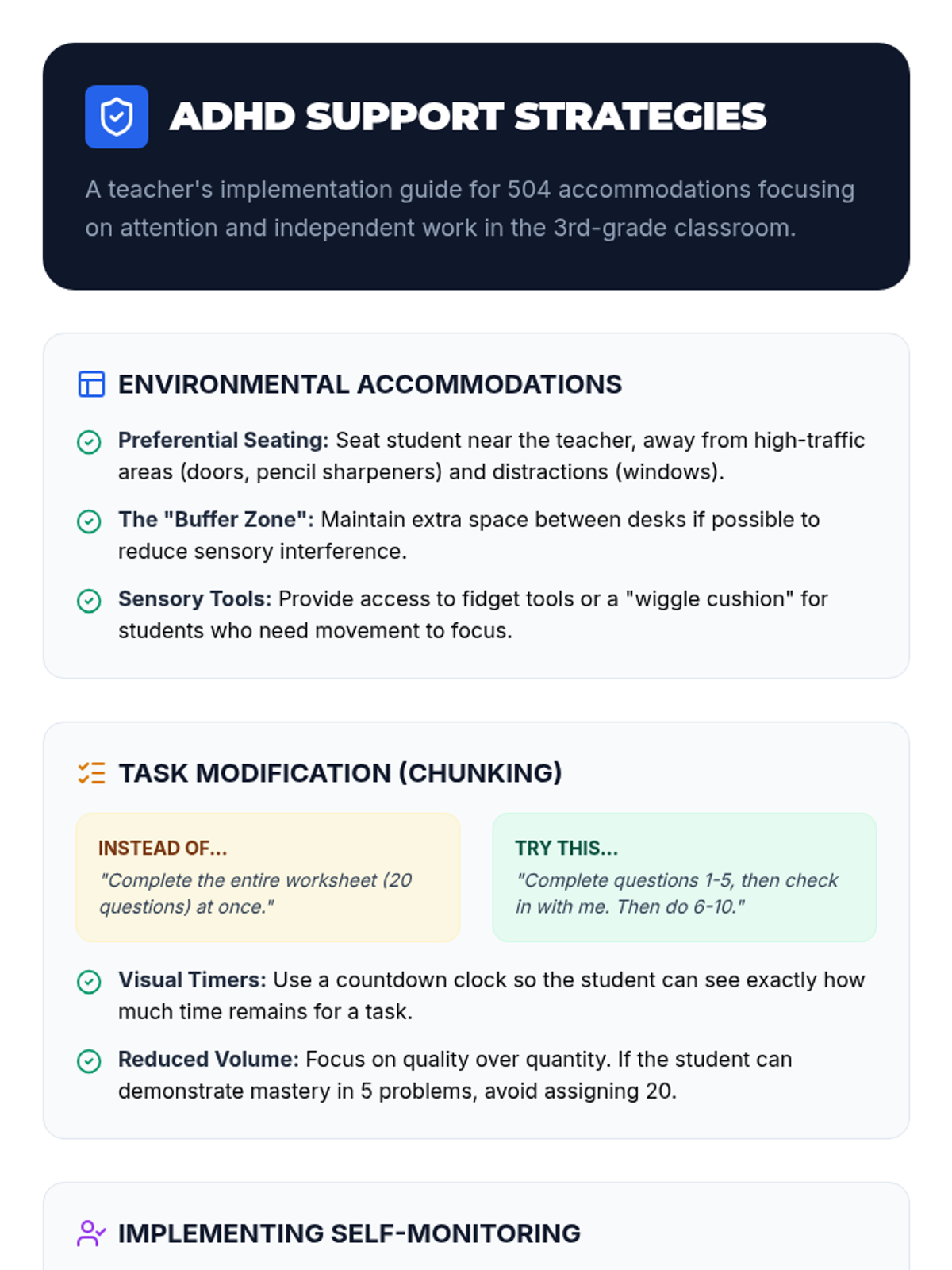
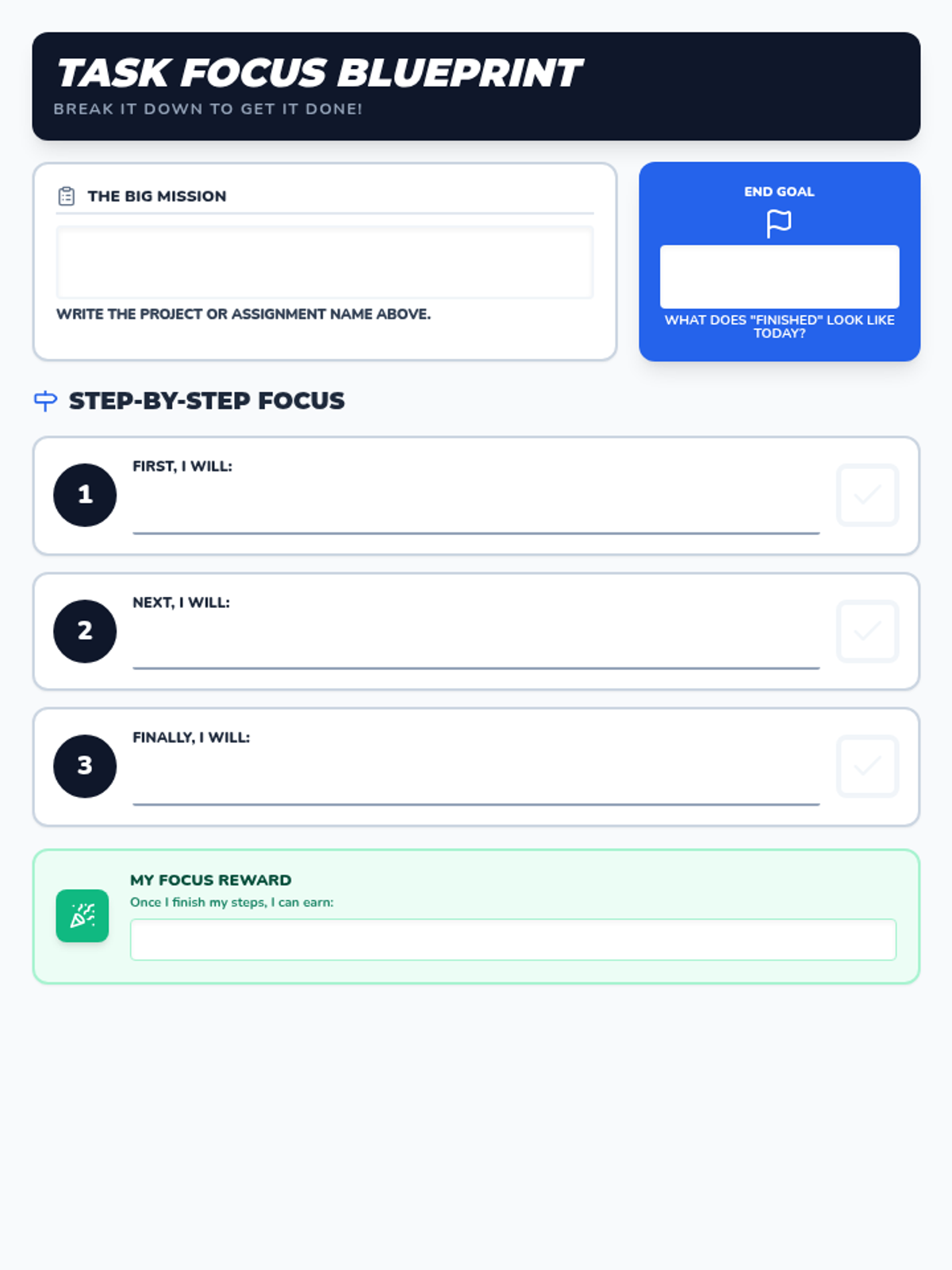
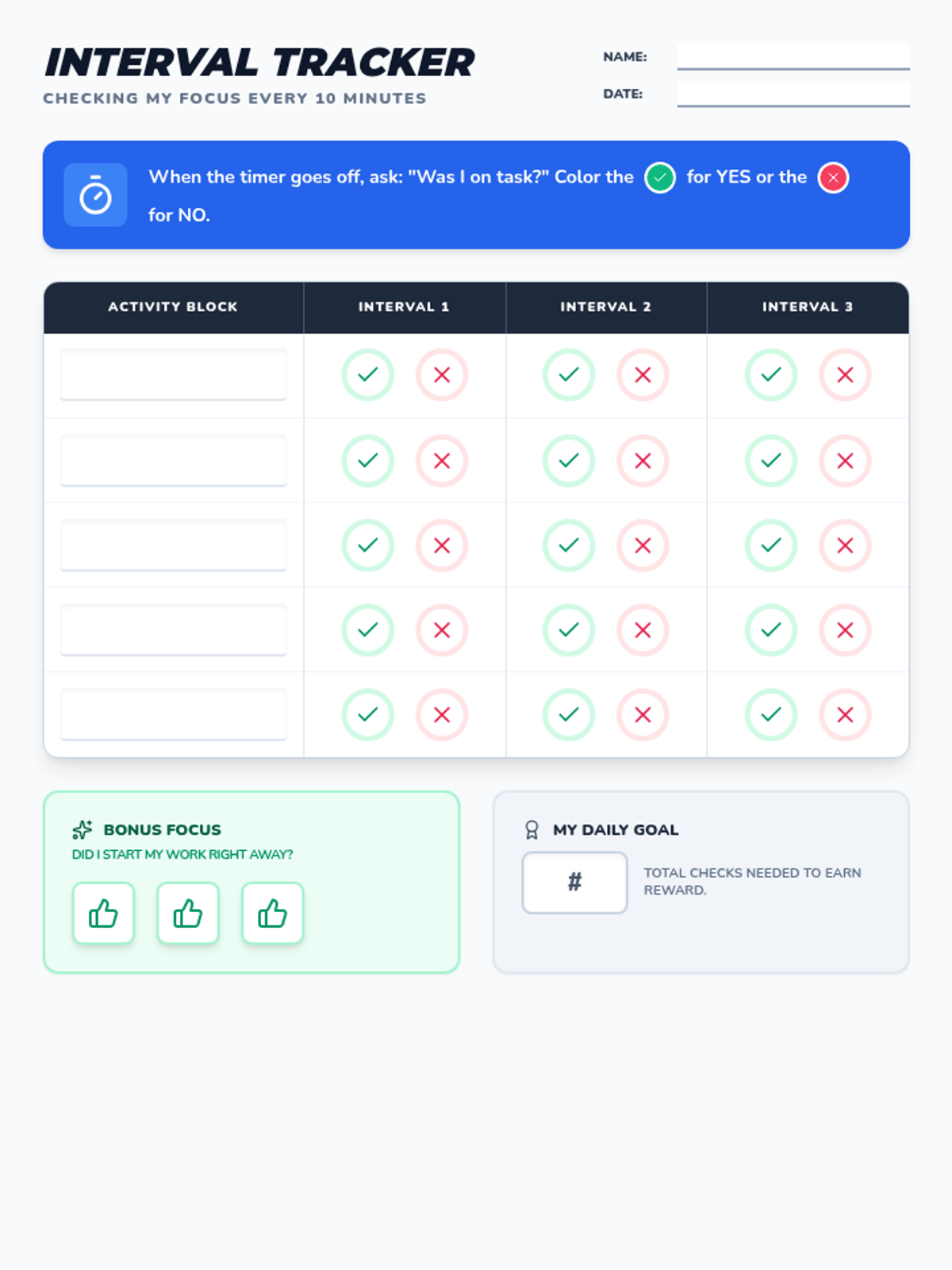
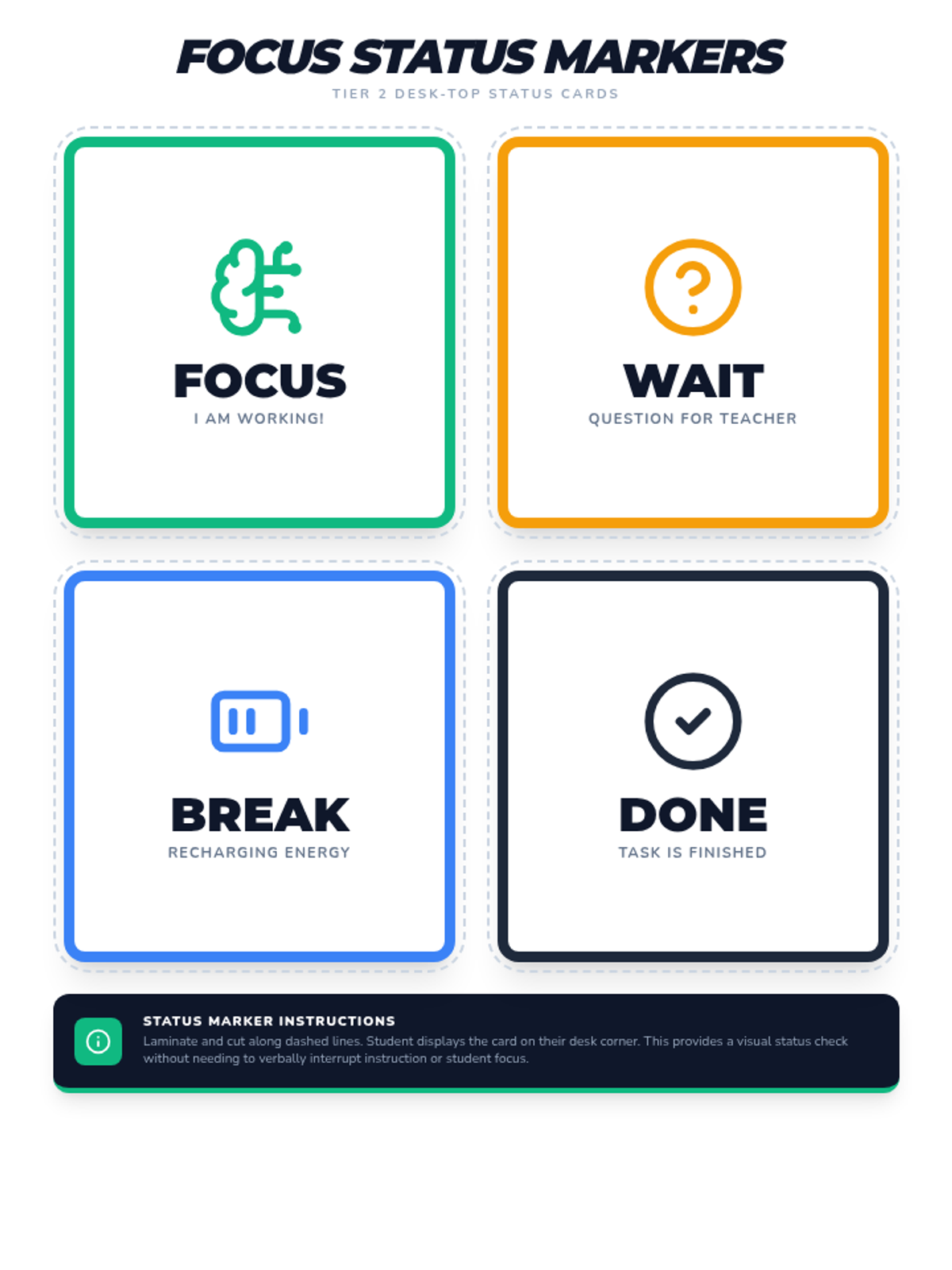
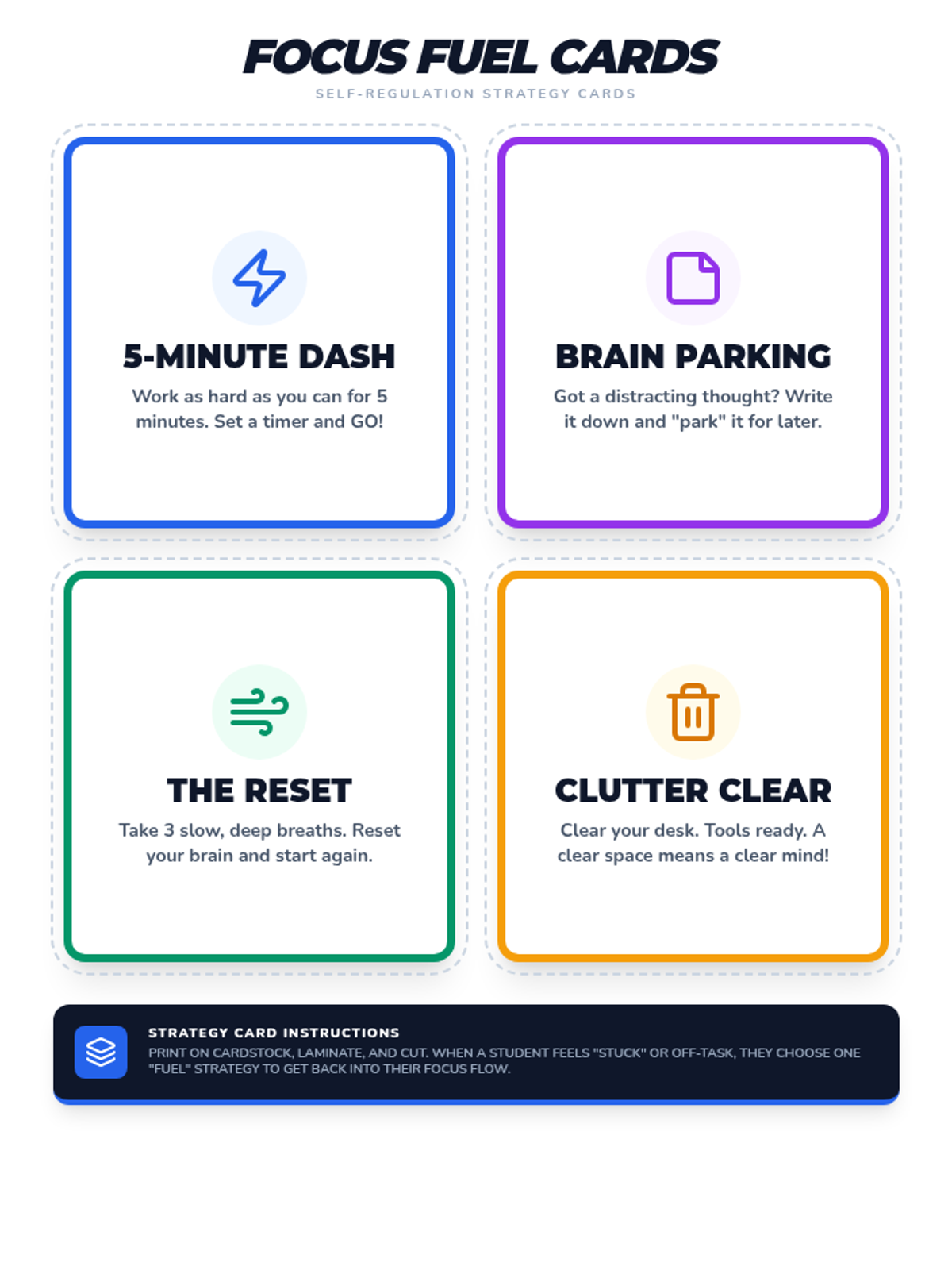
A comprehensive set of tools designed to support 3rd-grade students with ADHD during independent seat work, featuring self-monitoring checklists and visual desk prompts.
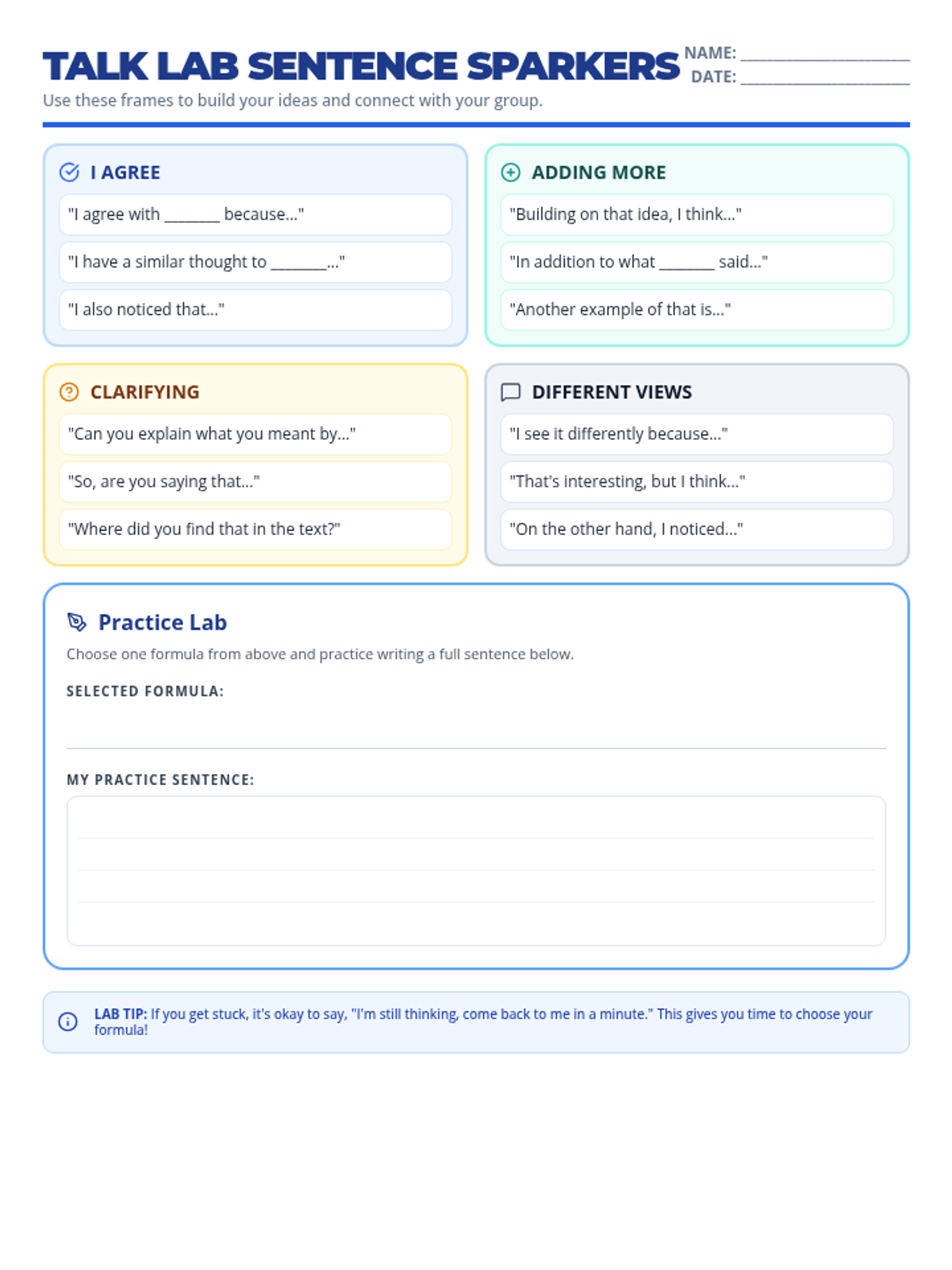
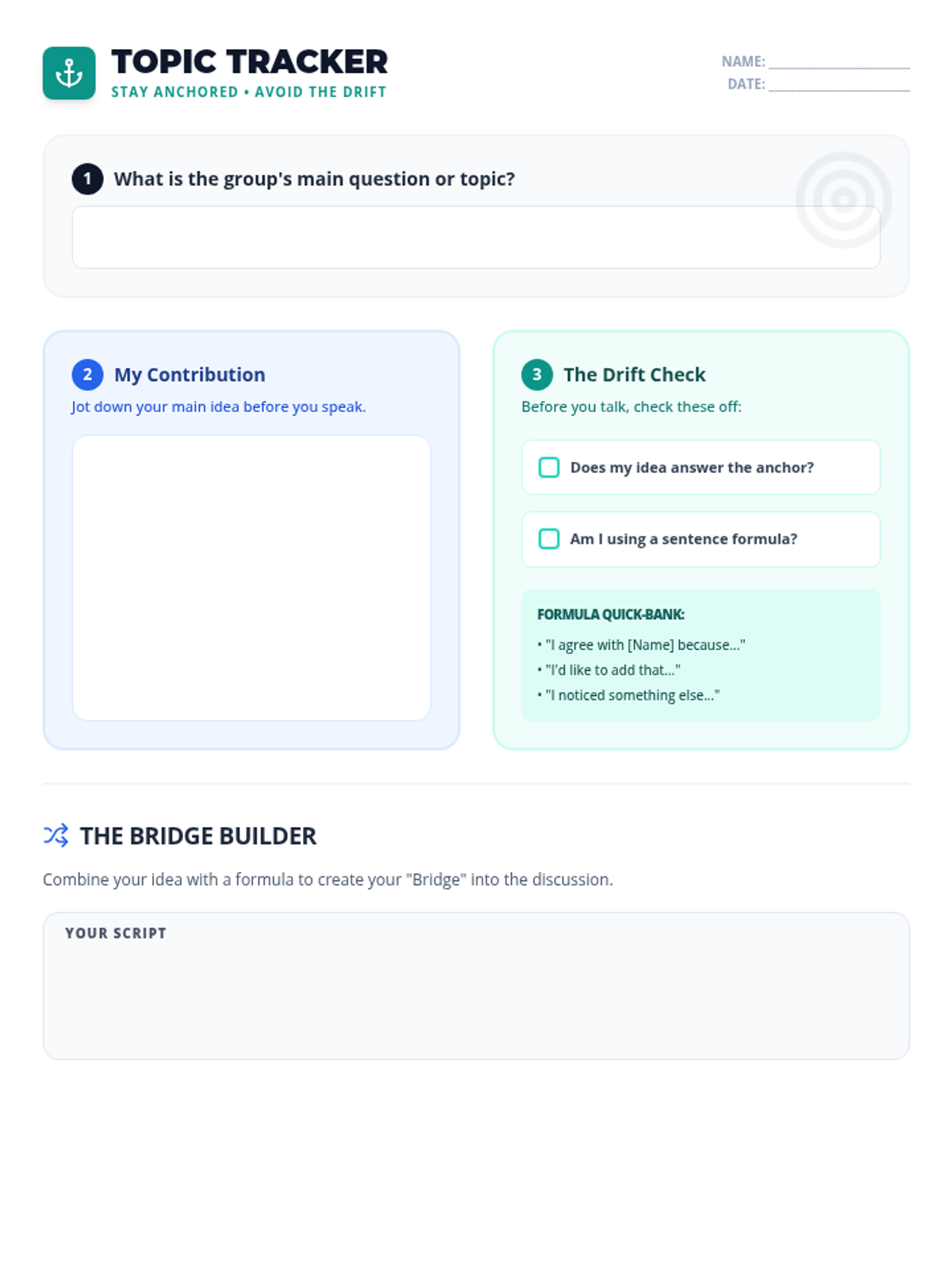
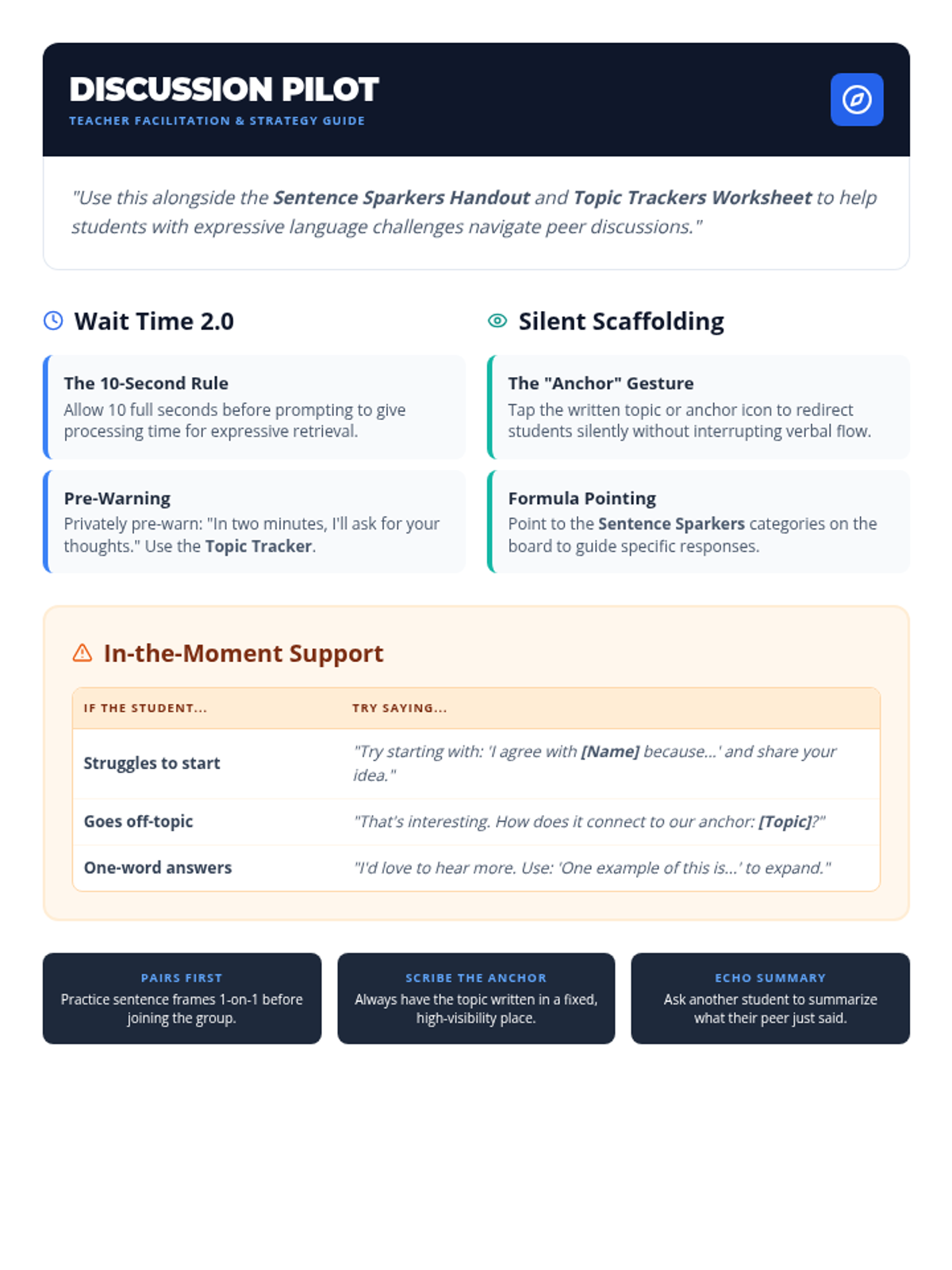
A toolkit designed to help students with expressive language challenges engage meaningfully in group discussions while remaining focused on the core topic.
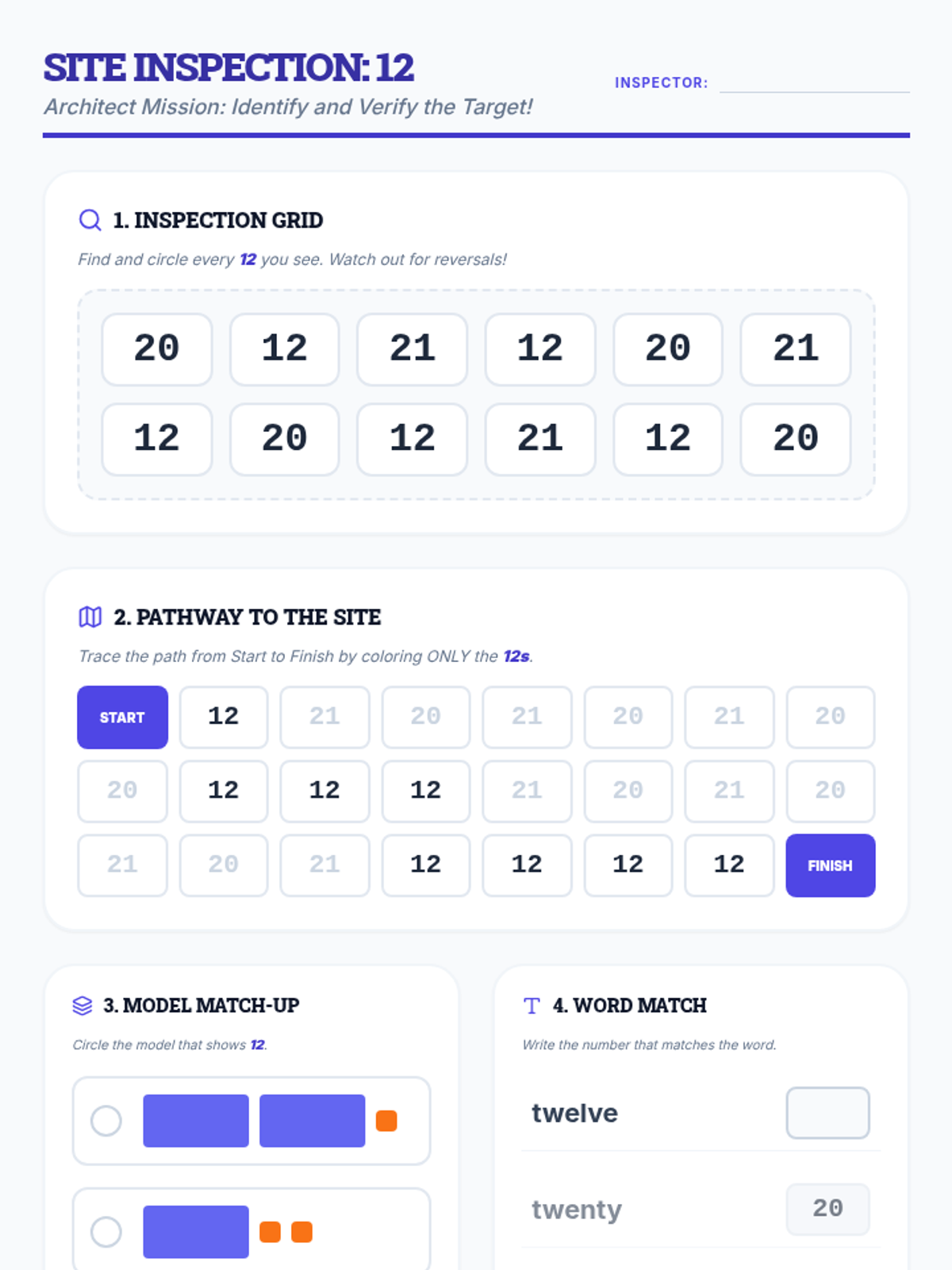
A numeracy lesson helping students distinguish the number 12 from 20 and 21 using place value visualization (one ten, two ones) and 'Architect' inspection strategies.
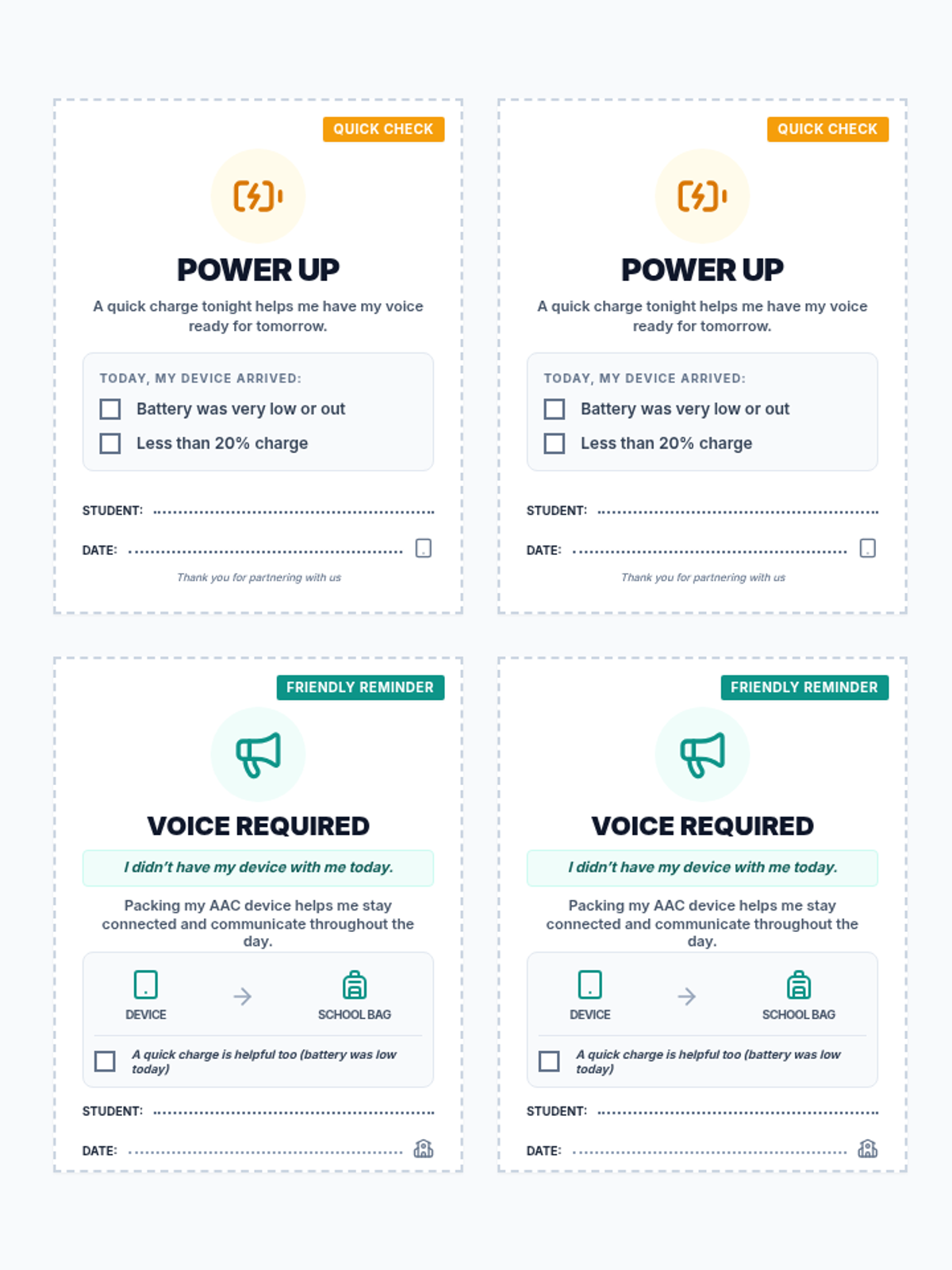
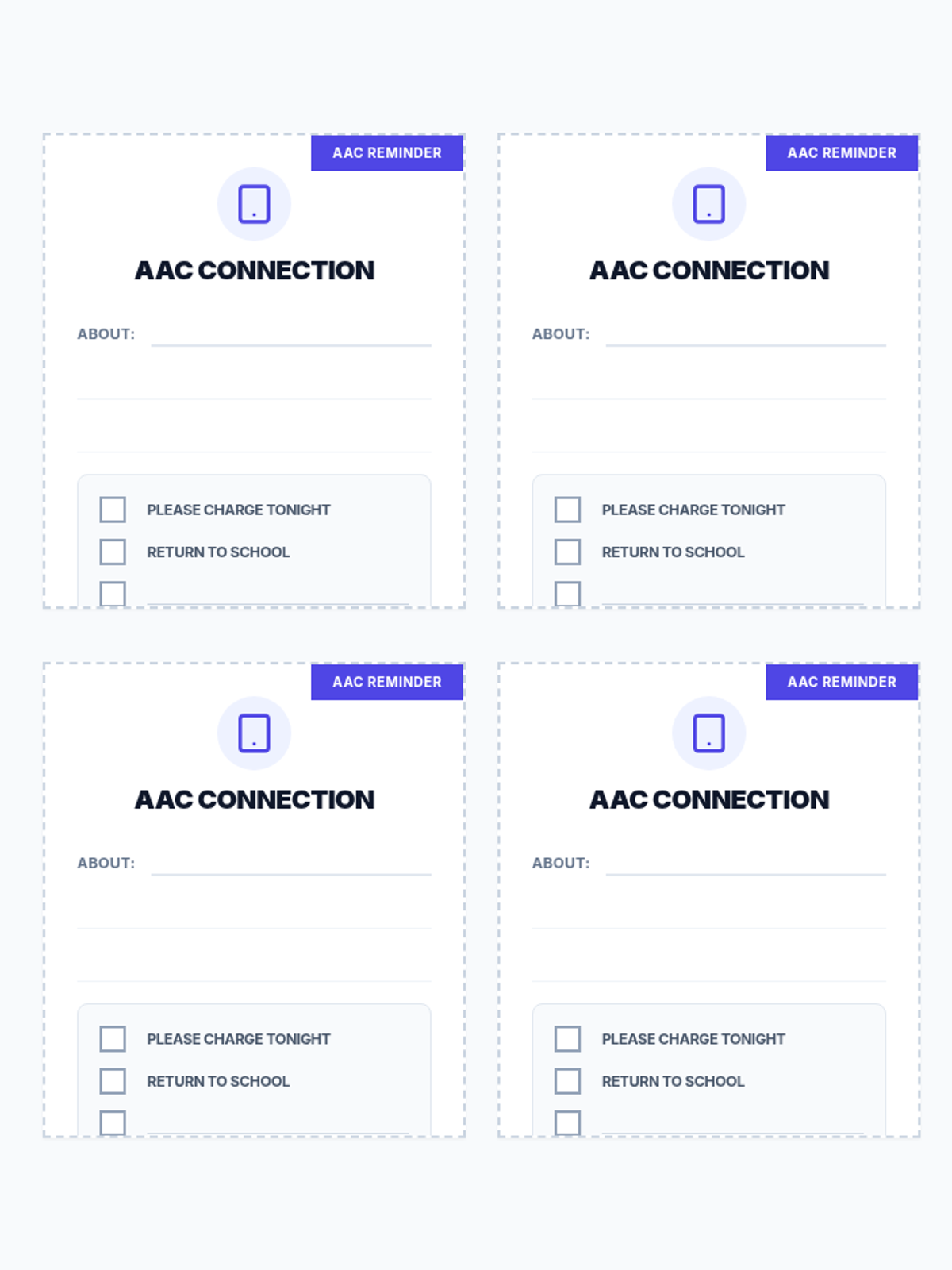
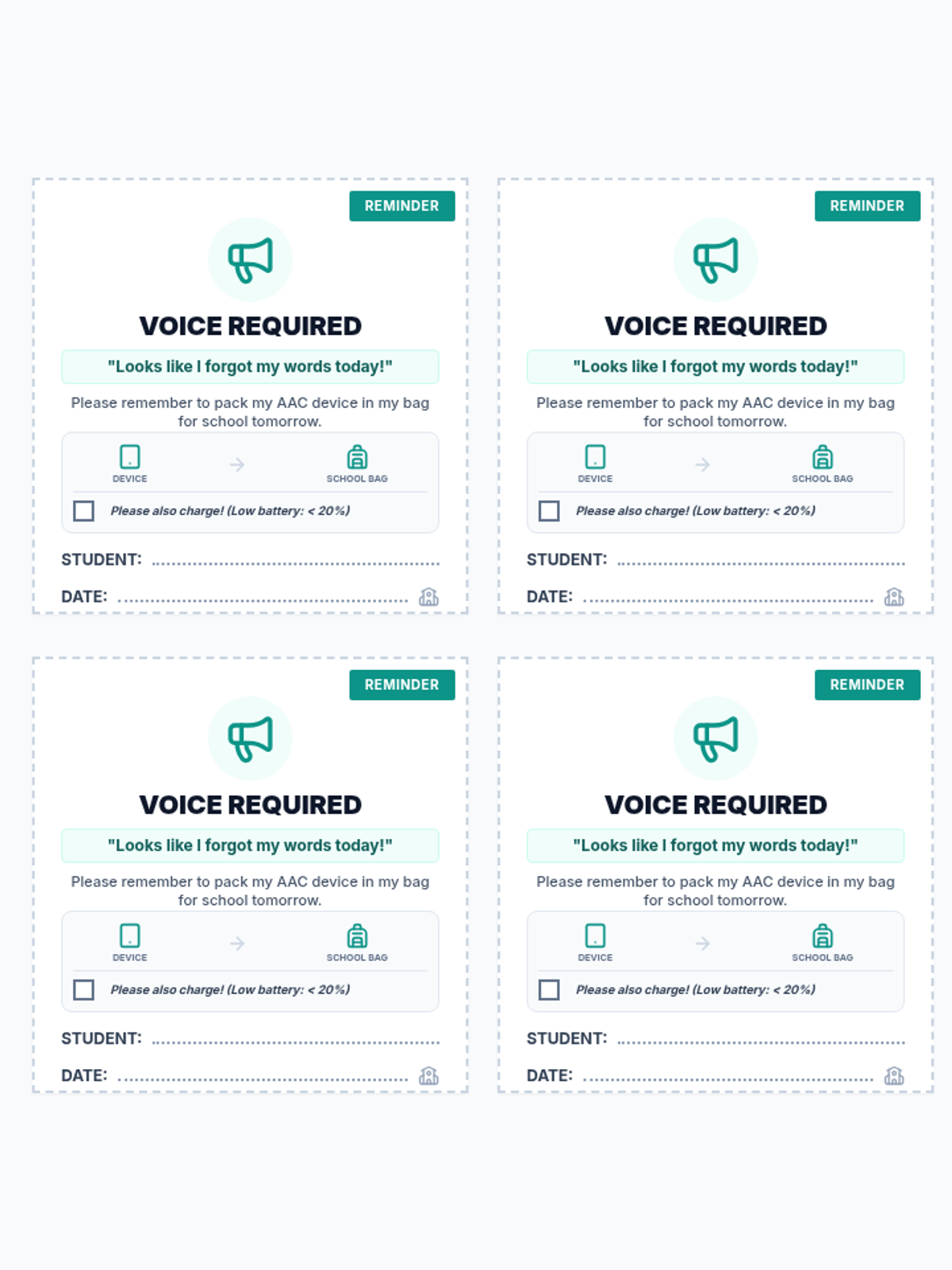
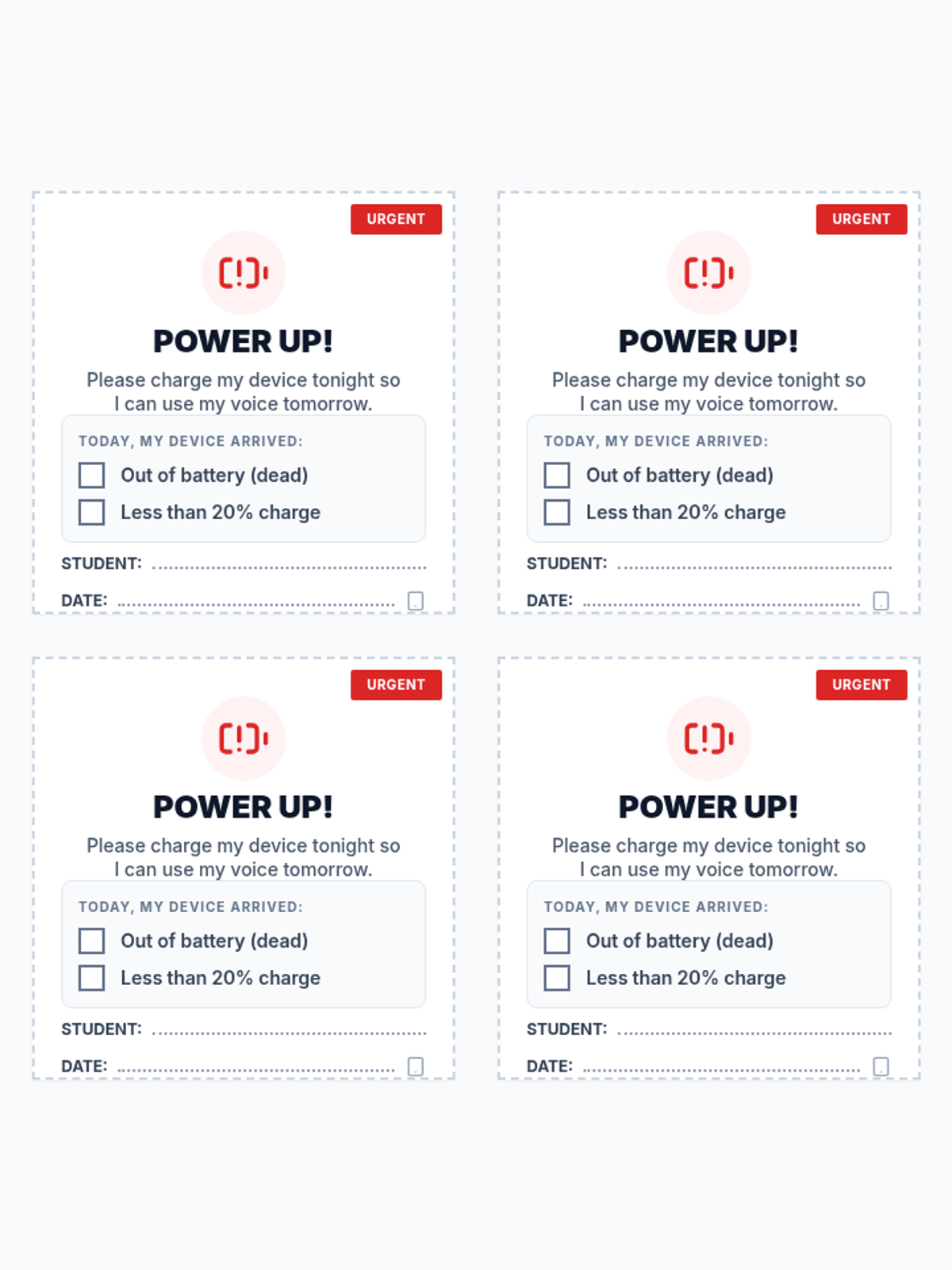
A collection of simple, visual reminder slips to help bridge the gap between home and school for students using AAC devices.
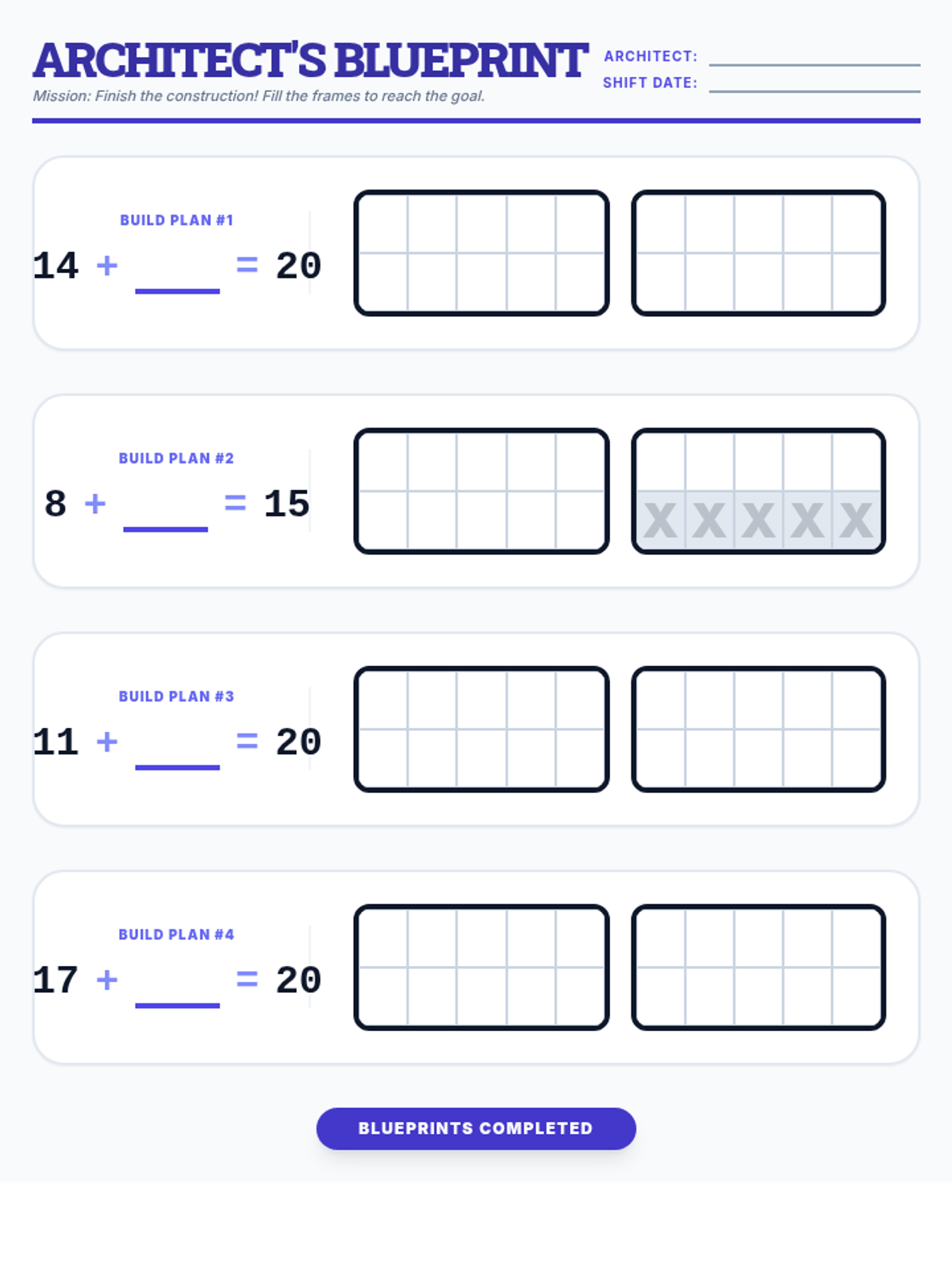
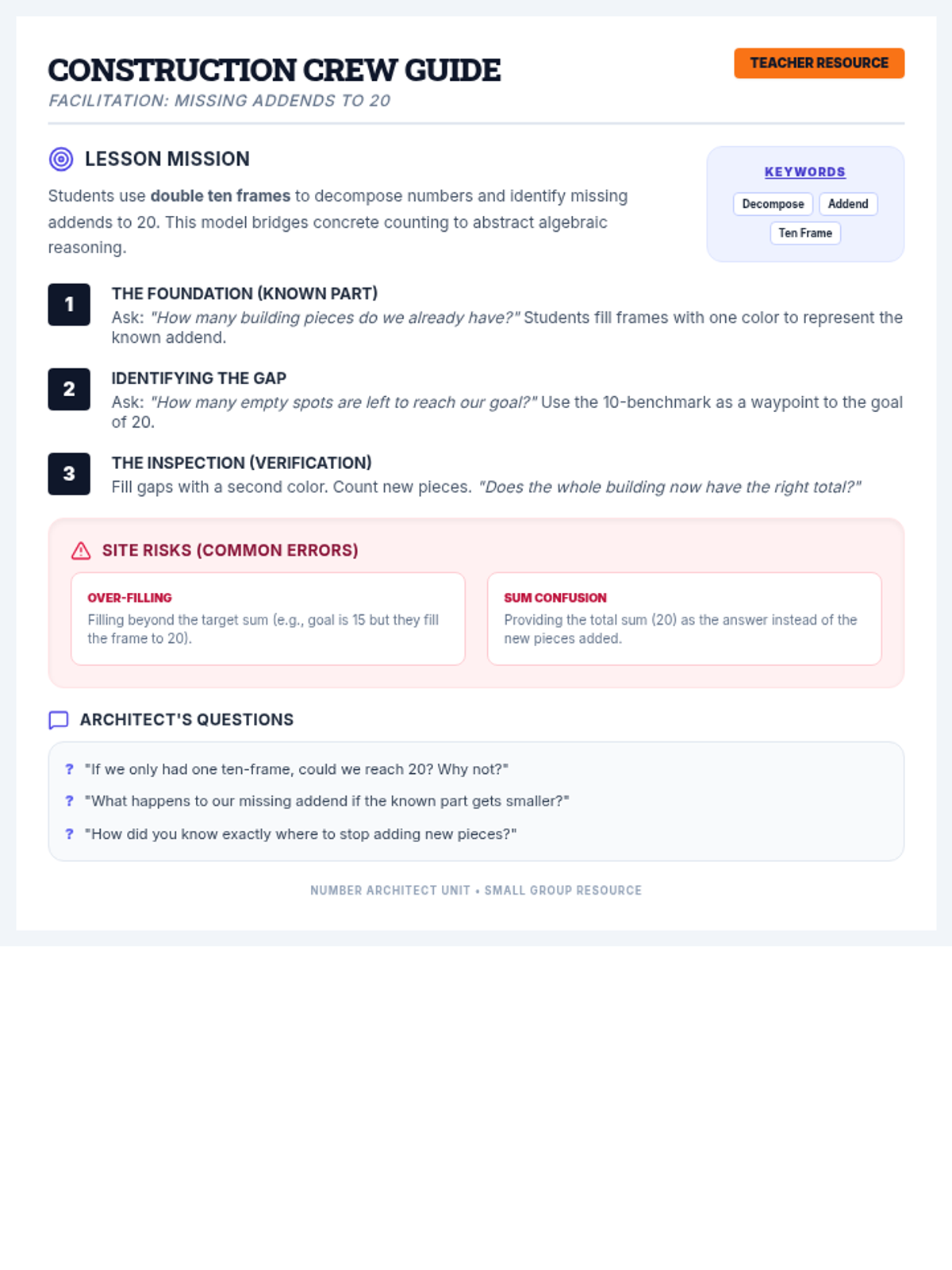
A visual math lesson focused on finding missing addends up to 20 using double ten frames and decomposition strategies. Students act as 'Number Architects' to fill gaps in blueprints.
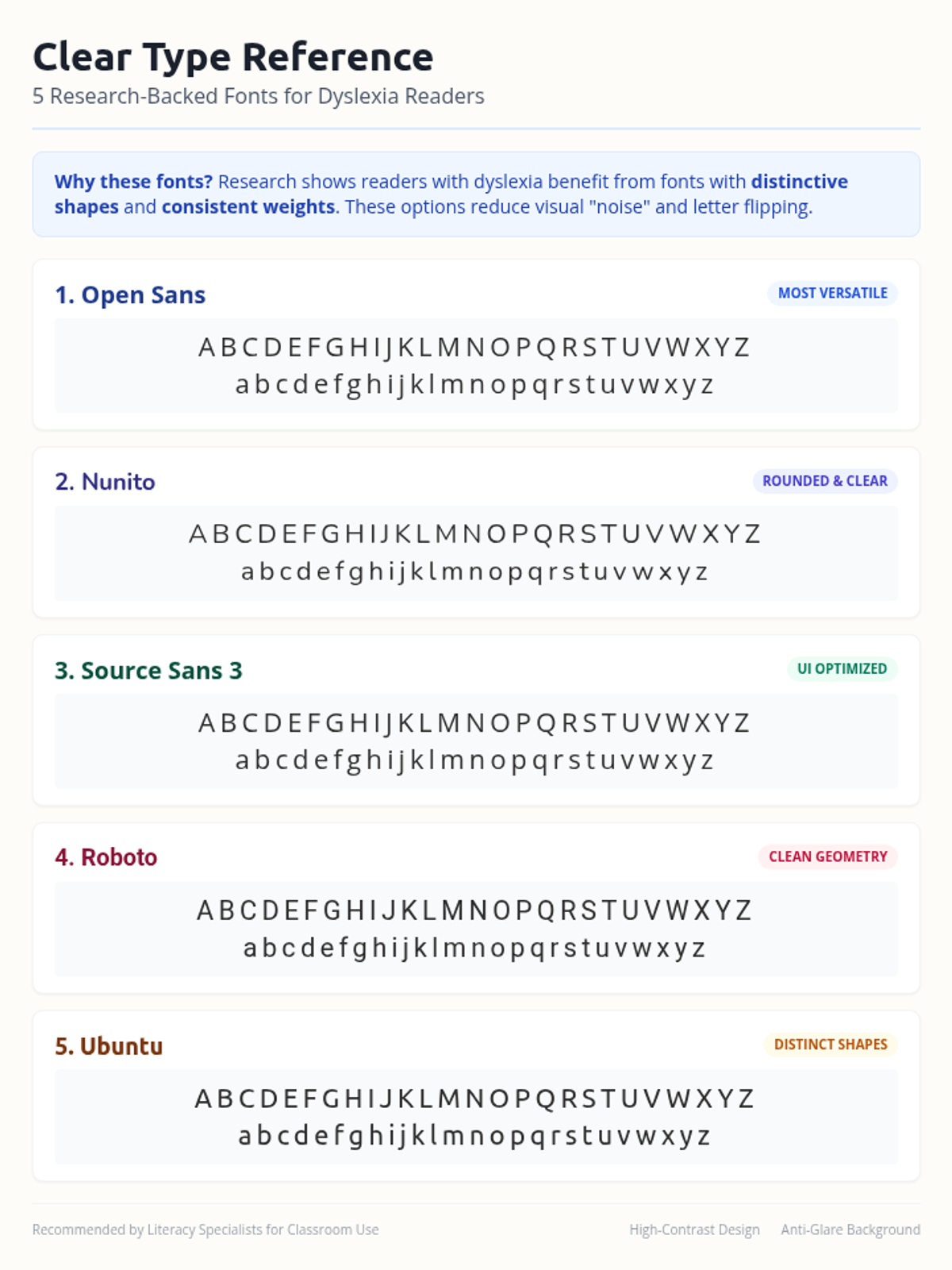
A collection of research-backed typographical resources designed to support readers with dyslexia, including reference guides and classroom visual aids.
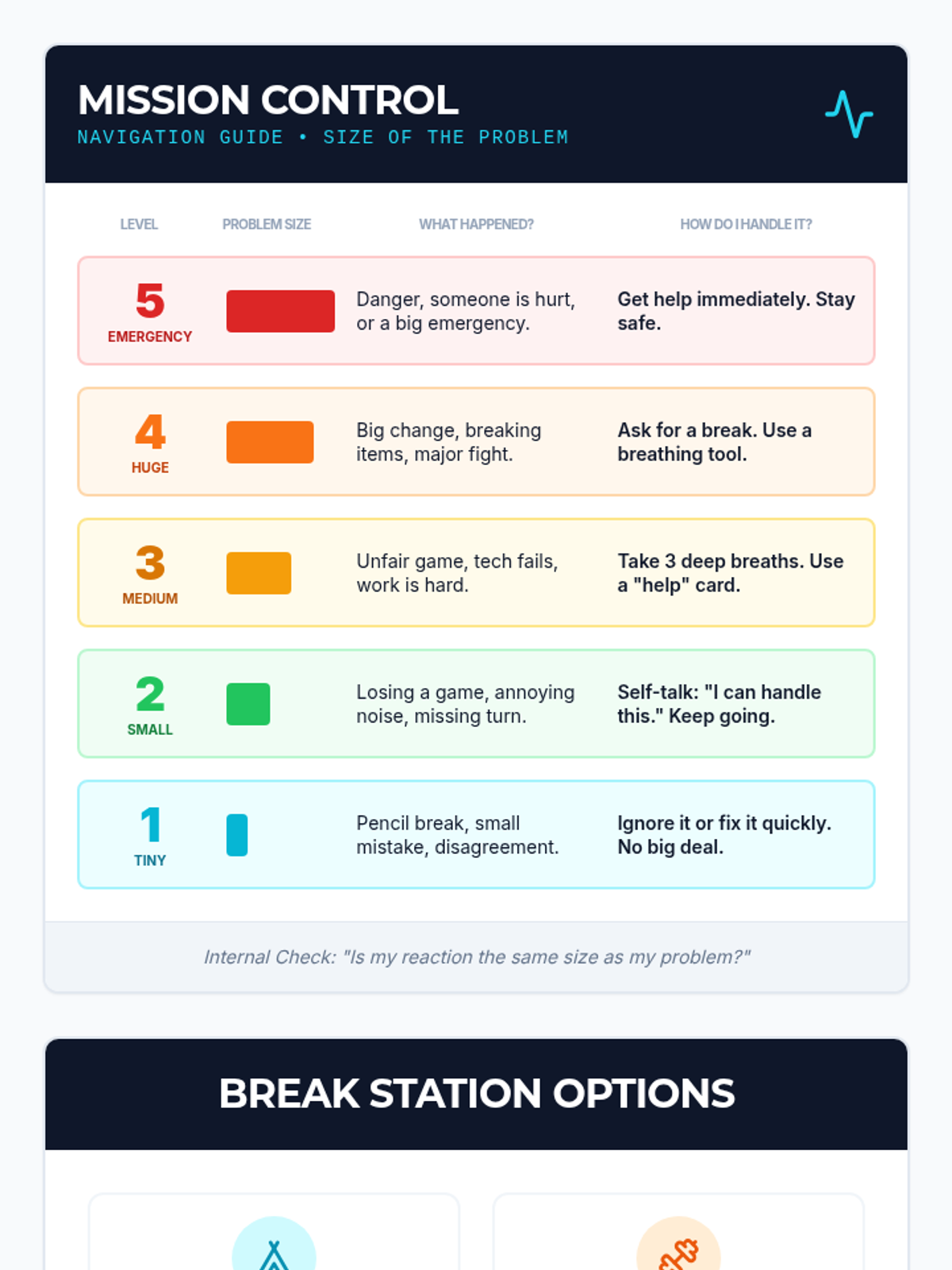
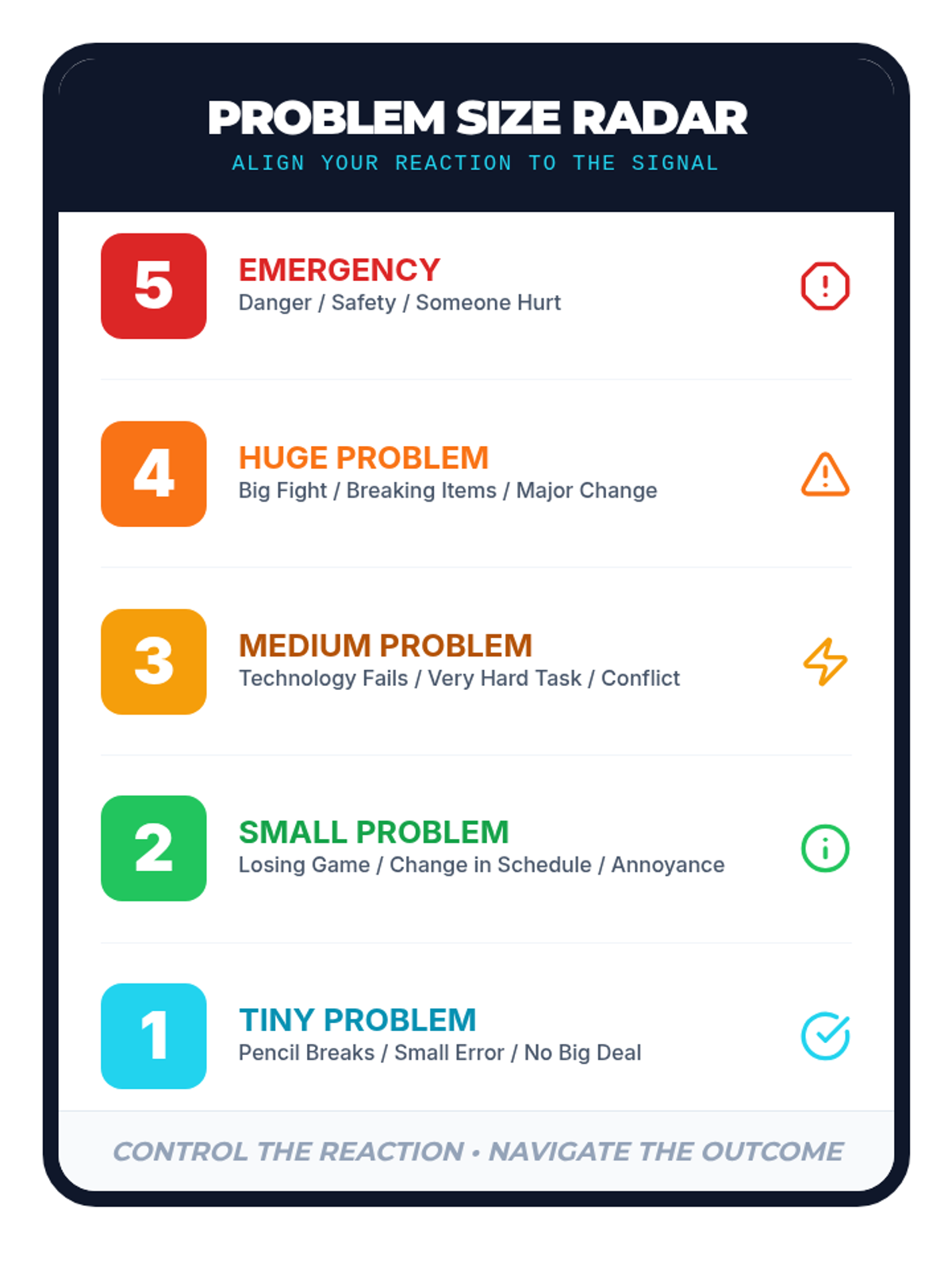
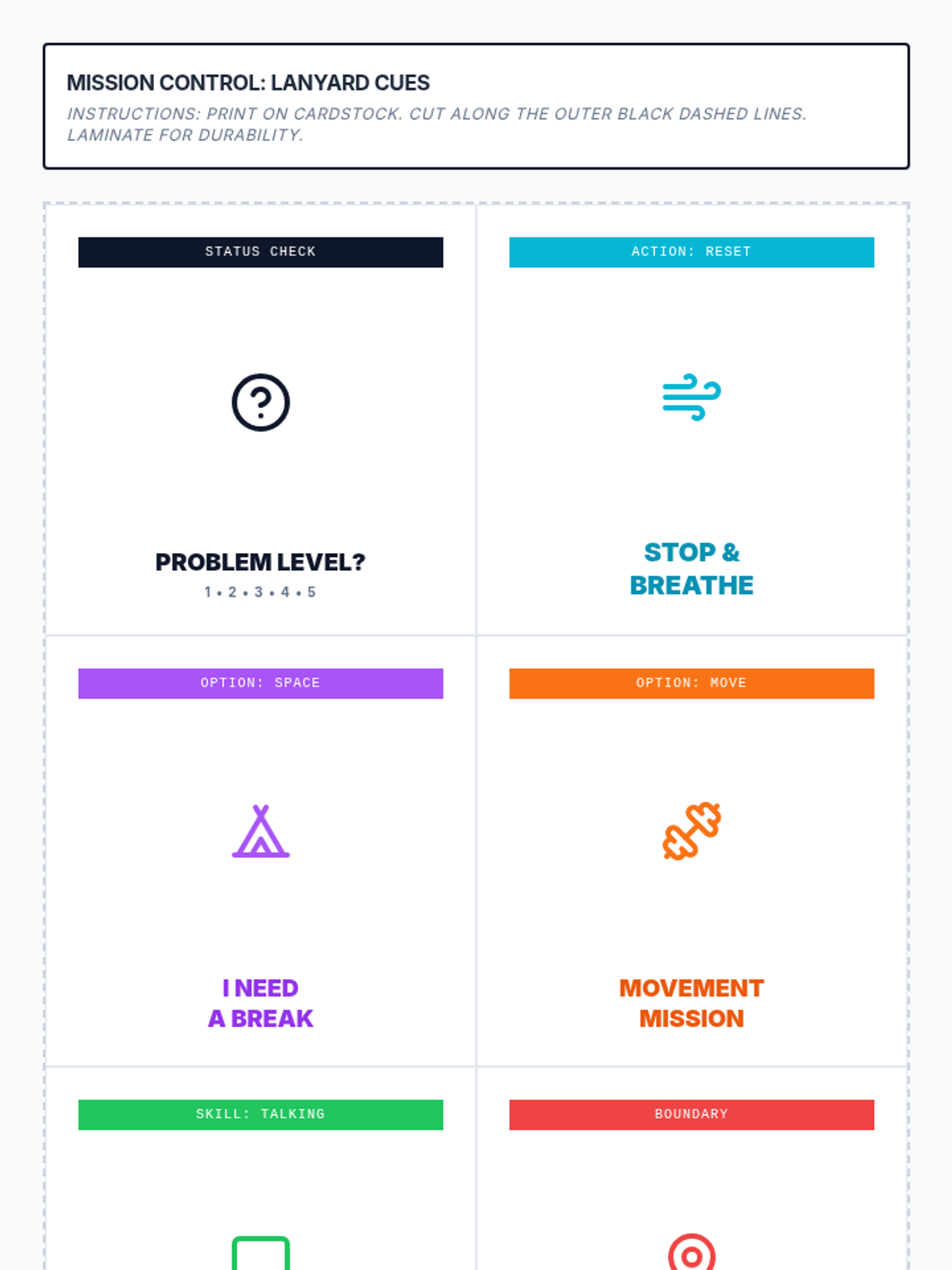
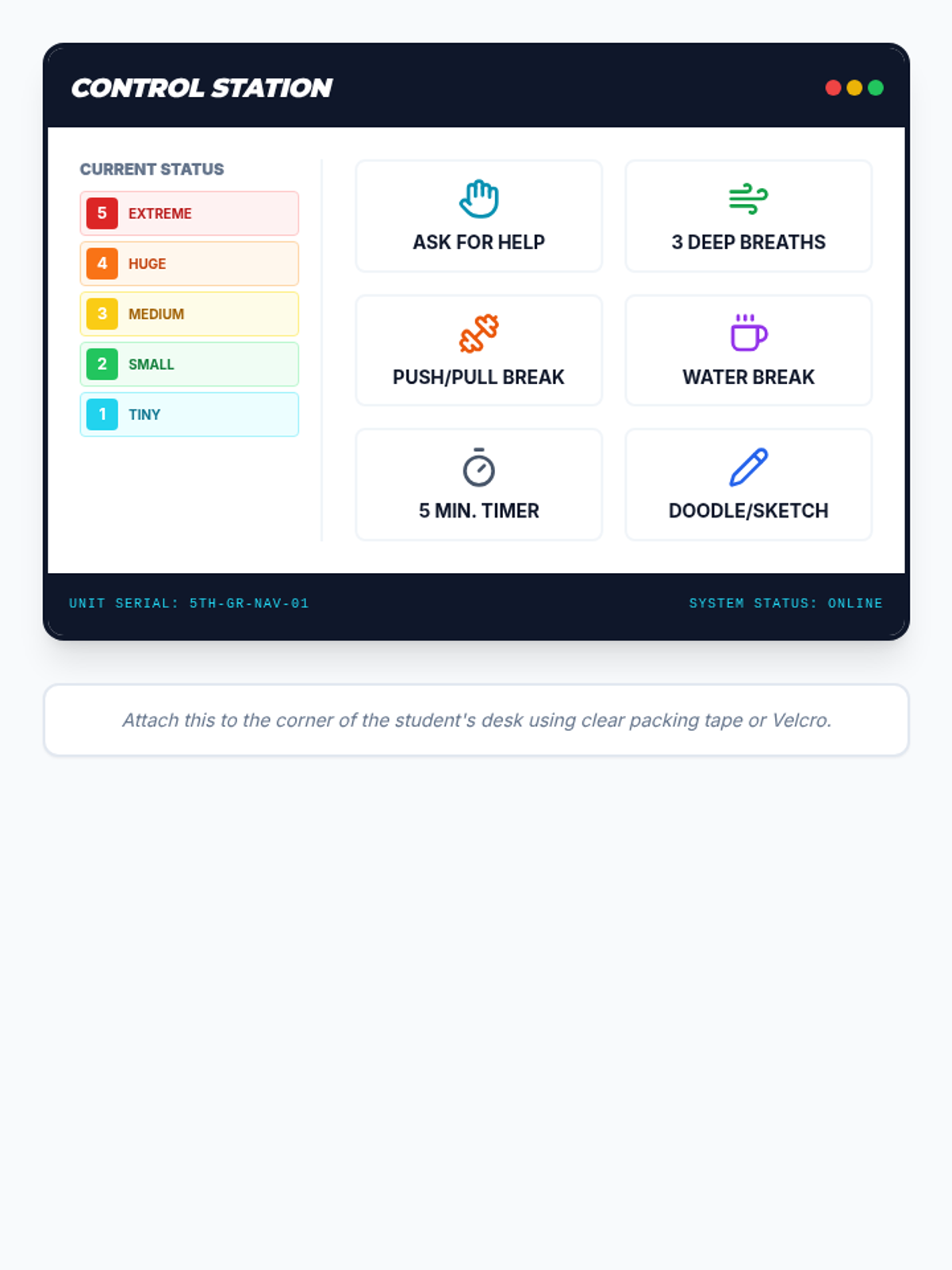
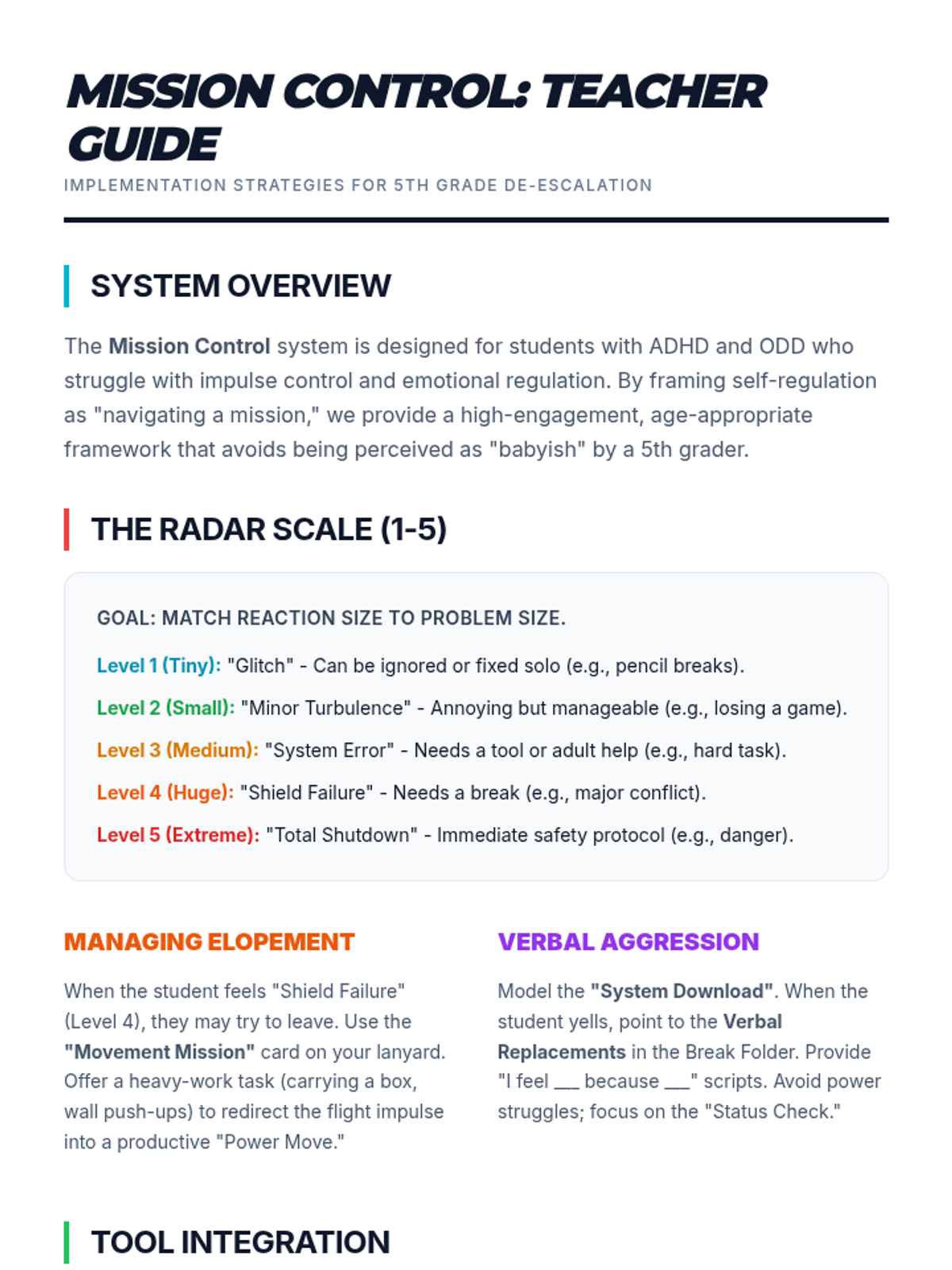
A comprehensive set of de-escalation tools for a 5th-grade student, focusing on the 'Size of the Problem' scale to manage elopement and verbal aggression. This lesson provides visual aids for the student's desk, wall, and staff lanyards to ensure consistent support across environments.
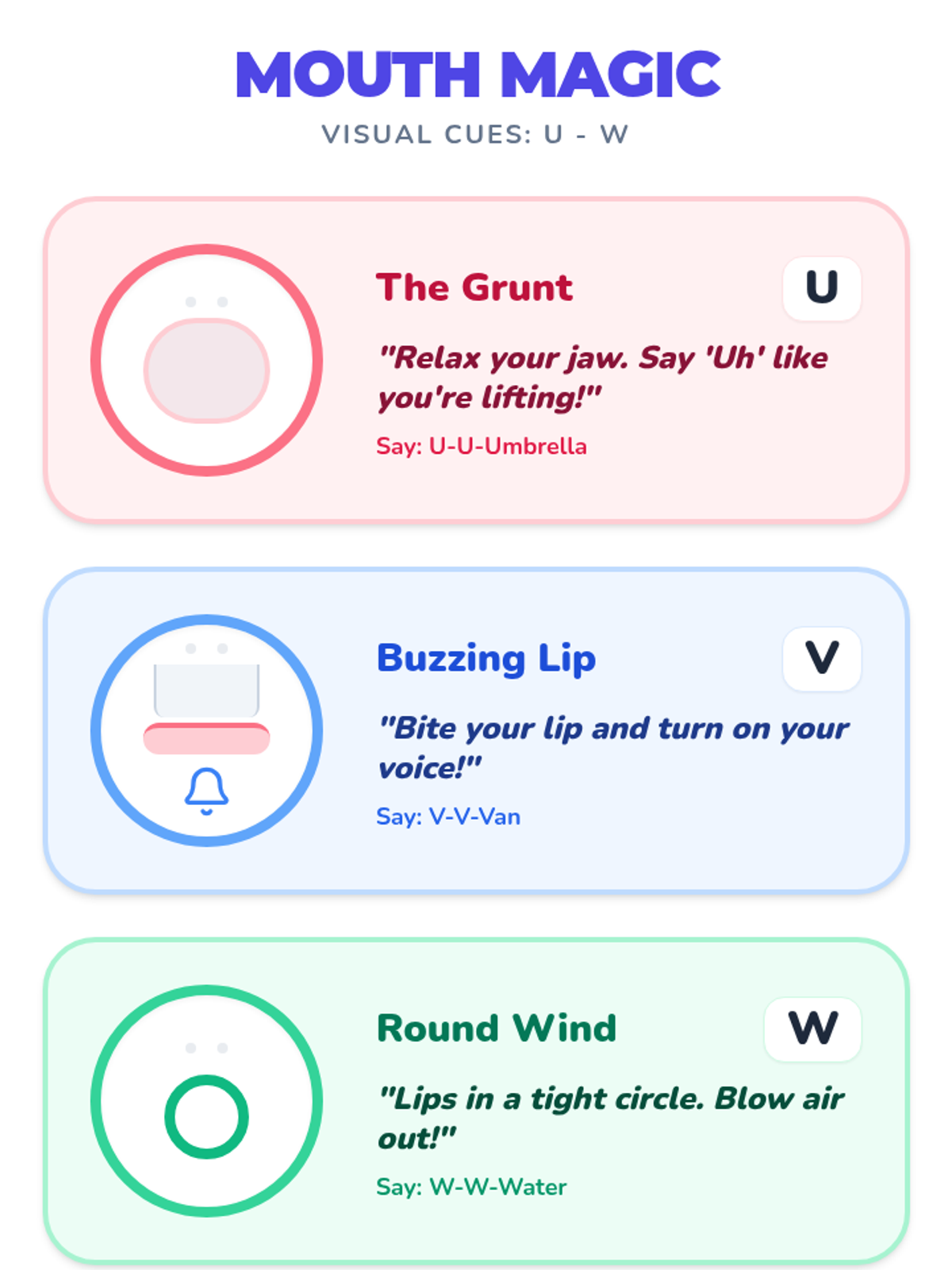
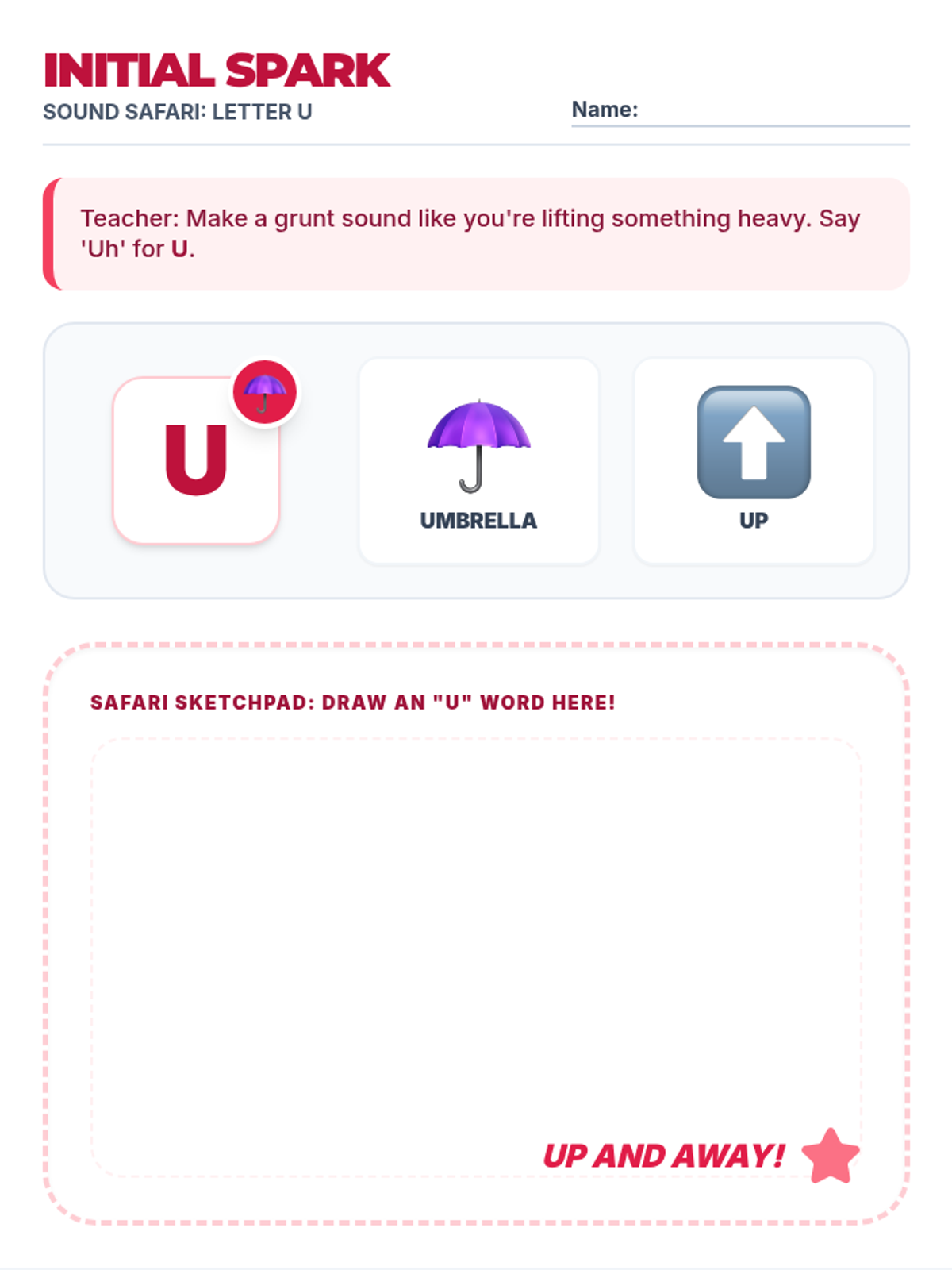
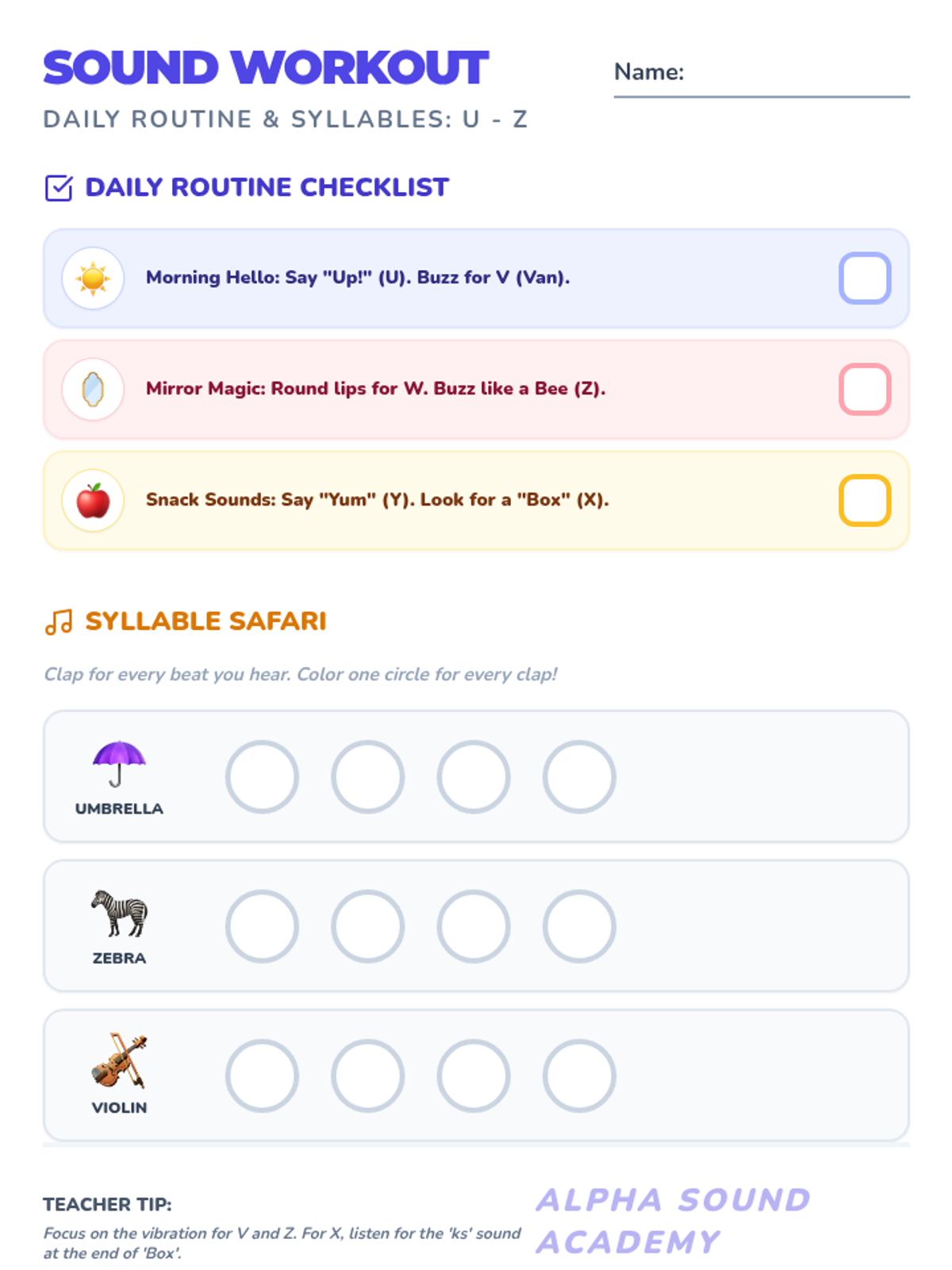
Final sequence covering U, V, W, X, Y, and Z, focusing on vowel stabilization and fricatives.
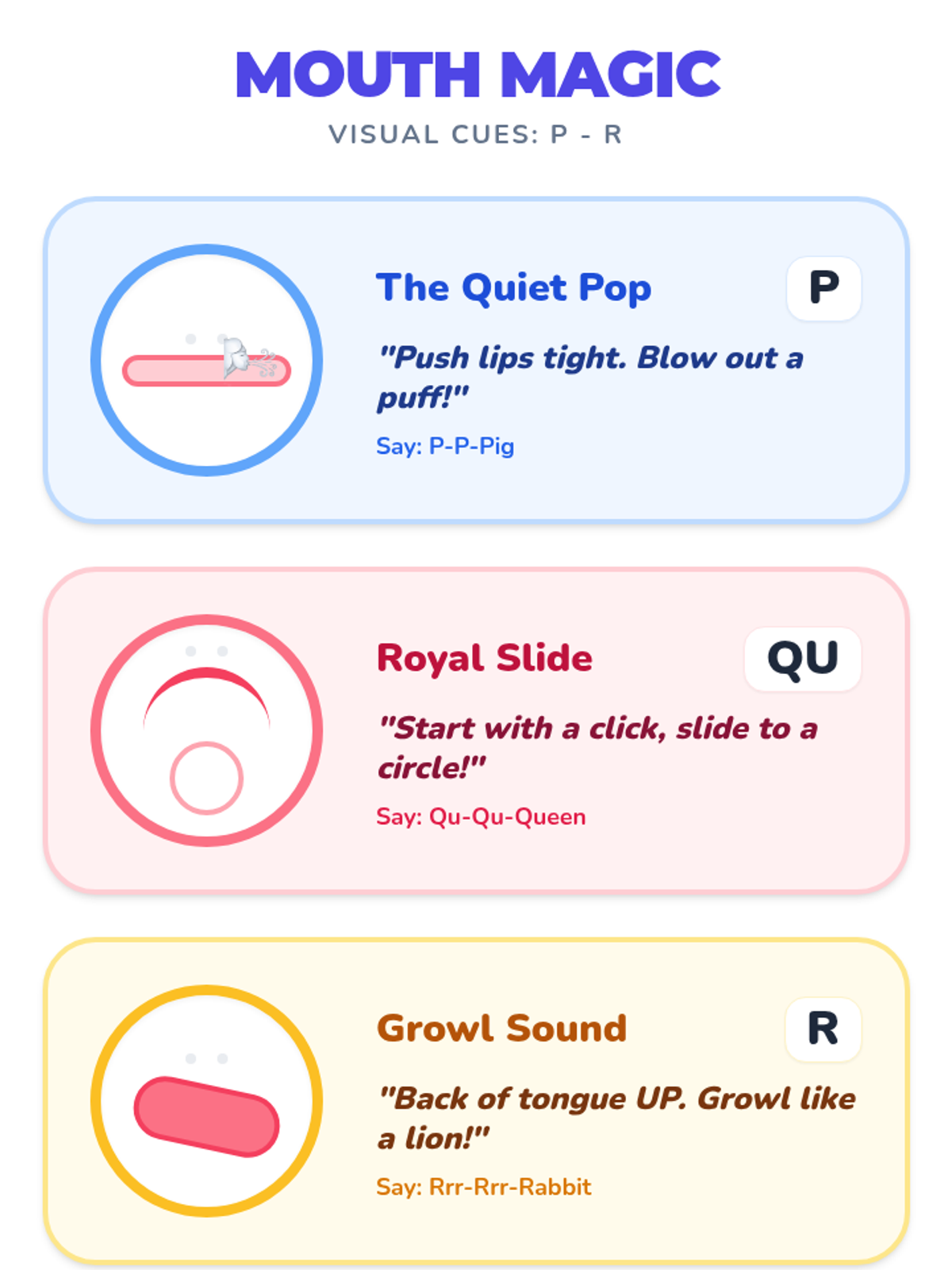
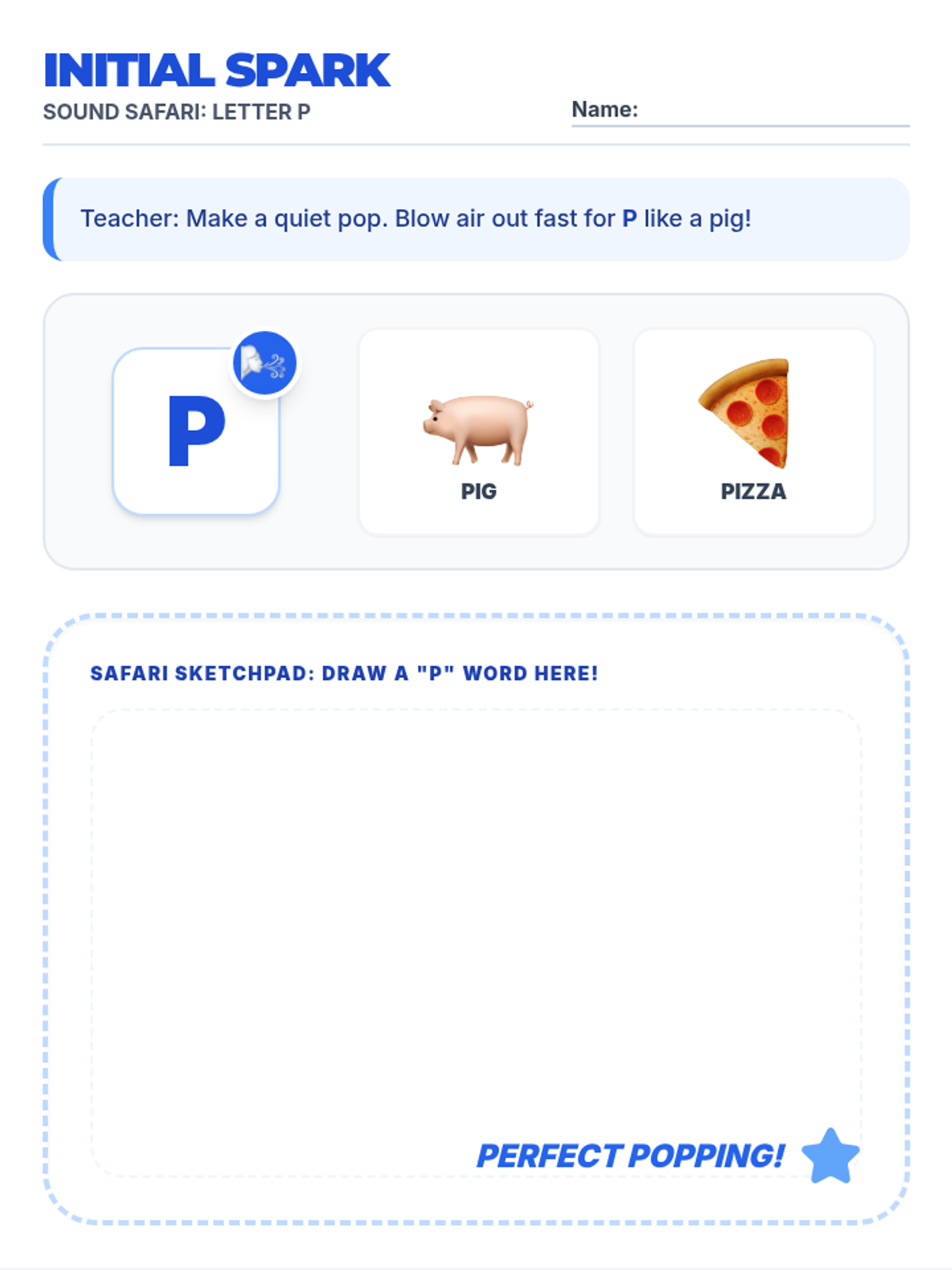
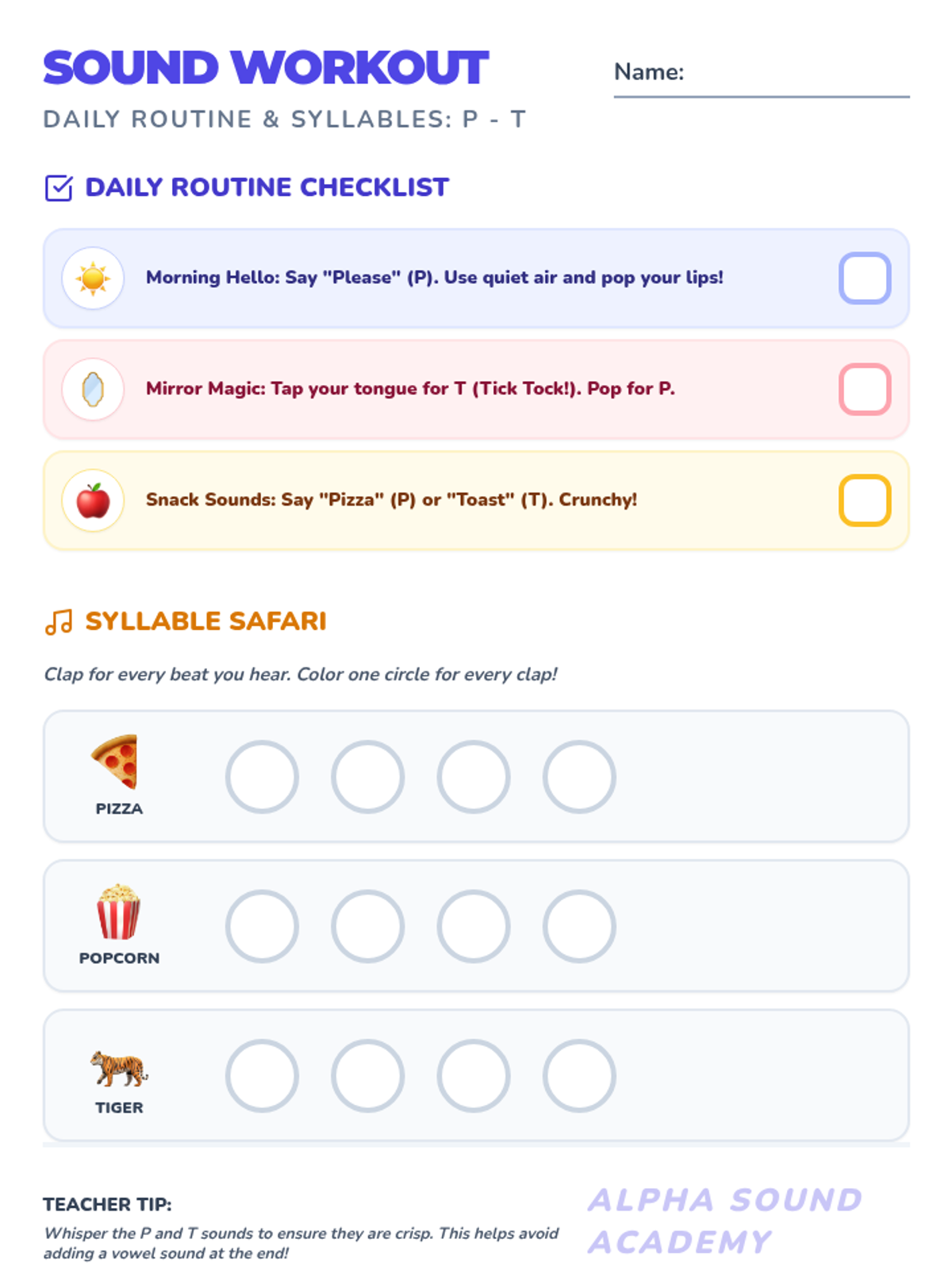
Practices sounds P, Q, R, S, and T, including 'pop' sounds and complex tongue movements.
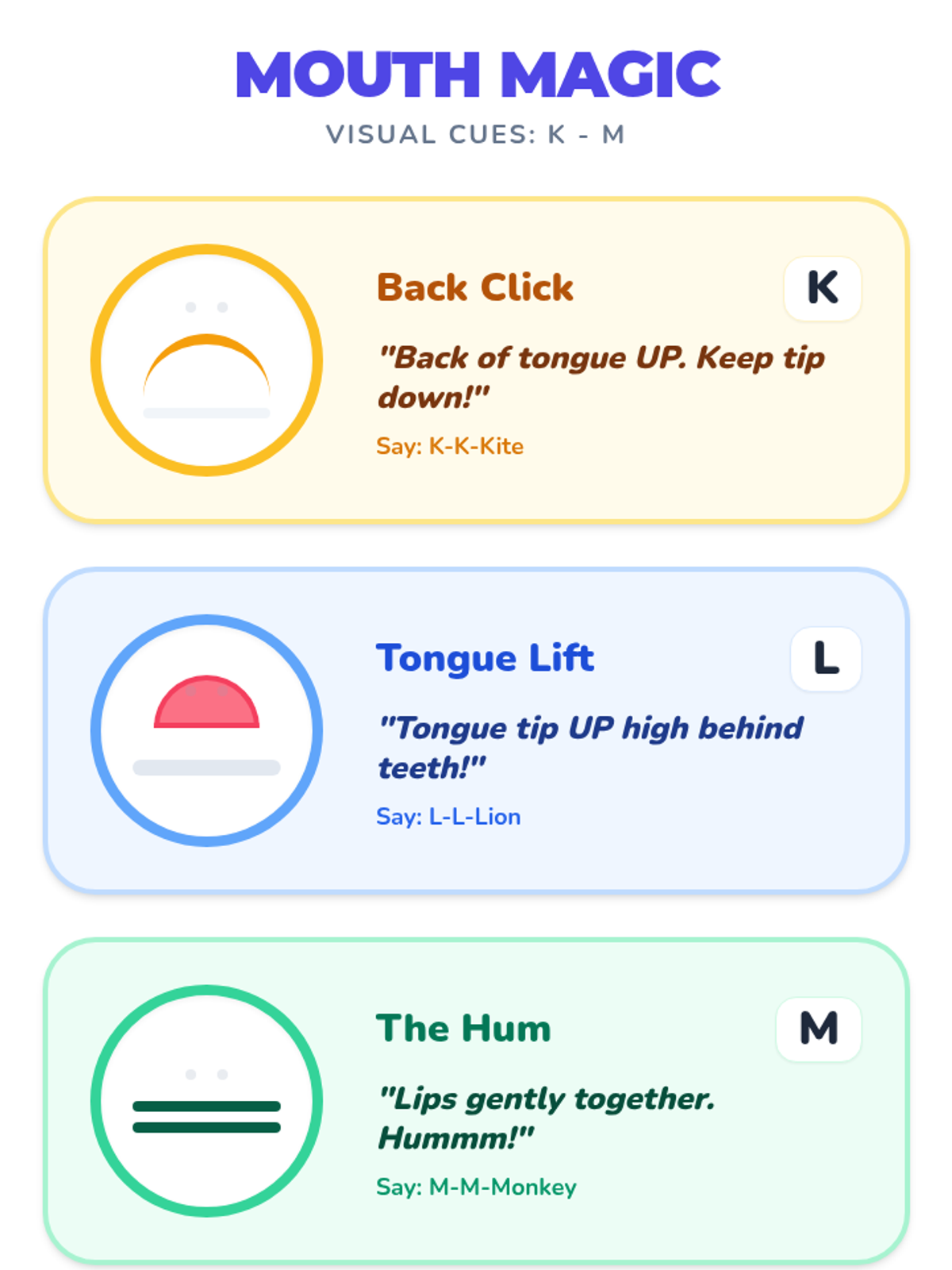
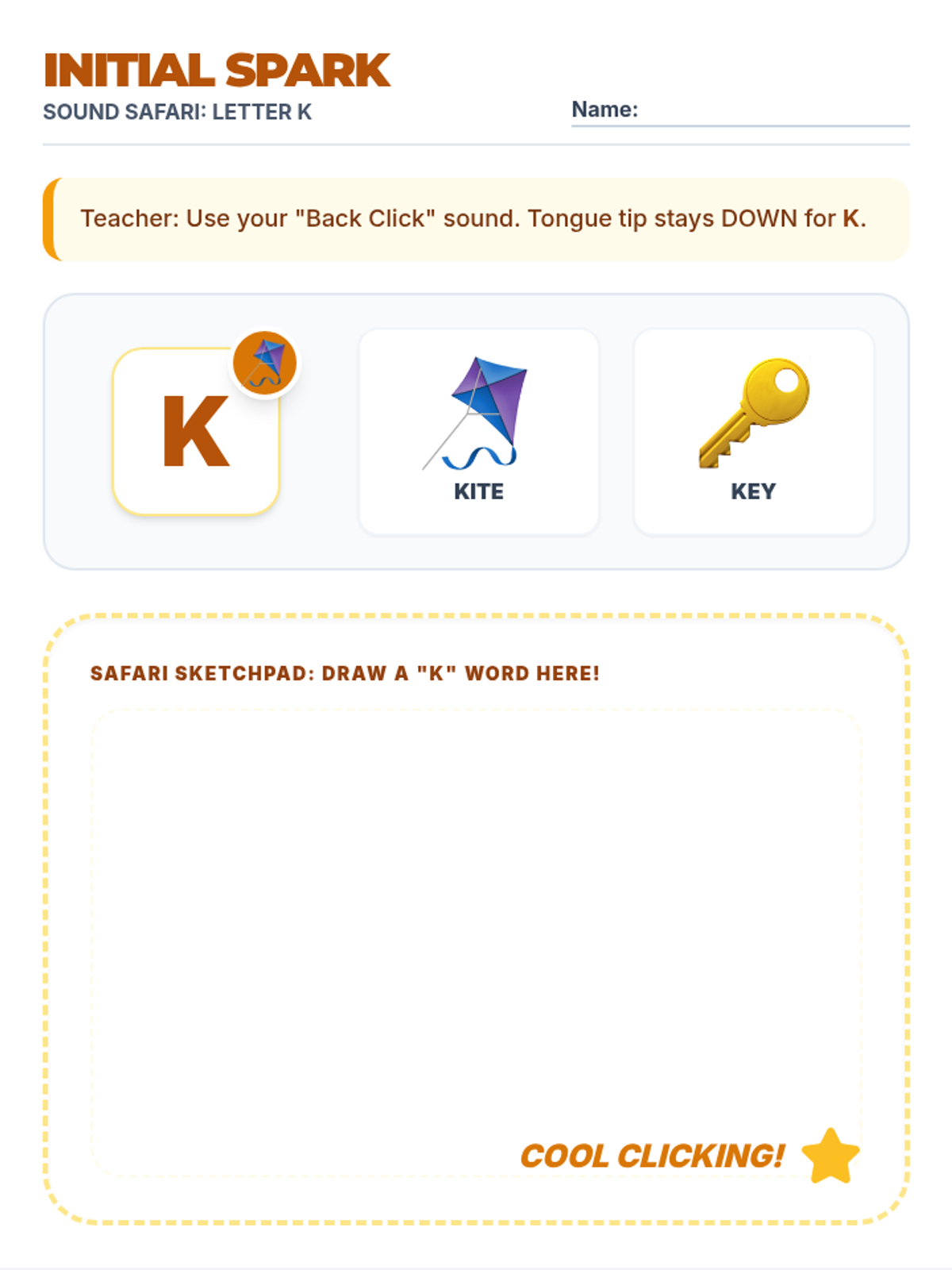
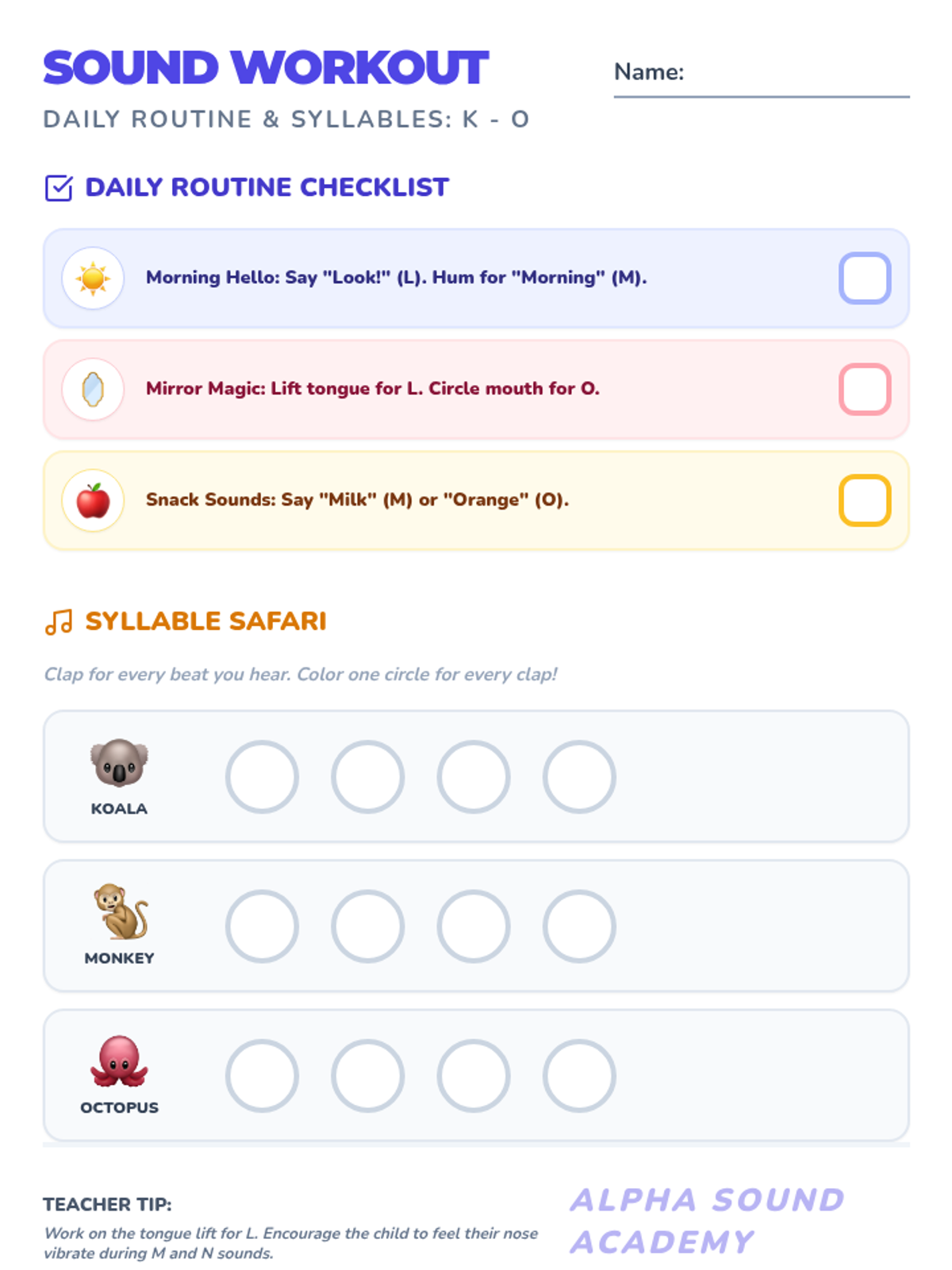
Introduces sounds K, L, M, N, and O with a focus on back-of-throat and tongue-tip positioning.
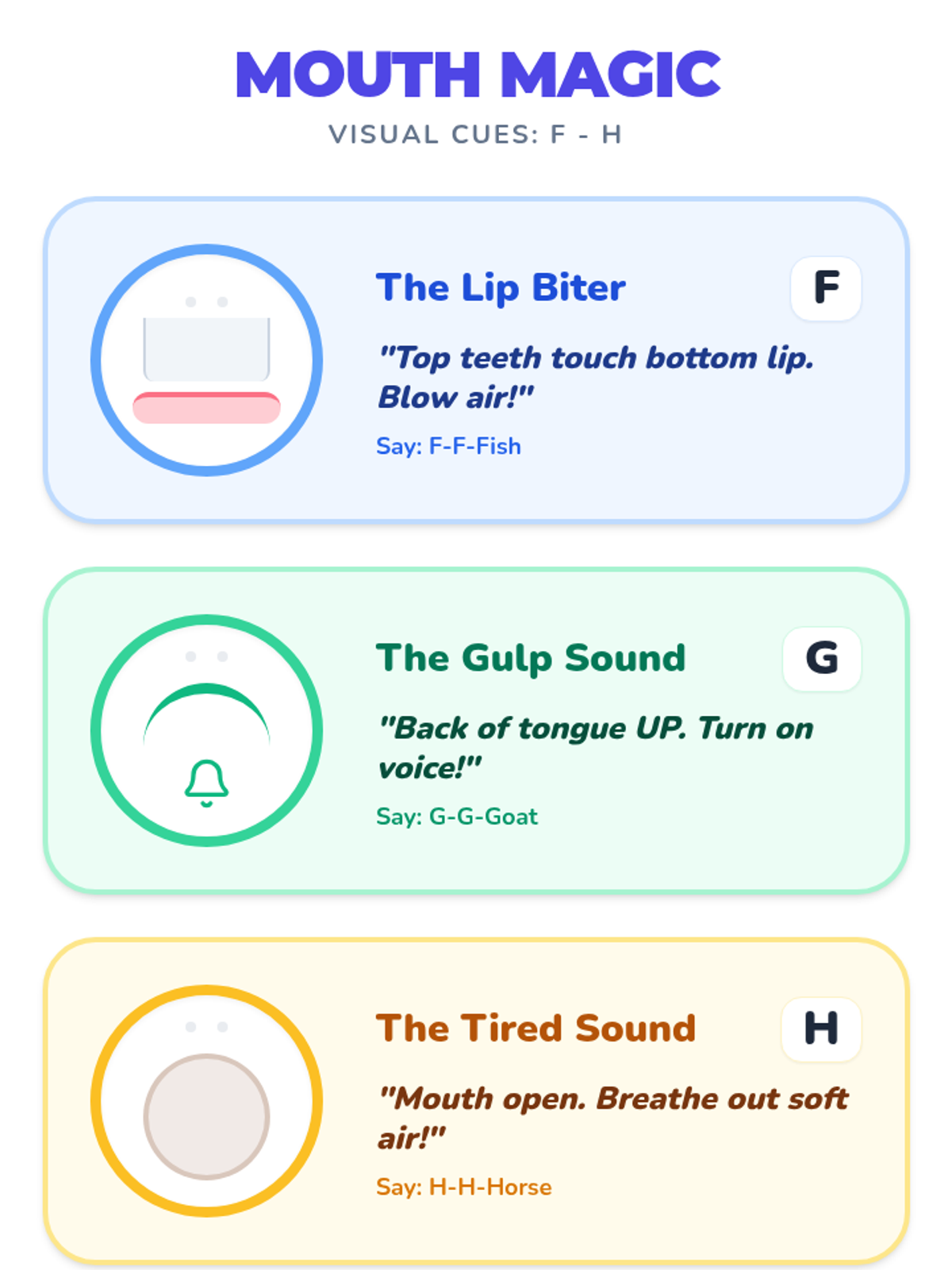
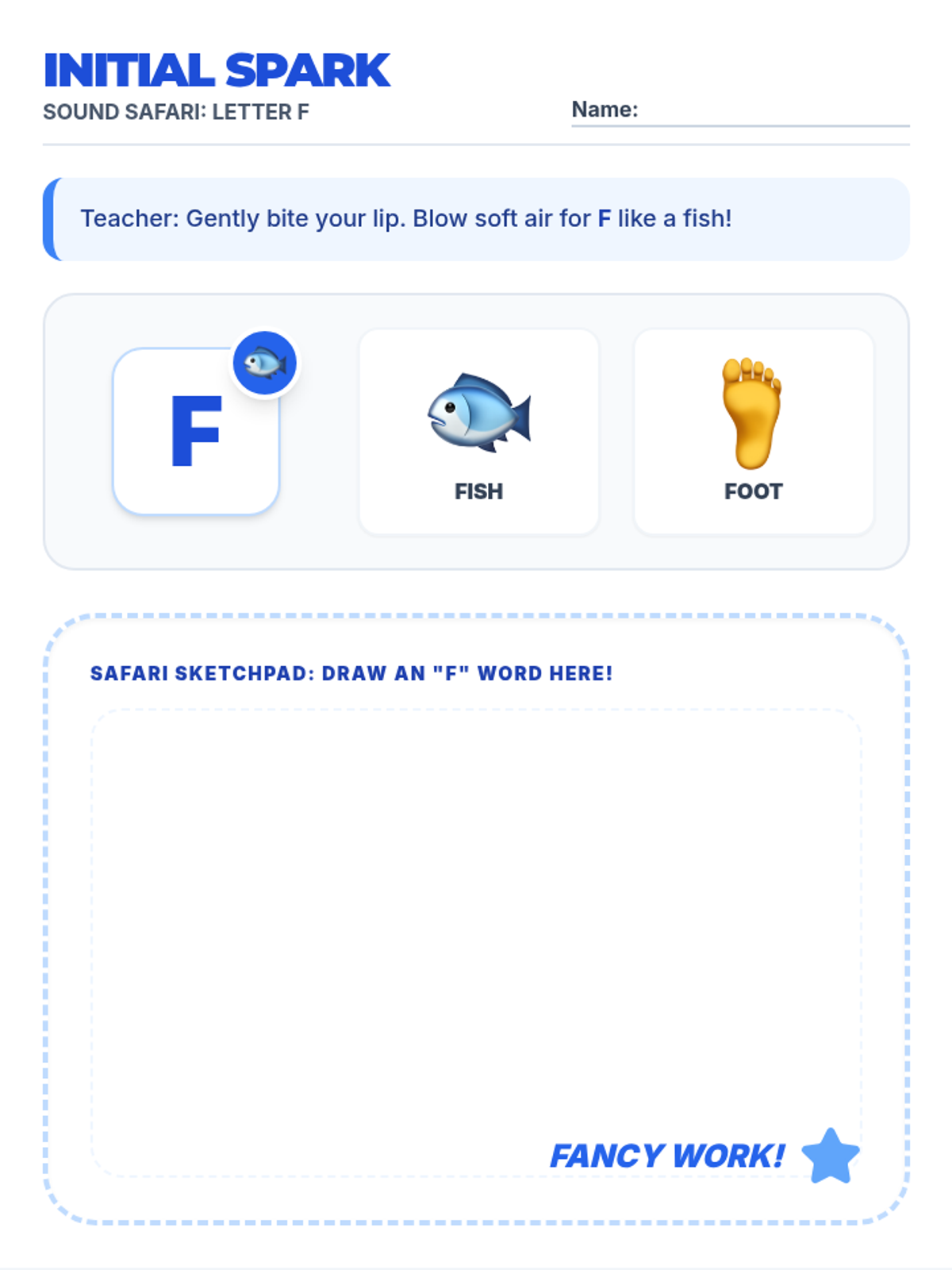
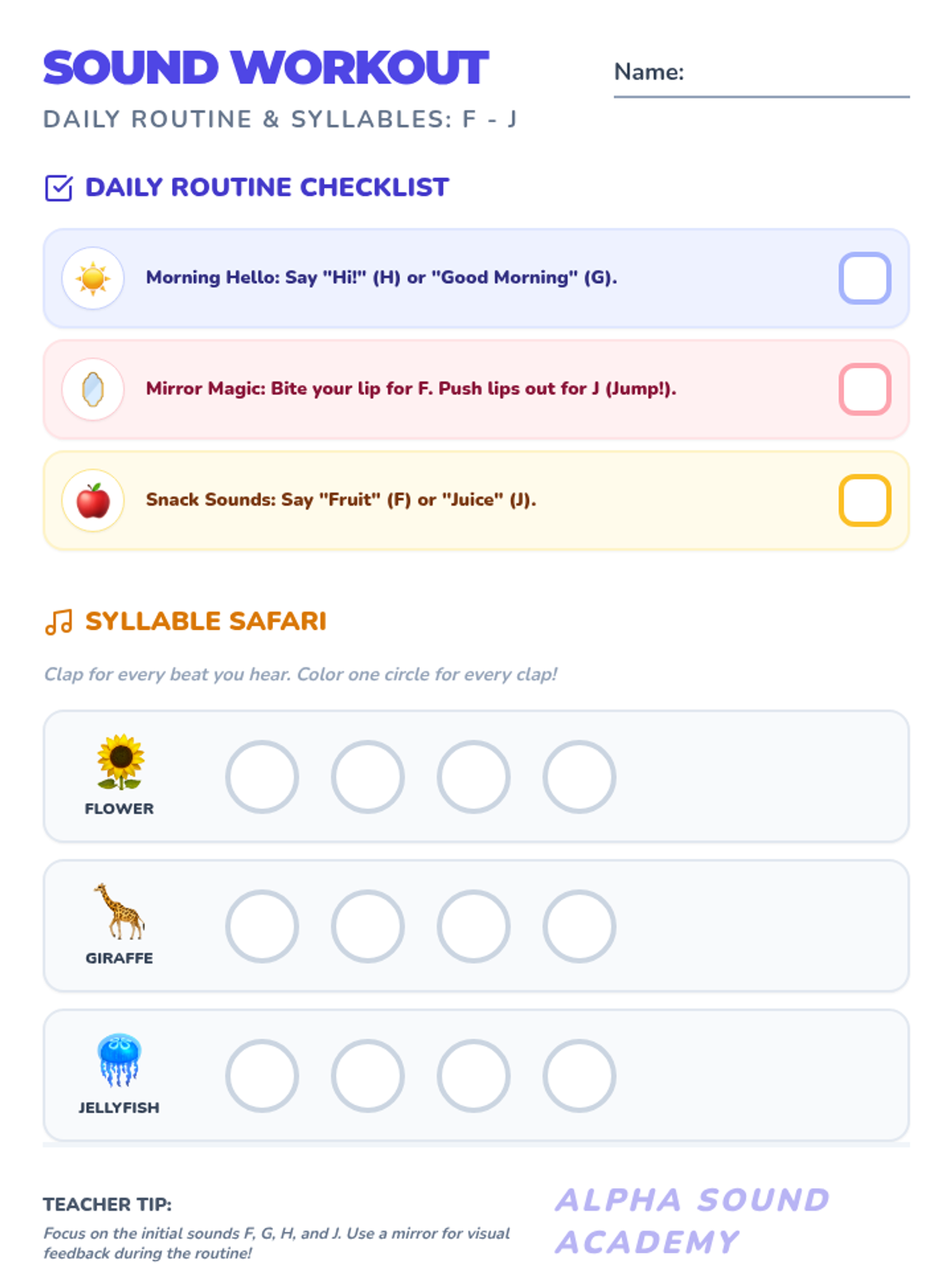
Covers articulation and phonemic awareness for sounds F, G, H, I, and J.
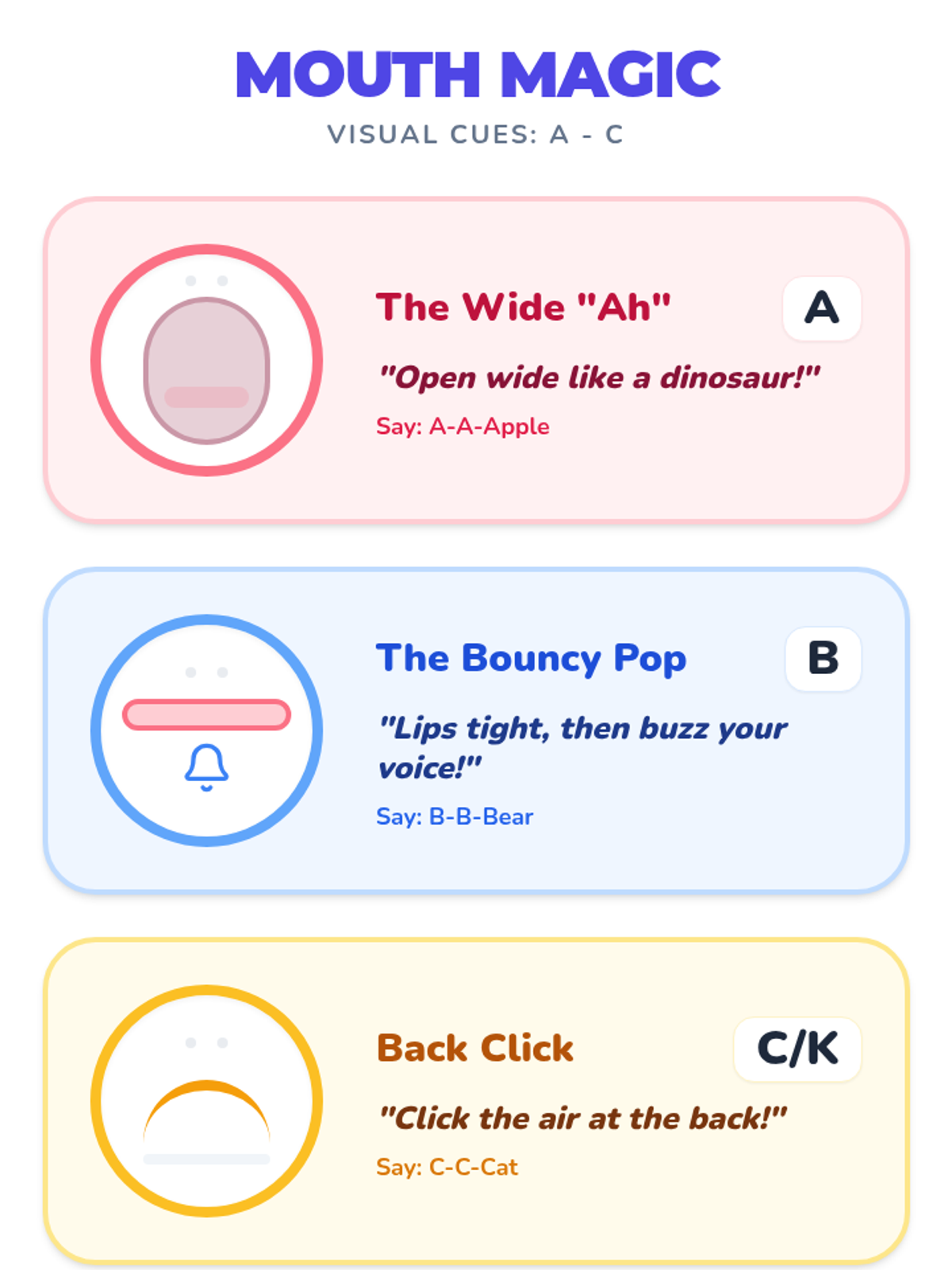
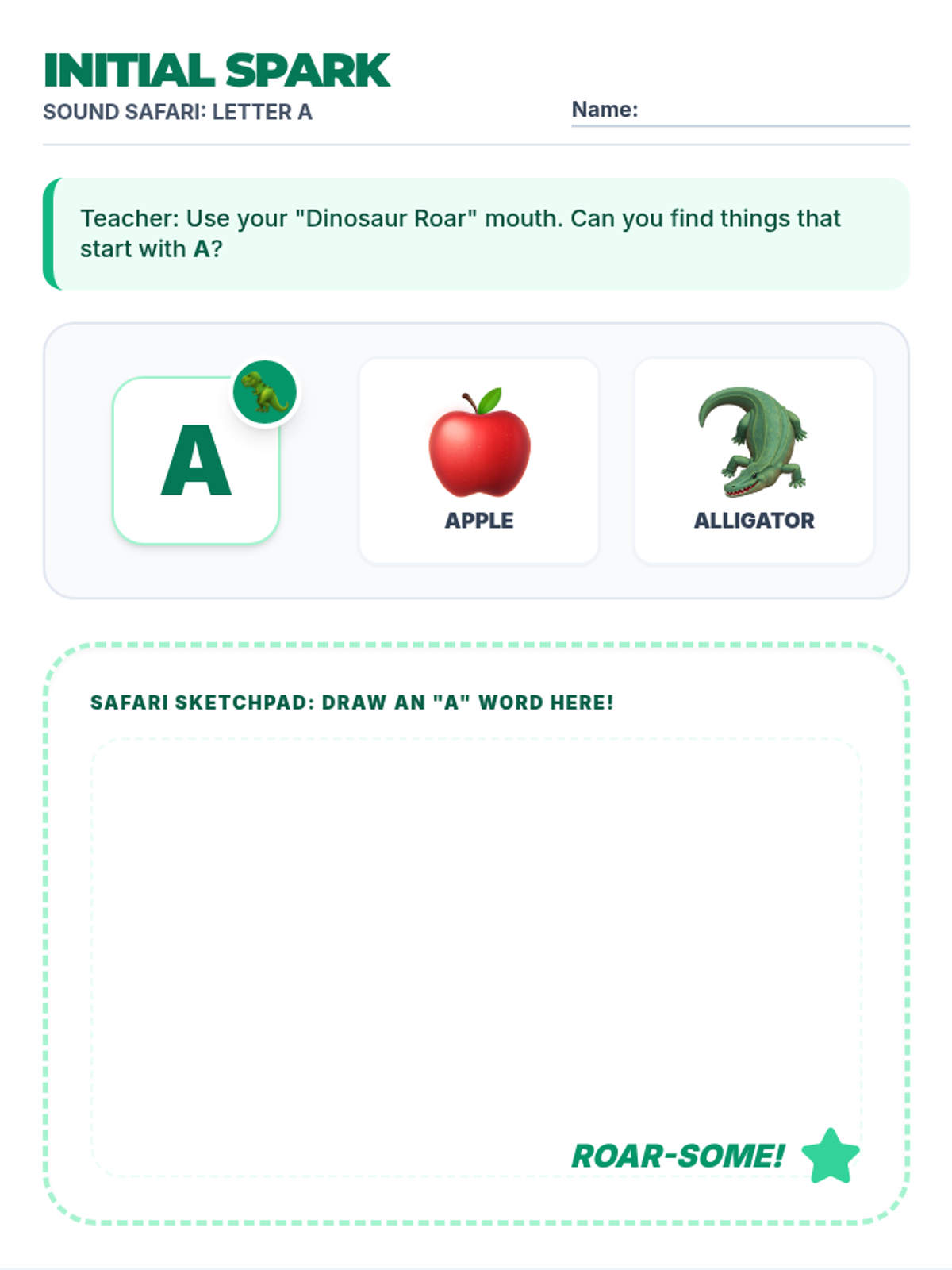
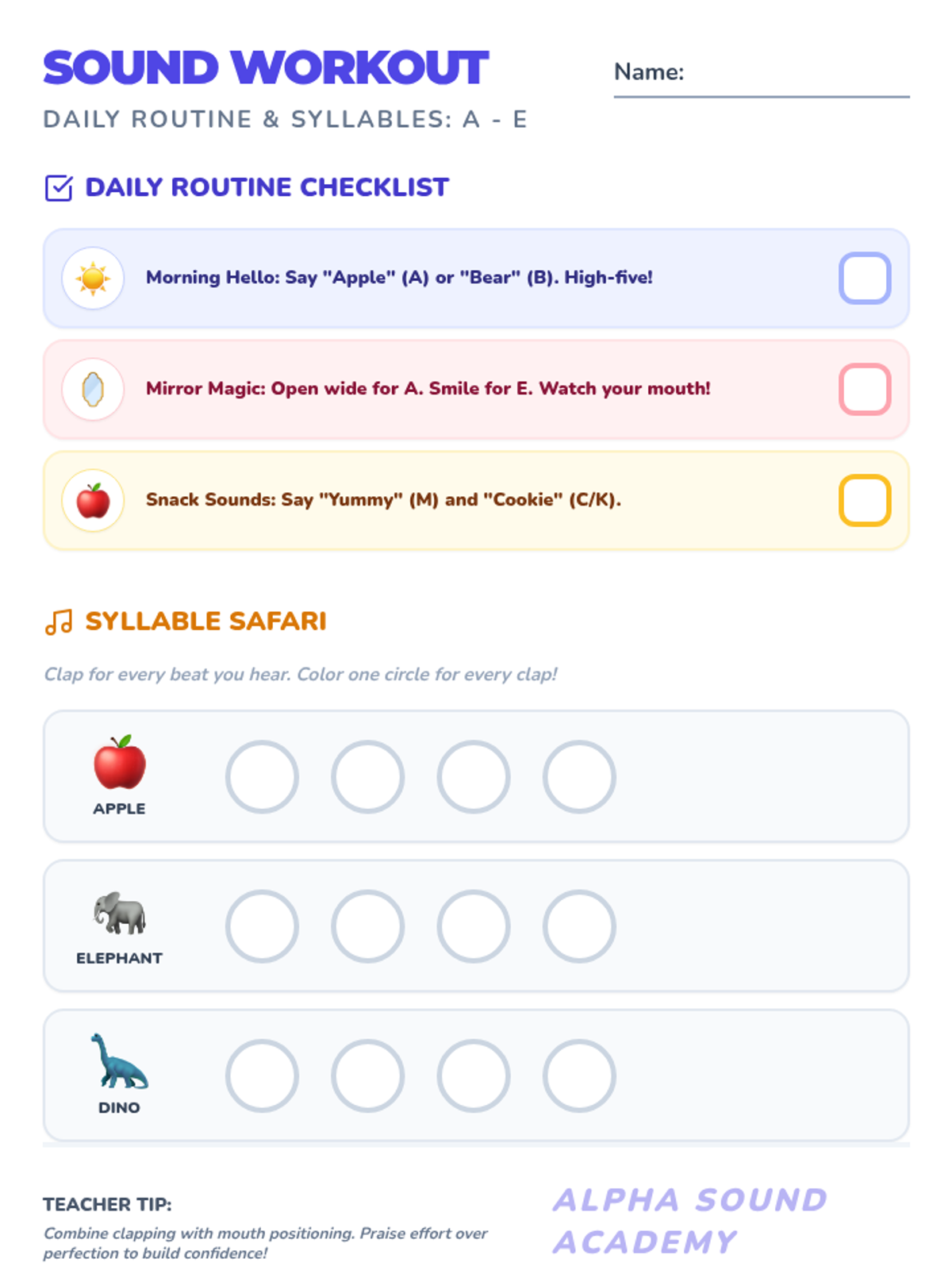
Focuses on sounds A, B, C, D, and E with visual mouth cues and initial sound practice for toddlers.
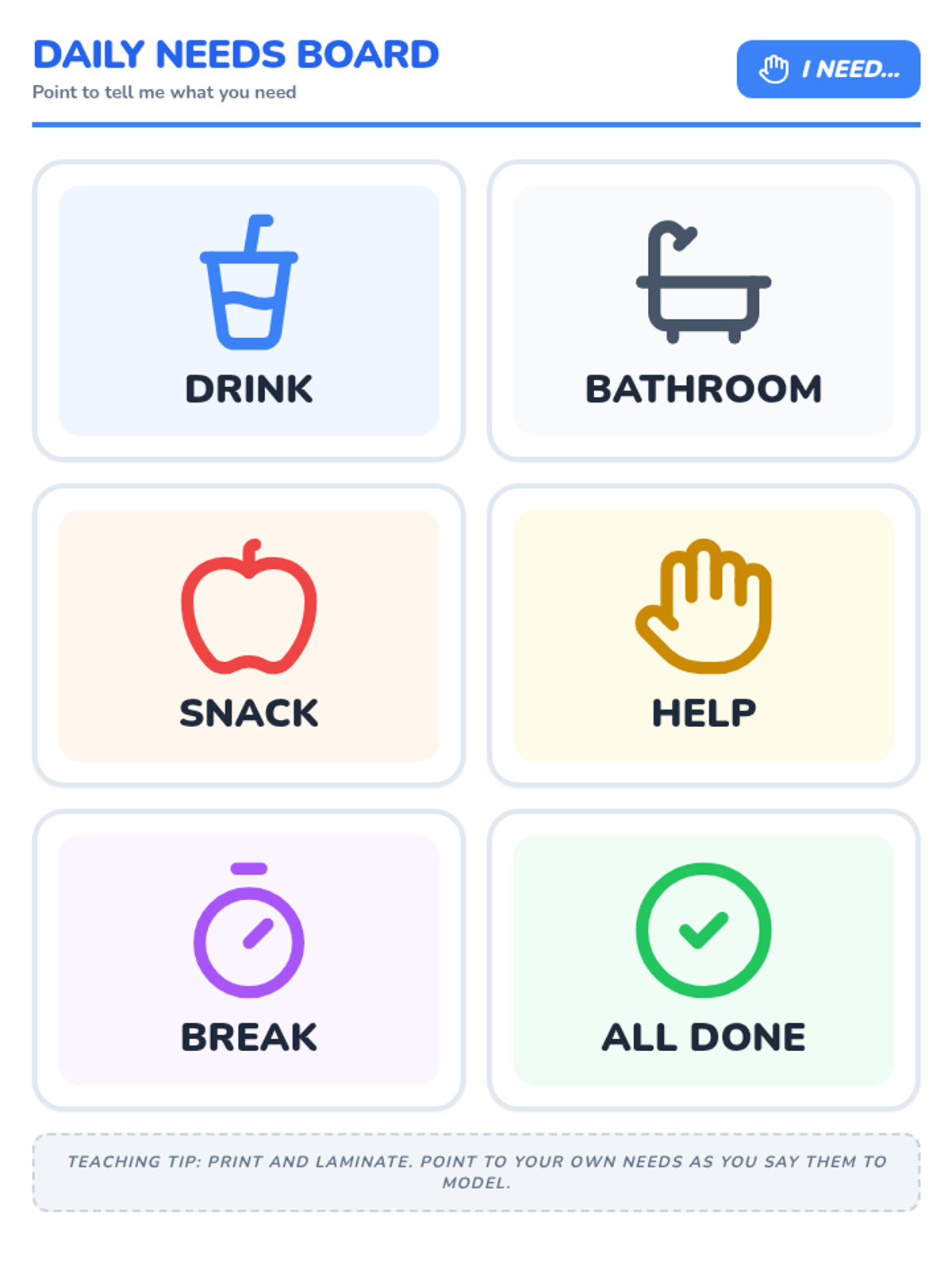
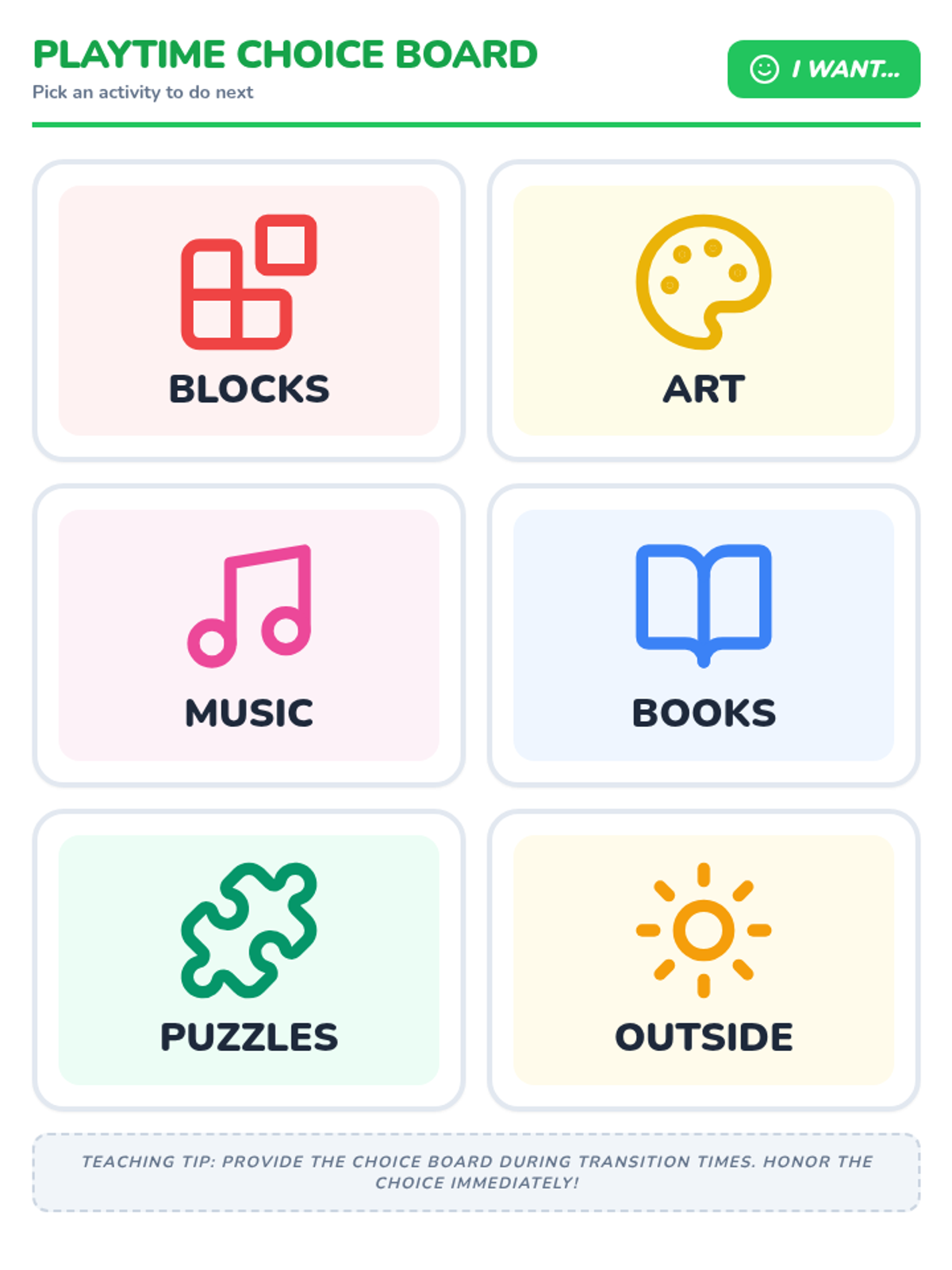
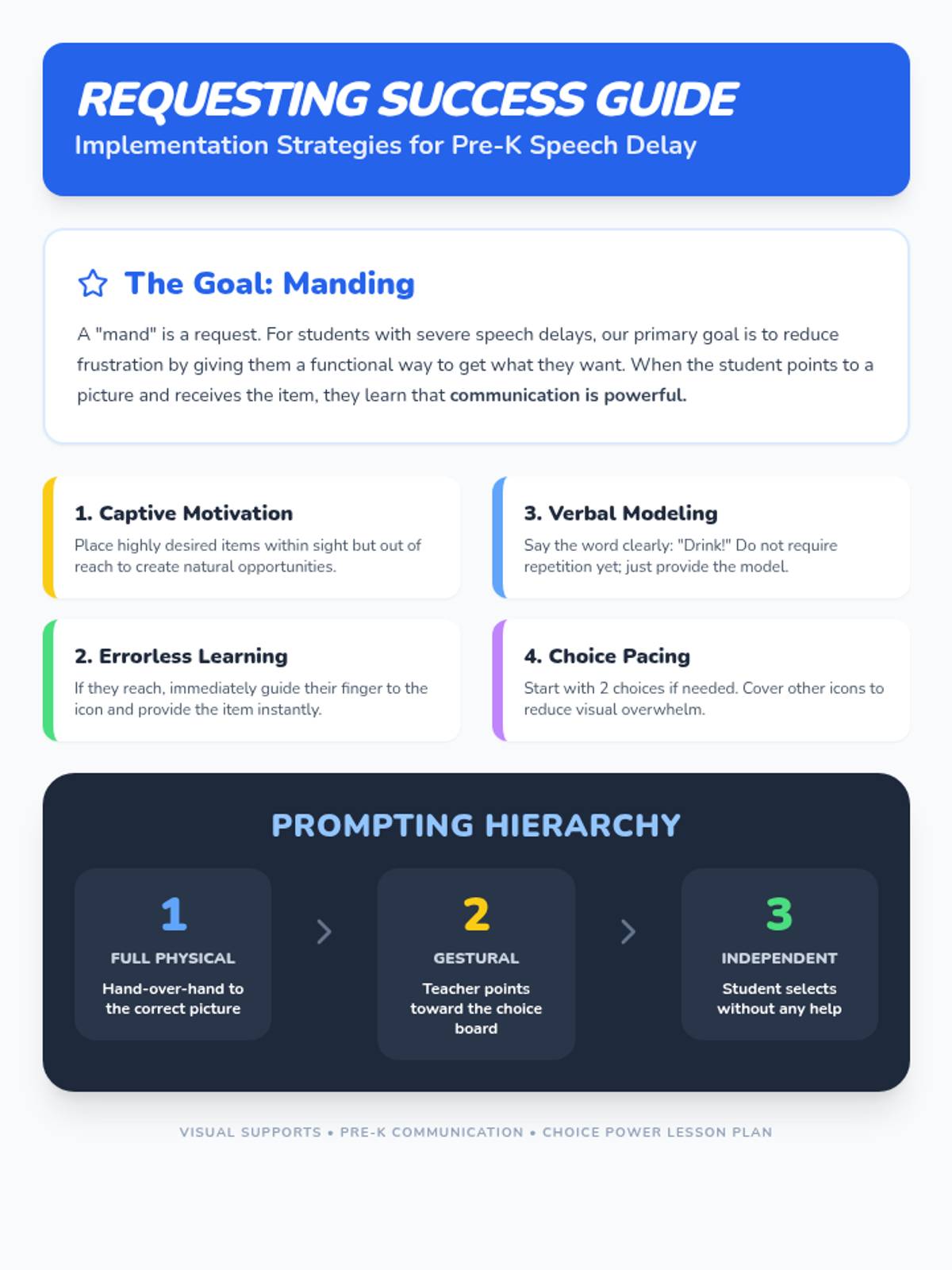
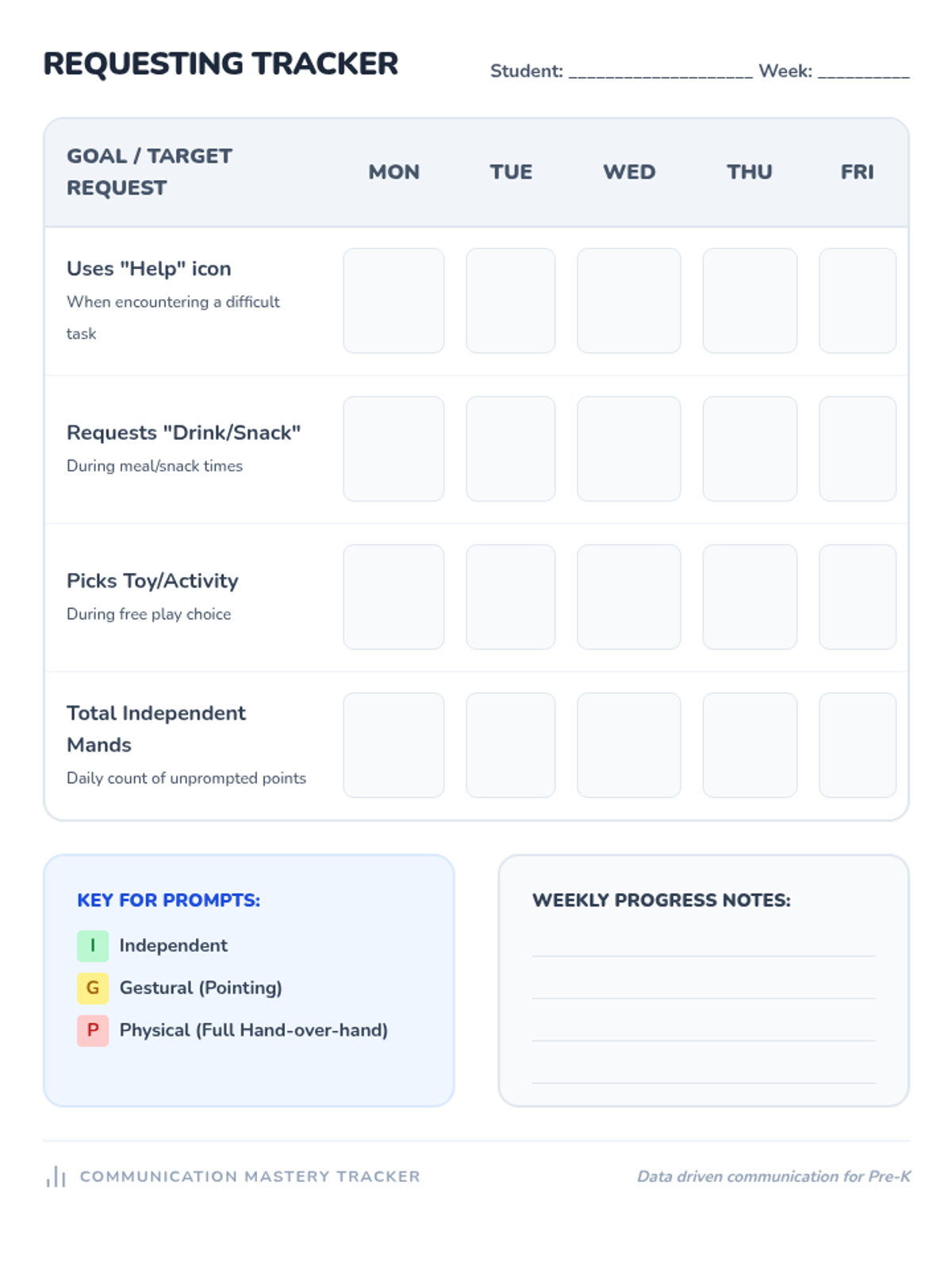
A focused lesson on teaching students to use visual supports to request basic needs (water, bathroom, help) and desired items (toys, snacks).
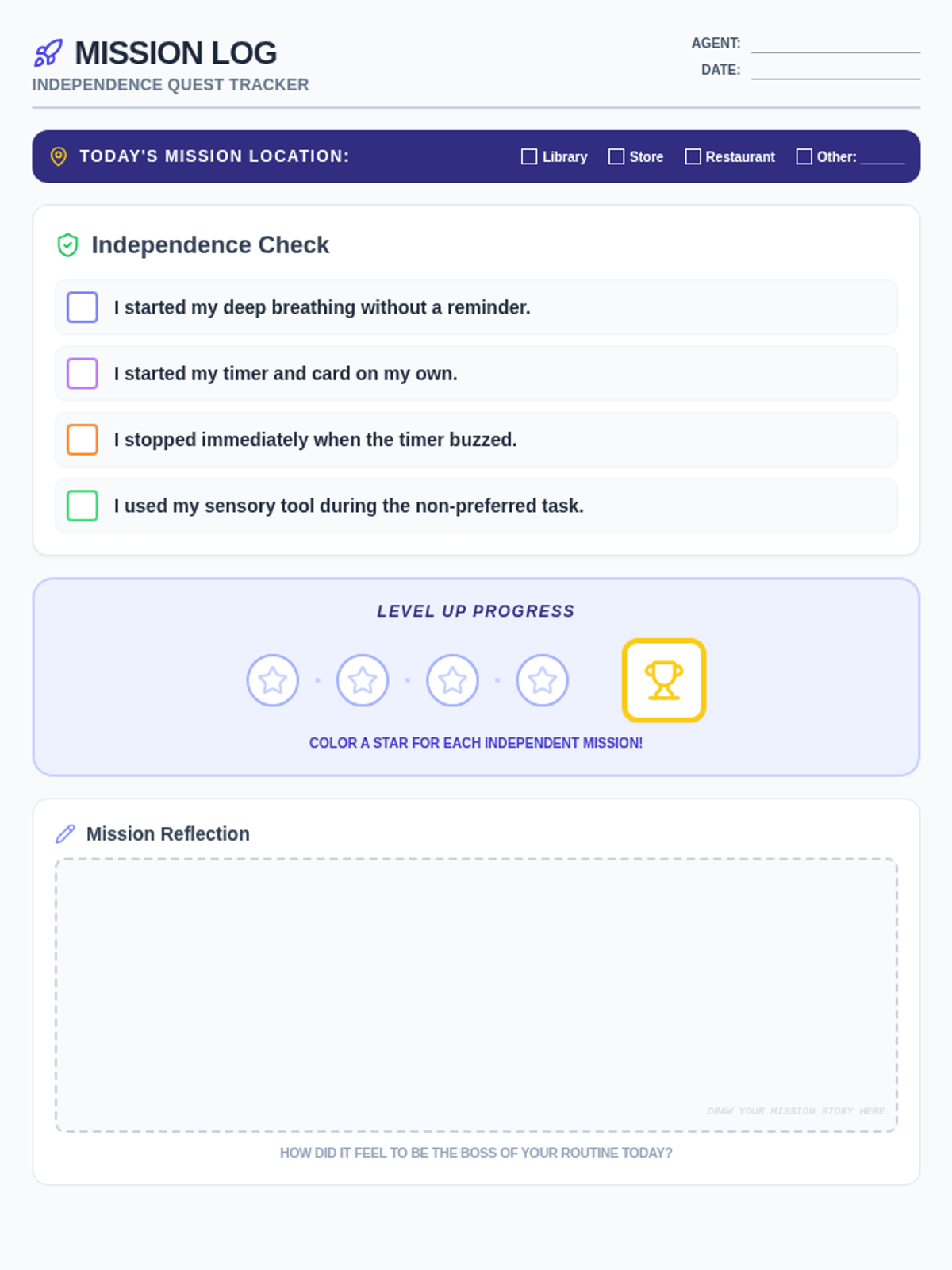
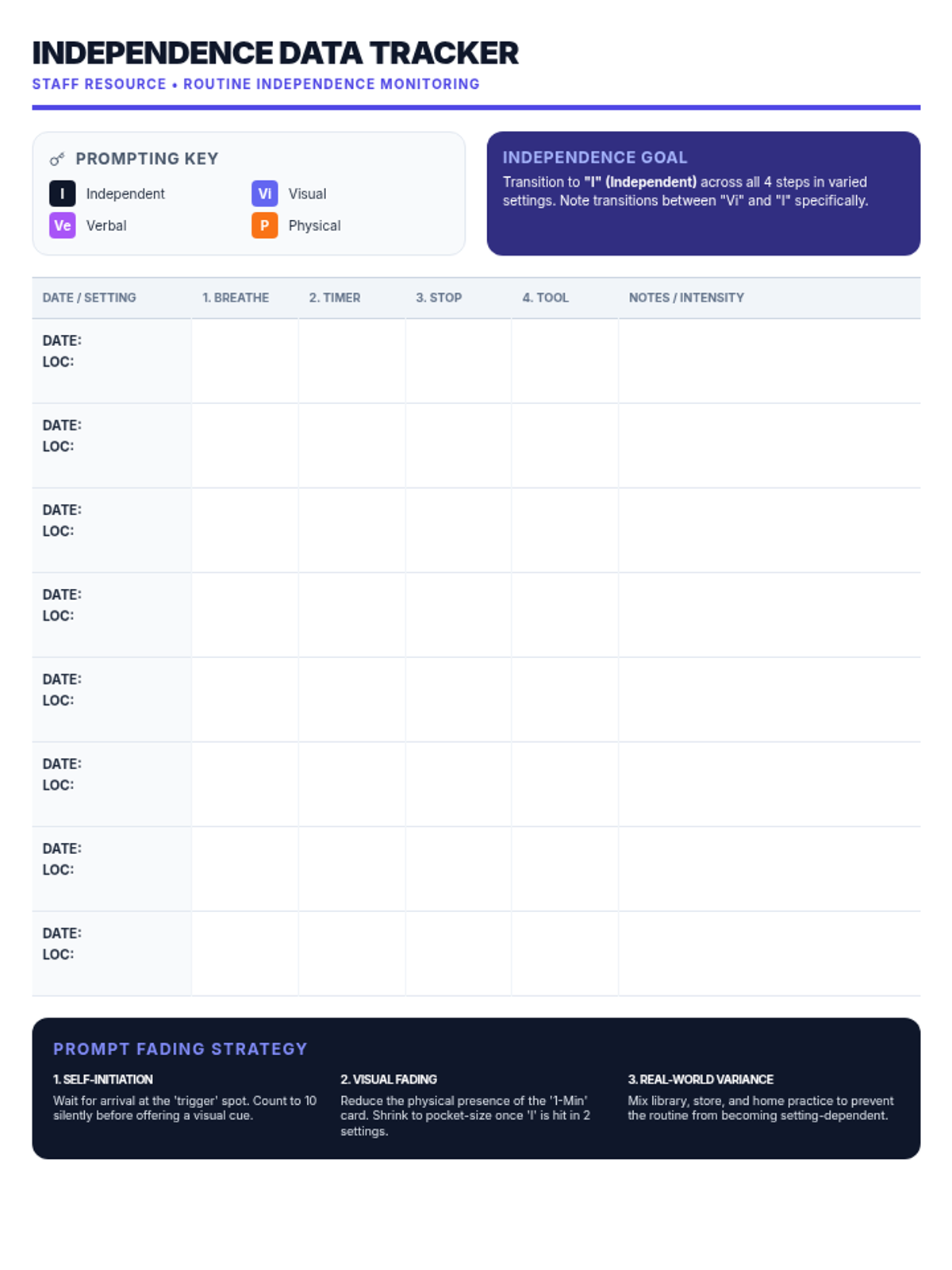
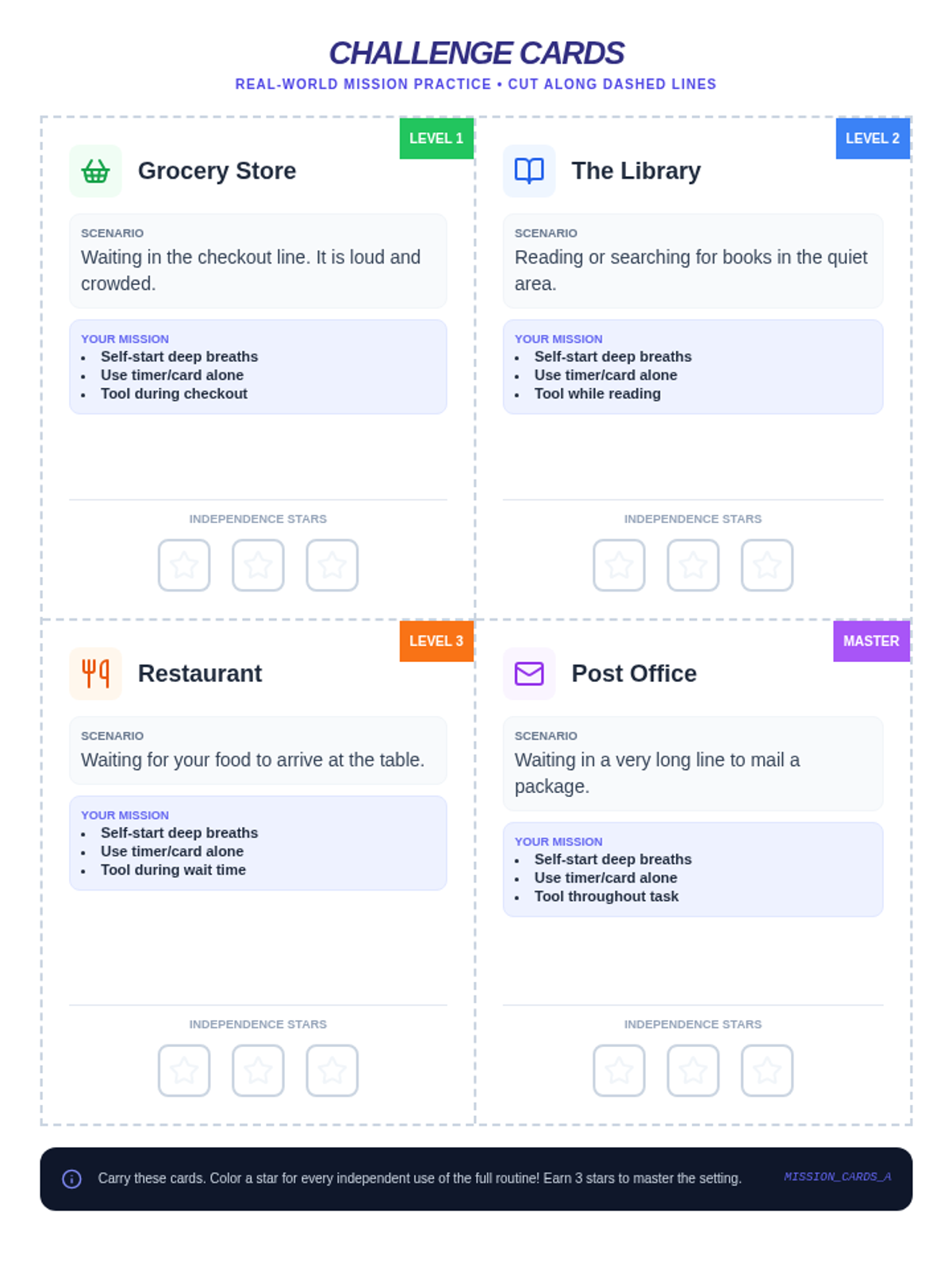
This lesson focuses on teaching the student to self-initiate their regulation routine and fade prompts during non-preferred tasks in real-world scenarios.
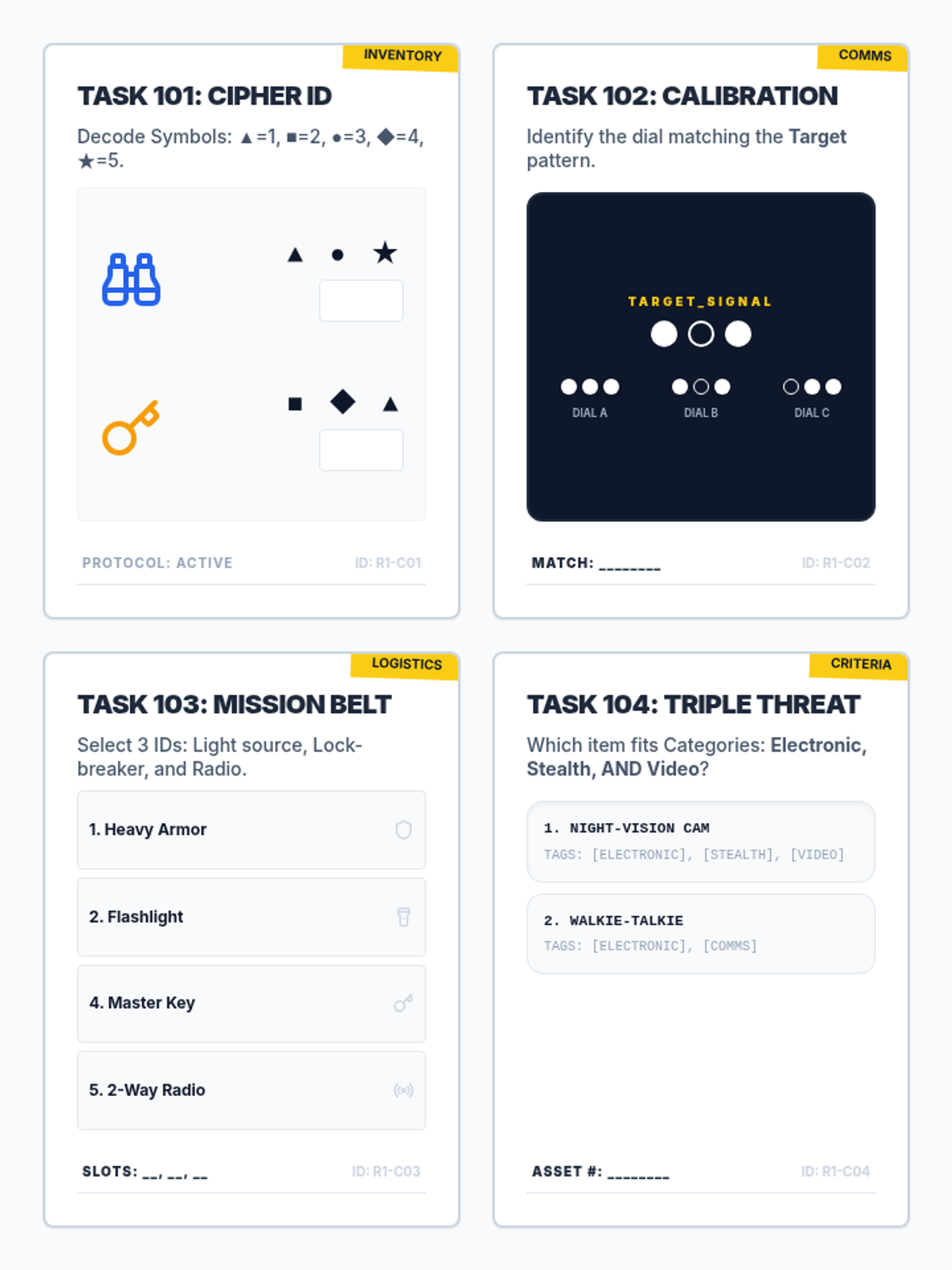
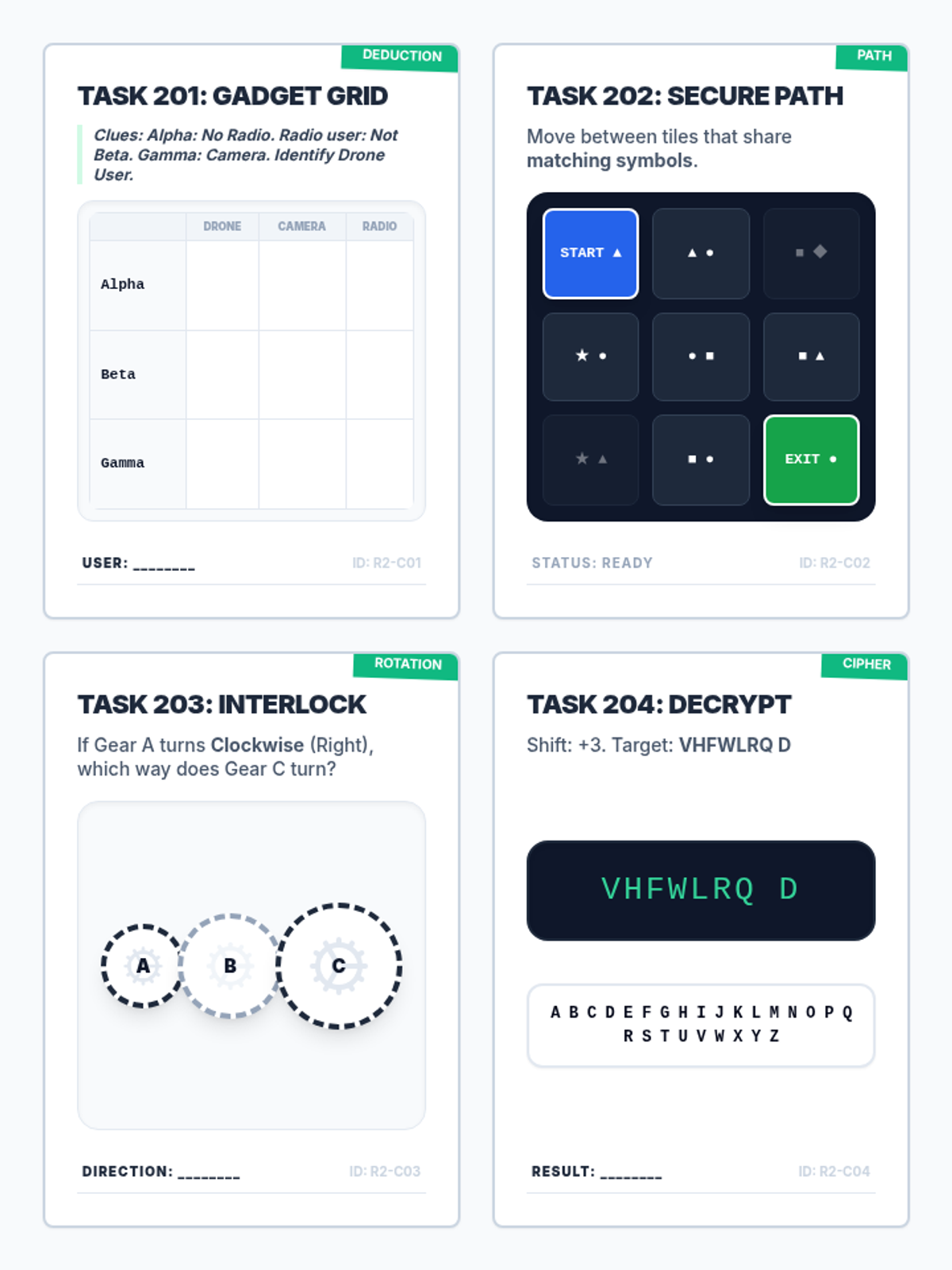
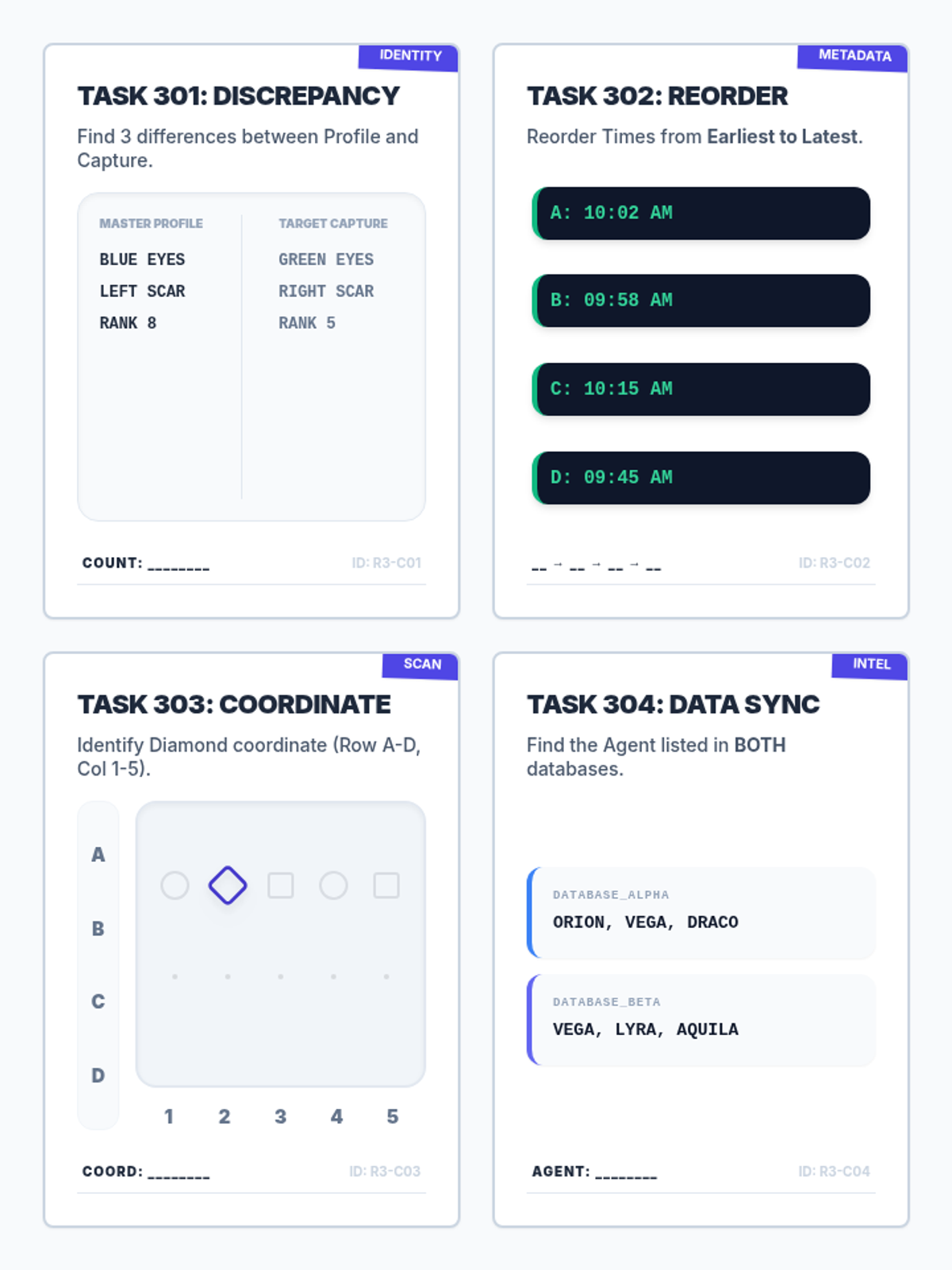
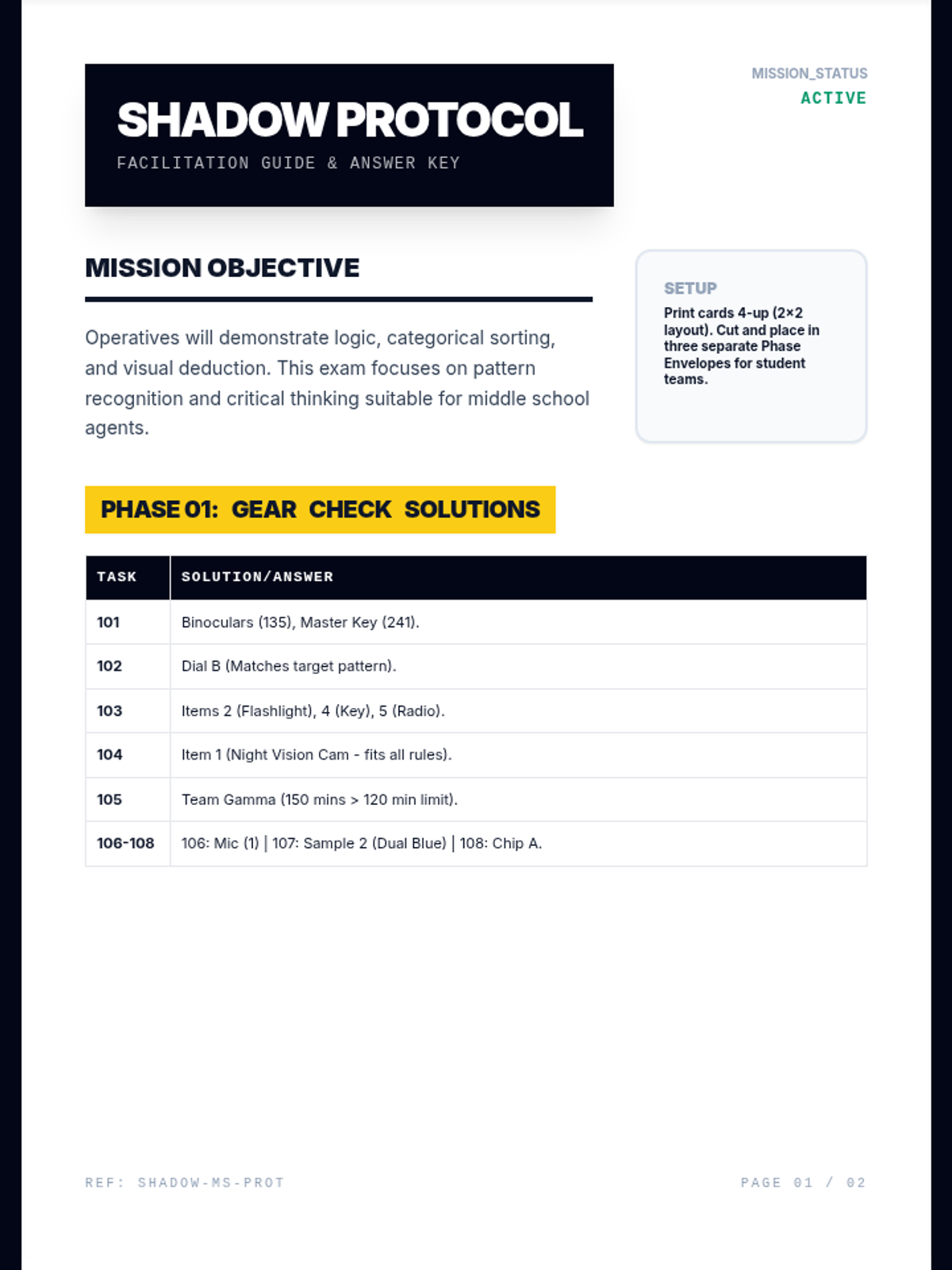
A high-stakes secret agent escape room designed for middle school students, featuring complex logic grids, binary decryption, spatial reasoning, and data analysis. Operatives must work through three rigorous phases of testing to earn their field status.
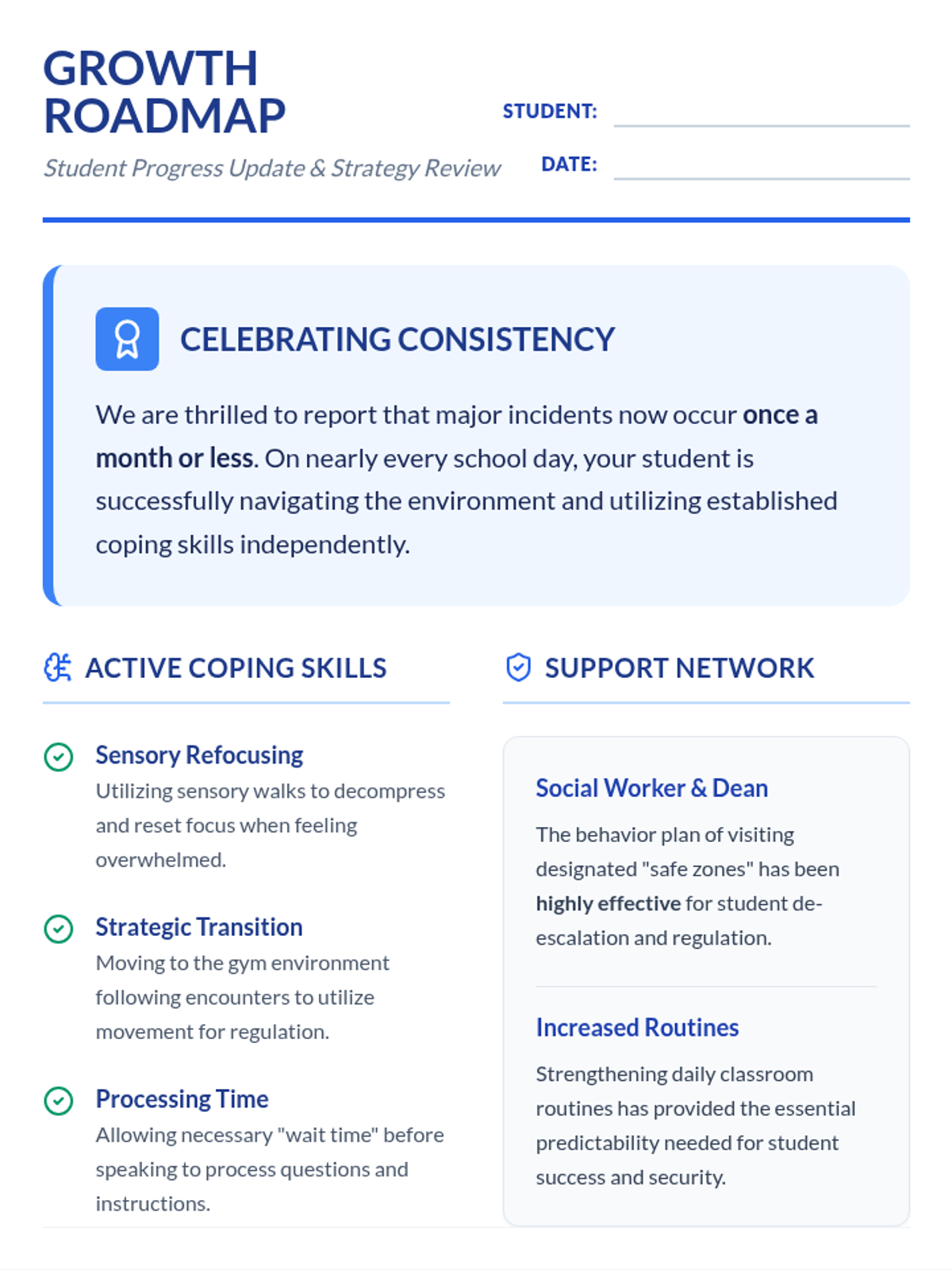
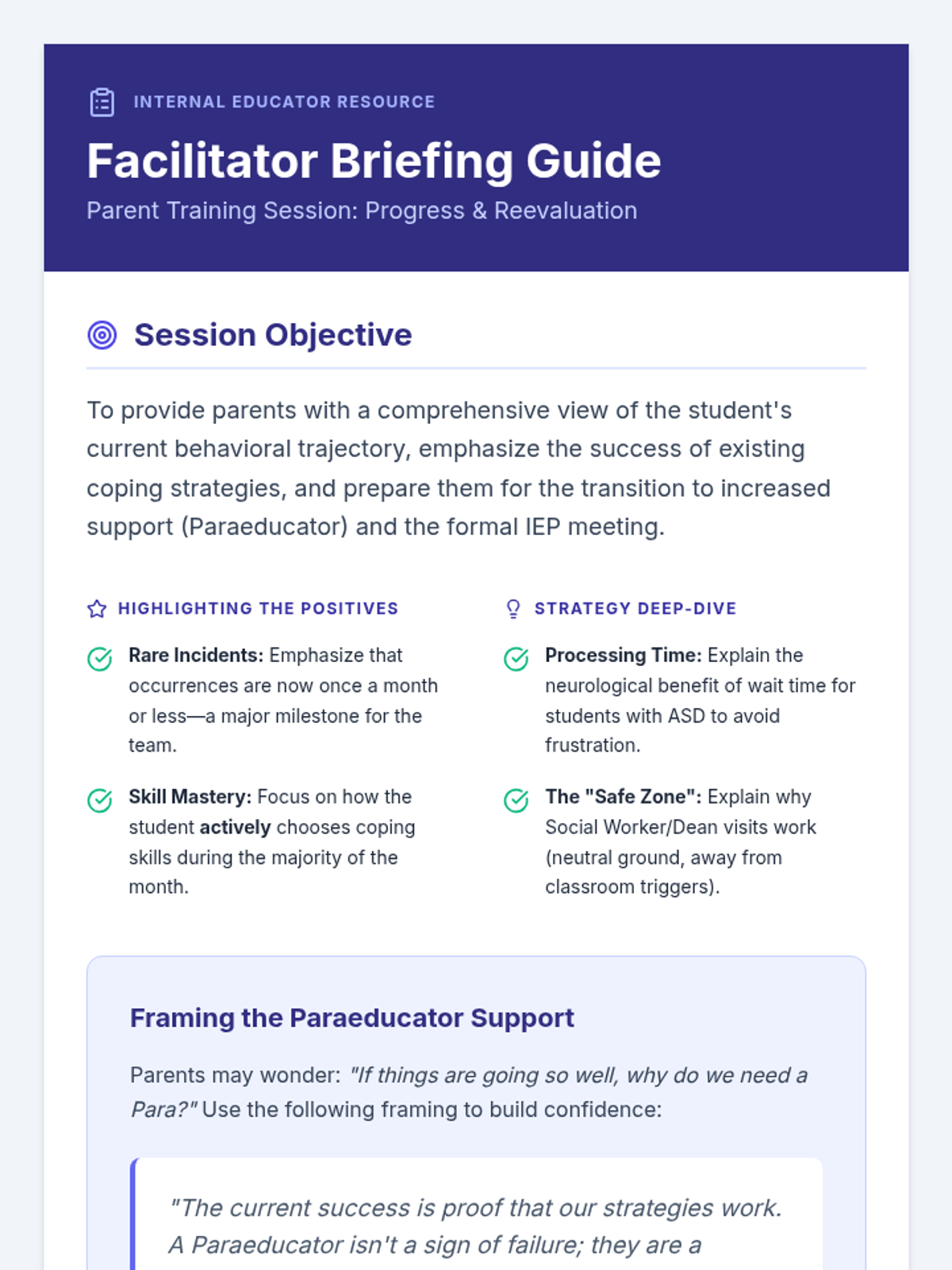
A session designed to update parents on student progress, highlighting successful coping strategies, the effectiveness of behavioral supports, and planning for the upcoming IEP meeting.
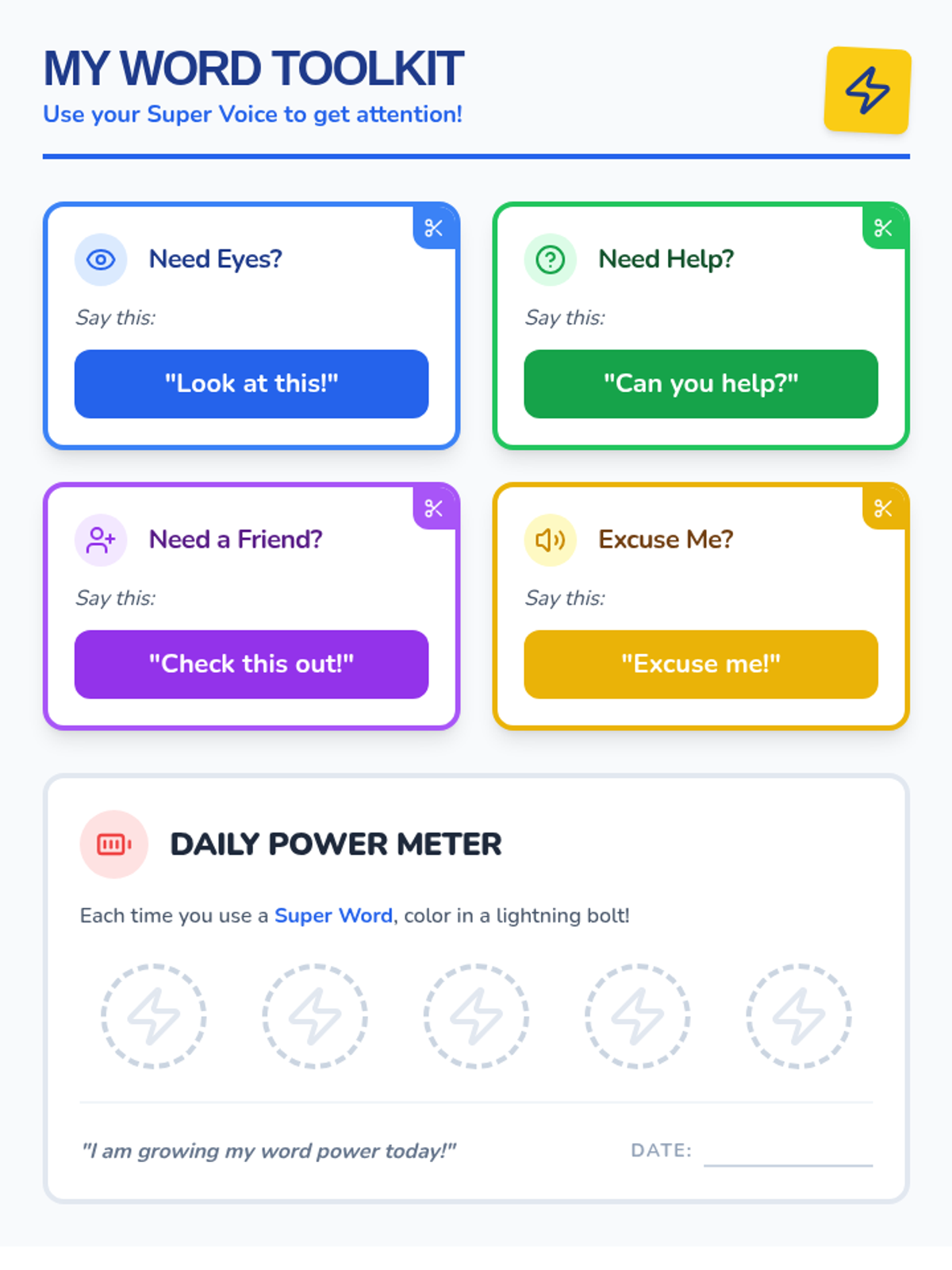
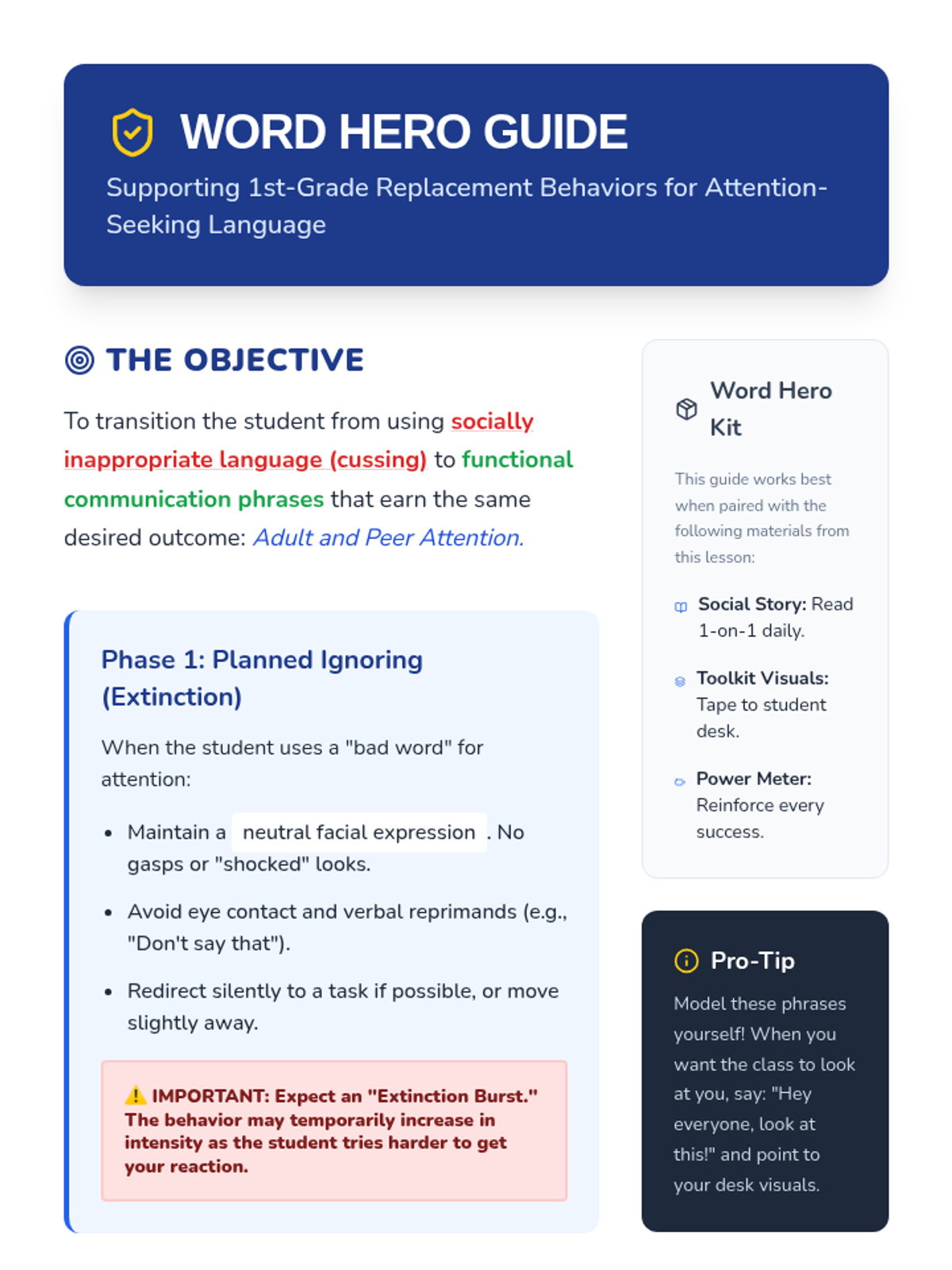
A social story and support system designed for a 1st-grade student to replace attention-seeking cussing with positive communication strategies. This lesson focuses on 'Super Words' that earn positive attention from peers and adults.
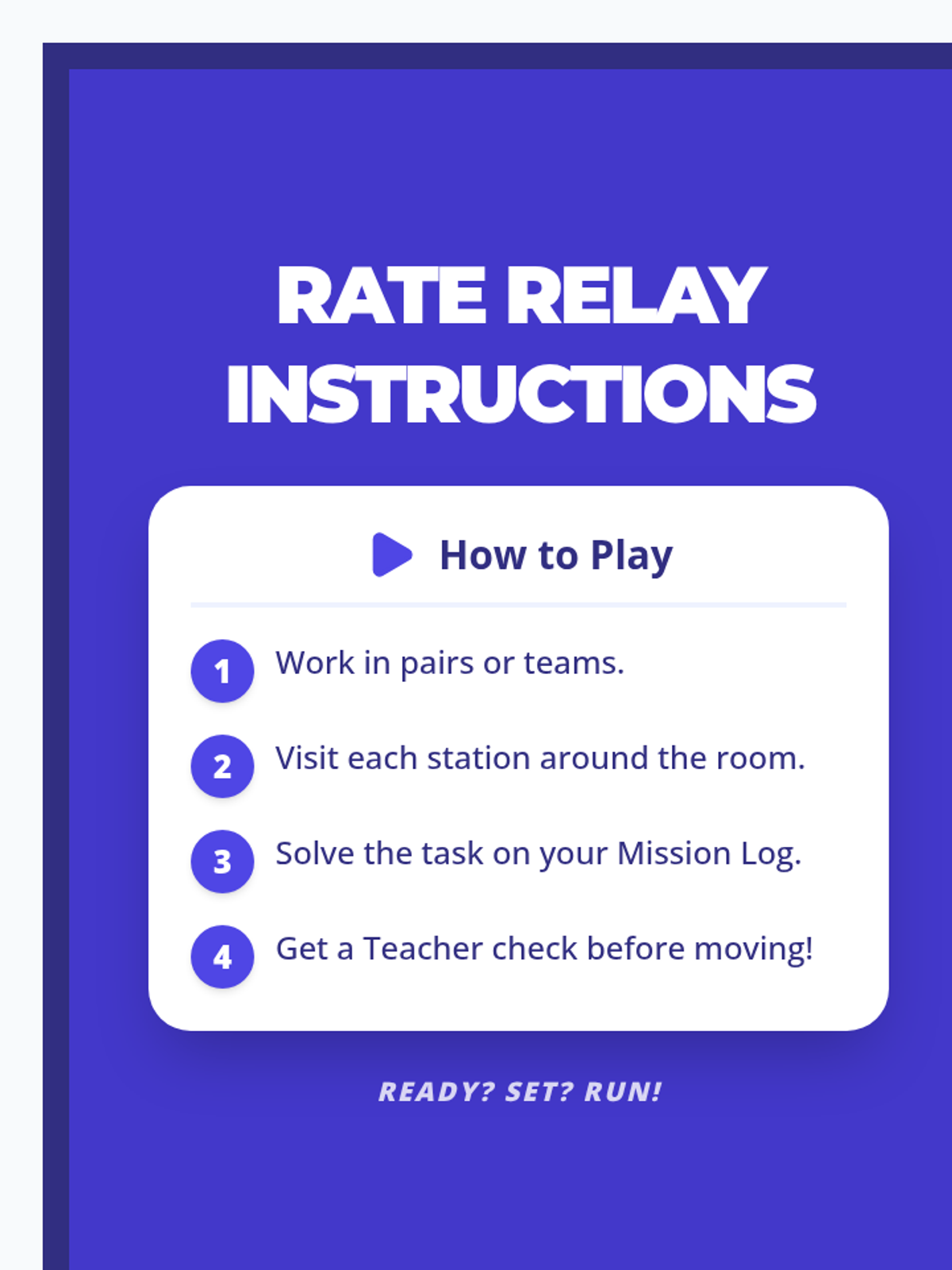
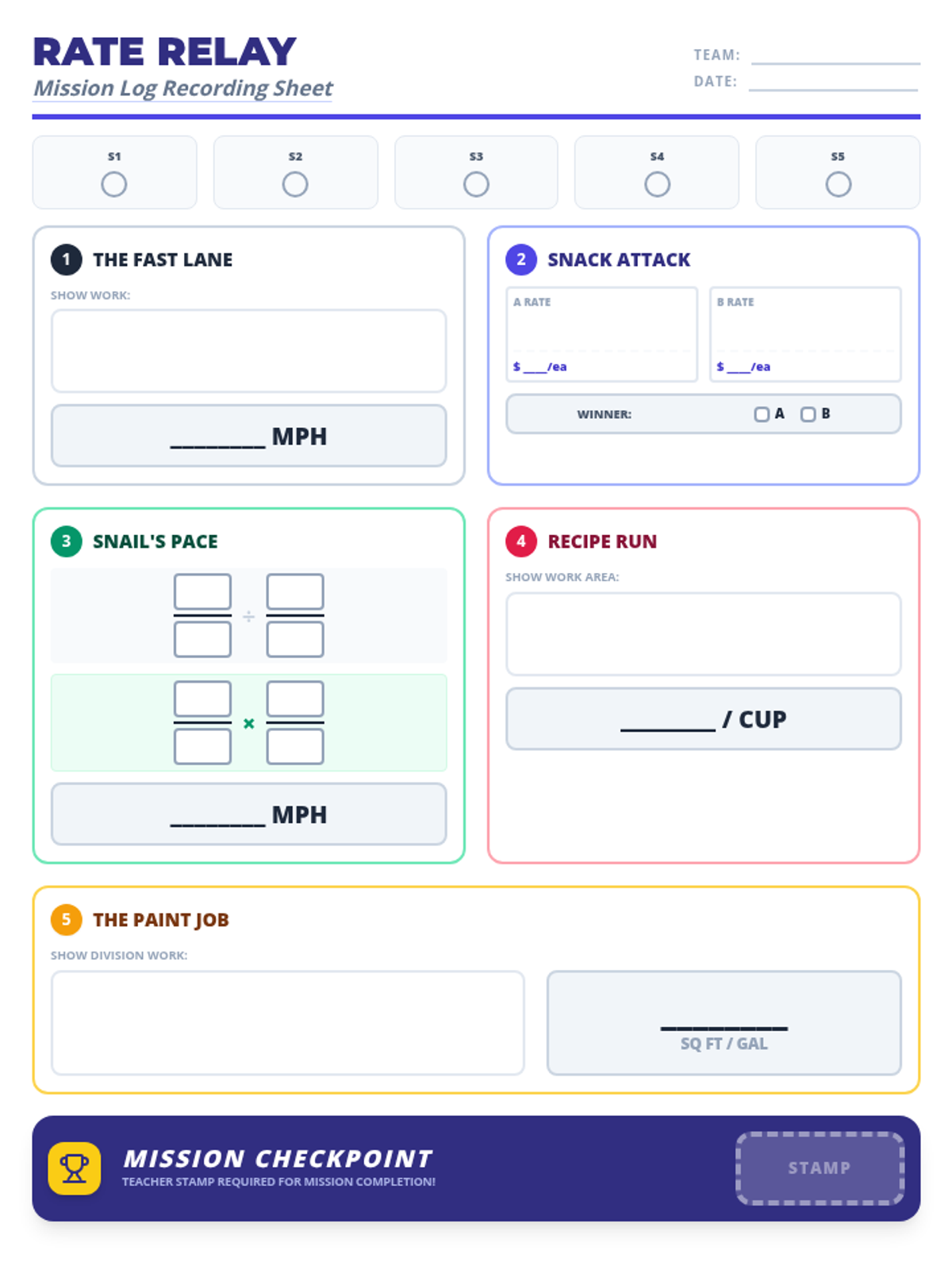
A high-energy collaborative review day. Students participate in a 'Relay Race' of unit rate tasks, moving through stations that cover whole numbers, fractions, consumer math, and measurement to reinforce skills before the final assessment.
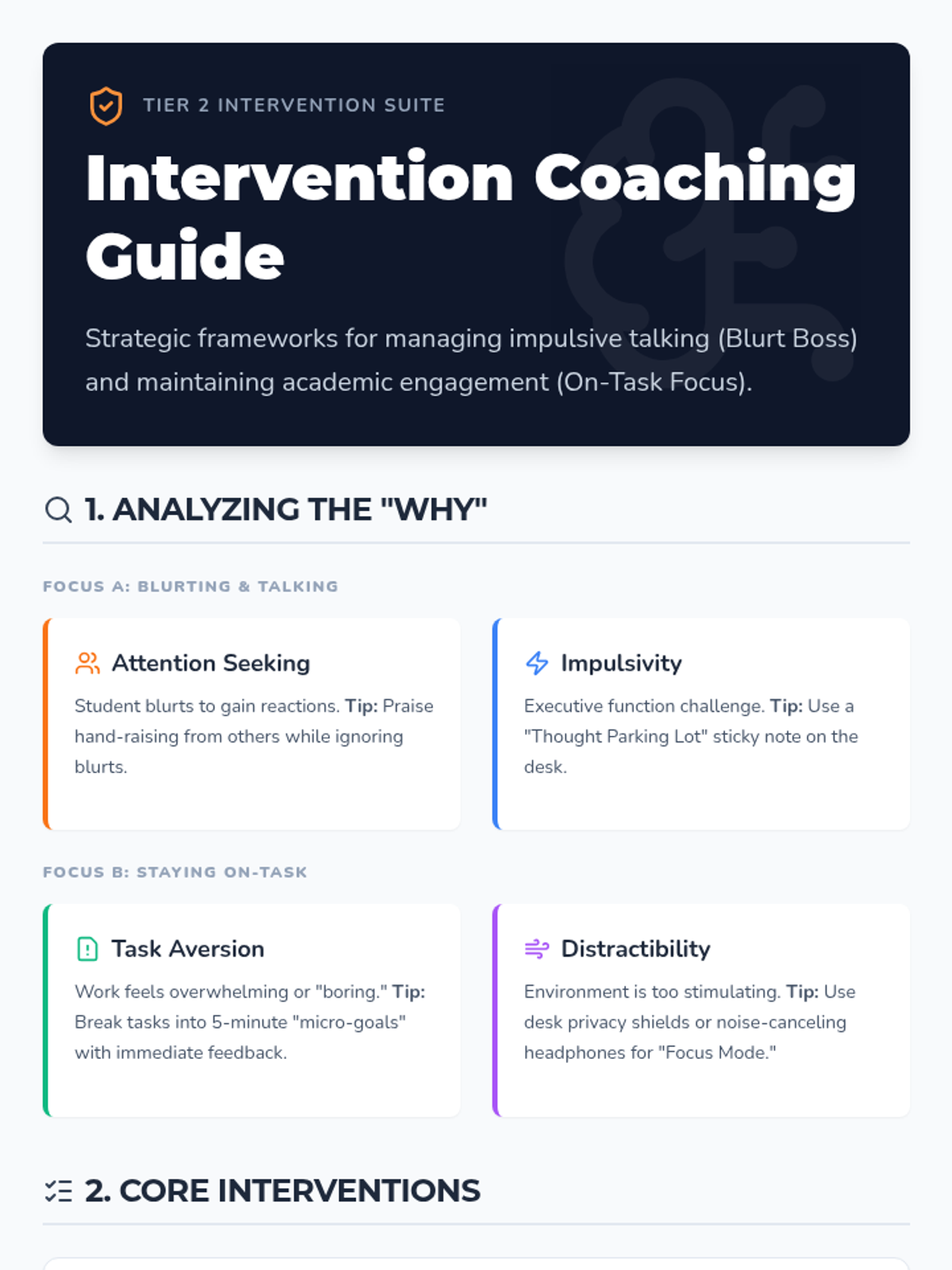
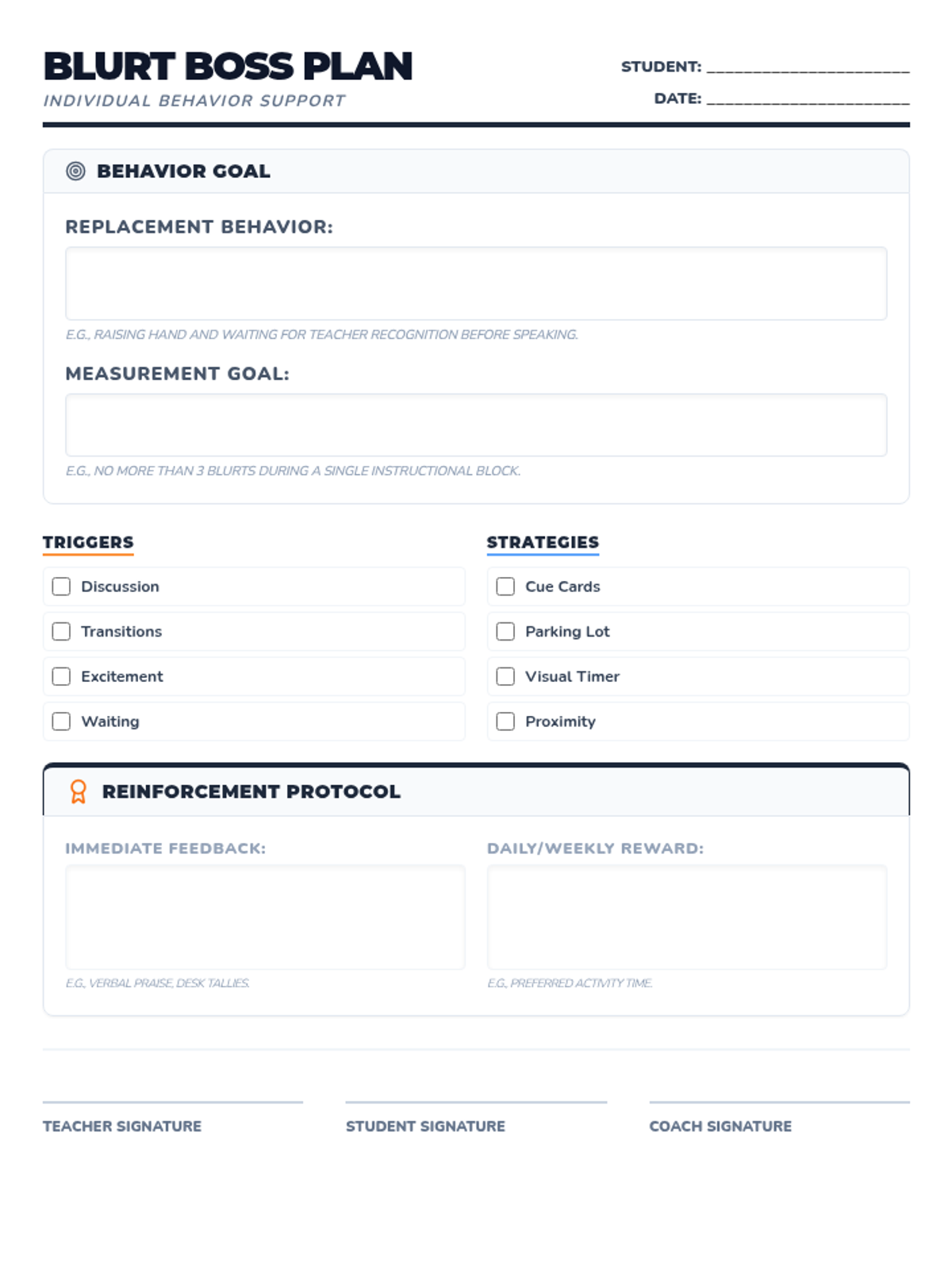
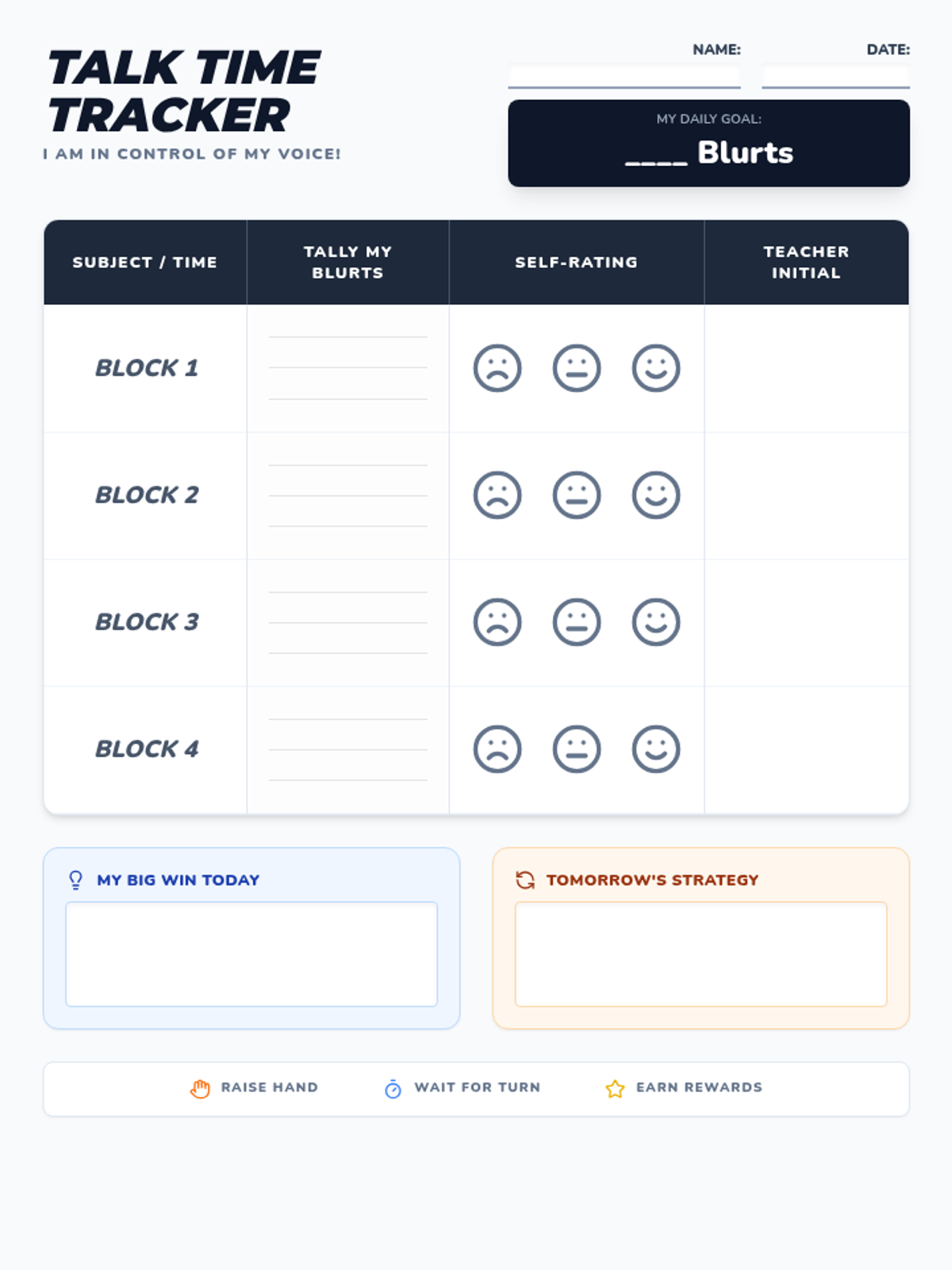
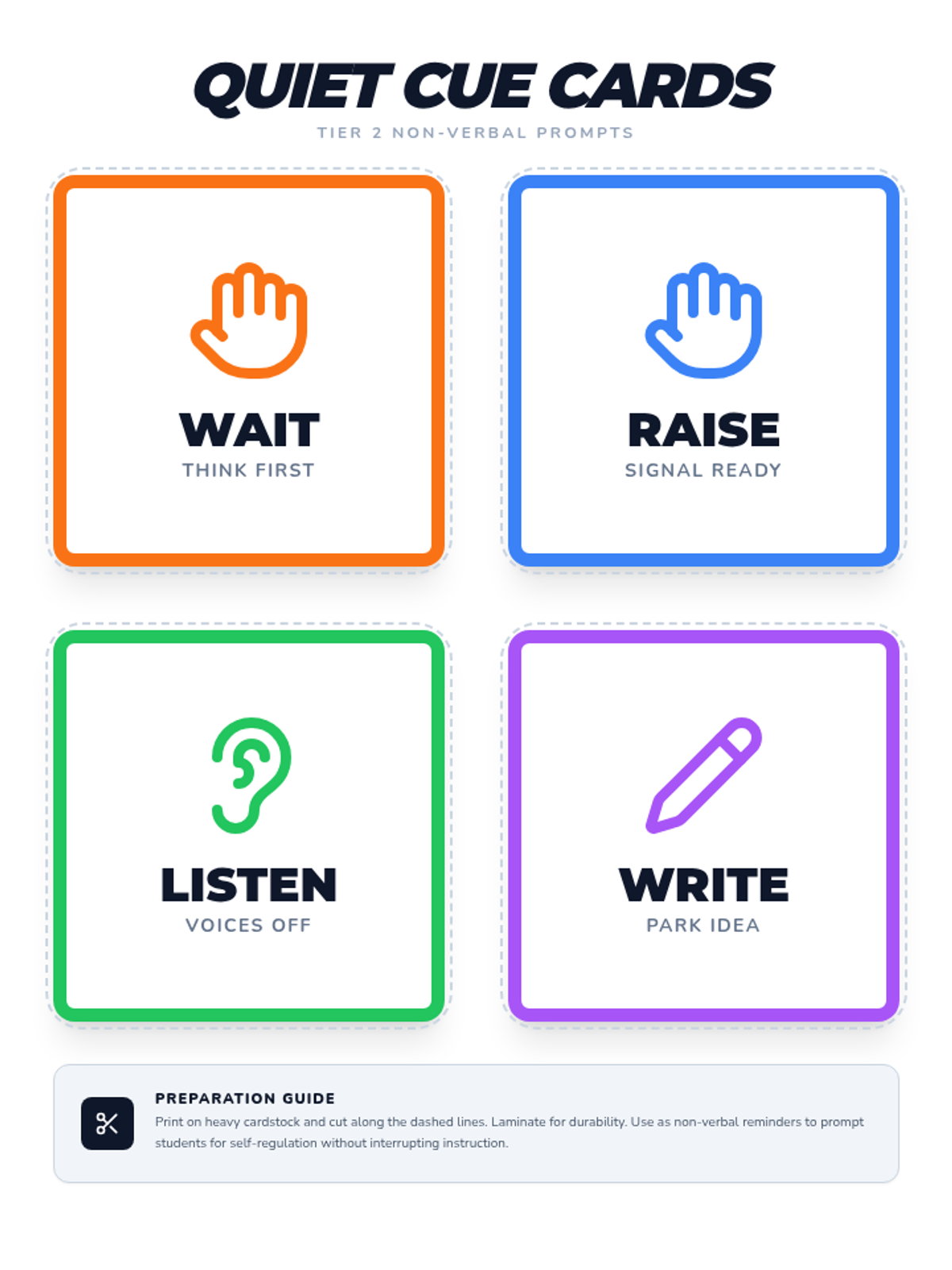
A comprehensive Tier 2 intervention toolkit designed to support students struggling with blurting and excessive talking through self-monitoring, visual cues, and structured coaching.
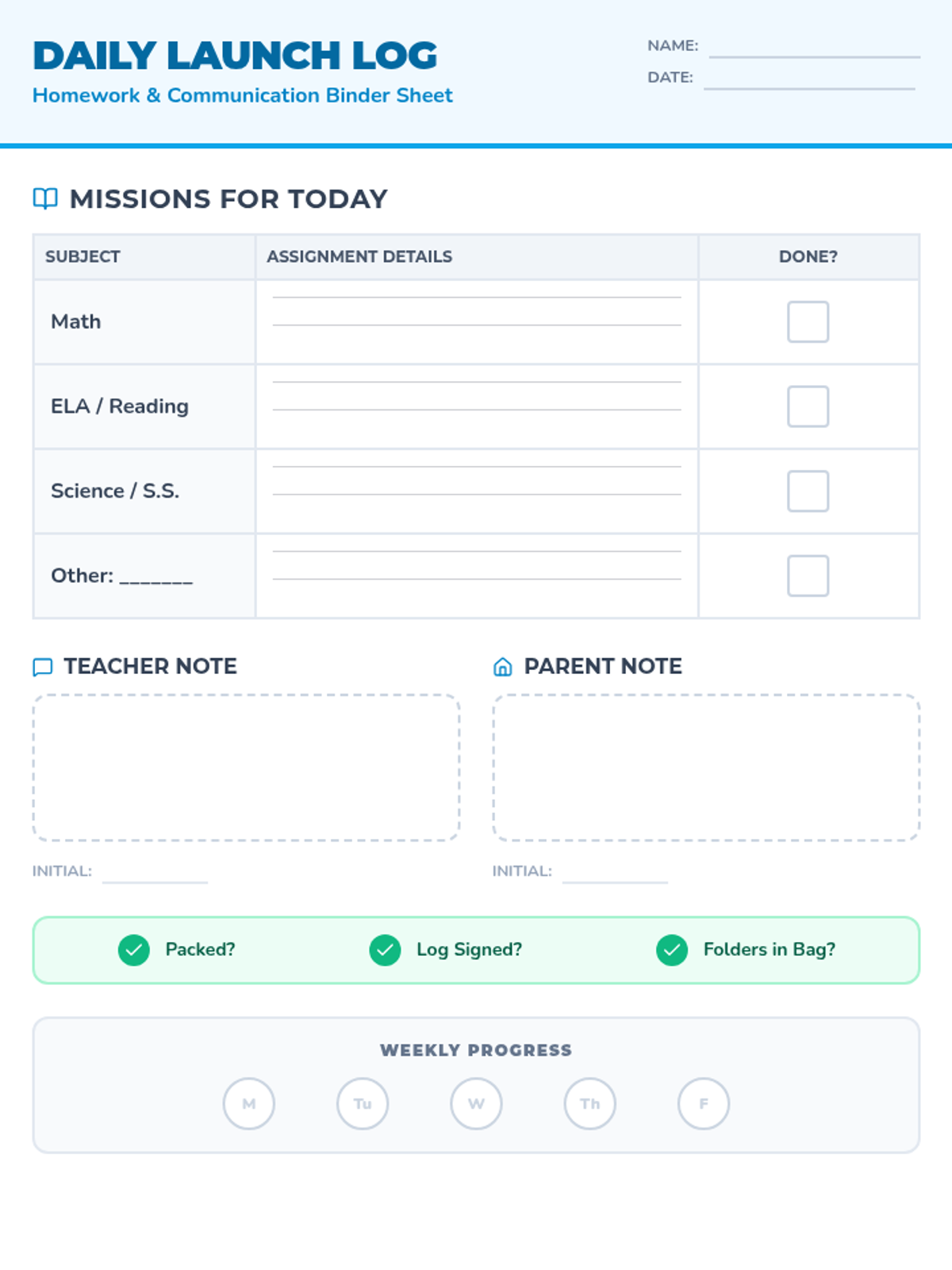
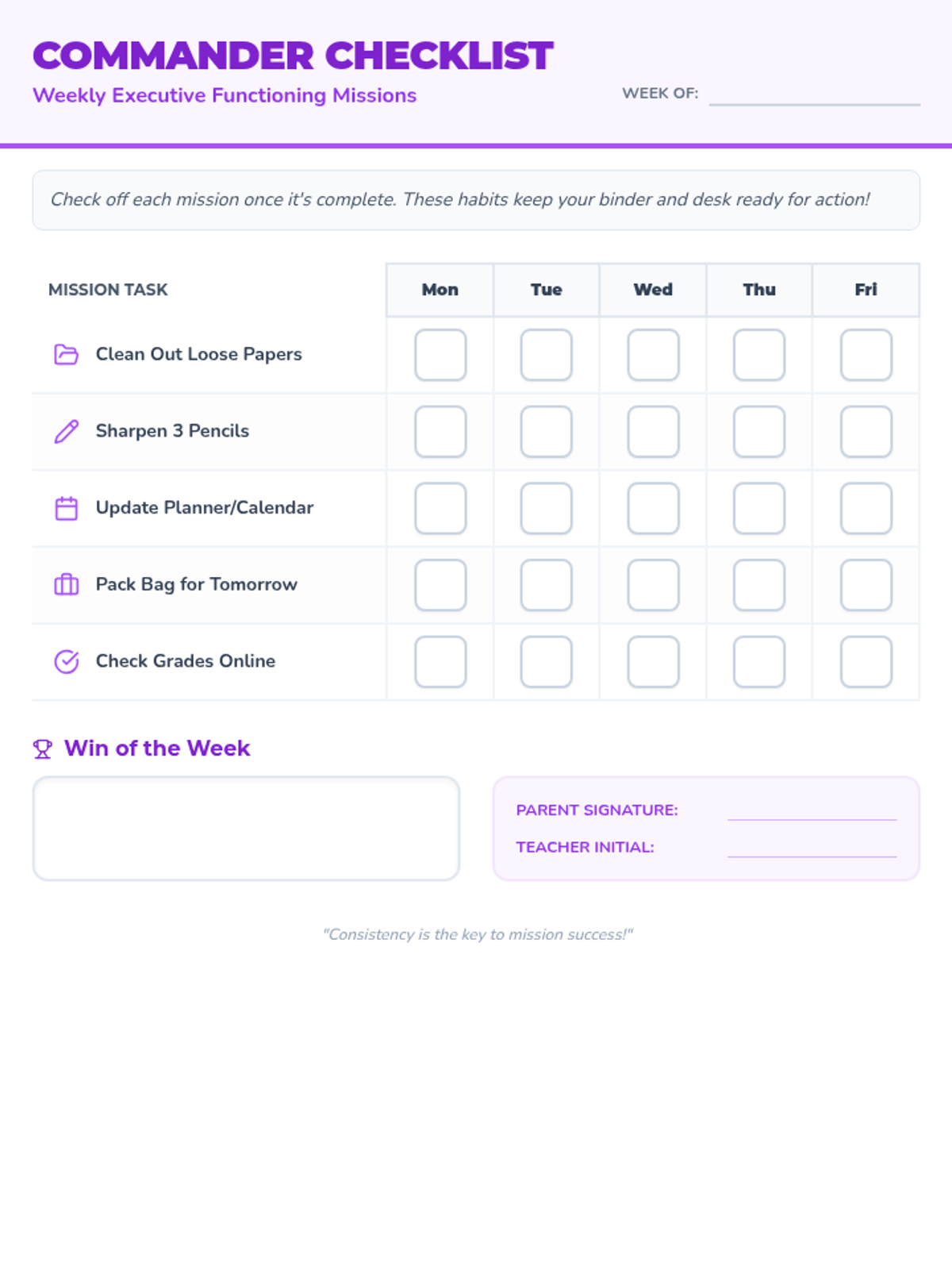
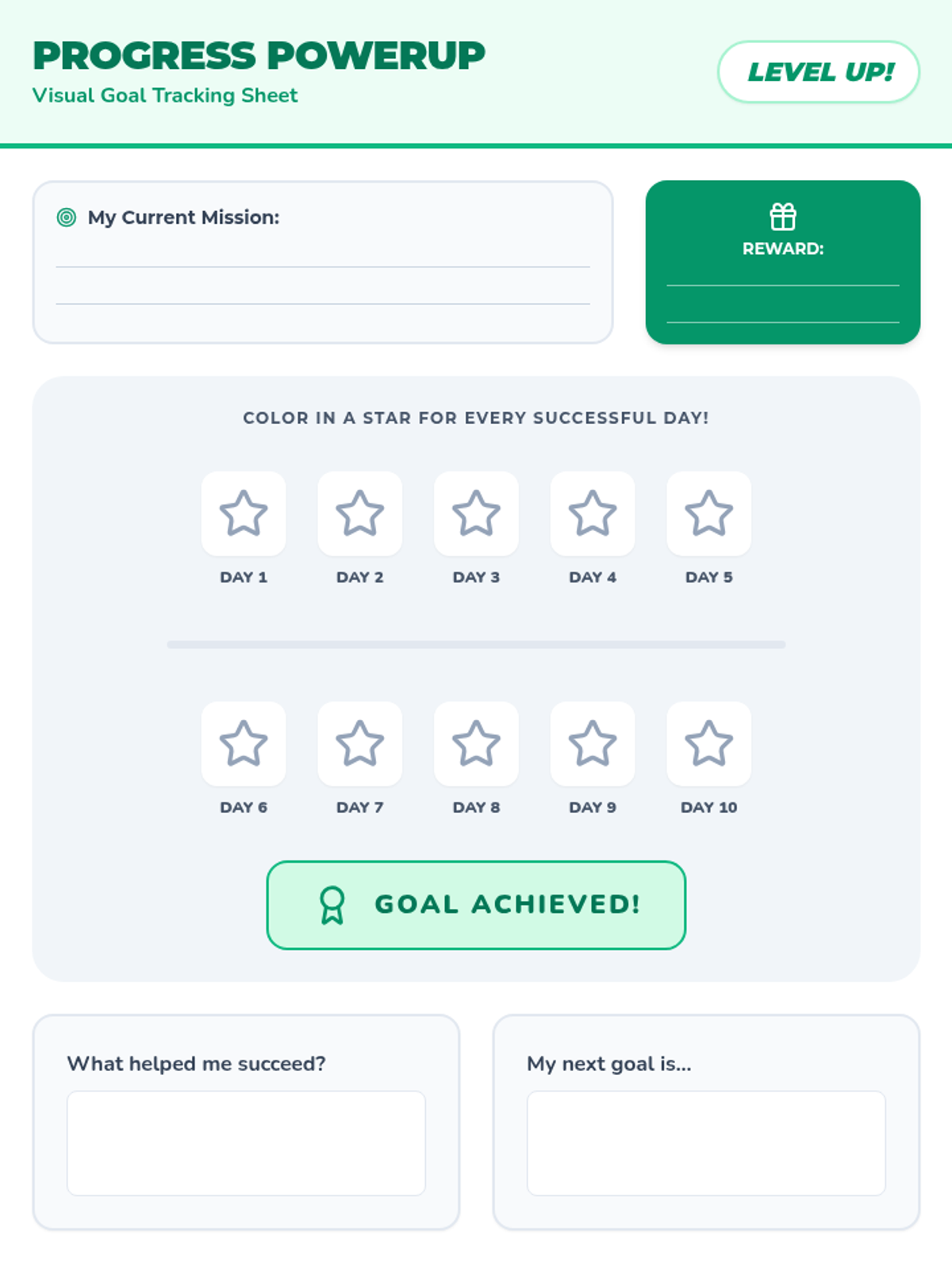
A comprehensive set of tools designed to help IEP students manage daily homework, develop executive functioning skills, and bridge communication between home and school.
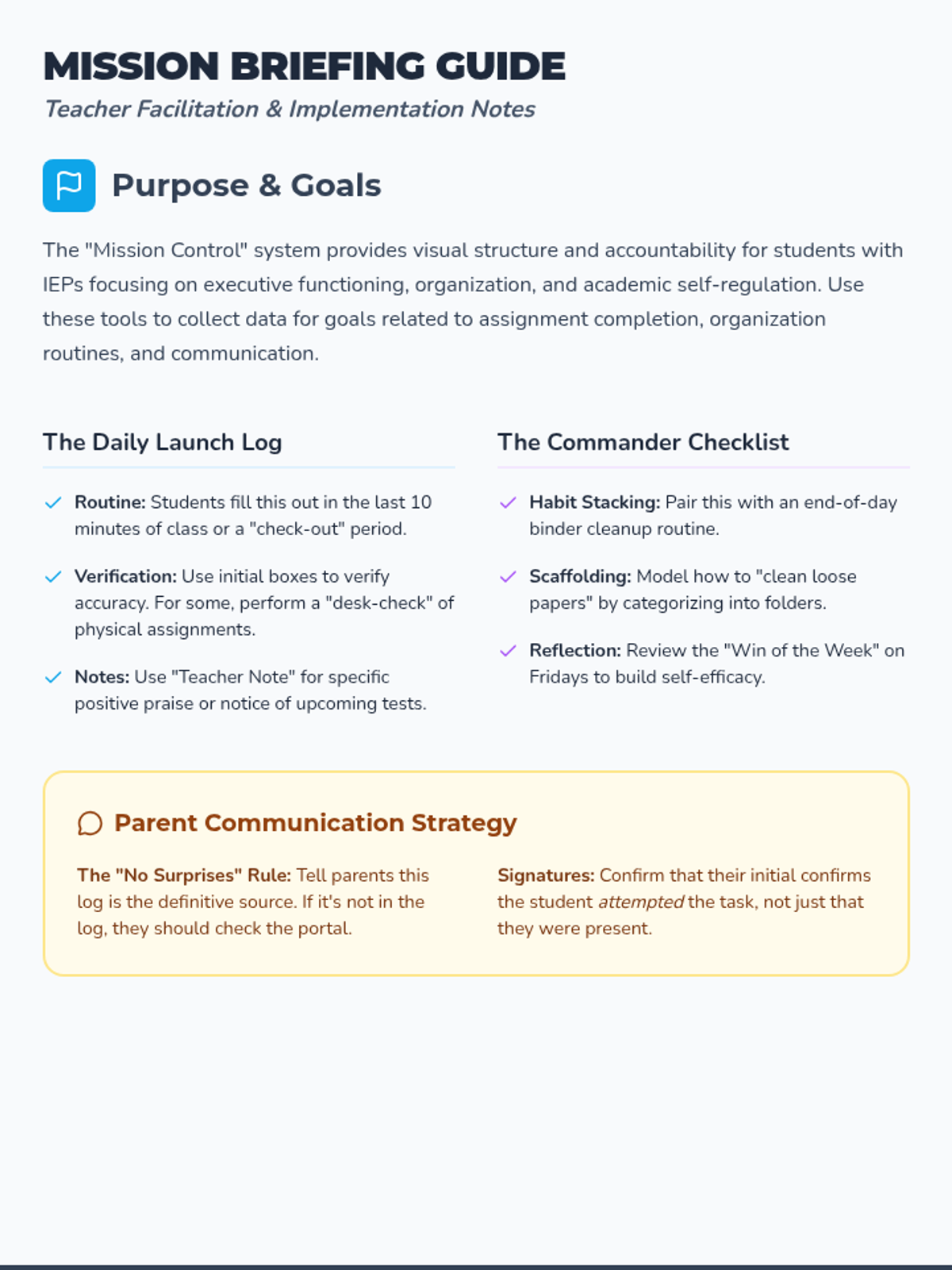
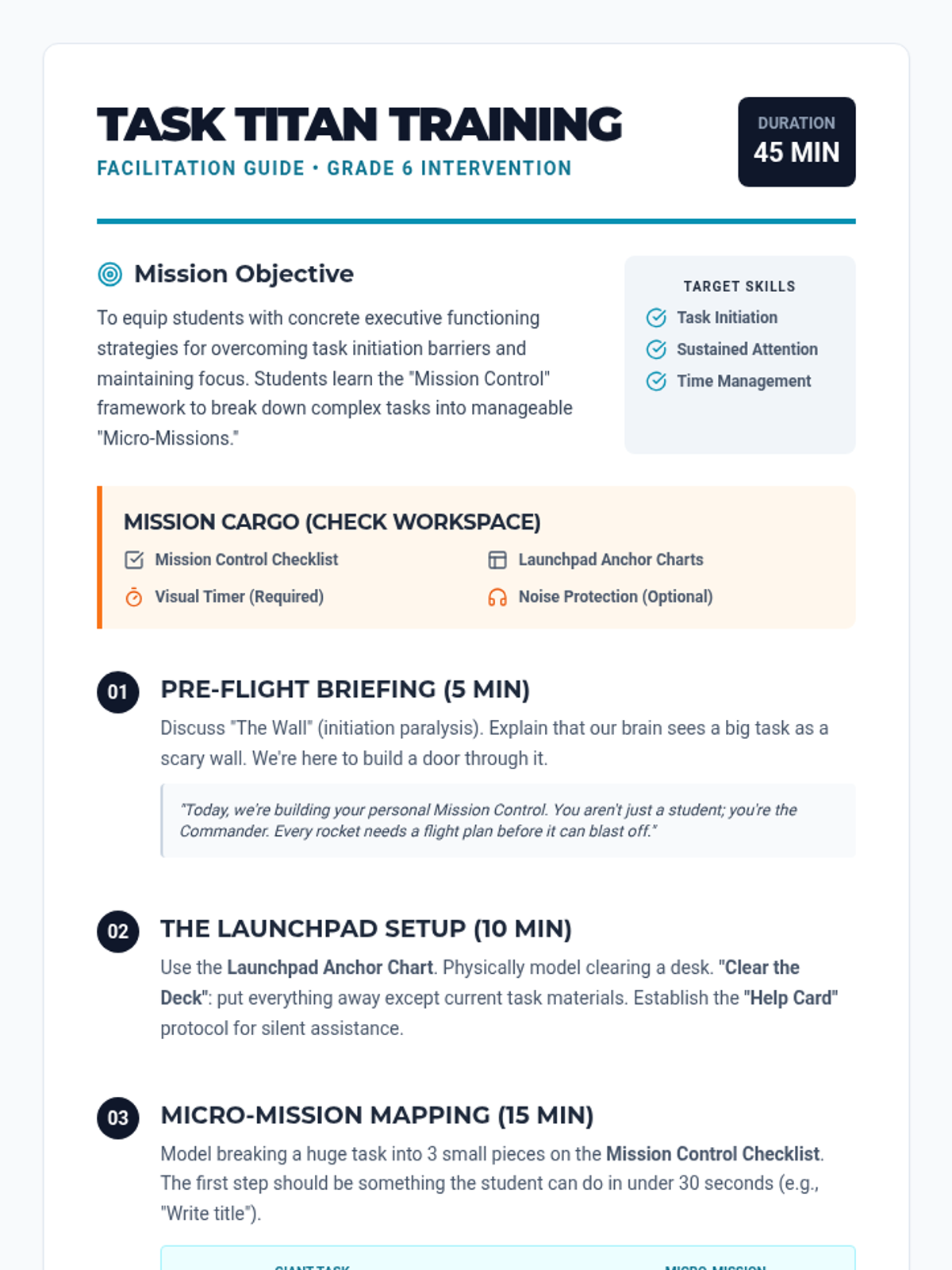
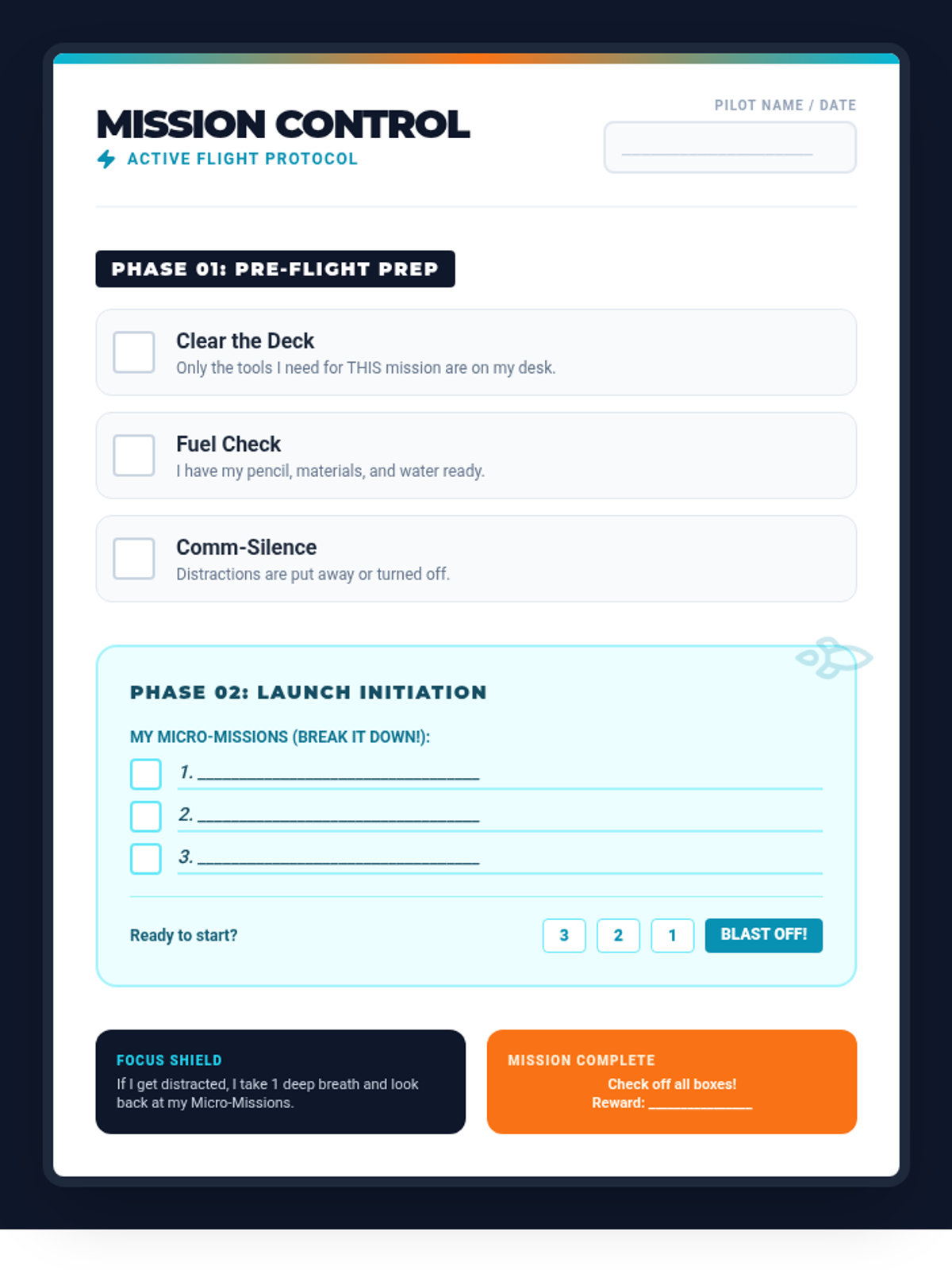
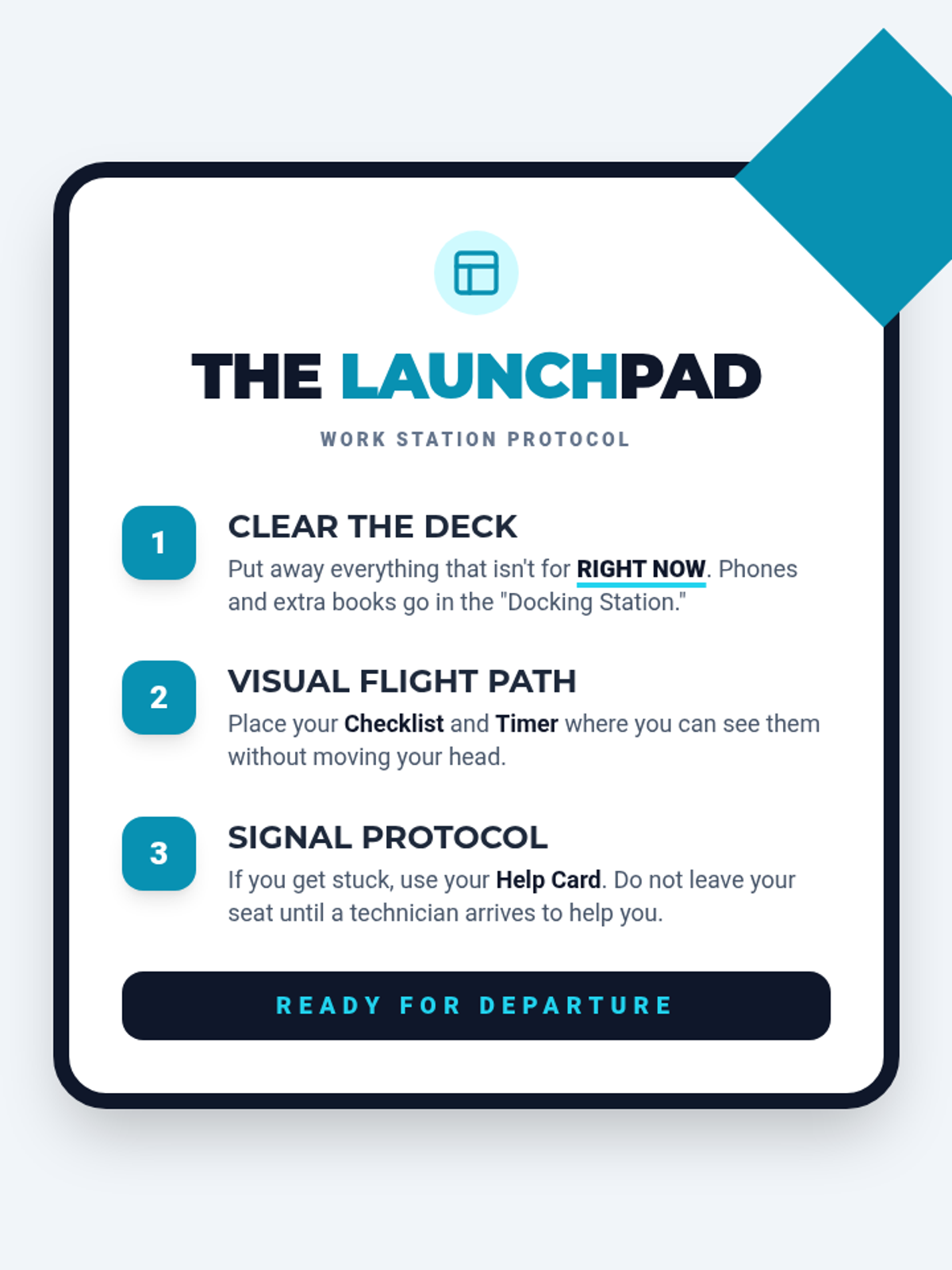
A targeted intervention lesson designed to help 6th-grade students master task initiation and sustained focus using the 'Mission Control' framework. Students learn to break down big projects into 'micro-missions' and set up a distraction-free 'Launchpad' for work.
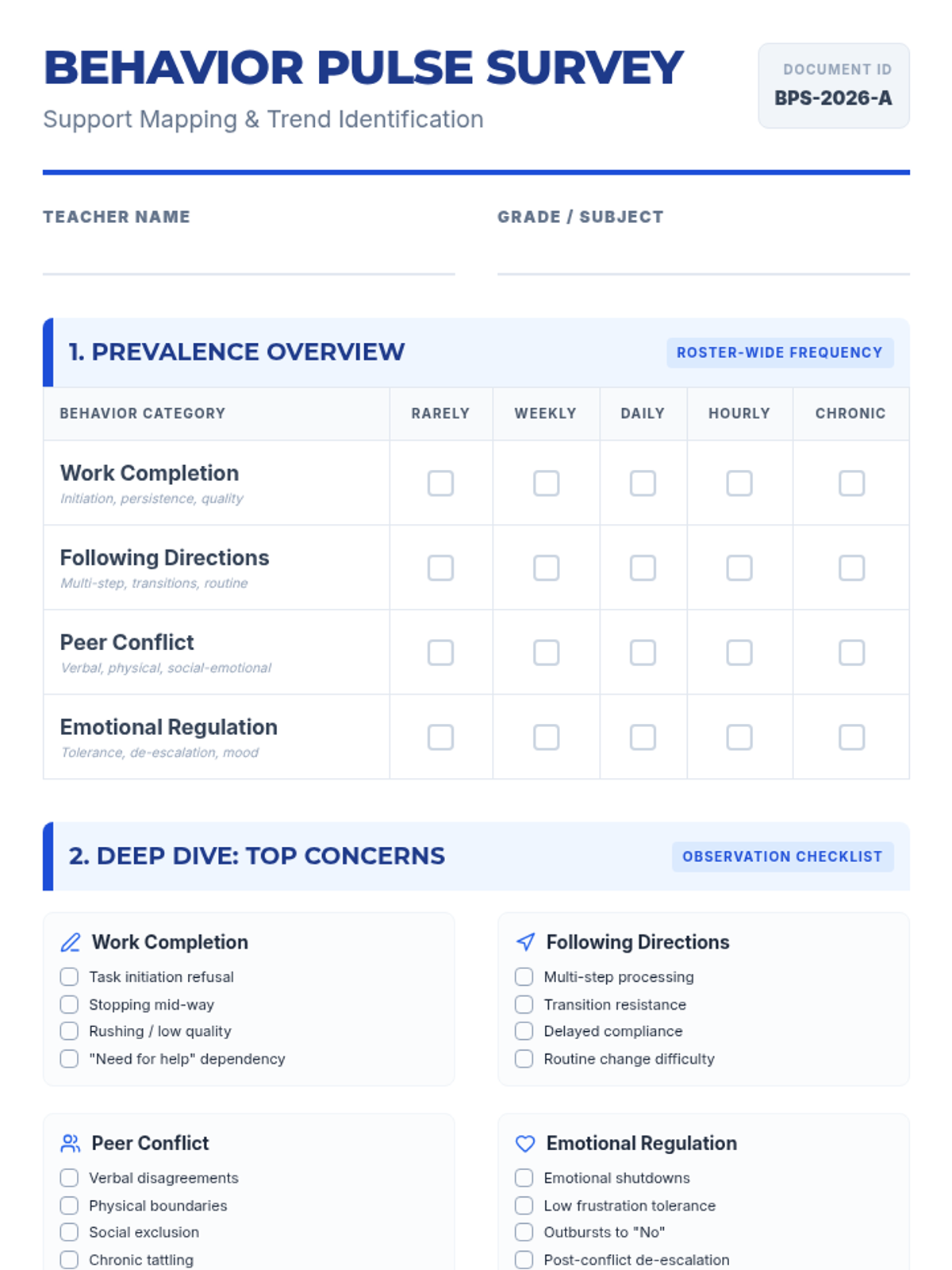
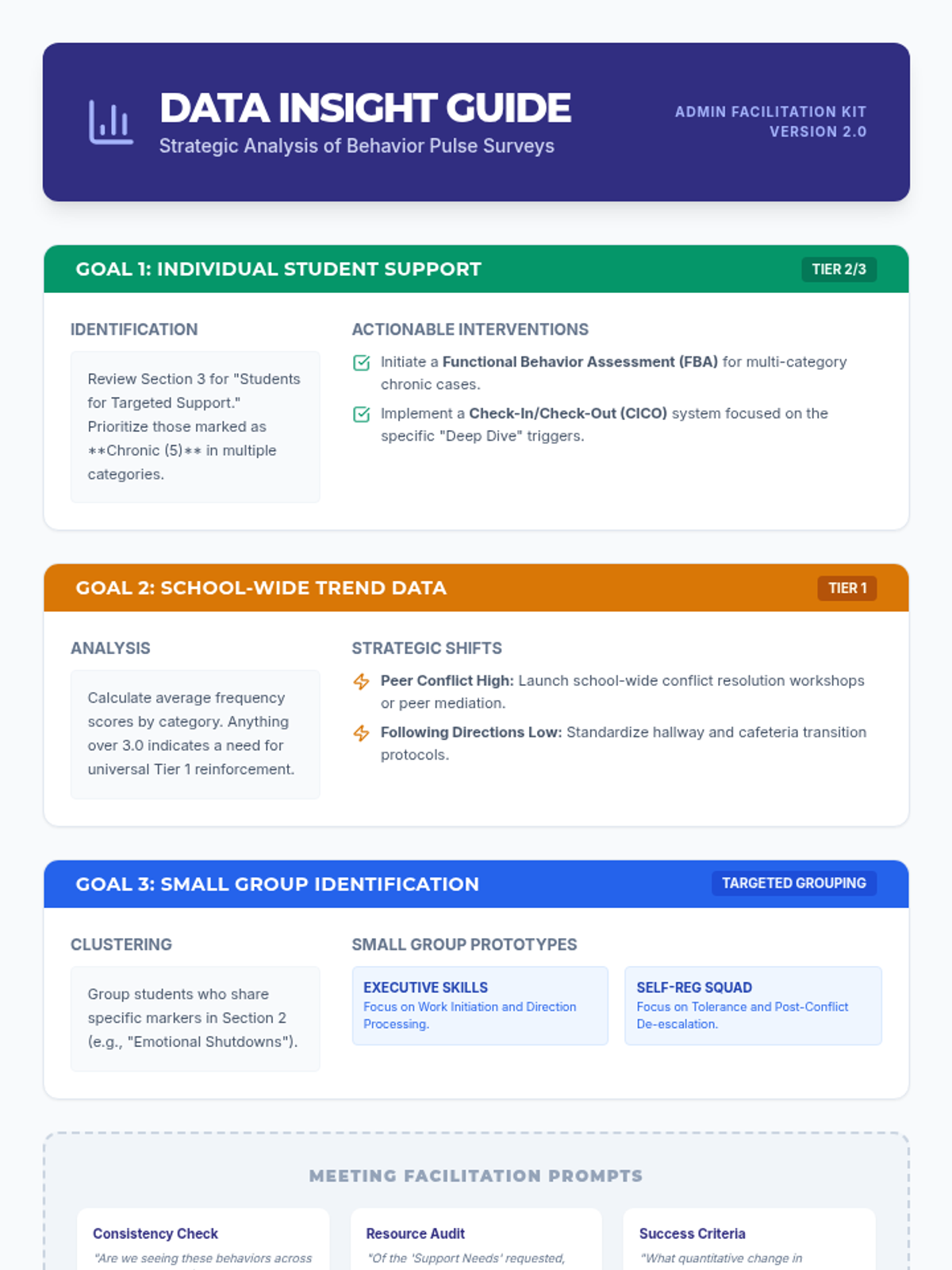
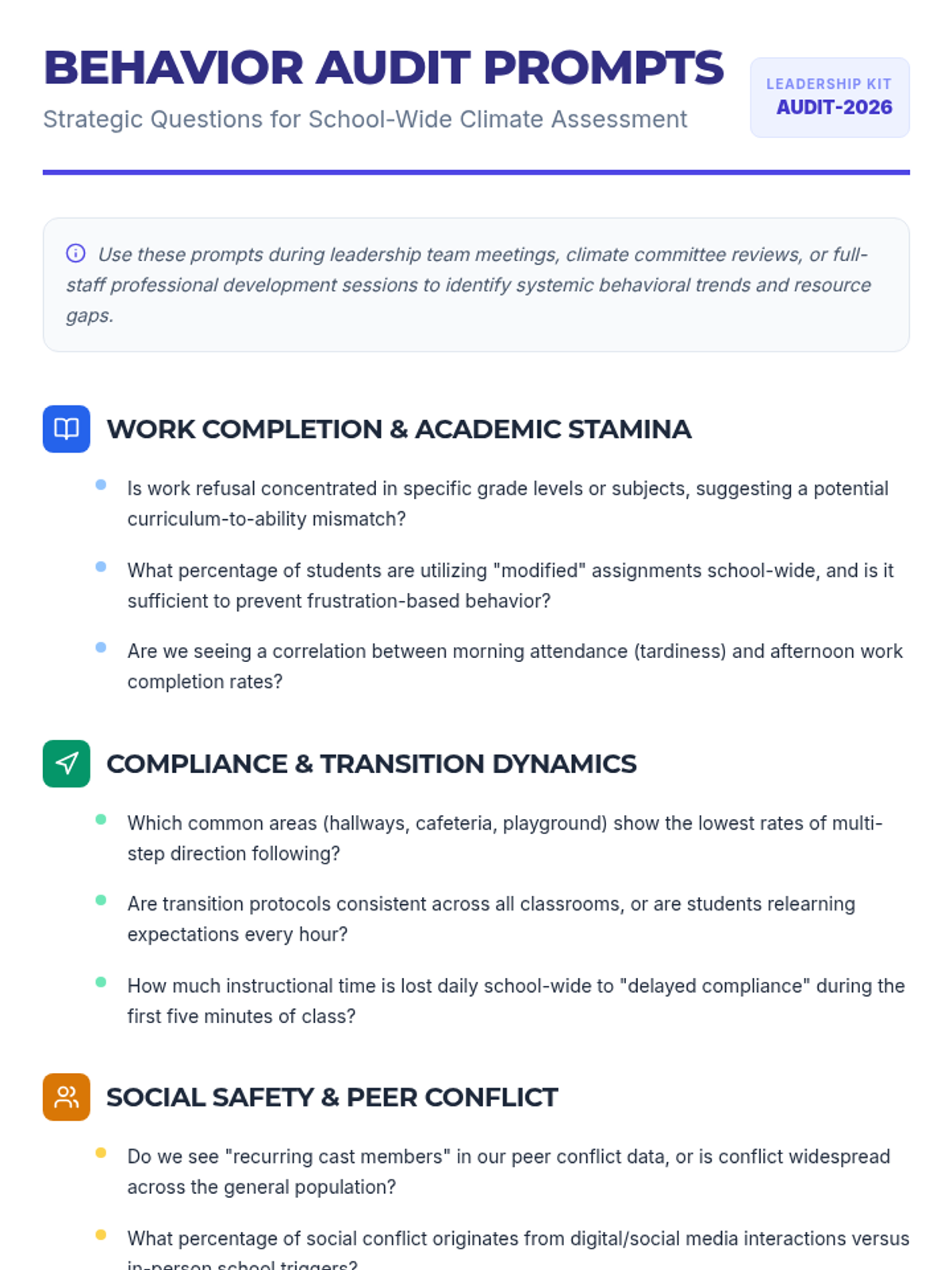
A comprehensive behavior assessment tool for teachers to track trends in work completion, following directions, peer conflict, and emotional regulation. This data is designed to drive individual support plans, school-wide initiatives, and small-group interventions.
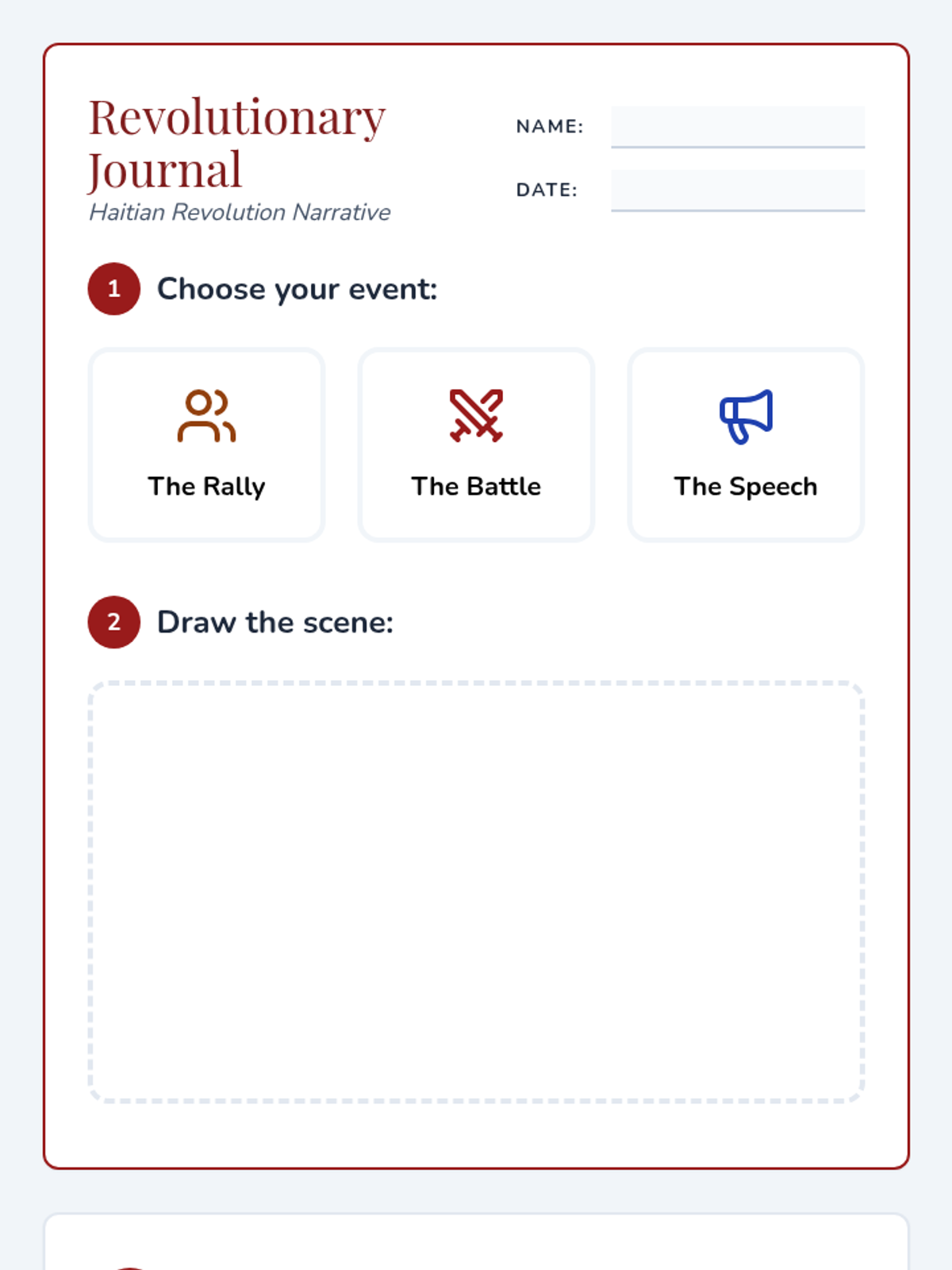
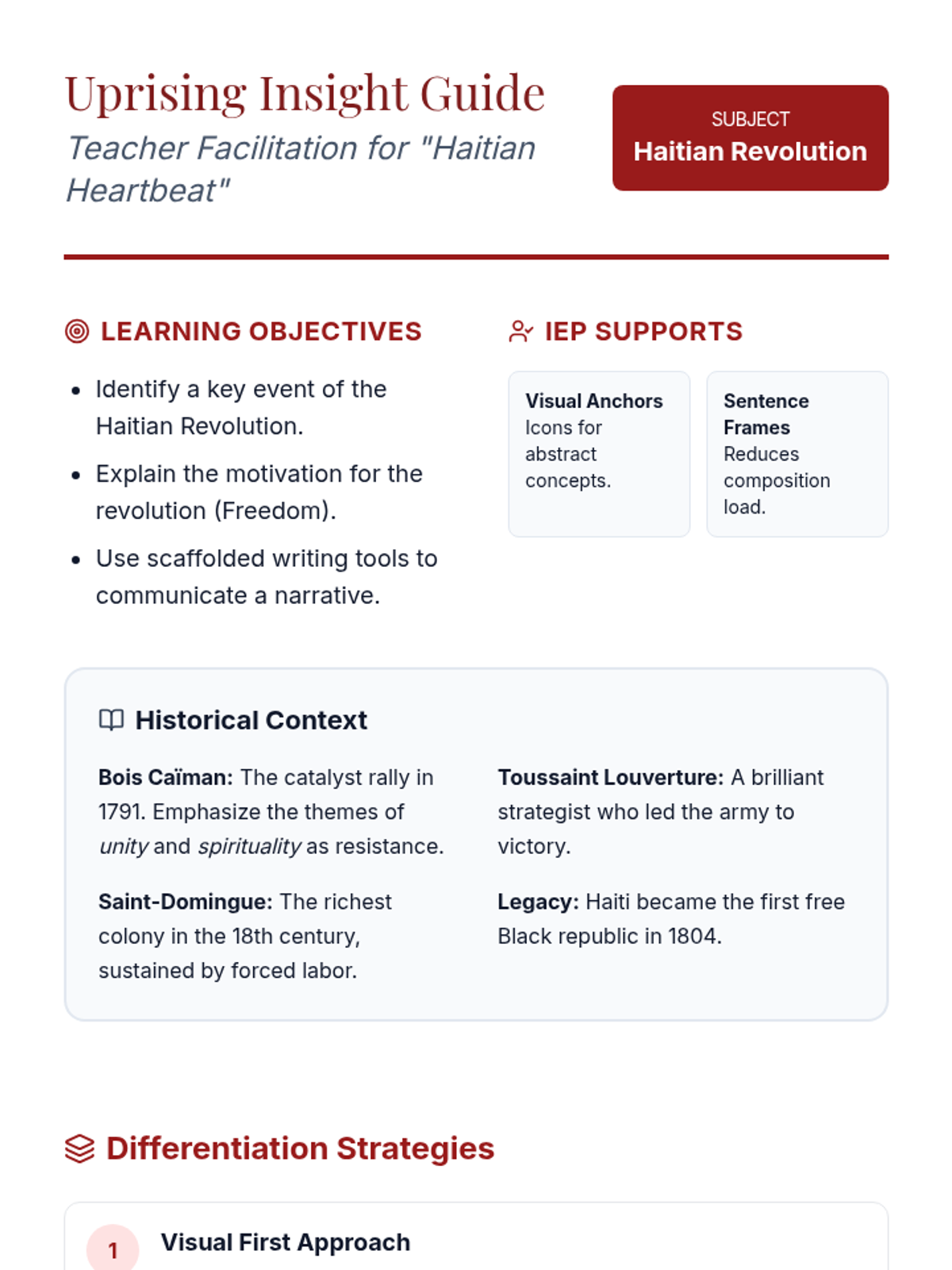
A lesson exploring the key events and motivations of the Haitian Revolution, designed specifically with scaffolded supports for students with IEPs. Students will analyze revolutionary actions like rallies and battles before completing a visually supported journal entry.
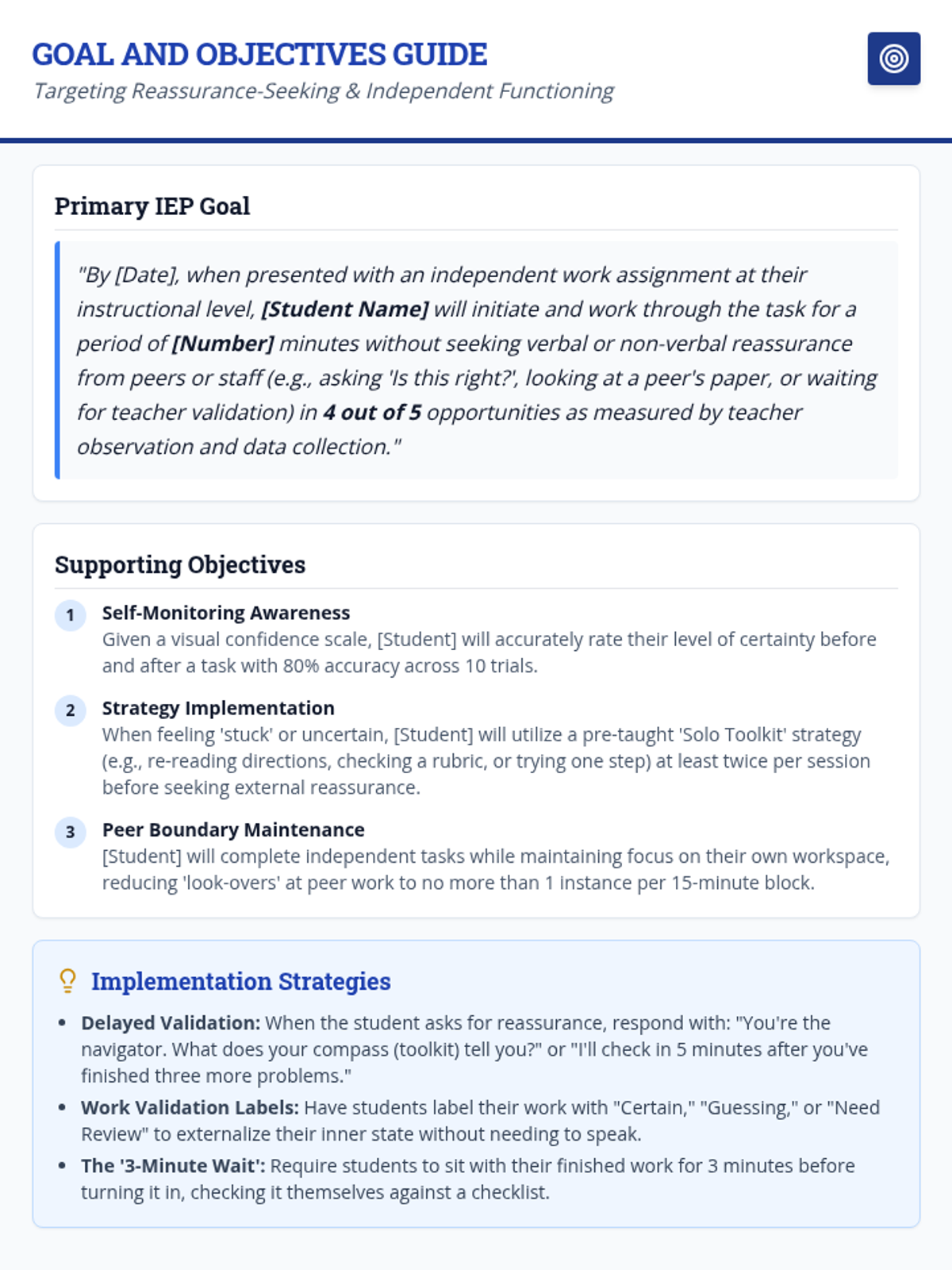
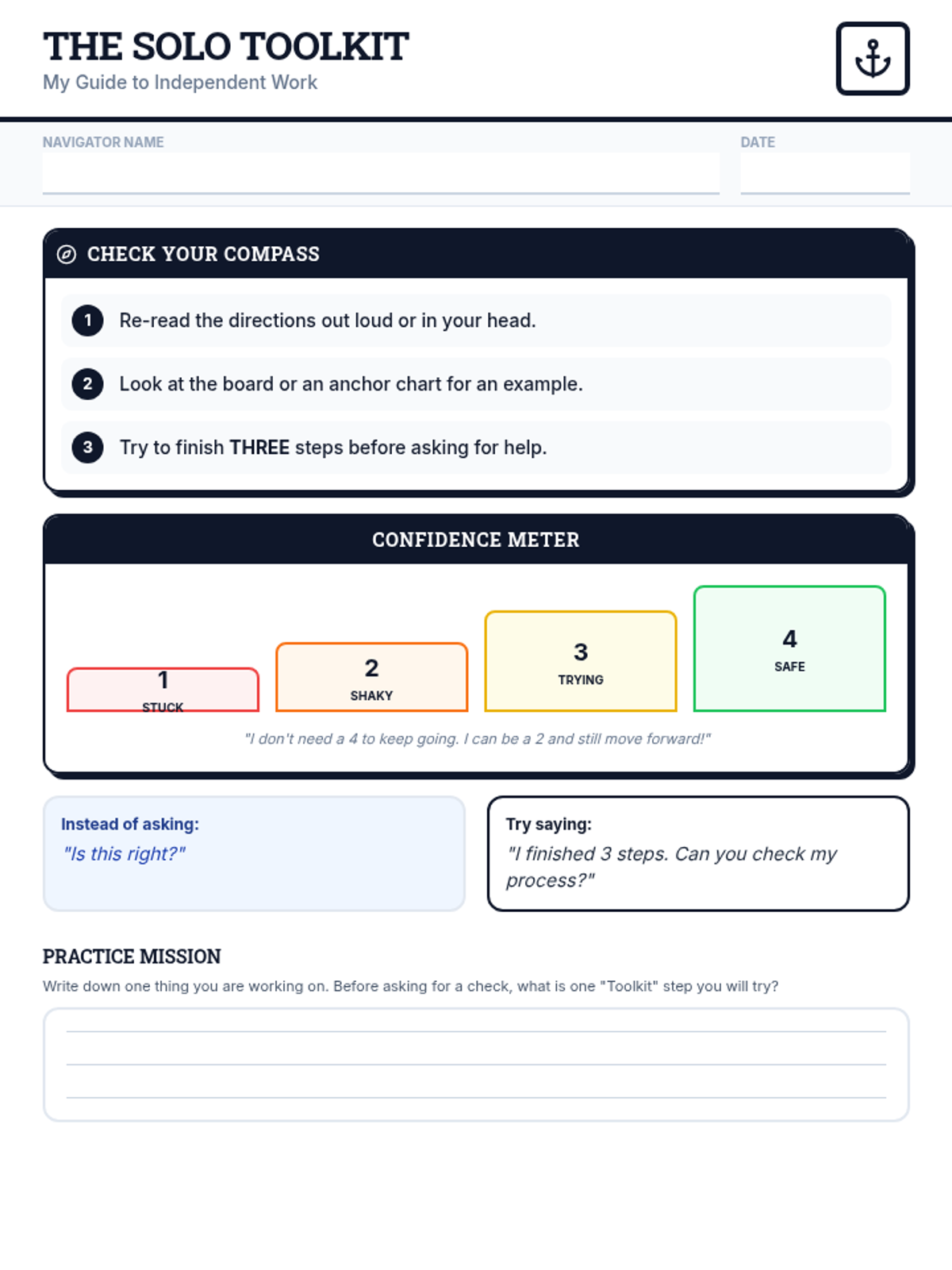
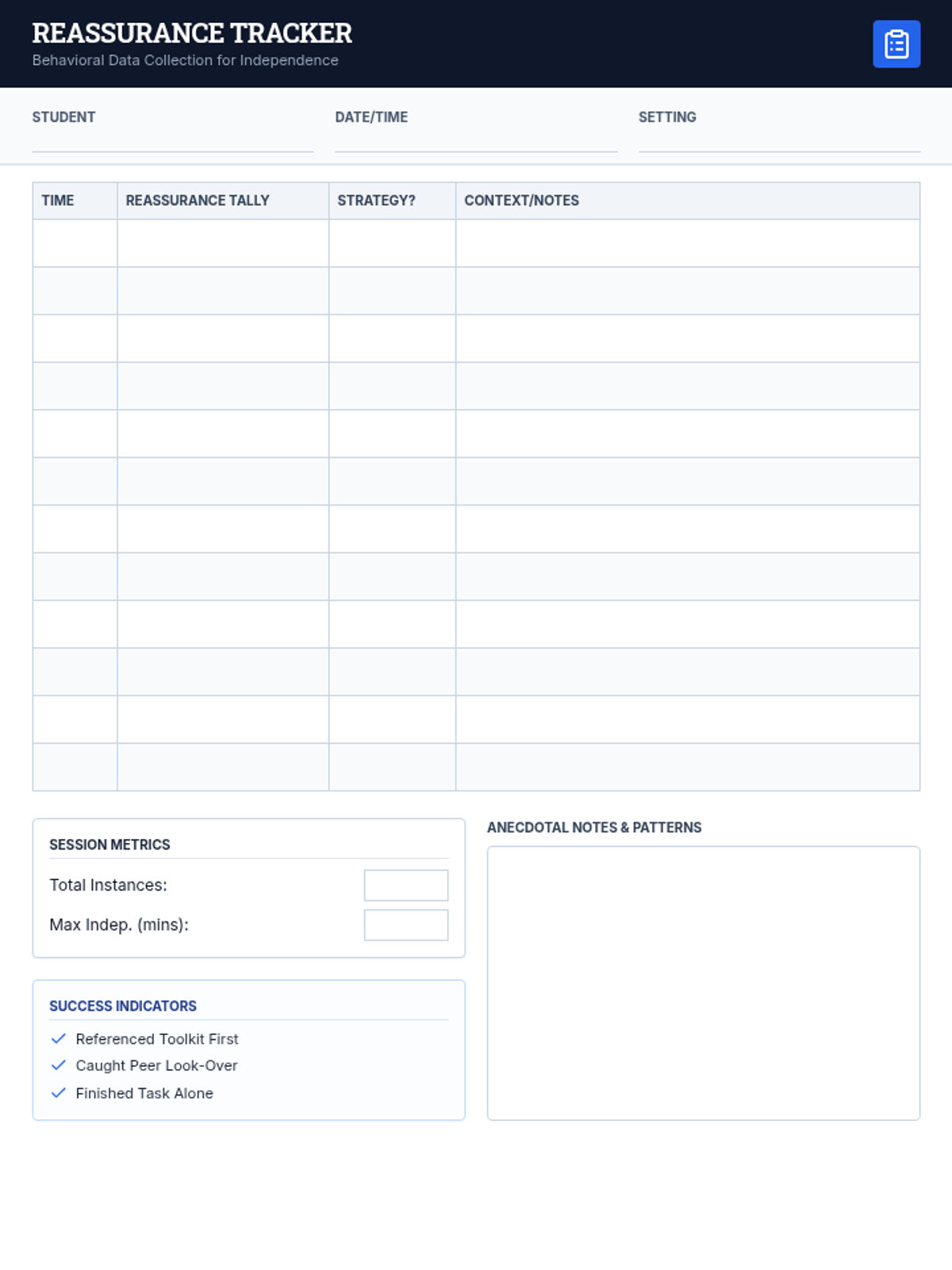
A comprehensive lesson designed to help students transition from reassurance-seeking behavior to independent work through self-monitoring and specific problem-solving strategies.
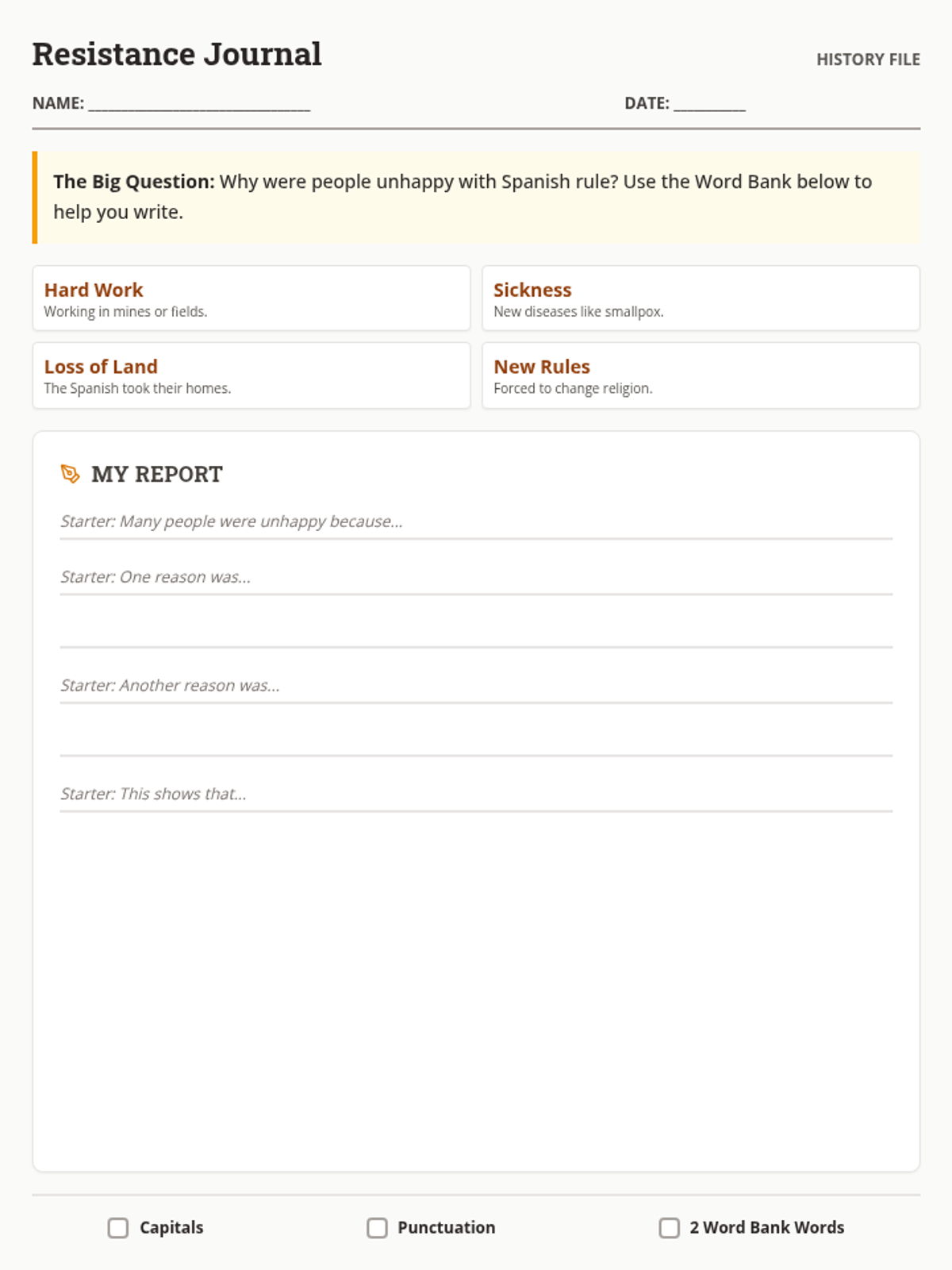
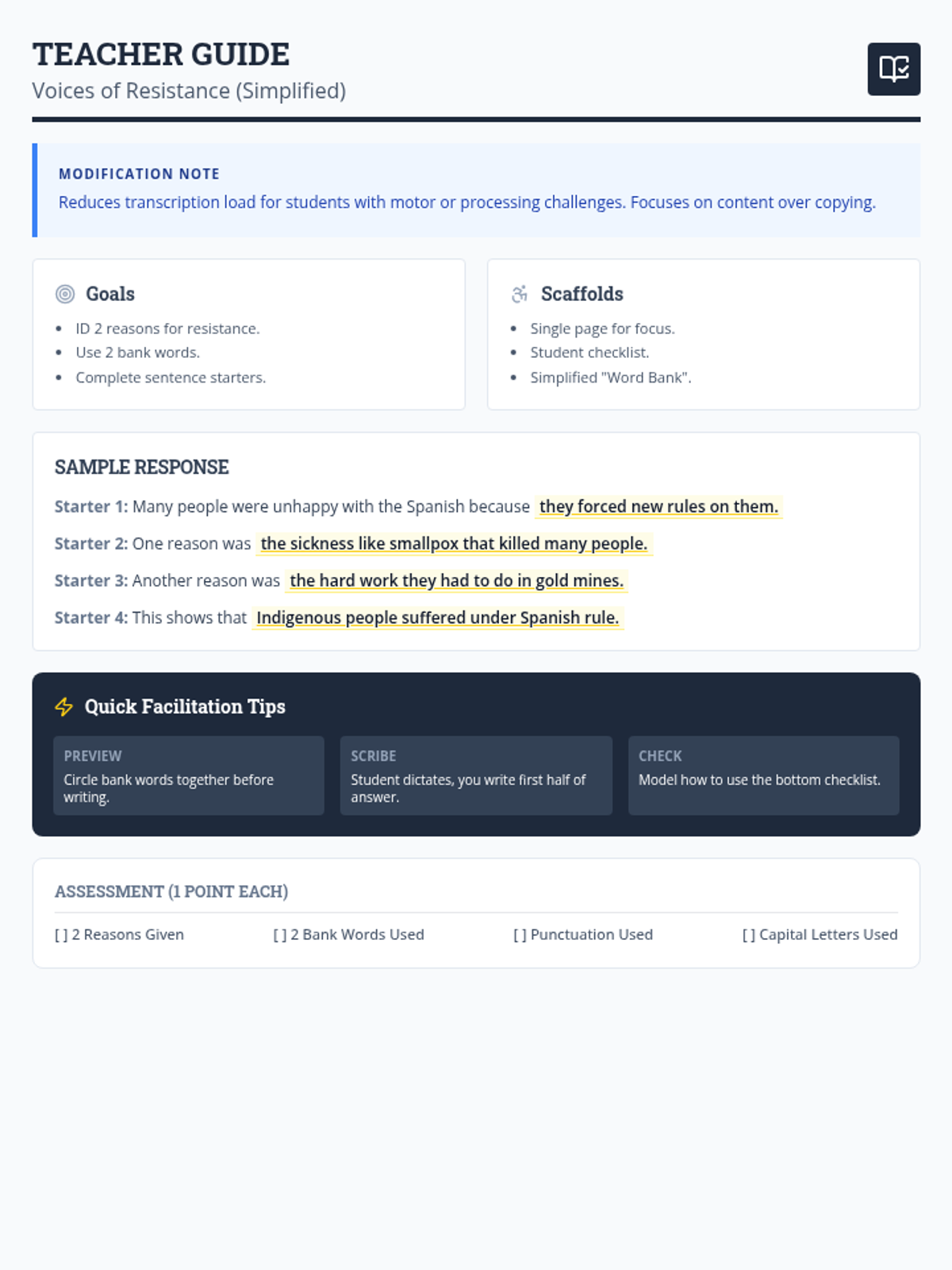
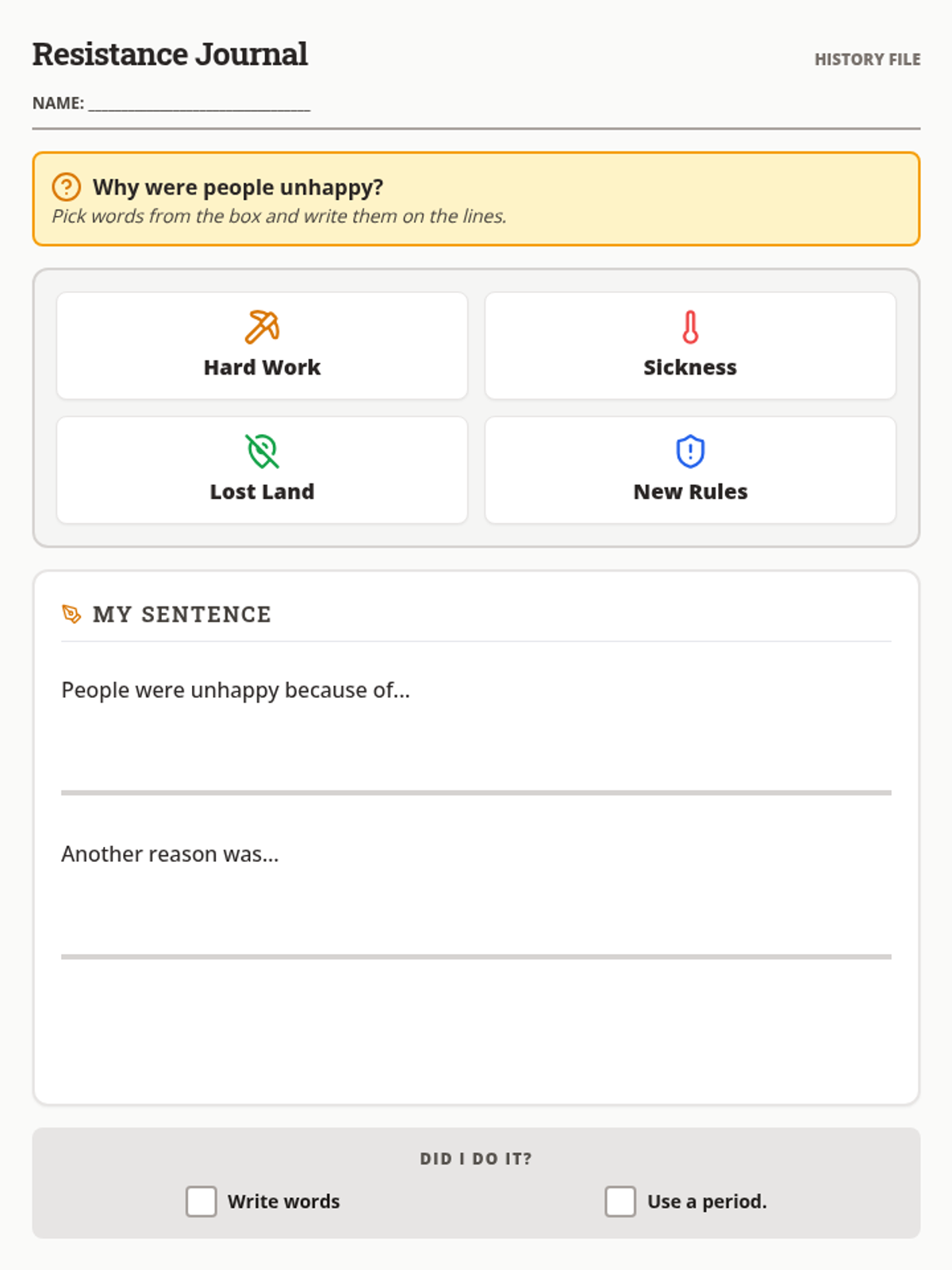
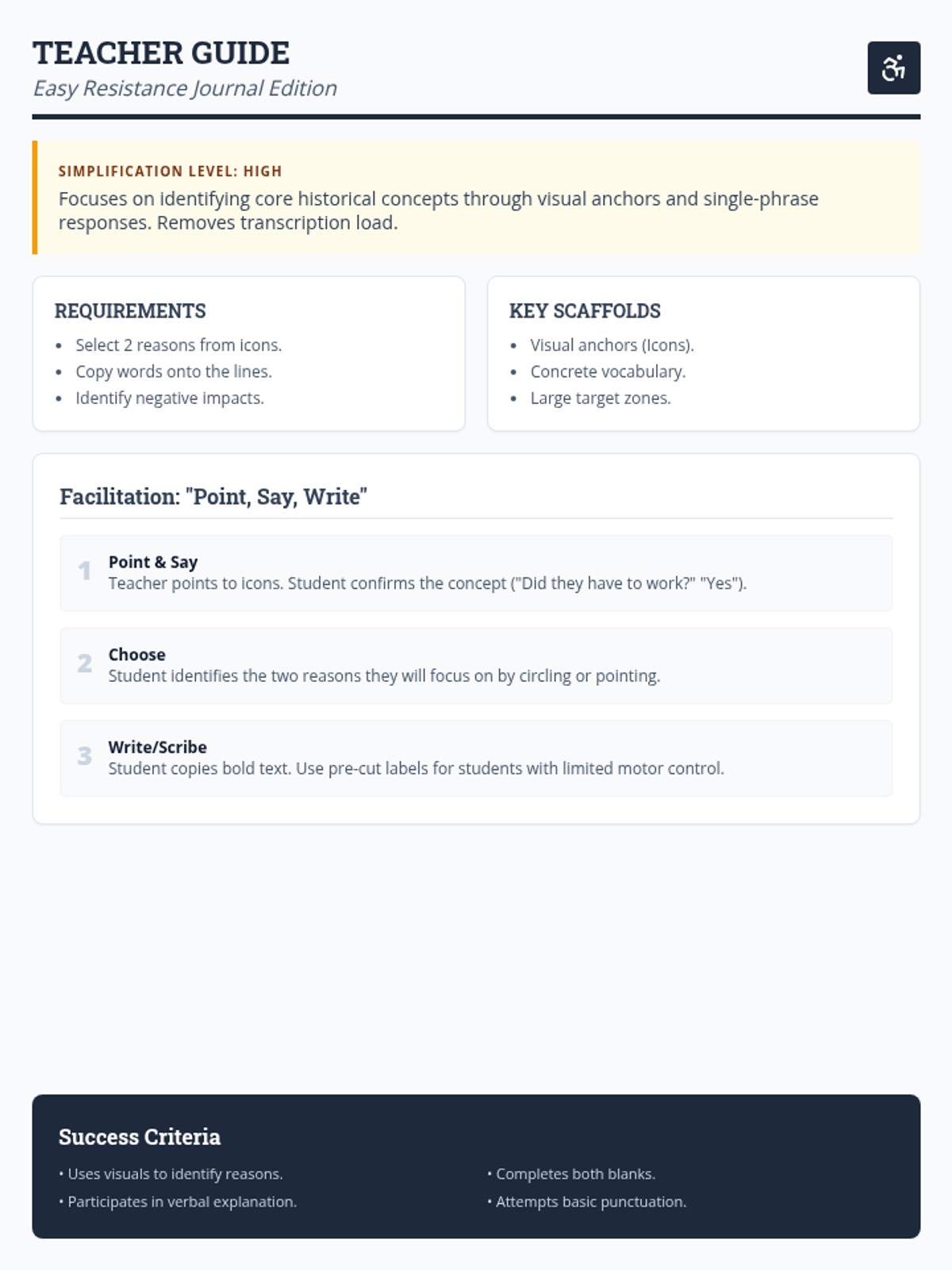
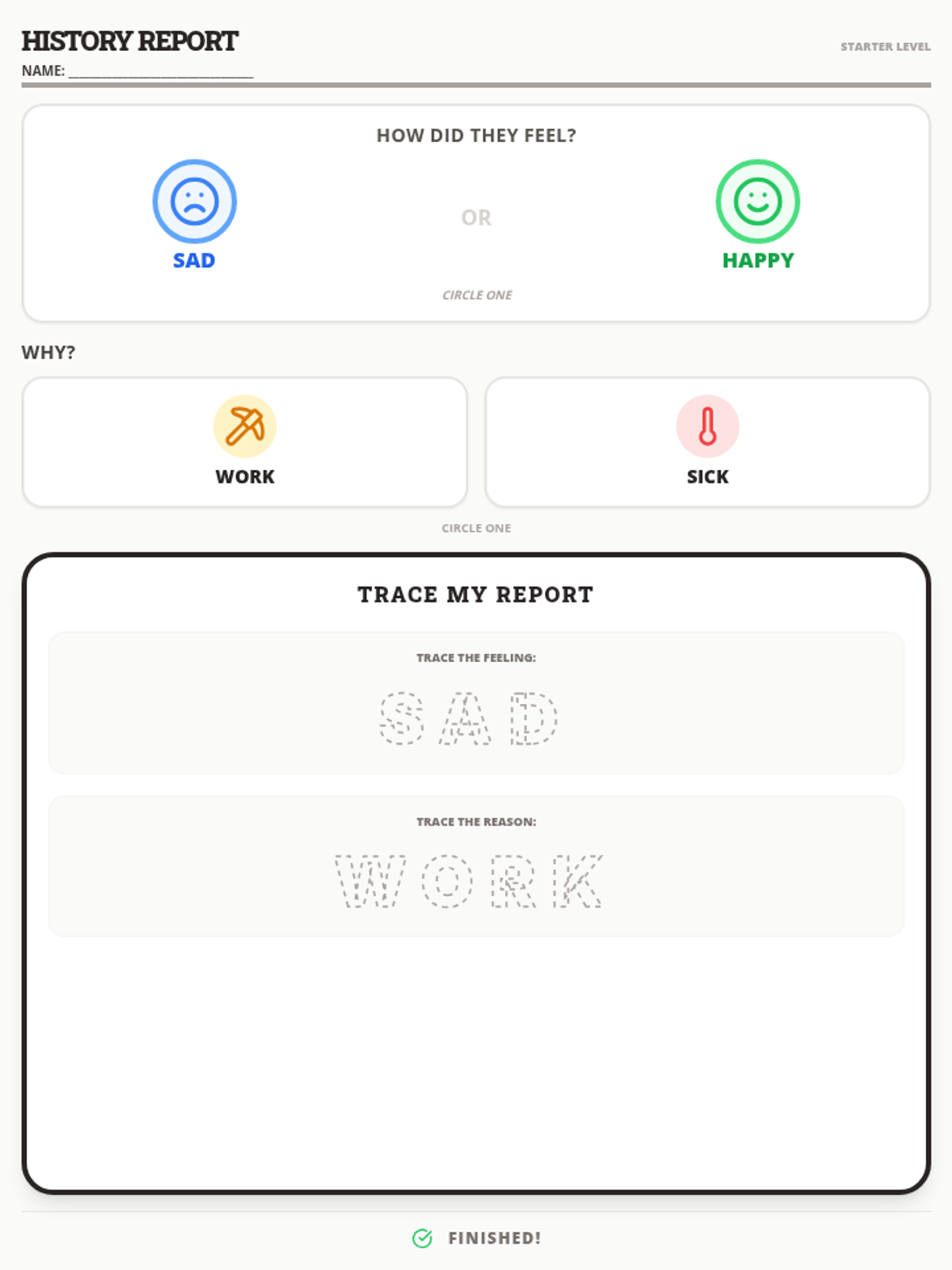
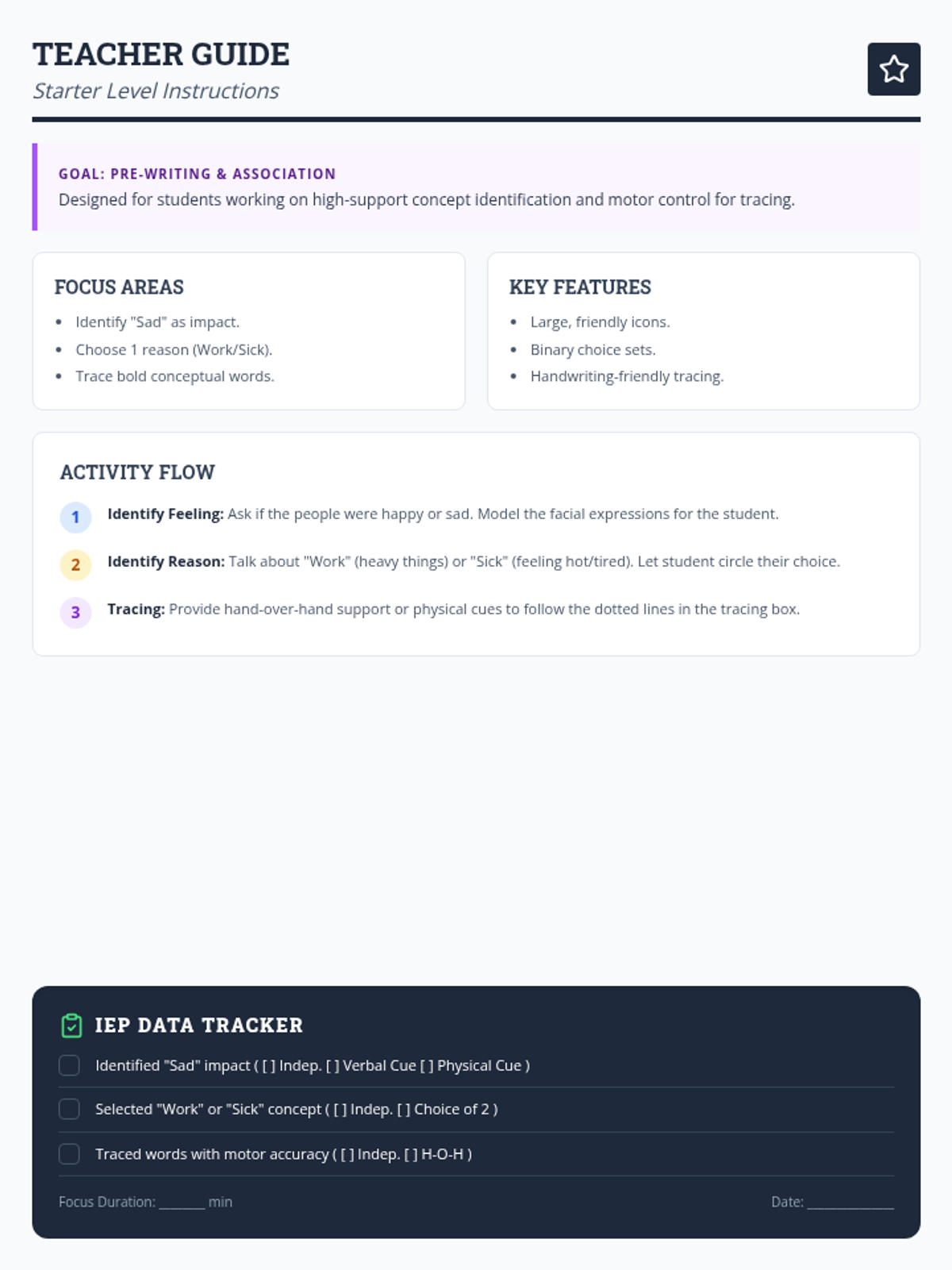
A structured writing lesson exploring the reasons for Indigenous resistance to Spanish colonial rule, specifically designed with scaffolds for IEP students.
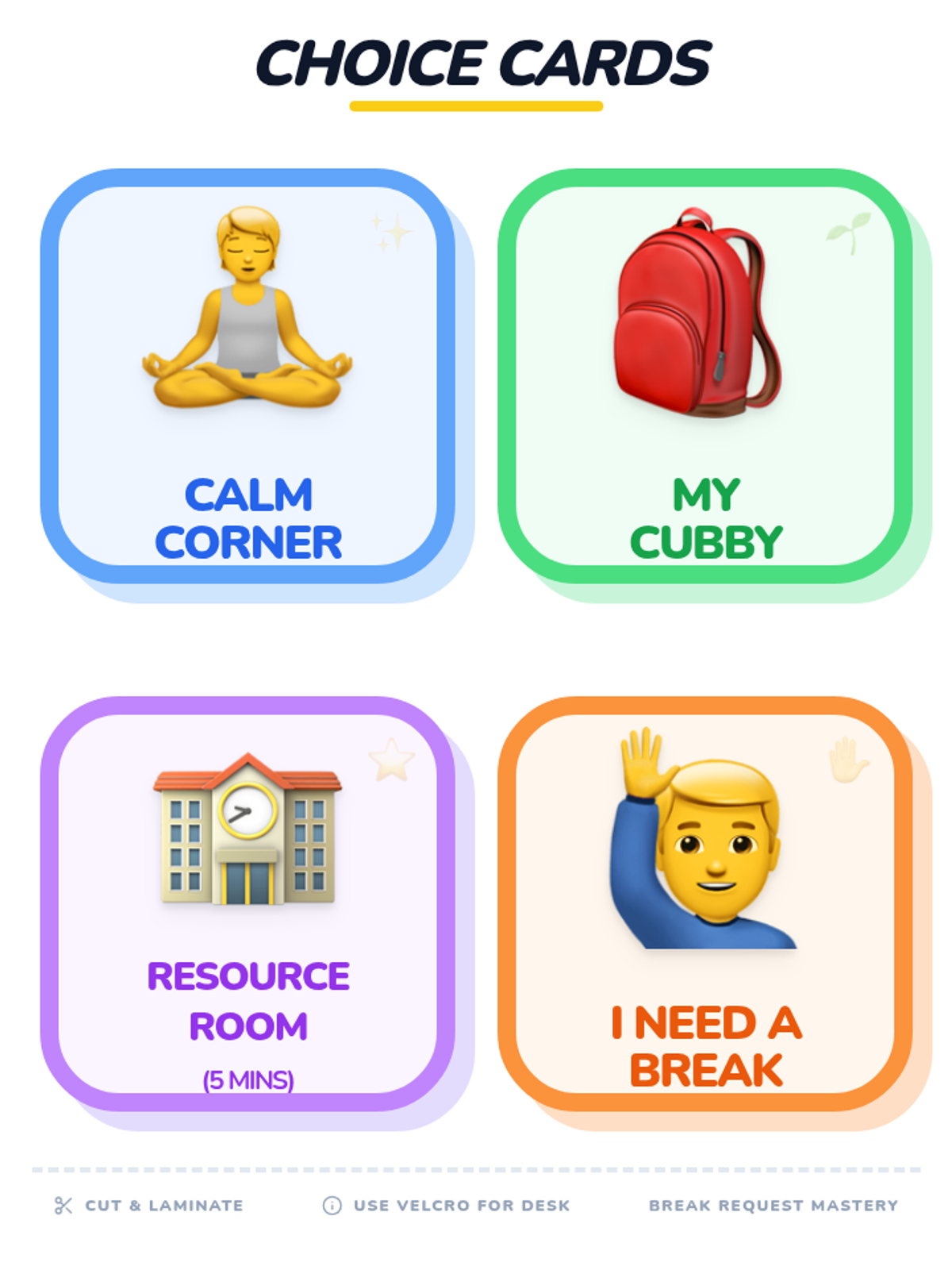
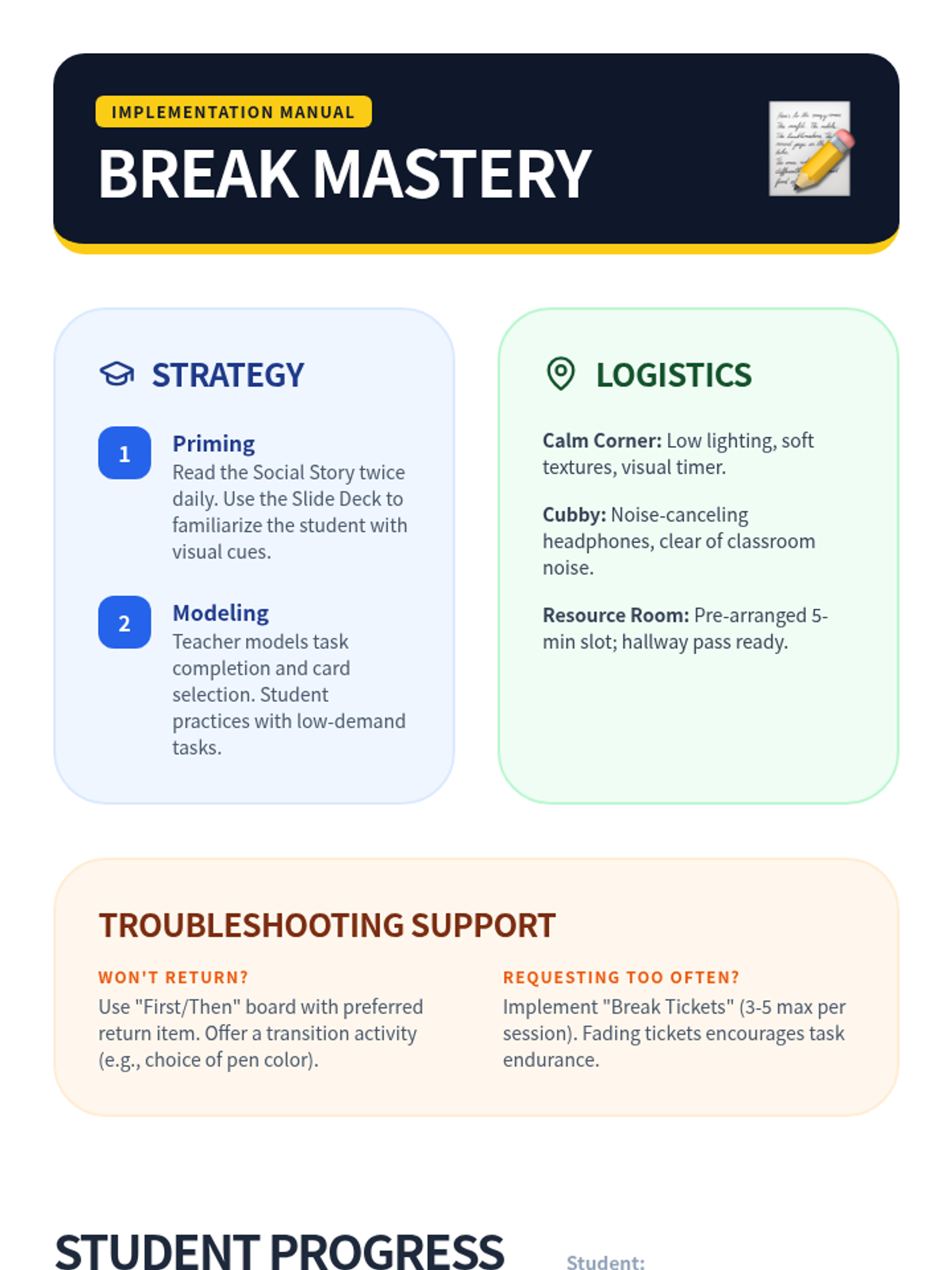
A comprehensive set of materials to teach a student how to appropriately request and take a break after completing their academic tasks, featuring a social story and visual supports.