A numeracy lesson helping students distinguish the number 12 from 20 and 21 using place value visualization (one ten, two ones) and 'Architect' inspection strategies.
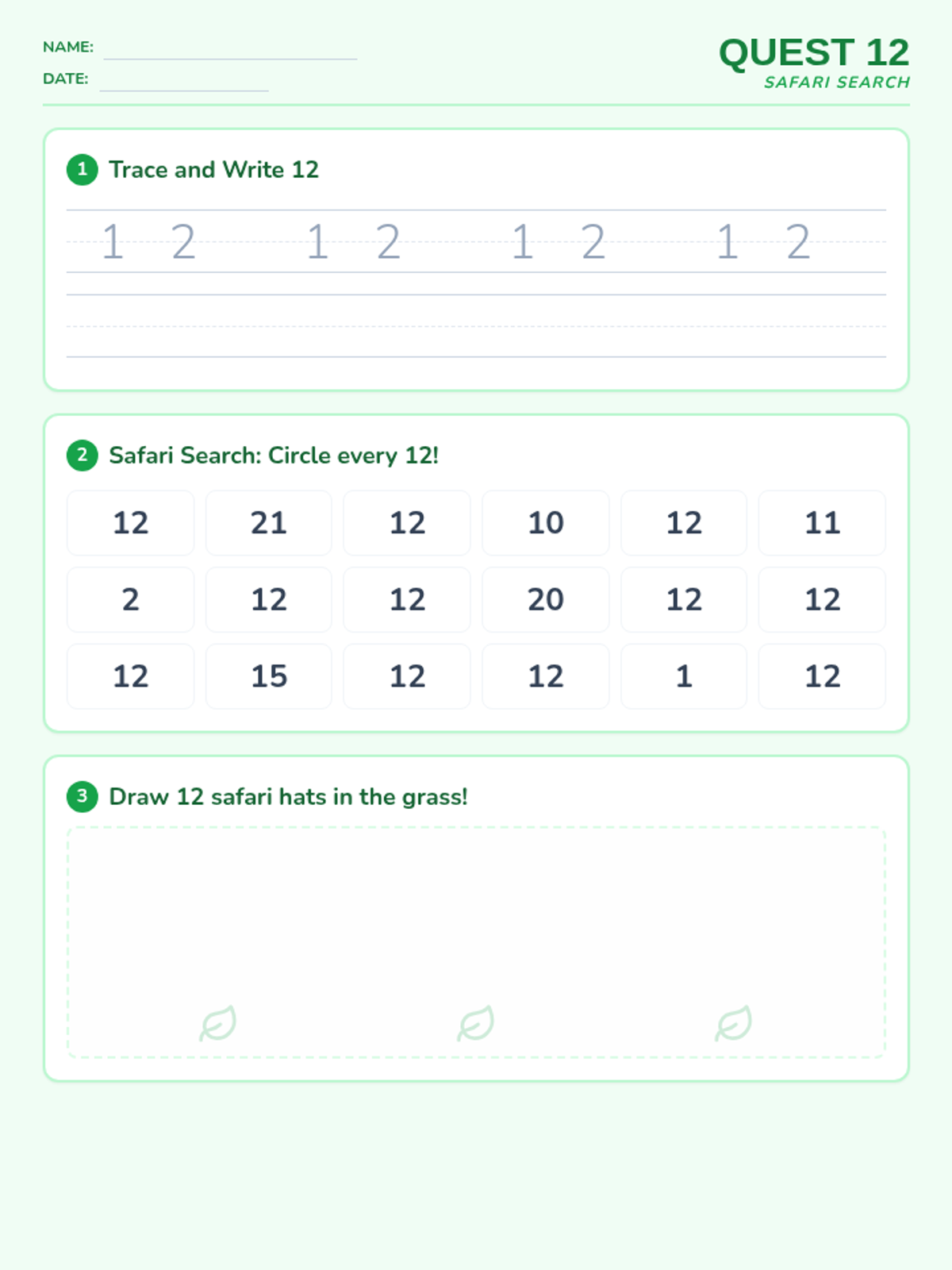
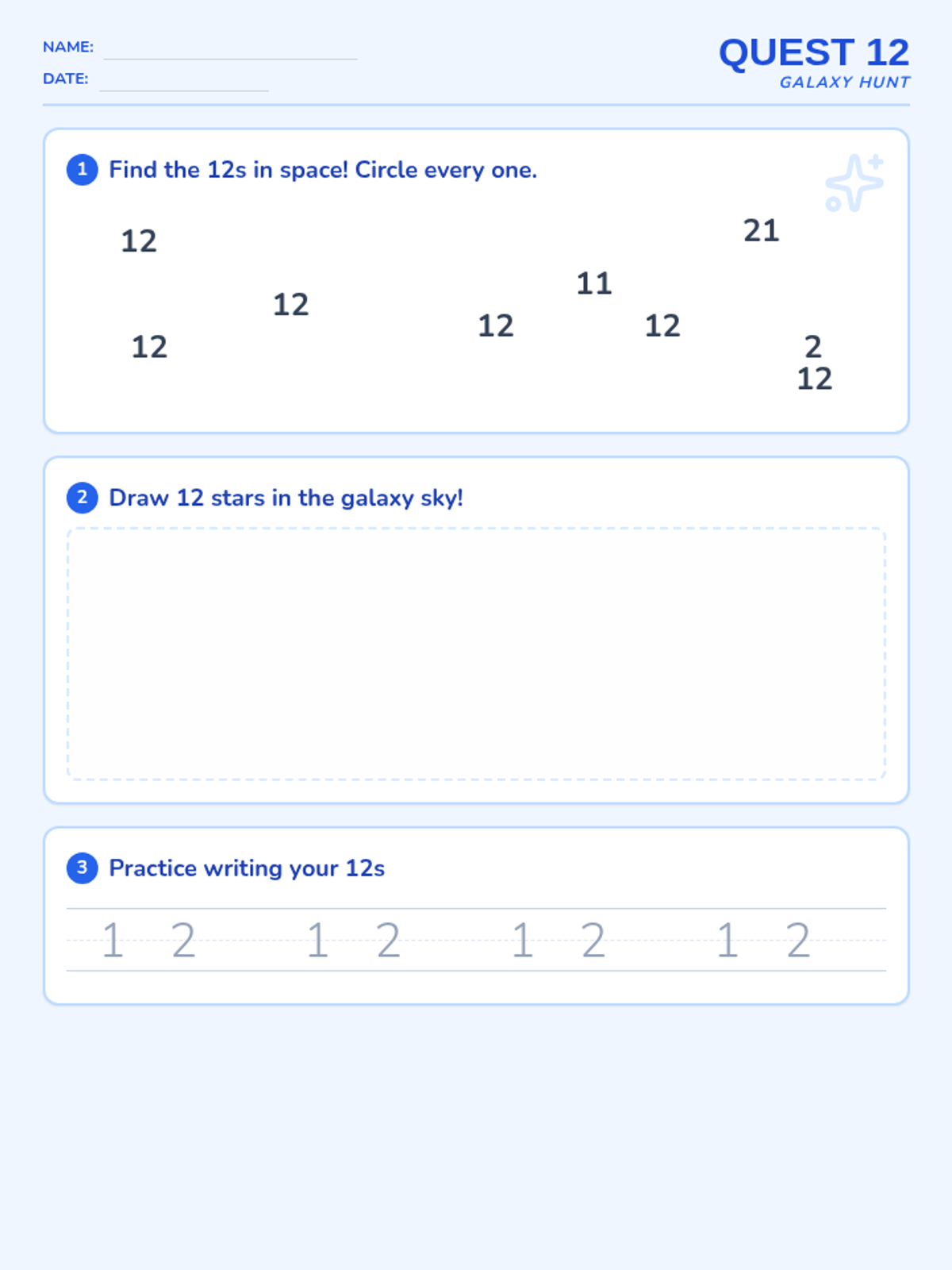
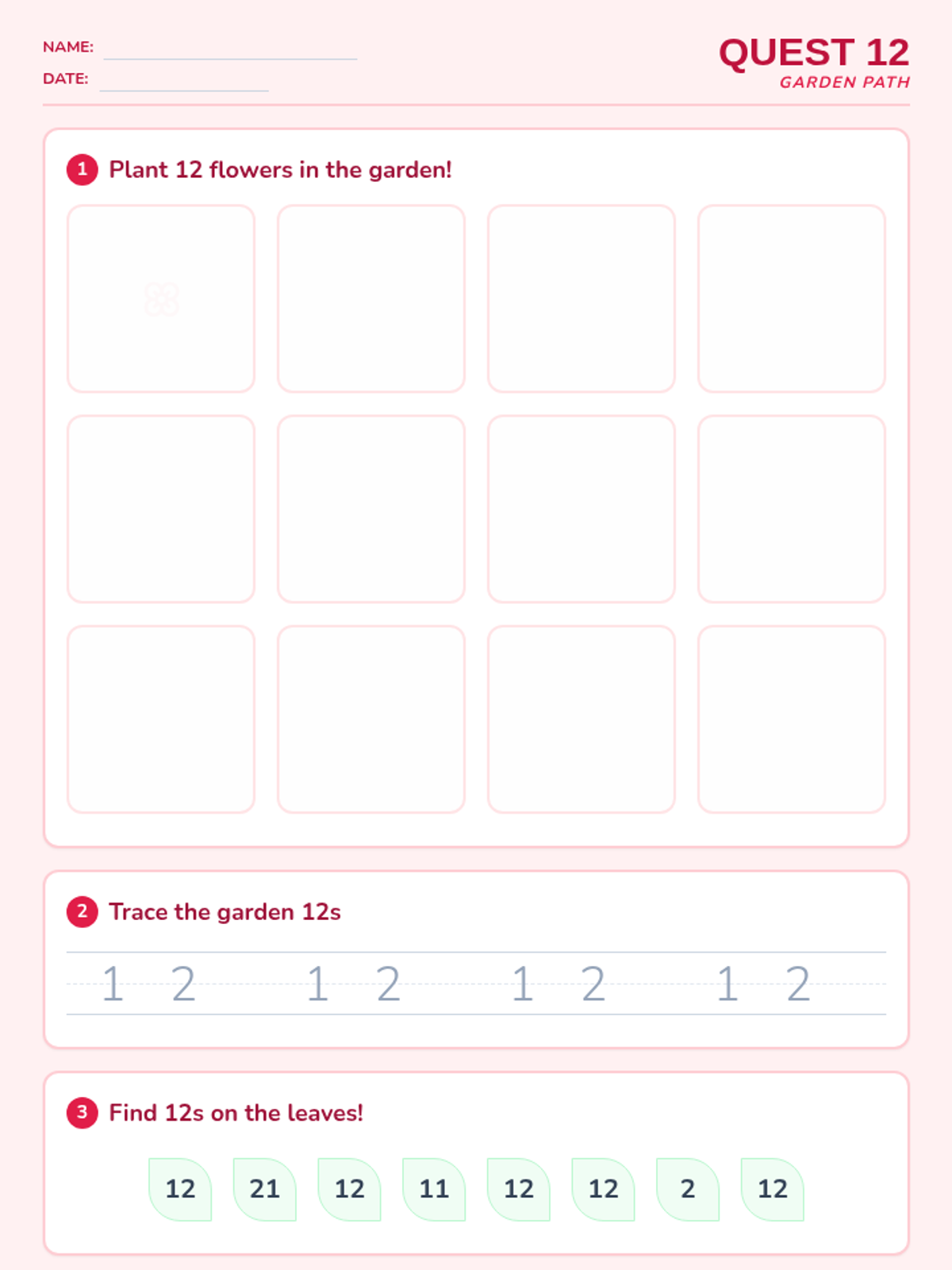
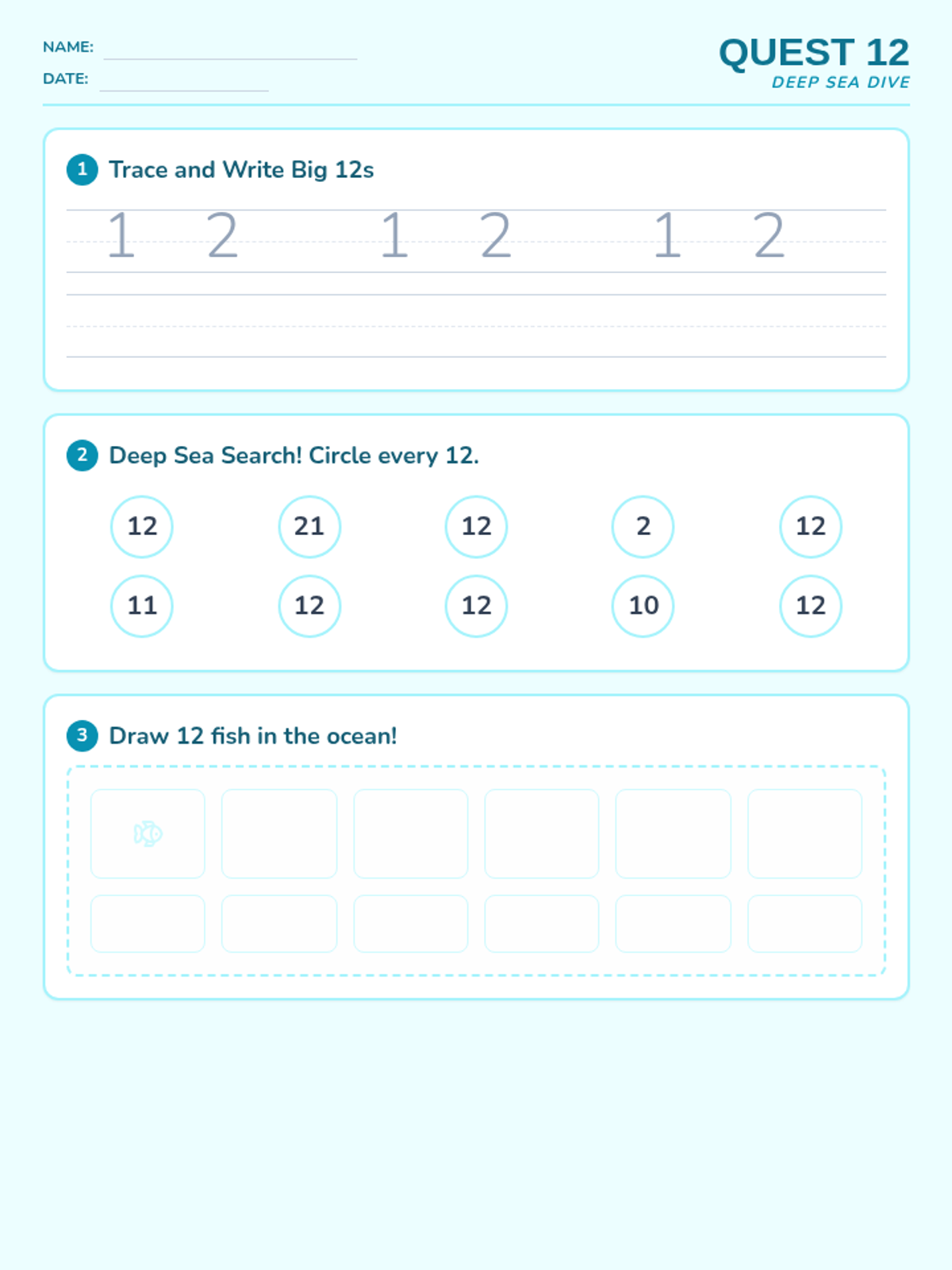
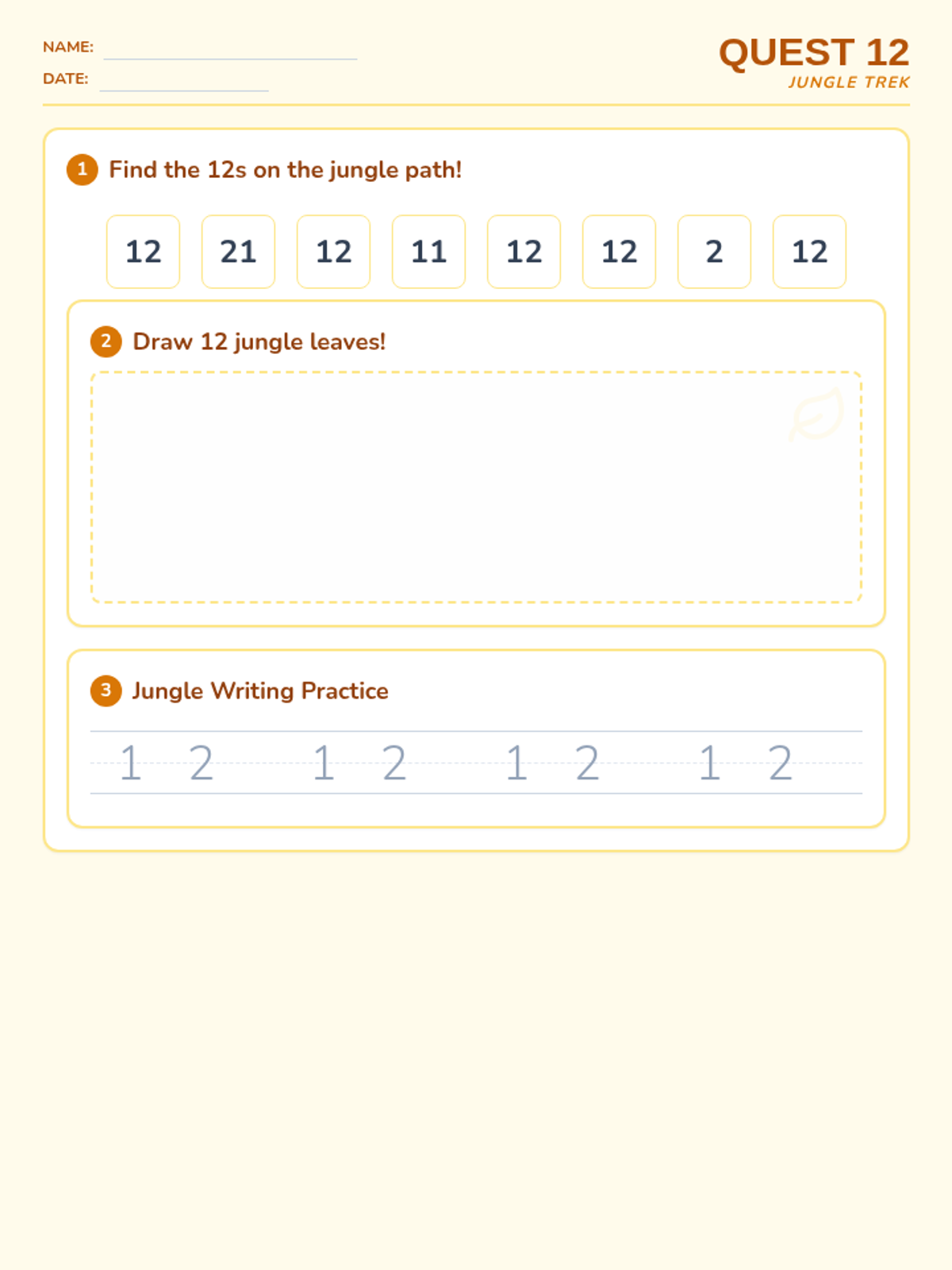
A collection of five varied practice pages designed for kindergarten students to master the number 12 through finding, writing, and drawing. Each page features a unique layout and theme to maintain engagement through repetition.
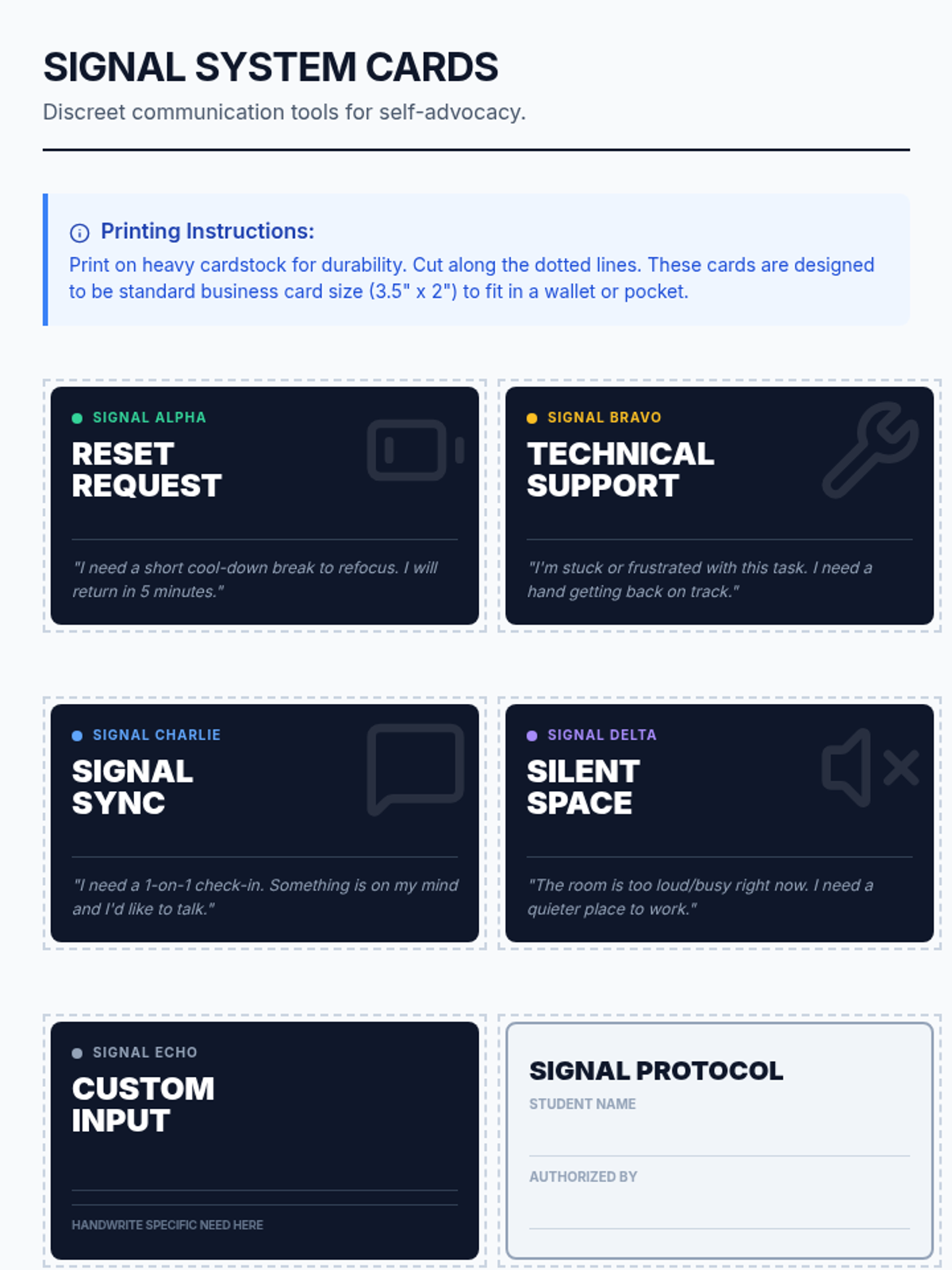
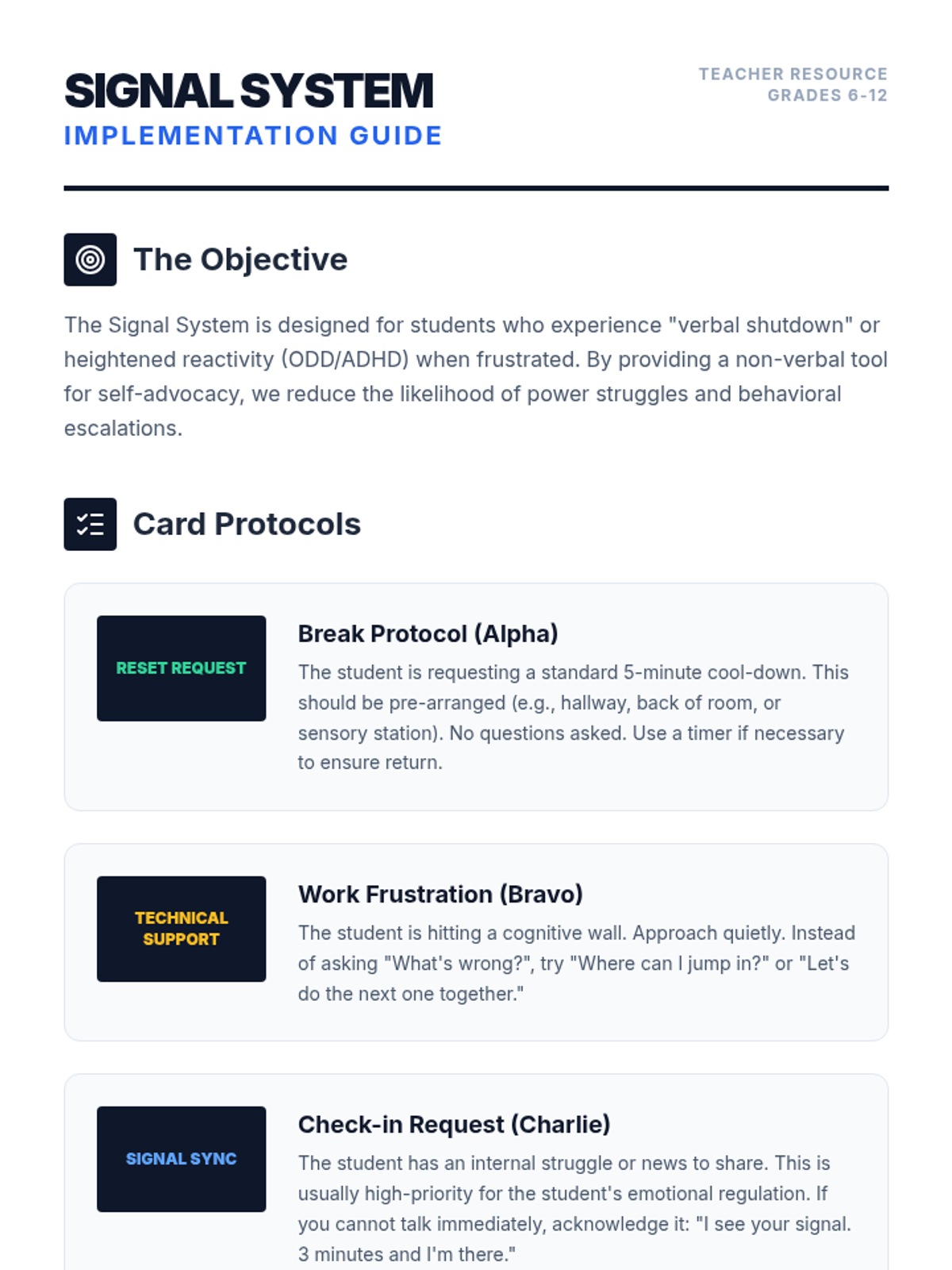
A set of discreet communication cards designed for an 8th-grade student to advocate for their needs during moments of frustration or sensory overwhelm.
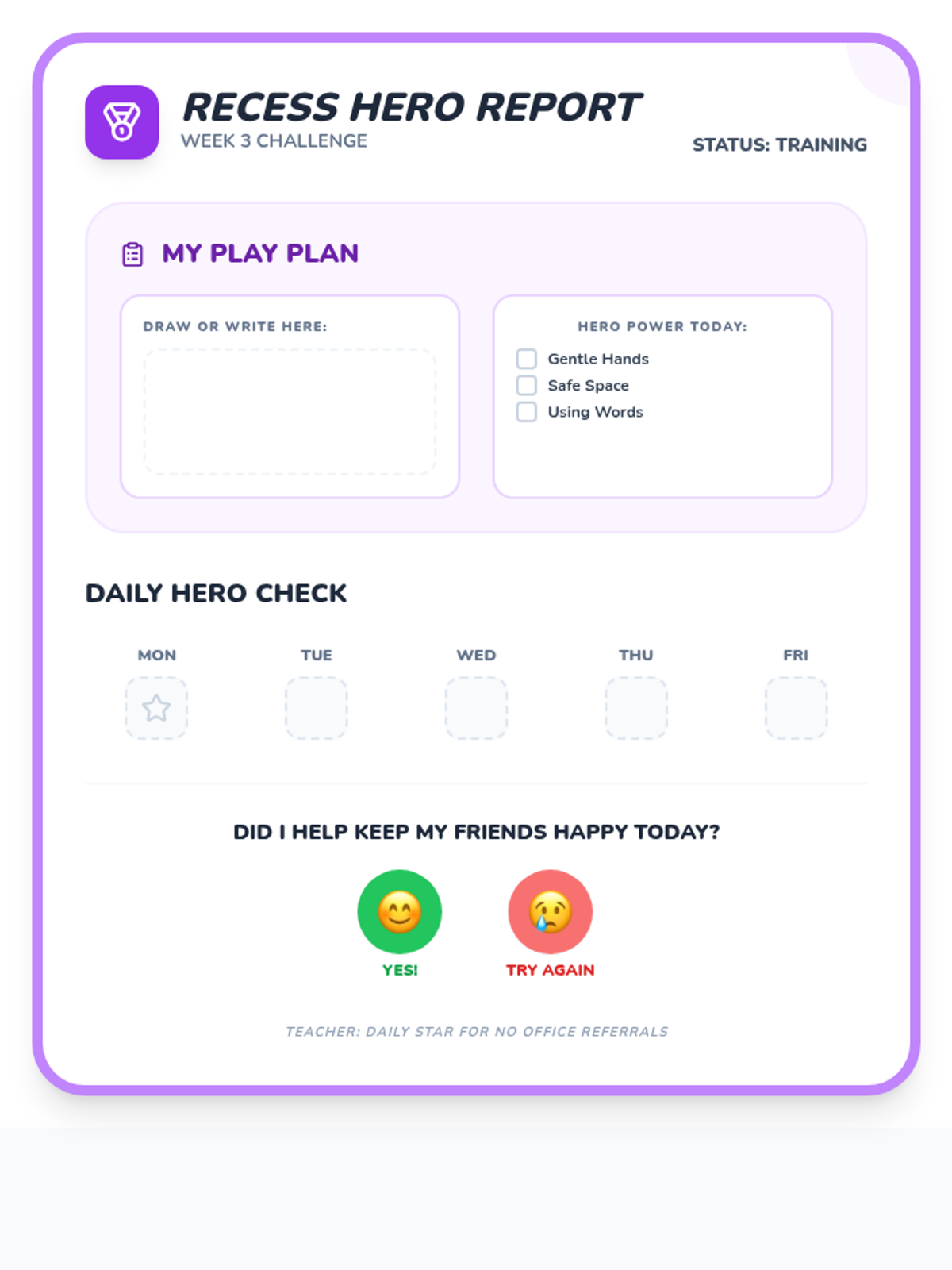
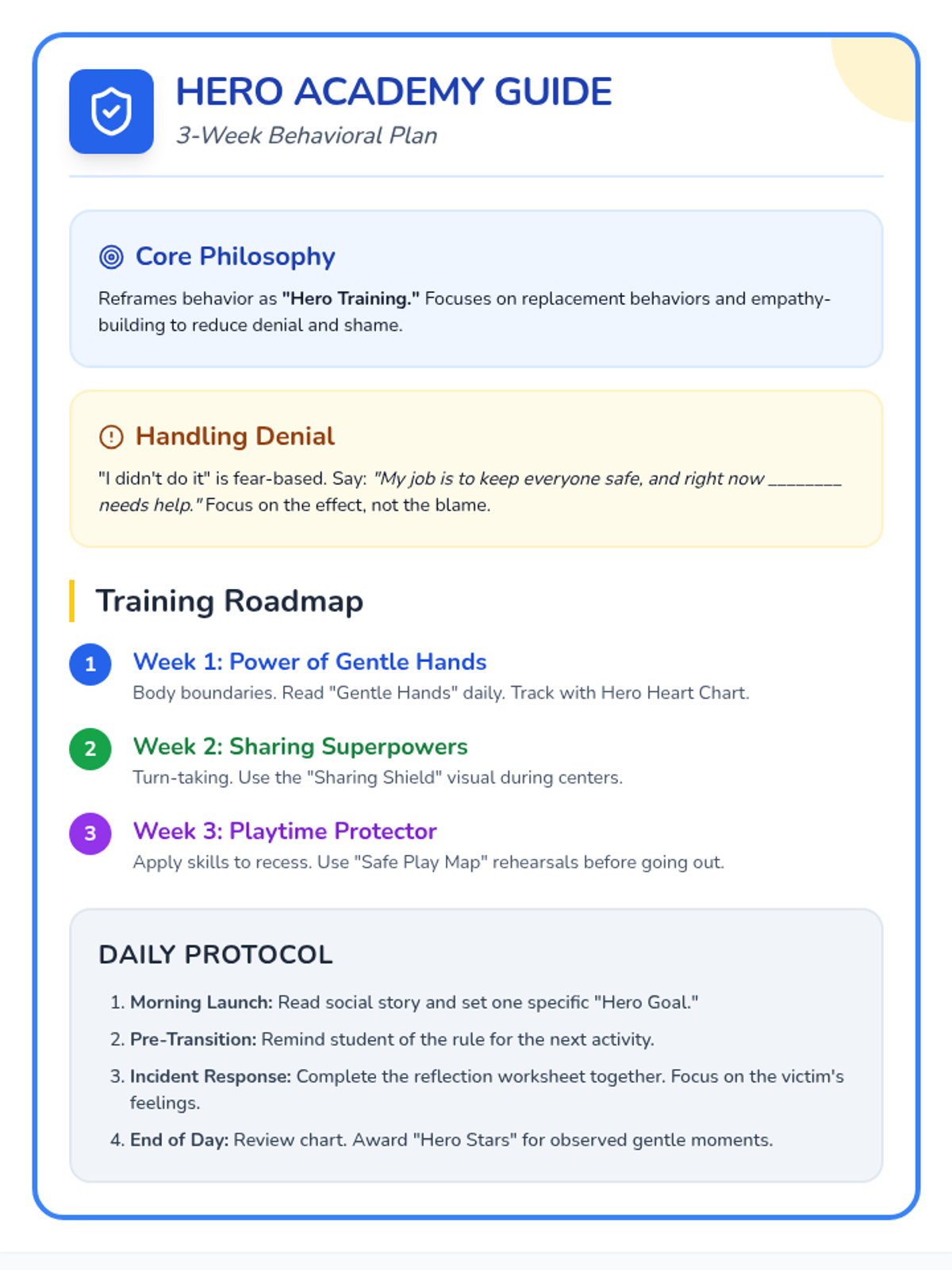
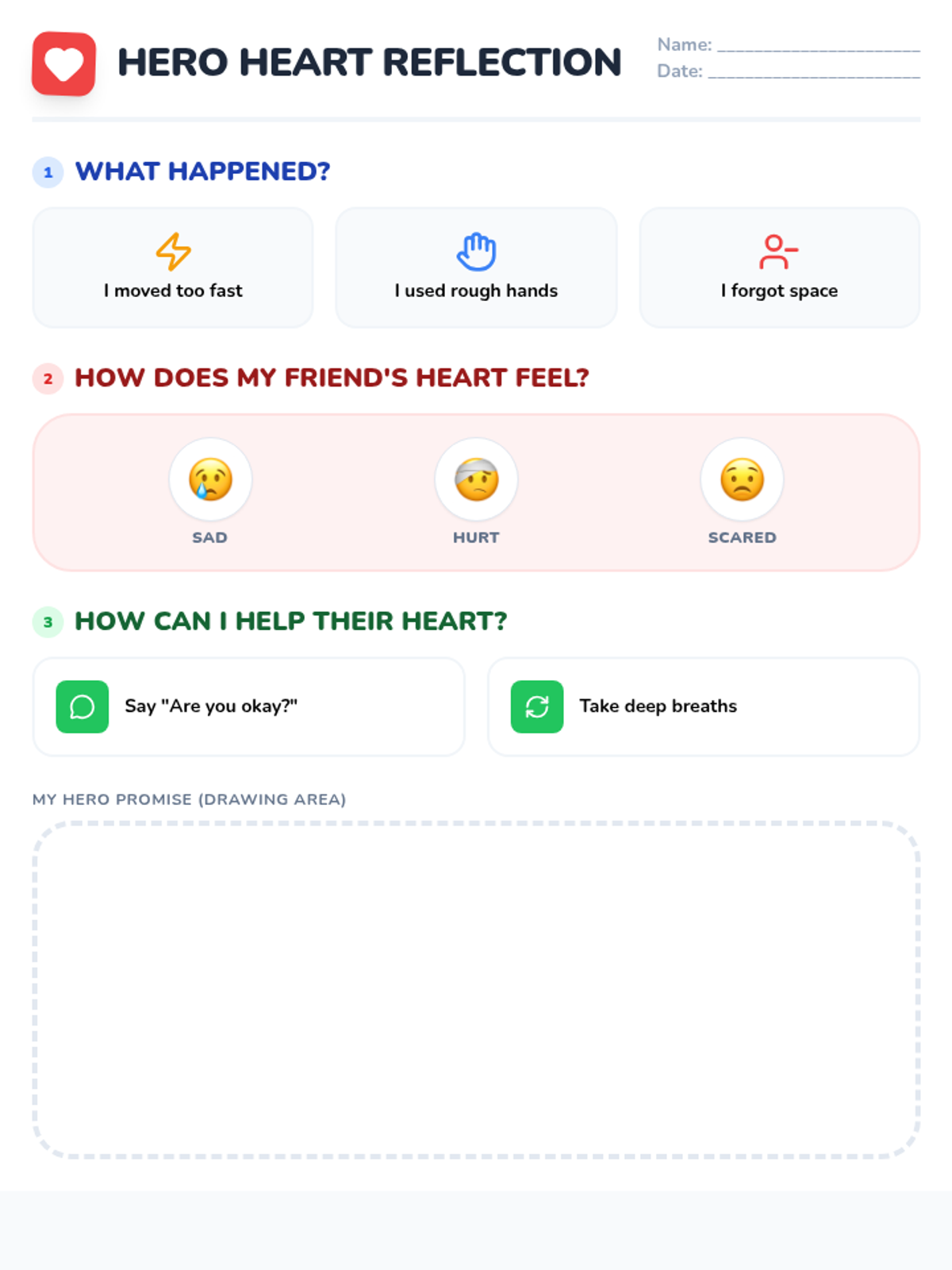
Applies the skills learned in weeks 1 and 2 to larger, unstructured environments like recess, with a focus on safe play and emotional regulation.
Introduces social strategies for sharing and taking turns, helping the student navigate small-group interactions with less frustration and impulsivity.
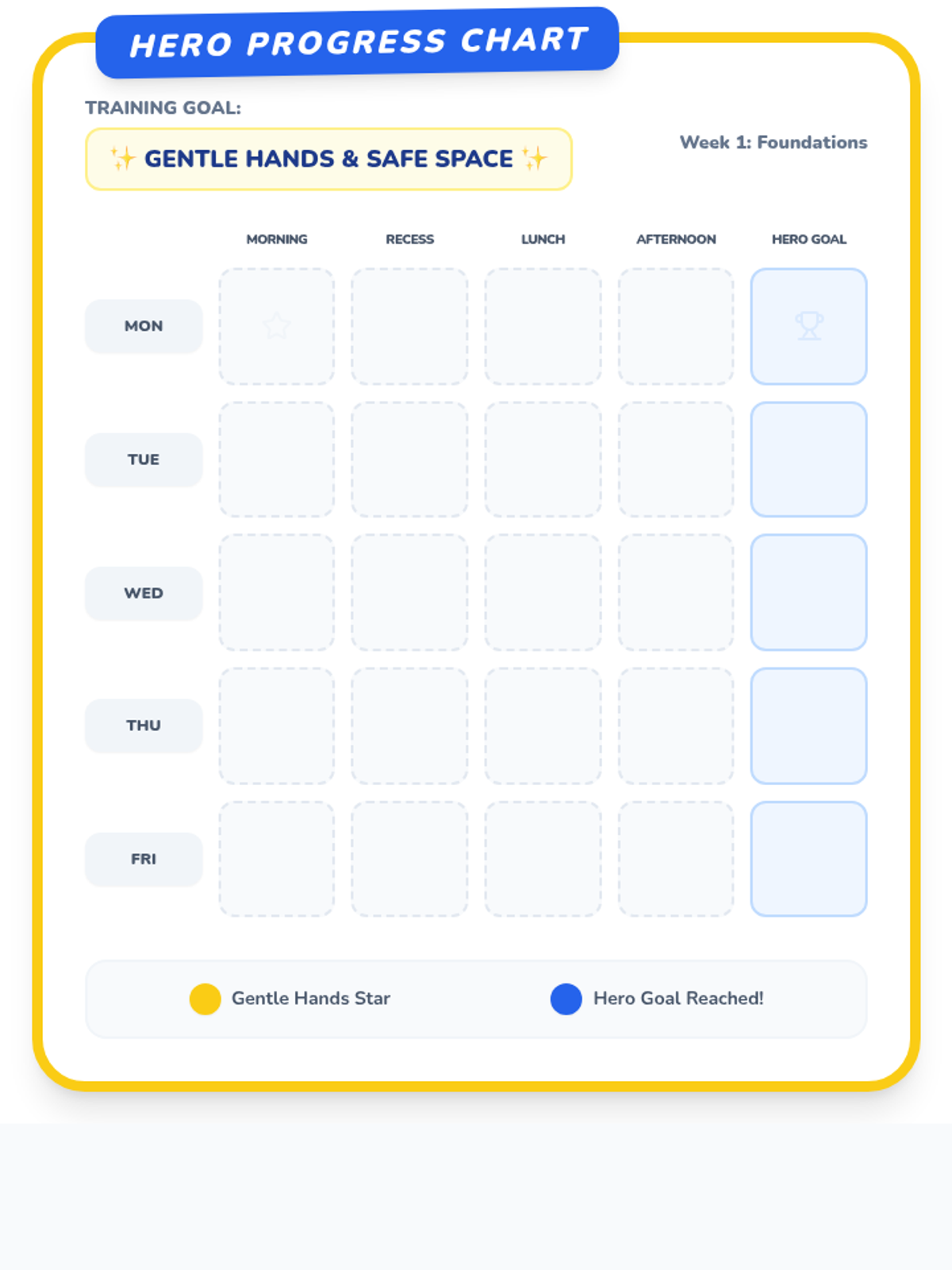
Focuses on establishing the 'Gentle Hands' foundation, teaching the student to recognize personal space and use physical touch safely and kindly.
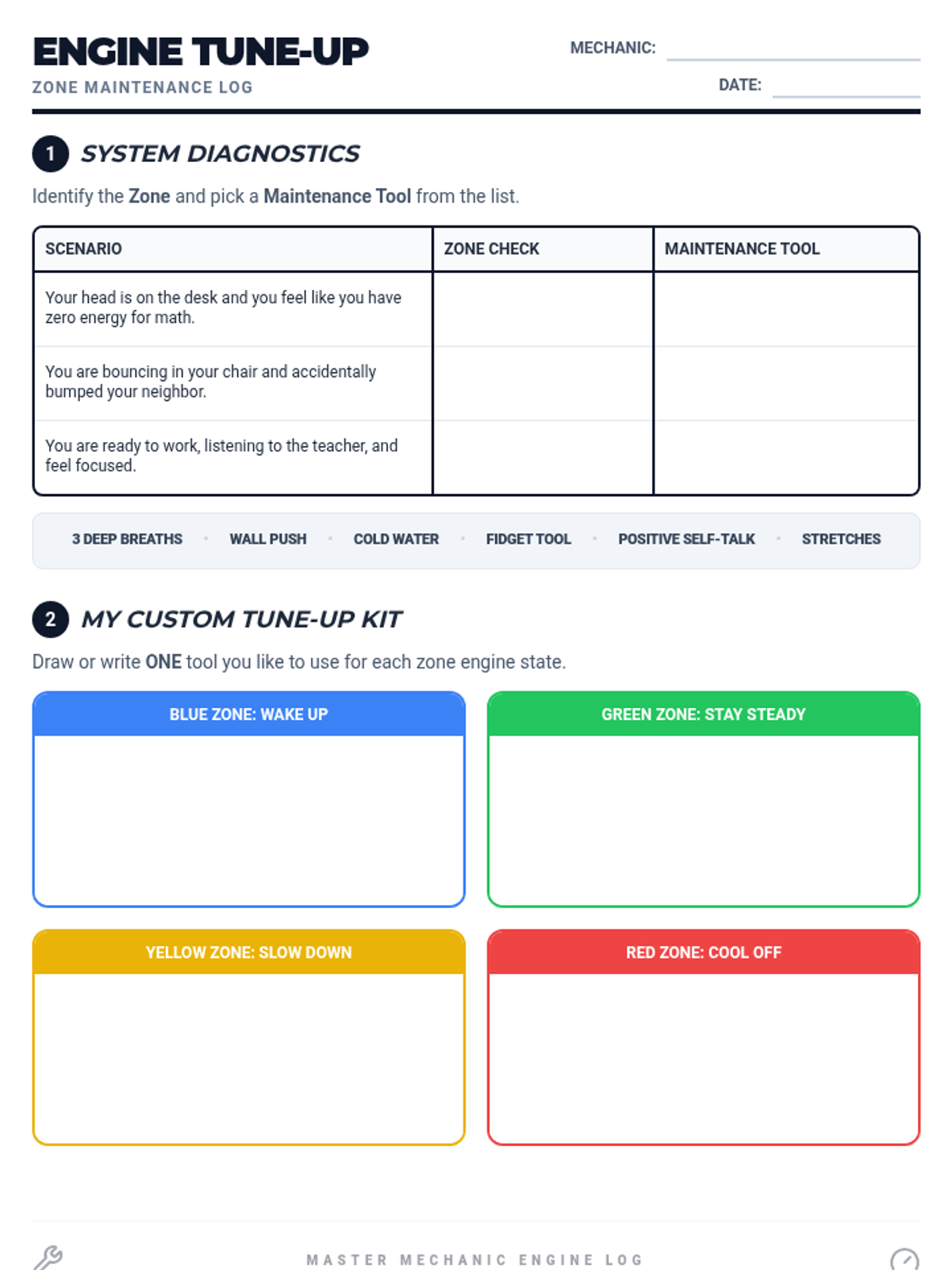
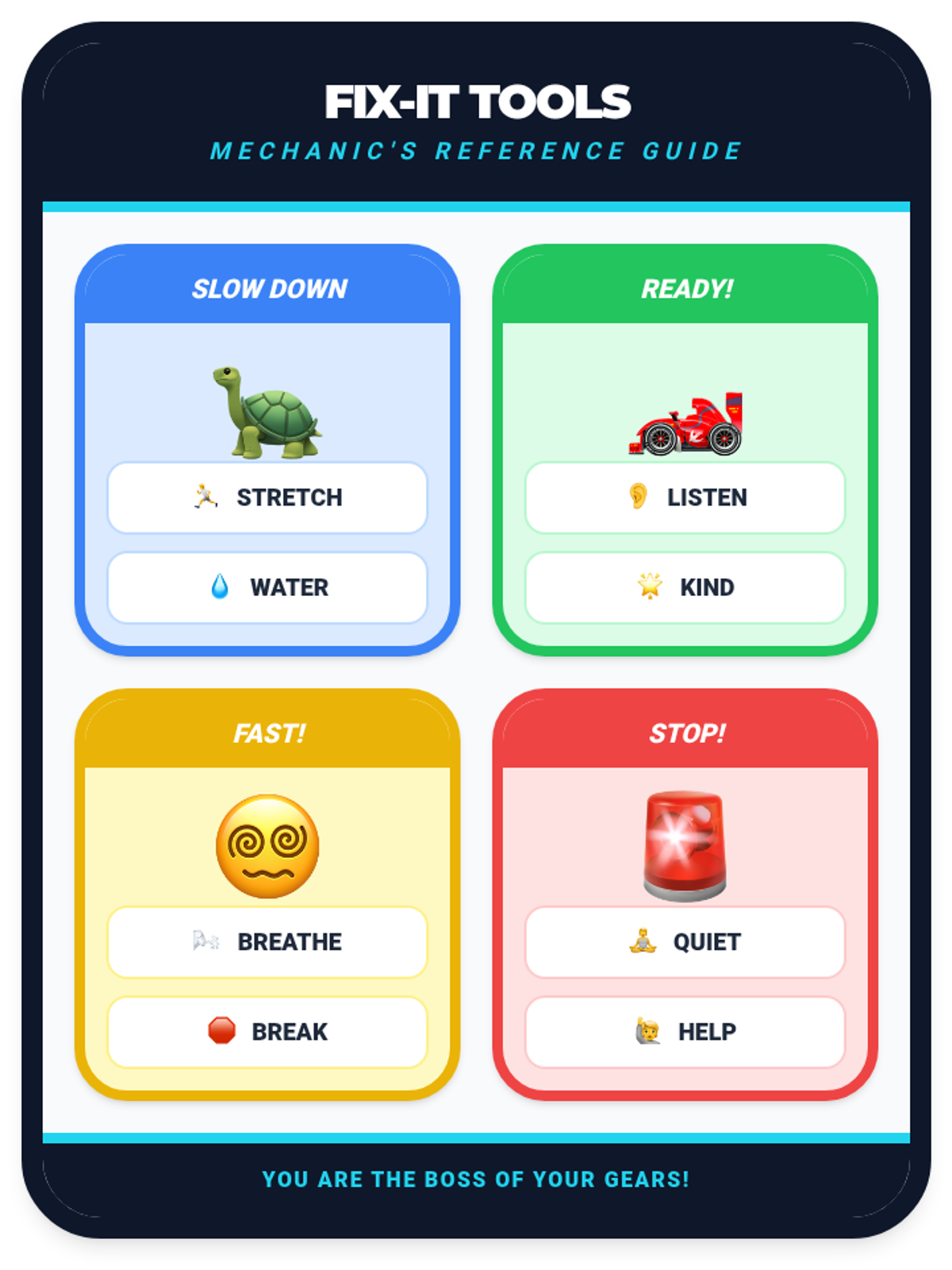
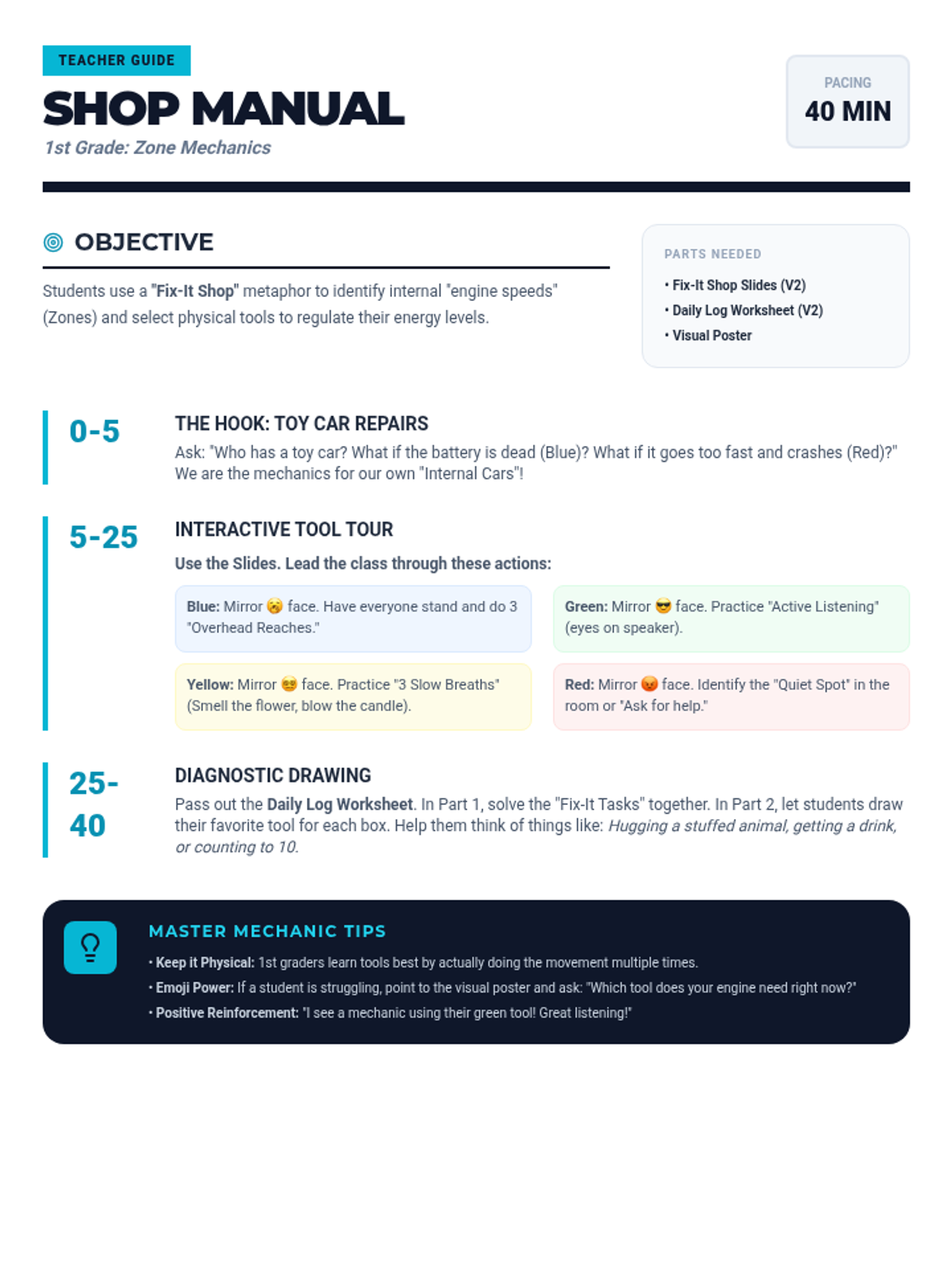
Students learn to select specific regulation tools tailored to each of the four zones, understanding that different emotional states require different 'maintenance' strategies to keep their internal engine running smoothly.
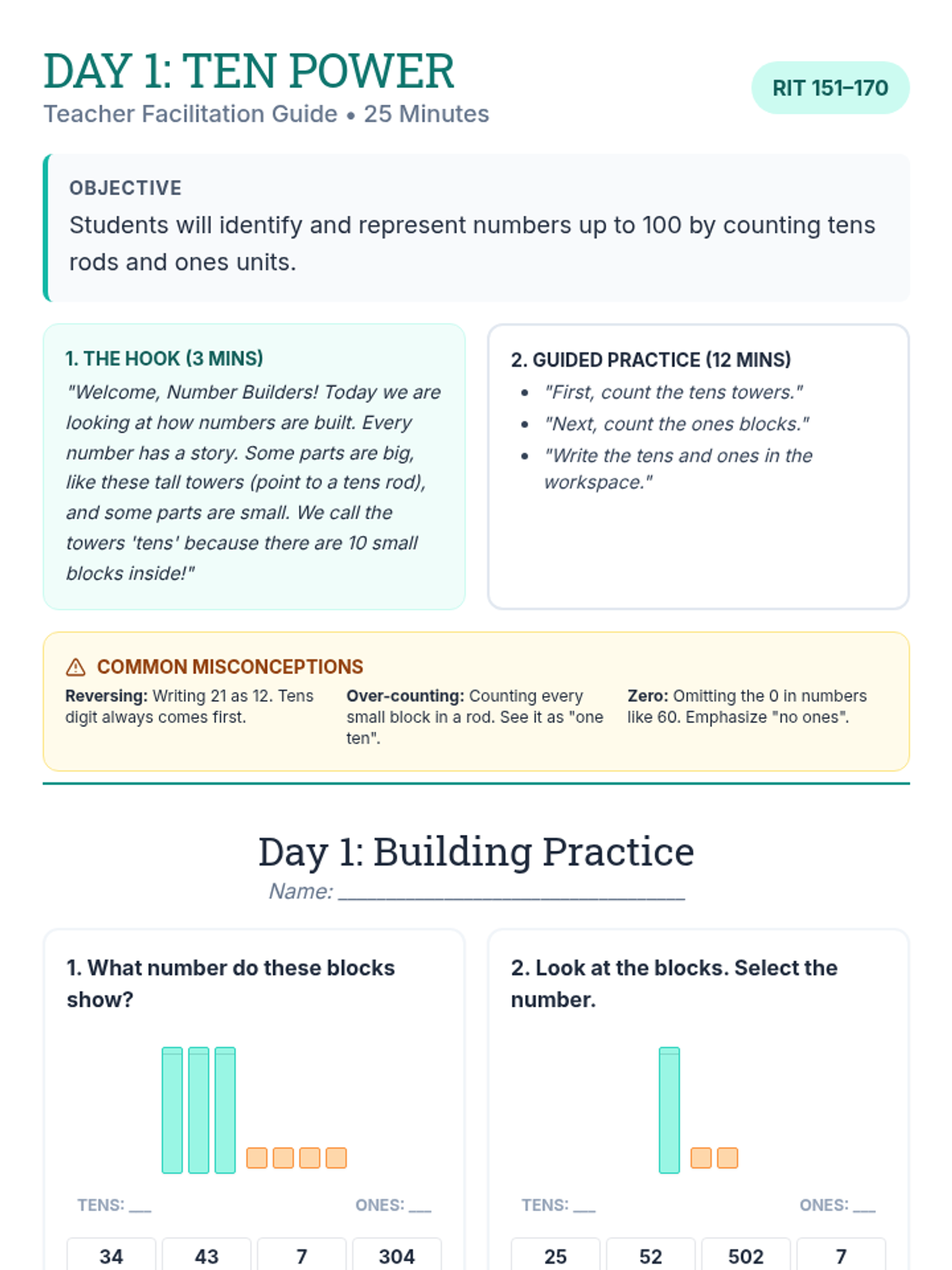
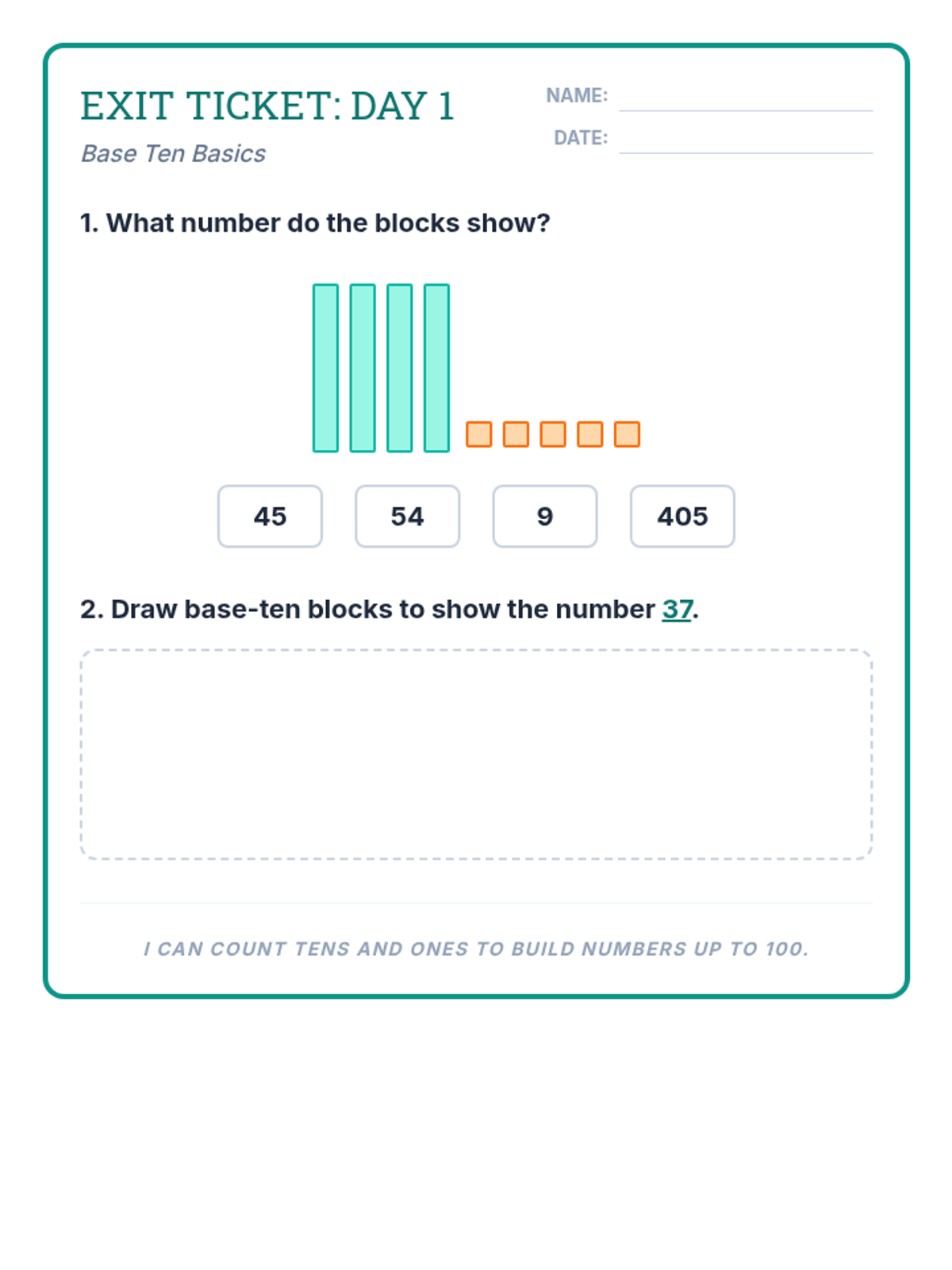
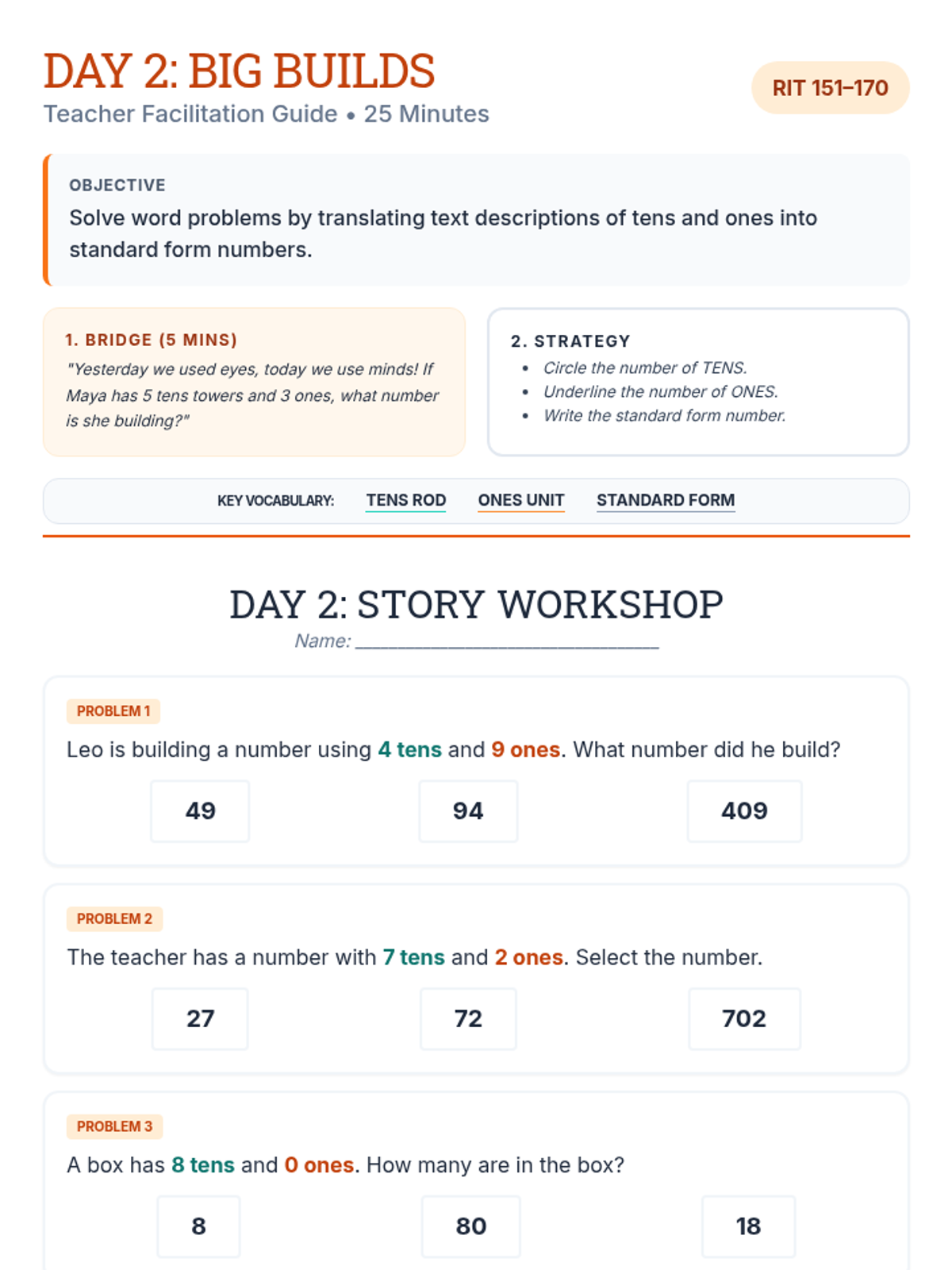
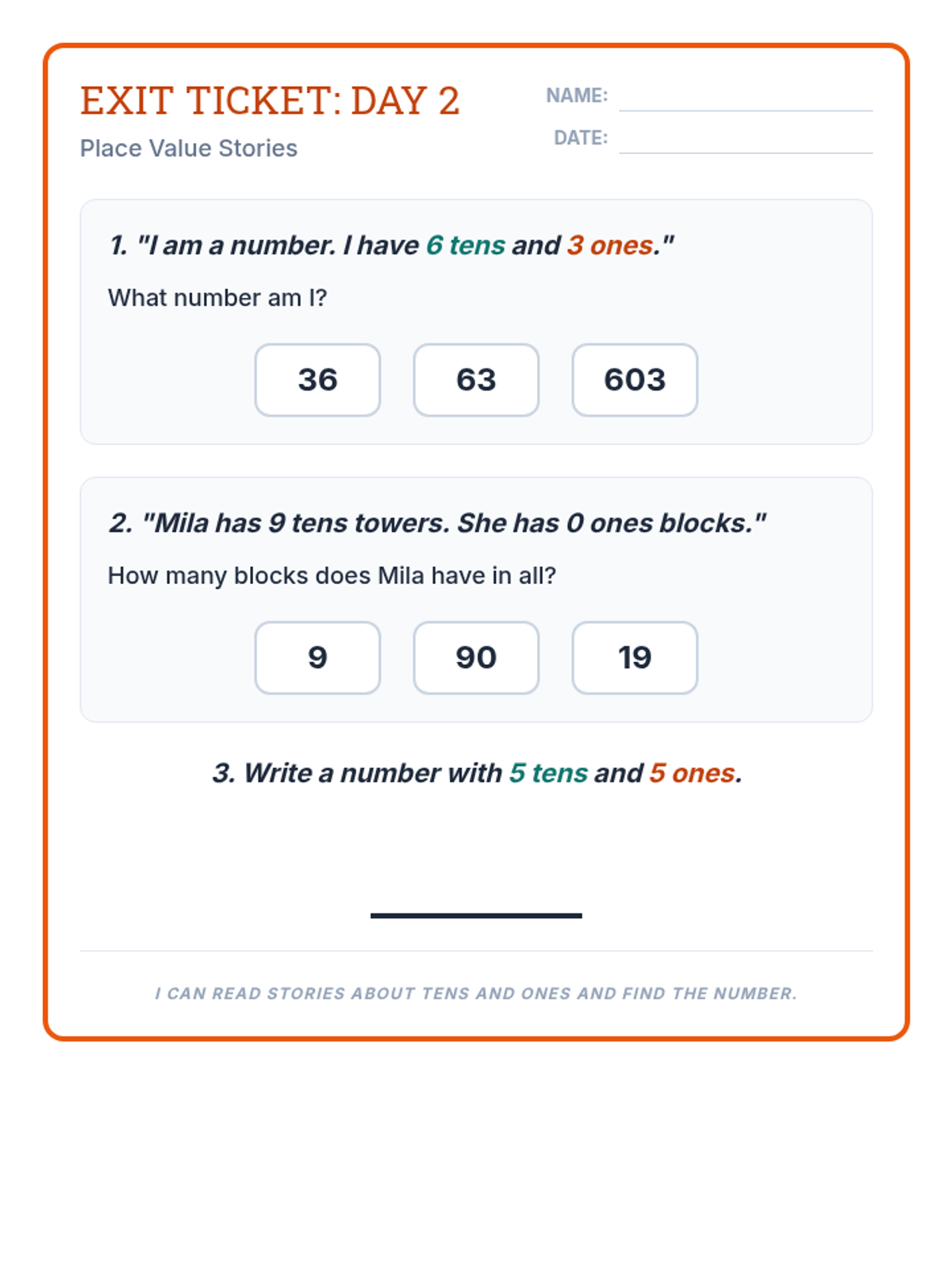
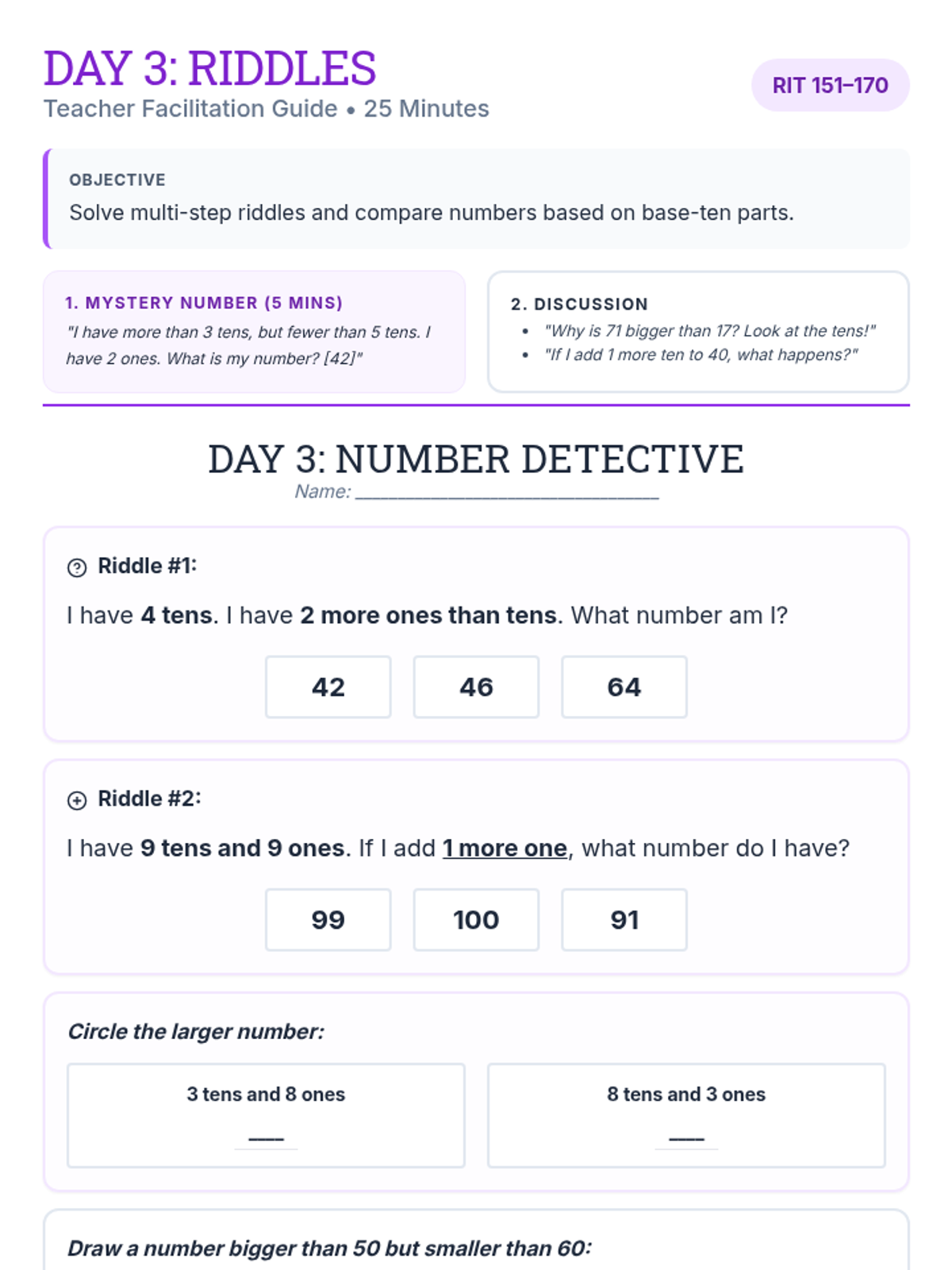
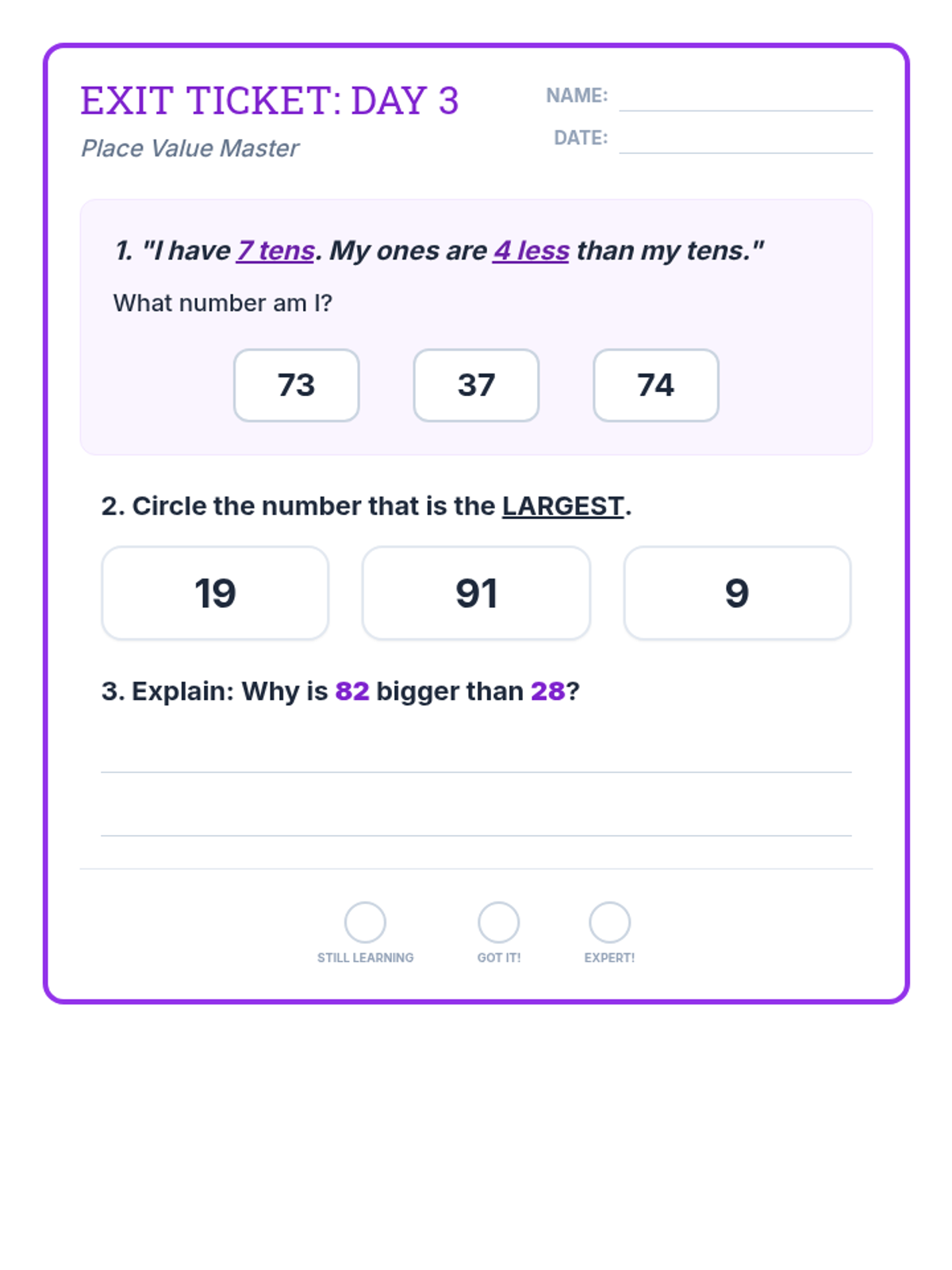
Focuses on identifying and representing numbers 20-100 using visual base-ten models.
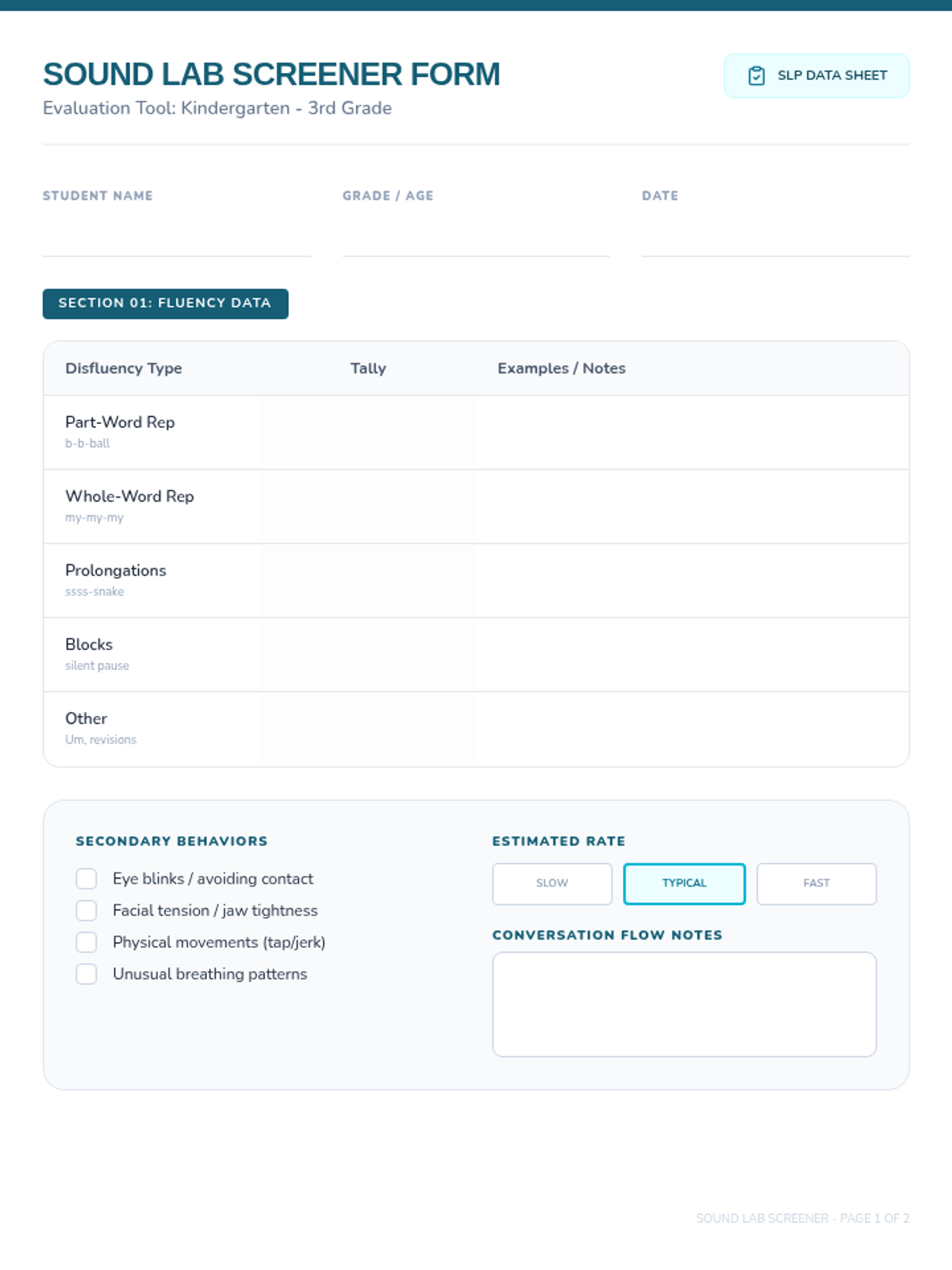
A comprehensive screening tool for speech-language pathologists to evaluate fluency and voice in students from Kindergarten through 3rd Grade. The lesson includes student-facing stimulus cards and a professional recording form for data collection.
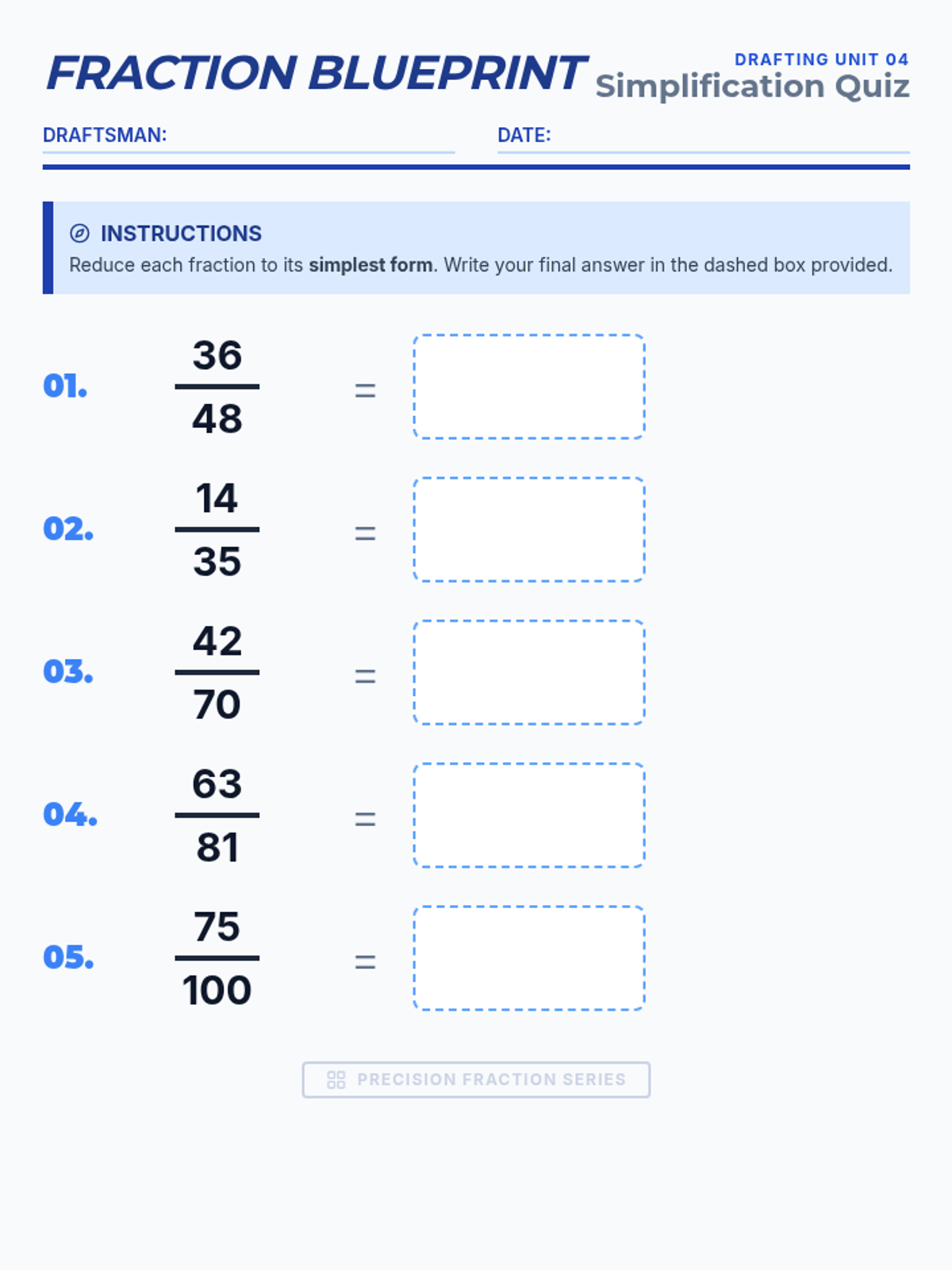
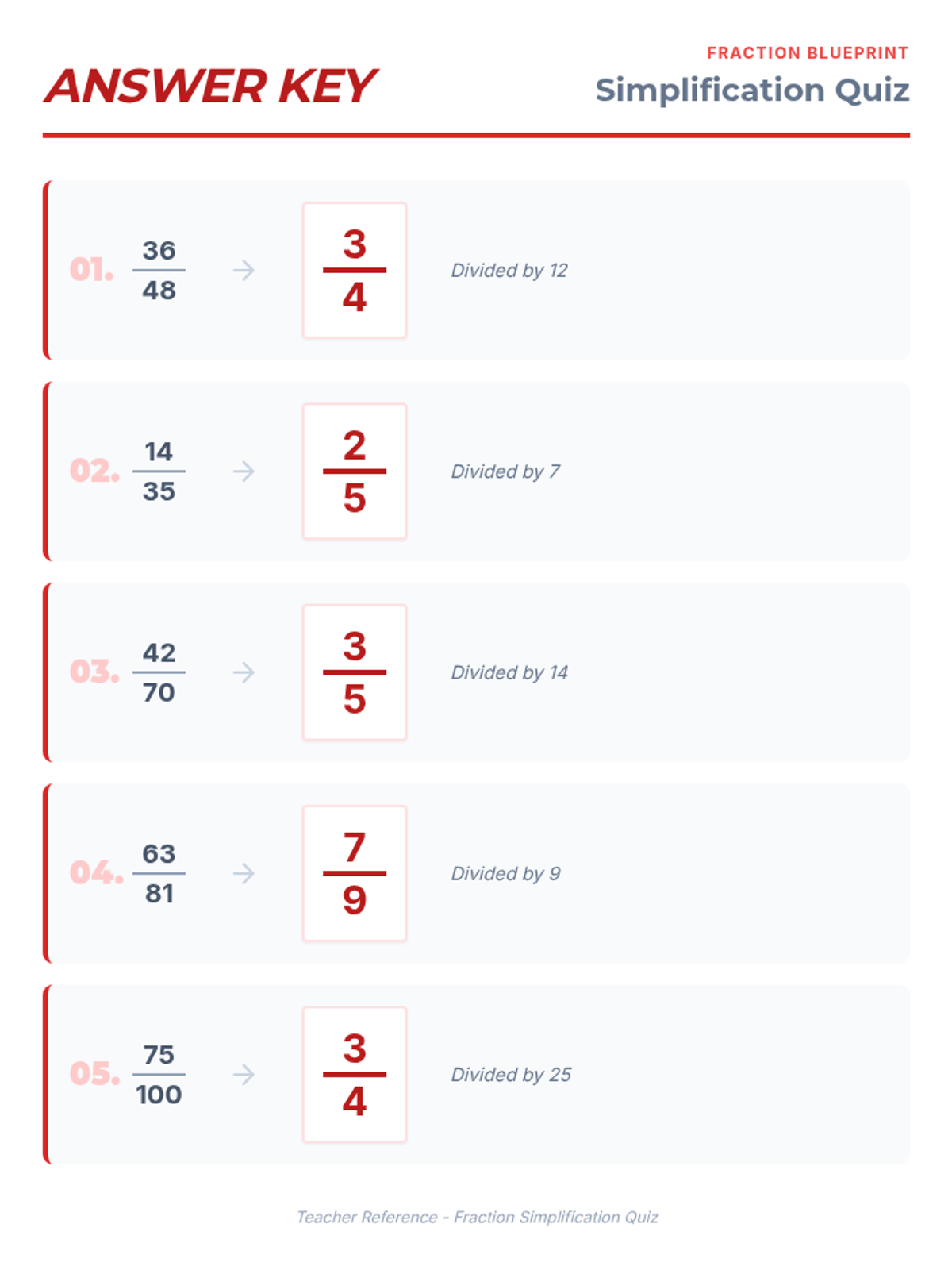
A quick assessment focusing on simplifying fractions with numerators and denominators up to 100 into their simplest form.
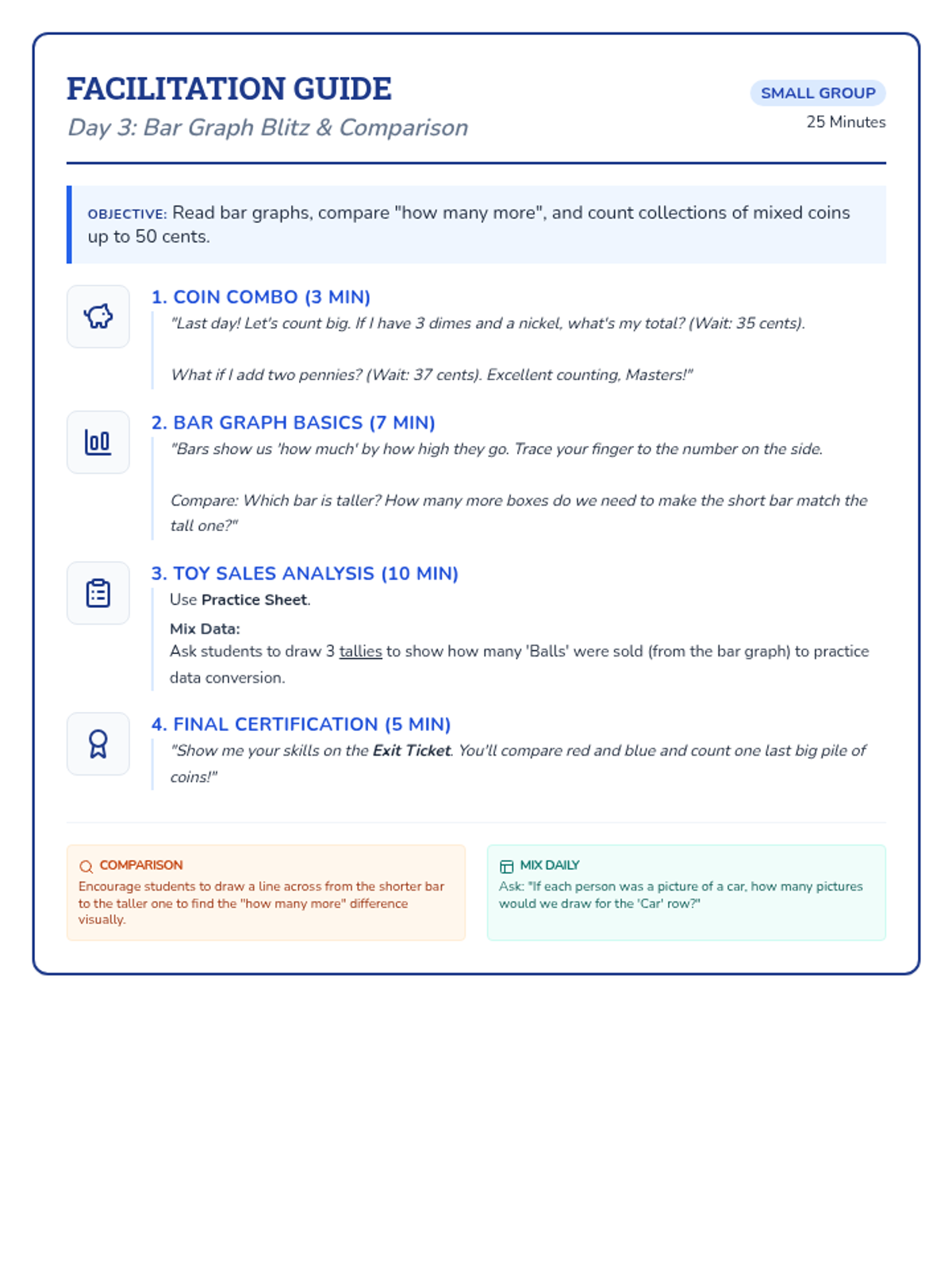
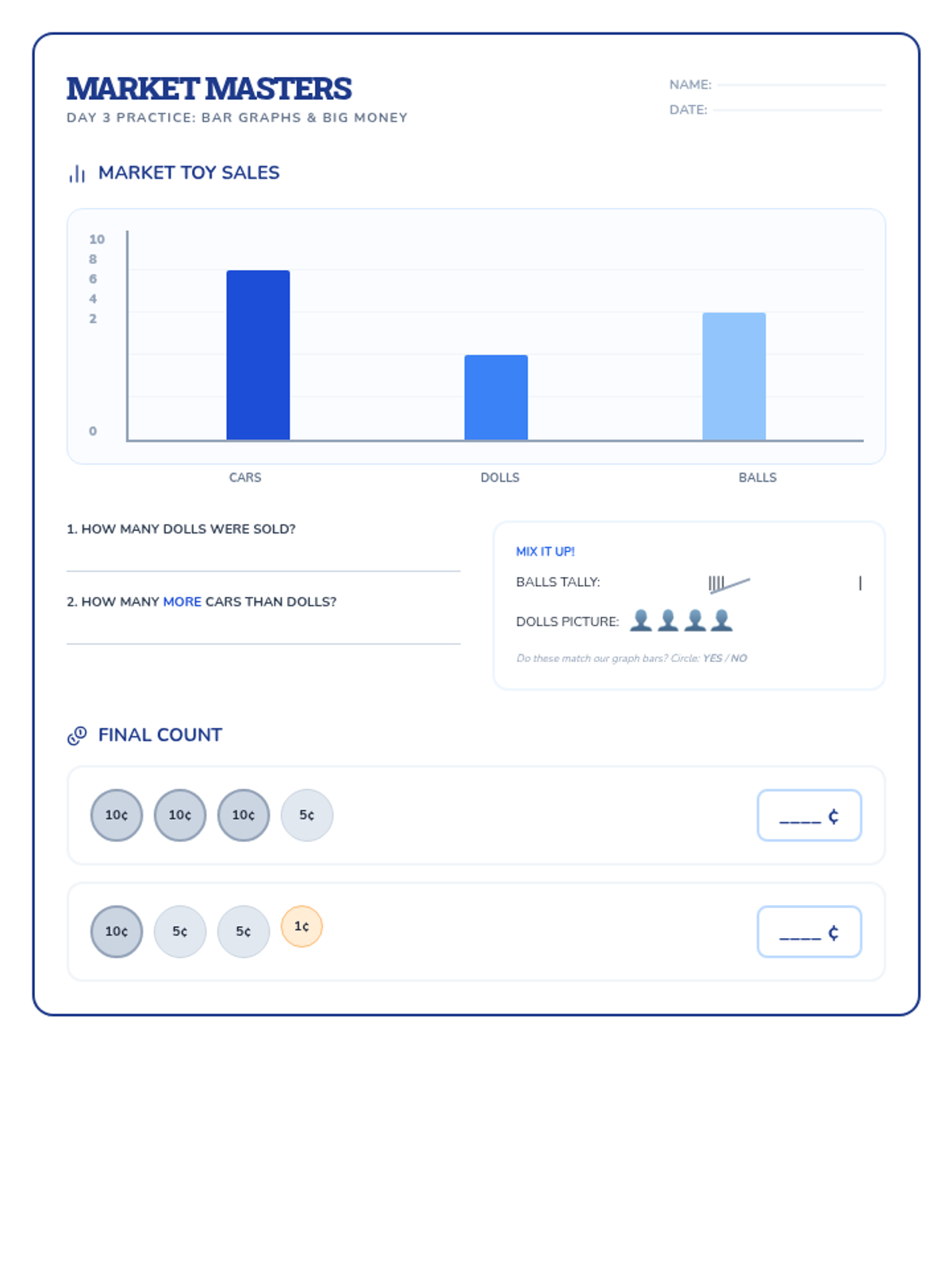
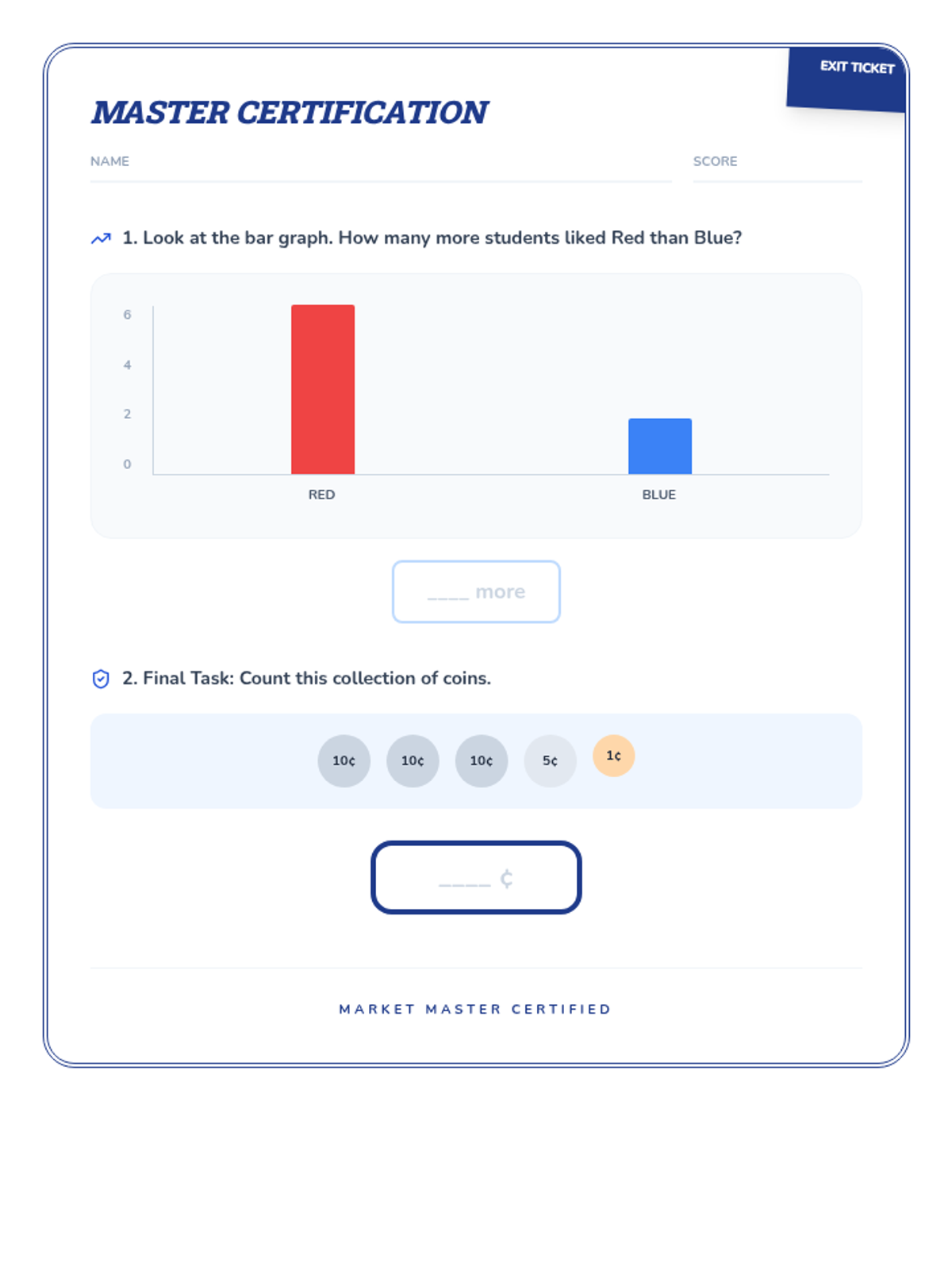
Focuses on bar graphs and comparing data. Students analyze categories and count collections of mixed coins.
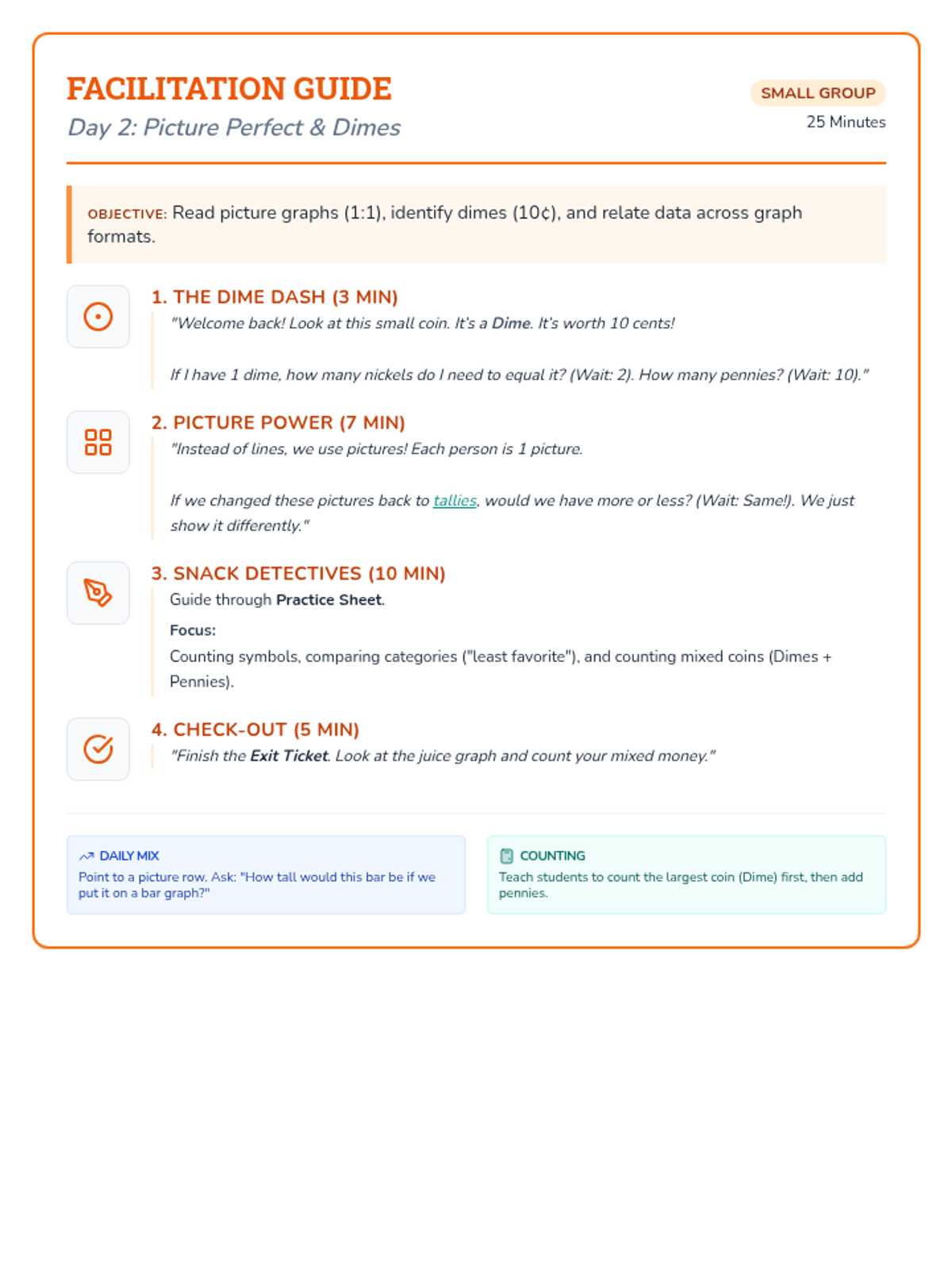
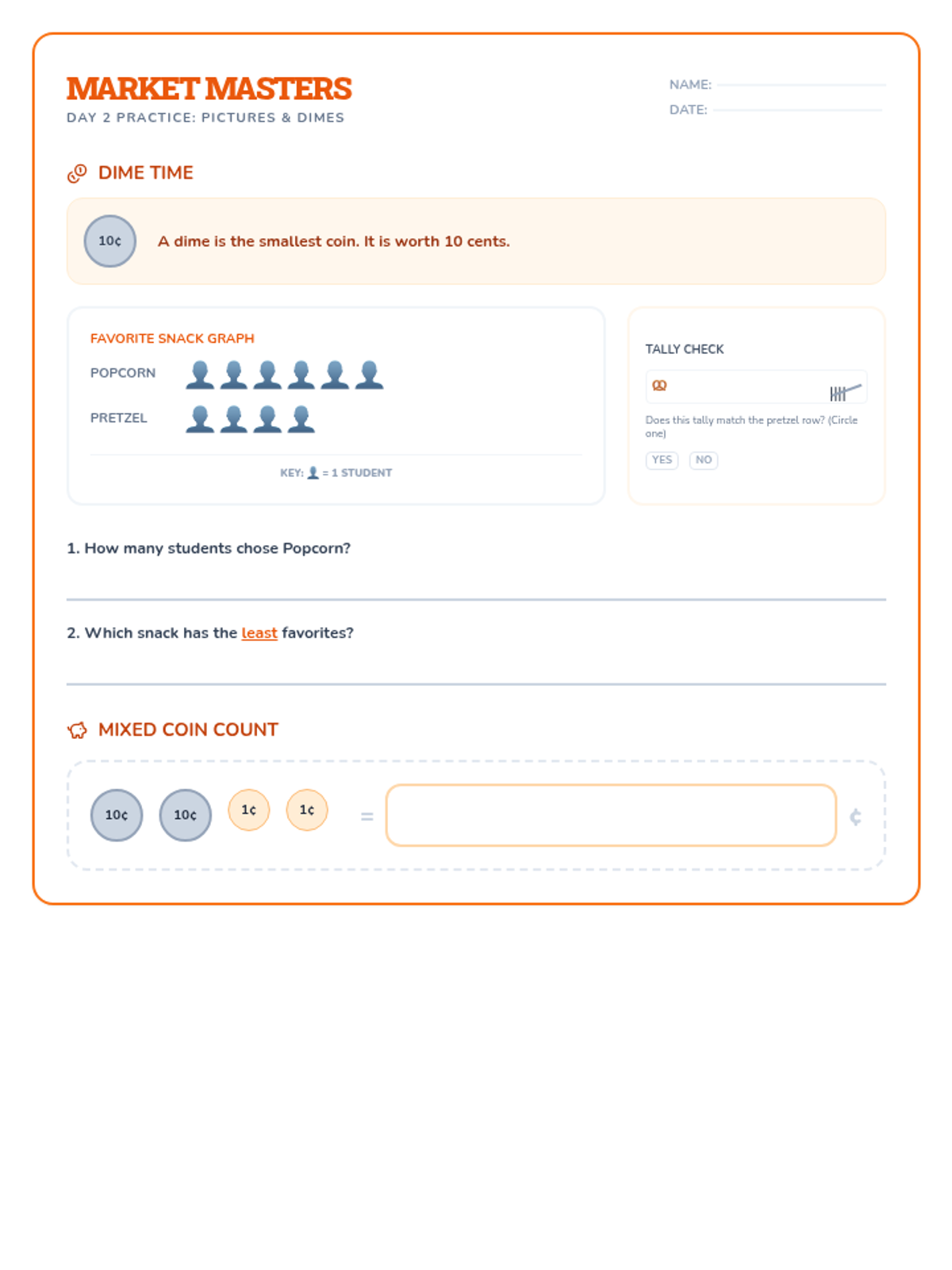
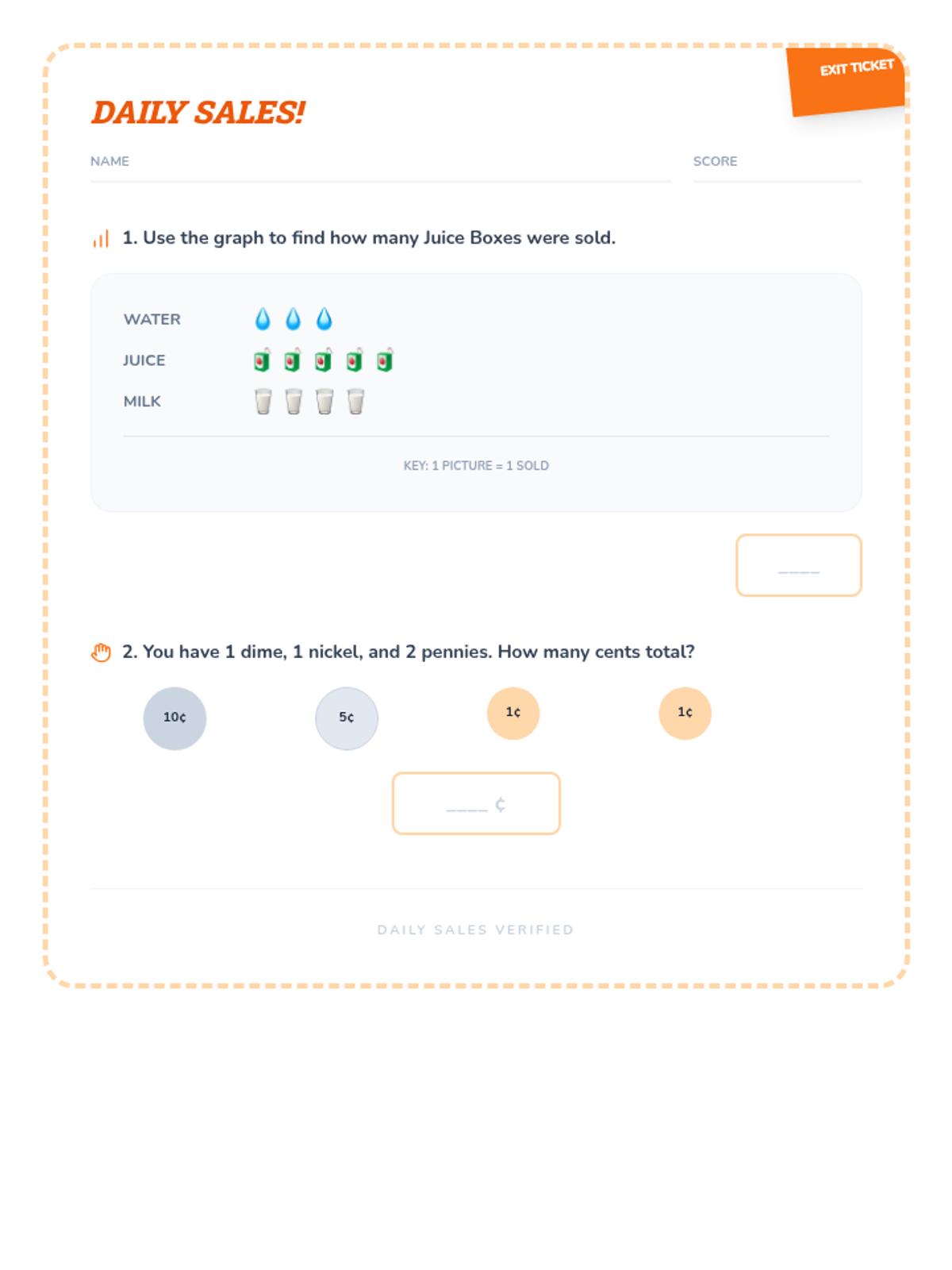
Focuses on picture graphs and dimes. Students interpret data with 1:1 correspondence and count mixed coins.
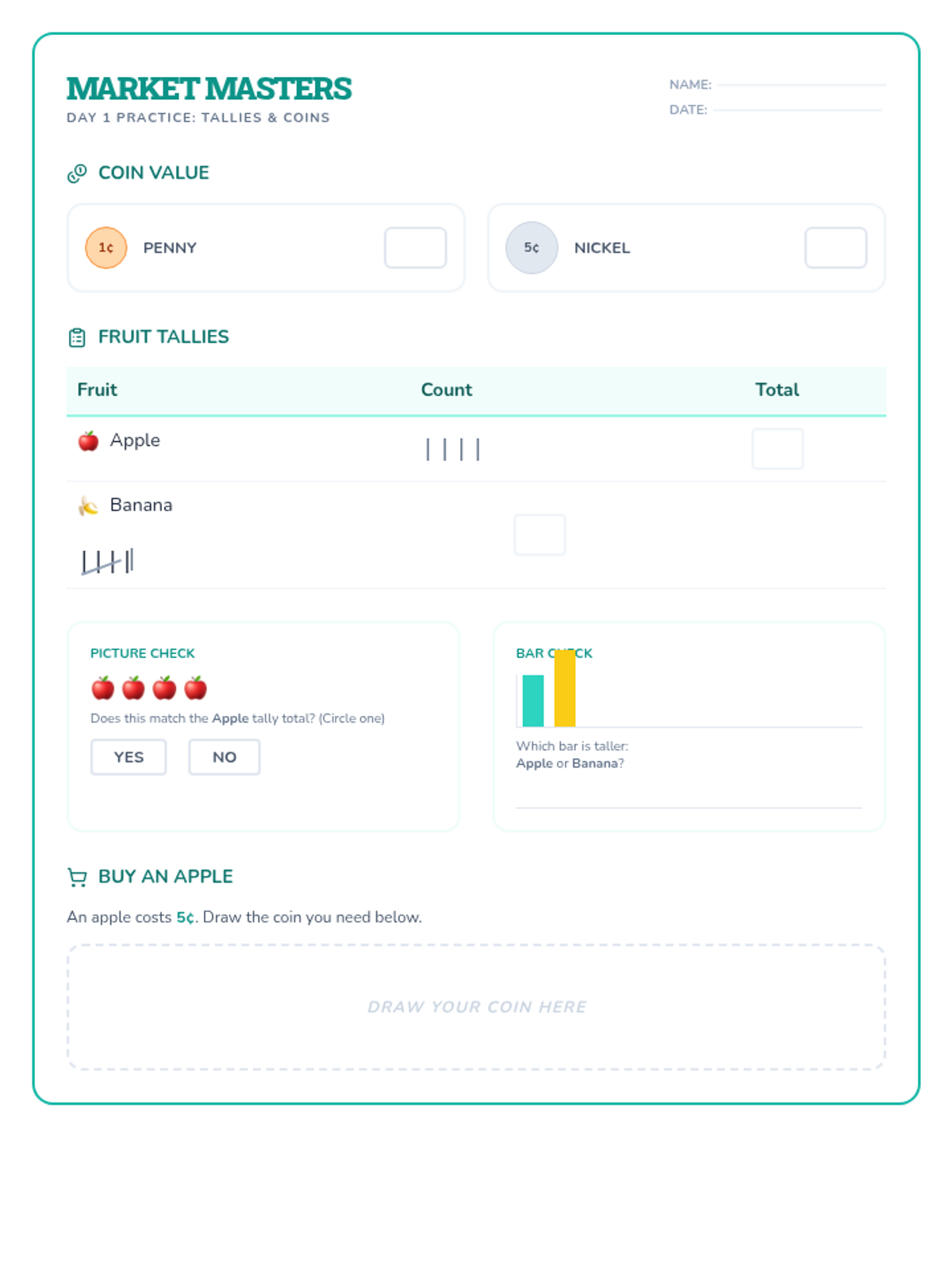
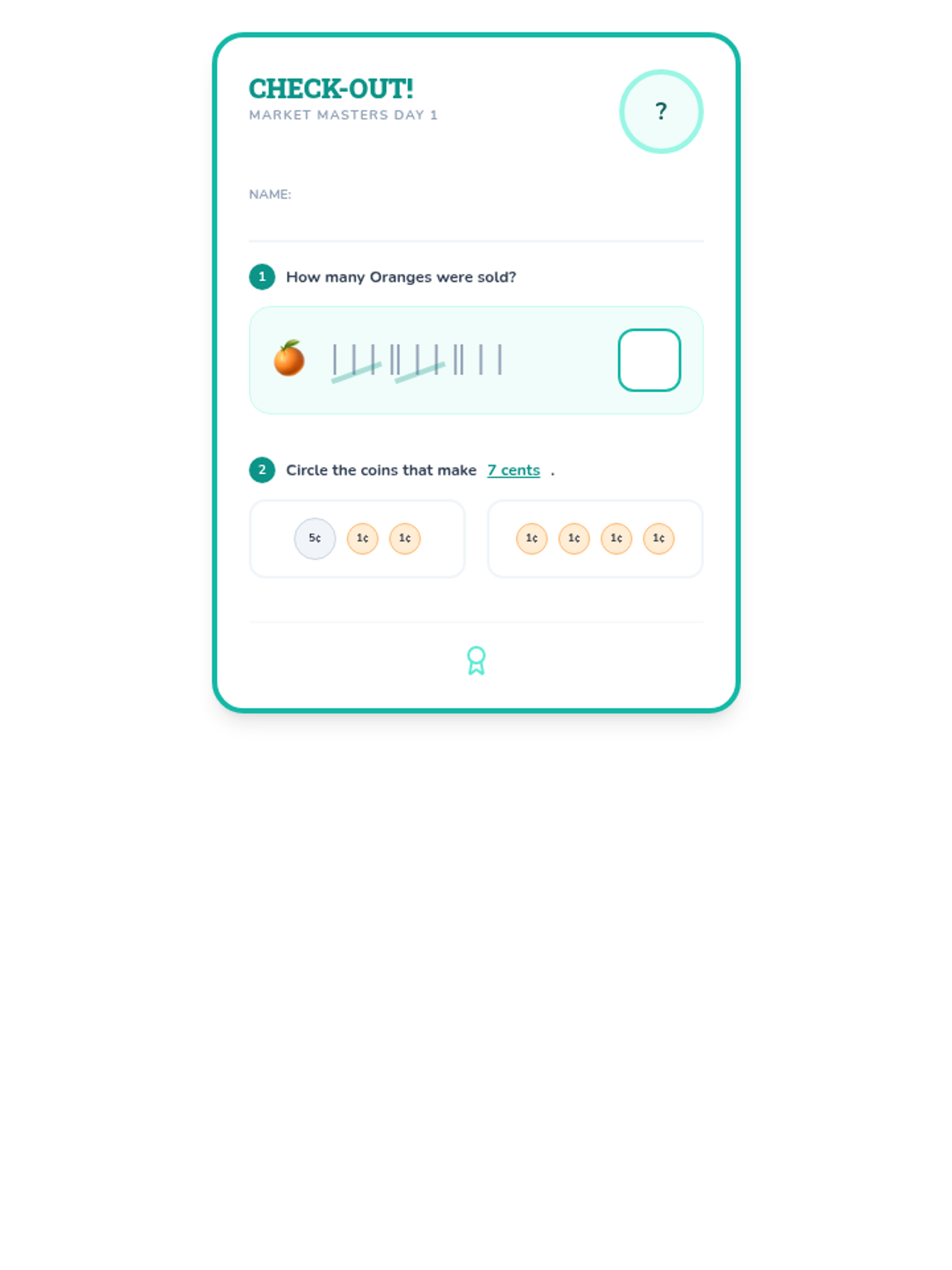
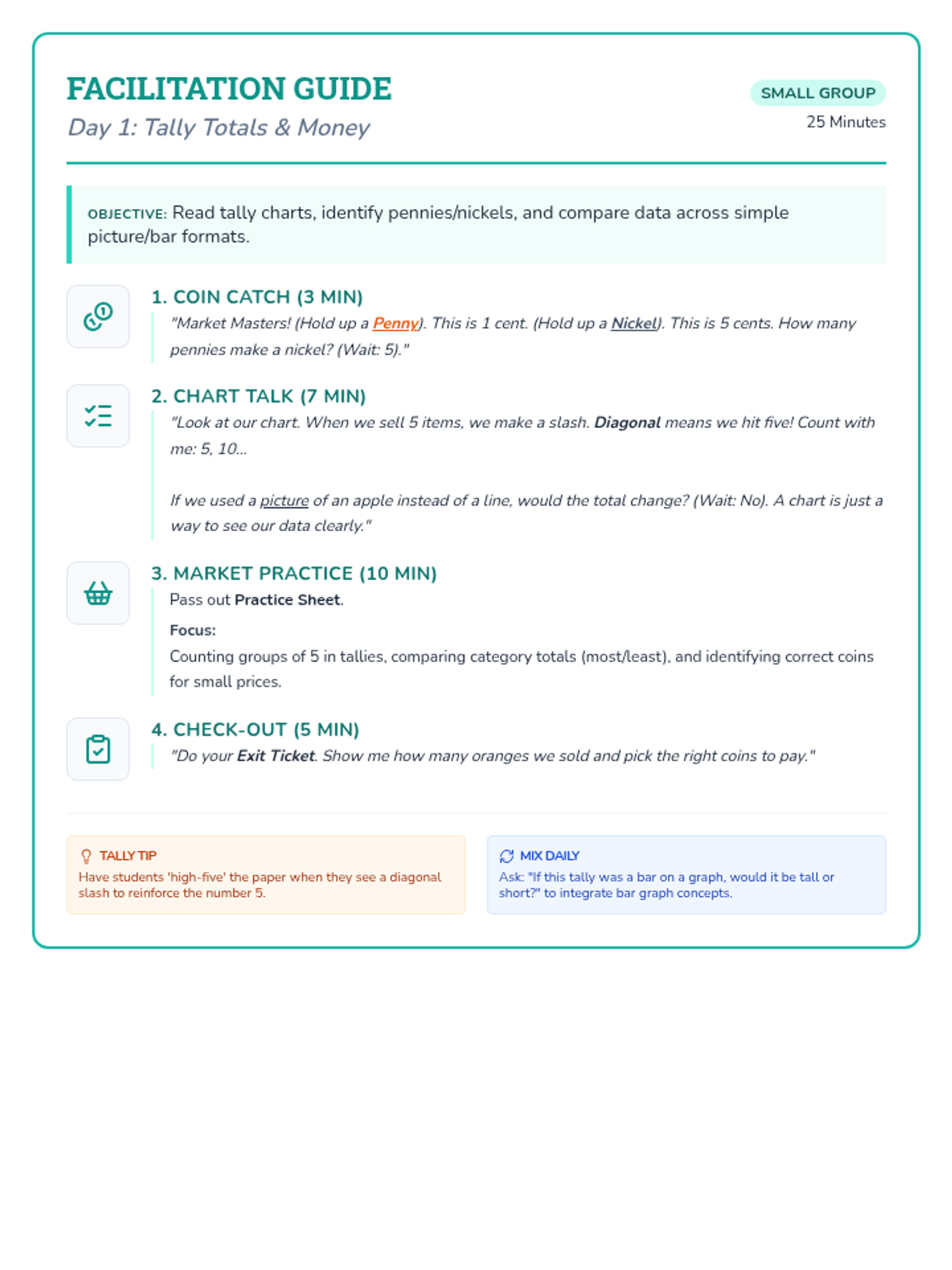
Focuses on tally charts and pennies/nickels. Students learn to read tallies and identify coins to 'buy' items from the market.
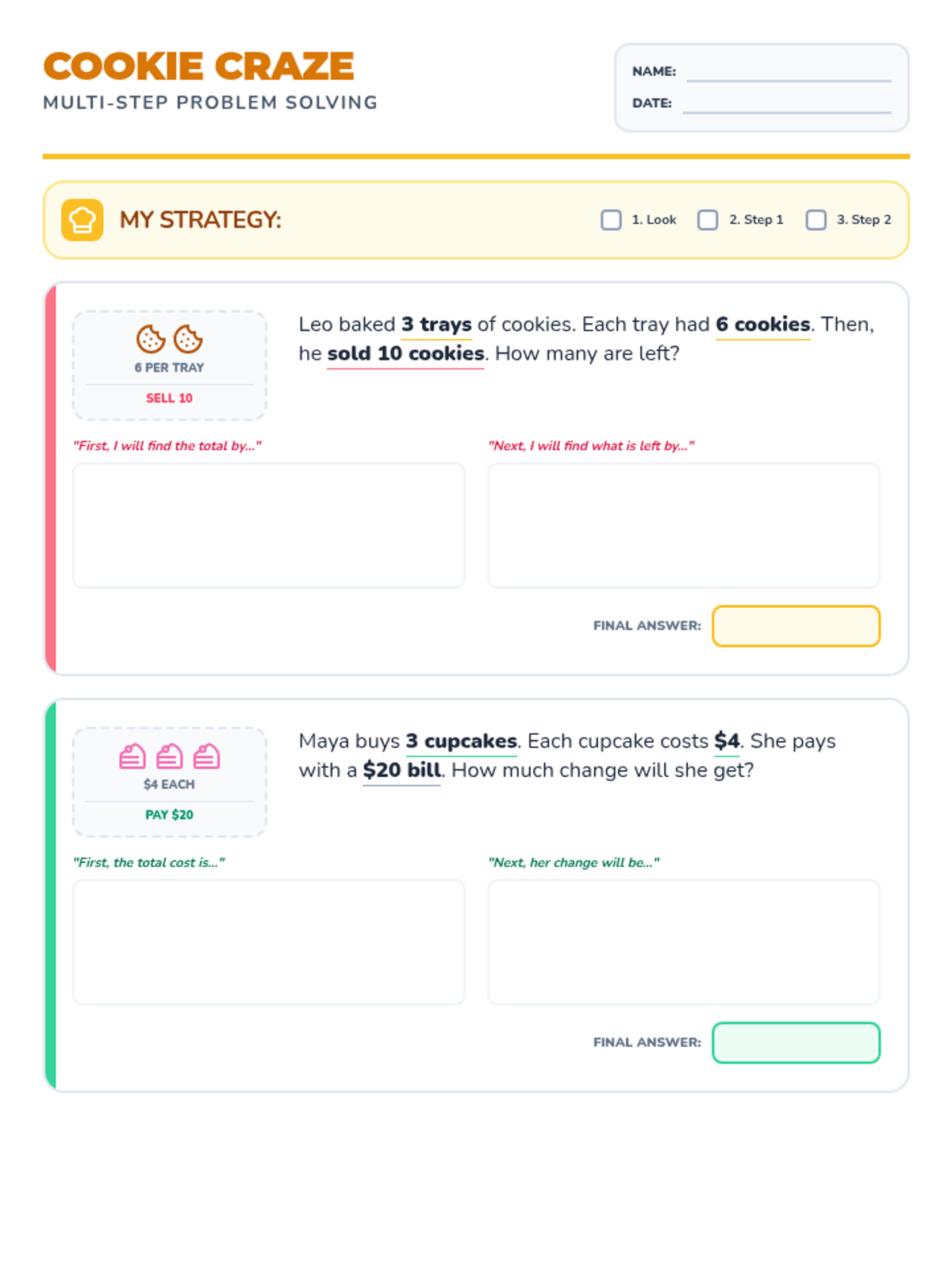
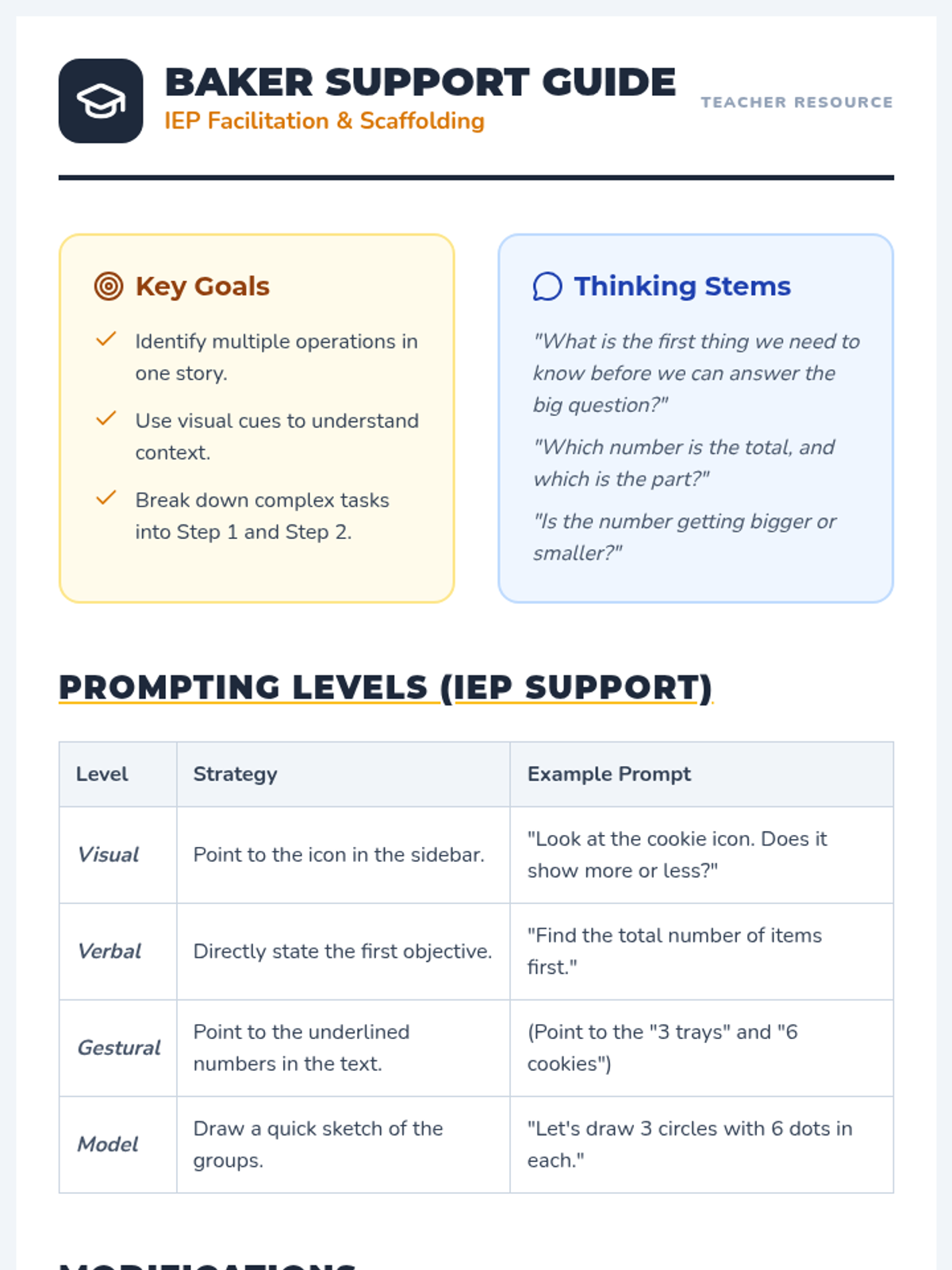
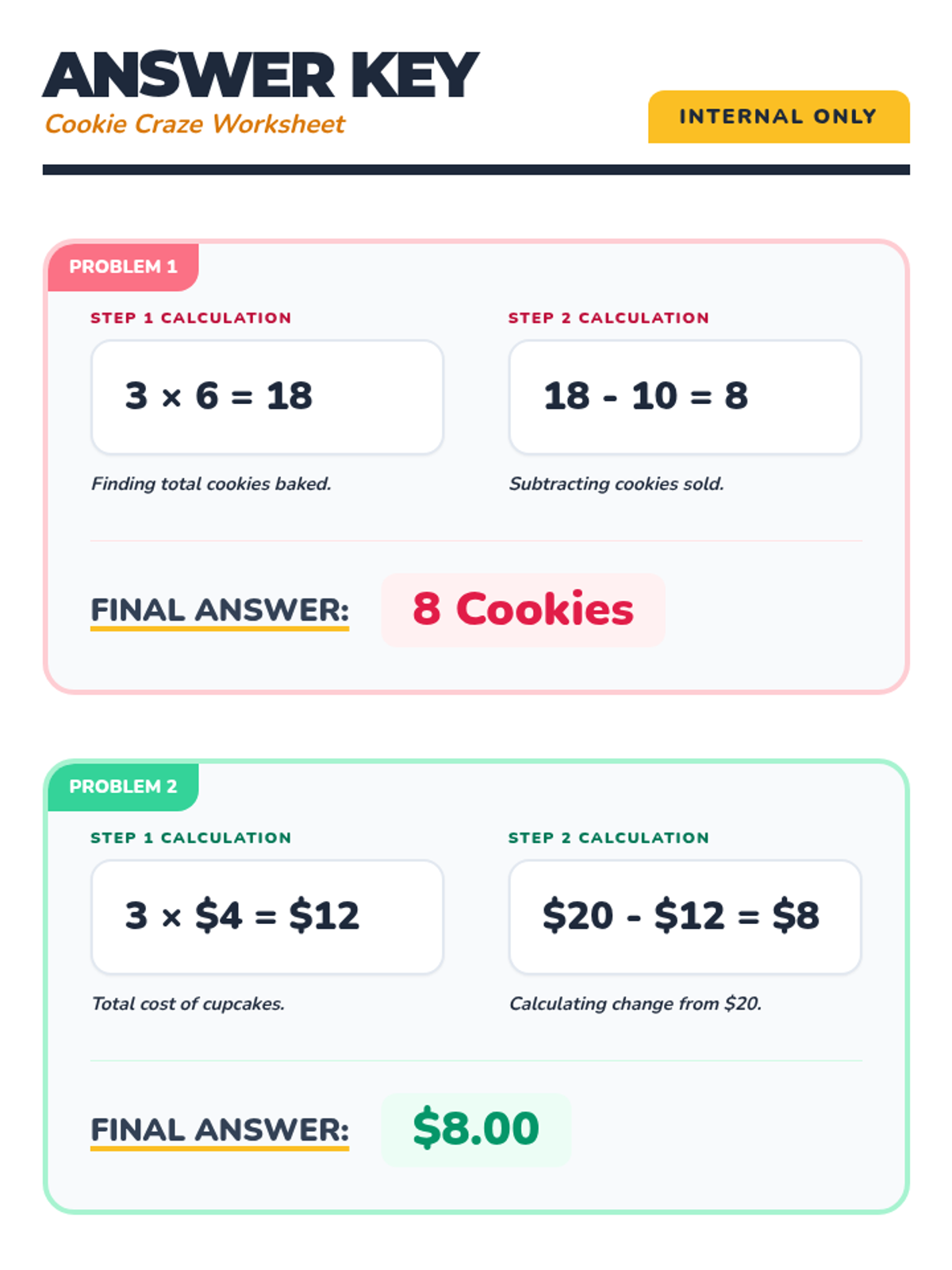
A highly scaffolded lesson focused on solving multi-step word problems using a bakery theme. Includes visual aids, checklists, and sentence starters specifically designed for IEP students.
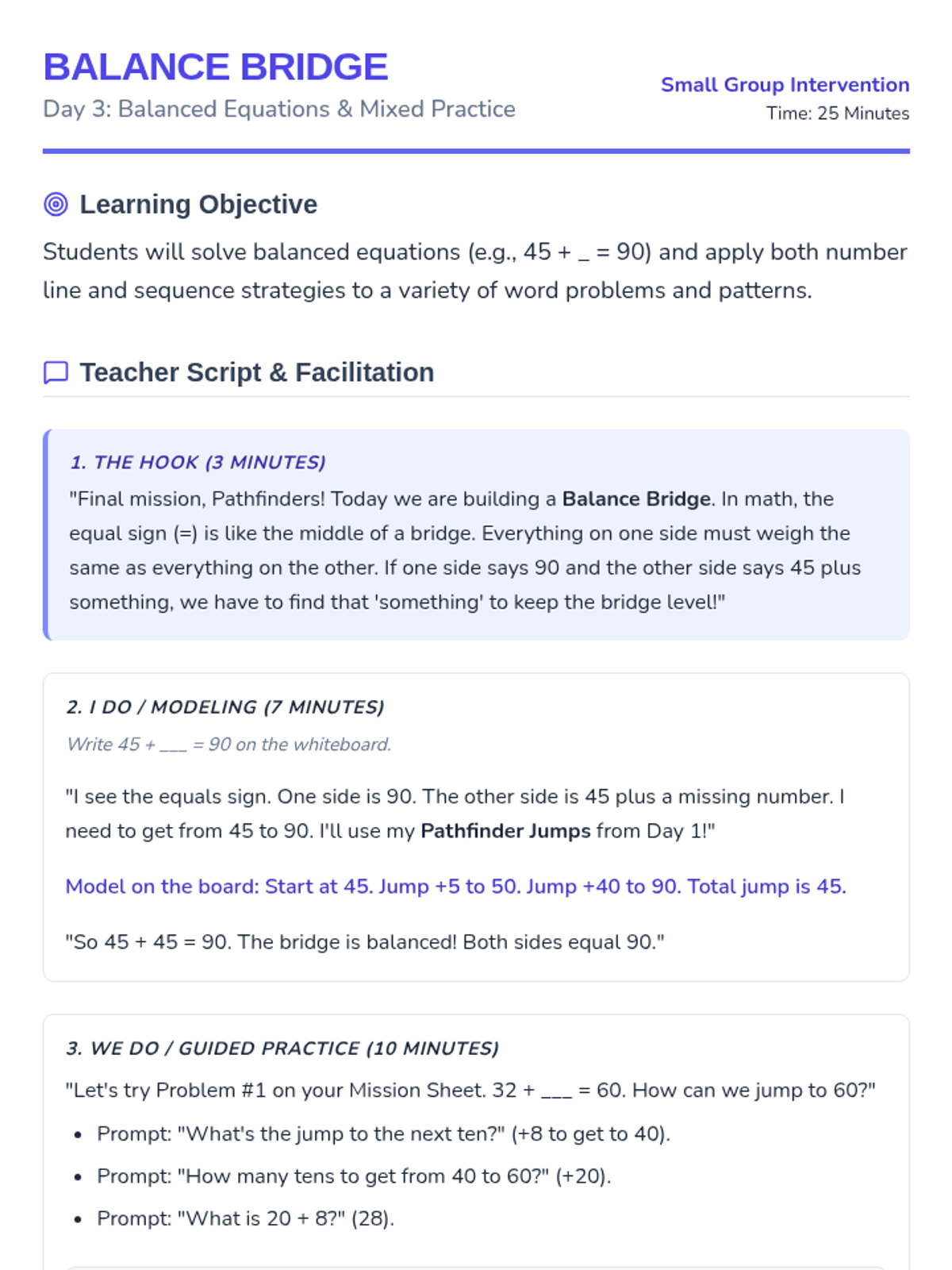
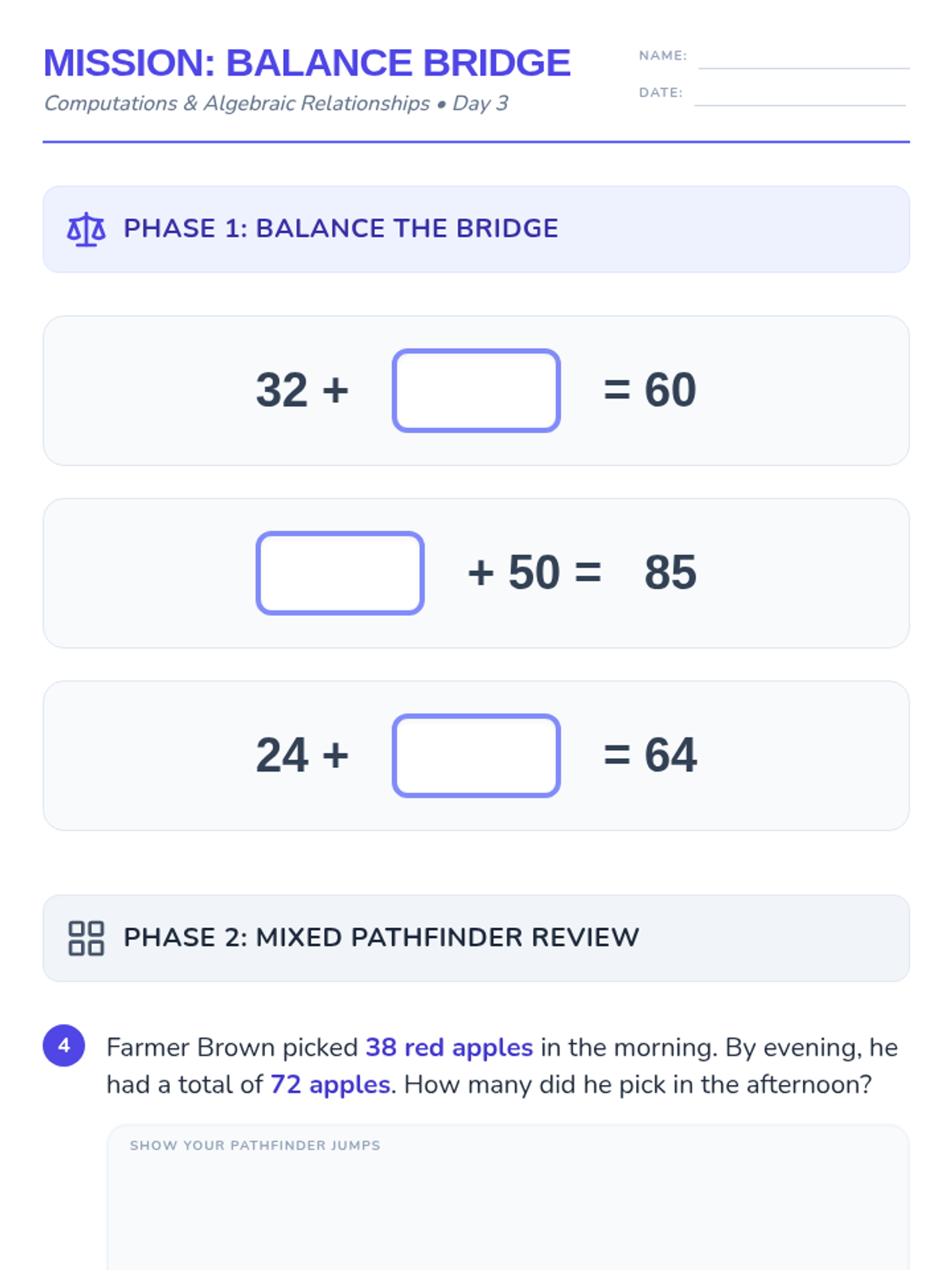
Introduces balanced equations and a cumulative review of word problems and sequences. Students will use their knowledge of part-part-whole relationships to solve equations like 45 + _ = 90.
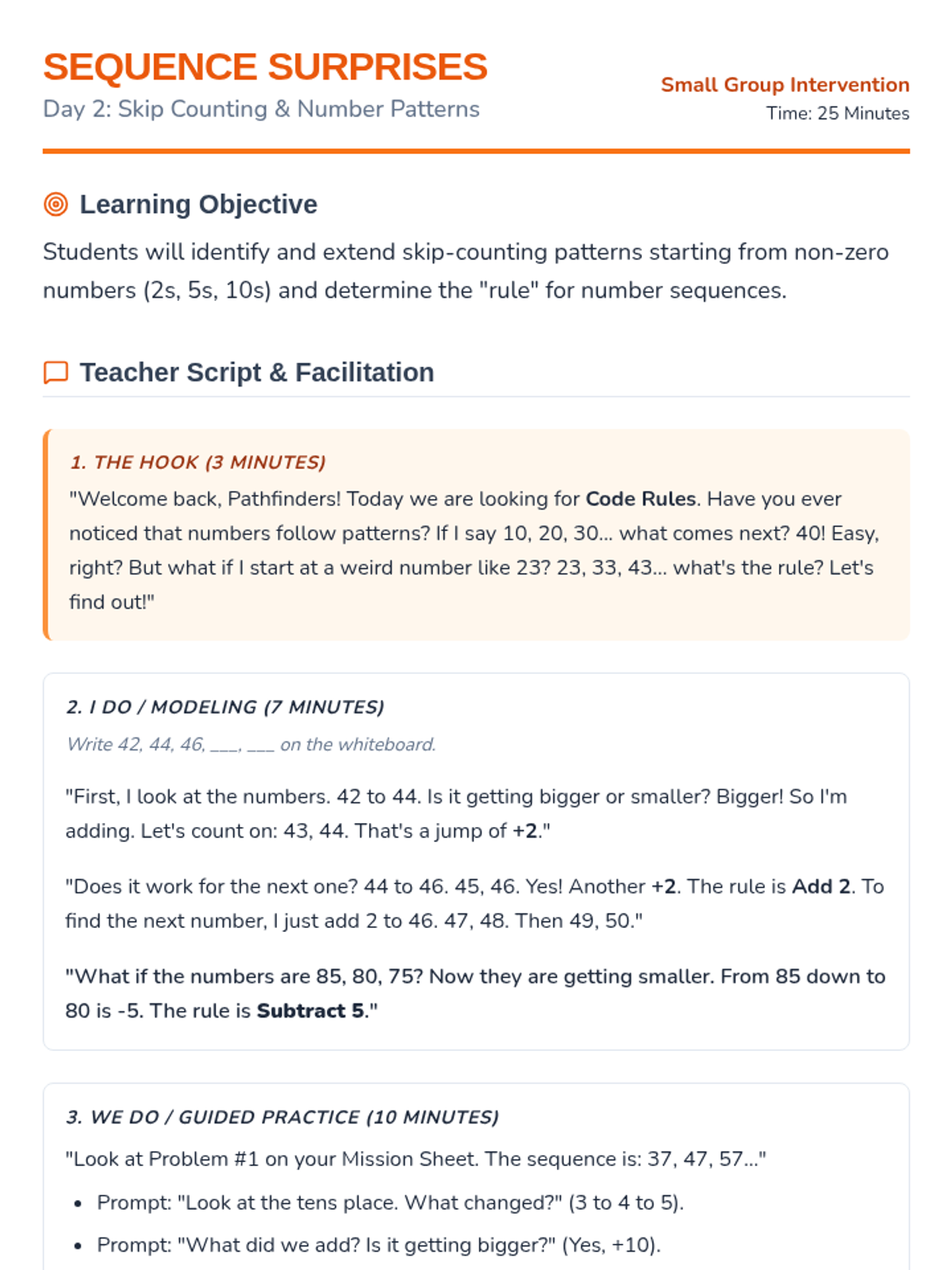
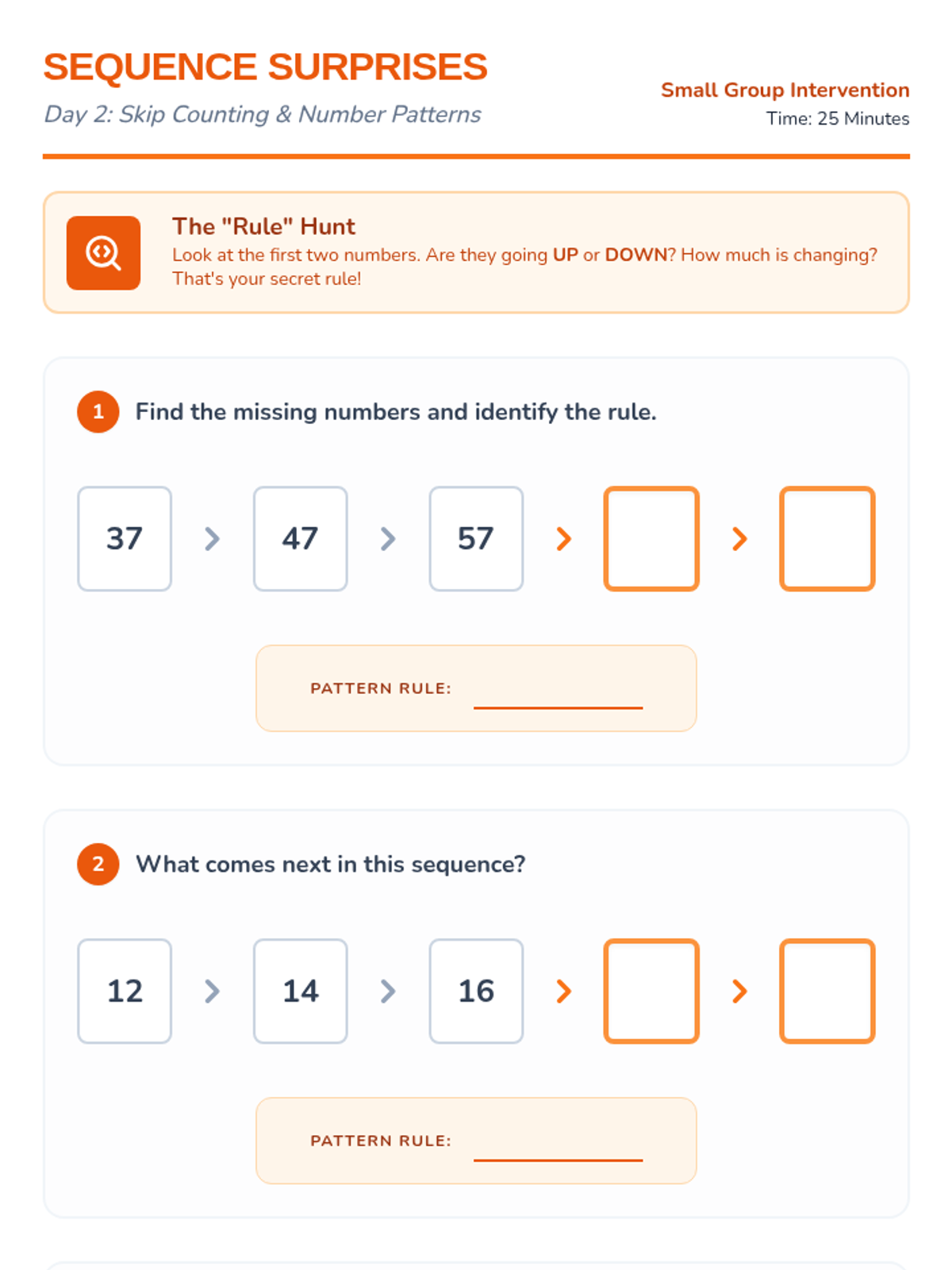
Teaches students to identify and extend number patterns and skip-counting sequences starting from various numbers. Students will learn to determine the 'rule' of a pattern to predict future values.