A vocabulary-focused lesson on the myth of Theseus and the Minotaur, designed with visual scaffolds and modified tasks for accessibility.
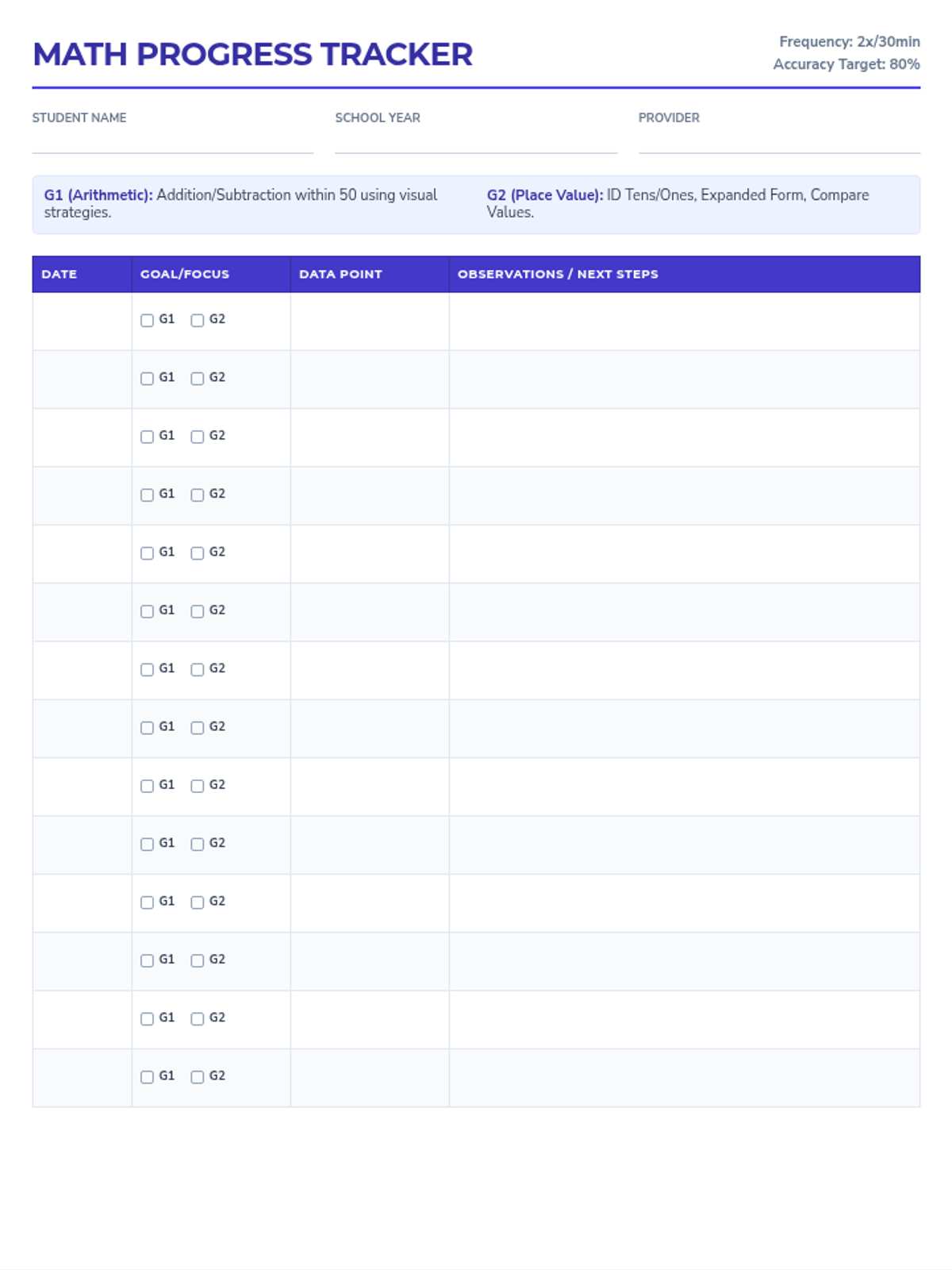
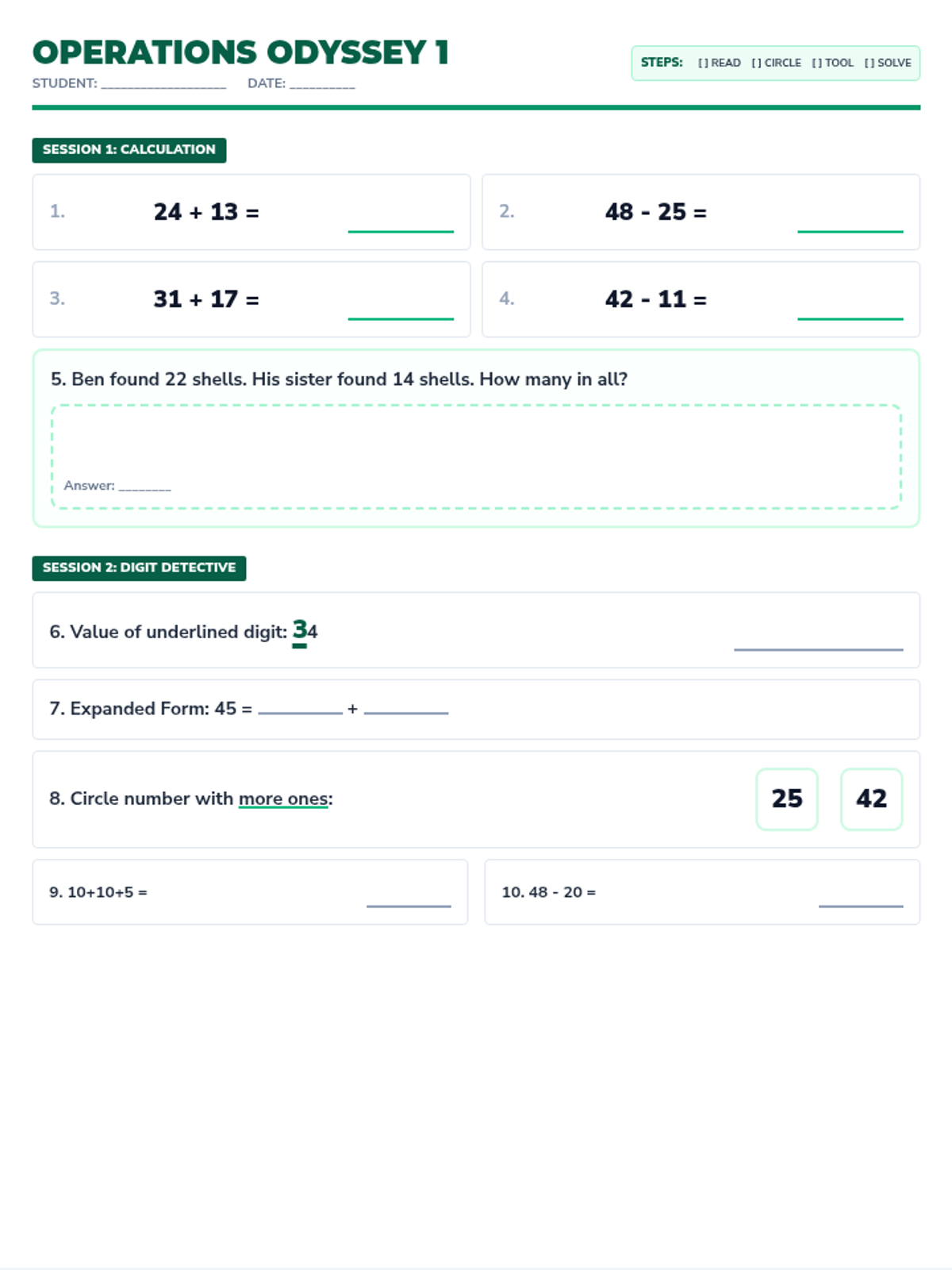
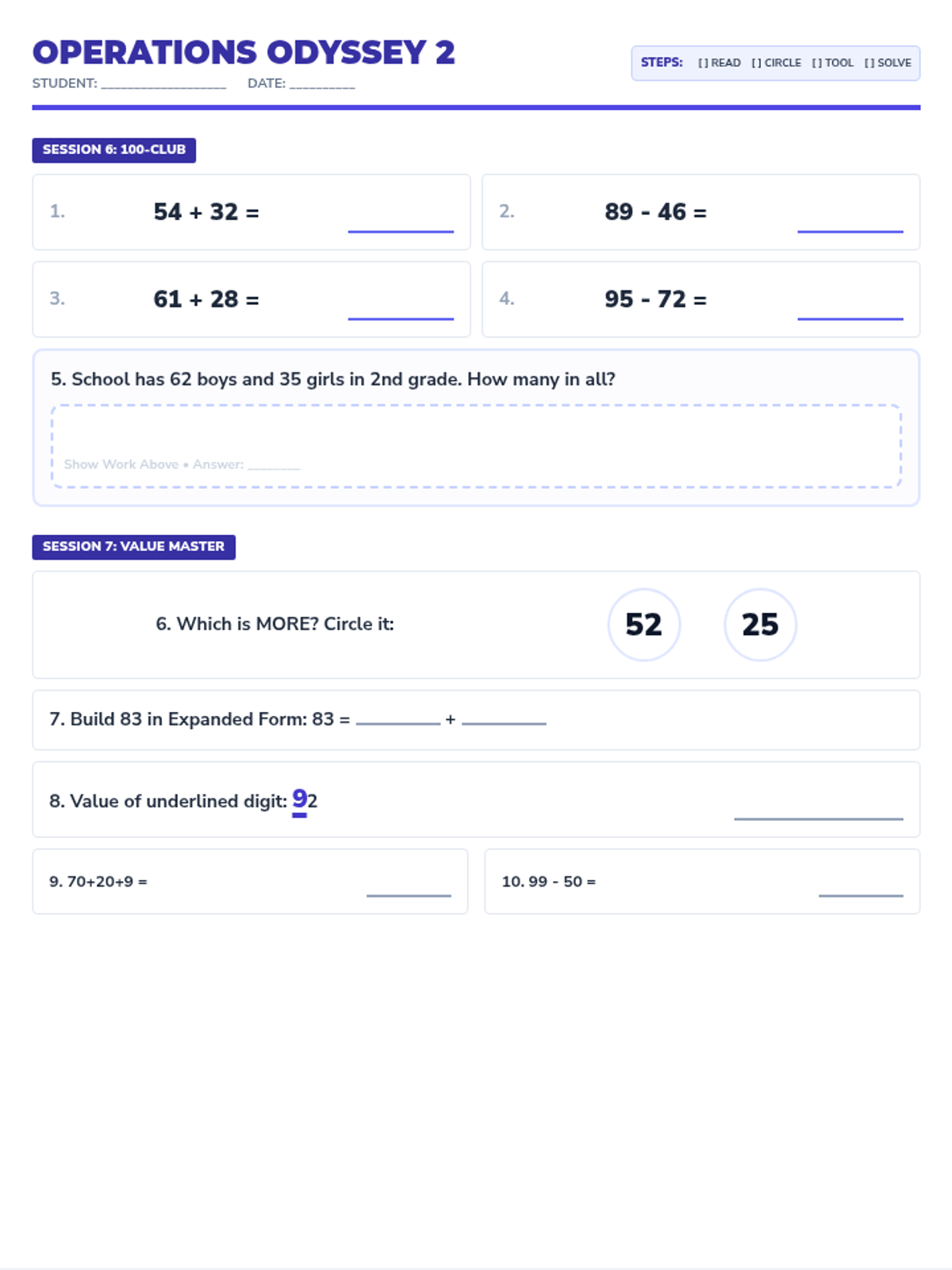
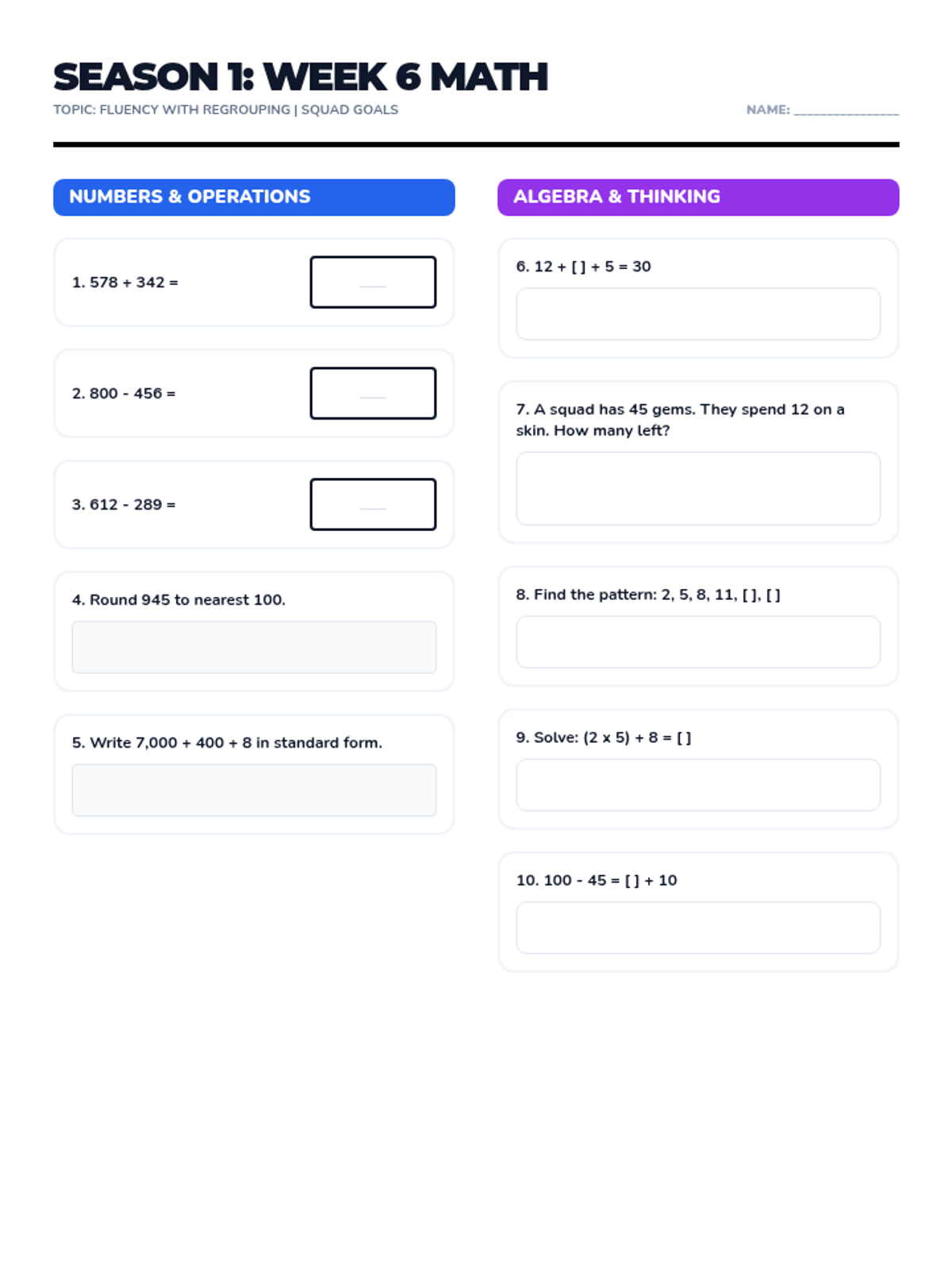
A comprehensive tracking system for monitoring student progress in basic arithmetic and place value concepts, designed for bi-weekly service delivery.
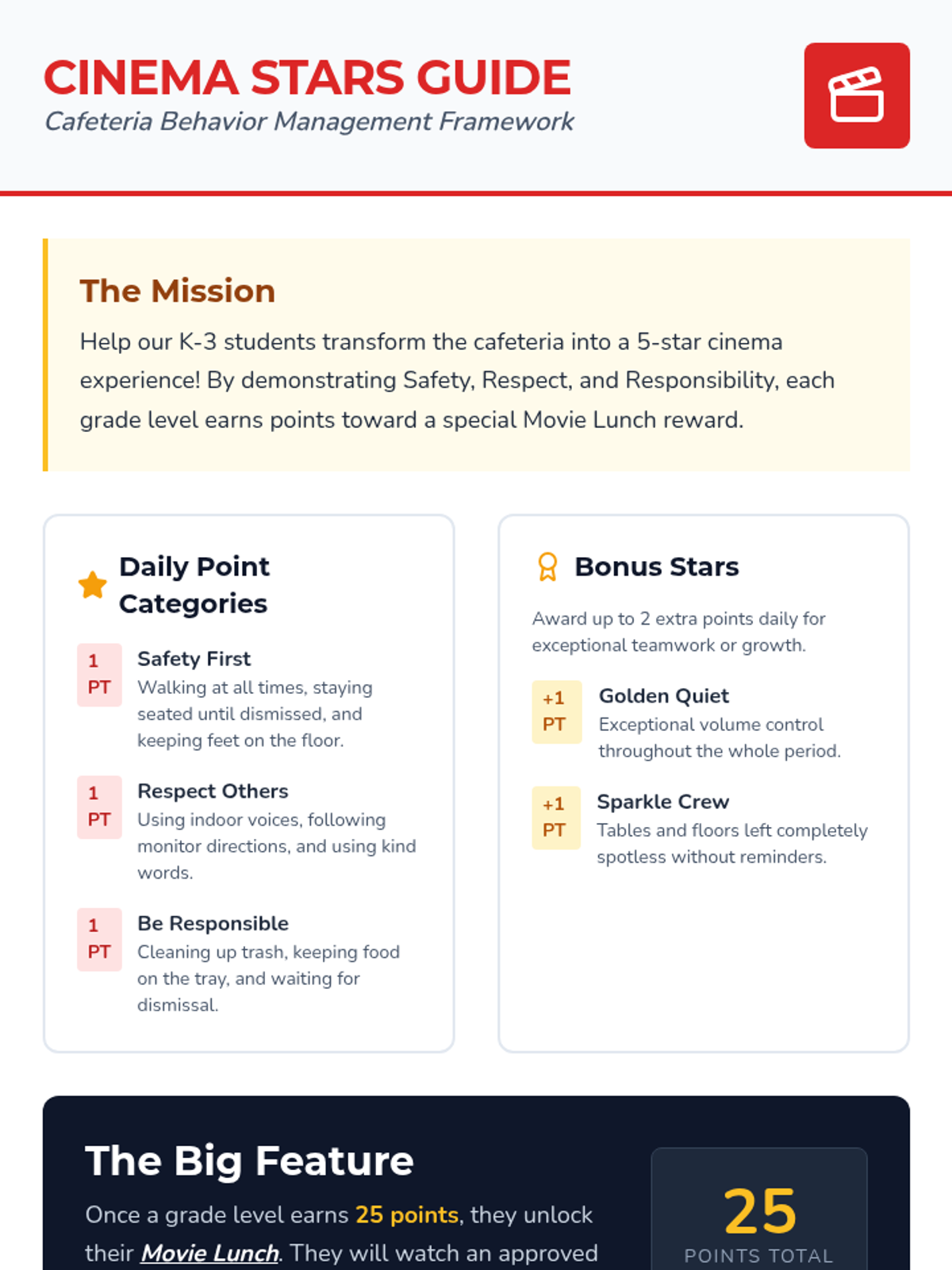
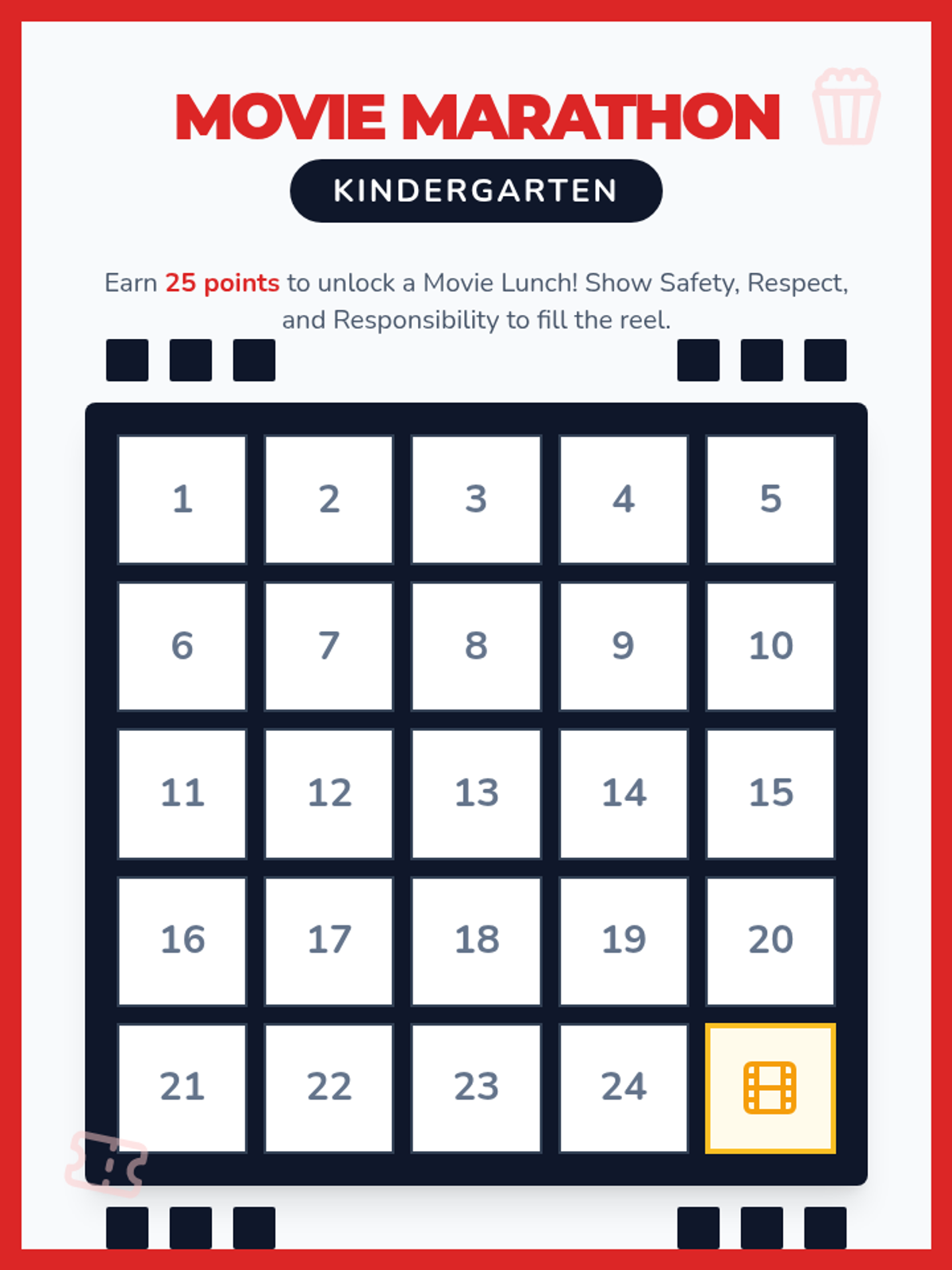
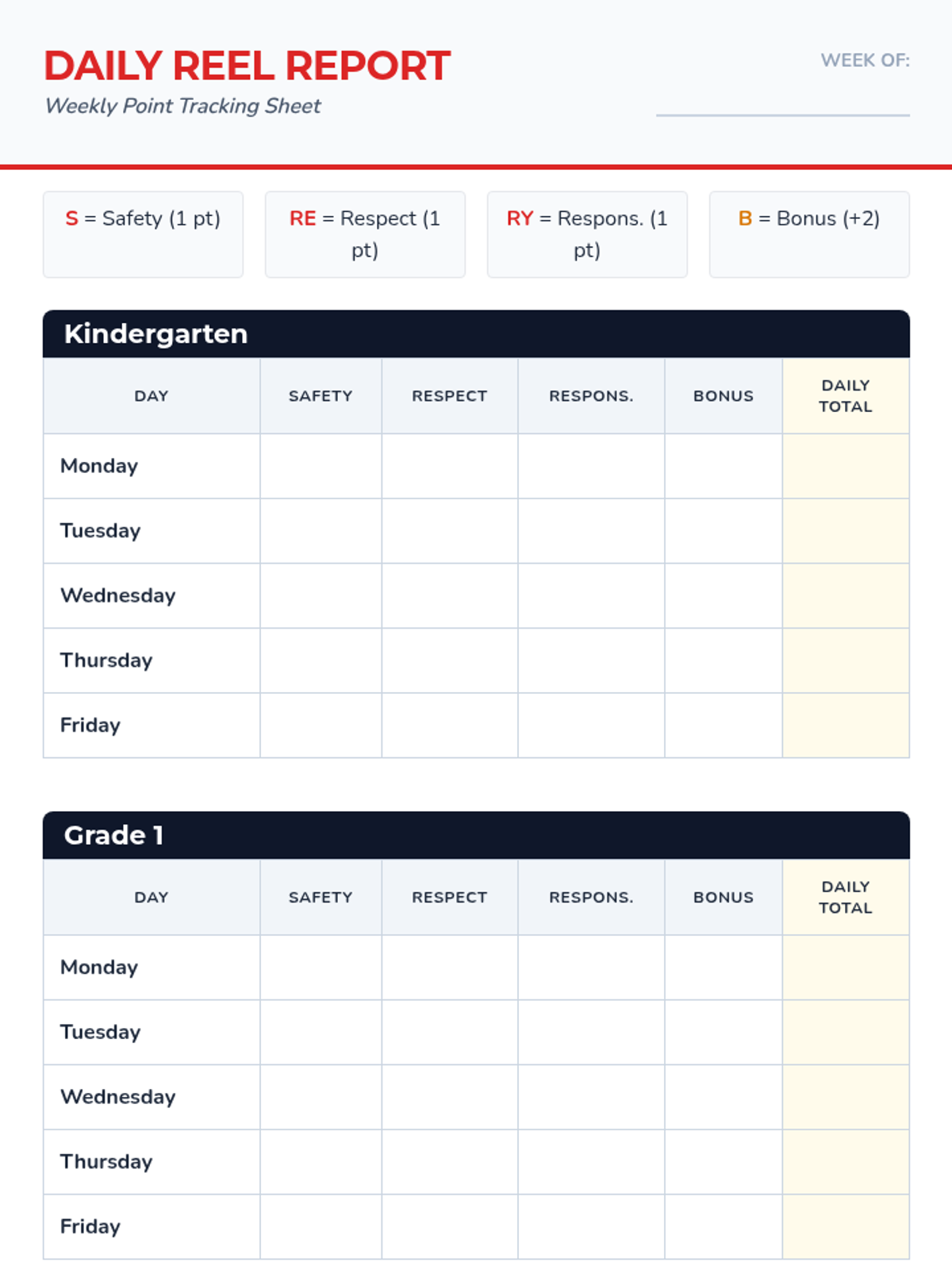
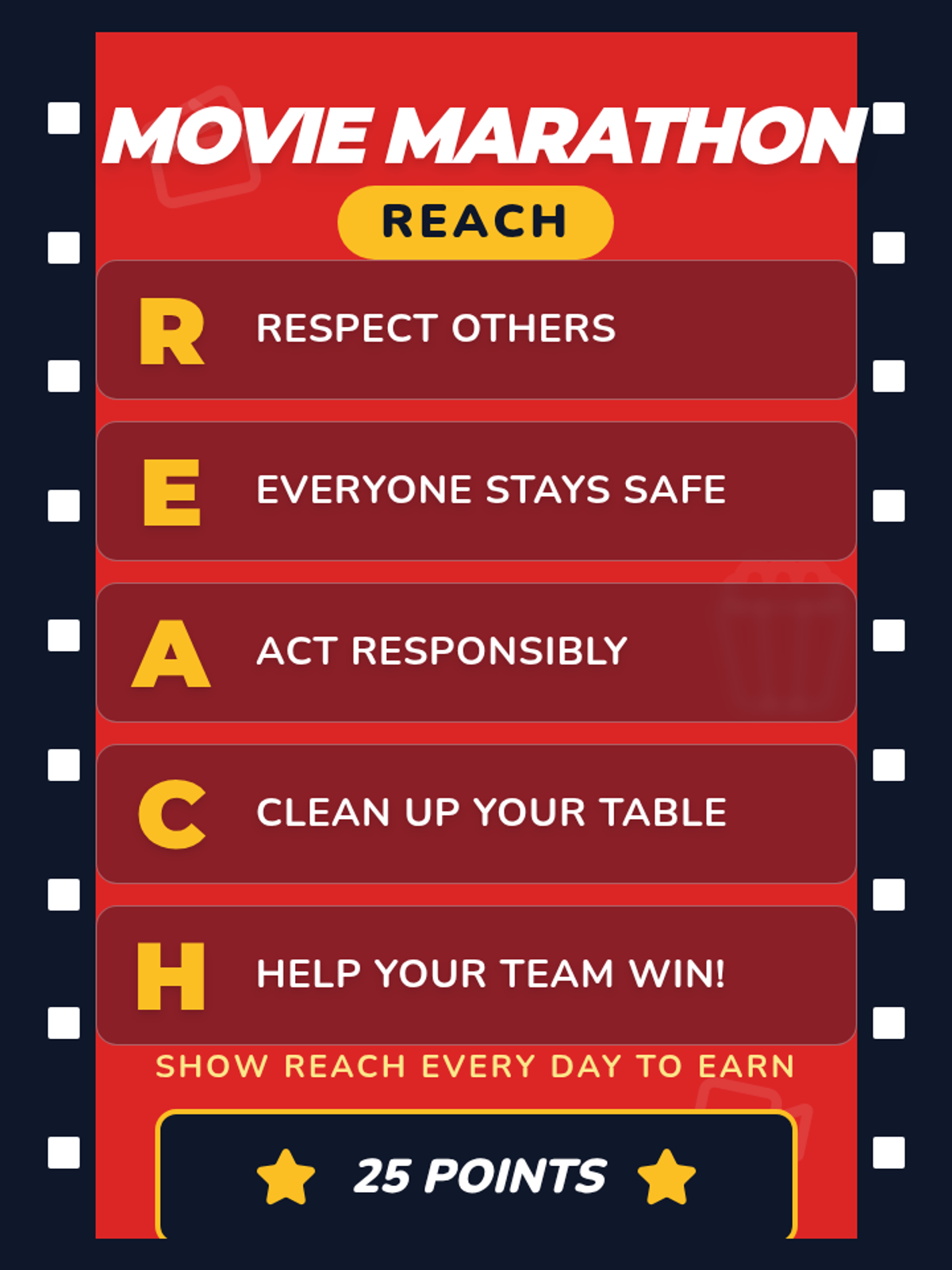
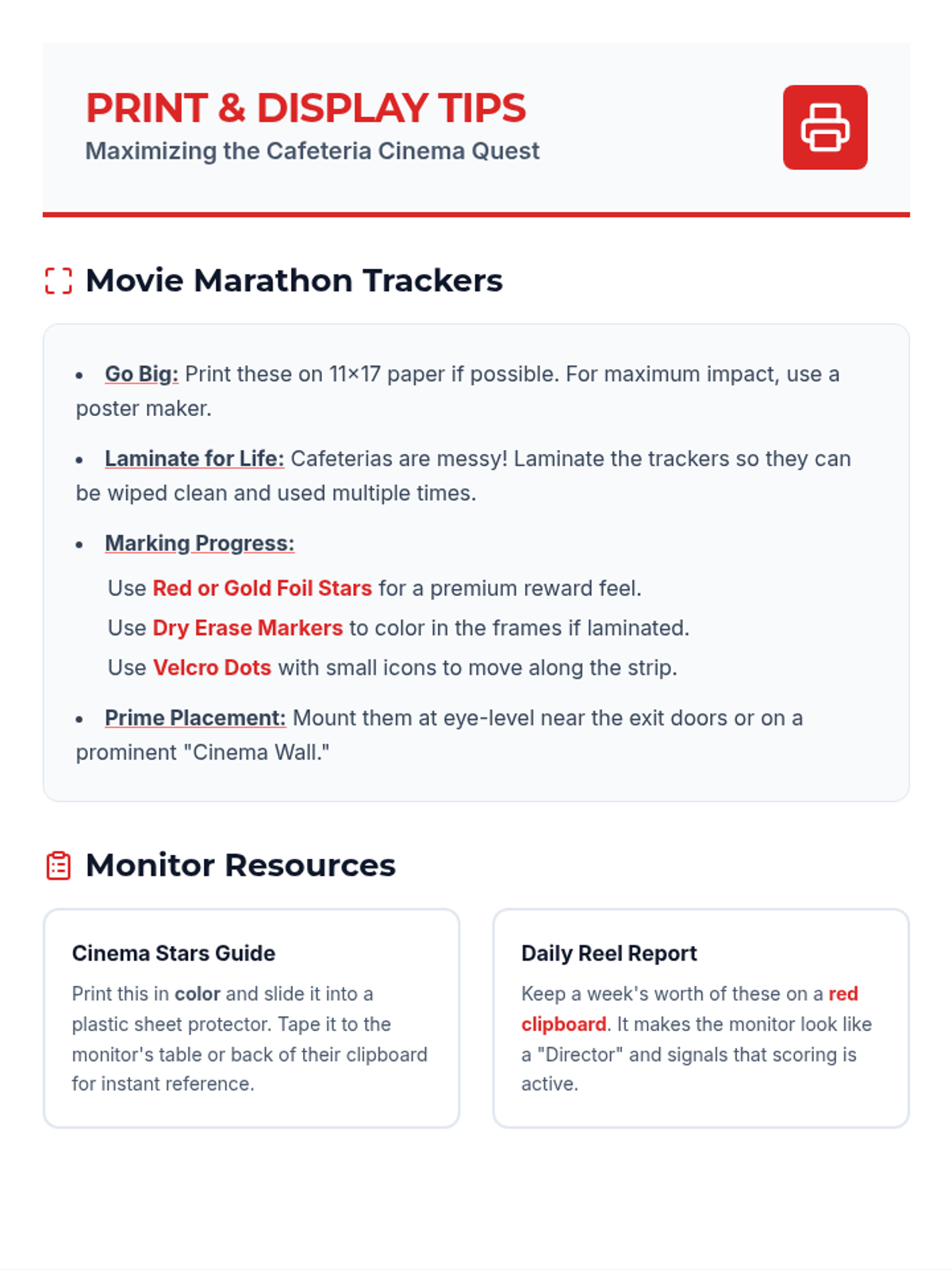
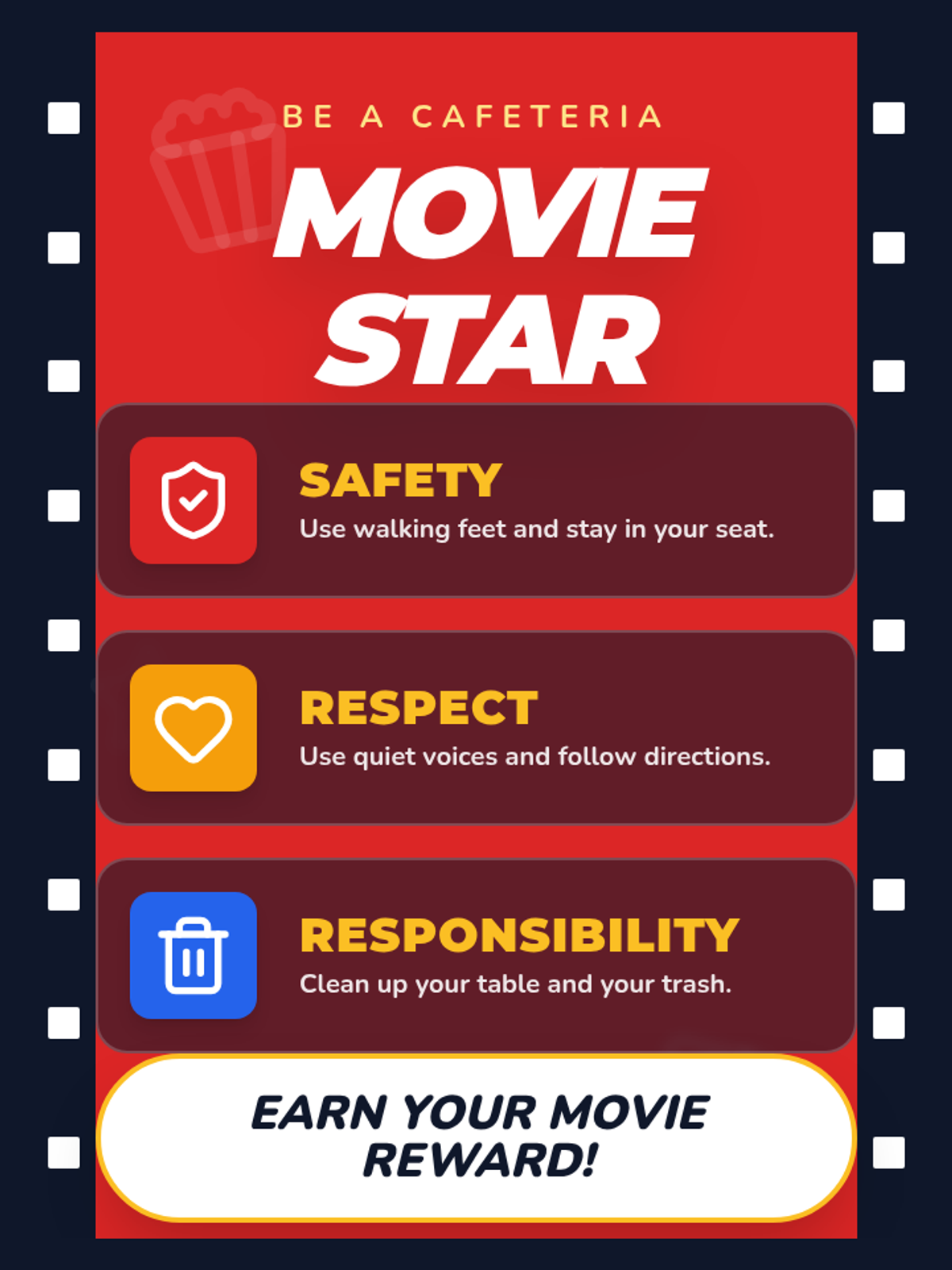
A management system designed for K-3 students to earn a movie reward through positive cafeteria behavior. Includes progress tracking, monitor tools, and introductory slides.
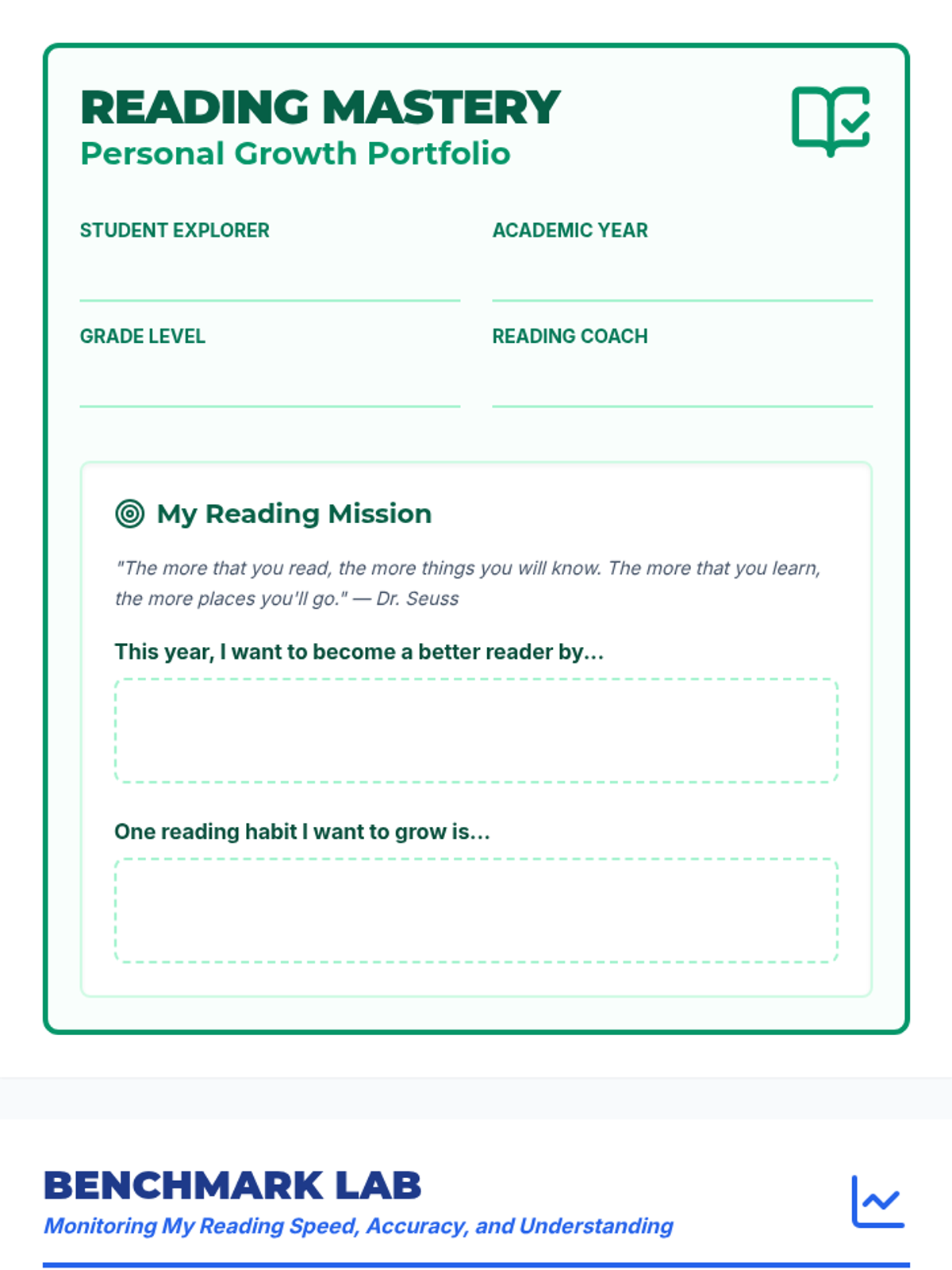
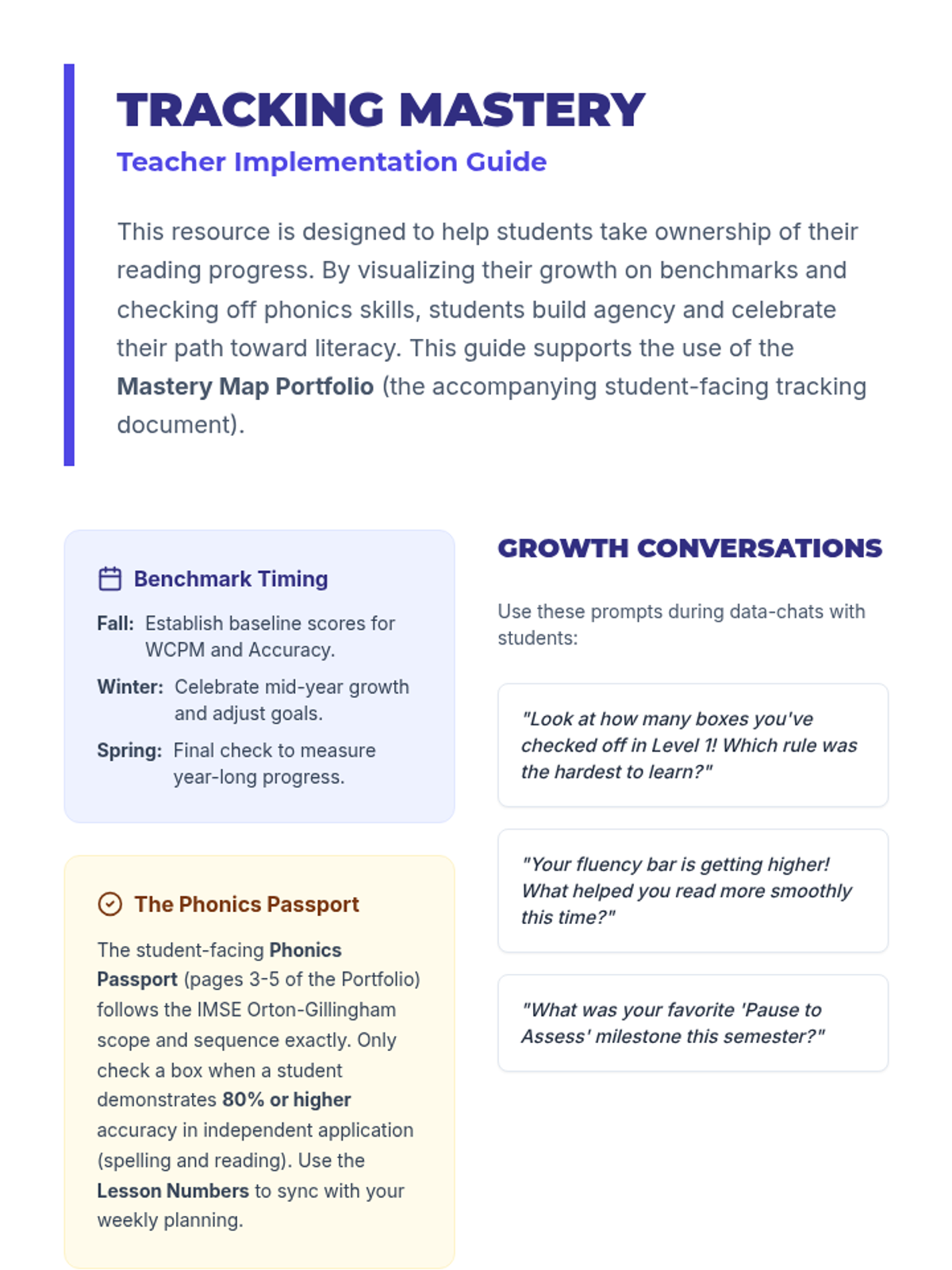
A comprehensive suite of data tracking tools for students to monitor their reading progress, including benchmark assessments and IMSE Orton-Gillingham concept checks from Kindergarten through 5th grade.
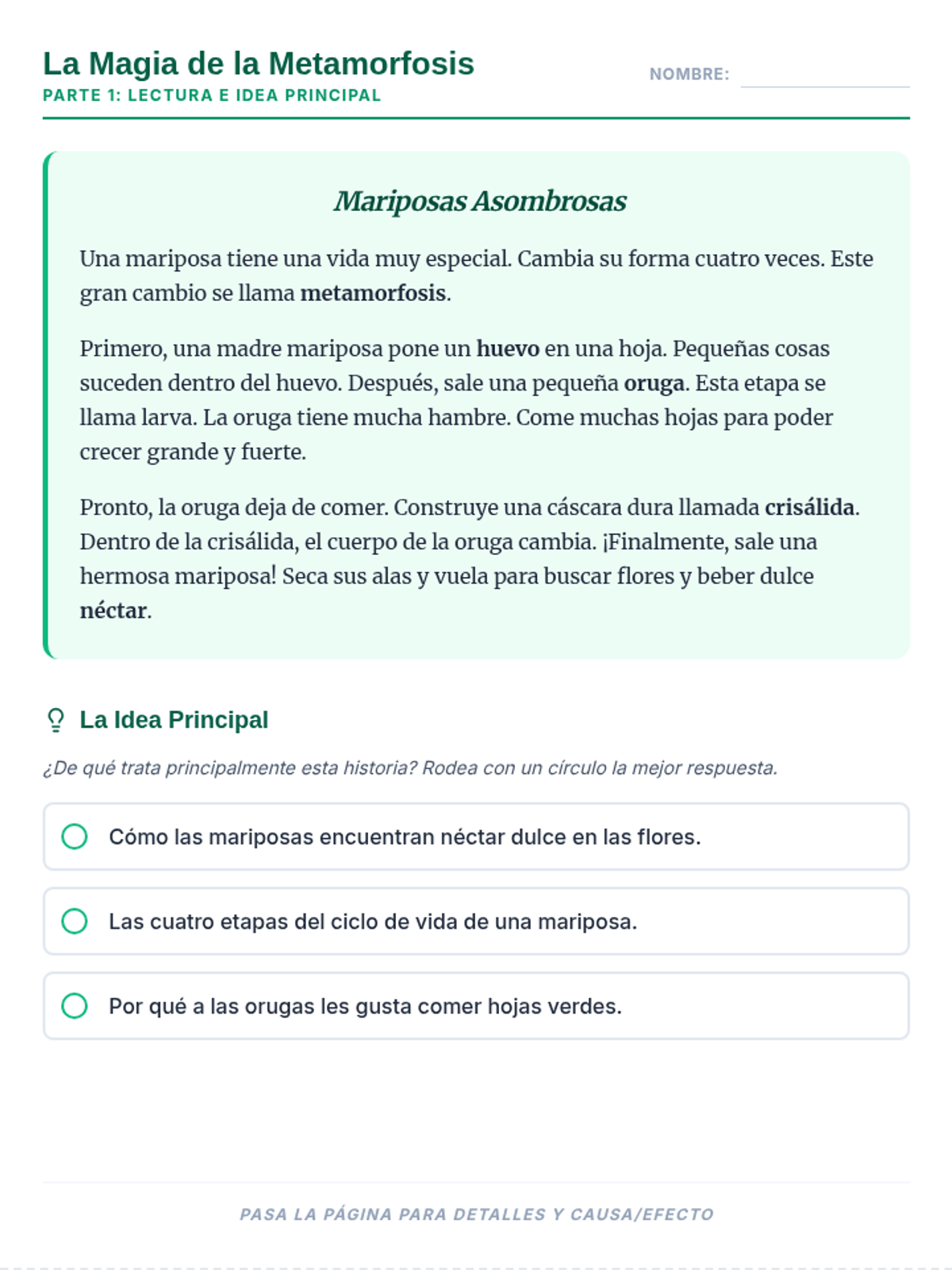
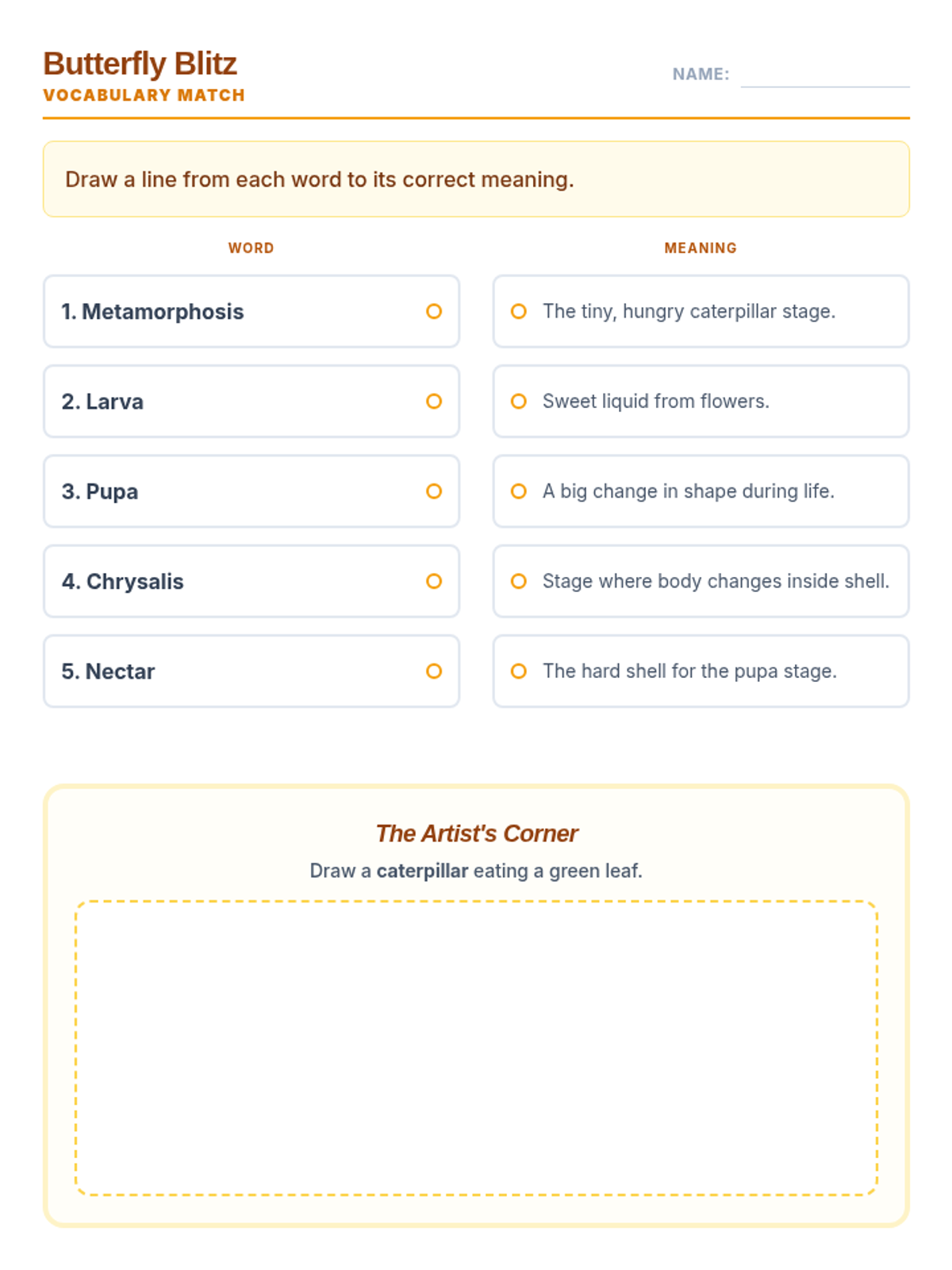
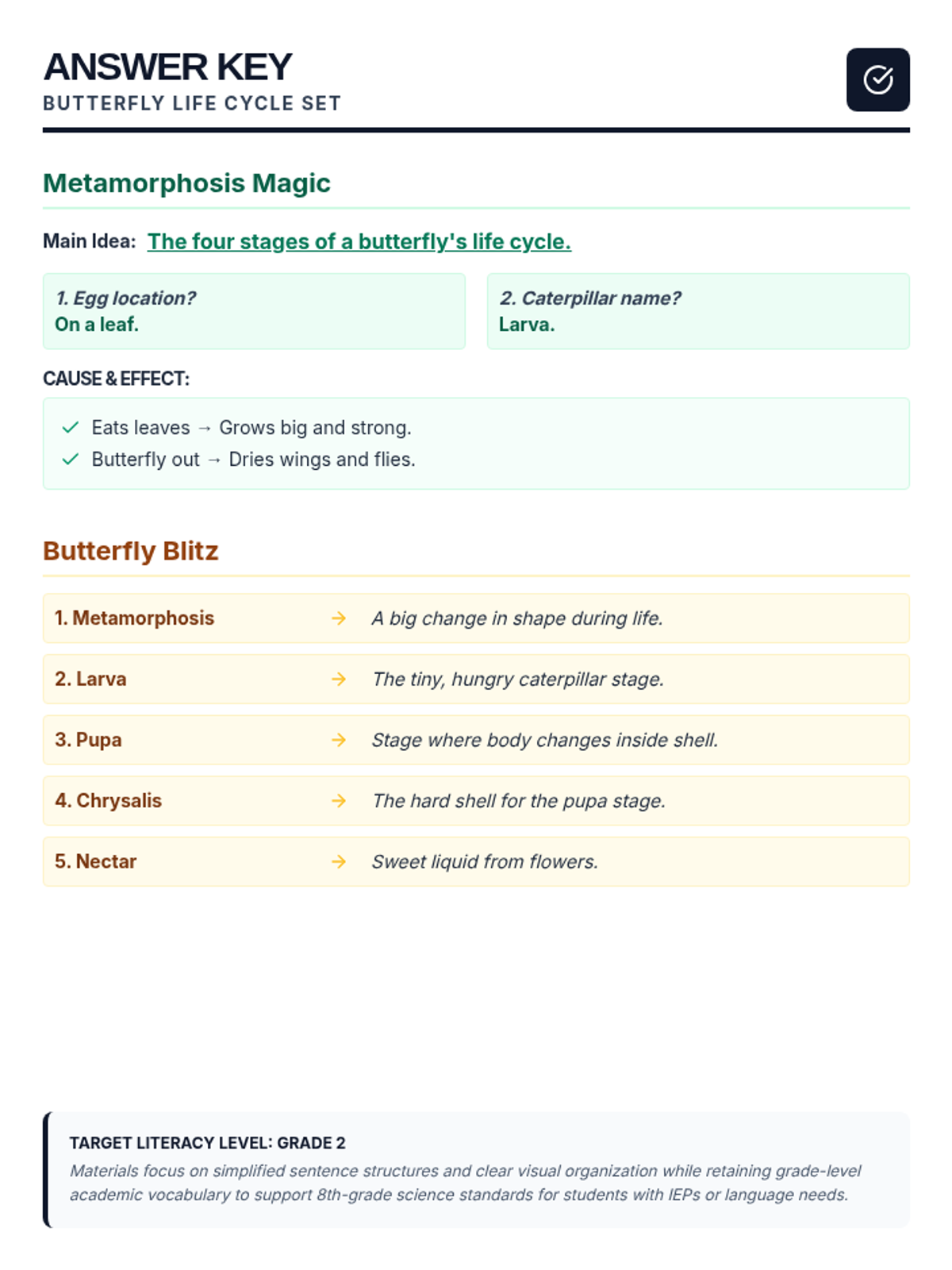
A collection of homework materials focused on the life cycle of butterflies, designed for 8th-grade students reading at a 2nd-grade level. The materials emphasize key vocabulary, main idea and details, and cause-and-effect relationships.
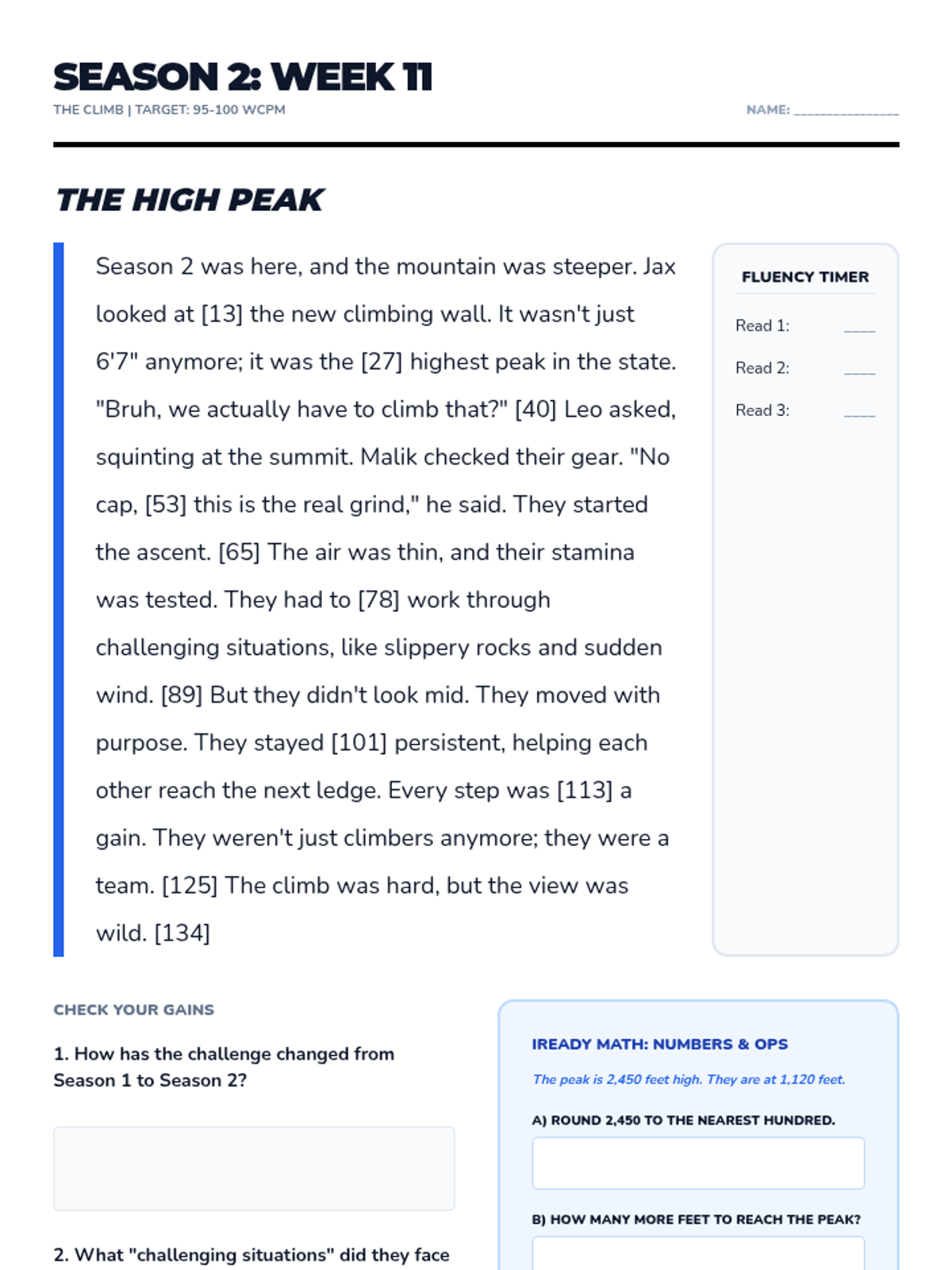
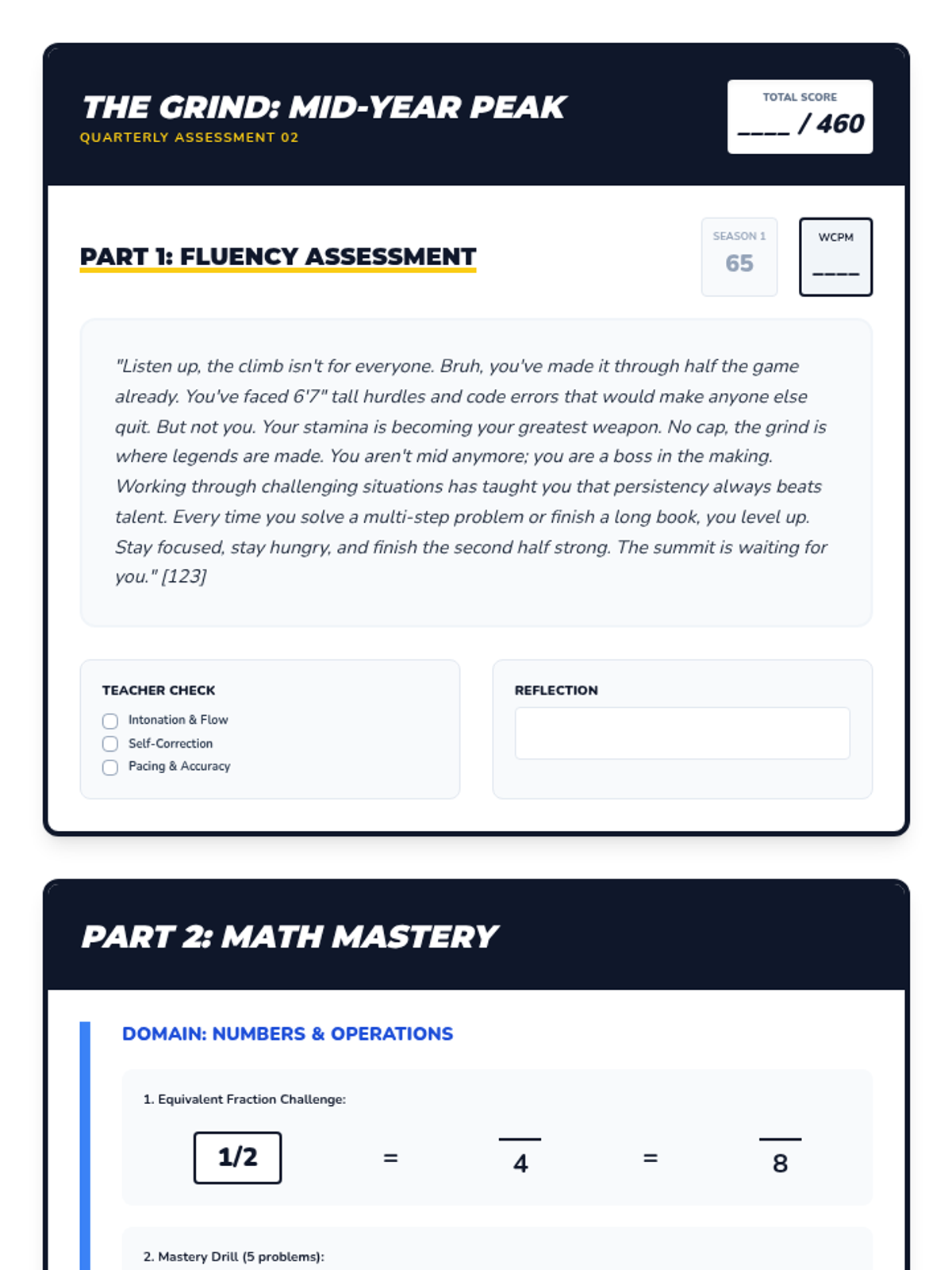
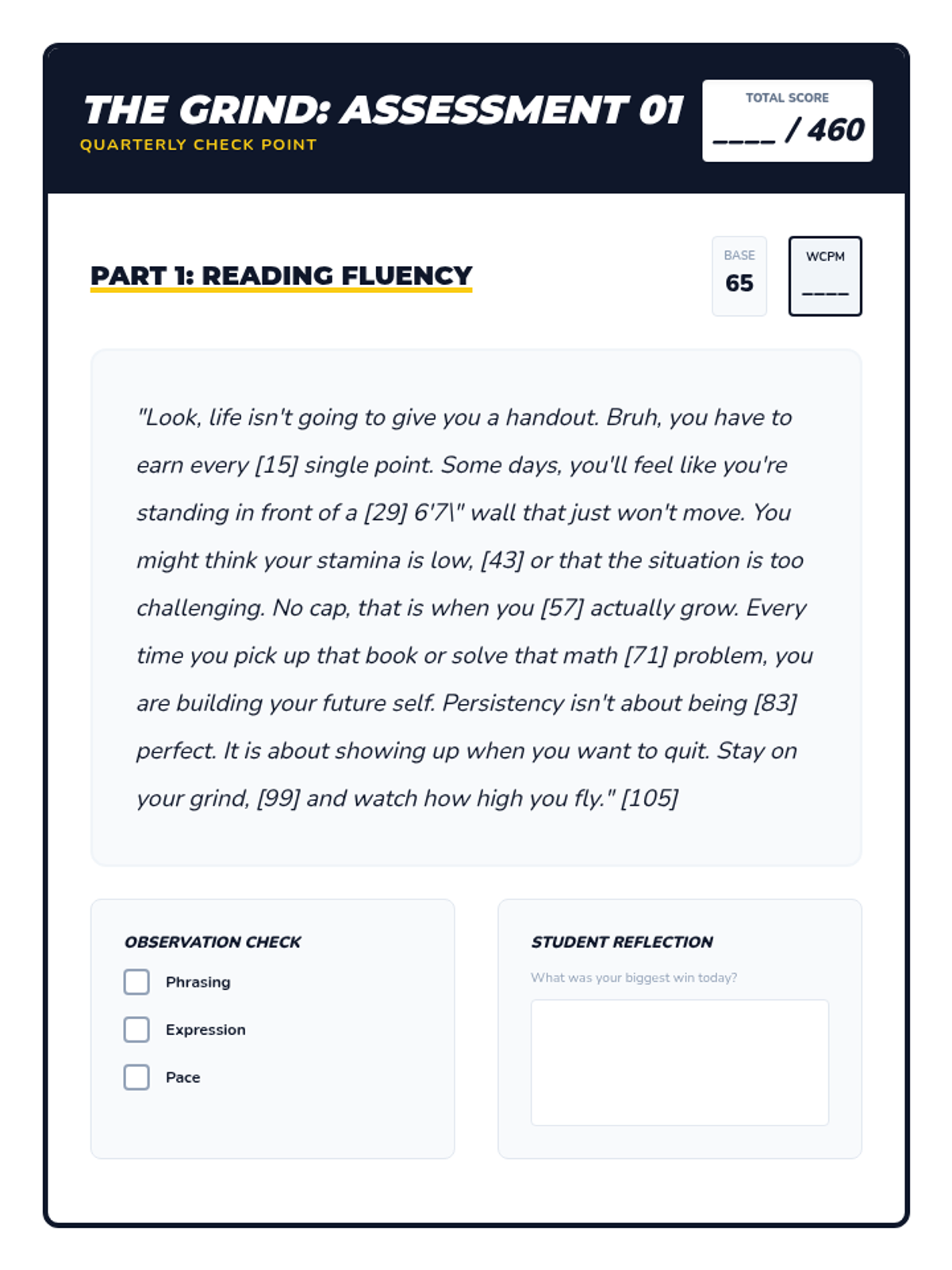
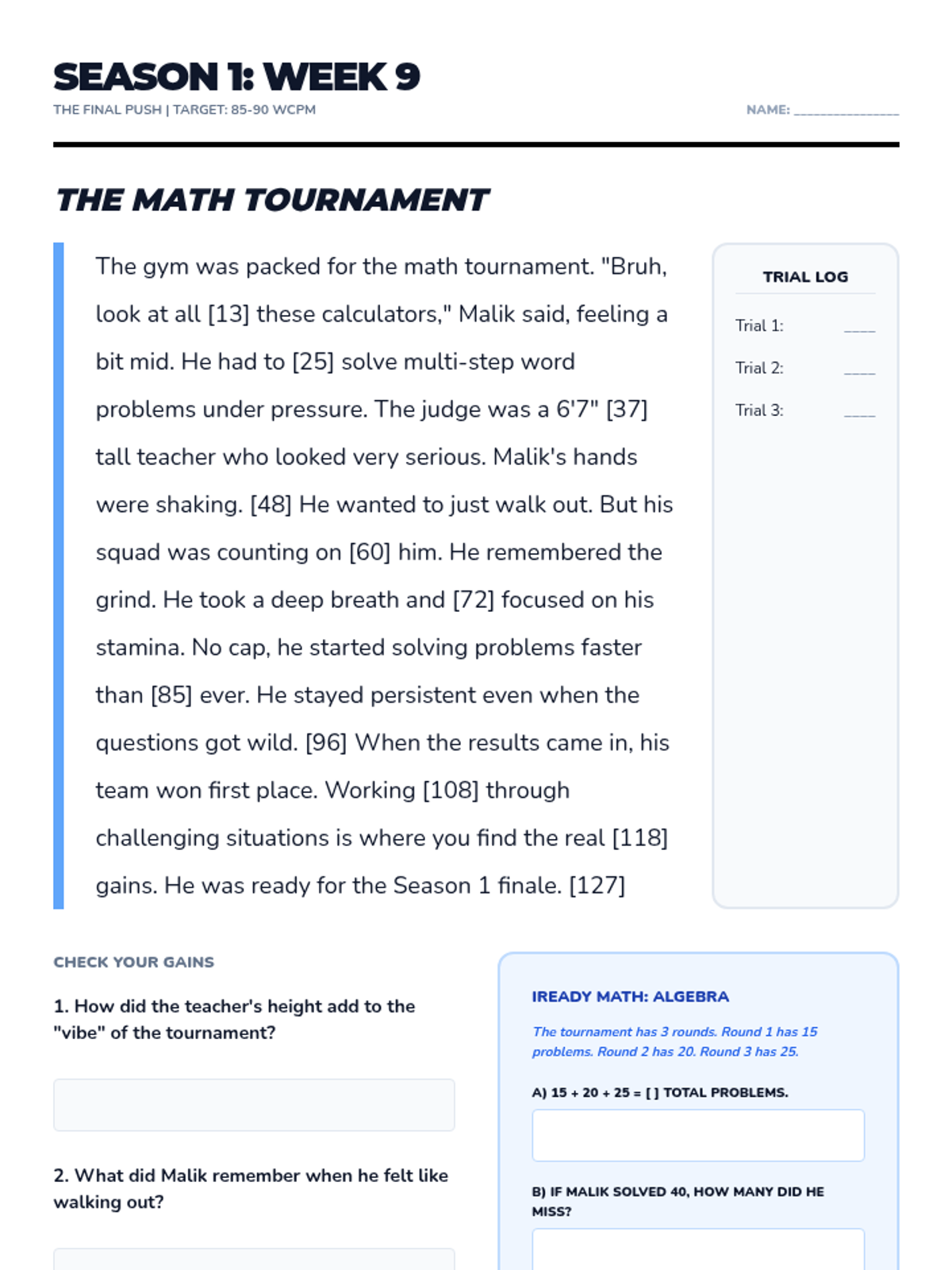
Final push towards the 110 WCPM goal and the 460 iReady score with 4th-grade readiness passages and multi-step algebraic problems.
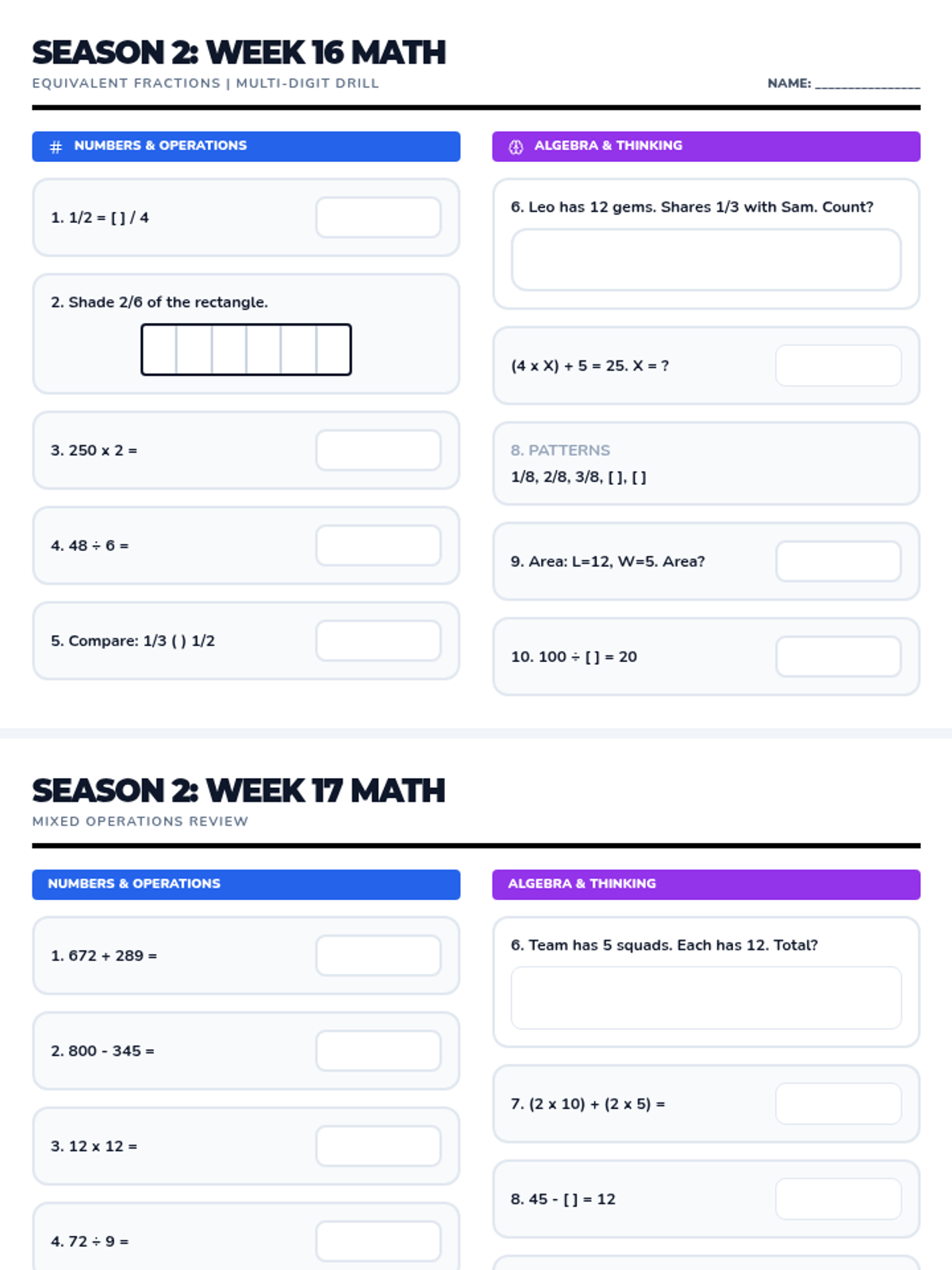
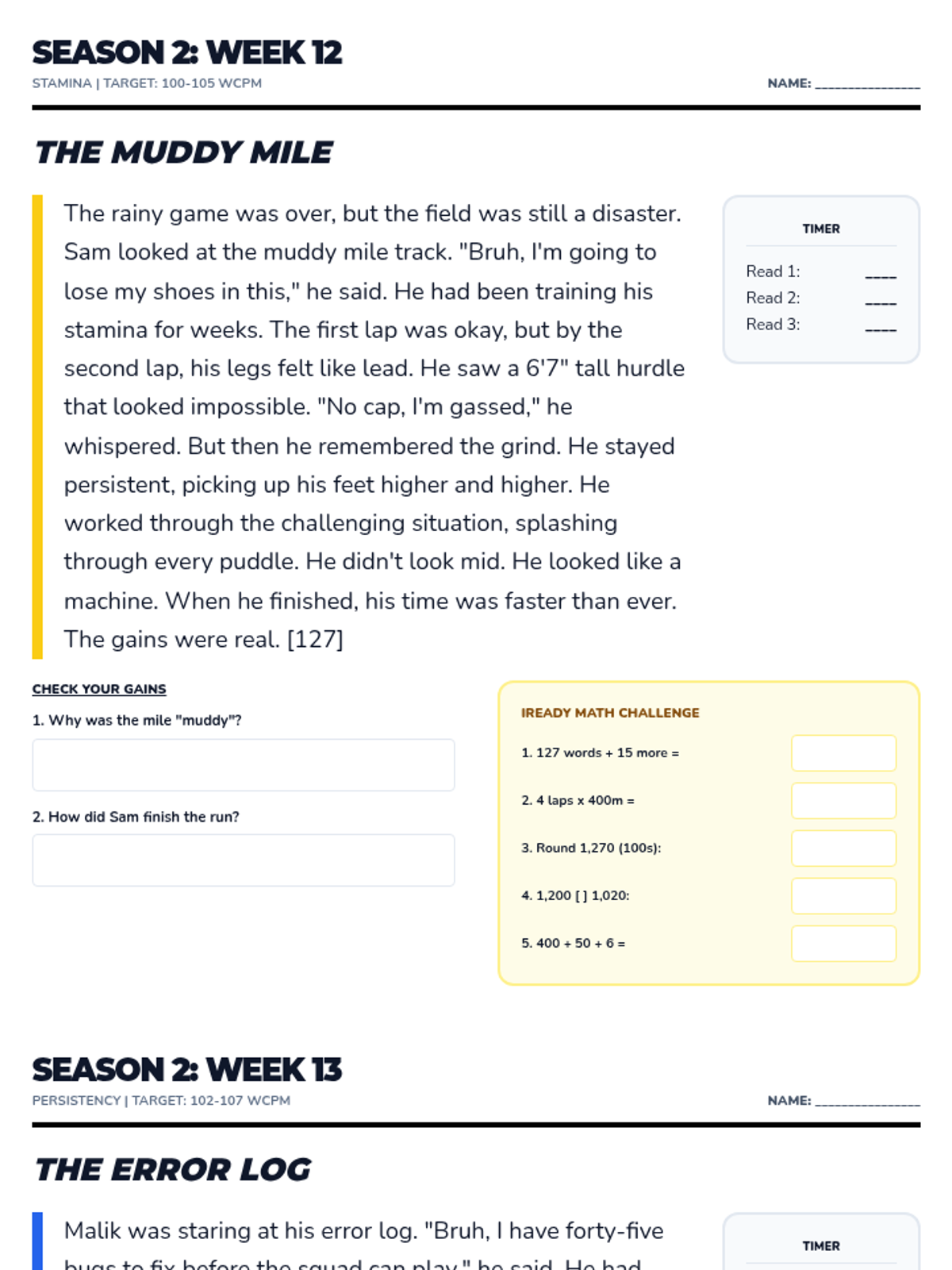
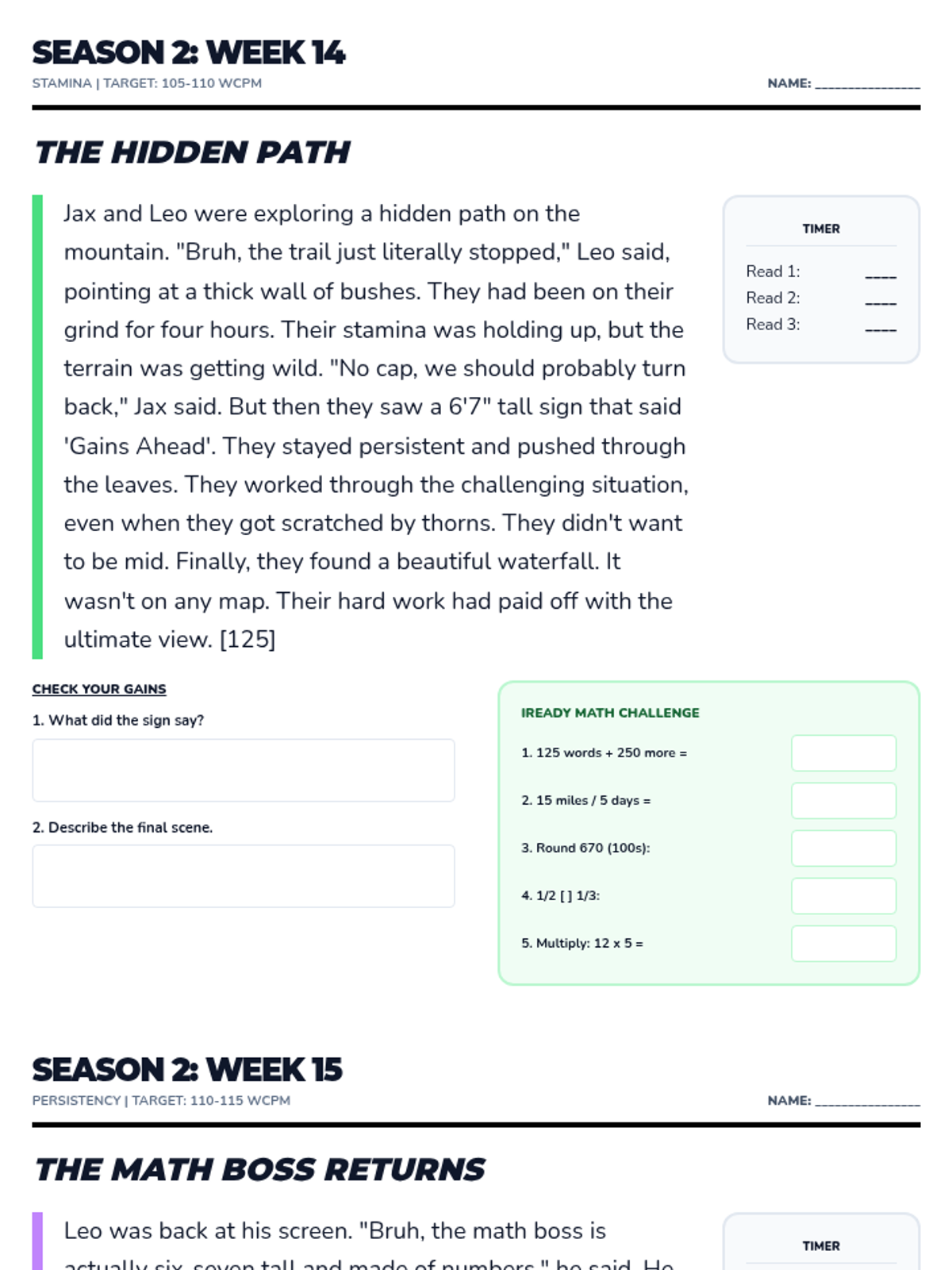
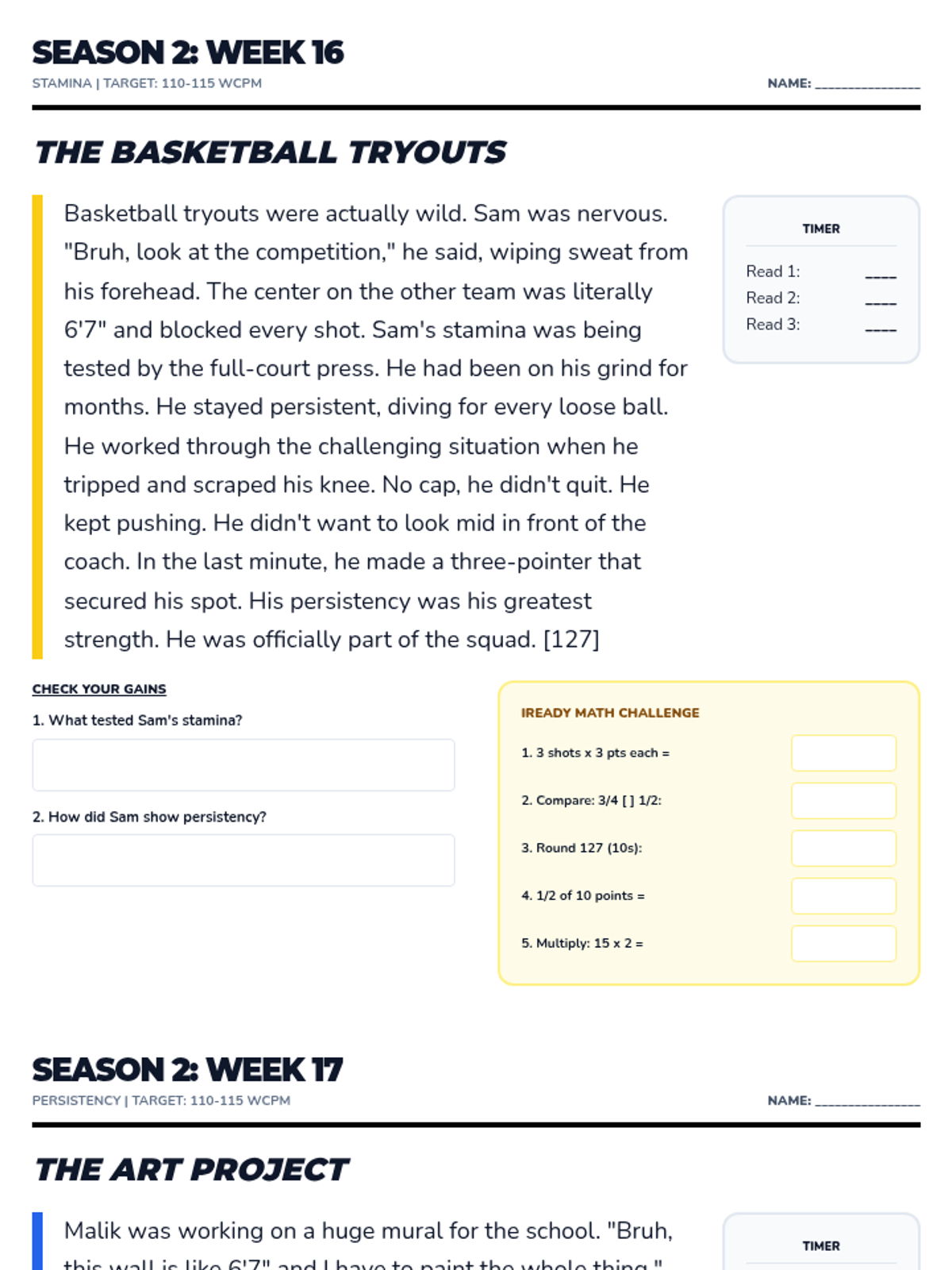
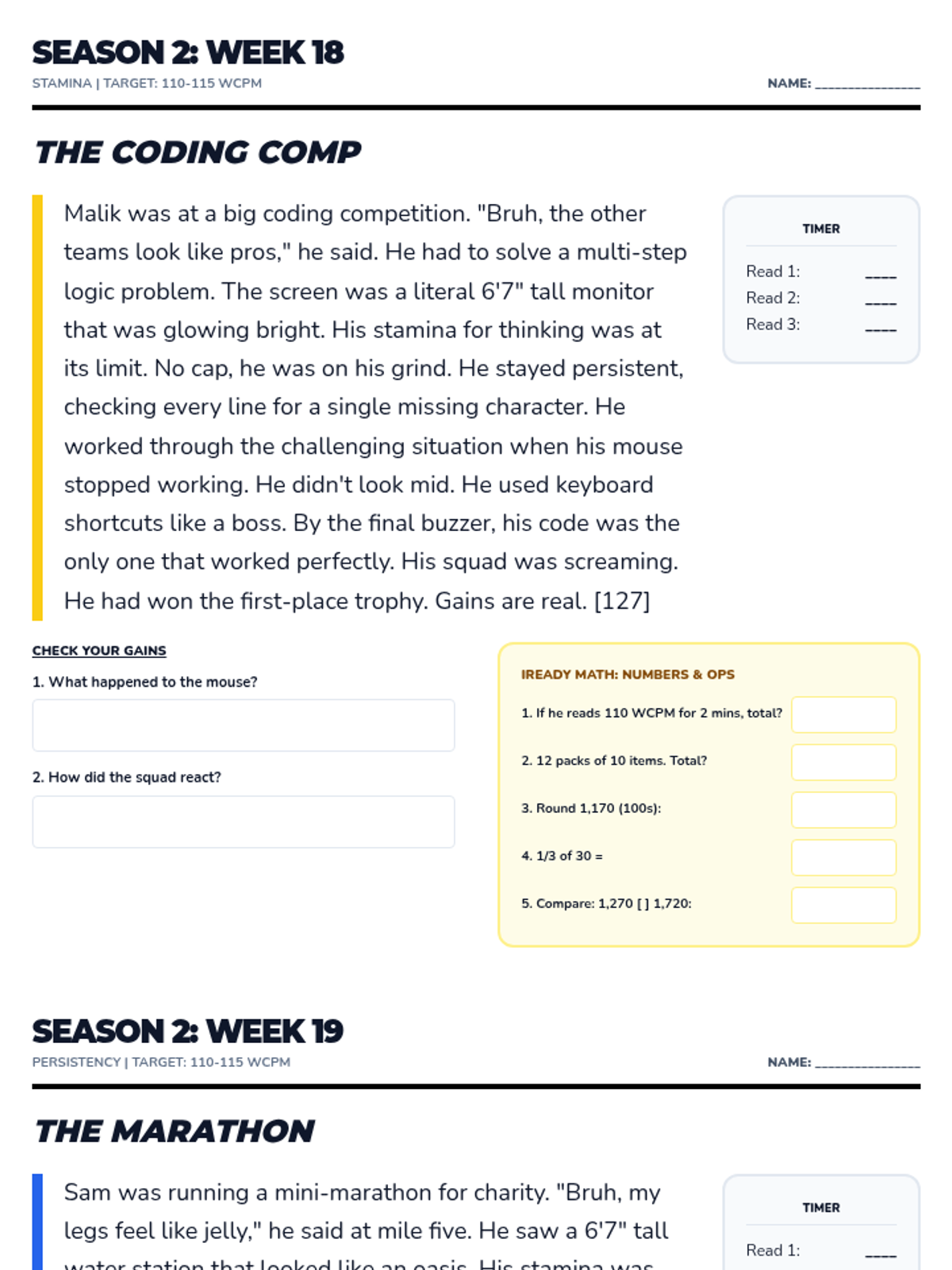
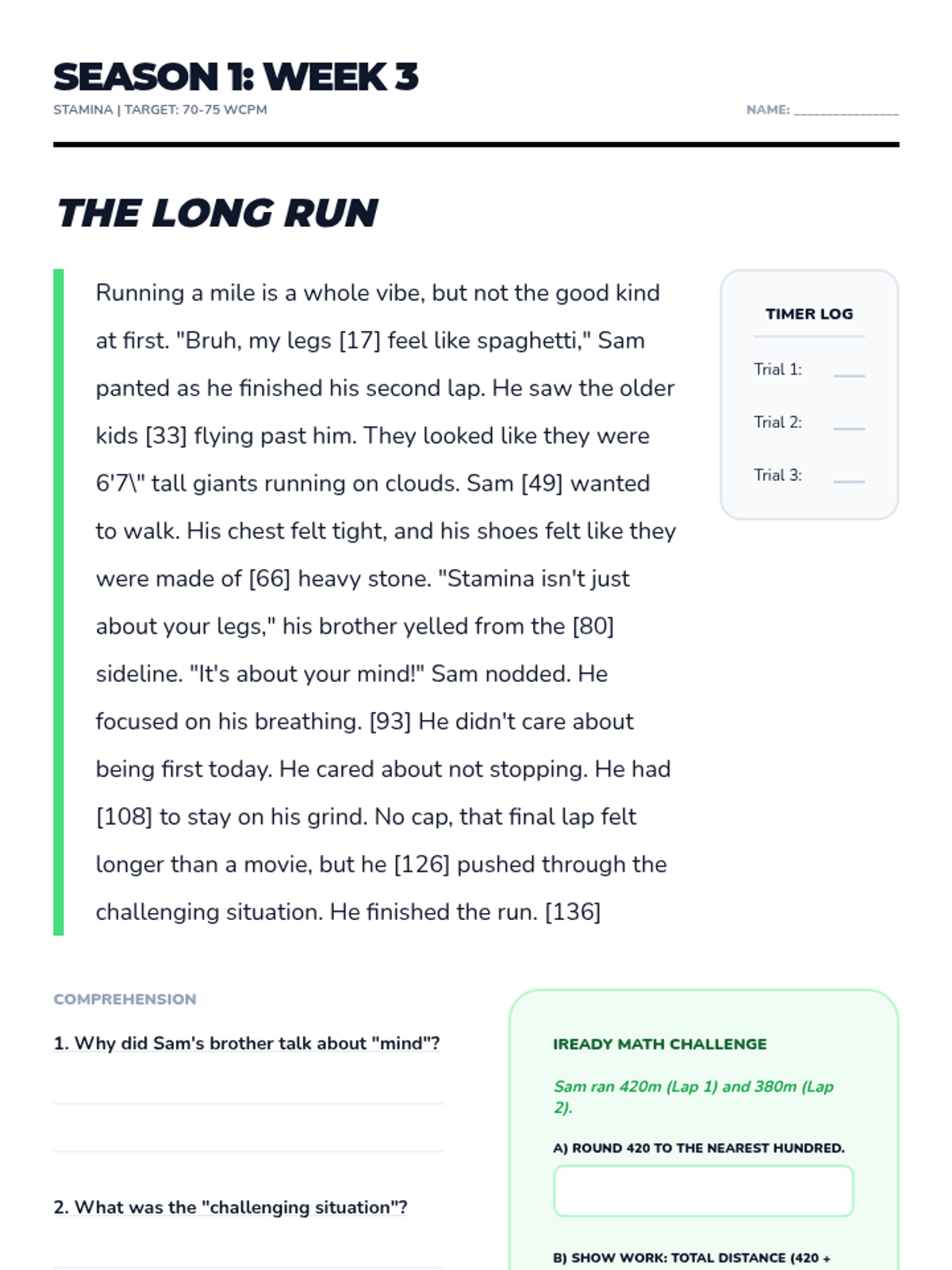
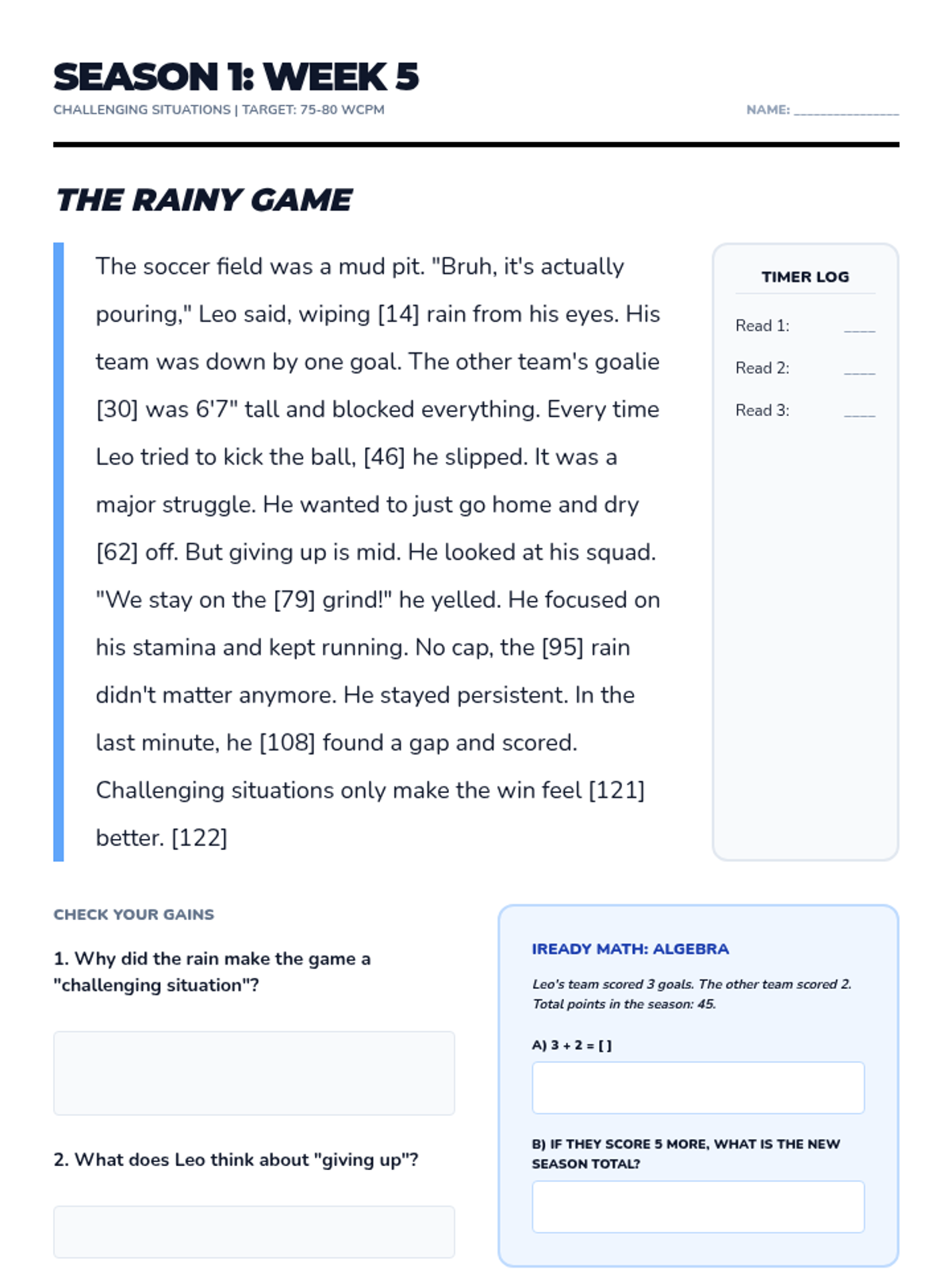
Focusing on stamina and persistency with longer passages and math skills centered on fractions and complex word problems.
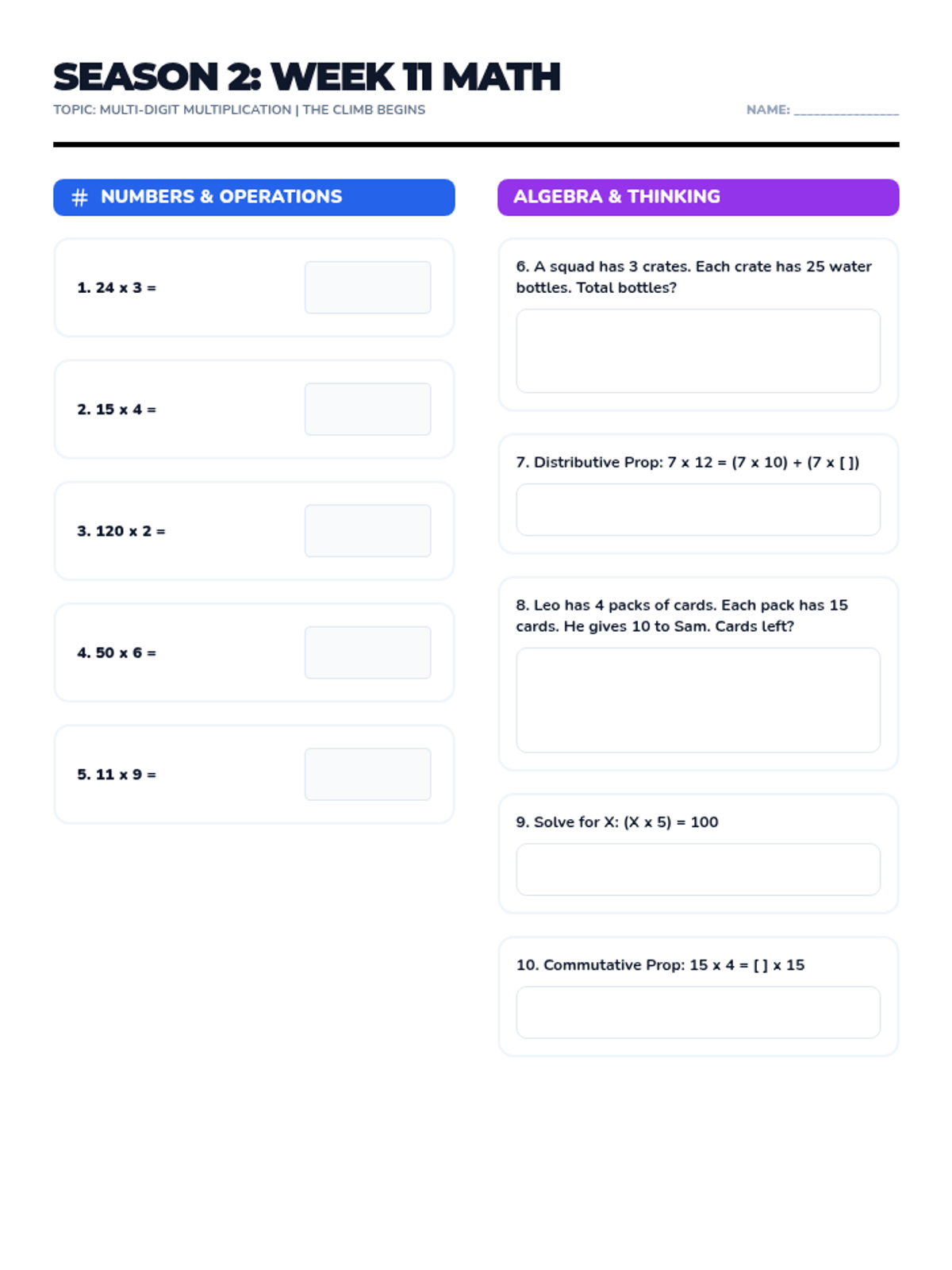
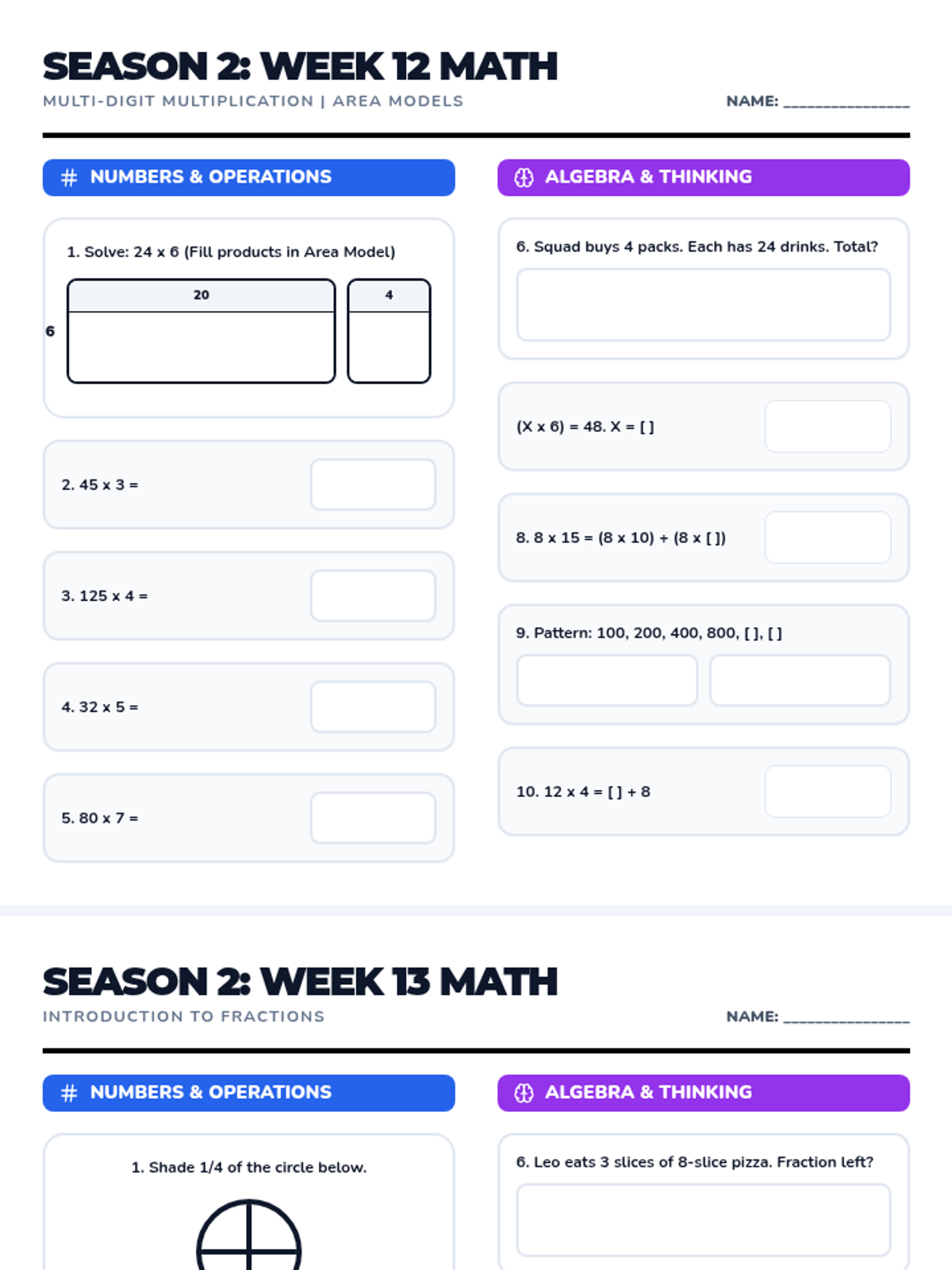
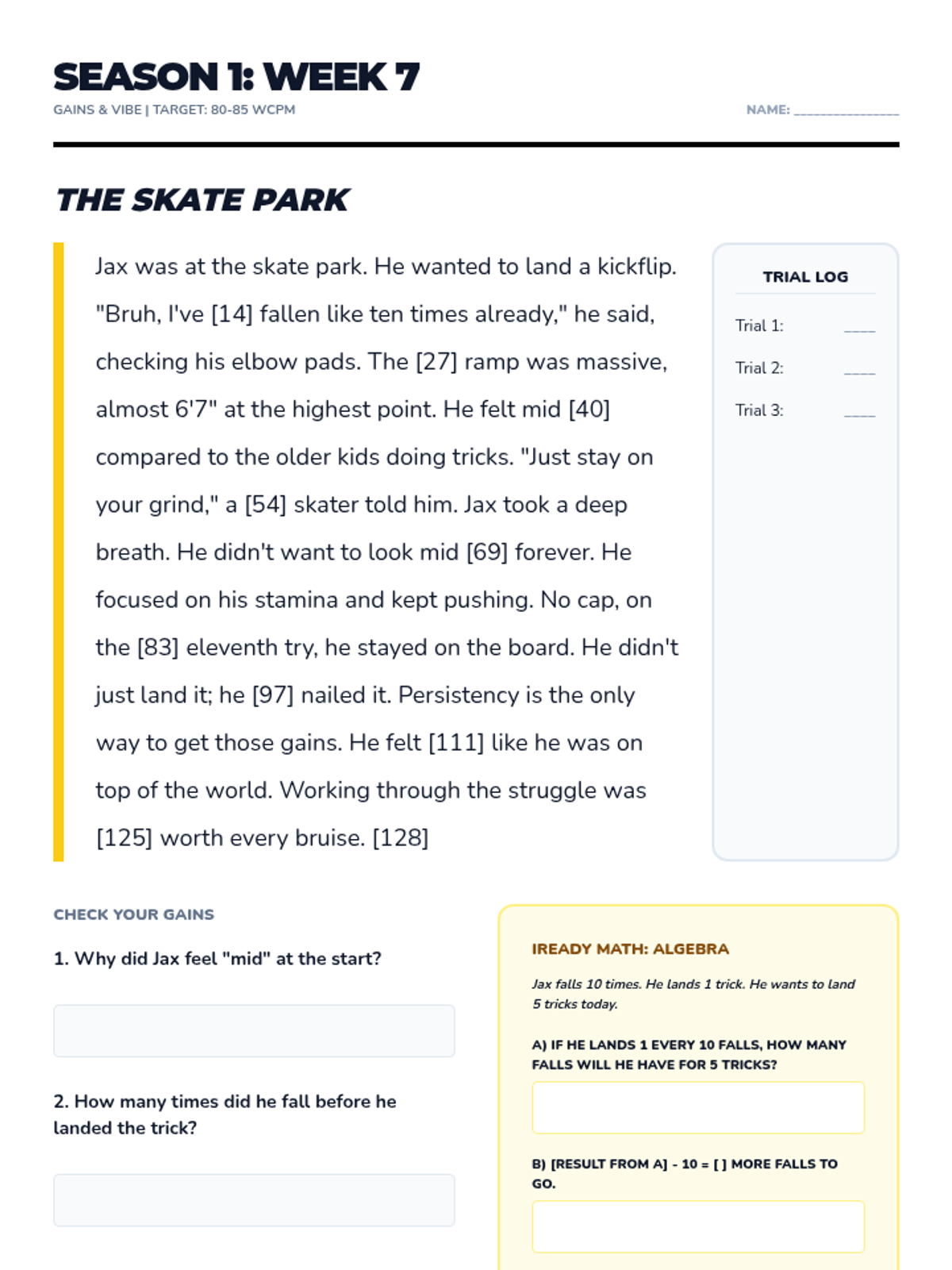
Stepping up complexity in reading passages and focusing on multiplication, division, and algebraic thinking.
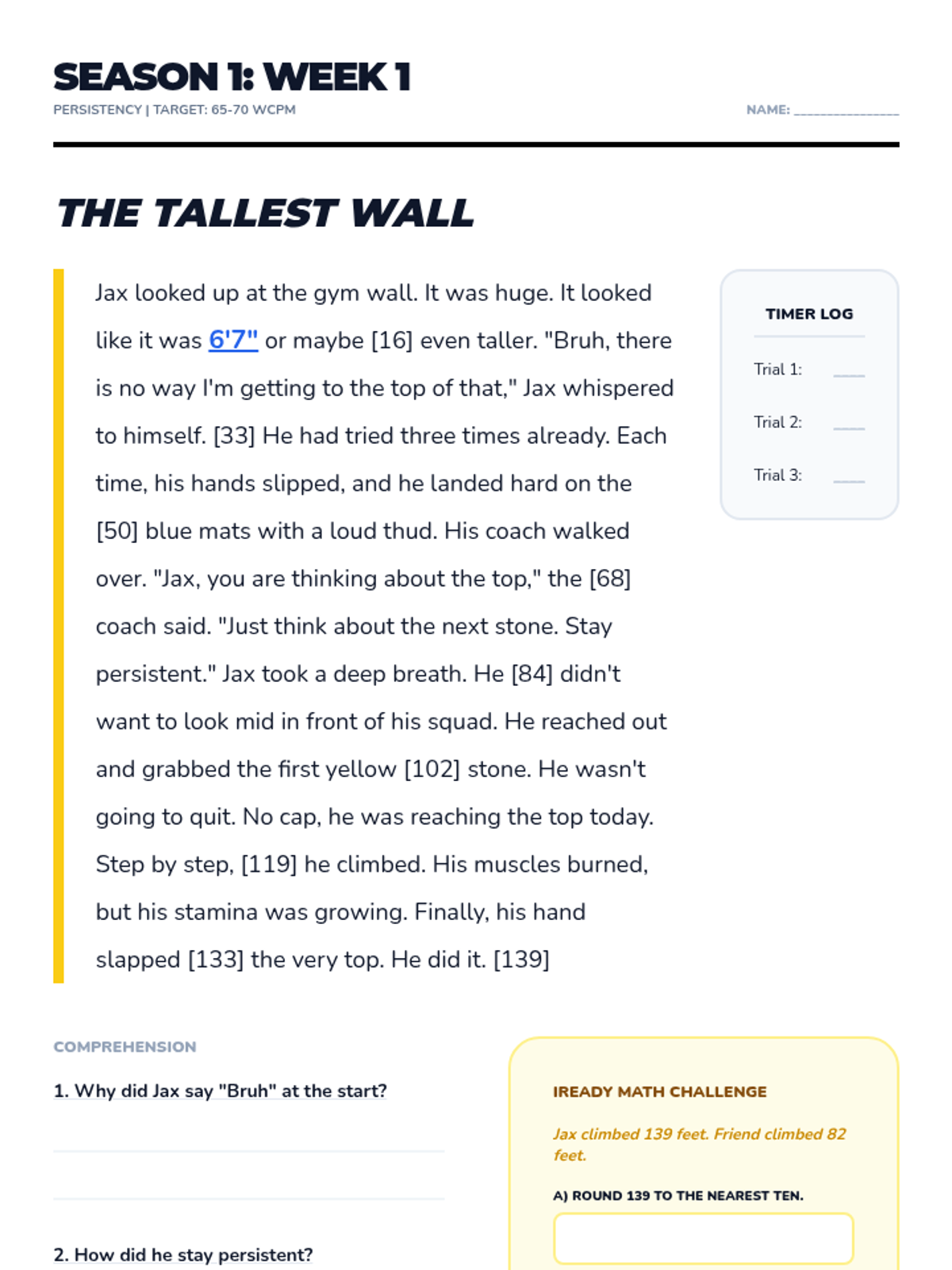
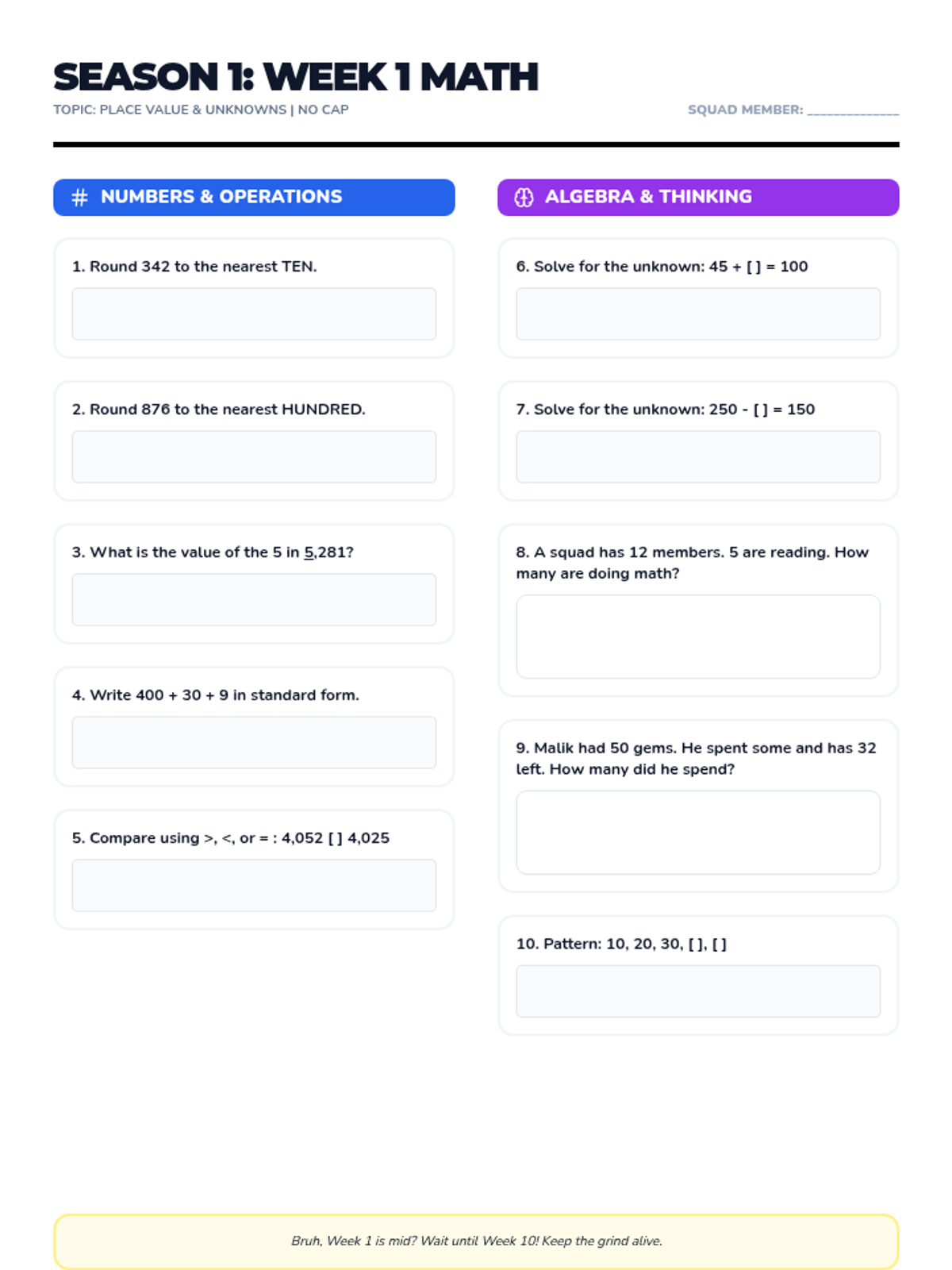
The foundation of the program, focusing on initial fluency routines and core 3rd-grade math skills in place value and operations. Includes the 40-week Success Log and Math Checklist.
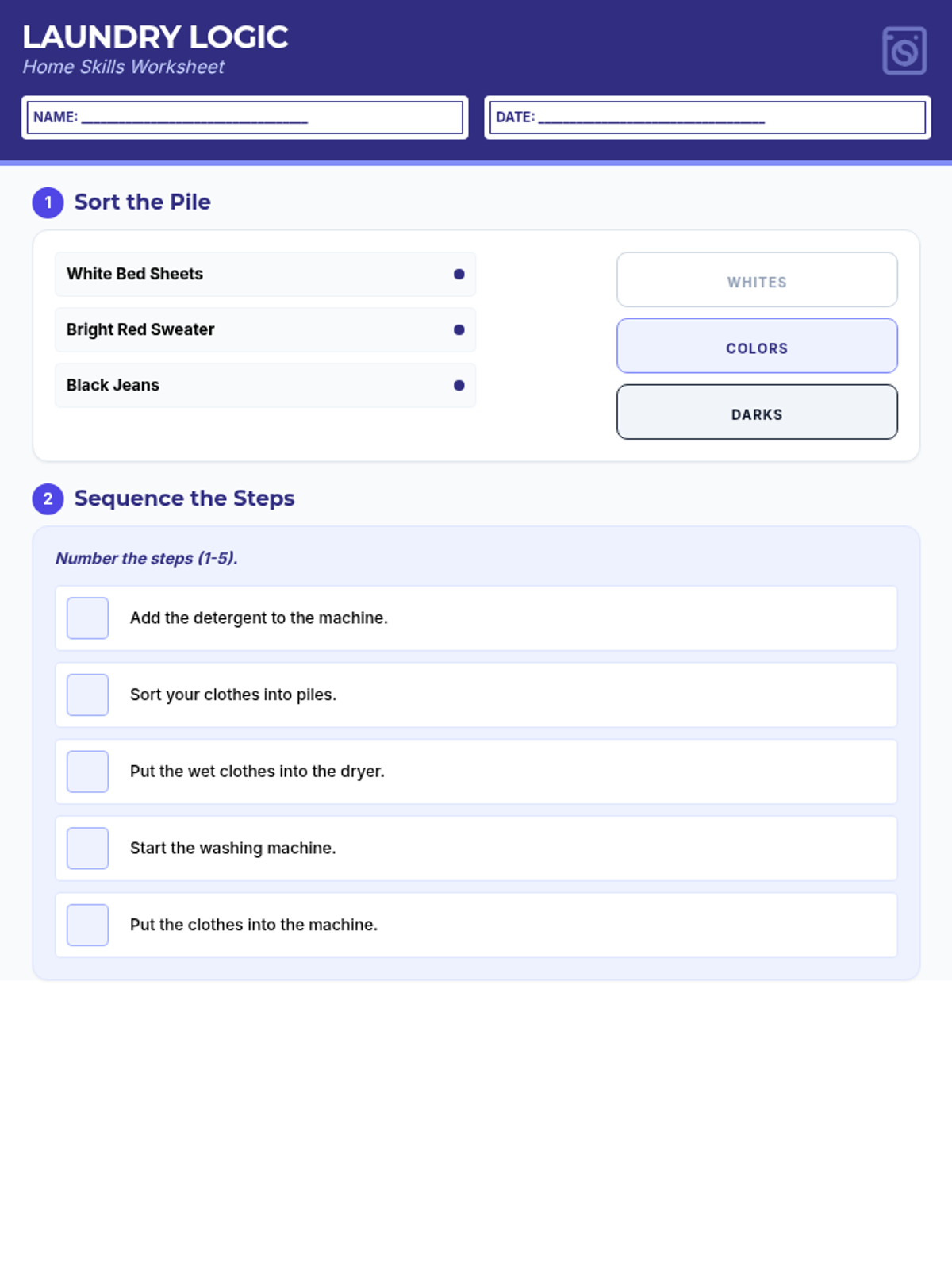
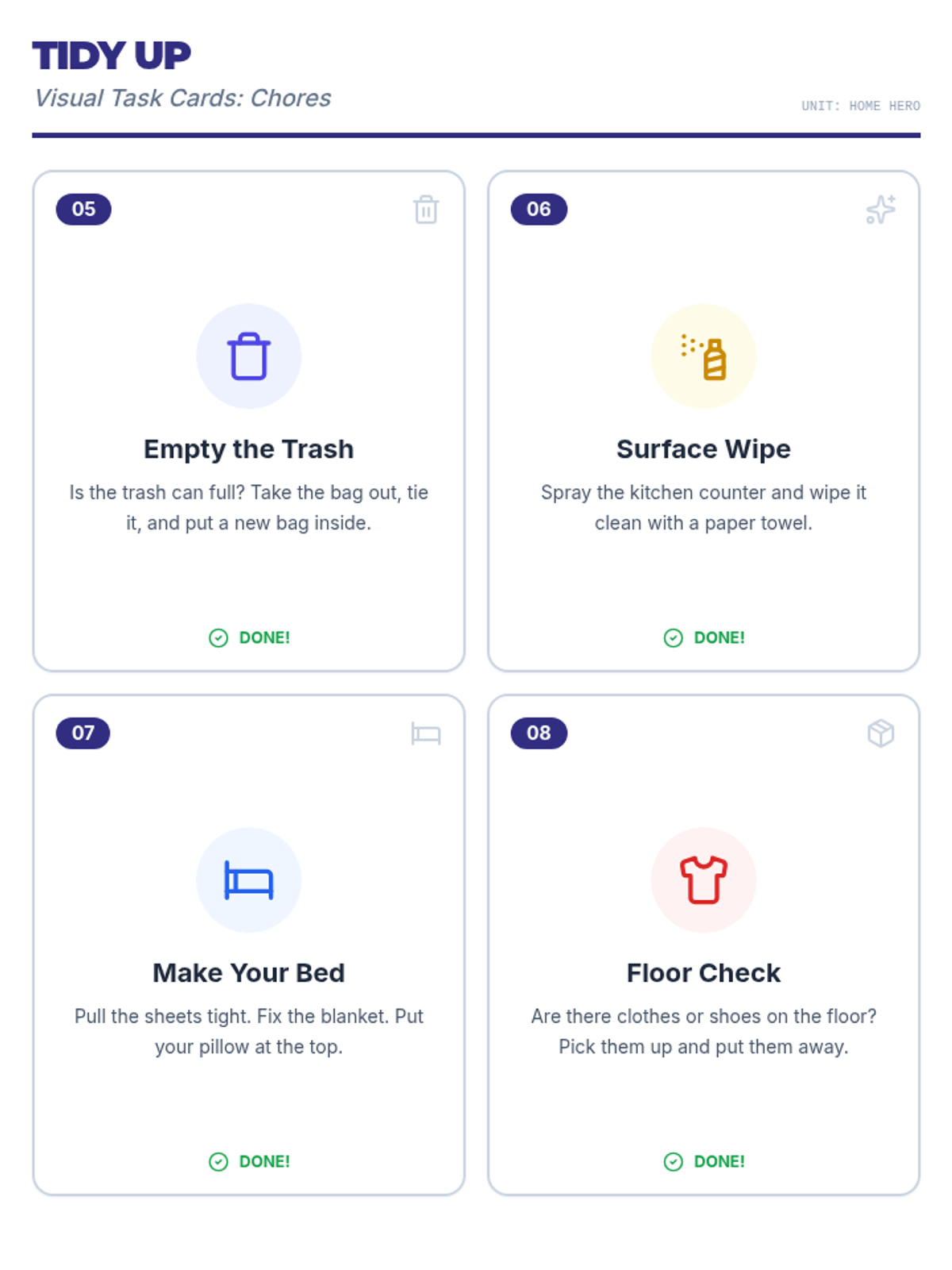
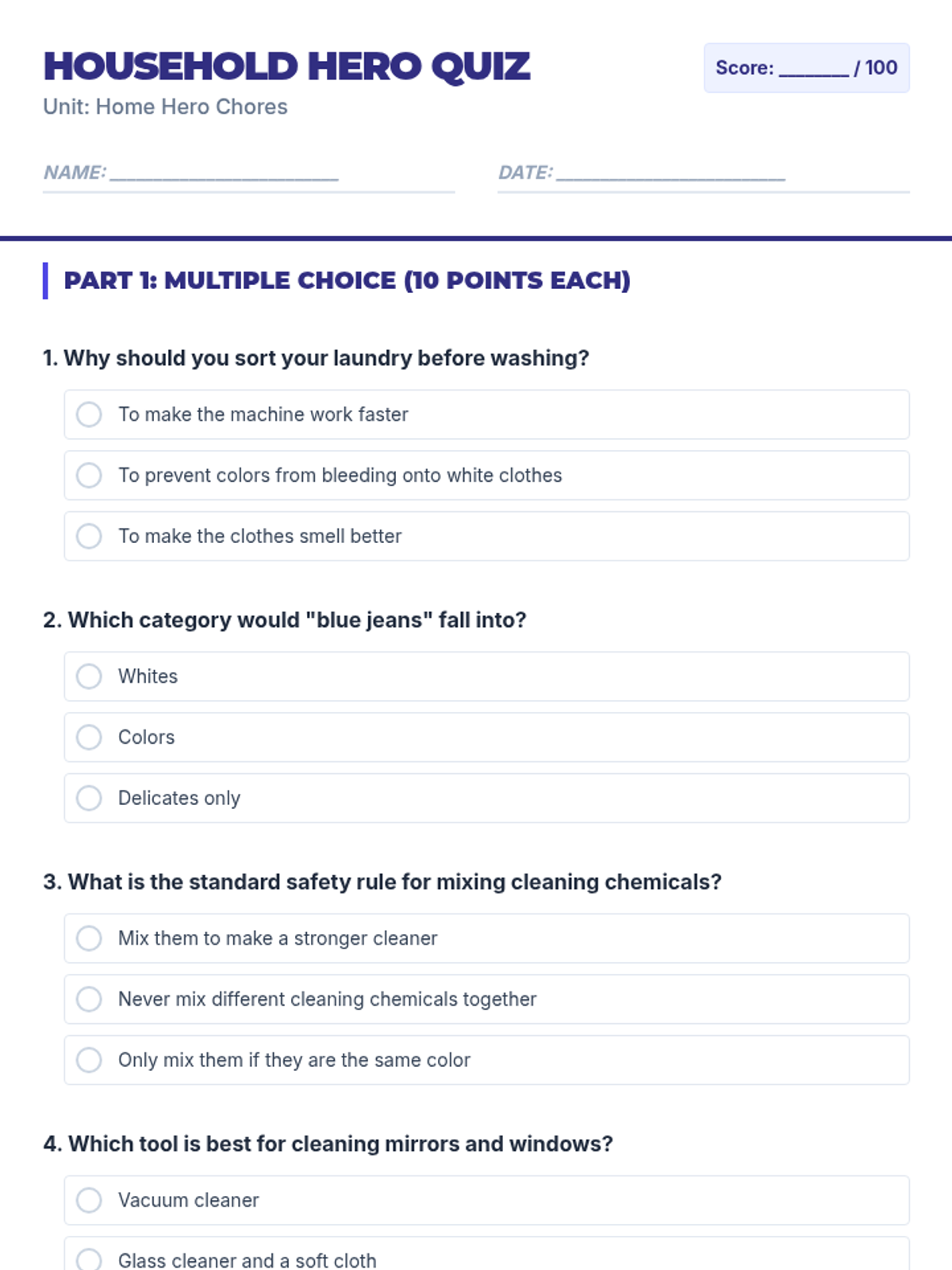
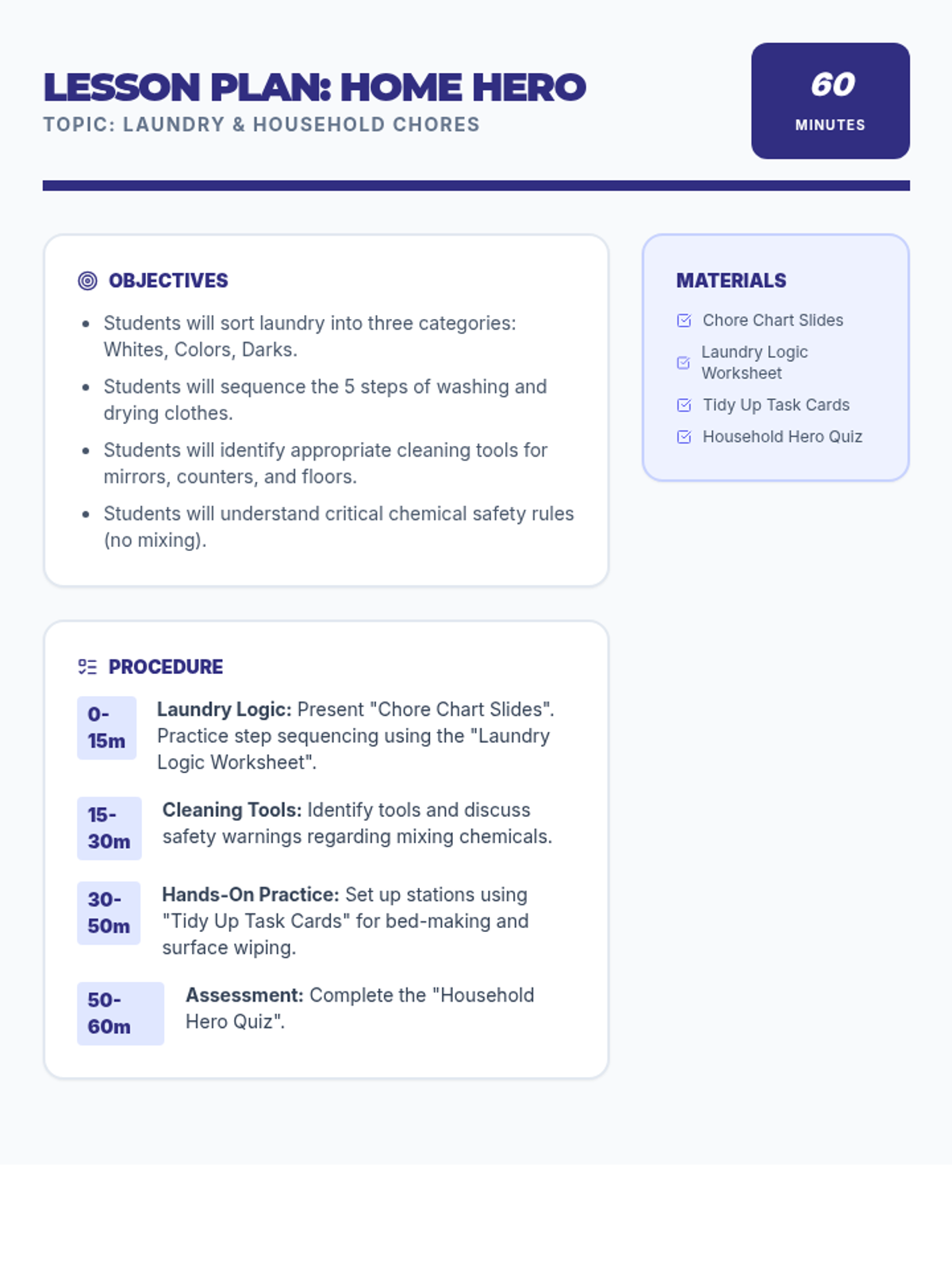
Mastering the art of laundry, cleaning schedules, and maintaining a healthy home environment.
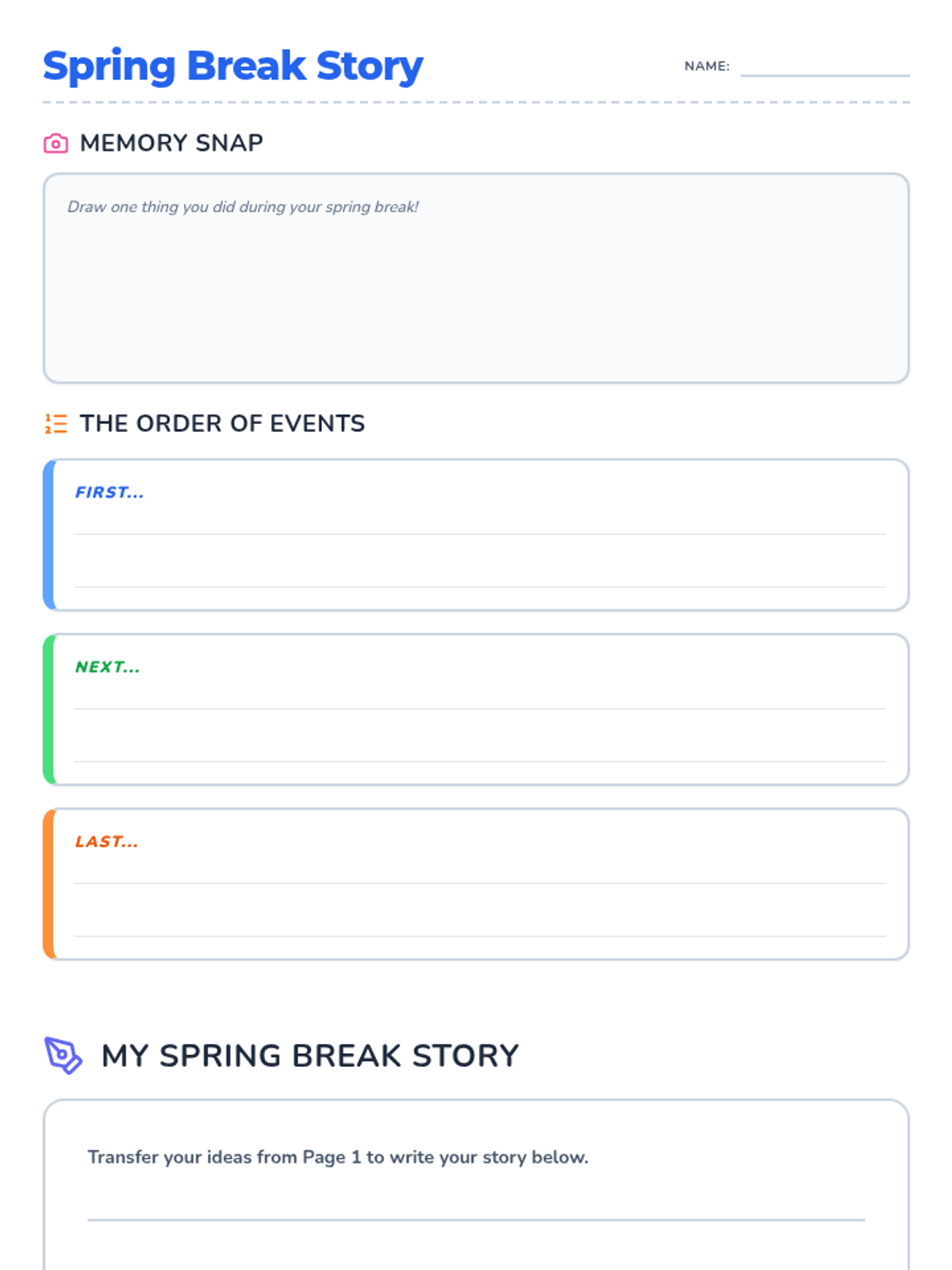
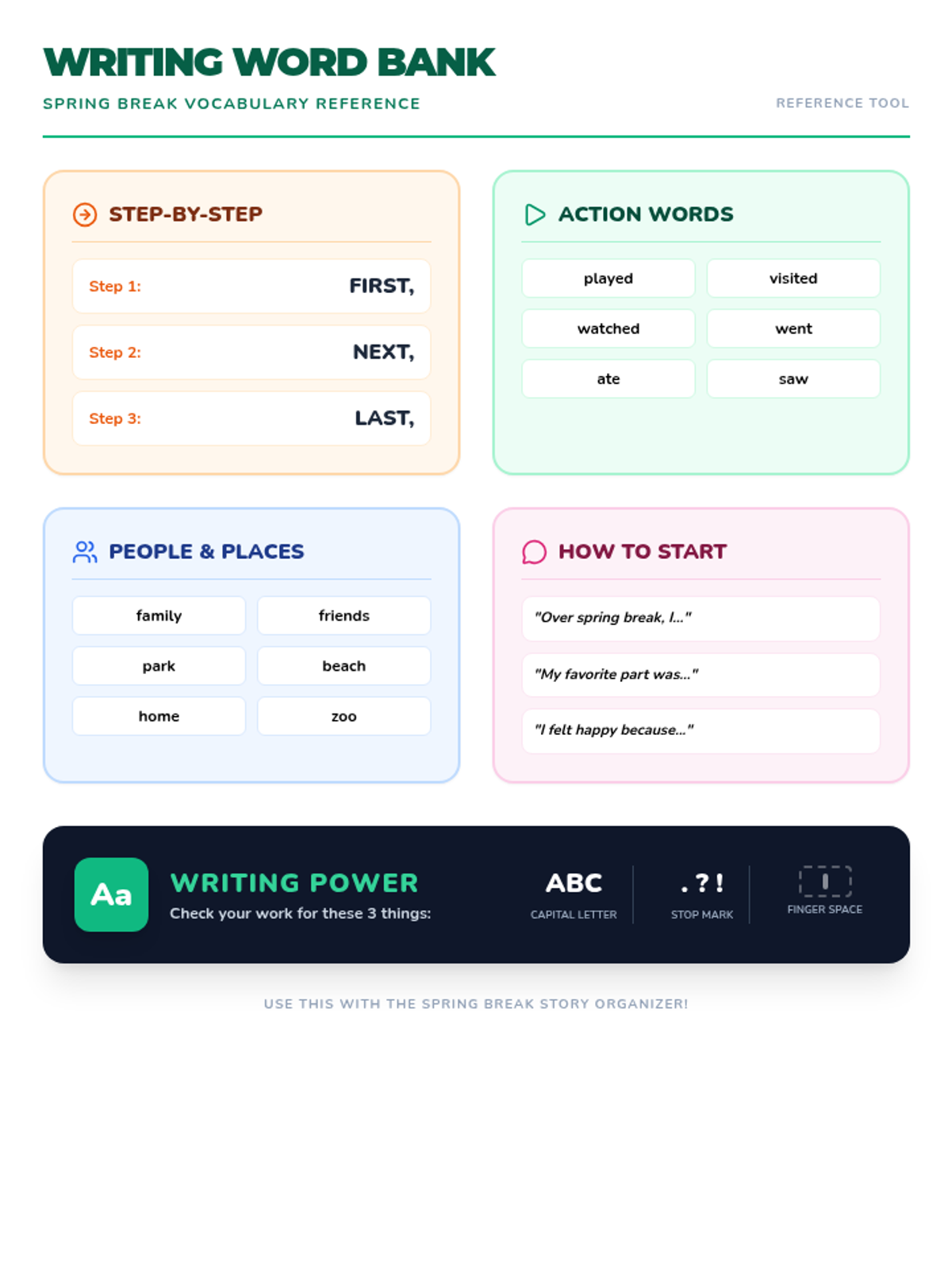
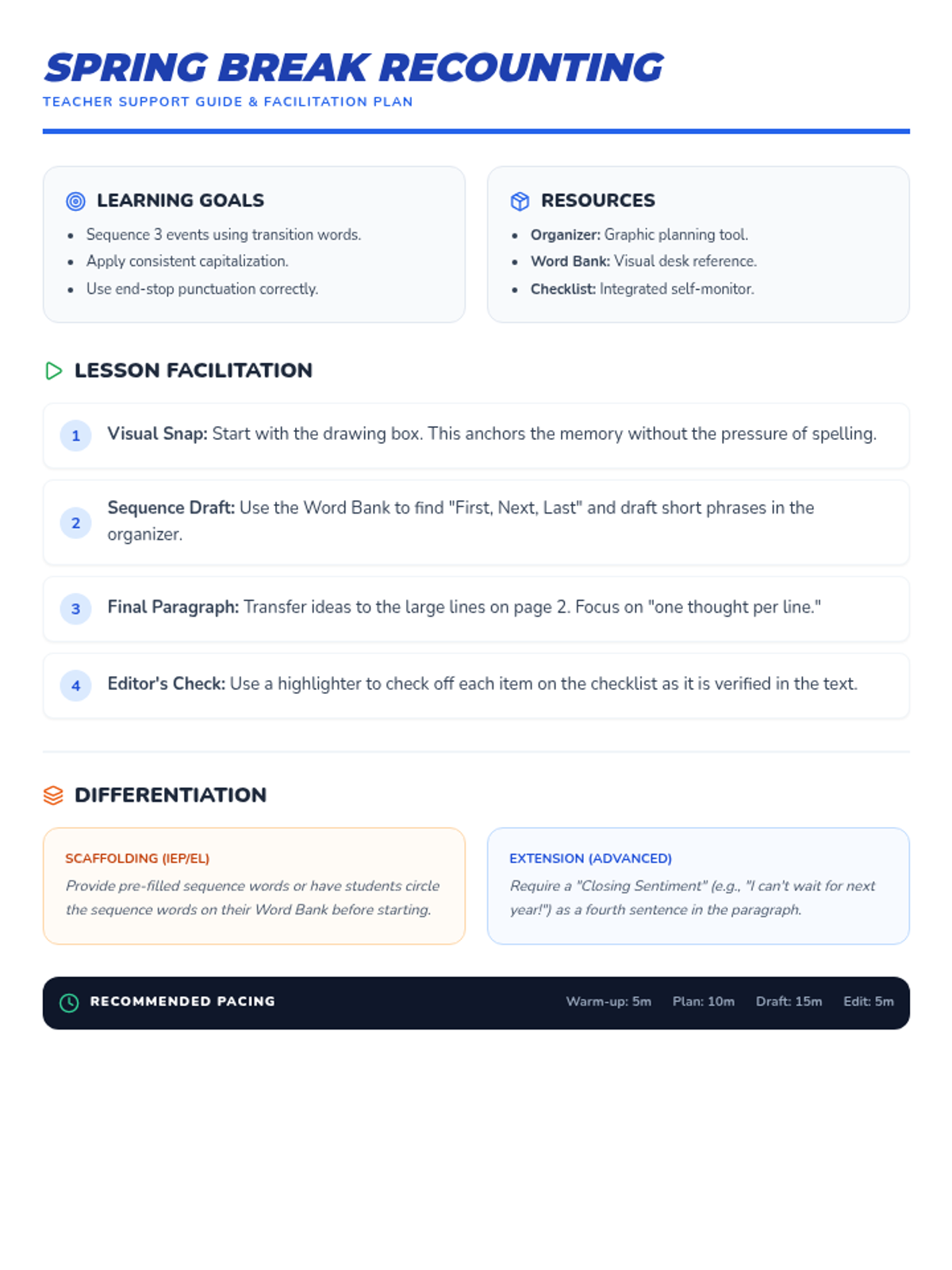
A structured writing lesson to help IEP students recount their spring break experiences using sequencing and proper grammar.
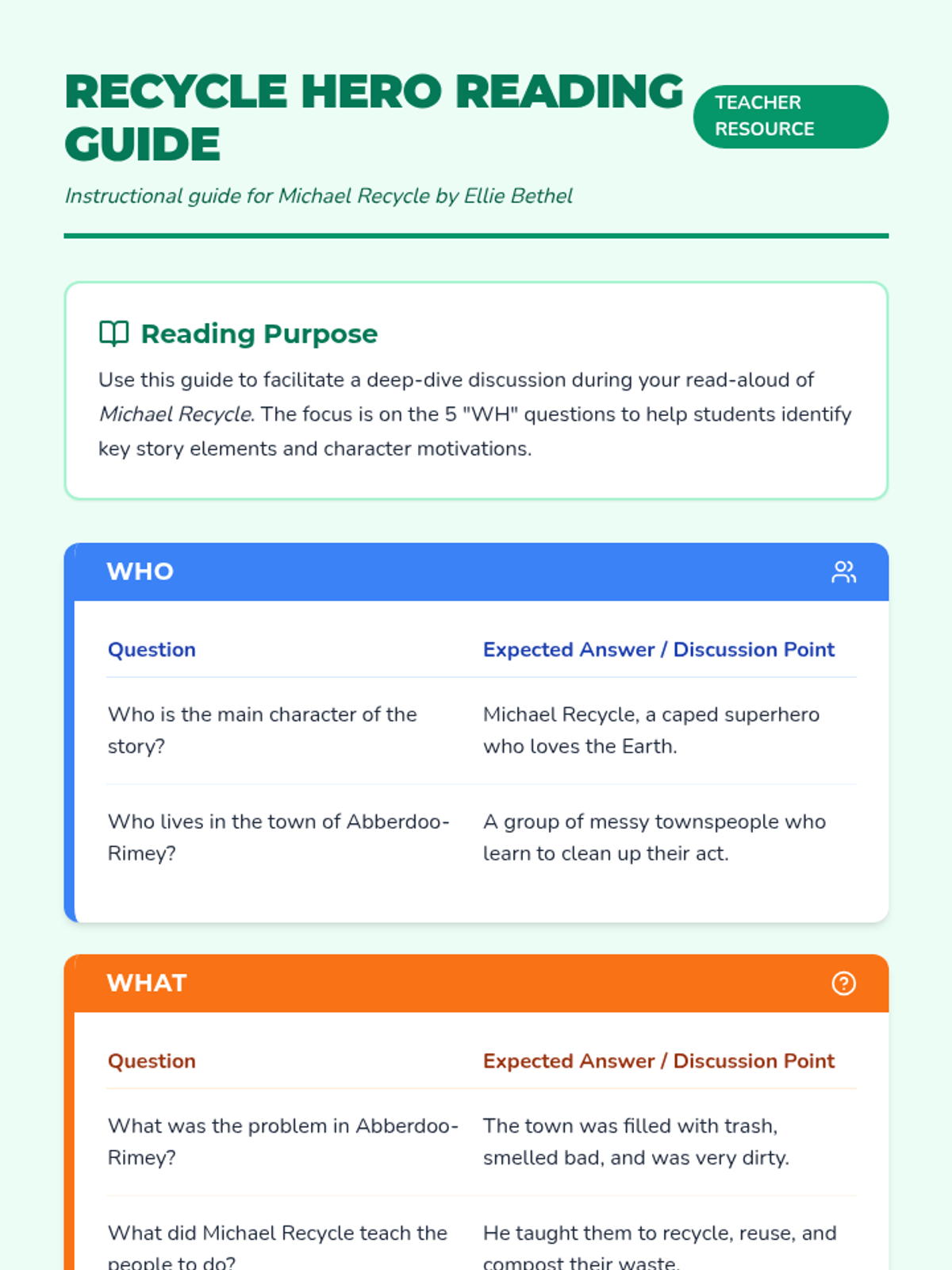
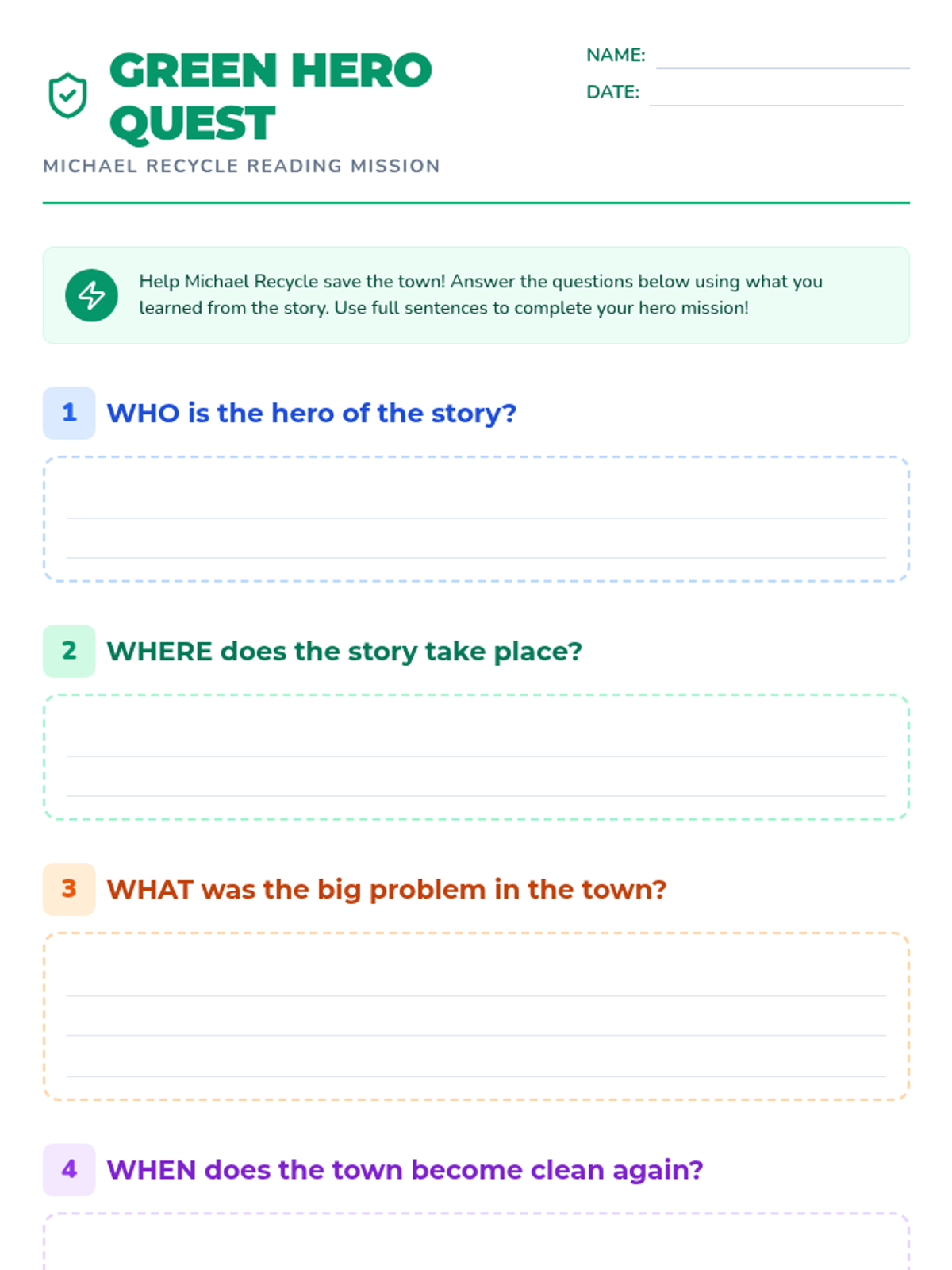
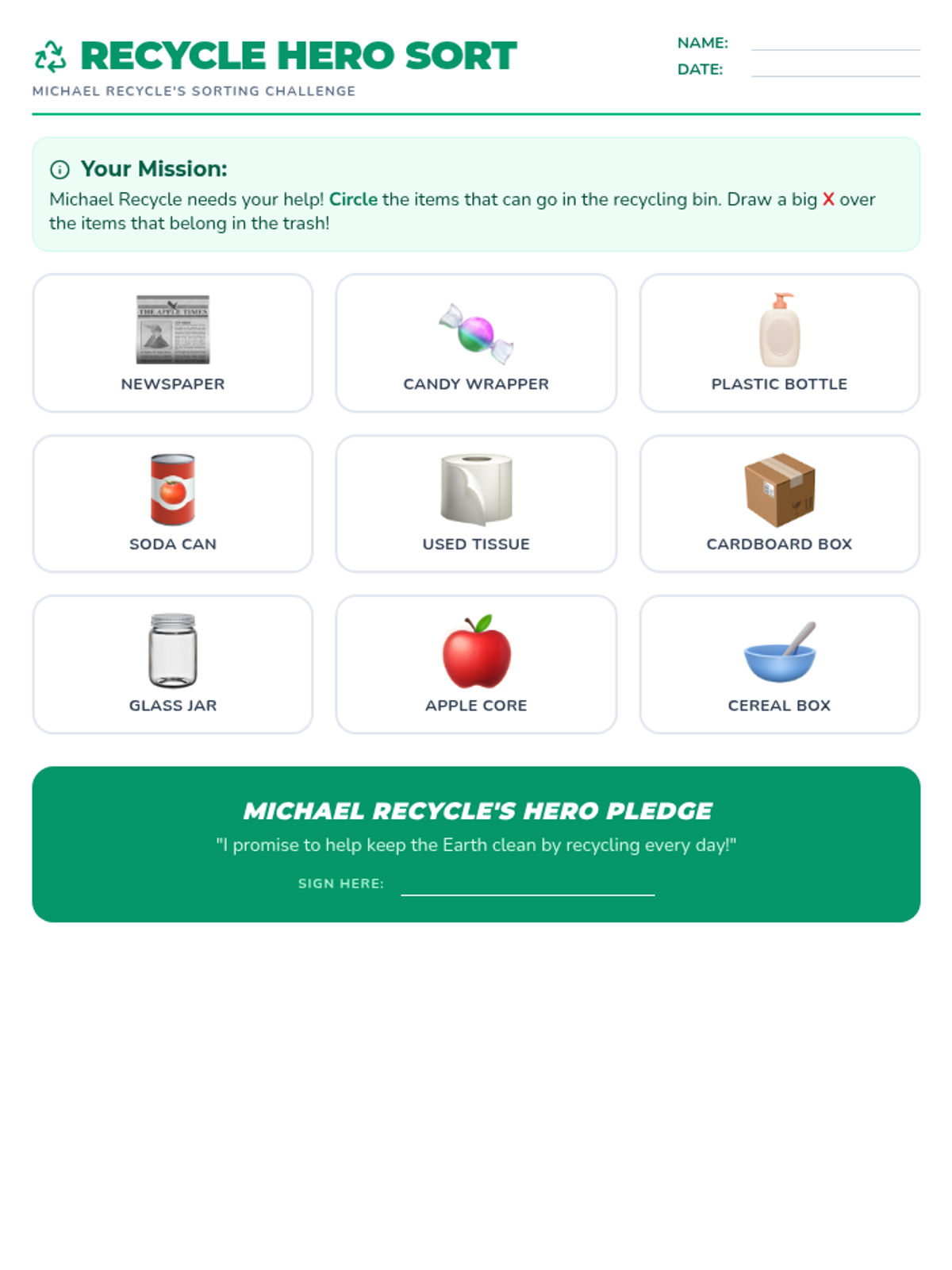
A reading comprehension lesson centered on the book Michael Recycle by Ellie Bethel, focusing on identifying key story elements using WH-questions.
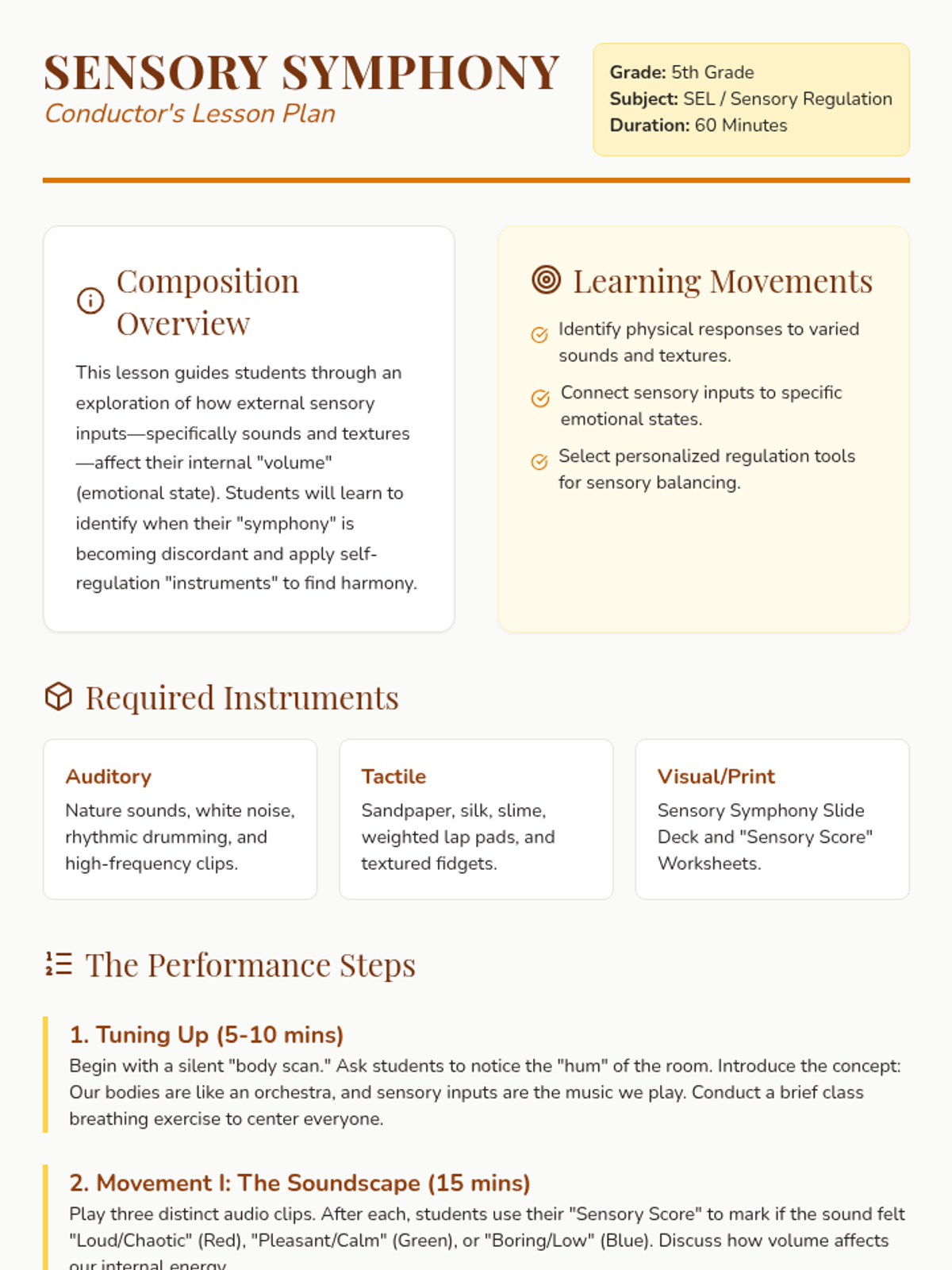
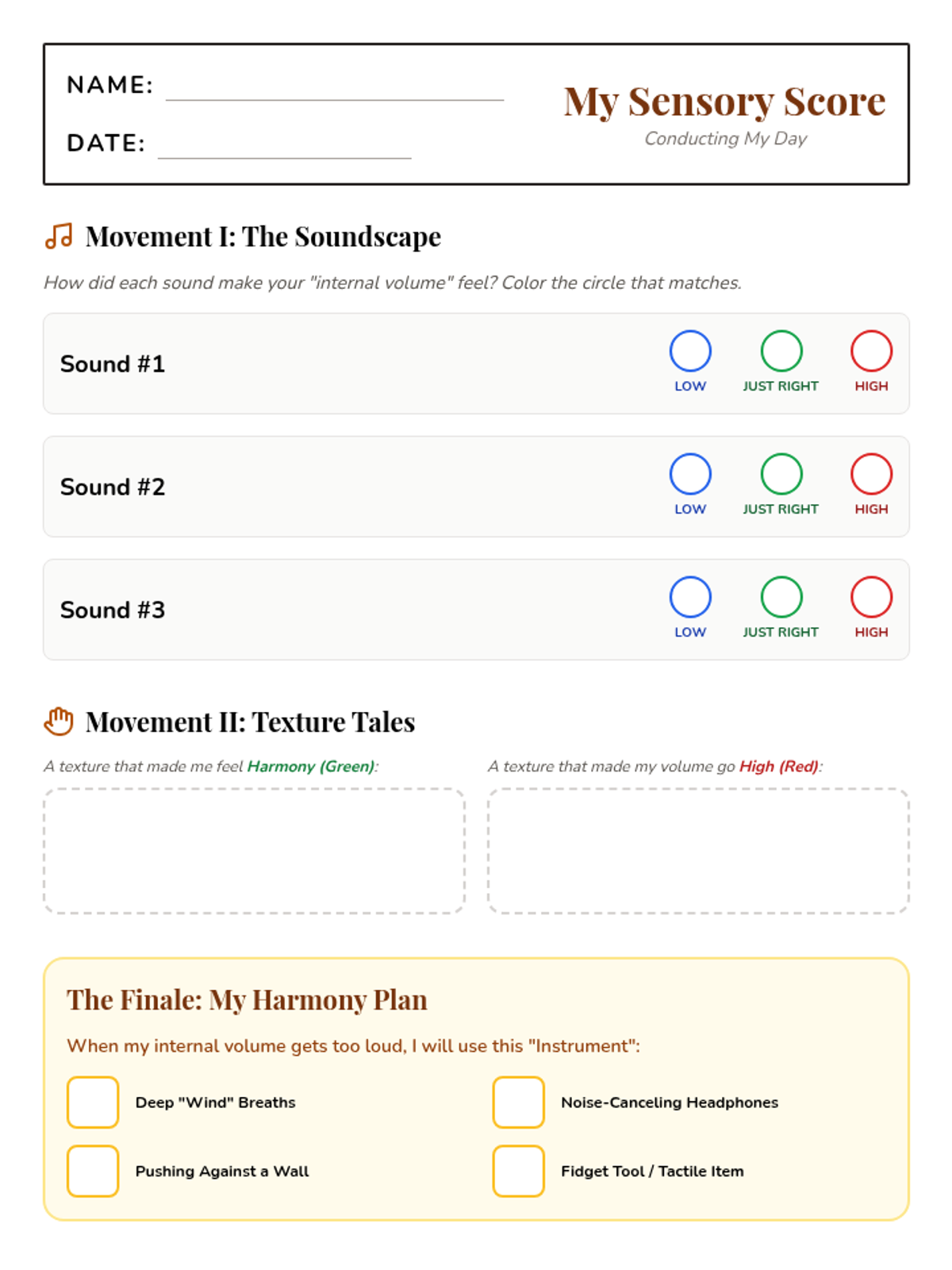
A multi-sensory lesson for 5th graders with sensory processing needs, focusing on the connection between external stimuli (sound/texture) and internal emotional states to build self-regulation skills.
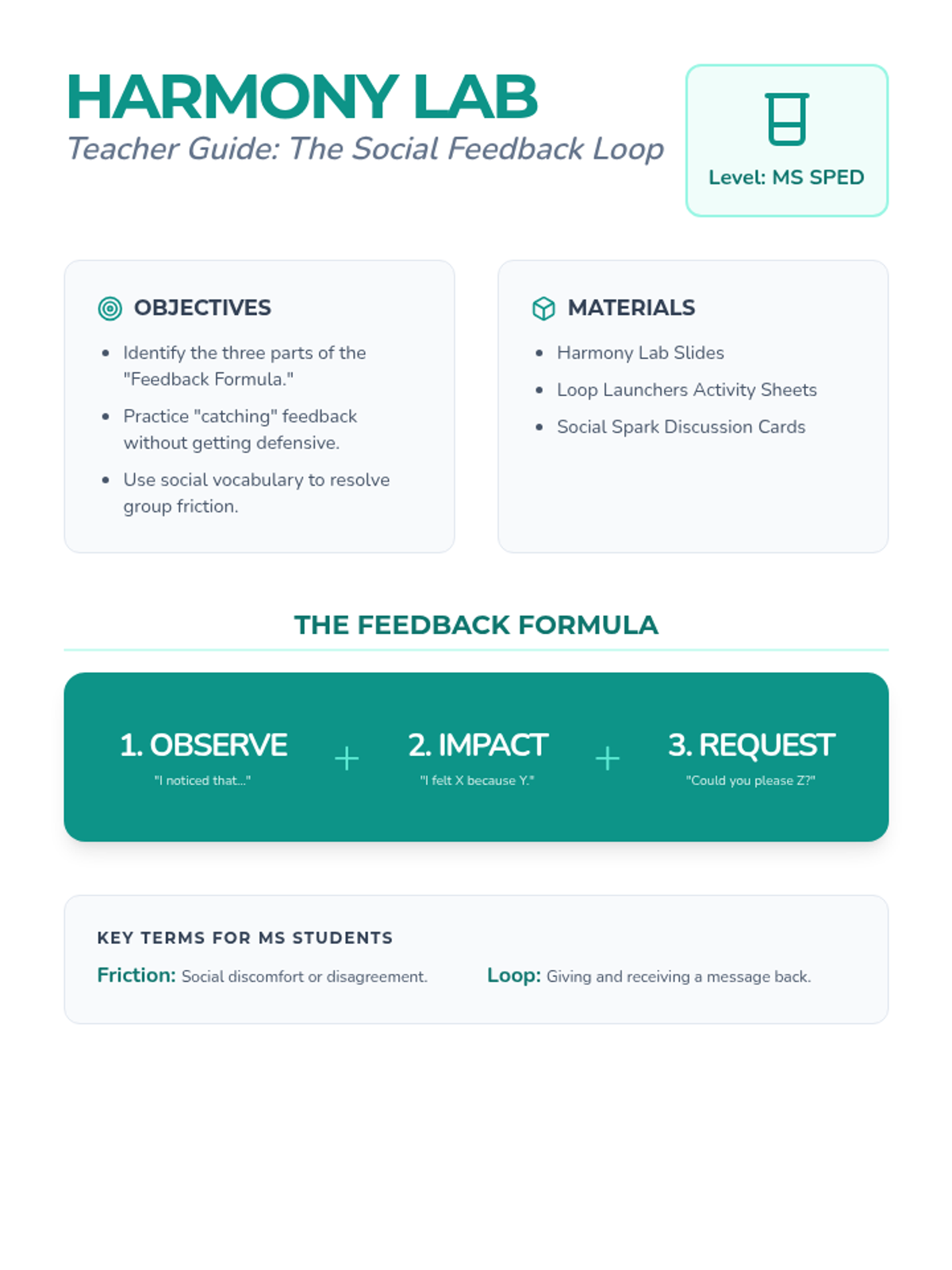
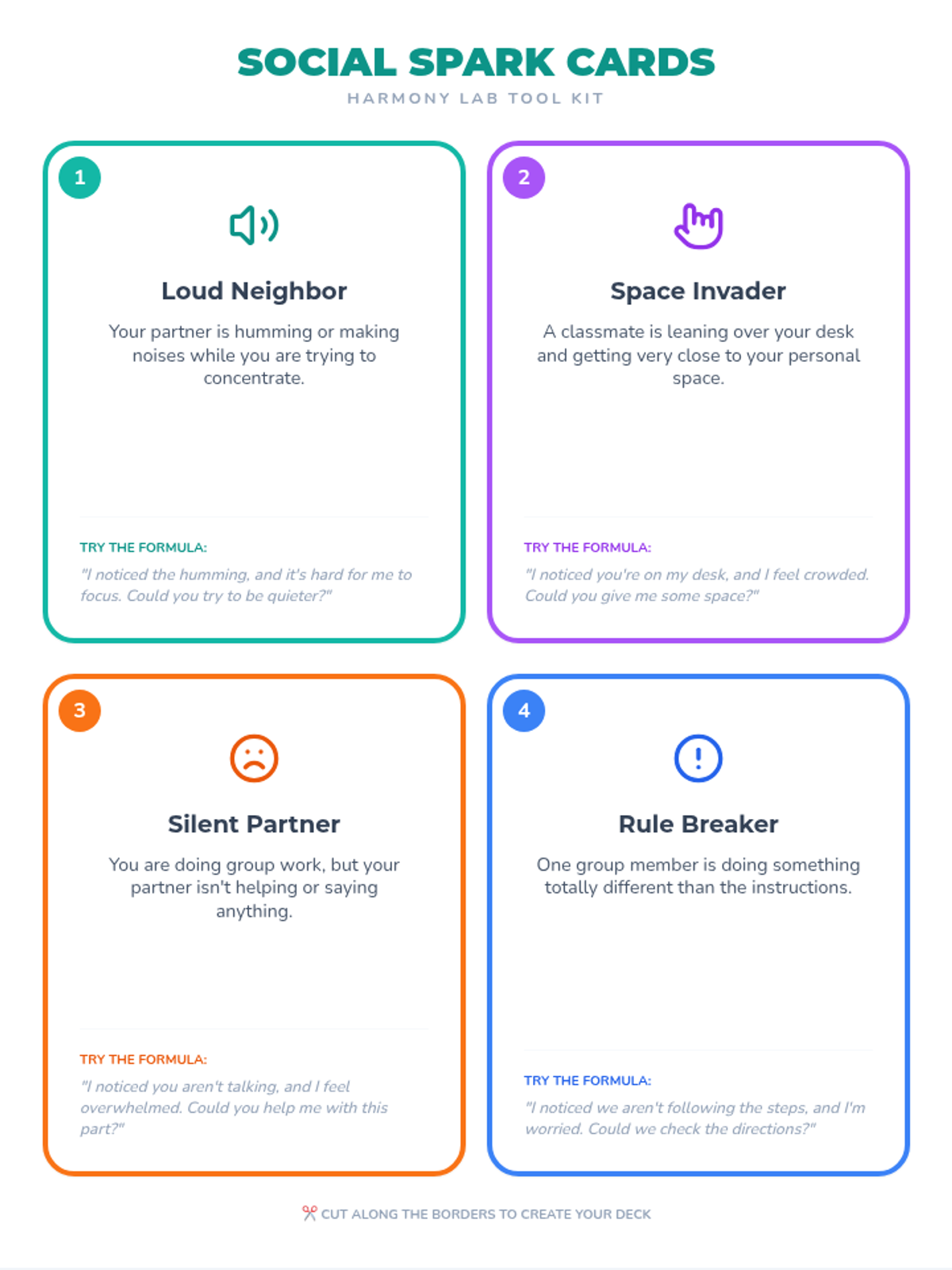
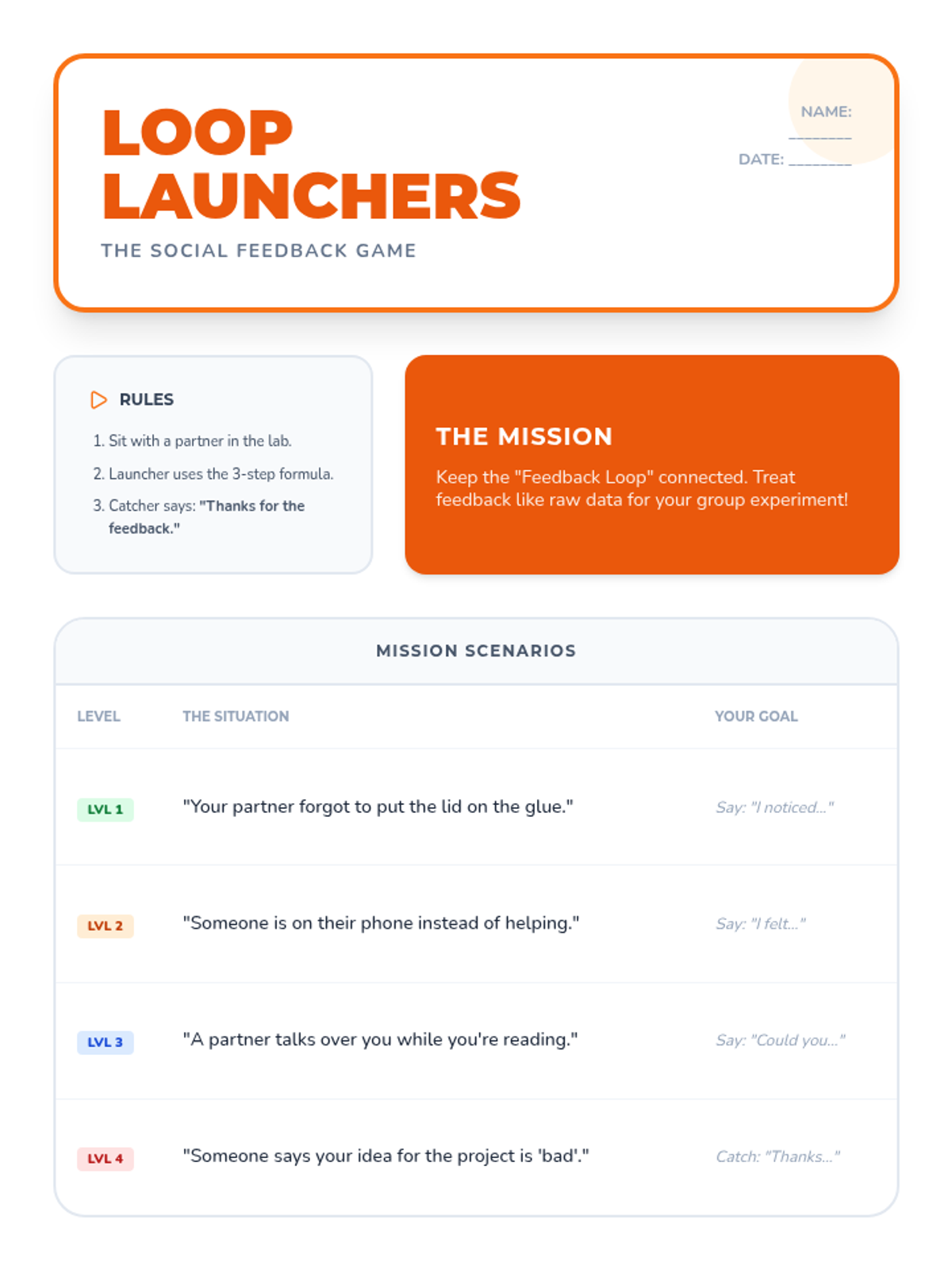
A social-emotional learning lesson designed for middle school special education students to master the 'Feedback Formula.' Students will explore group dynamics through the lens of a scientific laboratory, practicing how to give and receive constructive feedback to maintain positive peer relationships.
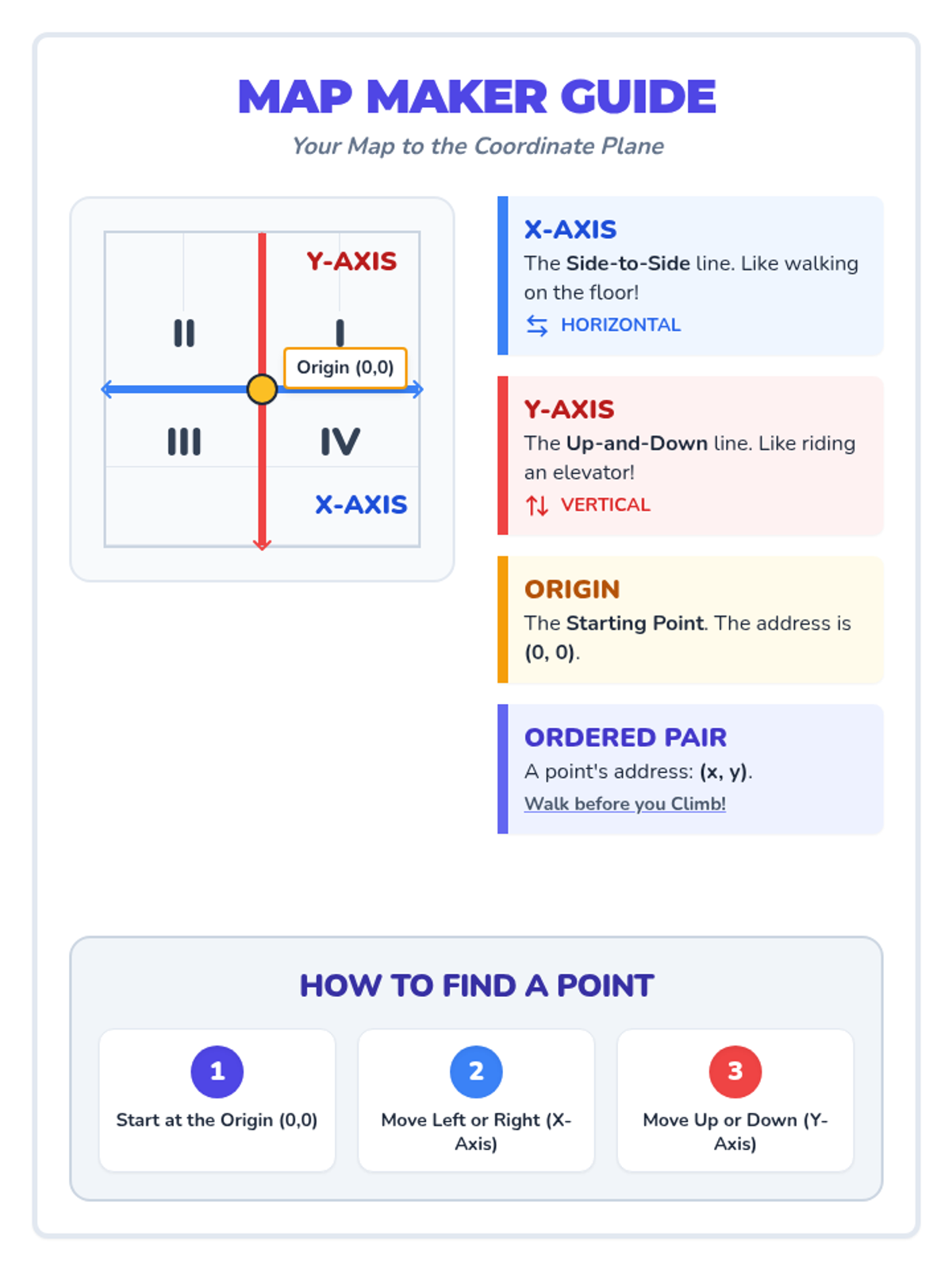
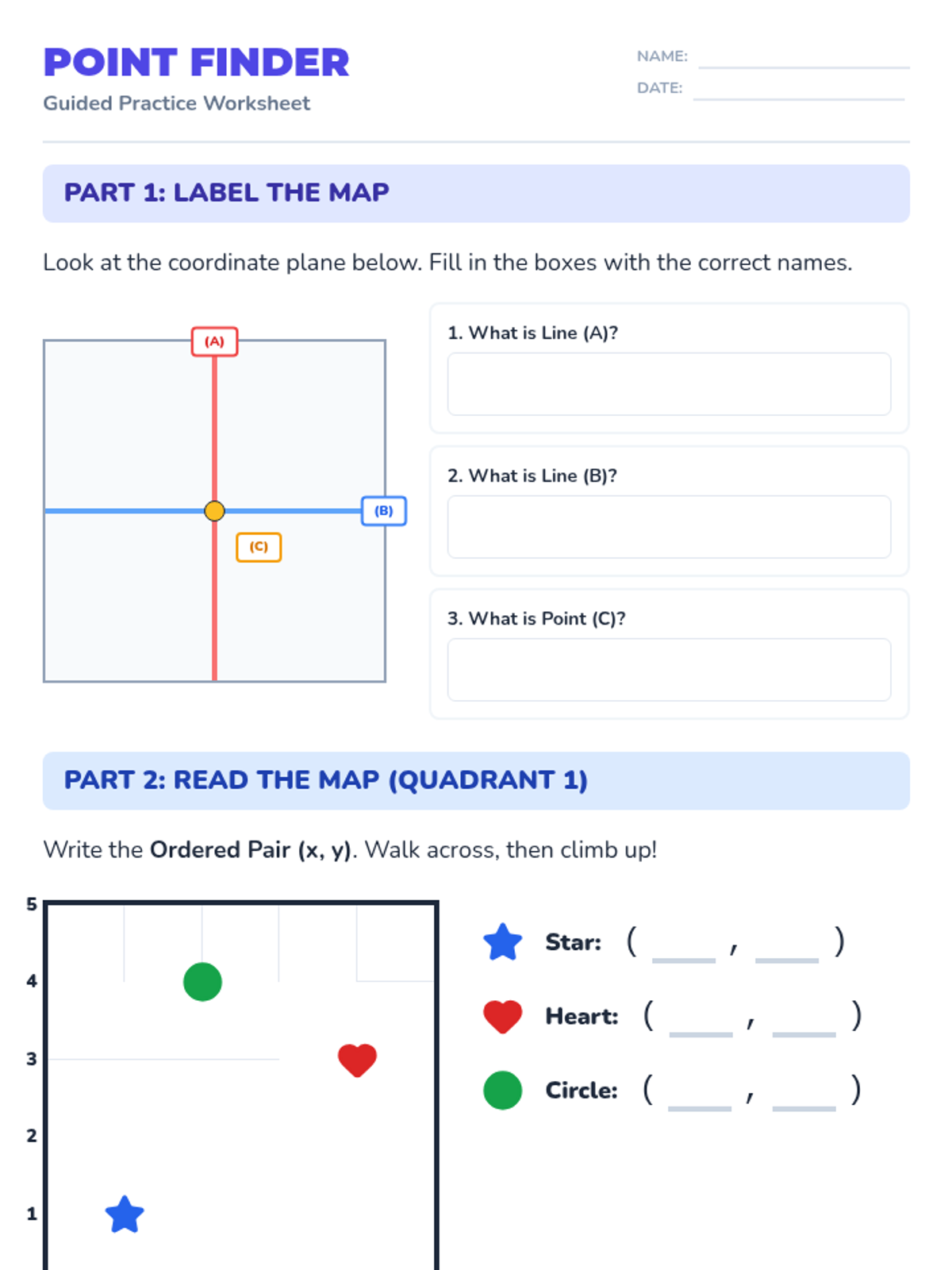
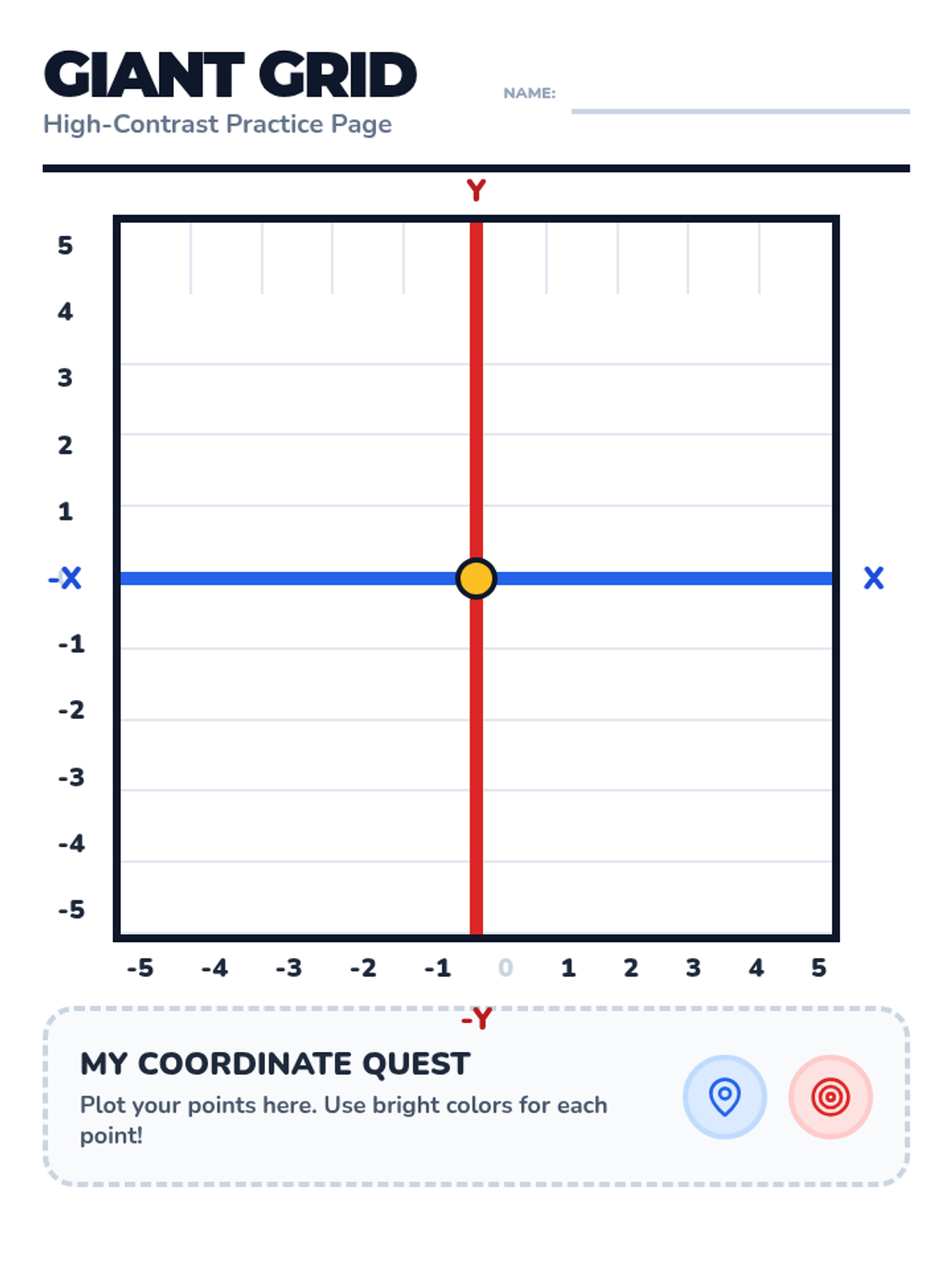
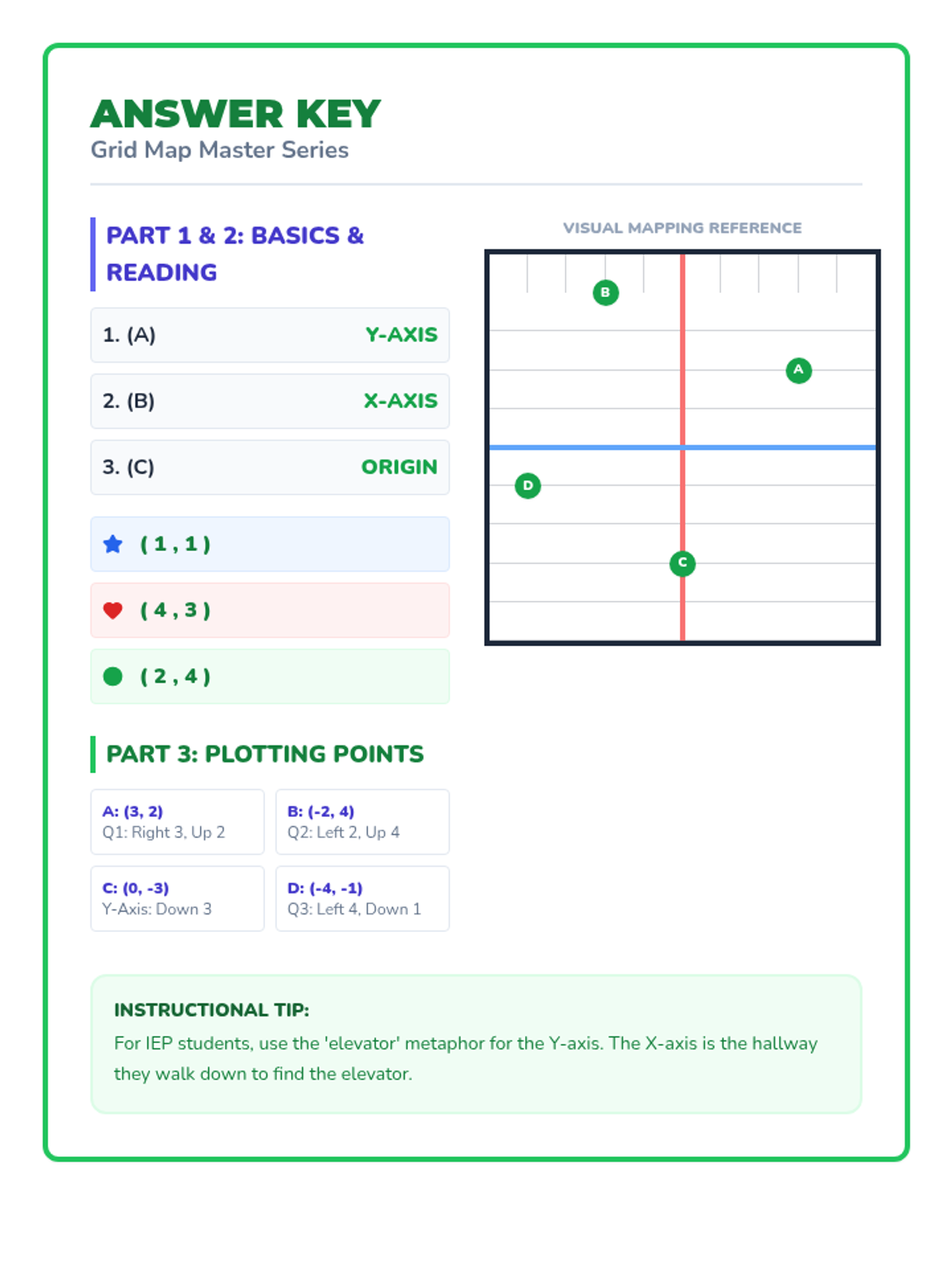
A foundational lesson on the coordinate plane designed for IEP students, focusing on vocabulary, quadrant identification, and step-by-step plotting and reading of points.
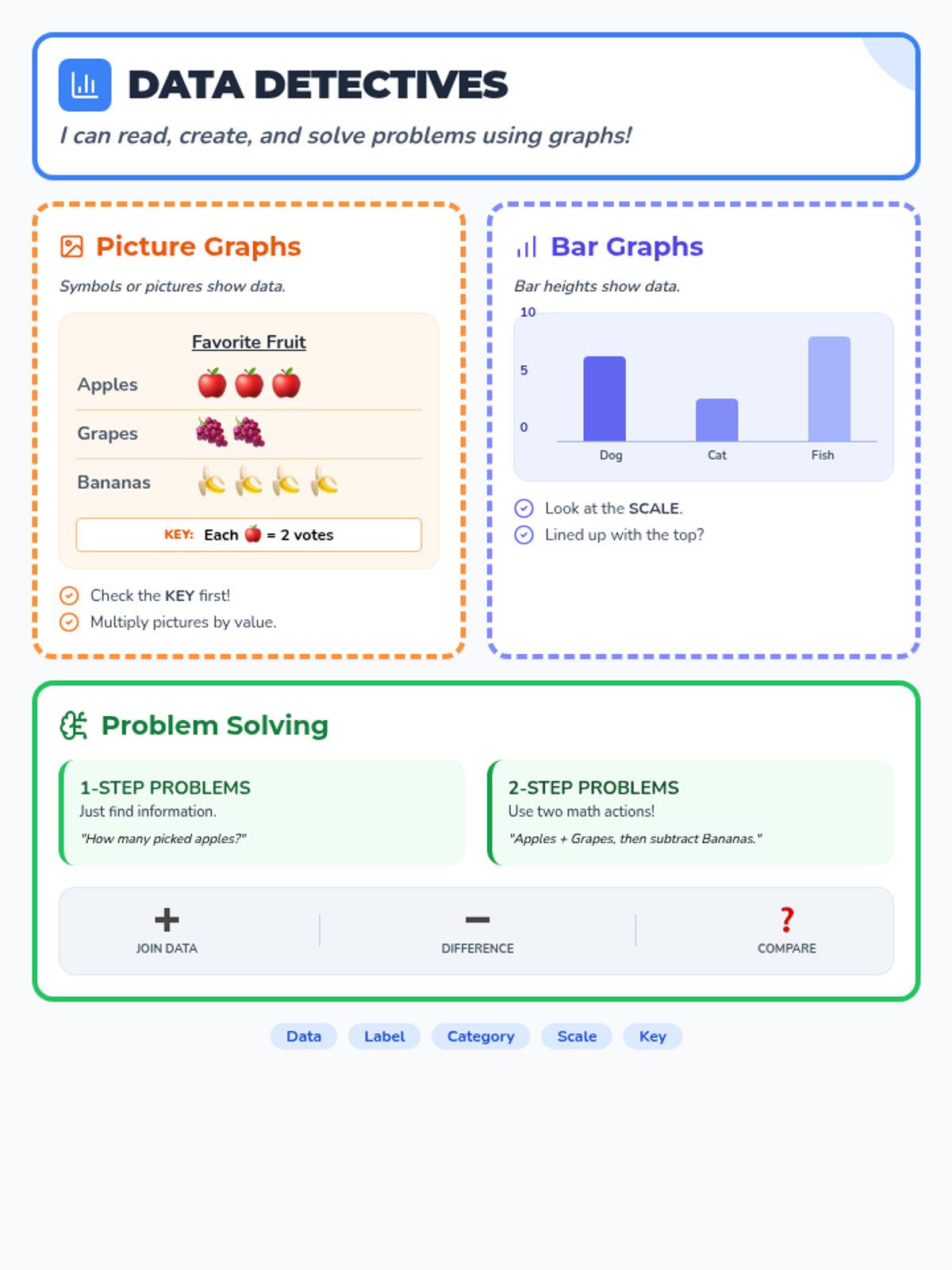
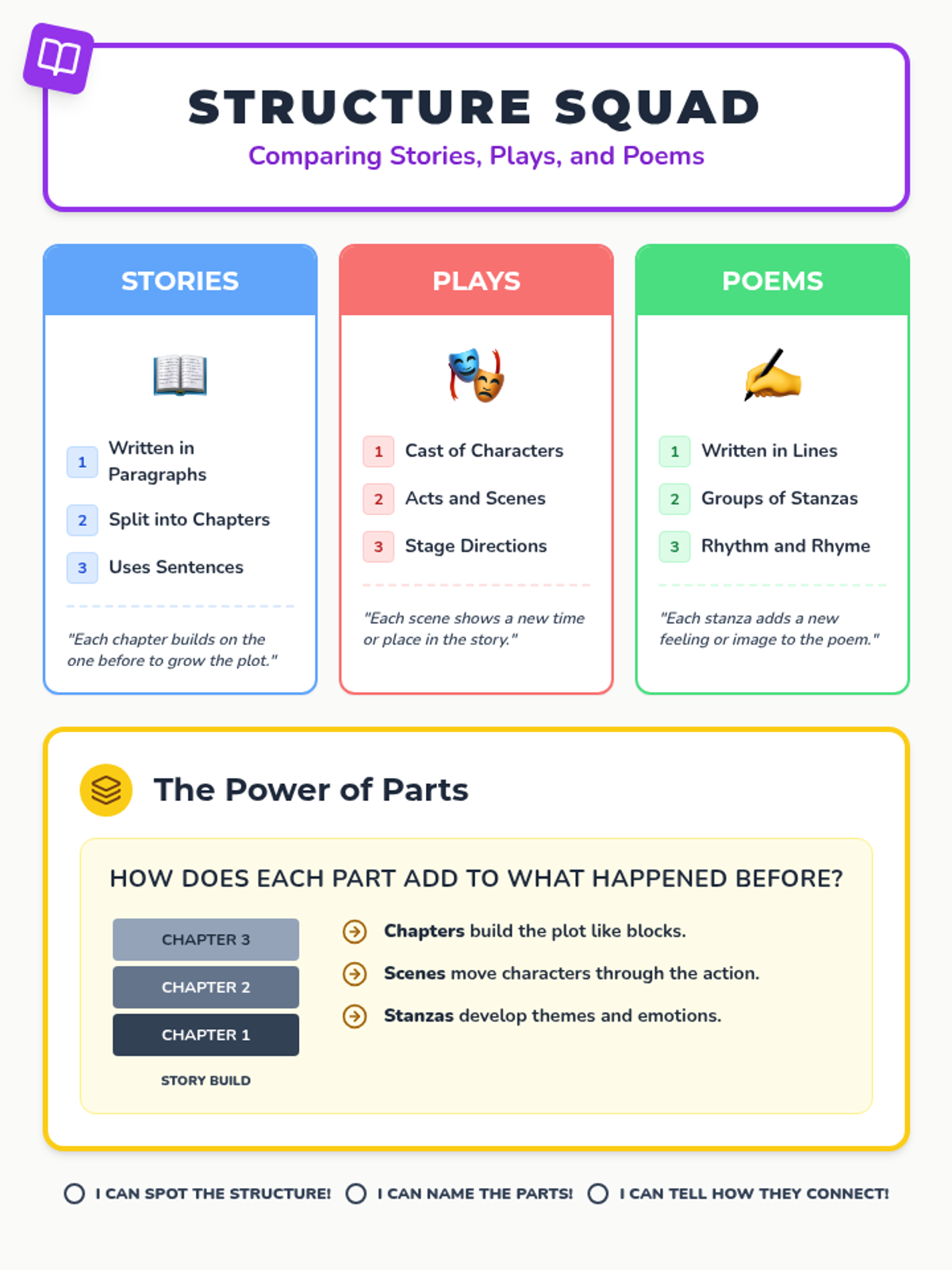
A collection of visual anchor charts designed to support elementary students in mastering data representation and literary structures.
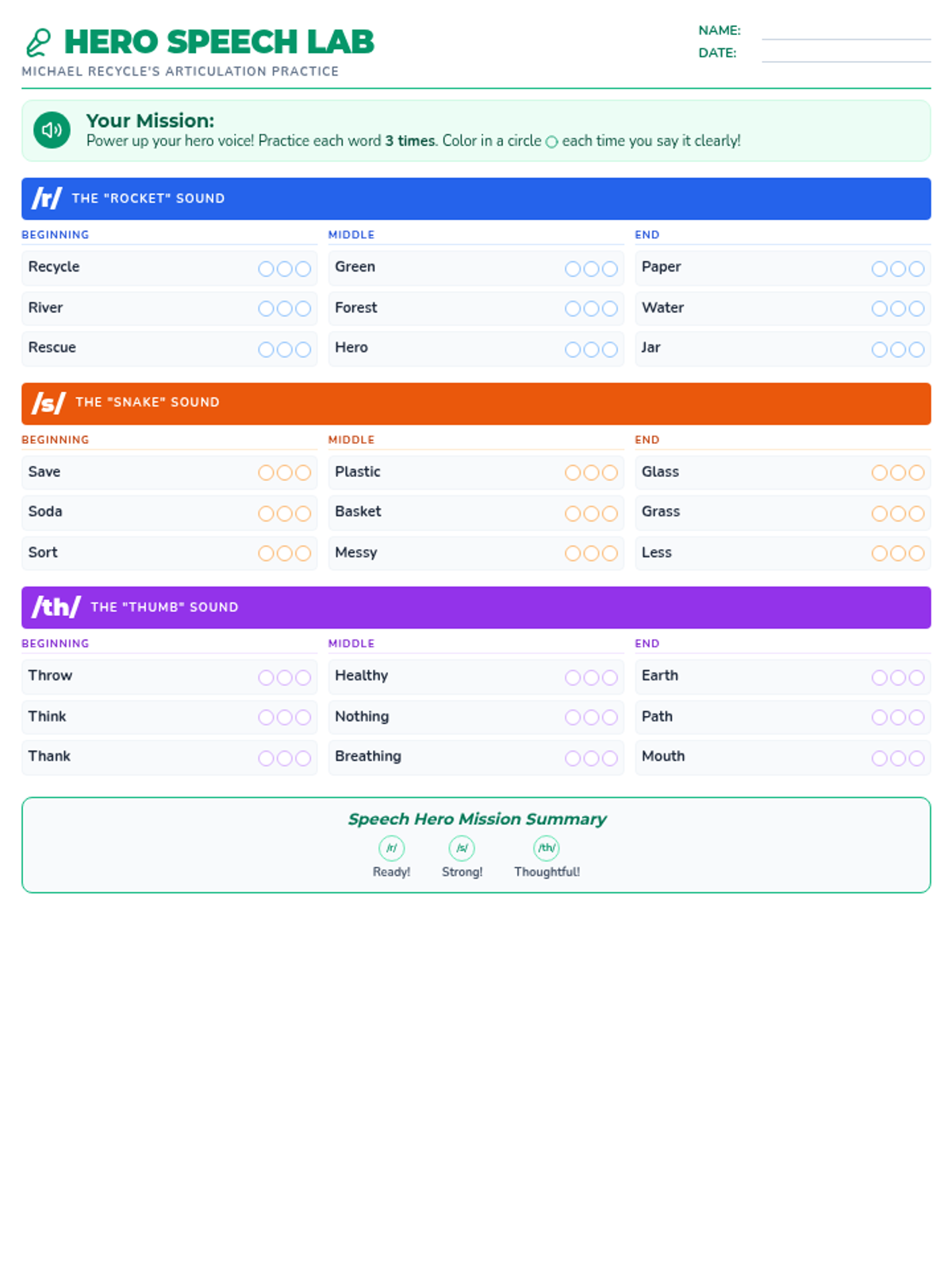
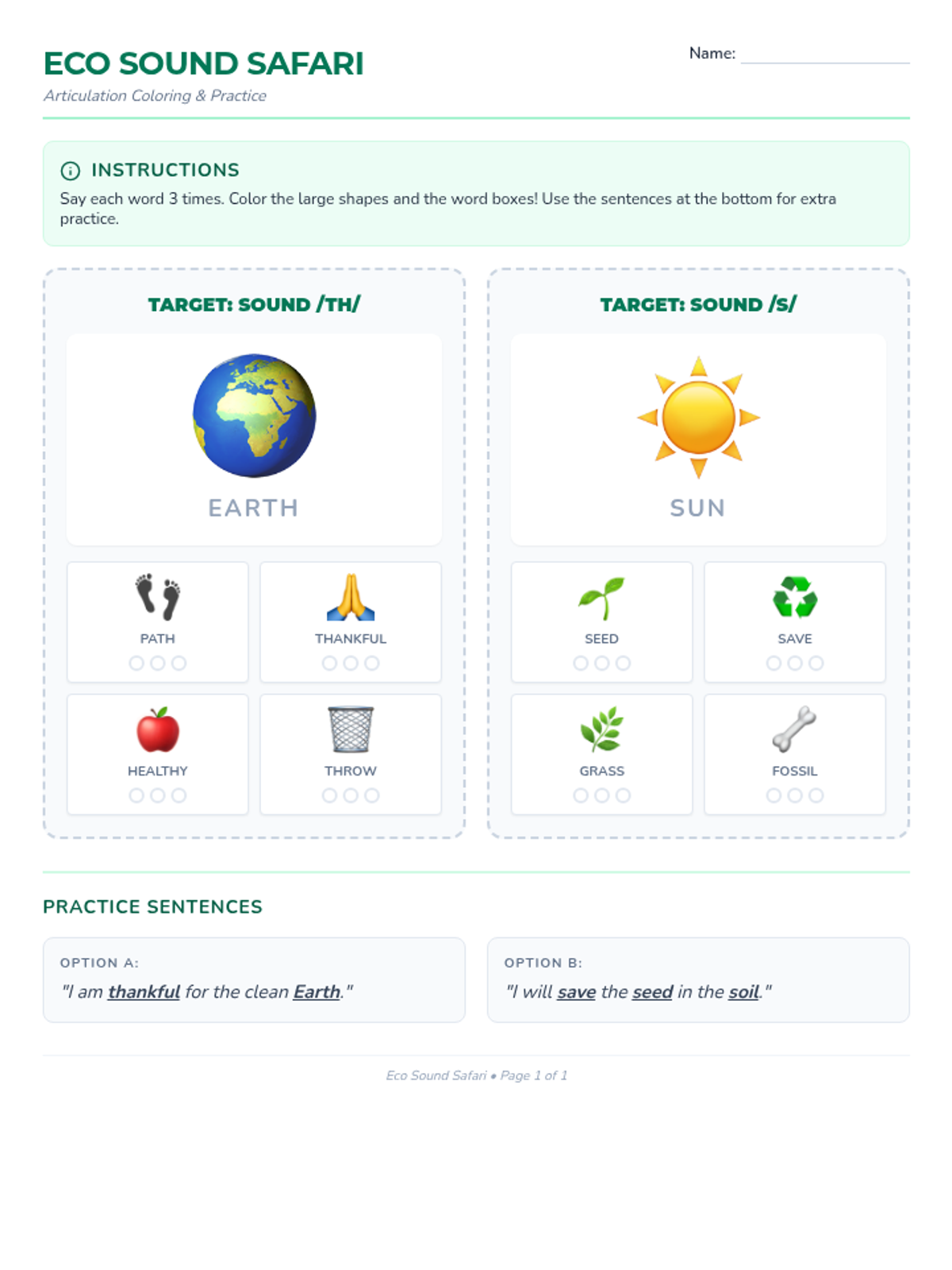
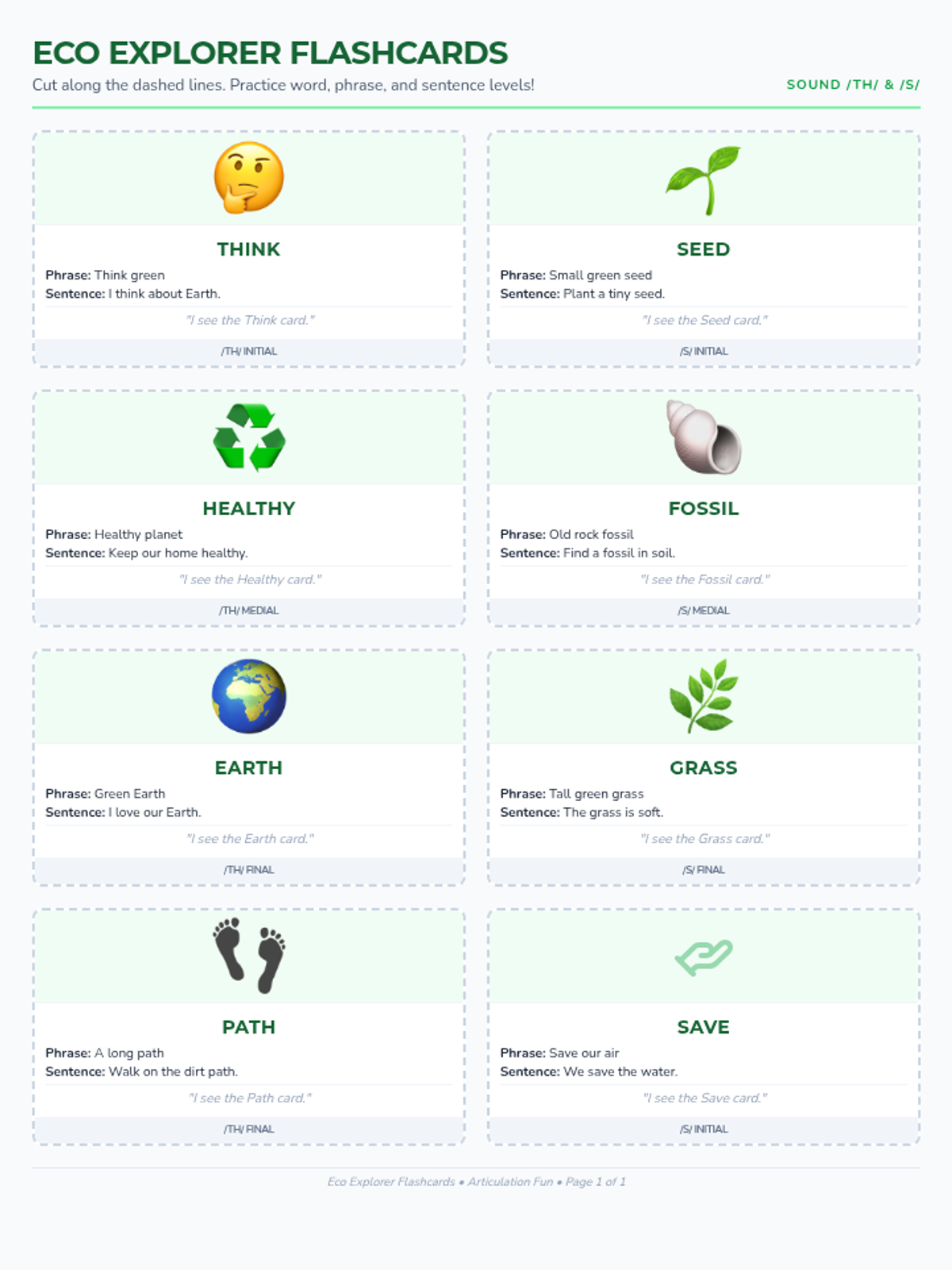
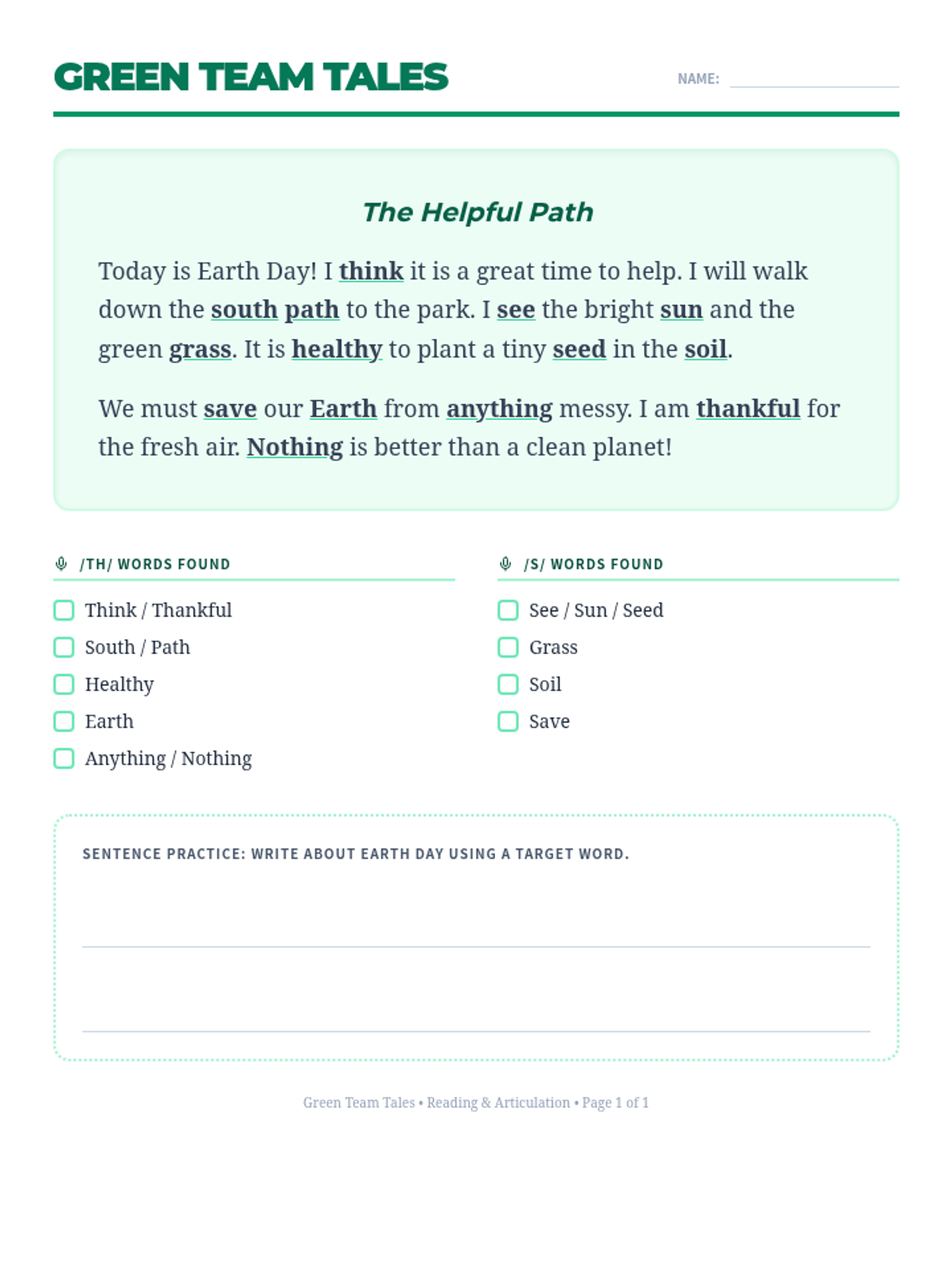
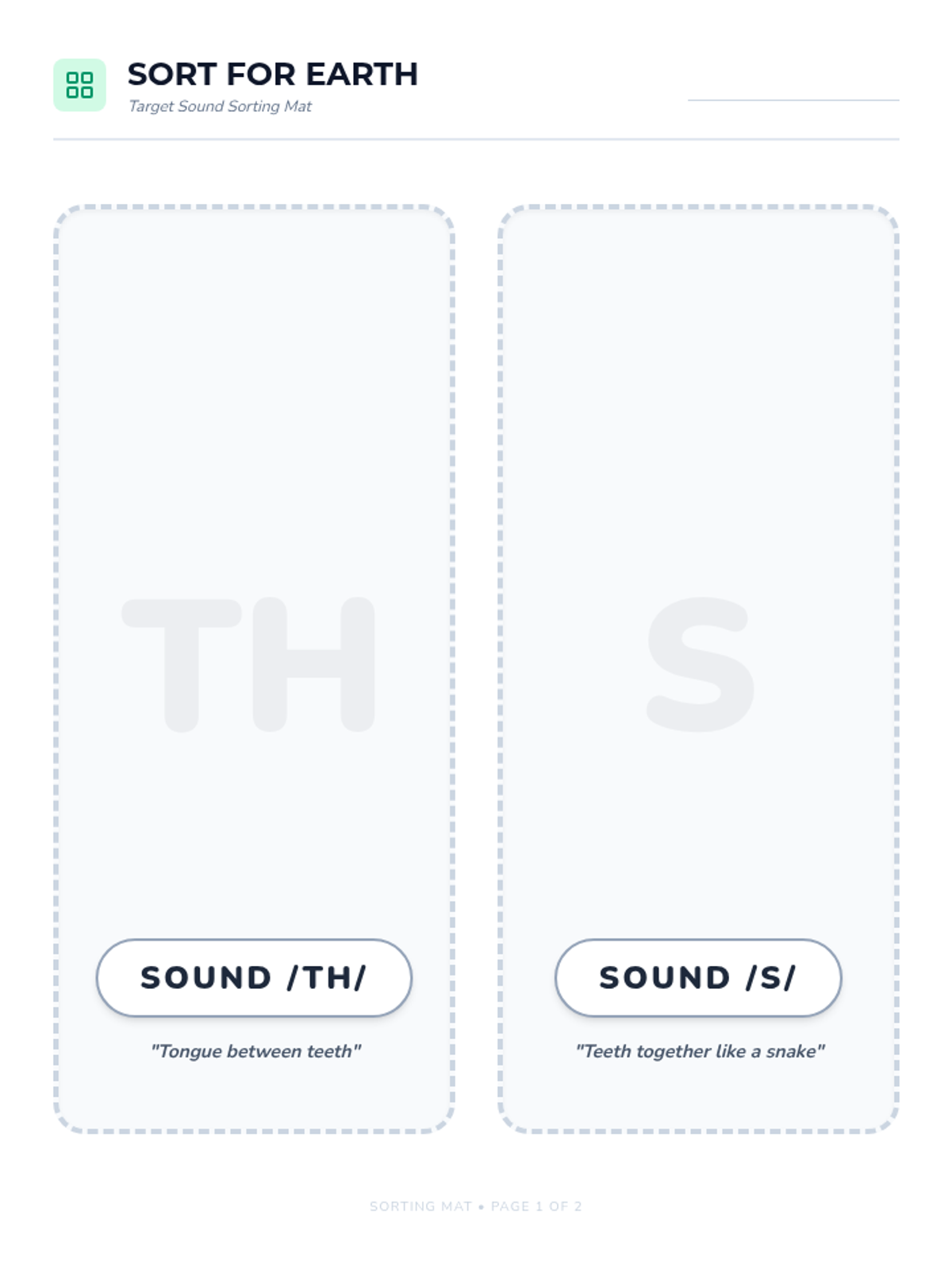
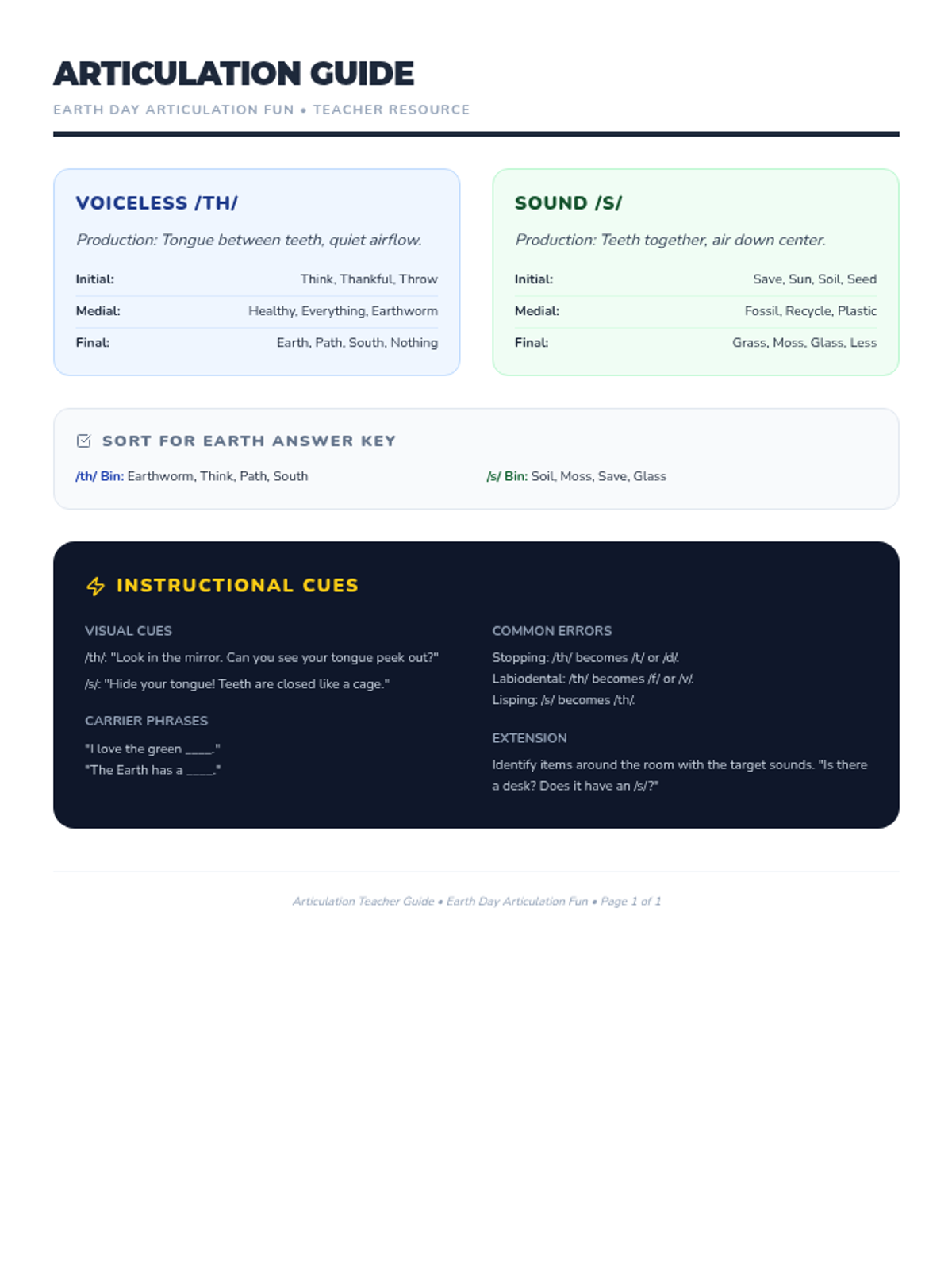
A set of articulation activities focused on voiceless /th/ and /s/ sounds within an Earth Day theme, covering word, phrase, and sentence levels.
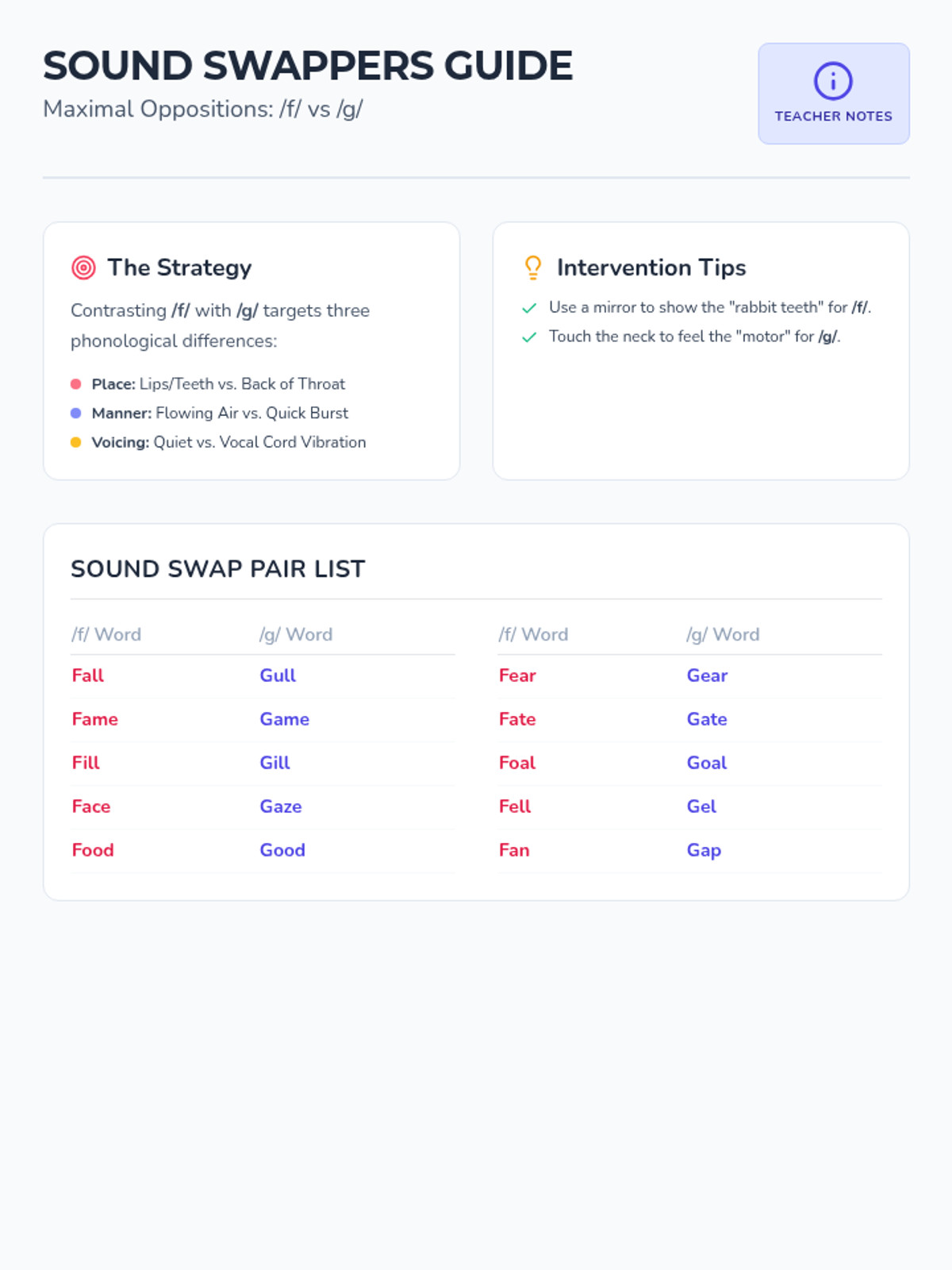
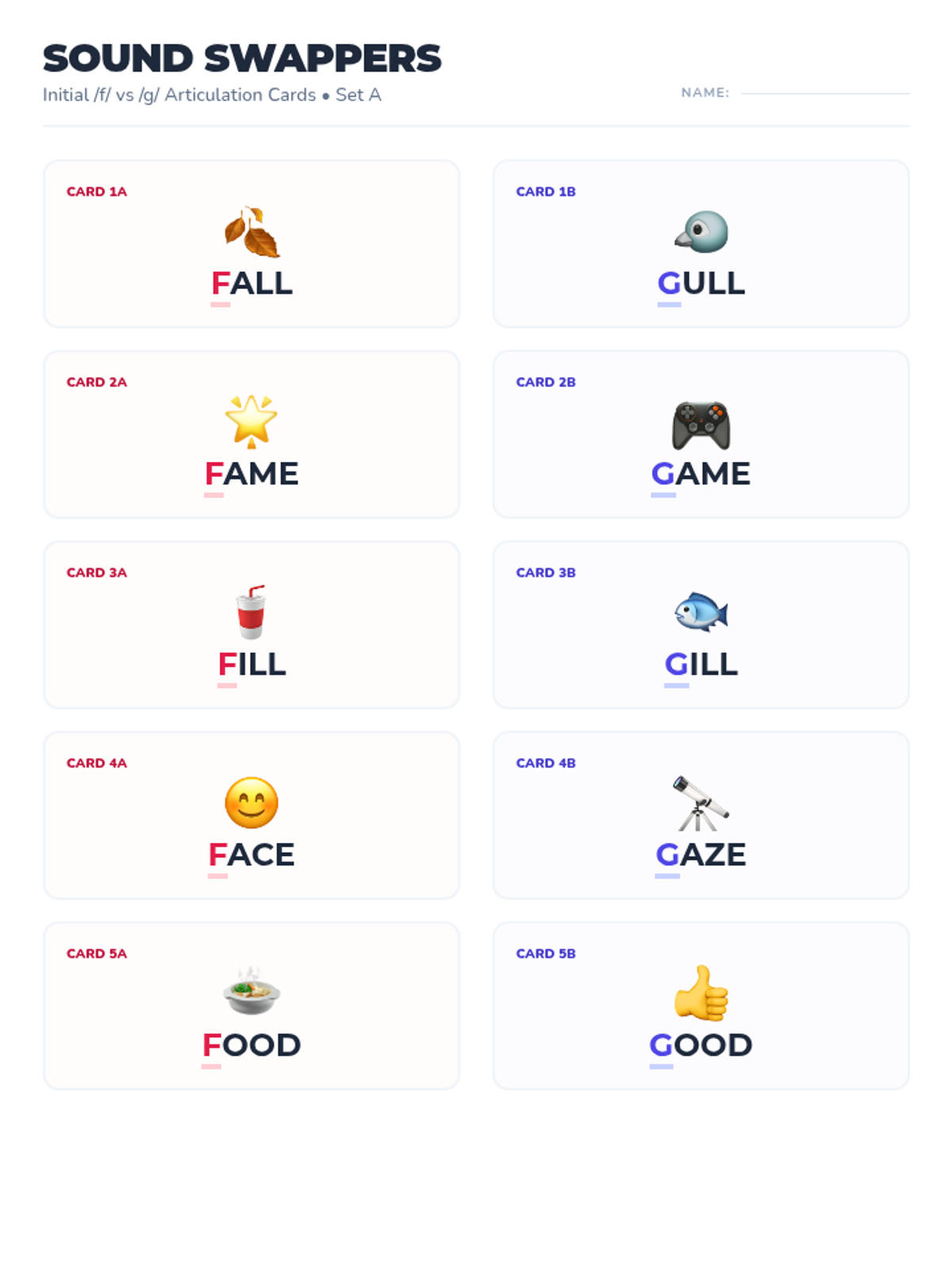
A set of resources for practicing the articulation of /f/ and /g/ initial sounds using maximal opposition pairs in a flashcard format.
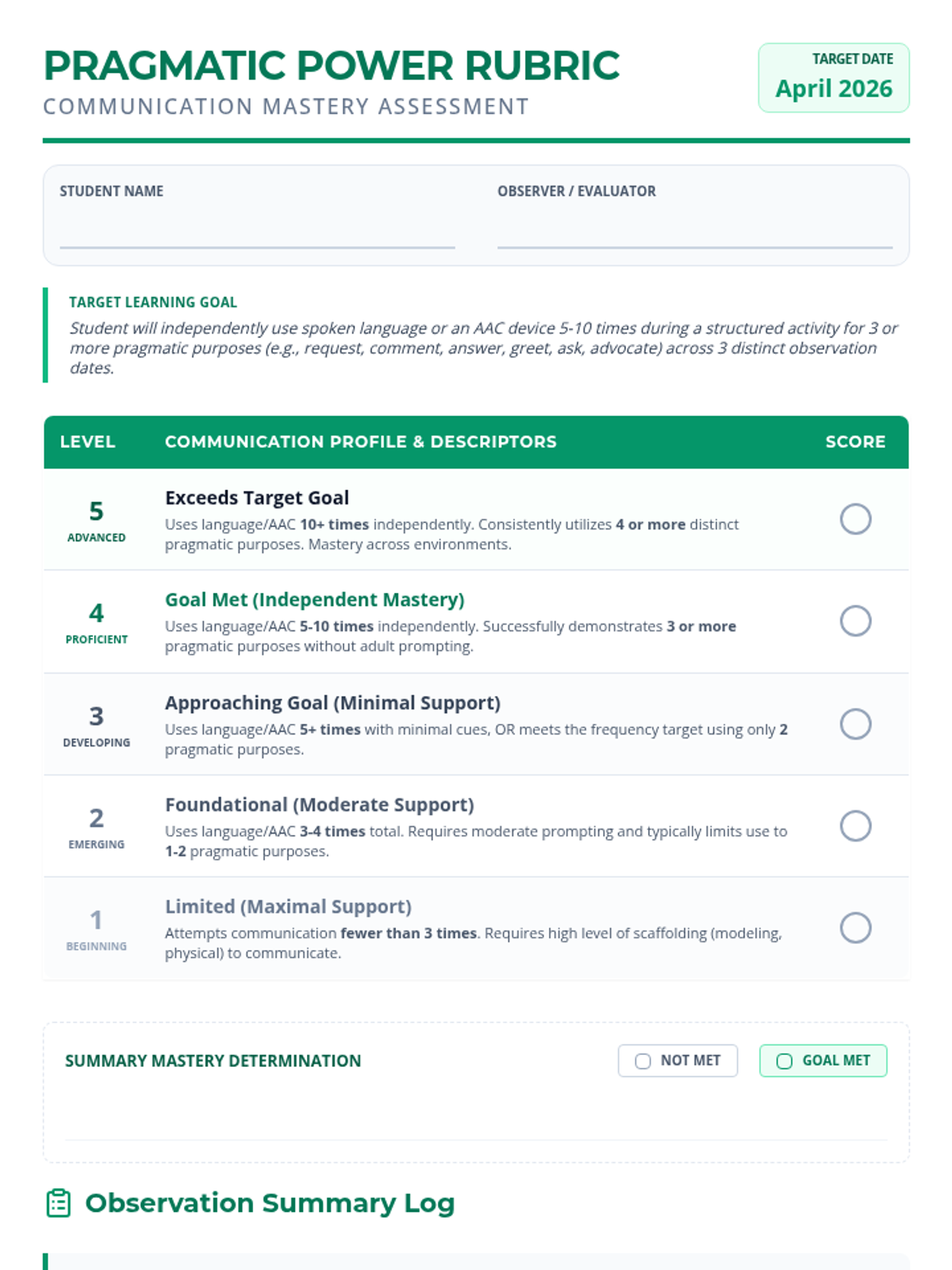
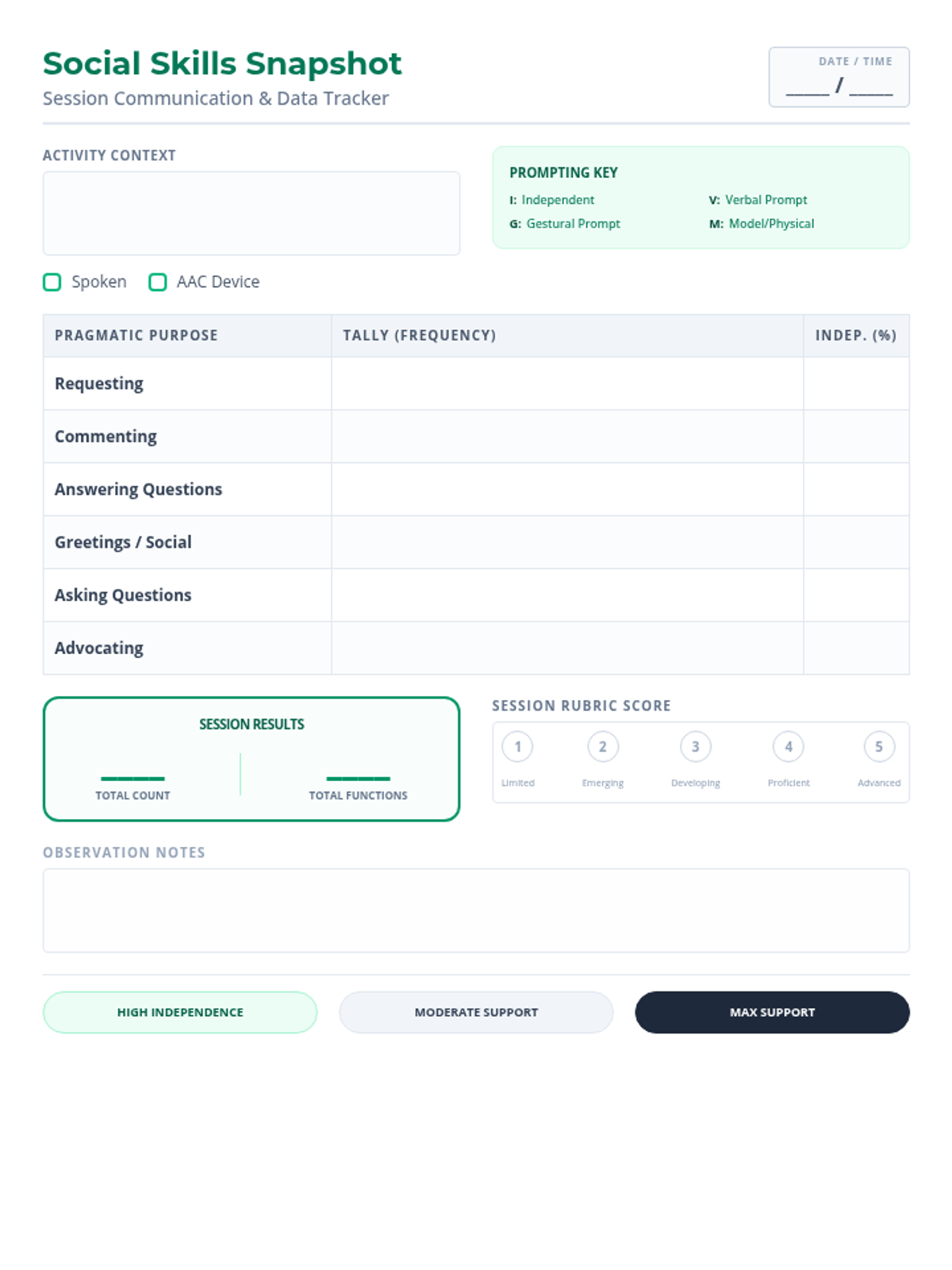
A comprehensive evaluation tool designed to track and measure a student's progress toward mastering various pragmatic communication functions using spoken language or AAC devices.
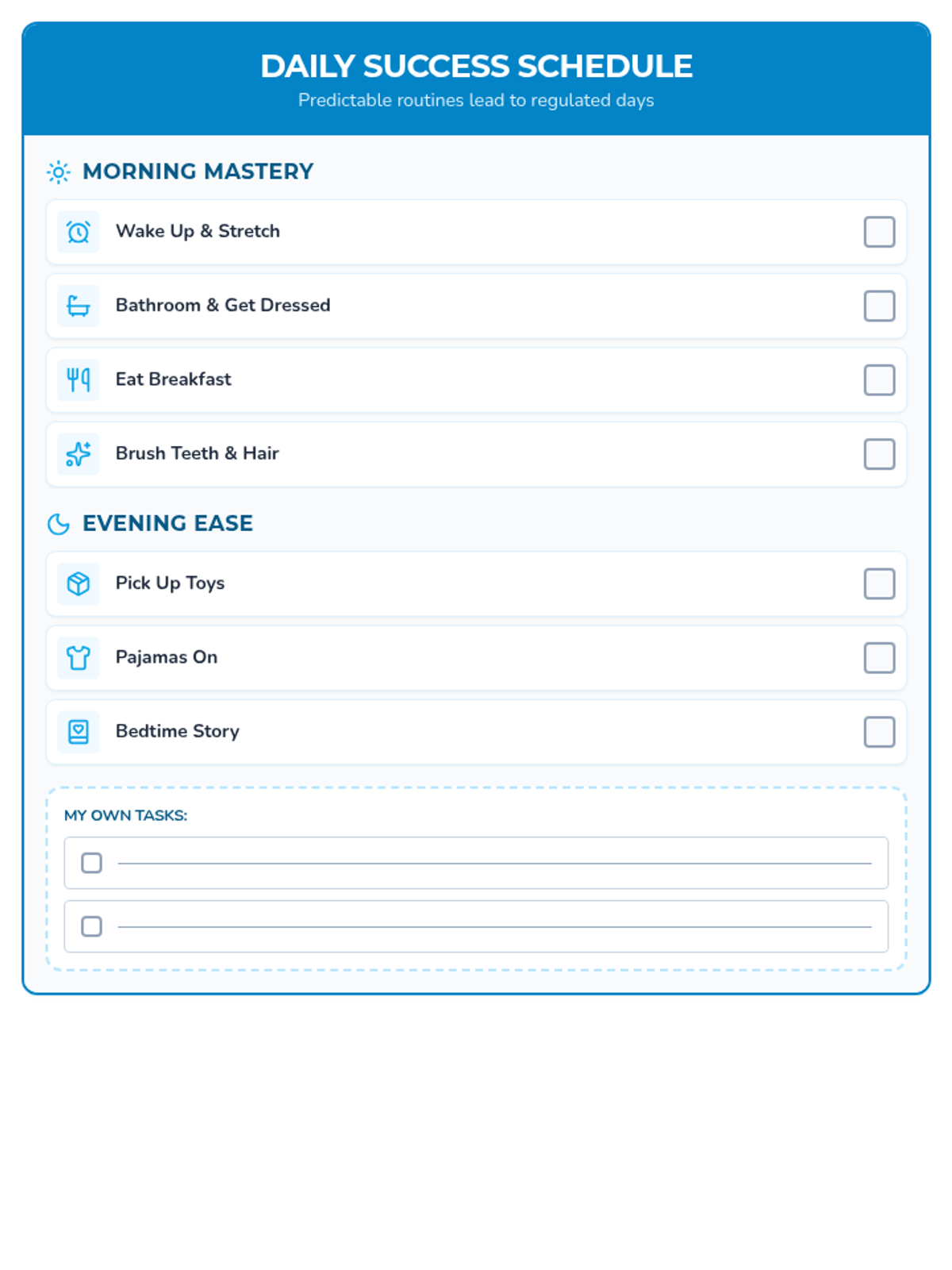
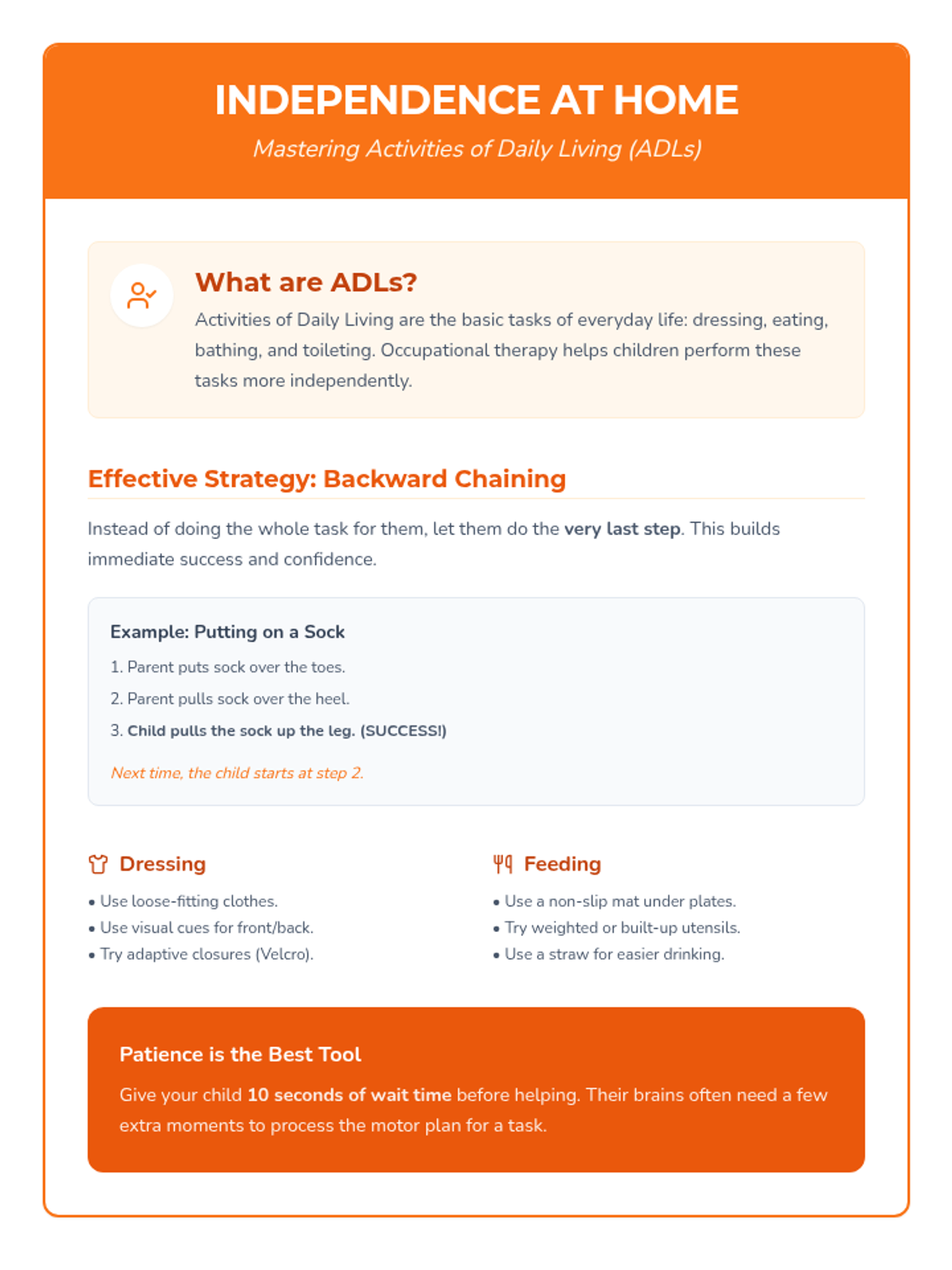
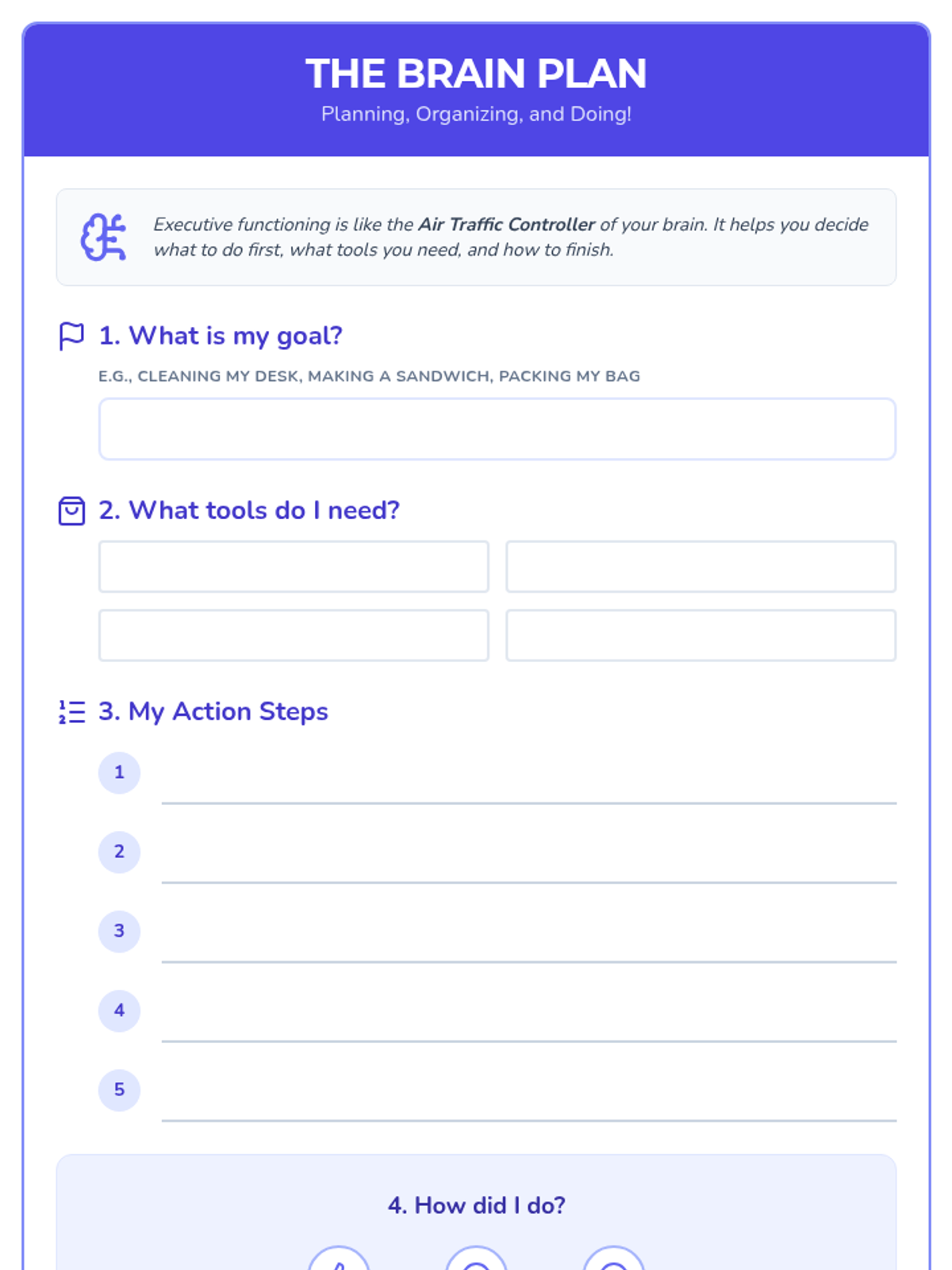
Strategies for Activities of Daily Living (ADLs), executive functioning, and establishing successful home routines.
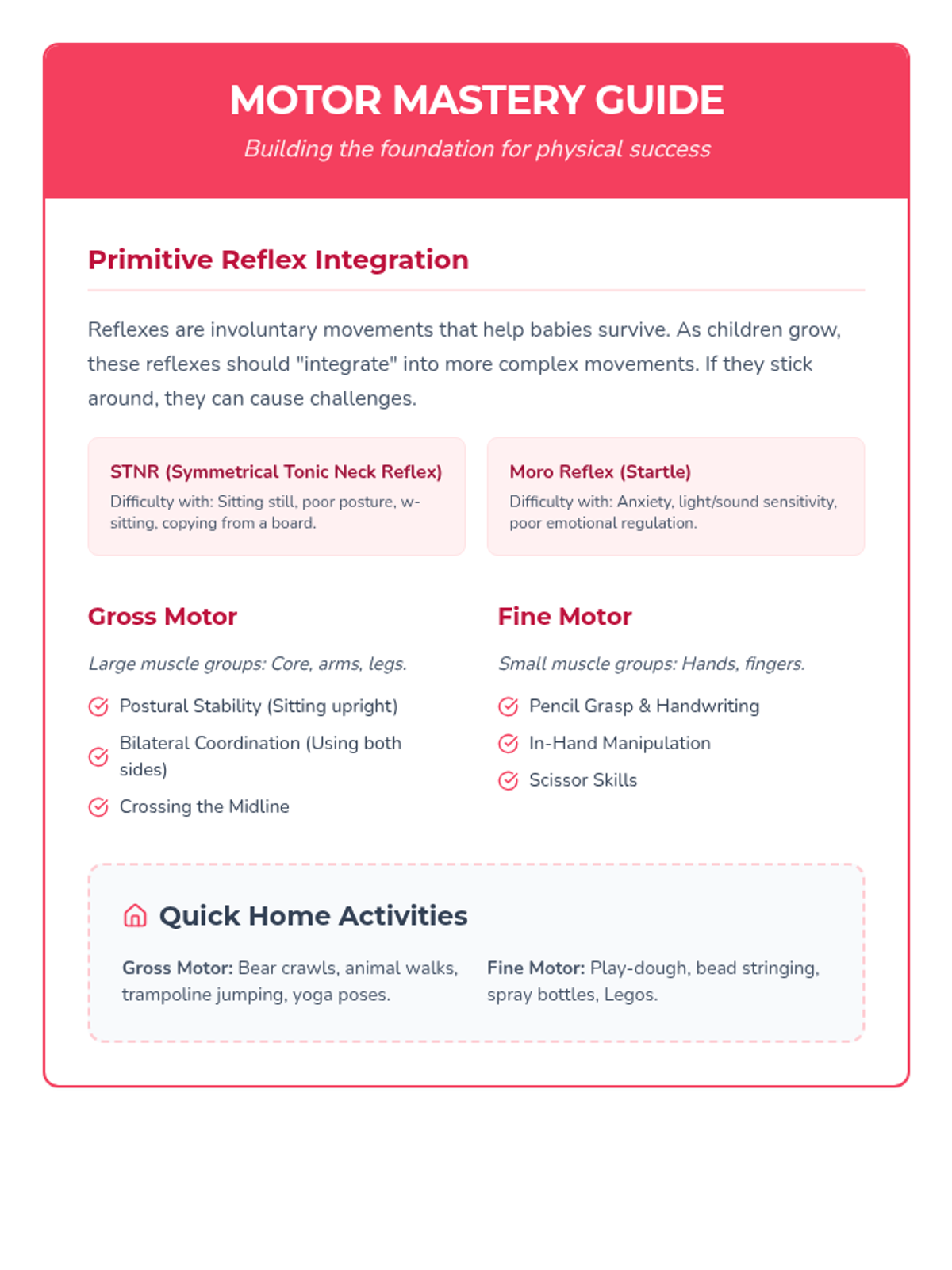
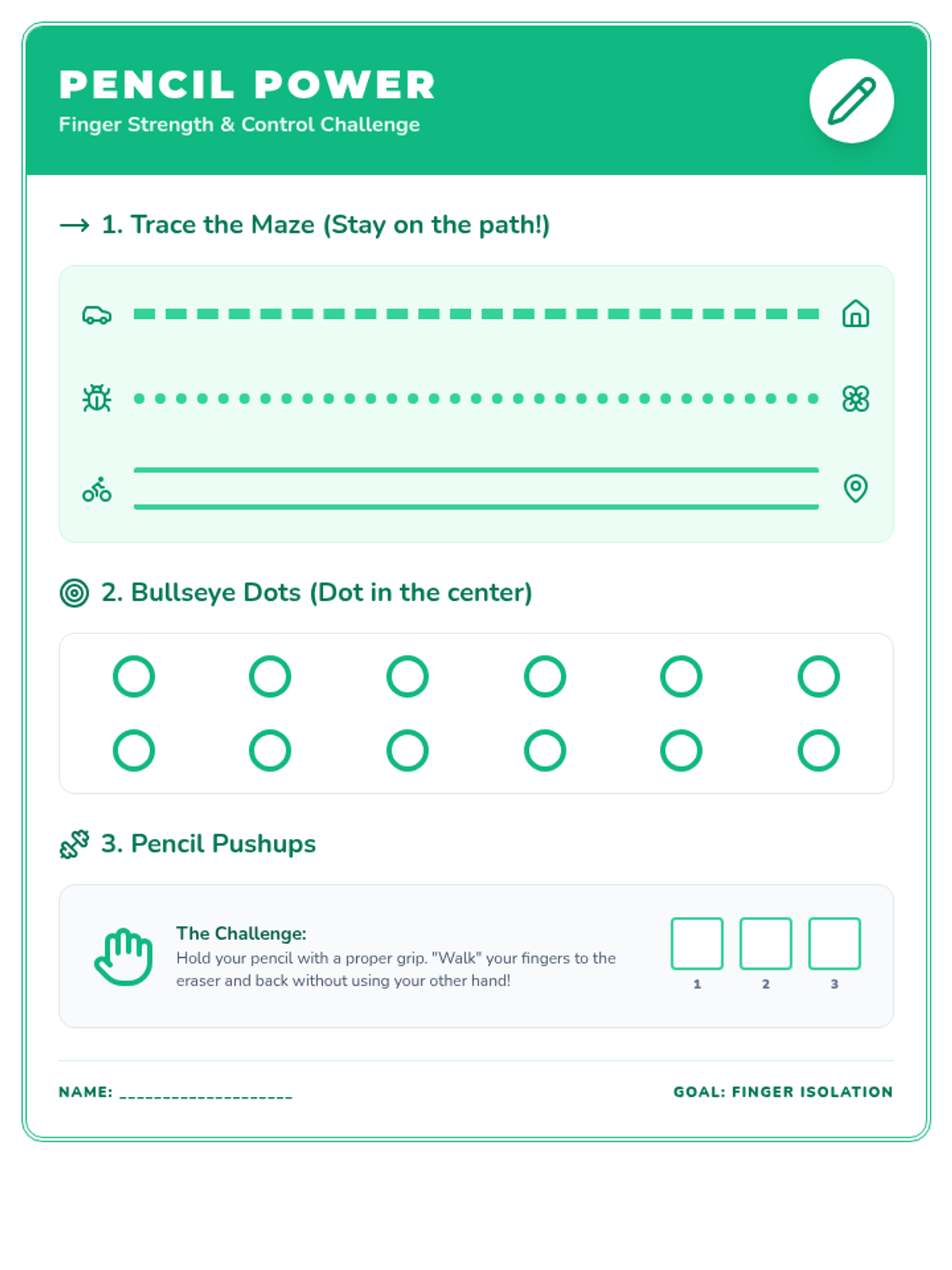
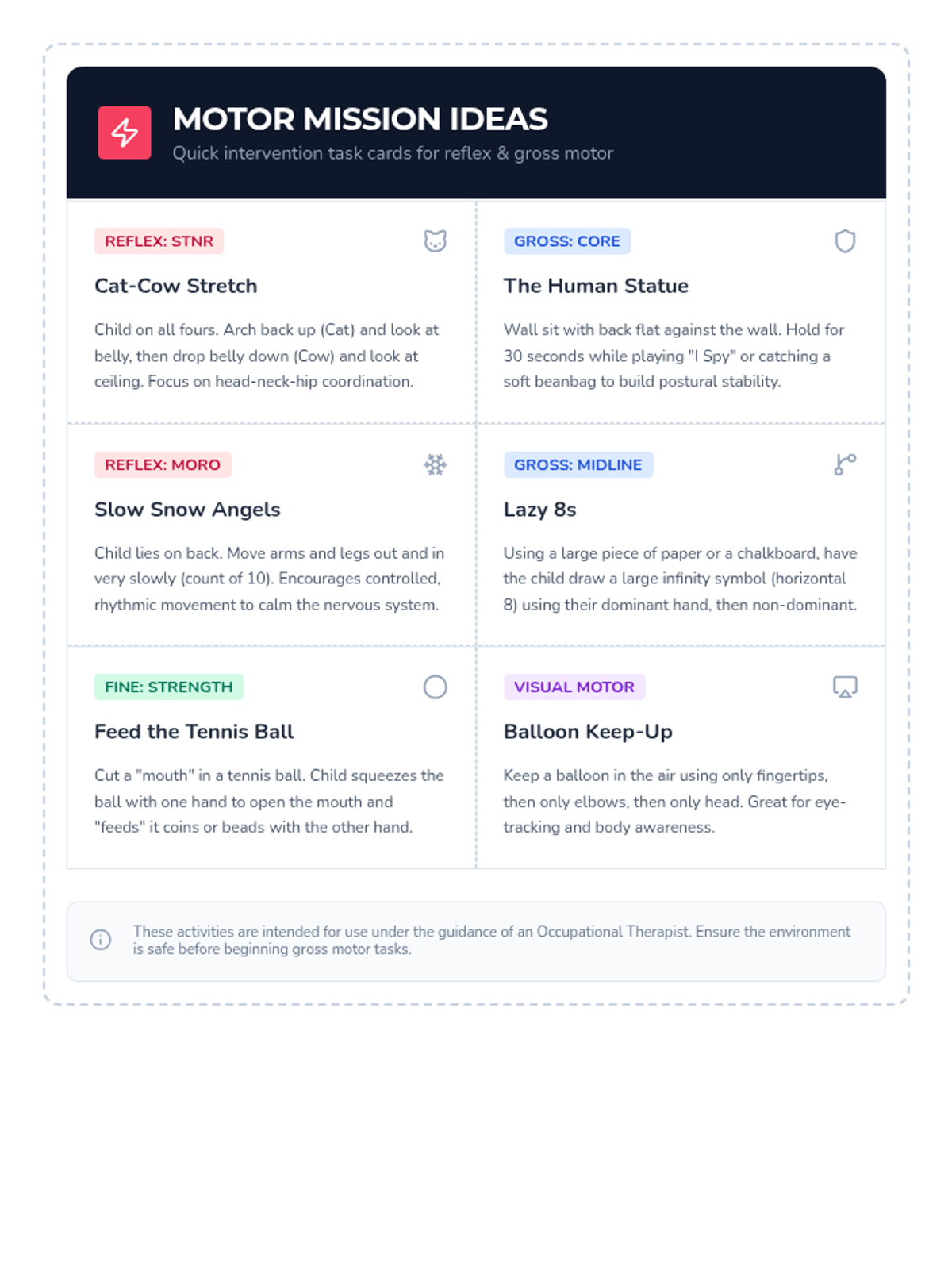
Targeting fine motor precision, gross motor coordination, and primitive reflex integration for functional movement.
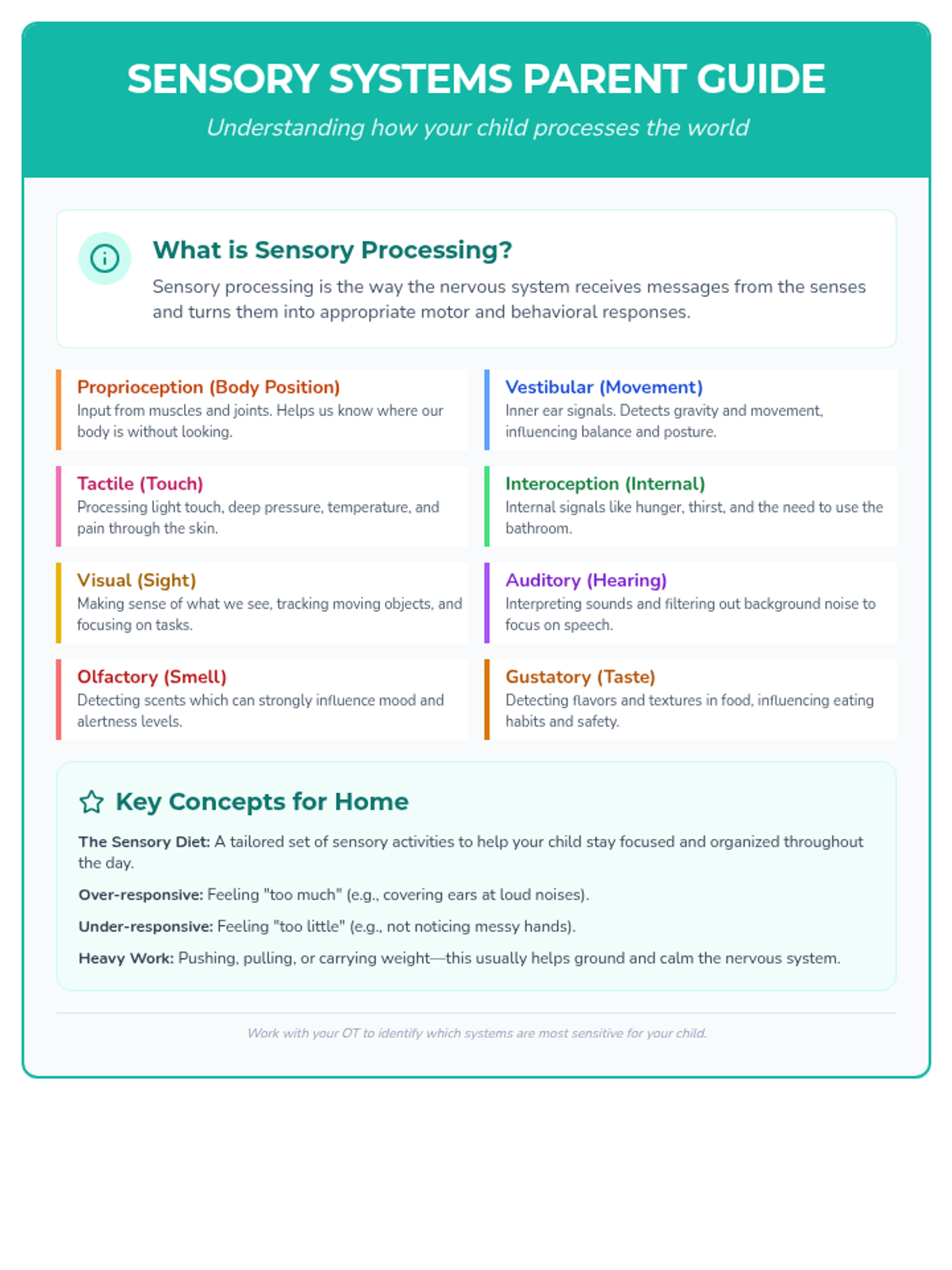
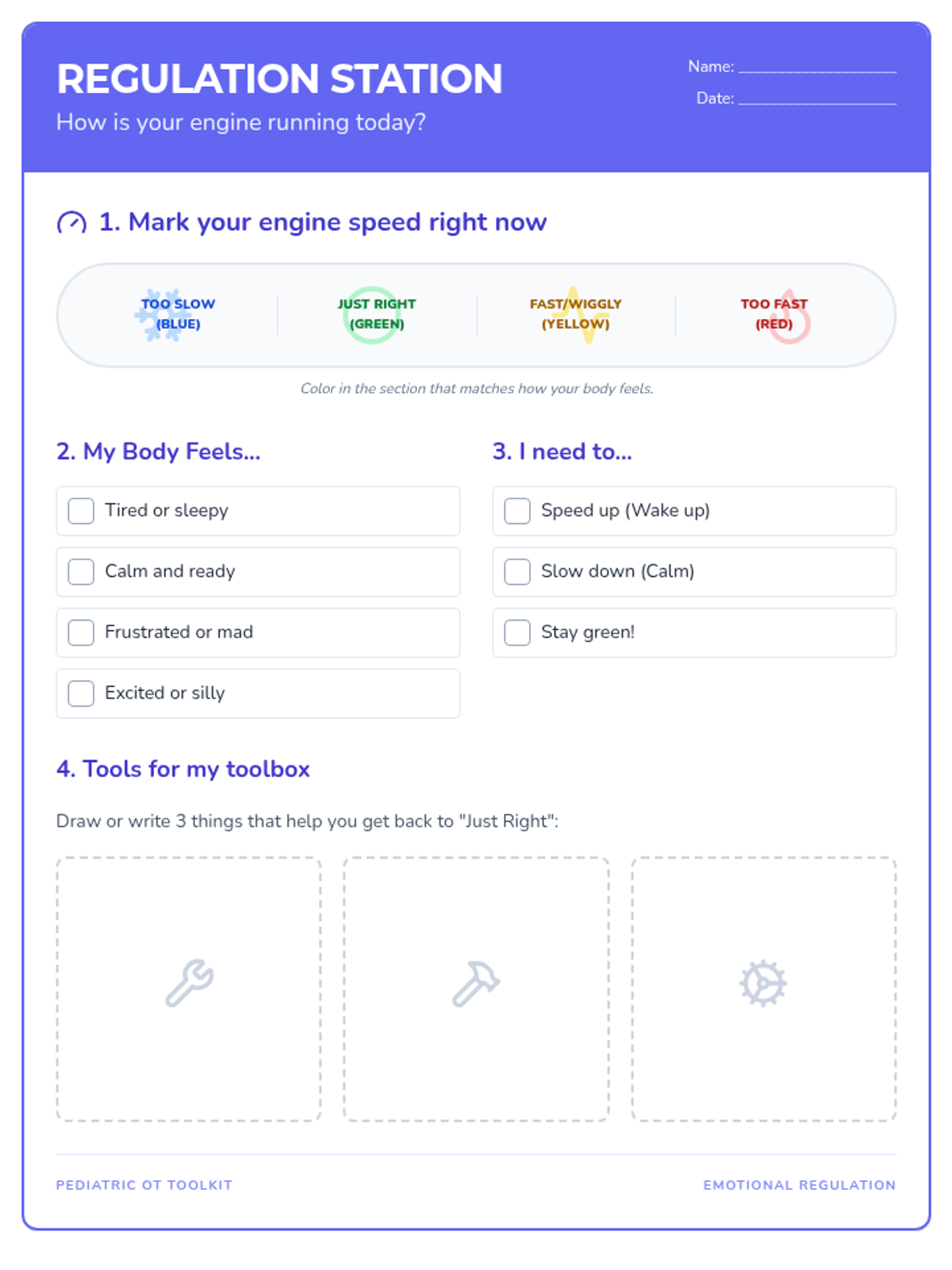
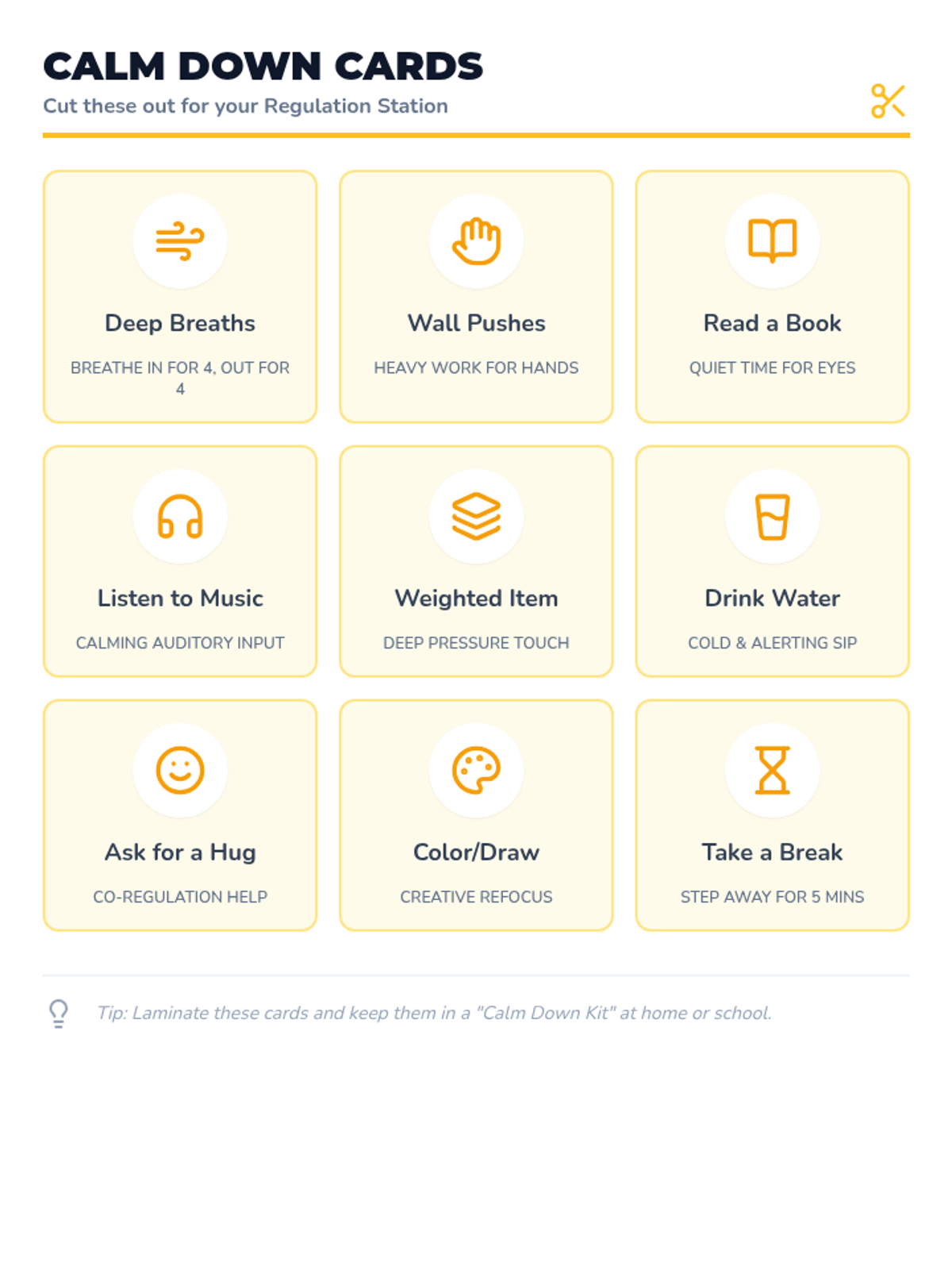
Focuses on sensory integration, emotional regulation, and behavioral strategies to help children maintain an optimal state of arousal.
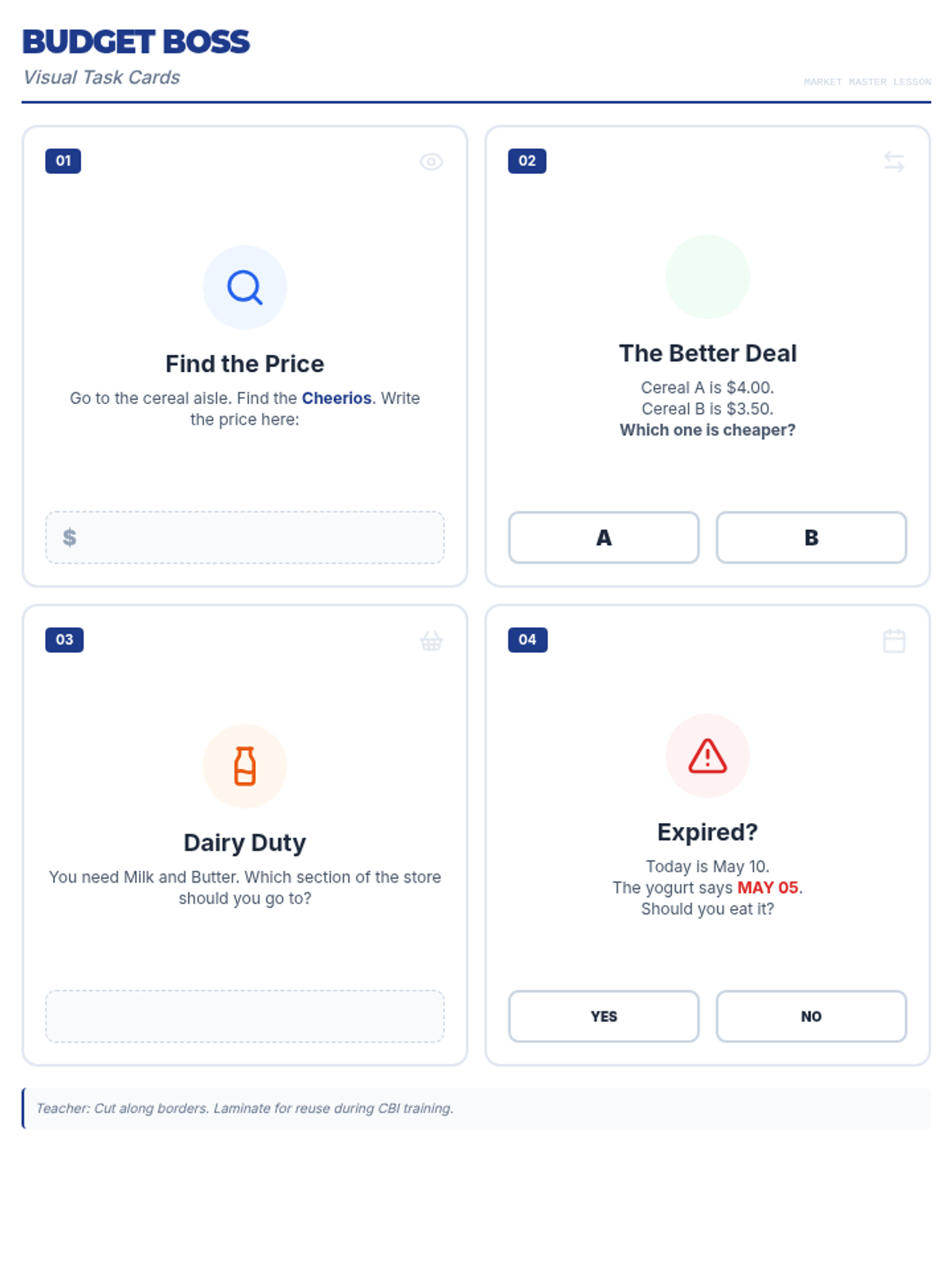
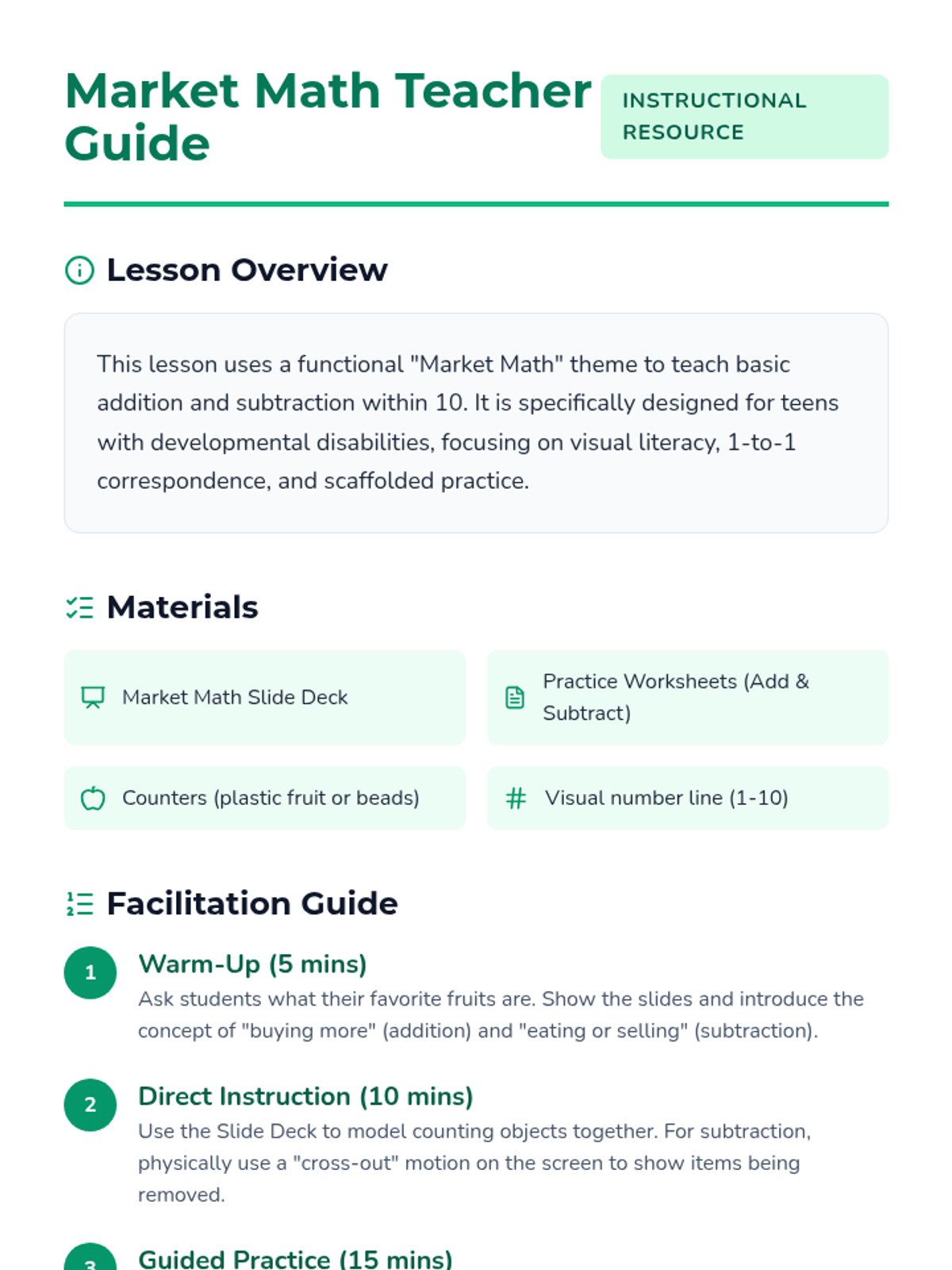
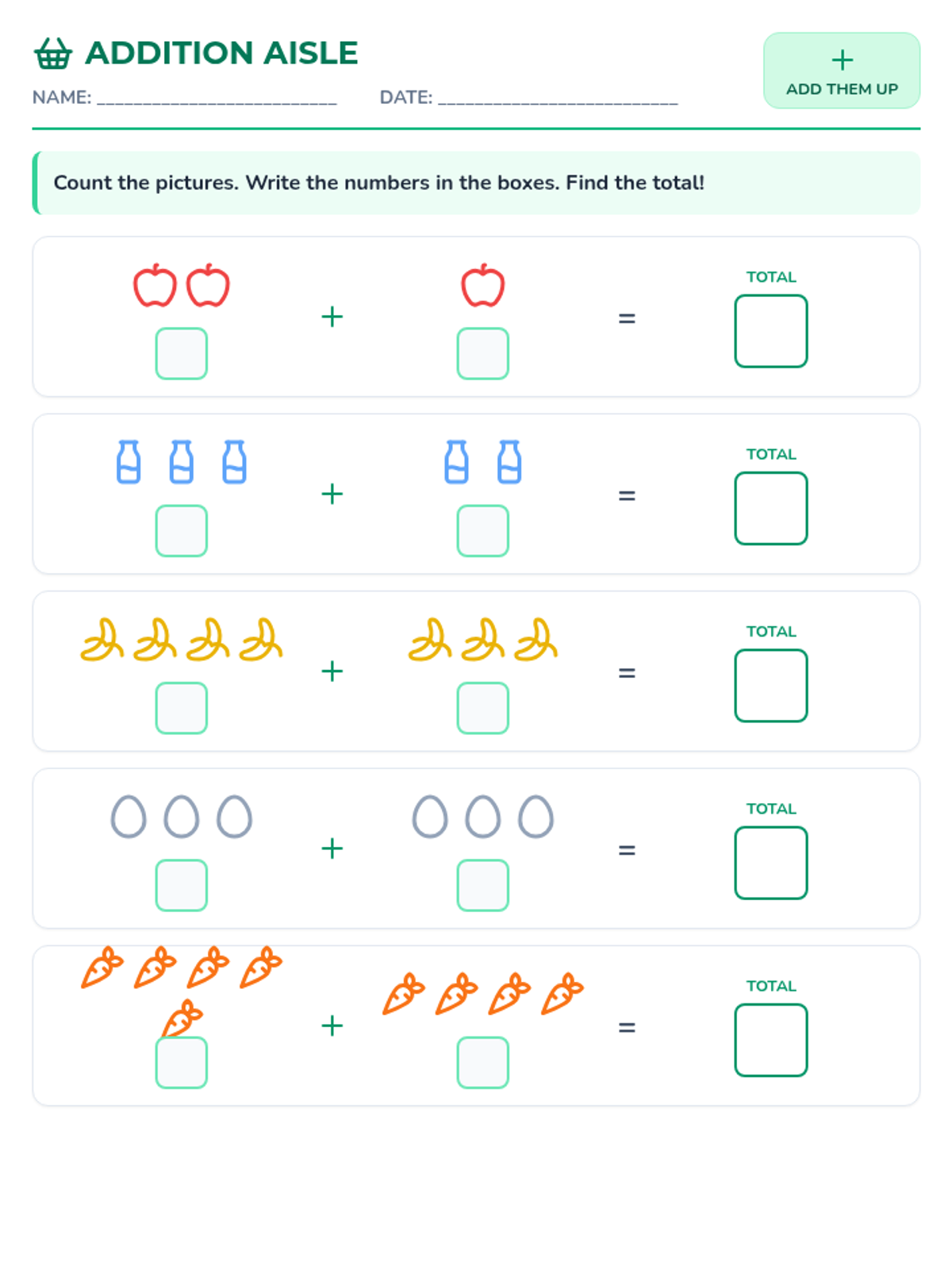
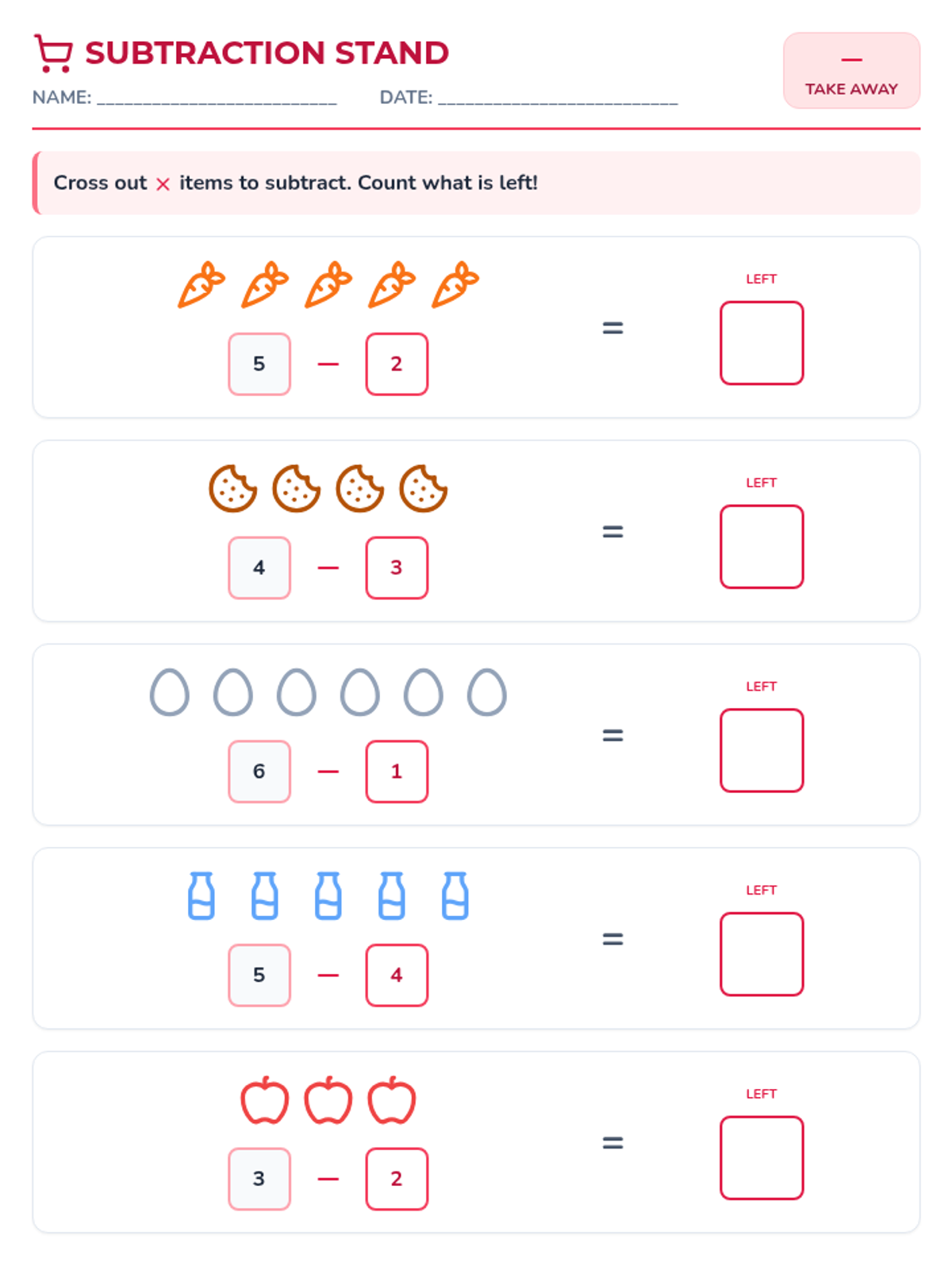
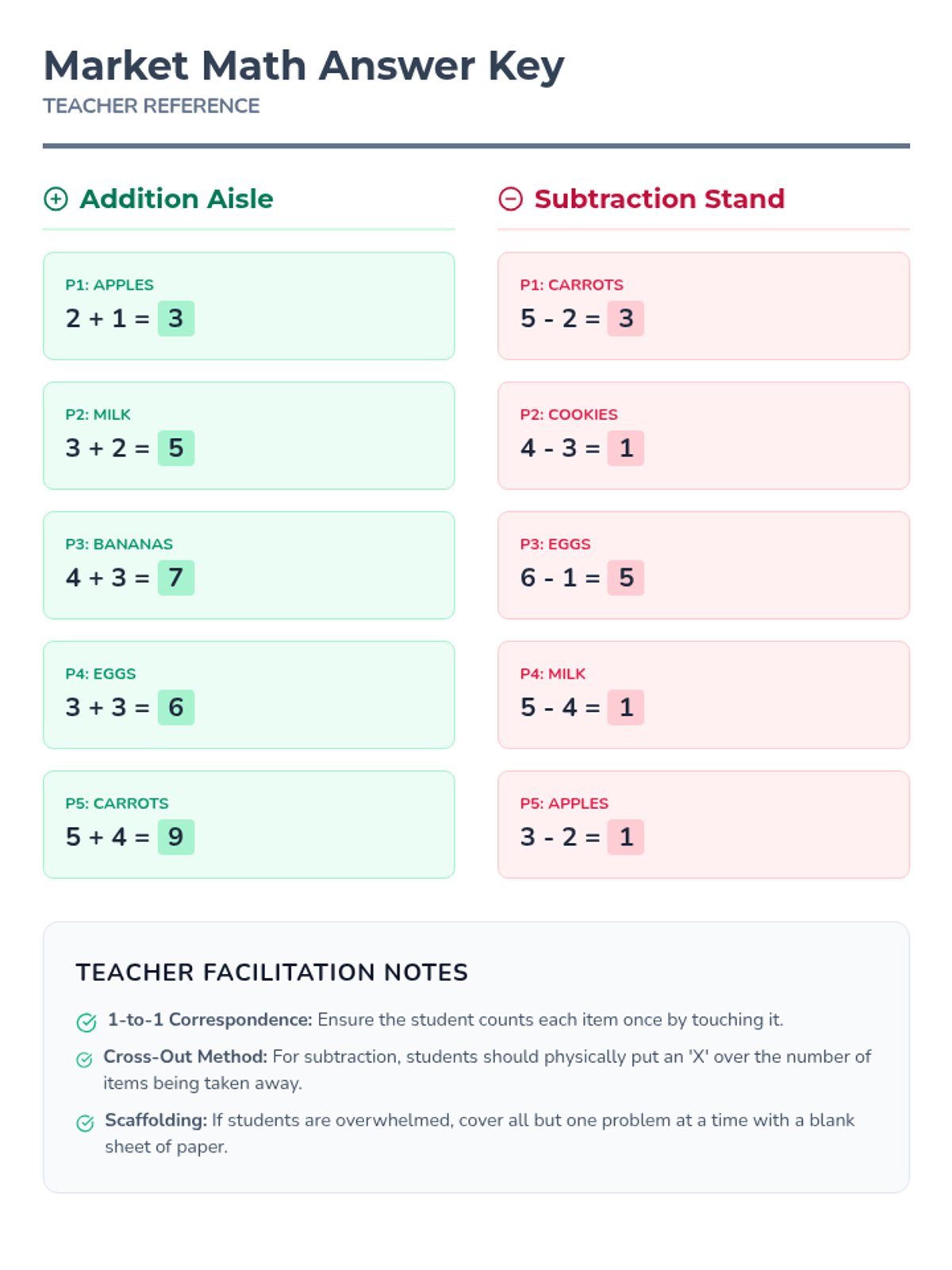
A functional math lesson focusing on basic addition and subtraction within 20 using a grocery store theme. Designed for teens with developmental disabilities, it emphasizes visual aids and real-world application.
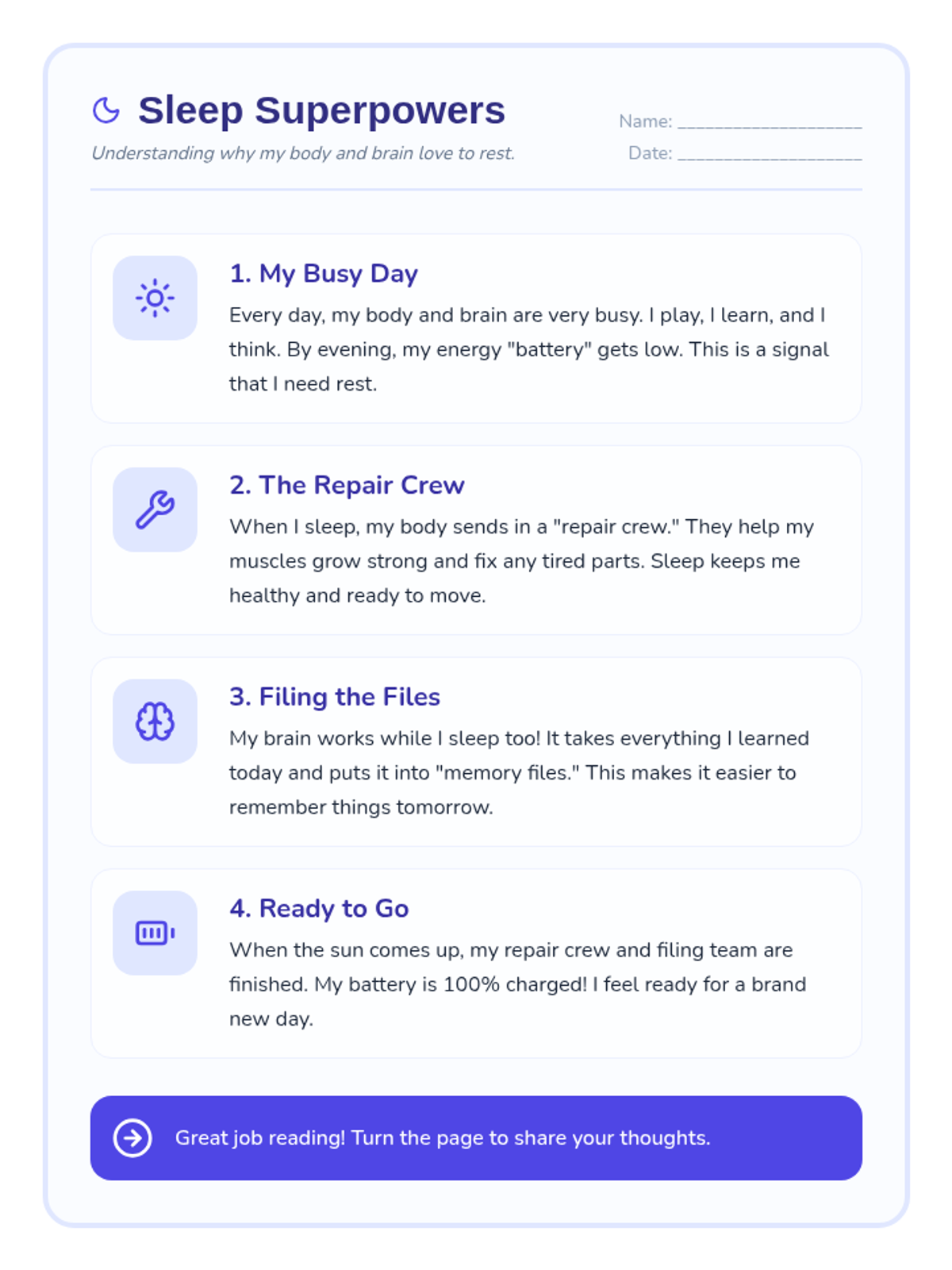
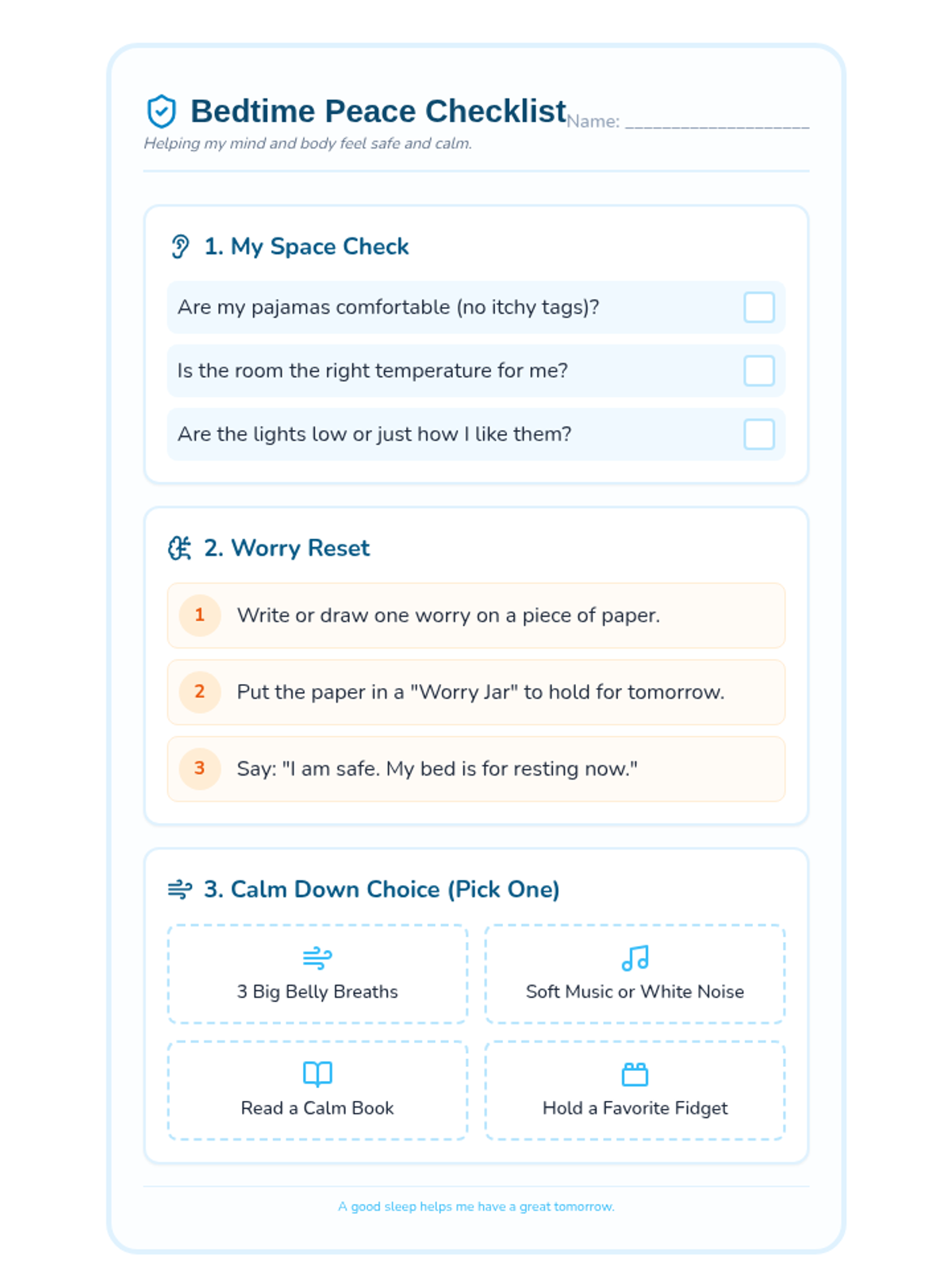
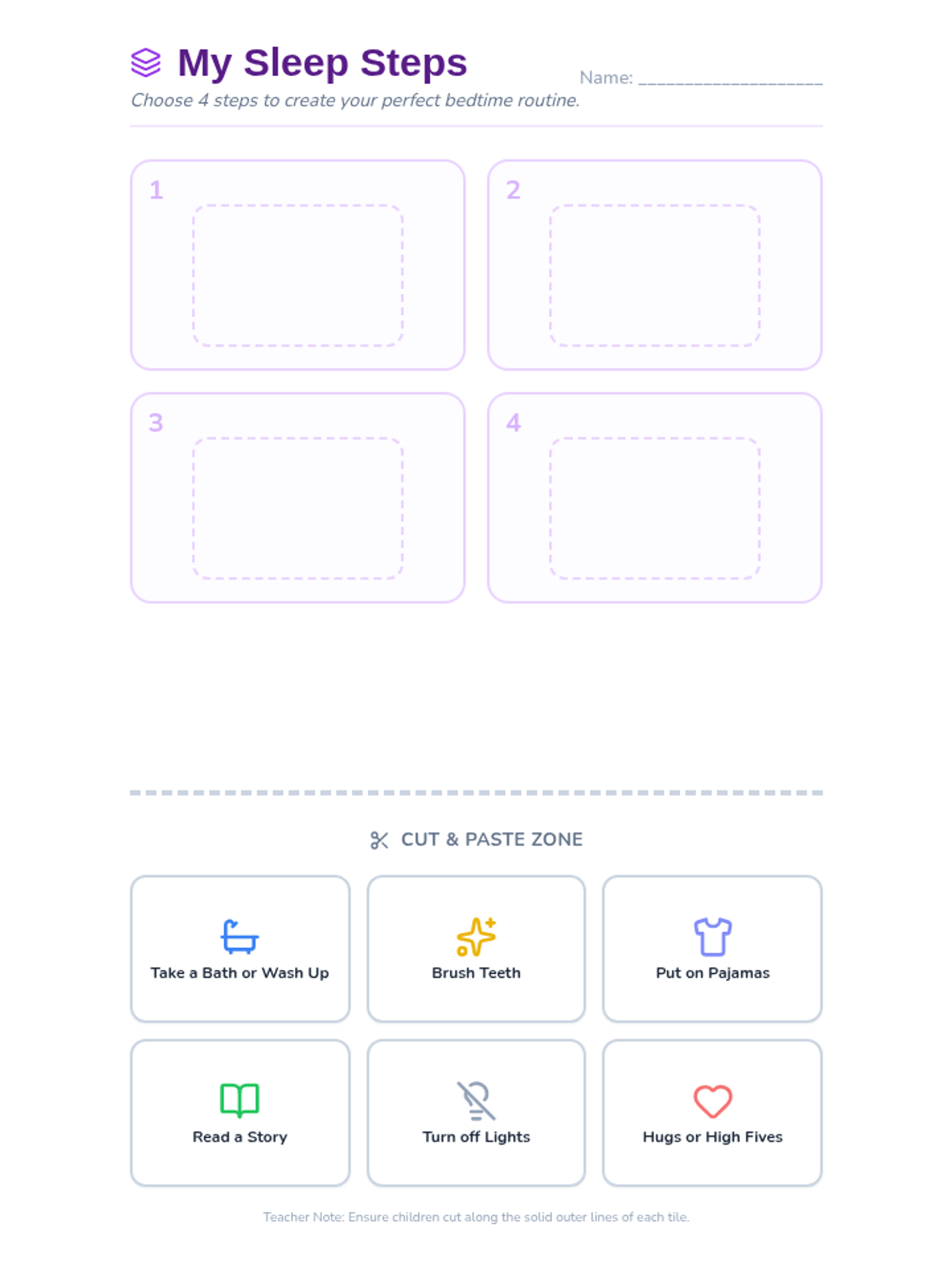
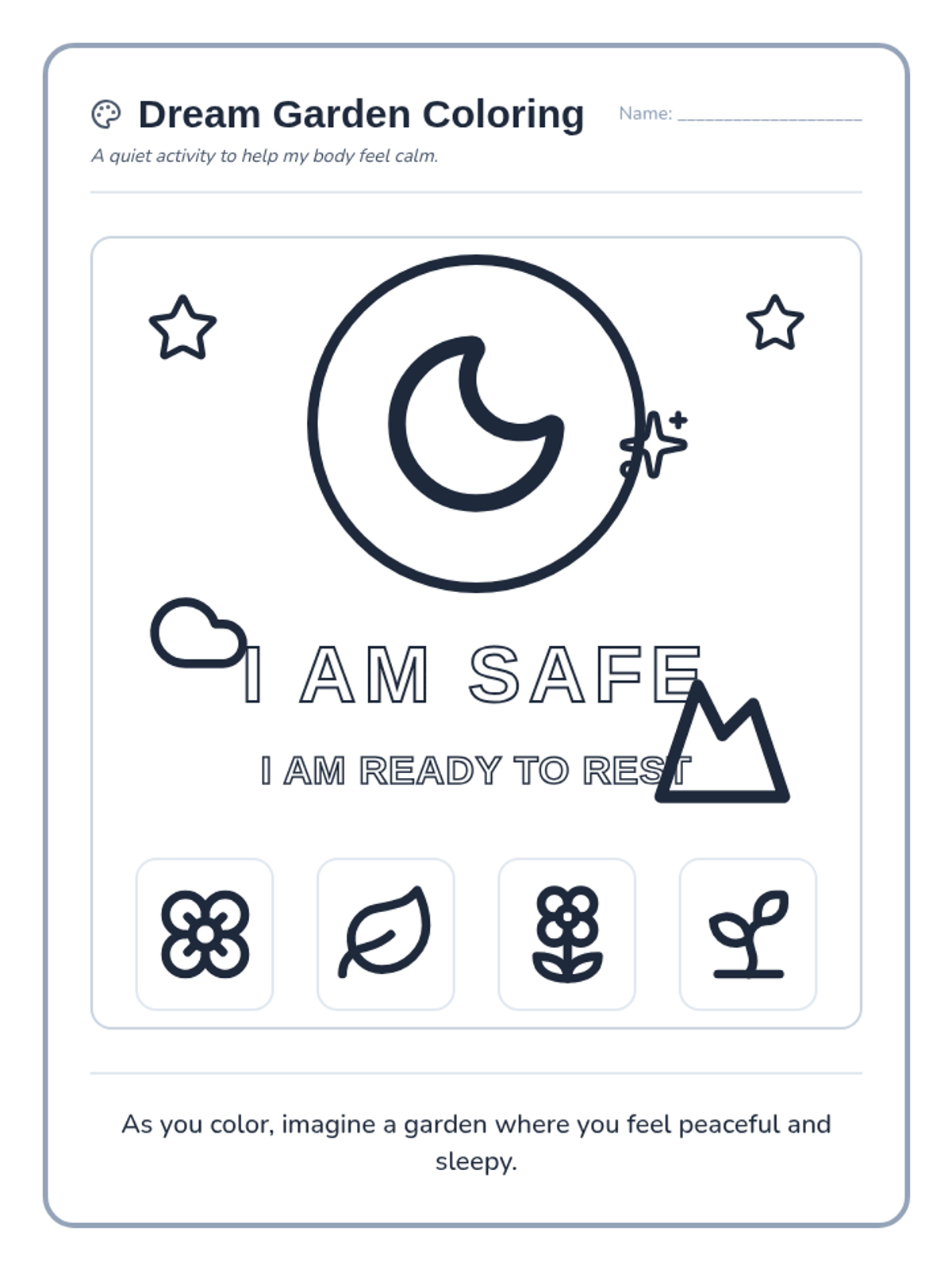
This lesson focuses on the 'why' and 'how' of sleep, providing visual and interactive tools to reduce anxiety and build a predictable bedtime routine. It includes a social story, a visual checklist, a routine sorter, and a calming coloring activity.
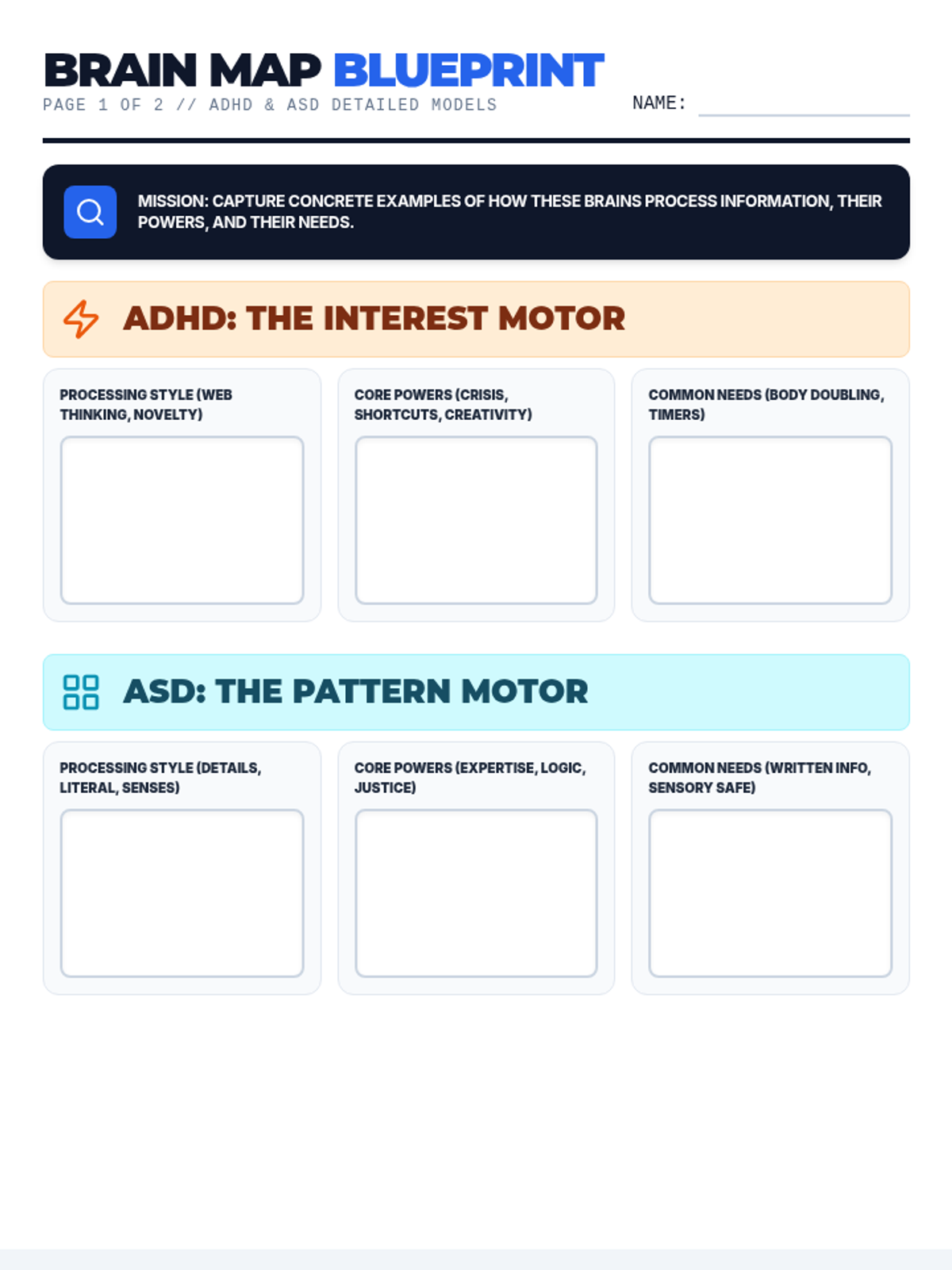
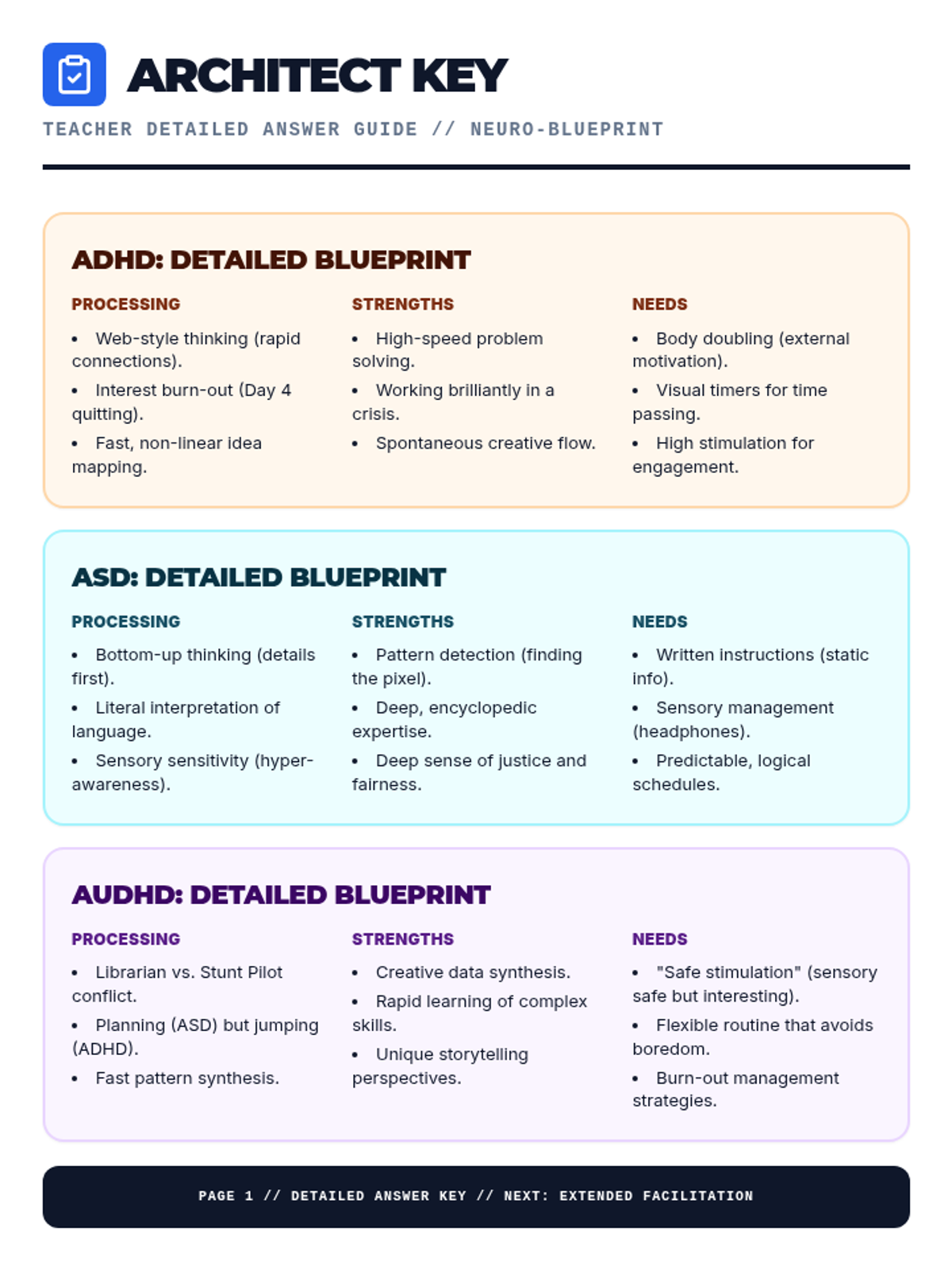
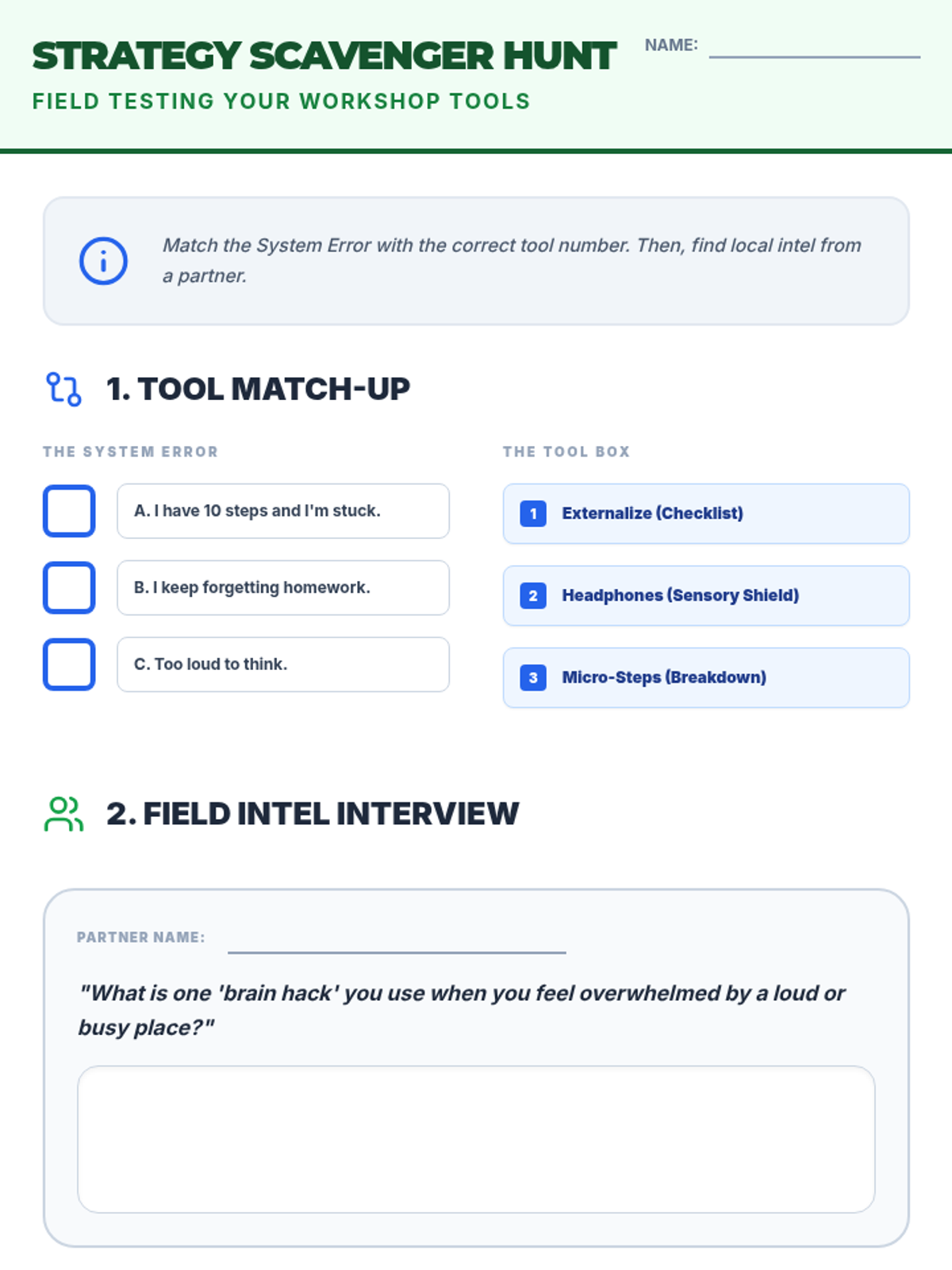
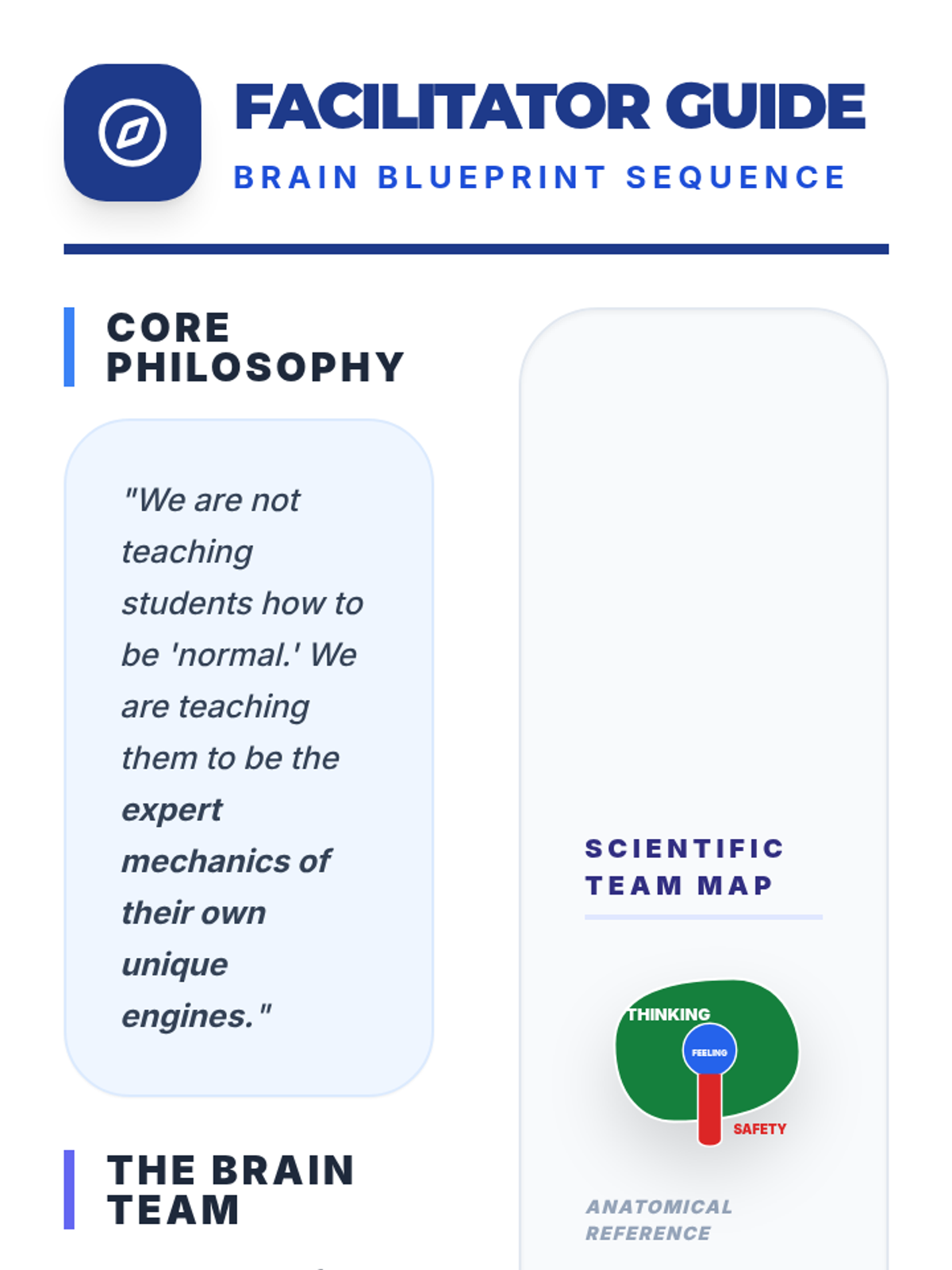
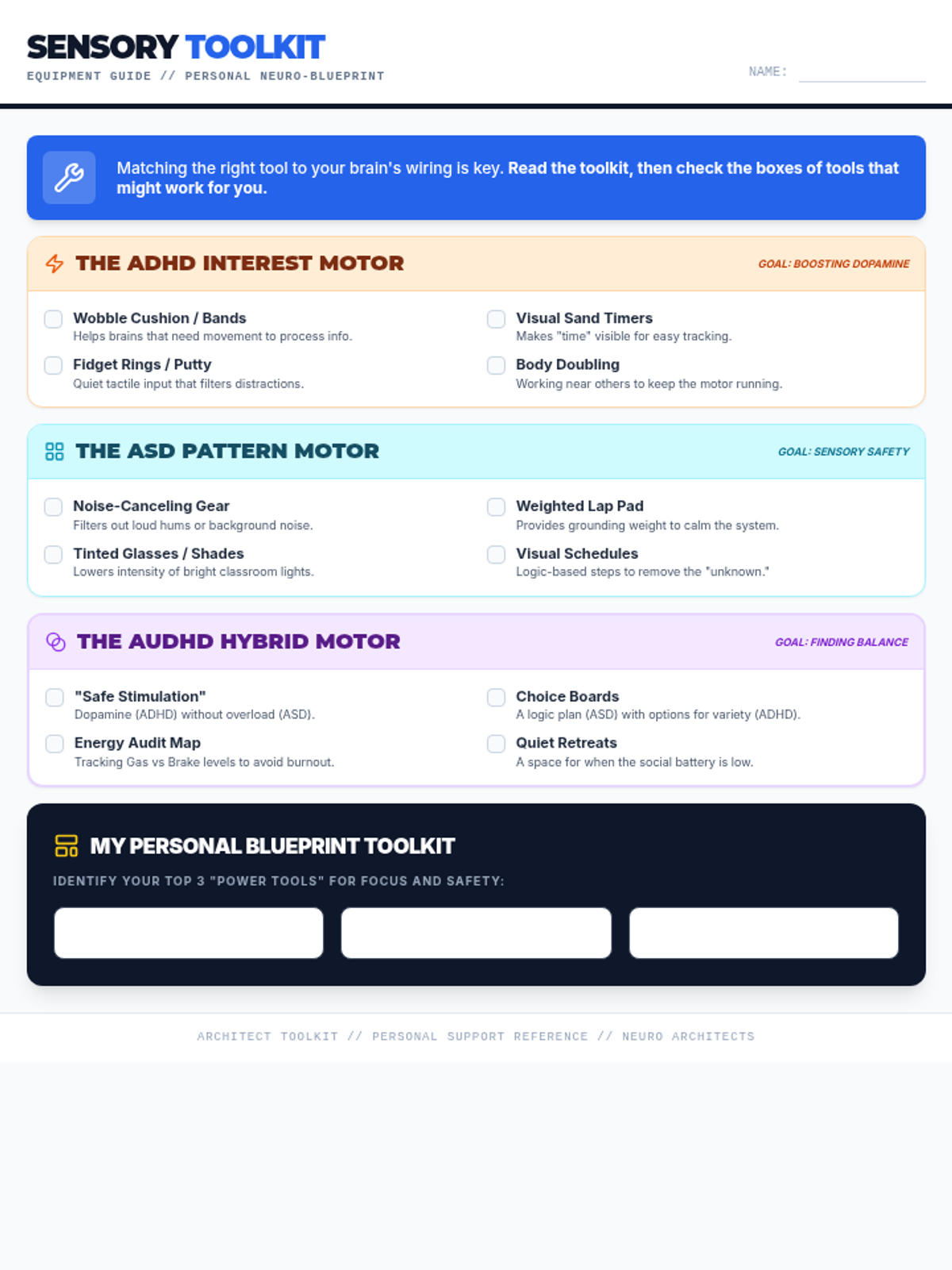
An exploration of the unique wiring of ADHD, ASD, and AuDHD brains through visual mapping and blueprinting. Students learn to identify key processing differences and strengths associated with each neurotype using a visual-first approach.
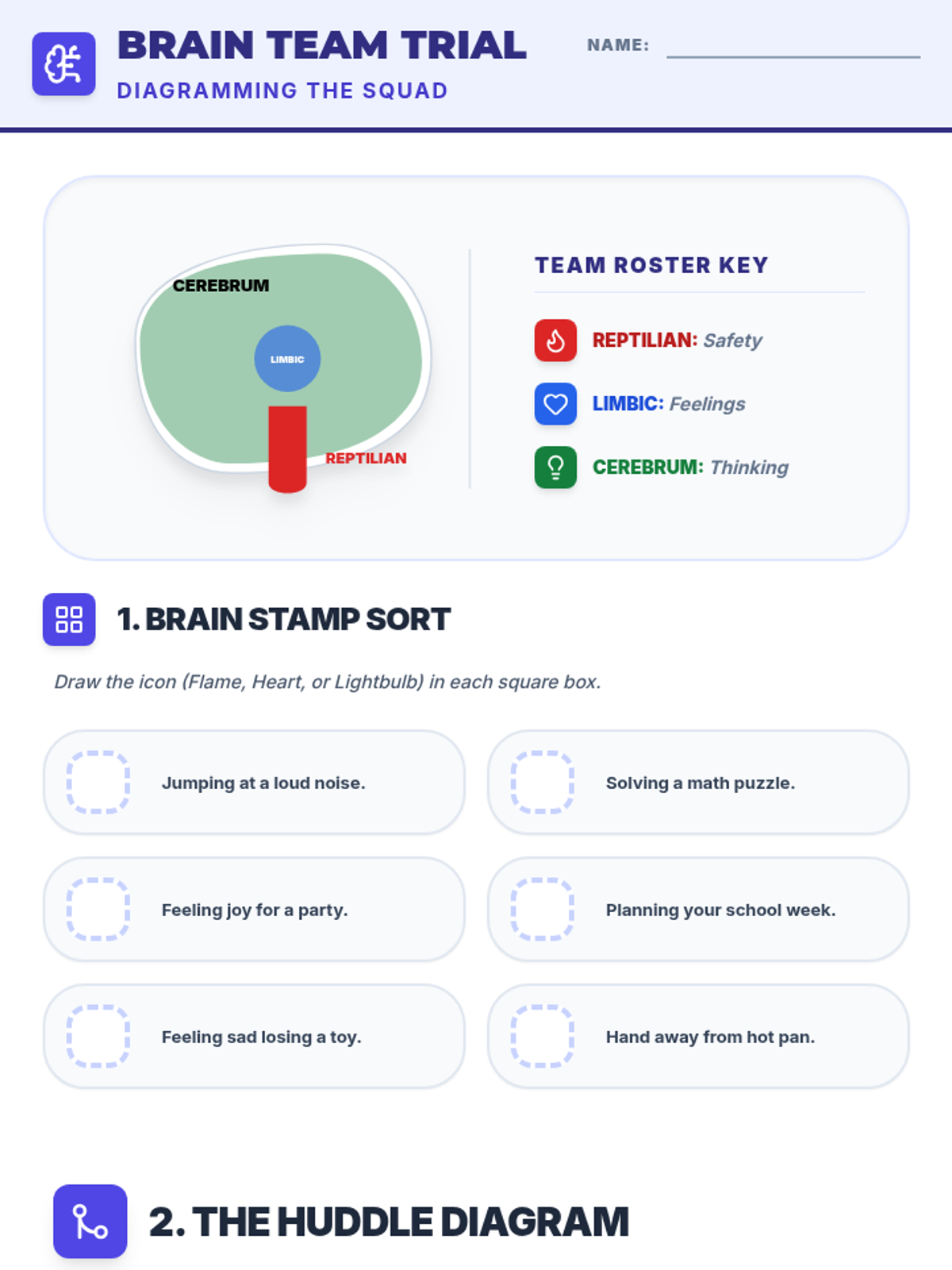
Exploring the foundational layers of the brain—the Reptilian Brain, the Limbic System, and the Cerebellum—to understand how survival instincts, emotions, and physical coordination work together.
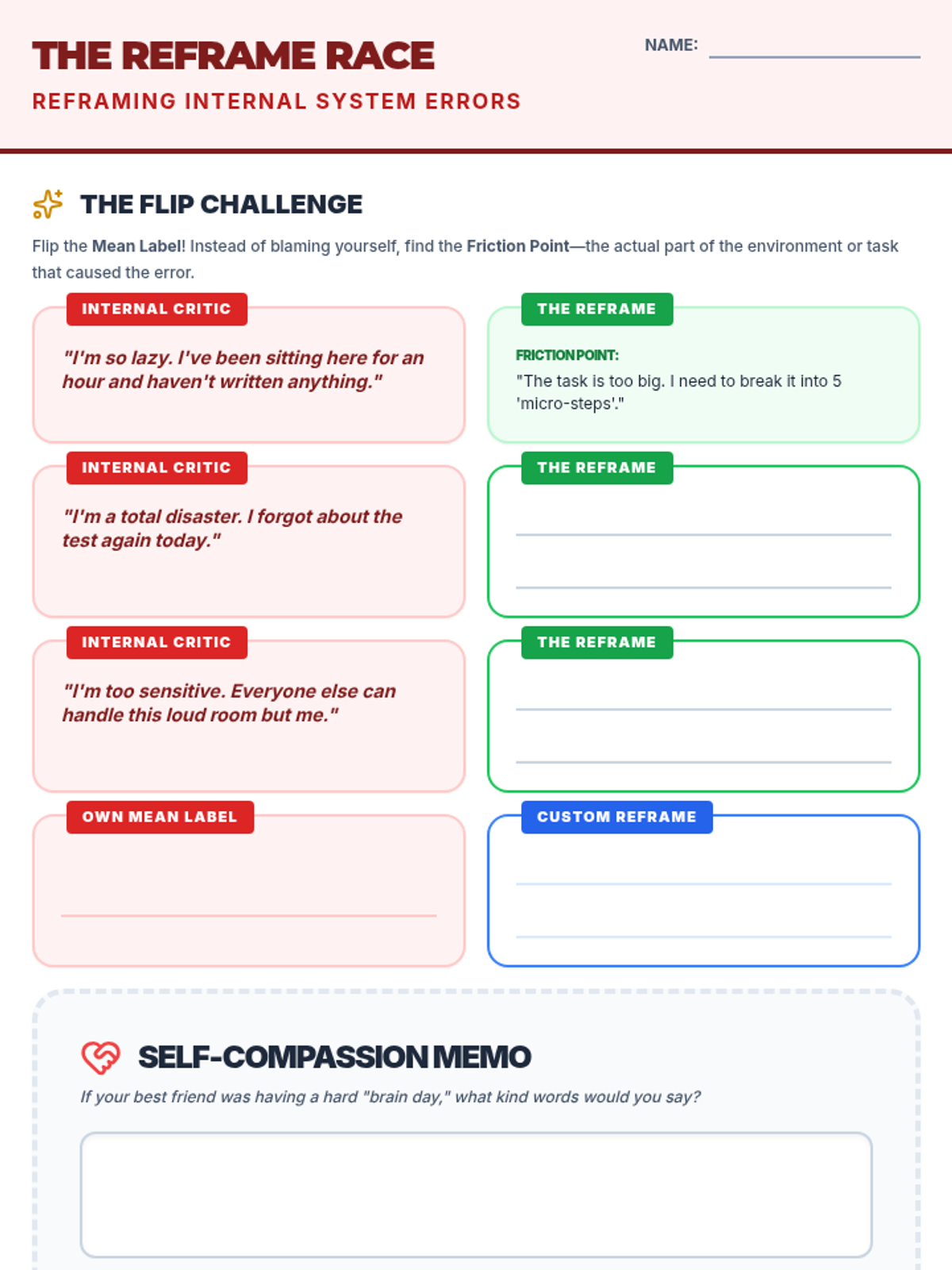
Developing a growth mindset specifically tailored for neurodivergent experiences, focusing on self-compassion and reframing challenges.
Practical strategies for managing time, focus, and sensory needs by working with the brain's natural tendencies.
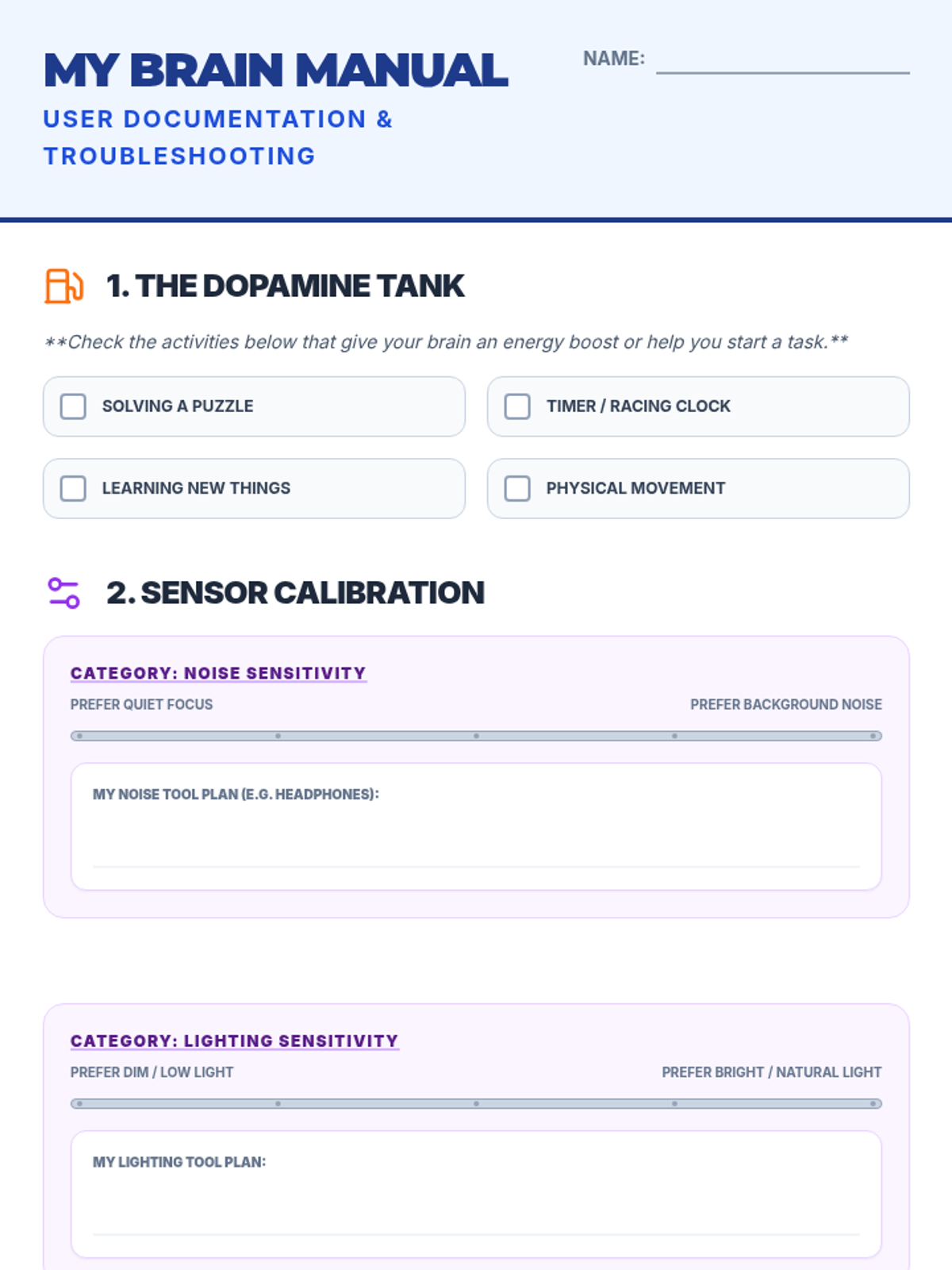
Exploration of the neurobiology of ADHD and AuDHD, focusing on executive function and sensory processing as 'features' rather than 'bugs.'
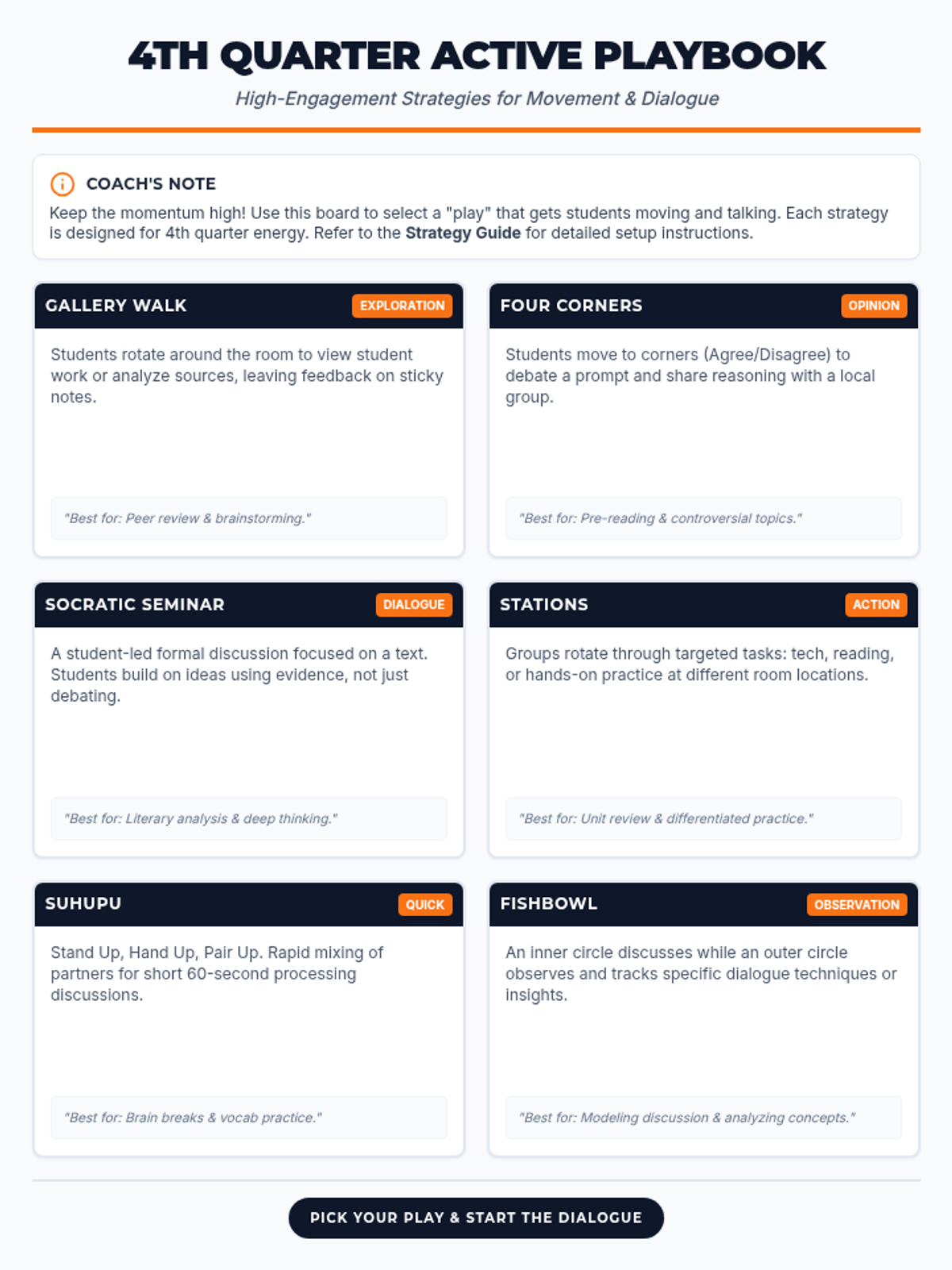
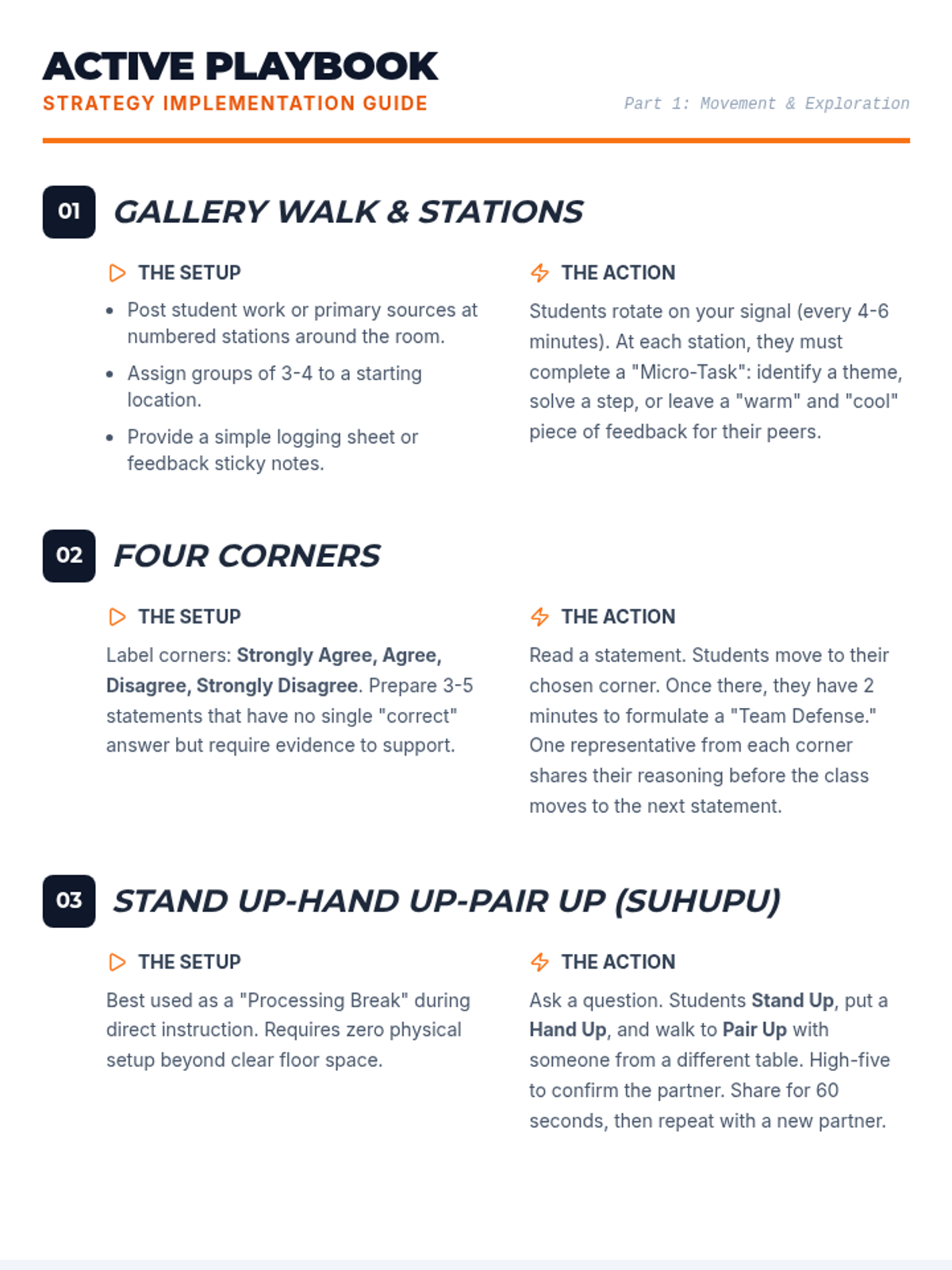
A comprehensive guide for teachers to implement movement-based and dialogue-driven instructional strategies to keep student engagement high during the 4th quarter.
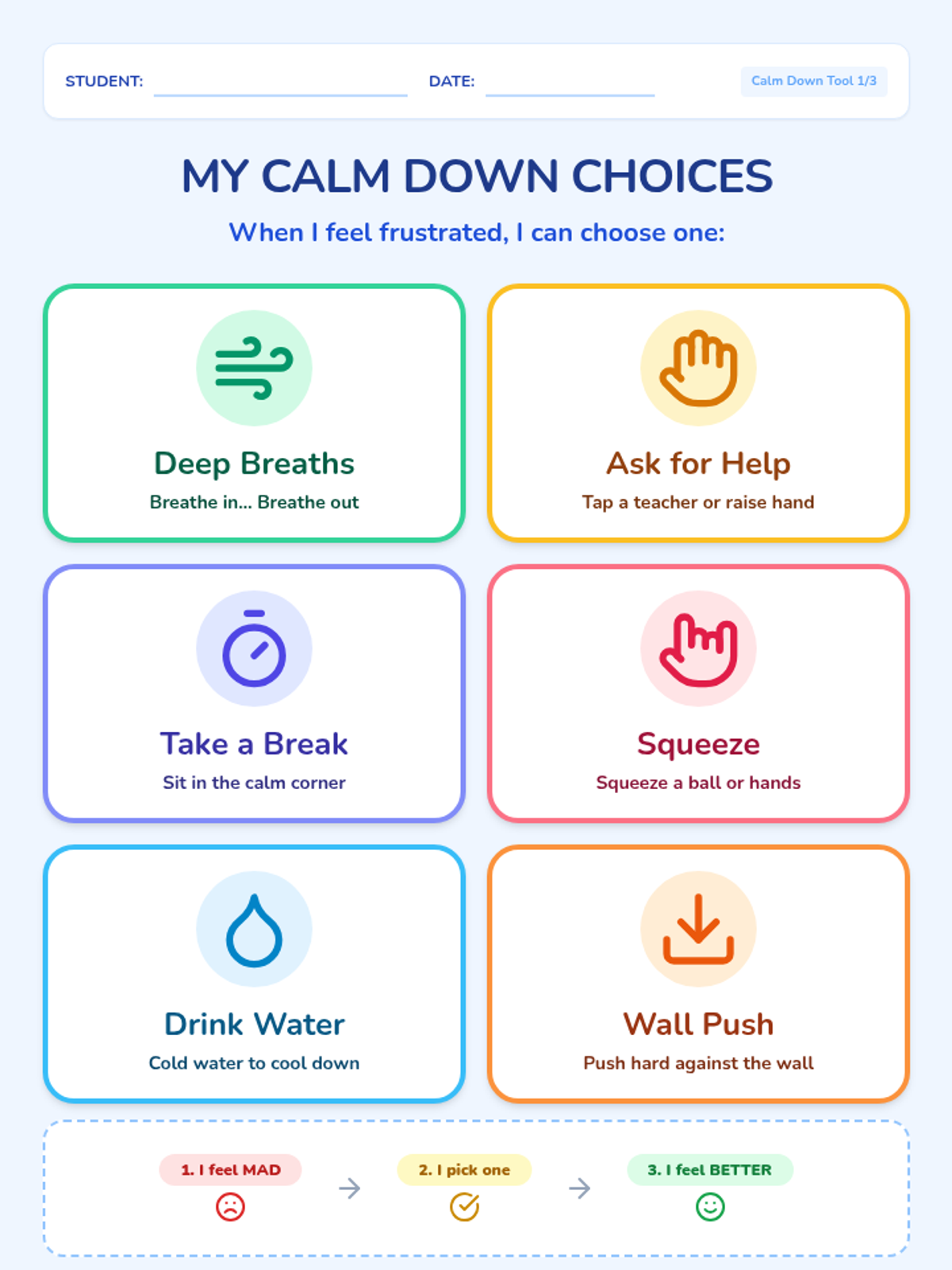
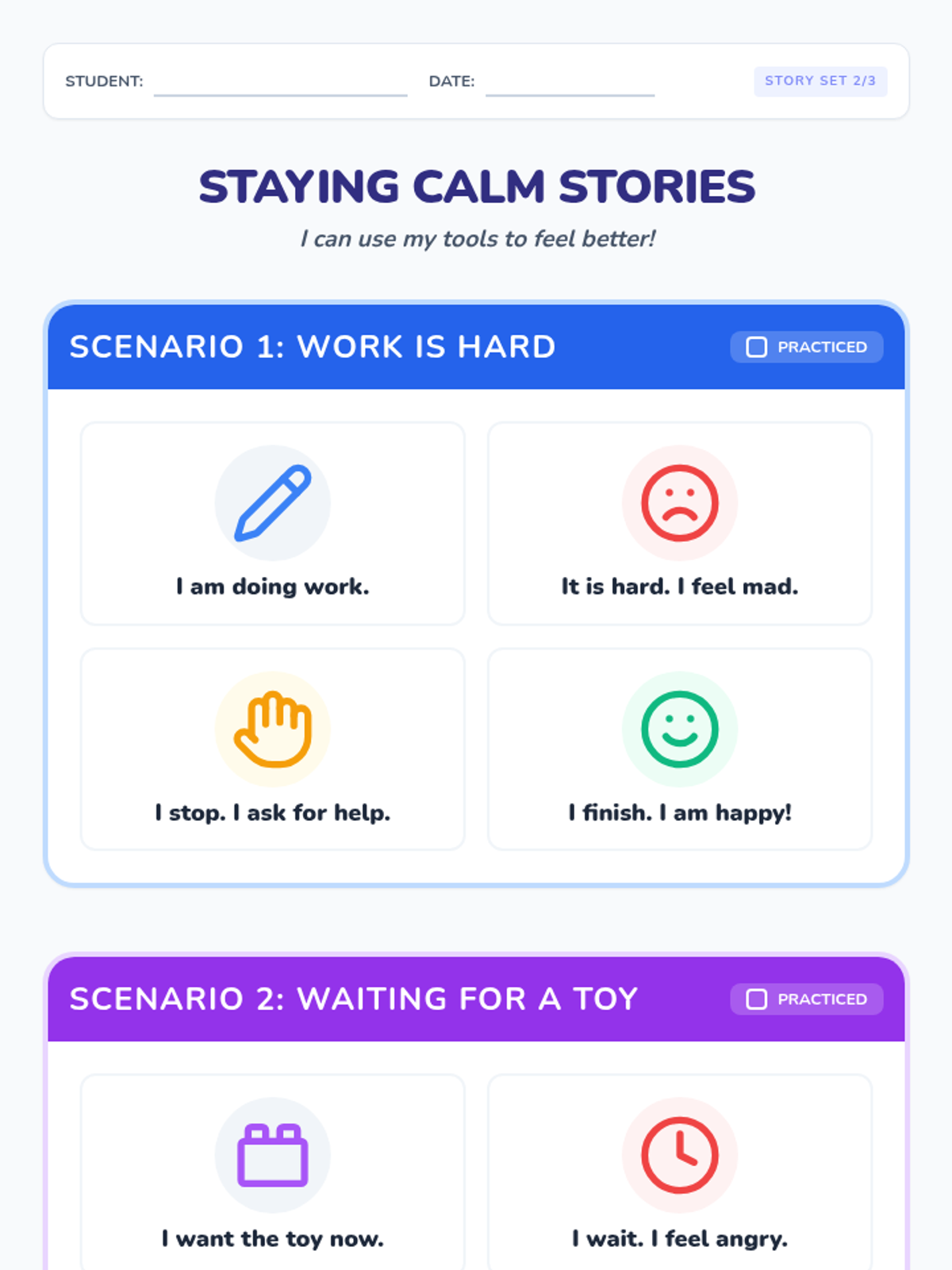
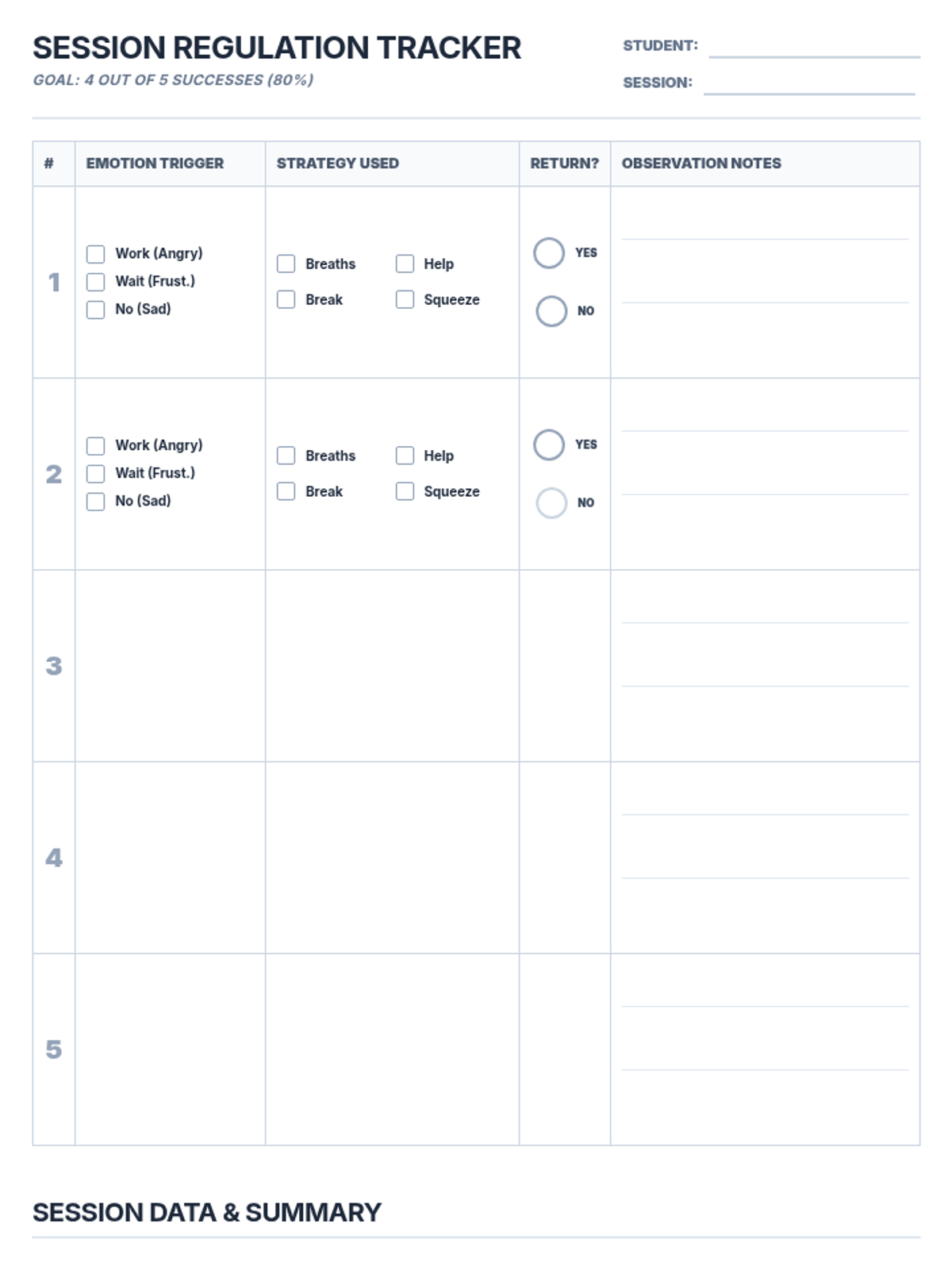
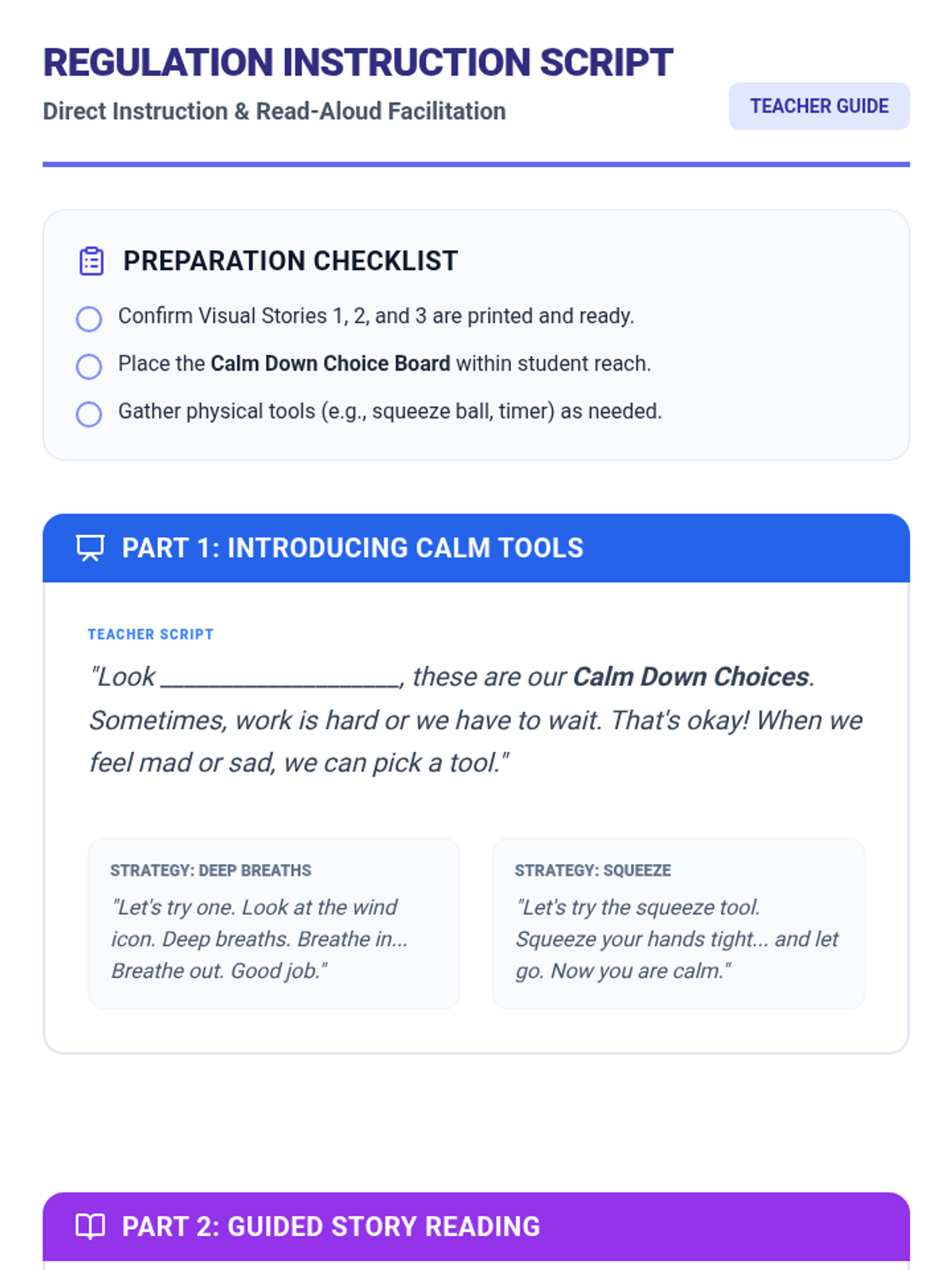
A lesson focused on identifying frustration and practicing simple, visual-based coping strategies to return to learning.
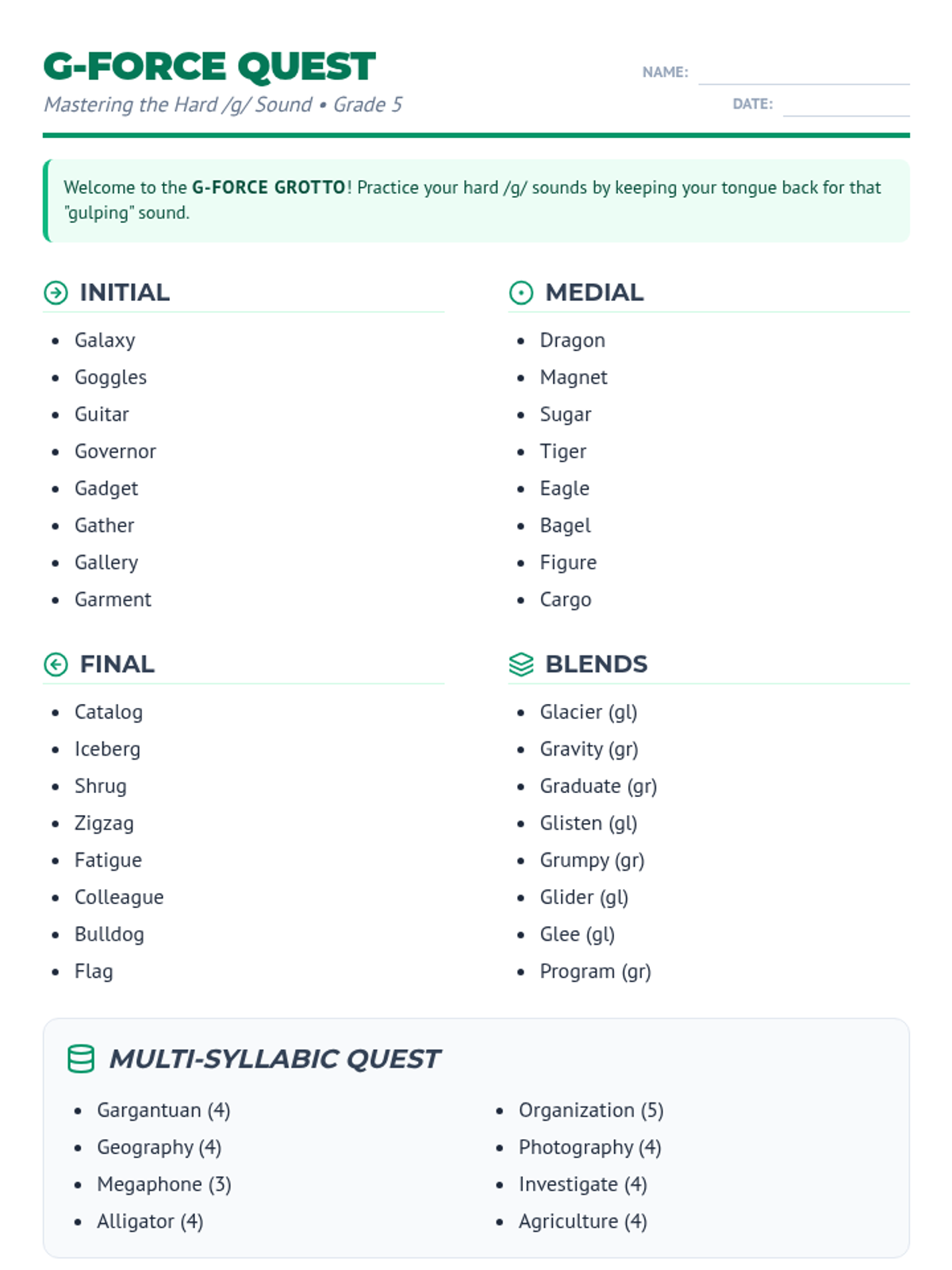
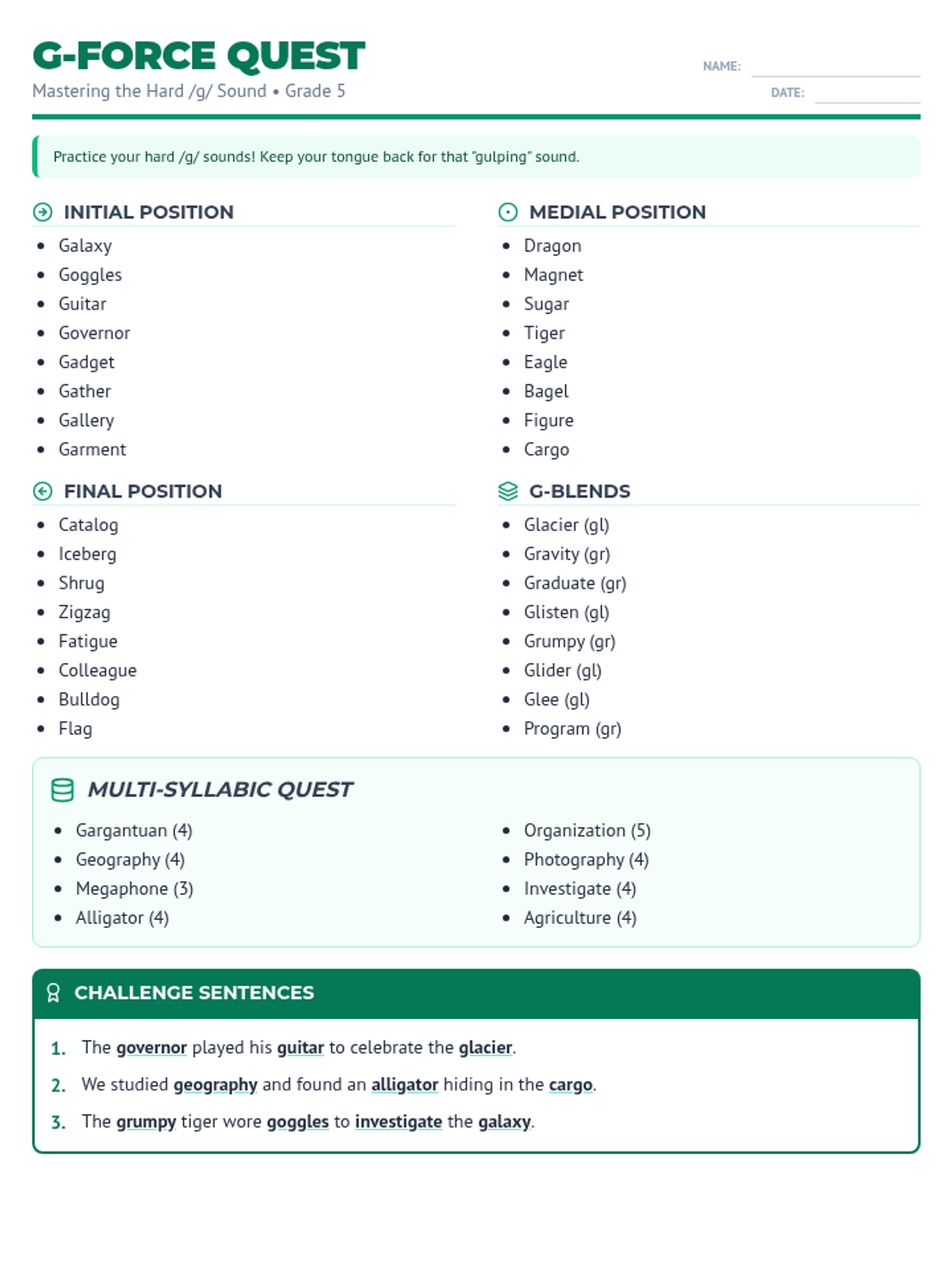
A speech therapy lesson focused on the /g/ sound in various positions, blends, and multi-syllabic words for 5th-grade students.
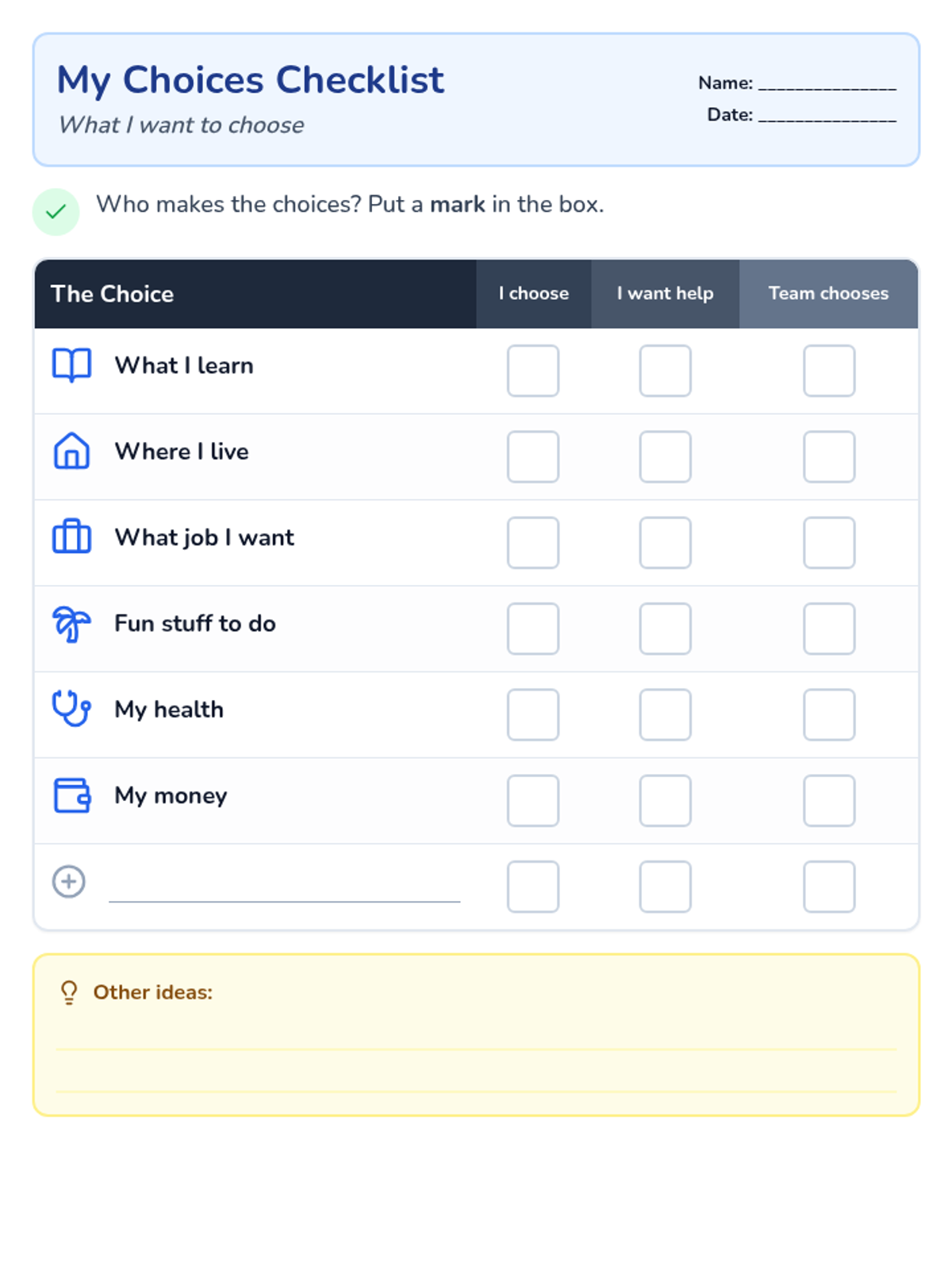
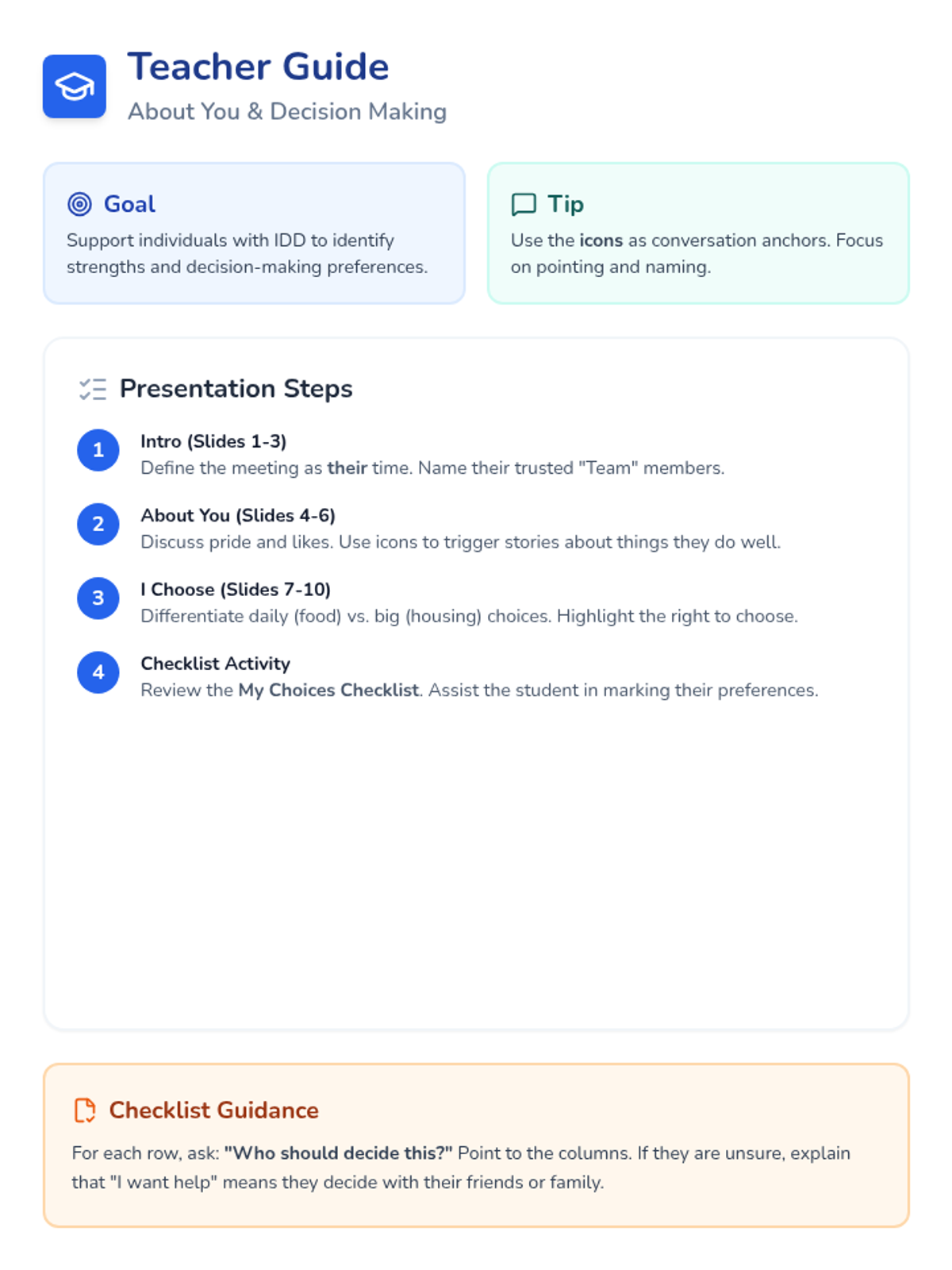
A simplified guide for individuals with intellectual and developmental disabilities to understand their Individual Program Plan (IPP) process, focusing on personal strengths and decision-making.
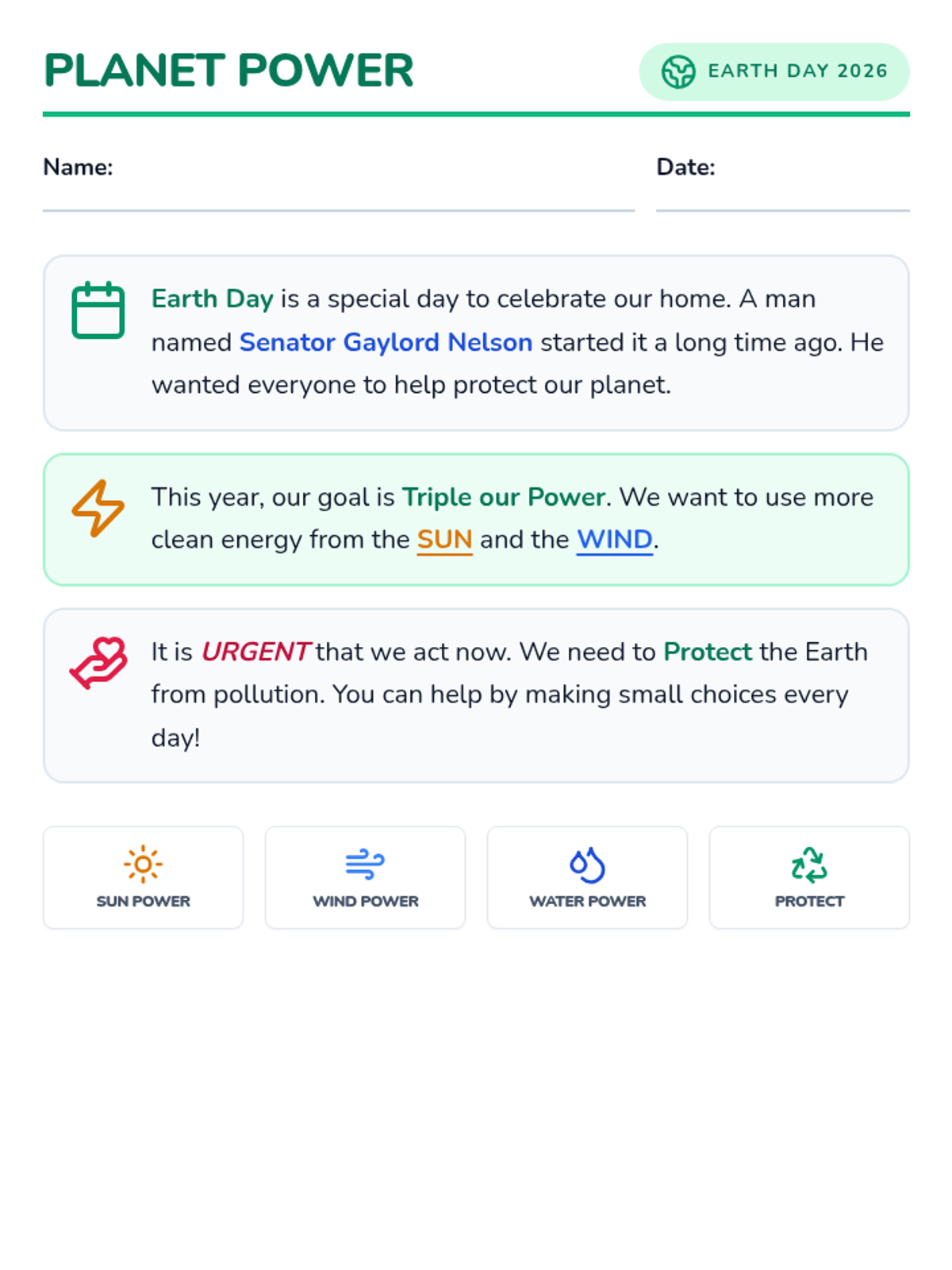
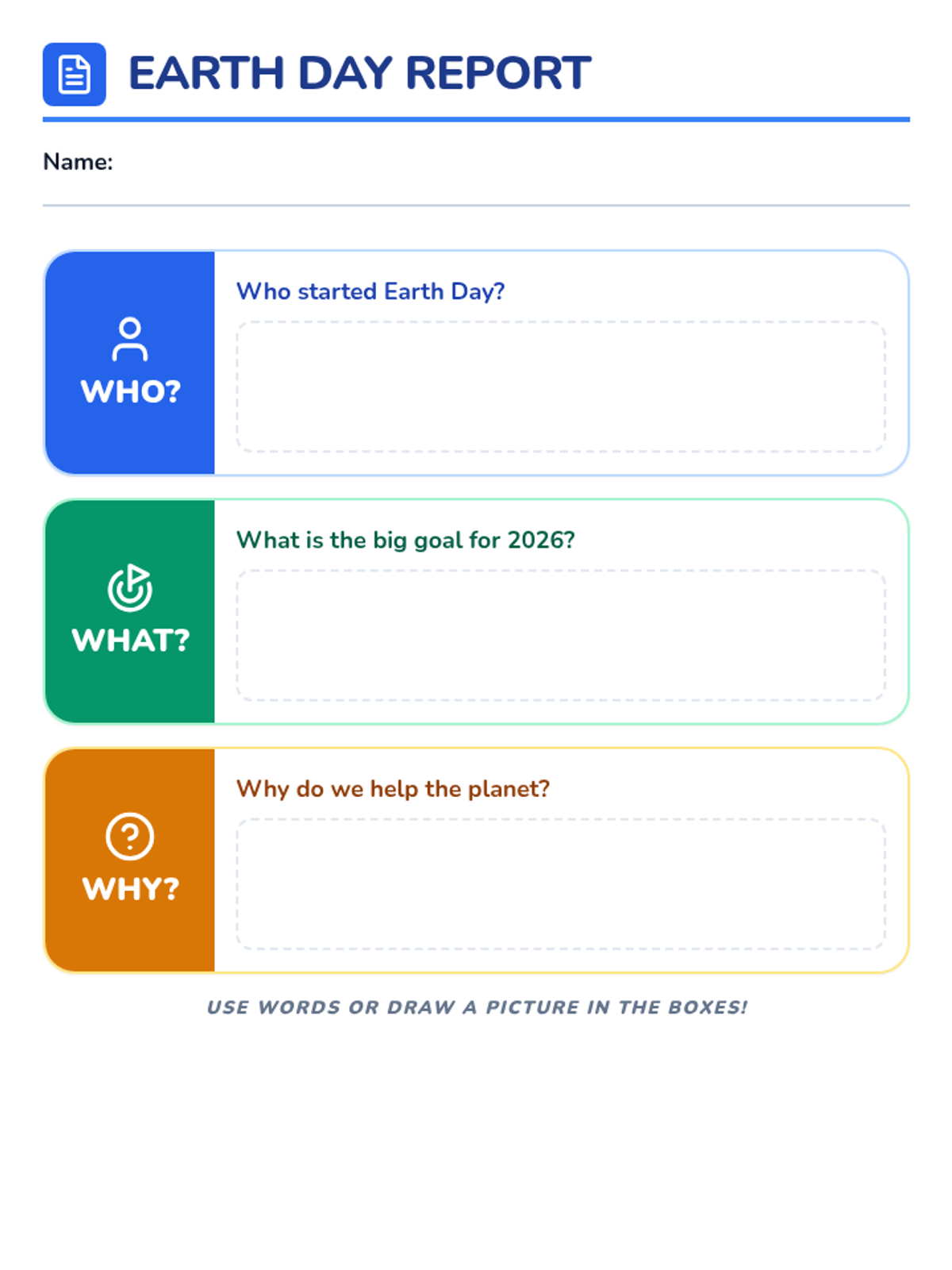
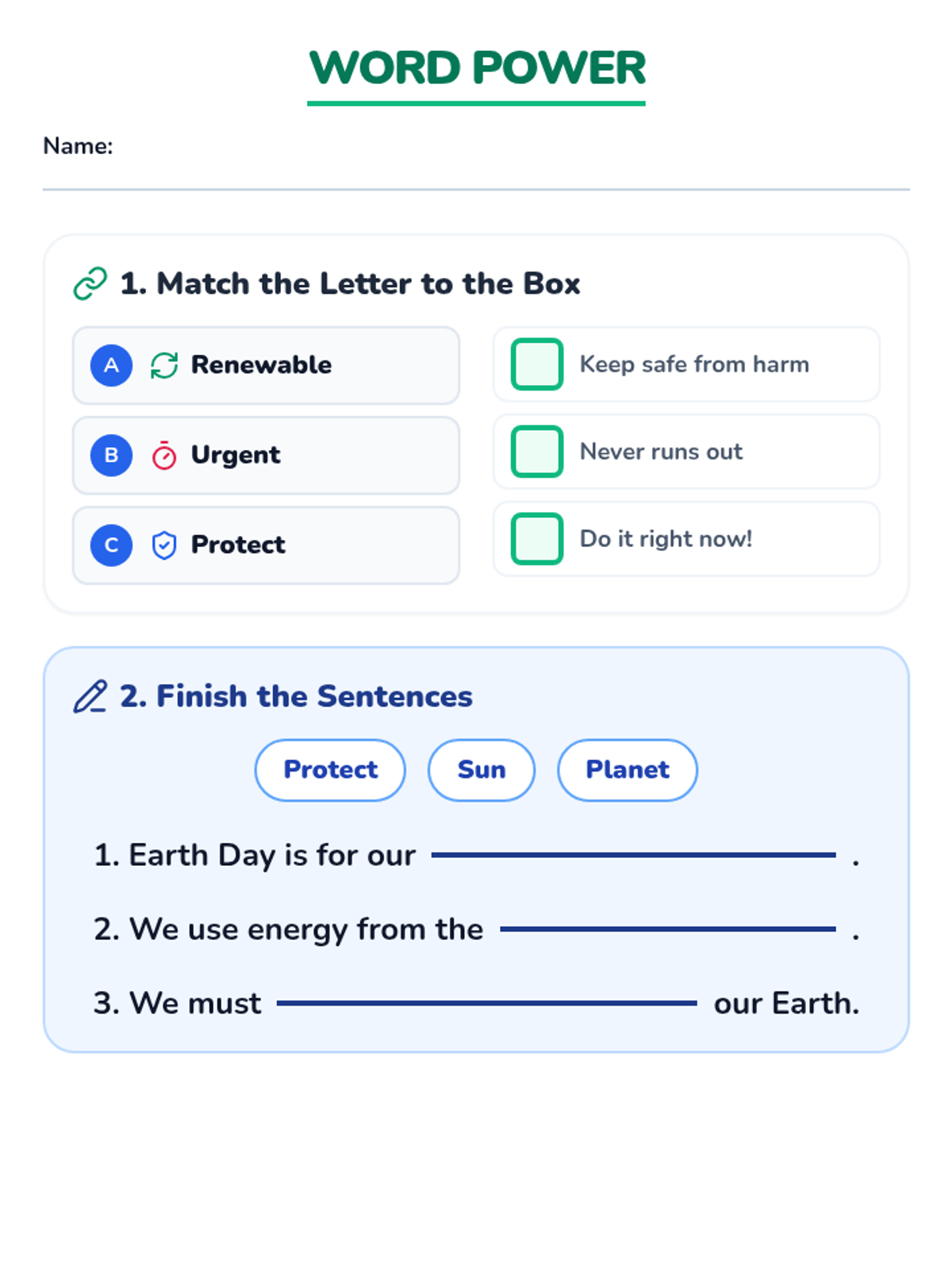
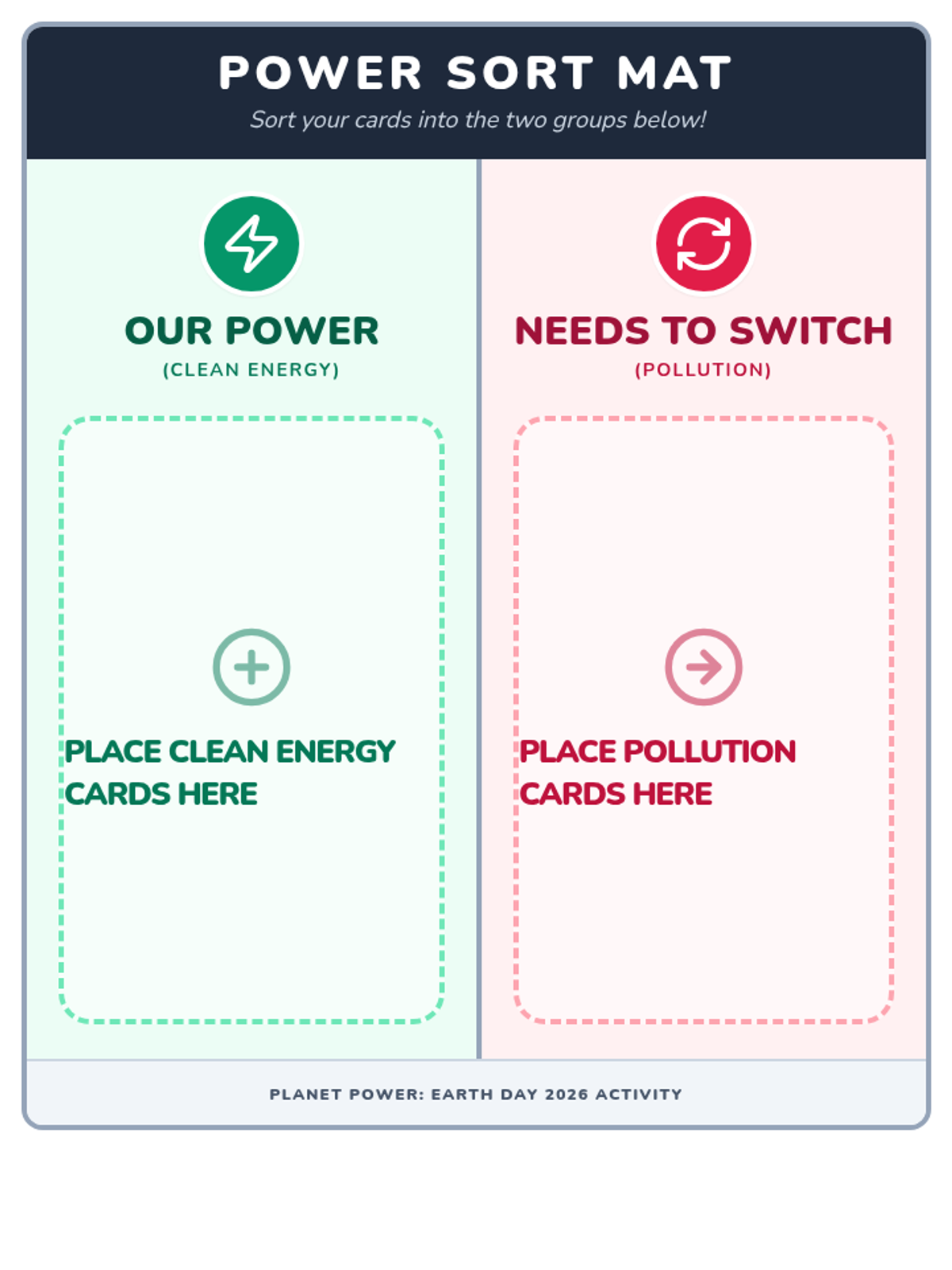
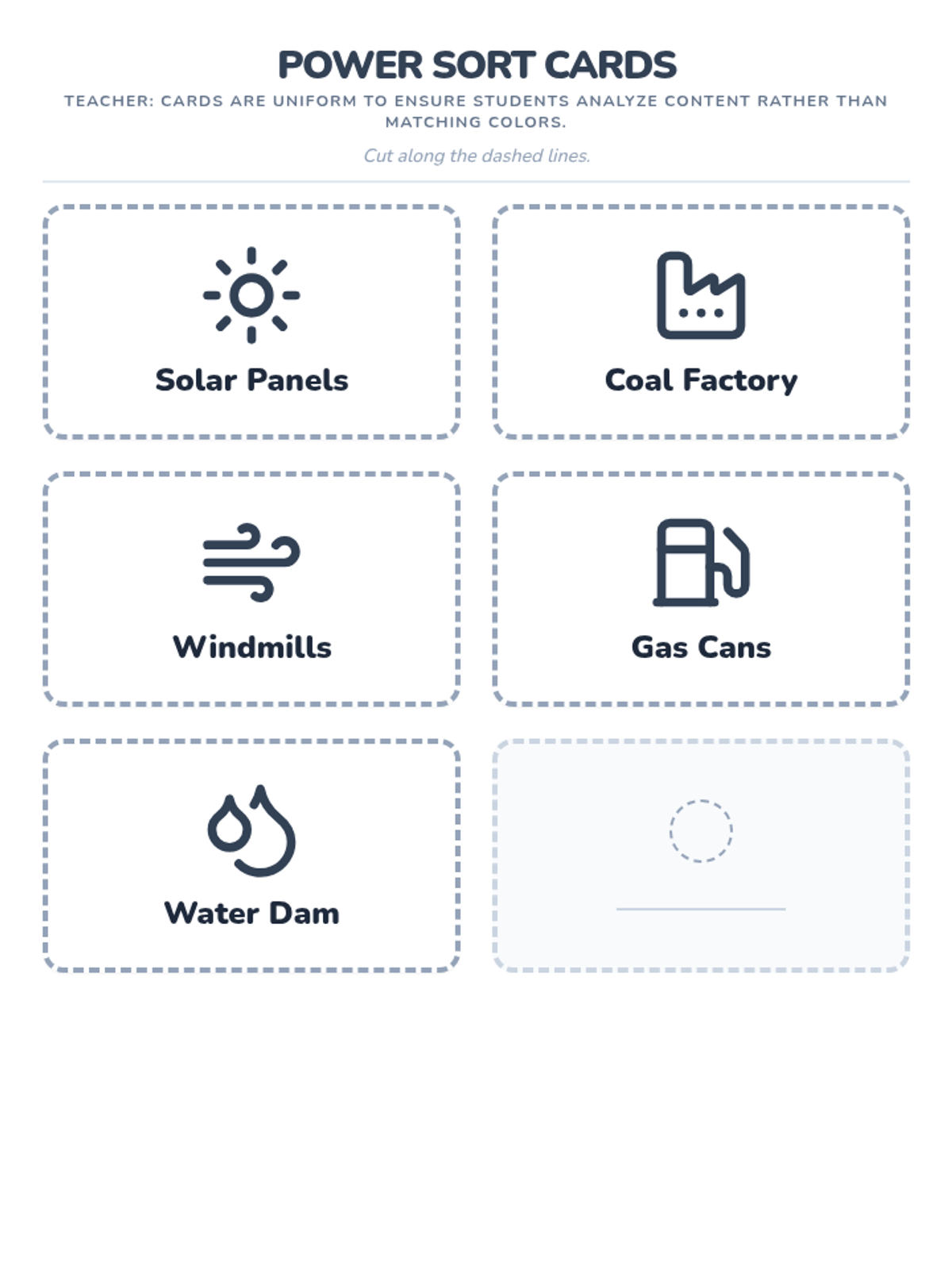
A simplified lesson focused on Earth Day 2026, renewable energy, and personal environmental choices for Tier 2 Special Education students.