A collection of homework materials focused on the life cycle of butterflies, designed for 8th-grade students reading at a 2nd-grade level. The materials emphasize key vocabulary, main idea and details, and cause-and-effect relationships.
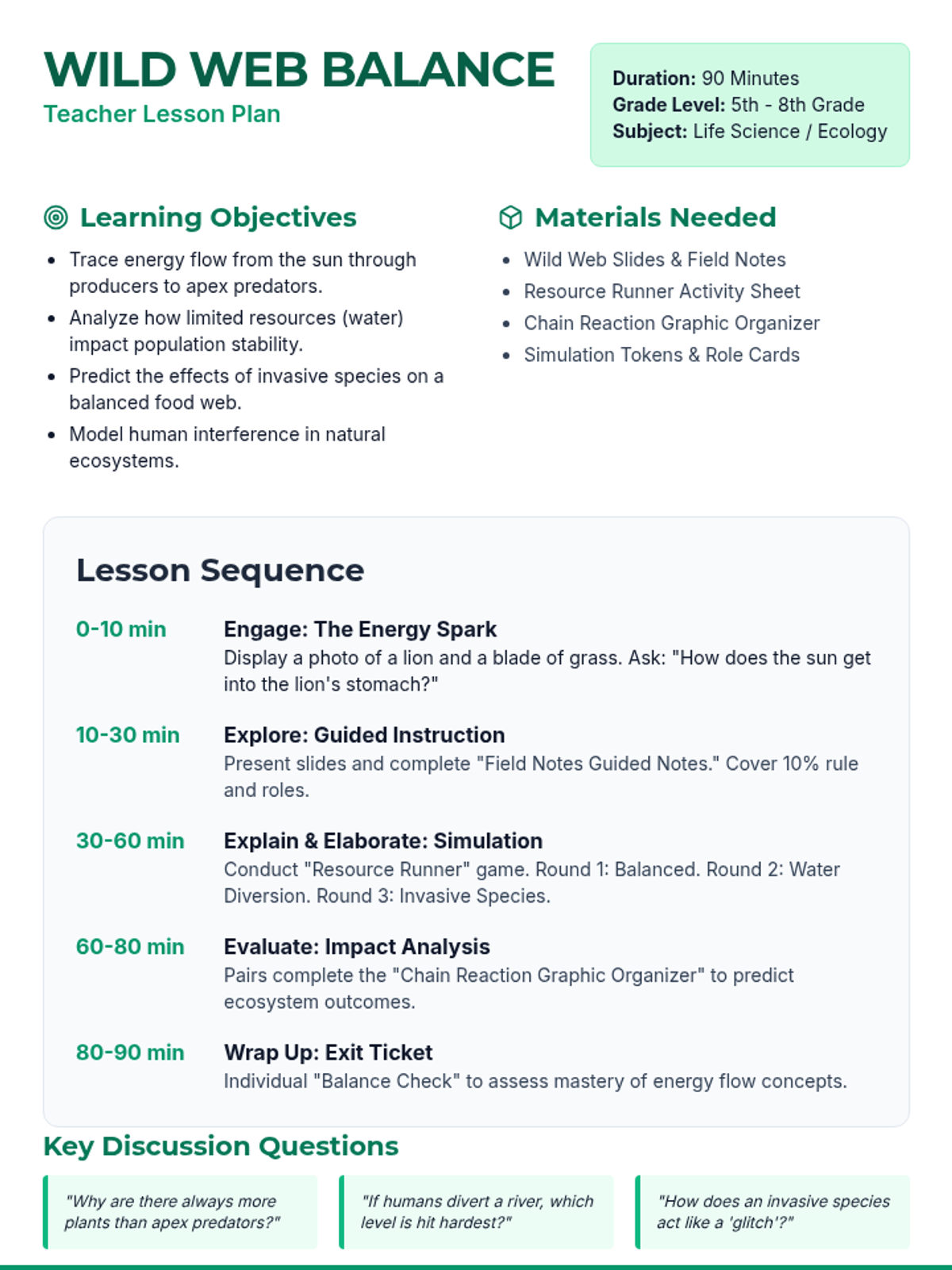
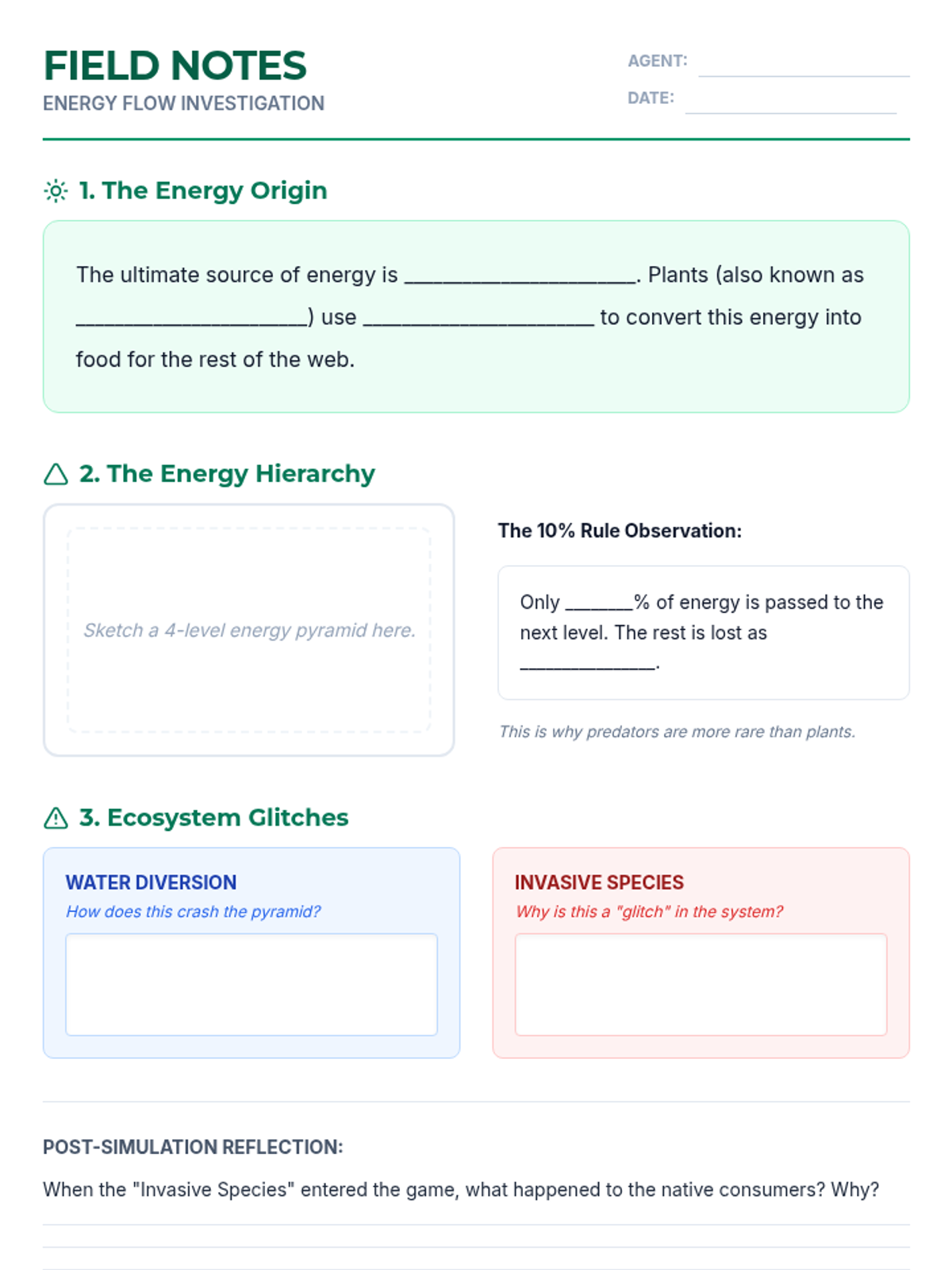
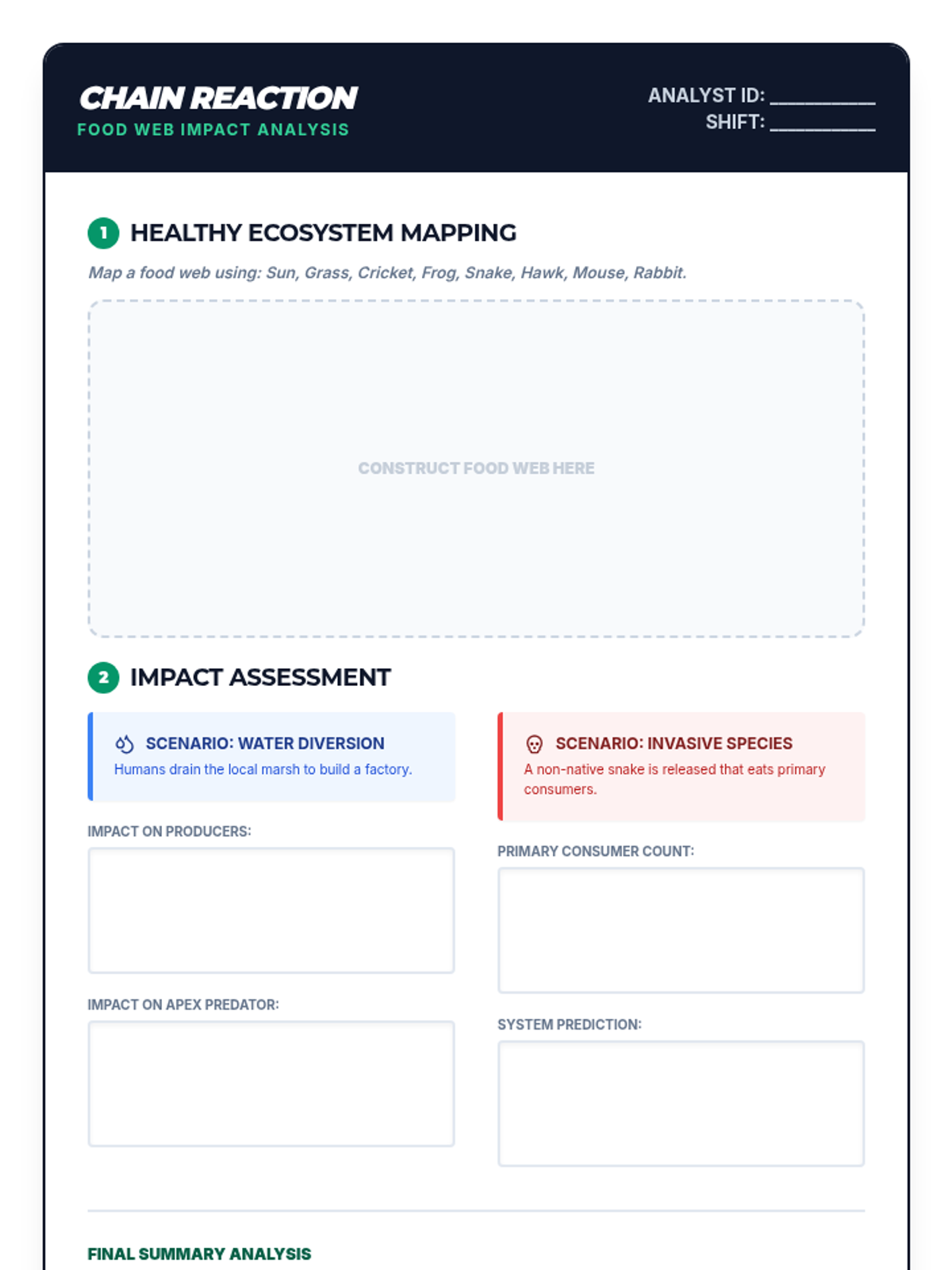
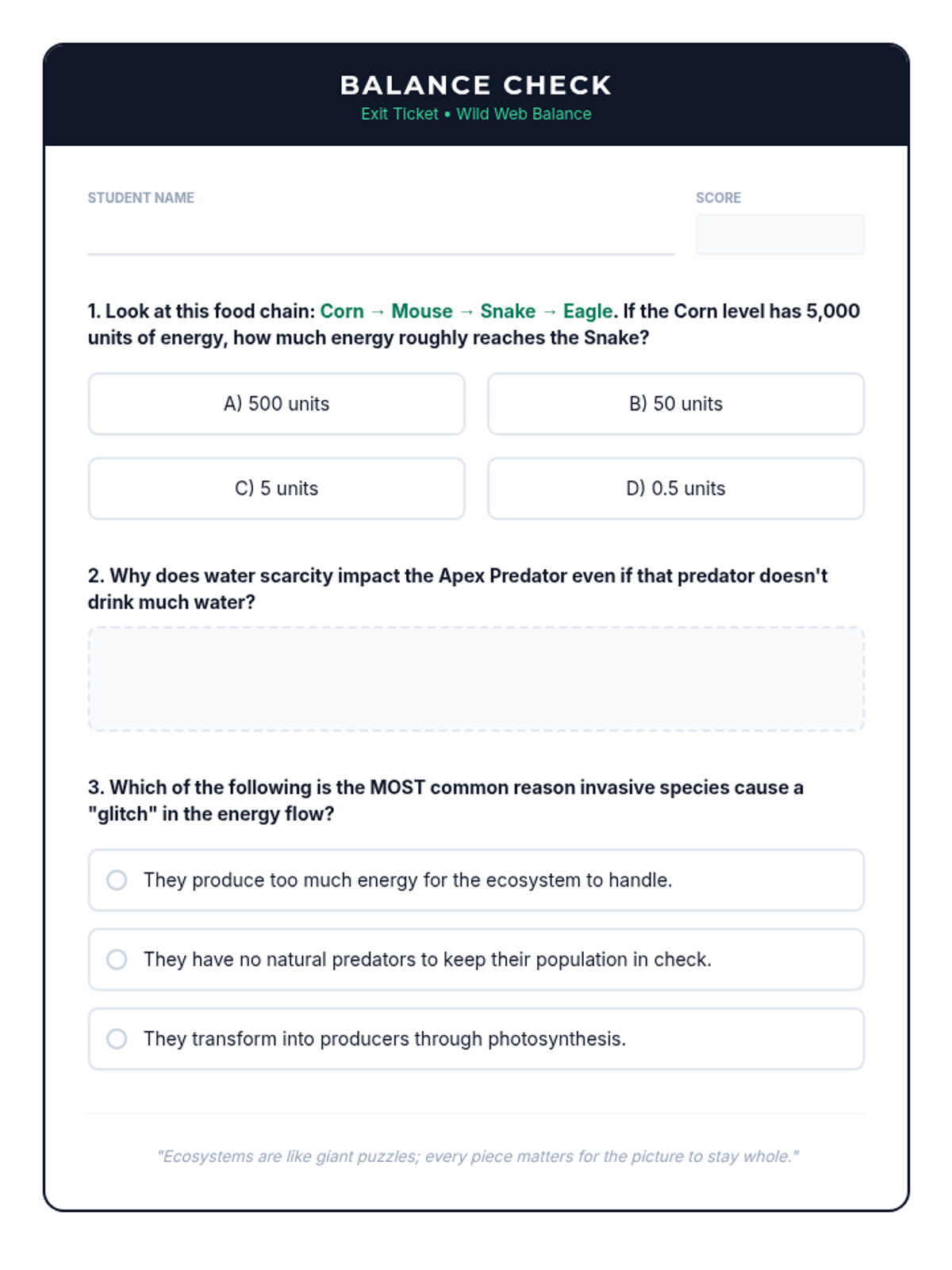
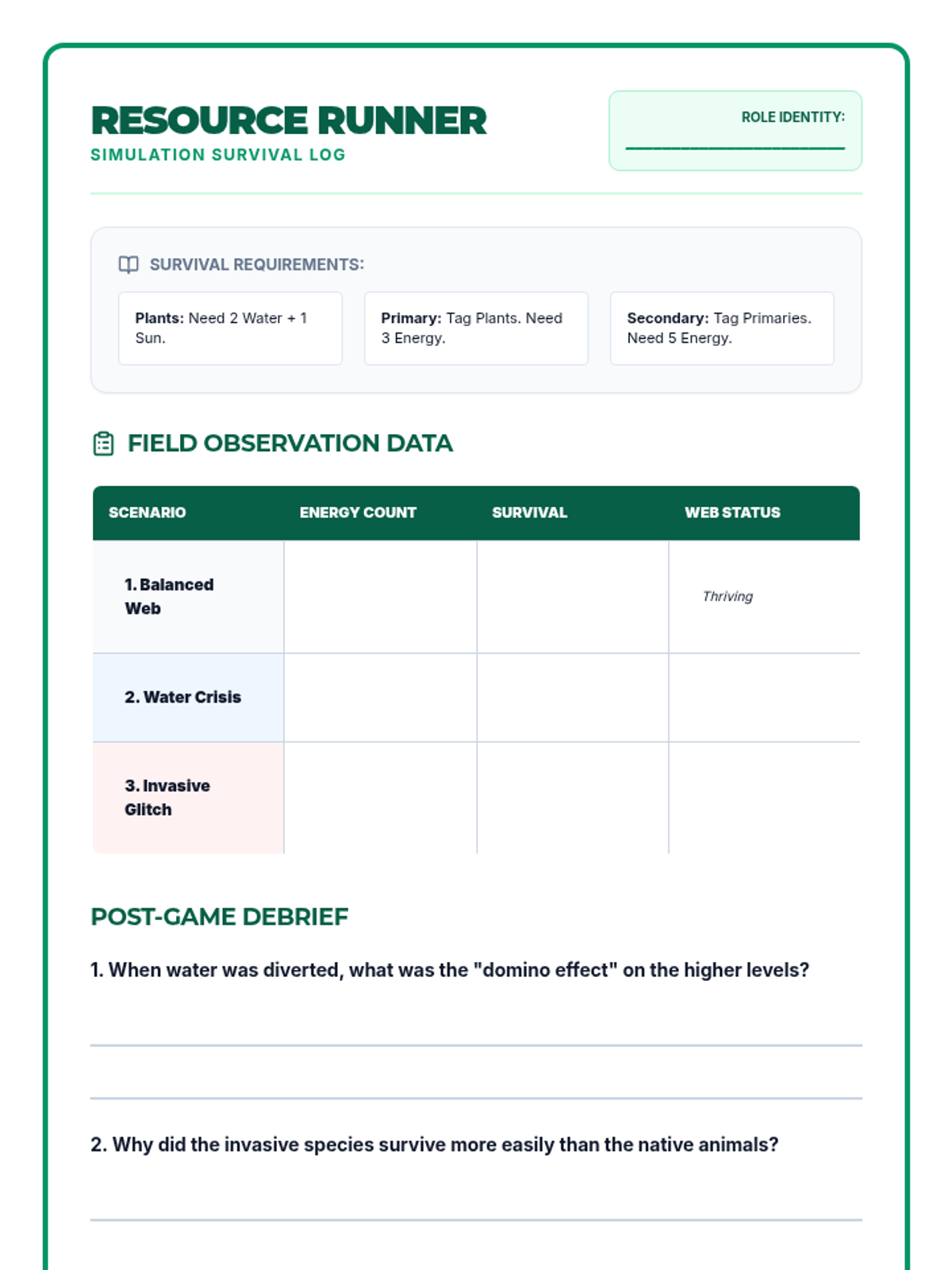
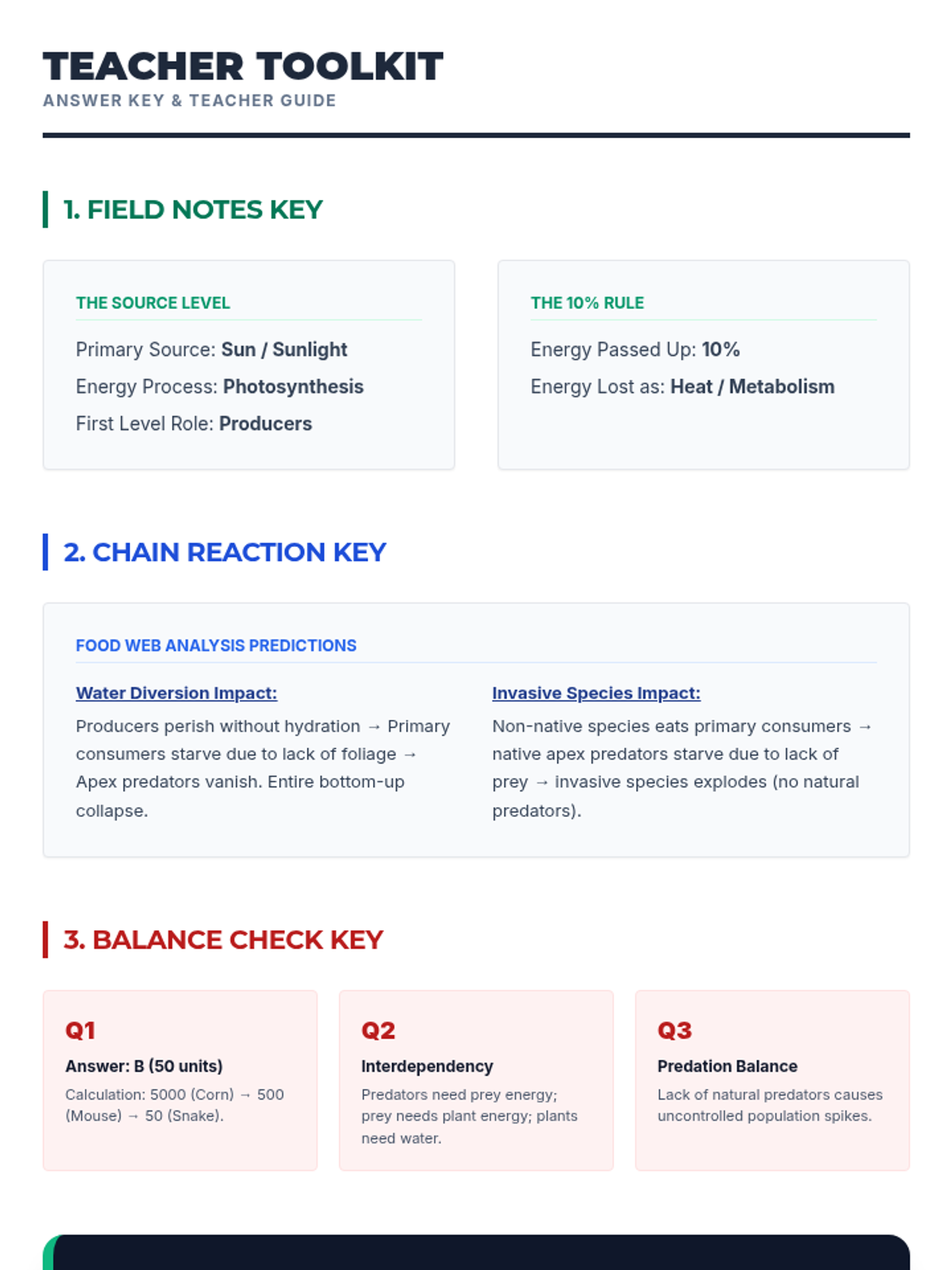
A comprehensive lesson exploring energy flow through ecosystems, the impact of resource scarcity, and the consequences of human interference like water diversion and invasive species.
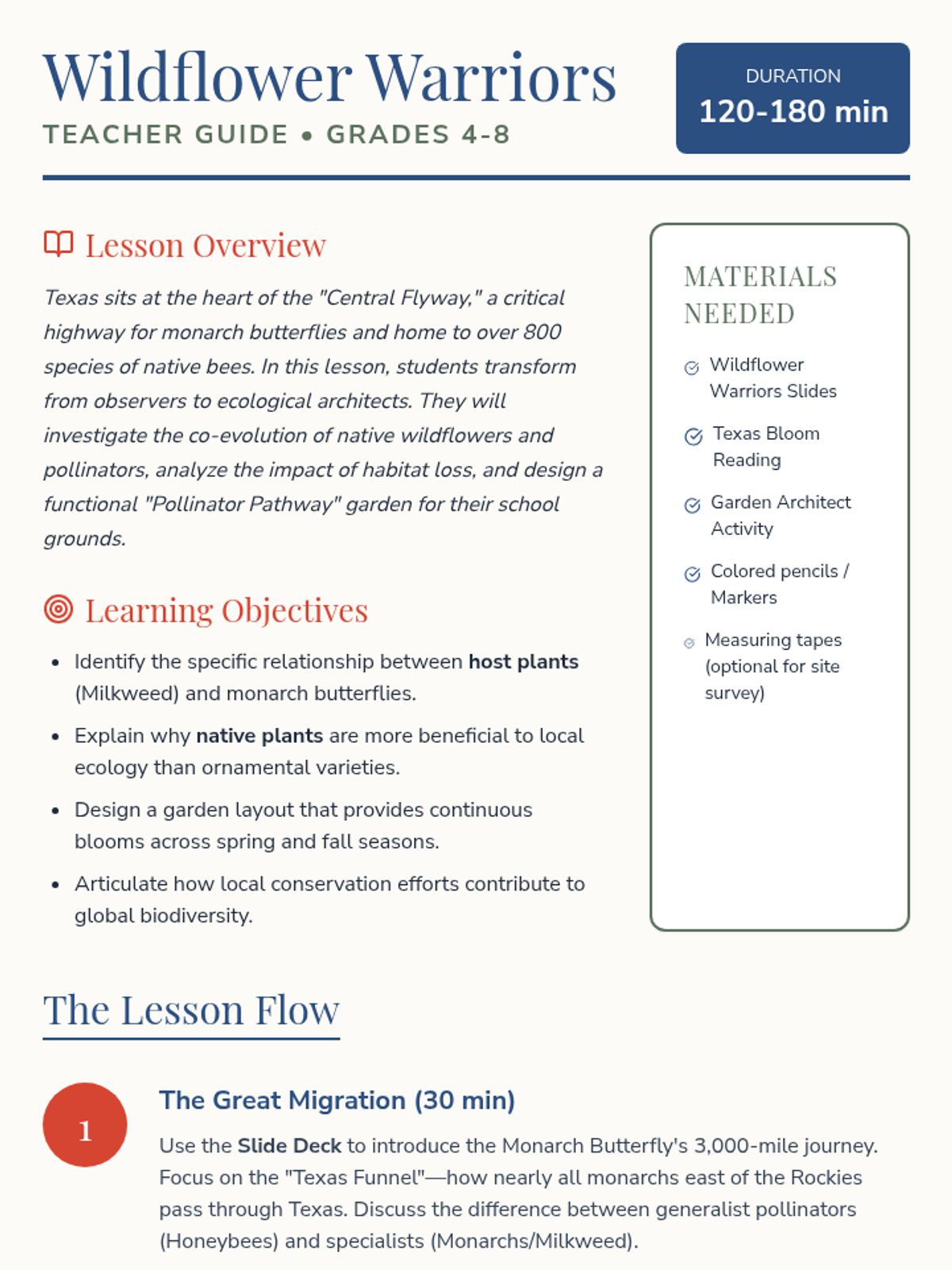
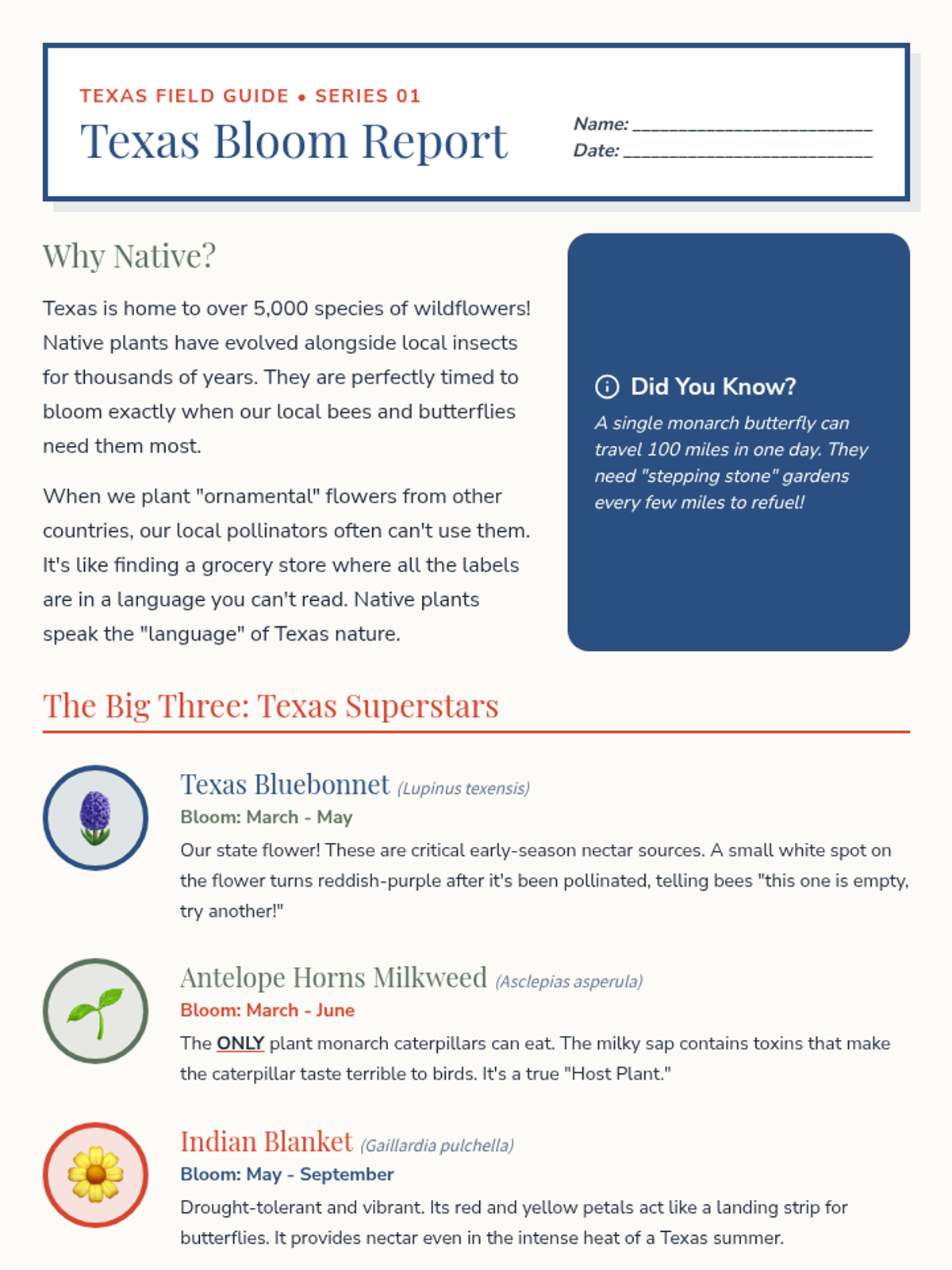
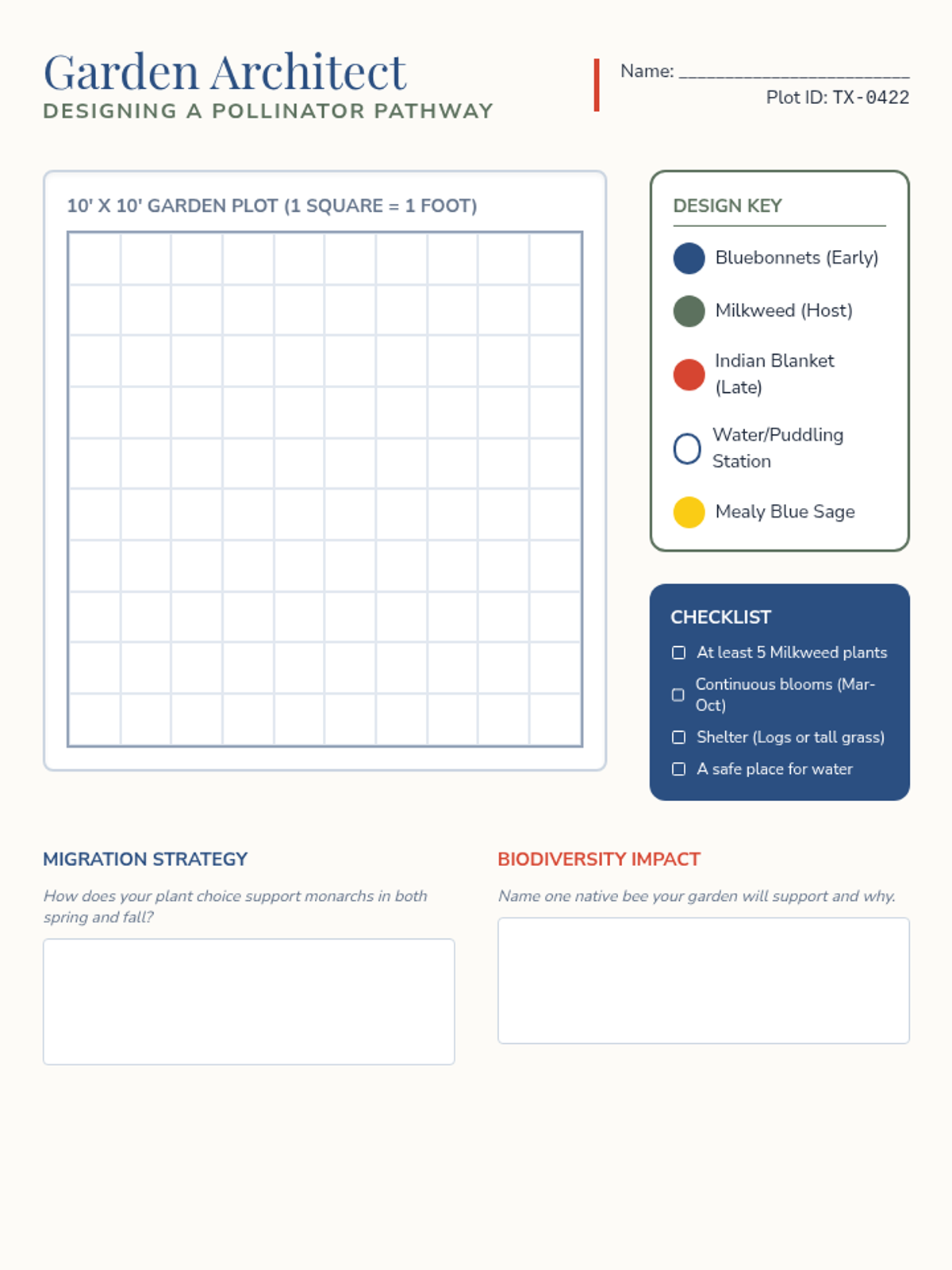
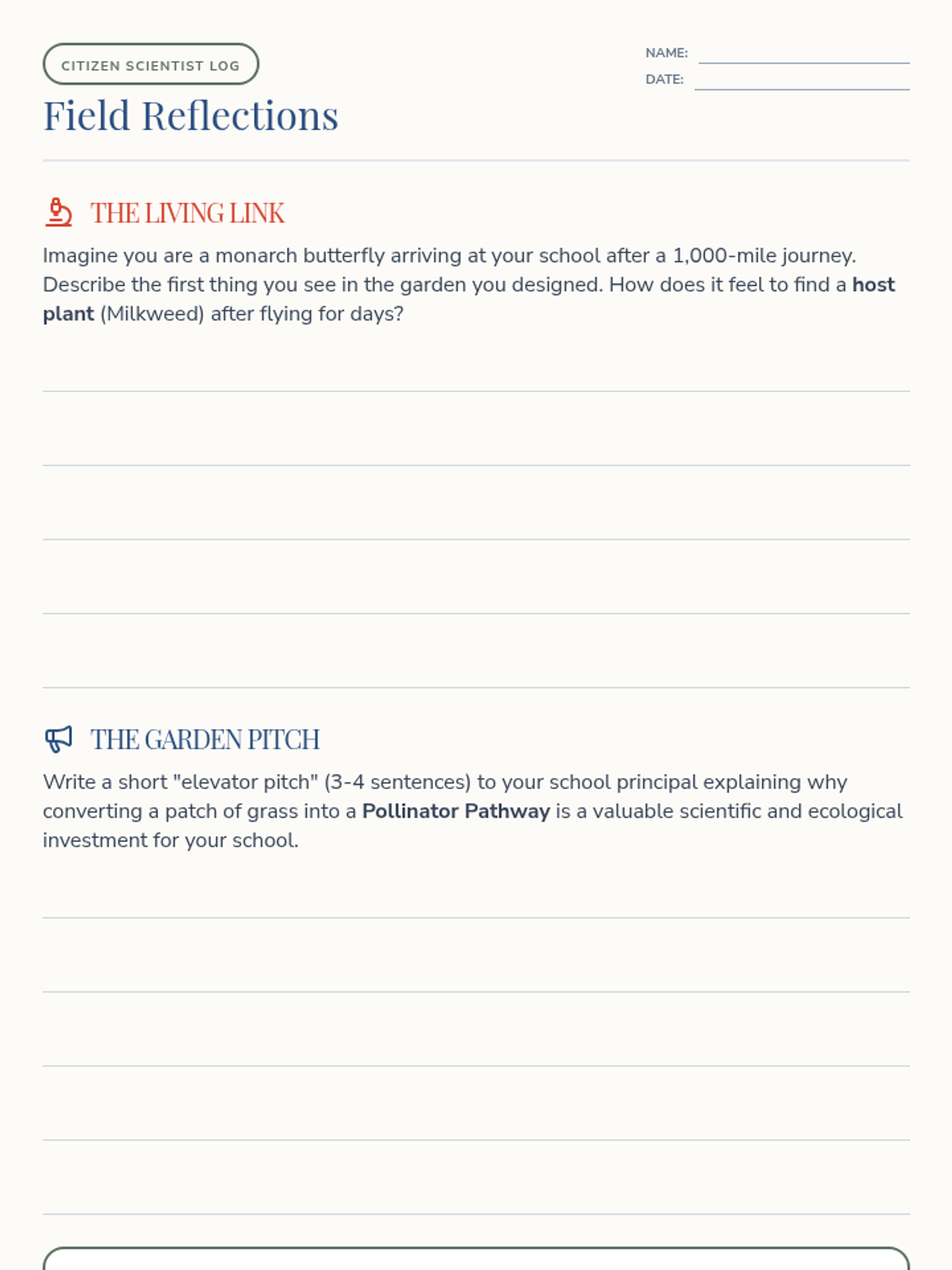
A hands-on ecology lesson where students explore the relationship between native Texas wildflowers and pollinators. Students will learn about monarch migrations and native bee habitats before designing their own school pollinator garden to support local biodiversity.
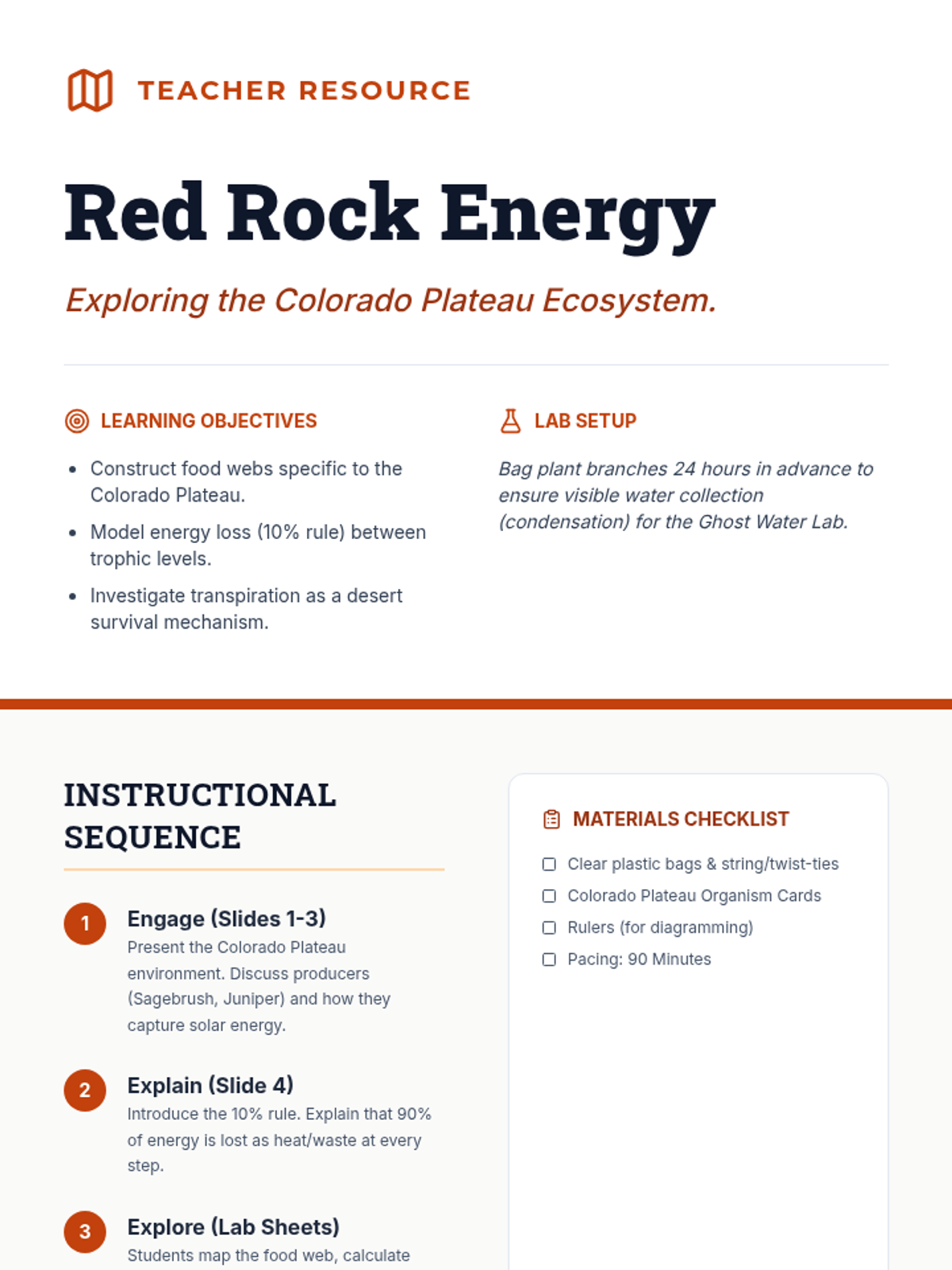
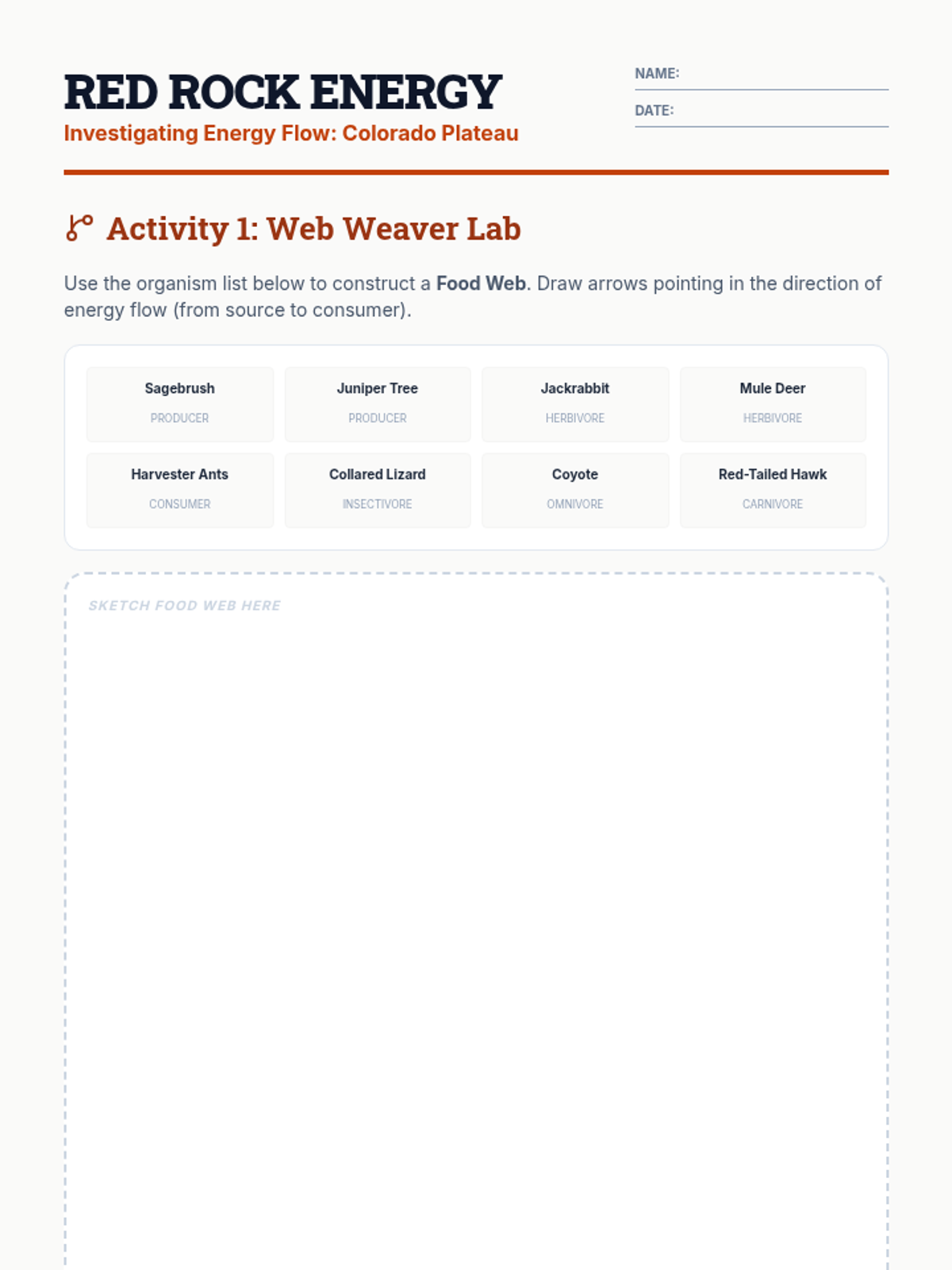
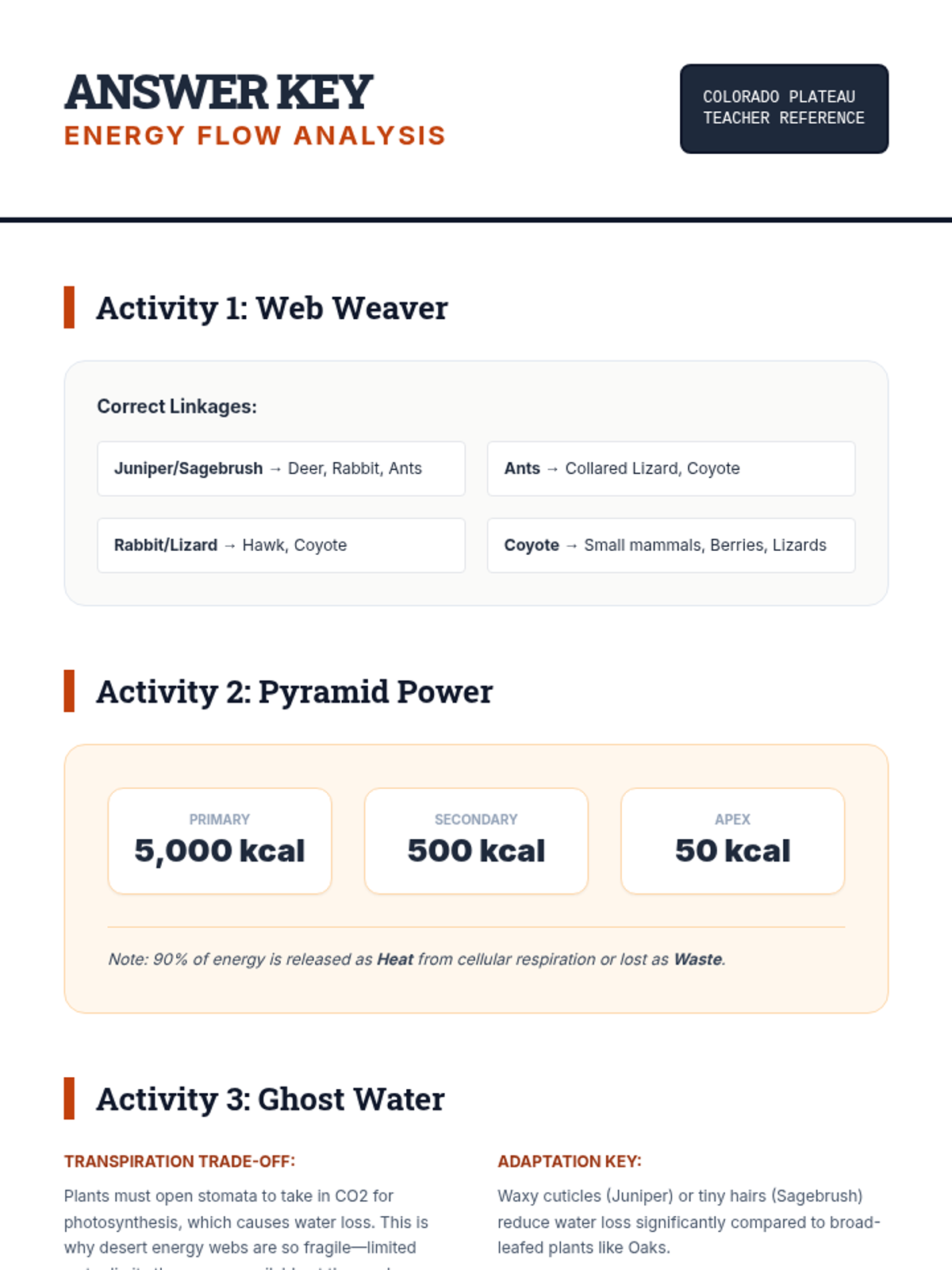
A comprehensive exploration of energy flow within the Colorado Plateau ecosystem, featuring hands-on modeling of food webs, trophic pyramids, and a botanical study of desert plant transpiration.
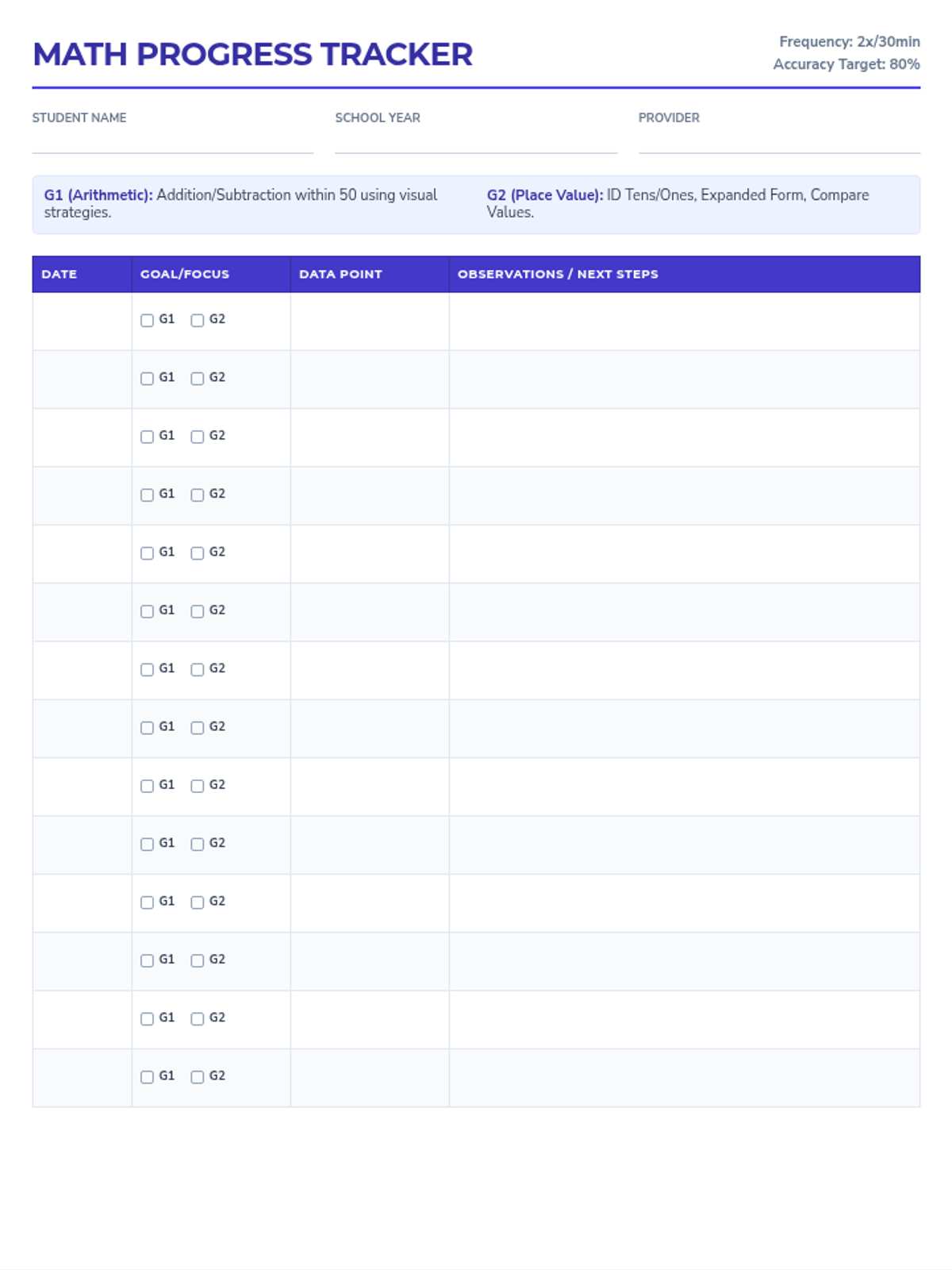
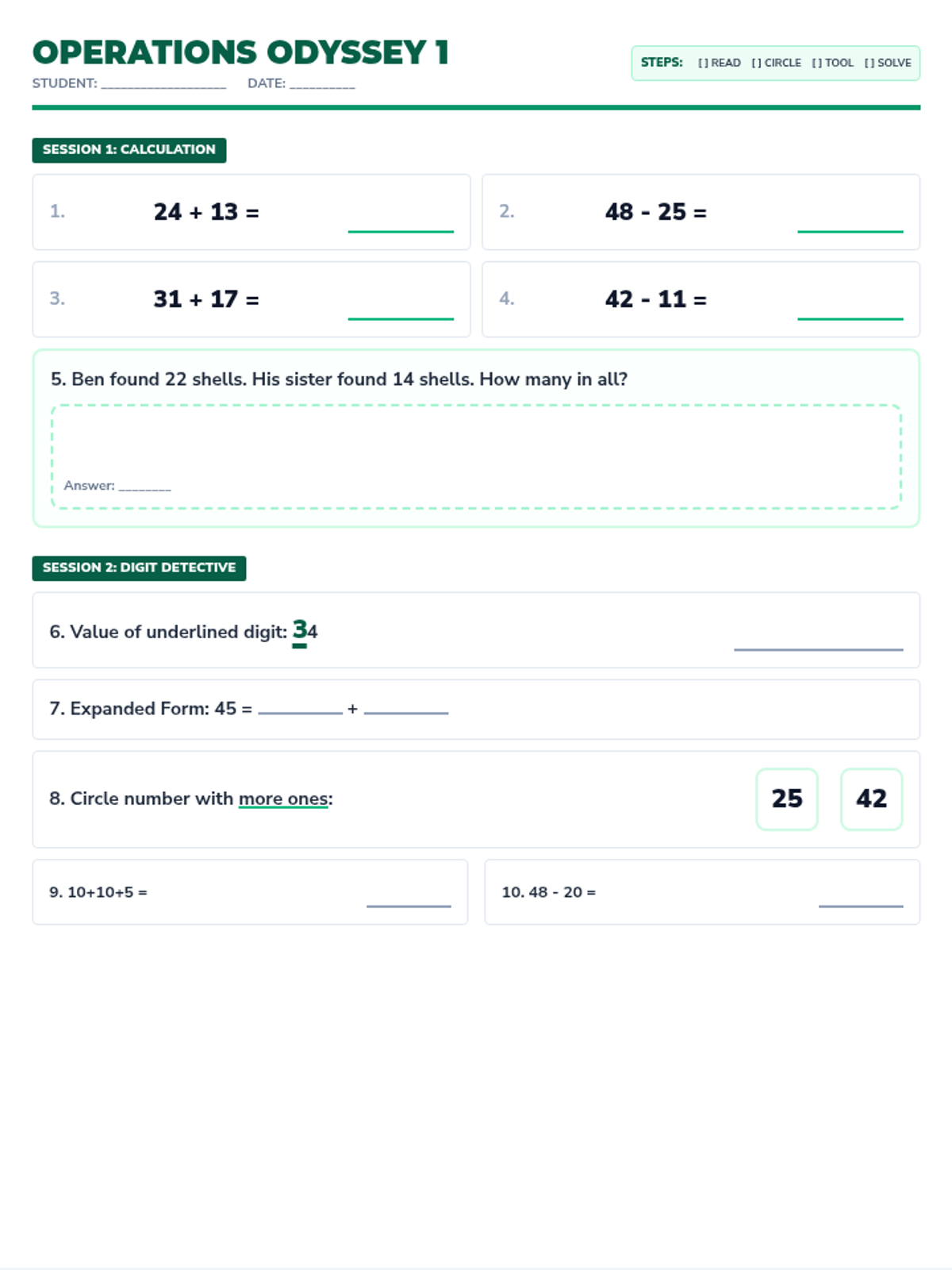
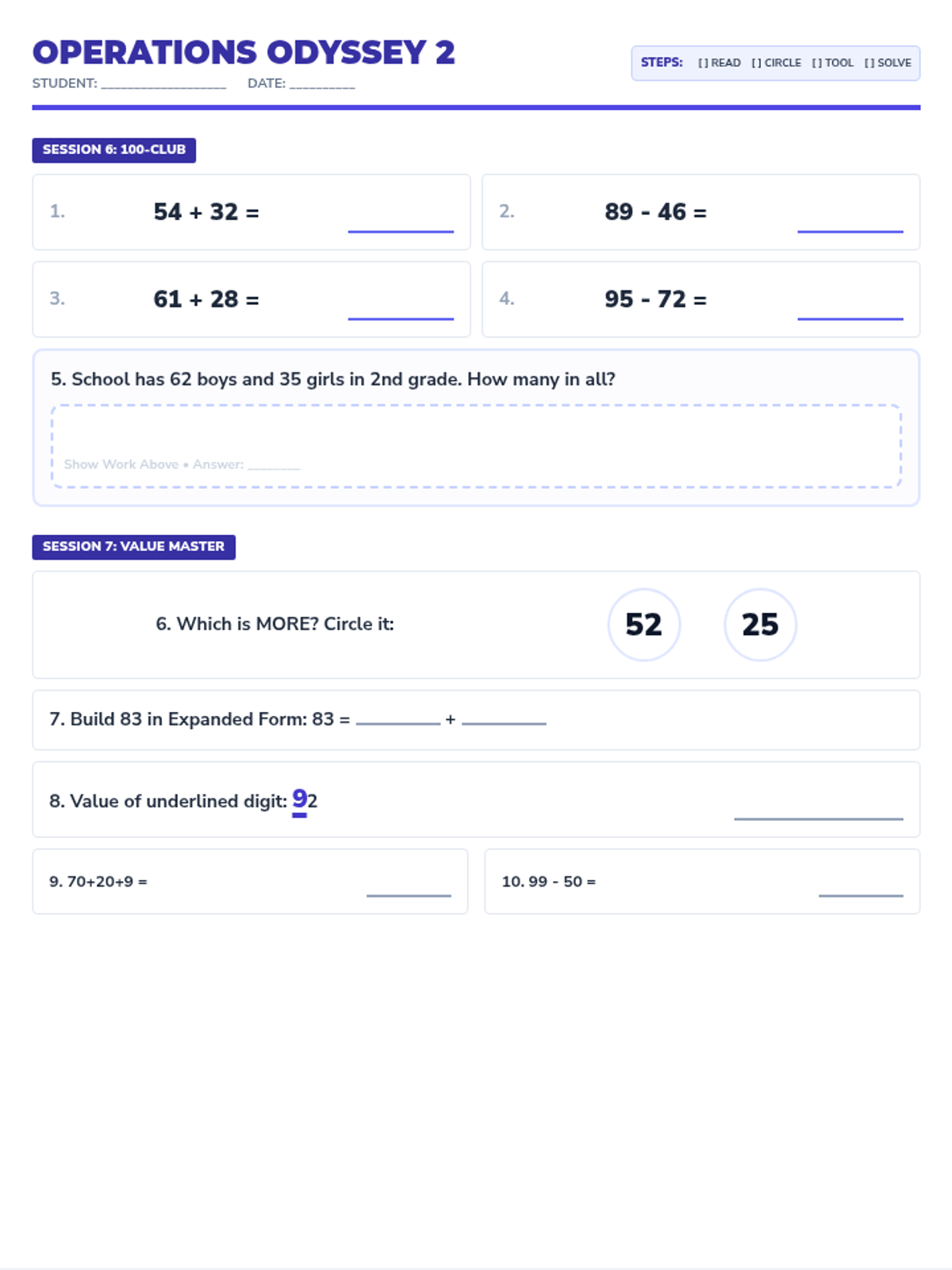
A comprehensive tracking system for monitoring student progress in basic arithmetic and place value concepts, designed for bi-weekly service delivery.
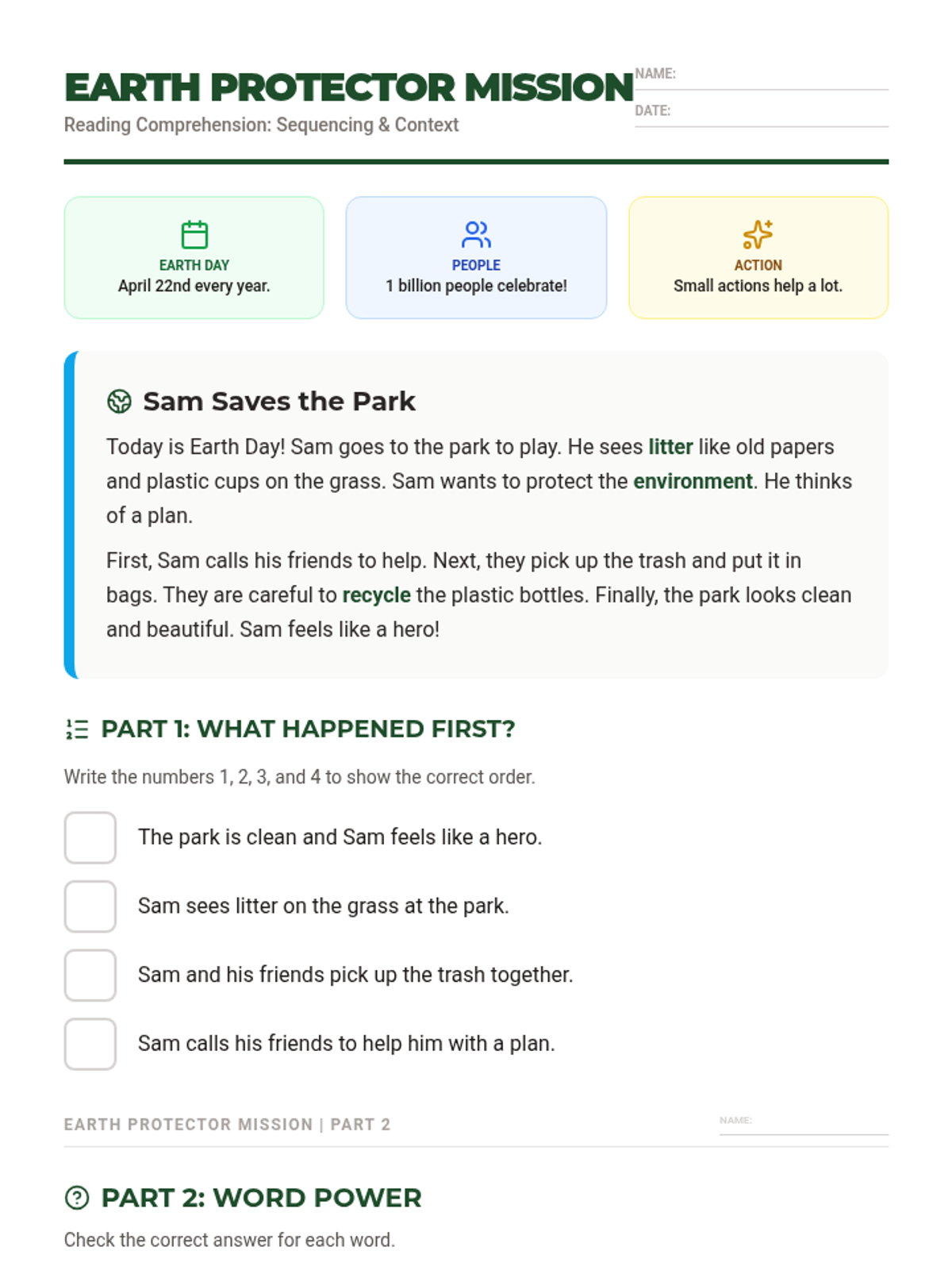
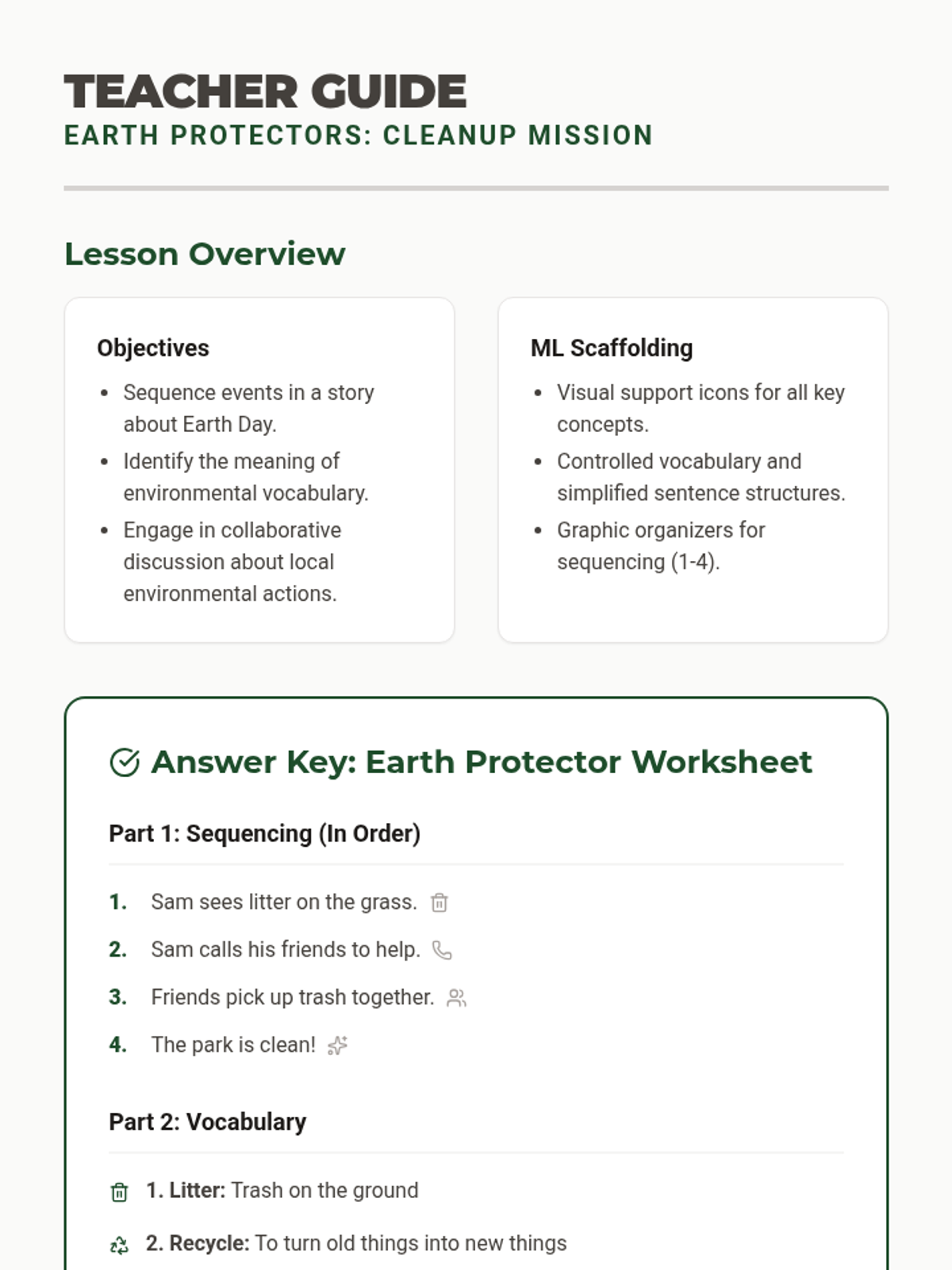
A lesson designed for emerging Multilingual Learners to practice vocabulary in context and sequencing through an engaging story about Earth Day and a park cleanup. Students will learn facts about the environment while building narrative comprehension skills.
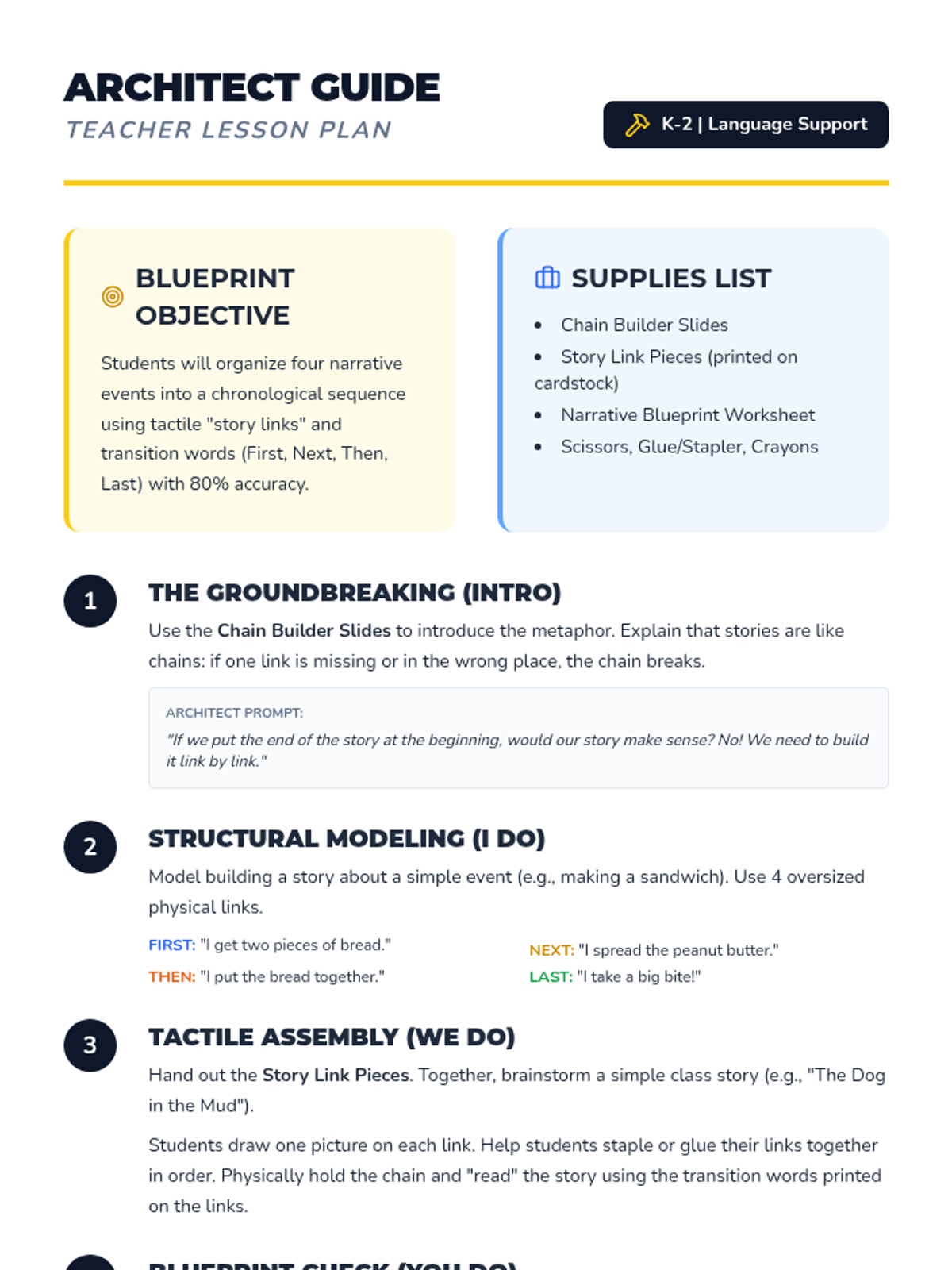
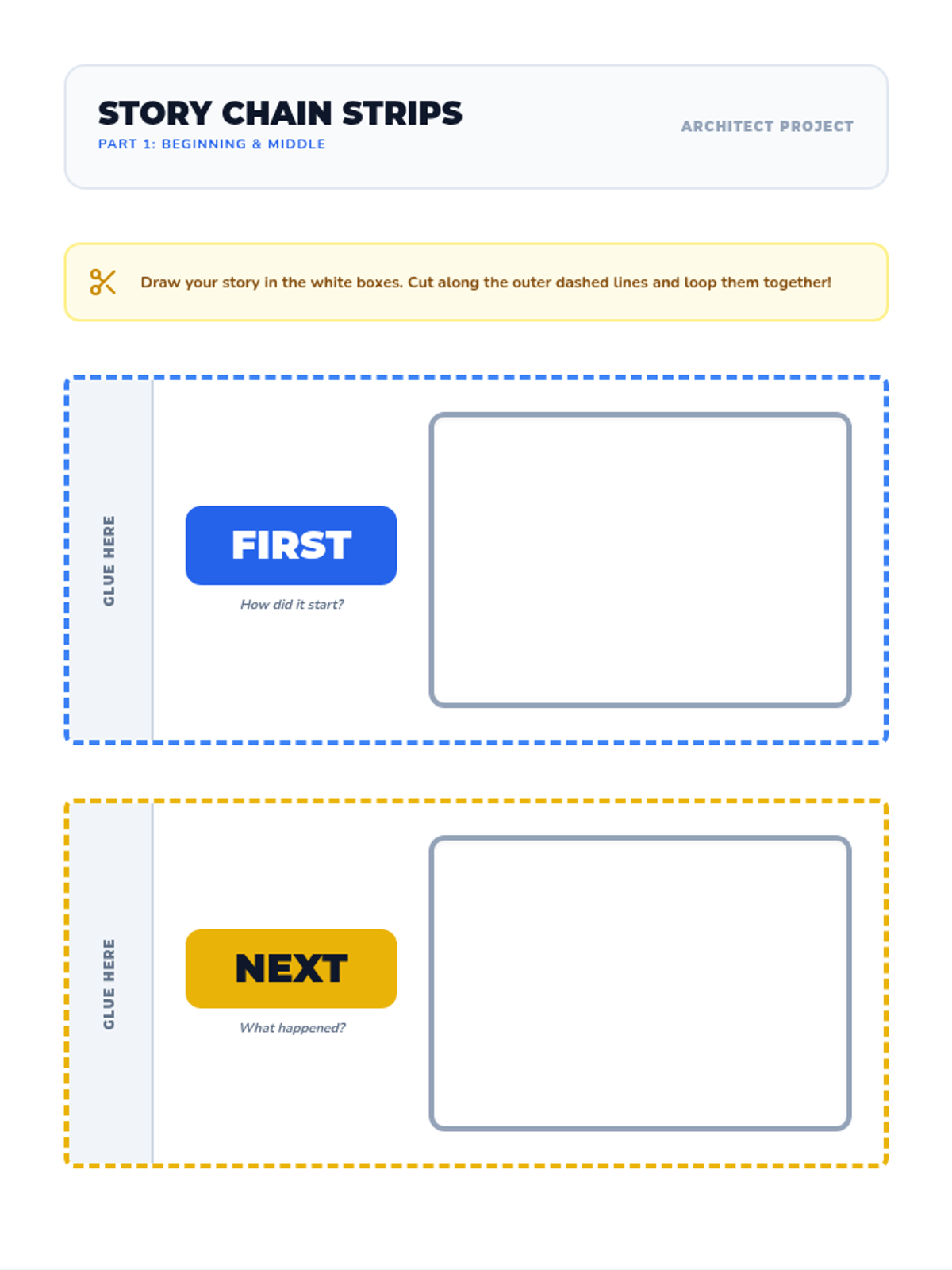
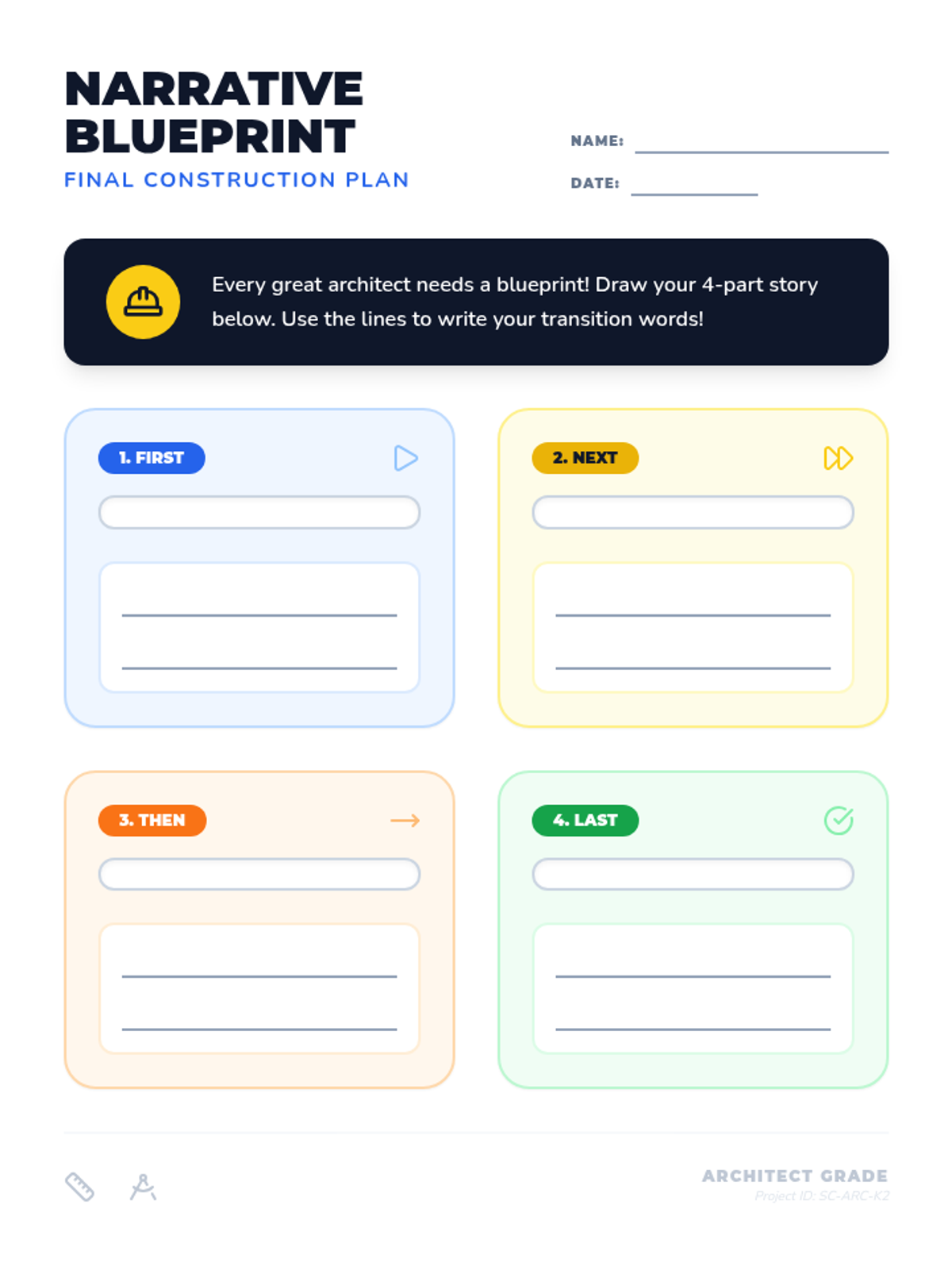
A tactile narrative structure lesson for K-2 students with language delays, using physical 'links' to build story sequences and master transitions.
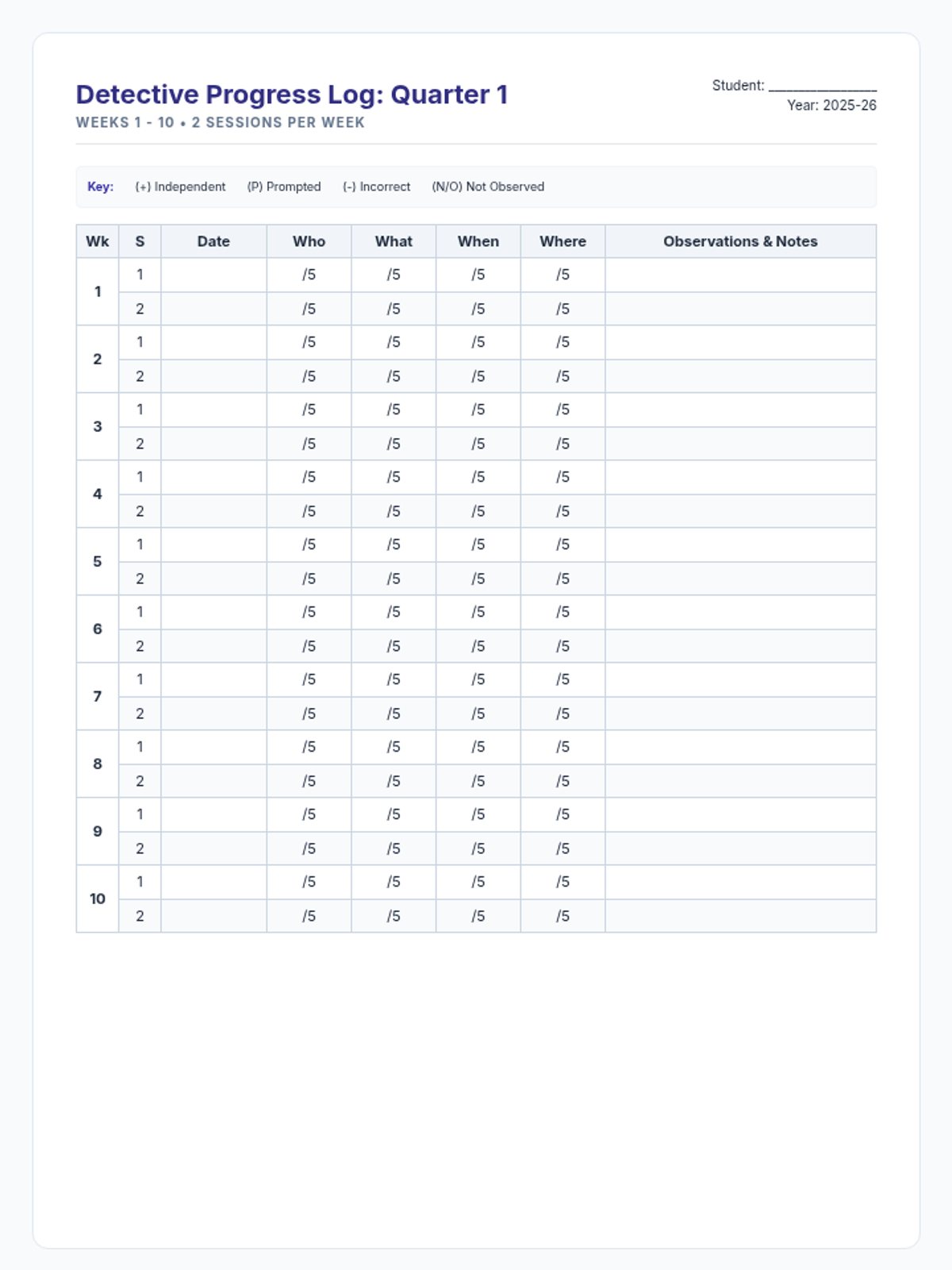
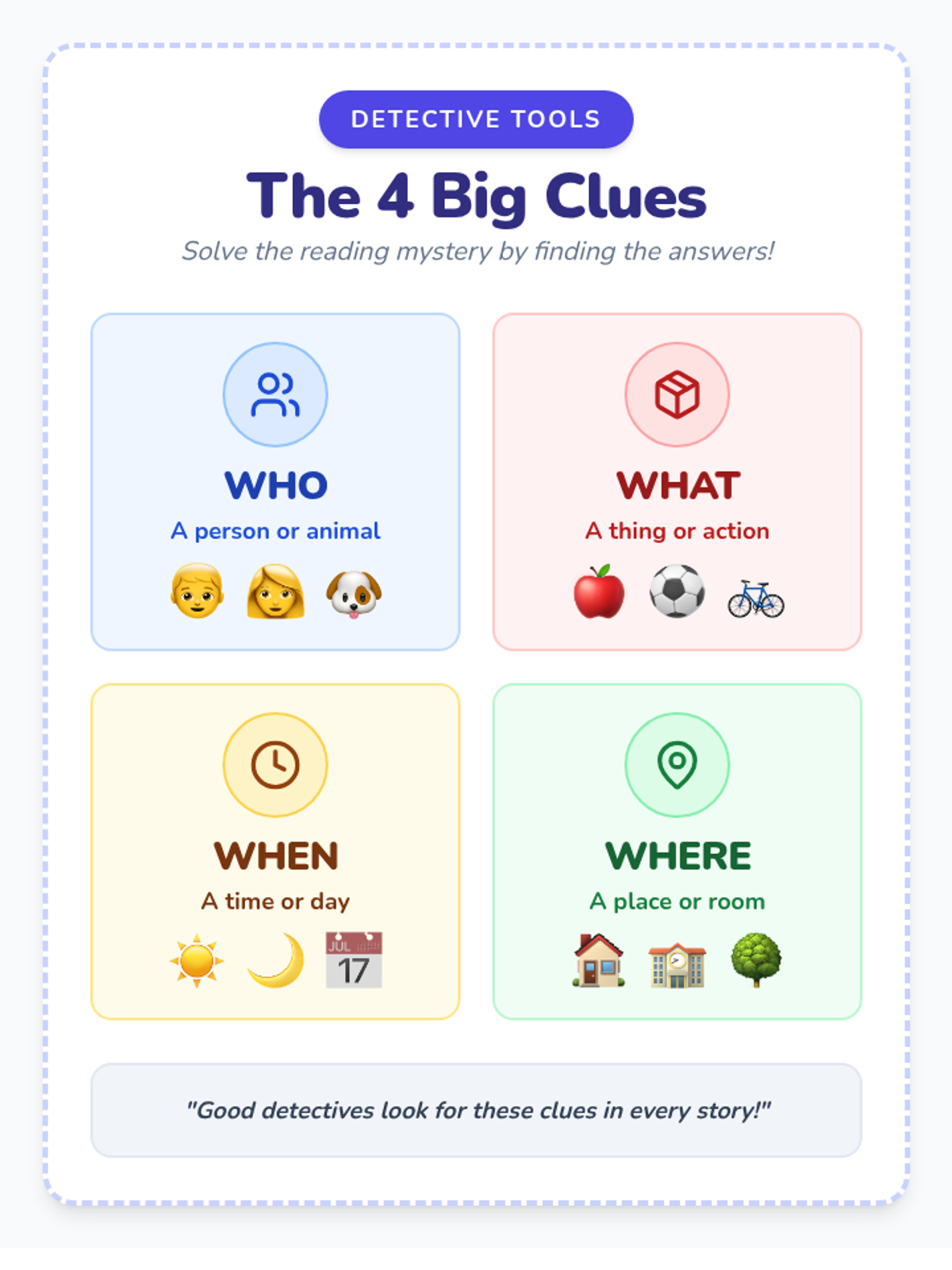
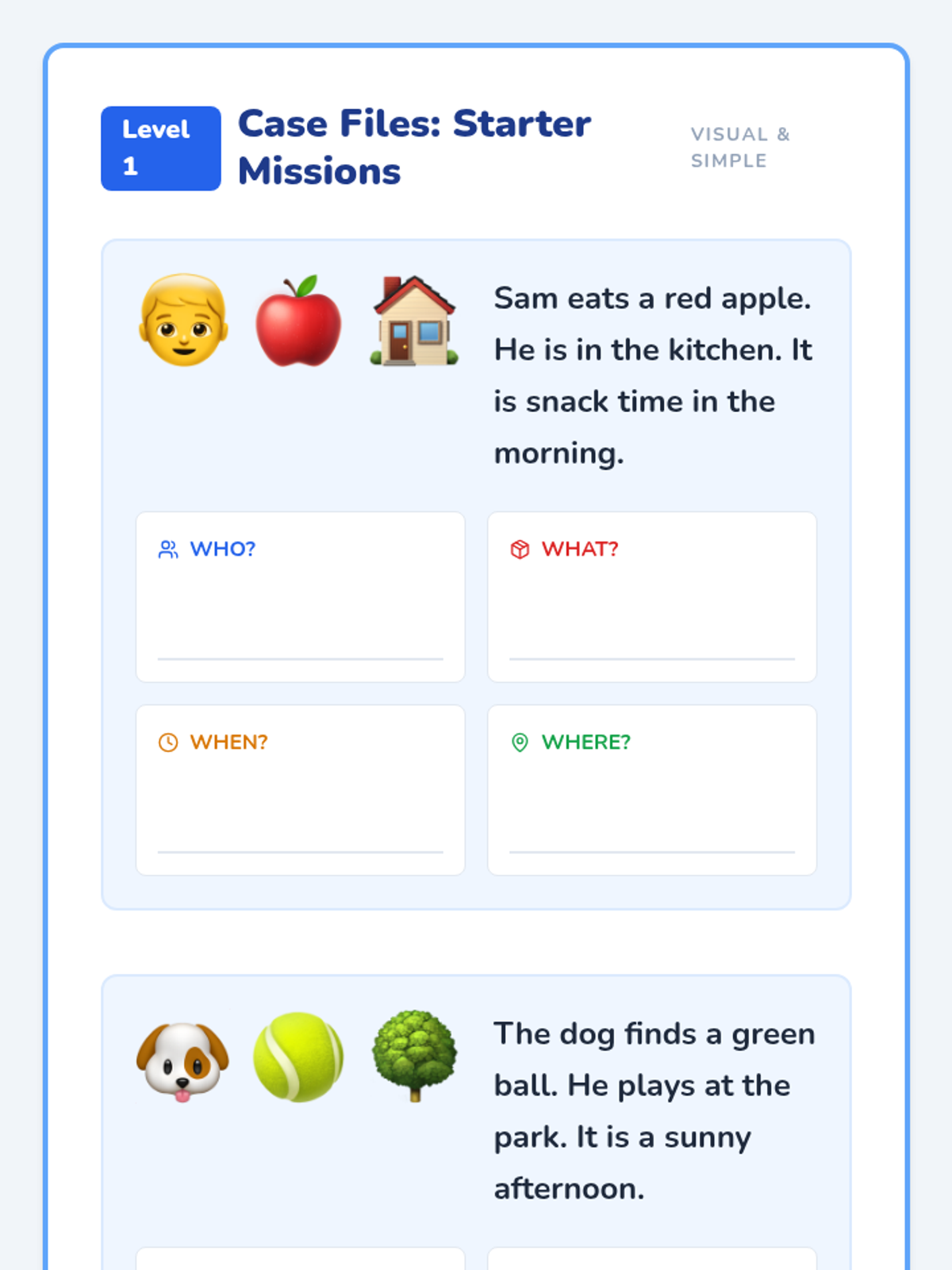
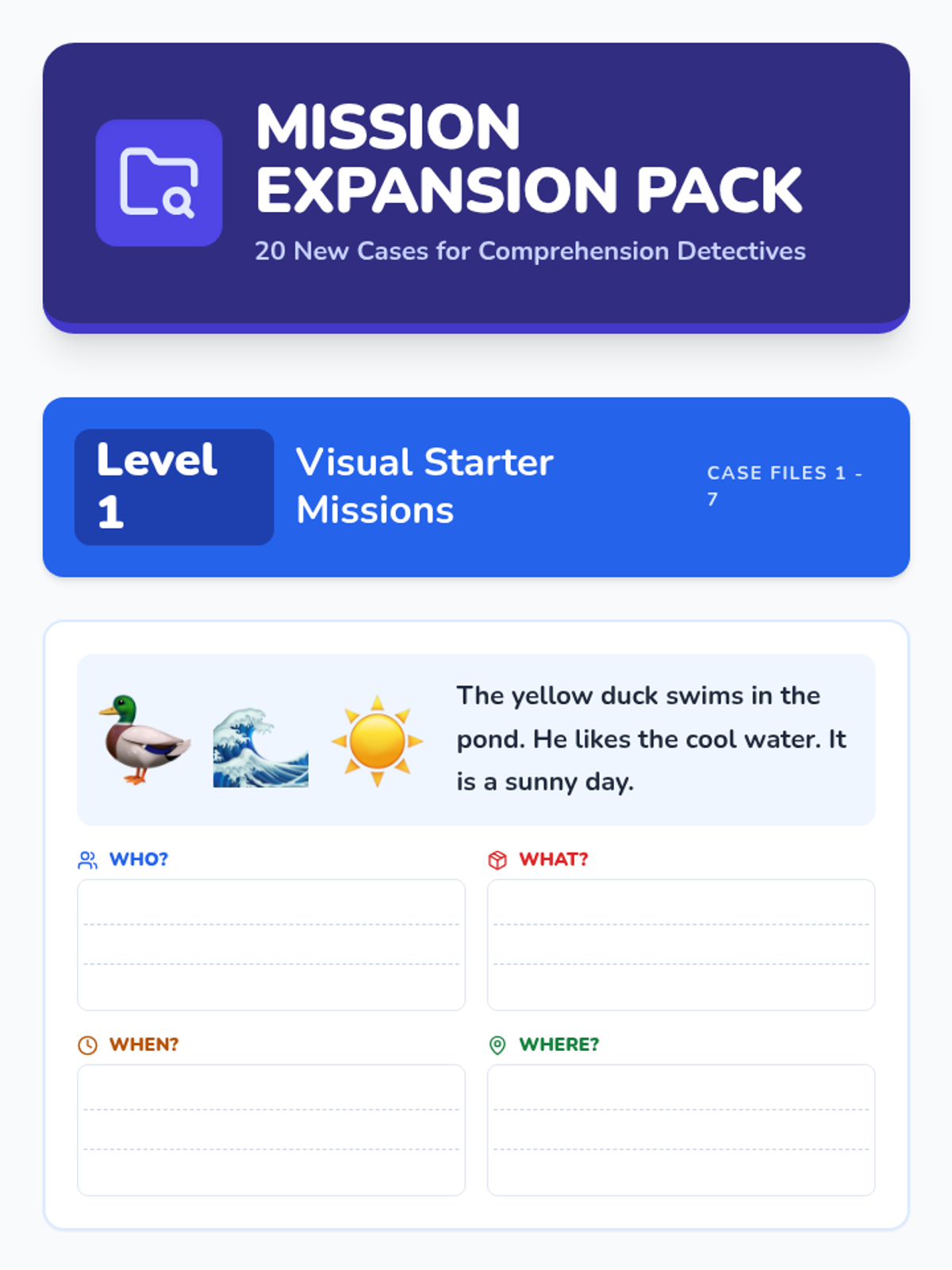
A comprehensive set of materials designed for Level 2 autistic students to build reading comprehension through visual supports and structured progress monitoring. The lesson focuses on identifying 'Who, What, When, and Where' through tiered passages that grow in complexity.
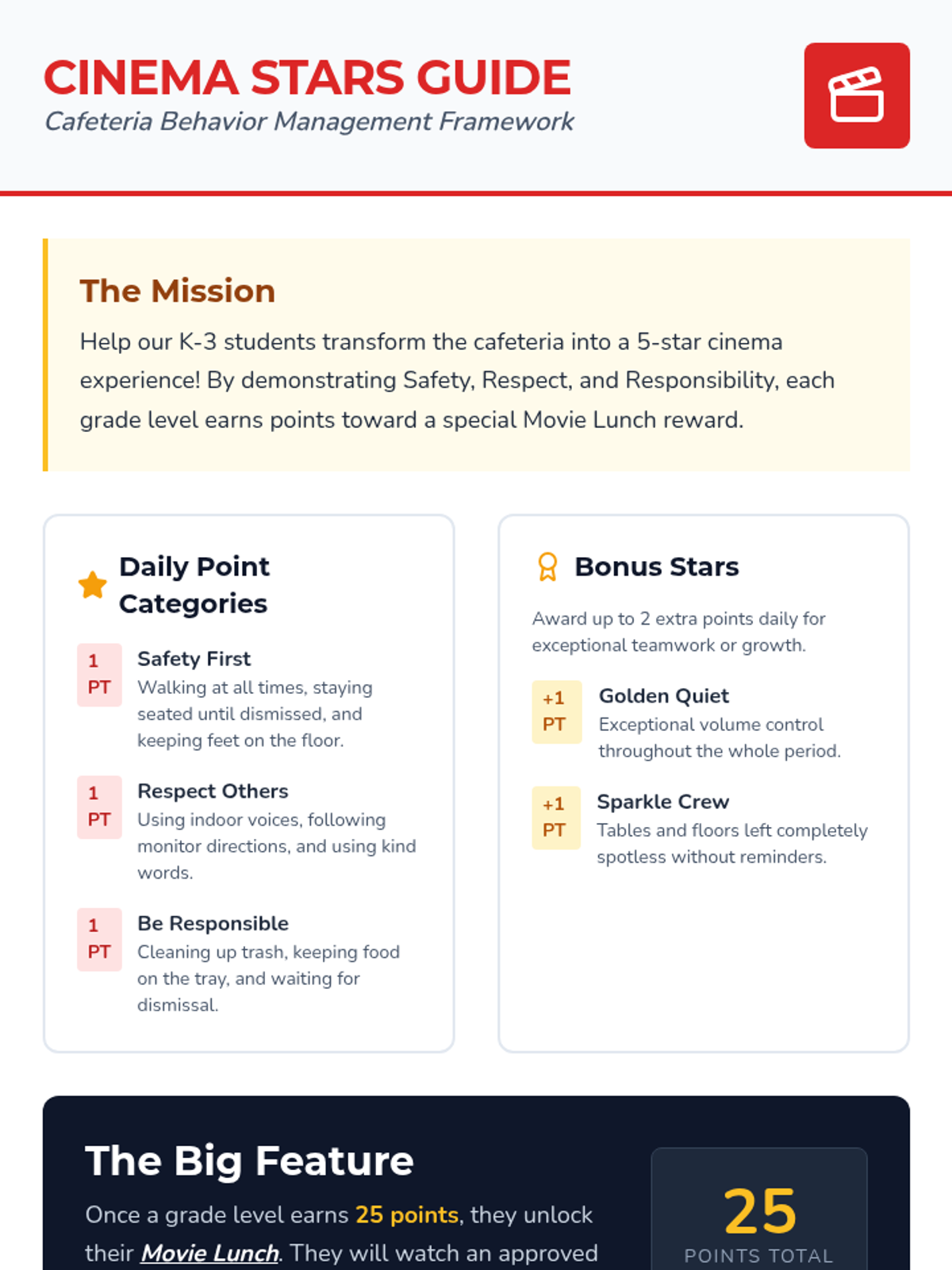
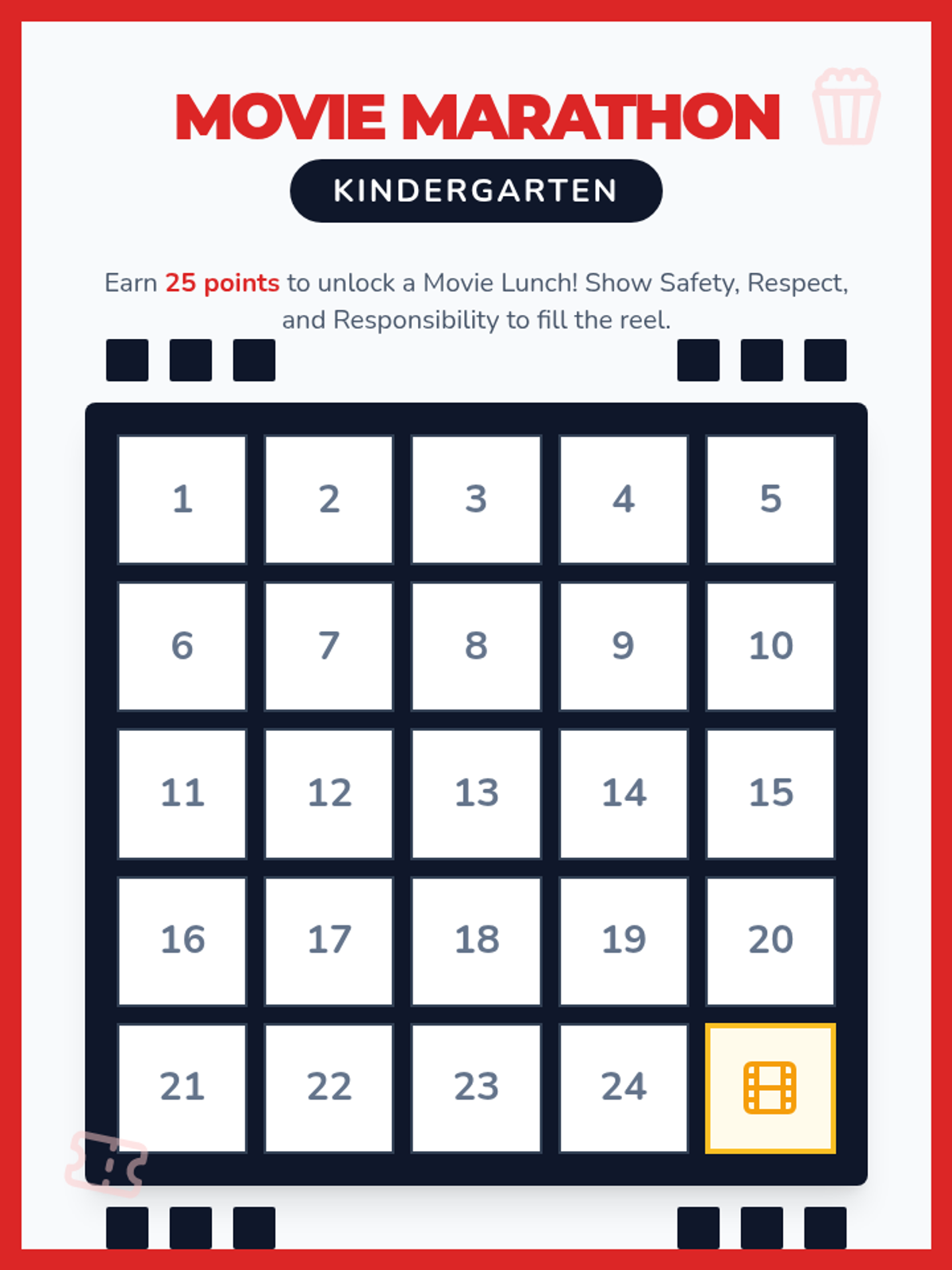
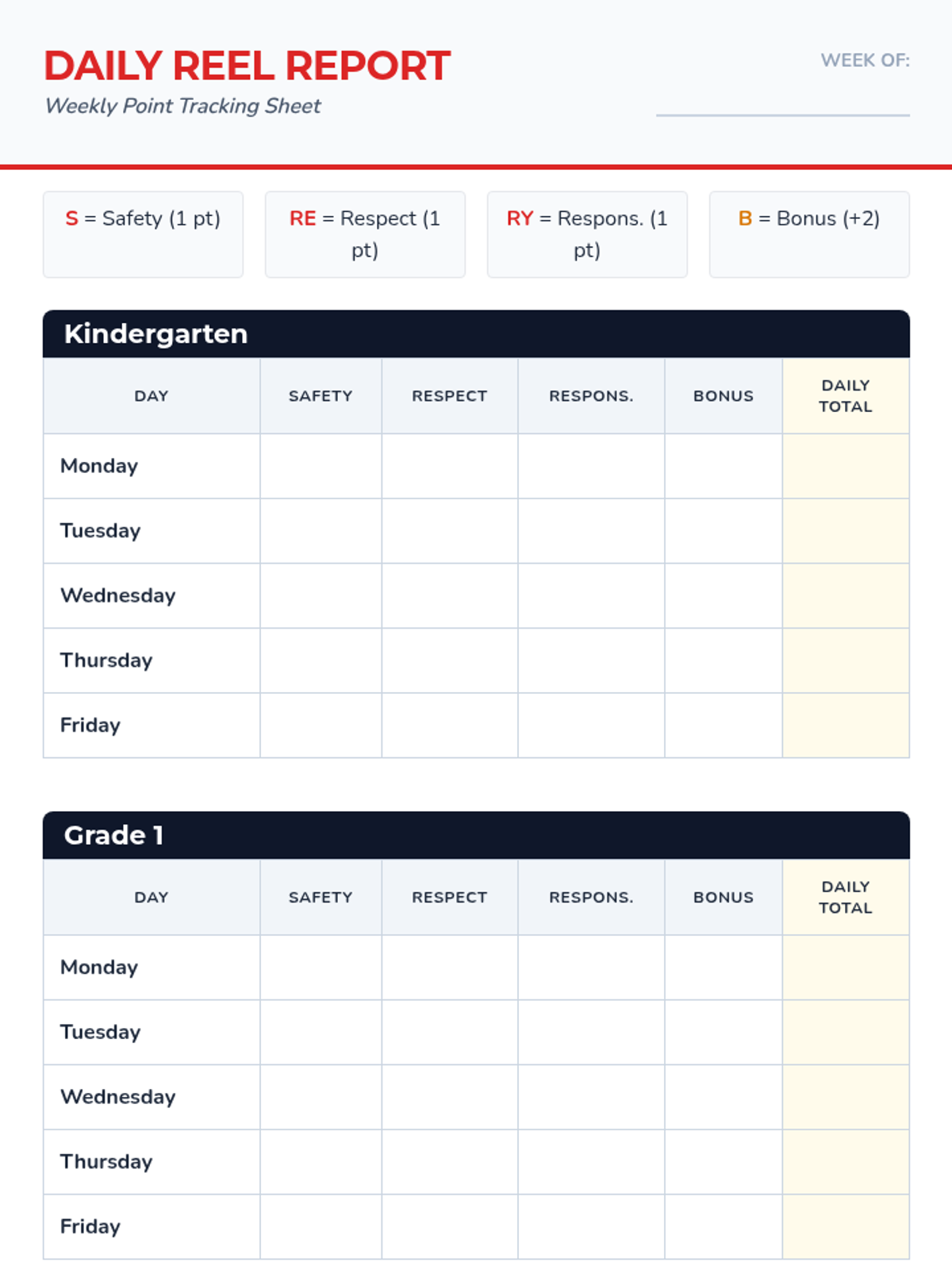
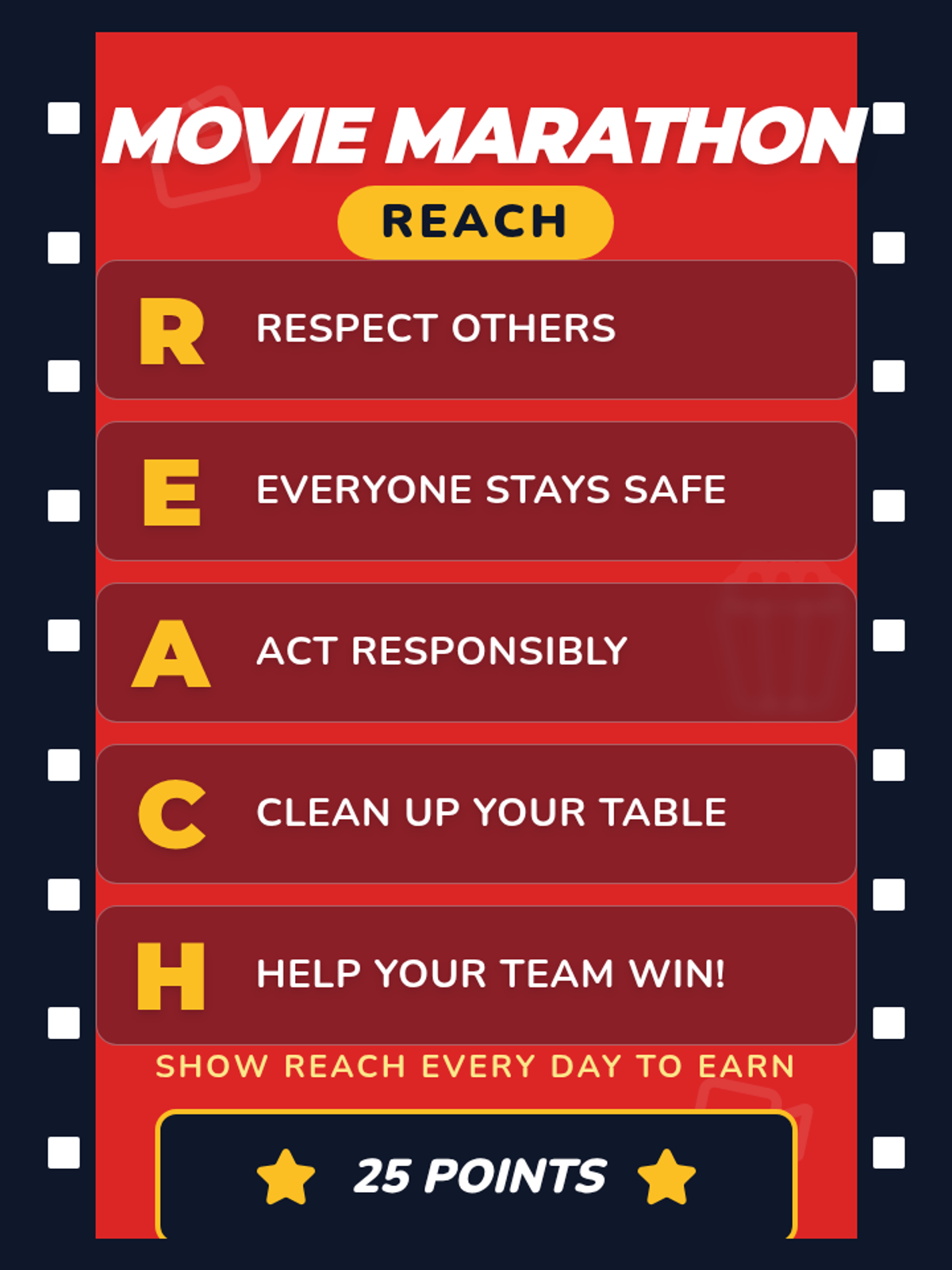
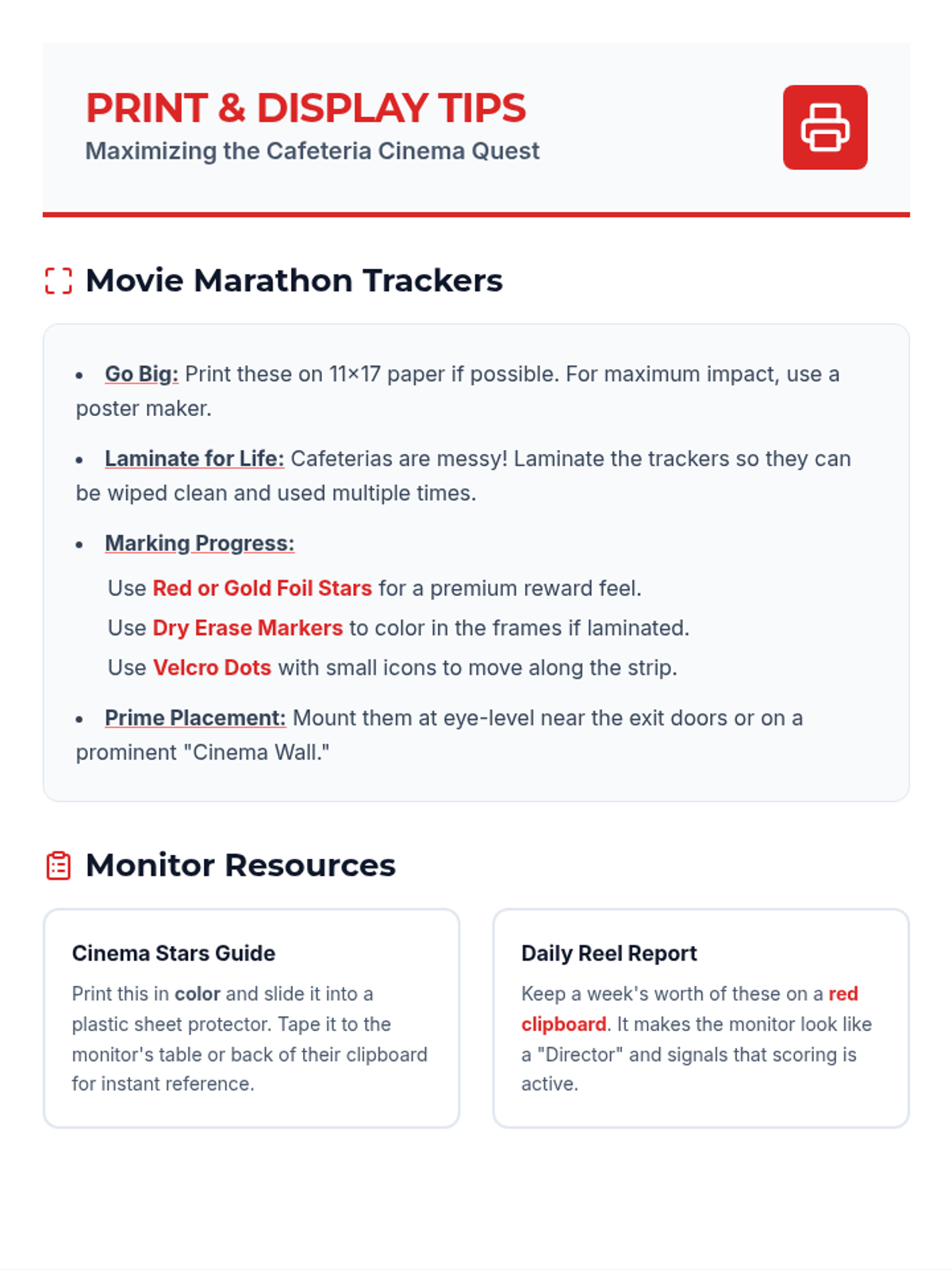
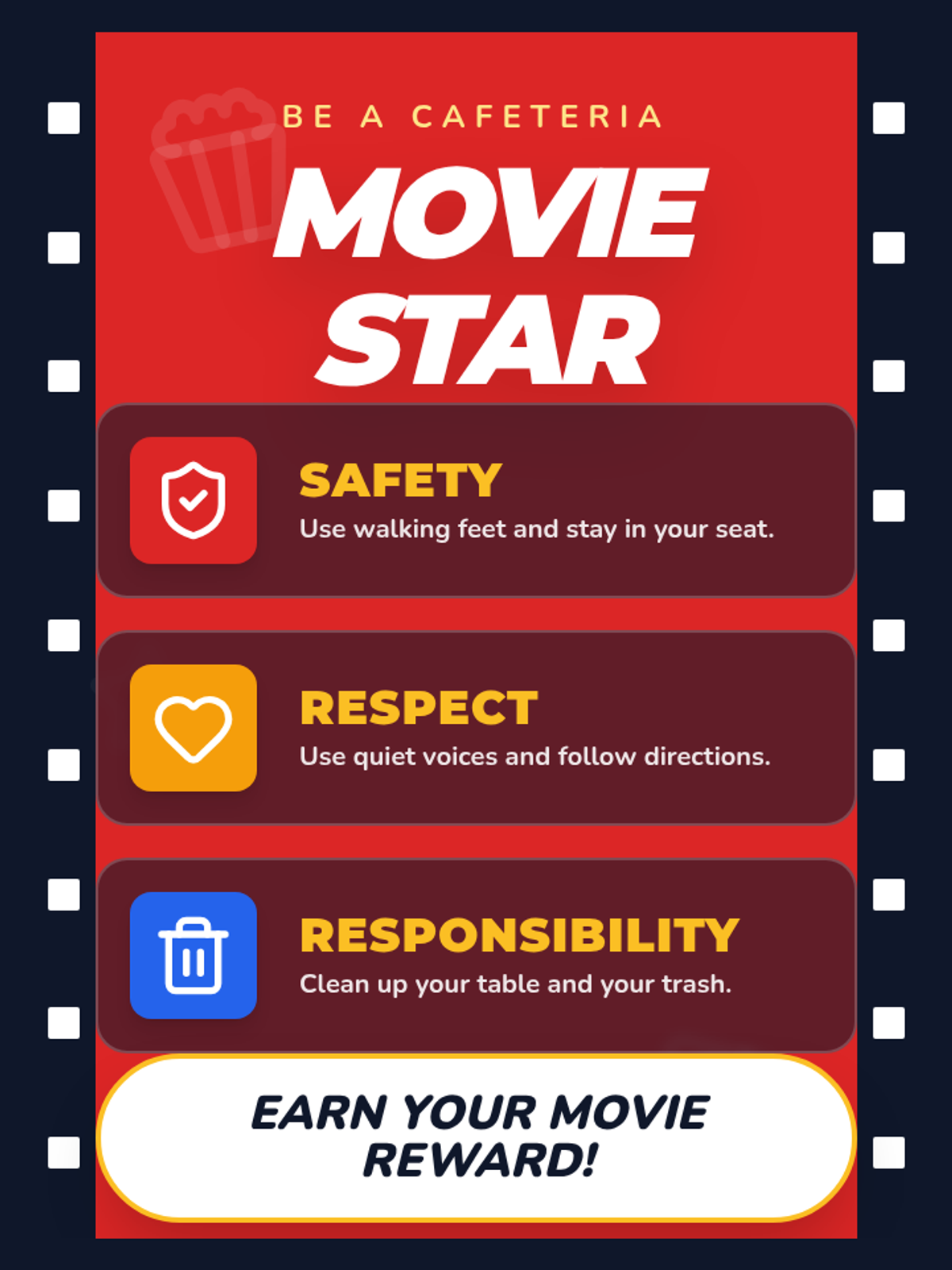
A management system designed for K-3 students to earn a movie reward through positive cafeteria behavior. Includes progress tracking, monitor tools, and introductory slides.
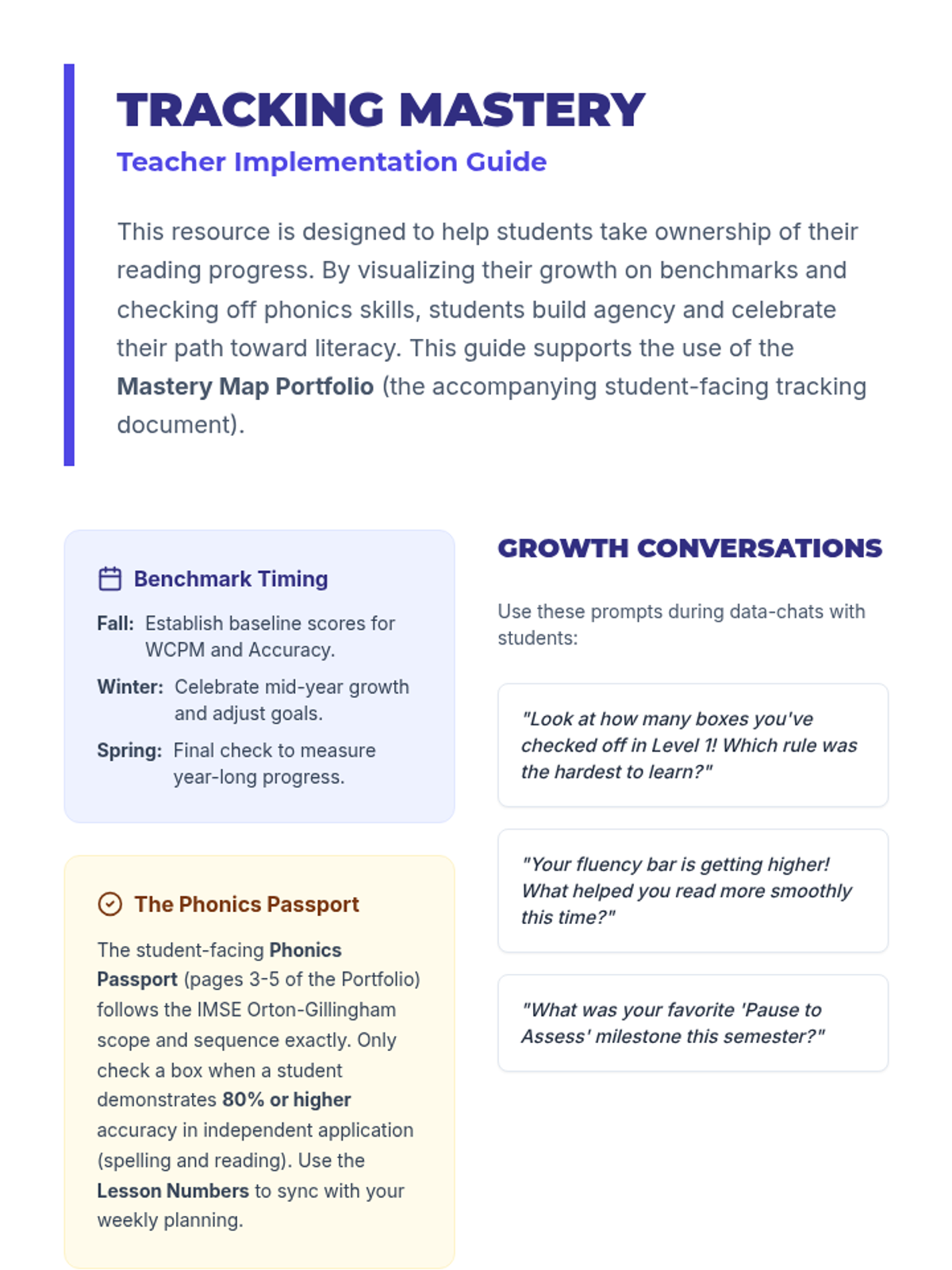
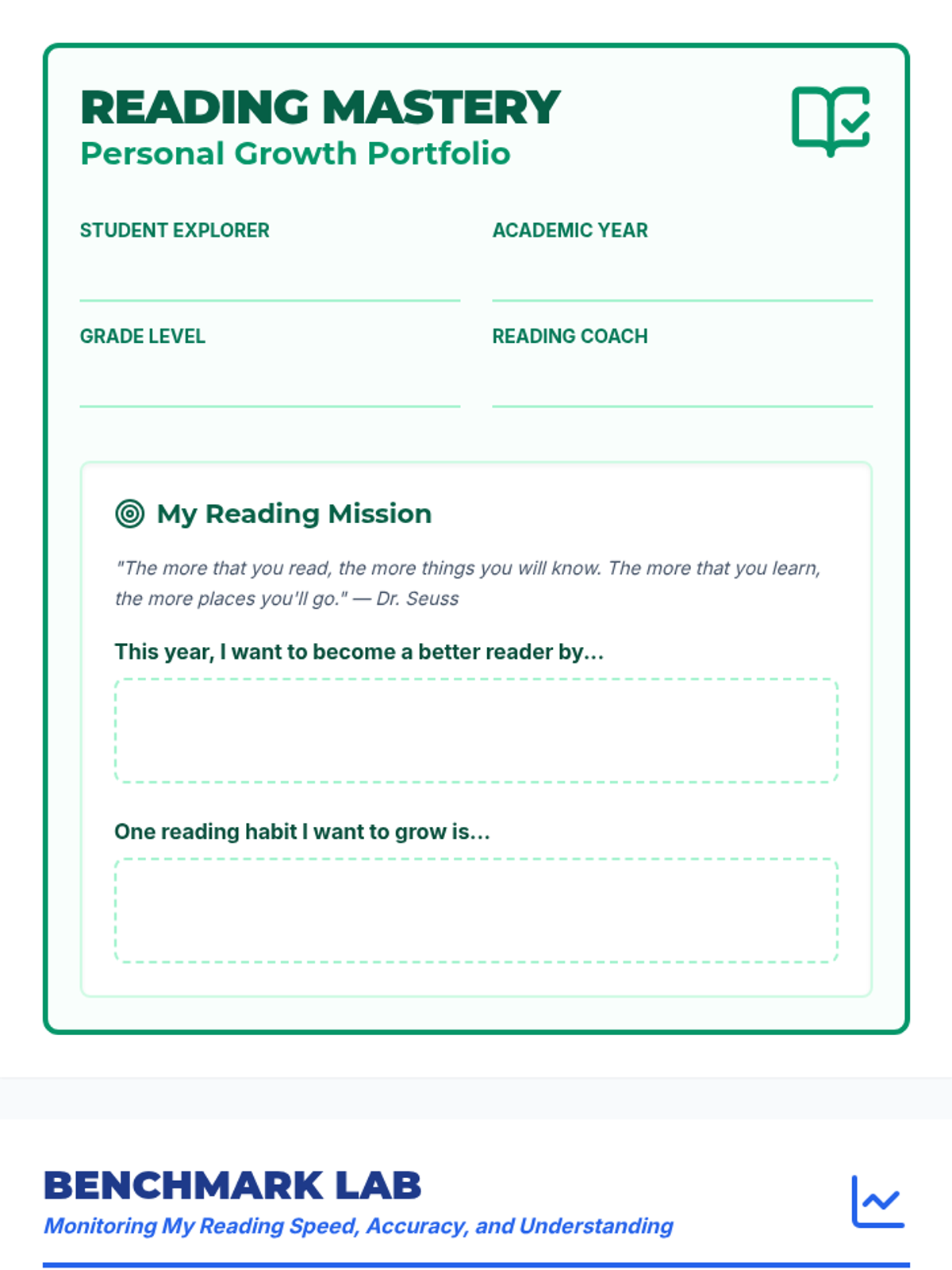
A comprehensive suite of data tracking tools for students to monitor their reading progress, including benchmark assessments and IMSE Orton-Gillingham concept checks from Kindergarten through 5th grade.
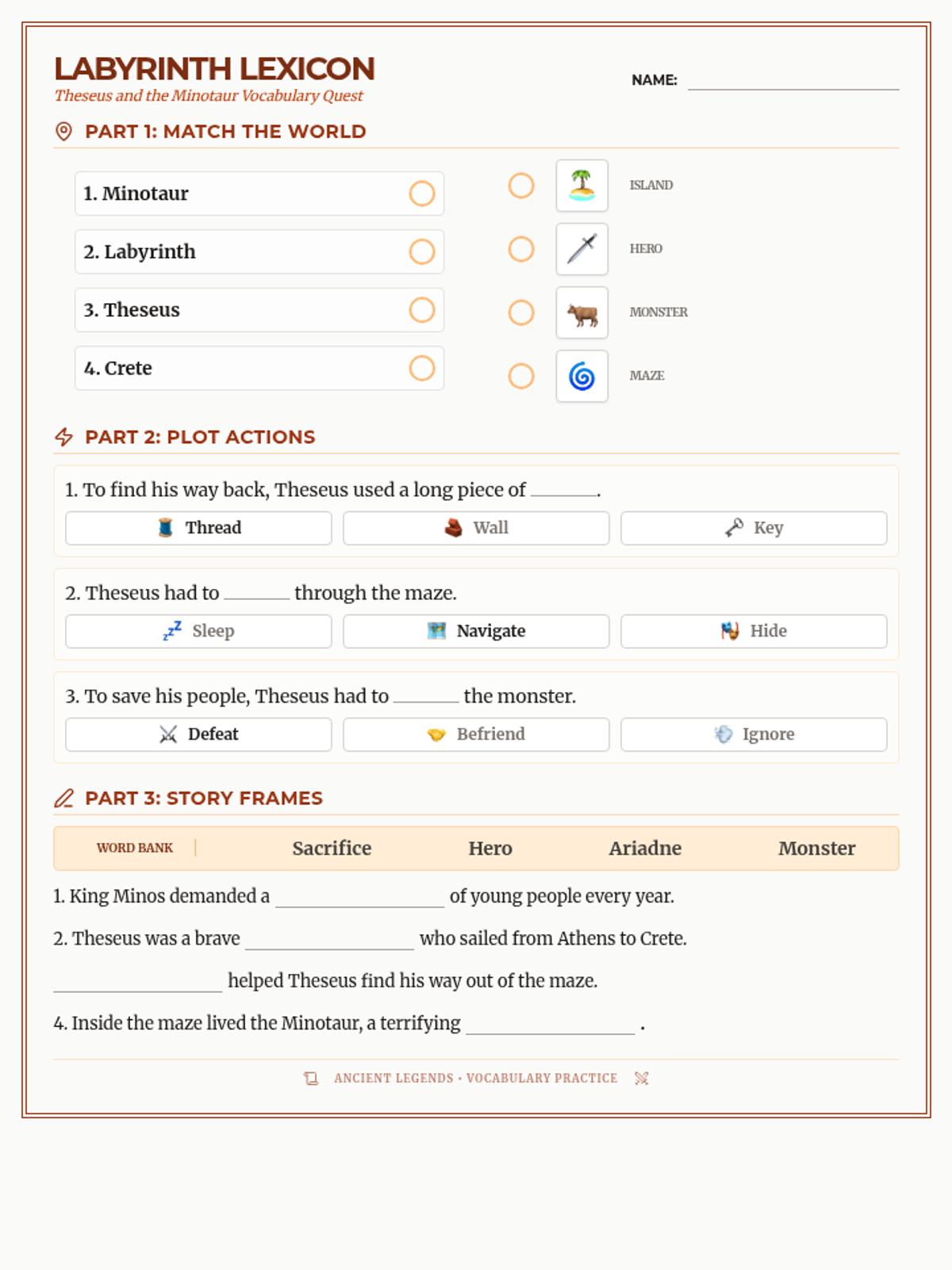
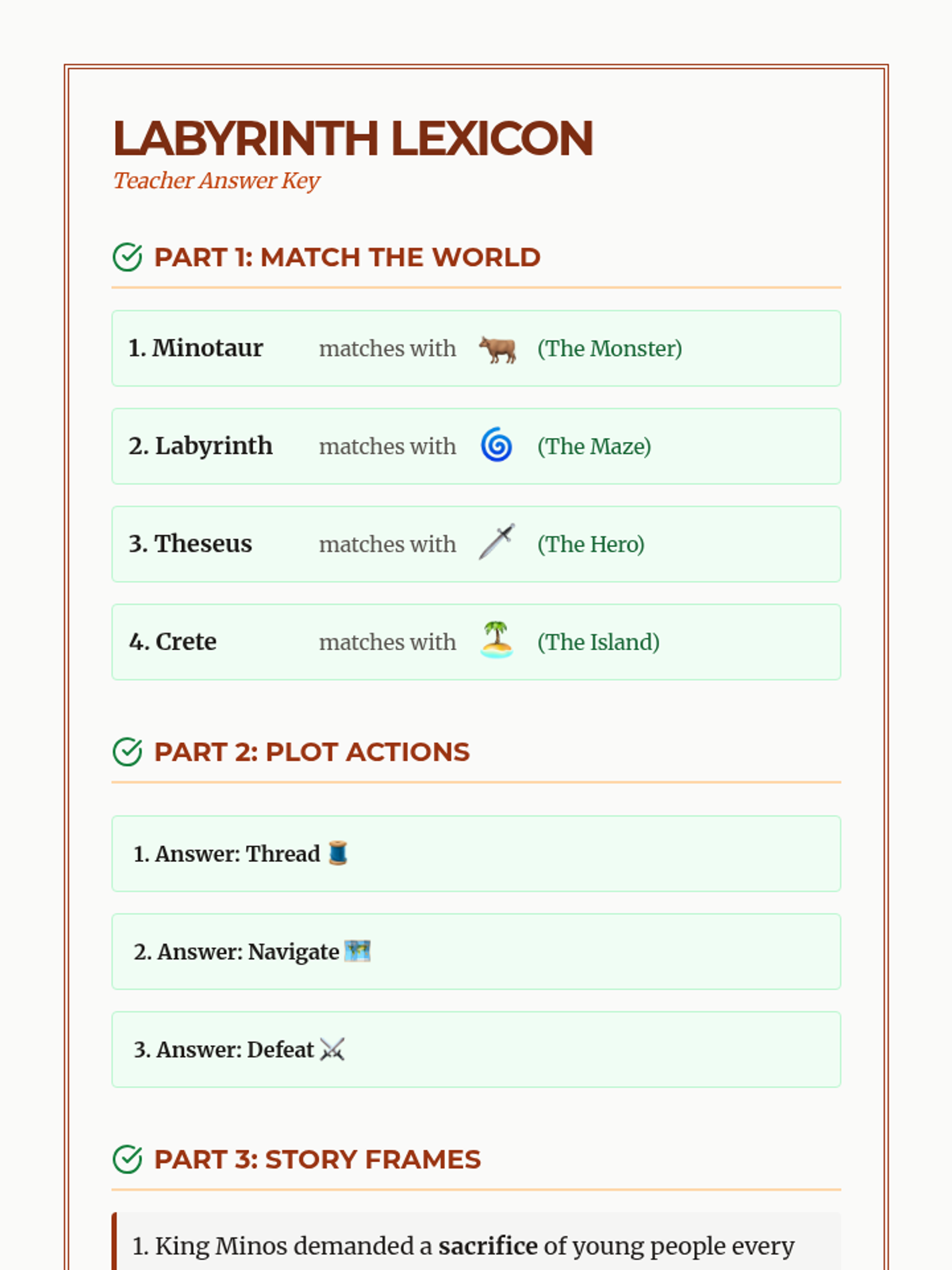
A vocabulary-focused lesson on the myth of Theseus and the Minotaur, designed with visual scaffolds and modified tasks for accessibility.
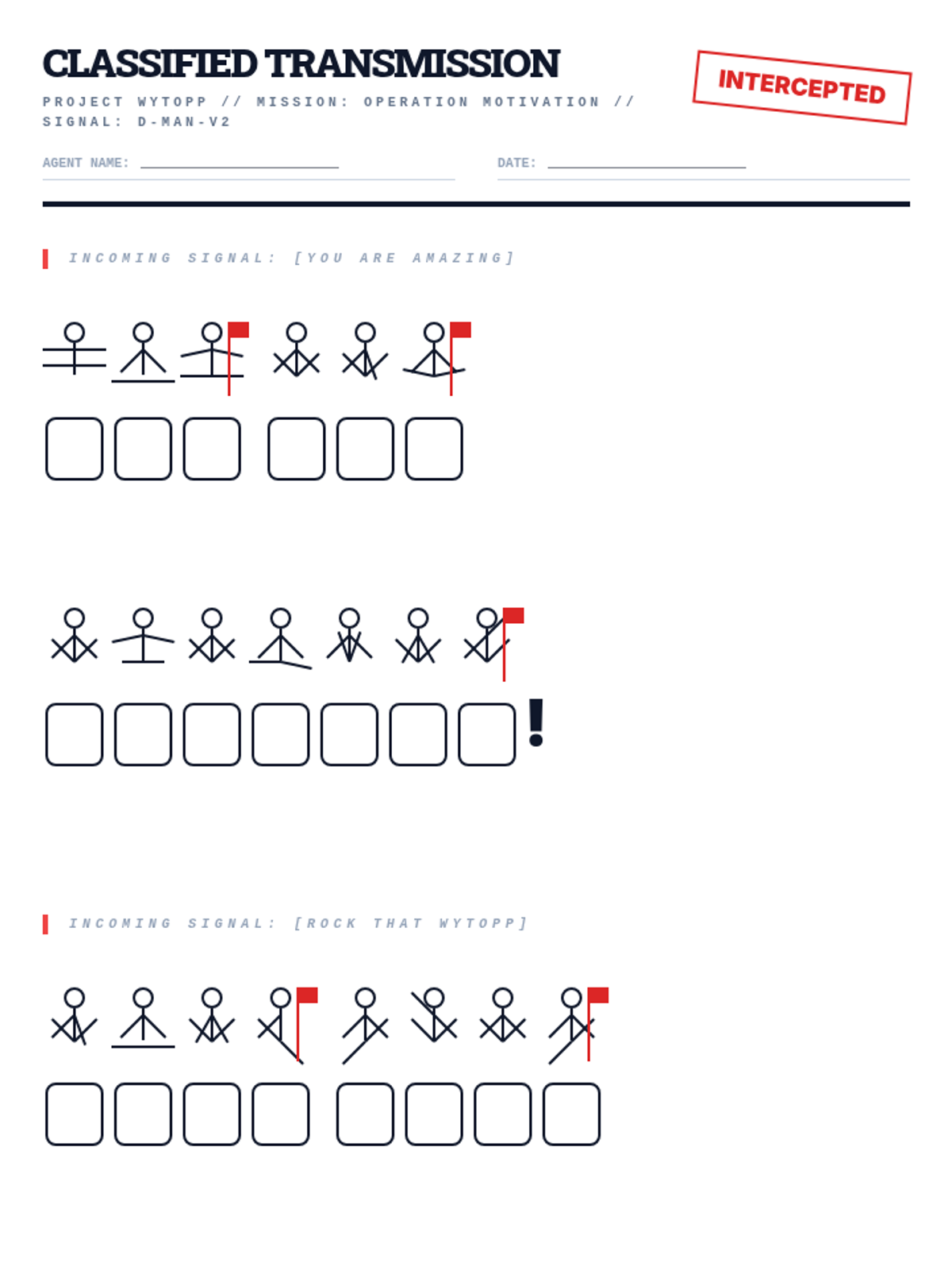
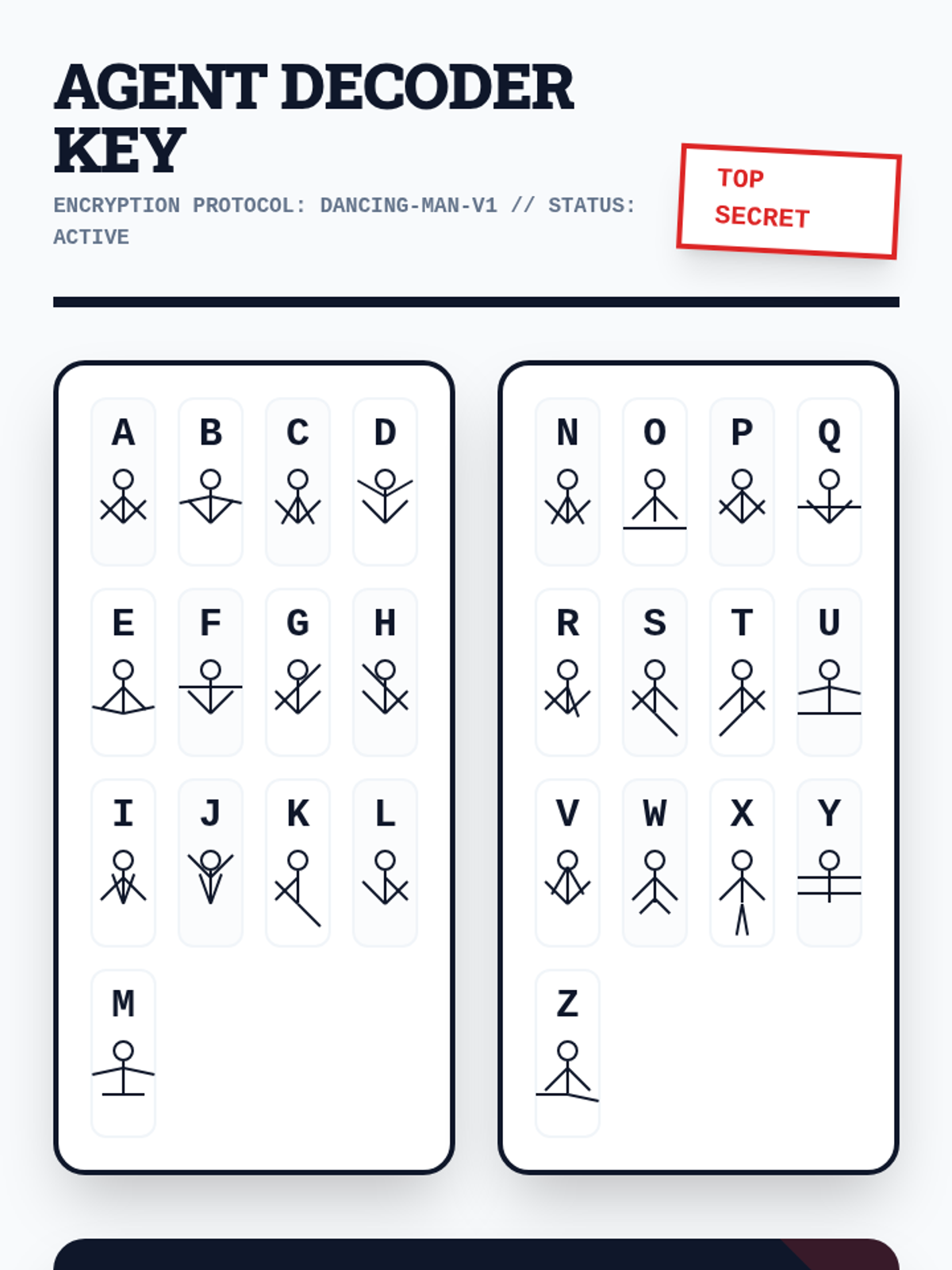
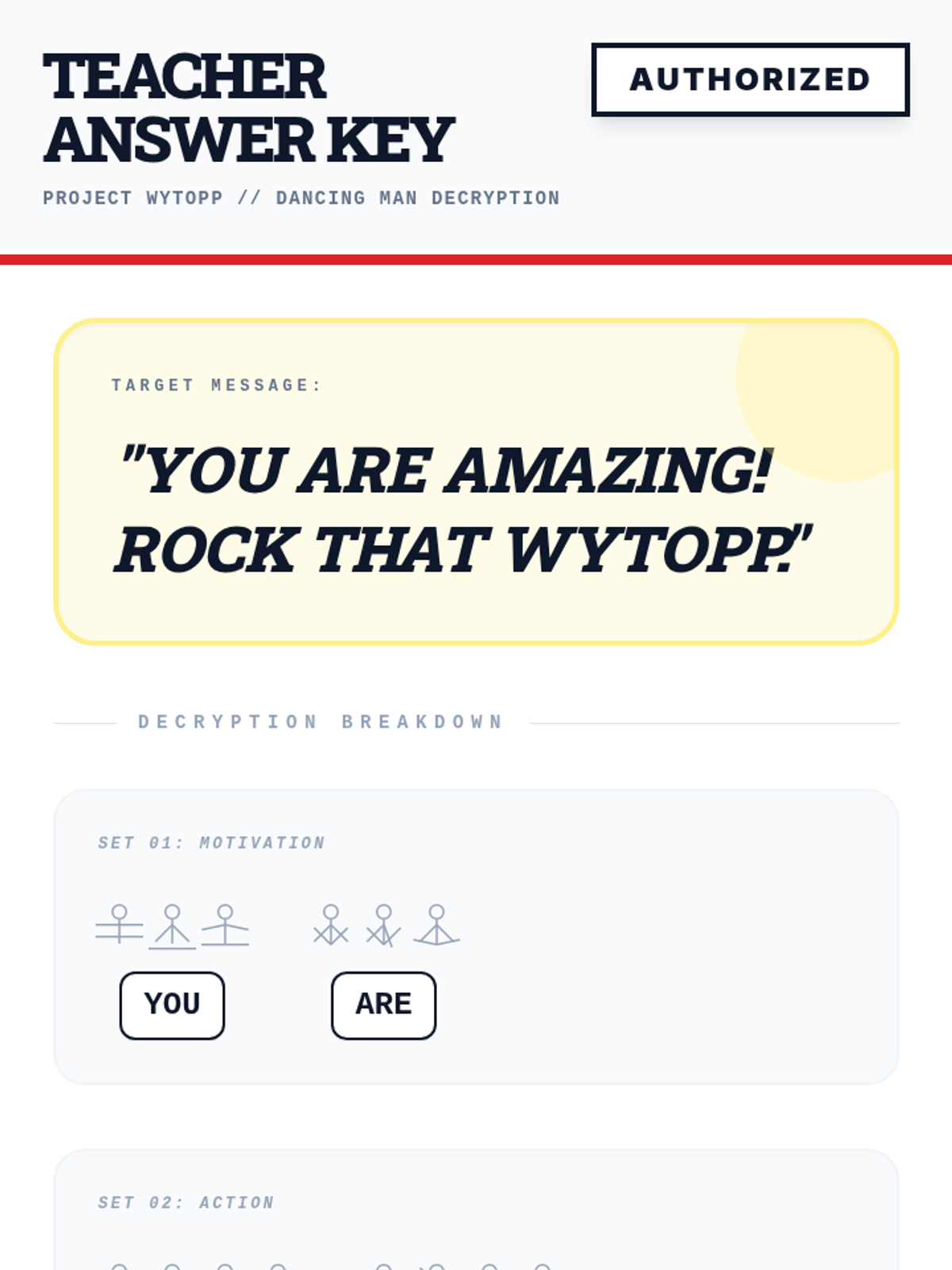
A high-energy lesson on cryptography and the history of the Enigma machine, designed to motivate students before the WYTOPP state assessment. Students learn about substitution ciphers and decode a secret message of encouragement.
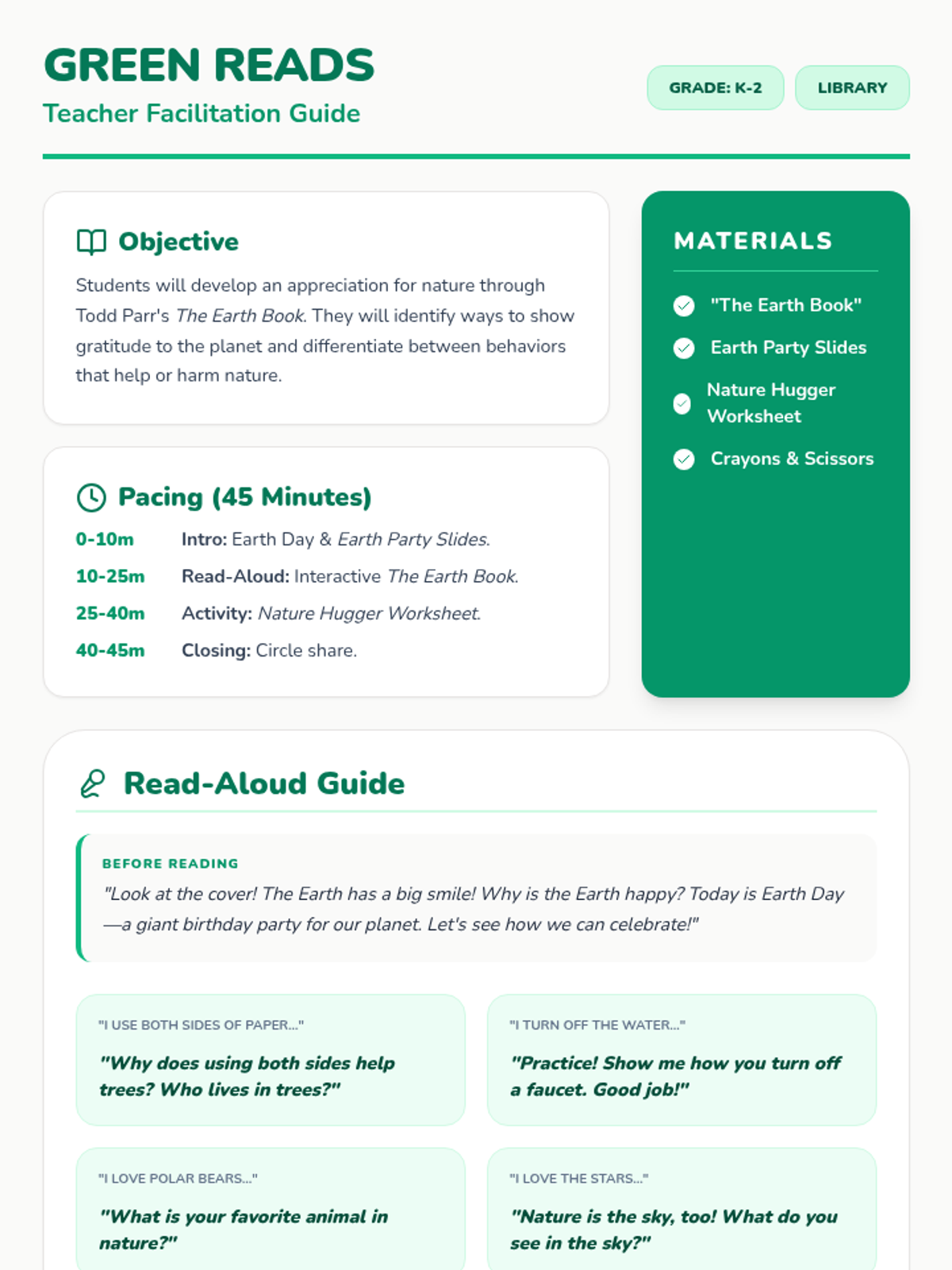
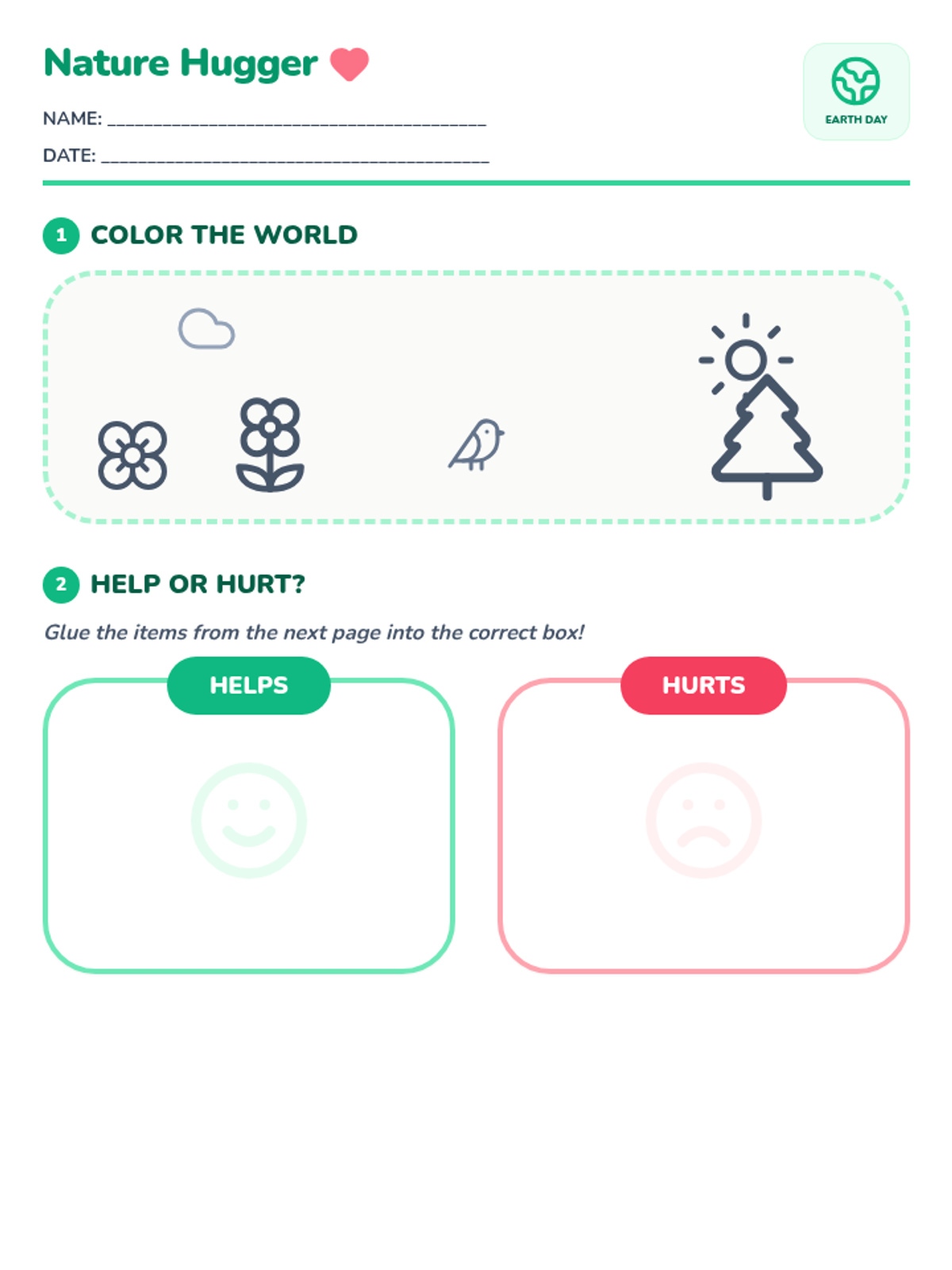
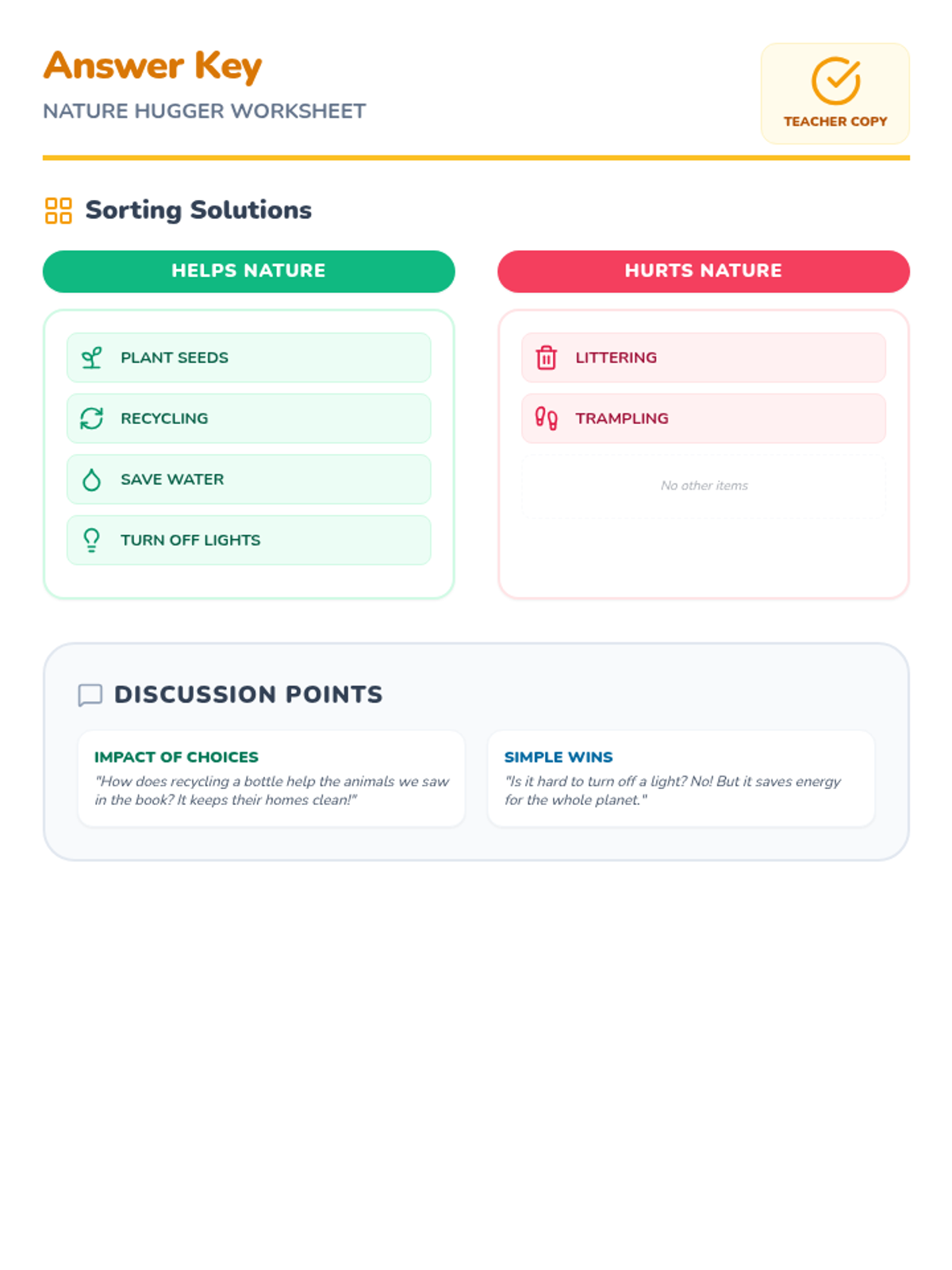
A library-focused lesson for K-2 students that celebrates Earth Day through a nature-themed read-aloud and interactive activities that encourage appreciation and care for the environment.
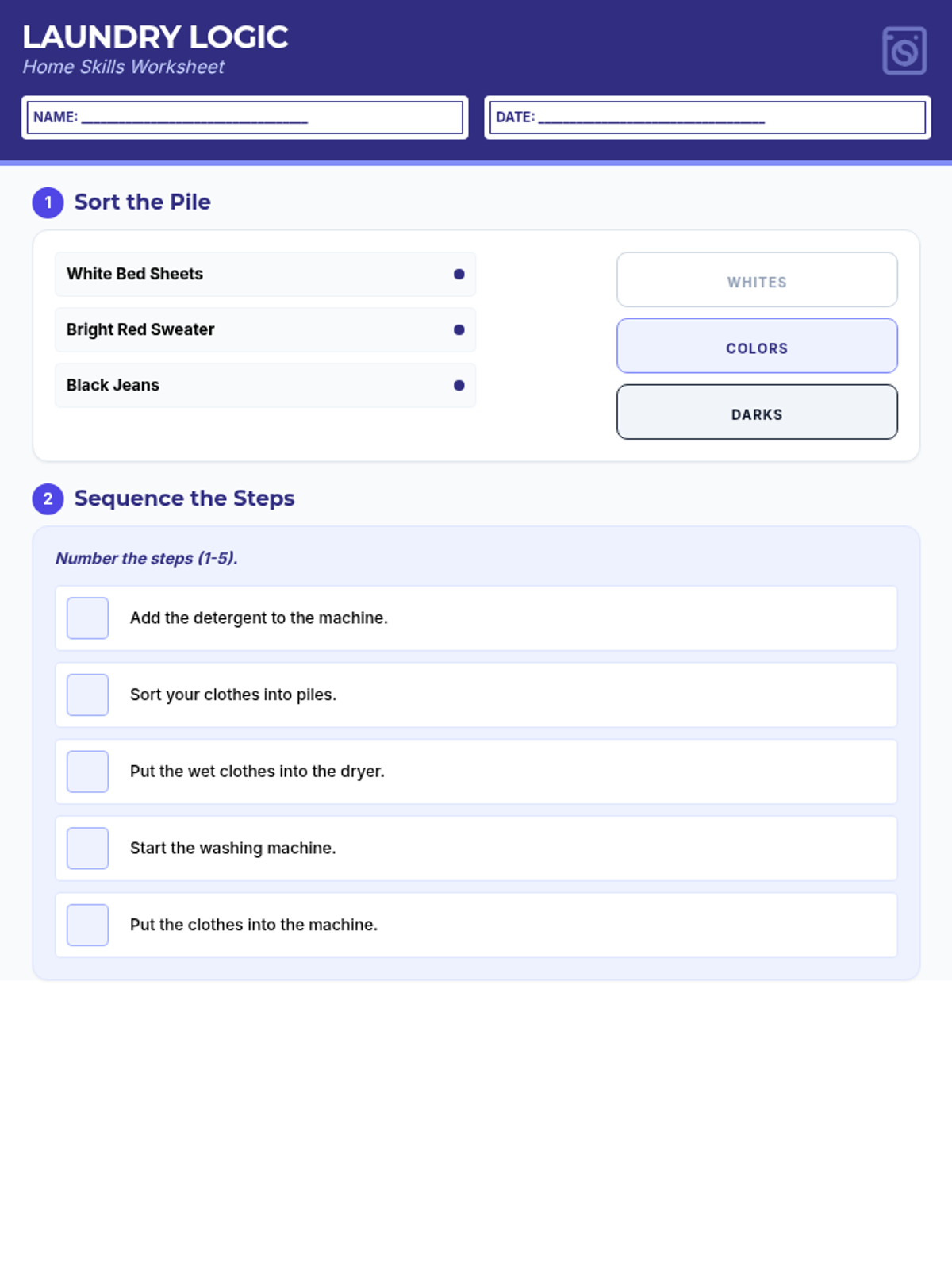
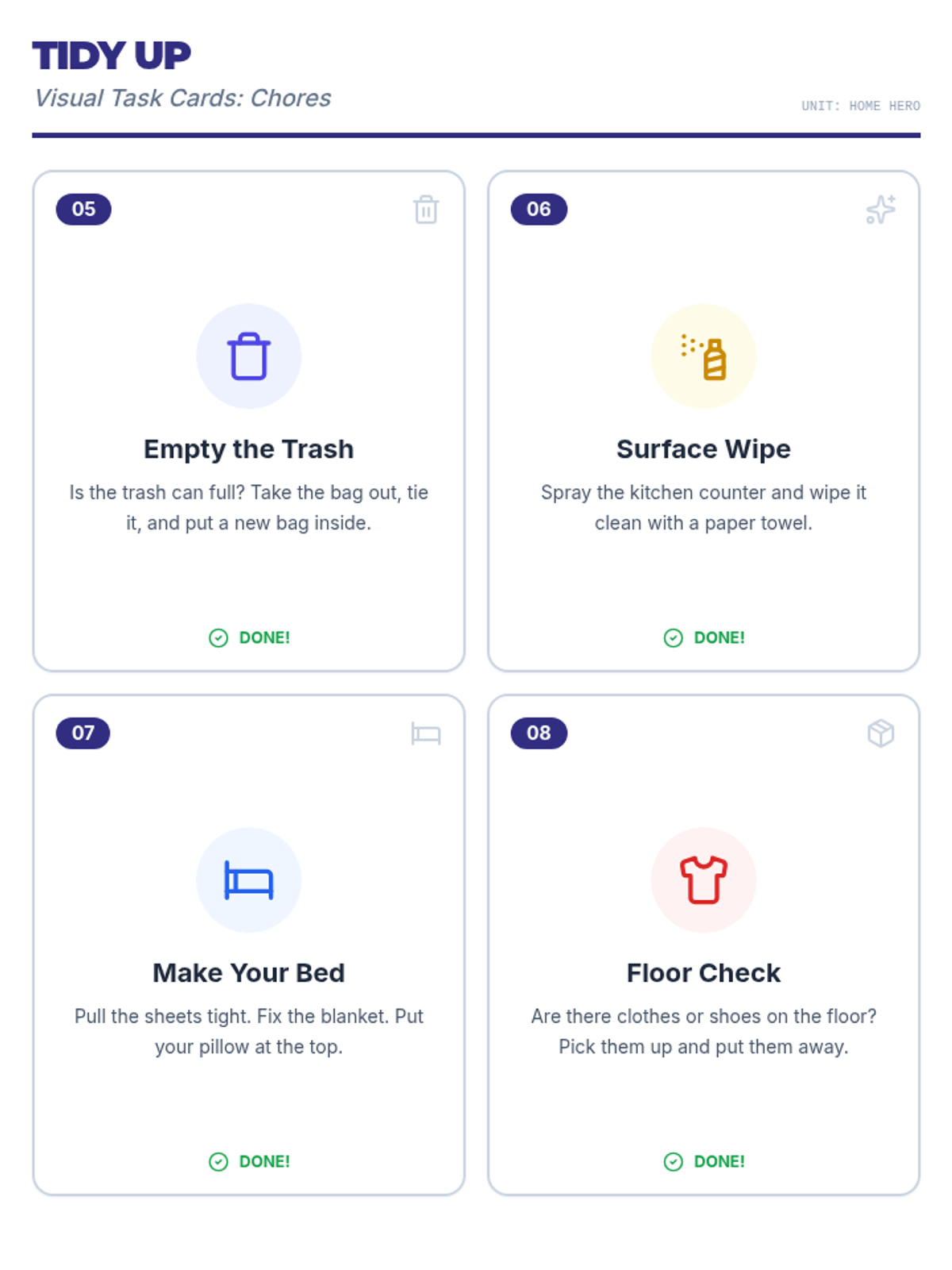
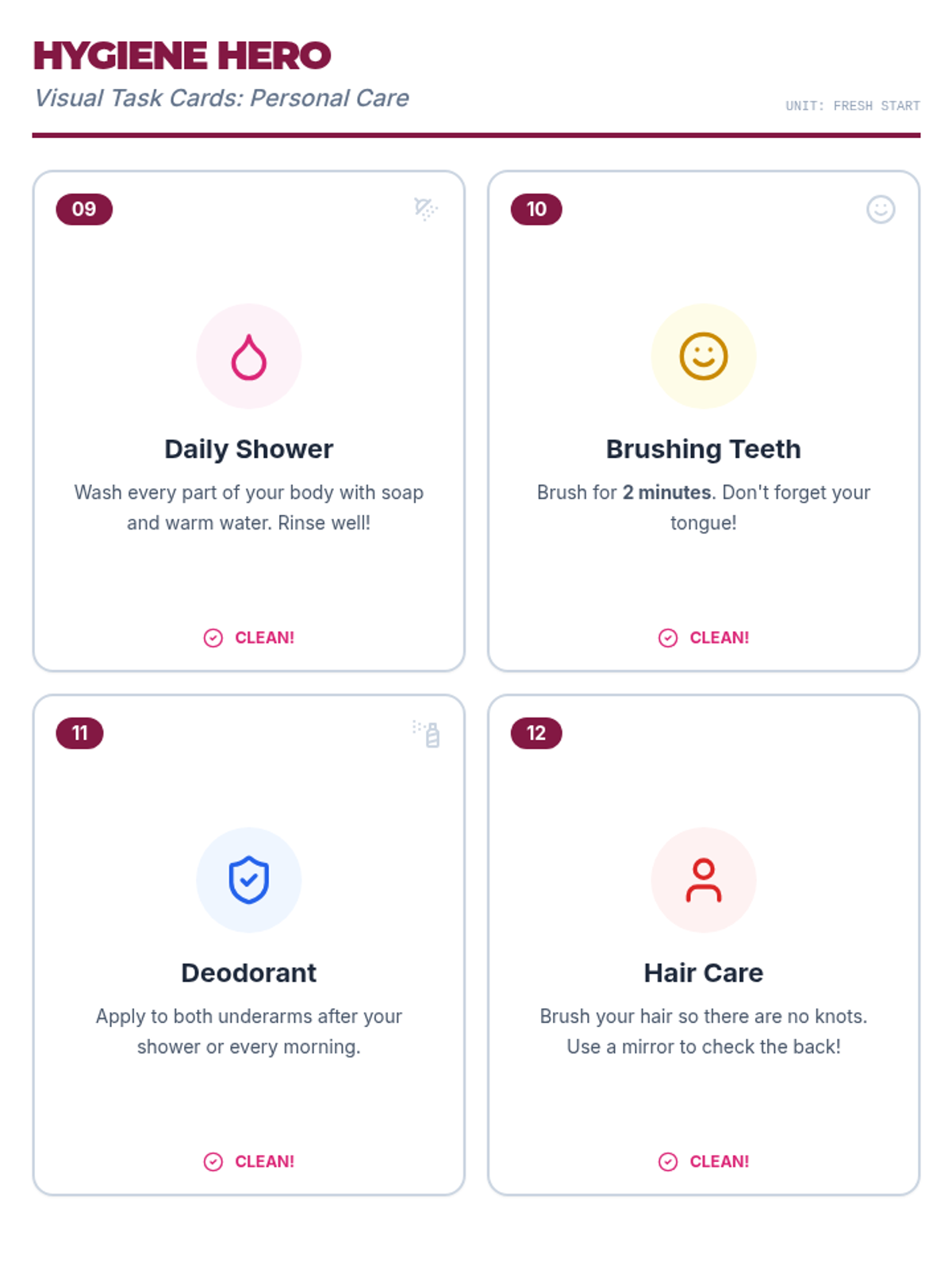
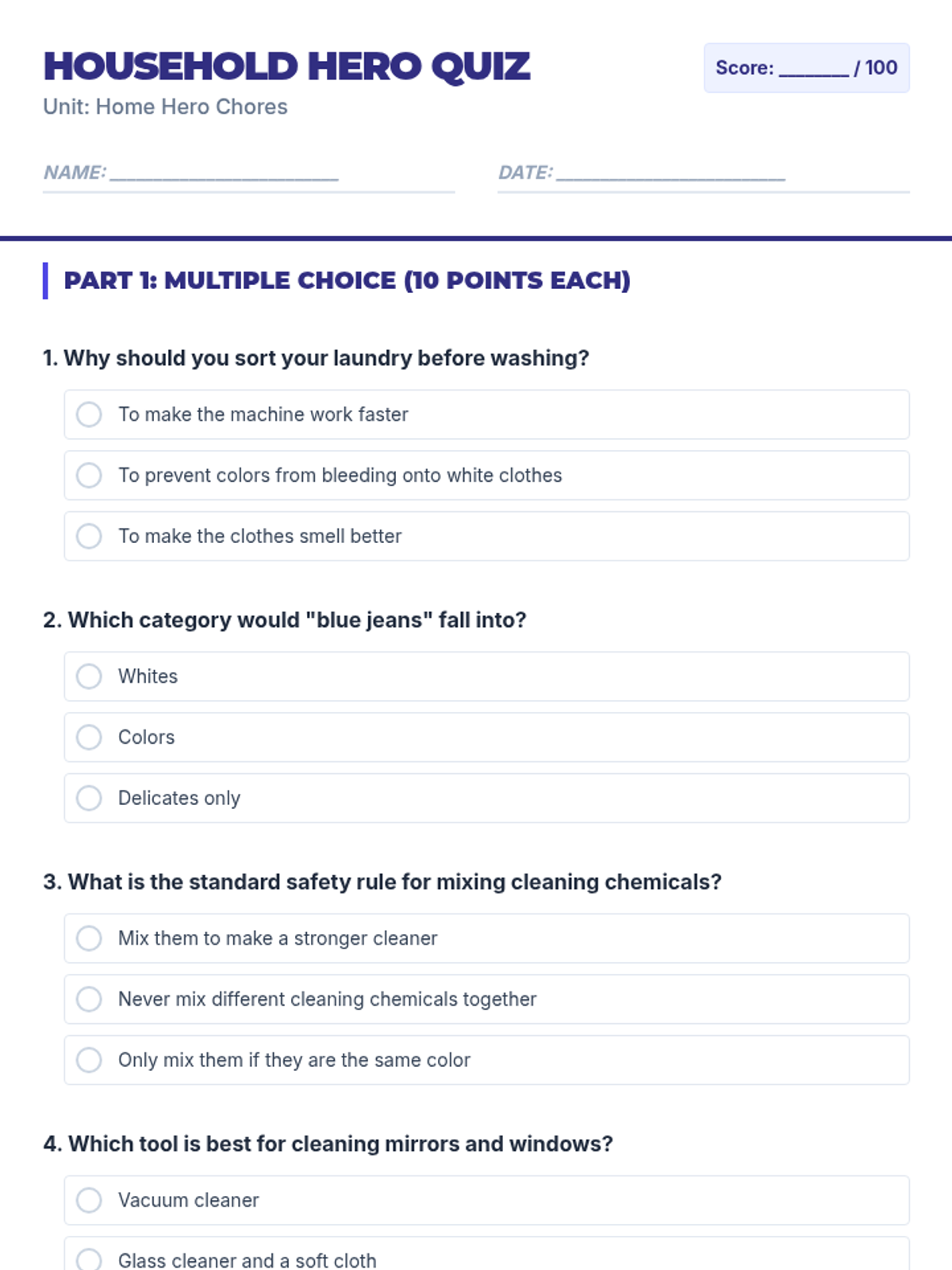
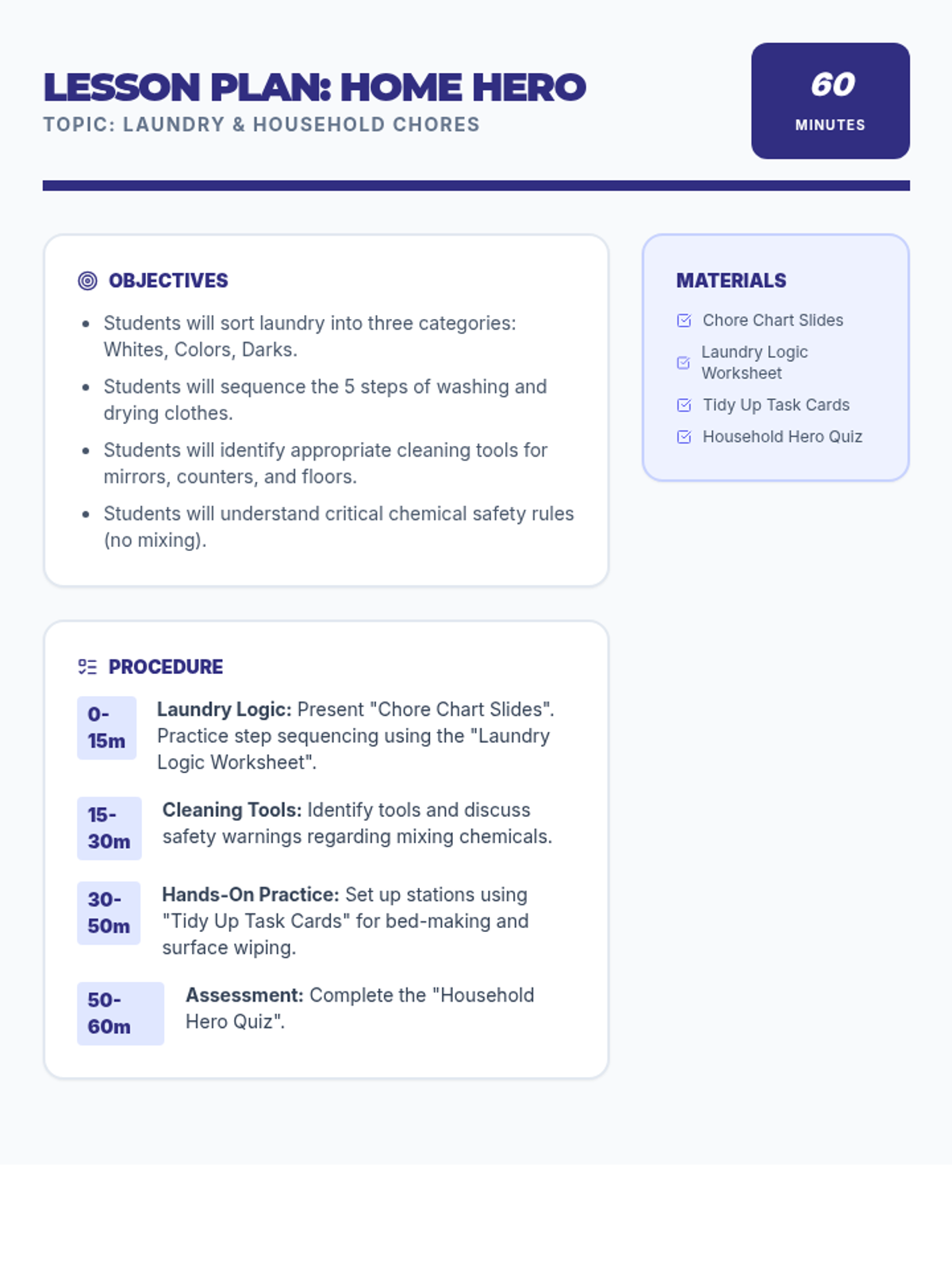
Mastering the art of laundry, cleaning schedules, and maintaining a healthy home environment.
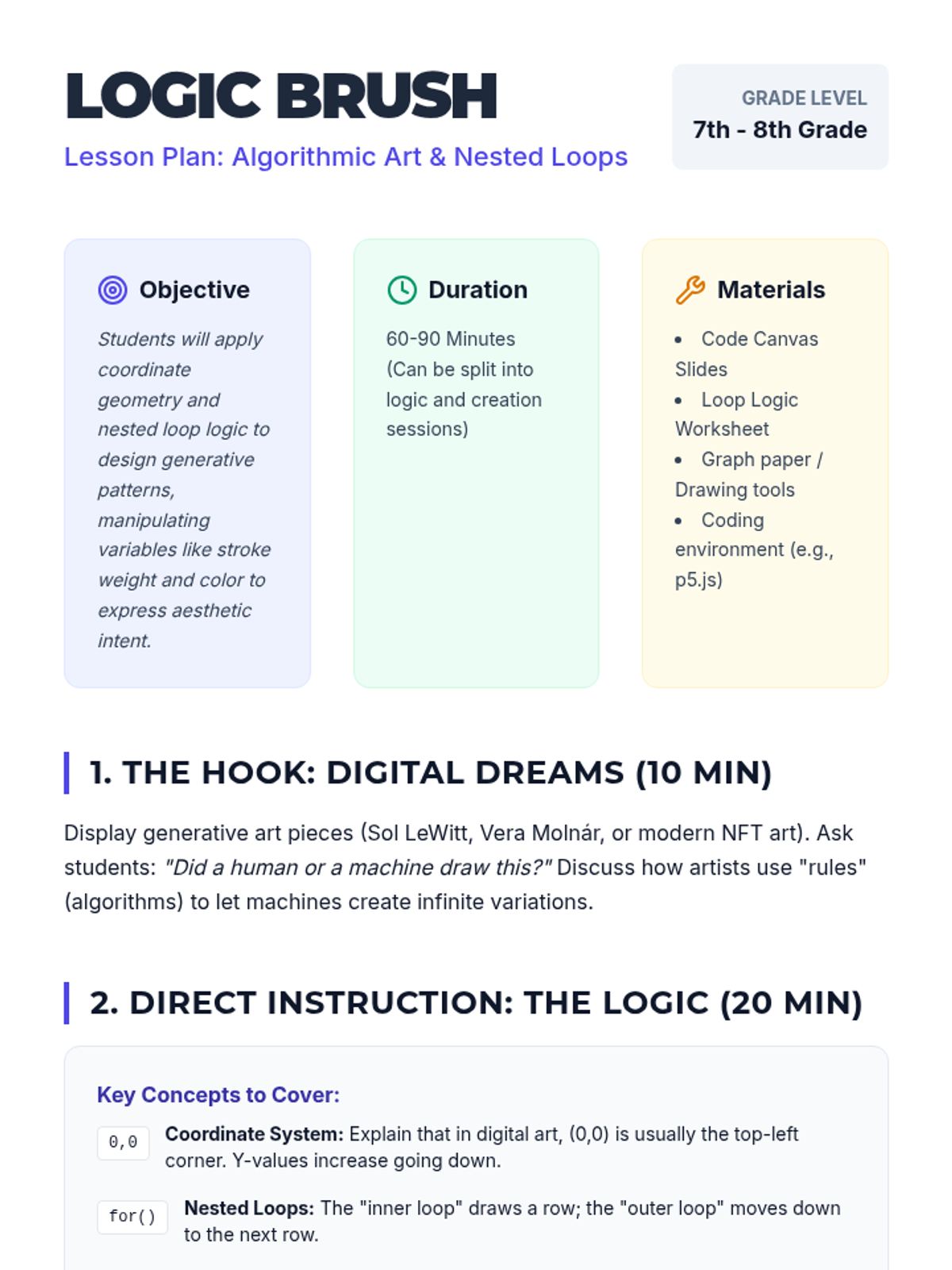
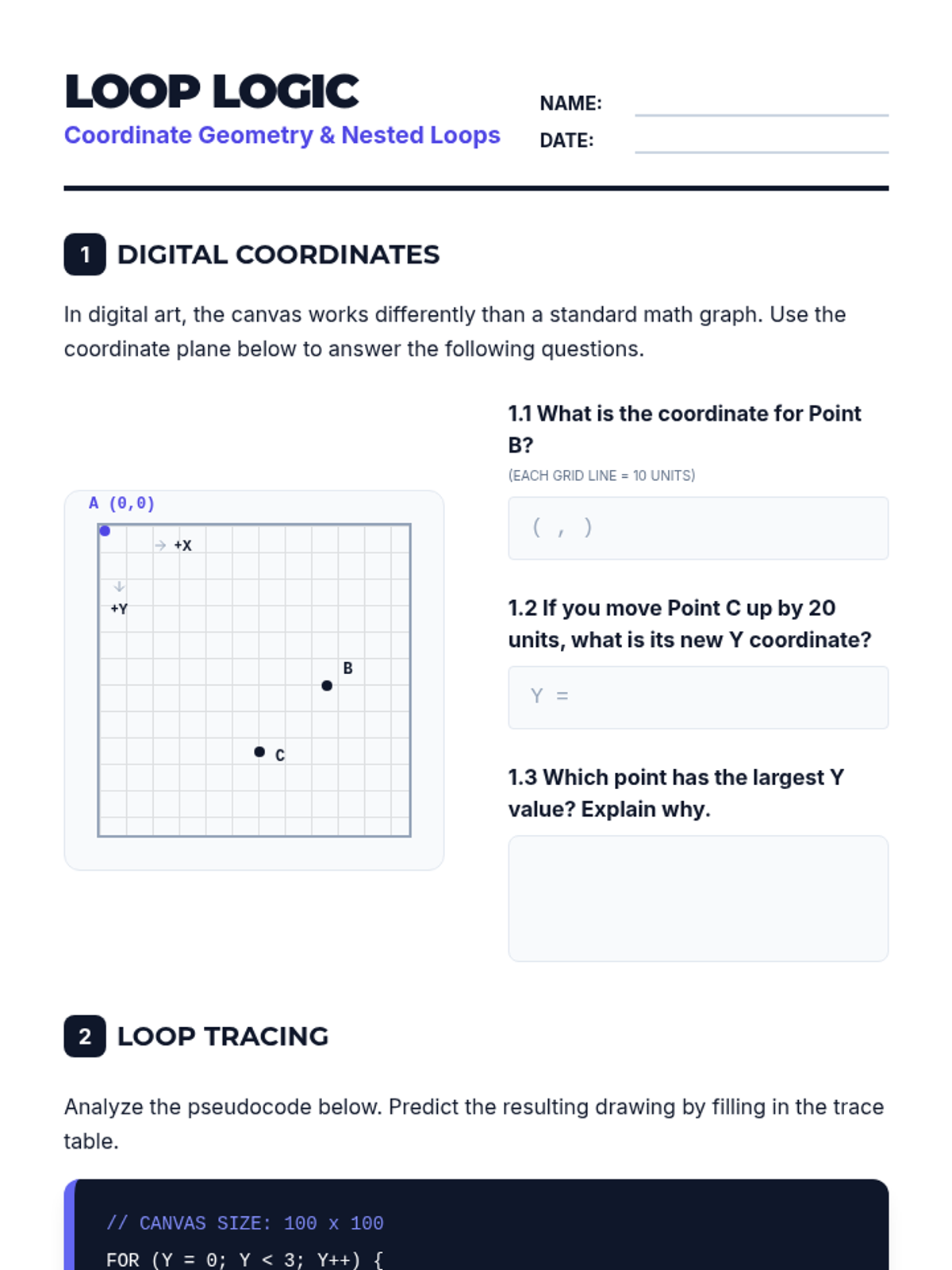
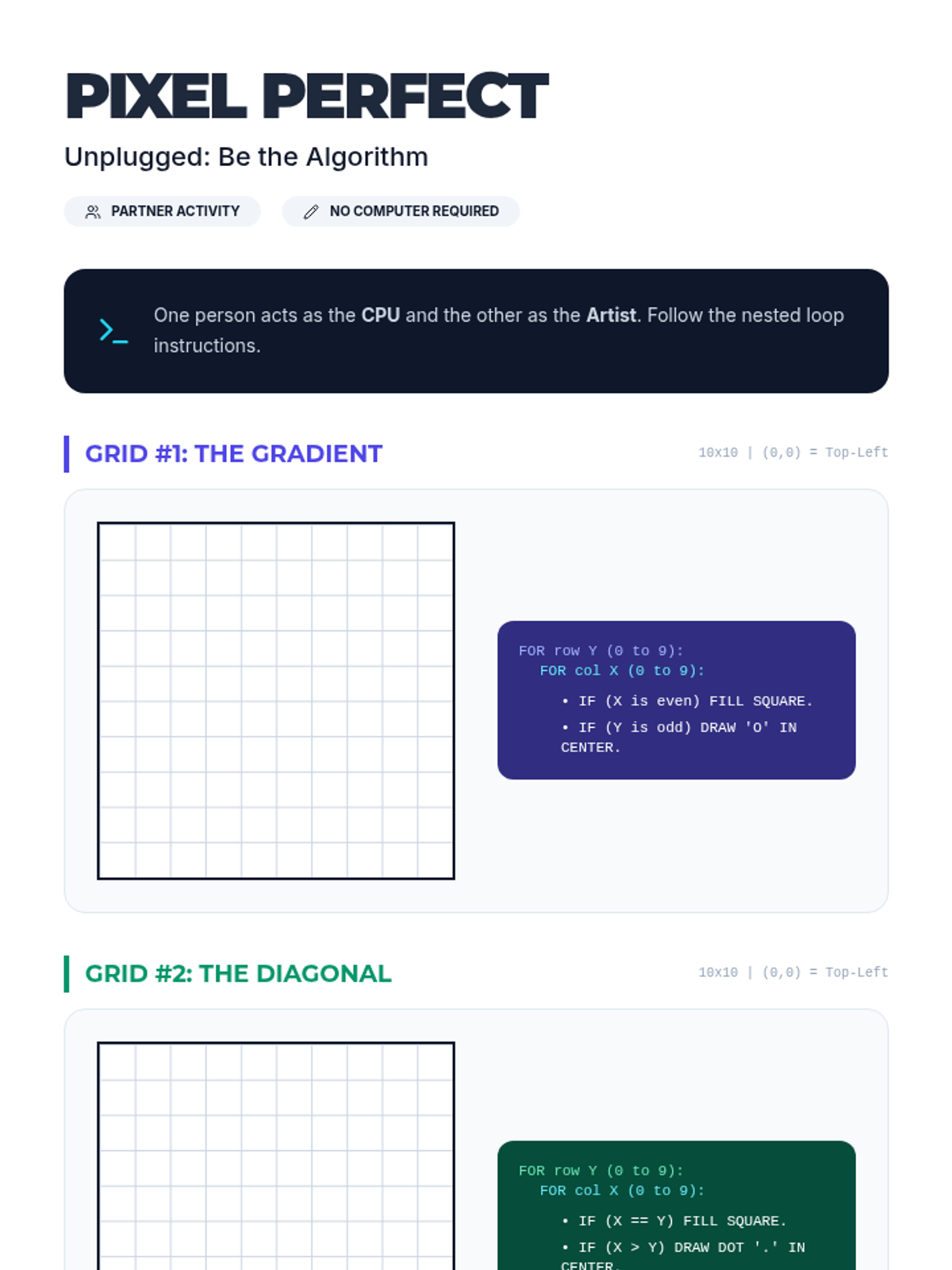
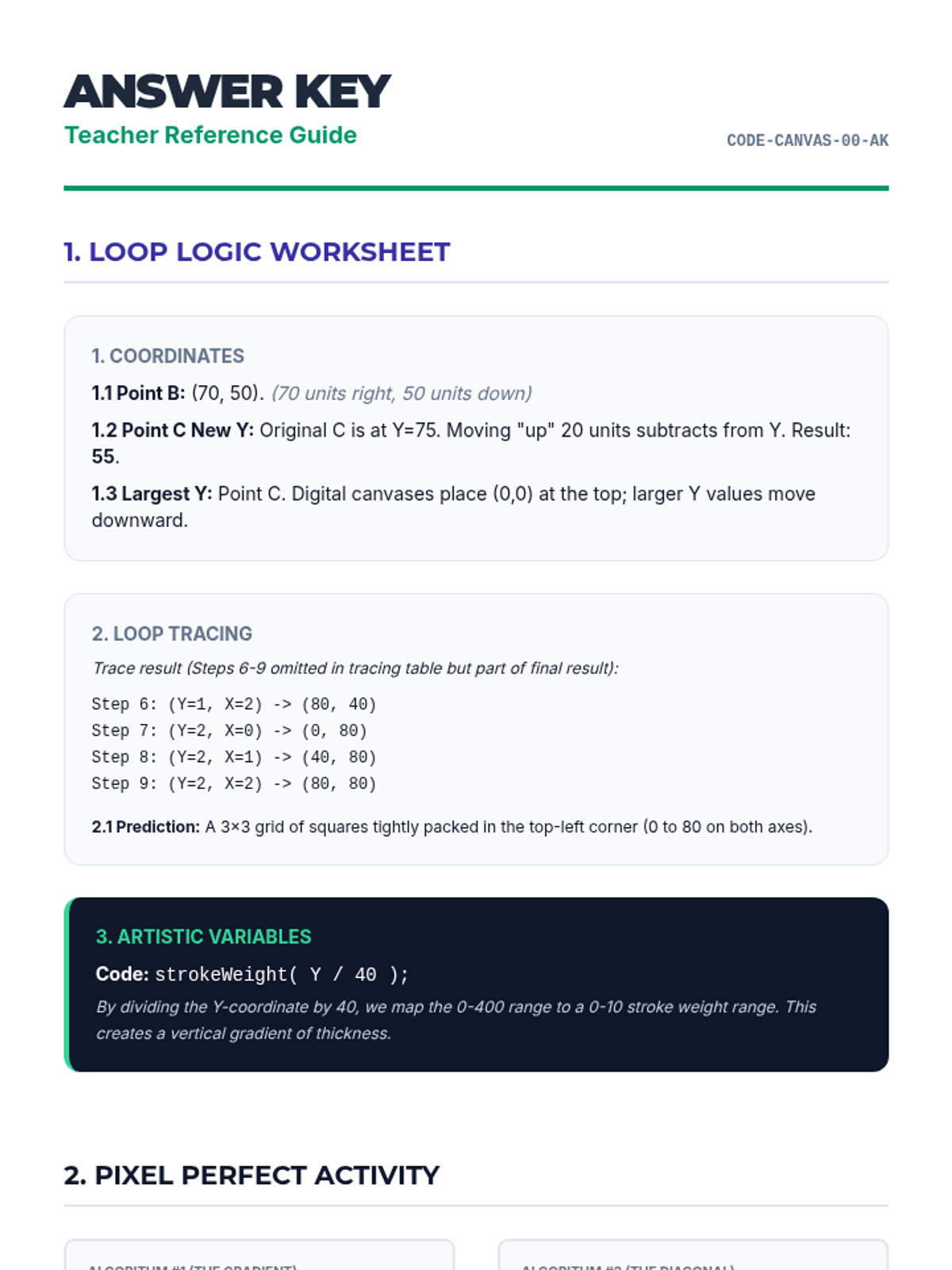
Students explore the intersection of geometry and computer science by using nested loops and variables to create generative digital art.
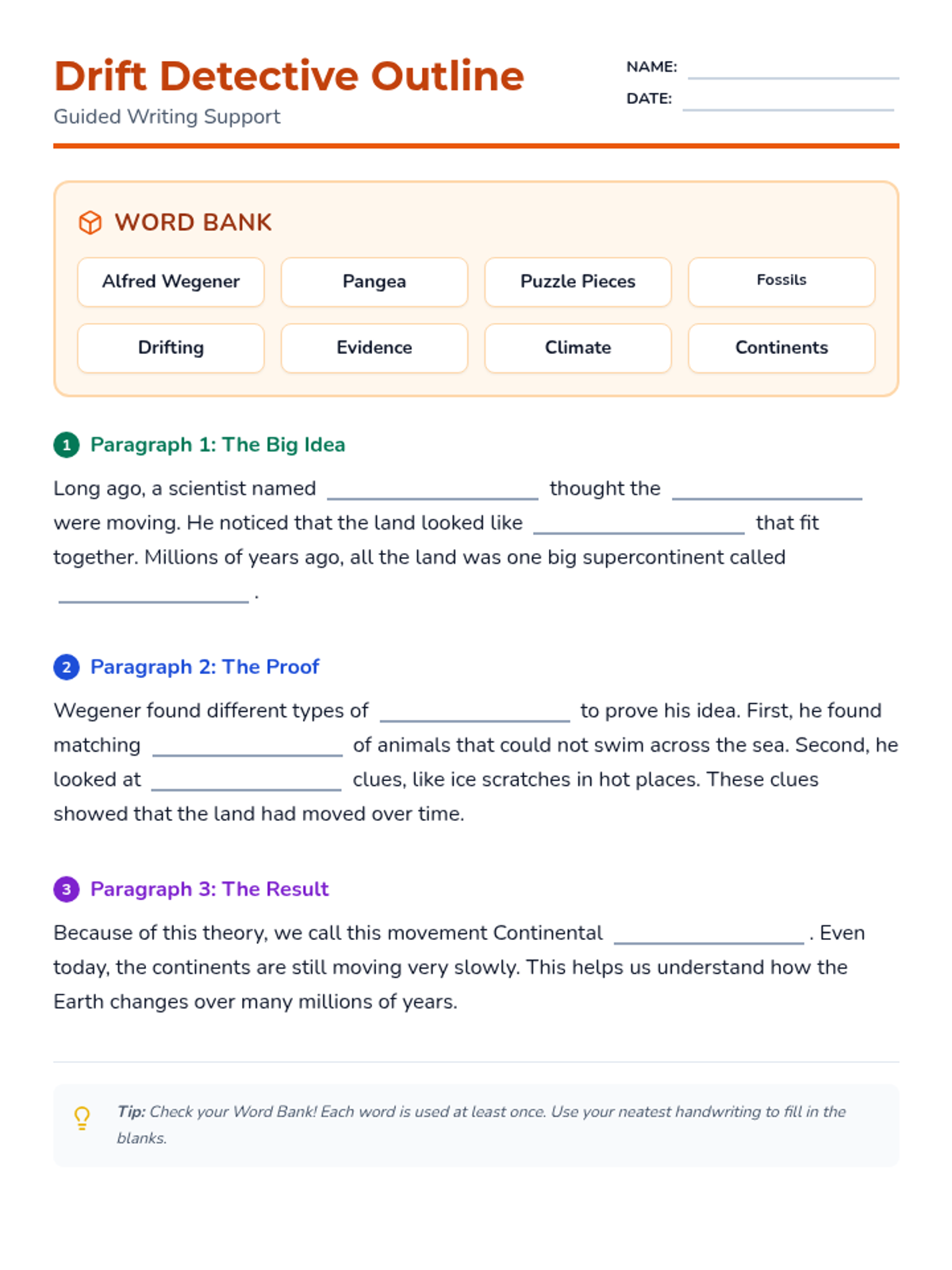
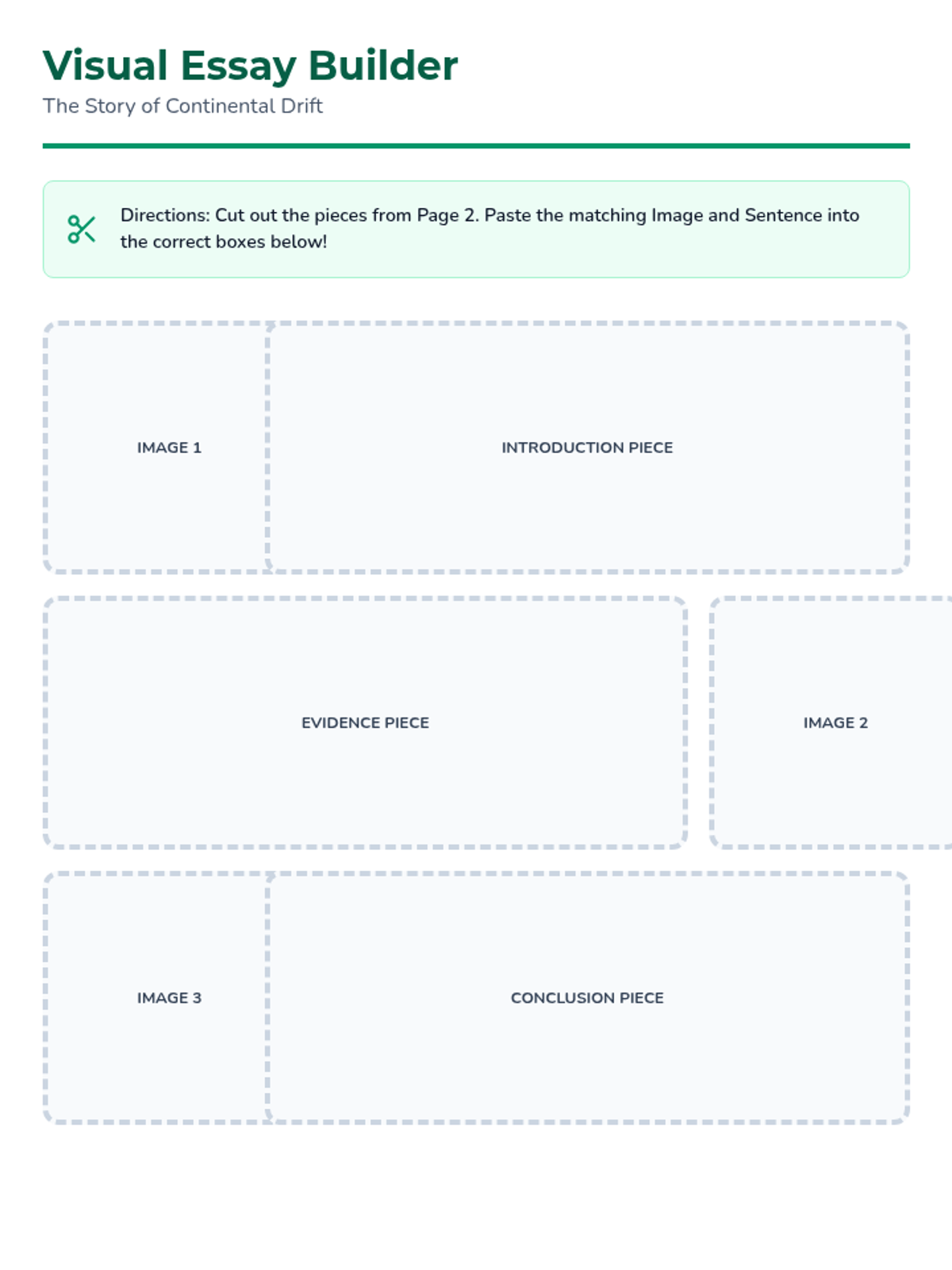
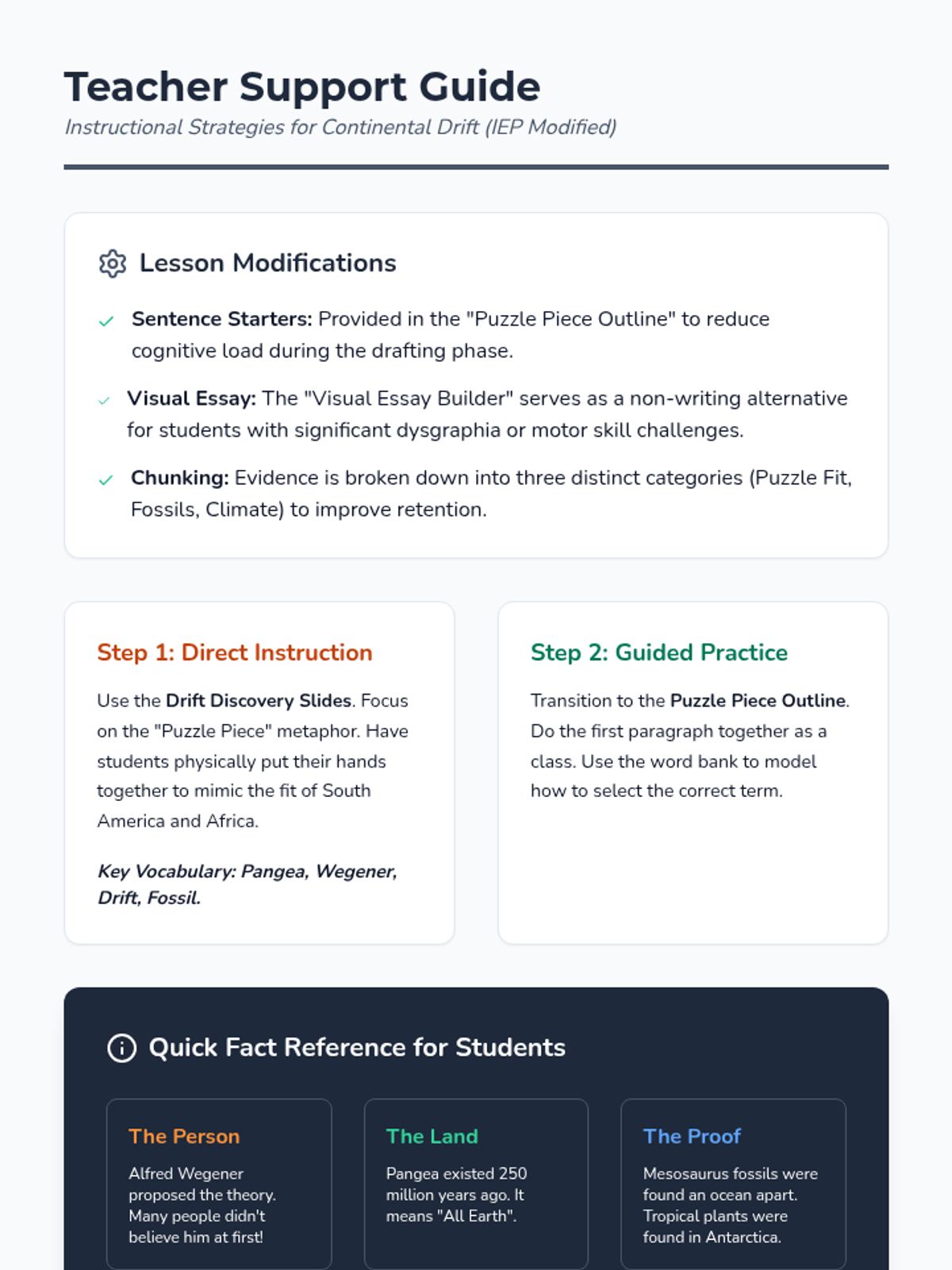
A modified lesson on continental drift designed specifically for IEP students, focusing on Alfred Wegener's theory, Pangea, and the four main pieces of evidence through scaffolded writing and visual activities.
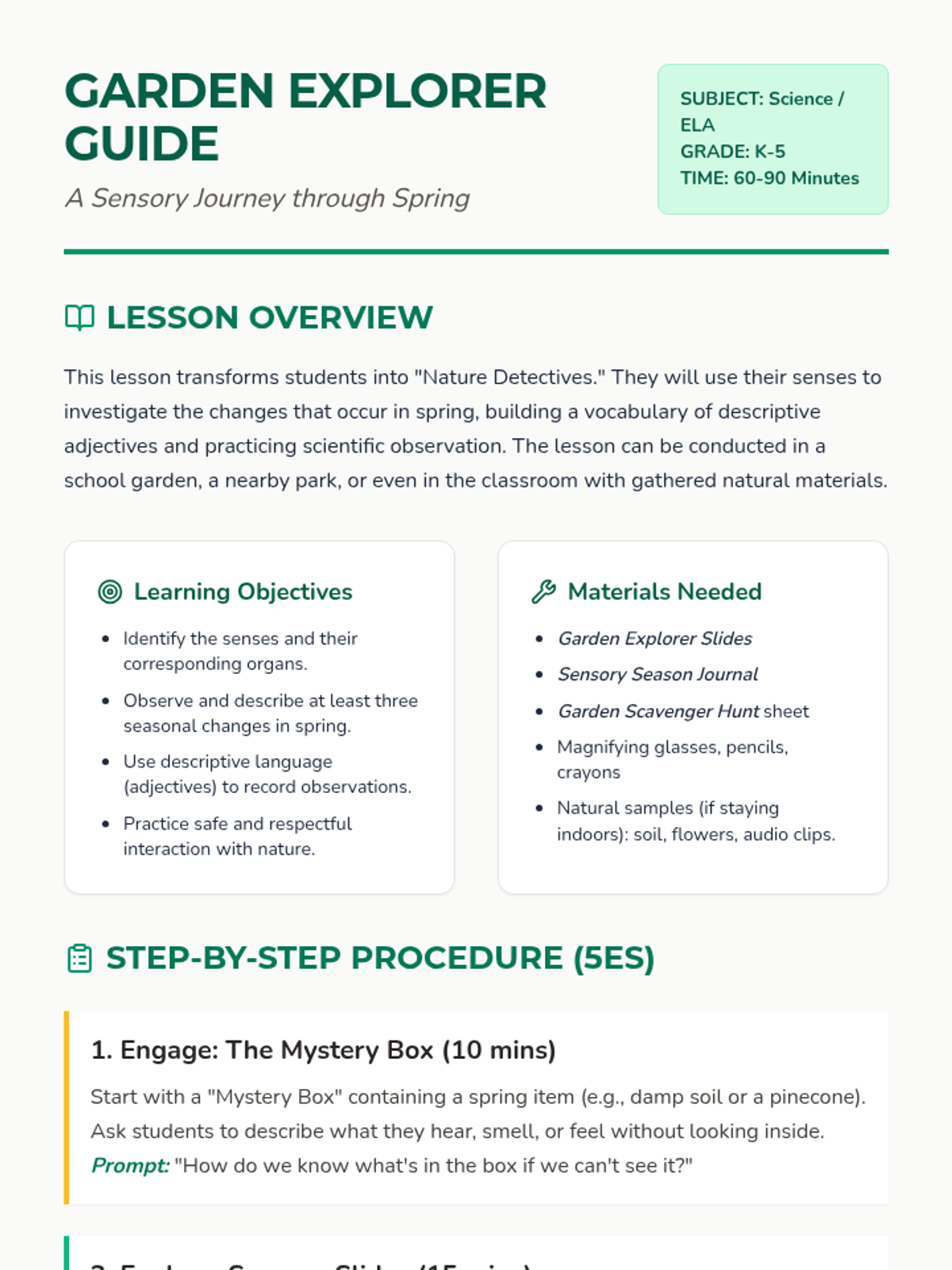
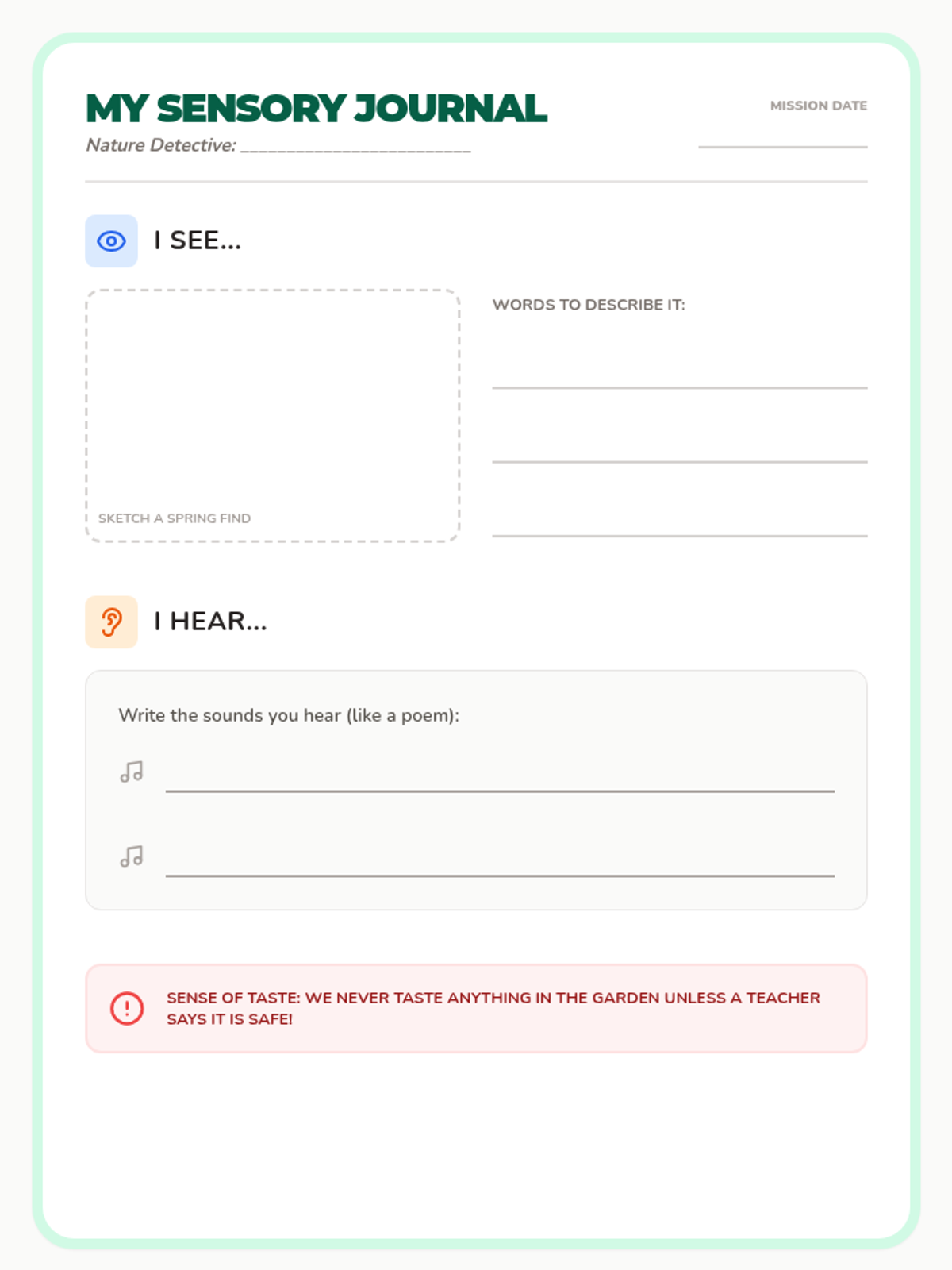
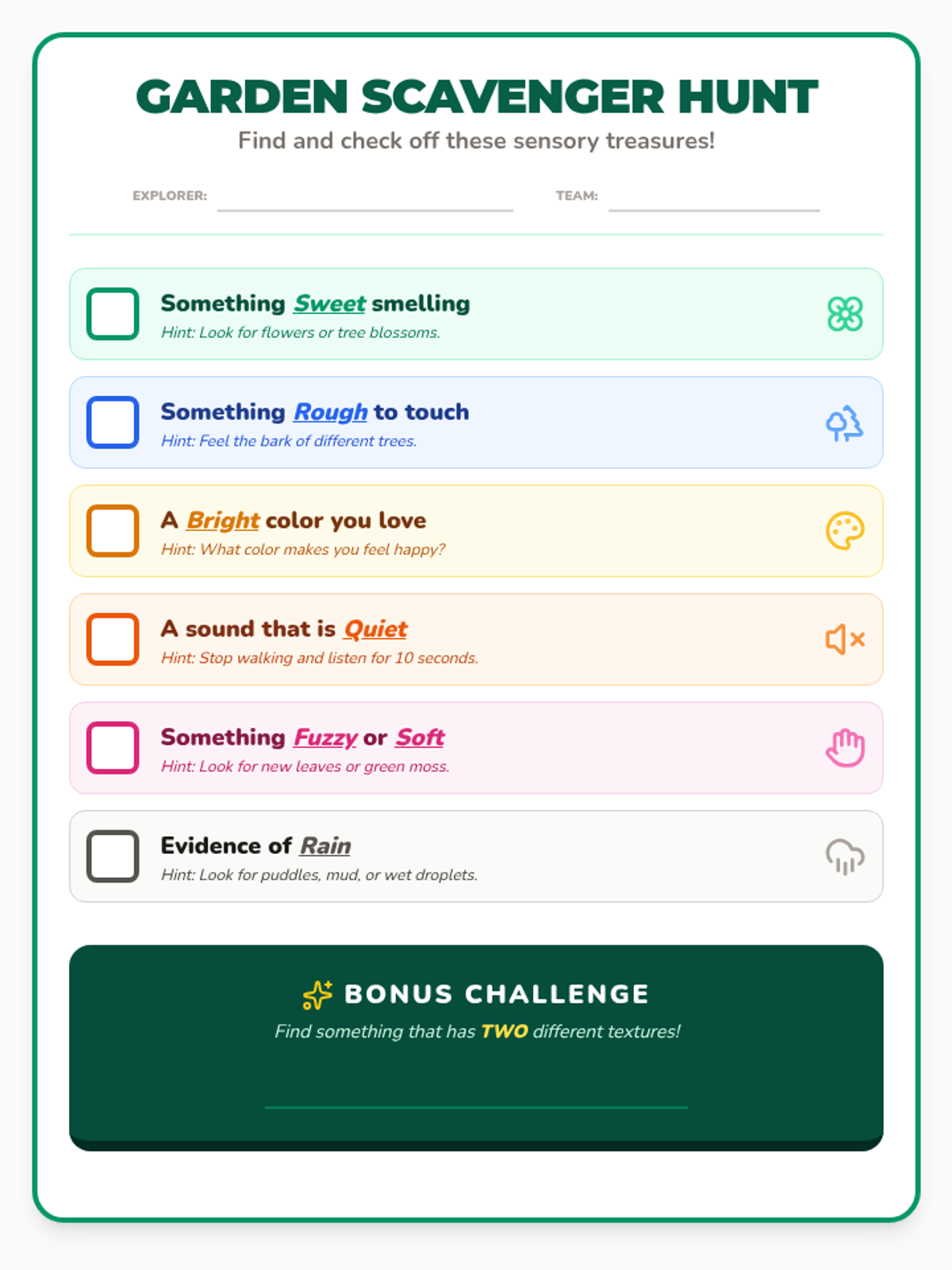
A multi-sensory exploration of spring through the lens of the five senses, designed to build observation skills and descriptive language in K-5 students.
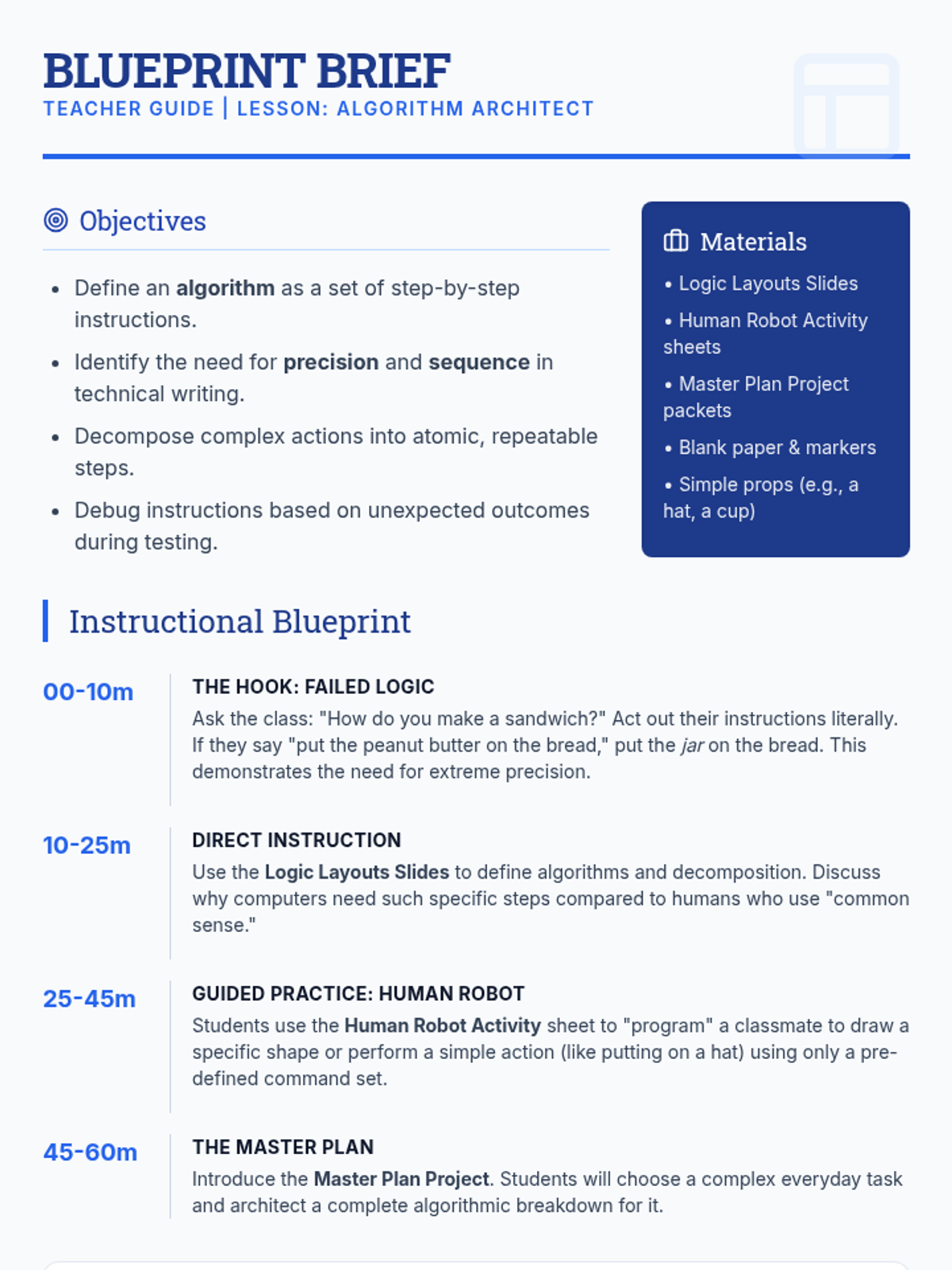
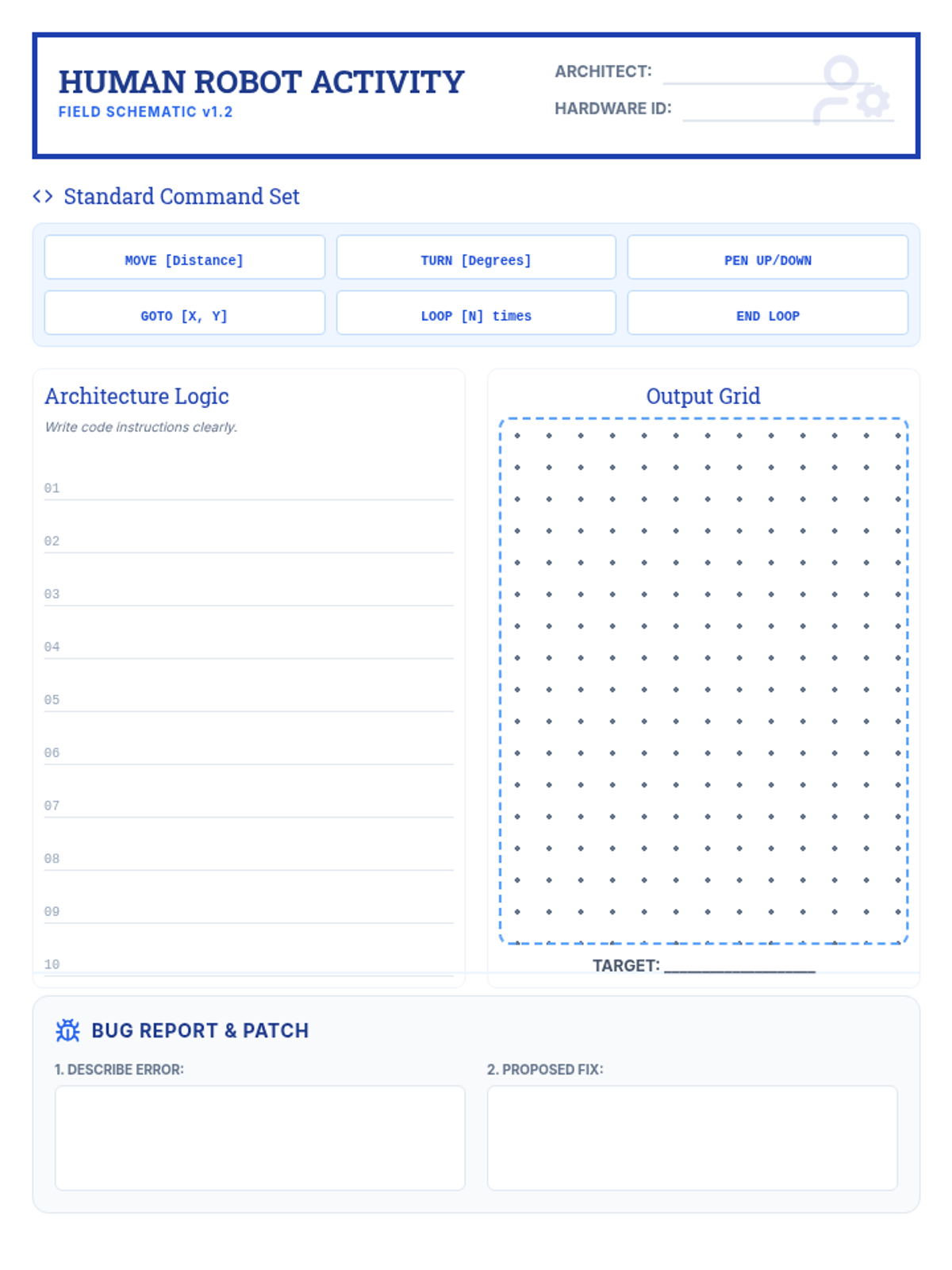
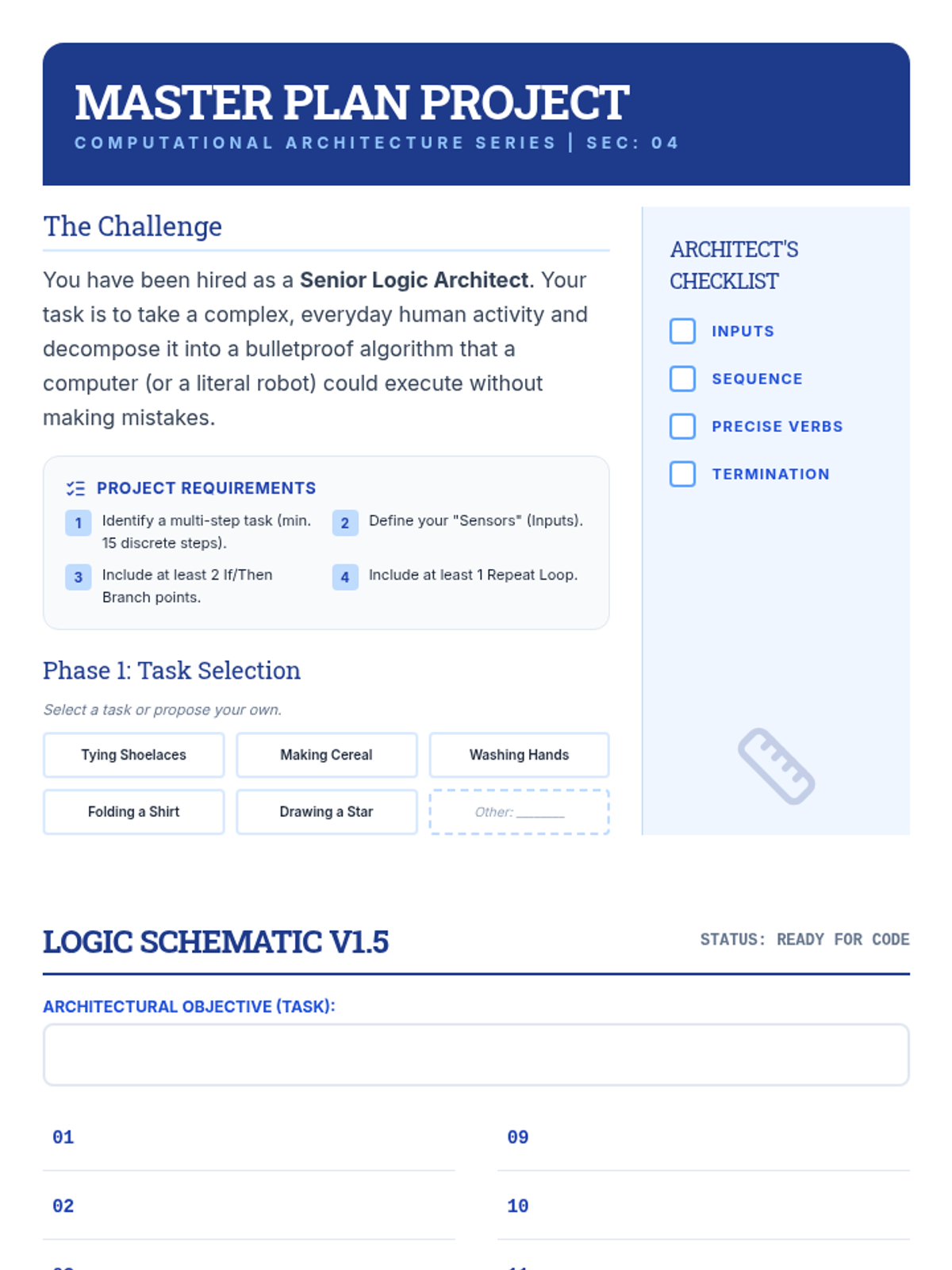
Students become 'architects' of logic, learning to decompose everyday tasks into precise, repeatable algorithms. They will practice 'programming' humans to understand the necessity of detail and sequence in computer science.
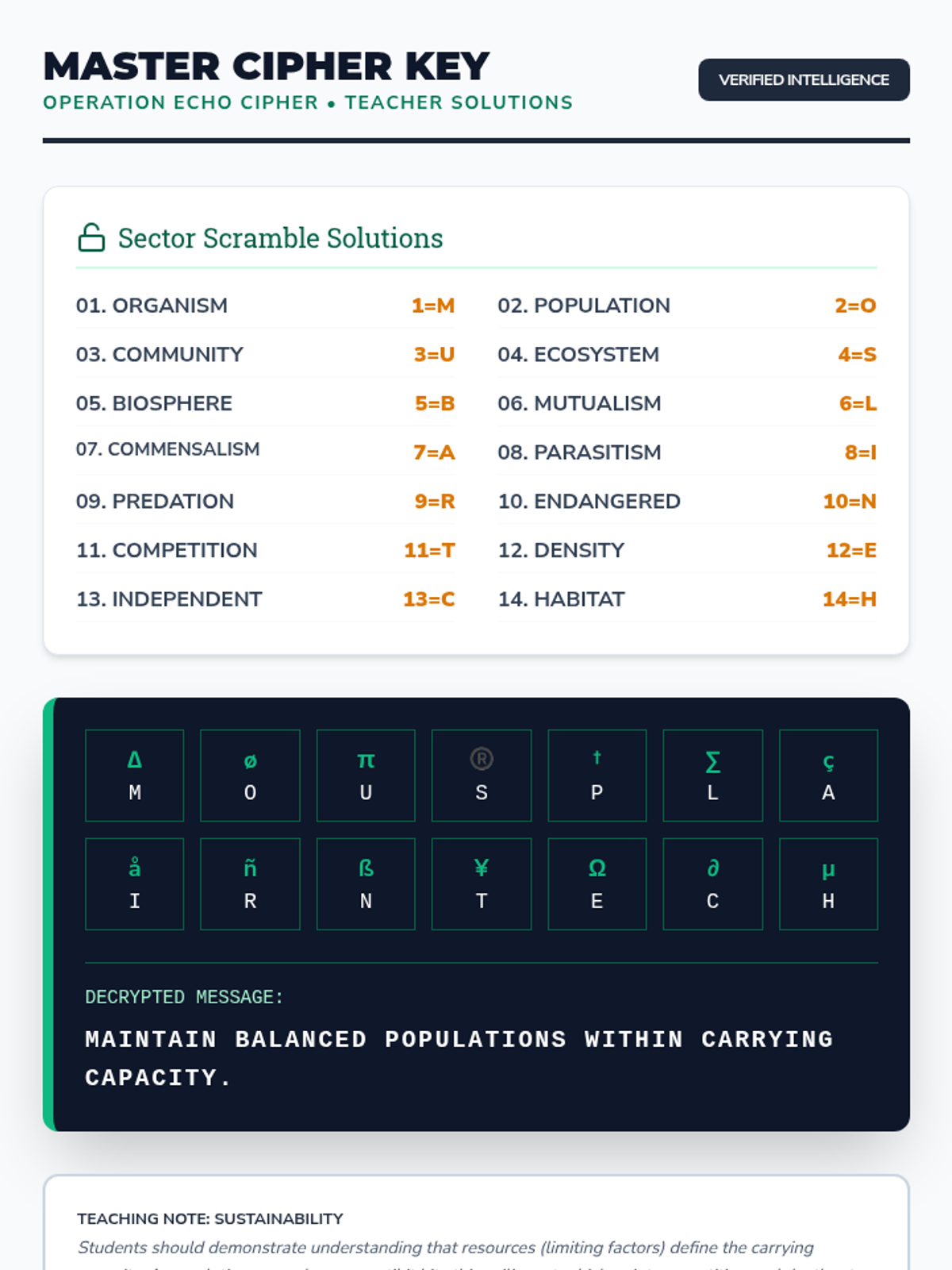
A lesson exploring how ecosystems are organized, the relationships between organisms, and the factors that limit population growth, including the status of endangered species.
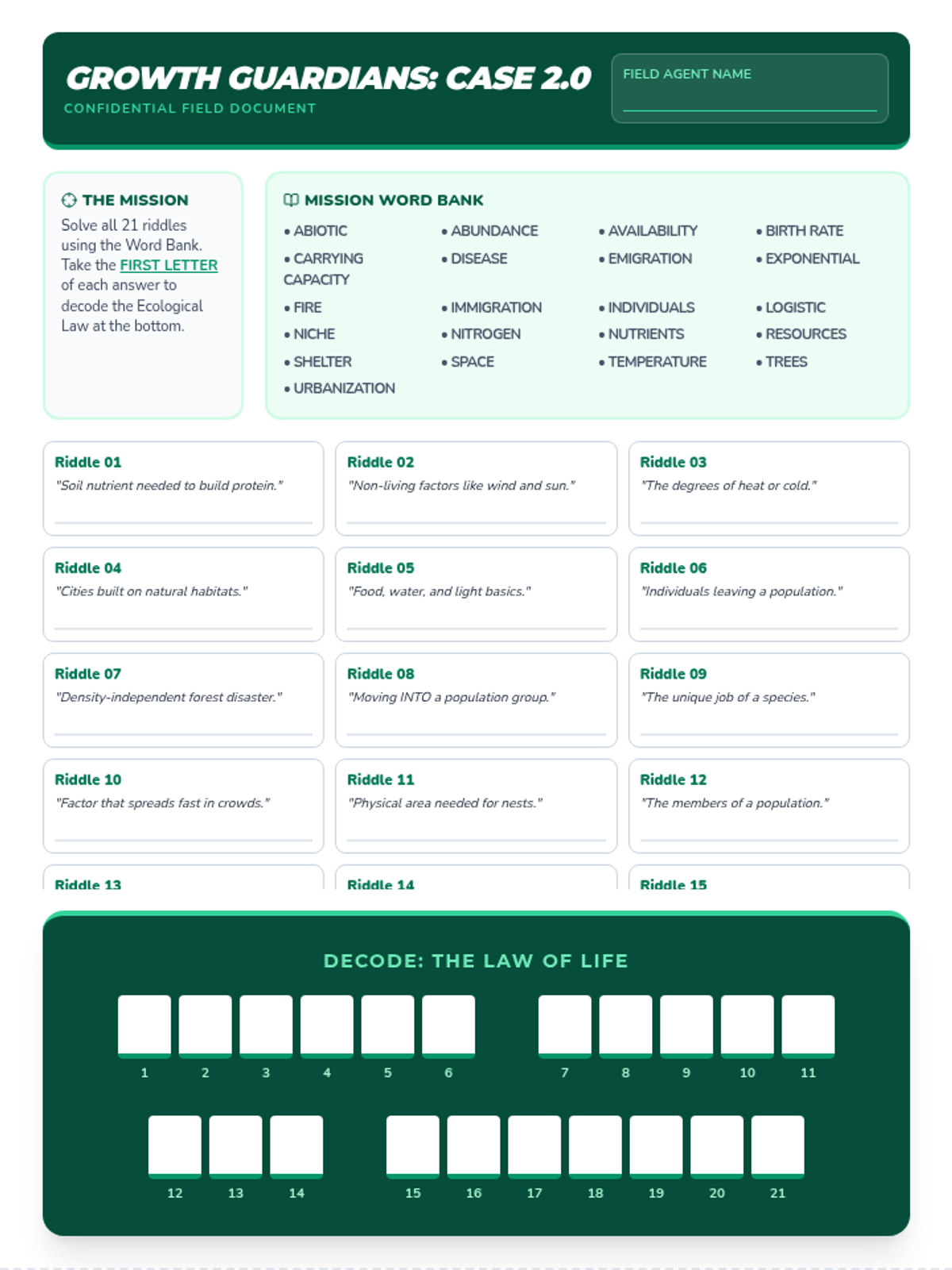
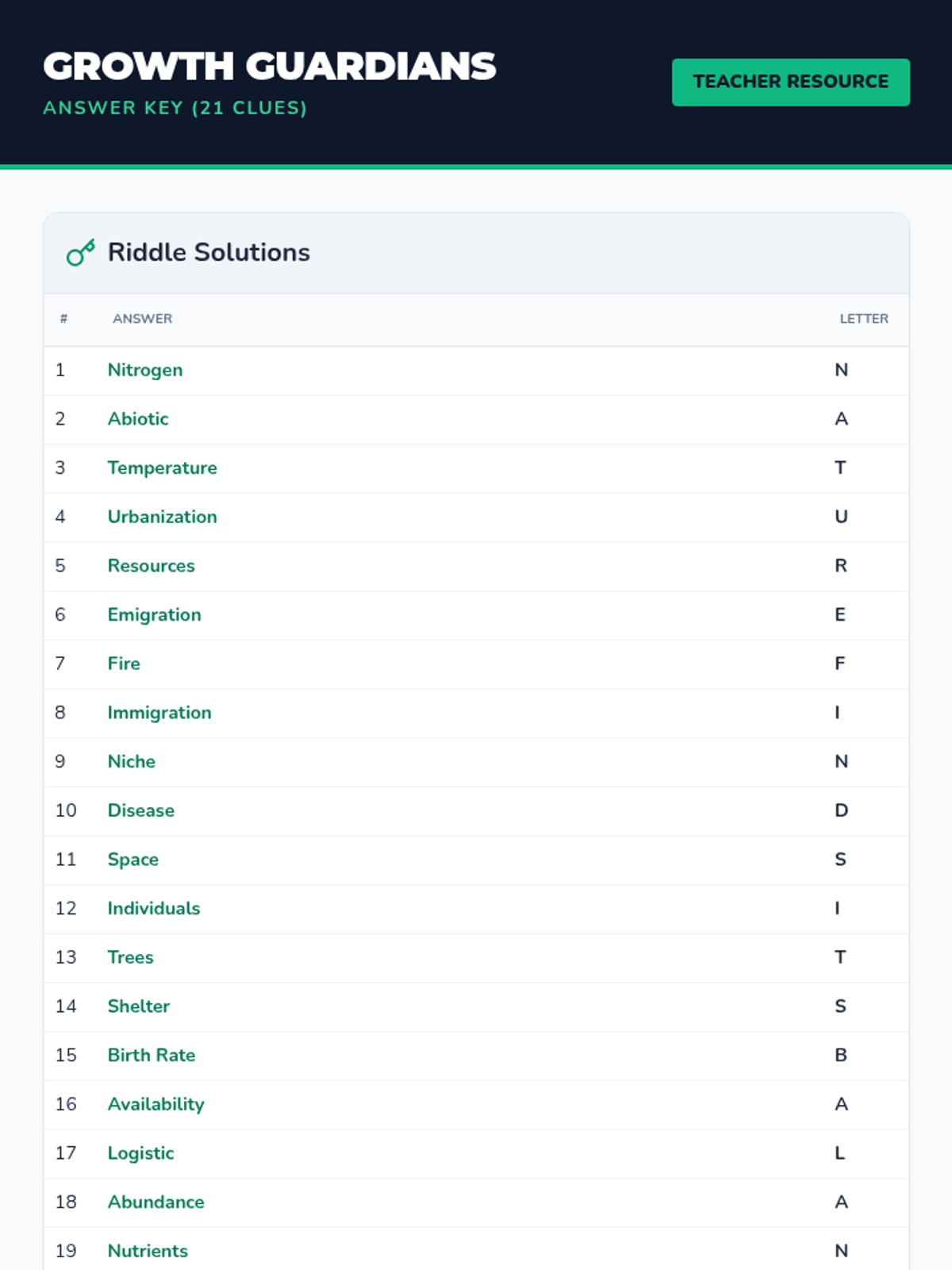
A lesson exploring the dynamics of population growth, focusing on the differences between exponential and logistic growth models and the real-world limiting factors that shape them. Students will solve puzzles to identify key concepts like carrying capacity, density-dependent factors, and density-independent factors.
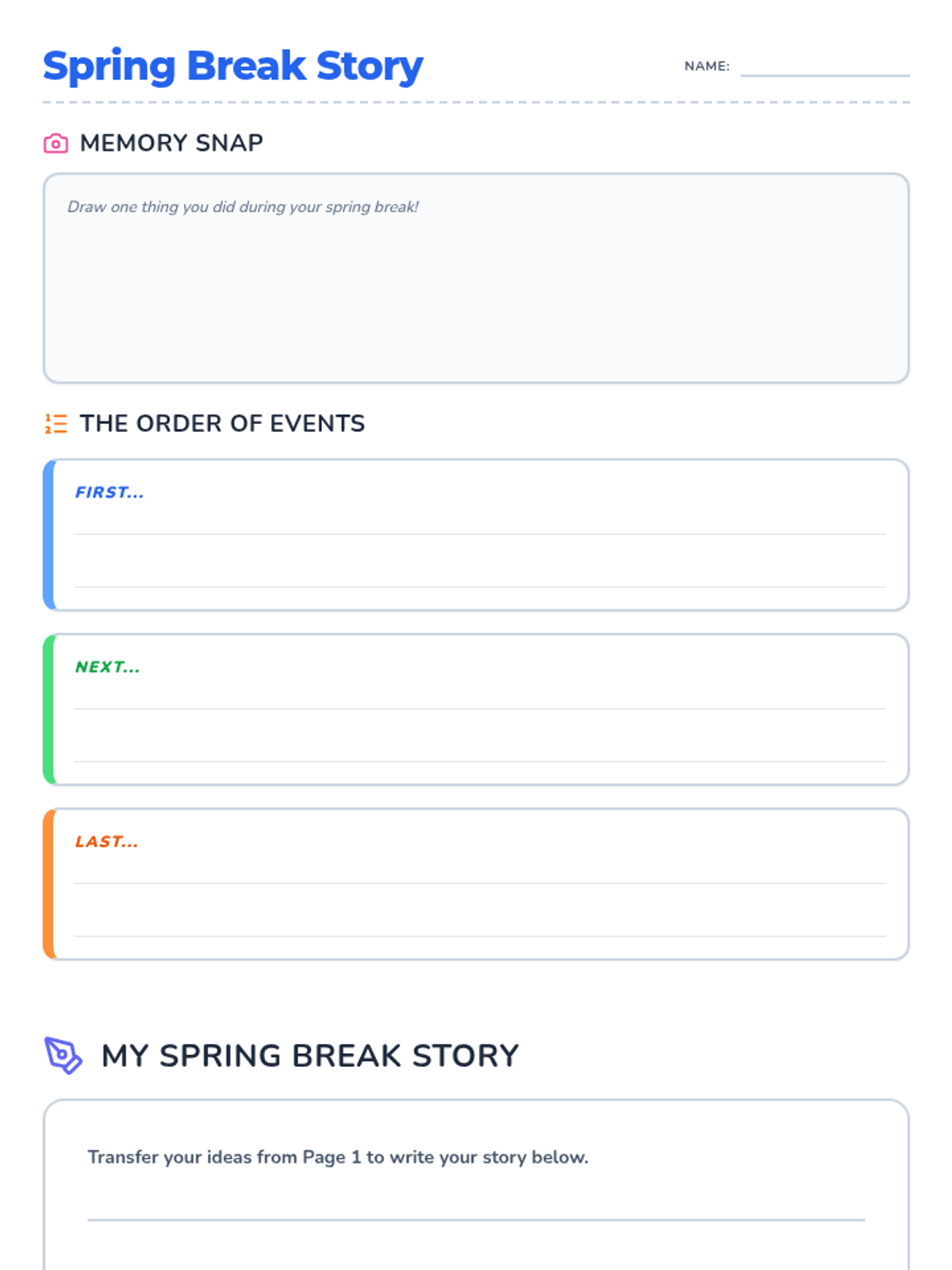
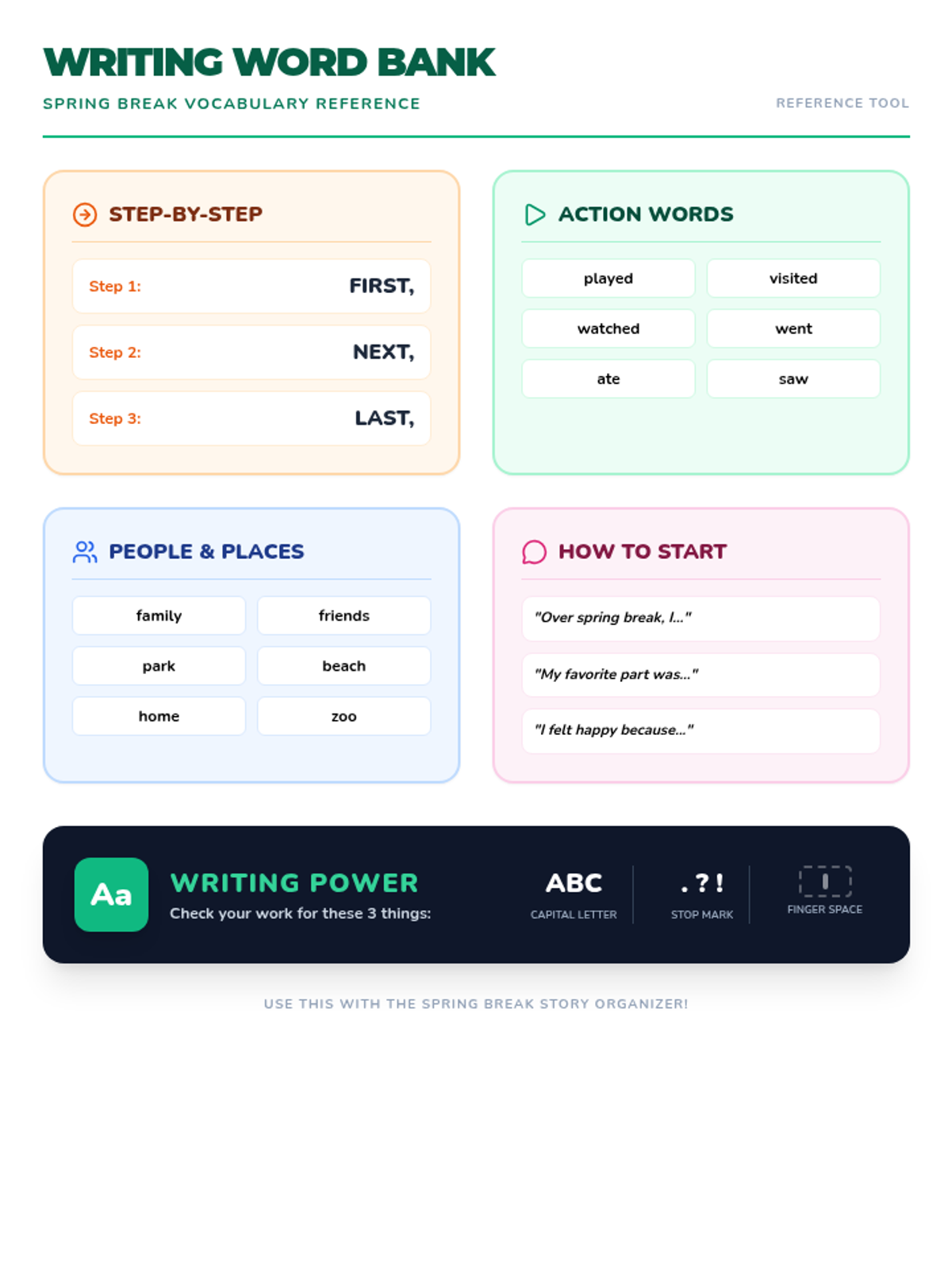
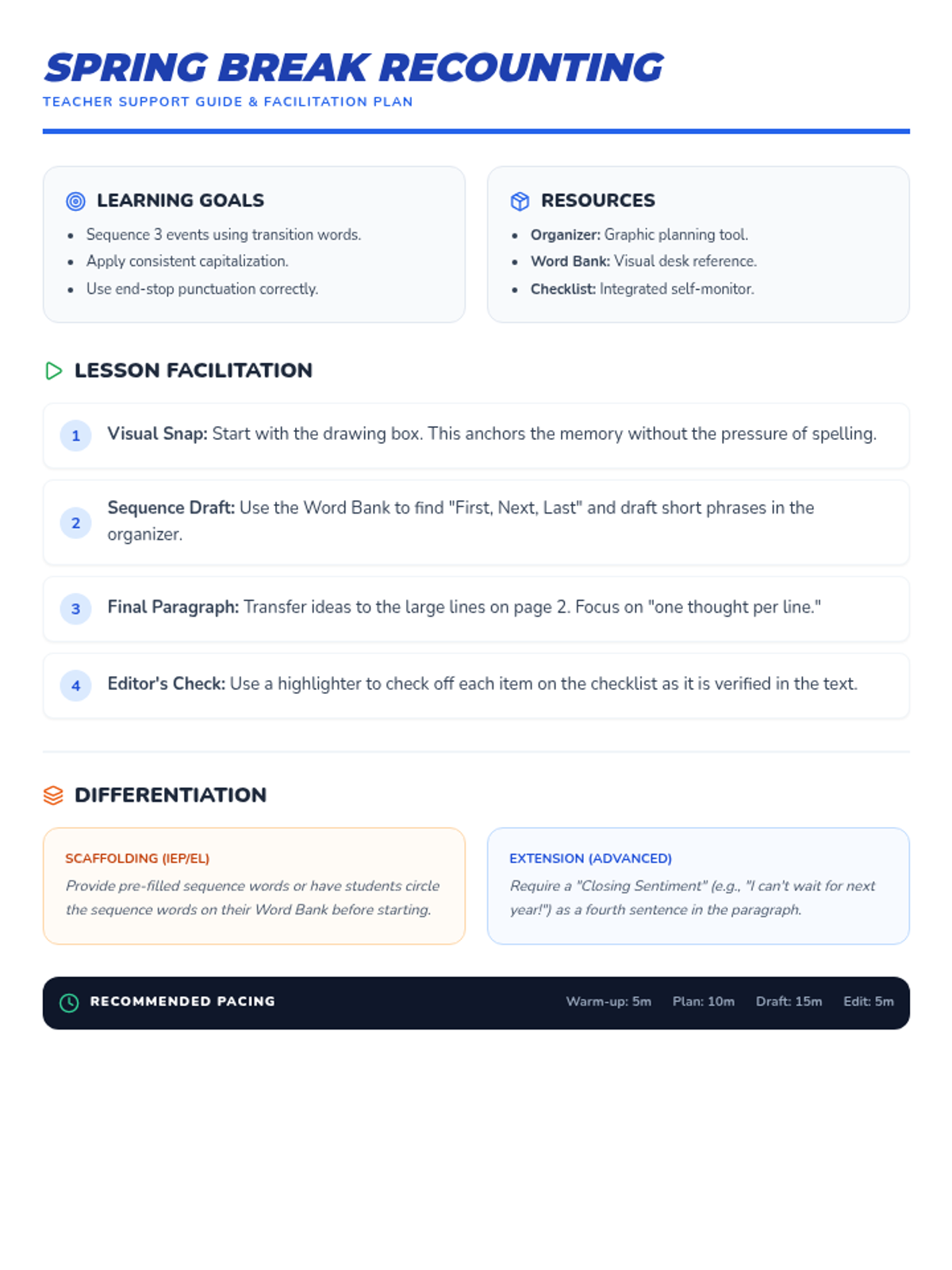
A structured writing lesson to help IEP students recount their spring break experiences using sequencing and proper grammar.
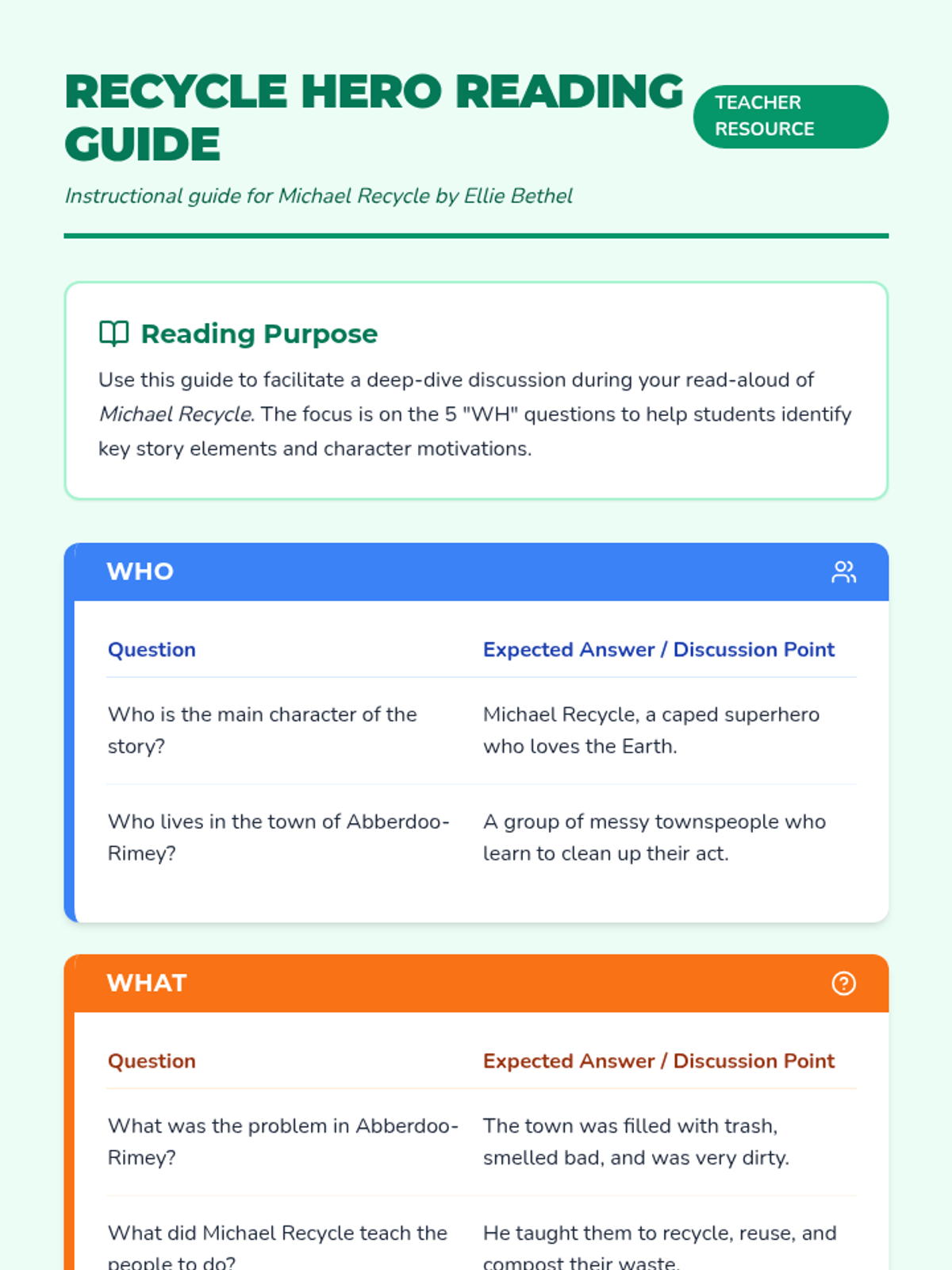
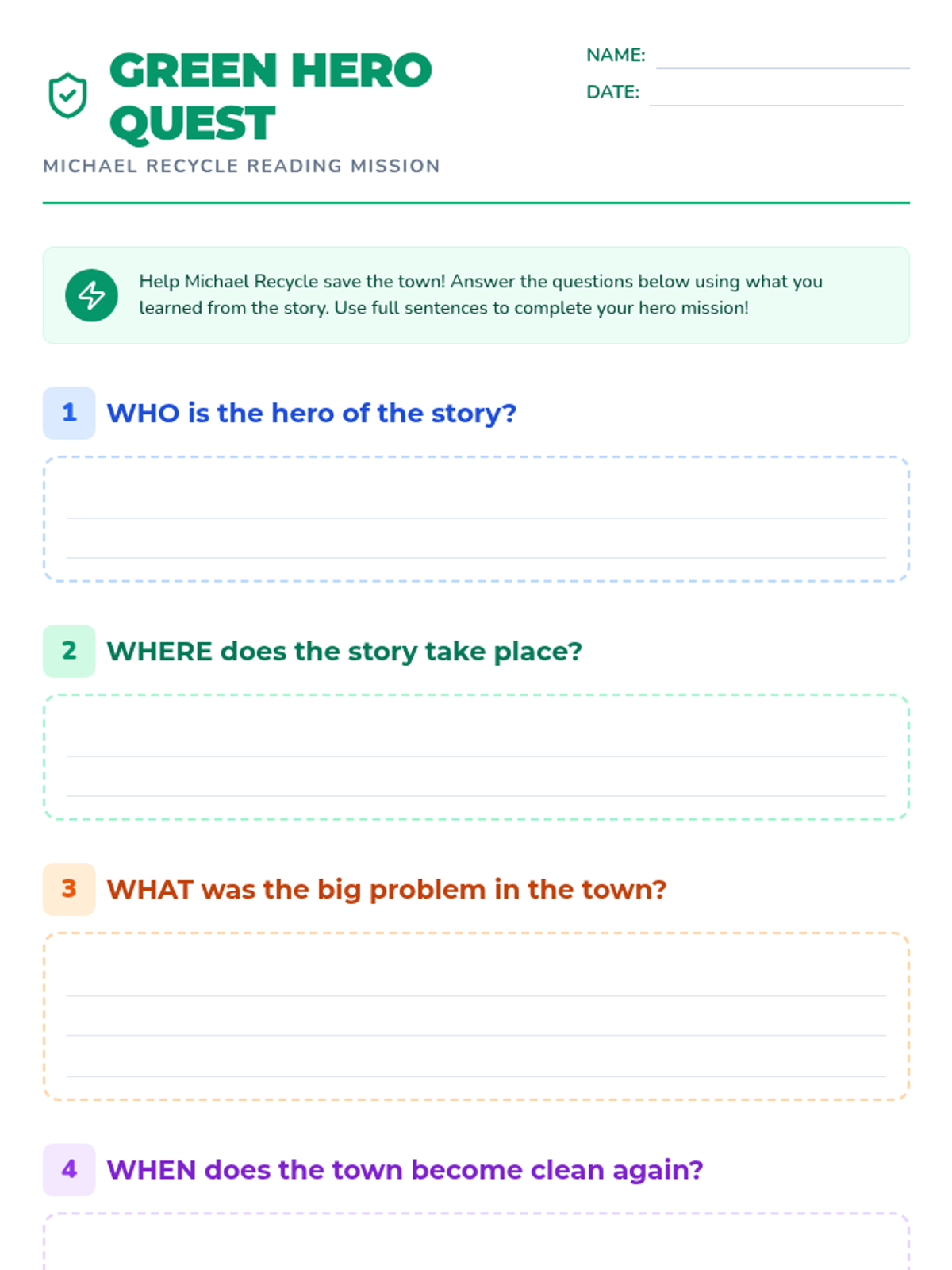
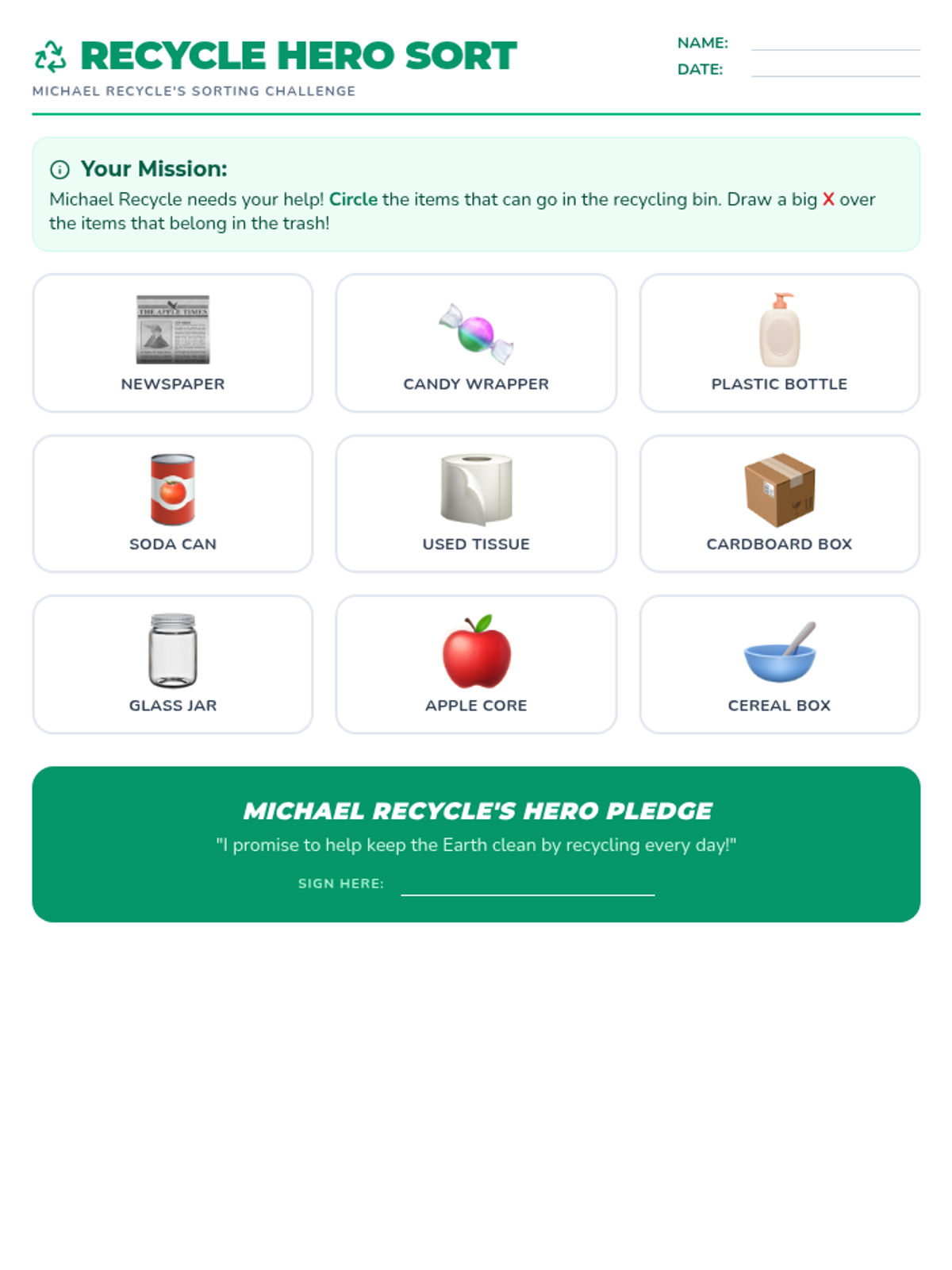
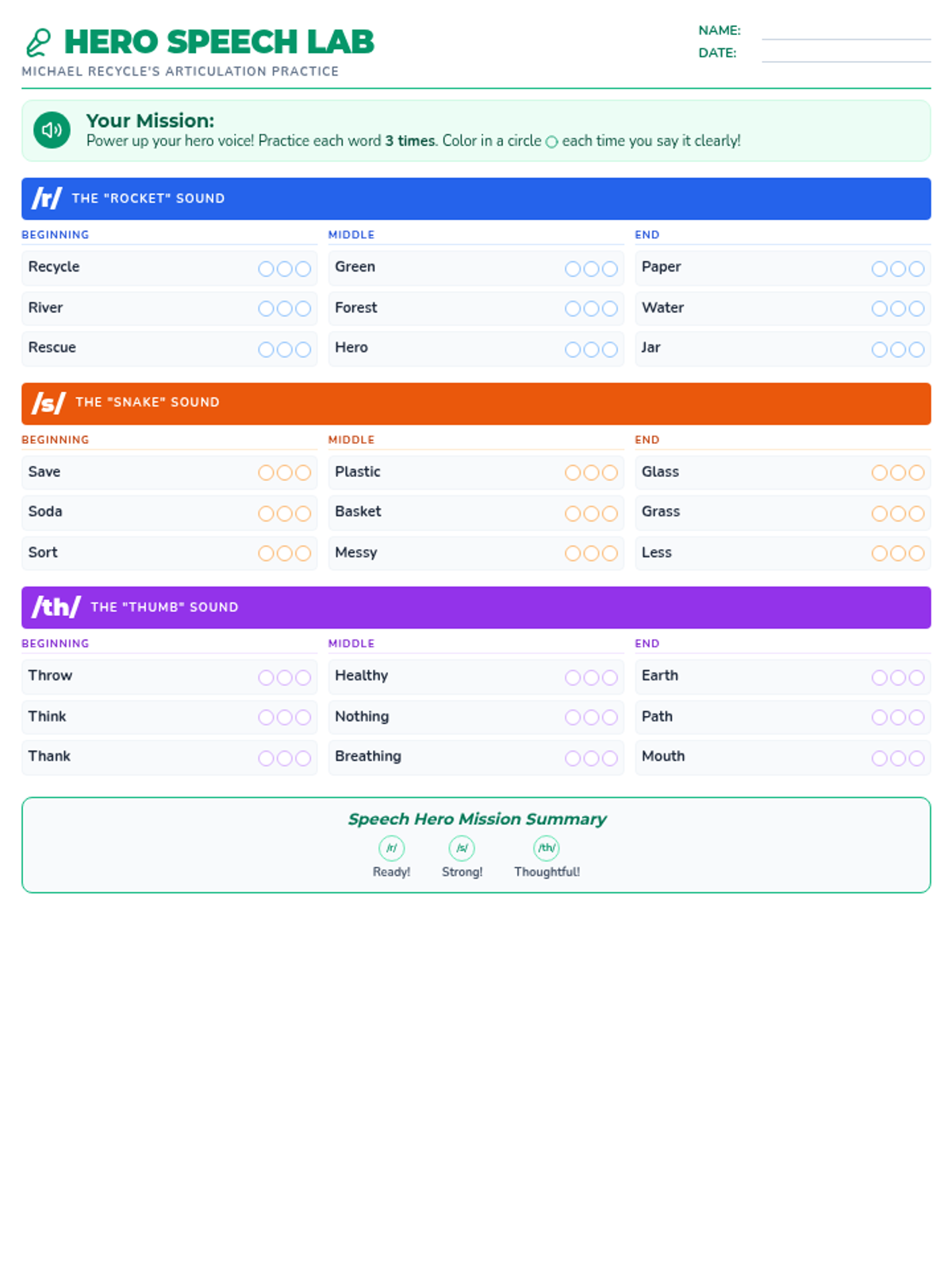
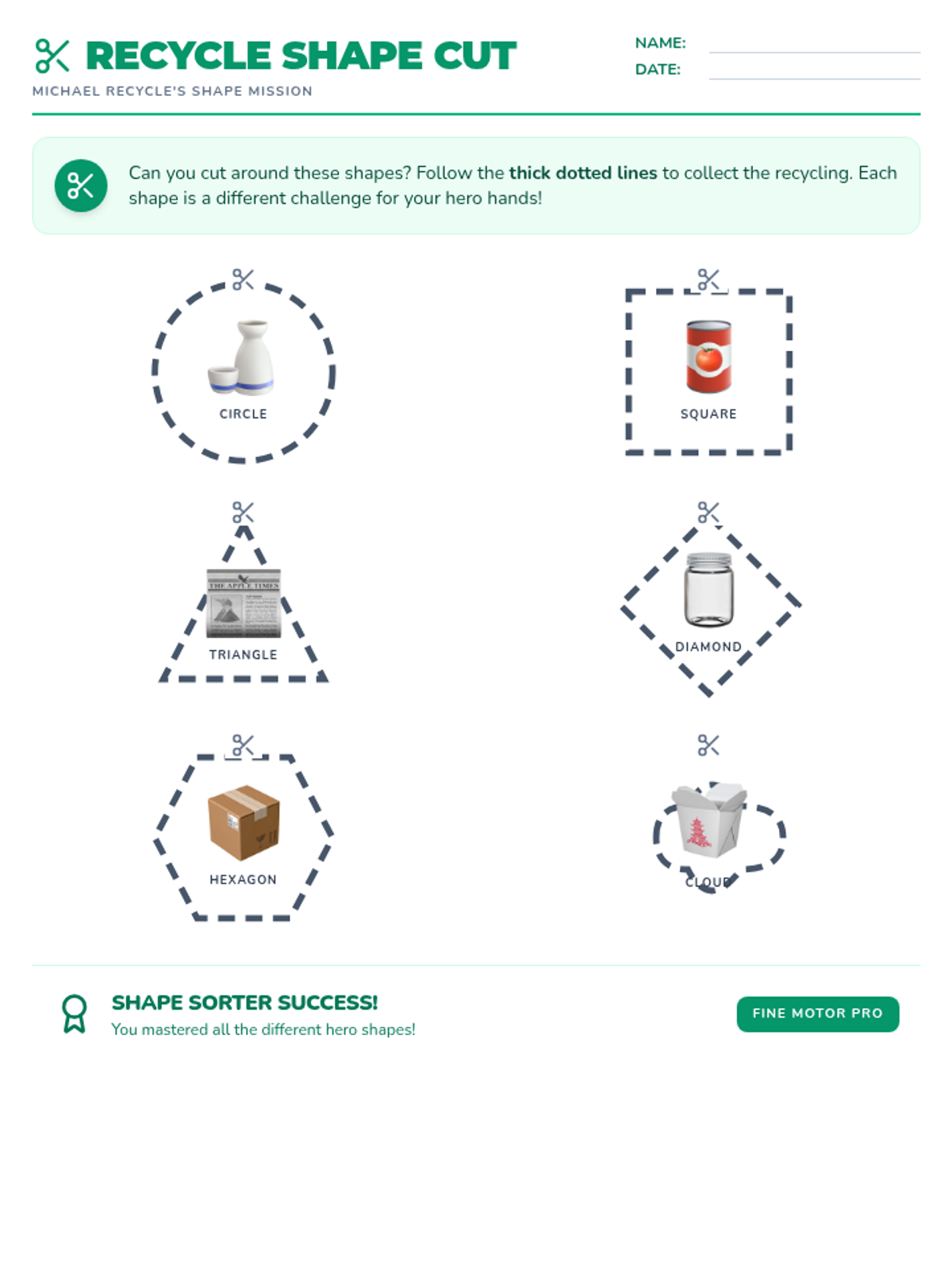
A reading comprehension lesson centered on the book Michael Recycle by Ellie Bethel, focusing on identifying key story elements using WH-questions.
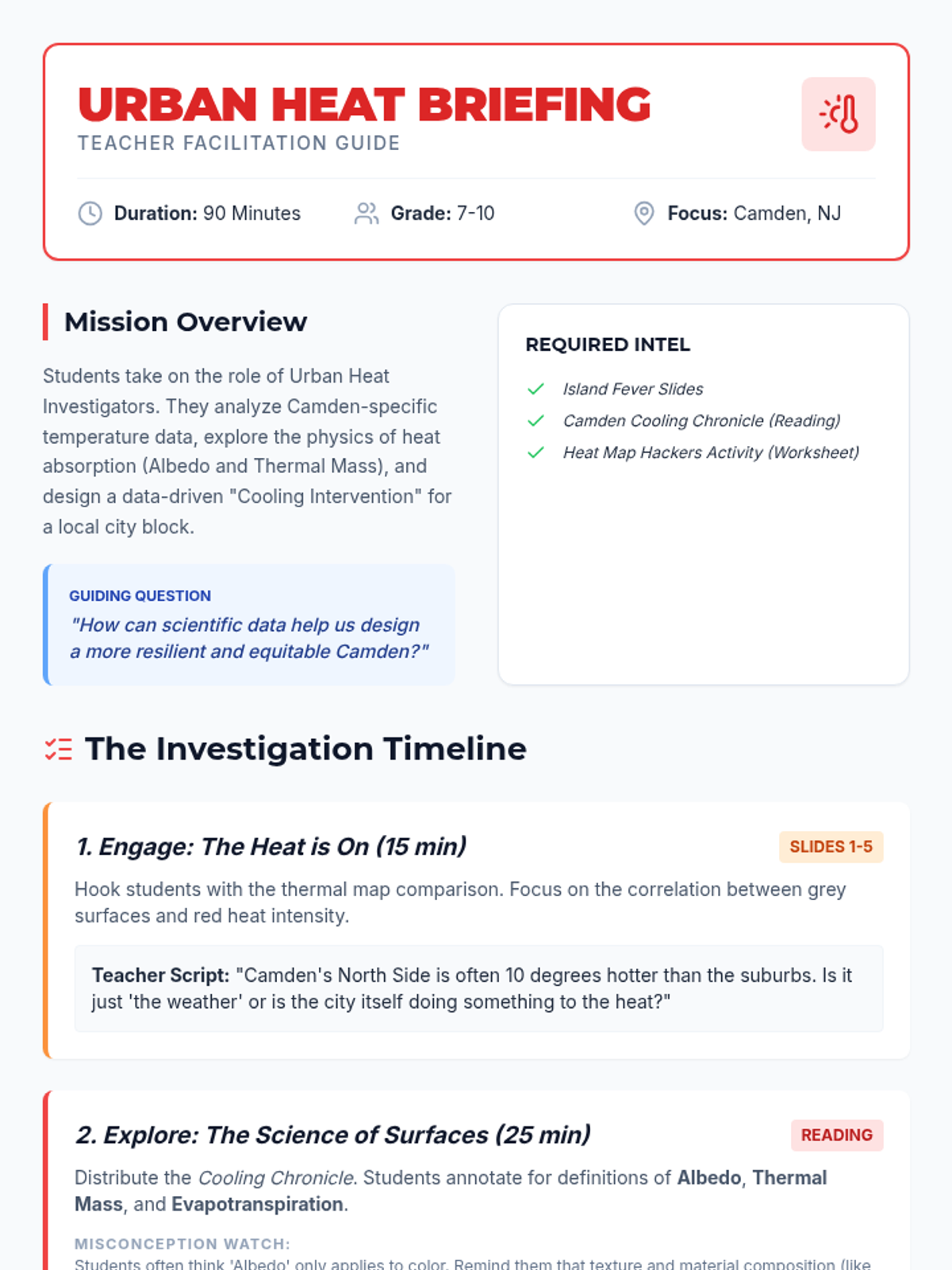
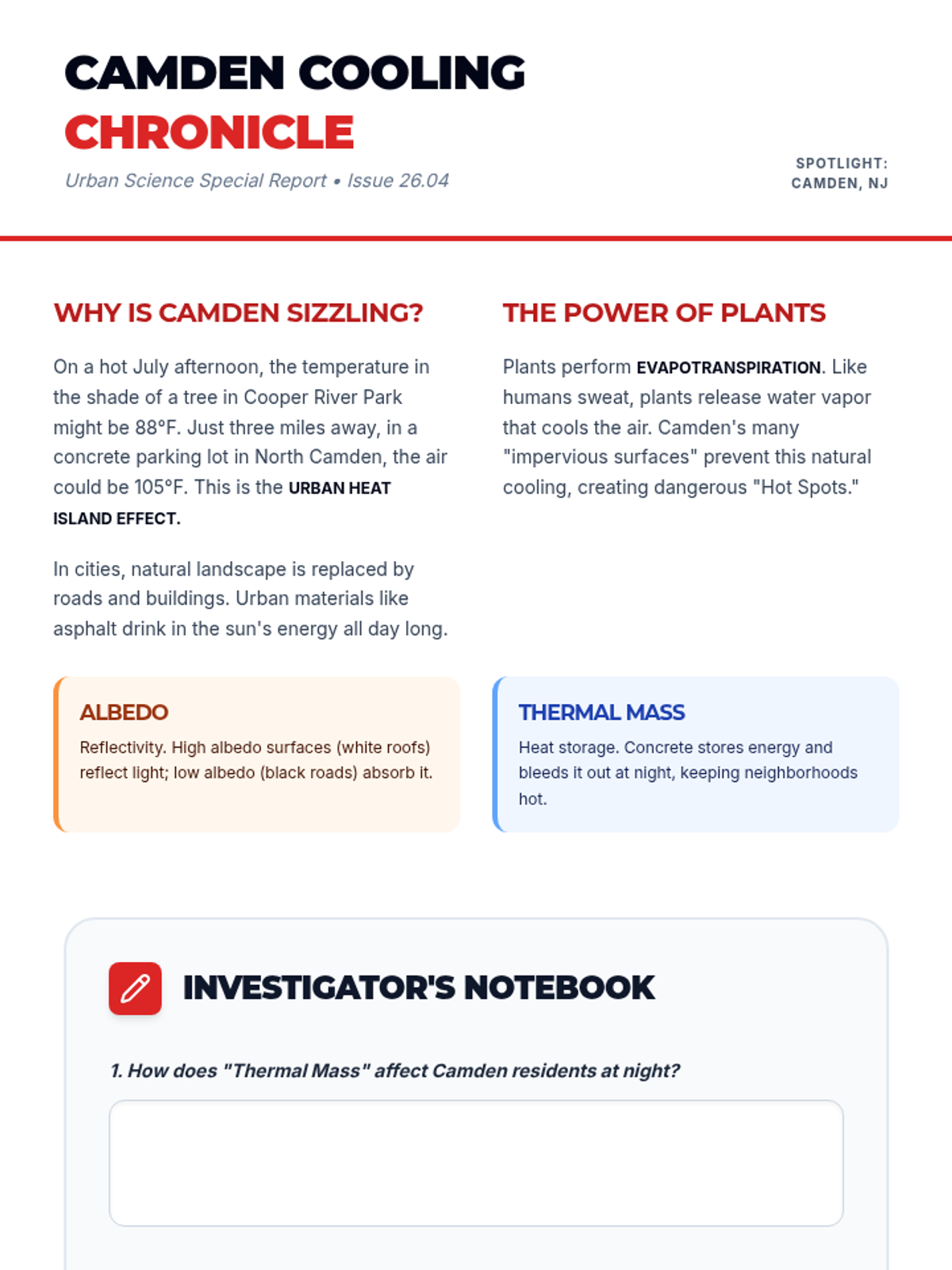
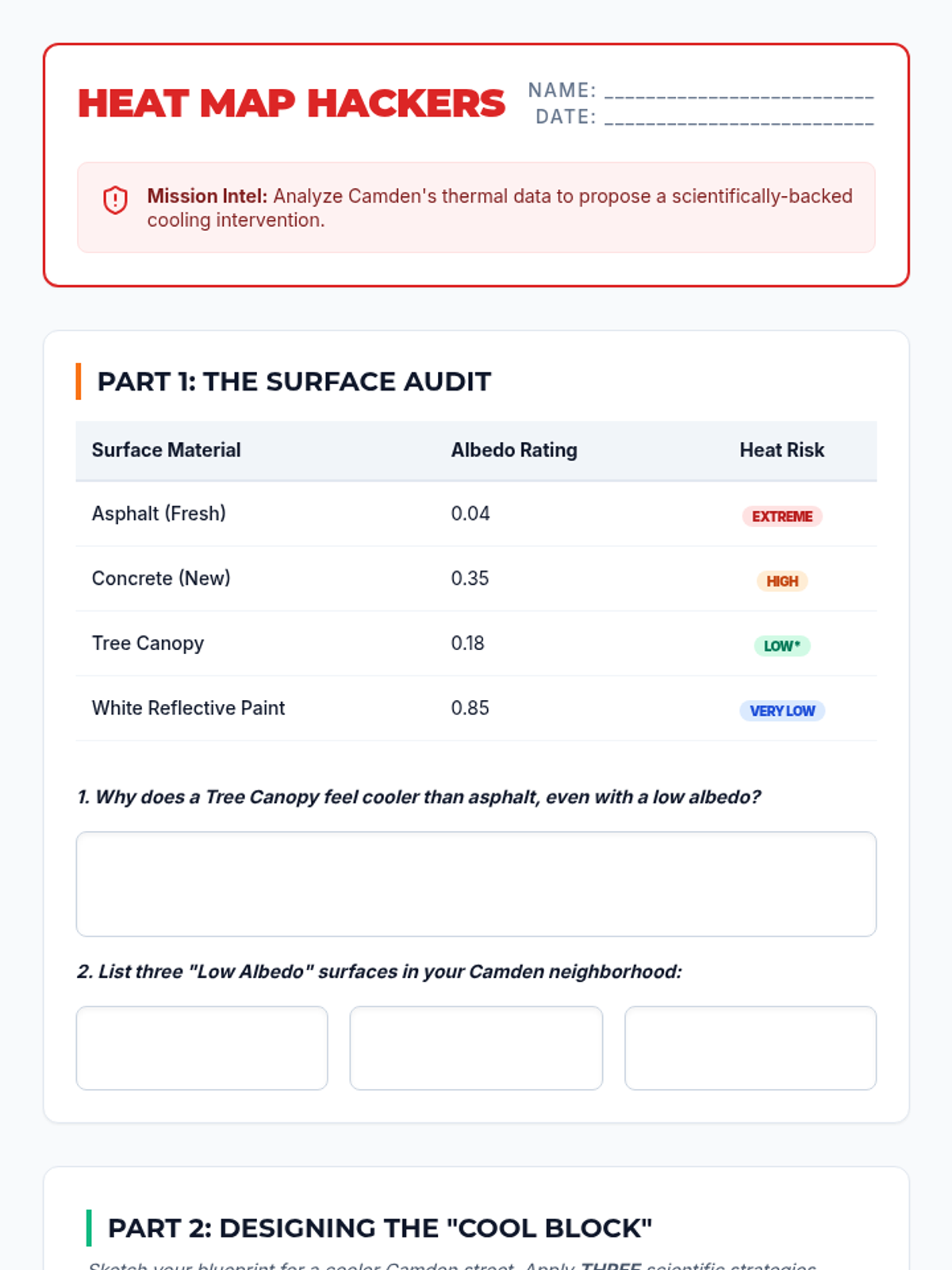
Students investigate the urban heat island effect through the lens of Camden, NJ, exploring how surface materials and lack of vegetation impact local temperatures and designing sustainable cooling solutions.
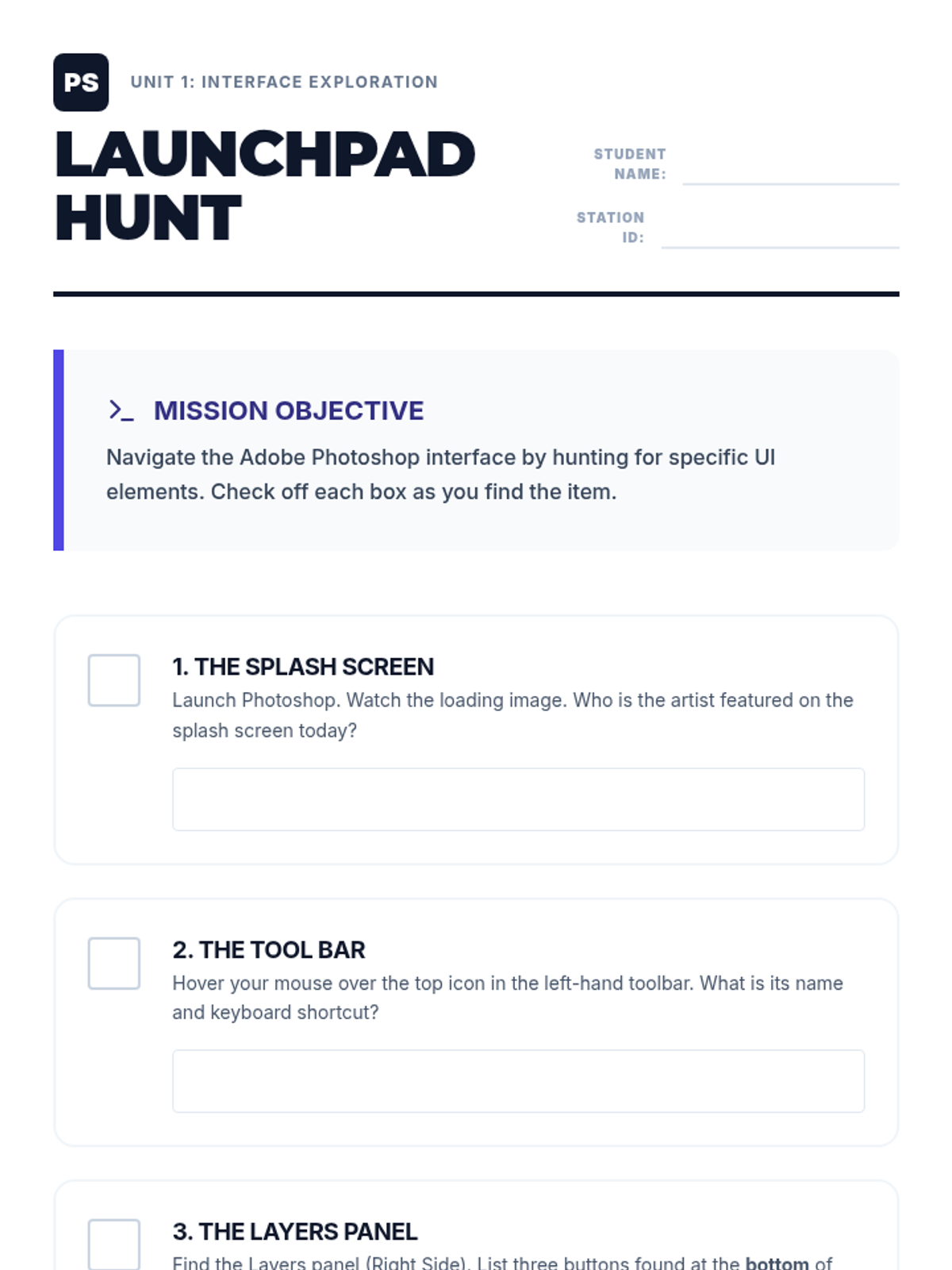
A gentle introduction to Adobe Photoshop, focusing on software location, basic interface, and the broad possibilities of digital creation.
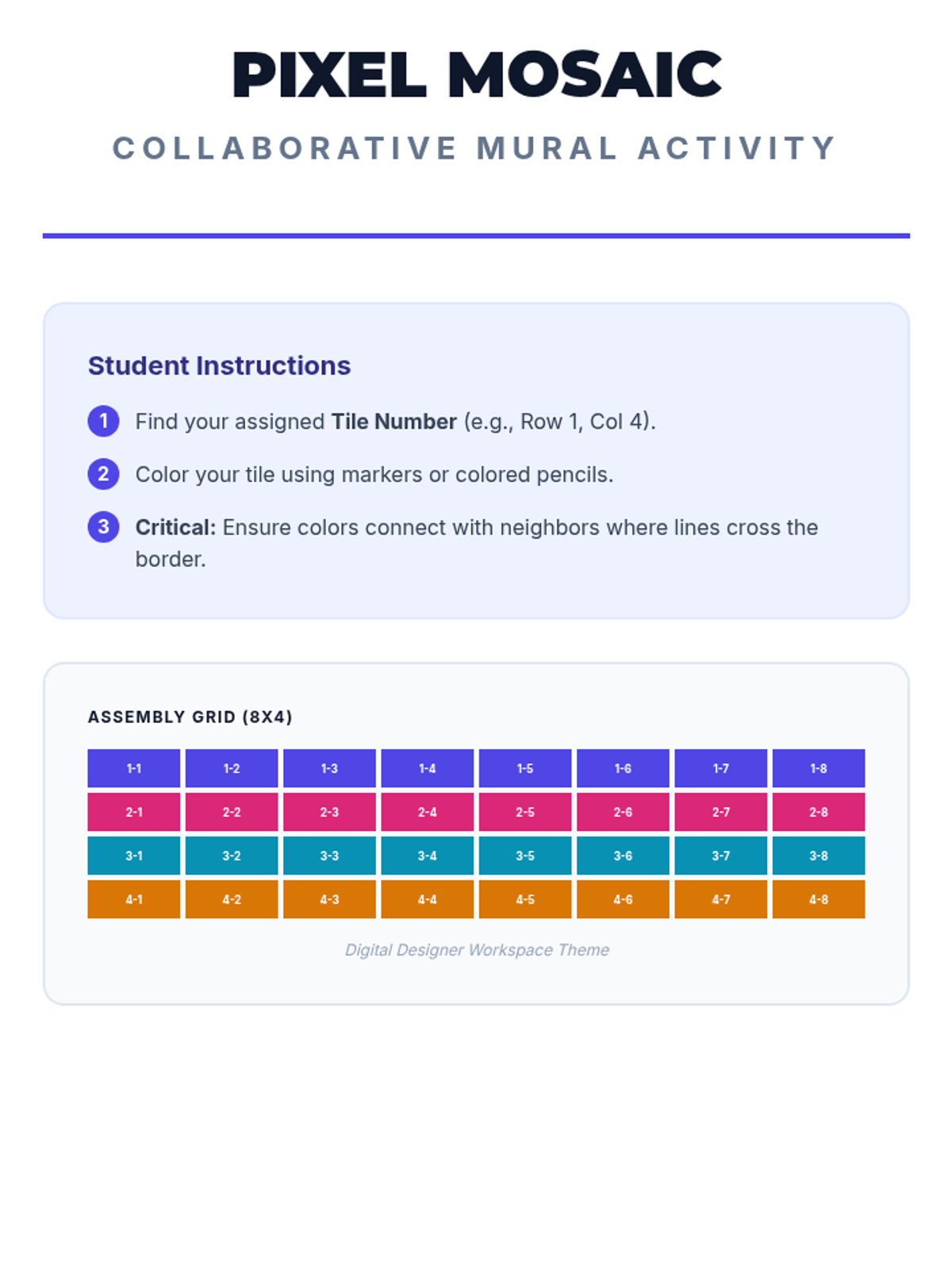
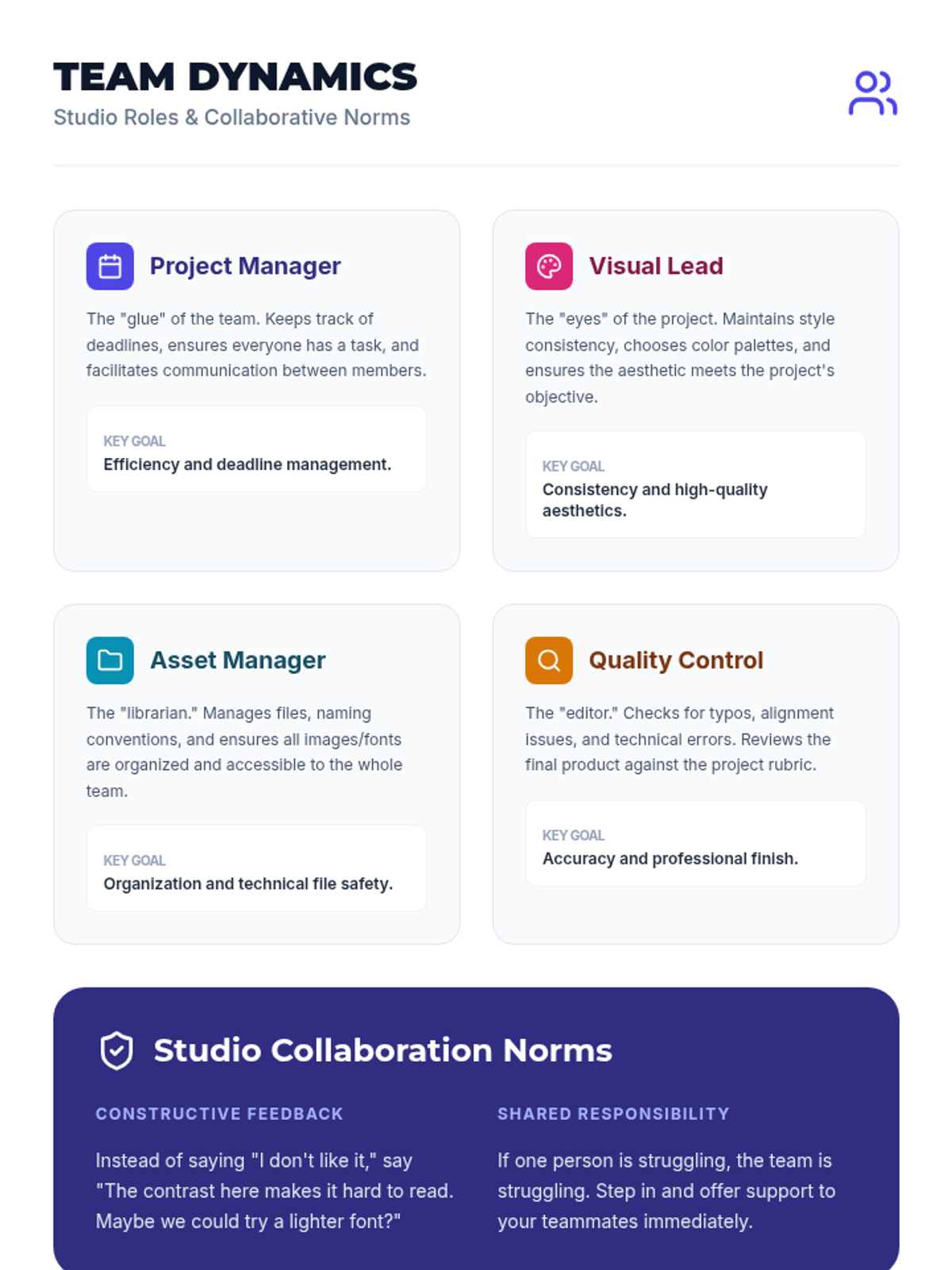
Developing collaborative skills through a 32-piece mosaic coloring activity and learning about team roles in a design studio environment.