Students investigate the urban heat island effect through the lens of Camden, NJ, exploring how surface materials and lack of vegetation impact local temperatures and designing sustainable cooling solutions.
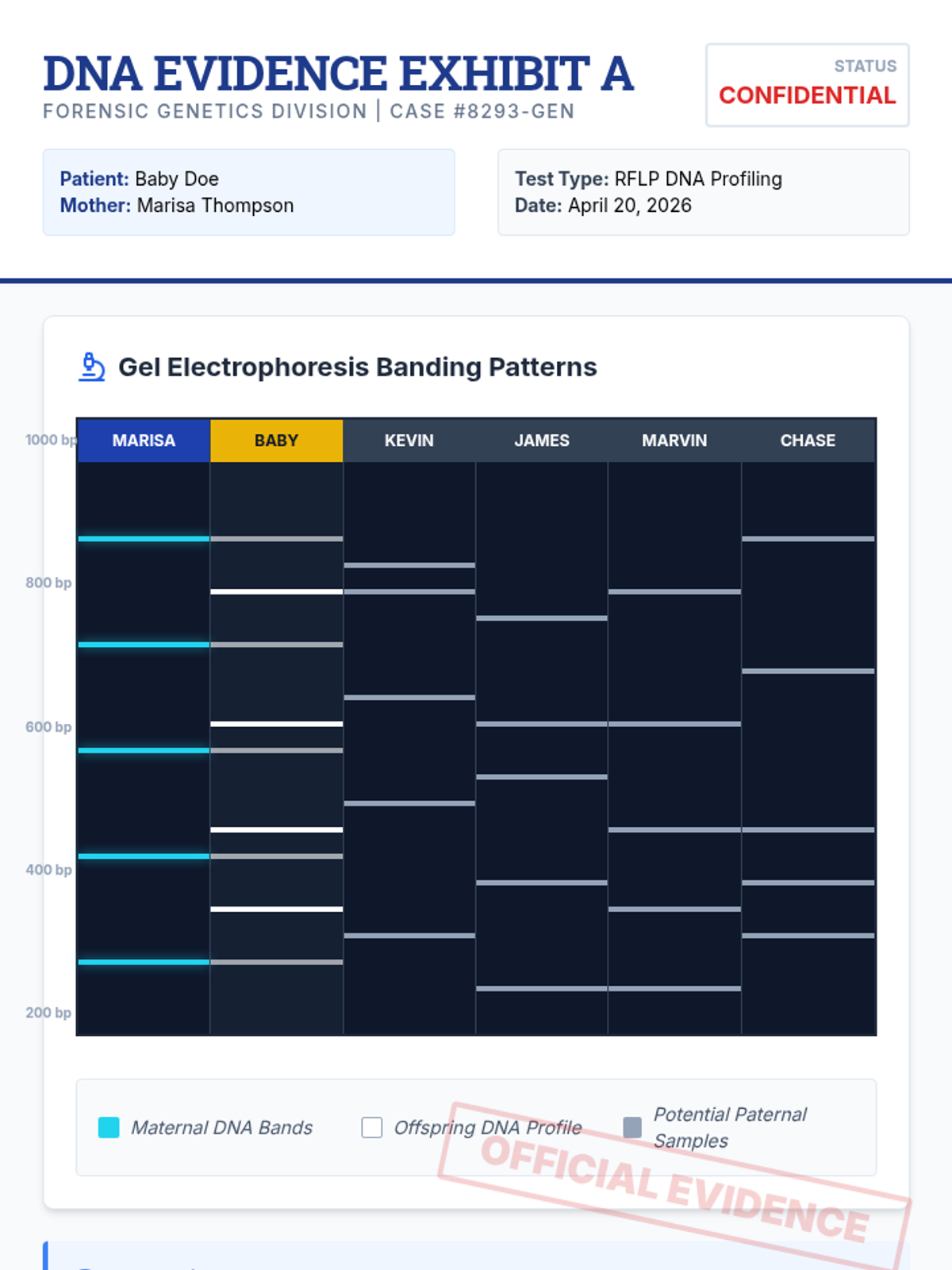
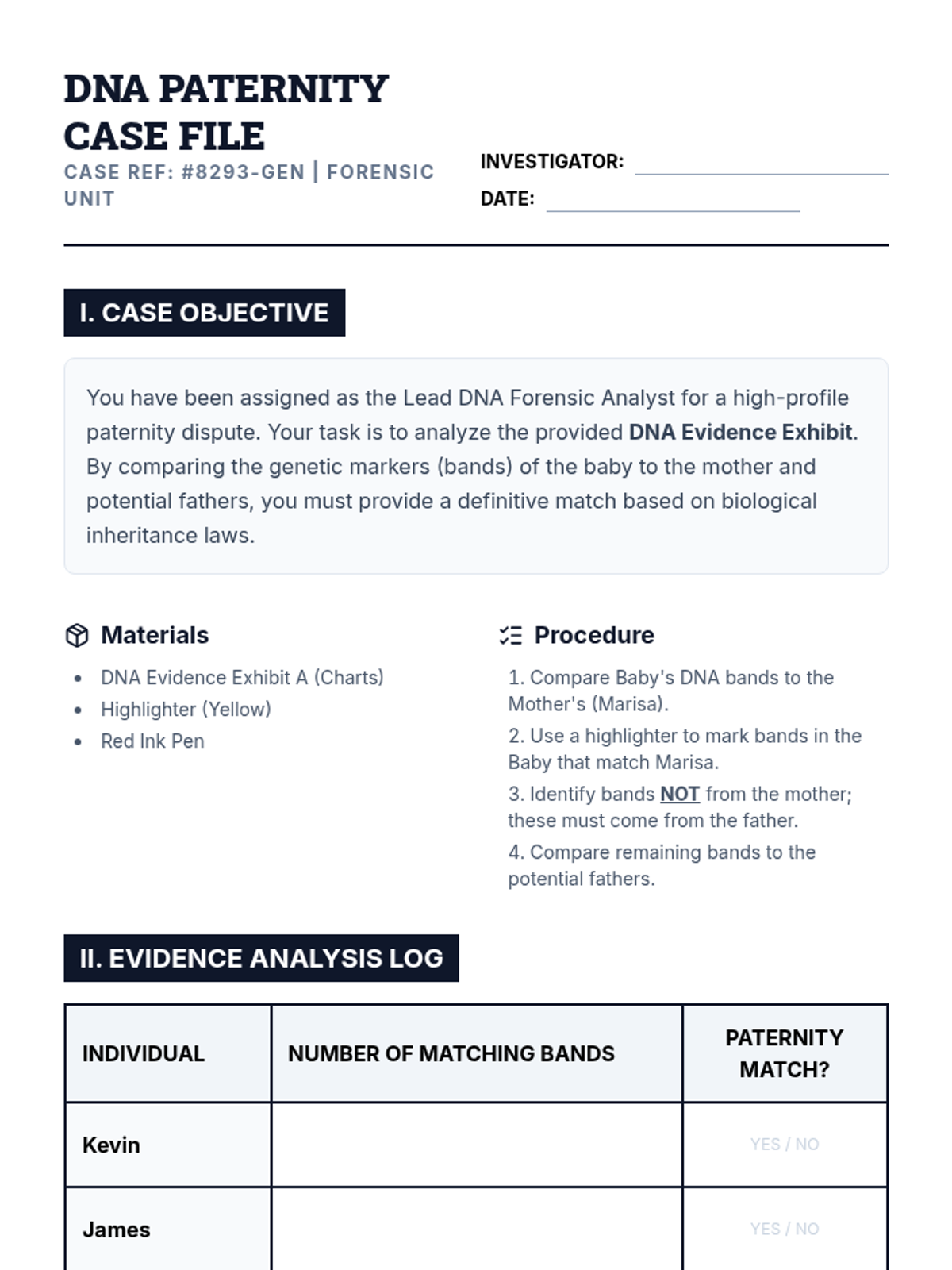
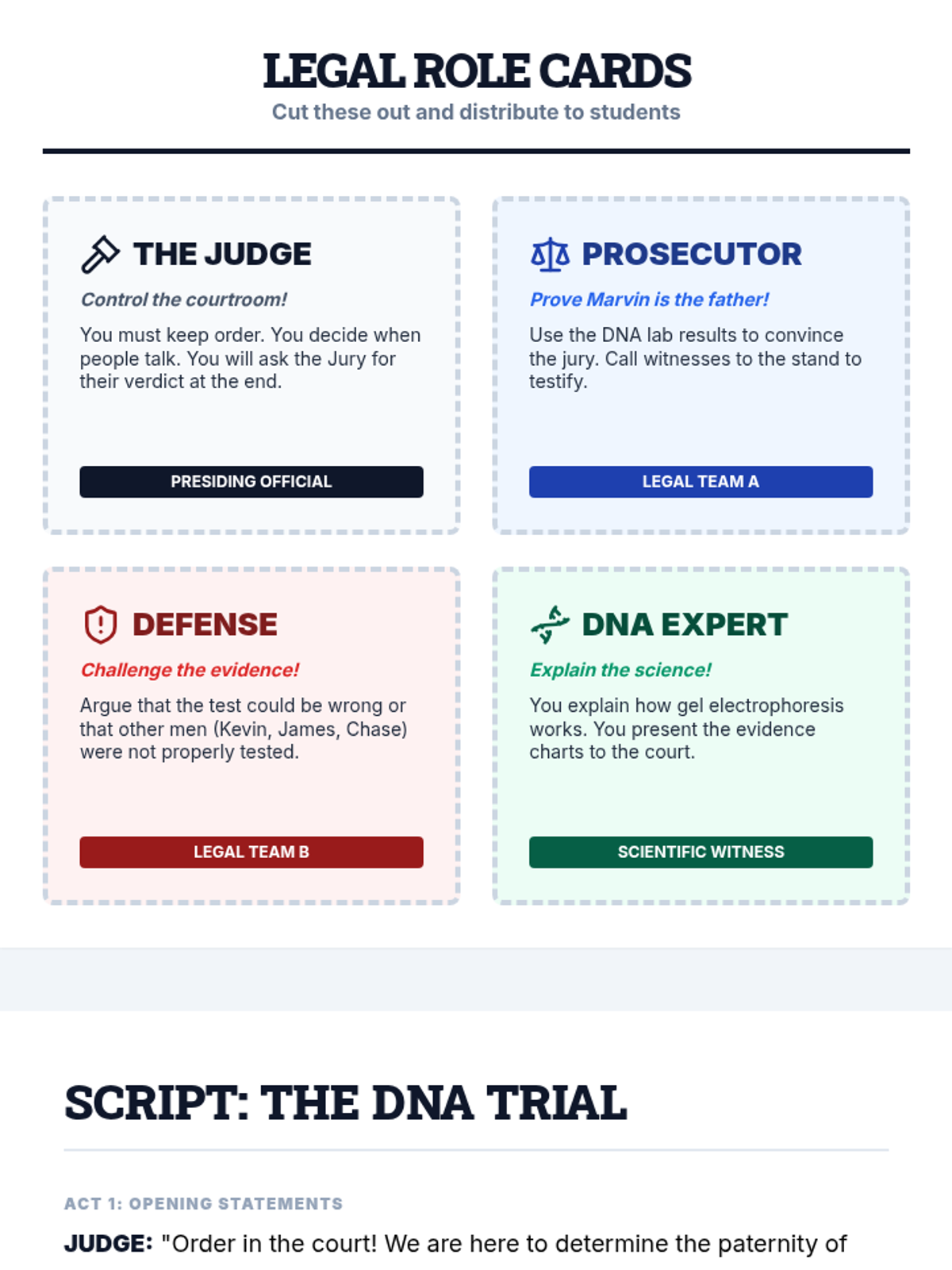
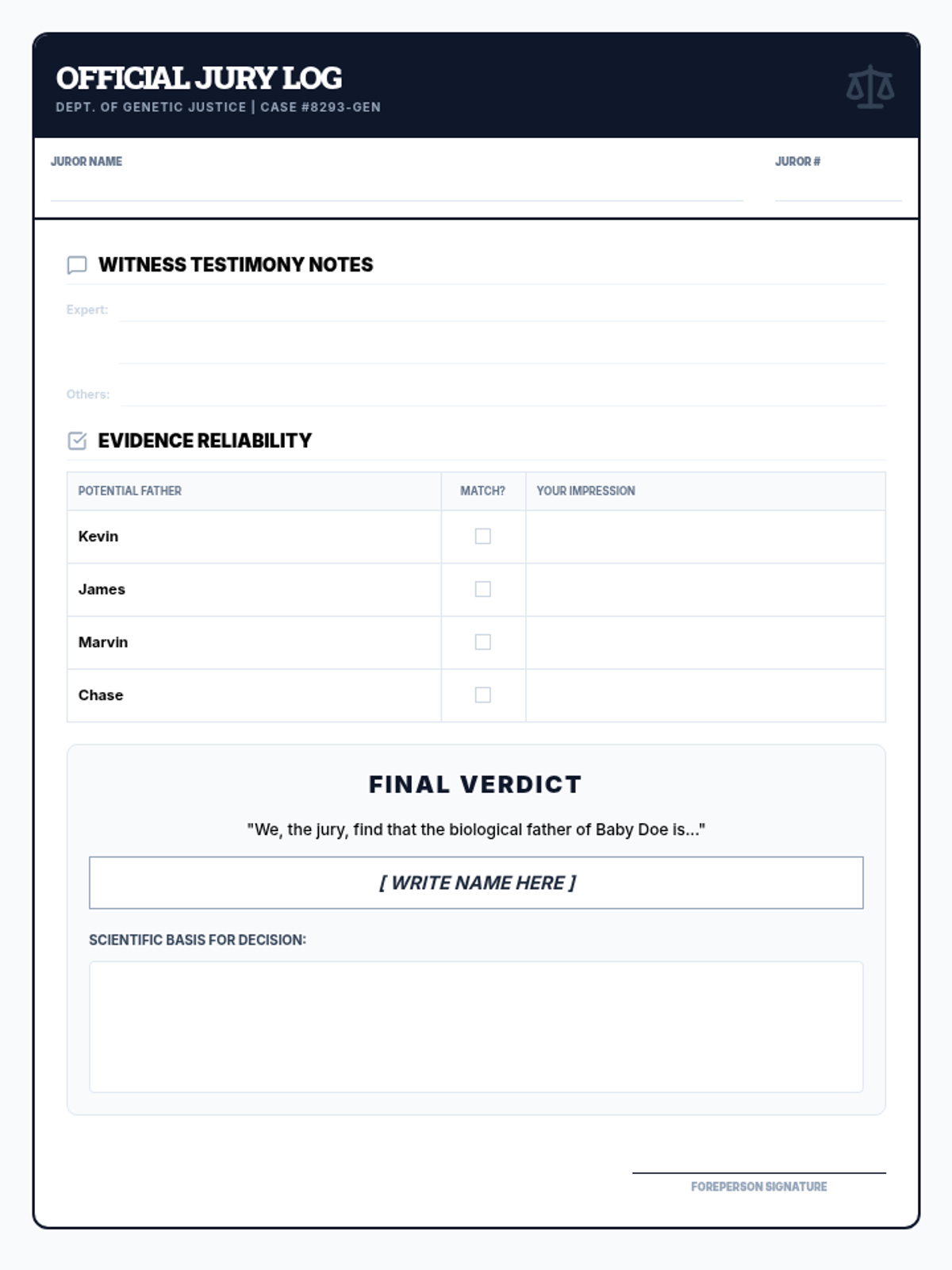
A comprehensive lab and role-play lesson where students analyze DNA profiles to determine paternity and then argue the case in a mock courtroom setting.
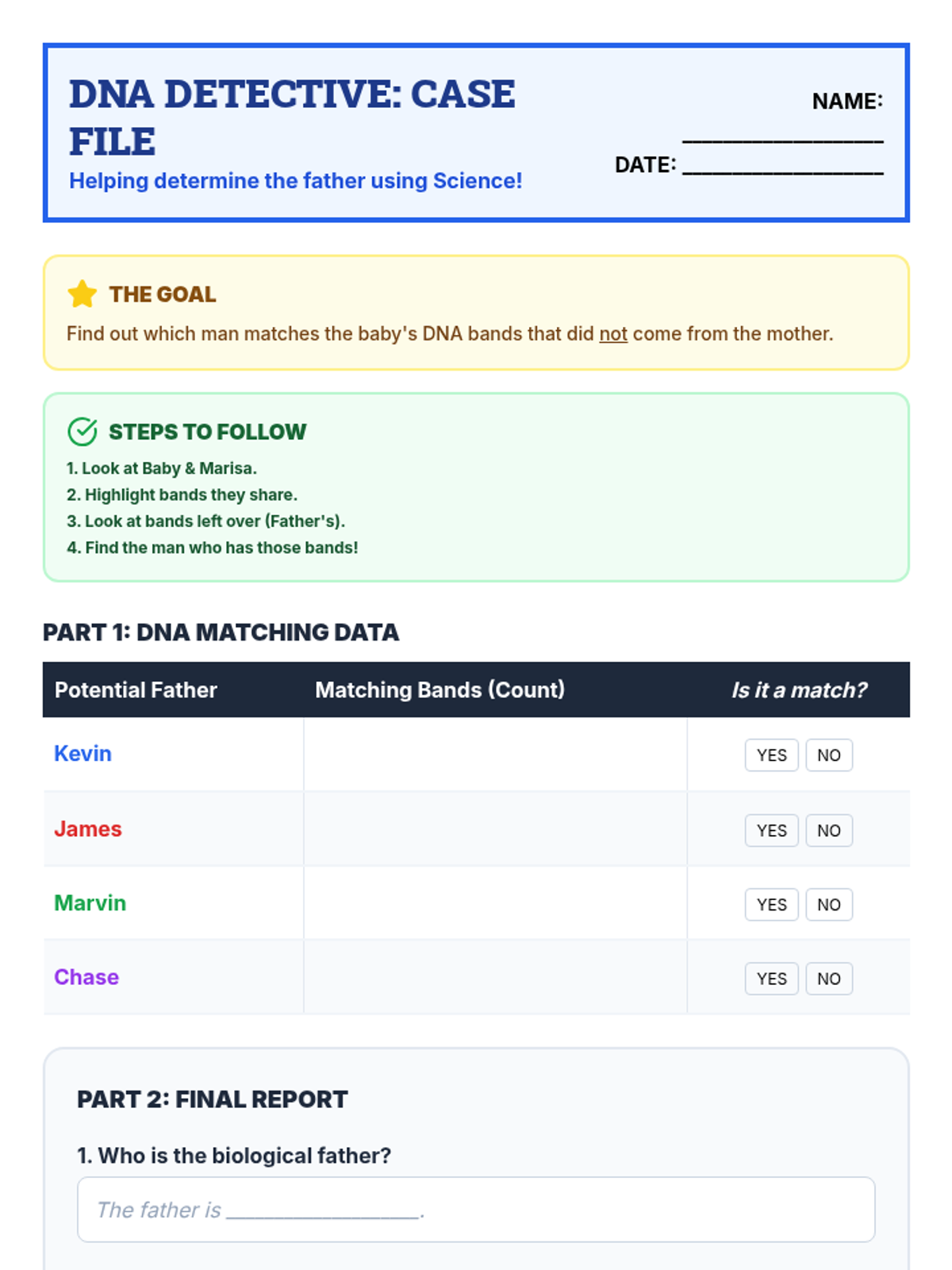
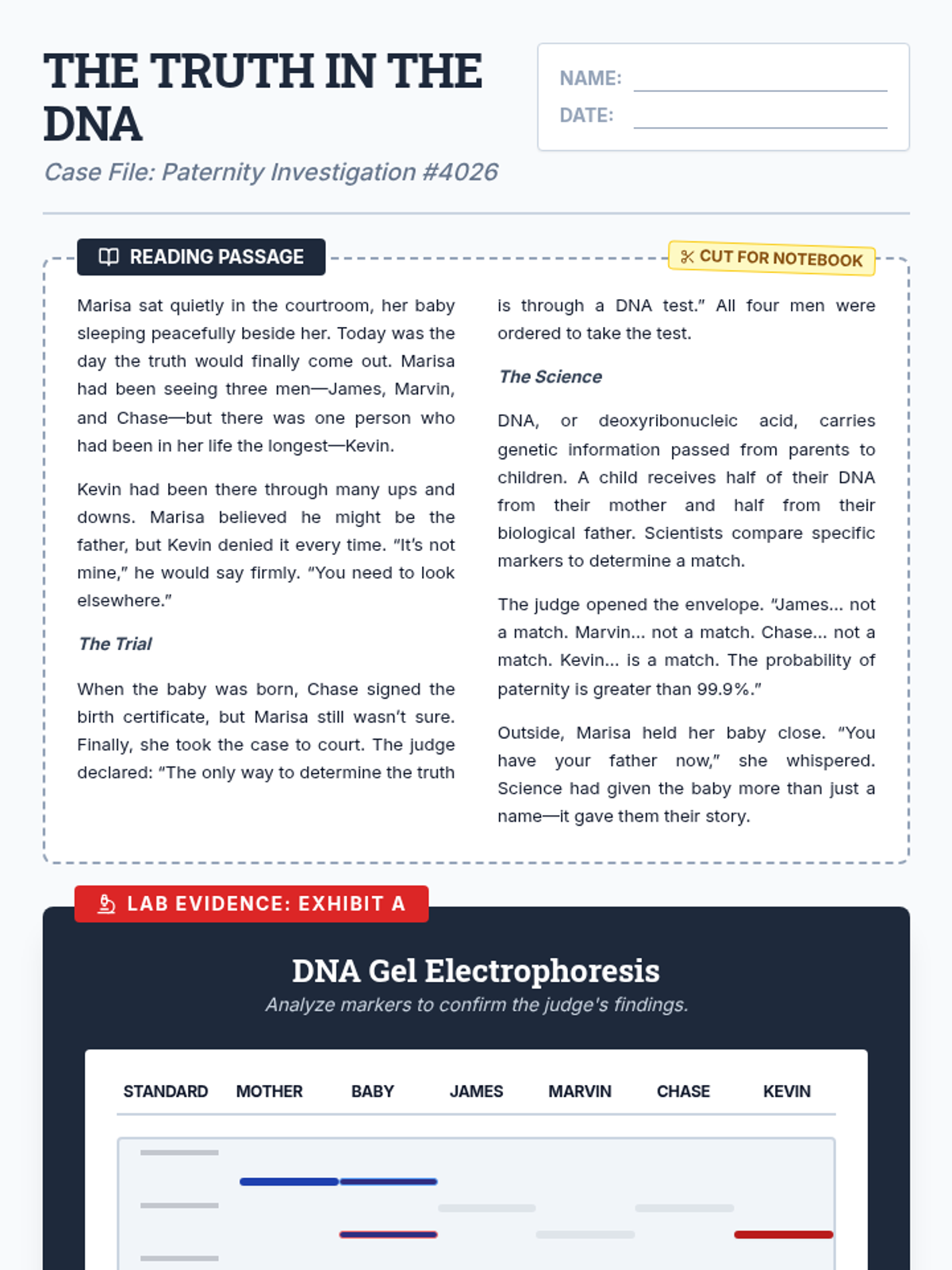
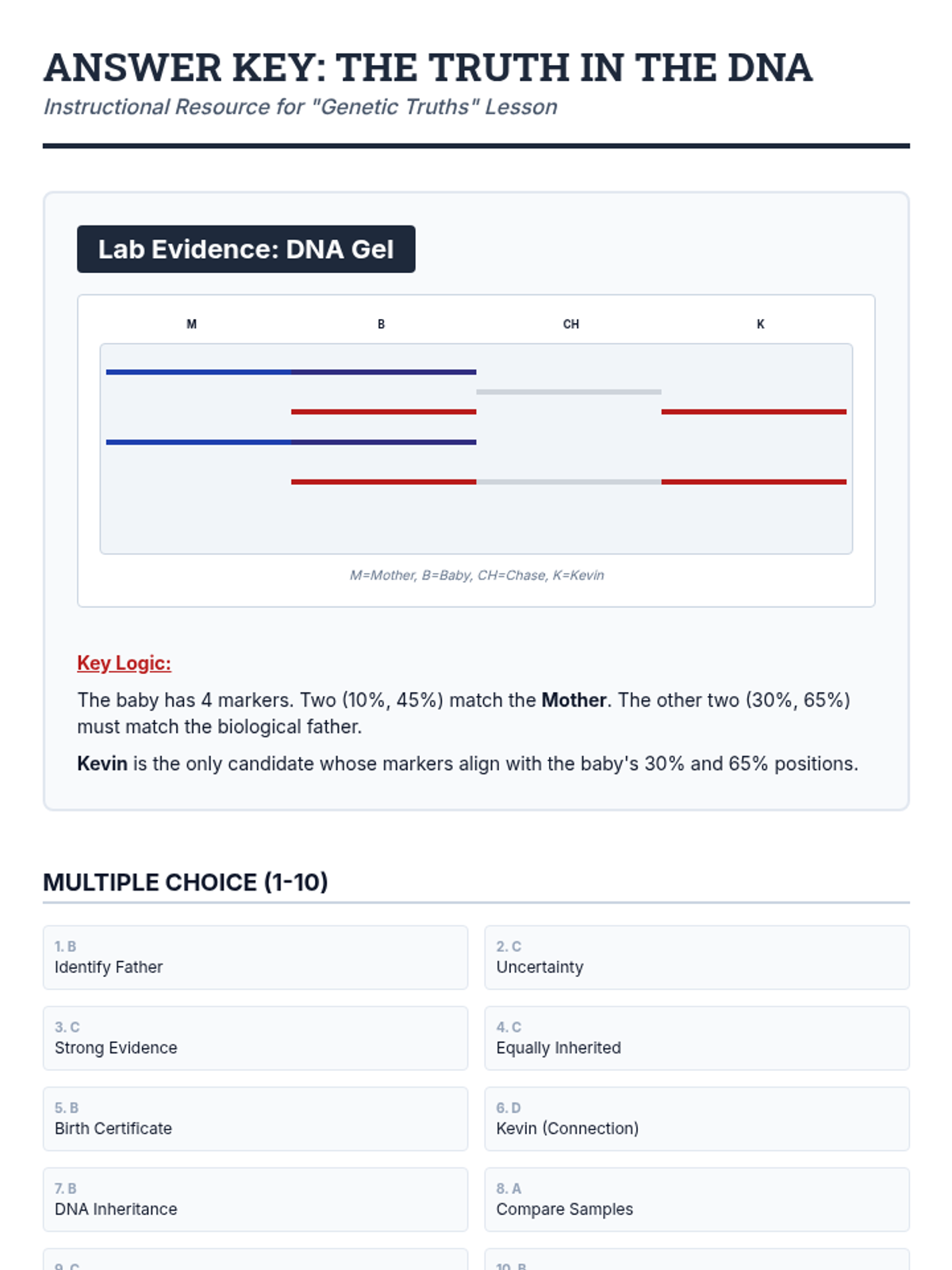
A lesson exploring DNA inheritance and paternity through a real-world narrative case study, focusing on DNA gel electrophoresis and Punnett squares.
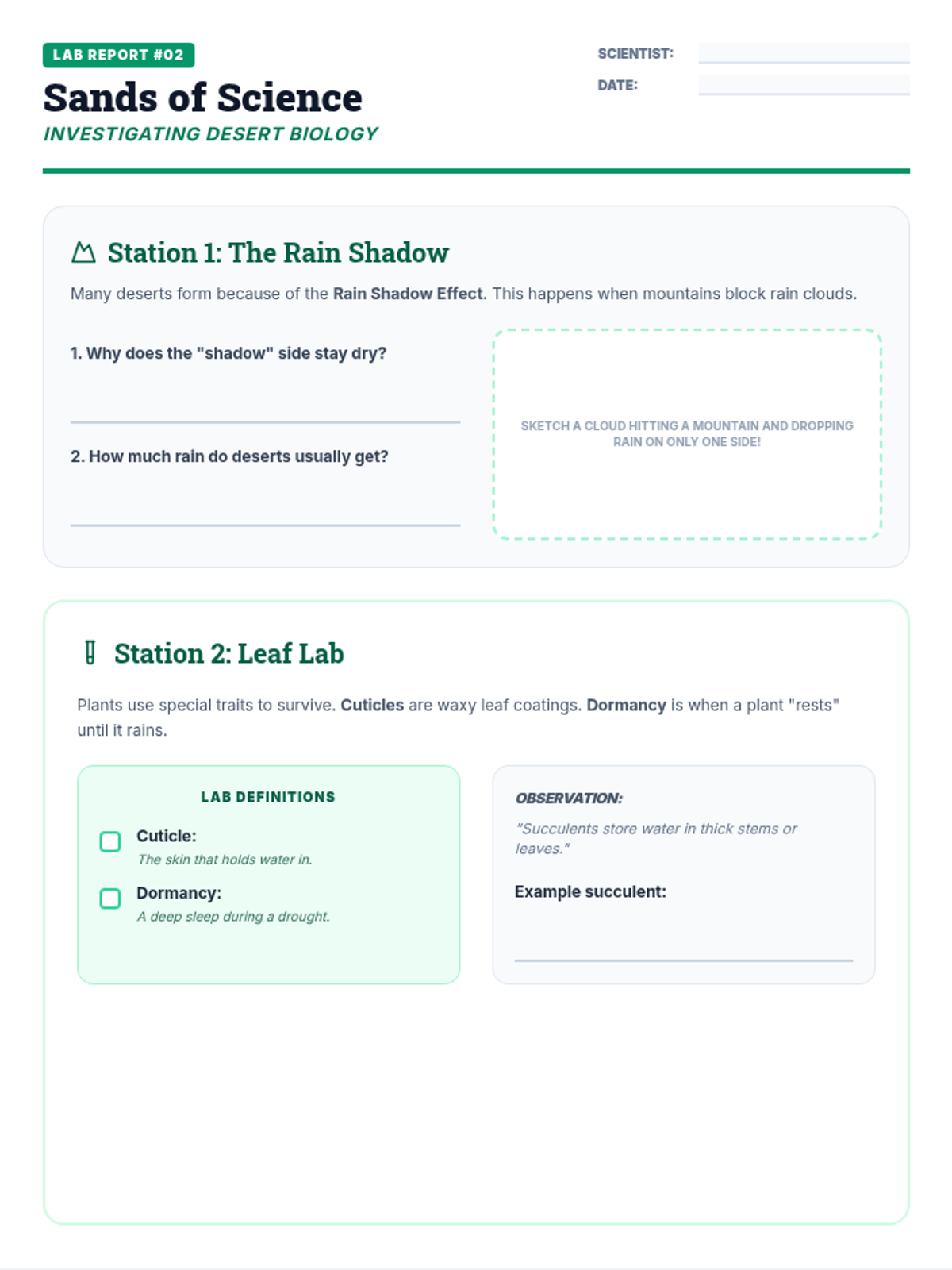
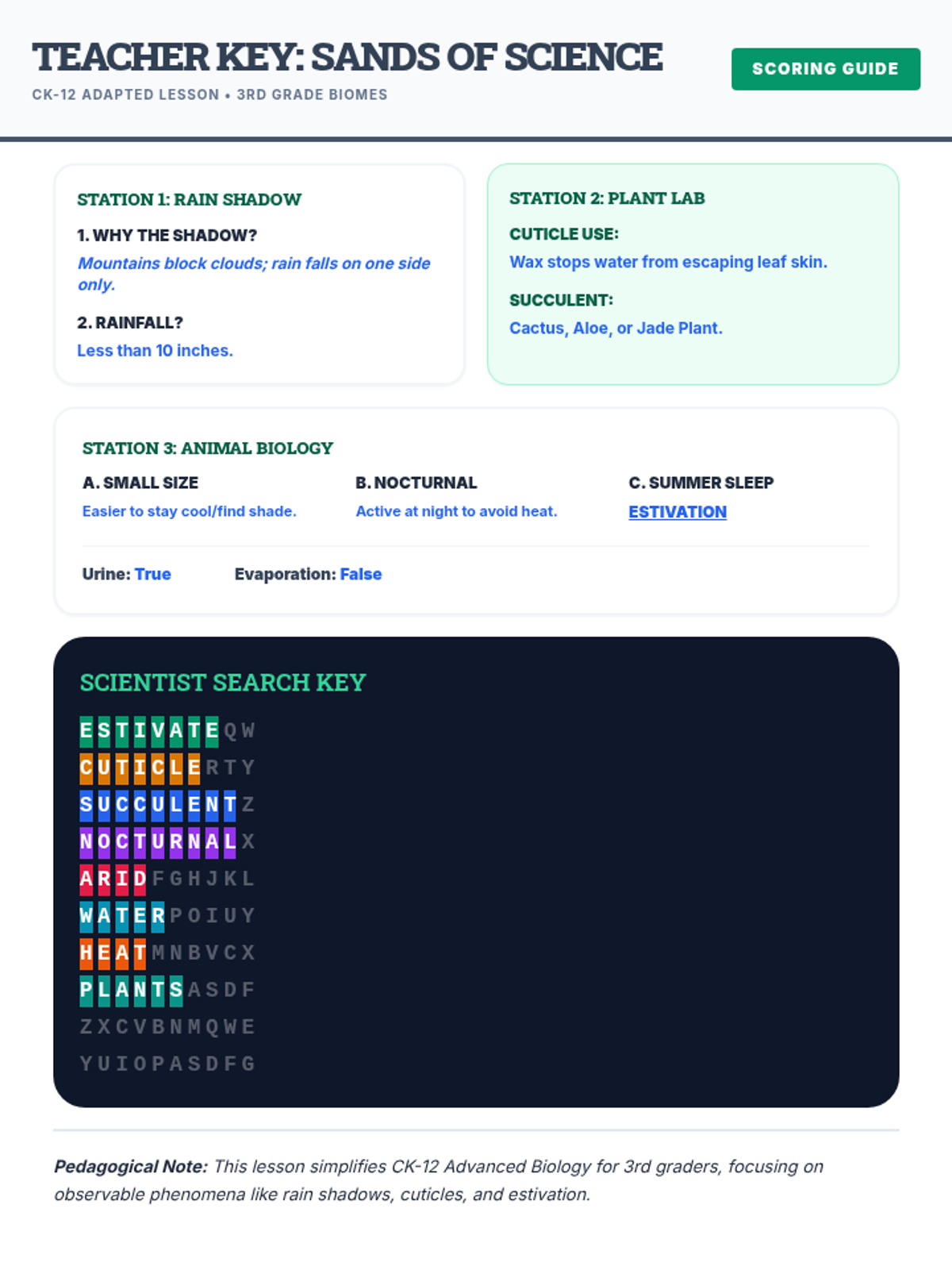
A technical but accessible look into the science of deserts, covering how they form (rain shadows), advanced plant survival, and animal behaviors like estivation.
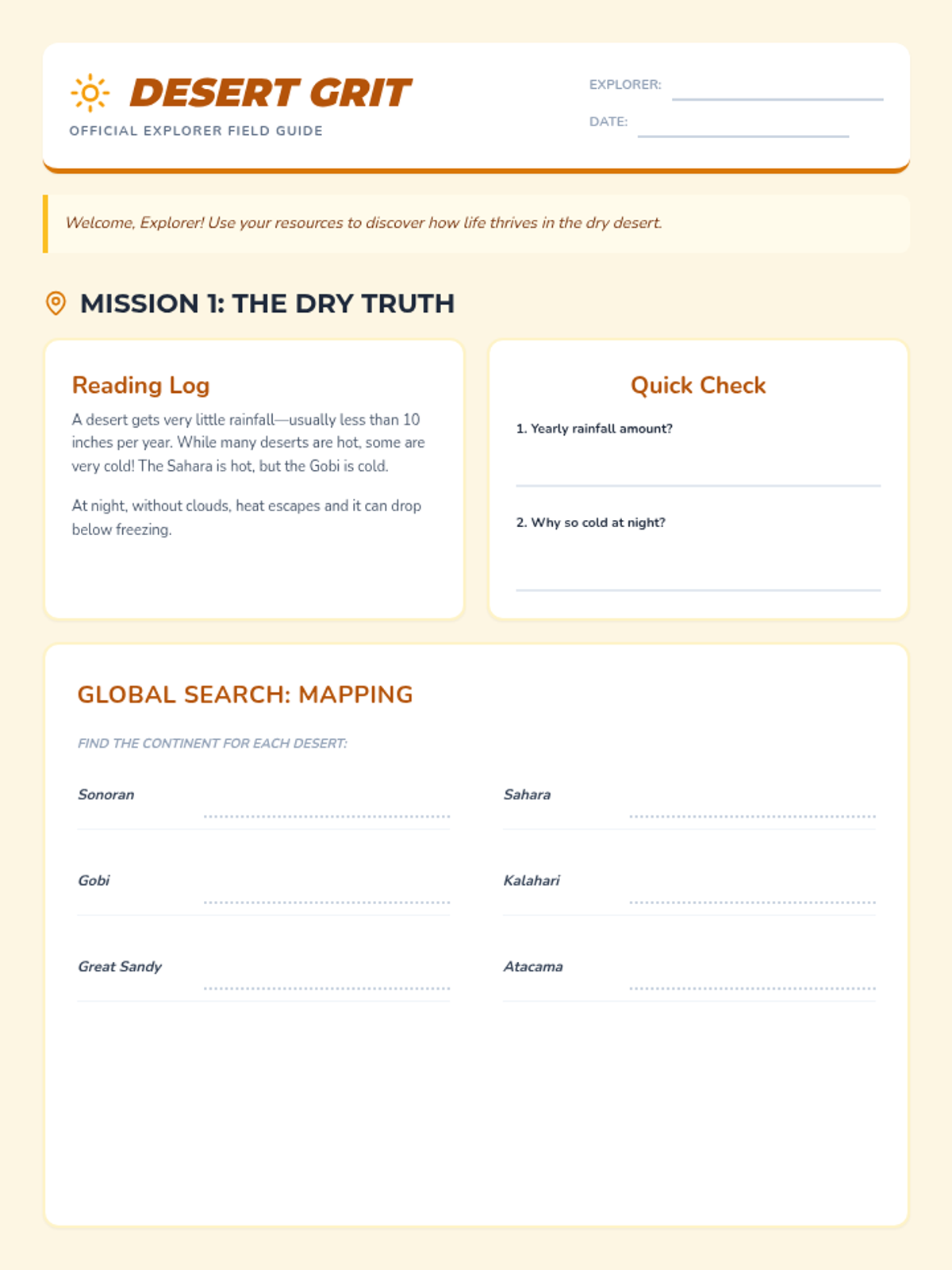
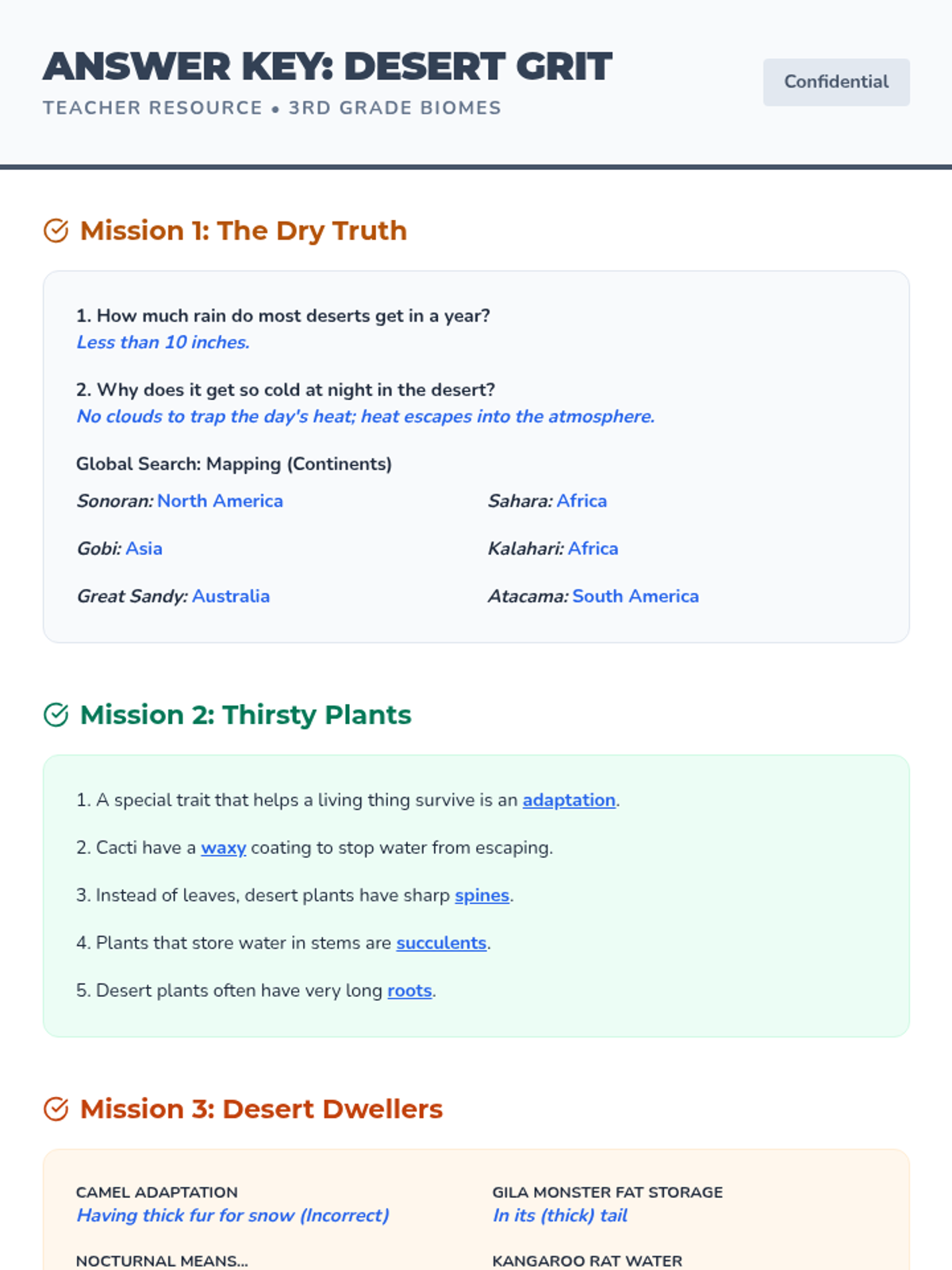
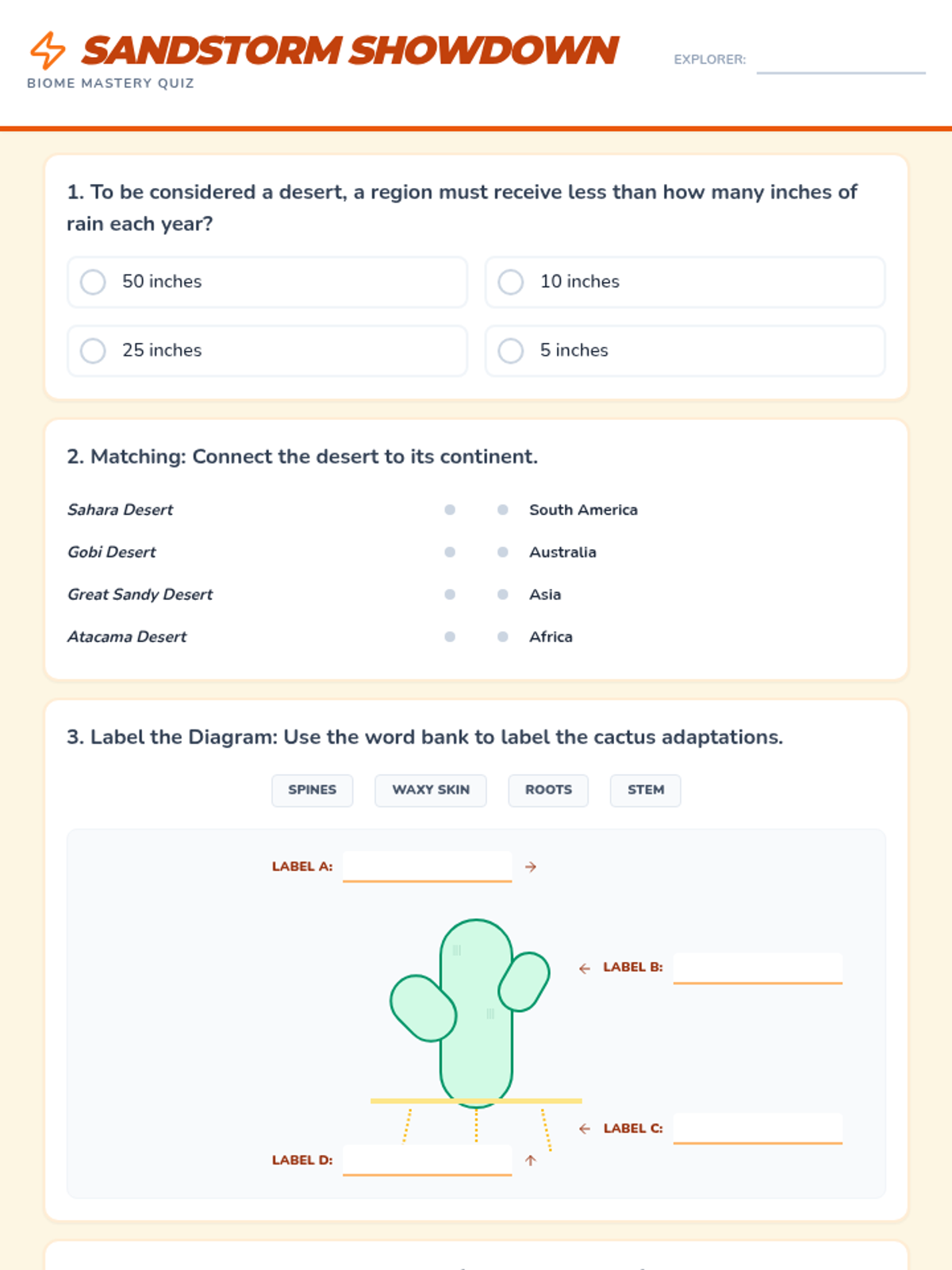
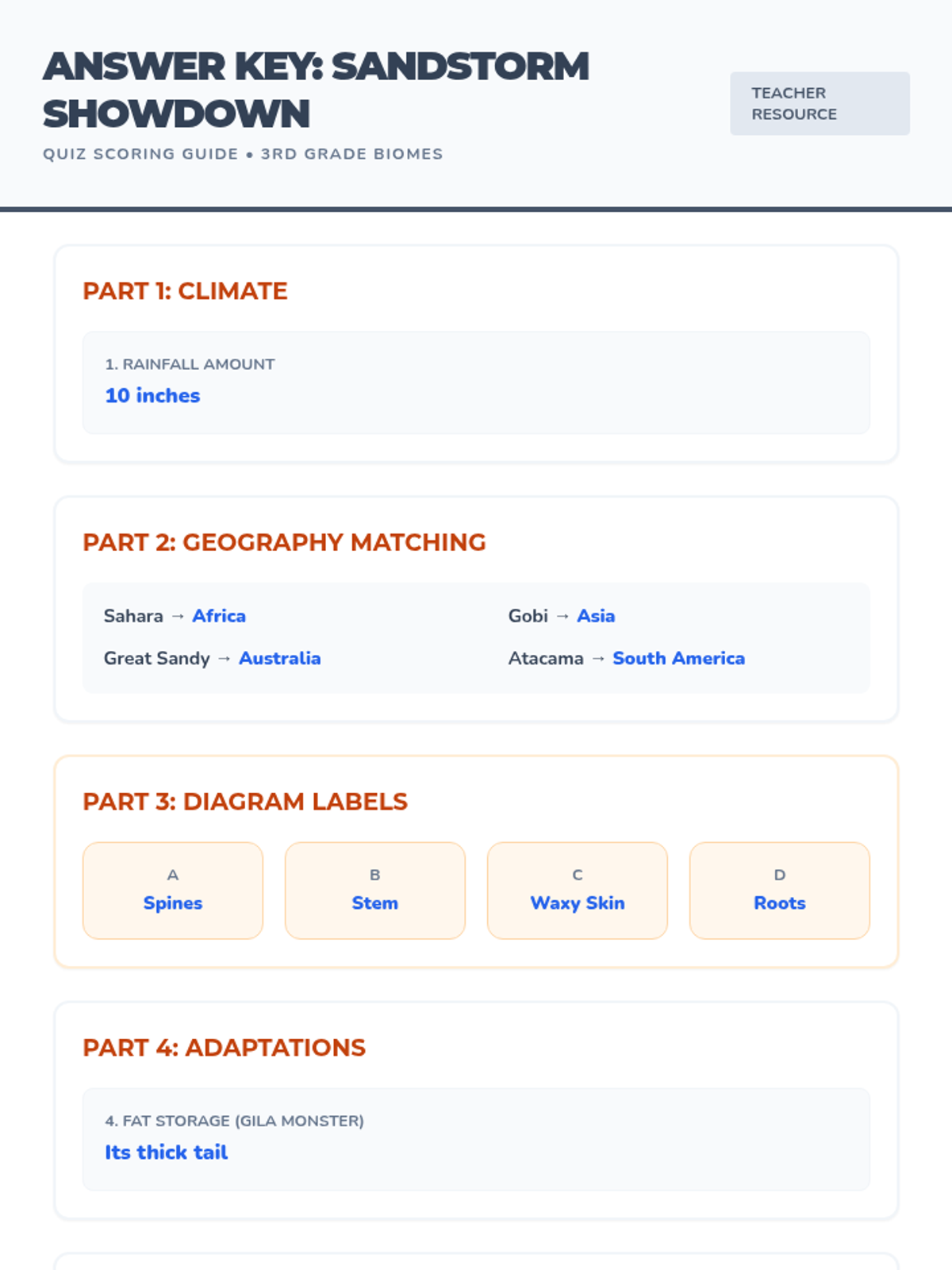
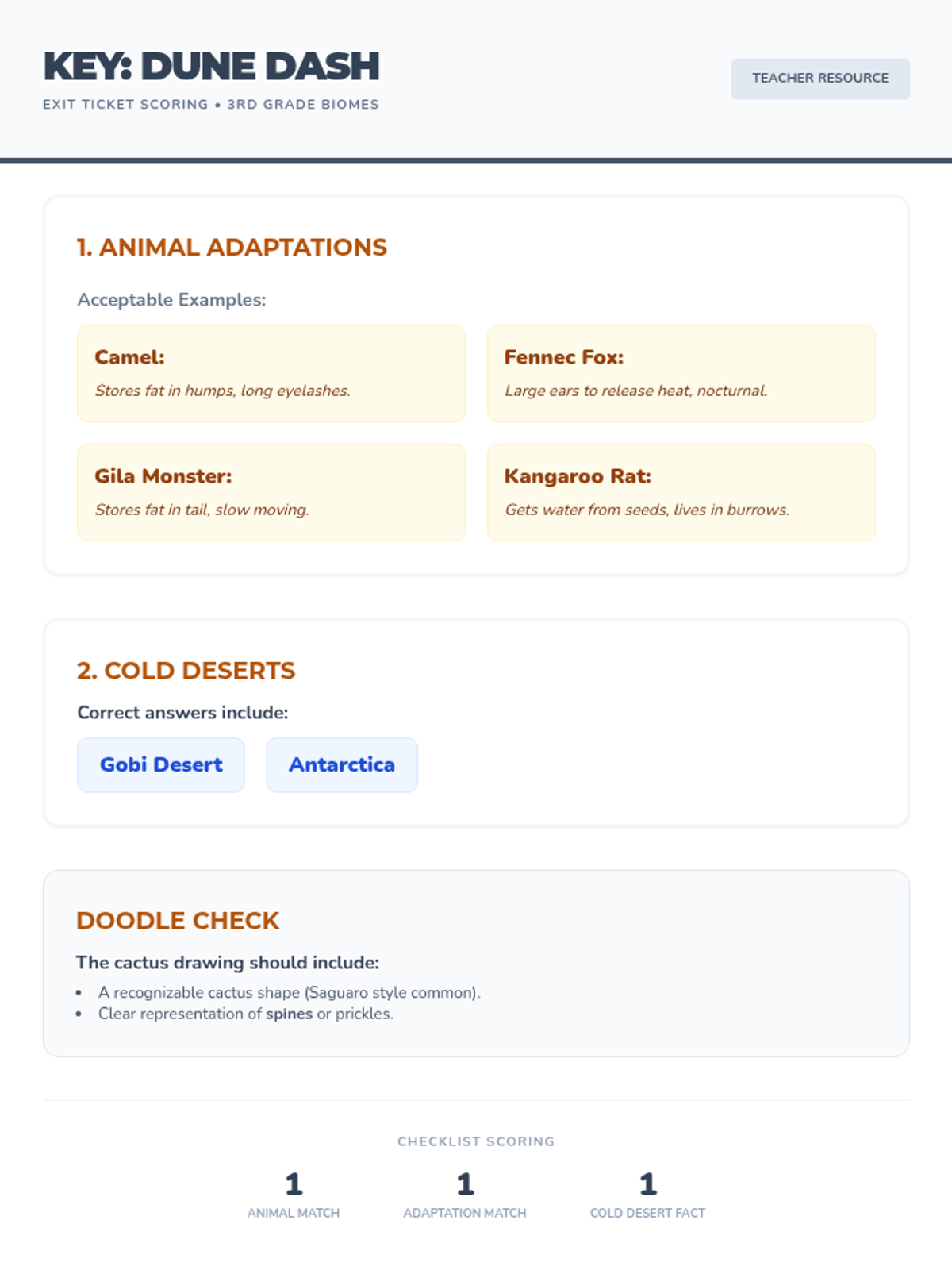
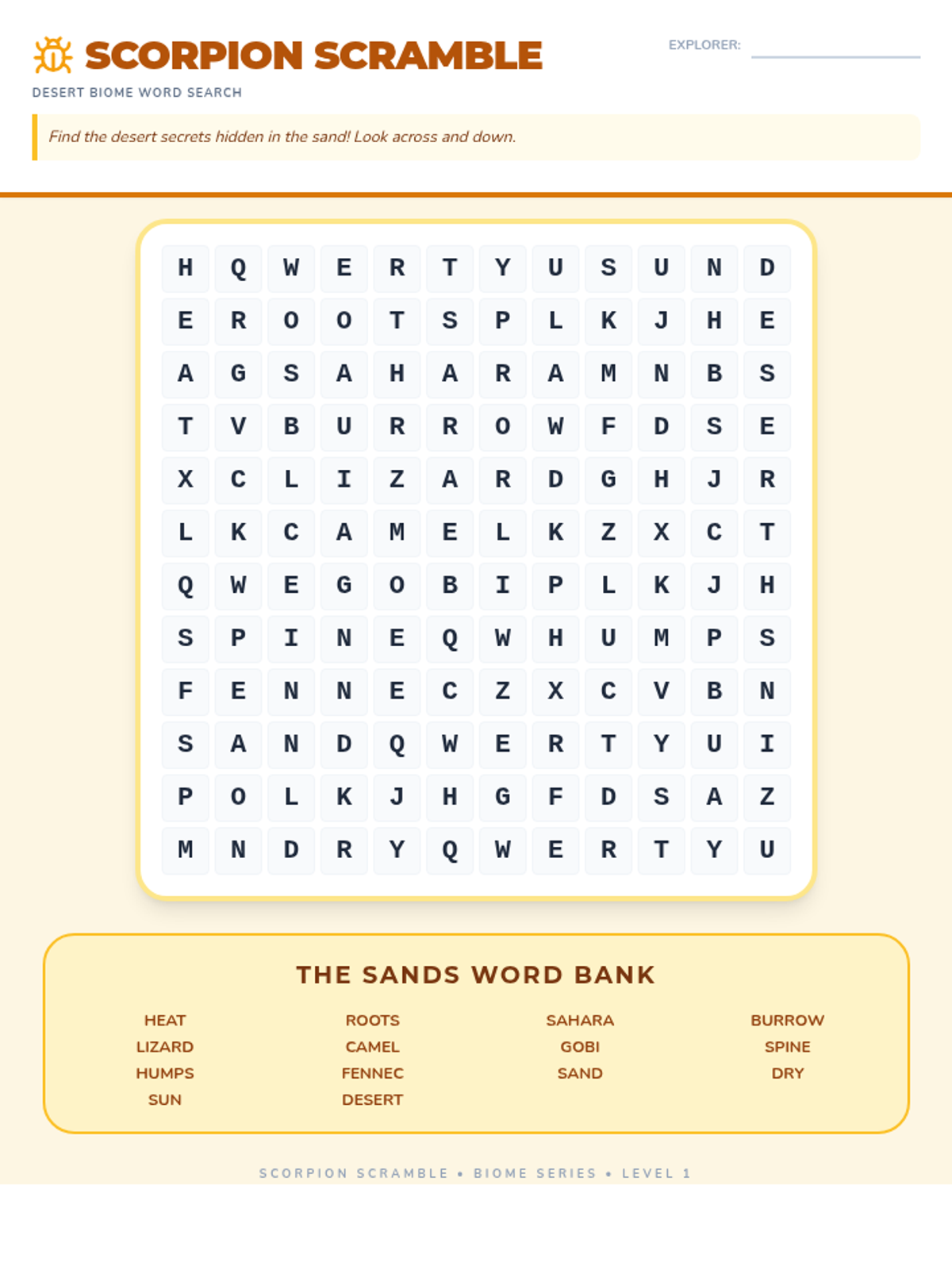
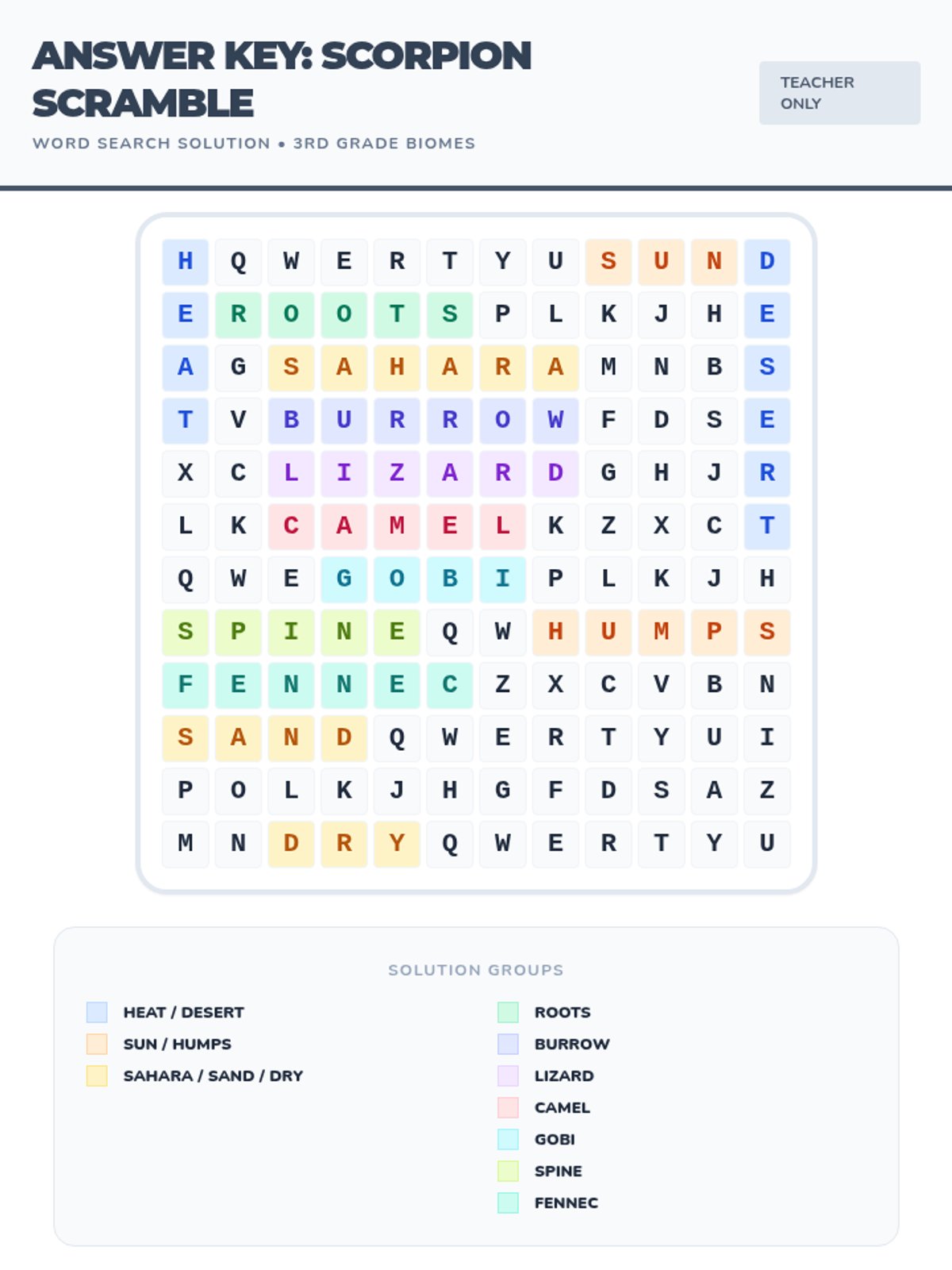
An engaging exploration of the desert biome designed for 3rd-grade students to complete independently. This lesson covers geographical locations, extreme climates, and the remarkable adaptations of desert plants and animals.
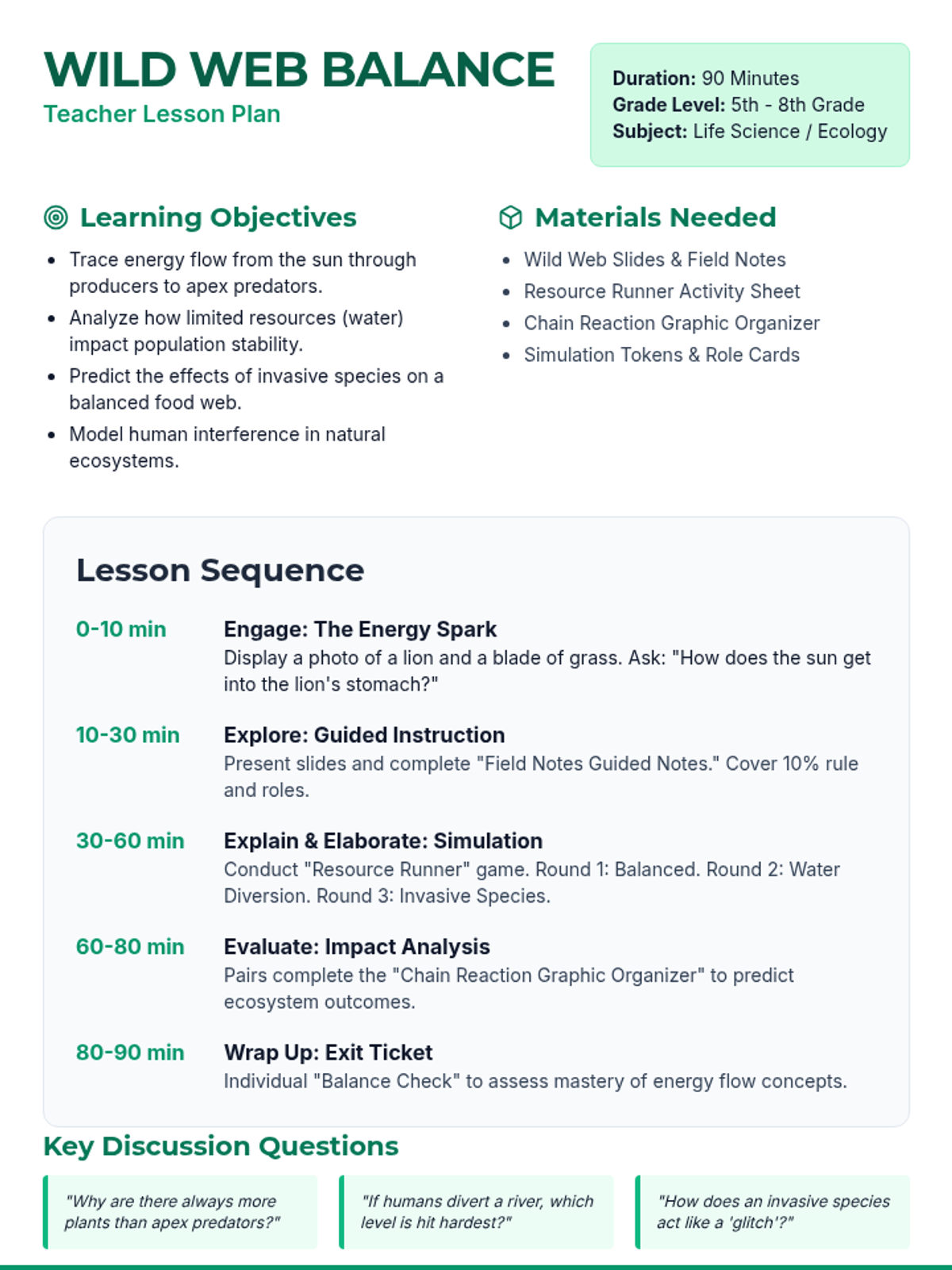
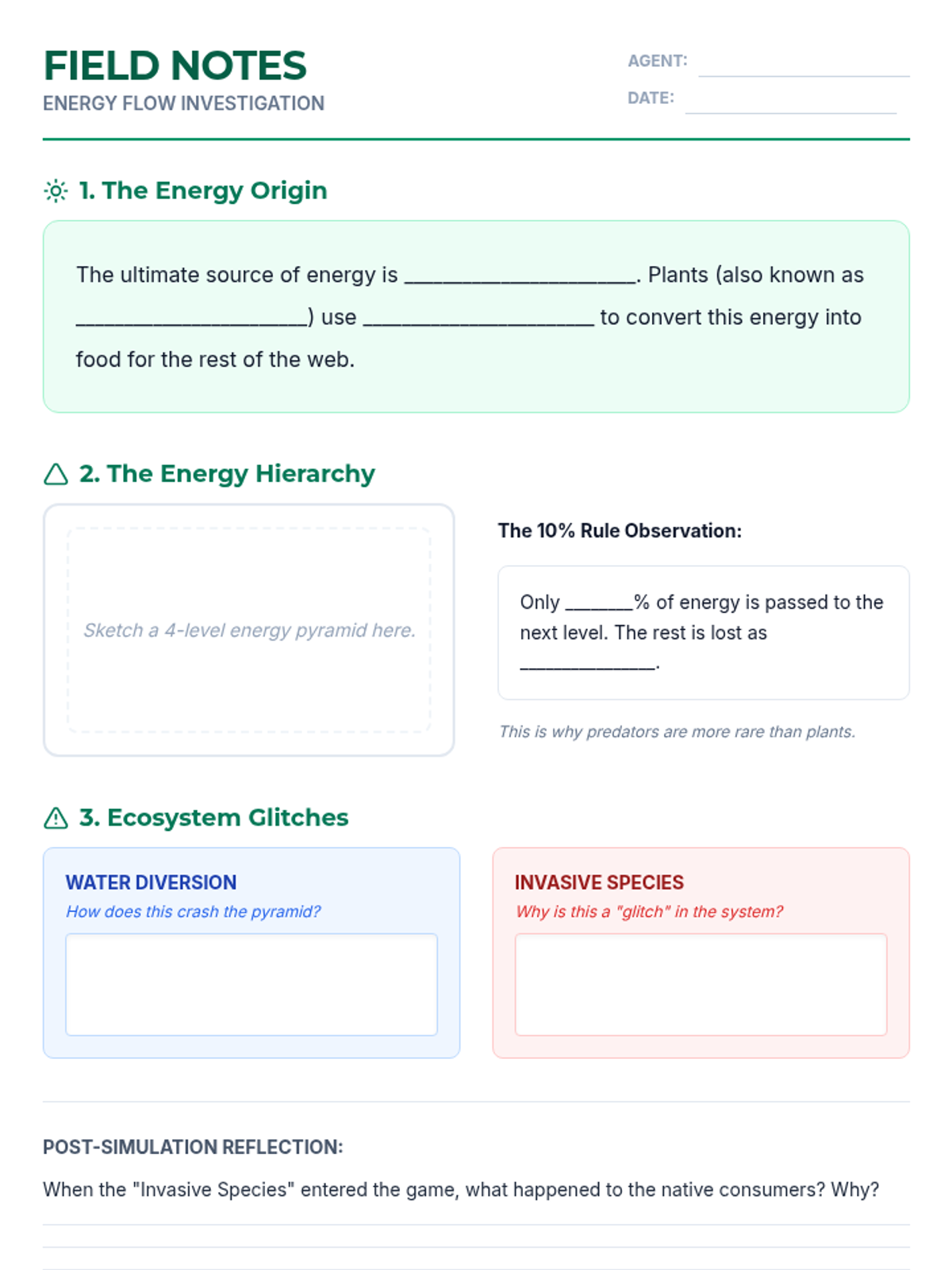
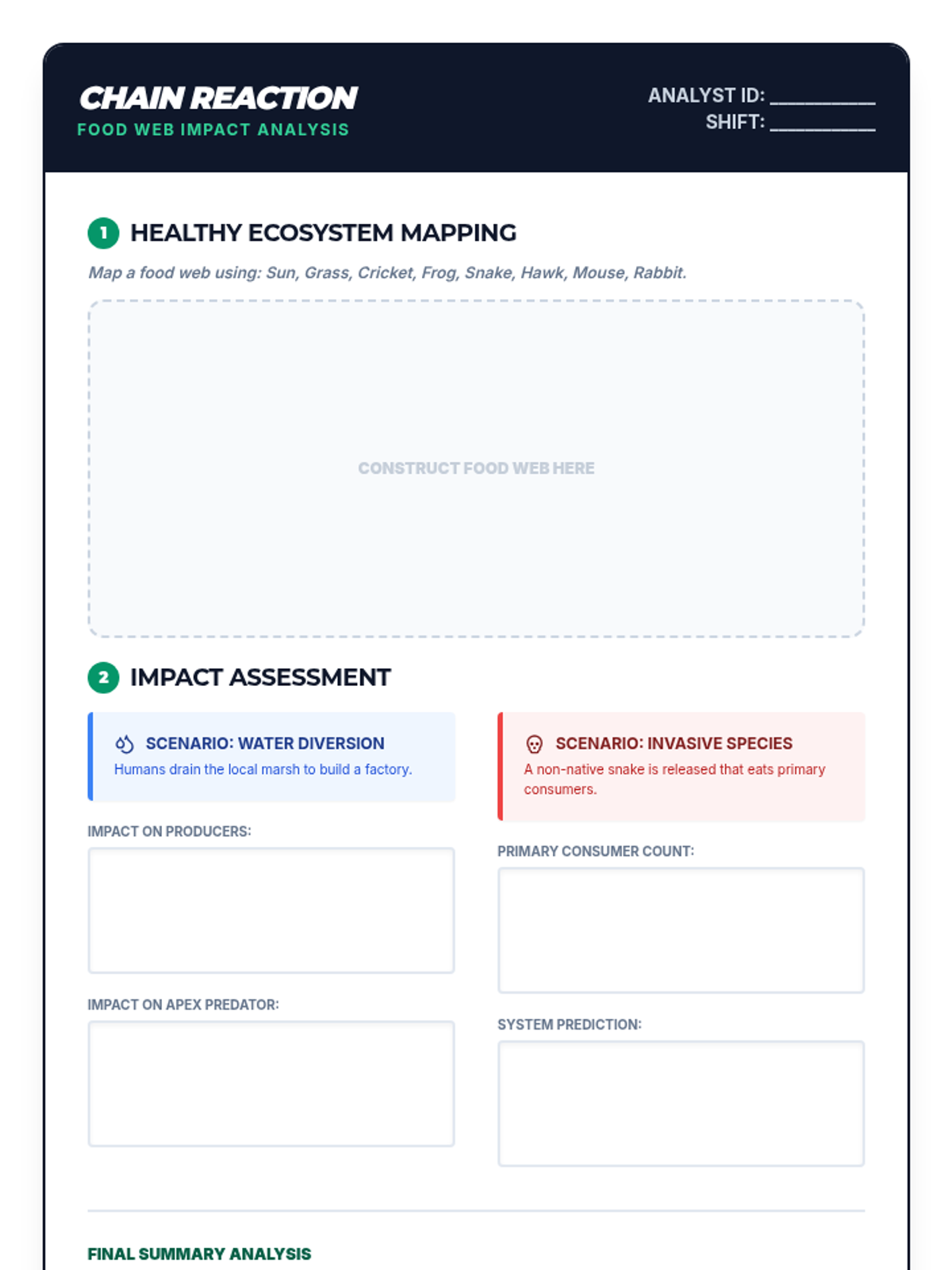
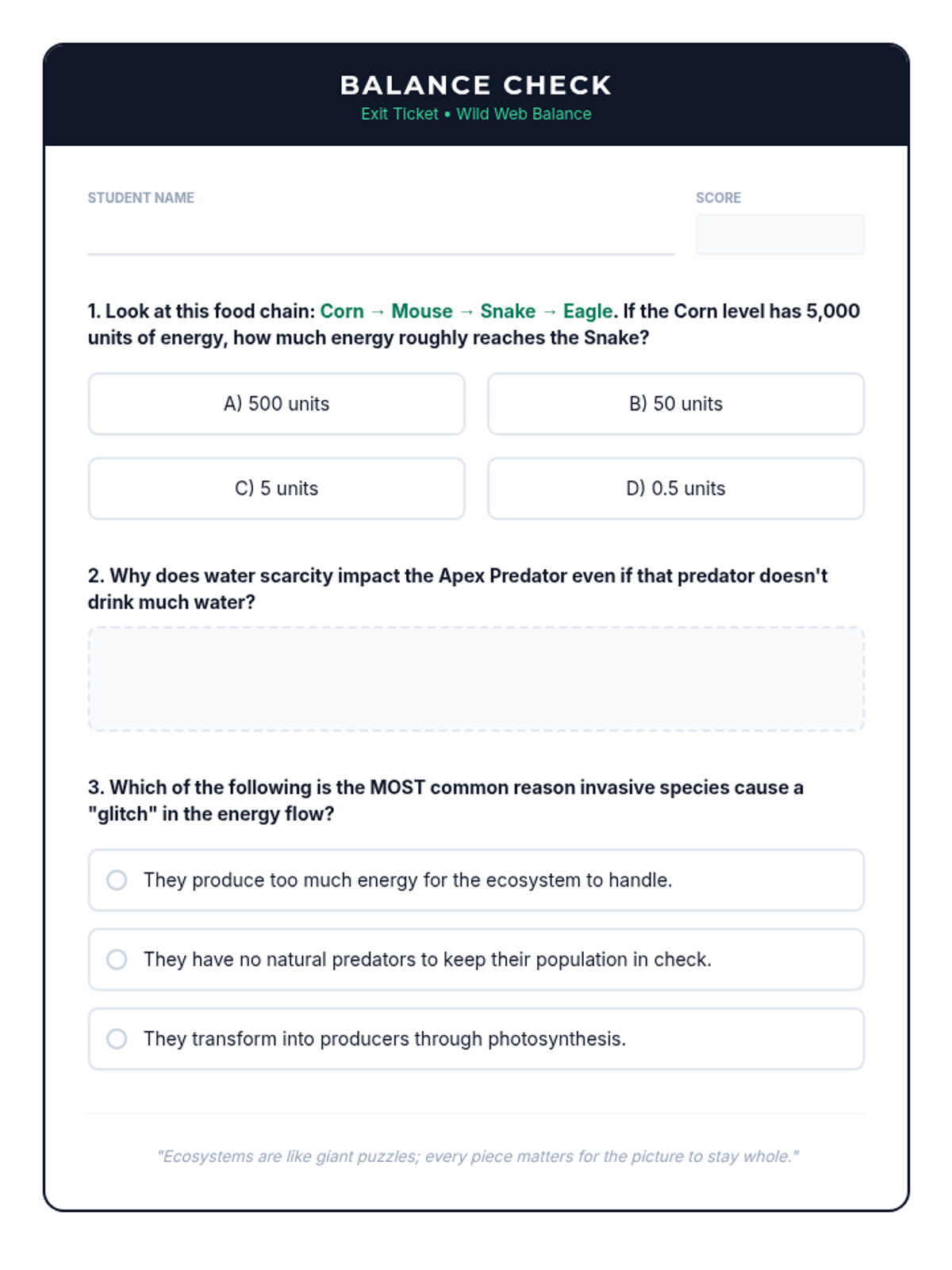
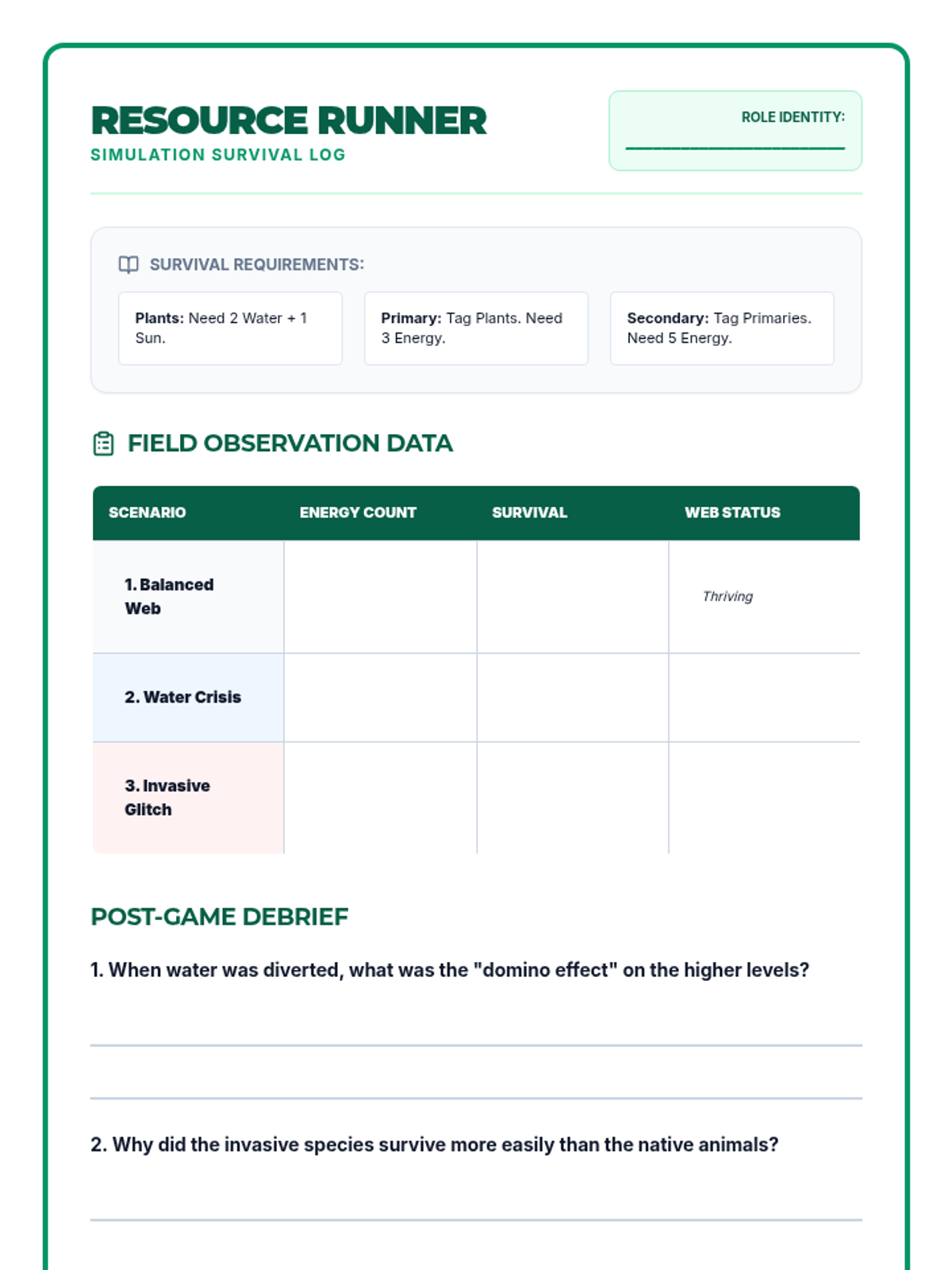
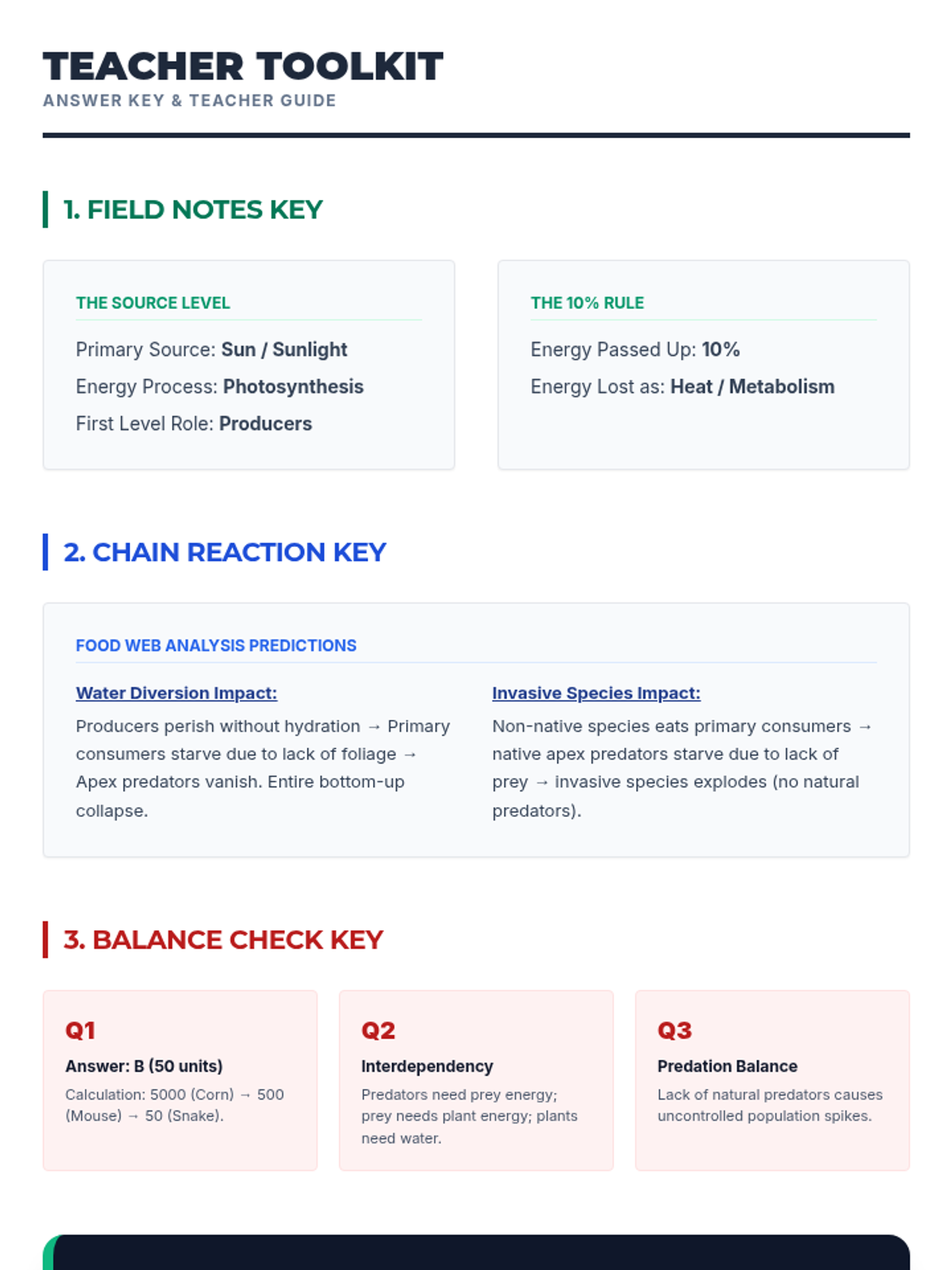
A comprehensive lesson exploring energy flow through ecosystems, the impact of resource scarcity, and the consequences of human interference like water diversion and invasive species.
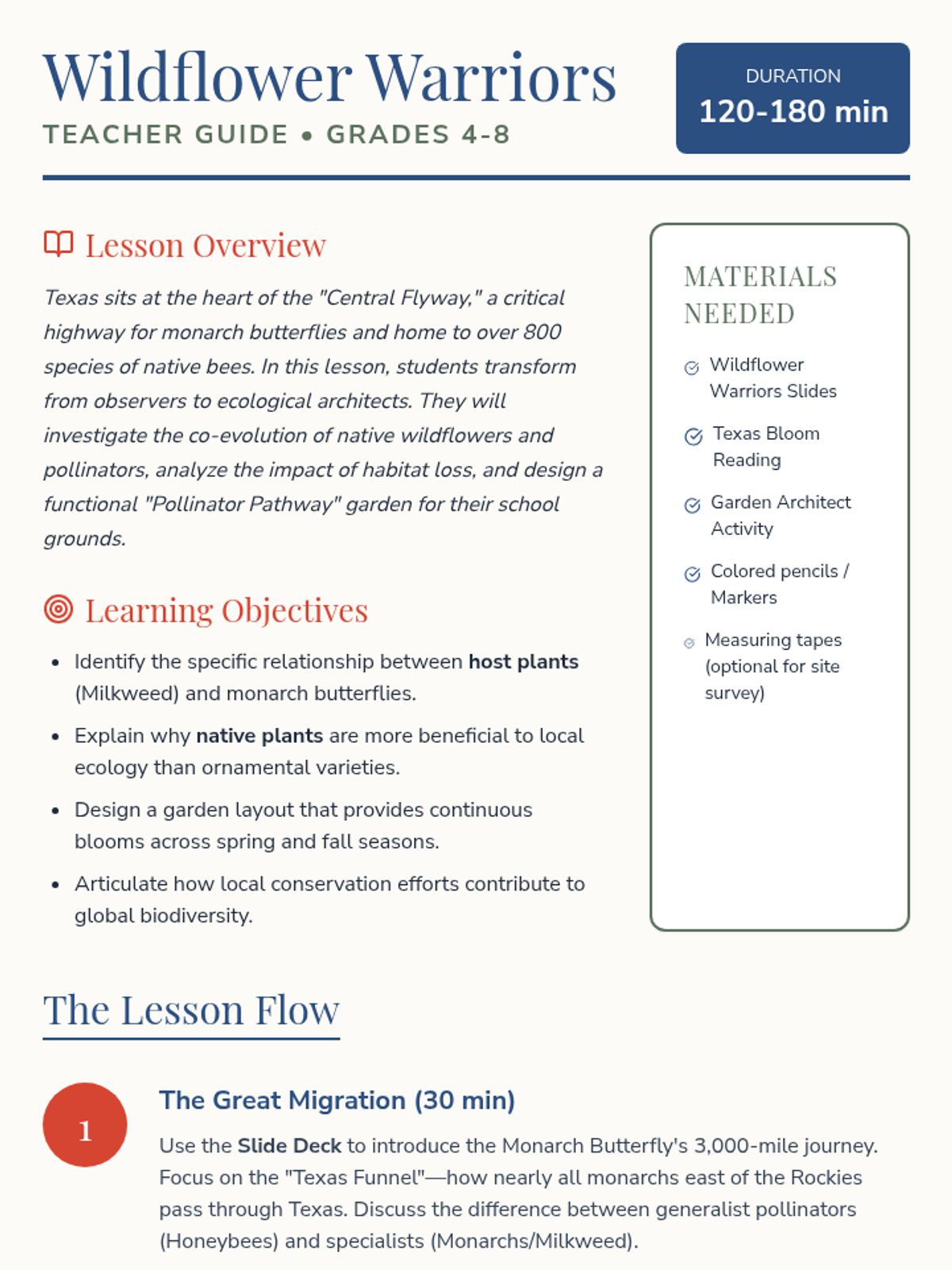
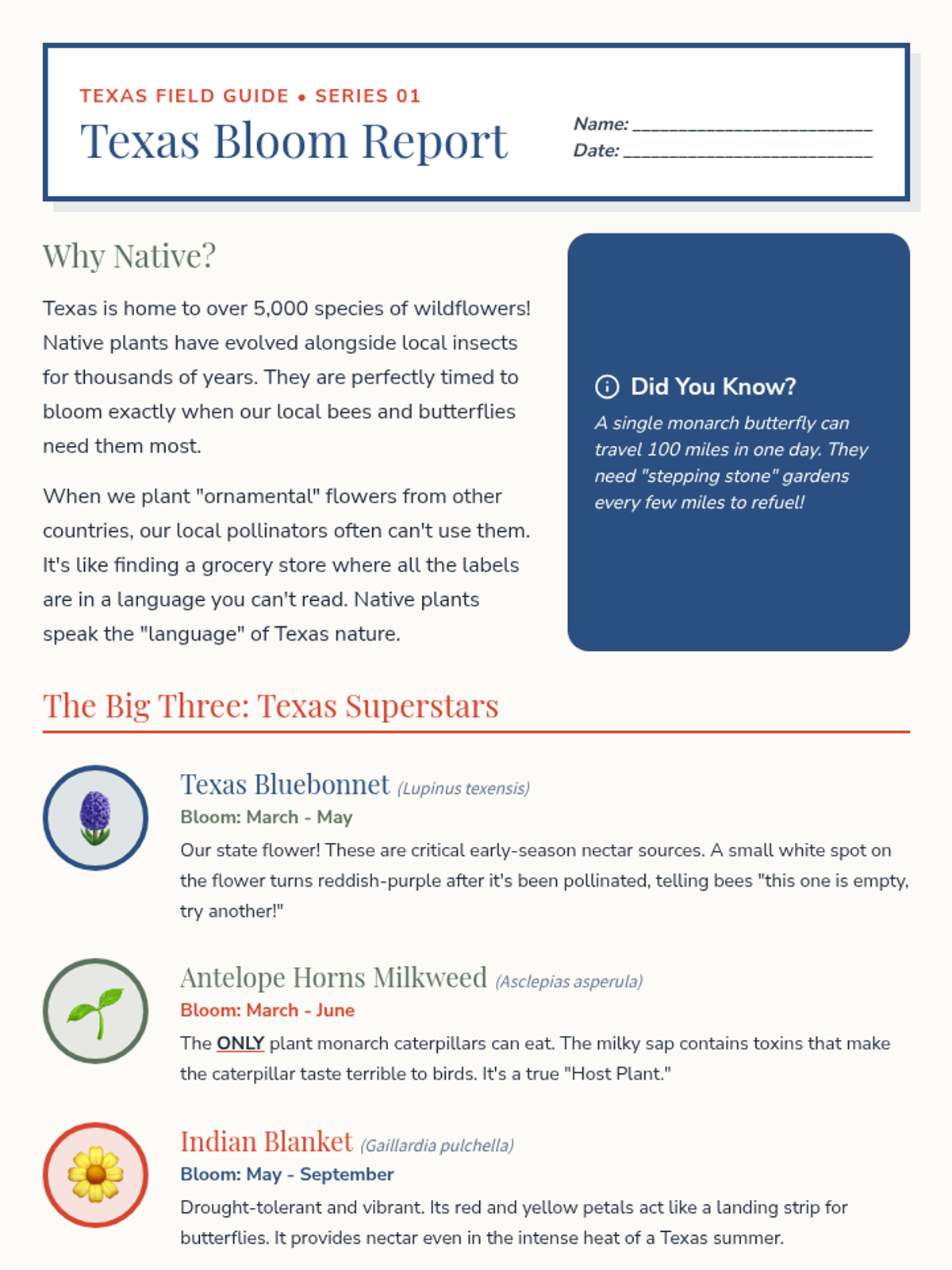
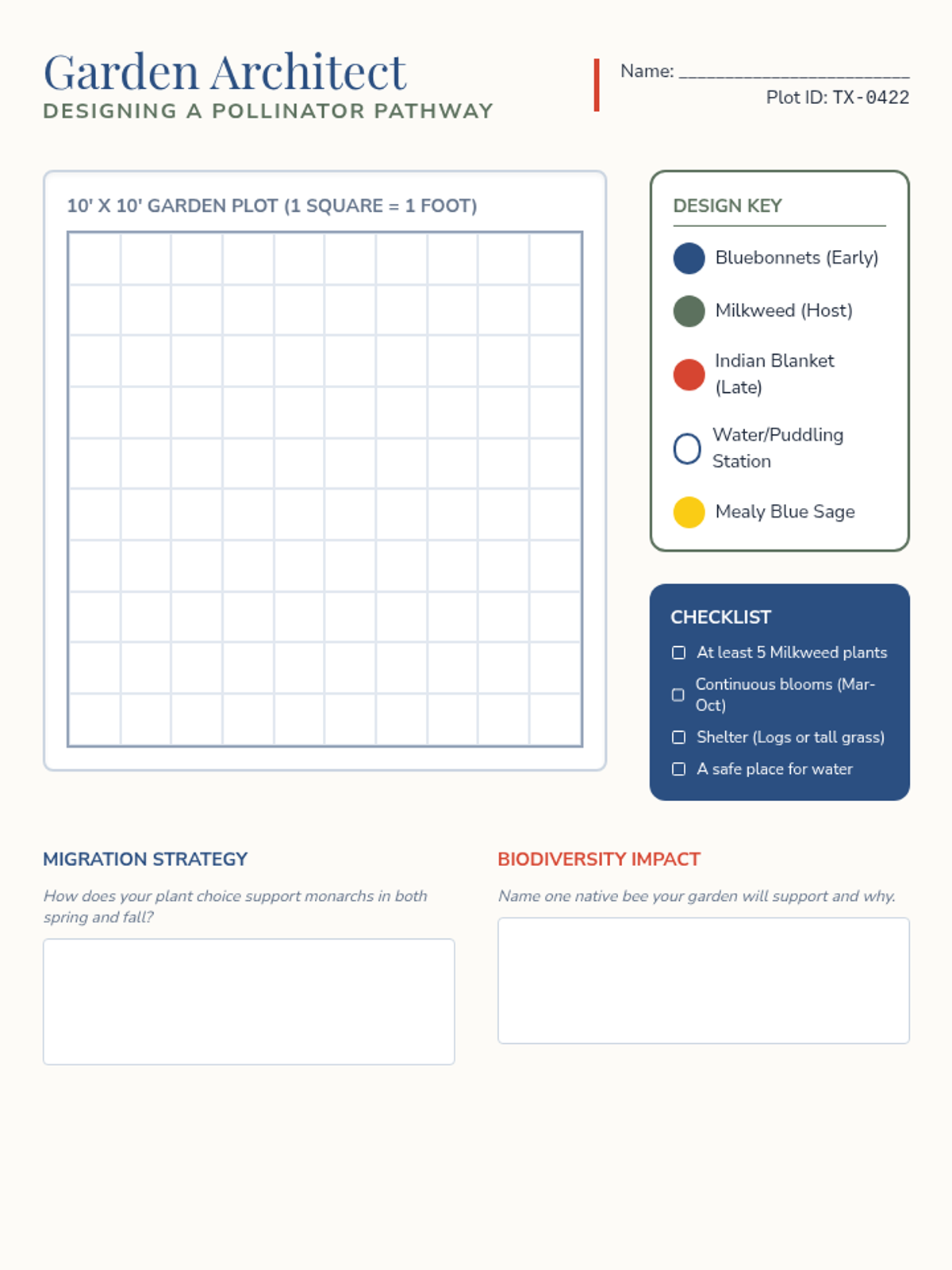
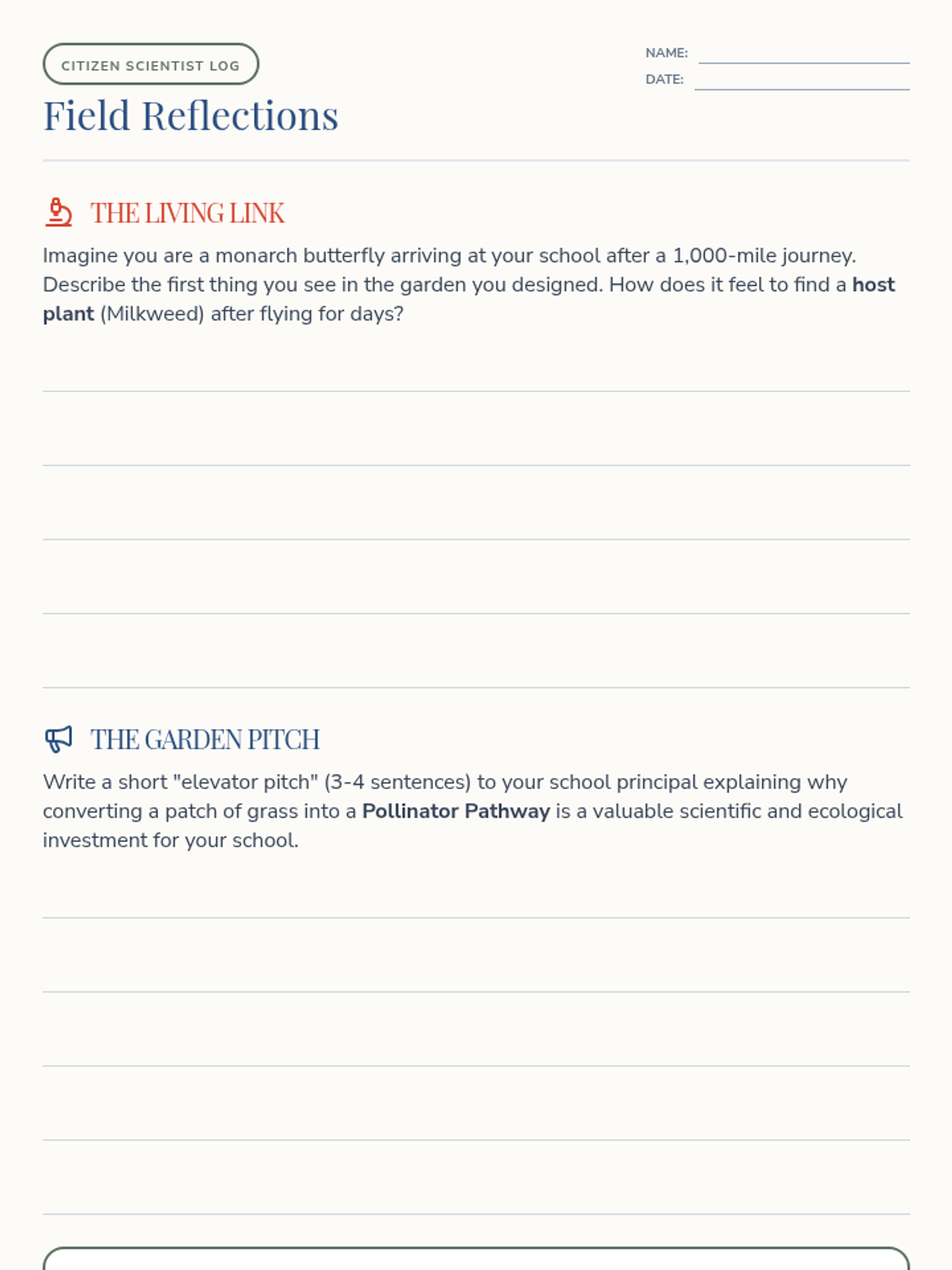
A hands-on ecology lesson where students explore the relationship between native Texas wildflowers and pollinators. Students will learn about monarch migrations and native bee habitats before designing their own school pollinator garden to support local biodiversity.
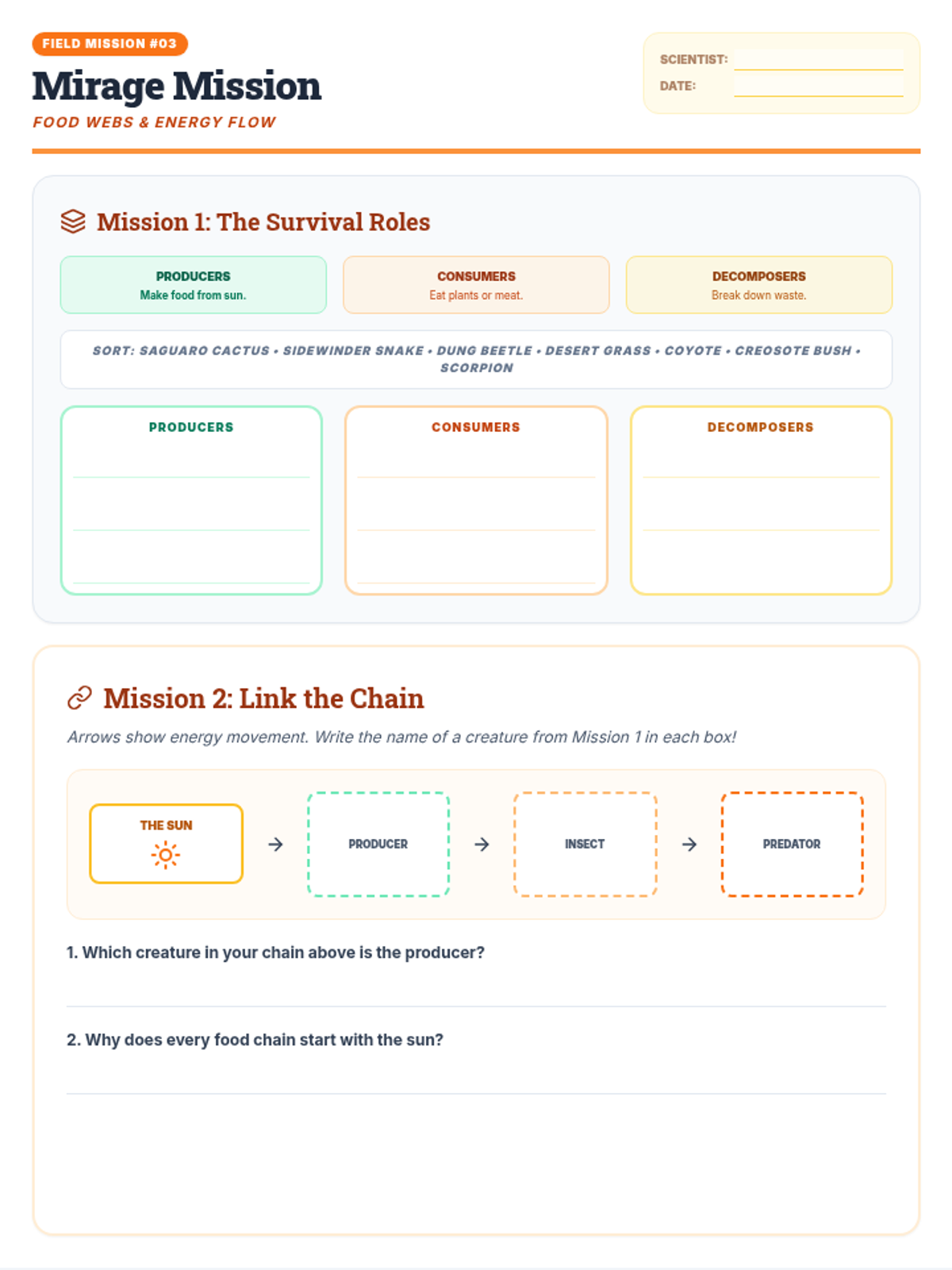
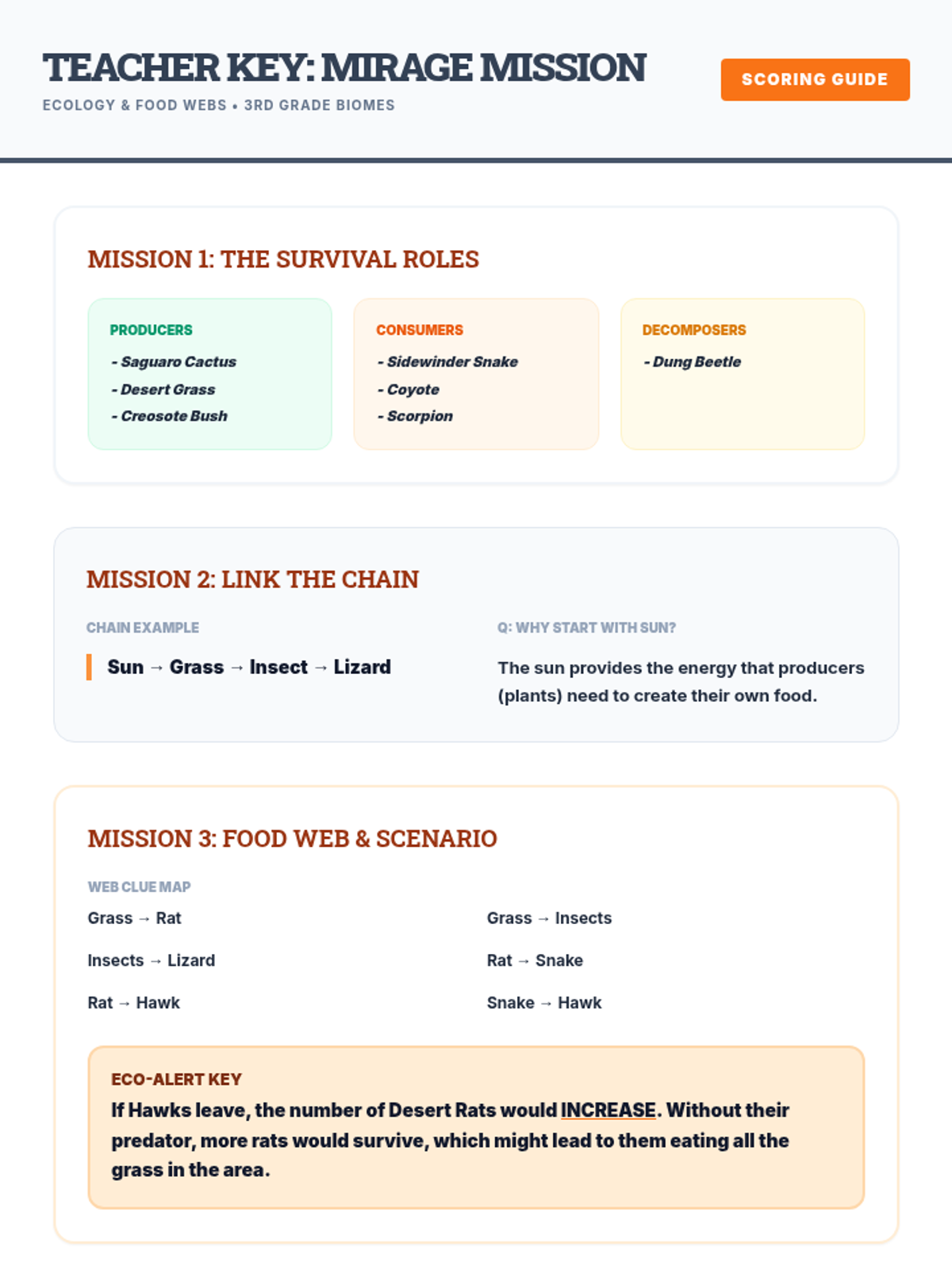
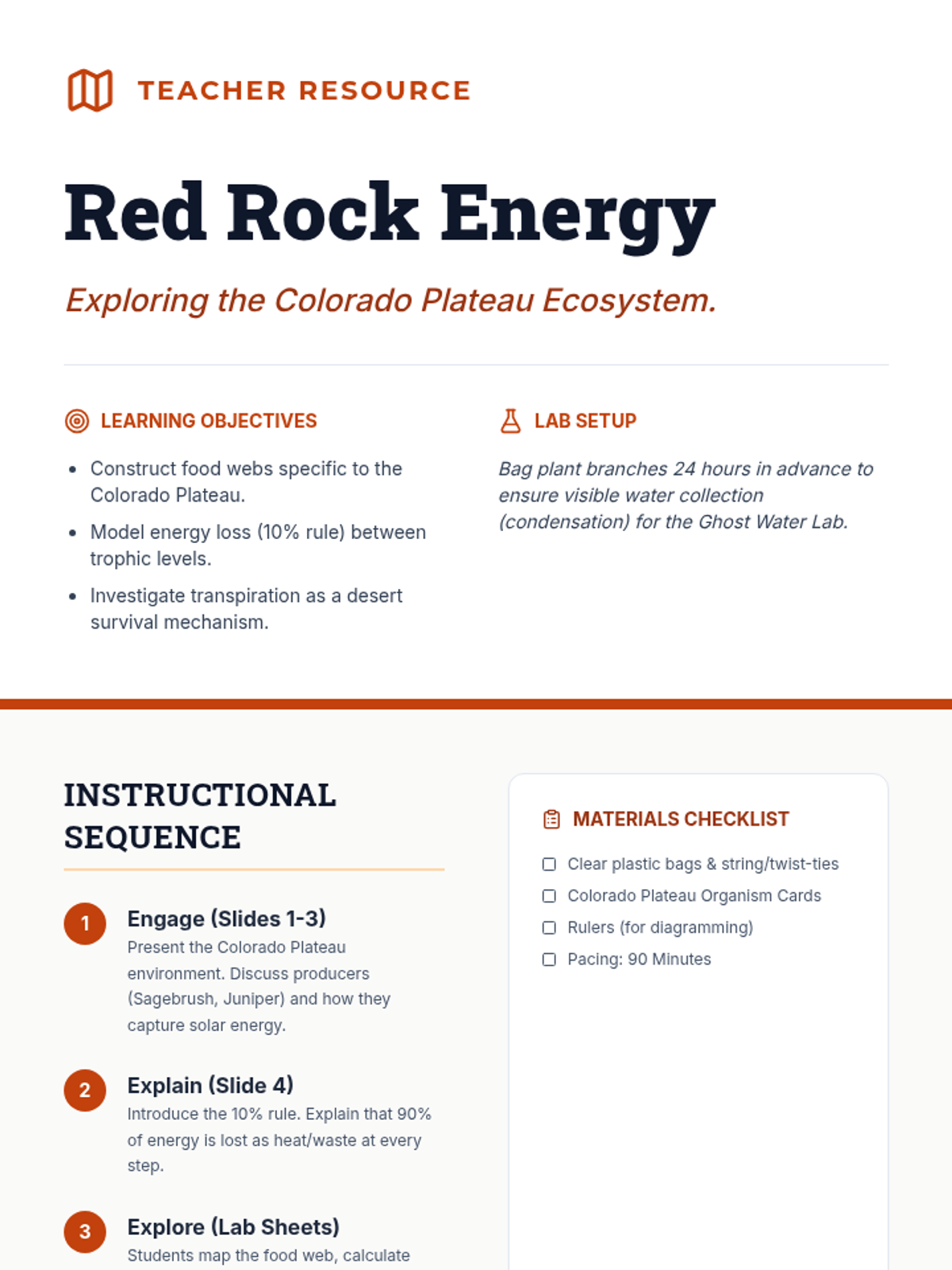
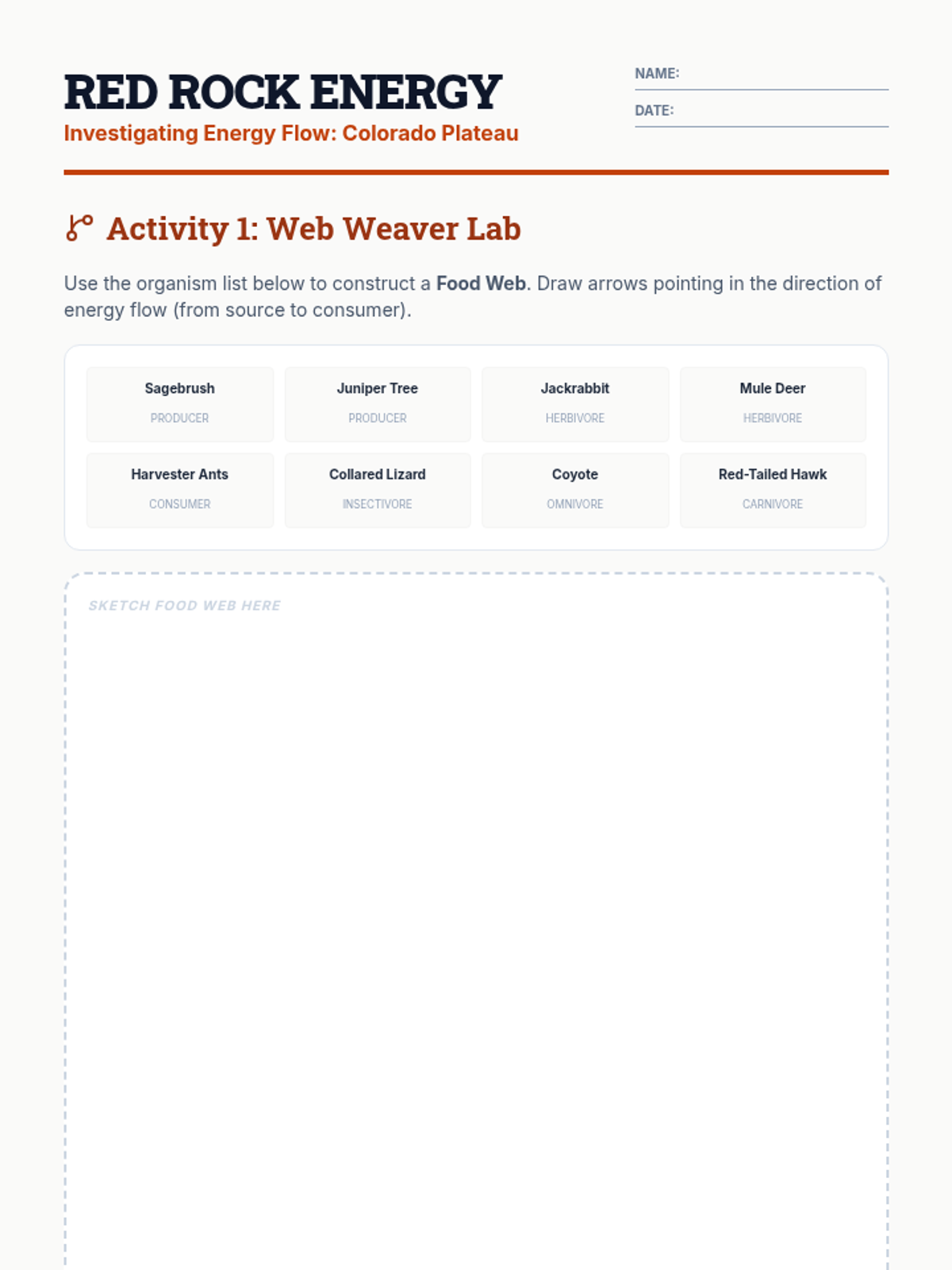
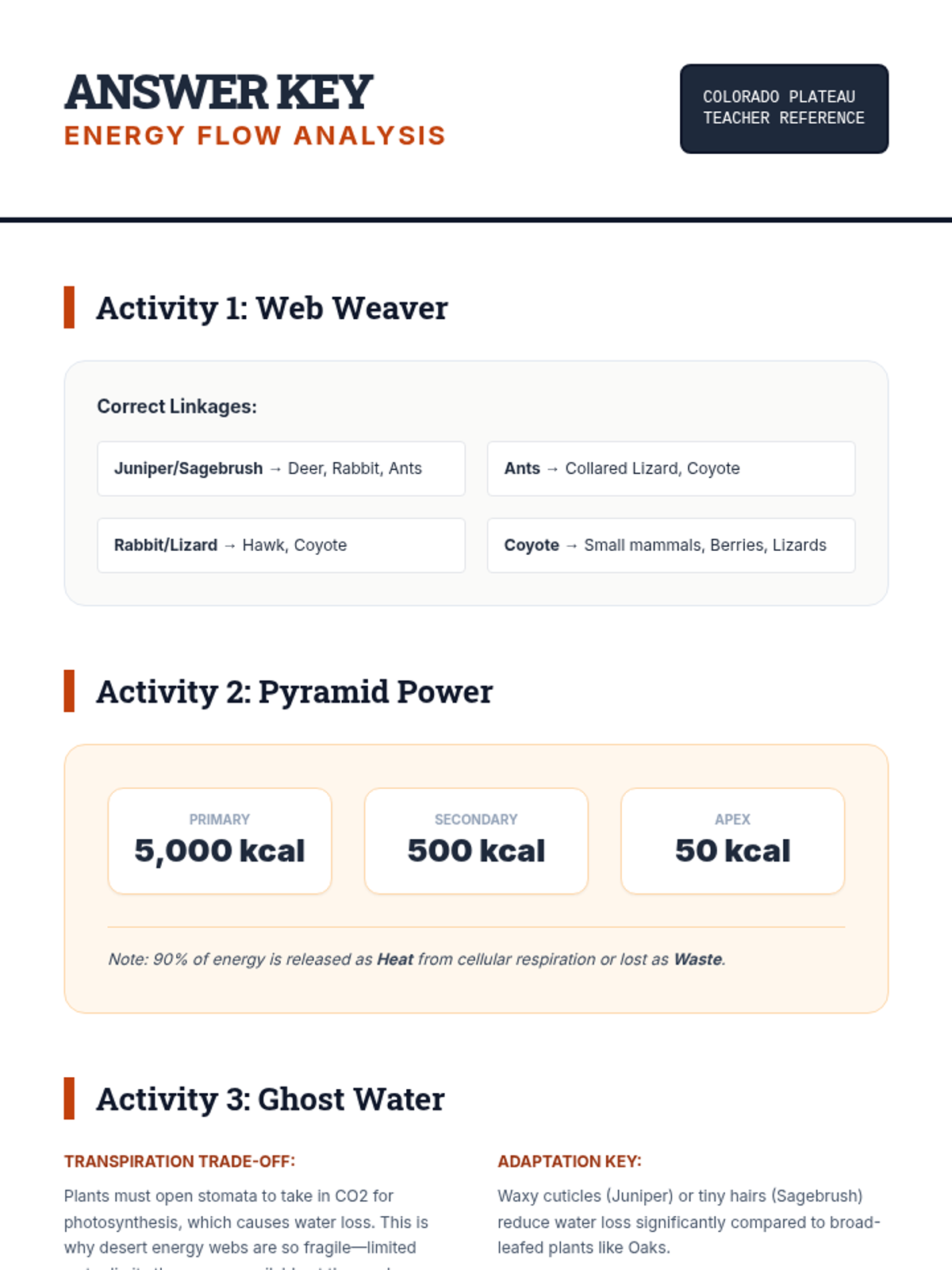
A comprehensive exploration of energy flow within the Colorado Plateau ecosystem, featuring hands-on modeling of food webs, trophic pyramids, and a botanical study of desert plant transpiration.
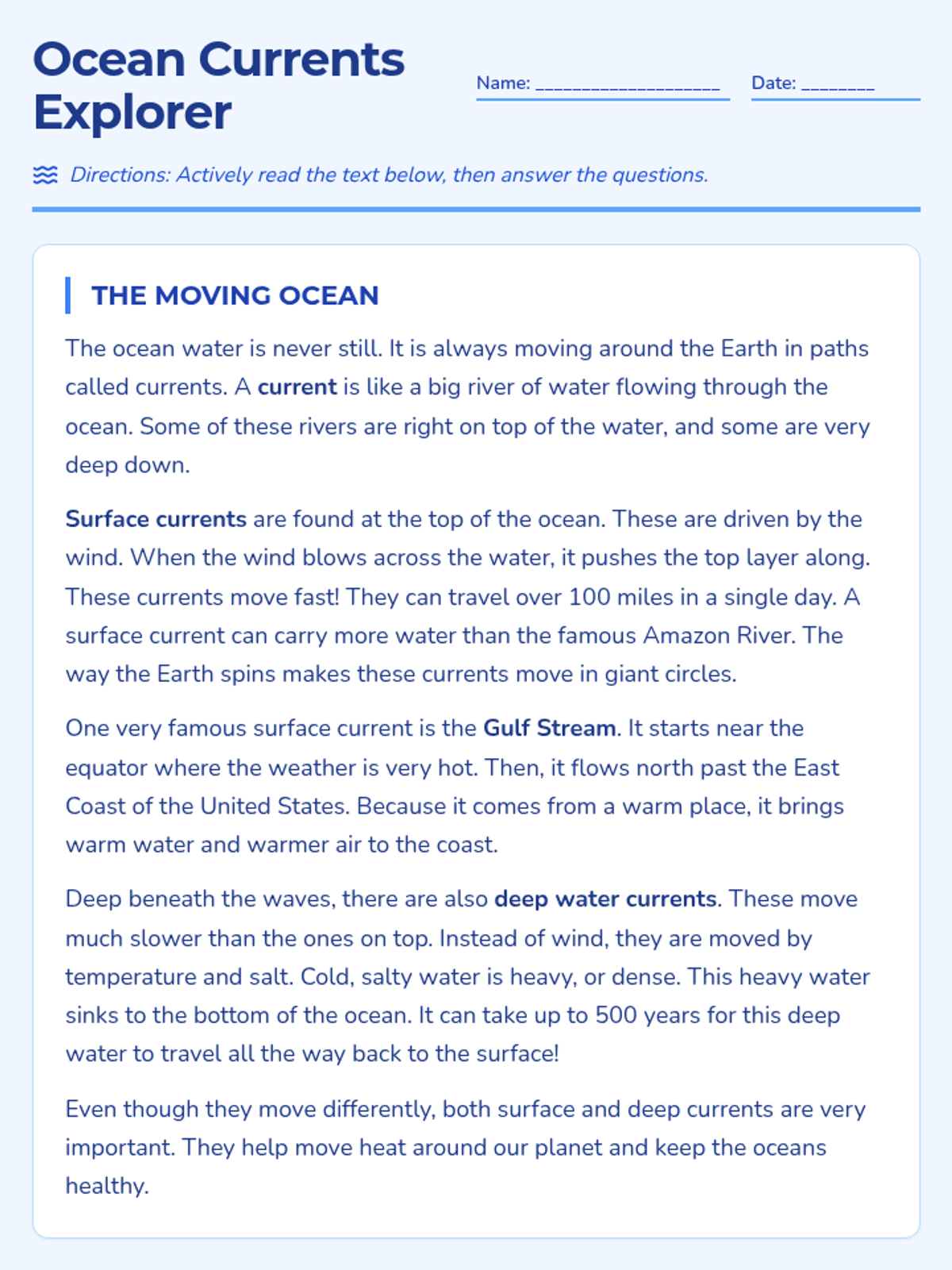
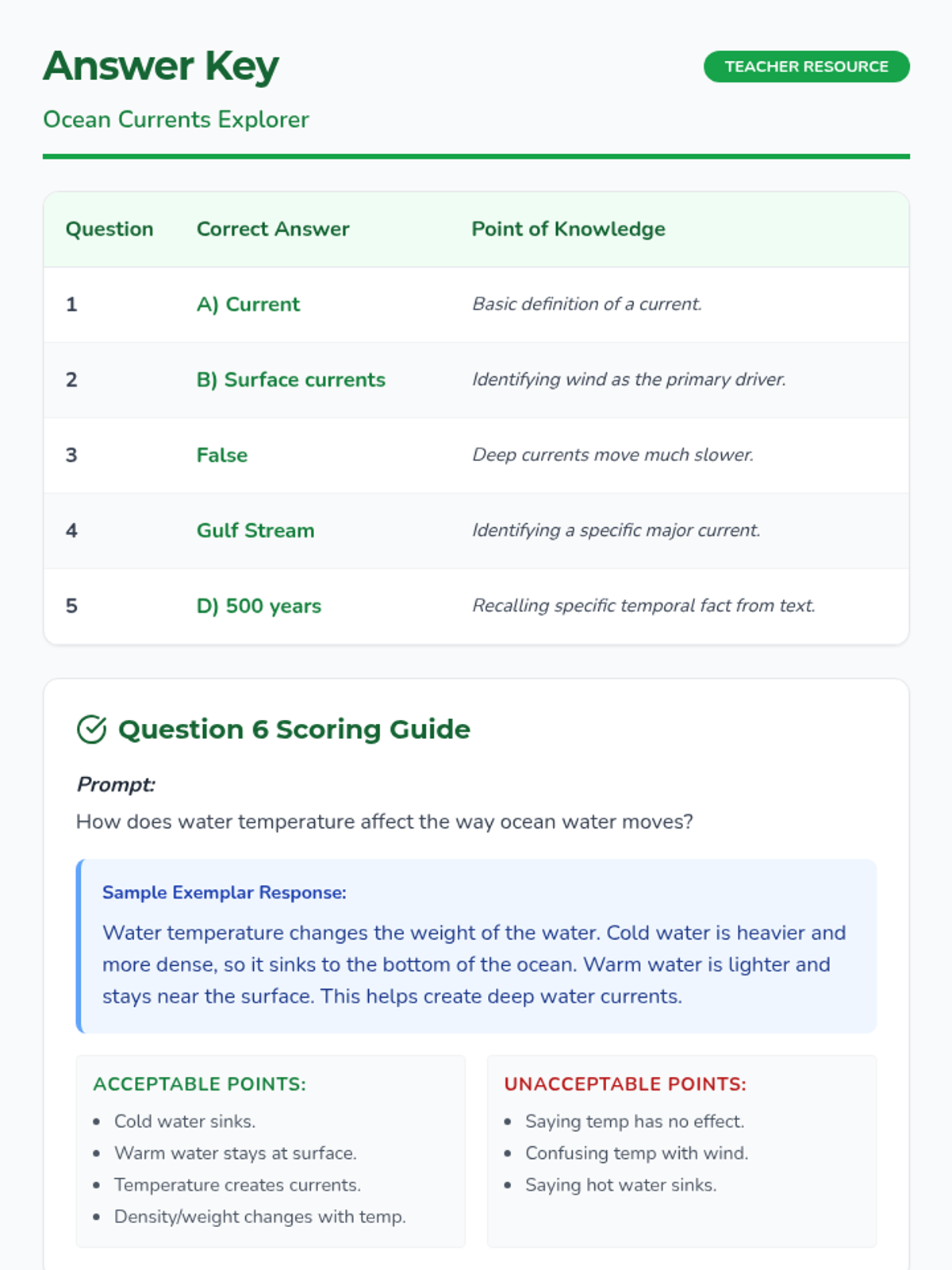
A beginner-friendly exploration of ocean currents, focusing on the differences between surface and deep water movements and how they affect our planet.
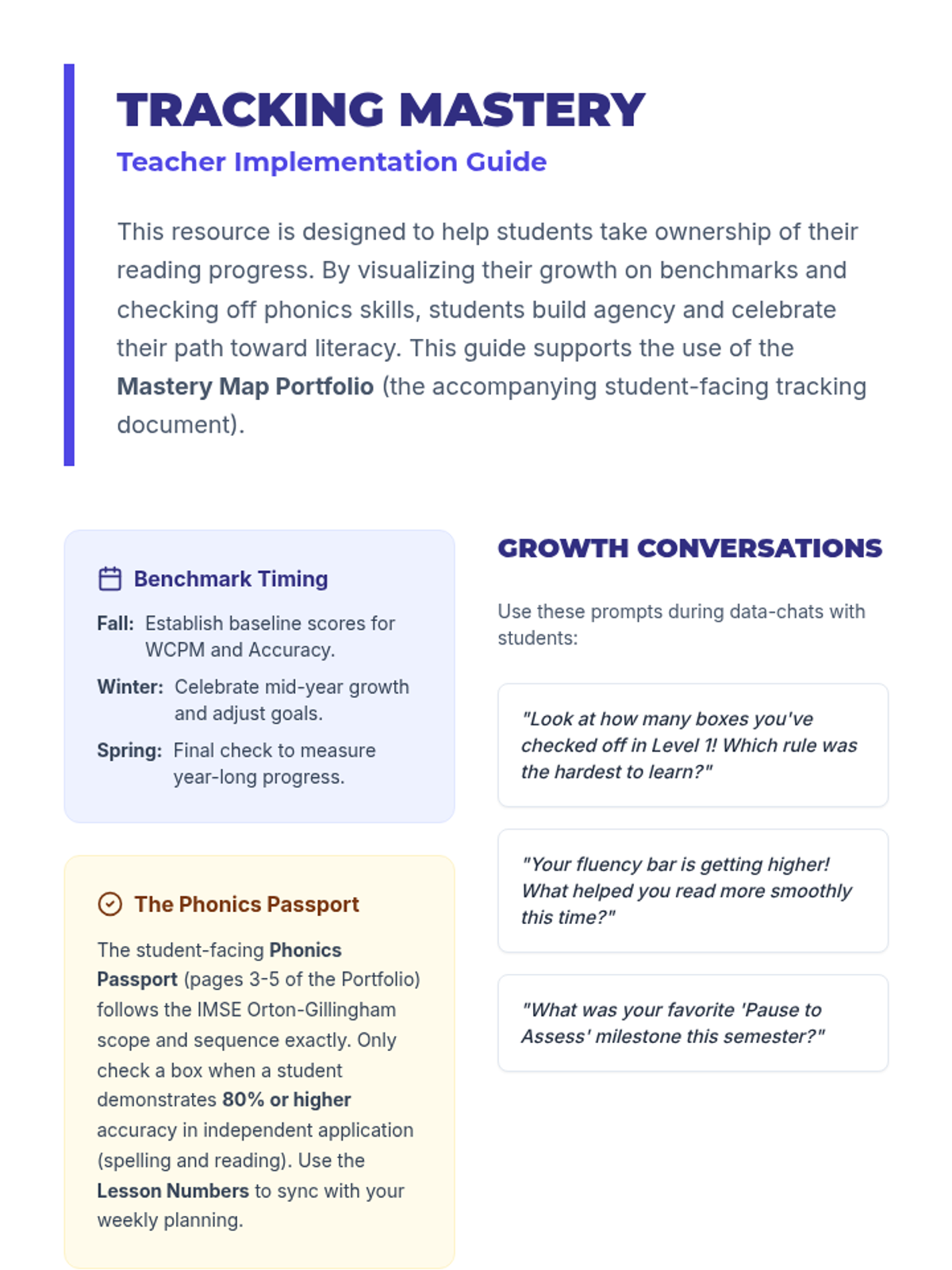
A comprehensive suite of data tracking tools for students to monitor their reading progress, including benchmark assessments and IMSE Orton-Gillingham concept checks from Kindergarten through 5th grade.
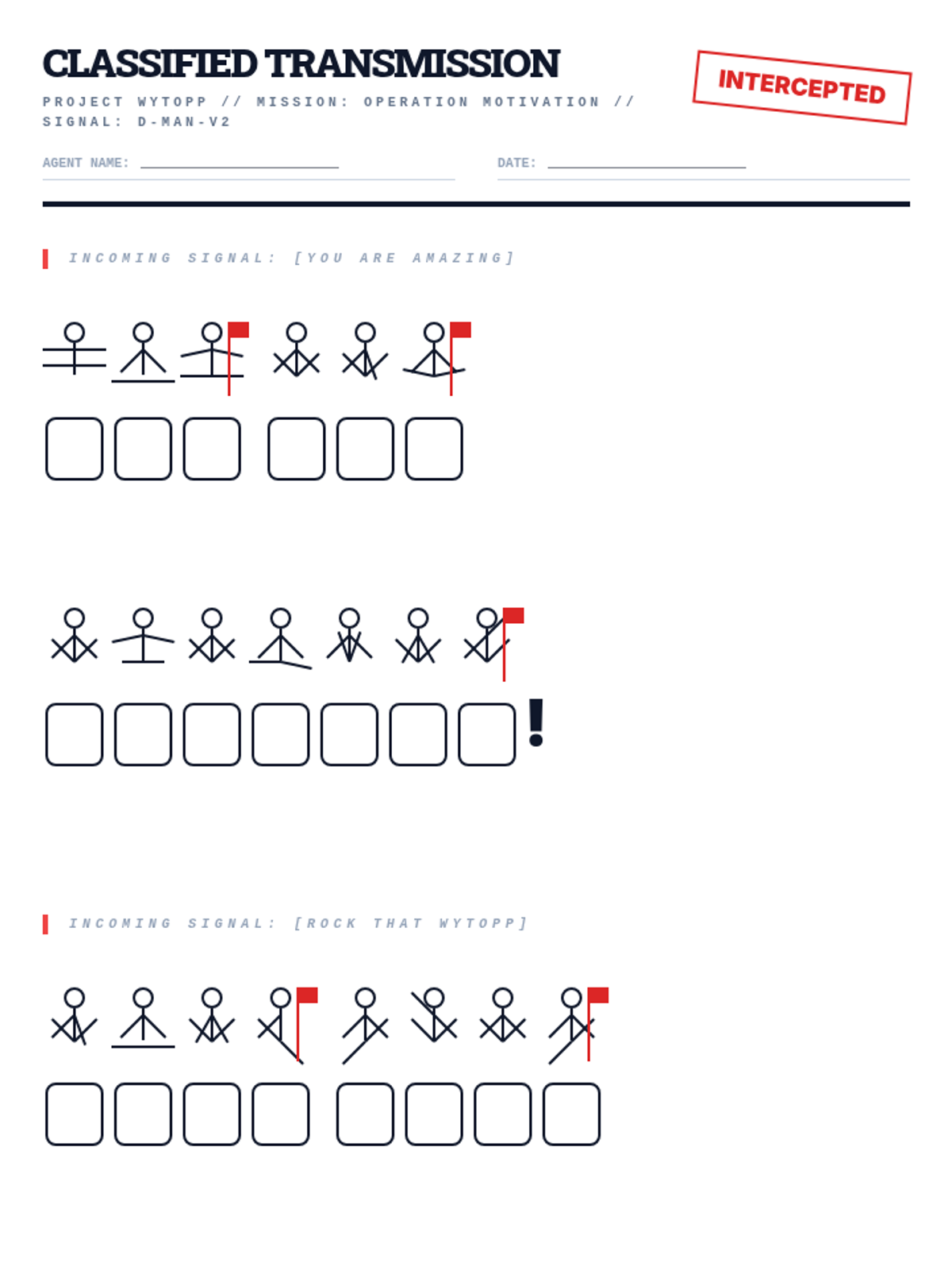
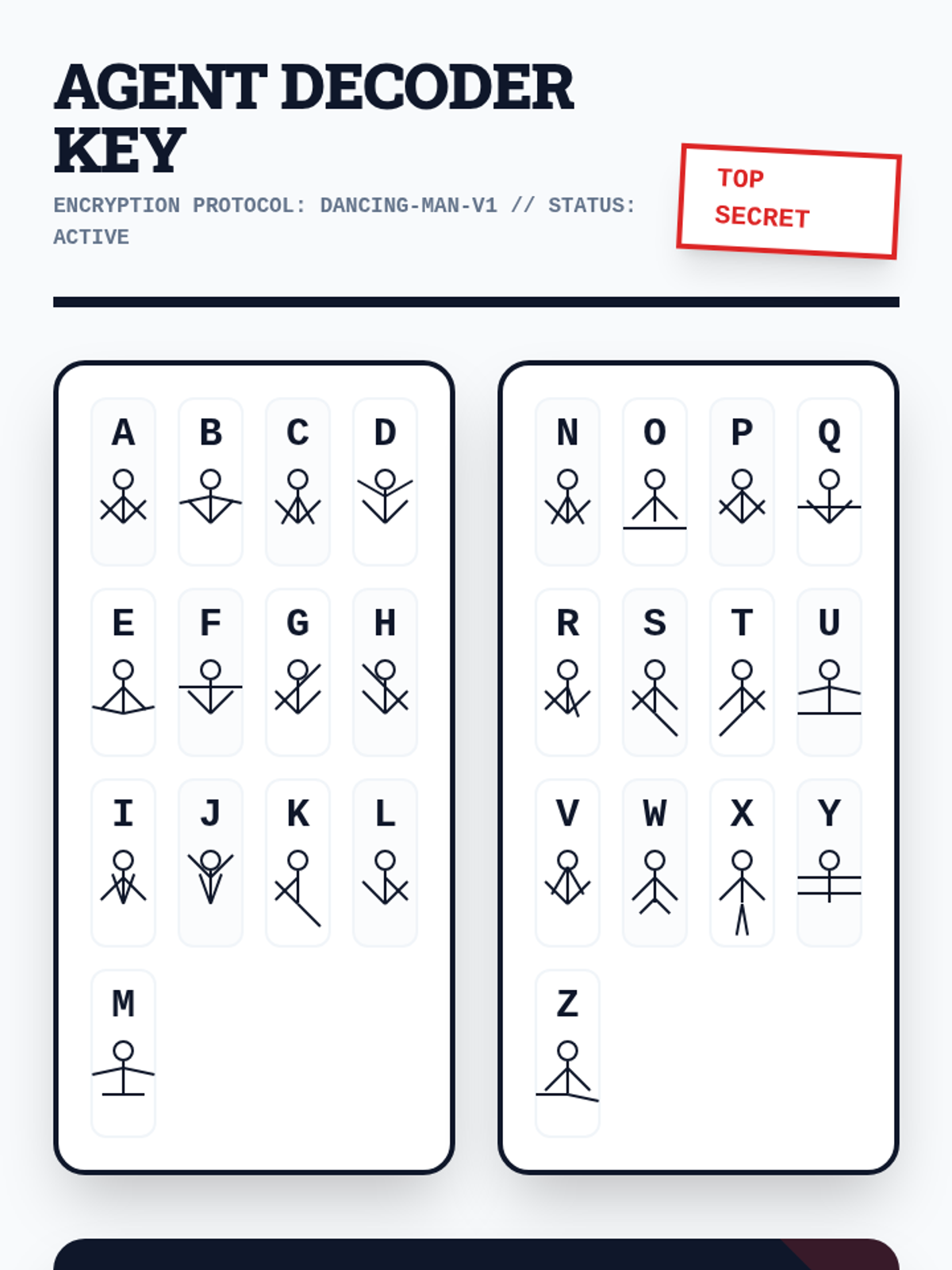
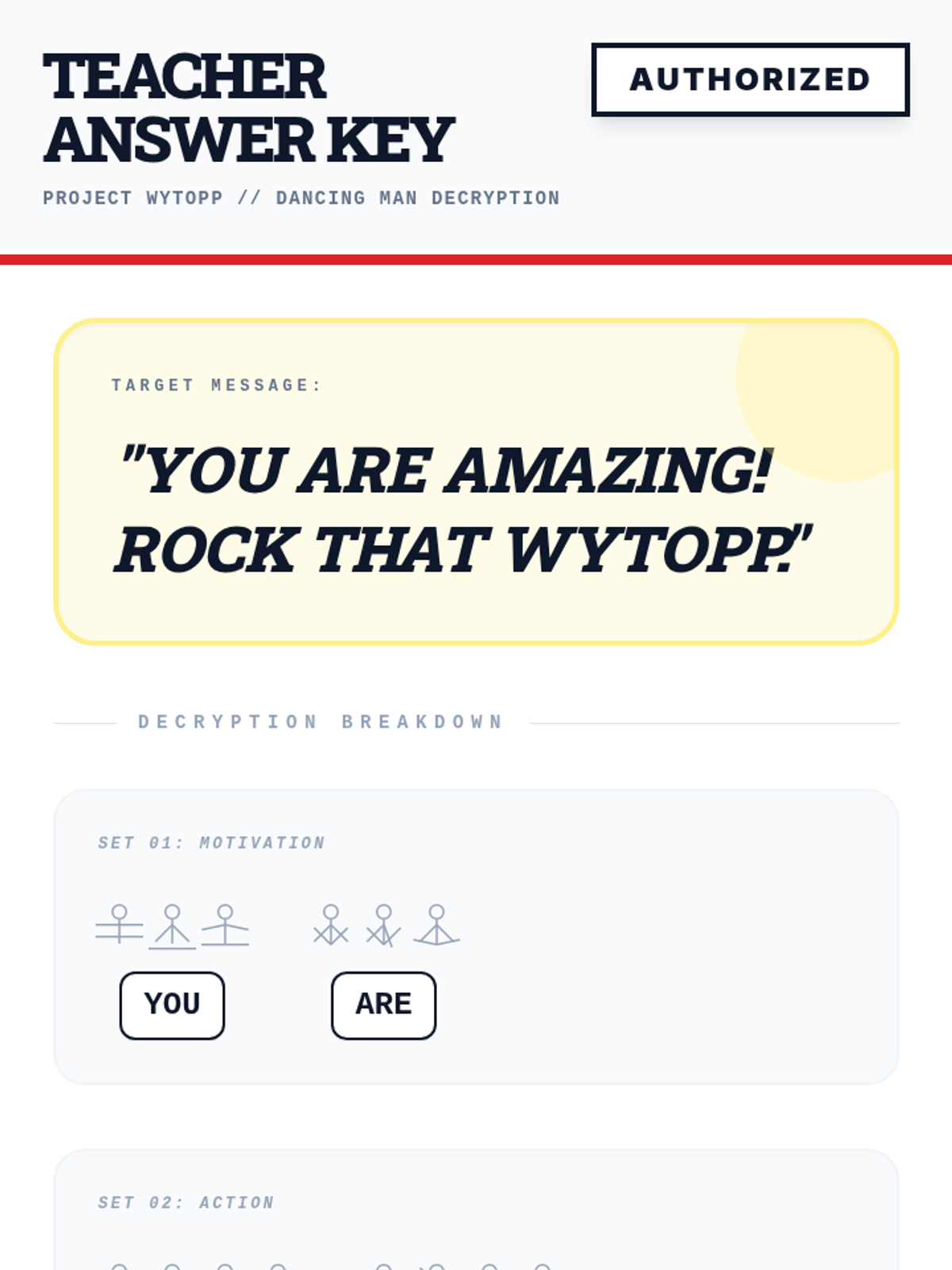
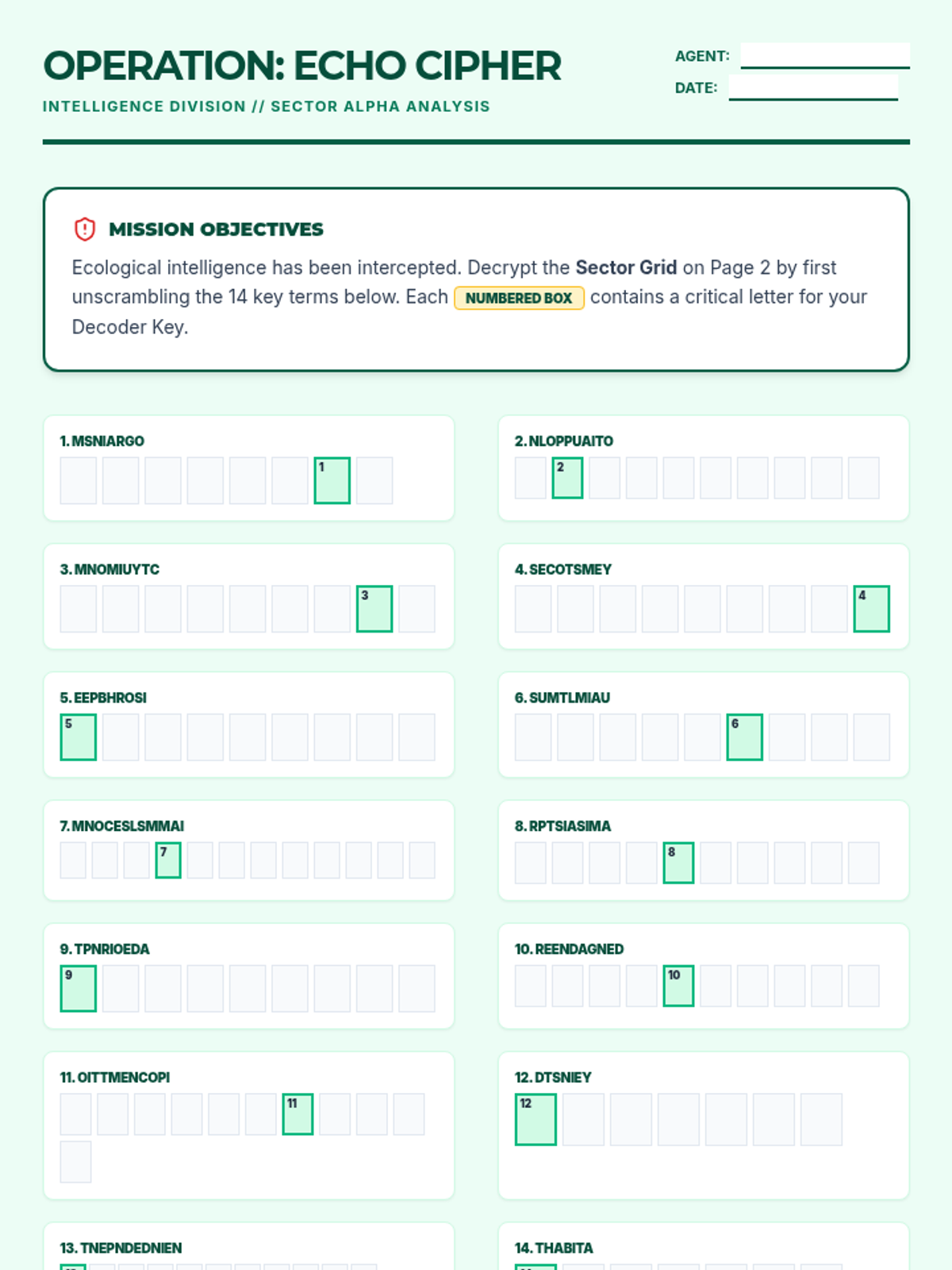
A high-energy lesson on cryptography and the history of the Enigma machine, designed to motivate students before the WYTOPP state assessment. Students learn about substitution ciphers and decode a secret message of encouragement.
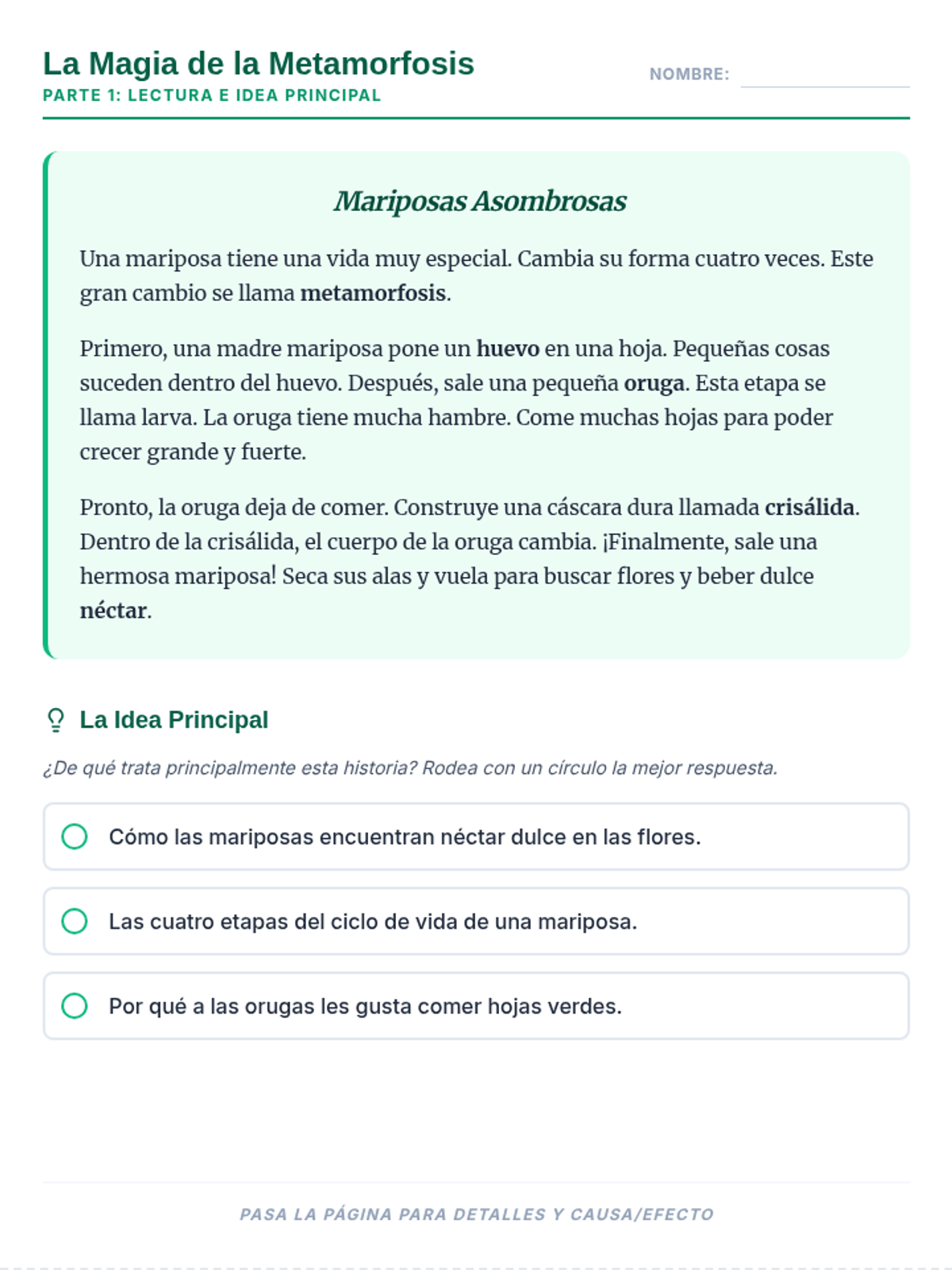
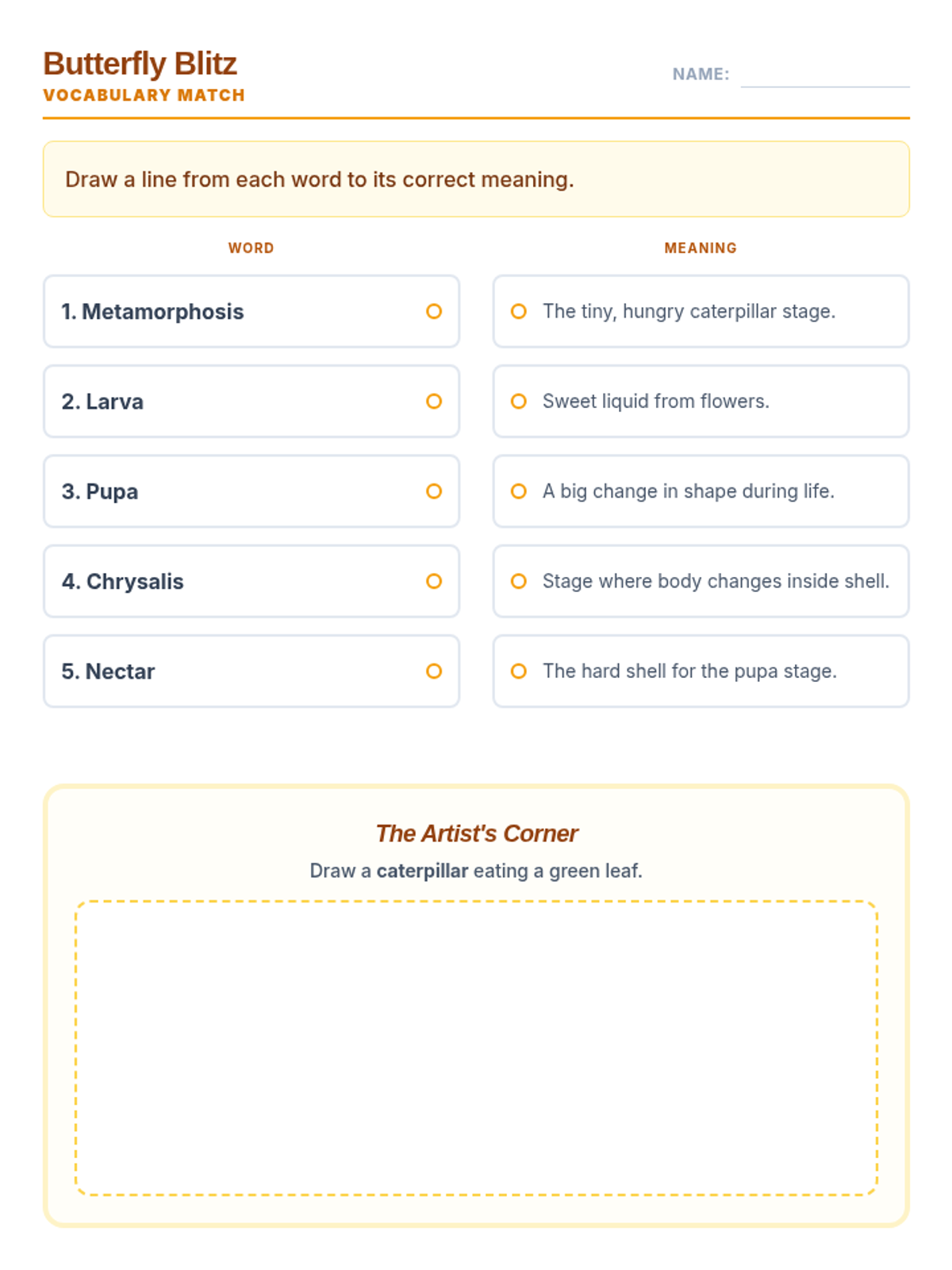
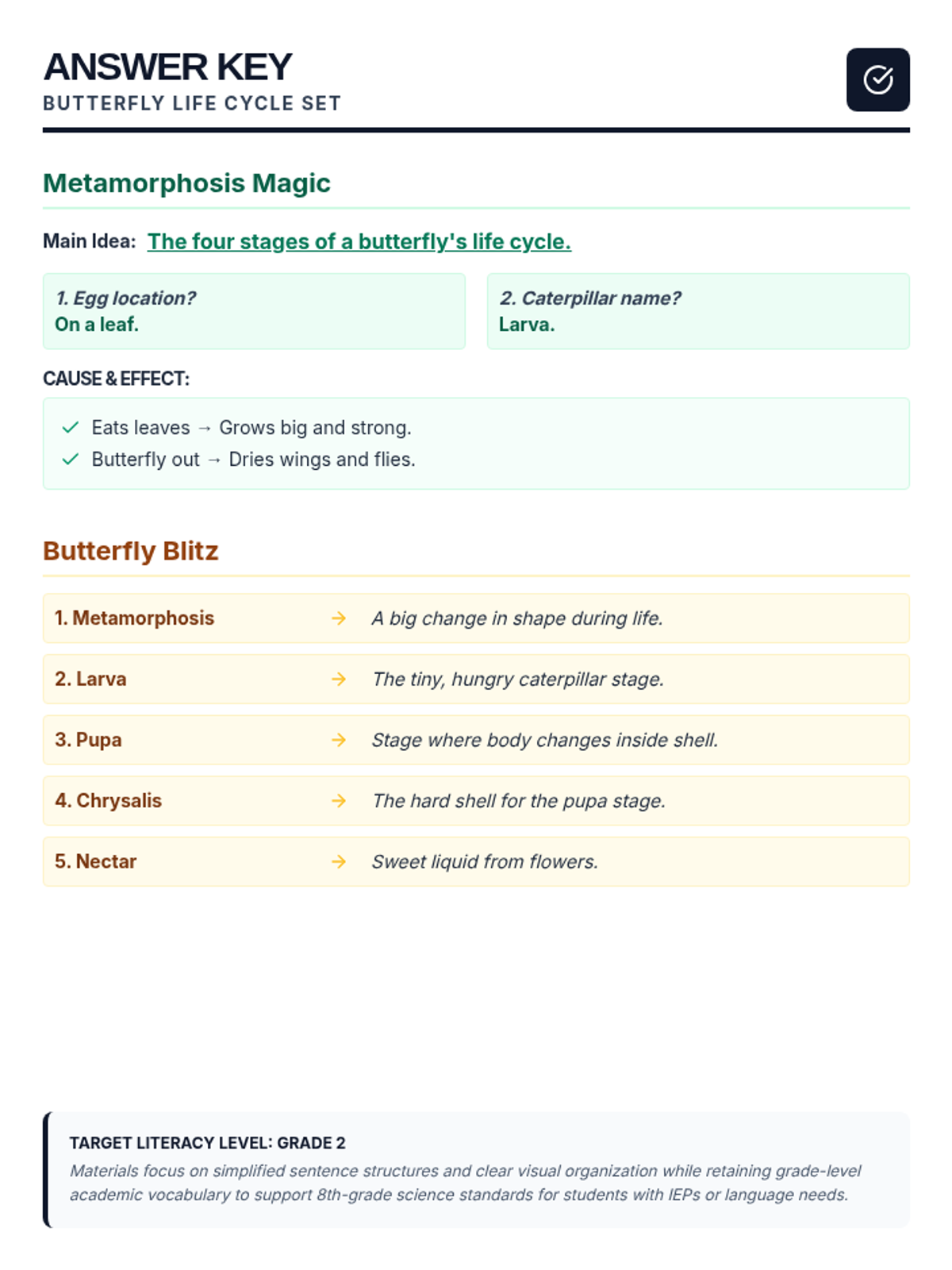
A collection of homework materials focused on the life cycle of butterflies, designed for 8th-grade students reading at a 2nd-grade level. The materials emphasize key vocabulary, main idea and details, and cause-and-effect relationships.
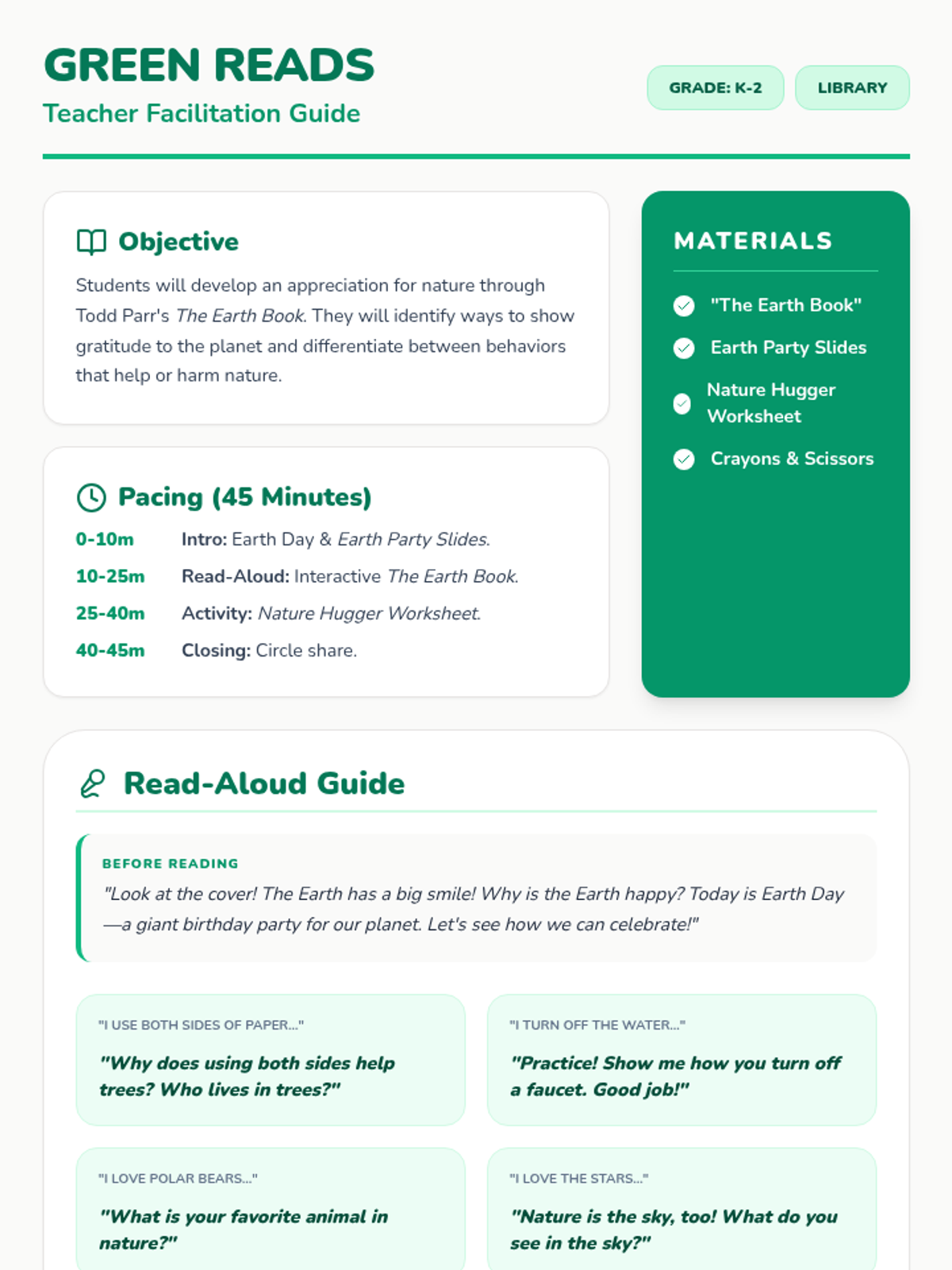
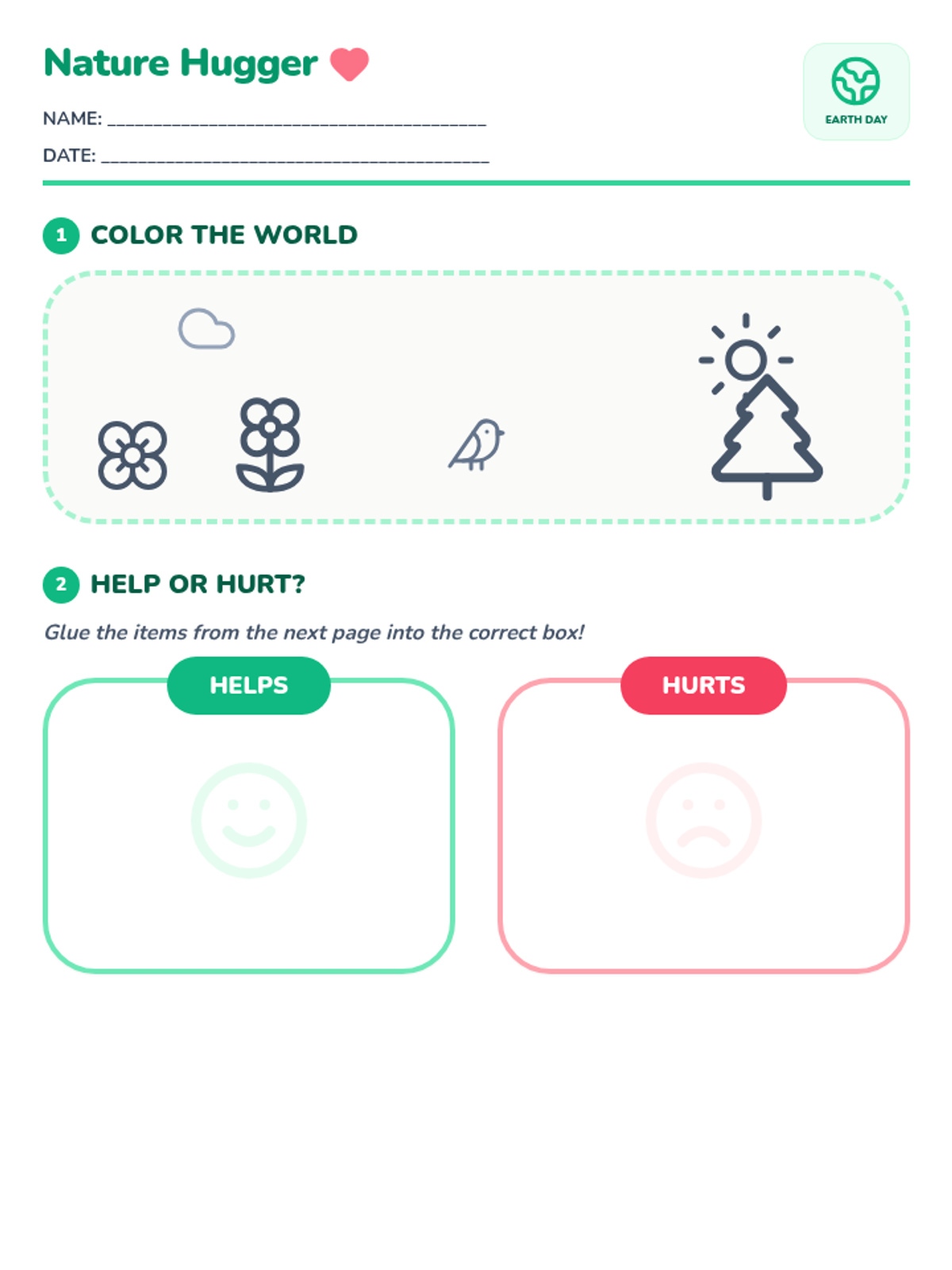
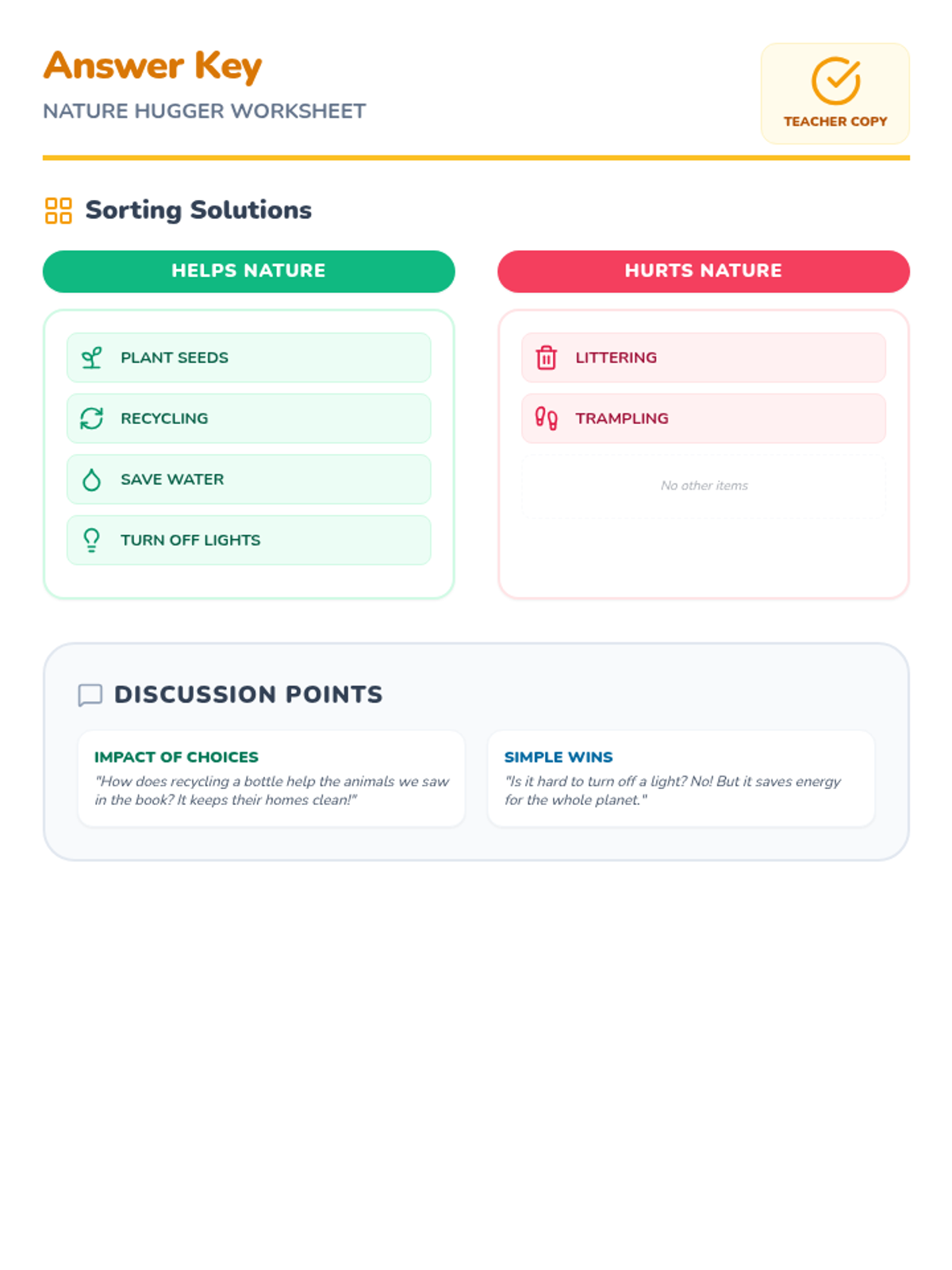
A library-focused lesson for K-2 students that celebrates Earth Day through a nature-themed read-aloud and interactive activities that encourage appreciation and care for the environment.
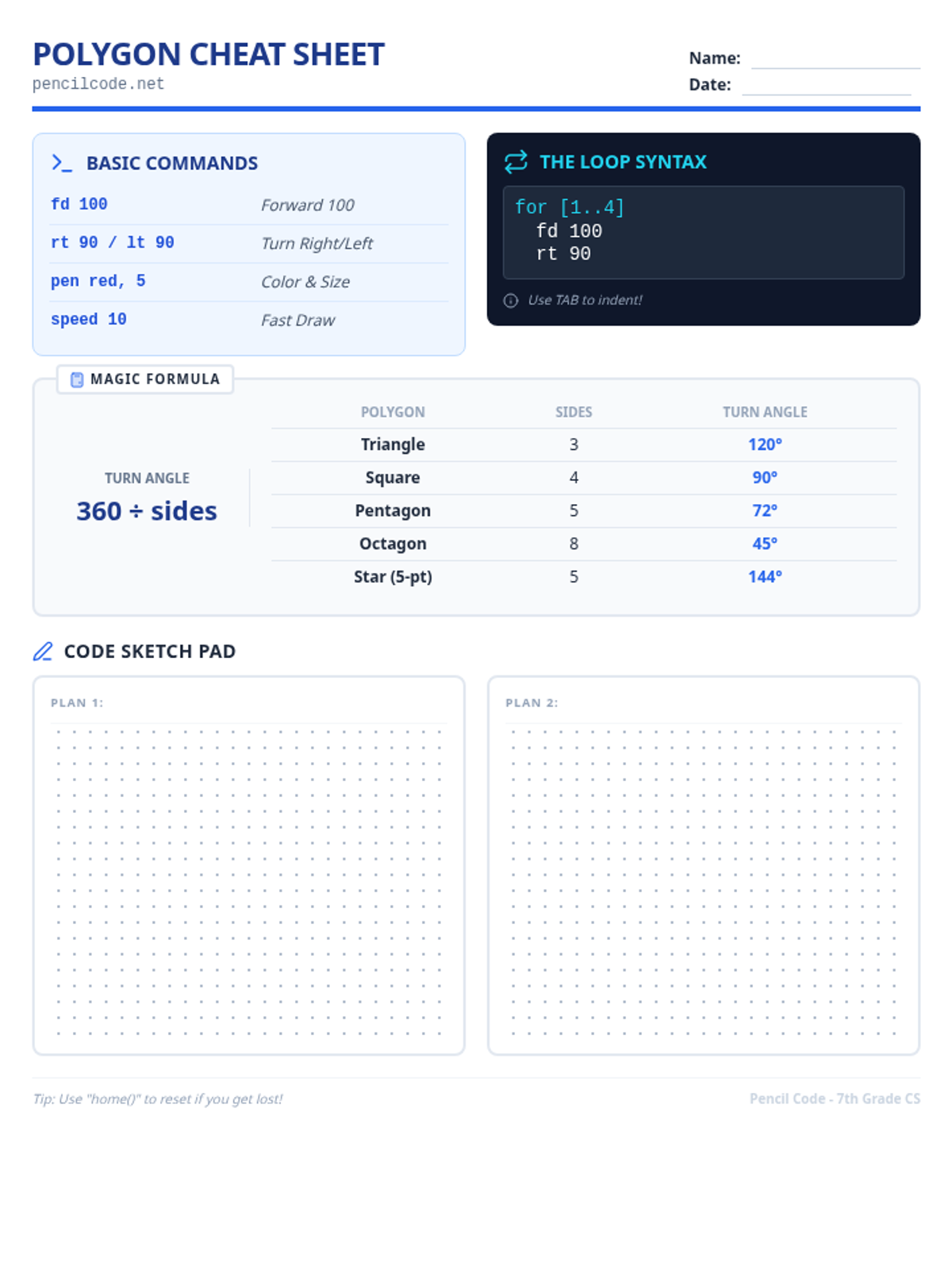
A beginner-friendly introduction to coding geometric shapes using loops in Pencil Code. Students learn the relationship between exterior angles and polygon sides while mastering basic for-loop syntax.
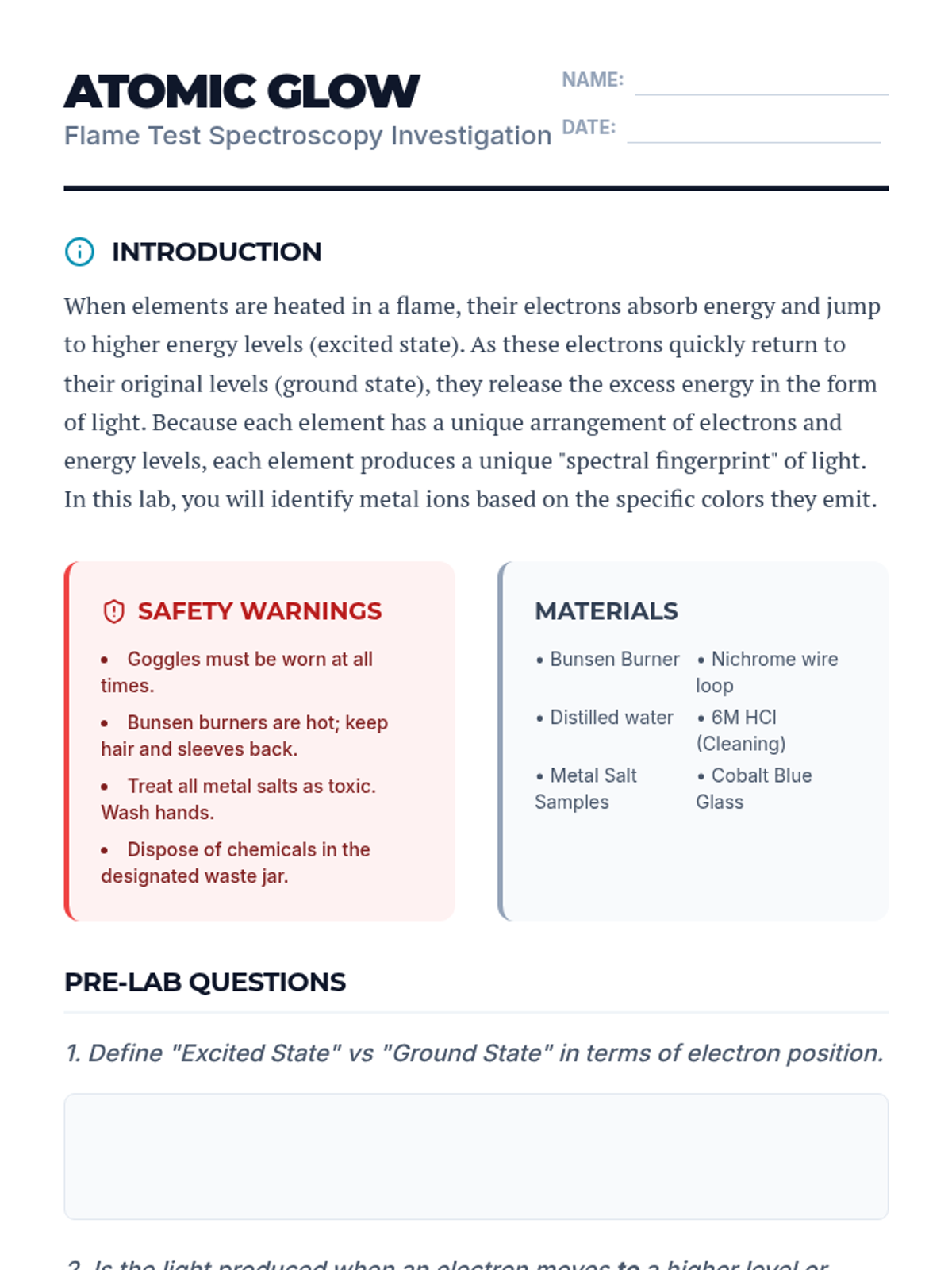
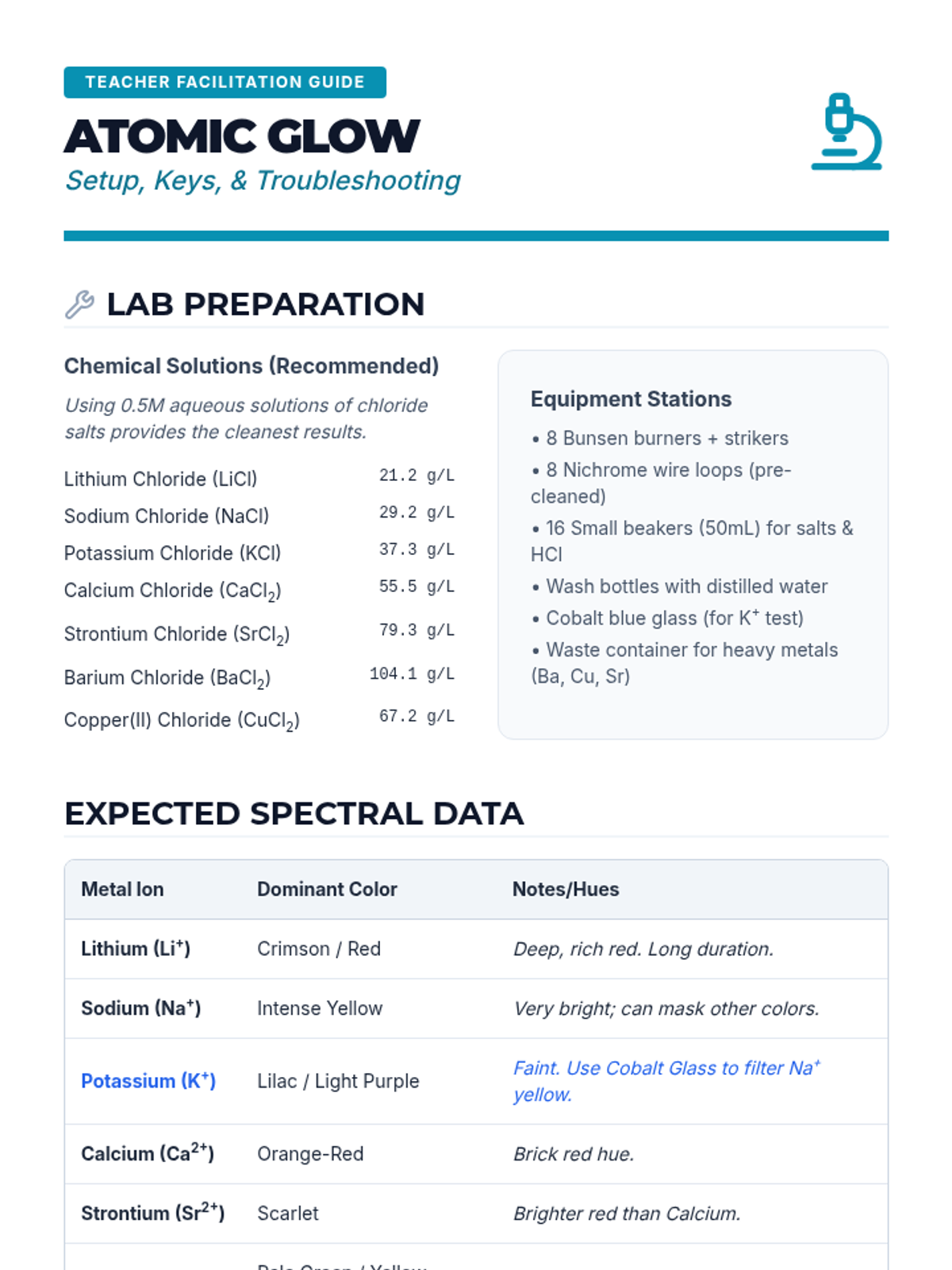
A high school chemistry lab investigating the emission spectra of metal ions through flame tests. Students explore the Bohr model of the atom and identify unknown metal salts based on their characteristic flame colors.
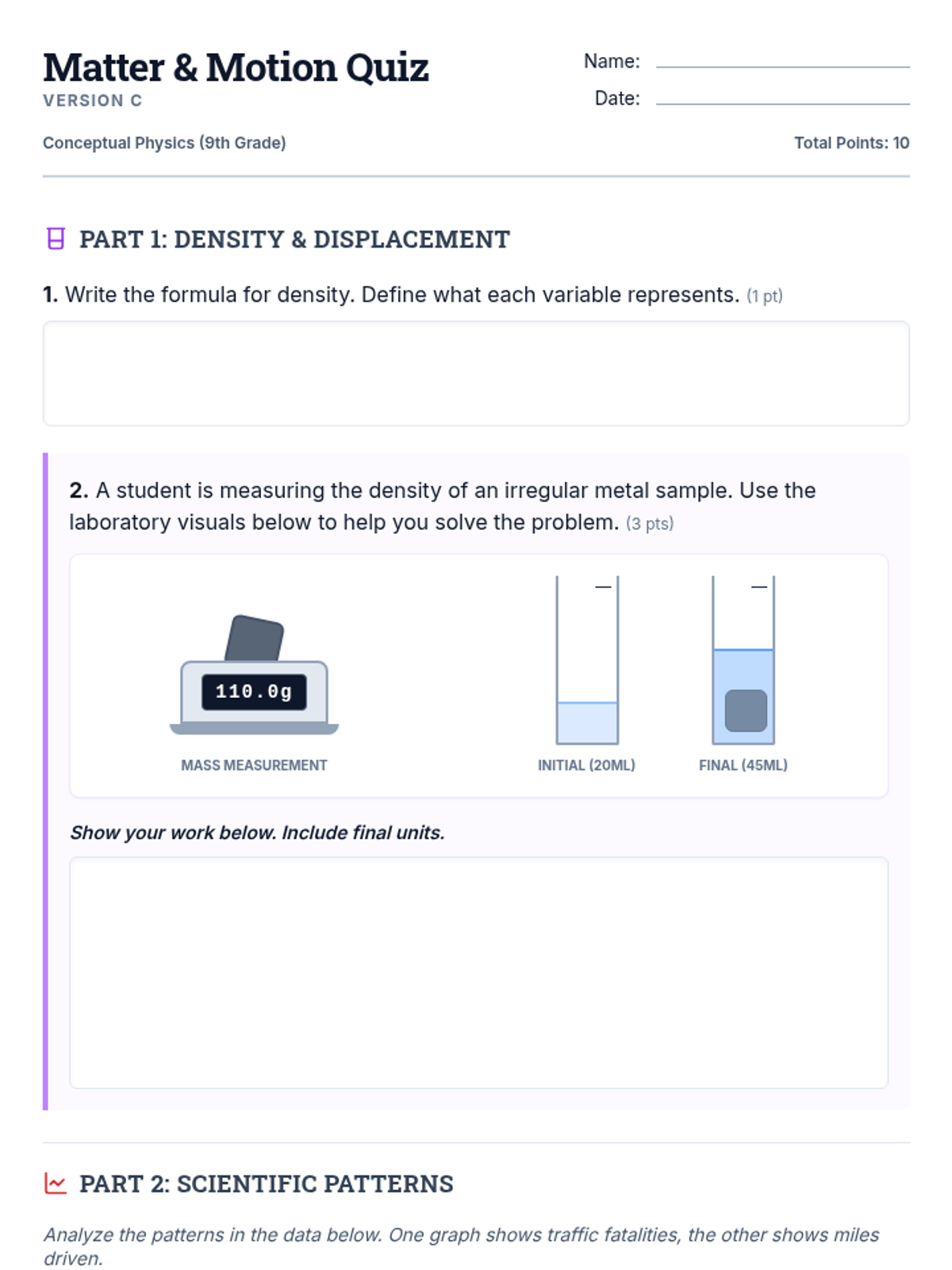
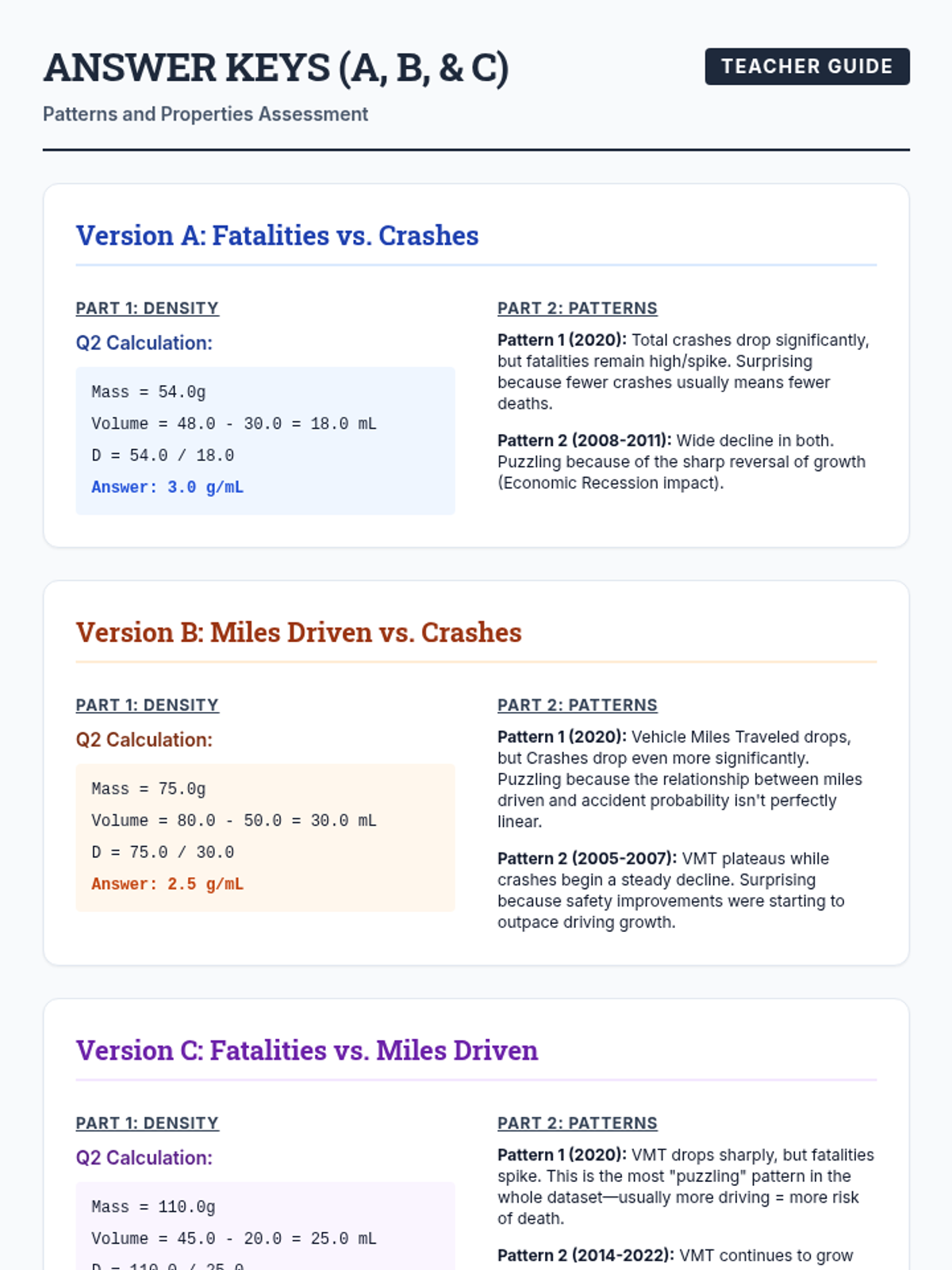
A conceptual physics assessment focusing on the density of matter through water displacement and the analysis of real-world traffic data to identify scientific patterns and anomalies.
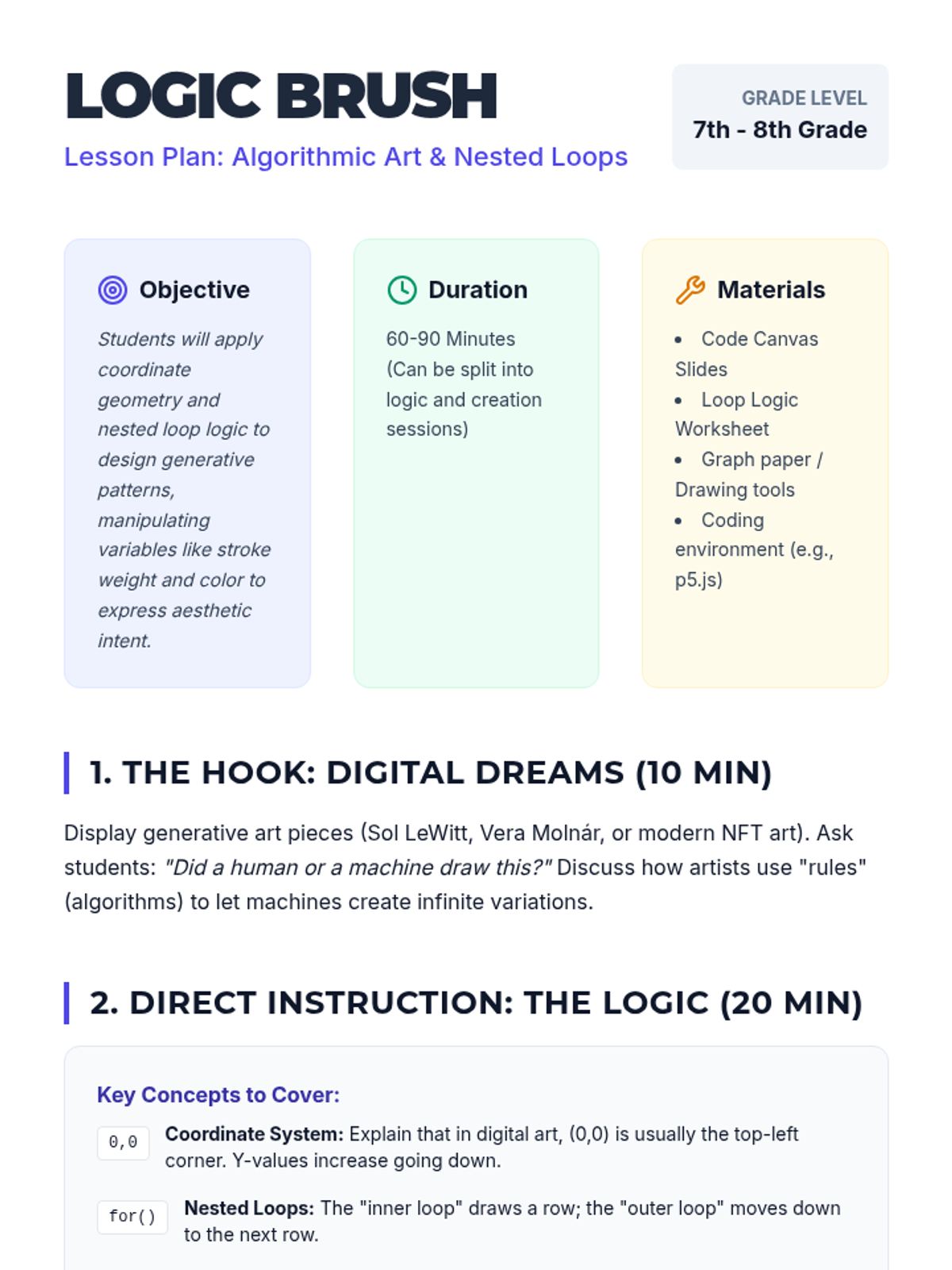
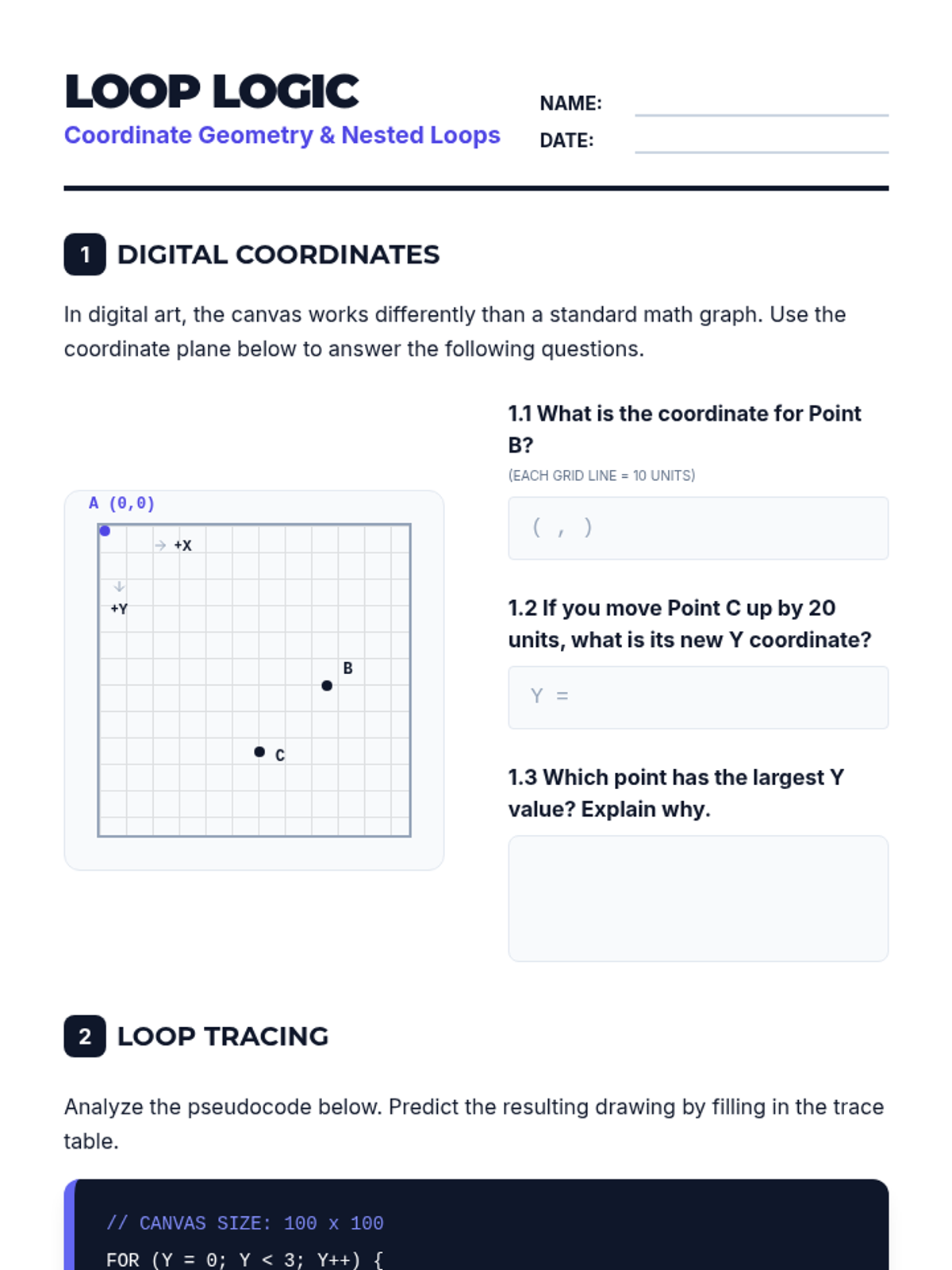
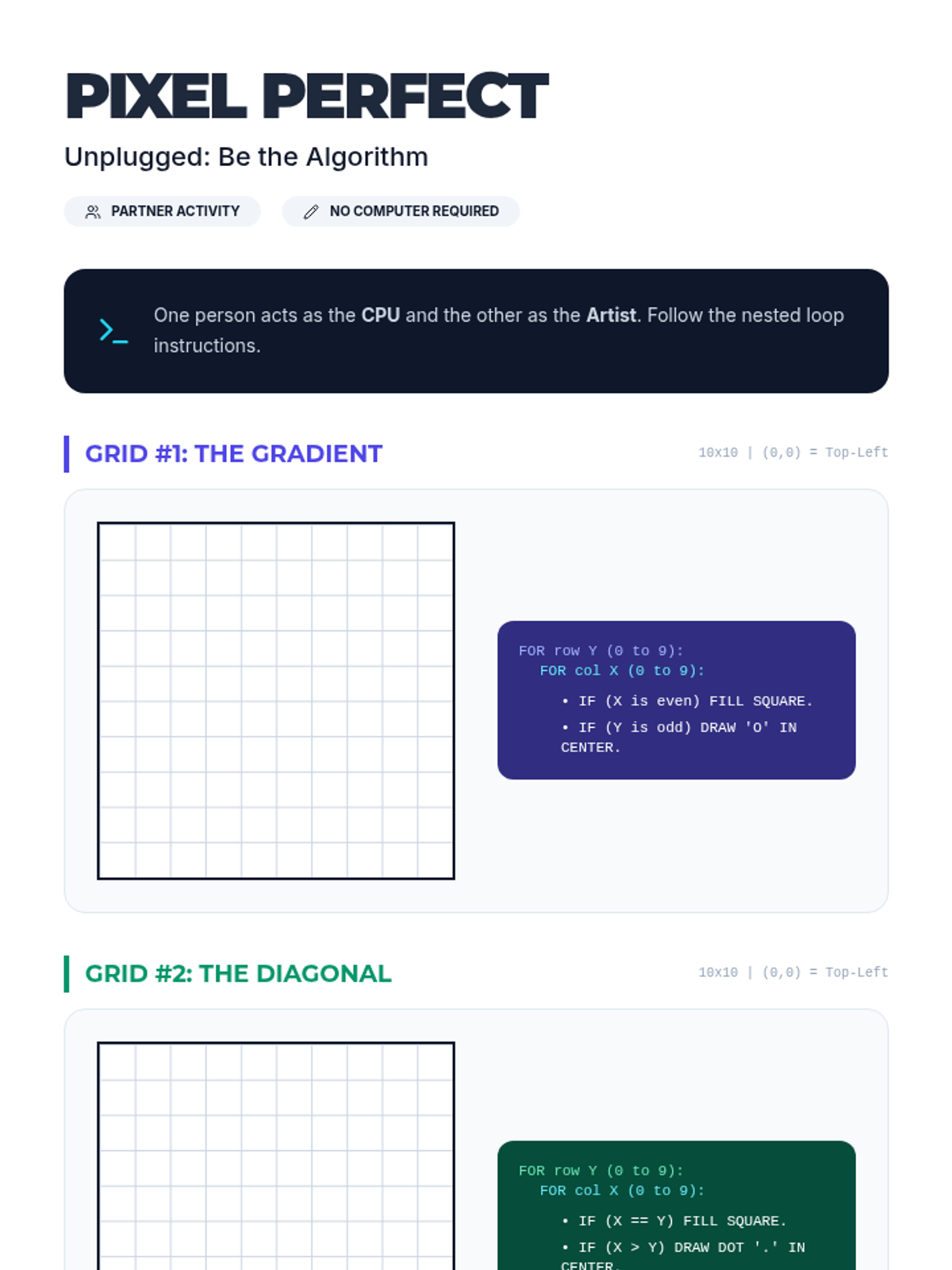
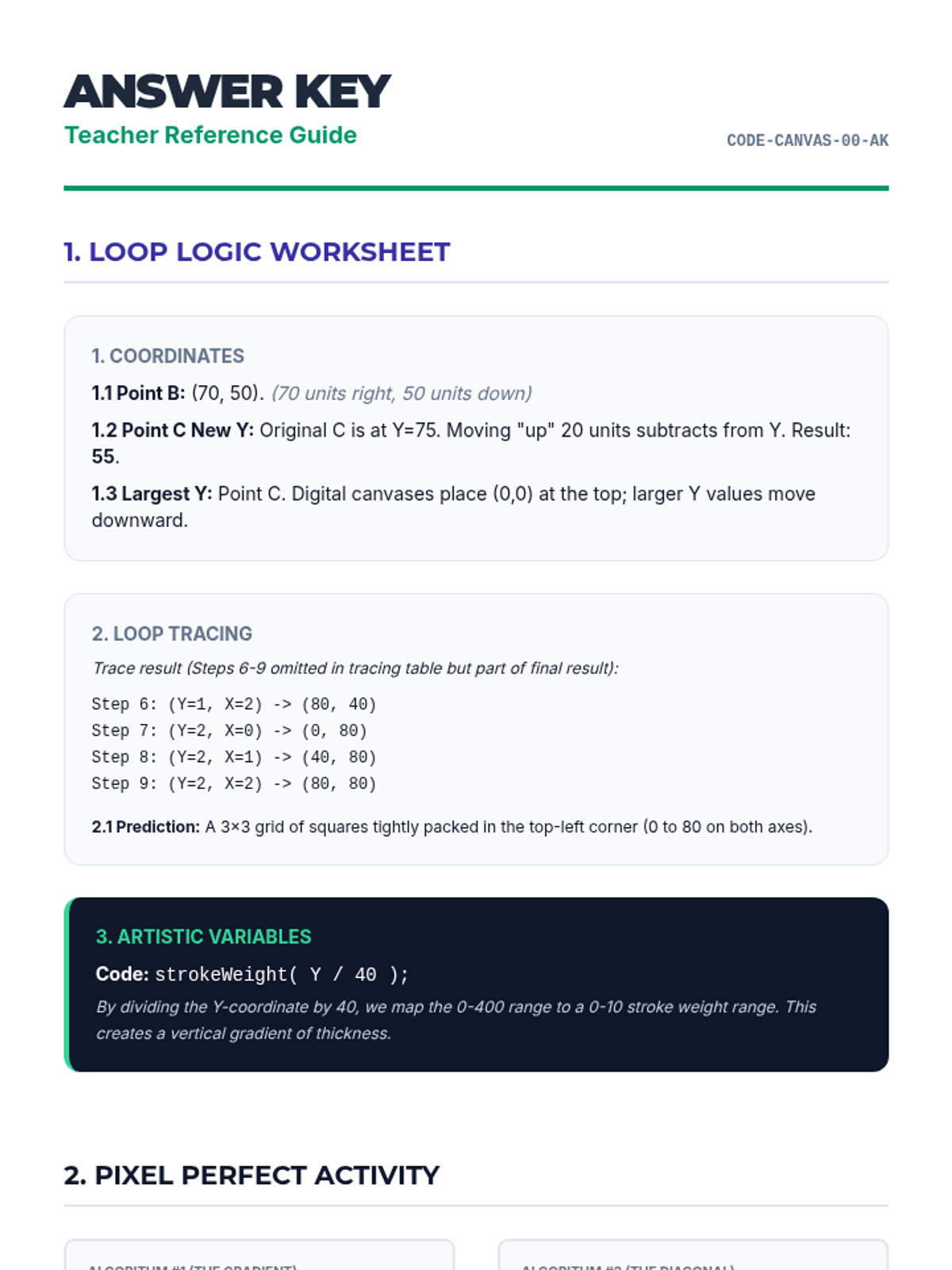
Students explore the intersection of geometry and computer science by using nested loops and variables to create generative digital art.
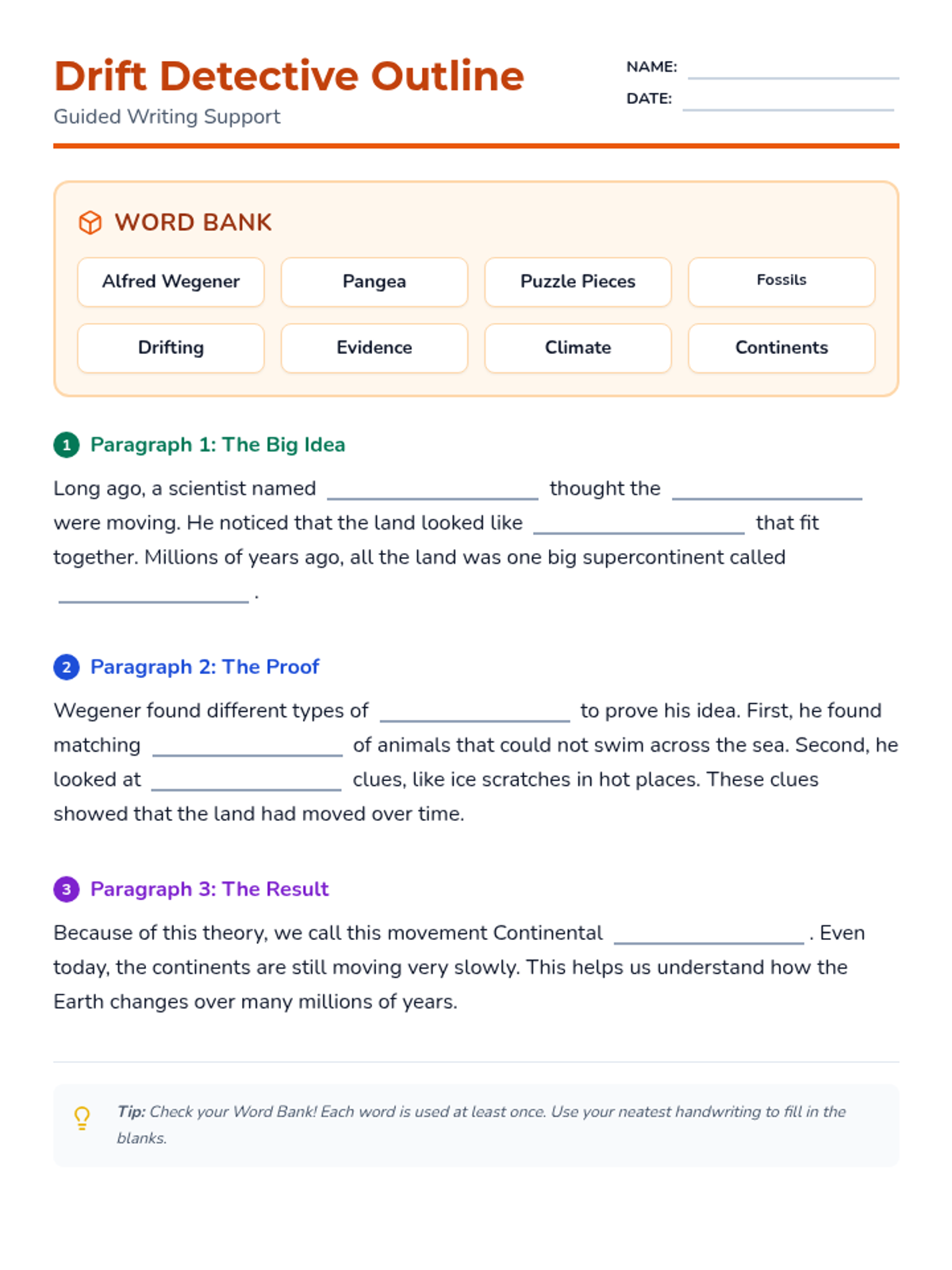
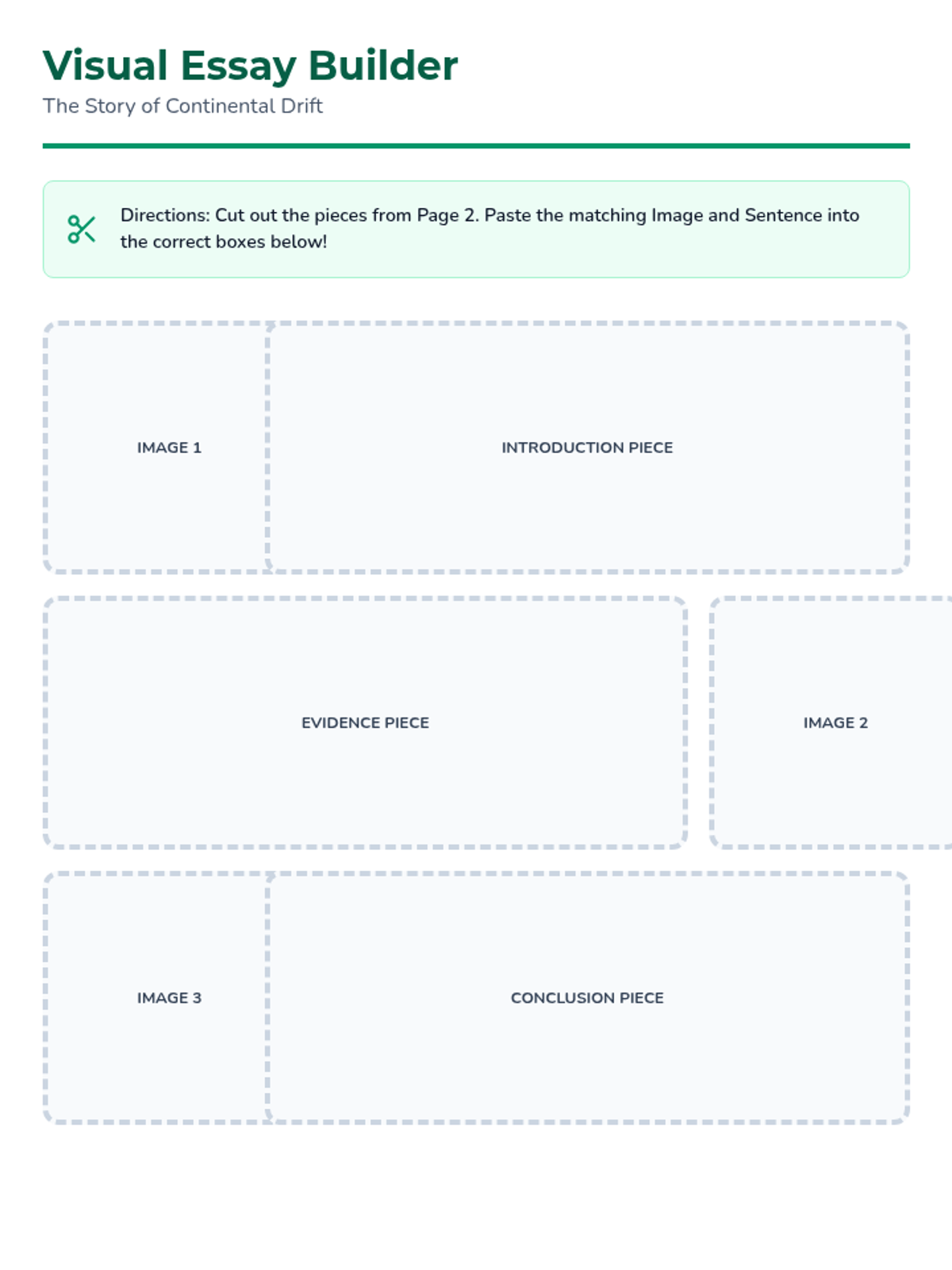
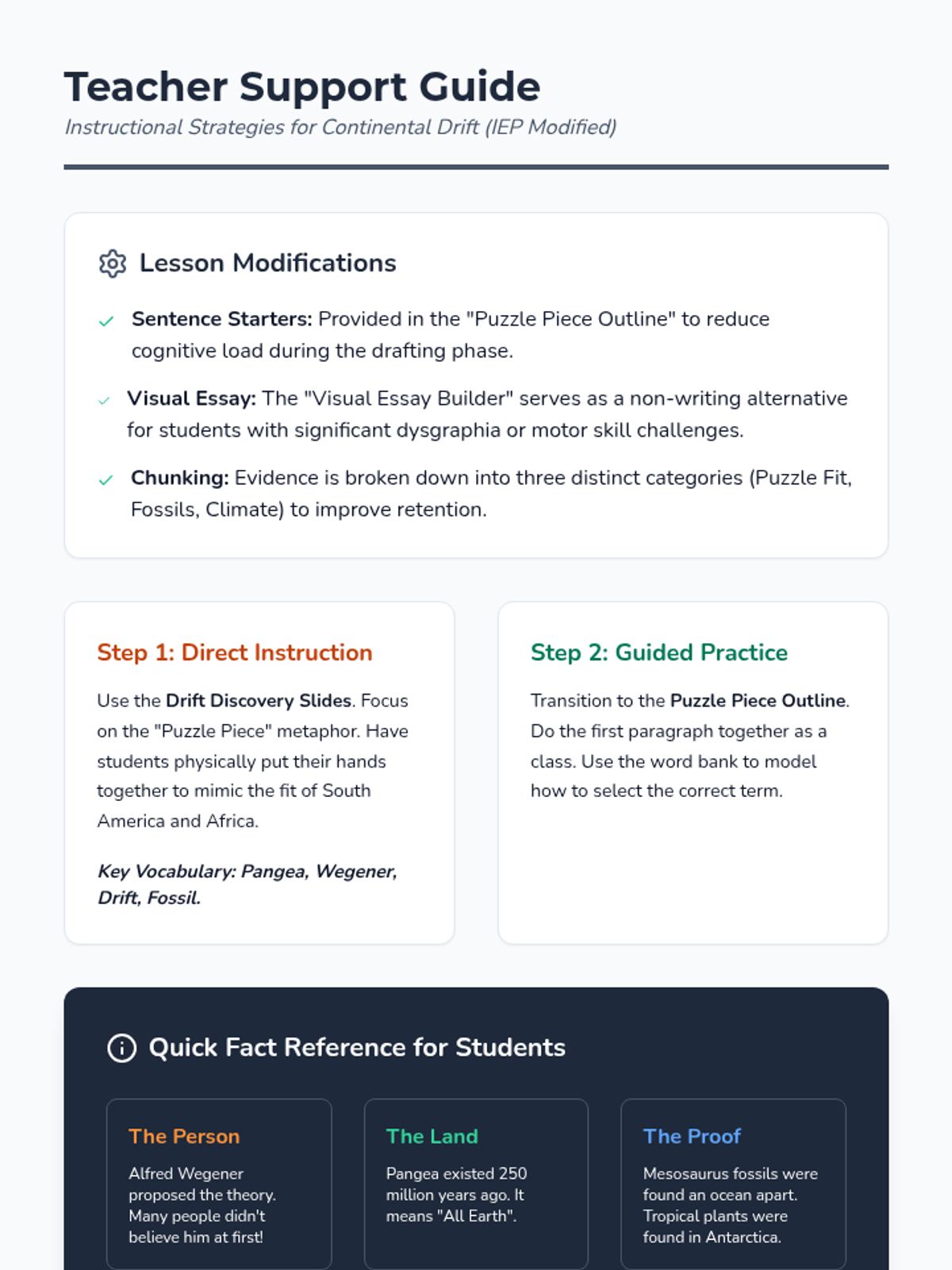
A modified lesson on continental drift designed specifically for IEP students, focusing on Alfred Wegener's theory, Pangea, and the four main pieces of evidence through scaffolded writing and visual activities.
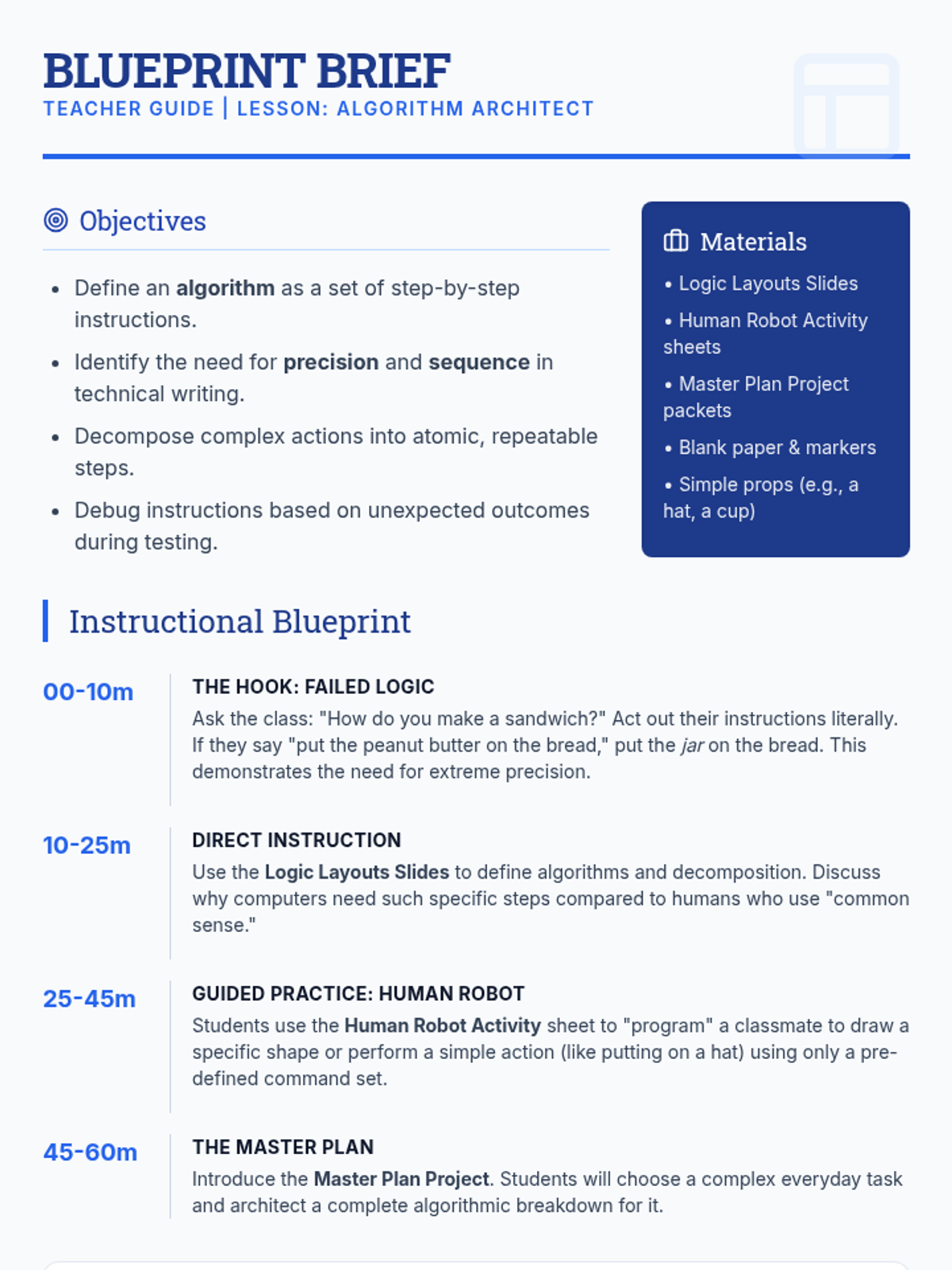
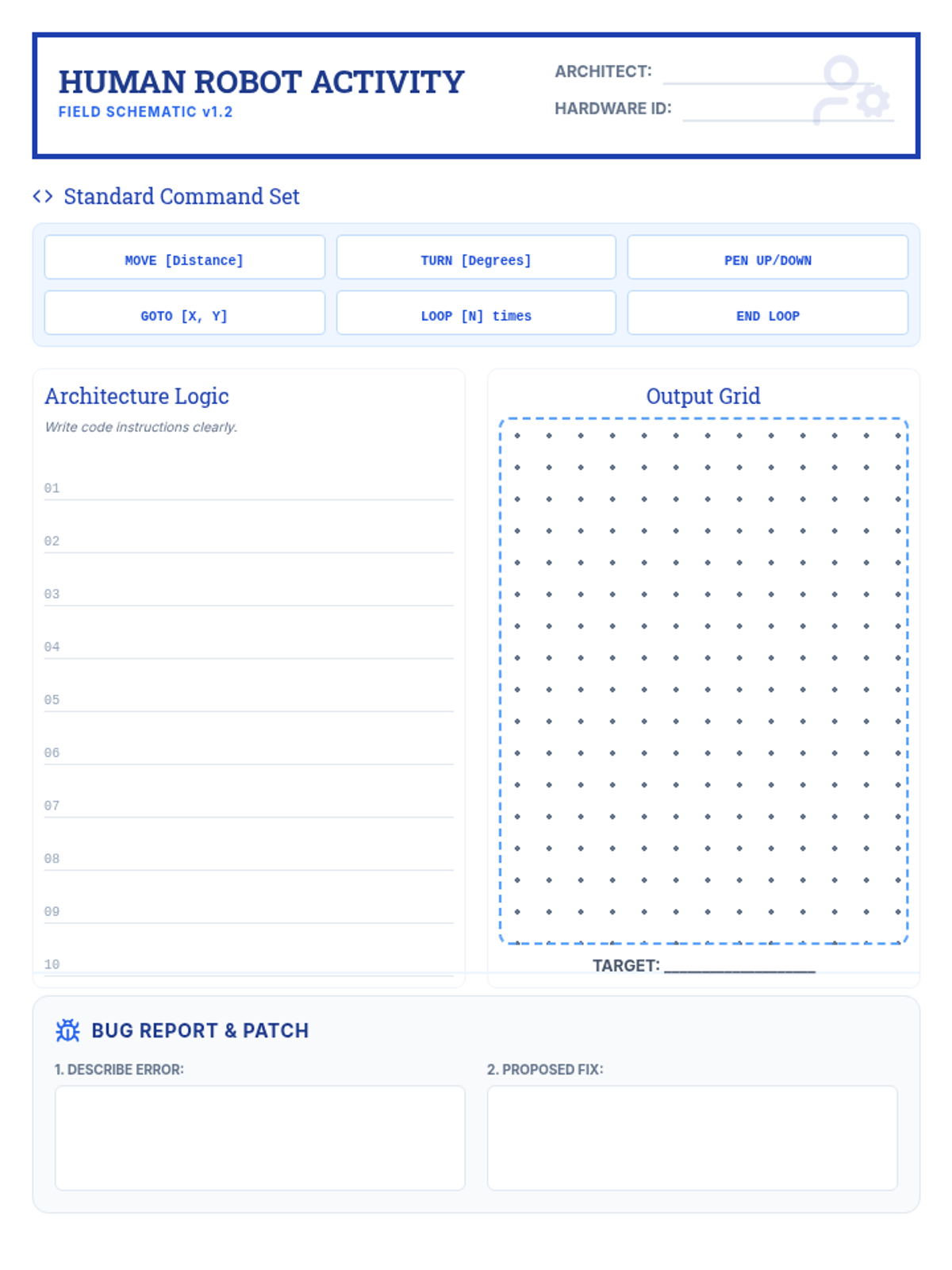
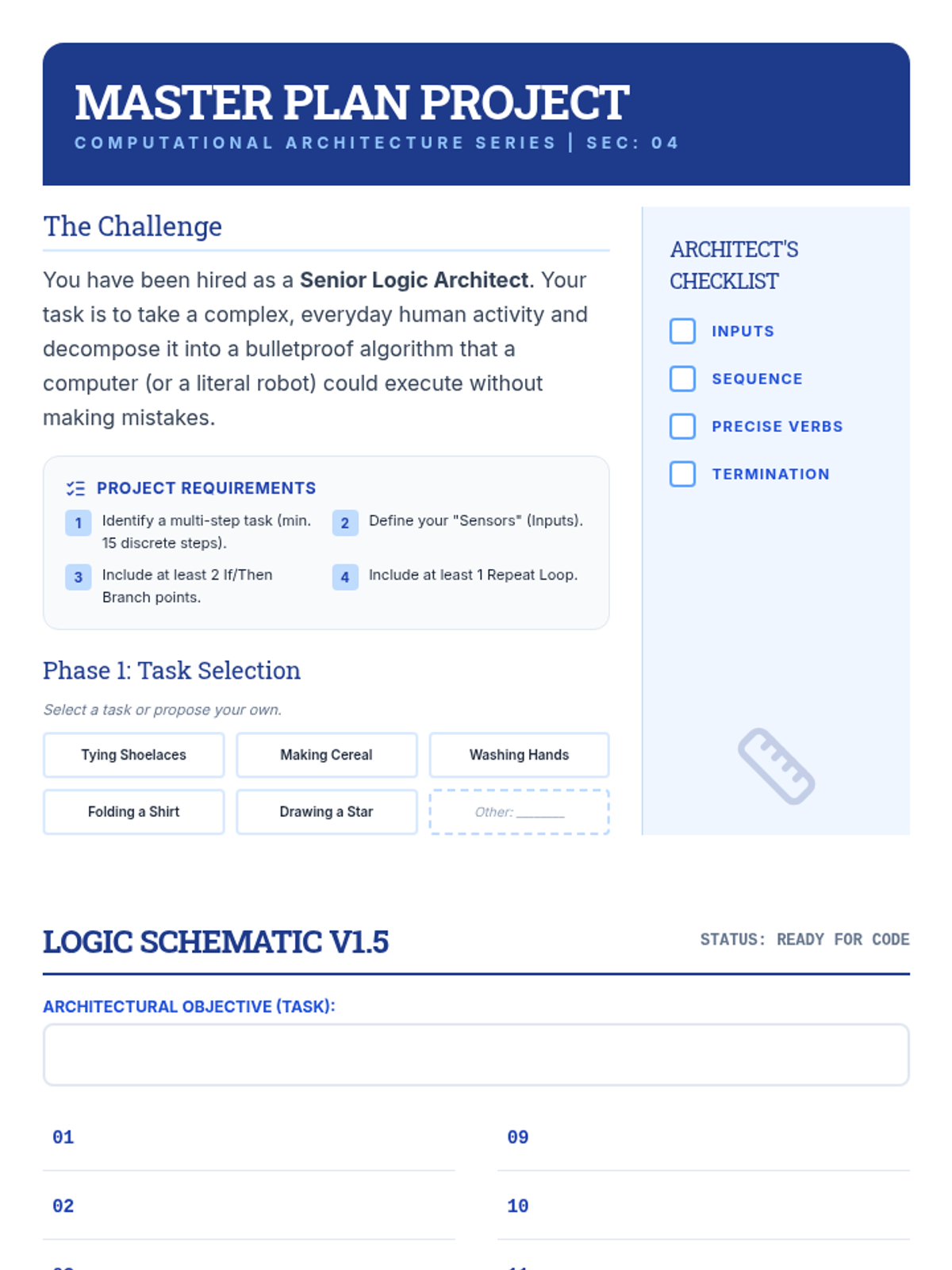
Students become 'architects' of logic, learning to decompose everyday tasks into precise, repeatable algorithms. They will practice 'programming' humans to understand the necessity of detail and sequence in computer science.
A lesson exploring how ecosystems are organized, the relationships between organisms, and the factors that limit population growth, including the status of endangered species.
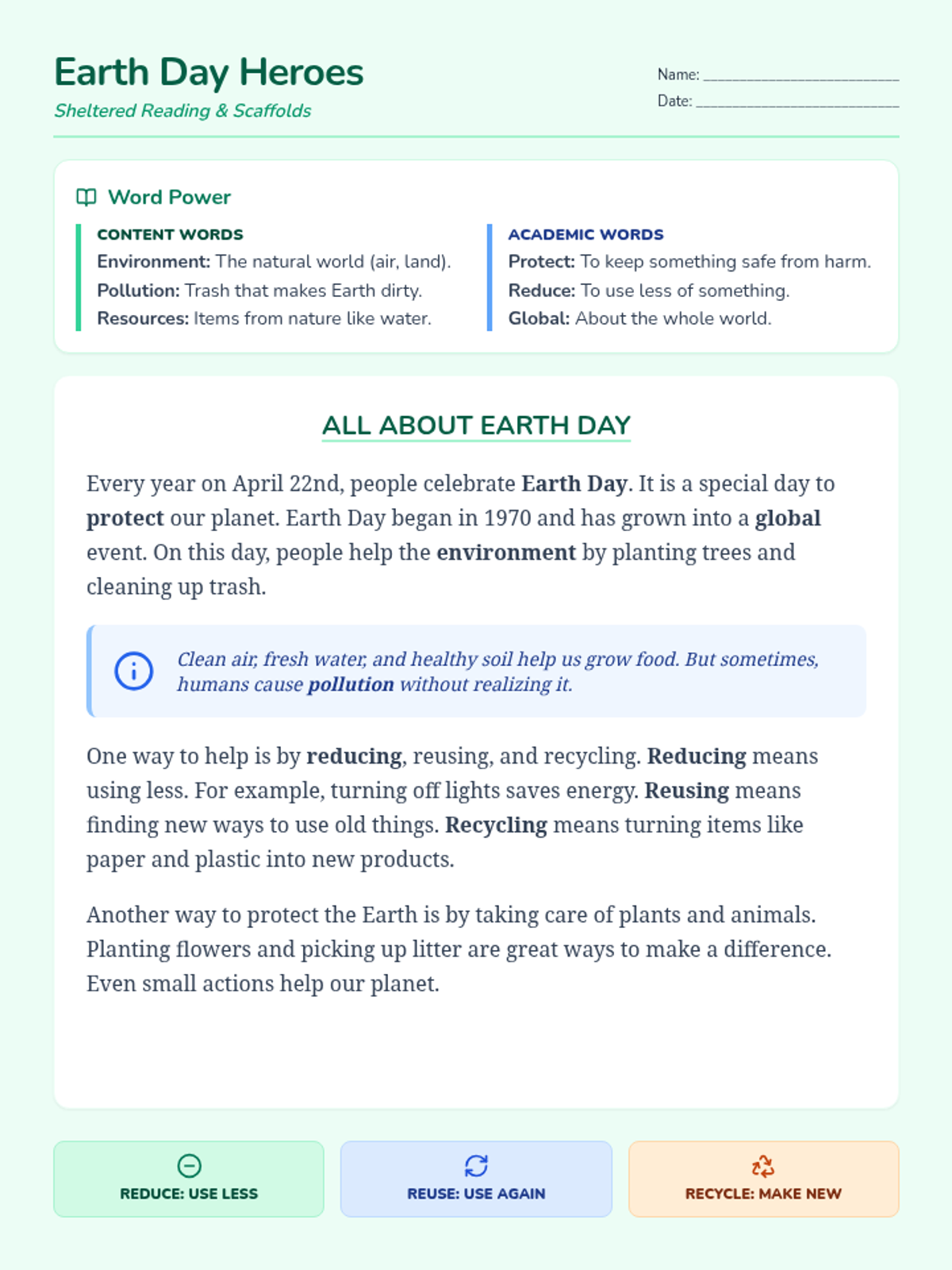
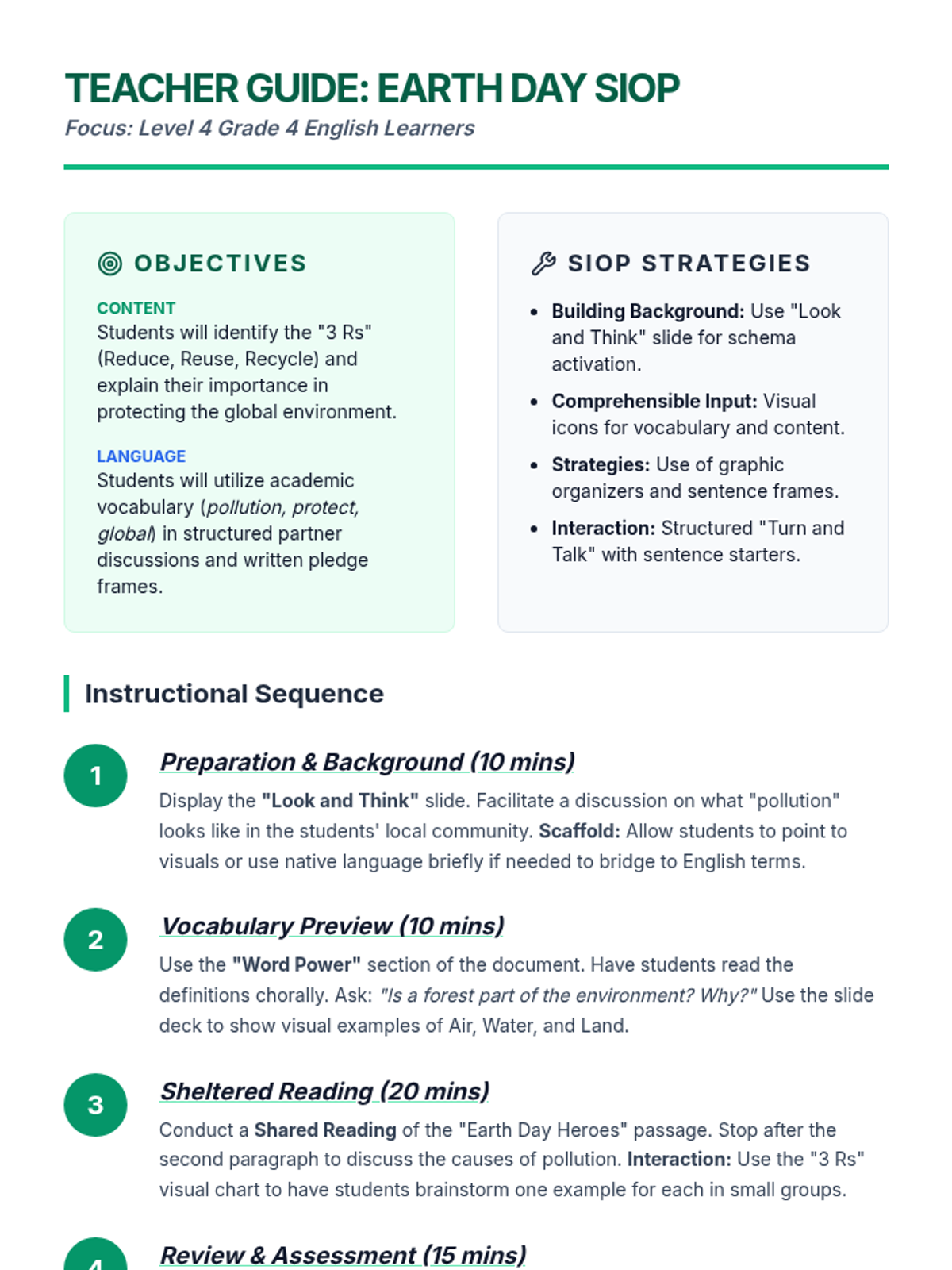
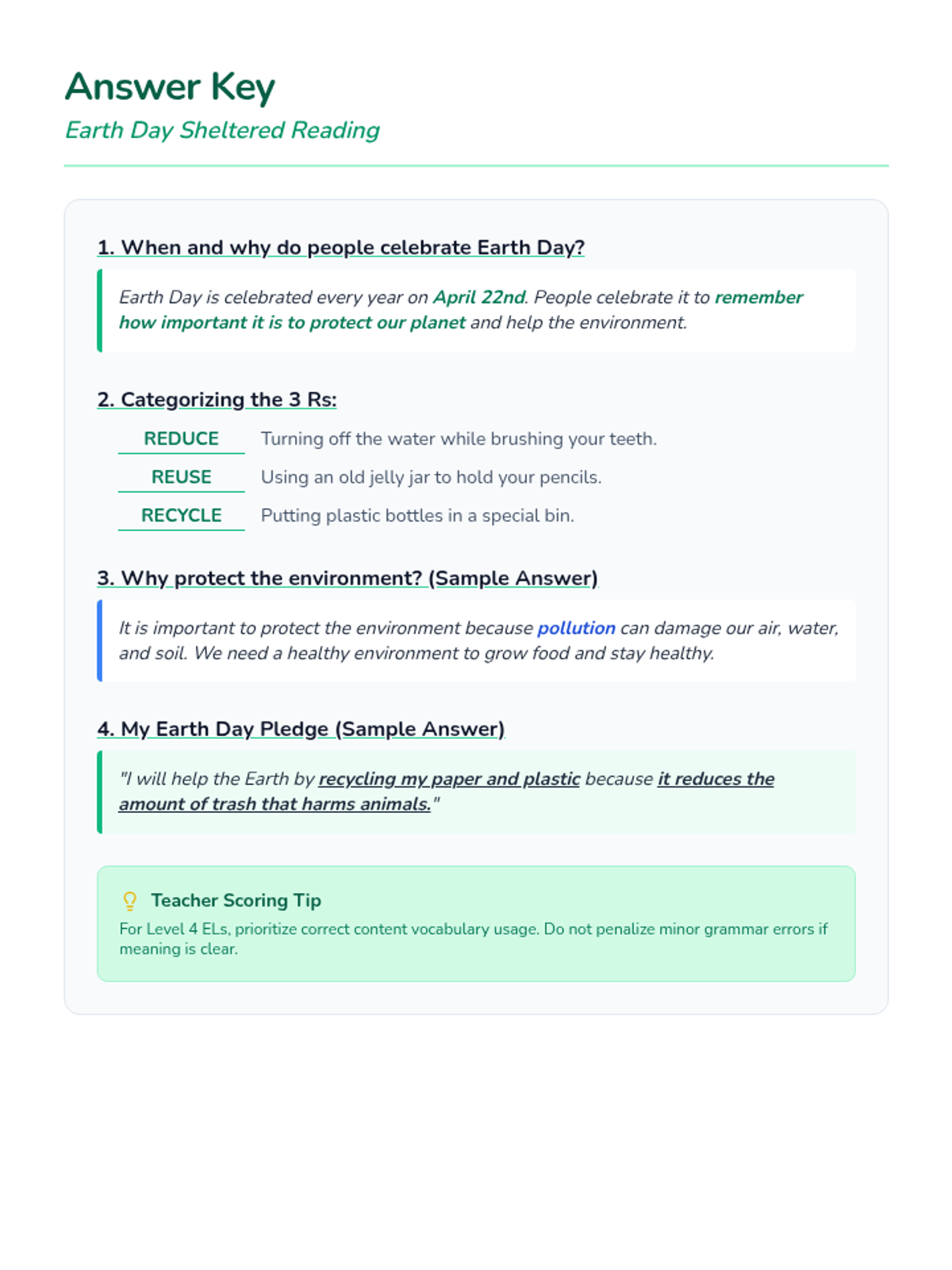
A SIOP-based lesson on Earth Day for Level 4 ELs, focusing on the 3 Rs and environmental protection through visual scaffolds, academic language support, and interactive discussion.
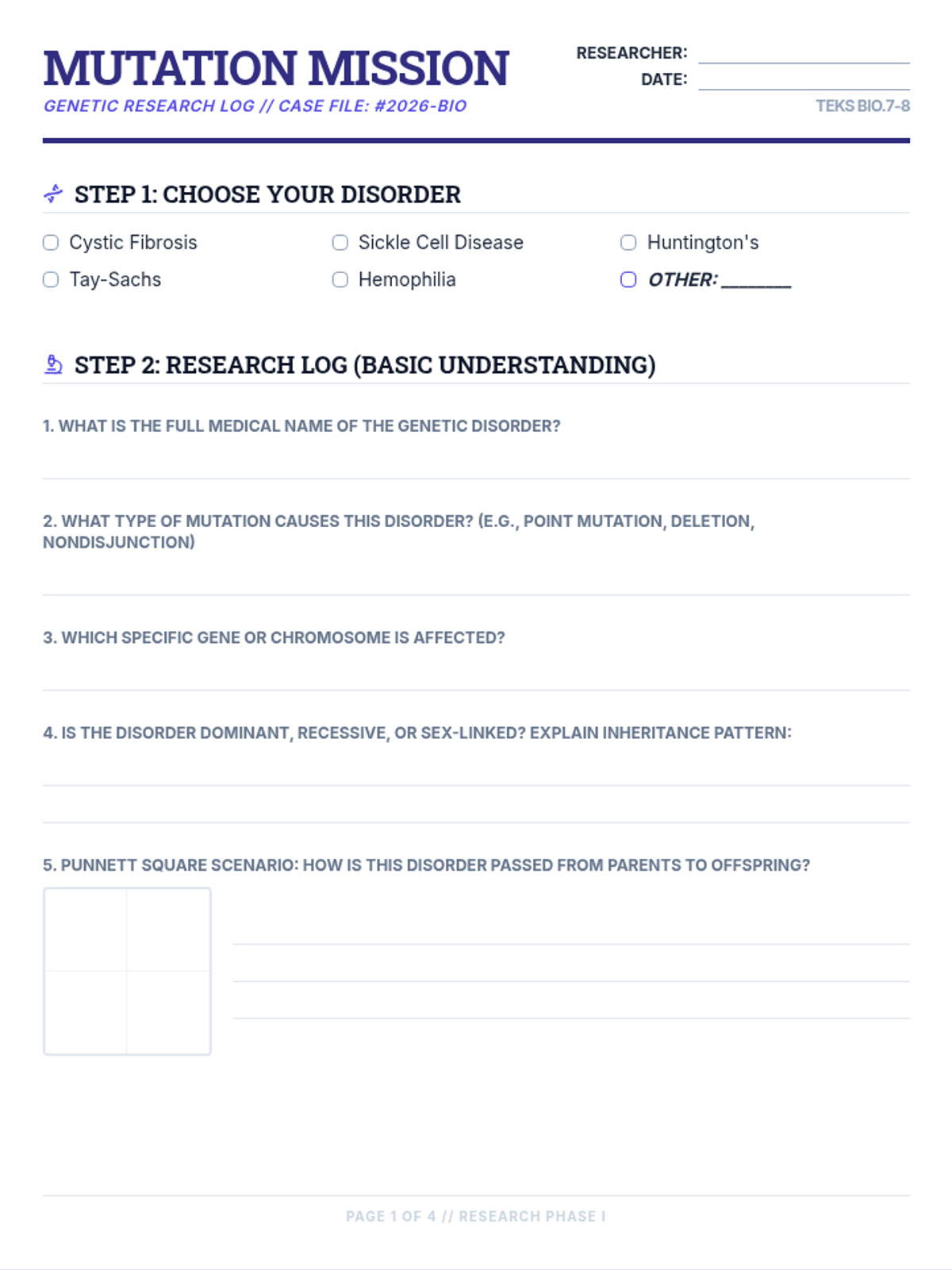
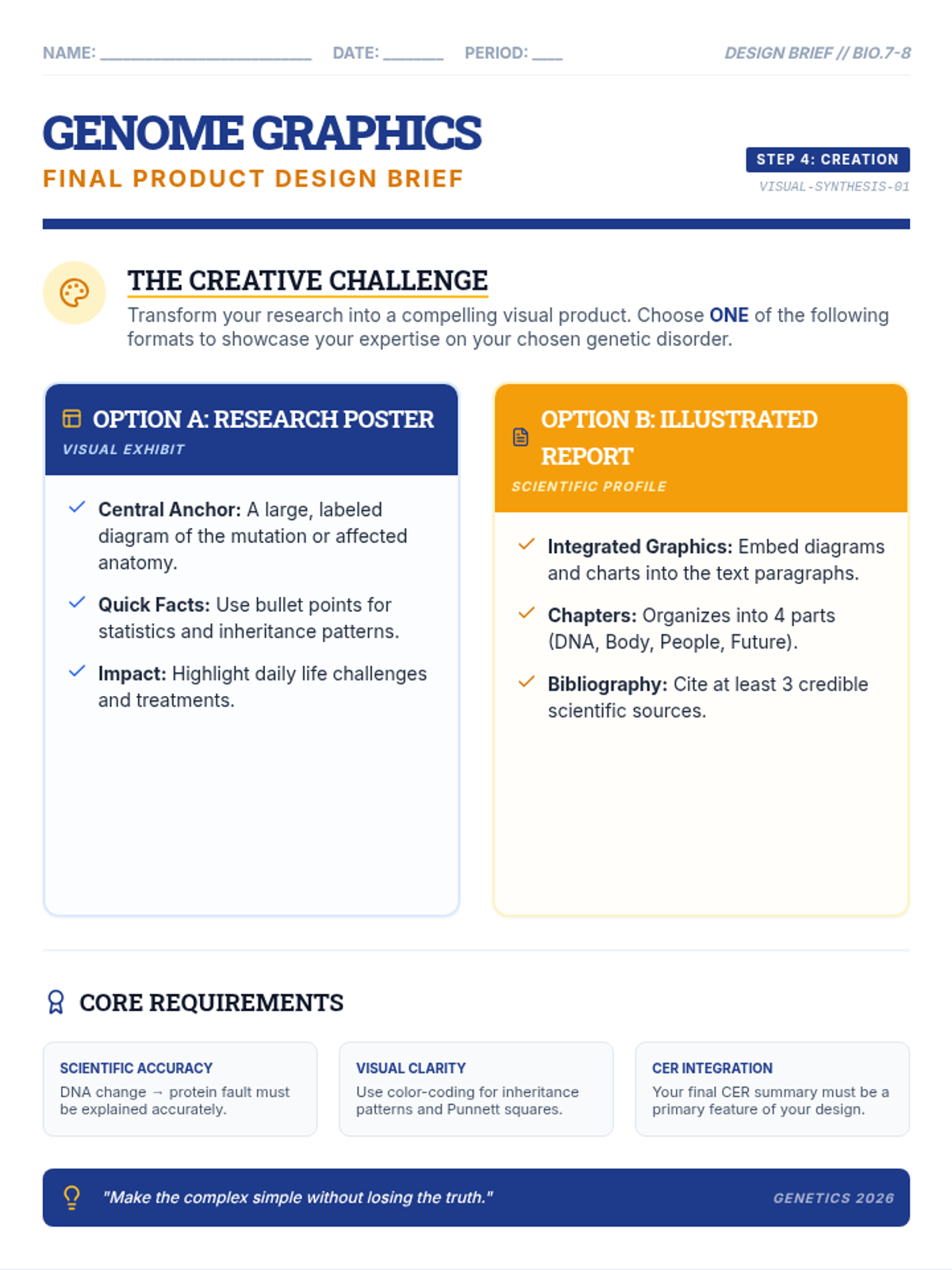
Students investigate genetic disorders by researching their molecular causes, inheritance patterns, and societal impacts. This project culminates in a research log, a CER summary, and a creative visual product.
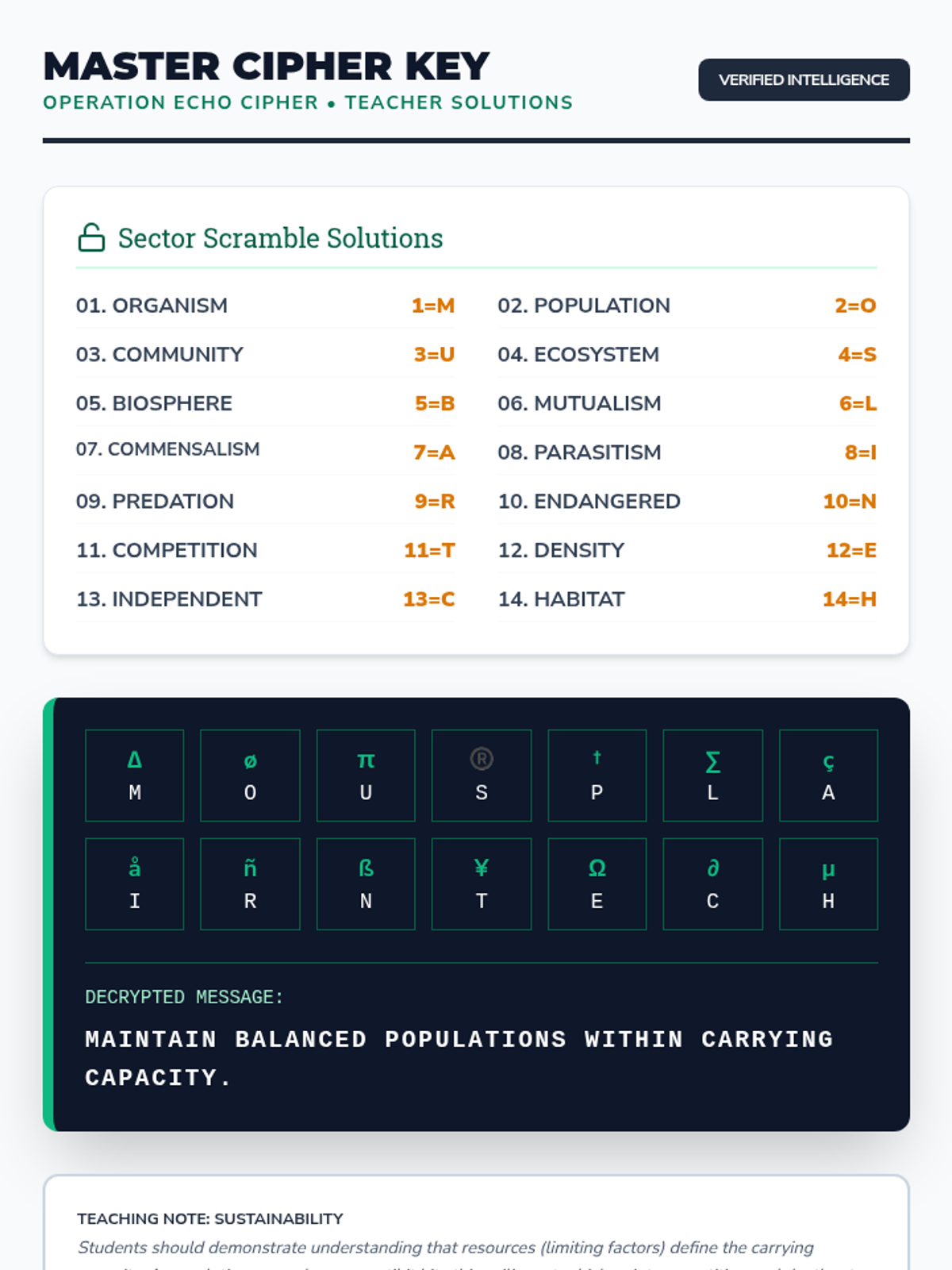
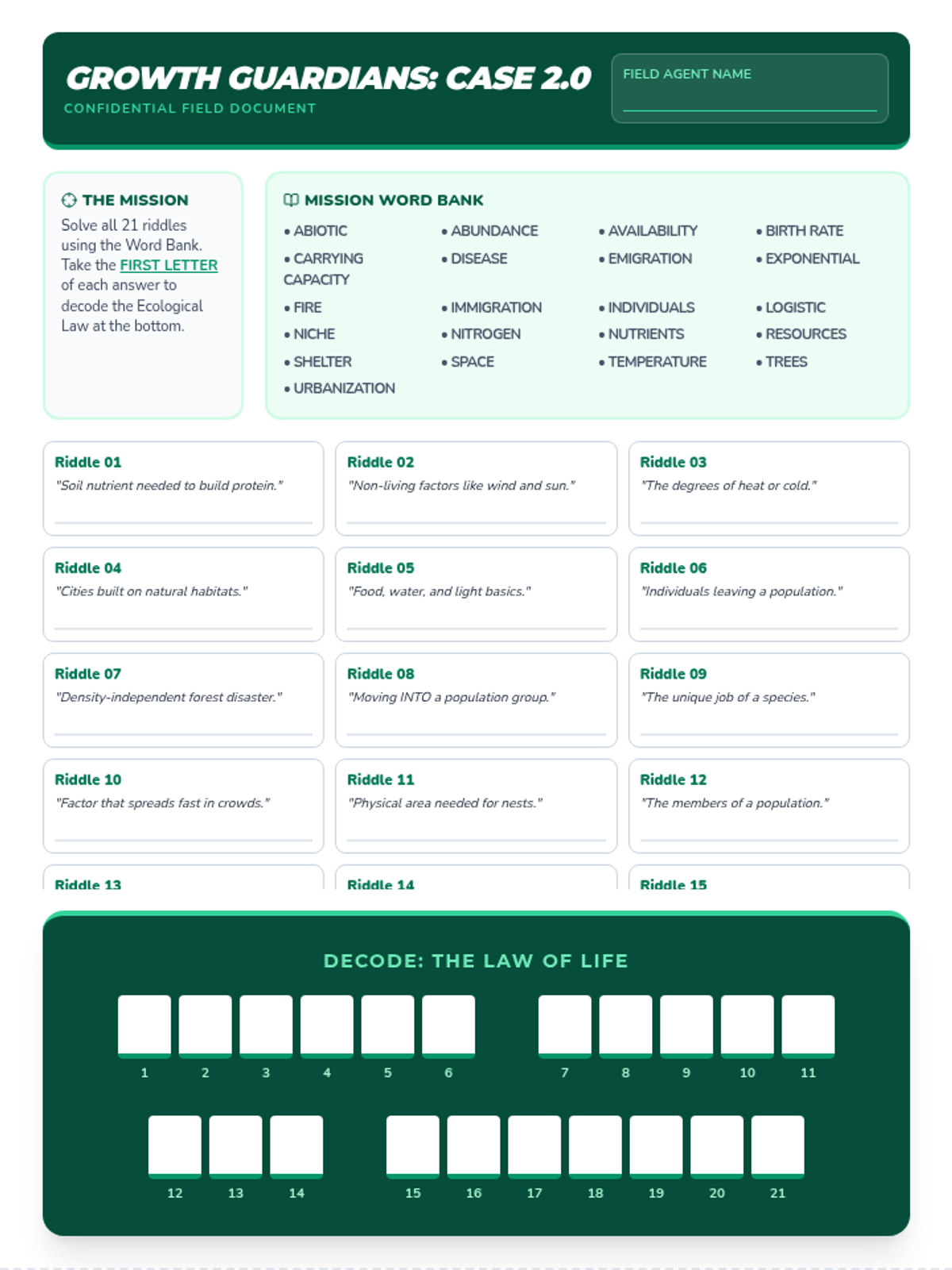
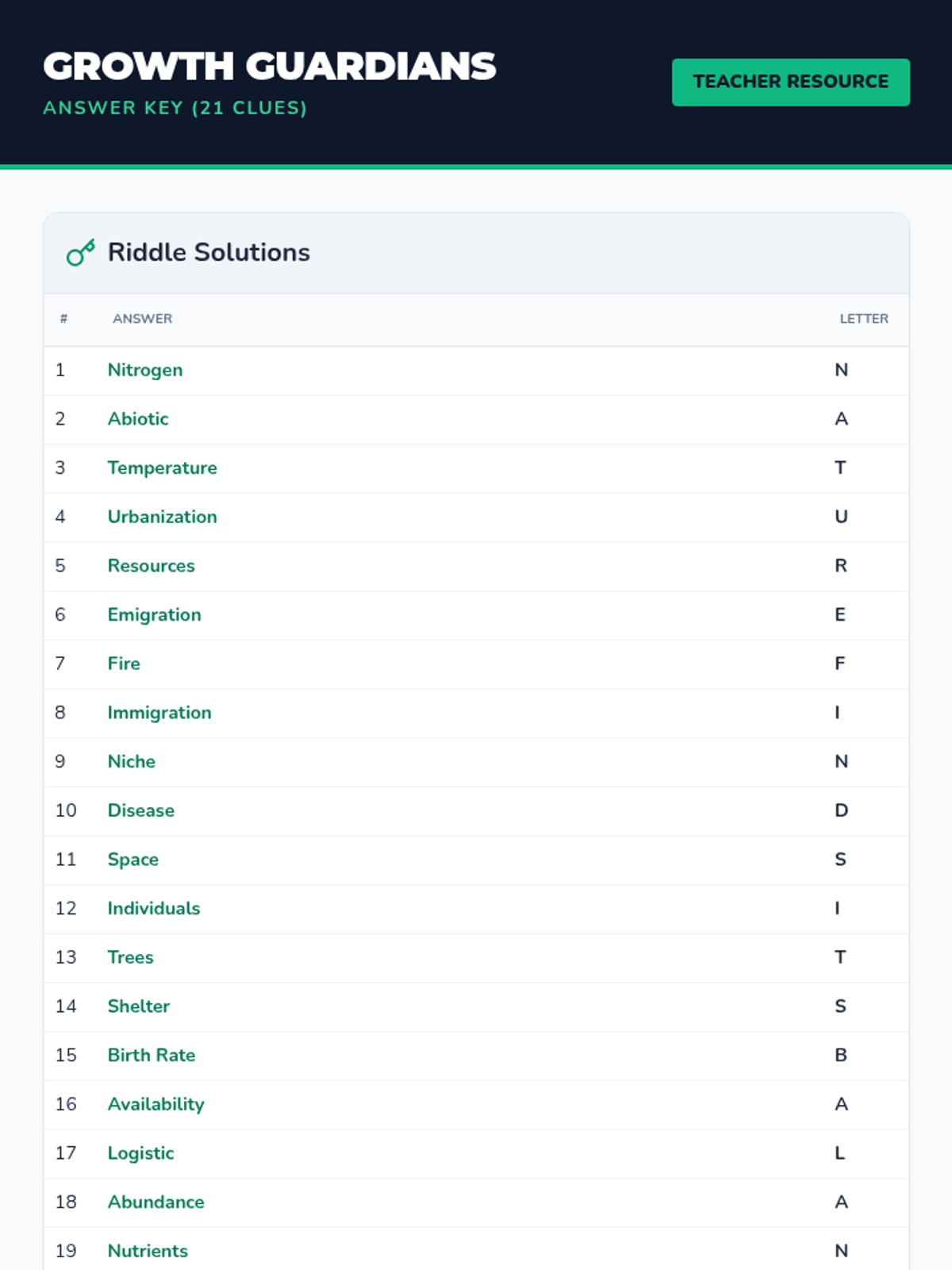
A lesson exploring the dynamics of population growth, focusing on the differences between exponential and logistic growth models and the real-world limiting factors that shape them. Students will solve puzzles to identify key concepts like carrying capacity, density-dependent factors, and density-independent factors.
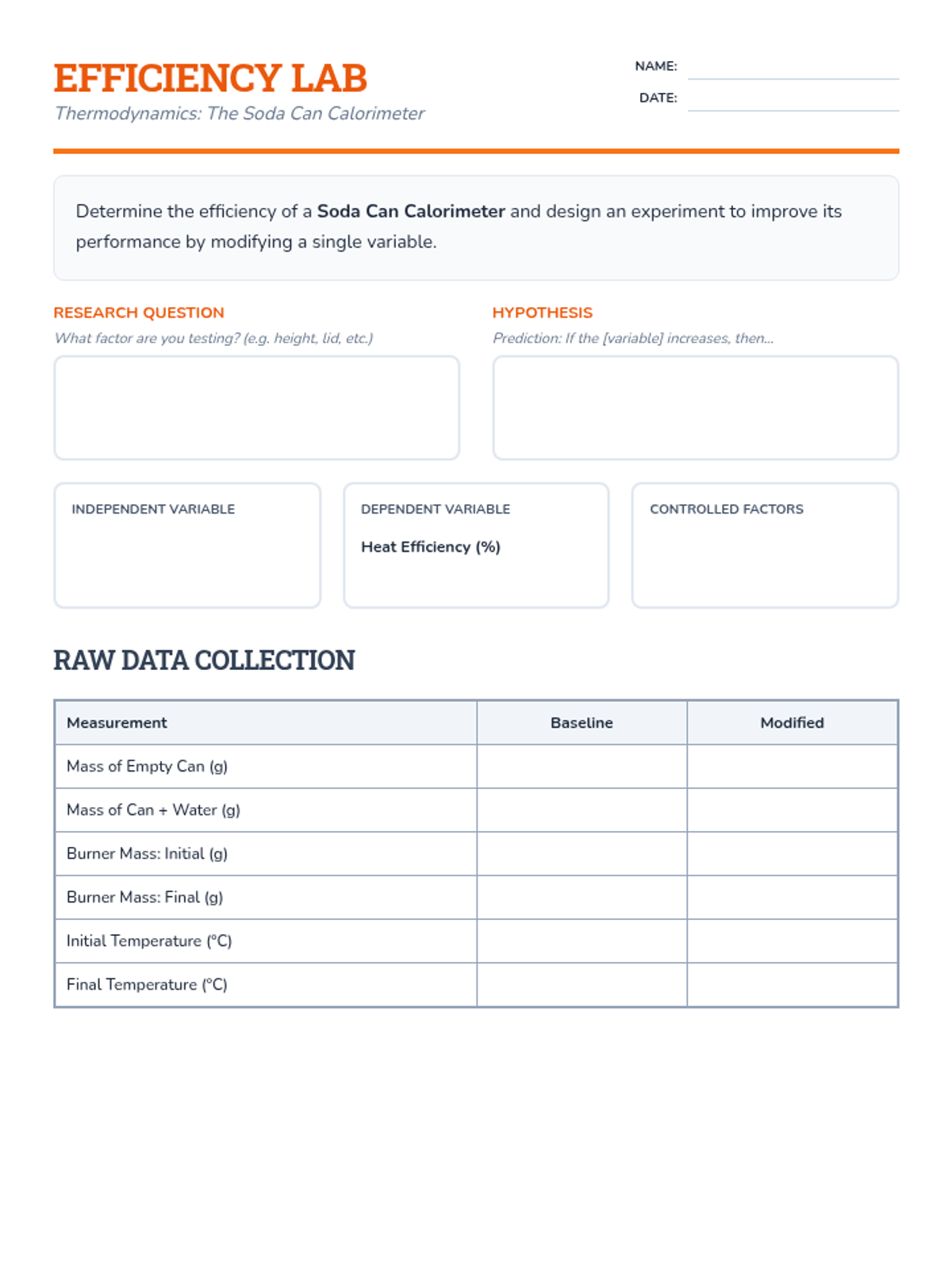
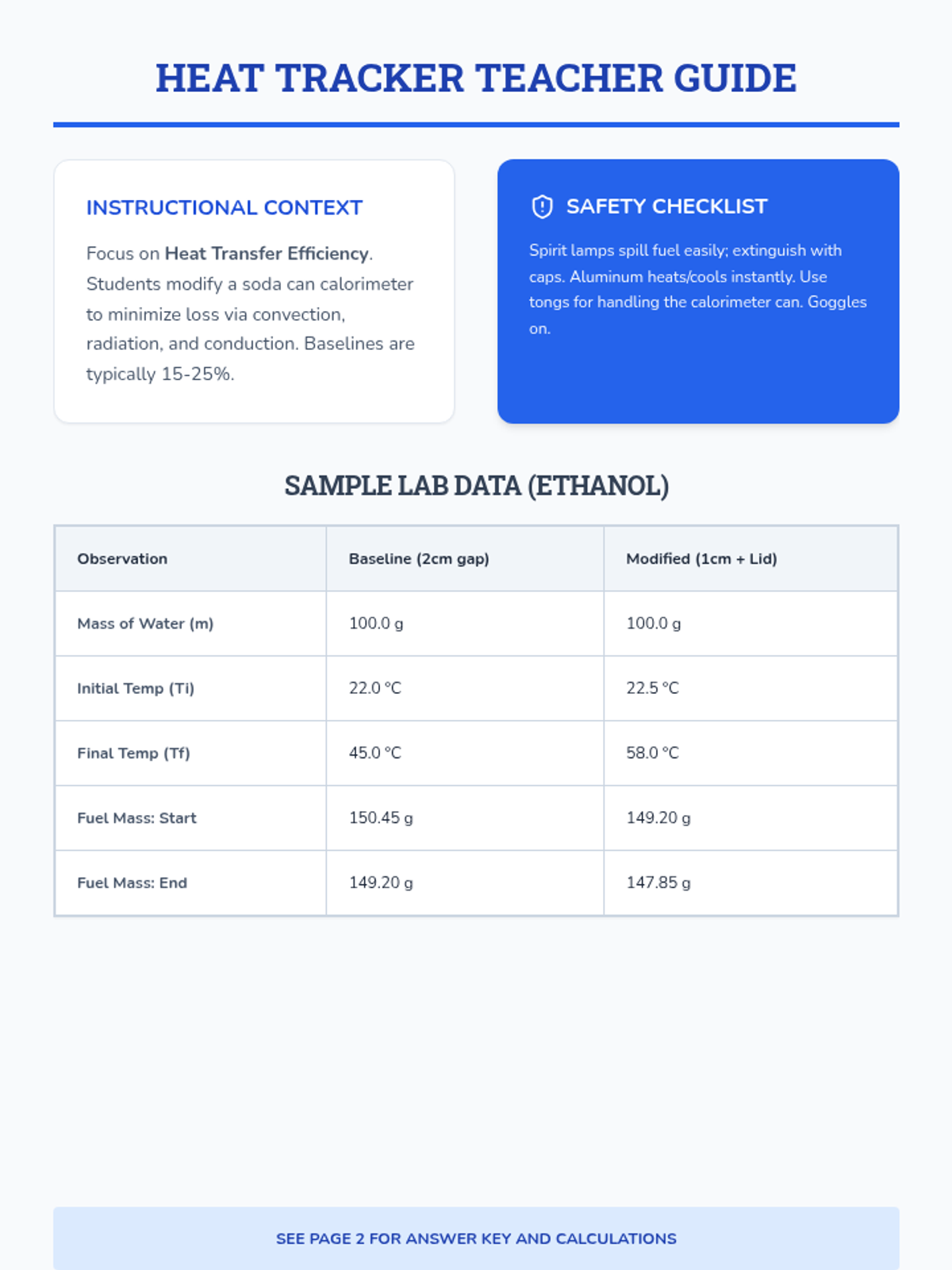
A high-stakes chemistry lab where students design and test modifications to a coke-can calorimeter to maximize heat transfer efficiency from a spirit lamp. Students explore thermodynamics, combustion, and experimental design.
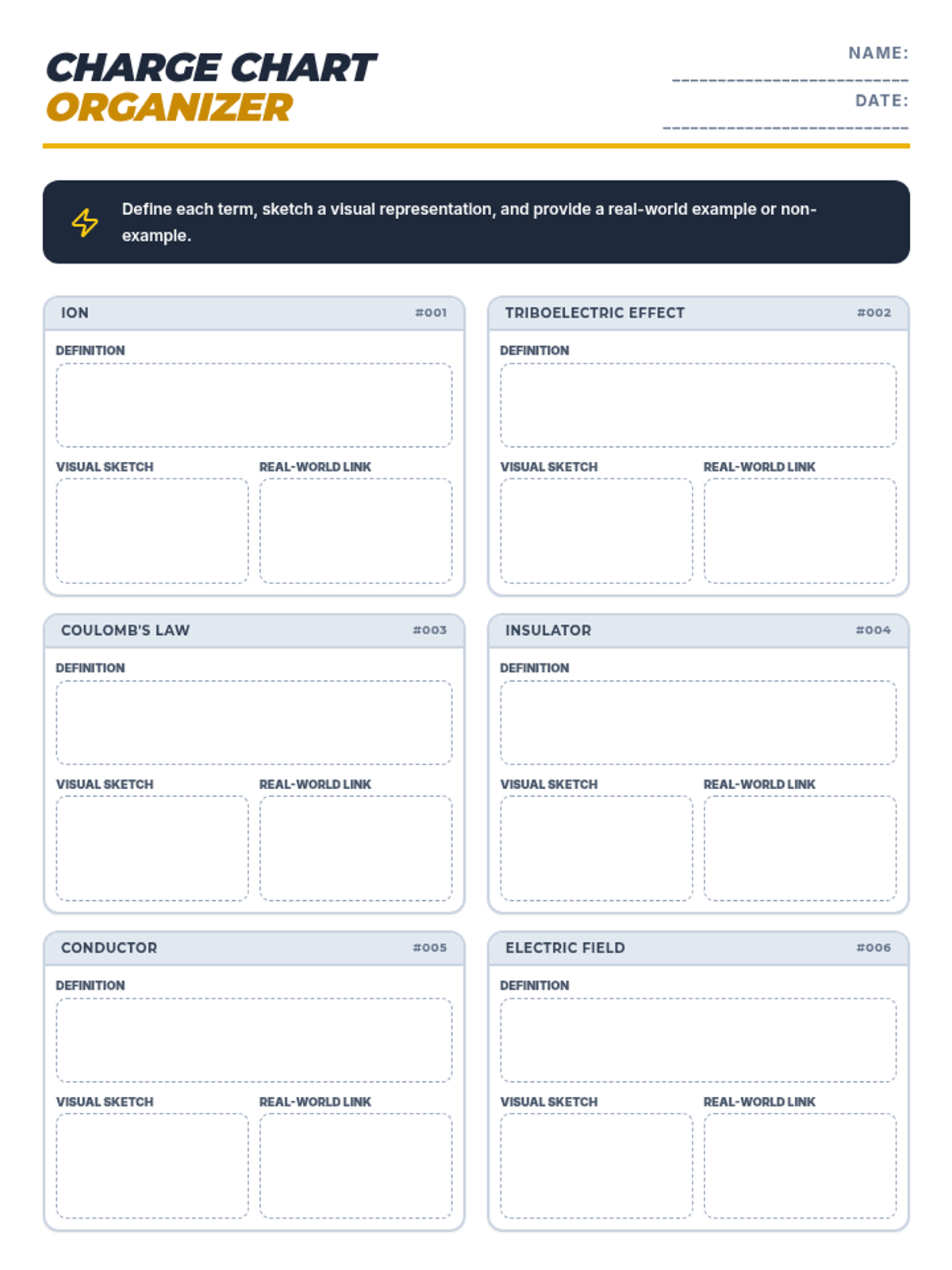
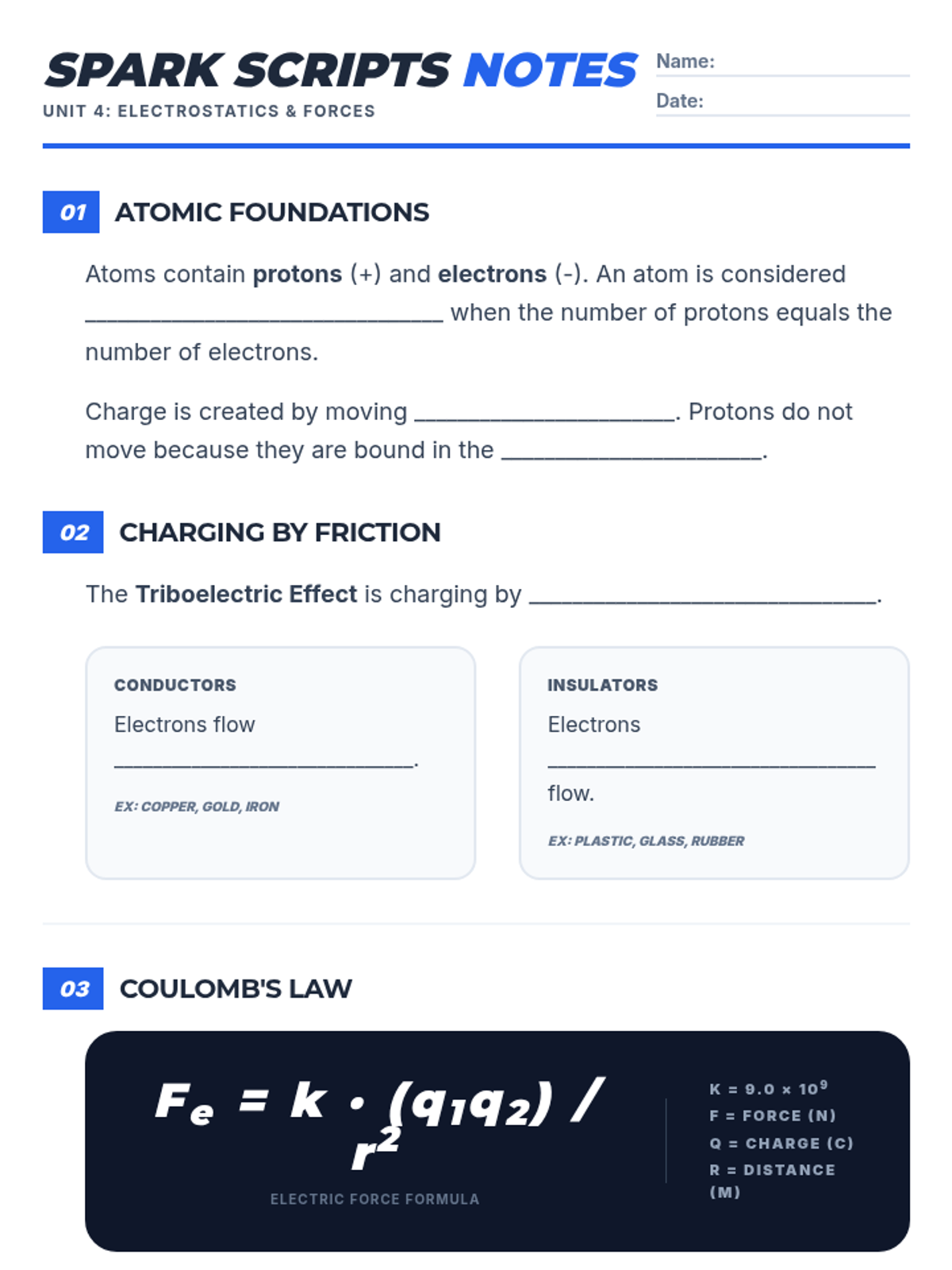
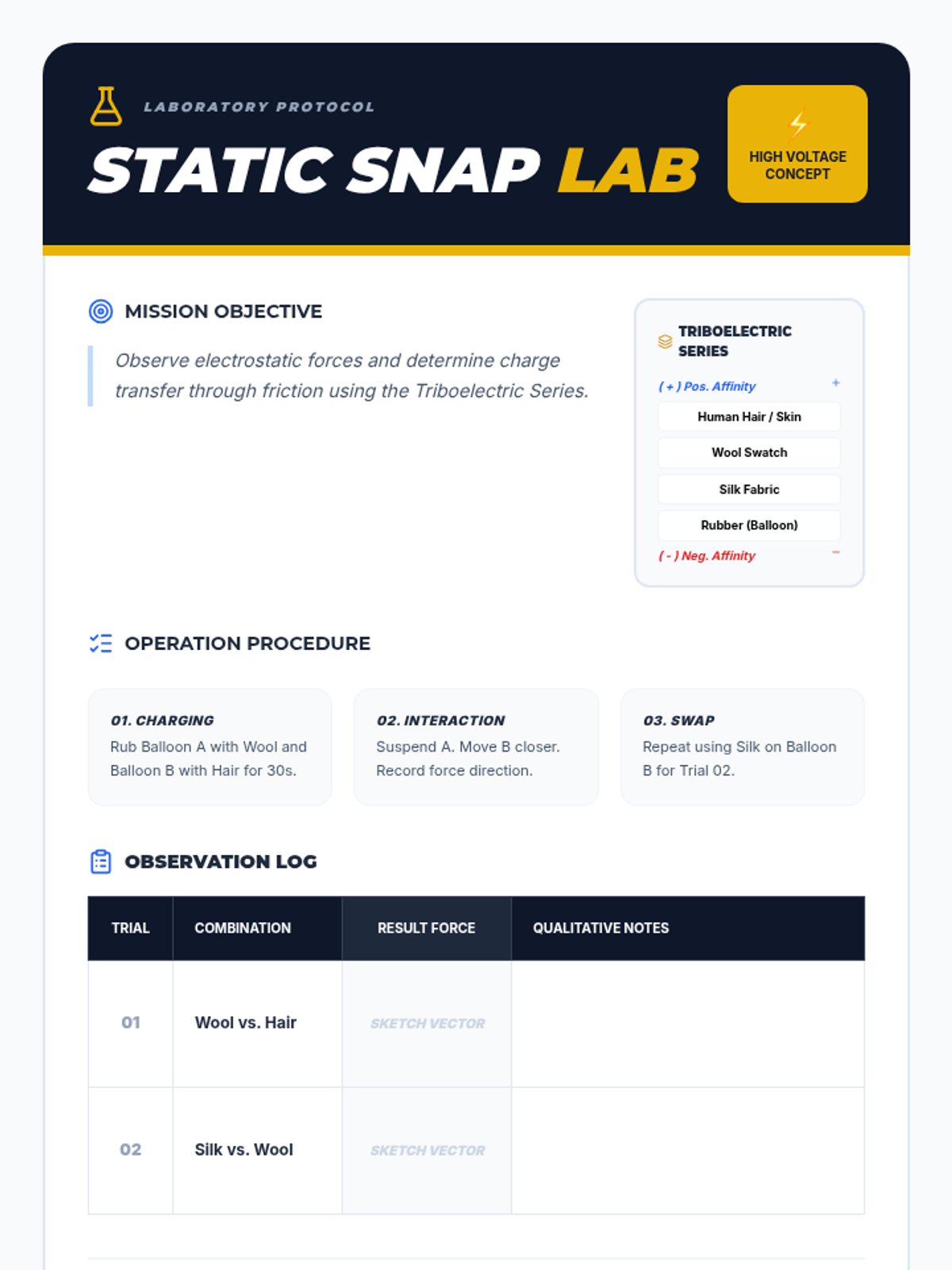
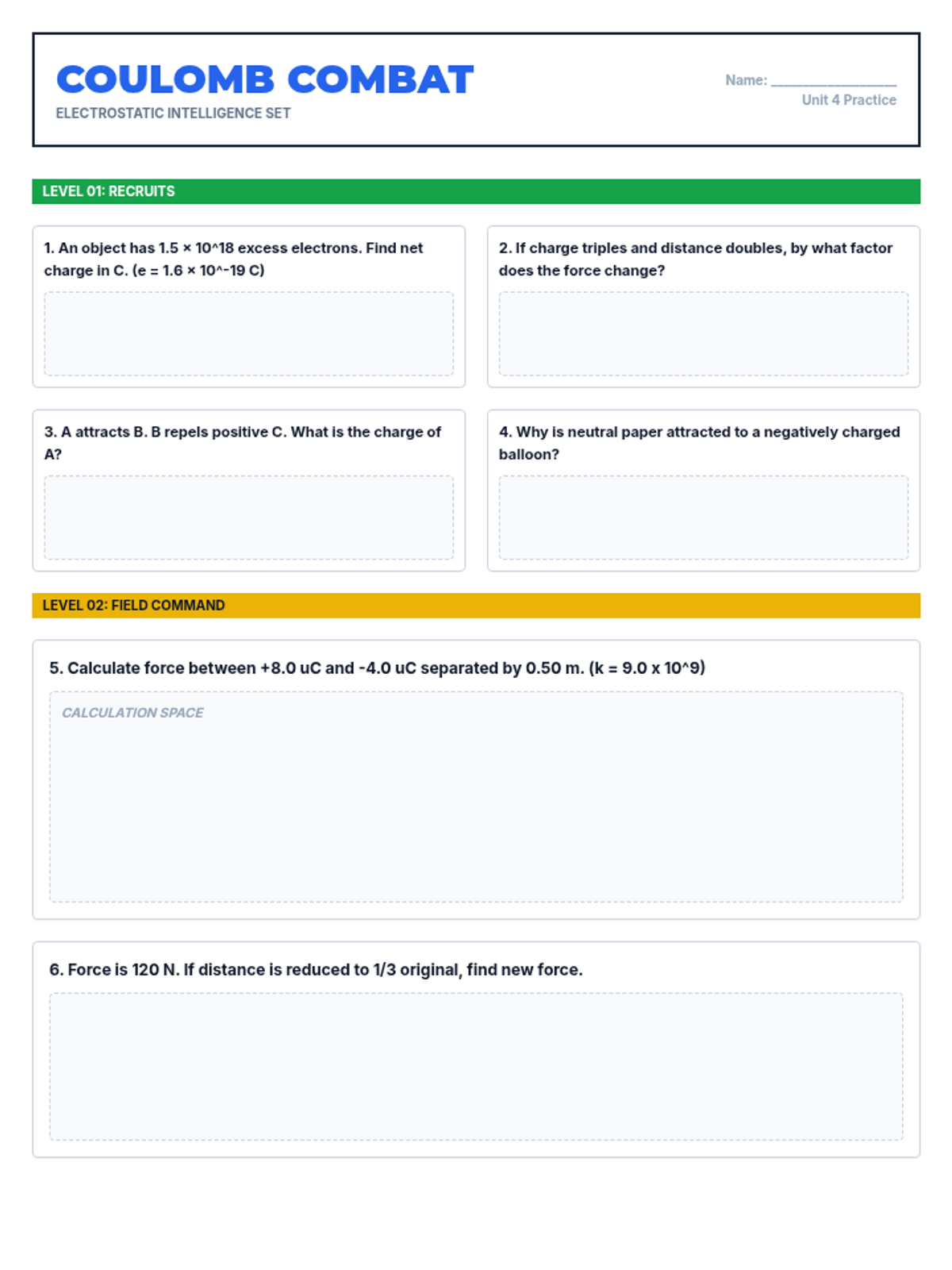
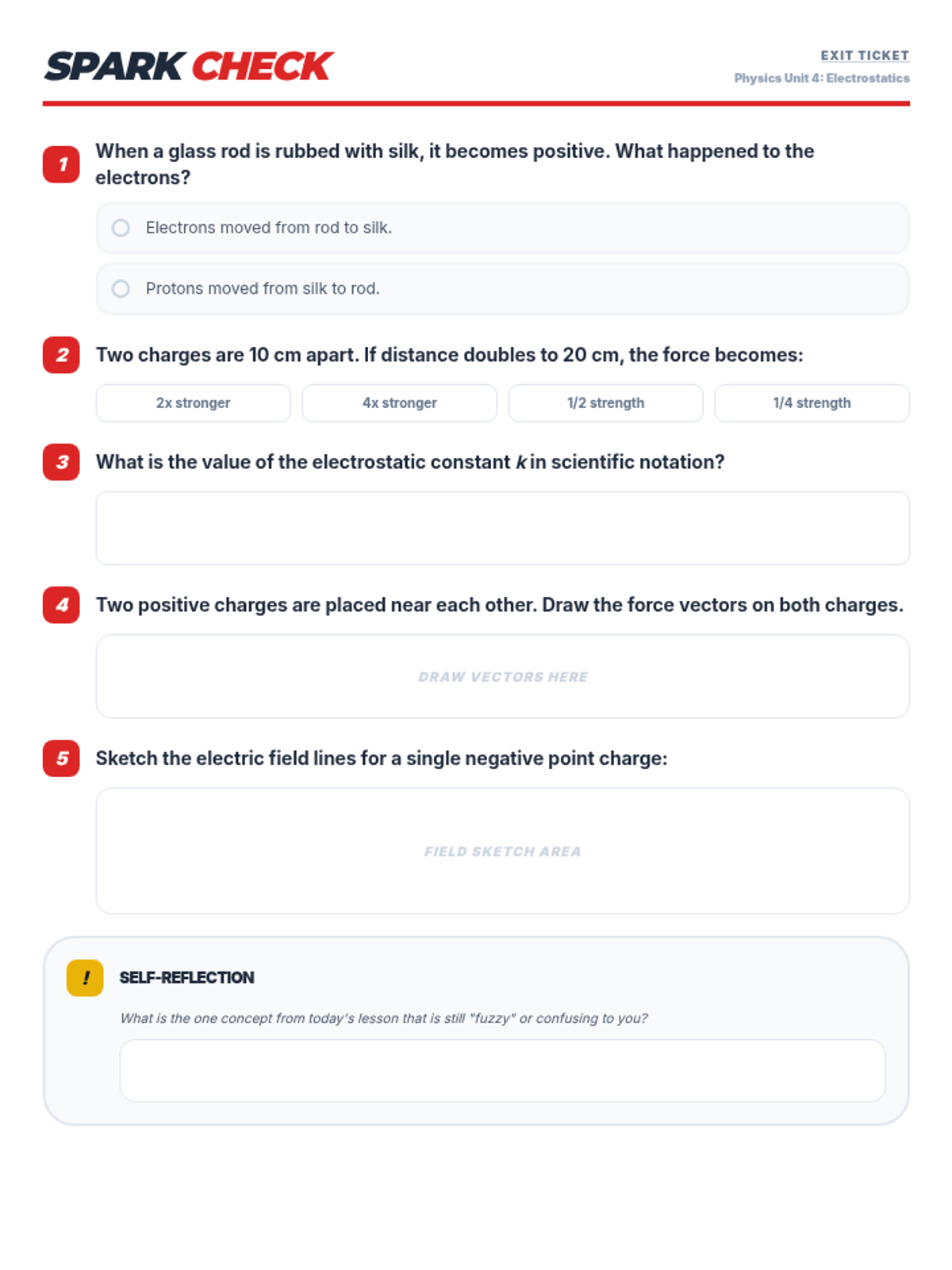
A comprehensive introduction to electrostatic forces, covering atomic structure, triboelectric charging, Coulomb's Law, and electric fields through hands-on labs and scaffolded practice.
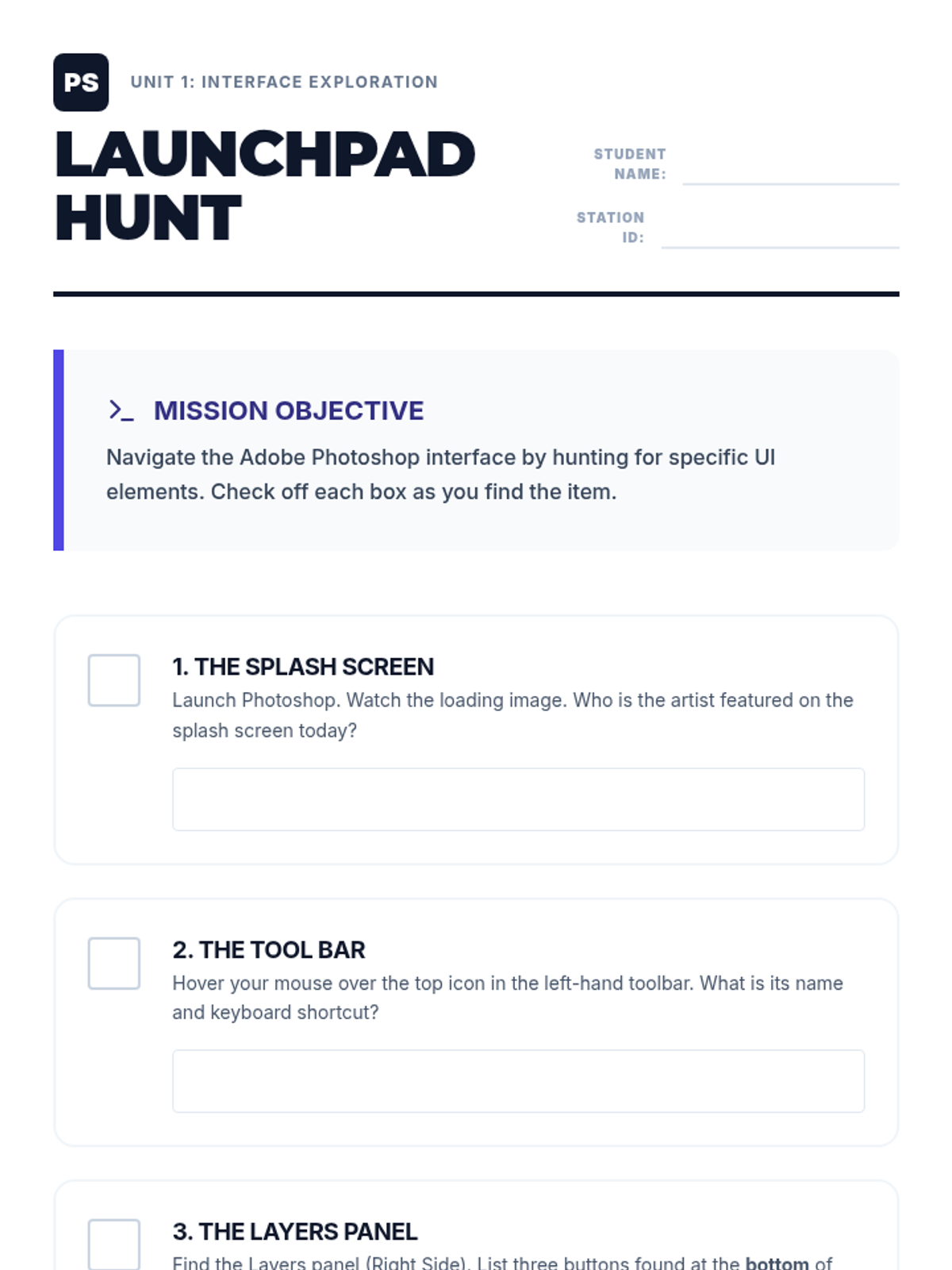
A gentle introduction to Adobe Photoshop, focusing on software location, basic interface, and the broad possibilities of digital creation.
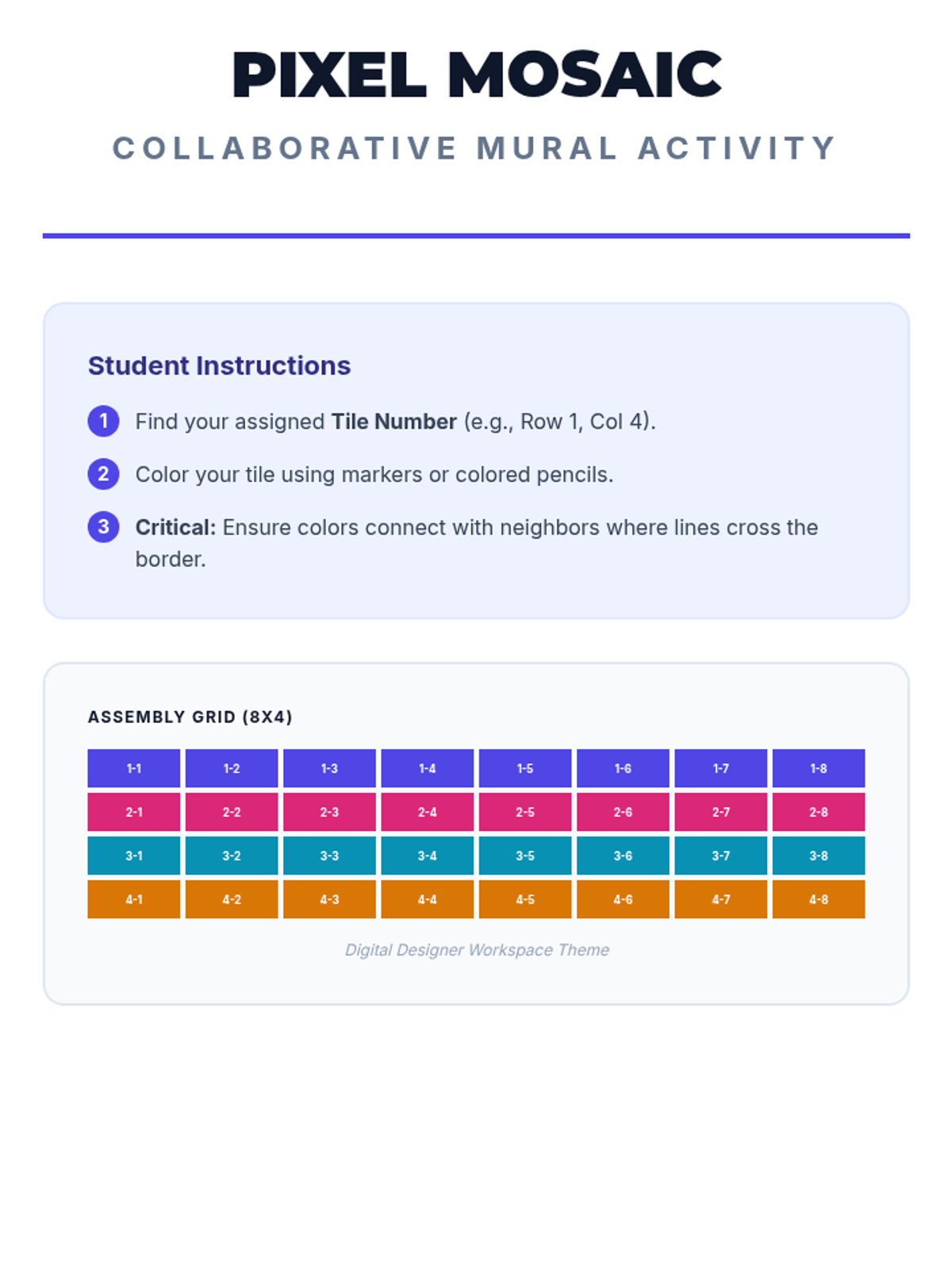
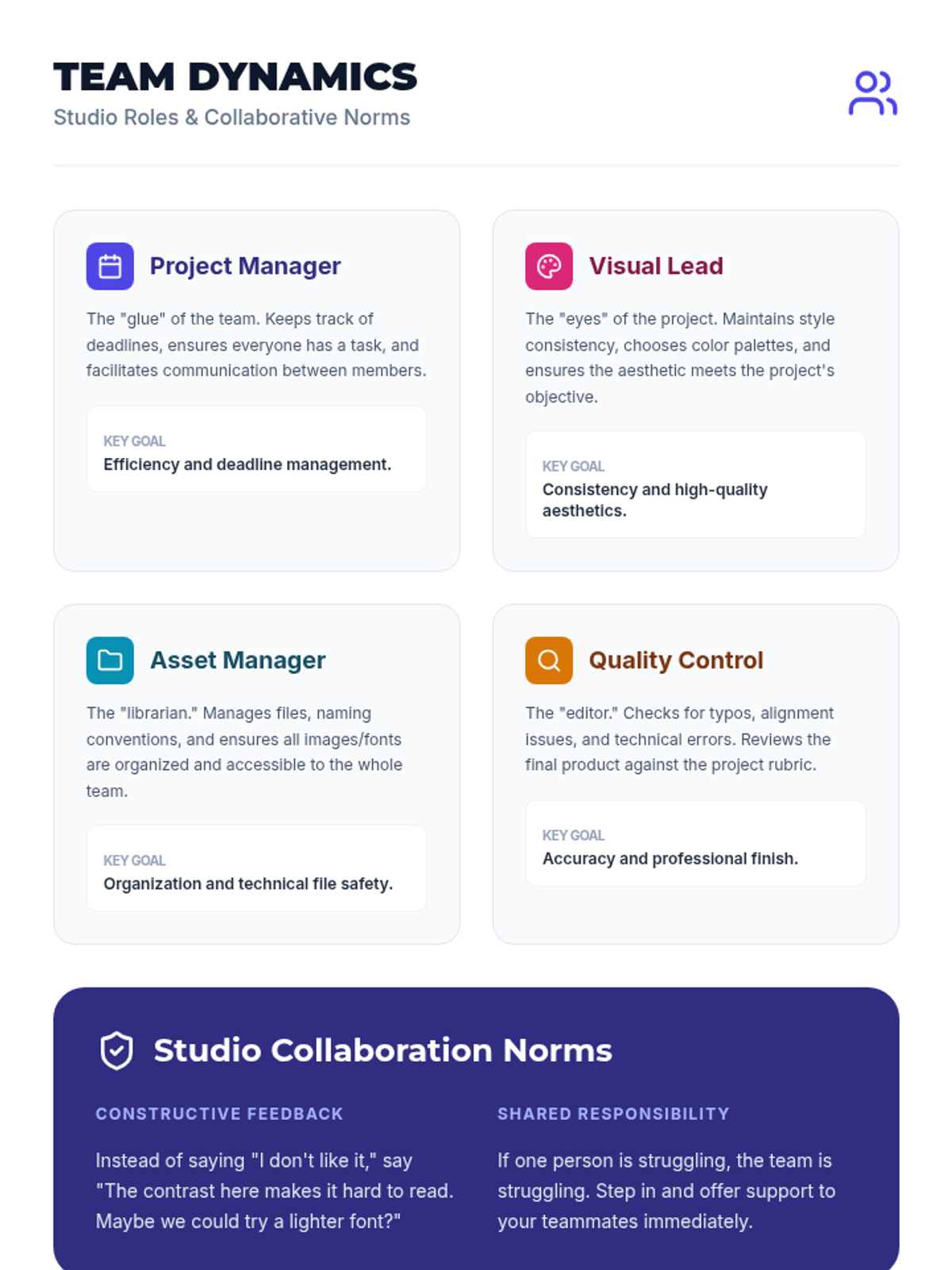
Developing collaborative skills through a 32-piece mosaic coloring activity and learning about team roles in a design studio environment.
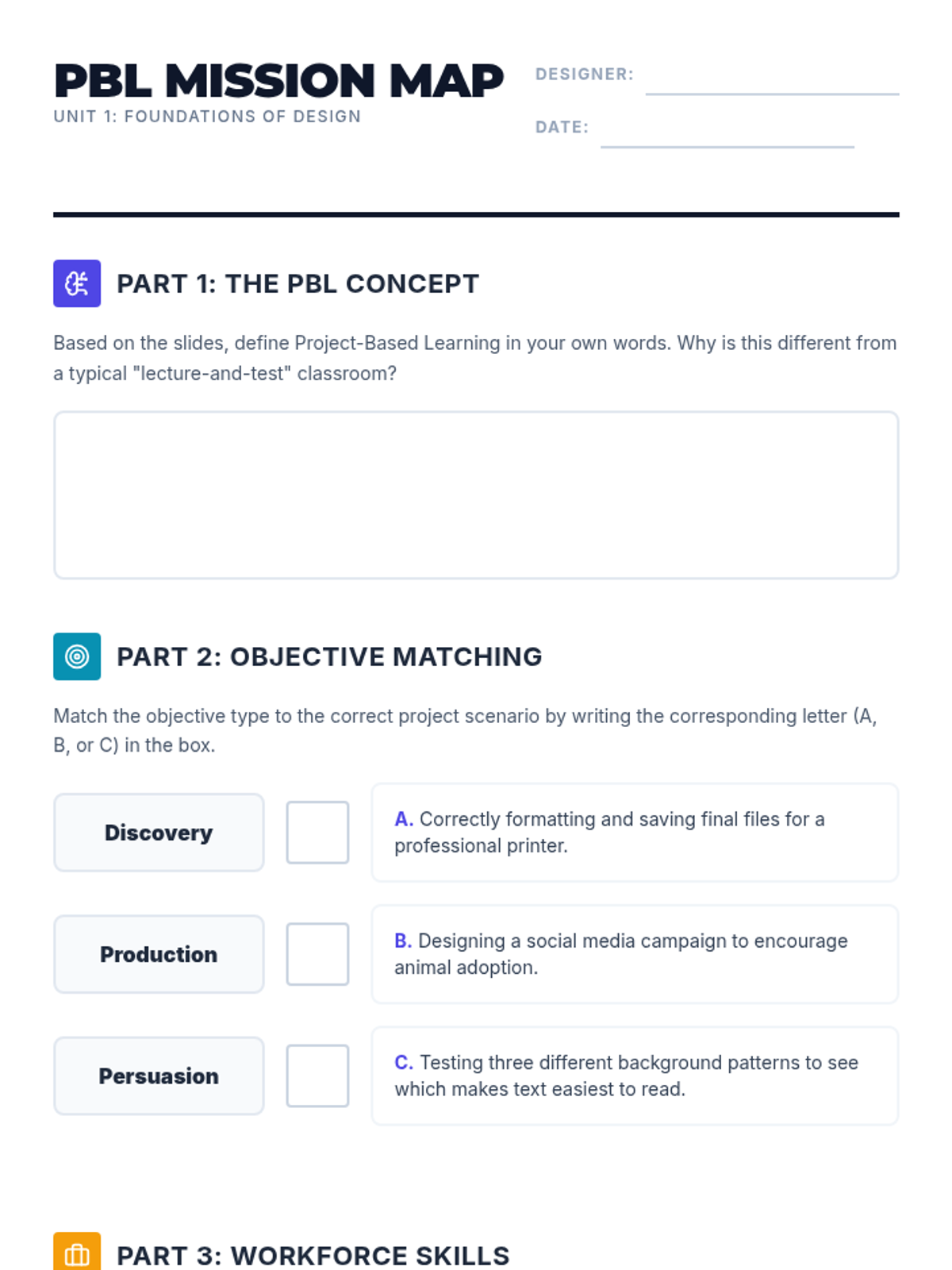
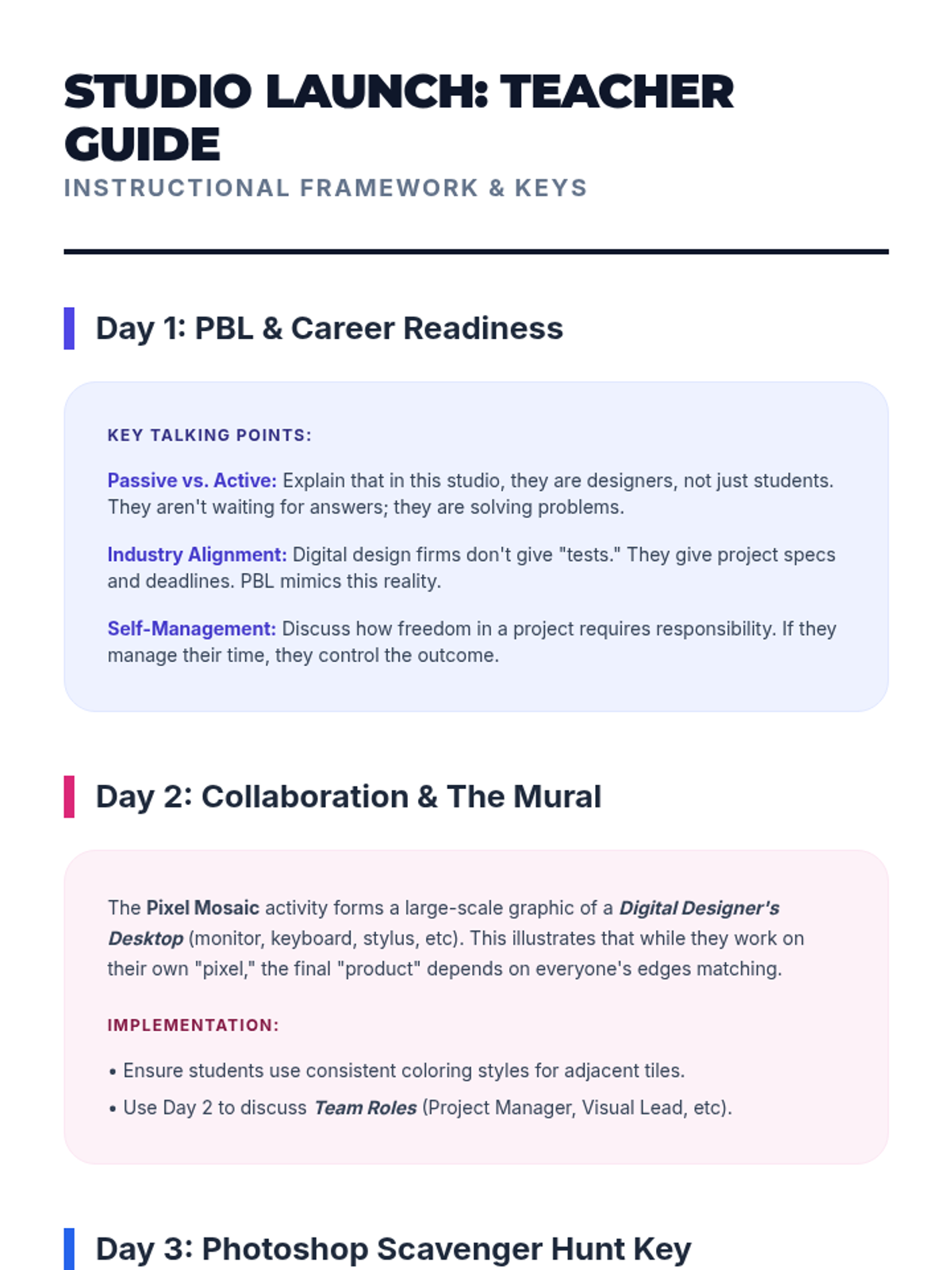
Introduction to Project-Based Learning (PBL), exploring how objectives drive design and how these skills translate to professional careers.
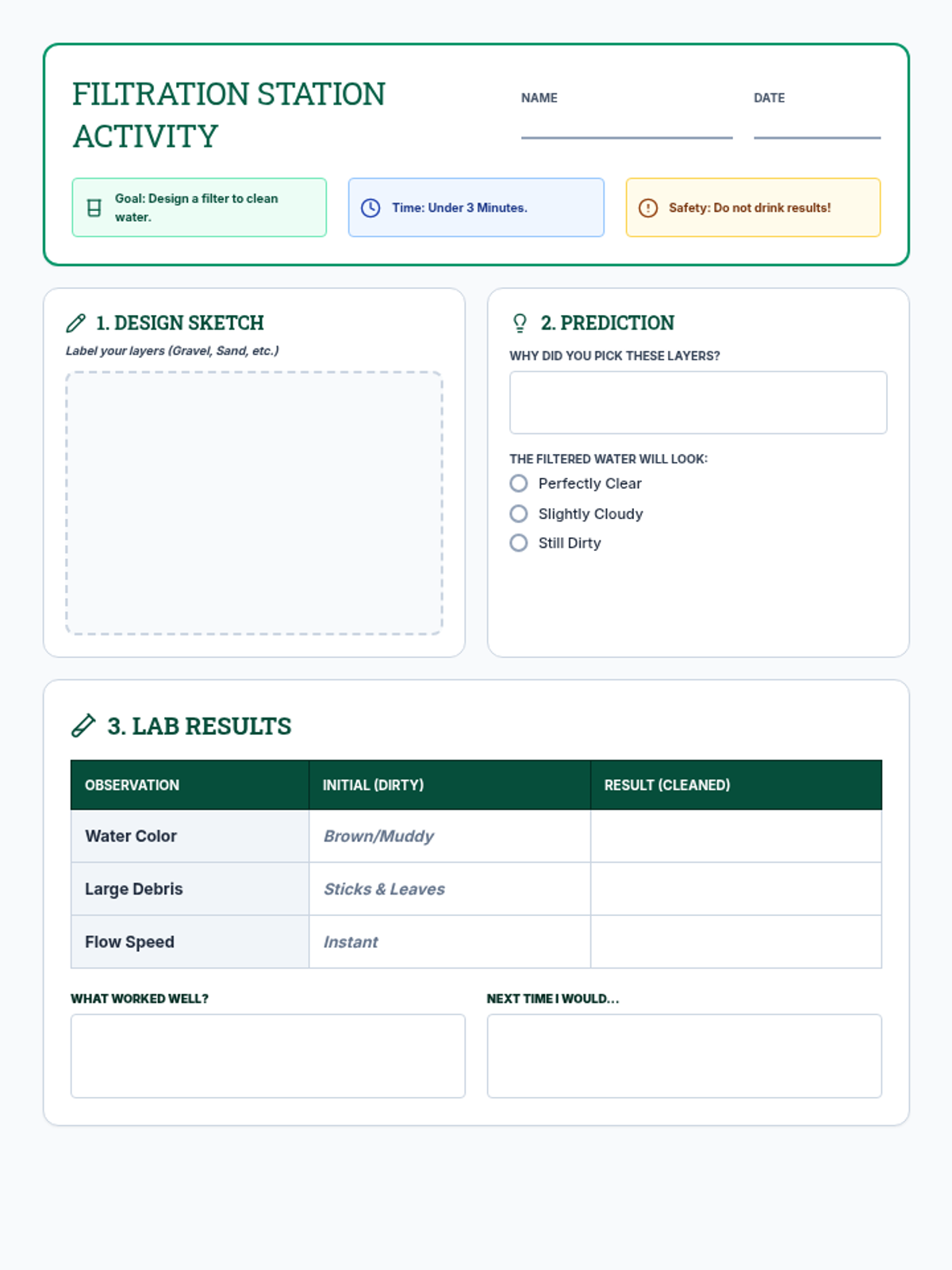
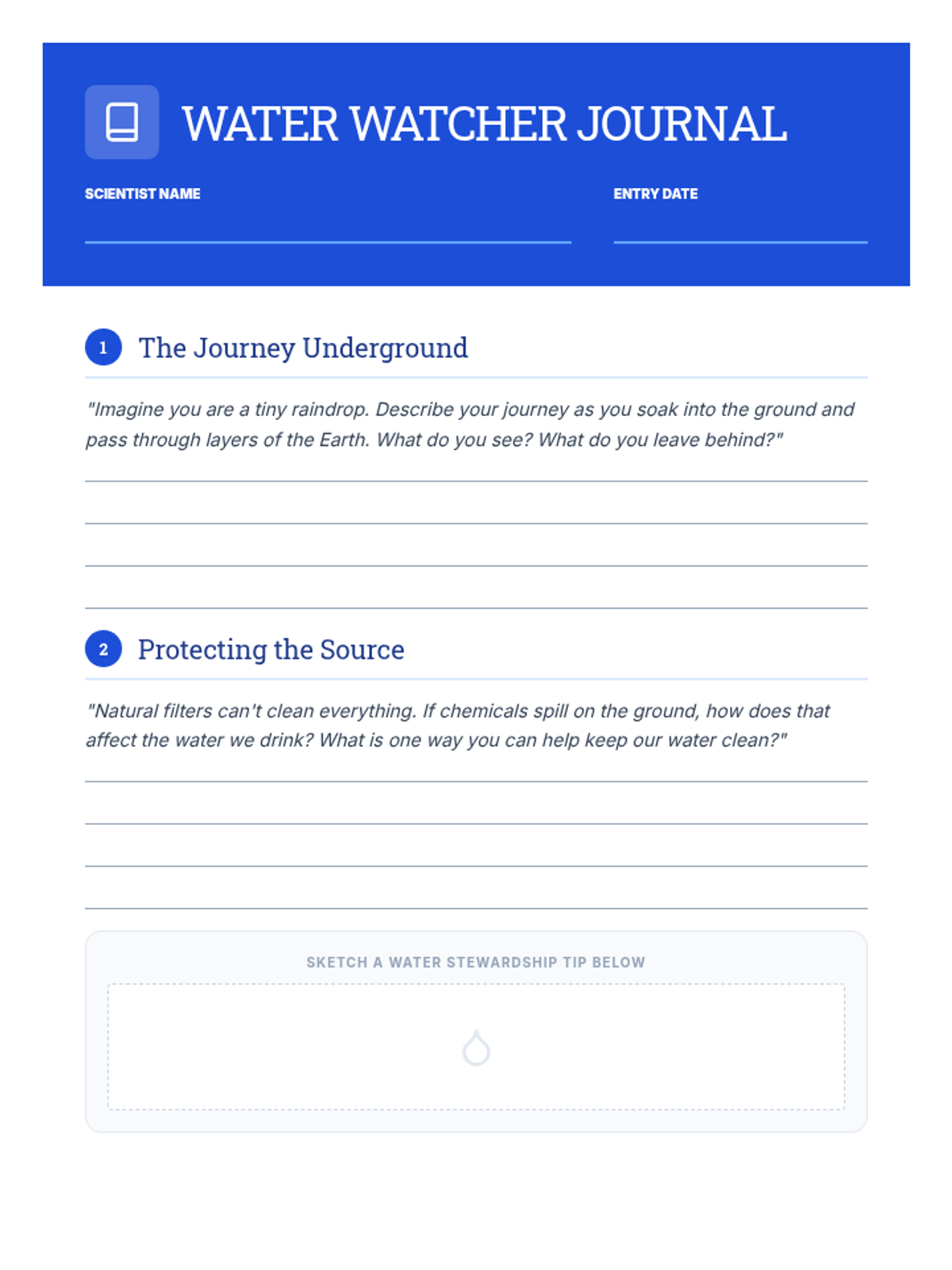
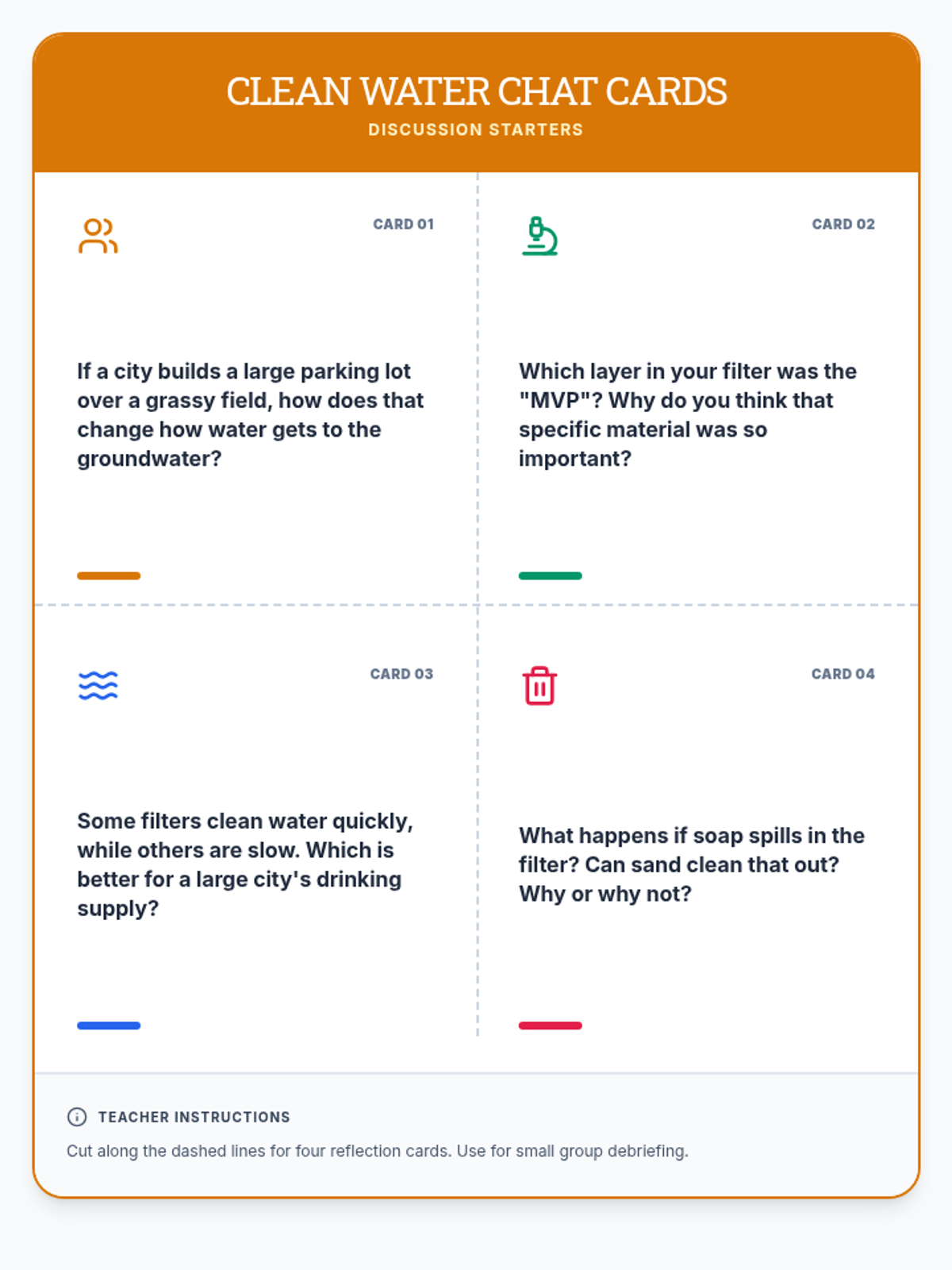
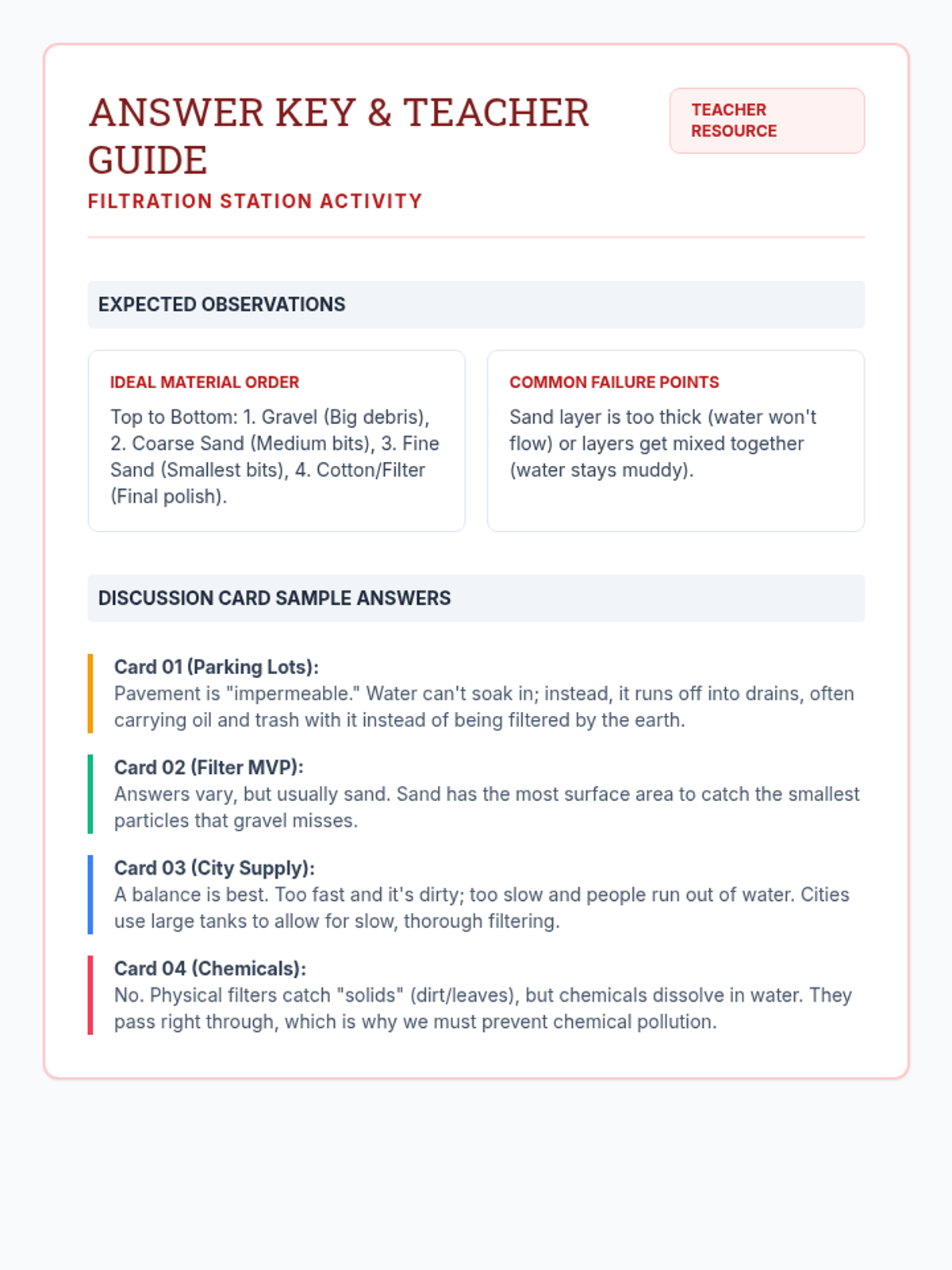
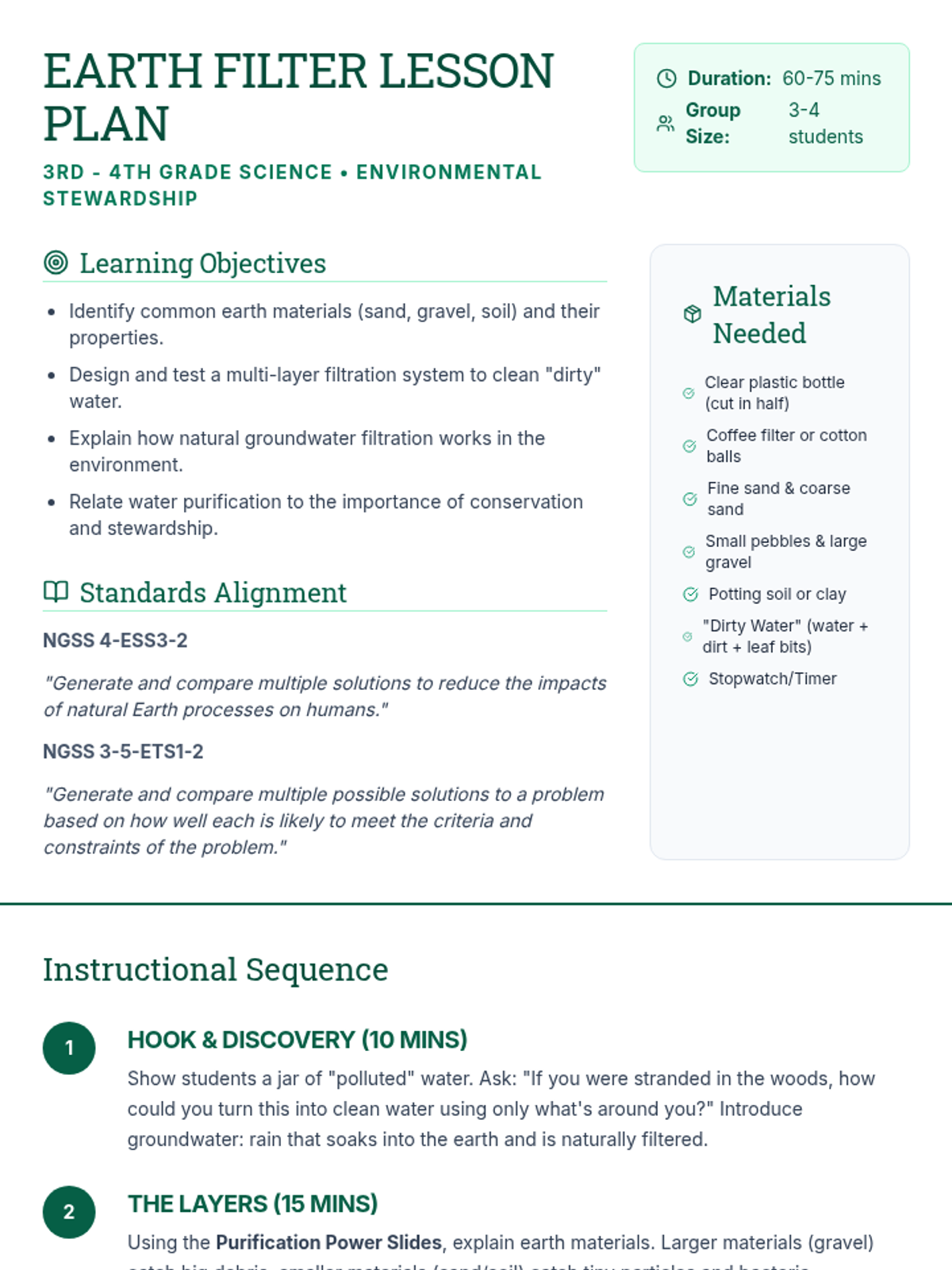
In this hands-on lesson, 3rd and 4th grade students explore natural water filtration by building their own filtration systems using earth materials. They learn about the layers of the Earth and how groundwater is naturally purified while connecting their findings to environmental conservation.