A high-stakes chemistry lab where students design and test modifications to a coke-can calorimeter to maximize heat transfer efficiency from a spirit lamp. Students explore thermodynamics, combustion, and experimental design.
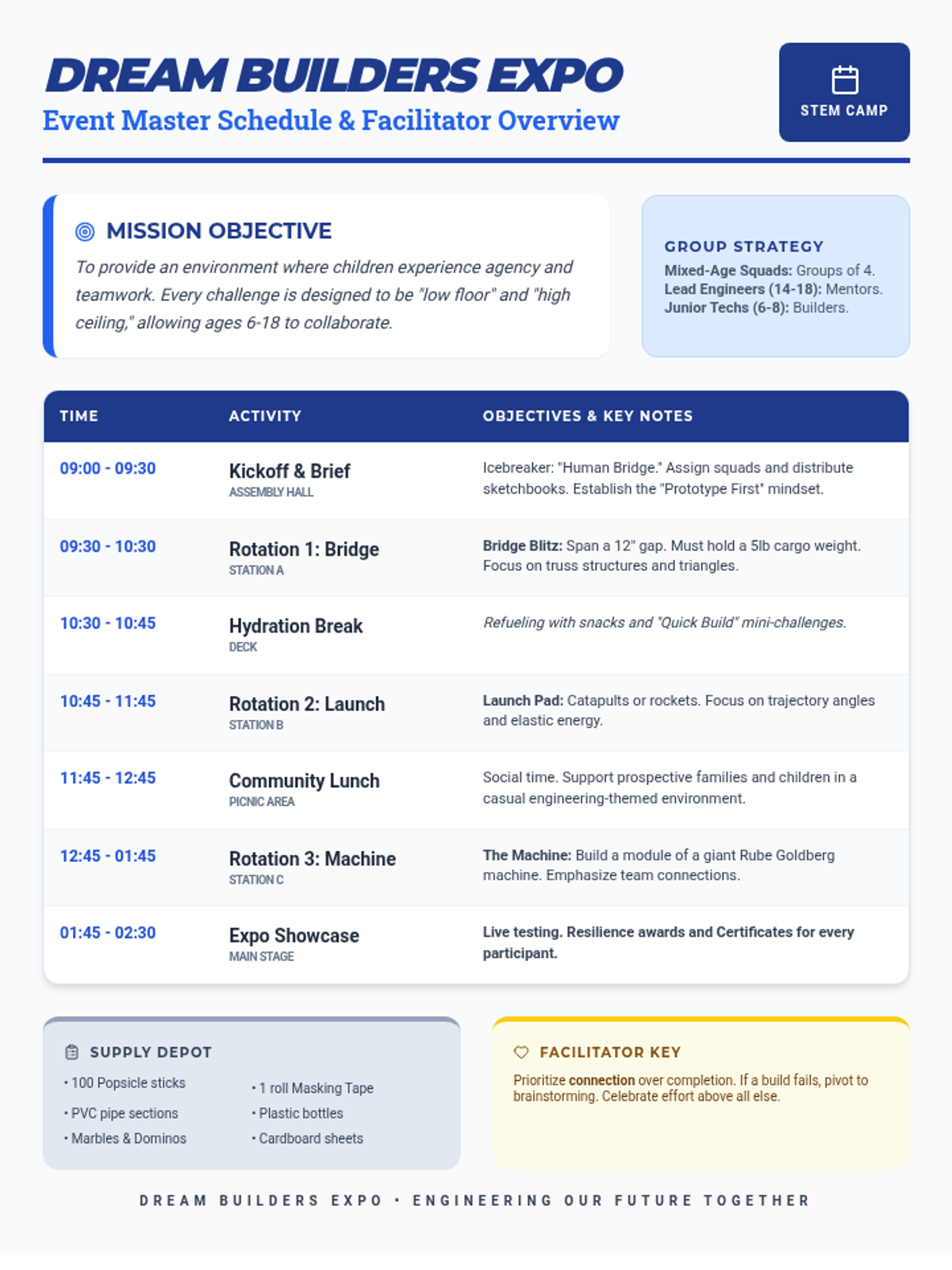
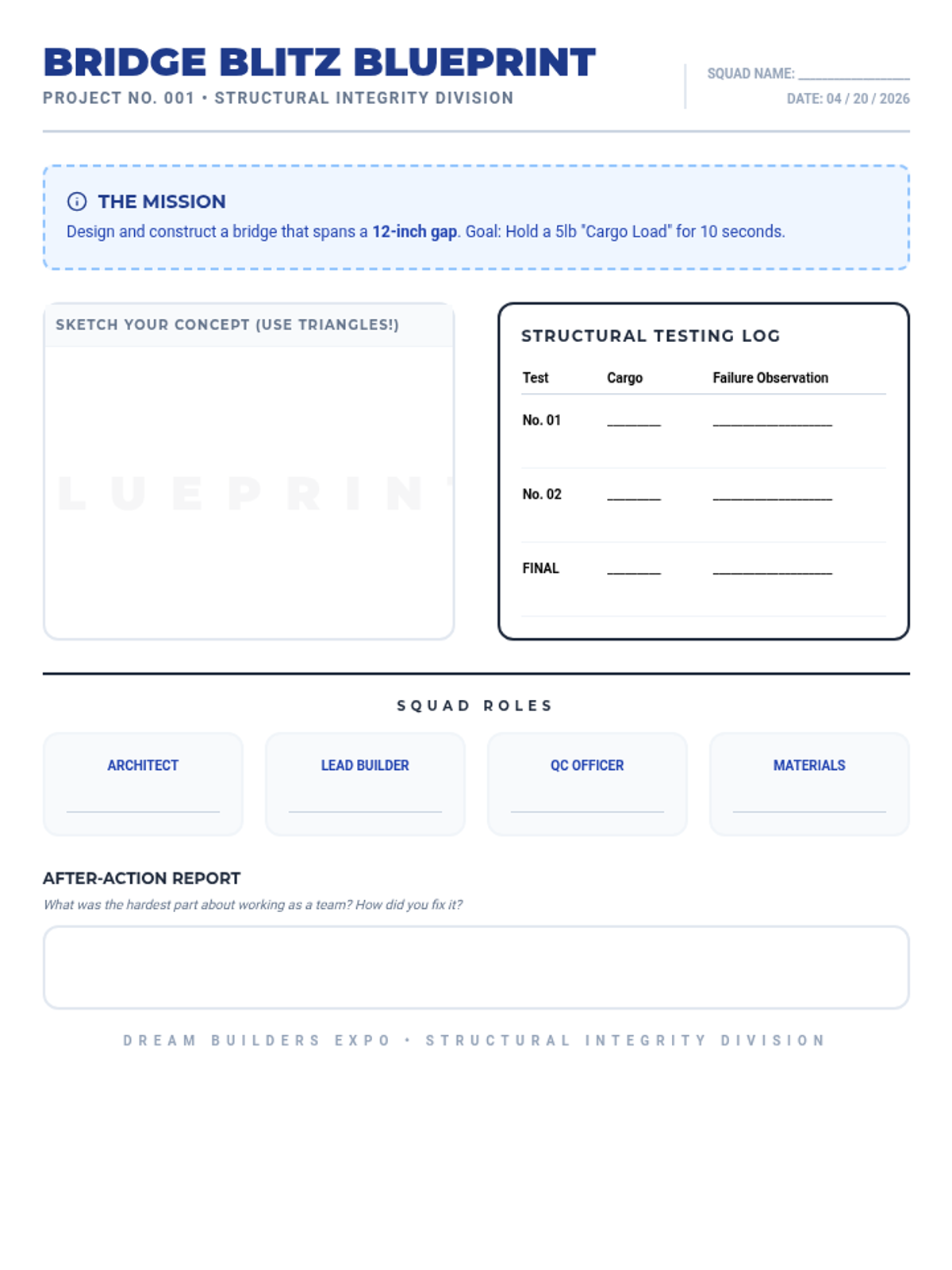
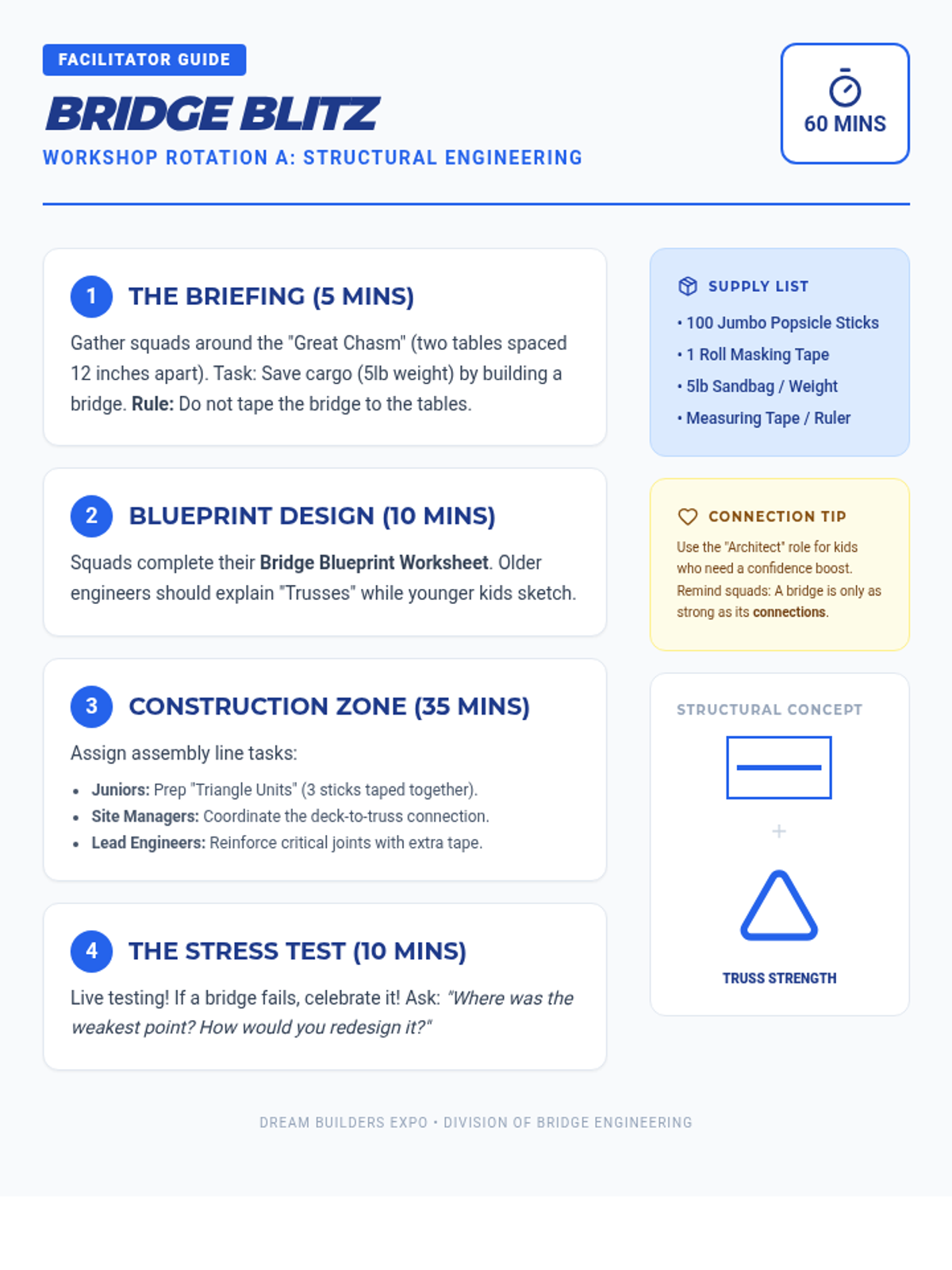
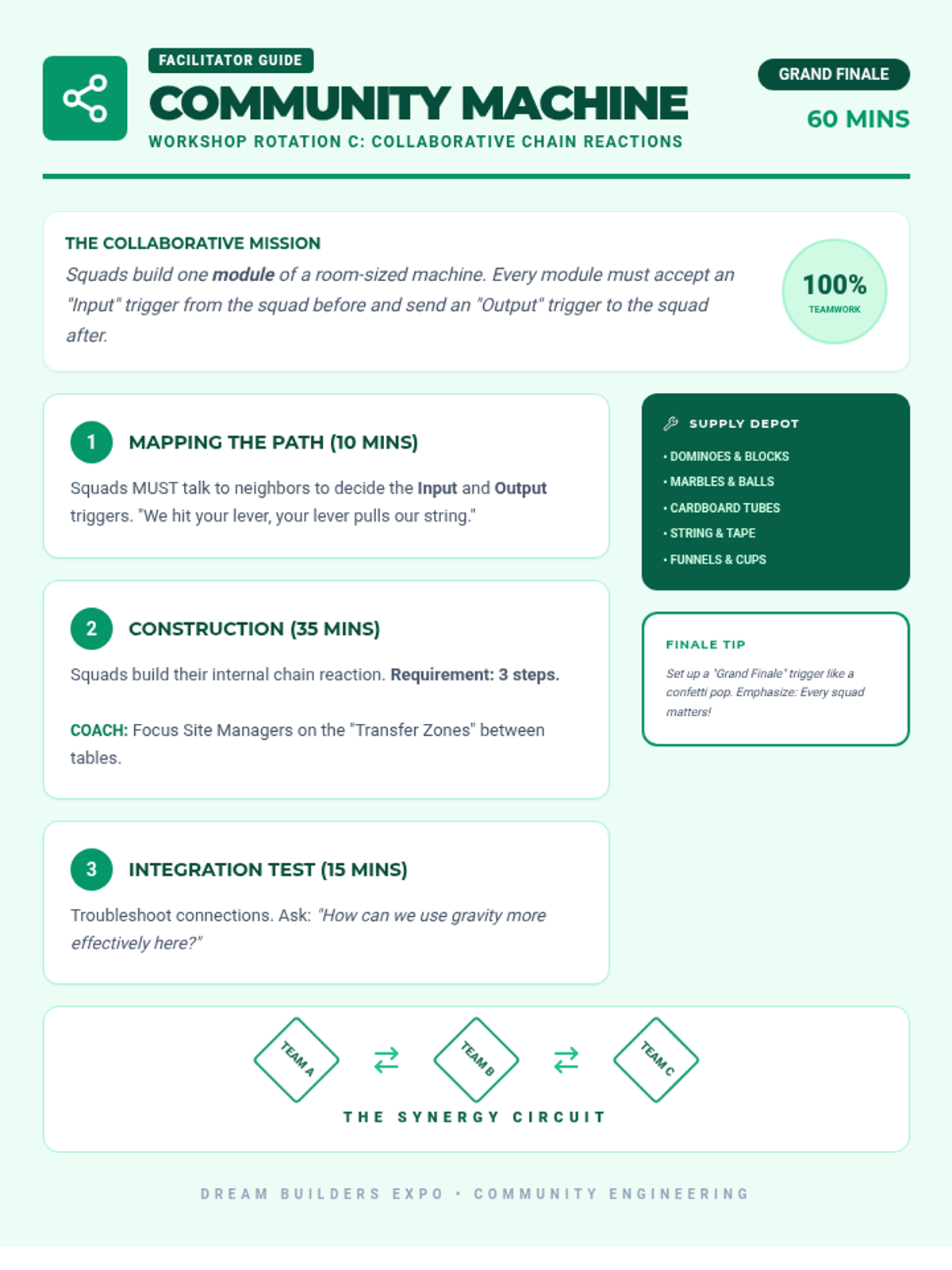
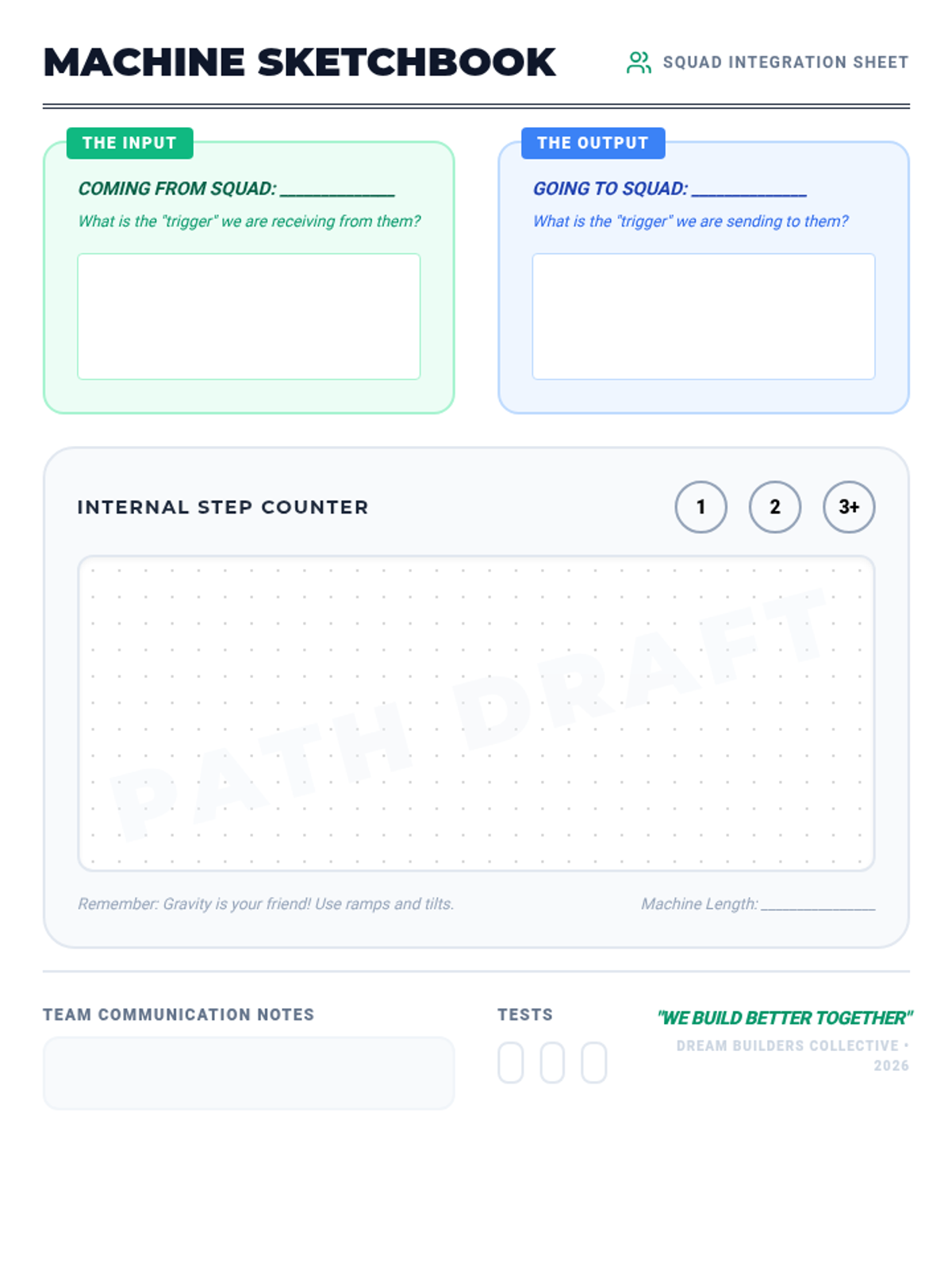
A high-energy STEM event for kids in foster care, focusing on engineering design, collaborative building, and social connection through hands-on challenges.
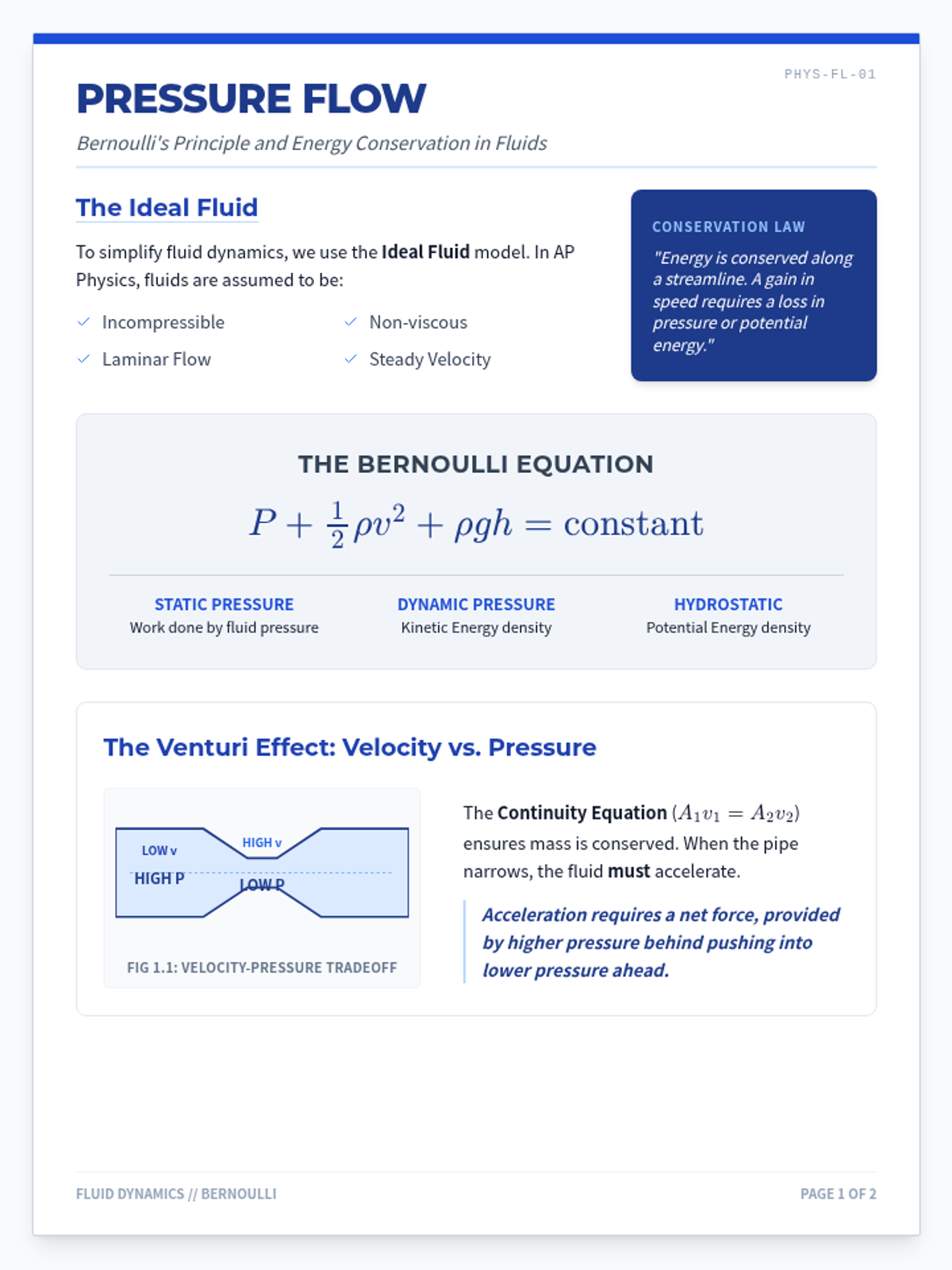
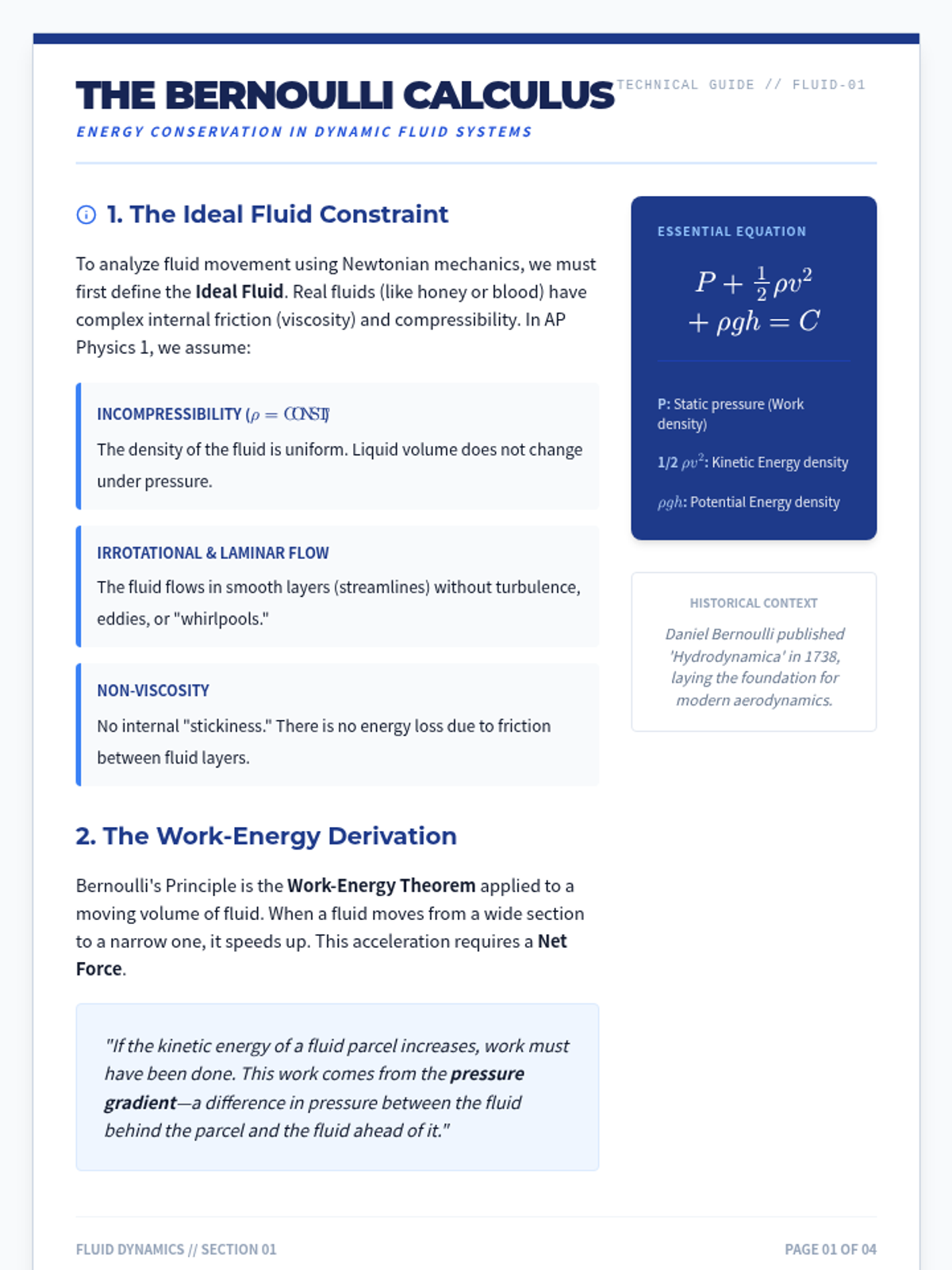
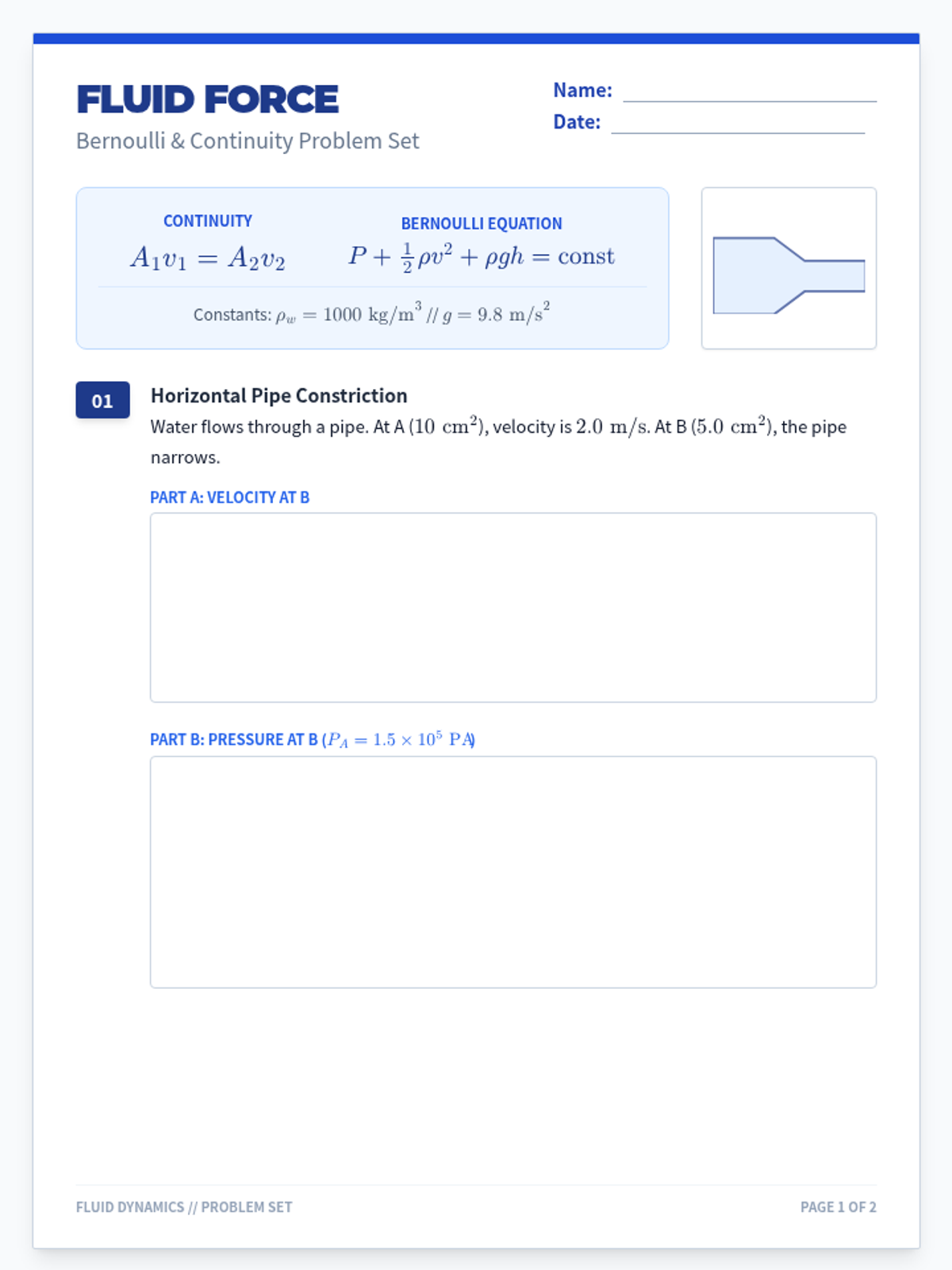
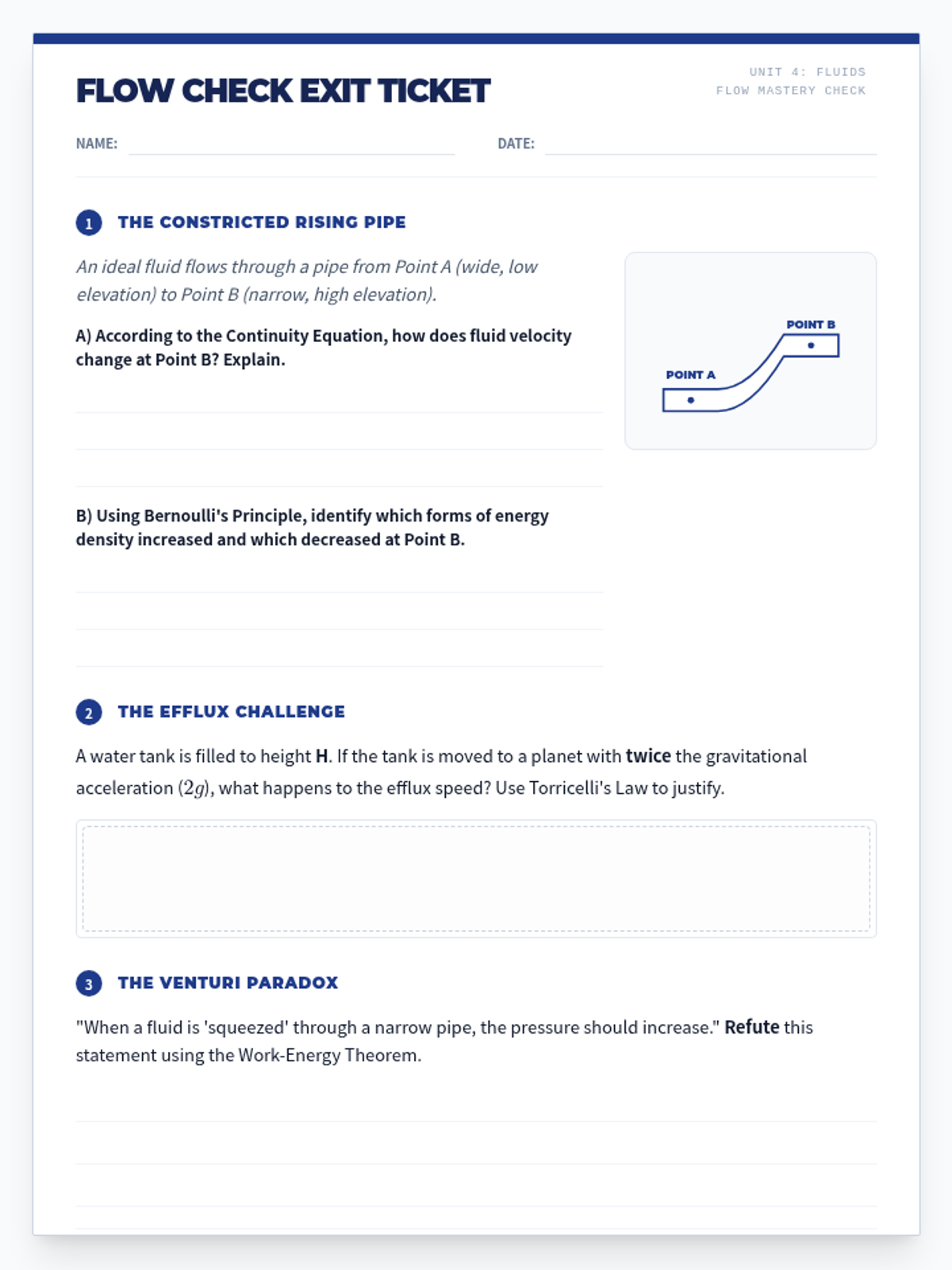
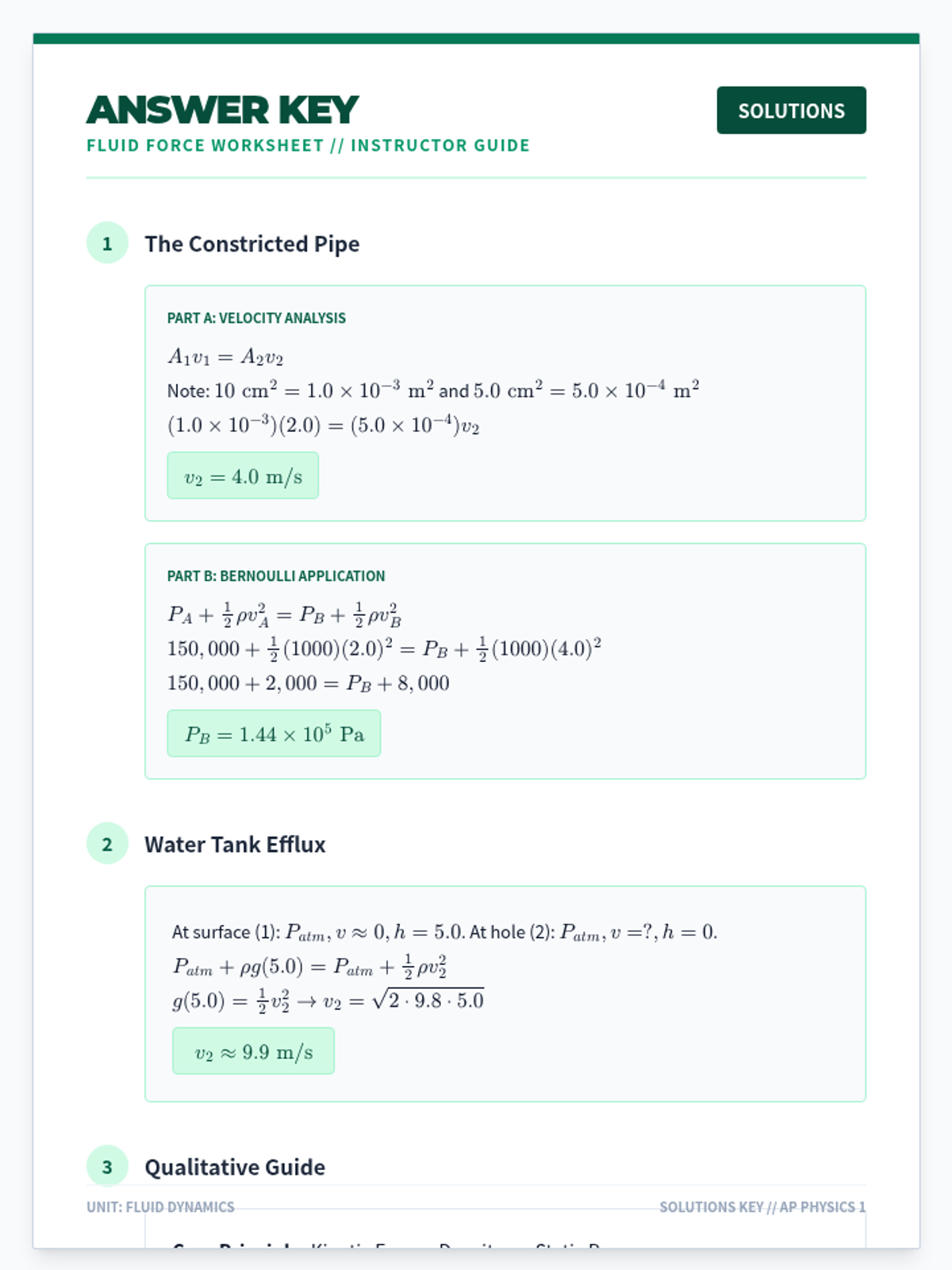
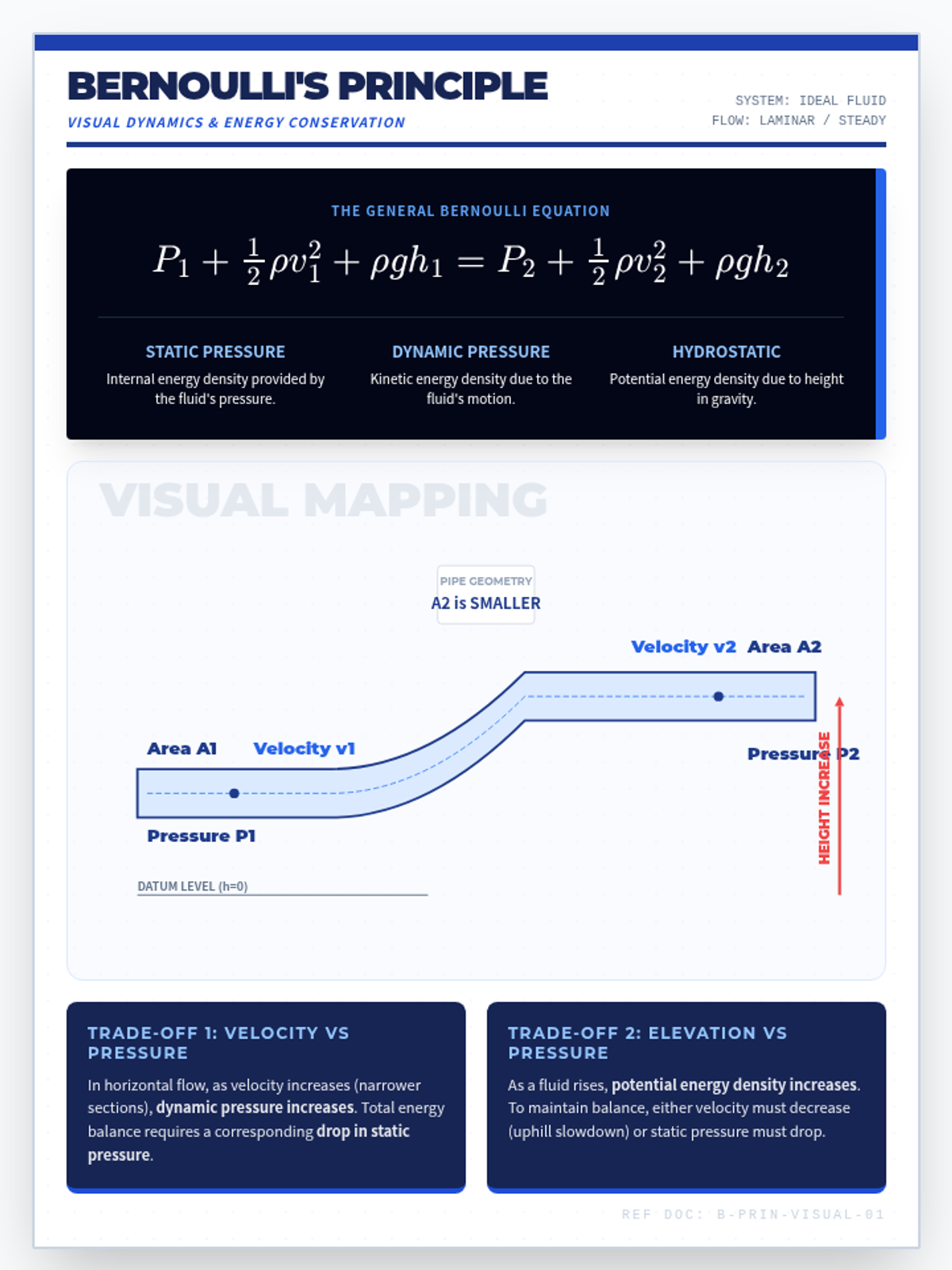
A deep dive into Bernoulli's Principle and fluid dynamics, focusing on the conservation of energy within moving fluids and its real-world applications in engineering and nature.
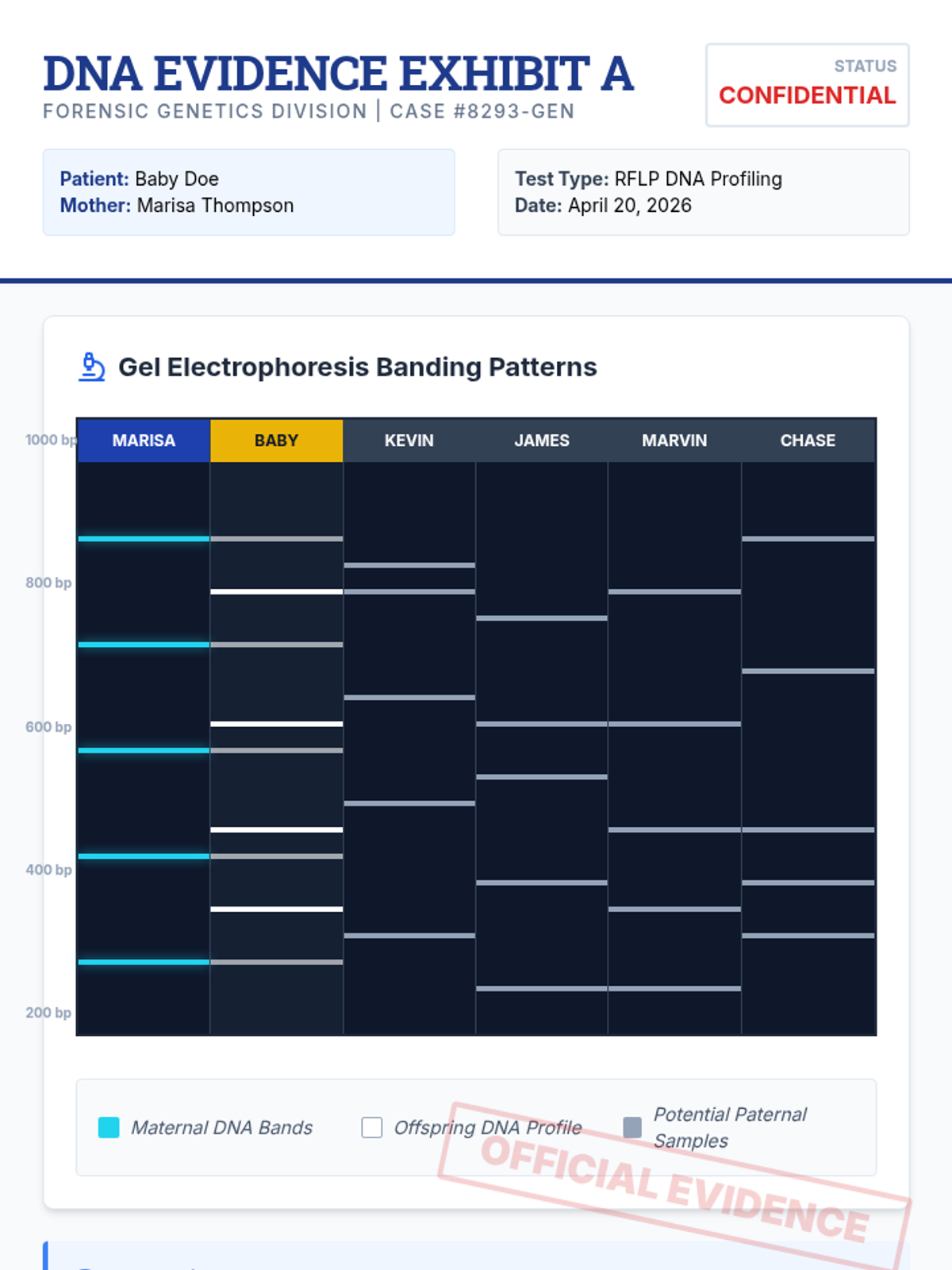
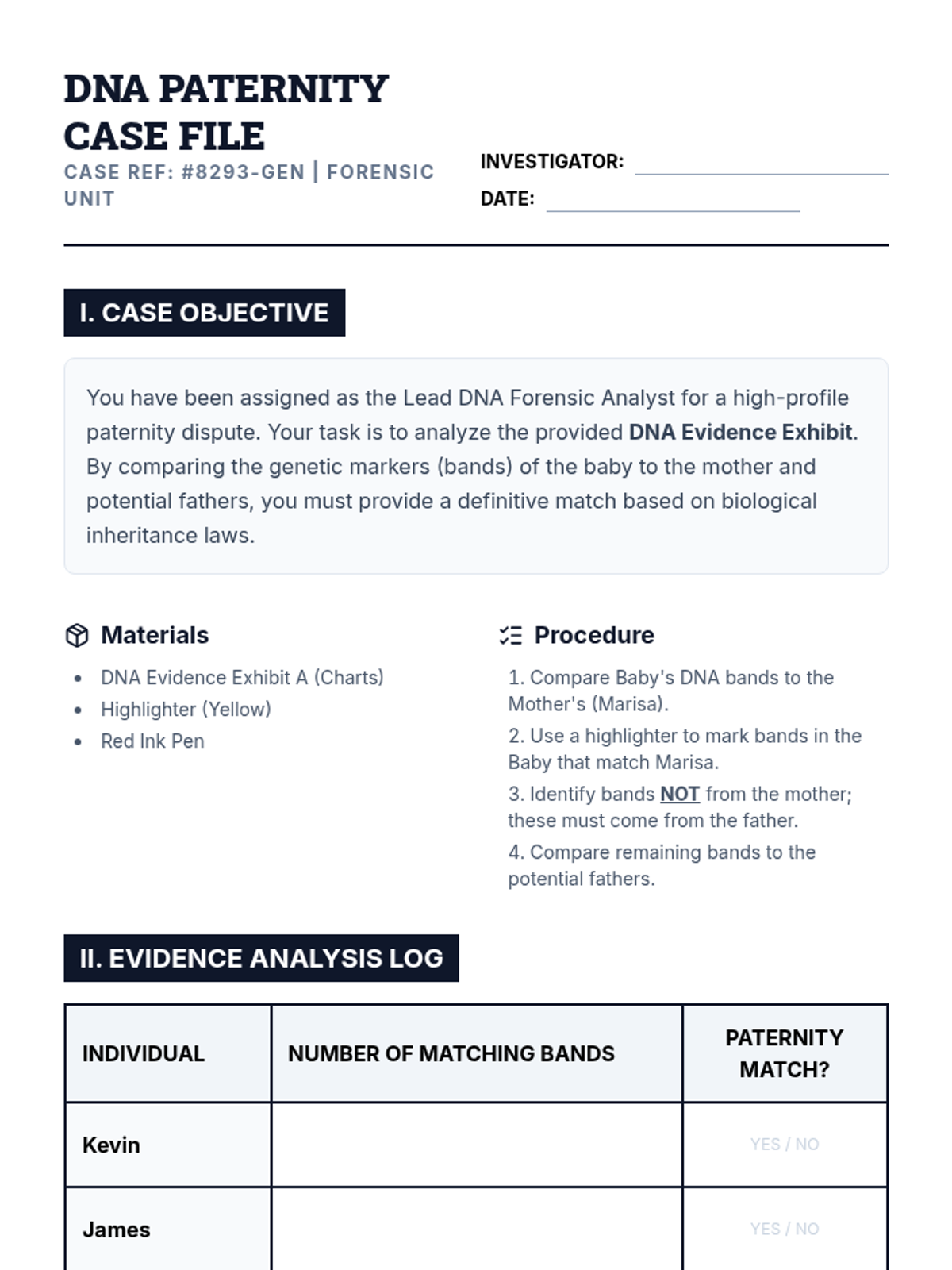
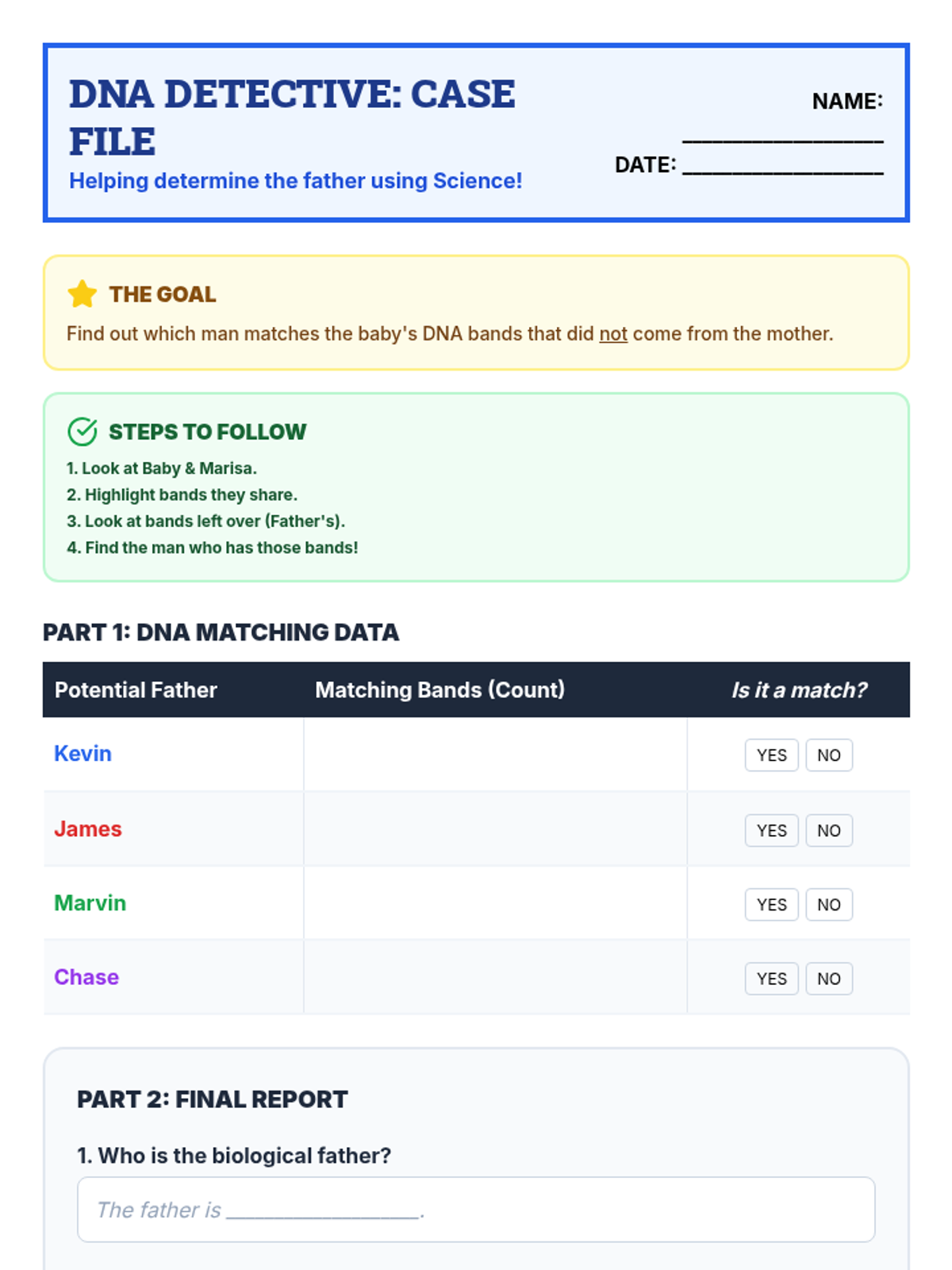
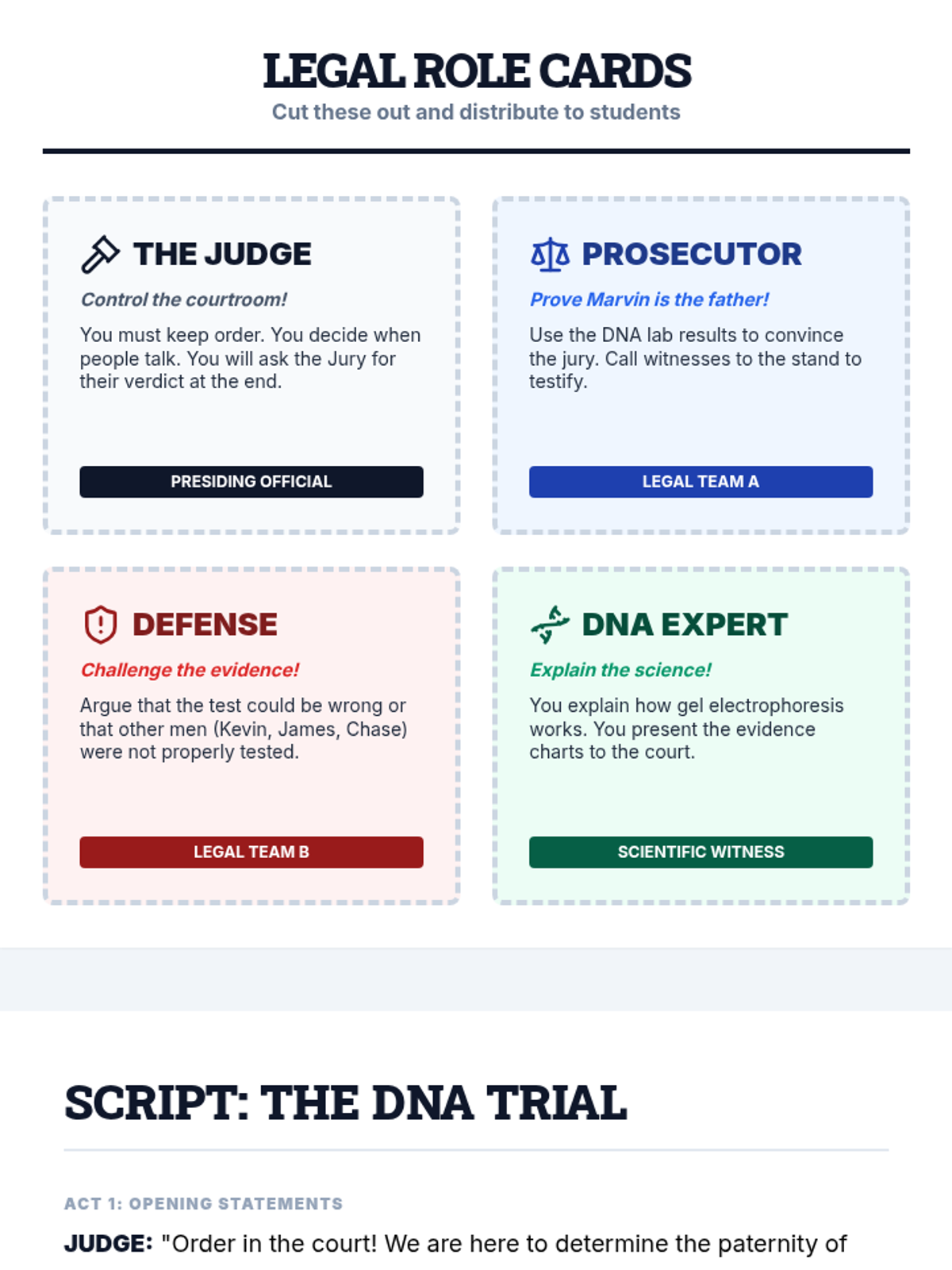
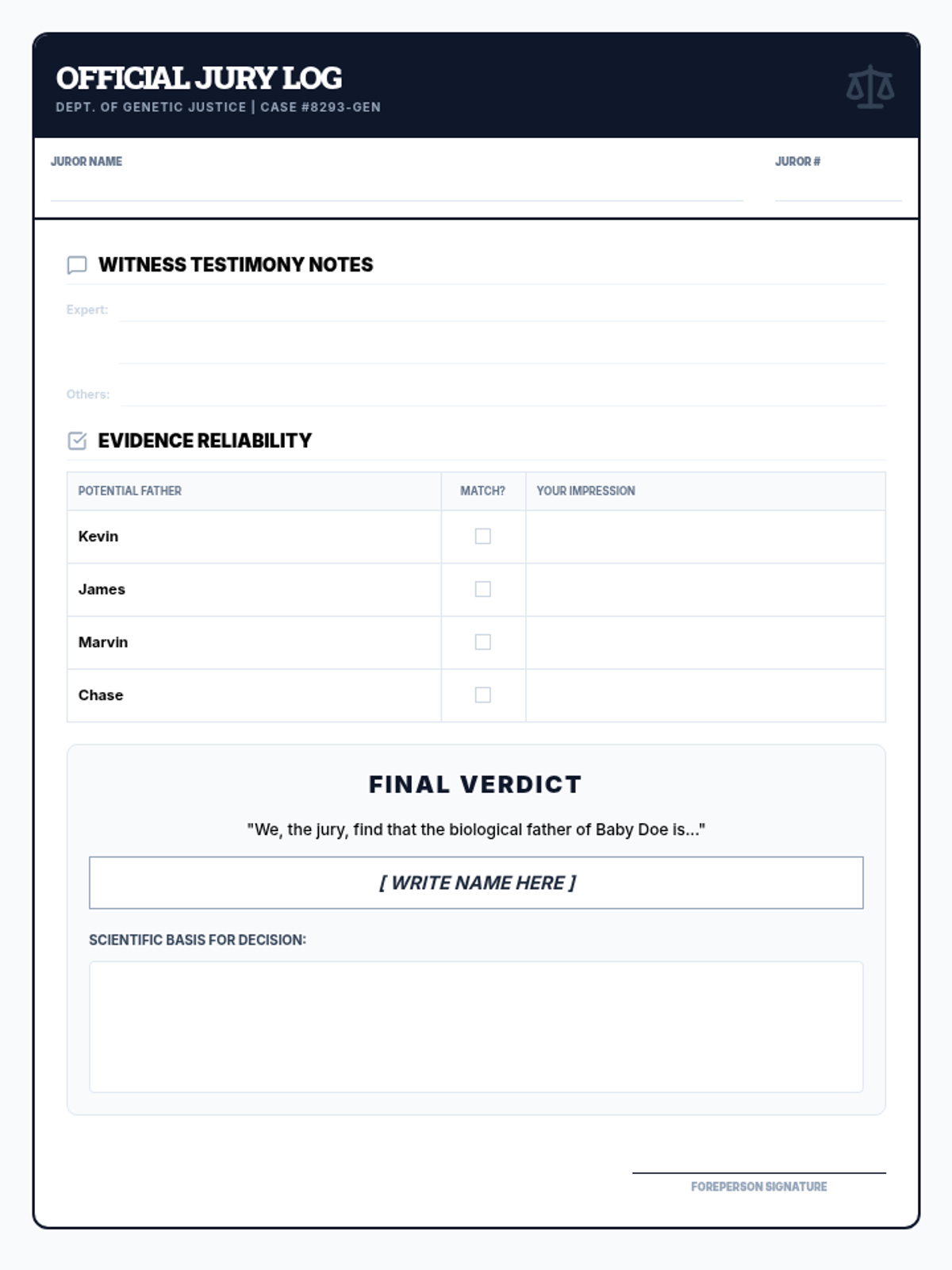
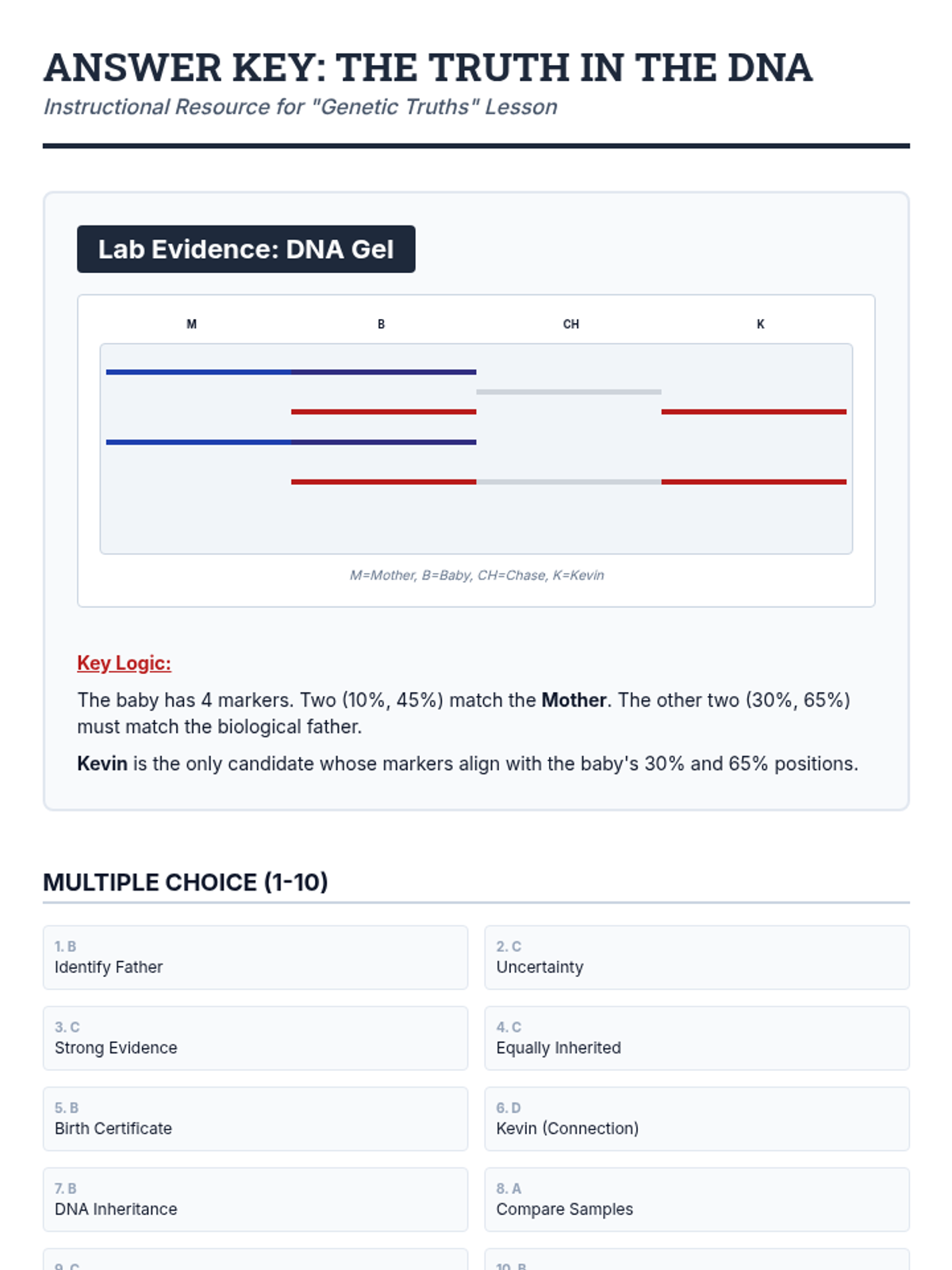
A comprehensive lab and role-play lesson where students analyze DNA profiles to determine paternity and then argue the case in a mock courtroom setting.
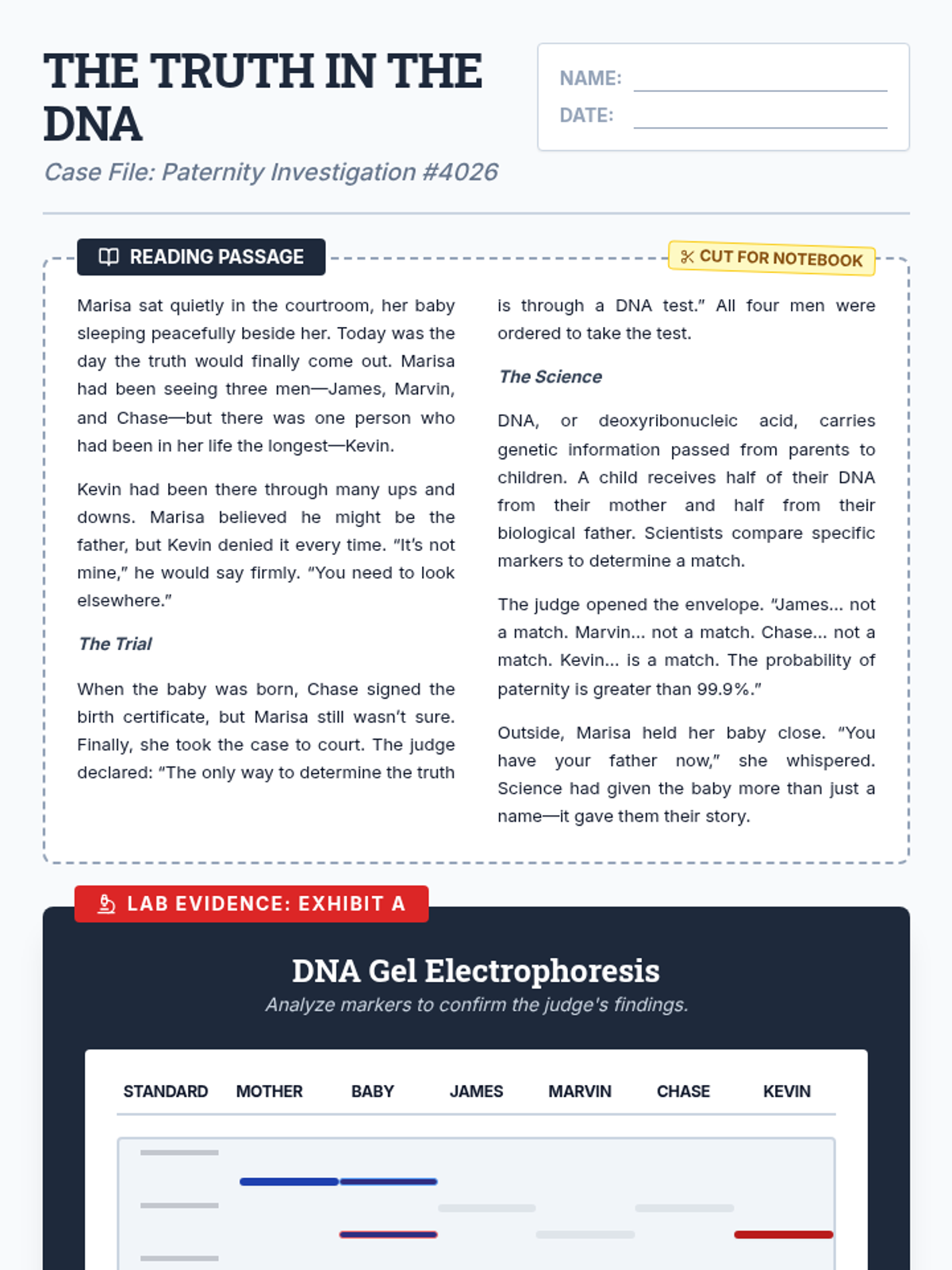
A lesson exploring DNA inheritance and paternity through a real-world narrative case study, focusing on DNA gel electrophoresis and Punnett squares.
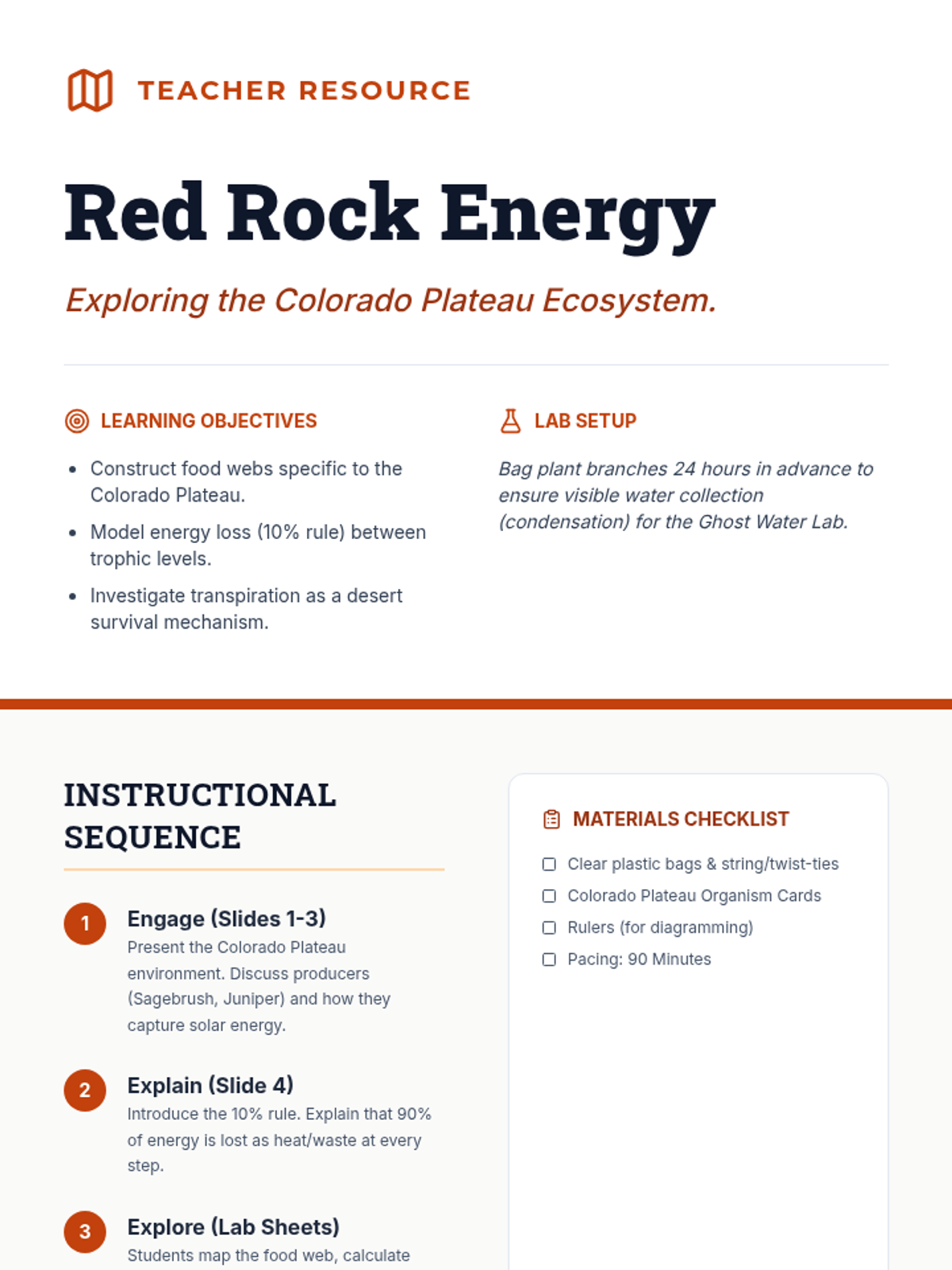
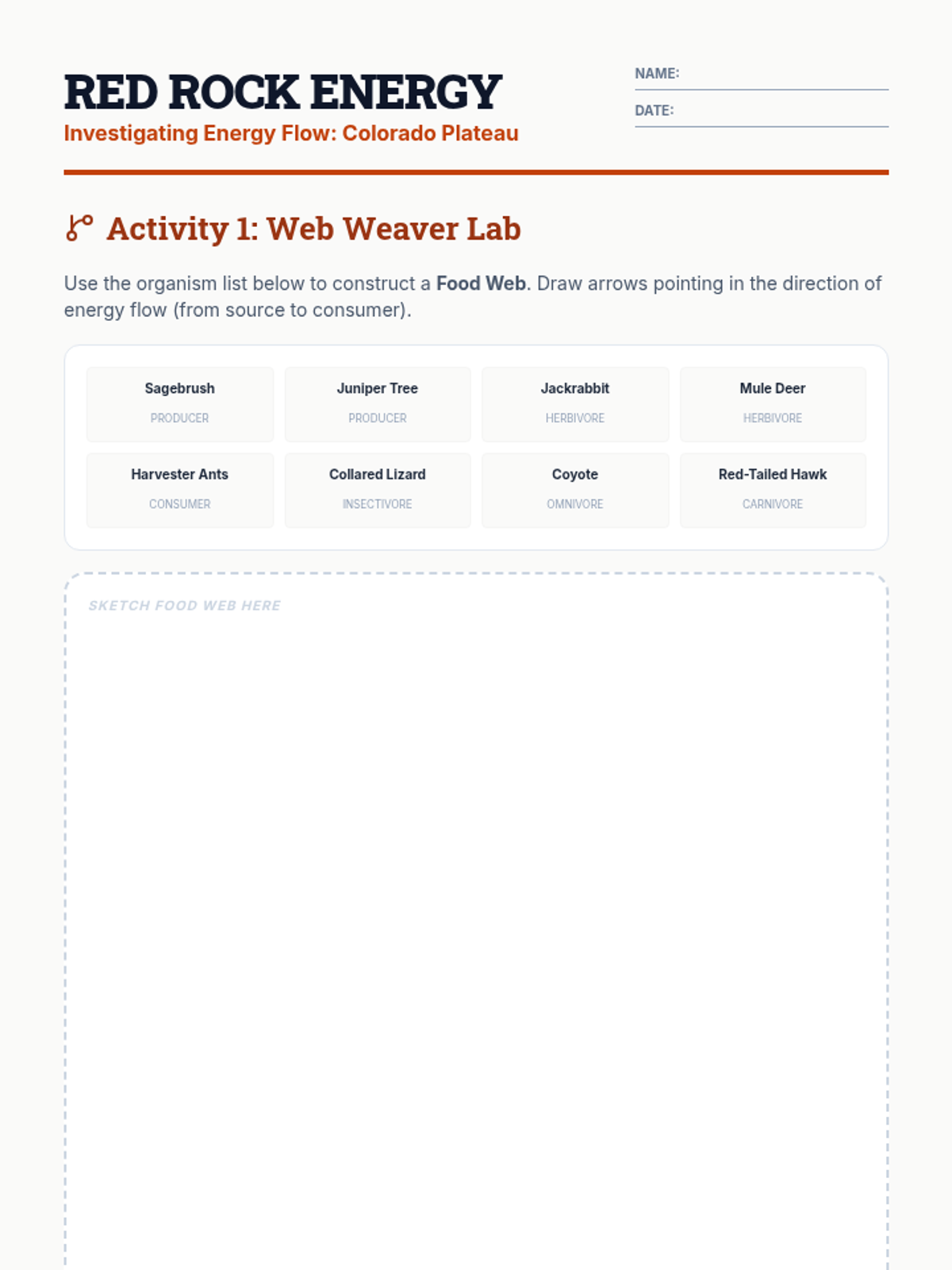
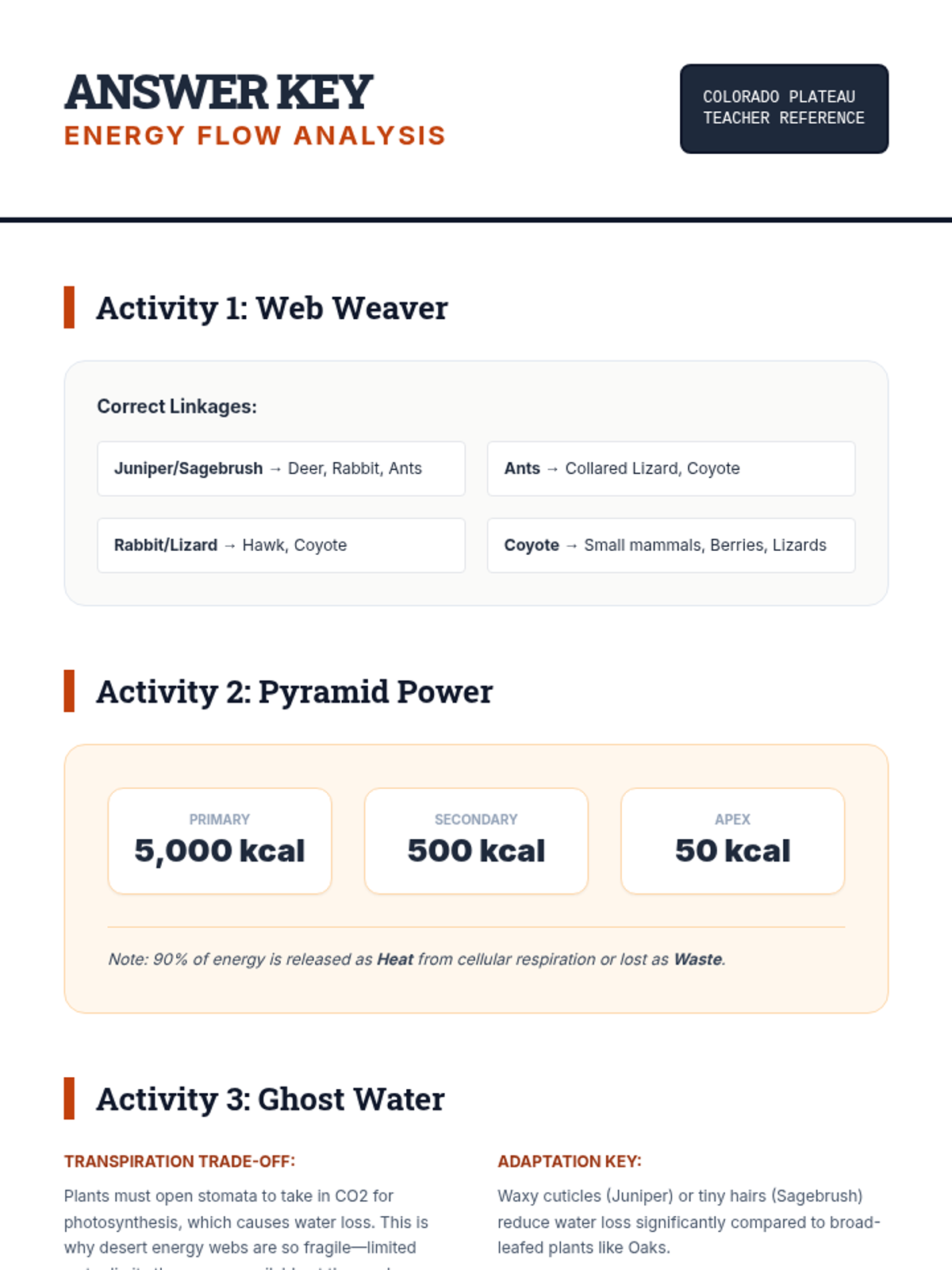
A comprehensive exploration of energy flow within the Colorado Plateau ecosystem, featuring hands-on modeling of food webs, trophic pyramids, and a botanical study of desert plant transpiration.
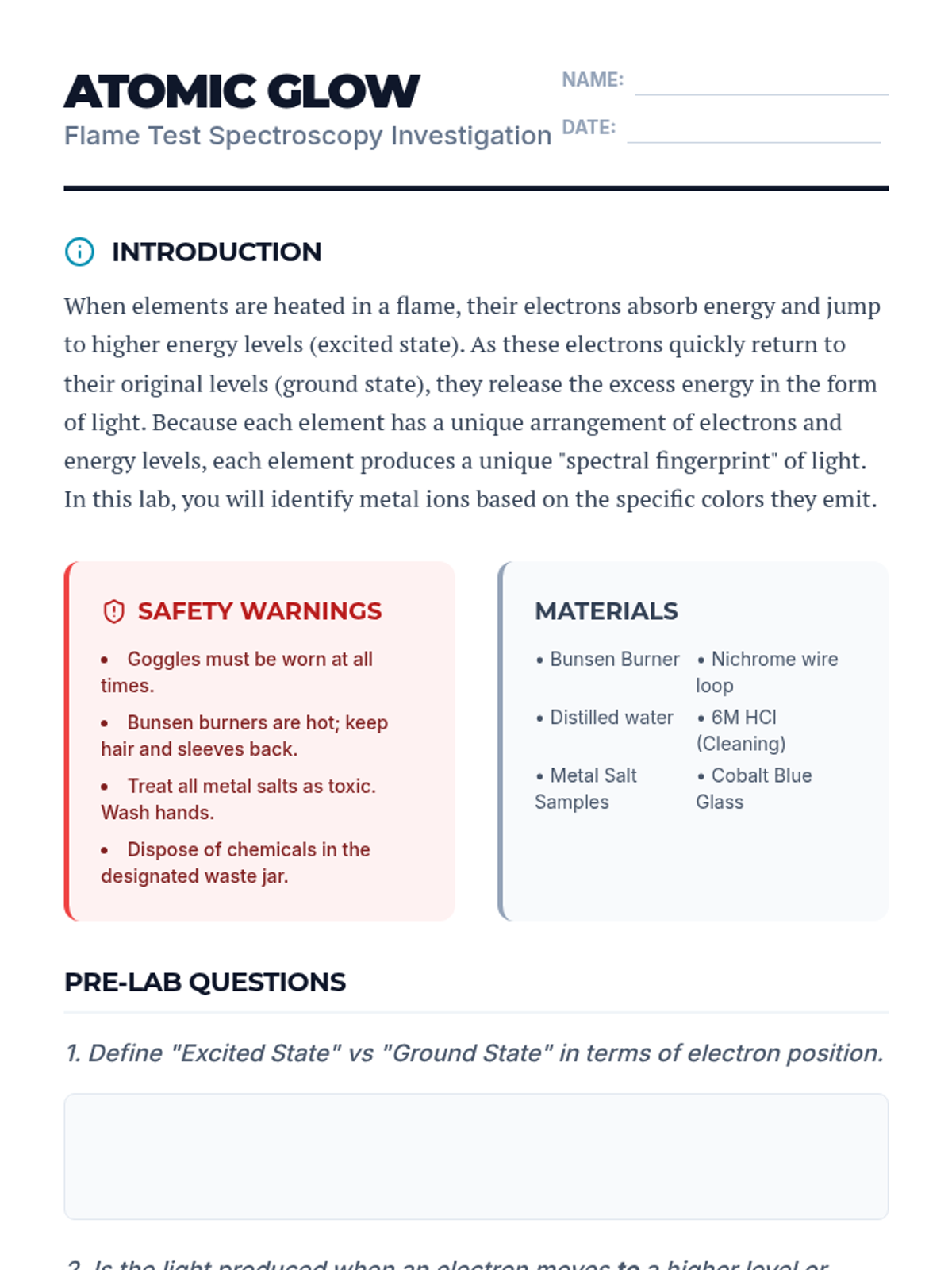
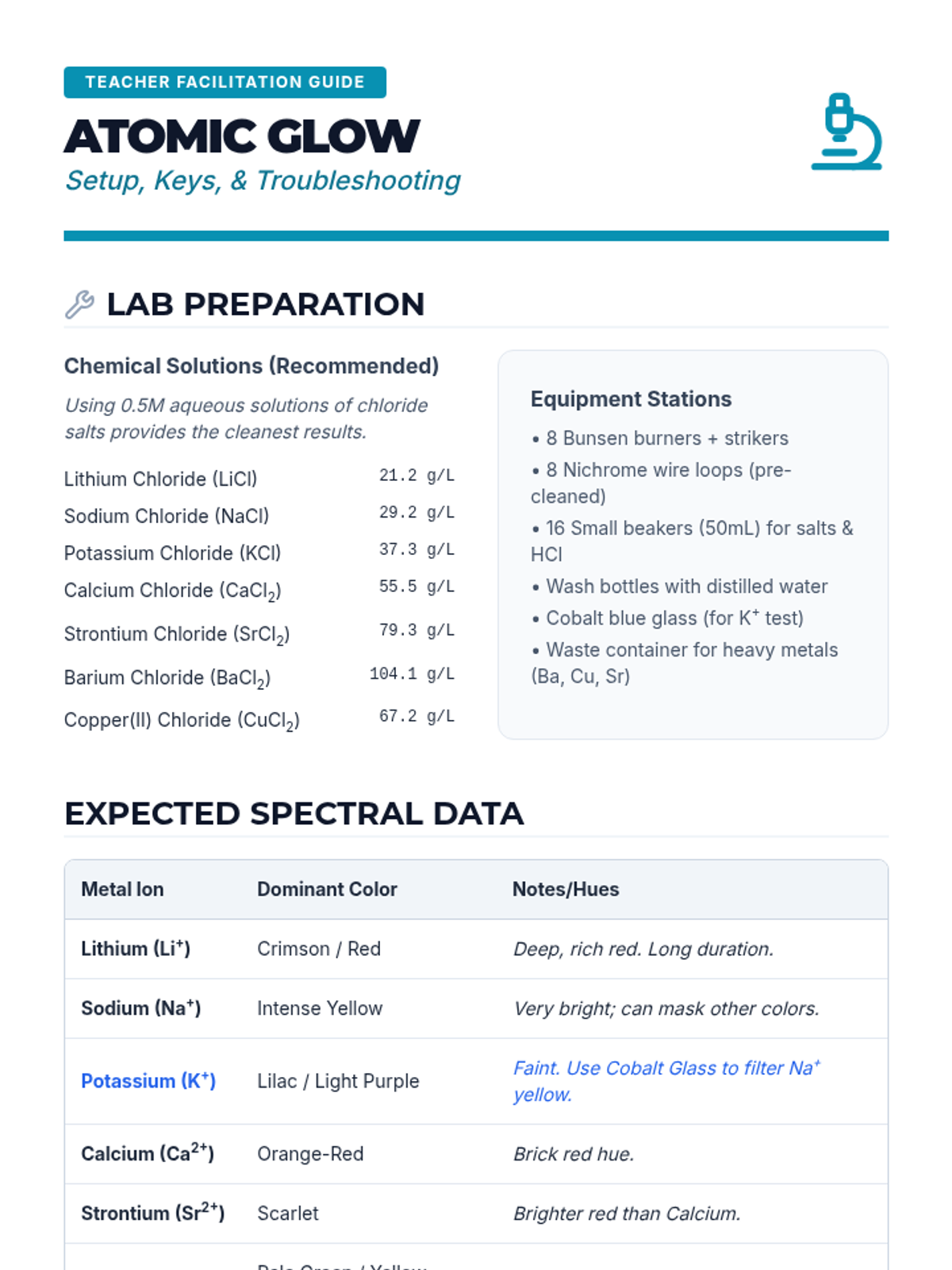
A high school chemistry lab investigating the emission spectra of metal ions through flame tests. Students explore the Bohr model of the atom and identify unknown metal salts based on their characteristic flame colors.
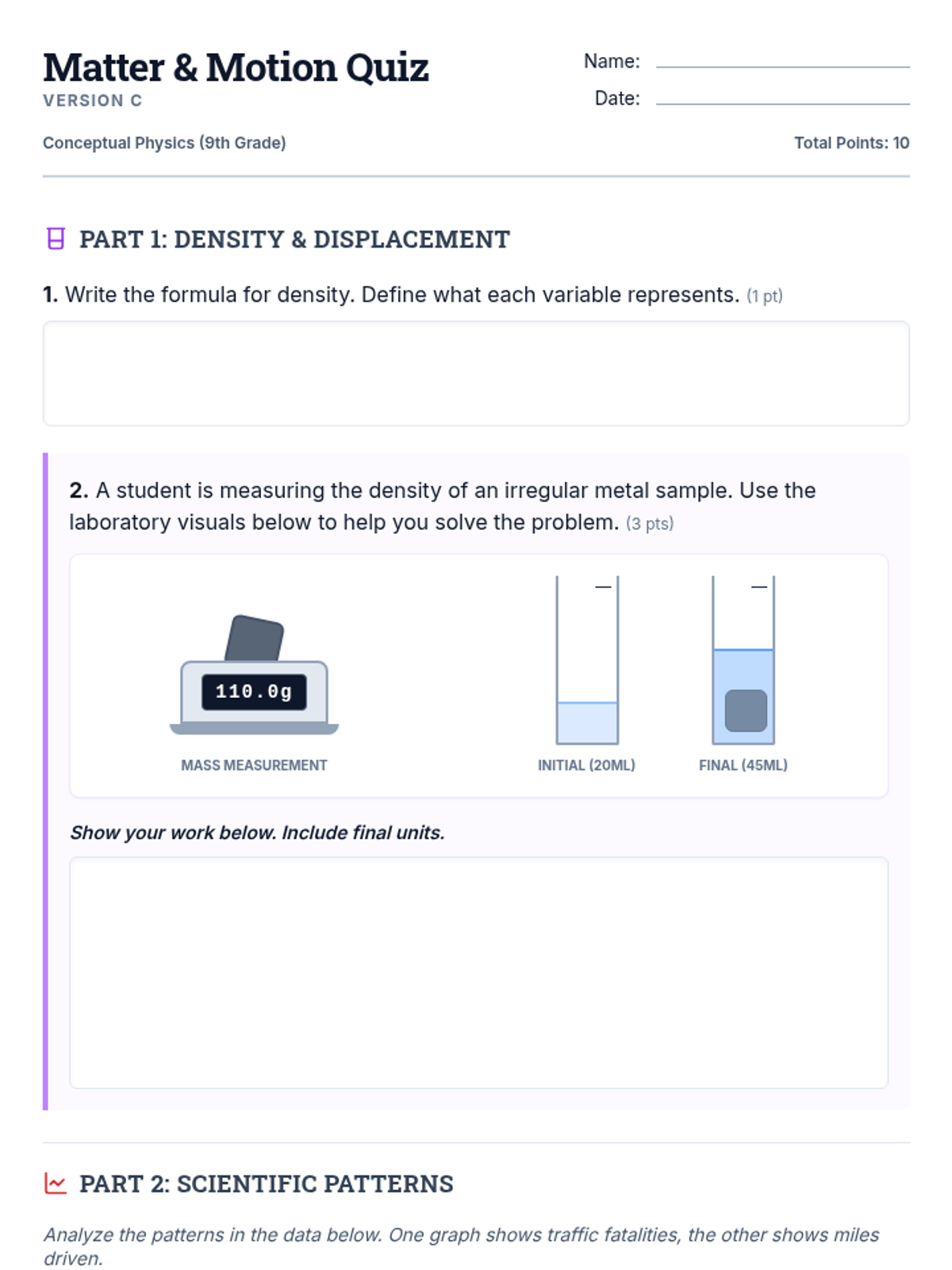
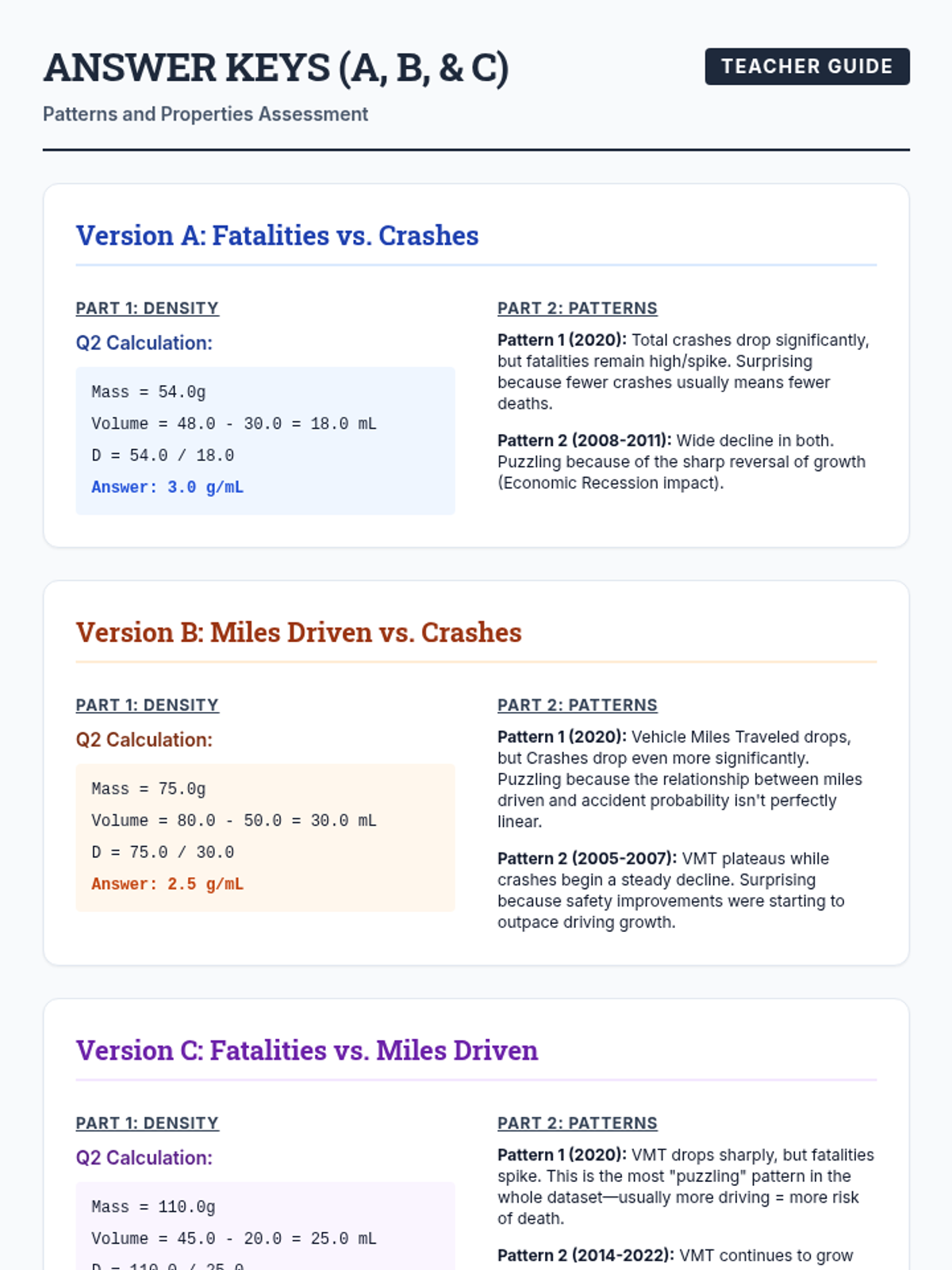
A conceptual physics assessment focusing on the density of matter through water displacement and the analysis of real-world traffic data to identify scientific patterns and anomalies.
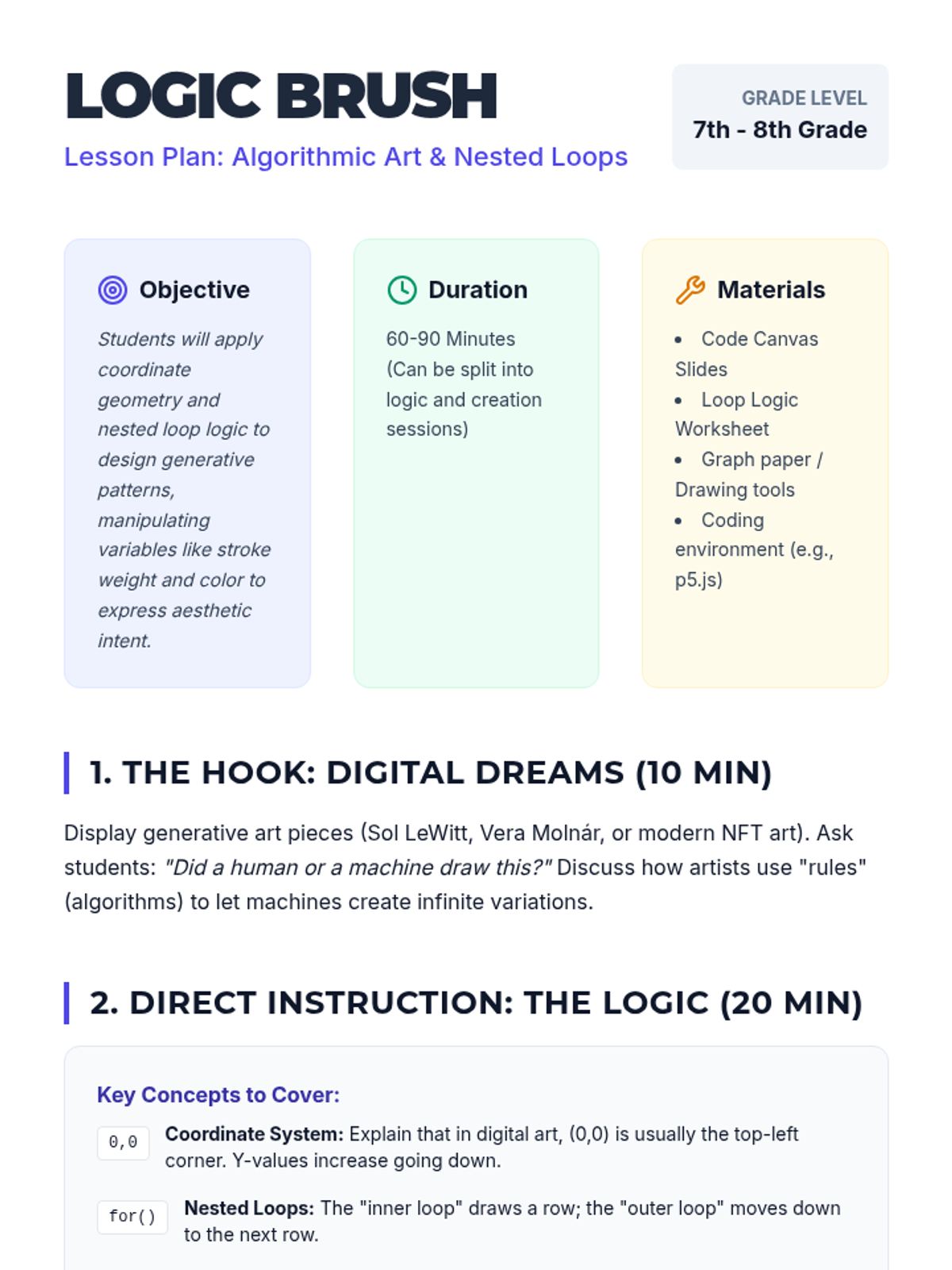
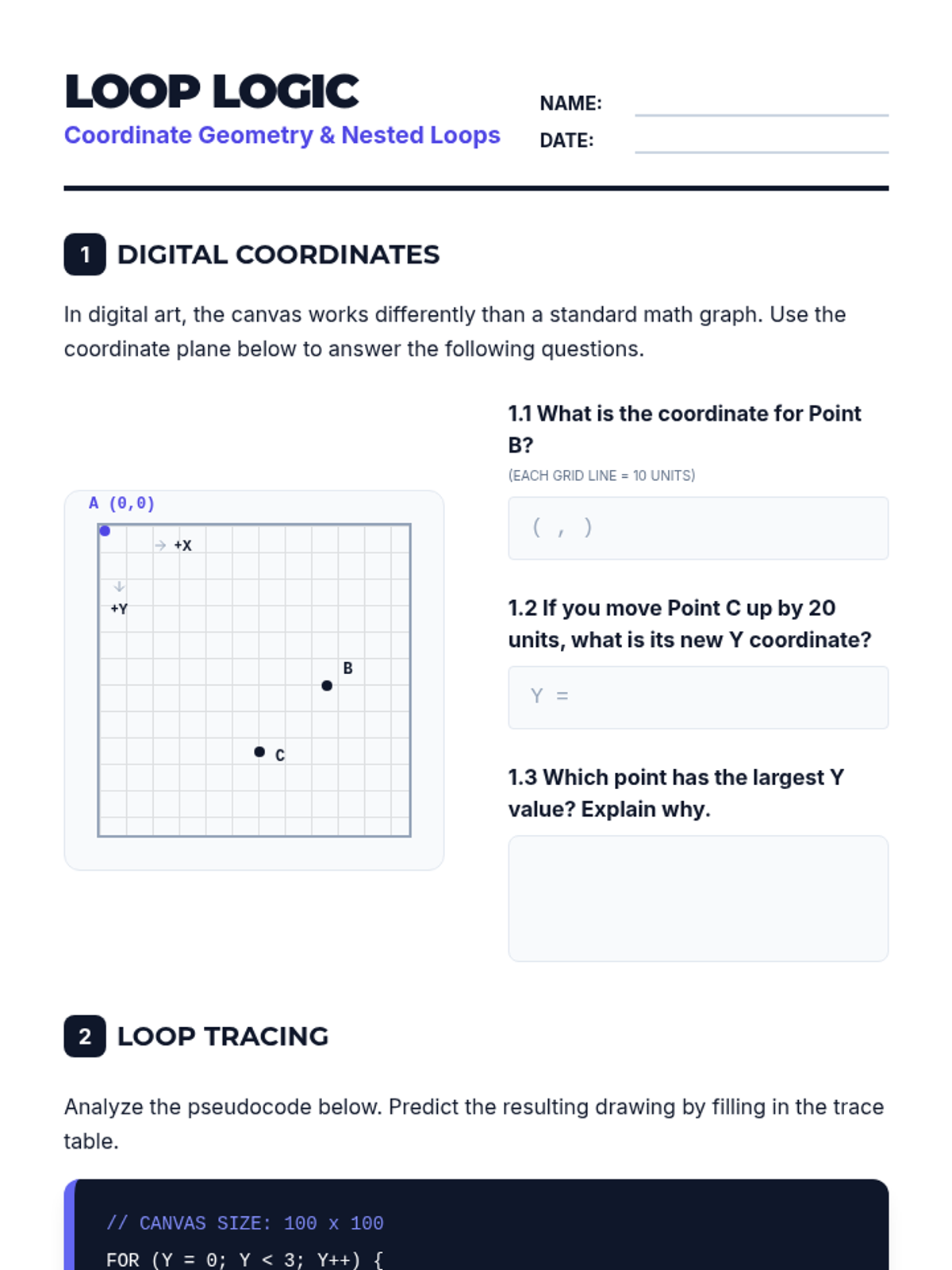
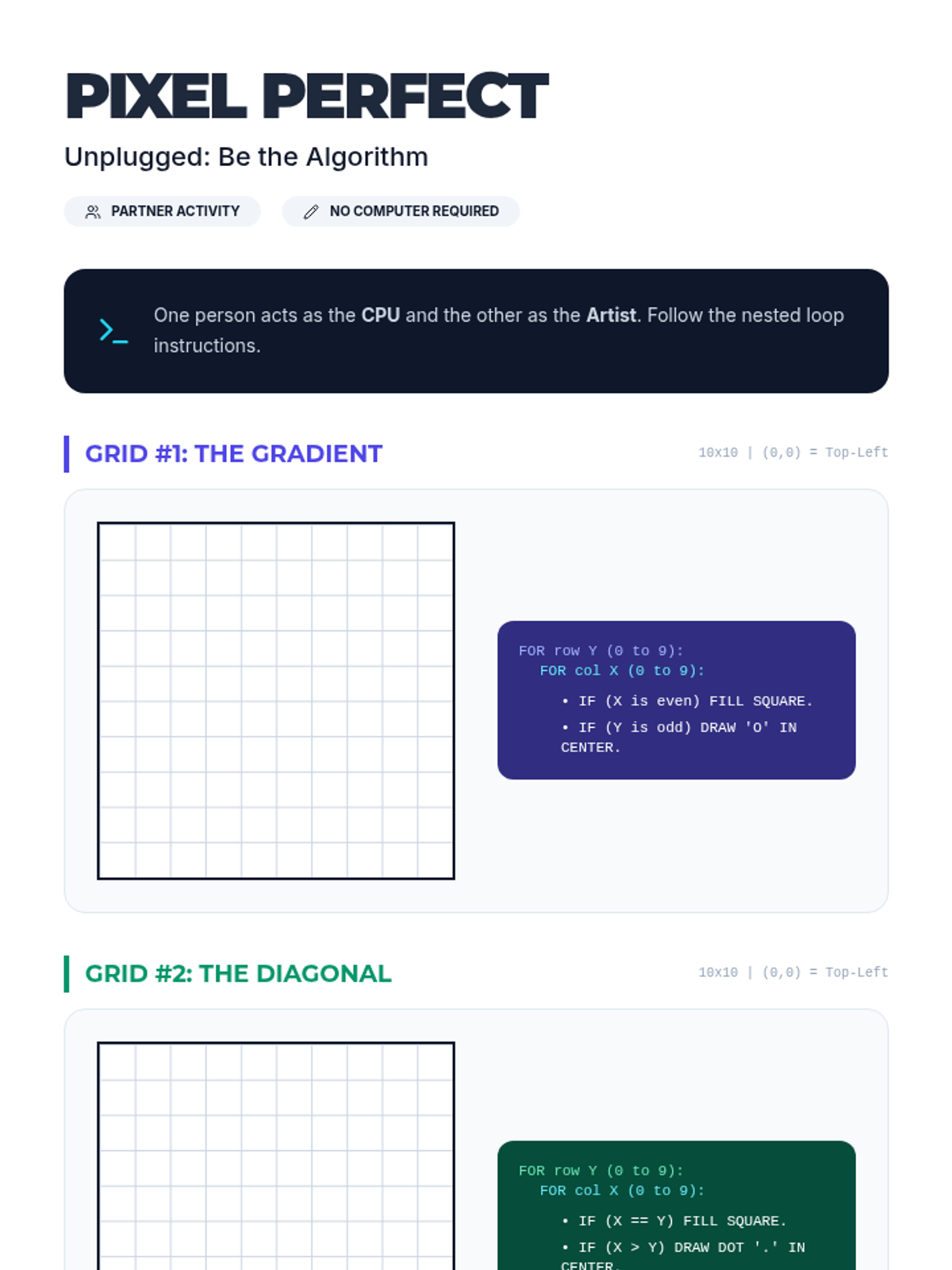
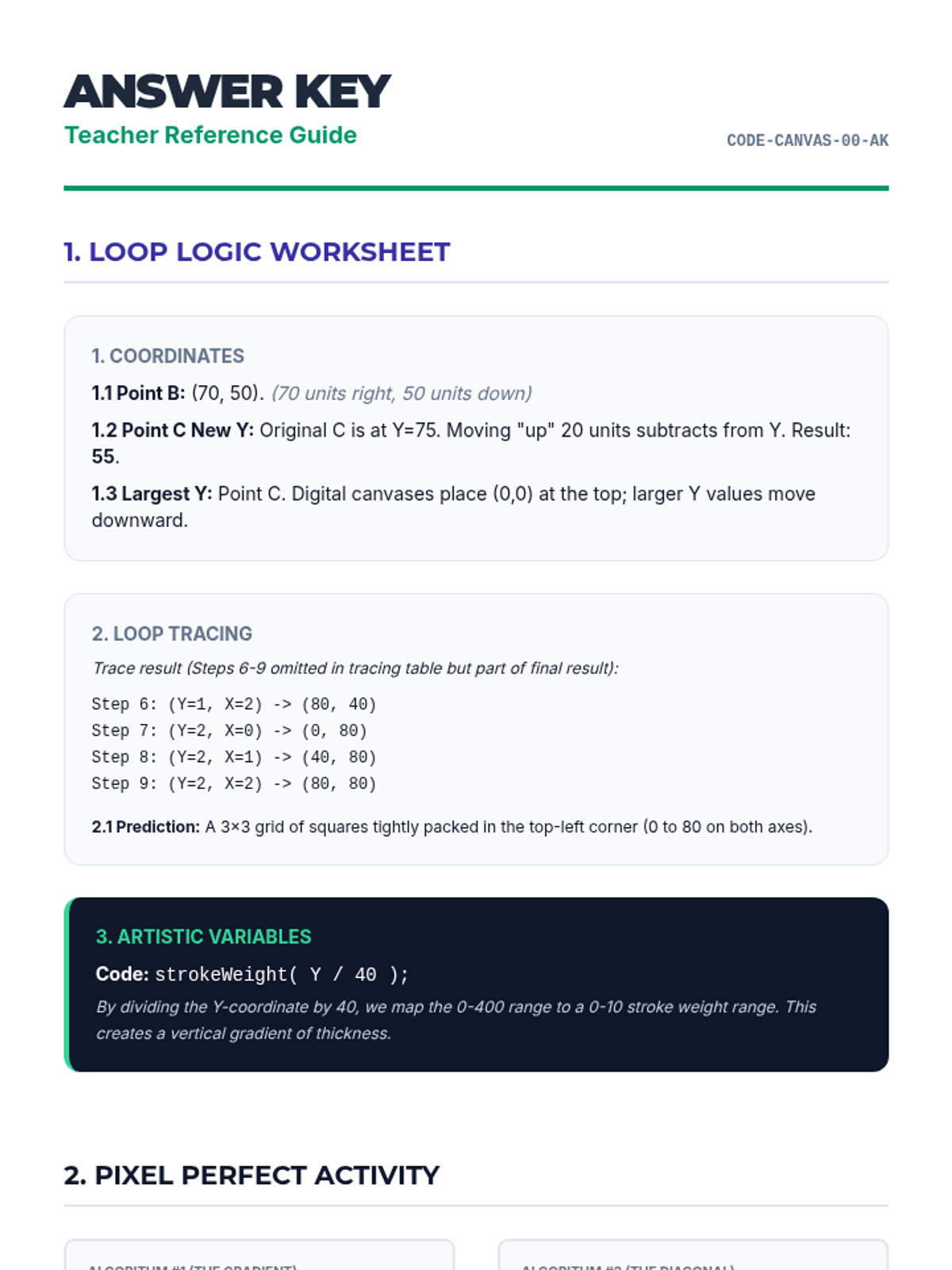
Students explore the intersection of geometry and computer science by using nested loops and variables to create generative digital art.
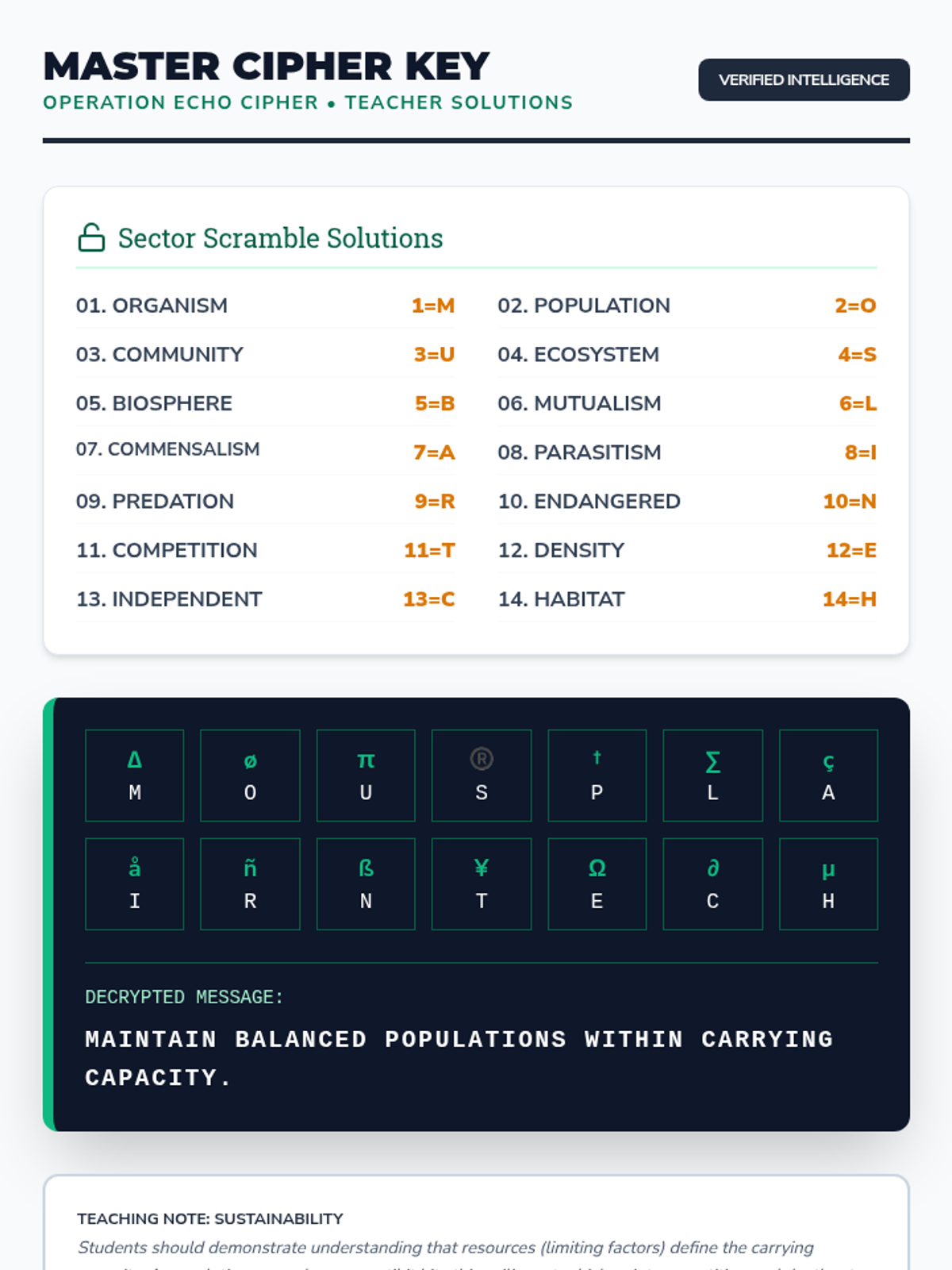
A lesson exploring how ecosystems are organized, the relationships between organisms, and the factors that limit population growth, including the status of endangered species.
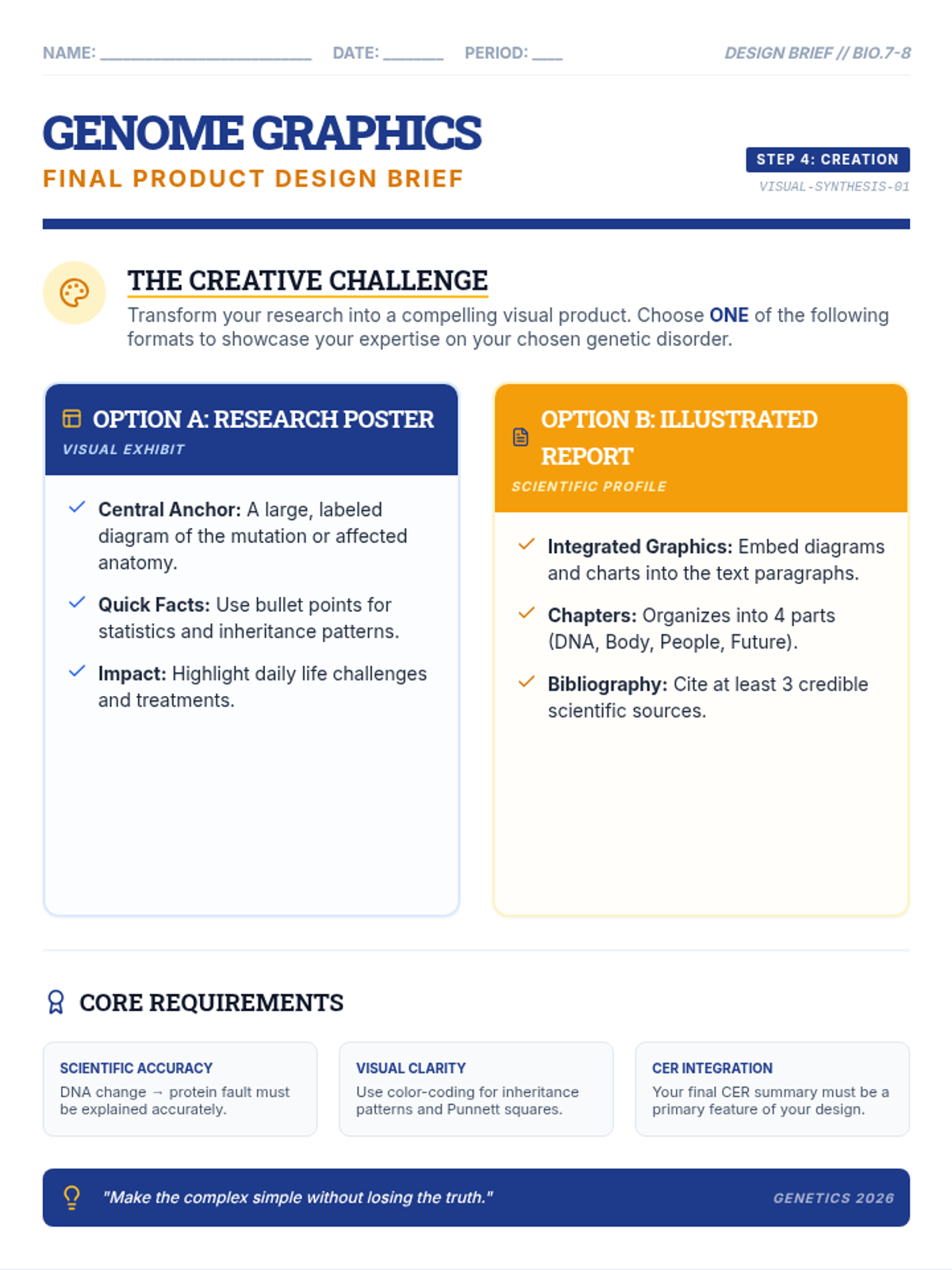
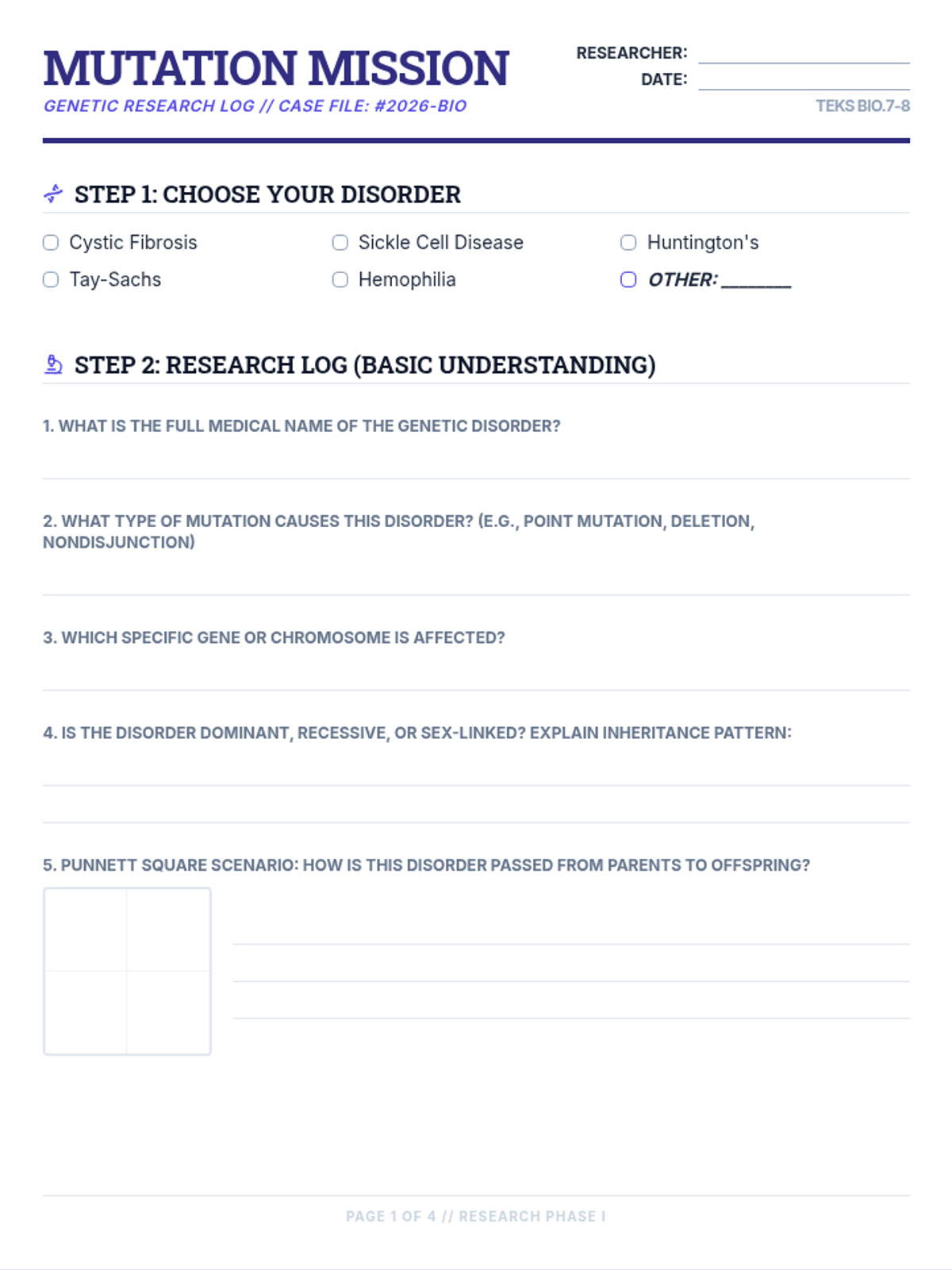
Students investigate genetic disorders by researching their molecular causes, inheritance patterns, and societal impacts. This project culminates in a research log, a CER summary, and a creative visual product.
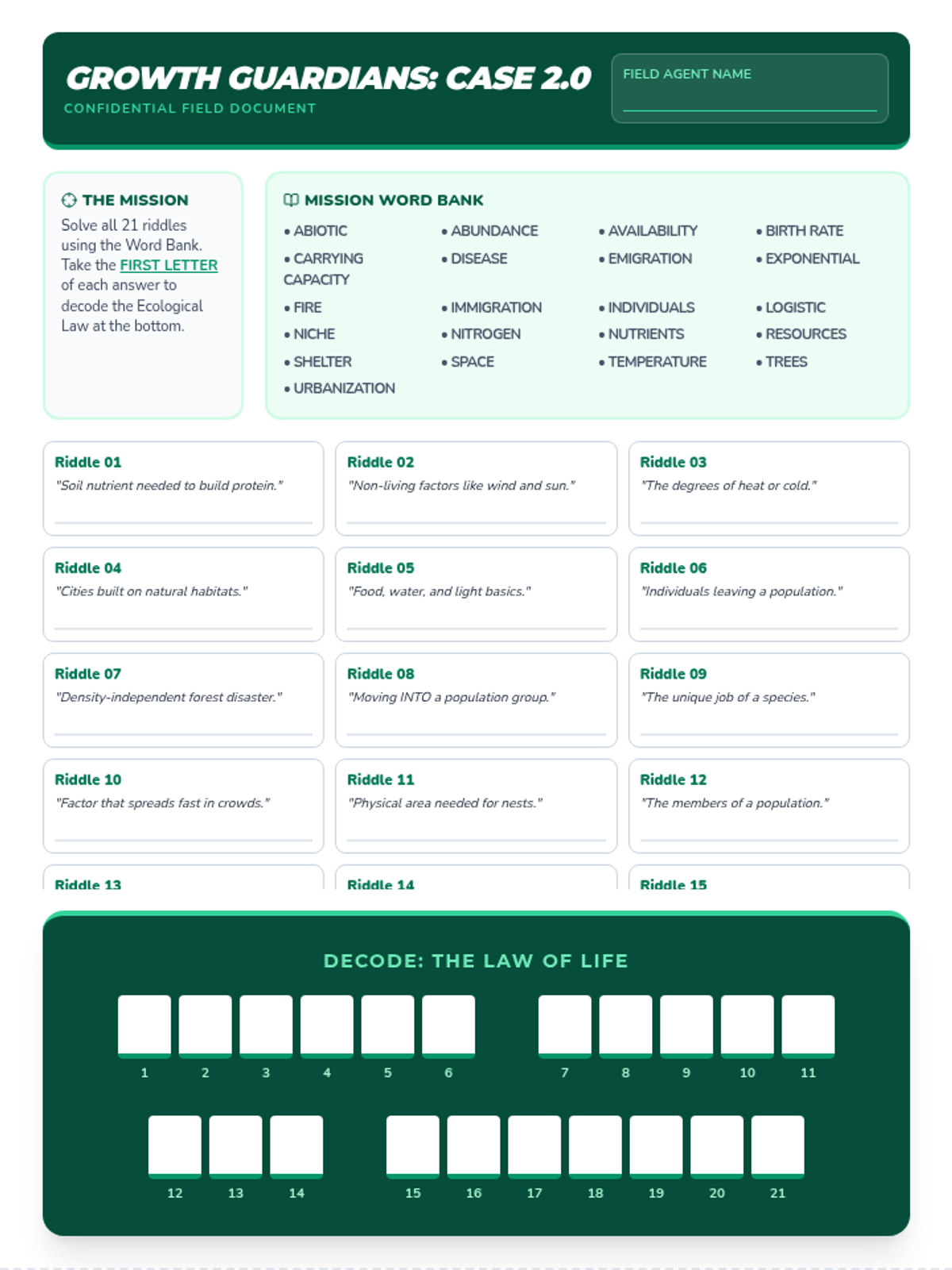
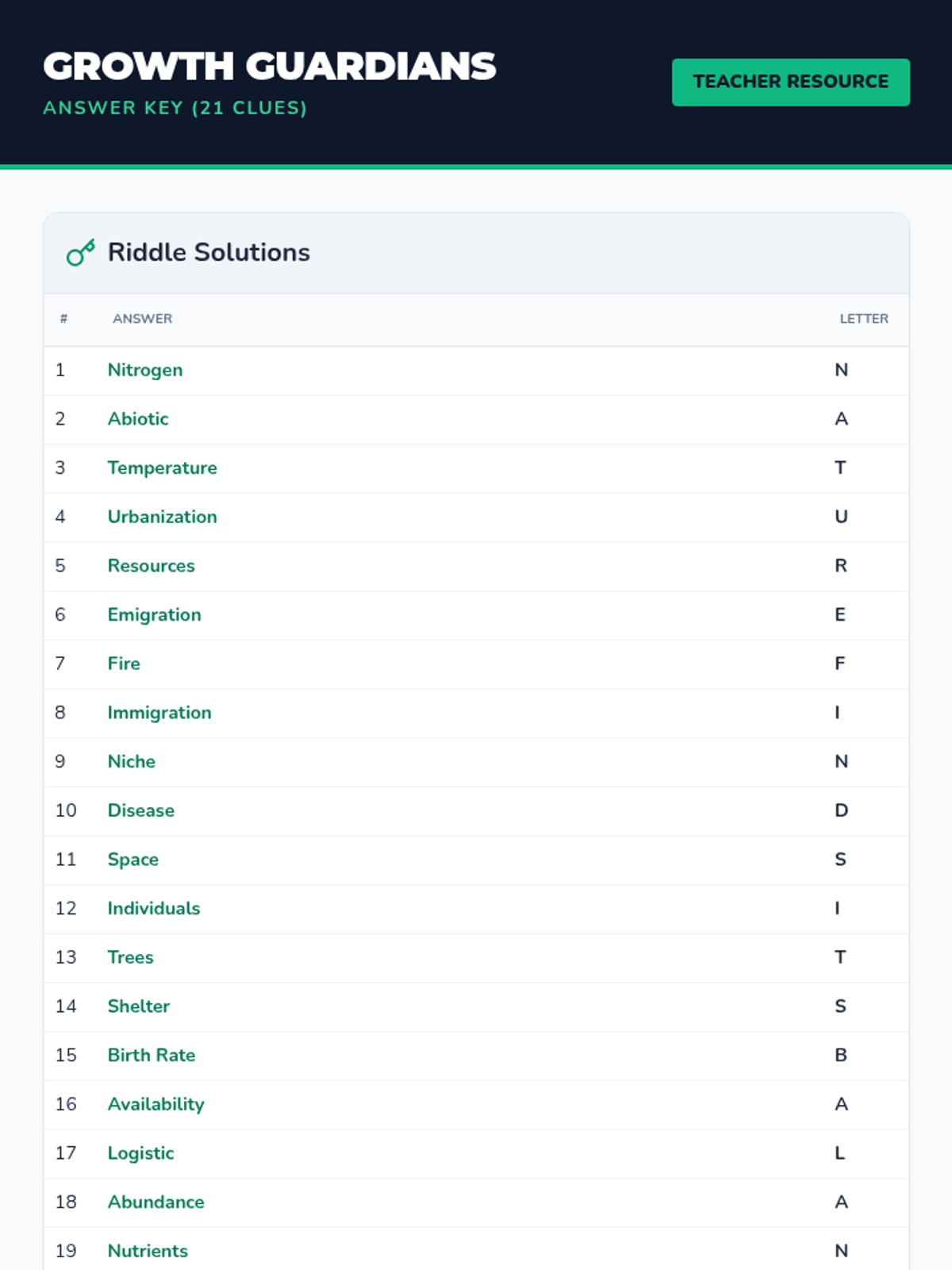
A lesson exploring the dynamics of population growth, focusing on the differences between exponential and logistic growth models and the real-world limiting factors that shape them. Students will solve puzzles to identify key concepts like carrying capacity, density-dependent factors, and density-independent factors.
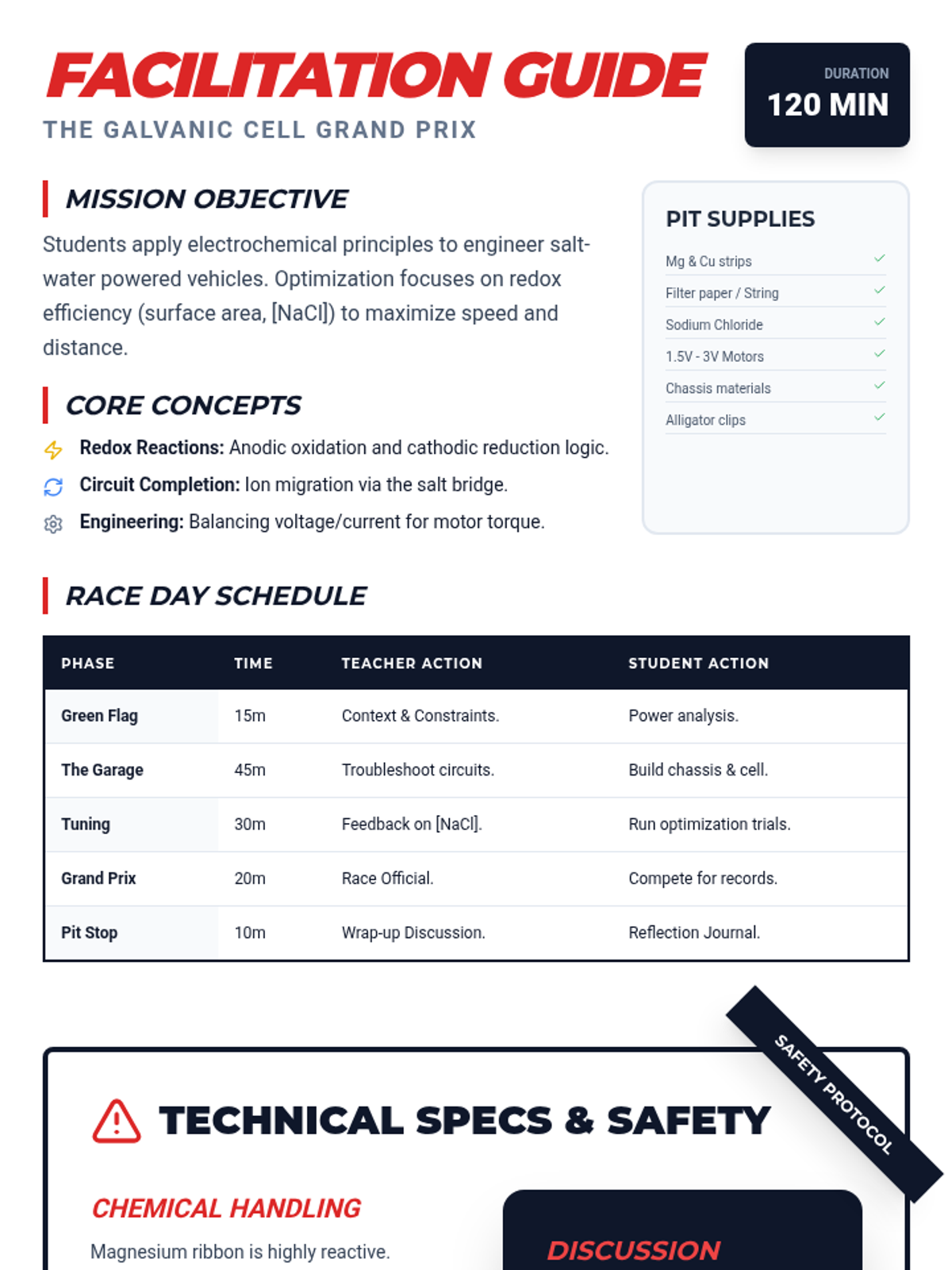
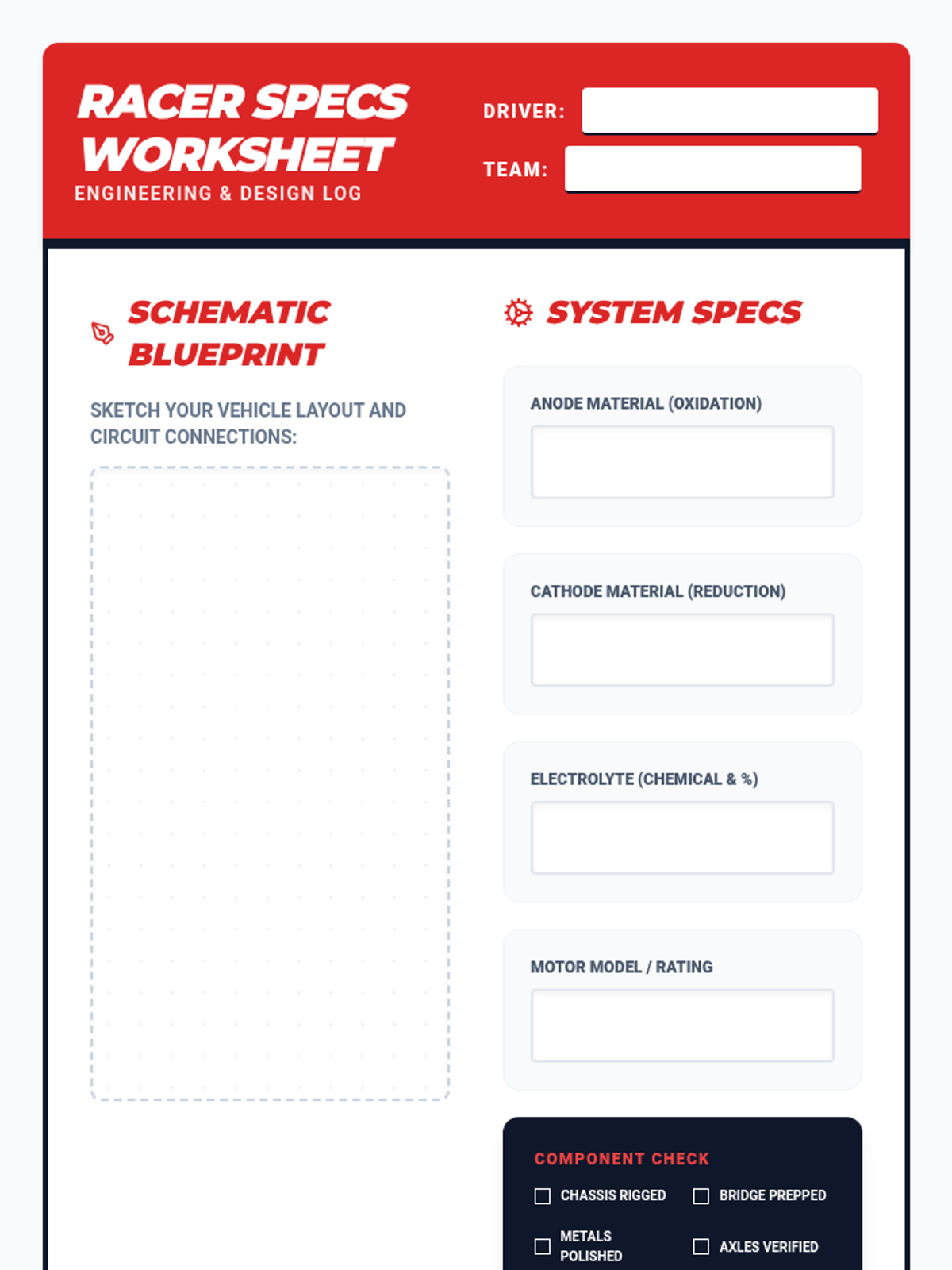
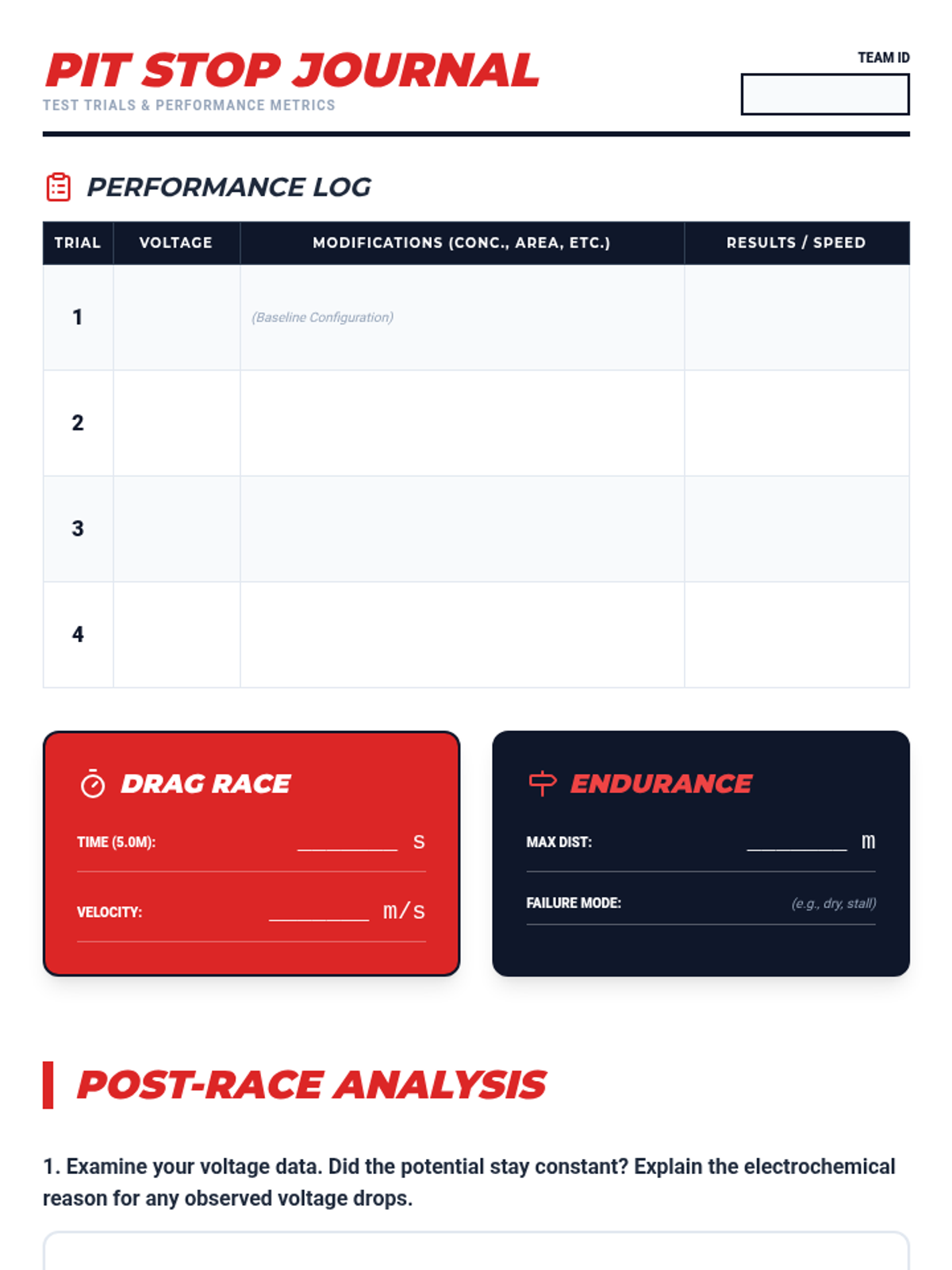
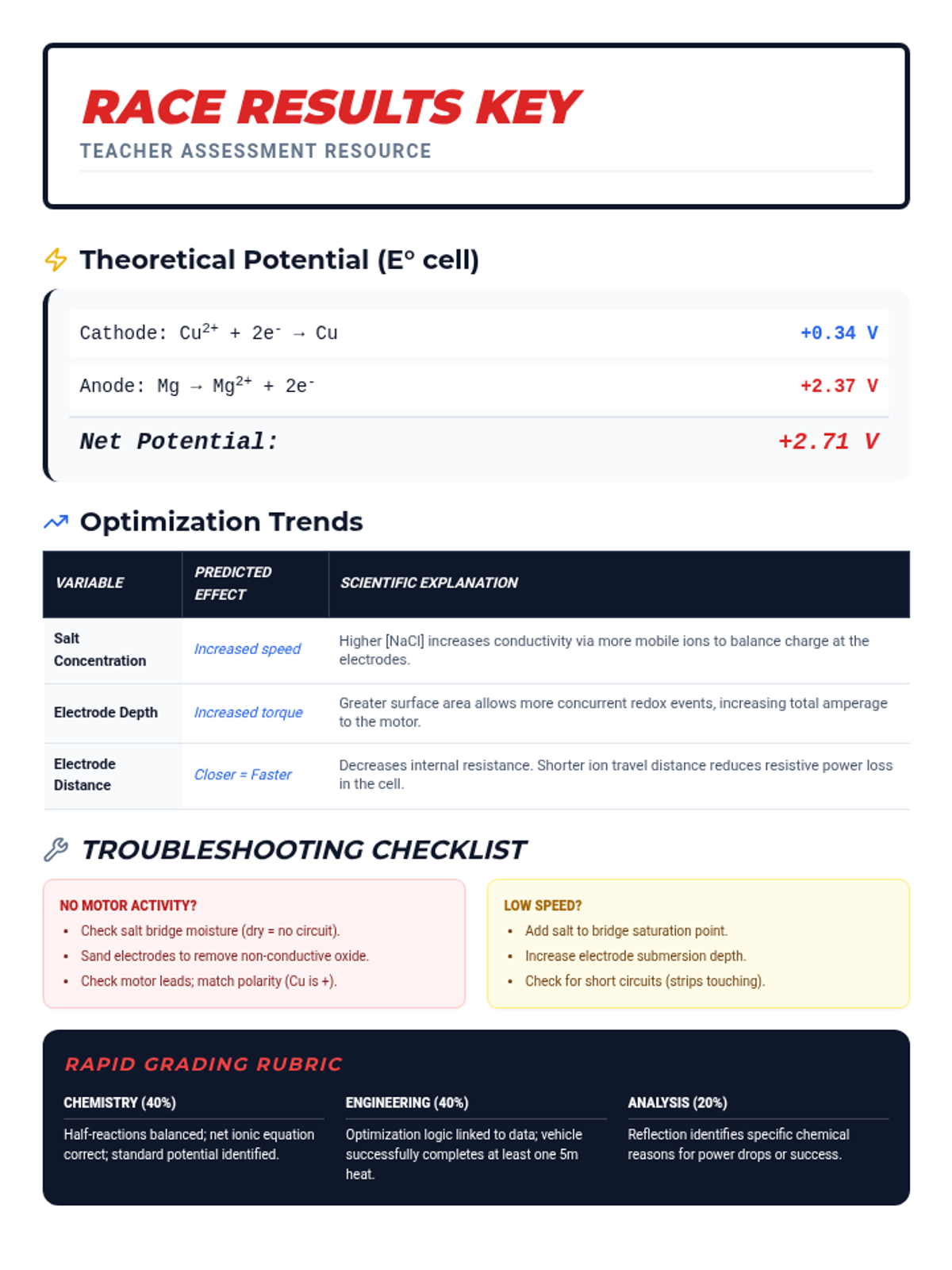
An 11th-grade chemistry engineering challenge where students design, build, and optimize salt-water powered vehicles to master redox reactions and circuit completion.
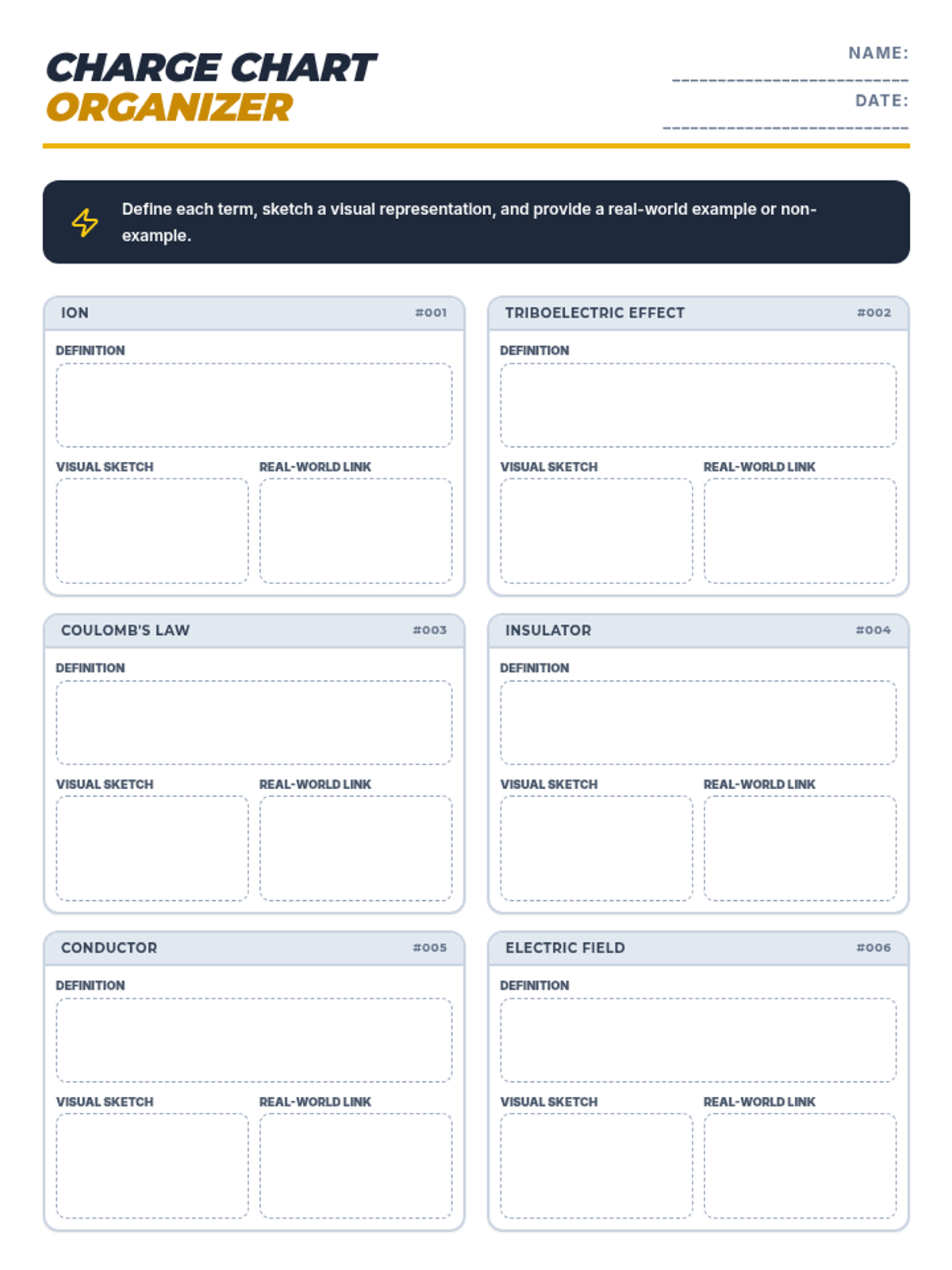
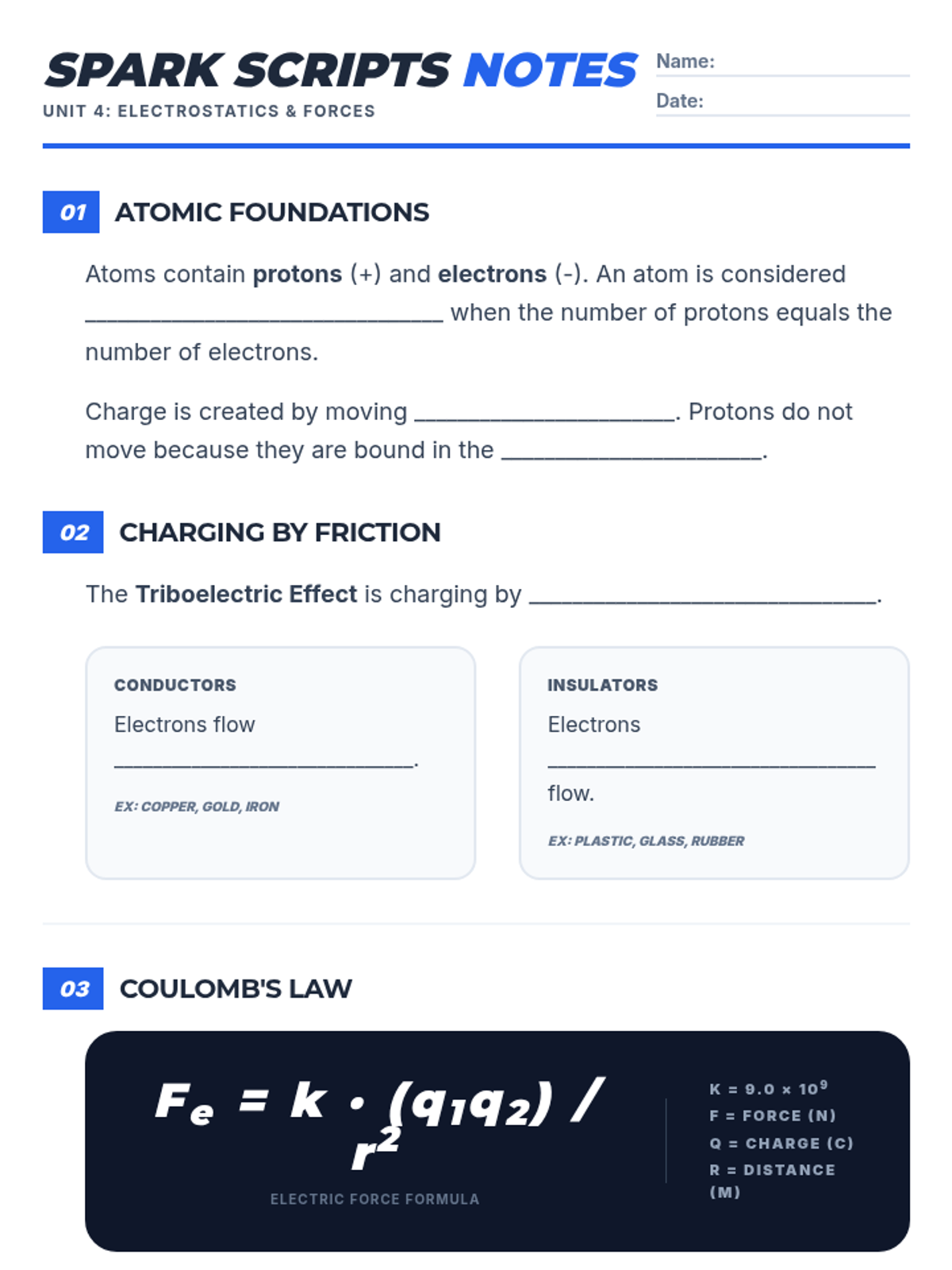
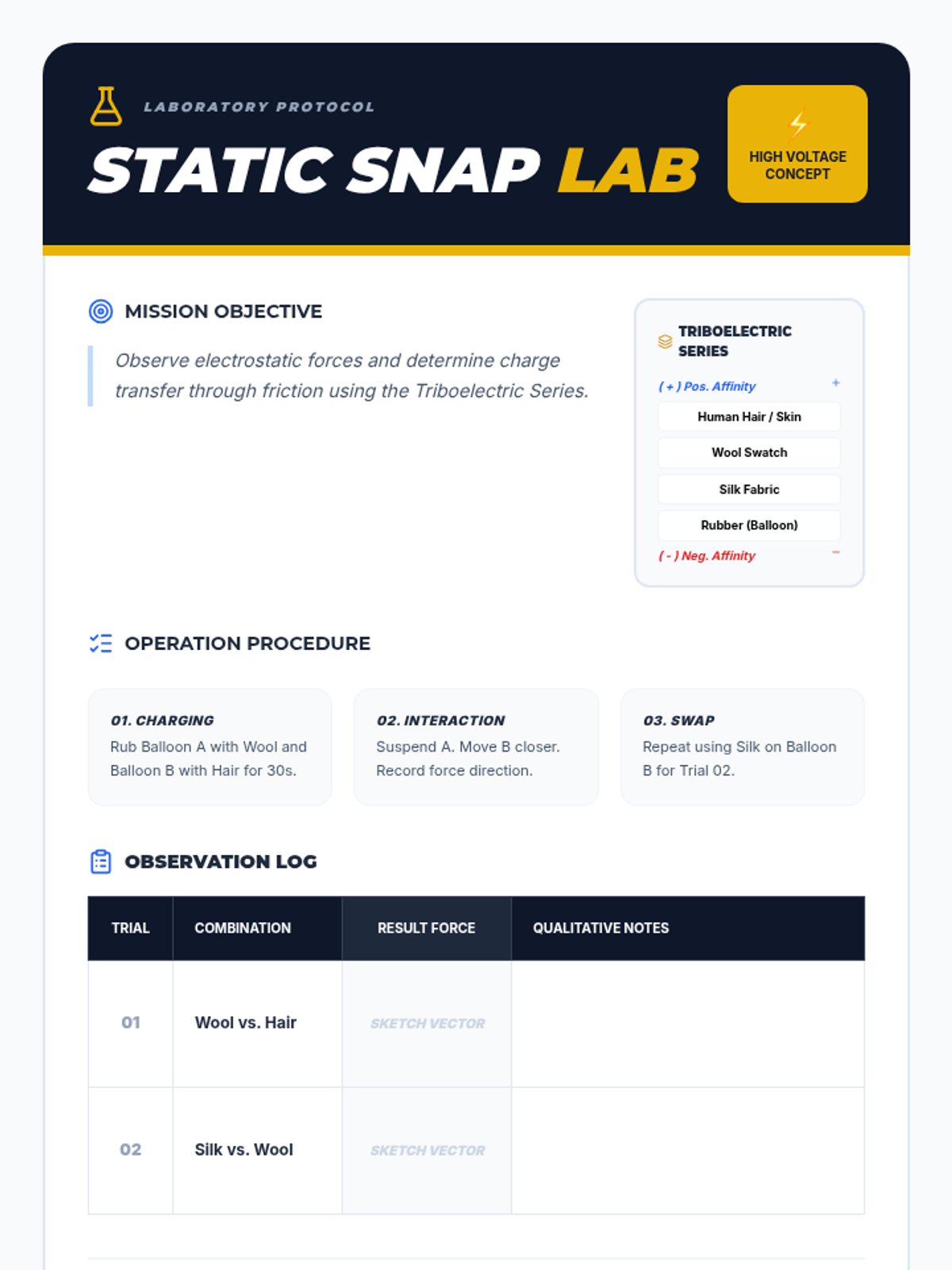
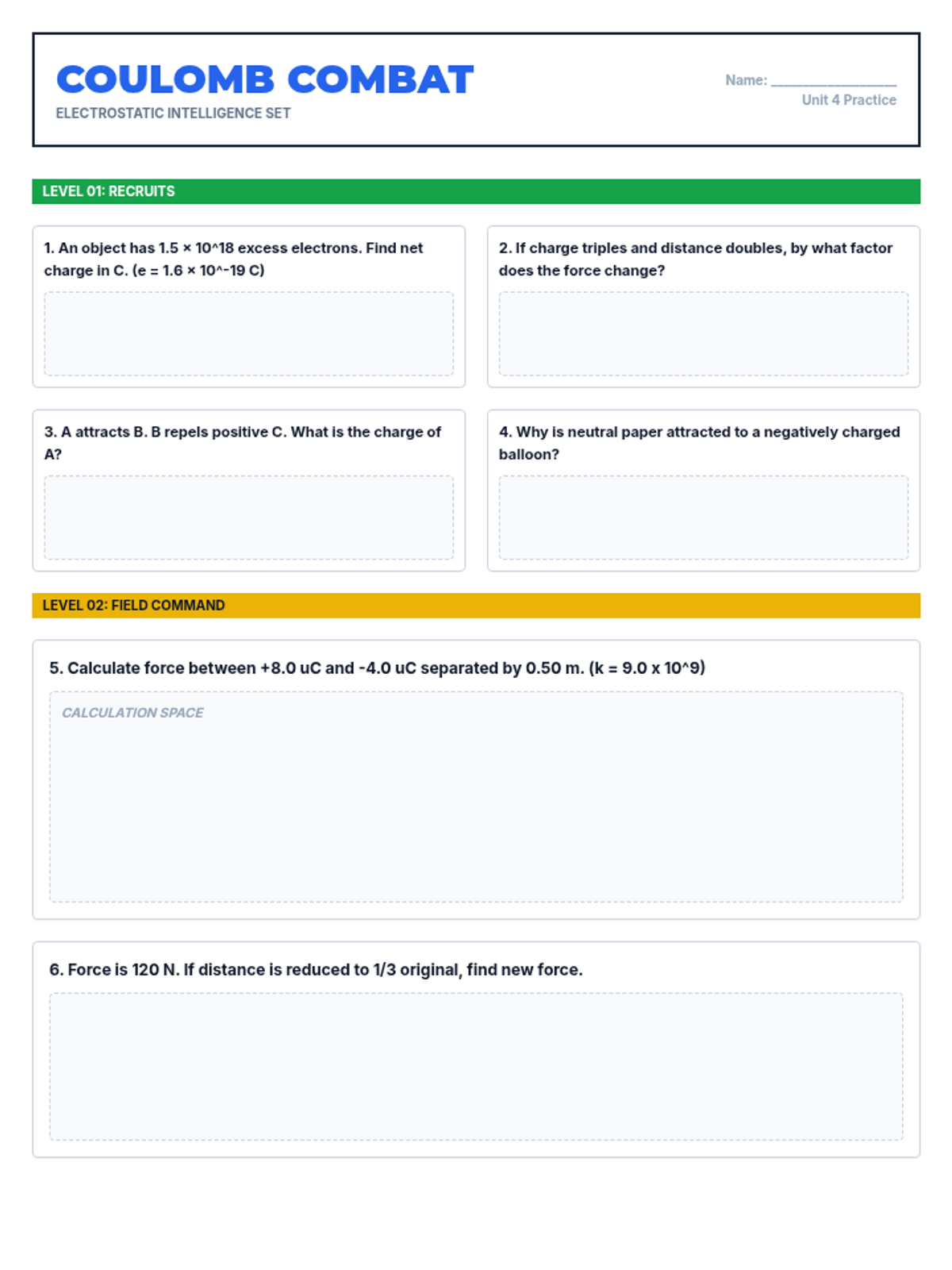
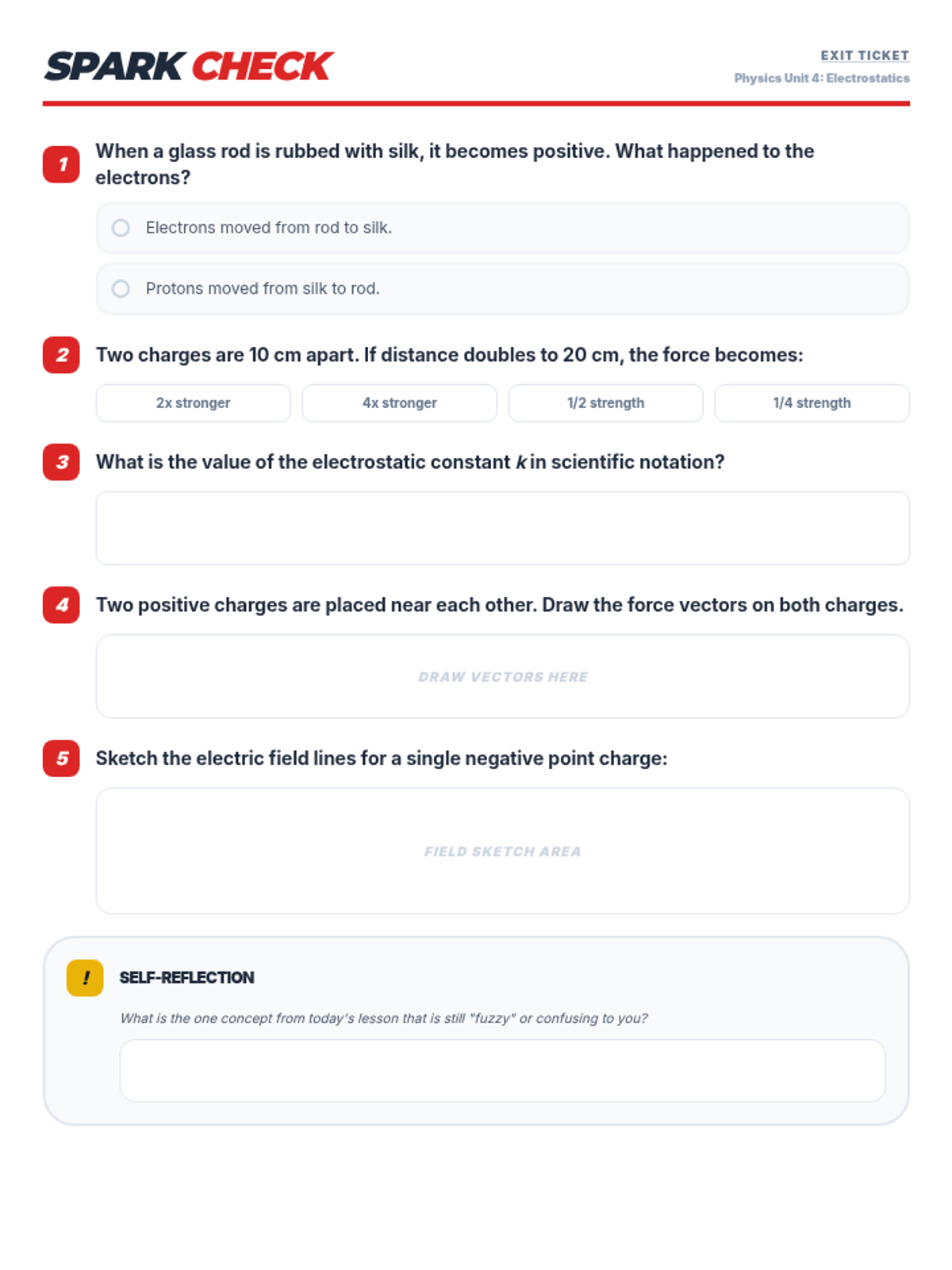
A comprehensive introduction to electrostatic forces, covering atomic structure, triboelectric charging, Coulomb's Law, and electric fields through hands-on labs and scaffolded practice.
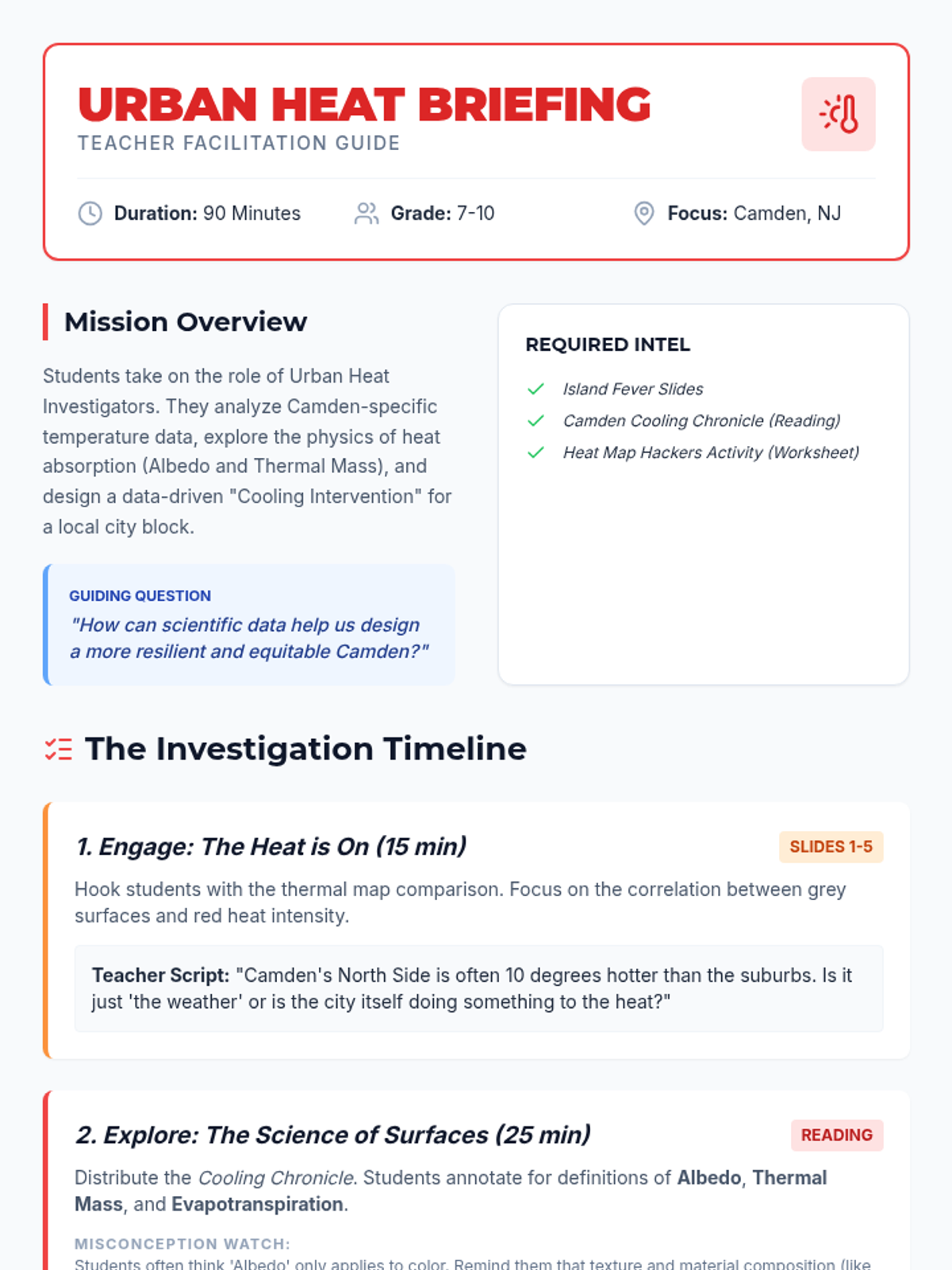
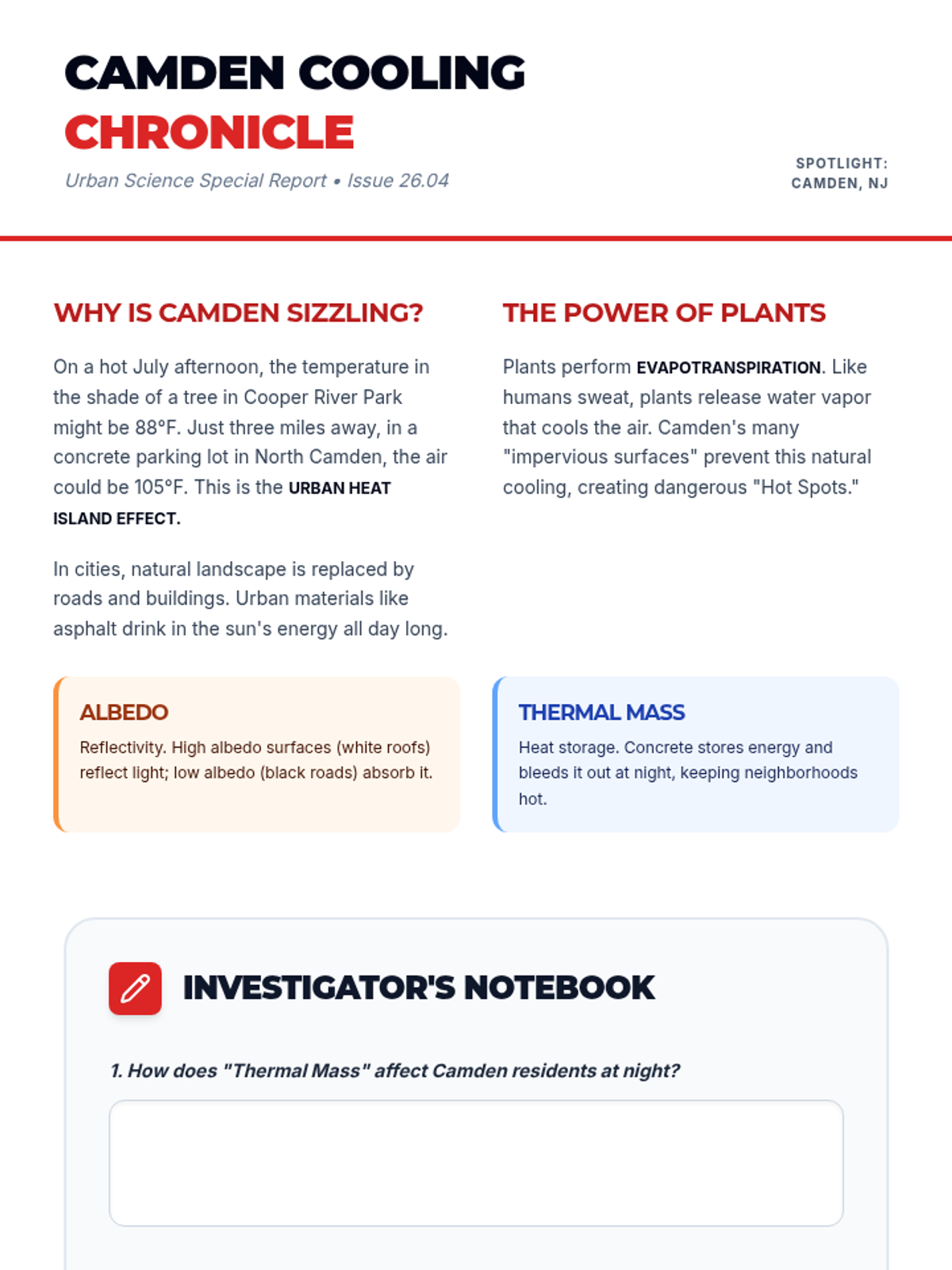
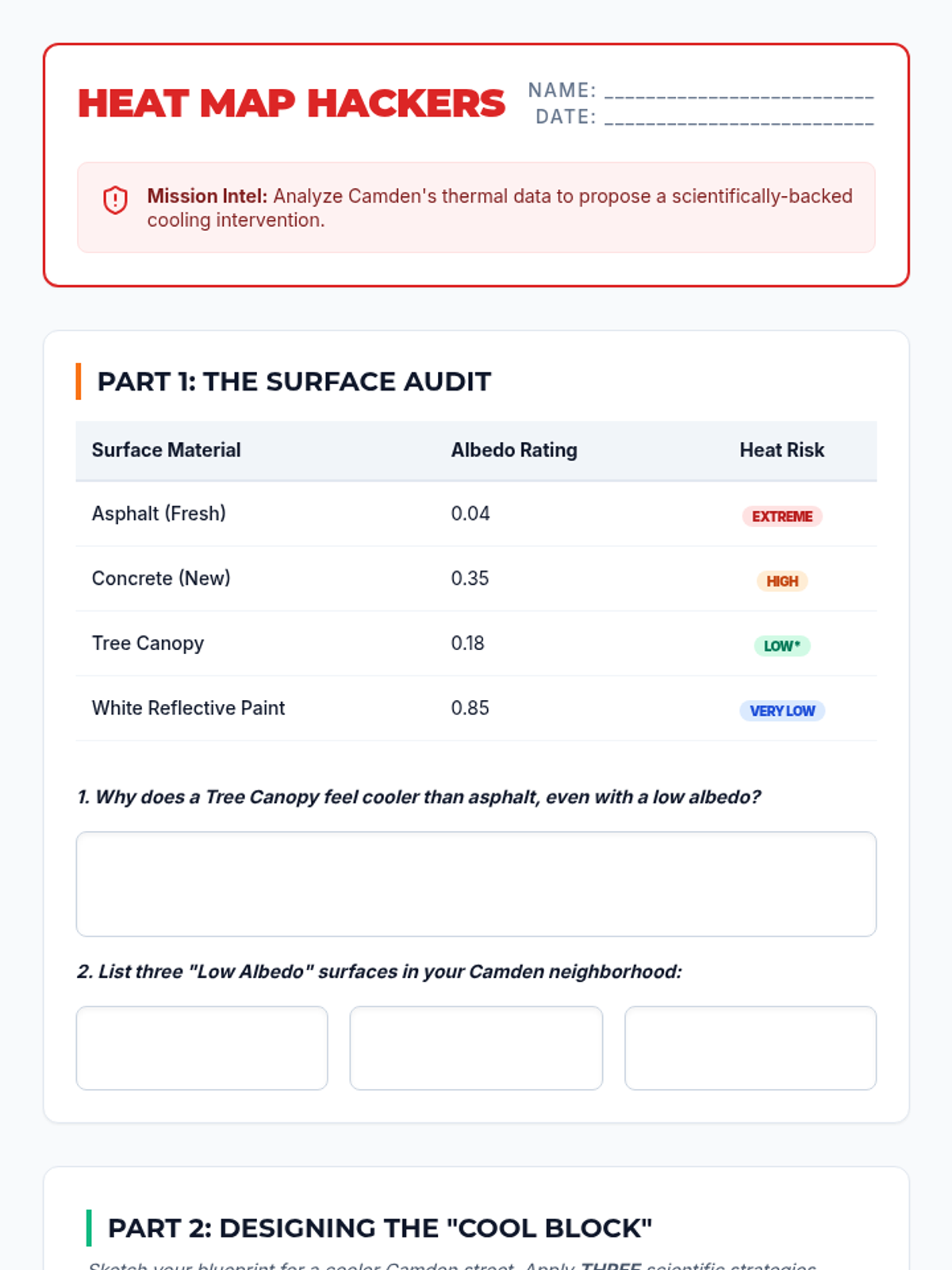
Students investigate the urban heat island effect through the lens of Camden, NJ, exploring how surface materials and lack of vegetation impact local temperatures and designing sustainable cooling solutions.
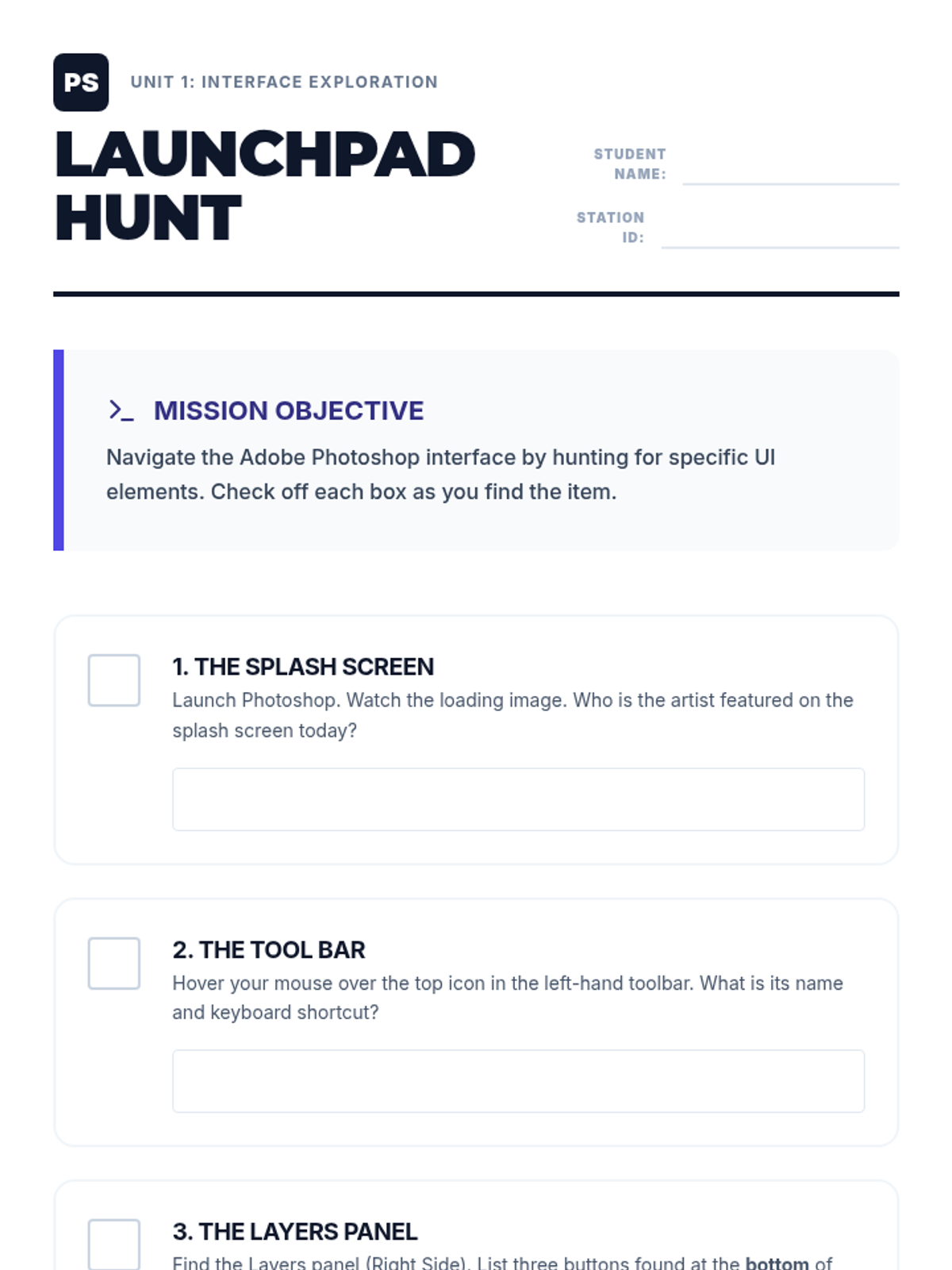
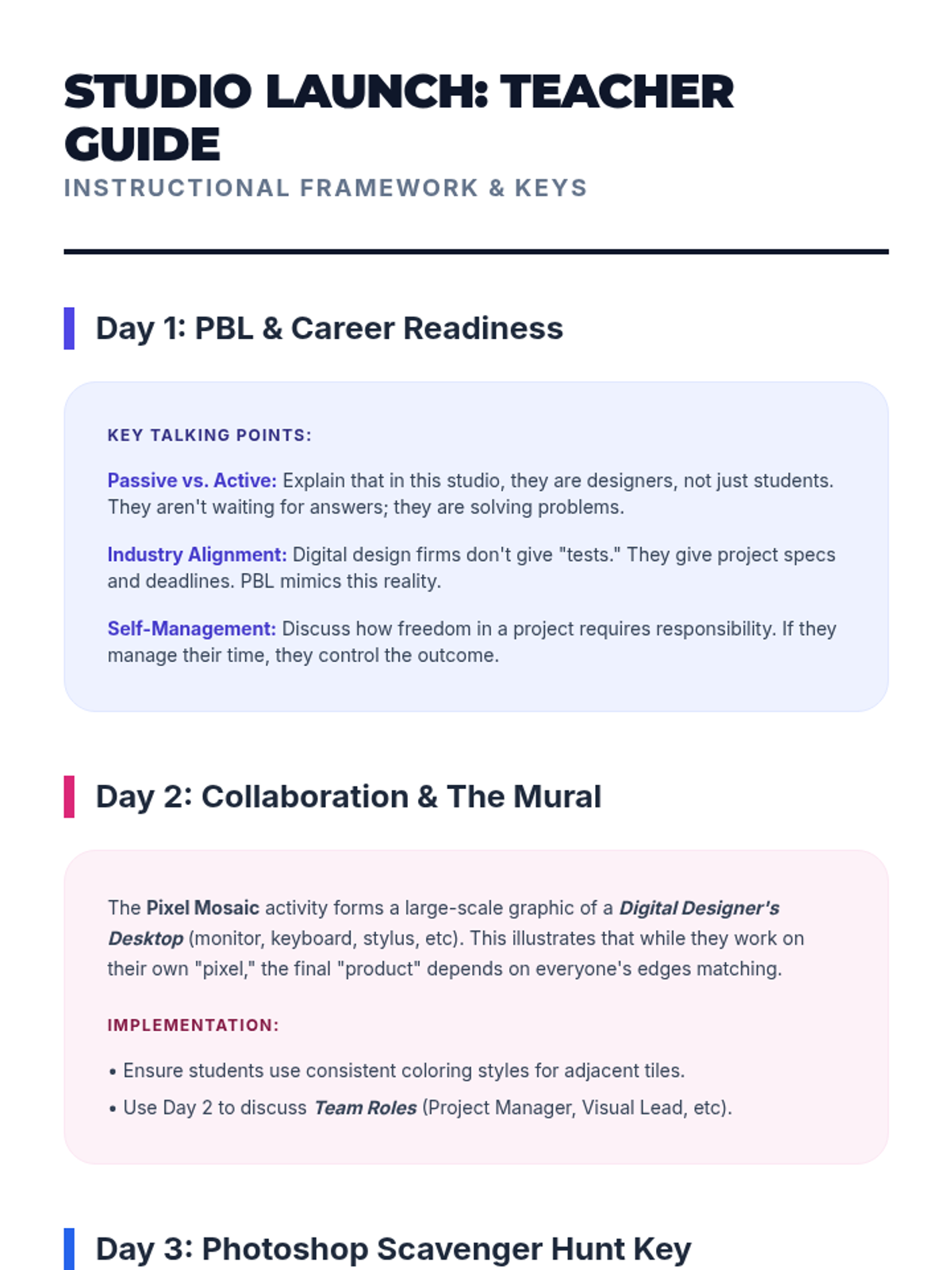
A gentle introduction to Adobe Photoshop, focusing on software location, basic interface, and the broad possibilities of digital creation.
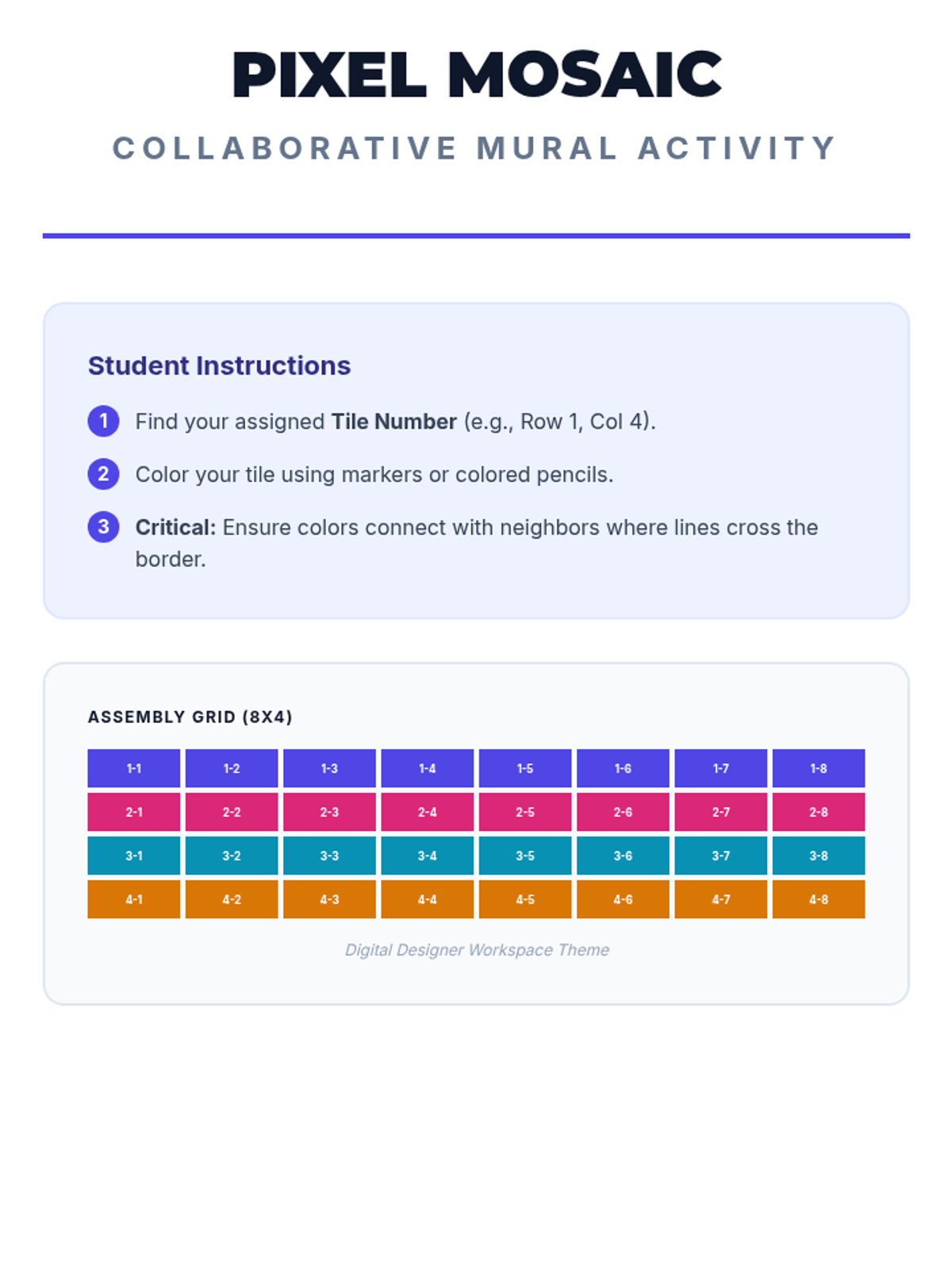
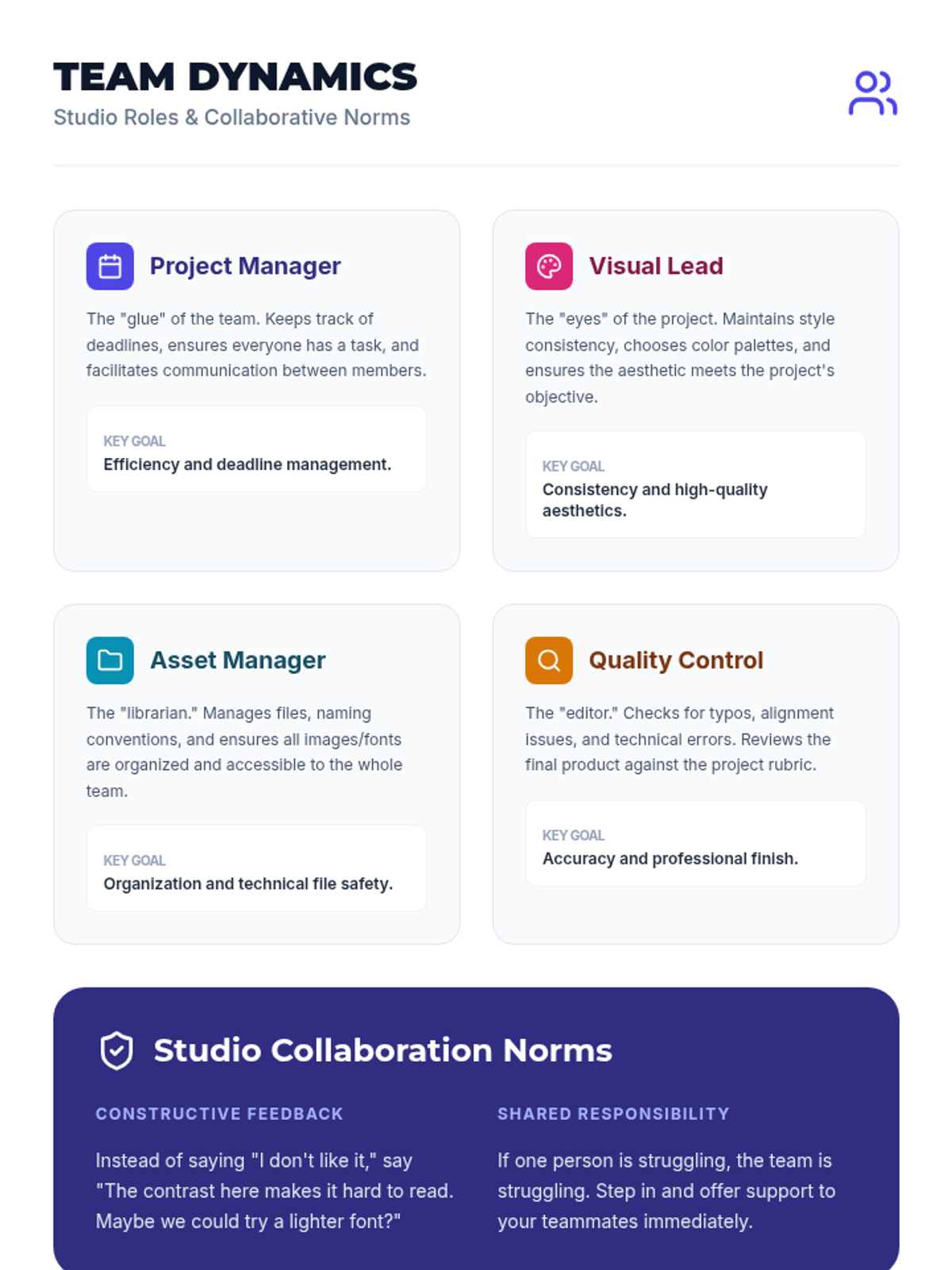
Developing collaborative skills through a 32-piece mosaic coloring activity and learning about team roles in a design studio environment.
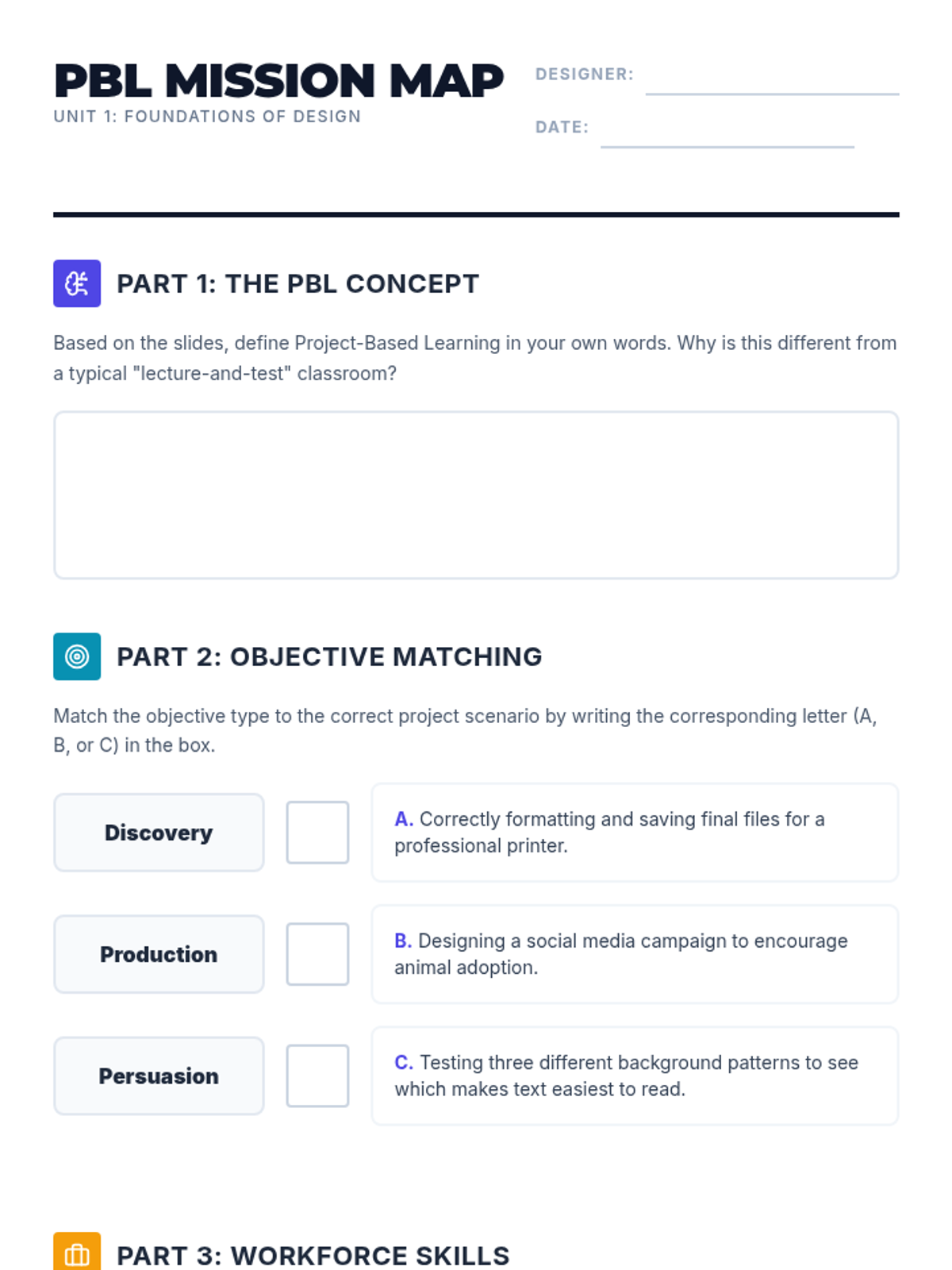
Introduction to Project-Based Learning (PBL), exploring how objectives drive design and how these skills translate to professional careers.
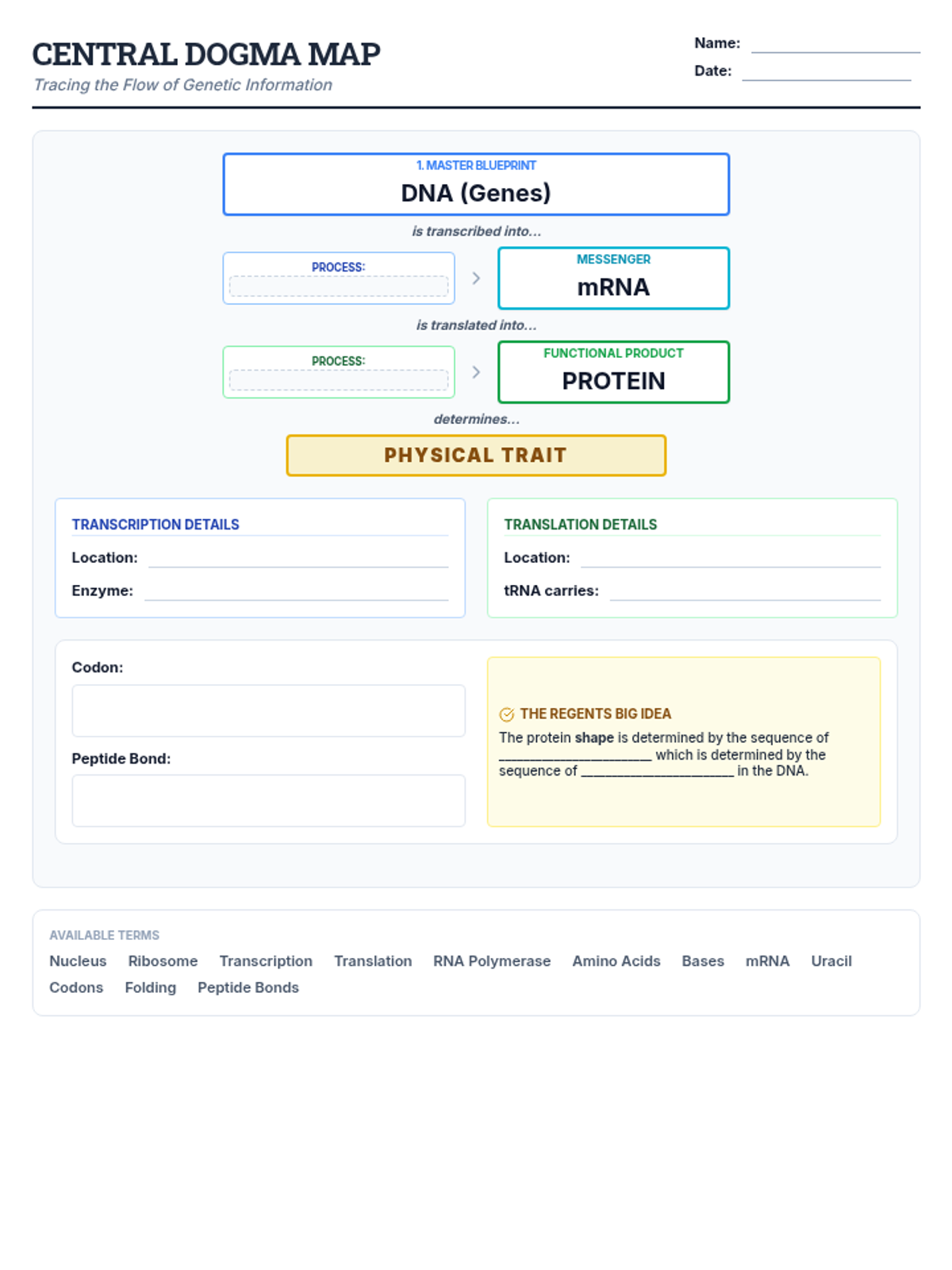
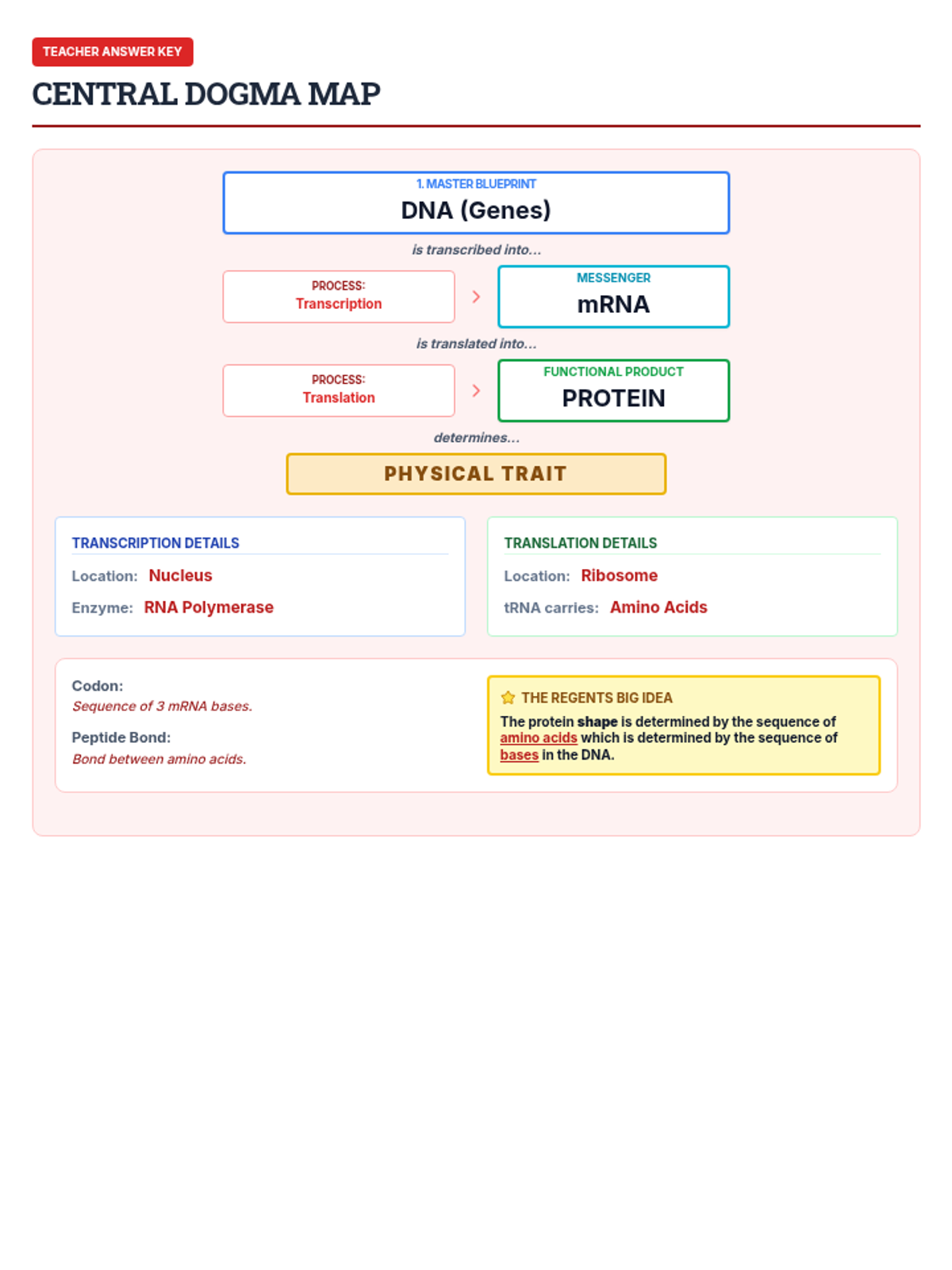
This lesson covers the flow of genetic information, detailing the steps of transcription and translation, the roles of key enzymes like RNA polymerase, and how the sequence of nitrogenous bases determines protein structure and function.
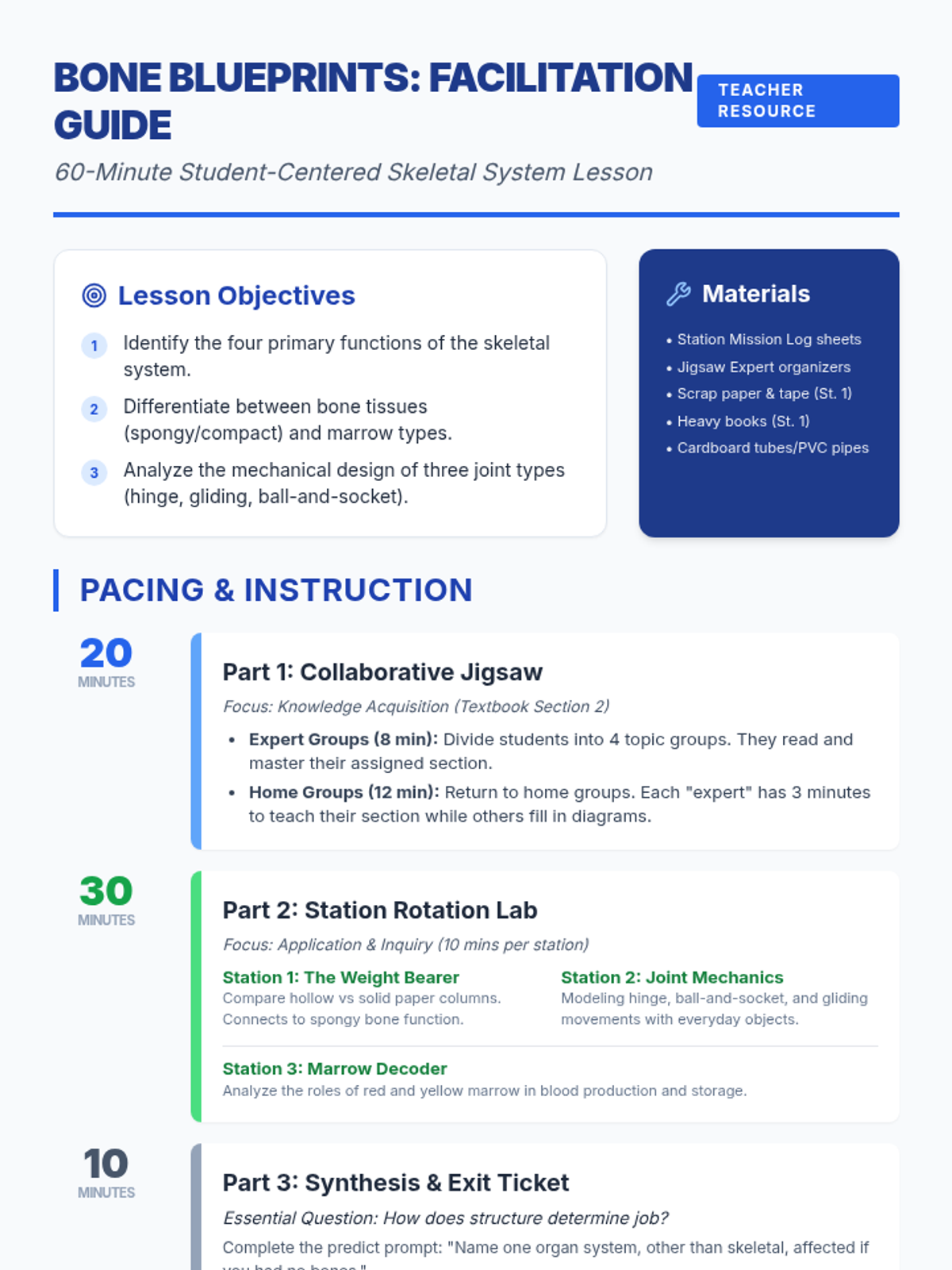
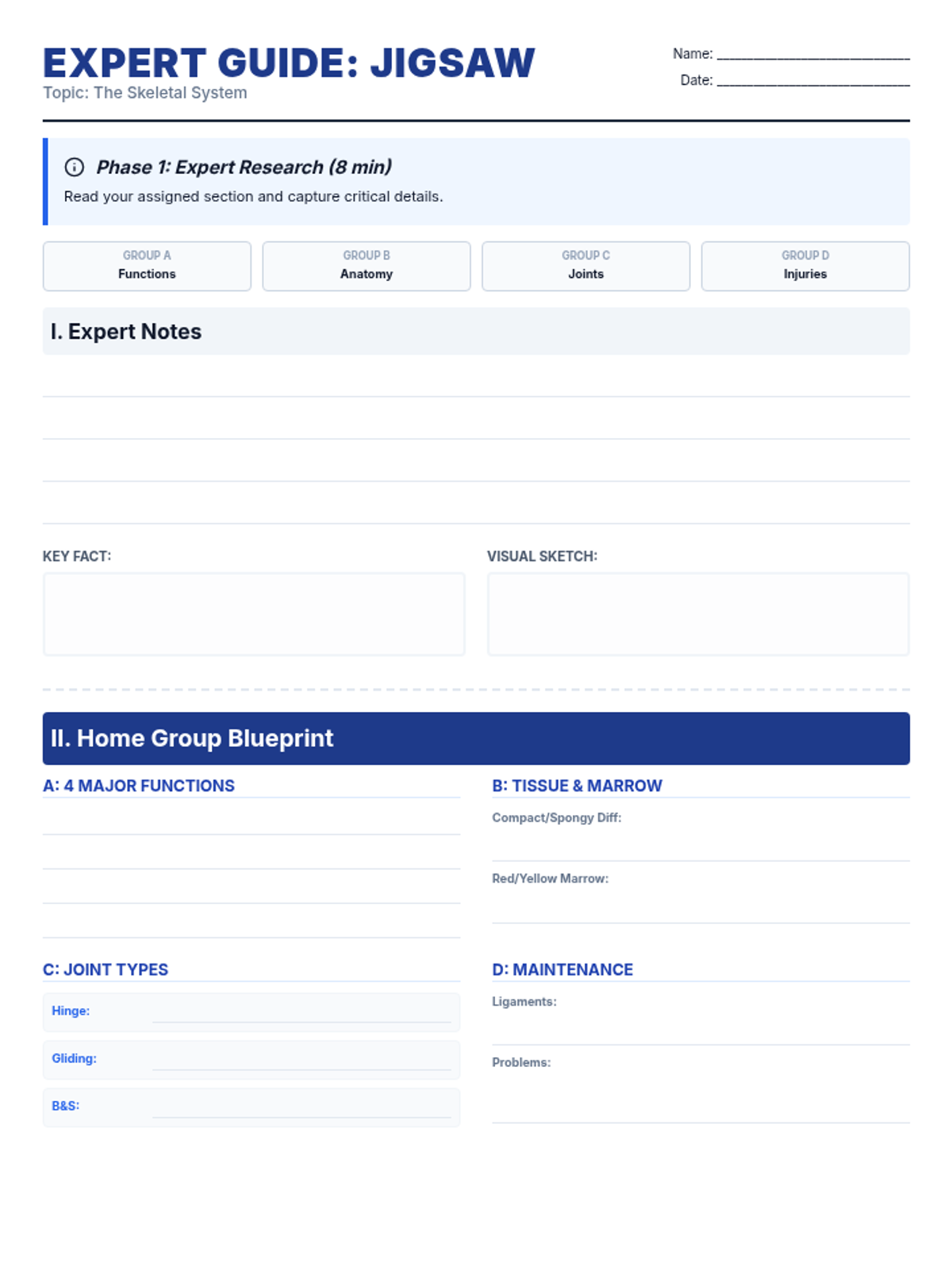
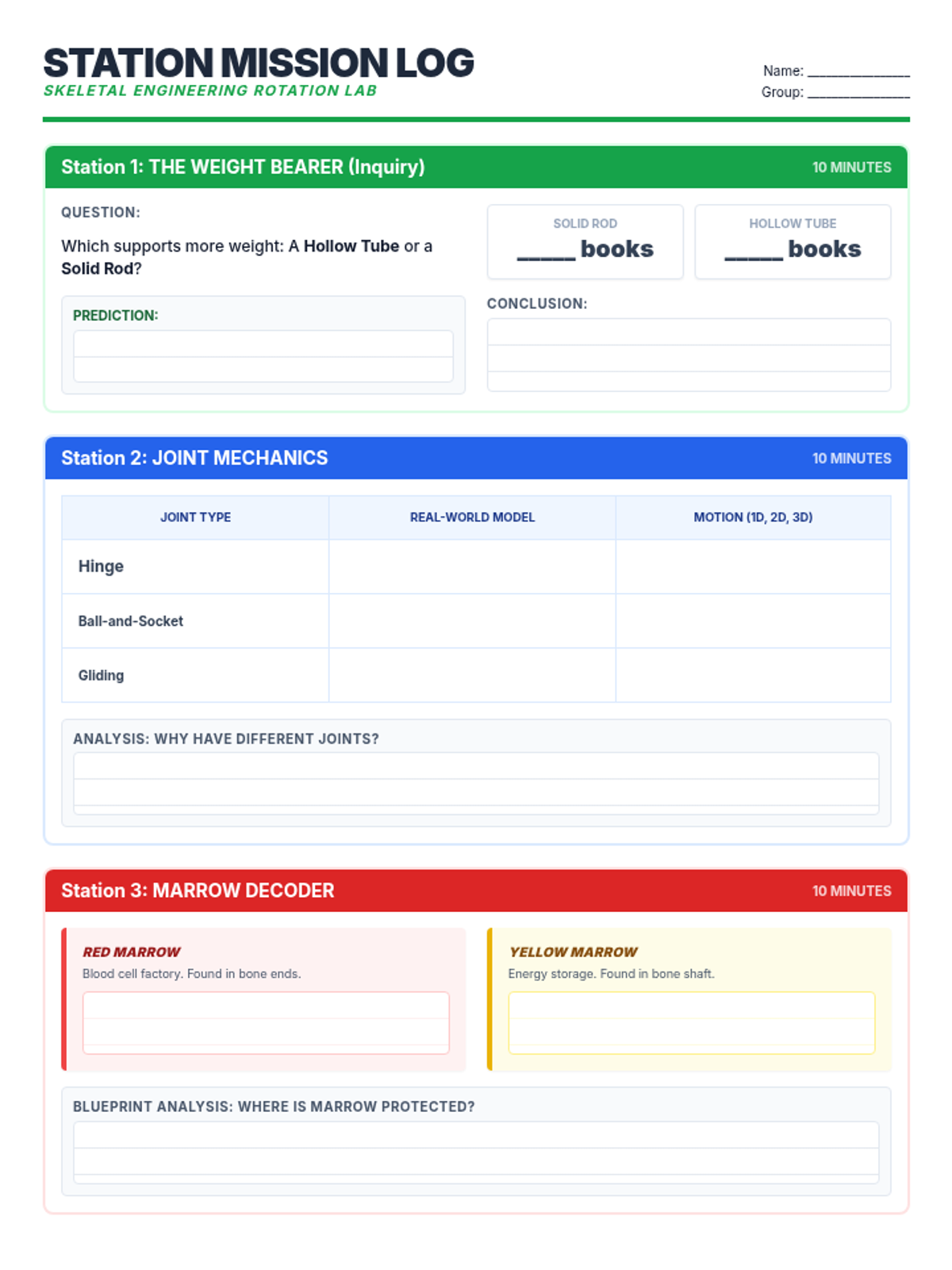
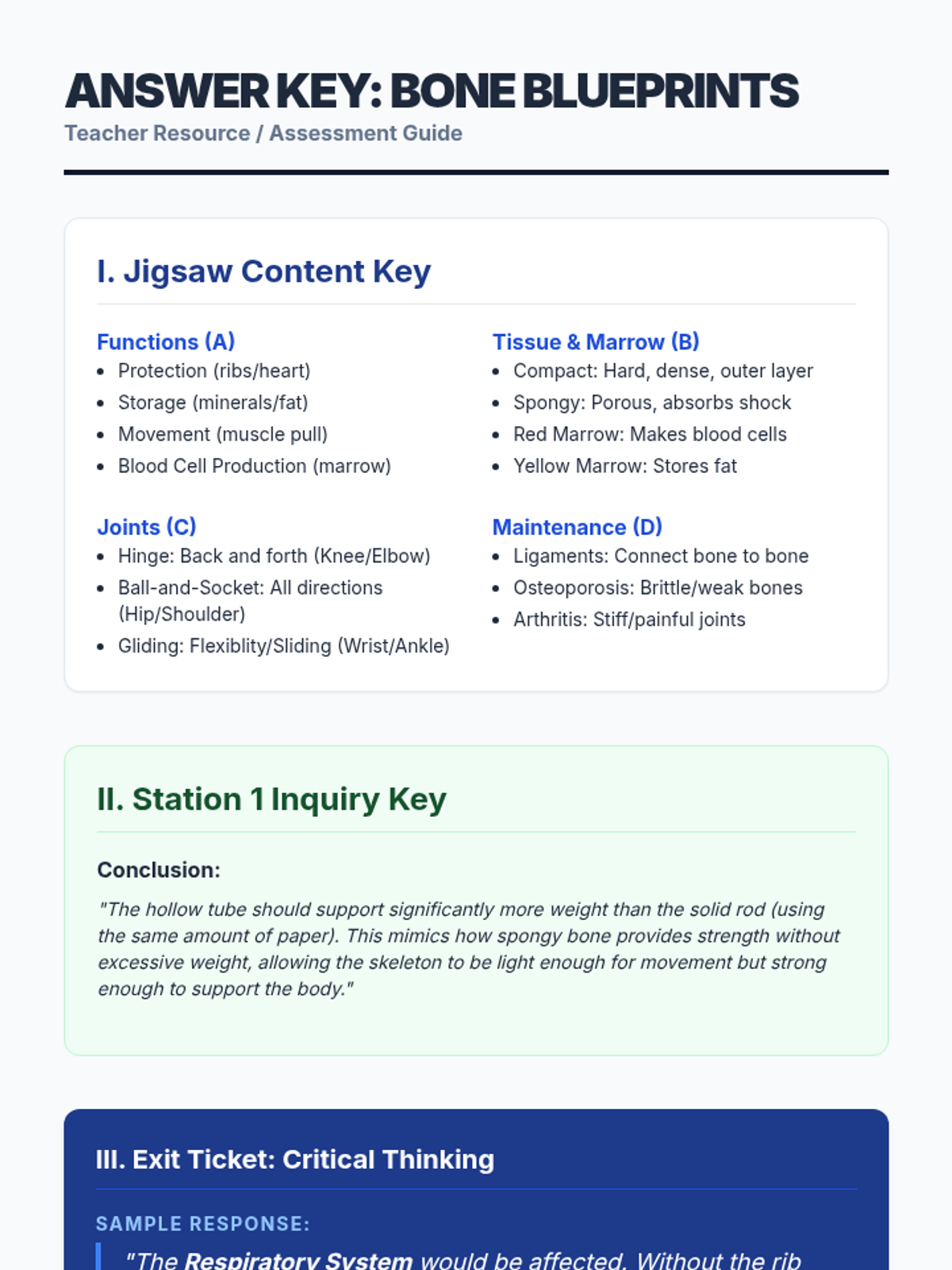
A fast-paced, student-centered lesson where students explore the skeletal system through a collaborative jigsaw and a hands-on station rotation lab featuring a structural inquiry investigation.
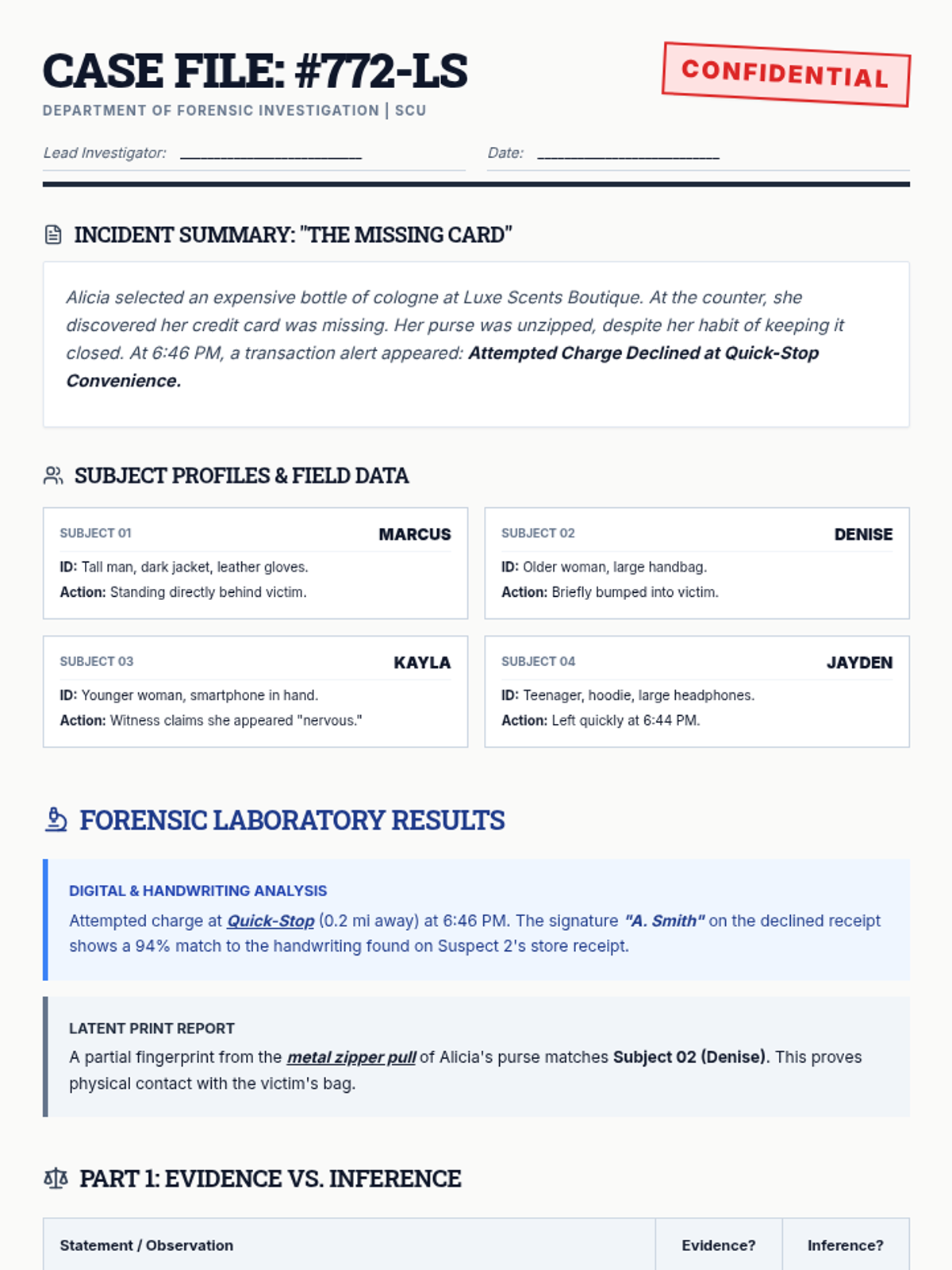
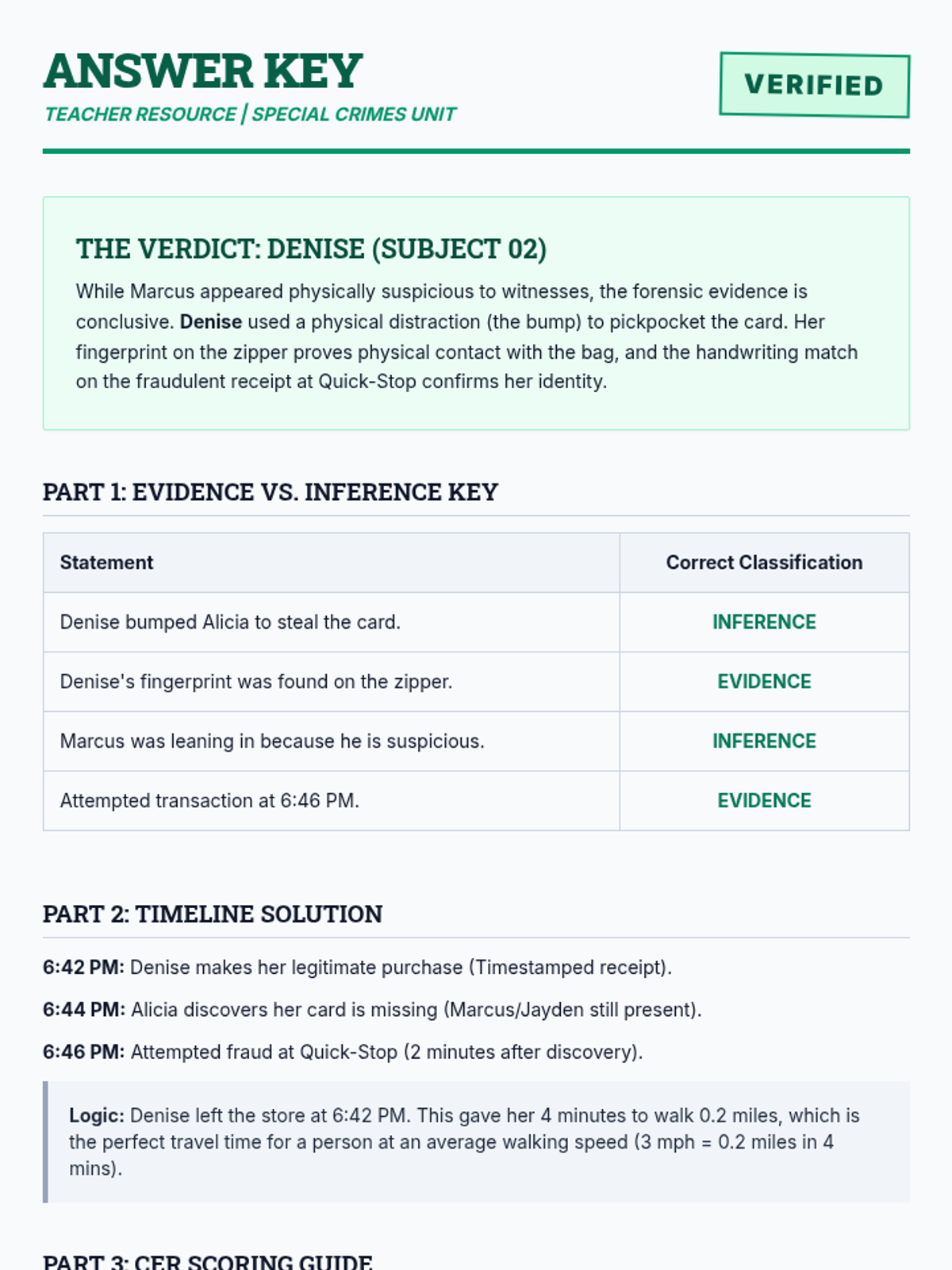
In this lesson, students take on the role of forensic investigators to solve 'The Missing Card' mystery. They will analyze suspect profiles, evaluate evidence vs. inference, map out a crime timeline, and use deductive reasoning to identify the thief through a formal CER (Claim, Evidence, Reasoning) framework.
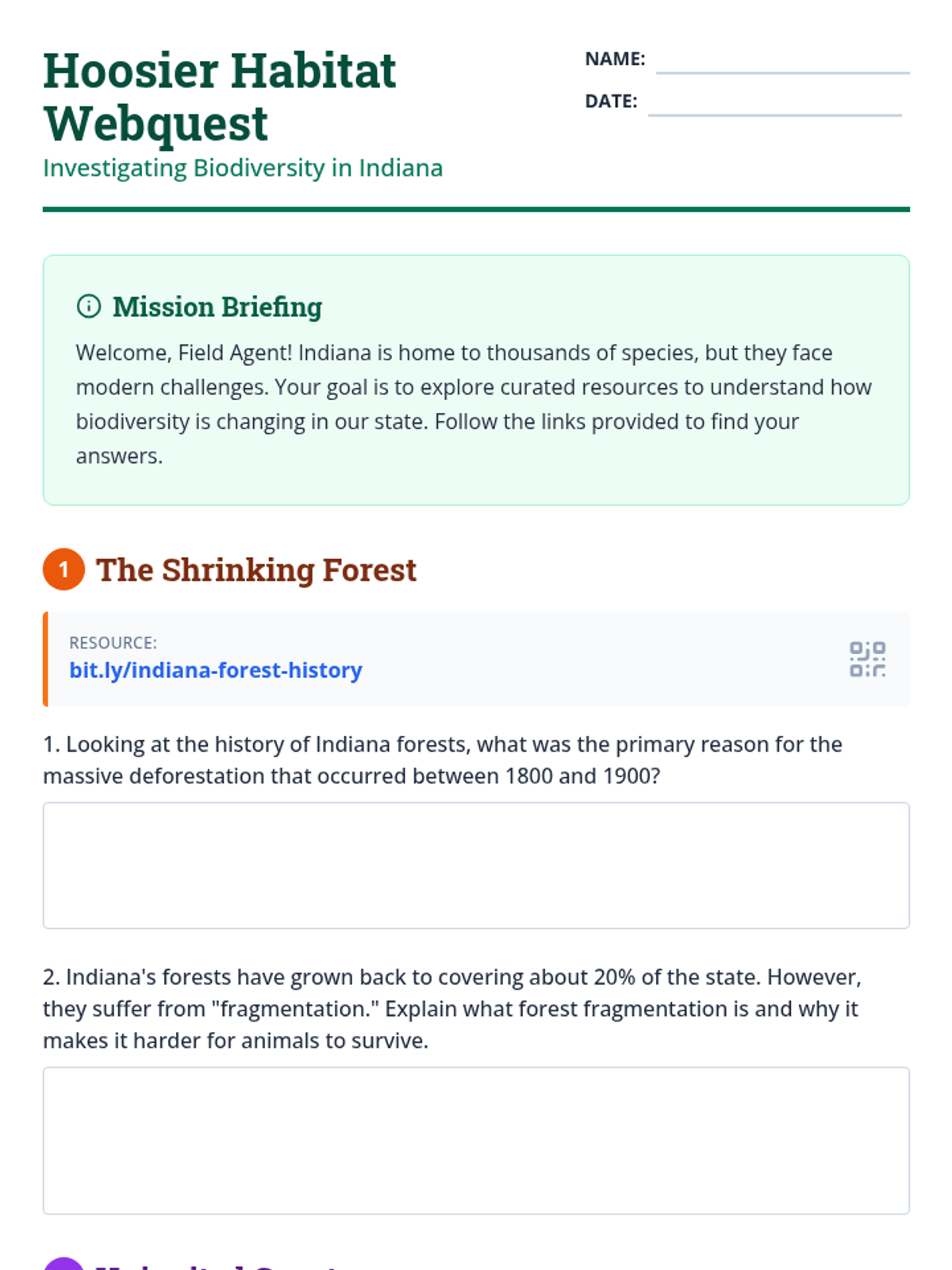
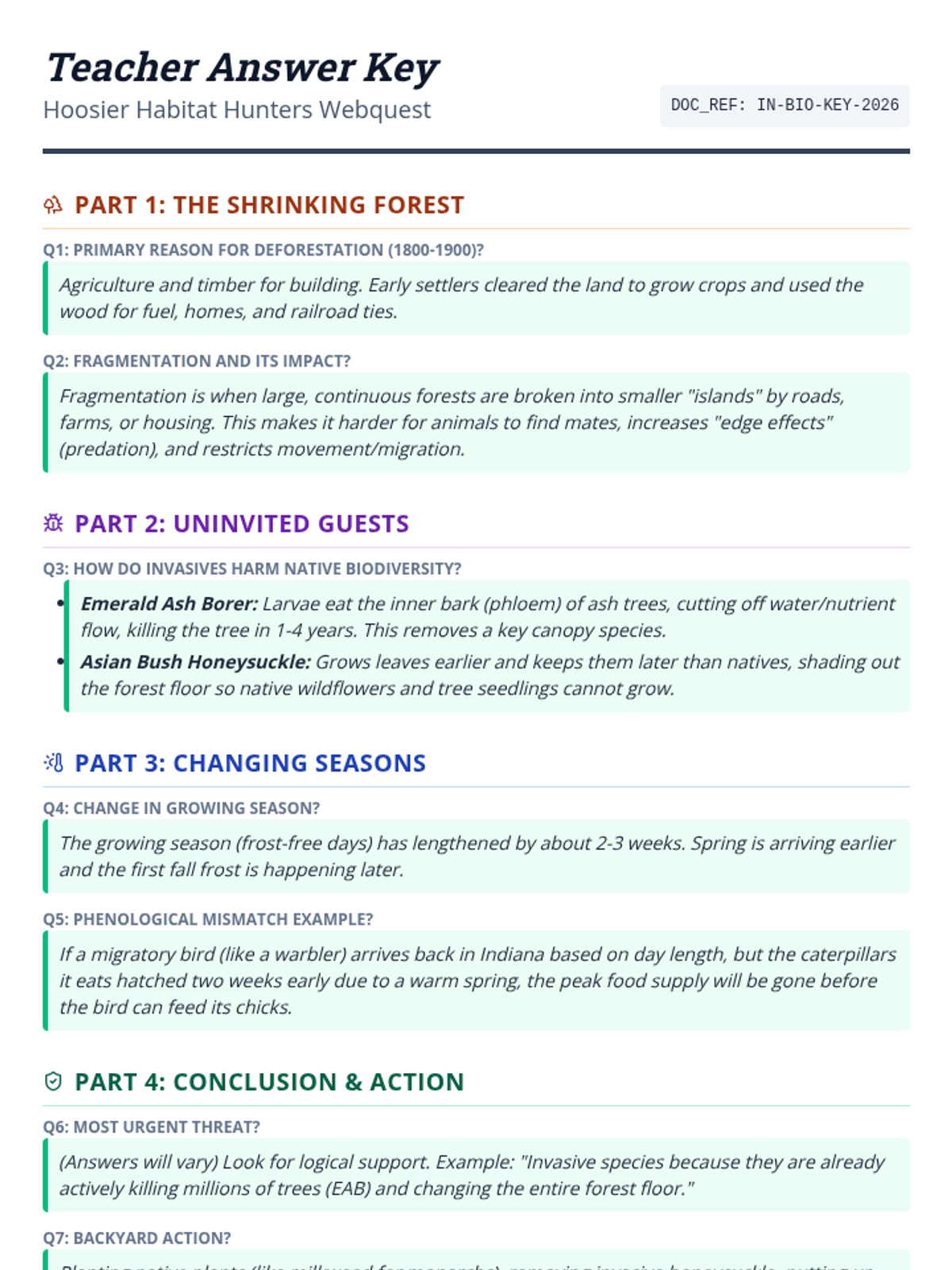
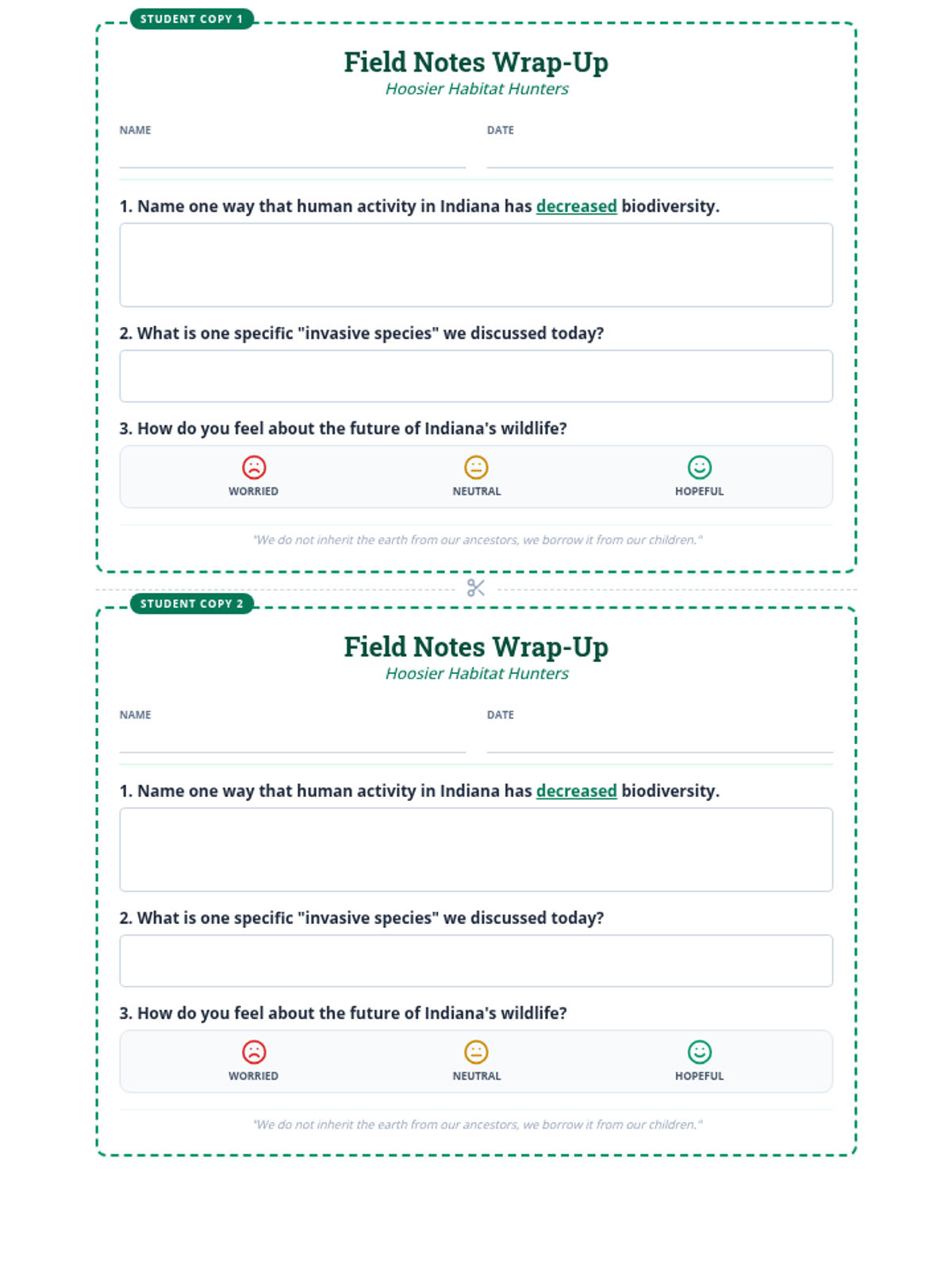
A 60-minute exploration of Indiana's unique biodiversity, focusing on the impacts of deforestation, climate change, and invasive species through a guided webquest.
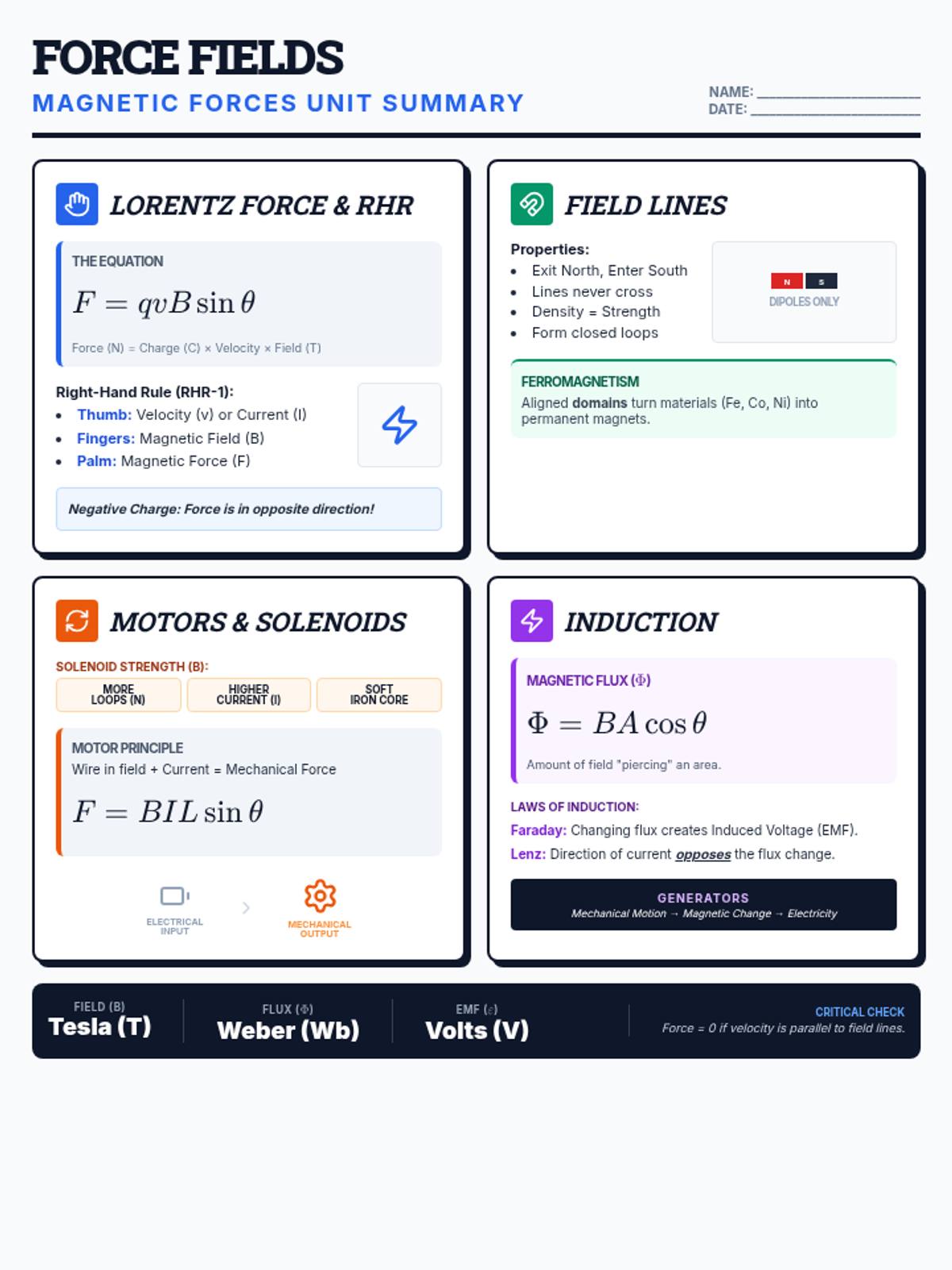
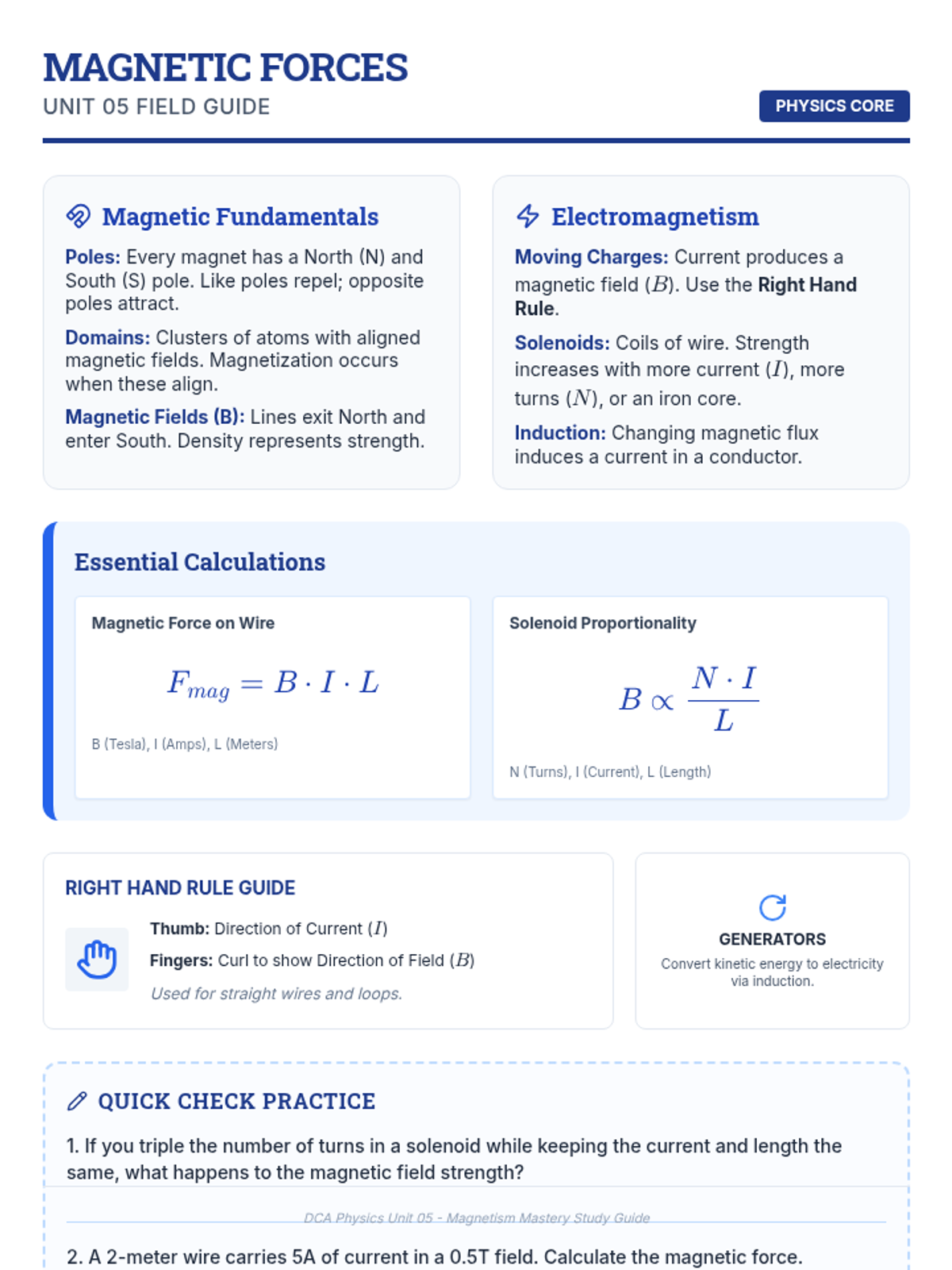
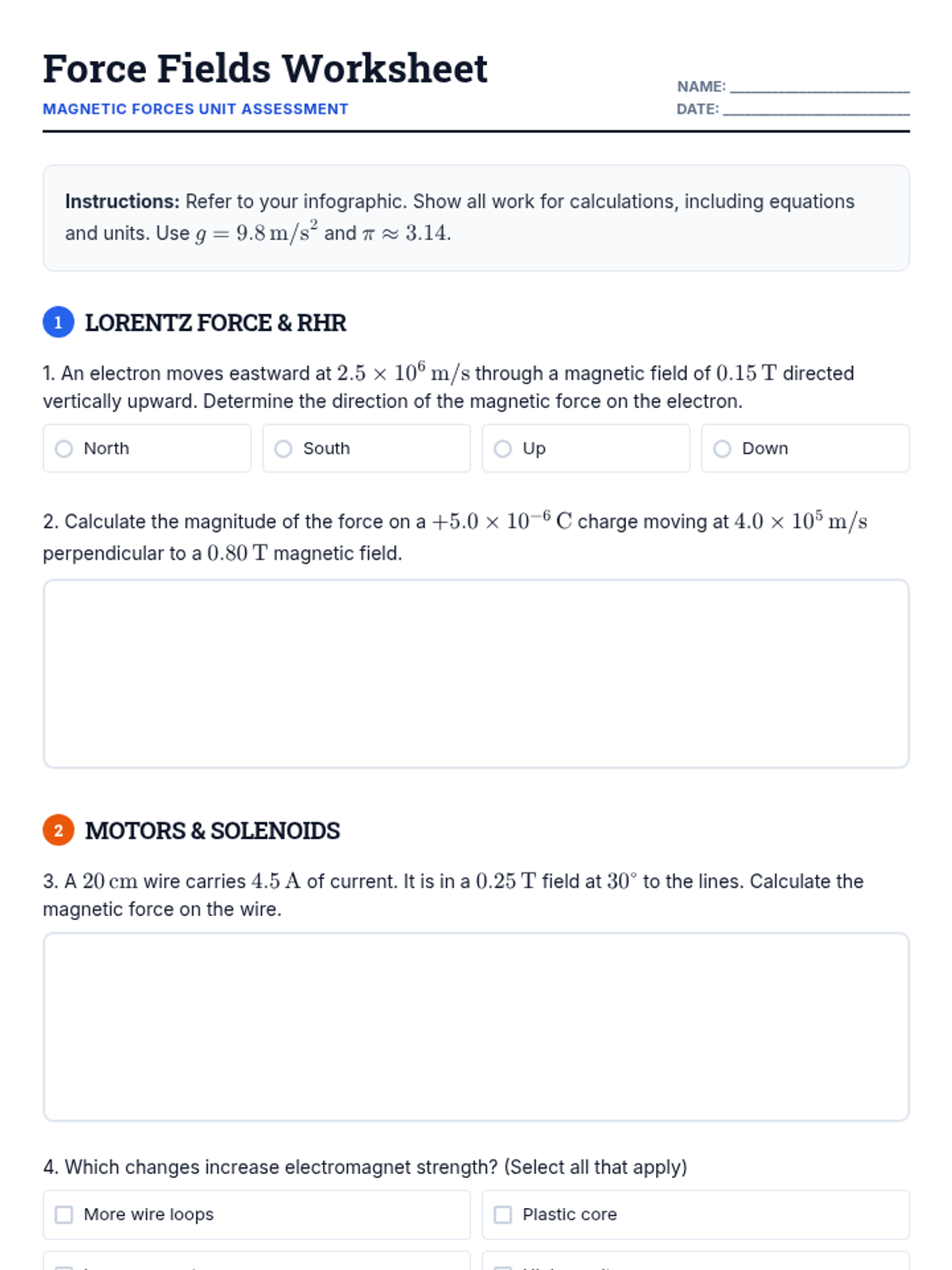
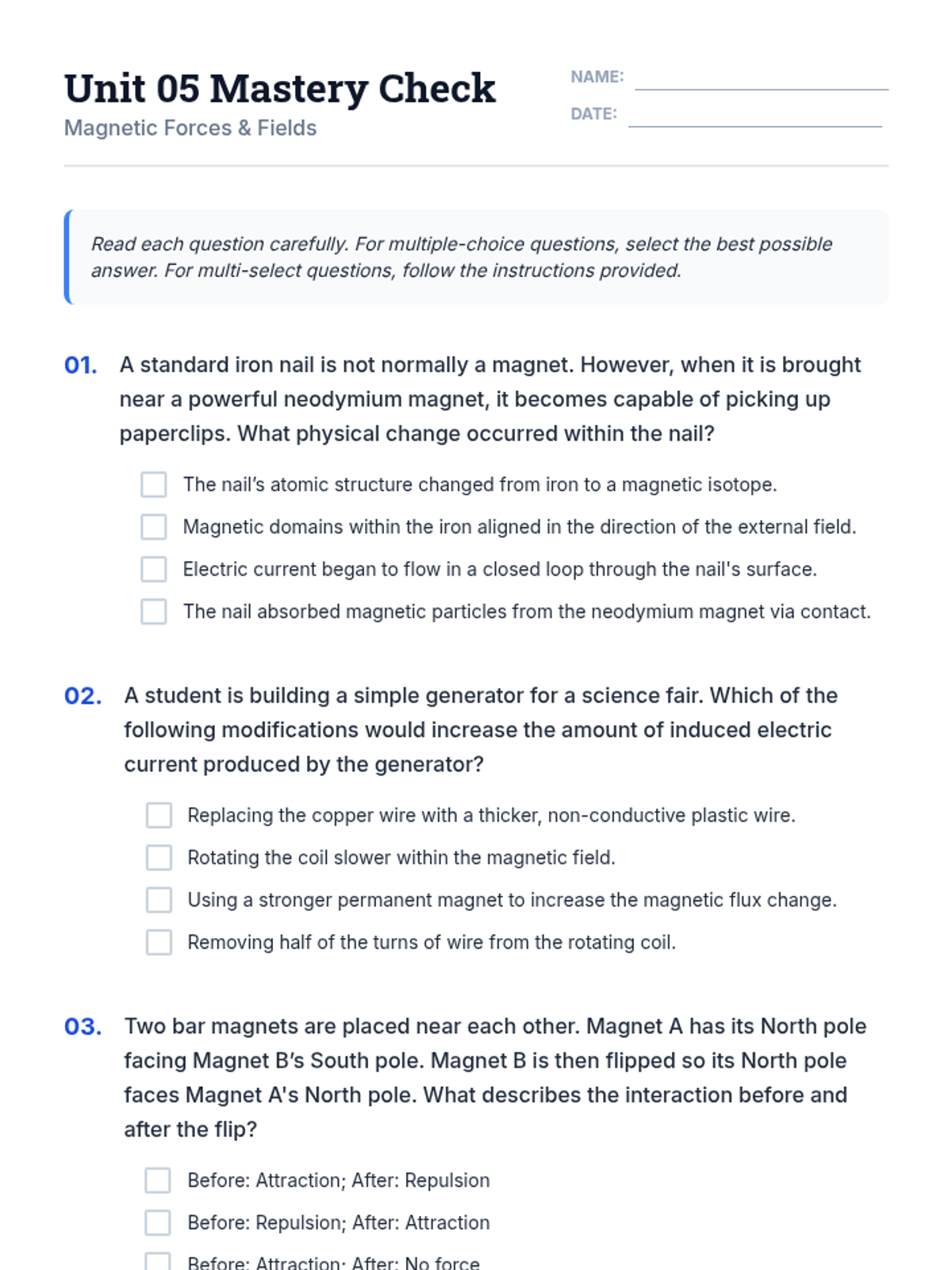
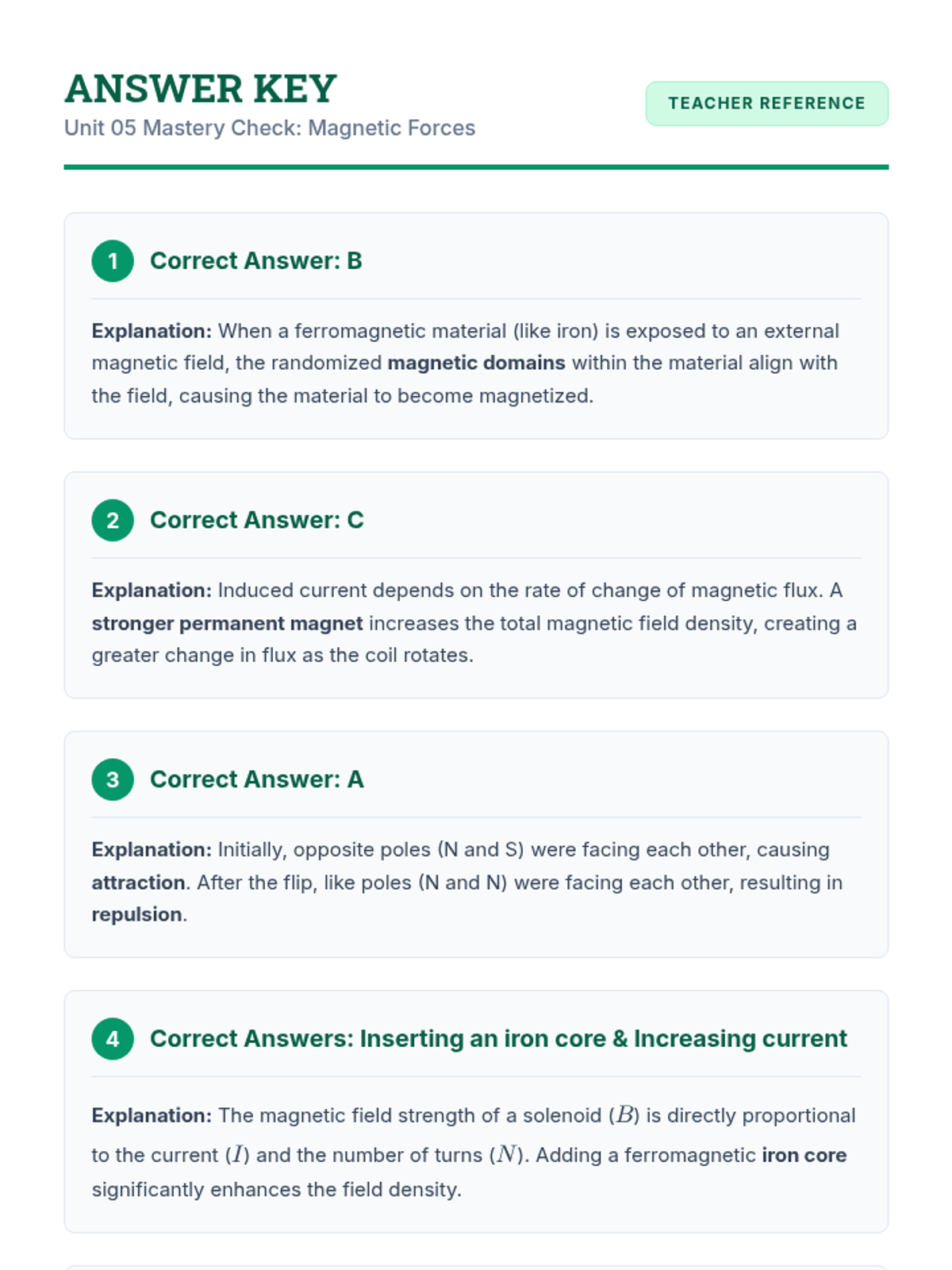
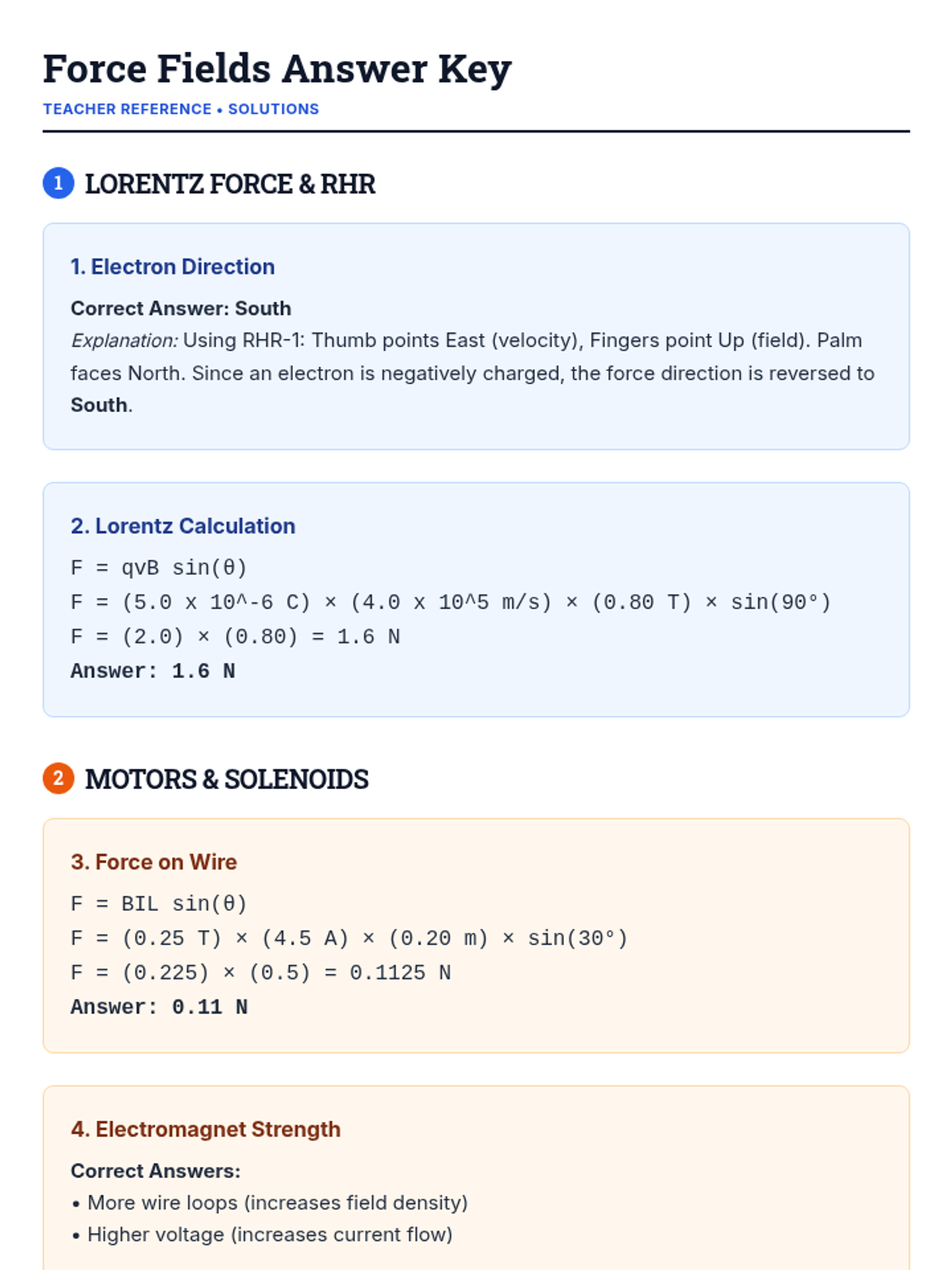
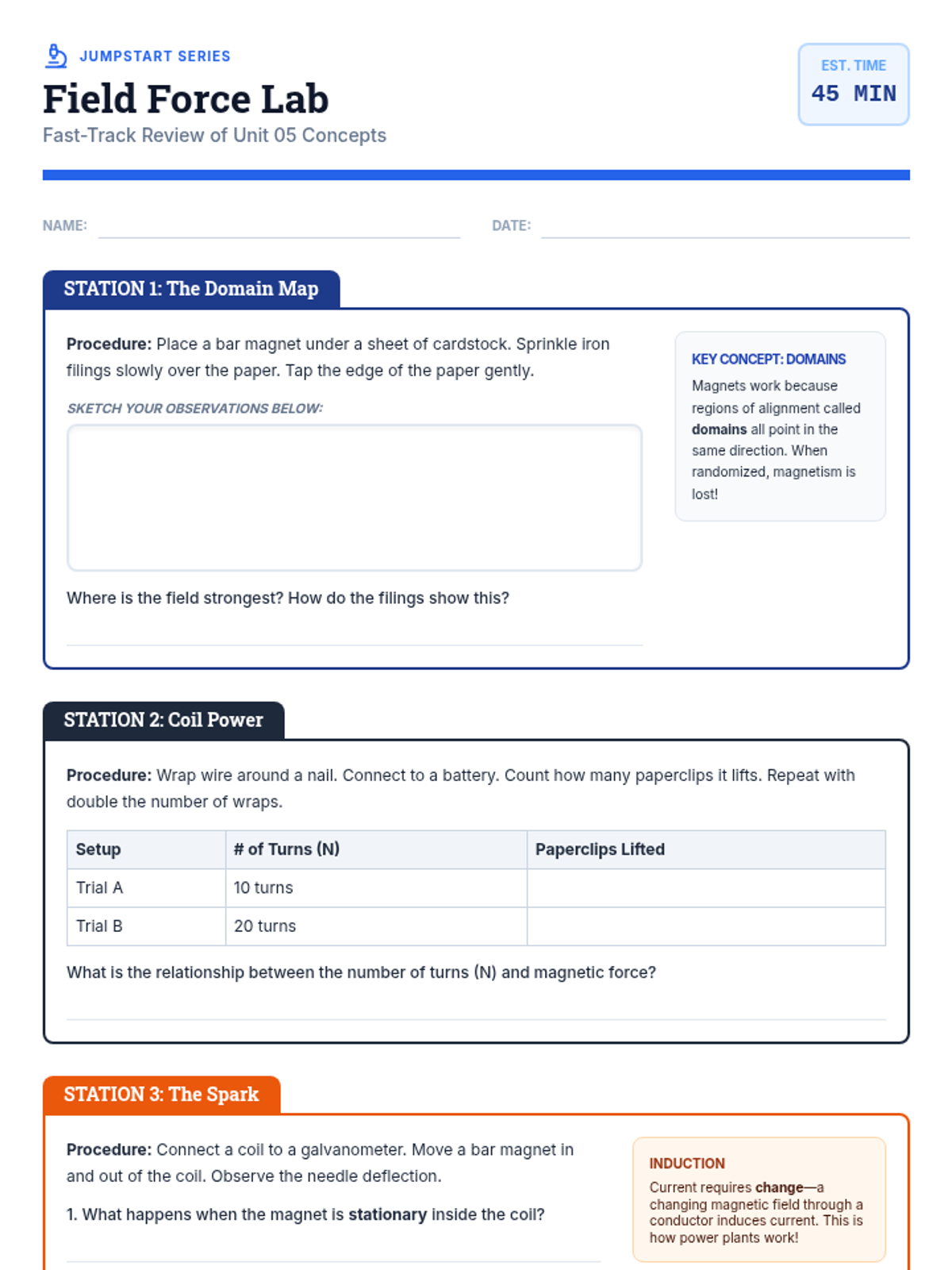
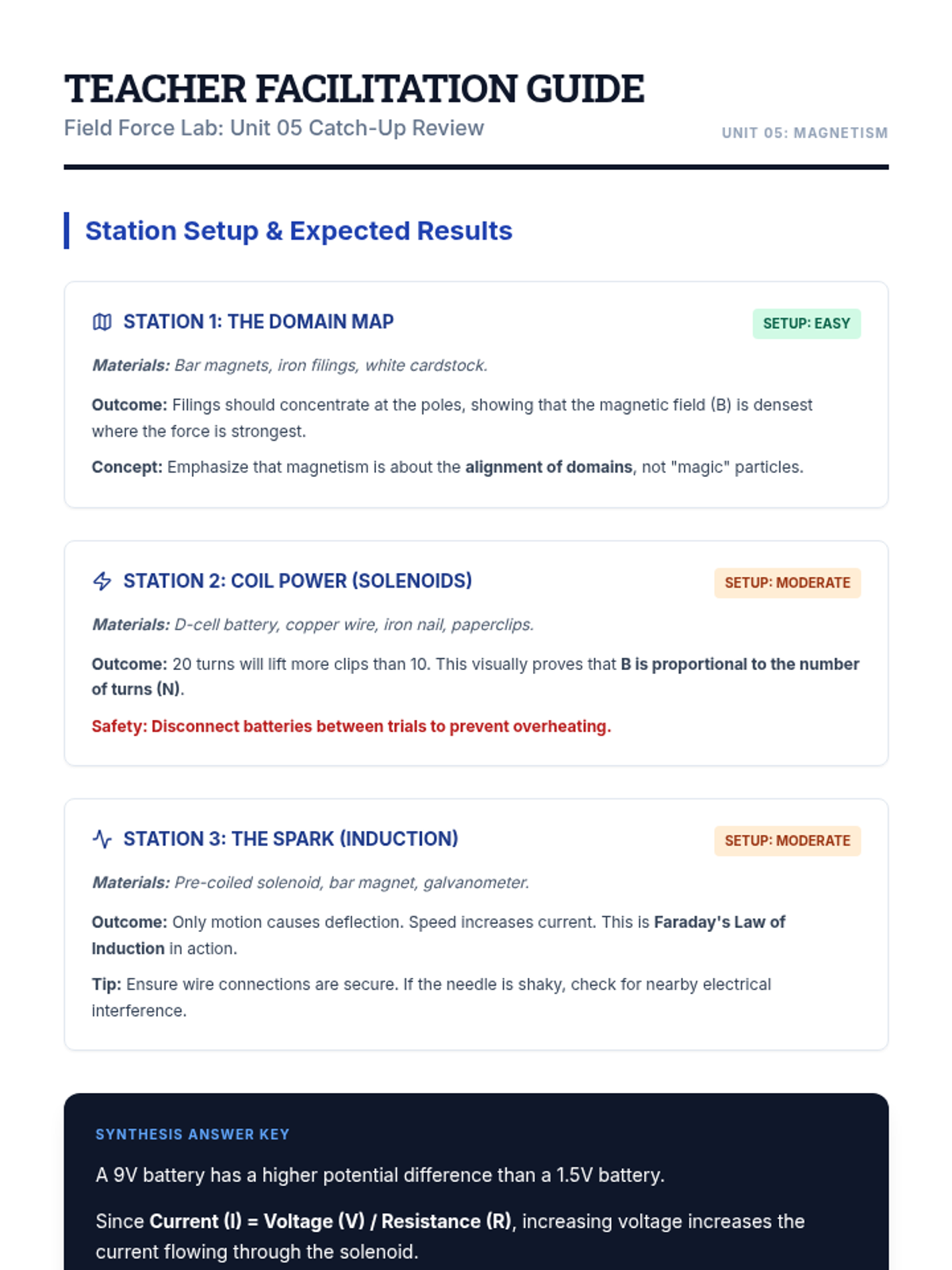
A comprehensive lesson on magnetic forces, including a high-impact infographic summary and a practice worksheet covering Lorentz force, motors, and electromagnetic induction.
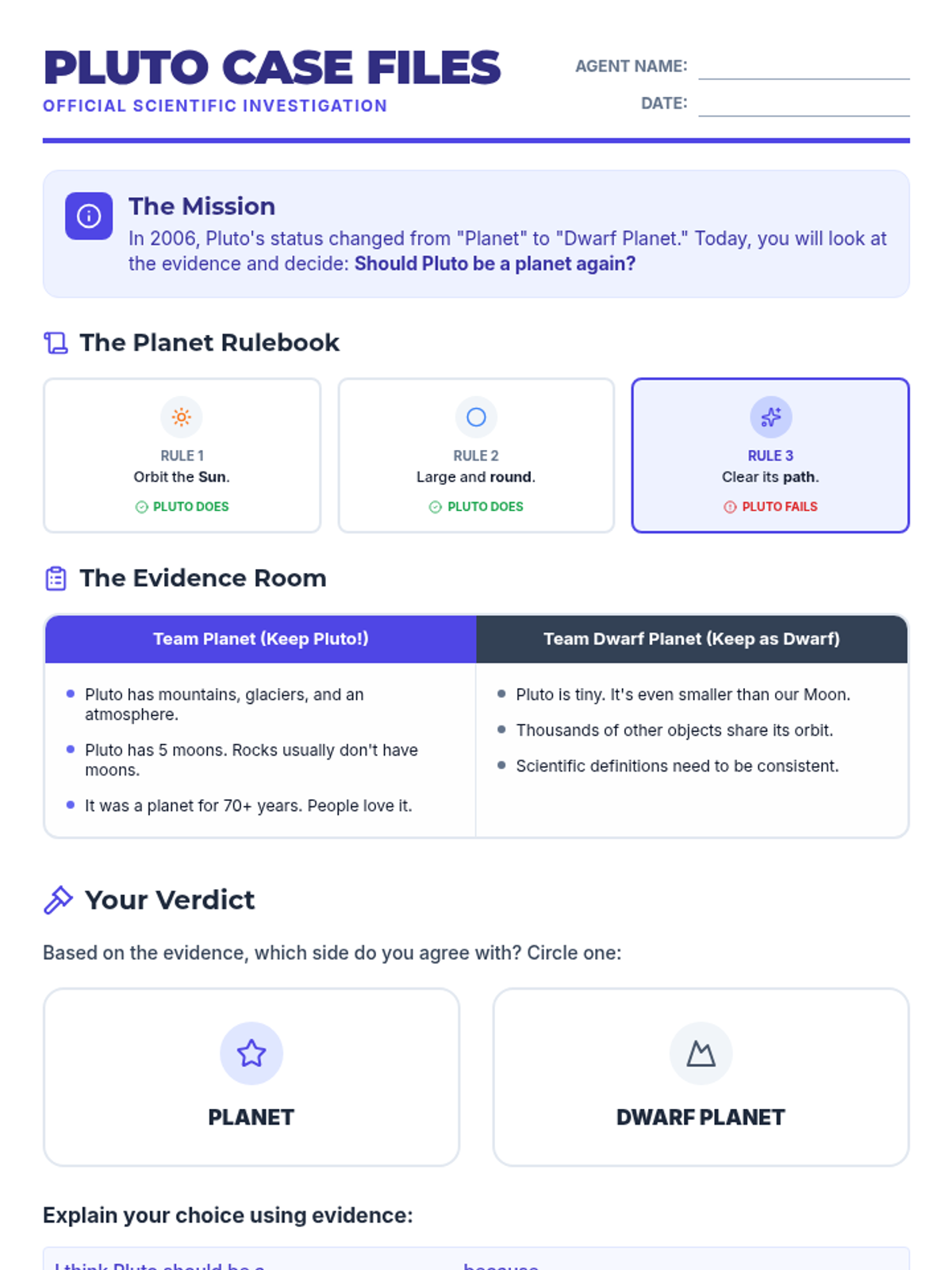
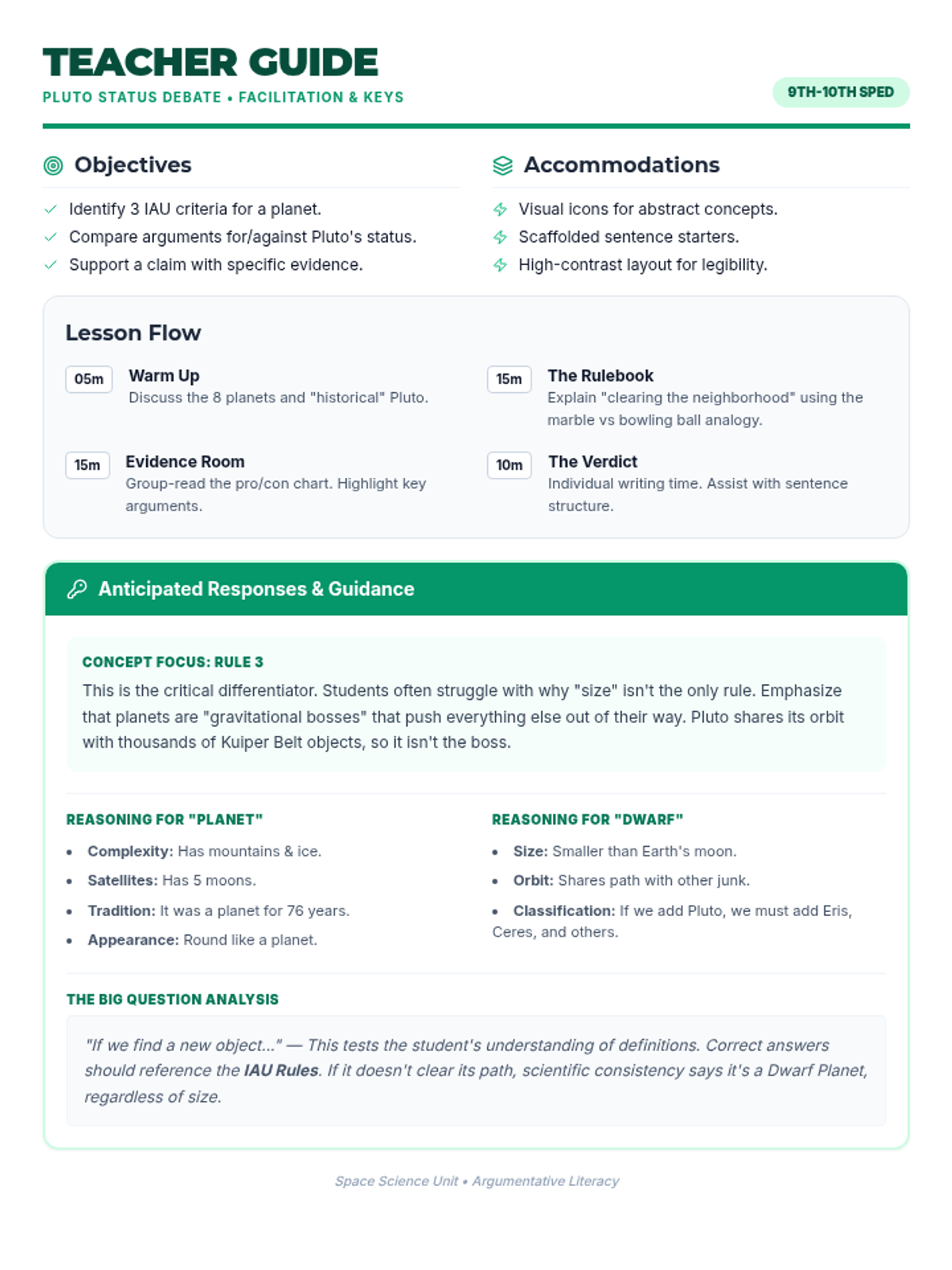
A lesson focused on the scientific debate surrounding Pluto's planetary status, designed with scaffolding for high school special education students.
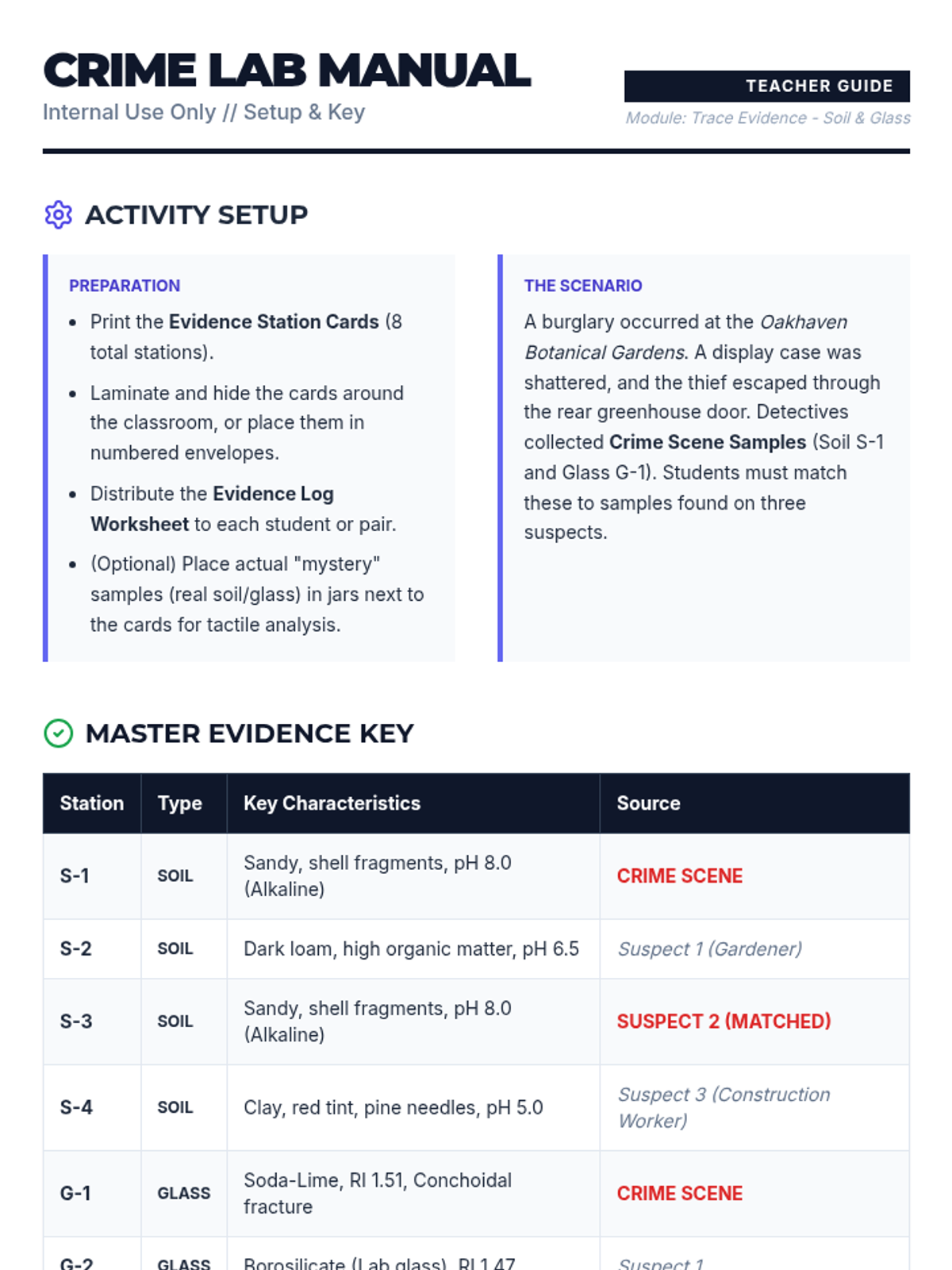
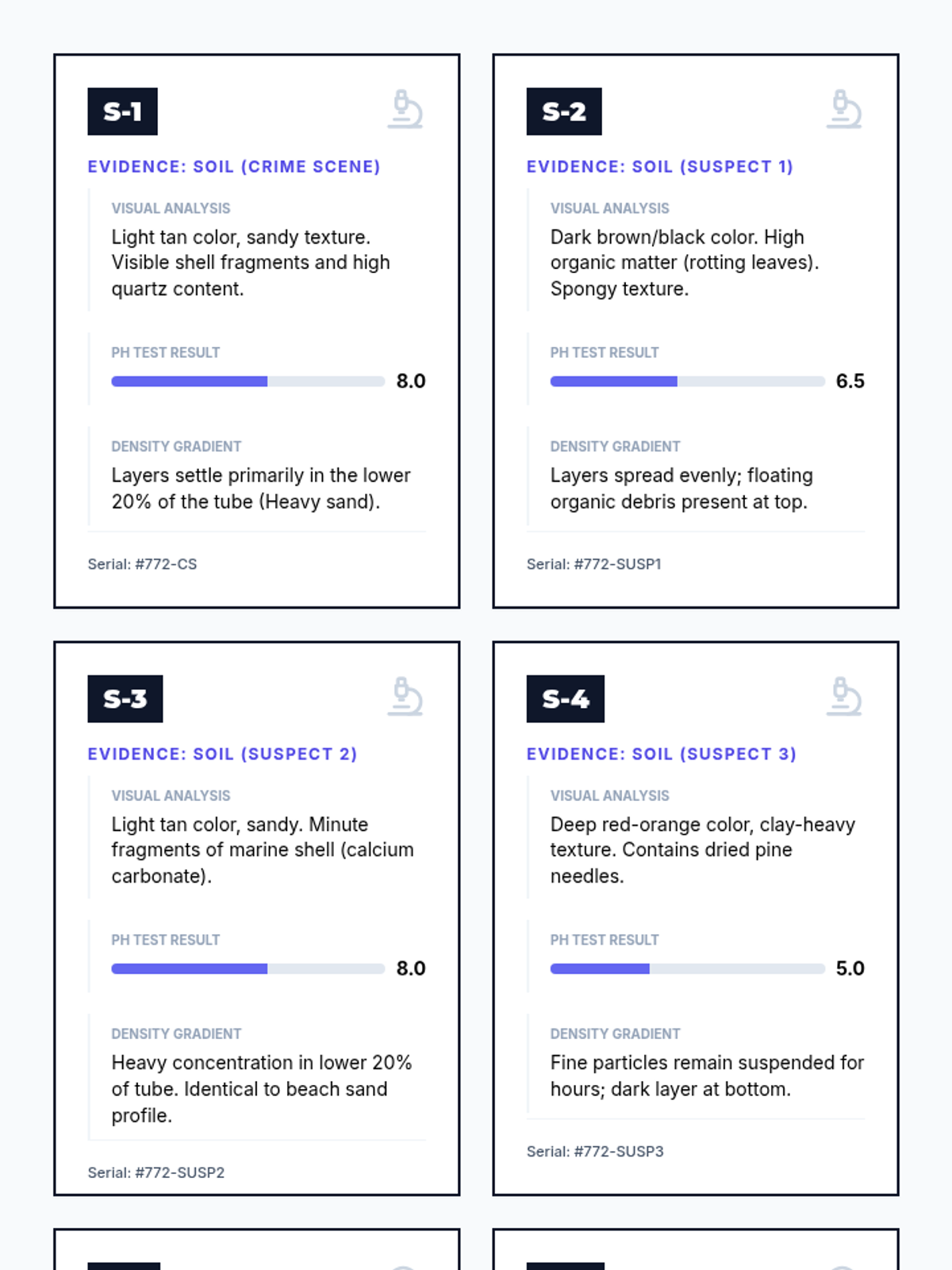
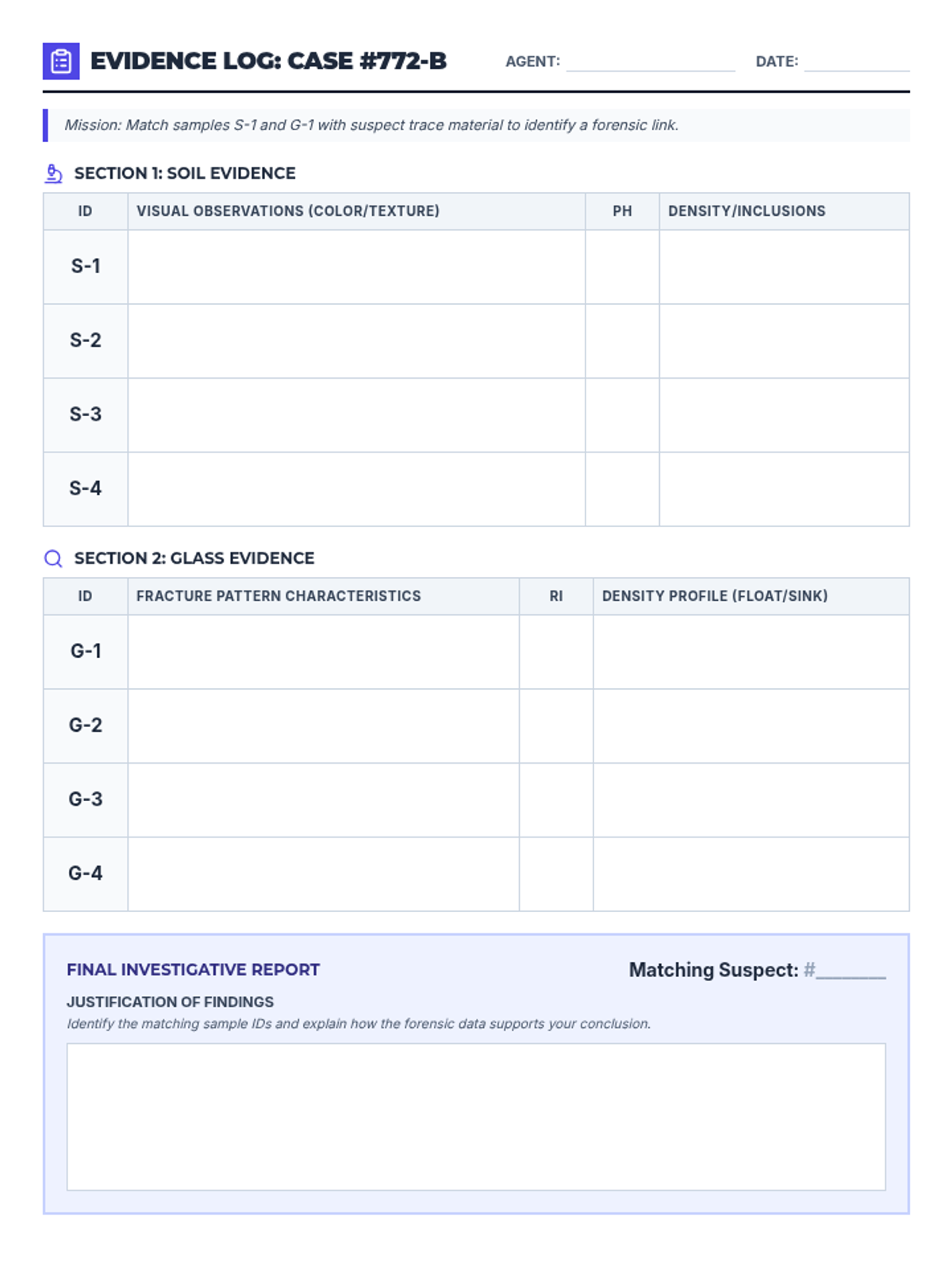
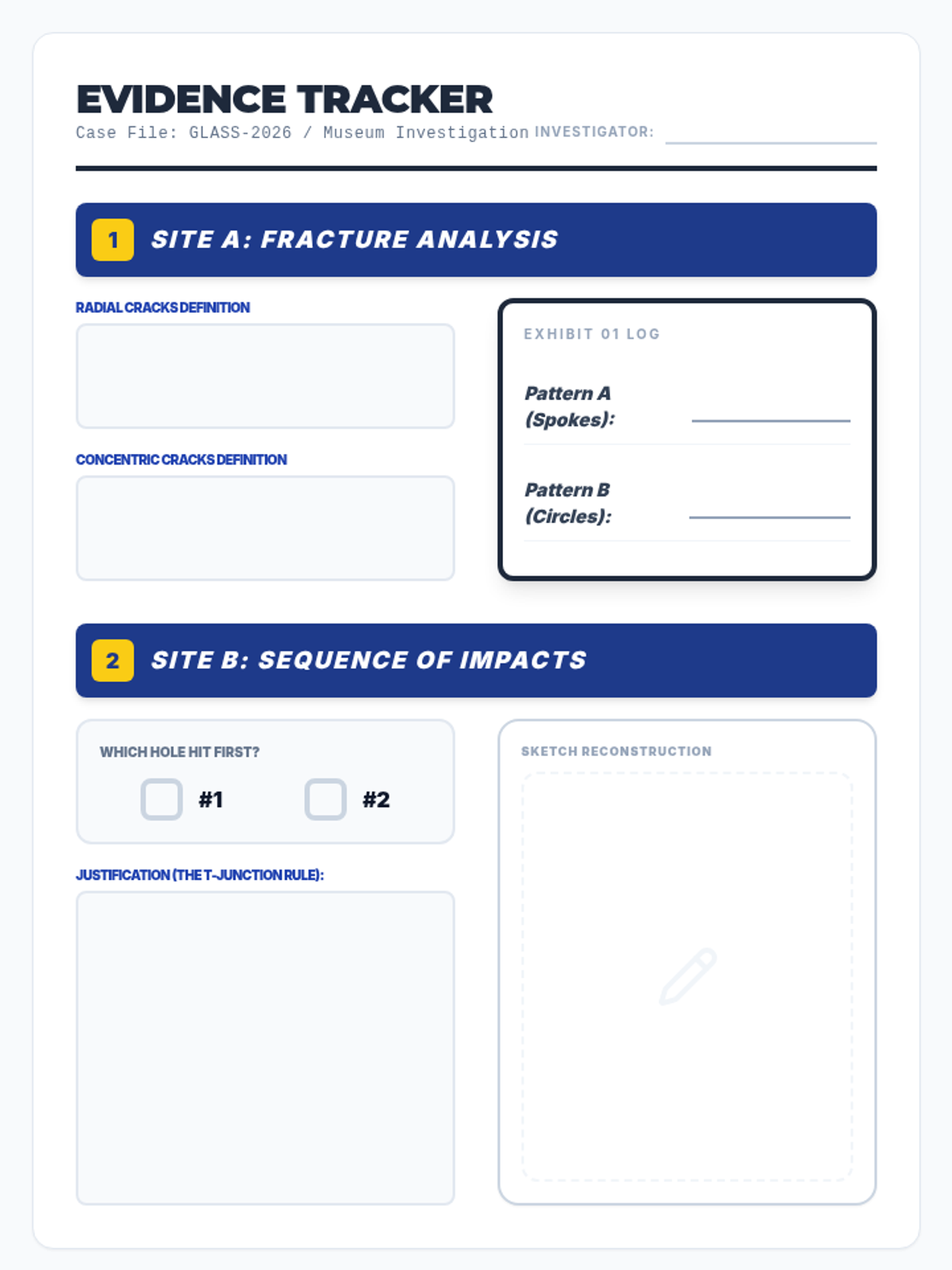
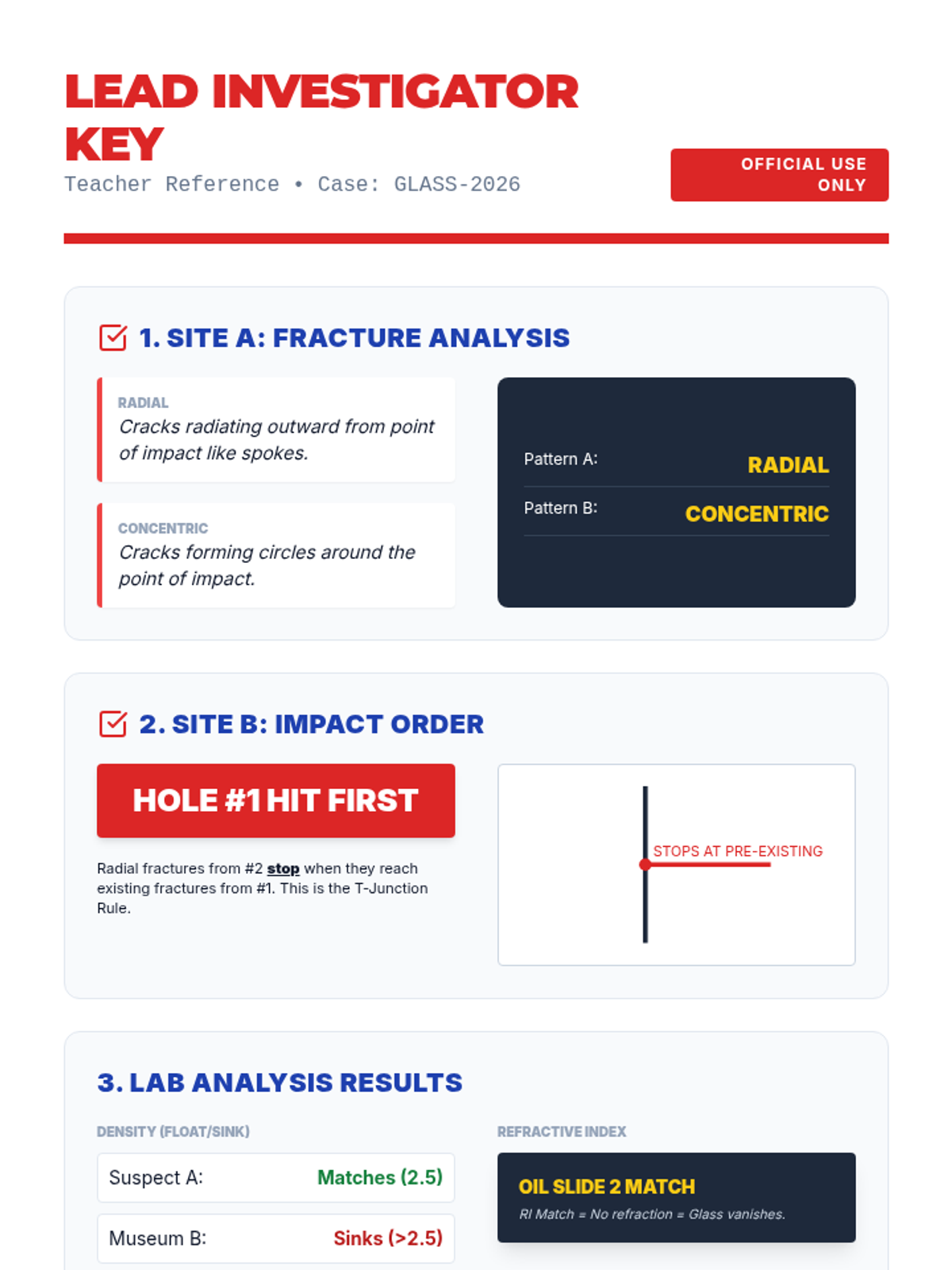
A hands-on indoor scavenger hunt where students analyze soil and glass evidence to solve a forensic mystery. Students identify unique characteristics like pH, texture, refractive index, and fracture patterns.
An engaging, image-based digital scavenger hunt where students solve a forensic mystery using glass evidence concepts like fracture patterns, density, and refractive index.