An engaging, image-based digital scavenger hunt where students solve a forensic mystery using glass evidence concepts like fracture patterns, density, and refractive index.
A lesson focused on the scientific debate surrounding Pluto's planetary status, designed with scaffolding for high school special education students.
A hands-on indoor scavenger hunt where students analyze soil and glass evidence to solve a forensic mystery. Students identify unique characteristics like pH, texture, refractive index, and fracture patterns.
A lesson exploring the delicate balance of coastal ecosystems, focusing on how biodiversity sustains life and how climate change threatens these vital habitats based on the Our Planet documentary.
A lesson covering the properties of soil and glass as forensic evidence, culminating in an outdoor scavenger hunt where students collect and identify samples.
A hands-on forensic science lesson where students rotate through stations to analyze various types of trace evidence (hair, fiber, glass, soil, etc.) to solve a warehouse heist.
A hands-on forensic investigation into the physical properties and fracture patterns of glass evidence. Students rotate through stations to master density, refractive index, and crime scene collection techniques.
A foundational exploration of Earth's four spheres and the mechanics of its orbit around the Sun, focusing on how these systems interact to support life.
The final component of the Exposure Triangle: ISO. Students learn how digital sensors process light and the trade-offs between sensitivity and image quality.
A deep dive into Benjamin Franklin's entrepreneurial legacy, focusing on his innovations, pioneering franchise models, civic leadership, and branding genius. Students explore how the 'First American' set the blueprint for modern business success through a digital scavenger hunt.
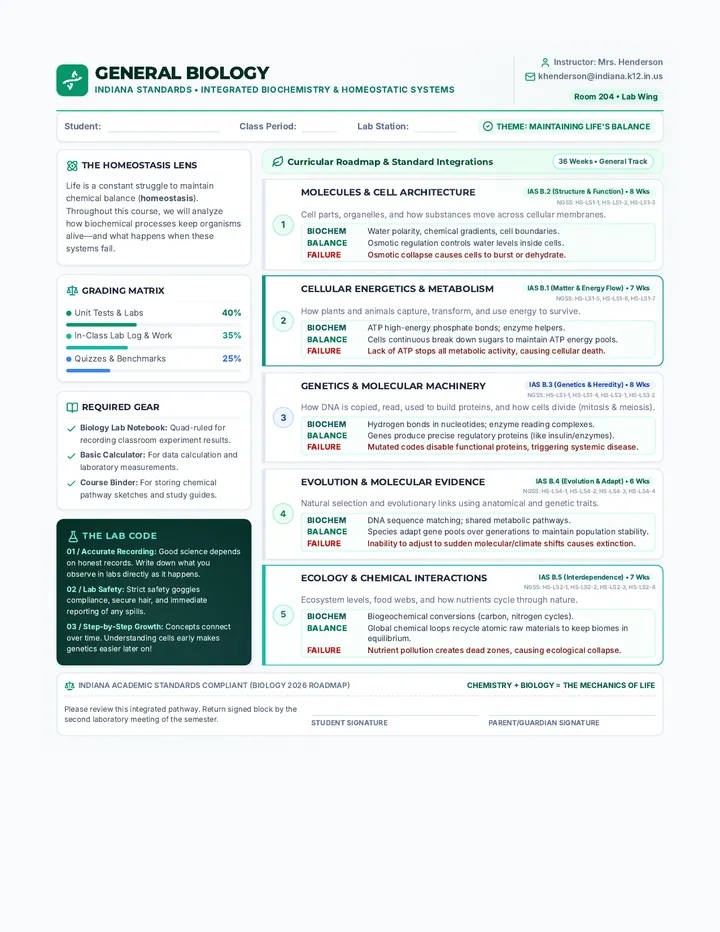
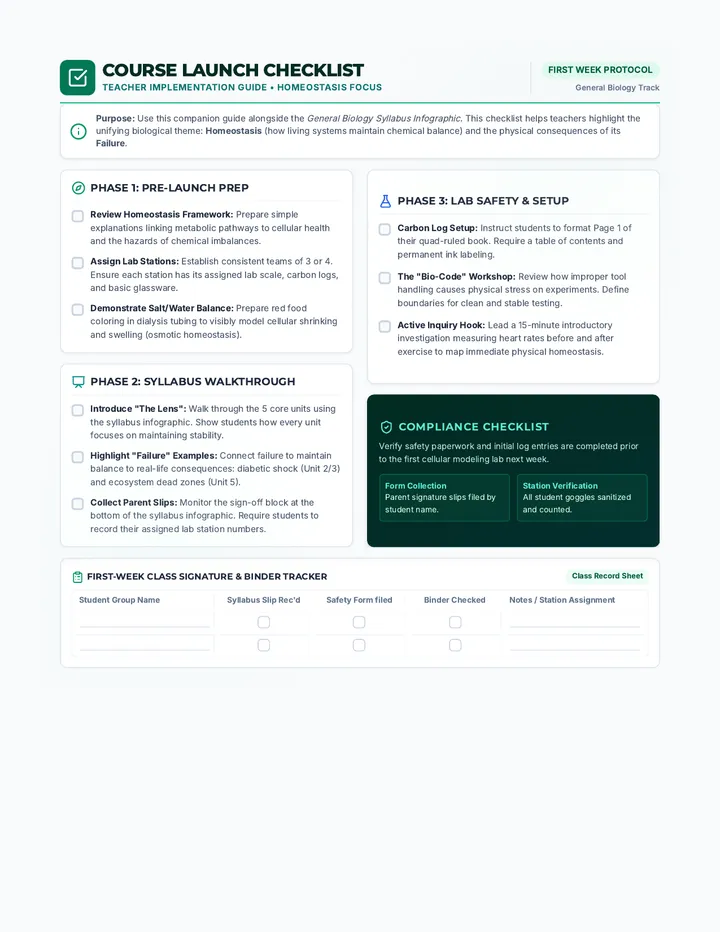
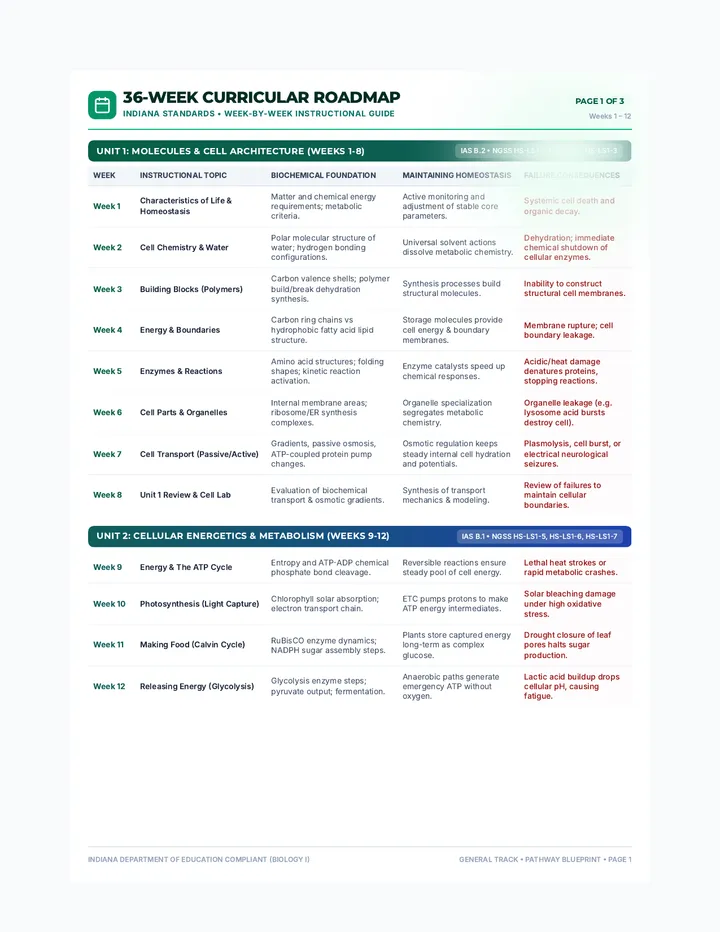
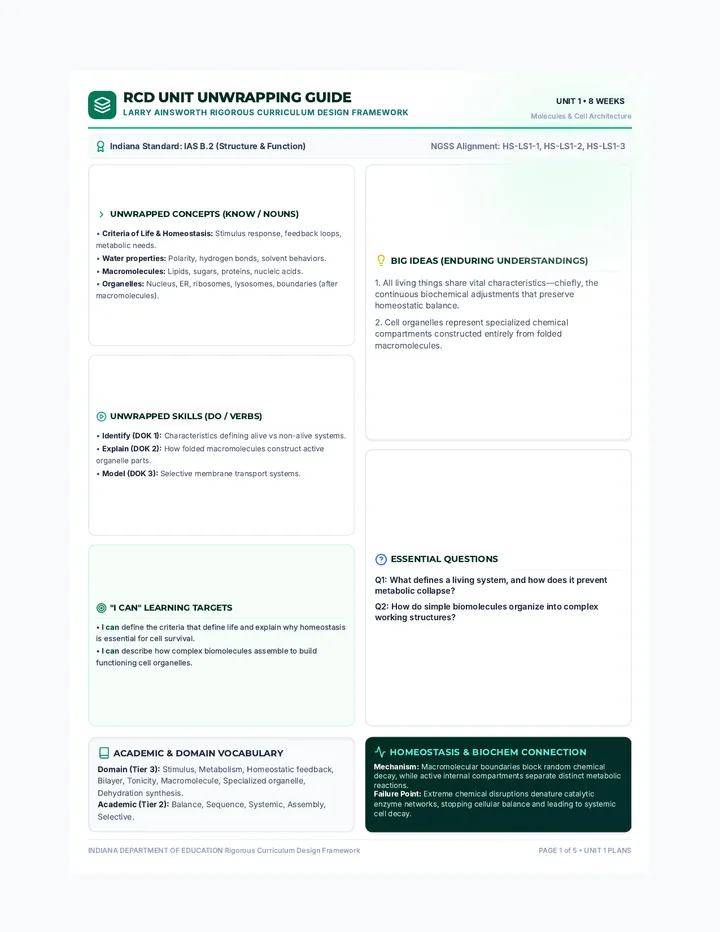
A focused review session for the Biology STAAR exam, centering on the five most-tested reporting categories through visual concept maps and question-stem alignment.
An immersive forensic science lesson where students analyze glass evidence across multiple stations, focusing on physical properties, fracture patterns, and laboratory analysis techniques.
An investigation into how ocean currents distribute heat and regulate the climate of our planet.
An introductory lesson focused on the narrative 'hook' that blends character development with the scientific reality of tectonic movement.
A mini-lesson exploring the fundamental differences between physical and chemical changes through interactive slides and a categorizing activity.
Students will explore the basics of climate change, the greenhouse effect, and how personal choices affect the planet. The lesson includes a presentation, guided notes, and specialized activities for reading, writing, listening, and speaking.
A comprehensive guide and template to help students research and write the background section for their independent science projects, covering terminology, history, and modern theories.
An interactive exploration of the Moon's 28-day cycle, terminology, and the eight distinct lunar phases through visual diagrams and observation exercises.
A hands-on exploration of the physics of color, focusing on additive light mixing and subtractive pigment mixing through experimentation.
A comprehensive lesson on inductors and RL circuits for AP Physics C, covering differential equations, current build-up and decay, and the physical principles of self-inductance.
A comprehensive review and assessment of the week's learning through differentiated practice and synthesis.
Apply tolerance concepts to real-world scenarios such as coral bleaching, invasive species, and climate-driven migration.
Master the ecological tolerance curve by defining and identifying the optimum range, zone of physiological stress, and zone of intolerance.
Identify and analyze specific abiotic factors like temperature, pH, and salinity that dictate whether a species thrives or perishes.
Introduce the concept of ecological tolerance and the basic biological necessity for staying within specific environmental ranges.
Differentiate between digestion and cellular respiration, and explain how all organisms use respiration to release energy.
Explain how autotrophs use photosynthesis to create carbohydrates for food and structural materials.
Identify the roles and sources of the five main nutrients and explain why organisms require food for energy and metabolic building materials.
Students will apply their knowledge of bonding, attachment, and child development to create an informative brochure for parents of preschoolers.