A comprehensive guide and template to help students research and write the background section for their independent science projects, covering terminology, history, and modern theories.
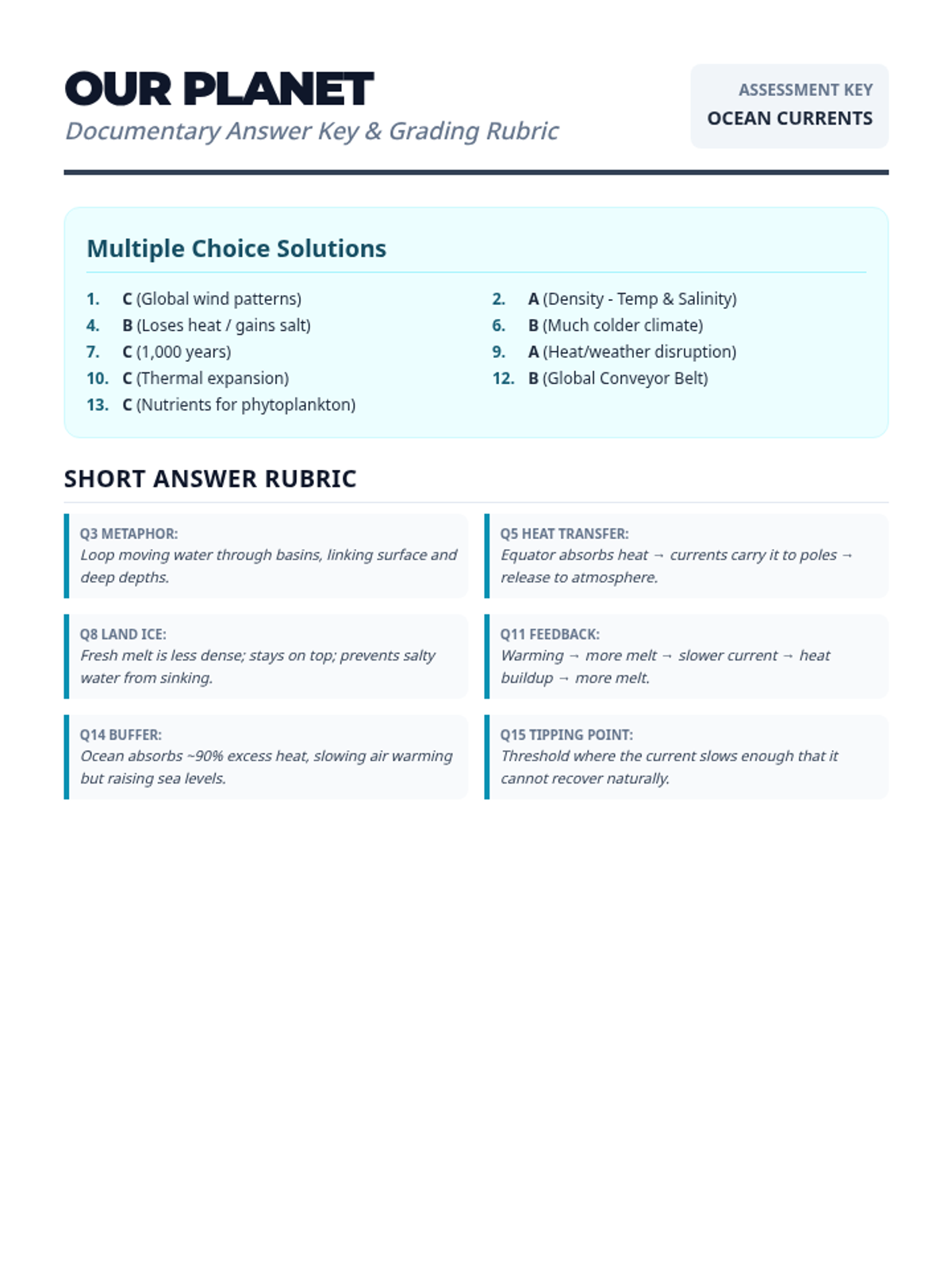
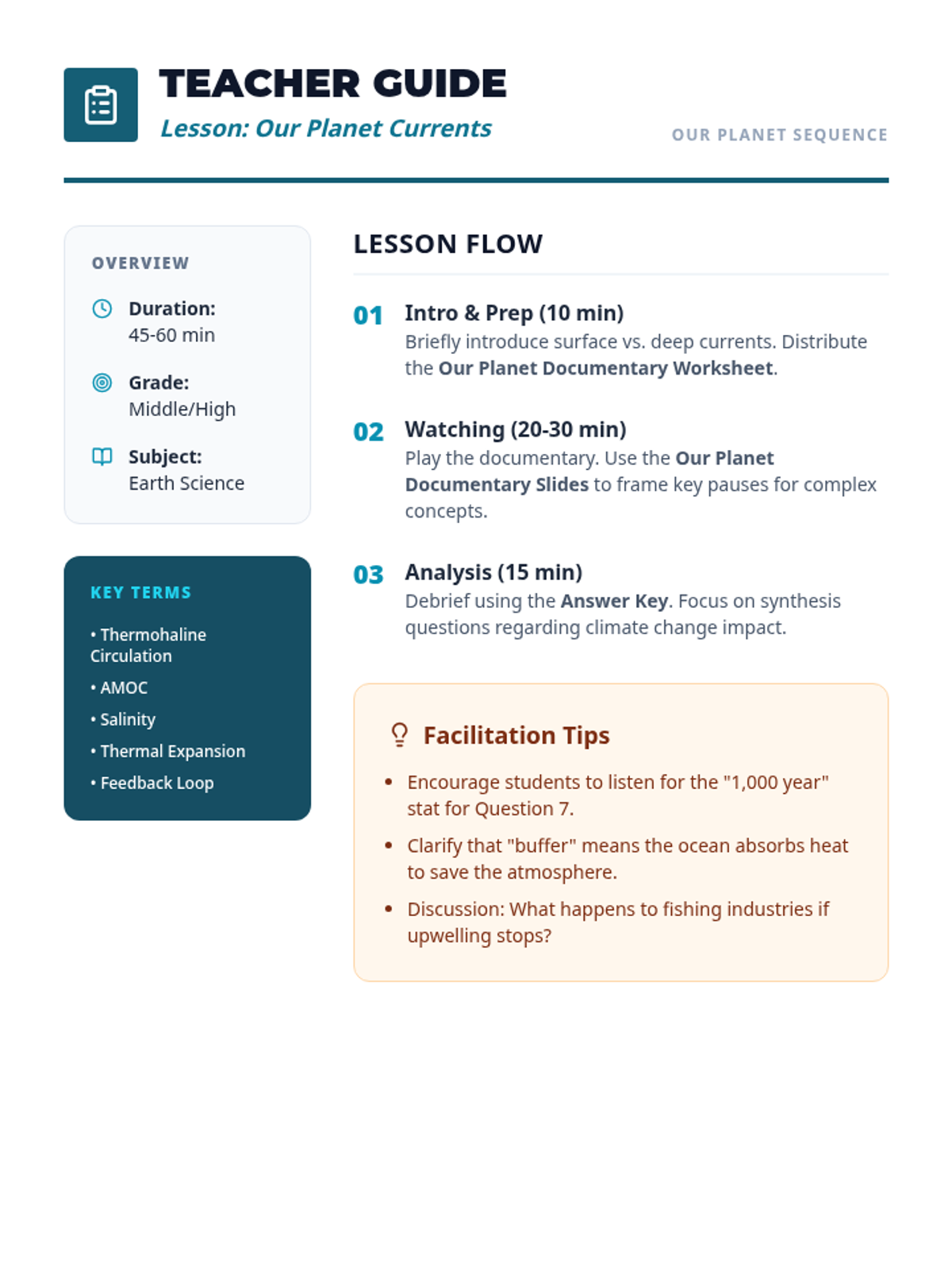
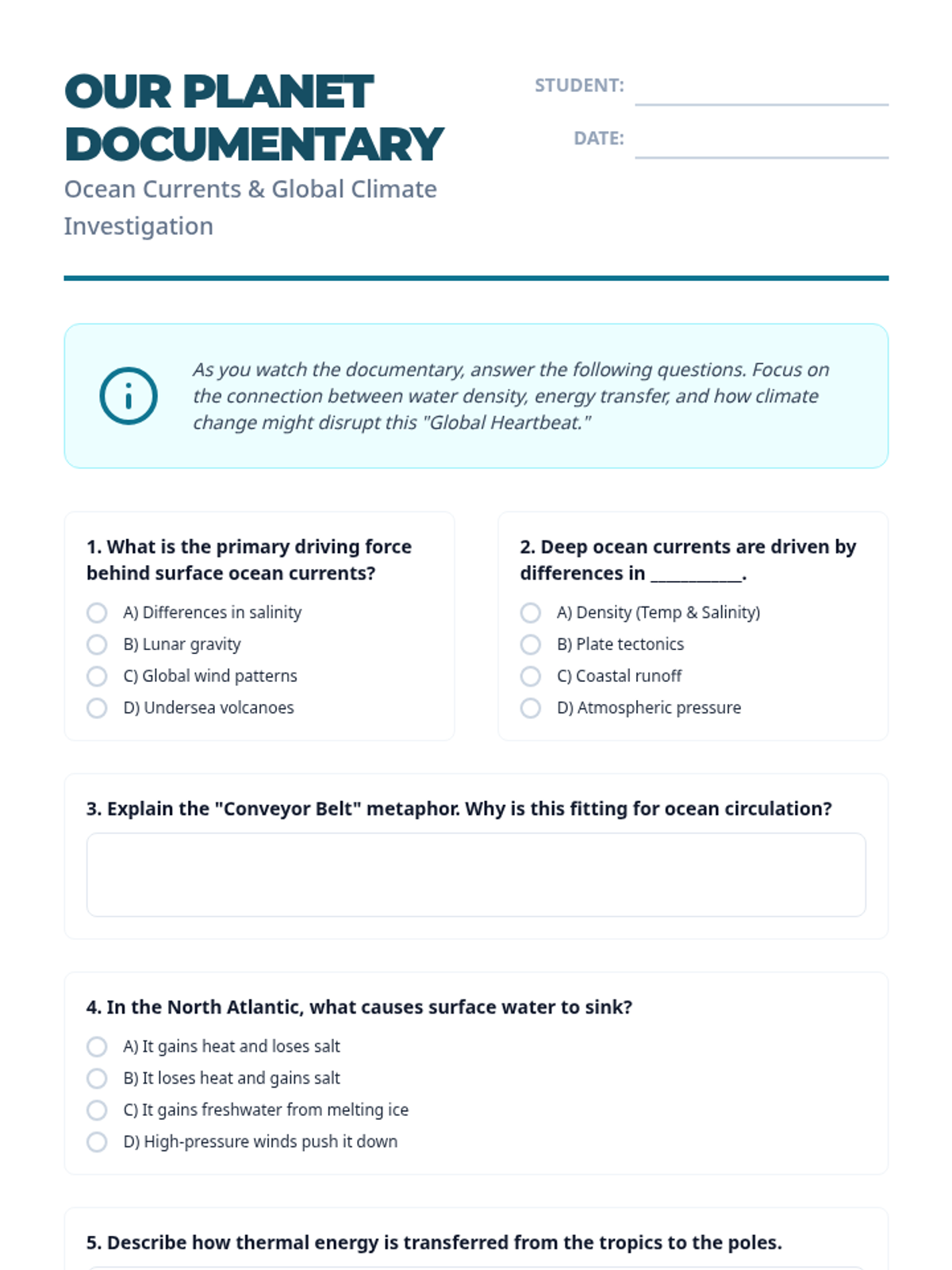
An investigation into how ocean currents distribute heat and regulate the climate of our planet.
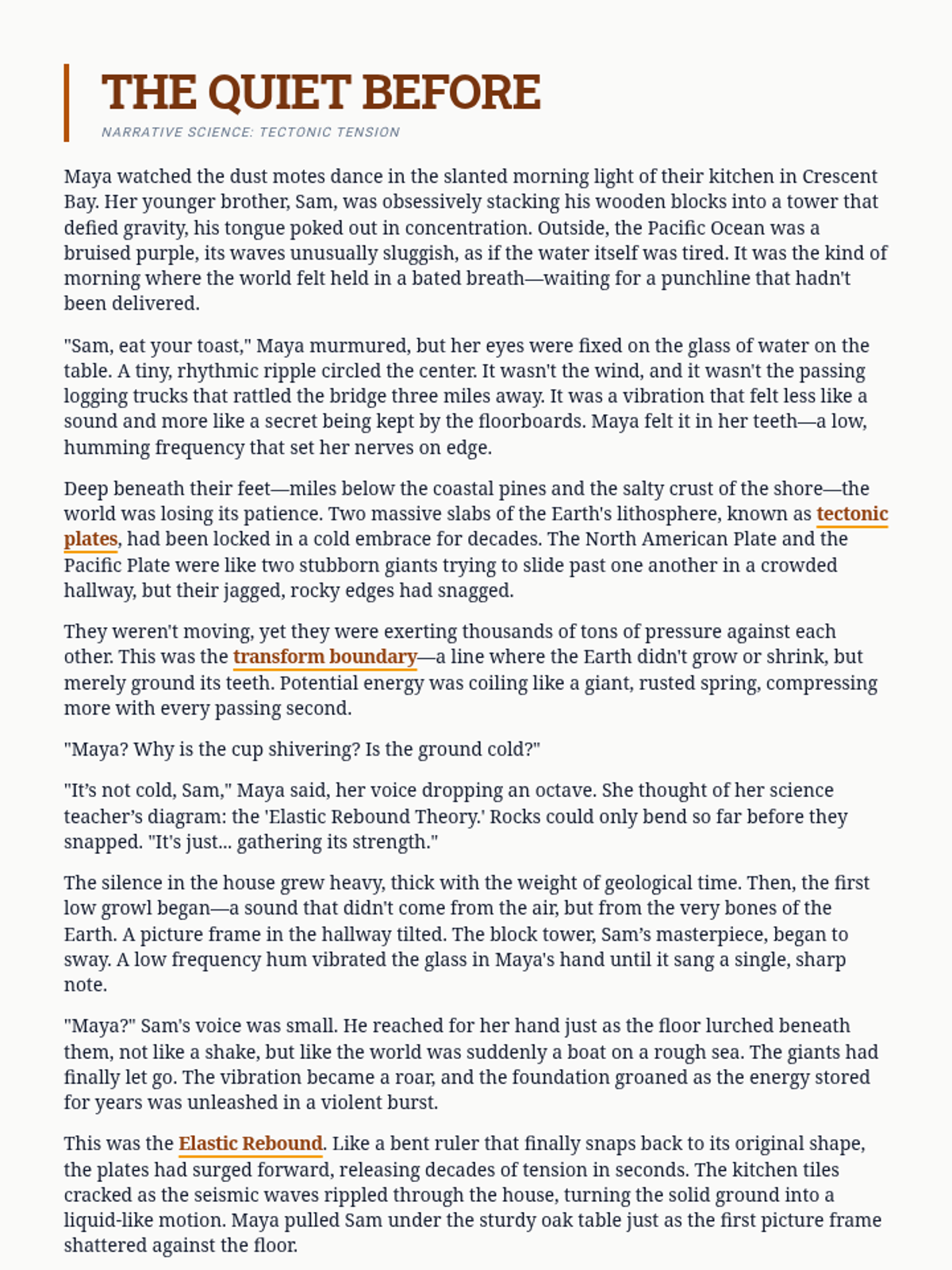
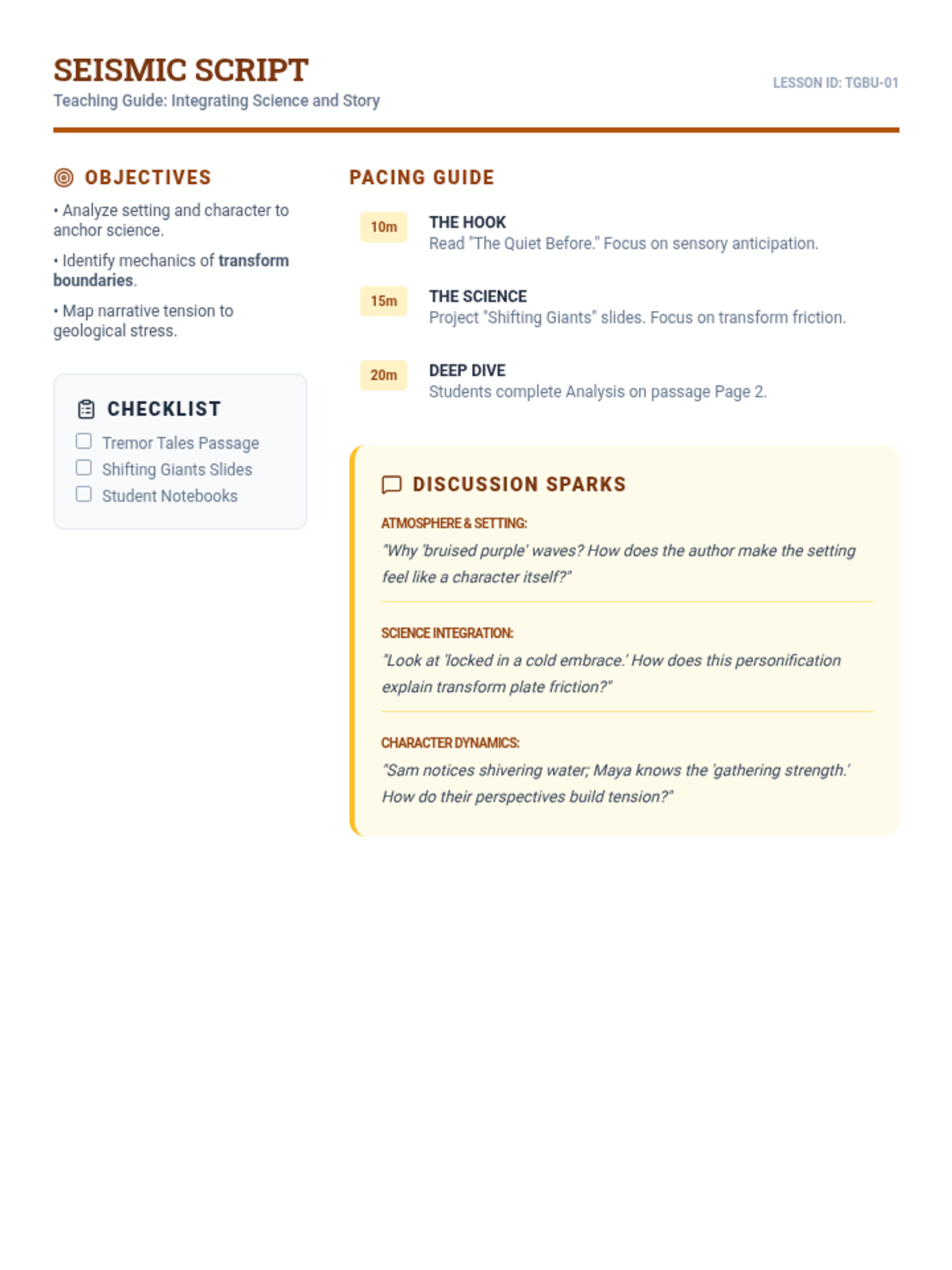
An introductory lesson focused on the narrative 'hook' that blends character development with the scientific reality of tectonic movement.
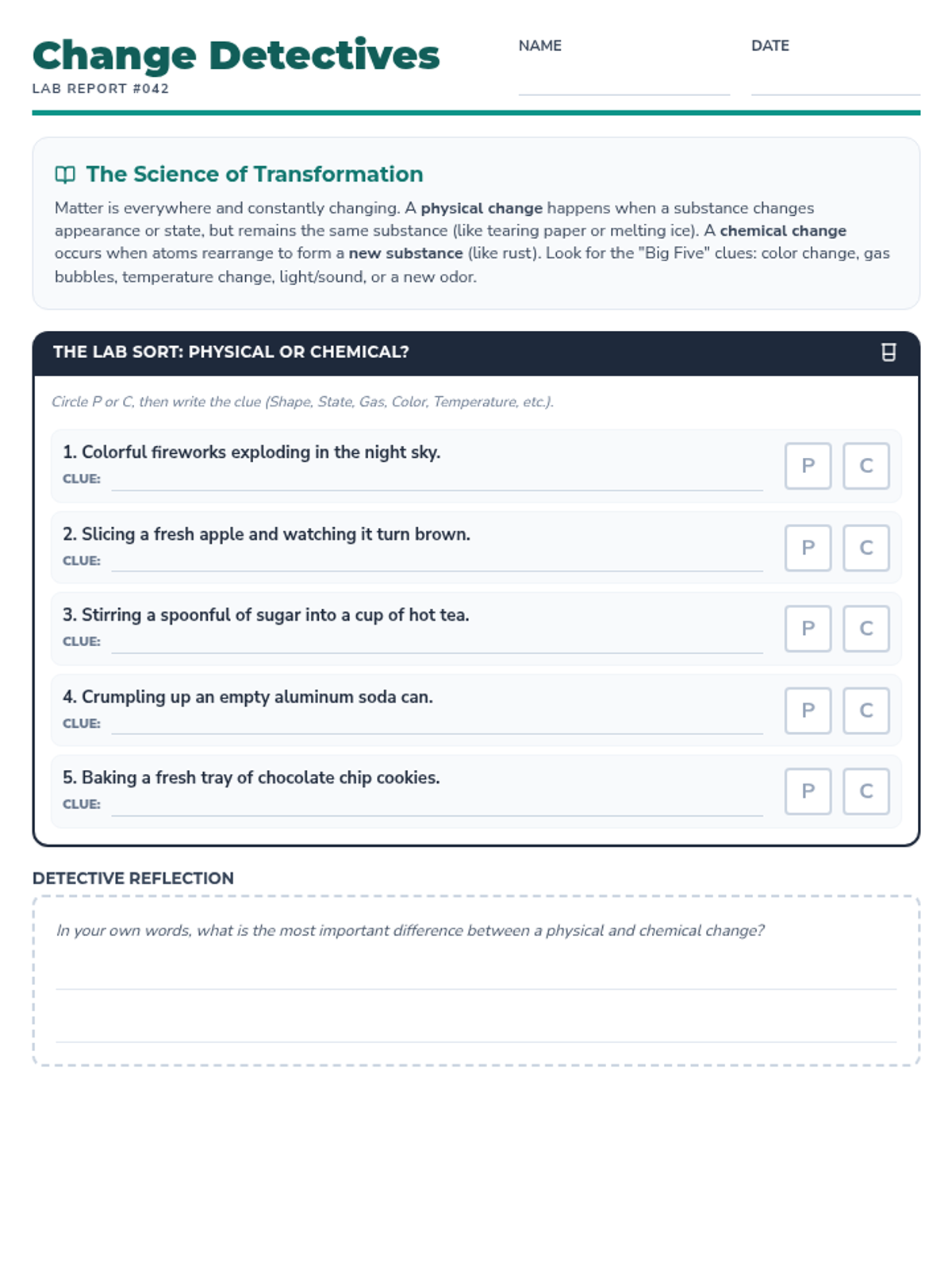
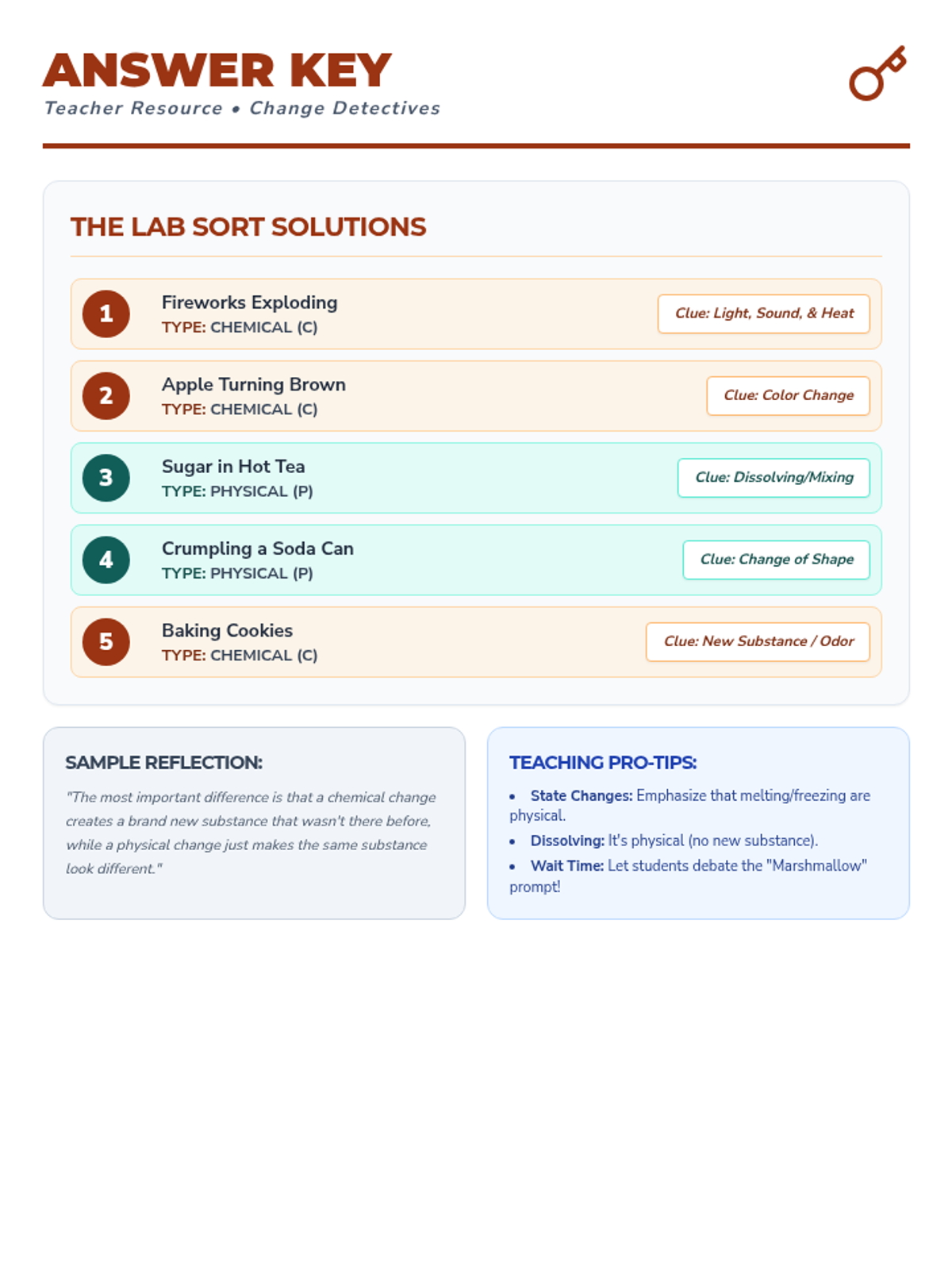
A mini-lesson exploring the fundamental differences between physical and chemical changes through interactive slides and a categorizing activity.
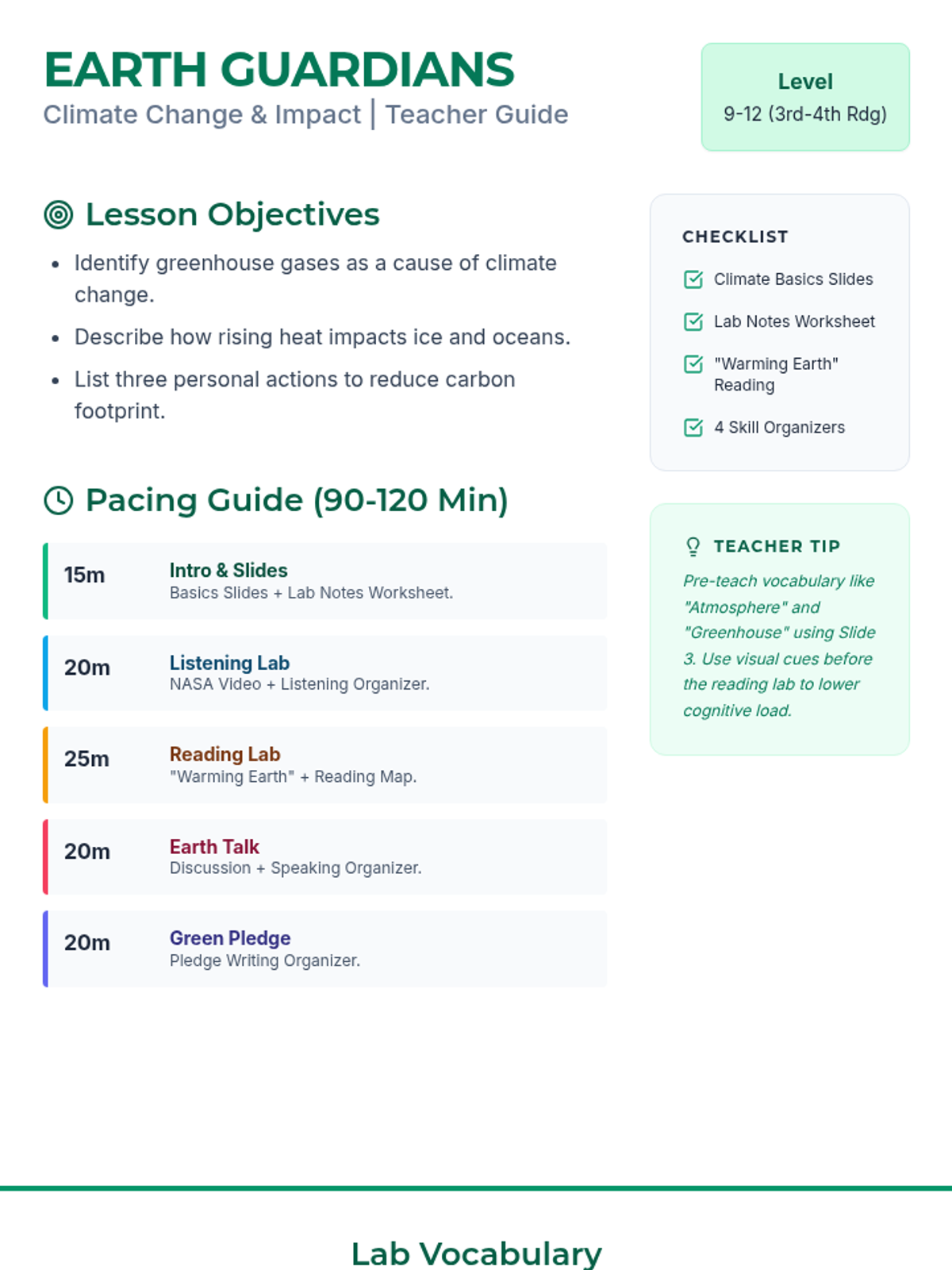
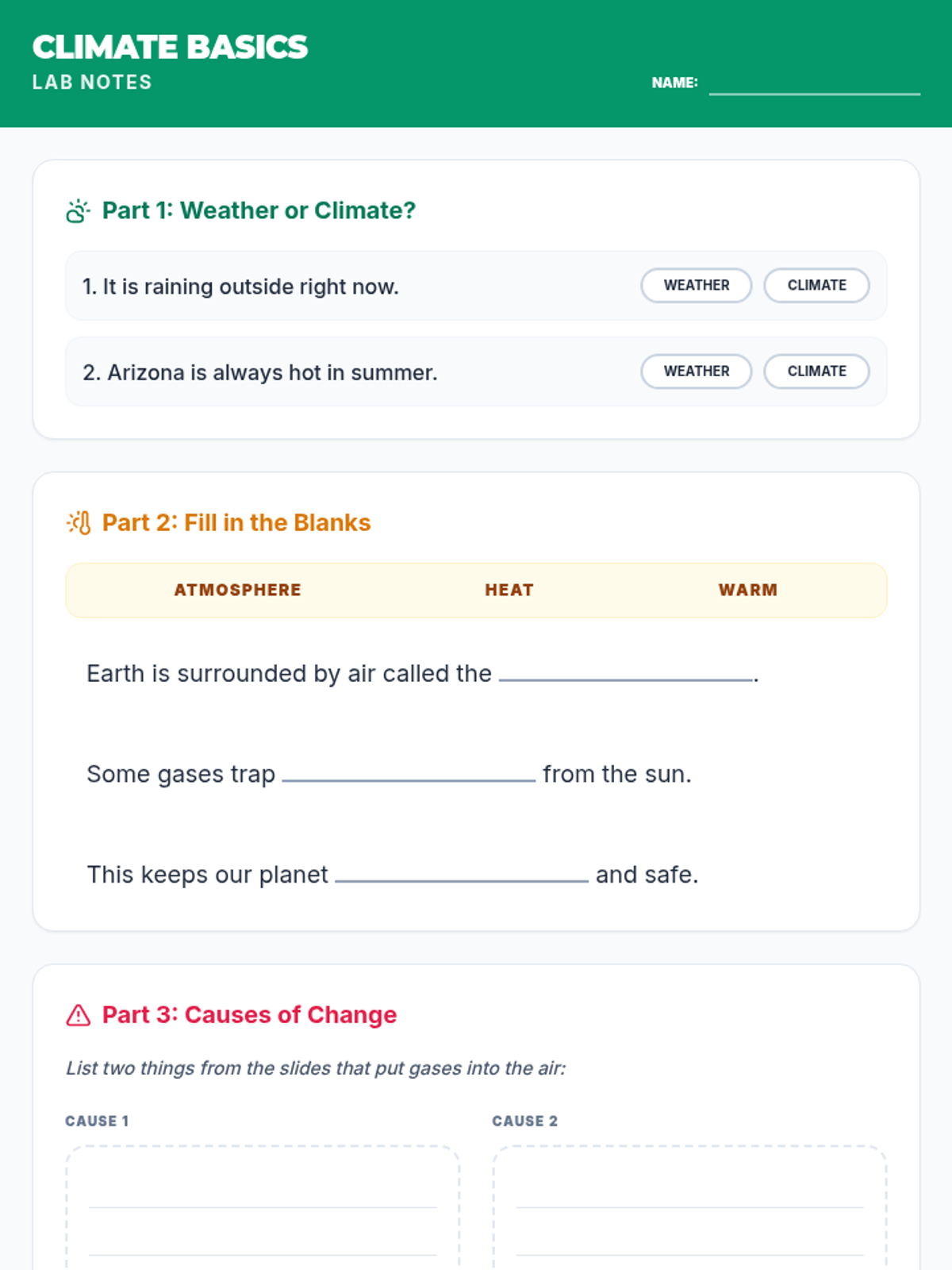
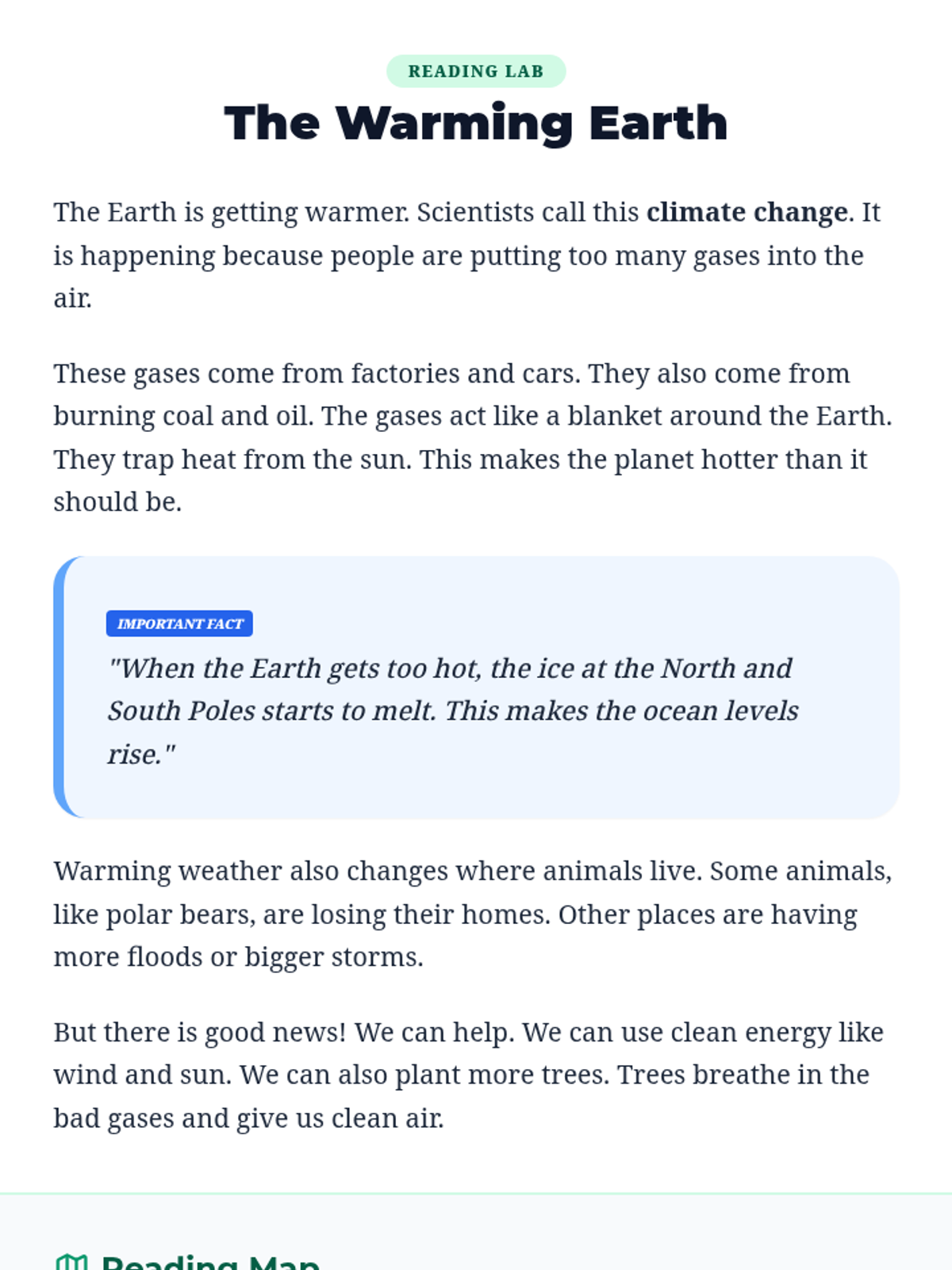
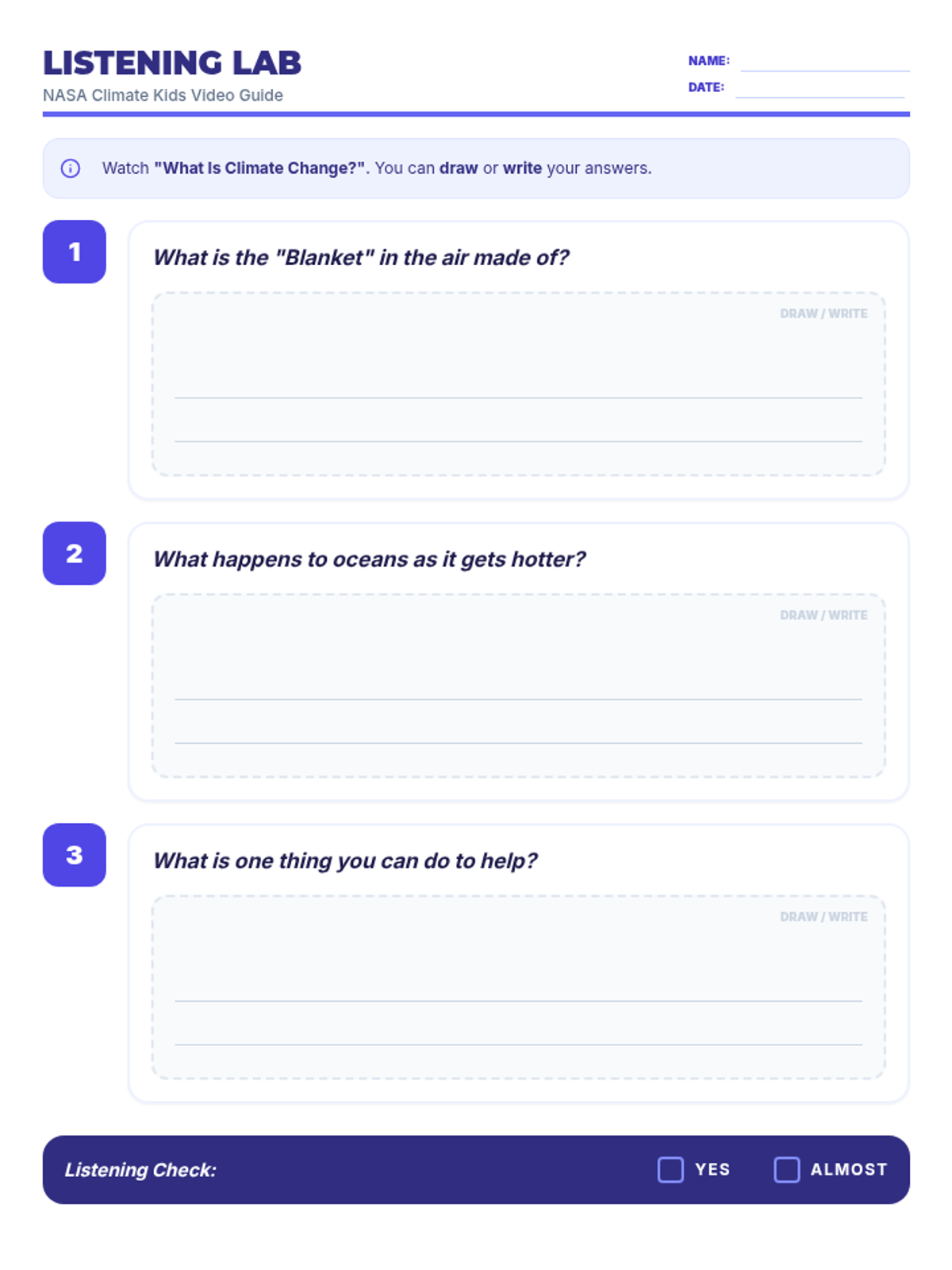
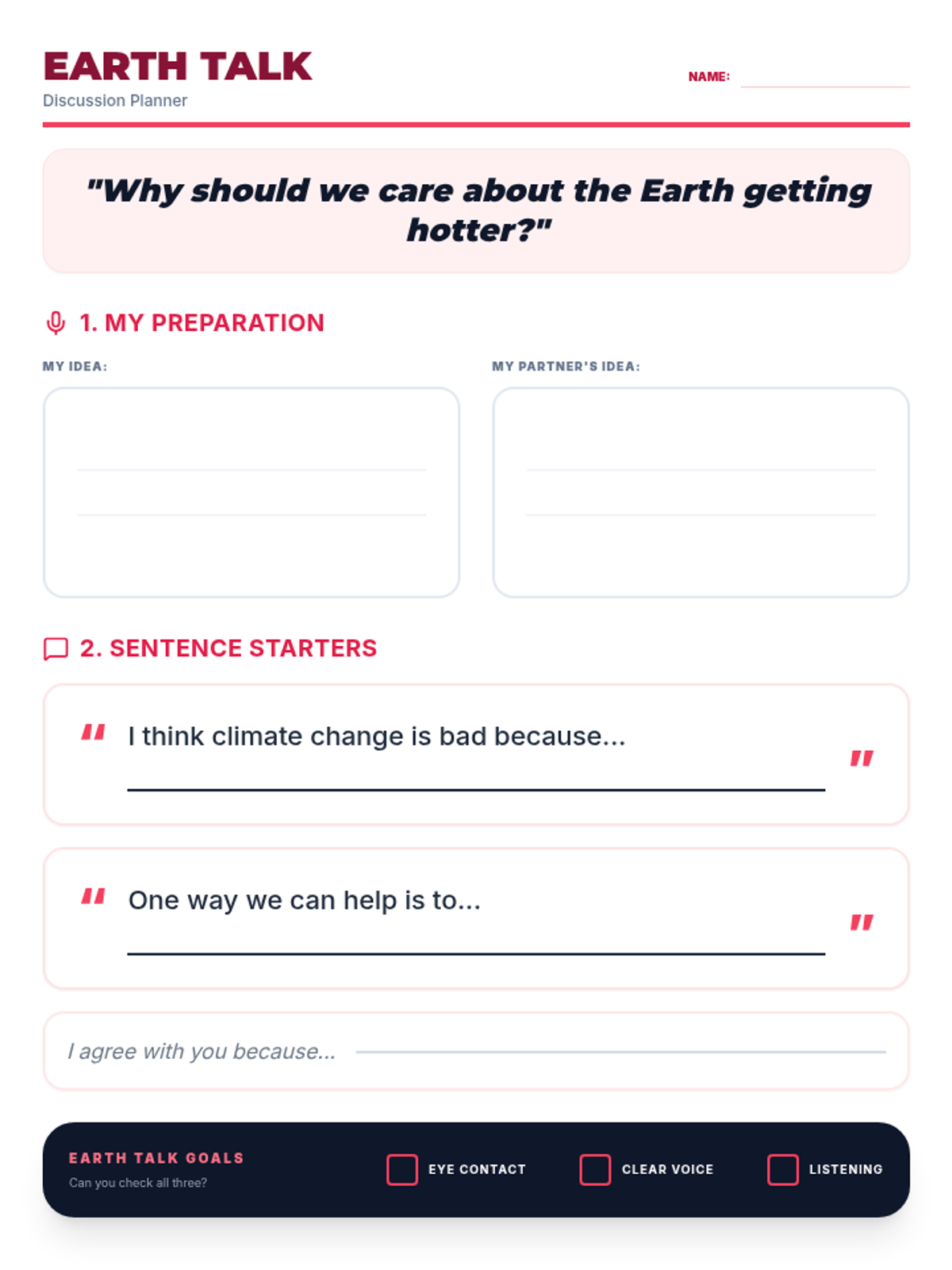
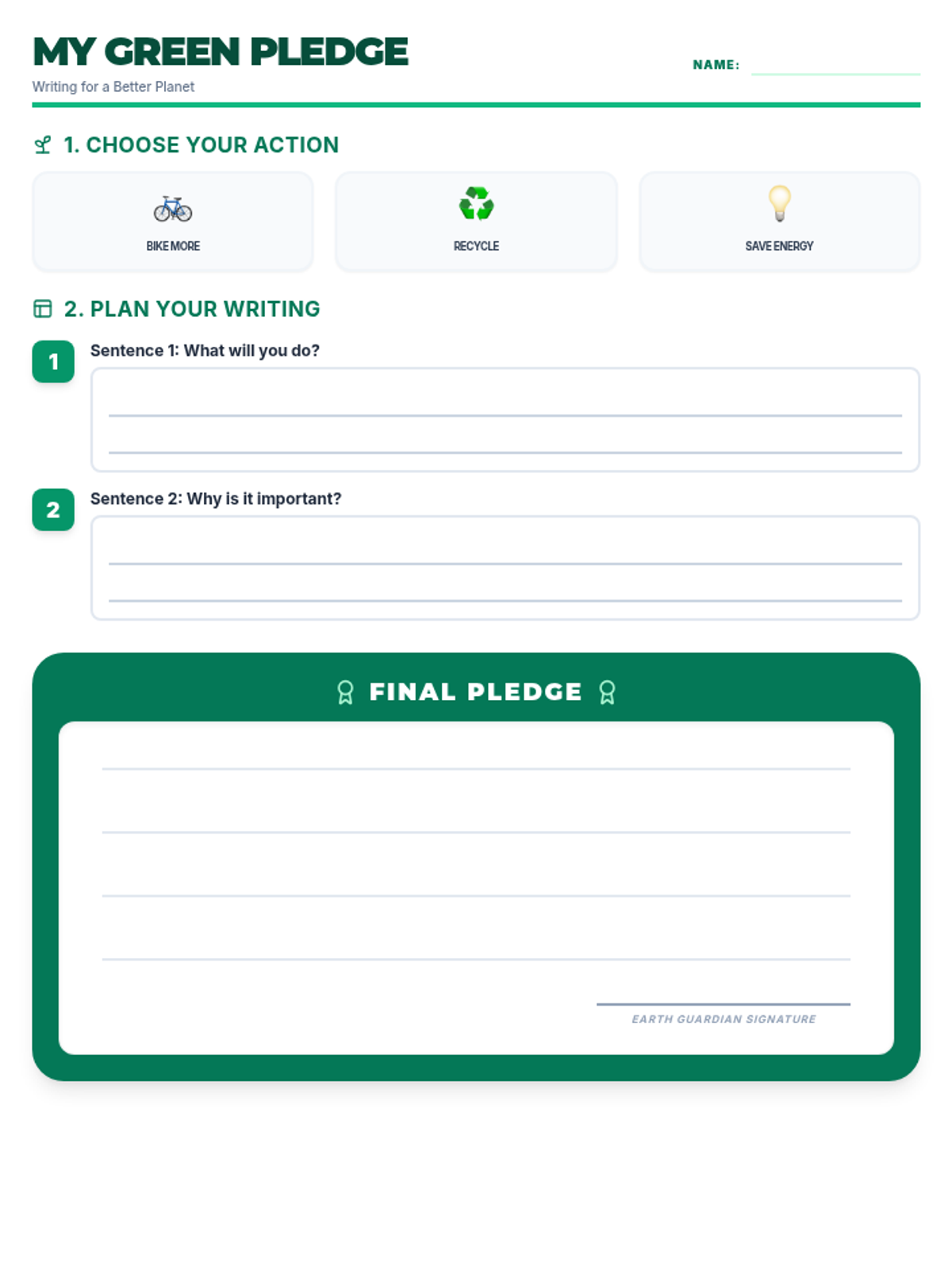
Students will explore the basics of climate change, the greenhouse effect, and how personal choices affect the planet. The lesson includes a presentation, guided notes, and specialized activities for reading, writing, listening, and speaking.
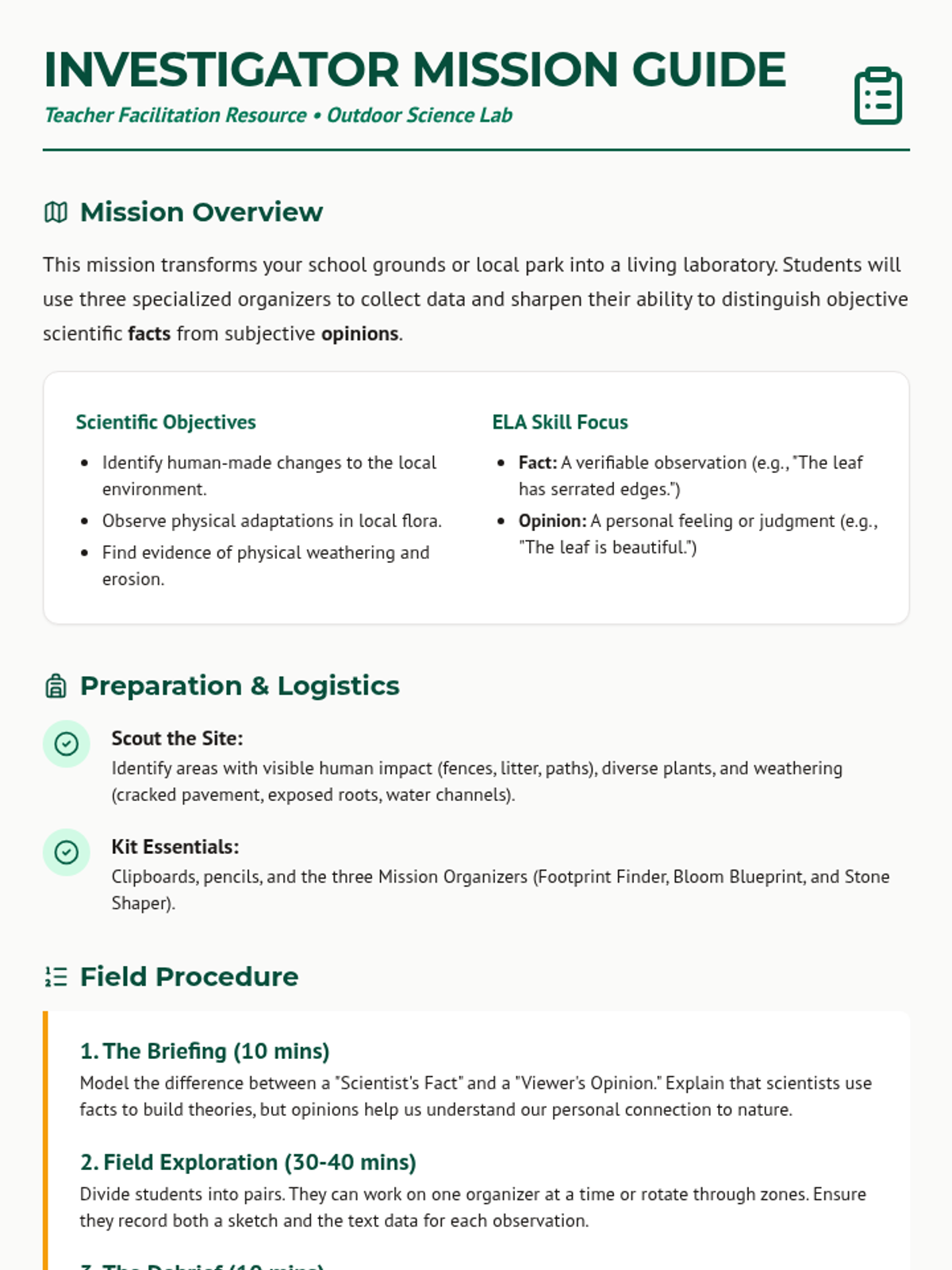
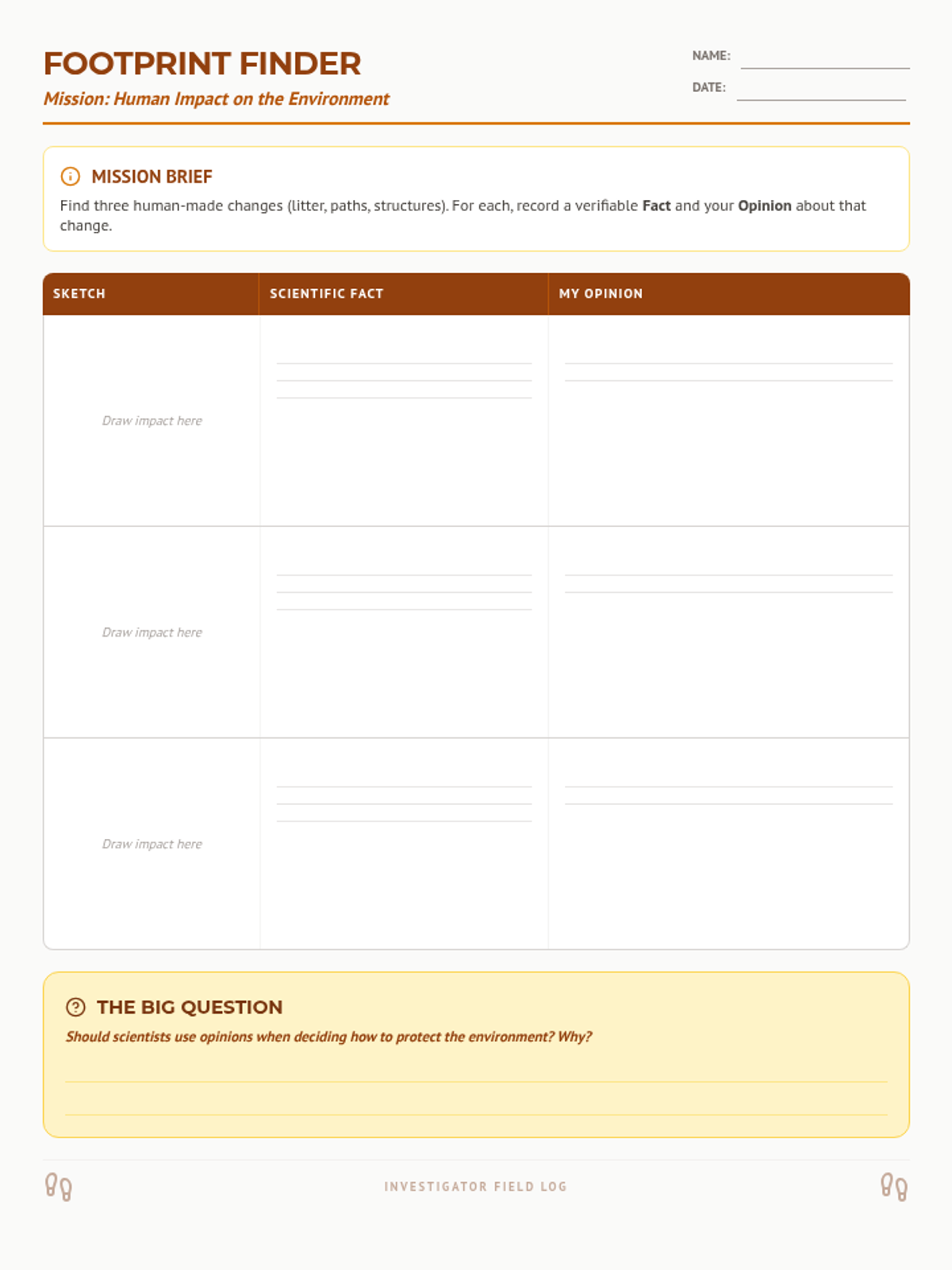
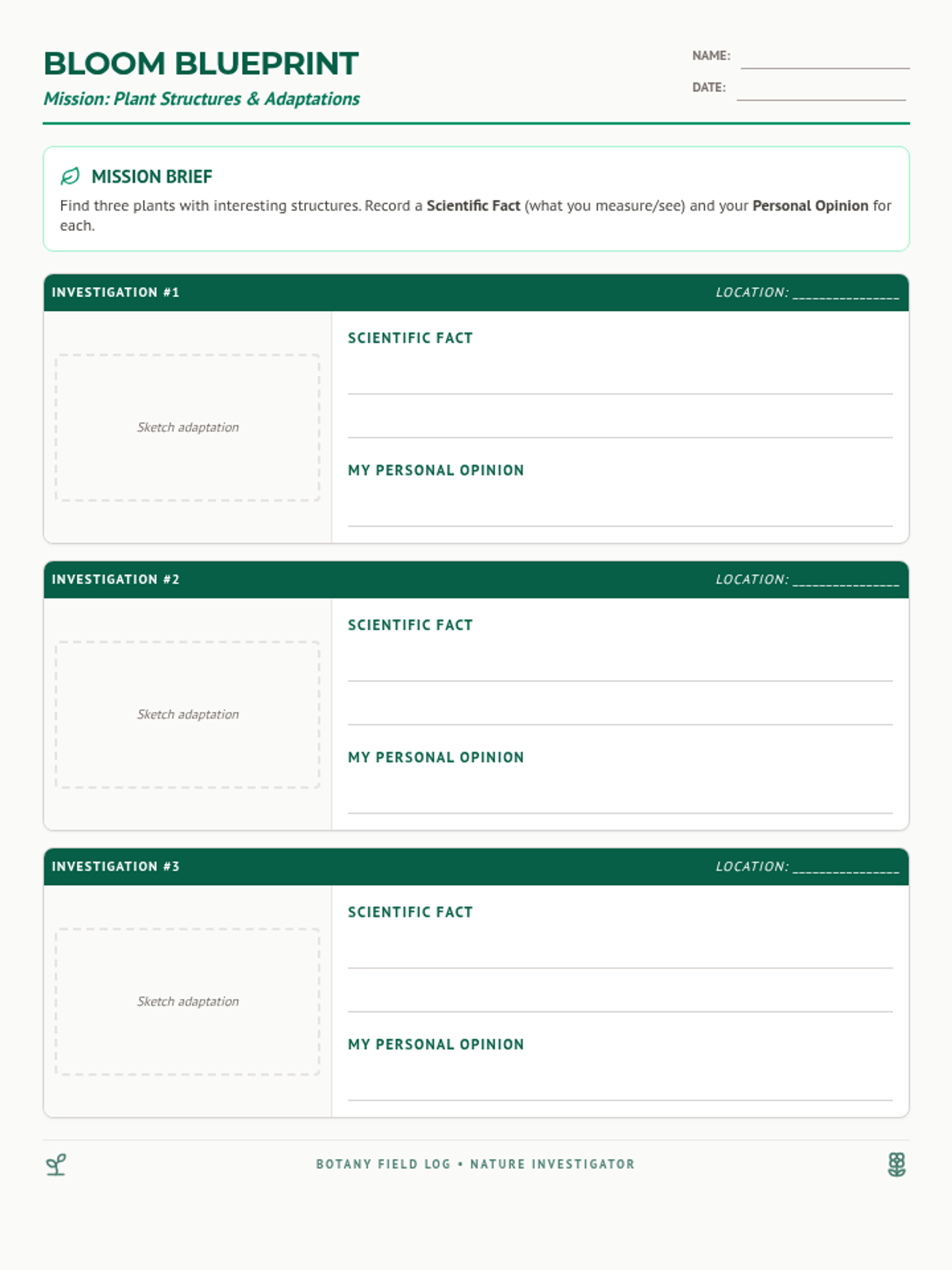
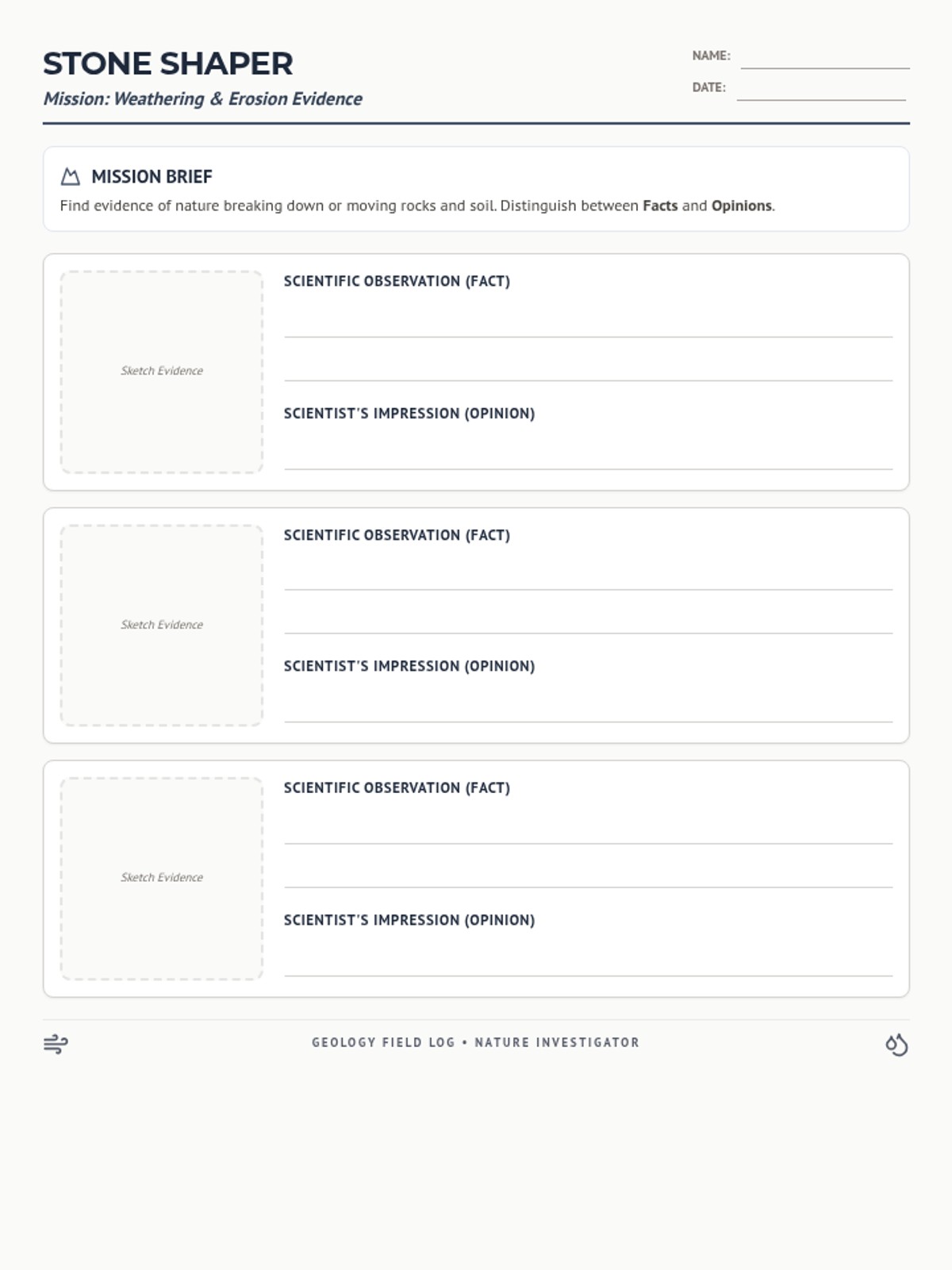
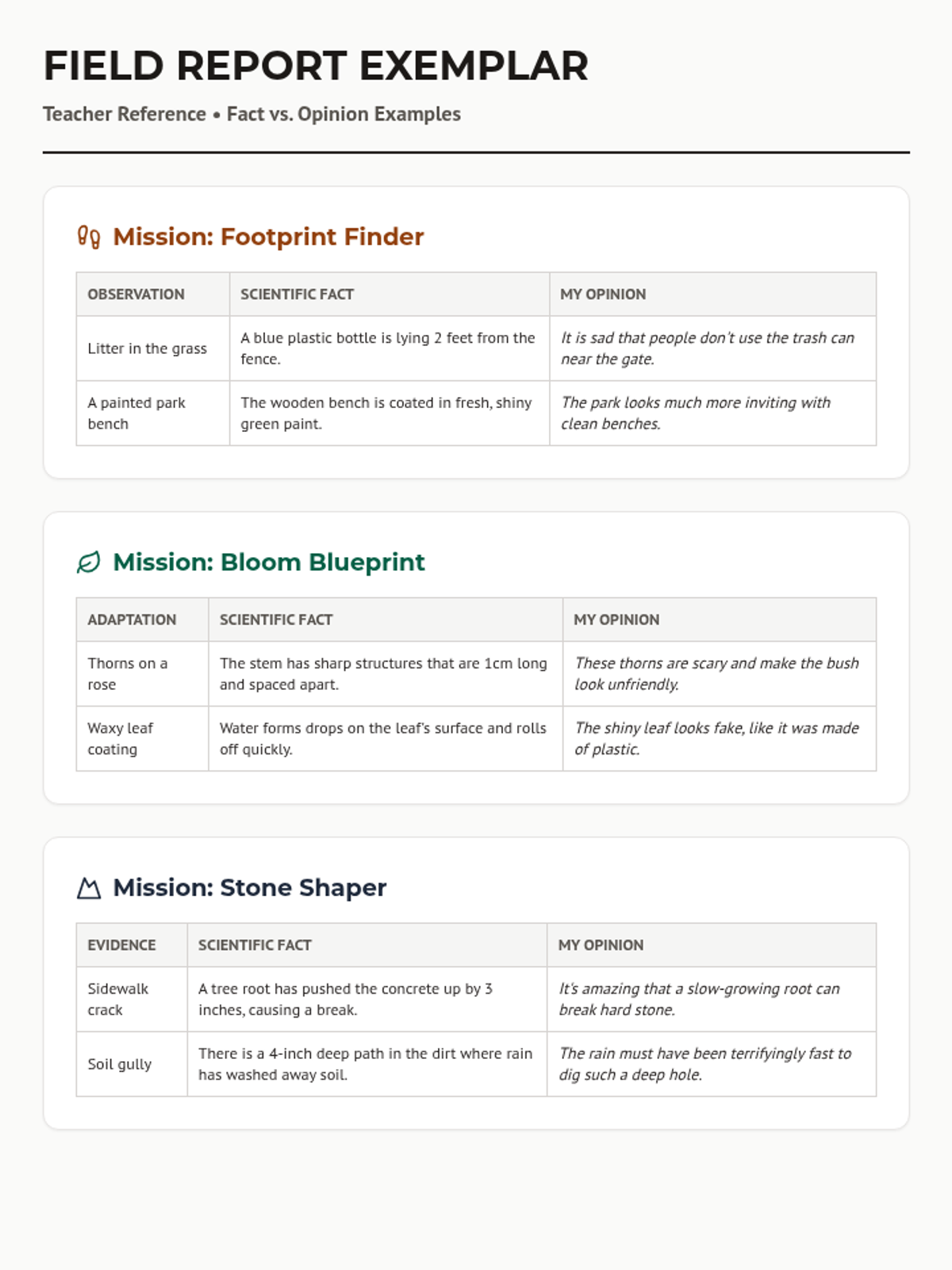
A series of outdoor observation activities where students explore human impact, plant adaptations, and geological changes while practicing the ELA skill of distinguishing between fact and opinion.
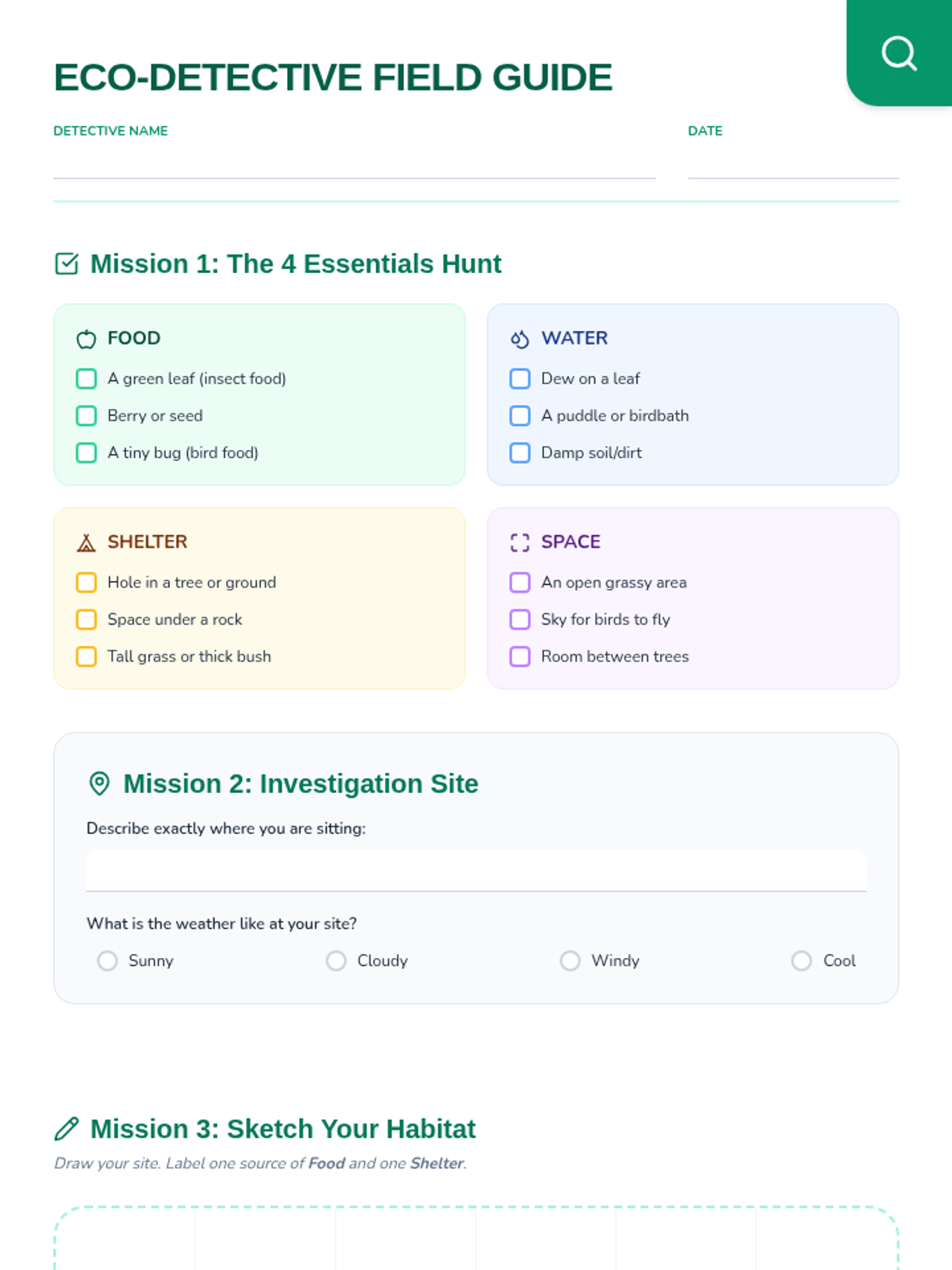
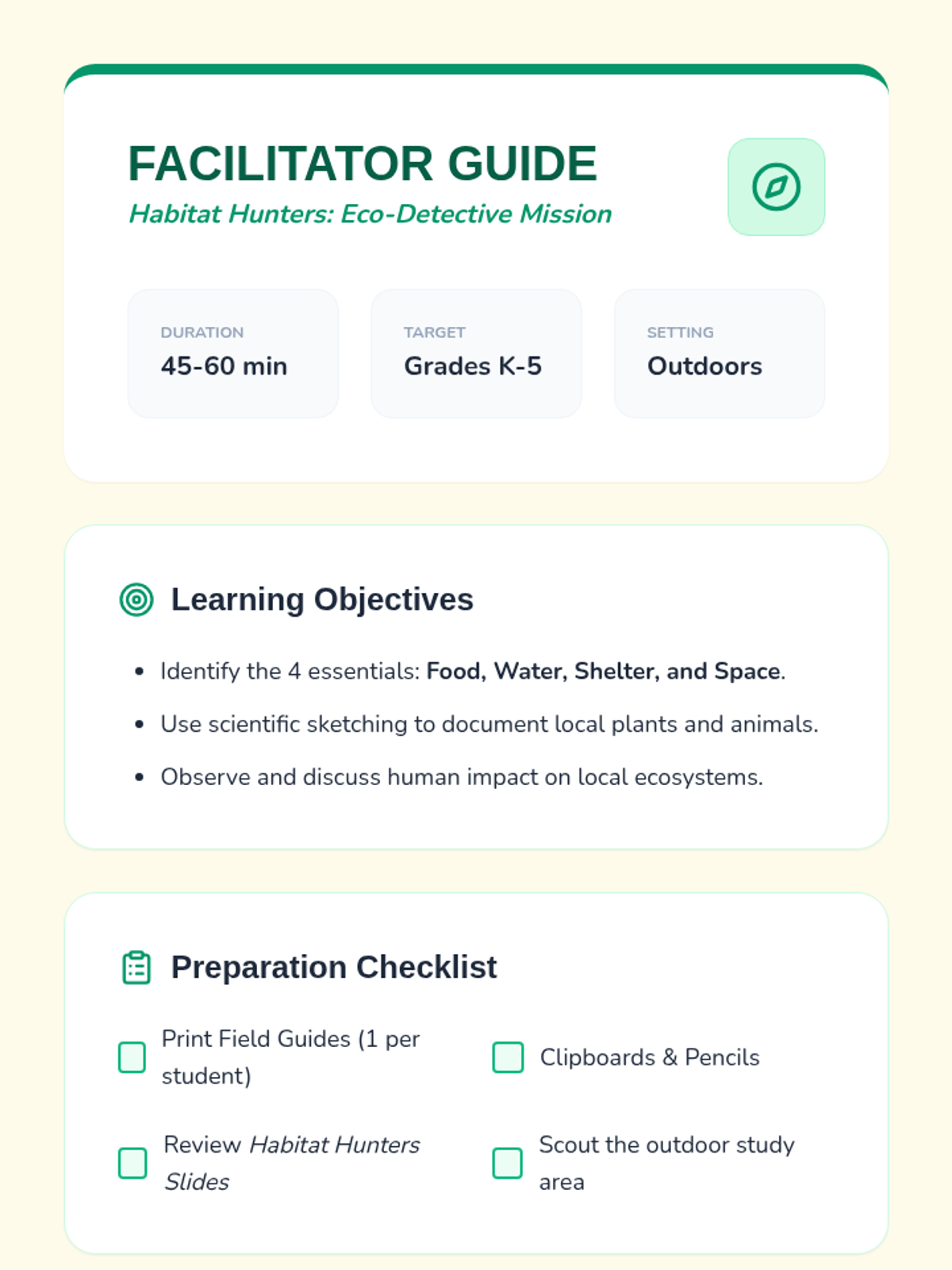
An immersive outdoor exploration where students become 'Eco-Detectives' to identify the essential components of local habitats through observation and sketching.
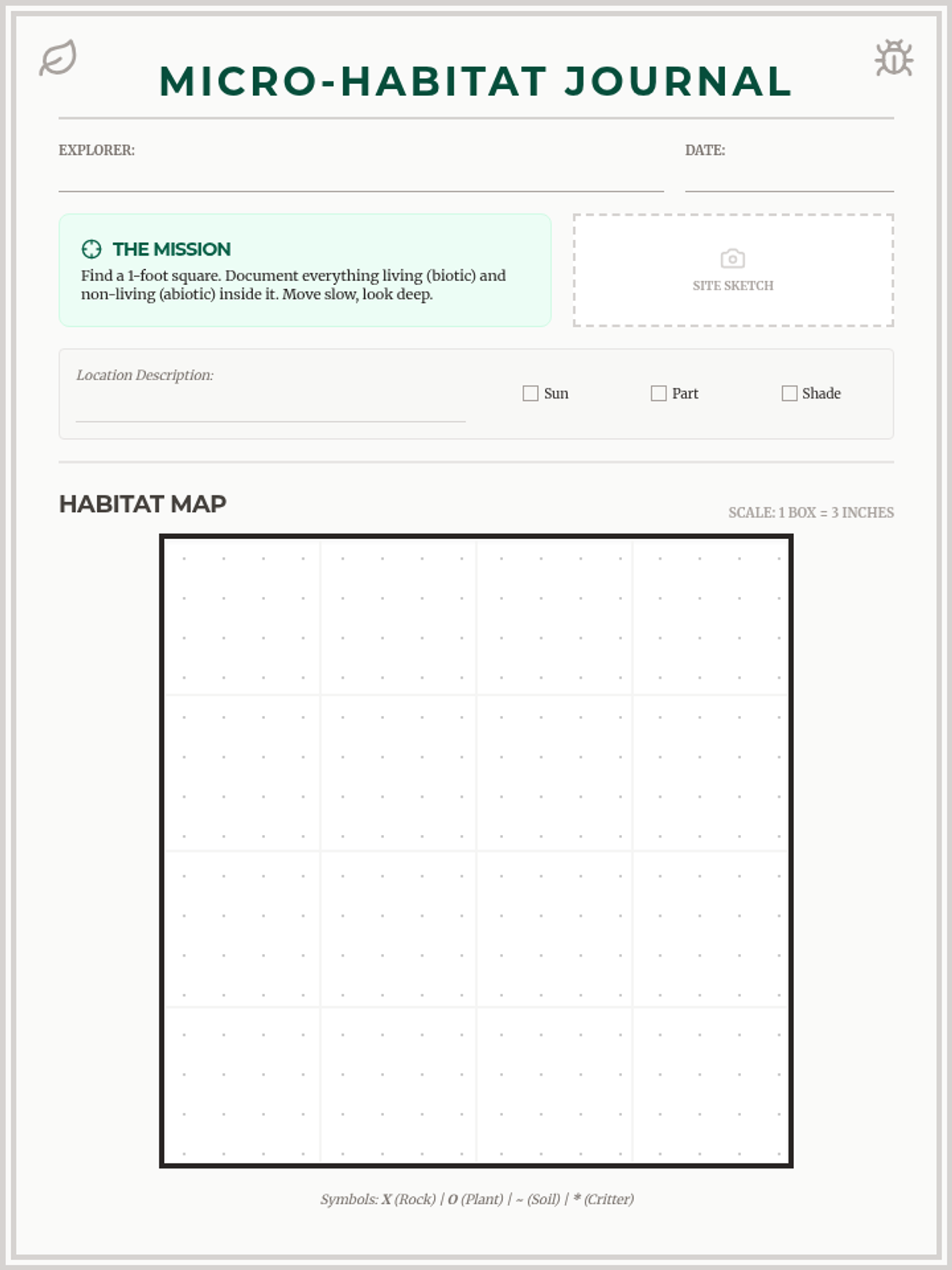
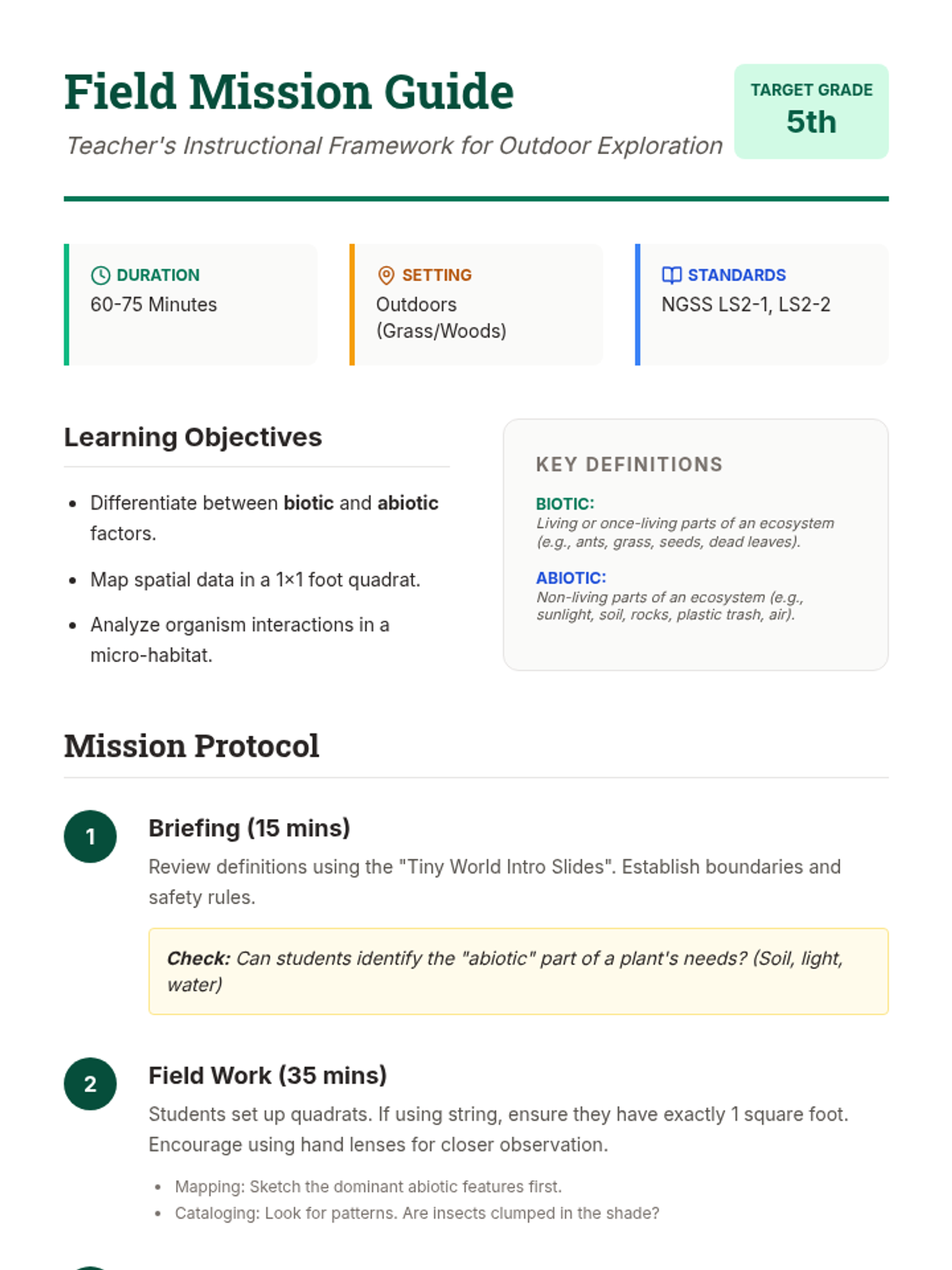
A hands-on ecology lesson where students investigate a small plot of land to understand ecosystems, biodiversity, and environmental interactions. Students act as field researchers, documenting biotic and abiotic factors in a 'micro-habitat'.
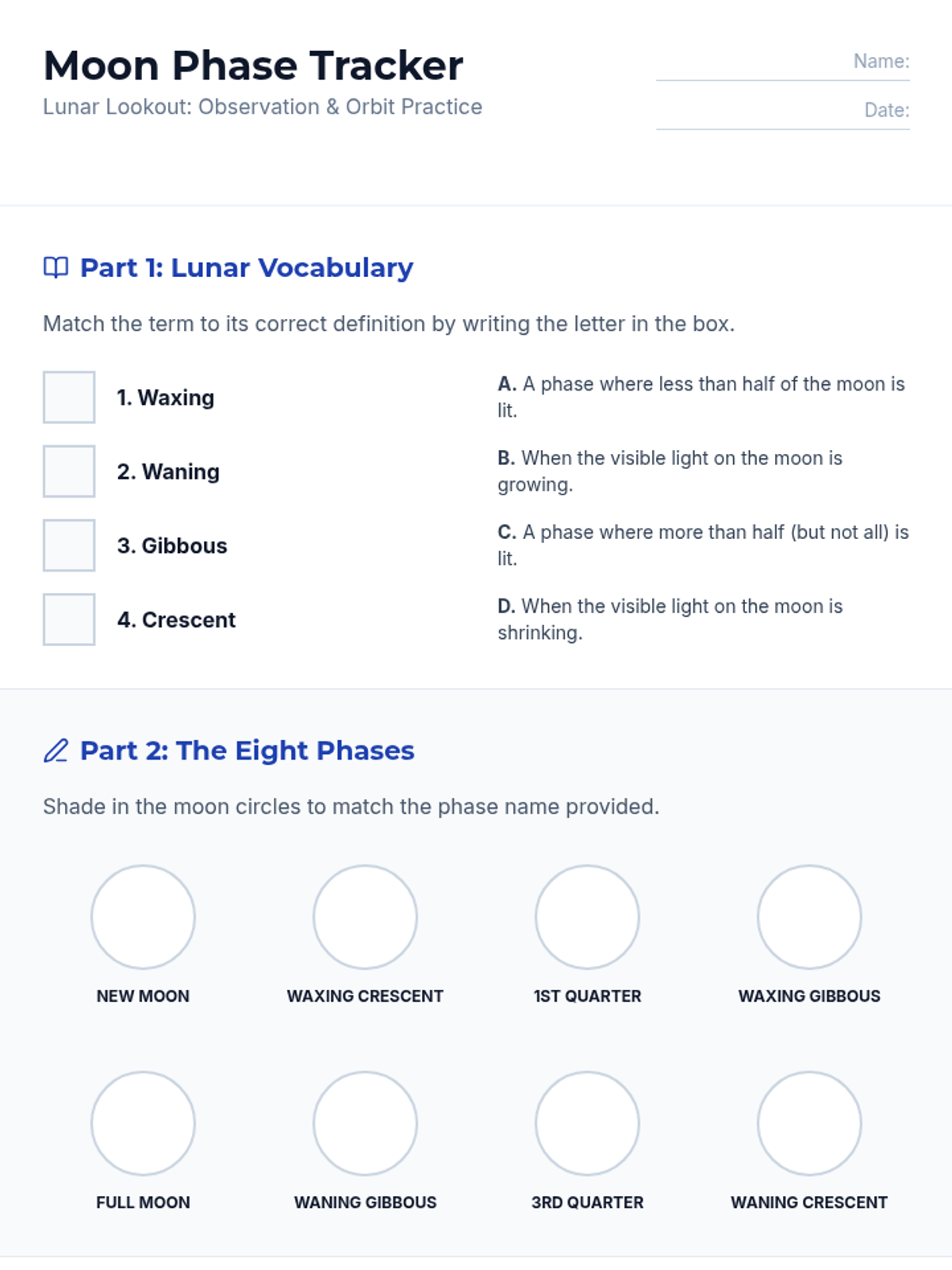
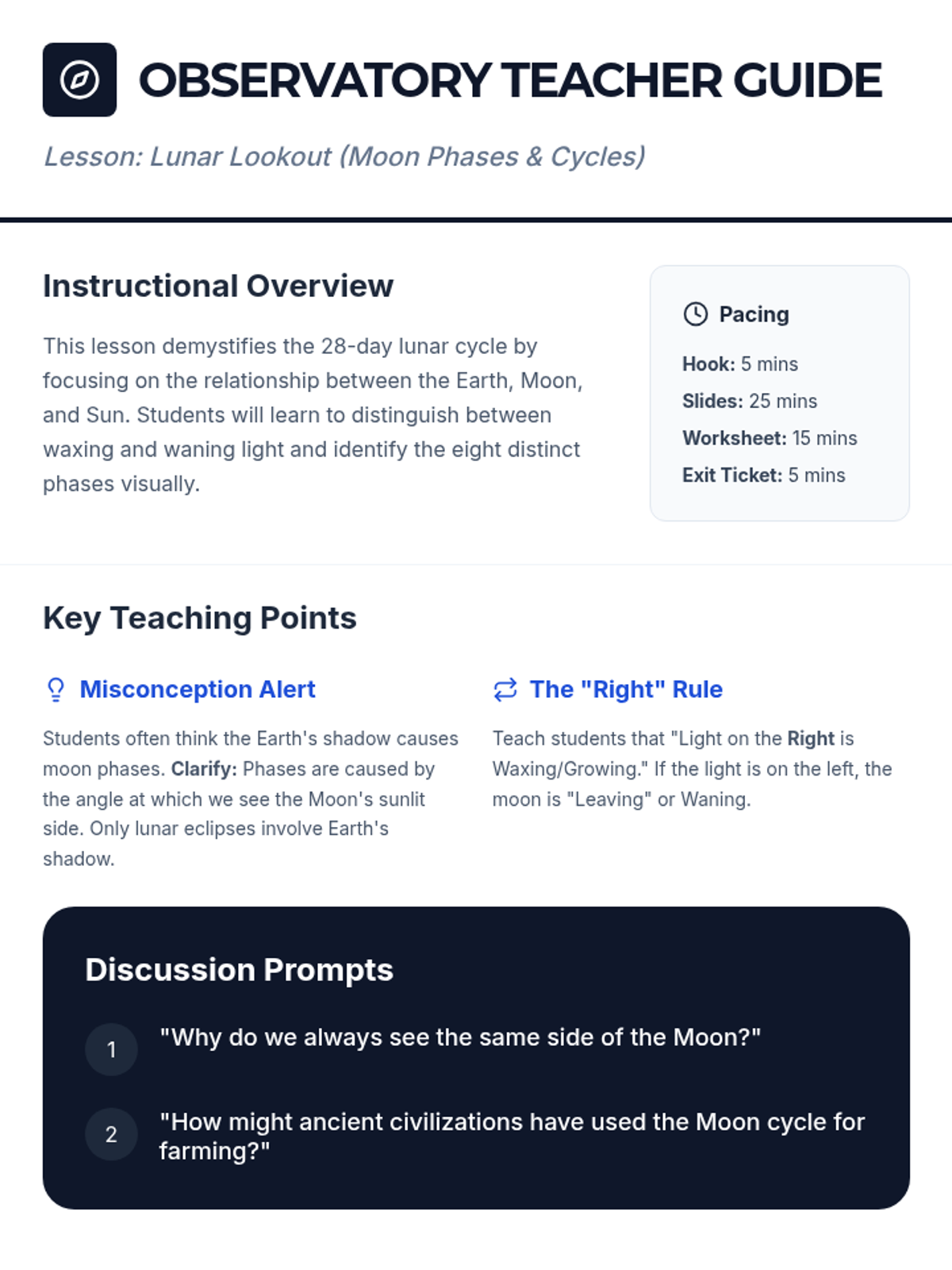
An interactive exploration of the Moon's 28-day cycle, terminology, and the eight distinct lunar phases through visual diagrams and observation exercises.
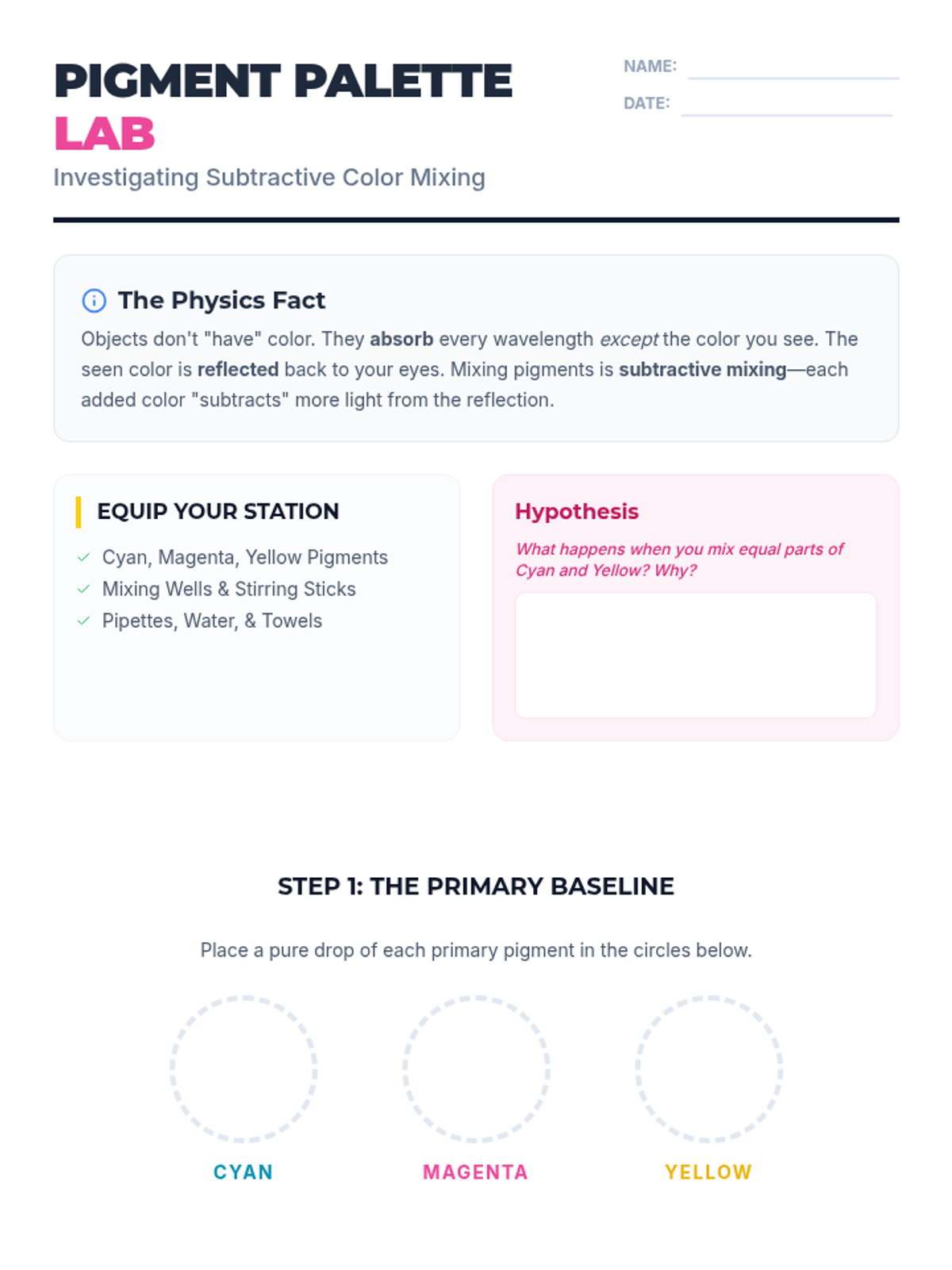
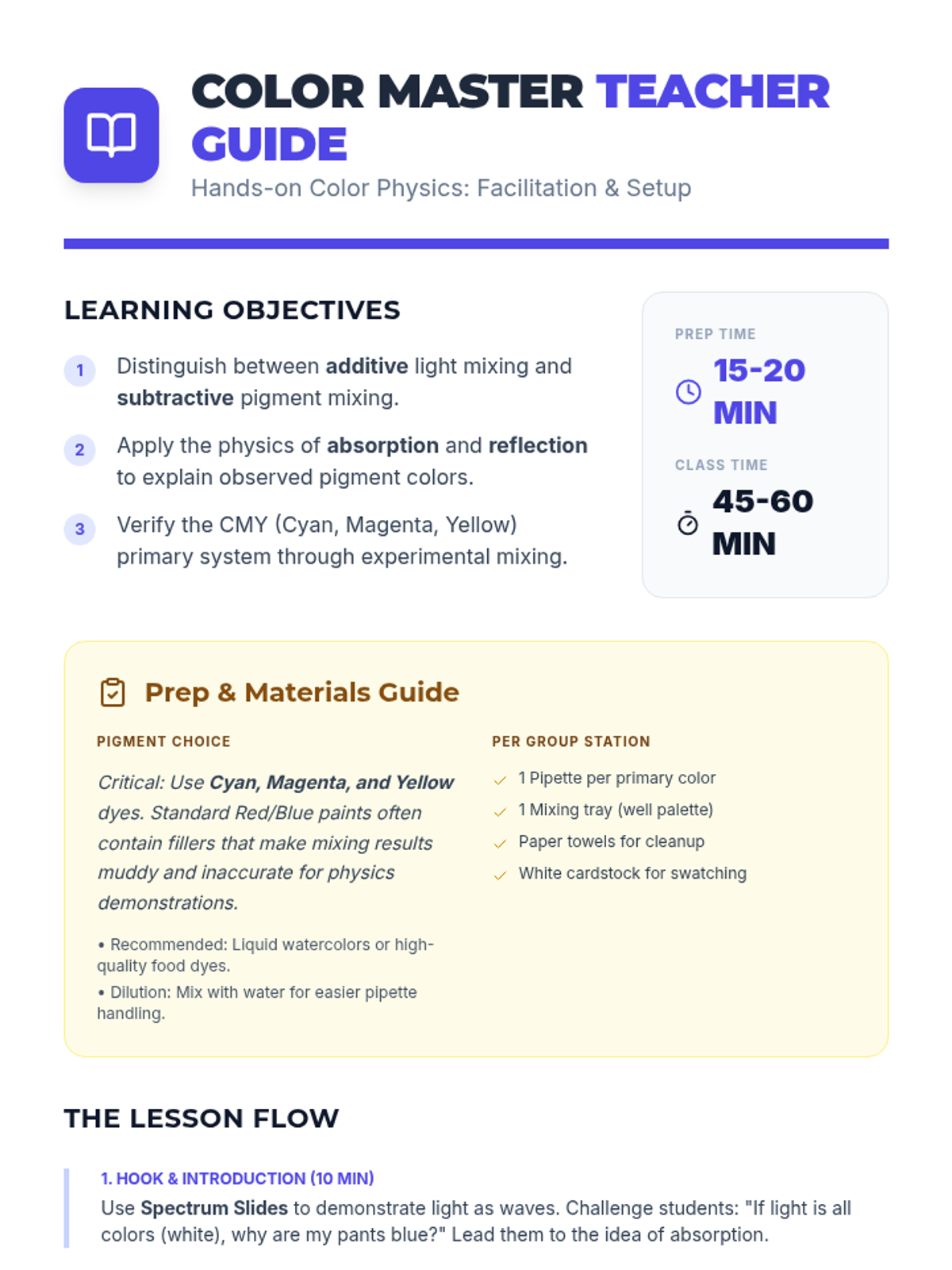
A hands-on exploration of the physics of color, focusing on additive light mixing and subtractive pigment mixing through experimentation.
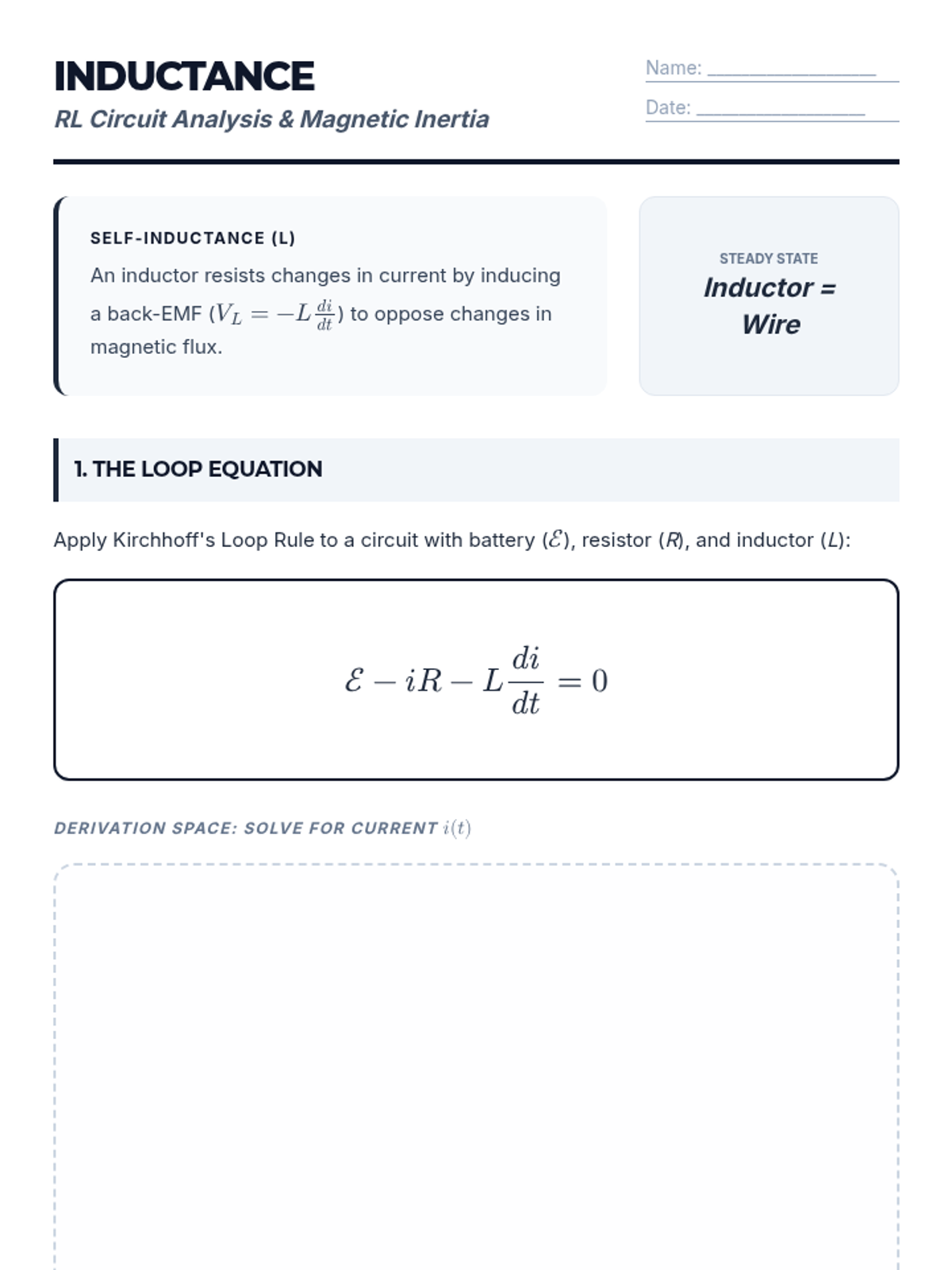
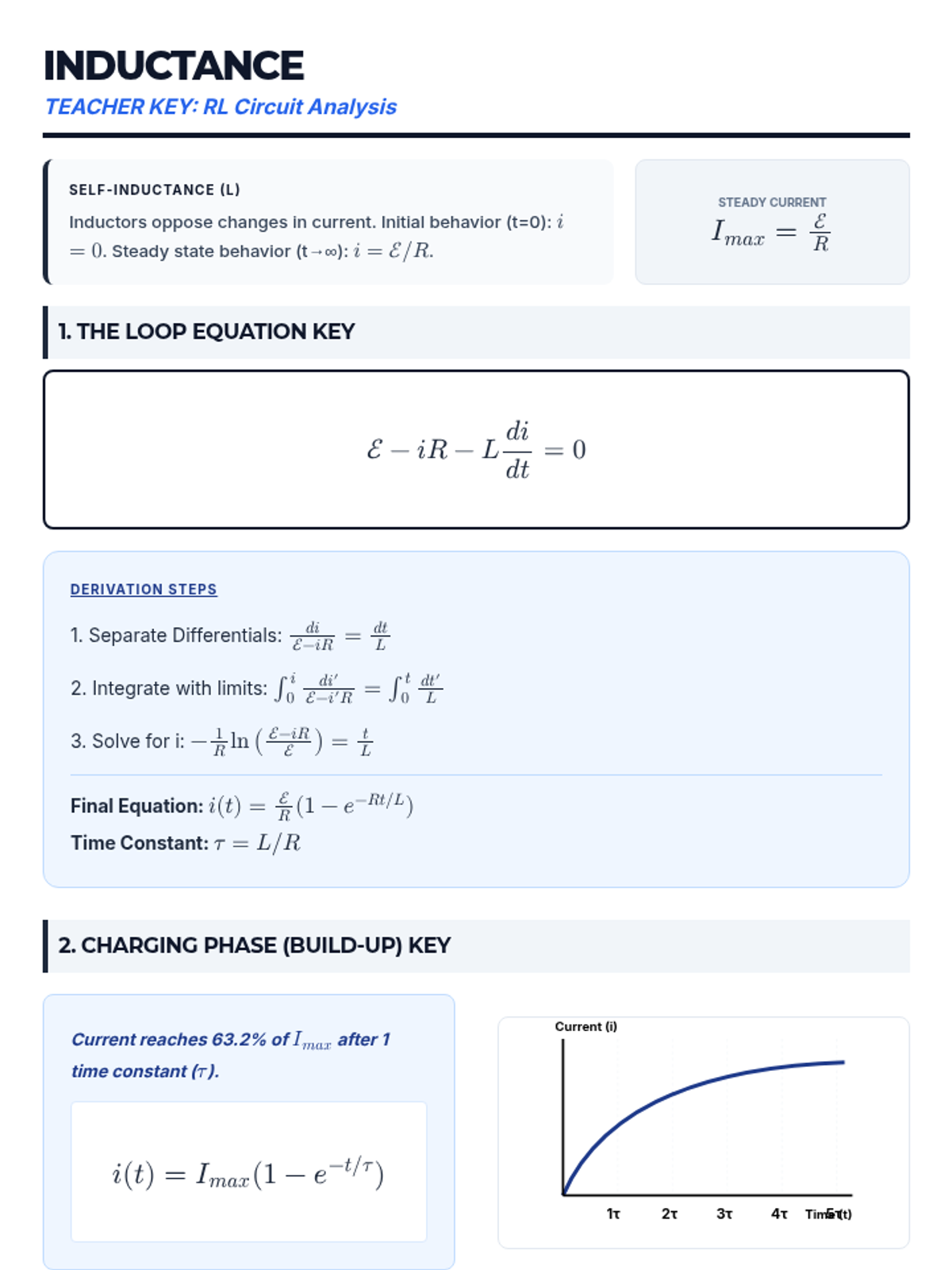
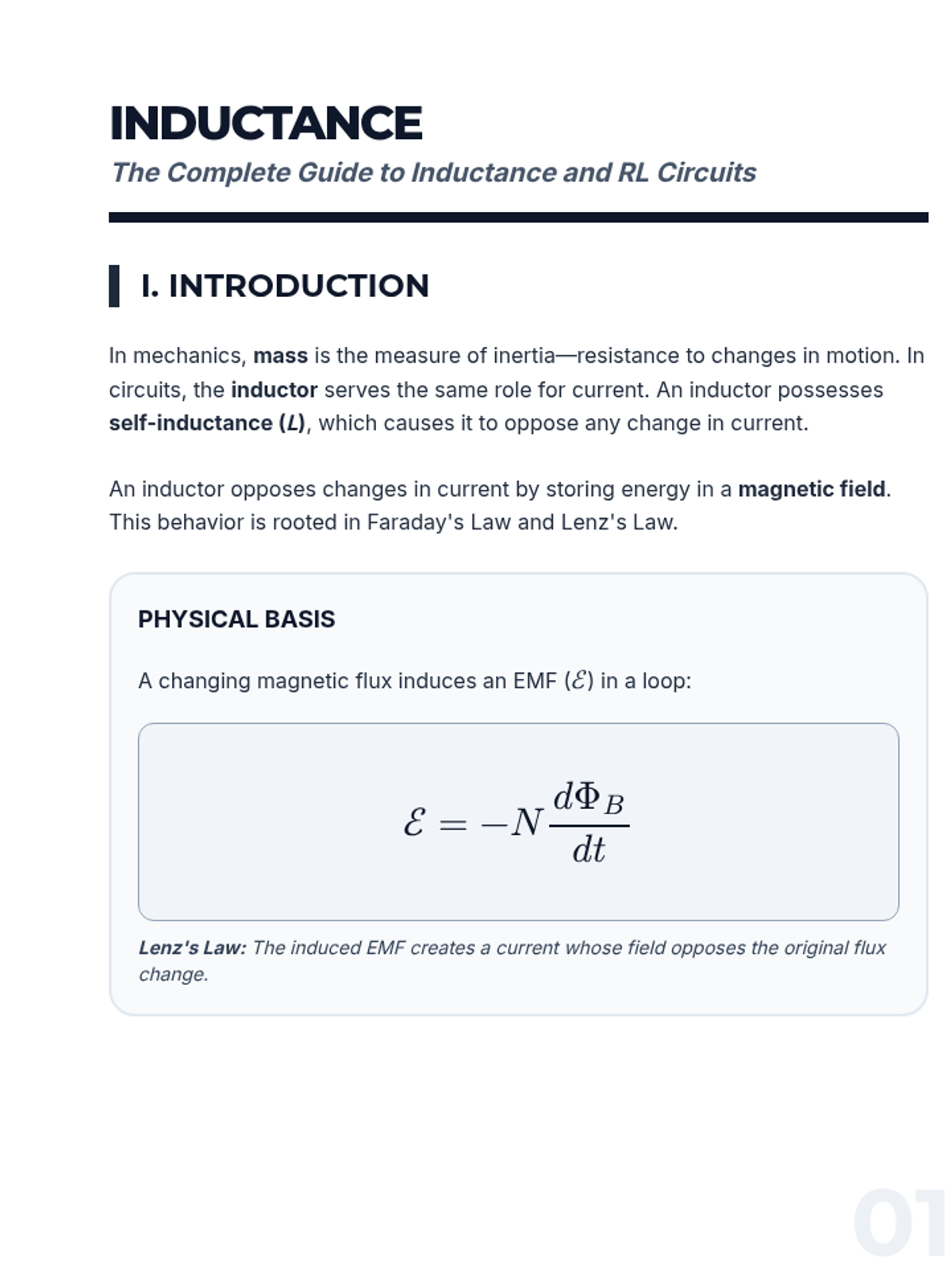
A comprehensive lesson on inductors and RL circuits for AP Physics C, covering differential equations, current build-up and decay, and the physical principles of self-inductance.
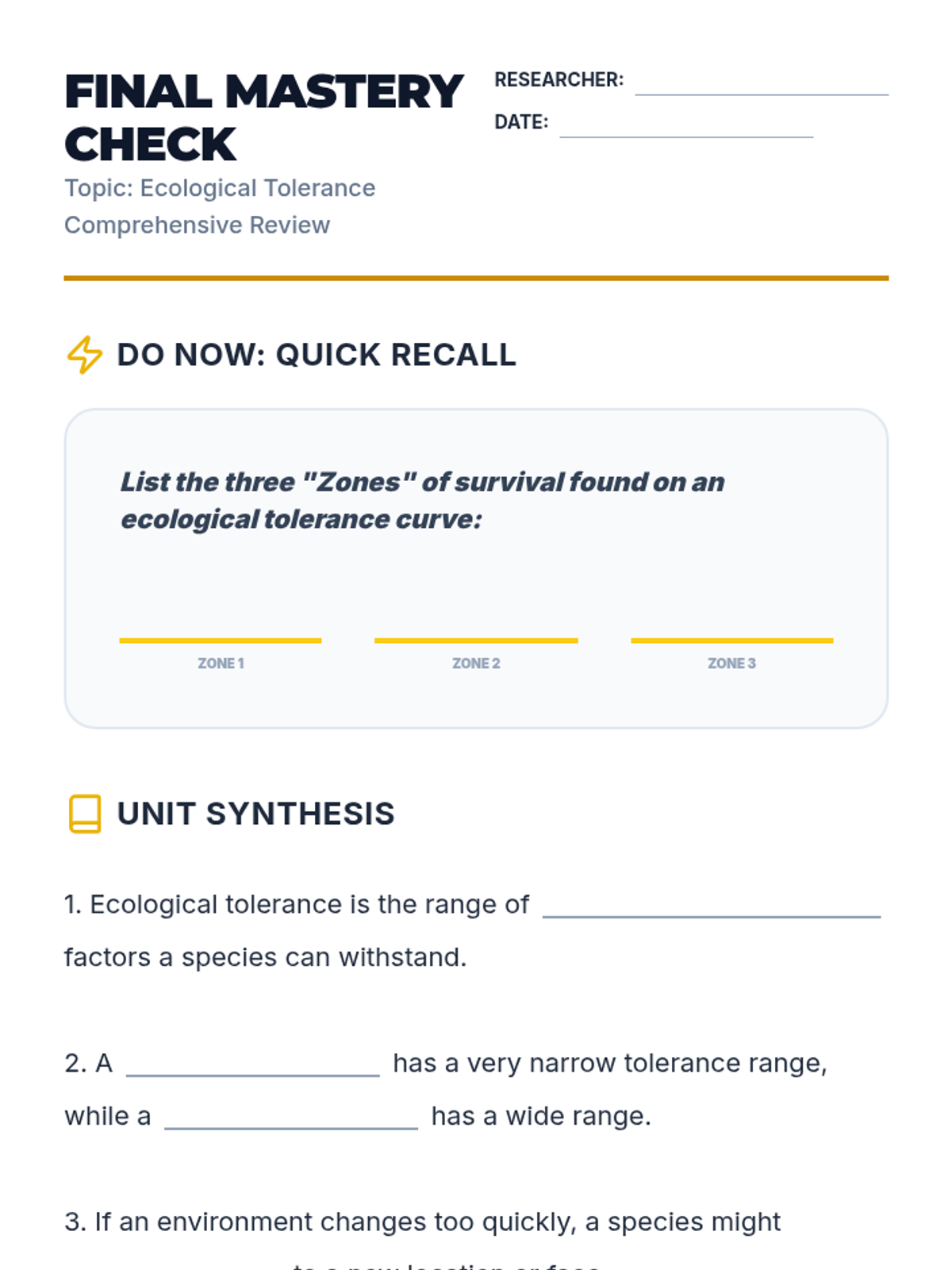
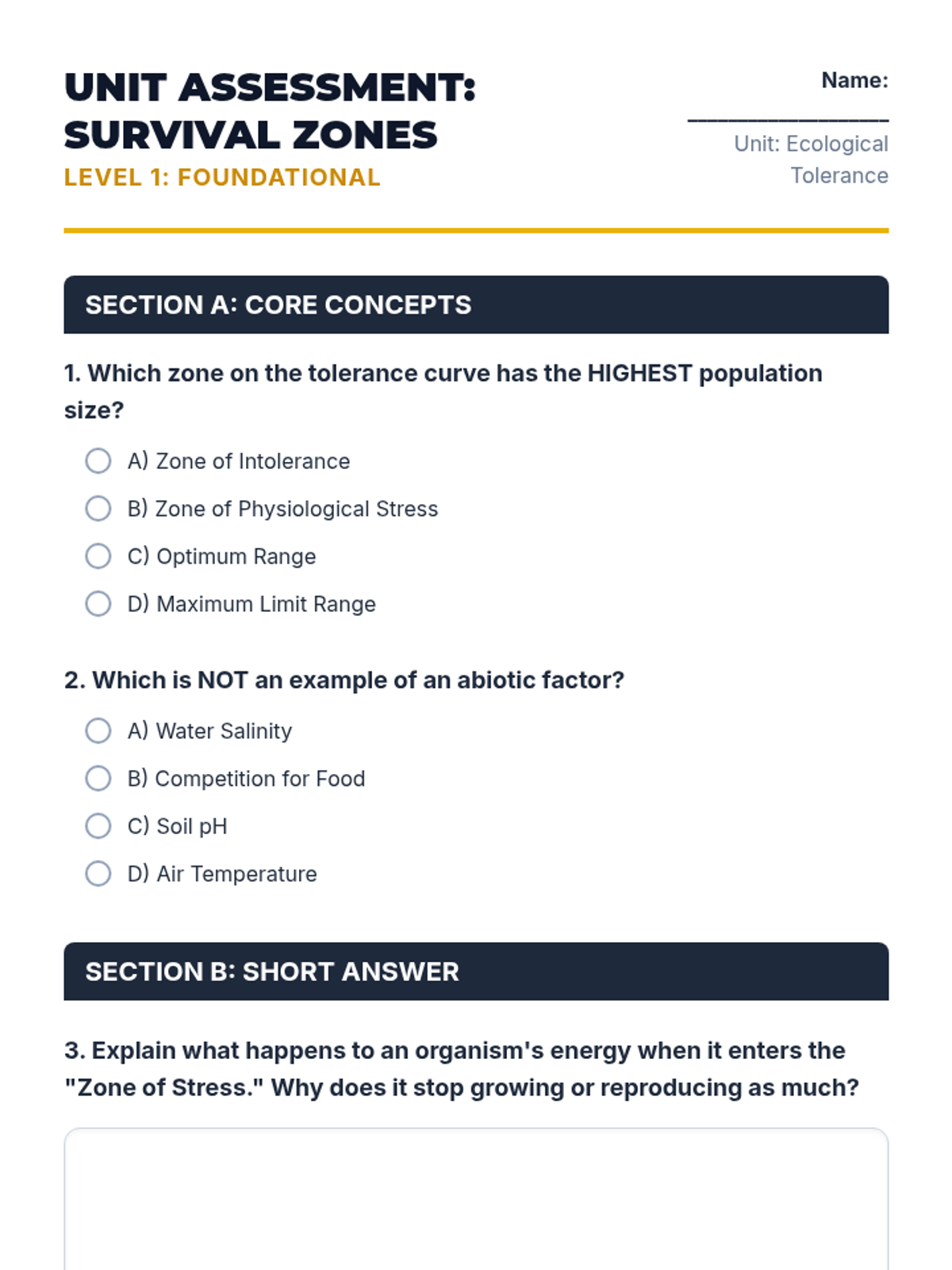
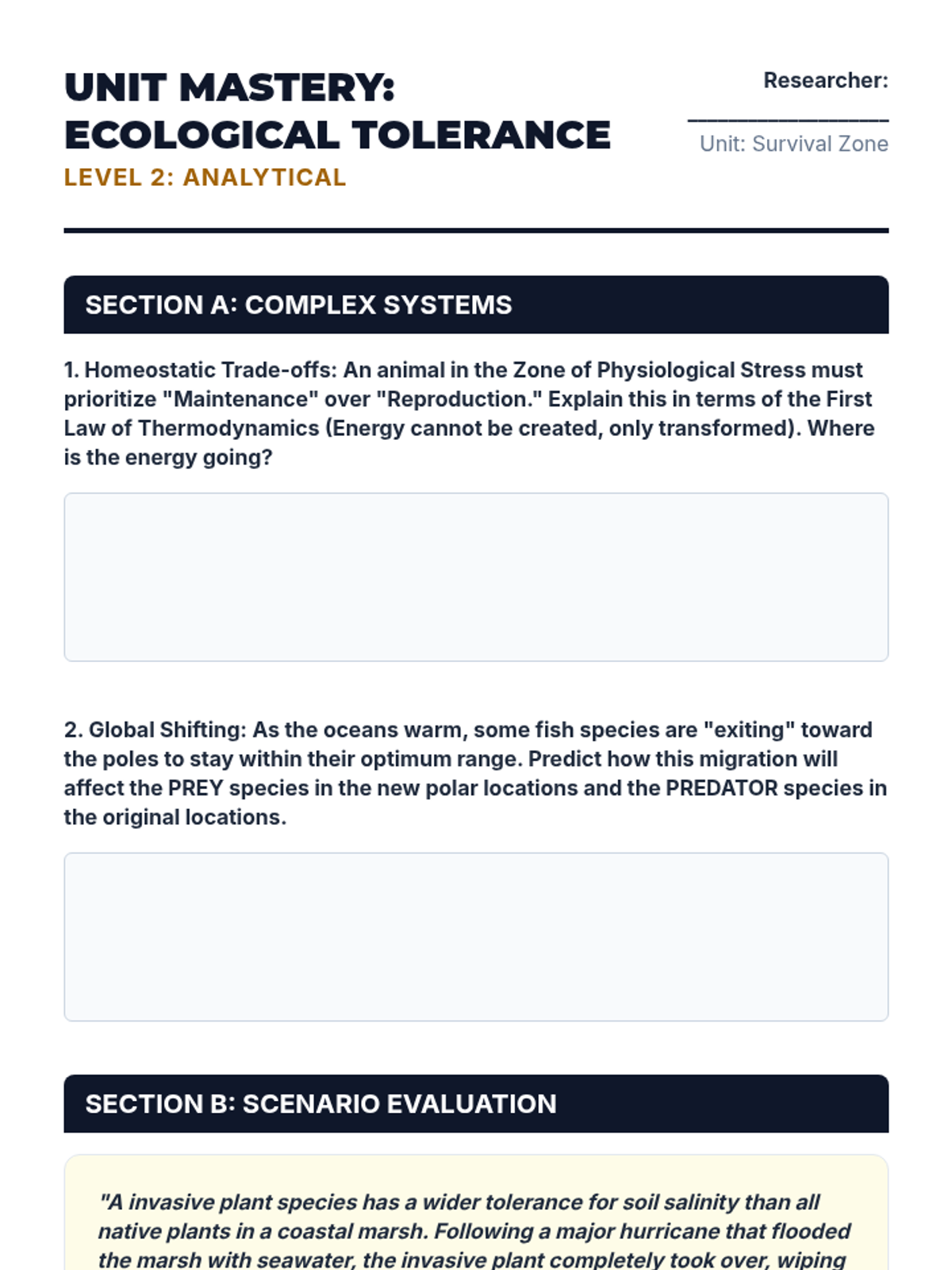
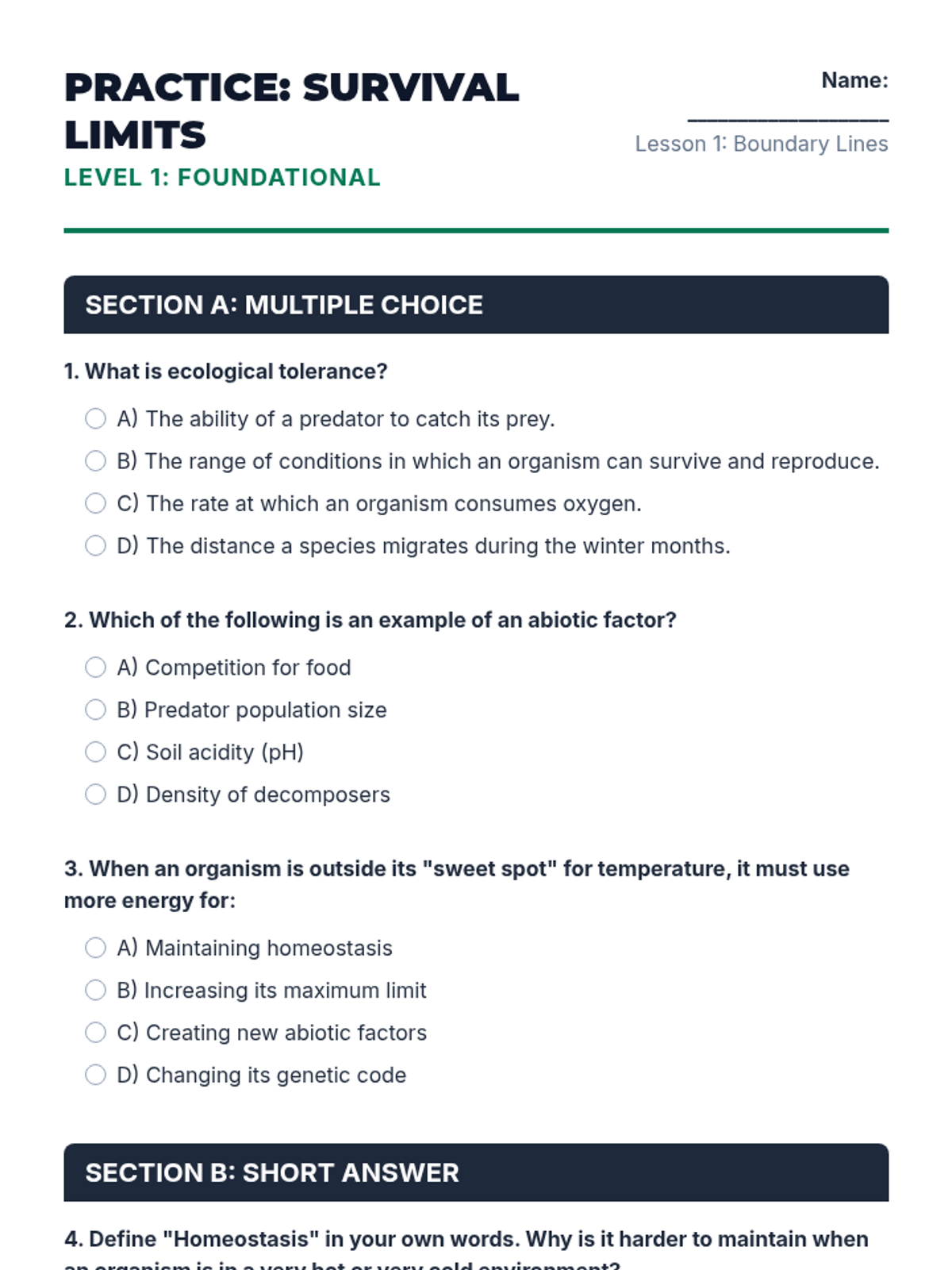
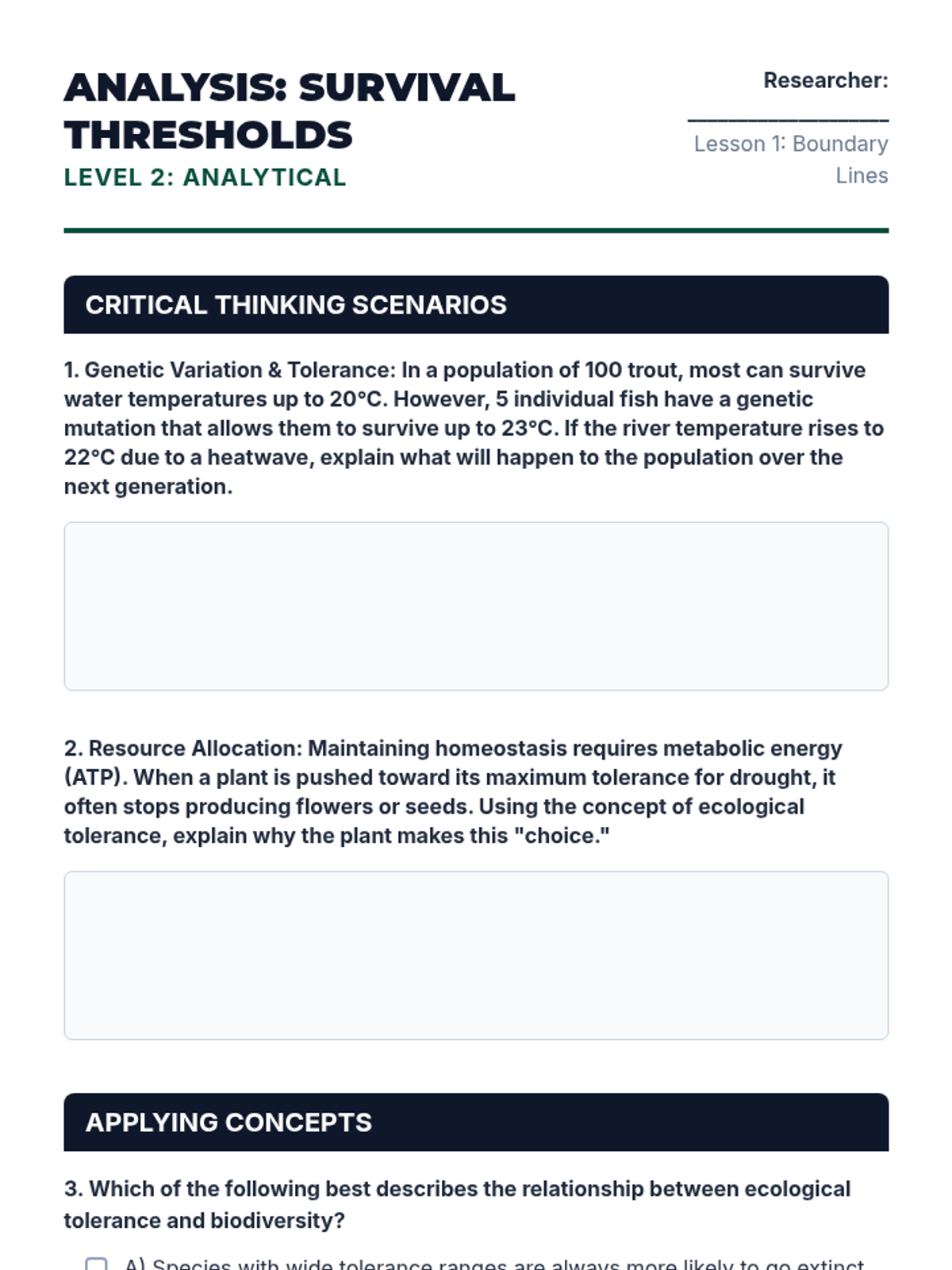
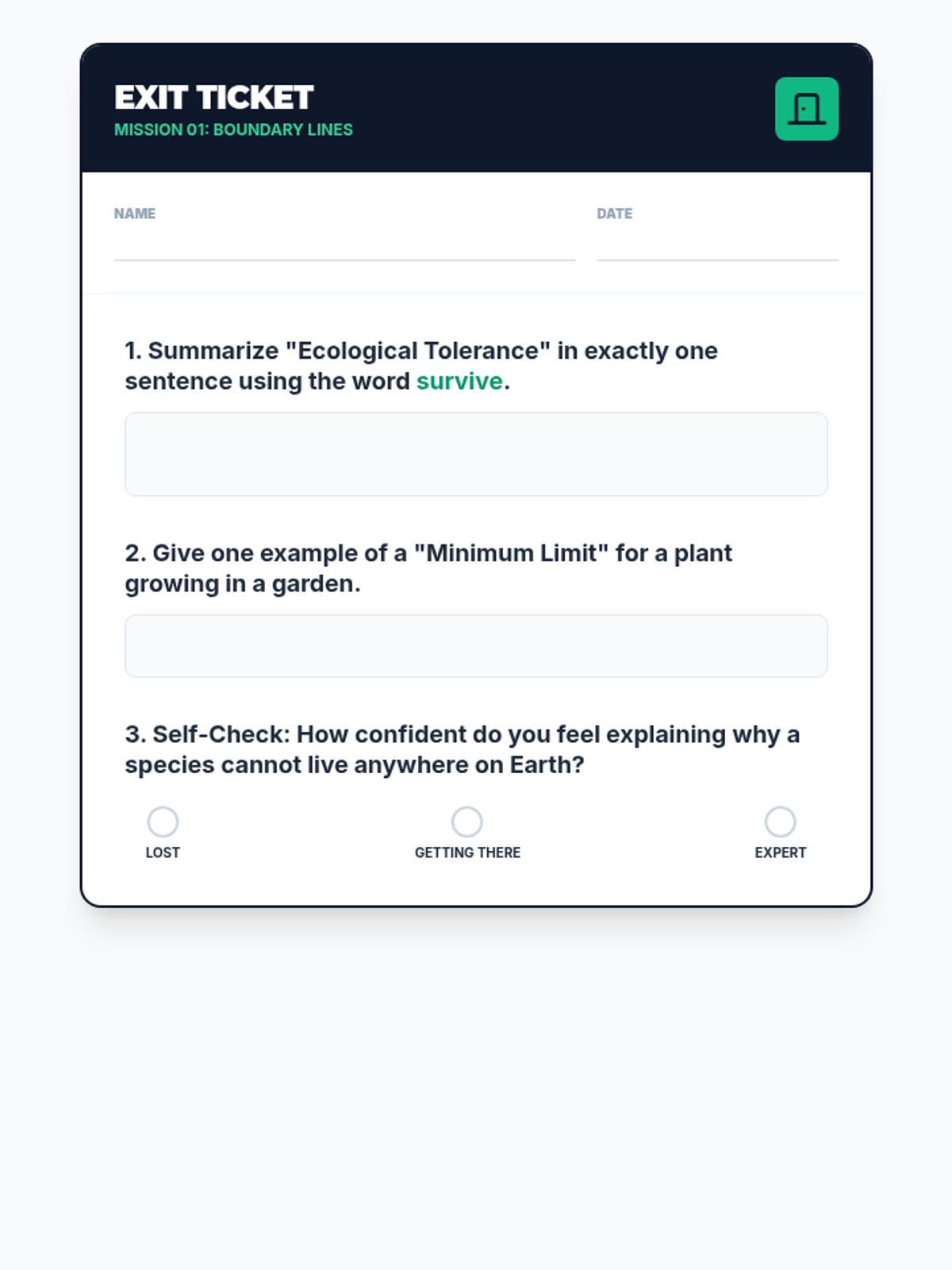
A comprehensive review and assessment of the week's learning through differentiated practice and synthesis.
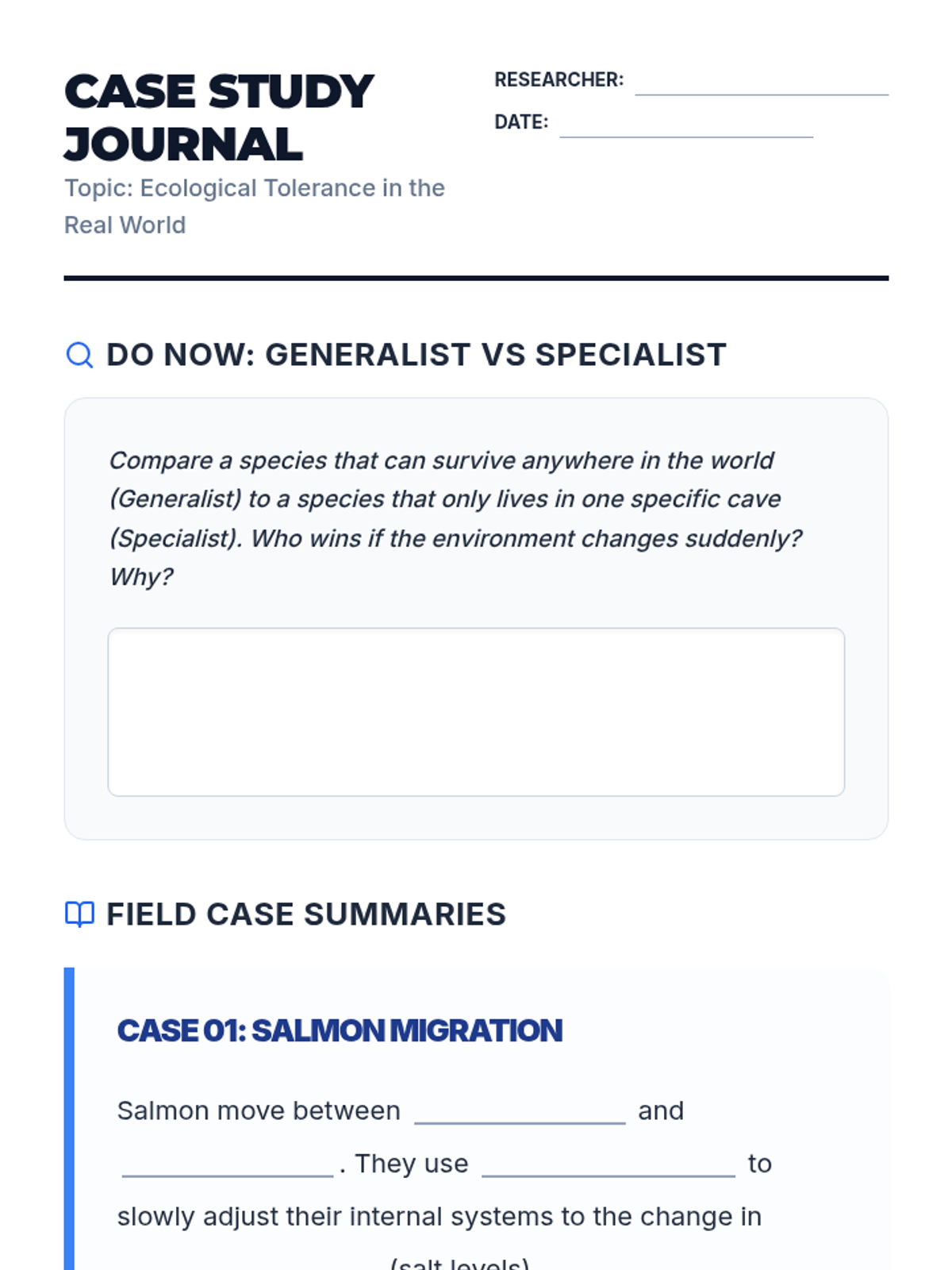
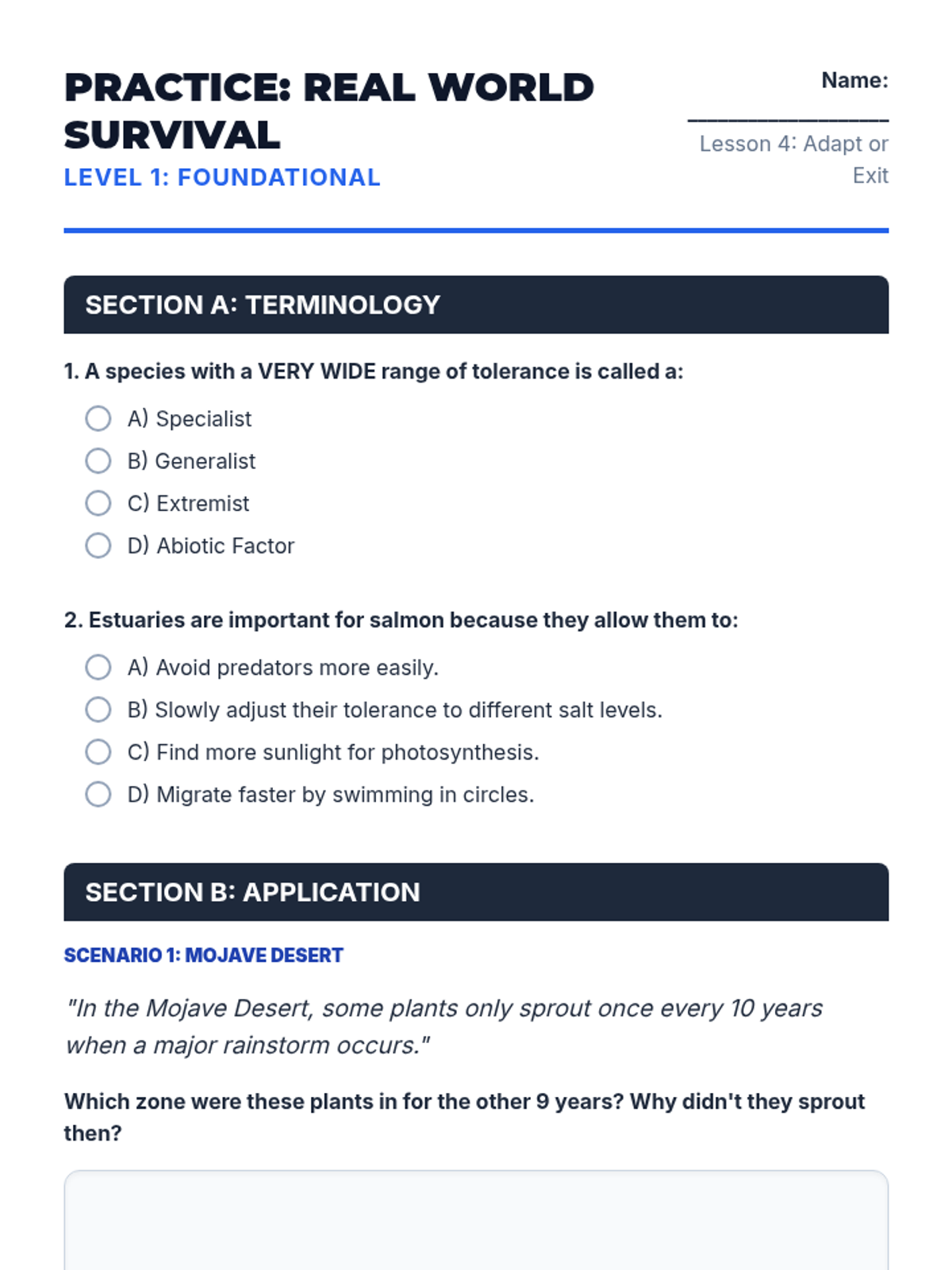
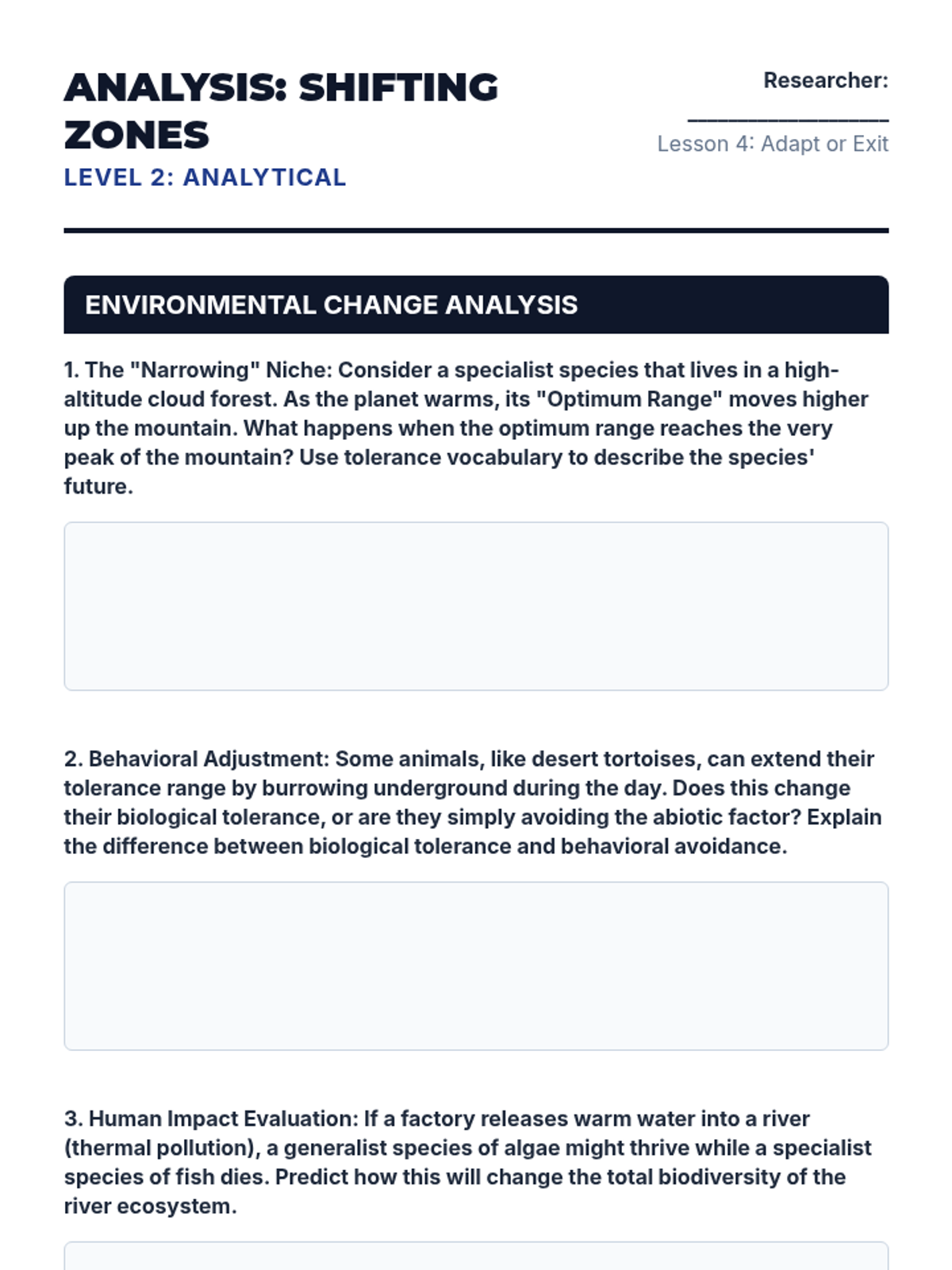
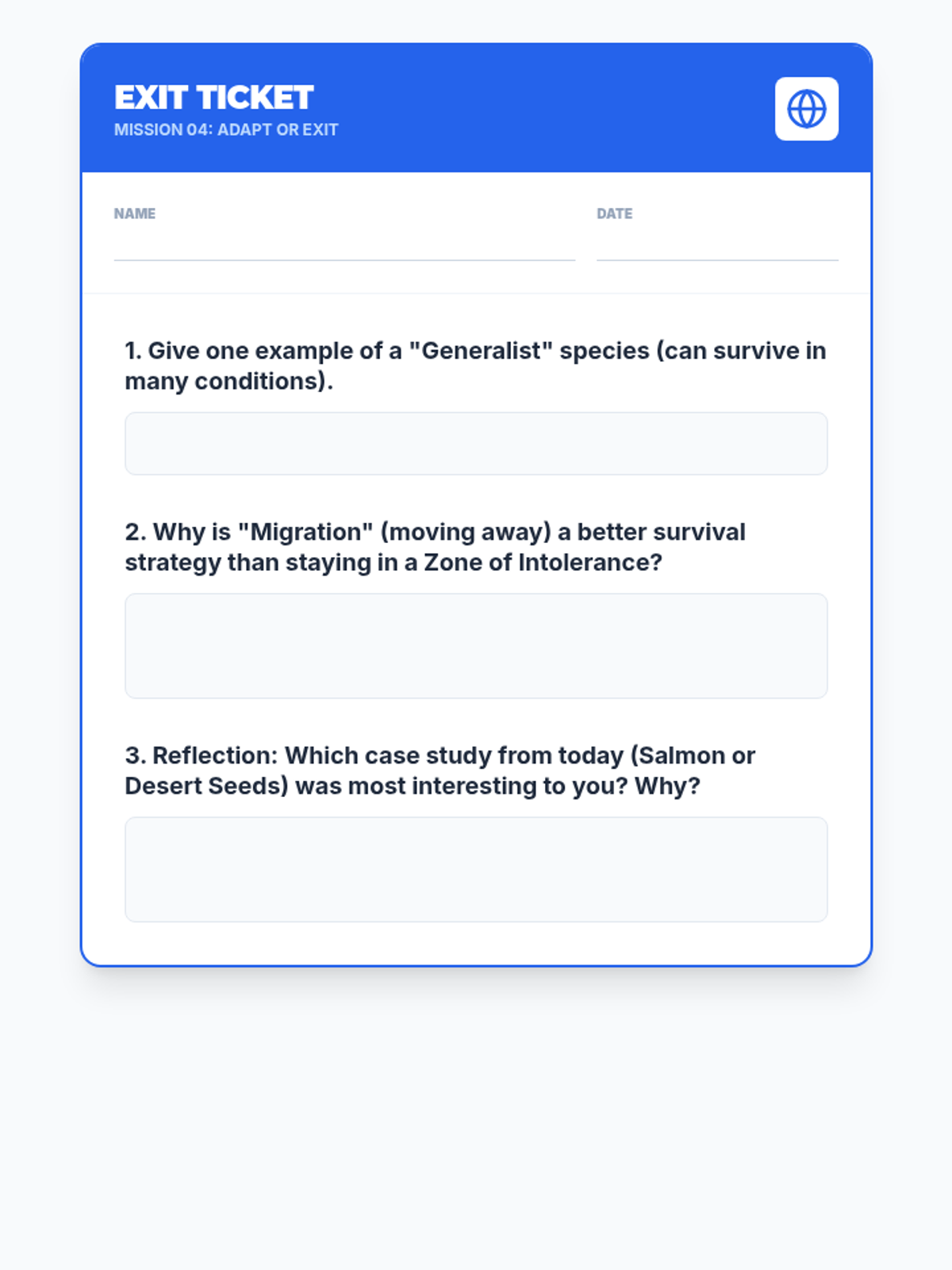
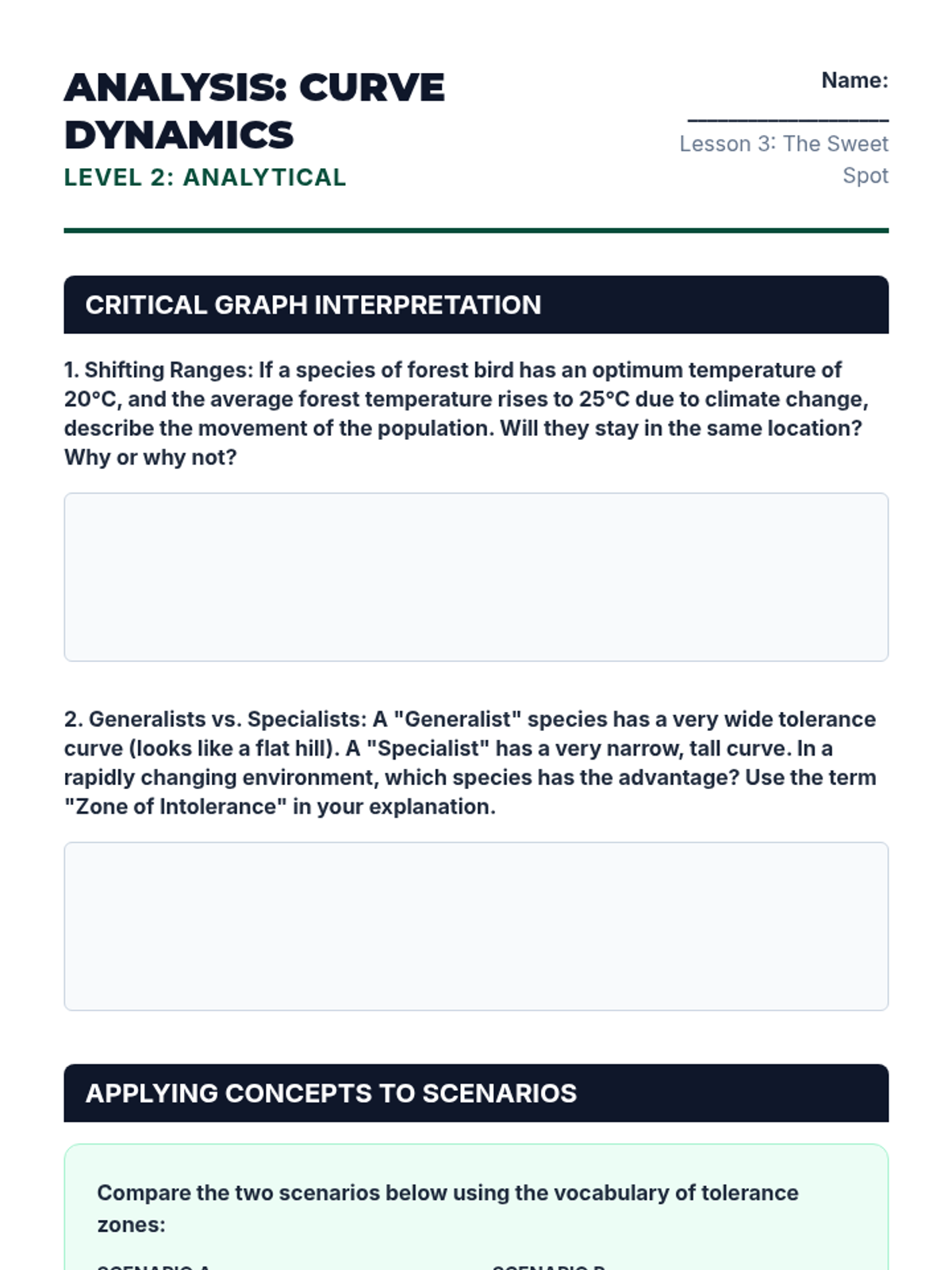
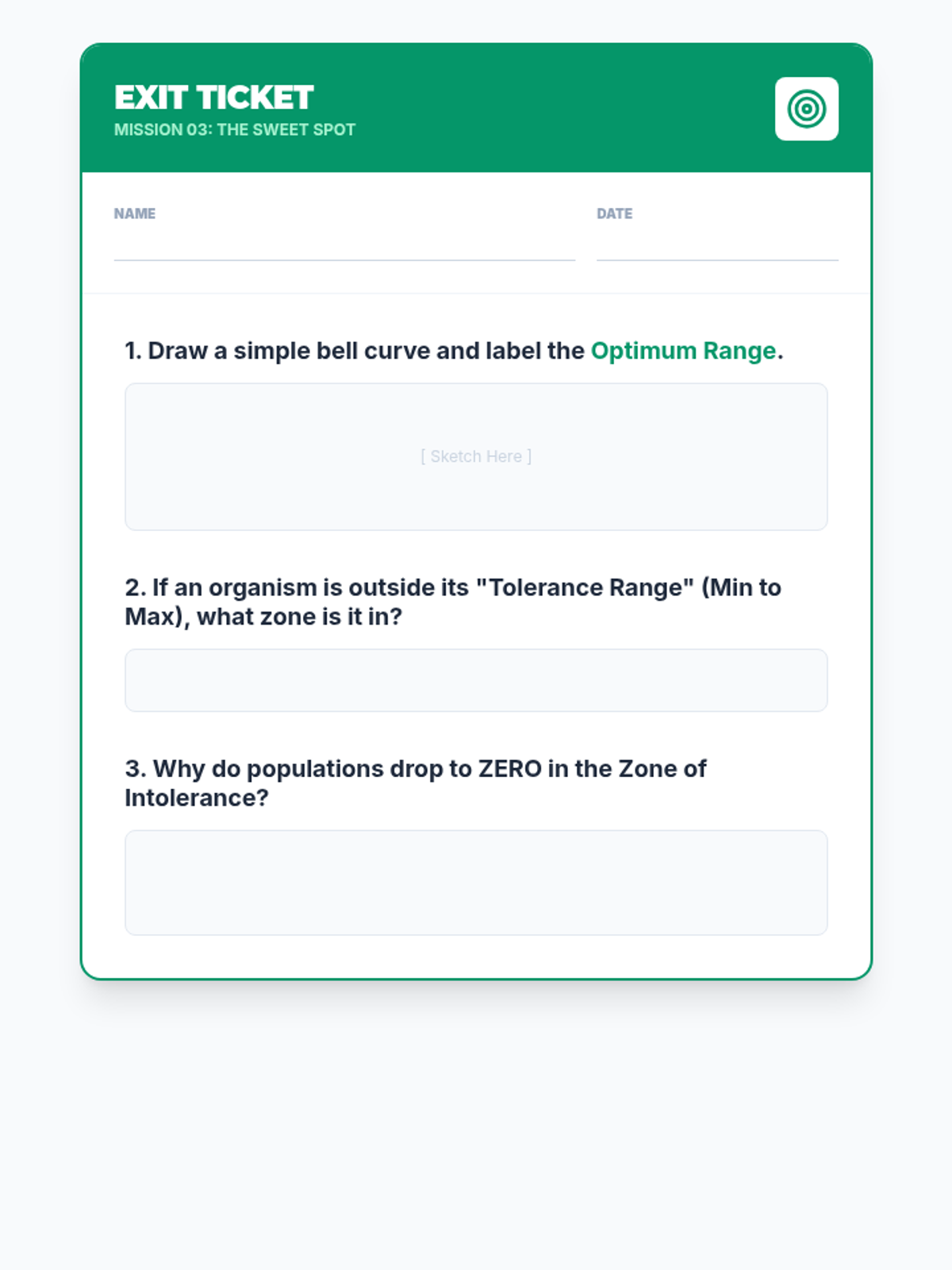
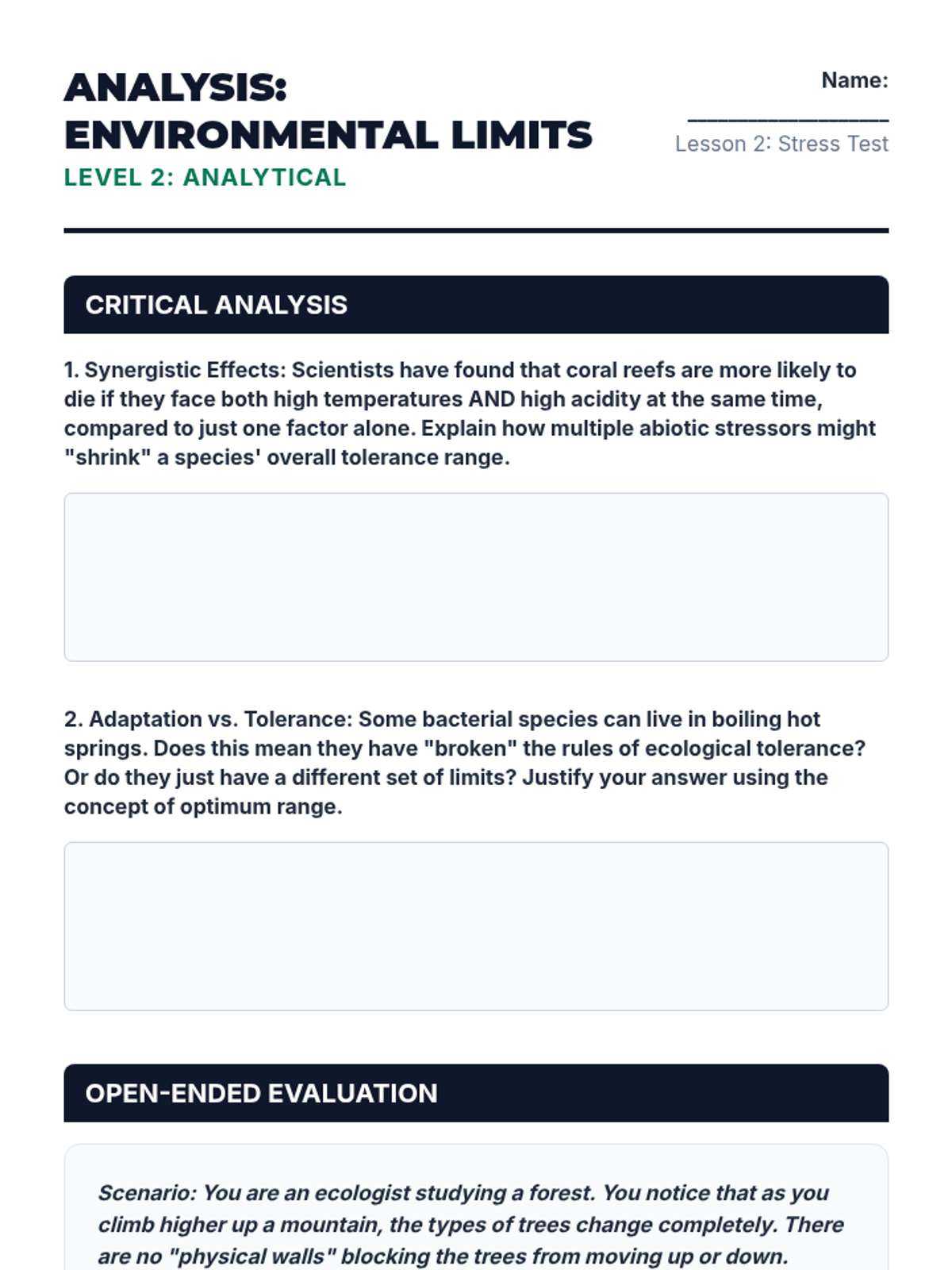
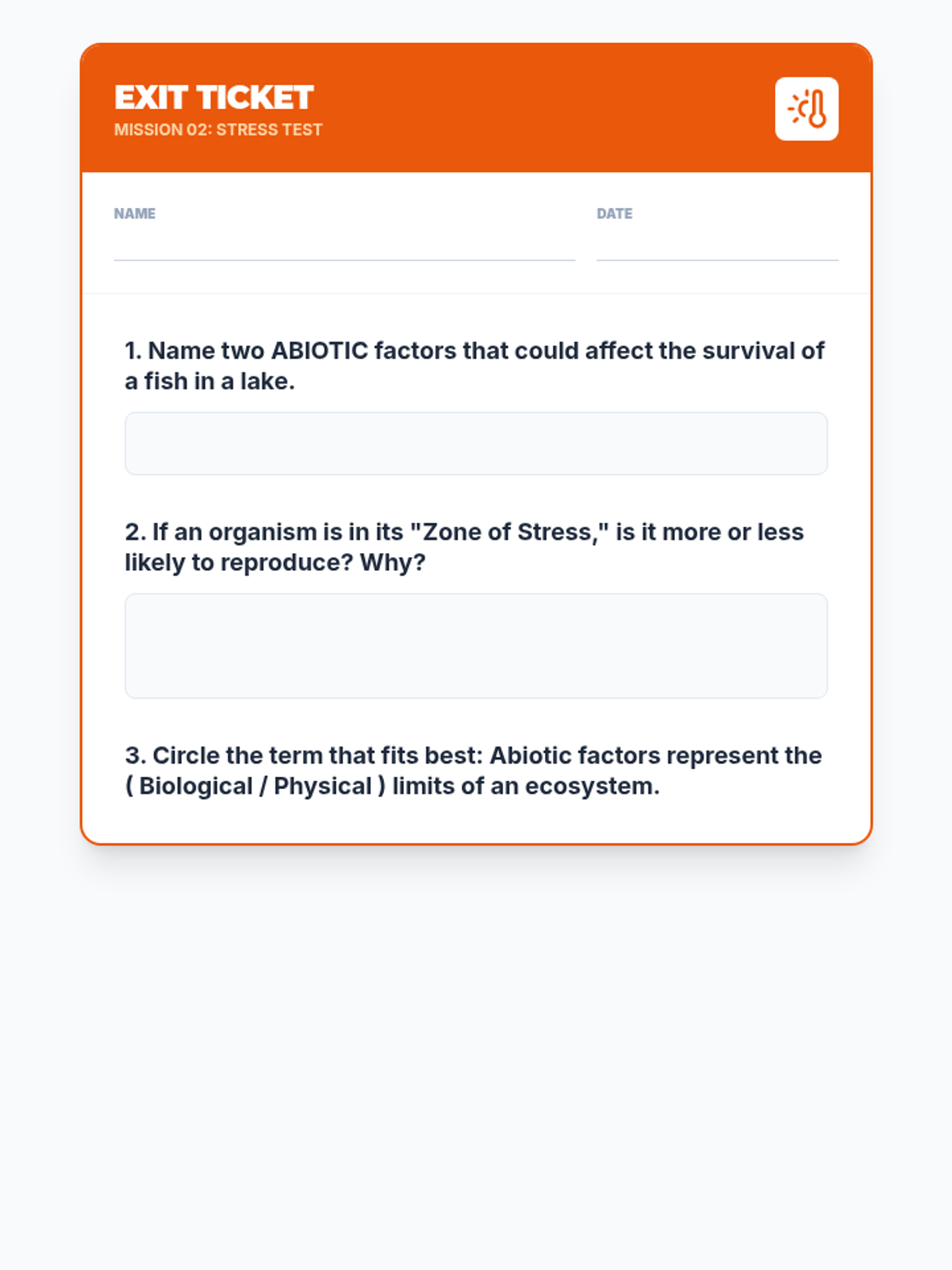
Apply tolerance concepts to real-world scenarios such as coral bleaching, invasive species, and climate-driven migration.
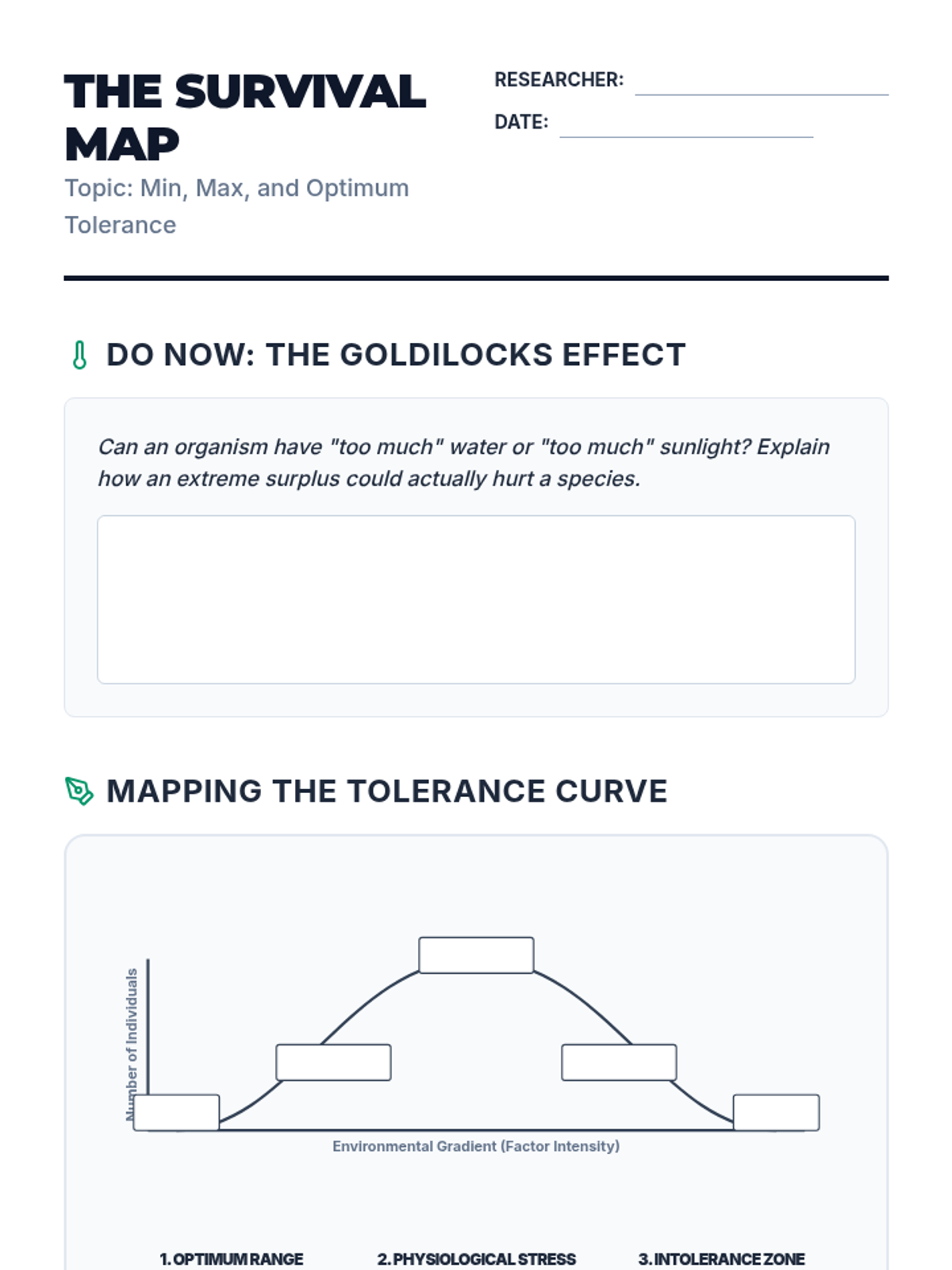
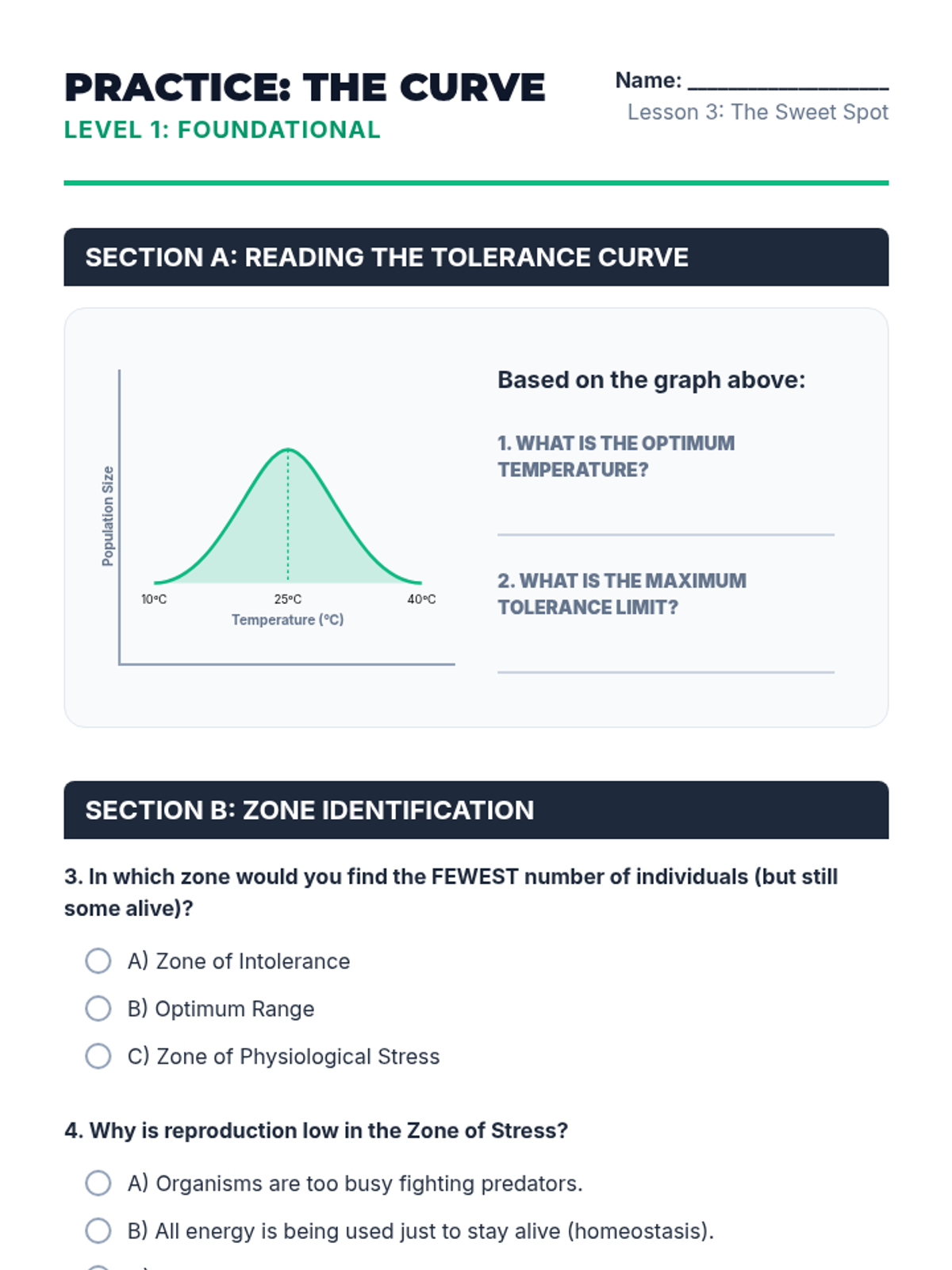
Master the ecological tolerance curve by defining and identifying the optimum range, zone of physiological stress, and zone of intolerance.
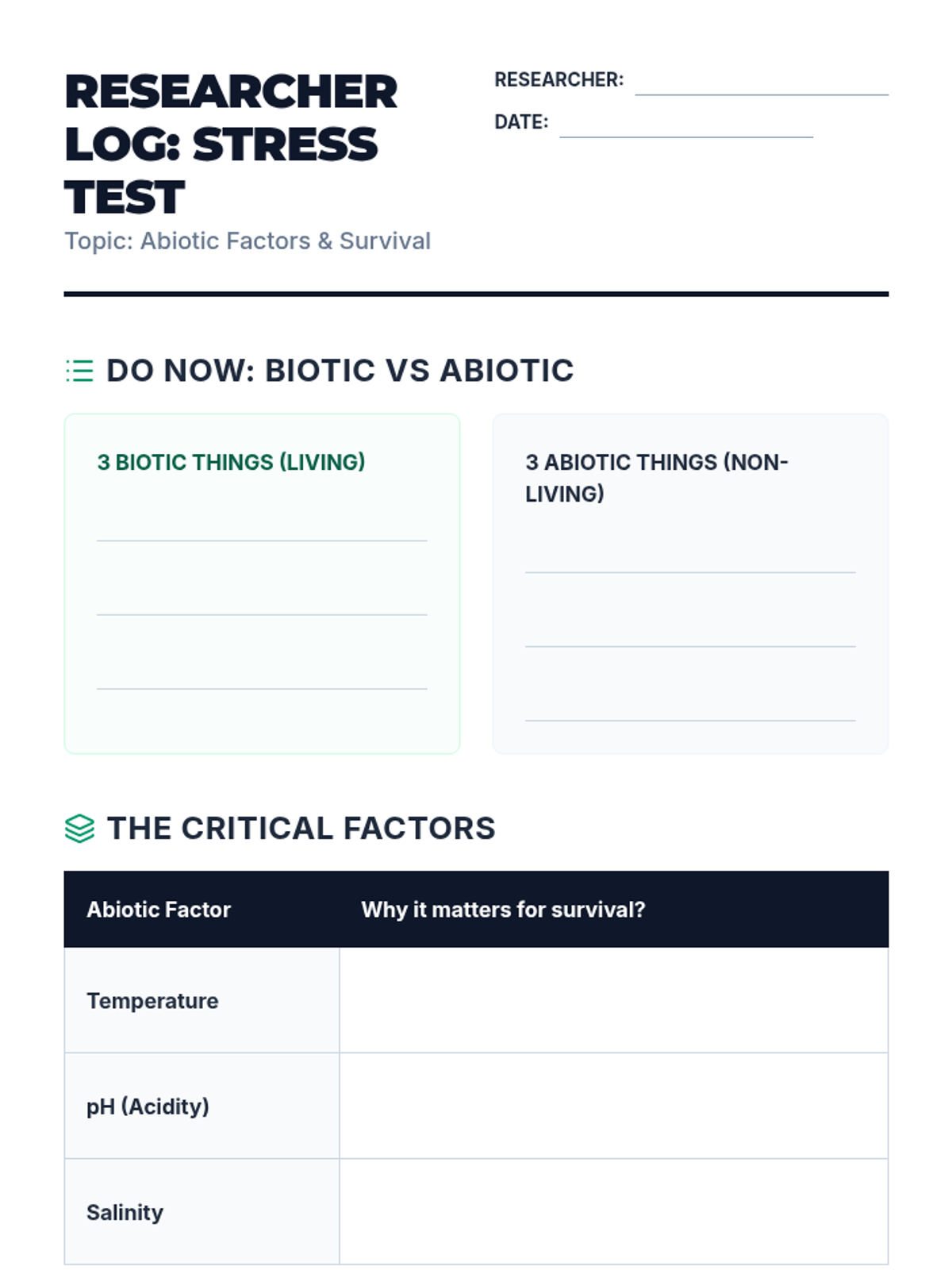
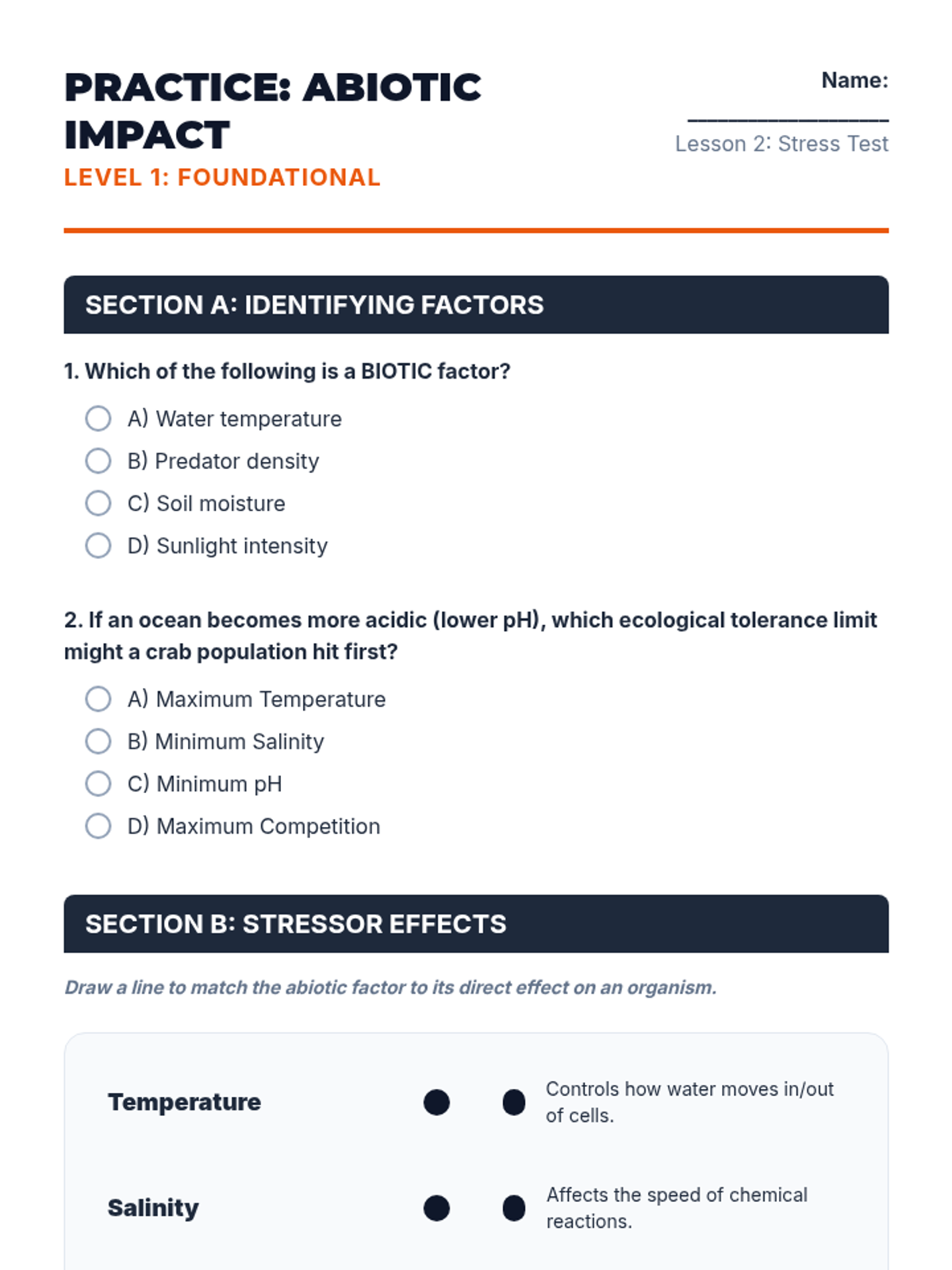
Identify and analyze specific abiotic factors like temperature, pH, and salinity that dictate whether a species thrives or perishes.
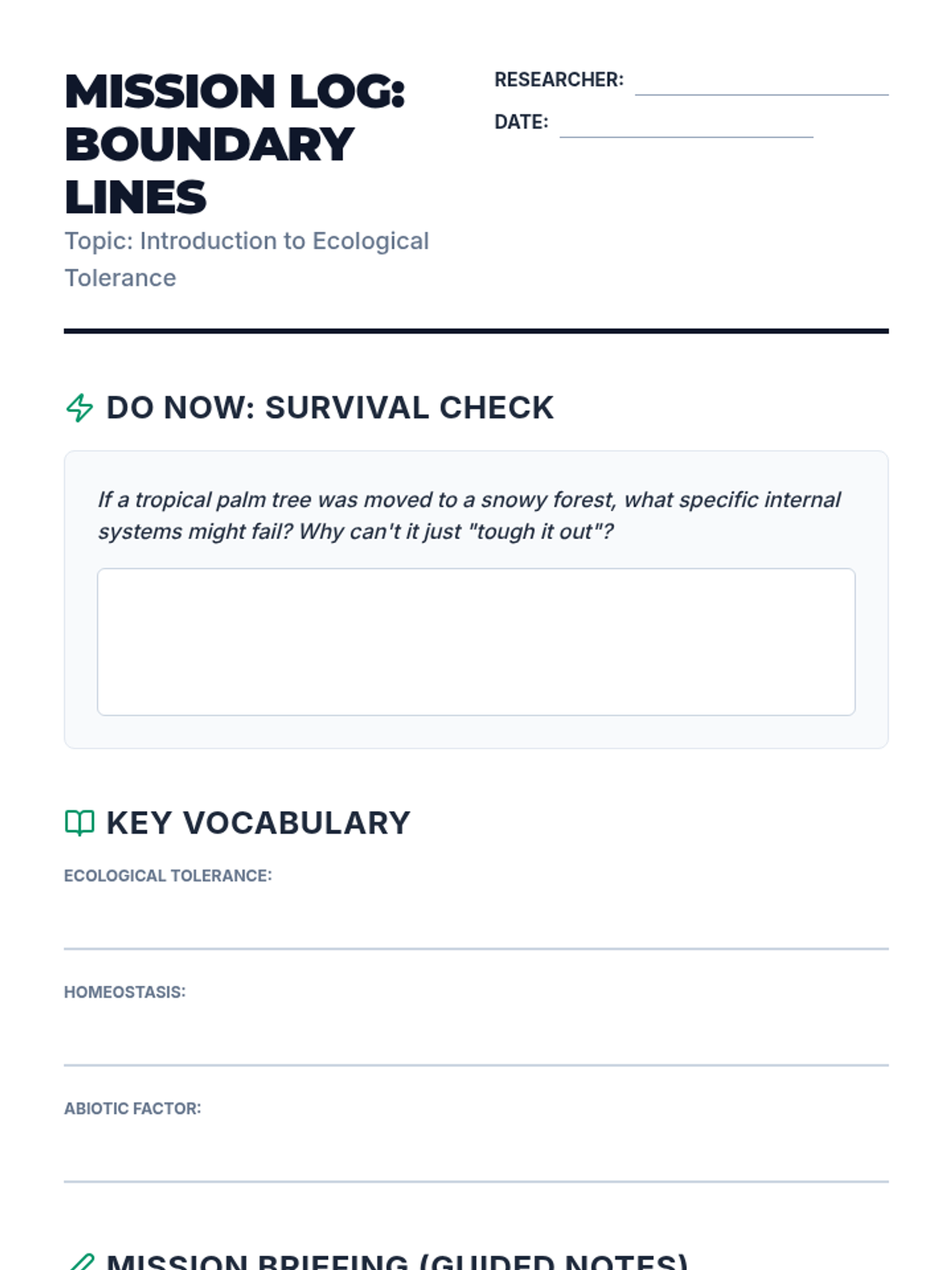
Introduce the concept of ecological tolerance and the basic biological necessity for staying within specific environmental ranges.
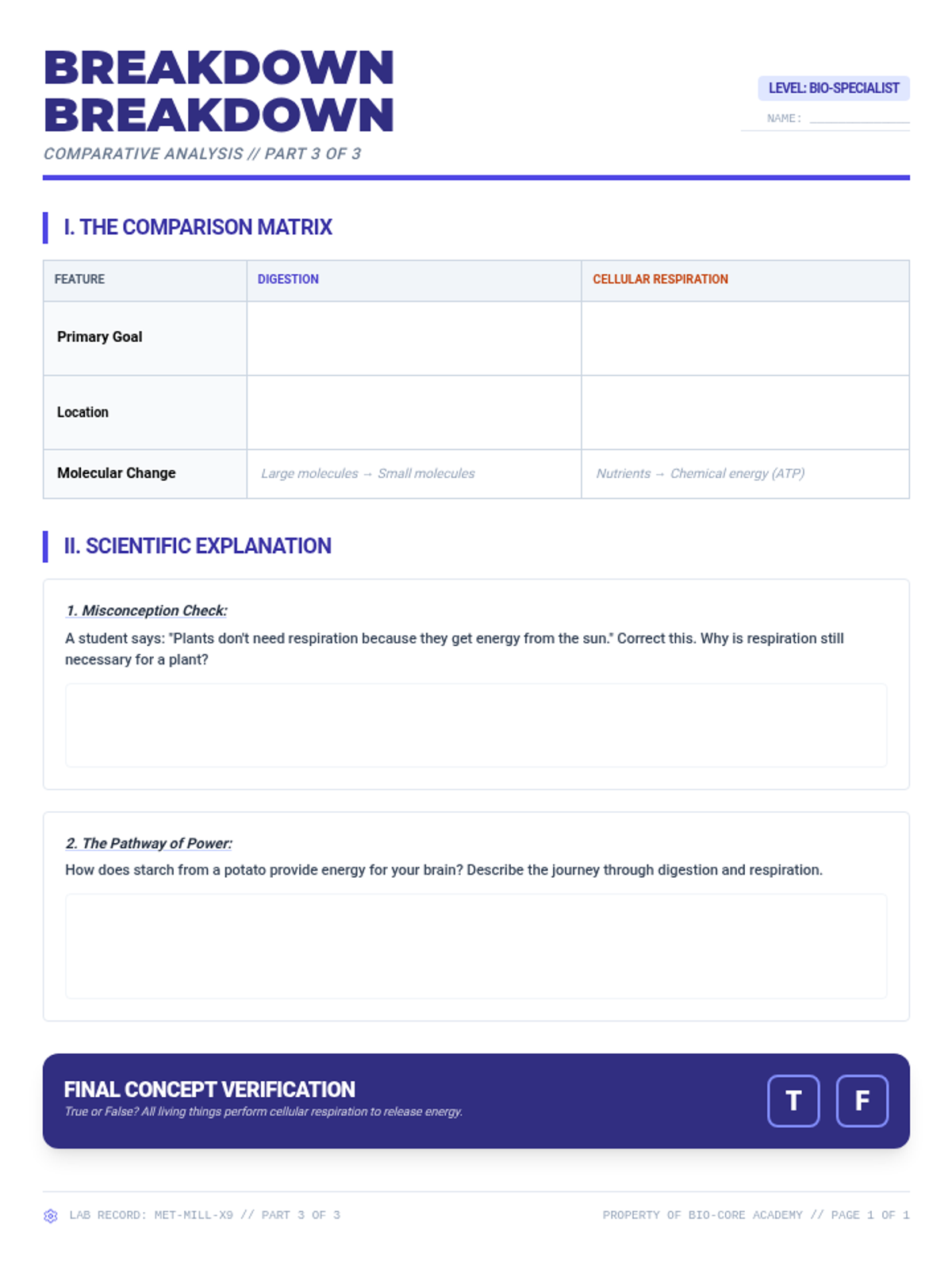
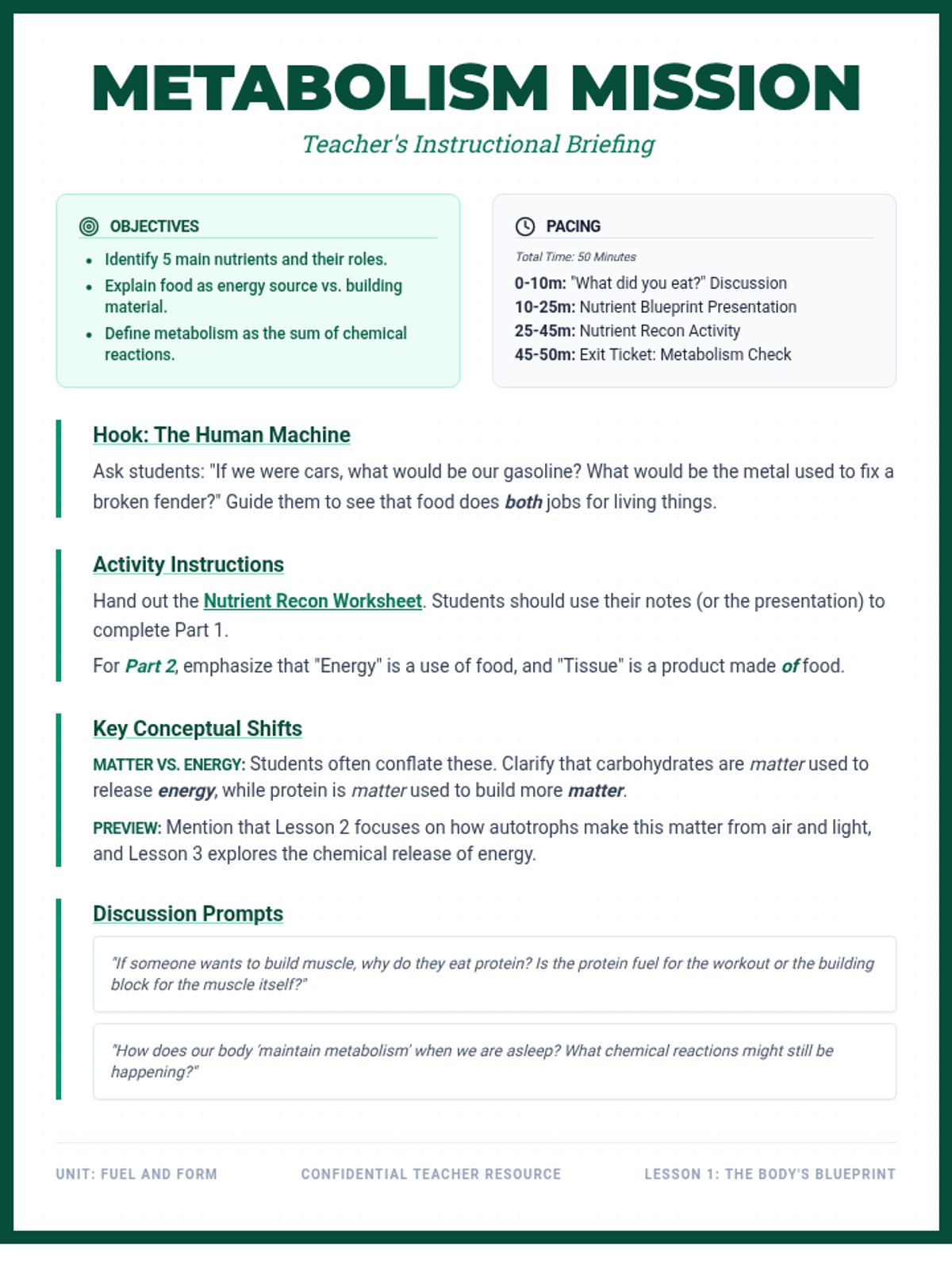
Differentiate between digestion and cellular respiration, and explain how all organisms use respiration to release energy.
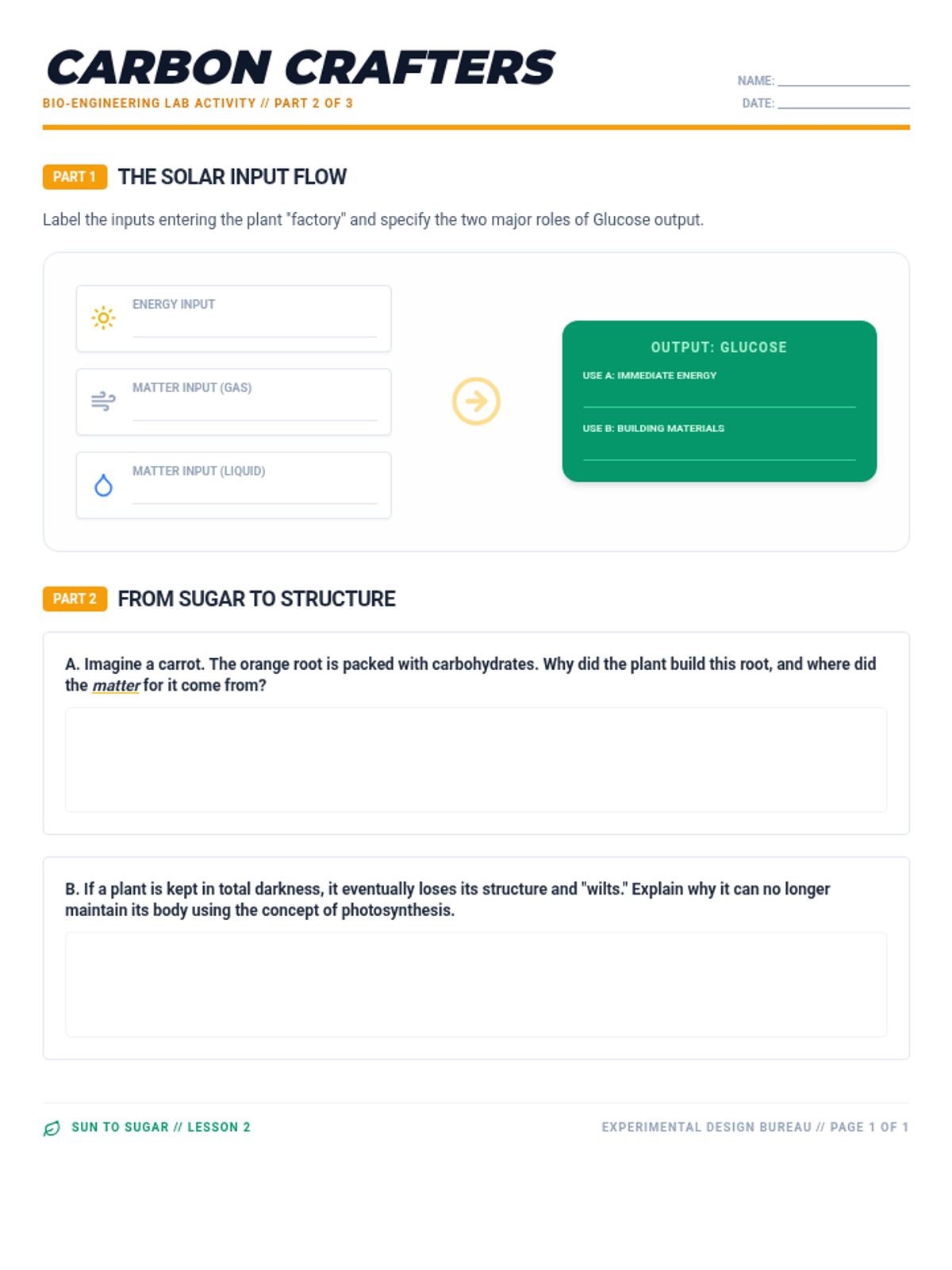
Explain how autotrophs use photosynthesis to create carbohydrates for food and structural materials.
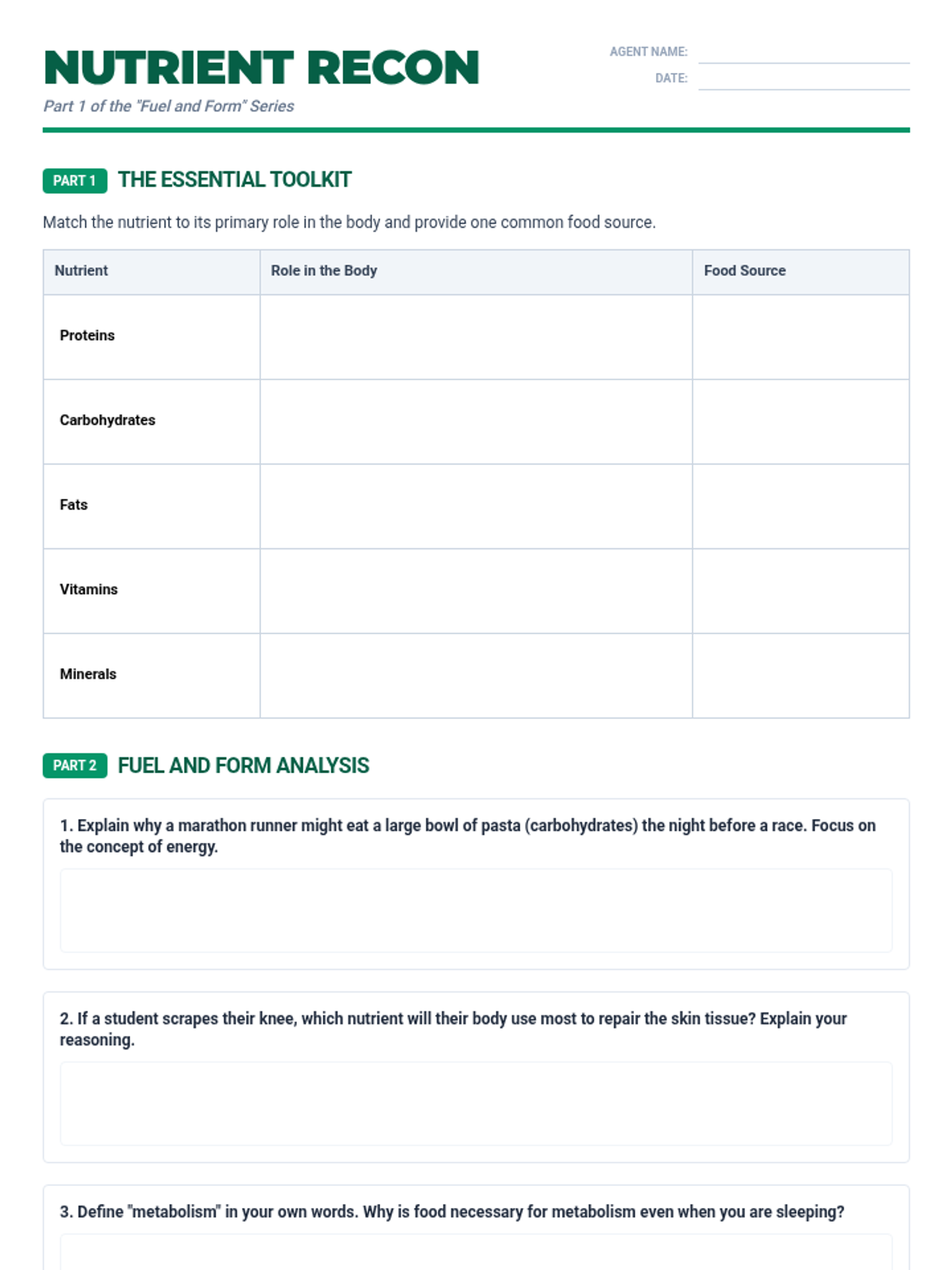
Identify the roles and sources of the five main nutrients and explain why organisms require food for energy and metabolic building materials.
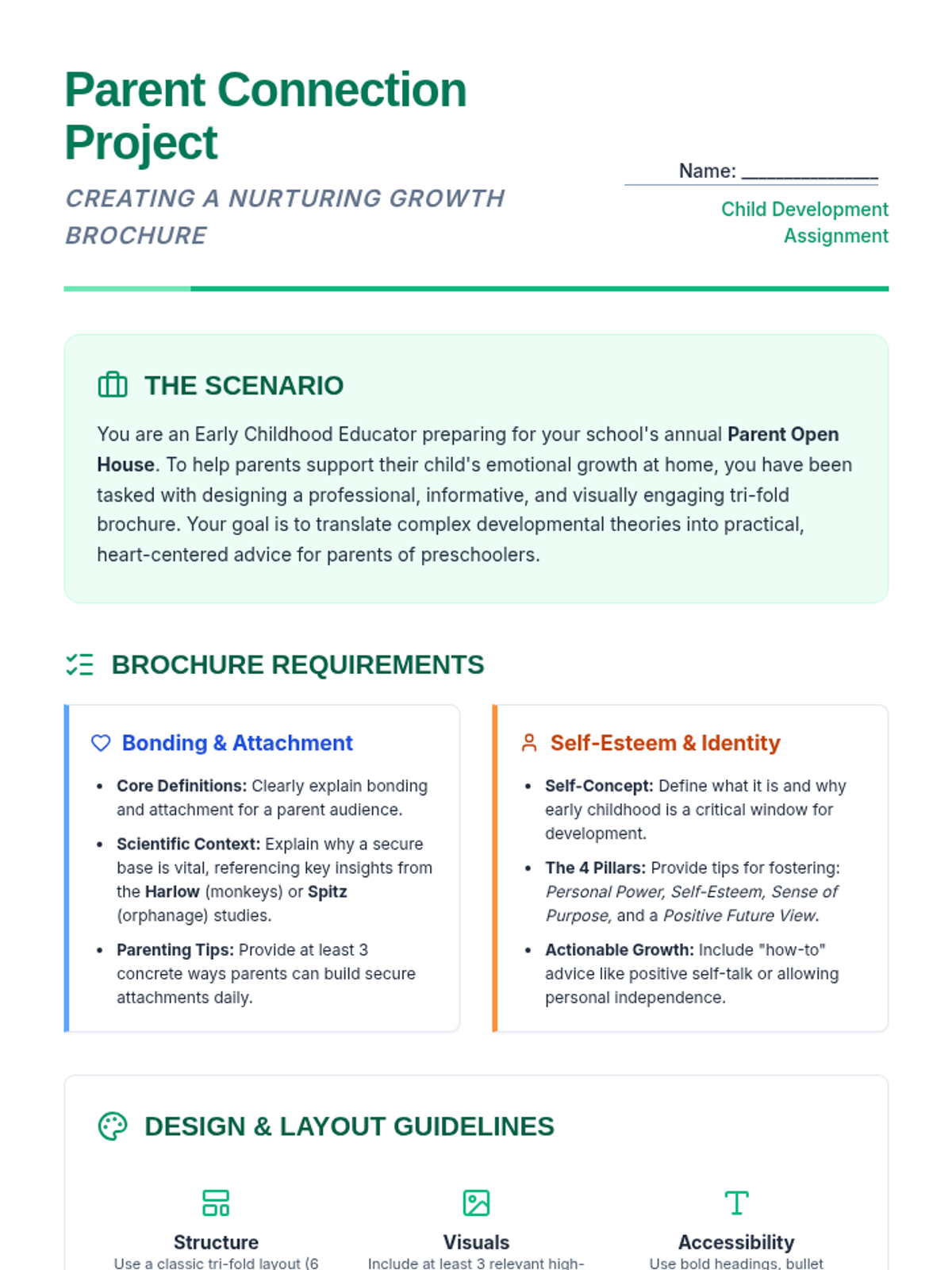
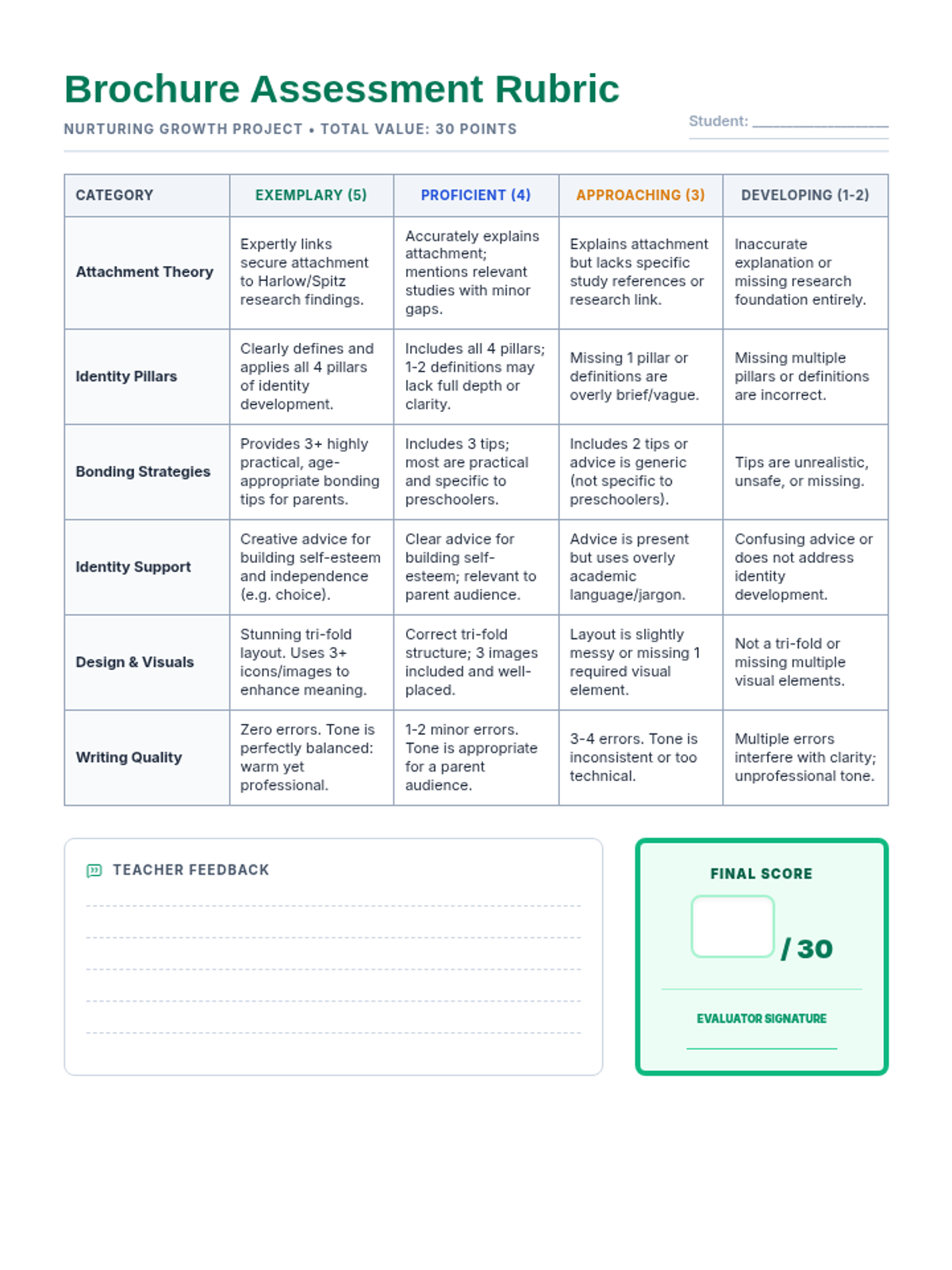
Students will apply their knowledge of bonding, attachment, and child development to create an informative brochure for parents of preschoolers.
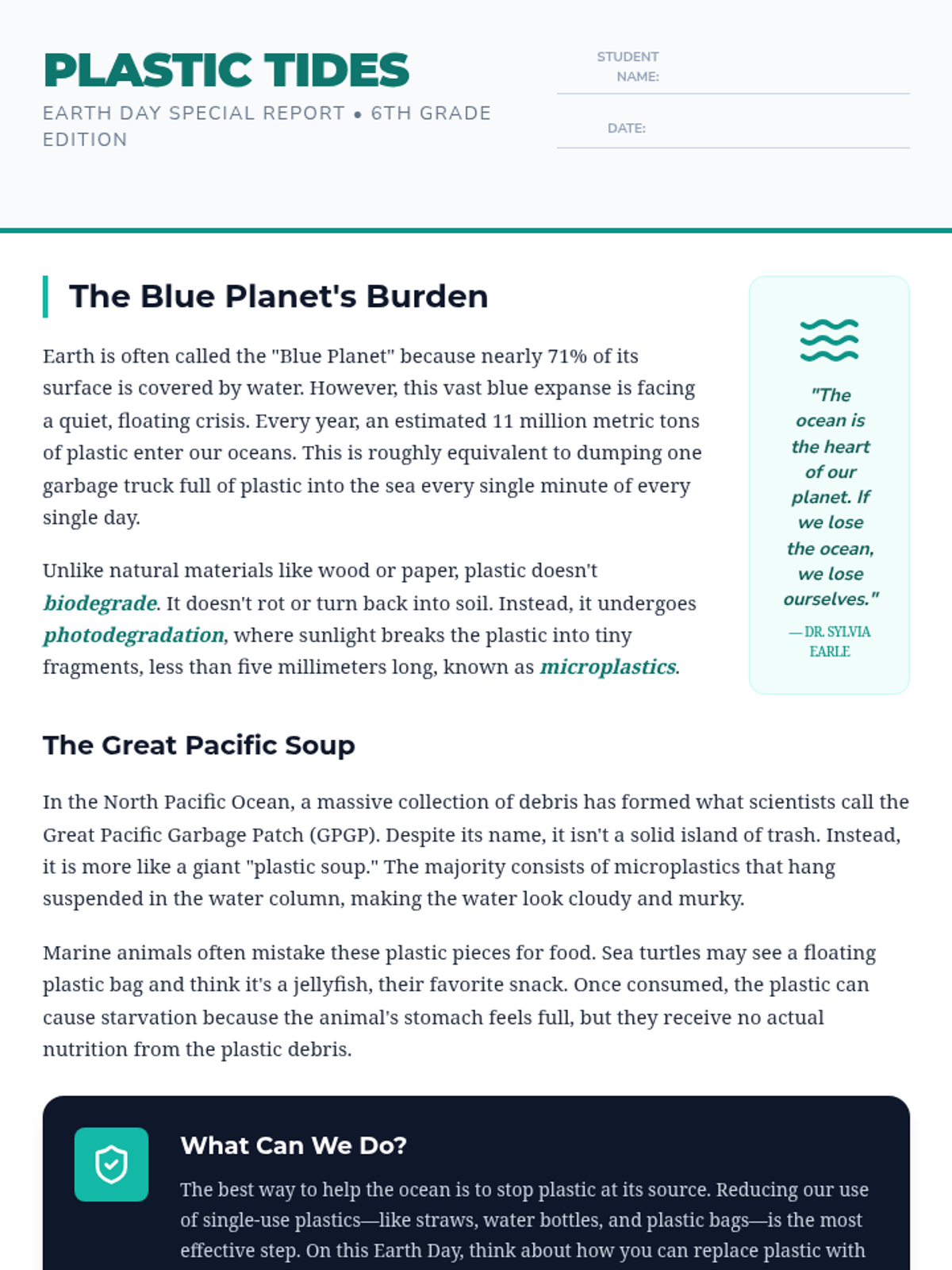
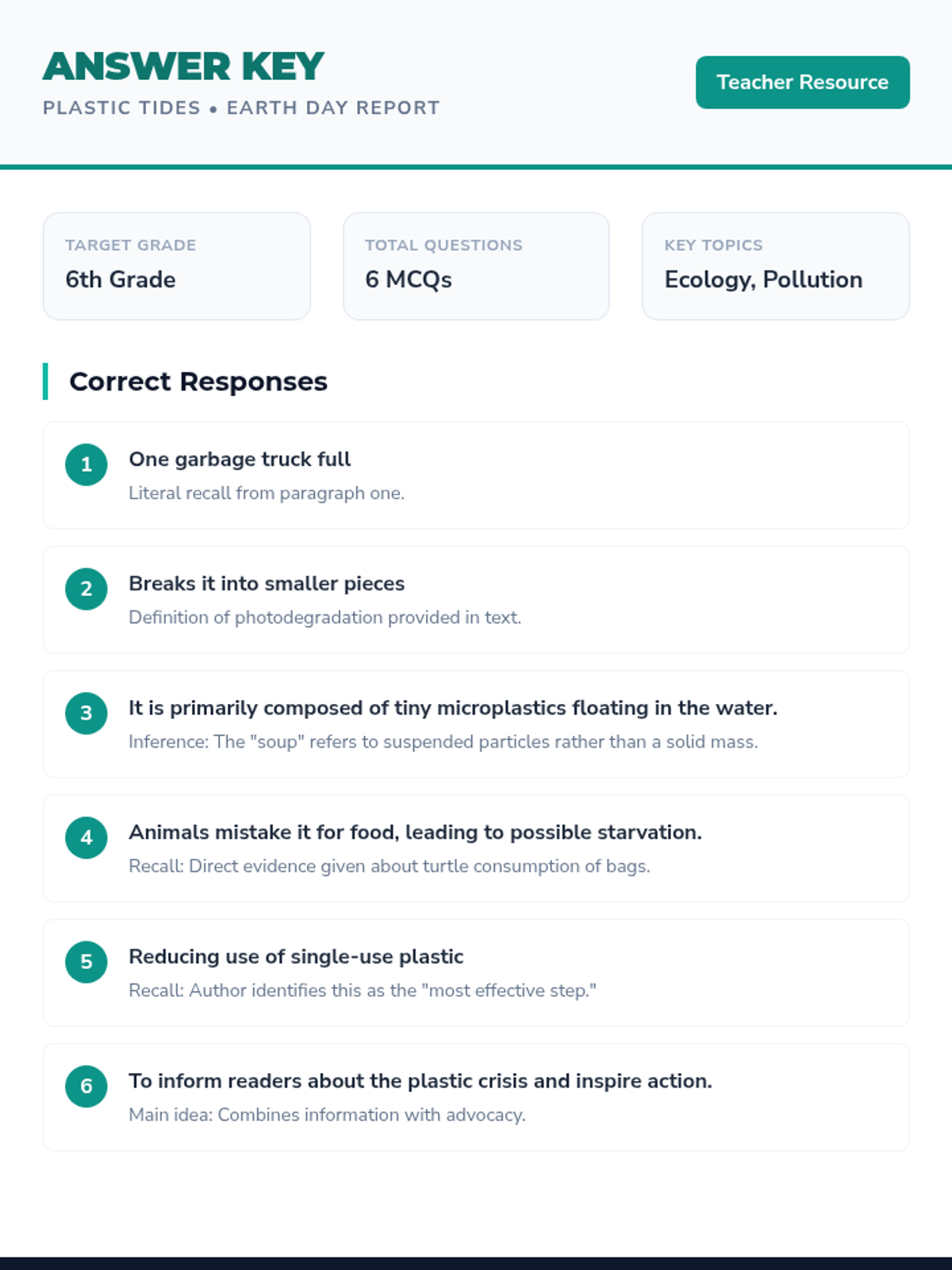
This lesson explores the impact of plastic pollution on marine ecosystems, focusing on the Great Pacific Garbage Patch and microplastics, while encouraging students to take action for Earth Day.
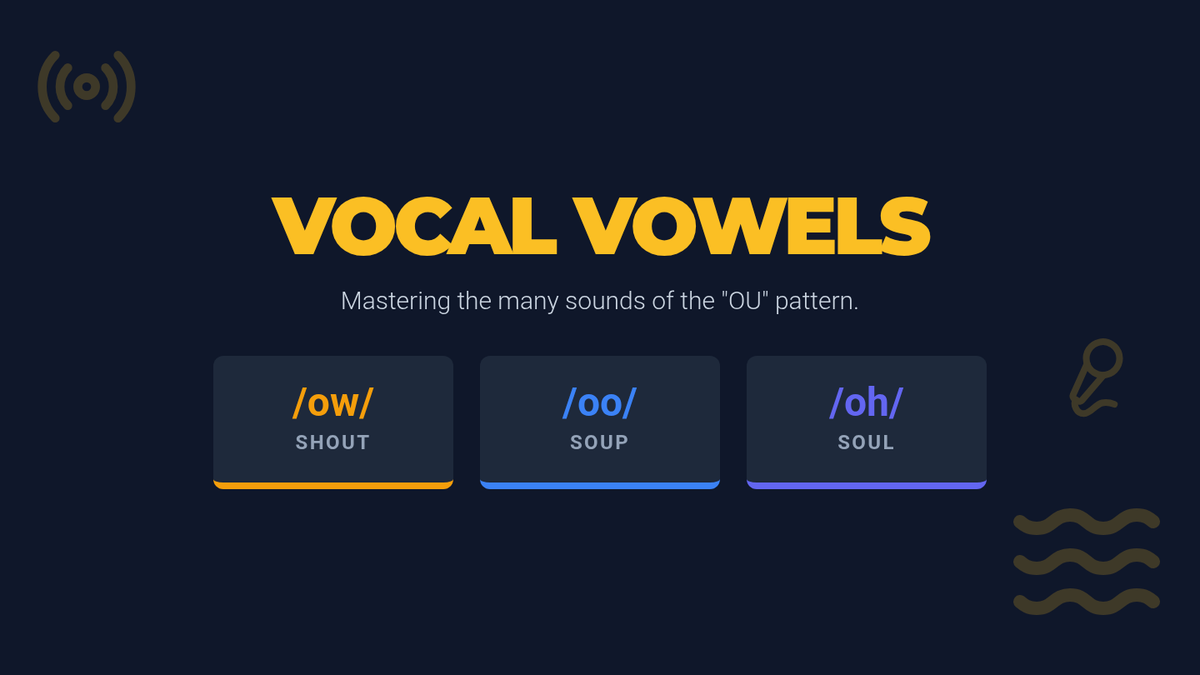
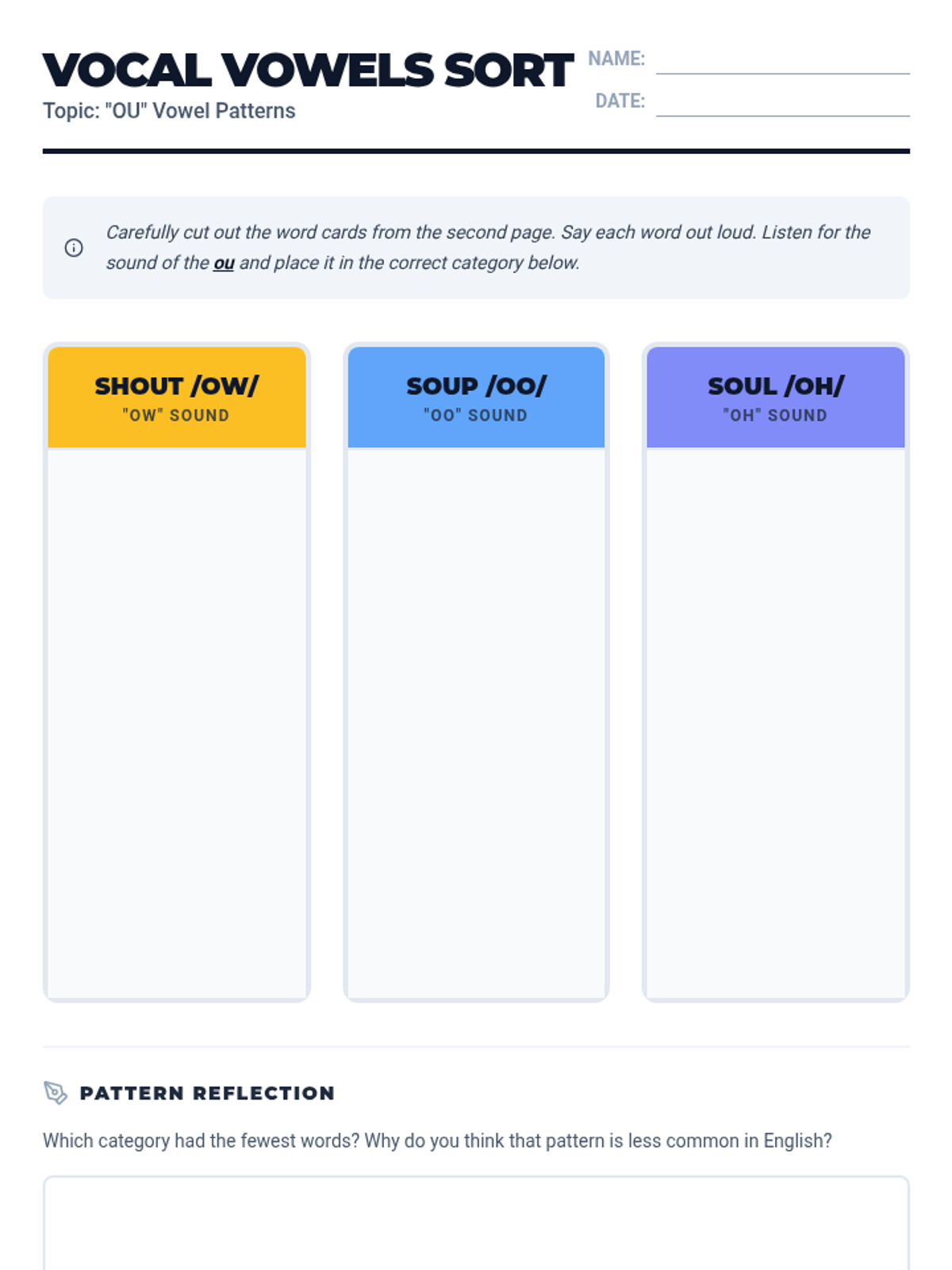
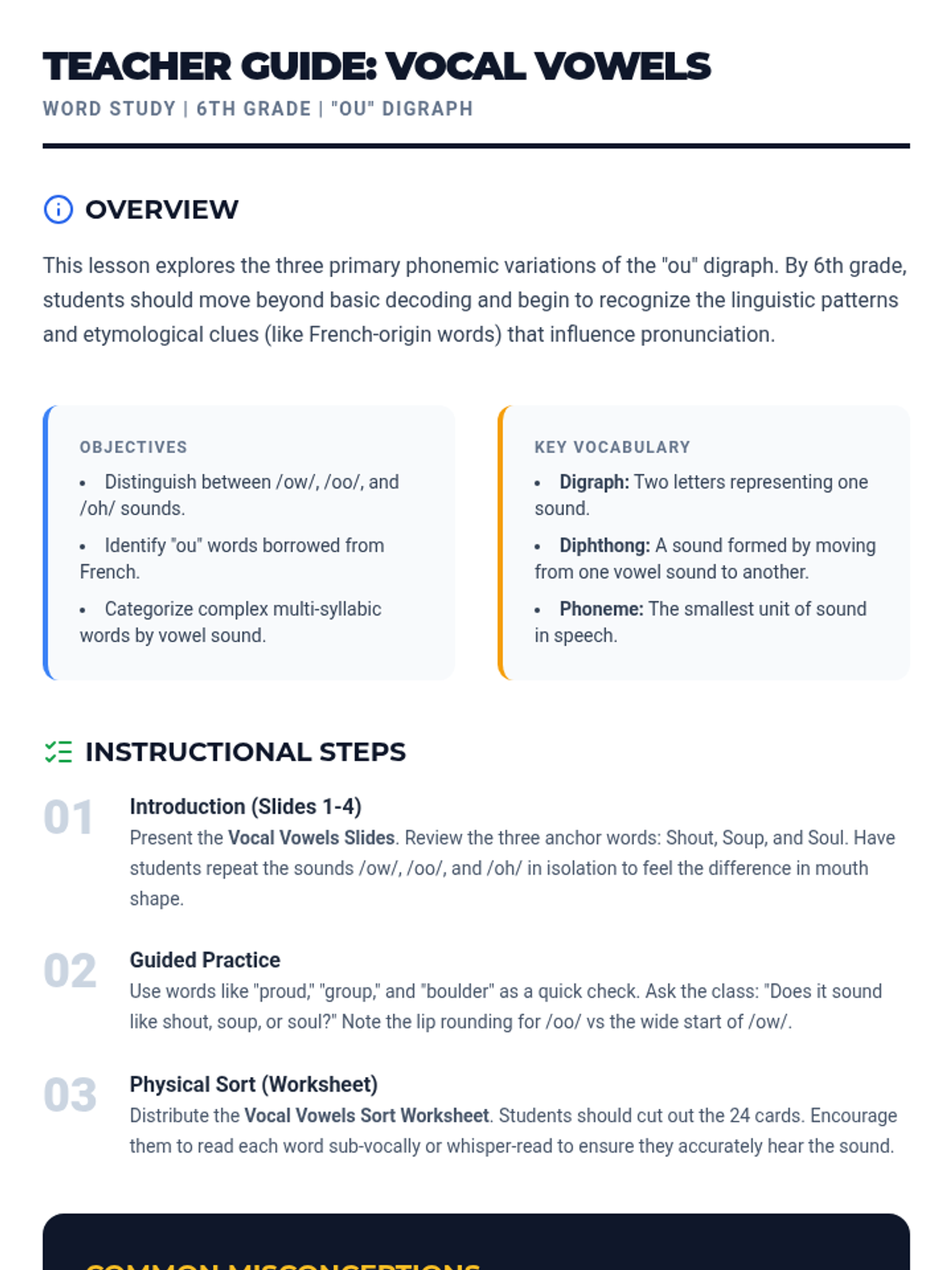
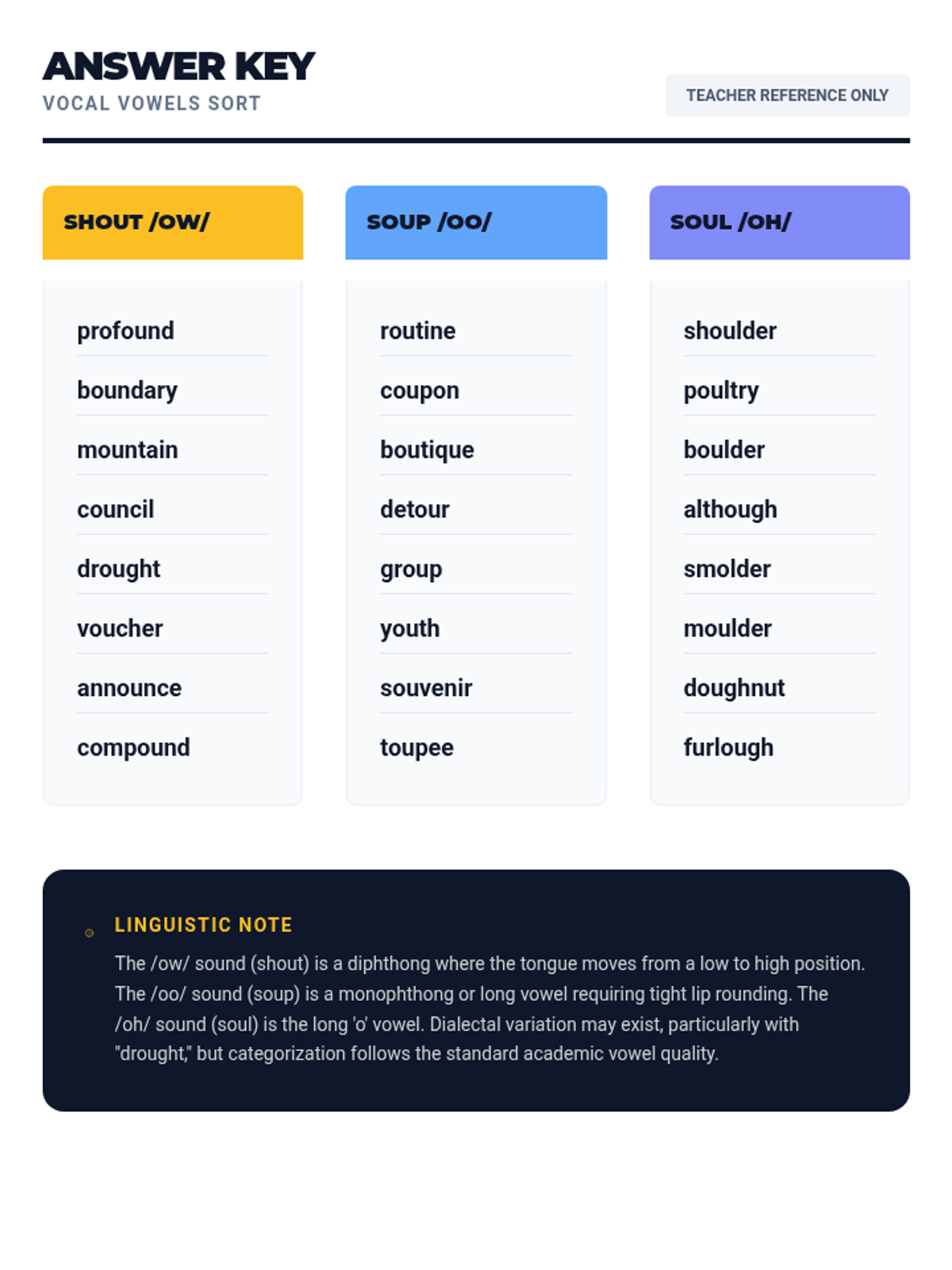
A word study lesson for 6th graders focusing on the three distinct sounds of the 'ou' vowel digraph: /aʊ/ as in shout, /uː/ as in soup, and /oʊ/ as in soul. Students will categorize words and identify patterns through a physical sorting activity.
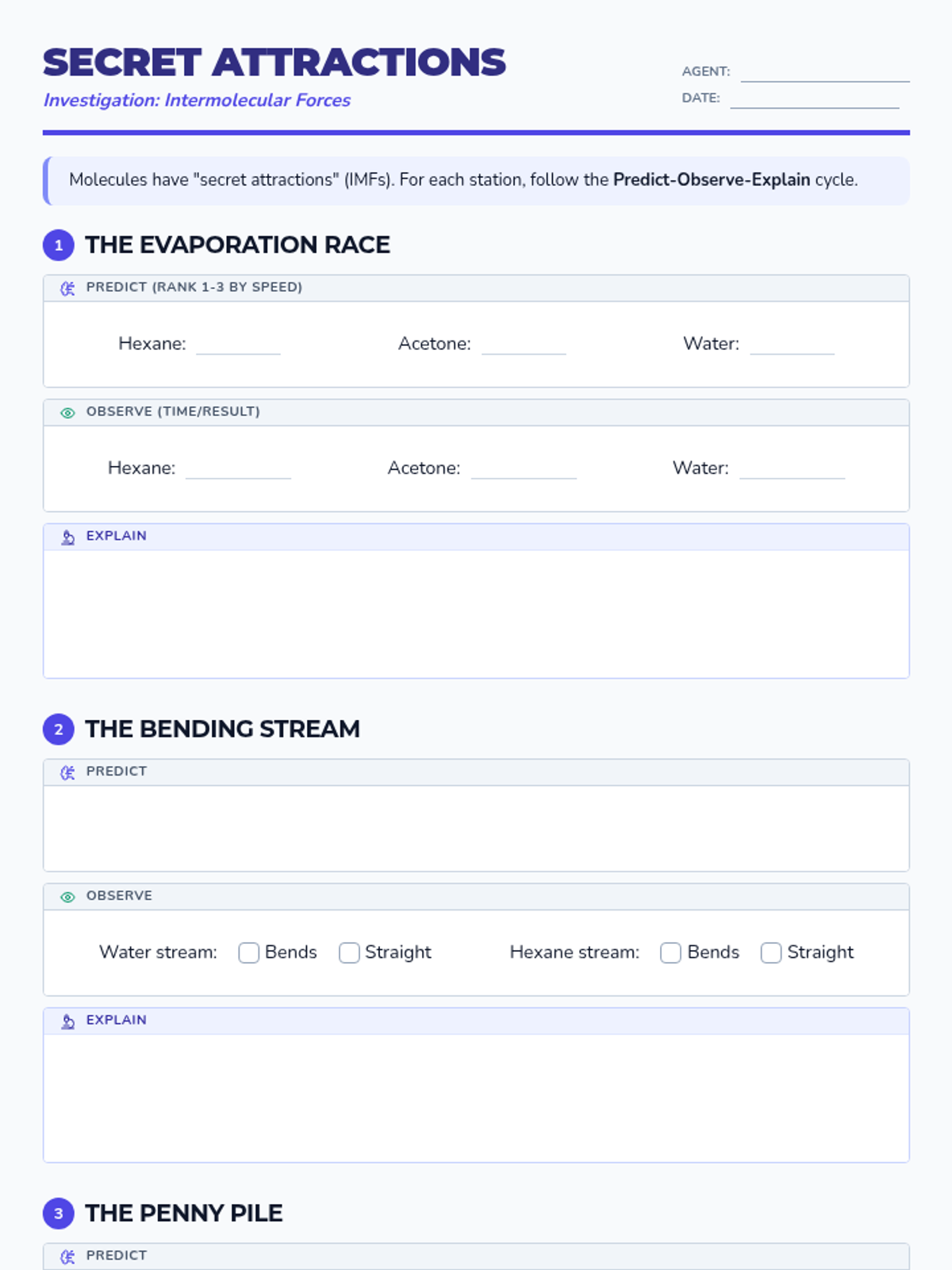
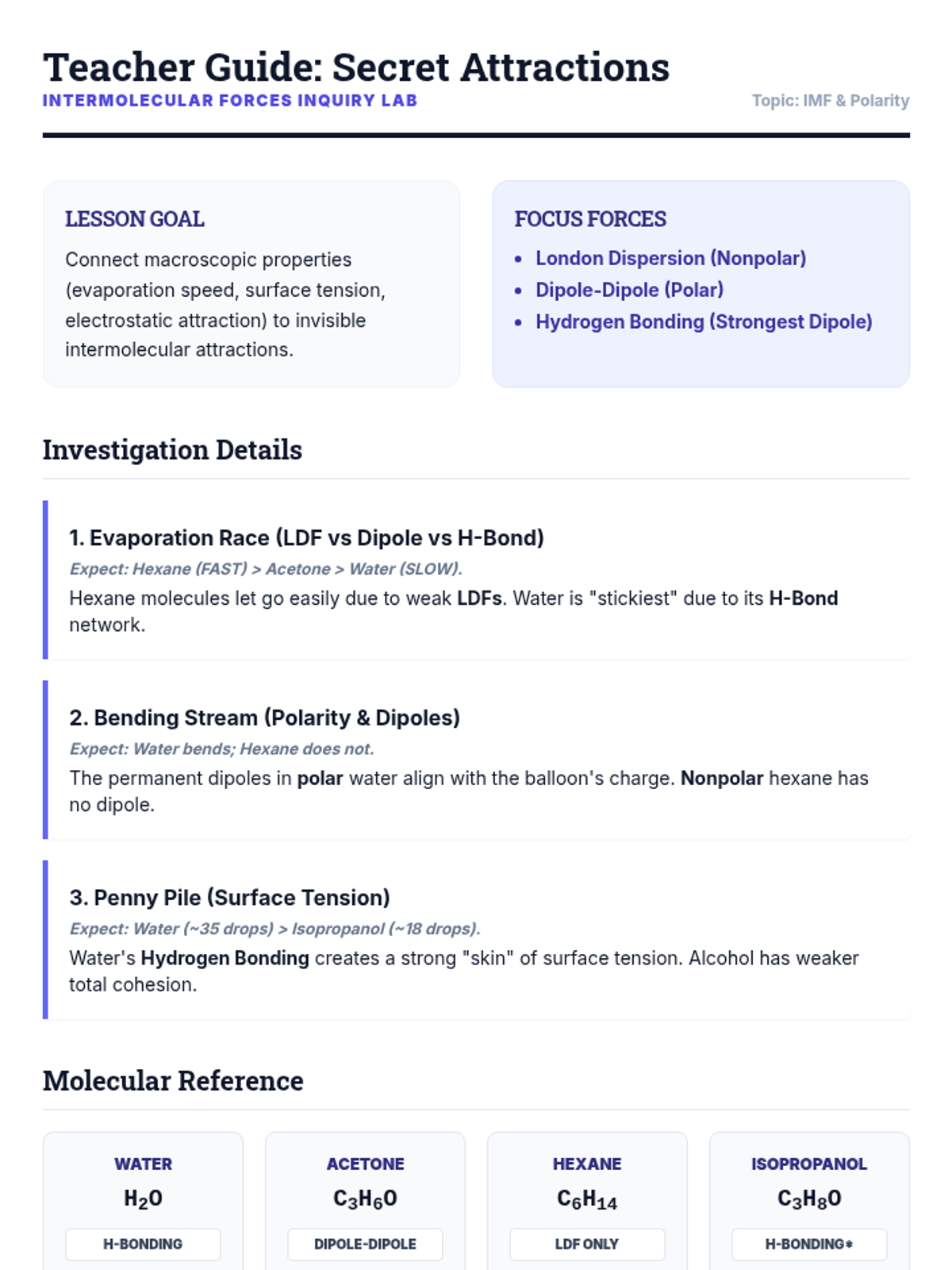
An inquiry-based lesson where students use the Predict-Observe-Explain (POE) cycle to discover and distinguish between London dispersion, dipole-dipole, and hydrogen bonding.
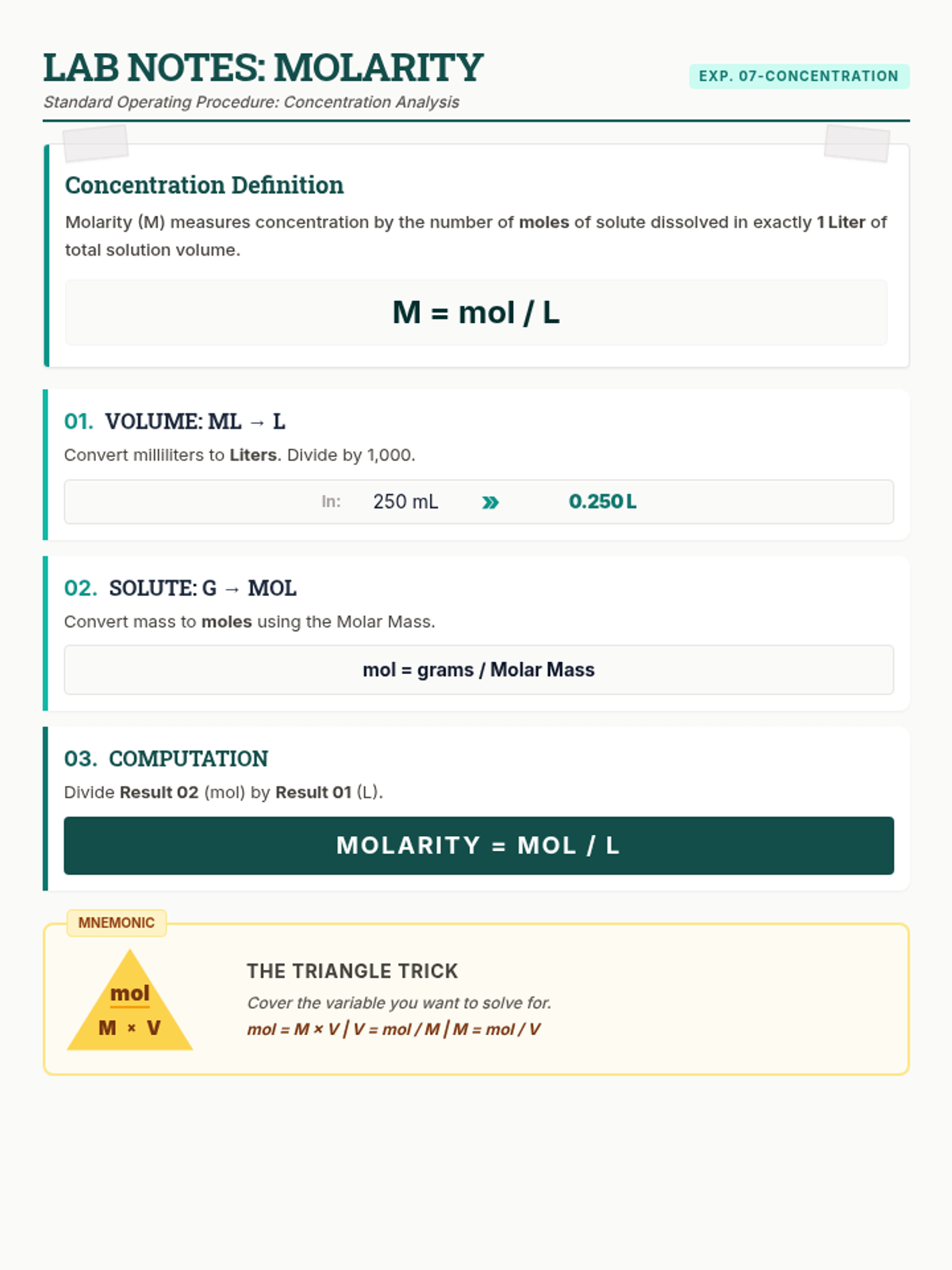
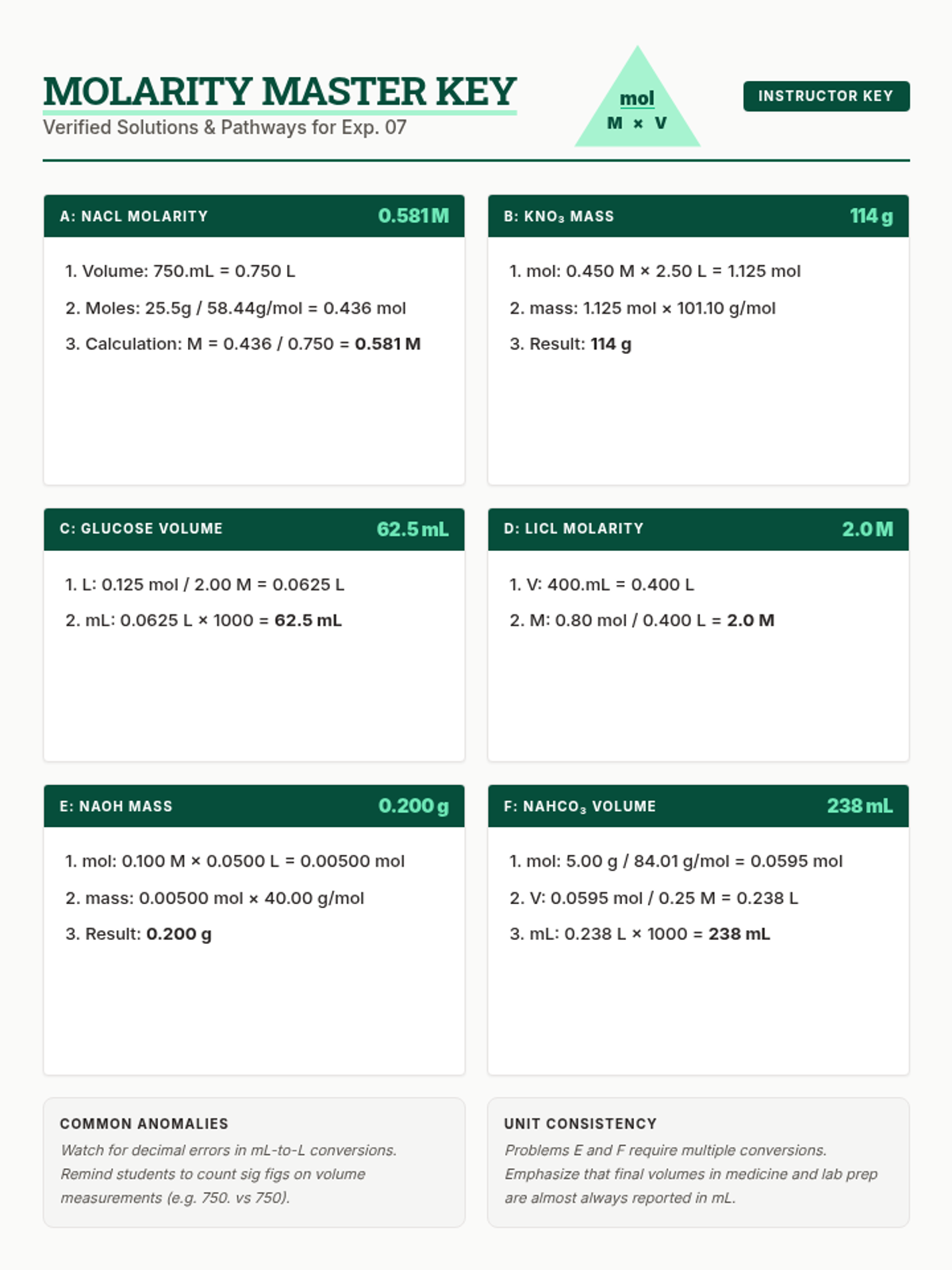
A lesson focused on calculating solution concentration using molarity, including necessary unit conversions for mass and volume.
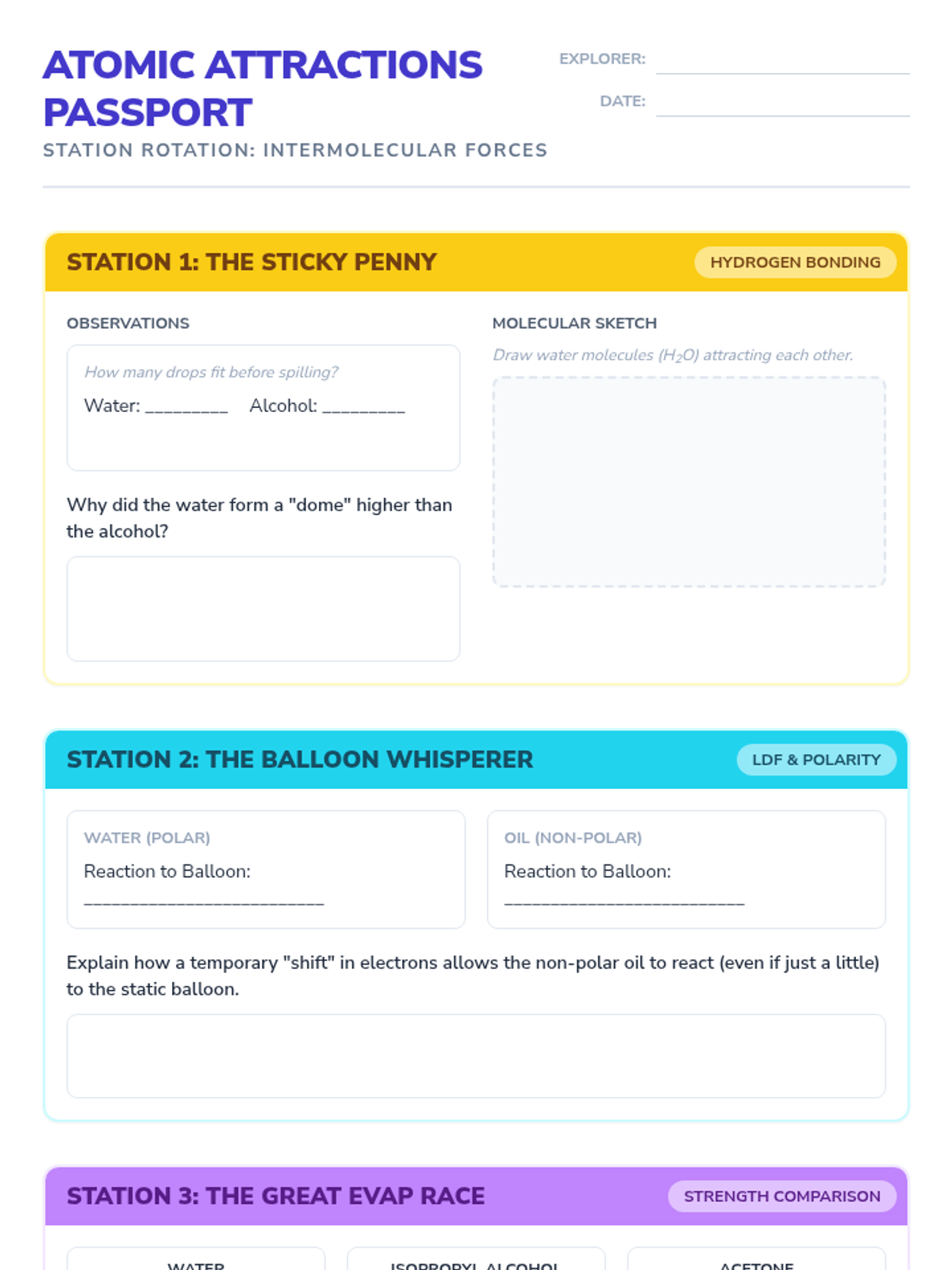
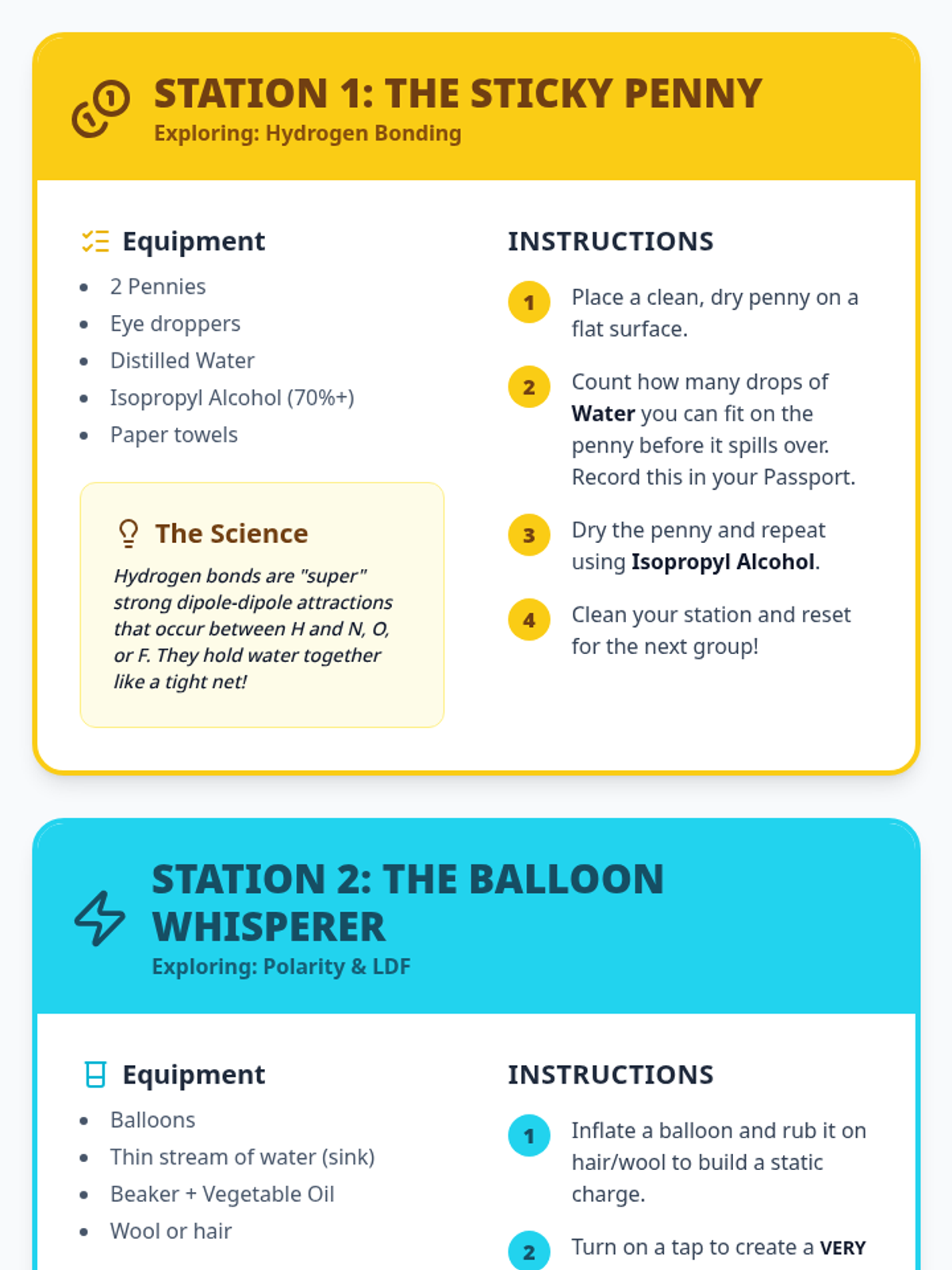
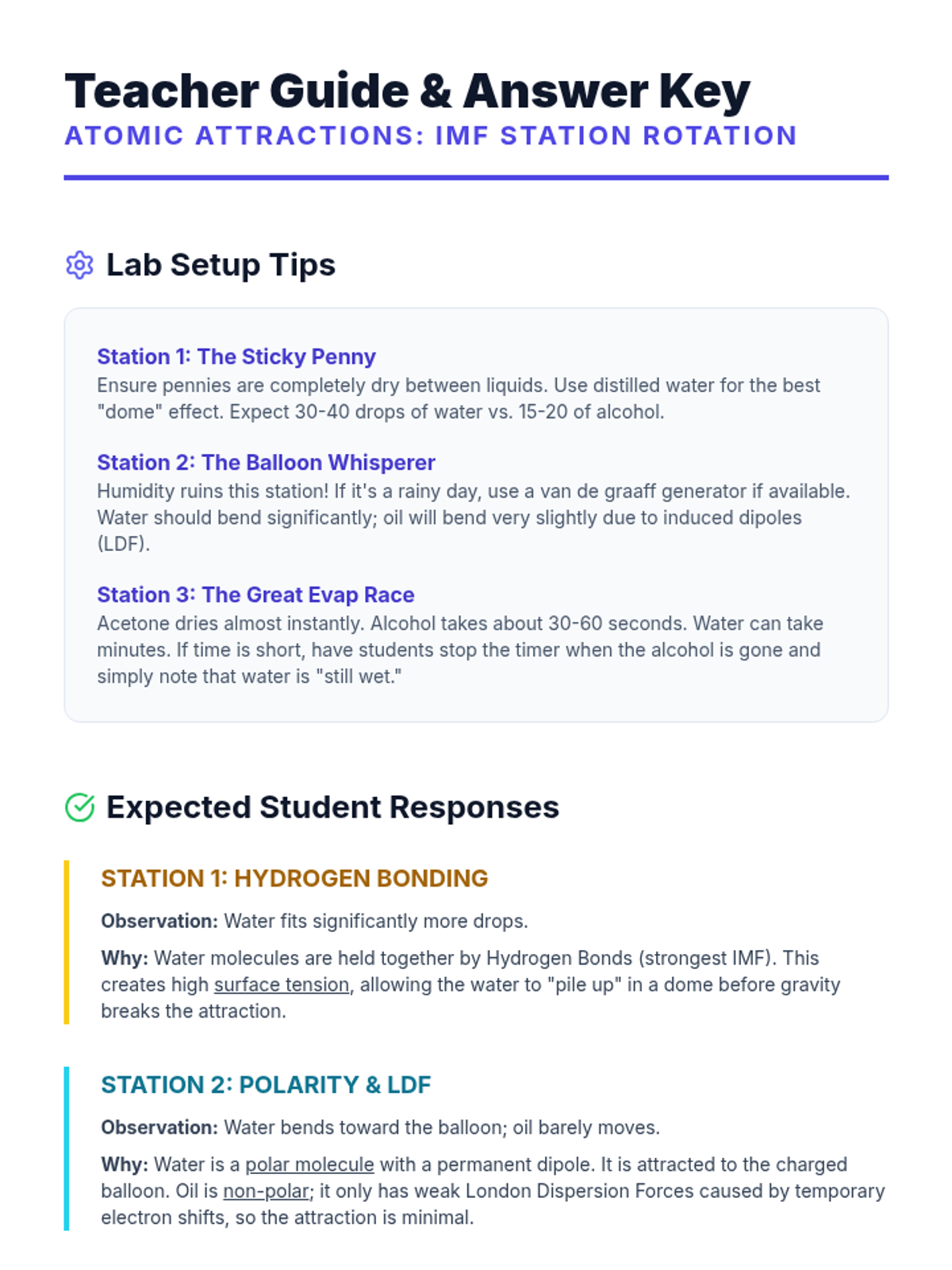
An introductory station rotation activity exploring intermolecular forces (IMF) through hands-on experiments. Students investigate London Dispersion, Dipole-Dipole, and Hydrogen Bonding through collaborative challenges.
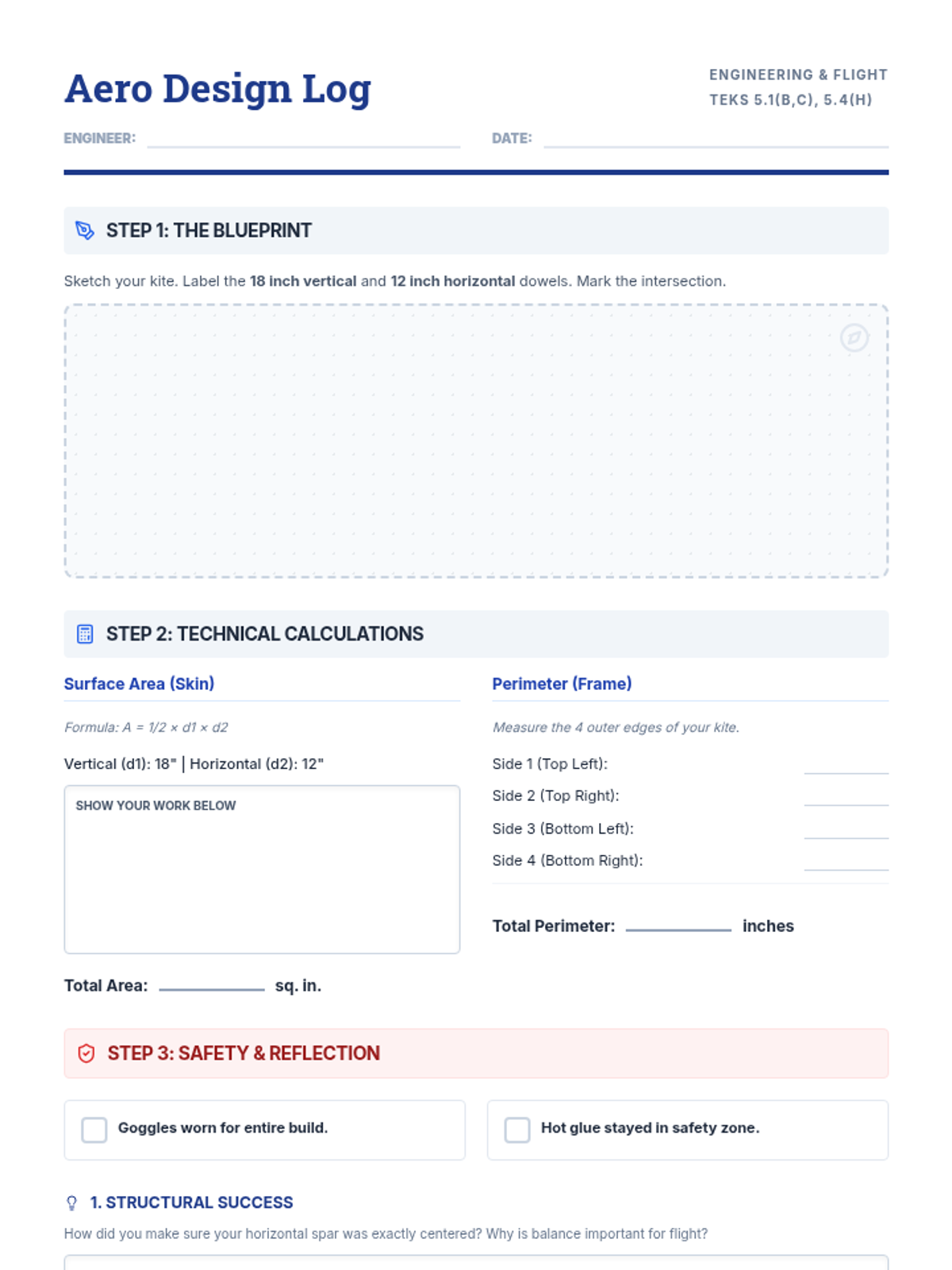
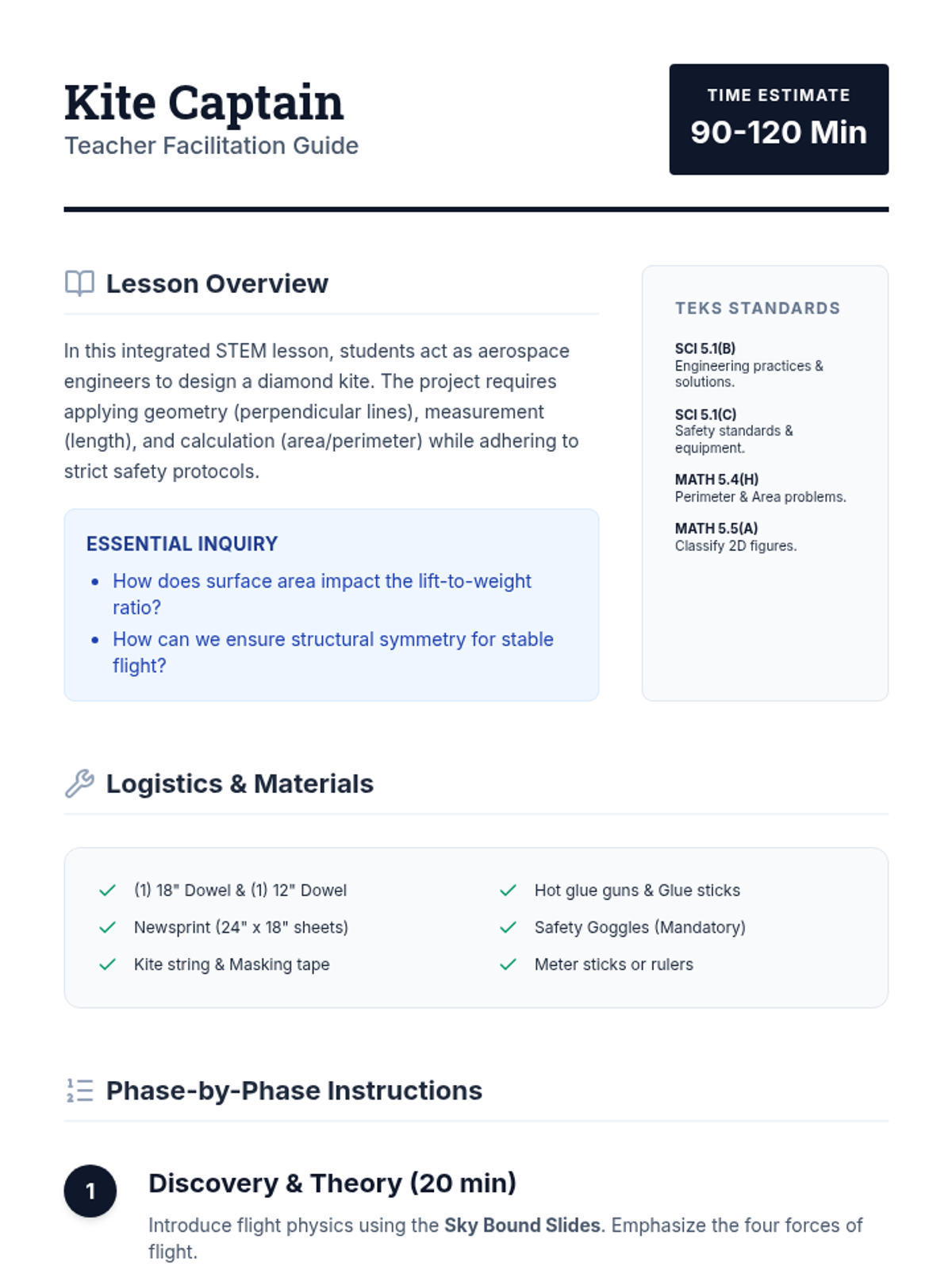
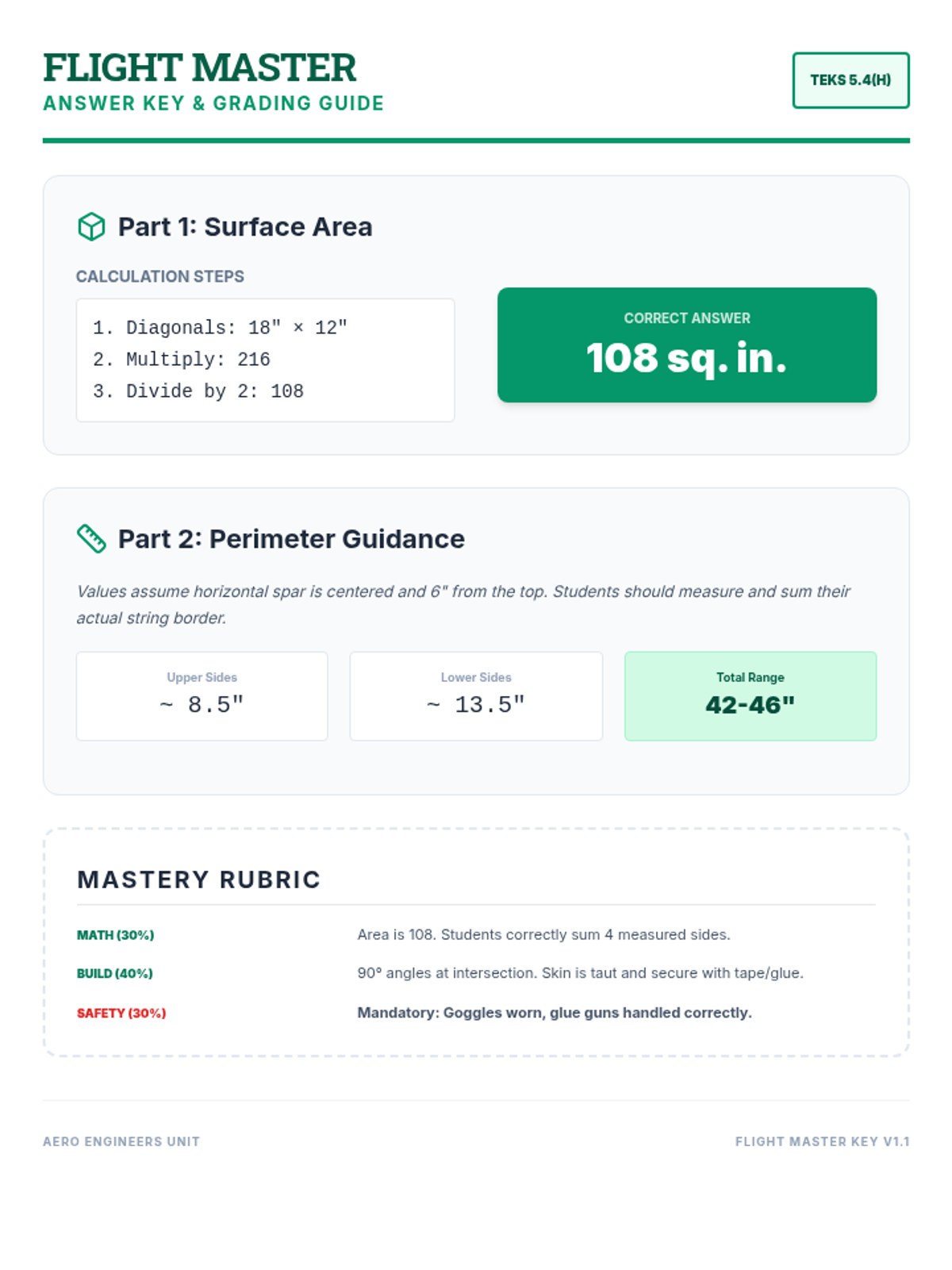
In this hands-on lesson, students act as aerospace engineers to design and build a functional diamond kite using dowels and newsprint. They apply 5th-grade math skills to calculate area and perimeter while following the engineering design process and safety protocols.
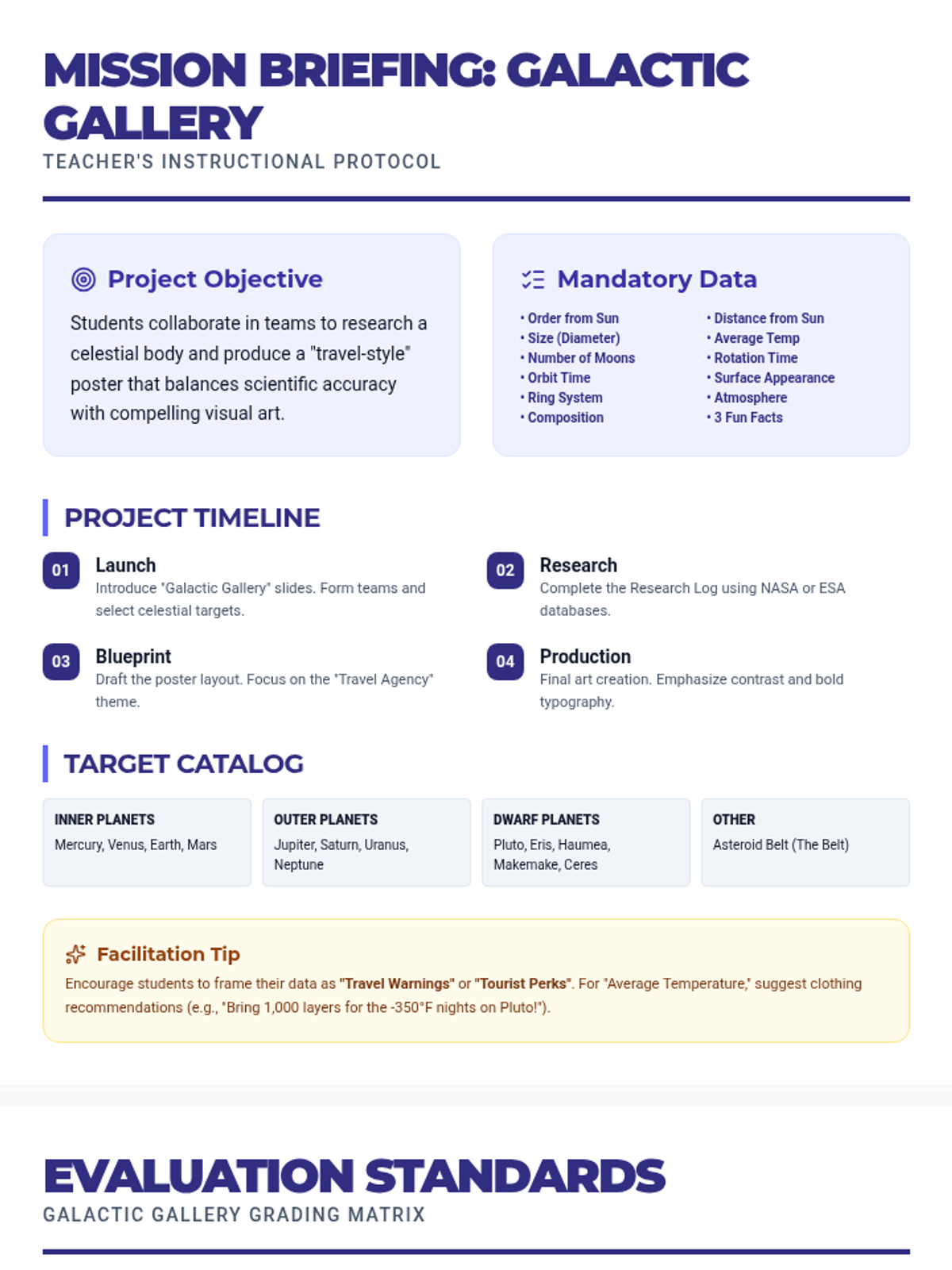
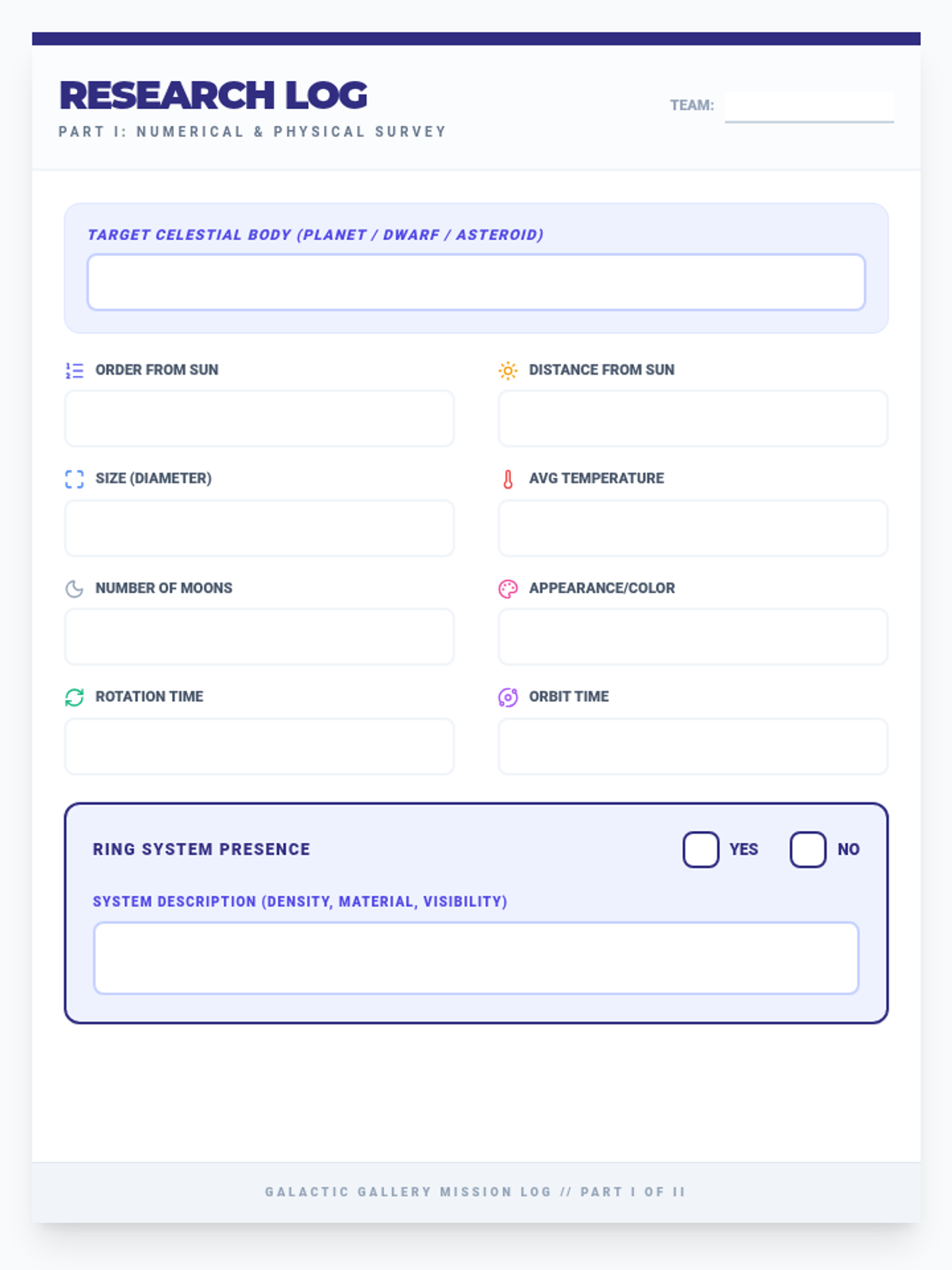
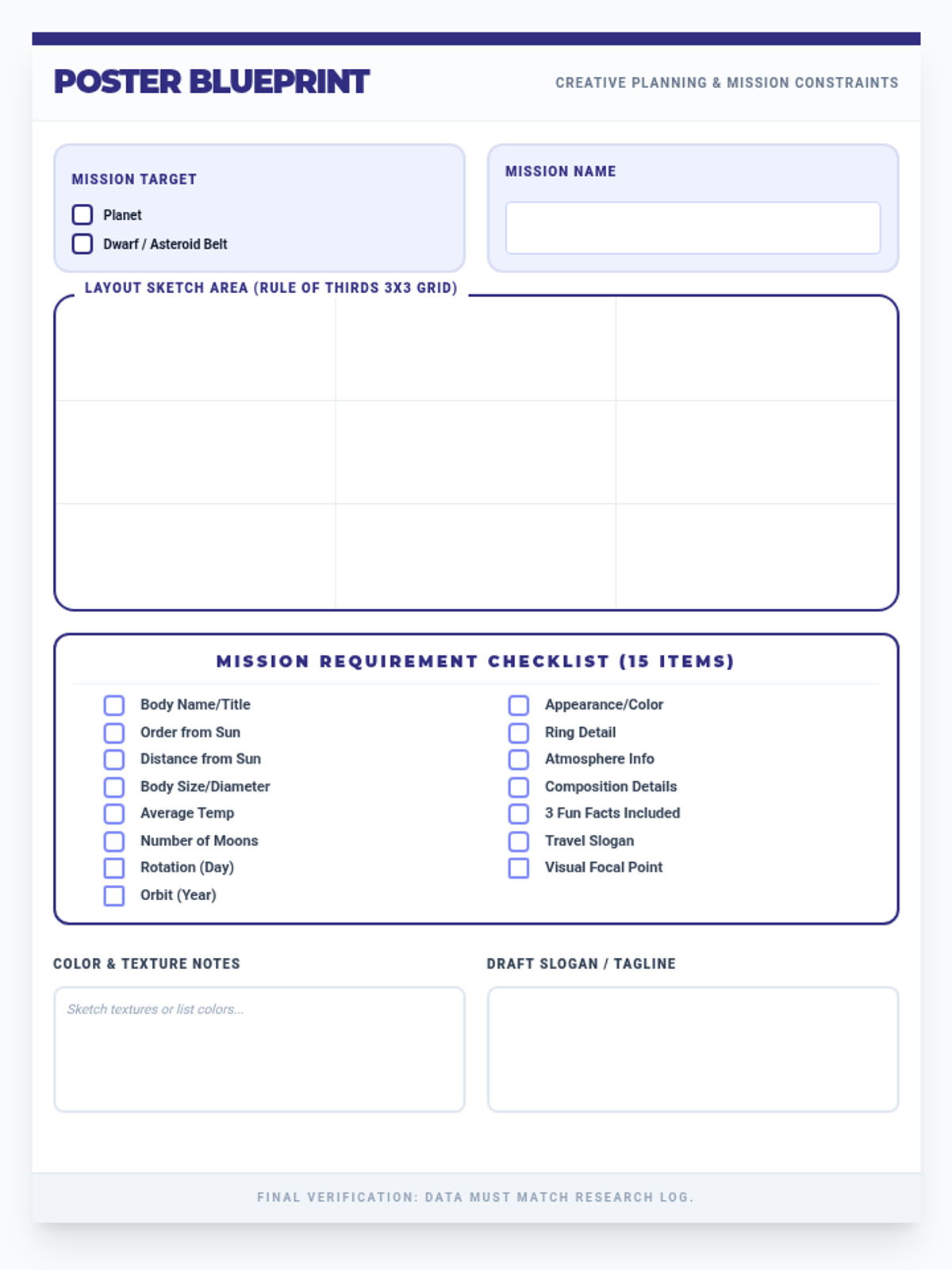
A collaborative project where students research and create artistic posters of planets, dwarf planets, or the asteroid belt, focusing on scientific data and visual representation.
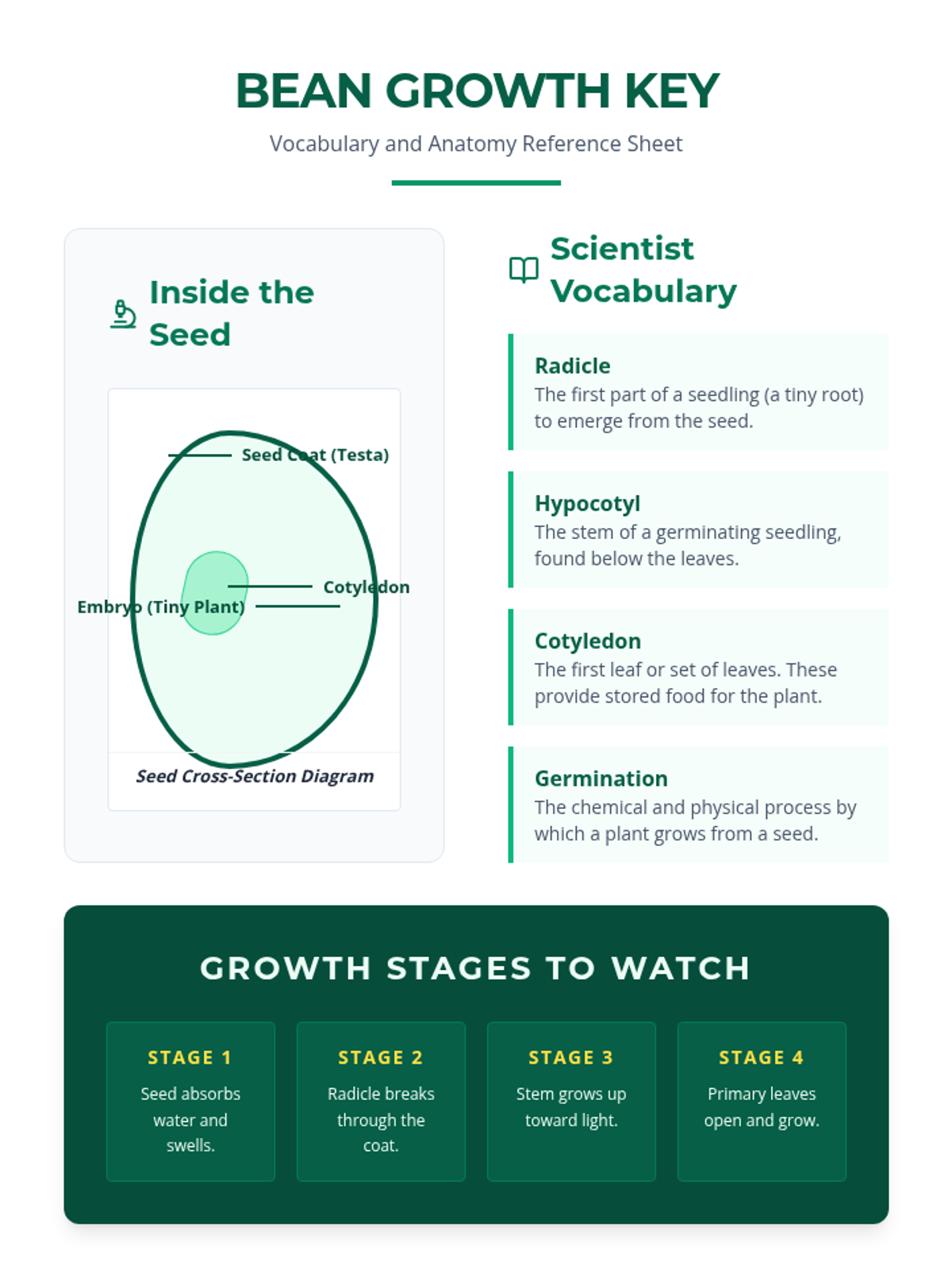
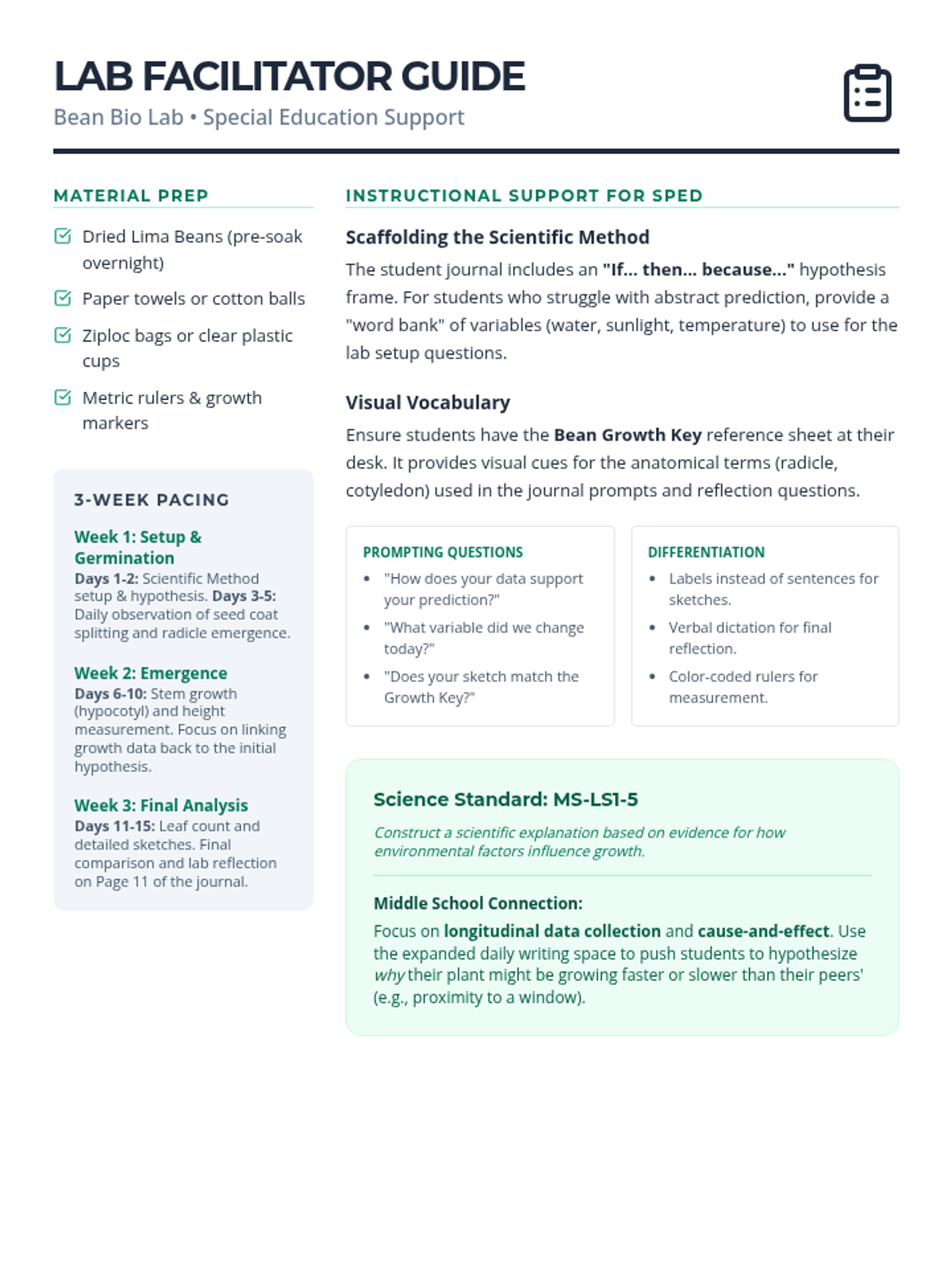
A 3-week hands-on biology investigation where students grow, observe, and document the life cycle of a lima bean, using a structured field journal to practice scientific observation and data recording.
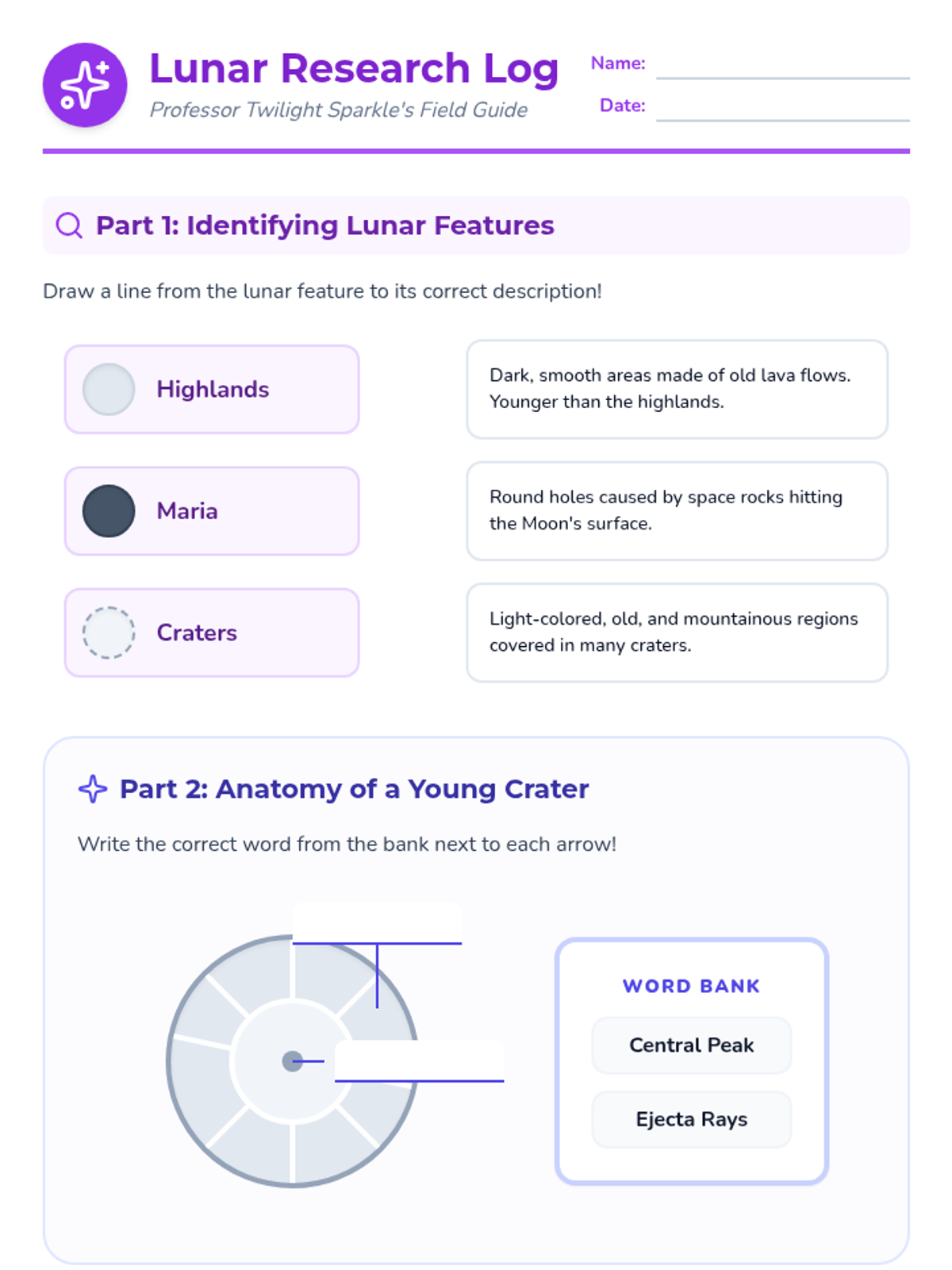
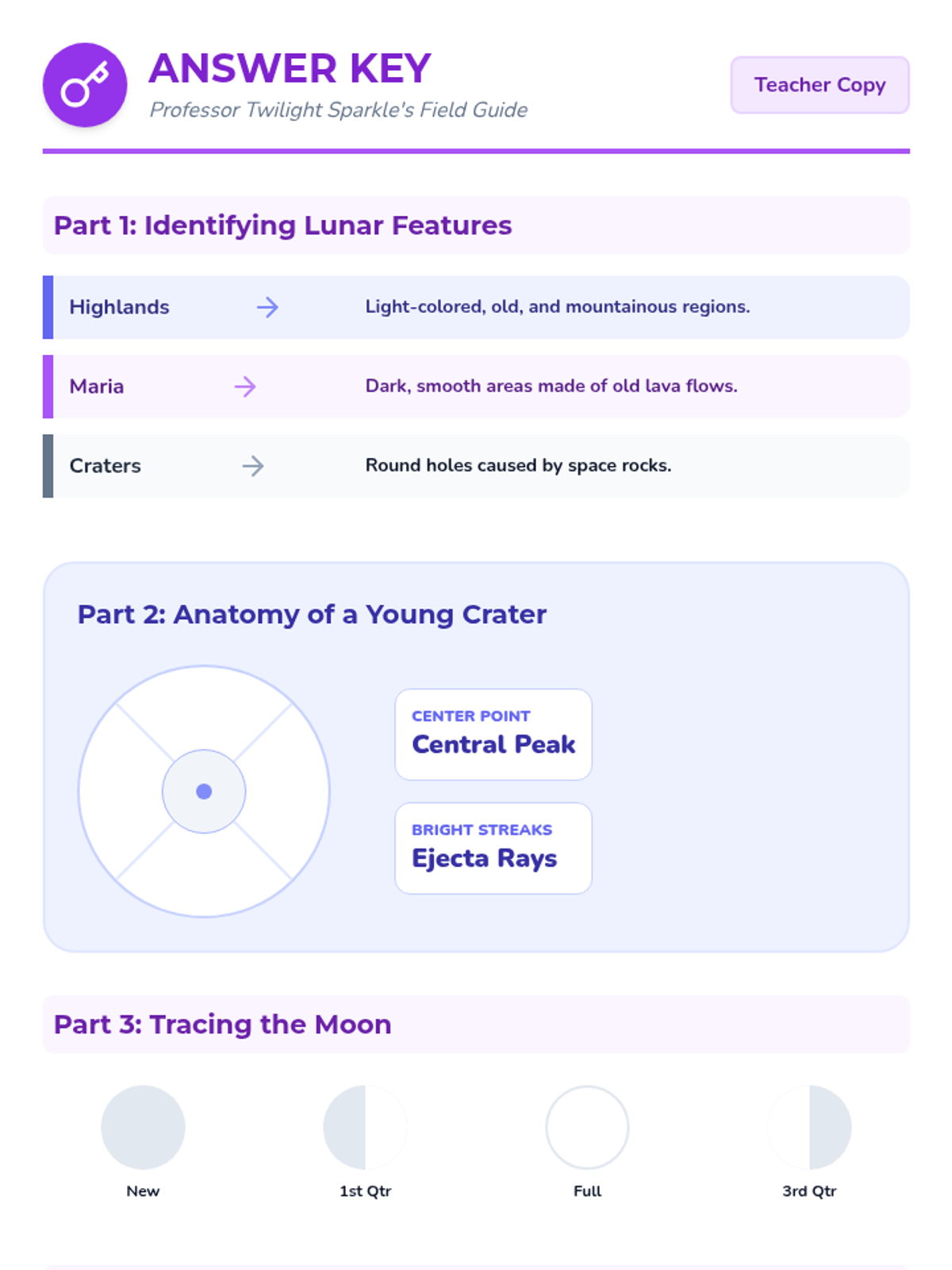
A magical journey through lunar geology and phases guided by Princess Twilight Sparkle, focusing on relative dating of lunar features, lunar highlands, and Apollo landing sites.
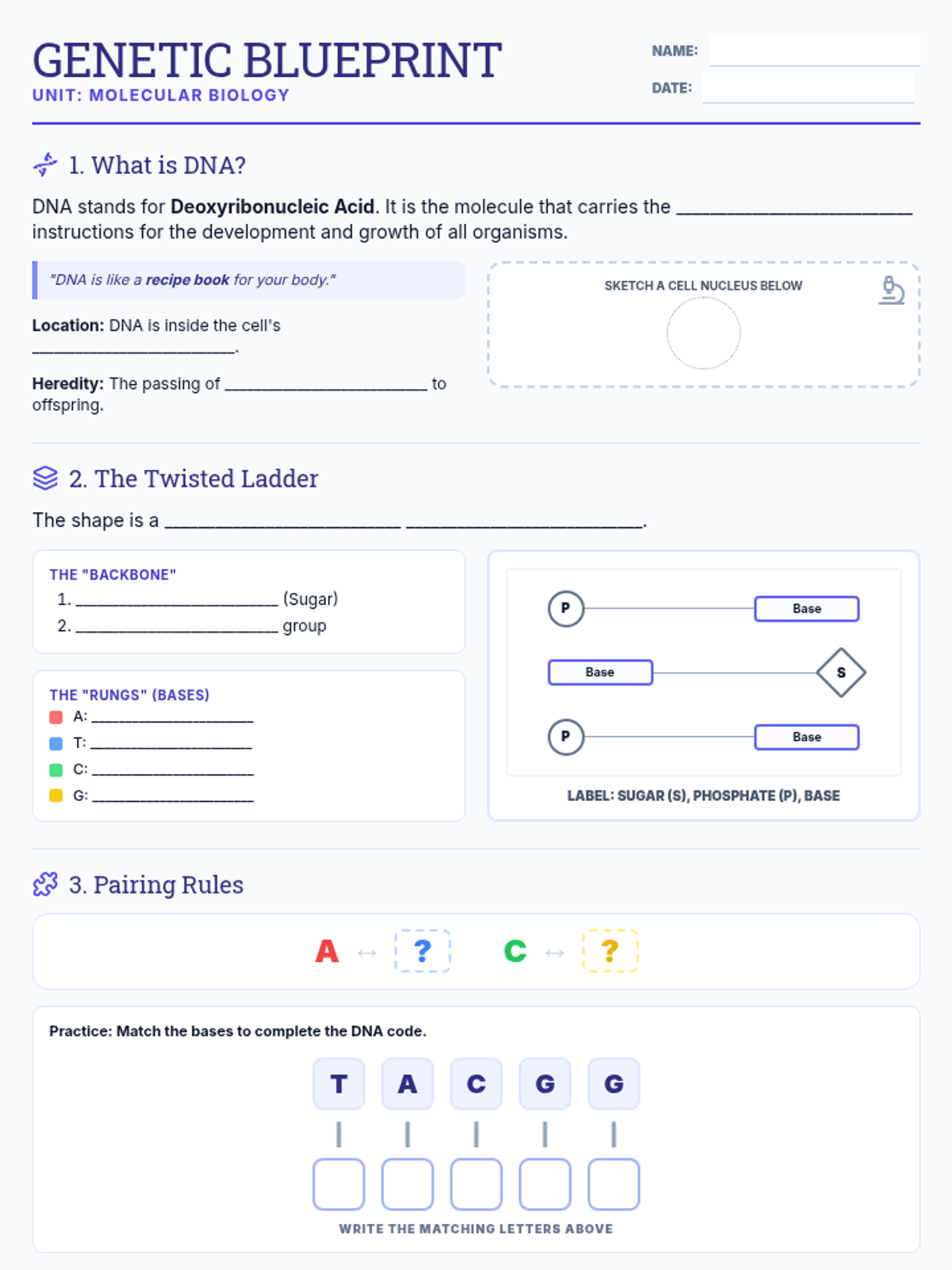
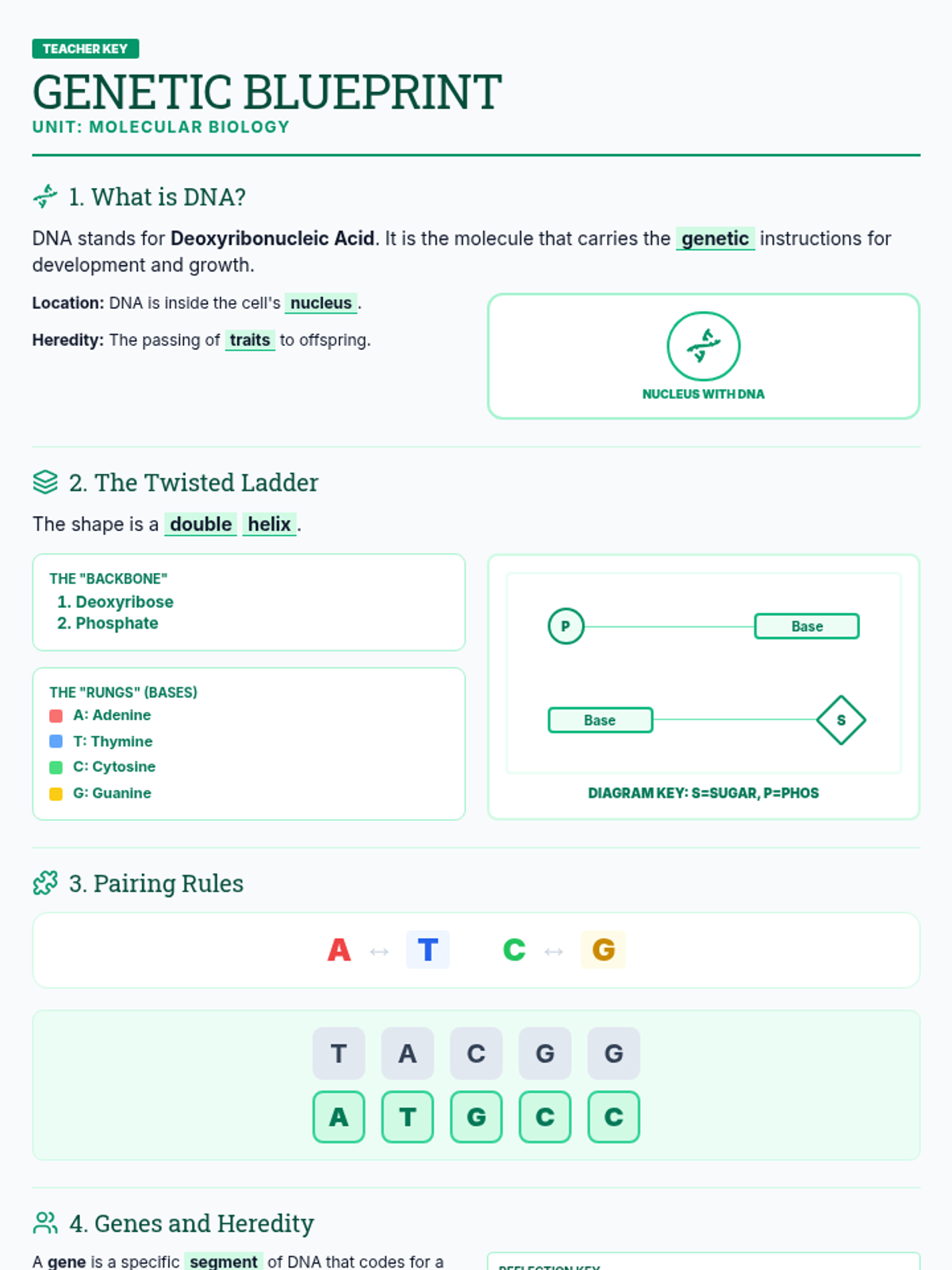
An introductory lesson on DNA structure and the basics of heredity, exploring how genetic information is stored and passed down.
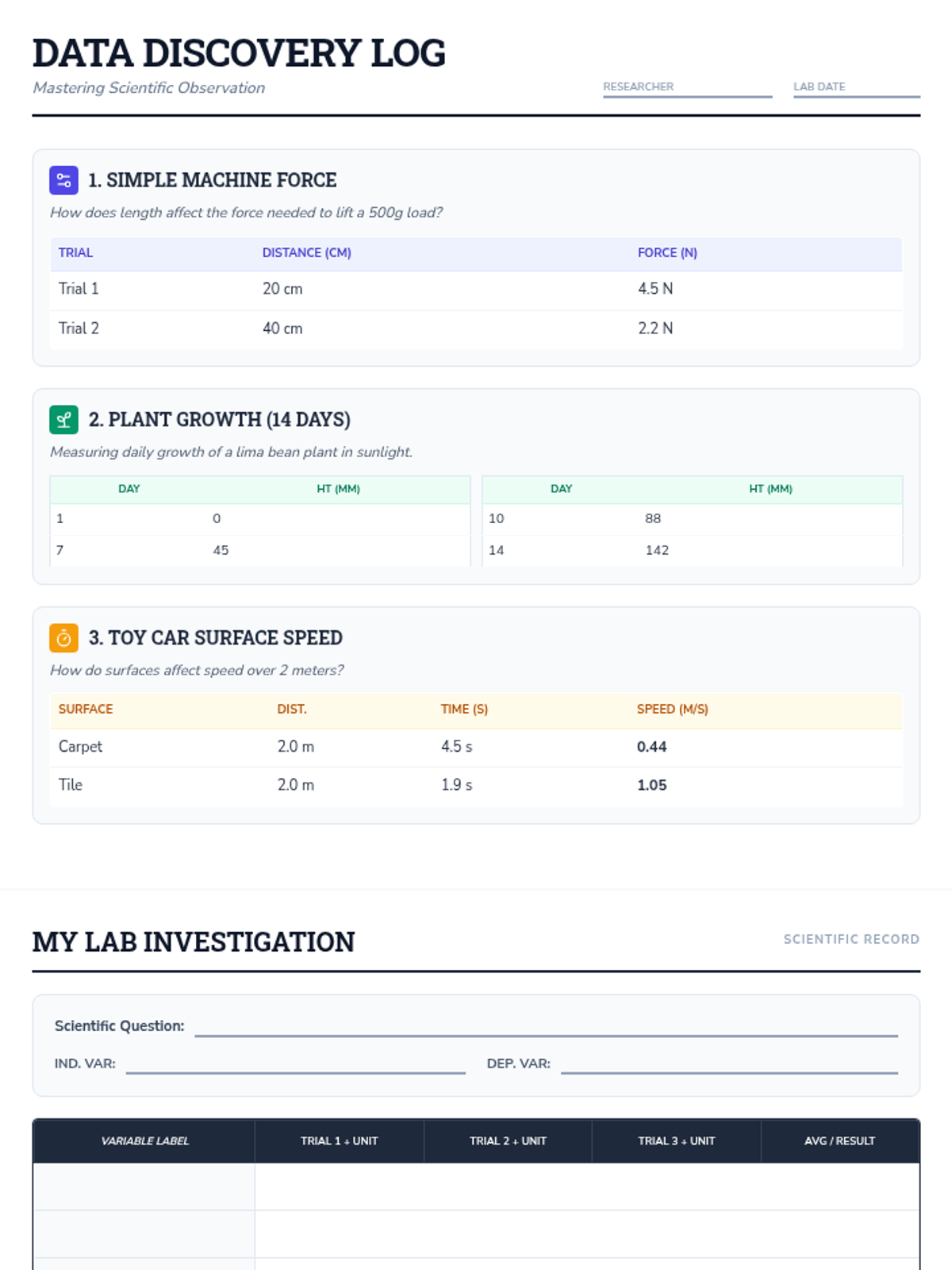
A hands-on guide to recording scientific observations and measurements accurately across various experimental setups.
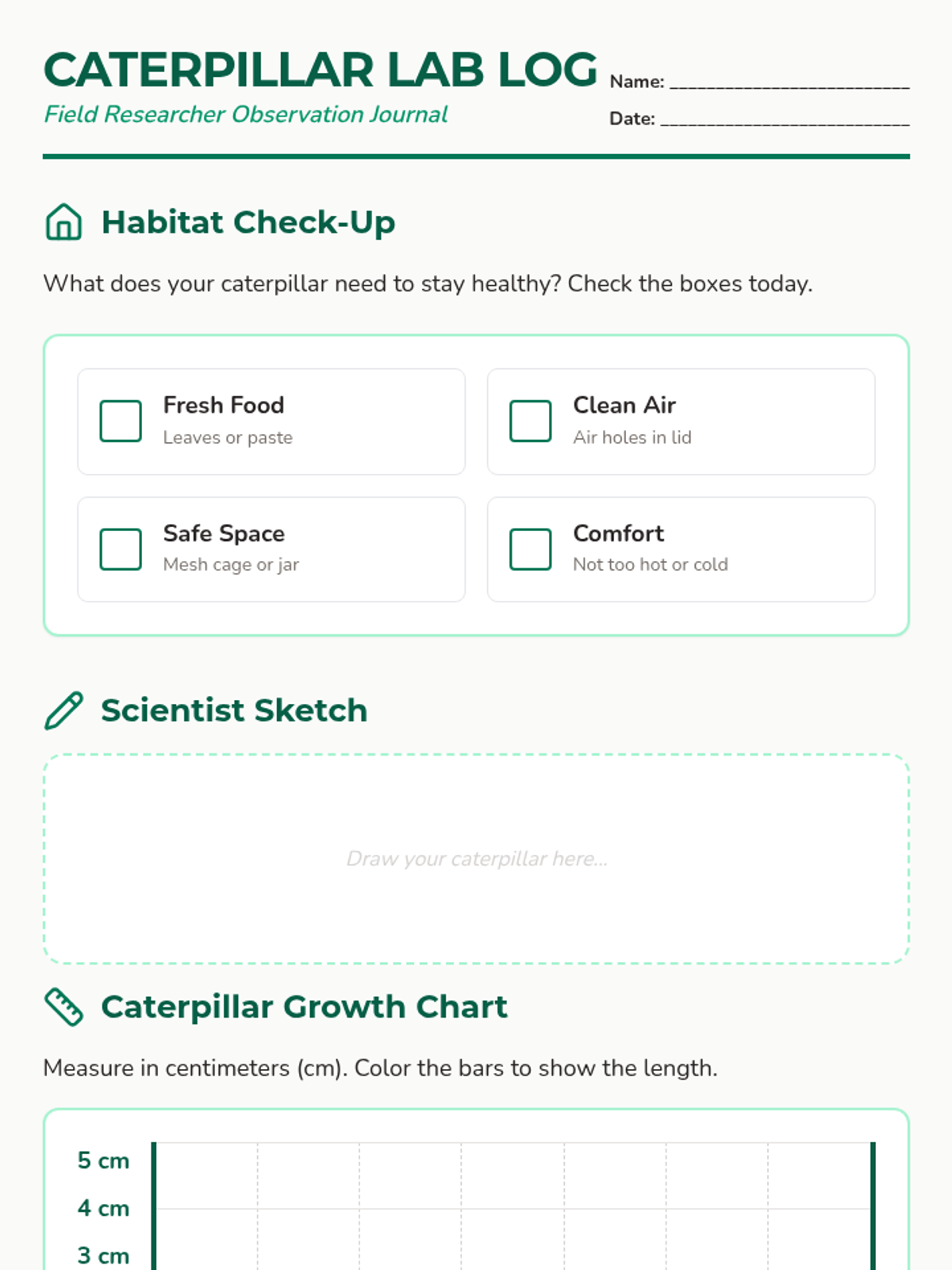
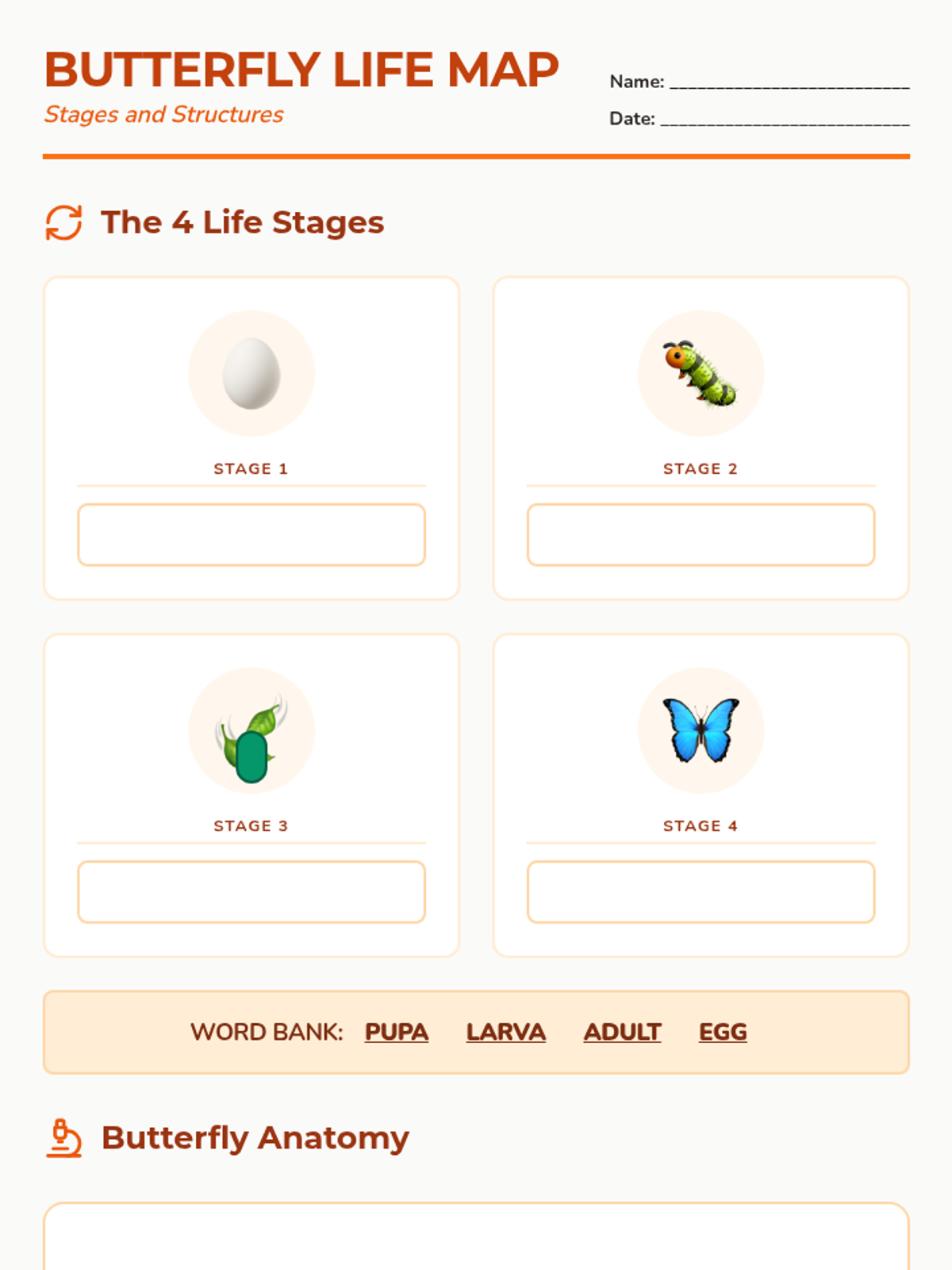
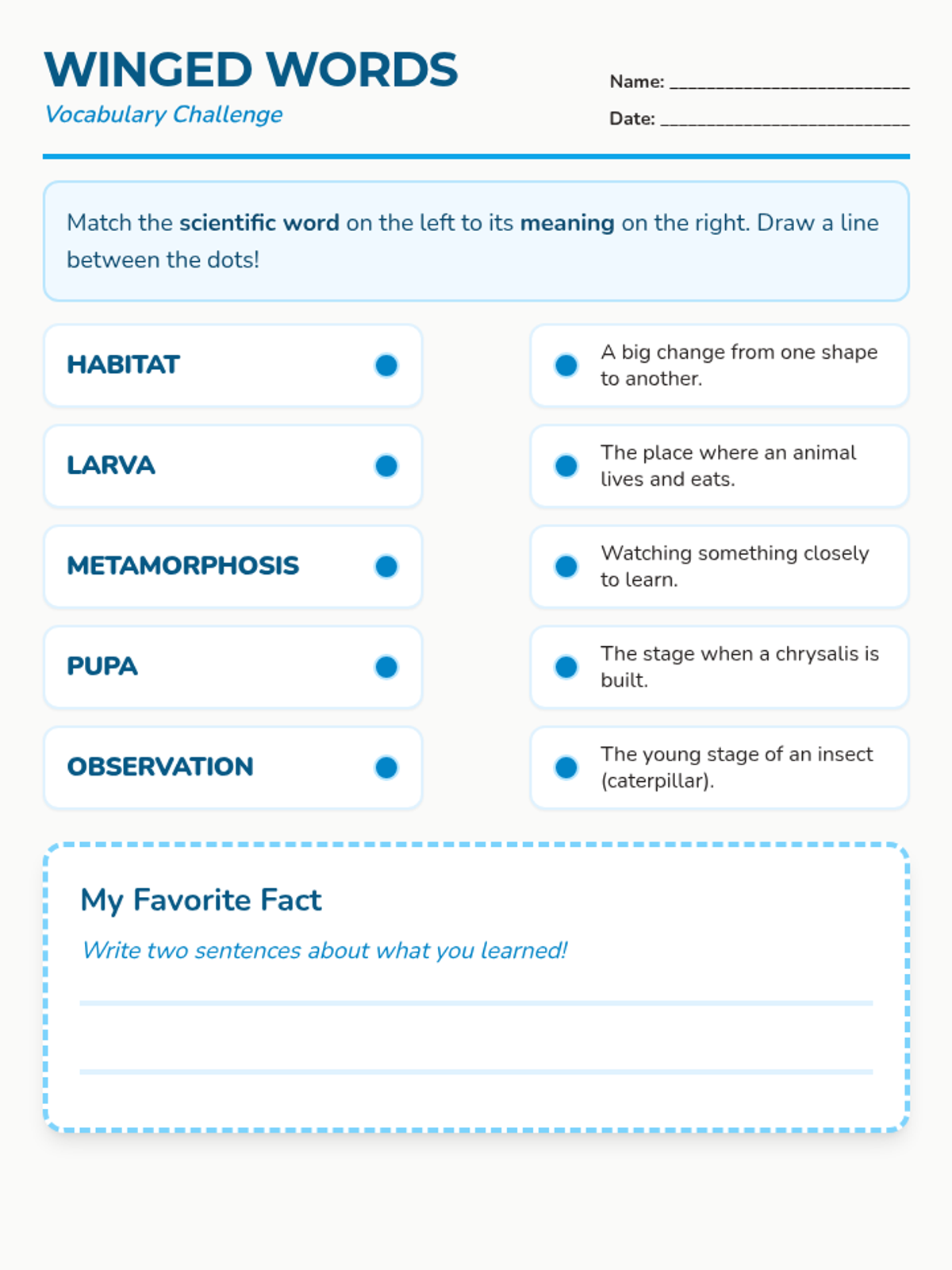
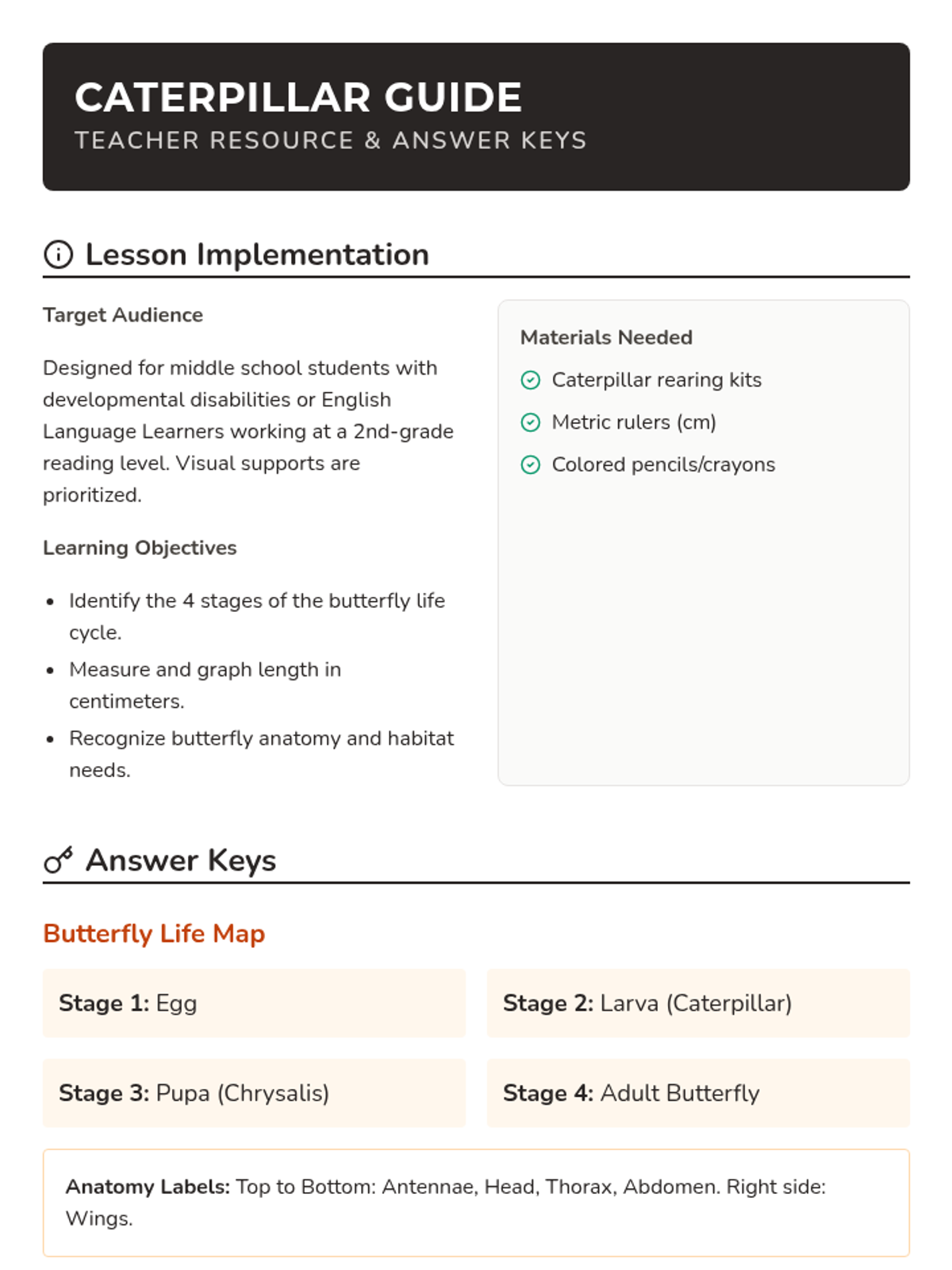
A hands-on experiment where students observe the transformation of caterpillars into butterflies, focusing on habitat, life cycles, and scientific measurement.
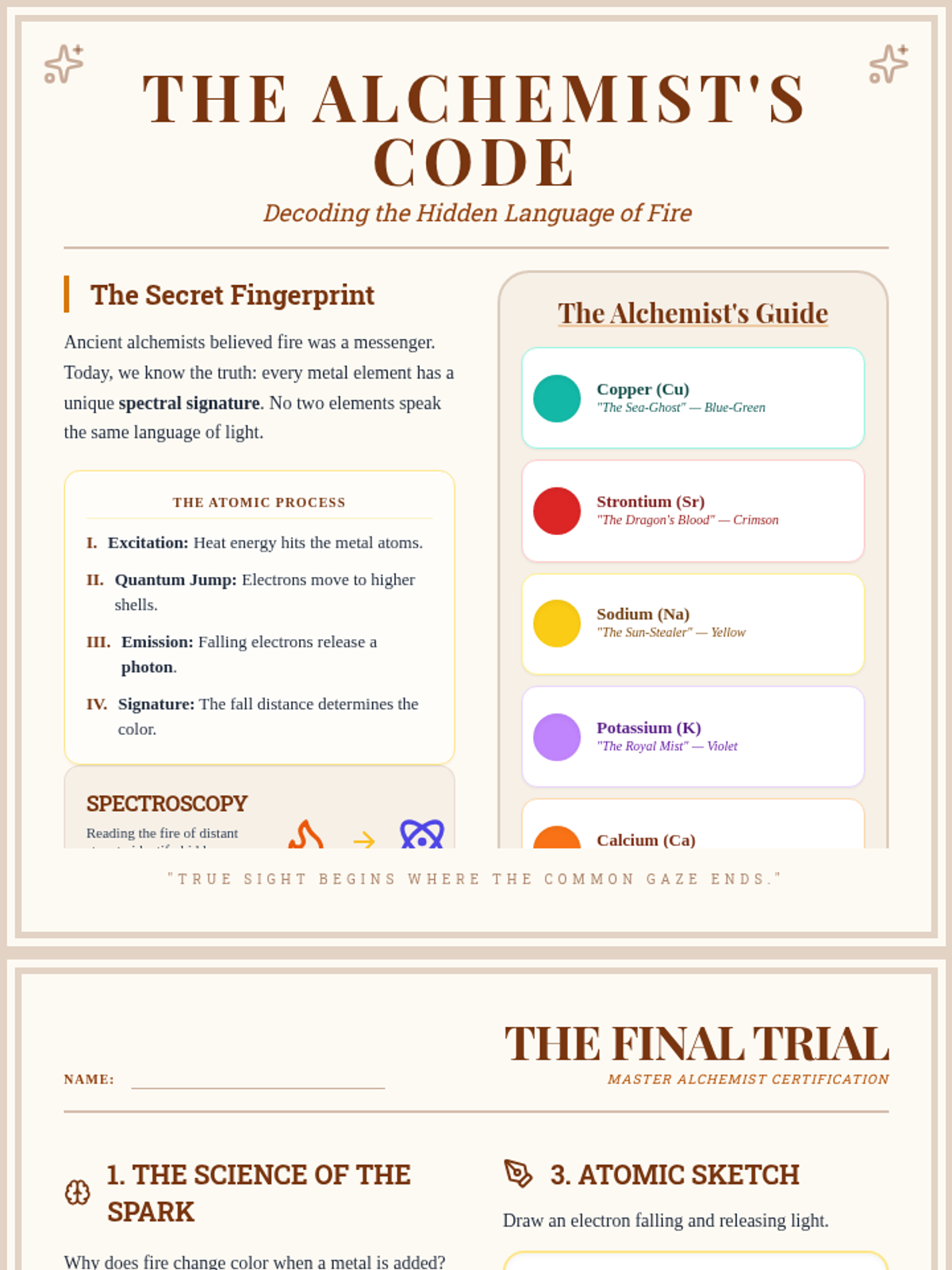
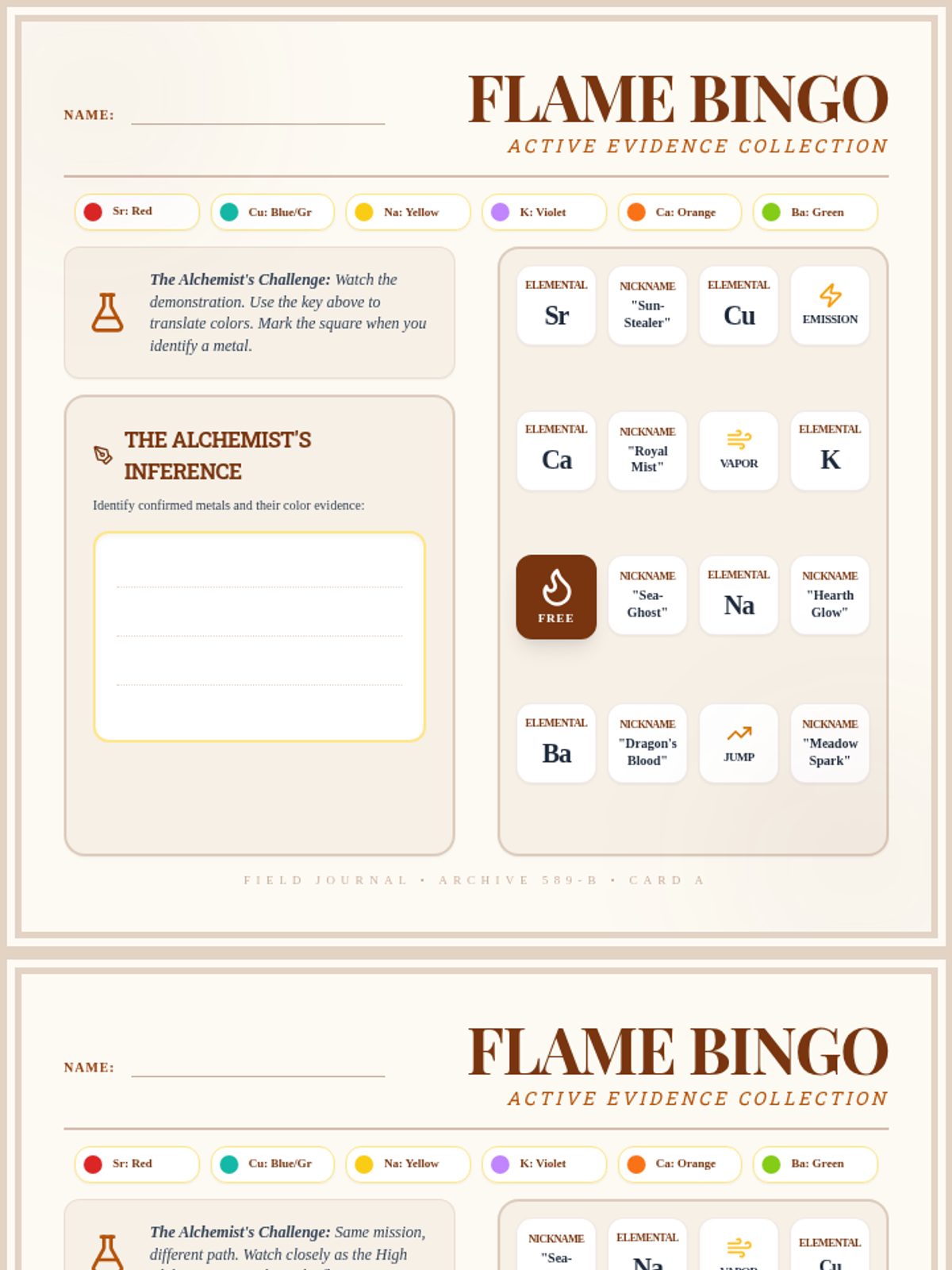
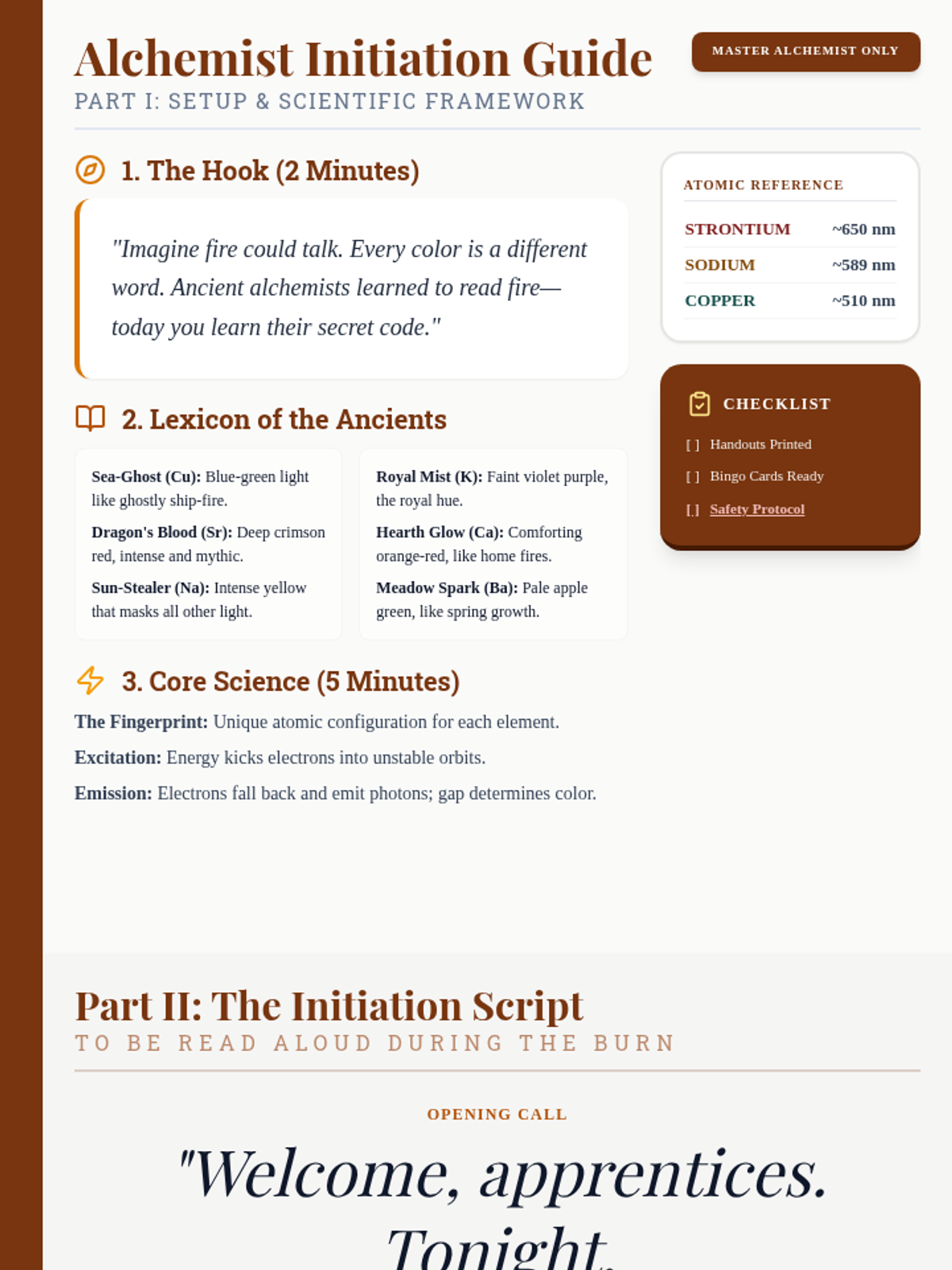
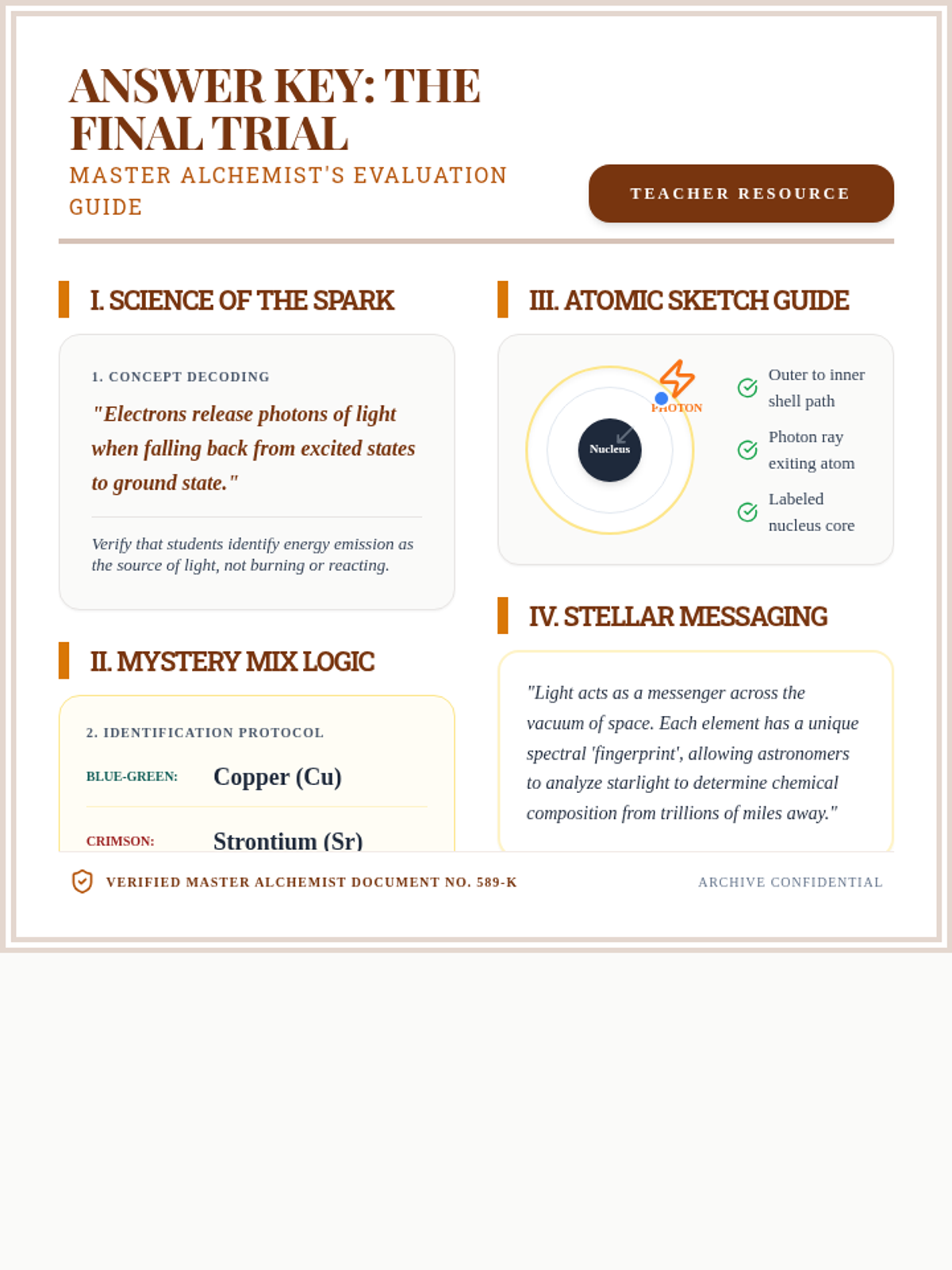
A chemistry-focused lesson framing flame tests as an ancient alchemical decoding challenge, focusing on atomic spectroscopy and logical inference.
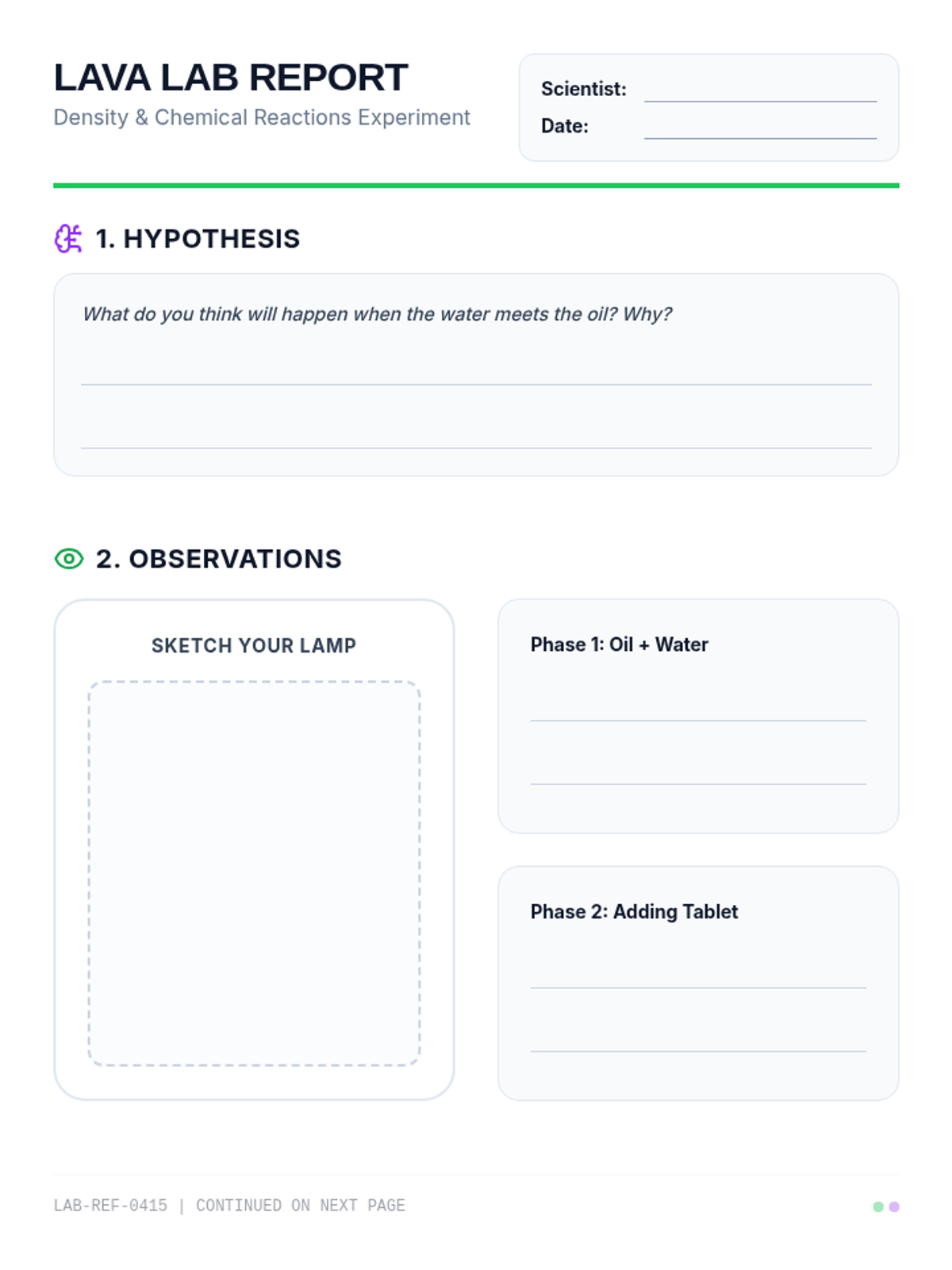
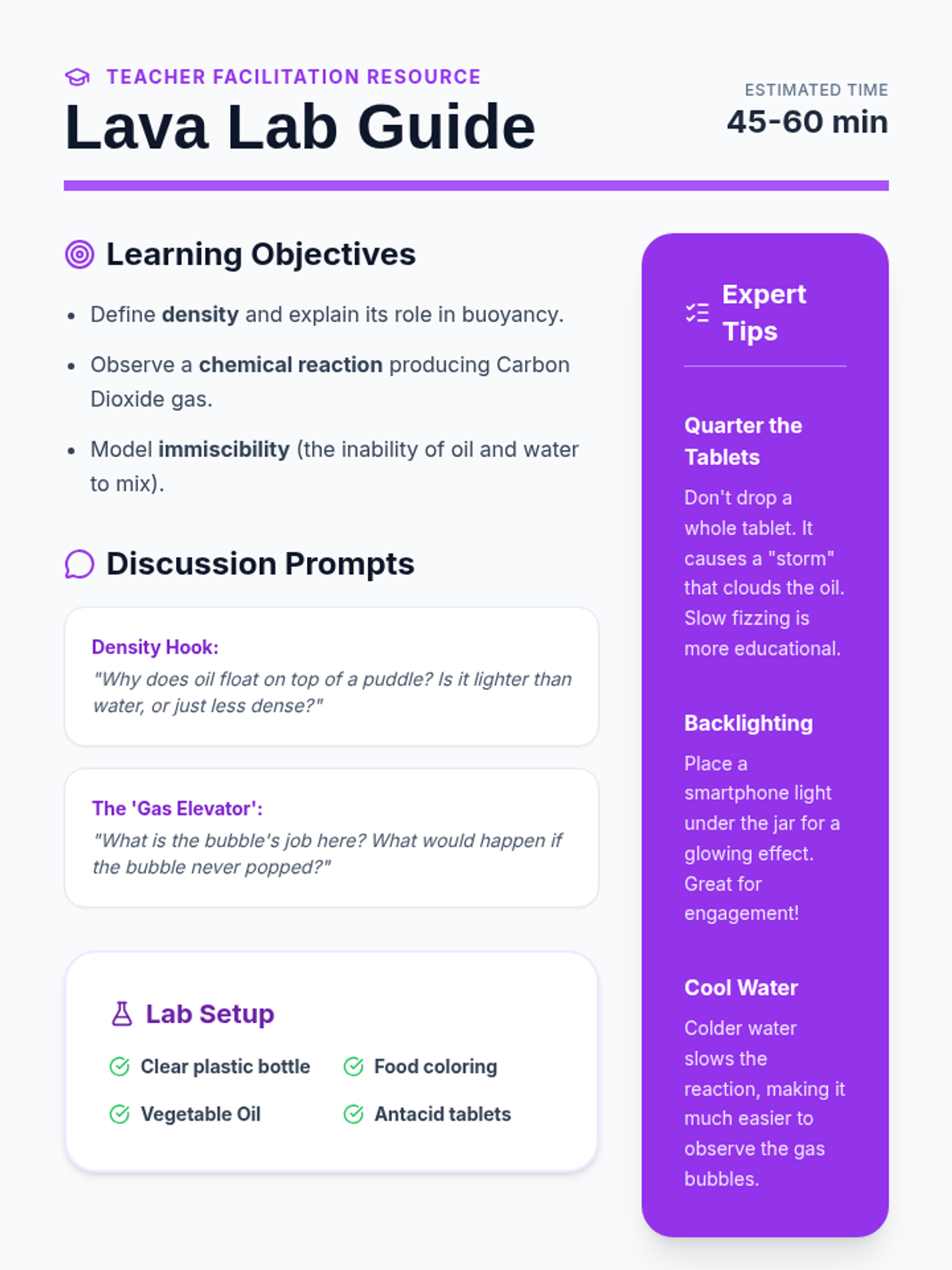
A hands-on science lesson exploring density and chemical reactions through the creation of a DIY lava lamp. Students will learn why oil and water don't mix and how gas bubbles transport liquids.
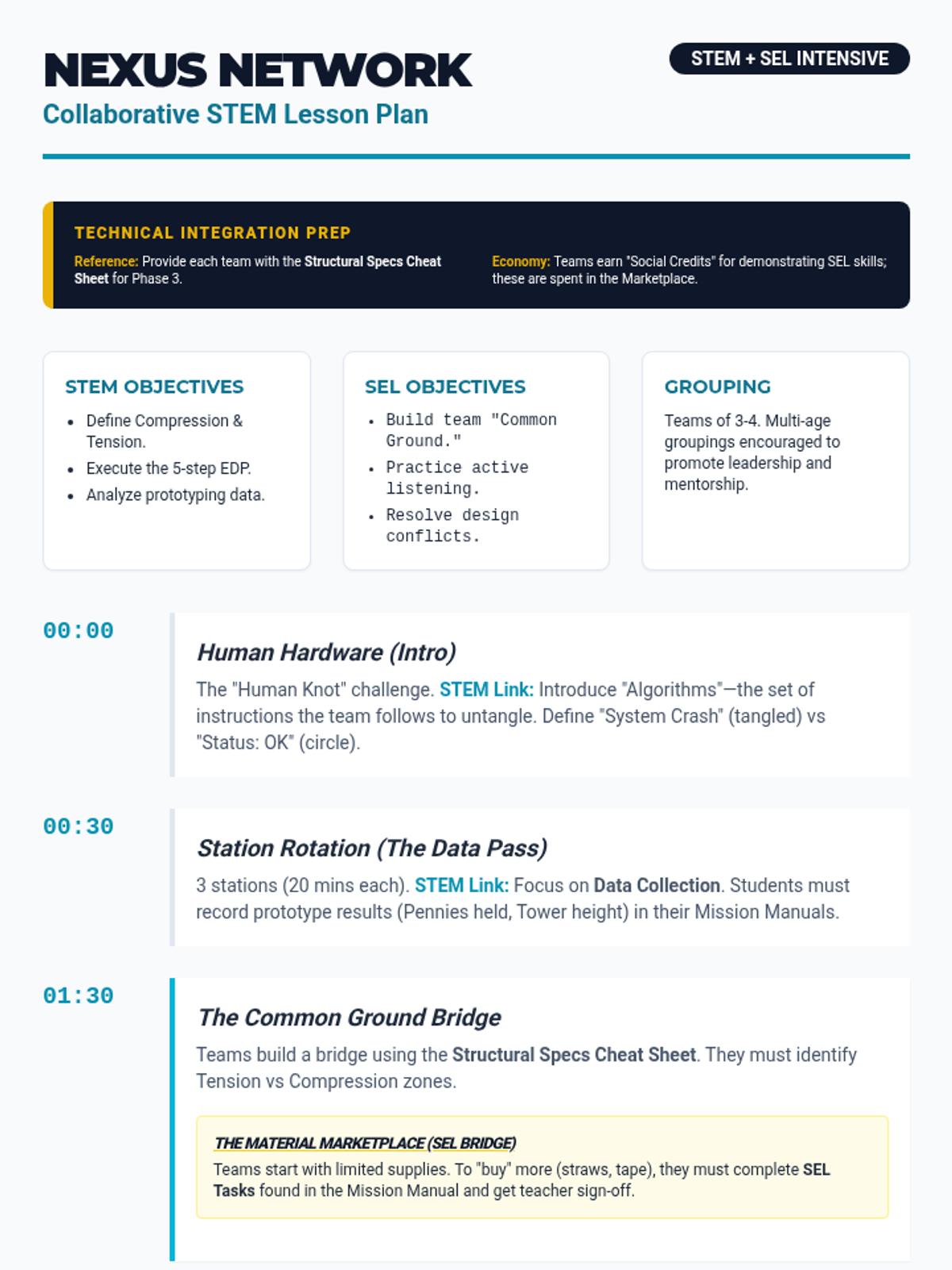
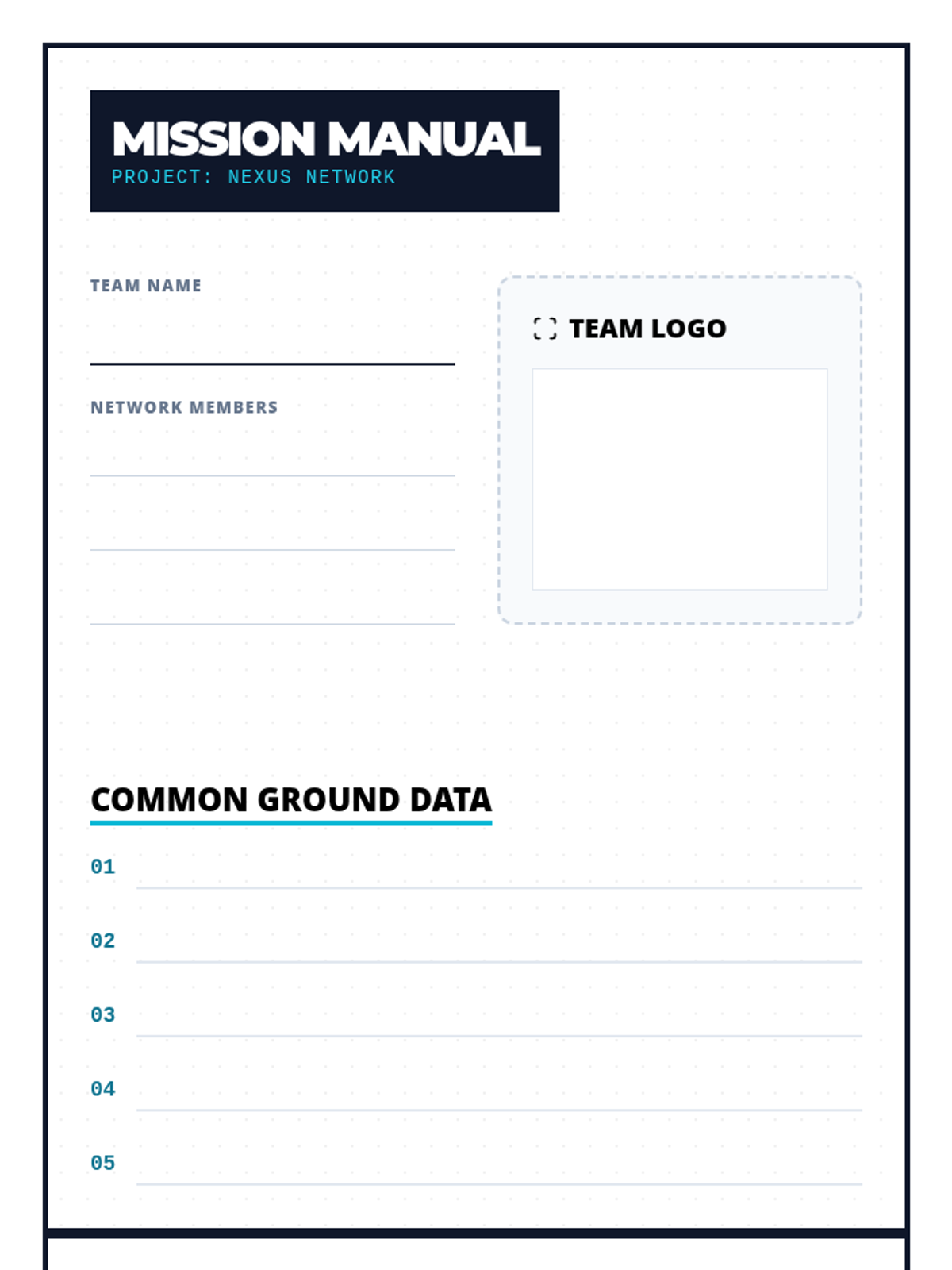
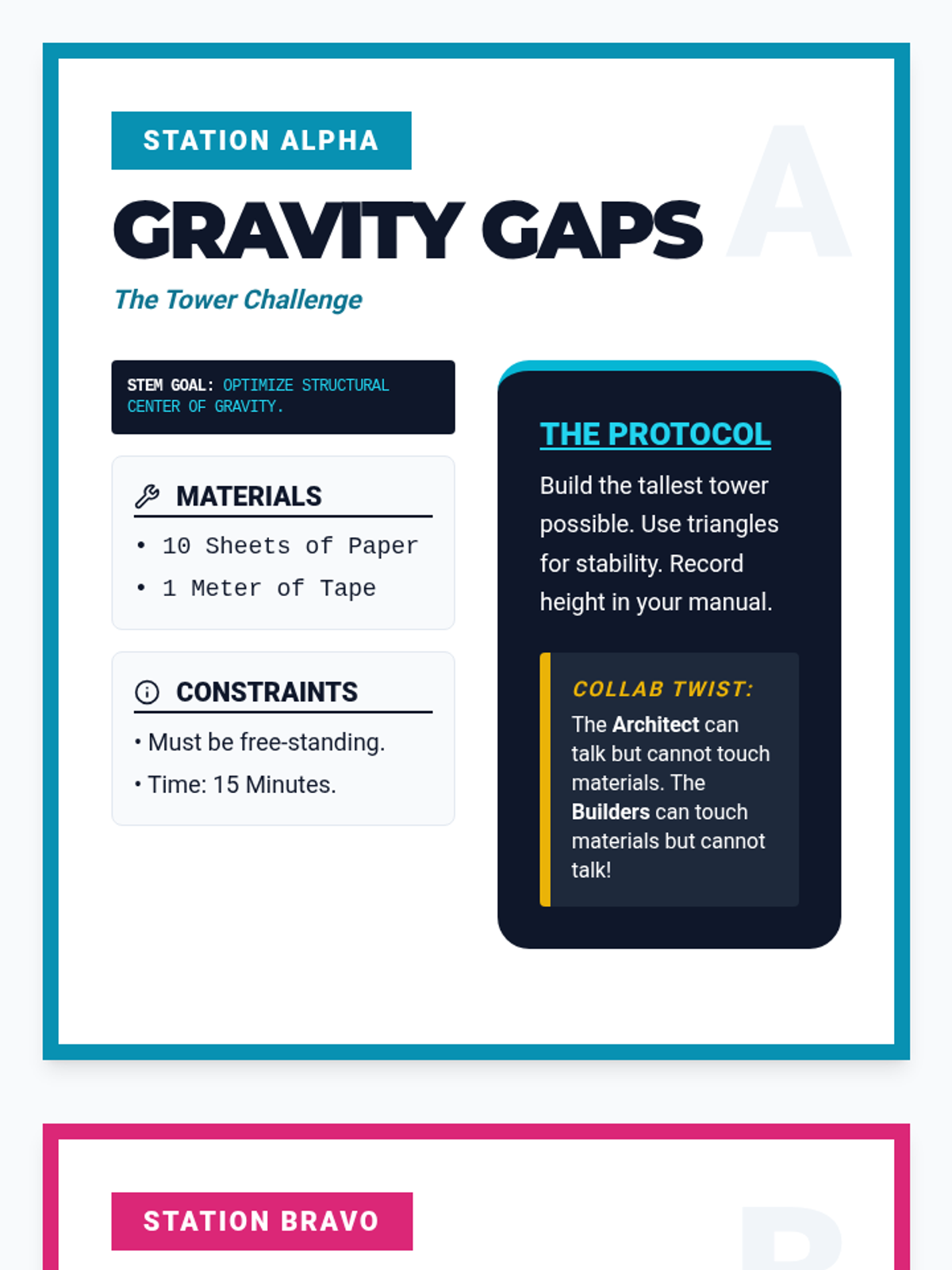
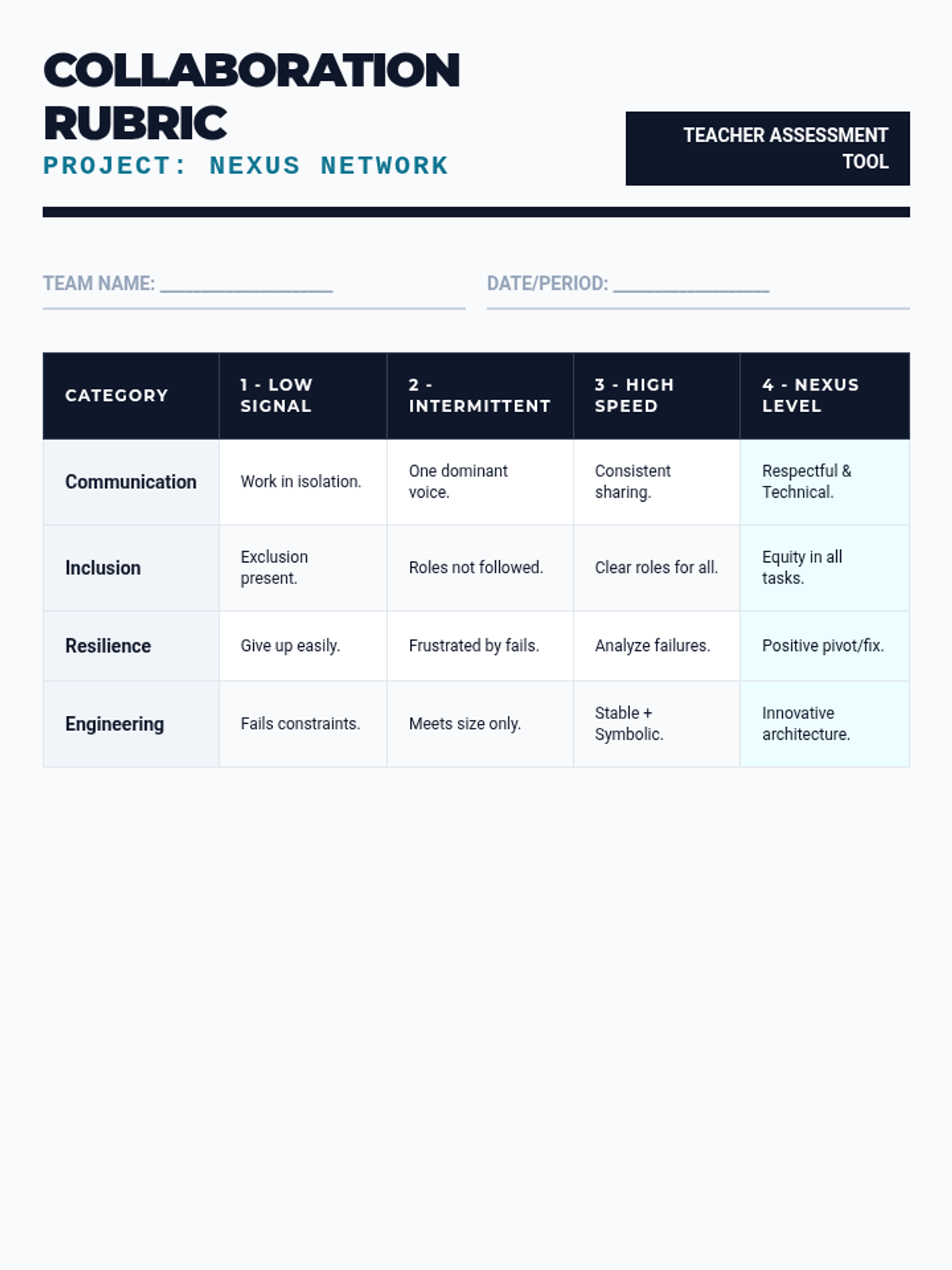
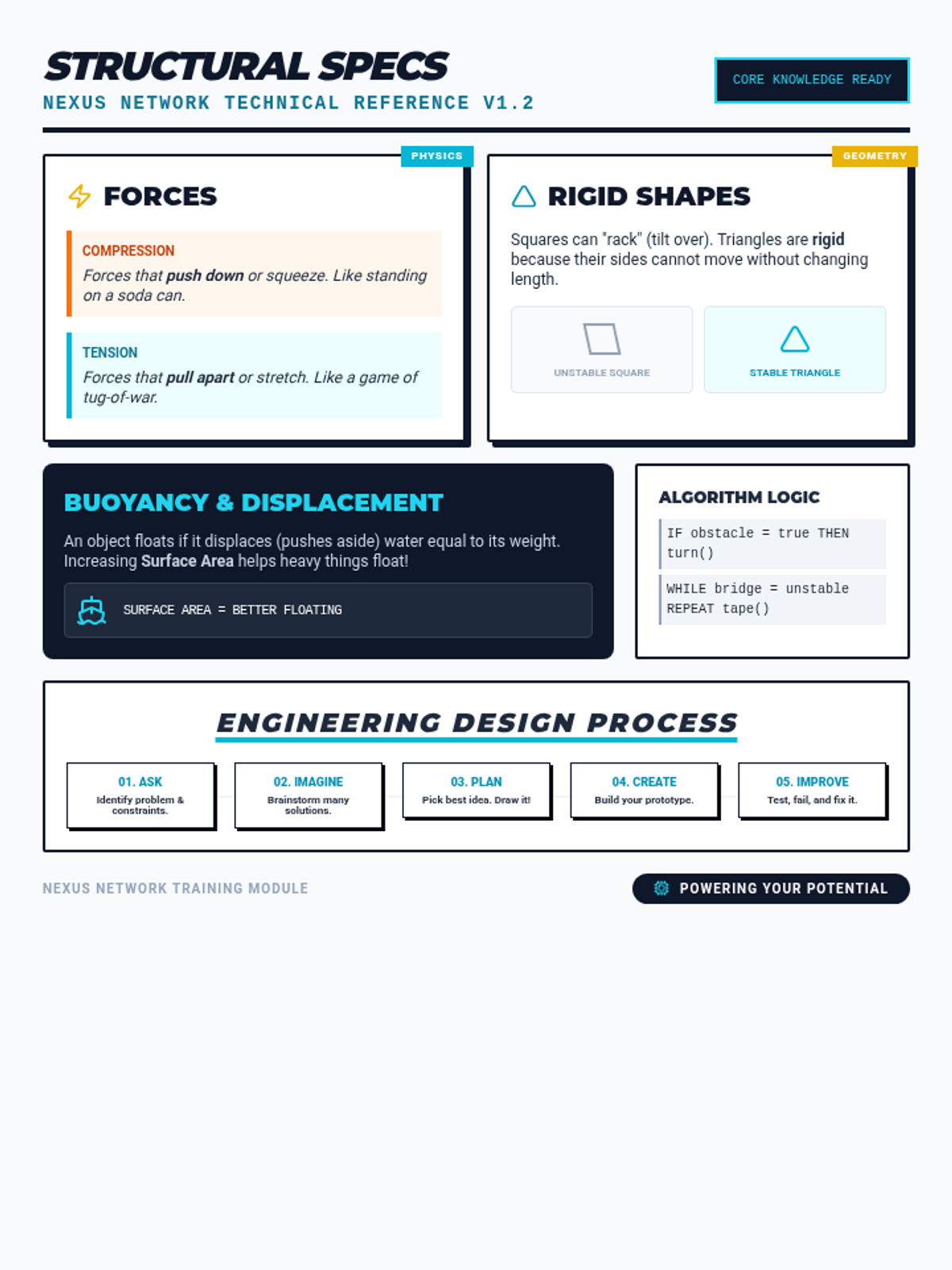
A 3-hour collaborative STEM lesson where students build bridges (literally and figuratively) to get to know one another. Includes stations, a main engineering challenge, and reflection components.
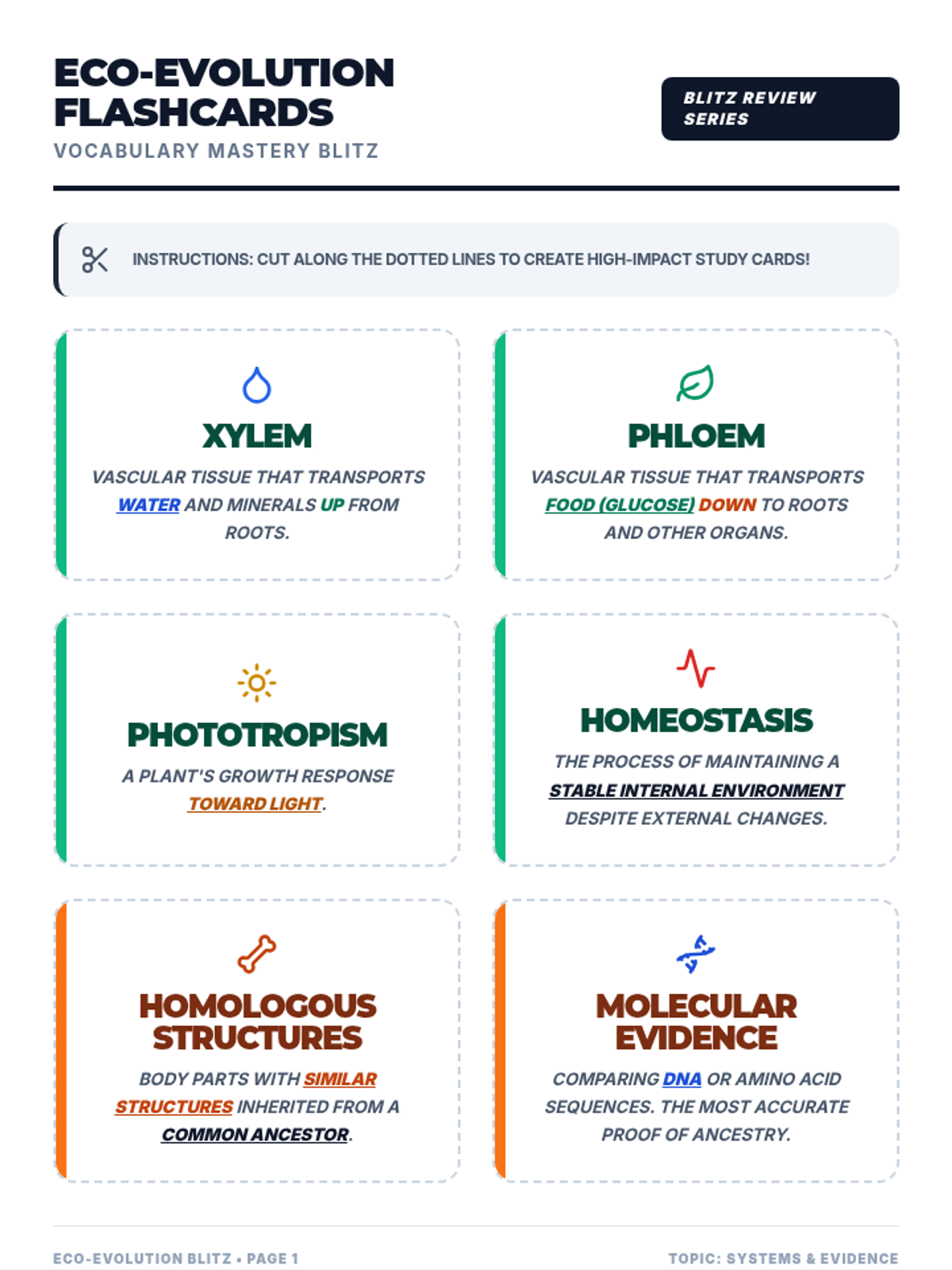
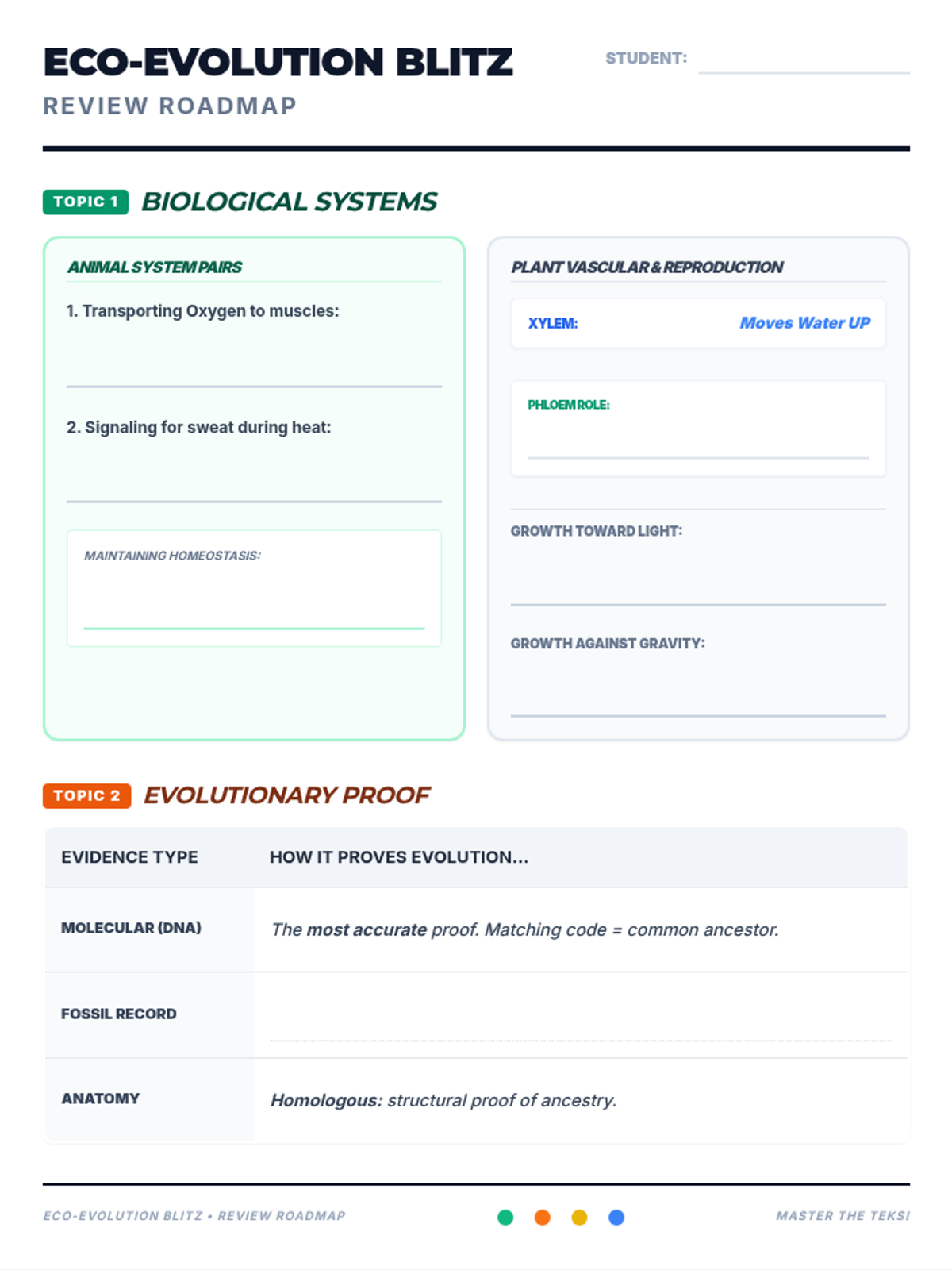
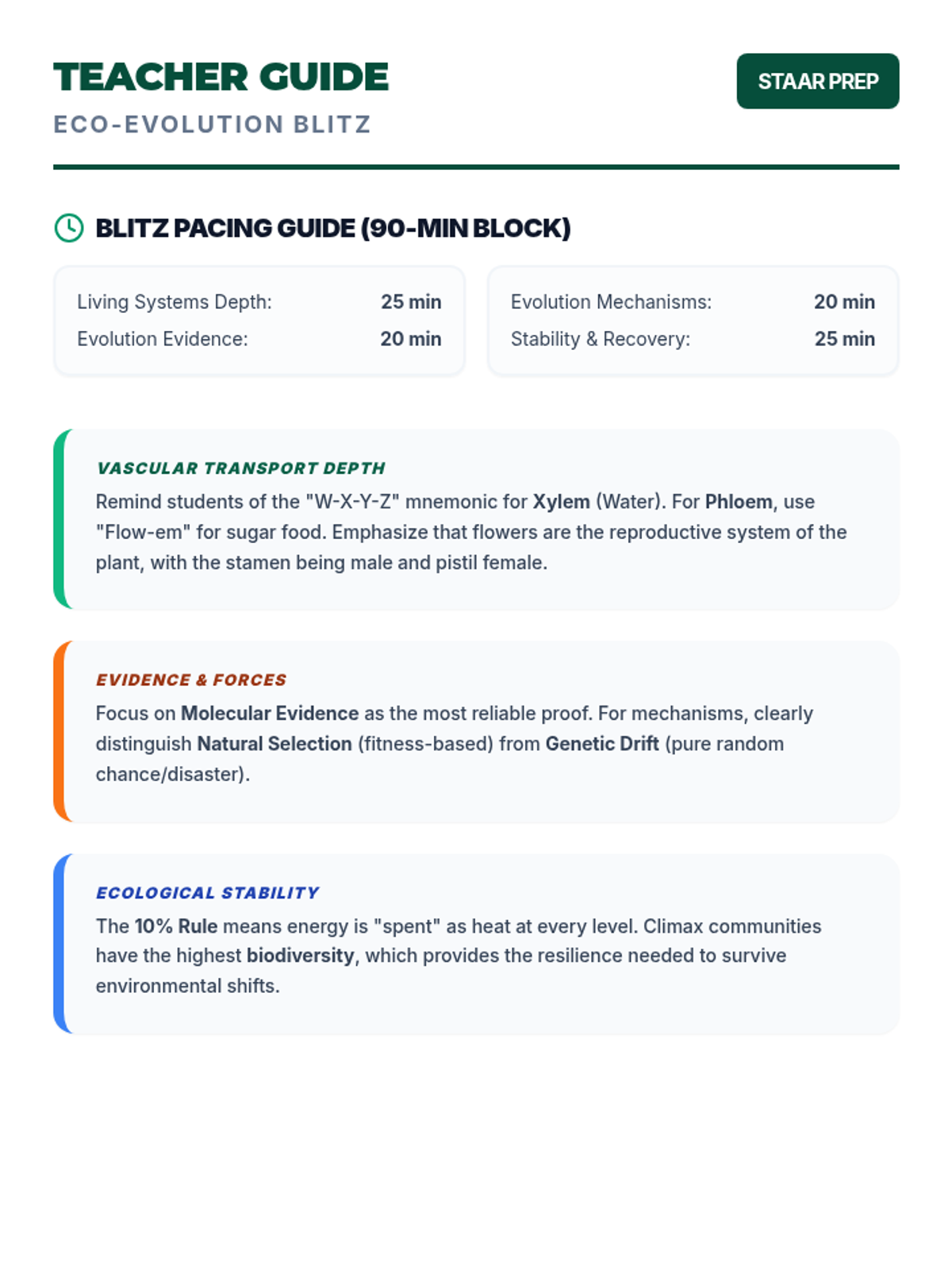
A high-impact review of evolutionary mechanisms, evidences, plant and animal systems interactions, and ecological stability. This lesson follows the Blitz format with maximum-depth content on succession, feedback loops, and biogeochemical cycles.
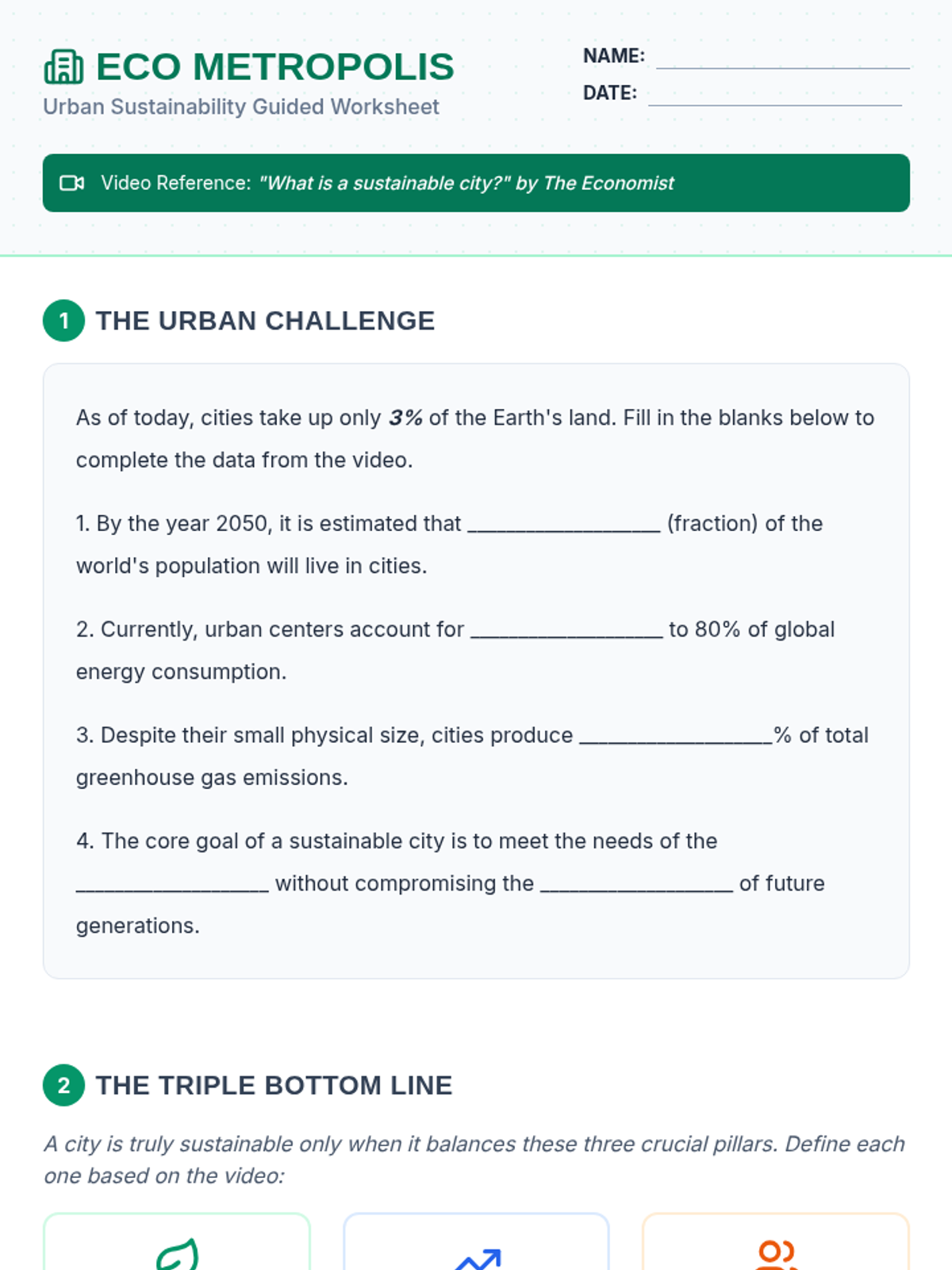
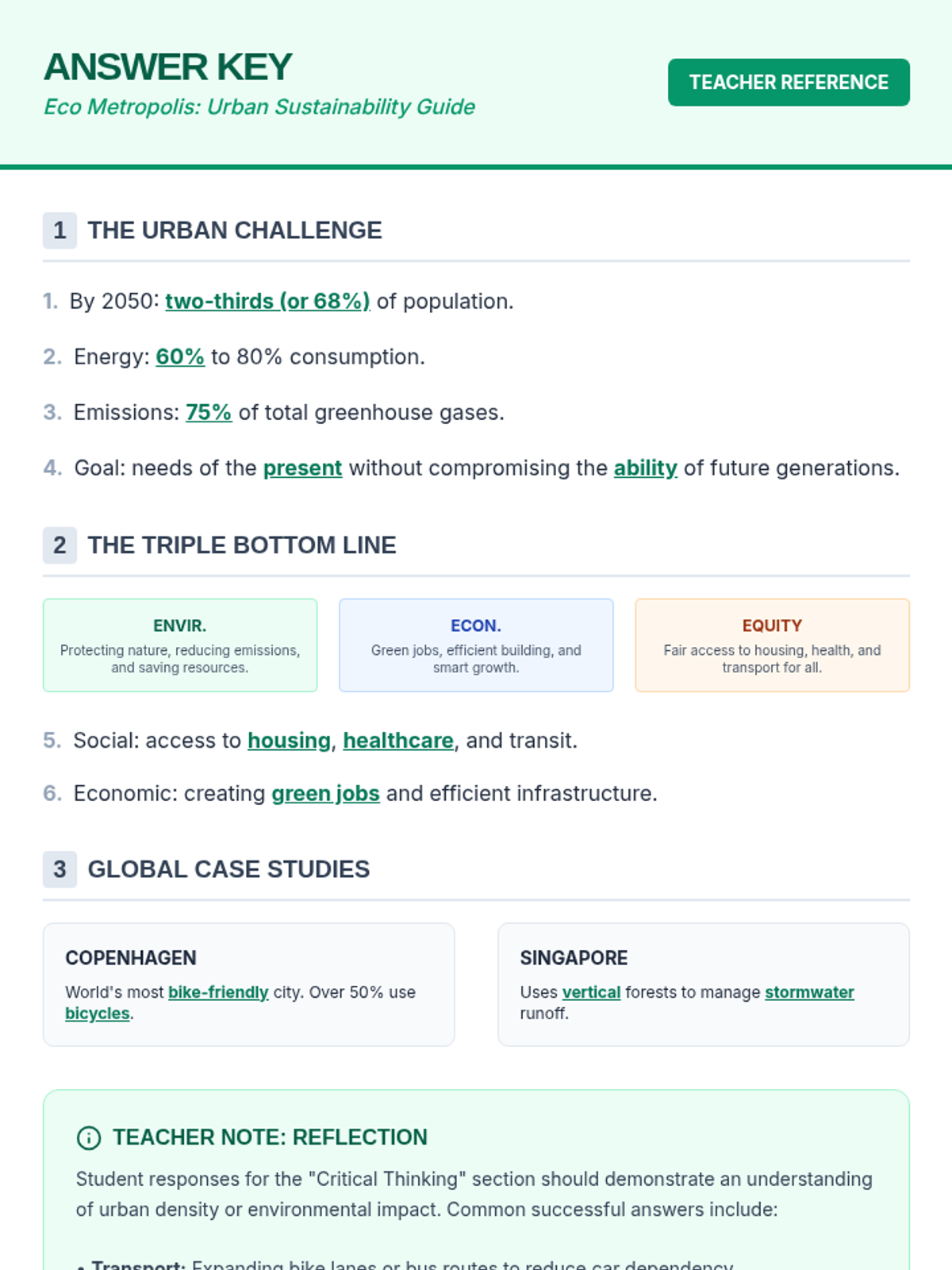
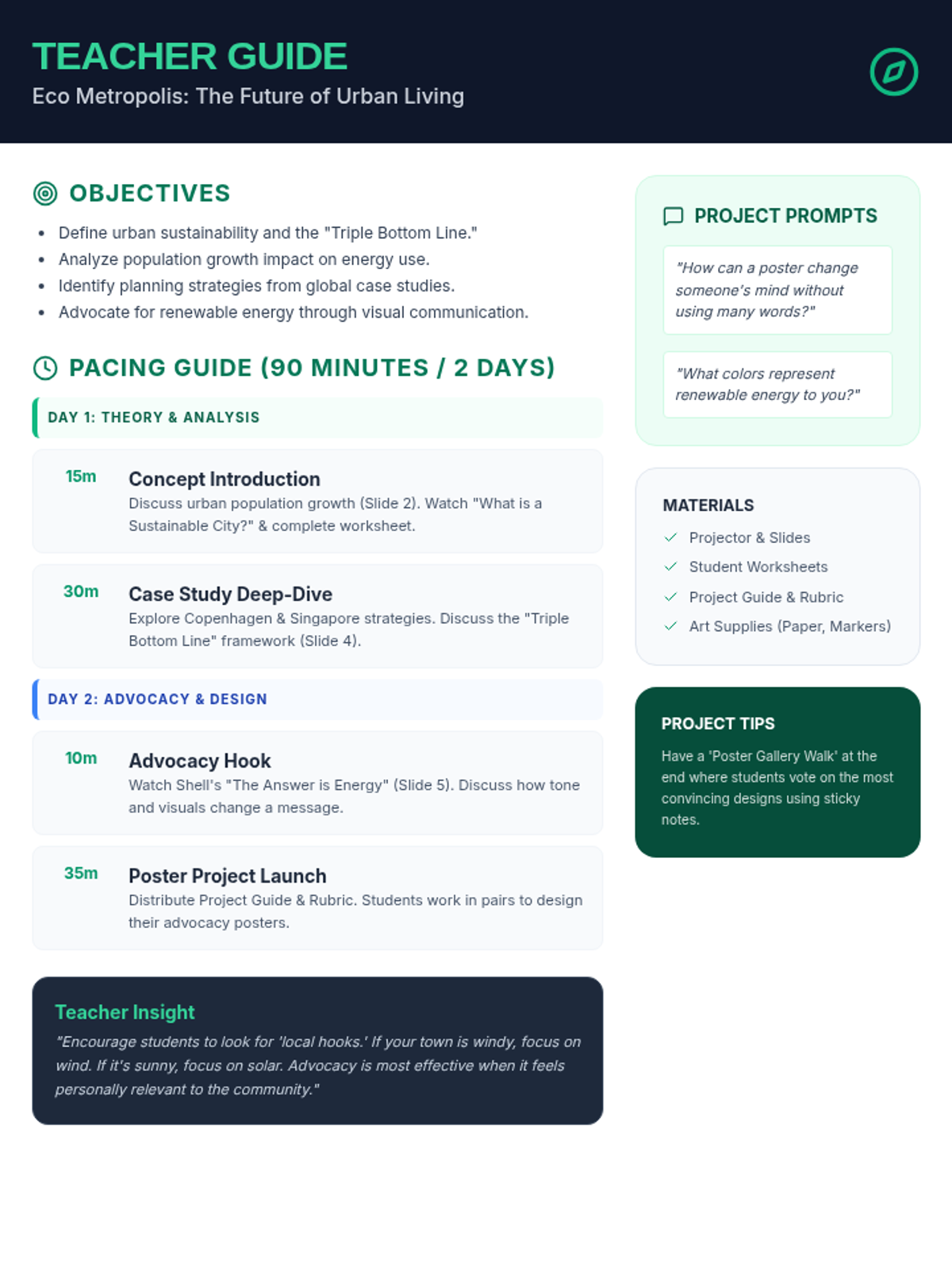
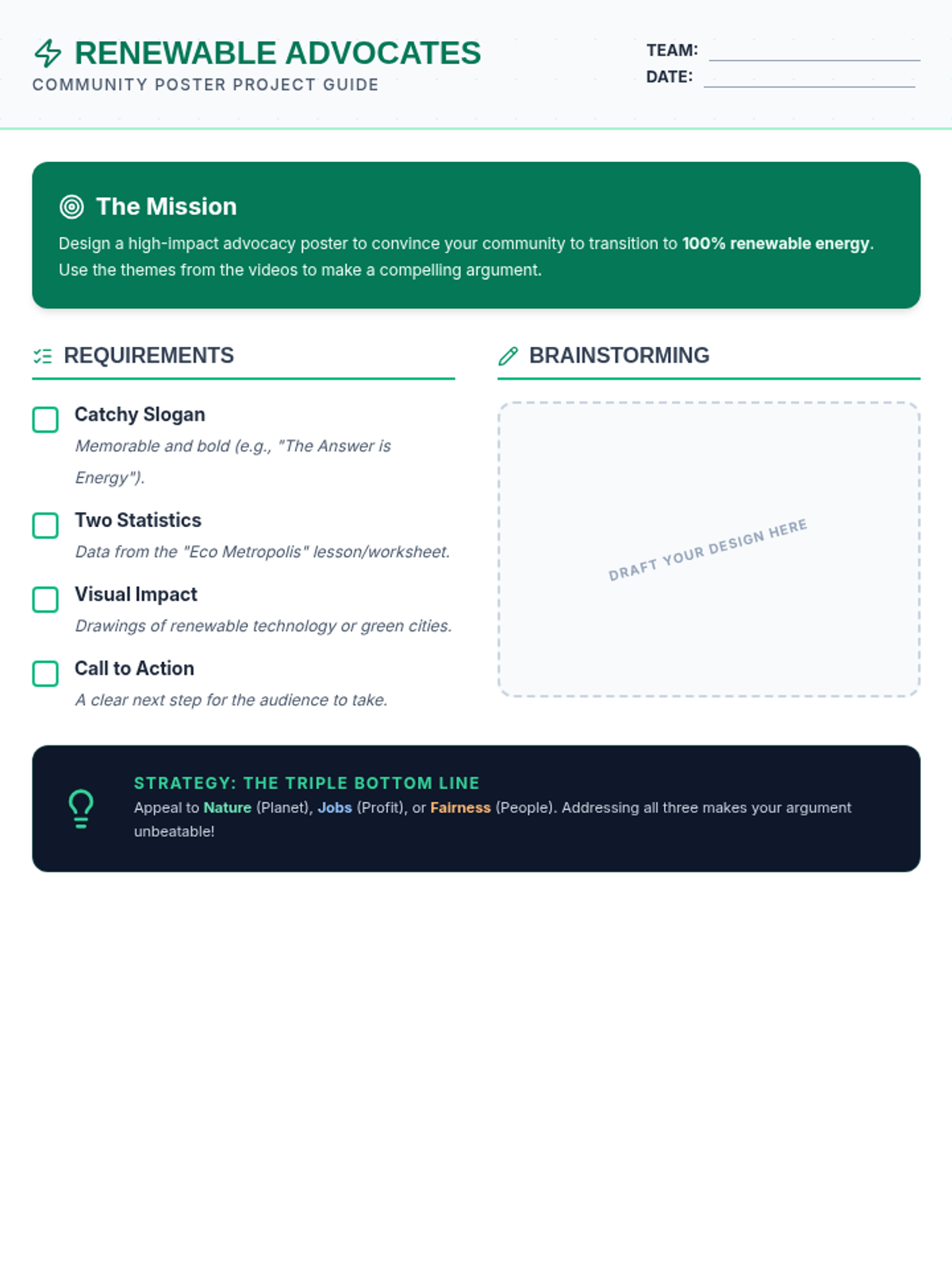
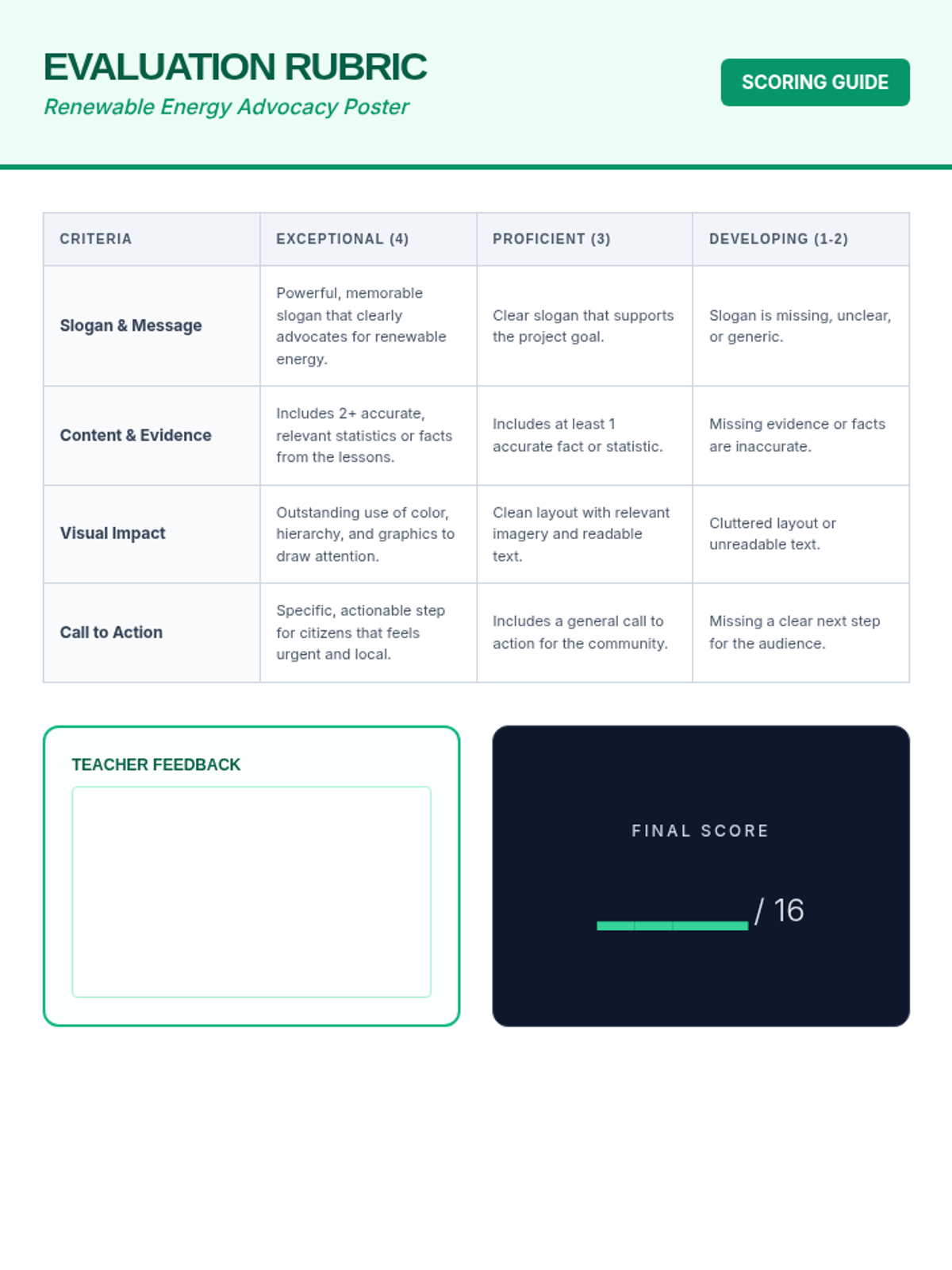
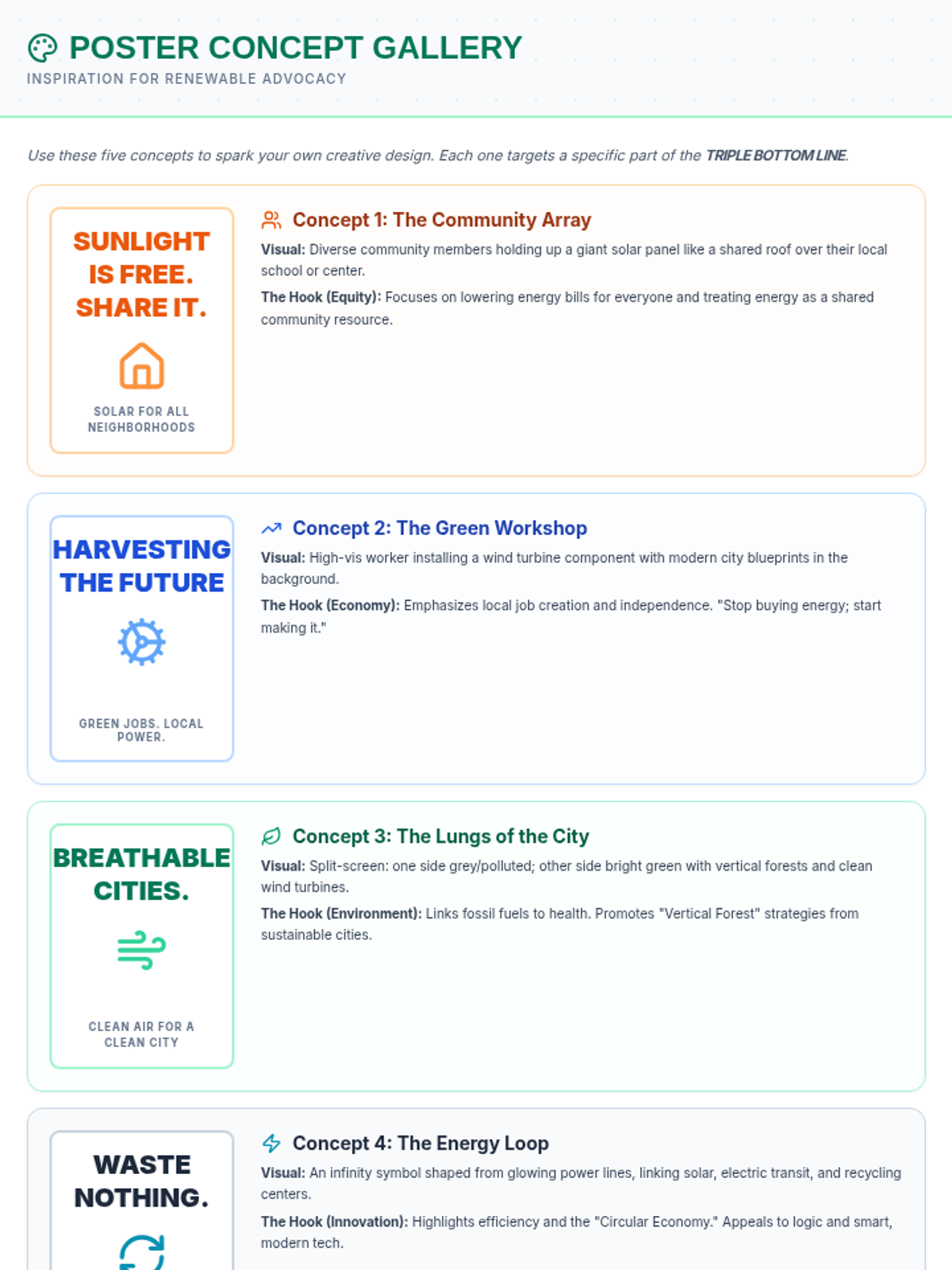
A comprehensive lesson exploring the concept of sustainable cities, focusing on urban planning strategies, resource management, and global case studies based on The Economist's sustainability analysis.
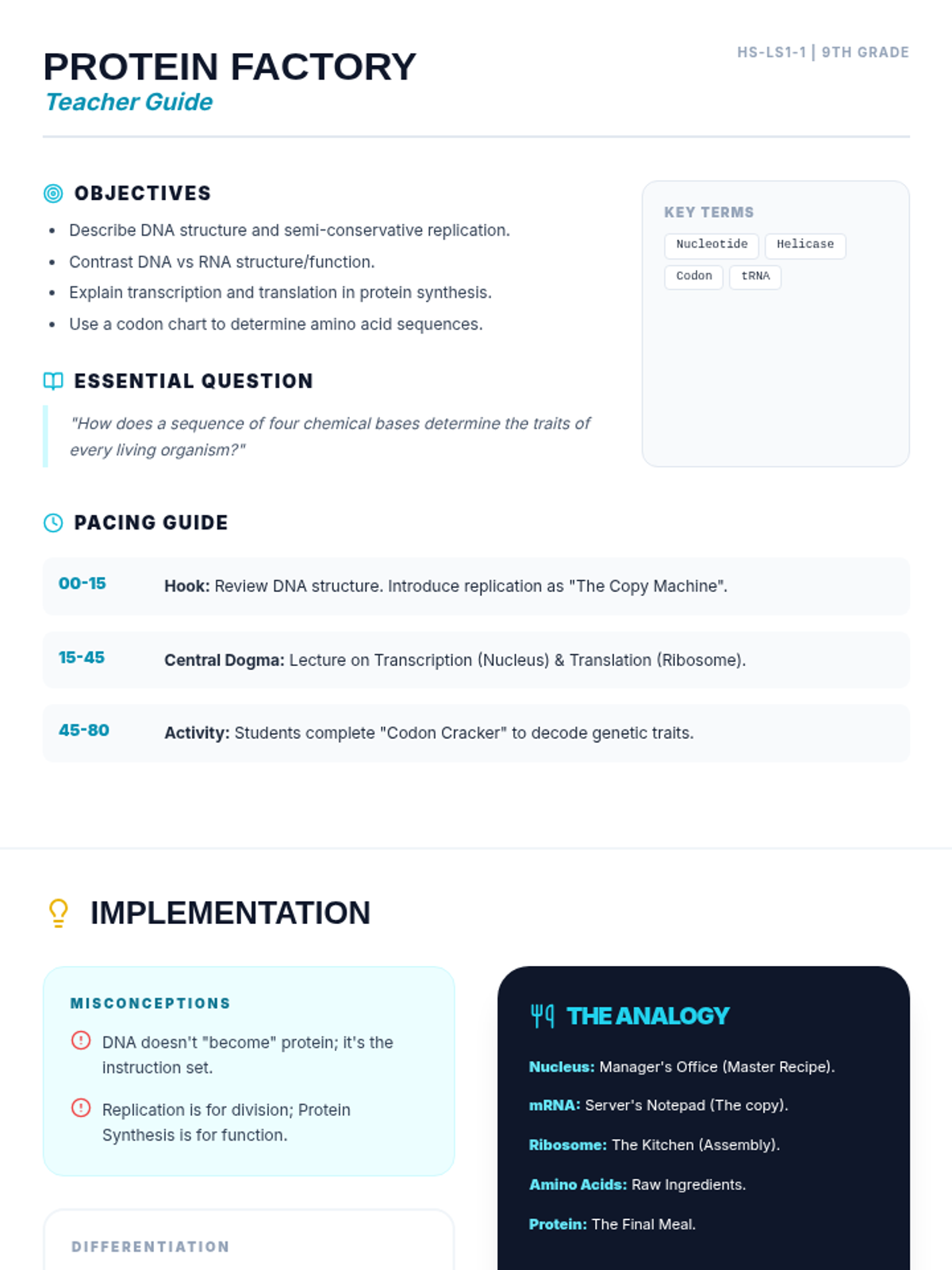
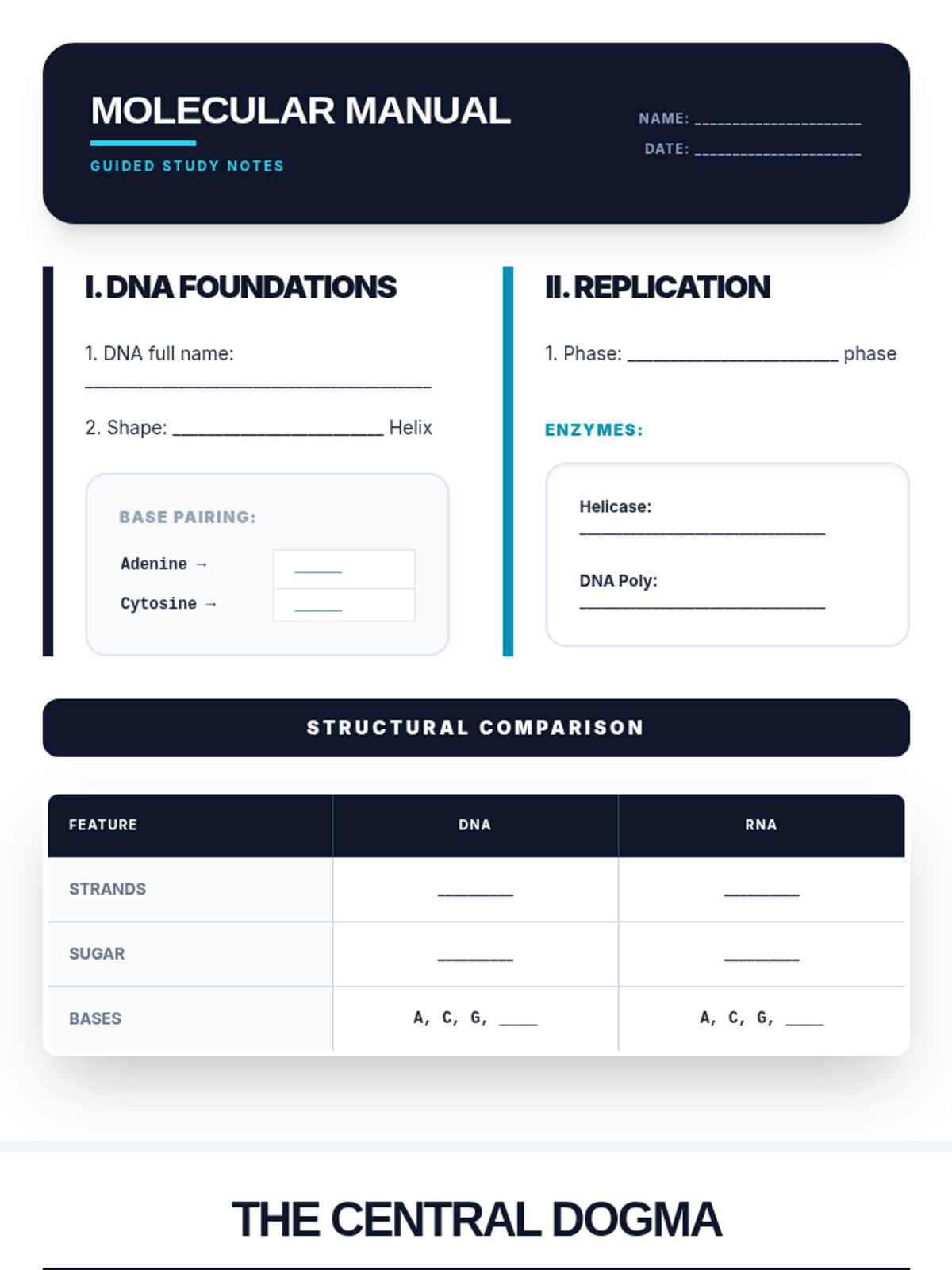
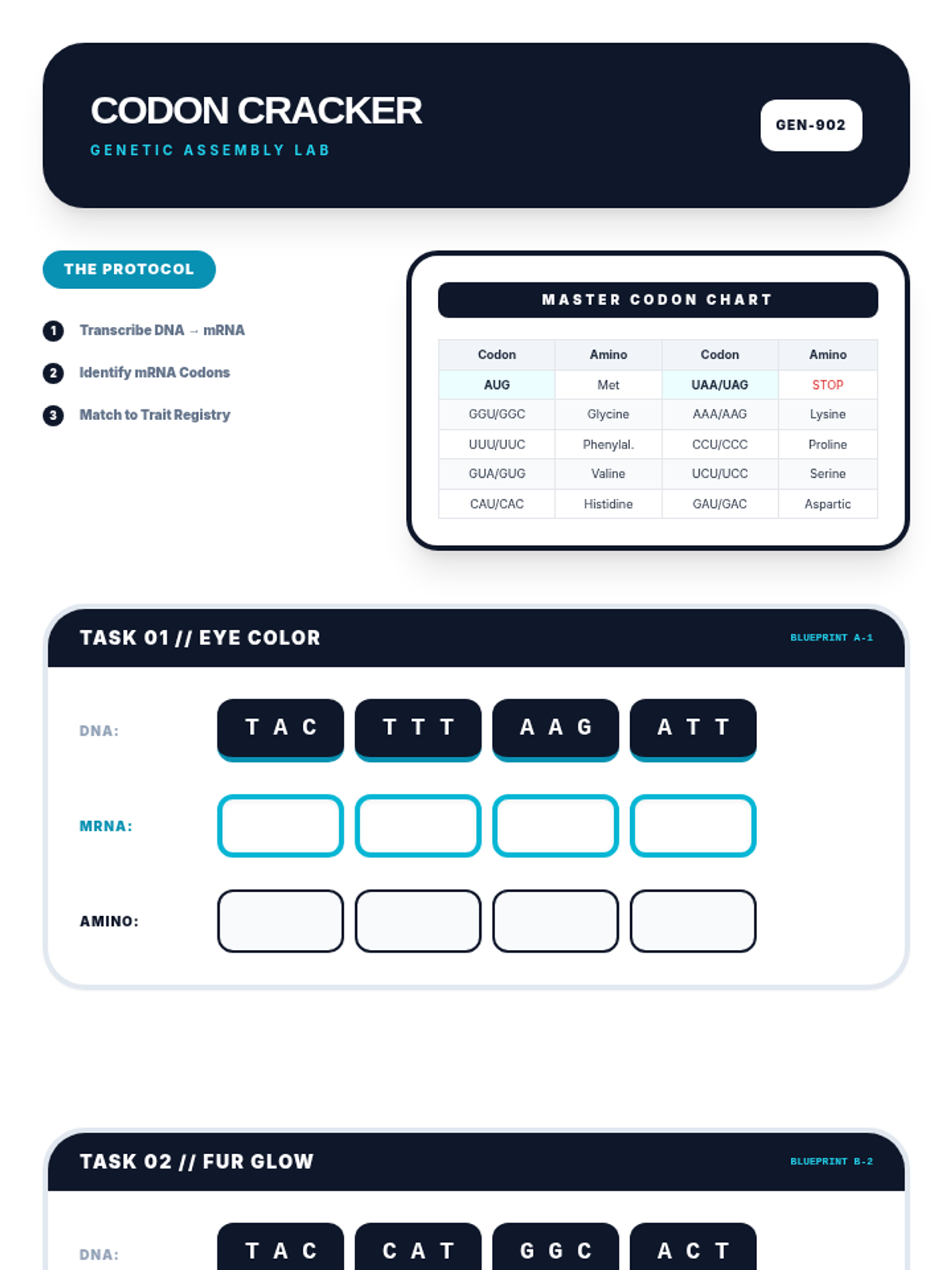
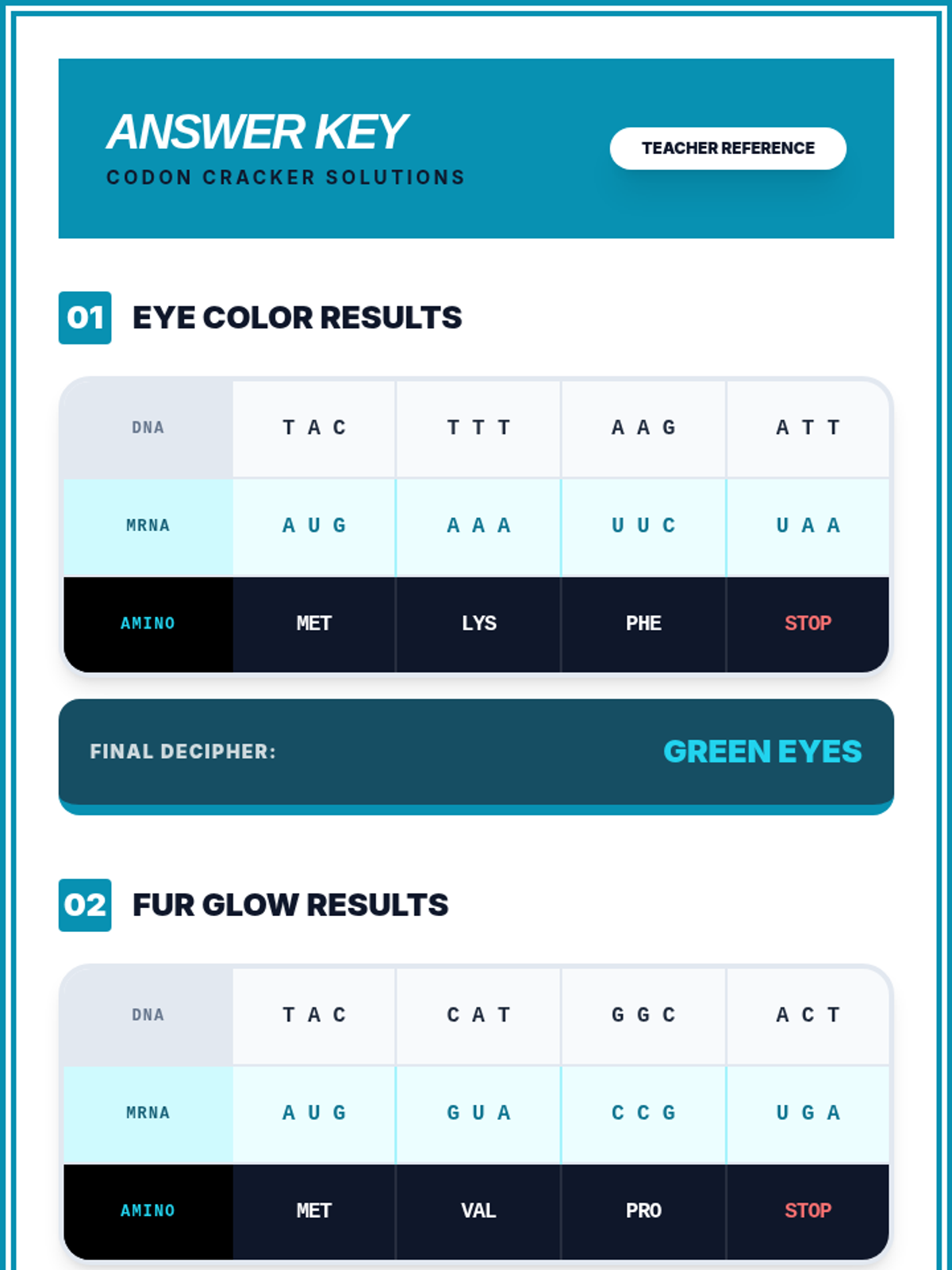
A comprehensive lesson covering the Central Dogma of biology, from the structure of DNA and its replication to the process of protein synthesis through transcription and translation.
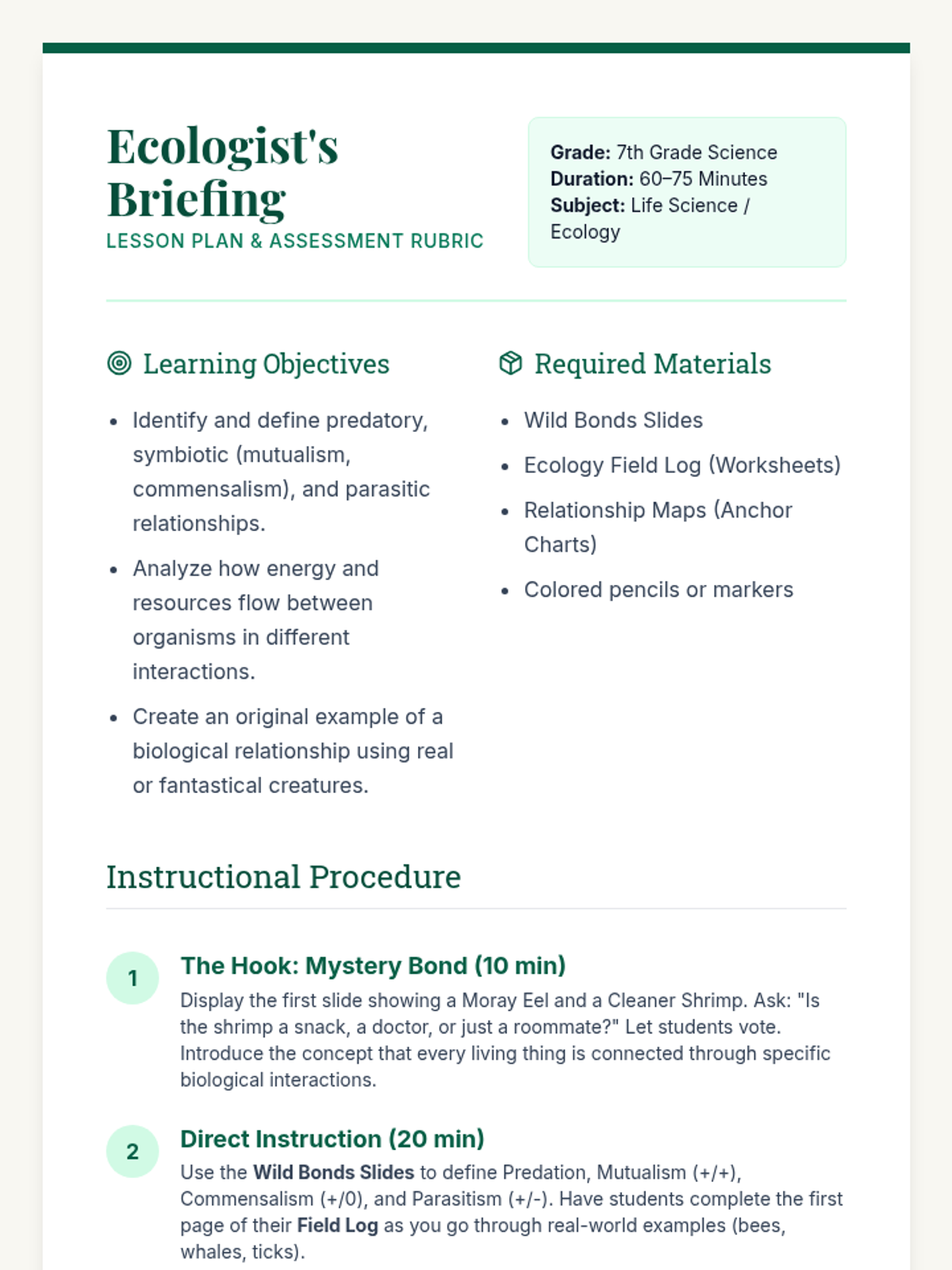
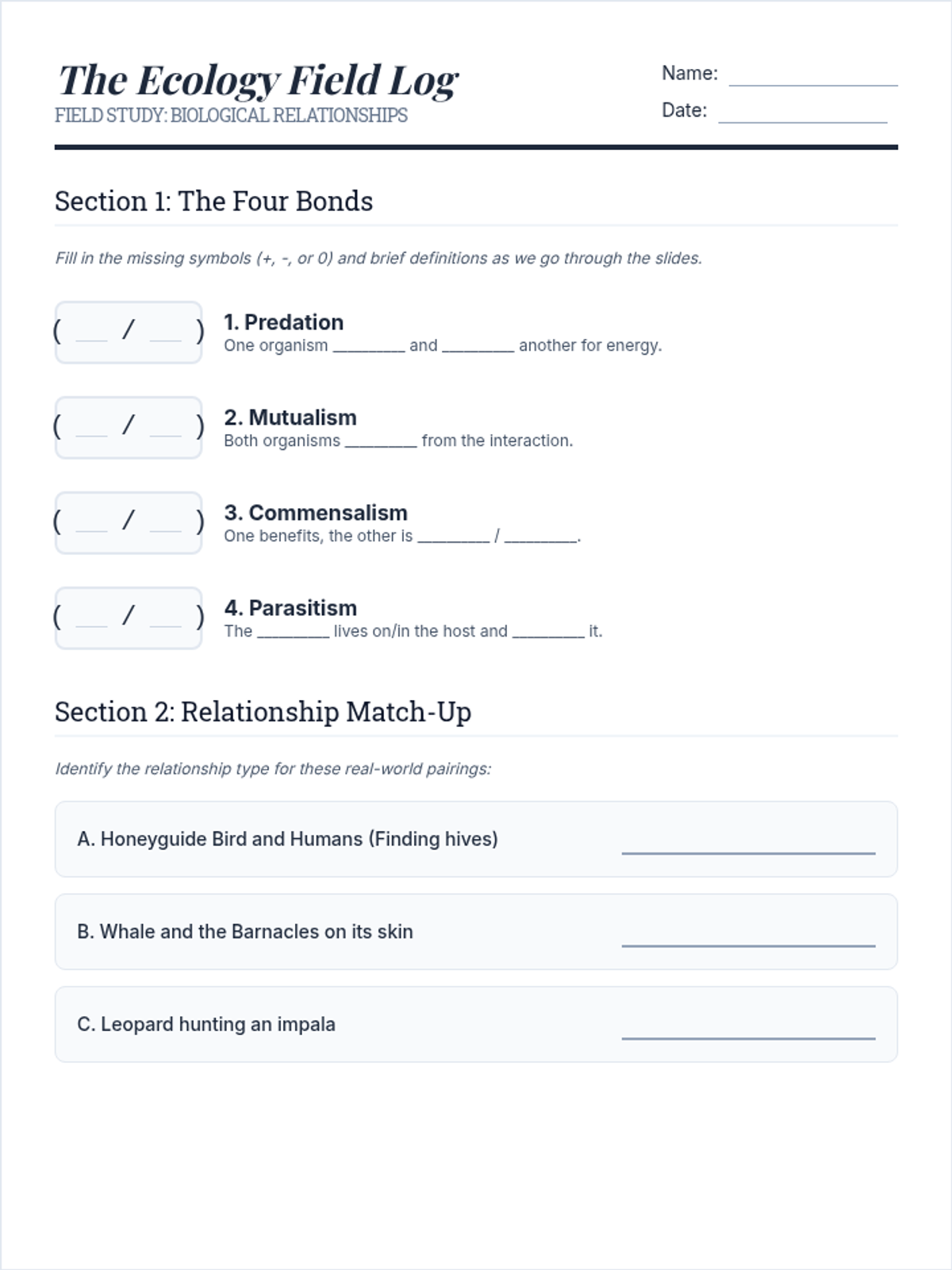
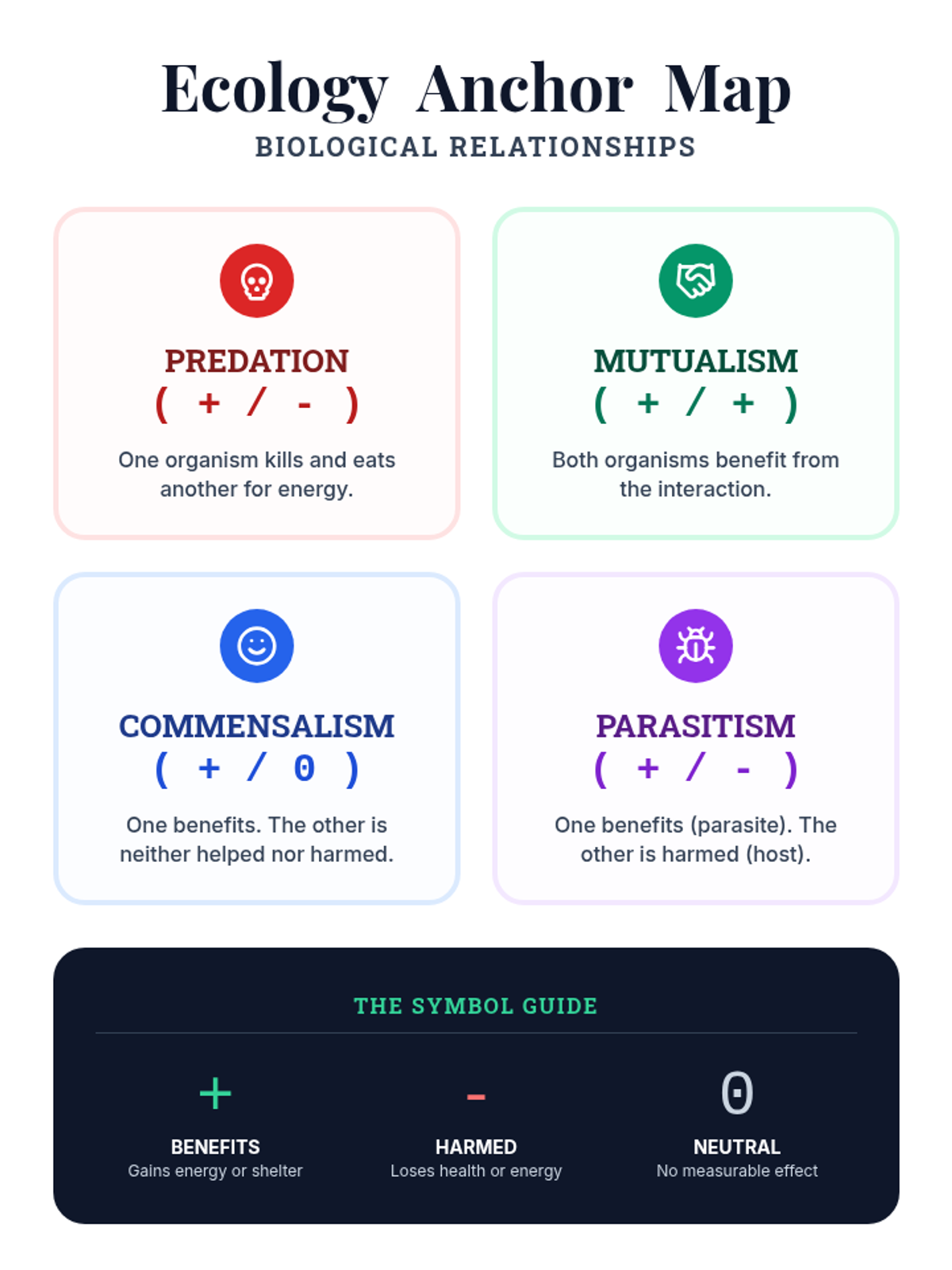
In this lesson, 7th-grade students explore biological relationships—predation, mutualism, commensalism, and parasitism—through real-world biological examples. Students apply their knowledge by designing a relationship between either real or fantastical creatures.
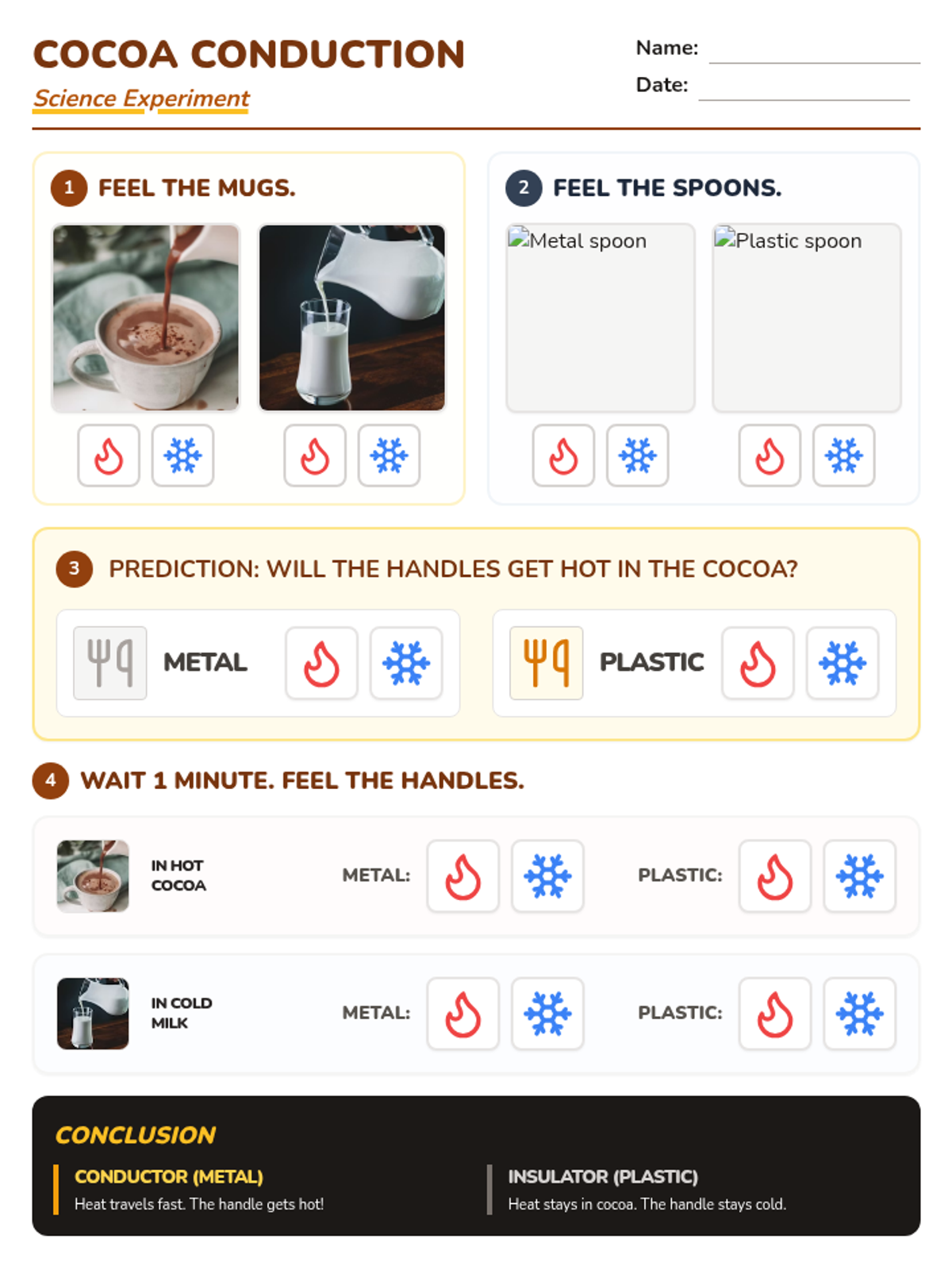
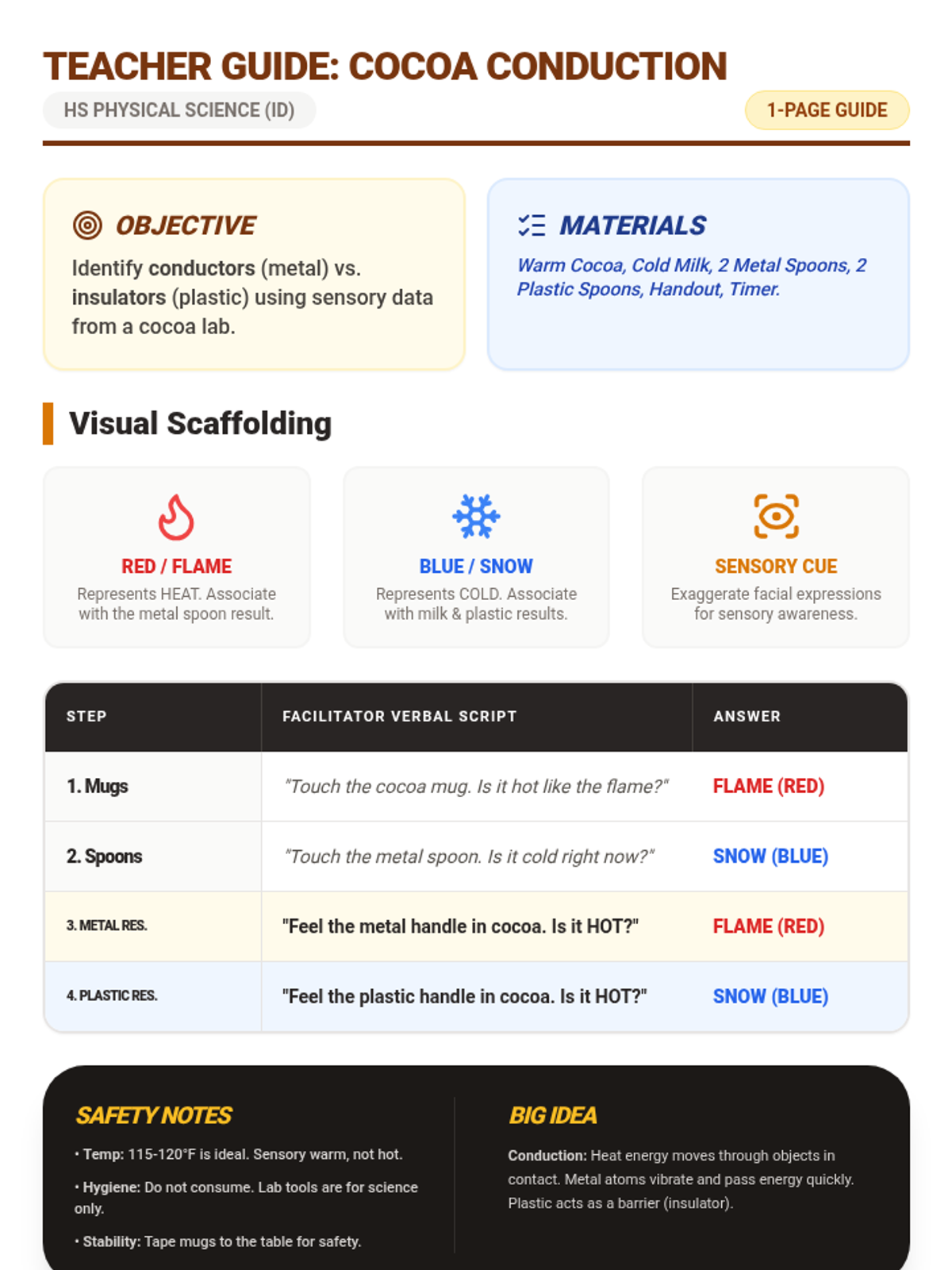
A hands-on science experiment exploring heat conduction using hot and cold chocolate milk with metal and plastic spoons. Designed specifically for high school students with intellectual disabilities with visual supports and simplified response formats.
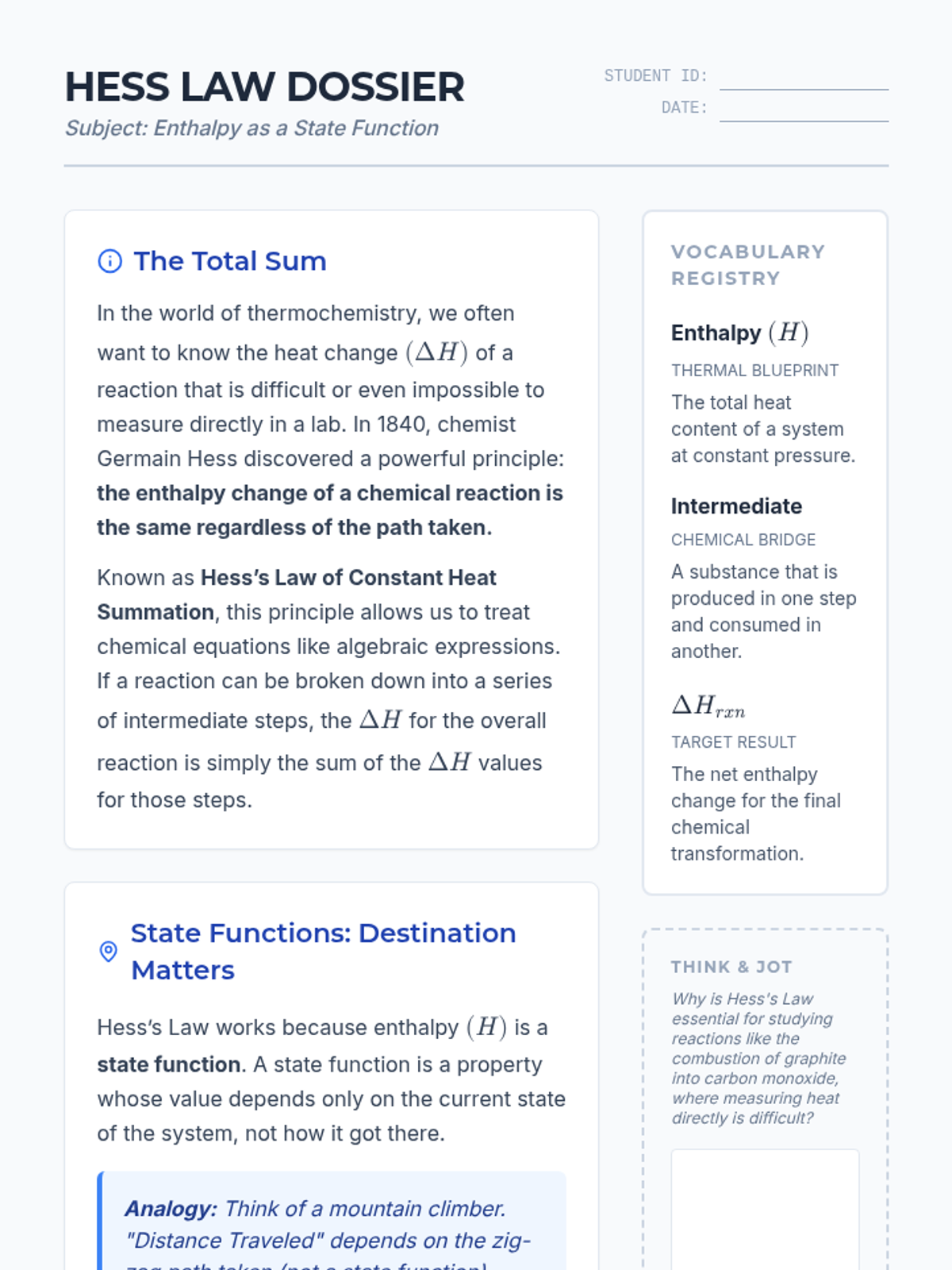
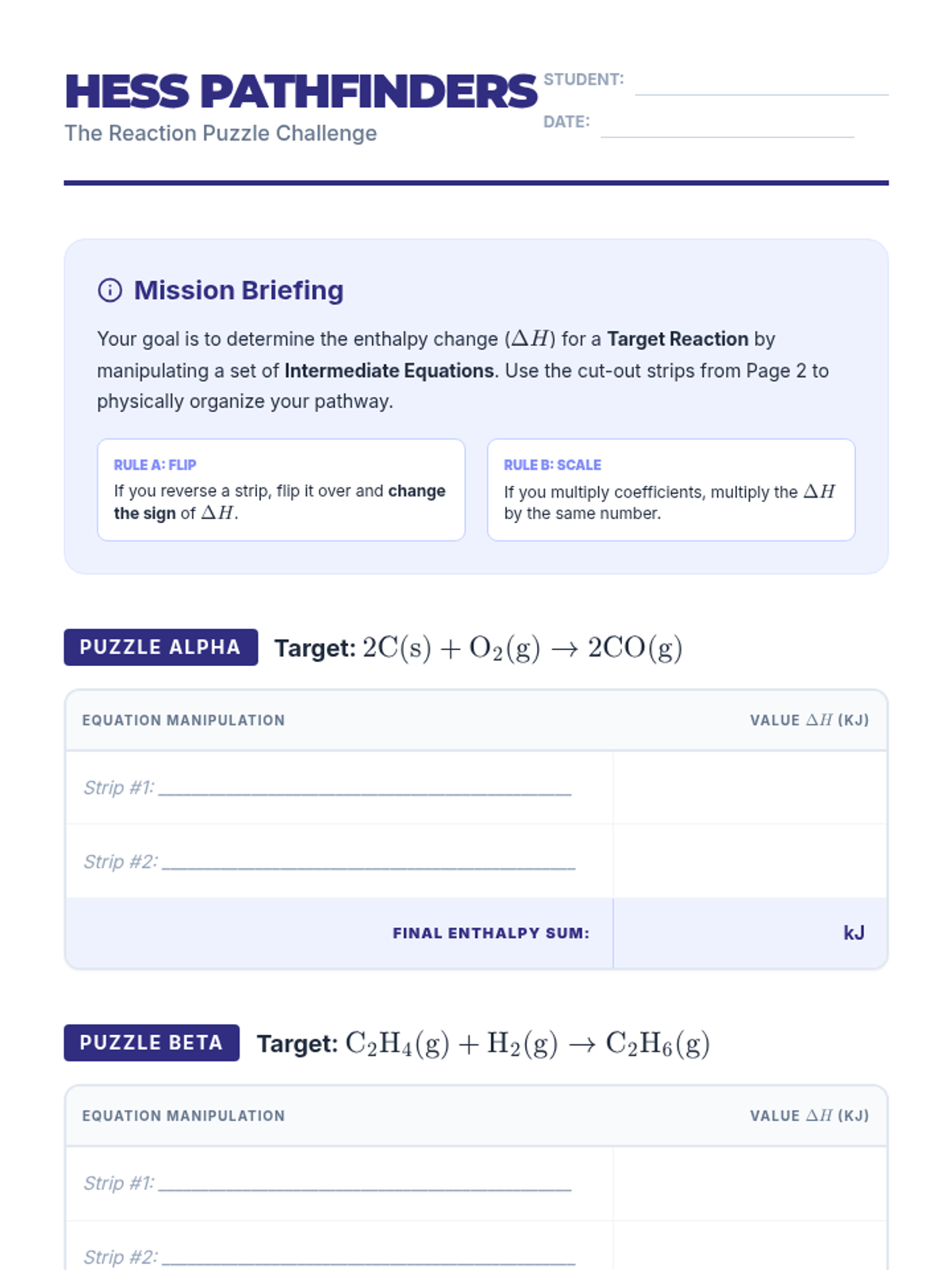
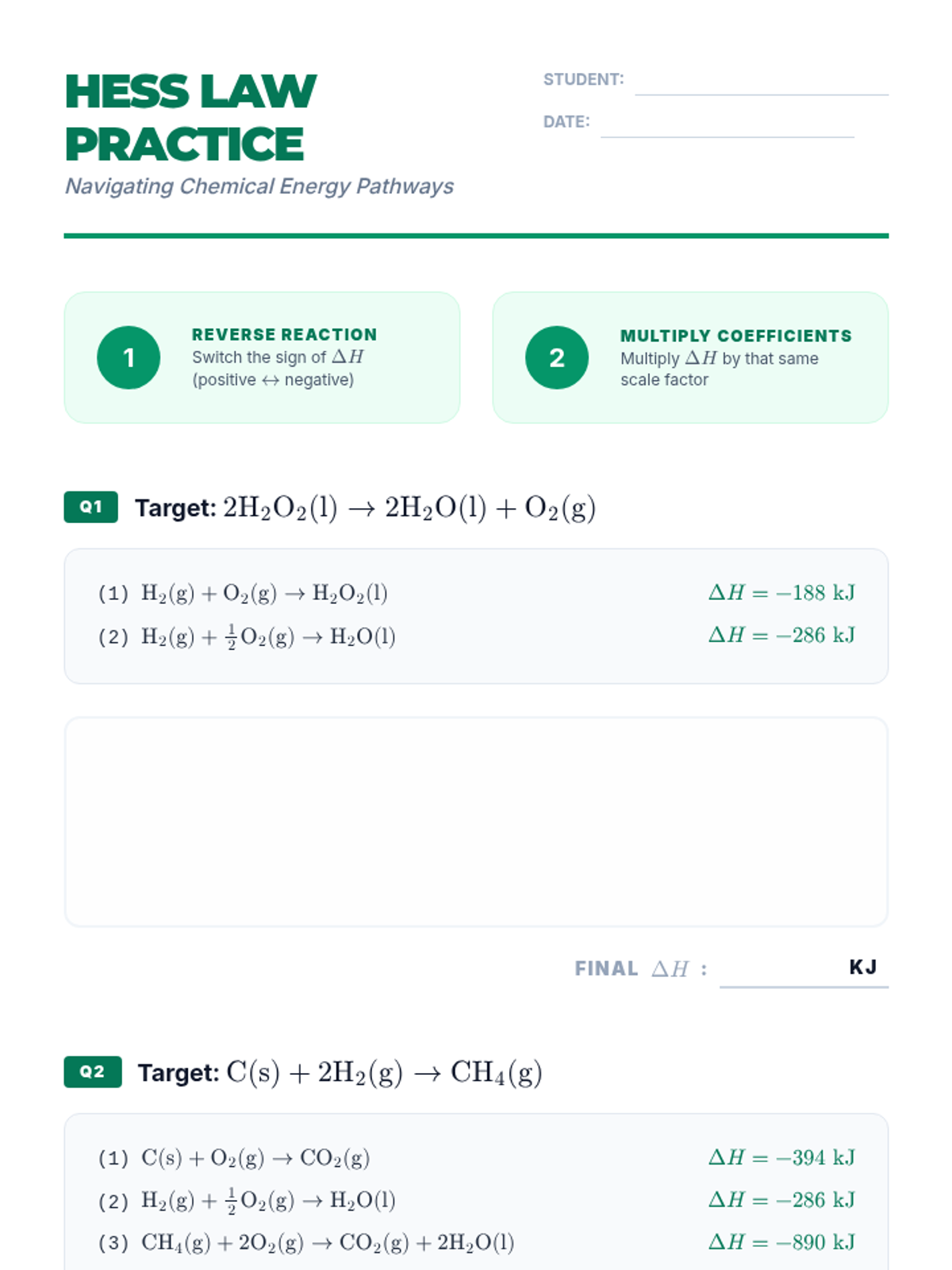
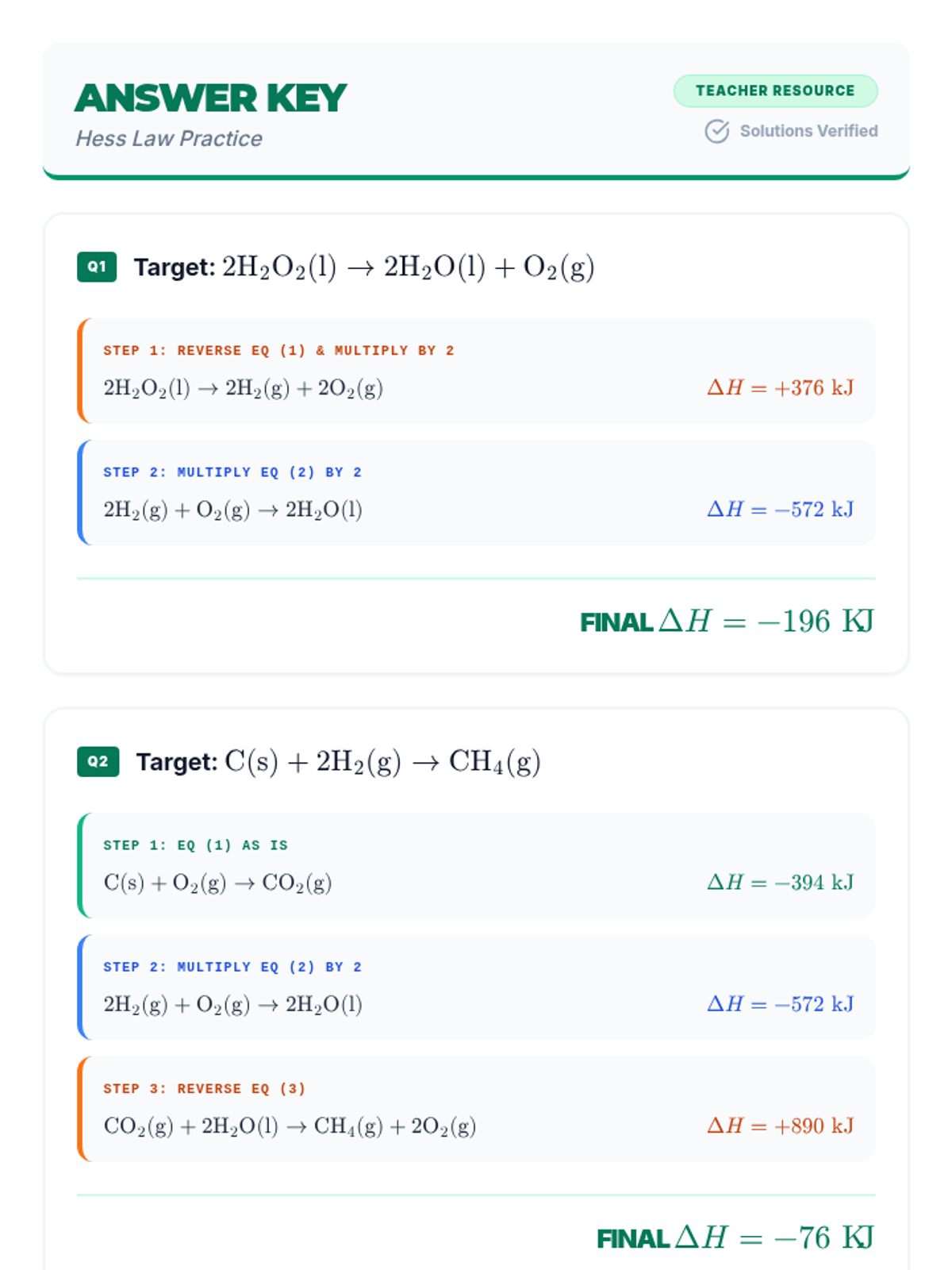
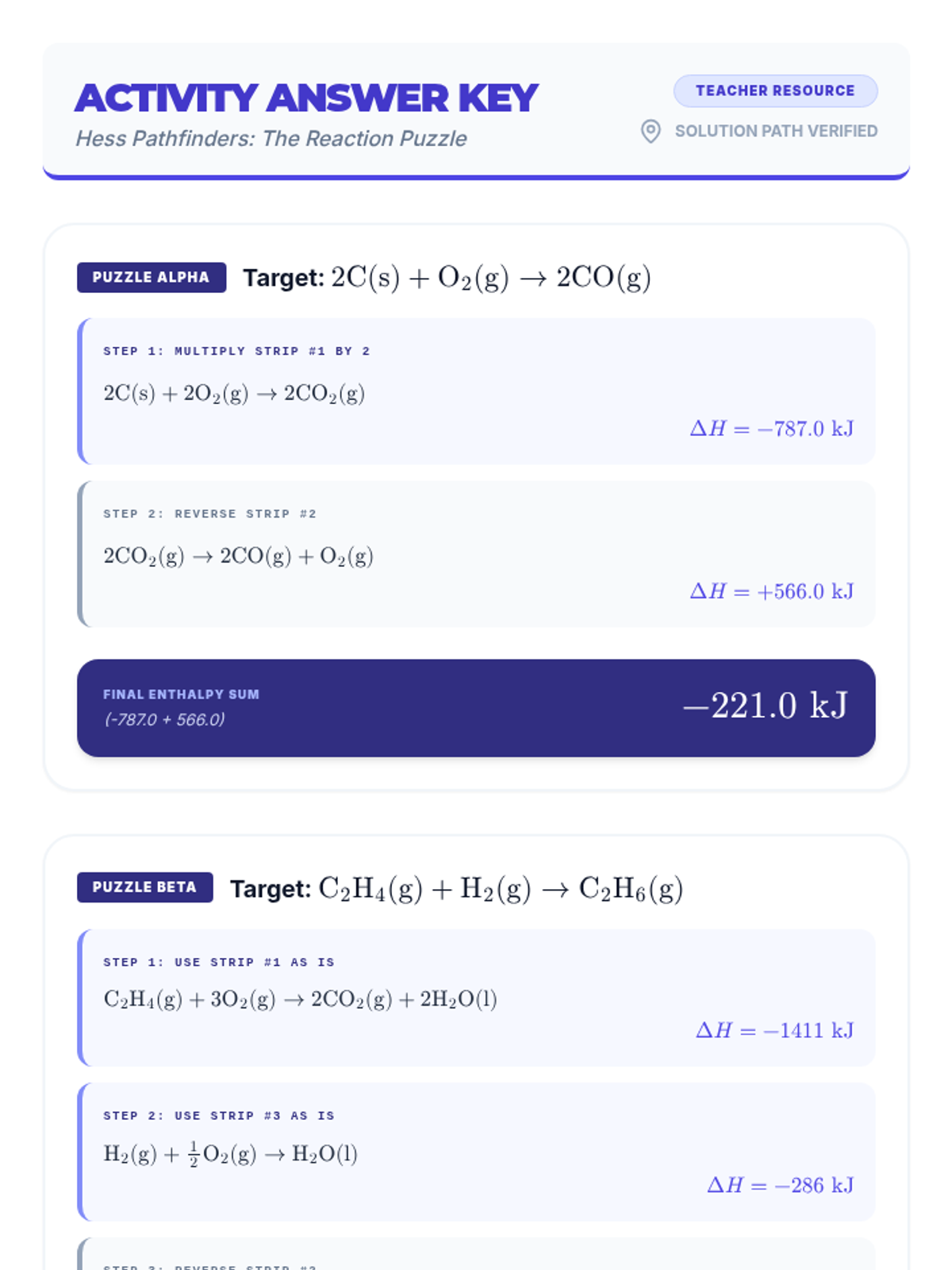
Students discover the additive nature of enthalpy through a hands-on chemical puzzle, using Hess's Law to calculate enthalpy changes for complex reactions using multiple intermediate steps.
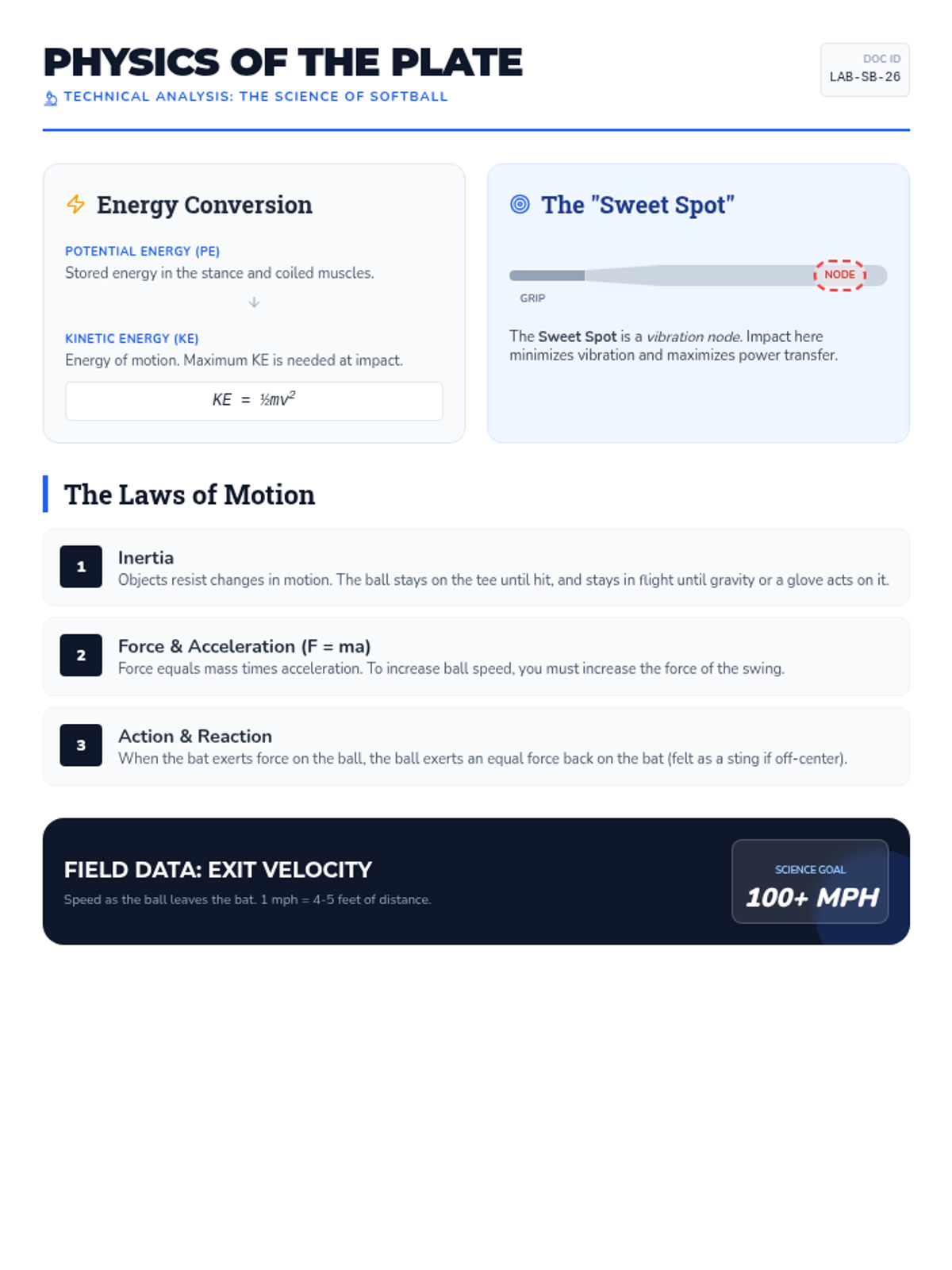
A collection of resources exploring the physics and mechanics of softball, focusing on force, energy, and the science of a perfect hit.
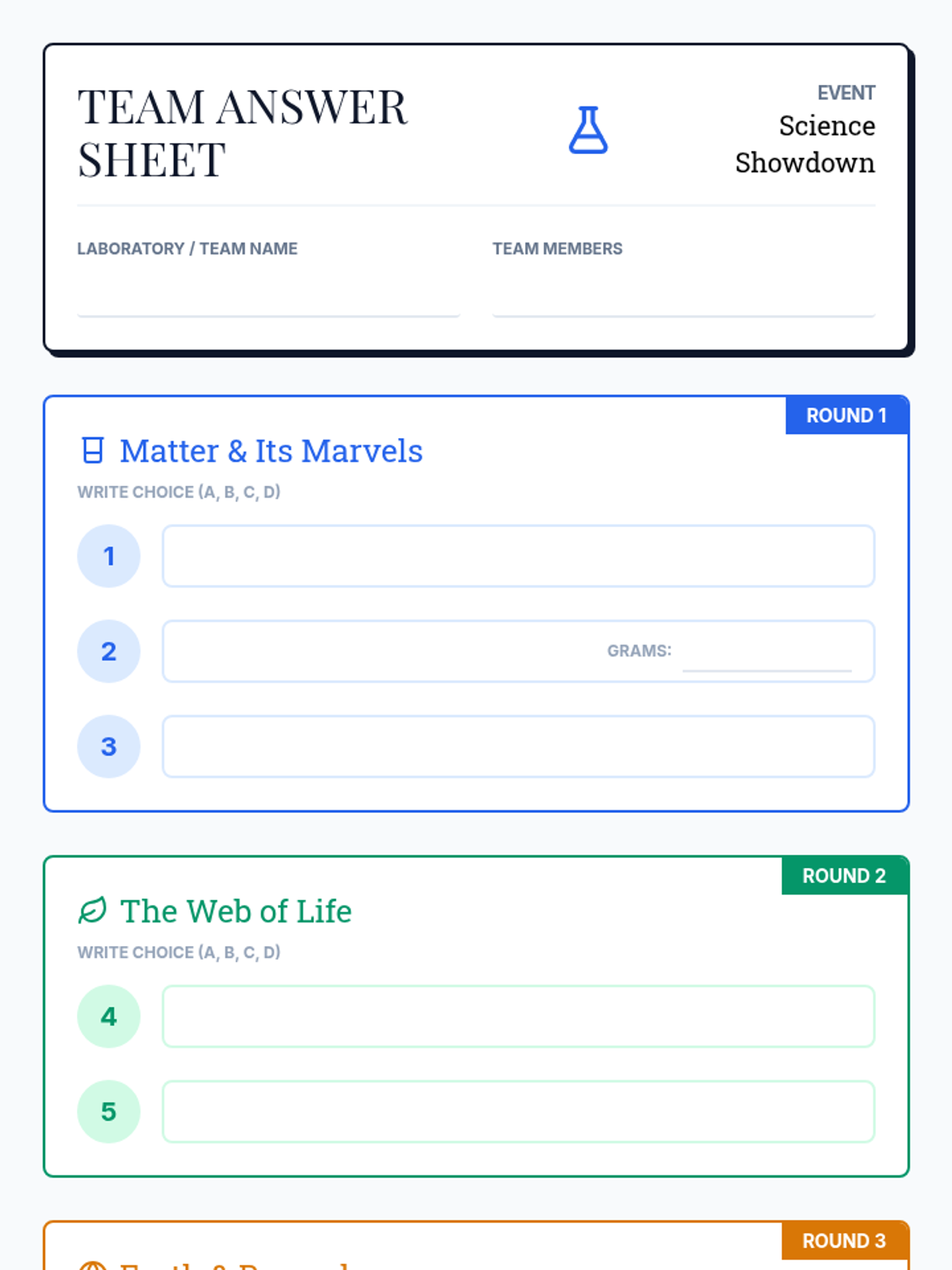
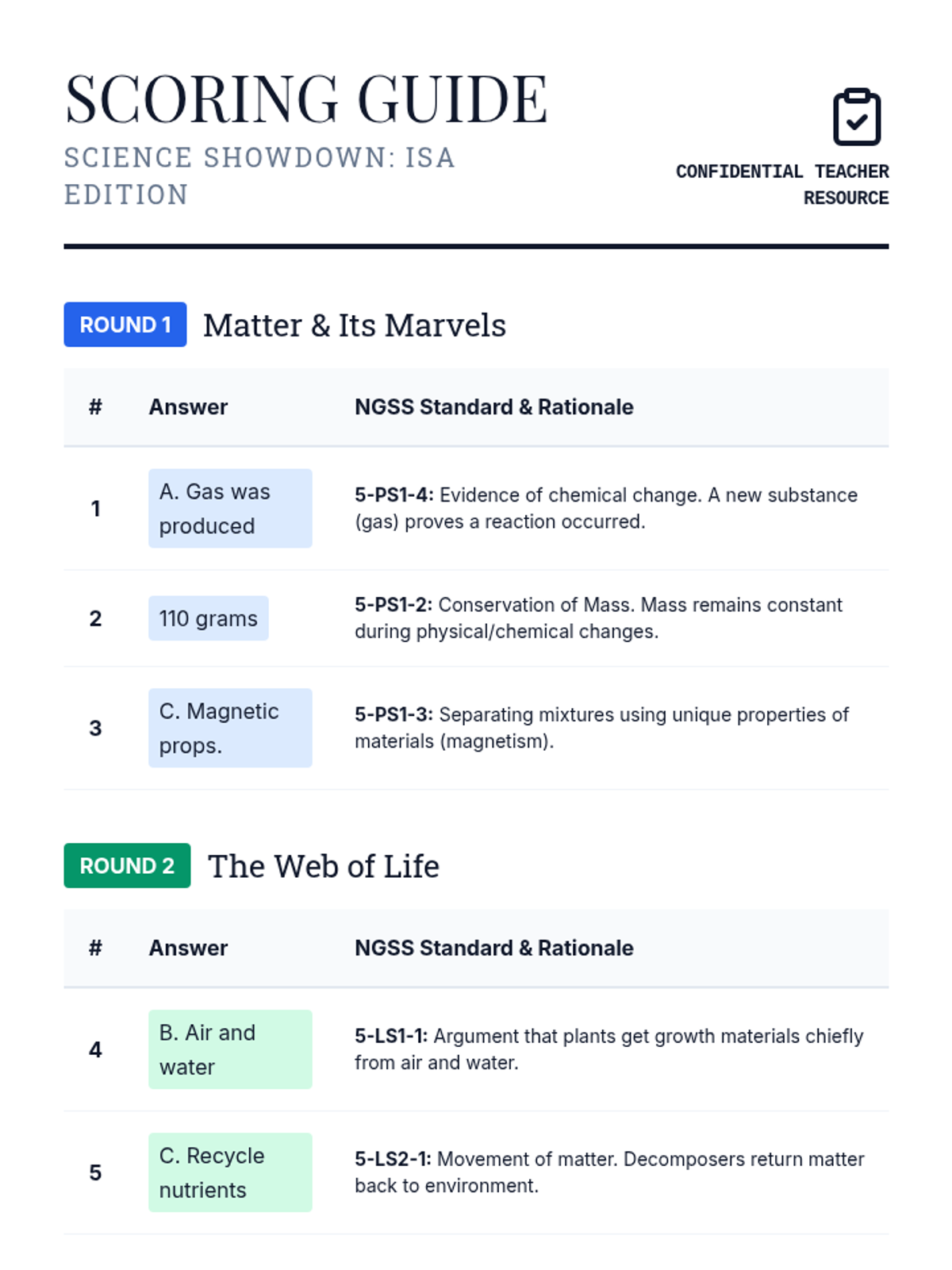
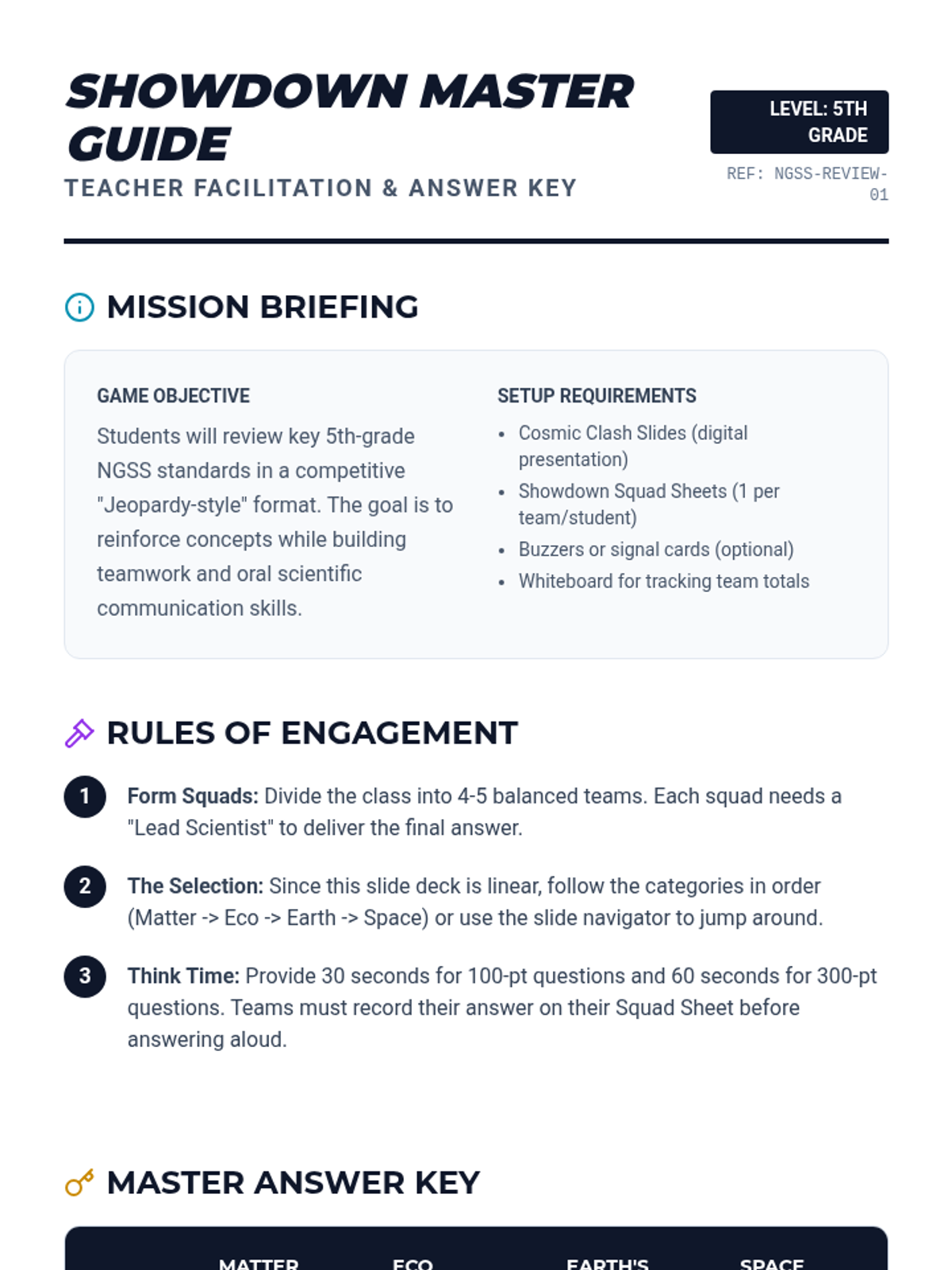
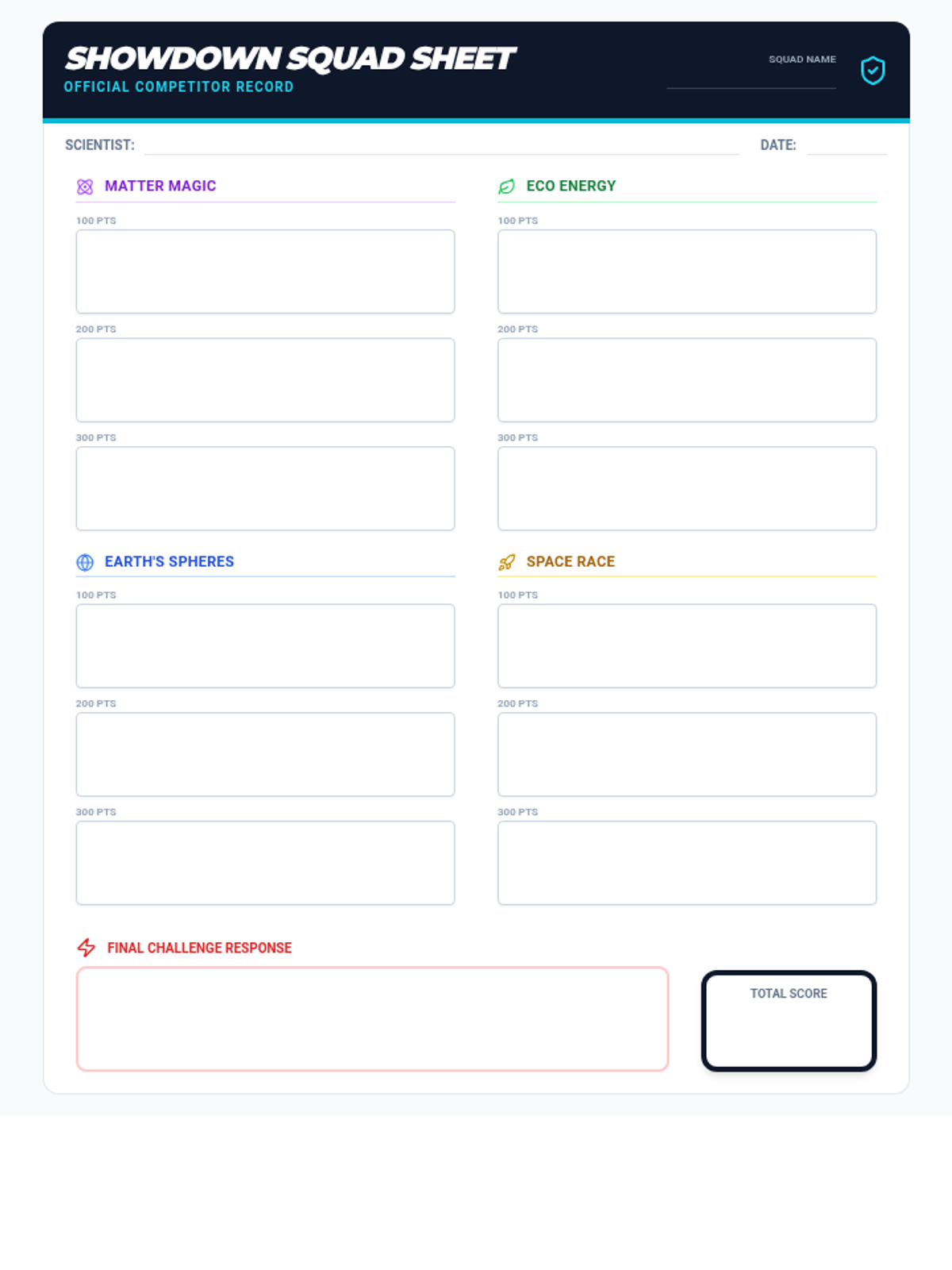
A high-energy, NGSS-aligned trivia game designed to prepare 5th graders for the ISA test through team-based competition and comprehensive science review.
A high-energy, Jeopardy-style review session covering 5th Grade NGSS Science standards across matter, ecosystems, Earth's systems, and space.
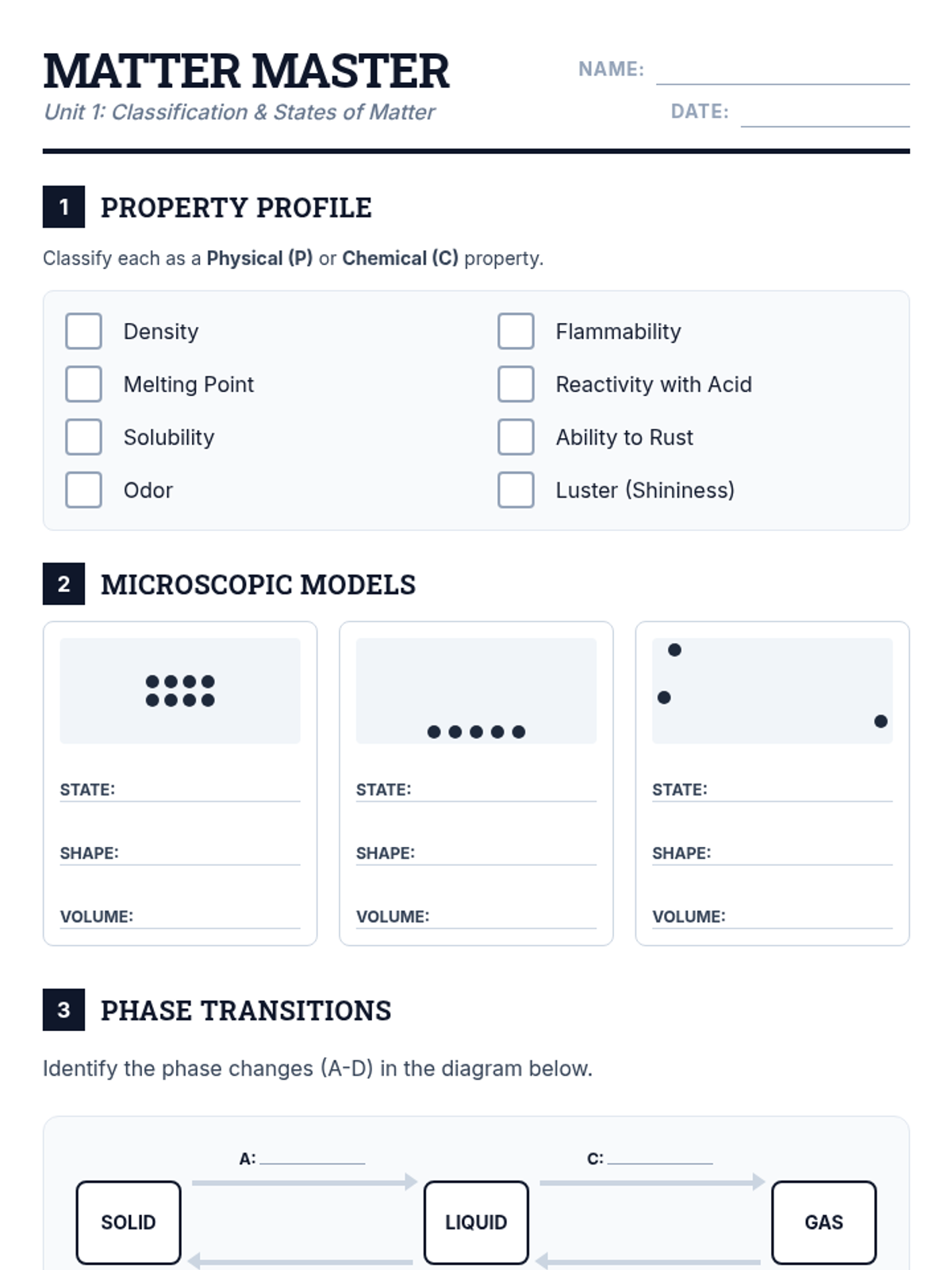
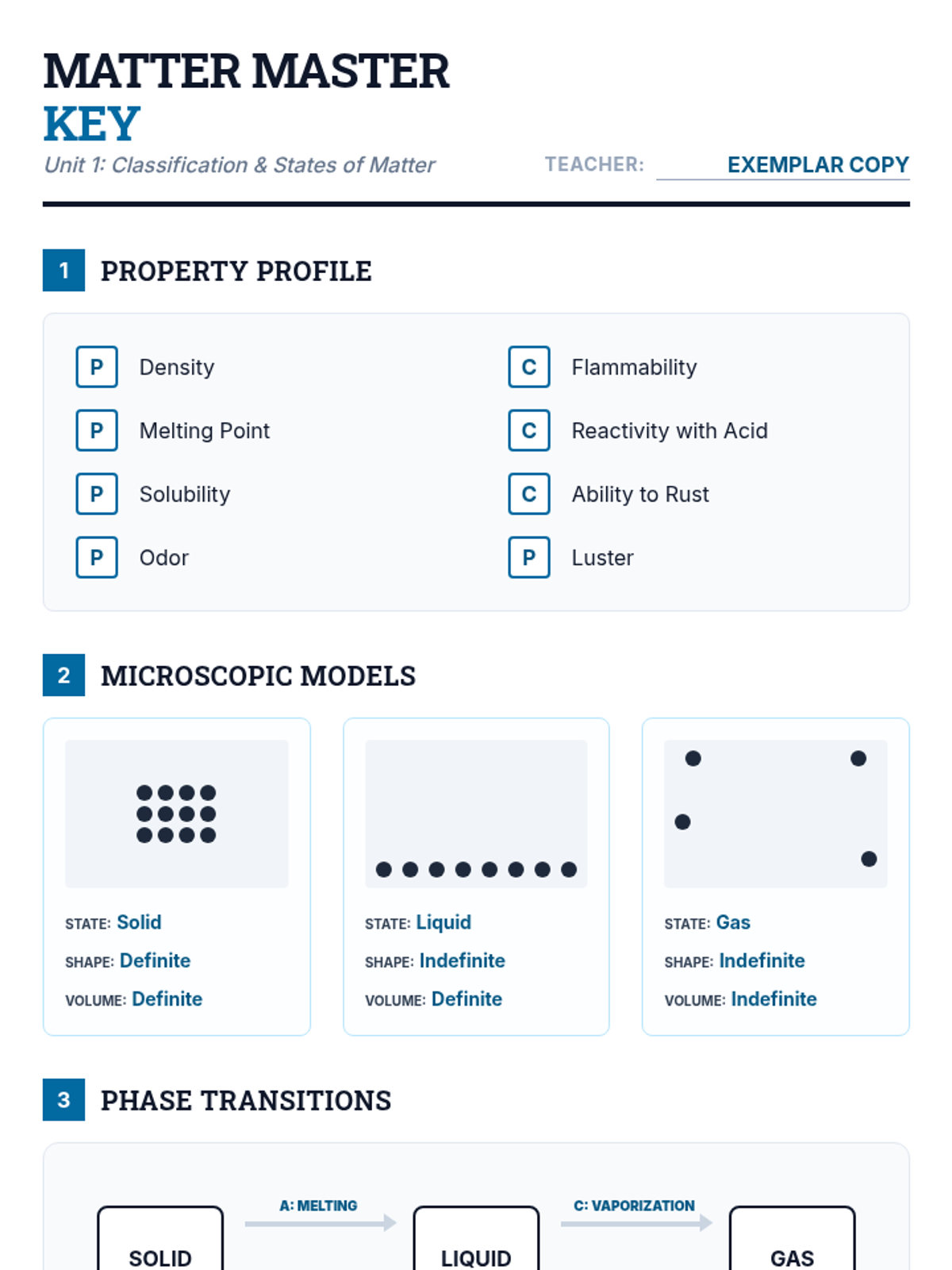
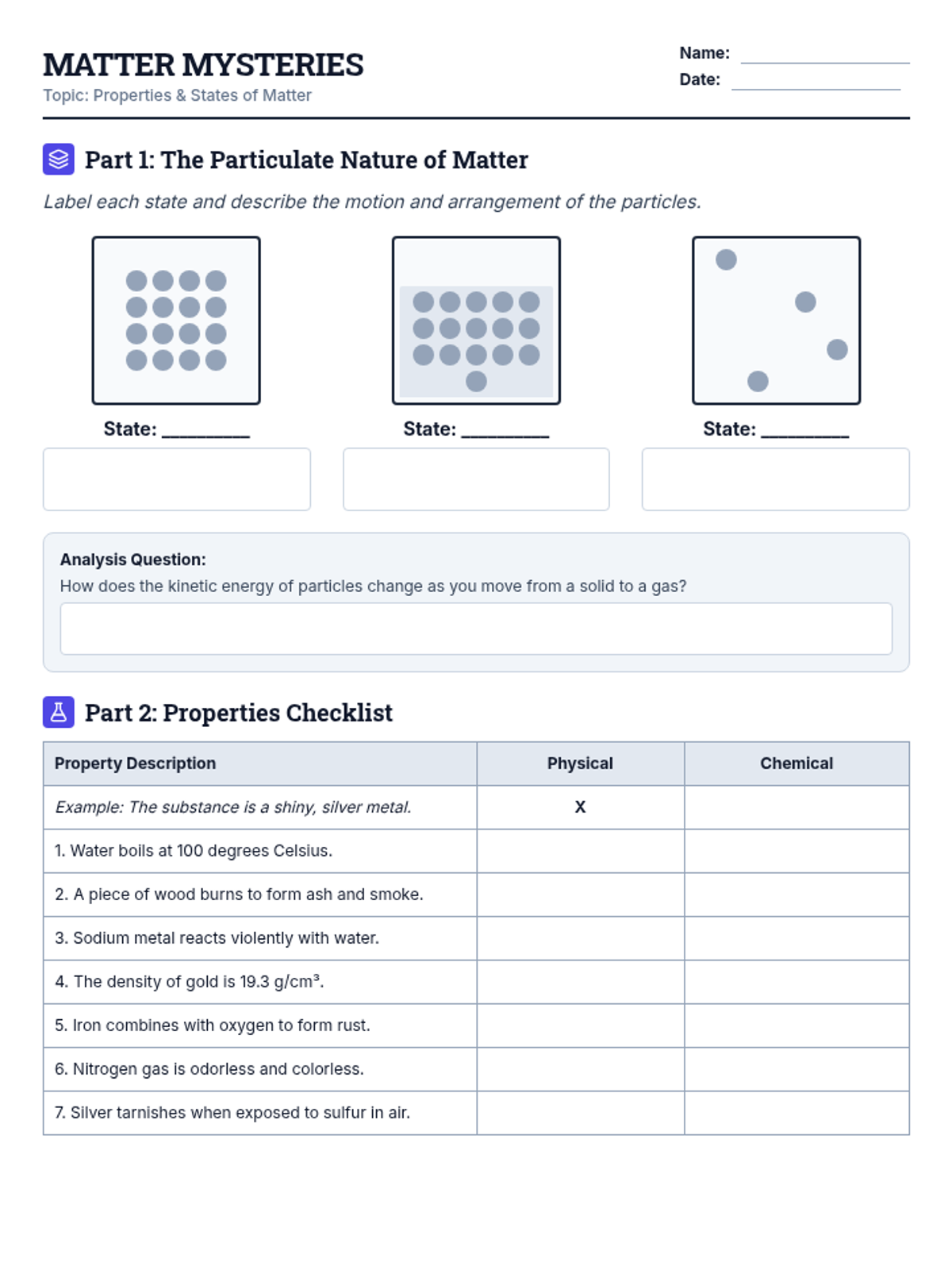
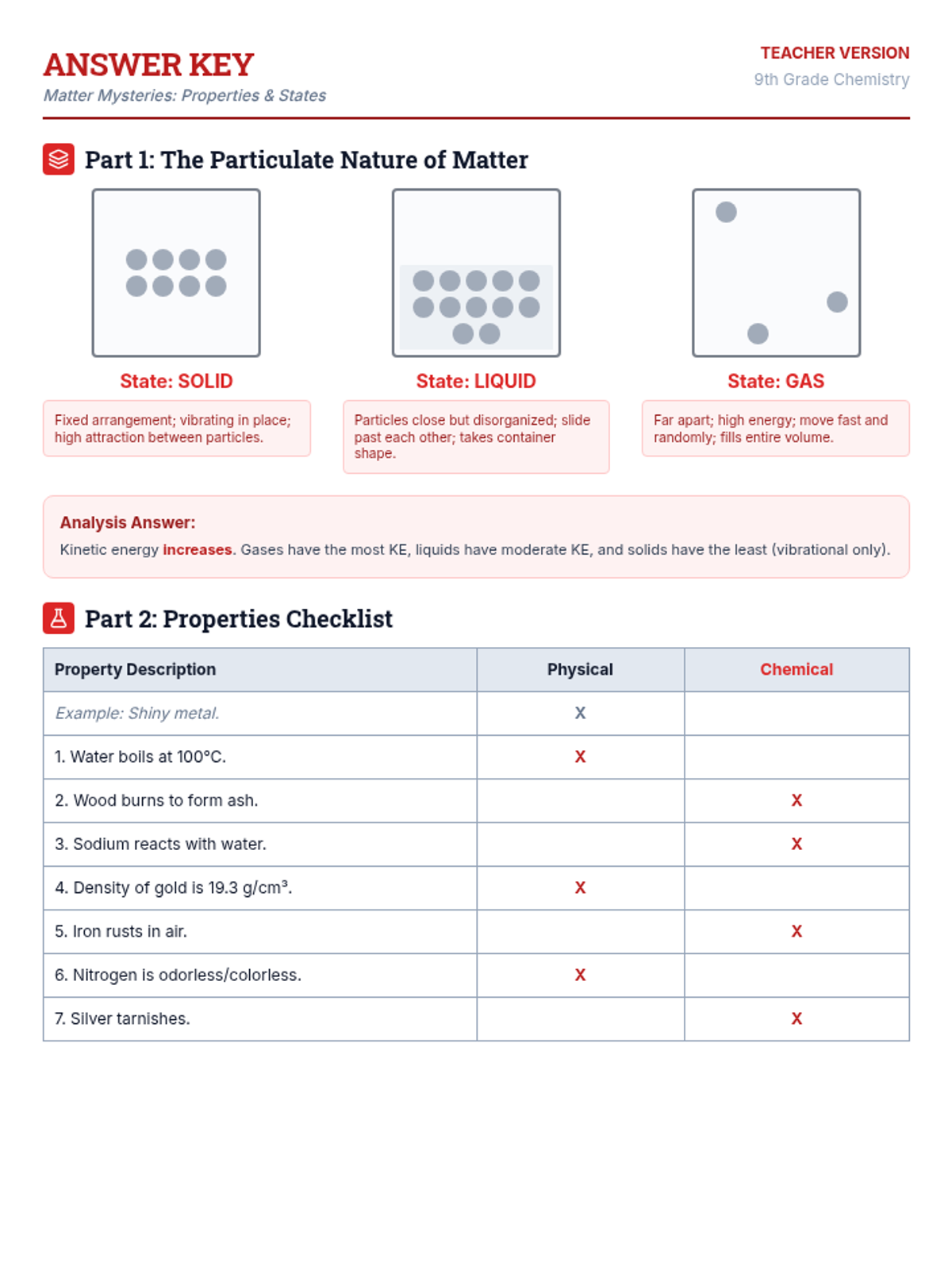
A comprehensive review of physical and chemical properties, as well as the behavior and characteristics of solids, liquids, and gases.
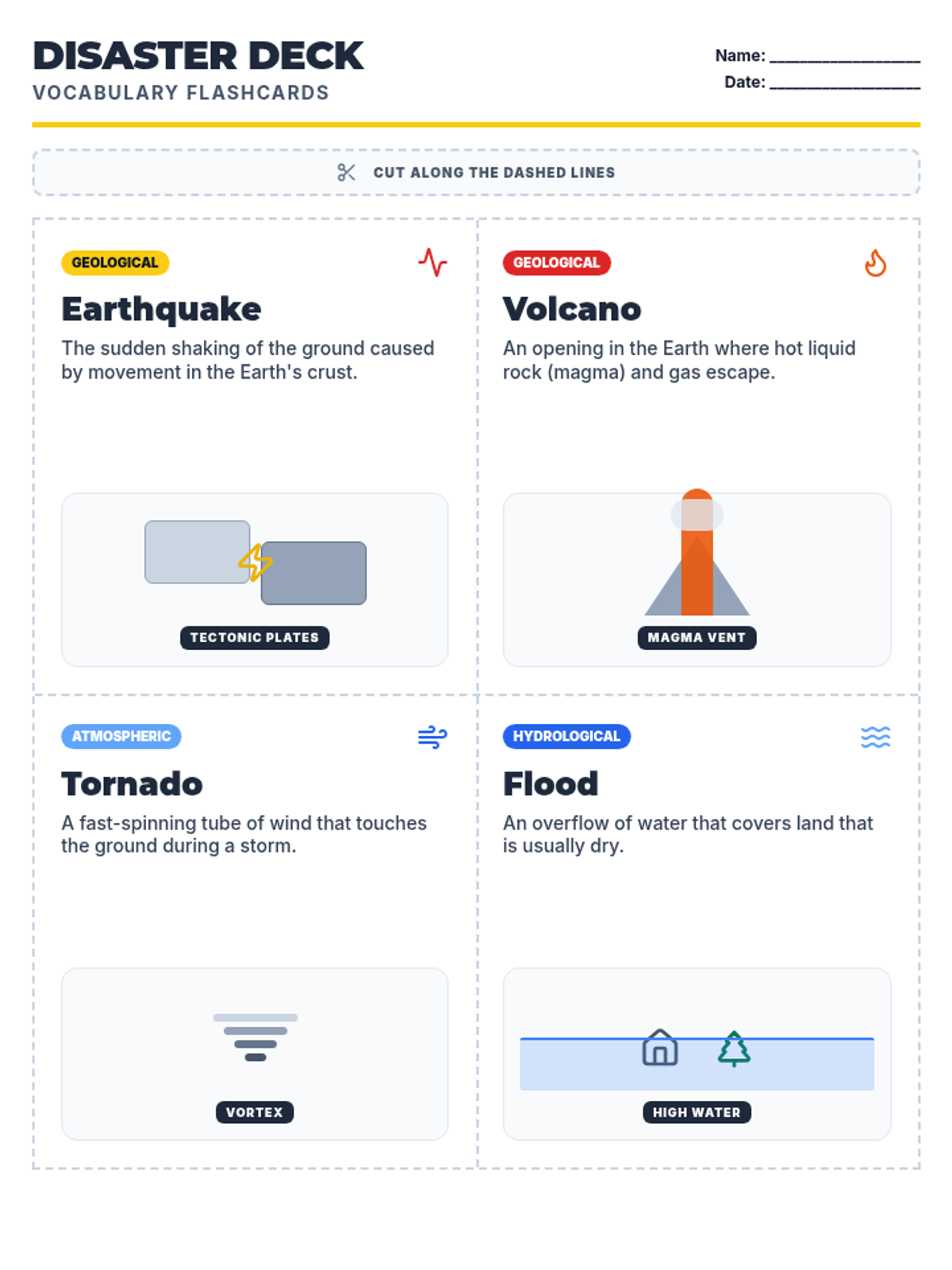
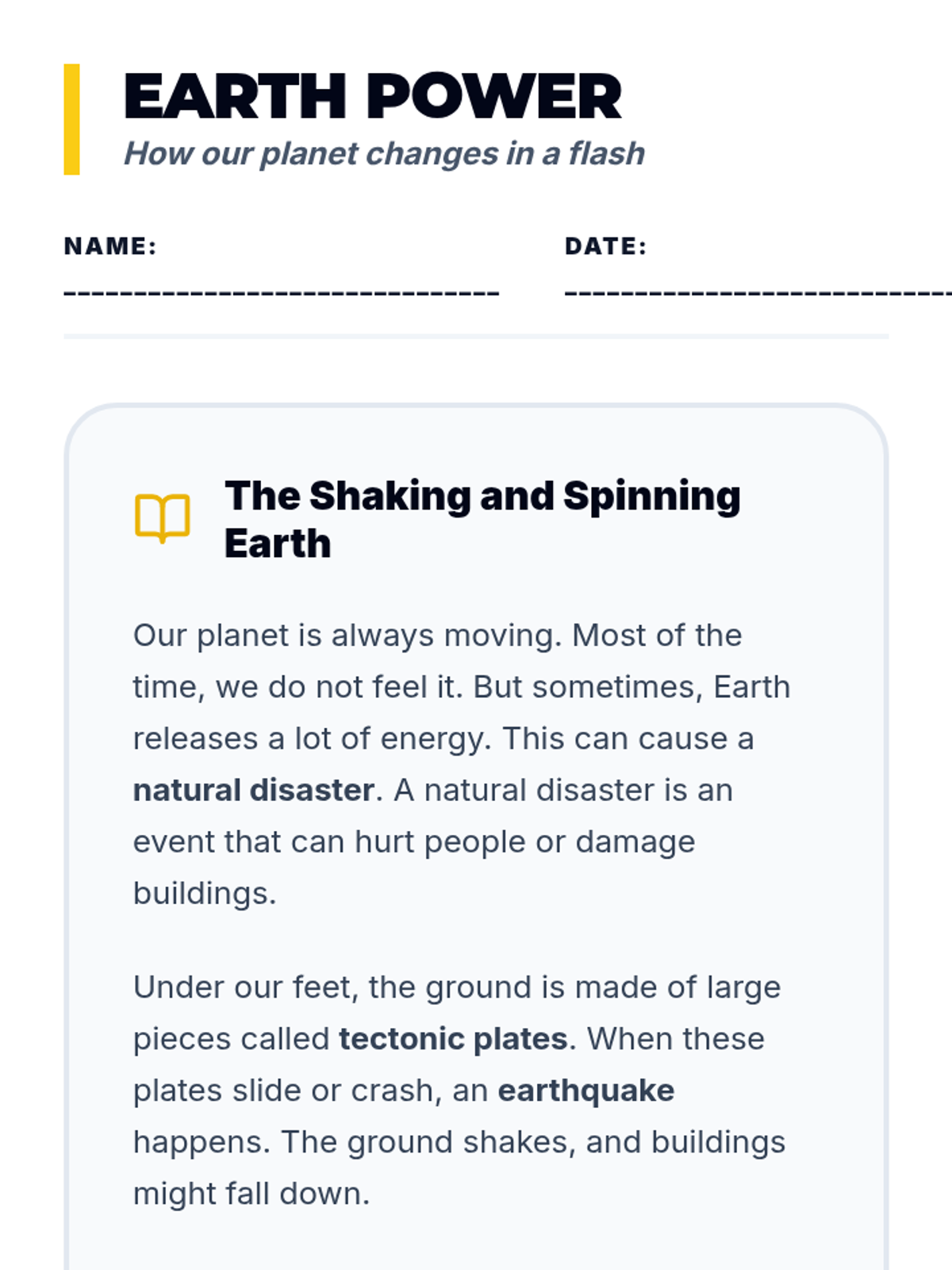
A comprehensive overview of natural disasters designed for 5th-grade English Learners, focusing on visual identification, key vocabulary, and basic cause-and-effect relationships.
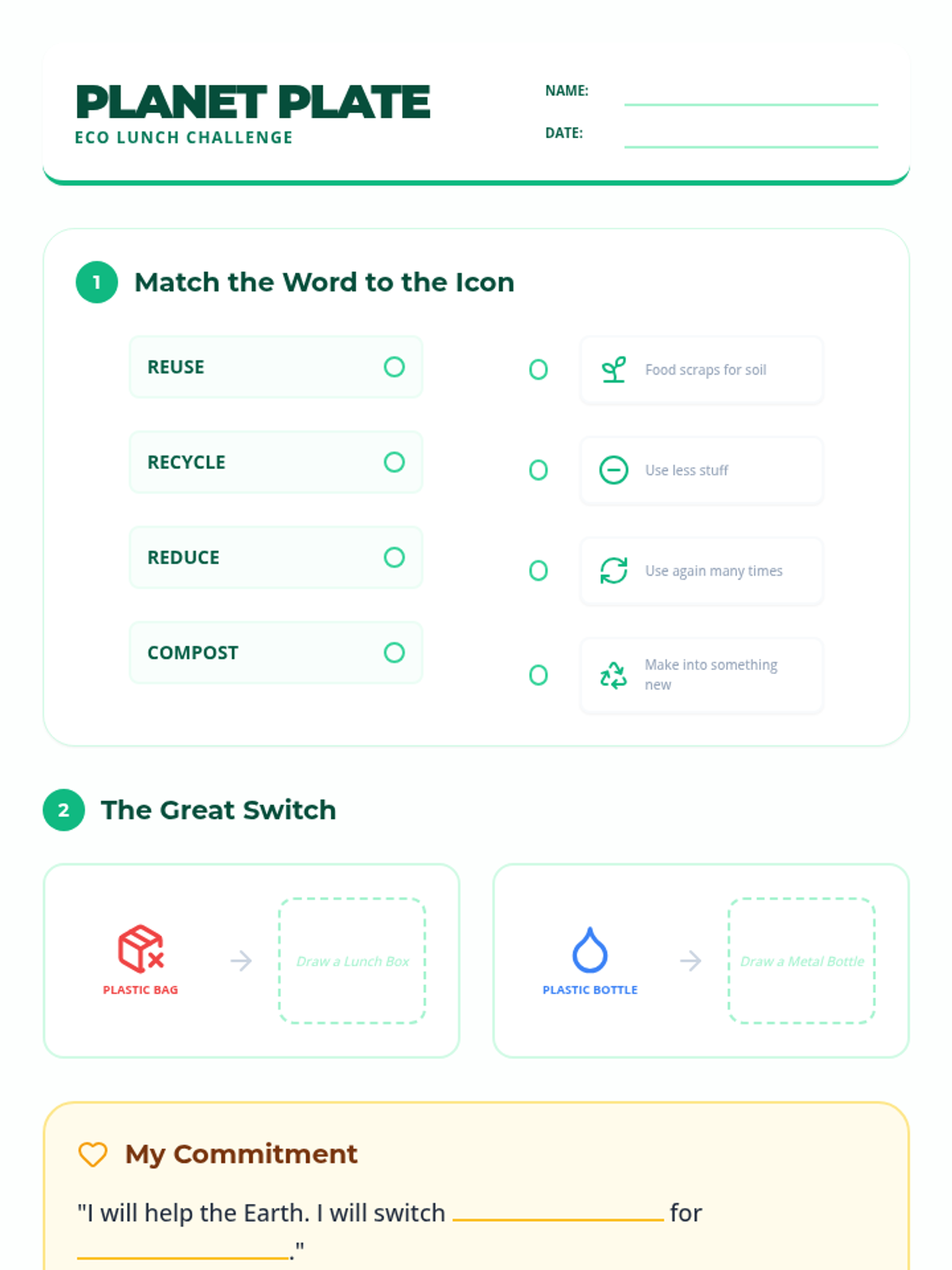
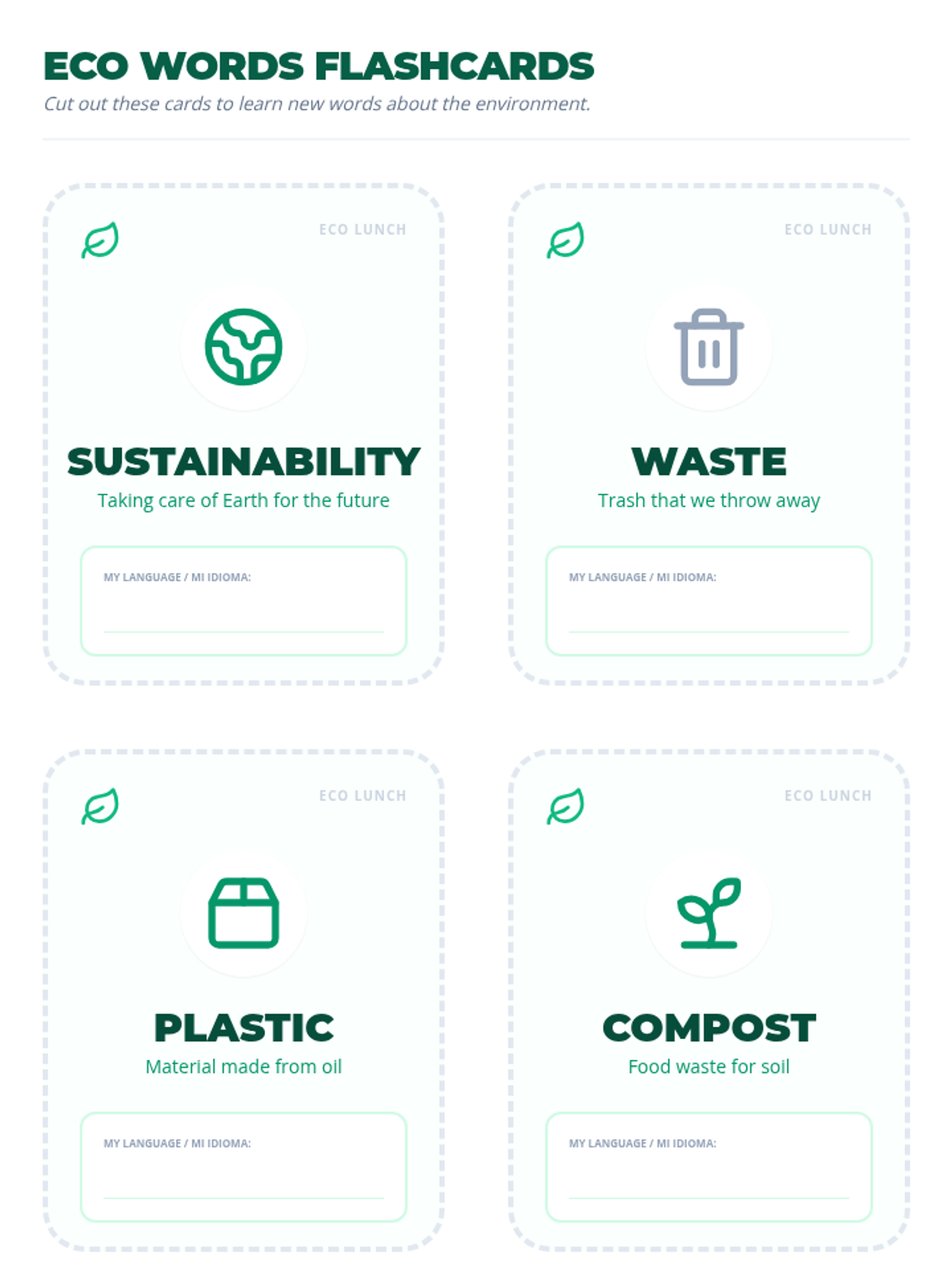
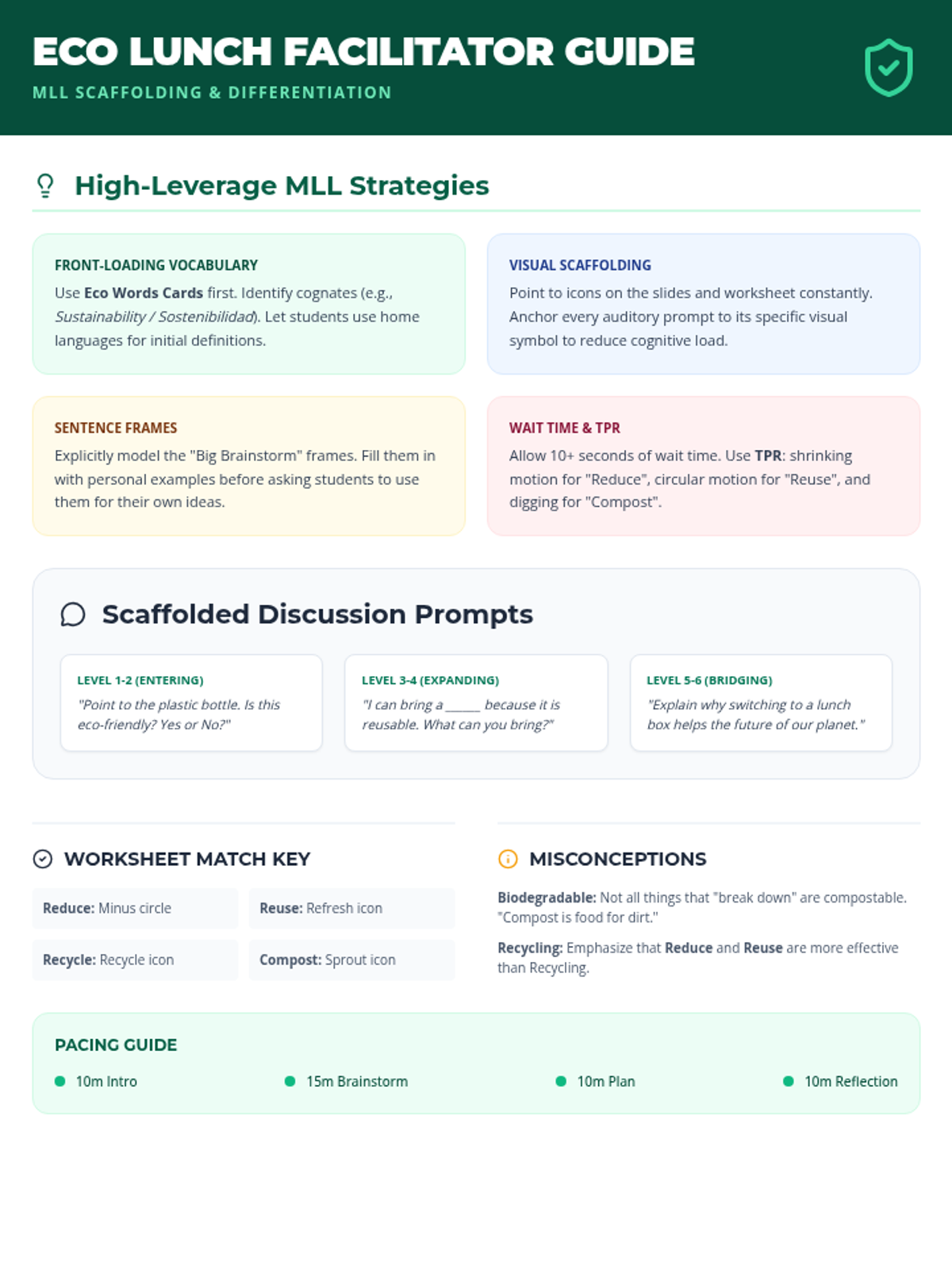
This lesson empowers students, including Multilingual Learners, to lead sustainable lives by transforming their daily lunch habits. Through visual aids, scaffolded vocabulary, and collaborative activities, students identify environmental impacts and plan actionable eco-friendly changes.
A comprehensive introduction to the properties and states of matter for 9th-grade chemistry, focusing on physical vs. chemical properties and particle behavior in solids, liquids, and gases.
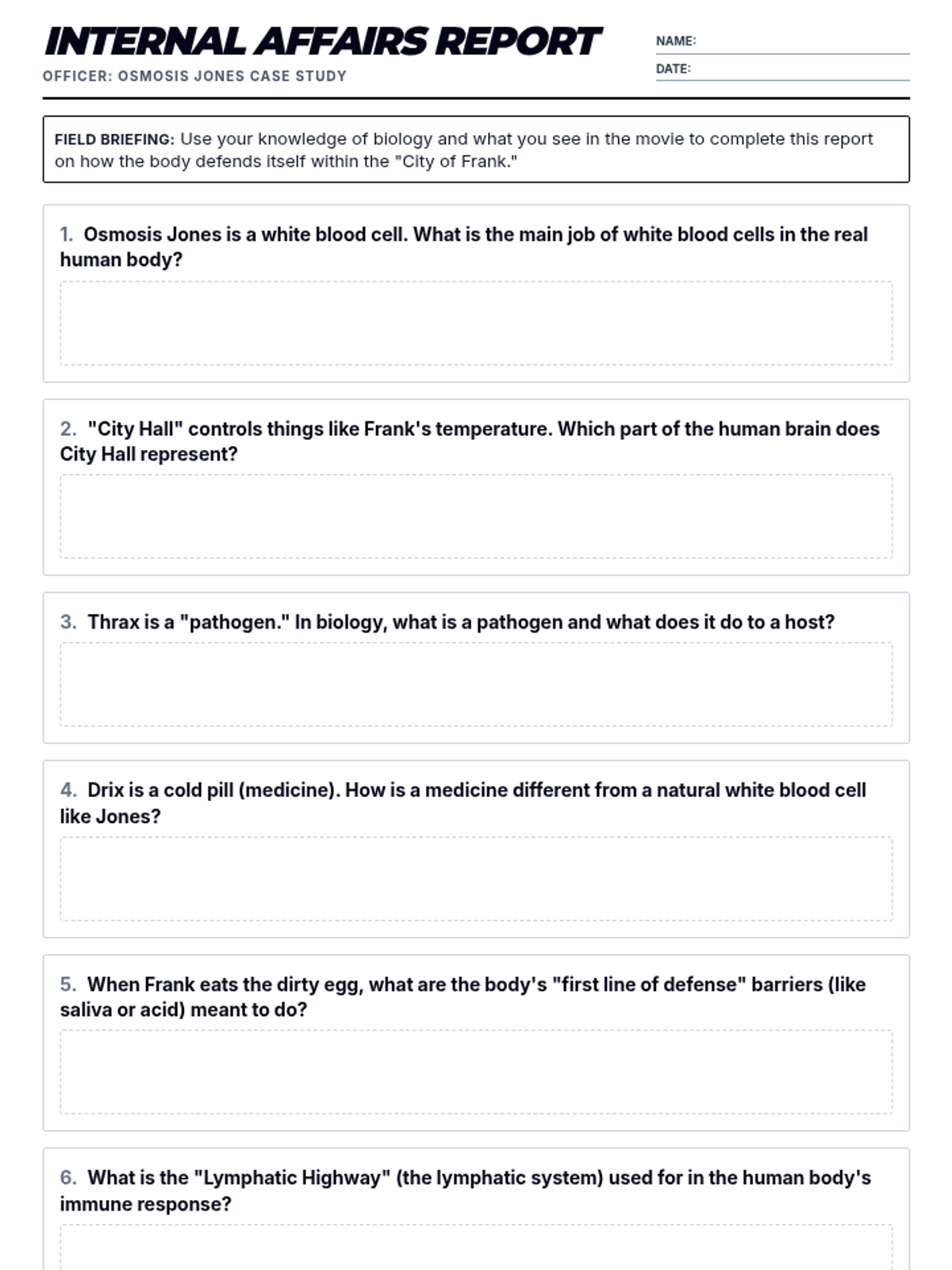
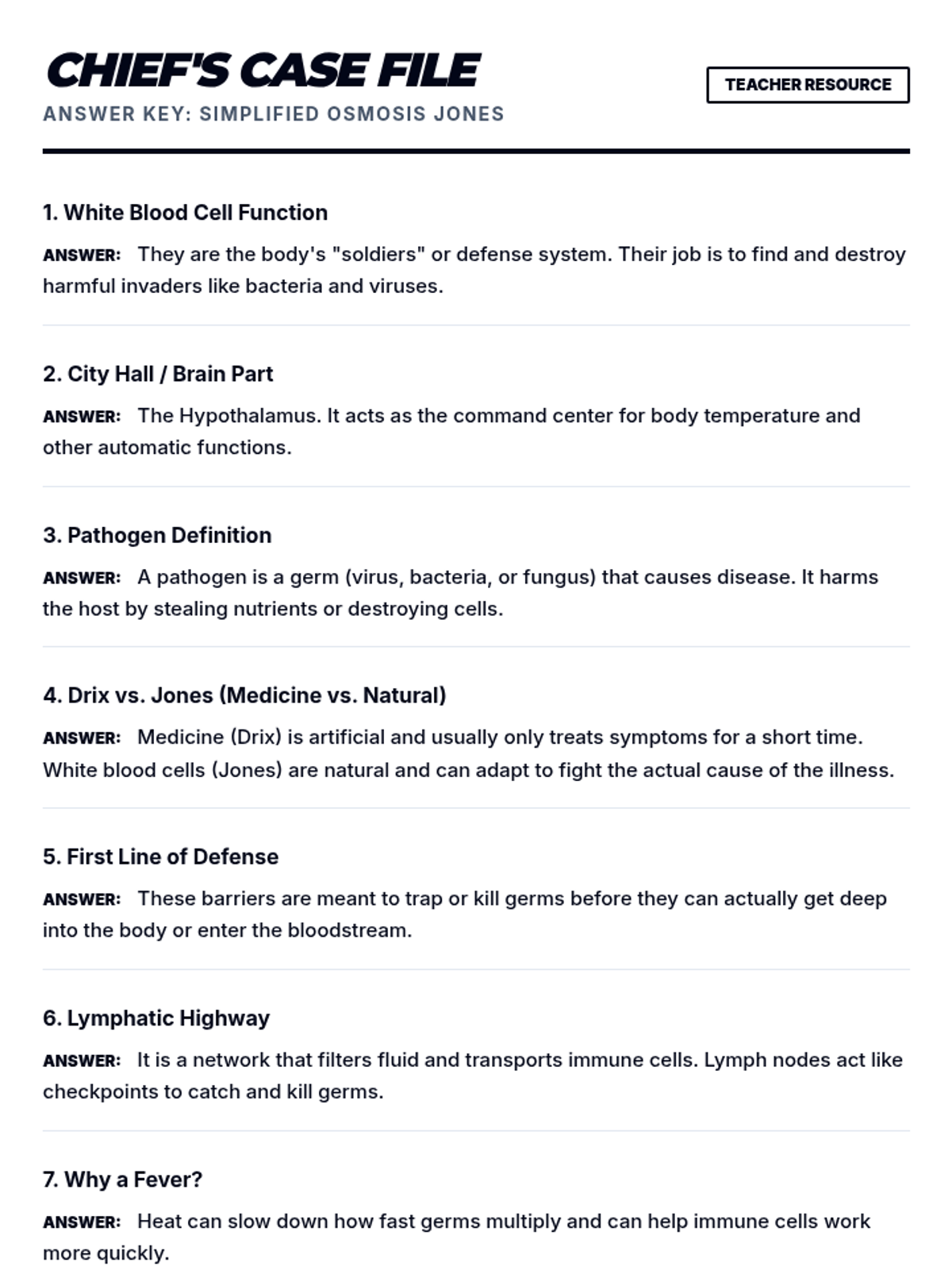
A biology-focused exploration of the human body through the lens of the movie Osmosis Jones, focusing on the immune system, pathogens, and homeostasis.
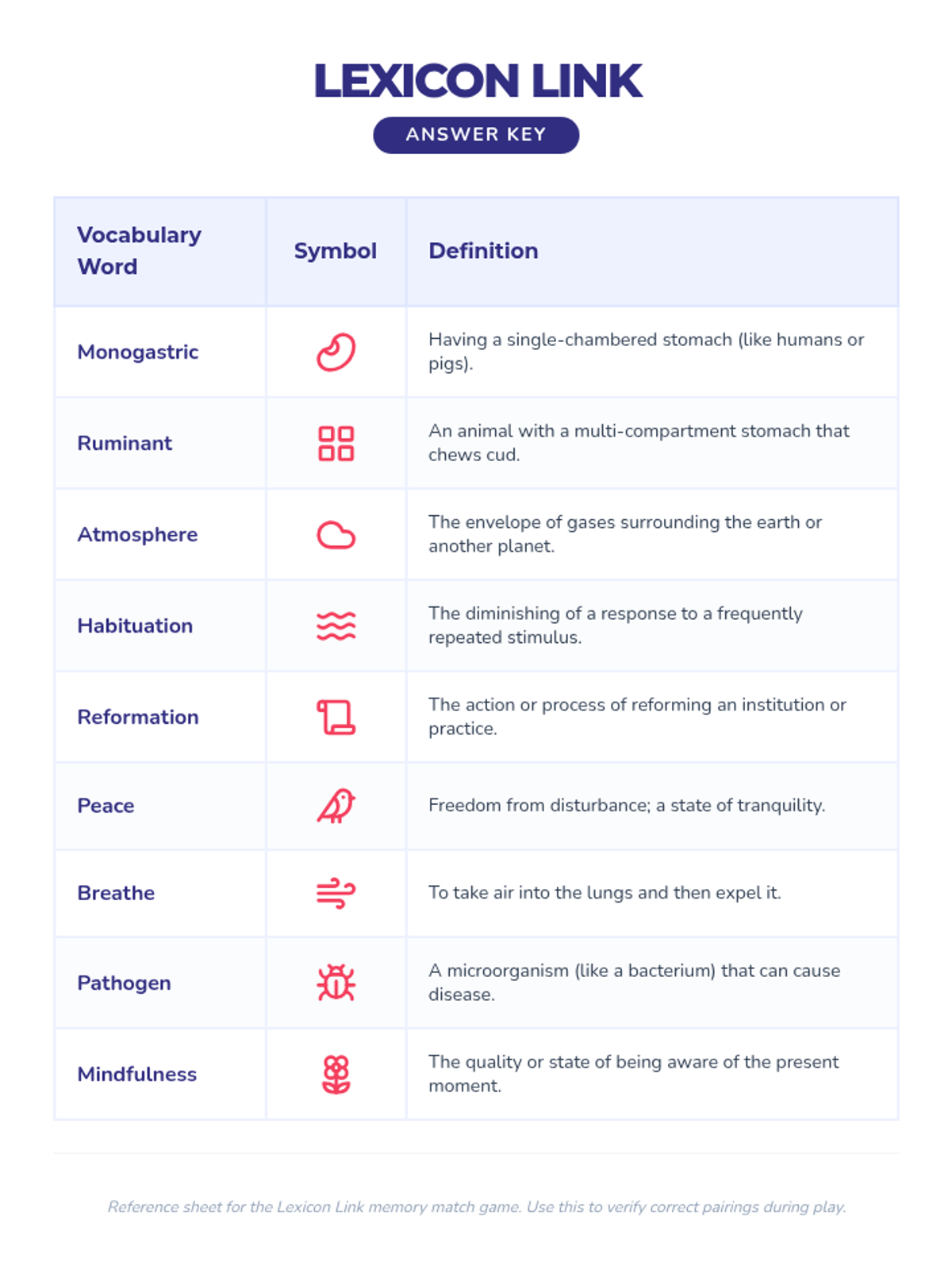
A vocabulary-building memory game featuring diverse terms from science, history, and wellness. Students match words with their definitions and symbolic representations to reinforce retention.