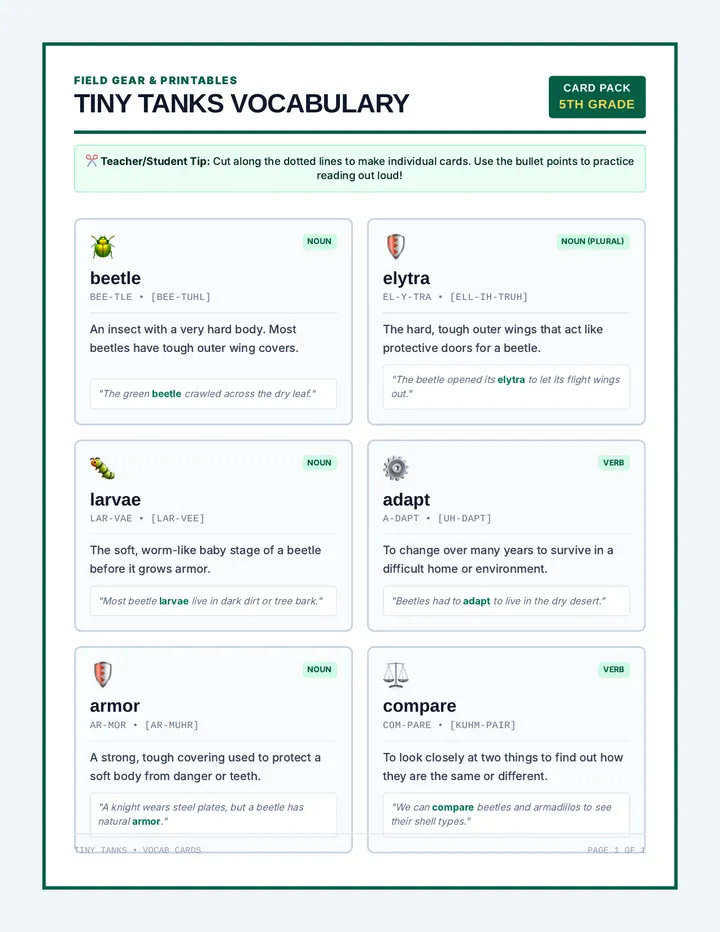
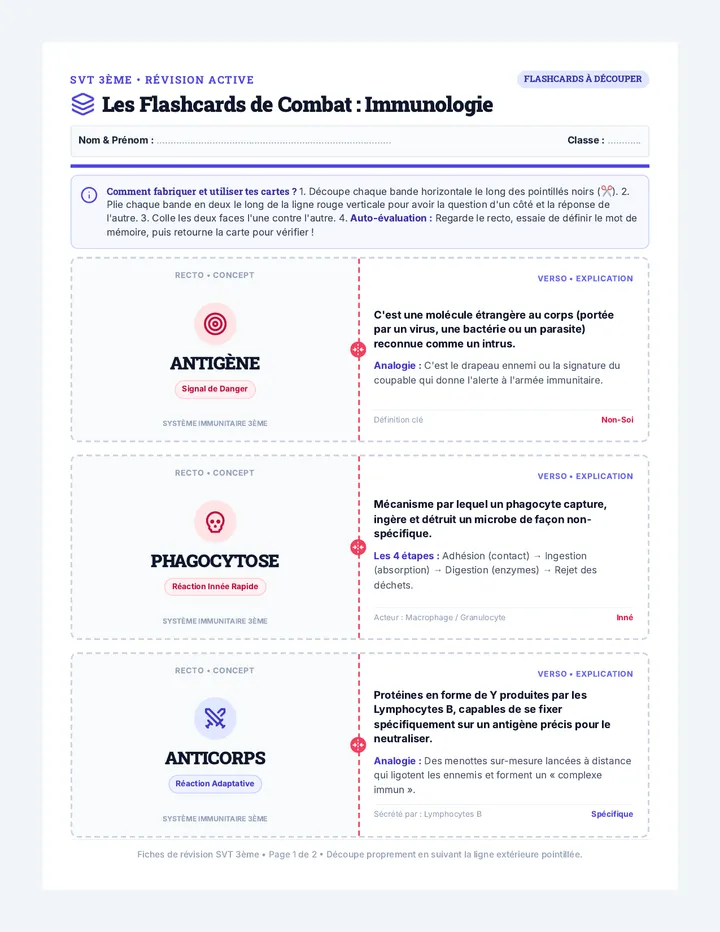
A vocabulary-building memory game featuring diverse terms from science, history, and wellness. Students match words with their definitions and symbolic representations to reinforce retention.
A short, 20-minute engagement activity for Month of the Military Child, where students interact with visiting military personnel to learn about service life through structured Q&A.
A comprehensive 90-minute capstone simulation where students apply everything they've learned about adulting to navigate a fictional month of independent living.
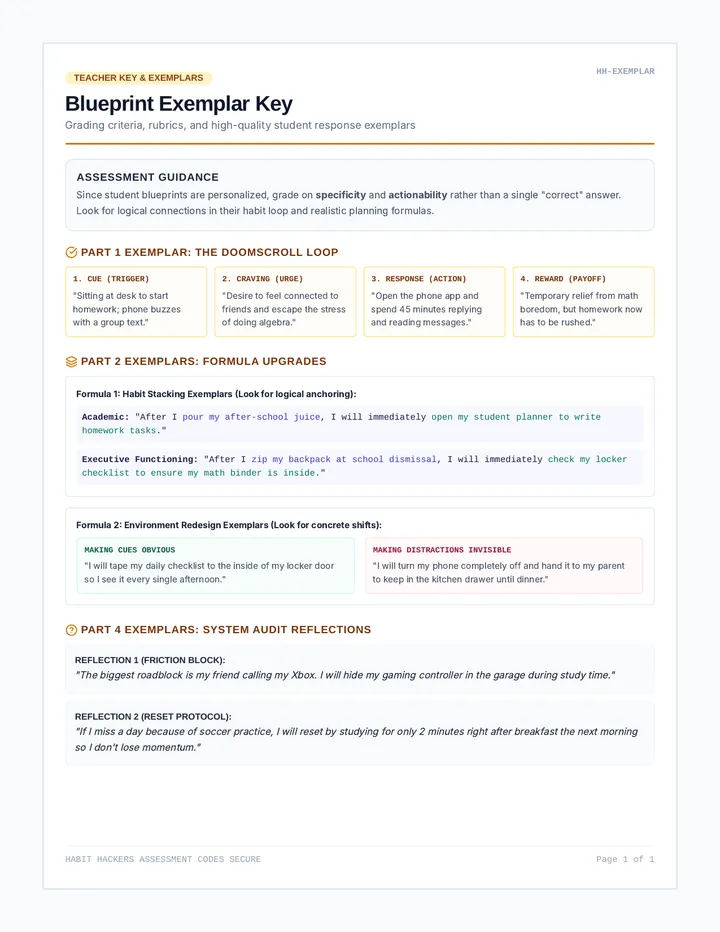
A comprehensive 5-day program for 14-year-olds to develop responsibility across academics, social life, home, and emotional health using a blueprint-inspired framework.
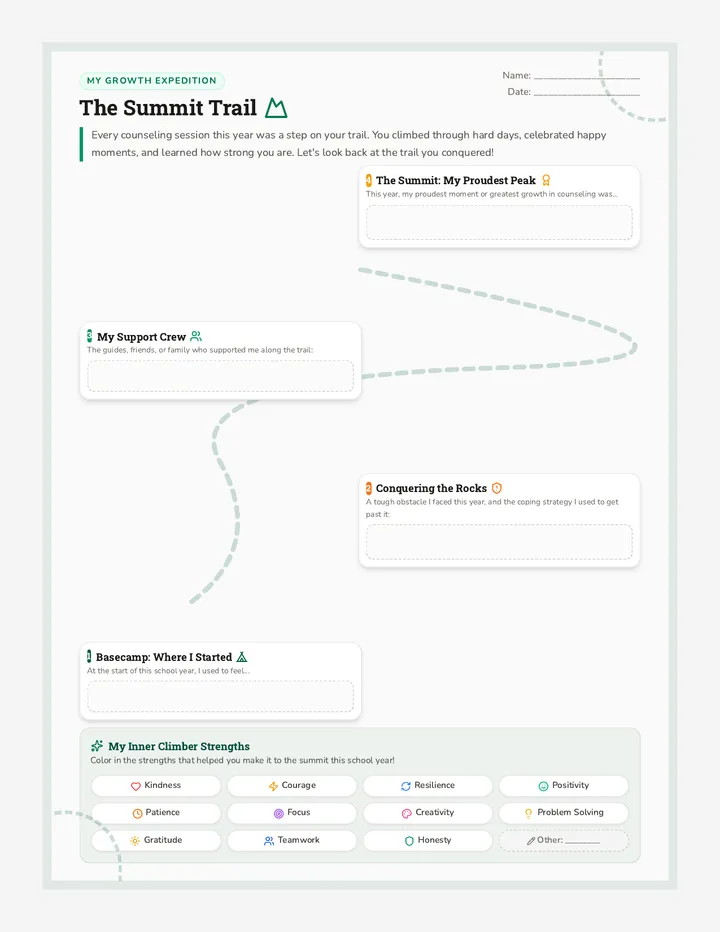
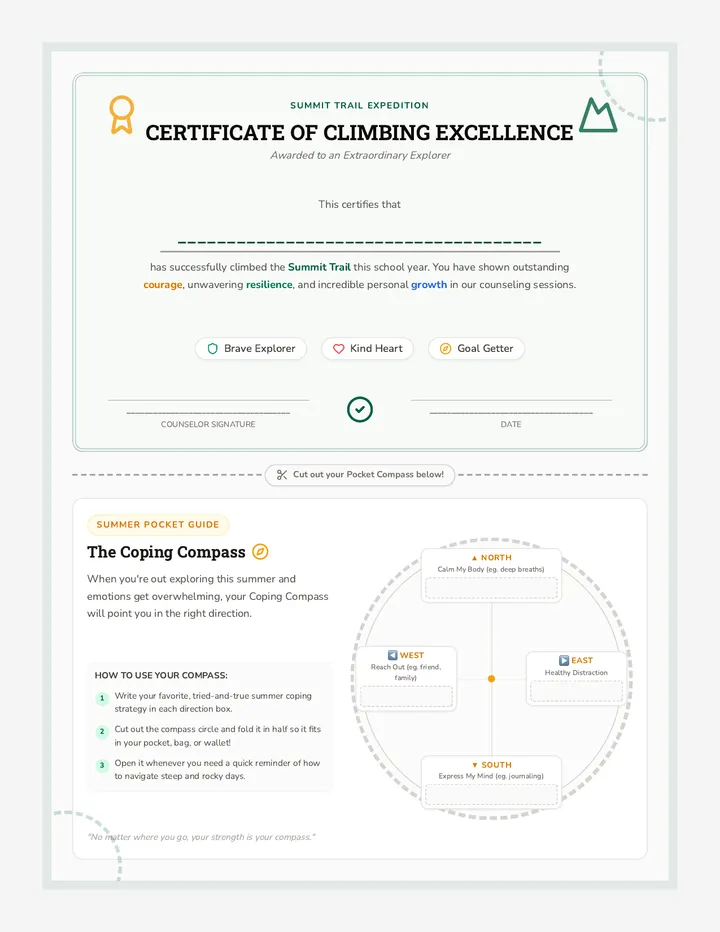
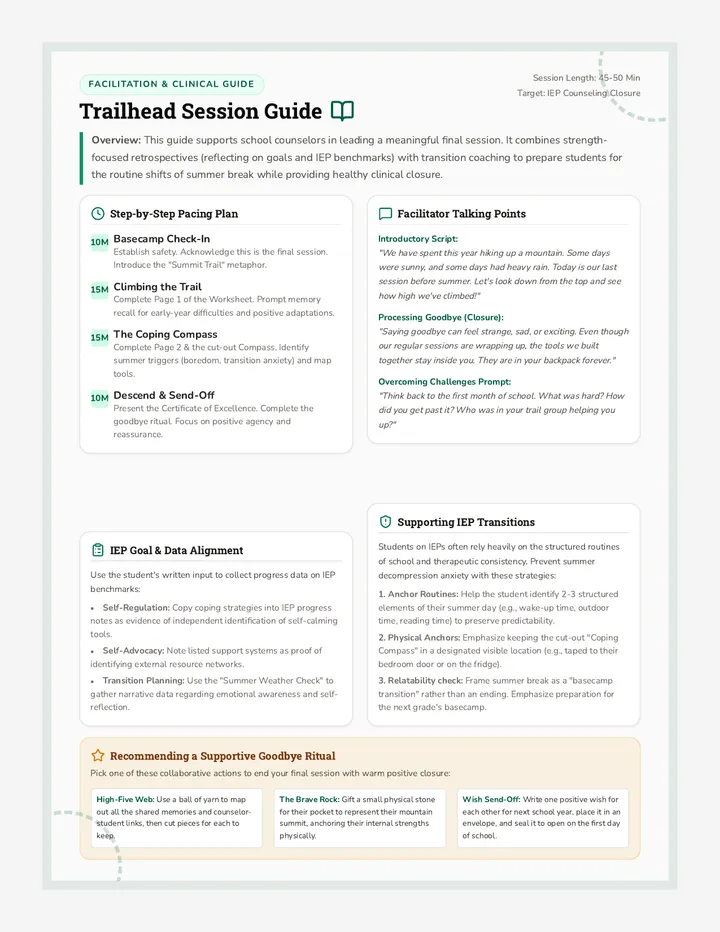
A comprehensive guide focusing on developing a growth mindset, reframing failure as a learning opportunity, and practicing self-compassion during setbacks.
A hands-on science lesson exploring density and chemical reactions through the creation of a DIY lava lamp. Students will learn why oil and water don't mix and how gas bubbles transport liquids.
This lesson provides a structured approach for a student to reflect on their past experiences with proximity, identify the benefits of social connection, and create actionable 'ladder' goals for returning to the classroom and being near others.
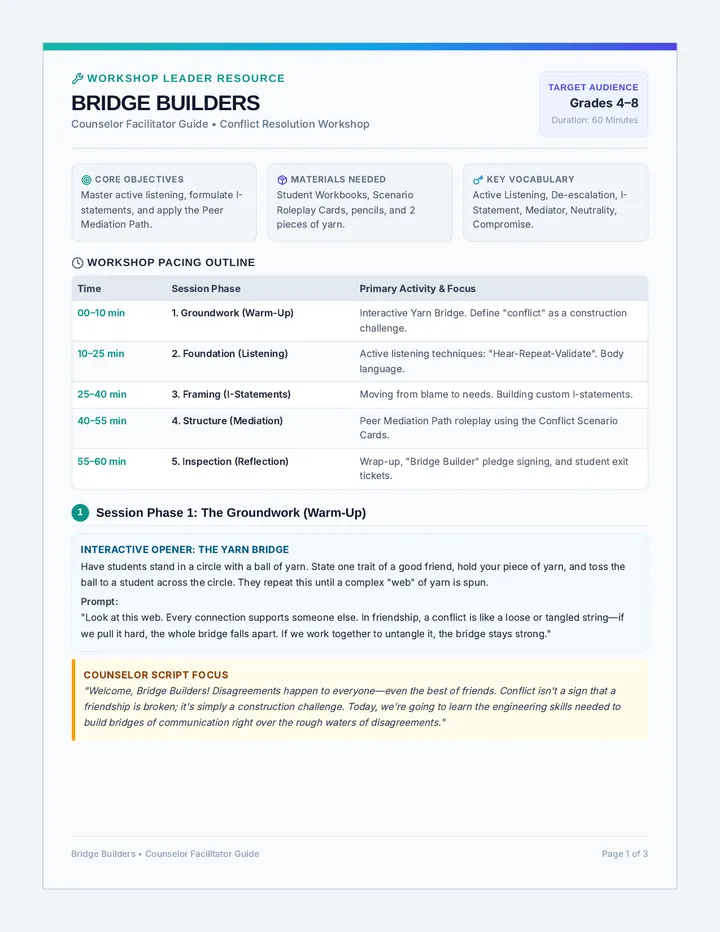
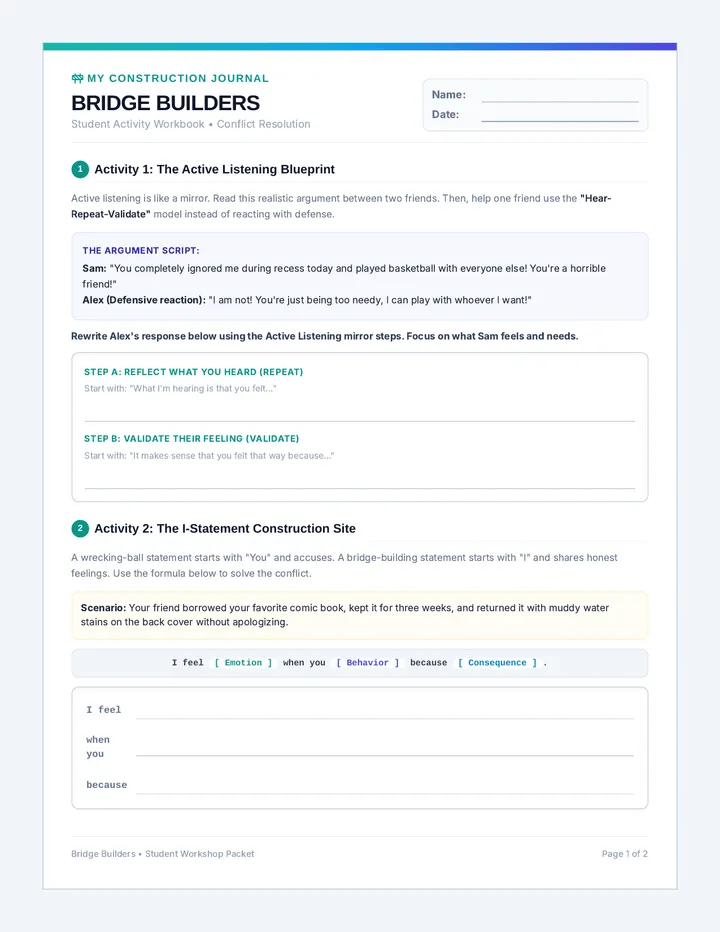
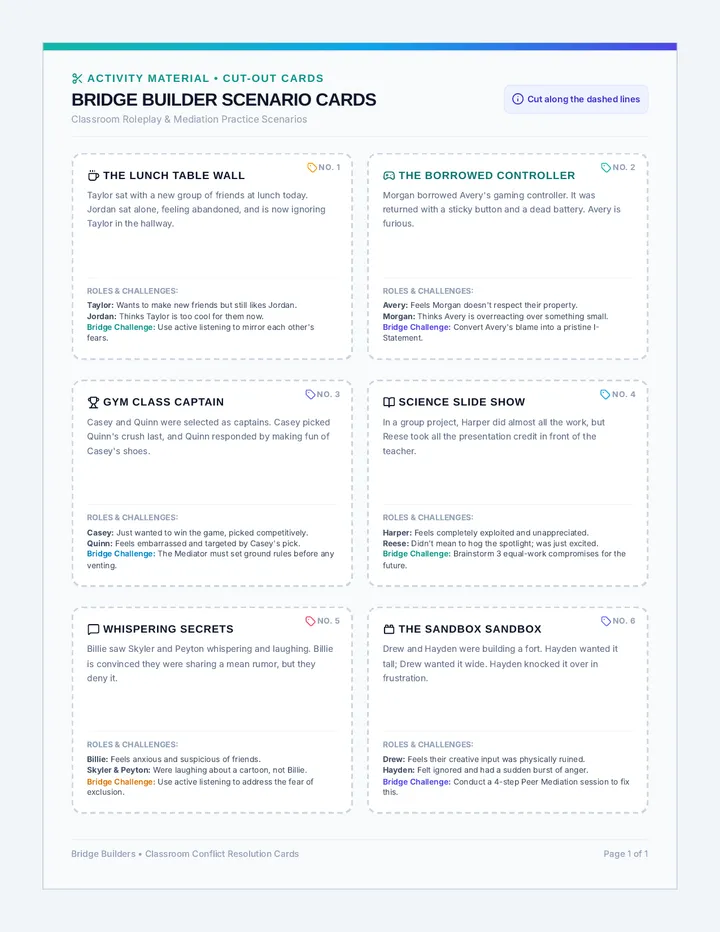
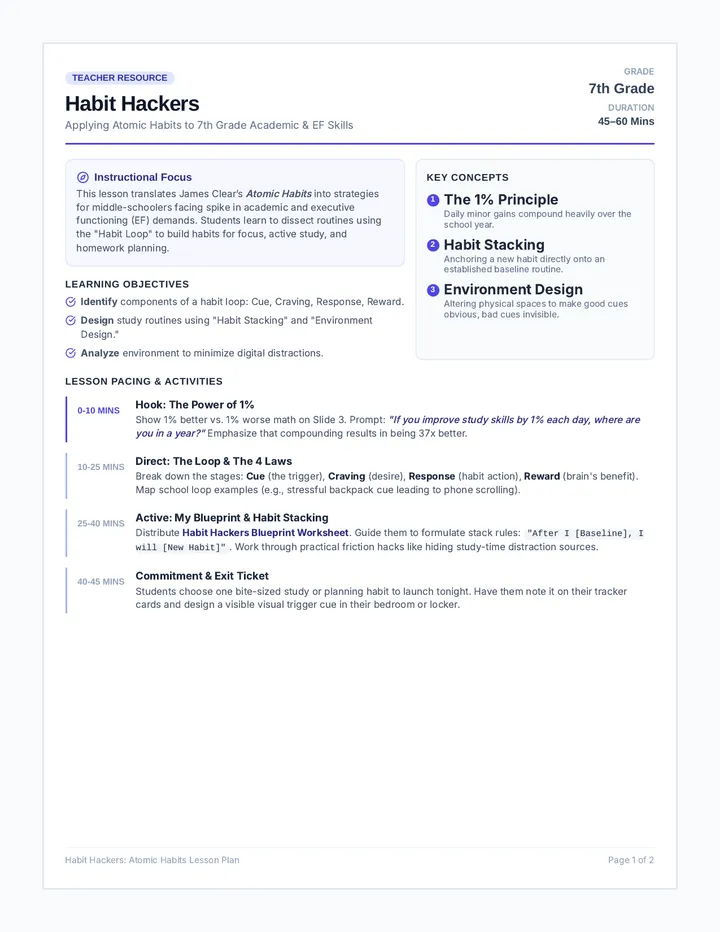
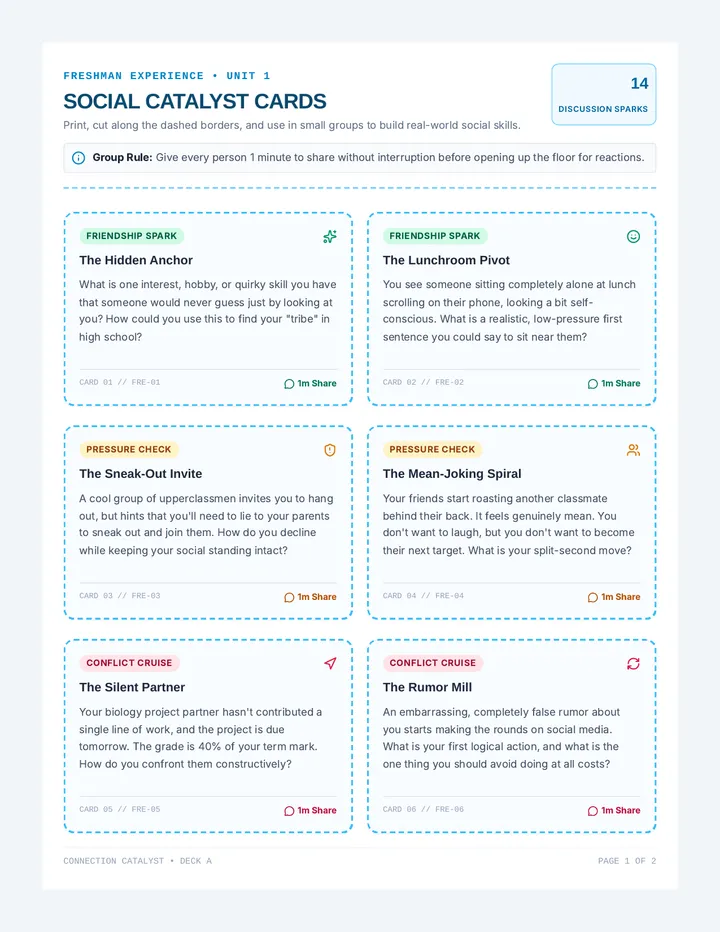
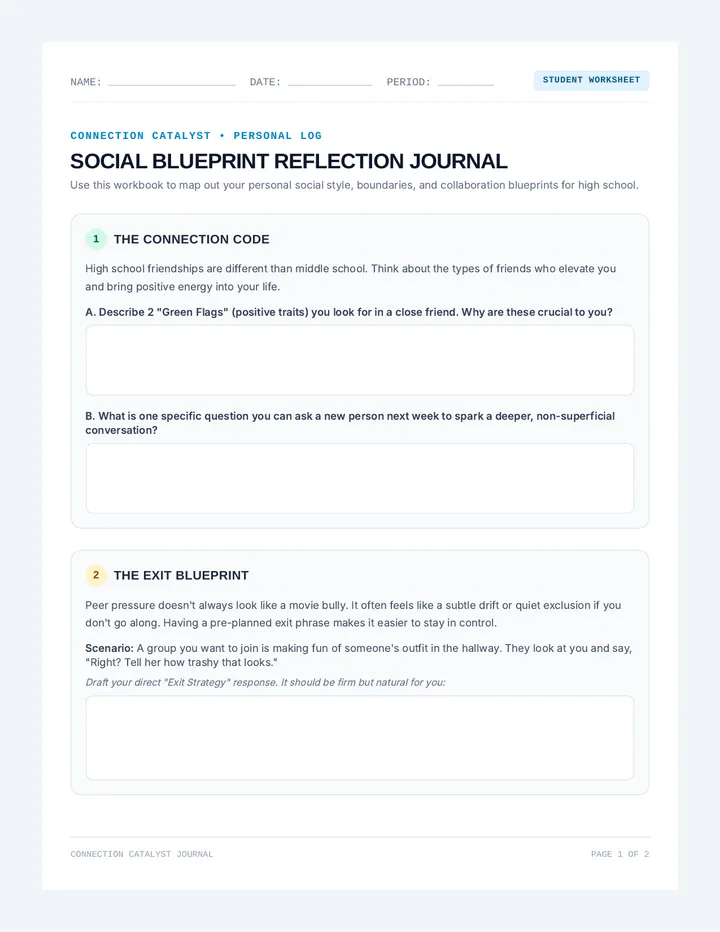
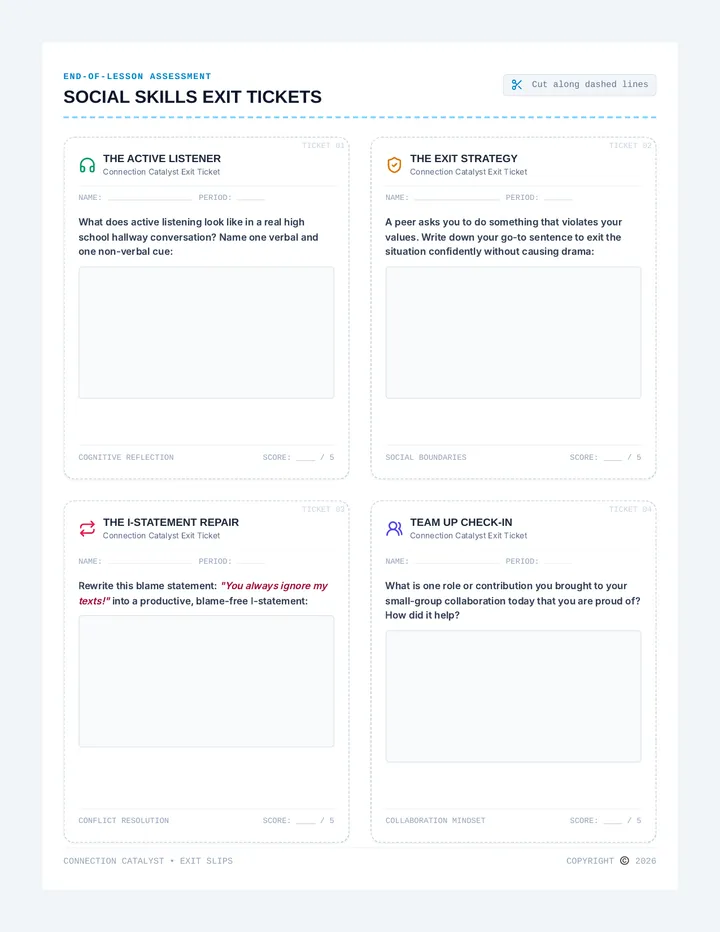
A comprehensive toolkit for small groups to build social bonds, establish trust, and master collaborative challenges through structured interaction.
A 3-hour collaborative STEM lesson where students build bridges (literally and figuratively) to get to know one another. Includes stations, a main engineering challenge, and reflection components.
A pair of administrative checklists to ensure professional development standards and neurodivergent-friendly teaching practices are met.
Students present their professional business plans and reflect on their growth as childcare leaders throughout the unit.
Students work independently to synthesize their unit work into a comprehensive Babysitting Business Plan capstone project.
Students practice active listening and empathetic communication strategies to build rapport with children and effectively update parents.
Students apply leadership traits to complex childcare scenarios, evaluating different solutions for behavioral and safety challenges.
Students learn the importance of documentation and organization by creating essential emergency and routine information forms for their professional childcare toolkit.
This lesson focuses on identifying personal space boundaries and interpreting the body language of others to adjust social proximity effectively.
A lesson focused on equipping young adults (16-21) with the essential knowledge and planning skills for independent transportation as they transition to adulthood.
A collection of visual tools and communication strategies designed to help students navigate family conflict, manage emotional triggers, and use de-escalation techniques while maintaining respectful boundaries.
Students develop and practice interview skills, focusing on asking the right questions to build trust and clarity with potential clients.
Students explore personal branding, develop a business name, and design business cards to present a professional image to families.
Students learn the components of a professional resume, analyze samples, and draft their own babysitting or child care resumes.
Students conduct a self-assessment of their child care skills, identifying strengths and areas for growth to prepare for professional responsibilities.
Students define leadership in a child care context, identify key traits of effective leaders, and analyze scenarios to practice professional decision-making.
A facilitator-focused lesson designed to teach grocery store strategies, budgeting, and inclusive instructional techniques for neurodiverse learners.
The final unit assessment where students demonstrate skill mastery and reflect on their growth as caregivers throughout the unit.
A high-stakes, station-based simulation where students apply all their caregiving skills in a "day in the life" scenario.
Analyzing how structured schedules support positive behavior and collaborating to design a balanced daily routine for different age groups.
Understanding the safety boundaries of medication and identifying when a child needs professional medical help, featuring a career link to pediatrics.
Learning respectful ways to support a child's transition to independence through toilet training, focusing on signs of readiness and encouraging language.
A high-impact review of evolutionary mechanisms, evidences, plant and animal systems interactions, and ecological stability. This lesson follows the Blitz format with maximum-depth content on succession, feedback loops, and biogeochemical cycles.
Tools for independent self-regulation using grounding techniques and a personalized reset routine to reduce the time spent in co-regulation.
Worksheets centered on identifying the size of peer-related problems and recognizing how drama affects the student's internal 'Zone' to prevent getting wound up.
Activities focused on processing the heavy feelings of shame and guilt after making a mistake, helping the student transition from 'I am bad' to 'I made a glitch' and creating a plan to move forward.
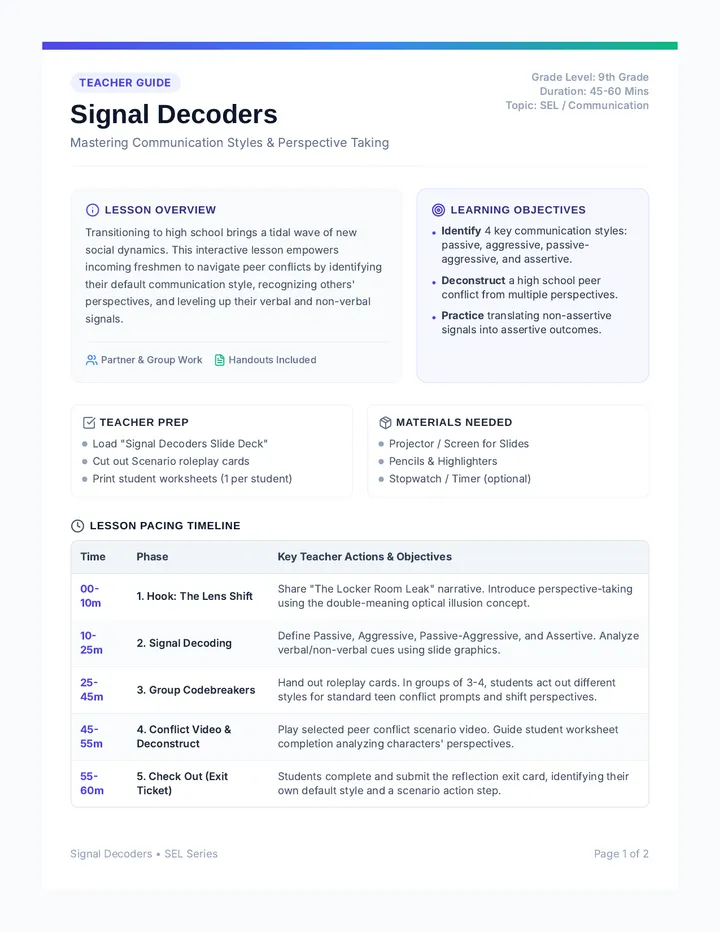
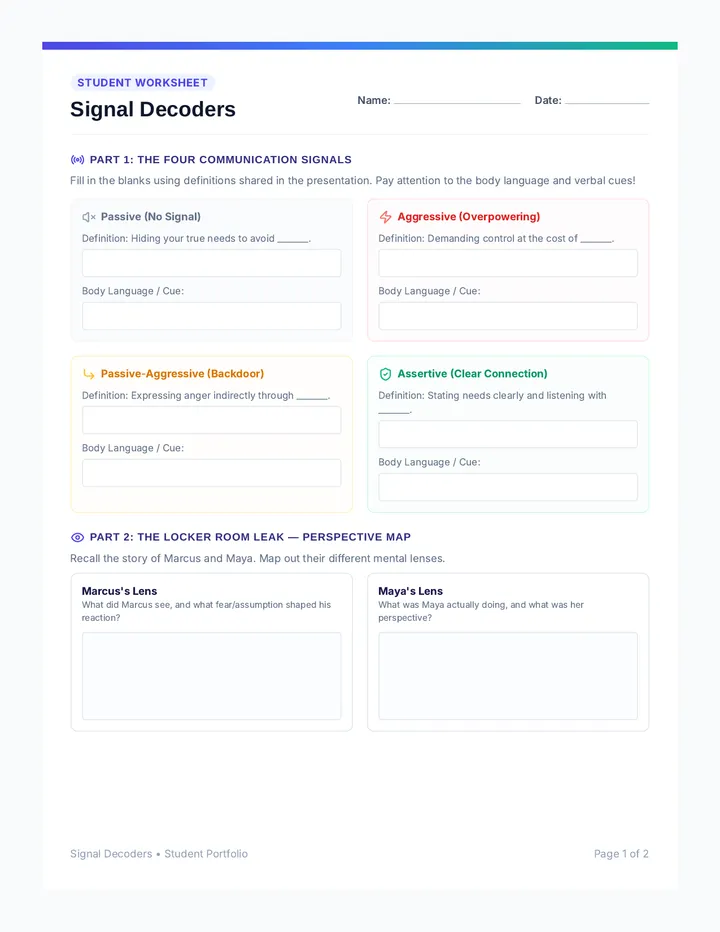
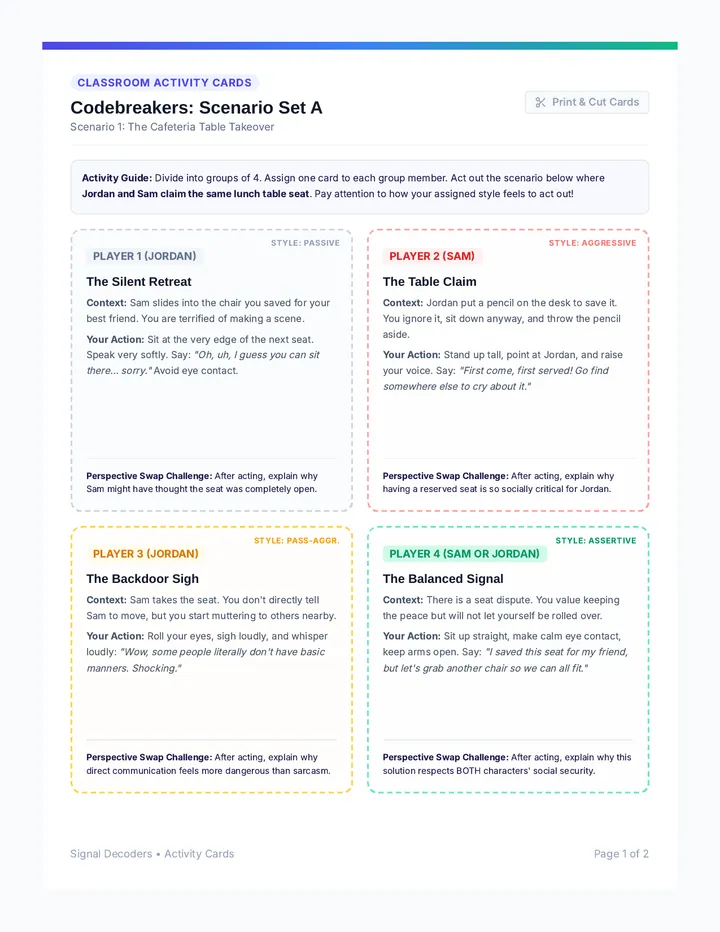
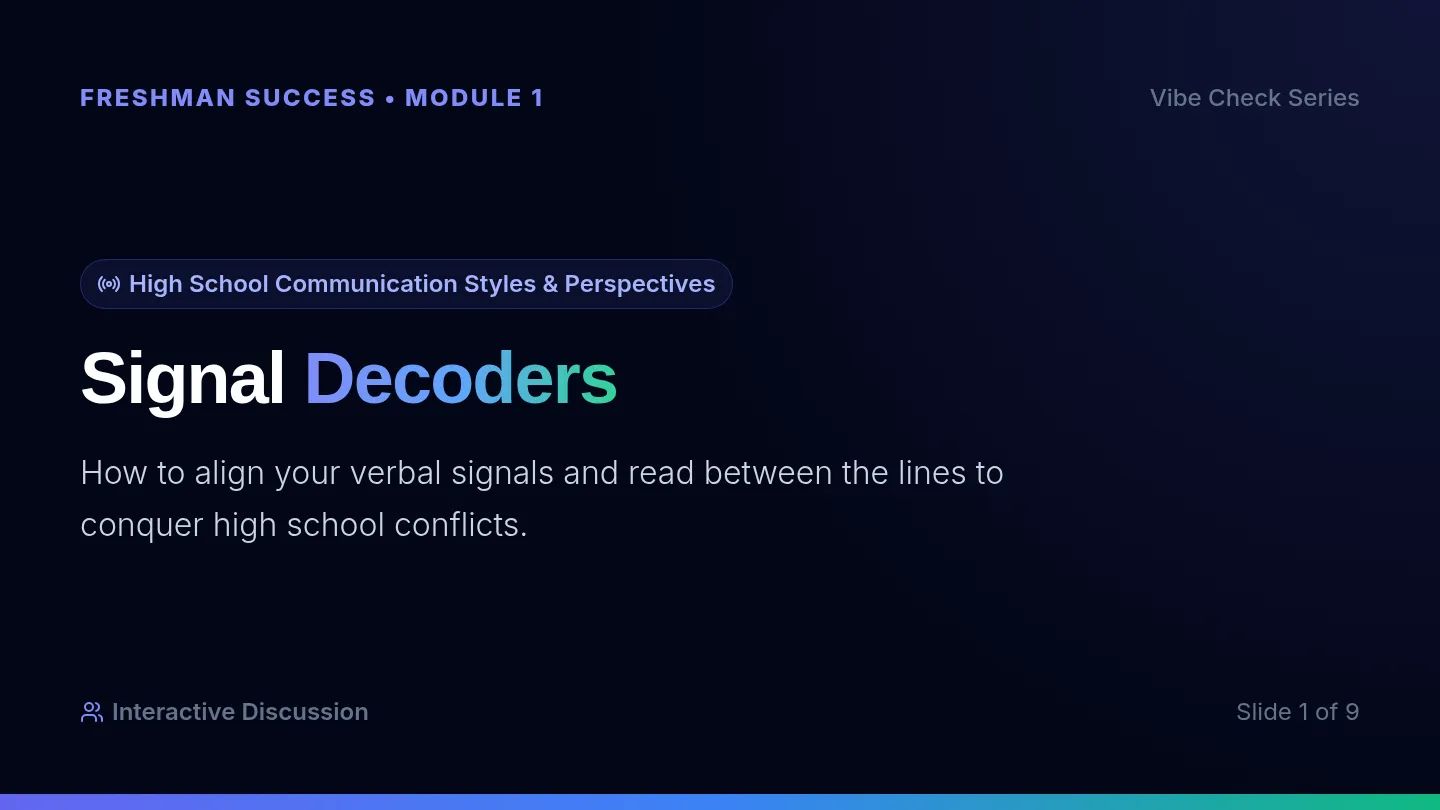
A high-energy lesson on assertive communication for high schoolers, focusing on the 'I-statement' framework and distinguishing between passive, aggressive, and assertive styles. Students will analyze scenarios across social, academic, and professional settings.
A comprehensive lesson for transition-aged youth to master job interview skills through modeling and role-play. Students practice professional body language and verbal responses to common interview questions.
The final session where students apply all their skills through role-play challenges and celebrate their growth as 'Social Architects'.
Addresses possessiveness and jealousy in friendships, teaching students that friendship circles are flexible and open.