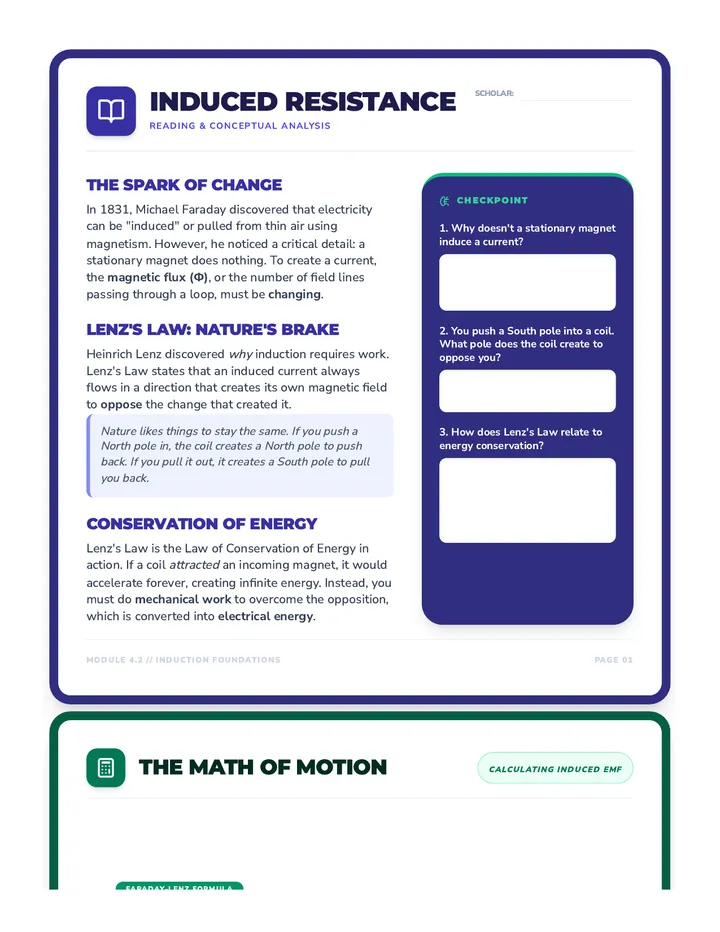
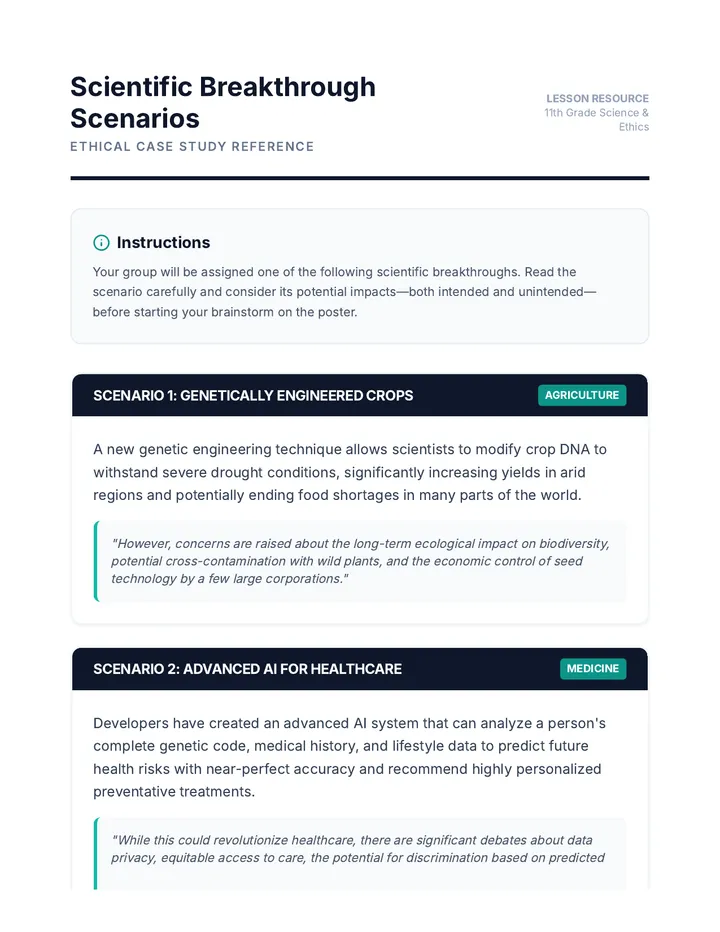
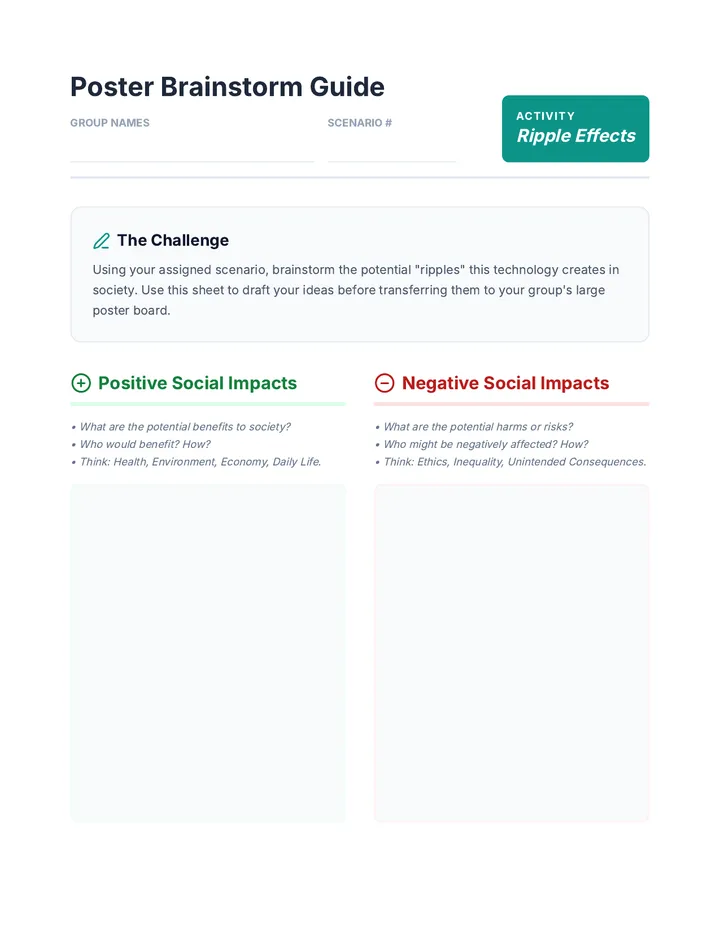
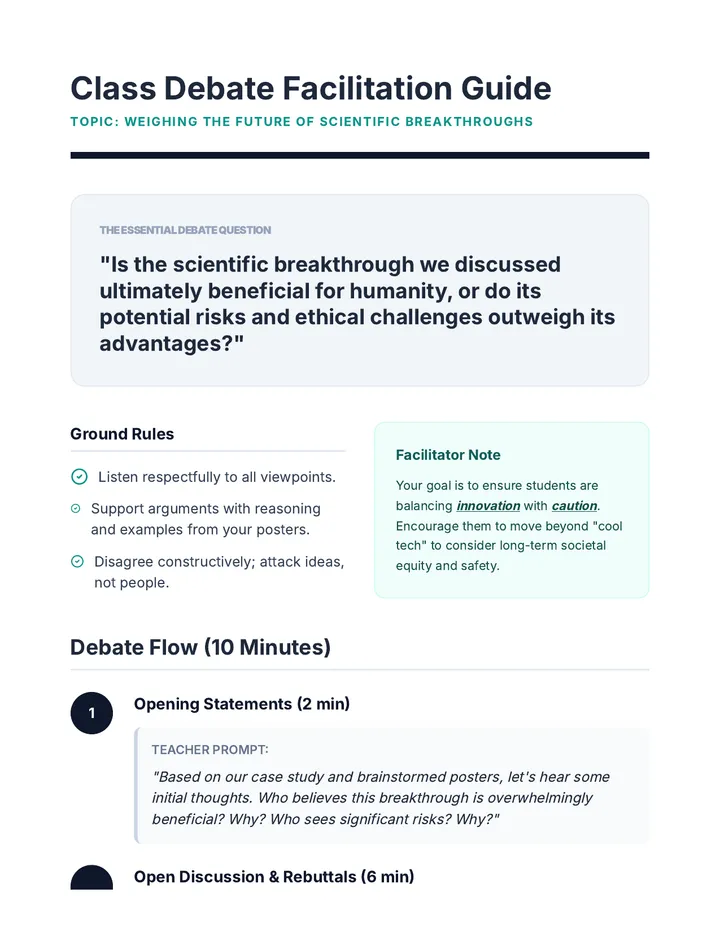
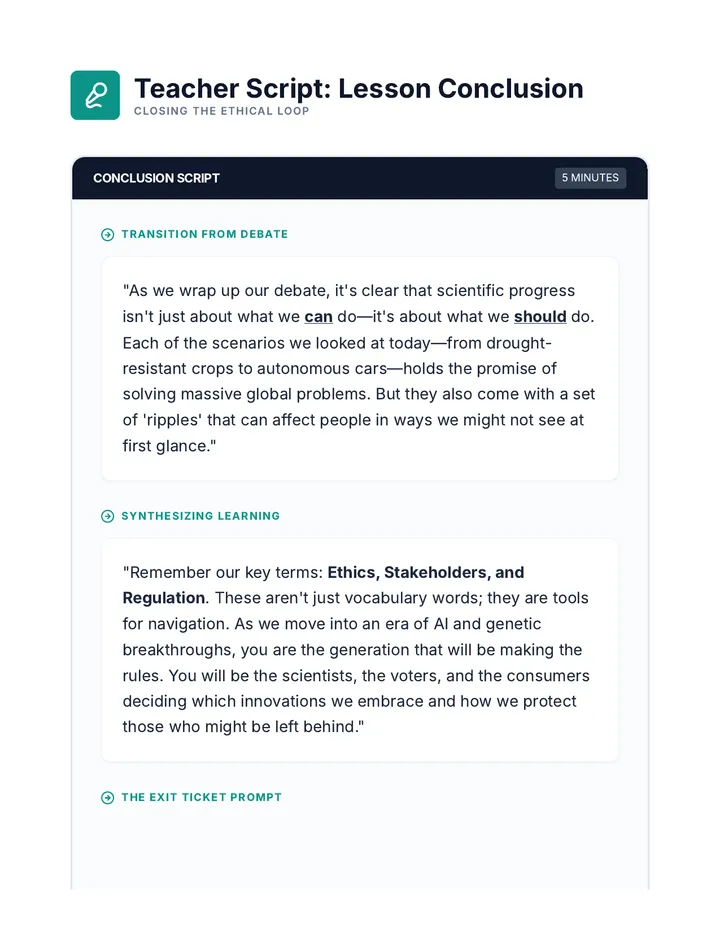
Mechanical and electrical engineering fundamentals combined with machine learning, robotics, and CAD design. Examines AI ethics and systems thinking within the context of modern technical problem-solving.
A comprehensive 5-week sequence exploring the physical properties of water, the engineering of water filtration, and the complex systems of Virginia's watersheds. Students move from hands-on engineering to chemical properties and finally to large-scale environmental systems.
A technical sequence for graduate students focusing on forensic workplace incident investigations. Students move from immediate scene management to advanced root cause analysis and professional technical reporting.
A graduate-level sequence focused on systematic hazard identification and risk control. Students master Industrial Hygiene, Job Hazard Analysis (JHA), Hierarchy of Controls, and Hazard Communication (GHS) to develop predictive safety strategies in high-risk environments.
An 11th-grade digital literacy sequence focusing on the principles of User Experience (UX) and Web Accessibility. Students move from theoretical design thinking to practical application of WCAG standards and usability testing.
A comprehensive sequence for undergraduate students focused on the human-centered design of digital interfaces. Students progress from understanding user psychology and personas to technical implementation of Web Content Accessibility Guidelines (WCAG) and usability testing.
A comprehensive sequence for graduate students exploring the intersection of cognitive psychology and web design. Students move from theoretical usability heuristics to practical wireframing and usability testing, focusing on creating evidence-based digital experiences.
A comprehensive unit on User Experience (UX) and Web Accessibility (A11y) for 9th-grade students. Students move from understanding user needs through persona creation to planning inclusive digital spaces using wireframes and WCAG standards.
A comprehensive graduate-level sequence on Experimental Functional Analysis (FA). Students will progress from understanding the limitations of descriptive assessments to designing, implementing, and interpreting rigorous experimental conditions to identify behavioral functions.
A graduate-level exploration of sustainable set design, focusing on ecoscenography, material science, modular engineering, and digital fabrication to move the theater industry toward a circular economy.
This high school physics sequence explores the industrial scale-up of mixture separation techniques, focusing on the physics of centrifugation, magnetism, oil-water interactions, and reverse osmosis. Students evaluate trade-offs between efficiency, cost, and environmental impact through simulations and case studies.
A project-based physics sequence where 10th-grade students act as environmental engineers to design, build, and test a multi-stage water filtration system. Students explore physical properties of mixtures, separation techniques, and engineering design constraints.
Students act as environmental engineers designing a multi-stage water filtration system. They explore sedimentation, decanting, and various filtration media to solve a real-world water contamination challenge.
A 5-lesson engineering sequence where 7th-grade students analyze contaminated water, investigate filtration materials, and design, build, and test multi-stage filtration systems to explore separation science.
A project-based sequence where 5th-grade students act as environmental engineers to design, build, and test water filtration systems, applying concepts of mixtures and particle size to solve a real-world problem.
A hands-on engineering unit where 2nd-grade students explore how to separate mixtures using particle size. They will design and test multi-stage water filtration systems to solve a real-world problem.
An engineering-focused unit where 8th-grade students design, build, and test water filtration systems, applying concepts of heterogeneous and homogeneous mixtures to solve real-world water purification challenges.
This inquiry-driven sequence moves 11th-grade physics students from visible mixtures to the molecular level of solutions. Using paper and column chromatography as primary tools, students explore solubility, molecular affinity, and quantitative analysis (Rf values) within a forensic context.
An 11th-grade physics sequence focused on separating heterogeneous mixtures through the engineering design of a multi-stage water filtration system. Students explore particle size, porosity, and flow rate to solve a real-world water crisis scenario.
A project-based unit where 6th-grade students design, test, and evaluate water filtration systems, applying concepts of mixtures and separation techniques.
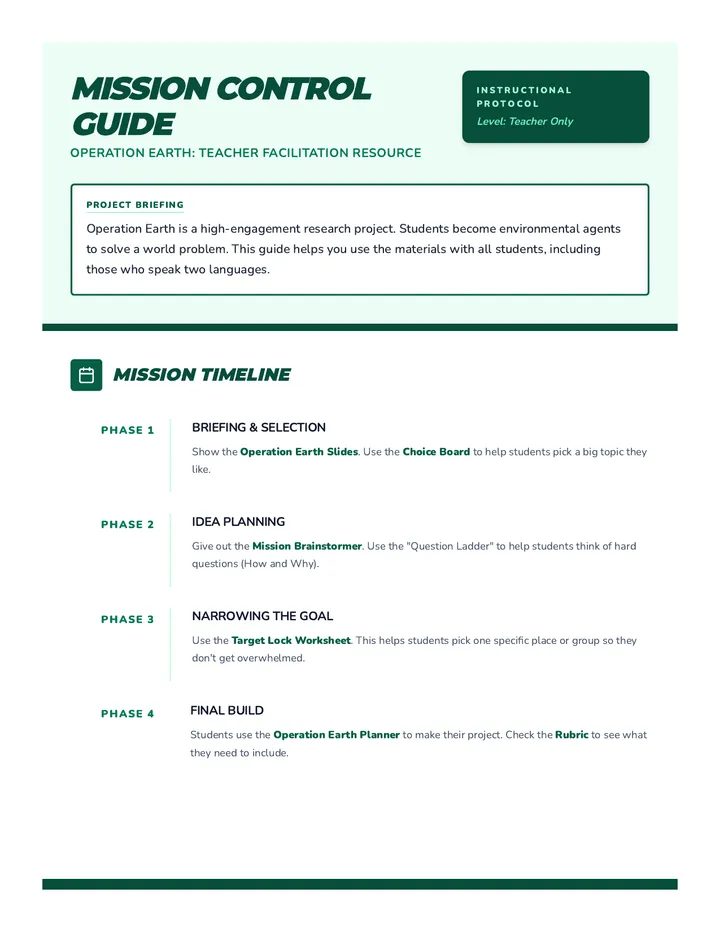
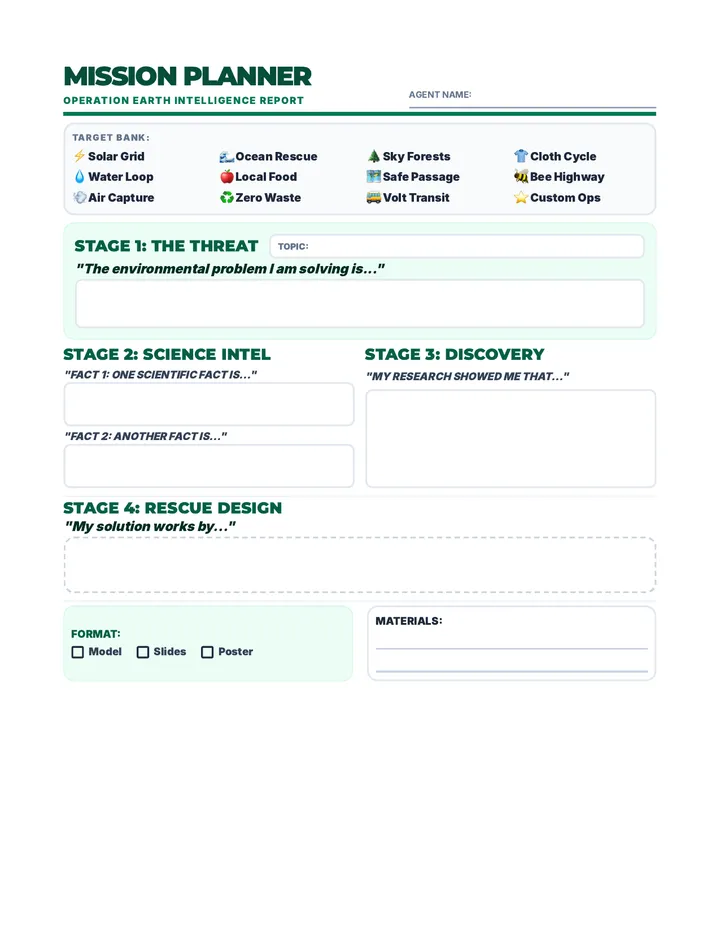
A comprehensive project-based learning unit where high school students apply design thinking to solve real-world problems, from initial discovery to final prototyping and pitching.
A short sequence for lower elementary students exploring how humans adapt farming techniques to grow food in challenging environments like crowded cities and outer space without using soil.
A sequence focused on physical science and engineering, specifically exploring gravity, air resistance, and the engineering design process through parachute construction.
A technology and computer science unit exploring the history of computing, how hardware and software work together, and the future of digital innovation. Students move from understanding basic components to imagining the next generation of technology.
A comprehensive unit exploring the global transition from fossil fuels to renewable energy sources, focusing on technological advancements, economic challenges, and environmental necessity.
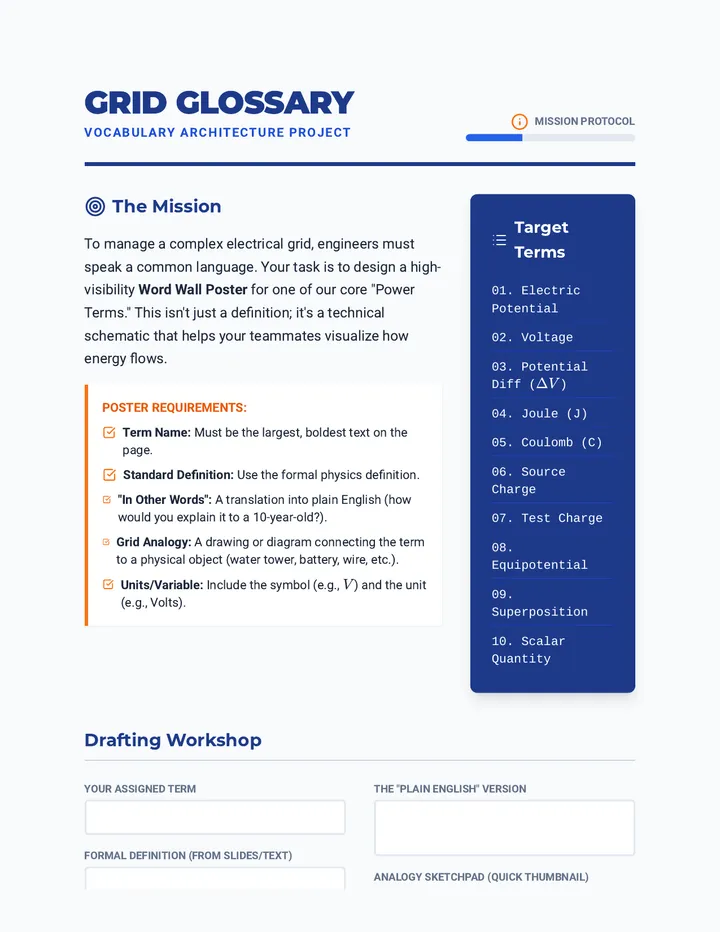
A creative engineering lesson where students explore NASA spinoffs and design their own inventions that solve problems in space and on Earth. Students practice design thinking and marketing by 'reverse engineering' space technology for commercial use.
An advanced graduate-level sequence exploring the legal and regulatory framework of OSHA. Students analyze statutory authority, navigate complex CFR standards, evaluate liability through case law, and perform mock compliance audits to prepare for strategic safety leadership.
This sequence introduces undergraduate students to the critical role of keyboard navigation in assistive technology, specifically focusing on screen reader interaction. Students will analyze semantic navigation, table traversal, and focus traps to understand how to design and audit for digital accessibility.
A comprehensive deep dive into the technical infrastructure of the web, covering file management, hosting, deployment, SEO, and optimization for high school seniors. Students will transition from local development to public web publishing.
A comprehensive unit where 8th-grade students learn the technical and ethical requirements of web publishing. Students move from local development to a live portfolio, covering file management, copyright law, hosting infrastructure, SEO, and long-term maintenance.
This sequence shifts focus from writing code to designing for human needs through User Experience (UX) and User Interface (UI) principles. Students adopt the role of UX researchers, analyzing existing sites for usability and accessibility failures before they write a single line of code.
This technical sequence for 12th-grade students explores the 'last mile' of web development, covering DNS, hosting, version control with Git, deployment via GitHub Pages, and post-launch maintenance. Students progress from theoretical network understanding to industry-standard deployment pipelines and site optimization.
A comprehensive unit on web accessibility focusing on WCAG standards, semantic HTML, ARIA roles, and inclusive design principles. Students move from empathy-building simulations to conducting professional accessibility audits and remediating code to meet international standards.
A comprehensive unit on modern web design, focusing on User Experience (UX), flexible layout systems (Flexbox and CSS Grid), and responsive design principles using a mobile-first philosophy.
A comprehensive sequence for 11th-grade students exploring the legal and ethical landscapes of digital publishing. Students examine intellectual property, dark patterns in UX design, data privacy regulations, and open-source ethics to build a foundation for responsible web creation.
A comprehensive 10th-grade sequence on web publishing, covering the technical journey from local development to global hosting. Students explore DNS, servers, deployment workflows, SEO, copyright laws, and long-term site maintenance.
A comprehensive sequence for 10th Grade students exploring the ethical and technical standards of Web Accessibility (a11y), focusing on WCAG guidelines, inclusive design, and technical remediation for visual, motor, and cognitive disabilities.
A comprehensive sequence for 7th graders on web design and publishing, focusing on digital file management, intellectual property, web hosting, quality assurance, and digital footprint management. Students move from local development to a live, professional web presence.
A comprehensive sequence for 7th-grade students exploring the ethics and techniques of web accessibility. Students learn to design inclusive digital spaces through simulations, semantic coding, and accessibility audits.
A comprehensive graduate-level sequence on web accessibility, covering WCAG standards, legal compliance, technical implementation of ARIA, and professional auditing techniques.
A comprehensive graduate-level sequence on professional CSS architecture, covering the cascade, Flexbox, CSS Grid, mobile-first responsiveness, and scalable design systems using BEM and variables.
This sequence introduces 6th-grade students to human-centered design, focusing on User Experience (UX) and web accessibility. Students learn to design websites that are intuitive, navigable, and inclusive by analyzing design flaws, simulating screen reader experiences, and testing color contrast.
A technical sequence for graduate students exploring the engineering principles behind theatrical automation, from rigging physics to PLC control systems.
This sequence introduces 10th-grade students to User Experience (UX) and Interface Design (UI). Moving beyond code, students use Design Thinking to research audiences, organize information architecture, and create low-fidelity wireframes, culminating in peer usability testing.
A comprehensive unit on User Experience (UX) and User Interface (UI) design for 7th grade students. Students move from analyzing website usability to wireframing and testing their own paper prototypes, focusing on empathy, information architecture, and iterative design.
A comprehensive sequence for 6th graders to master CSS fundamentals, visual design principles, and the separation of content from style in web development.
A project-based sequence where 4th-grade students act as classroom consultants to design and implement visual organization systems using labels, shadow boards, and color-coding.
Students explore automation and the future of work by adopting the role of inventors and designers. They investigate how robots and software automate tasks, analyze shifting job markets, and apply design thinking to create beneficial future technology concepts.
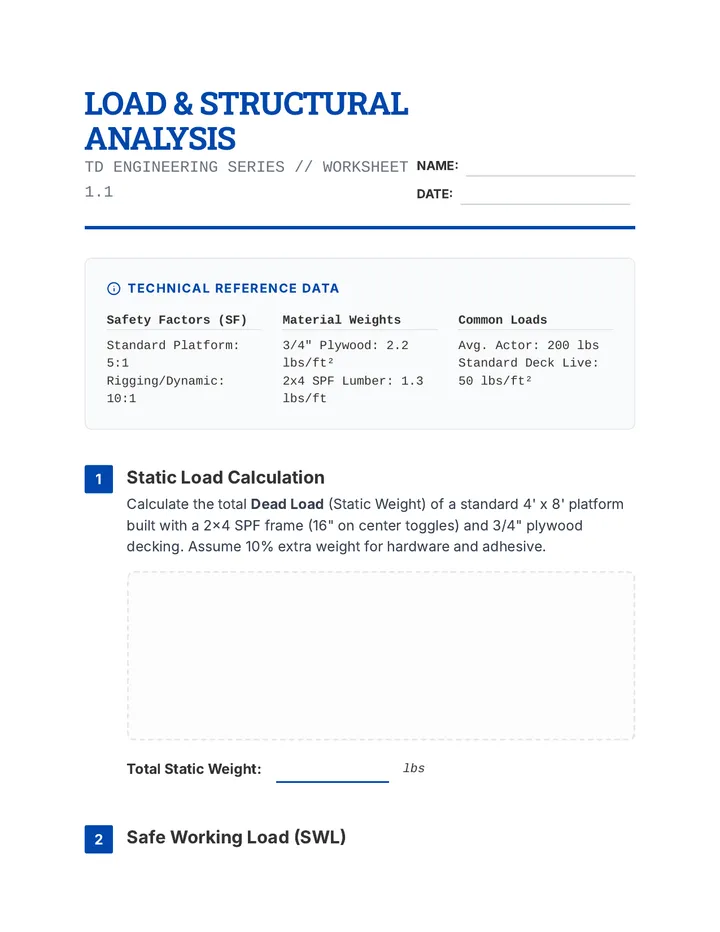
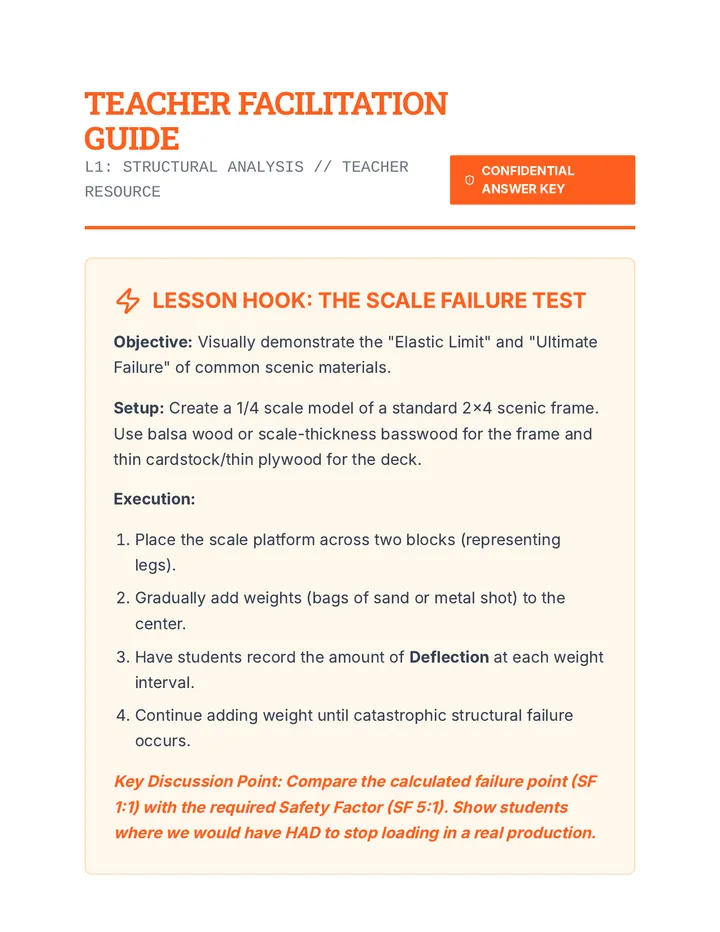
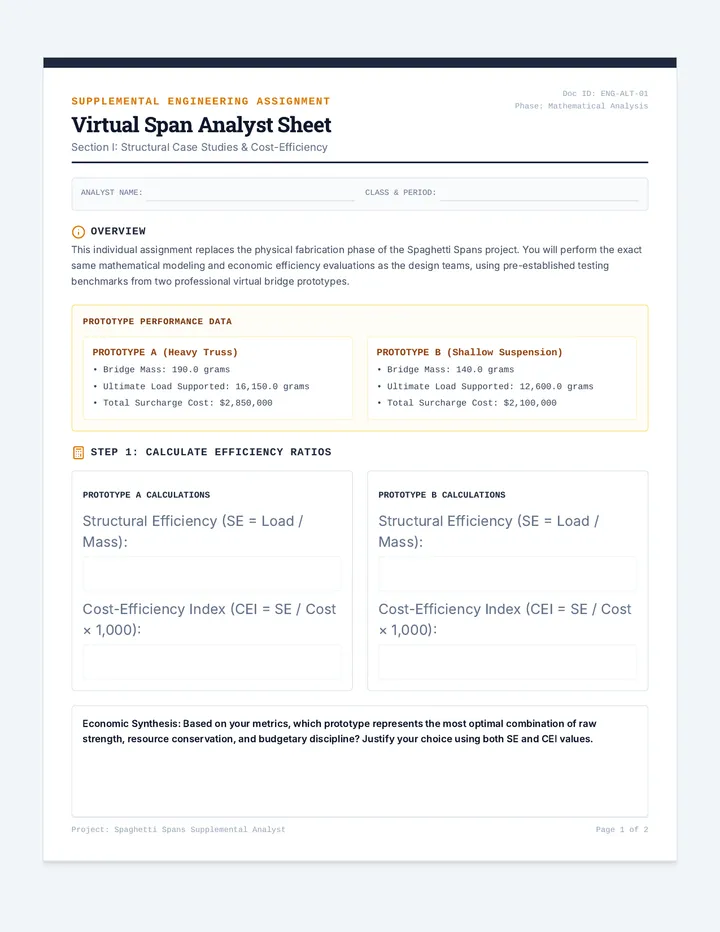
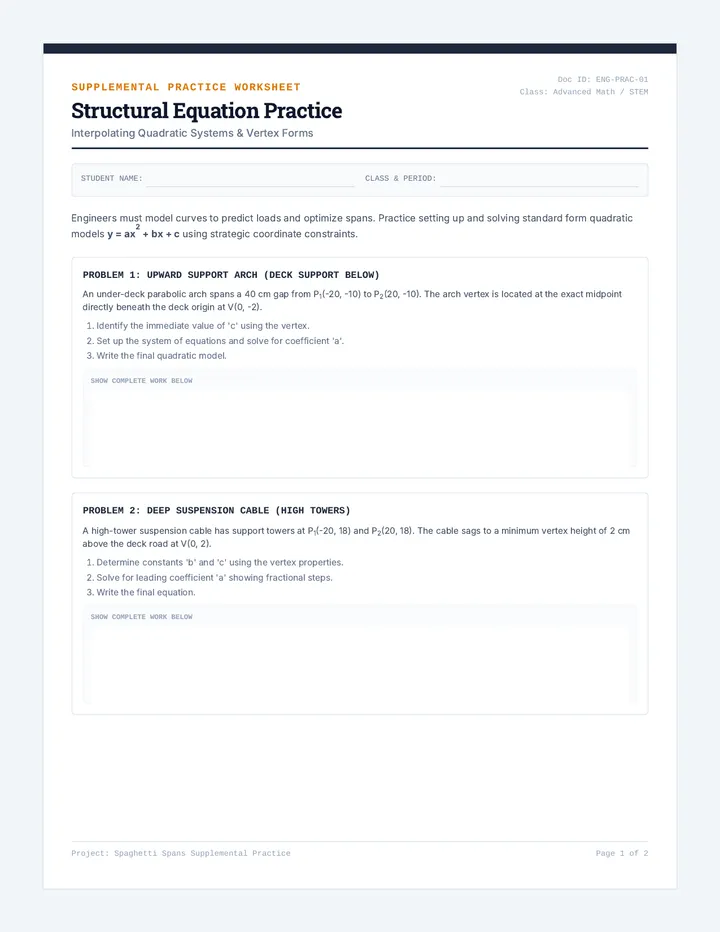
A graduate-level sequence exploring the intersection of structural engineering, physics, and project management in theatrical technical direction. Students master load calculations, CAD for fabrication, automation mechanics, budgeting, and rigging safety.
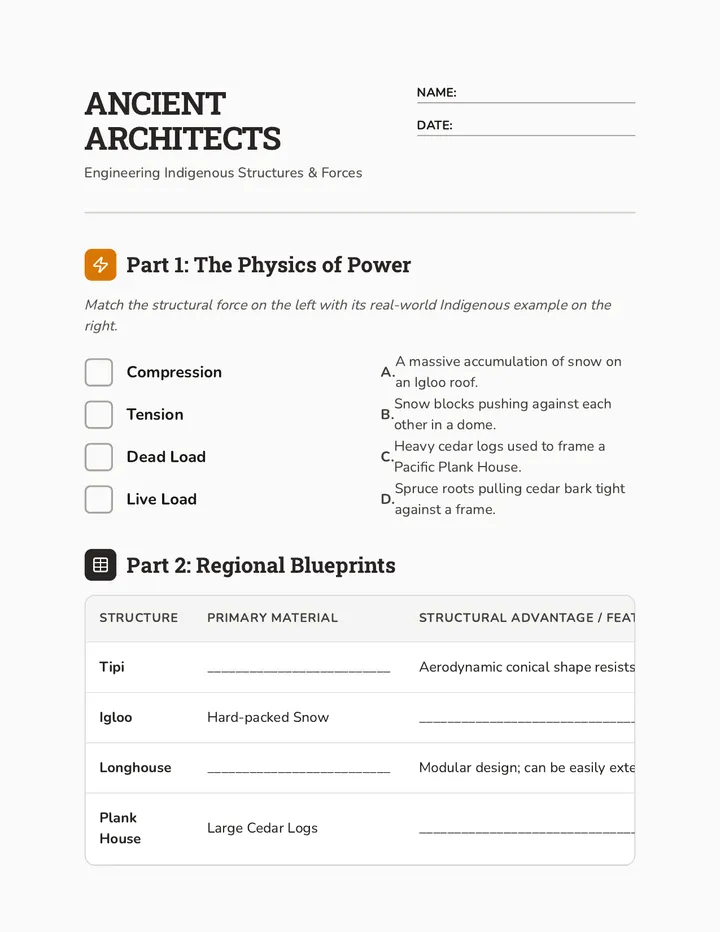
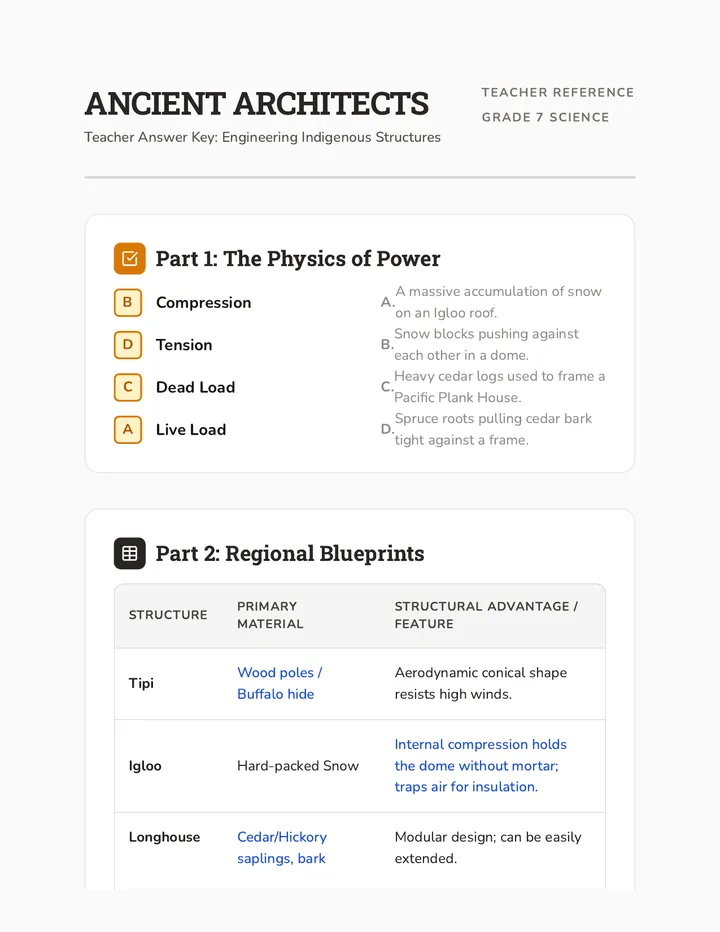
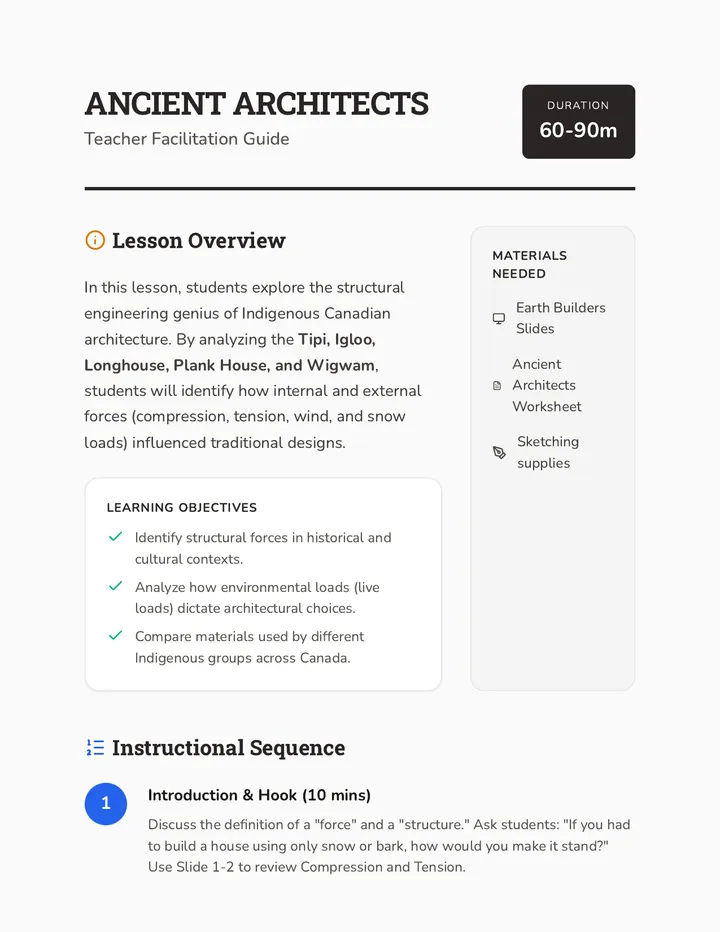
A project-based unit where 2nd-grade students explore the properties of rocks, their uses in human engineering, and famous geological landmarks, culminating in a structural design project.
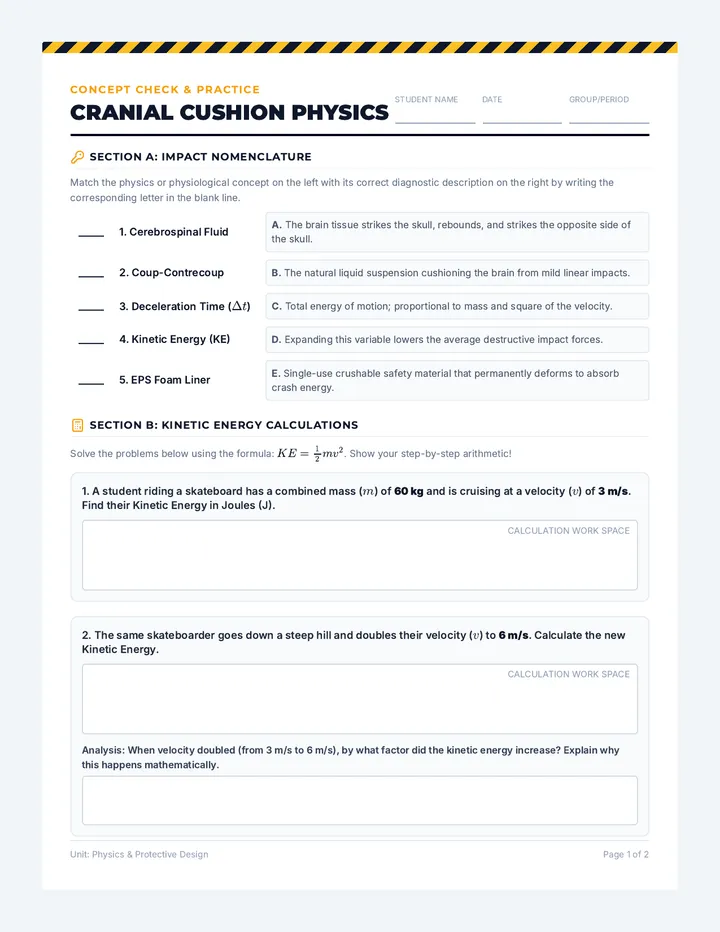
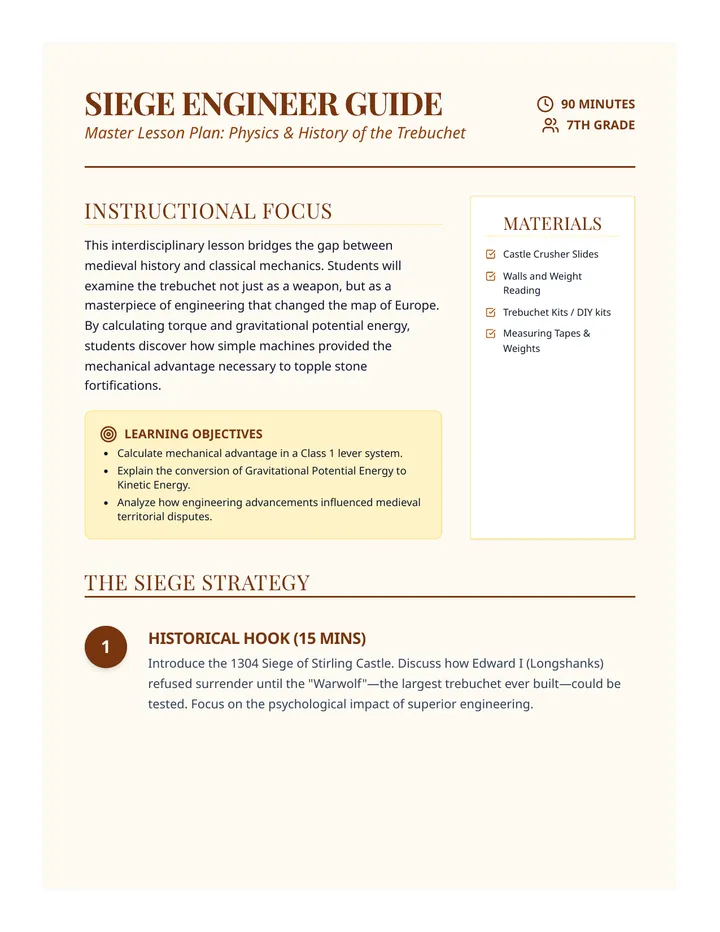
This sequence explores how geometric properties like surface area to volume ratios, stress distribution, and packing efficiency dictate engineering design choices in physics and aerospace.
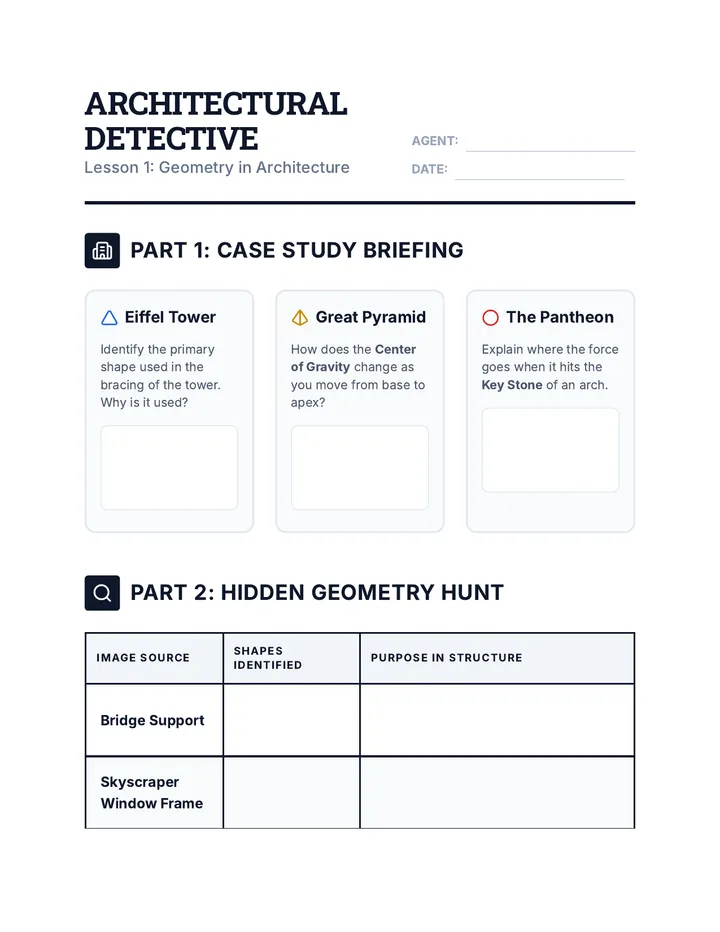
A comprehensive 11th-grade physics and engineering unit exploring how geometric properties like polygon rigidity and 3D spatial relationships dictate the structural integrity of trusses, space frames, and architectural designs. Students progress from 2D vector analysis to building and testing optimized 3D structures.
This sequence bridges physics and chemistry to explore the geometric arrangements of atoms in solid matter. Students investigate crystal lattices, unit cells, and packing efficiency, understanding how microscopic geometry dictates macroscopic properties like density and conductivity.
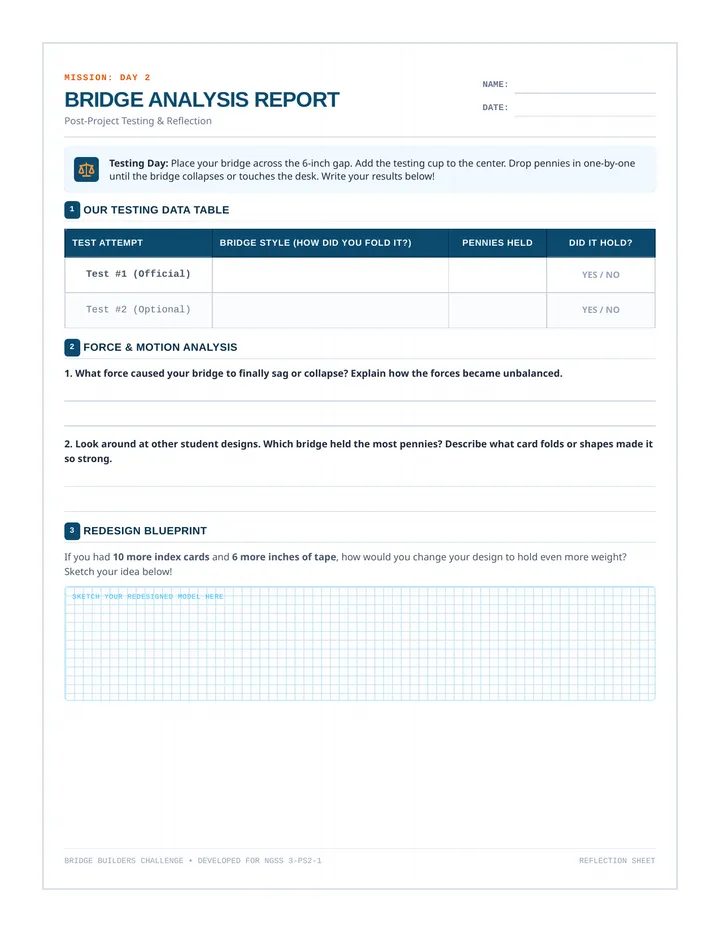
A project-based sequence for 12th-grade physics students focusing on the intersection of geometry and structural engineering. Students analyze forces, torque, and material properties to design and optimize stable static structures.
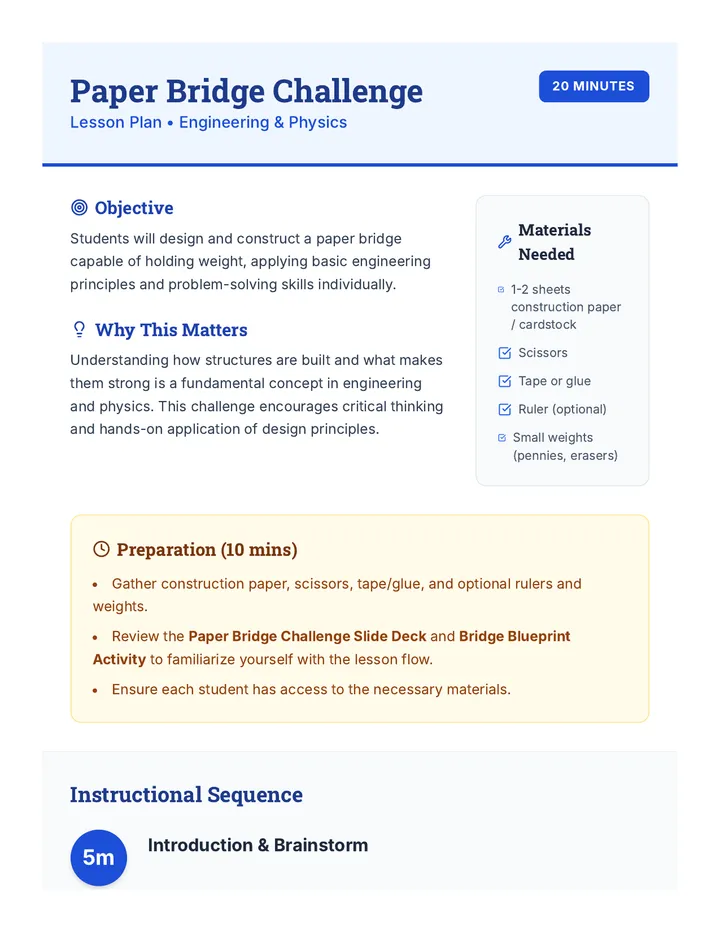
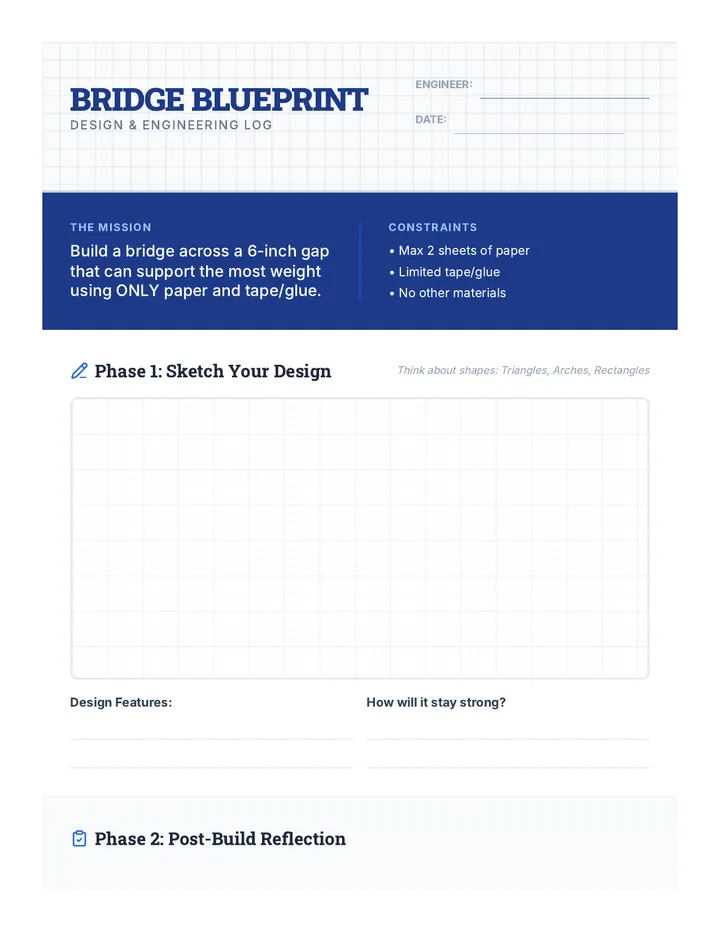
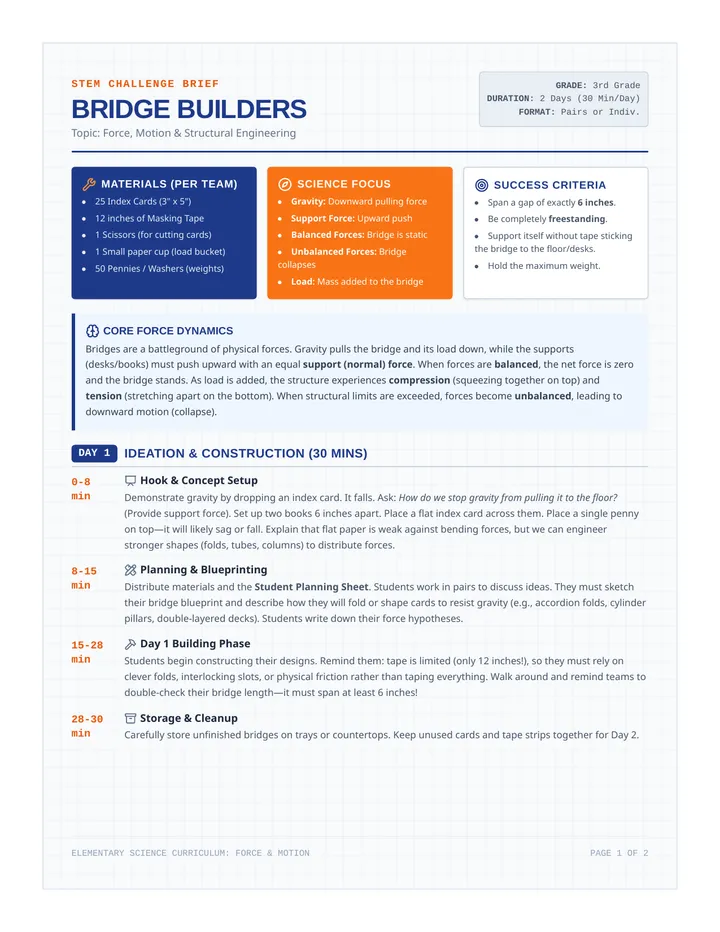
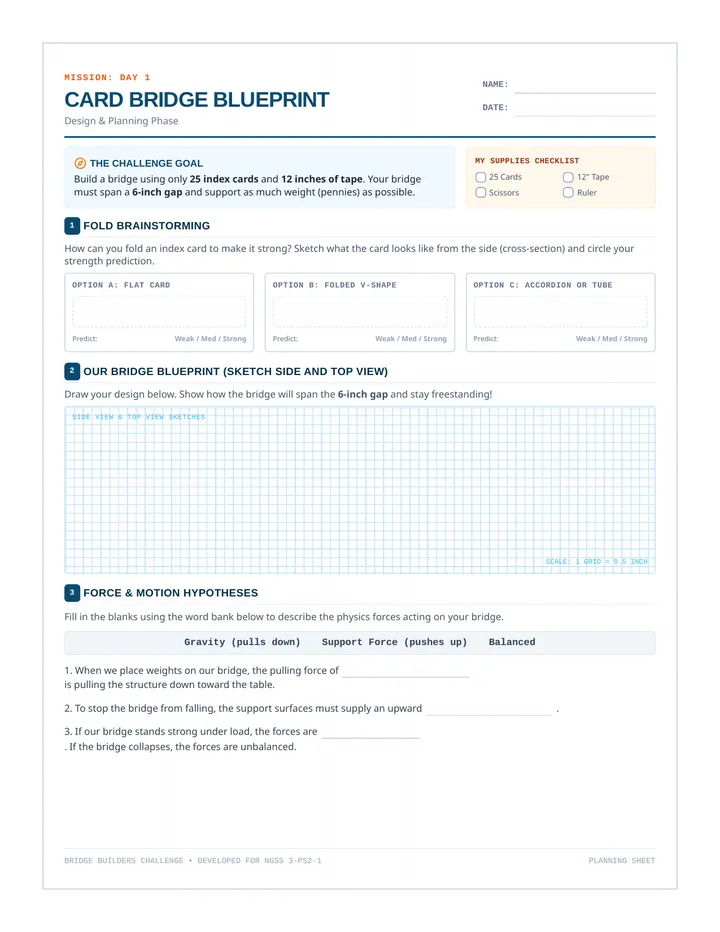
Students explore how geometric shapes like triangles and squares contribute to structural stability through hands-on building and testing. They apply their knowledge of vertices and sides to engineering challenges, concluding with a design review of their own stable structures.
A Pre-K engineering sequence exploring shape composition, stability, and structural design through hands-on block play and spatial reasoning challenges.
A kindergarten physics sequence where students explore how light interacts with different materials, moving from basic transparency testing to designing and building their own suncatchers.
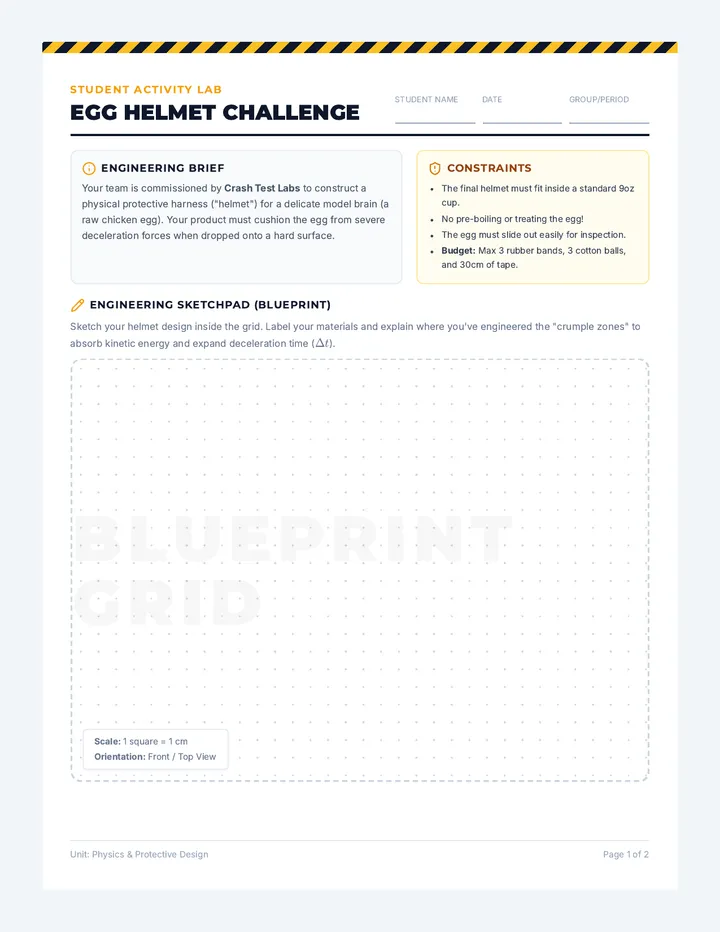
A problem-based physics sequence for Pre-K students exploring how materials protect objects from damage, water, and temperature. Students test properties like softness, water resistance, and insulation to solve real-world protection challenges.
A project-based physics sequence for Pre-K students exploring material properties, hardness, and structural stability through hands-on stacking and building challenges. Students act as little engineers to discover why certain materials are better for construction than others.
A Kindergarten engineering sequence where students use 'The Three Little Pigs' to explore the properties of materials like straw, wood, and brick, culminating in a construction challenge against a simulated wind force.
A project-based physics sequence for Kindergarten students exploring the properties of recycled materials. Students learn to sort, manipulate, and join various materials to create artistic 'Junk Modeling' masterpieces.
This kindergarten physics sequence explores how different materials interact with water. Students investigate absorbency and water resistance through hands-on experiments, leading to an engineering challenge where they design a waterproof boat.
A project-based unit where 2nd-grade students act as biomechanical engineers to build mechanical models of human body systems, exploring bones, joints, muscles, the heart, and the nervous system.
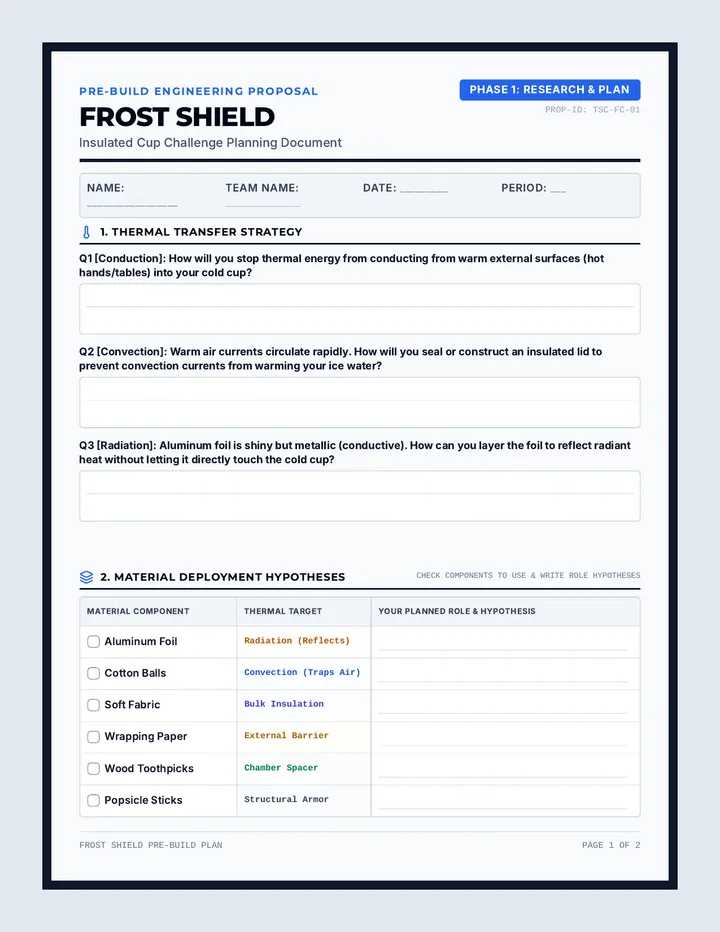
An engineering-focused sequence where 4th graders explore heat transfer and phase changes to design a container that prevents ice from melting. Students progress from understanding basic heat flow to testing insulators and building functional prototypes.
Students adopt the role of junior engineers to evaluate materials for specific purposes. They analyze everyday objects, test for water resistance and strength, and finally design and build a protective shelter for a toy animal.
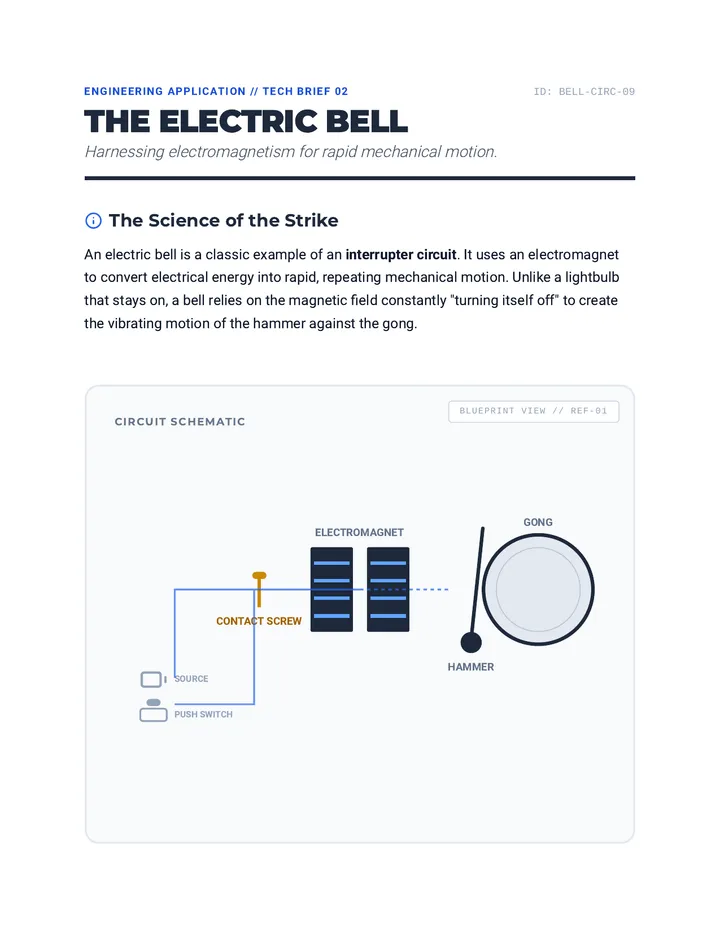
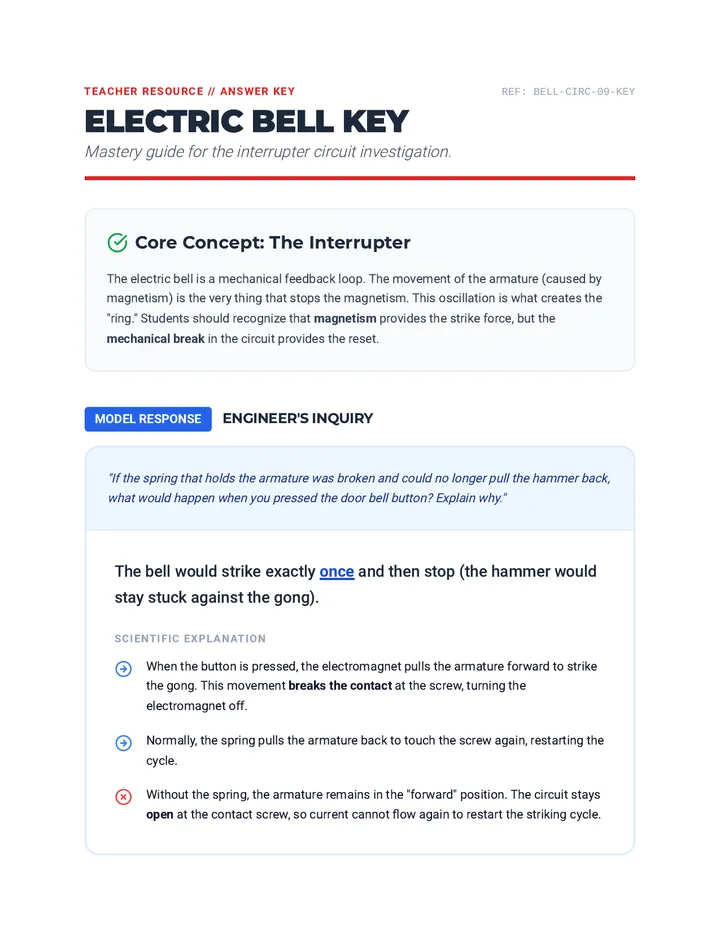
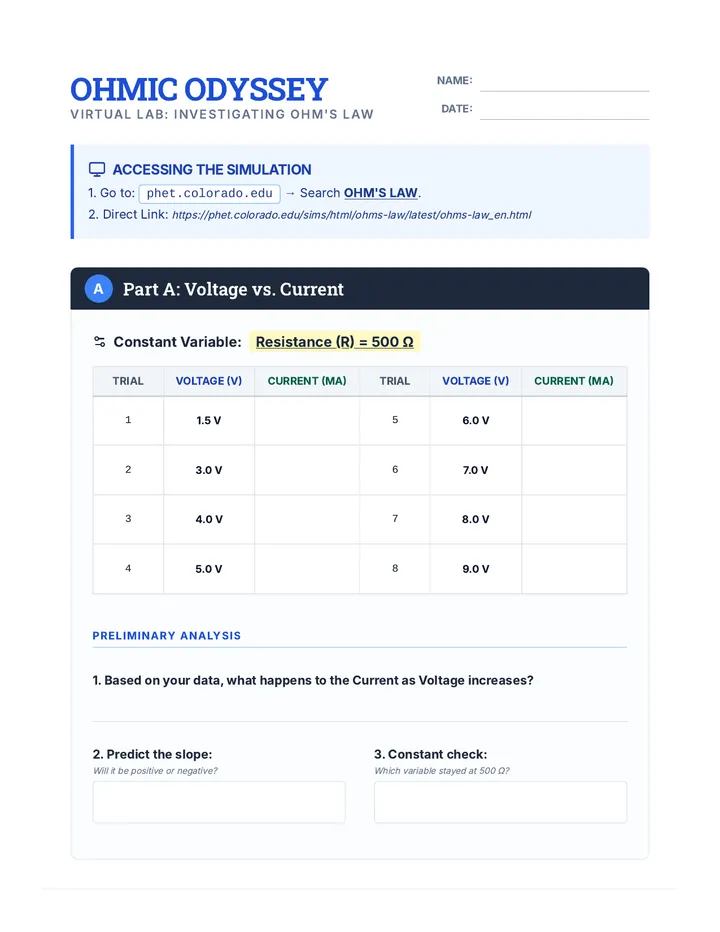
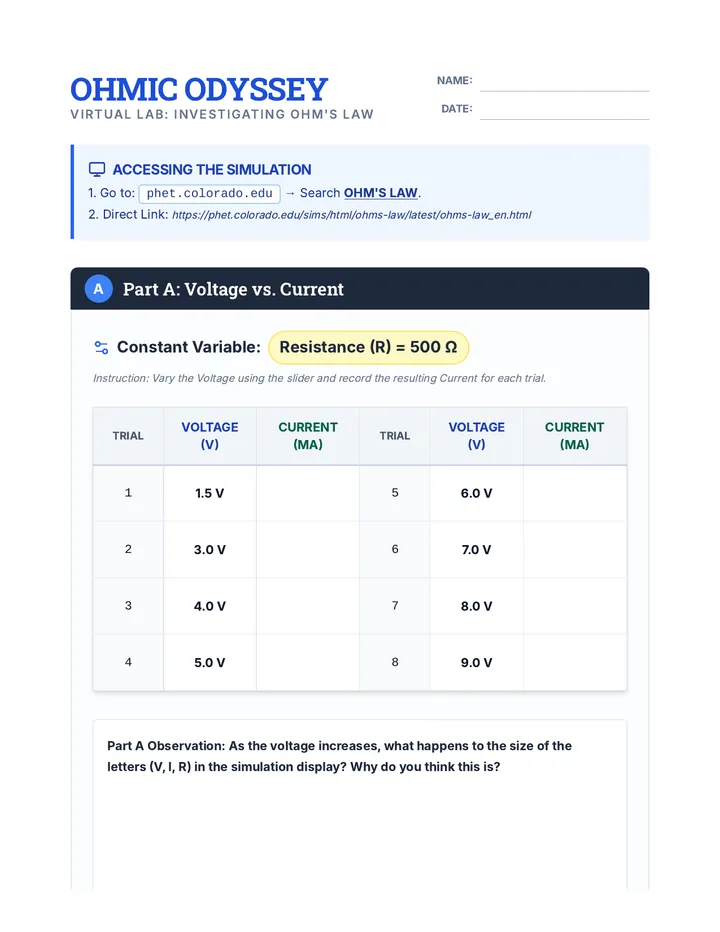
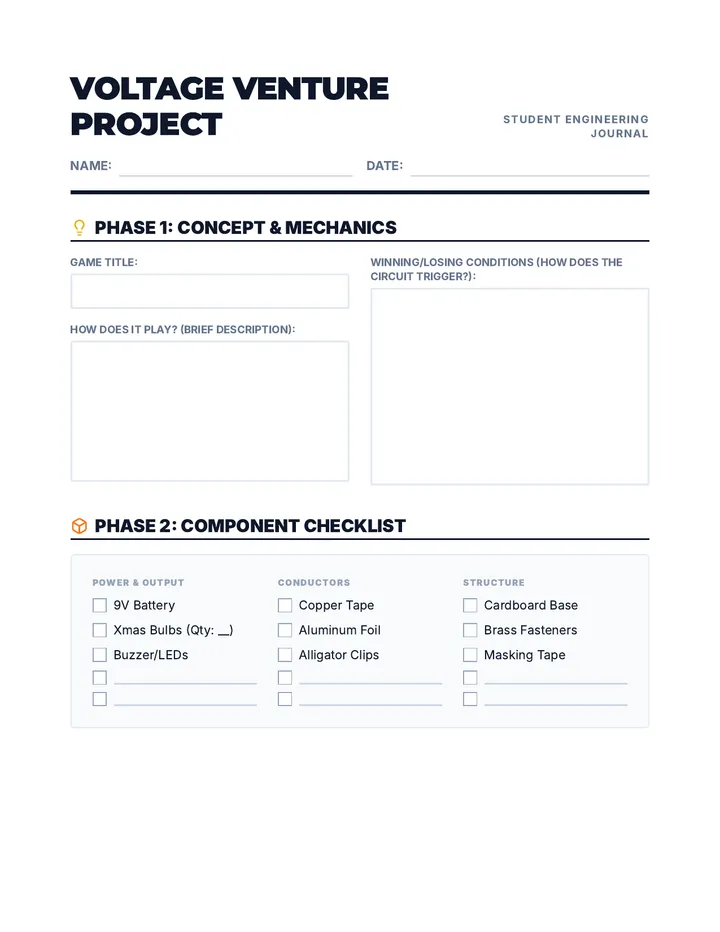
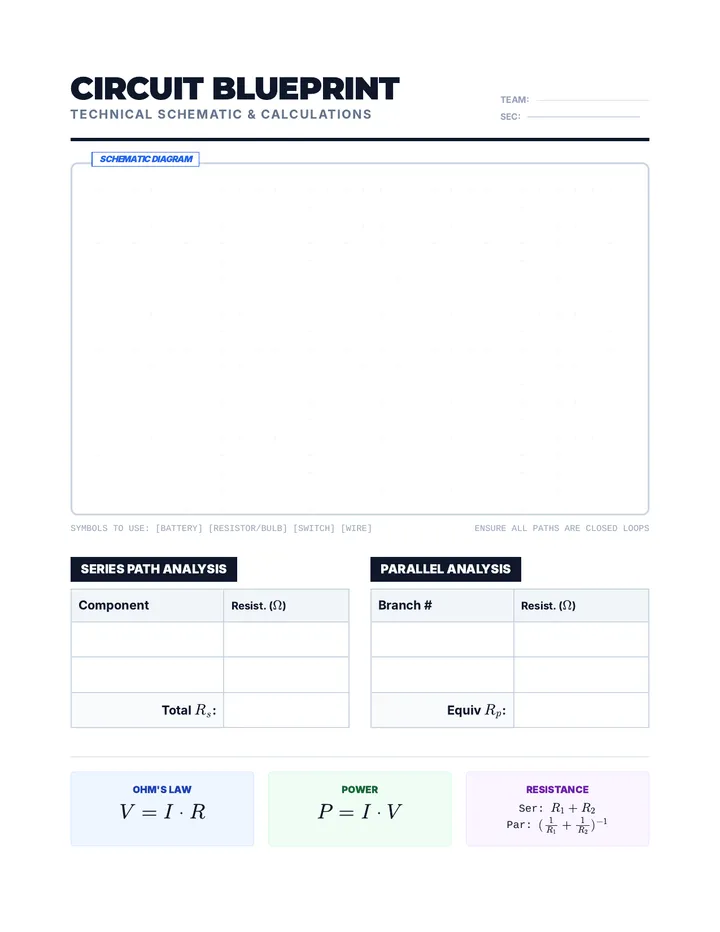
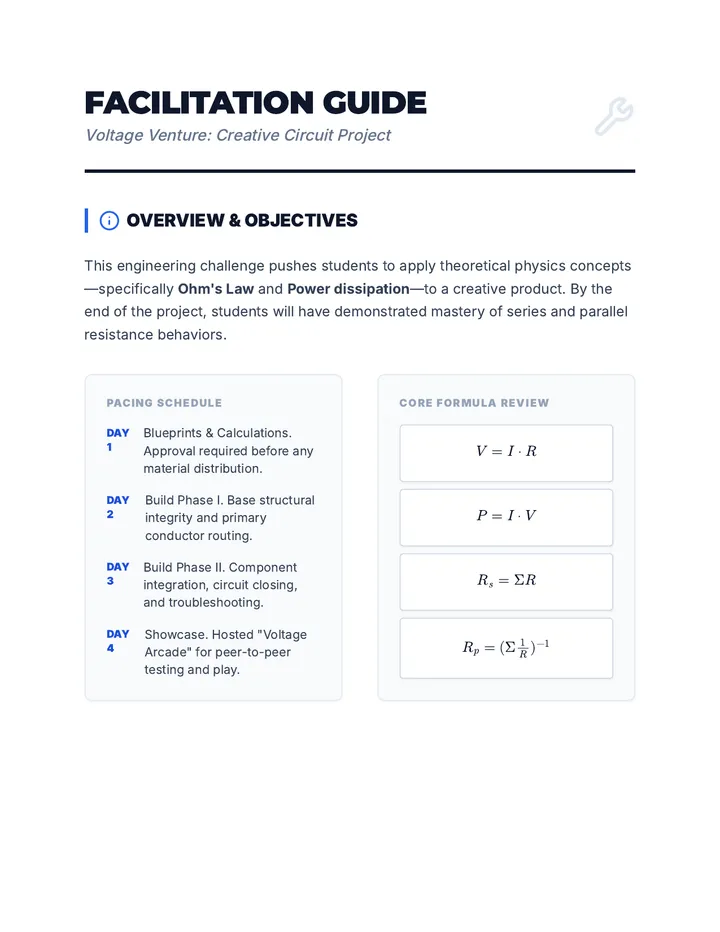
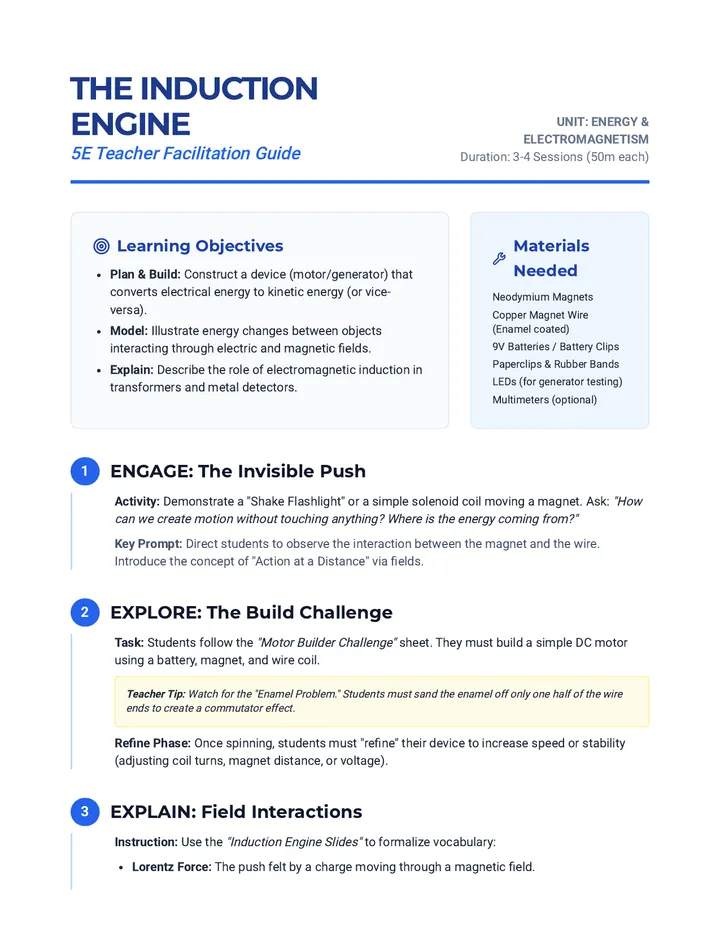
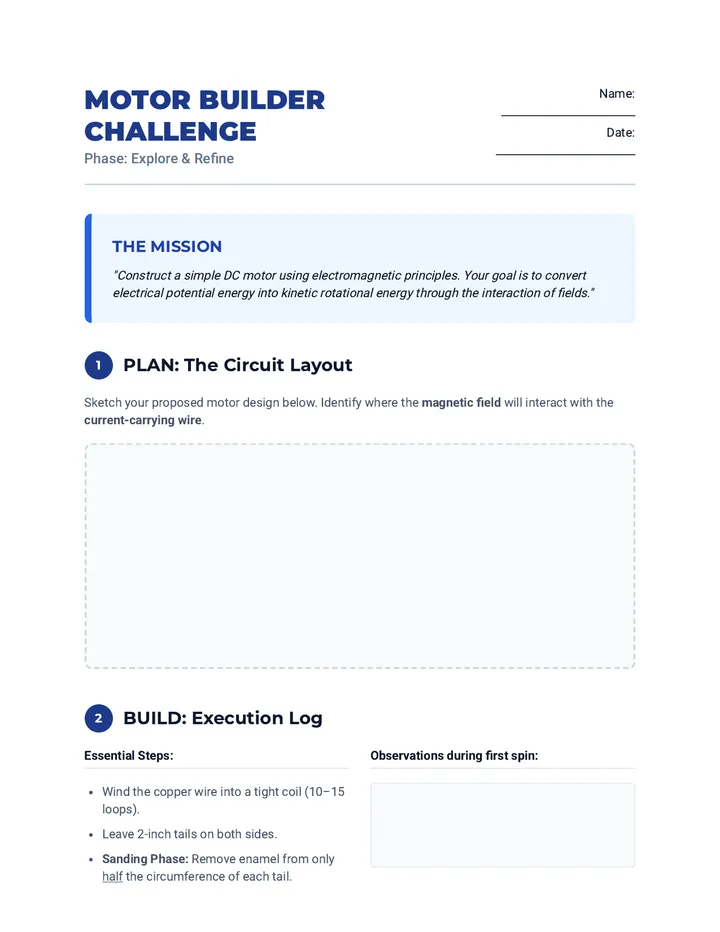
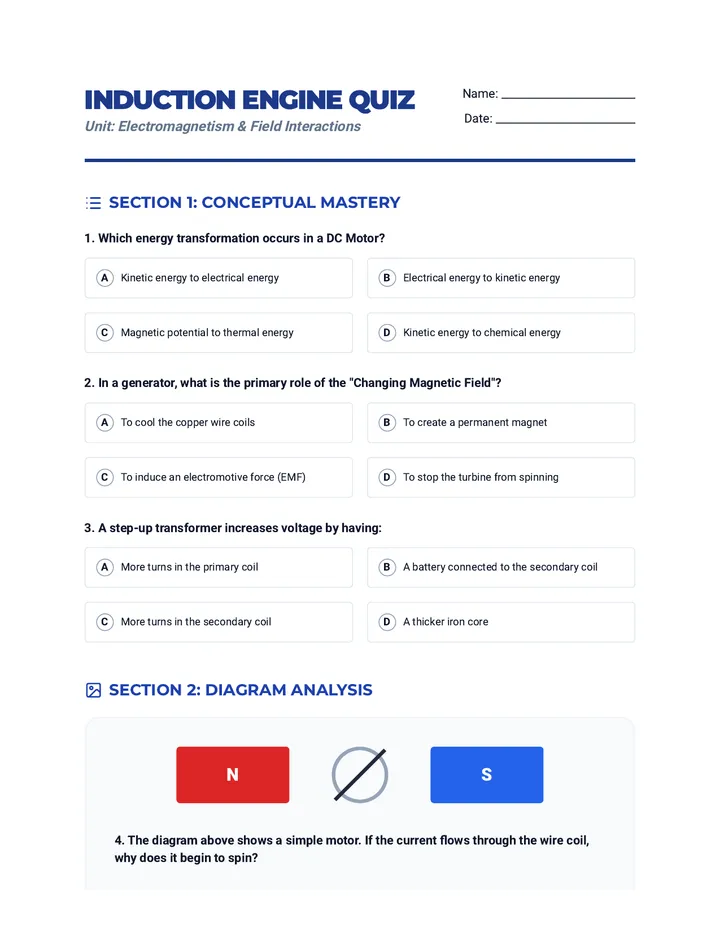
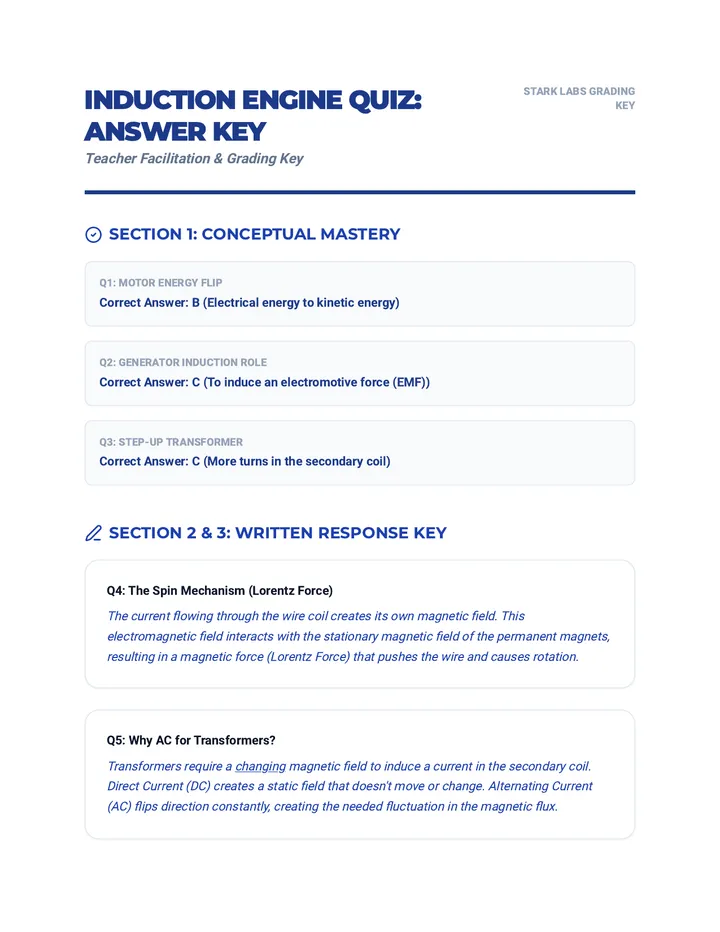
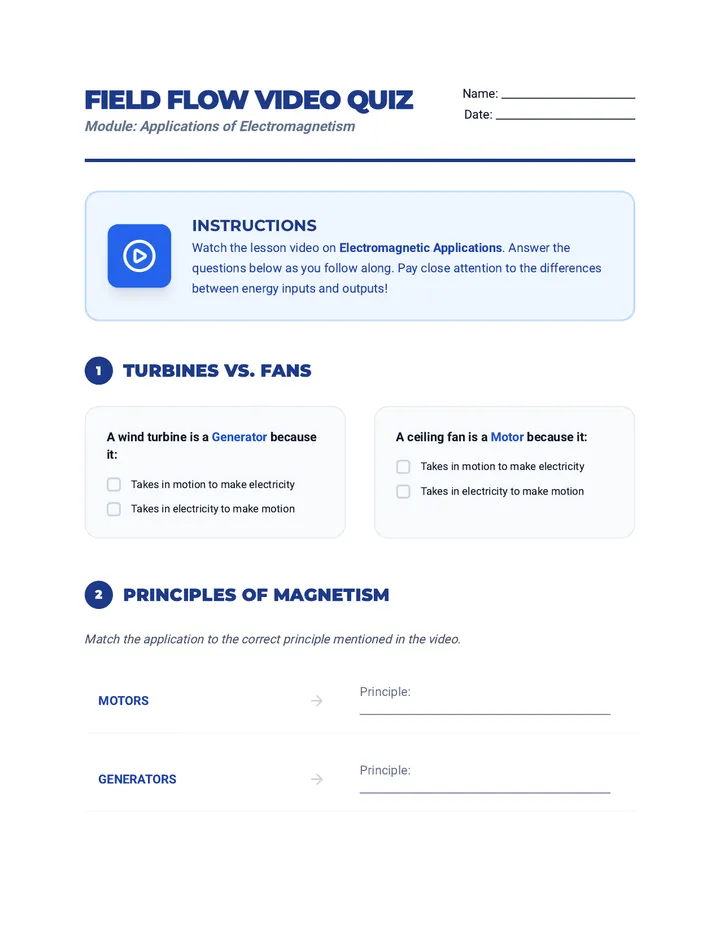
A comprehensive 5th-grade engineering sequence exploring electrical circuits, material conductivity, series and parallel pathways, and electromagnetism through hands-on inquiry and prototyping.
A comprehensive graduate-level exploration of spatial audio engineering, psychoacoustics, and immersive sound design for theater. This sequence bridges the gap between theoretical acoustics and practical, large-scale system engineering.
A high-level physics and engineering sequence focusing on the industrial mechanics of separating heterogeneous mixtures. Students analyze filtration, centrifugation, cyclonic separation, and energy efficiency through case studies and process optimization.
An industrial engineering-focused sequence for 11th-grade physics investigating how physical properties (density, magnetism, conductivity) dictate large-scale separation methods in recycling, mining, and environmental cleanup. Students analyze the physics of centrifuges, eddy currents, and the economic trade-offs of engineering design.
This undergraduate-level sequence explores the engineering principles of industrial separation processes. Students progress from fundamental mass balance and process flow diagrams to specialized technologies like membrane filtration, centrifugation, and large-scale evaporation, culminating in an integrated plant design project.
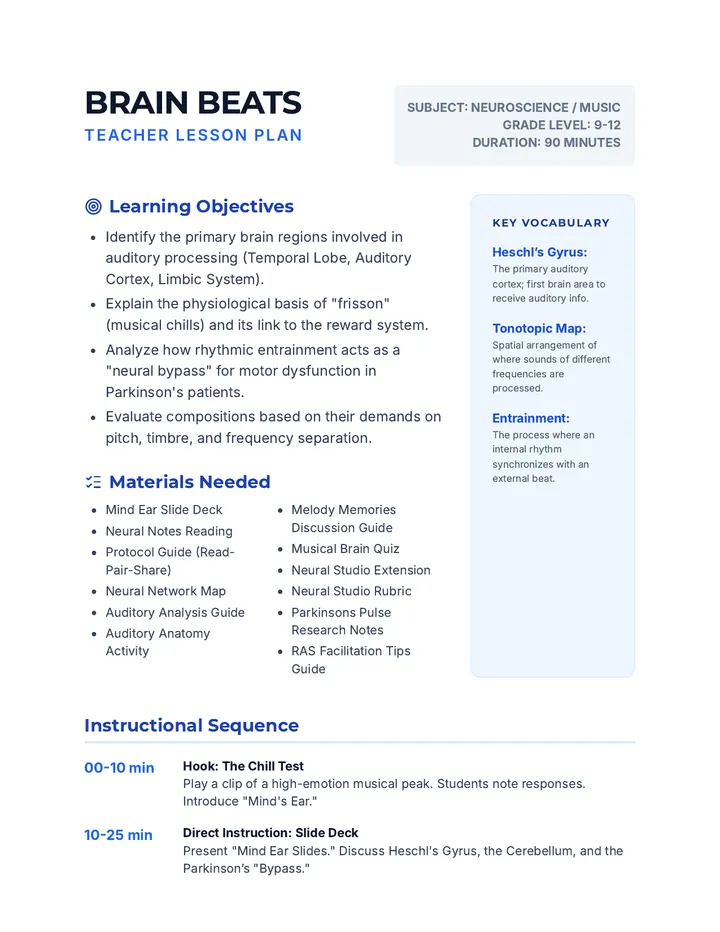
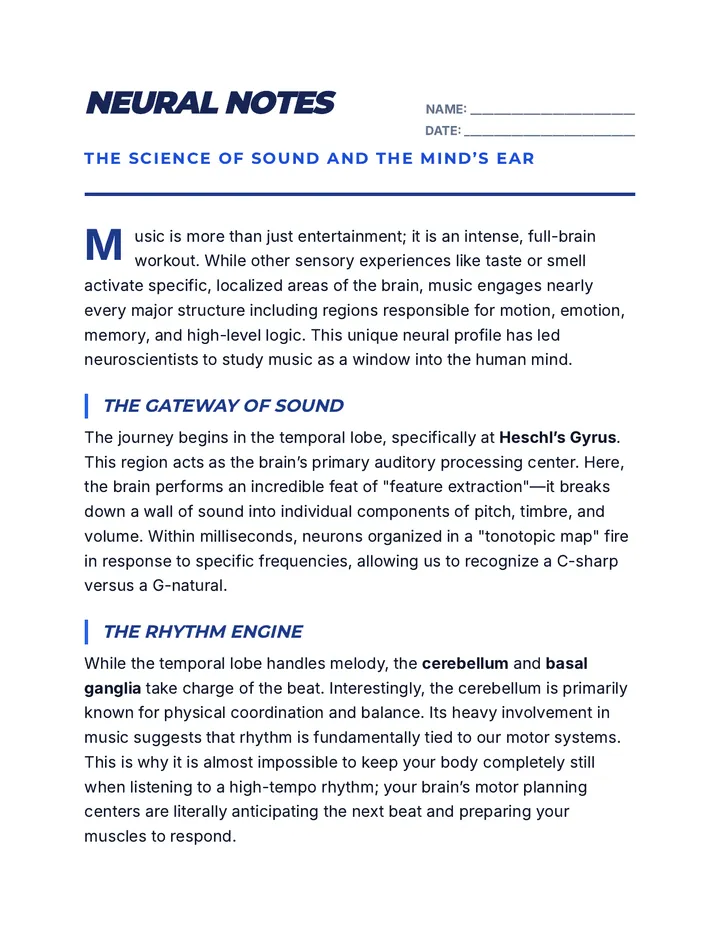
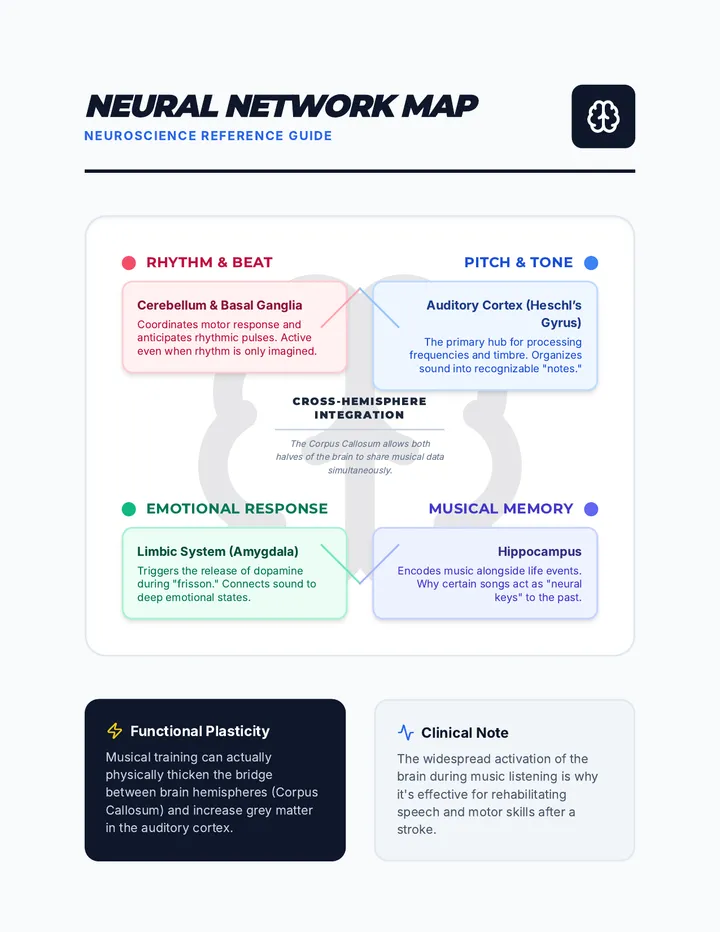
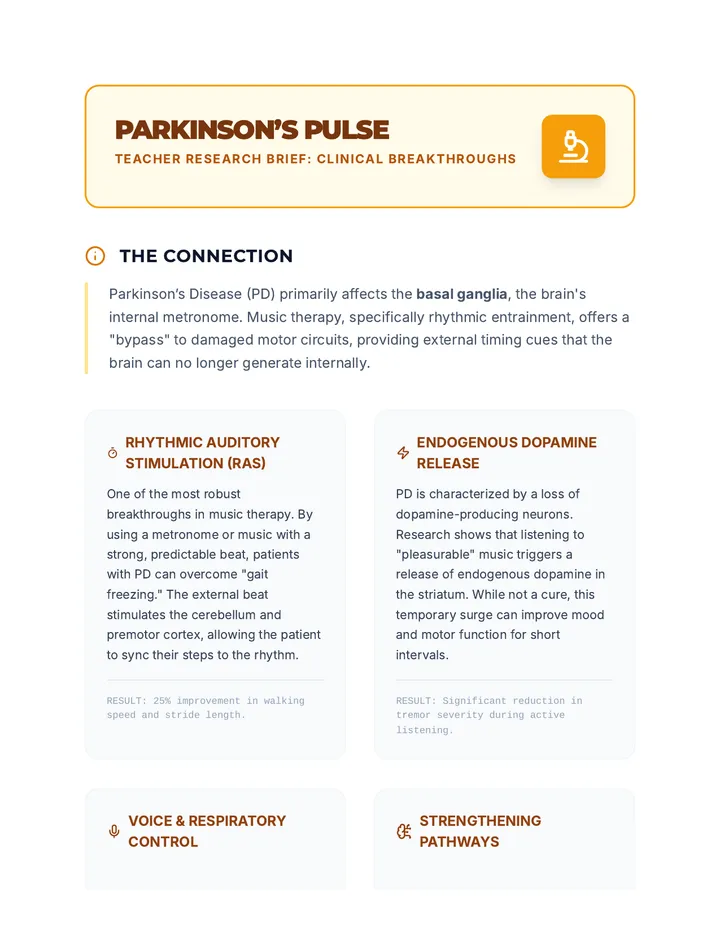
A graduate-level exploration of the biophysics and neural coding of the auditory system. This sequence covers everything from fluid dynamics in the cochlea to central processing and prosthetic engineering.
A 3rd-grade introductory chemistry sequence that uses mechanical systems (toy cars, pens) to teach the conservation of matter. Students explore 'inputs' and 'outputs' through disassembly, diagramming, and factory simulations to understand that matter is rearranged, not created or destroyed.
A project-based unit where 4th-grade students investigate renewable and non-renewable energy sources through hands-on modeling and engineering design. The sequence concludes with students designing a sustainable energy portfolio for a fictional community.
A Kindergarten sequence exploring the practical, real-world applications of magnets in daily life, from home gadgets and recycling centers to global navigation and electronics. Students transition from observation to invention, culminating in designing their own magnetic tool.
A Kindergarten science and engineering sequence that explores the properties of magnets through hands-on building challenges, temporary magnet creation, and artistic design. Students progress from basic construction to understanding how magnets can be 'made' and used to solve design problems.
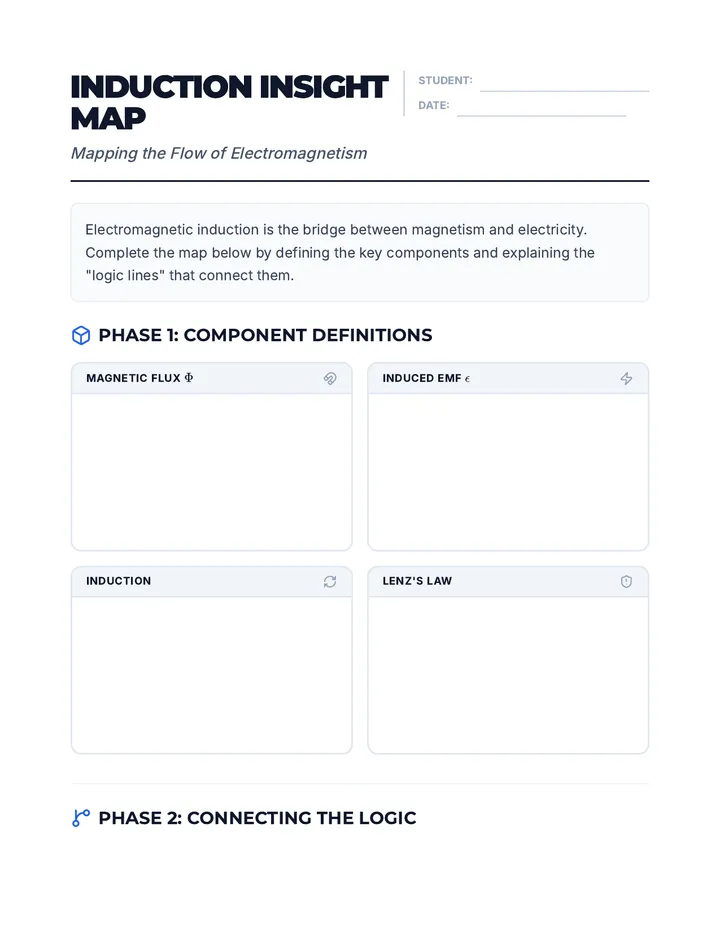
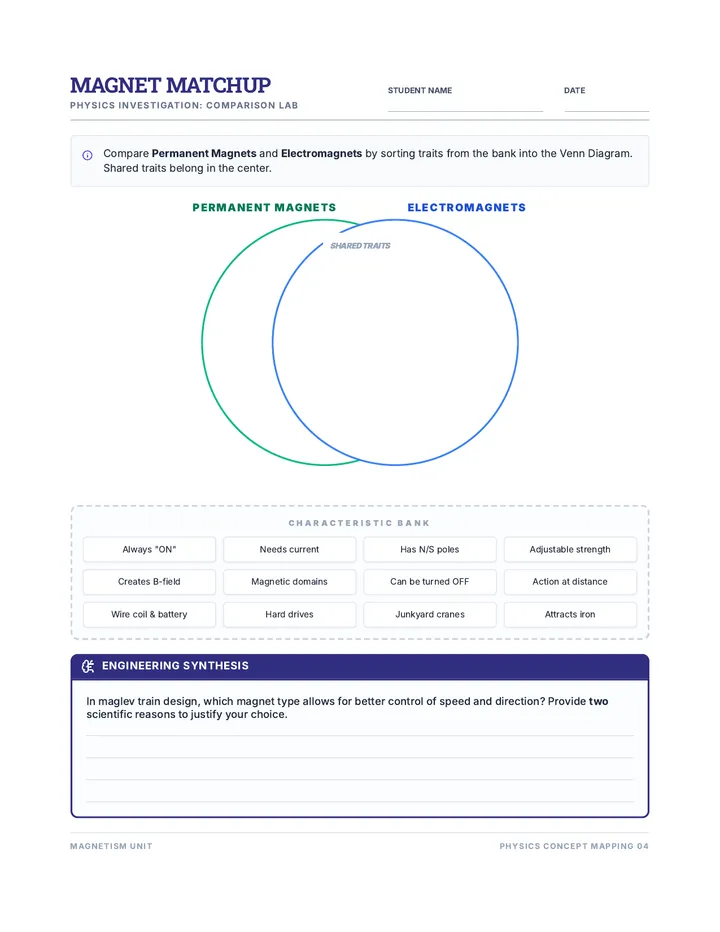
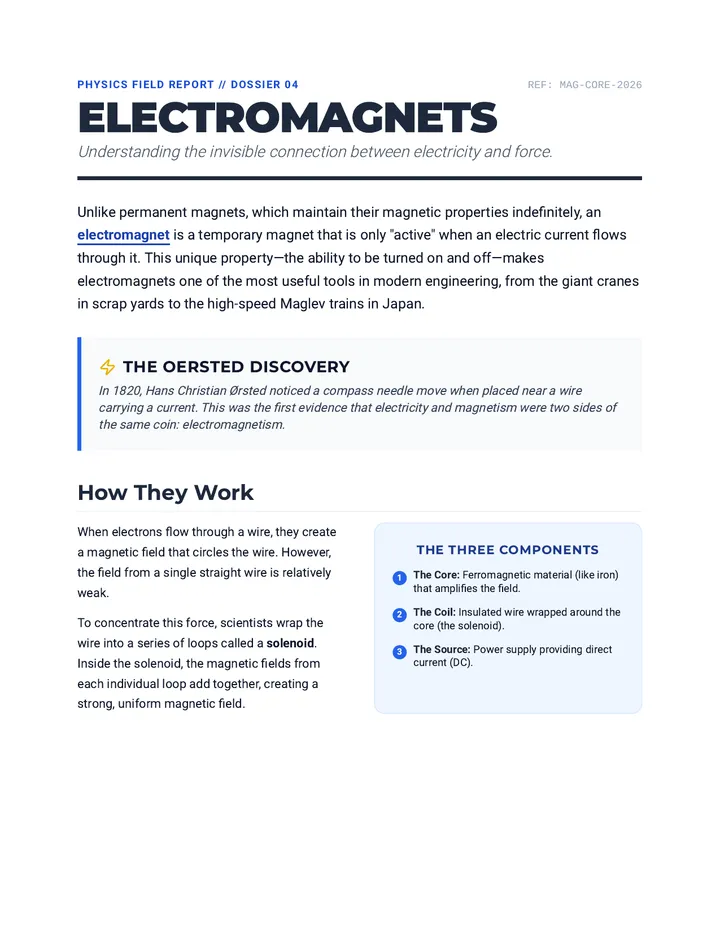
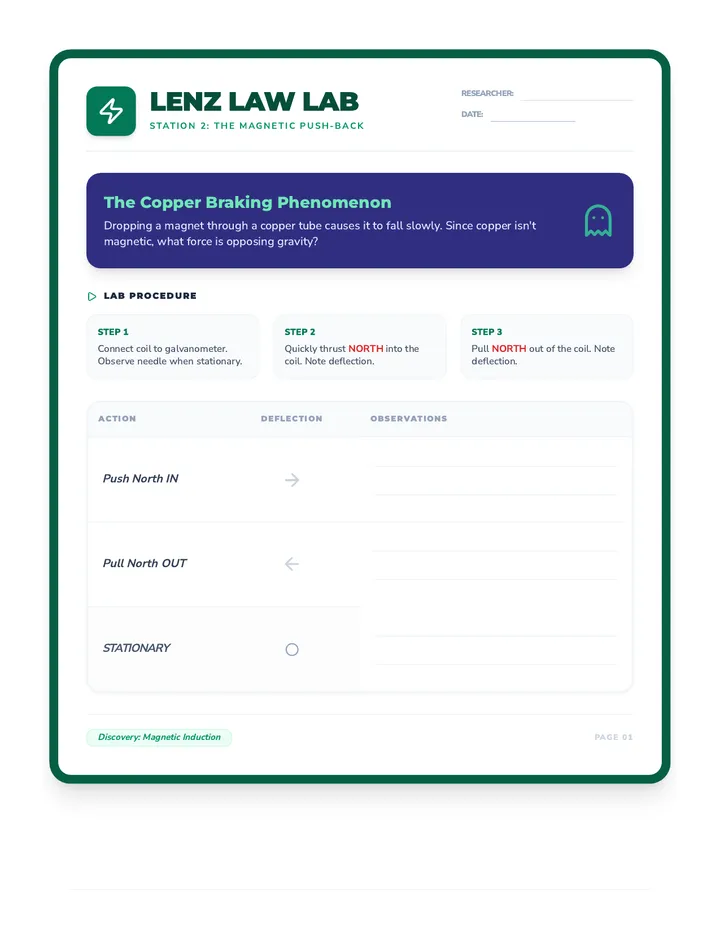
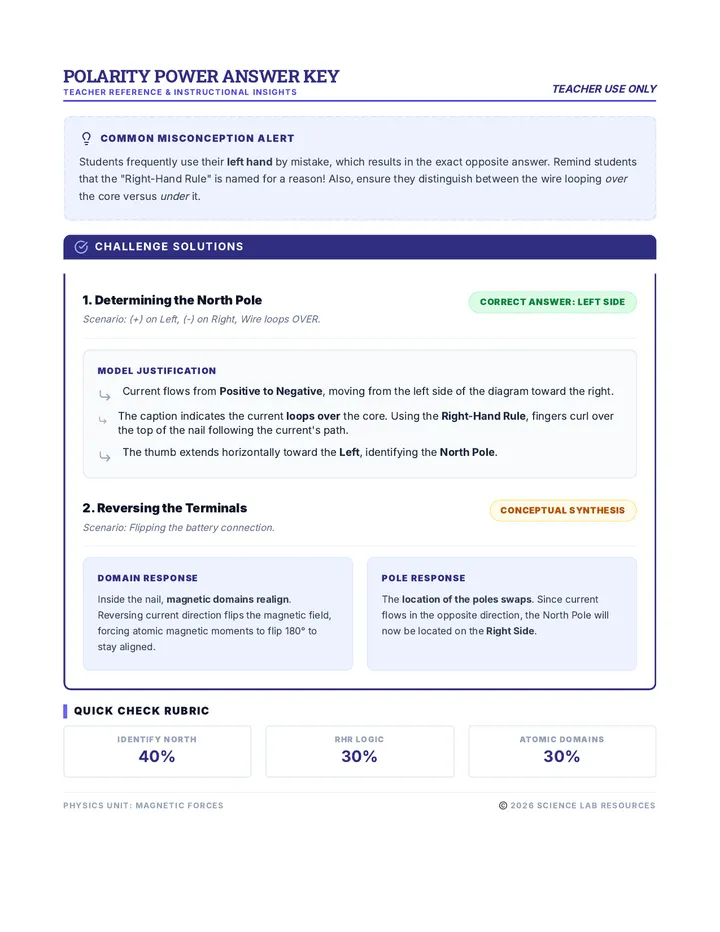
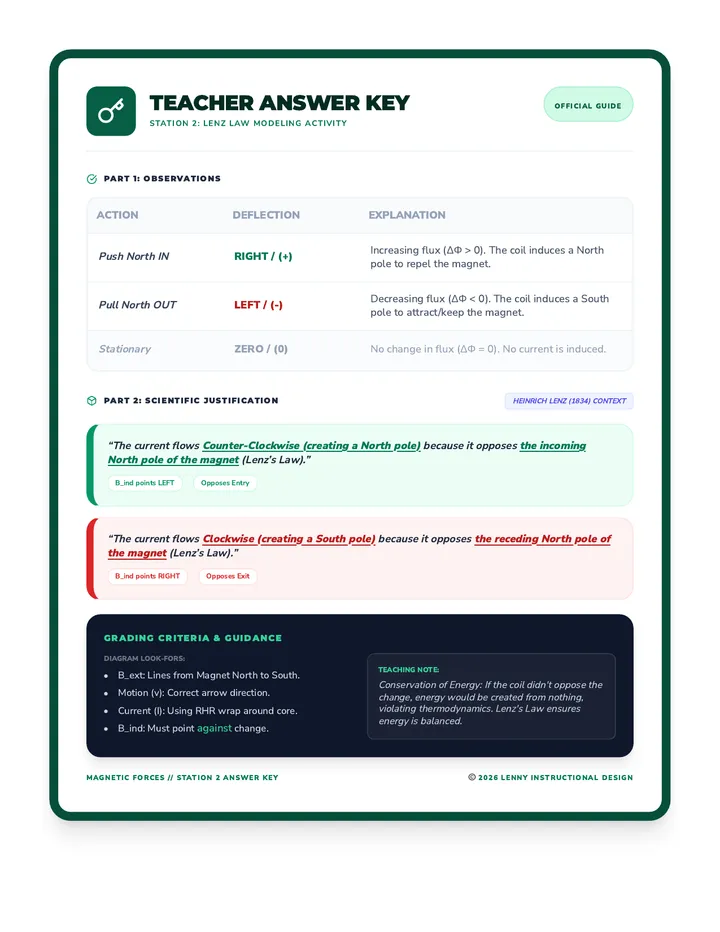
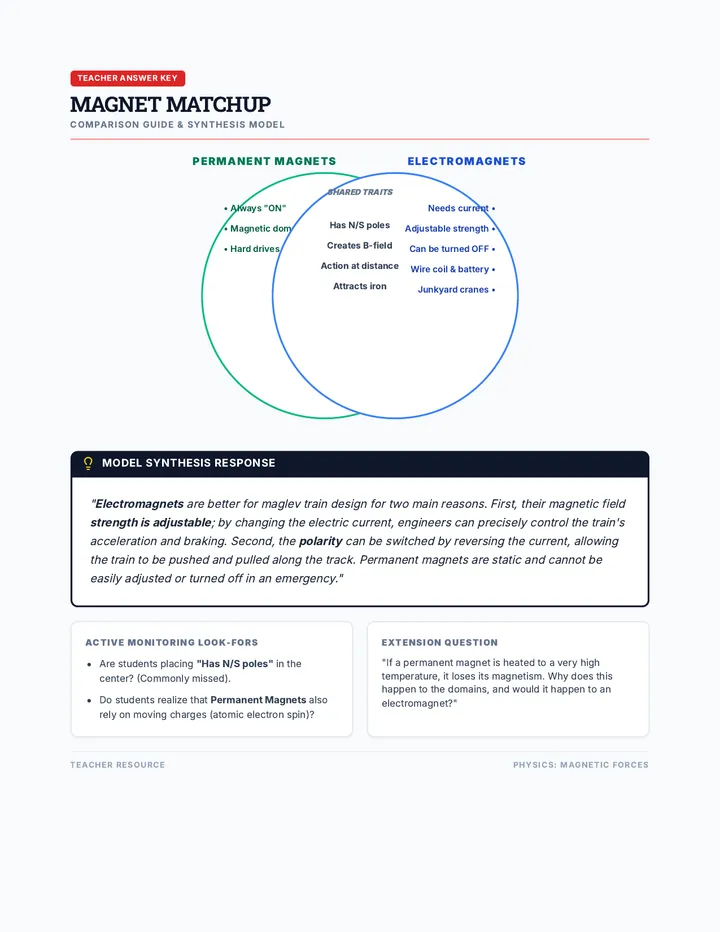
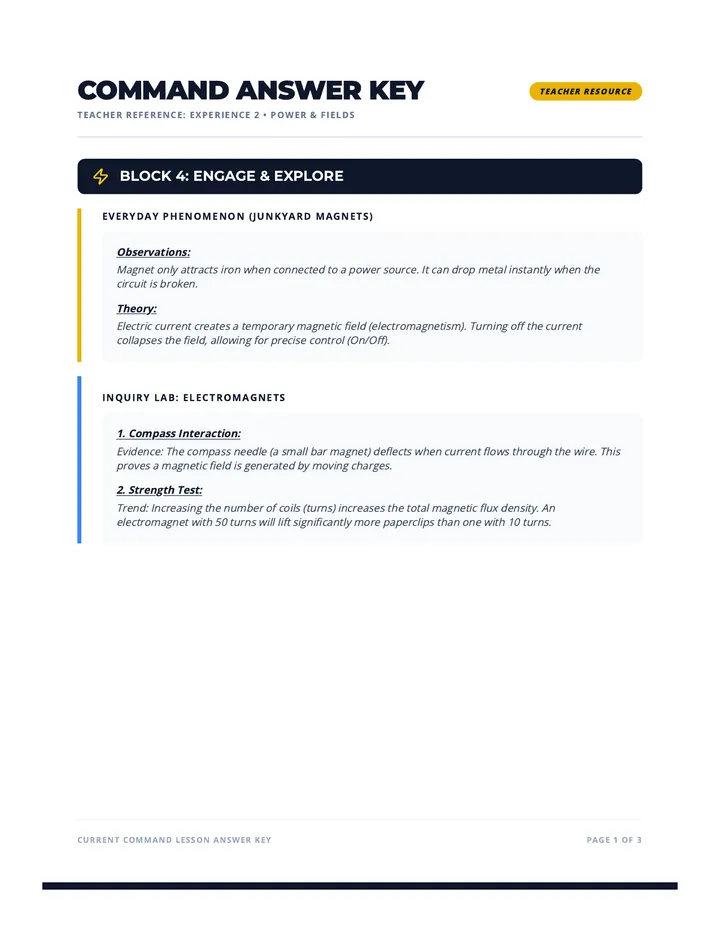
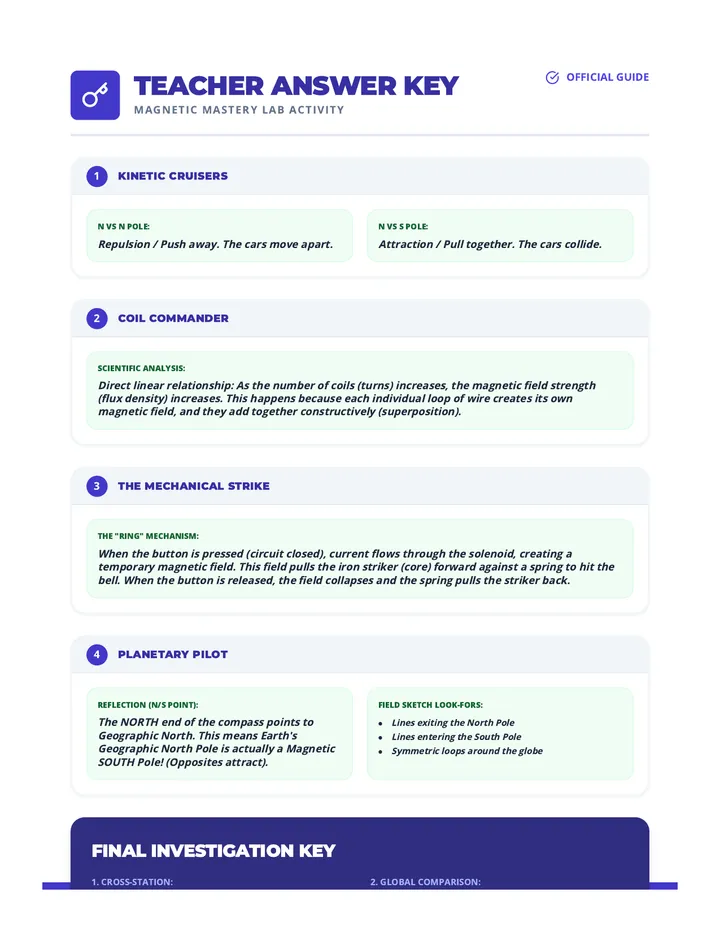
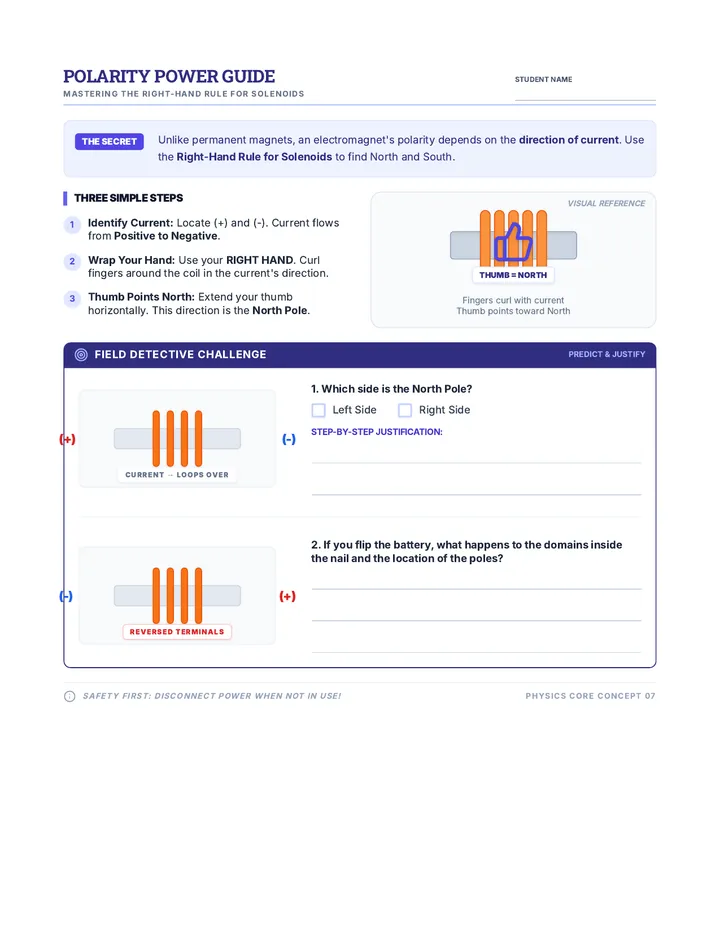
A hands-on introductory physics sequence for 1st graders exploring how electricity can create temporary magnetic fields. Students build simple electromagnets, compare them to permanent magnets, and discover real-world engineering applications like scrap metal cranes.
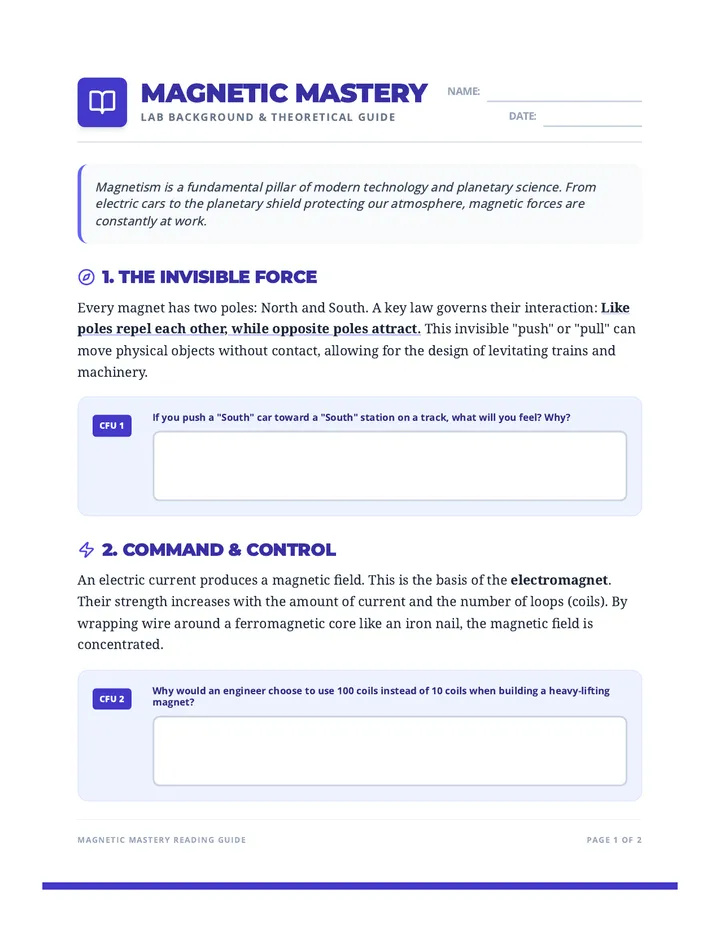
This advanced 2nd-grade sequence explores the connection between electricity and magnetism. Students build their own electromagnets, learn about circuits, and experiment with variables to increase magnetic strength.
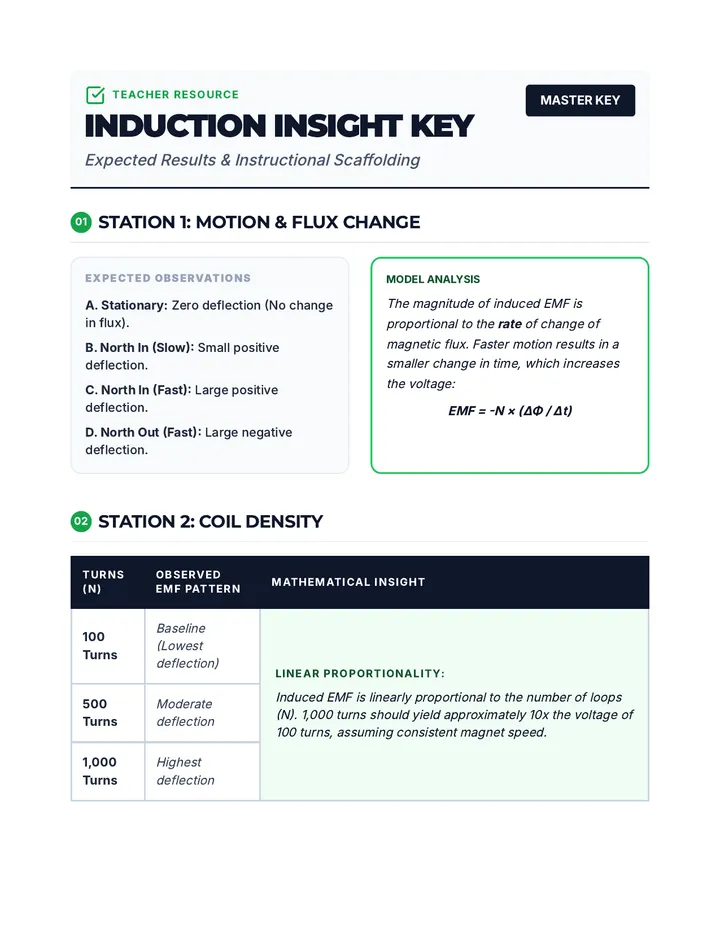
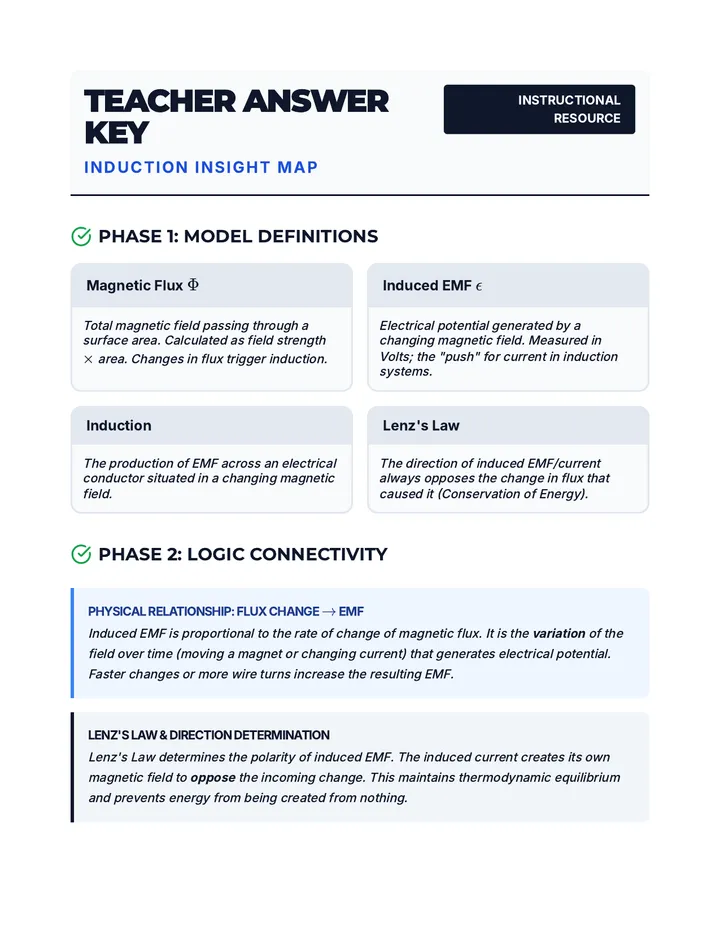
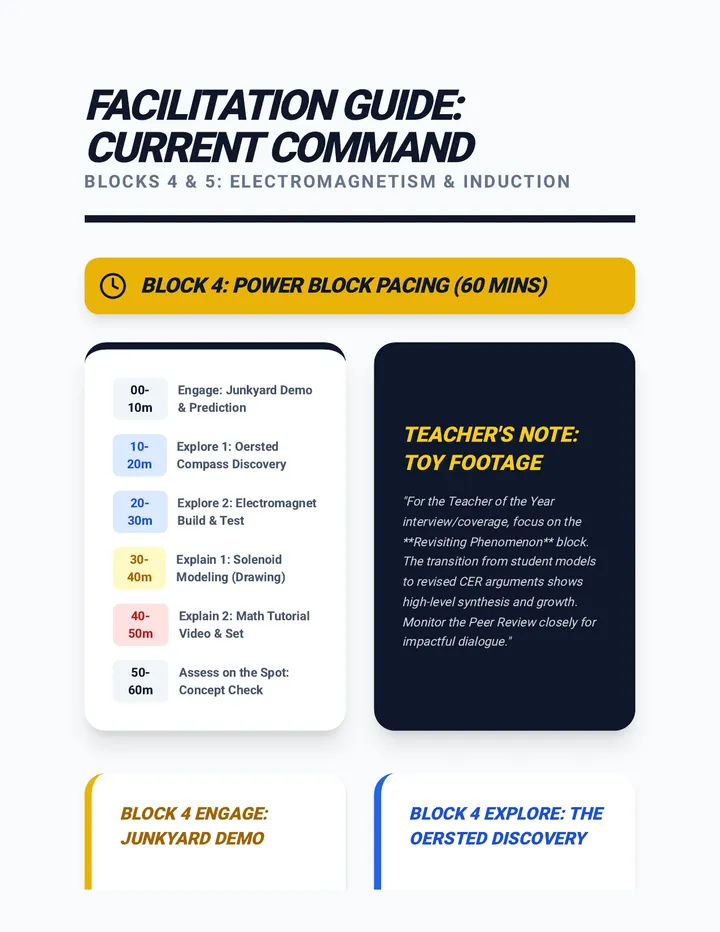
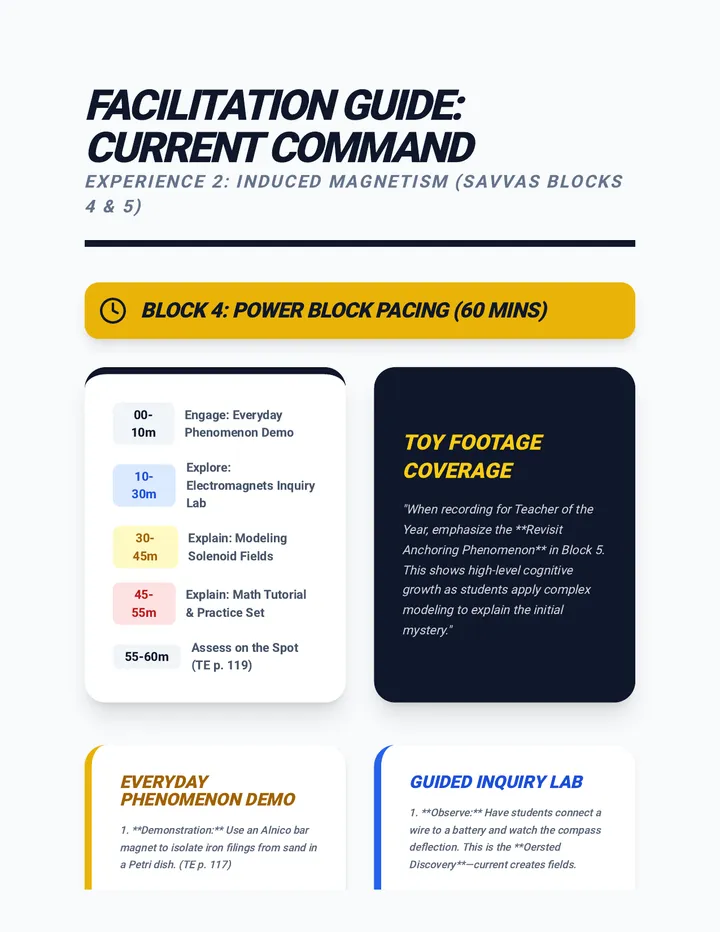
A 5-lesson project-based sequence where 5th-grade students explore the relationship between electricity and magnetism, culminating in the design and optimization of an electromagnetic crane. Students progress from discovering Oersted's effect to conducting controlled experiments on coils and voltage before applying their knowledge to an engineering challenge.
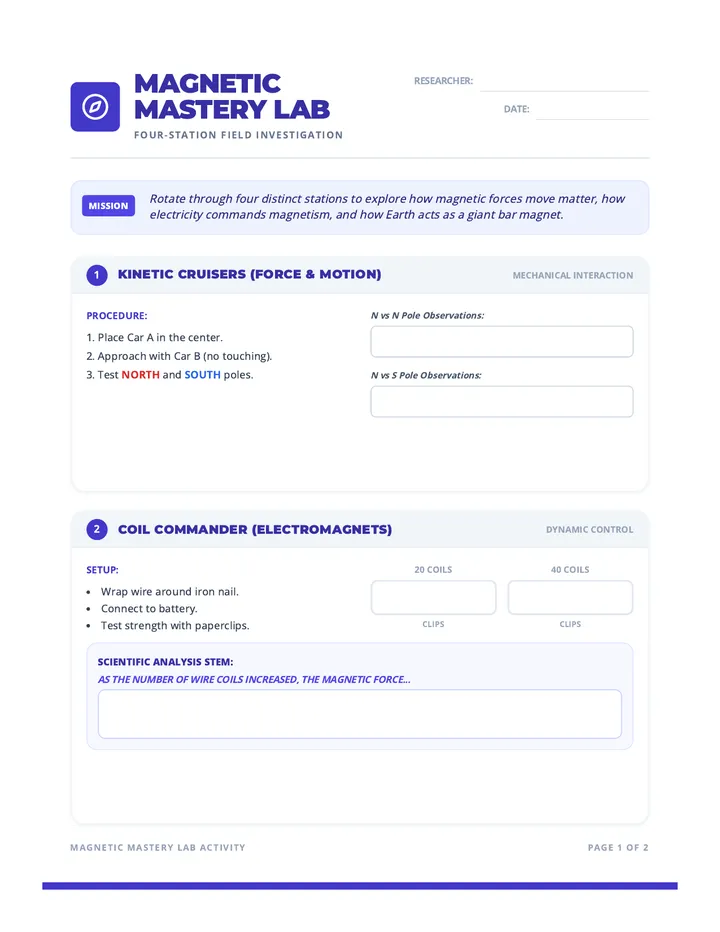
This sequence explores the practical applications of magnetism in transportation and navigation. Students investigate Earth's magnetic field, the mechanics of magnetic levitation (Maglev), the function of magnetic motors, and the trade-offs of implementing high-tech magnetic infrastructure.
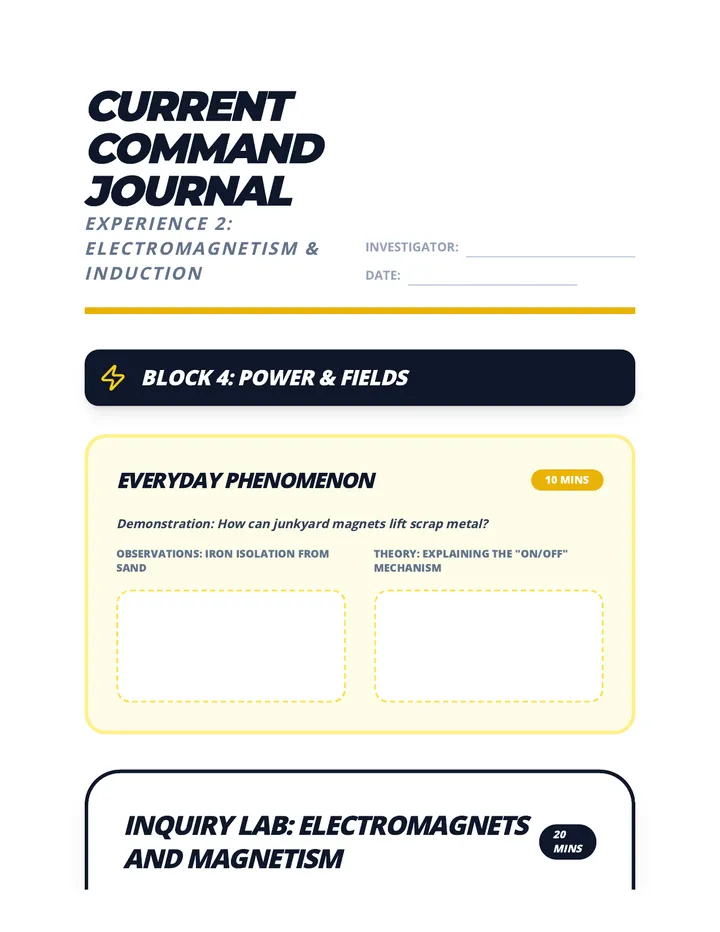
A hands-on engineering unit where 4th graders explore the relationship between electricity and magnetism. Students build, test, and optimize electromagnets to solve a real-world scrap yard sorting challenge.
A hands-on engineering sequence where students explore the relationship between electricity and magnetism. Students build electromagnets, test variables to optimize strength, and design a sorting system to solve a real-world recycling problem.
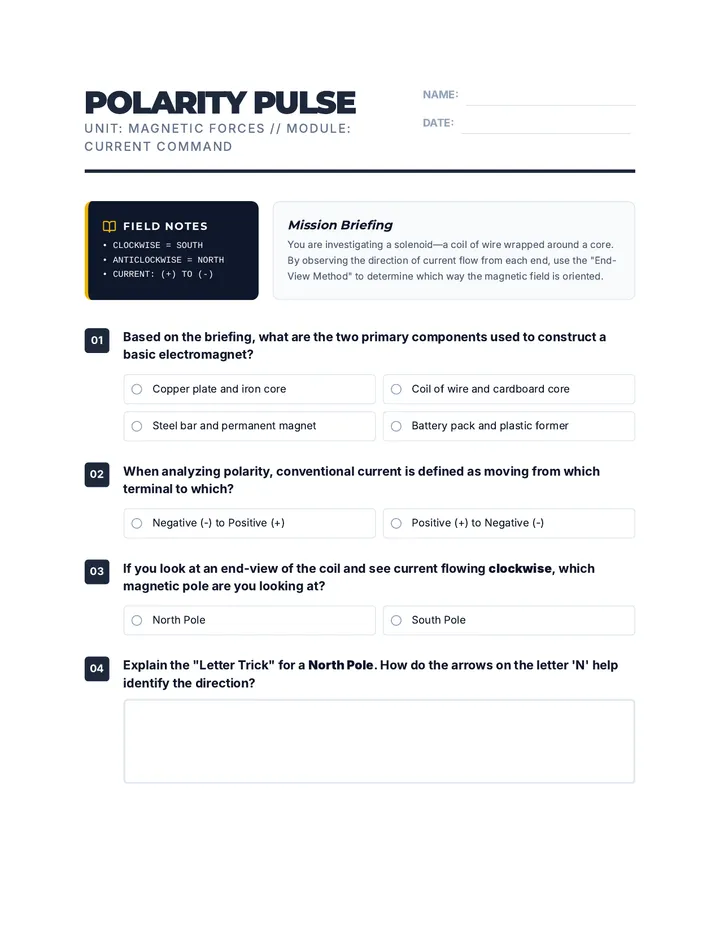
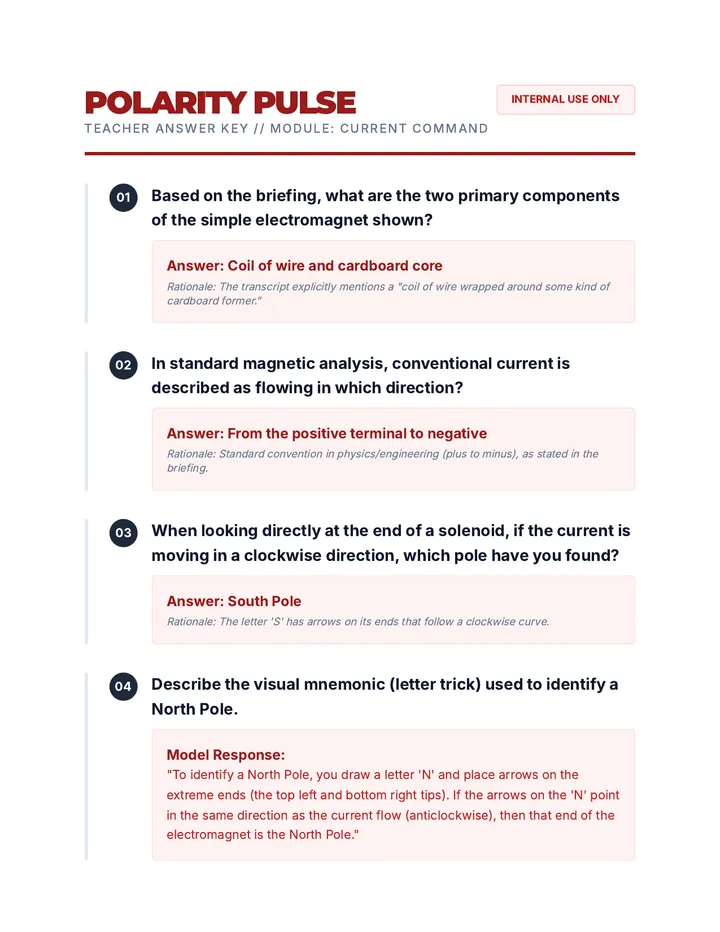
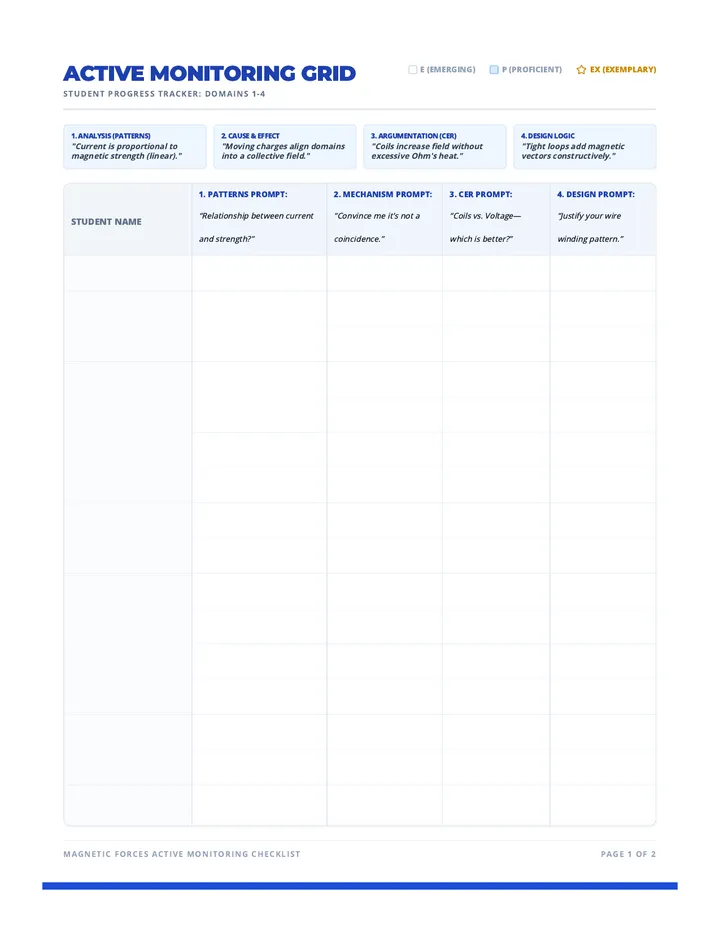
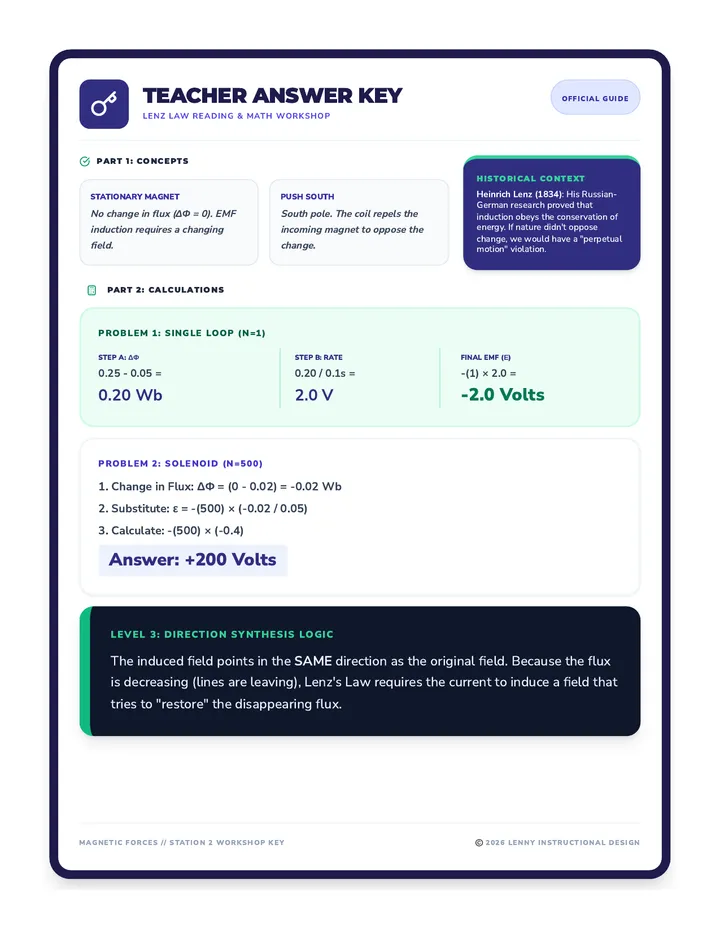
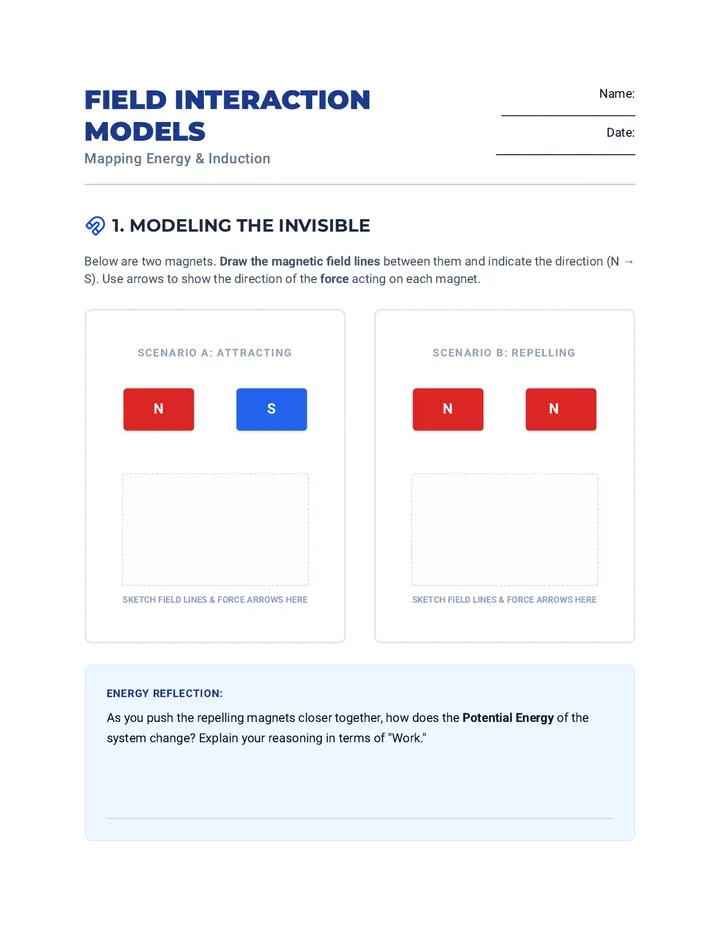
A hands-on exploration of magnetic forces and electromagnetism, from basic pole interactions to engineering solutions using temporary magnets. Students visualize invisible fields and manipulate variables to control magnetic strength.
A comprehensive unit for 9th-grade students on the physical and logical structures of computer networks, covering hardware, topologies, LAN/WAN differences, and architecture design.
This sequence introduces students to the physical and logical structures of computer networks, covering hardware, transmission media, and topologies. Students progress from identifying basic components to diagramming complex home networks.
Students explore the invisible world of wireless communication, examining how data travels without physical cables. The sequence covers the electromagnetic spectrum basics, compares wireless standards, investigates IoT, and concludes with a future-focused design project.
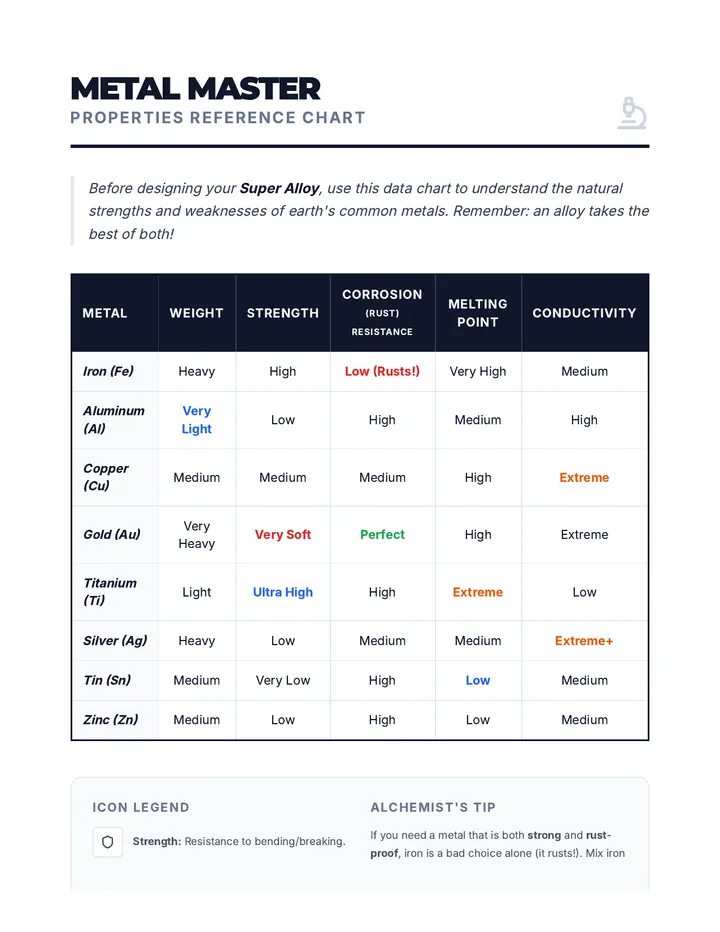
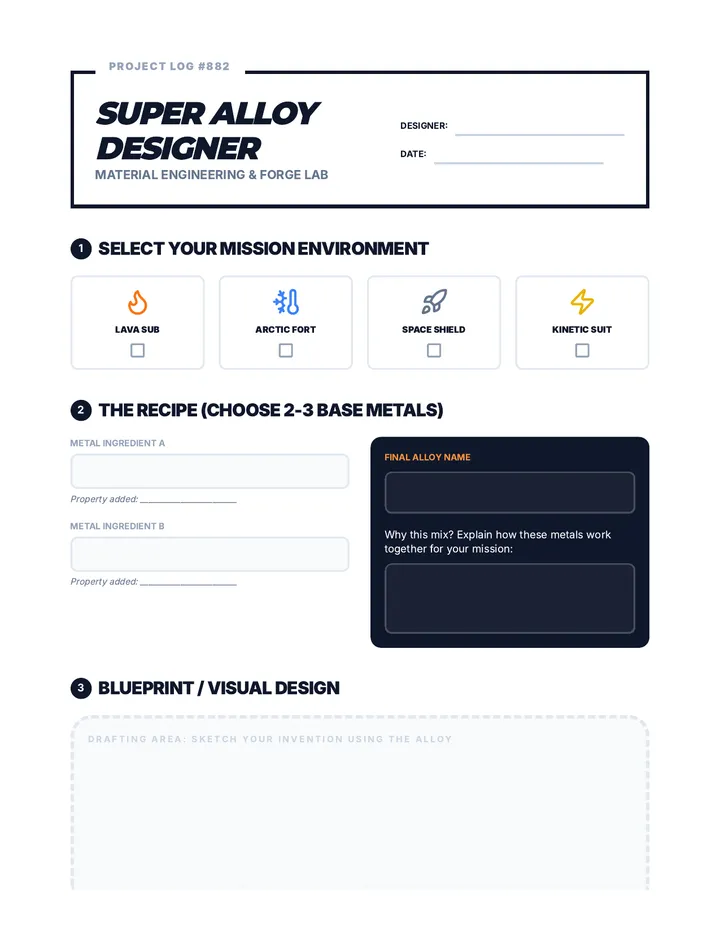
An advanced physics sequence exploring the engineering applications of periodic properties. Students investigate band theory, semiconductor doping, magnetic domains, and alloy formation to solve material science challenges.
A comprehensive graduate-level sequence exploring how microscopic atomic interactions determine the macroscopic propagation of electromagnetic waves through conductors, dielectrics, and plasmas. This series covers Maxwell's equations in matter, boundary conditions, dispersion models (Drude/Lorentz), Fresnel equations, and ionospheric plasma physics.
This 12th-grade engineering sequence explores the physics of electromagnetic waves through the lens of wireless communication. Students learn how information is modulated onto carrier waves, how antenna geometry relates to wavelength, and how environmental factors like attenuation and interference affect signal integrity. The unit concludes with a design challenge requiring students to architect a communication link for a remote environment.
A comprehensive sequence for undergraduate students exploring the engineering of electromagnetic waves, from the physics of wave generation in antennas to the complex system design of wireless communication links.
A 5-lesson sequence for 4th graders exploring digital footprints, recommendation algorithms, automation, ethics of smart devices, and future AI-human collaboration. Students learn to navigate the digital world responsibly and think critically about how emerging technologies shape their lives and future careers.
A 5-lesson sequence on Reinforcement Learning (RL), covering the agent-environment loop, reward function design, the exploration-exploitation trade-off, and real-world autonomous system applications. Students explore how AI learns through trial and error to solve complex tasks.
This sequence explores the technical and ethical dimensions of modern networking, from the shift to cloud computing and IoT to the critical societal issues of net neutrality and the digital divide. Students analyze network performance, design secure smart devices, and debate the future of internet equity.
This 8th-grade sequence explores systems thinking through the lens of AI and feedback loops. Students move from mapping simple linear systems to simulating complex recommendation algorithms, culminating in a redesign project to address systemic biases.
A project-based sequence for undergraduate computer science students focusing on interfacing microcontrollers with physical peripherals. Students progress from basic GPIO and bitwise manipulation to complex interrupt-driven systems, PWM, and serial protocols, culminating in real-time system design.
A 5-lesson sequence for 5th graders exploring the evolution, diversity, and design of computing systems, from historical mainframes to modern embedded IoT devices.
This sequence introduces 2nd-grade students to computing systems, focusing on the distinction between physical hardware and digital software through hands-on activities, scavenger hunts, and design projects.
An advanced 9th-grade engineering sequence exploring AI and computer vision in robotics. Students transition from traditional logic to machine learning, training models to interpret visual data and applying these skills to a physical sorting robot project.
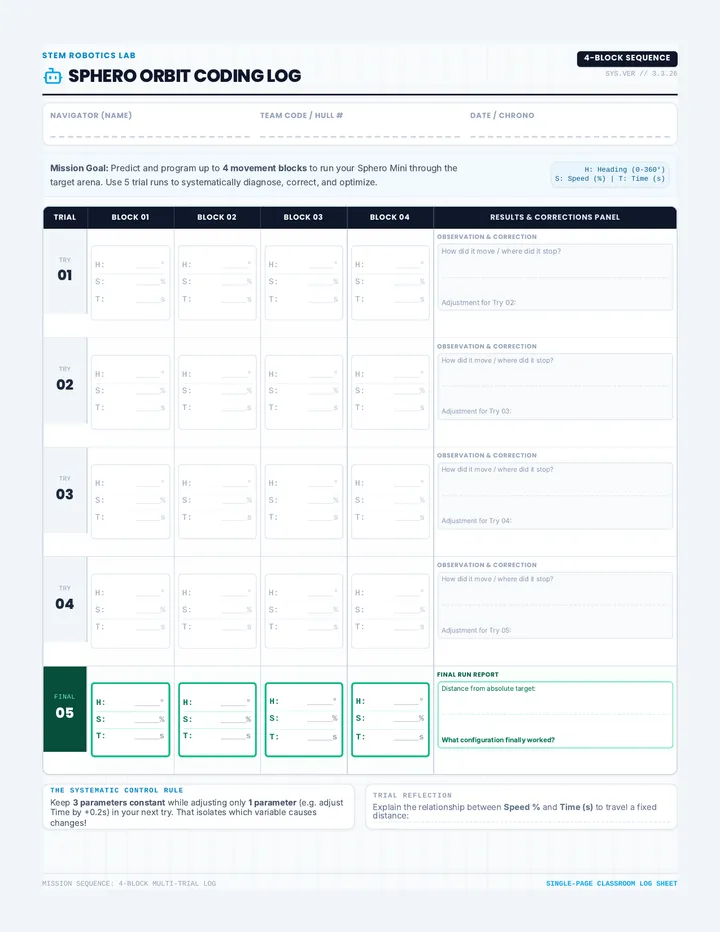
A 9th-grade robotics project where students master autonomous navigation, moving from simple feedback loops to complex maze-solving algorithms and search-and-rescue simulations.
A comprehensive 9th-grade robotics sequence focusing on computational thinking. Students progress from basic algorithmic design and flowcharting to complex control logic, including conditional branching, iterative loops, modular functions, and finite state machines.
A comprehensive introduction to robotics electronics, covering circuit fundamentals, microcontrollers, digital/analog sensors, motor control, and system integration for 9th-grade students.
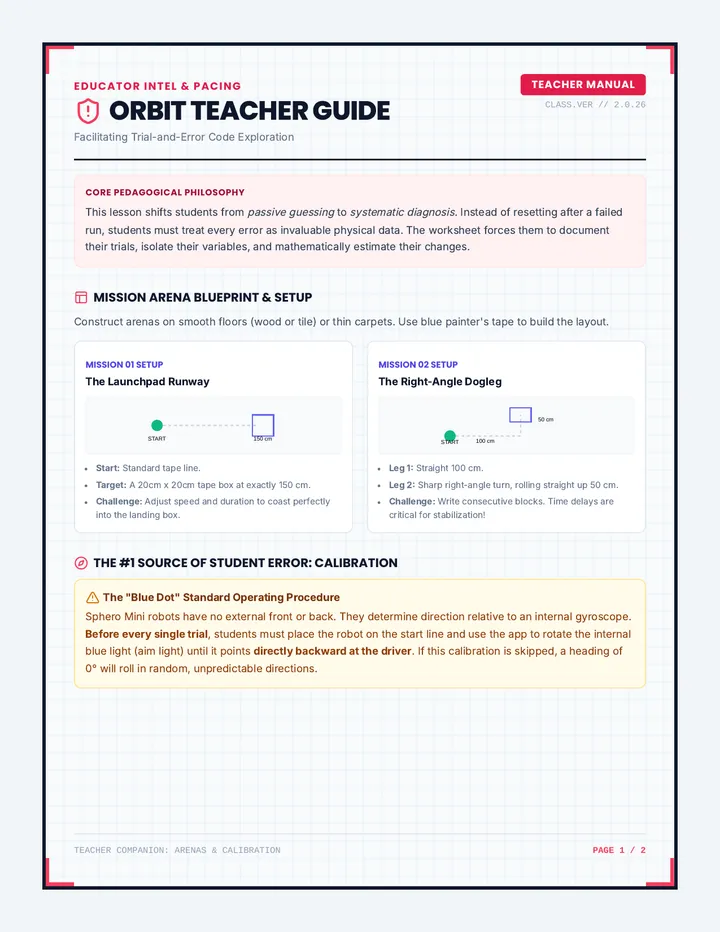
This sequence explores the physical foundation of robotics engineering, focusing on mechanical advantage, kinematics, and structural integrity. Students transition from theoretical physics to practical application by designing and testing drivetrains, chassis systems, and manipulators.
A graduate-level capstone sequence focused on the practical implementation of autonomous mobile robots using the ROS 2 middleware. Students progress from basic node communication to hardware driver integration, PID control, and the deployment of the full Nav2 stack.
This graduate-level sequence explores the mathematical and algorithmic foundations of robotic perception. Students progress from modeling sensor noise to implementing advanced state estimation (Kalman Filters) and computer vision techniques, culminating in deep-learning-based object detection for real-time autonomous systems.
A comprehensive graduate-level course on the hierarchical layers of autonomous robot navigation, covering configuration spaces, graph search, sampling-based methods, local reactive planning, and deep reinforcement learning.
A comprehensive graduate-level sequence on Simultaneous Localization and Mapping (SLAM), covering probabilistic foundations, particle filters, grid mapping, FastSLAM, and graph-based optimization. Students will analyze and implement the core algorithms that allow autonomous robots to navigate unknown environments.
This graduate-level sequence provides a rigorous mathematical foundation for modeling robotic manipulators. It covers spatial transformations, forward and inverse kinematics using DH parameters, differential kinematics via Jacobians, and dynamic modeling through the Euler-Lagrange formulation.
A comprehensive sequence for 12th-grade engineering students focused on the AI and algorithmic side of robotics. Students explore how autonomous agents map environments, avoid obstacles using state machines, find optimal paths using A*, and navigate unknown spaces through SLAM.
Students demystify Artificial Intelligence and Machine Learning through hands-on training, pattern recognition, and ethical analysis. They move from understanding basic coding differences to identifying real-world AI applications and recognizing the importance of unbiased data.
An advanced exploration of AI ethics and governance for graduate students, focusing on algorithmic bias, data privacy, human-in-the-loop systems, workforce displacement, and the formulation of organizational policy frameworks.
A comprehensive introduction to machine learning and algorithmic logic for 6th grade students, covering the difference between traditional coding and AI, the importance of training data, how recommendation systems work, generative AI tools, and the ethics of algorithmic bias.
This sequence introduces 4th-grade students to machine learning and pattern recognition through a detective-themed exploration. Students move from understanding basic rules to analyzing complex data training, visual recognition, and algorithmic bias.
A 5-lesson unit for 7th grade students exploring the mechanics, ethics, and societal impacts of artificial intelligence, culminating in a future career collaboration project.
A comprehensive sequence for 8th graders to explore artificial intelligence, algorithmic bias, data privacy, and the future of work. Students move from identifying algorithms in their social feeds to auditing ethical implications and planning for a career landscape reshaped by automation.
This graduate-level sequence explores the technological infrastructure of modern human trafficking, focusing on digital recruitment funnels, gaming platform vulnerabilities, encrypted communications, and cryptocurrency financial chains to equip professionals with forensic understanding and preventative strategies.
A graduate-level exploration of expected value as a core computational tool. This sequence covers randomized algorithms, the EM algorithm, MCMC methods, and reinforcement learning, focusing on the bridge between probabilistic theory and algorithmic implementation.
This sequence bridges calculus-based optimization and modern machine learning, focusing on high-dimensional loss functions, stochastic methods, regularization through constraints, and the complex geometry of deep learning optimization. Graduate students will explore the mathematical foundations that enable large-scale model training.
A graduate-level sequence exploring Bayesian methods for real-time data integration, diagnostic reasoning, and dynamic decision-making under uncertainty.
This advanced sequence explores the mathematical and computational frameworks of associative learning, moving from the foundational Rescorla-Wagner model to modern attentional theories and simulations. Designed for graduate students, it emphasizes quantitative rigor, experimental design, and the intersection of behavioral data with algorithmic prediction.
A comprehensive sequence for 10th-grade students focused on advanced digital research skills, including Boolean logic, lateral reading, algorithmic analysis, visual verification, and ethical synthesis. Students transform into 'Digital Investigators' capable of navigating and verifying complex online information.
A rigorous graduate-level exploration of the bias-variance trade-off, focusing on mathematical derivation, simulation-based intuition, and diagnostic application for model selection.
This sequence explores the fundamental tension in statistical modeling: the trade-off between bias (underfitting) and variance (overfitting). Students use visual analysis and simulations to identify signal versus noise and find the optimal model complexity.
This sequence introduces 11th-grade students to supervised learning, covering regression, classification (K-NN and Decision Trees), and model evaluation metrics like precision and recall. Students move from conceptual math to practical optimization strategies used in modern AI engineering.
This sequence explores Unsupervised Learning, focusing on how algorithms discover hidden structures in data without human guidance. Students learn about clustering and dimensionality reduction through inquiry-based and project-oriented lessons.
This sequence introduces students to the foundational concepts of machine learning, distinguishing it from traditional programming through the lens of data quality and ethics. Students progress through algorithmic bias analysis, data types, cleaning techniques, and the critical split between training and testing data.
This sequence explores the 'hidden' half of machine learning: how we prepare data, evaluate performance beyond simple accuracy, and ensure that AI systems are fair and ethical. Students transition from technical data cleaning to sociotechnical auditing, preparing them to be critical developers in the AI era.
A comprehensive 6th-grade engineering sequence exploring how geometric properties like triangulation, tessellation, and symmetry contribute to structural stability and architectural strength.
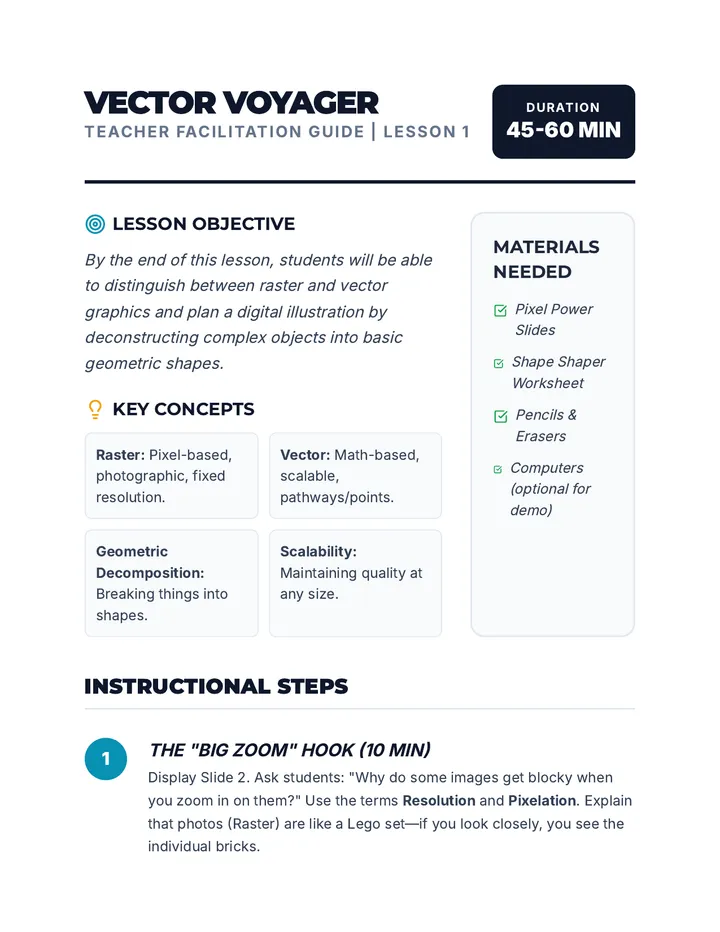
A project-based sequence where 4th-grade students learn the fundamentals of vector illustration and user interface design to create their own mobile app mockup. Students progress from basic shape manipulation to high-fidelity digital prototyping and user testing.
A comprehensive 8th-grade sequence on digital image manipulation and UI design, covering raster editing, ethics, visual hierarchy, and app prototyping. Students progress from basic compositing to creating high-fidelity interface mockups.
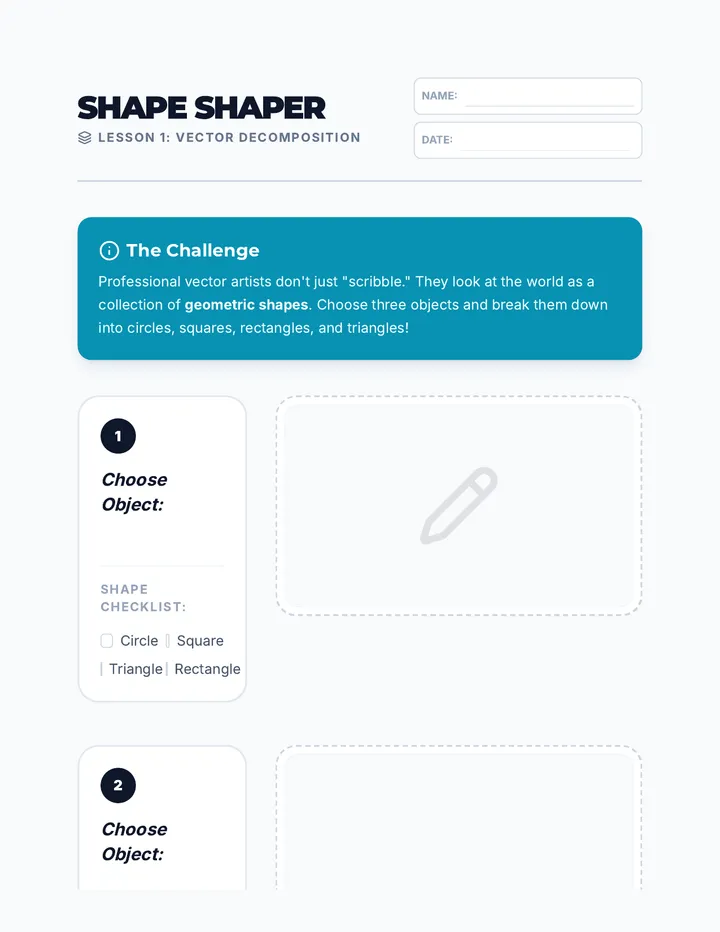
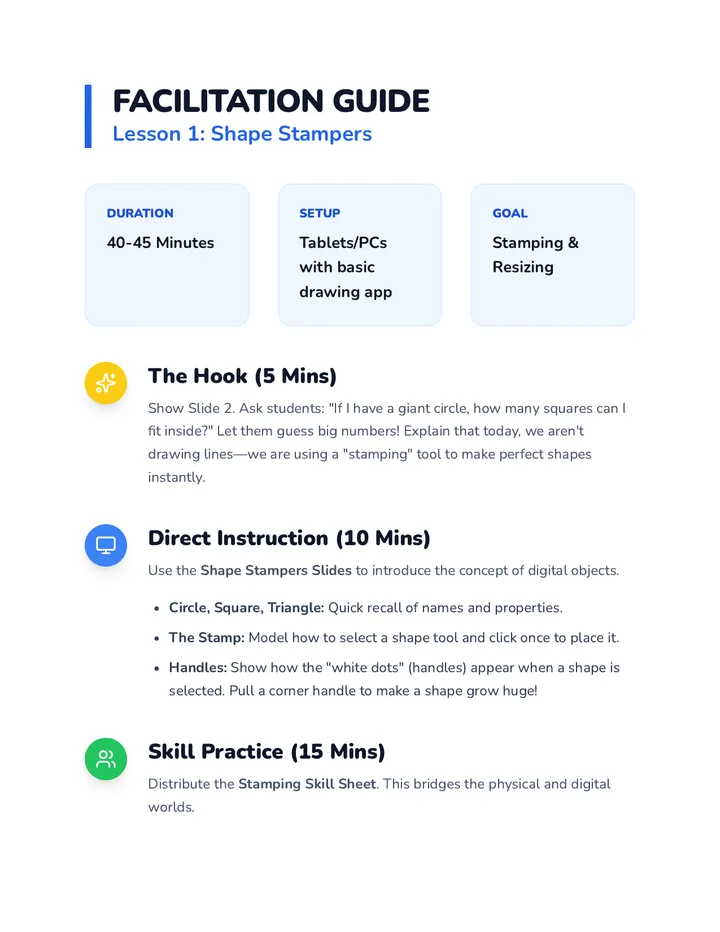
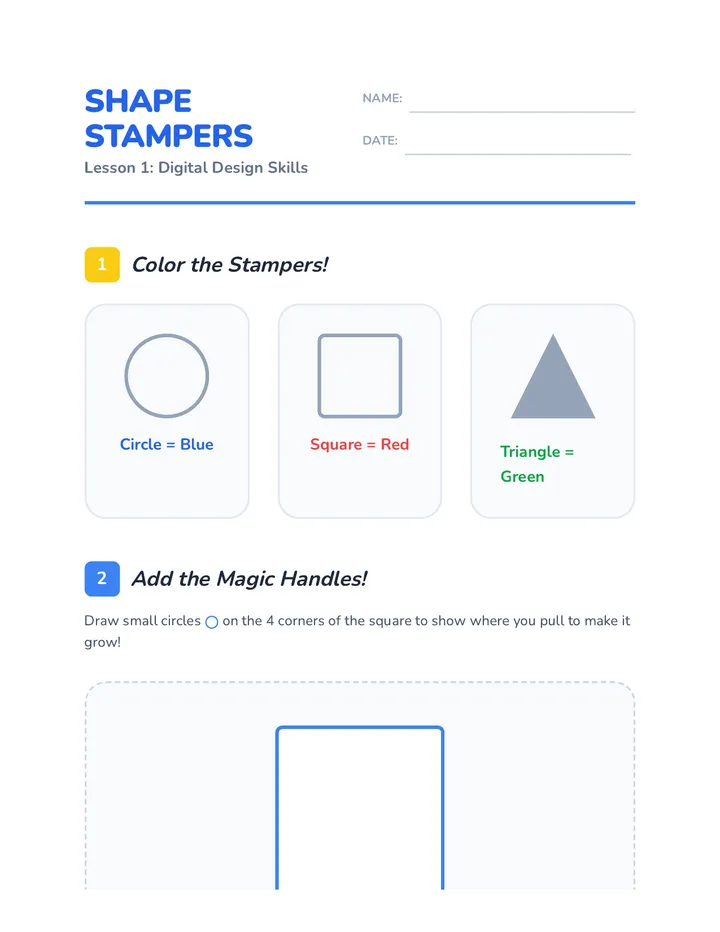
A Kindergarten sequence introducing digital design through geometric shapes. Students learn to manipulate, layer, and repeat shapes to create complex scenes like robots and cities.
A project-based sequence for 11th-grade students to learn the science and engineering behind Contingency Management Systems, moving from operational definitions to a full prototype pitch.
A sequence for 8th-grade students exploring 'Vibe Coding' through UI/UX prototyping. Students learn to use natural language to describe layouts, generate style variations, ensure accessibility, add interactive micro-interactions, and iterate based on user feedback.
A comprehensive sequence on using AI as a coding partner. Students master the iterative cycle of prompting, testing, and debugging to build functional apps without manual syntax writing.
This sequence introduces students to the core principles of CAD and technical drawing. Through hands-on practice, students learn to transform 2D profiles into 3D models using extrusions, apply geometric constraints to stabilize their designs, utilize parametric patterns for efficiency, and communicate their work through standardized orthographic projections and blueprints.
A 6th-grade engineering sequence exploring architectural design through CAD. Students learn to build stable structures using geometric primitives, create functional floor plans, and simulate material loads in a 3D environment.
Students apply the engineering design process to solve real-world problems using CAD tools, focusing on accuracy, functional constraints, and iterative design. They move from identifying user needs to measuring objects with calipers and translating measurements into digital prototypes for manufacturing.
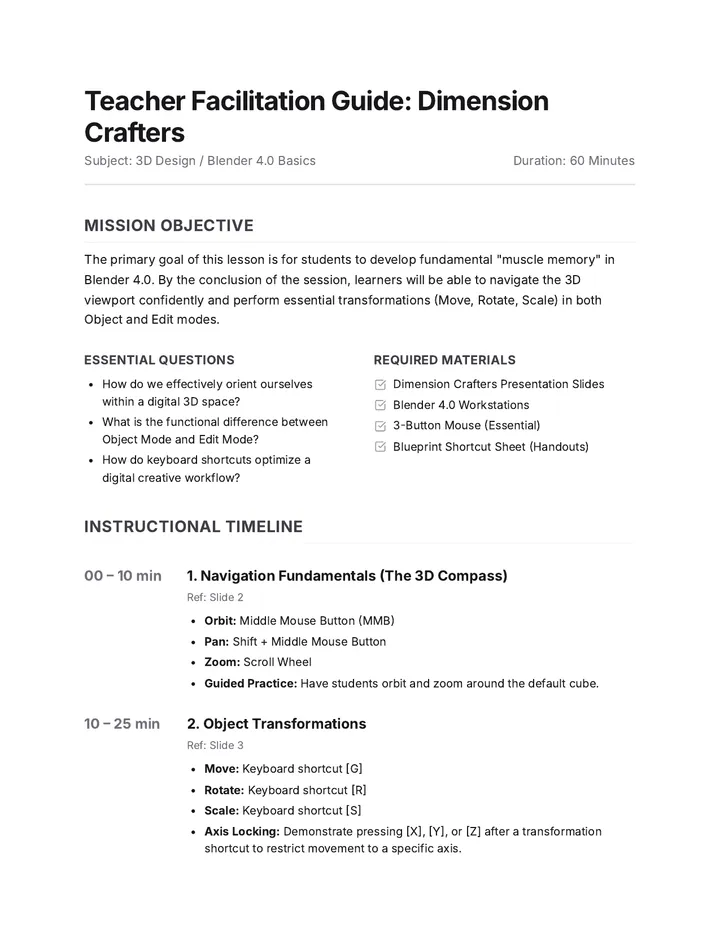
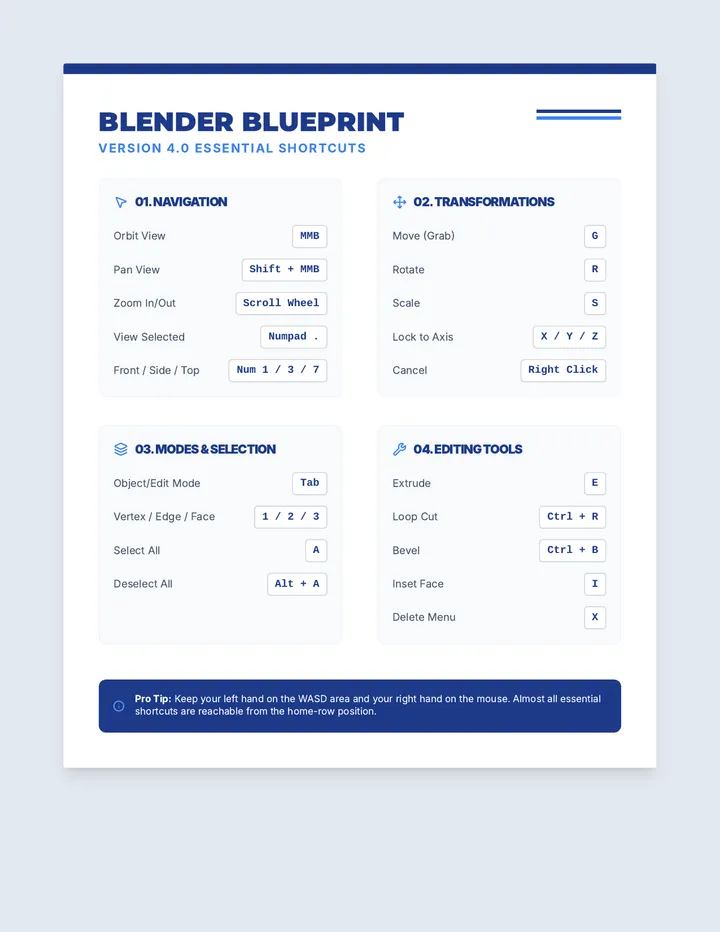
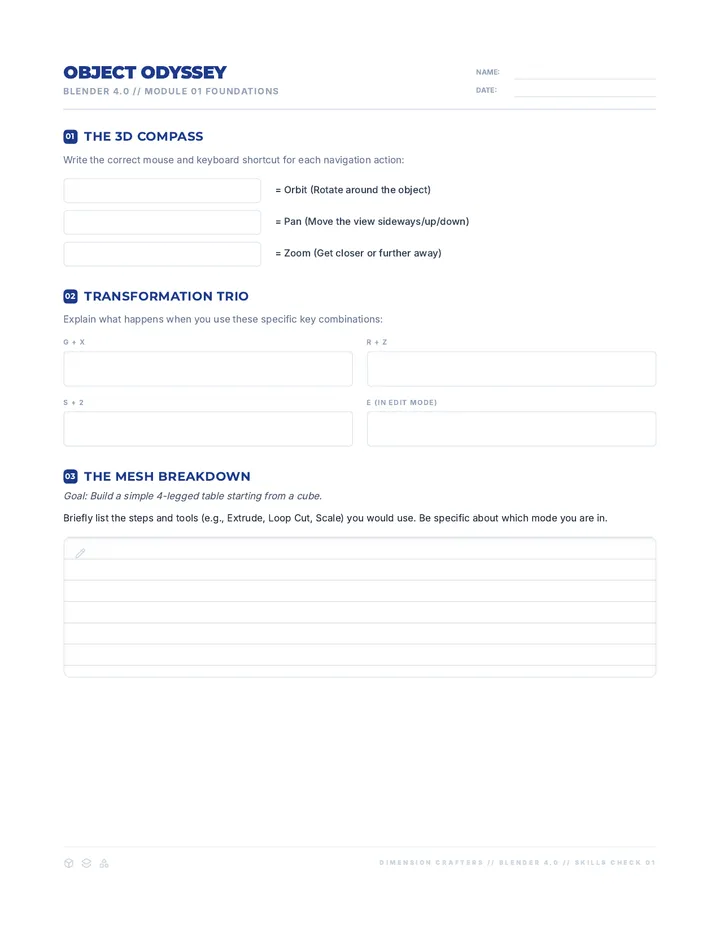
A comprehensive introduction to 3D modeling for 6th graders, covering spatial navigation, precision scaling, and boolean operations to build complex digital objects.
This sequence bridges 3D modeling and professional engineering communication, teaching 11th-grade students to create standardized technical drawings, dimension parts correctly, and organize assembly data. Students will progress from basic orthographic projections to complete engineering drawing packages suitable for real-world manufacturing.
A project-oriented sequence for 11th-grade engineering students focusing on Design for Additive Manufacturing (DFAM), tolerances, slicing, and iterative CAD design. Students move from analyzing print failures to creating a fully documented, printable 3D model.
A high-school engineering sequence exploring the intersection of AI and CAD. Students learn to use generative design and topology optimization to create high-performance, organic-looking structures based on physics constraints rather than manual drawing.
This unit explores the transition from single-part modeling to complex multi-component mechanical systems. Students master assembly constraints, degrees of freedom, motion simulation, and interference analysis through hands-on CAD projects.
A comprehensive introduction to parametric CAD modeling for 11th-grade students. This sequence covers 2D sketching with geometric constraints, 3D feature creation (extrude, revolve, loft, sweep), and advanced part refinement, culminating in a parametric design challenge.
A comprehensive sequence for 10th-grade students covering the full product development lifecycle in CAD, from initial concept and top-down assembly modeling to tolerance analysis, design for manufacturing (DFM), and final photorealistic rendering.
This sequence explores how AI and generative design are transforming the engineering process. Students will move from traditional CAD modeling to defining design constraints that allow algorithms to 'grow' optimized, organic structures for 3D printing and advanced manufacturing.
A sequence for 2nd Grade students introducing modifier keys (Shift, Ctrl) and essential system shortcuts. It includes accessibility strategies like Sticky Keys to ensure all students can navigate a keyboard effectively.
This sequence demystifies Neural Networks and Deep Learning by bridging biological concepts with artificial intelligence. Students explore how the brain's structure inspires machine learning through interactive models, architectural analysis, and hands-on training simulations.
Students explore how unsupervised learning algorithms discover hidden structures in unlabeled data, investigating clustering, recommendation engines, and dimensionality reduction.
A comprehensive graduate-level exploration of the technical and ethical shifts in engineering caused by AI-assisted 'vibe coding'. This sequence focuses on automation bias, security vulnerabilities, intellectual property challenges, and the evolution of the software engineer's role from author to auditor.
An advanced engineering sequence for graduate students exploring the architecture, security, and implementation of autonomous AI coding agents. Students progress from tool-use theory to building self-healing, multi-agent systems.
This sequence guides graduate students through the transition from syntax-focused coding to 'Vibe Coding,' emphasizing iterative prompting, automated testing, and self-correcting refinement loops to build functional MVPs.
A graduate-level sequence exploring how to design software architectures optimized for AI-generated code, focusing on context management, determinism, and agentic API consumption.
This sequence explores the transition from syntax-based programming to intent-driven development using LLMs. Graduate students will master the art of 'vibe coding'—using natural language as a high-level abstraction for complex software engineering tasks.
This critical thinking sequence explores the ethical, security, and social implications of using AI for software development. Students learn to move from passive 'vibe coders' to active, responsible 'system architects' who can audit AI-generated code for quality and bias.
A 5-lesson unit for 8th grade students exploring the iterative nature of 'vibe coding' - using AI to generate code and then refining it through debugging, logic checks, and guardrail implementation.
A project-based journey where students learn to build functional web applications using AI. They master decomposition, structural planning, logical implementation, and aesthetic styling to turn ideas into working digital products.
This introductory sequence establishes the foundational concepts of 'vibe coding'—programming via natural language descriptions rather than manual syntax entry. Students explore how Large Language Models (LLMs) interpret intent to generate code, comparing traditional coding workflows with AI-assisted development.
This advanced sequence explores the shift from manual coding to 'agentic' workflows, where AI tools have direct access to file systems and terminals. Students learn to orchestrate autonomous agents, customize their behavior through rules, and manage complex multi-step reasoning tasks.
This sequence explores system architecture through the lens of 'Vibe Coding,' where AI handles implementation while humans focus on high-level design. Students learn to build modular, interface-first systems optimized for LLM context windows and architectural coherence.
This sequence explores the critical intersection of security, ethics, and quality assurance in AI-augmented development (Vibe Coding). Students transition from simple generation to rigorous auditing, learning to identify vulnerabilities, verify dependencies, and navigate the complex legal landscape of machine-generated software.
This sequence explores the 'Vibe Coding' methodology—a rapid, AI-assisted development cycle focusing on iterative prompting, descriptive debugging, and visual-driven design. Students move from basic 'speed runs' to building functional MVPs by leveraging natural language and rapid feedback loops.
A comprehensive introduction to the paradigm shift of 'Vibe Coding'—treating natural language as the primary interface for software engineering. Students move from manual syntax to high-level intent management using LLMs.
A high-school engineering sequence exploring Vibe Coding—the art of building software through natural language dialogue. Students move beyond basic prompting to master iterative refinement, conversational debugging, and context management to build complex, professional-grade applications.
A high-velocity startup simulation where students use AI as a 'labor force' to rapidly prototype and deploy full-stack web applications. Focuses on 'Vibe Coding'—directing AI through natural language to handle boilerplate while humans focus on UX and product logic.
A high-level systems architecture course for 12th graders where the focus shifts from writing syntax to designing data flows, API contracts, and multi-agent workflows using AI. Students learn to act as architects rather than just coders.
This sequence explores the transition from traditional syntax-based programming to natural language 'vibe coding'. Students will learn about the history of abstraction, computational thinking through decomposition, and the art of prompt engineering to build software with AI.
This sequence explores the ethical, technical, and legal implications of using AI for software development. Students learn to navigate 'hallucinations', security risks, algorithmic bias, and copyright concerns to become responsible 'human-in-the-loop' developers.