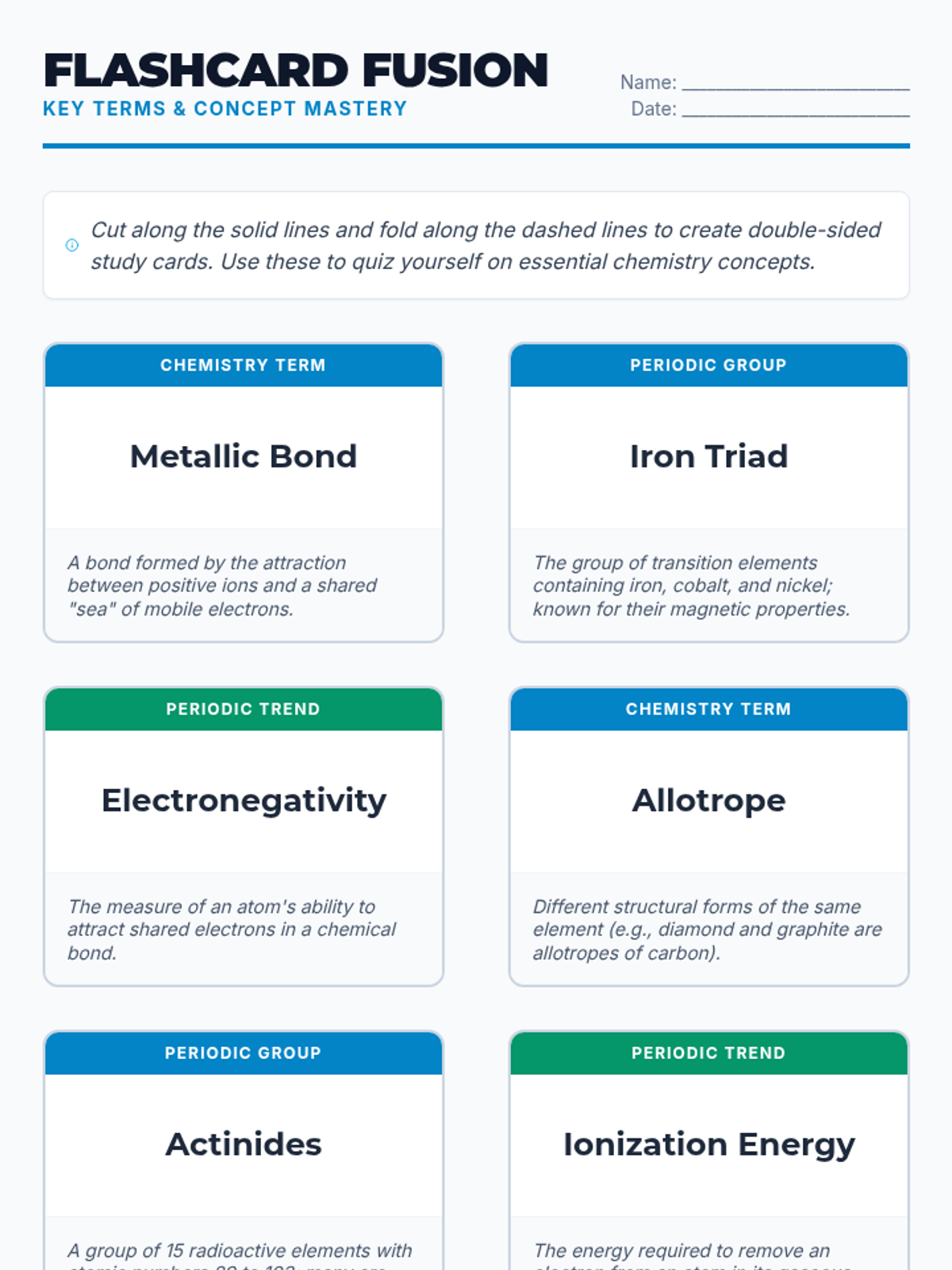
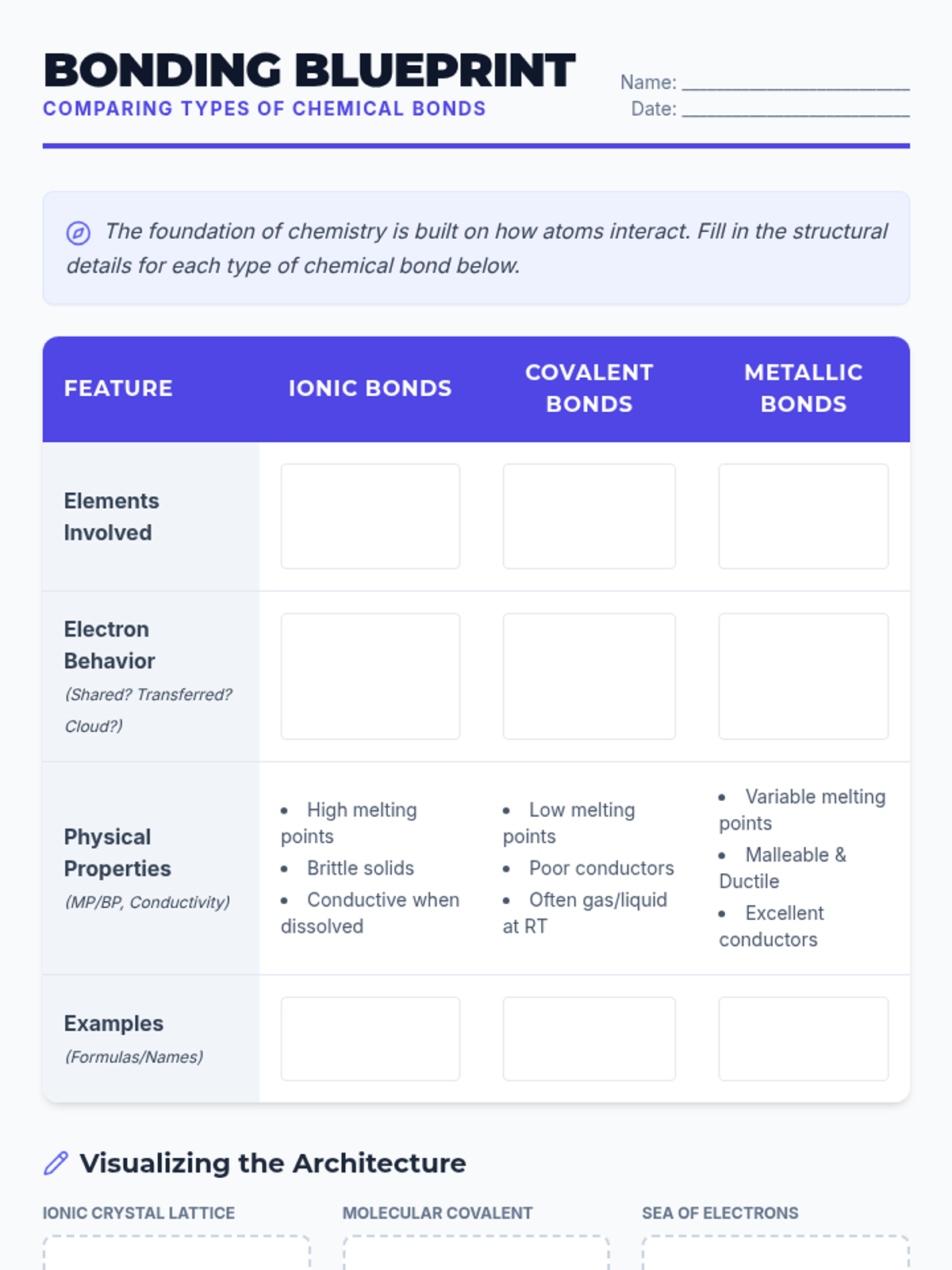
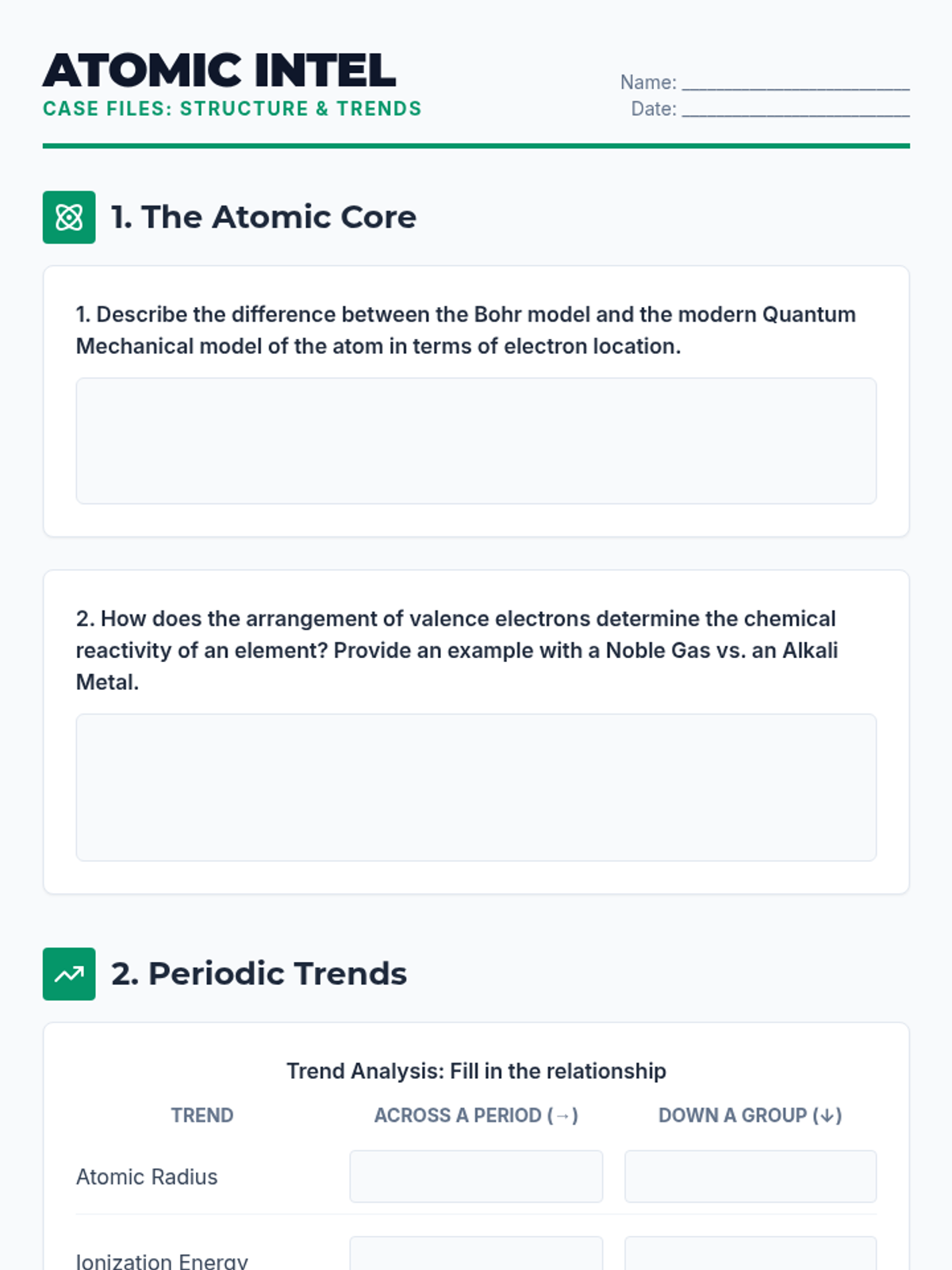
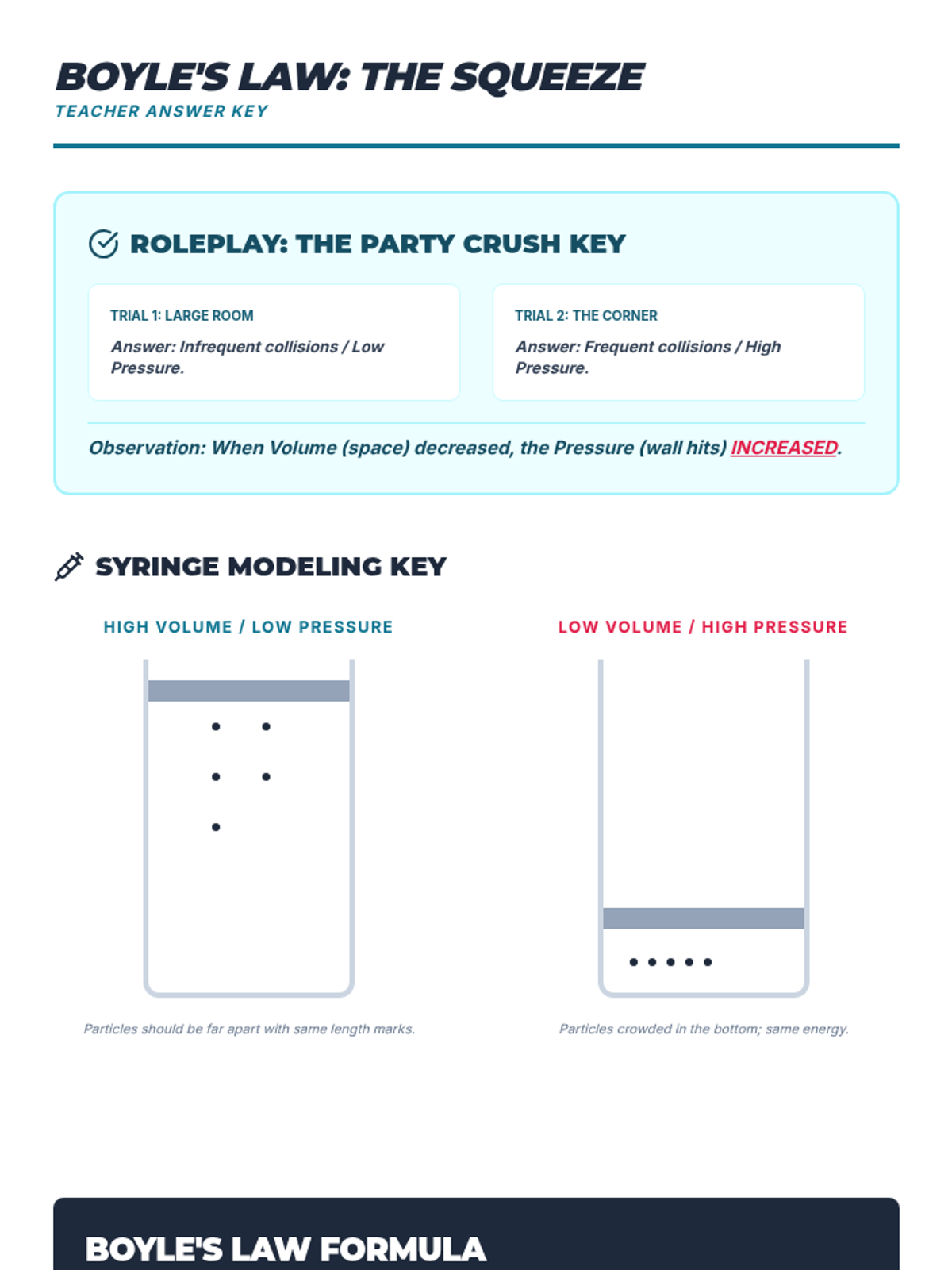
An advanced physics sequence exploring the engineering applications of periodic properties. Students investigate band theory, semiconductor doping, magnetic domains, and alloy formation to solve material science challenges.
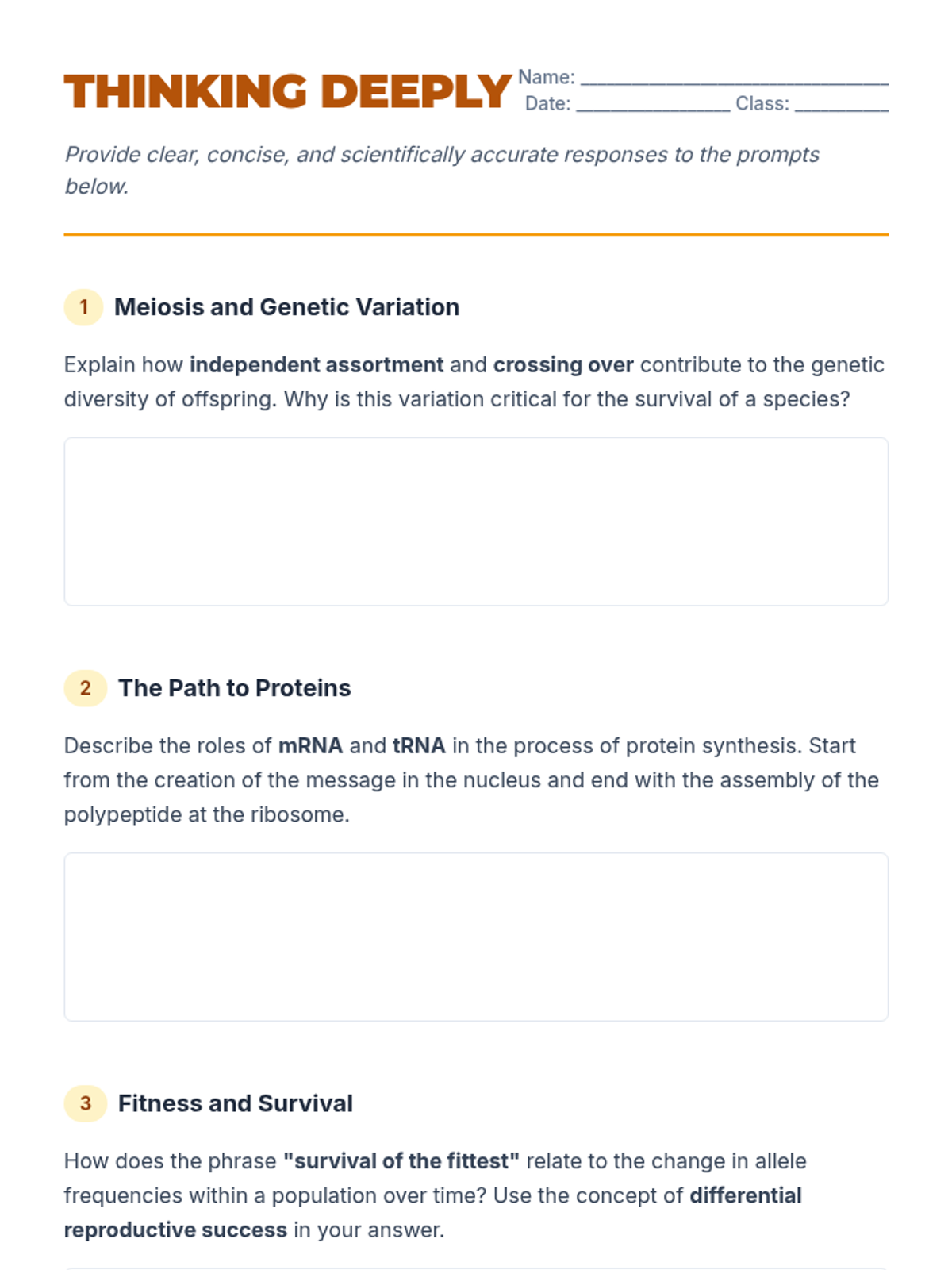
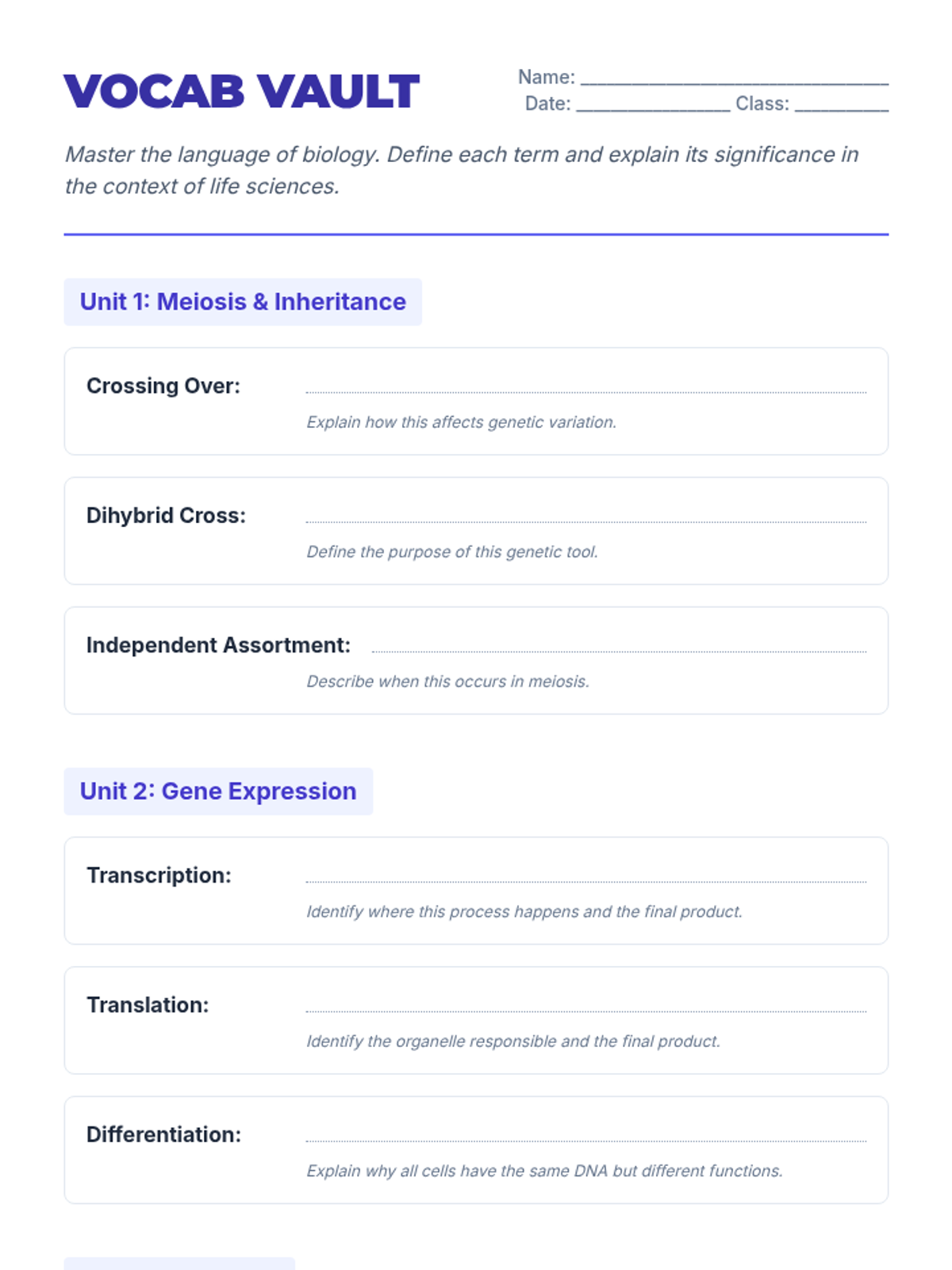
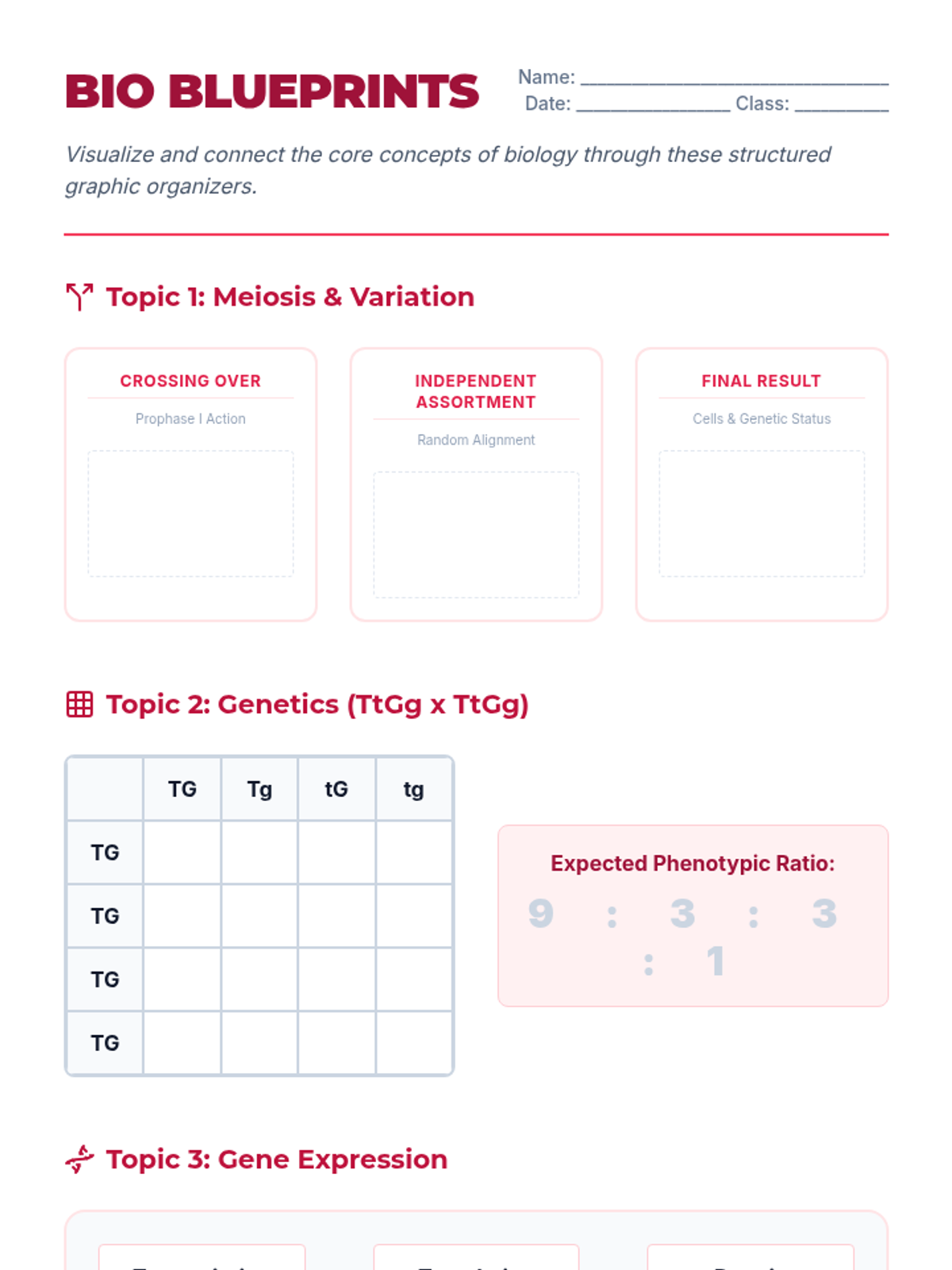
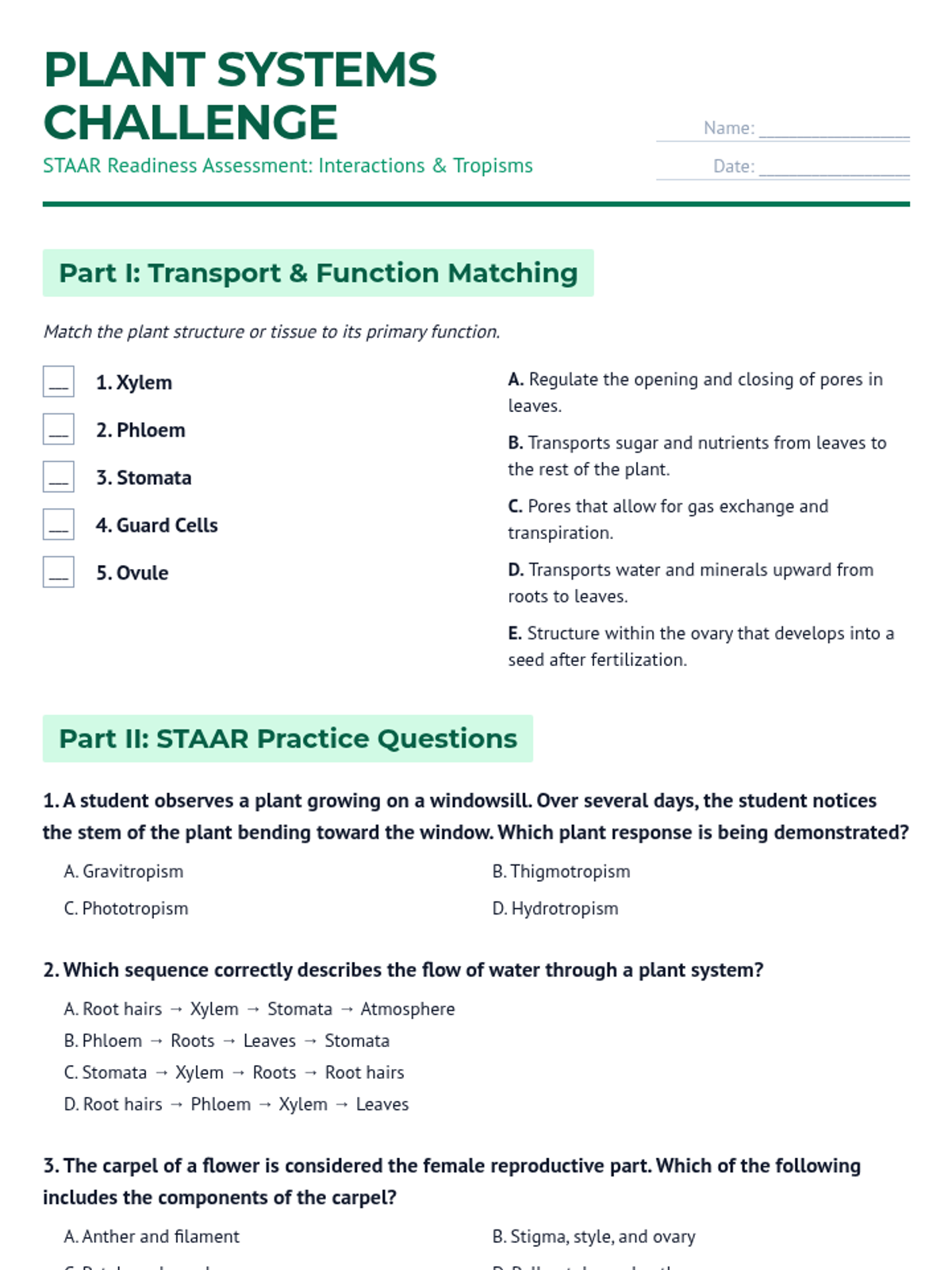
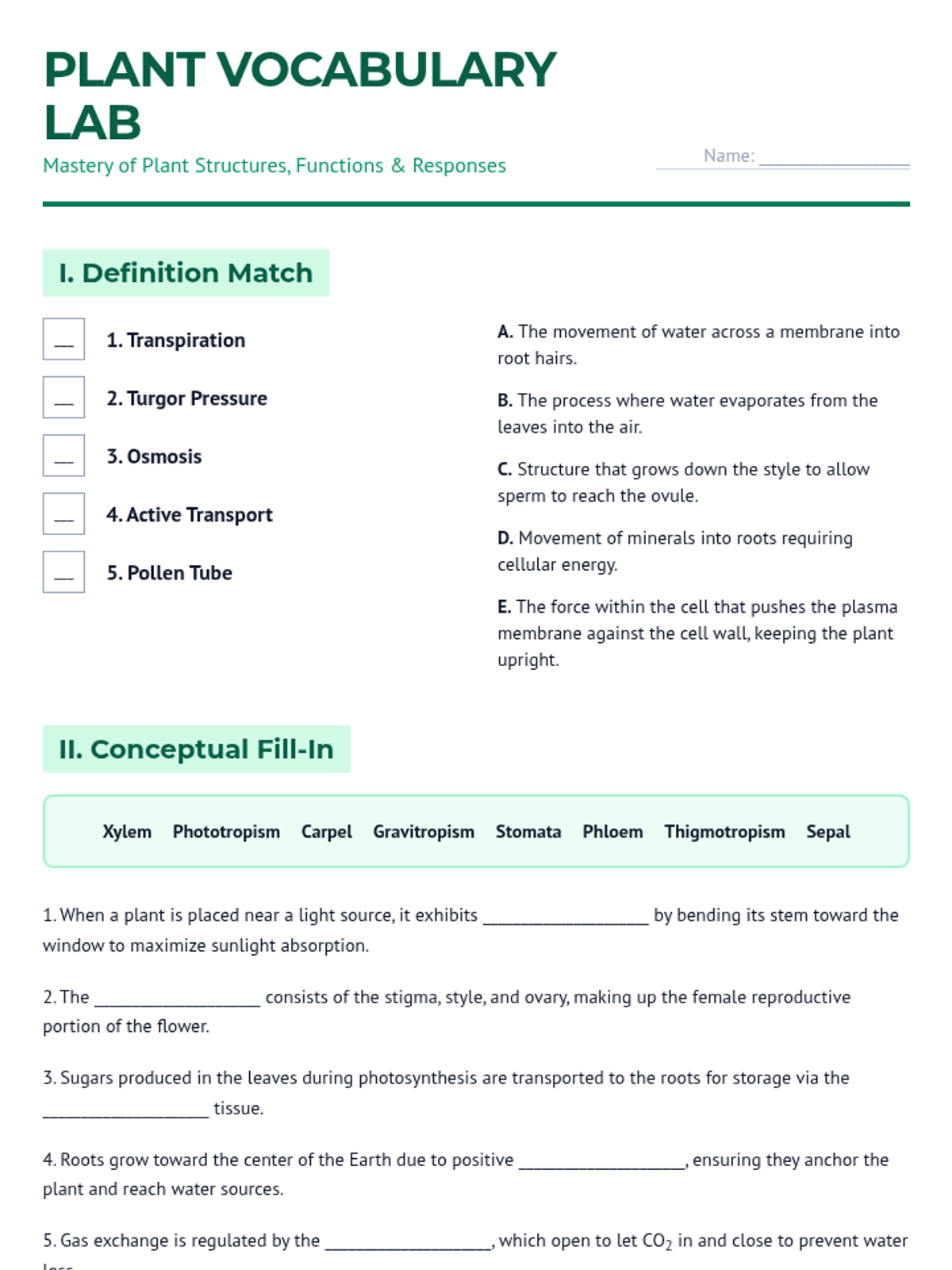
A comprehensive high school biology unit covering plant and animal systems, focusing on structure, transport, reproduction, and response through anchoring phenomena and hands-on labs.
A high school biology sequence focused on the neuroscience of addiction, specifically analyzing how chemical structure and speed of delivery influence the brain's reward system. Students explore the biological mechanisms of tolerance, dependence, and the blood-brain barrier through graphing and comparative analysis.
A specialized AP Biology unit exploring the intersection of neuroscience and psychology, focusing on the biological mechanisms of mental health disorders and the pharmacology of their treatments.
A high school biology lesson sequence exploring the biological basis of perception, focused on how external substances and chemical imbalances alter neurotransmitters to cause psychosis and hallucinations.
A comprehensive unit on the fundamentals of forensic science and criminal investigation, culminating in a hands-on murder mystery simulation. Students learn about evidence collection, witness psychology, and deductive reasoning.
Cette séquence pédagogique de 6 heures explore les mécanismes scientifiques de l'effet de serre, l'impact des activités humaines sur le climat et les enjeux futurs liés au réchauffement climatique. Elle est conçue pour les élèves de Première et Terminale dans le cadre de l'Enseignement Scientifique.
A comprehensive project-based learning unit where high school students apply design thinking to solve real-world problems, from initial discovery to final prototyping and pitching.
Une séquence approfondie sur les phases claires de la photosynthèse, destinée aux étudiants de première année de licence. Elle couvre la capture de l'énergie lumineuse, les pigments photosynthétiques et la chaîne de transfert d'électrons.
Une séquence exhaustive sur le métabolisme pour les classes préparatoires BCPST, couvrant l'hétérotrophie, l'autotrophie au carbone et à l'azote, ainsi que la chimiolithotrophie. La séquence met l'accent sur les bilans énergétiques, les flux de protons et l'intégration des voies métaboliques.
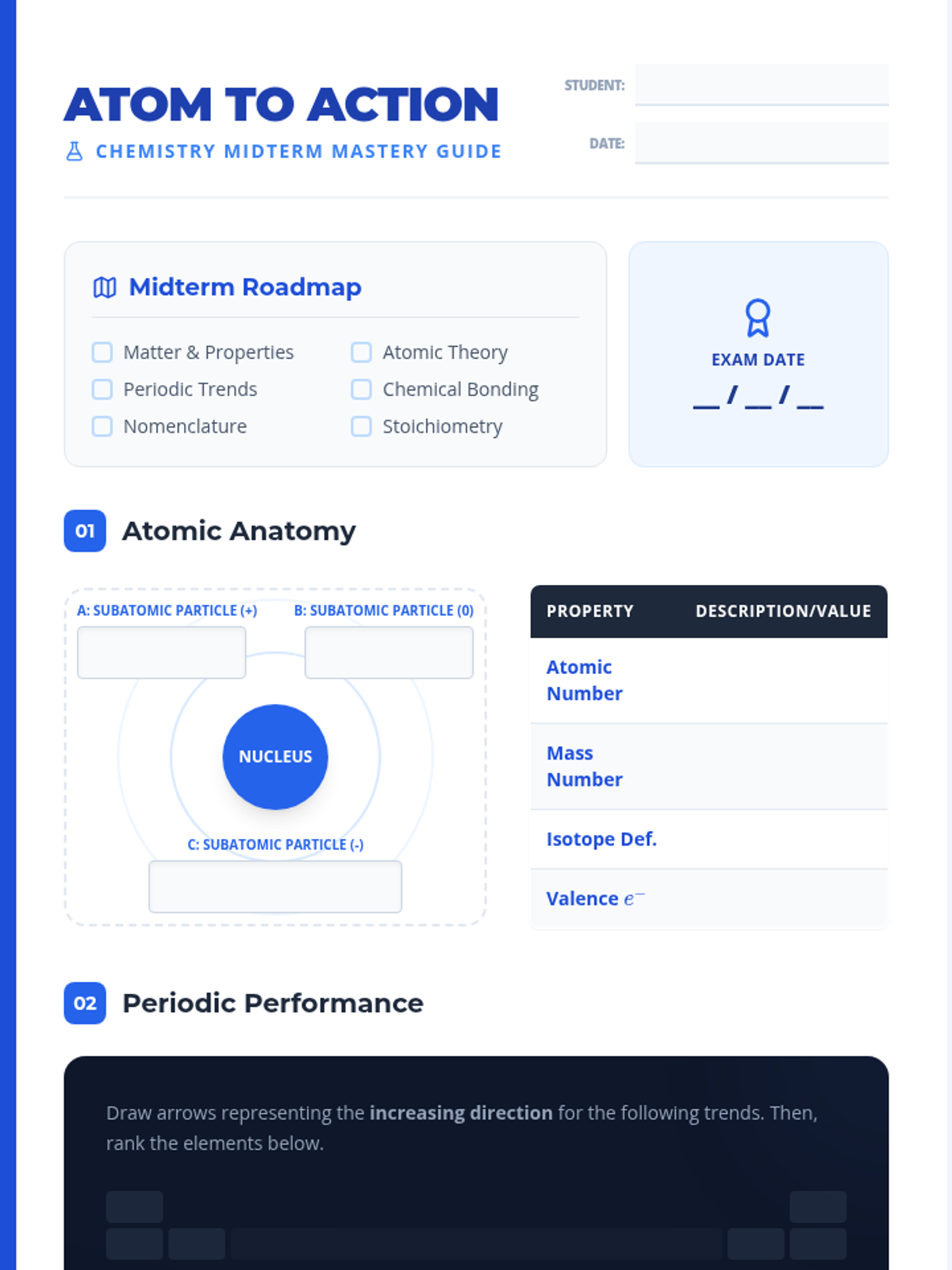
A high-engagement sequence on plant systems (Reproduction, Transport, and Response) designed for talkative students. It uses collaborative, discussion-based activities to channel social energy into scientific inquiry.
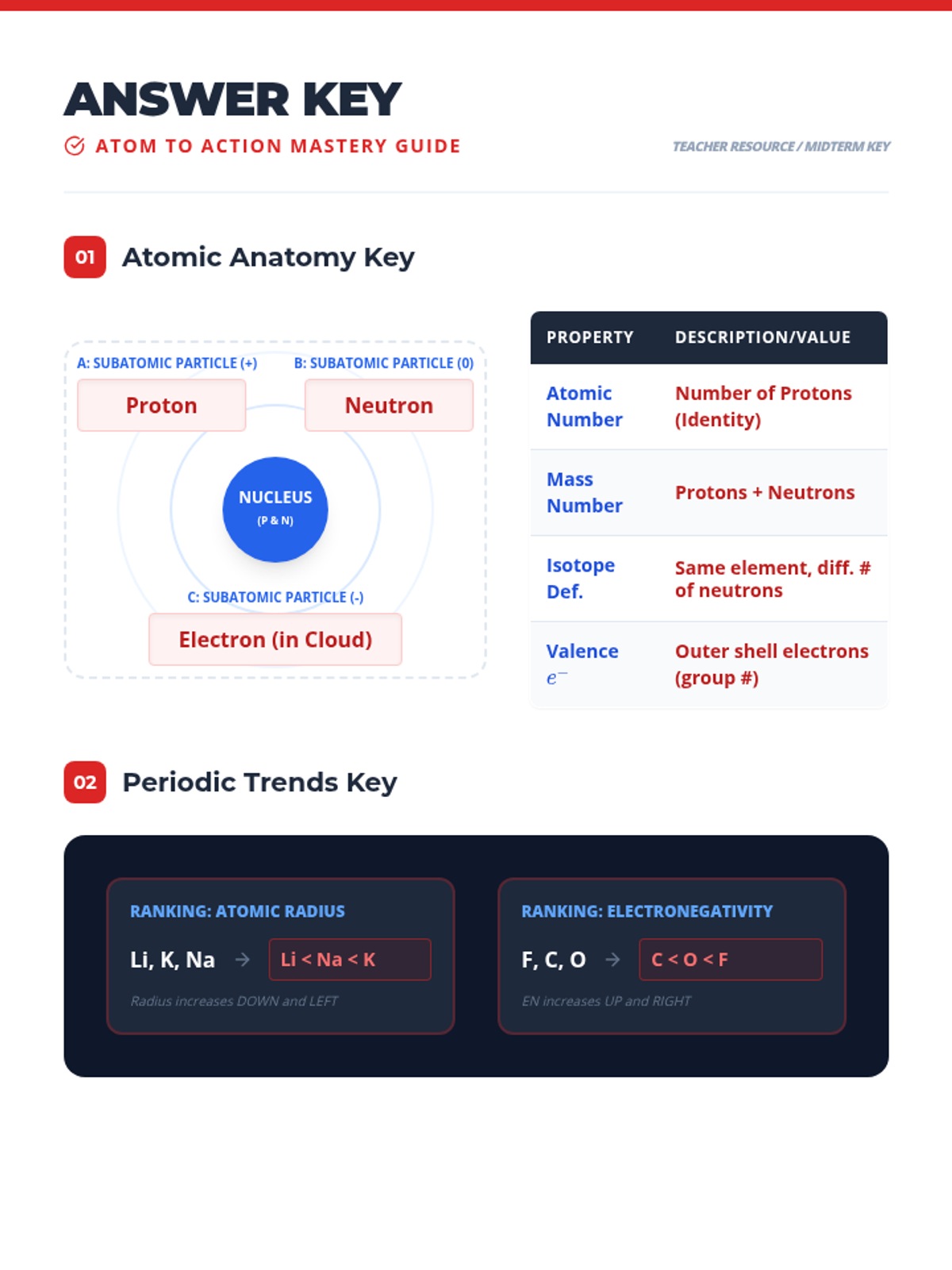
A comprehensive 2-week unit for high school biology students exploring the interconnectedness of life, from microscopic organisms to the global biosphere. Students will investigate biomes, energy flow, and population dynamics through hands-on activities and creative projects.
A week-long unit for high school students exploring the fundamental anatomy and physiology of horses through the lens of veterinary medicine, including skeletal, muscular, digestive, and circulatory systems.
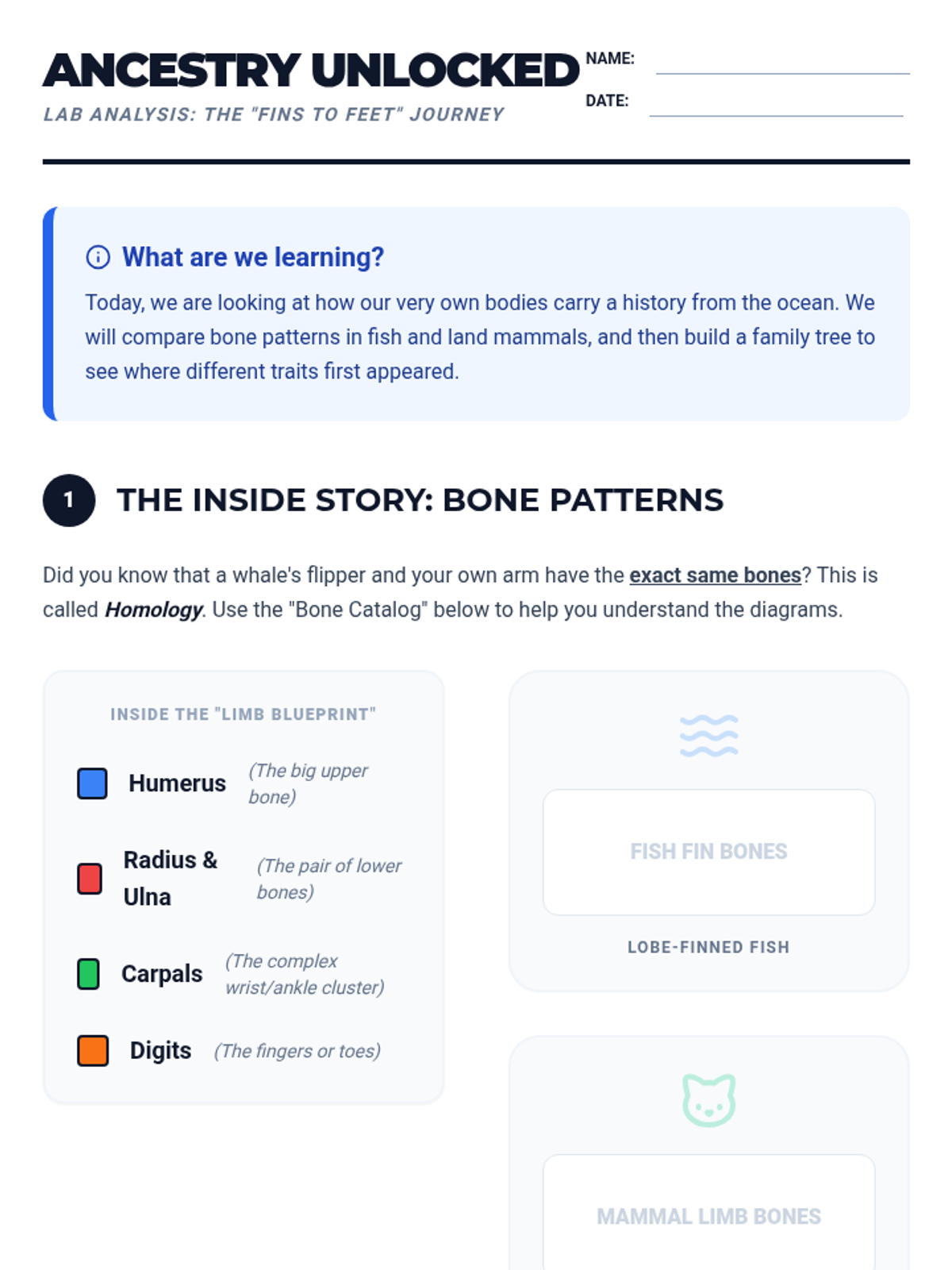
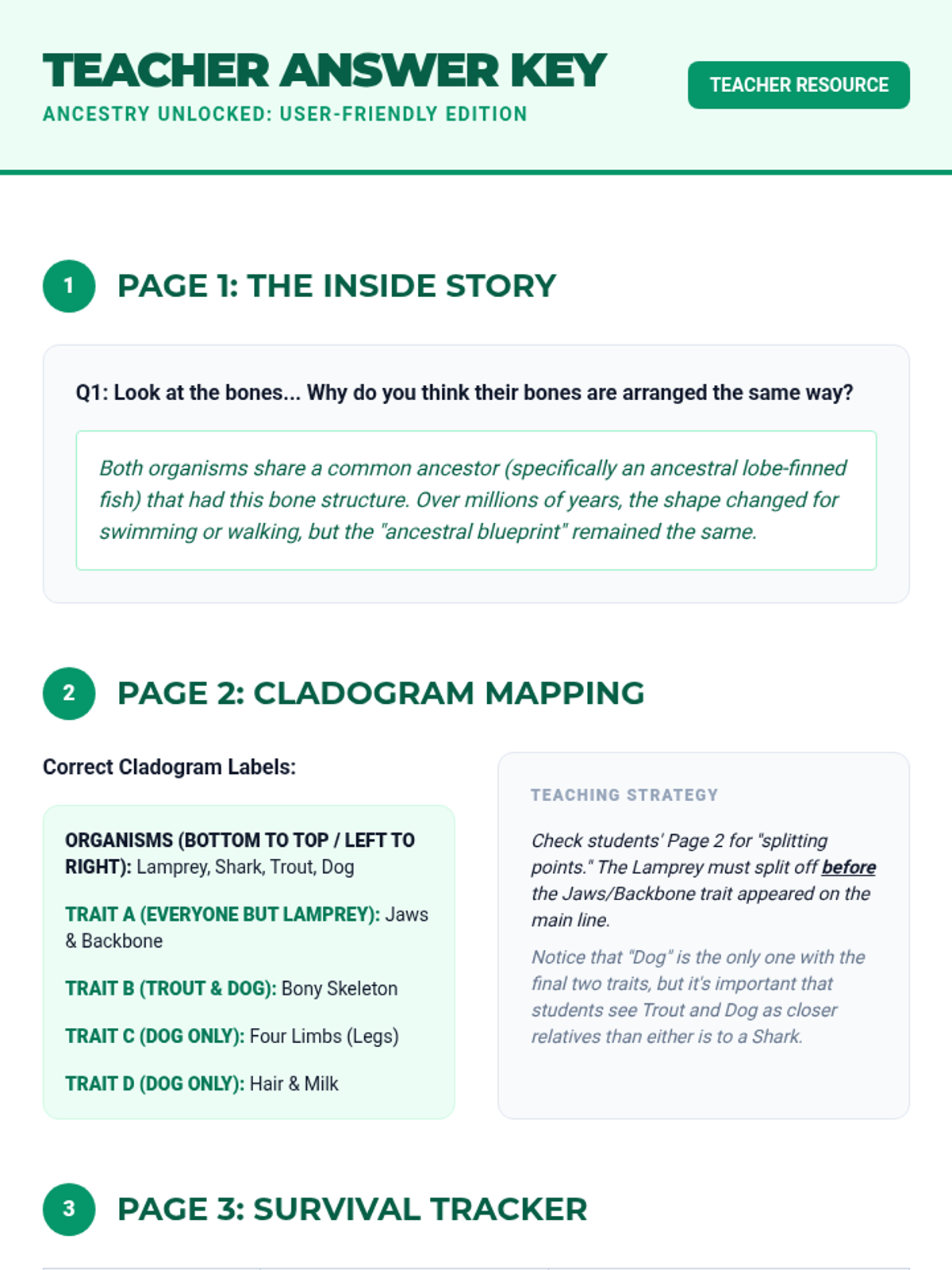
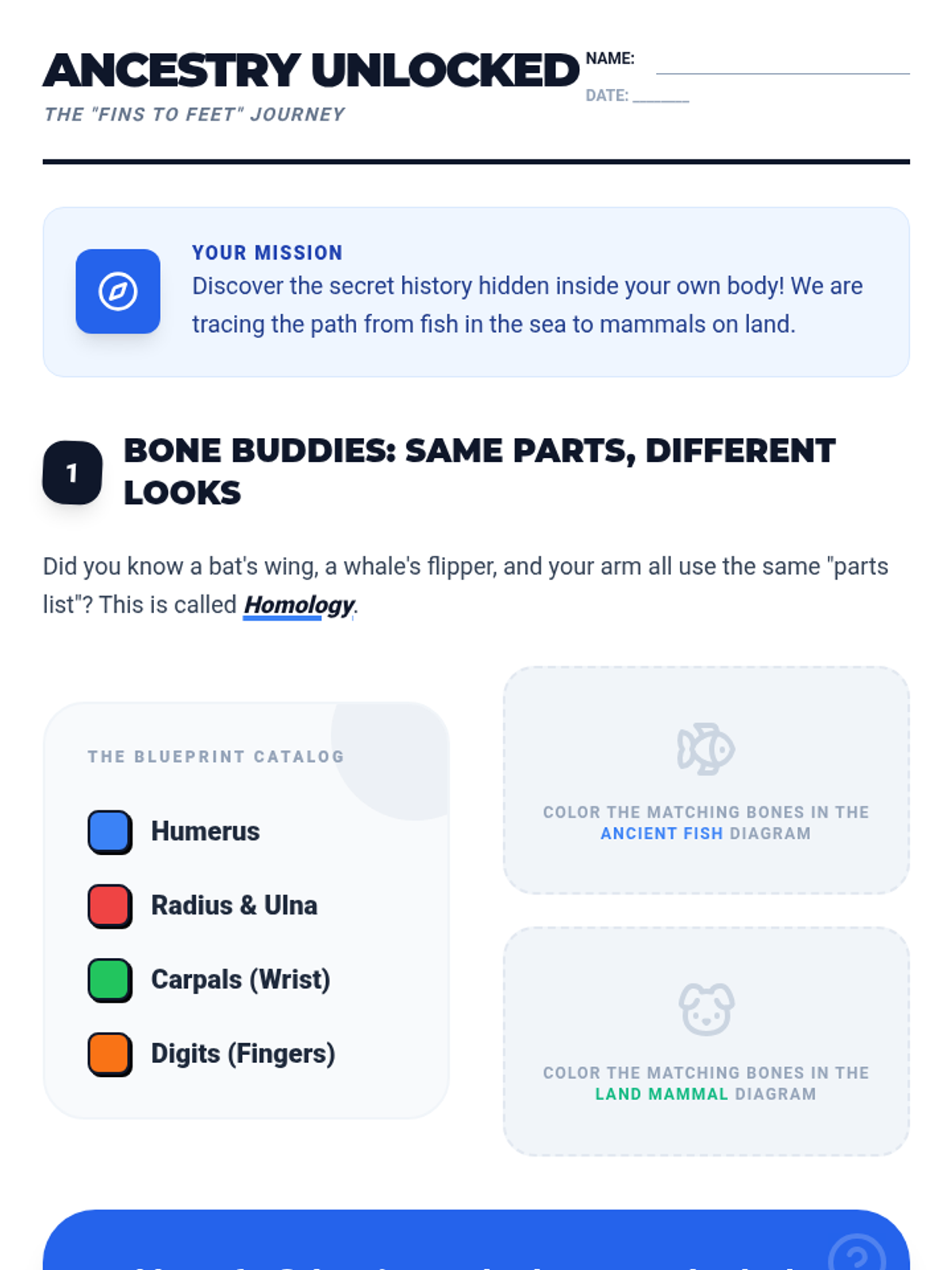
A unit exploring the biological origins of humanity, focusing on evolutionary biology, phylogeny, and the development of complex traits like bipedalism and collective learning.
A high school entrepreneurship lesson evaluating the trade-offs between business specialization and diversification. Students analyze the 'Joe's Lawn Care' scenario, explore economies of scale, and engage in a structured debate.
A sequence exploring the intersection of biology, psychology, and history regarding human conflict and cooperation.
A specialized high school chemistry/biology integrated lesson exploring the biochemical differences between Archaea and Bacteria. Students analyze how ether bonds and lipid monolayers provide structural stability for survival in extreme thermal environments through modeling and chemical analysis.
A high-school level exploration of thermodynamics, focusing on the connection between entropy, enthalpy, and Gibbs Free Energy to predict chemical spontaneity.
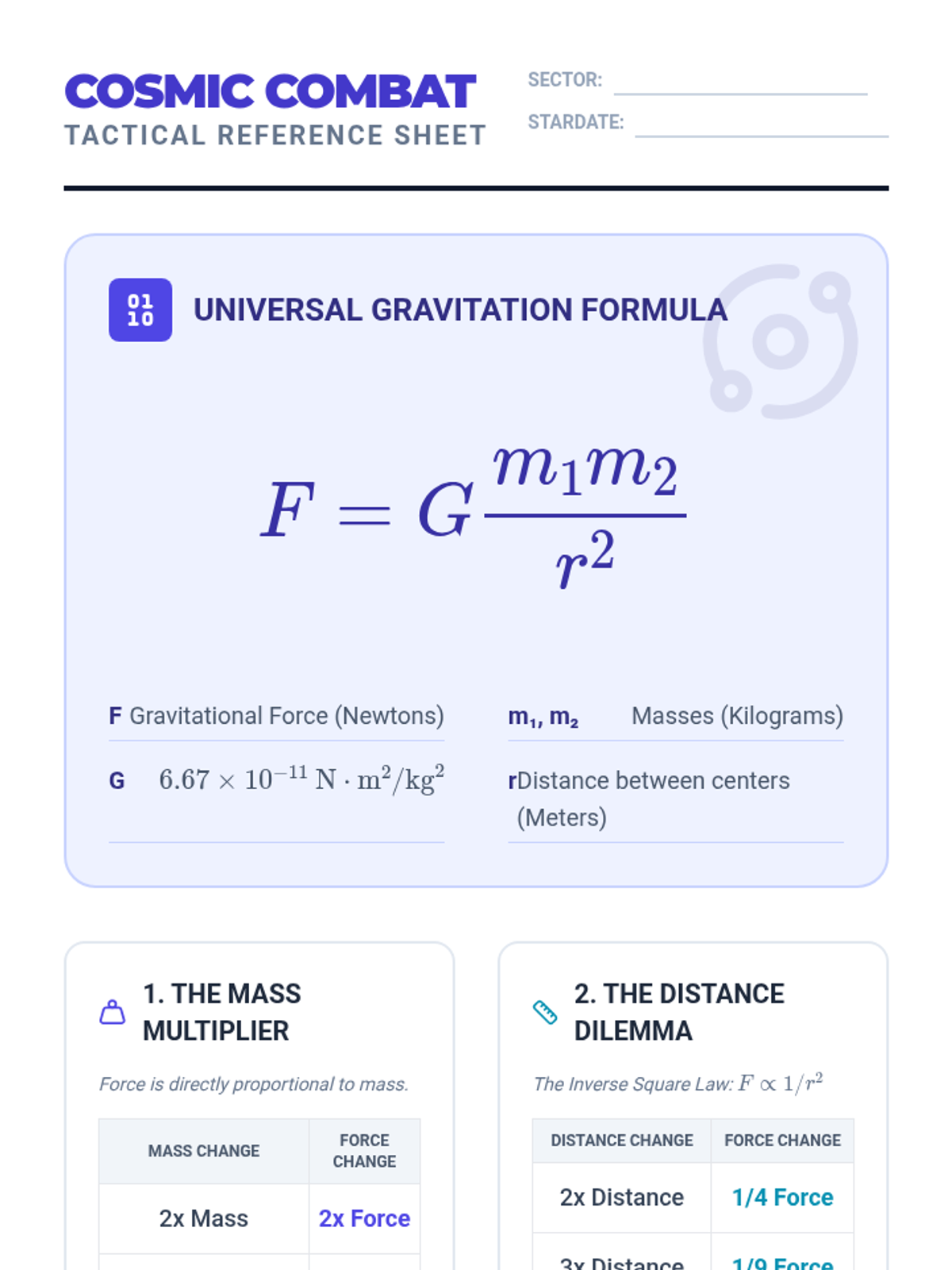
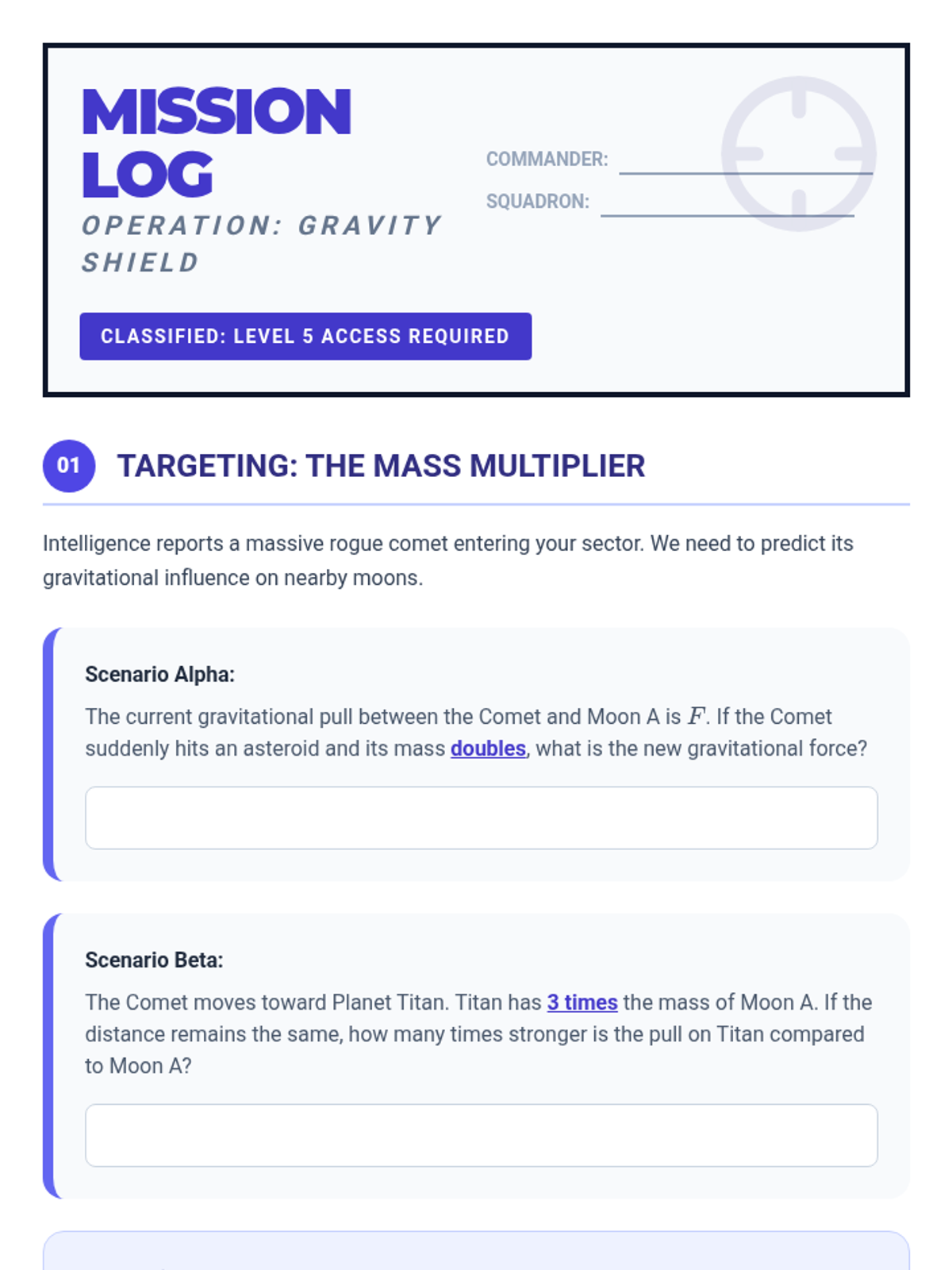
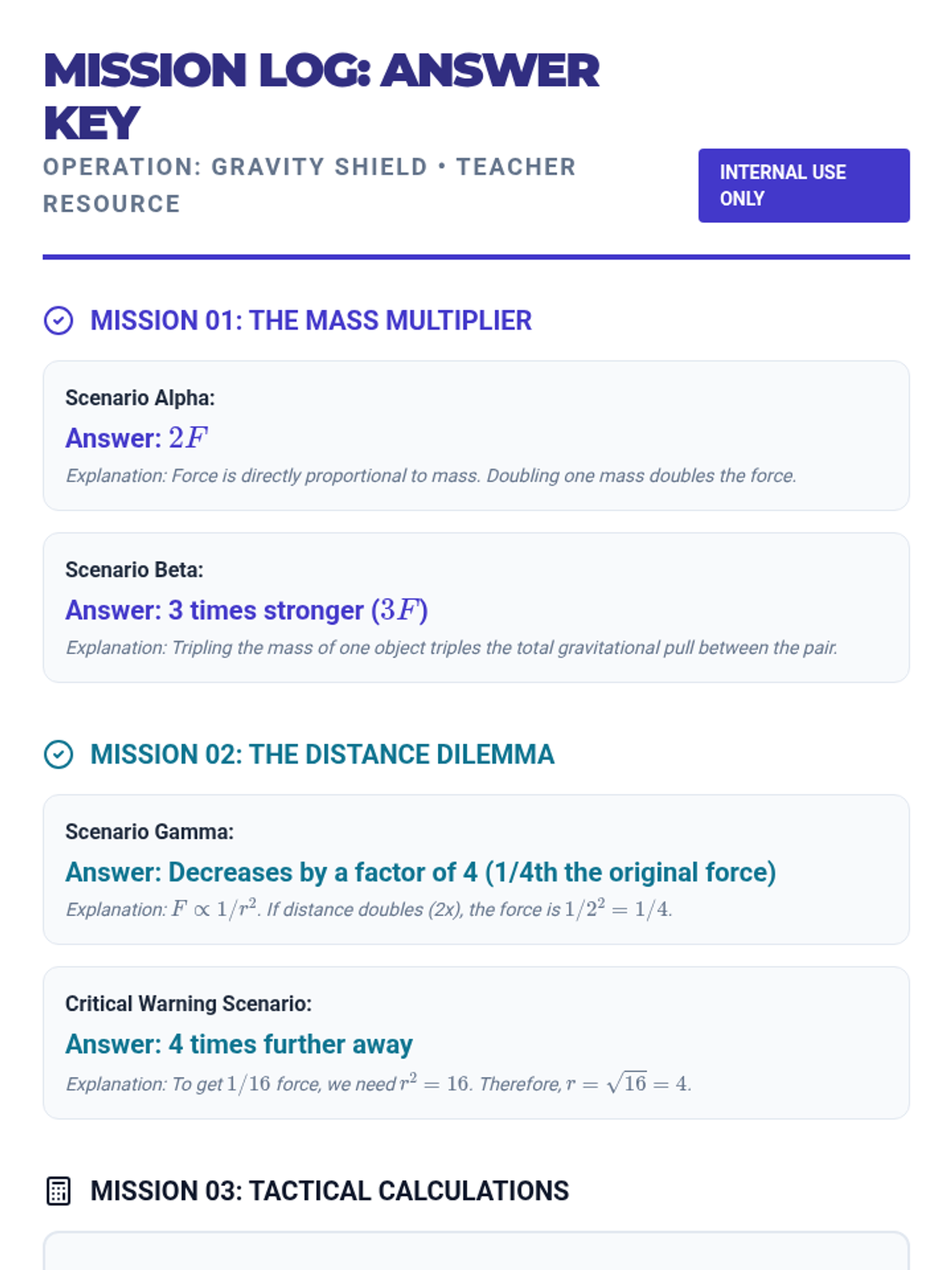
A lesson focused on Galileo's gravitational experiments and the mathematical resolution of the 'gravity paradox,' where mass cancels out in the calculation of acceleration. Students conduct a hands-on lab using bottles of different masses to test empirical results against theoretical models.
A series focused on local environmental action and urban air quality solutions, guiding students from observation to advocacy.
A comprehensive biology sequence exploring the intricate ways species interact, from basic symbiosis to complex ecosystem dynamics and population growth.
A high-school physics sequence connecting 3D coordinate geometry to real-world drone navigation and vector displacement. Students learn to calculate distances in 3D space using the Pythagorean theorem and apply these skills to urban flight path planning.
A graduate-level sequence focused on systematic hazard identification and risk control. Students master Industrial Hygiene, Job Hazard Analysis (JHA), Hierarchy of Controls, and Hazard Communication (GHS) to develop predictive safety strategies in high-risk environments.
This inquiry-based sequence bridges biology and behavioral science, exploring the neurobiological roots of agitation. Students investigate the 'why' behind physiological changes during escalation to foster an objective, science-based approach to behavioral support.
This sequence introduces undergraduate students to the critical role of keyboard navigation in assistive technology, specifically focusing on screen reader interaction. Students will analyze semantic navigation, table traversal, and focus traps to understand how to design and audit for digital accessibility.
A mastery-based sequence for undergraduate students to learn mouse-less operating system navigation and file management. This series focuses on building muscle memory for keyboard shortcuts to improve accessibility and efficiency.
An 11th-grade digital literacy sequence focusing on the principles of User Experience (UX) and Web Accessibility. Students move from theoretical design thinking to practical application of WCAG standards and usability testing.