Ideation frameworks, business planning structures, and startup financial modeling. Strengthens skills in concept validation, market strategy, and capital management.
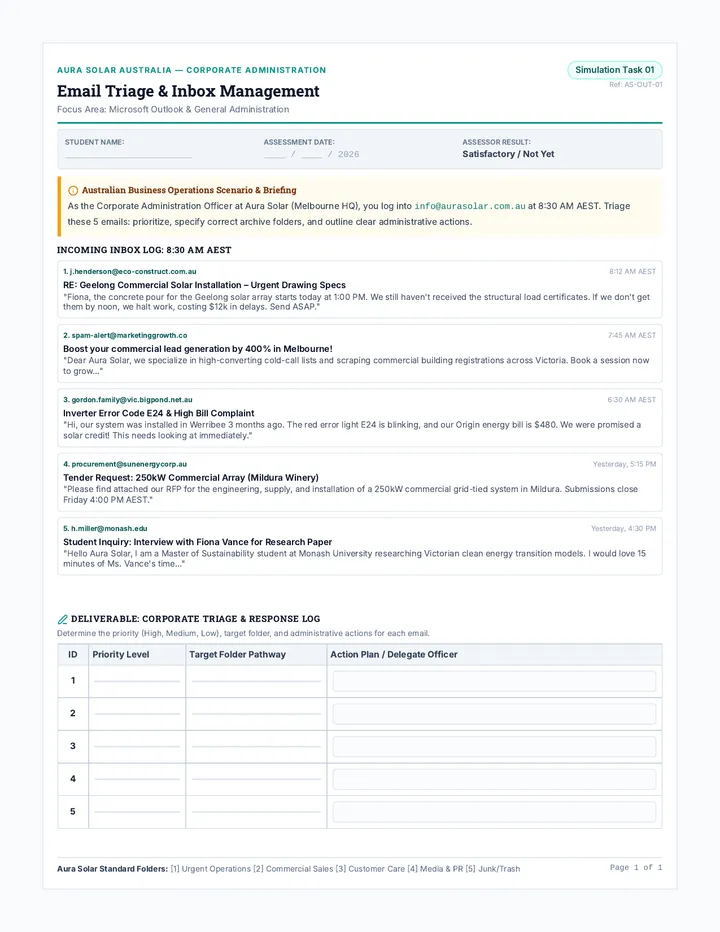
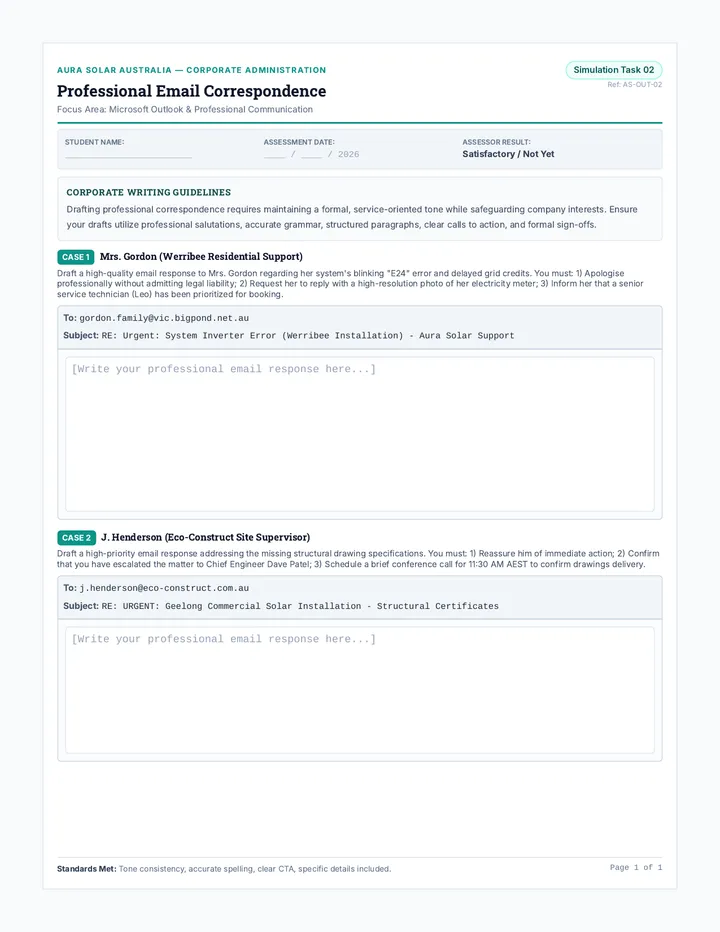
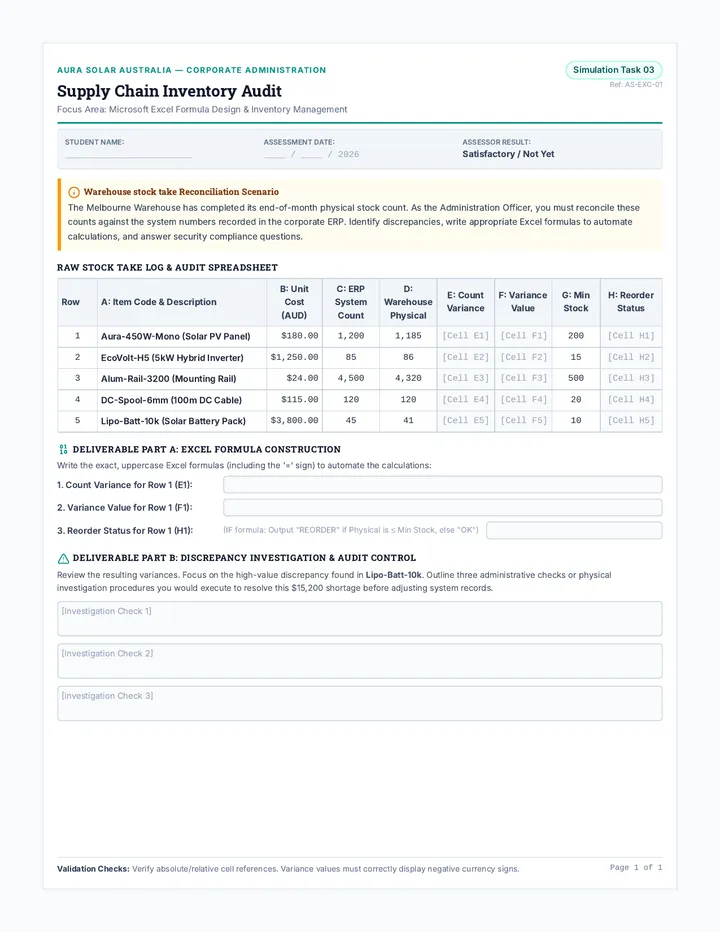
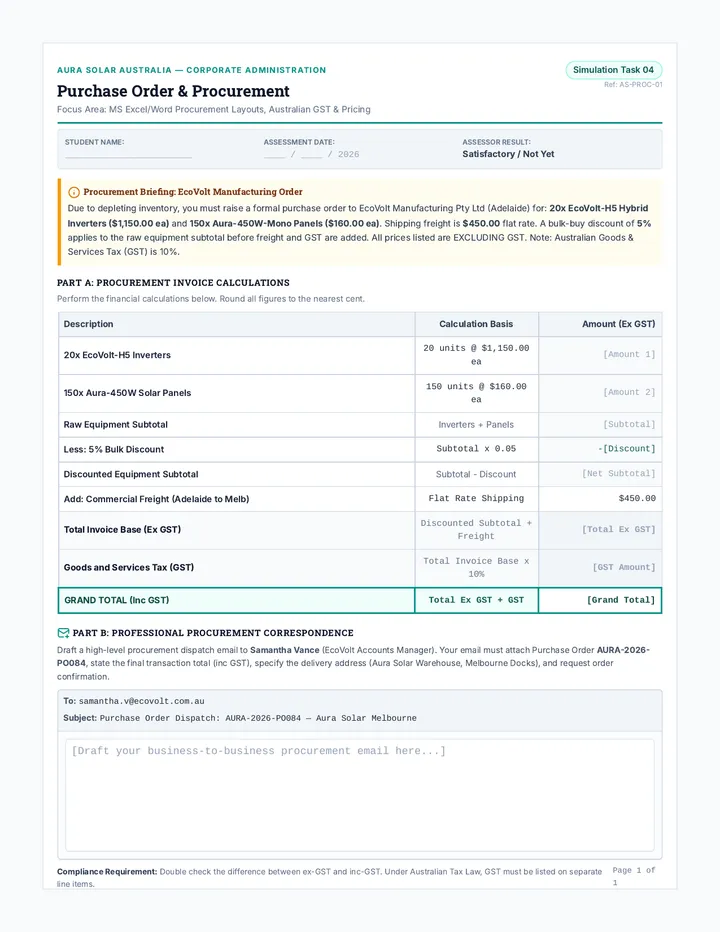
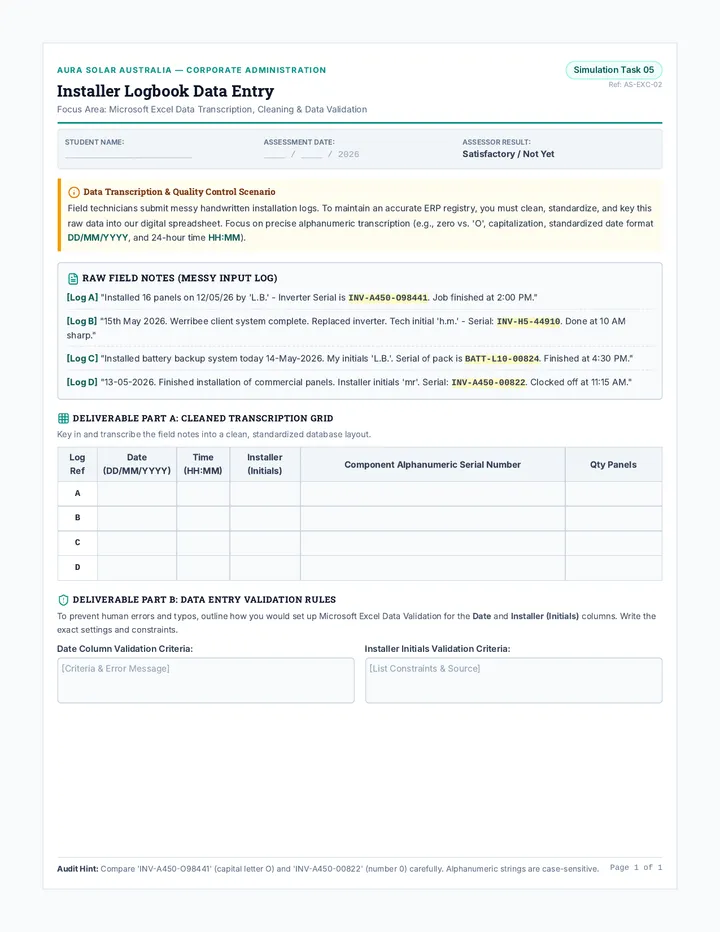
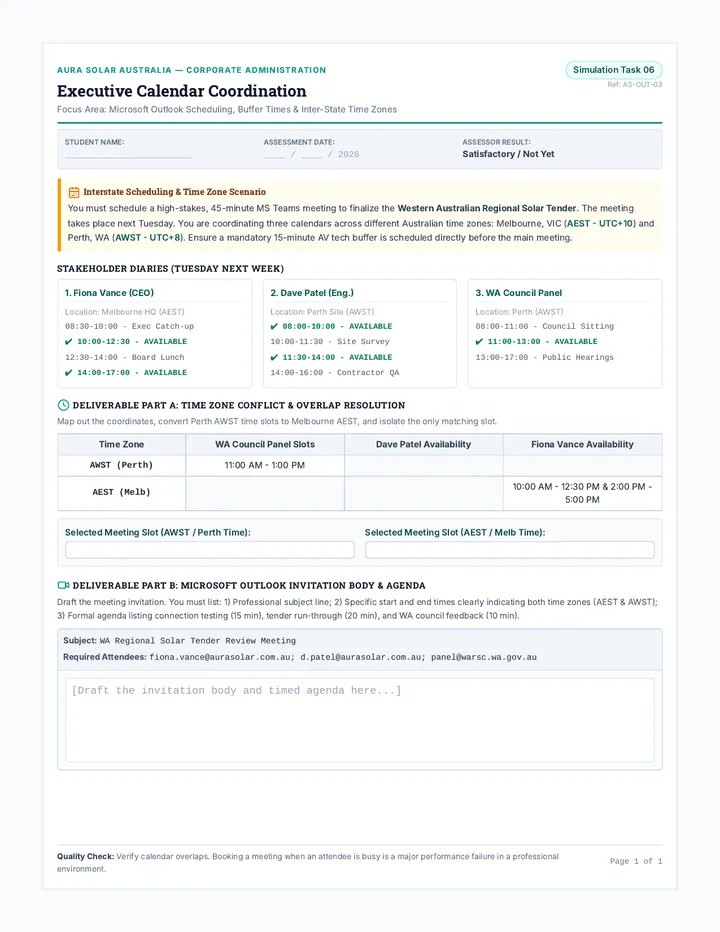
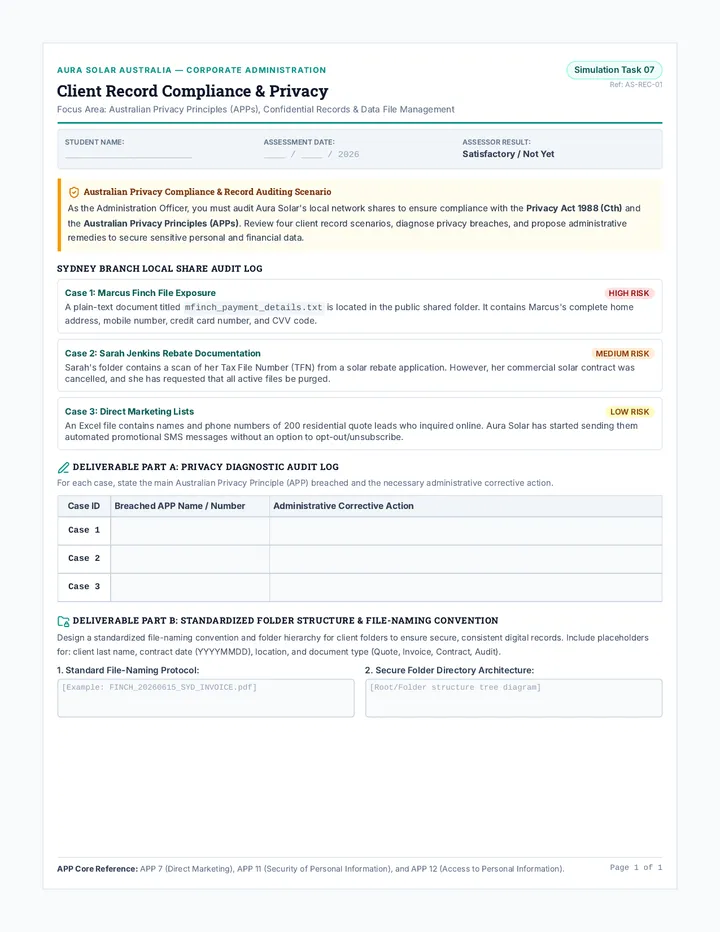
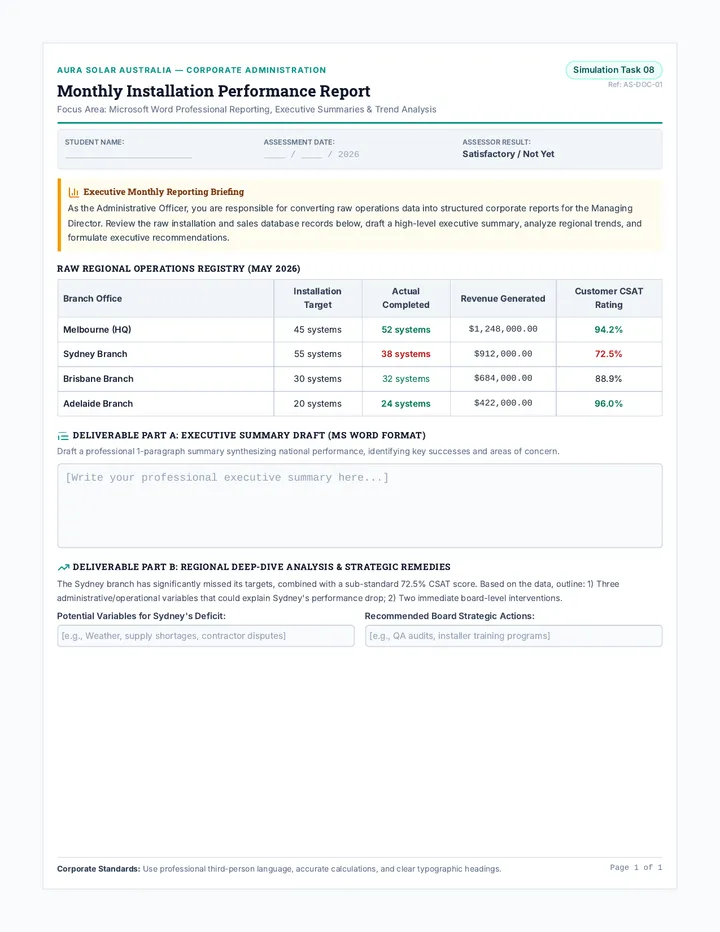
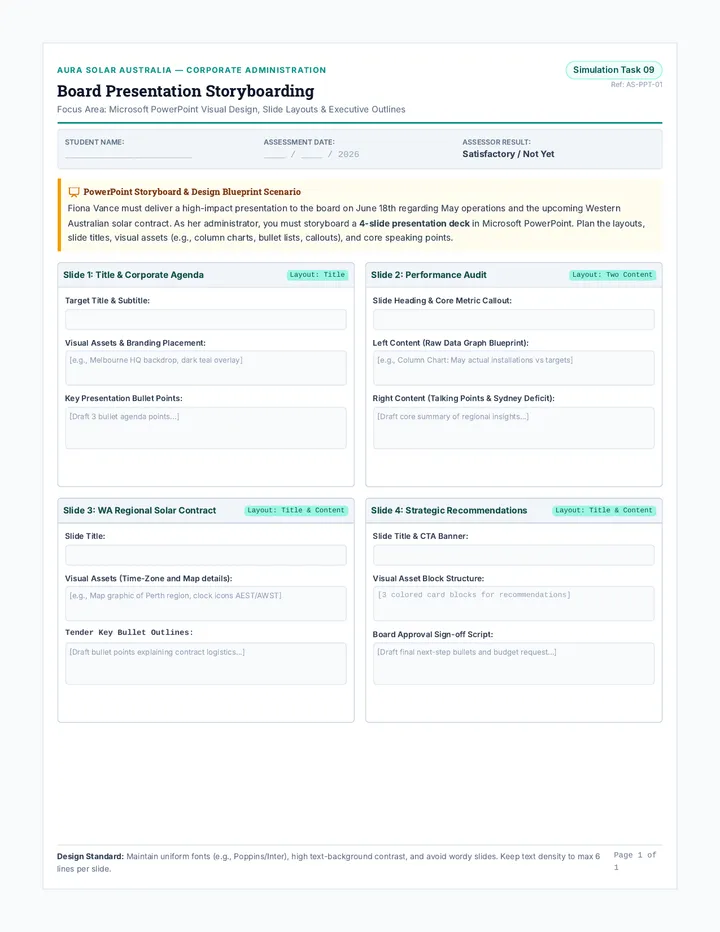
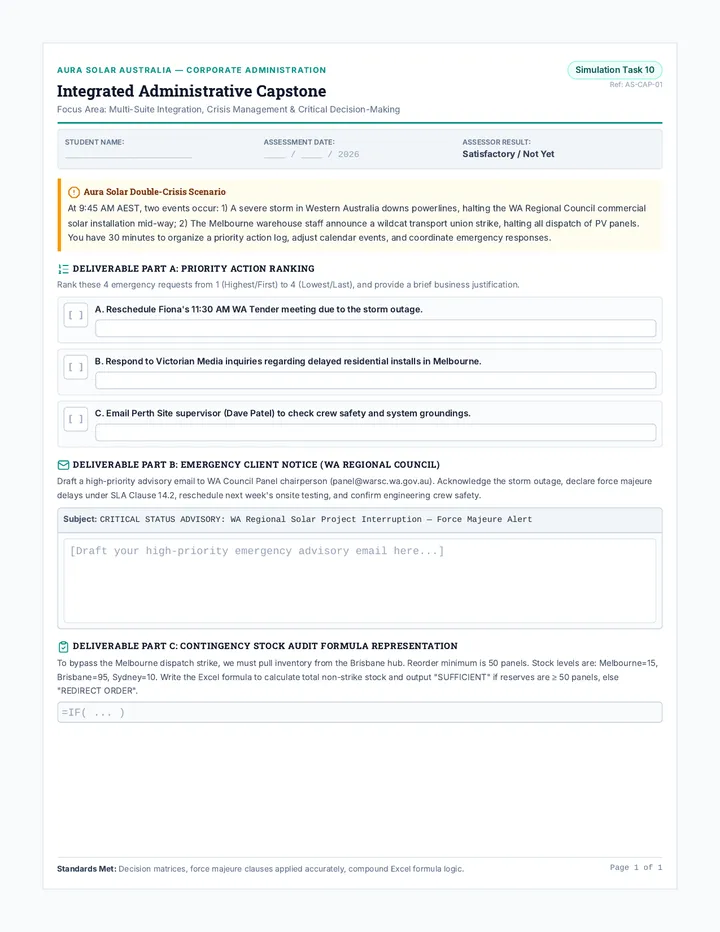
A comprehensive workplace simulation sequence following Aura Solar Australia, a major renewable energy provider based in Melbourne. Students act as Corporate Administration Officers, executing complex, realistic tasks across the Microsoft Office Suite that align with Australian business standards, GST calculations, time zones, and privacy regulations.
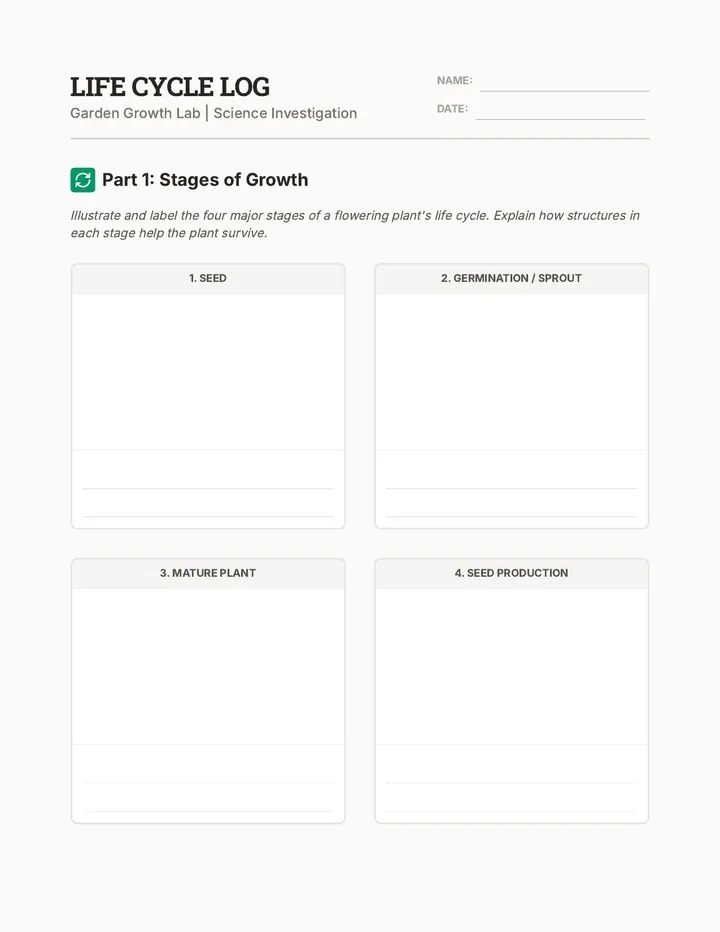
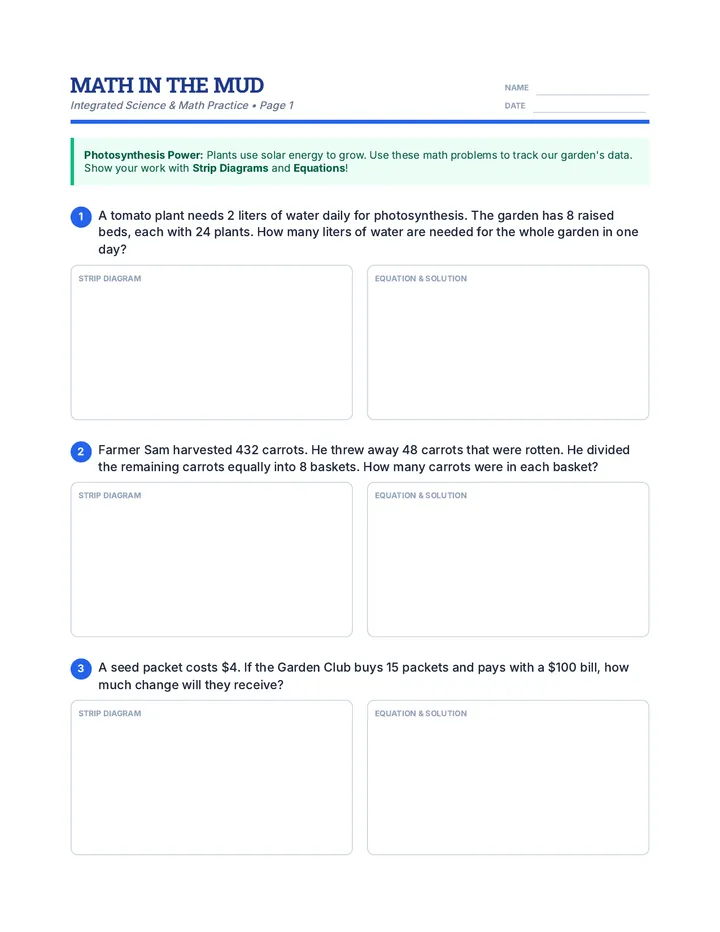
A 10-day project-based learning unit integrating 4th grade Math (multiplication/division) and Science (photosynthesis/life cycles). Students choose between designing a community garden or creating a garden business plan, applying their knowledge of plant systems to real-world calculations.
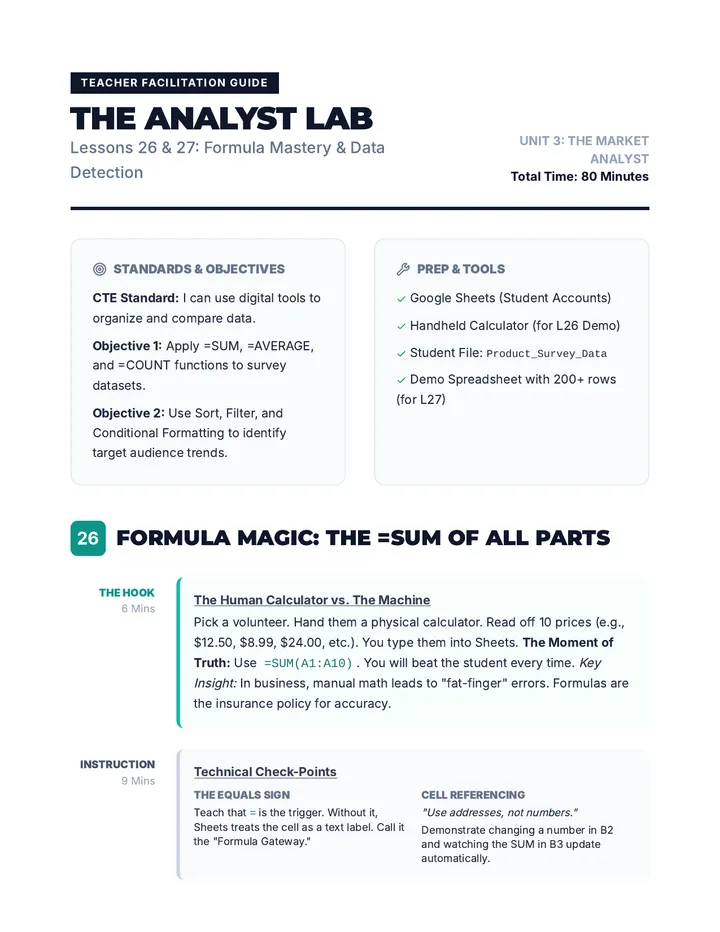
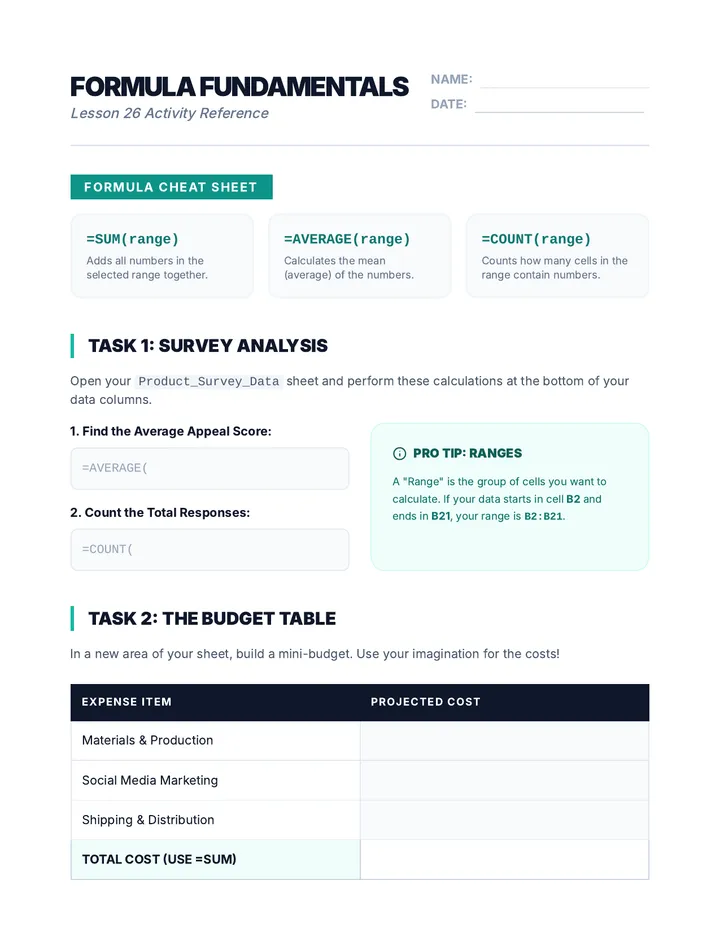
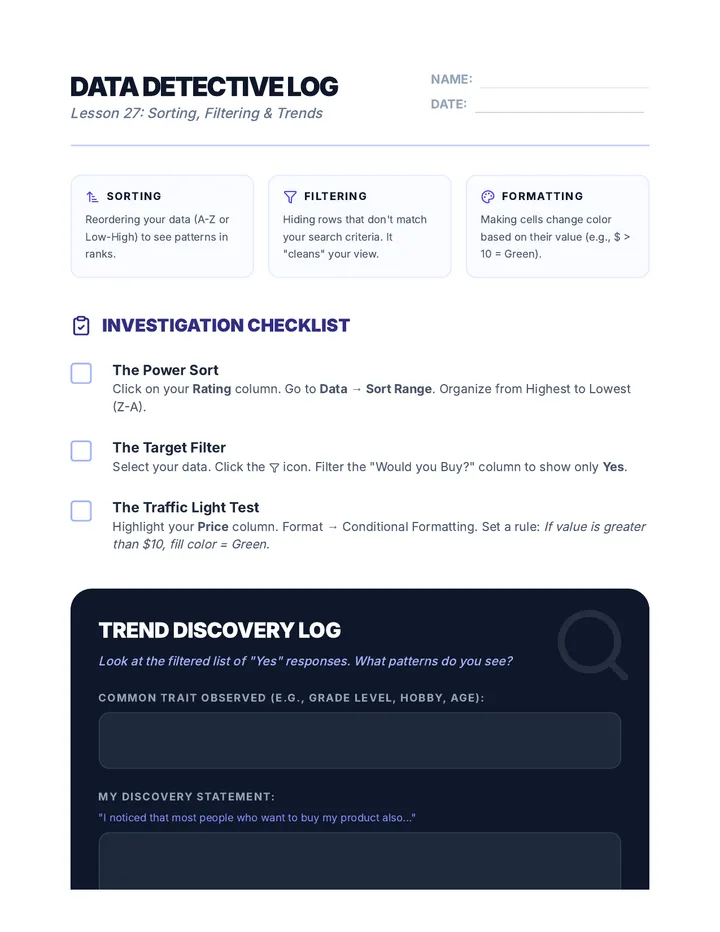
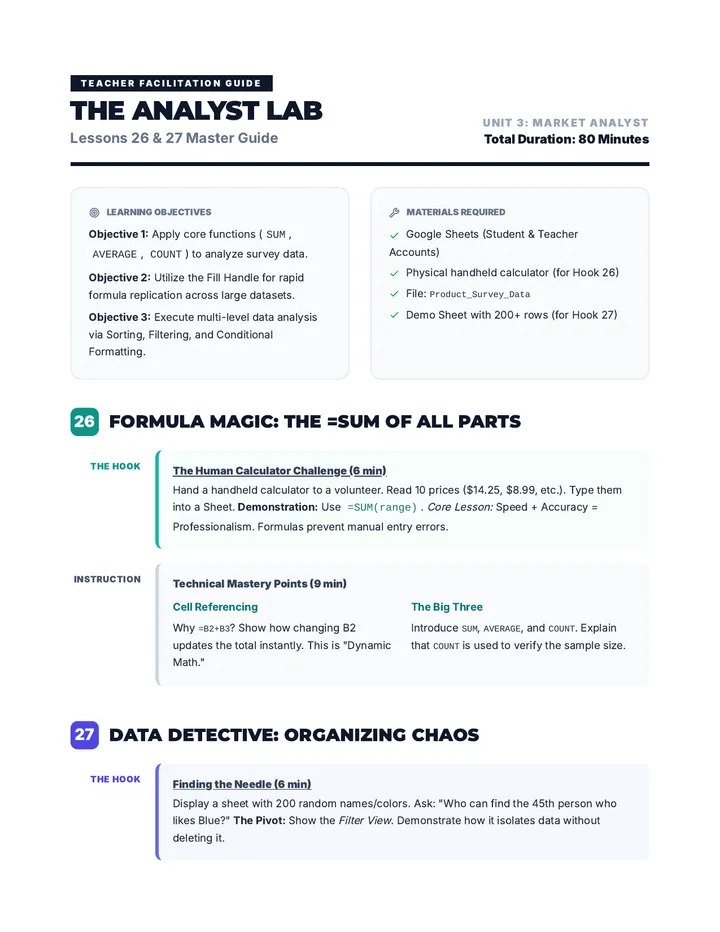
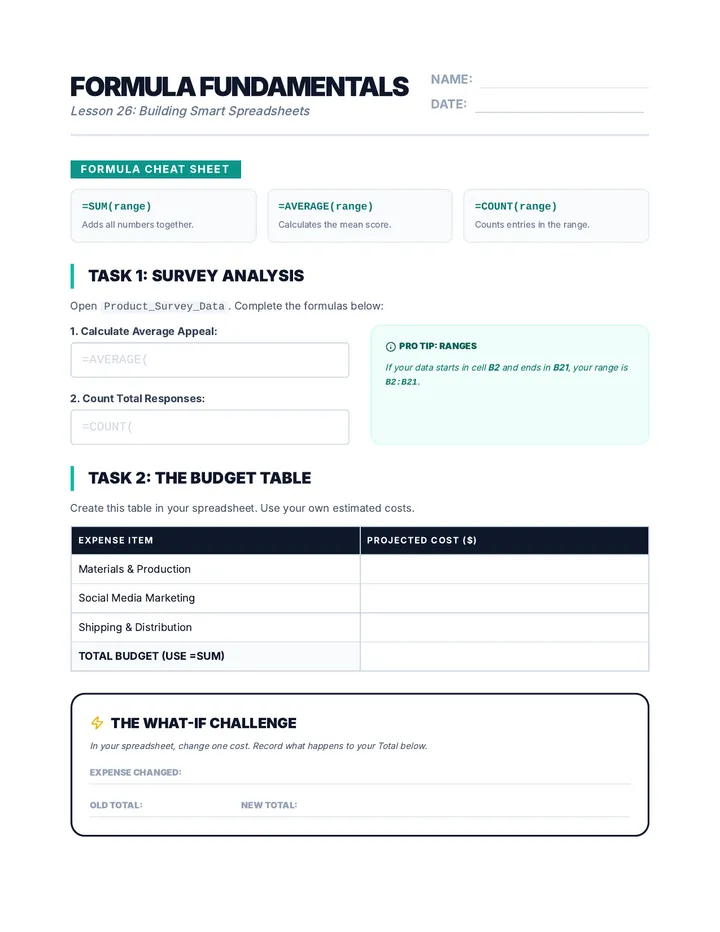
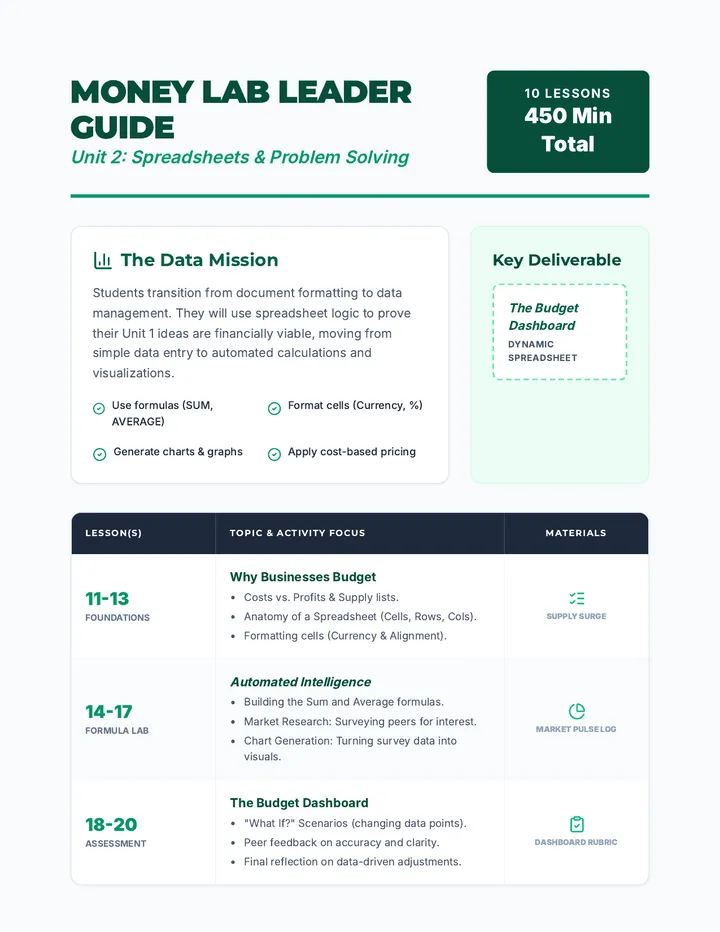
Students learn to use digital tools to organize, compare, and analyze market data using advanced spreadsheet techniques like formulas, sorting, and filtering.
A comprehensive 5-day unit on payroll accounting, covering gross pay calculations, tax deductions, and employer-provided benefits through real-world business scenarios.
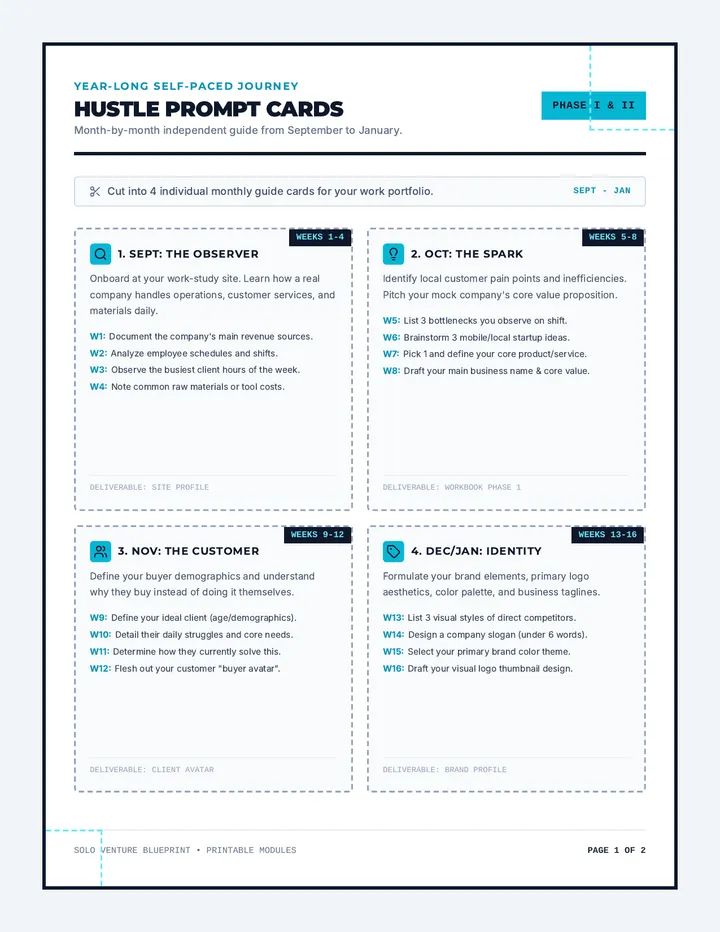
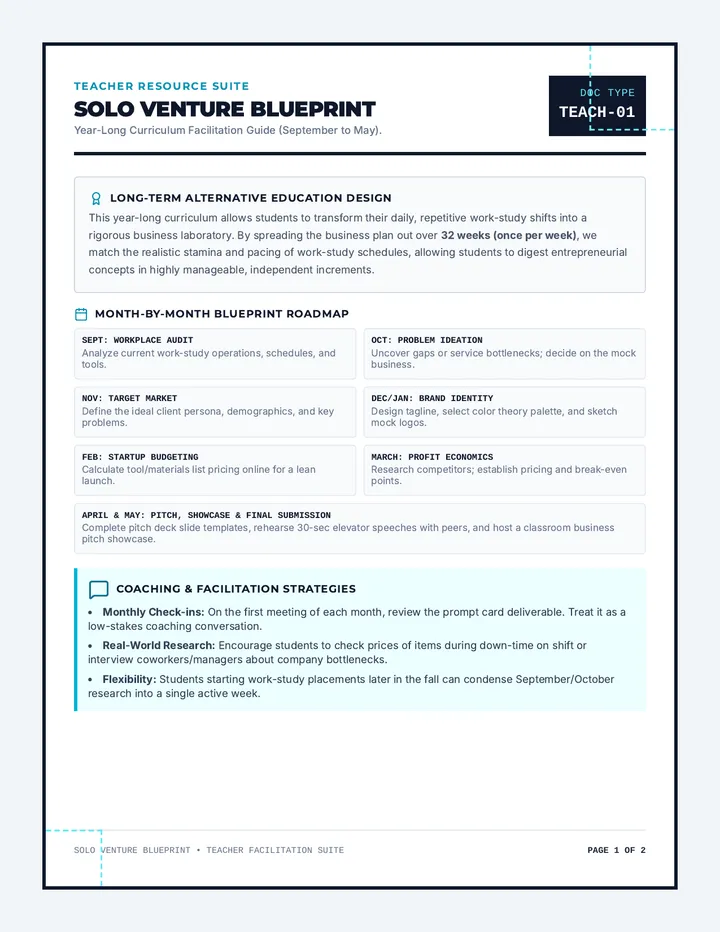
A year-long, self-paced entrepreneurship curriculum spanning September to May for alternative education students in work-study placements. Students transform real-world work experience into a modular business plan and slide presentation.
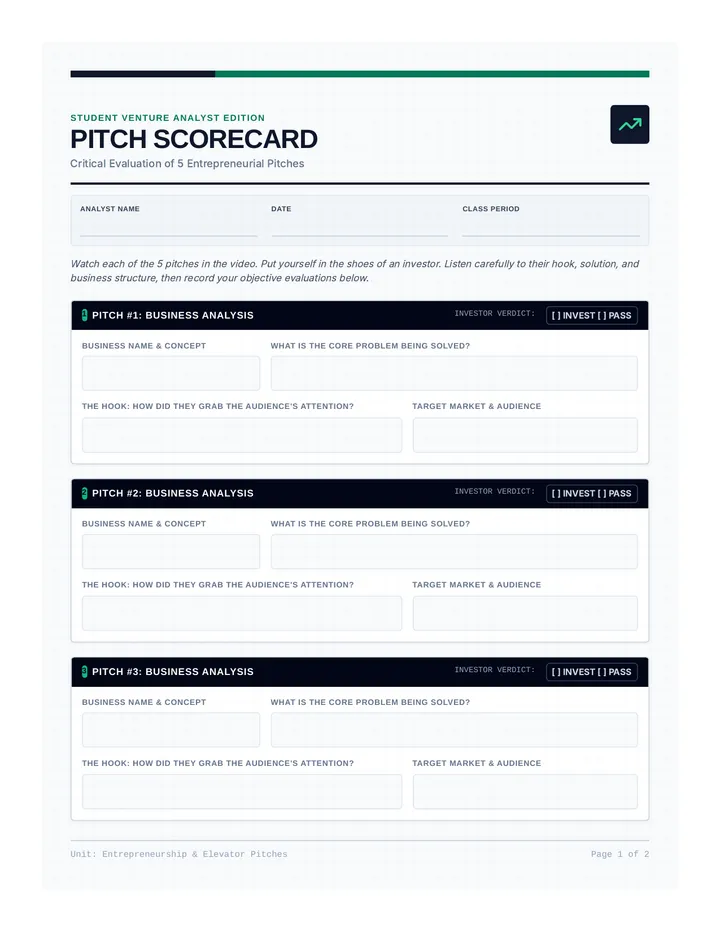
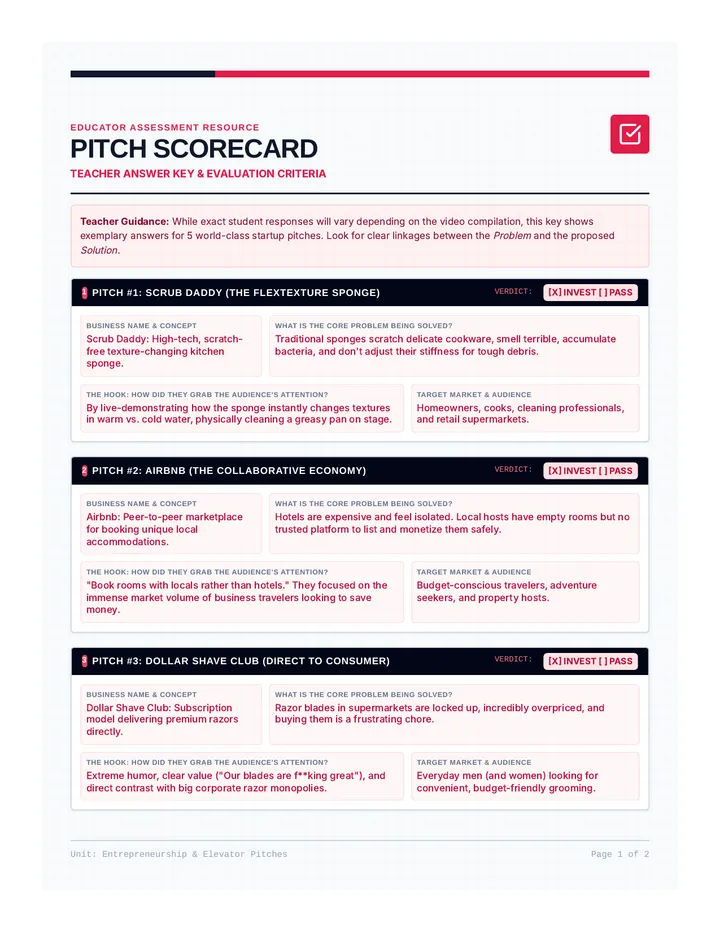
A comprehensive sequence focused on mastering business presentation skills and understanding company valuation for a professional audience.
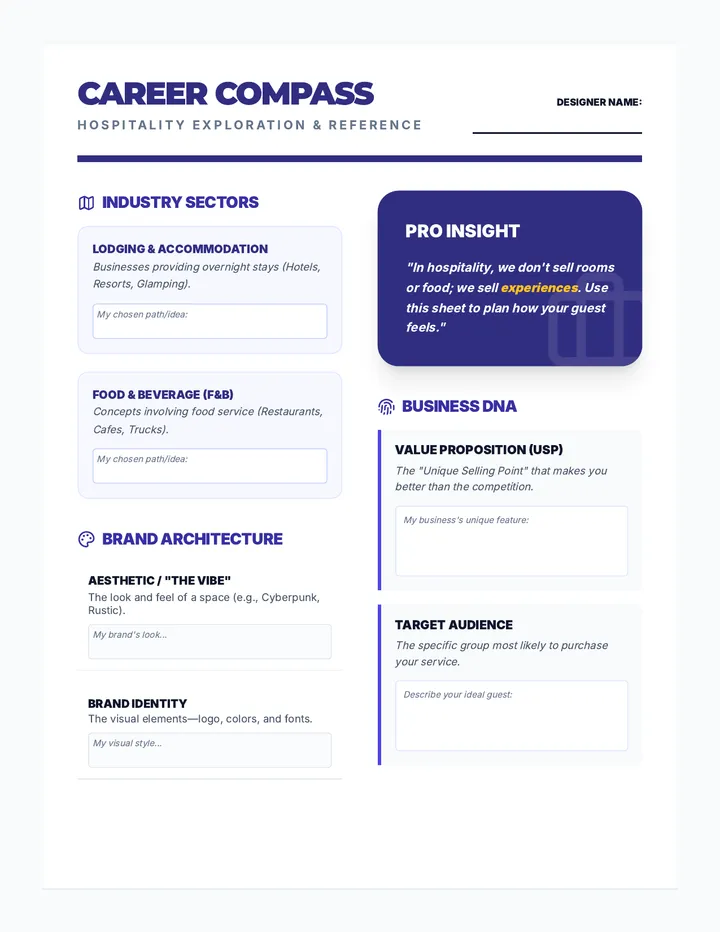
A comprehensive exploration of the hospitality and tourism industry, covering hotel management, culinary arts, event planning, and marketing through the lens of professional excellence.
A 40-lesson 6th-grade introductory computer skills course that guides students from initial business ideas through financial budgeting, marketing campaigns, and a final investor pitch. Focuses on word processing, spreadsheets, digital media, and presentation skills.
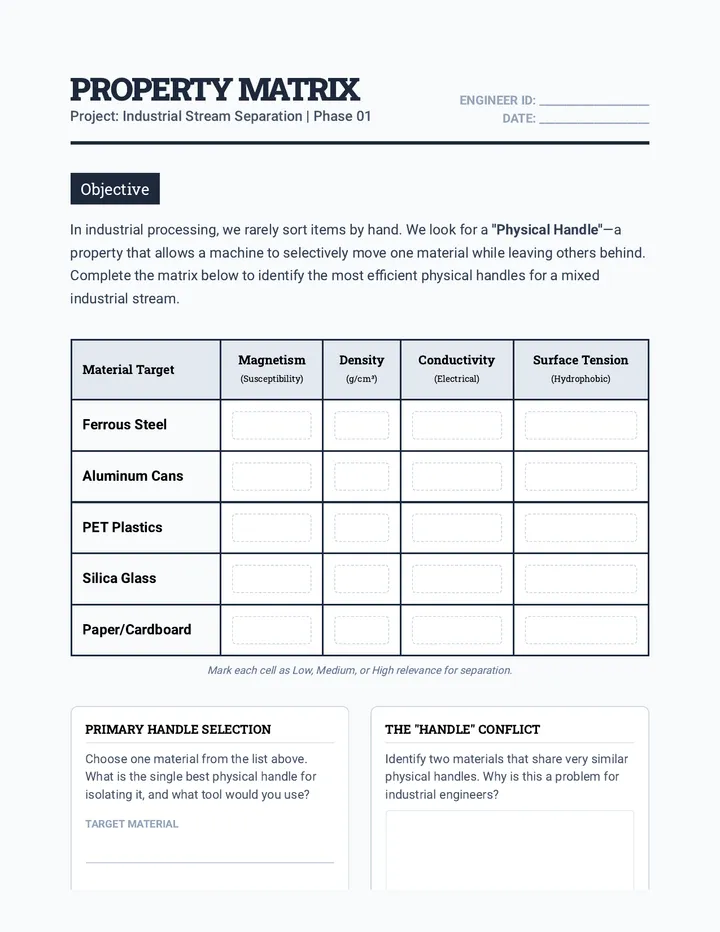
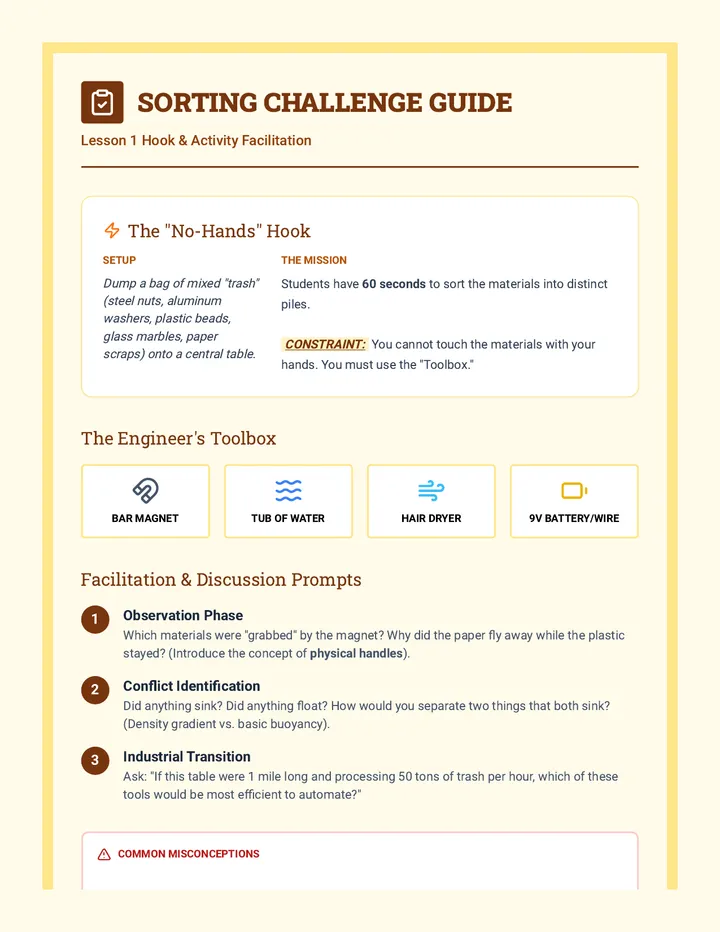
An industrial engineering-focused sequence for 11th-grade physics investigating how physical properties (density, magnetism, conductivity) dictate large-scale separation methods in recycling, mining, and environmental cleanup. Students analyze the physics of centrifuges, eddy currents, and the economic trade-offs of engineering design.
A project-based sequence for 4th graders exploring the intersection of geological science, engineering, and economics. Students investigate the properties of rocks and minerals, simulate mining operations, and apply material science to civil engineering proposals.
This 4th-grade sequence explores the economic and environmental complexities of mineral extraction. Through simulation and case studies, students learn how natural resources are turned into products, the physical impact of mining on the landscape, and strategies for land restoration and conservation.
A rigorous graduate-level sequence on normative decision theory, covering decision trees, utility theory, Value of Information (VoI), and sensitivity analysis for strategic organizational decision-making.
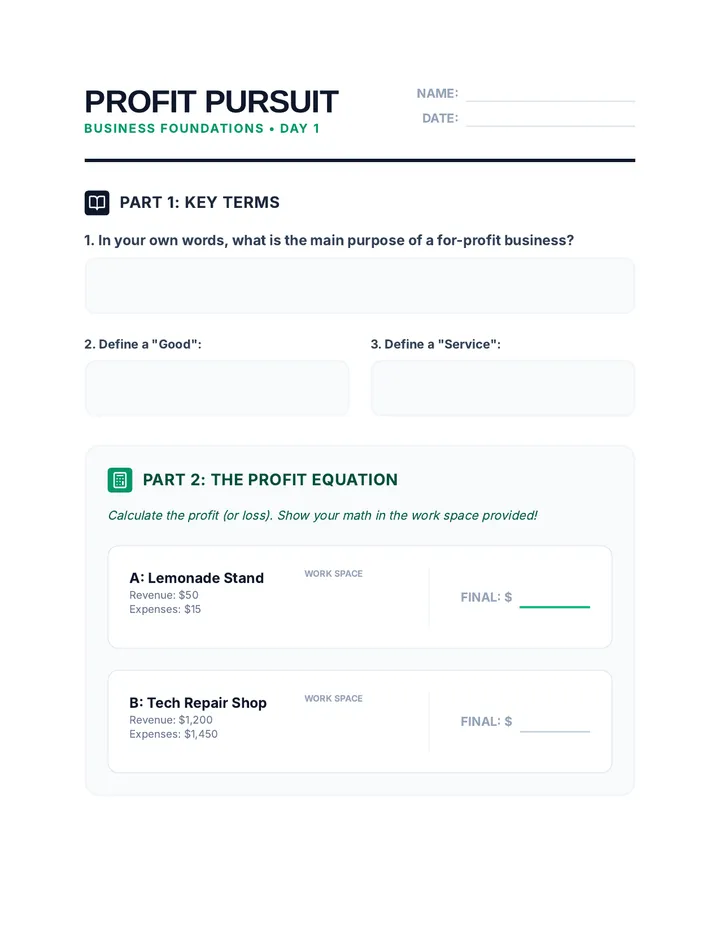
A comprehensive 7-day introduction to business and entrepreneurship. Students explore foundations, economic principles, ownership models, internal structures, and the mindset and process needed to launch a new business idea.
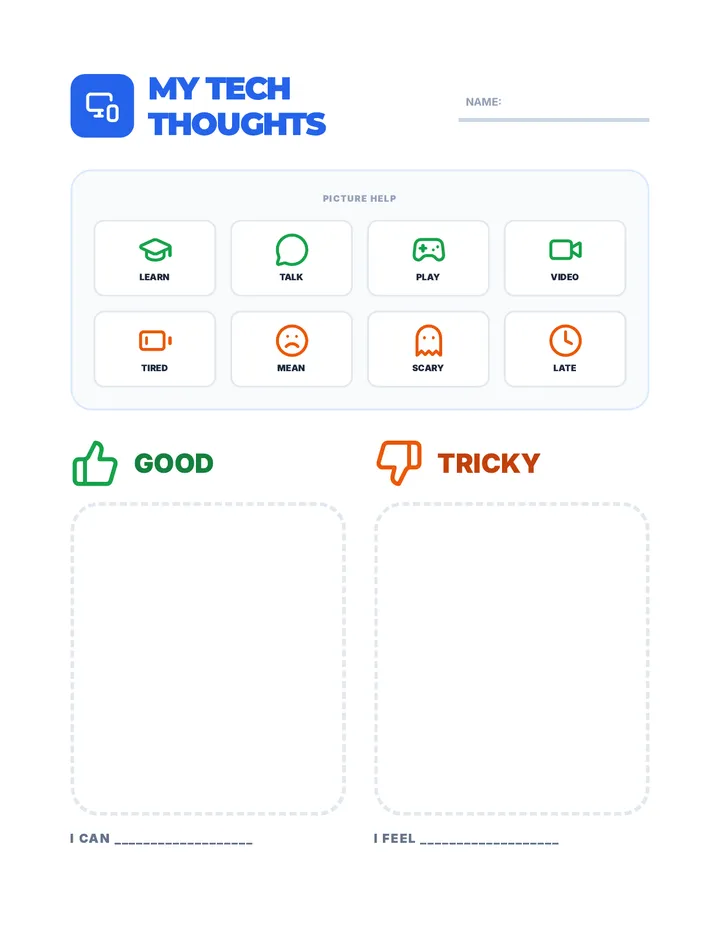
A two-part technology sequence for Primary 3 students exploring the dual nature of technology and the engineering design process for creating helpful inventions.
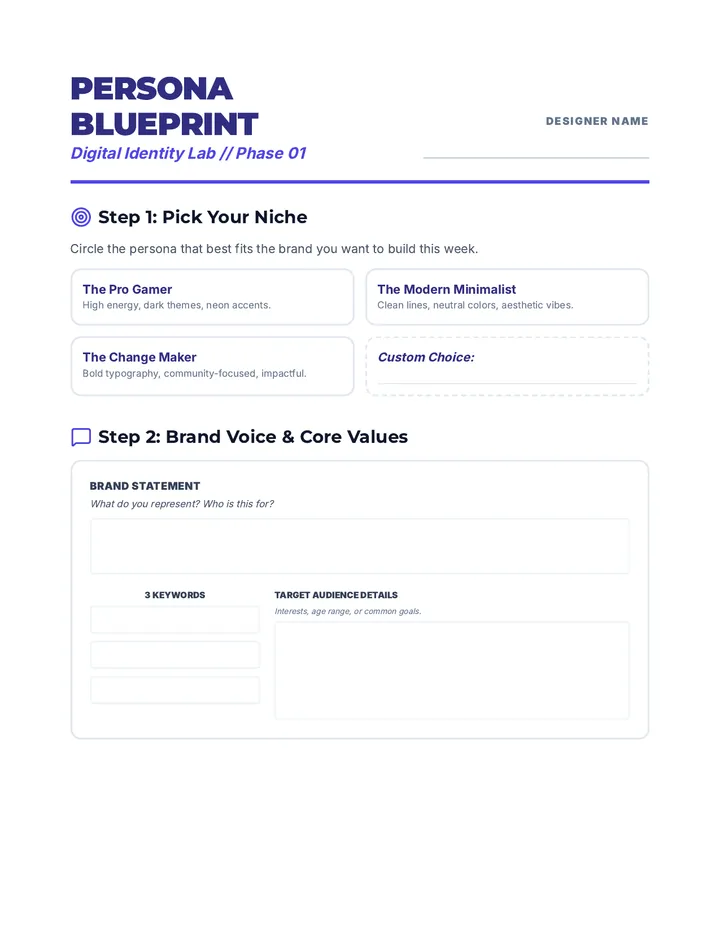
A 4-day project sequence where high school students explore their digital identity through personal branding in Canva and short-form video production in CapCut. Students choose a personal 'niche'—such as gaming, fashion, or social advocacy—to build a cohesive visual presence.
A comprehensive identity design unit where students explore the psychological and visual elements of branding, including color theory, typography, and logo composition.
A multi-day project where students trace the lineage of household technology, culminating in a prototype design and a presentation on societal impact.
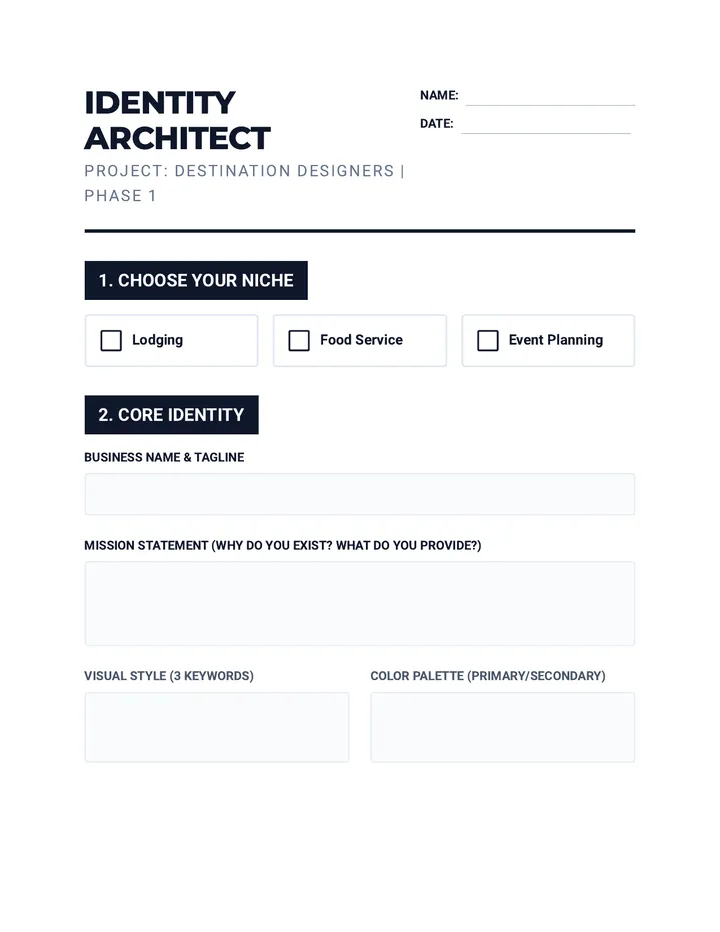
A project-based learning unit where high school students design and market a new hospitality venture, from initial concept to a full marketing campaign and presentation.
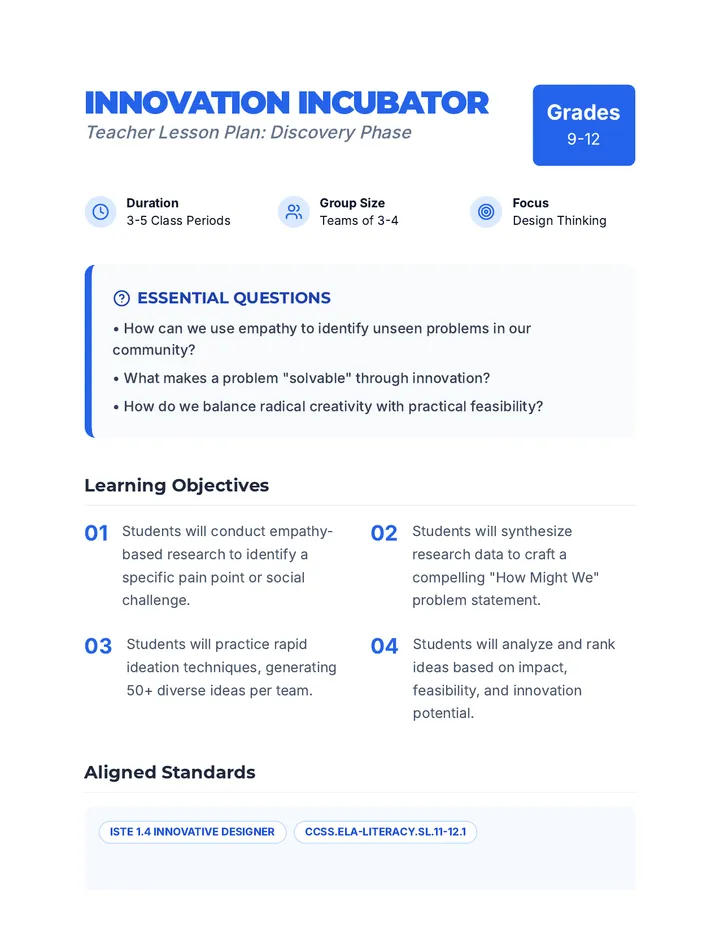
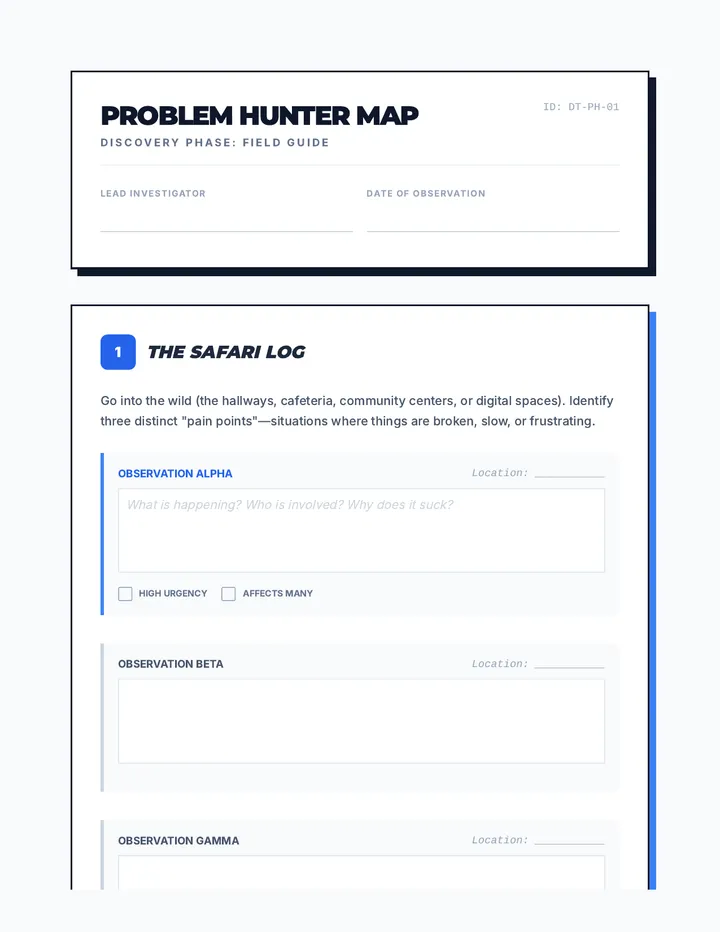
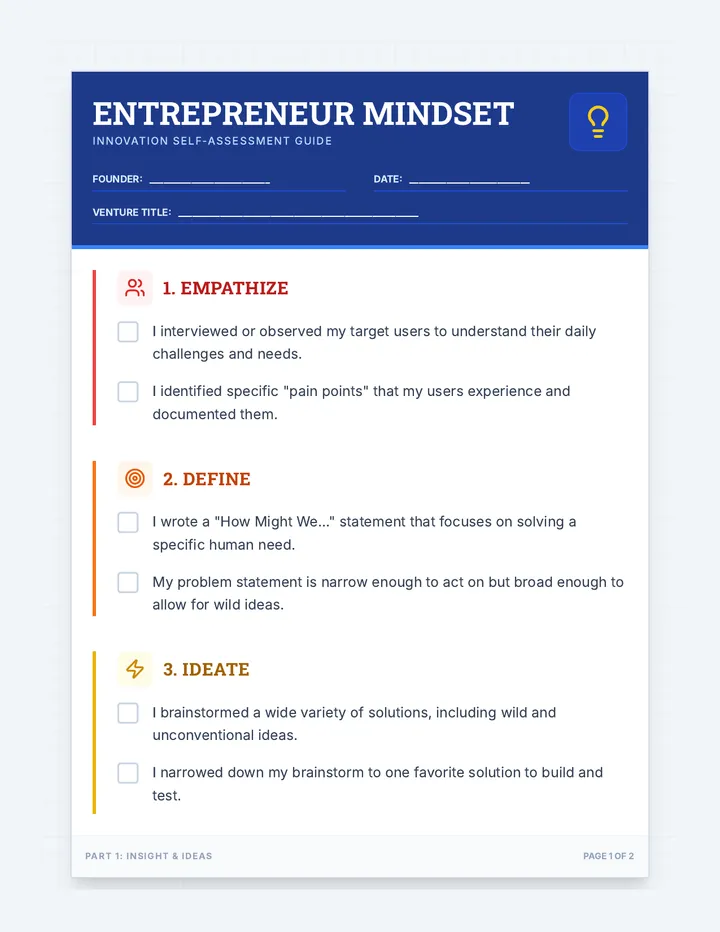
A comprehensive project-based learning unit where high school students apply design thinking to solve real-world problems, from initial discovery to final prototyping and pitching.
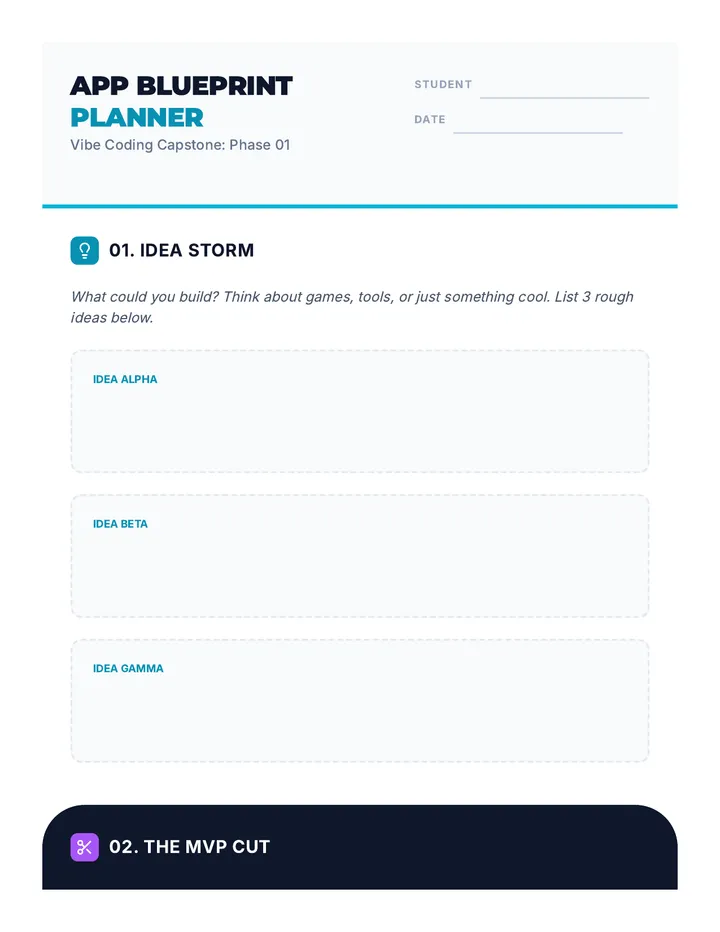
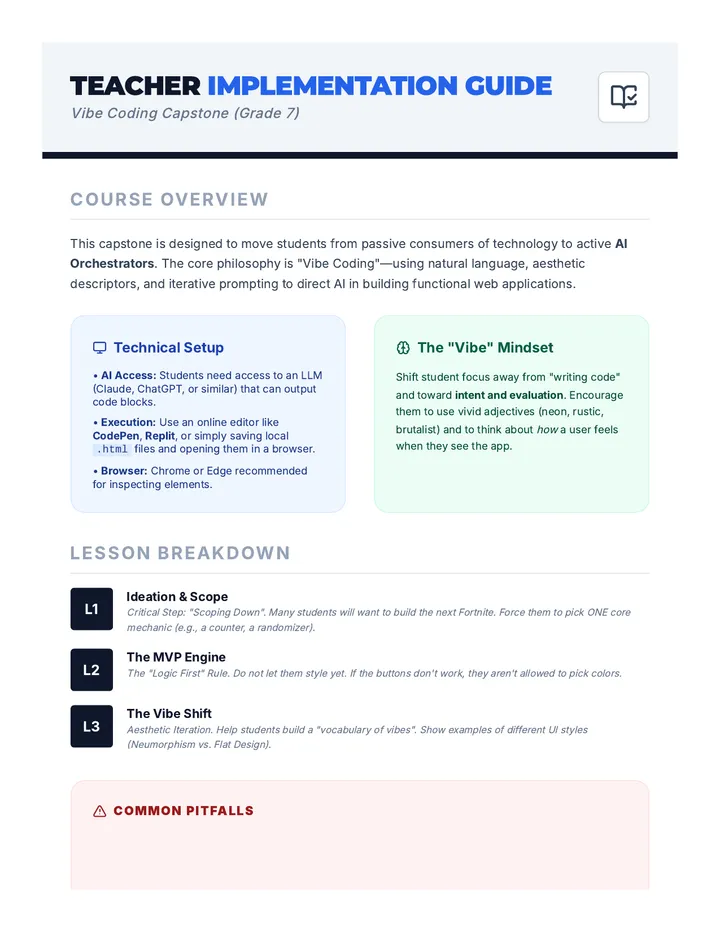
A project-based capstone where students build a fully functional browser app using AI tools. Students navigate the software development lifecycle from ideation to launch, focusing on the power of natural language 'vibe coding'.
Students explore automation and the future of work by adopting the role of inventors and designers. They investigate how robots and software automate tasks, analyze shifting job markets, and apply design thinking to create beneficial future technology concepts.
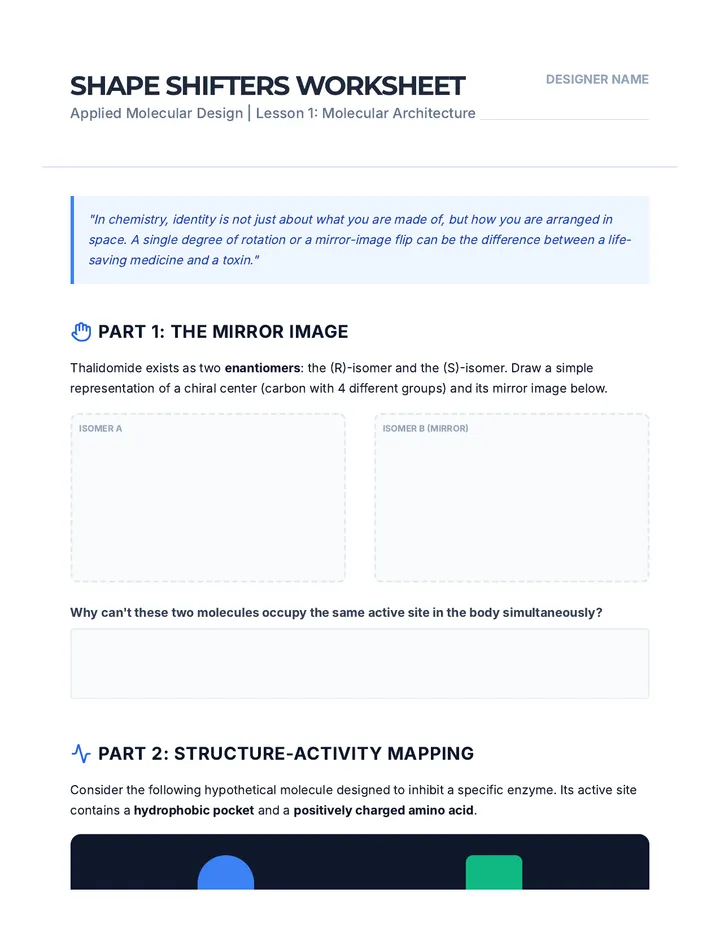
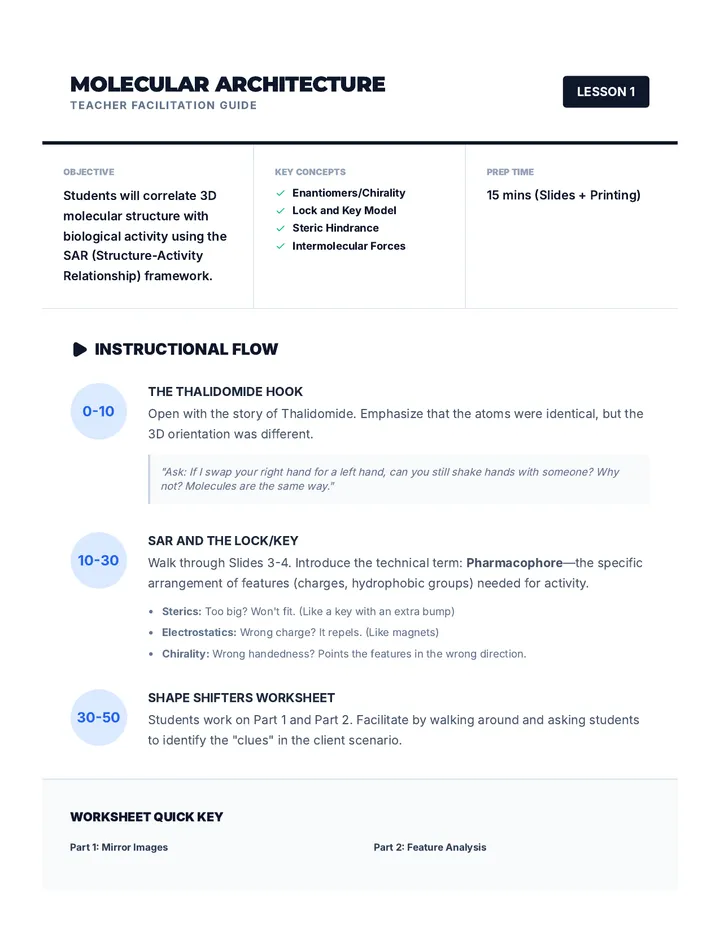
A project-based chemistry unit where 12th-grade students apply their knowledge of molecular geometry, polarity, and bonding to design a molecule for a specific pharmaceutical or industrial purpose. The sequence progresses from analyzing existing structure-activity relationships to using computational modeling tools and pitching a custom molecular design.
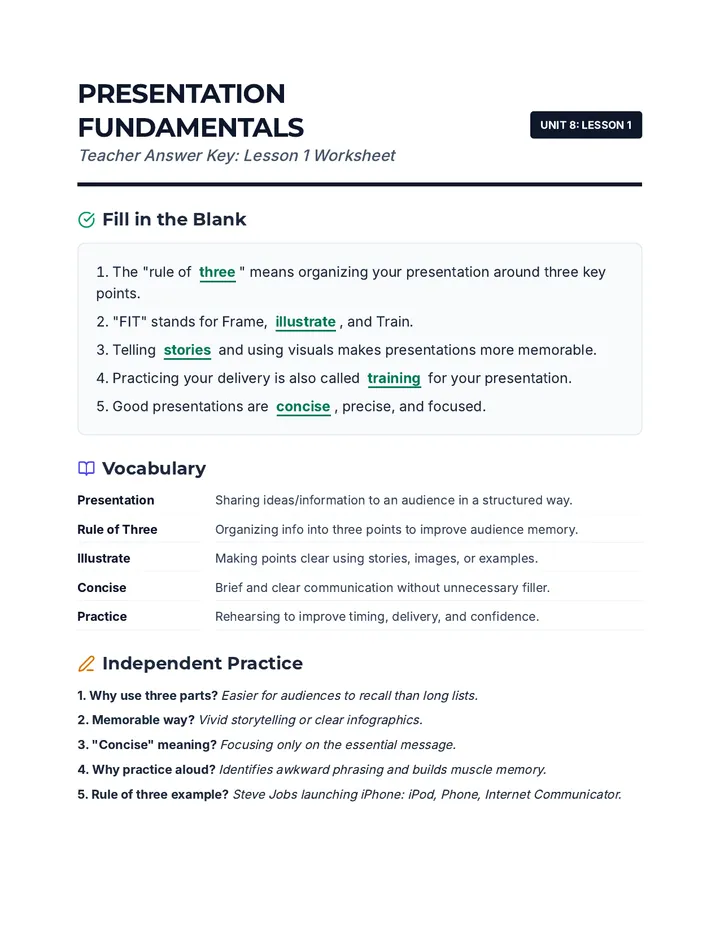
This lesson concludes the unit on business presentation skills and company valuation, testing students on the FIT model, the Rule of Three, and core financial assessment concepts.
A comprehensive 2-hour training focused on identifying emerging trends in prevention science and integrating them into evidence-based strategies to maximize community impact.
A comprehensive introduction to the essential culinary practice of mise en place, focusing on organization, efficiency, and professional kitchen standards for high school students.
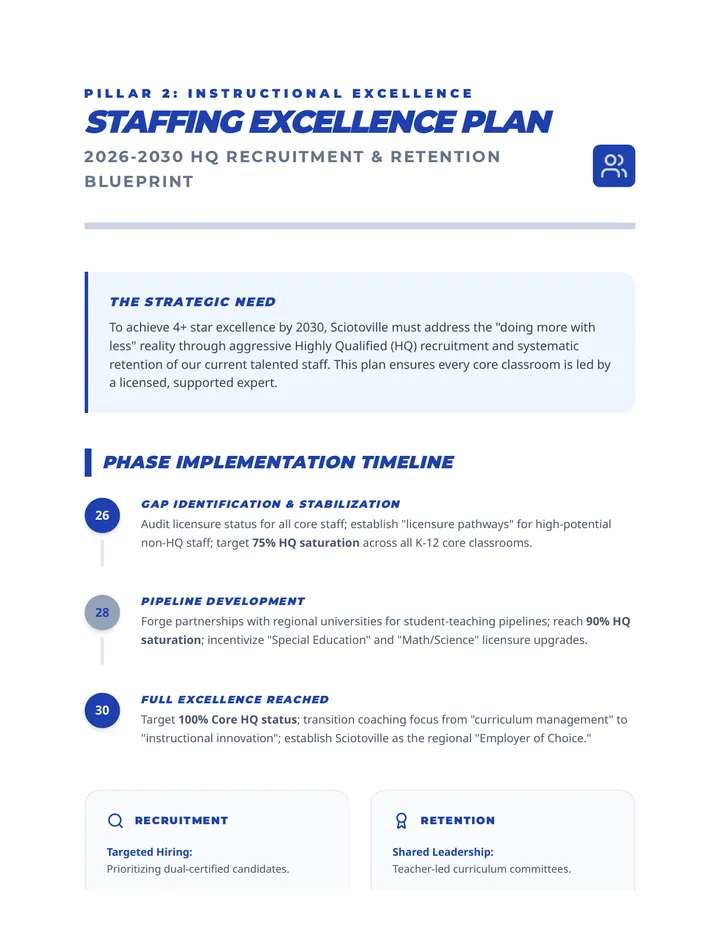
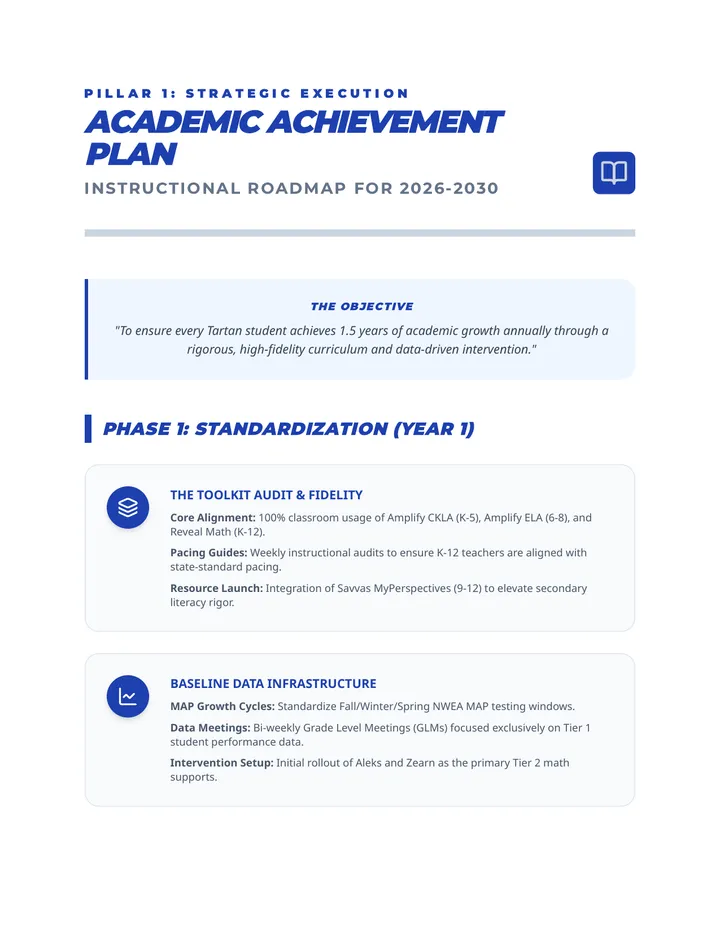
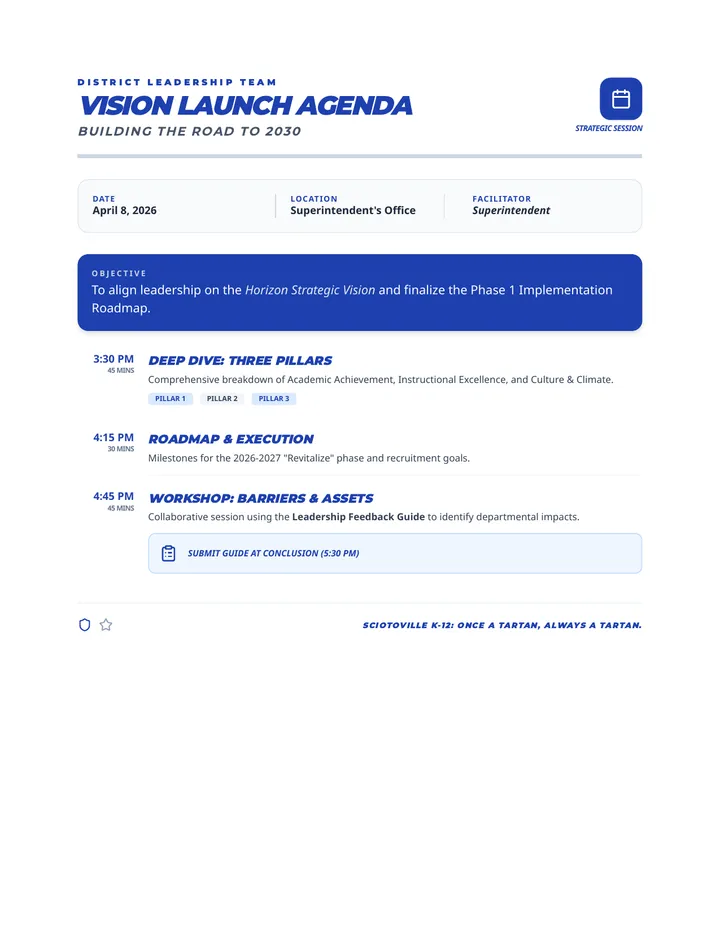
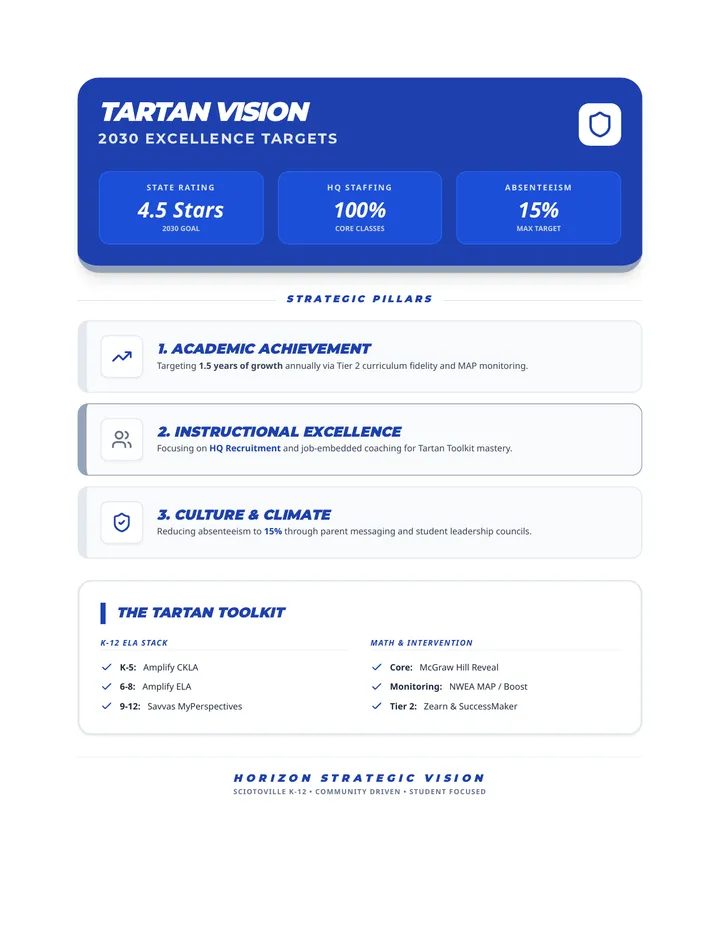
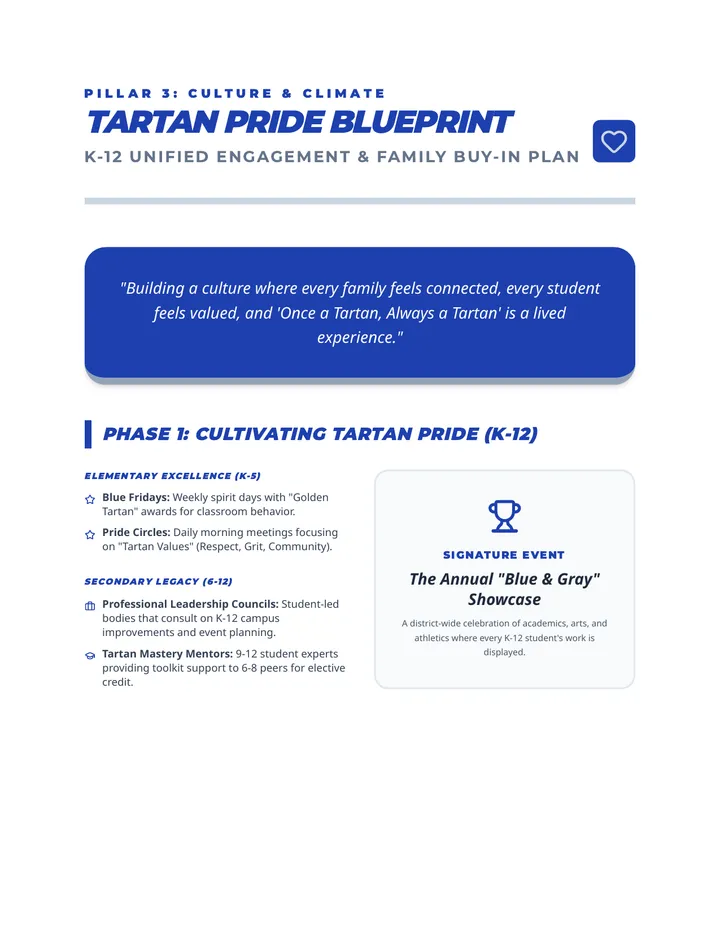
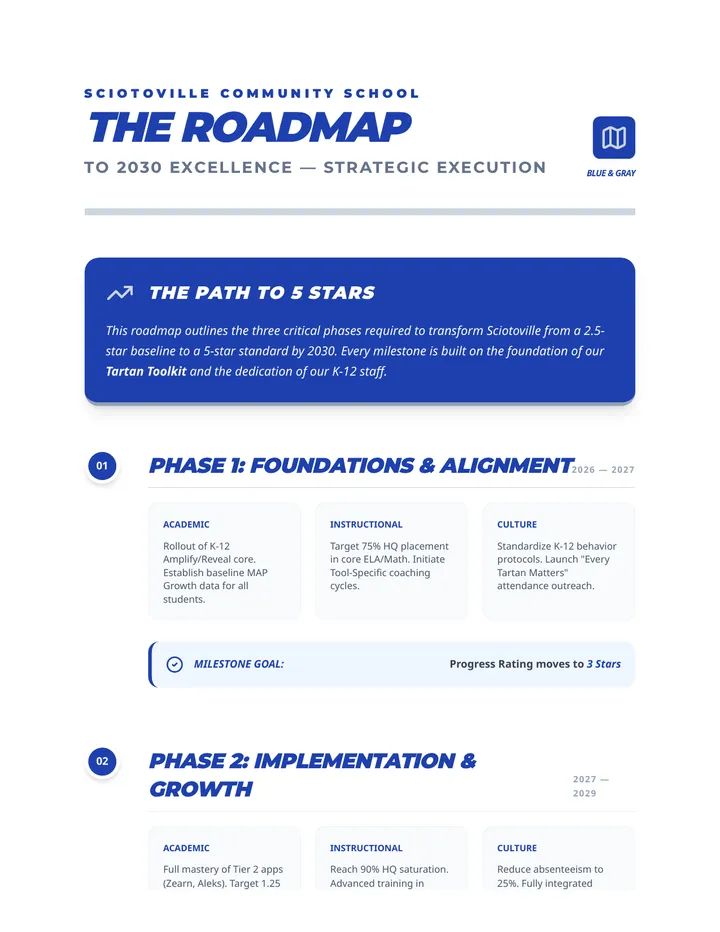
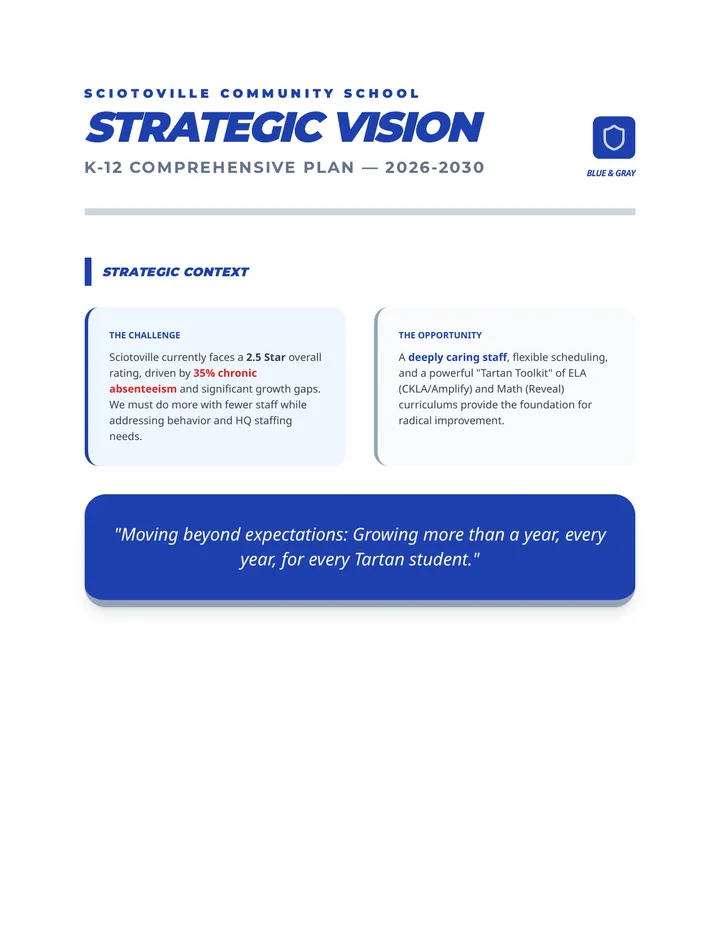
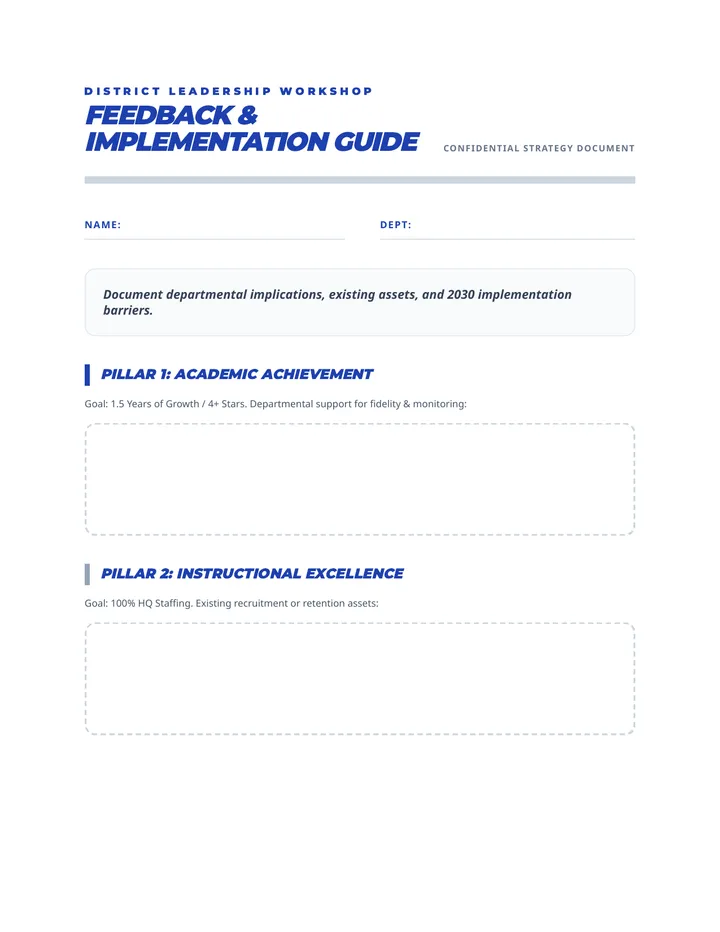
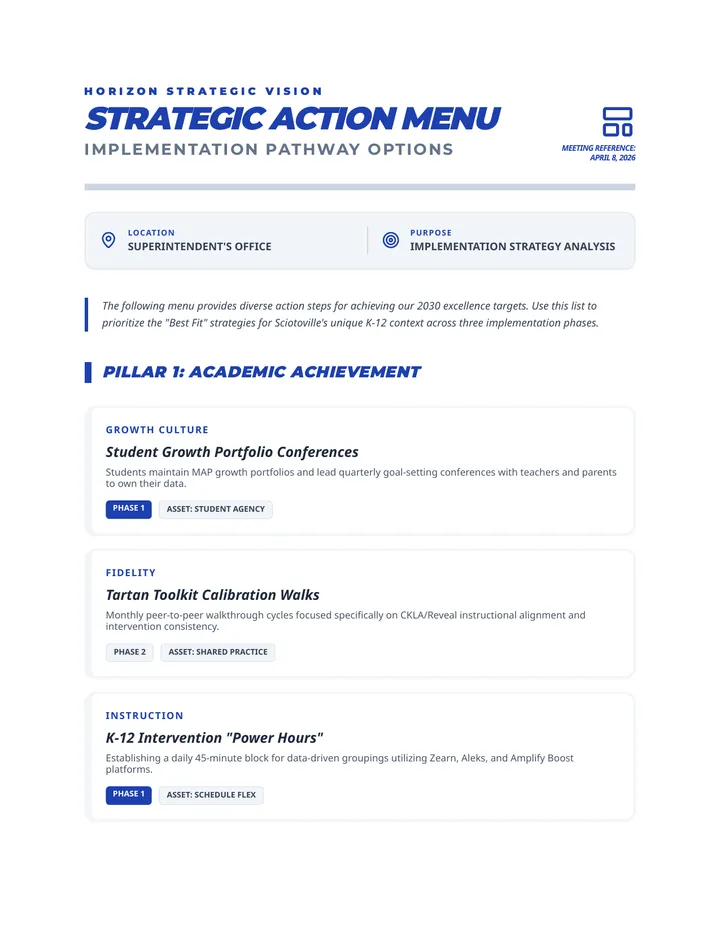
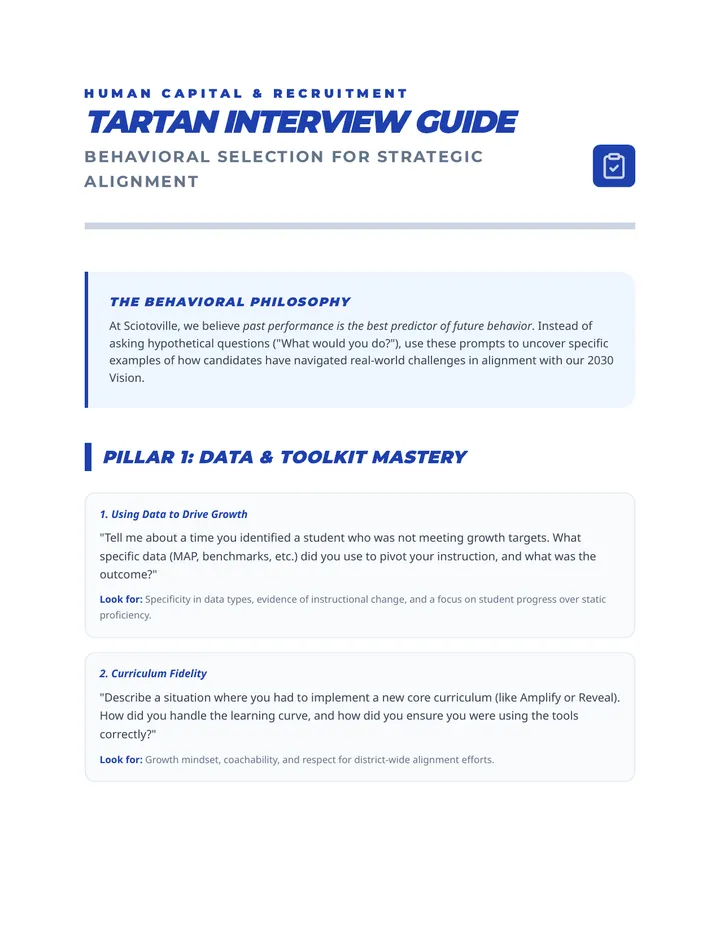
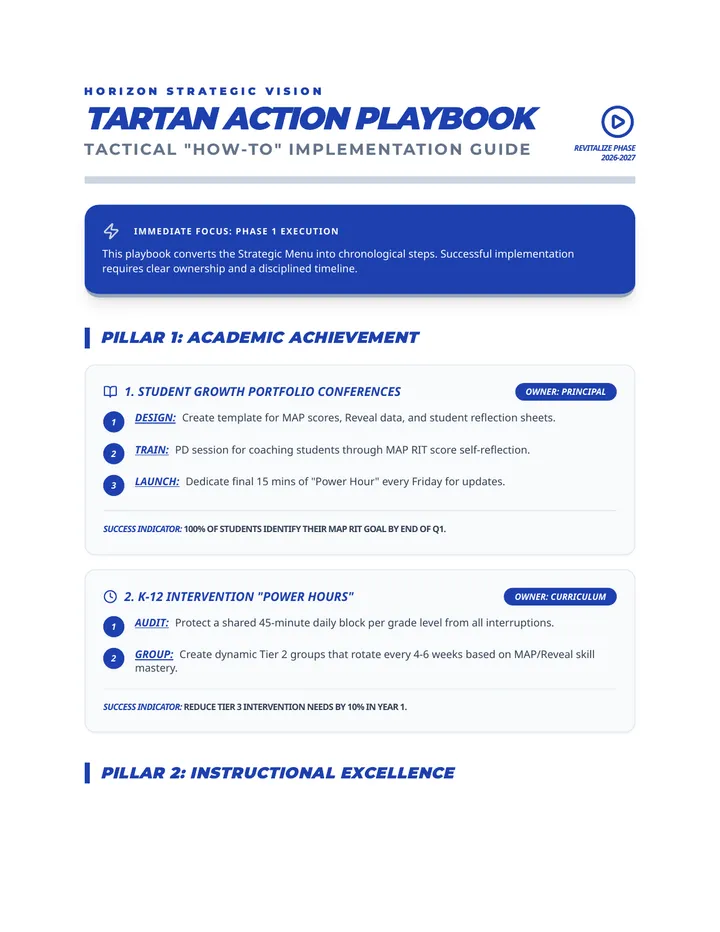
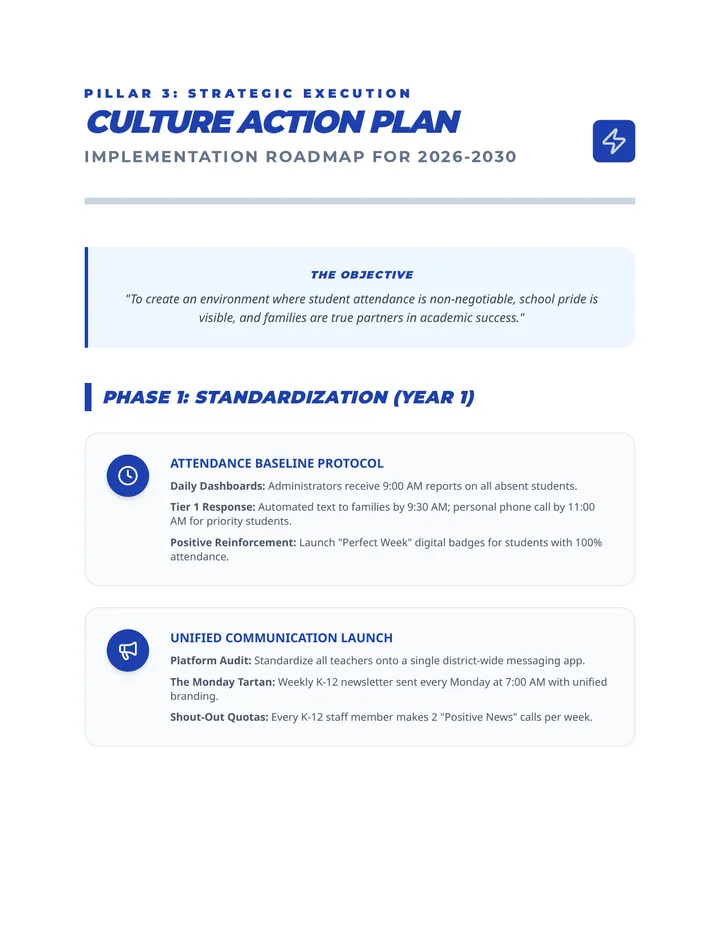
A comprehensive strategic vision plan focusing on Academic Achievement, Instructional Excellence, and School Culture to guide the district's growth and stakeholder alignment.
A comprehensive lesson on network topologies (Star, Mesh, Hybrid) applied to the real-world context of building a robust infrastructure for an e-commerce business. Students will analyze scalability, redundancy, and cost to design the 'backbone' of a digital store.
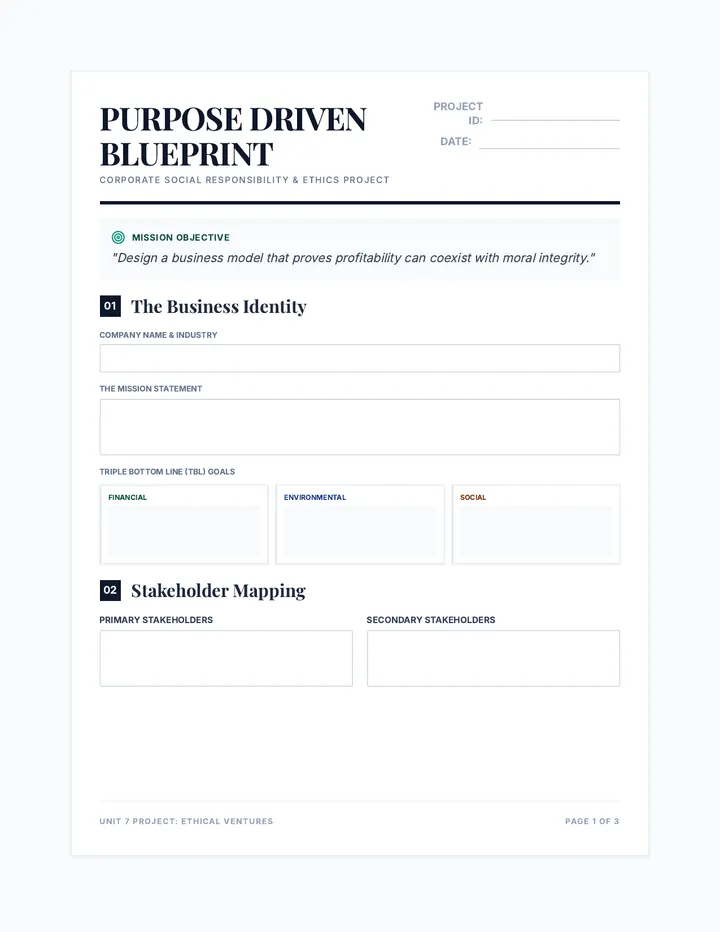
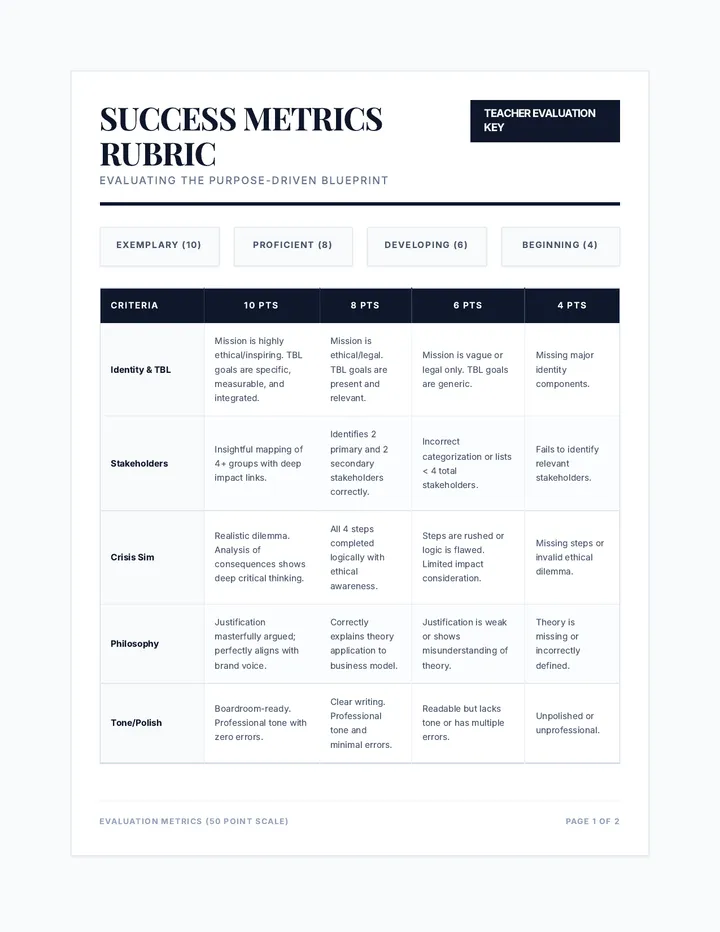
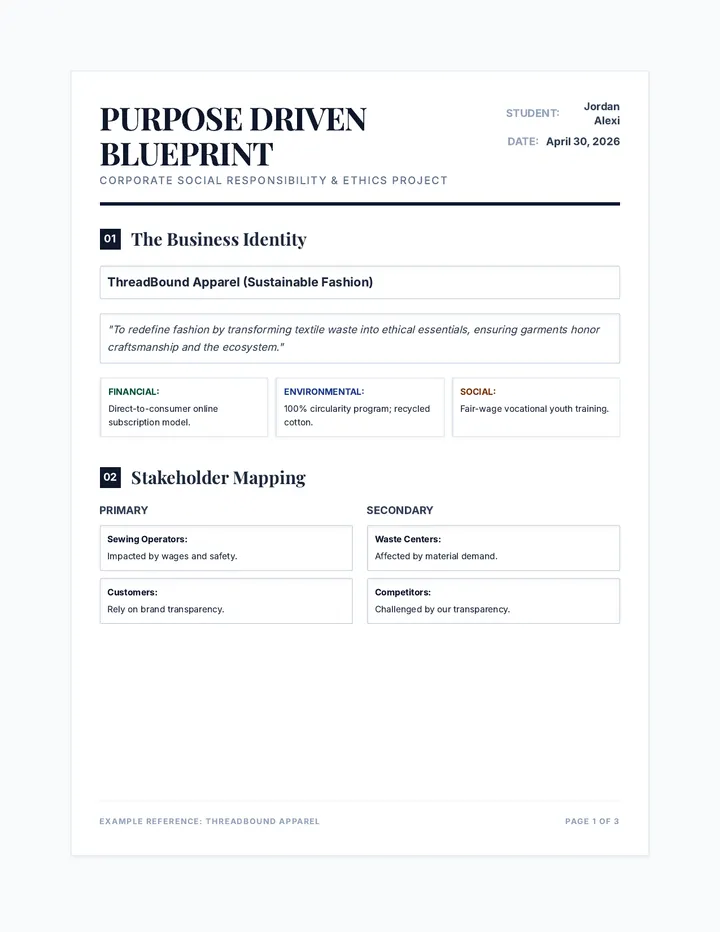
A comprehensive project where students design a socially responsible business from the ground up, focusing on the Triple Bottom Line, stakeholder mapping, and ethical decision-making.
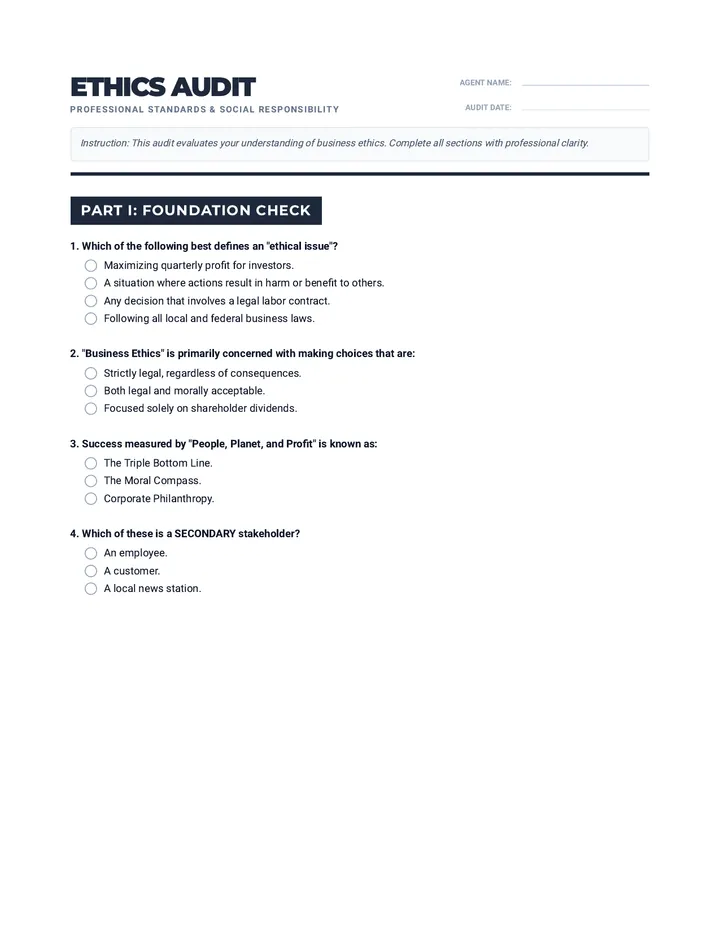
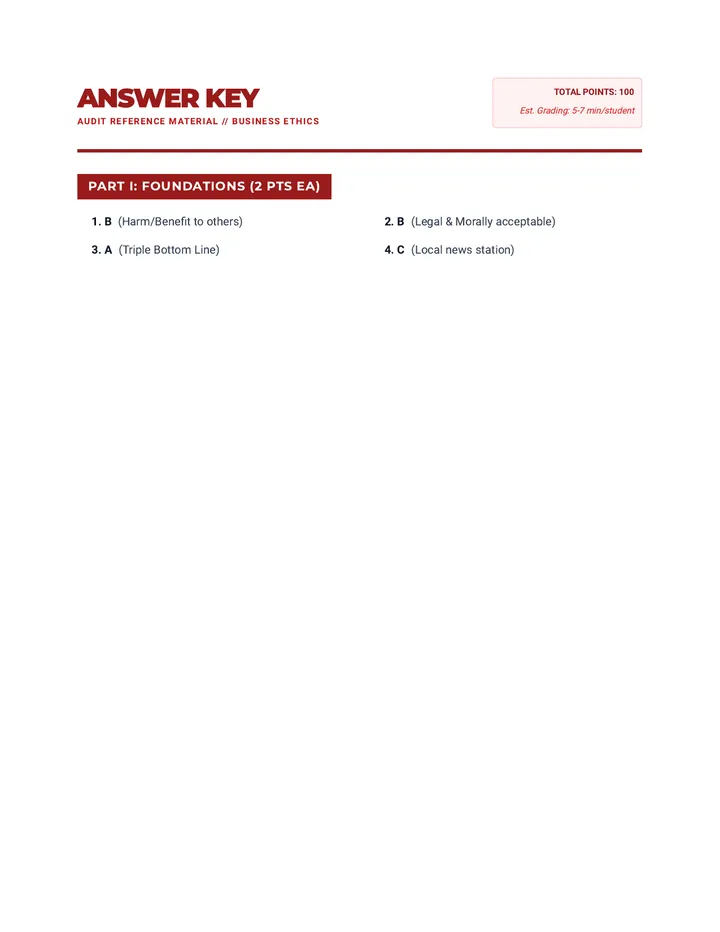
A comprehensive assessment covering business ethics, social responsibility, ethical theories, and the stakeholder decision-making process.
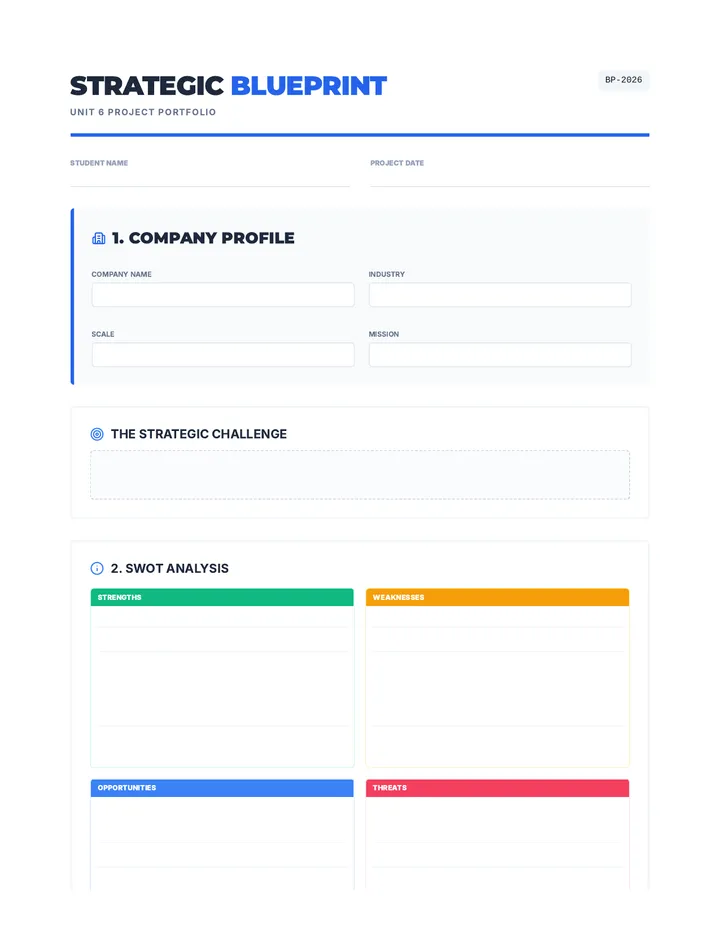
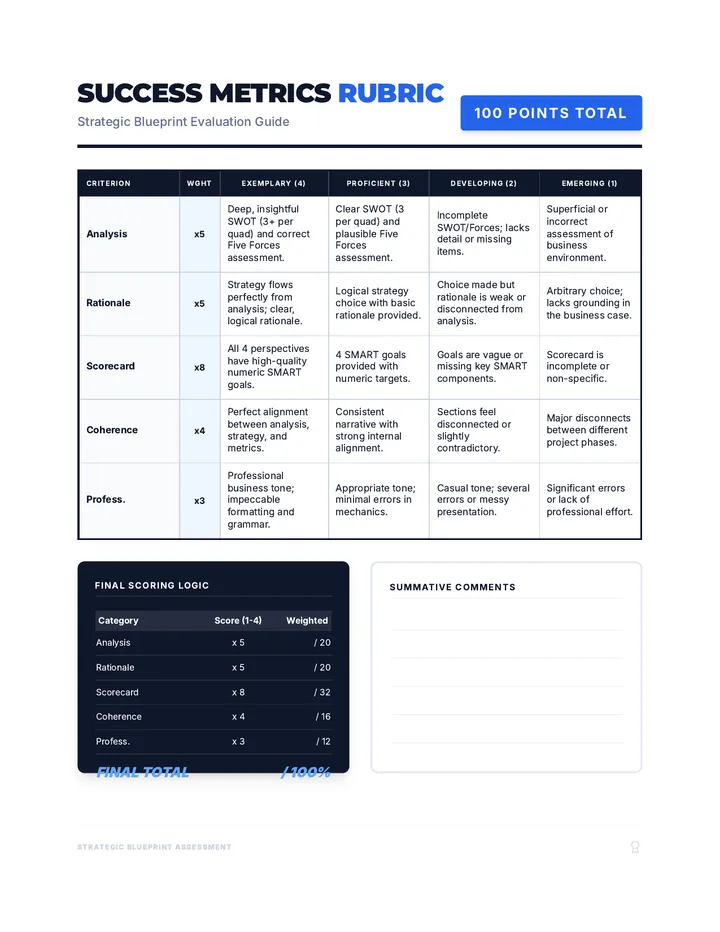
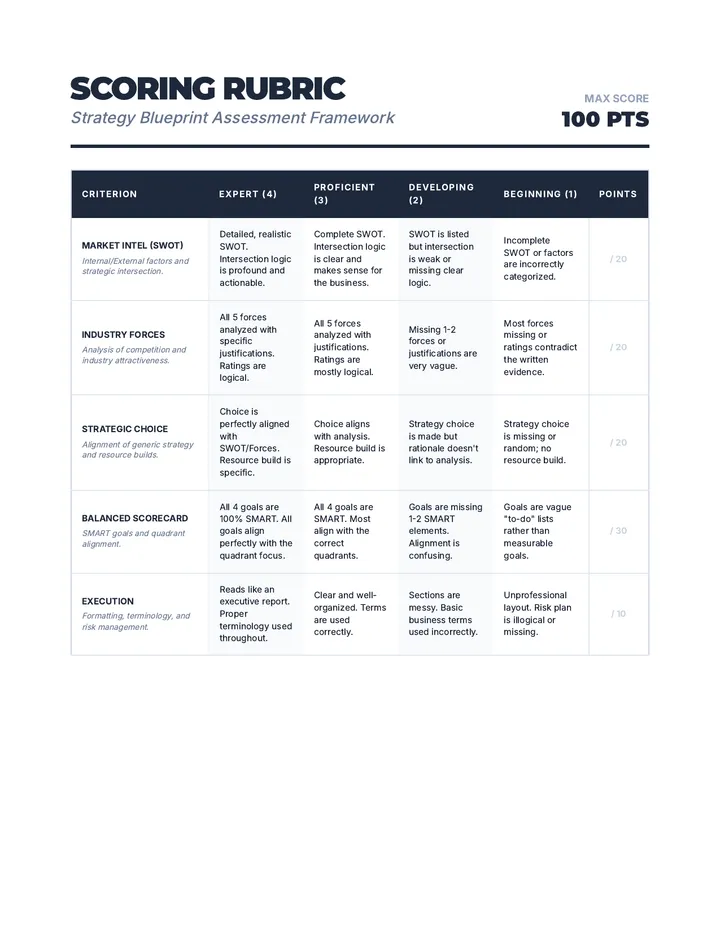
A comprehensive project-based lesson where students develop a strategic plan and a Balanced Scorecard for a business, moving from situational analysis to actionable metrics.
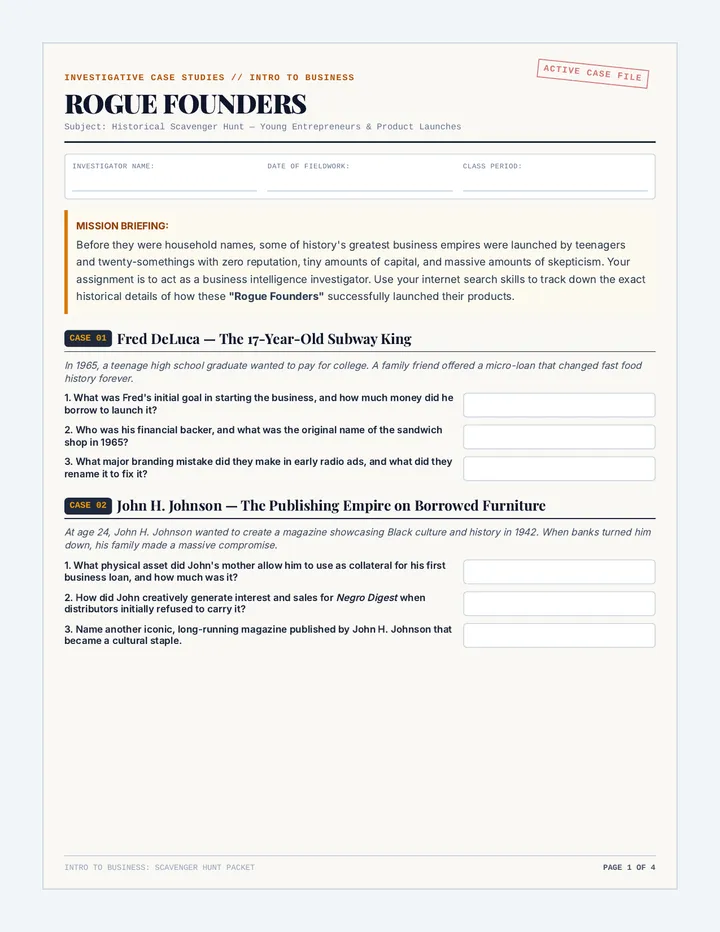
A high-energy, collaborative introductory lesson on entrepreneurship where students become 'Origin Hunters,' investigating the real-world, messy, and inspiring starting points of famous household brands.
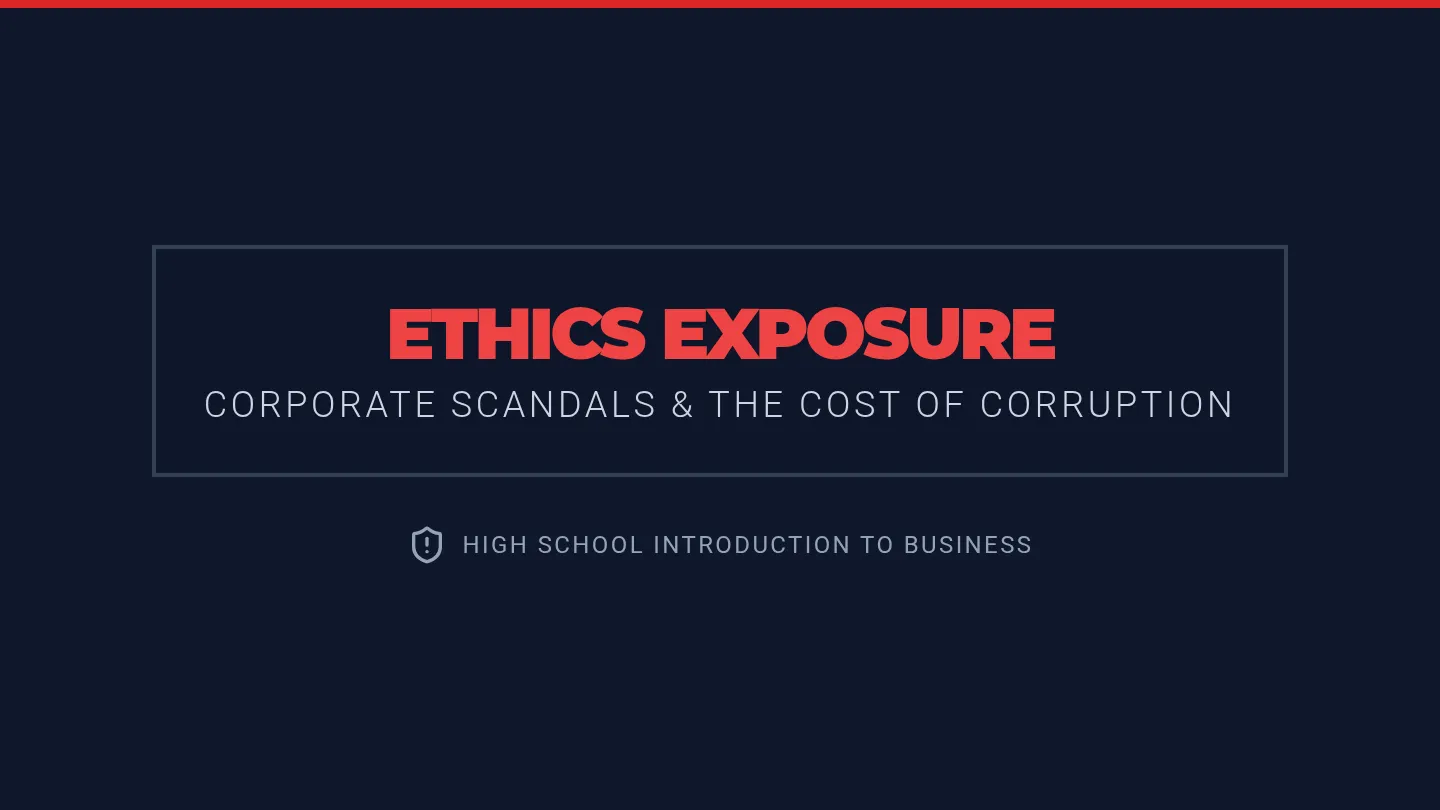
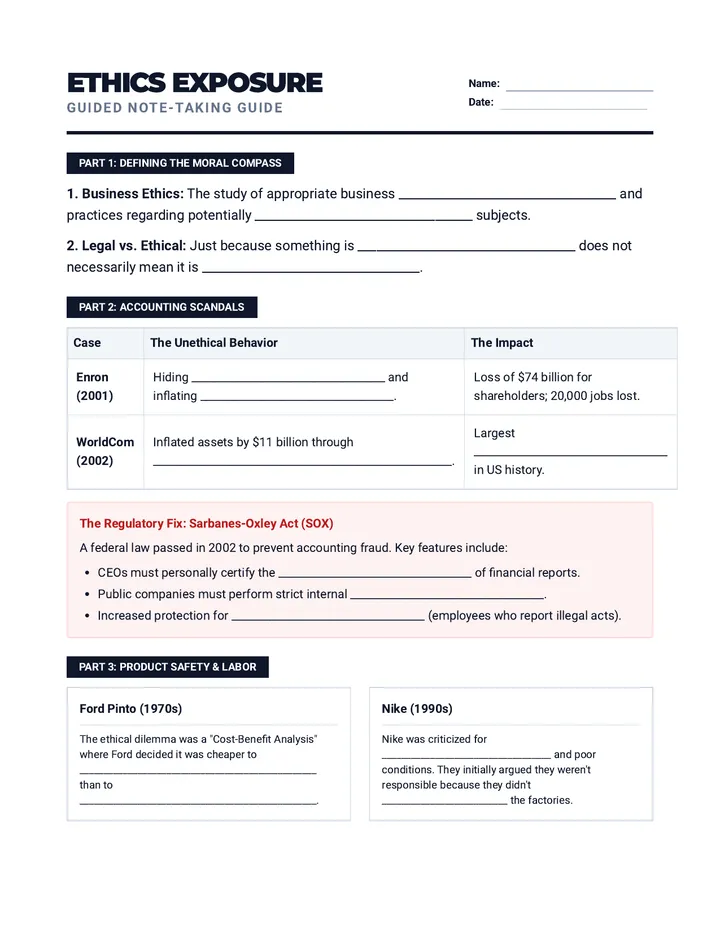
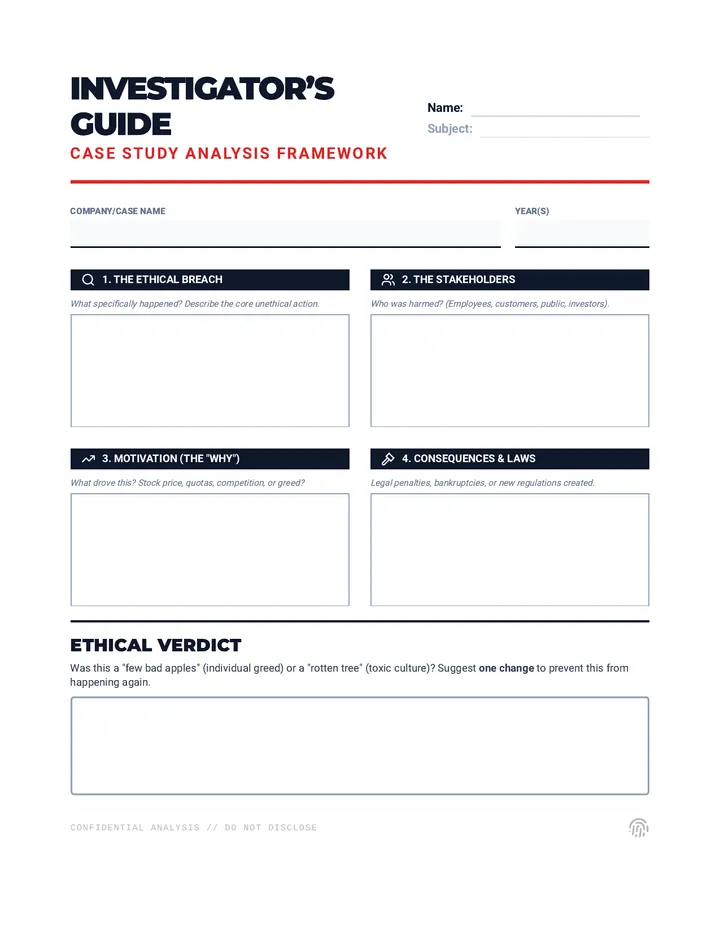
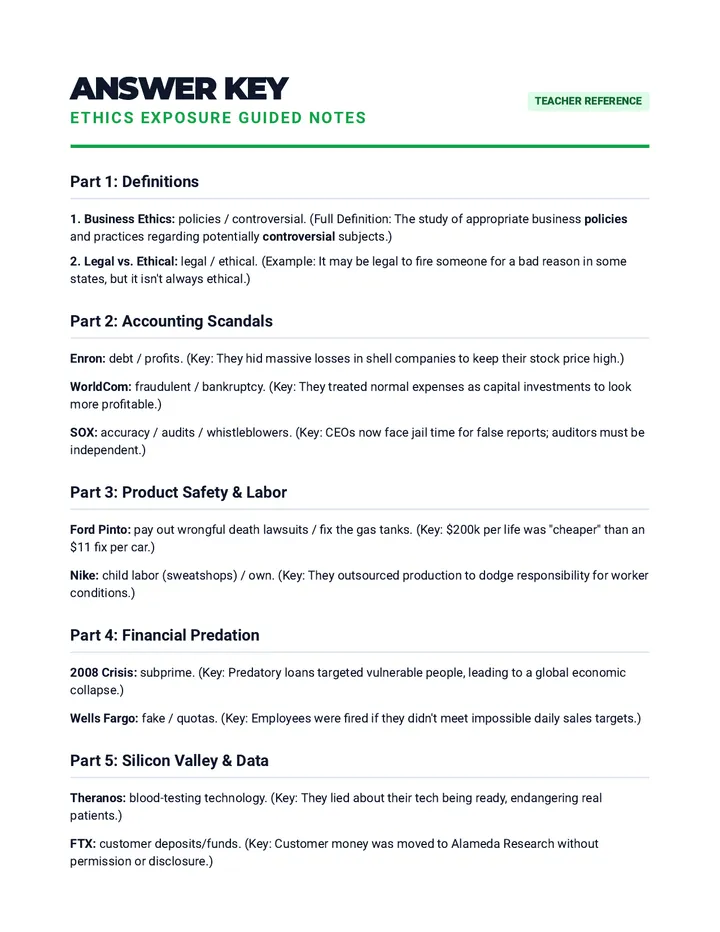
An introductory lesson on business ethics, covering major historical scandals, regulatory responses, and modern ethical dilemmas in the corporate world.
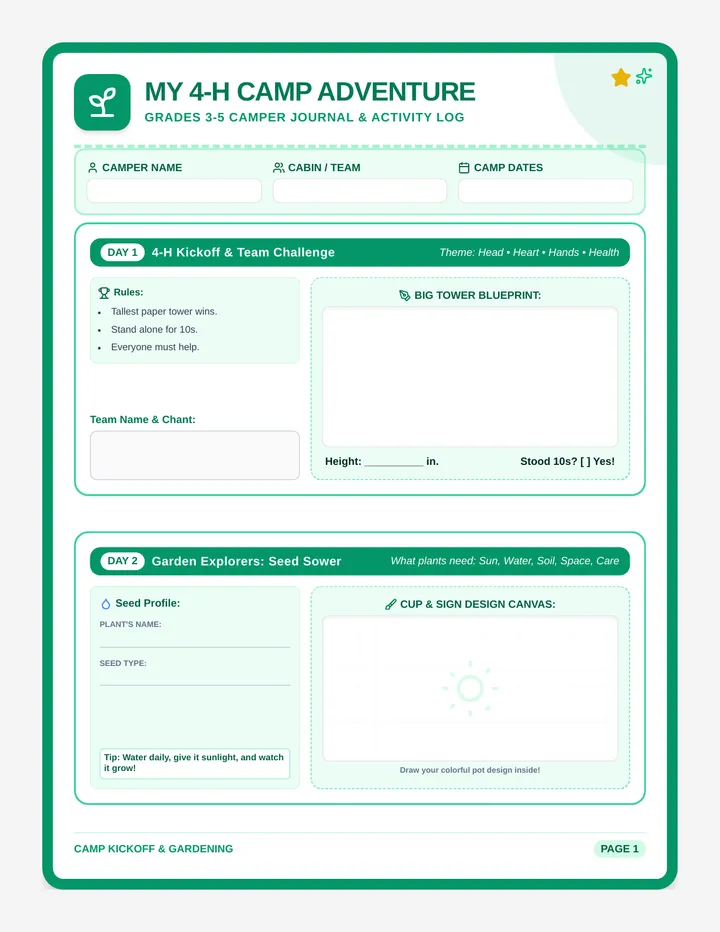
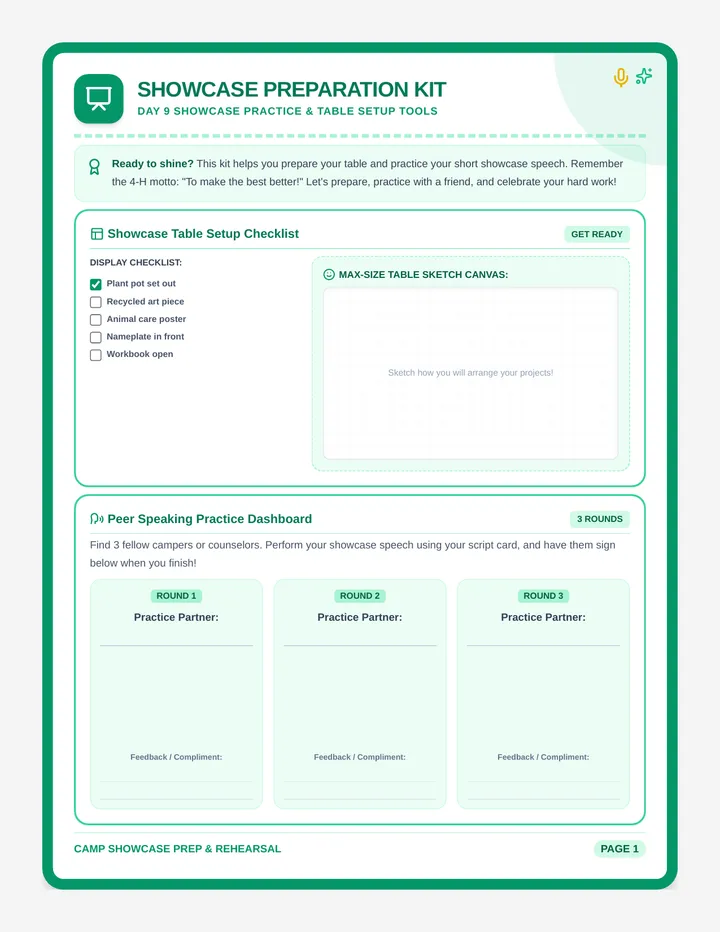
An engaging, hands-on summer camp series for grades 3-5 focusing on teamwork, STEM, gardening, healthy living, and creative problem-solving. This lesson includes a comprehensive multi-day student workbook and a showcase presentation preparation kit.
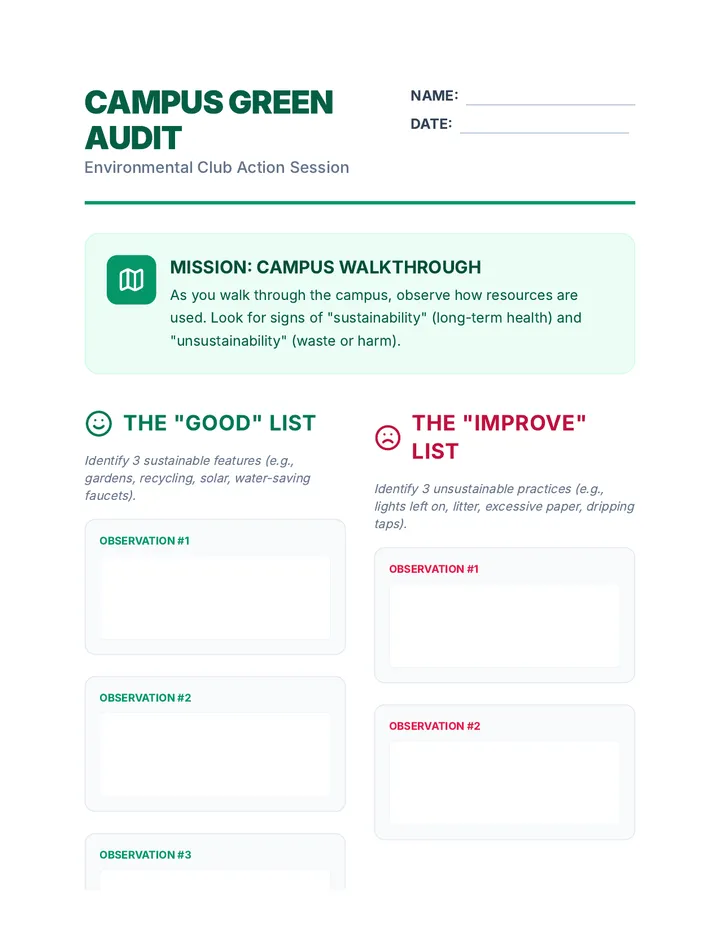
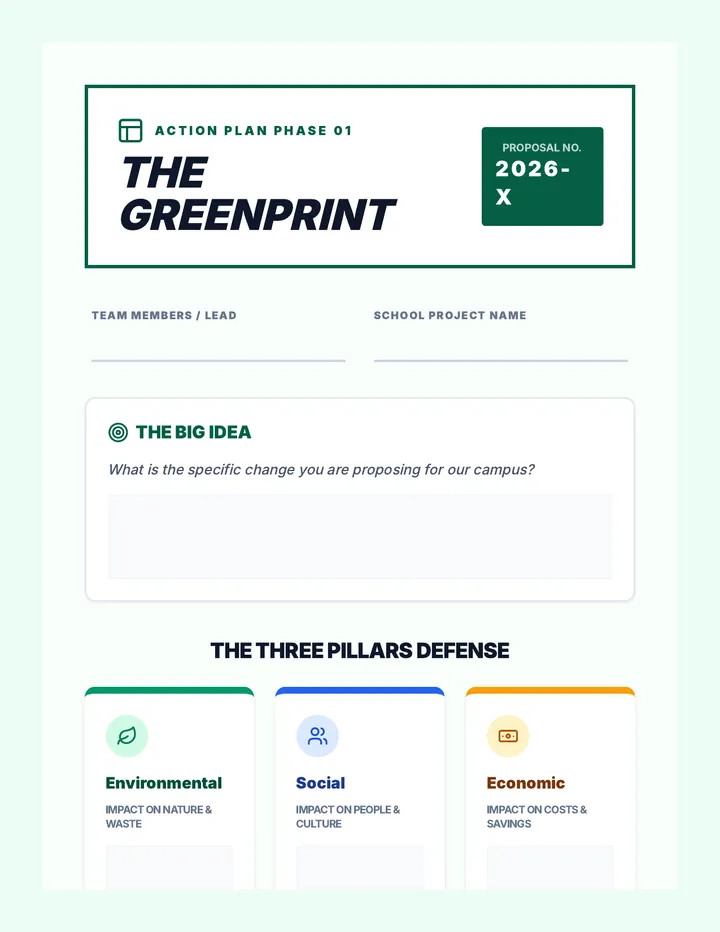
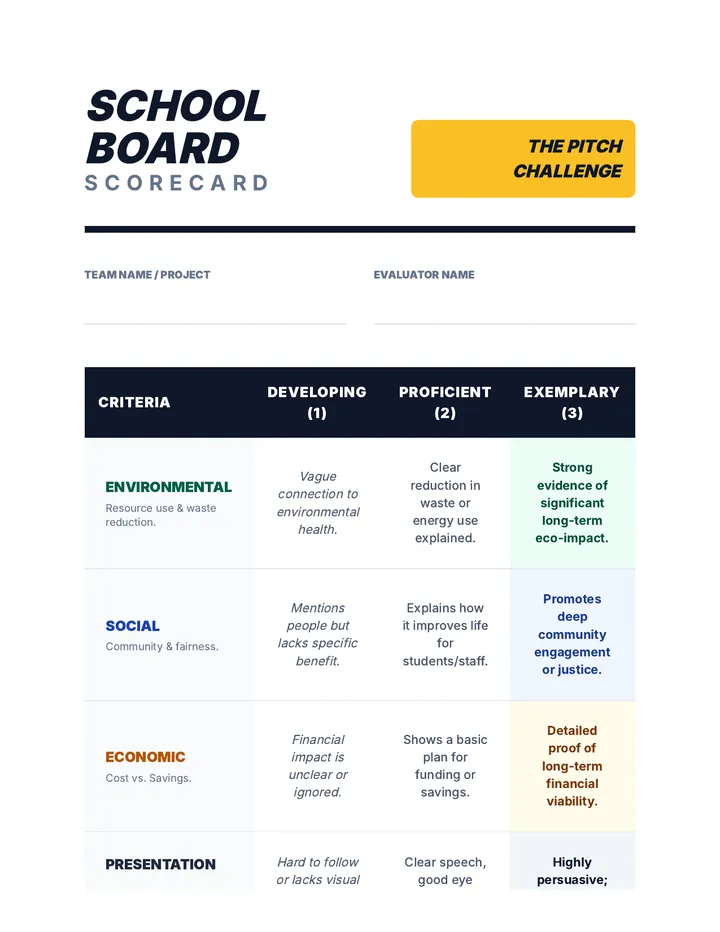
A high-energy lesson where students audit their campus, learn the Three Pillars of sustainability, and pitch a concrete improvement plan to a mock 'School Board'.
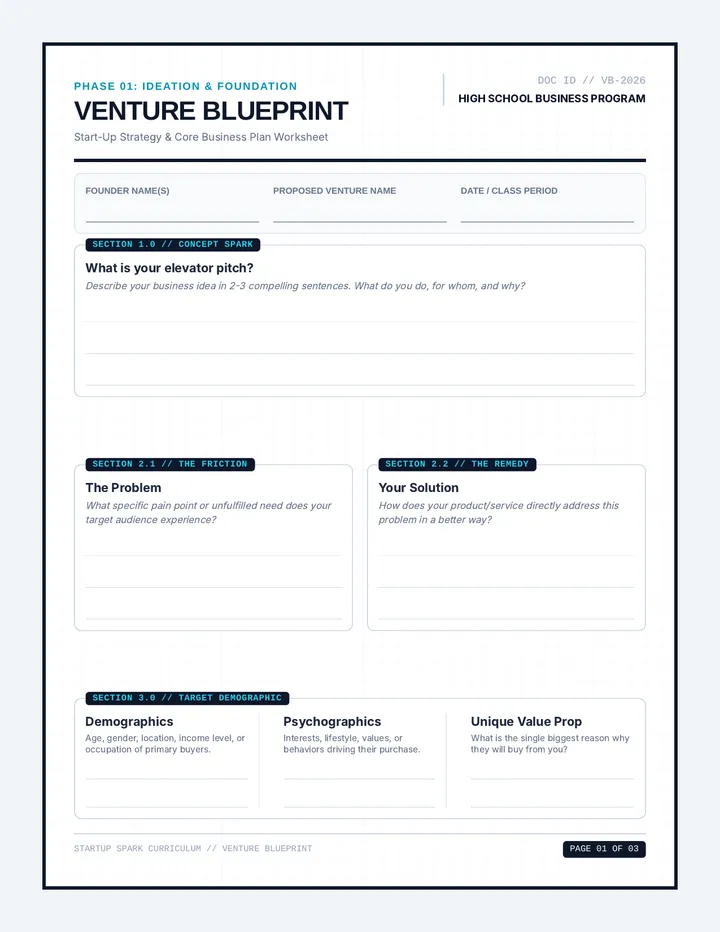
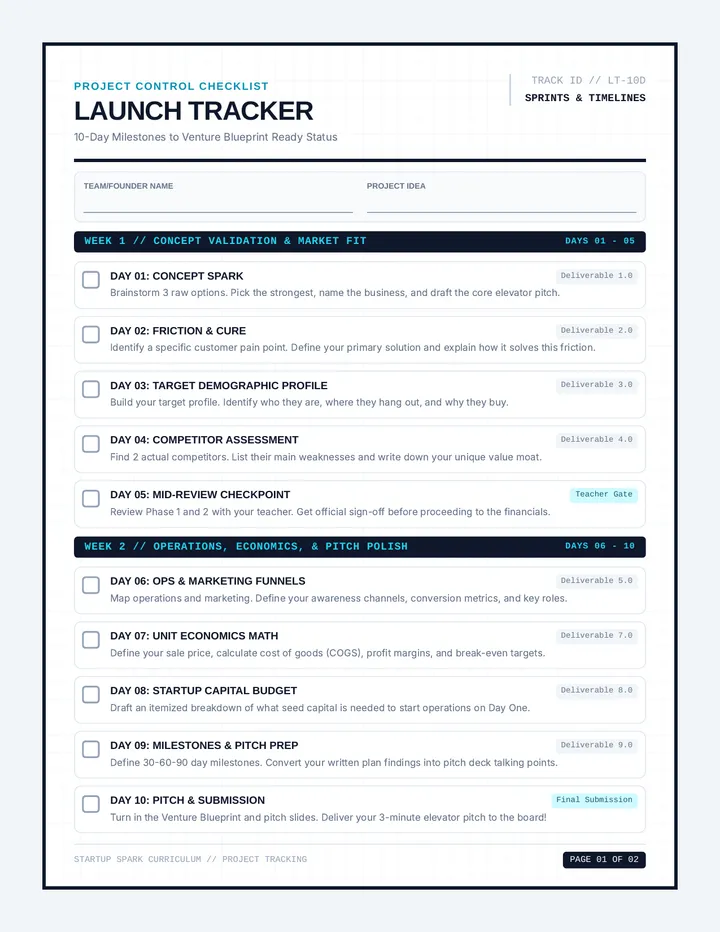
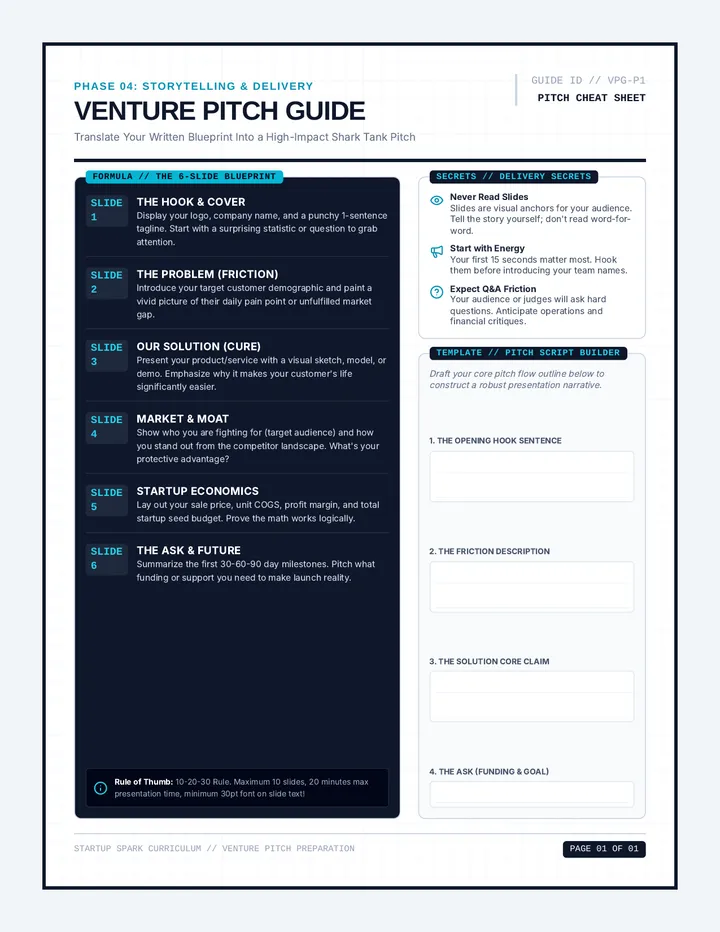
A comprehensive, step-by-step framework for high school students to design, structure, and refine a small business startup concept. Includes guided drafting templates, pacing checklists, and pitch preparation tools.
A comprehensive lesson on understanding the essential components of a business plan. Students learn how to analyze markets, structure operations, project financials, and design their own startup blueprint.
An immersive entrepreneurship lesson where students become 'venture detectives' to investigate local businesses, analyzing how they started, their revenue streams, and their growth strategies.
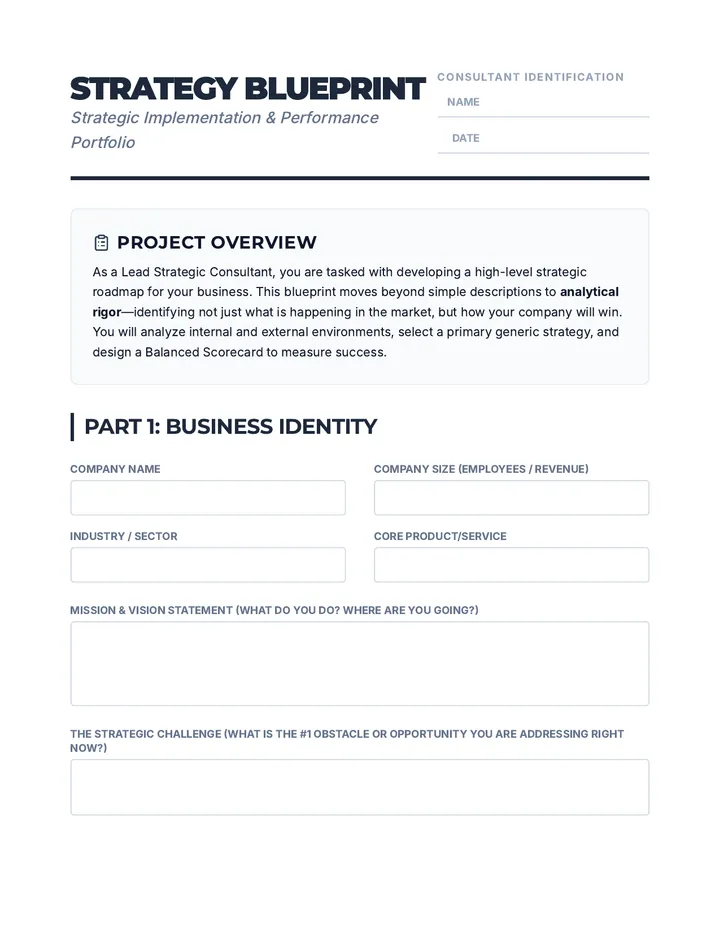
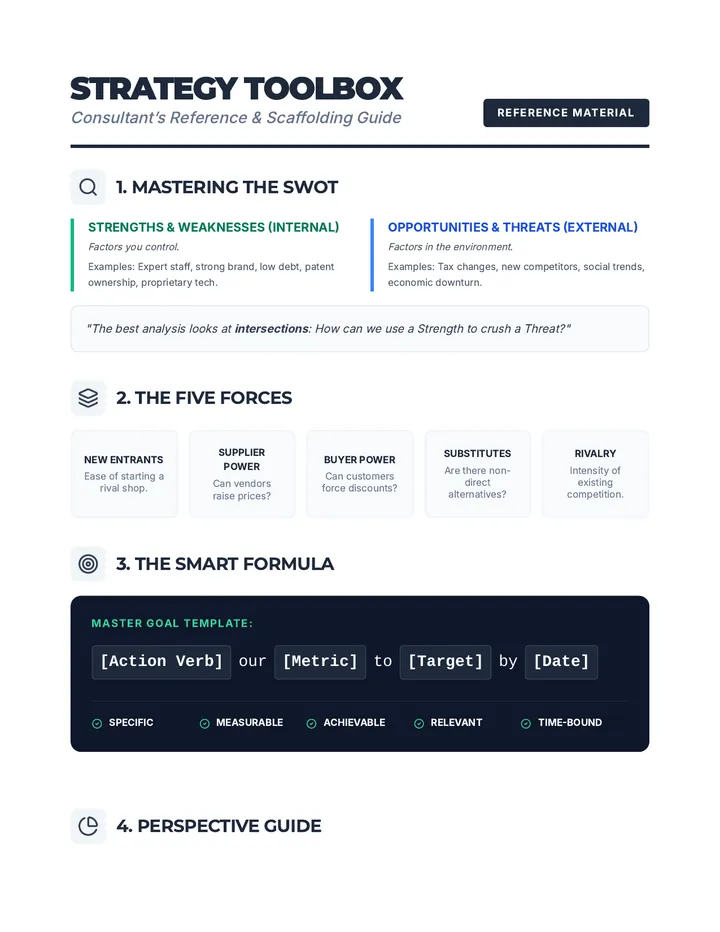
A comprehensive business strategy project where students act as consultants to develop a strategic plan and performance measurement system using SWOT analysis, Porter's Five Forces, and the Balanced Scorecard. This project includes scaffolded templates for analysis and a structured framework for goal setting.
This lesson explores the complex business ecosystem of the Super Bowl, focusing on advertising costs, consumer behavior, brand strategy, and economic impact. Students will analyze how the biggest sporting event in the U.S. functions as a multi-billion dollar marketing machine.
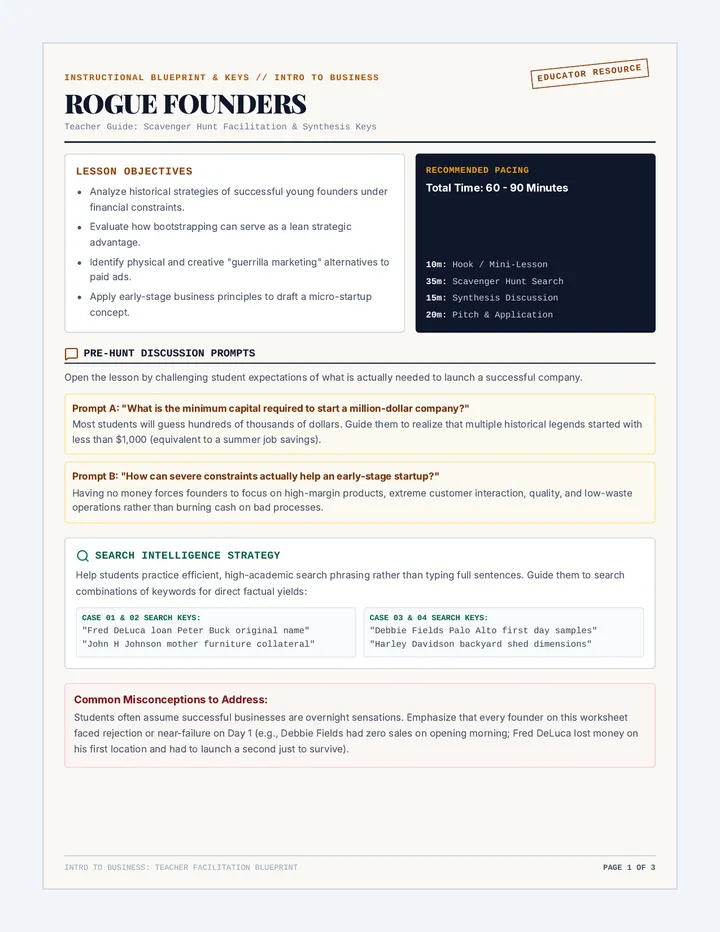
A high school introduction to business lesson exploring the journeys of historical young entrepreneurs who defied the odds. Students conduct an internet scavenger hunt to investigate their startup strategies, financial hurdles, and marketing breakthroughs.
A digital design lesson focusing on social media brand personas, digital footprint, and visual design aesthetics using Adobe and Canva. Students compare contrasting brand voices, from Wendy's playful roasts to polished professional corporate presences.
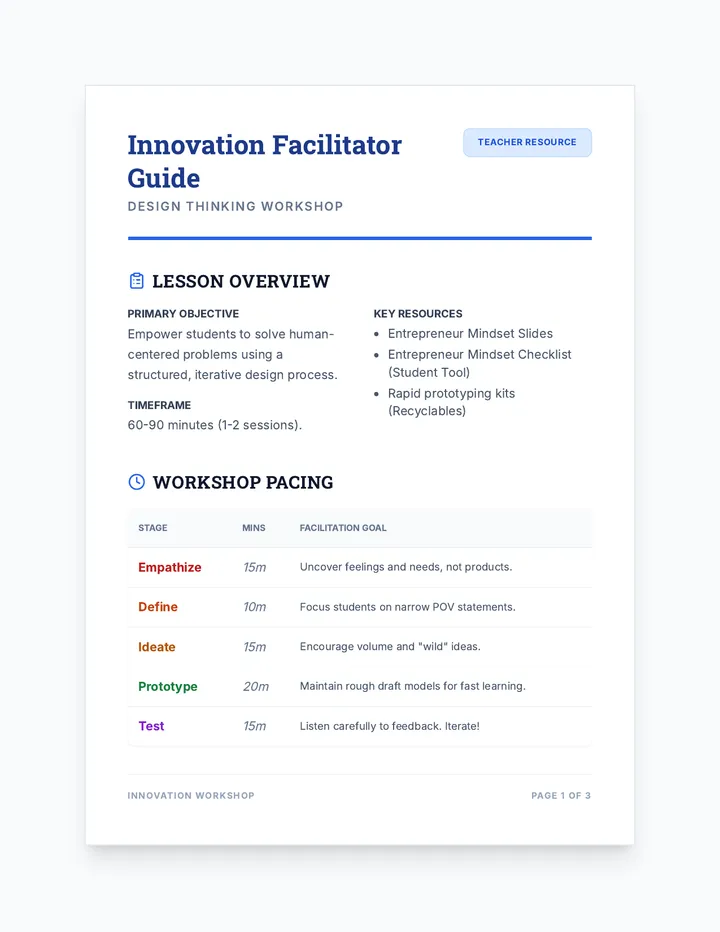
A comprehensive introduction to the five stages of design thinking, guiding students through empathy, problem definition, ideation, prototyping, and testing.