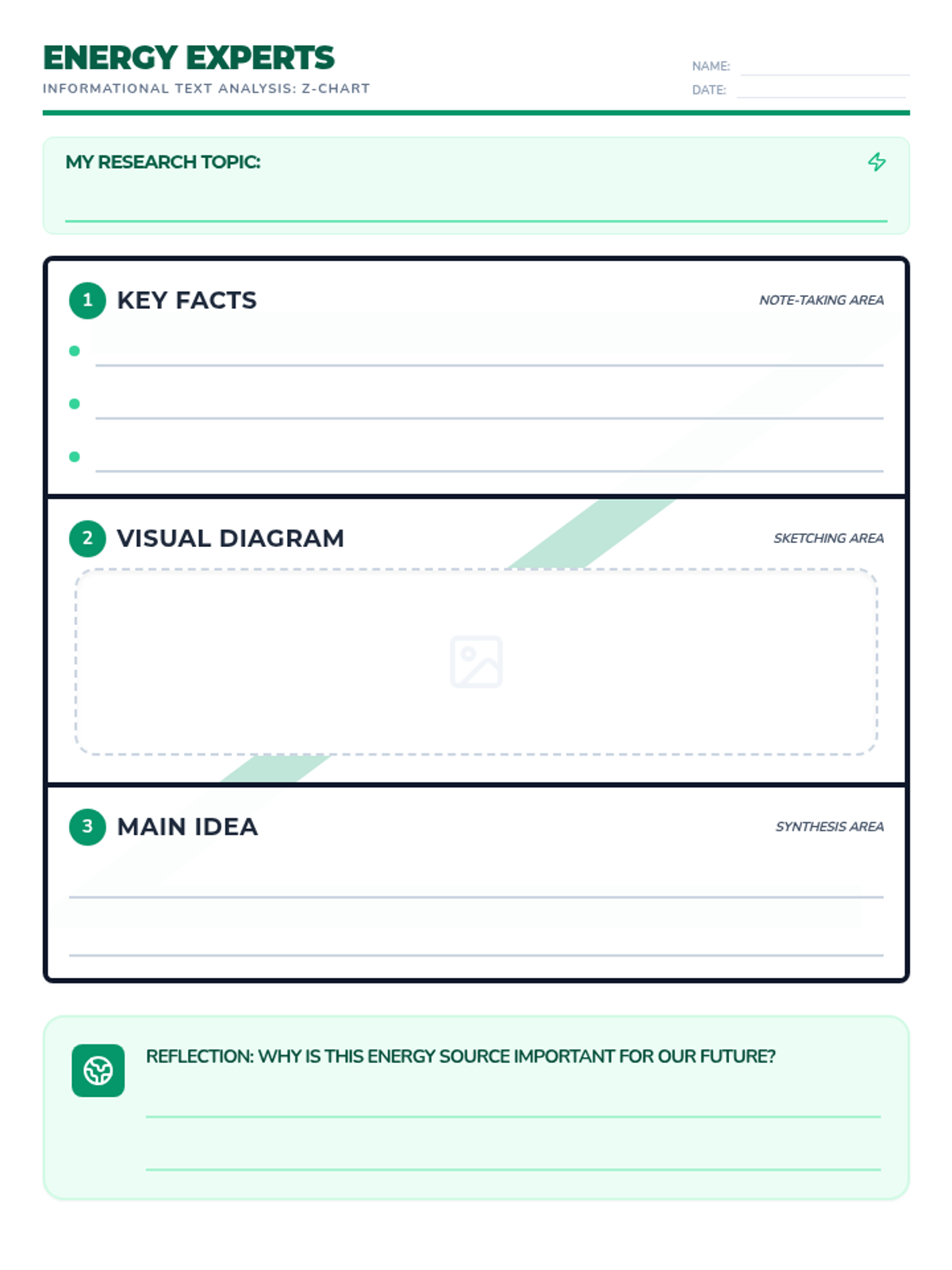
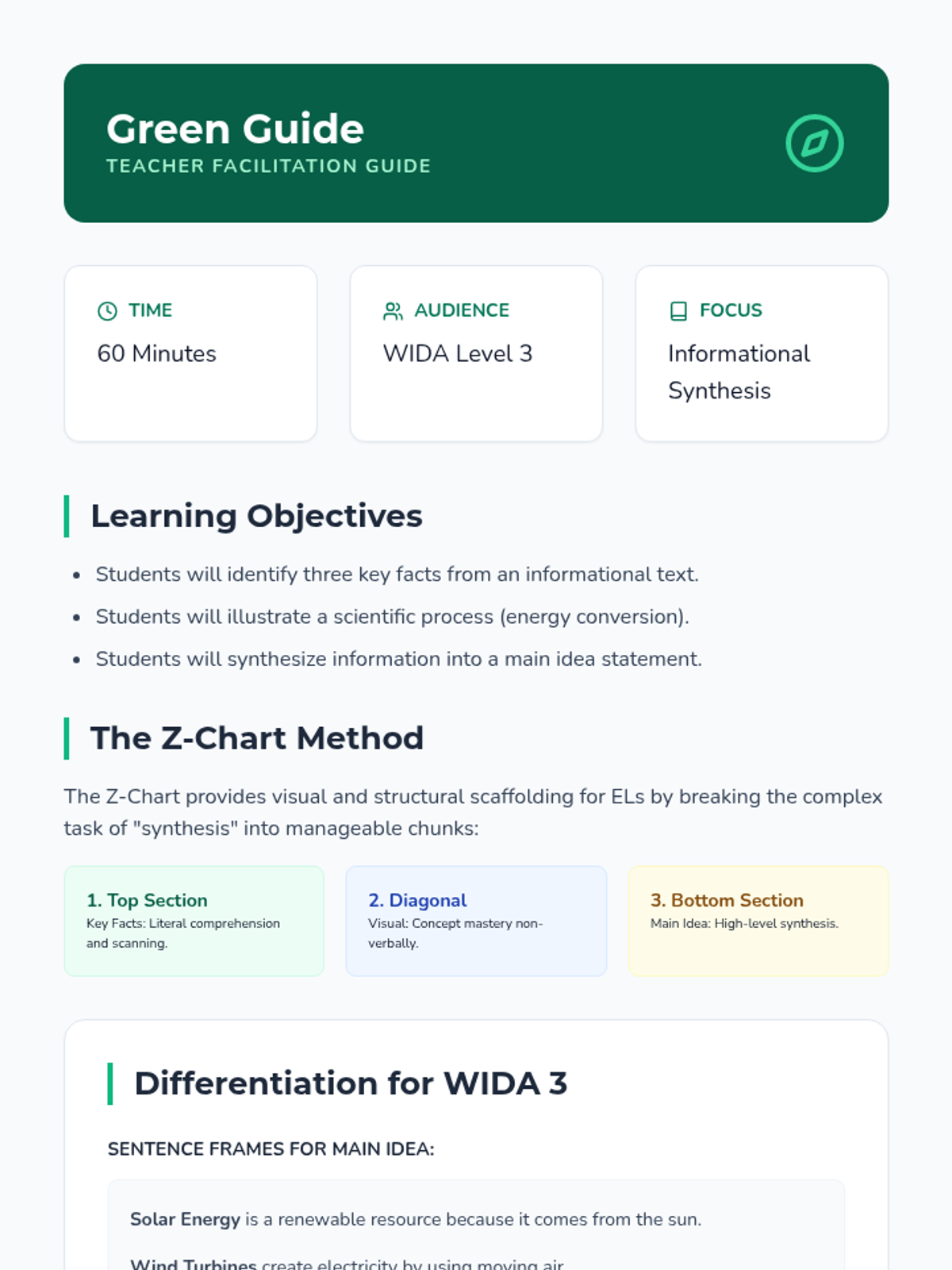
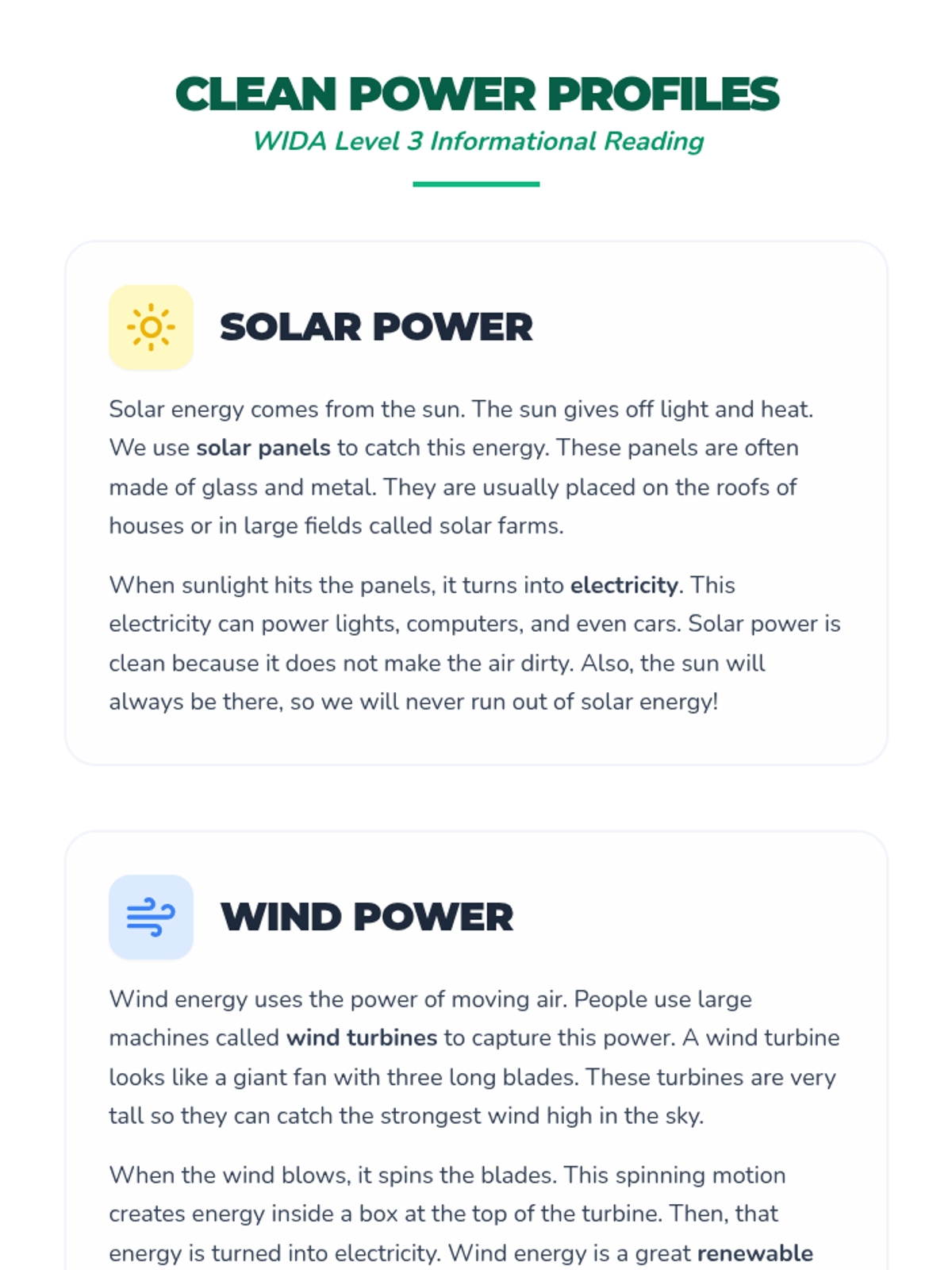
A 5th-grade project-based unit where students act as energy consultants to evaluate the trade-offs between renewable and non-renewable energy sources, culminating in a sustainable energy plan for a fictional city.
A comprehensive unit exploring inherited traits, talents, and character analysis through the lens of Kamal's story. Students will distinguish between genetic traits and learned talents, analyze character motivations, and document their own unique 'code'.
A comprehensive project-based unit where students explore the vital role of pollinators, research local species, and design solutions to protect their habitats.
A comprehensive unit exploring the fundamentals of electricity, magnetism, and how they combine in circuits, focusing on energy transformations and hands-on visuals.
A lesson sequence focused on the scientific method, using a mystery box activity to practice observation, hypothesis formation, and experimentation. Students explore the historical roots of the method and apply it to solve physical puzzles.
A deep dive into marine biology and animal physiology, focusing on the unique adaptations that allow aquatic life to thrive in diverse environments.
A hands-on exploration of physics and forces, focusing on gravity, motion, and air resistance through engineering challenges.
A lesson sequence focusing on the differences between renewable and non-renewable energy sources, culminating in a town council role-play debate. Students explore energy transformations and evaluate the environmental and economic impacts of different power sources.
A comprehensive earth science sequence exploring the forces that shape our planet, specifically focusing on the formation and classification of volcanoes.
A comprehensive science lesson for 4th-6th graders exploring the six types of volcanoes and the relationship between lava viscosity and volcano shape. The sequence includes a hands-on 'Ketchup Race' demonstration, video analysis, and a sculpting activity.
A comprehensive lesson sequence for 3rd-5th graders to identify and define the characteristics of living things (organisms) using video observation, field research, and critical thinking.
A short unit focused on the Kingdom Fungi, specifically investigating the growth and structure of molds through hands-on experimentation and video analysis.
A chemistry unit for upper elementary students focused on the science of mixtures and solutions through the relatable lens of a backyard picnic. Students explore vocabulary like solute, solvent, and saturation using video analysis and creative menu design.
A comprehensive lesson sequence on ocean literacy, focusing on why oceans matter, their role in global systems, and conservation efforts. Students will engage with a video, take structured notes, and participate in a live quiz.
A lesson sequence focused on understanding the immense scale of the Sun and other stars compared to Earth through visual models and math connections.
A creative engineering lesson where students explore NASA spinoffs and design their own inventions that solve problems in space and on Earth. Students practice design thinking and marketing by 'reverse engineering' space technology for commercial use.
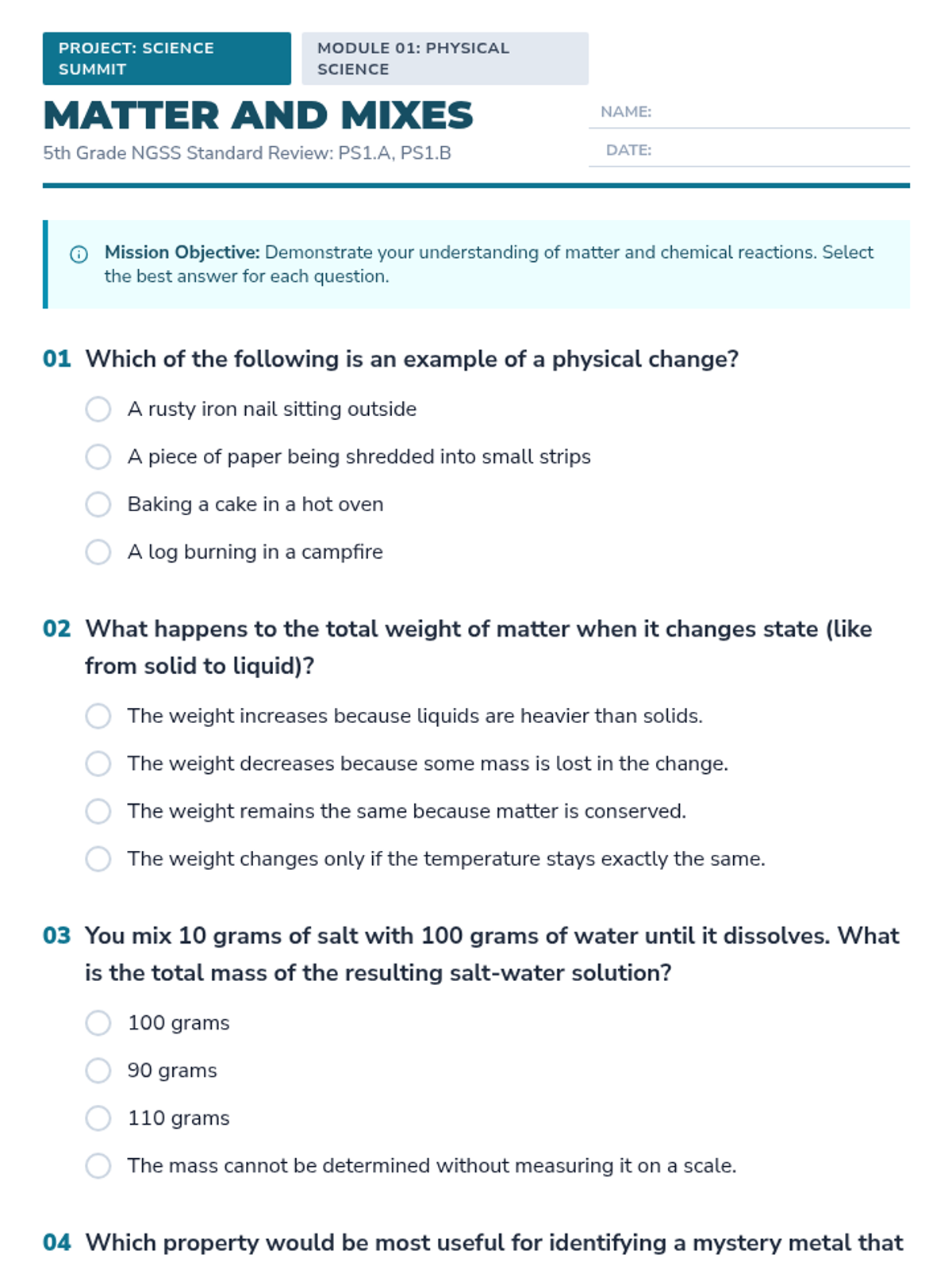
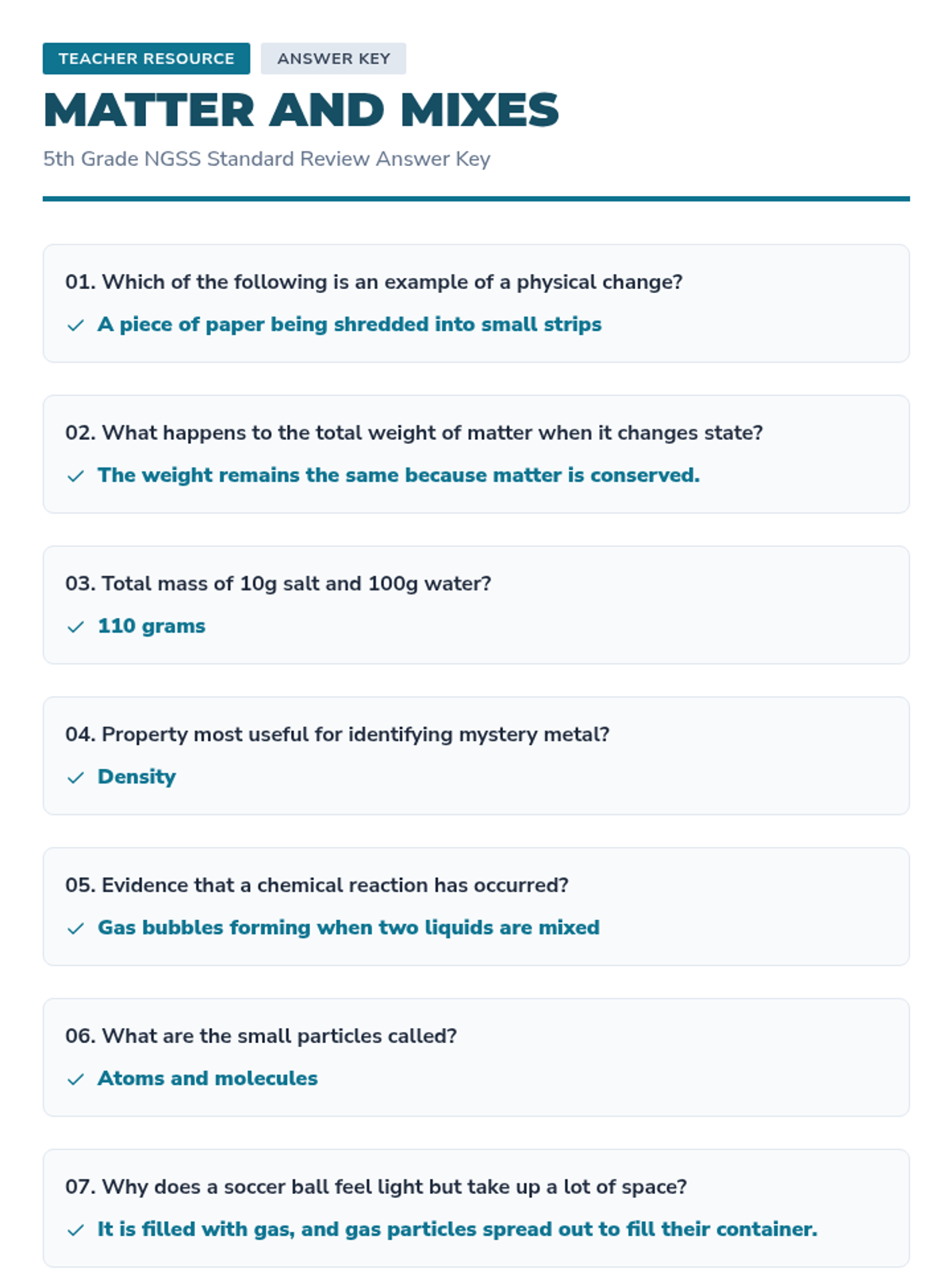
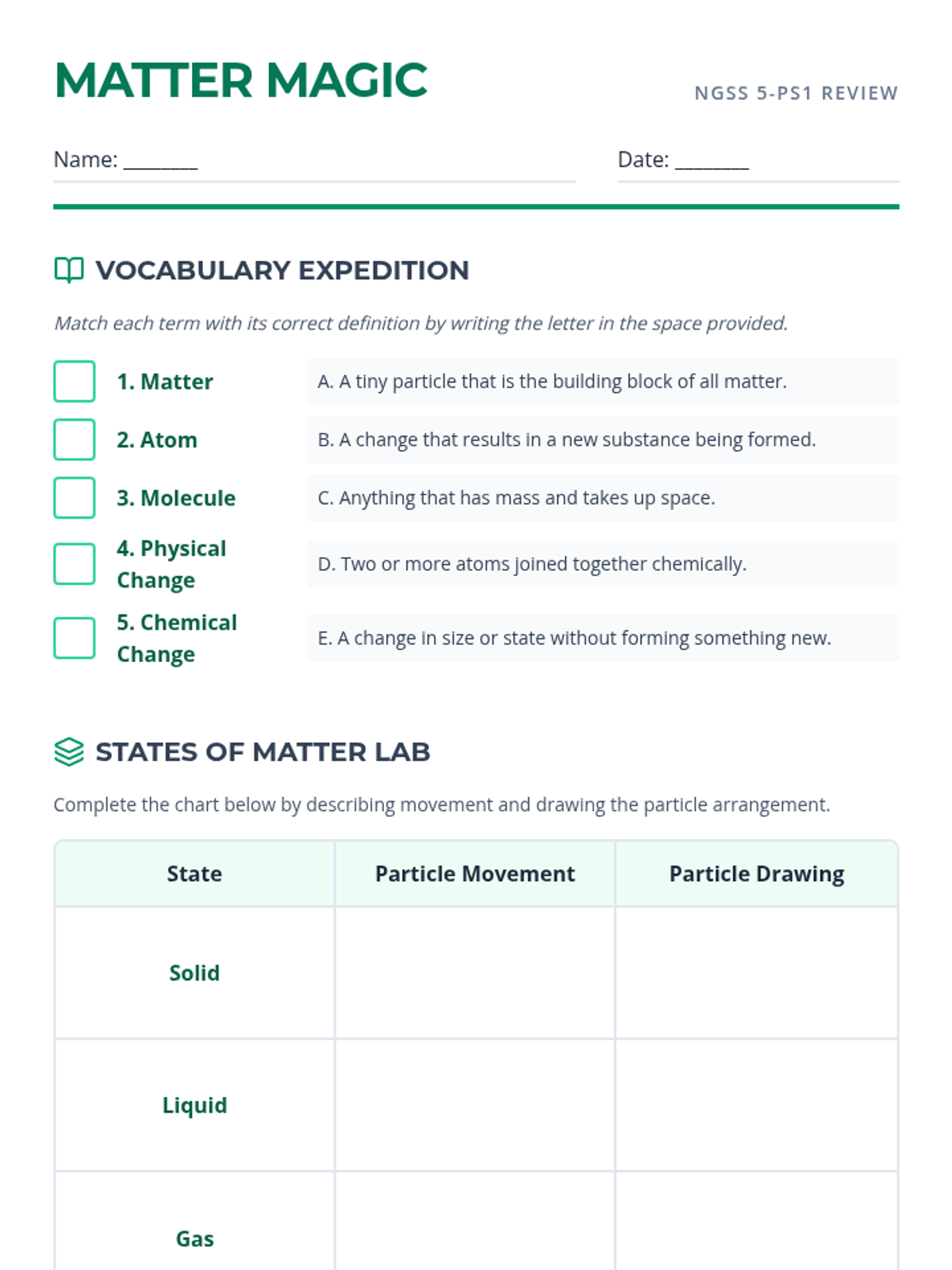
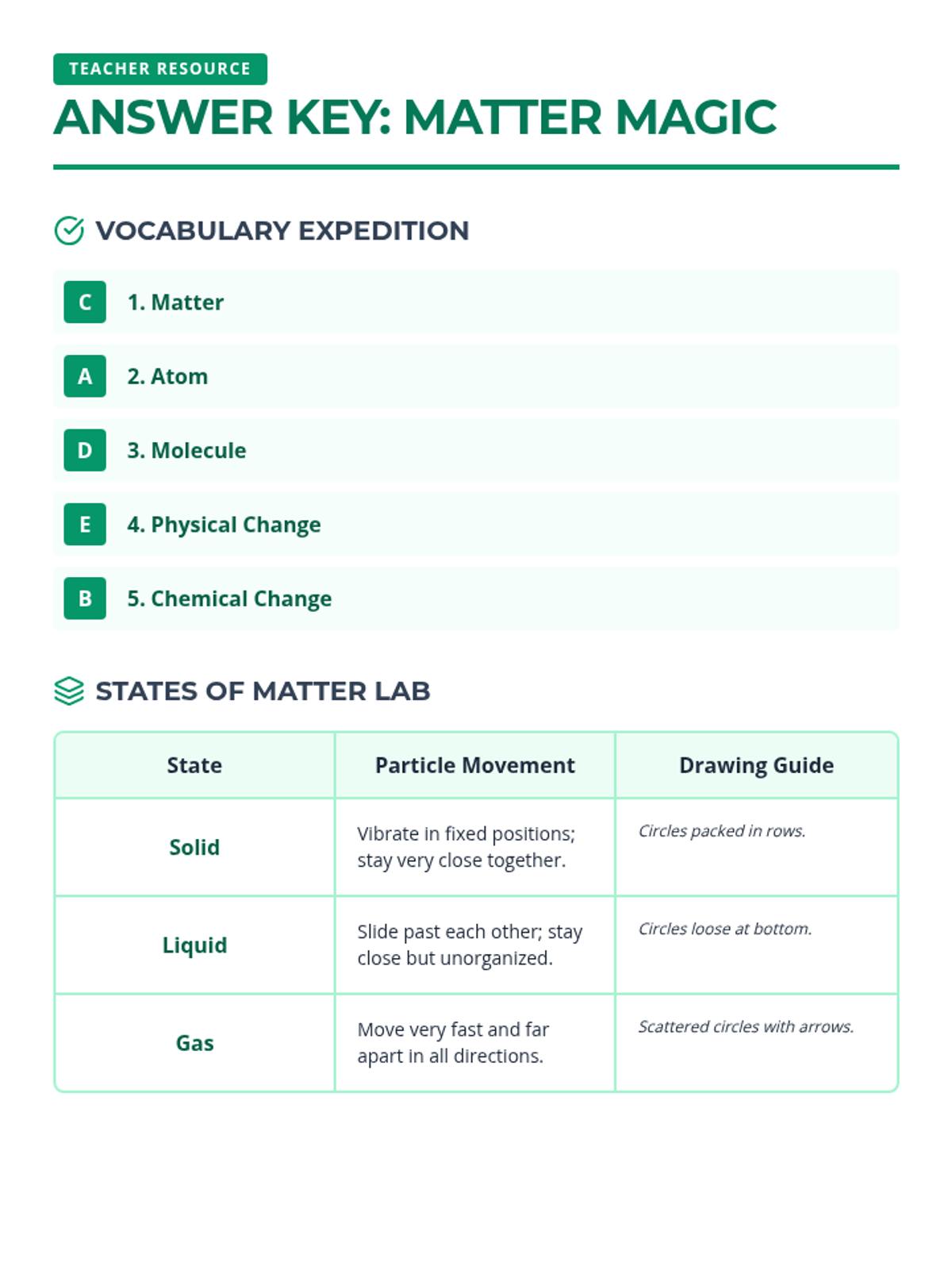
A unit exploring the properties of matter, focusing on how substances change state and form new materials through chemical reactions.
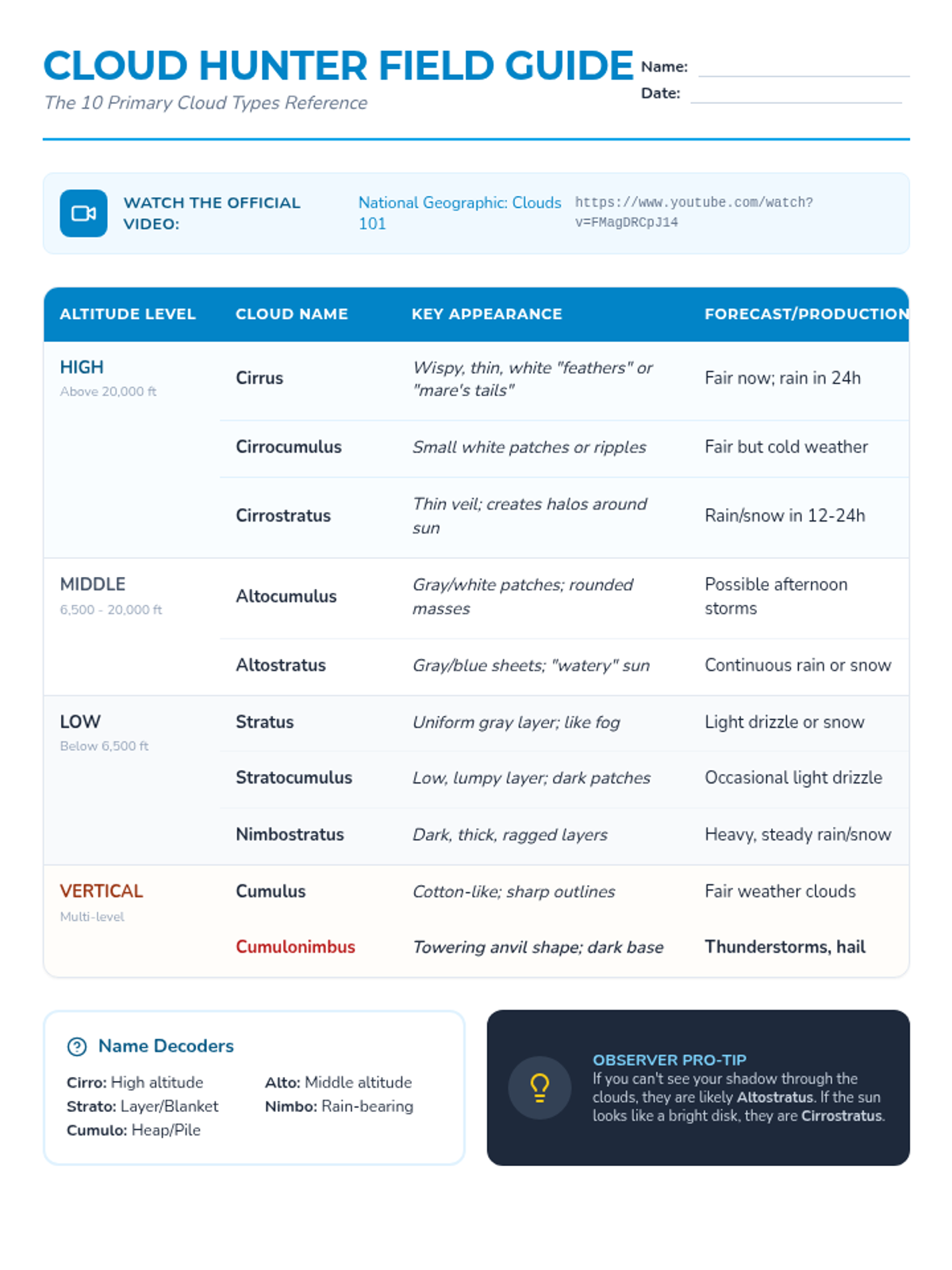
A series of lessons exploring Earth's diverse climate zones and the factors that shape them.
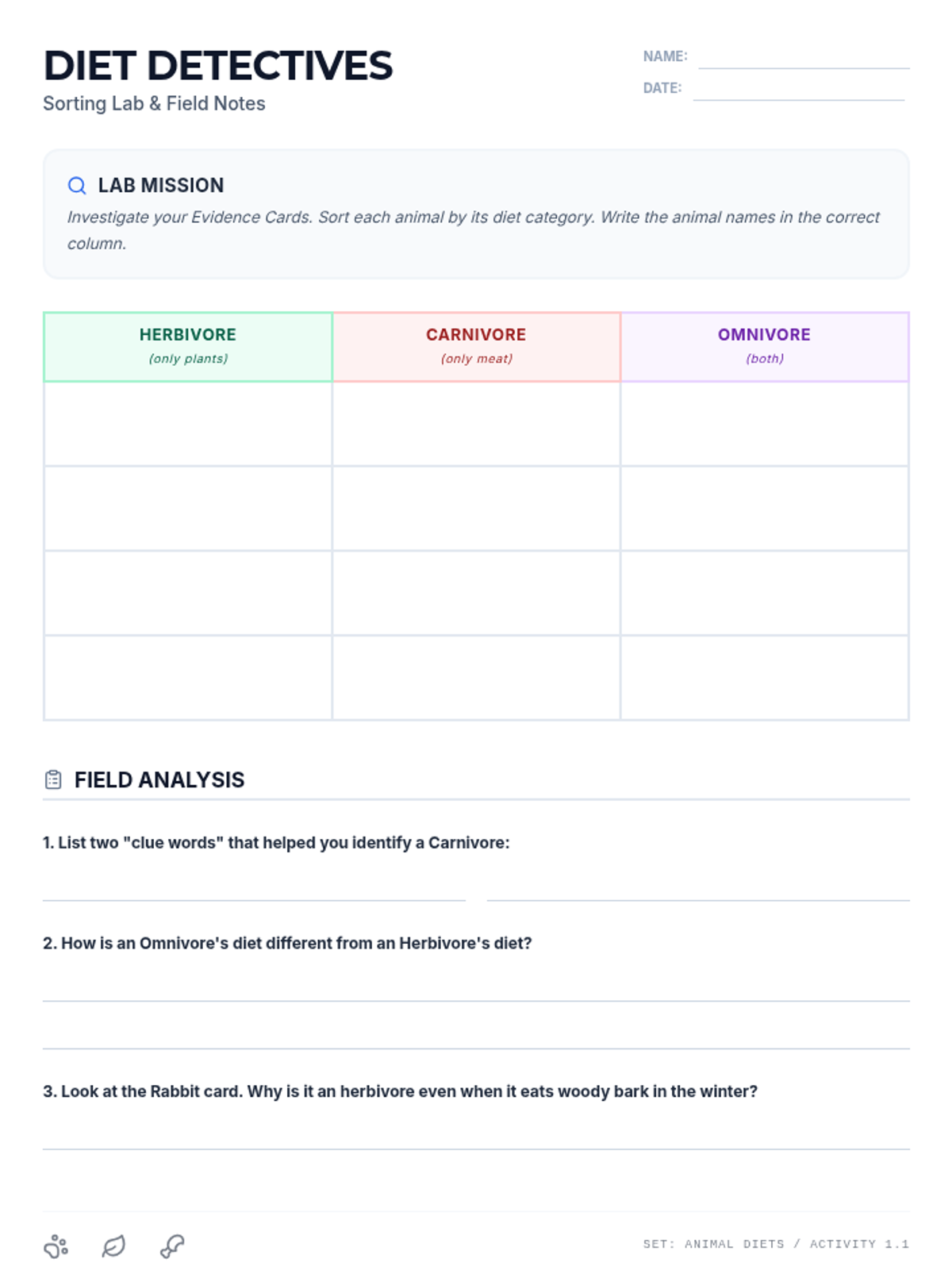
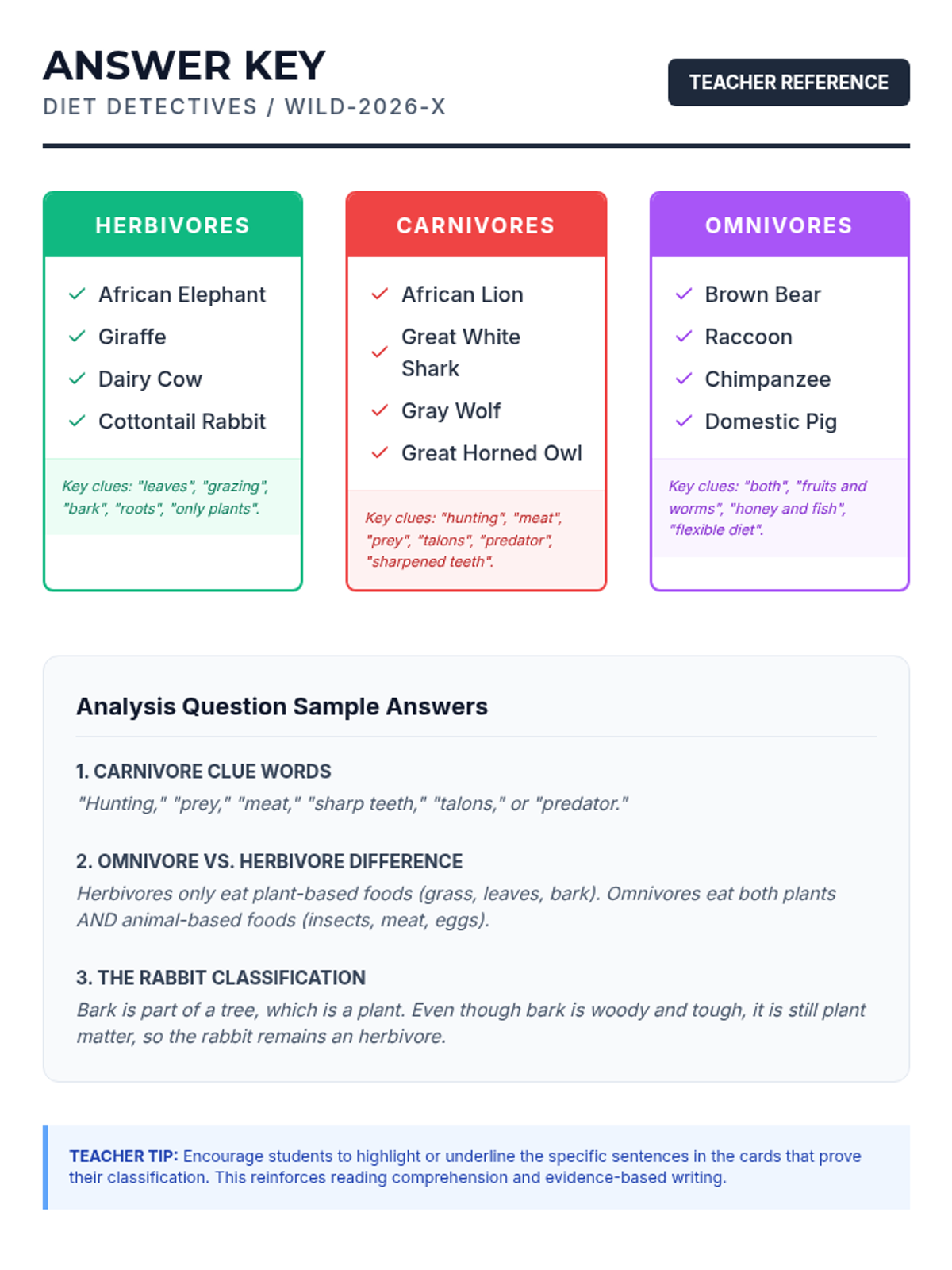
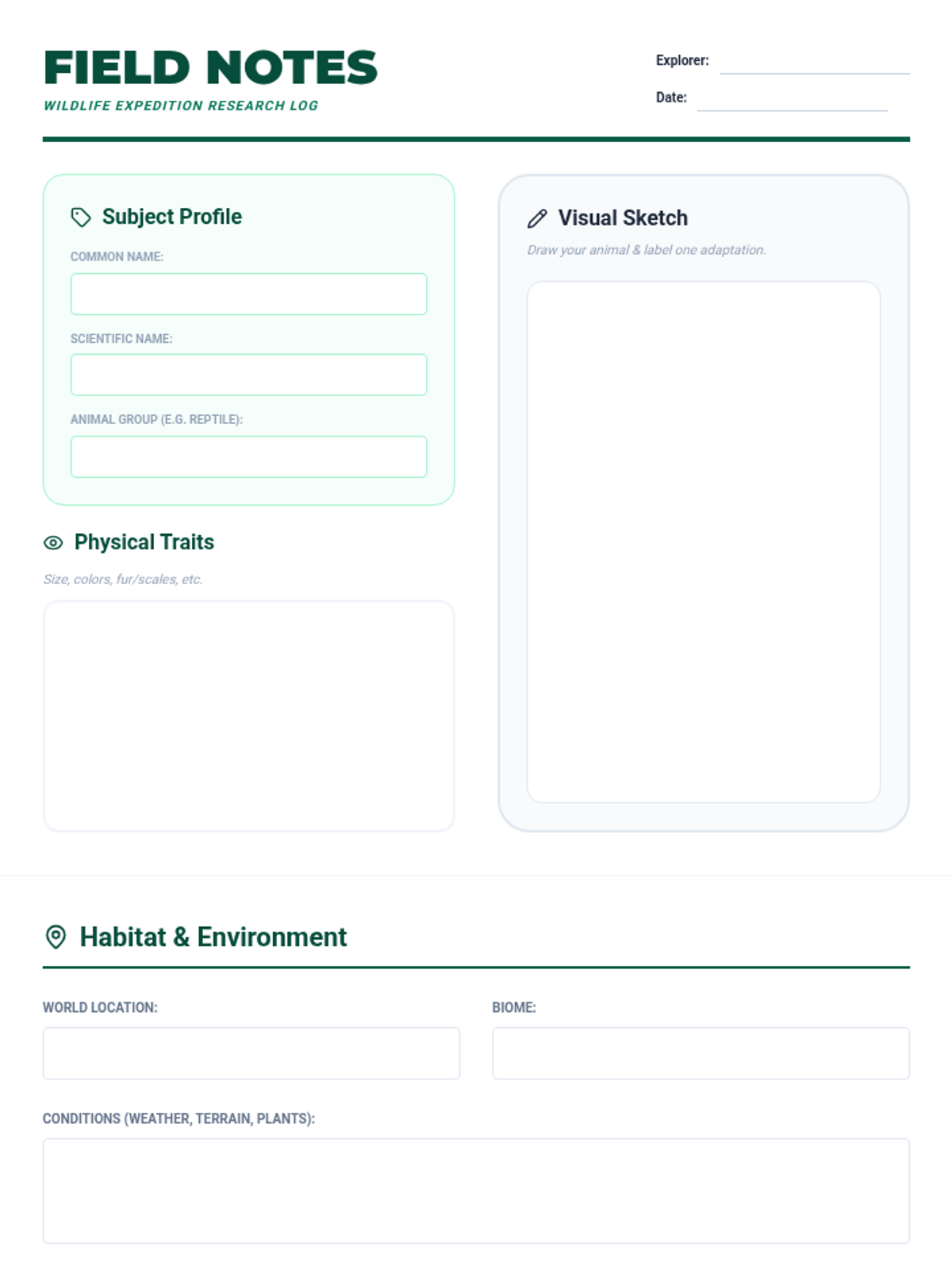
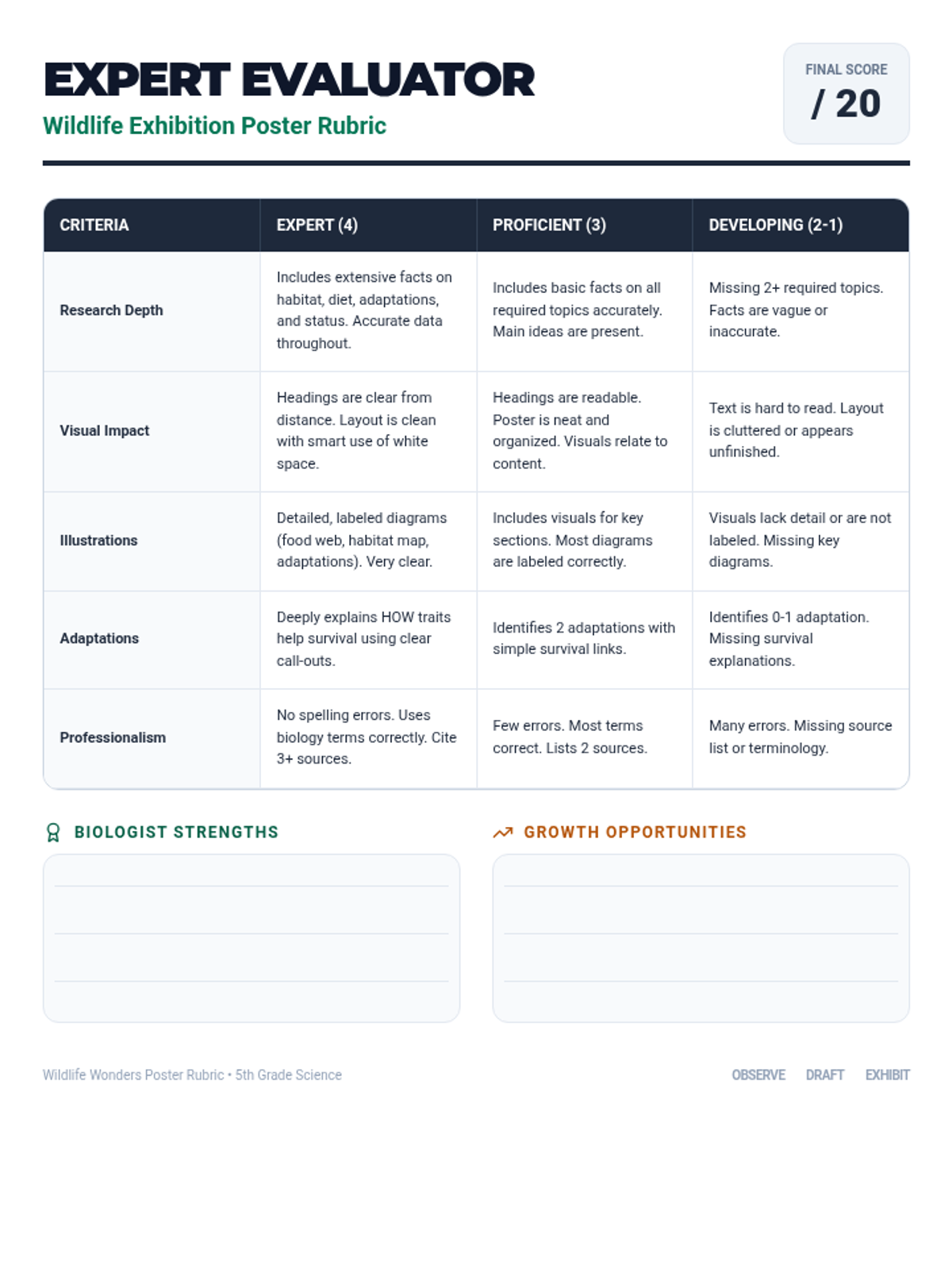
A lesson sequence exploring the different types of adaptations animals use to survive in their habitats, focusing on physical vs. behavioral traits.
A short series of lessons exploring prehistoric life and the Mega-fauna that once roamed the Earth. Students learn about adaptations, extinction, and the tools paleontologists use to study the past.
A comprehensive lesson sequence for middle school students to explore the digestive system through video analysis and hands-on modeling. Students will build a physical 'gut' using household materials to demonstrate organ sequence and specific functions.
A capstone project where students build a multi-page website from scratch. They move through planning, coding navigation, developing content, debugging, and finally publishing their work, emphasizing the technical and organizational skills needed for web publishing.
A 5-lesson sequence for 5th graders focusing on human-centered web design, User Experience (UX), and web accessibility. Students explore how to make digital spaces usable for everyone through empathy, analysis, and auditing.
A 5-lesson sequence for 5th graders to learn the fundamentals of HTML, covering document structure, text formatting, lists, and embedding media through a 'Digital Architect' lens.
Students transition from basic HTML to CSS, learning how to style web pages with colors, fonts, and layouts. The sequence covers CSS syntax, color theory, typography, and the box model, culminating in a personal profile design project.
Students explore automation and the future of work by adopting the role of inventors and designers. They investigate how robots and software automate tasks, analyze shifting job markets, and apply design thinking to create beneficial future technology concepts.