A series of nature-based investigations helping young learners connect with seasonal changes using their senses and scientific observation.
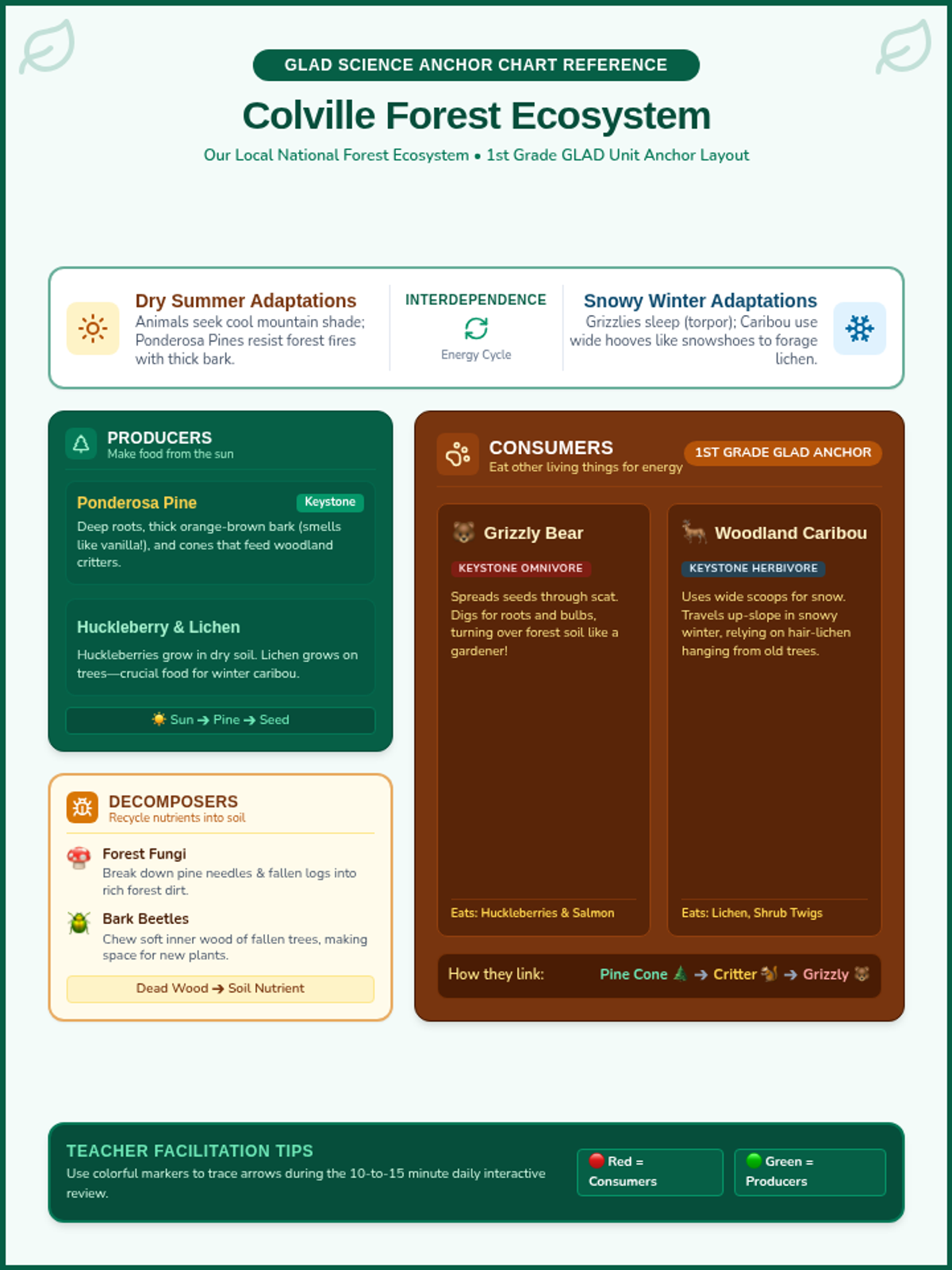
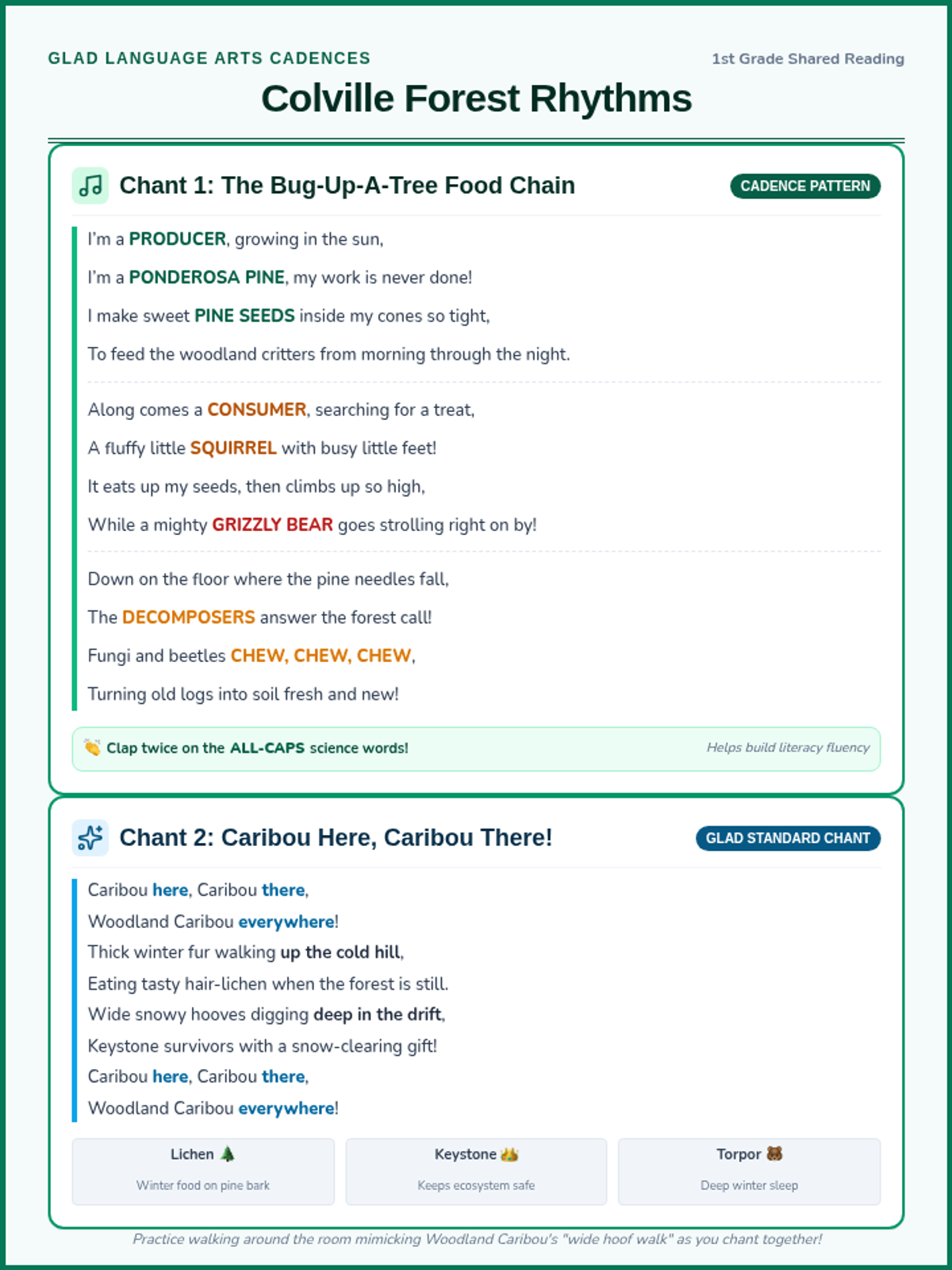
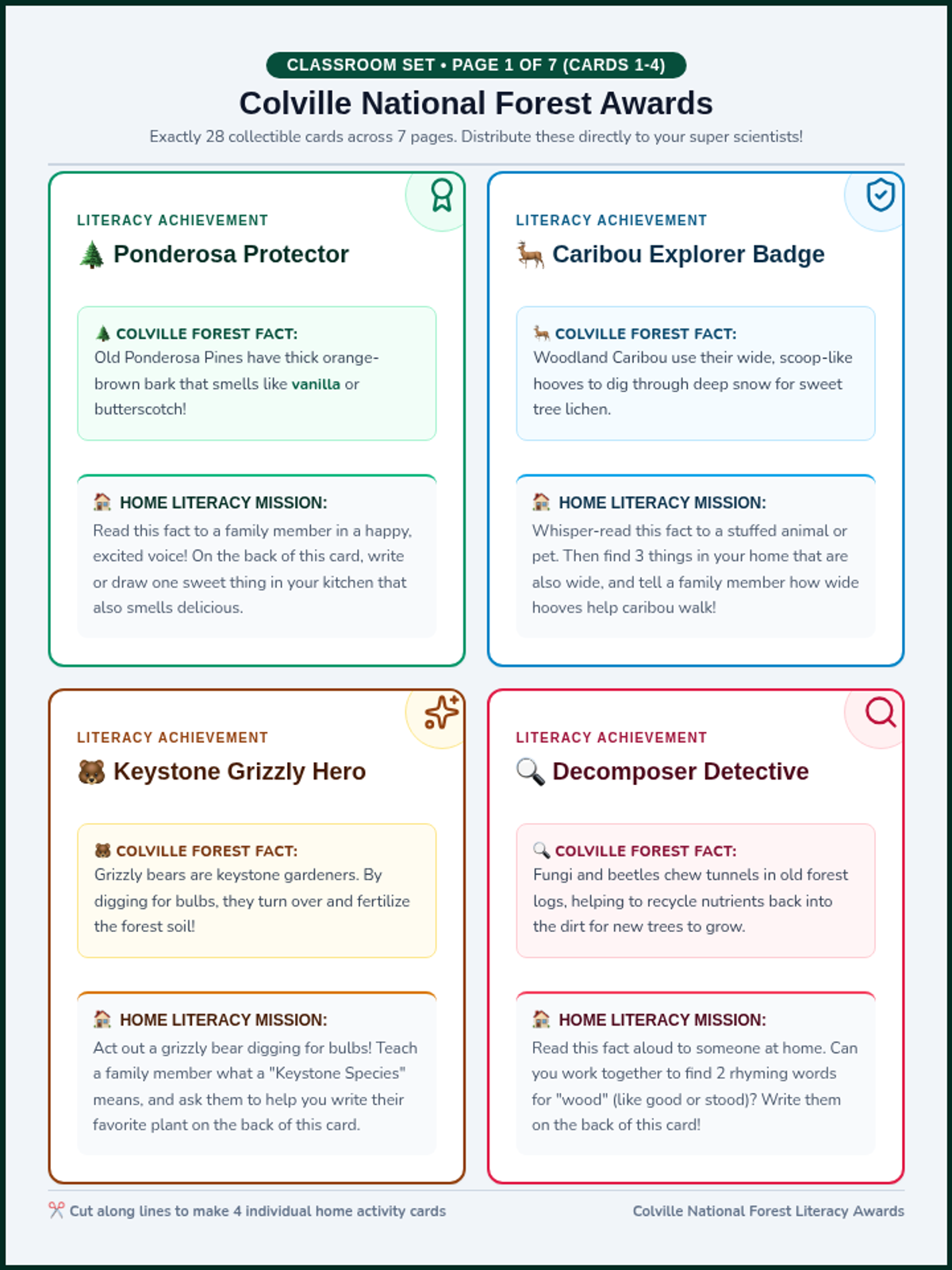
An immersive 1st-grade GLAD unit focused on the Colville National Forest ecosystem. Students explore food chains, interdependence, seasonal changes, and local keystone species through visual charts, rhythmic chants, and rewarding literacy achievements.
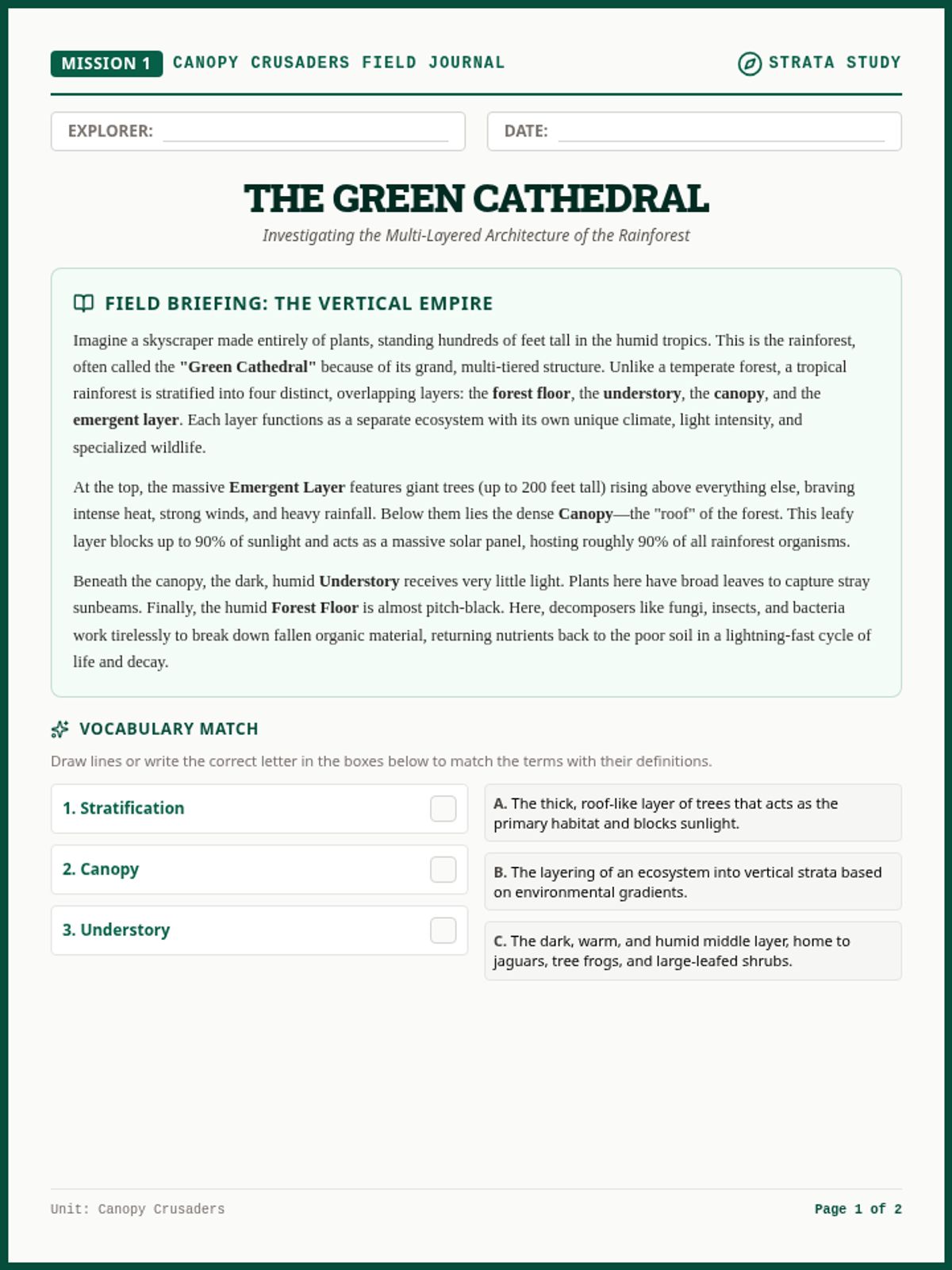
A comprehensive unit on rainforest ecology, climate regulation, and conservation. Students explore the structural layers of the rainforest, their roles as carbon sinks, the threats of deforestation, and collaborative solutions for preservation.
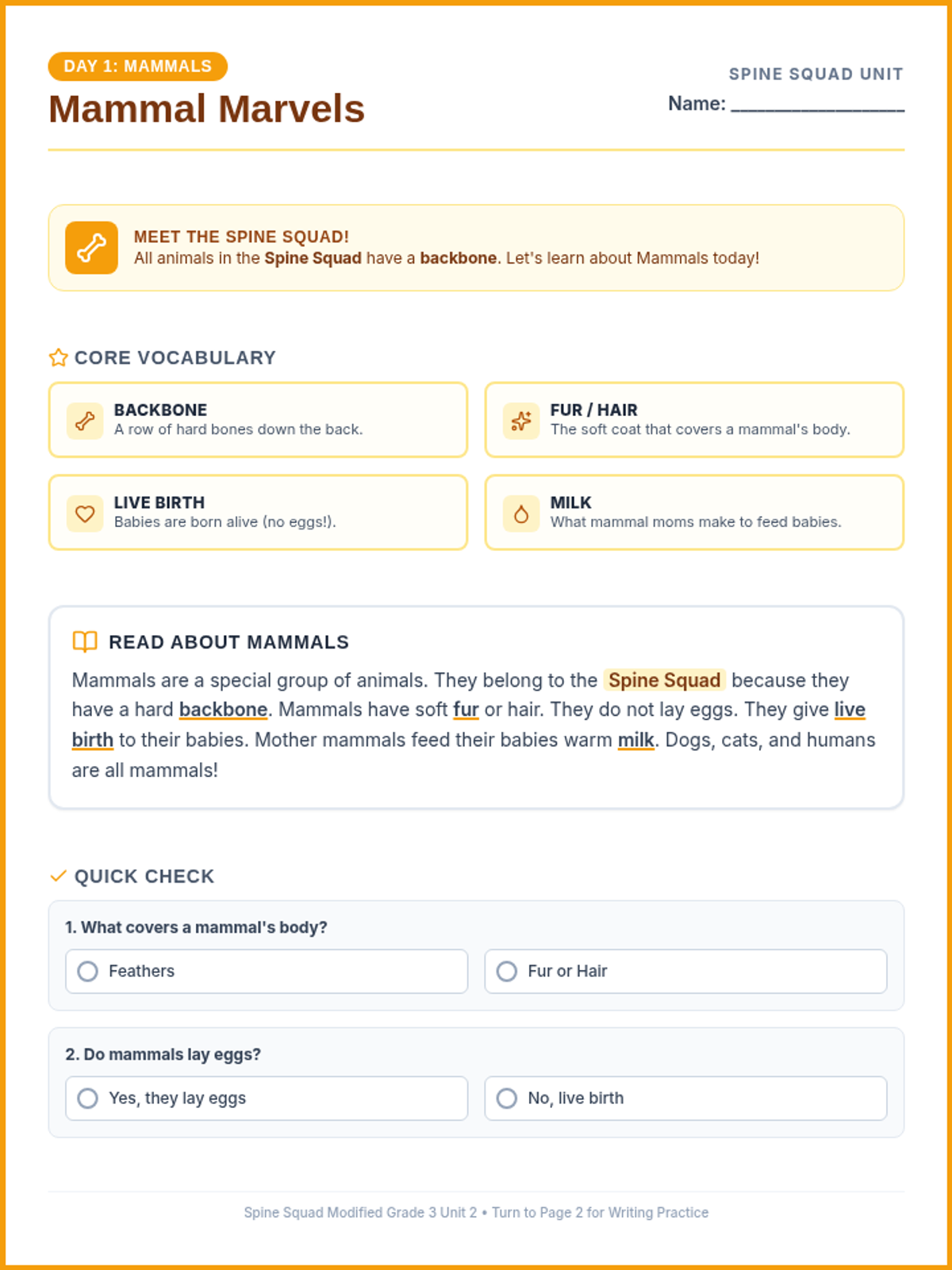
A five-day modified animal classification unit focusing on the five main vertebrate groups, designed with extensive visual support, sentence frames, and tracing options for modified learning.
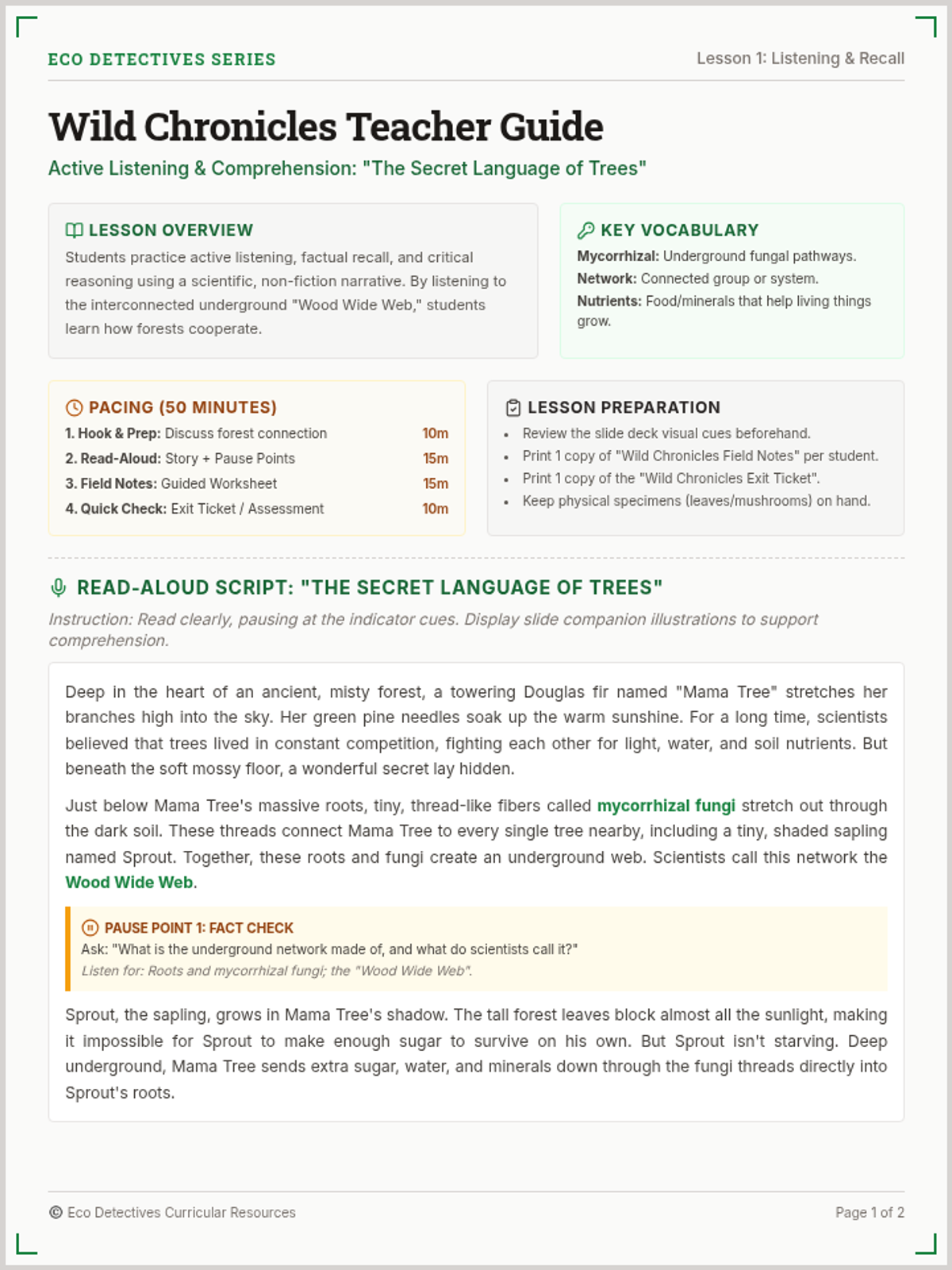
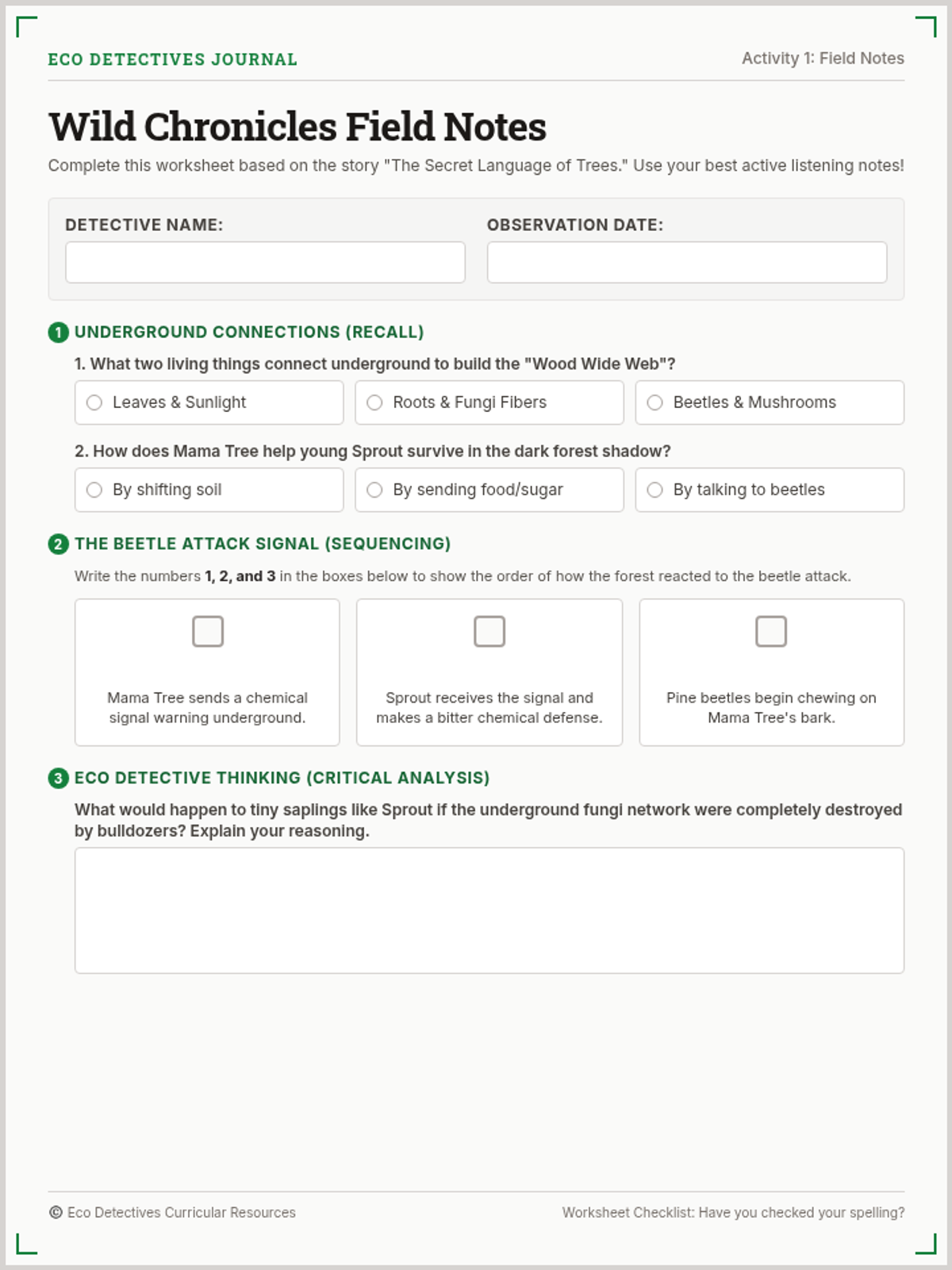
A short listening comprehension sequence for third graders focusing on non-fiction nature narratives. Students develop listening skills, factual recall, and critical thinking by exploring the interconnectedness of ecosystems.
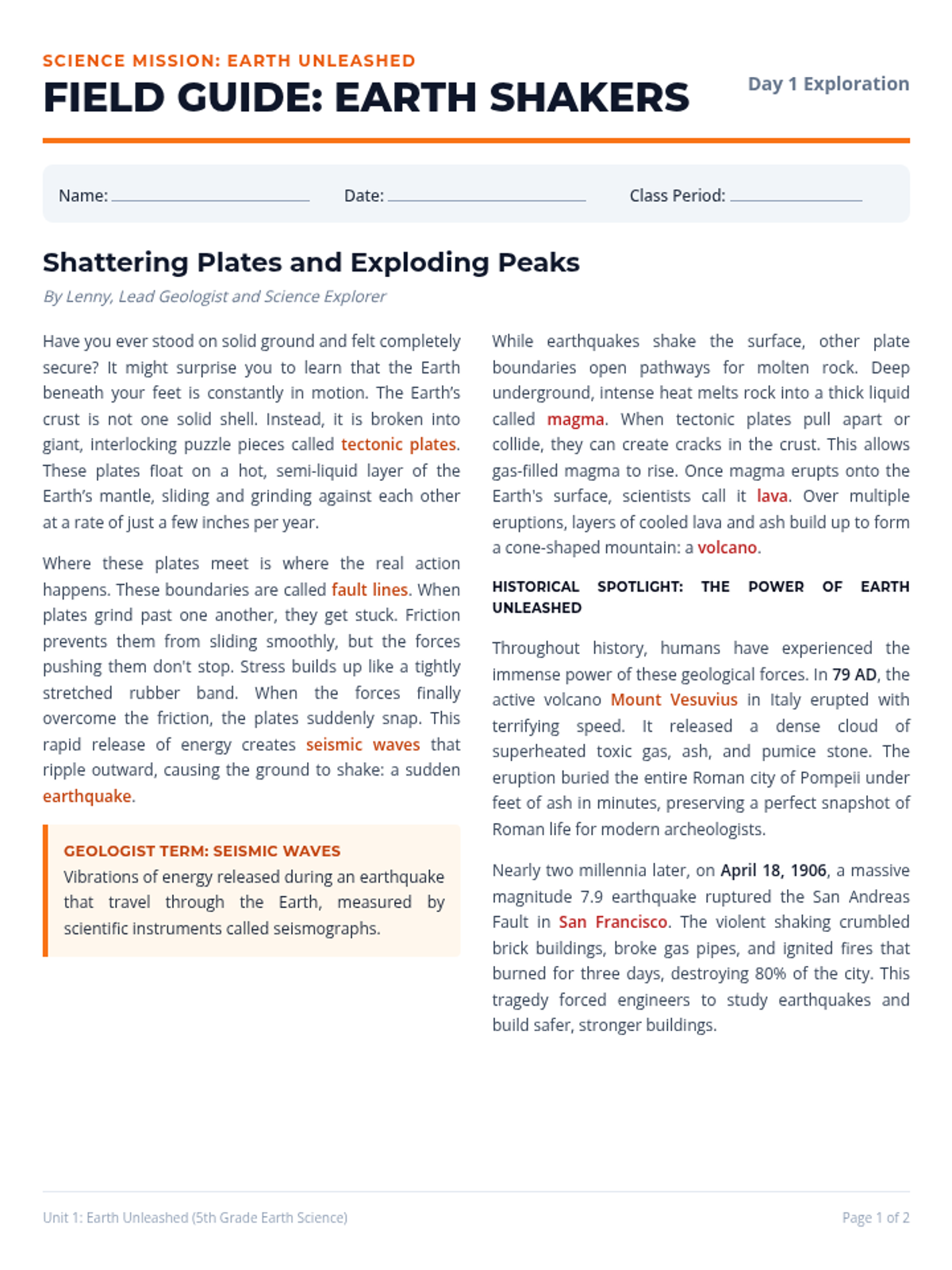
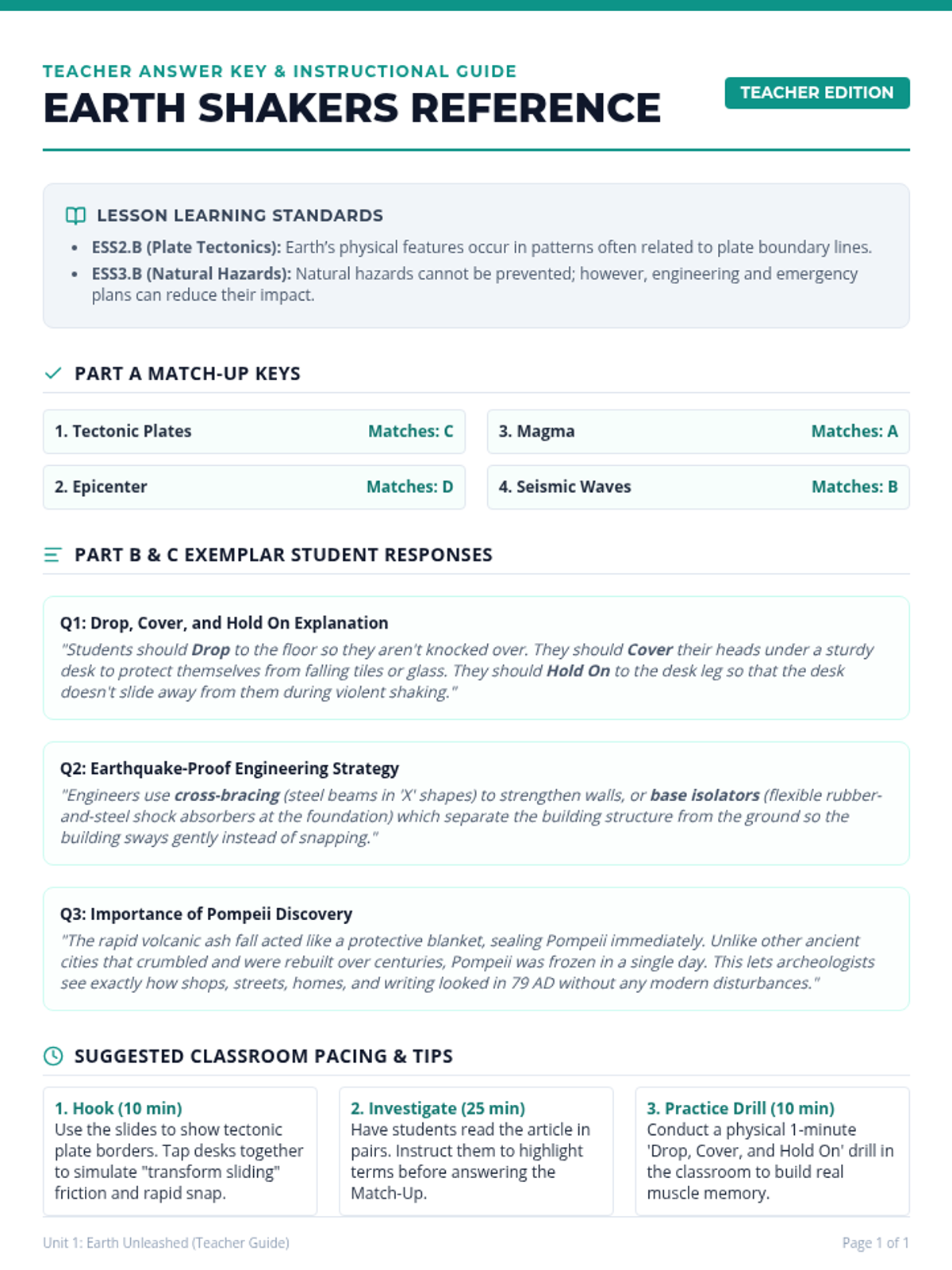
An immersive fifth-grade unit on natural disasters. Students explore the science, history, and safety preparation for earthquakes, volcanoes, hurricanes, tornadoes, wildfires, and floods through interactive slides, reading investigations, and emergency planning projects.
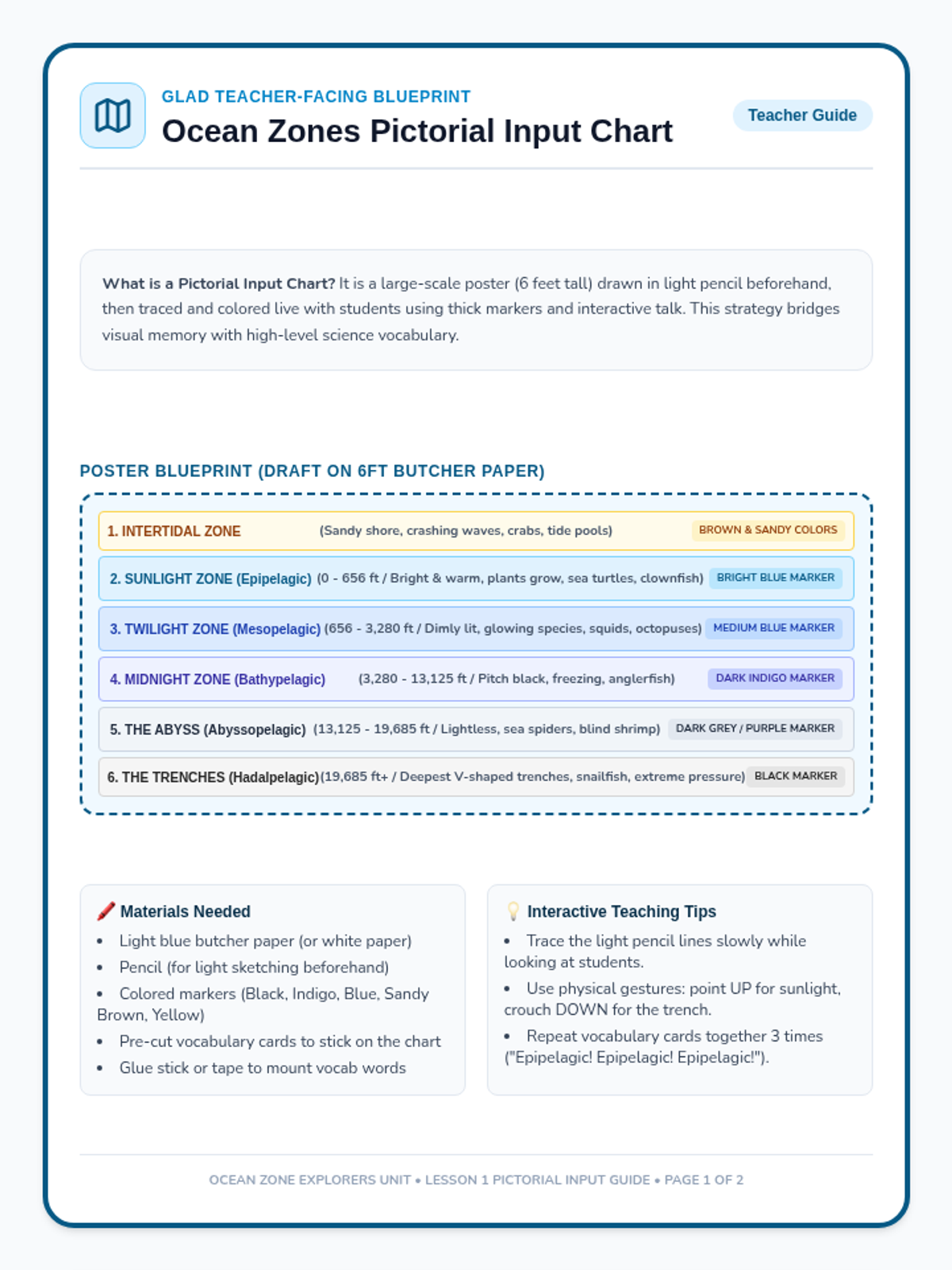
An immersive 1st-grade GLAD science and literacy sequence that guides young learners from the sunny surface to the deepest, darkest trenches, using cooperative learning, narrative inputs, and hands-on modeling.
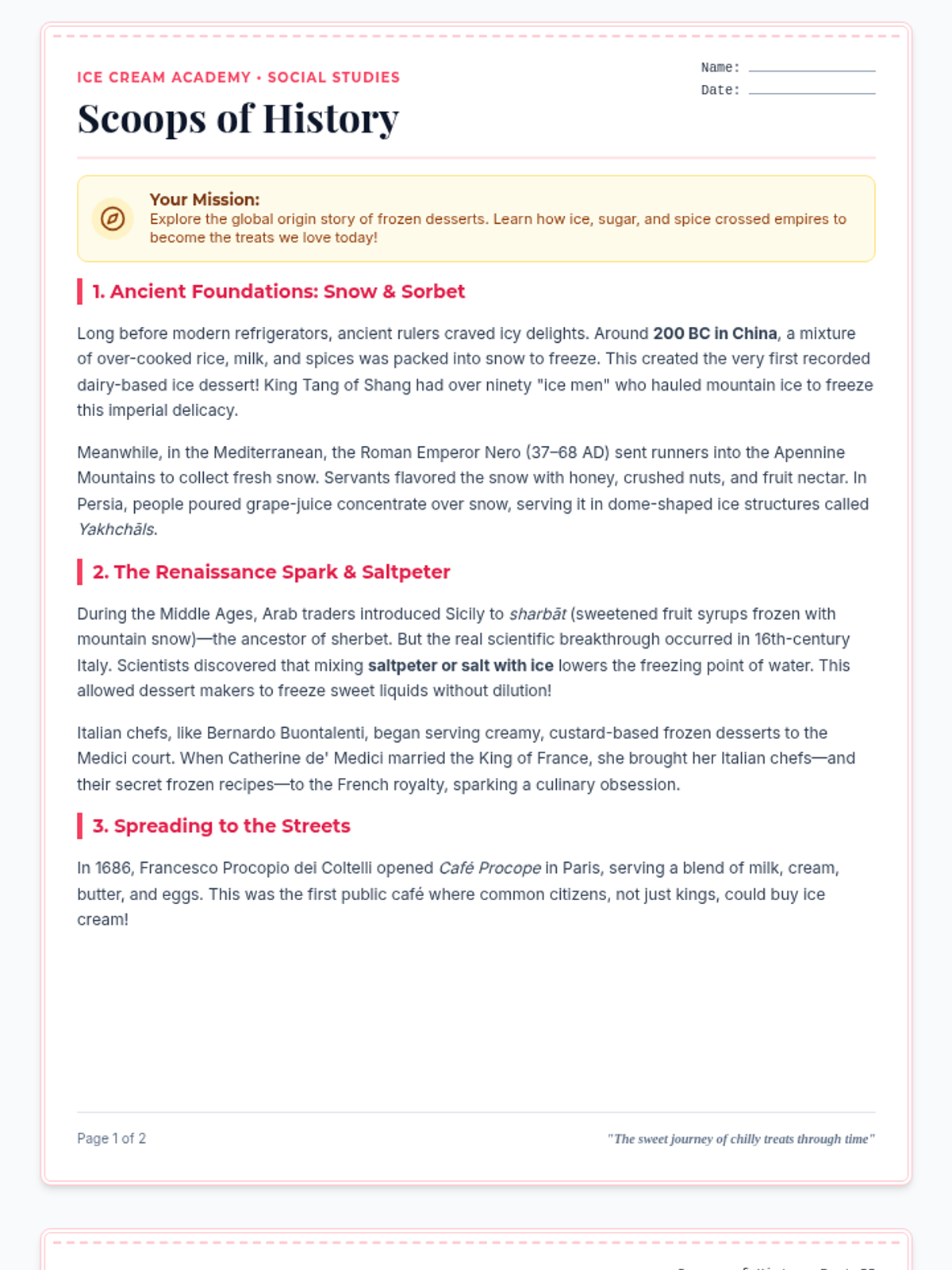
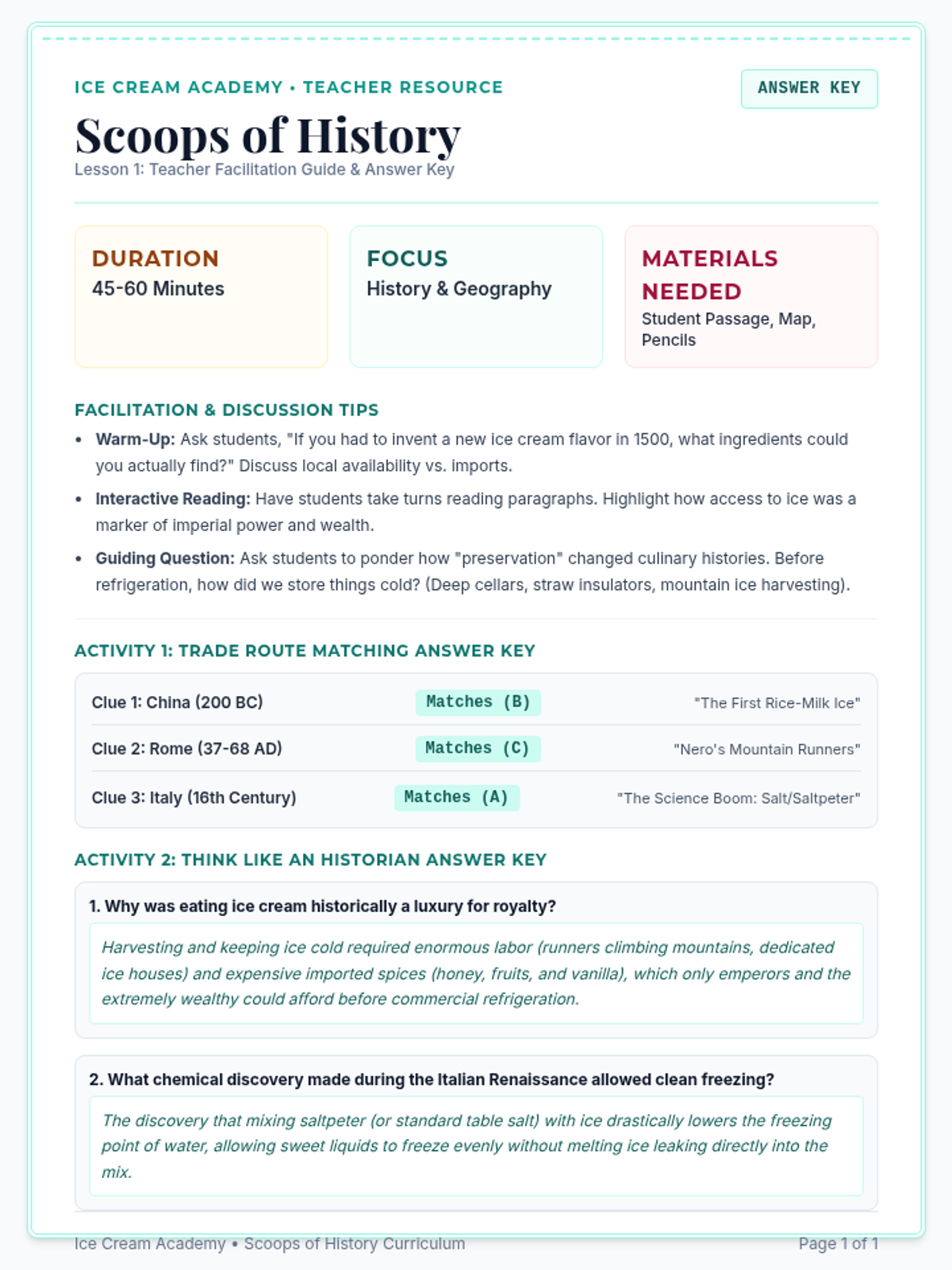
A multi-subject summer school unit exploring the history, science, math, and language arts of ice cream. Students scale recipes, conduct freezing-point experiments, trace historical origins, and design sensory marketing campaigns.
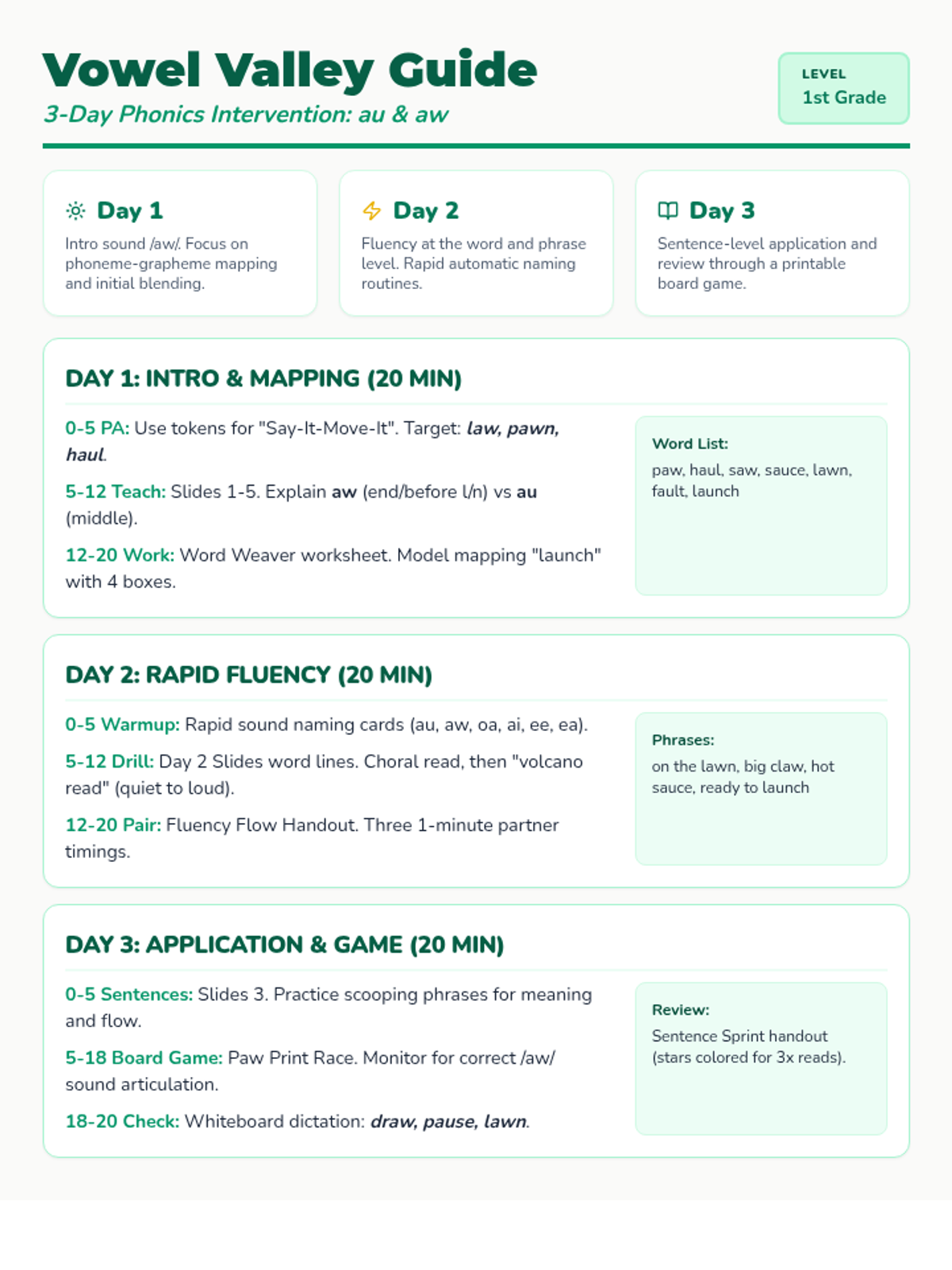
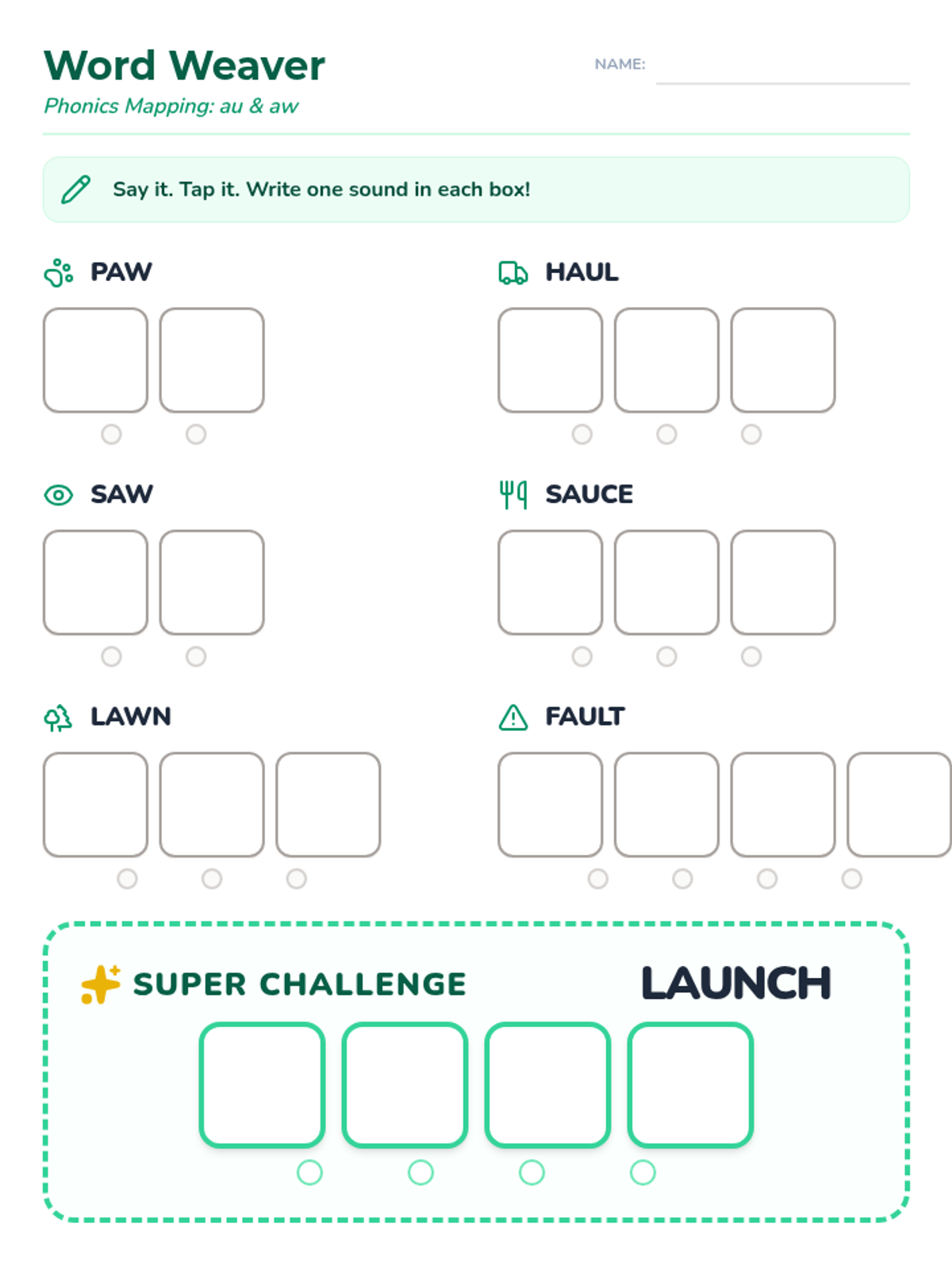
A 3-day phonics intervention sequence for first graders focusing on the 'au' and 'aw' diphthongs through direct instruction, fluency building, and game-based learning.
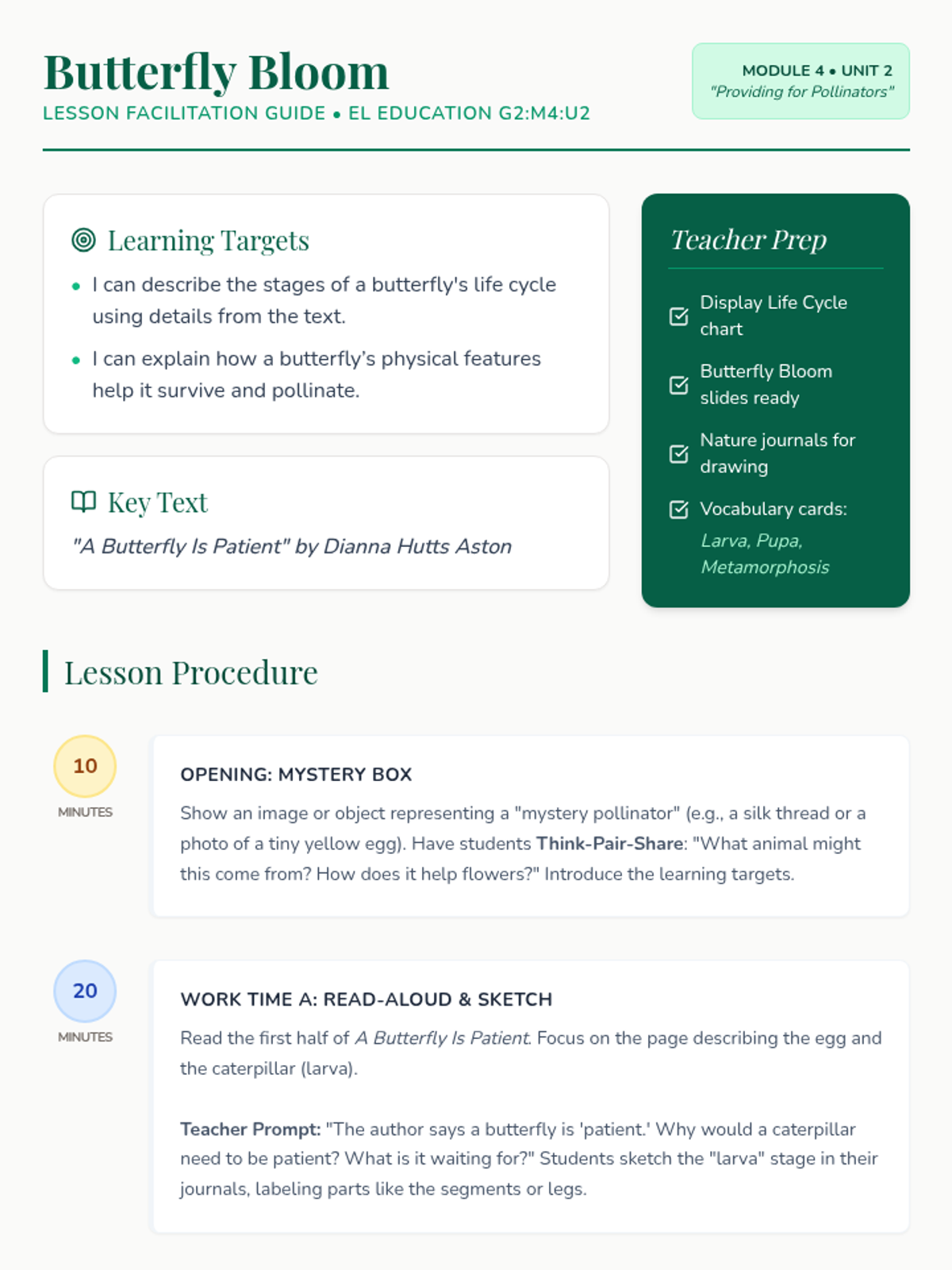
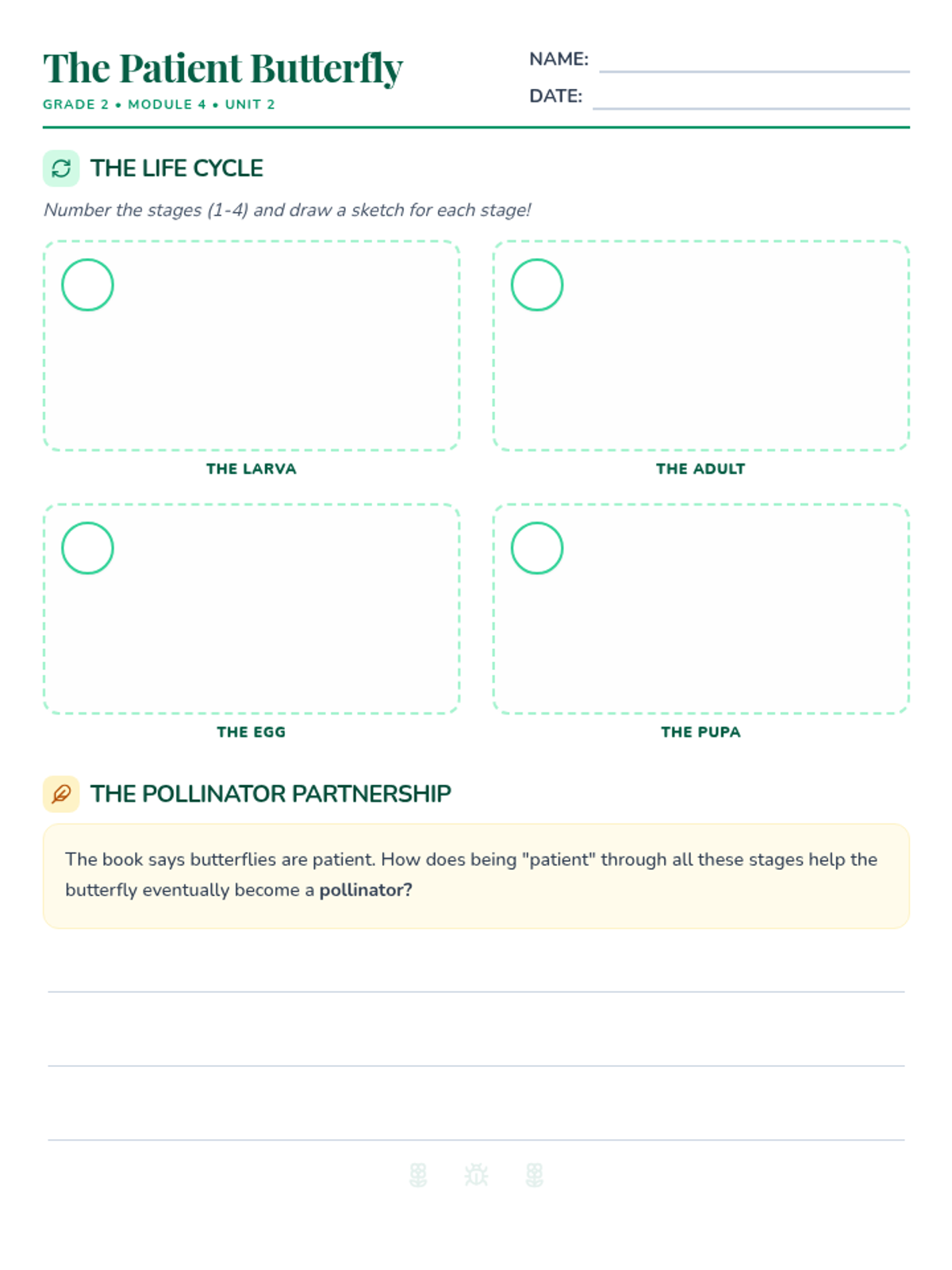
Grade 2, Module 4: 'Providing for Pollinators' focuses on the life cycles of pollinators, specifically butterflies, and how they interact with their habitats to support our environment. This sequence covers the core of Unit 2, moving from the physical characteristics and life cycles to the specific ways these insects provide for our ecosystem.
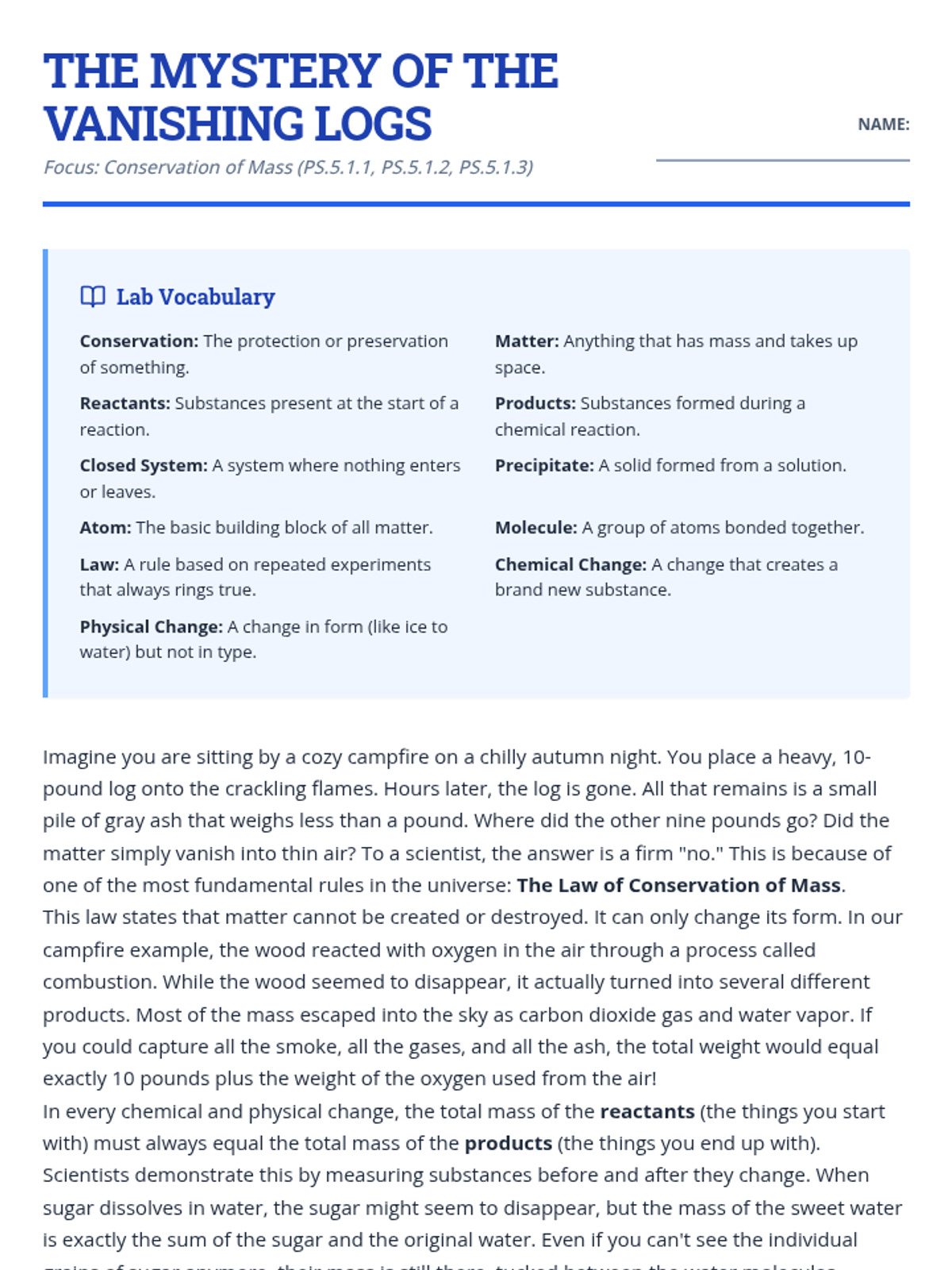
A collection of integrated science and ELA reading passages covering conservation of mass, the water cycle, and force and motion. Each passage targets specific ELA standards including key ideas, craft and structure, and language.
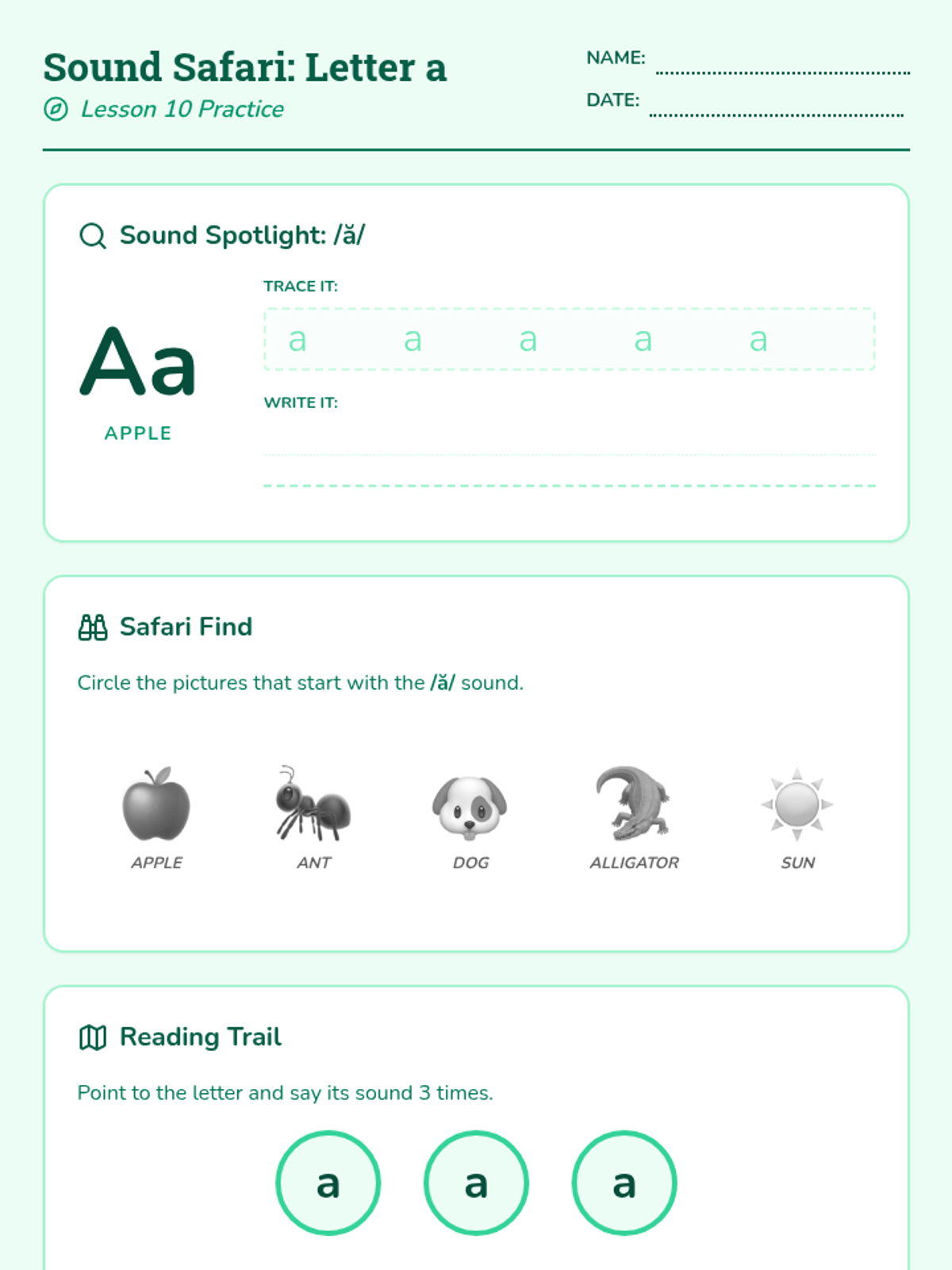
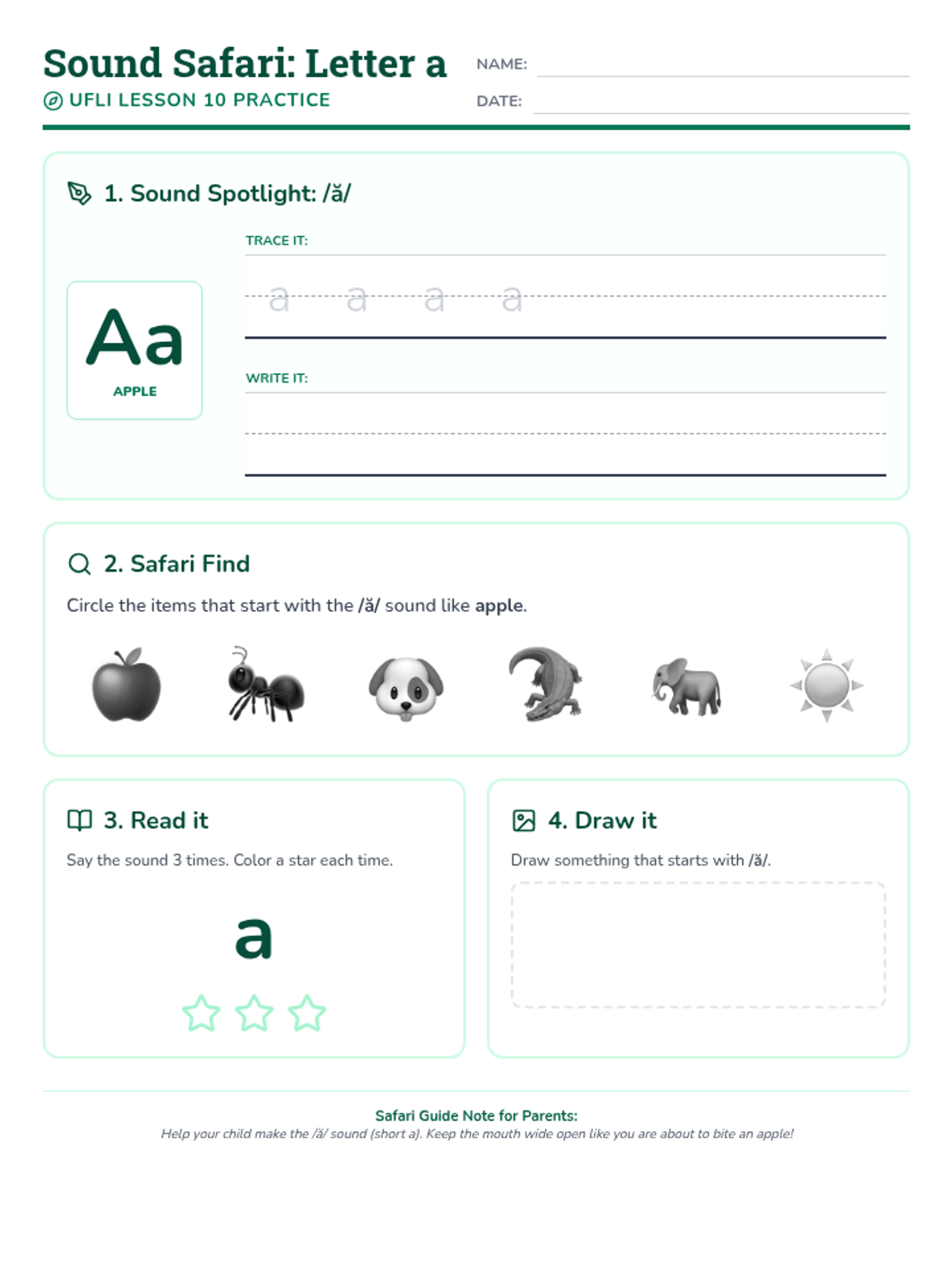
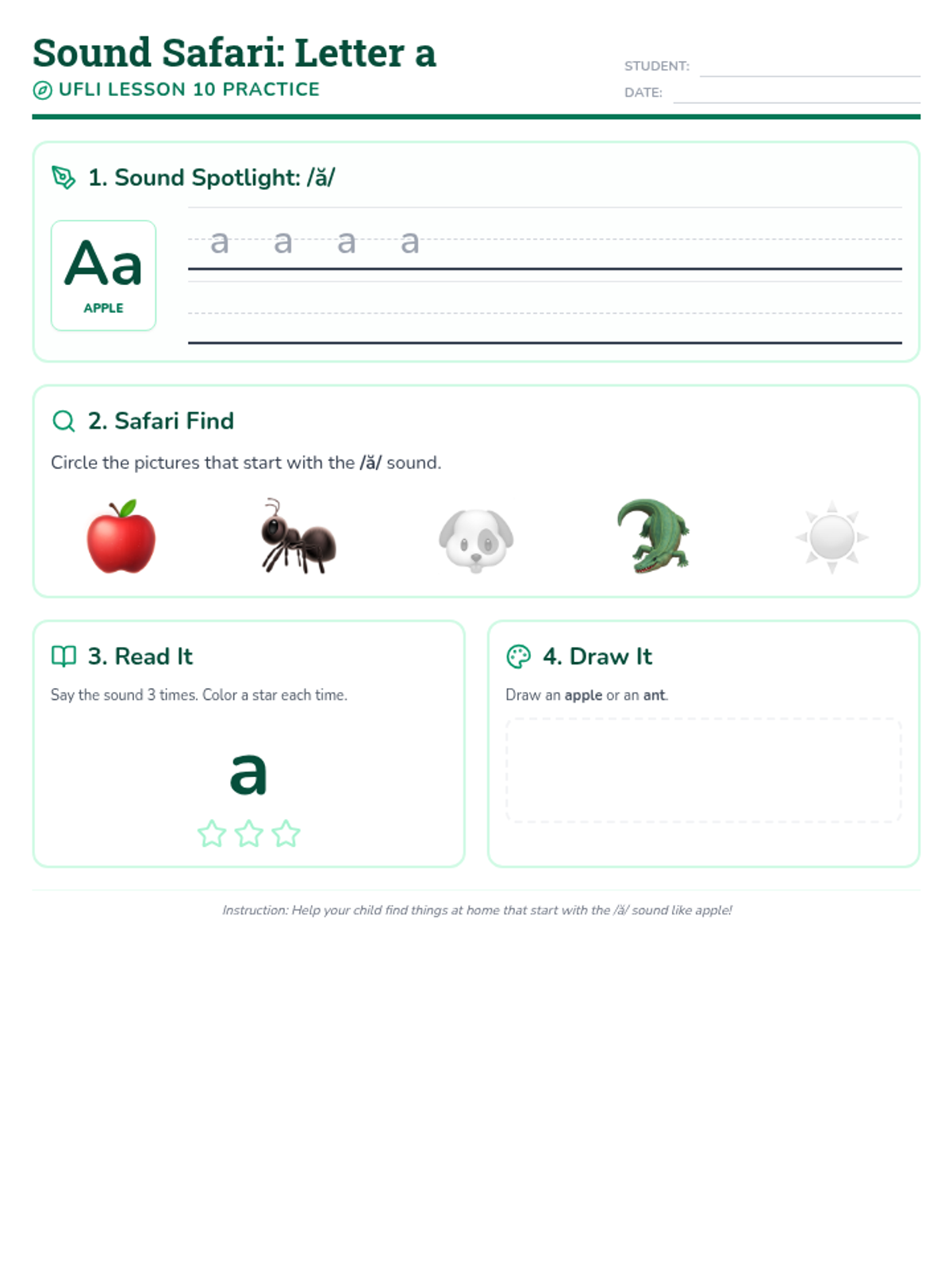
A comprehensive series of take-home practice worksheets for Kindergarten students following the UFLI Foundations scope for Alphabet Knowledge. Each worksheet focuses on a single letter-sound correspondence with activities for letter formation, decoding, encoding, and simple sentence reading.
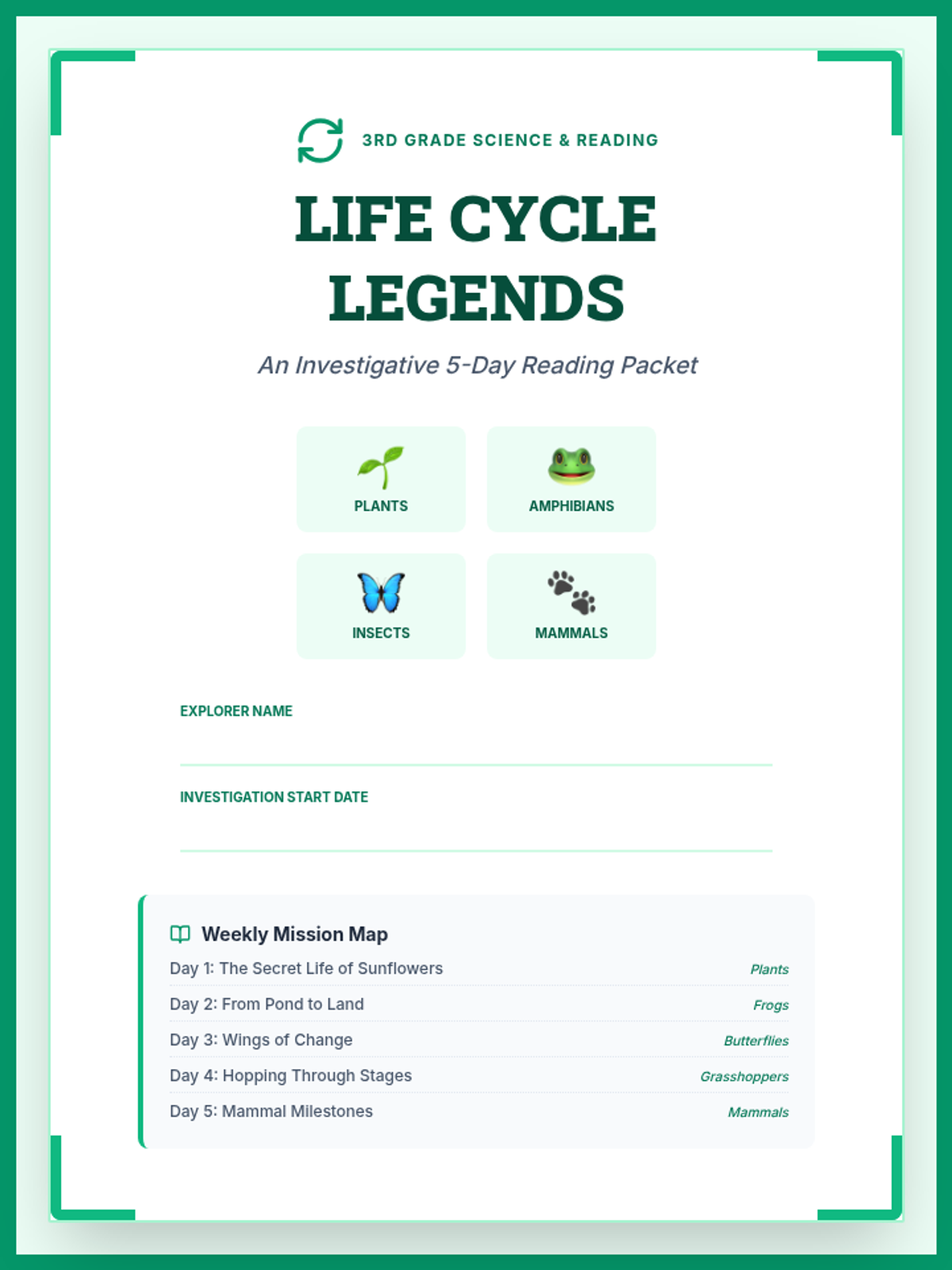
A 5-day science and reading comprehension packet focusing on various life cycles (plants, amphibians, insects, and mammals) designed with 3rd-grade EOG rigor.
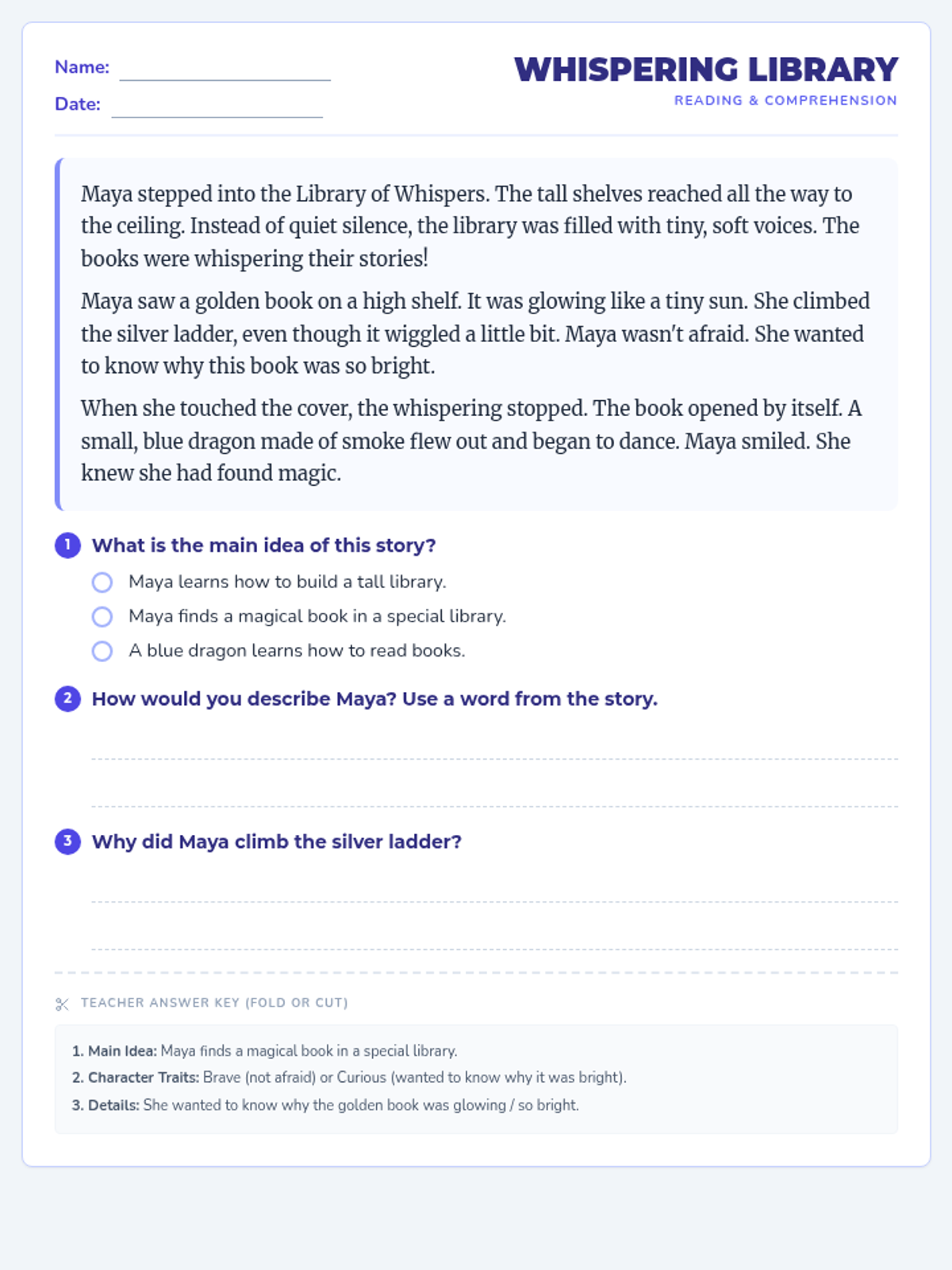
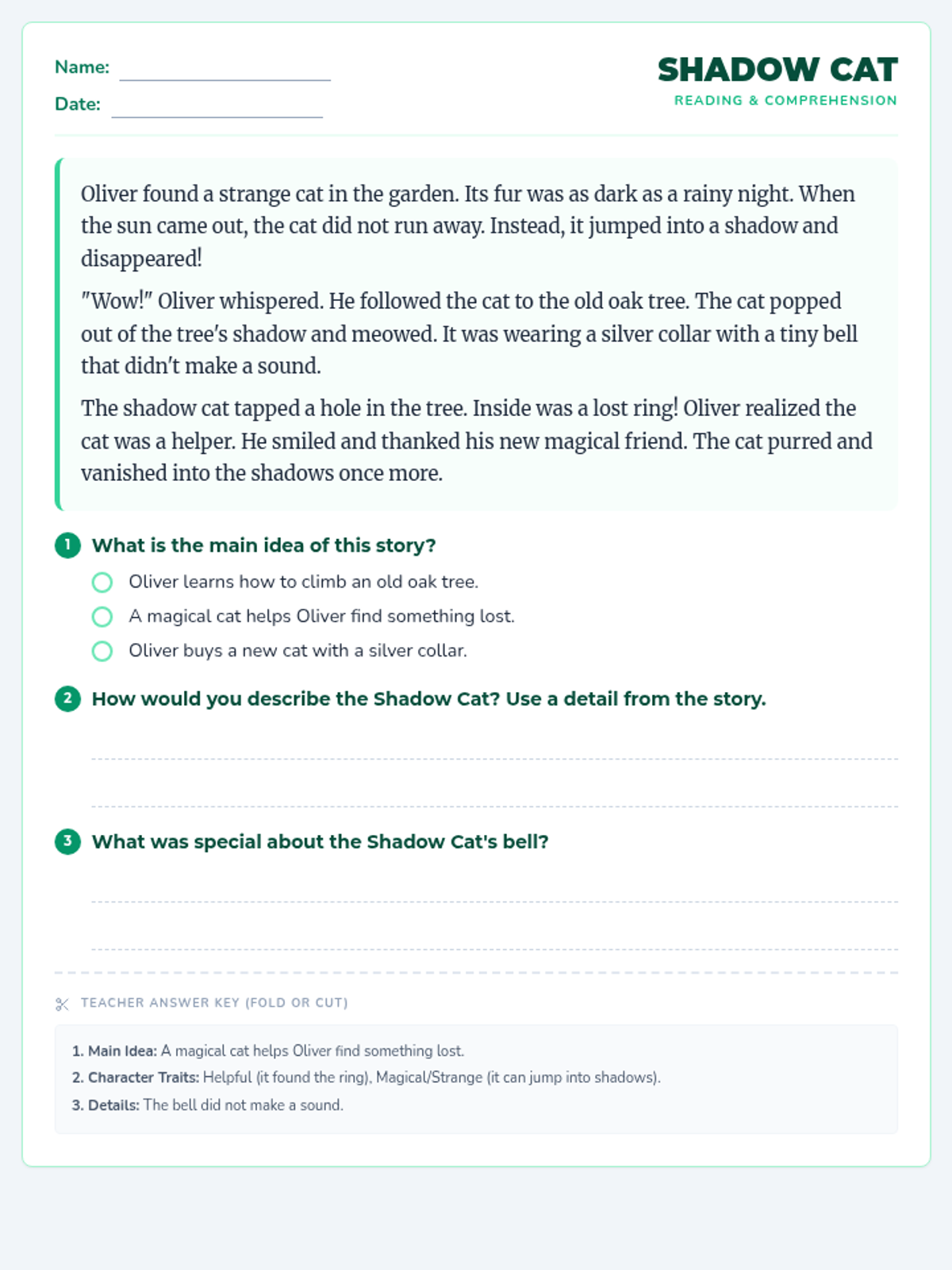
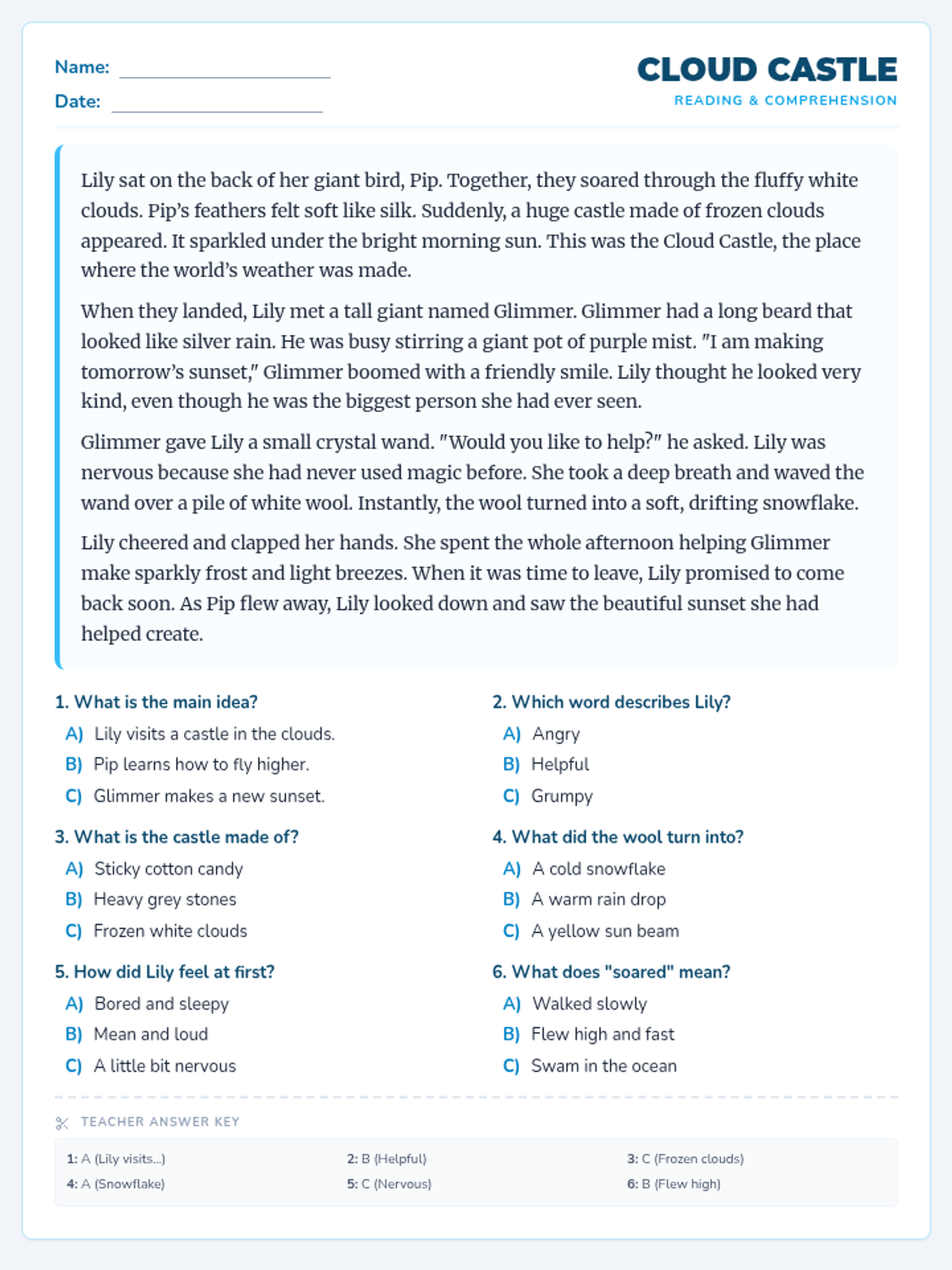
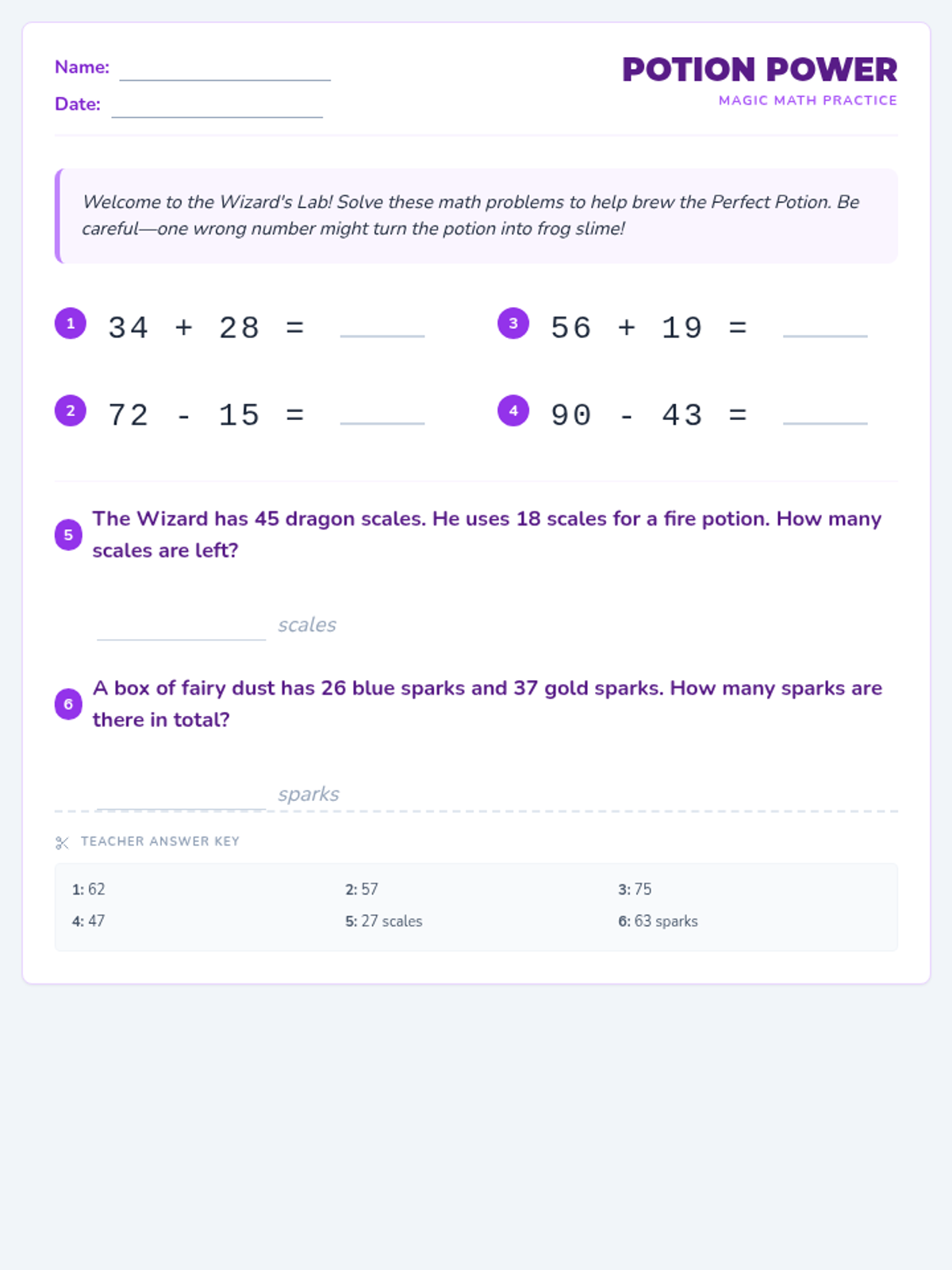
A collection of magical-themed lessons covering reading comprehension and early mathematics for primary students.
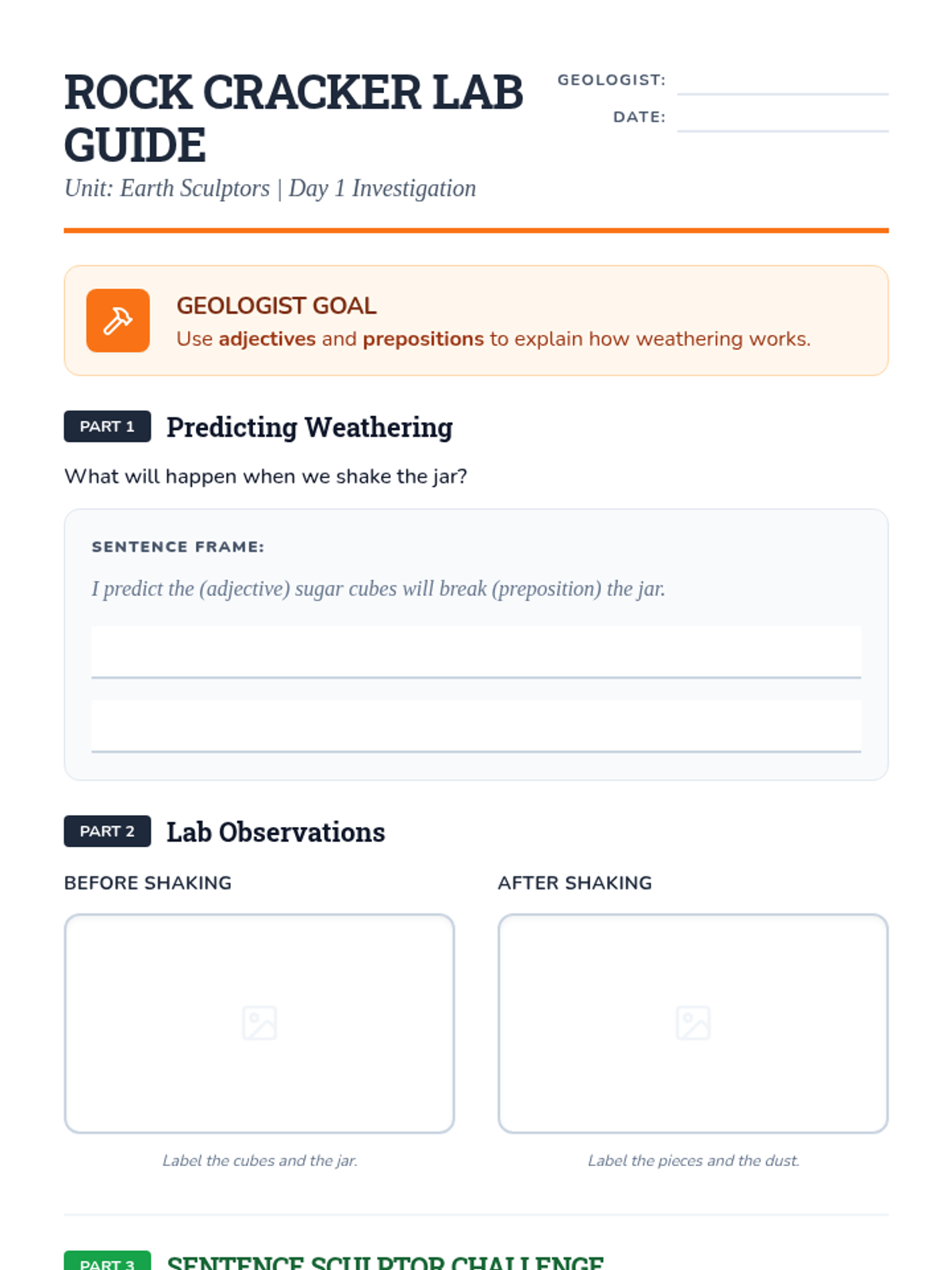
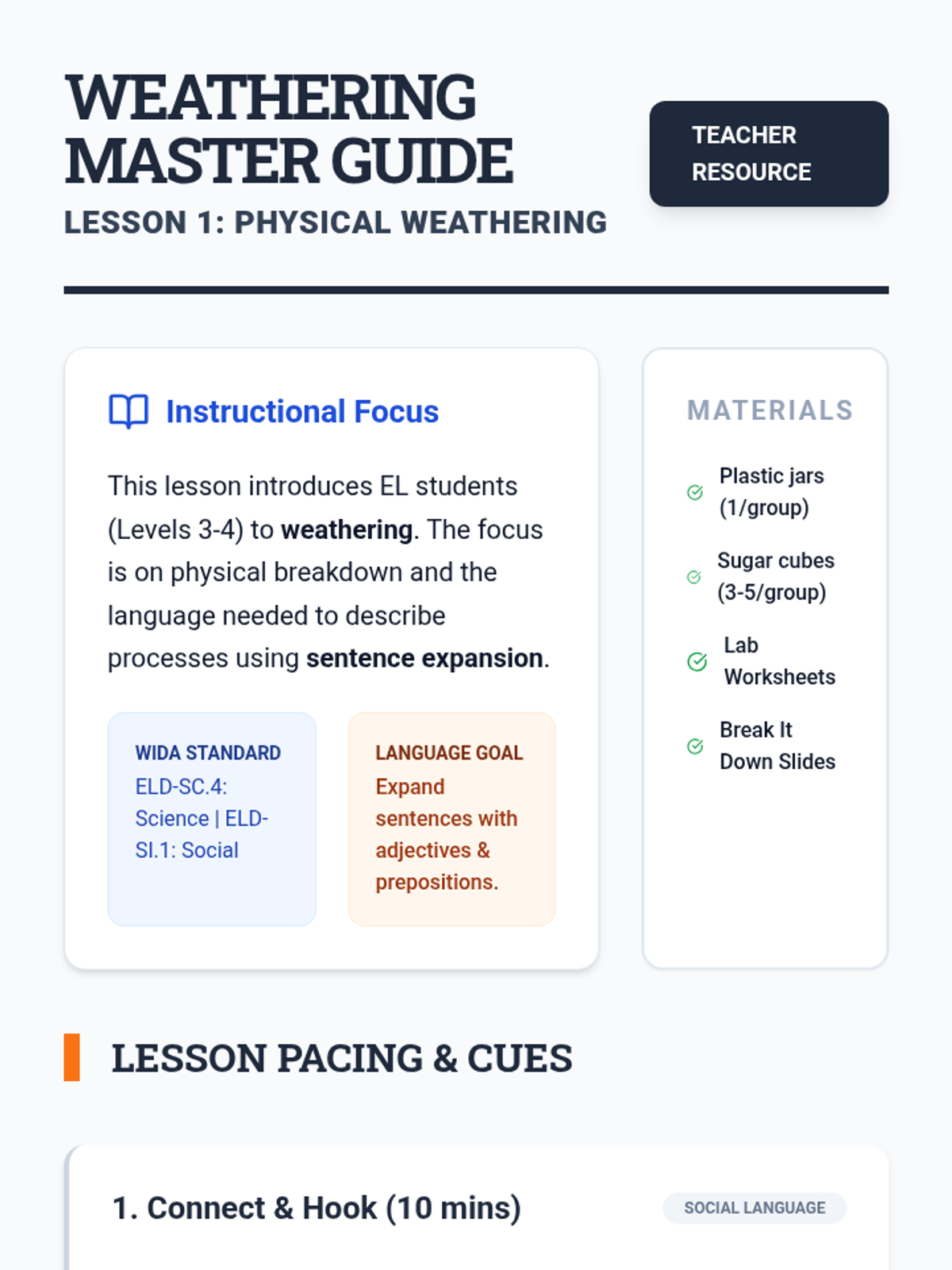
A two-day science unit for 4th-grade English Learners focusing on the processes of weathering and erosion. Students act as 'Earth Sculptors' to investigate how natural forces break down and move Earth's materials using WIDA-aligned language supports.
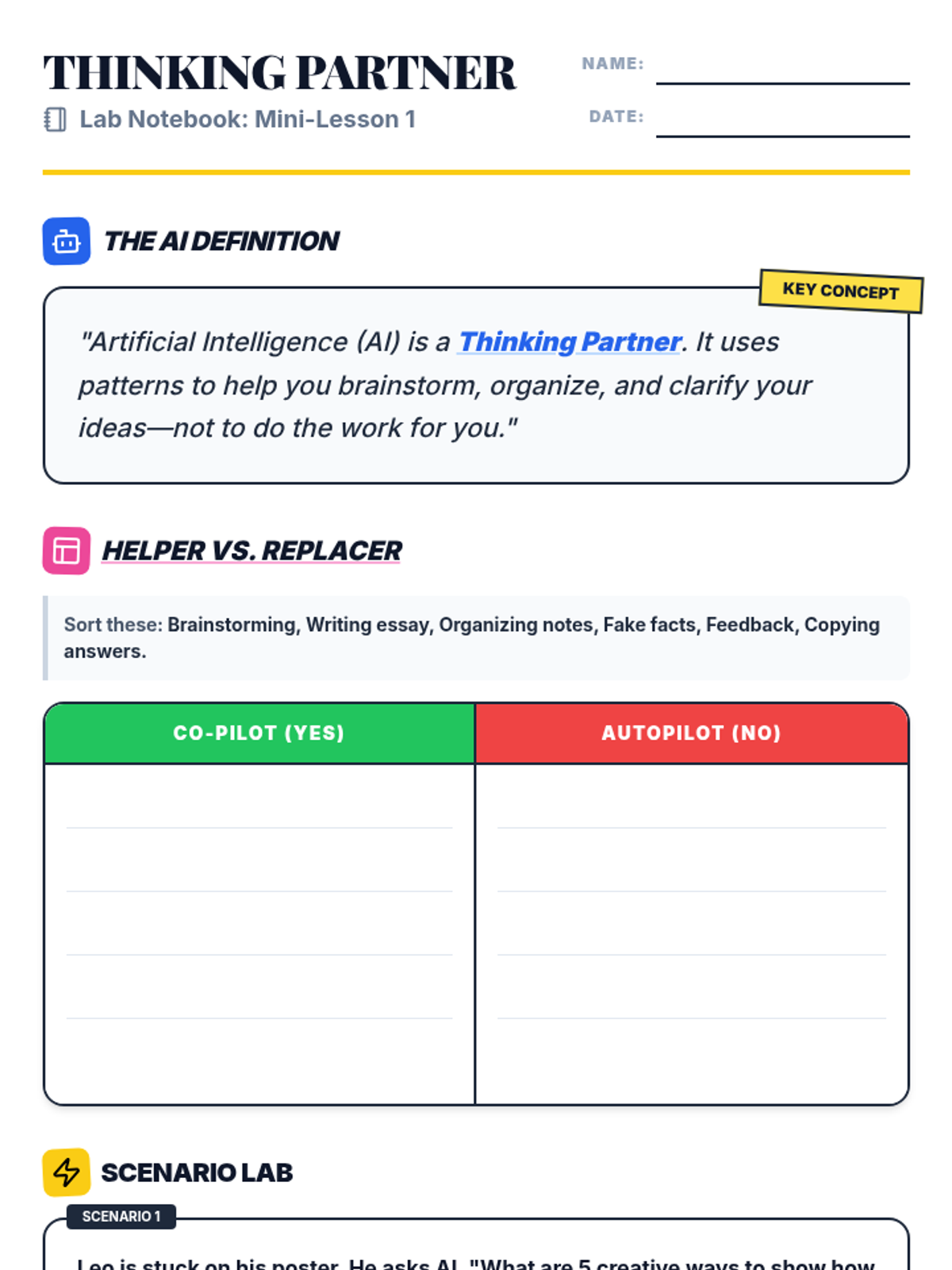
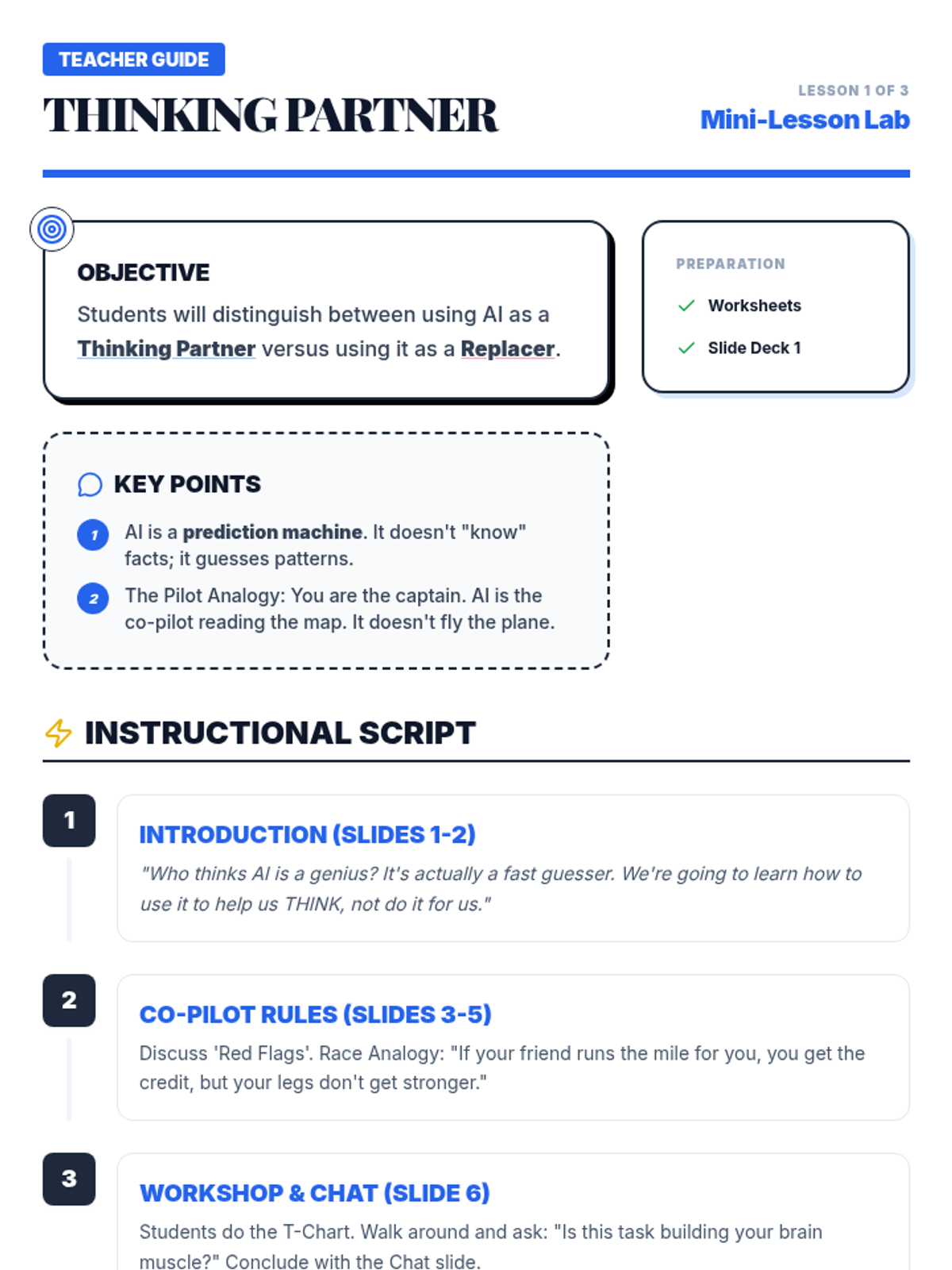
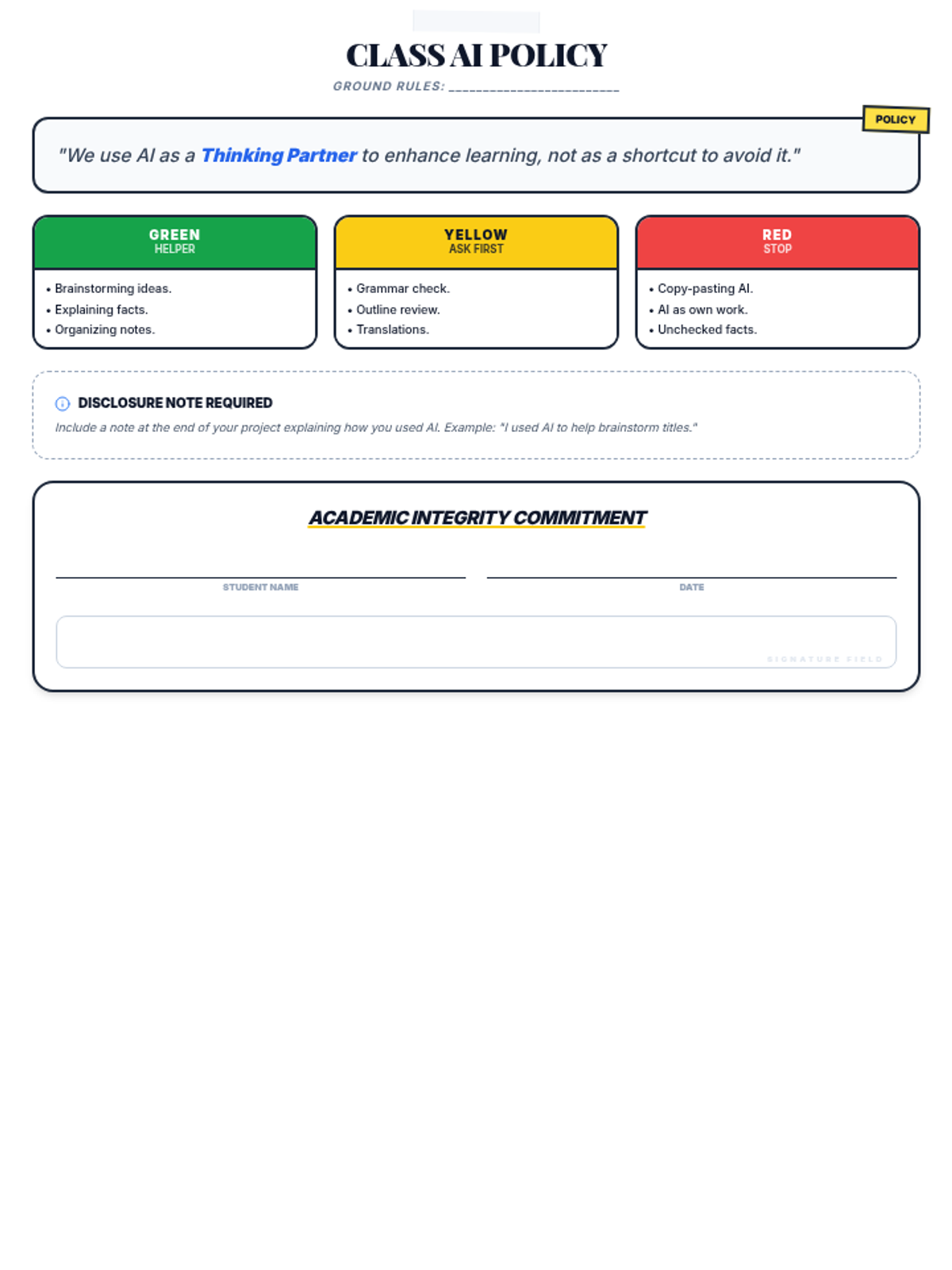
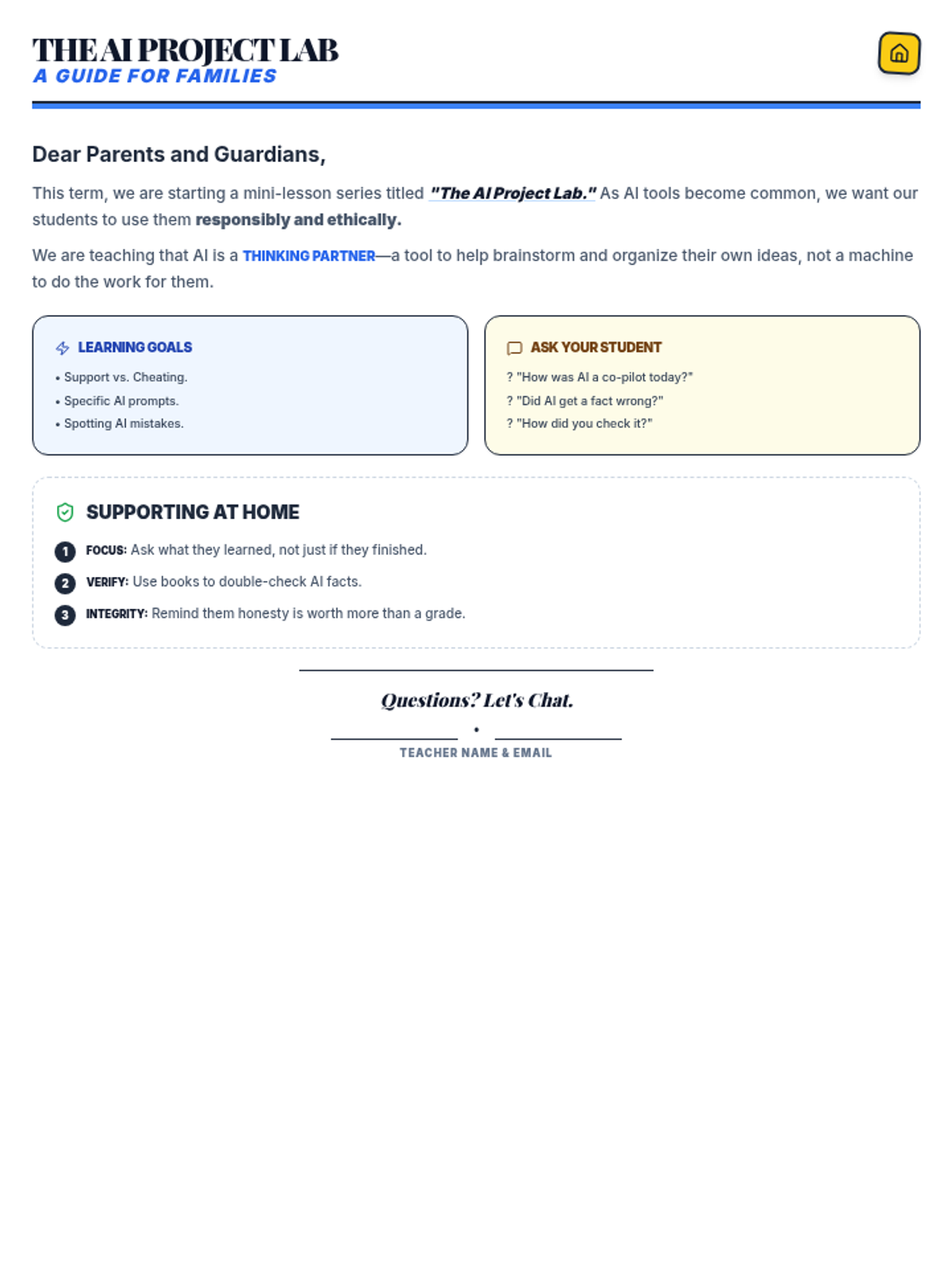
A 3-part mini-lesson series designed to teach middle schoolers how to use AI tools responsibly for final projects. The series focuses on AI as a thinking partner, prompt engineering, and critical fact-checking through a modern 'Notebook/Sketch' aesthetic.
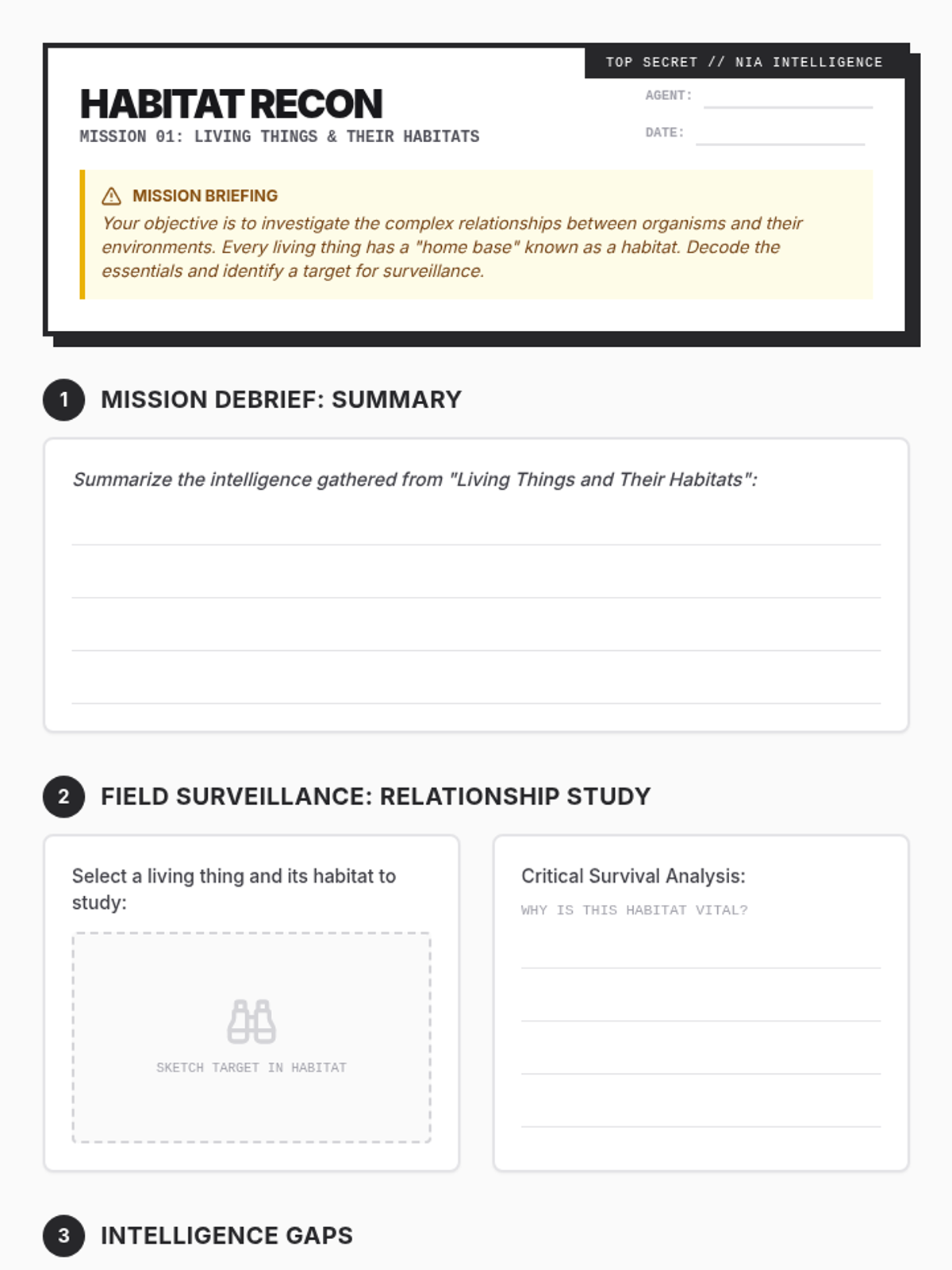
A series of secret agent-themed ecology missions where students act as Eco-Detectives for the Nature Intelligence Agency (NIA) to study habitats, food chains, and environmental impacts.
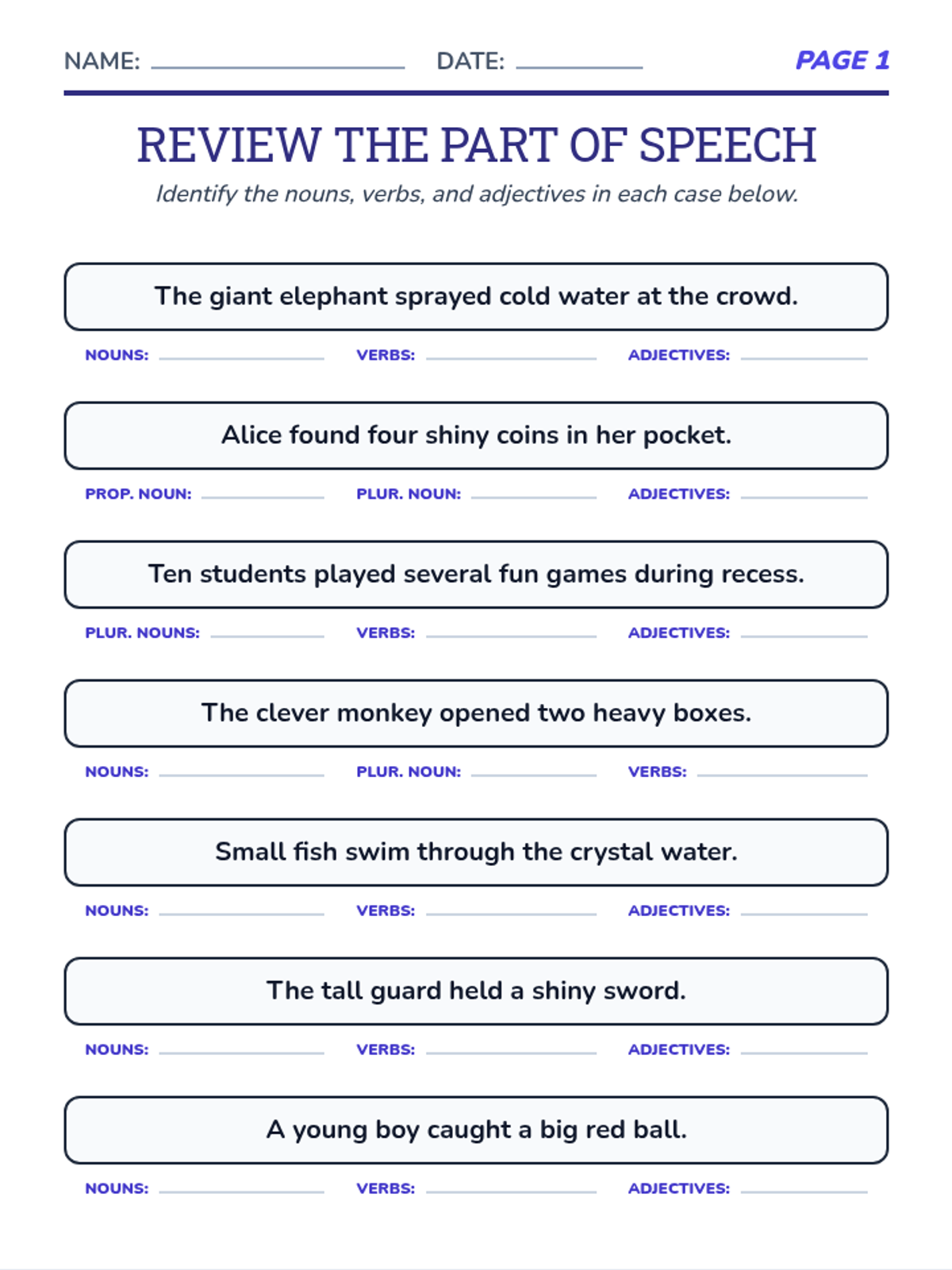
A collection of technology and language arts lessons exploring modern digital literacy and core communication skills.
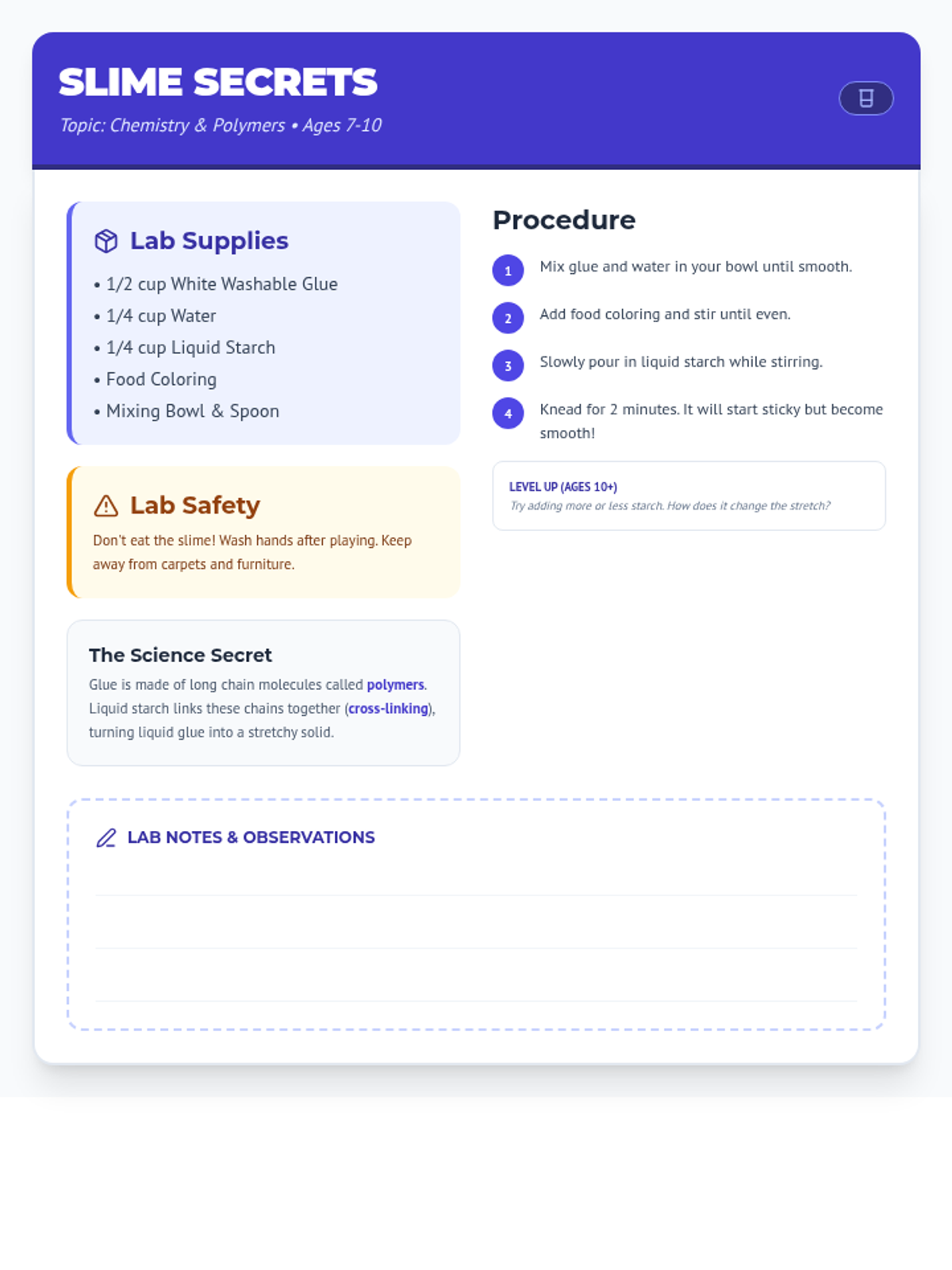
A collection of 8 hands-on science activities designed for elementary-aged children, covering chemistry, space, botany, and physics with a mix of instruction cards, journals, and lesson plans.
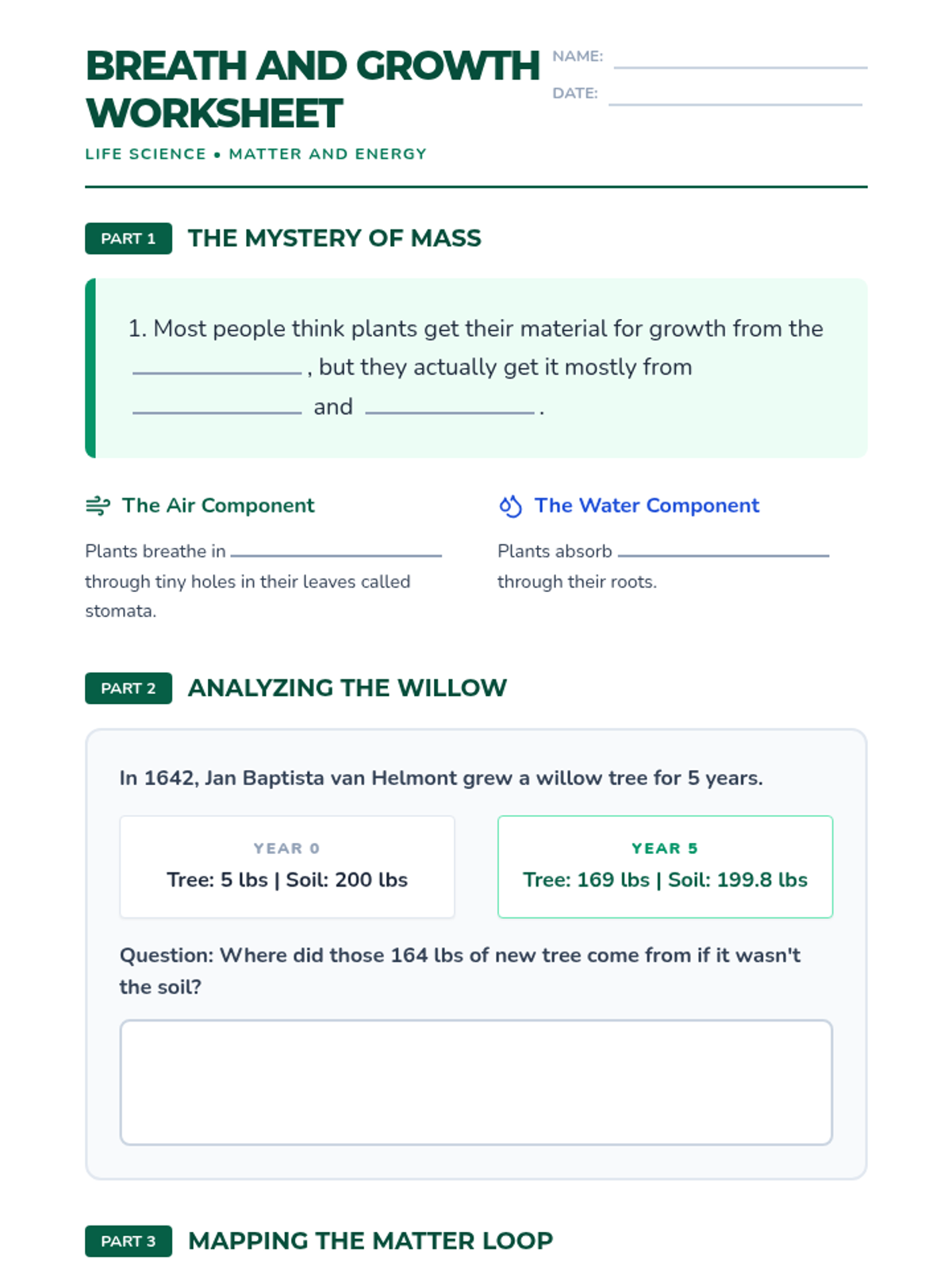
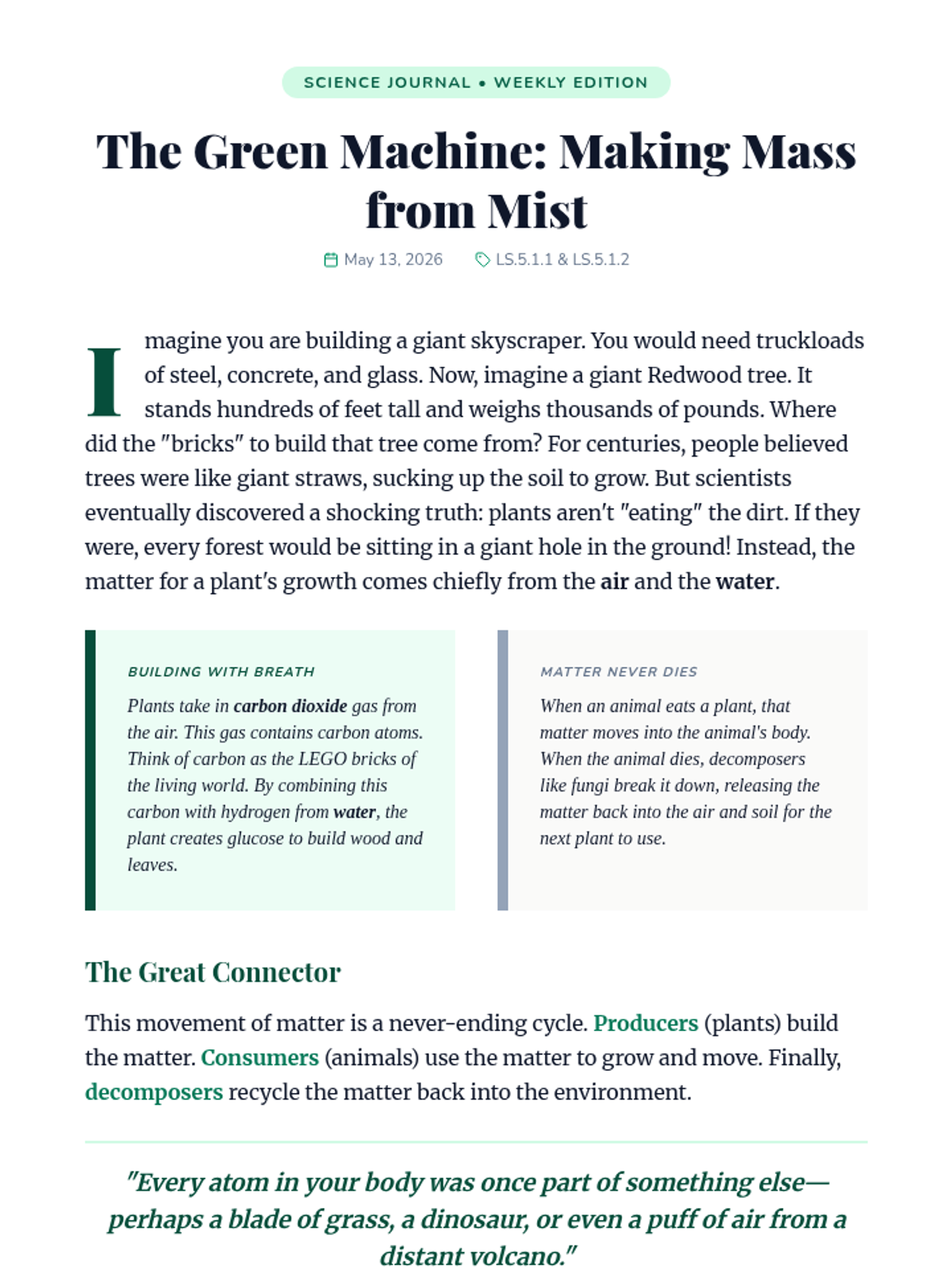
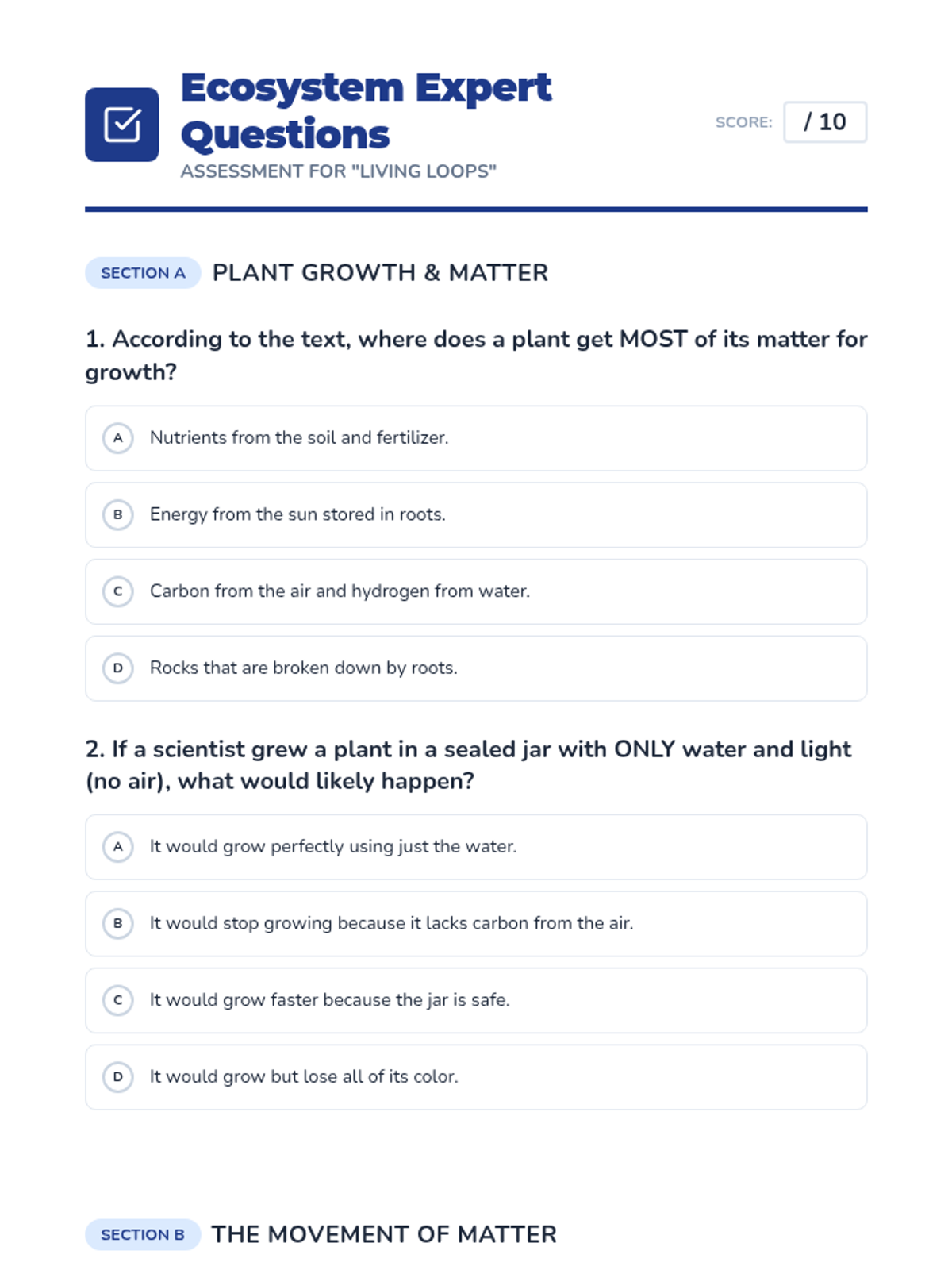
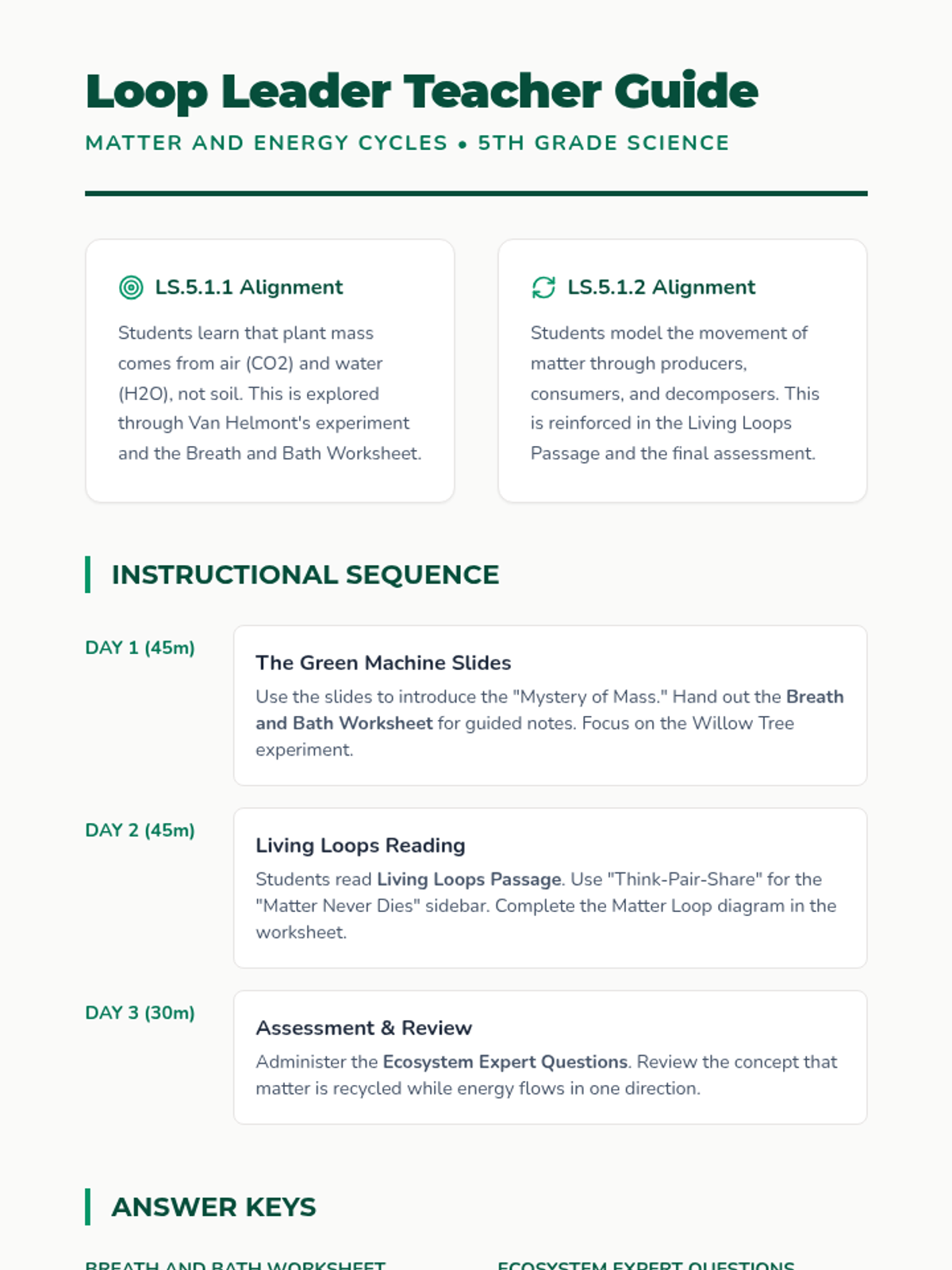
A comprehensive unit for 5th grade exploring how plants grow from air and water (LS.5.1.1) and how matter cycles through ecosystems via food webs and decomposers (LS.5.1.2).
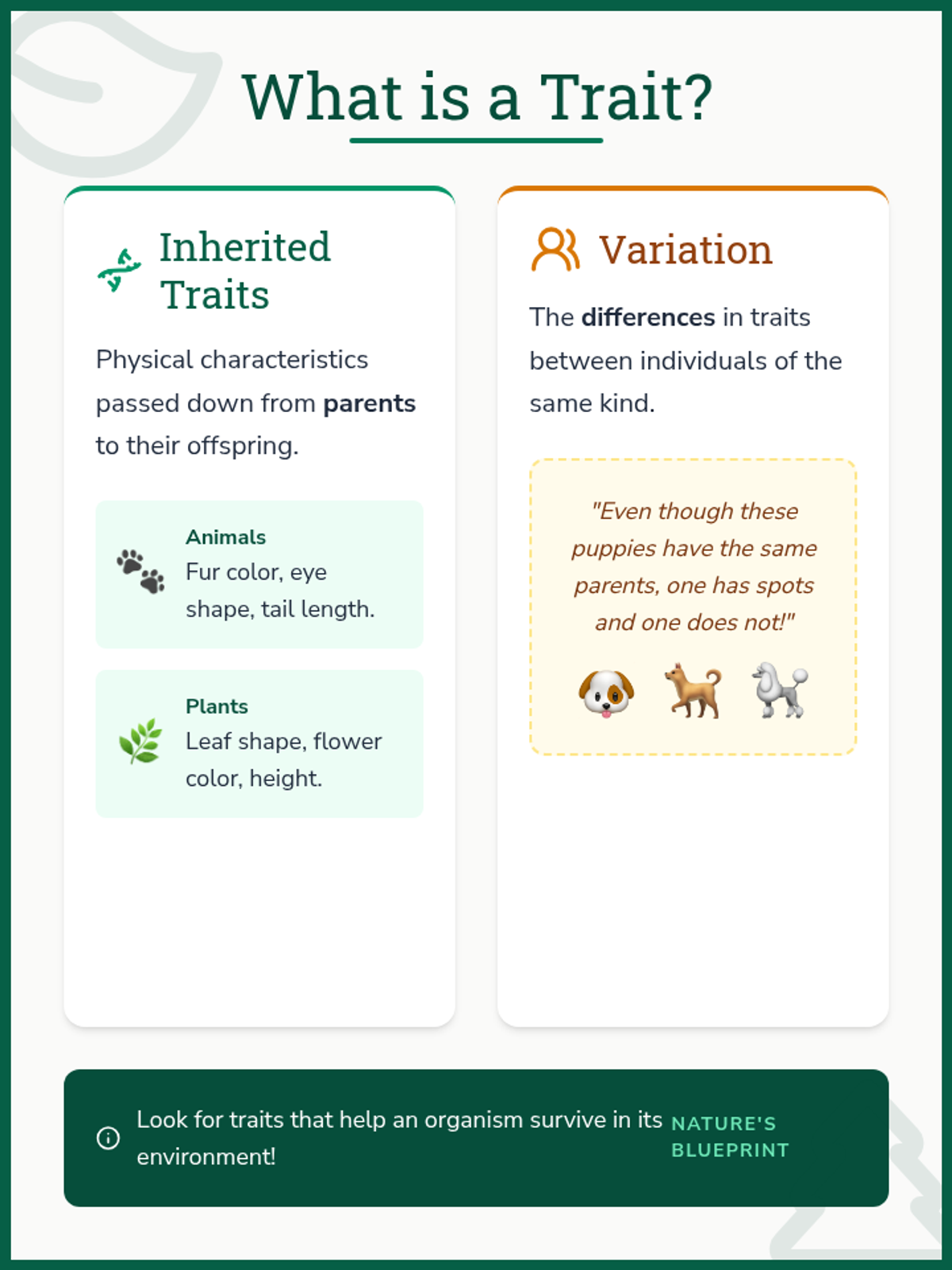
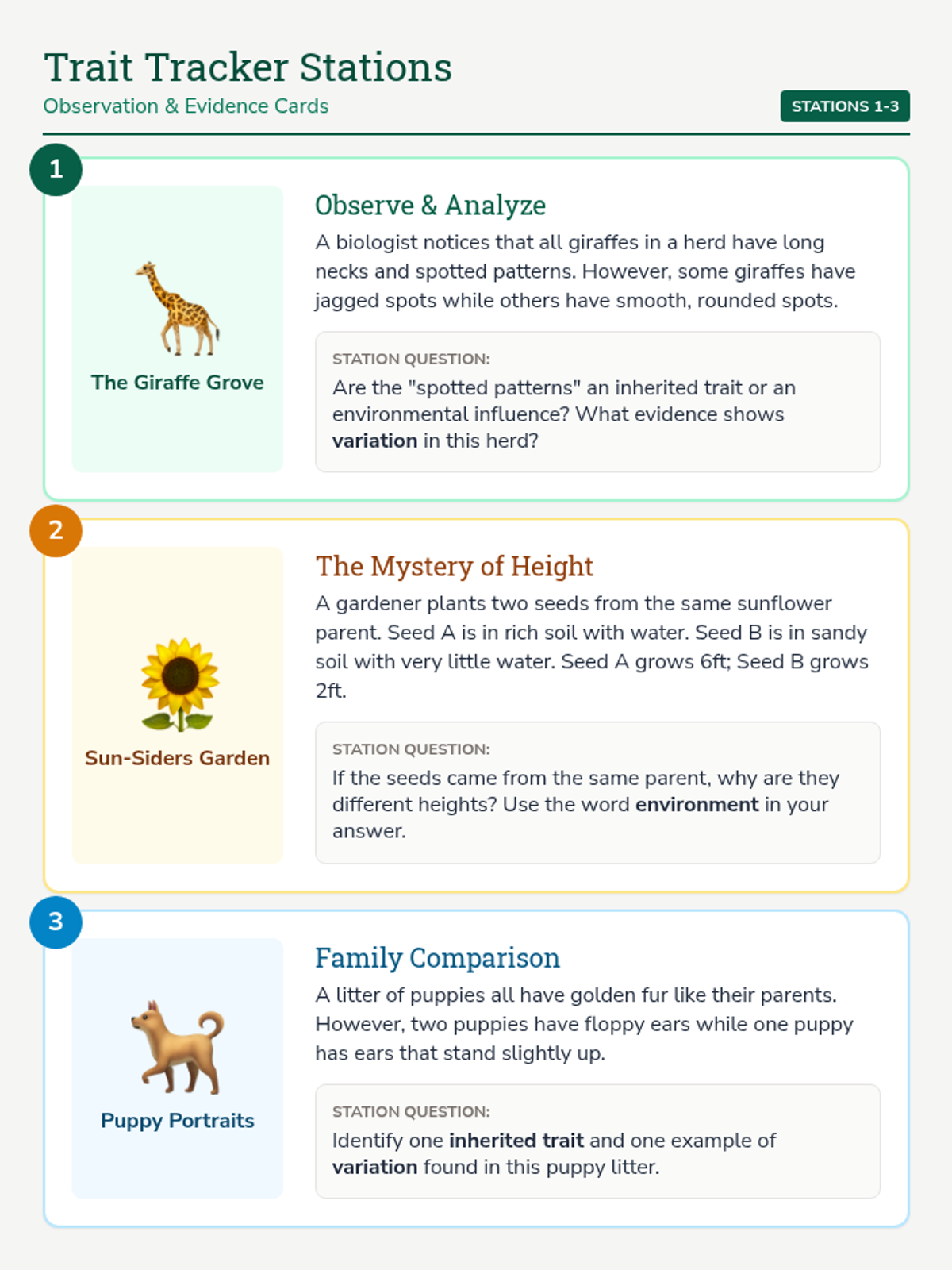
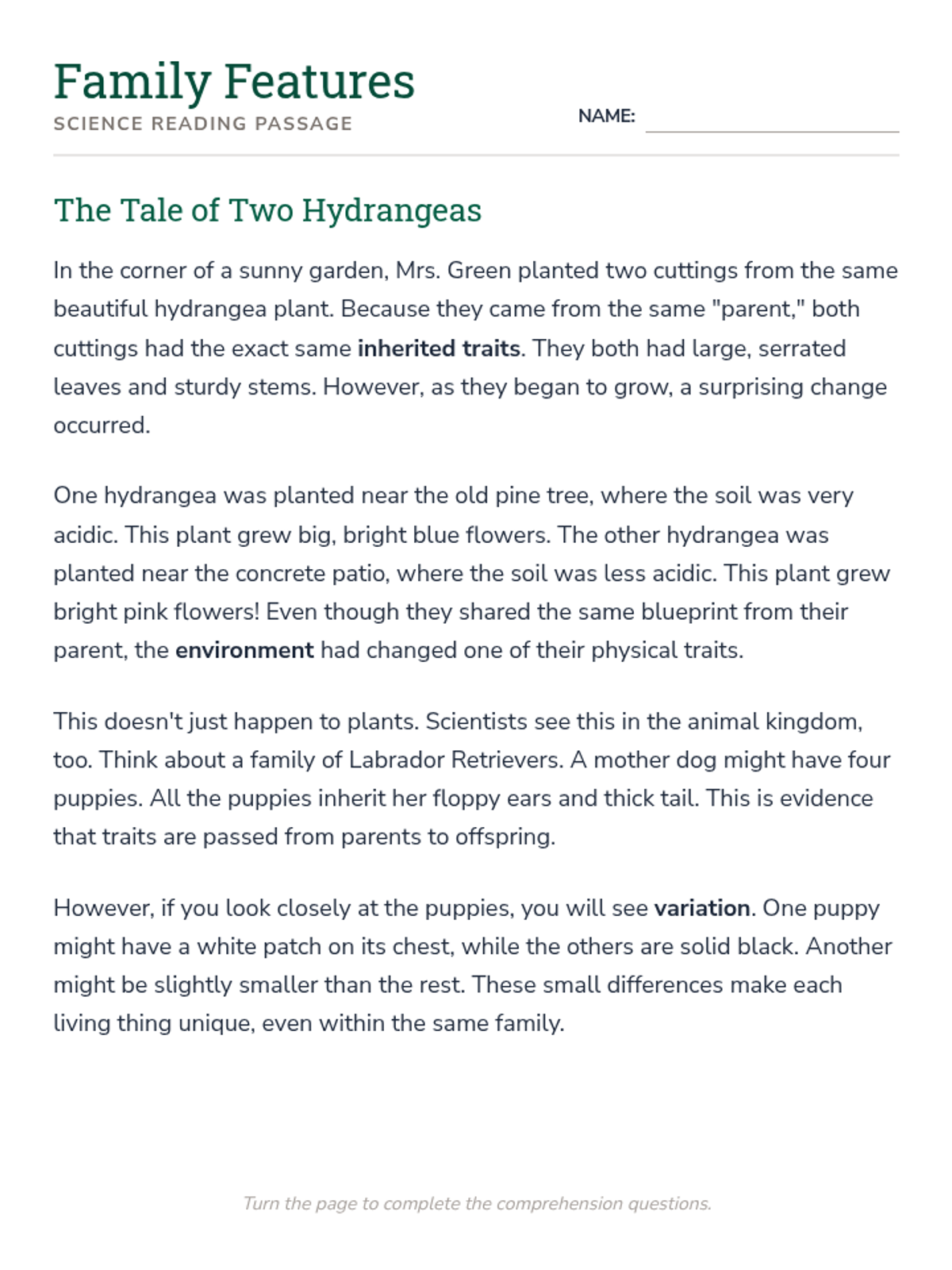
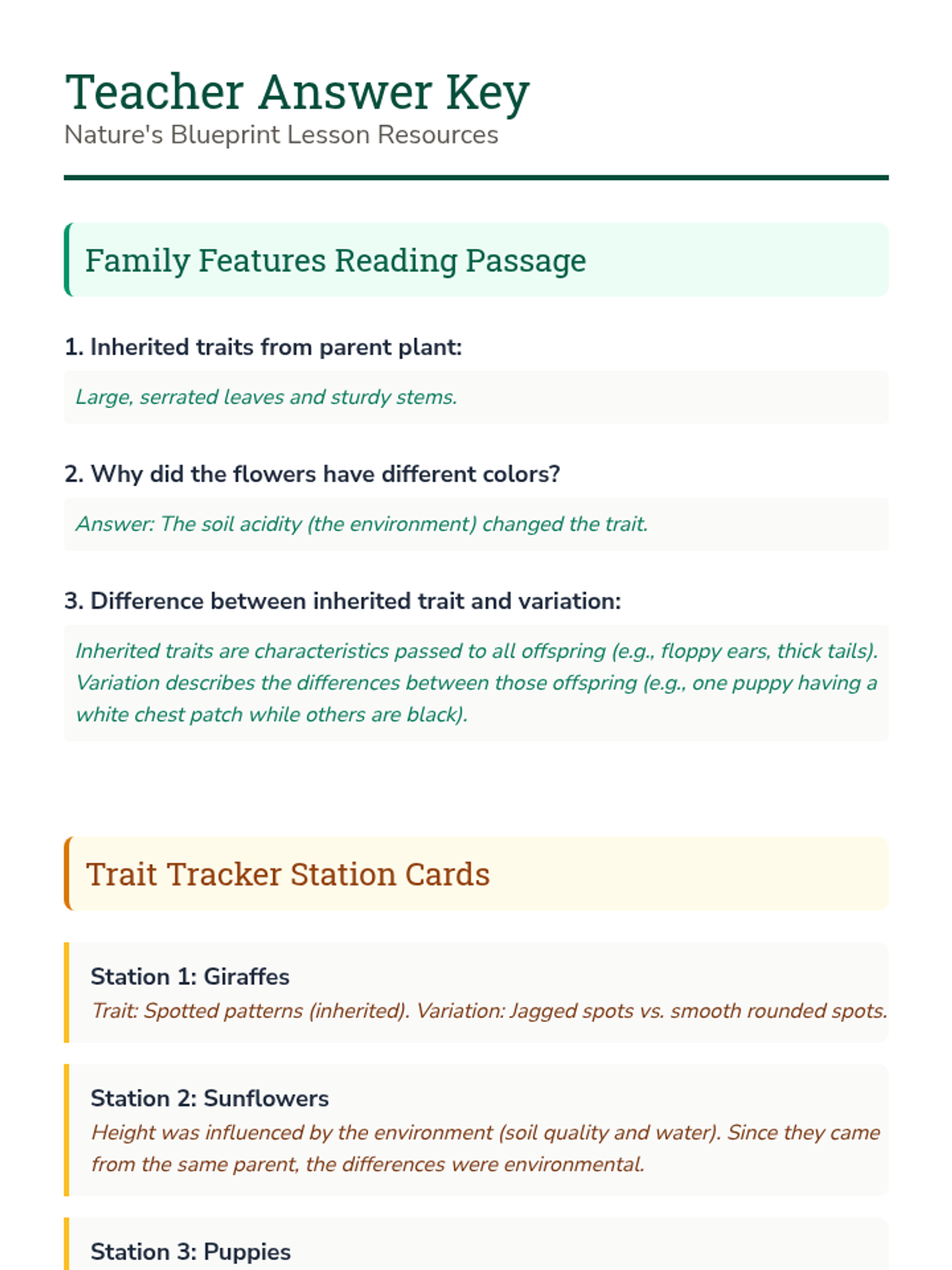
A comprehensive exploration of heredity, traits, and environmental influences across grade levels, from basic inheritance to complex adaptations and changes over time.