A five-day science unit exploring solar energy through hands-on experiments, engineering challenges, and interactive lessons. Students learn about photons, photovoltaic cells, solar thermal energy, and the role of renewables in our future.
A comprehensive unit exploring how humans process sensory information through the eye, ear, nose, and tongue, focusing on anatomical structures and physiological functions.
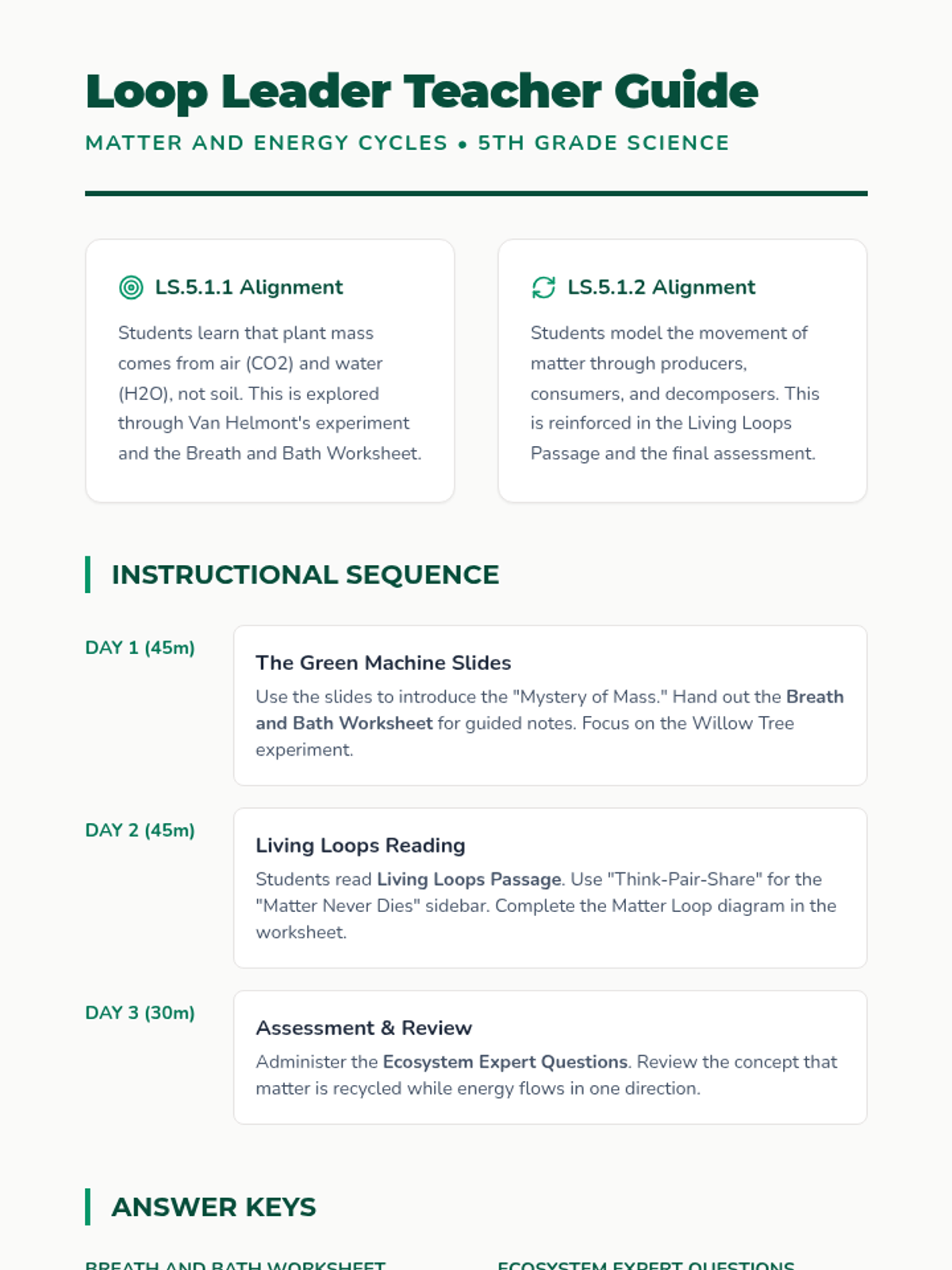
A comprehensive sequence exploring biogeochemical cycles across different academic levels, from introductory middle school concepts to honors-level systems analysis.
A two-part educational series exploring the Artemis II mission with a focus on how space research drives technological innovation for Earth and expands our scientific understanding of the Moon.
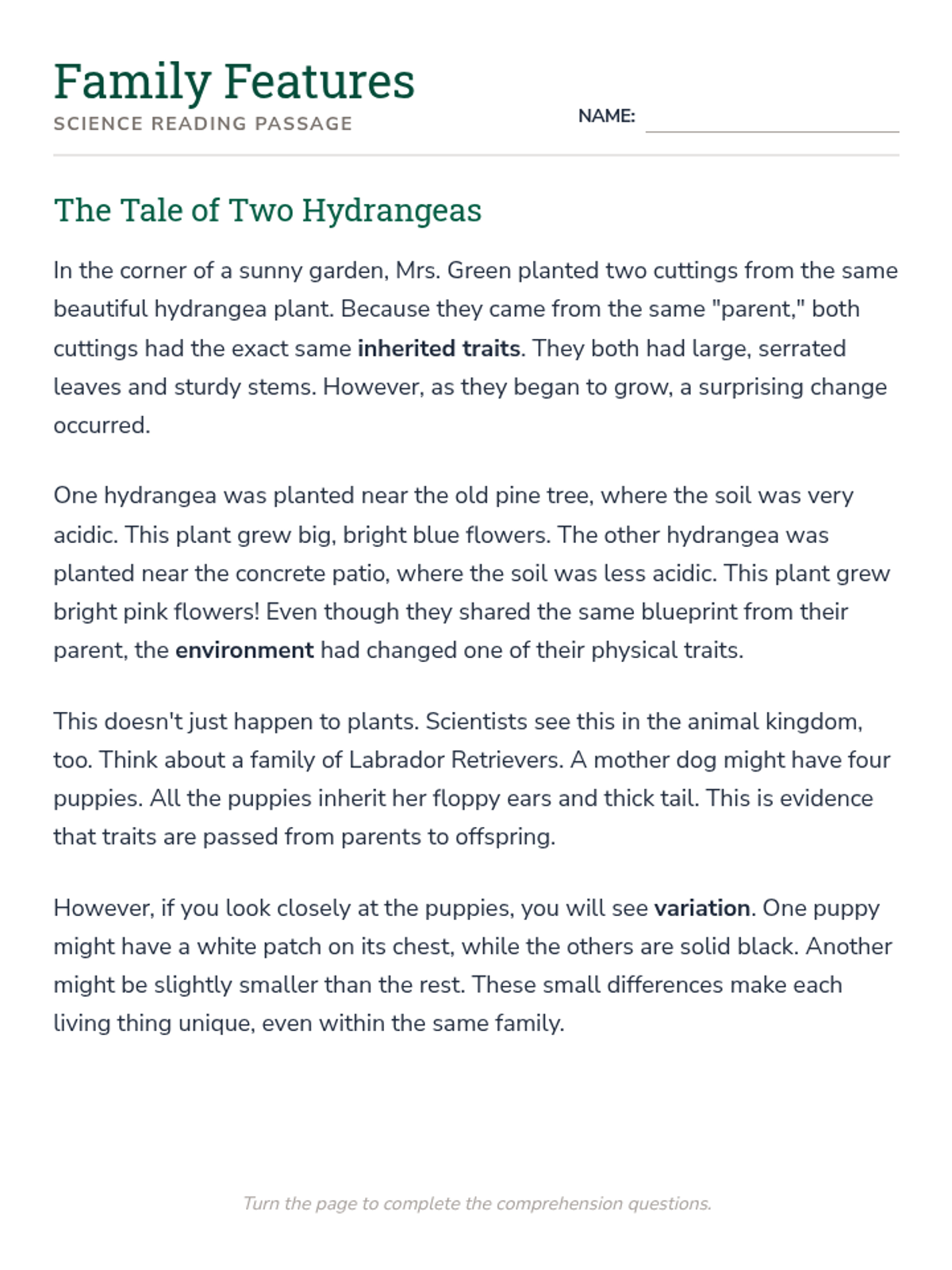
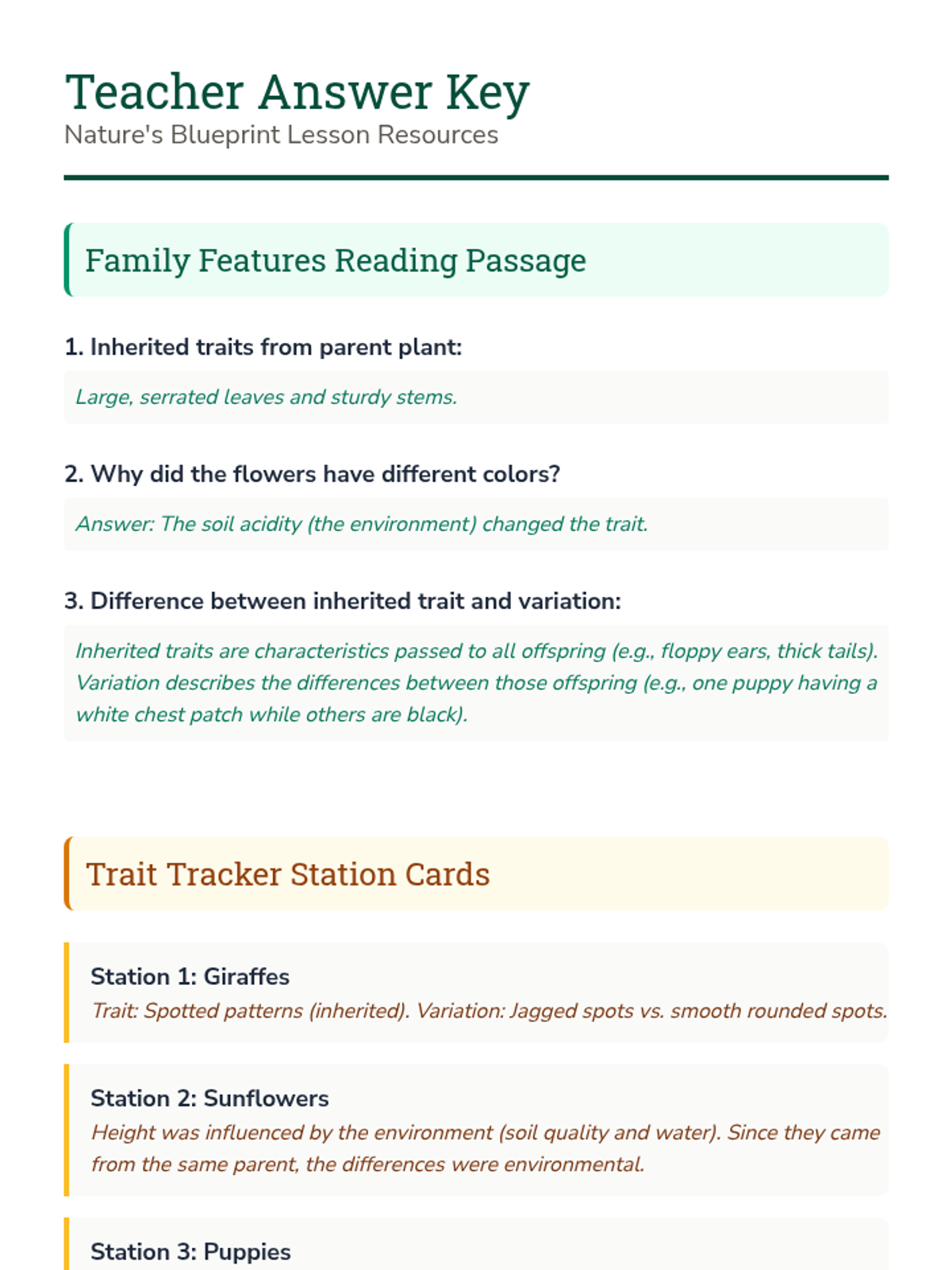
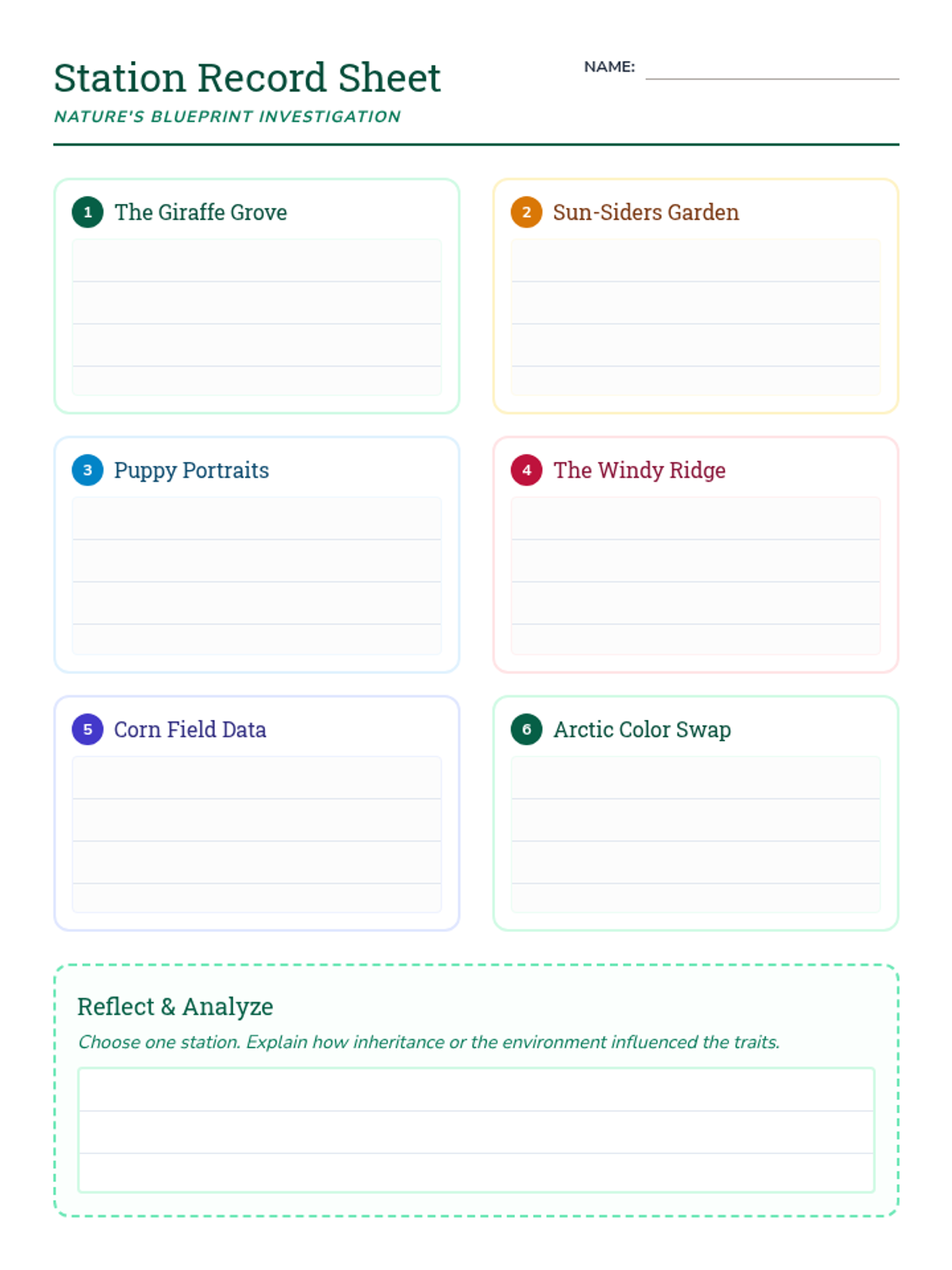
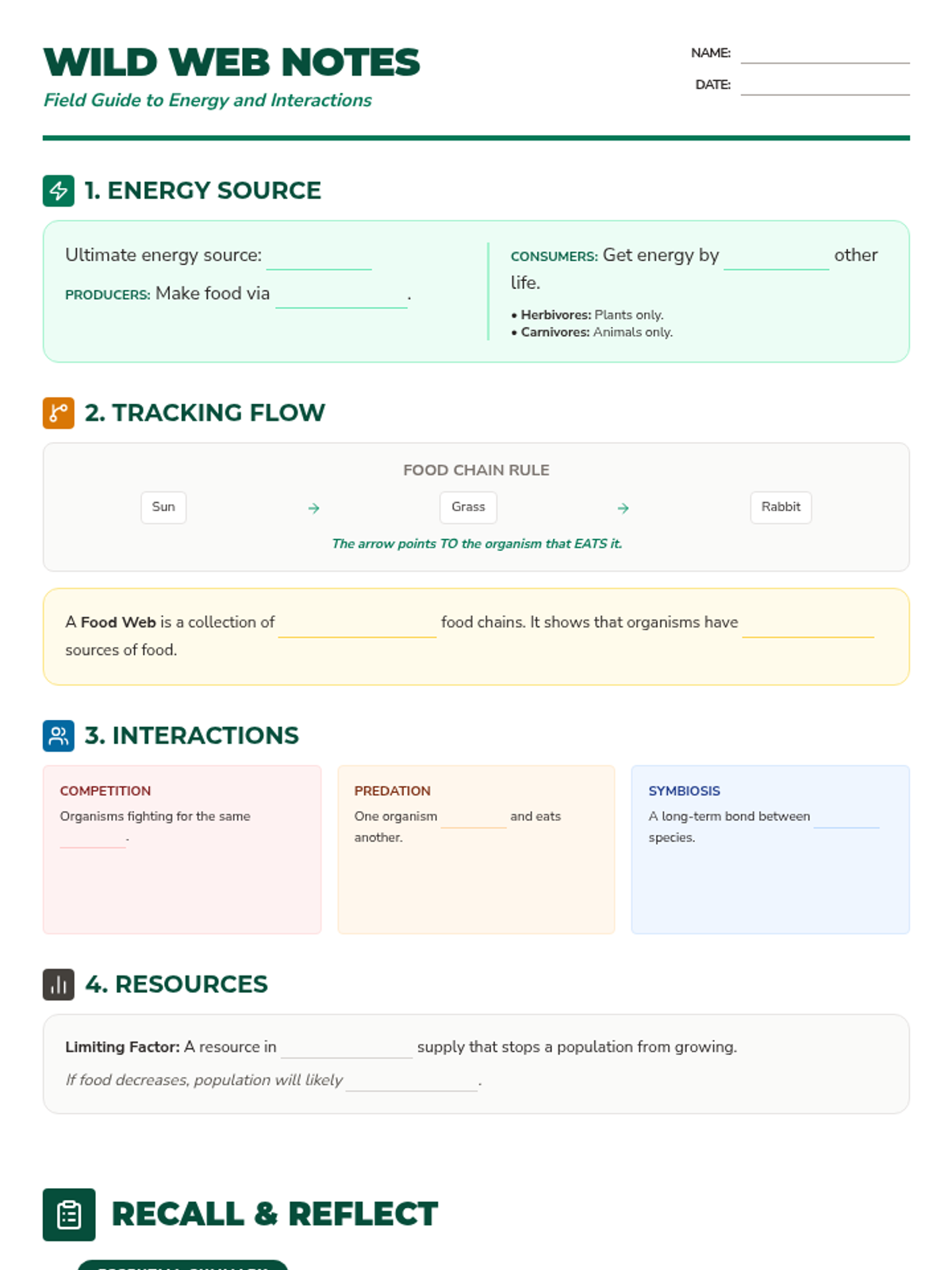
A series of hands-on fall projects designed for middle school students working at a second-grade level, focusing on leaf science, pumpkin anatomy, and animal adaptations through posters and crafts.
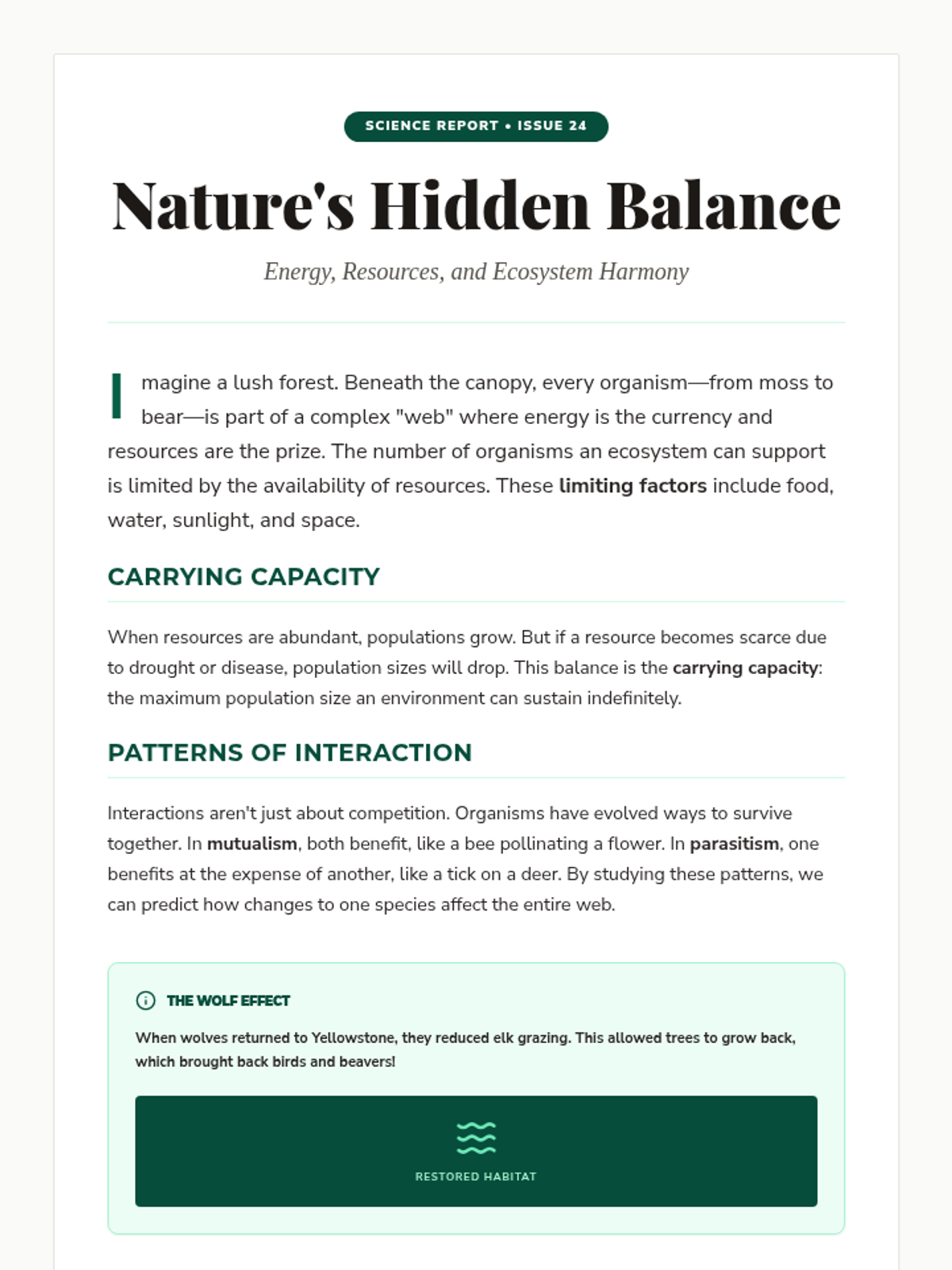
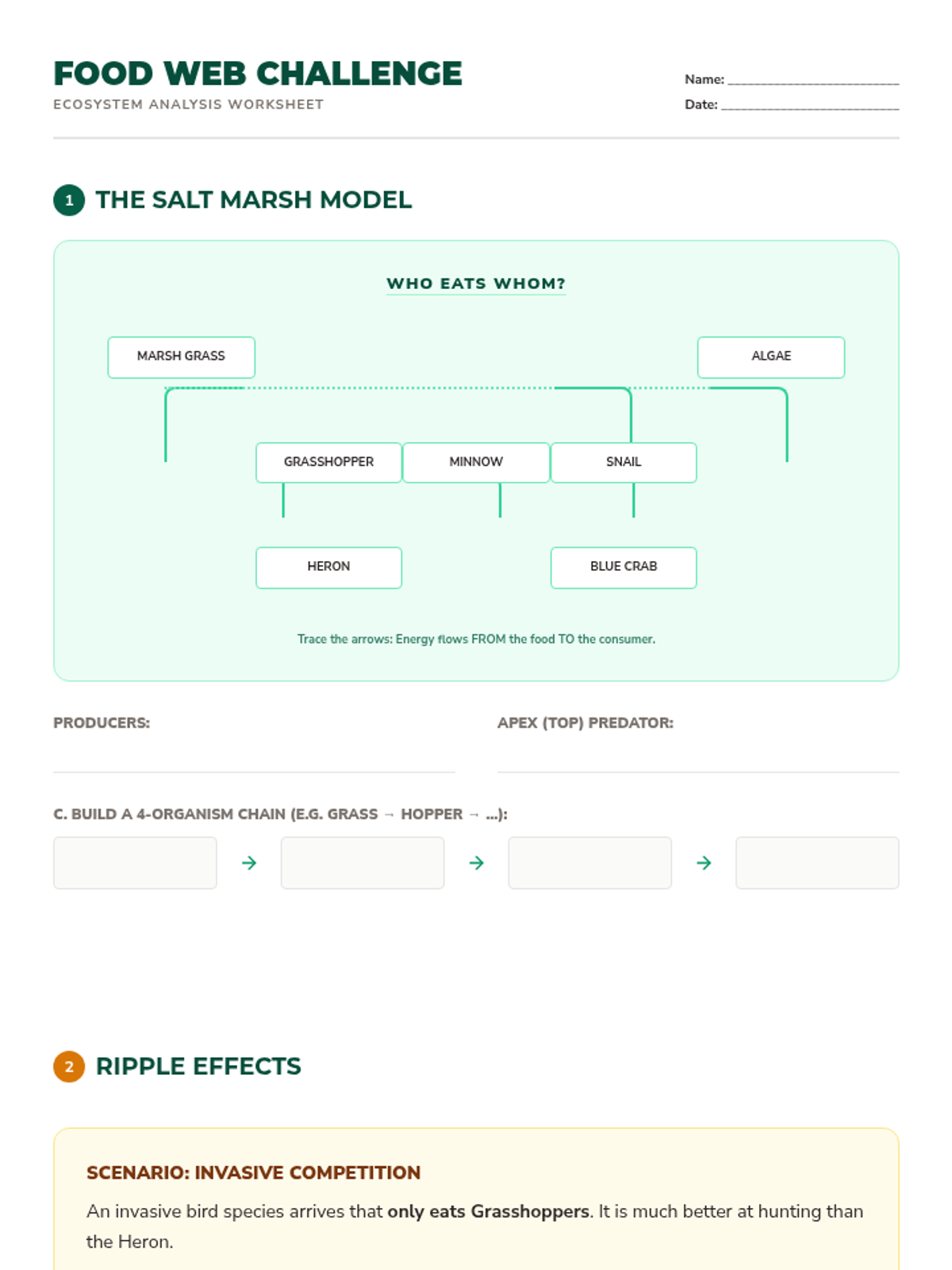
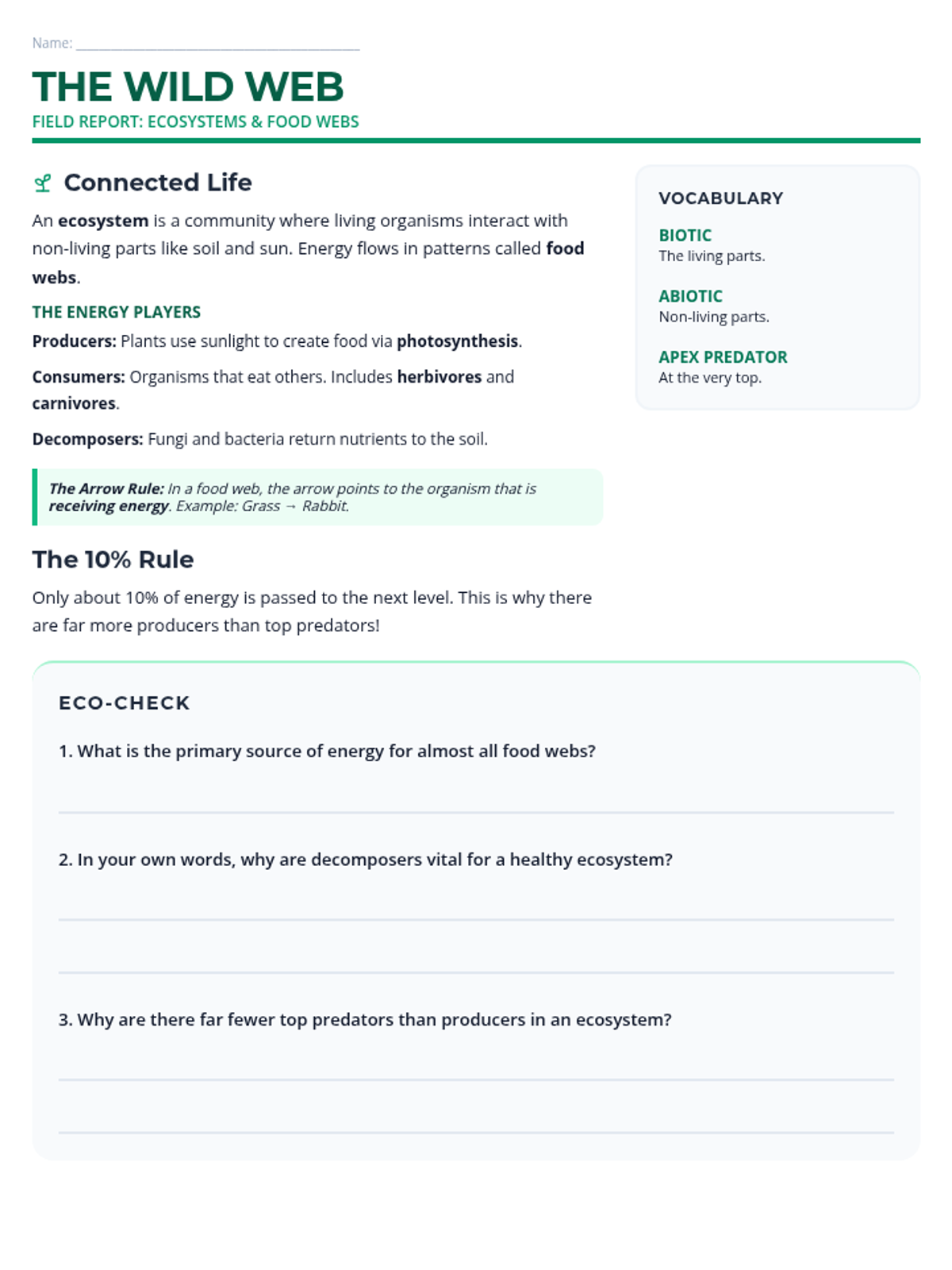
A series of lessons exploring the lives and adaptations of apex predators through close reading and scientific inquiry.
A 40-lesson 6th-grade introductory computer skills course that guides students from initial business ideas through financial budgeting, marketing campaigns, and a final investor pitch. Focuses on word processing, spreadsheets, digital media, and presentation skills.
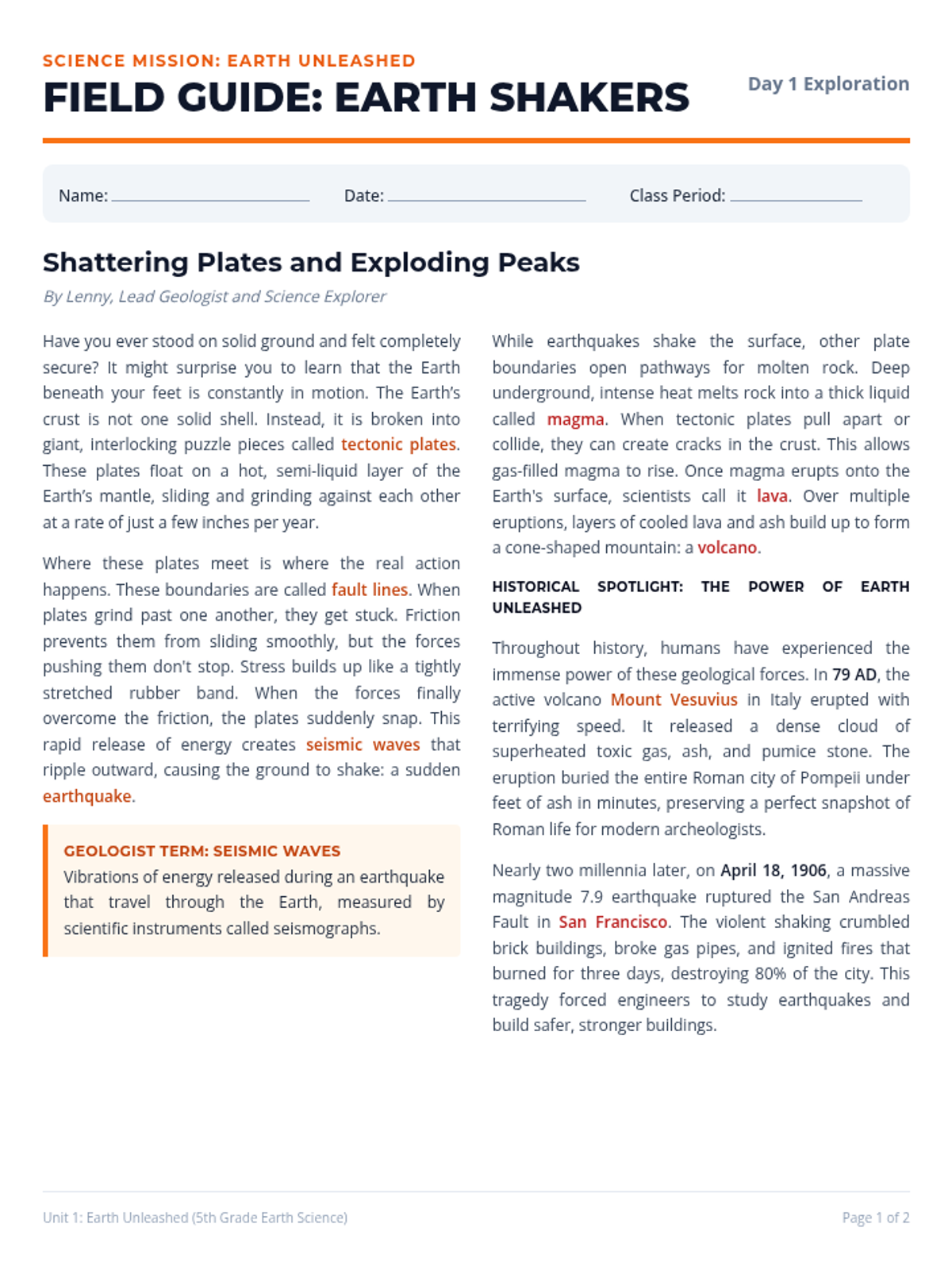
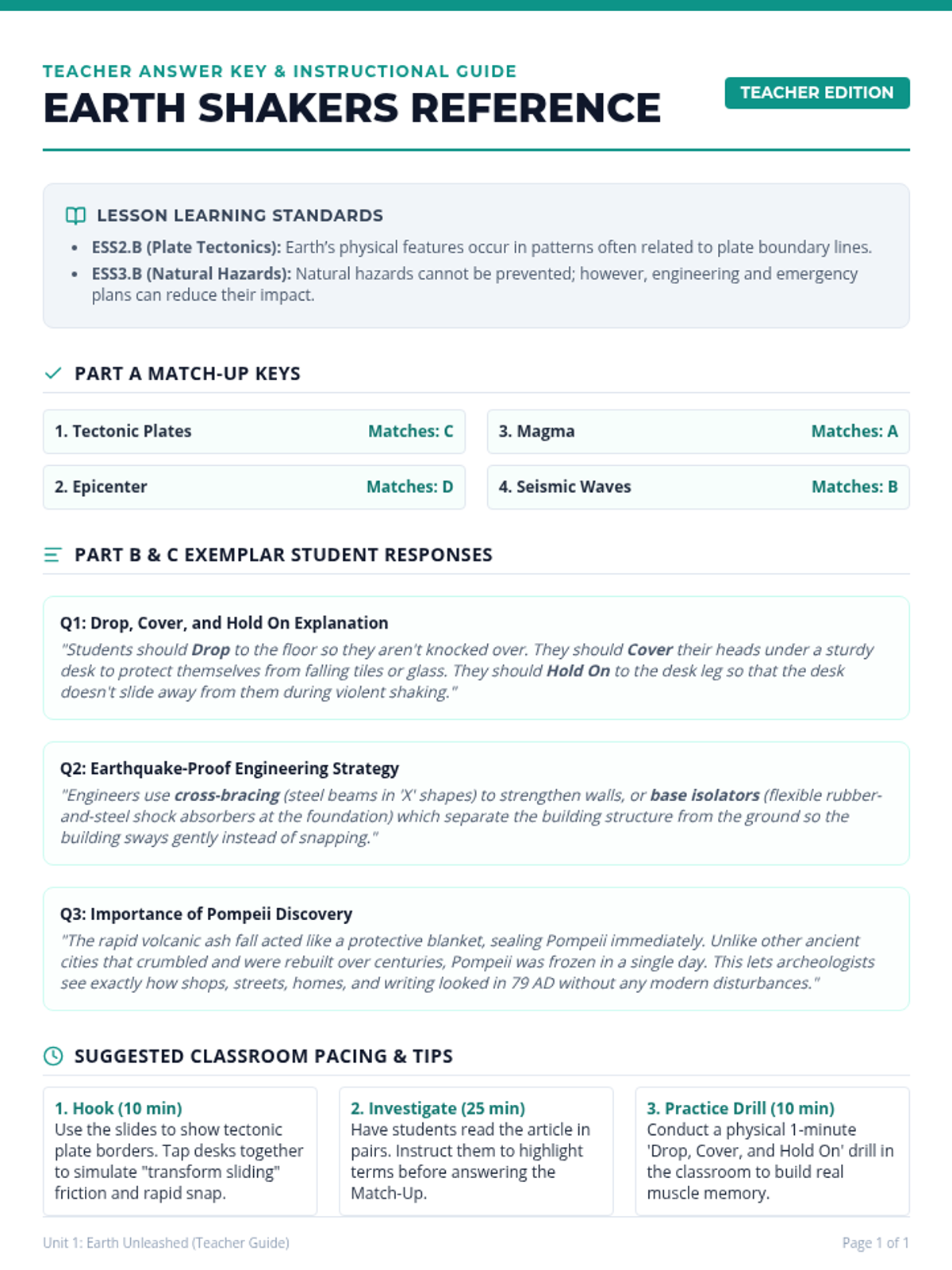
A comprehensive 5E science sequence where students investigate global volcano patterns to discover the 'Ring of Fire' and evaluate the likelihood of volcanic activity in their own region. Students use data mapping, research, and CER (Claim, Evidence, Reasoning) to build their scientific arguments.
A four-part summer camp program focused on hands-on STEM exploration using everyday materials. Students will explore environmental science, aerospace engineering, mechanical design, and chemical reactions through play-based challenges.
An introductory unit exploring the roles, responsibilities, and essential skills of general management in modern business environments. Students learn about leadership styles, decision-making frameworks, and problem-solving strategies.
A three-day sequence for 6th-grade science focusing on plant adaptations, responses, and survival strategies, including tropisms, defense mechanisms, and gas exchange.
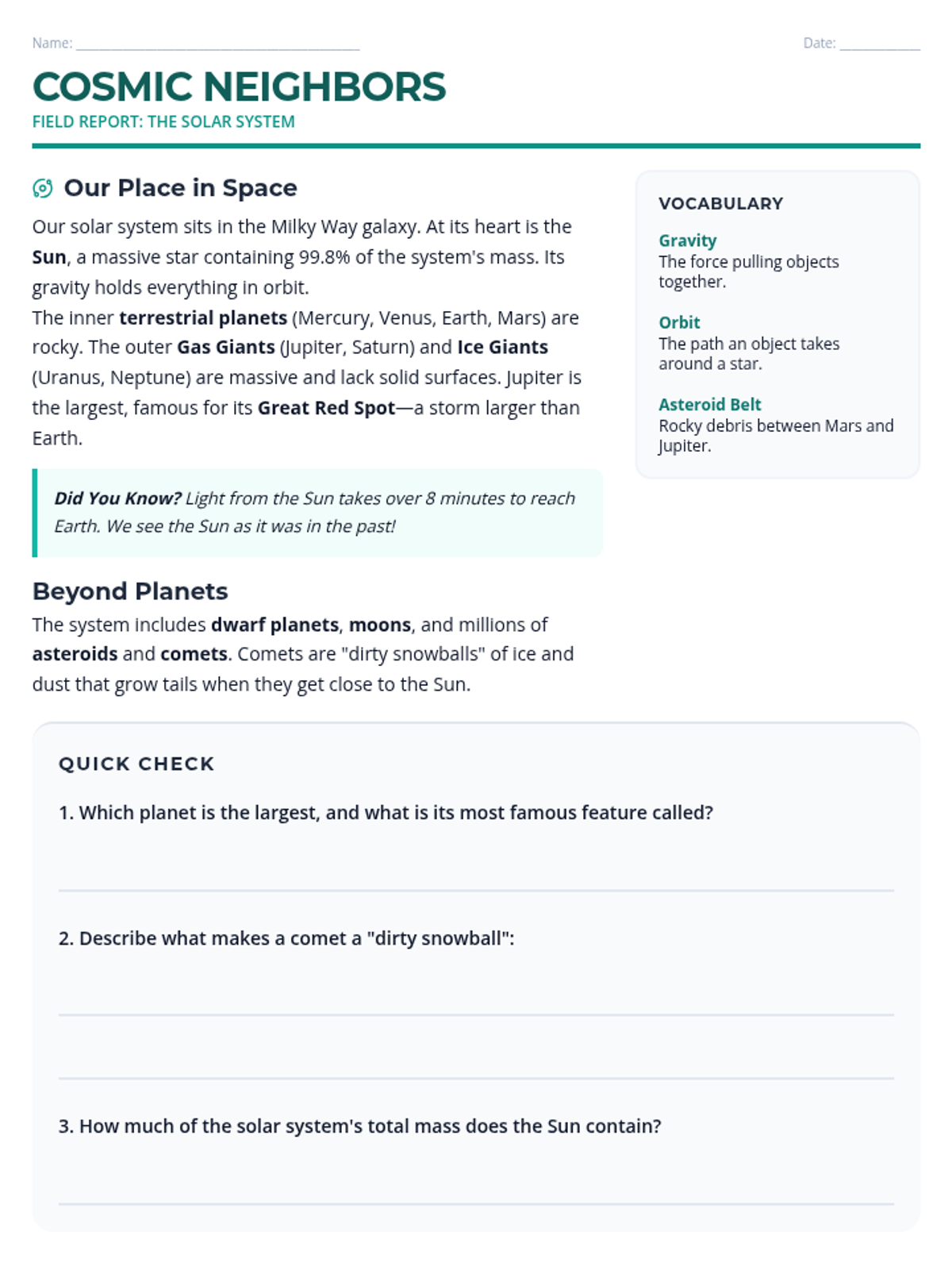
A differentiated unit on the solar system designed for newcomers and students with IEPs, focusing on the Sun, Moon, planets, and stars with heavy visual support and simplified language.
A comprehensive K-8 curriculum designed to build foundational AI literacy through understanding, evaluation, application, and ethics. Each grade level tackles a specific theme, progressing from basic robot concepts to complex algorithmic bias and societal impact.
A comprehensive 3-lesson unit exploring the science, chemistry, and purpose of bioluminescence in nature. Students dive into the deep sea, experiment with chemical reactions, and analyze how light is used for survival.
A collection of lessons focused on building foundational skills in both scientific modeling and literary analysis for 4th-grade students.
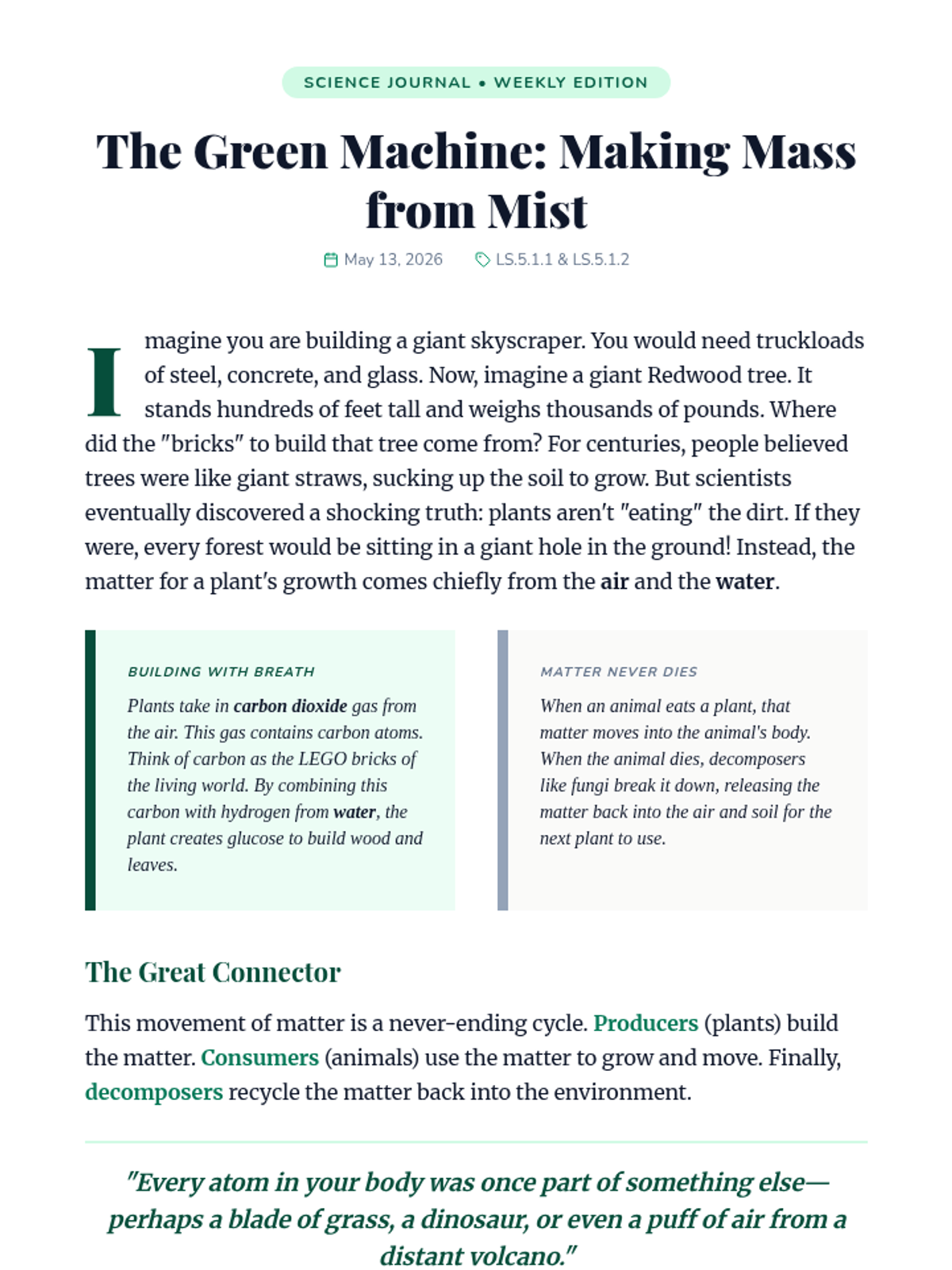
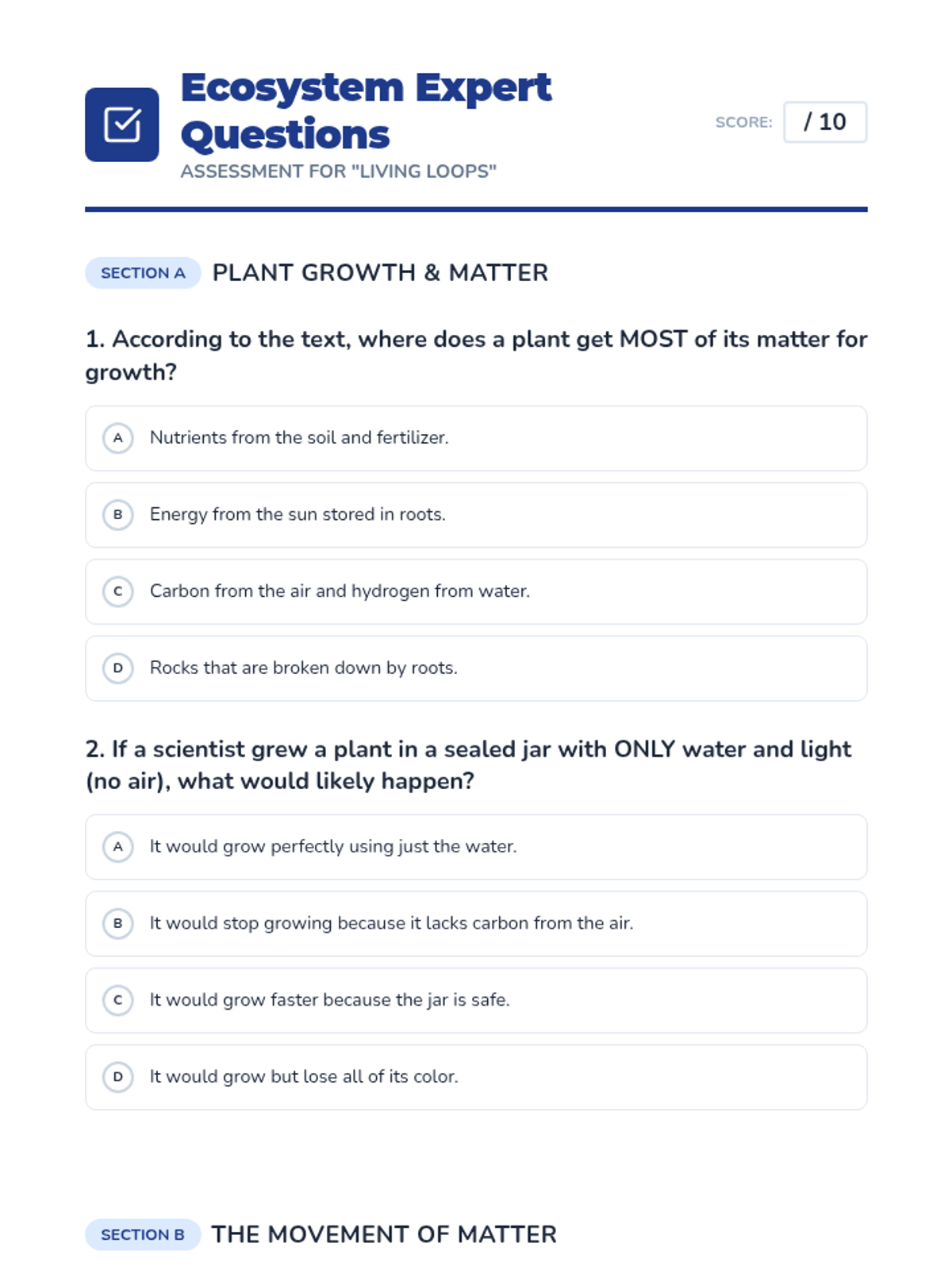
A three-day exploration of the interconnected roles of chloroplasts and mitochondria in cycling matter through ecosystems. Students use a lunar colony hypothetical lab to apply the scientific method to real-world gas exchange scenarios.
A two-day unit exploring the carbon cycle's movement through diverse ecosystems, focusing on how carbon storage and release impact global stability. Students examine oceans, rainforests, tundra, and local environments to understand ecological balance.
A collection of project-based STEM and social studies lessons designed to engage 3rd and 6th grade students in creative exploration and technical skill-building.
A two-part interdisciplinary unit for middle school students exploring the science and art of the Three Rs: Reduce, Reuse, and Recycle. Students analyze the environmental impact of waste through scientific data and then apply creative design thinking to upcycle materials into functional art.