A comprehensive exploration of heredity, traits, and environmental influences across grade levels, from basic inheritance to complex adaptations and changes over time.
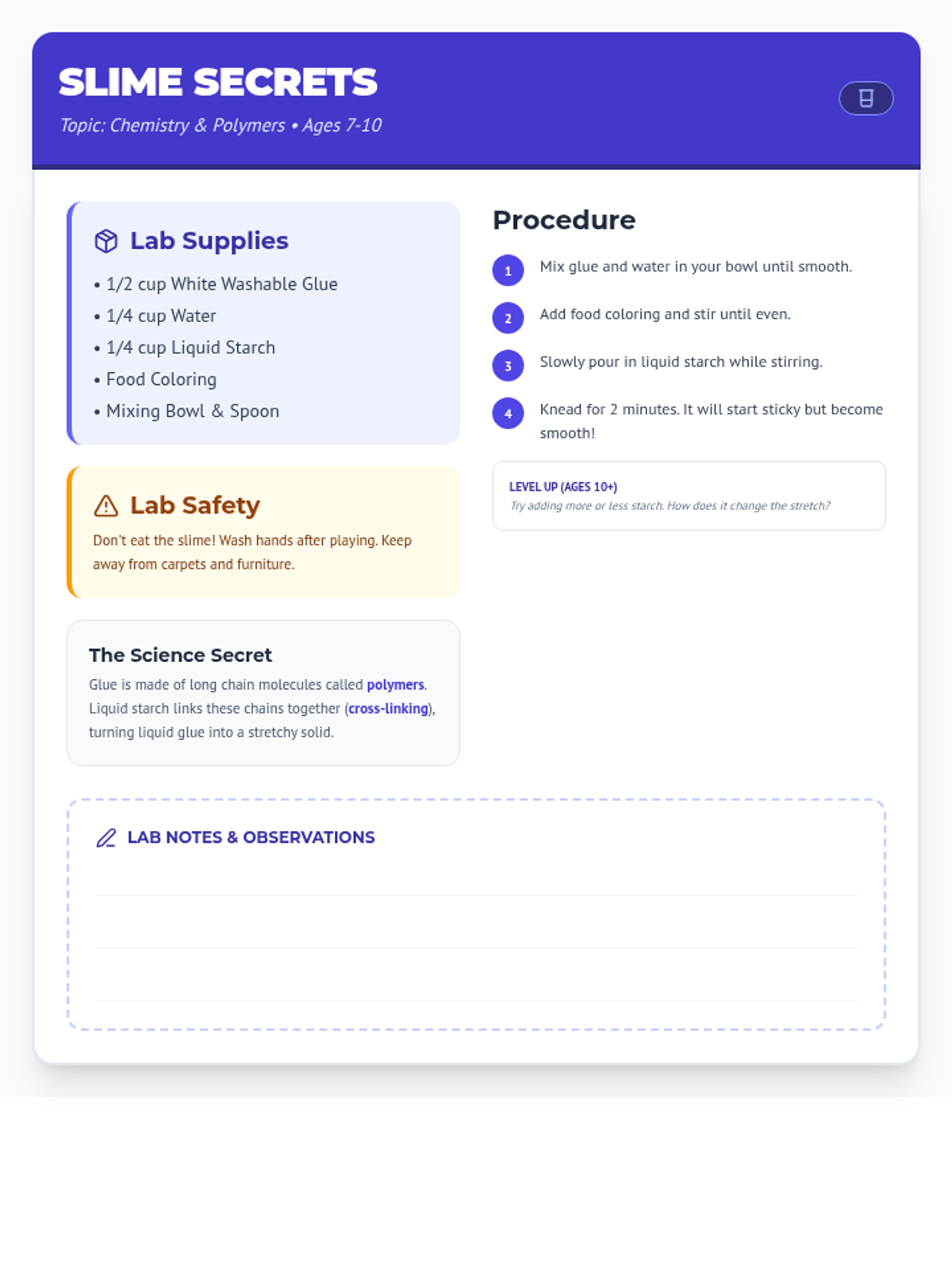
A collection of 8 hands-on science activities designed for elementary-aged children, covering chemistry, space, botany, and physics with a mix of instruction cards, journals, and lesson plans.
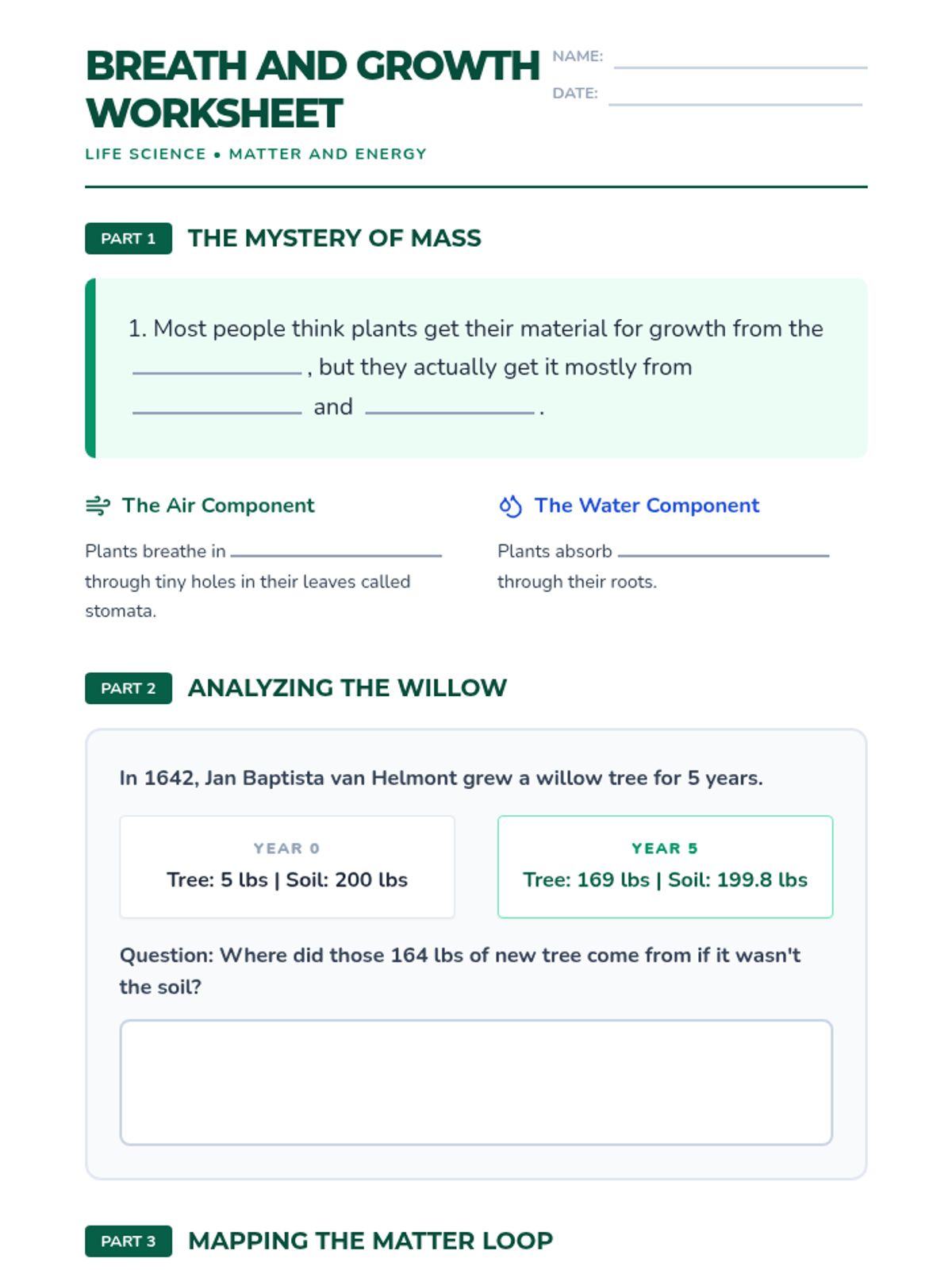
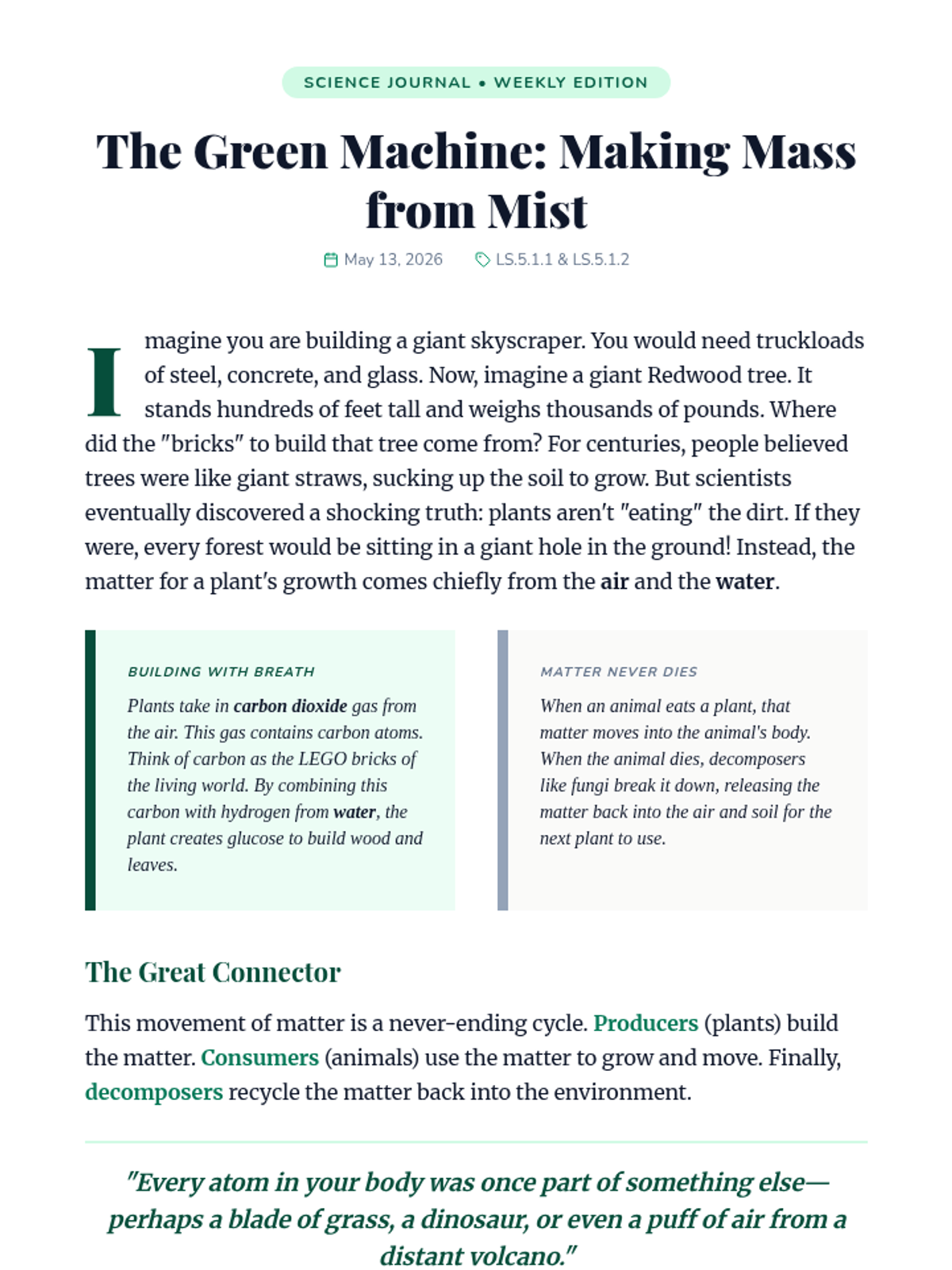
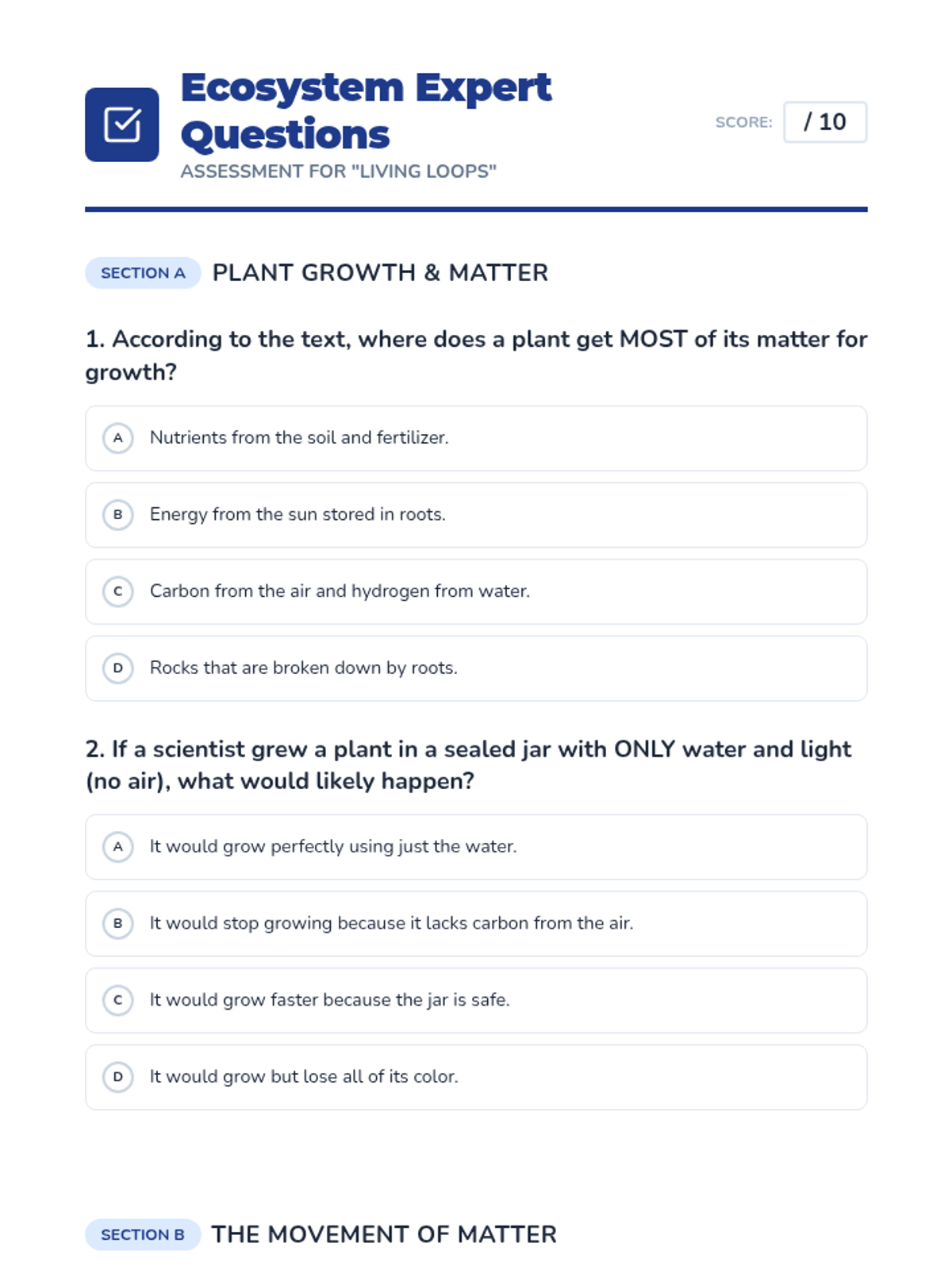
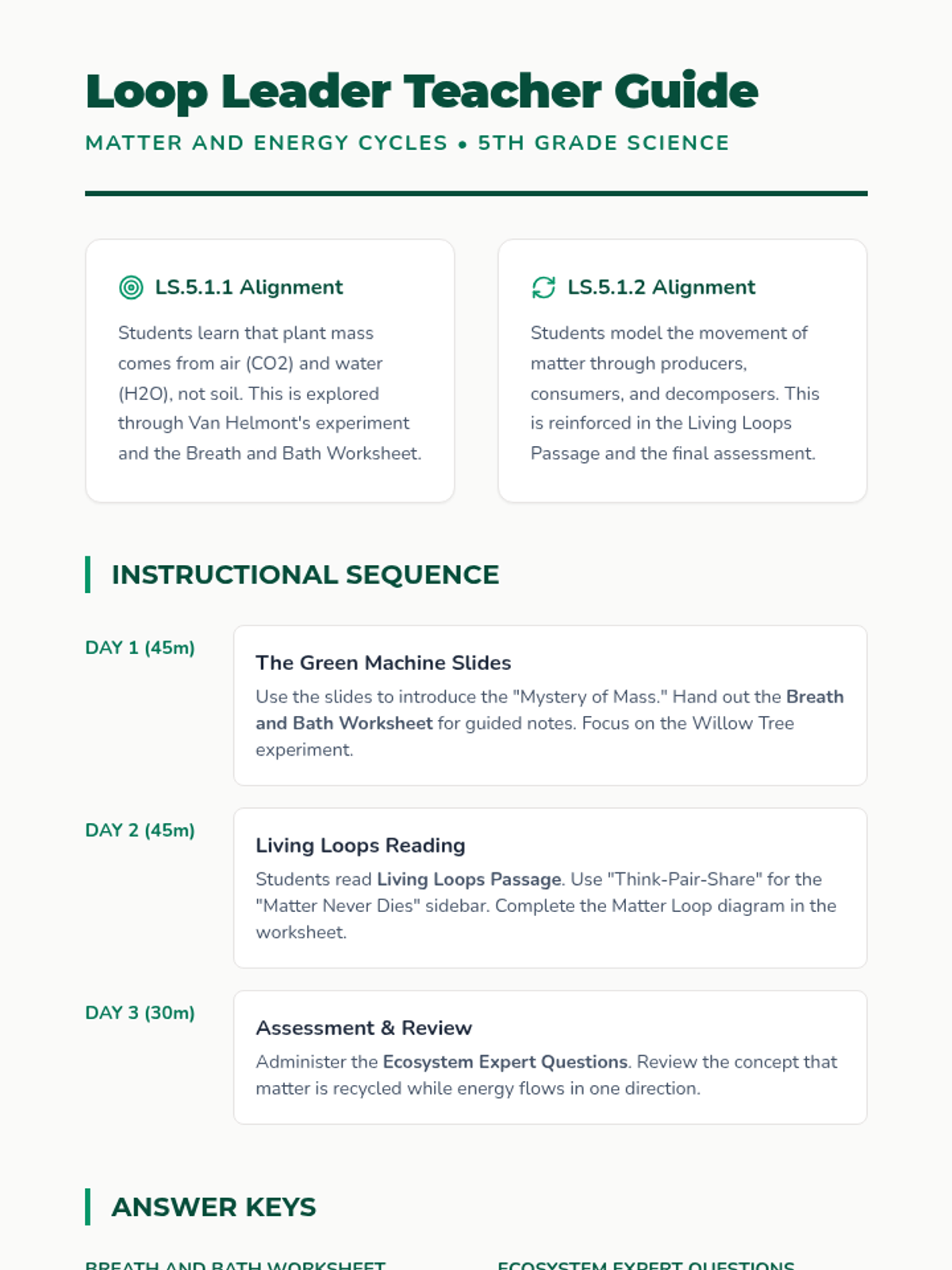
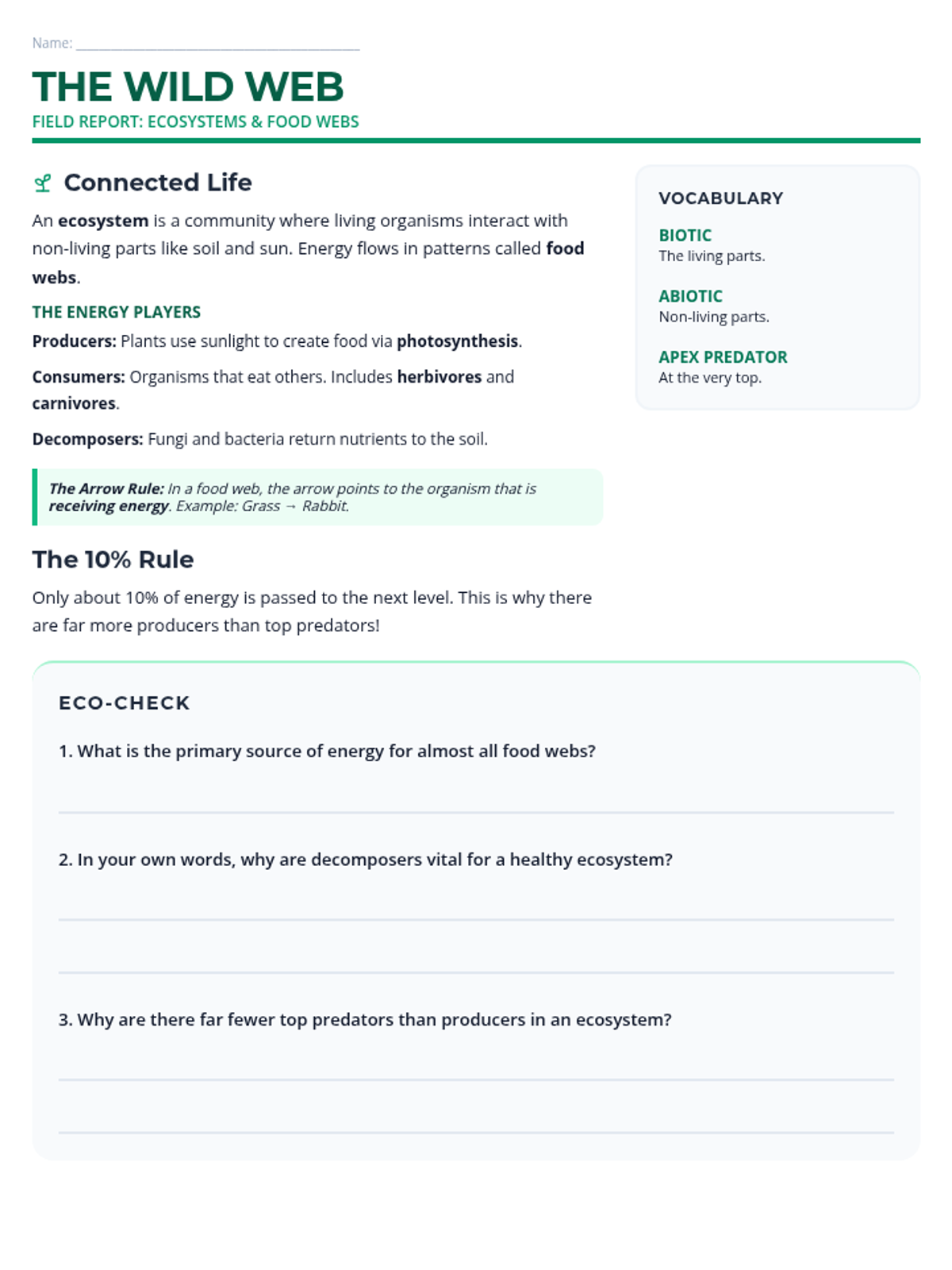
A comprehensive unit for 5th grade exploring how plants grow from air and water (LS.5.1.1) and how matter cycles through ecosystems via food webs and decomposers (LS.5.1.2).
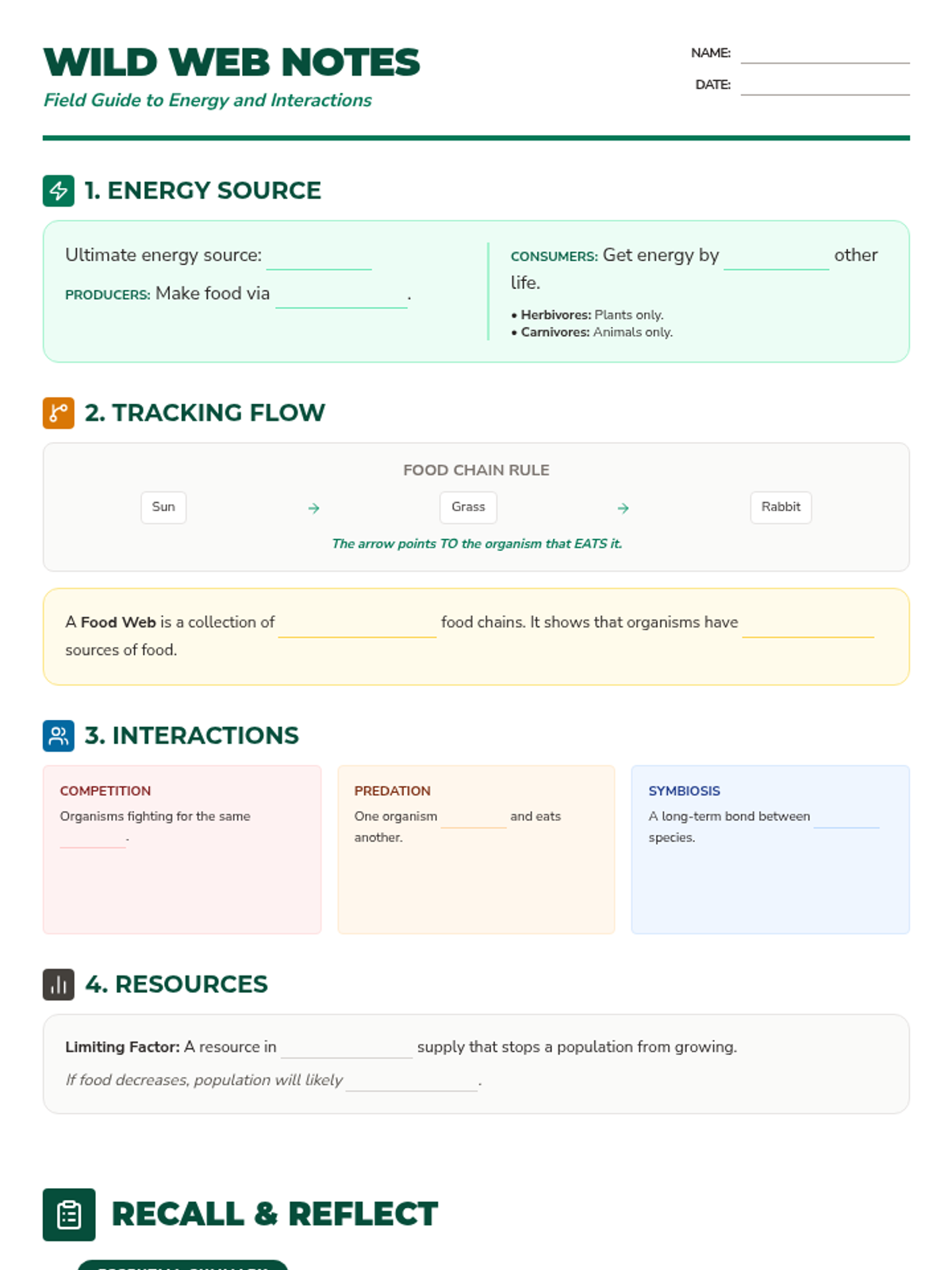
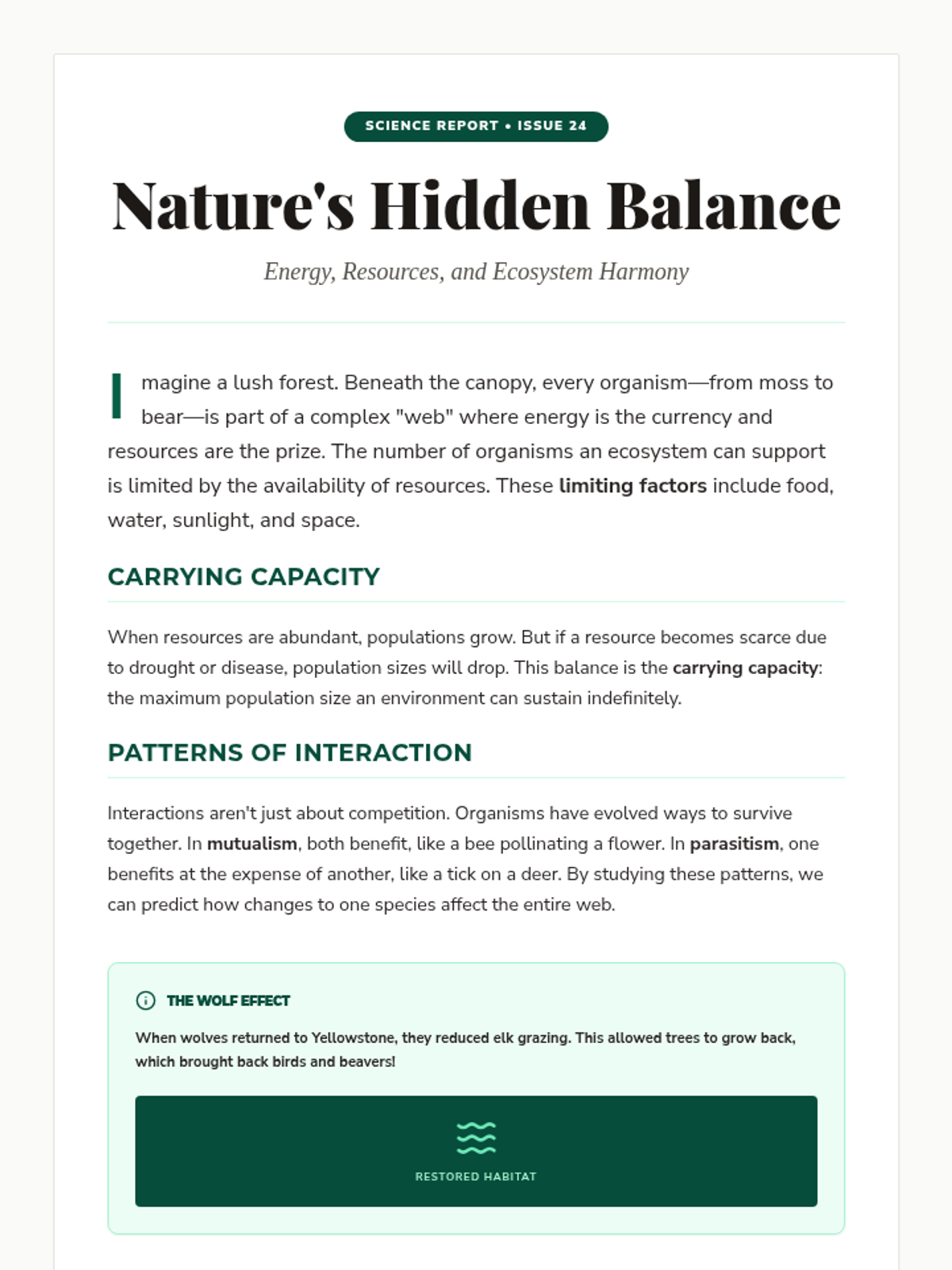
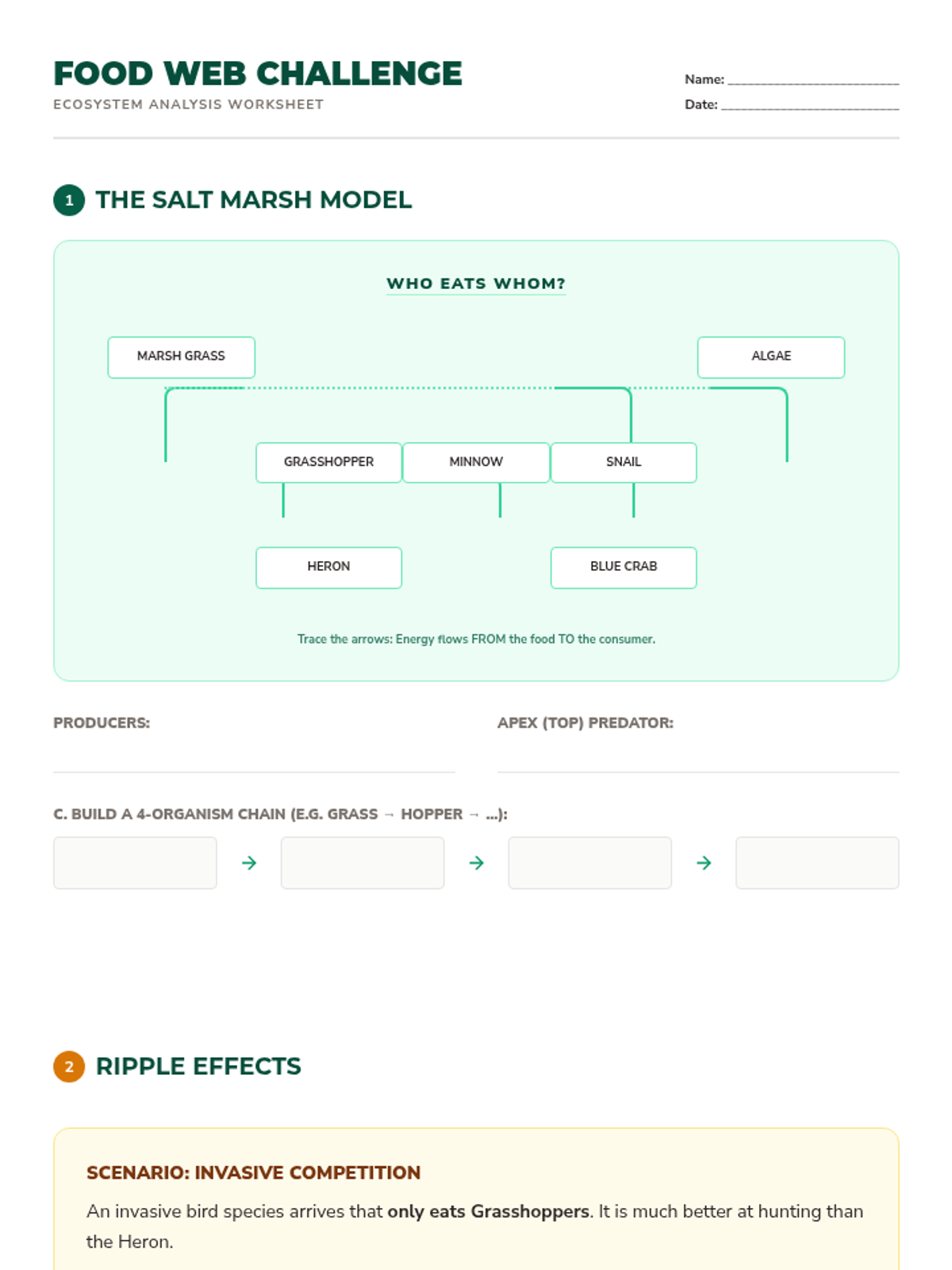
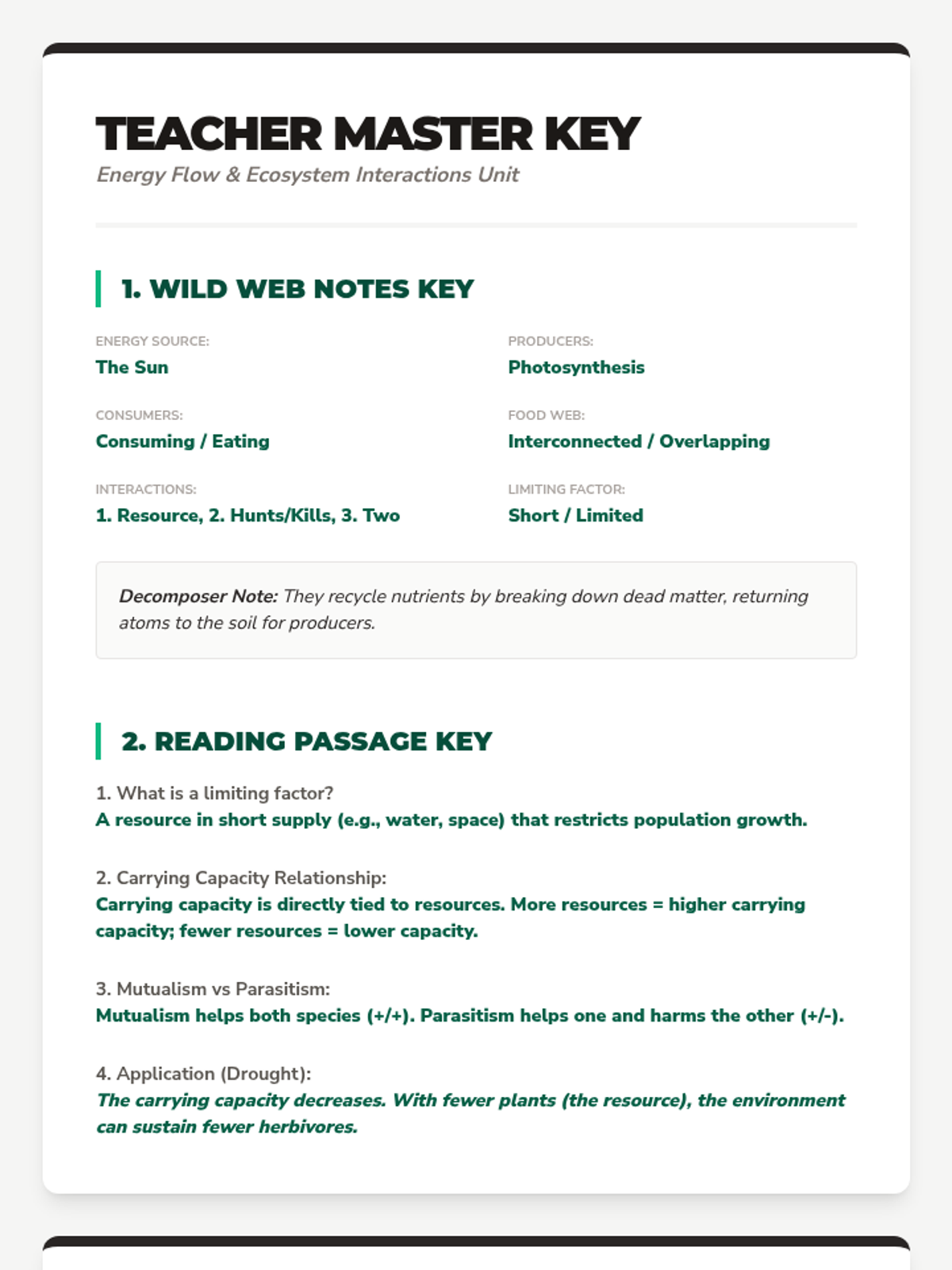
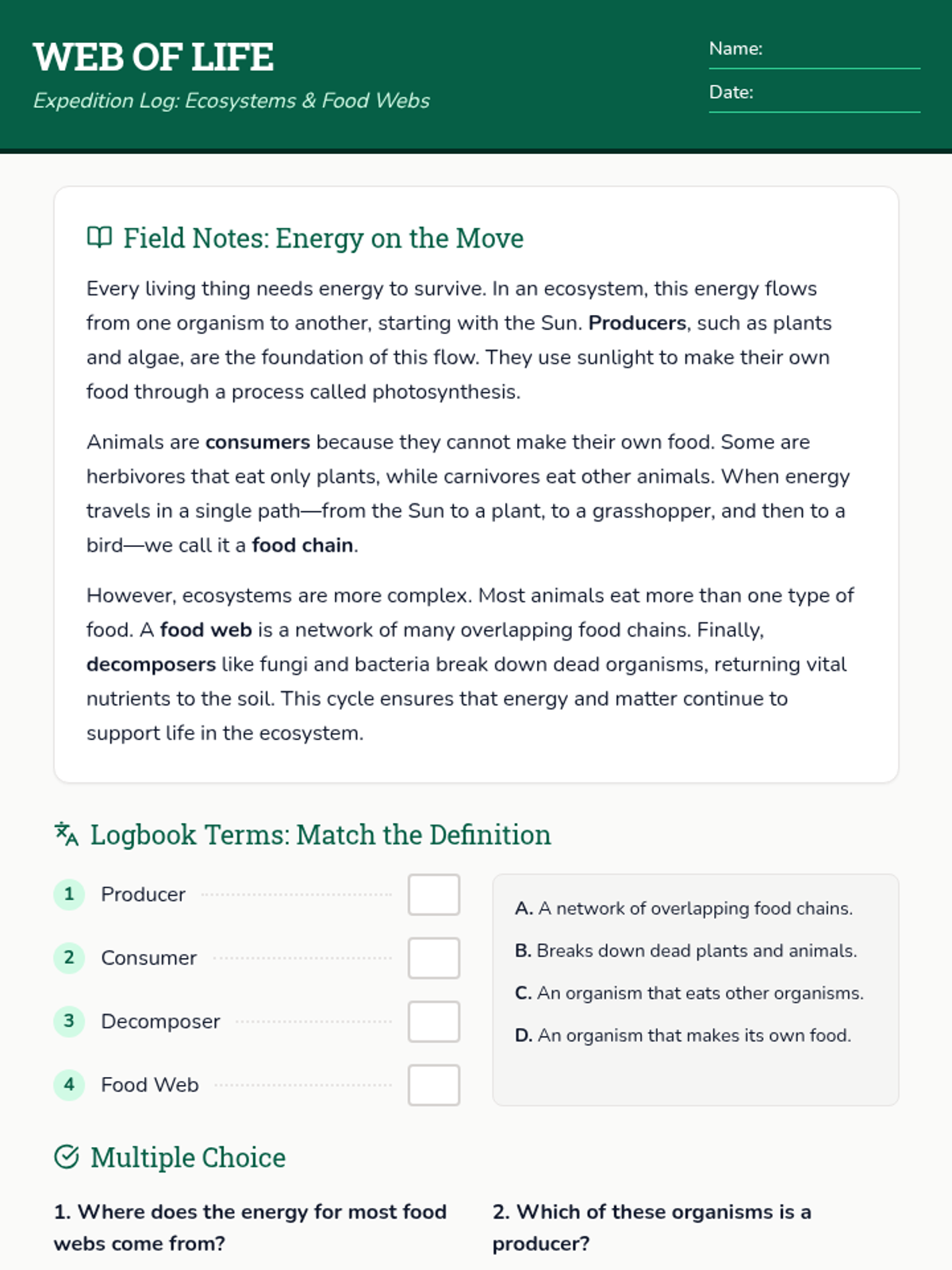
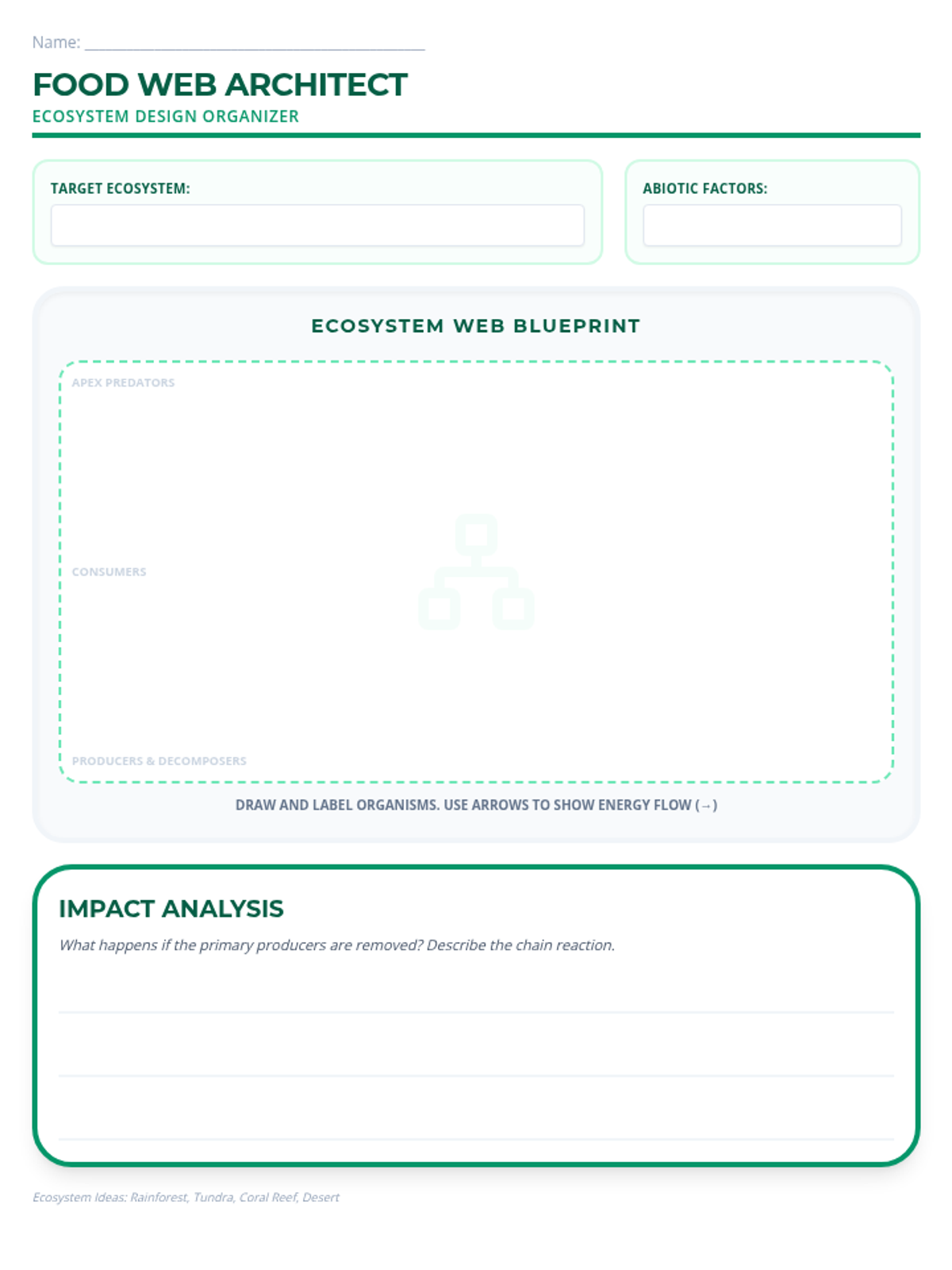
A comprehensive unit exploring how energy flows through ecosystems and how organisms interact within their environments. Students will model food webs, analyze resource availability, and predict population changes based on interactions.
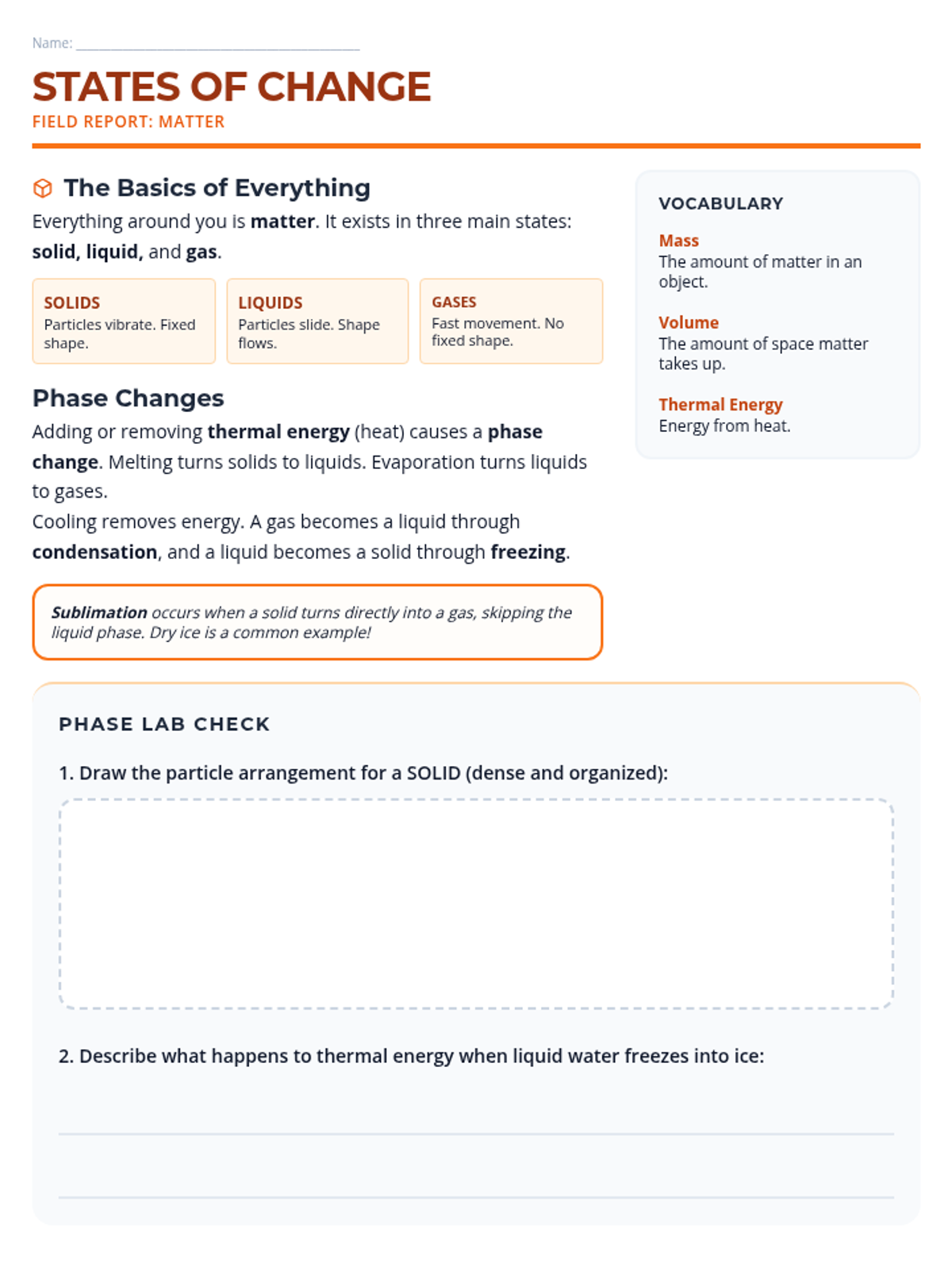
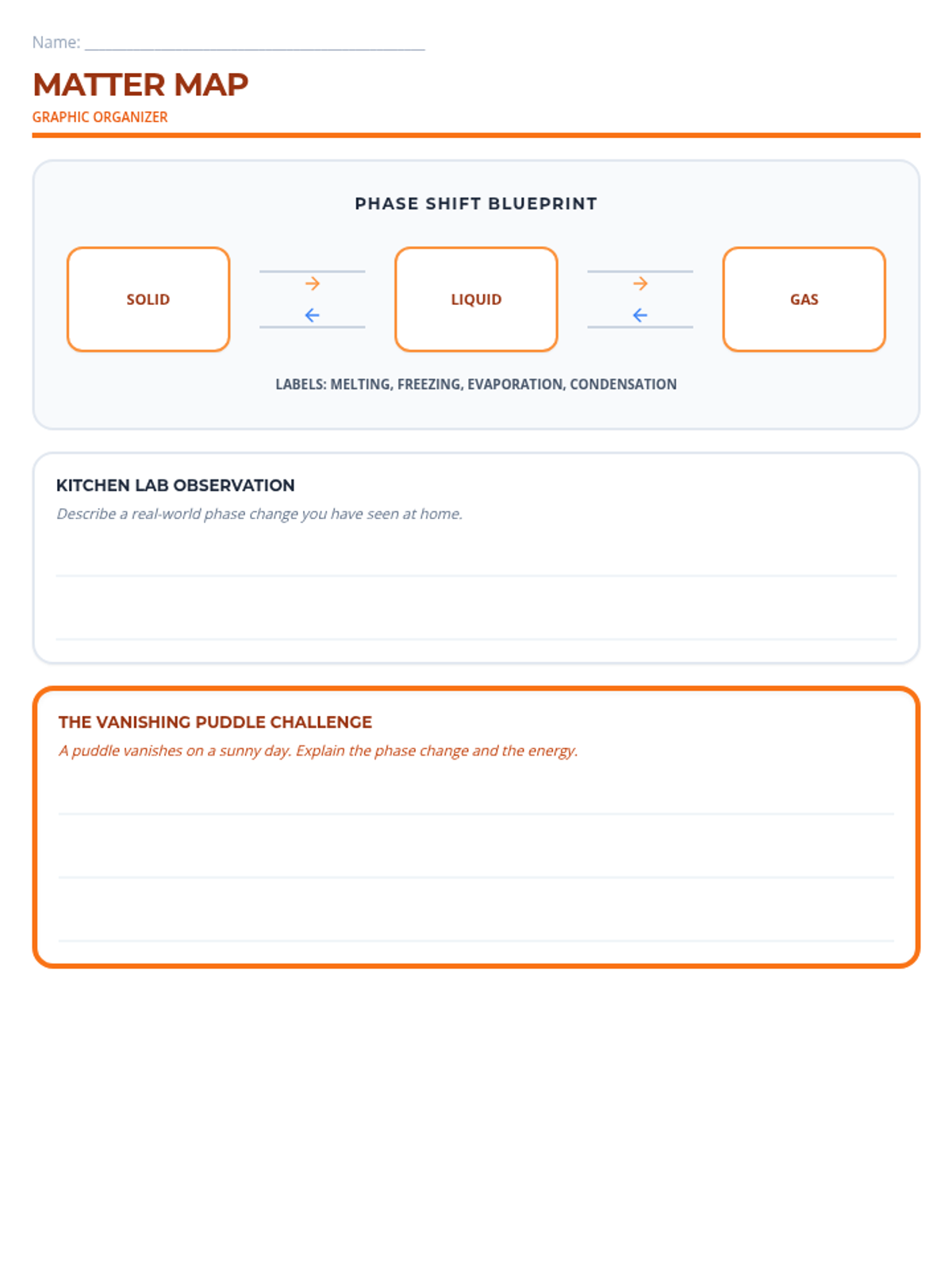
A comprehensive 5th-grade science review sequence covering Ecosystems, Properties of Matter, and the Earth-Sun-Moon system through reading comprehension and varied activities.
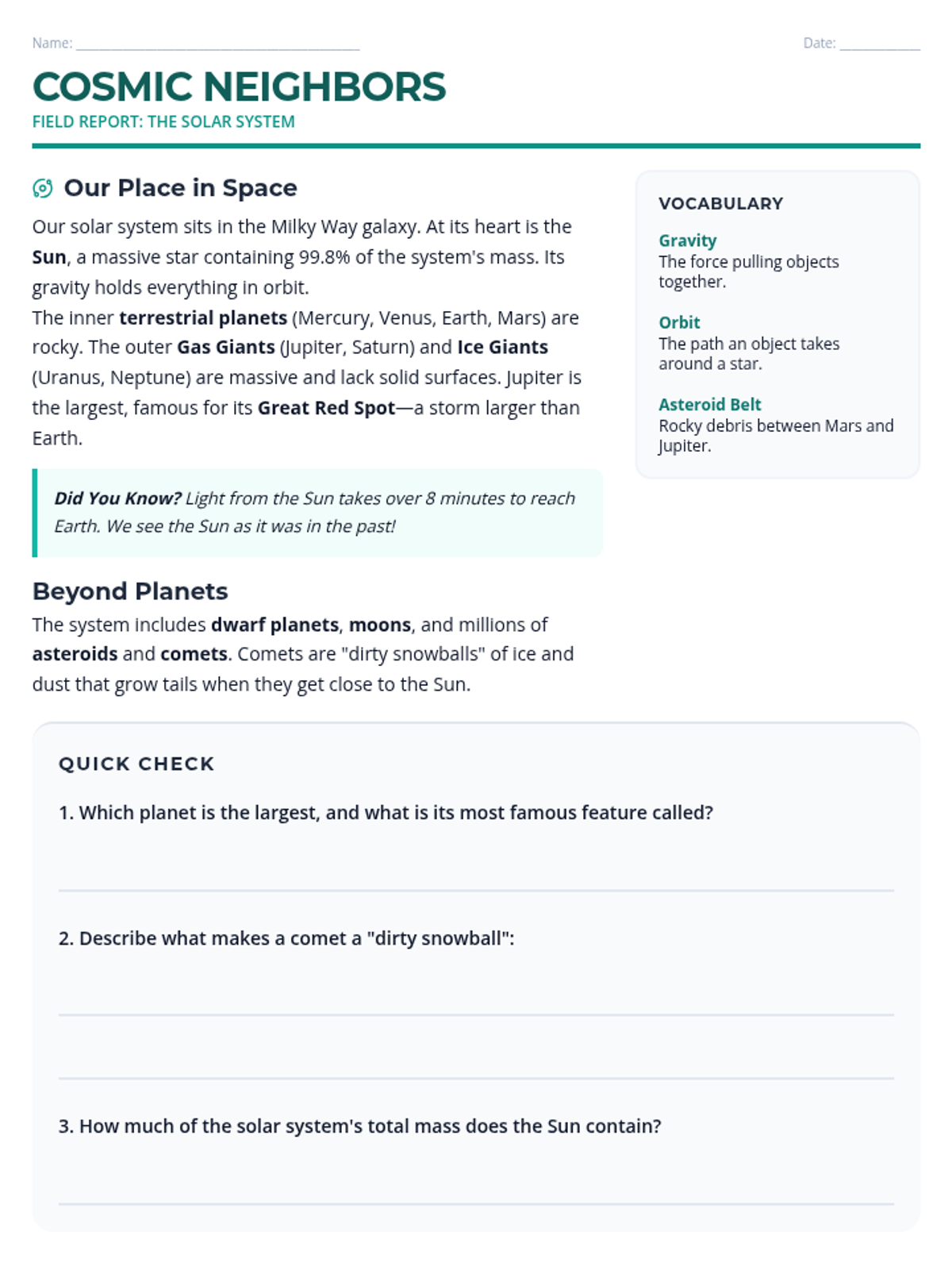
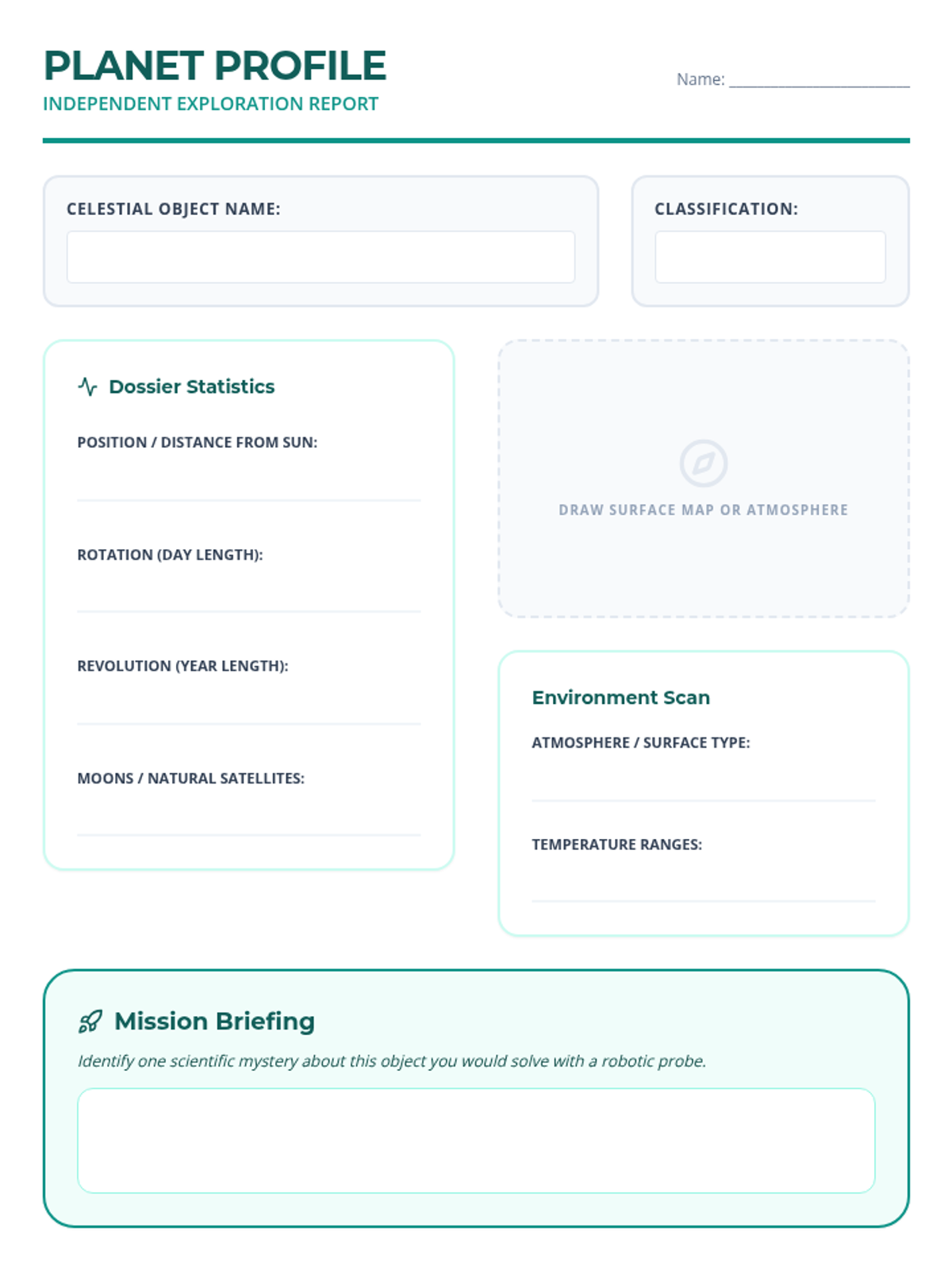
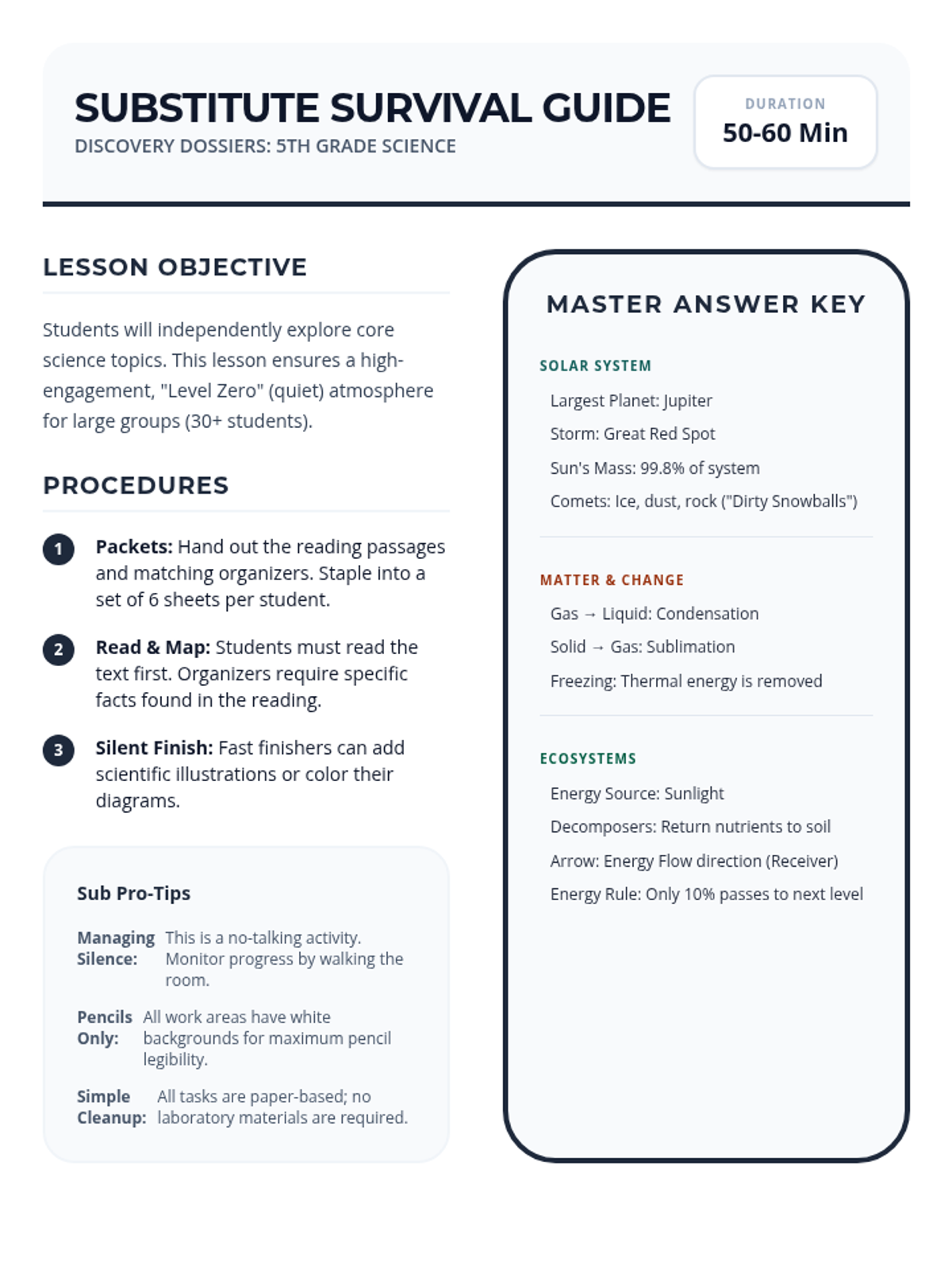
A collection of independent science exploration modules covering the Solar System, Matter, and Ecosystems, designed for quiet student work during substitute lessons.
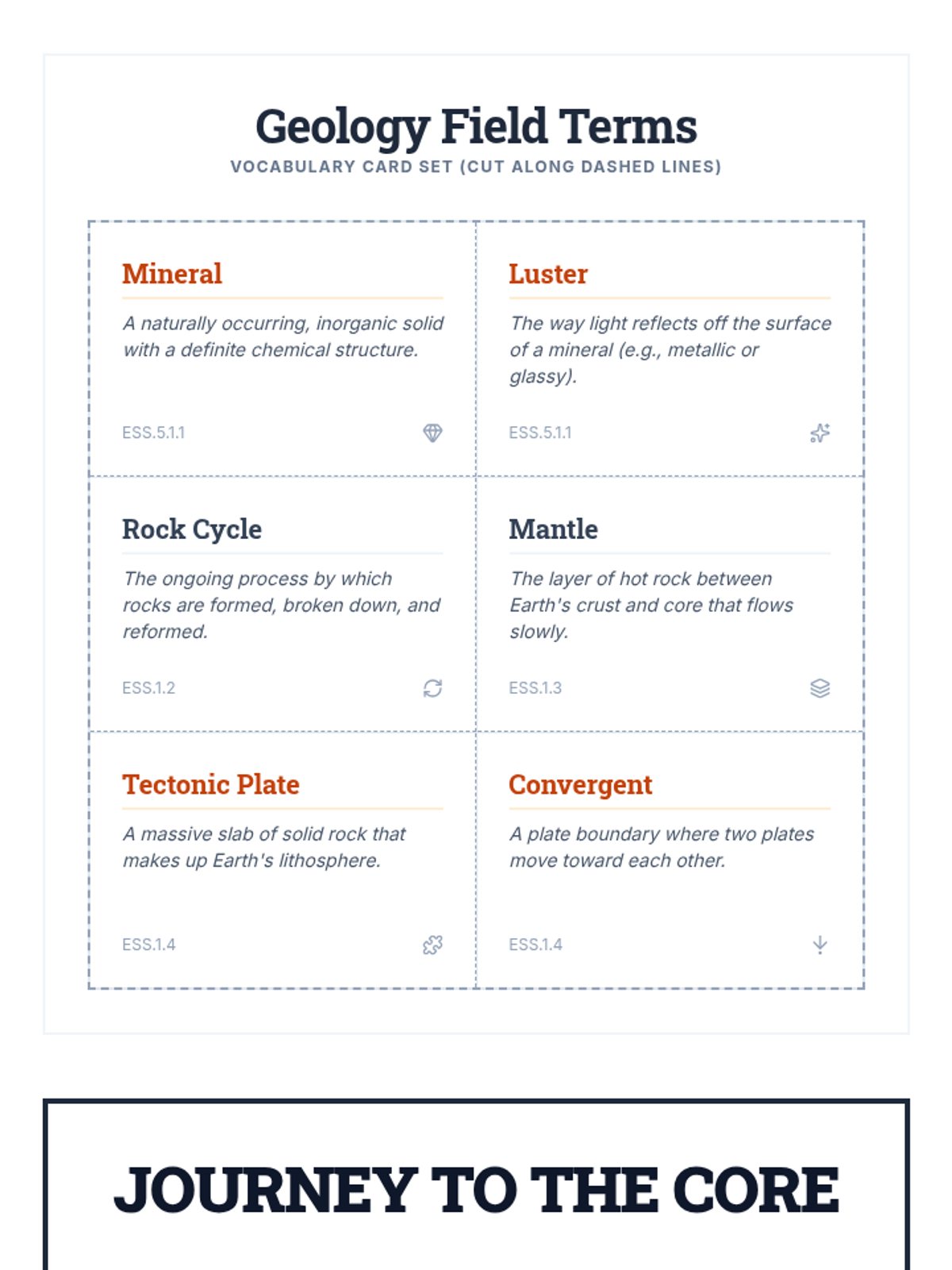
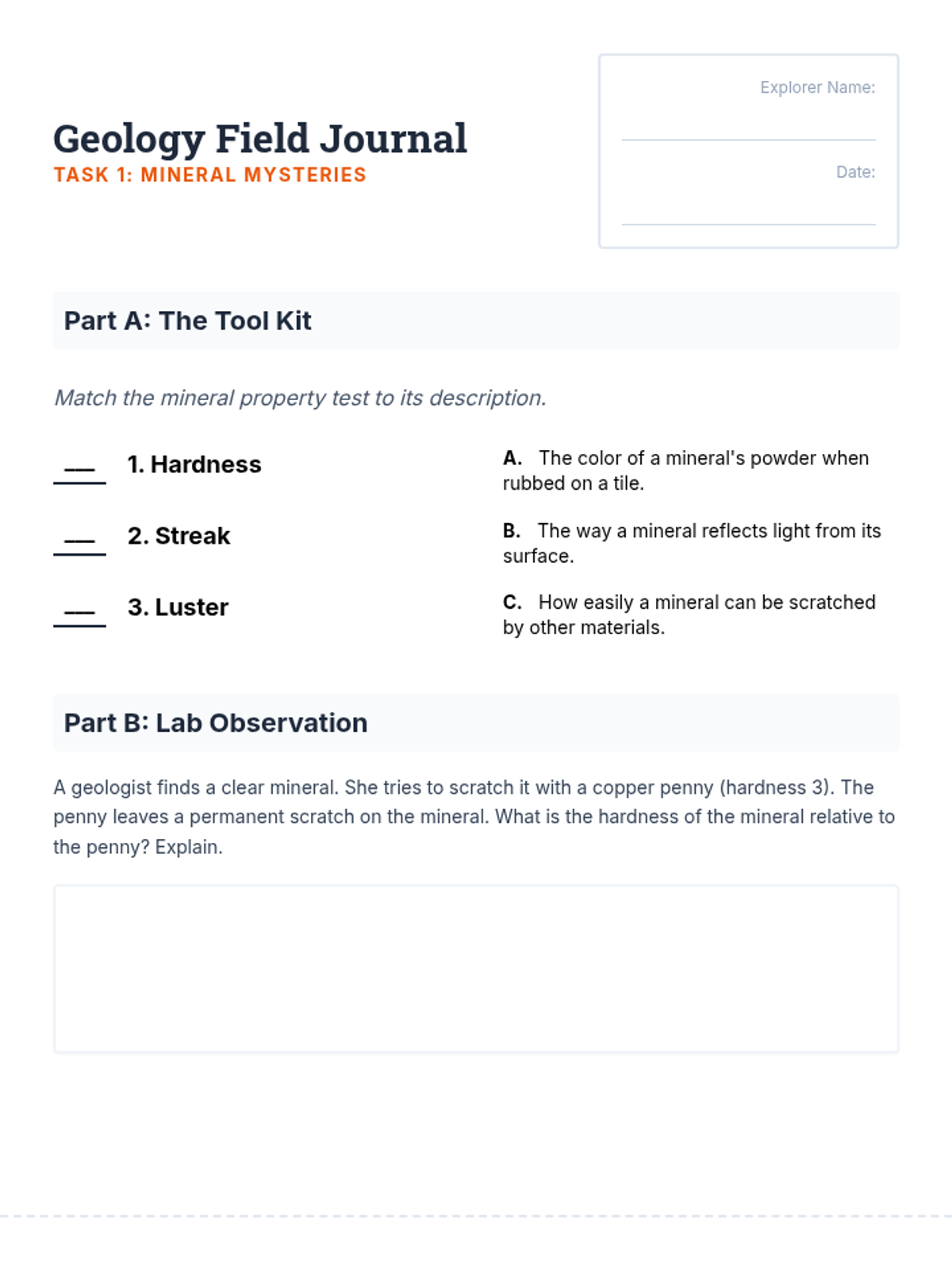
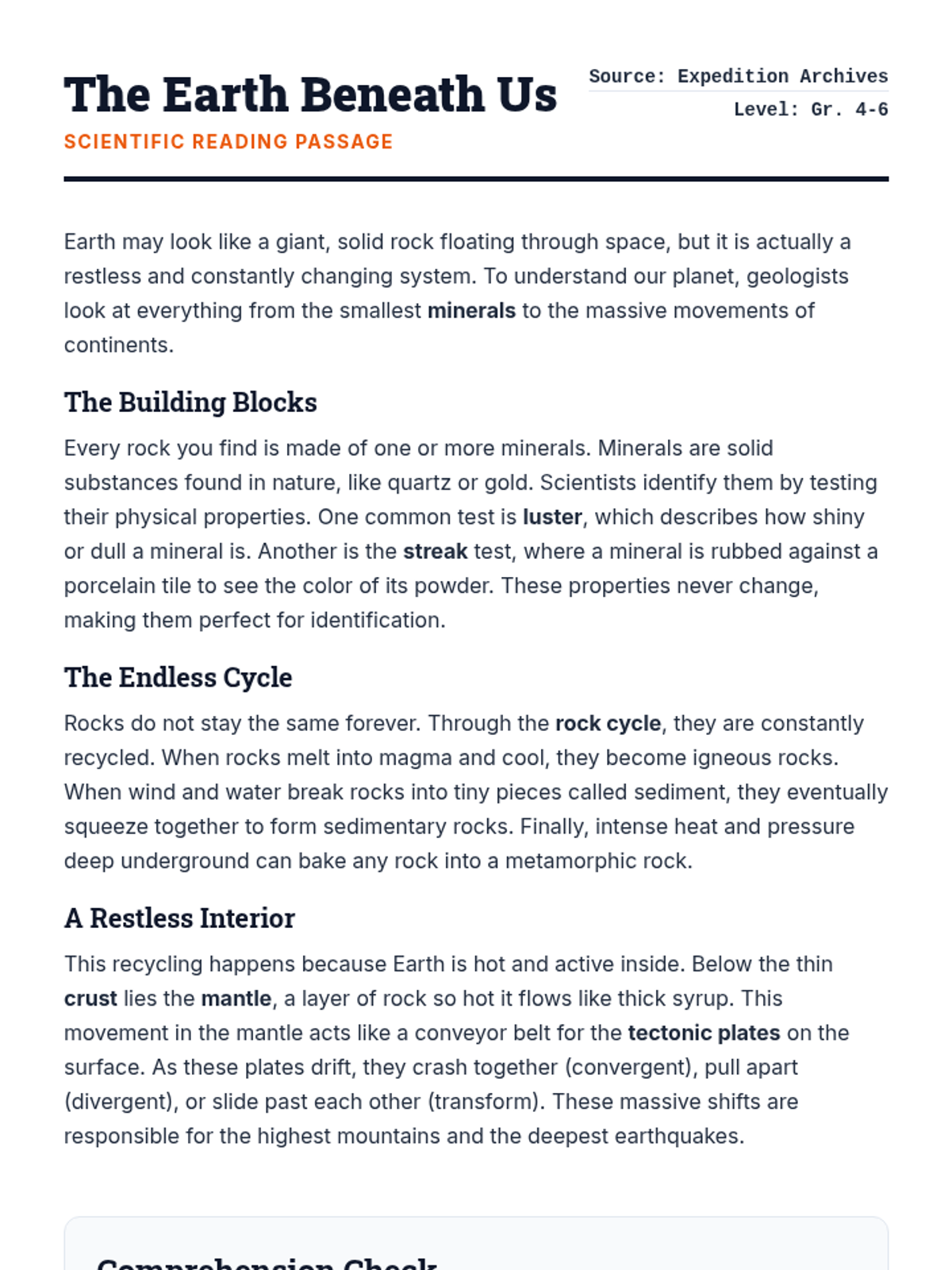
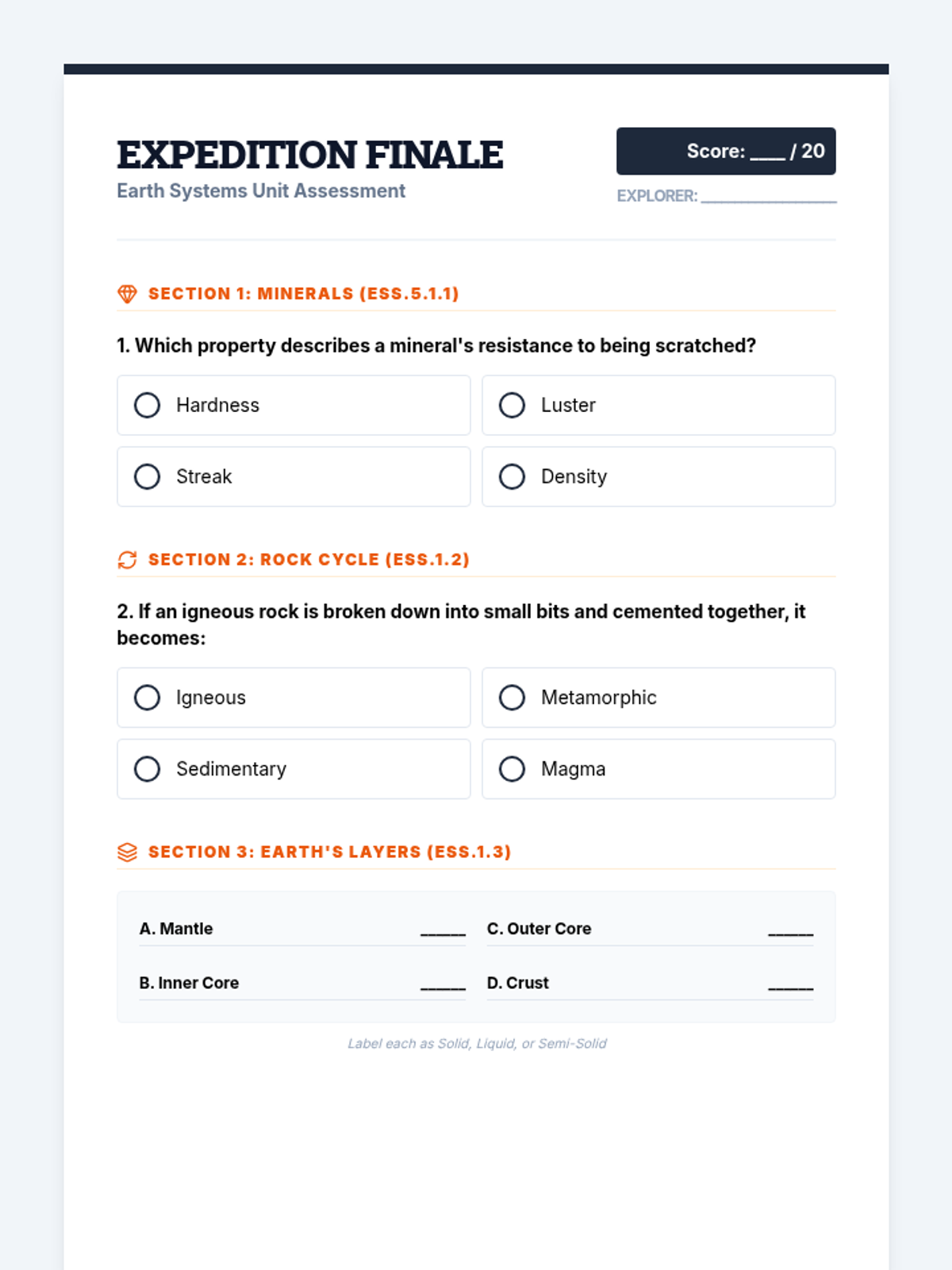
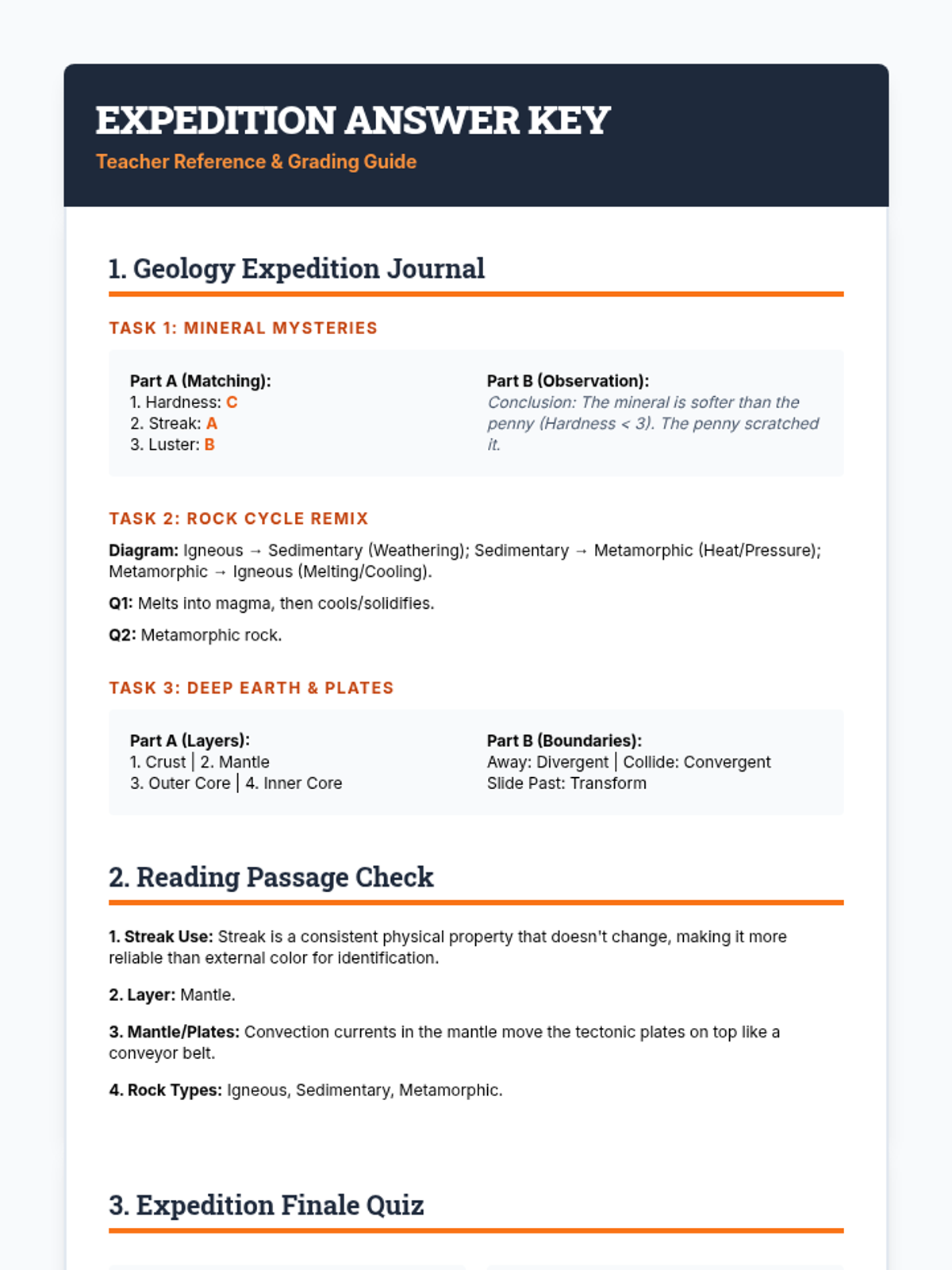
A comprehensive unit covering Earth's composition, processes, and properties. Students explore mineral identification, the rock cycle, Earth's internal structure, and plate tectonics through a 'Geology Expedition' theme.
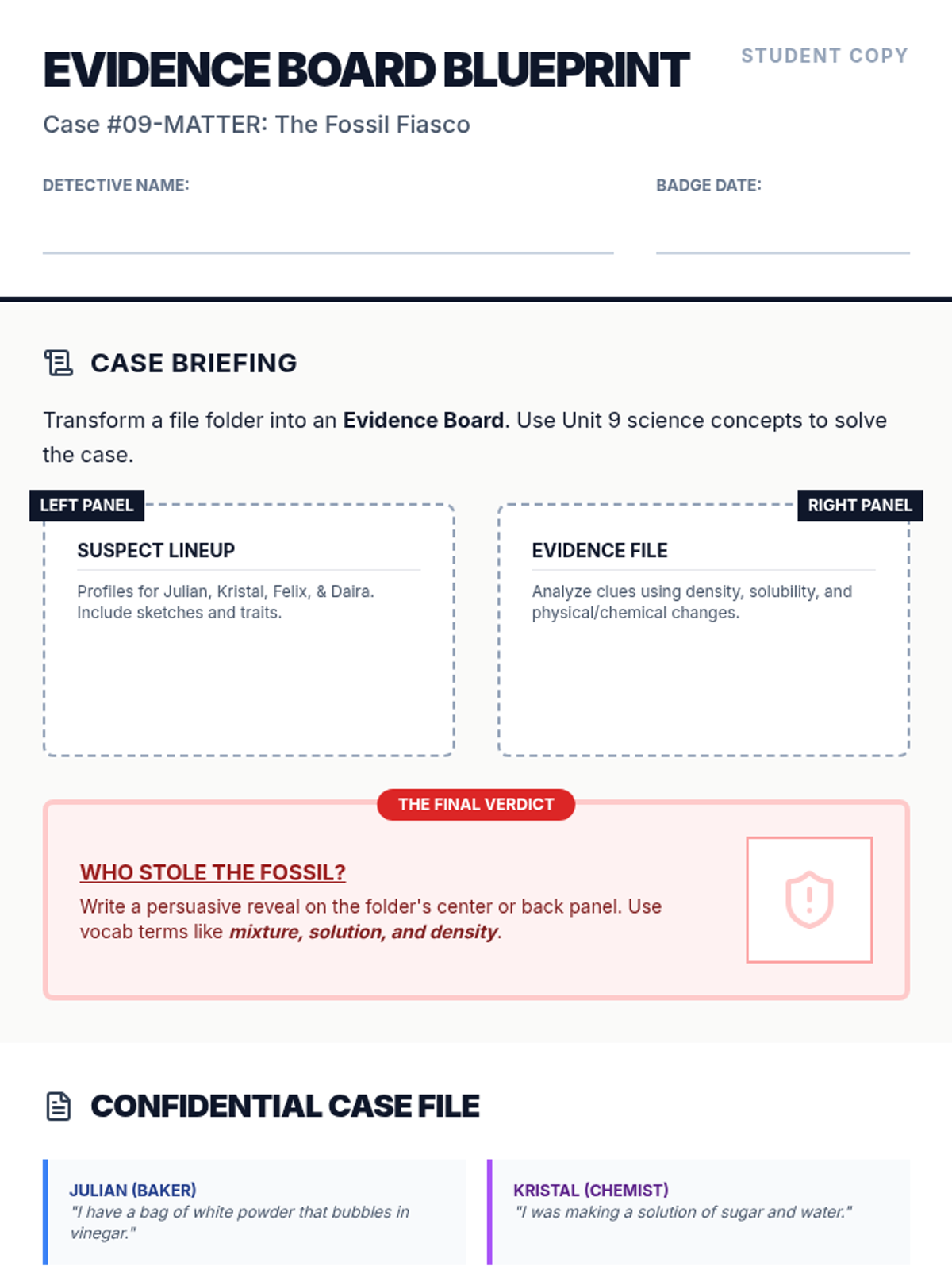
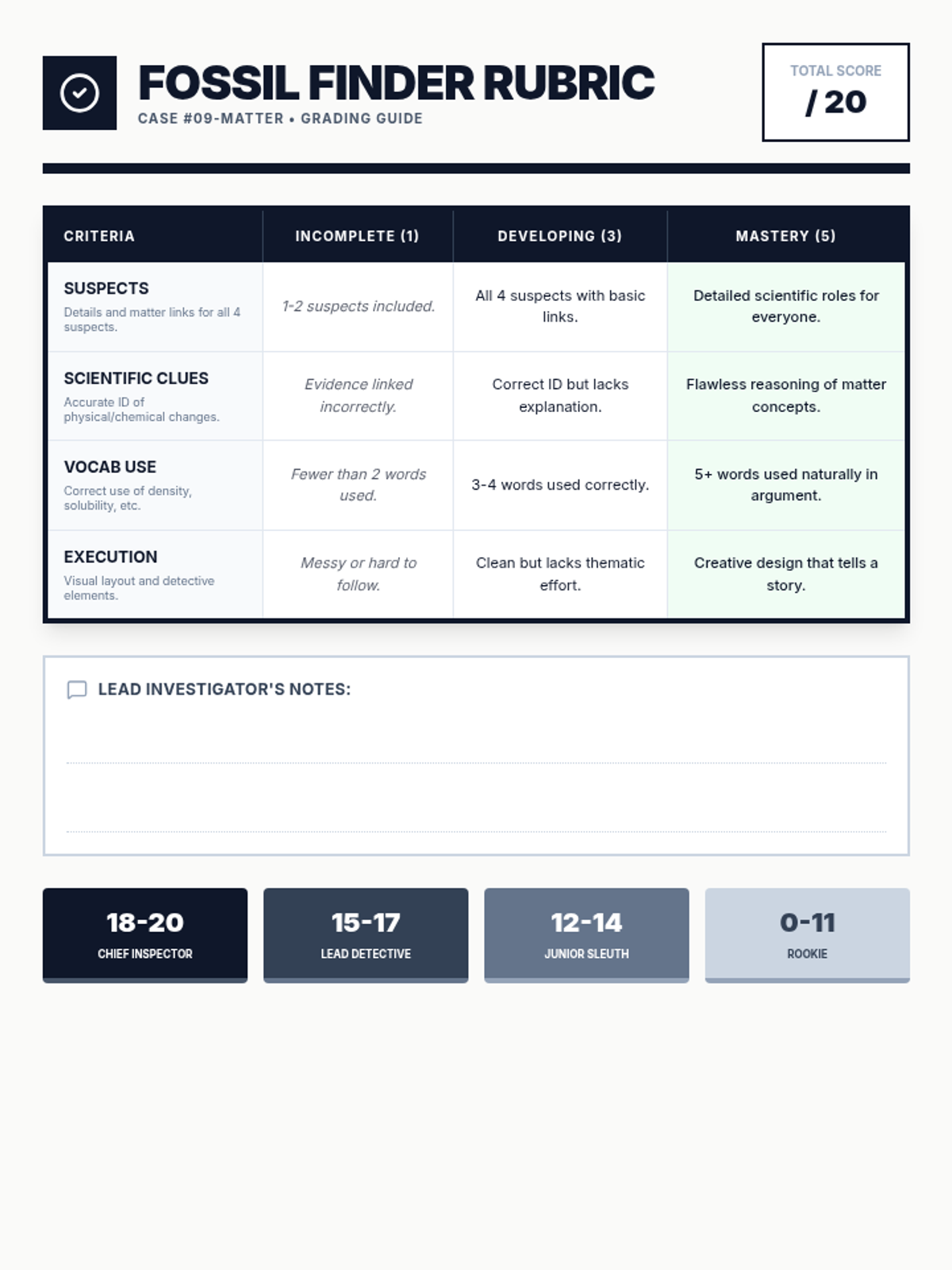
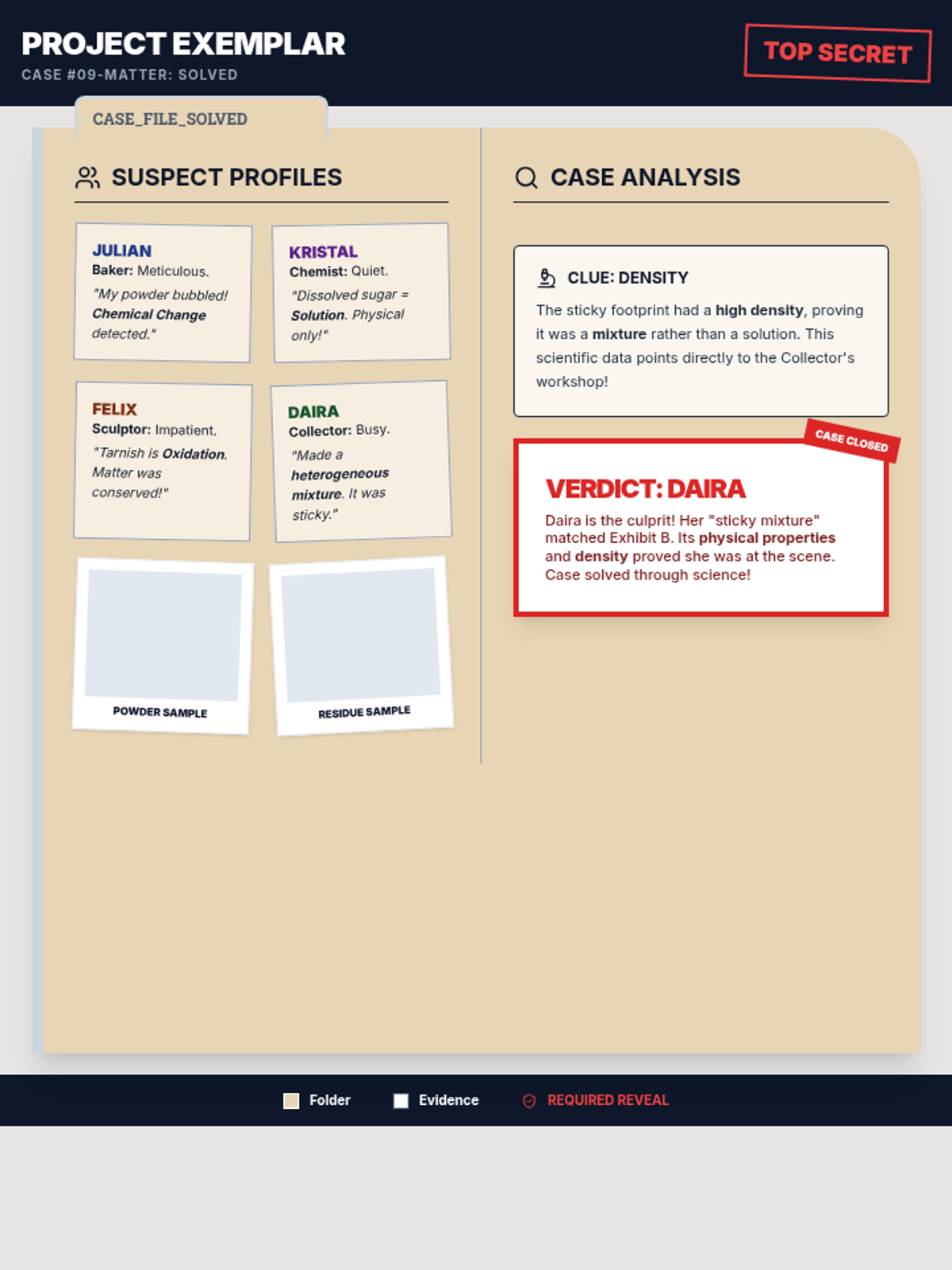
A series of activities focused on applying chemical matter concepts to solve mysteries, culminating in a creative evidence board project.
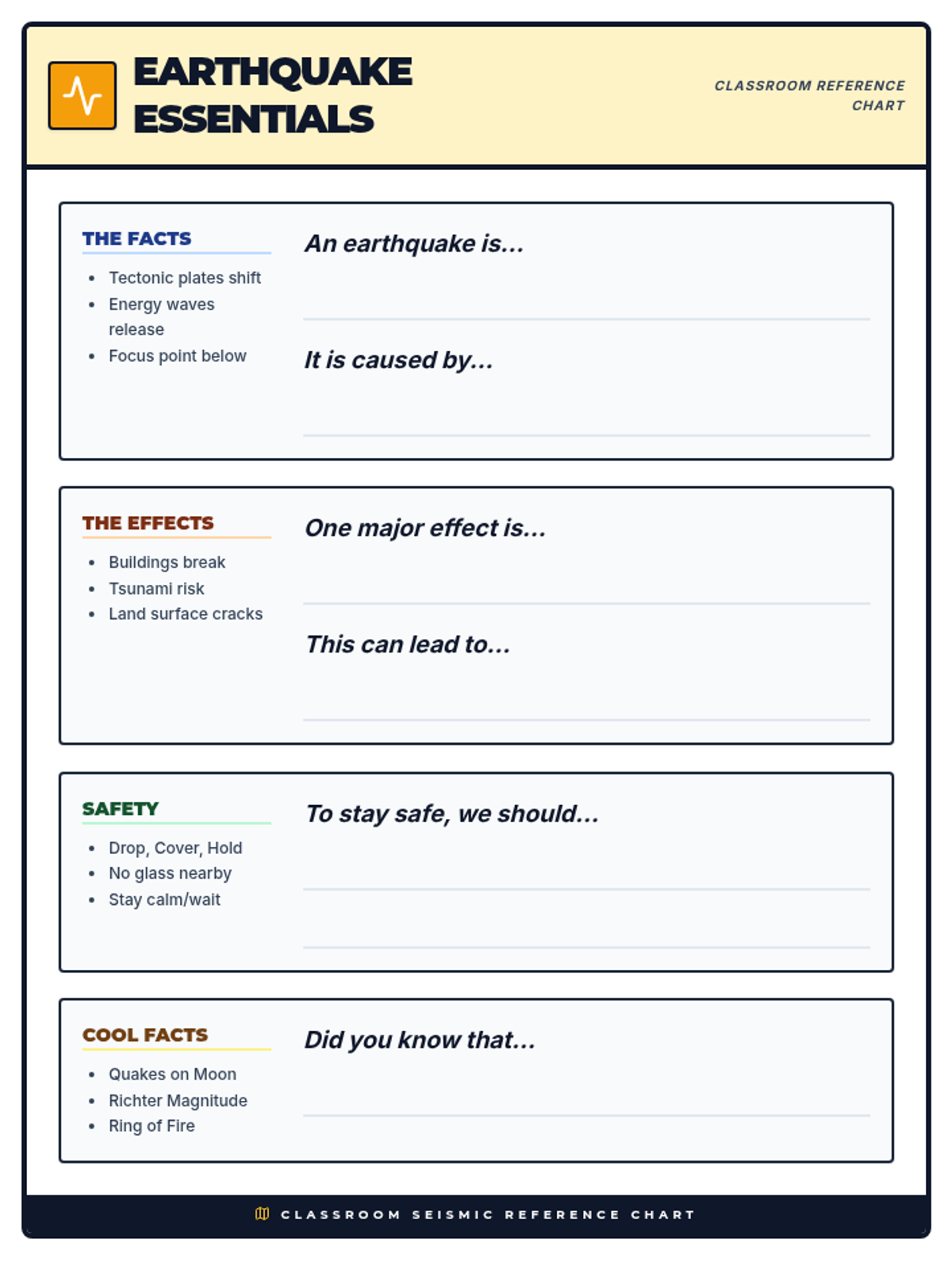
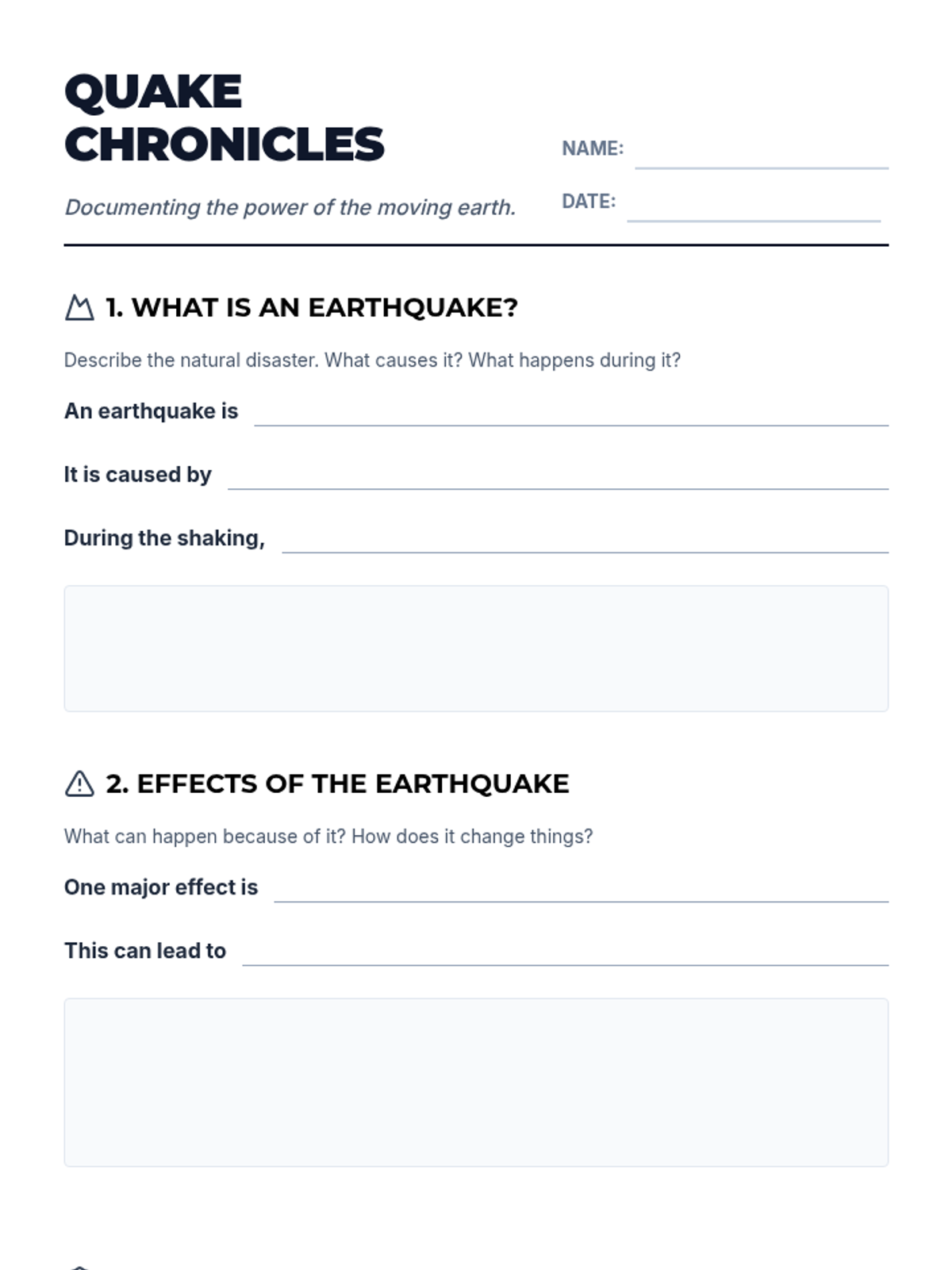
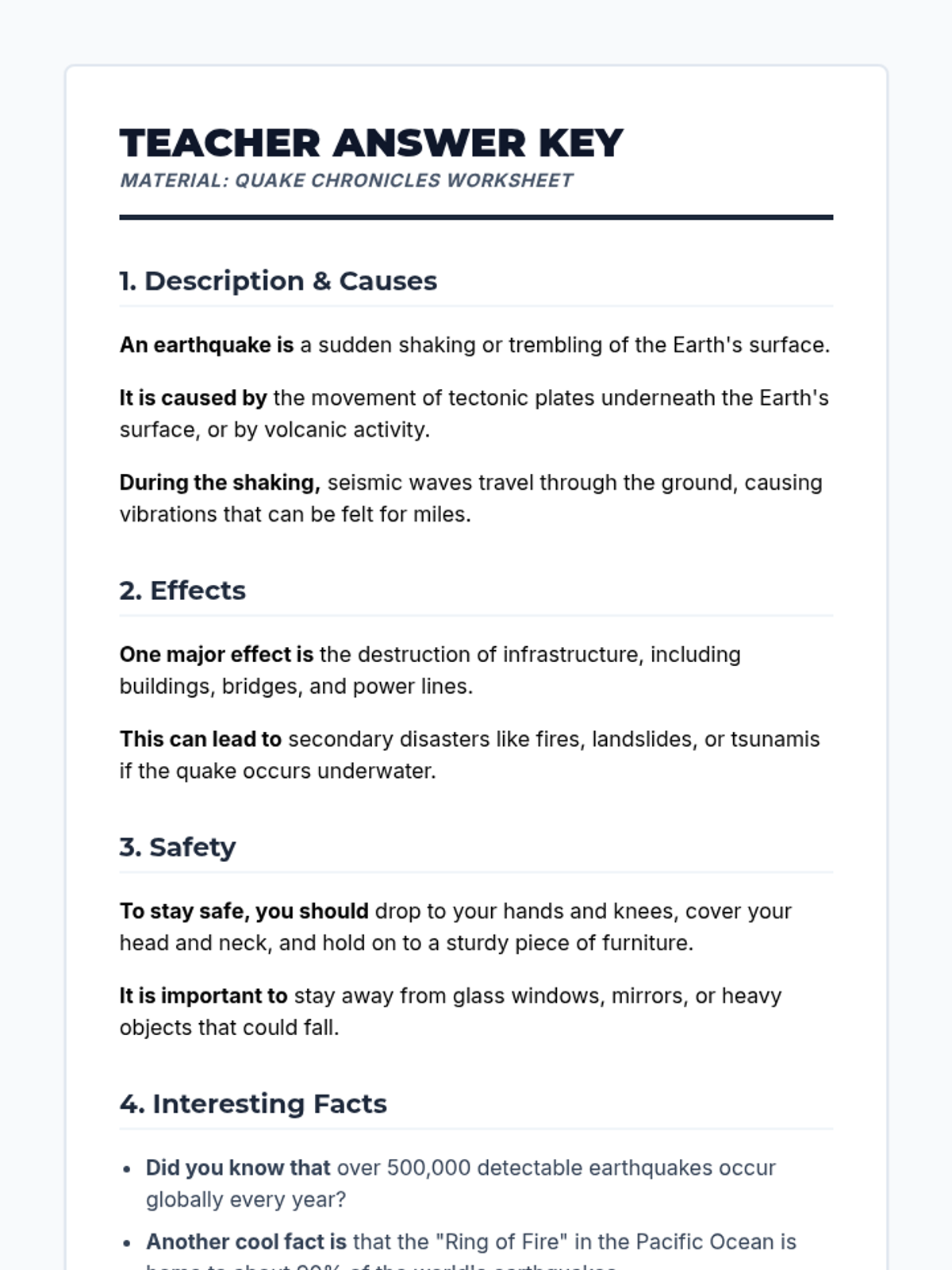
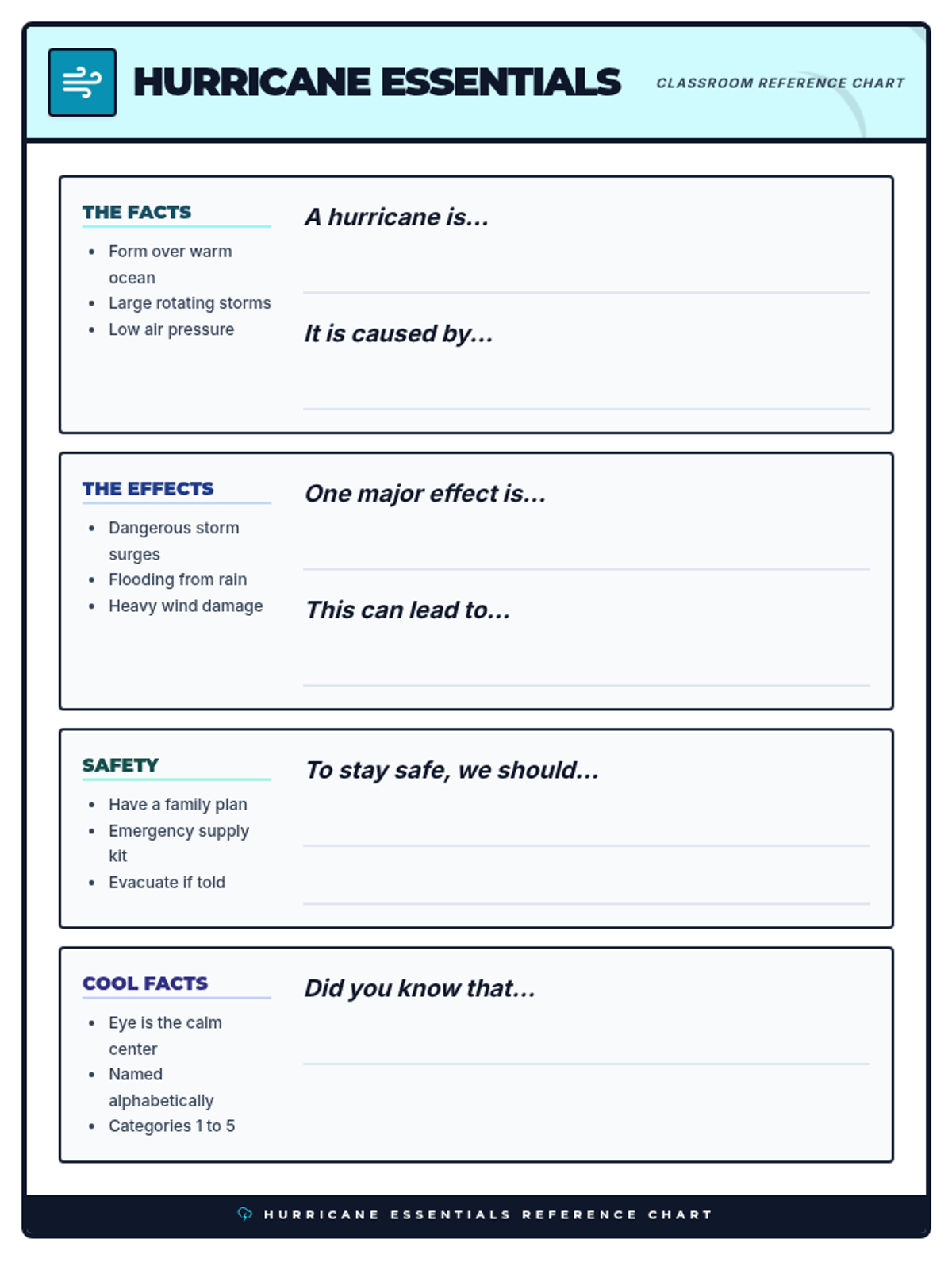
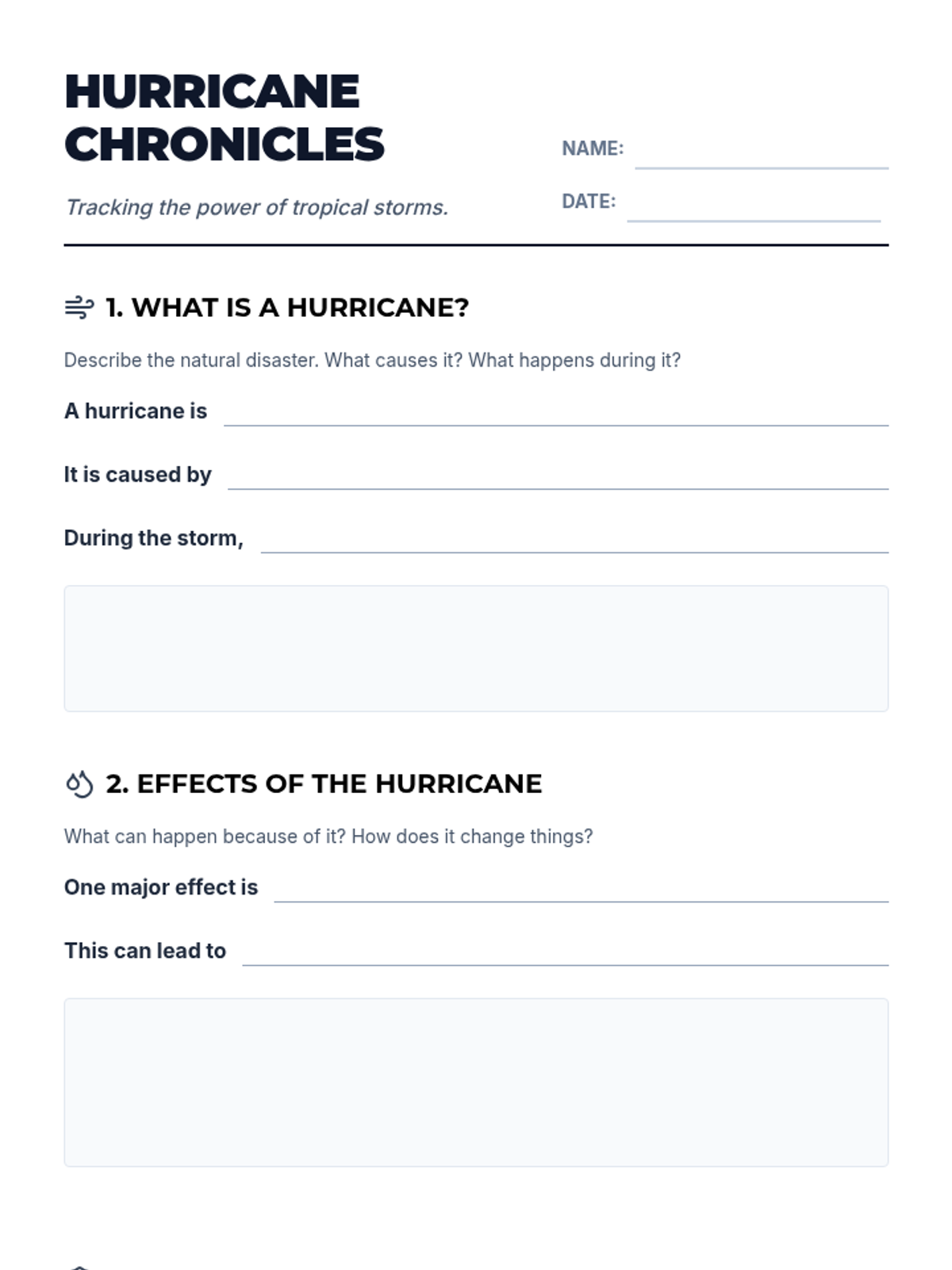
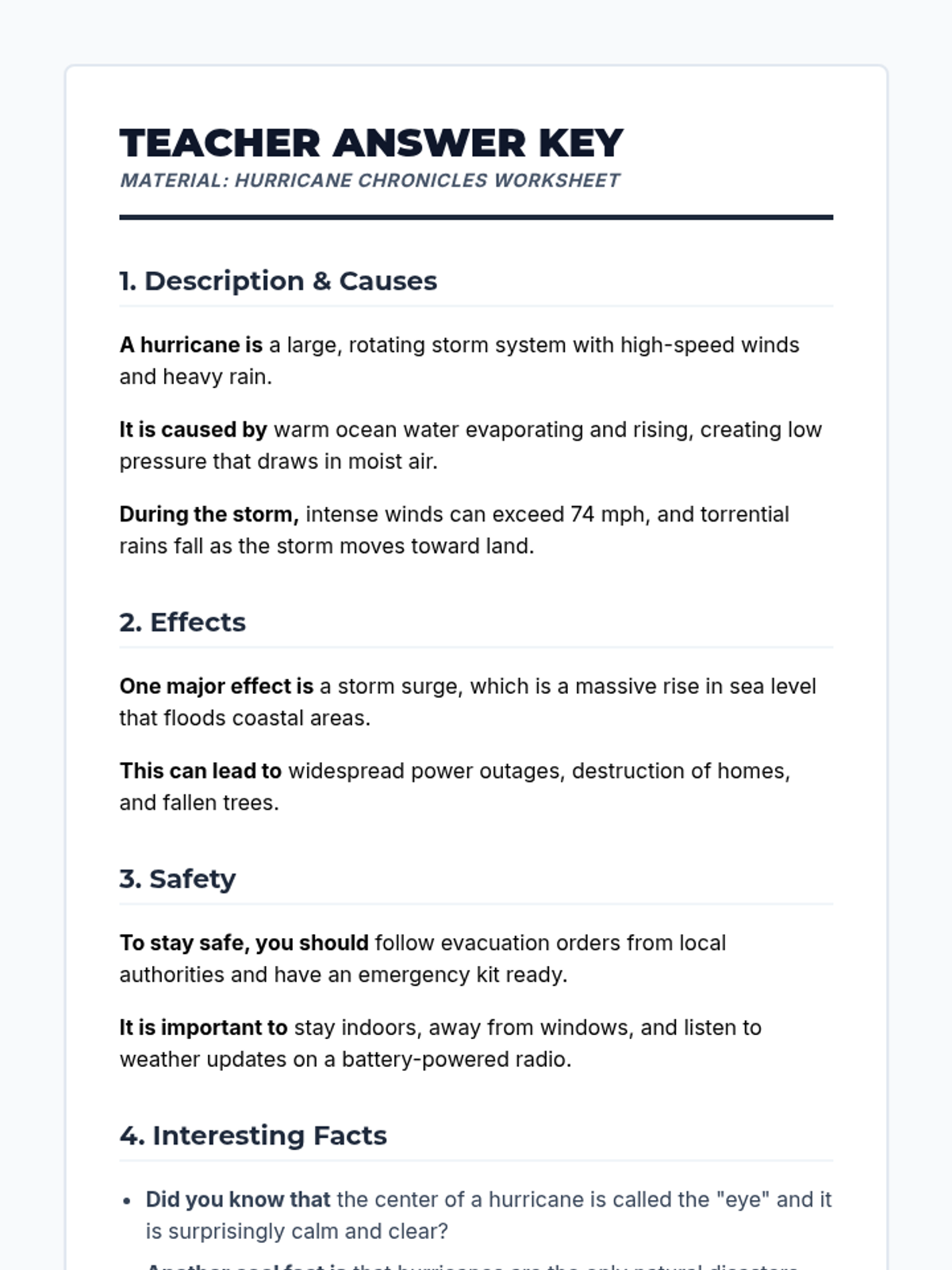
A series of lessons focused on understanding different natural disasters, their causes, impacts, and safety protocols through structured writing and investigation.
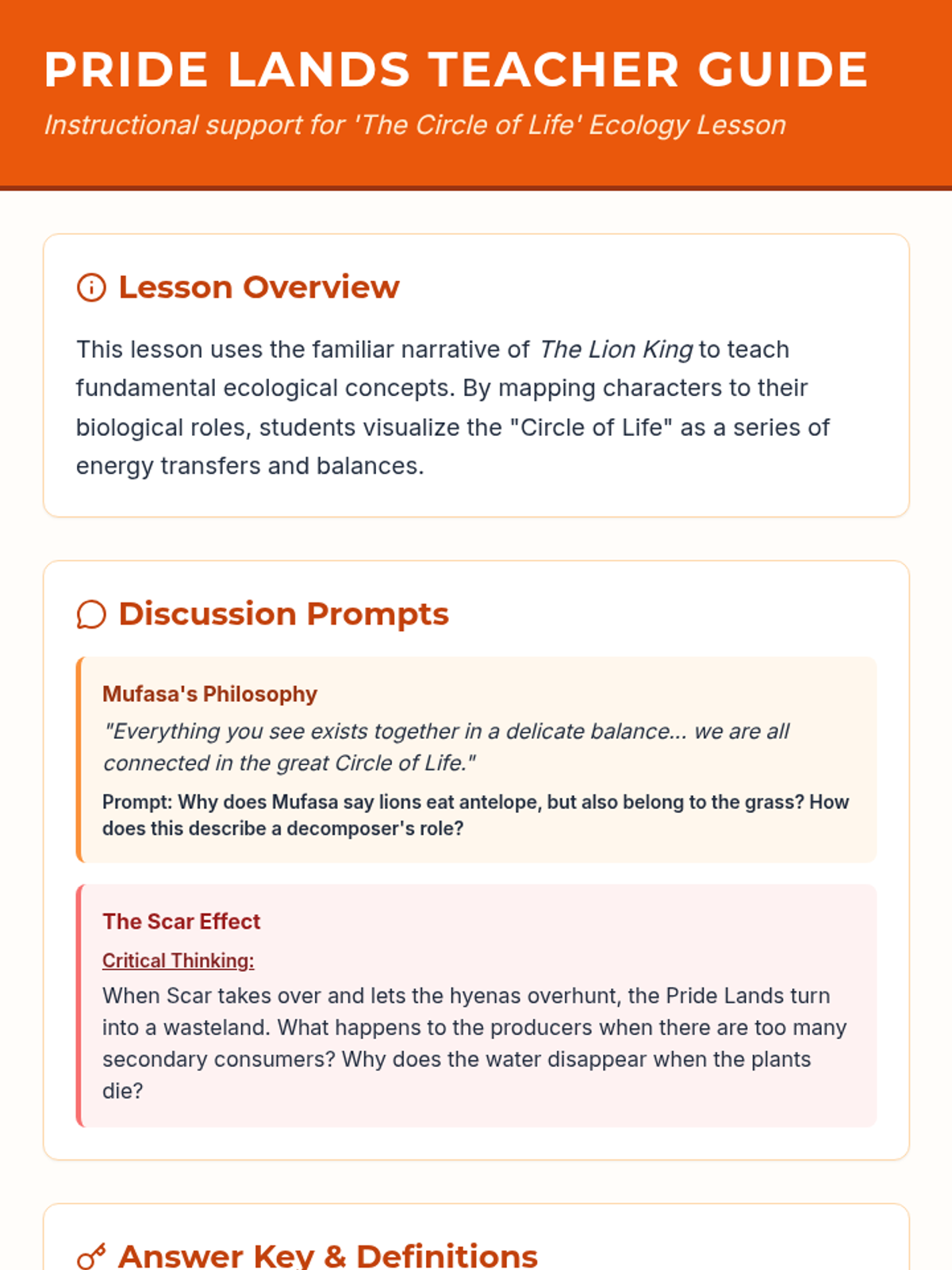
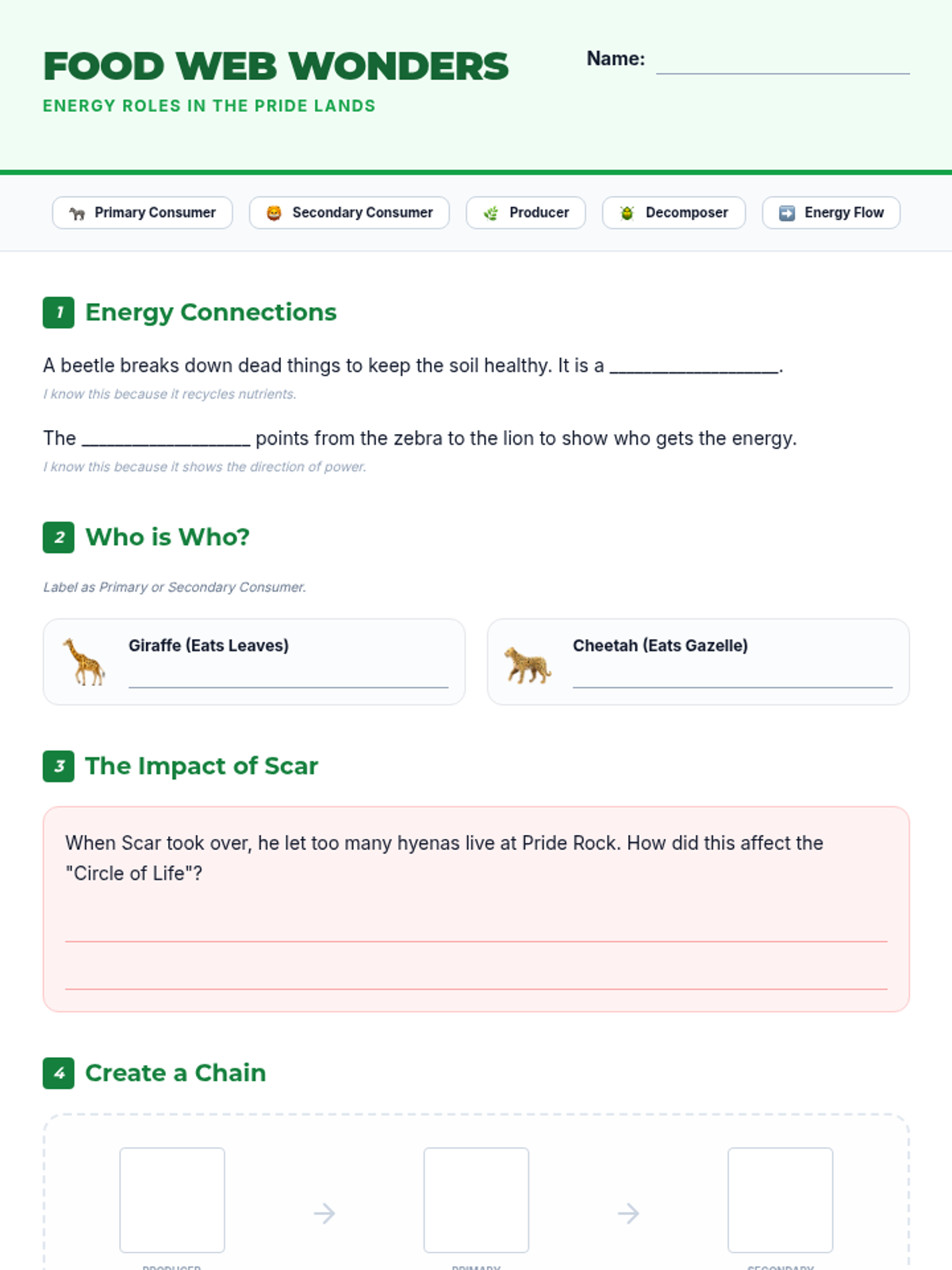
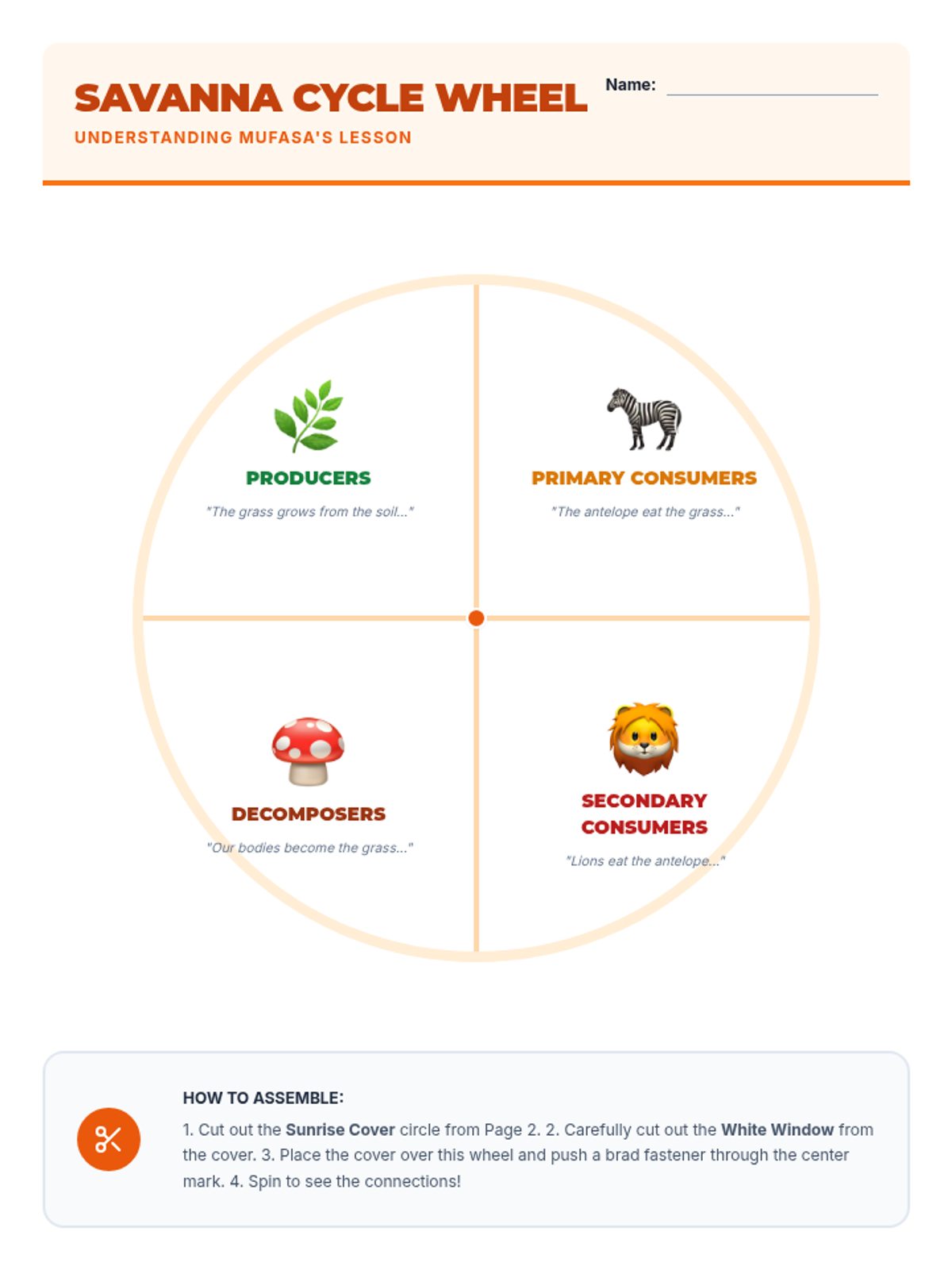
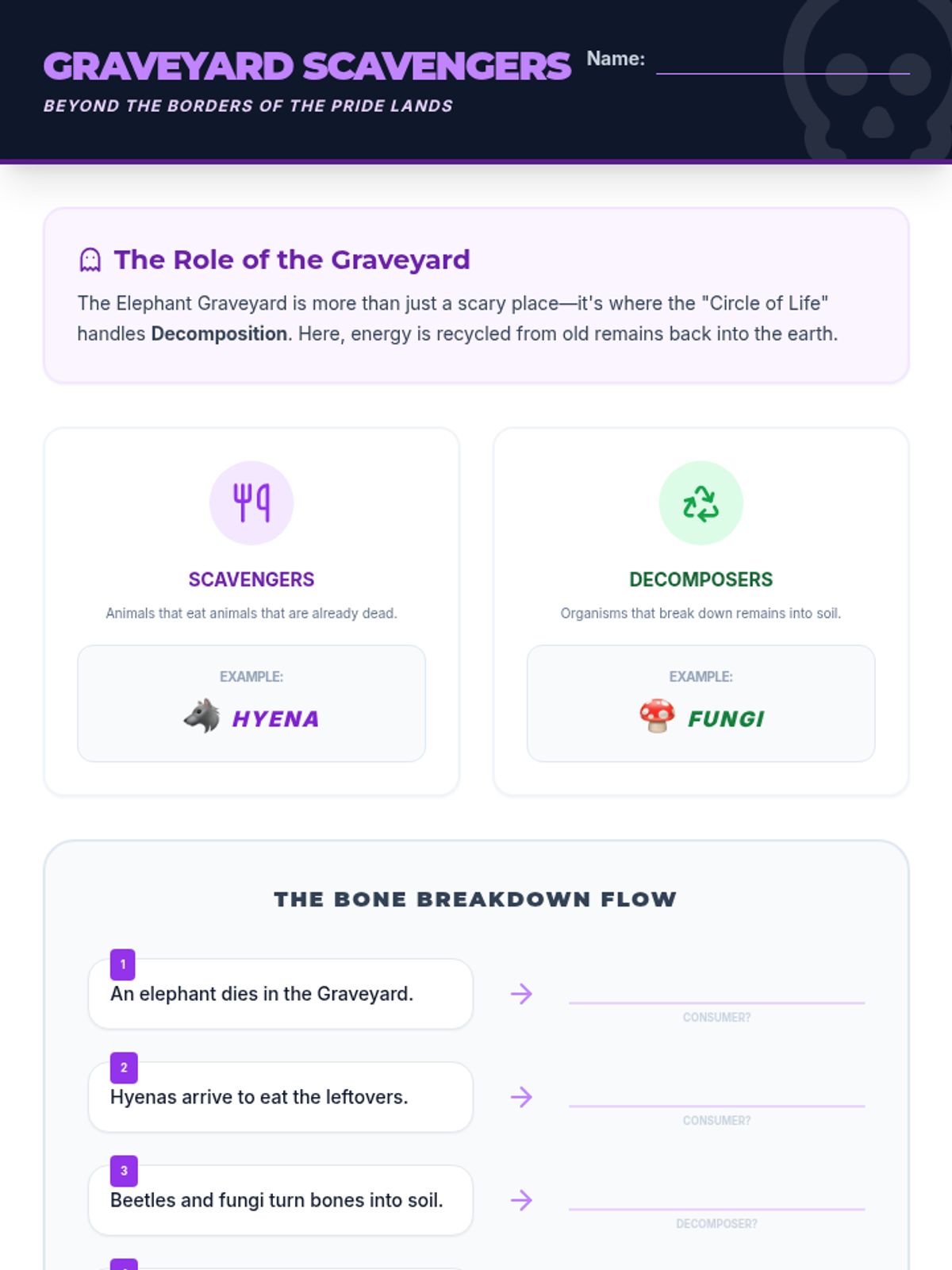
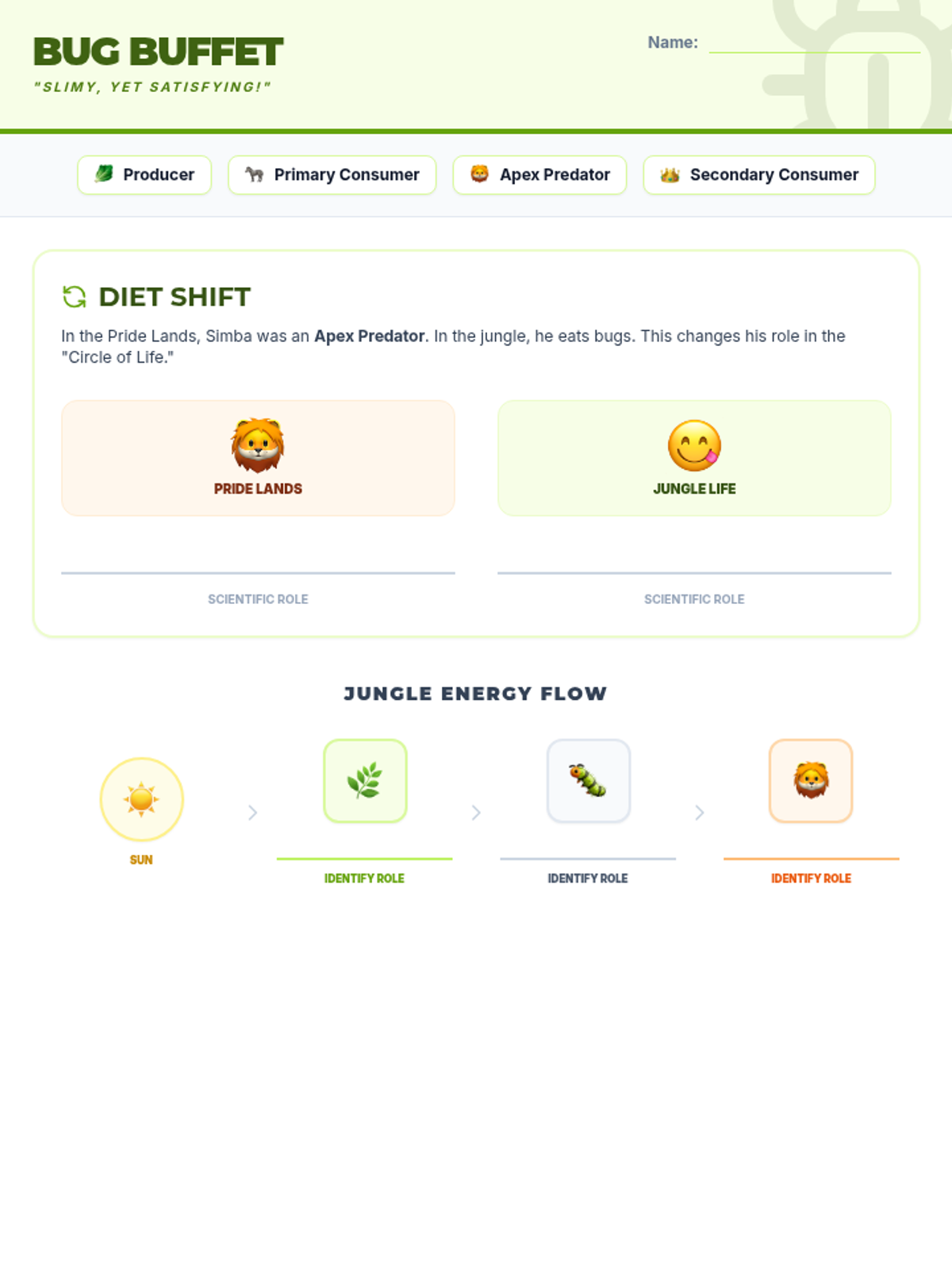
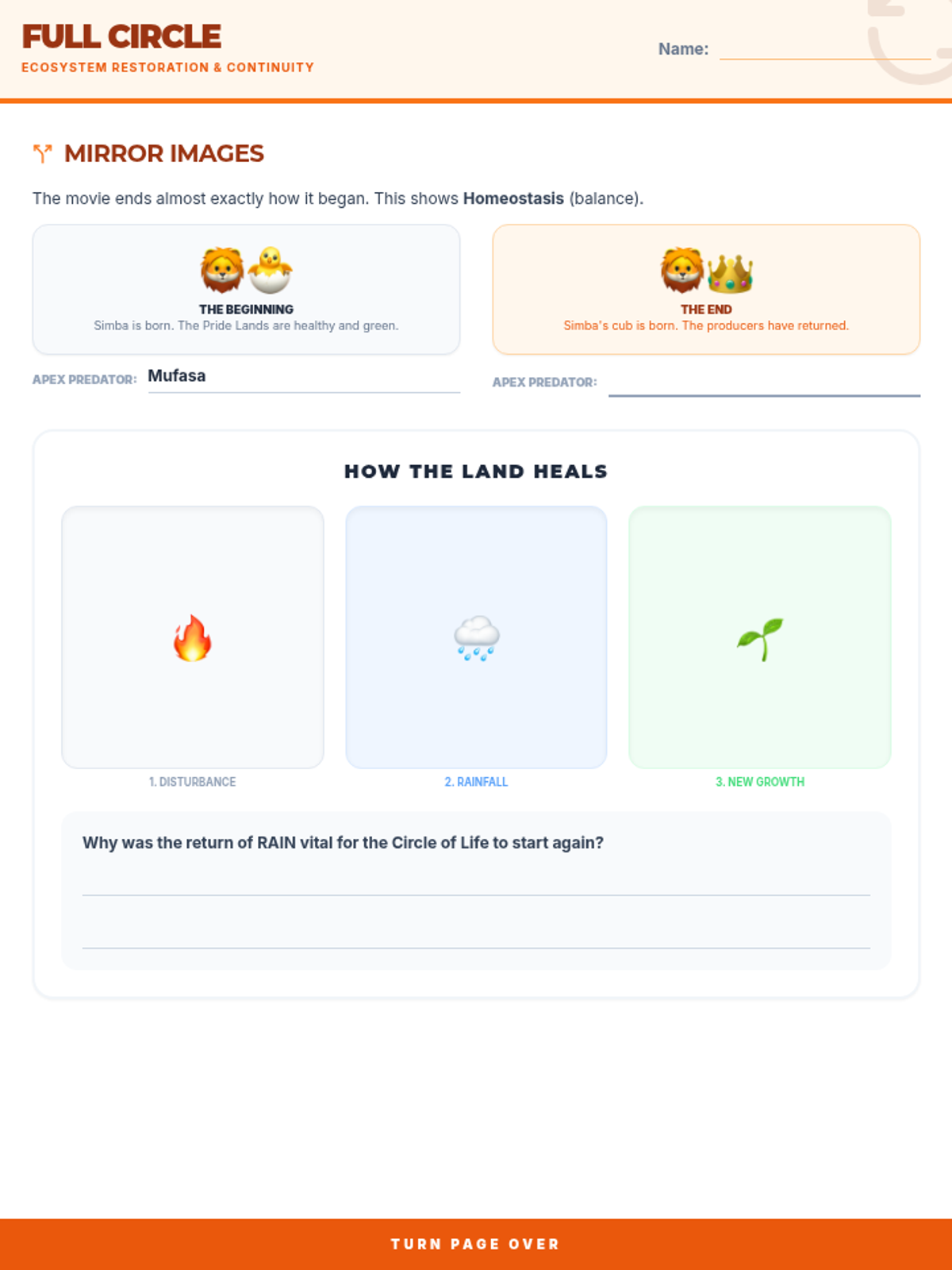
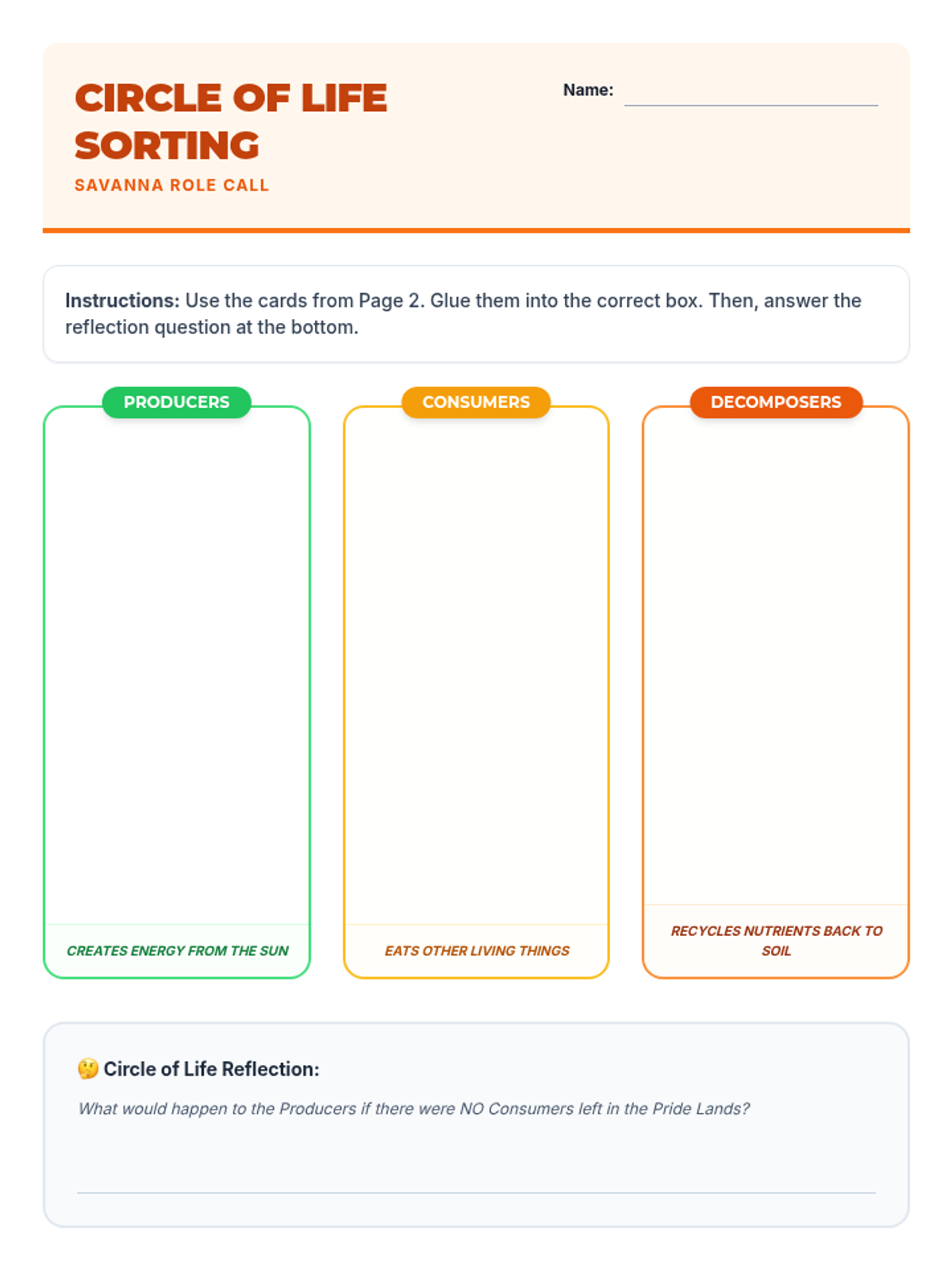
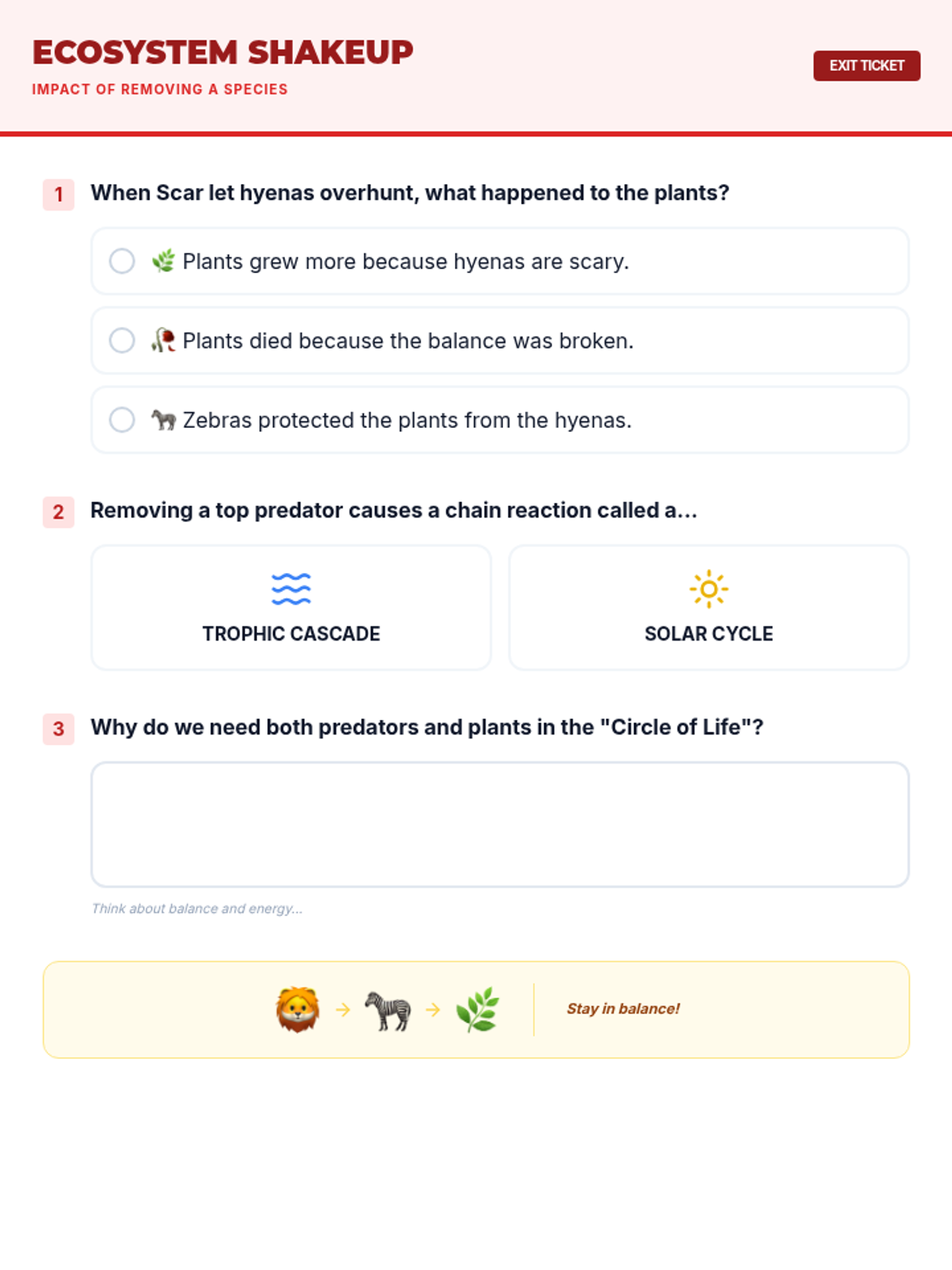
A science unit exploring ecology through the lens of 'The Lion King', focusing on food chains, food webs, and the balance of ecosystems. Students will learn to identify energy roles and predict the consequences of ecological changes.
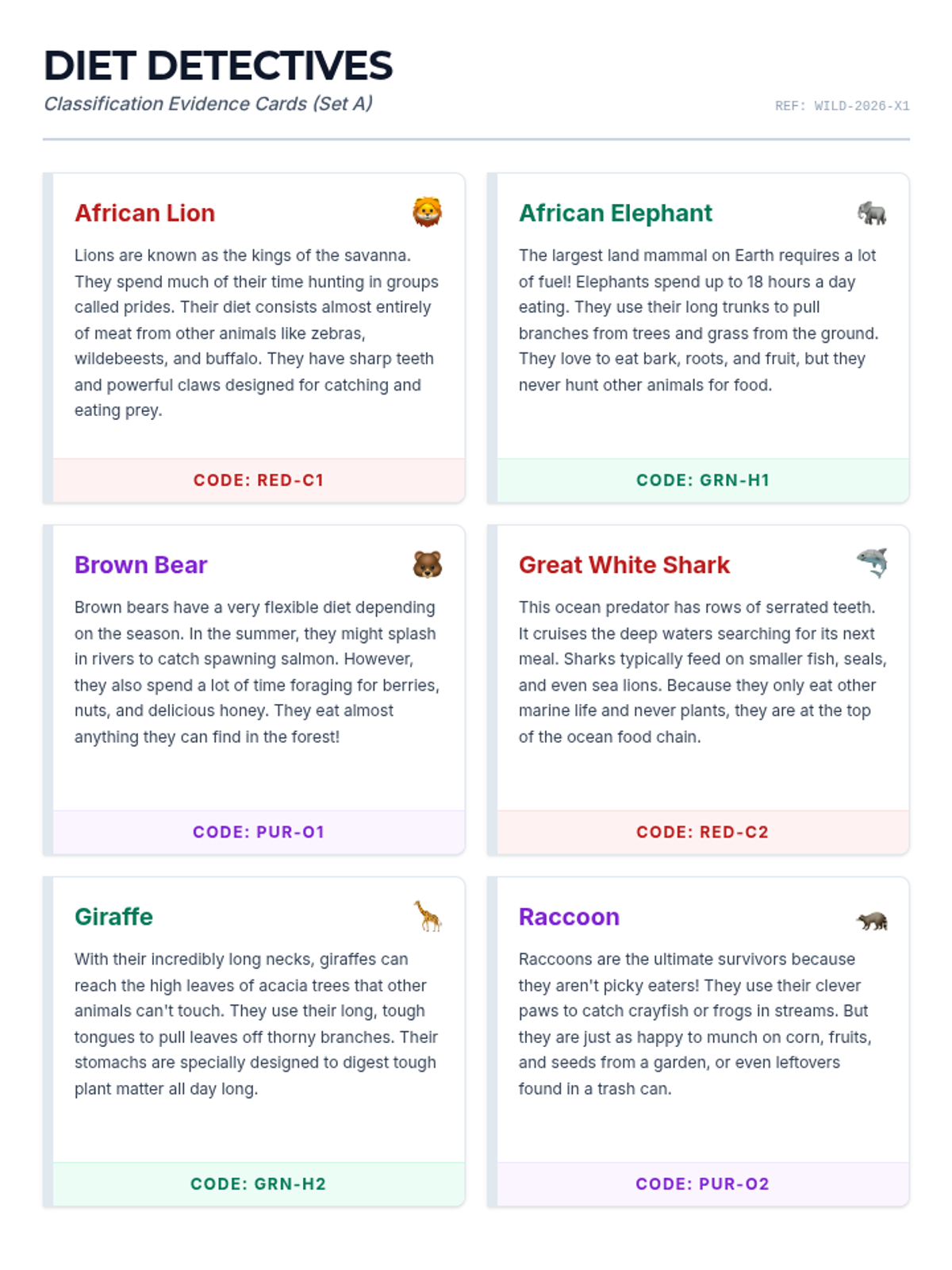
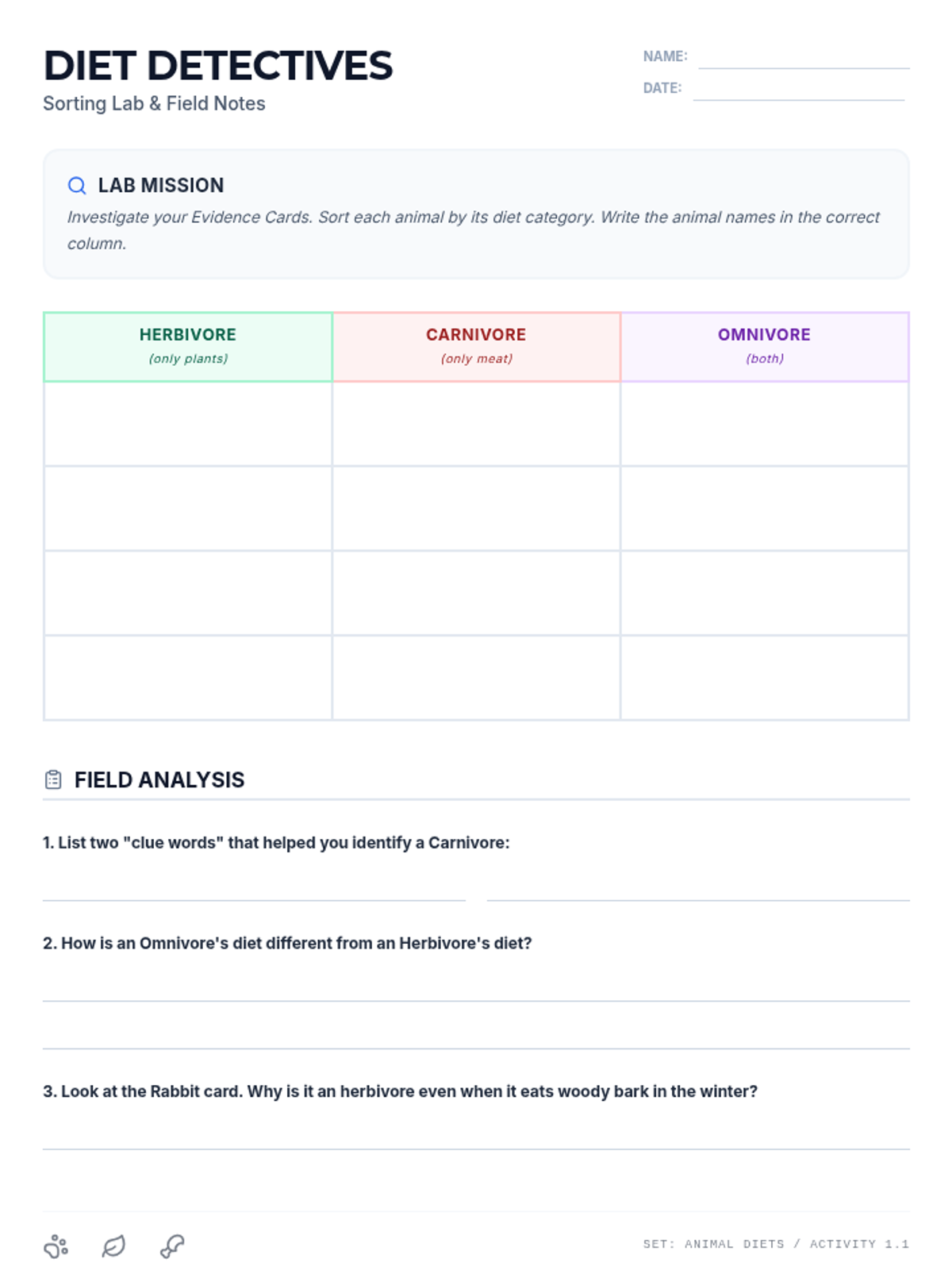
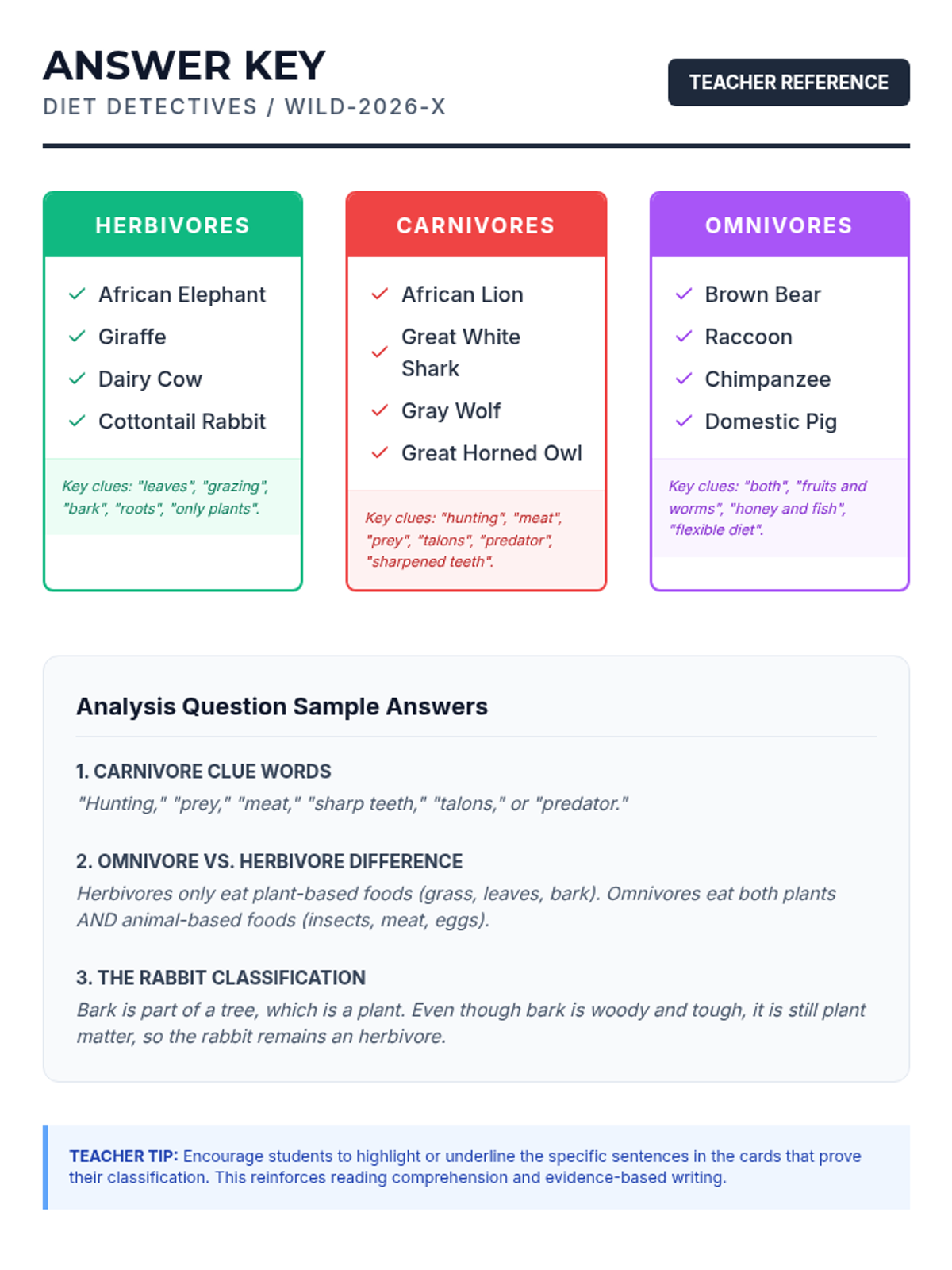
A hands-on exploration of animal diets, focusing on identifying and classifying herbivores, carnivores, and omnivores through text evidence and visual clues.
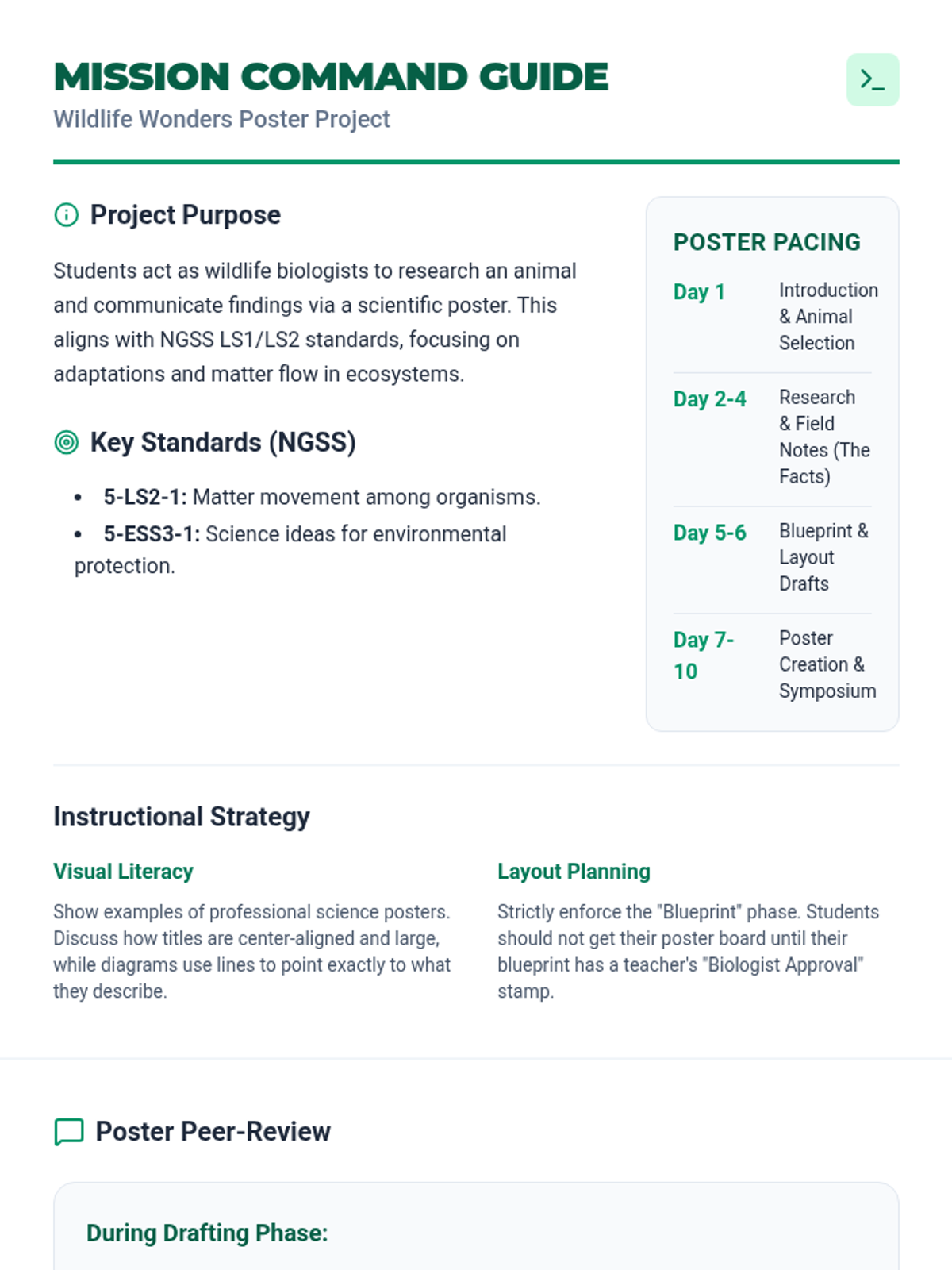
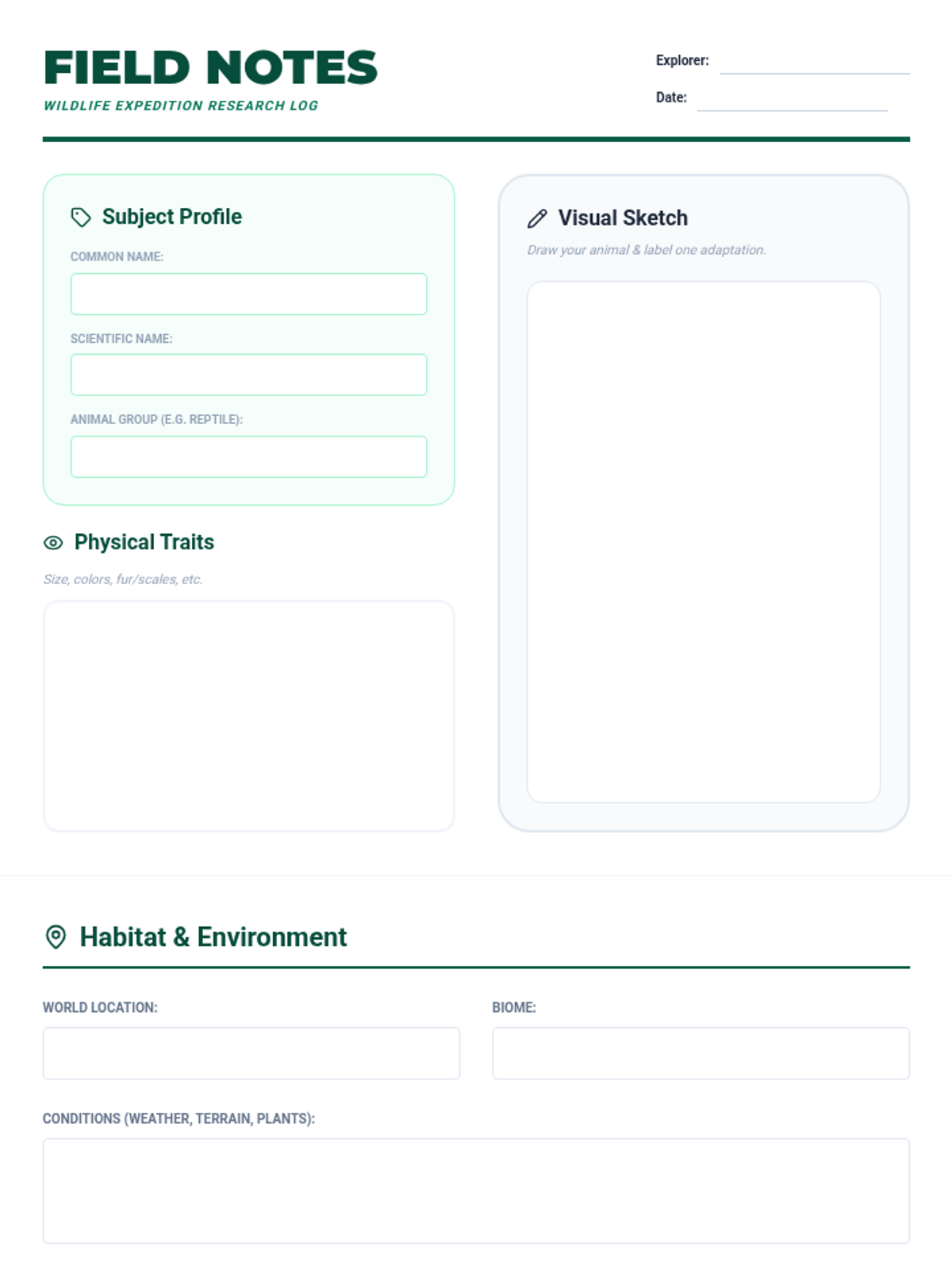
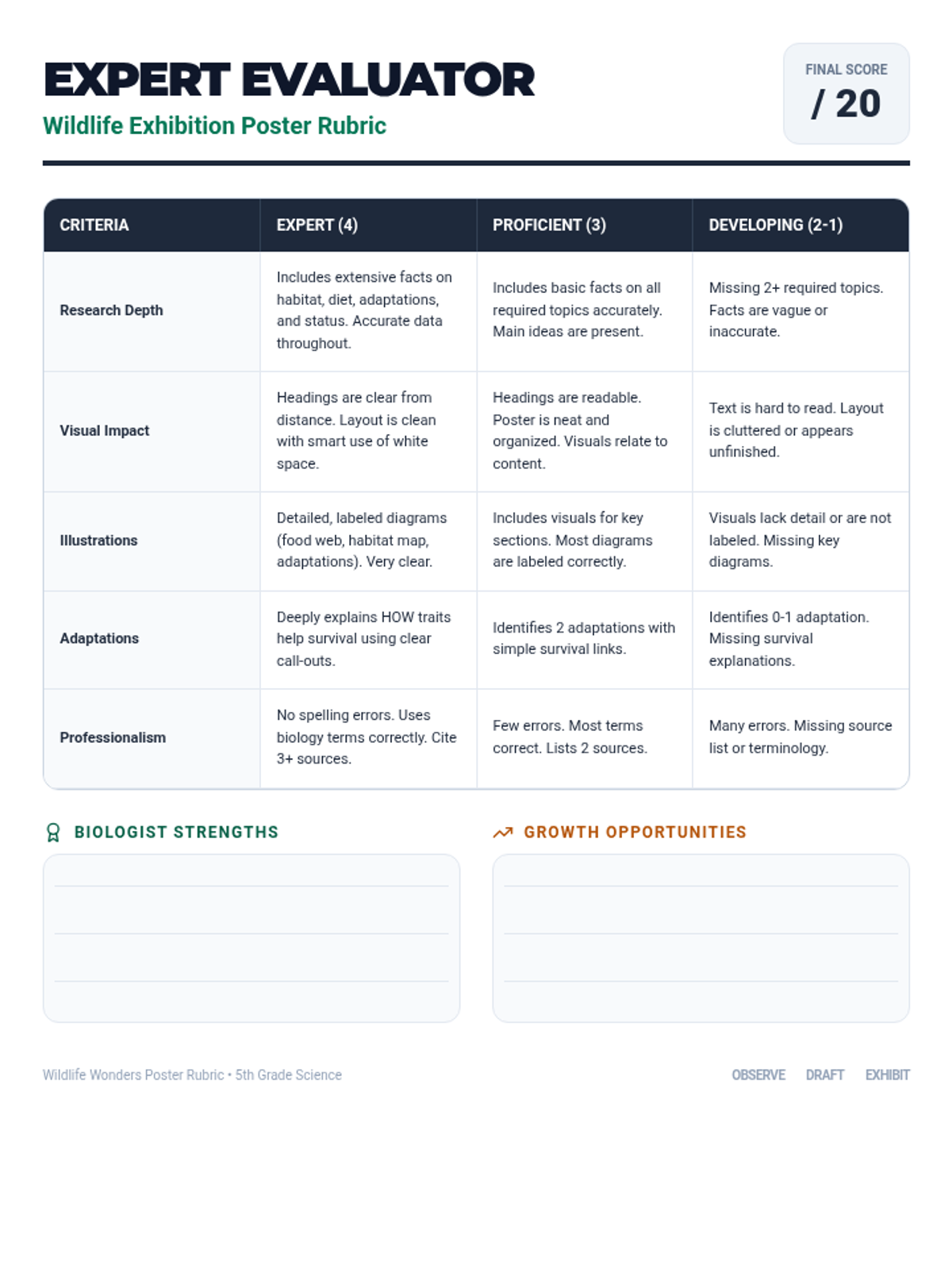
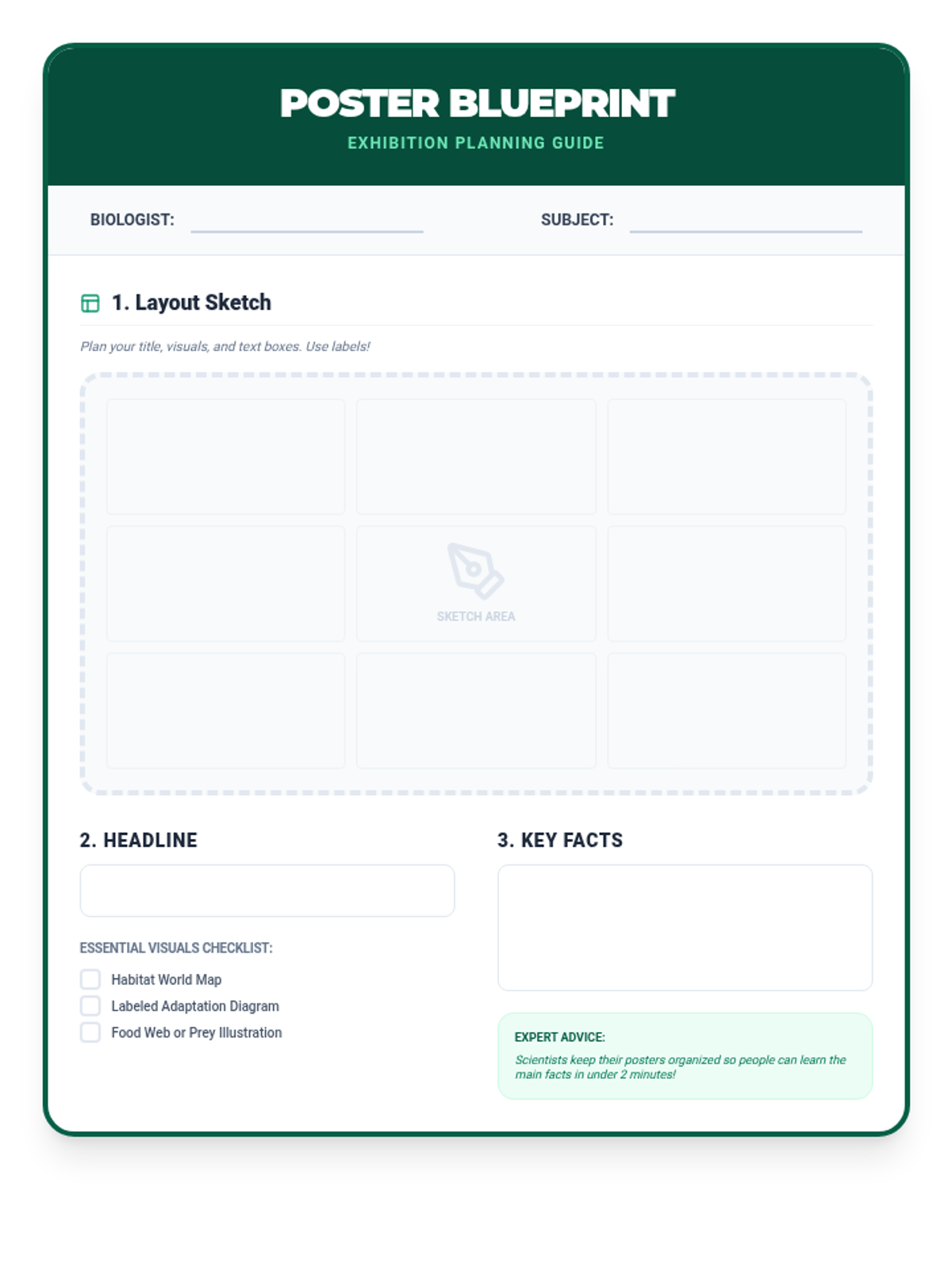
A comprehensive 5th-grade science project where students become wildlife biologists to research an animal's adaptations, habitat, and conservation status. The sequence guides students from initial curiosity through deep research to a creative final presentation.