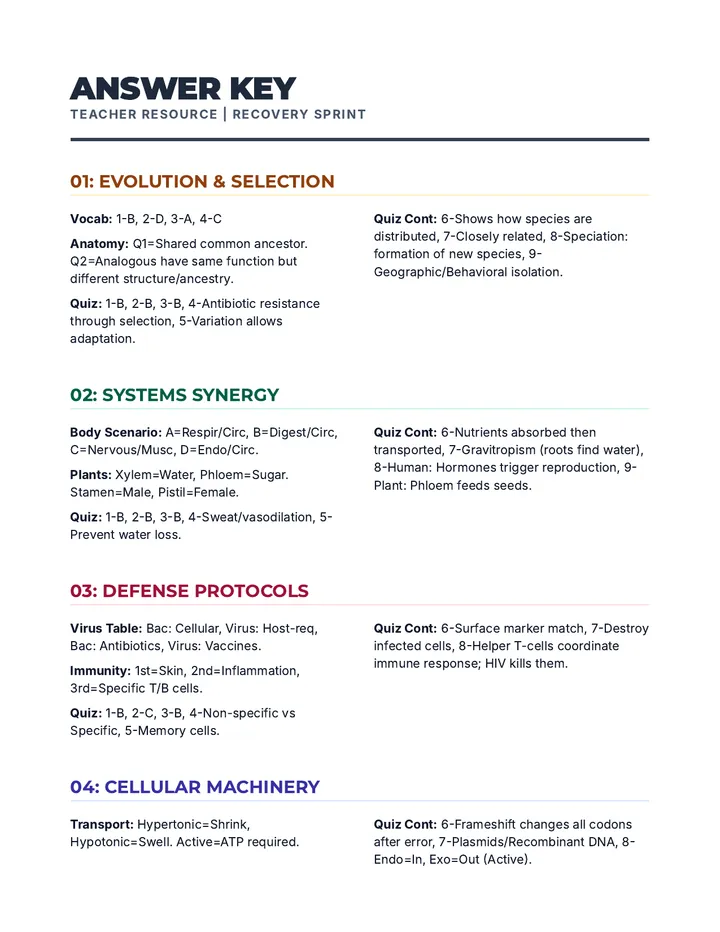
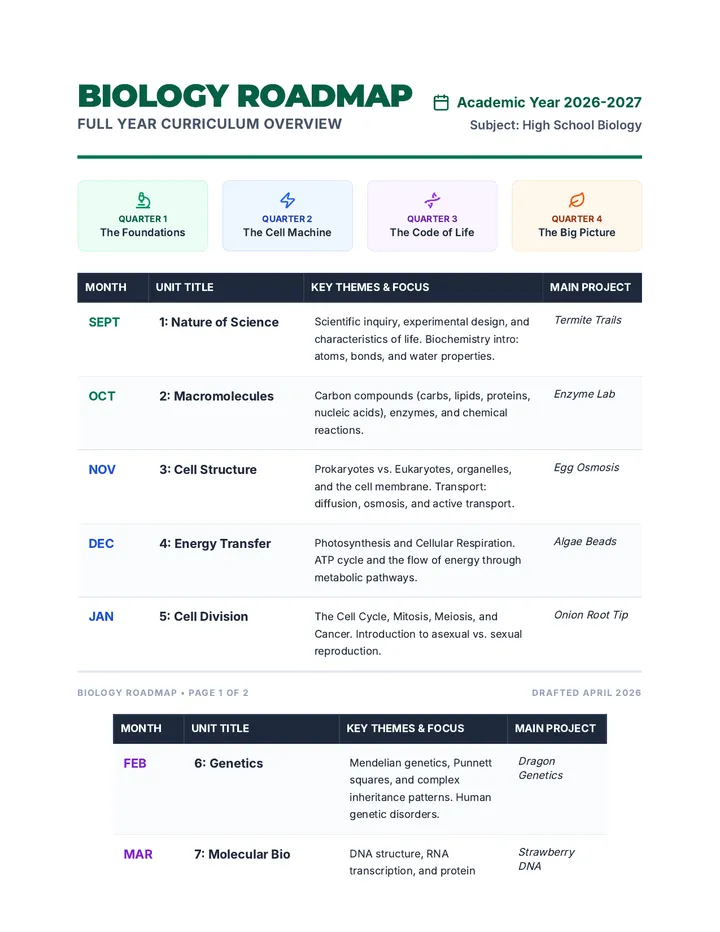
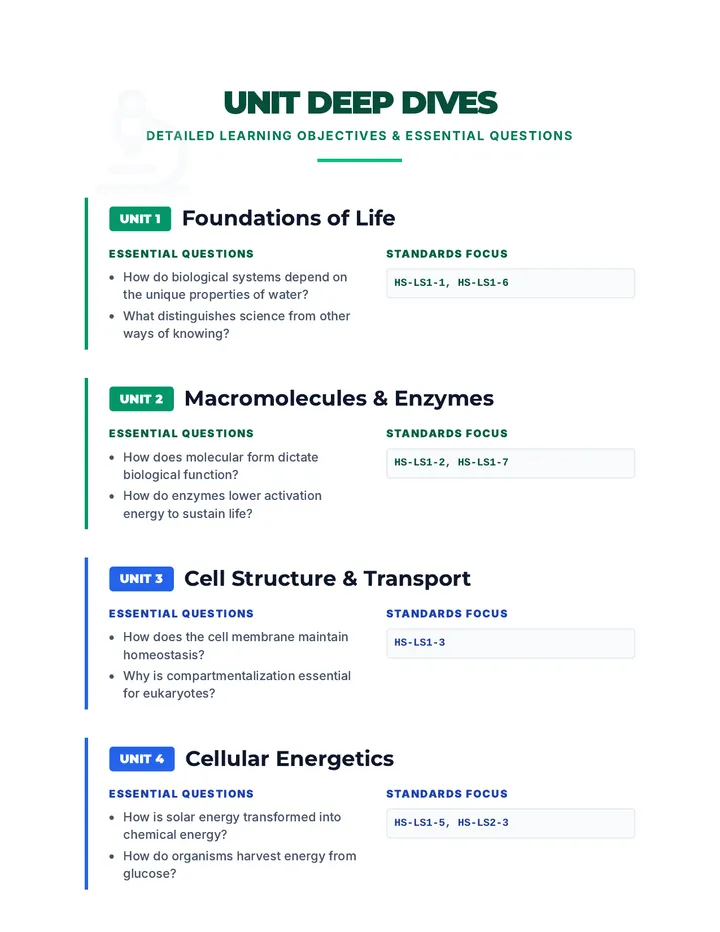
Fundamental biological structures and processes from microscopic cells and genetic inheritance to complex body systems and global ecosystems. Addresses plant and animal adaptations, trait expression, and the cycles of life and cell division.
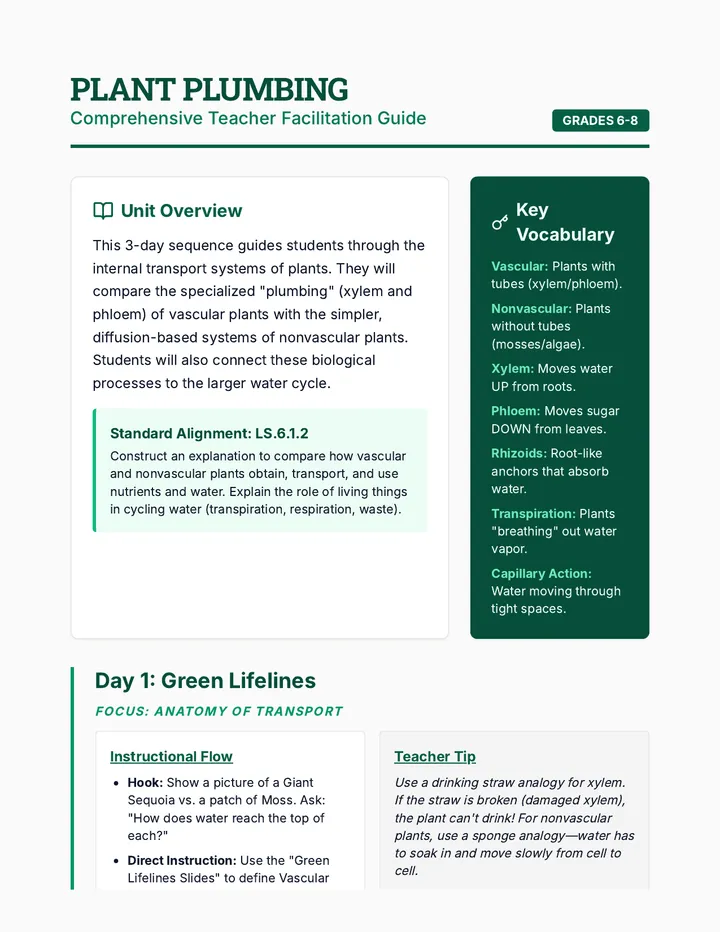
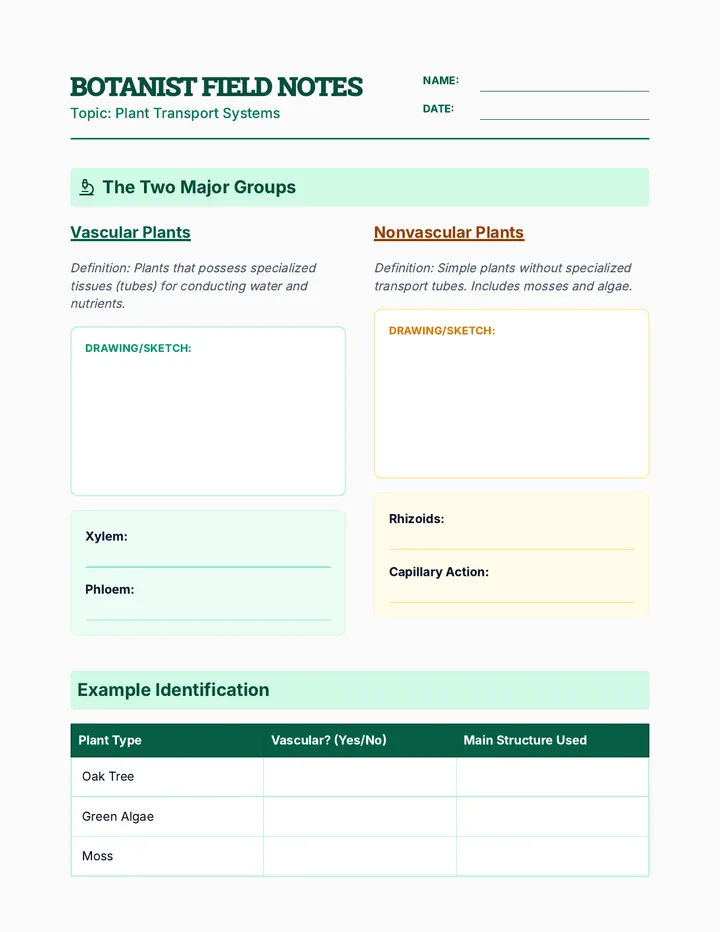
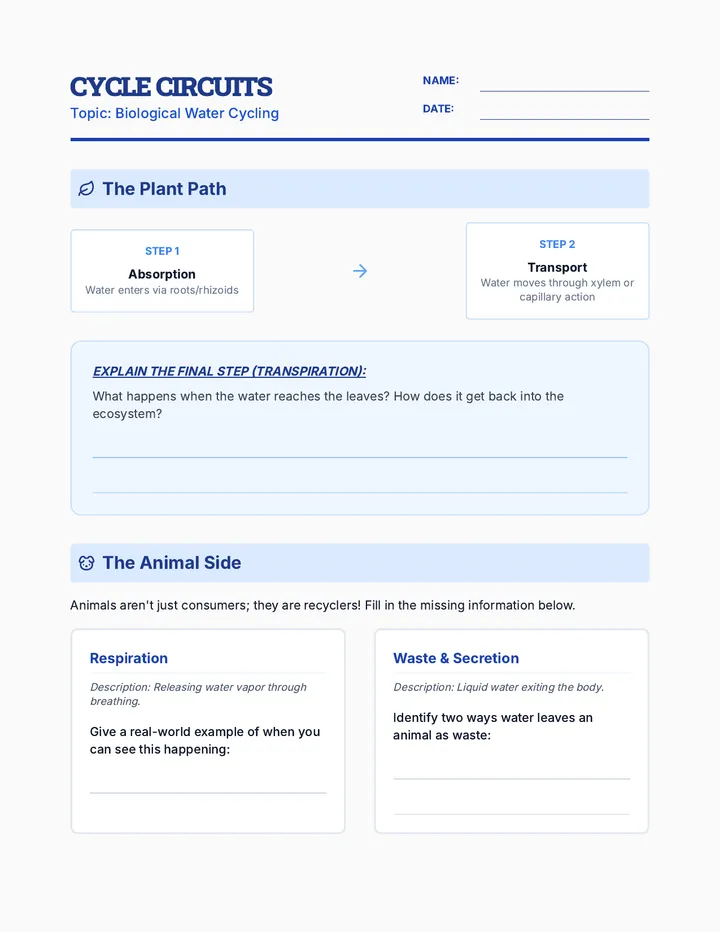
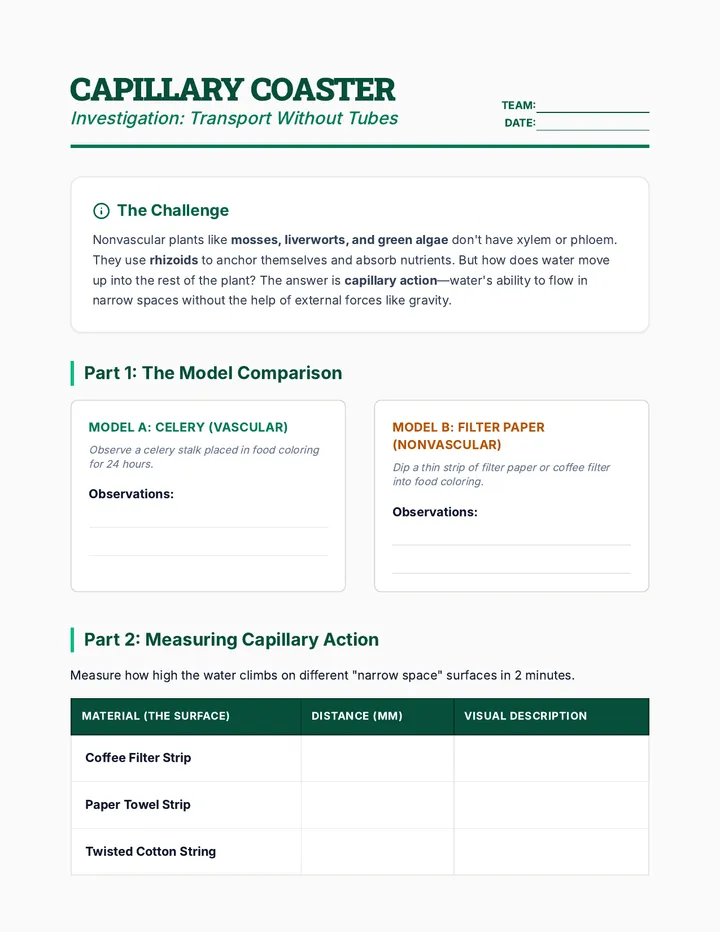
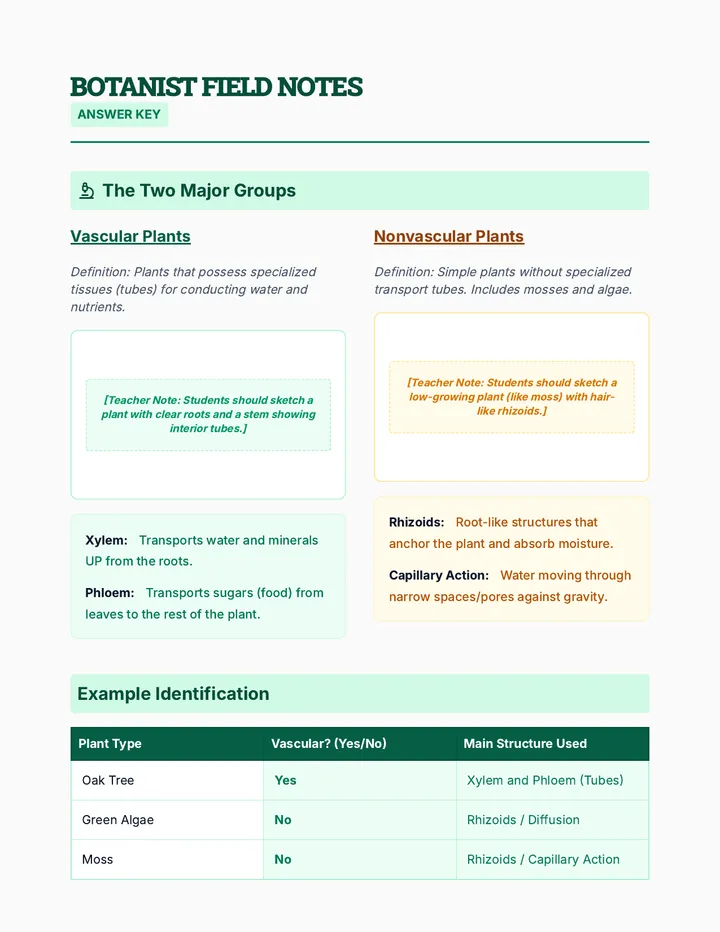
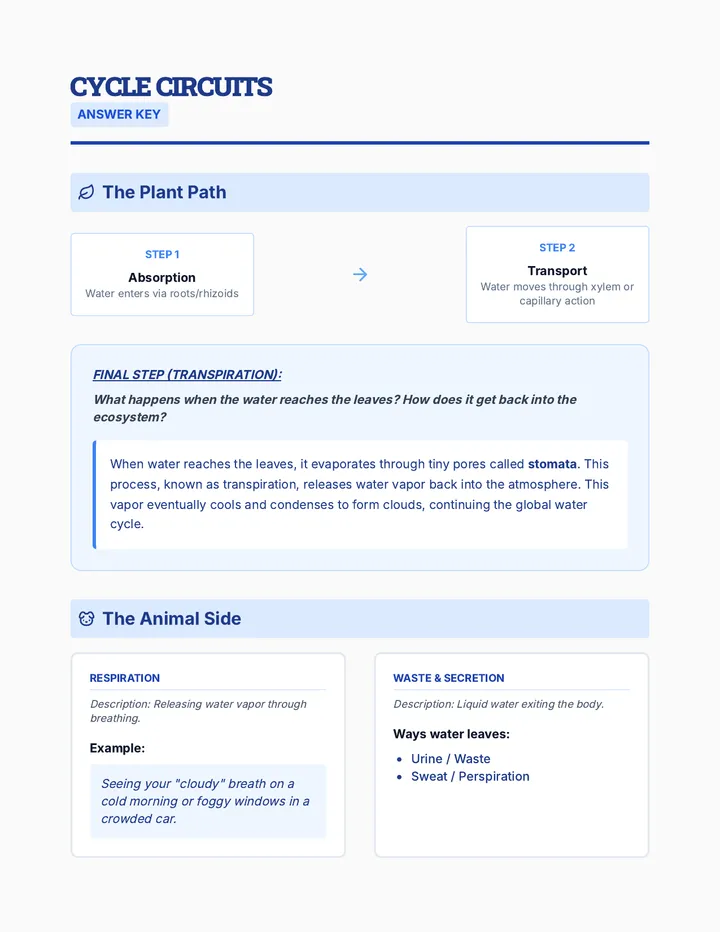
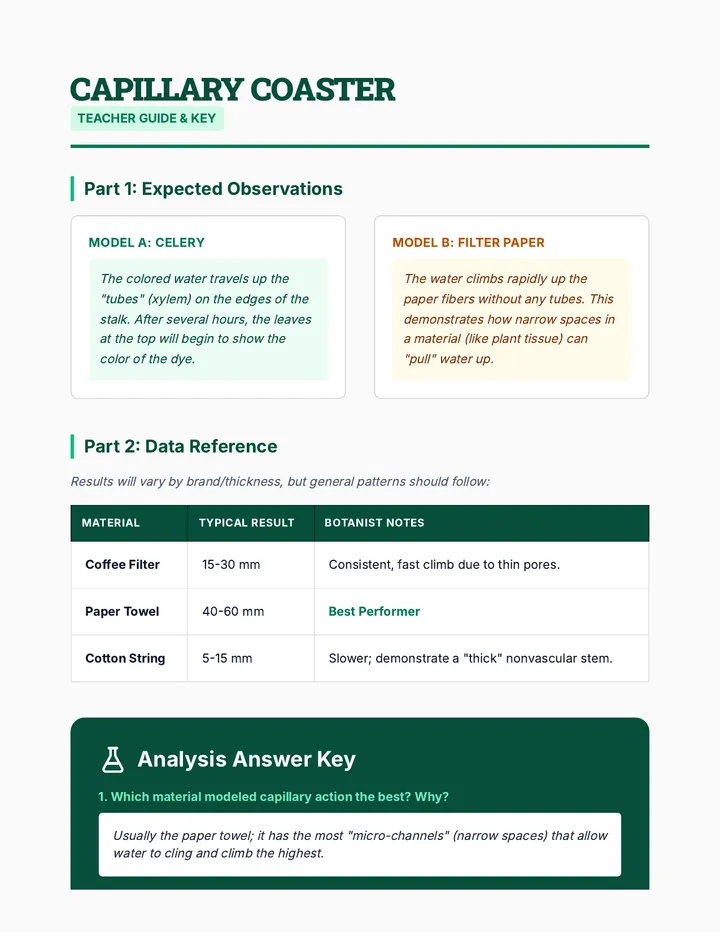
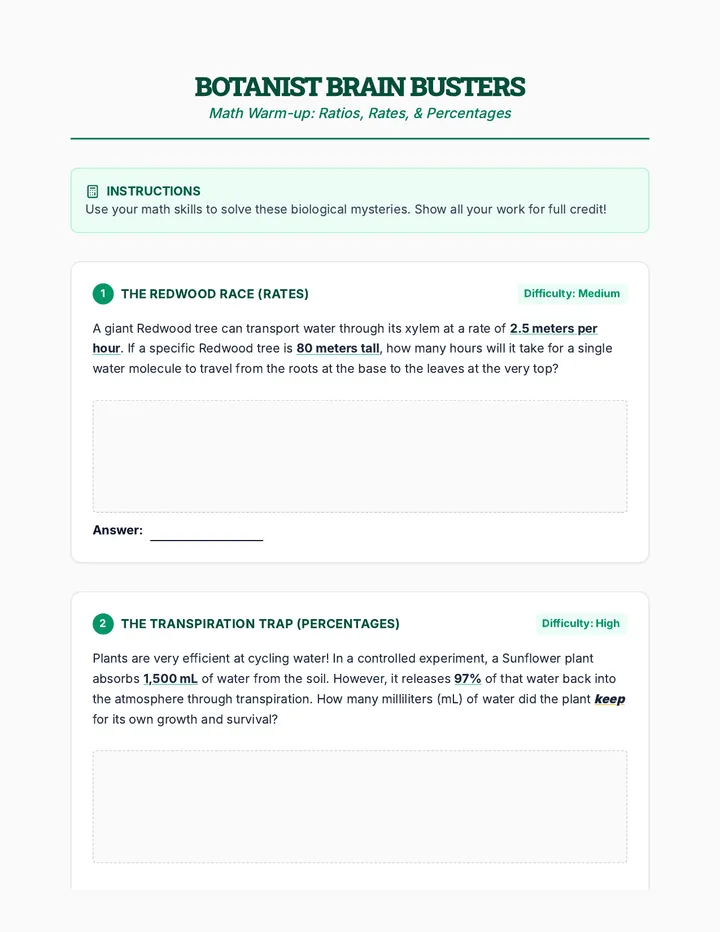
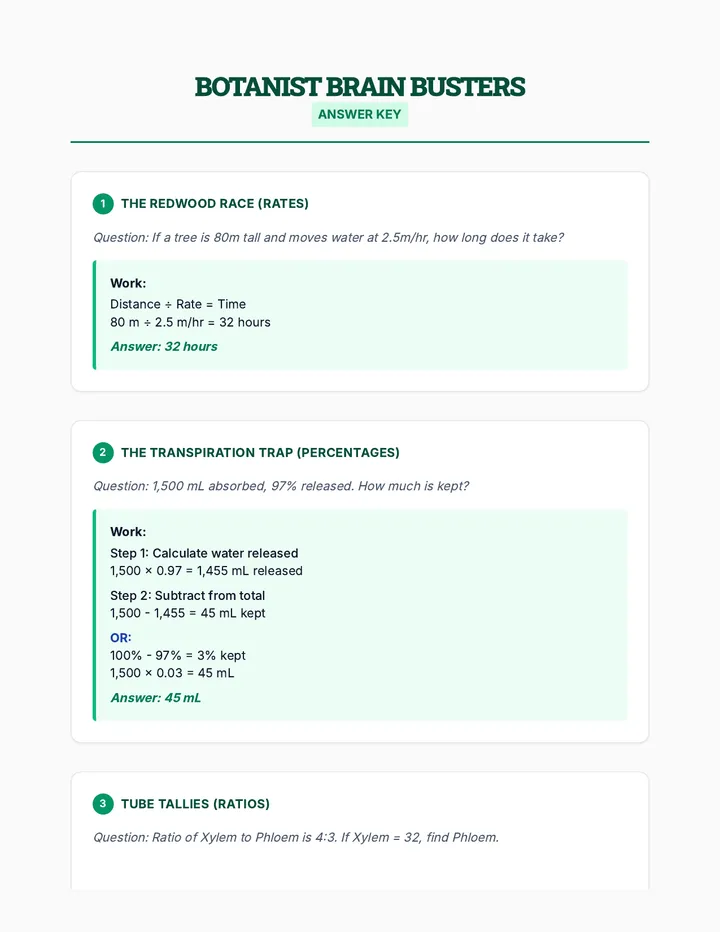
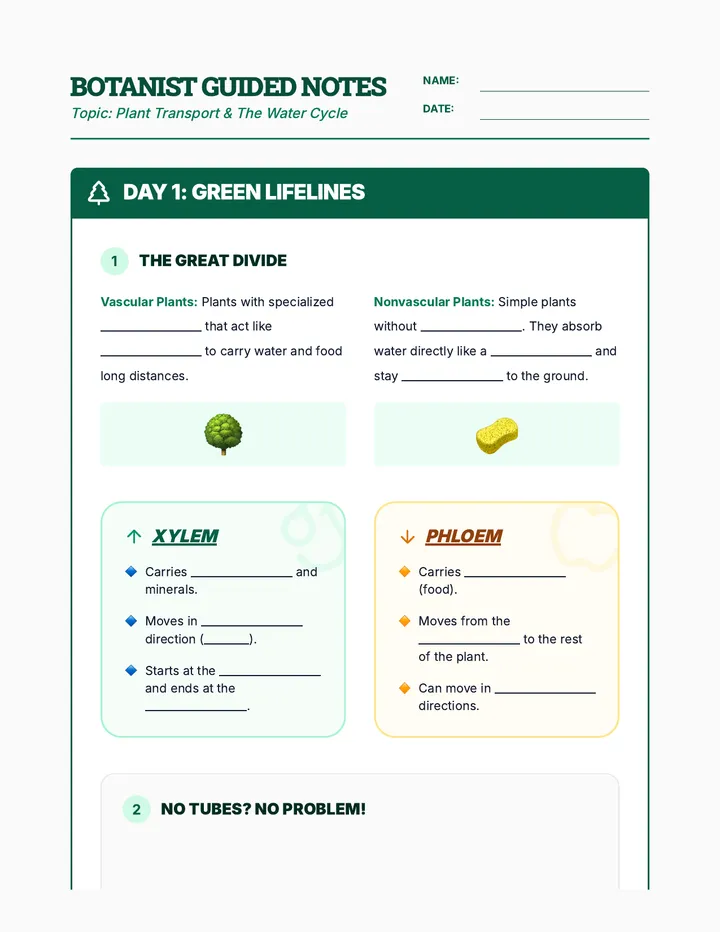
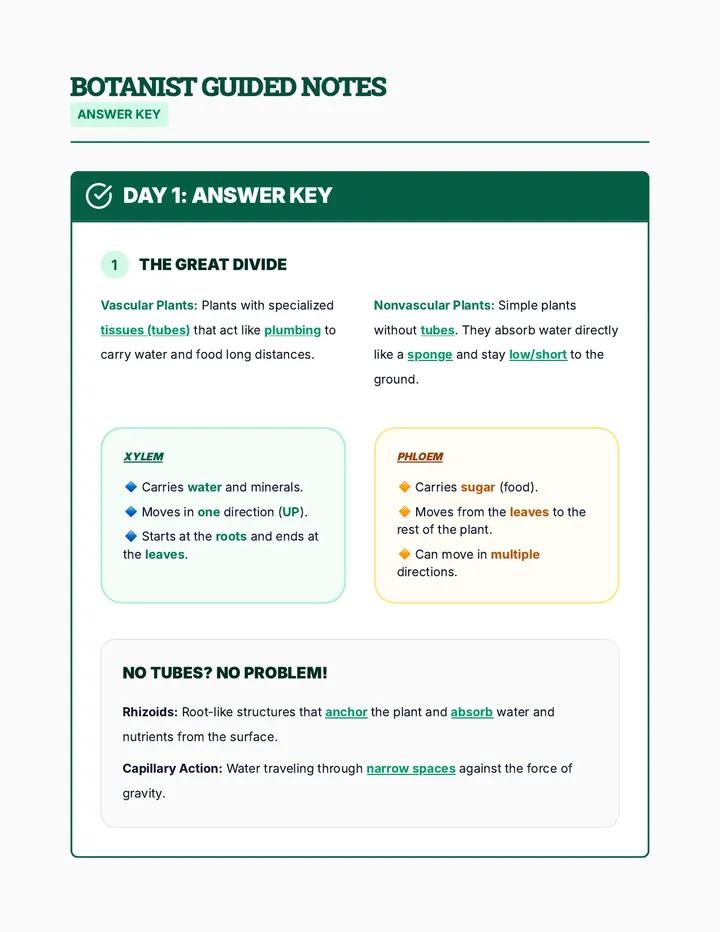
A comprehensive high school biology unit covering plant and animal systems, focusing on structure, transport, reproduction, and response through anchoring phenomena and hands-on labs.
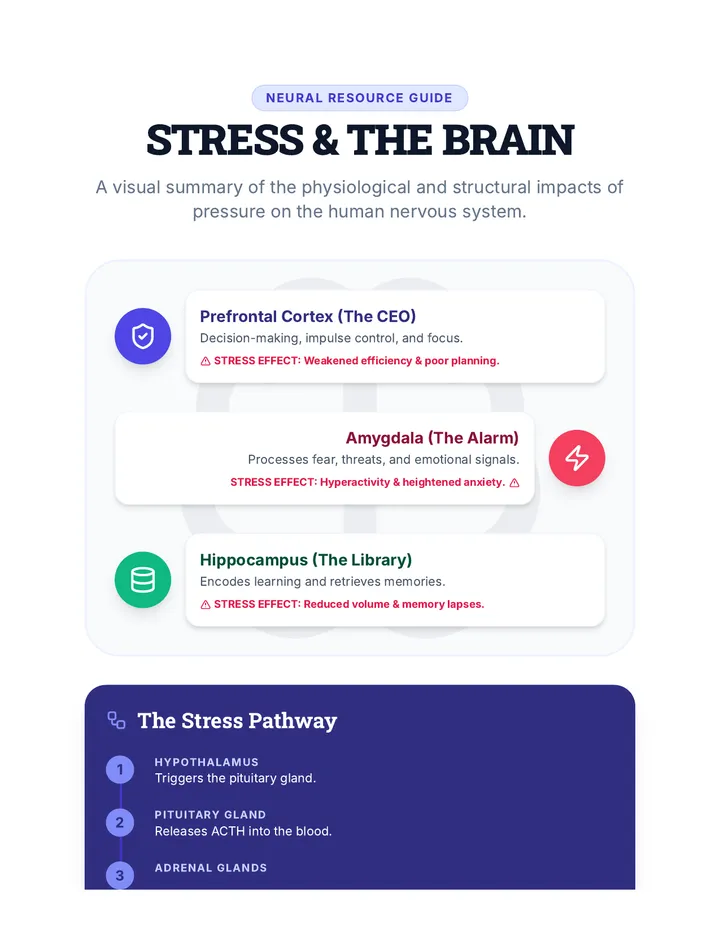
A specialized AP Biology unit exploring the intersection of neuroscience and psychology, focusing on the biological mechanisms of mental health disorders and the pharmacology of their treatments.
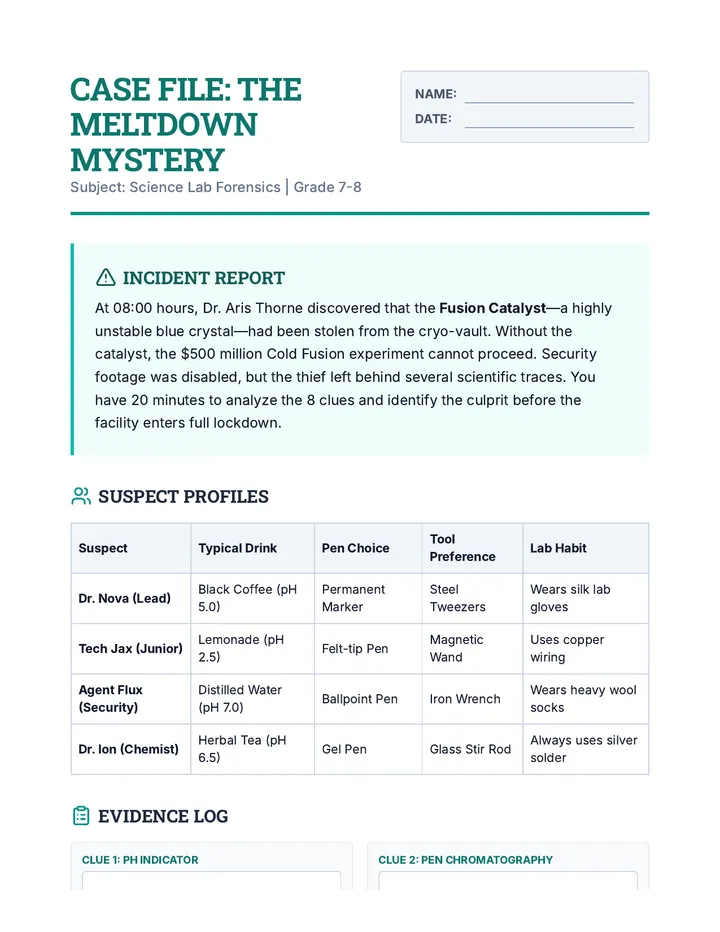
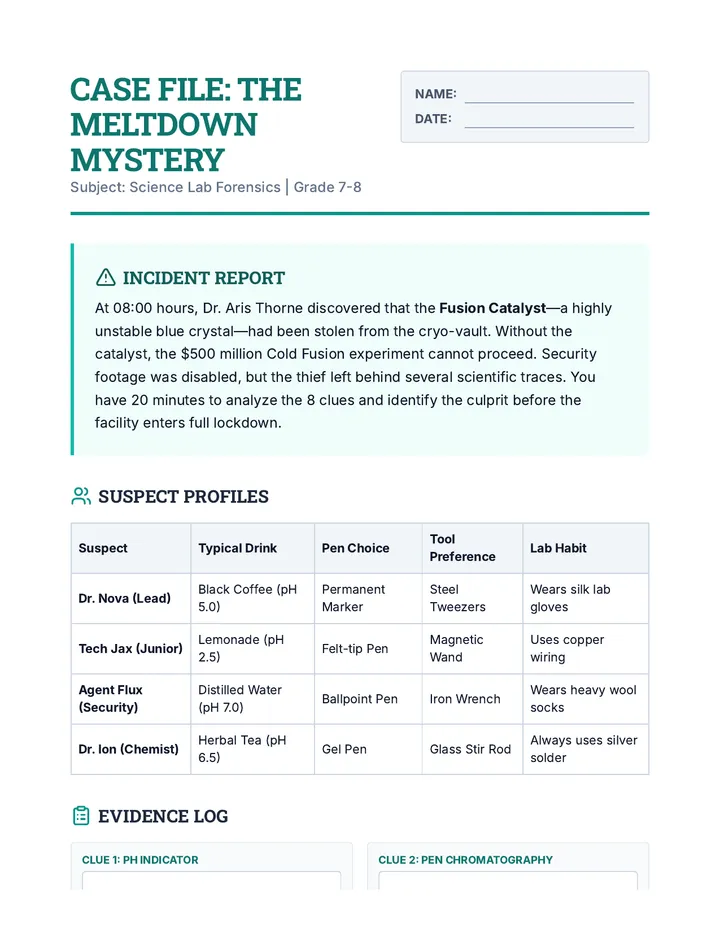
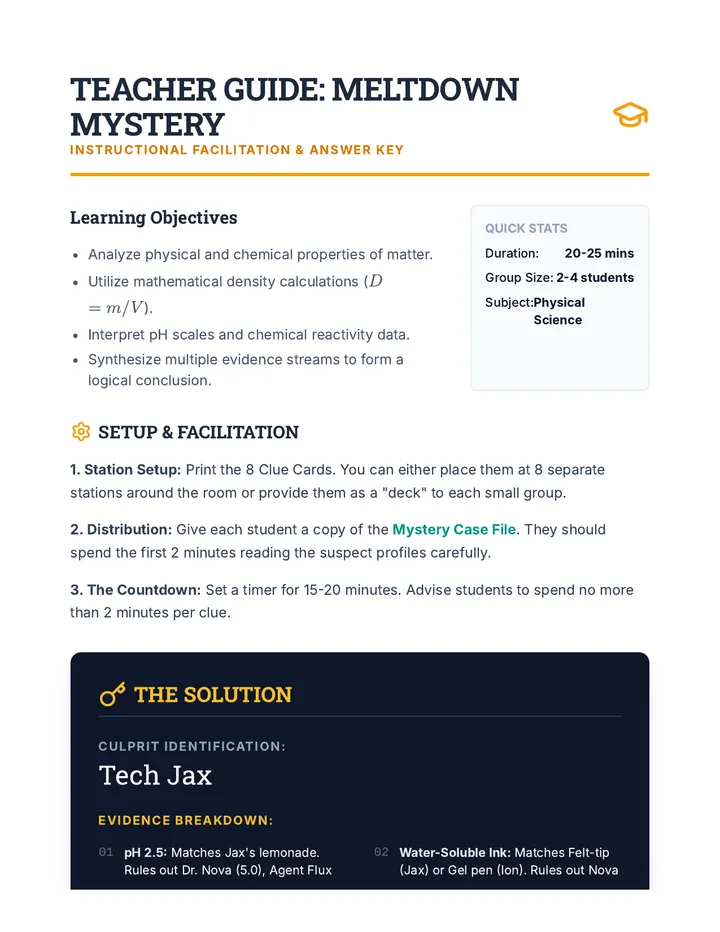
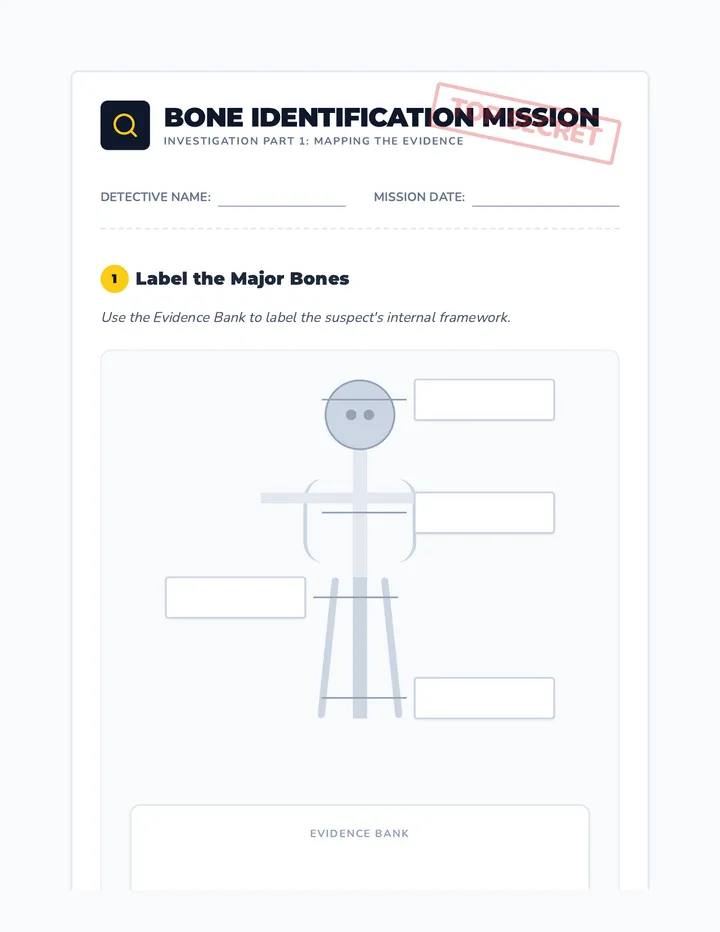
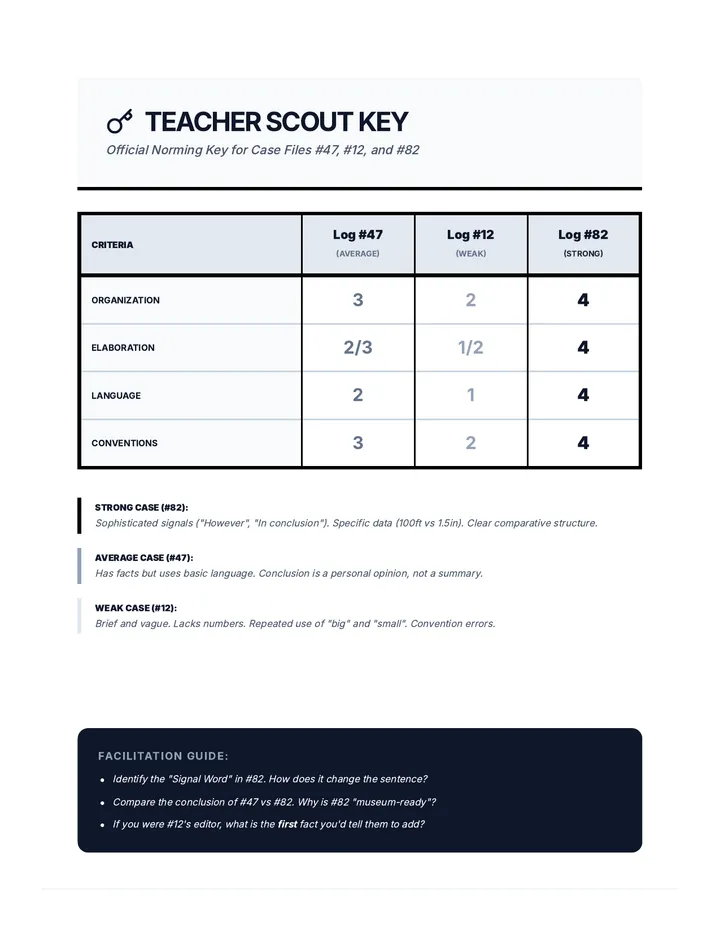
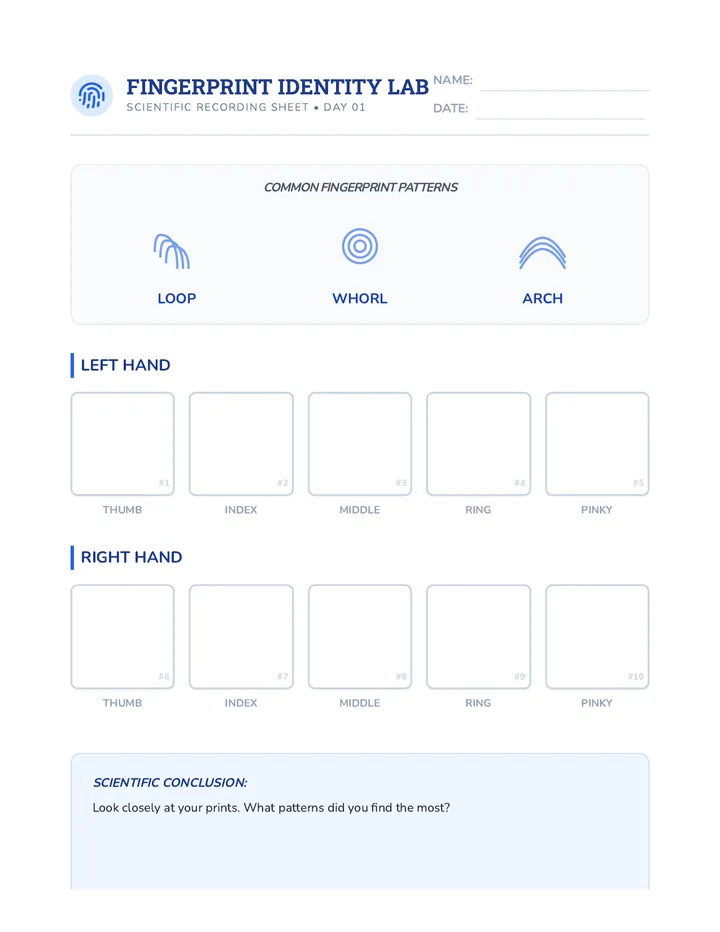
A comprehensive unit on the fundamentals of forensic science and criminal investigation, culminating in a hands-on murder mystery simulation. Students learn about evidence collection, witness psychology, and deductive reasoning.
Une séquence de 6ème pour découvrir la cellule à travers des observations microscopiques, passant des végétaux aux animaux puis aux unicellulaires.
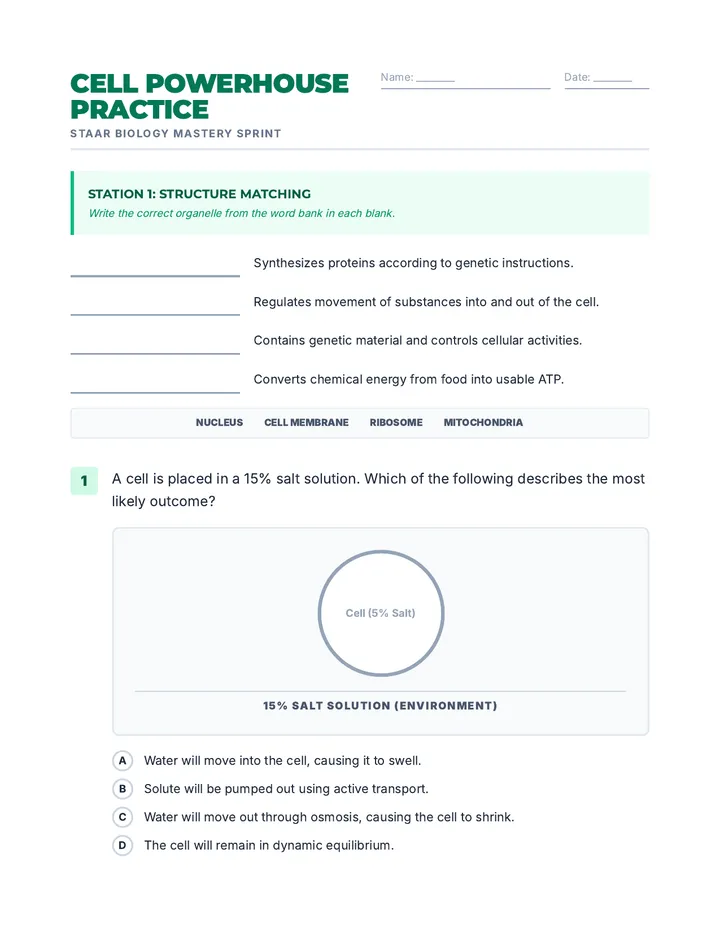
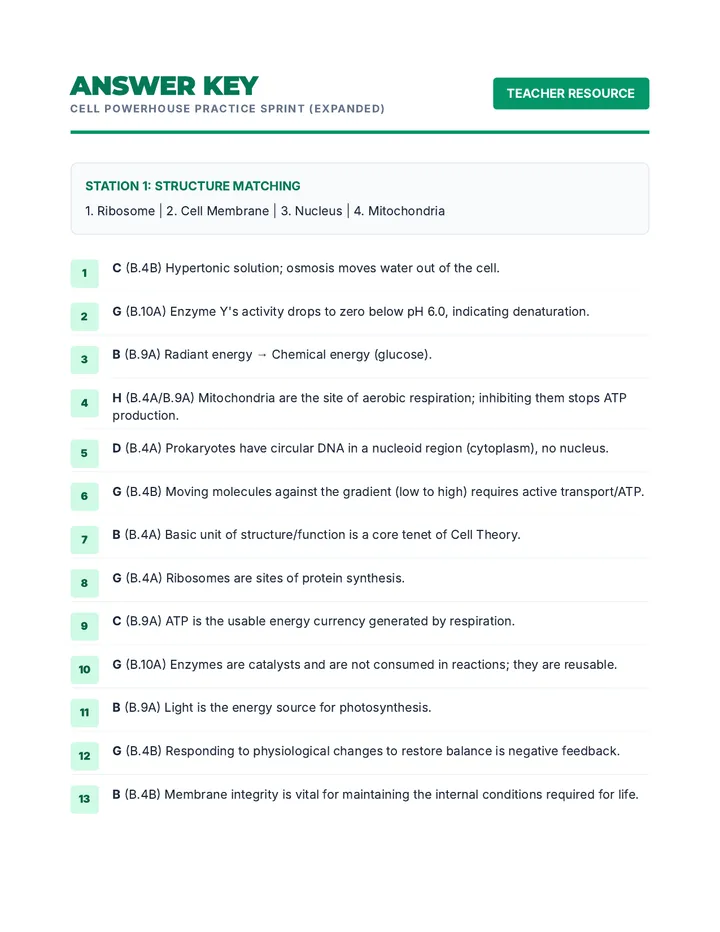
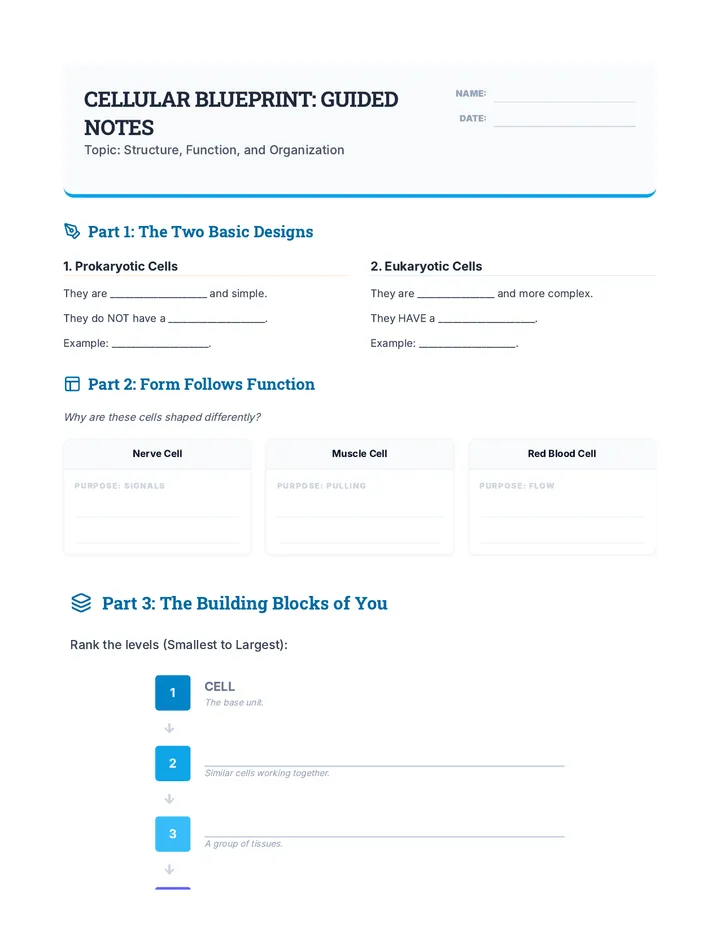
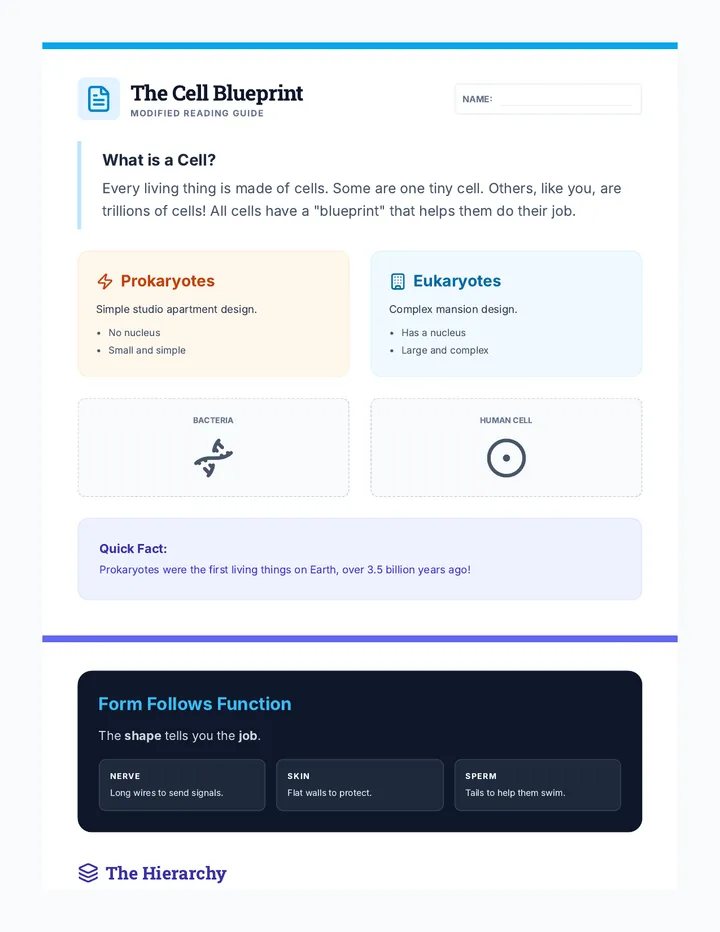
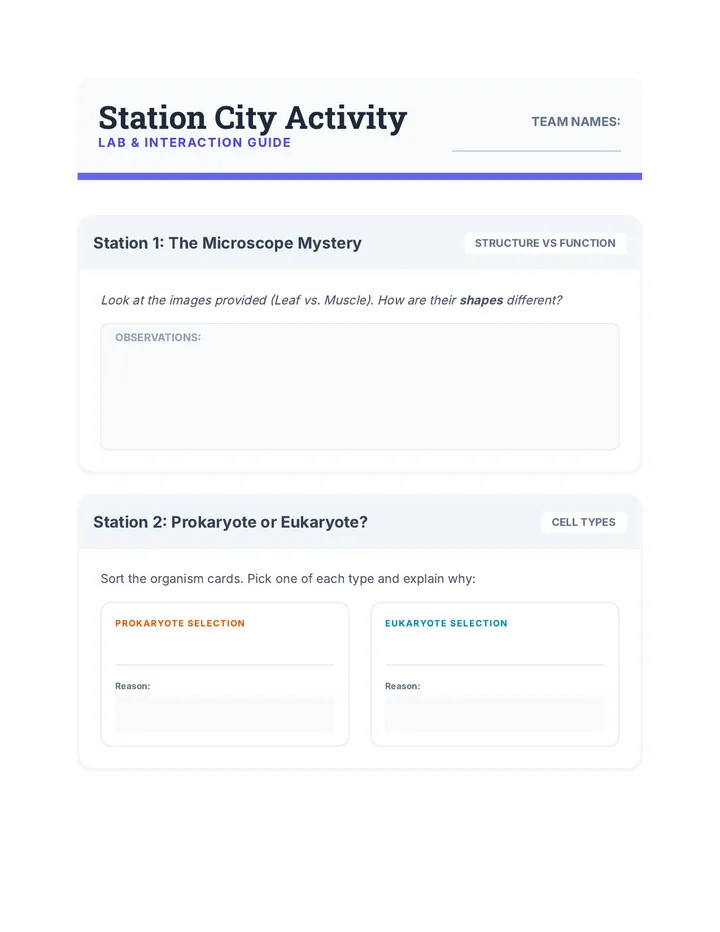
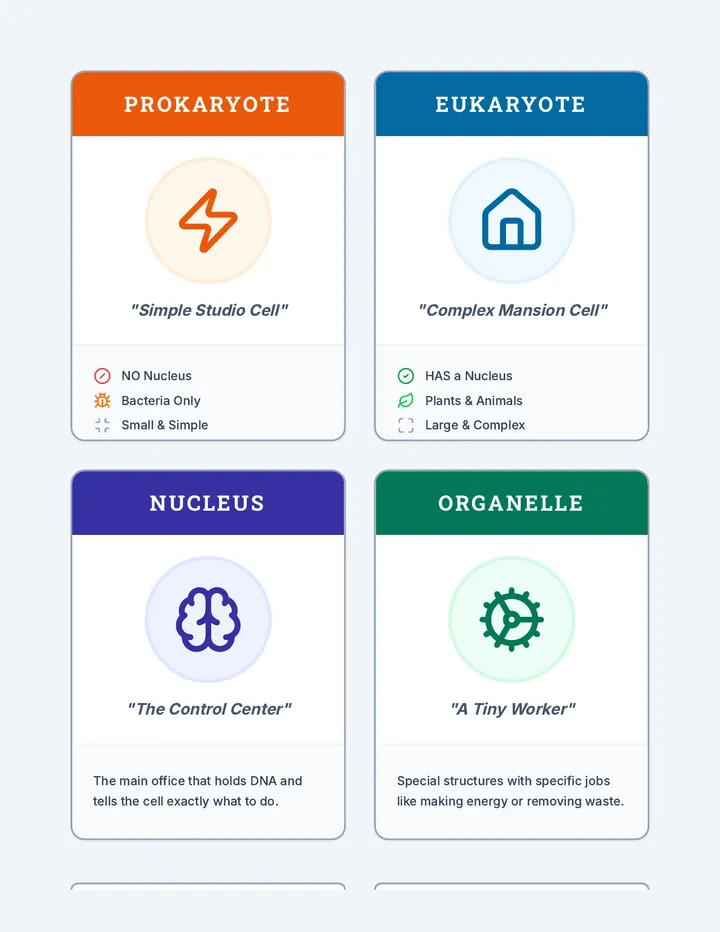
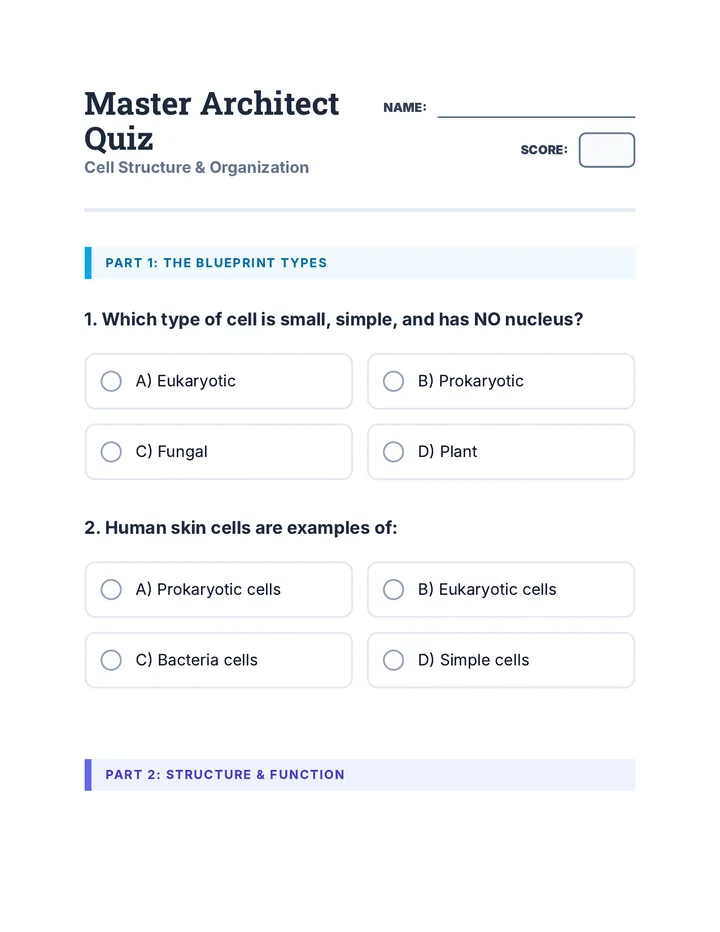
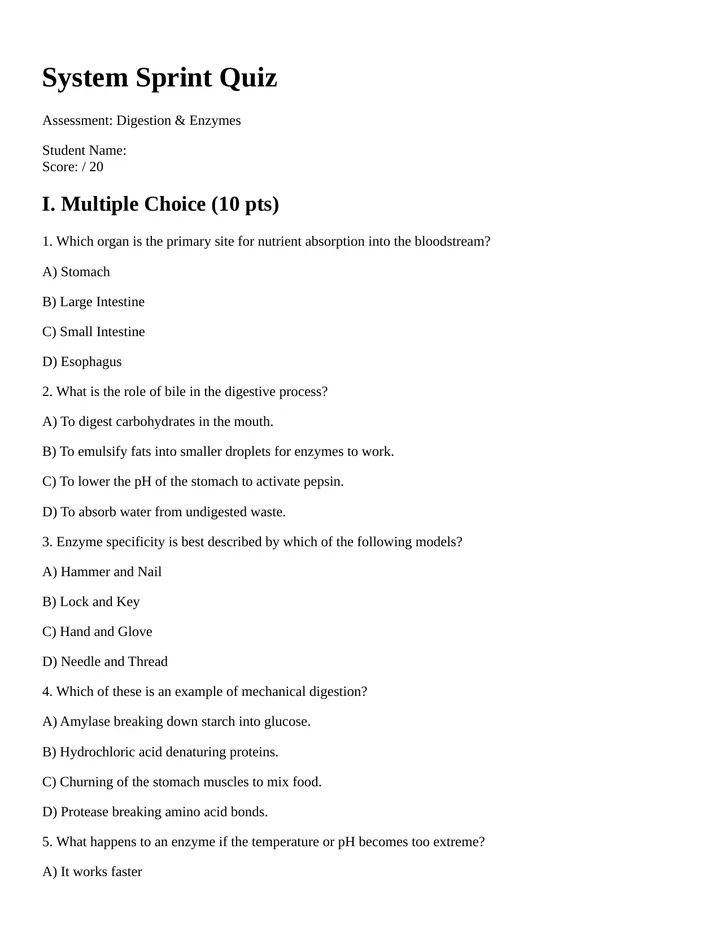
A unit exploring the microscopic machines that keep living things running, from building cells to breaking down food.
A comprehensive one-week unit covering the foundations of cell theory, the technical mastery of microscopes, and the fascinating structures of unicellular organisms (Amoeba, Paramecium, Euglena, and Volvox).
Une séquence approfondie sur les phases claires de la photosynthèse, destinée aux étudiants de première année de licence. Elle couvre la capture de l'énergie lumineuse, les pigments photosynthétiques et la chaîne de transfert d'électrons.
Une séquence exhaustive sur le métabolisme pour les classes préparatoires BCPST, couvrant l'hétérotrophie, l'autotrophie au carbone et à l'azote, ainsi que la chimiolithotrophie. La séquence met l'accent sur les bilans énergétiques, les flux de protons et l'intégration des voies métaboliques.
A high-engagement sequence on plant systems (Reproduction, Transport, and Response) designed for talkative students. It uses collaborative, discussion-based activities to channel social energy into scientific inquiry.
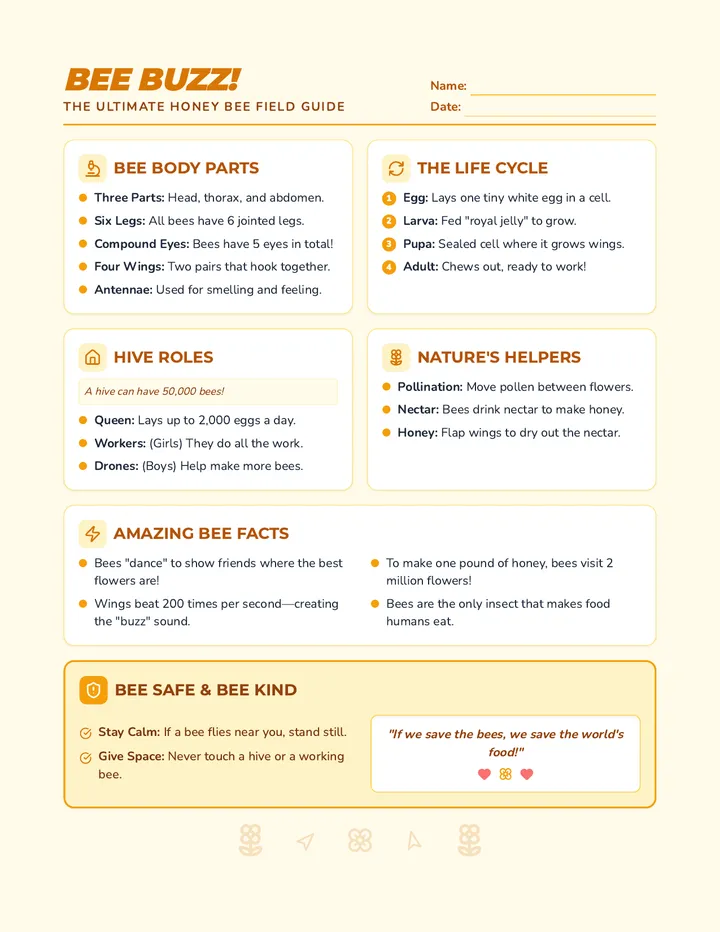
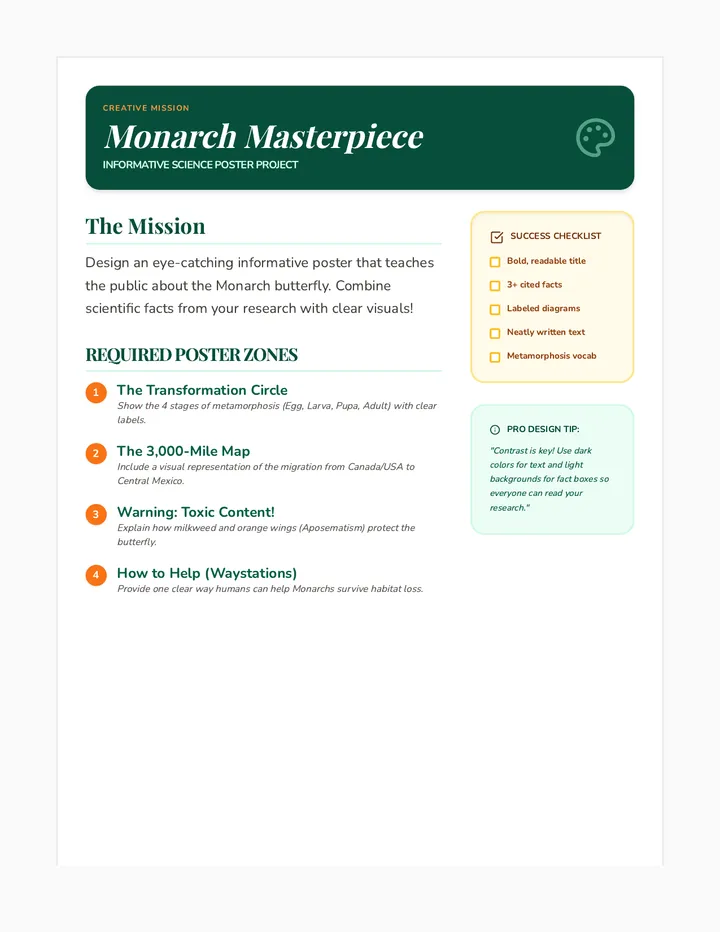
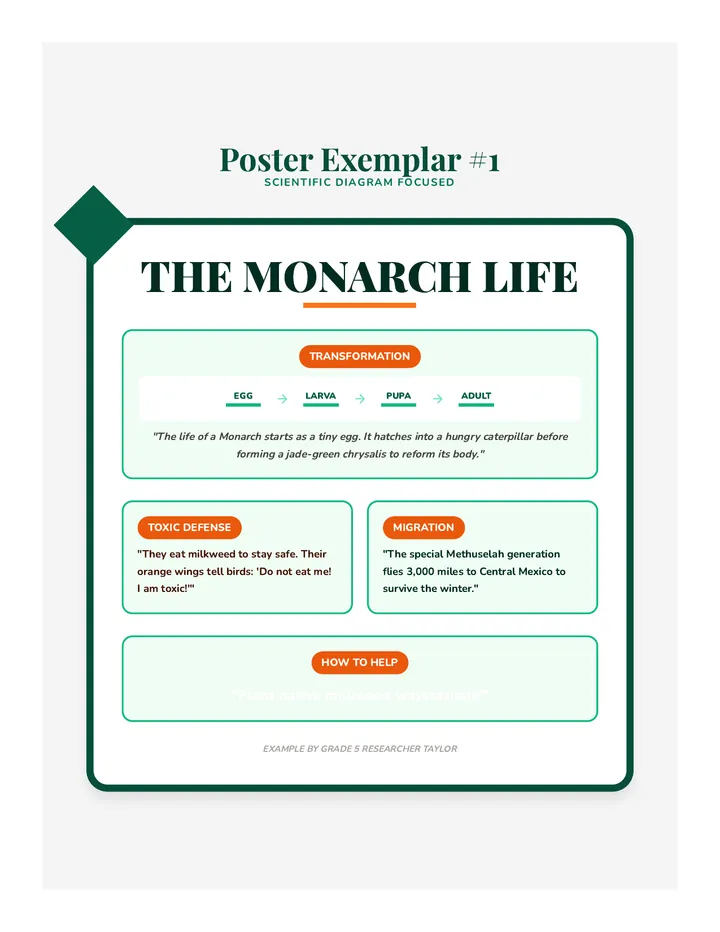
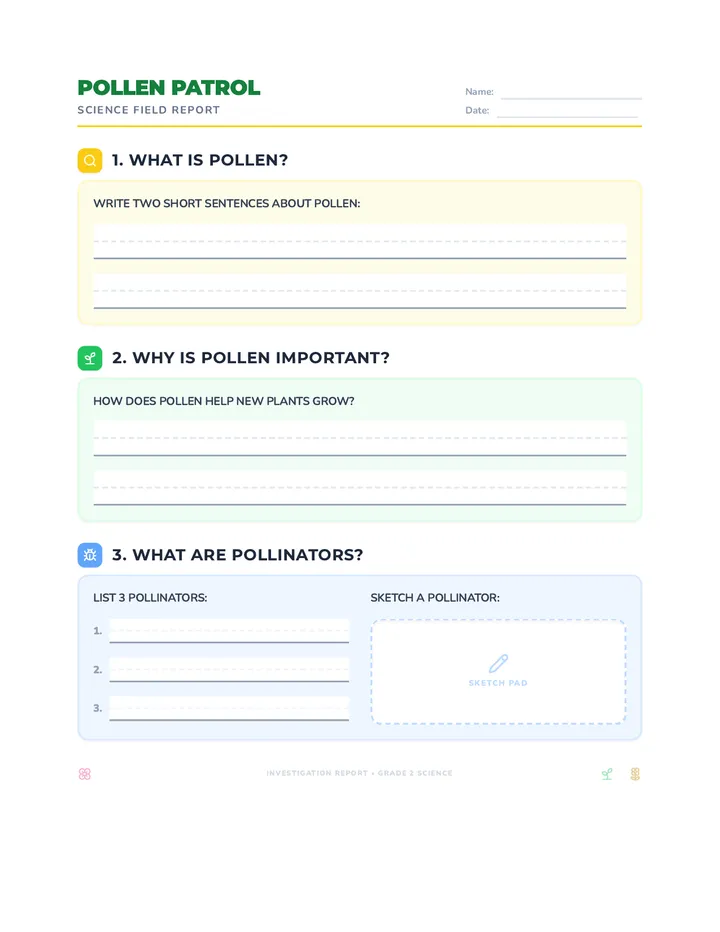
A comprehensive project-based unit where students explore the vital role of pollinators, research local species, and design solutions to protect their habitats.
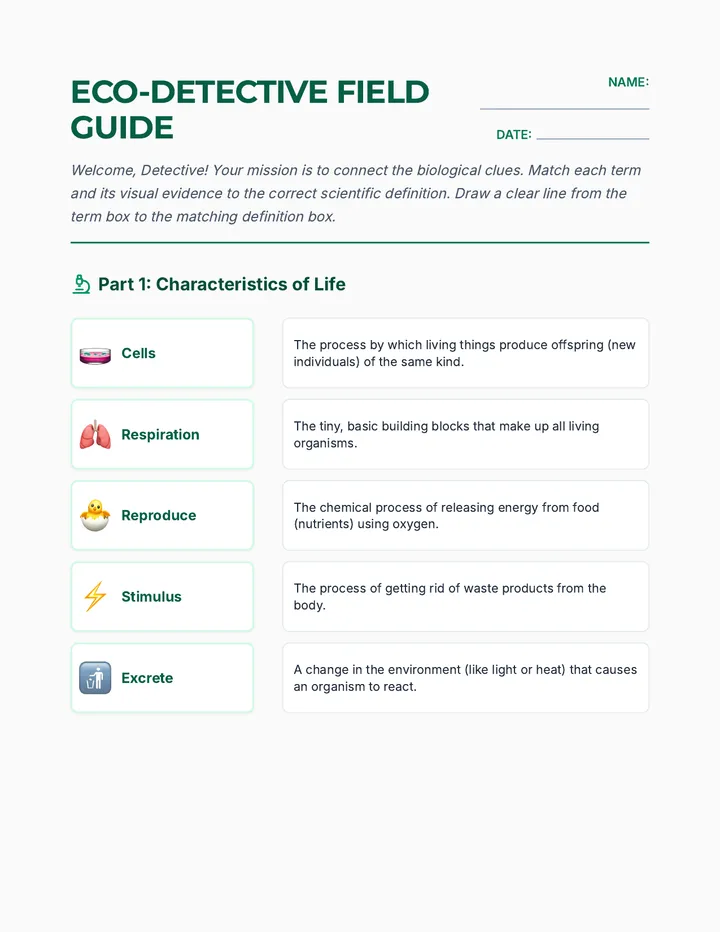
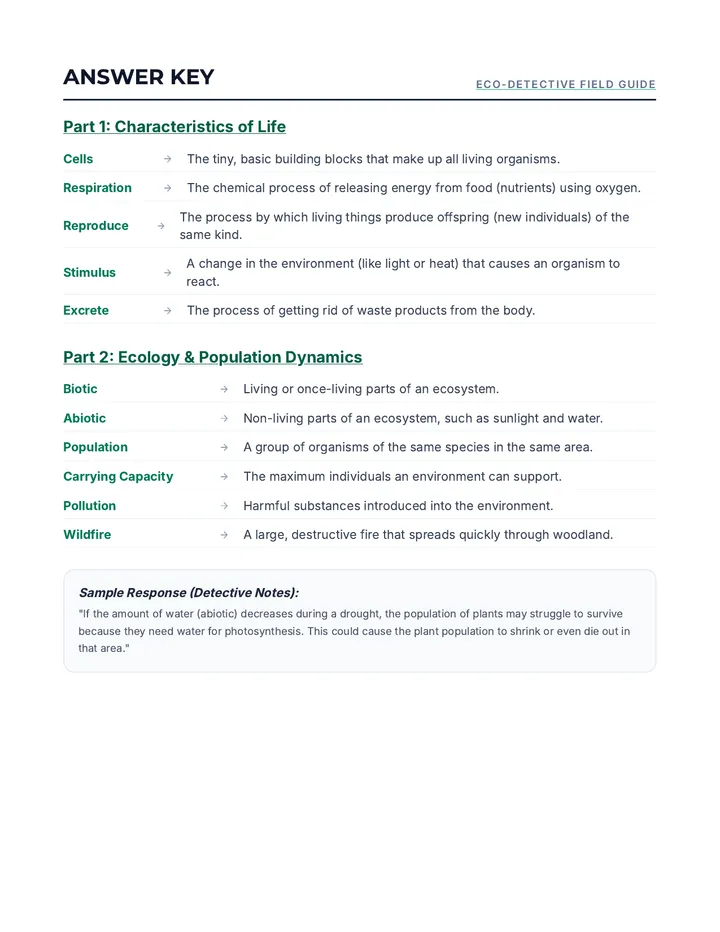
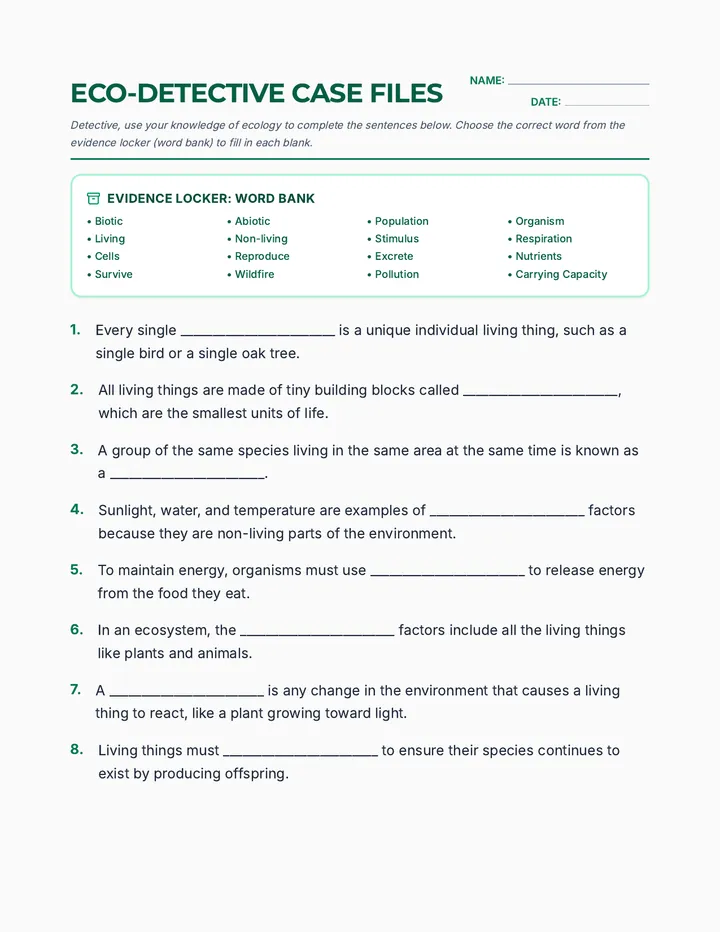
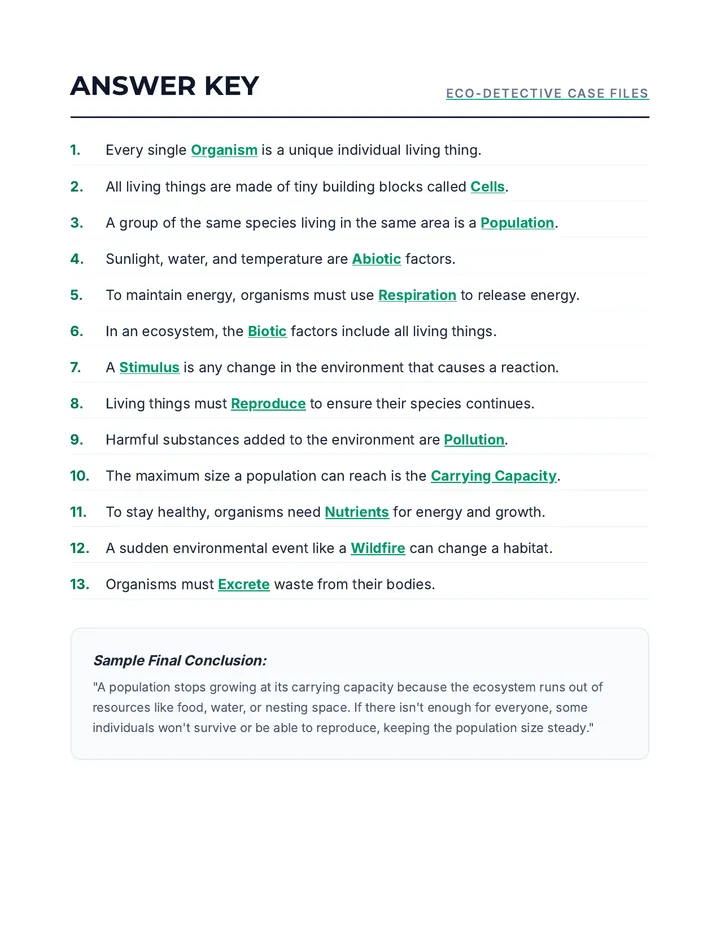
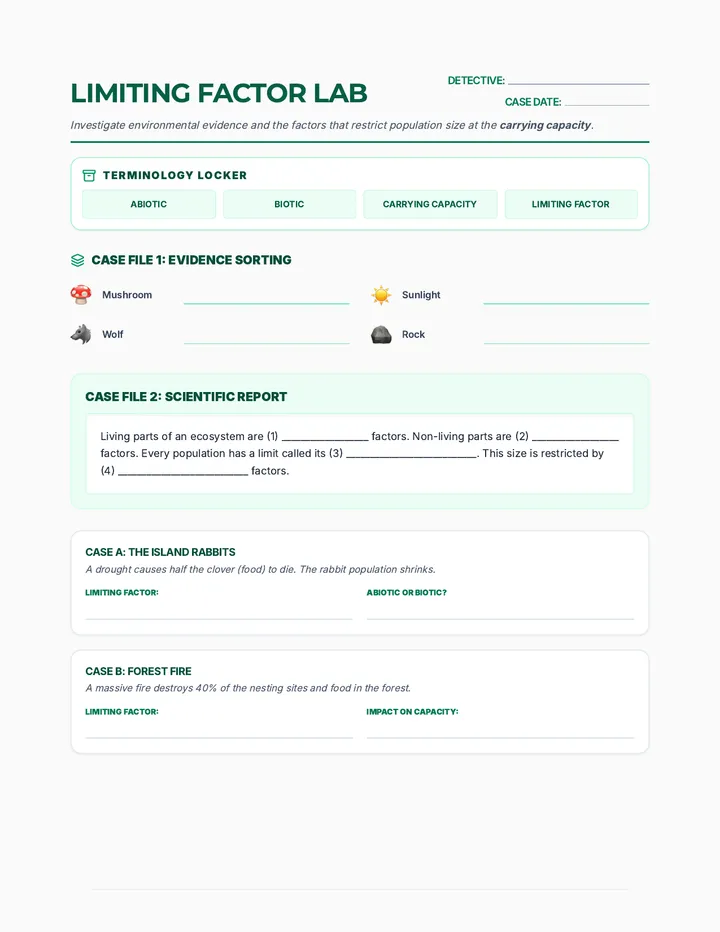
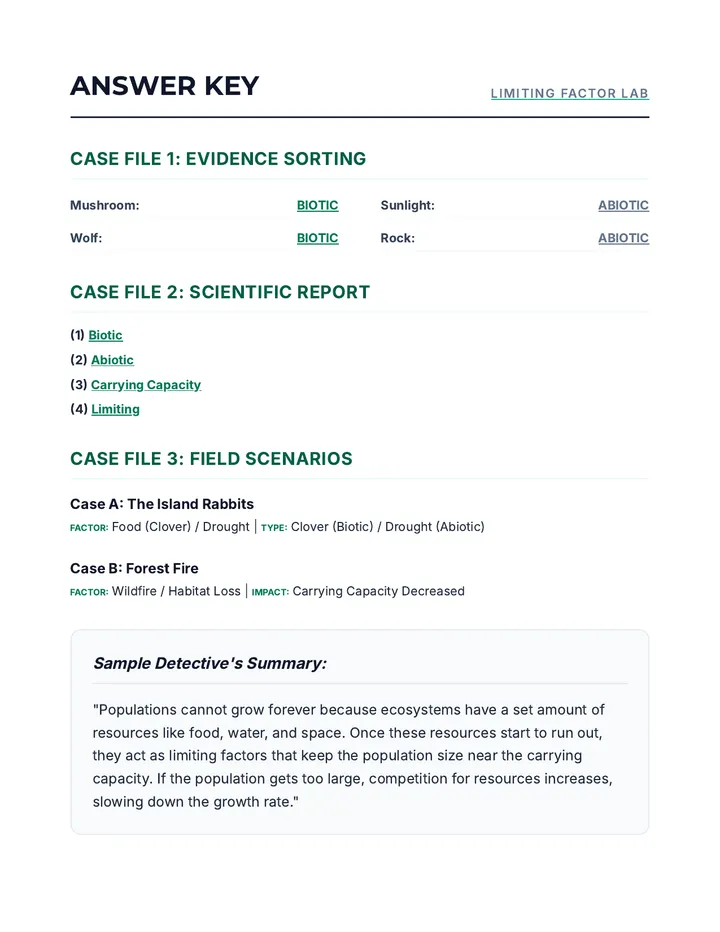
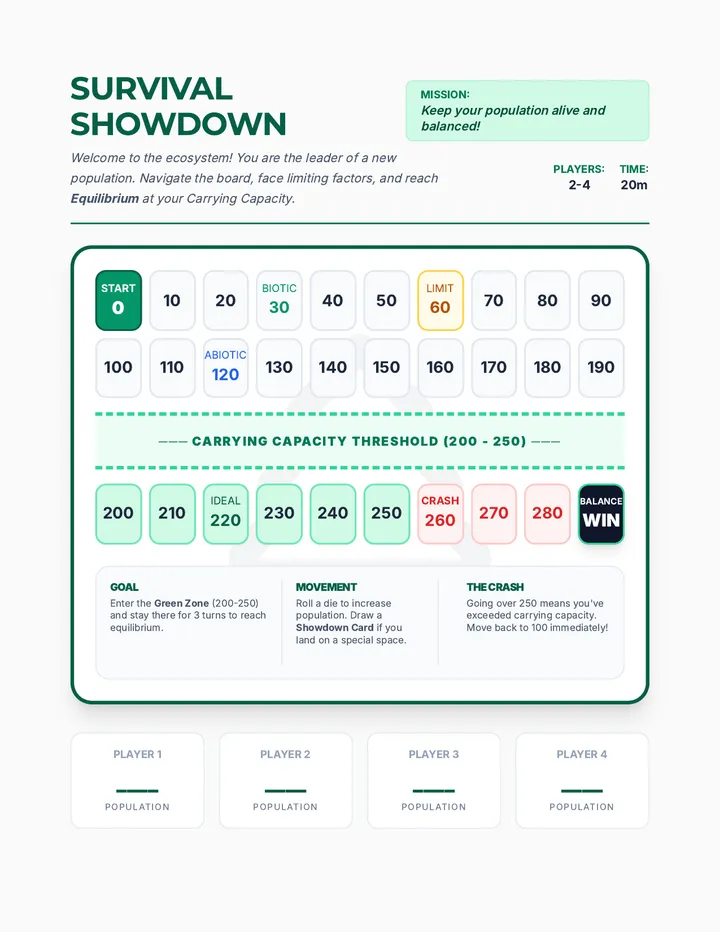
A comprehensive unit where students become environmental detectives to investigate biodiversity, interdependencies, and human impact within their local ecosystems through inquiry-based field studies.
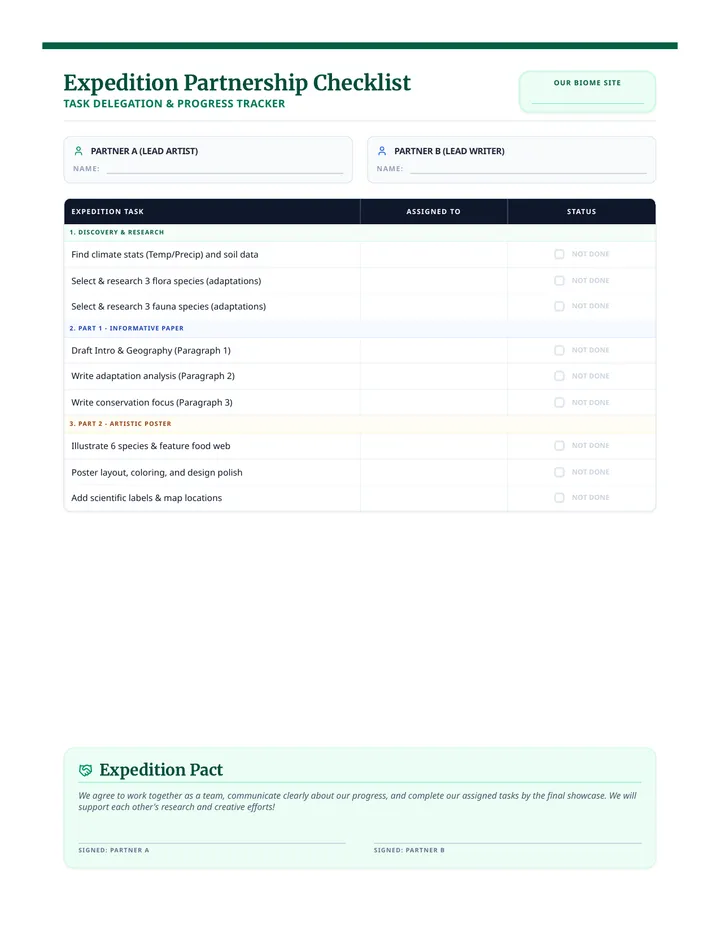
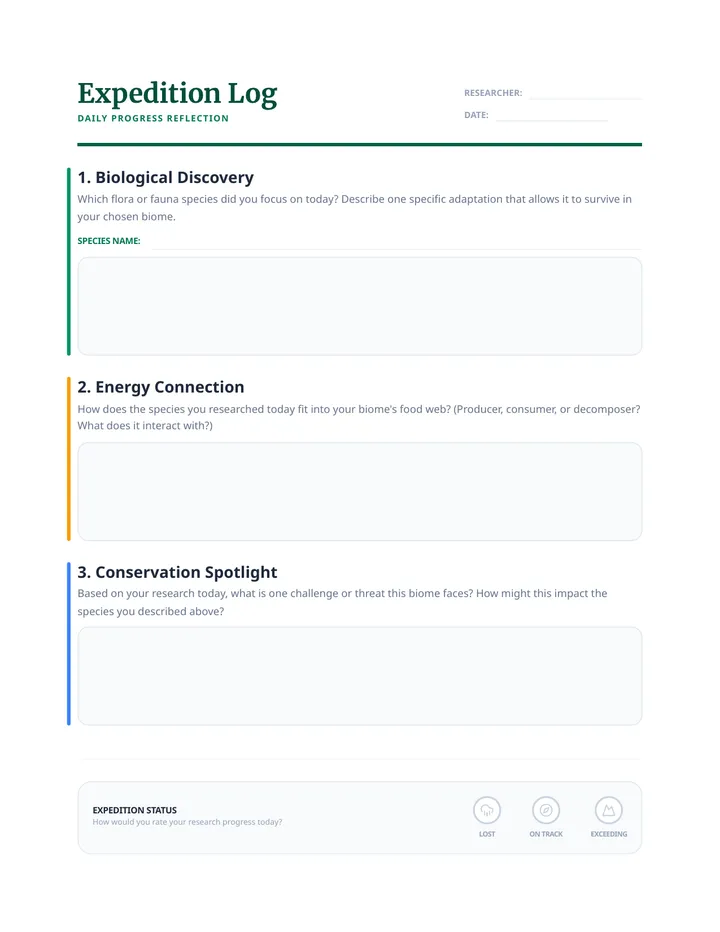
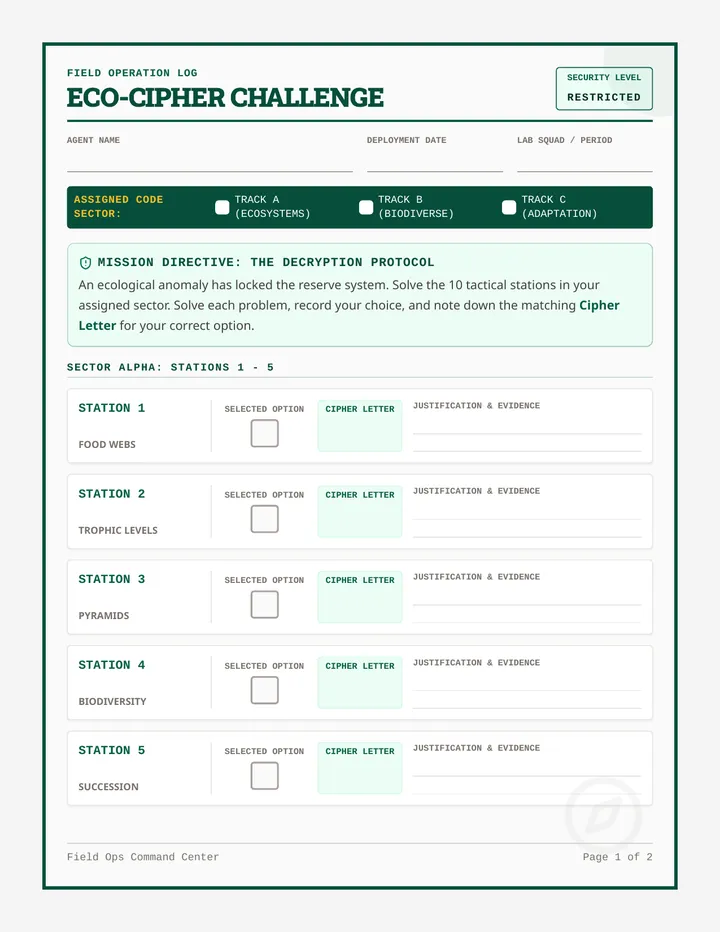
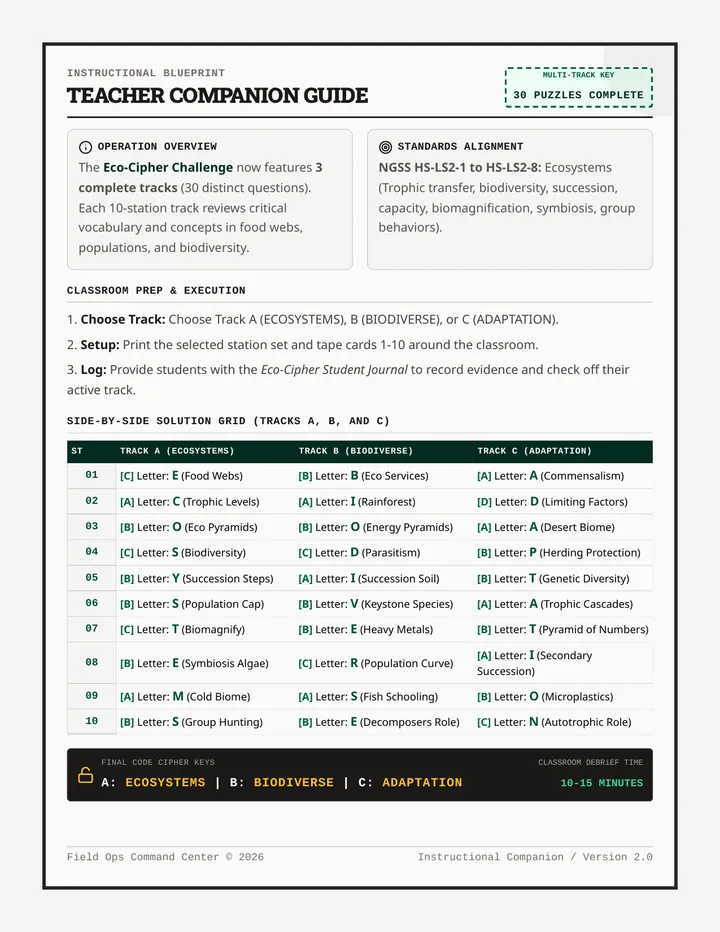
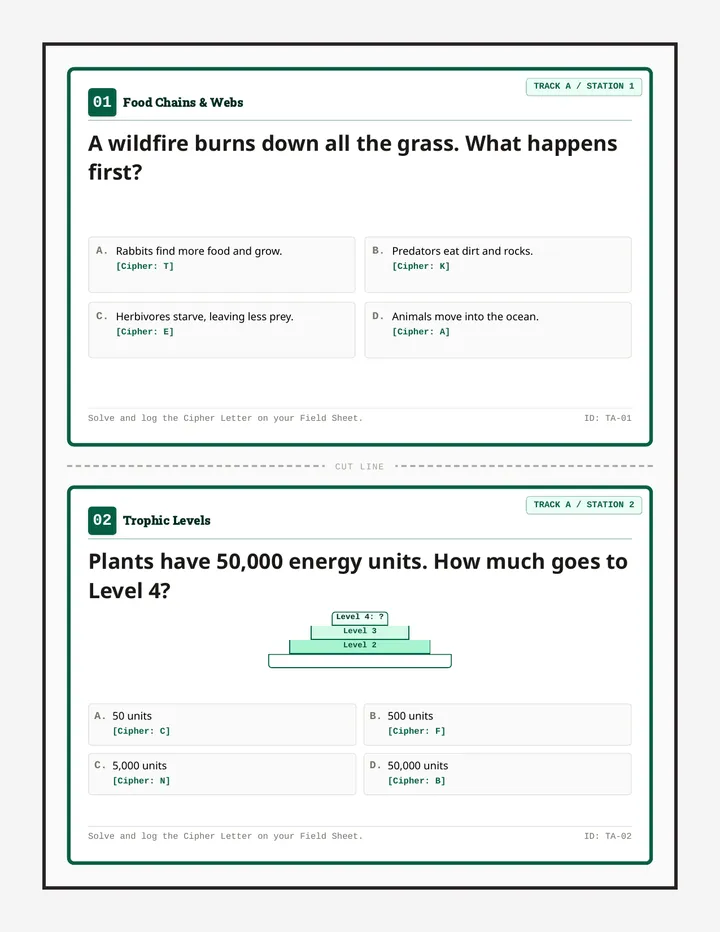
A comprehensive 2-week unit for high school biology students exploring the interconnectedness of life, from microscopic organisms to the global biosphere. Students will investigate biomes, energy flow, and population dynamics through hands-on activities and creative projects.
A week-long unit for high school students exploring the fundamental anatomy and physiology of horses through the lens of veterinary medicine, including skeletal, muscular, digestive, and circulatory systems.
A lesson sequence exploring the science of involuntary reflexes and reaction time through hands-on lab experiments and interactive discussions. Students learn to distinguish between voluntary and involuntary actions using the body's natural response systems.
A primary science unit exploring animal body coverings, focusing on the differences between shedding and growing scales in reptiles and fish.
A comprehensive lesson sequence on human body systems, starting with the fundamentals of cellular organization and homeostasis.
A deep dive into marine biology and animal physiology, focusing on the unique adaptations that allow aquatic life to thrive in diverse environments.
An introductory unit exploring invertebrate biology, focusing on classification, physical traits, and ecological roles of various animal groups.
A primary science sequence focused on the fundamental requirements for living things to survive and thrive in their environments.
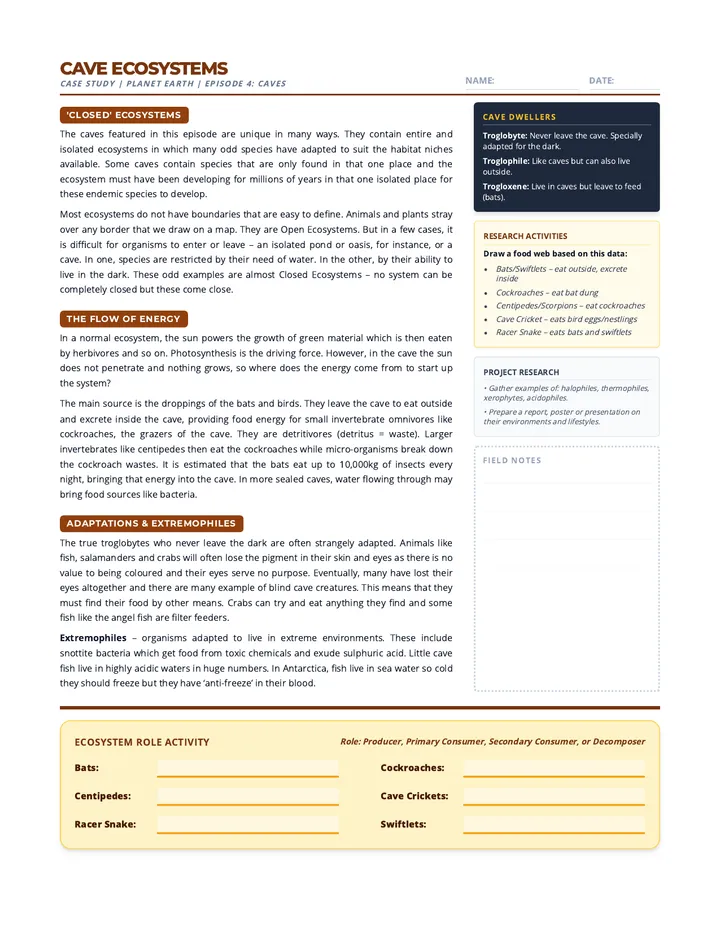
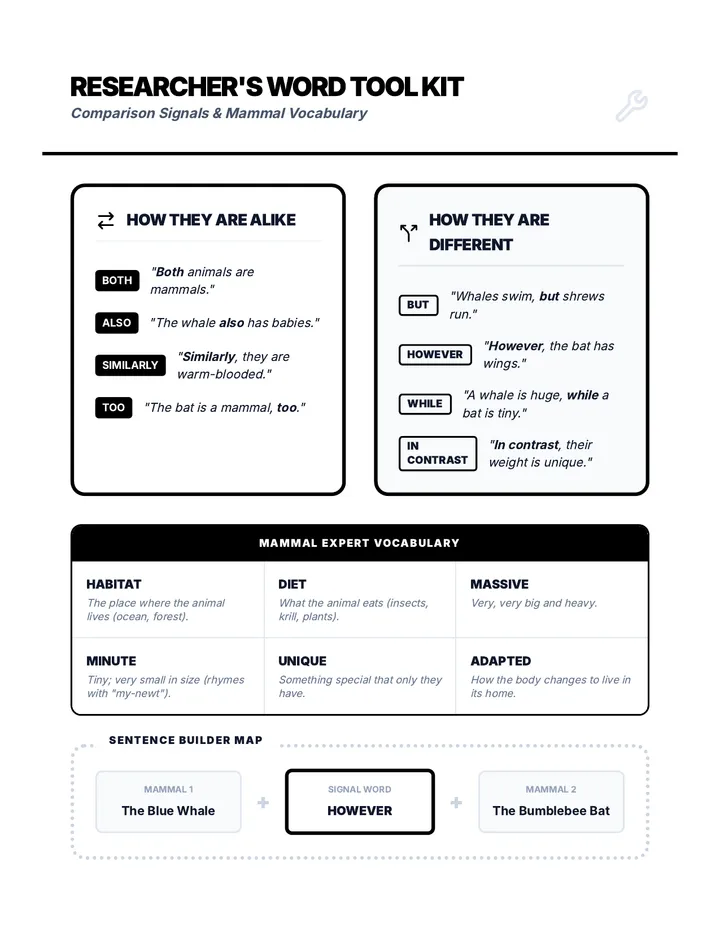
A short, engaging unit focused on the unique biological adaptations of bats, specifically their status as the only flying mammals and their specialized wing anatomy. Students explore classification, anatomy, and behavior through hands-on modeling.
A high school biology sequence focused on the neuroscience of addiction, specifically analyzing how chemical structure and speed of delivery influence the brain's reward system. Students explore the biological mechanisms of tolerance, dependence, and the blood-brain barrier through graphing and comparative analysis.
A high school biology lesson sequence exploring the biological basis of perception, focused on how external substances and chemical imbalances alter neurotransmitters to cause psychosis and hallucinations.
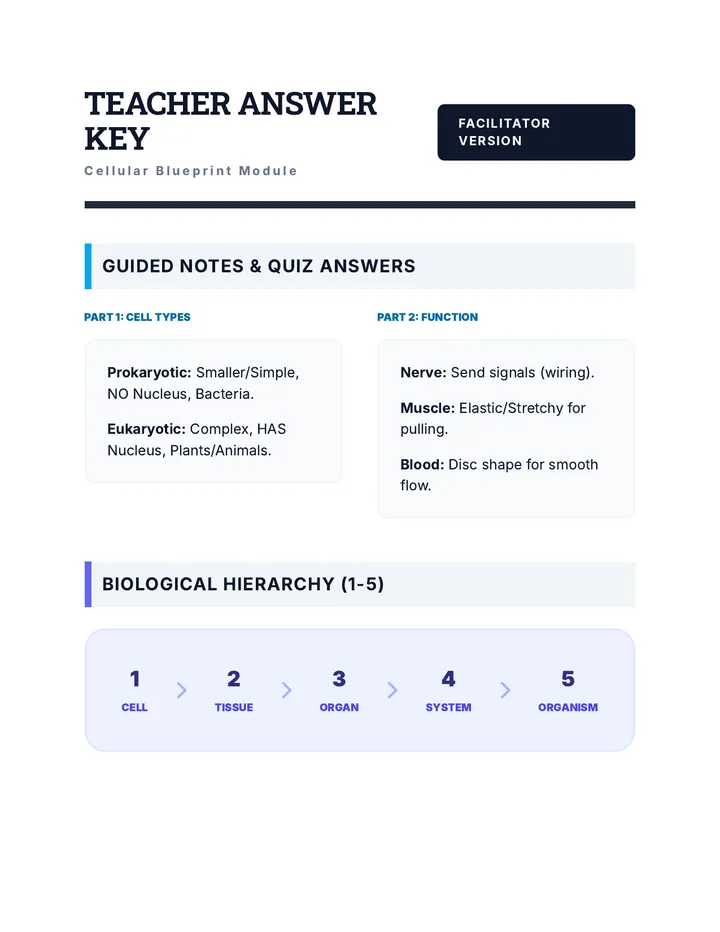
A sequence exploring how biological units organize into complex living organisms, focusing on the hierarchy of life from cells to entire systems.
This lesson sequence explores the evolutionary biology of taste, focusing on how our five basic tastes (sweet, sour, salty, bitter, and umami) helped our ancestors survive by identifying calorie-rich foods and avoiding toxins. Students will watch an instructional video, categorize natural items based on survival logic, and reflect on the protective nature of 'gross' tastes.
A series of integrated PE and Science lessons exploring the physics of human movement, biomechanics, and exercise physiology for early elementary students.
A comprehensive lesson sequence for middle school students to explore the digestive system through video analysis and hands-on modeling. Students will build a physical 'gut' using household materials to demonstrate organ sequence and specific functions.
A graduate-level sequence focused on systematic hazard identification and risk control. Students master Industrial Hygiene, Job Hazard Analysis (JHA), Hierarchy of Controls, and Hazard Communication (GHS) to develop predictive safety strategies in high-risk environments.
This inquiry-based sequence bridges biology and behavioral science, exploring the neurobiological roots of agitation. Students investigate the 'why' behind physiological changes during escalation to foster an objective, science-based approach to behavioral support.
A technical sequence for graduate students focused on the Facial Action Coding System (FACS). Students move from anatomical identification of upper and lower face Action Units (AUs) to high-speed synthesis and differentiating between genuine and posed affect for clinical and forensic application.
A 5-lesson sequence for 6th-grade students focused on using visualization strategies to understand informational texts, including spatial relationships, schematic diagrams, cause-and-effect flowcharts, and concepts of scale. Students move from sensory imagery to building mental models of complex systems and processes.
This graduate-level sequence explores the theoretical and neurobiological foundations of positive reinforcement, moving from historical operant principles to modern neuroscience and clinical assessment techniques.
A short sequence for lower elementary students exploring how humans adapt farming techniques to grow food in challenging environments like crowded cities and outer space without using soil.
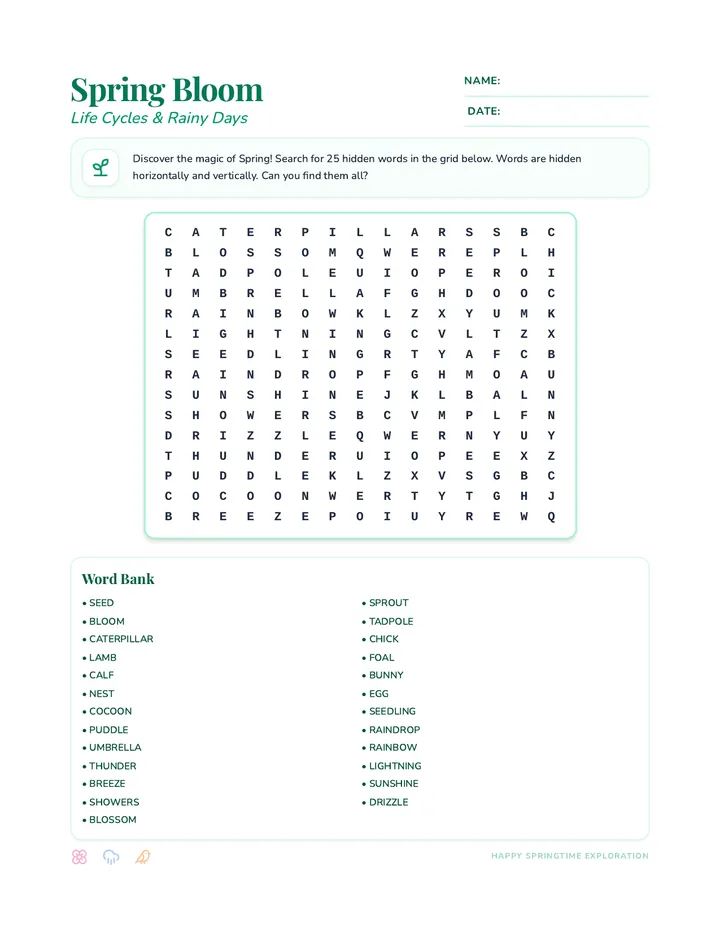
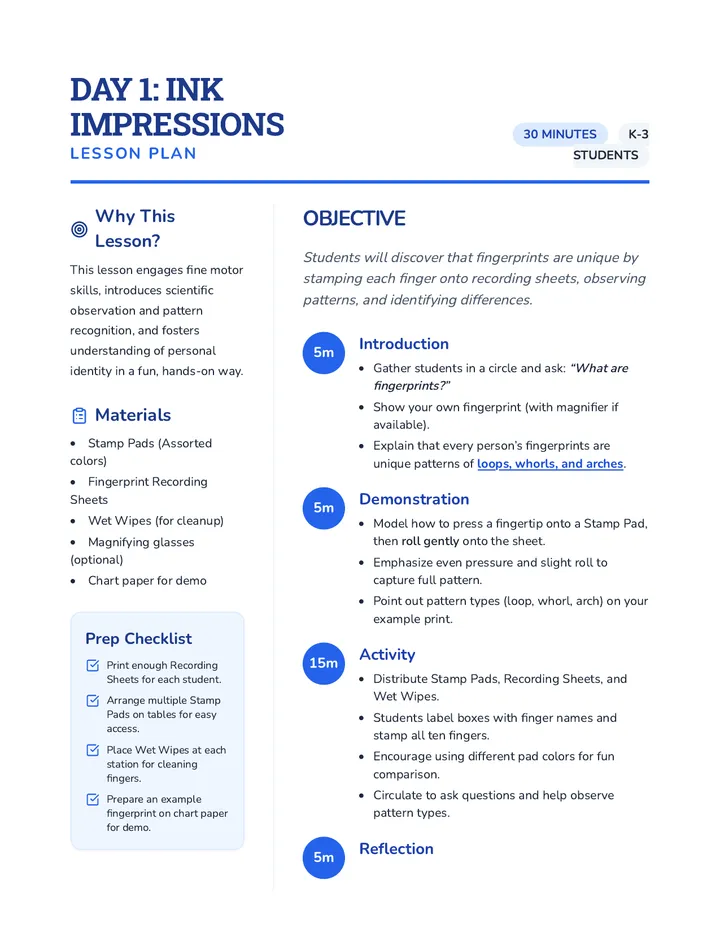
A primary science unit exploring the life cycles of plants, from dormant seeds to flowering adults. Students engage in inquiry-based experiments to understand what plants need to survive and thrive.
A lesson sequence for 7th-grade biology focusing on the reproductive adaptations of sessile organisms, specifically sponges, and the evolutionary advantages of hermaphroditism.
A series focused on local environmental action and urban air quality solutions, guiding students from observation to advocacy.
A series of lessons exploring the world of farming, from the science of growing crops to the importance of sustainable agriculture and animal care.
A series of introductory life science and observation lessons designed for early elementary students to explore the natural world through hands-on discovery and video-assisted learning.
A 2nd-grade science sequence exploring why species become extinct and how some survive through time. Students investigate the causes of extinction, trait-based survival, and modern 'living fossils.'
A 2nd-grade science sequence where students act as paleontologists to reconstruct prehistoric environments using fossil evidence, adaptations, and climate clues.
A comprehensive 2nd-grade sequence exploring the mechanics of fossilization, from body fossils to trace fossils and the million-year journey of preservation. Students use modeling, observation, and sequencing to understand how life from the past is recorded in rock.
Students explore the principles of stratigraphy and relative dating to understand how rock layers act as a chronological record of Earth's history. This sequence covers the Law of Superposition, index fossils, geological disturbances, and the vast scale of geological time.
A comprehensive 4th-grade unit exploring the biological and geological mechanics of fossilization. Students move from identifying biological remains to simulating petrification, creating molds and casts, and understanding the rare conditions required for preservation.
A 4th-grade sequence where students act as paleontological detectives, using fossil evidence to reconstruct ancient ecosystems and understand Earth's dramatic geological shifts over millions of years.
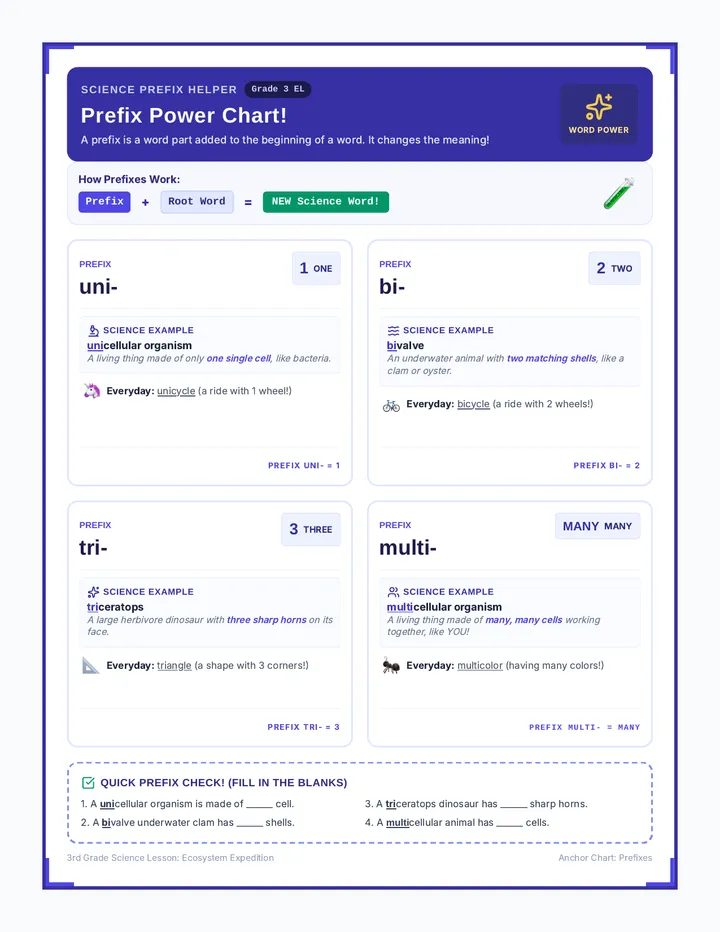
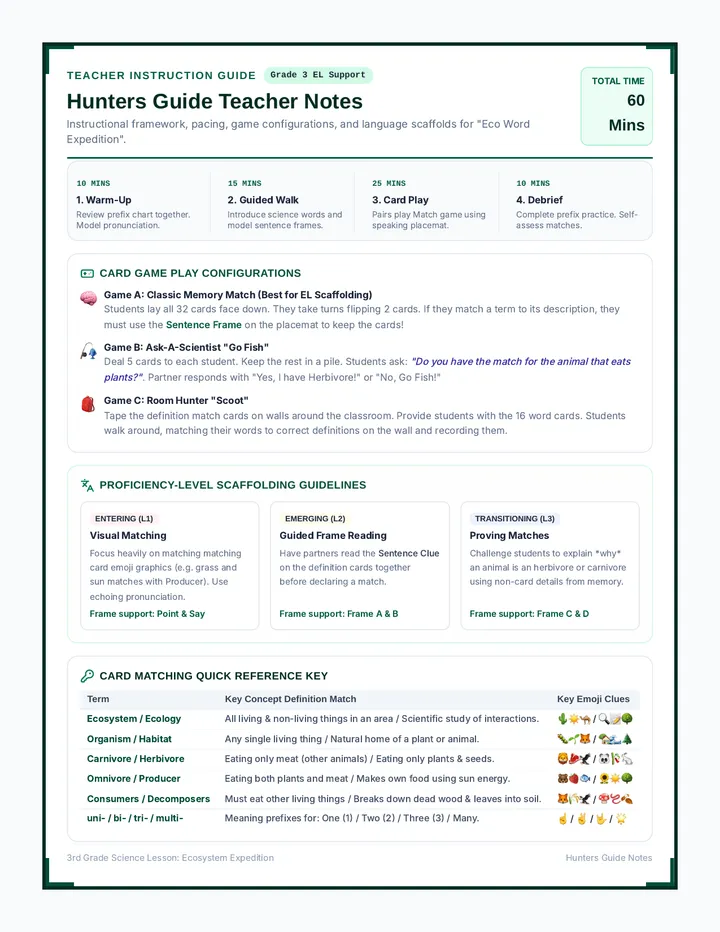
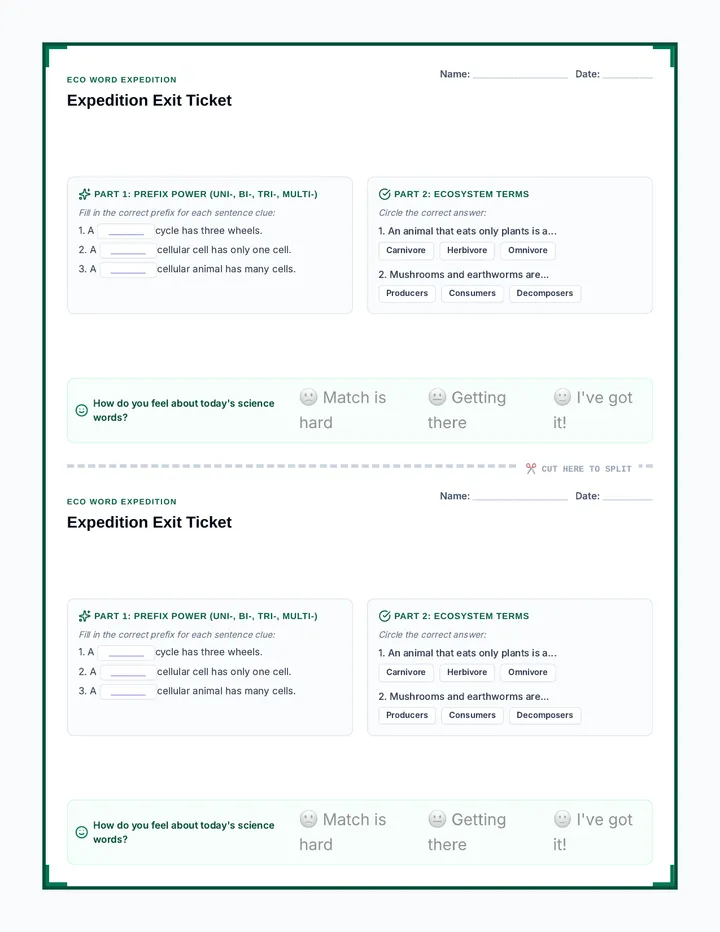
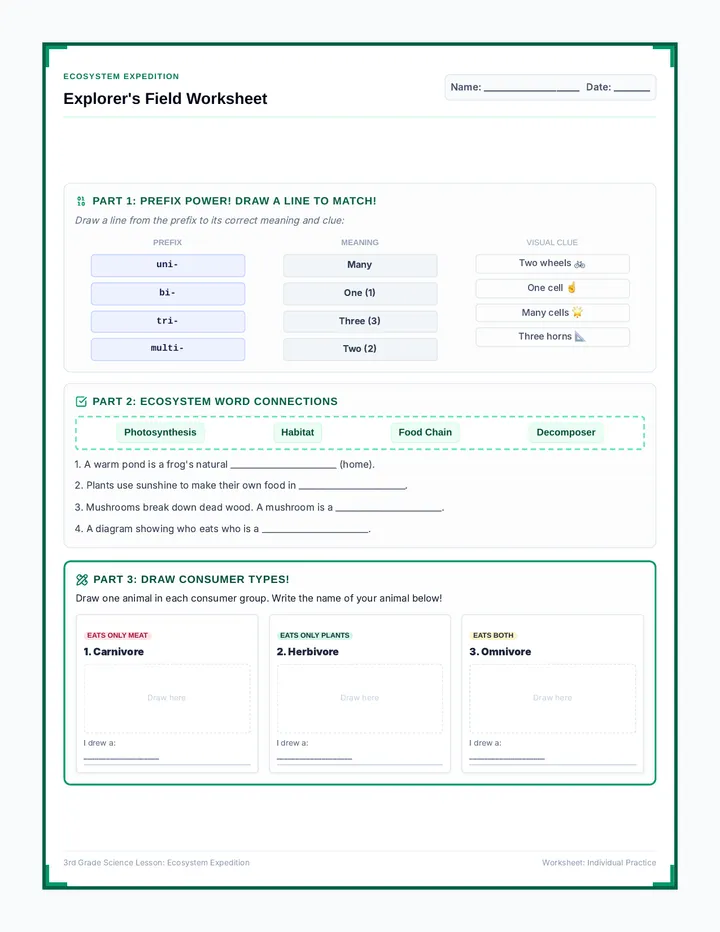
A comprehensive 3rd-grade exploration of biodiversity, moving from local schoolyard observations to global habitat comparisons, ecosystem interdependence, and active conservation design. Students develop scientific observation skills and environmental stewardship.
A 4th-grade science unit adapted from 6th-grade material, focusing on how gene versions and proteins determine traits in spiders and humans. Students act as 'Gene Detectives' to solve the mystery of silk flexibility and running ability.
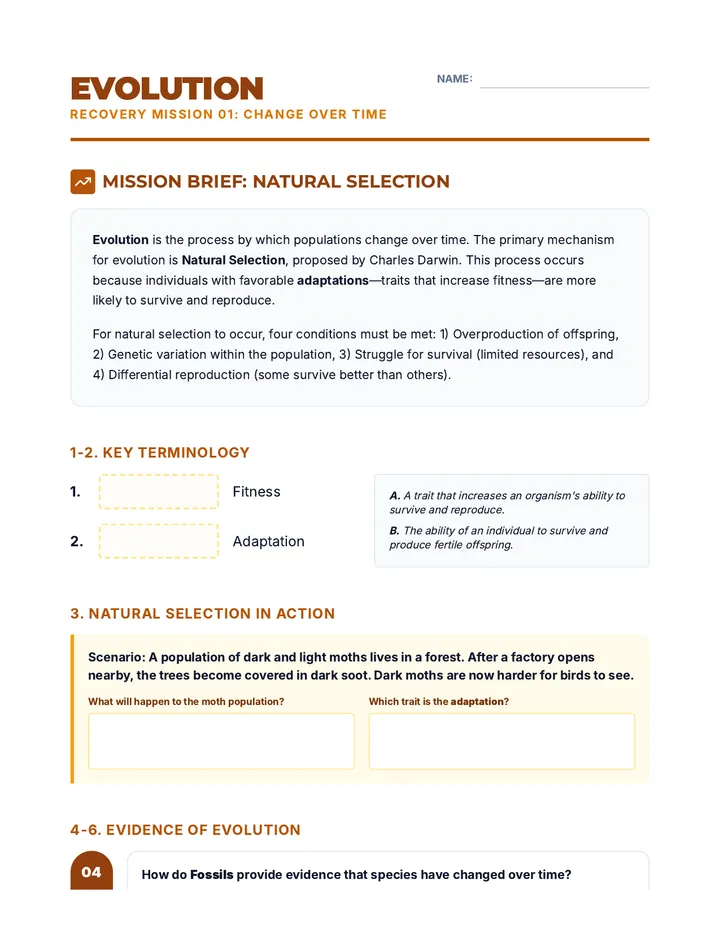
A unit exploring the biological origins of humanity, focusing on evolutionary biology, phylogeny, and the development of complex traits like bipedalism and collective learning.
A fun, science-based lesson for K-3 students and their parents to explore pet hygiene, the mystery of 'wet dog smell,' and responsible animal care through a SciShow Kids video and a creative brochure activity.
A lesson sequence exploring how weather patterns, specifically monsoons, impact animal behavior and ecosystems. Students learn about the contrast between wet and dry seasons and express their understanding through creative writing and role-play.
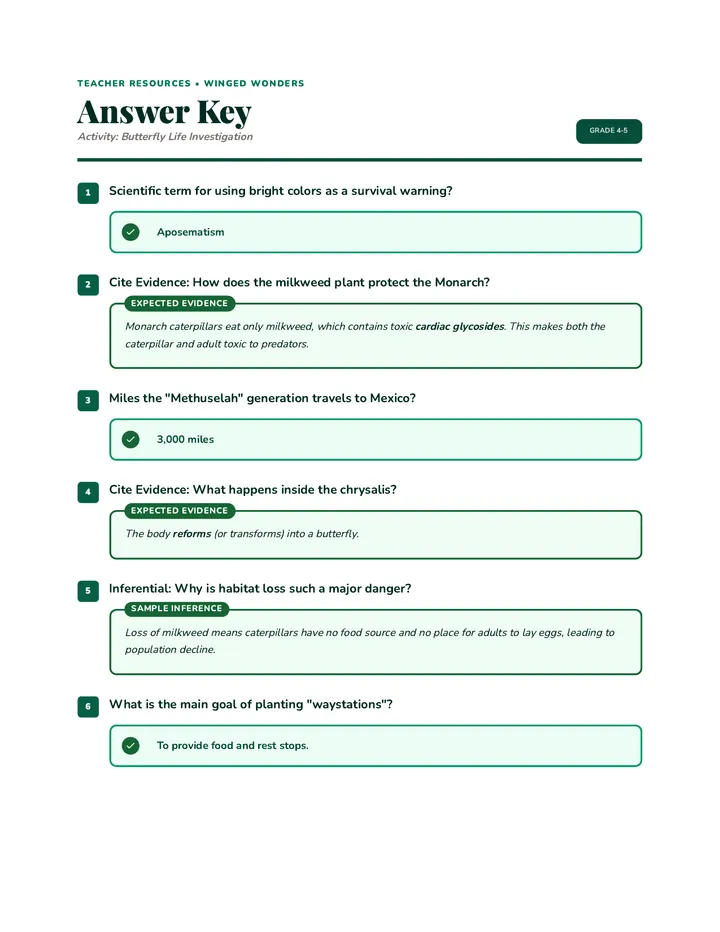
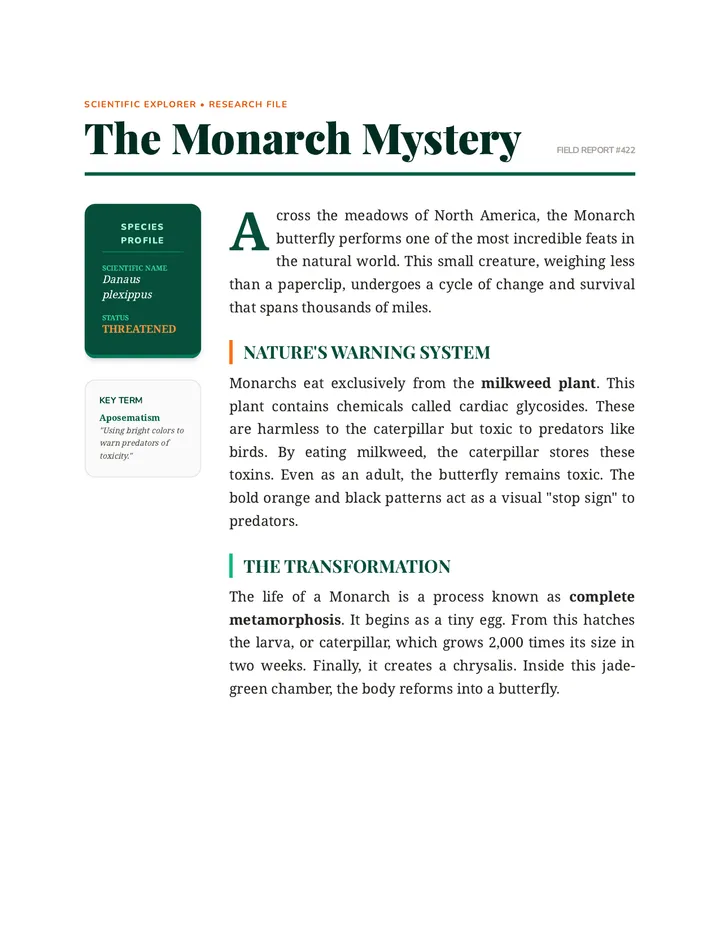
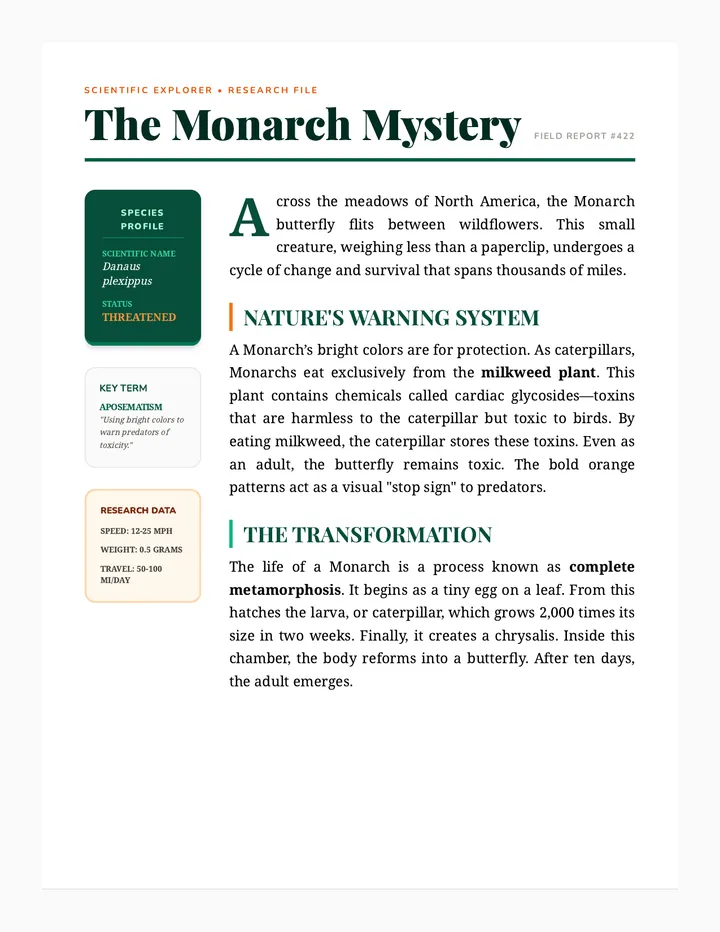
A short, engaging science sequence for 3rd graders focused on identifying and distinguishing between butterflies and moths through physical and behavioral characteristics.
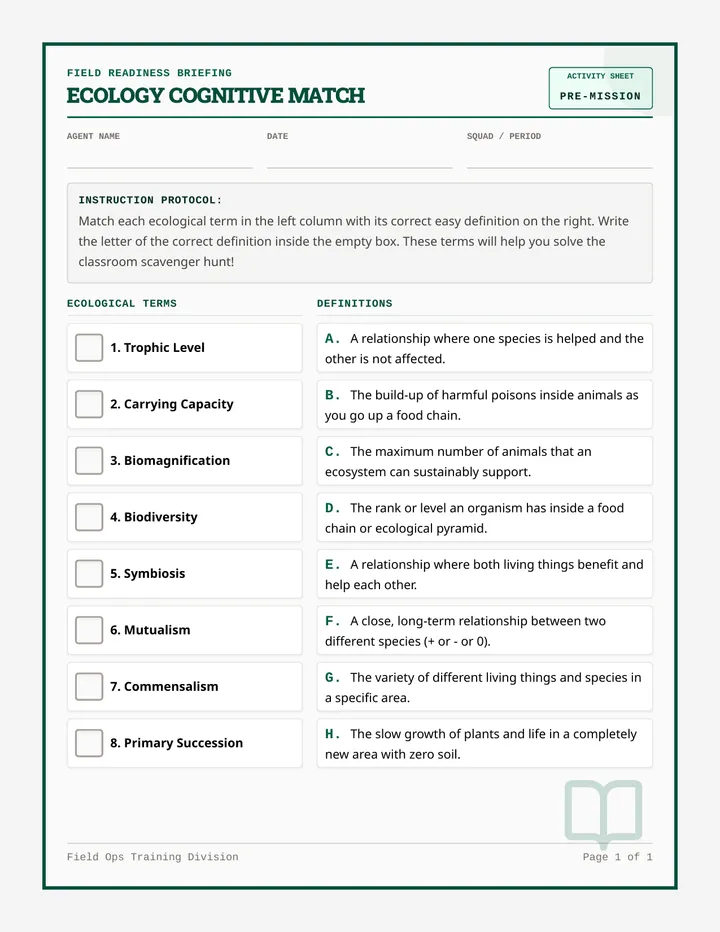
A comprehensive biology sequence exploring the intricate ways species interact, from basic symbiosis to complex ecosystem dynamics and population growth.
A sequence exploring sustainable agricultural practices, focusing on how biodiversity and ecological principles can solve modern farming challenges like pest control and soil health.
A lesson sequence exploring the different types of adaptations animals use to survive in their habitats, focusing on physical vs. behavioral traits.
A series of lessons exploring animal adaptations, survival strategies, and the clever ways nature tricks our eyes.
A series of lessons exploring genetics and protein synthesis through the lens of spider silk production for medical use. Adapted for 3rd-grade reading levels while maintaining 6th-grade science concepts.
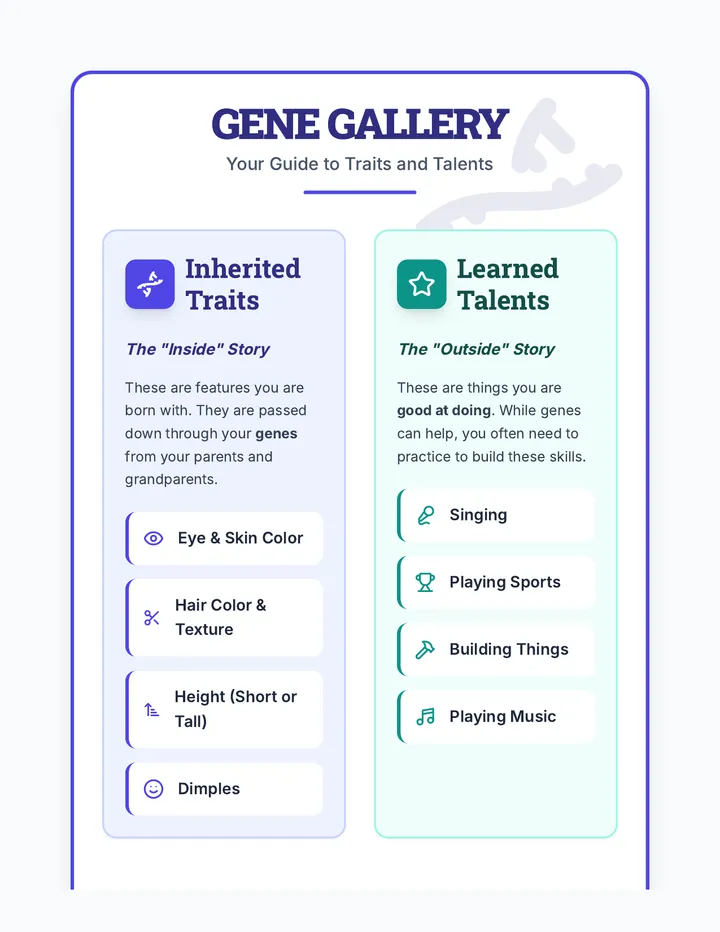
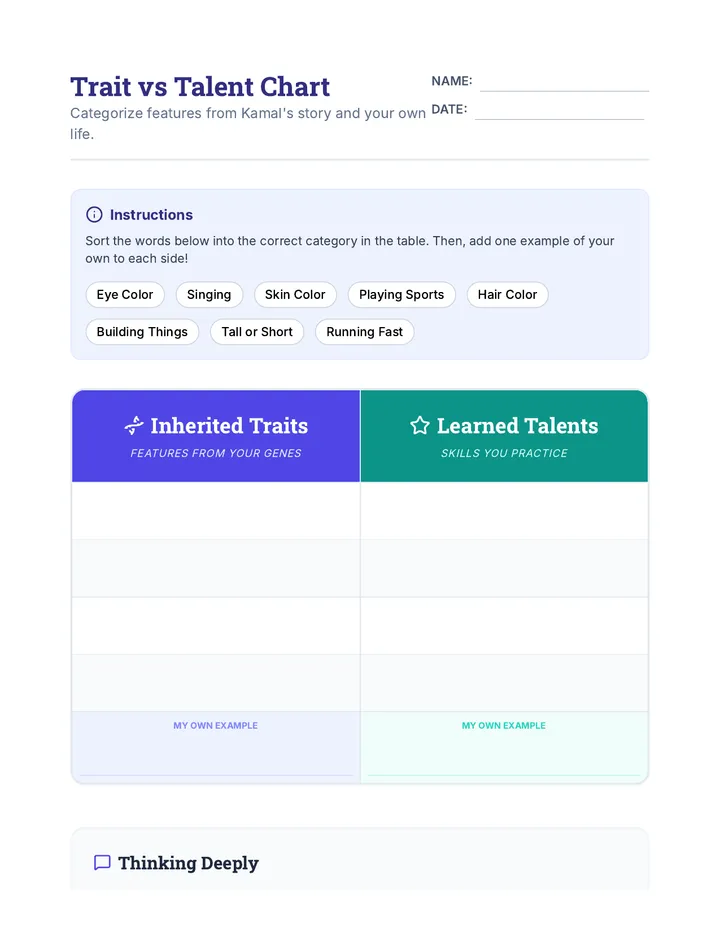
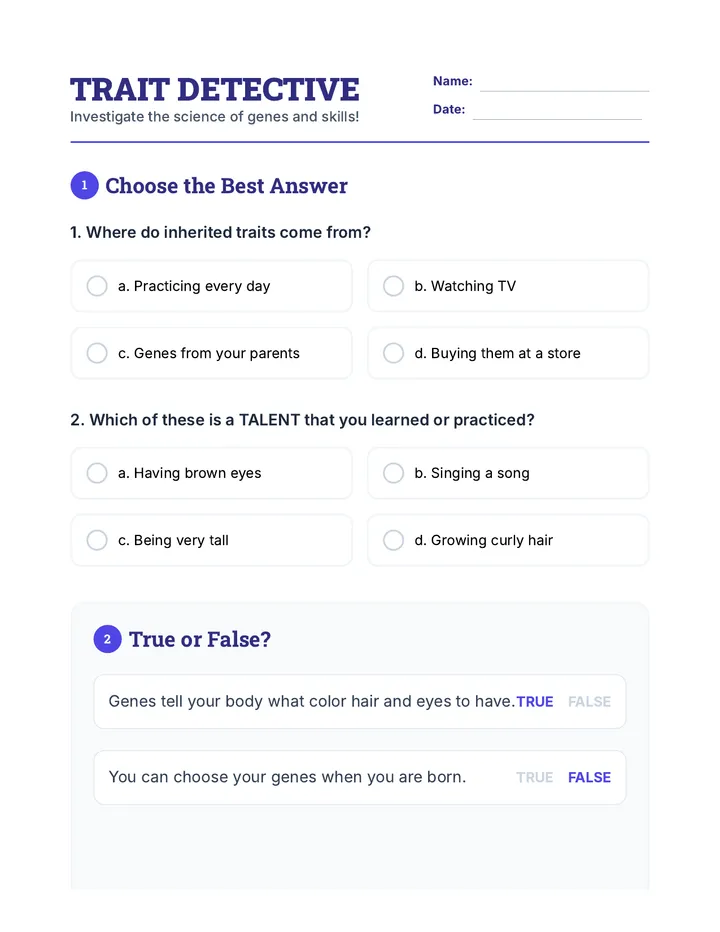
A comprehensive unit exploring inherited traits, talents, and character analysis through the lens of Kamal's story. Students will distinguish between genetic traits and learned talents, analyze character motivations, and document their own unique 'code'.
A sequence exploring the intersection of biology, psychology, and history regarding human conflict and cooperation.
A short series of lessons exploring prehistoric life and the Mega-fauna that once roamed the Earth. Students learn about adaptations, extinction, and the tools paleontologists use to study the past.
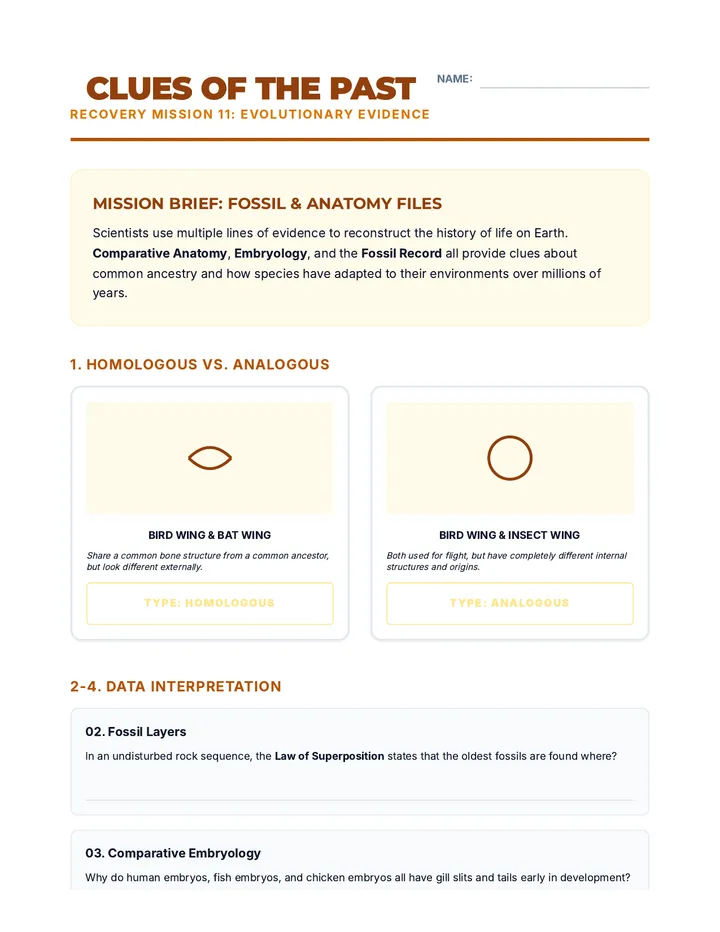
This sequence connects the ancient past to the present by comparing extinct animals with their modern relatives. Students analyze similarities and differences in anatomy and behavior to understand continuity of life and evolutionary concepts through case studies like Mammoths and Megalodons.
A comprehensive 3rd-grade unit exploring the 4.6 billion-year history of Earth. Students journey from the vast stretches of geologic time through the eras of ancient sea creatures and dinosaurs, investigating the causes of mass extinctions and the eventual rise of mammals and modern adaptations.
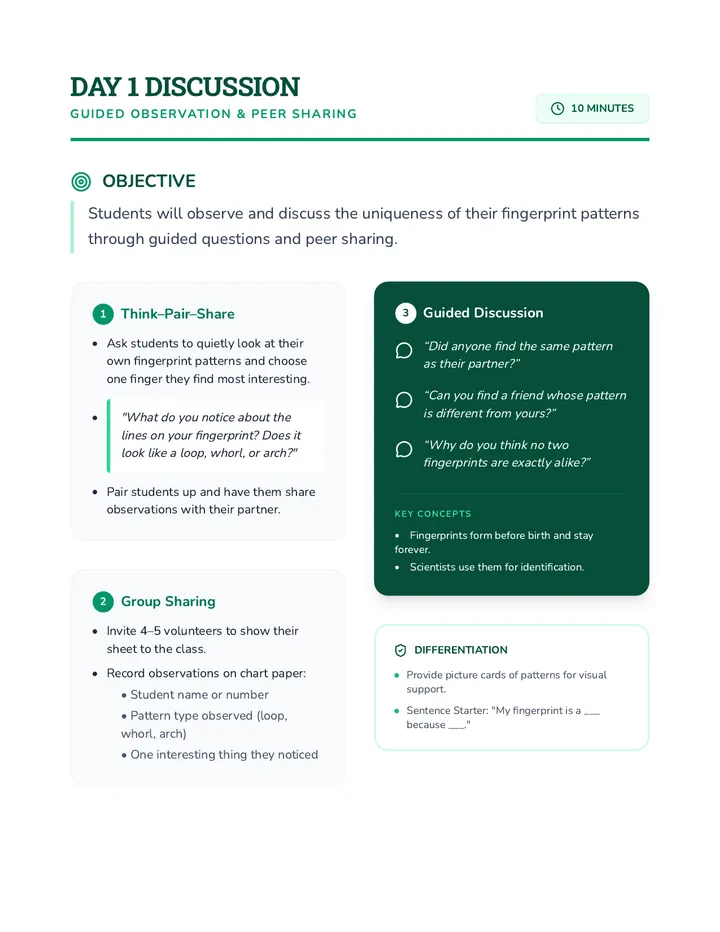
Students investigate the differences between traits passed down from parents (inherited) and traits acquired through life experiences (learned behaviors or physical changes). Through observations of animals, plants, and humans, they build a scientific framework for classifying characteristics based on their origin.
This sequence explores how environmental factors like diet, sunlight, and climate influence the traits of living things. Students will analyze plant experiments, animal case studies, and data sets to understand that traits are shaped by both genetics and the environment.
Students will explore the fundamental distinction between biological inheritance and environmental influence in living organisms. The sequence begins by identifying observable physical traits passed from parents to offspring, then shifts to behaviors and physical changes acquired through learning or environmental exposure.
A 1st-grade science sequence introducing heredity and variation. Students explore why offspring resemble their parents but aren't identical through animal case studies, human trait surveys, and creative design projects.
Students explore how plants pass traits to their offspring by examining seeds, leaves, flowers, and vegetables. They learn that young plants inherit characteristics from their parent plants, ensuring that a sunflower seed always grows into a sunflower.
Students investigate the visual connections between adult animals and their young to understand basic heredity by identifying matching physical features like fur patterns, body shapes, and facial structures.
An undergraduate-level exploration of Albert Bandura’s Social Cognitive Theory, covering foundational methodology, cognitive processes, and contemporary applications in digital media and clinical therapy. Students critically analyze the mechanisms of observational learning, moving from historical experiments to designing modern interventions.
A comprehensive 3rd-grade sequence exploring heredity through botany. Students investigate how plants pass traits to seedlings, identify variations within species, and distinguish between genetic inheritance and environmental influences through hands-on labs and project-based learning.
This sequence helps 3rd-grade students differentiate between inherited traits (genetics) and acquired traits (learned/environmental). Through interactive workshops, data collection, and behavioral analysis, students learn how physical characteristics and behaviors are passed down or developed throughout life.
A 5-lesson unit for 3rd graders exploring heredity, trait identification, and the similarities and differences between animal parents and their offspring. Students act as field researchers to observe patterns in nature and predict inherited characteristics.
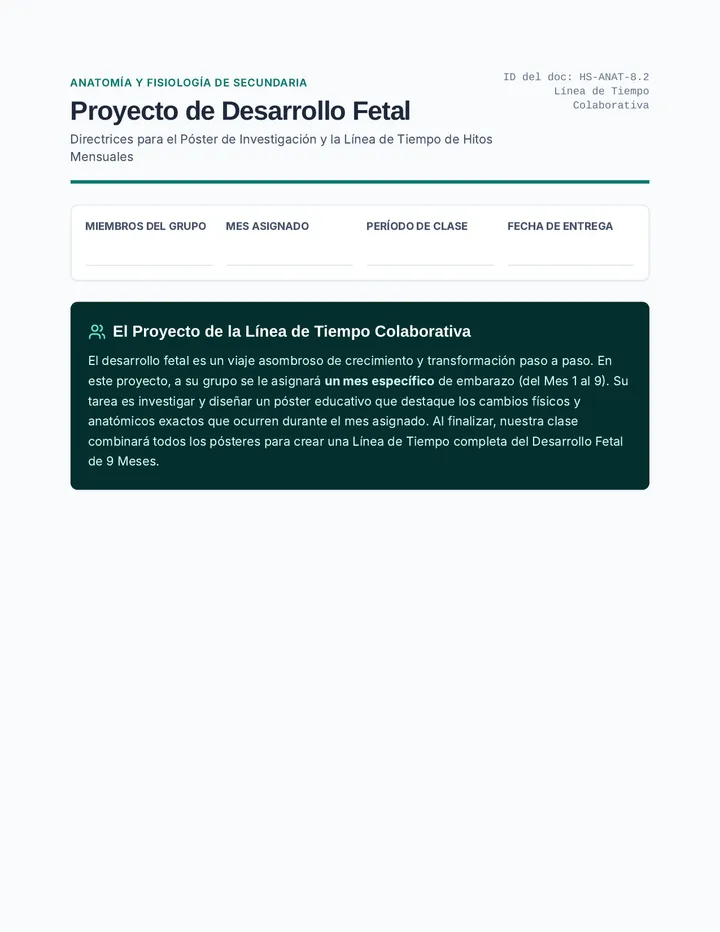
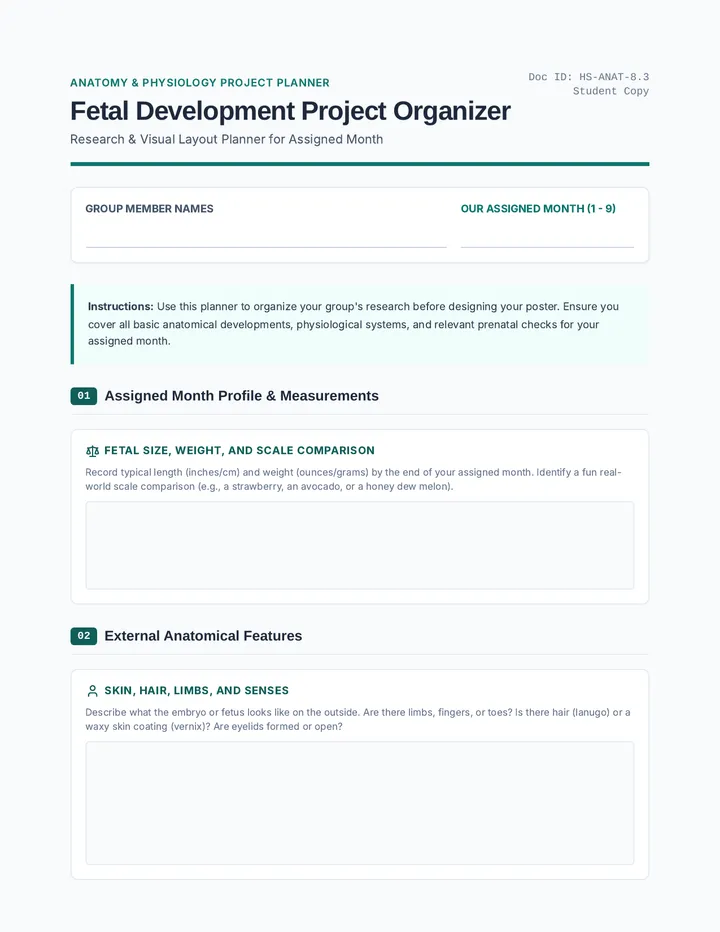
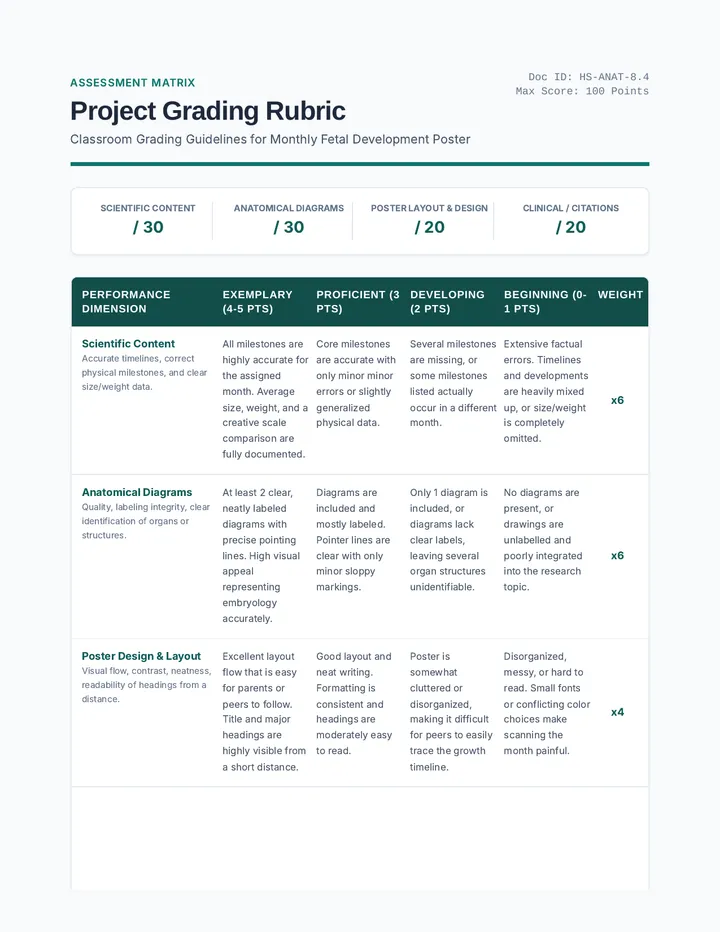
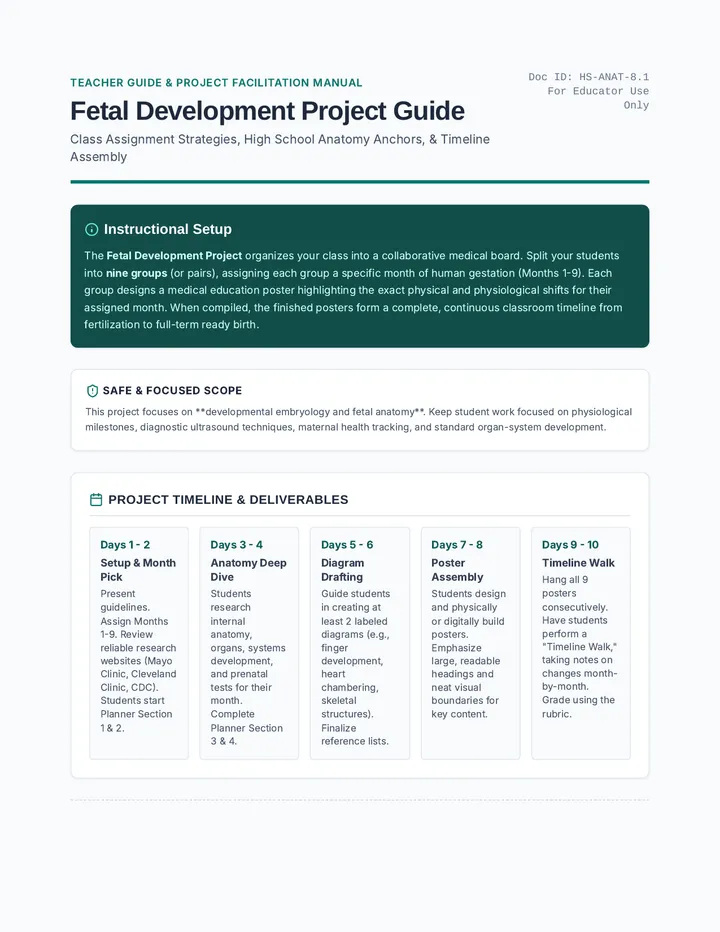
This sequence guides 9th-grade students through the biological and environmental factors of prenatal development. Students explore the stages of pregnancy, investigate the impact of teratogens, simulate the effects of FASD, analyze the role of epigenetics, and learn about the birth process and neonatal assessment.
A specialized high school chemistry/biology integrated lesson exploring the biochemical differences between Archaea and Bacteria. Students analyze how ether bonds and lipid monolayers provide structural stability for survival in extreme thermal environments through modeling and chemical analysis.
A comprehensive lesson sequence on ocean literacy, focusing on why oceans matter, their role in global systems, and conservation efforts. Students will engage with a video, take structured notes, and participate in a live quiz.
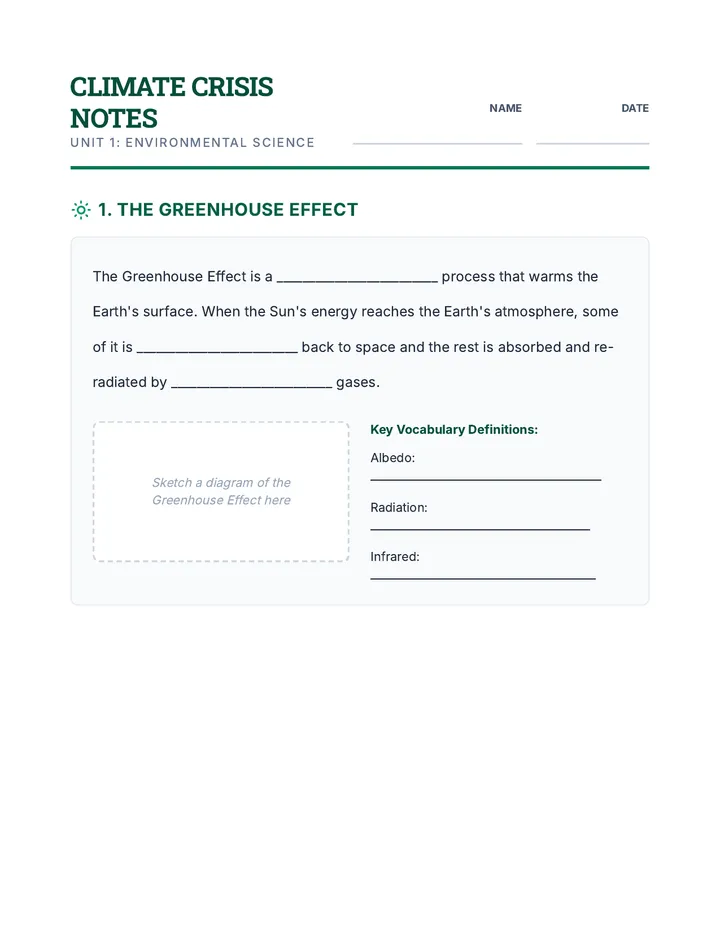
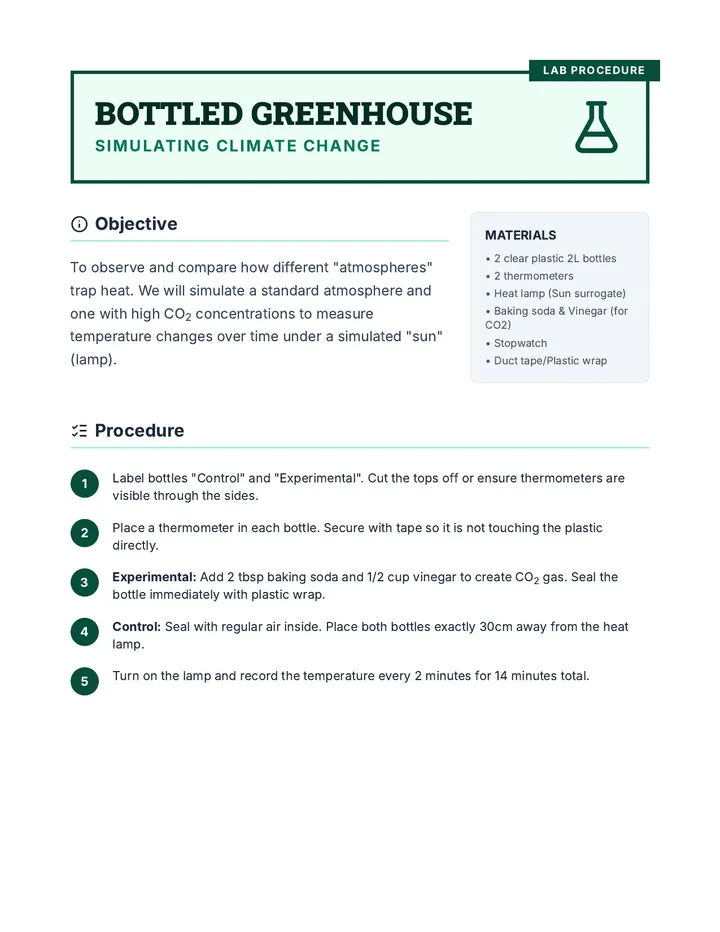
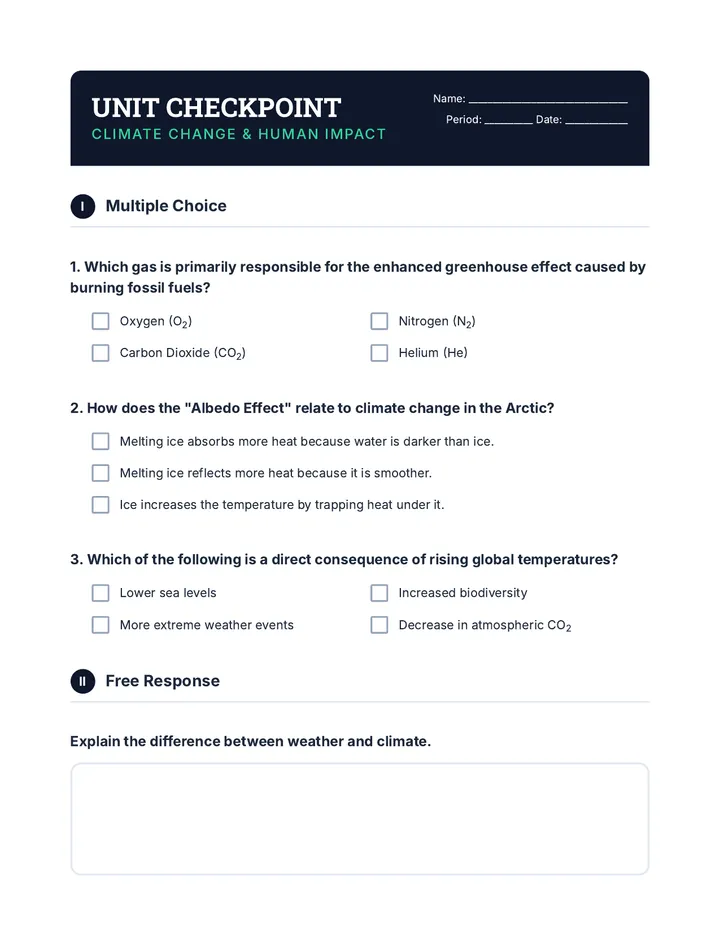
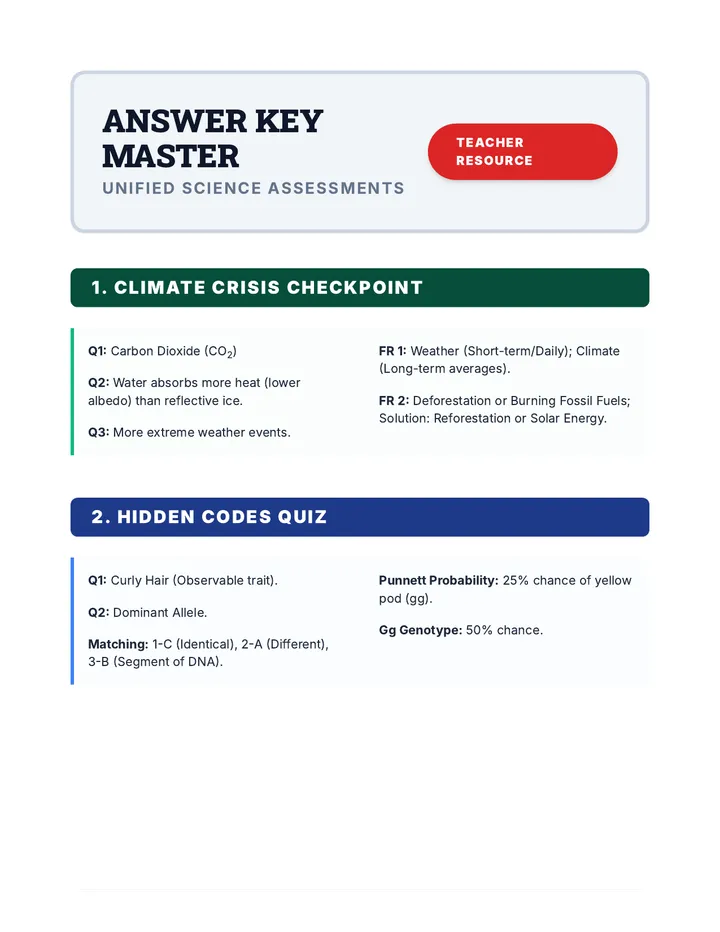
A series of lessons focused on human-induced climate change, exploring the causes, effects, and potential solutions through data analysis and scientific inquiry.
A short unit focused on the Kingdom Fungi, specifically investigating the growth and structure of molds through hands-on experimentation and video analysis.
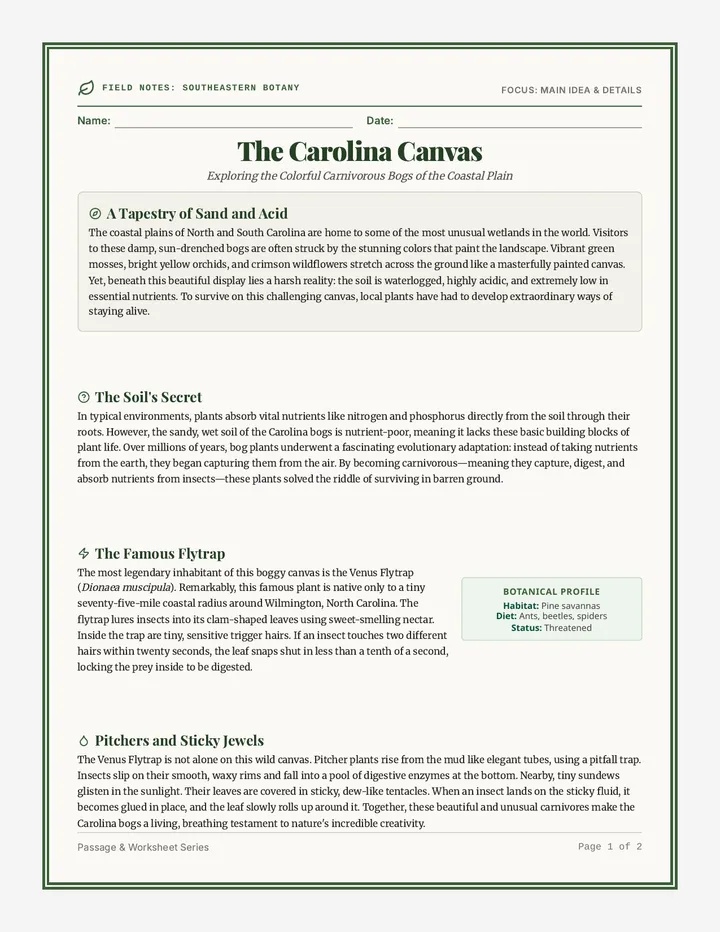
A series of lessons exploring the complex interactions between organisms in an ecosystem, focusing on how species rely on one another to survive and maintain balance.
A 3rd-grade science lesson focusing on animal adaptations for survival, featuring the Wooly Mammoth as a primary example and a hands-on 'Blubber Glove' experiment.
A unit exploring different habitats through sensory observation and descriptive language, starting with the wide-open grasslands.
A fun, introductory science and math sequence for Pre-K and Kindergarten students focused on identifying animal habitats and practicing basic counting. Students explore different environments like the forest, ice, and homes through music and movement.
A comprehensive introduction to genetics for 7th graders, covering Mendelian inheritance, Punnett squares, non-Mendelian patterns, and practical simulation through a 'Dragon Breeding' project. Students move from observing their own traits to predicting complex genetic outcomes.
A 5-lesson unit for 6th-grade students exploring meiosis, chromosome reduction, and the resulting genetic diversity that makes every individual unique. Students move from understanding diploid/haploid cells to simulating the 'shuffle' of genetic traits and comparing the purposes of mitosis and meiosis.
This project-based sequence for graduate students explores DNA as an engineering substrate. Topics include CRISPR-Cas9 genome editing, xenobiology with unnatural base pairs, structural DNA nanotechnology (origami), and molecular data storage, culminating in a rigorous analysis of bioethics and safety in synthetic genetics.
This graduate-level sequence explores the biochemical mechanisms of DNA damage and the cellular pathways dedicated to its repair. Students analyze the structural consequences of various lesions and evaluate the strategic choices cells make to maintain genomic integrity, connecting these molecular events to human disease and clinical diagnostics.
An advanced graduate-level sequence exploring the biochemical and regulatory mechanisms of eukaryotic DNA replication. Students analyze the kinetically complex replisome, high-fidelity mechanisms, telomere maintenance, and the cellular response to replication stress through primary literature analysis and experimental design.
An advanced exploration of chromatin architecture and epigenetic regulation for graduate students, covering nucleosome structure, DNA methylation, the histone code, 3D genome organization, and transgenerational inheritance.
A comprehensive undergraduate-level sequence exploring the molecular biology of DNA damage, repair mechanisms, and the genomic consequences of instability, from chemical lesions to cancer progression.
This sequence explores the regulatory mechanisms of the cell cycle, focusing on how bodies control growth and what happens when that control is lost. Students use analogies of traffic lights and checkpoints to understand regulation, study the healing process of a wound, and are introduced to the concept of cancer as uncontrolled cell division.
A comprehensive 6th-grade biology sequence exploring why cells divide, the stages of the cell cycle, and the visual identification of mitosis in real biological samples through hands-on modeling and observation.
A comprehensive undergraduate-level sequence on the enzymology and kinetics of DNA replication, exploring the molecular machinery, fidelity mechanisms, and clinical applications of replication inhibition.
A comprehensive 12th-grade biology sequence exploring the enzymatic machinery of DNA replication, from the Meselson-Stahl experiment to the end-replication problem of telomeres. Students analyze the biochemistry of the replication fork, the necessity of discontinuous synthesis on the lagging strand, and the high-fidelity repair mechanisms that prevent mutations.
This simulation-heavy sequence explores the precise mechanisms by which DNA copies itself prior to cell division. Students act as enzymes and nucleotides to simulate the unzipping and pairing processes, visualizing how one strand serves as a template for a new complementary strand.
A hands-on biology sequence for 8th graders exploring the mechanisms of DNA replication through simulations, enzyme role-play, and error analysis. Students investigate how cells maintain genetic fidelity across generations.
A laboratory-focused sequence exploring gametogenesis and chromosomal mapping using Sordaria fimicola. Students analyze the differences between male and female meiosis and use fungal models to calculate genetic map units through microscopic observation.
This sequence explores the statistical and biological sources of genetic variation that occur during meiosis: crossing over and independent assortment. Students utilize mathematical probability and gene mapping concepts to understand how meiosis generates diversity.
This 12th-grade biology sequence explores why sexual reproduction is a dominant evolutionary strategy despite its high energy costs. Students analyze the Red Queen Hypothesis, Muller's Ratchet, and reproductive switching to understand how genetic diversity drives species survival in changing environments.
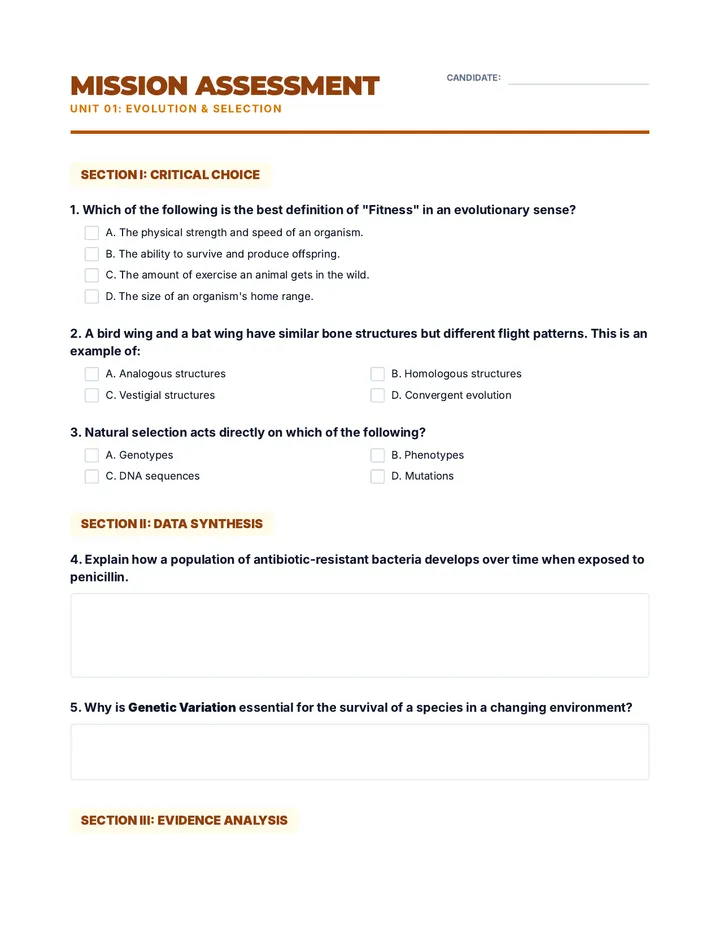
A comprehensive 12th-grade biology unit exploring the mechanics and consequences of meiotic errors, focusing on nondisjunction, karyotype analysis, and the bioethics of genetic screening.
A comprehensive 12th-grade biology unit focused on the mechanics of meiosis, ploidy reduction, and chromosomal behavior, culminating in a comparison with mitosis and mastery-based phase identification.
This sequence explores the mechanisms of chromosomal nondisjunction during meiosis and the resulting clinical conditions. Students analyze autosomal and sex chromosome aneuploidies, structural rearrangements, and the diagnostic tools used in modern cytogenetics.
This sequence explores the statistical and genetic consequences of meiotic events, specifically focusing on how infinite variation is generated. Students move from the physical mechanism of crossing over to the mathematical probabilities of independent assortment, concluding with genetic mapping and population-level analysis.
An undergraduate sequence exploring the evolutionary paradox of sexual reproduction. Students analyze the costs of sex, the Red Queen Hypothesis, Muller's Ratchet, and genomic conflict to understand why meiosis remains the dominant reproductive strategy in eukaryotes.
This sequence explores the specialized meiotic processes of spermatogenesis and oogenesis in humans and animals. Students analyze the timing, asymmetry, and morphological adaptations of gametes, culminating in the molecular mechanisms of fertilization and the clinical applications of assisted reproductive technologies.
A rigorous undergraduate-level sequence exploring the molecular mechanisms of Meiosis I and II, focusing on chromosome dynamics, the synaptonemal complex, and the comparative mechanics of reductional vs. equational division.
This clinical-focused sequence applies the understanding of meiosis to chromosomal abnormalities. Students investigate nondisjunction events to understand how errors in Meiosis I versus Meiosis II result in aneuploidy. The learning arc moves from the mechanics of error to the diagnosis of disorders via karyotyping, ending with ethical discussions surrounding genetic testing.
A 10th-grade biology sequence exploring the historical and physical connection between Mendel's laws and chromosomal behavior. Students use inquiry and modeling to reconstruct the Chromosomal Theory of Inheritance.
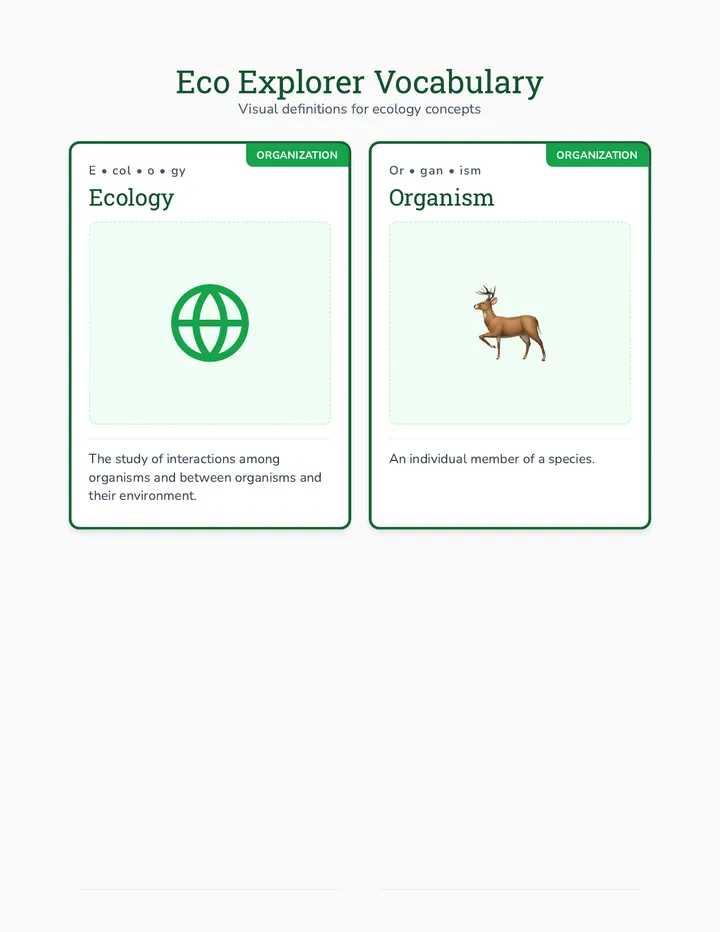
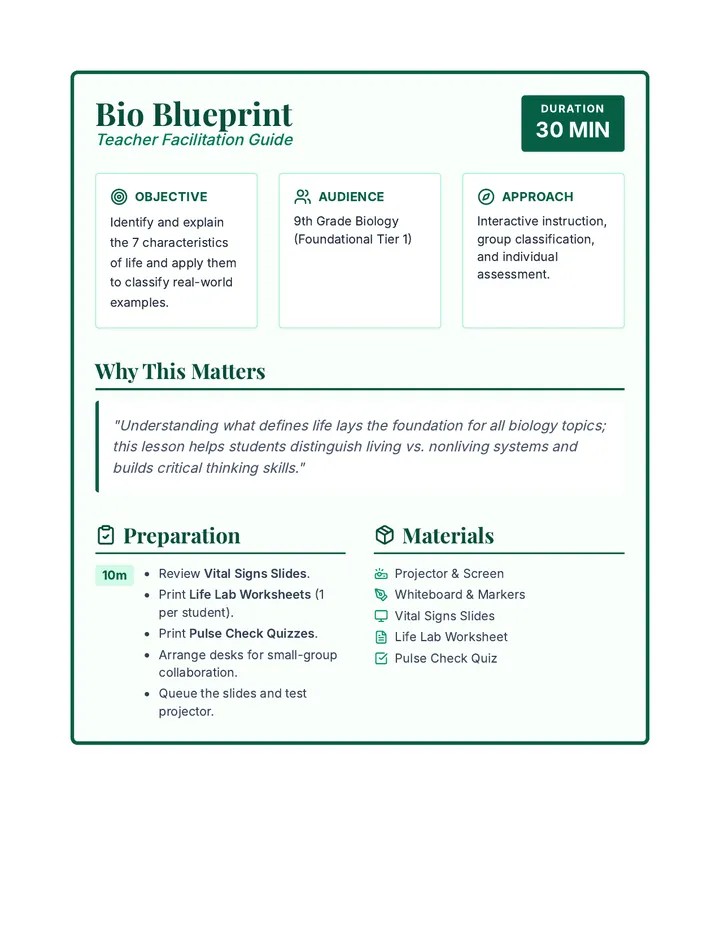
A comprehensive lesson sequence for 3rd-5th graders to identify and define the characteristics of living things (organisms) using video observation, field research, and critical thinking.
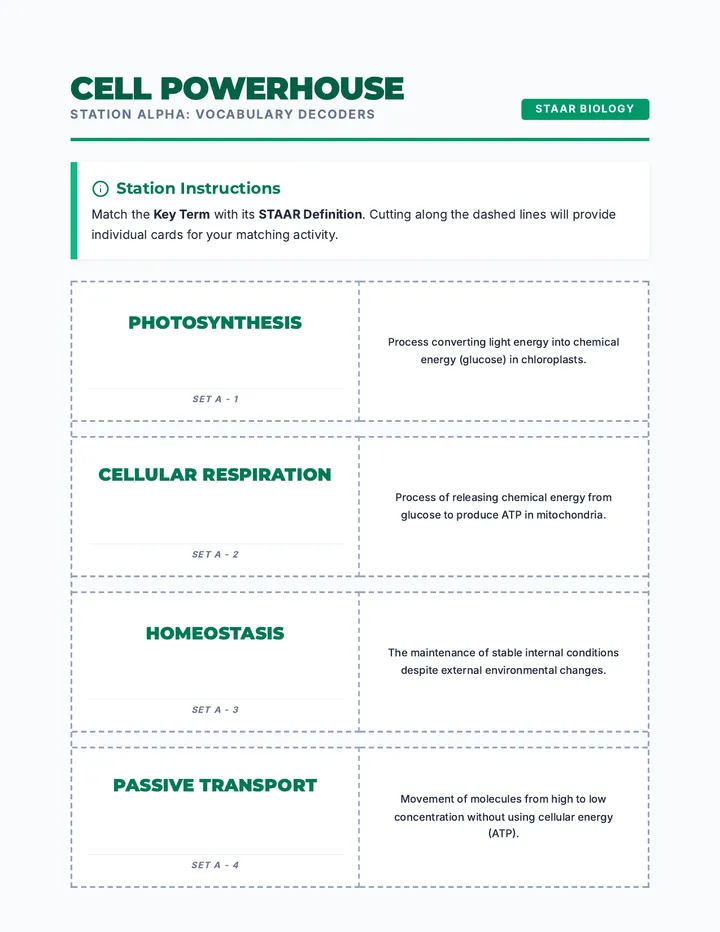
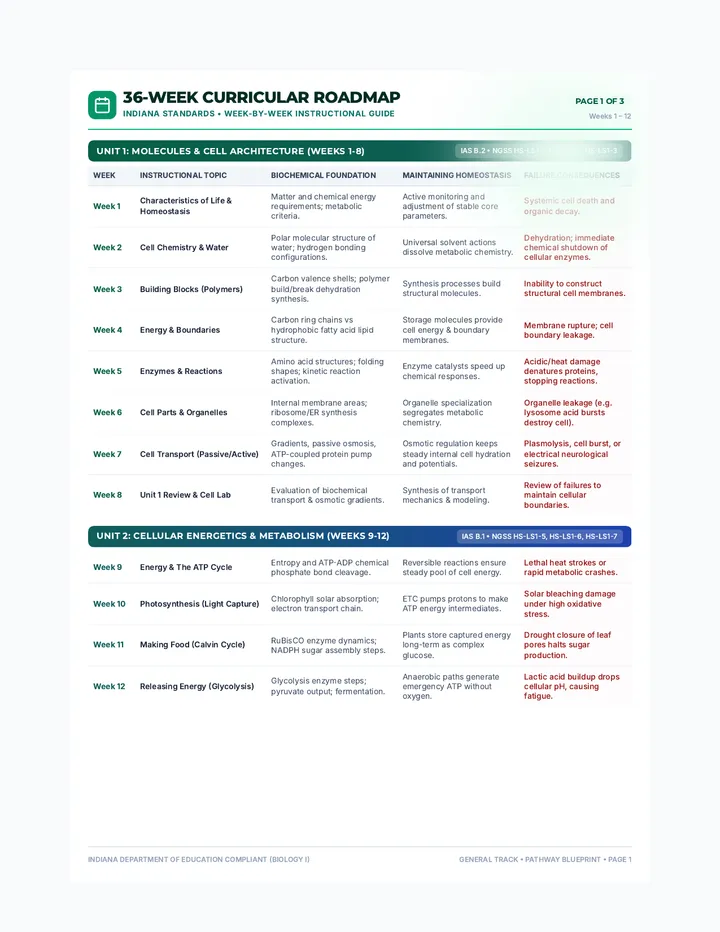
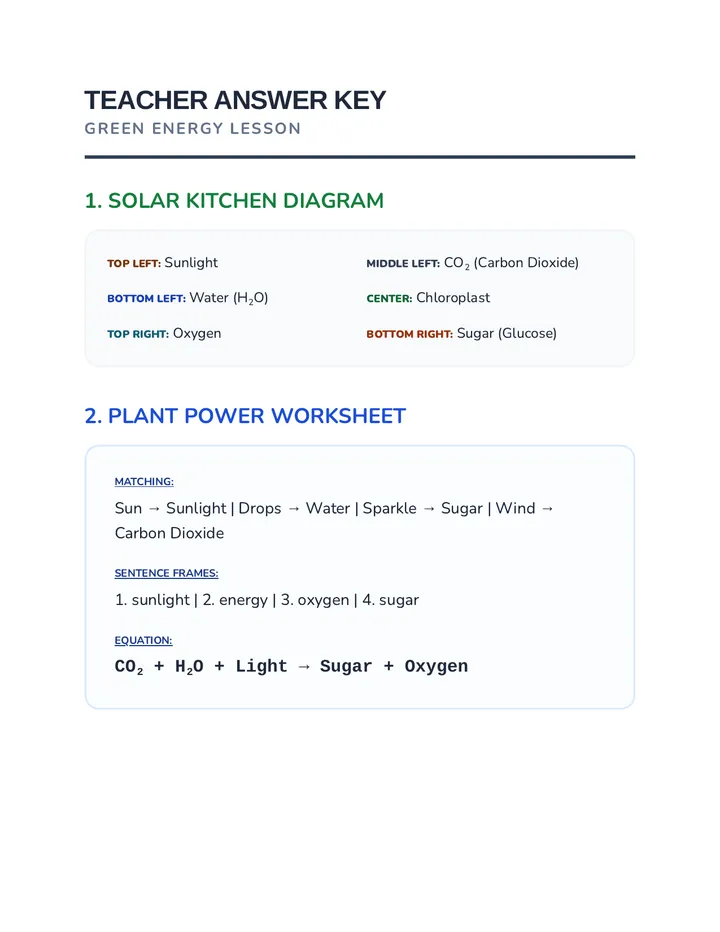
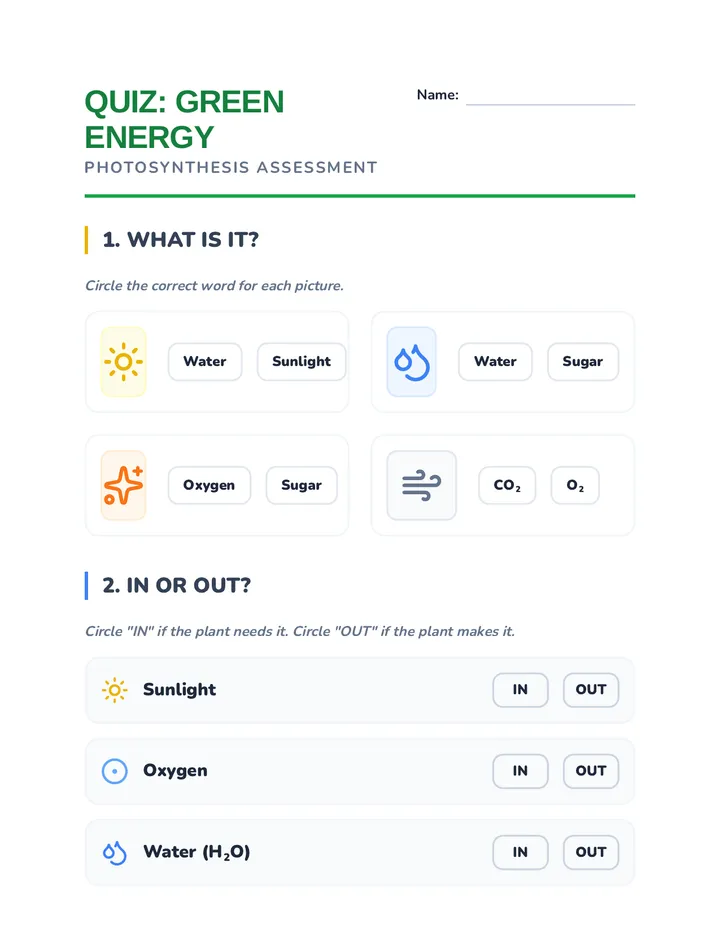
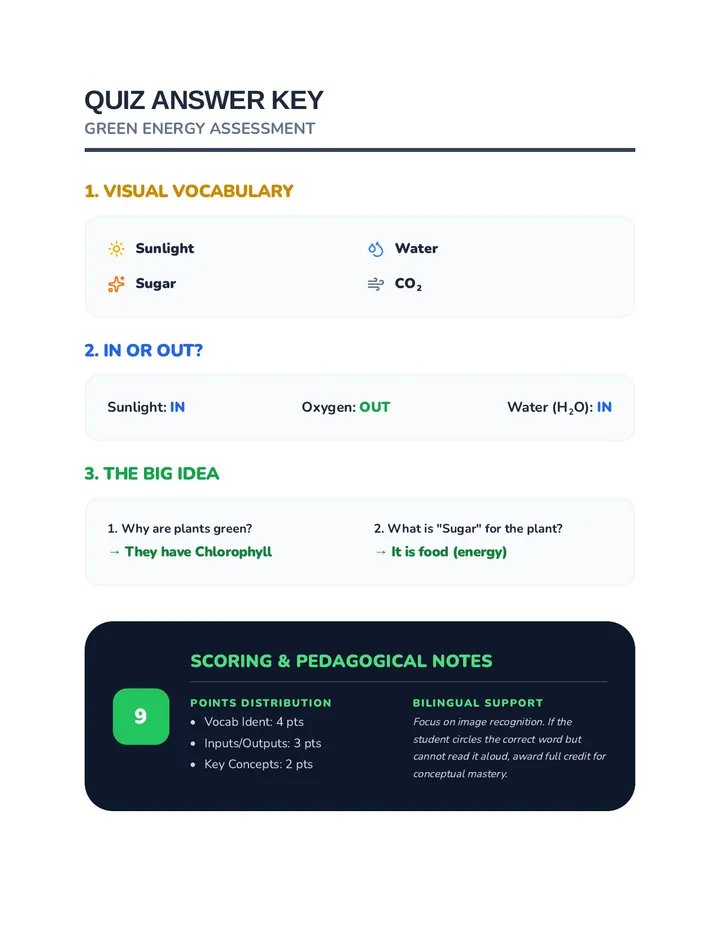
A unit exploring the fundamental biological processes that sustain life, including cellular respiration and photosynthesis.
An advanced graduate-level exploration of the neurobiological mechanisms of vision, from the molecular events of phototransduction to the complex integration of the extrastriate cortex. Students will analyze retinal circuitry, thalamic relays, and the functional specialization of the dorsal and ventral streams.
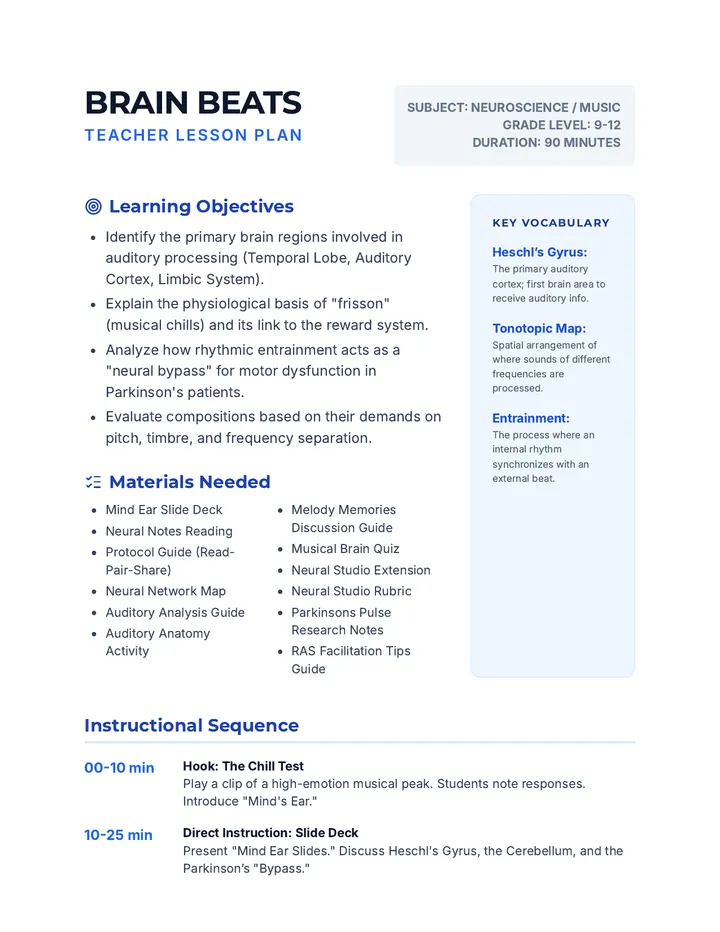
A graduate-level exploration of the biophysics and neural coding of the auditory system. This sequence covers everything from fluid dynamics in the cochlea to central processing and prosthetic engineering.
This sequence explores the neurobiological changes occurring during adolescence, specifically the development of the prefrontal cortex and the limbic system, and how these changes influence decision-making, risk-taking, and legal responsibility.
A graduate-level sequence exploring the neurobiological substrates of classical conditioning, focusing on synaptic plasticity, brain circuitry (amygdala and cerebellum), memory consolidation, and pharmacological interventions for memory modification.
A comprehensive undergraduate-level sequence exploring the pharmacology, neurobiology, and public health implications of stimulant drugs, from molecular mechanisms to community intervention.
A 5-lesson inquiry-based sequence for 6th-grade students exploring the biological and physiological impacts of opioids. Students learn about the brain's reward system, the lock-and-key receptor mechanism, the science of tolerance and dependency, the impact on the respiratory system, and the biological potential for recovery through neuroplasticity.
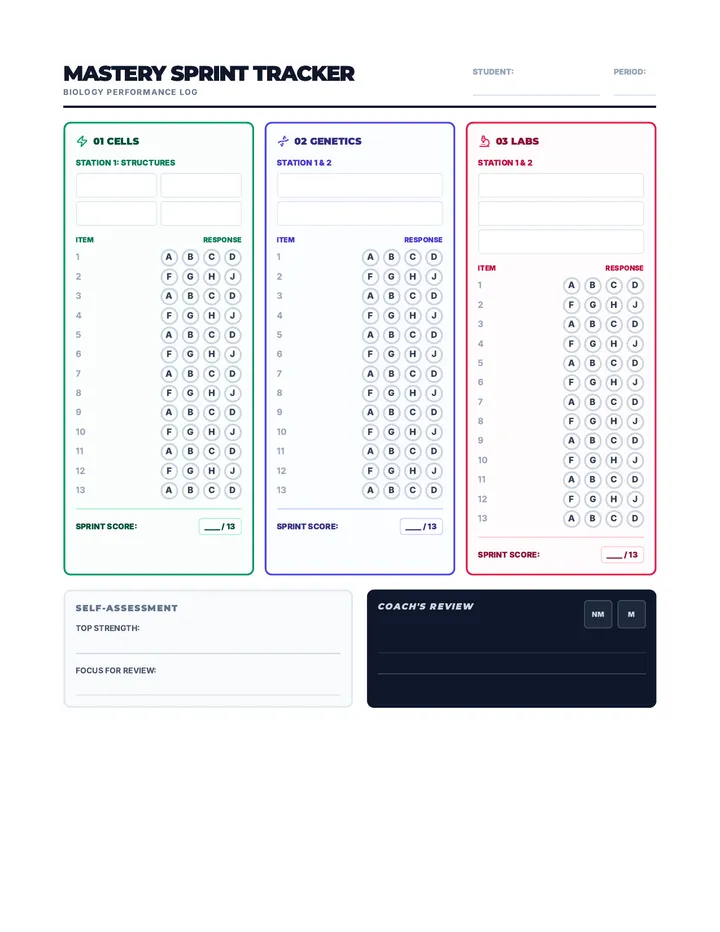
This undergraduate biology sequence explores the Central Dogma, focusing on how DNA is decoded into functional proteins. Students analyze the genetic code, transcription regulation, RNA processing, and translation mechanics to predict the effects of mutations on phenotype.
A comprehensive sequence for undergraduate students focusing on the practical application and experimental design of molecular biology techniques, including DNA extraction, PCR, sequencing, and cloning. Students act as researchers to design, troubleshoot, and interpret molecular data.
This 11th-grade Biology sequence explores the mechanisms of genetic information storage and retrieval. Students journey from the conceptual Central Dogma through the mathematical logic of the triplet code, the physical anatomy of a gene, the enzymatic process of transcription, and the complex world of mRNA processing.
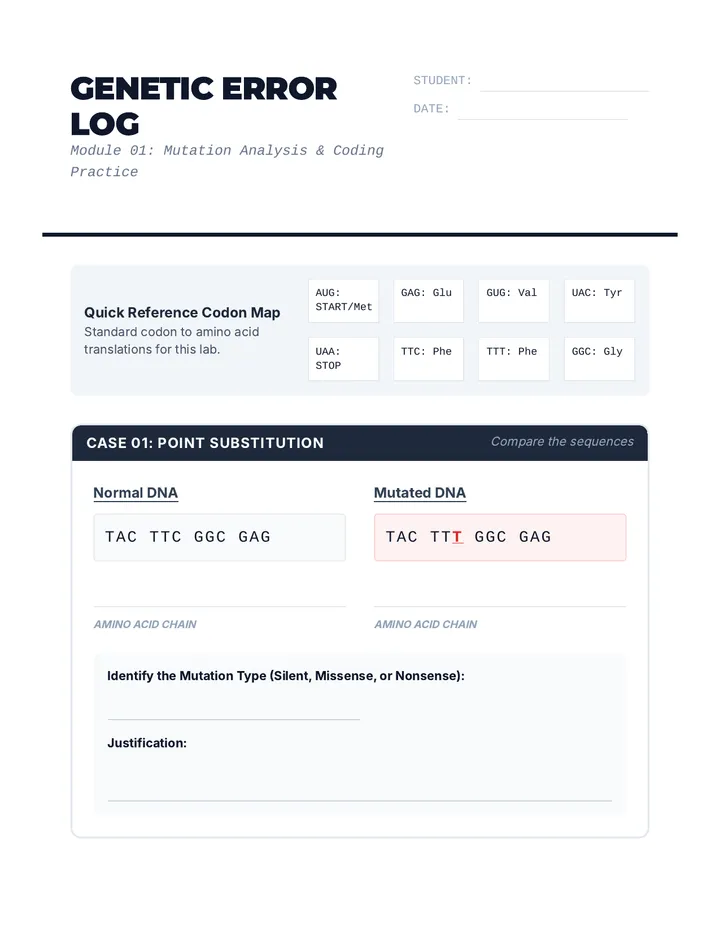
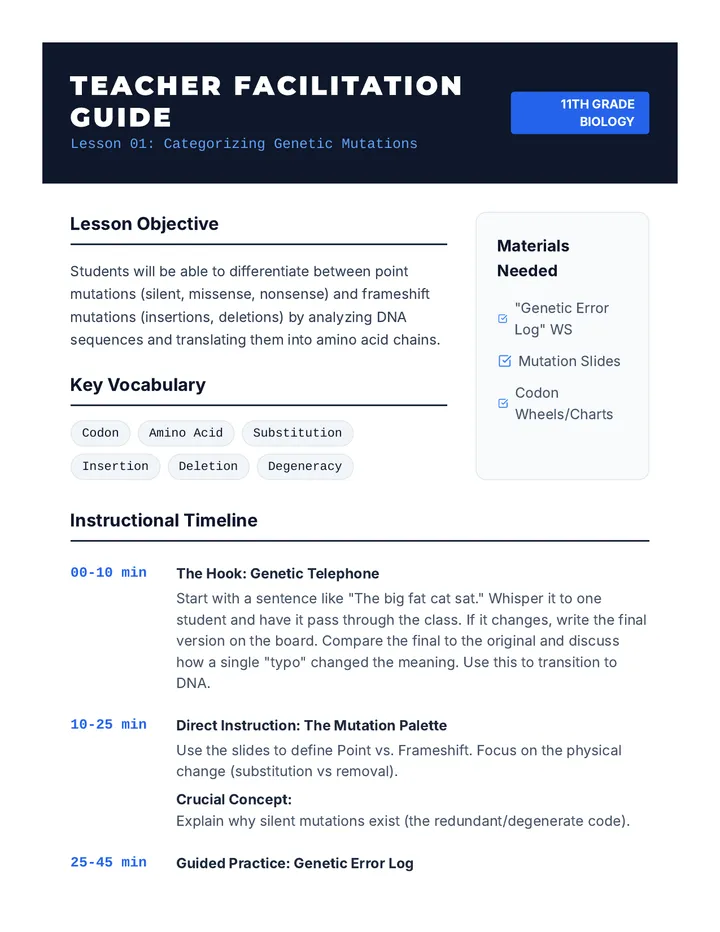
A comprehensive 11th-grade biology sequence exploring DNA replication fidelity, the types and causes of mutations, cellular repair mechanisms, and the role of mutations in evolution and disease.
This sequence explores the practical application of biotechnology, moving from DNA extraction to advanced analysis techniques like PCR and DNA profiling. Students engage in hands-on labs and simulations to understand how molecular tools are used in forensics and research.
This sequence guides 11th-grade students through the molecular mechanics of DNA replication, from the historic Meselson-Stahl experiment to the complex orchestration of enzymes at the replication fork. Students will move from evaluating models to hands-on simulation of leading and lagging strand synthesis.
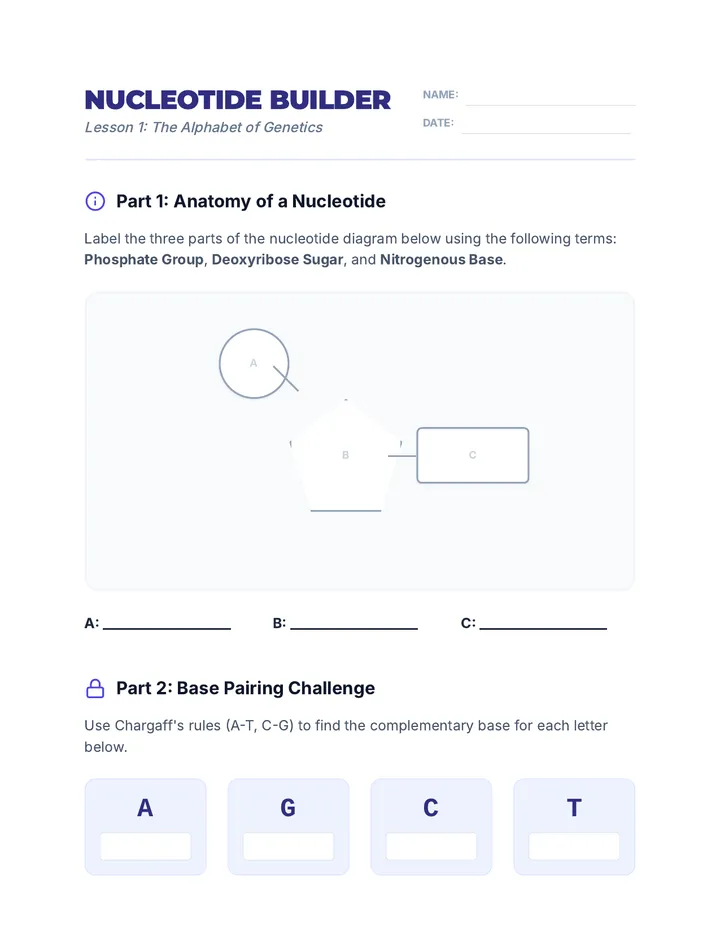
An inquiry-based exploration of DNA structure, from its chemical monomers and historical data to the final antiparallel double helix model. Students act as scientific researchers to deduce the molecular architecture of life.