Lenny LearningLenny
Create
Explore
Workspace
LoginSign up
MathEnglish Language ArtsScience & EngineeringSocial StudiesGlobal LanguagesHealth & Physical EducationSpecial EducationCounseling & Life SkillsArts & CreativityESL
Lenny LearningLenny
Lenny Learning
About
Training
Pricing
Support
Contact
© 2026 Lenny Learning Inc.
Science & EngineeringLife ScienceLiving ThingsAnimalsPlantsBody SystemsTraitsAdaptationsCellsEcosystemsHeredityGenes to TraitsCell DivisionPhysicsComparing MaterialsShapes and PropertiesMagnetsMagnetismLightSoundLight and SoundMatterStates of MatterChanges of StateMixturesPhysical and Chemical ChangeHeating and CoolingHeat and Thermal EnergyEnergyForce and MotionElectrical CircuitsAtoms and MoleculesPeriodic TableMotion in One DimensionMotion in Two DimensionsScalars and VectorsForces and Laws of MotionCircular Motion and GravityMomentum and ImpulseWork, Energy, and PowerWavesElectromagnetic WavesGeometric OpticsElectricity and MagnetismSimple Harmonic MotionThermodynamicsNuclear PhysicsEarth Science & AstronomyWeatherWater CycleRocks and MineralsFossilsEarth's FeaturesEarth's ResourcesEarth's StructureWeather and ClimateEarth EventsFossils and Geologic TimePlate TectonicsHuman ImpactsAstronomyChemistryUnits and MeasurementAtomic StructurePeriodic TrendsChemical BondingNomenclatureMolecular StructureIntermolecular ForcesThe MoleStoichiometryProperties of GasesSolutionsChemical ReactionsBalancing EquationsEnergy ChangesRates of ReactionsEquilibriumAcids and BasesQuantum ModelBiologyClassificationCell StructureThe Chemistry of LifeBiomoleculesCellular TransportCell EnergyCell Growth and DivisionDNAProtein SynthesisMeiosis and Sexual ReproductionPatterns of InheritanceMulticellular OrganismsEvolutionEcologyBiodiversityComputer ScienceAlgorithms and Computational ThinkingProgramming LanguagesComputing SystemsNetworks and InternetData AnalysisCybersecurityAI and Machine LearningSoftware Design and DevelopmentBlockchainEngineering & AIDesigning ExperimentsEngineering PracticesDesign ThinkingEngineering Design ProcessMechanical EngineeringElectrical EngineeringMaterials and StructuresCAD and 3D DesignRoboticsArtificial Intelligence BasicsVibe CodingMachine LearningAI Ethics and SocietySystems ThinkingEntrepreneurship & InnovationEntrepreneurial MindsetBusiness Idea DevelopmentBusiness Plan BasicsMarketing & Customer DiscoveryFinancial Management for Startups

Life Science

SequencesLessonsMaterialsVideos
  1. Science & Engineering

Life Science

SequencesLessonsMaterialsVideos

Fundamental biological structures and processes from microscopic cells and genetic inheritance to complex body systems and global ecosystems. Addresses plant and animal adaptations, trait expression, and the cycles of life and cell division.

Living ThingsFundamental characteristics of life, including growth, metabolism, and reproduction. Distinguishes between biotic and abiotic factors while examining plant and animal adaptations within various ecosystems.
AnimalsClassification by species, habitats, and life cycles. Examines physiological adaptations for survival and energy roles within diverse ecosystems.
PlantsPlant anatomy, life cycles, and the process of photosynthesis across various species. Addresses seed dispersal, environmental adaptations, and the role of plants in nutrient cycling.
Body SystemsStructural and functional overviews of the skeletal, muscular, nervous, and circulatory systems. Examines how individual organs collaborate to maintain homeostasis and support human life.
TraitsDistinction between inherited and acquired characteristics in living organisms. Examines how genetic information and environmental factors influence physical and behavioral features.
AdaptationsStructural and behavioral traits that enable organisms to survive and thrive in specific environments. Examines natural selection, camouflage, and evolutionary shifts across diverse ecosystems.
CellsFundamental structures and functions of plant and animal cells, including organelles like the nucleus and mitochondria. Examines membrane transport, protein synthesis, and cellular division processes.
EcosystemsInteractions between living organisms and their physical environments across various biomes. Examines energy flow, nutrient cycling, and the delicate balance of food webs.
HeredityTraces the transmission of genetic traits from parents to offspring through DNA and chromosomal inheritance. Examines Punnett squares, Mendelian genetics, and the relationship between genotypes and phenotypes.
Genes to TraitsDNA-to-protein synthesis pathways and the expression of inherited physical characteristics. Examines how genotype determines phenotype through gene expression and protein function.
Cell DivisionMechanisms of mitosis and meiosis for cellular reproduction, growth, and tissue repair. Examines cell cycle stages, chromosomal alignment, and genetic recombination.
Video
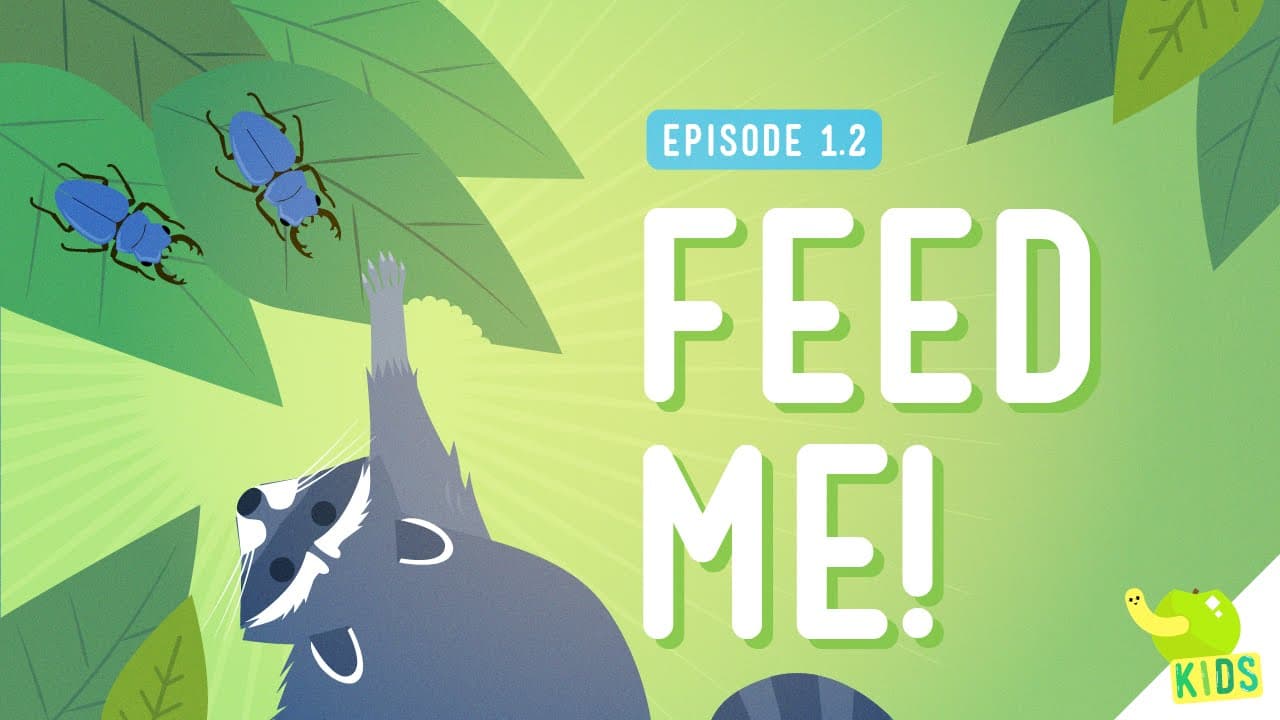
What Life Needs to Survive on Earth and Beyond

What Life Needs to Survive on Earth and Beyond

This engaging educational video explores the fundamental requirements for life on Earth and uses those principles to speculate about what extraterrestrial life might look like. It begins by identifying what makes Earth special—specifically the existence of life—and breaks down the three essential ingredients needed for survival: a star for energy, liquid water, and food sources. The host explains the flow of energy from the sun to producers and consumers, establishing a baseline for how ecosystems function. The video then transitions into a fascinating investigation of how these rules might apply to alien environments. It challenges students to apply their understanding of adaptation by presenting hypothetical scenarios, such as planets where organisms rely on liquid methane instead of water or geothermal vents instead of sunlight. This speculative approach helps students understand that while the specific chemicals might change, the functional roles within an ecosystem (producers, consumers, decomposers) remain constant. Ideal for upper elementary and middle school science classrooms, this resource bridges biology and astronomy. It is particularly useful for teaching energy transfer in food webs, the concept of the habitable zone, and the diversity of life. The video concludes with a discussion on the sheer scale of the universe, introducing students to the statistical probability of life elsewhere and encouraging a sense of wonder and scientific curiosity.

Crash Course KidsCrash Course Kids

4mins 28s

Video
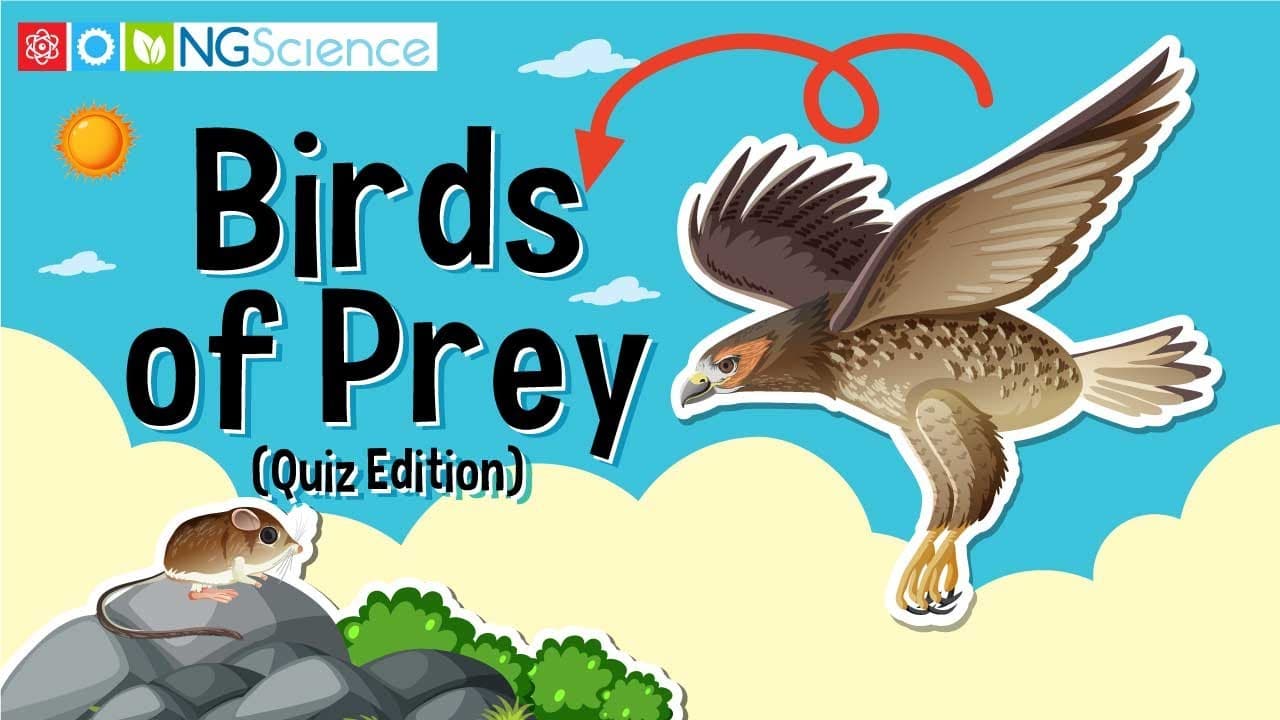
Exploring Birds of Prey: Adaptations and Survival

Exploring Birds of Prey: Adaptations and Survival

This educational video provides a comprehensive overview of birds of prey, also known as raptors, highlighting their unique physical adaptations and roles within ecosystems. It explores the defining characteristics of these birds, such as their keen eyesight, hooked beaks, and sharp talons, while showcasing a variety of species ranging from the small American Kestrel to the massive Andean Condor. Specific segments detail the hunting strategies and specialized traits of iconic birds like the Bald Eagle, Peregrine Falcon, and various owls and vultures. The video delves into key biological themes including adaptation, predator-prey relationships, and ecological niches. It explains how different raptors have evolved to survive, such as the owl's silent flight feathers for nocturnal hunting and the vulture's role as nature's cleanup crew. Furthermore, the content addresses the environmental challenges these birds face, including habitat loss and pollution, emphasizing the importance of conservation efforts to protect declining populations. For educators, this video serves as an excellent resource for Life Science units on animal adaptations and food webs. The clear narration and high-quality footage make complex biological concepts accessible to students. The video concludes with a 10-question interactive quiz, allowing teachers to immediately assess student comprehension and reinforce the material covered, making it a ready-made lesson component.

Next Generation ScienceNext Generation Science

7mins 33s

Video
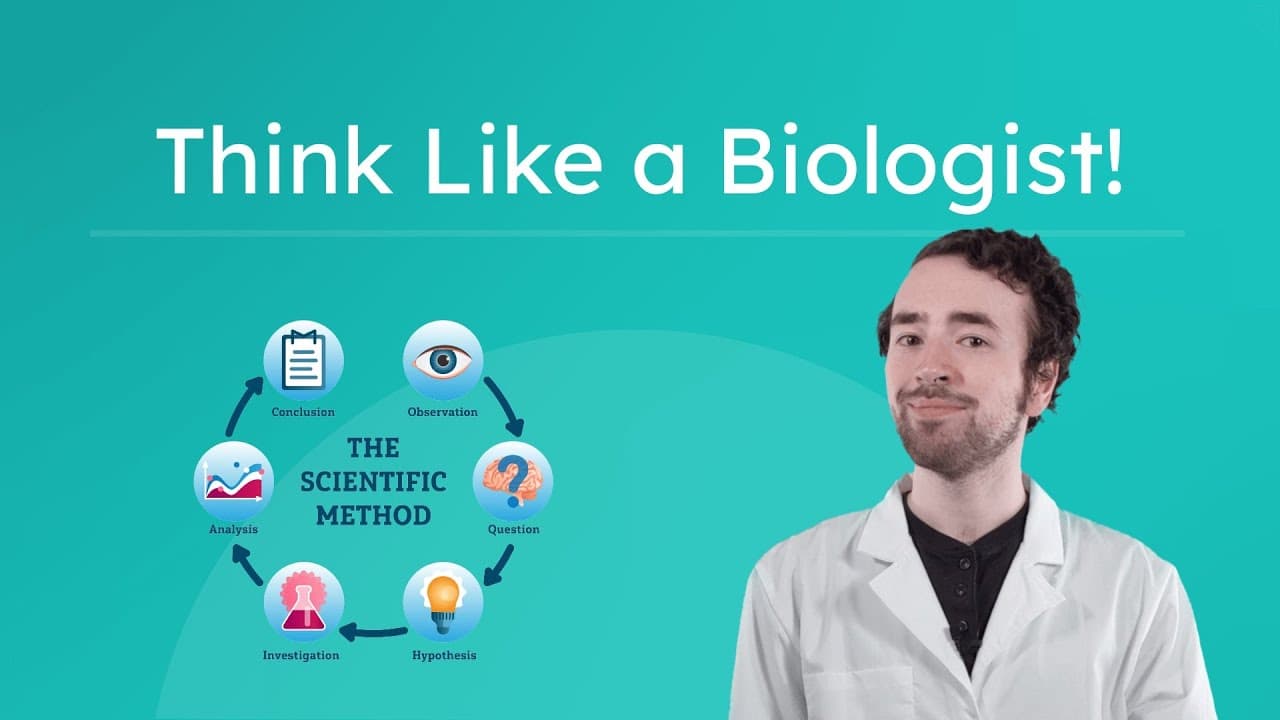
Thinking Like a Scientist: The Scientific Method Explained

Thinking Like a Scientist: The Scientific Method Explained

This engaging video introduces students to the fundamental concepts of the scientific method by debunking the myth that scientists are defined by lab coats and equipment. Instead, it posits that anyone can be a scientist simply by thinking like one. Through a relatable and humorous narrative involving a mysterious carpet stain and a suspect cat named Lucy, the presenter guides viewers through the six essential steps of scientific inquiry: observation, questioning, hypothesis formulation, investigation, analysis, and conclusion. The content specifically focuses on distinguishing between observations (using the five senses) and inferences (educated guesses), a critical skill for young scientists. It also teaches students how to craft specific, testable questions versus questions based on opinion or ethics. The video clarifies the difference between general investigations and controlled experiments, emphasizing that science is a flexible process of discovery rather than a rigid set of rules. For educators, this resource serves as an excellent foundational tool for introducing or reviewing the scientific method. It simplifies complex terminology like "hypothesis" and "inference" using concrete visual examples. The video's narrative arc allows for natural pause points where teachers can ask students to make their own observations, generate questions, and form hypotheses before the video reveals the answers, making it highly interactive and suitable for upper elementary and middle school science curricula.

Miacademy & MiaPrep Learning ChannelMiacademy & MiaPrep Learning Channel

10mins 14s

Video
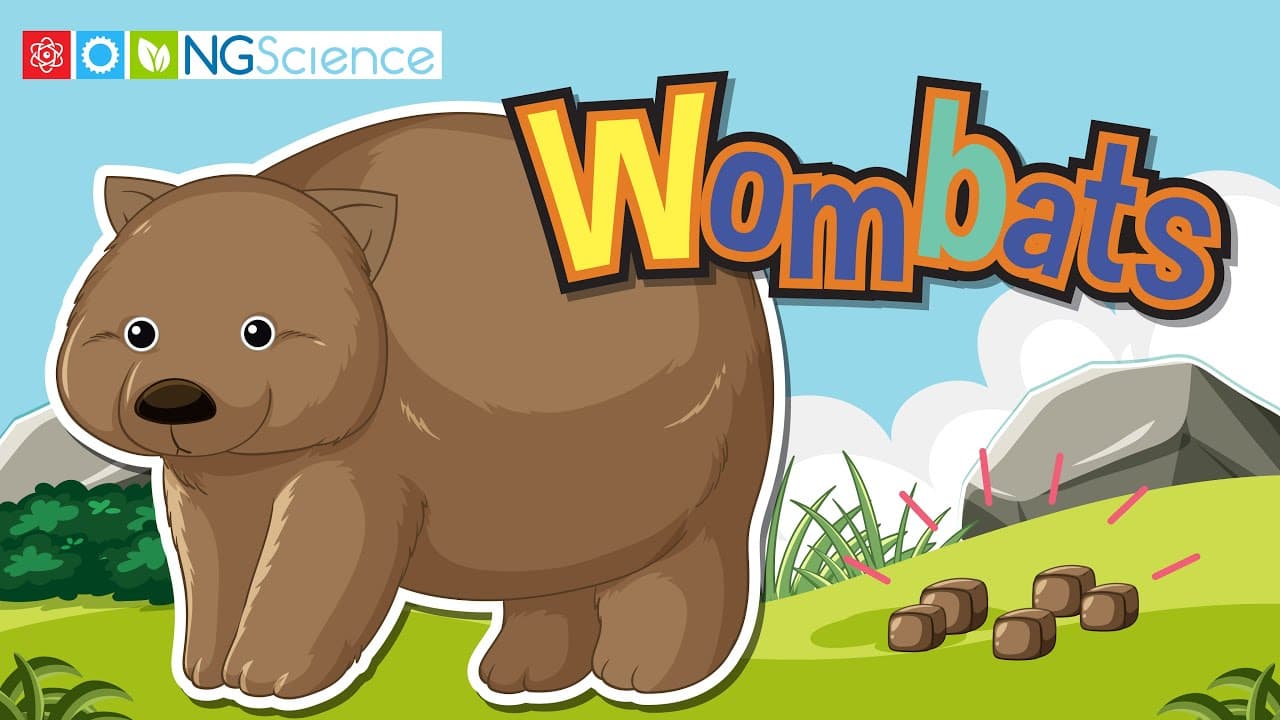
Meet the Wombat: Australia's Burrowing Bulldozer

Meet the Wombat: Australia's Burrowing Bulldozer

This engaging nature documentary takes young viewers on a journey to the Australian outback to uncover the secrets of one of its most unique inhabitants: the wombat. While famous neighbors like kangaroos and koalas often steal the spotlight, this video reveals why the wombat deserves attention, detailing its physical characteristics, burrowing behaviors, and unique adaptations. From their sturdy, bulldozer-like bodies to their surprising cube-shaped scat, the video provides a comprehensive look at how this marsupial survives and thrives in the wild. Key themes explored in the video include animal adaptations, structural function, and the life cycle of marsupials. The narration highlights specific evolutionary traits, such as the backward-facing pouch that prevents dirt from entering while digging and continuously growing teeth suited for a tough diet of bark and roots. It also introduces biological concepts like nocturnal behavior, territory marking, and the definition of a marsupial, using the wombat as a primary case study. For educators, this video is a treasure trove of memorable examples for teaching structure and function in biology. The clear explanation of *why* the wombat's pouch faces backward offers a perfect illustration of adaptation for elementary students. Furthermore, the fun fact about cube-shaped poop serves as an excellent hook to engage students in conversations about animal communication and biological processes. It is versatile enough to support lessons on habitats, animal diets, and informational report writing.

Next Generation ScienceNext Generation Science

3mins 1s

Video
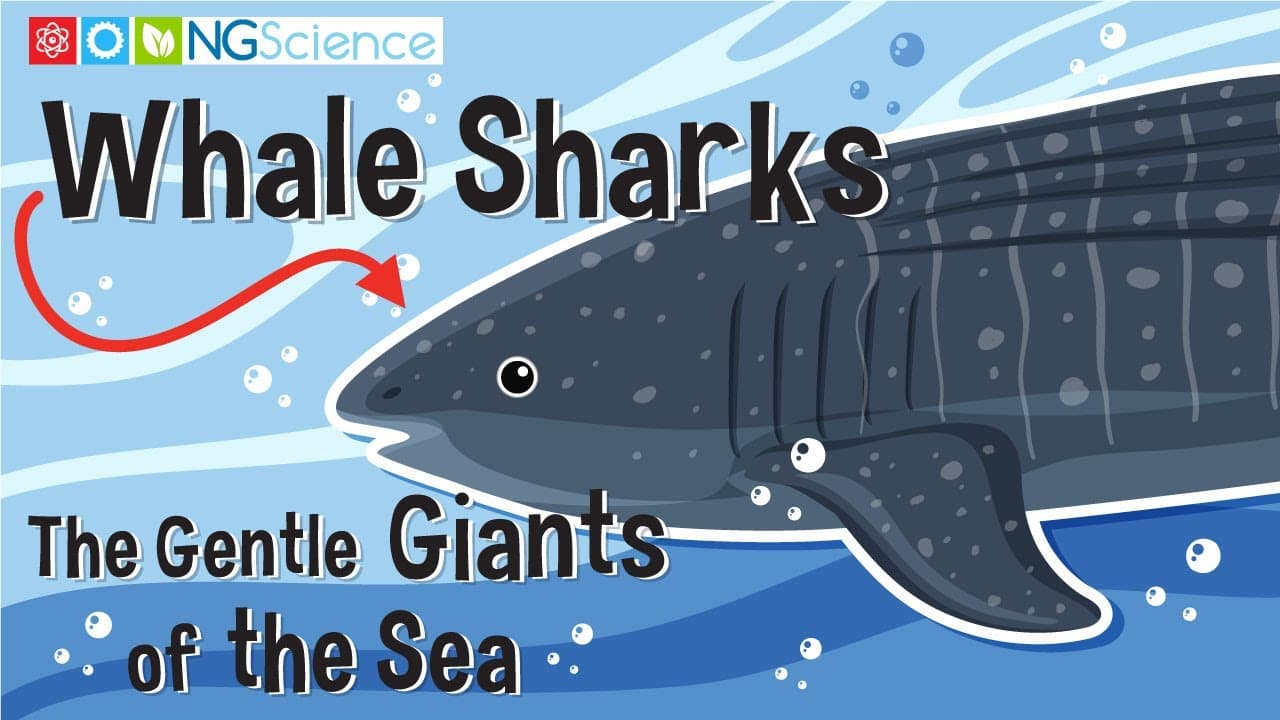
Whale Sharks Explained: The Largest Fish in the Sea

Whale Sharks Explained: The Largest Fish in the Sea

This educational video provides a comprehensive profile of the Whale Shark, clarifying its biological classification as the world's largest fish rather than a whale. Through high-quality underwater footage, the narration explores the creature's anatomy, feeding habits, and gentle temperament. The video systematically breaks down the distinctions between sharks and whales, explains the specific scientific order Whale Sharks belong to, and details their unique physical traits like their distinctive spot patterns and massive five-foot-wide mouths used for filter feeding. Key themes include marine taxonomy (distinguishing fish from mammals), animal adaptations, ecosystem roles, and conservation. The video delves into the shark's habitat in warm global waters, its migratory nature, and its solitary behavior. Significant attention is given to the conservation status of Whale Sharks, which are listed as a vulnerable species due to threats from human activities such as overfishing and accidental capture, highlighting the importance of global protection efforts. For educators, this video serves as an excellent resource for biology and environmental science units. It offers clear visual examples of specific adaptations like gill slits and filter feeding mechanisms, making abstract biological concepts concrete. The content naturally bridges into discussions about human impact on marine ecosystems and the importance of international cooperation in wildlife conservation. Its clear pacing and definitions make it accessible for upper elementary and middle school students studying ocean life, classification, or environmental stewardship.

Next Generation ScienceNext Generation Science

4mins 34s

Video
Discovering the Unique Wildlife of the Australian Outback

Discovering the Unique Wildlife of the Australian Outback

This engaging virtual field trip transports students to the vast, arid landscapes of the Australian Outback to explore its unique ecosystem. Hosted by two narrators who trade fun facts and banter, the video introduces the harsh climate of central and northern Australia before diving into a survey of the continent's most iconic wildlife. From cuddly marsupials to deadly predators, the video provides a balanced look at the biodiversity that thrives in this challenging environment. The video covers a wide range of biological themes, specifically focusing on physical and behavioral adaptations. Students learn about marsupials like kangaroos and koalas, investigate the defense mechanisms of reptiles like the inland taipan and thorny devil, and explore the hunting strategies of birds like the kookaburra and wedge-tailed eagle. Special attention is given to how these animals have evolved to survive extreme heat and scarcity, such as the taipan changing color to regulate temperature. Ideally suited for elementary and middle school science classes, this resource serves as an excellent anchor for units on habitats, adaptations, and biodiversity. The clear narration and vivid footage make complex concepts like venom toxicity and territorial behavior accessible. Teachers can use this video to spark discussions on predator-prey relationships, the difference between native and introduced species, and the geography of the Southern Hemisphere.

Next Generation ScienceNext Generation Science

10mins 15s

Video
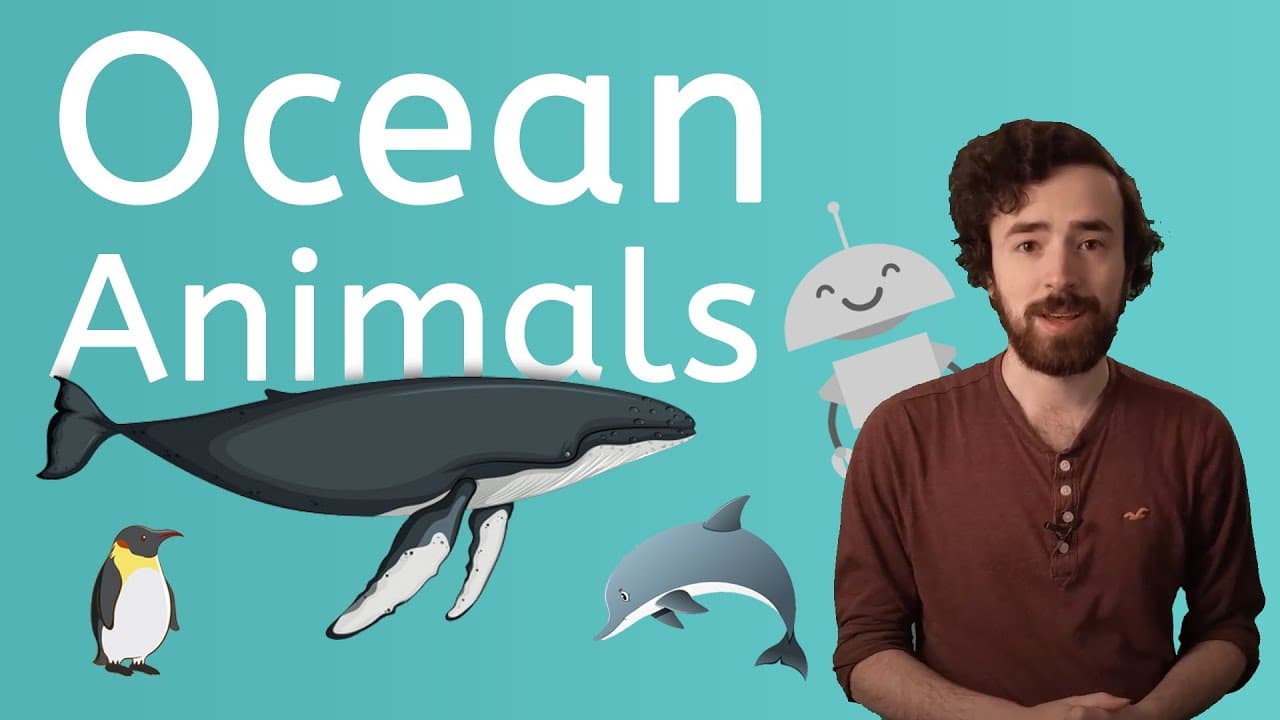
Exploring the Earth's Oceans and Marine Life

Exploring the Earth's Oceans and Marine Life

This educational video provides a comprehensive introduction to the Earth's oceans, explaining why our planet looks like a "giant blue ball" from space. It breaks down the global ocean into its five major named regions—Southern, Indian, Pacific, Atlantic, and Arctic—while emphasizing that they are all part of one continuous body of salt water. The narrative transitions from geography to marine biology, exploring the diverse habitats found within the ocean, from icy arctic waters to warm tropical coral reefs. The video dives into the biological diversity of marine life, starting with often-overlooked ocean plants. It highlights the critical role of microscopic phytoplankton, alongside visible flora like seagrass and seaweed. The tour of marine life continues up the food chain, showcasing animals ranging from tiny krill to massive whales, and detailing the bustling ecosystem of coral reefs, described as "underwater jungles." It also notes the connection between the ocean and land-based animals, specifically seabirds that rely on the ocean for food. For educators, this resource serves as an excellent primer for units on Earth science, habitats, or biodiversity. It visually demonstrates complex concepts like the microscopic scale of plankton and the vastness of global geography in an accessible way. The clear narration and distinct categorization of plants, animals, and habitats make it a versatile tool for vocabulary building and initiating discussions about ocean conservation and interconnected ecosystems.

Next Generation ScienceNext Generation Science

2mins 31s

Video
Solving Water Pollution: Prevention vs. Removal Strategies

Solving Water Pollution: Prevention vs. Removal Strategies

This video provides a comprehensive overview of strategies to combat water pollution, focusing specifically on the Chesapeake Bay watershed. It distinguishes between two primary approaches: prevention (keeping pollution out) and removal (cleaning pollution up). The host explains how nutrient pollution creates 'dead zones' that harm aquatic life and disrupt local economies, using real-world examples to illustrate the connection between human activities and environmental health. The content explores specific technologies and methods for each strategy. For prevention, it covers individual actions like managing pet waste and large-scale engineering solutions like permeable pavement and buffer strips. For removal, it discusses dredging, floating barriers, and biological treatments. The video emphasizes the challenges of cleaning moving water and explains why prevention is generally considered the 'gold standard' in environmental management. This resource is highly valuable for teaching environmental science, ecology, and critical thinking. It moves beyond simple definitions to explore the complexities of environmental decision-making, asking students to consider cost-benefit analyses and the competing needs of various stakeholders such as farmers, fishers, and local governments. It sets the stage for discussions on sustainability and civic responsibility.

Miacademy & MiaPrep Learning ChannelMiacademy & MiaPrep Learning Channel

9mins 1s

Video
Exploring Spiders: Anatomy, Webs, and Superpowers

Exploring Spiders: Anatomy, Webs, and Superpowers

In this engaging episode of SciShow Kids, host Jessi explores the fascinating world of spiders to help viewers overcome their fears through knowledge. The video breaks down the distinct biological differences between insects and arachnids, explaining why spiders don't fit into the insect category. It highlights the beneficial role spiders play in our ecosystem by controlling pest populations like mosquitoes and flies. The content dives deep into spider anatomy, comparing their body segments, legs, and eyes to those of insects. Specific species are showcased to illustrate unique adaptations: the Jumping Spider with its incredible vision and athletic leaping ability, and the Orb Weaver with its intricate web-building skills. The video also explains the mechanics of spider silk, spinnerets, and how spiders avoid getting stuck in their own webs. This resource is an excellent tool for early elementary science classrooms. It effectively teaches biological classification and anatomy while modeling scientific observation. Teachers can use it to support lessons on animal adaptations, introduce the concept of invertebrates, or facilitate social-emotional discussions about managing fears by understanding the unknown.

SciShow KidsSciShow Kids

4mins 8s

Video
The Butterfly Life Cycle and Anatomy Song

The Butterfly Life Cycle and Anatomy Song

This upbeat educational song teaches students about the life cycle, anatomy, and behavioral characteristics of butterflies through a catchy hip-hop rhythm. The lyrics systematically break down the four stages of metamorphosis—egg, larva, pupa, and adult—while also introducing specific scientific vocabulary such as proboscis, thorax, and exoskeleton. Beyond the basic life cycle, the song explores more advanced concepts including insect anatomy (head, thorax, abdomen), diet differences between caterpillars and butterflies, and natural predators like spiders and wasps. It also distinguishes butterflies from moths and introduces interesting facts about their vision, body temperature regulation, and diverse species names. Ideal for elementary science units, this audio-focused resource serves as an excellent mnemonic device to help students memorize complex biological terms and processes. The repetitive chorus reinforces the sequence of metamorphosis, making it a valuable tool for auditory learners and for whole-class engagement activities where students can sing along to internalize the content.

Have Fun TeachingHave Fun Teaching

3mins 36s

Video
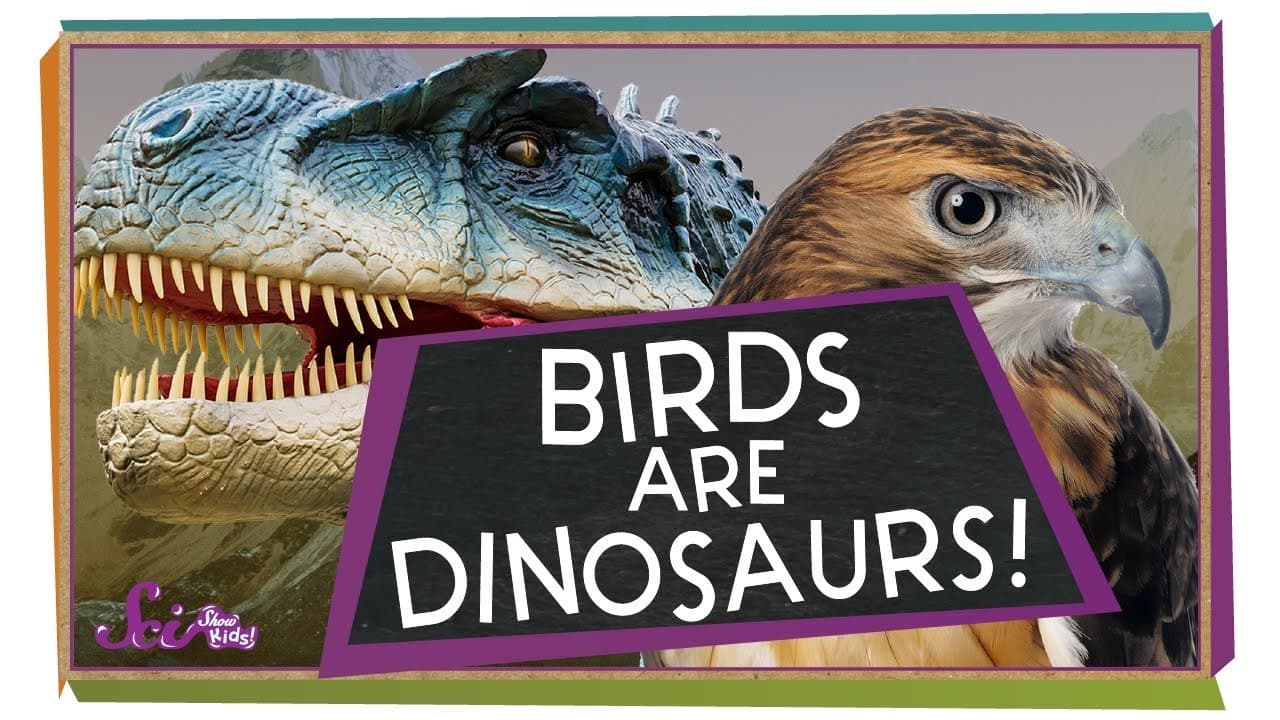
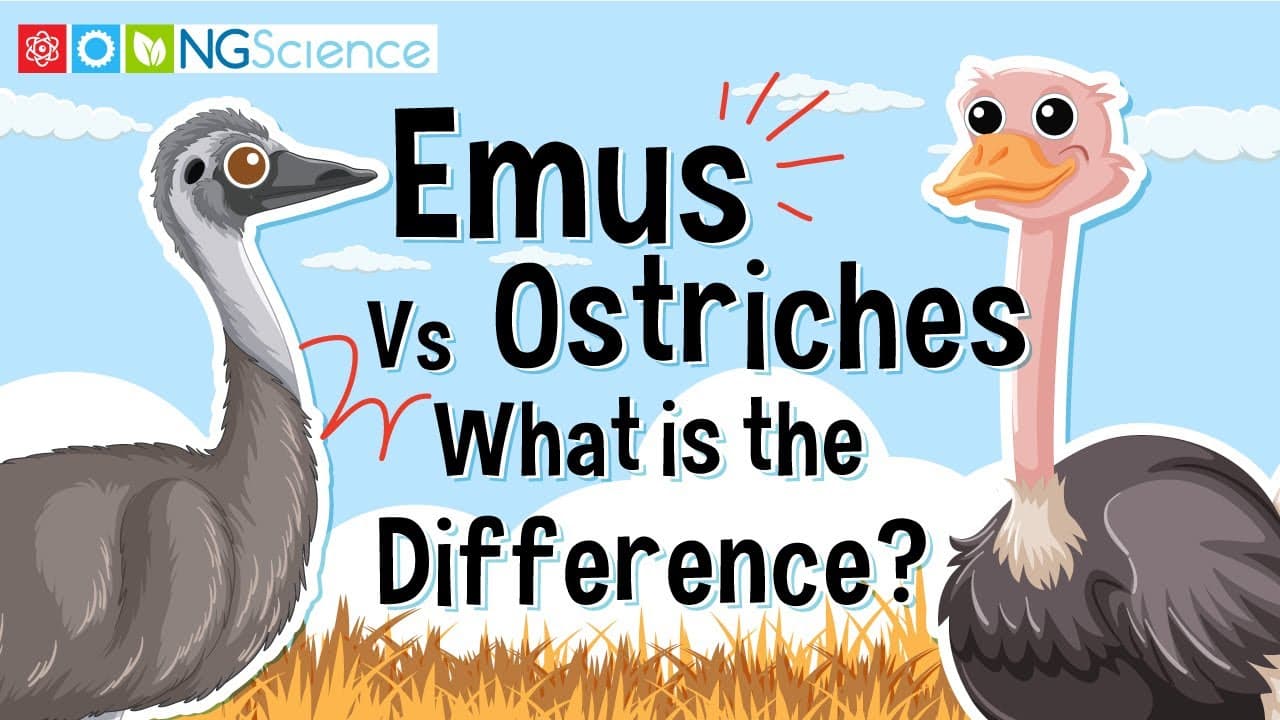
Exploring the Diverse World of Birds

Exploring the Diverse World of Birds

This educational video provides a comprehensive introduction to the diverse class of animals known as birds. It begins by exploring their wide range of habitats, from urban cities to the frozen landscapes of Antarctica, and outlines the fundamental characteristics shared by all bird species, including being warm-blooded, having feathers, laying eggs, and possessing wings. The video combines high-quality footage of various species—such as eagles, penguins, ostriches, and hummingbirds—to illustrate these traits vividly. Beyond basic classification, the video delves into specific adaptations and behaviors that allow birds to thrive in different environments. It highlights unique examples like the nocturnal vision of owls, the incredible running speed of the flightless ostrich, and the swimming abilities of penguins. The narrative also explains the concept of migration, featuring the record-breaking journey of the Arctic Tern, helping students understand how physical traits support survival strategies. Ideally suited for life science units, this resource emphasizes the ecological importance of birds. It explains their critical roles in ecosystems as pollinators, seed dispersers, and pest controllers. Teachers can use this video to launch discussions on biodiversity, animal adaptations, and the interdependence of living things within an ecosystem.

Next Generation ScienceNext Generation Science

4mins 34s

Video
How Your Ears Hear Sound

How Your Ears Hear Sound

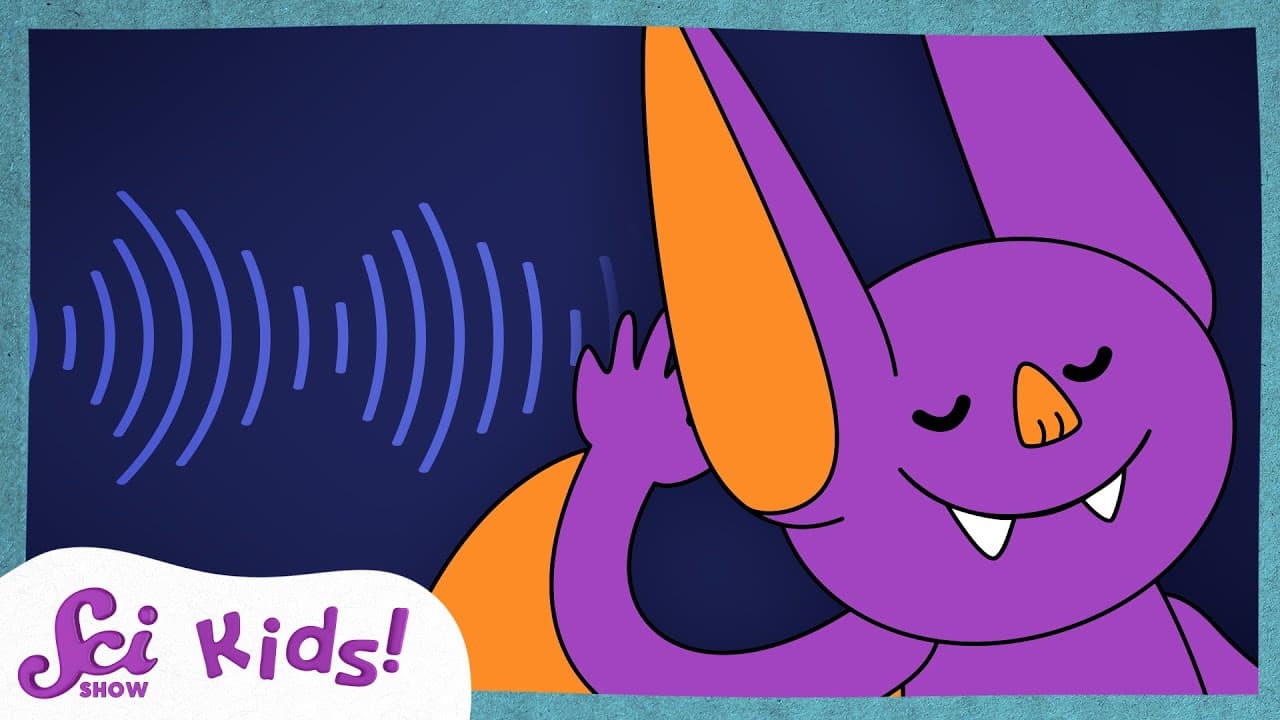
In this engaging episode of Sci Kids!, host Jessi and her robot mouse friend Squeaks explore the fascinating science of hearing. The video breaks down the complex anatomy of the ear, explaining how sound waves travel through the air and are processed by the outer, middle, and inner ear to send signals to the brain. Through clear animations and demonstrations, students learn about specific structures like the auricle, ear canal, eardrum (tympanic membrane), ossicles, and the cochlea. The video also delves into the physics of sound, introducing concepts like vibration, pitch (frequency), and how sound travels through different states of matter. It addresses hearing loss and the technology used to assist hearing, such as hearing aids and cochlear implants. The lesson extends into the animal kingdom with guest puppet characters—Sam the Bat and Bill the Duck—who explain how different species utilize hearing, introducing the concept of echolocation. Ideally suited for elementary science curriculums, this resource transforms abstract biological and physical concepts into accessible knowledge. Teachers can use this video to support units on the five senses, the human body, or sound energy. The inclusion of diverse hearing abilities and animal adaptations offers excellent opportunities for discussions about inclusivity and comparative biology.

SciShow KidsSciShow Kids

8mins 22s

Video
How Bats Use Echolocation and Hang Upside Down

How Bats Use Echolocation and Hang Upside Down

This engaging educational video from SciShow Kids explores the fascinating world of bats, debunking common fears while highlighting their unique biological adaptations. Hosted by a lively presenter, the video breaks down three specific "superpowers" that make bats special: their ability to navigate using sound (echolocation), their physiological adaptation for hanging upside down without getting dizzy, and their strong maternal instincts and communal living habits in nurseries.

SciShow KidsSciShow Kids

3mins 48s

Video
Exploring Lichen: The Amazing Partnership of Fungus and Algae

Exploring Lichen: The Amazing Partnership of Fungus and Algae

This engaging video from SciShow Kids explores the fascinating world of lichen, revealing that it isn't just a single plant, but a partnership between two distinct organisms: fungus and algae. The host explains how this biological teamwork, known as symbiosis, allows lichen to survive in diverse environments where neither organism could survive alone. Through clear analogies and fun animations, viewers learn about the specific roles each partner plays—with the fungus providing structure and protection while the algae produces food through photosynthesis. Key themes include biological relationships, specifically mutualistic symbiosis, and adaptation. The video details the anatomy of lichen, categorizing it into three main visual types: leafy (foliose), shrubby/hairy (fruticose), and crusty (crustose). It also touches on environmental science by explaining lichen's role as a bioindicator; since lichen absorbs nutrients from the air, its presence signals clean, fresh air quality, making it a natural tool for monitoring ecosystem health. For educators, this video serves as an excellent introduction to ecology and interdependence in nature. It transforms a common, often overlooked organism found in schoolyards and parks into an exciting example of biological cooperation. The content naturally bridges topics of biology (organism structure), ecology (habitats and food webs), and environmental stewardship (air quality), providing multiple entry points for hands-on activities like nature walks, identification labs, and discussions about teamwork in the natural world.

SciShow KidsSciShow Kids

3mins 20s

Video
Exploring the Great Barrier Reef and Its Amazing Animals

Exploring the Great Barrier Reef and Its Amazing Animals

This educational video from SciShow Kids takes young learners on an underwater journey to explore the Great Barrier Reef. Hosted by Jessi and her robot rat friend Squeaks, the video explains exactly what coral is—clarifying the common misconception that it is a rock or plant by identifying it as a colony of tiny animals. The narrative explores the massive scale of the Great Barrier Reef off the coast of Australia and introduces viewers to some of its unique inhabitants, including the dugong, moray eel, and cuttlefish. The video touches on key biological themes such as animal classification, habitats, and adaptations like camouflage. It illustrates how different species rely on the reef for food and shelter, highlighting the interdependence of the ecosystem. The latter part of the video gently introduces environmental concepts, explaining how human activities, climate change, and pollution impact ocean health. Teachers can use this video to spark lessons on marine biology, geography, and environmental stewardship. It serves as an excellent visual aid for explaining complex concepts like coral polyps and ecosystem fragility in an age-appropriate way. The actionable advice at the end—such as recycling and being careful about what goes down the drain—empowers students to participate in ocean conservation in their daily lives.

SciShow KidsSciShow Kids

3mins 47s

Video
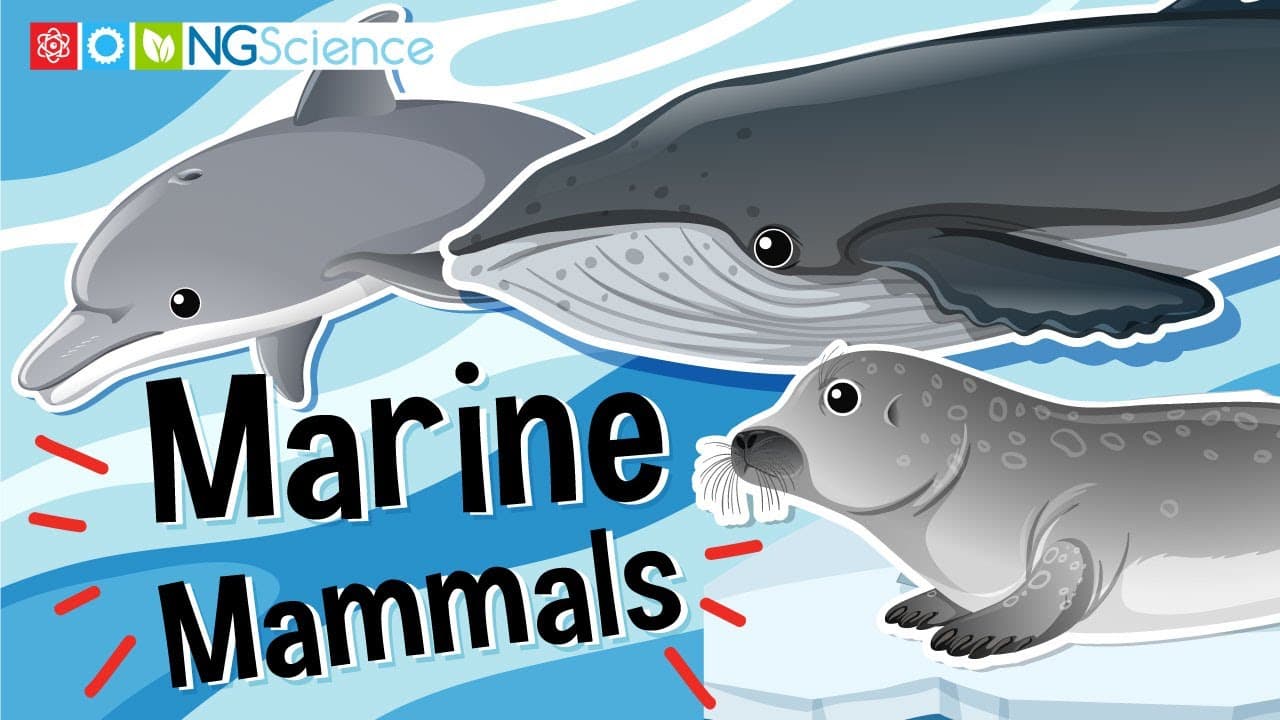
Exploring the World of Marine Mammals: Adaptations and Classification

Exploring the World of Marine Mammals: Adaptations and Classification

This educational video provides a comprehensive introduction to marine mammals, beginning with the fundamental characteristics that define all mammals—being warm-blooded, having hair or fur, giving birth to live young, producing milk, and breathing air with lungs. It seamlessly transitions into explaining how marine mammals share these traits while possessing unique adaptations that allow them to thrive in aquatic environments, such as oceans and coastal areas. The content is structured around the classification of marine mammals into four distinct groups: Cetaceans (whales, dolphins, porpoises), Pinnipeds (seals, sea lions, walruses), Sirenians (manatees, dugongs), and Marine Carnivores (polar bears, sea otters). The video details the specific physical and behavioral adaptations of each group, from the streamlined bodies and blowholes of cetaceans to the blubber layers of pinnipeds and the tool-using abilities of sea otters. Ideally suited for science classrooms, this video serves as an excellent resource for teaching biological classification, animal adaptations, and marine ecosystems. The clear categorization helps students organize complex information, while high-quality footage of animals in their natural habitats engages visual learners. It provides a solid foundation for lessons on how animals interact with their environment and the diversity of life within the ocean.

Next Generation ScienceNext Generation Science

5mins 40s

Video
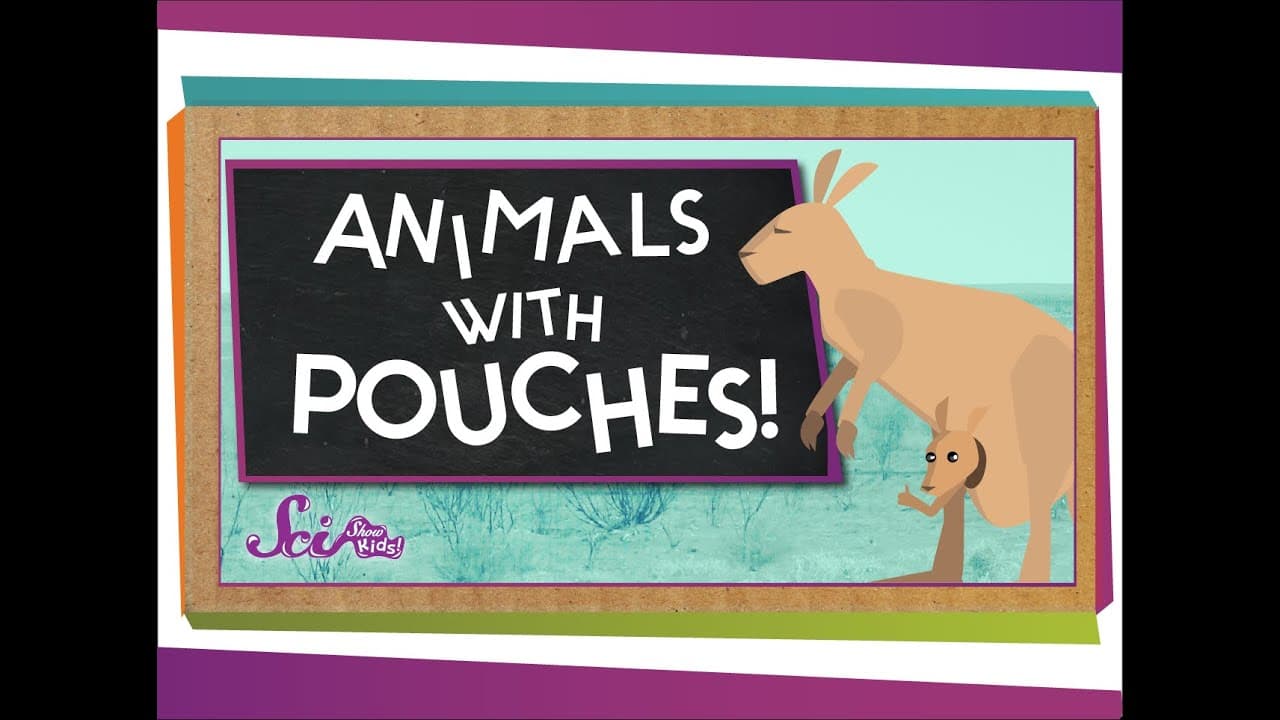
Exploring Marsupials: Pouches, Joeys, and Super Senses

Exploring Marsupials: Pouches, Joeys, and Super Senses

This engaging video from SciShow Kids explores the fascinating world of marsupials, introducing young learners to the unique characteristics that define this group of mammals. Hosted by Jessi at "The Fort," the video explains the primary feature distinguishing marsupials: the pouch. It clarifies that while many marsupials like kangaroos, wallabies, and koalas live in Australia, others like the Virginia Opossum and the swimming Yapok can be found in the Americas. The video delves into the biology of marsupial life cycles, describing how babies, called joeys, are born extremely small and finish developing inside their mother's pouch. It uses helpful analogies, comparing pouches to drawstring bags rather than open pockets, and differentiates between top-opening pouches (kangaroos) and bottom-opening pouches (wombats). The narrative also covers behavioral adaptations, specifically how nocturnal marsupials rely on heightened senses of smell and hearing to survive. A significant portion of the video focuses on the Bilby, an Australian desert dweller, to illustrate specific adaptations. Students learn how the Bilby's large ears help cool it down and hear predators, and how its long nose sniffs out termites. This resource is excellent for science units on animal classifications, adaptations, life cycles, and habitats, providing clear visuals and age-appropriate vocabulary.

SciShow KidsSciShow Kids

3mins 44s

Video
The Life Cycle and Habits of Giant Pandas

The Life Cycle and Habits of Giant Pandas

This engaging educational video introduces students to the fascinating world of giant pandas, covering their biological characteristics, behaviors, and life cycle. Hosted by a young presenter in a laboratory setting, the video combines studio narration with high-quality stock footage of pandas in their natural and zoo habitats. It explores key biological facts, defining pandas as mammals that give birth to live young, and highlights the dramatic size difference between the tiny, apple-sized newborns and the massive adults.

Next Generation ScienceNext Generation Science

4mins 50s

Video
How to Tell the Difference Between Turtles and Tortoises

How to Tell the Difference Between Turtles and Tortoises

In this engaging episode of SciShow Kids, a substitute host named Dr. Lawrence Turtleman (a human in a turtle costume) takes over "The Fort" to teach viewers everything about turtles and tortoises. The video breaks down the key biological and physical differences between these two often-confused reptiles, explaining how their physical traits—specifically their feet and shells—are perfectly adapted to their specific habitats on land or in water. The video covers a wide range of topics including the definition of a reptile, the incredible size variance among species (from tiny speckled padlopers to massive leatherbacks), and their impressive lifespans. It introduces specific famous turtles like Jonathan the Tortoise and shares surprising historical facts, such as tortoises being some of the first animals to orbit the moon. The content moves from biology to ecology, discussing how human activity affects turtle populations and what conservationists are doing to help. For educators, this video serves as an excellent resource for teaching animal classification, adaptation, and conservation. It simplifies the concept of "structure and function" by showing how different feet shapes serve different purposes. It also provides a practical lesson on responsible pet ownership and stewardship of nature, making it a versatile tool for science and social-emotional learning curriculums.

SciShow KidsSciShow Kids

4mins 26s

Video
How Humans Impact the Environment and Biodiversity

How Humans Impact the Environment and Biodiversity

This fast-paced educational video explores the critical relationship between human activity and the Earth's ecosystems. It begins by defining "ecosystem services"—the essential benefits nature provides for free, such as water filtration, crop pollination, and climate regulation. The host explains that these services rely heavily on biodiversity, illustrating how intact ecosystems with high species variety are more resilient to changes and disturbances than those with low biodiversity. The video then breaks down five major ways humans are negatively impacting these systems: deforestation, desertification, global warming, invasive species, and overharvesting. It uses clear examples, such as the expansion of the Gobi Desert and the clear-cutting of the Amazon, to demonstrate the "cascade effect," where one environmental change triggers a series of downstream consequences. The connection between deforestation and climate change is highlighted as a "double whammy" of reducing carbon absorption while increasing emissions. For educators, this resource serves as an excellent primer on human impact for ecology units. It moves beyond simple "pollution is bad" narratives to explain the mechanisms behind environmental degradation, such as the specific economic value of nature ($46 trillion/year) and the biological mechanics of resilience. It provides a strong foundation for discussions on sustainability, conservation biology, and the complex feedback loops within planetary systems.

CrashCourseCrashCourse

10mins 38s

Video
Exploring the Great Barrier Reef: A Virtual Field Trip

Exploring the Great Barrier Reef: A Virtual Field Trip

This educational video from Lighthouse Lab takes students on an engaging virtual field trip to Australia's Great Barrier Reef. Hosted by a lively presenter, the journey begins in the lab before transporting viewers to the Queensland coast. The video combines high-quality underwater footage, maps, and narration to explore the geography, structure, and incredible biodiversity of the world's largest coral reef system. It breaks down complex biological categories into accessible segments, covering everything from the microscopic coral polyps that build the reef to the massive marine mammals that inhabit it. Key themes explored include marine biology, taxonomy, and geography. The video details specific statistics about the reef's size and composition while introducing various animal groups such as fish, reptiles (sea turtles and snakes), marine mammals (dugongs, whales), and invertebrates (echinoderms, mollusks, crustaceans). It specifically highlights unique species like the dugong and the Spanish Dancer nudibranch, providing a broad overview of the reef's ecosystem. For educators, this video serves as an excellent anchor for lessons on ocean habitats, animal classification, and Australian geography. The structure is particularly classroom-friendly, as it encourages active listening through note-taking and concludes with a comprehensive 10-question multiple-choice quiz that reinforces the key facts presented. It effectively bridges the gap between entertainment and academic content, making it suitable for introducing a marine biology unit or supplementing a geography lesson.

Next Generation ScienceNext Generation Science

11mins 6s

Video
Exploring Non-Chordates: Animals Without Backbones

Exploring Non-Chordates: Animals Without Backbones

This educational video provides a comprehensive overview of the animal kingdom, specifically focusing on non-chordates—animals lacking a spinal cord. The lesson begins by defining the fundamental characteristics that classify an organism as an animal, such as being eukaryotic, multicellular, and heterotrophic. It distinguishes animal cells from plant cells by noting the lack of cell walls, which facilitates movement—a critical trait for finding food.

Miacademy & MiaPrep Learning ChannelMiacademy & MiaPrep Learning Channel

9mins 12s

Video
How Bats Use Echolocation and Hang Upside Down

How Bats Use Echolocation and Hang Upside Down

This engaging educational video from SciShow Kids explores the fascinating world of bats, debunking common fears while highlighting their unique biological adaptations. Hosted by a lively presenter, the video breaks down three specific "superpowers" that make bats special: their ability to navigate using sound (echolocation), their physiological adaptation for hanging upside down without getting dizzy, and their strong maternal instincts and communal living habits in nurseries.

SciShow KidsSciShow Kids

3mins 48s

Video
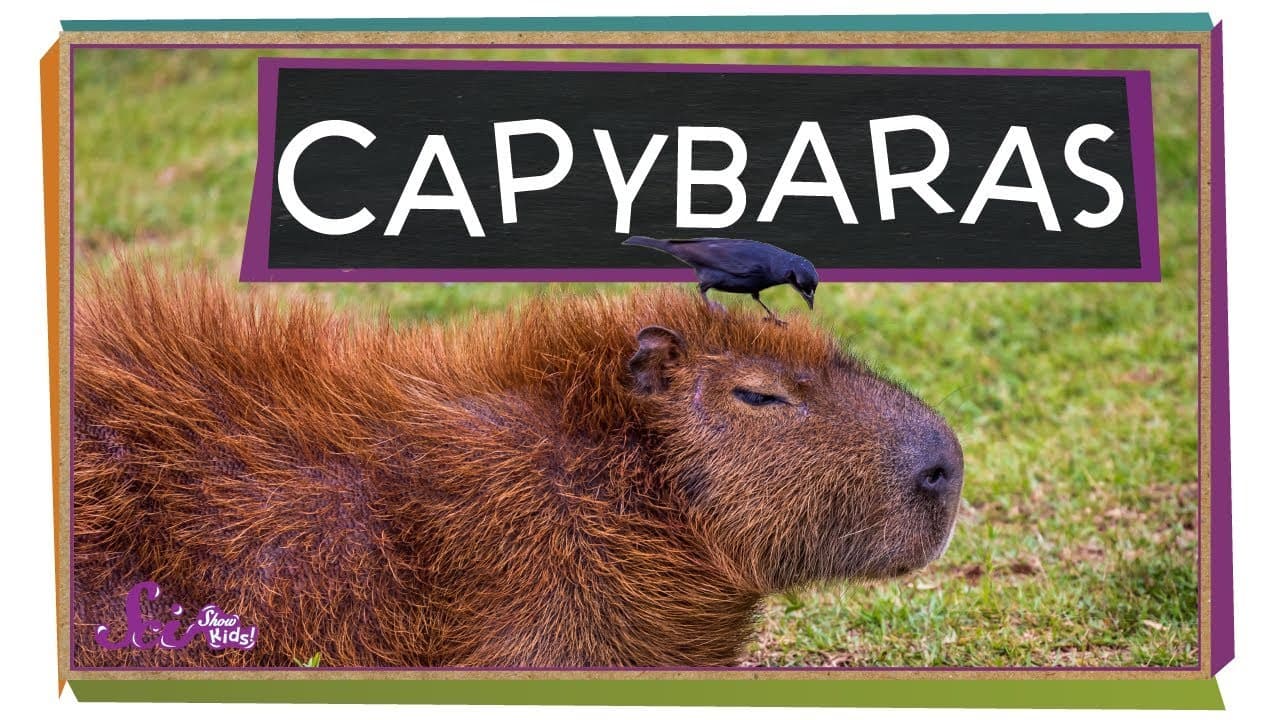
Exploring the World's Largest Rodent: The Capybara

Exploring the World's Largest Rodent: The Capybara

This engaging educational video introduces students to the capybara, the world's largest rodent. Hosted by Jessi and her robot rat friend Squeaks, the video explores the unique physical characteristics that define this "rodent of unusual size," comparing it to familiar relatives like mice and squirrels. It covers essential biological topics including their massive size, semi-aquatic adaptations, and distinct dental features that never stop growing. The video delves into specific themes of animal adaptation and survival strategies. It explains the capybara's specialized digestive system, including regurgitation and coprophagy (eating their own waste) to maximize nutrient absorption from tough grasses. Furthermore, it highlights their habitat preferences, showing how physical traits like webbed feet and the placement of sensory organs allow them to thrive in water to escape predators and regulate body temperature. For the classroom, this video serves as an excellent resource for Life Science units focusing on animal adaptations, classification, and habitats. It provides clear examples of how structure complements function—such as eyes positioned on top of the head for swimming—and introduces scientific vocabulary in an accessible way. The content effectively illustrates concepts of social behavior in animals and symbiotic relationships, making it a versatile tool for early elementary science lessons.

SciShow KidsSciShow Kids

4mins 34s

Video
Discovering the Unique Wildlife of the Australian Outback

Discovering the Unique Wildlife of the Australian Outback

This engaging virtual field trip transports students to the vast, arid landscapes of the Australian Outback to explore its unique ecosystem. Hosted by two narrators who trade fun facts and banter, the video introduces the harsh climate of central and northern Australia before diving into a survey of the continent's most iconic wildlife. From cuddly marsupials to deadly predators, the video provides a balanced look at the biodiversity that thrives in this challenging environment. The video covers a wide range of biological themes, specifically focusing on physical and behavioral adaptations. Students learn about marsupials like kangaroos and koalas, investigate the defense mechanisms of reptiles like the inland taipan and thorny devil, and explore the hunting strategies of birds like the kookaburra and wedge-tailed eagle. Special attention is given to how these animals have evolved to survive extreme heat and scarcity, such as the taipan changing color to regulate temperature. Ideally suited for elementary and middle school science classes, this resource serves as an excellent anchor for units on habitats, adaptations, and biodiversity. The clear narration and vivid footage make complex concepts like venom toxicity and territorial behavior accessible. Teachers can use this video to spark discussions on predator-prey relationships, the difference between native and introduced species, and the geography of the Southern Hemisphere.

Next Generation ScienceNext Generation Science

10mins 15s

Video
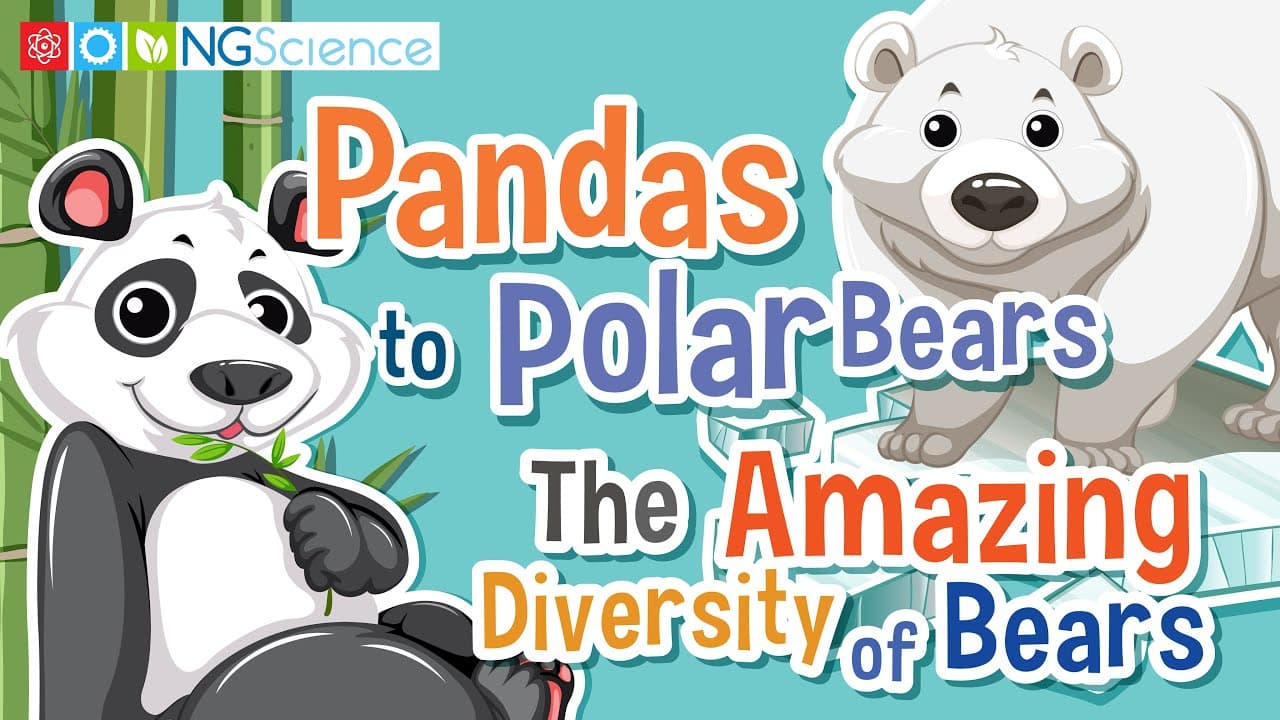
The Amazing Diversity of Bears: From Pandas to Polar Bears

The Amazing Diversity of Bears: From Pandas to Polar Bears

This educational video provides a comprehensive overview of the eight extant species of bears found around the world. It begins by establishing the fundamental biological characteristics that all bears share as mammals, including being warm-blooded, having skeletons, and nursing their young. The video then transitions into the specific defining features of the bear family (Ursidae), such as their plantigrade stance and omnivorous dentition. The core of the video is a detailed tour of the eight bear species: American Black Bear, Asiatic Black Bear (Moon Bear), Sun Bear, Spectacled Bear, Sloth Bear, Giant Panda, Brown Bear, and Polar Bear. For each species, the narration highlights unique physical adaptations, geographic habitats, and specific behaviors—from the sun bear's long tongue for extracting honey to the polar bear's specialized paws for swimming in the Arctic. This resource is highly valuable for biology and environmental science classrooms. It serves as an excellent case study for teaching concepts like adaptation, biodiversity, and habitats. Teachers can use the clear comparisons between species to help students understand how animals evolve distinct traits to survive in different environments, ranging from tropical rainforests to frozen ice caps.

Next Generation ScienceNext Generation Science

7mins 46s

Video
Exploring the Arctic: Animals, Adaptations, and Extreme Climates

Exploring the Arctic: Animals, Adaptations, and Extreme Climates

This engaging video provides a comprehensive introduction to the Arctic biome, taking students on a journey to the northernmost part of the Earth. Hosted by an energetic presenter, the video explains the unique geography and climate of the region, including temperatures that drop to 70 degrees below zero and the phenomenon of the "Midnight Sun" where the sun doesn't set in summer or rise in winter. It differentiates between the frozen Arctic Ocean, the rocky Tundra, and the forested Taiga, giving viewers a complete picture of this diverse environment. The core focus of the video is on the incredible biodiversity of the Arctic and the specific adaptations animals use to survive. Through clear visuals and explanations, students learn about a wide range of animals including polar bears, walruses, arctic wolves, and narwhals. Key biological concepts such as insulation (blubber and fur), camouflage (changing fur color with seasons), migration, and physical adaptations (like the lynx's snowshoe-like paws) are explored in depth. The video also briefly touches upon human life in the Arctic, showing how people adapt to the environment using snowmobiles and sleds. For educators, this video is an excellent resource for units on habitats, biomes, and animal adaptations. It uses simple analogies—like comparing a polar bear's paw to a dinner plate or a lynx's feet to snowshoes—that make complex concepts accessible to young learners. The segment on camouflage, showing side-by-side comparisons of animals in winter versus summer coats, offers immediate visual evidence for scientific discussion. Additionally, the inclusion of diagrams, such as the cross-section of a polar bear's den, supports visual literacy and understanding of animal behaviors.

Miacademy & MiaPrep Learning ChannelMiacademy & MiaPrep Learning Channel

12mins 21s

Video
Introduction to the Animal Kingdom and Its Classifications

Introduction to the Animal Kingdom and Its Classifications

This video serves as a comprehensive introduction to the Animal Kingdom (Kingdom Animalia), the largest of all biological kingdoms. The narrator guides viewers through the fundamental definition of what constitutes an animal, breaking down the five essential characteristics that distinguish animals from plants, fungi, and other organisms. The lesson emphasizes biological diversity, noting that while viewers may be familiar with common animals, the kingdom includes over 9 million species ranging from complex mammals to simple sea sponges.

Miacademy & MiaPrep Learning ChannelMiacademy & MiaPrep Learning Channel

6mins 2s

Video
How Your Ears Hear Sound

How Your Ears Hear Sound

In this engaging episode of Sci Kids!, host Jessi and her robot mouse friend Squeaks explore the fascinating science of hearing. The video breaks down the complex anatomy of the ear, explaining how sound waves travel through the air and are processed by the outer, middle, and inner ear to send signals to the brain. Through clear animations and demonstrations, students learn about specific structures like the auricle, ear canal, eardrum (tympanic membrane), ossicles, and the cochlea. The video also delves into the physics of sound, introducing concepts like vibration, pitch (frequency), and how sound travels through different states of matter. It addresses hearing loss and the technology used to assist hearing, such as hearing aids and cochlear implants. The lesson extends into the animal kingdom with guest puppet characters—Sam the Bat and Bill the Duck—who explain how different species utilize hearing, introducing the concept of echolocation. Ideally suited for elementary science curriculums, this resource transforms abstract biological and physical concepts into accessible knowledge. Teachers can use this video to support units on the five senses, the human body, or sound energy. The inclusion of diverse hearing abilities and animal adaptations offers excellent opportunities for discussions about inclusivity and comparative biology.

SciShow KidsSciShow Kids

8mins 22s

Video
How Plants and Animals Survive in Desert Ecosystems

How Plants and Animals Survive in Desert Ecosystems

This educational video provides a comprehensive exploration of desert ecosystems, challenging the common misconception that deserts are defined solely by heat. It explains that deserts are actually defined by precipitation levels—receiving less than 25 centimeters (10 inches) of rain annually—and introduces viewers to both hot and cold deserts, including the Arctic and Antarctic. The video offers a global perspective, showcasing deserts on every continent and visualizing their unique landscapes. A significant portion of the video is dedicated to the concept of biological adaptation. It details how flora and fauna have evolved specific traits to survive in harsh, arid environments. Viewers learn about plant adaptations through the example of cacti, examining their spines, waxy surfaces, and specialized root systems (tap roots vs. shallow roots). The video then transitions to animal adaptations, using camels, fennec foxes, and desert tortoises to illustrate survival strategies such as water storage, heat dissipation via large ears, nocturnal behavior, and estivation. For educators, this video is an excellent resource for units on biomes, habitats, and evolutionary biology. It provides clear visual examples of structural and behavioral adaptations, making abstract concepts concrete for students. The content naturally supports cross-curricular learning, connecting science (biology/environmental science) with geography (mapping global deserts) and math (calculating water consumption), making it a versatile tool for elementary and middle school classrooms.

Next Generation ScienceNext Generation Science

6mins 17s

Video
Exploring Australian Marsupials and Their Unique Adaptations

Exploring Australian Marsupials and Their Unique Adaptations

This educational video provides an engaging introduction to marsupials, focusing on the unique wildlife of Australia. It explains the geographical reason for Australia's distinct animal population—specifically its separation from other landmasses for millions of years—and defines what makes a mammal a marsupial. The narration covers the life cycle of these animals, detailing how underdeveloped young, known as joeys, continue their growth inside the mother's pouch, or marsupium. The video showcases a wide variety of marsupials beyond just the well-known kangaroo and koala. It introduces viewers to wallabies, quokkas, wombats, numbats, sugar gliders, quolls, and the Tasmanian devil. Specific scientific classifications, such as "macropods" (meaning big feet), are introduced to explain the physical characteristics of kangaroos and wallabies. The footage includes high-quality clips of these animals in their natural habitats, offering students a close-up look at their behaviors and physical traits. For educators, this resource serves as an excellent primer for units on animal adaptations, life cycles, or biodiversity. It simplifies complex biological concepts like evolutionary isolation and distinct reproductive methods into age-appropriate language. The video can spark learning by prompting discussions on how geography influences evolution, the differences between placental and marsupial mammals, and the importance of habitat conservation for these unique species.

Next Generation ScienceNext Generation Science

3mins 21s

Video
Discovering the Amazing American Bison

Discovering the Amazing American Bison

This engaging educational video introduces students to the American Bison, the national mammal of the United States. Through a lively conversation between the host, Jessi, and her robot rat friend, Squeaks, viewers learn to distinguish between bison and buffalo, explore the life cycle of bison calves (nicknamed "red dogs"), and discover fascinating facts about their massive size and surprising speed. The video utilizes clear graphics, maps, and real-world footage to make these concepts accessible. The content covers key biological themes including physical adaptations, such as how the bison's distinctive hump helps them survive snowy winters, and behavioral adaptations like "wallowing" to repel insects. It effectively connects biological features to environmental survival, explaining how specific traits help the animal thrive in its habitat. Additionally, the video touches upon important historical and conservation topics suitable for young learners. It briefly explains how bison populations dwindled due to overhunting and were saved through conservation efforts, introducing the concept of protecting endangered species. This makes the video a versatile tool for both science lessons on animal adaptations and social studies lessons on American symbols and conservation history.

SciShow KidsSciShow Kids

3mins 19s

Video
How to Tell the Difference Between Turtles and Tortoises

How to Tell the Difference Between Turtles and Tortoises

In this engaging episode of SciShow Kids, a substitute host named Dr. Lawrence Turtleman (a human in a turtle costume) takes over "The Fort" to teach viewers everything about turtles and tortoises. The video breaks down the key biological and physical differences between these two often-confused reptiles, explaining how their physical traits—specifically their feet and shells—are perfectly adapted to their specific habitats on land or in water. The video covers a wide range of topics including the definition of a reptile, the incredible size variance among species (from tiny speckled padlopers to massive leatherbacks), and their impressive lifespans. It introduces specific famous turtles like Jonathan the Tortoise and shares surprising historical facts, such as tortoises being some of the first animals to orbit the moon. The content moves from biology to ecology, discussing how human activity affects turtle populations and what conservationists are doing to help. For educators, this video serves as an excellent resource for teaching animal classification, adaptation, and conservation. It simplifies the concept of "structure and function" by showing how different feet shapes serve different purposes. It also provides a practical lesson on responsible pet ownership and stewardship of nature, making it a versatile tool for science and social-emotional learning curriculums.

SciShow KidsSciShow Kids

4mins 26s

Video
Meet the Reptiles: A Musical Introduction

Meet the Reptiles: A Musical Introduction

This energetic music video introduces young learners to the animal class of reptiles through a catchy, rhythmic song and bright animated visuals. The video features four distinct reptiles—the chameleon, crocodile, snake, and turtle—displaying them in their natural jungle-themed habitats. The simple structure repeats animal names with a focus on initial letter sounds, making it an excellent tool for dual learning in both science and literacy. The content focuses on animal identification and vocabulary building. By isolating specific animals and repeating their names with a stuttering rhythmic pattern (e.g., "C-c-c-c-crocodile"), the video reinforces phonemic awareness and helps students associate the written word and spoken sound with the visual representation of the animal. The visuals also subtly introduce animal behaviors, such as the snake slithering and the crocodile snapping its jaws. For educators, this video serves as a perfect high-energy hook to start a science unit on animals or a specific lesson on reptiles. It can be used as a "brain break" that encourages movement, a tool for practicing beginning letter sounds in a literacy block, or a visual reference for discussing the common characteristics of reptiles (scales, laying eggs, cold-blooded) even though those specific terms are not sung.

Have Fun TeachingHave Fun Teaching

1min 12s

Video
Exploring the Life of Manta Rays Through Song

Exploring the Life of Manta Rays Through Song

This engaging animated music video introduces students to the biological characteristics and behaviors of manta rays through a catchy, upbeat song. Set initially in a whimsical underground burrow, the video transitions into an underwater exploration where a robotic mouse character learns about these "blanket fish." The lyrics and accompanying animations cover key scientific concepts including the manta ray's habitat in tropical waters, their unique anatomy (mouths in front of the head), their diet of plankton via filter feeding, and their defense mechanisms like camouflage and a protective mucus membrane. It also touches on their place in the food web, noting sharks as their predators. Ideal for early elementary science lessons, this video combines auditory and visual learning to help students memorize facts about marine life. It serves as an excellent hook for units on ocean ecosystems, animal adaptations, or food chains, making scientific vocabulary accessible through rhyme and melody.

SciShow KidsSciShow Kids

2mins 37s

Video
Meet the Wombat: Australia's Burrowing Bulldozer

Meet the Wombat: Australia's Burrowing Bulldozer

This engaging nature documentary takes young viewers on a journey to the Australian outback to uncover the secrets of one of its most unique inhabitants: the wombat. While famous neighbors like kangaroos and koalas often steal the spotlight, this video reveals why the wombat deserves attention, detailing its physical characteristics, burrowing behaviors, and unique adaptations. From their sturdy, bulldozer-like bodies to their surprising cube-shaped scat, the video provides a comprehensive look at how this marsupial survives and thrives in the wild. Key themes explored in the video include animal adaptations, structural function, and the life cycle of marsupials. The narration highlights specific evolutionary traits, such as the backward-facing pouch that prevents dirt from entering while digging and continuously growing teeth suited for a tough diet of bark and roots. It also introduces biological concepts like nocturnal behavior, territory marking, and the definition of a marsupial, using the wombat as a primary case study. For educators, this video is a treasure trove of memorable examples for teaching structure and function in biology. The clear explanation of *why* the wombat's pouch faces backward offers a perfect illustration of adaptation for elementary students. Furthermore, the fun fact about cube-shaped poop serves as an excellent hook to engage students in conversations about animal communication and biological processes. It is versatile enough to support lessons on habitats, animal diets, and informational report writing.

Next Generation ScienceNext Generation Science

3mins 1s

Video
Exploring the Diverse World of Birds

Exploring the Diverse World of Birds

This educational video provides a comprehensive introduction to the diverse class of animals known as birds. It begins by exploring their wide range of habitats, from urban cities to the frozen landscapes of Antarctica, and outlines the fundamental characteristics shared by all bird species, including being warm-blooded, having feathers, laying eggs, and possessing wings. The video combines high-quality footage of various species—such as eagles, penguins, ostriches, and hummingbirds—to illustrate these traits vividly. Beyond basic classification, the video delves into specific adaptations and behaviors that allow birds to thrive in different environments. It highlights unique examples like the nocturnal vision of owls, the incredible running speed of the flightless ostrich, and the swimming abilities of penguins. The narrative also explains the concept of migration, featuring the record-breaking journey of the Arctic Tern, helping students understand how physical traits support survival strategies. Ideally suited for life science units, this resource emphasizes the ecological importance of birds. It explains their critical roles in ecosystems as pollinators, seed dispersers, and pest controllers. Teachers can use this video to launch discussions on biodiversity, animal adaptations, and the interdependence of living things within an ecosystem.

Next Generation ScienceNext Generation Science

4mins 34s

Video
Exploring the Earth's Oceans and Marine Life

Exploring the Earth's Oceans and Marine Life

This educational video provides a comprehensive introduction to the Earth's oceans, explaining why our planet looks like a "giant blue ball" from space. It breaks down the global ocean into its five major named regions—Southern, Indian, Pacific, Atlantic, and Arctic—while emphasizing that they are all part of one continuous body of salt water. The narrative transitions from geography to marine biology, exploring the diverse habitats found within the ocean, from icy arctic waters to warm tropical coral reefs. The video dives into the biological diversity of marine life, starting with often-overlooked ocean plants. It highlights the critical role of microscopic phytoplankton, alongside visible flora like seagrass and seaweed. The tour of marine life continues up the food chain, showcasing animals ranging from tiny krill to massive whales, and detailing the bustling ecosystem of coral reefs, described as "underwater jungles." It also notes the connection between the ocean and land-based animals, specifically seabirds that rely on the ocean for food. For educators, this resource serves as an excellent primer for units on Earth science, habitats, or biodiversity. It visually demonstrates complex concepts like the microscopic scale of plankton and the vastness of global geography in an accessible way. The clear narration and distinct categorization of plants, animals, and habitats make it a versatile tool for vocabulary building and initiating discussions about ocean conservation and interconnected ecosystems.

Next Generation ScienceNext Generation Science

2mins 31s

Video
Discovering Rainforest Animals and Their Habitat

Discovering Rainforest Animals and Their Habitat

This engaging educational video introduces young learners to the rainforest habitat and the diverse animals that call it home. The video begins by defining a rainforest as a warm, wet environment that receives significant rainfall throughout the year, establishing the basic characteristics of this ecosystem. It uses high-quality footage to visually demonstrate the lush, green landscape, waterfalls, and mist that characterize these regions. The core of the video features a showcase of various rainforest inhabitants, ranging from insects like leafcutter ants and spiders to large mammals like tigers and monkeys. Each animal is introduced with clear narration and text on screen, helping students associate names with images. The video highlights specific behaviors, such as a monkey swinging from branches, a snake flicking its tongue, and ants carrying leaves, bringing the habitat to life. For educators, this video serves as an excellent introduction to life science units on habitats, biodiversity, or animal identification. The clear visuals and simple vocabulary make it accessible for early elementary students. It encourages inquiry by asking open-ended questions about what other animals might live there and comparing the rainforest to other habitats, providing natural jumping-off points for class discussions and activities.

Next Generation ScienceNext Generation Science

1min 45s

Video
All About Giant Pandas: Habitats and Survival

All About Giant Pandas: Habitats and Survival

Join Jessi and Squeaks from SciShow Kids for an engaging exploration of the Giant Panda, one of the world's most beloved and rare animals. This video introduces young learners to the biological classification of pandas as bears and dives deep into the concept of a "habitat." It explains exactly what a habitat provides—food, water, and shelter—and illustrates the specific environmental conditions in the cool, wet mountain forests of China that pandas call home. The video covers critical biological concepts including dietary habits, specifically the panda's reliance on bamboo, and the challenges of being a "picky eater" in the wild. It visualizes the connection between an animal's survival and the health of its environment, showing how pandas use hollow logs and tree stumps for dens. The narrative then shifts to conservation, explaining the historical and current threats to panda populations, primarily habitat loss and fragmentation due to human activity. This resource is an excellent tool for elementary science classrooms to teach topics such as basic needs of living things, environmental stewardship, and geography. It simplifies complex conservation issues into understandable concepts, offering a hopeful message about how humans are now working to protect forests and replant bamboo to help panda populations recover. Teachers can use this video to spark discussions about endangered species, human impact on nature, and the delicate balance of ecosystems.

SciShow KidsSciShow Kids

3mins 19s

Video
Exploring the Musculoskeletal System: How We Move

Exploring the Musculoskeletal System: How We Move

This comprehensive biology video explores the intricate relationship between muscles and bones, treating them as a unified musculoskeletal system. Hosted by Taylor, the lesson breaks down the specific anatomy and physiology required for human movement, moving beyond simple descriptions to explain the cellular and structural composition of body tissues. The video utilizes clear animations and diagrams to visualize internal structures like bone marrow, muscle fibers, and joint connections that students cannot easily observe otherwise. The content covers three primary areas: the types of muscle tissue (smooth, cardiac, and skeletal), the internal structure of living bone (compact, spongy, and marrow), and the connective tissues that bind them together (ligaments and tendons). It addresses common misconceptions—specifically that bones are non-living structures—and explains the physiological mechanics of how muscles contract to pull bones. Additionally, the video dedicates a significant portion to health education, outlining the role of nutrition (protein, calcium, Vitamin D), exercise, and sleep in maintaining this system. For educators, this video serves as a perfect core lesson for units on the human body, anatomy, or health. It effectively bridges the gap between identifying organs and understanding their function. The clear distinction made between voluntary and involuntary muscles, as well as the mechanical explanation of tendons versus ligaments, provides excellent anchor points for classroom demonstrations and physical education cross-integration.

Miacademy & MiaPrep Learning ChannelMiacademy & MiaPrep Learning Channel

11mins 28s

Video
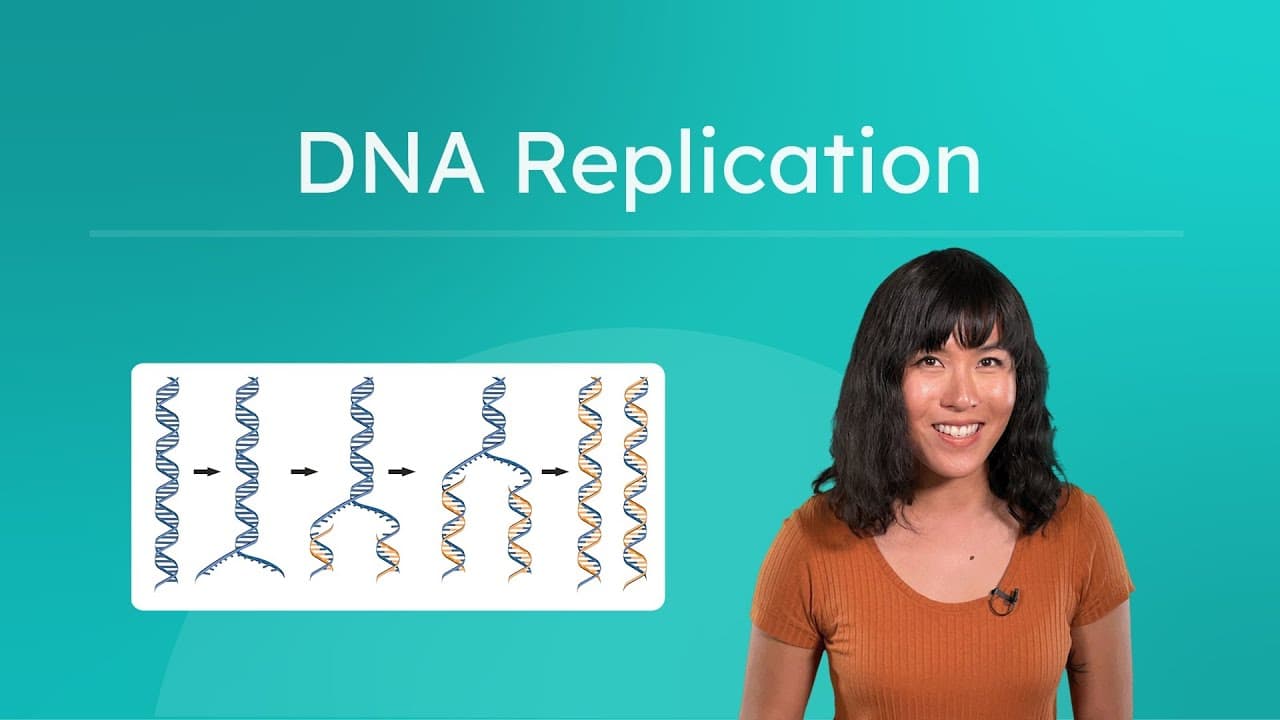
How DNA Replicates and Repairs Itself

How DNA Replicates and Repairs Itself

This comprehensive biology video breaks down the complex process of DNA replication, explaining how cells faithfully copy their genetic material before division. Using the analogy of copying tedious math formulas, the narrator introduces the sheer scale of cellular division in the human body—approximately 10 quadrillion times in a lifetime. The video visually demonstrates the semi-conservative nature of replication, where the double helix unwinds and unzips to create templates for new strands, ensuring genetic continuity.

Miacademy & MiaPrep Learning ChannelMiacademy & MiaPrep Learning Channel

10mins 57s

Video
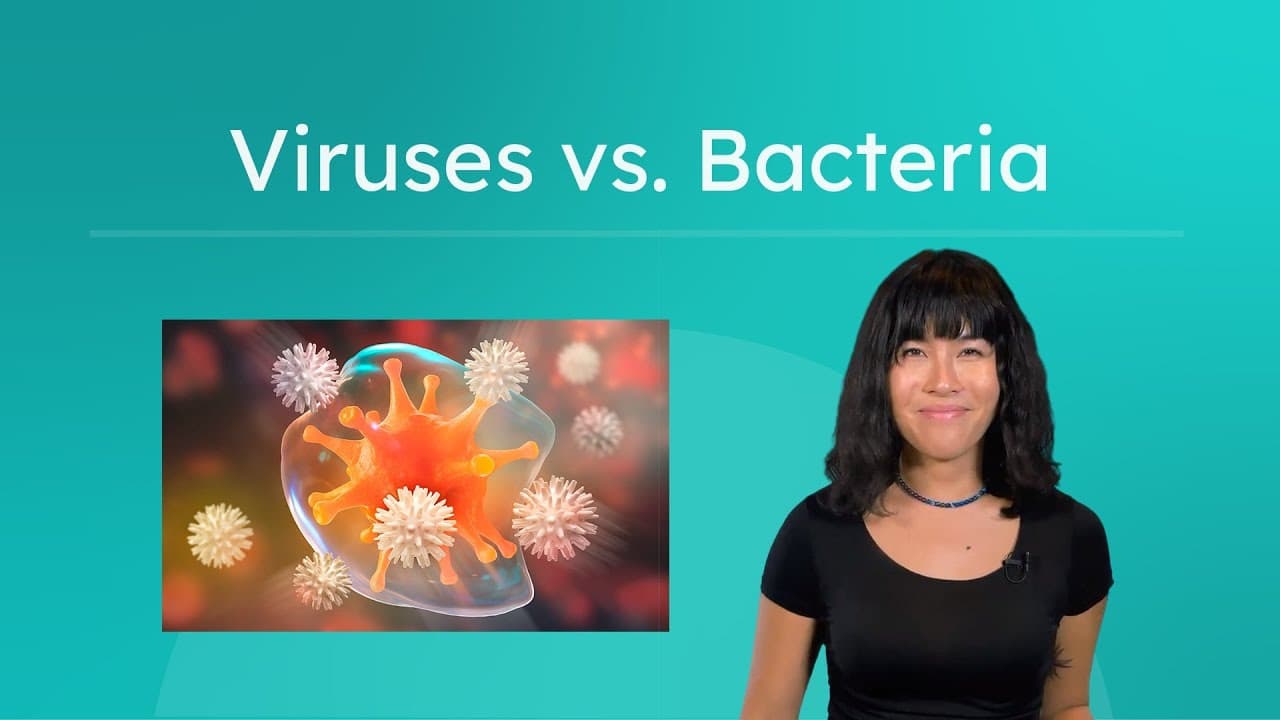
Are Viruses Alive? Applying the 7 Criteria for Life

Are Viruses Alive? Applying the 7 Criteria for Life

This engaging biology lesson tackles a fundamental scientific debate: Are viruses actually alive? Hosted by a relatable narrator battling a cold, the video uses the "7 Criteria for Life" framework to systematically evaluate viruses. It contrasts viruses with bacteria and human cells, explaining why common treatments like antibiotics are ineffective against viral infections. The video dives deep into cellular biology, exploring viral structure, replication mechanisms, and the difference between reproduction and replication. The content covers key biological concepts including cellular organization, homeostasis, energy use, adaptation, and response to stimuli. It clarifies the distinction between viruses and bacteria using clear visual aids and analogies, such as comparing a viral infection to turning a cell into a "copy machine." The video also touches upon how viruses evolve (using the flu shot as an example) and how the human immune system responds to these invaders. For educators, this video serves as an excellent bridge between units on cell theory and microbiology. It provides a structured way to teach the characteristics of life by testing a "borderline" case, encouraging critical thinking rather than rote memorization. The real-world connections to illness, vaccines, and immunity make the abstract biological concepts relevant and accessible to students, helping them understand the "why" behind public health recommendations and medical treatments.

Miacademy & MiaPrep Learning ChannelMiacademy & MiaPrep Learning Channel

15mins 33s

Video
Traveling Back to the First Life on Earth

Traveling Back to the First Life on Earth

In this engaging episode of SciShow Kids, host Anthony and his robot mouse friend Squeaks explore the history of life on Earth through a pretend time machine adventure. While Squeaks initially wants to visit the dinosaurs, Anthony suggests traveling back even further—3.5 billion years ago—to discover the very first living things on our planet. The video uses this narrative frame to introduce students to the concept of deep time and the vast history that occurred before dinosaurs even existed. The core scientific focus is on stromatolites and cyanobacteria. The video explains how these microscopic organisms use sunlight to create energy (photosynthesis) and build rock-like structures called stromatolites over thousands of years. Through clear animations and analogies, such as comparing rock layers to lasagna, complex geological and biological processes are made accessible to young learners. The video also connects this ancient history to the modern world by showing living stromatolites that still exist in Shark Bay, Australia today. This resource is highly valuable for introducing elementary students to paleontology beyond just dinosaurs. It helps students visualize the timeline of Earth's history, introduces the concept of fossils as clues, and explains the role of microorganisms in shaping our planet. Teachers can use this video to launch units on Earth's history, fossils, rock formation, or the basic needs of living things, effectively bridging the gap between biology and geology.

SciShow KidsSciShow Kids

5mins 44s

Video
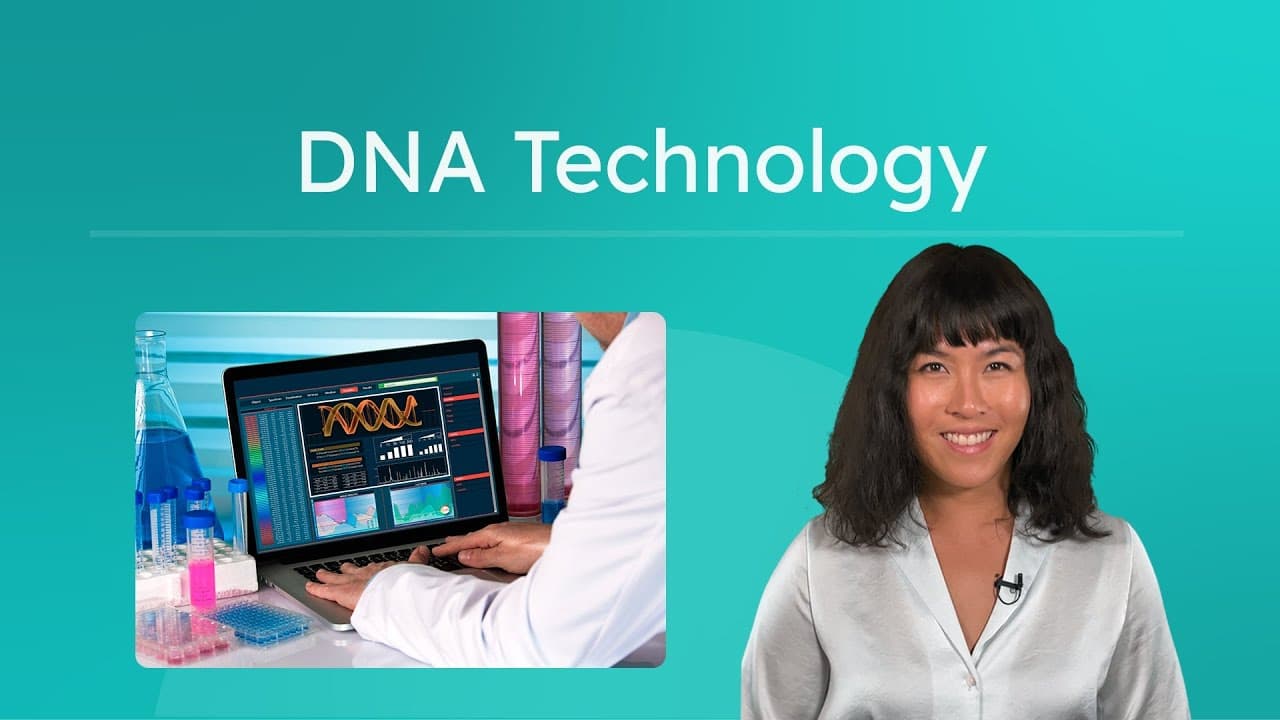
How DNA Technology Solves Crimes and Cures Diseases

How DNA Technology Solves Crimes and Cures Diseases

This educational video introduces students to the fascinating world of DNA technology through the lens of a crime scene investigation. Hosted by a presenter named "B", the video explains how forensic scientists use biological evidence to solve crimes. It breaks down complex laboratory techniques like Polymerase Chain Reaction (PCR) and Gel Electrophoresis into understandable concepts using effective analogies and animations. The narrative solves a hypothetical crime while simultaneously teaching the underlying molecular biology principles.

Miacademy & MiaPrep Learning ChannelMiacademy & MiaPrep Learning Channel

17mins 13s

Video
How Earth Recycles: The Four Key Cycles of Matter

How Earth Recycles: The Four Key Cycles of Matter

This educational video provides a comprehensive overview of how matter cycles through the Earth's systems, emphasizing the concept of Earth as a "closed system." It begins by posing a thought-provoking question about population growth: if Earth doesn't gain new matter, where do the materials for new life come from? The host then explains the difference between elements and compounds before diving into four specific biogeochemical cycles: the Carbon Cycle, the Nitrogen Cycle, the Phosphorus Cycle, and the Water Cycle. Key themes include the law of conservation of matter, the interaction between Earth's spheres (atmosphere, hydrosphere, geosphere, and biosphere), and the specific biological and chemical processes that drive these cycles. The video details complex processes such as photosynthesis, respiration, combustion, nitrogen fixation, mineralization, nitrification, and weathering, breaking them down with clear visuals and definitions. This resource is highly valuable for middle and high school science classrooms studying ecology, earth science, or chemistry. It effectively connects abstract chemical concepts to real-world phenomena, such as how plants grow, how clouds form, and what our bodies are made of. Teachers can use this video to introduce the concept of nutrient cycling or to review specific vocabulary related to ecosystem dynamics.

Miacademy & MiaPrep Learning ChannelMiacademy & MiaPrep Learning Channel

14mins 5s

Video
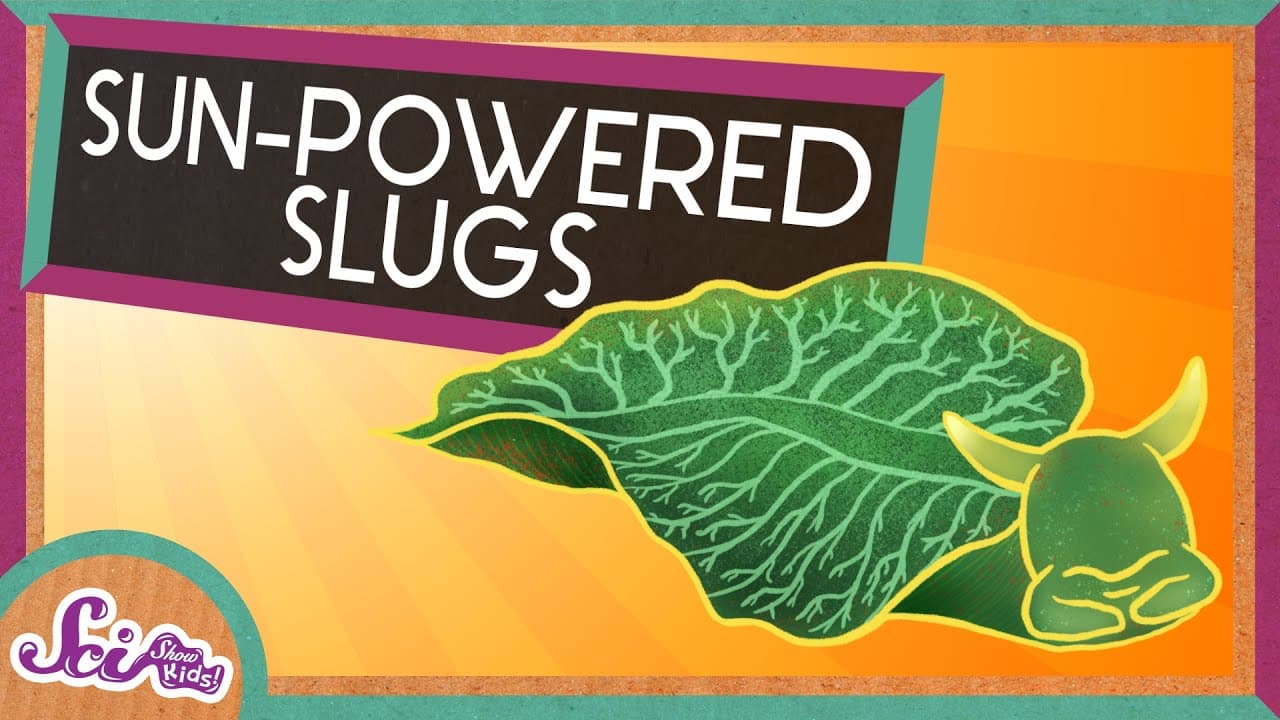
The Solar-Powered Sea Slug That Eats Sunlight

The Solar-Powered Sea Slug That Eats Sunlight

Join Jessi and Squeaks as they discover one of nature's most incredible animals: the Emerald Elysia sea slug. While most animals need to constantly eat food to survive, this unique ocean dweller has a special "superpower" that allows it to go up to a whole year without eating. The video explains how this slug blurs the line between animal and plant by stealing the solar-powered machinery from the algae it eats. Key scientific themes explored include photosynthesis, the function of chloroplasts, and the differences between land and sea environments. The video breaks down complex biological concepts—like how plants convert sunlight into energy and cellular biology—using accessible analogies like "green machines" and relatable comparisons between spinach salads and algae. This resource is an excellent tool for elementary science classrooms to bridge units on animal adaptations and plant biology. It captures student interest by presenting a "rule-breaking" animal that defies standard categorization. Teachers can use this video to introduce cell structures (chloroplasts), discuss energy transfer in ecosystems, or spark creative discussions about biological possibilities and animal superpowers.

SciShow KidsSciShow Kids

4mins 8s

Video
Introduction to Molecular Genetics: How DNA Builds Life

Introduction to Molecular Genetics: How DNA Builds Life

This educational video serves as a comprehensive introduction to a unit on molecular genetics, bridging the gap between basic cell biology and the complex molecular processes that drive life. The host, 'B', reviews foundational concepts like DNA and chromosomes before diving into the specific mechanisms of protein synthesis, explaining how DNA acts as the instruction manual for building proteins. The video clearly distinguishes between eukaryotic and prokaryotic cells in terms of DNA storage and introduces the central dogma of biology: DNA to RNA to Protein. Key themes include the structure of the DNA double helix, the relationship between DNA and chromosomes, the difference between transcription and translation, and the process of meiosis in inheritance. The video also touches upon genetic mutations—using a humorous visual of a giant frog—and real-world applications of genetics such as crime scene investigation and medical advancements. For educators, this video is an excellent hook or introductory resource for a middle or high school biology unit. It simplifies complex abstract concepts through clear animations and analogies (like the twisted ladder). It provides multiple natural pause points for checking prior knowledge about cells and setting the stage for hands-on activities regarding DNA modeling, protein synthesis simulations, or discussions about genetic engineering and forensics.

Miacademy & MiaPrep Learning ChannelMiacademy & MiaPrep Learning Channel

5mins 30s

Video
Exploring the World of Bacteria: Structure, Survival, and Impact

Exploring the World of Bacteria: Structure, Survival, and Impact

This comprehensive biology lesson introduces students to the microscopic world of bacteria, exploring their structure, classification, and diverse roles in our ecosystem. The video breaks down complex biological concepts into digestible segments, covering how bacteria are classified by shape (cocci, bacilli, spirillum) and cell wall composition (Gram-positive vs. Gram-negative). It also delves into bacterial physiology, explaining how they move, reproduce via binary fission, and introduce genetic variation through mutation and conjugation. The content highlights the dual nature of bacteria as both essential allies and dangerous adversaries. It illustrates their vital ecological roles as decomposers and nitrogen fixers, as well as their presence in the human gut to aid digestion. Conversely, it addresses pathogenic bacteria that cause diseases like tetanus, tuberculosis, and strep throat, explaining how toxins and infections affect the body. For educators, this video serves as an excellent core resource for units on microbiology, cell biology, or ecology. It provides clear visual models of cell structures, real-world examples of bacterial species, and addresses the critical concept of antibiotic resistance through the lens of cell wall structure. The recurring "Friend or Foe" theme offers a perfect framework for classroom debates and critical thinking exercises regarding the impact of microorganisms on human life.

Miacademy & MiaPrep Learning ChannelMiacademy & MiaPrep Learning Channel

14mins 2s

Video
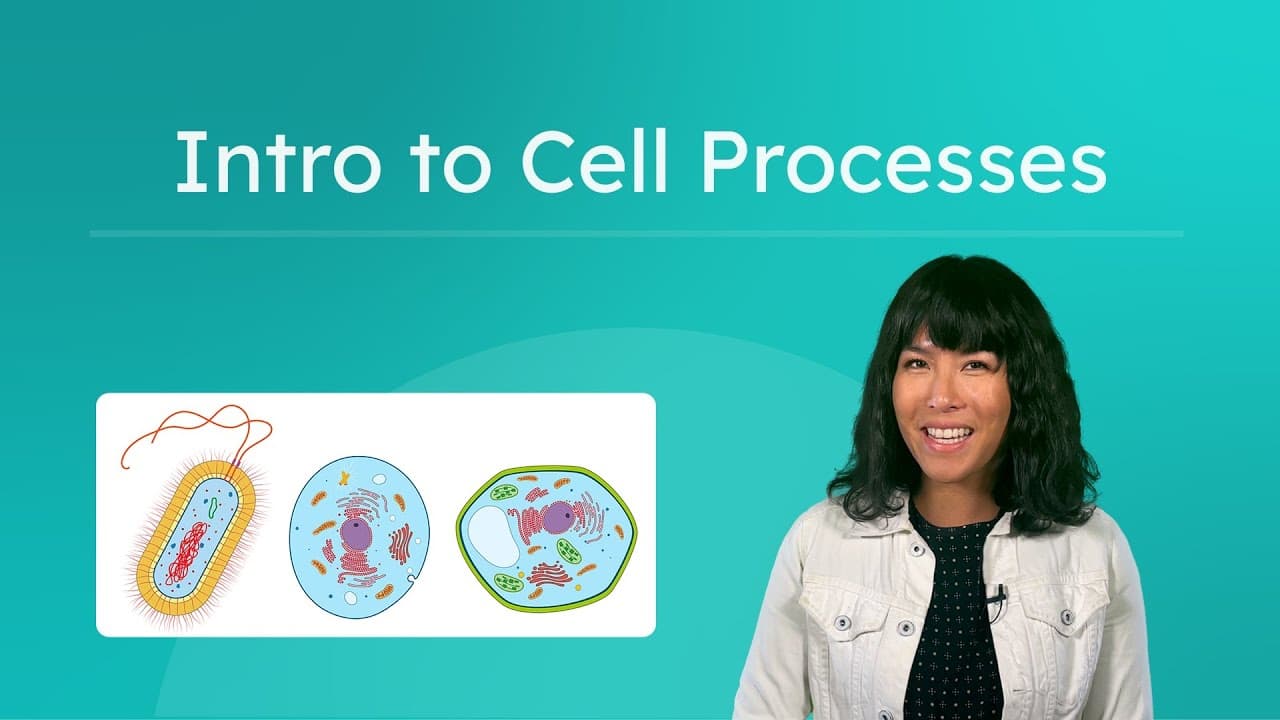
How Cell Processes Keep Living Things Alive and Connected

How Cell Processes Keep Living Things Alive and Connected

This video serves as an engaging introduction to a biology unit on cell processes, shifting the focus from cell structure (parts) to cell function (what they do). The host explains how cellular activities are essential for keeping organisms alive and highlights the deep interconnectedness of all living things. Through clear examples like breathing and eating, the video demonstrates how fundamental biological cycles link plants and animals in a continuous exchange of matter and energy. The content covers several foundational biological concepts including the definition of heterotrophs, the reciprocal relationship between photosynthesis and cellular respiration, and the concept of homeostasis. It explains how plants convert inorganic carbon dioxide into organic glucose and oxygen, while animals consume organic matter and oxygen to produce energy and carbon dioxide. The video also touches upon metabolism as the breakdown of macromolecules for energy and introduces the cell cycle as a necessary mechanism for growth and repair. For educators, this video is an excellent "anchor" resource to launch a unit on cellular energetics or life processes. It provides a high-level overview that connects abstract chemical equations to students' daily experiences, such as breathing and eating. The visual aids, including diagrams of gas exchange and the cell cycle, help students visualize invisible processes. It sets the stage for deeper dives into specific topics like mitosis, stoichiometry of respiration, and physiological feedback loops.

Miacademy & MiaPrep Learning ChannelMiacademy & MiaPrep Learning Channel

6mins 3s

Video
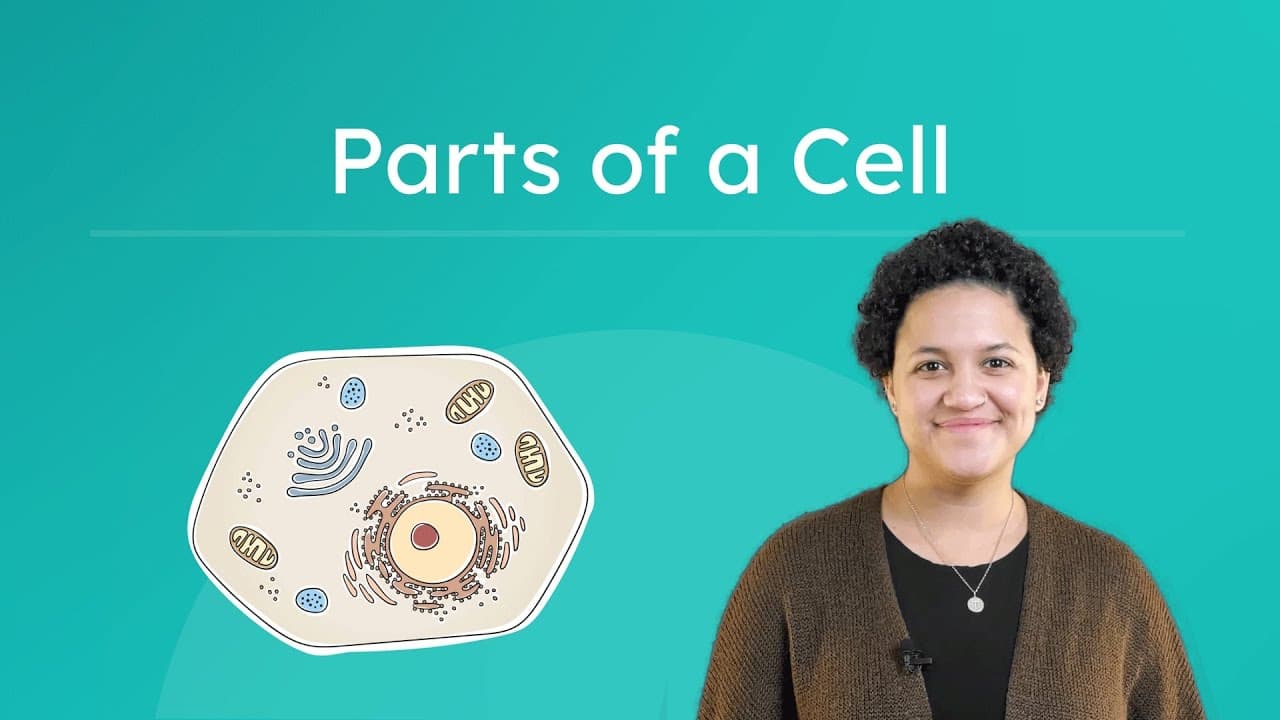
The Parts of a Cell and How We See Them

The Parts of a Cell and How We See Them

This educational video provides a clear and engaging introduction to the internal structure of cells and the technology used to study them. It begins by distinguishing between light microscopes and electron microscopes, explaining how the invention of the electron microscope allowed scientists to see beyond the limitations of light waves to discover the tiny structures inside cells. The video uses helpful analogies, such as ocean waves, to explain optical resolution and magnification limits in a way accessible to students. The core of the lesson focuses on the four fundamental components found in all cells: the plasma membrane, cytoplasm, DNA, and ribosomes. Each component is defined by its function and structure, with the narrator using metaphors like "gatekeeper" for the membrane and "jelly-like fluid" for cytoplasm to aid retention. The video visualizes these parts using both diagrams and real electron microscope imagery, helping students connect abstract models to real biological structures. Finally, the video updates the traditional Cell Theory with modern understandings, such as the role of DNA in inheritance and energy flow within cells. It concludes with an interactive review session that reinforces the key vocabulary and functions learned. This resource is excellent for introducing cell biology, the history of science technology, and the basic building blocks of life in middle school science classrooms.

Miacademy & MiaPrep Learning ChannelMiacademy & MiaPrep Learning Channel

7mins 28s

Video
Why Hair Turns Gray As We Get Older

Why Hair Turns Gray As We Get Older

This educational video from SciShow Kids explores the biological reasons behind why human hair changes color as we age. Hosted by Jessi and her robot mouse friend Squeaks, the video answers a common curiosity: "Where does gray hair come from?" It breaks down the anatomy of a hair strand, introducing students to follicles, melanin, and melanocytes in an accessible way. The content covers key biological themes including cell function, human growth and development, and diversity in physical traits. Through clear animations and analogies, it explains how hair follicles act like factories, how melanin provides color to our hair, skin, and eyes, and how the gradual loss of pigment-producing cells (melanocytes) results in gray or white hair. Ideally suited for elementary science classrooms, this video helps demystify the aging process and celebrates human diversity. It provides excellent opportunities for teachers to introduce cellular biology concepts using simple analogies, discuss how bodies change over time, and explore the science of pigmentation. The tone is positive and normalizing, making it a great resource for health or biology units.

SciShow KidsSciShow Kids

2mins 55s

Video
One Becomes Two: How Cells Divide to Help You Grow and Heal

One Becomes Two: How Cells Divide to Help You Grow and Heal

This educational video introduces students to the fundamental concept of cell division, specifically the process of mitosis. It explains that living things like humans, animals, and plants are multicellular organisms made of trillions of tiny building blocks called cells. The narrative guides viewers through why cells need to divide—to help the body grow, repair injuries, and stay alive—and simplifies the complex biological mechanism into understandable steps.

Next Generation ScienceNext Generation Science

2mins 52s

Video
How Cells Build Proteins: The Process of Protein Synthesis

How Cells Build Proteins: The Process of Protein Synthesis

This educational video uses a relatable baking analogy to explain the complex biological process of protein synthesis. The presenter simplifies how cells utilize DNA instructions to build proteins, breaking the mechanism down into two understandable stages: transcription and translation. The video clearly illustrates the roles of DNA, mRNA, ribosomes, and amino acids in creating the structures that make up living organisms. Key themes explored include the function of proteins in the human body (beyond just muscles), the structure of amino acids, the difference between DNA and RNA, and the specific cellular machinery involved in synthesizing proteins. The video also touches upon cellular transport, metabolism, and the concept of denaturation, explaining why this continuous cycle is vital for homeostasis. This resource is highly valuable for biology teachers introducing genetics or cellular processes. By comparing the nucleus to a secure vault and mRNA to a copied recipe, it transforms abstract molecular concepts into concrete, memorable visualizations. It serves as an excellent foundational lesson for middle and high school students before diving into more advanced topics like genetics and heredity.

Miacademy & MiaPrep Learning ChannelMiacademy & MiaPrep Learning Channel

10mins 21s

Video
Why Water Is Essential for Life: A Molecular Look

Why Water Is Essential for Life: A Molecular Look

This video provides a comprehensive exploration of the biological importance of water, bridging the gap between molecular chemistry and macroscopic biological functions. It begins by contrasting the diverse life of the Amazon Rainforest with the sparse life of the Sahara Desert to illustrate water's critical role in ecosystems. The narrator then zooms in to the molecular level, explaining the chemical structure of water ($H_2O$), the difference between elements and compounds, and the concept of polarity, using magnets as an analogy for how positive hydrogen and negative oxygen atoms interact.

Miacademy & MiaPrep Learning ChannelMiacademy & MiaPrep Learning Channel

15mins 32s

Video
How Meiosis Creates Unique Reproductive Cells

How Meiosis Creates Unique Reproductive Cells

This educational video provides a comprehensive overview of meiosis, the process of cell division responsible for creating reproductive cells (gametes). It explains the necessity of reducing chromosome numbers by half to maintain genetic stability across generations, distinguishing between diploid somatic cells and haploid gametes. The narration breaks down the stages of Meiosis I and Meiosis II, highlighting key events like homologous pairing, crossing over, and random assortment. Key themes include the mechanics of inheritance, the difference between mitosis and meiosis, and the sources of genetic variation. The video uses clear animations to demonstrate how DNA from both parents is shuffled and combined to create genetically unique offspring. It clarifies complex vocabulary such as homologous chromosomes, sister chromatids, zygotes, and alleles. For educators, this video serves as an excellent core resource for units on genetics and cell biology. It visualizes abstract microscopic processes, making them accessible to students. The clear distinction between the two rounds of division and the focus on genetic variation provides a solid foundation for subsequent lessons on heredity, Punnett squares, and evolution.

Miacademy & MiaPrep Learning ChannelMiacademy & MiaPrep Learning Channel

13mins 40s

Video
The History of Cell Theory: Discovering the Microscopic World

The History of Cell Theory: Discovering the Microscopic World

This engaging educational video traces the fascinating history of cell theory, guiding students from the invention of the earliest microscopes to the modern scientific understanding of life's building blocks. Hosted by an energetic presenter, the narrative introduces key historical figures like Robert Hooke, Antonie van Leeuwenhoek, Matthias Schleiden, Theodore Schwann, and Rudolph Virchow. It explains how their cumulative discoveries—often made centuries apart—transformed our understanding of the biological world from "animalcules" in pond water to complex multicellular organisms. The video explores central themes in the history of science, including the crucial role of technology (microscopes) in enabling new discoveries and the collaborative (and sometimes competitive) nature of scientific progress. It breaks down the three pillars of Classical Cell Theory: that all living things are made of cells, cells are the basic unit of life, and all cells come from pre-existing cells. Additionally, it touches upon Modern Cell Theory, introducing concepts like DNA transfer and energy flow within cells. For educators, this resource serves as an excellent introduction to a Biology or Life Science unit on cells. It humanizes the scientific process by sharing stories of specific scientists—including the controversy between Virchow and Remak—making abstract dates and names memorable. The video provides clear definitions, visual examples of unicellular and multicellular organisms, and natural pause points for class discussion, making it a versatile tool for introducing foundational biological concepts.

Miacademy & MiaPrep Learning ChannelMiacademy & MiaPrep Learning Channel

12mins 4s

Video
The Seven Scientific Criteria That Define Life

The Seven Scientific Criteria That Define Life

This educational video provides a comprehensive introduction to the fundamental biological question: "What defines a living thing?" Hosted by Caroline, the lesson moves beyond simple intuition to establish a rigorous scientific framework for distinguishing living organisms from non-living matter. The video breaks down the seven essential criteria used by biologists—organization, response to stimuli, reproduction, adaptation, growth, homeostasis, and energy processing—explaining that an entity must meet *all* seven requirements to be scientifically classified as alive. The content systematically explores each criterion with clear definitions and relatable examples ranging from single-celled bacteria to complex multicellular humans. It utilizes diverse visuals, including microscopic views of cells, time-lapse footage of plant growth, and diagrams of DNA, to make abstract concepts concrete. A significant portion of the video is dedicated to a guided case study on coral, challenging viewers to apply what they've learned to determine if a stationary, rock-like structure is actually a living organism. For educators, this video serves as an excellent foundational resource for a Biology or Life Science unit. It actively models critical thinking by debunking common misconceptions (like the idea that movement is a requirement for life) and includes built-in pause points for student reflection. The concluding open-ended question about viruses provides a perfect springboard for advanced classroom debate and research, making this video versatile for introducing core biological concepts and the scientific method.

Miacademy & MiaPrep Learning ChannelMiacademy & MiaPrep Learning Channel

9mins 13s

Video
Exploring the Diverse World of Protists

Exploring the Diverse World of Protists

This educational video provides a clear and visually engaging introduction to the Kingdom Protista, a diverse group of organisms that often defy simple classification. The video explains that while most protists are single-celled, some, like giant kelp, are large and multicellular. It breaks down the kingdom into three primary categories based on their characteristics: animal-like protists (protozoa), plant-like protists (algae), and fungus-like protists (decomposers). Through high-quality microscopic footage and underwater videography, viewers see examples of each type in action, from amoebas stretching to move, to kelp forests swaying in the ocean, to slime molds growing on decaying wood. The video explores key themes of biological classification, cellular diversity, and adaptation. It highlights how scientists categorize these "odds and ends" organisms by comparing them to the other kingdoms of life—animals, plants, and fungi. It also touches upon ecological roles, such as the rapid growth of kelp in marine ecosystems and the decomposition work performed by slime molds, illustrating the vital place these organisms hold in various environments. For educators, this video is an excellent resource for introductory biology units on cells and classification. It simplifies complex microbiological concepts into digestible categories, making it easy for students to visualize organisms they likely cannot see with the naked eye. The clear structure—defining the group, then breaking it down into three types—provides a perfect scaffolding for note-taking and comparison activities. It serves as a great hook for lessons on pond water organisms, food webs, or the diversity of life forms on Earth.

Next Generation ScienceNext Generation Science

2mins 20s

Video
How Cells Organize into Tissues, Organs, and Systems

How Cells Organize into Tissues, Organs, and Systems

This educational video explores the hierarchical organization of the human body, bridging the gap between microscopic cells and complex body systems. Hosted by Taylor, the lesson transitions from previous concepts of eukaryotic cells to the specific ways human cells cooperate. It explains the distinction between unicellular and multicellular organisms, using the analogy of a single athlete versus a sports team to illustrate the efficiency and capability of specialized cellular cooperation. The content breaks down the four primary types of human tissues—epithelial, connective, muscle, and nerve—providing clear examples and functions for each. A significant portion of the video is dedicated to a detailed case study of the small intestine, visually dissecting its layers to show how all four tissue types work together within a single organ. The narrative then expands to organ systems, briefly introducing the digestive, circulatory, nervous, and respiratory systems. For educators, this video serves as an excellent bridge between cell biology and anatomy. It transforms abstract definitions of tissues and organs into concrete visual examples, particularly through the cross-section analysis of the small intestine. The video includes built-in pauses for student reflection and prediction, making it ready-to-use for active learning. It effectively scaffolds complex biological vocabulary like "epithelial" and "specialization" within accessible comparisons, making it ideal for middle school life science curriculums.

Miacademy & MiaPrep Learning ChannelMiacademy & MiaPrep Learning Channel

7mins 54s

Video
Exploring the Earth's Oceans and Marine Life

Exploring the Earth's Oceans and Marine Life

This educational video provides a comprehensive introduction to the Earth's oceans, explaining why our planet looks like a "giant blue ball" from space. It breaks down the global ocean into its five major named regions—Southern, Indian, Pacific, Atlantic, and Arctic—while emphasizing that they are all part of one continuous body of salt water. The narrative transitions from geography to marine biology, exploring the diverse habitats found within the ocean, from icy arctic waters to warm tropical coral reefs. The video dives into the biological diversity of marine life, starting with often-overlooked ocean plants. It highlights the critical role of microscopic phytoplankton, alongside visible flora like seagrass and seaweed. The tour of marine life continues up the food chain, showcasing animals ranging from tiny krill to massive whales, and detailing the bustling ecosystem of coral reefs, described as "underwater jungles." It also notes the connection between the ocean and land-based animals, specifically seabirds that rely on the ocean for food. For educators, this resource serves as an excellent primer for units on Earth science, habitats, or biodiversity. It visually demonstrates complex concepts like the microscopic scale of plankton and the vastness of global geography in an accessible way. The clear narration and distinct categorization of plants, animals, and habitats make it a versatile tool for vocabulary building and initiating discussions about ocean conservation and interconnected ecosystems.

Next Generation ScienceNext Generation Science

2mins 31s

Video
Everyday Chemical Reactions: From Cooking to Fireworks

Everyday Chemical Reactions: From Cooking to Fireworks

This engaging educational video introduces students to the concept of chemical reactions by exploring how they occur in everyday life. Through relatable examples like cooking an egg, baking a cake, and watching fireworks, the narration explains how substances combine and transform into something new. The video breaks down complex chemical processes into observable phenomena, highlighting the key indicators of reactions such as color changes, gas production (bubbles), heat, and light. The content covers a wide range of scientific themes, including physical vs. chemical changes, the role of heat in reactions, biological processes like digestion and photosynthesis, and oxidation (rusting). It specifically addresses how distinct elements like oxygen, carbon dioxide, and various metals play roles in these transformations. The video creates connections between the chemistry laboratory and the real world, showing that science is happening constantly in our bodies and environments. For educators, this resource serves as an excellent introduction or review tool for a unit on matter and chemical changes. The visual demonstrations provide concrete evidence for abstract concepts, making them accessible to elementary and middle school students. The video concludes with a comprehensive 12-question quiz, making it a ready-to-use lesson that includes direct assessment of student understanding.

Next Generation ScienceNext Generation Science

6mins 54s

Video
How to Grow a Potato Plant from Scraps

How to Grow a Potato Plant from Scraps

Join Jessi and her robot rat friend Squeaks in this hands-on science lesson about vegetative propagation. The video explores how potatoes are unique compared to many other plants because they are typically grown from other potatoes (tubers) rather than seeds. Jessi guides viewers through a step-by-step experiment to sprout a potato using simple household materials like a cup, water, and toothpicks, turning a common grocery item into a living botany lesson. The content covers key biological concepts including plant life cycles, the function of "eyes" on a potato, and the differing needs of plants at various growth stages. It explains why potatoes start growing underground in the dark and when they need to be moved to sunlight to support photosynthesis. The video also details the full timeline of the plant's life, from initial sprouting to the flowering stage, and finally to the withering of leaves which signals harvest time. This video is an excellent resource for early elementary classrooms as it demonstrates an accessible, low-cost experiment that every student can participate in. It encourages long-term scientific observation, data recording, and understanding where our food comes from. Teachers can use this to introduce units on plant biology, agriculture, or to practice procedural writing and following scientific instructions.

SciShow KidsSciShow Kids

4mins 49s

Video
Discovering Amazing Plants: From Moss to Sequoias

Discovering Amazing Plants: From Moss to Sequoias

This engaging educational video takes young viewers on a visual journey through the diverse world of plants, highlighting six distinct species to showcase the incredible variety found in nature. From the microscopic beauty of forest moss to the towering grandeur of the Giant Sequoia, the video illustrates that plants come in all shapes, sizes, and habitats. The narration introduces specific characteristics for each plant, such as the sunflower's movement with the sun, the ancient lineage of tree ferns, and the seasonal color changes of the deciduous maple tree. The video explores key themes of biodiversity and adaptation, introducing students to different plant structures (fronds, floating leaves, sturdy trunks) and life cycles. It emphasizes that every plant, whether a tiny water lily or a massive tree, has a unique role and "story" within its ecosystem. The imagery transitions from sunny fields to shaded forest floors and aquatic environments, helping students visualize the different biomes where these plants thrive. For educators, this video serves as an excellent "hook" for a unit on botany, ecosystems, or living things. It provides accessible examples that can spark discussions about plant needs, habitats, and physical traits. Teachers can use the video to prompt comparative writing assignments, art projects based on plant geometry, or outdoor observation activities where students look for similar plant features in their local environment.

Next Generation ScienceNext Generation Science

2mins 53s

Video
Exploring Summer: Weather, Nature, and Activities

Exploring Summer: Weather, Nature, and Activities

This educational video provides a comprehensive overview of the summer season, explaining both the scientific causes behind seasonal changes and the observable effects on the environment. It begins by establishing the cyclical nature of weather patterns throughout the year, identifying the four distinct seasons—Fall, Winter, Spring, and Summer—and briefly touching upon the Earth's orbit around the sun as the primary driver of these changes. The narrative then shifts focus specifically to summer, detailing how it follows spring and is characterized by rising temperatures and increasing daylight hours. The video explores the impact of summer on various aspects of life on Earth. It highlights how the abundance of warmth and sunlight creates ideal conditions for plant growth and fruit production. The content also examines animal behavior, noting increased activity levels for hunting and breeding during these warmer months. Furthermore, it depicts human adaptation to the season, showcasing outdoor recreational activities like beach visits, picnics, and sports that take advantage of the pleasant weather. For educators, this video serves as an excellent introduction to Earth and Space Science as well as Life Science units. It connects astronomical concepts (Earth's orbit) with tangible daily experiences (weather, daylight), making abstract ideas accessible to young learners. The clear narration and diverse visuals—ranging from microscopic views of insects to aerial landscapes—provide multiple entry points for discussing biological lifecycles, weather patterns, and how living things interact with their changing environment.

Next Generation ScienceNext Generation Science

2mins 26s

Video
How Water and Carbon Cycle Through Earth

How Water and Carbon Cycle Through Earth

In this engaging episode of Crash Course Ecology, Hank Green explores the fundamental recycling systems of our planet: the Hydrologic (Water) Cycle and the Carbon Cycle. The video explains that Earth is essentially a closed system regarding matter, meaning every atom currently on Earth has been here since the planet's formation, constantly being repurposed through biogeochemical cycles. The narration breaks down complex processes into understandable components, moving from the movement of water through states of matter to the movement of carbon through living and non-living reservoirs.

CrashCourseCrashCourse

10mins 4s

Video
How Plants and Animals Survive in Desert Ecosystems

How Plants and Animals Survive in Desert Ecosystems

This educational video provides a comprehensive exploration of desert ecosystems, challenging the common misconception that deserts are defined solely by heat. It explains that deserts are actually defined by precipitation levels—receiving less than 25 centimeters (10 inches) of rain annually—and introduces viewers to both hot and cold deserts, including the Arctic and Antarctic. The video offers a global perspective, showcasing deserts on every continent and visualizing their unique landscapes. A significant portion of the video is dedicated to the concept of biological adaptation. It details how flora and fauna have evolved specific traits to survive in harsh, arid environments. Viewers learn about plant adaptations through the example of cacti, examining their spines, waxy surfaces, and specialized root systems (tap roots vs. shallow roots). The video then transitions to animal adaptations, using camels, fennec foxes, and desert tortoises to illustrate survival strategies such as water storage, heat dissipation via large ears, nocturnal behavior, and estivation. For educators, this video is an excellent resource for units on biomes, habitats, and evolutionary biology. It provides clear visual examples of structural and behavioral adaptations, making abstract concepts concrete for students. The content naturally supports cross-curricular learning, connecting science (biology/environmental science) with geography (mapping global deserts) and math (calculating water consumption), making it a versatile tool for elementary and middle school classrooms.

Next Generation ScienceNext Generation Science

6mins 17s

Video
Why Mushrooms Aren't Plants or Animals

Why Mushrooms Aren't Plants or Animals

This educational video from SciShow Kids explores the biological classification of mushrooms, explaining why they are neither plants nor animals but belong to their own kingdom called Fungi. Hosted by Jessi and her robot mouse friend Squeaks, the video uses a pizza lunch scenario to introduce the topic, highlighting the unique characteristics of fungi such as their inability to make food from sunlight like plants and their immobility compared to animals. The video dives into the fascinating diversity of fungi, showcasing examples like Black Witches' Butter, Brain Mushrooms, and bioluminescent species. It breaks down complex biological concepts like nutrition and digestion, explaining how fungi "eat" by releasing digestive enzymes externally and absorbing nutrients from organic matter, often dead plants. This distinction is contrasted with plant photosynthesis and internal animal digestion. Teachers can use this video to introduce a unit on the kingdoms of life, decomposers, or biological diversity. It provides clear, accessible analogies for how different organisms obtain energy and emphasizes safety regarding wild mushrooms. The engaging visuals and friendly hosts make abstract biological differences concrete and understandable for young learners.

SciShow KidsSciShow Kids

3mins 49s

Video
Exploring the Rafflesia: The World's Largest and Smelliest Flower

Exploring the Rafflesia: The World's Largest and Smelliest Flower

This educational video introduces students to the Rafflesia, a fascinating plant native to Southeast Asian rainforests that holds the title of the world's largest flower. Through a mix of real-life footage and clear animations, the video contrasts the Rafflesia with common garden flowers like roses and tulips, highlighting its massive size (up to 3 feet in diameter) and its distinct lack of stems, leaves, or roots due to its parasitic nature. The content dives deep into the flower's unique biological adaptations, specifically explaining its pungent odor often compared to rotting meat or dirty gym socks. It illustrates how this smell serves a critical survival function by attracting carrion flies for pollination. The video also introduces scientific vocabulary such as "dioecious" to explain the plant's reproductive challenges, noting that separate male and female flowers must be visited by flies within a short blooming window for successful reproduction. This video is an excellent resource for biology units focusing on plant adaptations, pollination strategies, and symbiotic relationships. It demonstrates how organisms evolve specialized traits to survive in their environments, challenging the common perception of flowers as merely sweet-smelling and ornamental. The inclusion of a 6-question quiz at the end makes it a ready-to-use tool for checking student comprehension immediately after viewing.

Next Generation ScienceNext Generation Science

5mins 3s

Video
Traveling Through the History of Life on Earth

Traveling Through the History of Life on Earth

This engaging video takes students on a "time-traveling" journey through the history of life on Earth, breaking down the vast expanse of geologic time into understandable segments. Hosted by an energetic presenter, the video uses a recurring timeline graphic and rich visuals to illustrate the four major eons and eras: Precambrian, Paleozoic, Mesozoic, and Cenozoic. It explains how scientists divide time based on major shifts in life forms rather than equal time increments, providing a clear framework for understanding Earth's biological history. Key themes include the evolution of cellular life from prokaryotes to eukaryotes, the colonization of land by plants and animals, and the cyclical nature of mass extinctions followed by rapid diversification. The video details specific periods like the Cambrian Explosion, the Carboniferous period (source of fossil fuels), and the Age of Dinosaurs, while also highlighting critical evolutionary milestones like the development of oxygen by cyanobacteria and the rise of mammals. It emphasizes adaptation, environmental changes, and the relatively short time humans have existed compared to Earth's history. For educators, this video serves as an excellent anchor for units on evolution, Earth science, or biology. It visualizes abstract concepts like "deep time" through a proportional pie chart and linear timeline, making the billions of years of Earth's history graspable for students. The clear segmentation of eras allows teachers to pause and focus on specific time periods, while the discussion of mass extinctions provides natural entry points for exploring climate change and environmental stability.

Miacademy & MiaPrep Learning ChannelMiacademy & MiaPrep Learning Channel

14mins 7s

Video
How Plants Travel: The Science of Seed Dispersal

How Plants Travel: The Science of Seed Dispersal

This educational video provides a clear and accessible introduction to seed dispersal, explaining why and how plants spread their seeds to new locations. Through high-quality nature footage, it illustrates the biological necessity of seeds traveling away from their parent plants to find adequate space and resources to grow. The narration personifies seeds as "tiny plant travelers," making the concept relatable for young learners. The content categorizes dispersal into four primary methods: wind dispersal (demonstrated by dandelions), water dispersal (illustrated by coconuts), internal animal dispersal (via eating fruit like apples and berries), and external animal dispersal (seeds like burdock that hitchhike on fur). Each method is paired with specific visual examples that show the mechanism in action, from floating coconuts to monkeys eating fruit. For educators, this video serves as an excellent anchor for lessons on plant life cycles, adaptation, and interdependence in ecosystems. It simplifies scientific vocabulary while providing concrete examples that can easily be observed in nature. The video is particularly useful for introducing the concept of biomimicry and how structural adaptations help organisms survive, making it a valuable resource for K-3 science curriculums.

Next Generation ScienceNext Generation Science

2mins 3s

Video
The World's Biggest and Stinkiest Flower

The World's Biggest and Stinkiest Flower

Join Anthony and Squeaks as they explore the fascinating world of the Rafflesia arnoldii, better known as the corpse flower. This video introduces students to the largest flower on Earth, explaining not just its massive size and weight, but also its unique and pungent adaptation for survival. Viewers will learn why this plant smells like rotting meat instead of a sweet perfume and how this specific scent attracts the perfect pollinator: flies.

SciShow KidsSciShow Kids

5mins 43s

Video
The Many Ways We Use Plants in Daily Life

The Many Ways We Use Plants in Daily Life

This educational video provides a comprehensive yet accessible overview of the vital roles plants play in human life. It systematically categorizes plant uses into four main areas: sources of nutrition, raw materials for manufacturing, aesthetic decoration, and medicinal applications. Through clear narration and diverse real-world footage, the video demonstrates how essential plants are to our daily survival and comfort. The content explores specific examples within each category, such as distinguishing between fruits, vegetables, and grains for energy and growth. It illustrates how raw plant materials like wood and cotton are transformed into furniture, shelter, paper, and clothing. The video also touches upon the calming effect of plants in urban environments and introduces the concept of natural remedies, specifically highlighting aloe vera and ginger. For educators, this resource serves as an excellent anchor for units on life science, natural resources, or community helpers. It helps students connect abstract concepts of "nature" to concrete objects in their immediate environment, from the pencil in their hand to the shirt on their back. The video concludes with a message of stewardship, encouraging students to appreciate and care for plants, making it a suitable launchpad for lessons on sustainability and ecology.

Next Generation ScienceNext Generation Science

2mins 50s

Video
What Plants Need: Analyzing a Growth Experiment

What Plants Need: Analyzing a Growth Experiment

In this engaging follow-up episode from SciShow Kids, host Jessi and her robot friend Squeaks analyze the results of a plant growth experiment they set up three weeks prior. They review their experimental design, which involved testing four different conditions: a control group with everything a plant needs, a group without sunlight, a group without water, and a group planted in sand instead of soil. The video candidly discusses a mistake made in the original setup—using a clear cup for the "no sunlight" condition—and explains how they corrected it by restarting that portion of the experiment in a dark cabinet. The video explores key biological themes including the basic needs of plants (sunlight, water, soil) and the specific function of chlorophyll. A major focus is placed on the surprising result of the "no sunlight" condition, where the grass grew tall and yellow before dying. Jessi explains the science behind this phenomenon: the plant grew rapidly to search for light but lacked the chlorophyll needed to produce food and stay alive. This segment provides a perfect introduction to photosynthesis and plant energy cycles for young learners. For educators, this video is an excellent tool for modeling the scientific method, specifically the importance of analyzing results and admitting experimental errors. It demonstrates that mistakes are a natural part of science and shows how to control variables properly. The content encourages inquiry-based learning by prompting students to predict why results occurred and suggesting new variables to test, such as varying water amounts or using salt water, making it a perfect launchpad for classroom experiments.

SciShow KidsSciShow Kids

3mins 55s

Video
All About Flowers: Anatomy, Types, and Importance

All About Flowers: Anatomy, Types, and Importance

This comprehensive educational video provides a vibrant introduction to the world of flowers, moving beyond their aesthetic beauty to explore their biological structure and ecological significance. The narration guides viewers through the anatomy of a flower, identifying key parts like petals, sepals, stamens, and pistils, while explaining the specific function each part plays in the plant's survival and reproduction. The video combines high-quality footage of real flowers in nature with clear, labeled diagrams to make abstract biological concepts accessible to young learners. The content highlights the incredible diversity of flora by showcasing specific flower varieties including roses, sunflowers, tulips, daisies, lilies, orchids, marigolds, cherry blossoms, and water lilies. For each type, the narrator describes defining characteristics such as habitat, appearance, behavior (like sunflowers facing the sun), and unique traits (like marigolds repelling pests). This segment helps students appreciate biodiversity and recognize common plants they might encounter in their own environments. Finally, the video underscores the critical roles flowers play in the broader ecosystem and human society. It explains the symbiotic relationship between flowers and pollinators like bees and butterflies, the production of seeds, and how flowers provide essential food sources. Additionally, it touches on human uses for flowers, including decoration, cuisine, and medicine. This resource is an excellent tool for science units on plant life cycles, ecosystems, and biological structures, offering visual examples that can spark discussions about nature's interconnectedness.
Next Generation ScienceNext Generation Science

4mins 11s

Video
Exploring Winter: Weather, Hibernation, and Migration

Exploring Winter: Weather, Hibernation, and Migration

This educational video provides a comprehensive overview of the winter season, explaining the meteorological, biological, and behavioral changes that occur during this time of year. It begins by situating winter within the cycle of the four seasons, briefly explaining how the Earth's orbit around the sun drives these changes. The video then transitions into the specific characteristics of winter, such as colder temperatures, shorter days, and snow accumulation.

Next Generation ScienceNext Generation Science

3mins 14s

Video
Exploring the Changes of Spring

Exploring the Changes of Spring

This educational video provides a clear and visually engaging introduction to the season of spring, framed within the broader context of the Earth's four seasons. It begins by explaining the cyclical nature of weather patterns, touching upon changes in sunlight, temperature, and precipitation. The video utilizes high-quality footage and simple animations to demonstrate the Earth's orbit around the sun as the primary driver of these seasonal shifts.

Next Generation ScienceNext Generation Science

1min 59s

Video
How Nature Makes Soil: Rocks, Rot, and Time

How Nature Makes Soil: Rocks, Rot, and Time

In this engaging episode of SciShow Kids, Jessi and her robot mouse friend Squeaks investigate a fundamental question about the ground beneath our feet: where does soil come from? While students might know that birds come from eggs and trees grow from seeds, the origin of soil is less obvious. The video breaks down the geological and biological recipes for making dirt, explaining how nature constantly manufactures soil through slow, powerful processes involving wind, water, and living organisms. Key scientific concepts explored include weathering—the breakdown of rocks into smaller particles—and the vital role of organic matter. The video details specific weathering agents like crashing waves, freezing ice, and plant roots, illustrating how massive boulders eventually become tiny grains of sand or clay. It also introduces the concept of nutrients derived from decomposing plant and animal matter, teaching students how to identify healthy, fertile soil based on its color and texture. This video is an excellent resource for early elementary earth science lessons. It simplifies abstract geological timescales and complex decomposition processes into concrete, observable examples. Teachers can use this video to launch outdoor inquiry activities, guiding students to act as "soil scientists" who examine local dirt for evidence of organic matter and weathering, thereby connecting classroom science to their immediate environment.

SciShow KidsSciShow Kids

5mins 29s

Video
Why Conservation Matters: Protecting Our Planet's Biodiversity

Why Conservation Matters: Protecting Our Planet's Biodiversity

This educational video provides a comprehensive overview of conservation biology, explaining why preserving our planet's natural resources and biodiversity is critical. It defines conservation as the care and protection of natural resources so that they can persist for future generations. The video breaks down complex concepts like biodiversity, using relatable analogies to explain how the variety of life on Earth supports healthy ecosystems, similar to how different ingredients make a meal complete.

Next Generation ScienceNext Generation Science

4mins 32s

Video
How Sunlight Angles Affect Plant Growth

How Sunlight Angles Affect Plant Growth

This educational science video from Crash Course Kids explores the relationship between Earth's geography, sunlight intensity, and plant growth. Host Sabrina Cruz uses the question of why pineapples don't grow at the North or South Poles to introduce complex Earth science concepts in an accessible way. The video breaks down how the Earth's tilt and orbit around the sun create different zones of sunlight intensity—specifically focusing on the difference between direct and indirect sunlight. The content covers key themes including photosynthesis, the Earth's axis and orbit, and how the angle of sunlight affects temperature and energy availability. It uses a clear comparison between the equator (which receives direct sunlight) and the poles (which receive indirect sunlight) to explain global climate patterns. Additionally, the video models the scientific method by proposing a hypothetical experiment with bean plants to demonstrate how light intensity impacts biological growth. For teachers, this video serves as an excellent bridge between life science (biology/plants) and earth science (space systems/climate). It provides a concrete, real-world example of why climate varies across the globe and how those variations dictate the biosphere. The clear definitions and visual animations make abstract concepts like "angle of incidence" understandable for elementary and middle school students, making it a valuable tool for units on seasons, ecosystems, or planetary motion.

Crash Course KidsCrash Course Kids

3mins 33s

Video
How DNA Replicates and Repairs Itself

How DNA Replicates and Repairs Itself

This comprehensive biology video breaks down the complex process of DNA replication, explaining how cells faithfully copy their genetic material before division. Using the analogy of copying tedious math formulas, the narrator introduces the sheer scale of cellular division in the human body—approximately 10 quadrillion times in a lifetime. The video visually demonstrates the semi-conservative nature of replication, where the double helix unwinds and unzips to create templates for new strands, ensuring genetic continuity.

Miacademy & MiaPrep Learning ChannelMiacademy & MiaPrep Learning Channel

10mins 57s

Video
Exploring the World of Bacteria: Structure, Survival, and Impact

Exploring the World of Bacteria: Structure, Survival, and Impact

This comprehensive biology lesson introduces students to the microscopic world of bacteria, exploring their structure, classification, and diverse roles in our ecosystem. The video breaks down complex biological concepts into digestible segments, covering how bacteria are classified by shape (cocci, bacilli, spirillum) and cell wall composition (Gram-positive vs. Gram-negative). It also delves into bacterial physiology, explaining how they move, reproduce via binary fission, and introduce genetic variation through mutation and conjugation. The content highlights the dual nature of bacteria as both essential allies and dangerous adversaries. It illustrates their vital ecological roles as decomposers and nitrogen fixers, as well as their presence in the human gut to aid digestion. Conversely, it addresses pathogenic bacteria that cause diseases like tetanus, tuberculosis, and strep throat, explaining how toxins and infections affect the body. For educators, this video serves as an excellent core resource for units on microbiology, cell biology, or ecology. It provides clear visual models of cell structures, real-world examples of bacterial species, and addresses the critical concept of antibiotic resistance through the lens of cell wall structure. The recurring "Friend or Foe" theme offers a perfect framework for classroom debates and critical thinking exercises regarding the impact of microorganisms on human life.

Miacademy & MiaPrep Learning ChannelMiacademy & MiaPrep Learning Channel

14mins 2s

Video
How Cell Processes Keep Living Things Alive and Connected

How Cell Processes Keep Living Things Alive and Connected

This video serves as an engaging introduction to a biology unit on cell processes, shifting the focus from cell structure (parts) to cell function (what they do). The host explains how cellular activities are essential for keeping organisms alive and highlights the deep interconnectedness of all living things. Through clear examples like breathing and eating, the video demonstrates how fundamental biological cycles link plants and animals in a continuous exchange of matter and energy. The content covers several foundational biological concepts including the definition of heterotrophs, the reciprocal relationship between photosynthesis and cellular respiration, and the concept of homeostasis. It explains how plants convert inorganic carbon dioxide into organic glucose and oxygen, while animals consume organic matter and oxygen to produce energy and carbon dioxide. The video also touches upon metabolism as the breakdown of macromolecules for energy and introduces the cell cycle as a necessary mechanism for growth and repair. For educators, this video is an excellent "anchor" resource to launch a unit on cellular energetics or life processes. It provides a high-level overview that connects abstract chemical equations to students' daily experiences, such as breathing and eating. The visual aids, including diagrams of gas exchange and the cell cycle, help students visualize invisible processes. It sets the stage for deeper dives into specific topics like mitosis, stoichiometry of respiration, and physiological feedback loops.

Miacademy & MiaPrep Learning ChannelMiacademy & MiaPrep Learning Channel

6mins 3s

Video
Introduction to Molecular Genetics: How DNA Builds Life

Introduction to Molecular Genetics: How DNA Builds Life

This educational video serves as a comprehensive introduction to a unit on molecular genetics, bridging the gap between basic cell biology and the complex molecular processes that drive life. The host, 'B', reviews foundational concepts like DNA and chromosomes before diving into the specific mechanisms of protein synthesis, explaining how DNA acts as the instruction manual for building proteins. The video clearly distinguishes between eukaryotic and prokaryotic cells in terms of DNA storage and introduces the central dogma of biology: DNA to RNA to Protein. Key themes include the structure of the DNA double helix, the relationship between DNA and chromosomes, the difference between transcription and translation, and the process of meiosis in inheritance. The video also touches upon genetic mutations—using a humorous visual of a giant frog—and real-world applications of genetics such as crime scene investigation and medical advancements. For educators, this video is an excellent hook or introductory resource for a middle or high school biology unit. It simplifies complex abstract concepts through clear animations and analogies (like the twisted ladder). It provides multiple natural pause points for checking prior knowledge about cells and setting the stage for hands-on activities regarding DNA modeling, protein synthesis simulations, or discussions about genetic engineering and forensics.

Miacademy & MiaPrep Learning ChannelMiacademy & MiaPrep Learning Channel

5mins 30s

Video
One Becomes Two: How Cells Divide to Help You Grow and Heal

One Becomes Two: How Cells Divide to Help You Grow and Heal

This educational video introduces students to the fundamental concept of cell division, specifically the process of mitosis. It explains that living things like humans, animals, and plants are multicellular organisms made of trillions of tiny building blocks called cells. The narrative guides viewers through why cells need to divide—to help the body grow, repair injuries, and stay alive—and simplifies the complex biological mechanism into understandable steps.

Next Generation ScienceNext Generation Science

2mins 52s

Video
How Your Body Heals a Cut

How Your Body Heals a Cut

In this engaging episode of SciShow Kids, host Jessi and her robot rat friend Squeaks explore the fascinating biological process of how the human body heals wounds. Sparked by Jessi removing a bandage from a scraped elbow she got while biking, the video dives into what happens beneath the skin when we get a cut. It simplifies complex biological mechanisms into child-friendly concepts, explaining how the body works like a self-repairing machine to stop bleeding and regenerate skin. The content focuses on the specific components of blood involved in healing, specifically introducing 'blood vessels' as tubes and 'platelets' as tiny blobs that act like plugs. It visualizes how platelets combined with stringy fibers create a net that hardens into a scab. The video also covers the critical role scabs play as protective shields against germs and infection, explaining exactly what happens underneath a scab while it sits on the skin. For educators, this video is an excellent tool for introductory biology or health units. It provides a scientific explanation for a common childhood experience—getting a scrape—turning a scary event into a learning opportunity. It is particularly useful for teaching body systems, hygiene, and safety, offering a compelling scientific argument for why students should not pick their scabs, which supports classroom hygiene and health practices.

SciShow KidsSciShow Kids

3mins 8s

Video
The History of Cell Theory: Discovering the Microscopic World

The History of Cell Theory: Discovering the Microscopic World

This engaging educational video traces the fascinating history of cell theory, guiding students from the invention of the earliest microscopes to the modern scientific understanding of life's building blocks. Hosted by an energetic presenter, the narrative introduces key historical figures like Robert Hooke, Antonie van Leeuwenhoek, Matthias Schleiden, Theodore Schwann, and Rudolph Virchow. It explains how their cumulative discoveries—often made centuries apart—transformed our understanding of the biological world from "animalcules" in pond water to complex multicellular organisms. The video explores central themes in the history of science, including the crucial role of technology (microscopes) in enabling new discoveries and the collaborative (and sometimes competitive) nature of scientific progress. It breaks down the three pillars of Classical Cell Theory: that all living things are made of cells, cells are the basic unit of life, and all cells come from pre-existing cells. Additionally, it touches upon Modern Cell Theory, introducing concepts like DNA transfer and energy flow within cells. For educators, this resource serves as an excellent introduction to a Biology or Life Science unit on cells. It humanizes the scientific process by sharing stories of specific scientists—including the controversy between Virchow and Remak—making abstract dates and names memorable. The video provides clear definitions, visual examples of unicellular and multicellular organisms, and natural pause points for class discussion, making it a versatile tool for introducing foundational biological concepts.
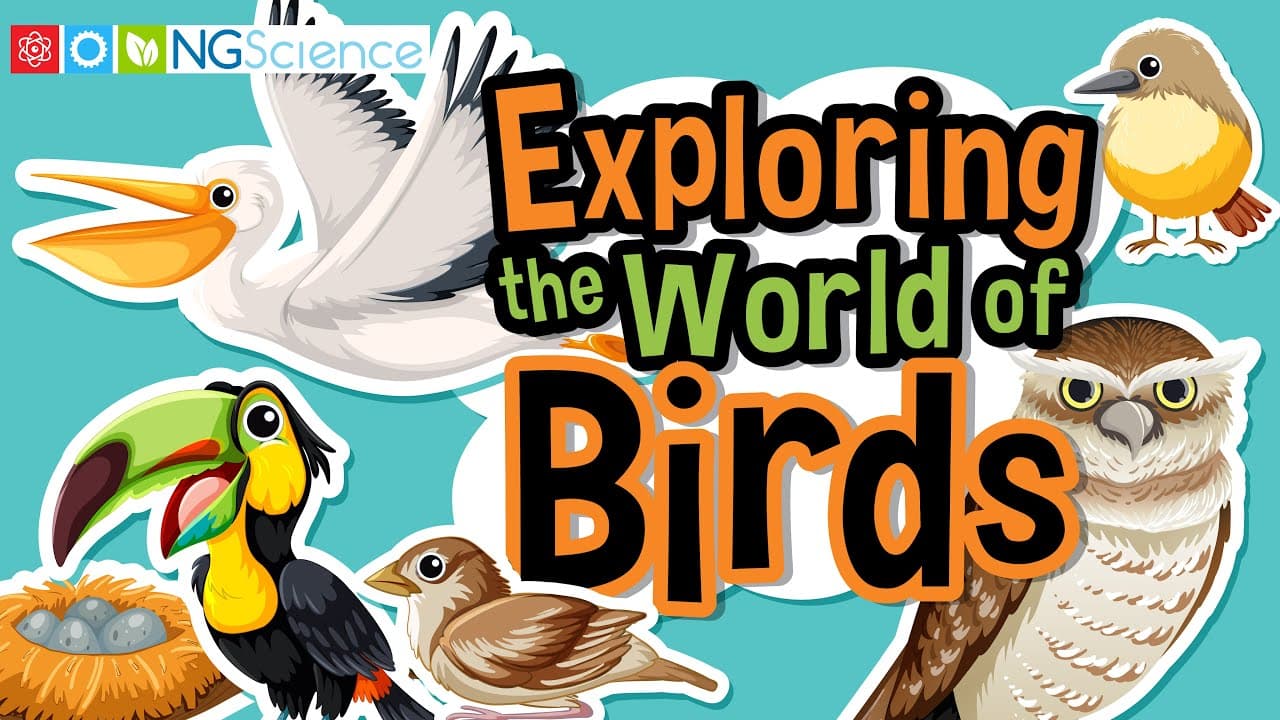
Miacademy & MiaPrep Learning ChannelMiacademy & MiaPrep Learning Channel

12mins 4s

Video
How Meiosis Creates Unique Reproductive Cells

How Meiosis Creates Unique Reproductive Cells

This educational video provides a comprehensive overview of meiosis, the process of cell division responsible for creating reproductive cells (gametes). It explains the necessity of reducing chromosome numbers by half to maintain genetic stability across generations, distinguishing between diploid somatic cells and haploid gametes. The narration breaks down the stages of Meiosis I and Meiosis II, highlighting key events like homologous pairing, crossing over, and random assortment. Key themes include the mechanics of inheritance, the difference between mitosis and meiosis, and the sources of genetic variation. The video uses clear animations to demonstrate how DNA from both parents is shuffled and combined to create genetically unique offspring. It clarifies complex vocabulary such as homologous chromosomes, sister chromatids, zygotes, and alleles. For educators, this video serves as an excellent core resource for units on genetics and cell biology. It visualizes abstract microscopic processes, making them accessible to students. The clear distinction between the two rounds of division and the focus on genetic variation provides a solid foundation for subsequent lessons on heredity, Punnett squares, and evolution.

Miacademy & MiaPrep Learning ChannelMiacademy & MiaPrep Learning Channel

13mins 40s

Video
How Living Things Reproduce: From Plants to Microorganisms

How Living Things Reproduce: From Plants to Microorganisms

This comprehensive educational video explores the fundamental biological process of reproduction across the diversity of life on Earth. Starting with the basic definition of an organism and the shared characteristics of living things, the video systematically breaks down how different kingdoms ensure the survival of their species. It covers the life cycles of plants, animals, fungi, and microorganisms, highlighting the distinctions between sexual and asexual reproduction methods. The content is organized by kingdom, making it easy to compare and contrast reproductive strategies. Viewers learn about seed dispersal and spore formation in plants, the difference between egg-laying and live-bearing animals, and the rapid division of single-celled organisms. Specific examples, such as runners in strawberries, budding in yeast, and binary fission in bacteria, provide concrete illustrations of these biological concepts. Ideally suited for life science units in upper elementary and middle school, this video serves as an excellent anchor for lessons on biodiversity, cell biology, and life cycles. Teachers can use the clear visual examples—ranging from time-lapse plant growth to microscopic footage of cell division—to help students visualize processes that are often too slow or too small to see with the naked eye.

Next Generation ScienceNext Generation Science

9mins 12s

Video
How Cells Grow and Divide: The Cell Cycle Explained

How Cells Grow and Divide: The Cell Cycle Explained

This comprehensive biology video provides a detailed exploration of the cell cycle, breaking down the complex processes of cell growth, preparation, and division. The narrator uses clear visual aids and relatable analogies—like a growing baby or healing a cut—to explain why multicellular organisms need to divide their cells. The video covers the complete life cycle of a cell, from Interphase (G0, G1, S, G2) through the phases of Mitosis (Prophase, Metaphase, Anaphase, Telophase) and finally Cytokinesis, distinguishing between animal and plant cell division. Key biological themes include the structural organization of DNA (chromatin vs. chromosomes), the role of organelles during division, and the crucial regulatory mechanisms that control the cycle. The video introduces advanced concepts such as cyclins, internal and external regulators, and growth factors. It also addresses the real-world consequences of regulatory failure, specifically explaining cancer as uncontrolled cell division and identifying risk factors like UV exposure and smoking. For educators, this resource serves as an excellent foundational tool for teaching cellular biology. It simplifies abstract microscopic processes through animation, making them accessible for visual learners. The inclusion of mnemonics, clear definitions, and a review section makes it highly effective for introducing the cell cycle, reinforcing vocabulary, or reviewing for assessments. The connection to cancer provides a meaningful context that helps students understand why these microscopic processes matter to human health.

Miacademy & MiaPrep Learning ChannelMiacademy & MiaPrep Learning Channel

13mins 41s

Video
From Zygote to Adult: The Stages of Human Development

From Zygote to Adult: The Stages of Human Development

This comprehensive biology video explores the complete timeline of human development, tracing the journey from a single cell to a mature adult. It begins with the microscopic processes of fertilization, explaining how gametes fuse to form a zygote and how rapid cell division transforms this single cell into a complex blastocyst and eventually an embryo. The video provides detailed explanations of key biological concepts such as cell differentiation, the formation of germ layers, and gene regulation. The narrative moves through the stages of prenatal development, distinguishing between the embryonic and fetal periods, and highlights critical milestones like organ formation, the role of the placenta, and the development of the nervous system. It then covers the birth process, driven by hormones like oxytocin, and transitions into postnatal development, describing the physical and cognitive changes that occur during infancy, childhood, adolescence, and adulthood. Ideal for middle and high school biology classrooms, this video helps students visualize abstract concepts through clear animations and diagrams. It connects cellular processes like mitosis and meiosis to the tangible reality of human growth, making it a valuable tool for teaching reproduction, anatomy, and the life cycle. The content also addresses the continuity of development throughout a lifespan, emphasizing that biological change does not stop at birth.

Miacademy & MiaPrep Learning ChannelMiacademy & MiaPrep Learning Channel

13mins 11s

Video
The Science of Growing Giant Pumpkins

The Science of Growing Giant Pumpkins

In this engaging episode of SciShow Kids, host Jessi and her robot friend Squeaks investigate the science behind giant pumpkins. Prompted by Squeaks' desire to carve a huge jack-o'-lantern, they explore how some pumpkins can grow to weigh as much as a small car. The video breaks down the biological processes of growth, explaining how pumpkins achieve massive sizes through both cell division (making more cells) and cell expansion (making cells bigger), unlike many other plants that rely mostly on just one method. The video introduces key botanical concepts including plant cellular structure and vascular systems. It specifically explains the functions of xylem (water transport) and phloem (sugar transport), using accessible analogies like water slides to help young learners visualize these internal plant structures. Additionally, it covers the practical environmental factors required for extreme growth, such as genetics, massive water consumption, soil quality, and selective pruning techniques used by competitive growers. This video is an excellent resource for elementary science classrooms, particularly during the fall season. It connects a familiar seasonal object (pumpkins) to complex biological concepts like cellular growth and plant anatomy. Teachers can use this video to transition from simple life cycle lessons to more advanced discussions about plant needs, heredity (seed selection), and the specific structures plants use to survive and grow. The use of clear analogies makes abstract microscopic concepts concrete for young students.

SciShow KidsSciShow Kids

5mins 15s

Video
How Meiosis Creates Unique Life and Genetic Diversity

How Meiosis Creates Unique Life and Genetic Diversity

This comprehensive biology video explains the complex process of meiosis, contrasting it with mitosis to illustrate how living organisms reproduce and maintain genetic diversity. The video breaks down the mechanics of cell division, specifically highlighting how meiosis results in unique haploid cells (sperm and eggs) rather than identical copies, serving as the foundation for sexual reproduction. It uses clear visual analogies and side-by-side comparisons to make abstract cellular processes accessible to students. The content explores key themes of genetics, including the specific mechanisms of crossing over and double cell division that create unique DNA combinations. It moves beyond simple definitions to examine the consequences of imperfect division, introducing the concepts of mutations, nondisjunction, and chromosomal disorders like Down syndrome and Turner's syndrome. The narrator also clarifies the distinction between harmful mutations and beneficial adaptations that drive evolution. For educators, this video is an excellent resource for Life Science and Biology units on genetics and heredity. It provides clear definitions of essential vocabulary like "haploid," "karyotype," and "nondisjunction" while grounding these terms in real-world examples like albinism and sickle cell anemia. The structured lesson review at the end solidifies understanding, making it a perfect tool for introducing new concepts or reviewing for assessments.

Miacademy & MiaPrep Learning ChannelMiacademy & MiaPrep Learning Channel

7mins

Video
Growing Bacteria from Common Surfaces

Growing Bacteria from Common Surfaces

This educational video takes students inside the "Lighthouse Lab" to explore the invisible world of bacteria. The host explains that while plants and animals are easily seen, bacteria are single-celled microscopic organisms that exist everywhere—in the air, on surfaces, and inside our bodies. The video demonstrates the concept of binary fission, explaining how a single bacterium can multiply into billions in just a few hours under the right conditions.

Next Generation ScienceNext Generation Science

5mins 30s

Video
How Cells Grow and Divide: The Cell Cycle Explained

How Cells Grow and Divide: The Cell Cycle Explained

This educational video provides a clear and engaging overview of the cell cycle, explaining how cells grow, replicate their DNA, and divide to maintain a healthy organism. Using helpful analogies like healing a scraped knee, the narrator breaks down complex biological processes into understandable concepts suitable for middle and high school biology students. The video combines live-action narration with animated diagrams to visualize the cellular level of life. The content covers the four distinct phases of the cell cycle: G1 (Growth), S (Synthesis/DNA Replication), G2 (Preparation), and M (Mitosis/Division). It details the specific actions occurring in each phase, such as organelle duplication and chromosome separation. Additionally, the video introduces the concept of G0 (resting phase) and explains what happens when the cell cycle malfunctions, leading to conditions like cancer, or how natural imperfections in the process contribute to aging. For educators, this video serves as an excellent introduction or review of cell division. It moves beyond rote memorization of phases by connecting the mechanics of mitosis to real-world contexts like injury repair, physical growth, and disease. The clear visual metaphors—such as a cell 'eating for two' or lifting weights—make abstract microscopic processes concrete and memorable for students.

Miacademy & MiaPrep Learning ChannelMiacademy & MiaPrep Learning Channel

7mins 35s

Video
How Genetic Mutations Change DNA and Life

How Genetic Mutations Change DNA and Life

This comprehensive biology lesson explores the complex world of genetic mutations, detailing how changes in DNA structure occur and affect living organisms. The video breaks down mutations into two main categories: point mutations (occurring at the molecular level) and chromosomal mutations (affecting larger genetic structures). Through clear animations and examples, it demonstrates the mechanics of DNA replication errors, including substitutions, insertions, and deletions, and explains how these changes translate into different protein structures.

Miacademy & MiaPrep Learning ChannelMiacademy & MiaPrep Learning Channel

16mins 2s

Video
How Sugar Affects Yeast Growth: A Cellular Respiration Experiment

How Sugar Affects Yeast Growth: A Cellular Respiration Experiment

This video provides a clear, step-by-step demonstration of cellular respiration using a classic science experiment involving yeast, sugar, and balloons. It begins by defining cellular respiration and providing the chemical equation: glucose + oxygen → heat + carbon dioxide + water. The narrator then sets up a comparative experiment using two bottles—one with just water and yeast (the control), and one with water, yeast, and sugar (the variable). The video visually demonstrates the scientific method in action. By capturing the reaction over time, viewers see the yeast in the sugar-fed bottle become active and frothy, eventually releasing enough gas to inflate a balloon attached to the bottle's top. The narration explains the biological mechanism happening inside: yeast cells are metabolizing the glucose, dividing, and releasing carbon dioxide as a waste product, which causes the inflation. This resource is highly valuable for visualizing invisible biological processes. It serves as an excellent anchor for lessons on cellular biology, chemical reactions, and experimental design (specifically independent vs. dependent variables). The clear contrast between the two bottles makes the abstract concept of gas production during respiration concrete and observable for students.

Next Generation ScienceNext Generation Science

3mins 14s

Video
How Non-Mendelian Genetics Creates Diversity

How Non-Mendelian Genetics Creates Diversity

This educational video serves as a comprehensive introduction to Non-Mendelian genetics, exploring the complex patterns of inheritance that defy Gregor Mendel's simple dominant and recessive rules. It clarifies why the natural world exhibits such a vast diversity of phenotypes—like pink flowers coming from red and white parents, or the spectrum of human skin colors—that cannot be explained by binary genetic laws alone. The narrator breaks down three specific types of non-Mendelian inheritance: incomplete dominance, codominance, and polygenic traits, providing clear biological mechanisms for each. The video covers several key themes central to high school biology curricula. It distinguishes between incomplete dominance (blending of traits) and codominance (simultaneous expression of traits), using classic examples like snapdragon flowers and roan horses. It also delves into multiple alleles through the lens of human blood types, demonstrating how to construct and interpret complex Punnett squares. Finally, it addresses polygenic traits, using human skin color and melanin production to explain how multiple genes interact to create continuous variation within a population. For educators, this video is an invaluable tool for moving students beyond the basics of genetics. It effectively bridges the gap between simple Mendelian theory and the complex reality of biological diversity. The clear visual demonstrations of Punnett squares for non-standard inheritance patterns make it excellent for direct instruction, while the real-world examples of blood types and skin color adaptation provide fertile ground for classroom discussions about evolution, human health, and diversity.

Miacademy & MiaPrep Learning ChannelMiacademy & MiaPrep Learning Channel

13mins 51s

Video
How DNA Replicates and Repairs Itself

How DNA Replicates and Repairs Itself

This comprehensive biology video breaks down the complex process of DNA replication, explaining how cells faithfully copy their genetic material before division. Using the analogy of copying tedious math formulas, the narrator introduces the sheer scale of cellular division in the human body—approximately 10 quadrillion times in a lifetime. The video visually demonstrates the semi-conservative nature of replication, where the double helix unwinds and unzips to create templates for new strands, ensuring genetic continuity.

Miacademy & MiaPrep Learning ChannelMiacademy & MiaPrep Learning Channel

10mins 57s

Video
How DNA Technology Solves Crimes and Cures Diseases

How DNA Technology Solves Crimes and Cures Diseases

This educational video introduces students to the fascinating world of DNA technology through the lens of a crime scene investigation. Hosted by a presenter named "B", the video explains how forensic scientists use biological evidence to solve crimes. It breaks down complex laboratory techniques like Polymerase Chain Reaction (PCR) and Gel Electrophoresis into understandable concepts using effective analogies and animations. The narrative solves a hypothetical crime while simultaneously teaching the underlying molecular biology principles.

Miacademy & MiaPrep Learning ChannelMiacademy & MiaPrep Learning Channel

17mins 13s

Video
Introduction to Molecular Genetics: How DNA Builds Life

Introduction to Molecular Genetics: How DNA Builds Life

This educational video serves as a comprehensive introduction to a unit on molecular genetics, bridging the gap between basic cell biology and the complex molecular processes that drive life. The host, 'B', reviews foundational concepts like DNA and chromosomes before diving into the specific mechanisms of protein synthesis, explaining how DNA acts as the instruction manual for building proteins. The video clearly distinguishes between eukaryotic and prokaryotic cells in terms of DNA storage and introduces the central dogma of biology: DNA to RNA to Protein. Key themes include the structure of the DNA double helix, the relationship between DNA and chromosomes, the difference between transcription and translation, and the process of meiosis in inheritance. The video also touches upon genetic mutations—using a humorous visual of a giant frog—and real-world applications of genetics such as crime scene investigation and medical advancements. For educators, this video is an excellent hook or introductory resource for a middle or high school biology unit. It simplifies complex abstract concepts through clear animations and analogies (like the twisted ladder). It provides multiple natural pause points for checking prior knowledge about cells and setting the stage for hands-on activities regarding DNA modeling, protein synthesis simulations, or discussions about genetic engineering and forensics.

Miacademy & MiaPrep Learning ChannelMiacademy & MiaPrep Learning Channel

5mins 30s

Video
Why Bananas Don't Have Seeds and How They Grow

Why Bananas Don't Have Seeds and How They Grow

This engaging episode of SciShow Kids explores the fascinating biological history and science behind one of the world's most popular fruits: the banana. Host Jessi and her robot friend Squeaks explain why the bananas found in grocery stores lack seeds, unlike wild bananas or other fruits like apples. The video breaks down the anatomy of a banana plant, clarifying that it is actually a giant herb rather than a tree, and introduces students to the concept of rhizomes and asexual reproduction. The video delves into critical scientific themes including genetic diversity, cloning, and agricultural vulnerability. Using a relatable analogy of a cold spreading through a classroom, Jessi explains how being genetically identical makes the Cavendish banana (the variety we eat today) highly susceptible to disease. The narrative covers the historical extinction of the Gros Michel banana due to Panama Disease and warns that the current Cavendish variety faces similar threats. For educators, this video serves as an excellent bridge between everyday life and complex biological concepts. It simplifies topics like monoculture, selective breeding, and plant life cycles without dumbing them down. It provides a natural jumping-off point for lessons on where food comes from, the importance of biodiversity in ecosystems, and the anatomy of plants, making it a versatile tool for lower elementary science curriculums.

SciShow KidsSciShow Kids

5mins 6s

Video
How Cells Build Proteins: The Process of Protein Synthesis

How Cells Build Proteins: The Process of Protein Synthesis

This educational video uses a relatable baking analogy to explain the complex biological process of protein synthesis. The presenter simplifies how cells utilize DNA instructions to build proteins, breaking the mechanism down into two understandable stages: transcription and translation. The video clearly illustrates the roles of DNA, mRNA, ribosomes, and amino acids in creating the structures that make up living organisms. Key themes explored include the function of proteins in the human body (beyond just muscles), the structure of amino acids, the difference between DNA and RNA, and the specific cellular machinery involved in synthesizing proteins. The video also touches upon cellular transport, metabolism, and the concept of denaturation, explaining why this continuous cycle is vital for homeostasis. This resource is highly valuable for biology teachers introducing genetics or cellular processes. By comparing the nucleus to a secure vault and mRNA to a copied recipe, it transforms abstract molecular concepts into concrete, memorable visualizations. It serves as an excellent foundational lesson for middle and high school students before diving into more advanced topics like genetics and heredity.

Miacademy & MiaPrep Learning ChannelMiacademy & MiaPrep Learning Channel

10mins 21s

Video
Genetics 101: Understanding Traits and Punnett Squares

Genetics 101: Understanding Traits and Punnett Squares

This educational video provides a comprehensive introduction to the fundamentals of genetics, using dogs as a primary example to make abstract concepts relatable. It explores the core mechanisms of heredity, explaining how DNA, chromosomes, genes, and alleles function to pass characteristics from parents to offspring. The video also covers the history of genetics, specifically Gregor Mendel's discoveries in the 1850s regarding dominant and recessive traits and the independent assortment of alleles. Key themes include the distinction between genotypes (the genetic code) and phenotypes (the physical trait), simple dominance, and the use of Punnett squares to predict genetic probabilities. The video uses clear visual aids to differentiate between homozygous dominant, heterozygous, and homozygous recessive combinations, illustrating how these genetic makeups result in specific physical appearances, such as curly versus straight fur in dogs. For educators, this video is a valuable tool for Life Science curriculums in middle and early high school. It includes built-in pause points for active learning, asking students to predict phenotypes and complete a Punnett square along with the narrator. This interactive format allows teachers to assess understanding in real-time, making it an excellent resource for introducing the study of heredity, probability in biology, and the basics of selective breeding.

Miacademy & MiaPrep Learning ChannelMiacademy & MiaPrep Learning Channel

9mins 21s

Video
How Meiosis Creates Unique Reproductive Cells

How Meiosis Creates Unique Reproductive Cells

This educational video provides a comprehensive overview of meiosis, the process of cell division responsible for creating reproductive cells (gametes). It explains the necessity of reducing chromosome numbers by half to maintain genetic stability across generations, distinguishing between diploid somatic cells and haploid gametes. The narration breaks down the stages of Meiosis I and Meiosis II, highlighting key events like homologous pairing, crossing over, and random assortment. Key themes include the mechanics of inheritance, the difference between mitosis and meiosis, and the sources of genetic variation. The video uses clear animations to demonstrate how DNA from both parents is shuffled and combined to create genetically unique offspring. It clarifies complex vocabulary such as homologous chromosomes, sister chromatids, zygotes, and alleles. For educators, this video serves as an excellent core resource for units on genetics and cell biology. It visualizes abstract microscopic processes, making them accessible to students. The clear distinction between the two rounds of division and the focus on genetic variation provides a solid foundation for subsequent lessons on heredity, Punnett squares, and evolution.

Miacademy & MiaPrep Learning ChannelMiacademy & MiaPrep Learning Channel

13mins 40s

Video
How Evolution and Adaptations Change Life Over Time

How Evolution and Adaptations Change Life Over Time

This educational video serves as a comprehensive introduction to the biological concept of evolution. It begins by defining evolution as change over time, specifically emphasizing the increase in diversity and complexity of life over Earth's 4.5 billion-year history. The narrator connects prior knowledge about cells to explain how life progressed from simple prokaryotic organisms to complex eukaryotic ones, highlighting the essential role of deep time in allowing small changes to accumulate.

Miacademy & MiaPrep Learning ChannelMiacademy & MiaPrep Learning Channel

10mins 45s

Video
Introduction to Genetics: Blue Lobsters and Sickle Cell Traits

Introduction to Genetics: Blue Lobsters and Sickle Cell Traits

This engaging biology video serves as an introduction to genetics, bridging the gap between DNA structure and observable traits. The narrator, B, reviews the concept of meiosis and gametes to explain how offspring receive half their genetic material from each parent. The video defines key terms such as genes and alleles, laying the groundwork for understanding inheritance patterns before diving into specific case studies. Key themes include genetic inheritance, mutations, and adaptation. The video uses two distinct real-world examples to illustrate these concepts: the rare genetic mutation that causes blue coloration in lobsters and the human condition of sickle cell anemia. It explains how recessive traits (like the blue lobster) require two copies of an allele, while also introducing the complex evolutionary relationship between sickle cell traits and malaria resistance, highlighting how mutations can be harmful, neutral, or contextually beneficial. This resource is excellent for introducing a genetics unit in middle or high school classrooms. It moves beyond abstract definitions by providing concrete, memorable examples that demonstrate probability and natural selection. Teachers can use the blue lobster segment to discuss recessive inheritance and the sickle cell segment to explore adaptations and the interaction between genetics and the environment.

Miacademy & MiaPrep Learning ChannelMiacademy & MiaPrep Learning Channel

7mins 16s

Video
Why We Have Freckles and How They Work

Why We Have Freckles and How They Work

Join Jessi and her robot friend Squeaks in this engaging exploration of human biology as they investigate the science behind freckles. The video explains exactly what freckles are—small concentrations of melanin—and why they appear on some people's skin but not others. Through clear analogies and kid-friendly visuals, the host breaks down complex biological concepts like pigmentation and the skin's reaction to sunlight. Key themes include the role of melanin as a natural sun protector, the relationship between sunlight and skin changes (tanning and freckling), and basic genetics regarding inherited traits. The video also clarifies the difference between freckles and moles and touches on how our bodies change with seasons and age. This resource is highly valuable for early elementary science classrooms studying the human body, diversity, or sun safety. It provides a scientific explanation for physical differences students notice in themselves and their peers, fostering self-acceptance and scientific curiosity. Teachers can use it to introduce concepts of adaptation, heredity, and the importance of protecting our bodies from environmental factors like the sun.

SciShow KidsSciShow Kids

3mins 23s

Video
How Evolution Creates Biodiversity

How Evolution Creates Biodiversity

This educational video provides a comprehensive introduction to biodiversity and the fundamental mechanisms of evolution. It begins by defining biodiversity and species, using relatable examples like horses and donkeys to explain concepts such as fertile offspring and sterility. The video then explores how scientists classify the estimated 8 million species on Earth into domains and kingdoms, placing humans within the context of the broader animal kingdom.

Miacademy & MiaPrep Learning ChannelMiacademy & MiaPrep Learning Channel

13mins 52s

Video
How to Analyze Pedigrees in Genetics Using Fruit Flies

How to Analyze Pedigrees in Genetics Using Fruit Flies

This educational video provides a comprehensive guide to understanding and analyzing pedigrees in the context of high school biology genetics. Using the model organism Drosophila melanogaster (fruit flies), the host explains how to interpret family tree diagrams to track the inheritance of specific traits through multiple generations. The lesson covers foundational concepts such as pedigree symbols, differentiating between wild-type and mutant traits, and the definitions of dominant, recessive, autosomal, and sex-linked inheritance.

Miacademy & MiaPrep Learning ChannelMiacademy & MiaPrep Learning Channel

15mins 29s

Video
How to Extract Your Own DNA at Home

How to Extract Your Own DNA at Home

This video guides students through a fascinating hands-on laboratory experiment where they extract visible DNA from their own cheek cells using simple household ingredients like salt, dish soap, and isopropyl alcohol. The instructor, Caroline, explains the biological function of DNA as the "blueprint of life" before walking viewers through a detailed, step-by-step procedure to break down cell membranes and precipitate the genetic material so it becomes visible to the naked eye. Key themes include the structure and function of DNA, cell biology (specifically the lipid bilayer of cell membranes), and the scientific method (forming hypotheses, following procedures, and drawing conclusions). The video uses clear analogies, such as comparing DNA strands to threads in a rope, to explain why microscopic molecules become visible when clumped together. It also covers practical applications of DNA extraction in medicine, forensics, and agriculture. This resource is highly valuable for bringing abstract biological concepts to life. It transforms DNA from a textbook diagram into a tangible substance students can see and touch. It is excellent for introducing genetics units, teaching lab safety and procedures, or demonstrating the universal nature of genetic material. The clear instructions and emphasis on safety make it suitable for both classroom labs and at-home learning with supervision.

Miacademy & MiaPrep Learning ChannelMiacademy & MiaPrep Learning Channel

15mins 50s

Video
The Blueprint of Life: Understanding DNA Structure and History

The Blueprint of Life: Understanding DNA Structure and History

This educational video provides a comprehensive introduction to the structure, history, and function of DNA (deoxyribonucleic acid). It begins with a hook comparing DNA's data storage capacity to modern computers, highlighting nature's efficiency. The narrative then traverses the history of DNA's discovery, acknowledging key scientists like Friedrich Miescher, Oswald Avery, Rosalind Franklin, James Watson, and Francis Crick. The core of the lesson breaks down the molecular structure of the double helix, explaining nitrogen bases (Adenine, Thymine, Cytosine, Guanine) and their specific pairing rules.

Miacademy & MiaPrep Learning ChannelMiacademy & MiaPrep Learning Channel

6mins 42s

Video
How Random Luck Shapes Evolution: Understanding Genetic Drift

How Random Luck Shapes Evolution: Understanding Genetic Drift

This educational video provides a clear and engaging exploration of genetic drift, a mechanism of evolution driven by random chance rather than adaptation. Through dynamic examples and clear visual aids, the host explains how random events—like storms, fires, or migration—can dramatically alter the genetic makeup of a population. The video contrasts genetic drift with natural selection, emphasizing that survivors of these events are often just "lucky" rather than better adapted.

Miacademy & MiaPrep Learning ChannelMiacademy & MiaPrep Learning Channel

12mins 36s

Video
How Caterpillars Use Camouflage to Survive

How Caterpillars Use Camouflage to Survive

This educational video from Sci Kids! explores the fascinating world of caterpillar survival strategies, specifically focusing on camouflage, mimicry, and physical defenses. Hosts Jessi and her robot friend Squeaks play a photo guessing game to reveal how various caterpillar species use their physical appearance to hide from predators or ward them off. The video introduces specific examples like the tomato hornworm, the bird-poop-mimicking caterpillar, and the snake-mimicking hawk moth caterpillar. Key themes include biological adaptation, predator-prey relationships, and the introduction of genetic concepts like traits and inheritance. The video explains that these survival mechanisms are not learned behaviors but are inherited instructions passed down from parents, using a relatable analogy about human physical features. It also covers different types of defenses beyond visual camouflage, such as chemical deterrents (bad smells) and physical weapons (toxic spines). Ideally suited for elementary science curriculums, this video provides a visual and engaging entry point for discussing animal adaptations and life cycles. Teachers can use it to illustrate how physical characteristics function to support survival and growth. The clear examples and definitions of terms like "camouflage," "trait," and "inherited" make it an excellent resource for building scientific vocabulary and understanding core biological concepts.

SciShow KidsSciShow Kids

6mins 57s

Video
Understanding Animal Instincts and Survival Behaviors

Understanding Animal Instincts and Survival Behaviors

This educational video provides a comprehensive overview of animal instincts, defining them as inborn, automatic behaviors essential for survival and reproduction. Through high-quality nature footage, it contrasts these innate behaviors with learned ones, emphasizing that instincts are genetically inherited rather than taught. The narration guides viewers through various biological necessities that drive these behaviors, including hunting, evading predators, mating rituals, and caring for offspring. The video explores several detailed case studies to illustrate the concept of instinct. It highlights the life cycle of sea turtles, from hatchlings instinctively seeking the ocean to adult females returning to their birth beaches. Other examples include the navigational feats of migrating birds, the phenomenon of imprinting in cygnets (baby swans), and the intricate engineering of spider webs. Each example reinforces the connection between genetic programming and environmental adaptation. For educators, this resource serves as an excellent anchor for biology units on animal behavior, adaptation, and inheritance. It provides clear, visual definitions of complex terms like "innate," "imprinting," and "genetic makeup," making abstract biological concepts accessible. The segmented structure allow teachers to focus on specific types of behaviors (migration, construction, parental care) or use the whole video to spur discussions on the "nature vs. nurture" debate in the natural world.

Next Generation ScienceNext Generation Science

2mins 58s

Video
How Animals Adapt and Survive: Natural Selection Explained

How Animals Adapt and Survive: Natural Selection Explained

This educational video provides a clear and engaging introduction to the concepts of survival of the fittest and natural selection. It begins by defining the terms in simple language, explaining how organisms best suited to their environment—or habitat—are more likely to survive and reproduce. The video introduces Charles Darwin and uses a series of compelling animal examples to illustrate different types of adaptations, from physical speed to behavioral strategies.

Next Generation ScienceNext Generation Science

4mins 52s

Video
The Science of Growing Giant Pumpkins

The Science of Growing Giant Pumpkins

In this engaging episode of SciShow Kids, host Jessi and her robot friend Squeaks investigate the science behind giant pumpkins. Prompted by Squeaks' desire to carve a huge jack-o'-lantern, they explore how some pumpkins can grow to weigh as much as a small car. The video breaks down the biological processes of growth, explaining how pumpkins achieve massive sizes through both cell division (making more cells) and cell expansion (making cells bigger), unlike many other plants that rely mostly on just one method. The video introduces key botanical concepts including plant cellular structure and vascular systems. It specifically explains the functions of xylem (water transport) and phloem (sugar transport), using accessible analogies like water slides to help young learners visualize these internal plant structures. Additionally, it covers the practical environmental factors required for extreme growth, such as genetics, massive water consumption, soil quality, and selective pruning techniques used by competitive growers. This video is an excellent resource for elementary science classrooms, particularly during the fall season. It connects a familiar seasonal object (pumpkins) to complex biological concepts like cellular growth and plant anatomy. Teachers can use this video to transition from simple life cycle lessons to more advanced discussions about plant needs, heredity (seed selection), and the specific structures plants use to survive and grow. The use of clear analogies makes abstract microscopic concepts concrete for young students.

SciShow KidsSciShow Kids

5mins 15s

Video
How Non-Mendelian Genetics Creates Diversity

How Non-Mendelian Genetics Creates Diversity

This educational video serves as a comprehensive introduction to Non-Mendelian genetics, exploring the complex patterns of inheritance that defy Gregor Mendel's simple dominant and recessive rules. It clarifies why the natural world exhibits such a vast diversity of phenotypes—like pink flowers coming from red and white parents, or the spectrum of human skin colors—that cannot be explained by binary genetic laws alone. The narrator breaks down three specific types of non-Mendelian inheritance: incomplete dominance, codominance, and polygenic traits, providing clear biological mechanisms for each. The video covers several key themes central to high school biology curricula. It distinguishes between incomplete dominance (blending of traits) and codominance (simultaneous expression of traits), using classic examples like snapdragon flowers and roan horses. It also delves into multiple alleles through the lens of human blood types, demonstrating how to construct and interpret complex Punnett squares. Finally, it addresses polygenic traits, using human skin color and melanin production to explain how multiple genes interact to create continuous variation within a population. For educators, this video is an invaluable tool for moving students beyond the basics of genetics. It effectively bridges the gap between simple Mendelian theory and the complex reality of biological diversity. The clear visual demonstrations of Punnett squares for non-standard inheritance patterns make it excellent for direct instruction, while the real-world examples of blood types and skin color adaptation provide fertile ground for classroom discussions about evolution, human health, and diversity.

Miacademy & MiaPrep Learning ChannelMiacademy & MiaPrep Learning Channel

13mins 51s

Video
Introduction to Genetics: Blue Lobsters and Sickle Cell Traits

Introduction to Genetics: Blue Lobsters and Sickle Cell Traits

This engaging biology video serves as an introduction to genetics, bridging the gap between DNA structure and observable traits. The narrator, B, reviews the concept of meiosis and gametes to explain how offspring receive half their genetic material from each parent. The video defines key terms such as genes and alleles, laying the groundwork for understanding inheritance patterns before diving into specific case studies. Key themes include genetic inheritance, mutations, and adaptation. The video uses two distinct real-world examples to illustrate these concepts: the rare genetic mutation that causes blue coloration in lobsters and the human condition of sickle cell anemia. It explains how recessive traits (like the blue lobster) require two copies of an allele, while also introducing the complex evolutionary relationship between sickle cell traits and malaria resistance, highlighting how mutations can be harmful, neutral, or contextually beneficial. This resource is excellent for introducing a genetics unit in middle or high school classrooms. It moves beyond abstract definitions by providing concrete, memorable examples that demonstrate probability and natural selection. Teachers can use the blue lobster segment to discuss recessive inheritance and the sickle cell segment to explore adaptations and the interaction between genetics and the environment.

Miacademy & MiaPrep Learning ChannelMiacademy & MiaPrep Learning Channel

7mins 16s

Video
How Cells Build Proteins: The Process of Protein Synthesis

How Cells Build Proteins: The Process of Protein Synthesis

This educational video uses a relatable baking analogy to explain the complex biological process of protein synthesis. The presenter simplifies how cells utilize DNA instructions to build proteins, breaking the mechanism down into two understandable stages: transcription and translation. The video clearly illustrates the roles of DNA, mRNA, ribosomes, and amino acids in creating the structures that make up living organisms. Key themes explored include the function of proteins in the human body (beyond just muscles), the structure of amino acids, the difference between DNA and RNA, and the specific cellular machinery involved in synthesizing proteins. The video also touches upon cellular transport, metabolism, and the concept of denaturation, explaining why this continuous cycle is vital for homeostasis. This resource is highly valuable for biology teachers introducing genetics or cellular processes. By comparing the nucleus to a secure vault and mRNA to a copied recipe, it transforms abstract molecular concepts into concrete, memorable visualizations. It serves as an excellent foundational lesson for middle and high school students before diving into more advanced topics like genetics and heredity.

Miacademy & MiaPrep Learning ChannelMiacademy & MiaPrep Learning Channel

10mins 21s

Video
Introduction to Molecular Genetics: How DNA Builds Life

Introduction to Molecular Genetics: How DNA Builds Life

This educational video serves as a comprehensive introduction to a unit on molecular genetics, bridging the gap between basic cell biology and the complex molecular processes that drive life. The host, 'B', reviews foundational concepts like DNA and chromosomes before diving into the specific mechanisms of protein synthesis, explaining how DNA acts as the instruction manual for building proteins. The video clearly distinguishes between eukaryotic and prokaryotic cells in terms of DNA storage and introduces the central dogma of biology: DNA to RNA to Protein. Key themes include the structure of the DNA double helix, the relationship between DNA and chromosomes, the difference between transcription and translation, and the process of meiosis in inheritance. The video also touches upon genetic mutations—using a humorous visual of a giant frog—and real-world applications of genetics such as crime scene investigation and medical advancements. For educators, this video is an excellent hook or introductory resource for a middle or high school biology unit. It simplifies complex abstract concepts through clear animations and analogies (like the twisted ladder). It provides multiple natural pause points for checking prior knowledge about cells and setting the stage for hands-on activities regarding DNA modeling, protein synthesis simulations, or discussions about genetic engineering and forensics.

Miacademy & MiaPrep Learning ChannelMiacademy & MiaPrep Learning Channel

5mins 30s

Video
How DNA Technology Solves Crimes and Cures Diseases

How DNA Technology Solves Crimes and Cures Diseases

This educational video introduces students to the fascinating world of DNA technology through the lens of a crime scene investigation. Hosted by a presenter named "B", the video explains how forensic scientists use biological evidence to solve crimes. It breaks down complex laboratory techniques like Polymerase Chain Reaction (PCR) and Gel Electrophoresis into understandable concepts using effective analogies and animations. The narrative solves a hypothetical crime while simultaneously teaching the underlying molecular biology principles.

Miacademy & MiaPrep Learning ChannelMiacademy & MiaPrep Learning Channel

17mins 13s

Video
Genetics 101: Understanding Traits and Punnett Squares

Genetics 101: Understanding Traits and Punnett Squares

This educational video provides a comprehensive introduction to the fundamentals of genetics, using dogs as a primary example to make abstract concepts relatable. It explores the core mechanisms of heredity, explaining how DNA, chromosomes, genes, and alleles function to pass characteristics from parents to offspring. The video also covers the history of genetics, specifically Gregor Mendel's discoveries in the 1850s regarding dominant and recessive traits and the independent assortment of alleles. Key themes include the distinction between genotypes (the genetic code) and phenotypes (the physical trait), simple dominance, and the use of Punnett squares to predict genetic probabilities. The video uses clear visual aids to differentiate between homozygous dominant, heterozygous, and homozygous recessive combinations, illustrating how these genetic makeups result in specific physical appearances, such as curly versus straight fur in dogs. For educators, this video is a valuable tool for Life Science curriculums in middle and early high school. It includes built-in pause points for active learning, asking students to predict phenotypes and complete a Punnett square along with the narrator. This interactive format allows teachers to assess understanding in real-time, making it an excellent resource for introducing the study of heredity, probability in biology, and the basics of selective breeding.

Miacademy & MiaPrep Learning ChannelMiacademy & MiaPrep Learning Channel

9mins 21s

Video
How to Analyze Pedigrees in Genetics Using Fruit Flies

How to Analyze Pedigrees in Genetics Using Fruit Flies

This educational video provides a comprehensive guide to understanding and analyzing pedigrees in the context of high school biology genetics. Using the model organism Drosophila melanogaster (fruit flies), the host explains how to interpret family tree diagrams to track the inheritance of specific traits through multiple generations. The lesson covers foundational concepts such as pedigree symbols, differentiating between wild-type and mutant traits, and the definitions of dominant, recessive, autosomal, and sex-linked inheritance.

Miacademy & MiaPrep Learning ChannelMiacademy & MiaPrep Learning Channel

15mins 29s

Video
How DNA Makes RNA: The Process of Transcription

How DNA Makes RNA: The Process of Transcription

This comprehensive biology video breaks down the complex process of DNA transcription, using a clear real-world analogy of protecting original documents to explain why cells create RNA copies. The video guides students through the Central Dogma of molecular biology, detailing how genetic information flows from DNA to RNA to protein. It specifically focuses on the first step of this journey: transcription, exploring the structural differences between DNA and RNA, and introducing the key players like RNA polymerase.

Miacademy & MiaPrep Learning ChannelMiacademy & MiaPrep Learning Channel

10mins 35s

Video
The Blueprint of Life: Understanding DNA Structure and History

The Blueprint of Life: Understanding DNA Structure and History

This educational video provides a comprehensive introduction to the structure, history, and function of DNA (deoxyribonucleic acid). It begins with a hook comparing DNA's data storage capacity to modern computers, highlighting nature's efficiency. The narrative then traverses the history of DNA's discovery, acknowledging key scientists like Friedrich Miescher, Oswald Avery, Rosalind Franklin, James Watson, and Francis Crick. The core of the lesson breaks down the molecular structure of the double helix, explaining nitrogen bases (Adenine, Thymine, Cytosine, Guanine) and their specific pairing rules.

Miacademy & MiaPrep Learning ChannelMiacademy & MiaPrep Learning Channel

6mins 42s

Video
How Mendel Discovered Genetics with Pea Plants

How Mendel Discovered Genetics with Pea Plants

This educational video provides a comprehensive introduction to classical genetics through the story of Gregor Mendel and his experiments with pea plants. It begins by debunking early misconceptions about inheritance, such as the idea that acquired physical changes (like a giraffe stretching its neck) can be passed down, before introducing Mendel as the "Father of Genetics." The video details his life in an Austrian monastery and explains why garden peas were the perfect subject for his research, highlighting traits like seed color and shape. The core of the lesson breaks down Mendel's specific experiments, tracing the cross-breeding process from the parent (P) generation to the F1 and F2 generations. It uses these experiments to clearly define fundamental genetic concepts including dominant and recessive traits, alleles, and the distinction between genotype (the genetic code) and phenotype (the physical appearance). The video also explains the logic behind the labeling system used in genetics, such as capital letters for dominant traits and lowercase for recessive ones. Finally, the video connects these observations to modern biological knowledge by explaining Mendel's two main laws: the Law of Segregation and the Law of Independent Assortment. It ties the Law of Segregation directly to the process of meiosis, explaining how gametes receive only one allele from a parent. The lesson concludes by reviewing key vocabulary like homozygous and heterozygous, providing a solid foundation for understanding how traits are inherited across generations.

Miacademy & MiaPrep Learning ChannelMiacademy & MiaPrep Learning Channel

15mins 12s

Video
How Sex Chromosomes Determine Biological Sex and Traits

How Sex Chromosomes Determine Biological Sex and Traits

This educational video provides a comprehensive overview of human sex chromosomes, exploring how the X and Y chromosomes determine biological sex and influence specific traits. The lesson begins with a historical hook, discussing hemophilia in Queen Victoria's lineage to introduce the concept of sex-linked inheritance. It then dives into the mechanics of genetics, distinguishing between autosomes and allosomes (sex chromosomes), and explaining the chromosomal differences between biological males (XY) and females (XX). The narrator uses visual aids like karyotypes and Punnett squares to make abstract genetic concepts concrete for students. Key themes include the structure and function of the 23rd chromosome pair, the process of chromosomal inheritance, and the consequences of genetic anomalies. The video covers complex topics such as nondisjunction events (leading to conditions like Klinefelter syndrome) and the mechanics of recessive sex-linked traits. A significant portion is dedicated to walking through Punnett squares to predict the probability of inheriting conditions like hemophilia, distinguishing between affected individuals and carriers. For educators, this video is an invaluable tool for a high school biology unit on genetics. It connects historical events with scientific principles, offering a multidisciplinary entry point. The step-by-step breakdown of Punnett squares for sex-linked traits provides a clear model for classroom problem-solving. Furthermore, the video addresses common student questions about why certain genetic conditions affect males more frequently than females, making it a practical resource for clarifying difficult concepts in heredity.

Miacademy & MiaPrep Learning ChannelMiacademy & MiaPrep Learning Channel

13mins 9s

Video
Predicting Genetic Traits: A Guide to Punnett Squares

Predicting Genetic Traits: A Guide to Punnett Squares

This comprehensive biology video provides a clear, step-by-step guide to understanding and using Punnett squares to predict genetic outcomes. Starting with a relatable analogy about rolling dice to explain probability, the video transitions into the history of Reginald Punnett and the fundamental principles of inheritance. It covers essential terminology such as alleles, genotypes, phenotypes, homozygous, and heterozygous traits, using Mendel's pea plants as the primary examples to illustrate how traits are passed from parents to offspring. The video explores several key themes in genetics, including dominance relationships, probability ratios, and independent assortment. It progresses from simple monohybrid crosses (tracking one trait) to more complex dihybrid crosses (tracking two traits), demonstrating that traits are inherited independently. The content effectively breaks down the abstract concepts of genetic coding into visual 2x2 and 4x4 grids, making the mathematical aspect of biology accessible and logical for students. For educators, this video is an excellent instructional tool for units on heredity and genetics. It models how to set up a Punnett square, determine parental gametes, fill in the grid, and interpret the results to find genotype and phenotype percentages. The video also includes a "mystery" segment that teaches students how to work backward from offspring data to determine parental genotypes, offering a perfect opportunity for inquiry-based learning and critical thinking exercises in the classroom.

Miacademy & MiaPrep Learning ChannelMiacademy & MiaPrep Learning Channel

13mins 33s

Video
How stress affects your brain - Madhumita Murgia

How stress affects your brain - Madhumita Murgia

This animated lesson explores the physiological mechanisms of stress, distinguishing between beneficial short-term stress and harmful chronic stress. It details how the Hypothalamus-Pituitary-Adrenal (HPA) axis functions to release cortisol and how prolonged exposure to high cortisol levels can negatively impact brain structure, specifically shrinking the prefrontal cortex and damaging the hippocampus. The video also introduces the concept of epigenetics, showing how stress responses can be inherited across generations. The narrative explains complex biological processes through clear visual metaphors, illustrating how chronic stress affects memory, learning, and emotional regulation. It breaks down the role of the amygdala (fear center) and hippocampus (learning/memory) and how their balance is disrupted by cortisol overload. The video connects these biological changes to mental health outcomes like depression and Alzheimer's disease. For educators, this resource serves as a crucial tool for teaching neuroscience, biology, and health education. It provides a scientific basis for social-emotional learning (SEL) by validating the physical reality of stress and offering actionable solutions. The conclusion emphasizes neuroplasticity and recovery, suggesting exercise and meditation as methods to reverse brain damage, making it an empowering resource for discussions on mental health and coping strategies.
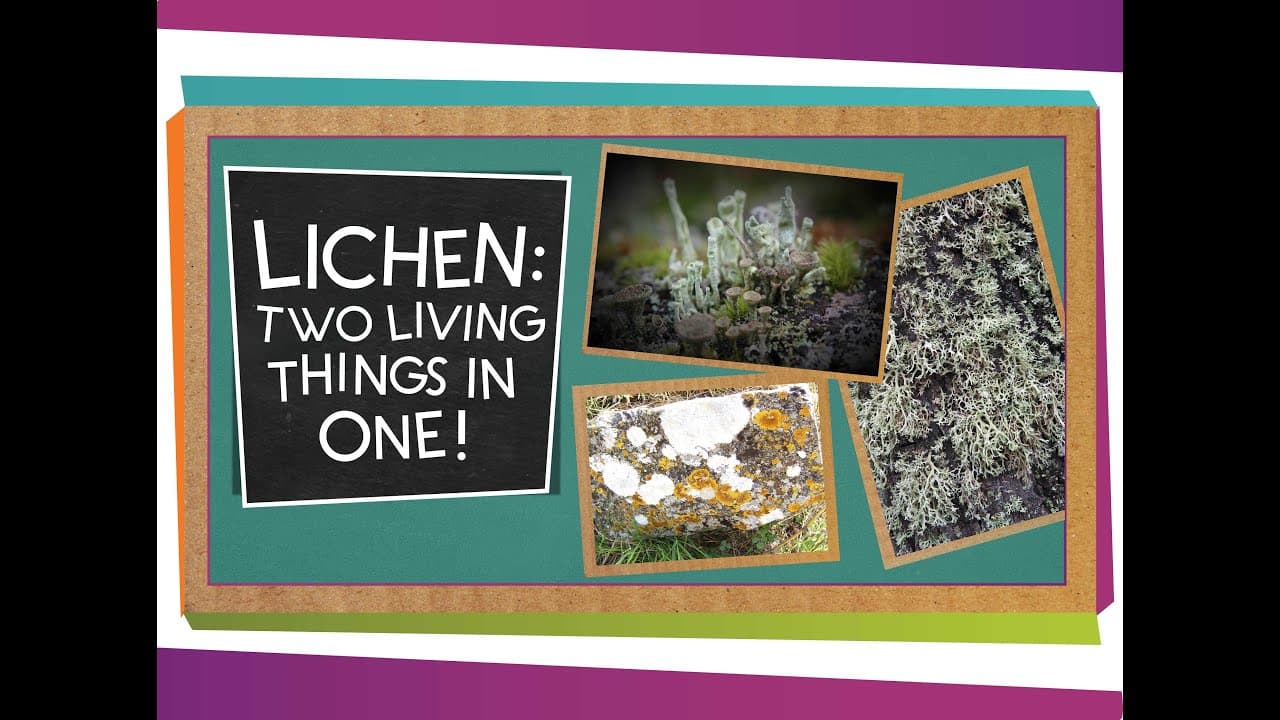
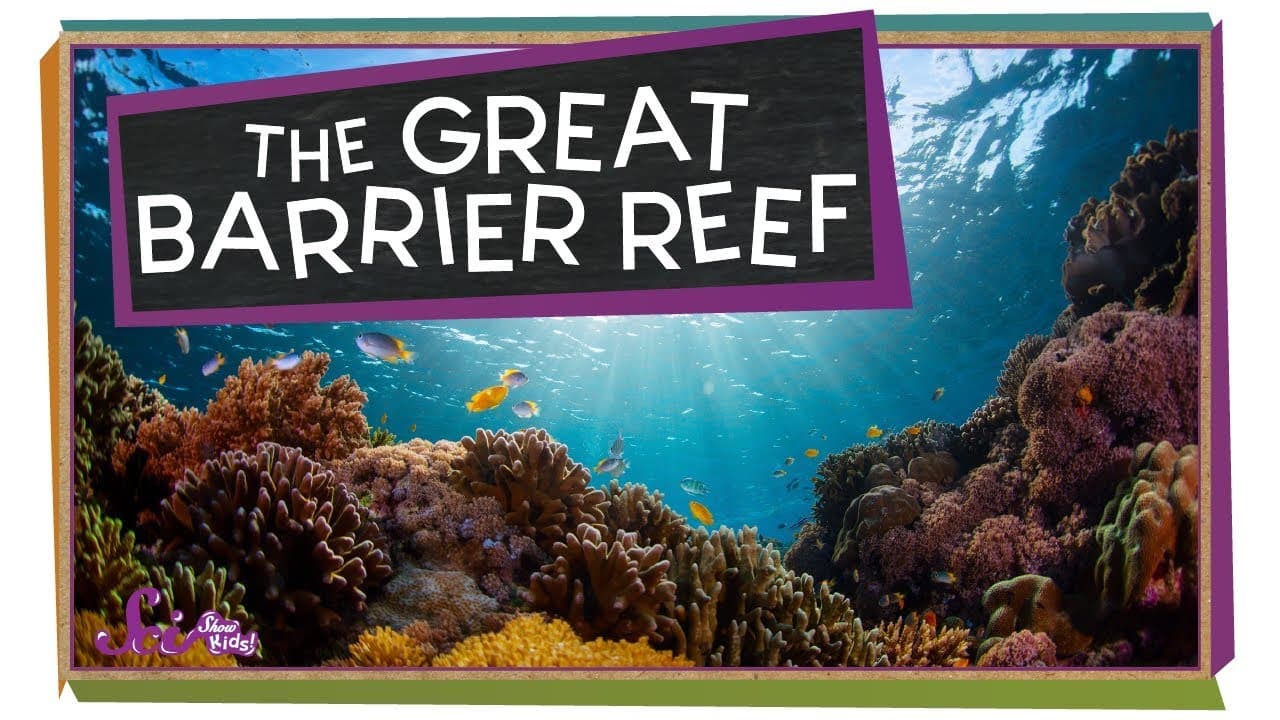
TED-EdTED-Ed

4mins 16s

Video
How DNA and Chromosomes Store Genetic Information

How DNA and Chromosomes Store Genetic Information

This comprehensive biology video explores the fundamental structures that store and transmit genetic information: DNA, RNA, and chromosomes. Starting with a relatable hook about DNA testing kits, the video breaks down complex molecular biology concepts into digestible segments. It explains the chemical structure of nucleic acids, the differences between DNA and RNA, and how genetic material is organized from the microscopic nucleotide level up to visible chromosomes.

Miacademy & MiaPrep Learning ChannelMiacademy & MiaPrep Learning Channel

15mins 3s

Video
How Traits Are Inherited Through Genetics and Pedigrees

How Traits Are Inherited Through Genetics and Pedigrees

This engaging biology lesson introduces students to the fundamental concepts of genetics, heredity, and how traits are passed from parents to offspring. The video uses clear visual examples, such as hair color and tongue rolling, to explain complex topics like alleles, dominant and recessive traits, and the function of DNA. It demystifies why family members share physical characteristics while still maintaining individual differences.

Miacademy & MiaPrep Learning ChannelMiacademy & MiaPrep Learning Channel

12mins 57s

Video
From RNA to Protein: The Process of Translation Explained

From RNA to Protein: The Process of Translation Explained

This educational video provides a comprehensive overview of translation, the biological process where cells convert genetic information from messenger RNA (mRNA) into proteins. Using the central dogma of biology as a foundation, the narrator explains how the "language" of nucleic acids (nucleotides) is translated into the "language" of proteins (amino acids). The video breaks down the mechanism step-by-step, detailing the roles of ribosomes, codons, anticodons, and transfer RNA (tRNA). The video utilizes clear graphics and animations to demonstrate how to read genetic code charts (both circular and tabular) to determine specific amino acid sequences. It explains the significance of start (AUG) and stop codons, introduces the structure of tRNA as "delivery trucks," and visualizes how polypeptide chains are assembled within the ribosome. The content also touches upon post-translational modifications in the Endoplasmic Reticulum and the universality of ribosomes across all living organisms, including prokaryotes. This resource is highly valuable for high school biology classrooms teaching genetics and protein synthesis. It simplifies abstract molecular concepts through analogies—like translating Latin to English or delivery trucks dropping off cargo—making the material accessible. Teachers can use this video to reinforce lectures on the central dogma, as a guide for activities involving genetic coding charts, or as a visual aid to help students conceptualize the microscopic machinery of the cell.

Miacademy & MiaPrep Learning ChannelMiacademy & MiaPrep Learning Channel

12mins 33s

Video
How Humans Migrated and Why We Are All Related

How Humans Migrated and Why We Are All Related

This installment of Crash Course Big History, hosted by Emily Graslie, takes a deep dive into the origins of the human species, tracing our lineage from early *Homo sapiens* in East Africa to our global dispersion. The video synthesizes evidence from genetics, archaeology, and history to explain how a small population of early humans managed to survive near-extinction events and eventually populate every corner of the globe. It specifically highlights the Toba super-eruption as a critical bottleneck moment that reduced the human population to just a few thousand, underscoring how closely related all modern humans actually are. The video tackles complex and sensitive themes regarding the biological versus social constructs of race. It explains the evolutionary basis for physical differences like skin color—attributed to melanin adaptation for UV protection—while dismantling the idea of distinct biological races. A significant portion of the video is dedicated to the history of "scientific racism" and how the misuse of Darwinian theory contributed to atrocities like slavery, colonialism, and the Holocaust. For educators, this resource serves as a powerful bridge between biology and social studies. It provides scientific explanations for human diversity while addressing the historical consequences of tribalism and prejudice. It is an excellent tool for High School discussions on human rights, genetics, and the history of science, encouraging students to critically analyze how scientific concepts can be distorted to serve political ideologies.

CrashCourseCrashCourse

10mins 27s

Video
How Adaptations Lead to Natural Selection

How Adaptations Lead to Natural Selection

This engaging biology video explores the fundamental concepts of adaptations and natural selection, using vivid examples from the animal kingdom to illustrate how species evolve over time. The lesson begins in the freezing Antarctic, demonstrating how elephant seals, emperor penguins, and notothenioid fish have developed specific physical and behavioral traits to survive in extreme environments. It defines adaptations as inherited traits that improve an organism's chances of survival and reproduction, linking these observable features back to genetic inheritance and DNA.

Miacademy & MiaPrep Learning ChannelMiacademy & MiaPrep Learning Channel

14mins 34s

Video
How Genetic Mutations Change DNA and Life

How Genetic Mutations Change DNA and Life

This comprehensive biology lesson explores the complex world of genetic mutations, detailing how changes in DNA structure occur and affect living organisms. The video breaks down mutations into two main categories: point mutations (occurring at the molecular level) and chromosomal mutations (affecting larger genetic structures). Through clear animations and examples, it demonstrates the mechanics of DNA replication errors, including substitutions, insertions, and deletions, and explains how these changes translate into different protein structures.

Miacademy & MiaPrep Learning ChannelMiacademy & MiaPrep Learning Channel

16mins 2s

Video
How Non-Mendelian Genetics Creates Diversity

How Non-Mendelian Genetics Creates Diversity

This educational video serves as a comprehensive introduction to Non-Mendelian genetics, exploring the complex patterns of inheritance that defy Gregor Mendel's simple dominant and recessive rules. It clarifies why the natural world exhibits such a vast diversity of phenotypes—like pink flowers coming from red and white parents, or the spectrum of human skin colors—that cannot be explained by binary genetic laws alone. The narrator breaks down three specific types of non-Mendelian inheritance: incomplete dominance, codominance, and polygenic traits, providing clear biological mechanisms for each. The video covers several key themes central to high school biology curricula. It distinguishes between incomplete dominance (blending of traits) and codominance (simultaneous expression of traits), using classic examples like snapdragon flowers and roan horses. It also delves into multiple alleles through the lens of human blood types, demonstrating how to construct and interpret complex Punnett squares. Finally, it addresses polygenic traits, using human skin color and melanin production to explain how multiple genes interact to create continuous variation within a population. For educators, this video is an invaluable tool for moving students beyond the basics of genetics. It effectively bridges the gap between simple Mendelian theory and the complex reality of biological diversity. The clear visual demonstrations of Punnett squares for non-standard inheritance patterns make it excellent for direct instruction, while the real-world examples of blood types and skin color adaptation provide fertile ground for classroom discussions about evolution, human health, and diversity.

Miacademy & MiaPrep Learning ChannelMiacademy & MiaPrep Learning Channel

13mins 51s

Video
How Cells Build Proteins: The Process of Protein Synthesis

How Cells Build Proteins: The Process of Protein Synthesis

This educational video uses a relatable baking analogy to explain the complex biological process of protein synthesis. The presenter simplifies how cells utilize DNA instructions to build proteins, breaking the mechanism down into two understandable stages: transcription and translation. The video clearly illustrates the roles of DNA, mRNA, ribosomes, and amino acids in creating the structures that make up living organisms. Key themes explored include the function of proteins in the human body (beyond just muscles), the structure of amino acids, the difference between DNA and RNA, and the specific cellular machinery involved in synthesizing proteins. The video also touches upon cellular transport, metabolism, and the concept of denaturation, explaining why this continuous cycle is vital for homeostasis. This resource is highly valuable for biology teachers introducing genetics or cellular processes. By comparing the nucleus to a secure vault and mRNA to a copied recipe, it transforms abstract molecular concepts into concrete, memorable visualizations. It serves as an excellent foundational lesson for middle and high school students before diving into more advanced topics like genetics and heredity.

Miacademy & MiaPrep Learning ChannelMiacademy & MiaPrep Learning Channel

10mins 21s

Video
Introduction to Genetics: Blue Lobsters and Sickle Cell Traits

Introduction to Genetics: Blue Lobsters and Sickle Cell Traits

This engaging biology video serves as an introduction to genetics, bridging the gap between DNA structure and observable traits. The narrator, B, reviews the concept of meiosis and gametes to explain how offspring receive half their genetic material from each parent. The video defines key terms such as genes and alleles, laying the groundwork for understanding inheritance patterns before diving into specific case studies. Key themes include genetic inheritance, mutations, and adaptation. The video uses two distinct real-world examples to illustrate these concepts: the rare genetic mutation that causes blue coloration in lobsters and the human condition of sickle cell anemia. It explains how recessive traits (like the blue lobster) require two copies of an allele, while also introducing the complex evolutionary relationship between sickle cell traits and malaria resistance, highlighting how mutations can be harmful, neutral, or contextually beneficial. This resource is excellent for introducing a genetics unit in middle or high school classrooms. It moves beyond abstract definitions by providing concrete, memorable examples that demonstrate probability and natural selection. Teachers can use the blue lobster segment to discuss recessive inheritance and the sickle cell segment to explore adaptations and the interaction between genetics and the environment.

Miacademy & MiaPrep Learning ChannelMiacademy & MiaPrep Learning Channel

7mins 16s

Video
Why We Have Freckles and How They Work

Why We Have Freckles and How They Work

Join Jessi and her robot friend Squeaks in this engaging exploration of human biology as they investigate the science behind freckles. The video explains exactly what freckles are—small concentrations of melanin—and why they appear on some people's skin but not others. Through clear analogies and kid-friendly visuals, the host breaks down complex biological concepts like pigmentation and the skin's reaction to sunlight. Key themes include the role of melanin as a natural sun protector, the relationship between sunlight and skin changes (tanning and freckling), and basic genetics regarding inherited traits. The video also clarifies the difference between freckles and moles and touches on how our bodies change with seasons and age. This resource is highly valuable for early elementary science classrooms studying the human body, diversity, or sun safety. It provides a scientific explanation for physical differences students notice in themselves and their peers, fostering self-acceptance and scientific curiosity. Teachers can use it to introduce concepts of adaptation, heredity, and the importance of protecting our bodies from environmental factors like the sun.

SciShow KidsSciShow Kids

3mins 23s

Video
Why Hair Turns Gray As We Get Older

Why Hair Turns Gray As We Get Older

This educational video from SciShow Kids explores the biological reasons behind why human hair changes color as we age. Hosted by Jessi and her robot mouse friend Squeaks, the video answers a common curiosity: "Where does gray hair come from?" It breaks down the anatomy of a hair strand, introducing students to follicles, melanin, and melanocytes in an accessible way. The content covers key biological themes including cell function, human growth and development, and diversity in physical traits. Through clear animations and analogies, it explains how hair follicles act like factories, how melanin provides color to our hair, skin, and eyes, and how the gradual loss of pigment-producing cells (melanocytes) results in gray or white hair. Ideally suited for elementary science classrooms, this video helps demystify the aging process and celebrates human diversity. It provides excellent opportunities for teachers to introduce cellular biology concepts using simple analogies, discuss how bodies change over time, and explore the science of pigmentation. The tone is positive and normalizing, making it a great resource for health or biology units.

SciShow KidsSciShow Kids

2mins 55s

Video
Genetics 101: Understanding Traits and Punnett Squares

Genetics 101: Understanding Traits and Punnett Squares

This educational video provides a comprehensive introduction to the fundamentals of genetics, using dogs as a primary example to make abstract concepts relatable. It explores the core mechanisms of heredity, explaining how DNA, chromosomes, genes, and alleles function to pass characteristics from parents to offspring. The video also covers the history of genetics, specifically Gregor Mendel's discoveries in the 1850s regarding dominant and recessive traits and the independent assortment of alleles. Key themes include the distinction between genotypes (the genetic code) and phenotypes (the physical trait), simple dominance, and the use of Punnett squares to predict genetic probabilities. The video uses clear visual aids to differentiate between homozygous dominant, heterozygous, and homozygous recessive combinations, illustrating how these genetic makeups result in specific physical appearances, such as curly versus straight fur in dogs. For educators, this video is a valuable tool for Life Science curriculums in middle and early high school. It includes built-in pause points for active learning, asking students to predict phenotypes and complete a Punnett square along with the narrator. This interactive format allows teachers to assess understanding in real-time, making it an excellent resource for introducing the study of heredity, probability in biology, and the basics of selective breeding.

Miacademy & MiaPrep Learning ChannelMiacademy & MiaPrep Learning Channel

9mins 21s

Video
Exploring the World of Bacteria: Structure, Survival, and Impact

Exploring the World of Bacteria: Structure, Survival, and Impact

This comprehensive biology lesson introduces students to the microscopic world of bacteria, exploring their structure, classification, and diverse roles in our ecosystem. The video breaks down complex biological concepts into digestible segments, covering how bacteria are classified by shape (cocci, bacilli, spirillum) and cell wall composition (Gram-positive vs. Gram-negative). It also delves into bacterial physiology, explaining how they move, reproduce via binary fission, and introduce genetic variation through mutation and conjugation. The content highlights the dual nature of bacteria as both essential allies and dangerous adversaries. It illustrates their vital ecological roles as decomposers and nitrogen fixers, as well as their presence in the human gut to aid digestion. Conversely, it addresses pathogenic bacteria that cause diseases like tetanus, tuberculosis, and strep throat, explaining how toxins and infections affect the body. For educators, this video serves as an excellent core resource for units on microbiology, cell biology, or ecology. It provides clear visual models of cell structures, real-world examples of bacterial species, and addresses the critical concept of antibiotic resistance through the lens of cell wall structure. The recurring "Friend or Foe" theme offers a perfect framework for classroom debates and critical thinking exercises regarding the impact of microorganisms on human life.

Miacademy & MiaPrep Learning ChannelMiacademy & MiaPrep Learning Channel

14mins 2s

Video
How Natural Selection Drives Adaptation and Survival

How Natural Selection Drives Adaptation and Survival

This educational video provides a clear and engaging introduction to the biological concepts of natural selection, adaptation, and genetic diversity. The host, Tony, begins by drawing an analogy between personal life changes—like moving schools—and the biological imperative for species to adapt to changing environments. The video connects previous lessons on DNA and heredity to the broader mechanism of evolution, explaining that traits are not random but serve specific purposes that enhance an organism's "fitness," defined here as the ability to survive and reproduce.

Miacademy & MiaPrep Learning ChannelMiacademy & MiaPrep Learning Channel

8mins 32s

Video
Designing a Sea Monster Using Ancient Fossils

Designing a Sea Monster Using Ancient Fossils

Join Jessi and her robot friend Squeaks as they embark on a creative journey to design the ultimate sea monster. Squeaks is working on a special art project, but he needs inspiration for his creature's features. To help him, Jessi turns to the fossil record, exploring real-life "sea monsters" from Earth's ancient oceans to gather ideas for Squeaks' design. The video introduces young learners to four fascinating prehistoric marine animals: the long-necked Plesiosaur, the powerful-tailed Mosasaur, the armor-headed Dunkleosteus, and the enormous Megalodon shark. Through detailed illustrations and fossil images, students learn about specific adaptations like flippers for swimming, bony plates for protection, and serrated teeth for eating. The video uses relatable size comparisons—like school buses and semi-trucks—to help students visualize the immense scale of these ancient giants. This resource is an excellent tool for combining science with creativity in the classroom. It teaches core concepts of paleontology, such as what fossils are and how scientists use them to reconstruct the past, while also highlighting biological adaptations. Teachers can use this video to launch lessons on animal traits, prehistoric life, or biomimicry, encouraging students to design their own creatures based on functional traits found in nature.

SciShow KidsSciShow Kids

6mins 38s

Video
How Dinosaurs Evolved Into Birds

How Dinosaurs Evolved Into Birds

In this engaging episode of SciShow Kids, a puppet host named Dean (a bird) takes over the fort to discuss his favorite subject: dinosaurs. While most people believe all dinosaurs went extinct 65 million years ago, Dean reveals a surprising scientific truth—that birds are actually living dinosaurs. The video explains the cataclysmic events that wiped out the larger dinosaurs, including volcanic eruptions and an asteroid impact, and details how the collapse of the food chain affected different species. Key scientific concepts explored include extinction, adaptation, and evolution. The video introduces students to 'theropods,' a group of two-legged dinosaurs that included the T-Rex and Velociraptors, highlighting the physical traits they shared with modern birds. It visualizes the gradual evolutionary process where certain dinosaurs developed feathers for warmth and communication long before they used them for flight, eventually shrinking in size and developing wings and beaks. This video is an excellent resource for early elementary science classes introducing topics like paleontology, animal traits, and natural history. It simplifies complex evolutionary concepts into a narrative that young students can grasp, using the familiar example of birds to make ancient history feel relevant. Teachers can use this to spark discussions about how animals change over time to survive and to encourage observation of local wildlife through a new, prehistoric lens.

SciShow KidsSciShow Kids

4mins 10s

Video
Comparing the Giants: Ostriches vs. Emus

Comparing the Giants: Ostriches vs. Emus

This educational video provides a comprehensive comparison between two of the world's largest flightless birds: the ostrich and the emu. Set against the backdrops of the African savannah and the Australian outback, the narration explores their biological similarities and distinct evolutionary paths. Viewers are guided through a detailed analysis of their physical traits, habitats, and survival strategies. Key themes include animal adaptations, specifically addressing why these birds possess wings but cannot fly, and how they have evolved powerful legs for speed and defense instead. The video breaks down specific data points such as height, weight, running speed, and plumage differences, while also covering their reproductive cycle from giant eggs to fluffy chicks. For educators, this resource serves as an excellent tool for teaching comparative anatomy, adaptation, and geography. It visually demonstrates how similar species evolve differently based on their environments. The video concludes with a 10-question "Big Bird Quiz," making it a complete lesson package that allows teachers to immediately assess student comprehension of the material presented.

Next Generation ScienceNext Generation Science

6mins 9s

Video
How to Analyze Pedigrees in Genetics Using Fruit Flies

How to Analyze Pedigrees in Genetics Using Fruit Flies

This educational video provides a comprehensive guide to understanding and analyzing pedigrees in the context of high school biology genetics. Using the model organism Drosophila melanogaster (fruit flies), the host explains how to interpret family tree diagrams to track the inheritance of specific traits through multiple generations. The lesson covers foundational concepts such as pedigree symbols, differentiating between wild-type and mutant traits, and the definitions of dominant, recessive, autosomal, and sex-linked inheritance.

Miacademy & MiaPrep Learning ChannelMiacademy & MiaPrep Learning Channel

15mins 29s

Video
How Random Luck Shapes Evolution: Understanding Genetic Drift

How Random Luck Shapes Evolution: Understanding Genetic Drift

This educational video provides a clear and engaging exploration of genetic drift, a mechanism of evolution driven by random chance rather than adaptation. Through dynamic examples and clear visual aids, the host explains how random events—like storms, fires, or migration—can dramatically alter the genetic makeup of a population. The video contrasts genetic drift with natural selection, emphasizing that survivors of these events are often just "lucky" rather than better adapted.

Miacademy & MiaPrep Learning ChannelMiacademy & MiaPrep Learning Channel

12mins 36s

Video
Understanding Animal Instincts and Survival Behaviors

Understanding Animal Instincts and Survival Behaviors

This educational video provides a comprehensive overview of animal instincts, defining them as inborn, automatic behaviors essential for survival and reproduction. Through high-quality nature footage, it contrasts these innate behaviors with learned ones, emphasizing that instincts are genetically inherited rather than taught. The narration guides viewers through various biological necessities that drive these behaviors, including hunting, evading predators, mating rituals, and caring for offspring. The video explores several detailed case studies to illustrate the concept of instinct. It highlights the life cycle of sea turtles, from hatchlings instinctively seeking the ocean to adult females returning to their birth beaches. Other examples include the navigational feats of migrating birds, the phenomenon of imprinting in cygnets (baby swans), and the intricate engineering of spider webs. Each example reinforces the connection between genetic programming and environmental adaptation. For educators, this resource serves as an excellent anchor for biology units on animal behavior, adaptation, and inheritance. It provides clear, visual definitions of complex terms like "innate," "imprinting," and "genetic makeup," making abstract biological concepts accessible. The segmented structure allow teachers to focus on specific types of behaviors (migration, construction, parental care) or use the whole video to spur discussions on the "nature vs. nurture" debate in the natural world.

Next Generation ScienceNext Generation Science

2mins 58s

Video
Why Flamingos Turn Pink

Why Flamingos Turn Pink

Join Anthony and his robot friend Squeaks at the Fort as they explore the colorful world of birds. The video begins with a bird-watching session where they observe cardinals, goldfinches, and blue jays, leading to a discussion about why birds have such different colored feathers. The hosts explain two primary reasons for feather coloration: camouflage for protection, as seen with mallard ducks, and bright colors for species recognition and attracting mates. The core of the lesson focuses on the fascinating science behind why flamingos are pink. Through clear explanations and helpful graphics, students learn that flamingos are actually born with greyish-white feathers. The video introduces the scientific concept of "pigments" and explains how the flamingo's unique diet of brine shrimp and larvae—which contain orange pigments similar to those found in carrots—gradually turns their feathers pink over time. This video is an excellent resource for early elementary science classrooms to introduce concepts of adaptation, biological traits, and the relationship between diet and physical appearance. It uses relatable analogies, such as comparing a flamingo's beak to a kitchen strainer and comparing pigment to paint, making complex biological processes accessible to young learners. The content seamlessly blends observation skills with biological facts.

SciShow KidsSciShow Kids

4mins 21s

Video
Unlocking the Secrets of Your Unique Fingerprints

Unlocking the Secrets of Your Unique Fingerprints

In this engaging episode of SciShow Kids, host Jessi and her robot friend Squeaks explore the fascinating science behind fingerprints. The video explains the biological basis of fingerprints—how the tiny ridges on our skin combined with natural sweat and oil allow us to leave marks on everything we touch. It emphasizes the concept of biological uniqueness, teaching students that no two people share the exact same fingerprint patterns. The video features a clear, step-by-step tutorial on a DIY science experiment that allows students to lift and view their own fingerprints using simple classroom supplies like a pencil, paper, and tape. It categorizes the three main fingerprint patterns (arch, loop, and whorl), introducing young learners to basic scientific classification and observation skills. Finally, the video connects these biological concepts to real-world applications, explaining how law enforcement uses fingerprints to solve crimes and how technology uses them for security. This resource is excellent for introducing forensic science, biology, and data collection in a fun, accessible way for elementary students.

SciShow KidsSciShow Kids

3mins 42s

Video
Exploring Dog Breeds and Their Unique Abilities

Exploring Dog Breeds and Their Unique Abilities

This engaging video introduces students to the fascinating world of dog breeds, explaining how and why our canine companions are categorized into seven distinct groups. Hosted by an enthusiastic presenter, the video breaks down the concept of a "breed" and explores the historical roles dogs have played alongside humans—from herding sheep on farms to tracking scents for hunters. It provides clear examples for each category, such as Huskies in the Working Group and Chihuahuas in the Toy Group, illustrating how physical traits often match the jobs dogs were bred to perform. Key themes include animal classification, adaptation, and the relationship between physical characteristics and function. The video details the seven major dog groups: Working, Herding, Hound, Terrier, Sporting, Toy, and Non-Sporting. Beyond classification, the content covers interesting biological facts about puppy development—such as being born without teeth or sight—and canine sensory abilities, highlighting how a dog's nose print is as unique as a human fingerprint. For educators, this video serves as an excellent resource for life science units focusing on animals, variation of traits, and artificial selection. It simplifies complex biological concepts through the relatable topic of pets, making it easy for students to understand why different animals look and behave differently. The content naturally leads to activities involving sorting, observation, and understanding how animals help humans in society.

Miacademy & MiaPrep Learning ChannelMiacademy & MiaPrep Learning Channel

7mins 22s

Video
Exploring Different Dog Breeds and Their Special Skills

Exploring Different Dog Breeds and Their Special Skills

This educational video takes viewers on a fascinating tour of the canine world, exploring the biological classification of dogs and the incredible diversity found within the species. It begins by establishing that all dogs, regardless of size or appearance, belong to the same species, *Canis lupus familiaris*. The video explains the concept of "breeds" as specific groups within the species that have been selectively bred over generations to possess distinct physical traits and behavioral characteristics suited for specific tasks. The core of the video profiles several popular dog breeds, detailing their origins, physical attributes, and historical roles. Viewers learn about the herding intelligence of Border Collies, the protective nature of German Shepherds, the olfactory prowess of Beagles, and the endurance of Siberian Huskies, among others. Each segment connects the dog's physical traits—such as a Husky's thick coat or a Beagle's nose—to the specific jobs they were bred to perform, introducing students to the concepts of adaptation and artificial selection. For educators, this video serves as an engaging entry point into life science topics such as variation within species, inheritance of traits, and the relationship between structure and function. It provides clear, real-world examples of how animals are adapted (or bred) for specific environments and tasks. The included interactive quiz at the end offers an immediate opportunity for formative assessment, making it a ready-to-use resource for reviewing active listening and comprehension skills in the classroom.

Next Generation ScienceNext Generation Science

6mins 58s

Video
How Caterpillars Use Camouflage to Survive

How Caterpillars Use Camouflage to Survive

This educational video from Sci Kids! explores the fascinating world of caterpillar survival strategies, specifically focusing on camouflage, mimicry, and physical defenses. Hosts Jessi and her robot friend Squeaks play a photo guessing game to reveal how various caterpillar species use their physical appearance to hide from predators or ward them off. The video introduces specific examples like the tomato hornworm, the bird-poop-mimicking caterpillar, and the snake-mimicking hawk moth caterpillar. Key themes include biological adaptation, predator-prey relationships, and the introduction of genetic concepts like traits and inheritance. The video explains that these survival mechanisms are not learned behaviors but are inherited instructions passed down from parents, using a relatable analogy about human physical features. It also covers different types of defenses beyond visual camouflage, such as chemical deterrents (bad smells) and physical weapons (toxic spines). Ideally suited for elementary science curriculums, this video provides a visual and engaging entry point for discussing animal adaptations and life cycles. Teachers can use it to illustrate how physical characteristics function to support survival and growth. The clear examples and definitions of terms like "camouflage," "trait," and "inherited" make it an excellent resource for building scientific vocabulary and understanding core biological concepts.

SciShow KidsSciShow Kids

6mins 57s

Video
Predicting Genetic Traits: A Guide to Punnett Squares

Predicting Genetic Traits: A Guide to Punnett Squares

This comprehensive biology video provides a clear, step-by-step guide to understanding and using Punnett squares to predict genetic outcomes. Starting with a relatable analogy about rolling dice to explain probability, the video transitions into the history of Reginald Punnett and the fundamental principles of inheritance. It covers essential terminology such as alleles, genotypes, phenotypes, homozygous, and heterozygous traits, using Mendel's pea plants as the primary examples to illustrate how traits are passed from parents to offspring. The video explores several key themes in genetics, including dominance relationships, probability ratios, and independent assortment. It progresses from simple monohybrid crosses (tracking one trait) to more complex dihybrid crosses (tracking two traits), demonstrating that traits are inherited independently. The content effectively breaks down the abstract concepts of genetic coding into visual 2x2 and 4x4 grids, making the mathematical aspect of biology accessible and logical for students. For educators, this video is an excellent instructional tool for units on heredity and genetics. It models how to set up a Punnett square, determine parental gametes, fill in the grid, and interpret the results to find genotype and phenotype percentages. The video also includes a "mystery" segment that teaches students how to work backward from offspring data to determine parental genotypes, offering a perfect opportunity for inquiry-based learning and critical thinking exercises in the classroom.

Miacademy & MiaPrep Learning ChannelMiacademy & MiaPrep Learning Channel

13mins 33s

Video
Exploring the Great Barrier Reef: A Virtual Field Trip

Exploring the Great Barrier Reef: A Virtual Field Trip

This educational video from Lighthouse Lab takes students on an engaging virtual field trip to Australia's Great Barrier Reef. Hosted by a lively presenter, the journey begins in the lab before transporting viewers to the Queensland coast. The video combines high-quality underwater footage, maps, and narration to explore the geography, structure, and incredible biodiversity of the world's largest coral reef system. It breaks down complex biological categories into accessible segments, covering everything from the microscopic coral polyps that build the reef to the massive marine mammals that inhabit it. Key themes explored include marine biology, taxonomy, and geography. The video details specific statistics about the reef's size and composition while introducing various animal groups such as fish, reptiles (sea turtles and snakes), marine mammals (dugongs, whales), and invertebrates (echinoderms, mollusks, crustaceans). It specifically highlights unique species like the dugong and the Spanish Dancer nudibranch, providing a broad overview of the reef's ecosystem. For educators, this video serves as an excellent anchor for lessons on ocean habitats, animal classification, and Australian geography. The structure is particularly classroom-friendly, as it encourages active listening through note-taking and concludes with a comprehensive 10-question multiple-choice quiz that reinforces the key facts presented. It effectively bridges the gap between entertainment and academic content, making it suitable for introducing a marine biology unit or supplementing a geography lesson.

Next Generation ScienceNext Generation Science

11mins 6s

Video
Exploring Birds of Prey: Adaptations and Survival

Exploring Birds of Prey: Adaptations and Survival

This educational video provides a comprehensive overview of birds of prey, also known as raptors, highlighting their unique physical adaptations and roles within ecosystems. It explores the defining characteristics of these birds, such as their keen eyesight, hooked beaks, and sharp talons, while showcasing a variety of species ranging from the small American Kestrel to the massive Andean Condor. Specific segments detail the hunting strategies and specialized traits of iconic birds like the Bald Eagle, Peregrine Falcon, and various owls and vultures. The video delves into key biological themes including adaptation, predator-prey relationships, and ecological niches. It explains how different raptors have evolved to survive, such as the owl's silent flight feathers for nocturnal hunting and the vulture's role as nature's cleanup crew. Furthermore, the content addresses the environmental challenges these birds face, including habitat loss and pollution, emphasizing the importance of conservation efforts to protect declining populations. For educators, this video serves as an excellent resource for Life Science units on animal adaptations and food webs. The clear narration and high-quality footage make complex biological concepts accessible to students. The video concludes with a 10-question interactive quiz, allowing teachers to immediately assess student comprehension and reinforce the material covered, making it a ready-made lesson component.

Next Generation ScienceNext Generation Science

7mins 33s

Video
Exploring Earth's Deserts: Hot, Cold, and Dry Environments

Exploring Earth's Deserts: Hot, Cold, and Dry Environments

This educational video provides a comprehensive overview of desert biomes, challenging the common misconception that deserts are always hot. It defines deserts primarily by their aridity and lack of rainfall rather than temperature, showcasing the diversity of these landscapes from the scorching sands of the Sahara to the icy plains of Antarctica. The narration explains the extreme weather patterns found in deserts, including the dramatic temperature shifts between day and night and unpredictable rainfall events.

Next Generation ScienceNext Generation Science

4mins 46s

Video
Exploring the Diverse World of Birds

Exploring the Diverse World of Birds

This educational video provides a comprehensive introduction to the diverse class of animals known as birds. It begins by exploring their wide range of habitats, from urban cities to the frozen landscapes of Antarctica, and outlines the fundamental characteristics shared by all bird species, including being warm-blooded, having feathers, laying eggs, and possessing wings. The video combines high-quality footage of various species—such as eagles, penguins, ostriches, and hummingbirds—to illustrate these traits vividly. Beyond basic classification, the video delves into specific adaptations and behaviors that allow birds to thrive in different environments. It highlights unique examples like the nocturnal vision of owls, the incredible running speed of the flightless ostrich, and the swimming abilities of penguins. The narrative also explains the concept of migration, featuring the record-breaking journey of the Arctic Tern, helping students understand how physical traits support survival strategies. Ideally suited for life science units, this resource emphasizes the ecological importance of birds. It explains their critical roles in ecosystems as pollinators, seed dispersers, and pest controllers. Teachers can use this video to launch discussions on biodiversity, animal adaptations, and the interdependence of living things within an ecosystem.

Next Generation ScienceNext Generation Science

4mins 34s

Video
How Do Bees Make Honey?

How Do Bees Make Honey?

This engaging episode of SciShow Kids explores the fascinating biological process behind how bees create honey. Hosted by Anthony and his robot friend Squeaks, the video takes viewers on a journey from a spring picnic to the inside of a beehive. It breaks down the complex relationship between plants and pollinators, explaining how bees collect nectar and pollen, and the specific anatomical features that allow them to transport these materials.

SciShow KidsSciShow Kids

6mins 2s

Video
Exploring the Arctic: Animals, Adaptations, and Extreme Climates

Exploring the Arctic: Animals, Adaptations, and Extreme Climates

This engaging video provides a comprehensive introduction to the Arctic biome, taking students on a journey to the northernmost part of the Earth. Hosted by an energetic presenter, the video explains the unique geography and climate of the region, including temperatures that drop to 70 degrees below zero and the phenomenon of the "Midnight Sun" where the sun doesn't set in summer or rise in winter. It differentiates between the frozen Arctic Ocean, the rocky Tundra, and the forested Taiga, giving viewers a complete picture of this diverse environment. The core focus of the video is on the incredible biodiversity of the Arctic and the specific adaptations animals use to survive. Through clear visuals and explanations, students learn about a wide range of animals including polar bears, walruses, arctic wolves, and narwhals. Key biological concepts such as insulation (blubber and fur), camouflage (changing fur color with seasons), migration, and physical adaptations (like the lynx's snowshoe-like paws) are explored in depth. The video also briefly touches upon human life in the Arctic, showing how people adapt to the environment using snowmobiles and sleds. For educators, this video is an excellent resource for units on habitats, biomes, and animal adaptations. It uses simple analogies—like comparing a polar bear's paw to a dinner plate or a lynx's feet to snowshoes—that make complex concepts accessible to young learners. The segment on camouflage, showing side-by-side comparisons of animals in winter versus summer coats, offers immediate visual evidence for scientific discussion. Additionally, the inclusion of diagrams, such as the cross-section of a polar bear's den, supports visual literacy and understanding of animal behaviors.

Miacademy & MiaPrep Learning ChannelMiacademy & MiaPrep Learning Channel

12mins 21s

Video
The Wonders of Water: Rivers, Erosion, and the Water Cycle

The Wonders of Water: Rivers, Erosion, and the Water Cycle

In this comprehensive compilation from SciShow Kids, Jessi and her robot rat friend Squeaks take students on a journey to explore everything about Earth's water. The video is divided into three distinct segments: first, investigating where the water in our faucets comes from by exploring groundwater, rivers, oceans, and glaciers; second, a debate between puppet characters Bill and Webb about whether wind or water is a stronger force of nature, leading to a lesson on erosion and landforms; and third, a theatrical performance that dramatizes the stages of the water cycle. Key themes include the geography of water (rivers, lakes, oceans), the states of matter (liquid water, solid ice, water vapor), and the geological forces of erosion and weathering. The video covers specific landforms like the Grand Canyon, sand dunes, and stone arches, explaining how they were formed over millions of years. It also breaks down the water cycle into its four main components: evaporation, condensation, precipitation, and collection, using a play-within-a-video format to model these abstract concepts. This video is highly valuable for elementary science classrooms as it connects everyday experiences (turning on a tap, seeing rain) to global systems. It models scientific inquiry through Squeaks' hypothesis testing and uses engaging visual aids—including maps, real-world footage, and puppetry—to make complex topics like geological time and phase changes accessible. The variety of segments allows teachers to use the video as a whole or break it down to teach specific units on hydrology, geology, or weather.

SciShow KidsSciShow Kids

16mins 44s

Video
Exploring Food Chains in a Pond Ecosystem

Exploring Food Chains in a Pond Ecosystem

This educational video introduces students to the fundamental concepts of ecosystems and food chains through the lens of a pond habitat. Hosted by a young presenter named Chels, the video combines real-world footage of pond life with clear, animated diagrams to explain how living organisms interact with each other and their environment. It breaks down a specific 5-step food chain: Sun → Reeds → Grasshopper → Frog → Stork, illustrating the flow of energy from producers to apex predators. Key ecological themes explored include the definition of an ecosystem (biotic and abiotic factors), the dependence of plants on solar energy, and predator-prey relationships. The video uses specific vocabulary such as 'organism', 'environment', and 'energy' while providing concrete examples like water lilies, dragonflies, and storks to ground these abstract concepts. Teachers can use this video as a perfect introduction to a unit on ecology, habitats, or life cycles. Its clear pacing and dual-modality (real footage followed by diagrammatic review) make it excellent for visual learners. It serves as a springboard for classroom activities involving constructing food chains, identifying local ecosystem components, and discussing the interdependence of living things.

Next Generation ScienceNext Generation Science

3mins 35s

Video
Orangutans: The Forest People of Borneo and Sumatra

Orangutans: The Forest People of Borneo and Sumatra

This educational video from Lighthouse Lab provides an in-depth look at orangutans, one of the world's great apes. Hosted by Sophie Taylor-Pritchard, the video explores the biology, geography, and behavior of these fascinating primates. It begins by situating orangutans within the great ape family—alongside gorillas, chimpanzees, bonobos, and humans—and defines their unique status as the only great apes endemic to the Asian islands of Borneo and Sumatra. The narration breaks down the etymology of their name, "forest person," connecting it to their arboreal nature and human-like behaviors. The content dives into the specific biological adaptations that allow orangutans to thrive in the rainforest canopy, such as their specialized shoulder structure and long arms. It covers their diet, their critical ecological role as seed dispersers, and their tool-using abilities. The video also highlights their reproductive cycle, noting that they are the slowest breeding primates, which makes their population recovery particularly challenging. Detailed statistics about their life span, gestation period, and offspring frequency provide a clear picture of their life history. Finally, the video addresses the critical conservation status of orangutans, categorizing them as critically endangered. It explains the primary threats they face, specifically habitat destruction due to palm oil plantations. The video concludes with an actionable step for viewers, encouraging them to help protect these animals by avoiding unsustainable palm oil products, effectively linking scientific learning with environmental stewardship and civic responsibility.

Next Generation ScienceNext Generation Science

3mins 50s

Video
Why Animals Become Endangered and How We Can Help

Why Animals Become Endangered and How We Can Help

In this engaging episode of SciShow Kids, host Jessi and her robot rat friend Squeaks explore the concept of endangered animals. The video gently explains complex ecological topics by defining what it means for a species to be endangered and investigating the primary causes: habitat loss and pollution. Through clear narration and helpful animations, students learn that an animal's habitat is more than just a home—it's the specific environment that provides food, water, air, space, and shelter necessary for survival. The video uses two concrete case studies to illustrate these concepts: the Amur Leopard and the Brown Pelican. The Amur Leopard's story demonstrates how deforestation reduces available space and resources, leading to population decline. Conversely, the success story of the Brown Pelican shows how human intervention and stopping pollution can allow a species to recover and thrive again. This balance of problem and solution prevents the topic from becoming too scary or depressing for young viewers. For educators, this resource serves as an excellent primer for units on conservation, ecology, or human impact on the environment. It introduces essential scientific vocabulary like "habitat," "mammal," and "pollution" in context. The video concludes with actionable steps children can take, such as recycling and learning about local wildlife, making it a perfect launchpad for classroom service projects or Earth Day activities.

SciShow KidsSciShow Kids

4mins 19s

Video
How Animals Get Energy: Herbivores, Carnivores, and Omnivores

How Animals Get Energy: Herbivores, Carnivores, and Omnivores

This engaging video from Crash Course Kids explores the fundamental biological concept of energy flow in ecosystems, starting with the primary source: the sun. Host Sabrina Cruz explains how plants convert sunlight into chemical energy and how that energy is passed along to various animals. The video serves as a dynamic introduction to food chains and the interdependence of living things. The content breaks down the classification of animals based on their diets, clearly defining and visualizing herbivores, carnivores, and omnivores. Through a specific "investigation" scenario involving an apple tree, insects, raccoons, and a hawk, the video demonstrates how to model these relationships in a simple food chain. It distinguishes between producers (plants) and consumers (animals) without getting bogged down in overly complex terminology. For educators, this resource provides a perfect hook for units on ecosystems, energy transfer, or animal classification. It uses humor and relatable examples (like lunch and pizza) to make abstract concepts concrete. The built-in "investigation" segment offers a natural pause point for class participation, allowing teachers to check for understanding before the video reveals the correct energy flow model.

Crash Course KidsCrash Course Kids

3mins 14s

Video
Exploring Nature on a Winter Scavenger Hunt

Exploring Nature on a Winter Scavenger Hunt

Join the host and her robot friend Squeaks on an exciting winter scavenger hunt to explore how nature changes during the coldest season. This engaging video combines animation with real-world footage to guide young viewers through observing winter phenomena, from frozen water and dormant plants to animal tracks and survival strategies. It explains scientific concepts like why water freezes, how plants protect themselves from the cold, and where insects go during the winter months. The video covers key themes of seasonal changes, states of matter (freezing), plant biology (deciduous vs. coniferous/evergreen trees), and animal adaptations (hibernation, migration). It specifically addresses the misconception that bare trees are dead, introducing the concept of dormancy, and highlights how different organisms survive harsh weather conditions. For educators, this video serves as a perfect launchpad for outdoor experiential learning. It encourages observation skills and scientific inquiry by modeling a structured scavenger hunt. Teachers can use this resource to support lessons on seasons, weather patterns, and local ecology, providing a practical framework for students to investigate their own schoolyards or neighborhoods for signs of winter.

SciShow KidsSciShow Kids

5mins 3s

Video
Exploring the Amazing Animals of the Ocean

Exploring the Amazing Animals of the Ocean

This engaging educational video takes young students on a virtual dive into the ocean to explore the diverse array of animals that call it home. Hosted by an enthusiastic presenter, the lesson begins by establishing the vastness of the Earth's oceans, distinguishing between fresh and saltwater environments. It then systematically introduces various marine creatures, highlighting their unique characteristics, behaviors, and adaptations that allow them to survive in a watery world. The video covers a wide spectrum of marine life, from fish like the massive yet gentle whale shark to intelligent invertebrates like the octopus. Key biological concepts are introduced naturally, such as the difference between fish and marine mammals (whales and dolphins), the function of gills versus blowholes, and specific defense mechanisms like ink squirting. The video also includes fascinating comparisons, such as the size of a blue whale relative to school buses and the distinction between seals and sea lions based on their ears. For educators, this resource serves as an excellent introduction to marine biology, animal classification, and habitats. It provides clear visual and auditory examples—including the sound of a whale singing—that cater to different learning styles. The content naturally lends itself to lessons on comparing and contrasting different animal groups, understanding physical adaptations, and appreciating the scale and diversity of life on Earth.

Miacademy & MiaPrep Learning ChannelMiacademy & MiaPrep Learning Channel

7mins 15s

Video
How Pond Animals Survive the Winter Freeze

How Pond Animals Survive the Winter Freeze

In this engaging episode of SciShow Kids, host Jessi and her robot mouse friend Squeaks explore a frozen pond to answer a common winter mystery: where do all the animals go when the water turns to ice? The video contrasts the lively activity of a summer pond with the quiet stillness of winter, explaining how reduced sunlight and colder temperatures change the environment. Through clear animations and simple explanations, viewers learn that the animals haven't disappeared but are surviving beneath the surface or adapting in clever ways nearby. The video introduces key biological concepts including seasonal adaptation, energy conservation, and the difference between animals whose body temperatures change with their environment (like fish and turtles) and those who maintain a constant temperature (like birds and mammals). Specific survival strategies are highlighted: fish slowing their metabolism and huddling in the warmer bottom waters, turtles burrowing into the insulating mud, and sparrows fluffing their feathers to trap body heat like a puffy jacket. This resource is an excellent tool for early elementary science classrooms studying habitats, seasons, or animal adaptations. It uses relatable analogies (like blankets and winter coats) to make abstract biological processes concrete for young learners. Teachers can use this video to spark discussions about how different organisms solve the same problem—surviving the cold—in unique ways, laying the groundwork for understanding homeostasis and ecological niches.

SciShow KidsSciShow Kids

4mins 2s

Video
Why Mushrooms Aren't Plants or Animals

Why Mushrooms Aren't Plants or Animals

This educational video from SciShow Kids explores the biological classification of mushrooms, explaining why they are neither plants nor animals but belong to their own kingdom called Fungi. Hosted by Jessi and her robot mouse friend Squeaks, the video uses a pizza lunch scenario to introduce the topic, highlighting the unique characteristics of fungi such as their inability to make food from sunlight like plants and their immobility compared to animals. The video dives into the fascinating diversity of fungi, showcasing examples like Black Witches' Butter, Brain Mushrooms, and bioluminescent species. It breaks down complex biological concepts like nutrition and digestion, explaining how fungi "eat" by releasing digestive enzymes externally and absorbing nutrients from organic matter, often dead plants. This distinction is contrasted with plant photosynthesis and internal animal digestion. Teachers can use this video to introduce a unit on the kingdoms of life, decomposers, or biological diversity. It provides clear, accessible analogies for how different organisms obtain energy and emphasizes safety regarding wild mushrooms. The engaging visuals and friendly hosts make abstract biological differences concrete and understandable for young learners.

SciShow KidsSciShow Kids

3mins 49s

Video
What Plants Need: Analyzing a Growth Experiment

What Plants Need: Analyzing a Growth Experiment

In this engaging follow-up episode from SciShow Kids, host Jessi and her robot friend Squeaks analyze the results of a plant growth experiment they set up three weeks prior. They review their experimental design, which involved testing four different conditions: a control group with everything a plant needs, a group without sunlight, a group without water, and a group planted in sand instead of soil. The video candidly discusses a mistake made in the original setup—using a clear cup for the "no sunlight" condition—and explains how they corrected it by restarting that portion of the experiment in a dark cabinet. The video explores key biological themes including the basic needs of plants (sunlight, water, soil) and the specific function of chlorophyll. A major focus is placed on the surprising result of the "no sunlight" condition, where the grass grew tall and yellow before dying. Jessi explains the science behind this phenomenon: the plant grew rapidly to search for light but lacked the chlorophyll needed to produce food and stay alive. This segment provides a perfect introduction to photosynthesis and plant energy cycles for young learners. For educators, this video is an excellent tool for modeling the scientific method, specifically the importance of analyzing results and admitting experimental errors. It demonstrates that mistakes are a natural part of science and shows how to control variables properly. The content encourages inquiry-based learning by prompting students to predict why results occurred and suggesting new variables to test, such as varying water amounts or using salt water, making it a perfect launchpad for classroom experiments.

SciShow KidsSciShow Kids

3mins 55s

Video
How to Build a Terrarium to Watch the Water Cycle

How to Build a Terrarium to Watch the Water Cycle

This engaging episode of SciShow Kids features host Jessi and her robot rat friend Squeaks demonstrating how to build a terrarium—a self-sustaining miniature garden inside a sealed container. The video bridges the gap between biological needs and earth science by explaining how plants in a closed system survive without being watered regularly. Through clear animations and demonstrations, it illustrates how a closed terrarium creates its own water cycle, mimicking the natural processes found on Earth. The content explores key scientific themes including the water cycle (evaporation, condensation, and precipitation), states of matter (liquid water vs. water vapor), and plant biology. It details specific components required for an ecosystem to thrive, such as soil for nutrients, rocks for drainage, and charcoal for filtration. The video also touches on the longevity of ecosystems, mentioning terrariums that can last for decades without human intervention. For educators, this video is an exceptional resource for hands-on science units in elementary grades. It serves as a perfect launchpad for a classroom project where students construct their own terrariums to observe the water cycle in real-time. By shrinking global concepts like weather patterns and evaporation down to a jar-sized model, it makes abstract Earth science concepts tangible and observable for young learners.

SciShow KidsSciShow Kids

4mins 44s

Video
How Mangroves Survive and Protect the Coast

How Mangroves Survive and Protect the Coast

This educational video provides a comprehensive look at mangrove forests, exploring how these unique plants survive in harsh intertidal environments where land meets the sea. It details the specific biological adaptations that allow mangroves to thrive in salty, low-oxygen soil, including their specialized root systems and unique reproductive cycle. The narration clearly explains the challenges of the intertidal zone, such as shifting tides and soft sediment, and how the trees have evolved to overcome them. The video specifically focuses on structural adaptations like stilt roots that prop up the trees and pneumatophores (breathing roots) that stick out of the mud to absorb oxygen. It also covers the fascinating reproductive strategy where seeds germinate while still attached to the parent plant before dropping into the water to float away. These examples serve as excellent case studies for teaching students about structural and behavioral adaptations in plants. Finally, the video highlights the crucial role mangroves play in the wider ecosystem. It showcases the biodiversity supported by these forests, including fish, crabs, and birds, and explains how mangroves act as natural barriers against coastal erosion, storm surges, and tsunamis. This makes the video highly relevant for lessons on ecosystems, biodiversity, and environmental conservation.

Next Generation ScienceNext Generation Science

2mins 51s

Video
How Nature Is Organized: From Communities to the Biosphere

How Nature Is Organized: From Communities to the Biosphere

This educational video provides a clear and structured exploration of ecological organization, moving beyond the cellular level to examine how life is organized on a macro scale. It systematically breaks down the hierarchy of life, starting with biological communities (biocenosis), expanding to ecosystems which include non-living factors, and culminating in the global biosphere. The narrator uses clear definitions, diagrams, and real-world examples—such as coral reefs and predator-prey relationships—to illustrate how these levels interact and function together.

Miacademy & MiaPrep Learning ChannelMiacademy & MiaPrep Learning Channel

11mins 39s

Video
Busting Snake Myths: Scales, Skeletons, and Slithering

Busting Snake Myths: Scales, Skeletons, and Slithering

This engaging episode of SciShow Kids invites students to play a game of "True or False" to debunk common myths about snakes. Hosted by Jessi and her robot mouse friend Squeaks, the video explores the fascinating world of these reptiles, covering their physical characteristics, behavior, and ecological importance. Students learn that snakes are diverse, ranging from the tiny Barbados Threadsnake to the massive Reticulated Python, and that despite their reputation, they play a crucial role in nature. The video focuses on three main misconceptions: that snakes are slimy and squishy, that they are aggressive and chase people, and that they are not important animals. Through clear explanations and comparisons to human anatomy—like relating snake scales to fingernails and snake backbones to human spines—the content makes complex biological concepts accessible. It also distinguishes snakes from worms by highlighting the presence of a skeleton and explains the mechanics of "slithering." Ideally suited for early elementary science curriculums, this video serves as an excellent tool for teaching animal classification, adaptation, and ecosystem balance. It promotes scientific observation over fear, encouraging students to respect wildlife and understand the beneficial roles predators play in controlling pest populations. The interactive format keeps young learners engaged while providing practical safety advice on what to do if they encounter a snake in the wild.

SciShow KidsSciShow Kids

4mins 29s

Video
Why Hair Turns Gray As We Get Older

Why Hair Turns Gray As We Get Older

This educational video from SciShow Kids explores the biological reasons behind why human hair changes color as we age. Hosted by Jessi and her robot mouse friend Squeaks, the video answers a common curiosity: "Where does gray hair come from?" It breaks down the anatomy of a hair strand, introducing students to follicles, melanin, and melanocytes in an accessible way. The content covers key biological themes including cell function, human growth and development, and diversity in physical traits. Through clear animations and analogies, it explains how hair follicles act like factories, how melanin provides color to our hair, skin, and eyes, and how the gradual loss of pigment-producing cells (melanocytes) results in gray or white hair. Ideally suited for elementary science classrooms, this video helps demystify the aging process and celebrates human diversity. It provides excellent opportunities for teachers to introduce cellular biology concepts using simple analogies, discuss how bodies change over time, and explore the science of pigmentation. The tone is positive and normalizing, making it a great resource for health or biology units.

SciShow KidsSciShow Kids

2mins 55s

Video
How Your Heart and Circulatory System Work

How Your Heart and Circulatory System Work

This educational video provides a clear and accessible introduction to the human heart and the circulatory system for elementary students. It begins by establishing the concept that the body is made of various parts with specific functions, distinguishing between external parts like legs and noses, and internal parts like organs. The narrative then zooms in on the heart, describing it as a tireless muscle located in the chest that serves as the central pump for the body. The video breaks down the mechanics of circulation using high-quality animations and diagrams. It explains how the heart pumps blood through a network of tubes called blood vessels, specifically introducing the difference between arteries (carrying blood away from the heart) and veins (carrying blood back to the heart). The content visualizes blood cells moving through vessels and uses schematic diagrams to show the flow of blood between the heart, lungs, and the rest of the body. Teachers can use this video as a foundational element in a human body systems unit. It effectively defines the "Circulatory System" by naming its three key components: the heart, blood vessels, and blood. The combination of relatable real-world footage (children playing) and scientific diagrams makes it an excellent bridge between a child's lived experience of their body and the biological processes happening inside them.

Next Generation ScienceNext Generation Science

1min 55s

Video
How Sound Vibrations Travel to Our Ears

How Sound Vibrations Travel to Our Ears

Join Jessi and Squeaks the Robot in this engaging exploration of sound science. The video begins with a listening exercise to help viewers realize that sounds are constantly around them, differentiating between "noise" (unpleasant sounds like traffic) and "music" (organized notes). The core concept of vibration is introduced as the source of all sound, explaining that sound is simply rapid back-and-forth movement.

SciShow KidsSciShow Kids

3mins 58s

Video
Exploring Sound Energy and How It Travels

Exploring Sound Energy and How It Travels

This engaging science video explores the fundamental concepts of sound energy, defining it as mechanical energy created by vibrations. Hosted by a presenter who uses humor and clear demonstrations, the lesson breaks down complex physics concepts into accessible segments. It covers the creation of sound through vibration, the anatomy of the ear including the role of the eardrum, and how the brain interprets these signals as distinct noises.

Miacademy & MiaPrep Learning ChannelMiacademy & MiaPrep Learning Channel

8mins 58s

Video
Exploring the Musculoskeletal System: How We Move

Exploring the Musculoskeletal System: How We Move

This comprehensive biology video explores the intricate relationship between muscles and bones, treating them as a unified musculoskeletal system. Hosted by Taylor, the lesson breaks down the specific anatomy and physiology required for human movement, moving beyond simple descriptions to explain the cellular and structural composition of body tissues. The video utilizes clear animations and diagrams to visualize internal structures like bone marrow, muscle fibers, and joint connections that students cannot easily observe otherwise. The content covers three primary areas: the types of muscle tissue (smooth, cardiac, and skeletal), the internal structure of living bone (compact, spongy, and marrow), and the connective tissues that bind them together (ligaments and tendons). It addresses common misconceptions—specifically that bones are non-living structures—and explains the physiological mechanics of how muscles contract to pull bones. Additionally, the video dedicates a significant portion to health education, outlining the role of nutrition (protein, calcium, Vitamin D), exercise, and sleep in maintaining this system. For educators, this video serves as a perfect core lesson for units on the human body, anatomy, or health. It effectively bridges the gap between identifying organs and understanding their function. The clear distinction made between voluntary and involuntary muscles, as well as the mechanical explanation of tendons versus ligaments, provides excellent anchor points for classroom demonstrations and physical education cross-integration.

Miacademy & MiaPrep Learning ChannelMiacademy & MiaPrep Learning Channel

11mins 28s

Video
How We Use Rocks and Minerals in Everyday Life

How We Use Rocks and Minerals in Everyday Life

This educational video provides a clear and engaging overview of how rocks and minerals are utilized in our daily lives. Moving beyond simple geological definitions, the narration connects raw earth materials to finished products students recognize, such as houses, roads, skyscrapers, and electrical wires. It illustrates the transformation of raw ores like bauxite and iron into essential materials like aluminum and steel. The video explores several key themes including construction materials, industrial metals, decorative uses in jewelry, and biological necessity. Uniquely, it bridges the gap between geology and biology by explaining how minerals like potassium and fluoride play critical roles in human health, specifically for muscle function and dental hygiene. This helps students understand that minerals are not just stones on the ground, but integral parts of their bodies and technologies. For educators, this resource serves as an excellent hook for units on Earth Science, natural resources, or nutrition. It provides concrete examples that answer the common student question, "Why do we need to learn about rocks?" The visual examples allow for easy connections to classroom objects and personal experiences, making abstract supply chains tangible for young learners.

Next Generation ScienceNext Generation Science

1min 44s

Video
Why We Have Baby Teeth and How They Change

Why We Have Baby Teeth and How They Change

This engaging episode of SciShow Kids explores the biological purpose and lifecycle of human teeth, specifically focusing on the transition from baby teeth to permanent adult teeth. Hosted by Jessi and her robot friend Squeaks, the video explains that babies are born without teeth because their jaws are too small and they initially only consume milk. It traces the developmental timeline, noting when teeth first appear, how they facilitate eating solid foods and speech, and why they eventually fall out to make room for larger, stronger adult teeth. Key themes include human growth and development, the relationship between anatomy (jaw size) and physiology (teeth types), and the importance of dental hygiene. The video introduces specific vocabulary like "primary teeth," "permanent teeth," and "jaw," while using clear visuals to demonstrate how the mouth changes from infancy to adulthood. It also highlights the dual function of teeth for both digestion (chewing) and communication (talking). For educators, this resource is an excellent tool for health and science curriculums in early elementary grades. It directly addresses a life event students are experiencing—losing teeth—demystifying the process and framing it as a natural part of growing up. The video provides natural jumping-off points for lessons on nutrition, the skeletal system, speech mechanics, and building healthy habits like brushing and flossing.

SciShow KidsSciShow Kids

4mins 2s

Video
How Your Five Senses Help You Explore the World

How Your Five Senses Help You Explore the World

This engaging educational video takes students on a comprehensive tour of the five human senses: taste, smell, sight, touch, and hearing. Hosted by a friendly presenter, the video uses a mix of live-action demonstrations, "would you rather" scenarios, and clear anatomical diagrams to explain how our bodies gather information from the world around us. It breaks down the biological mechanics of each sense, moving beyond simple identification to explain the specific organs, nerves, and brain connections involved in processing sensory data. The content explores key biological themes such as the role of the nervous system, the anatomy of sense organs (like the retina, cochlea, and olfactory nerve), and the protective function of our senses. It introduces scientific vocabulary suitable for elementary students, explaining how sensory receptors act as "news reporters" that send messages to the brain. The video also covers the interconnectedness of senses, particularly taste and smell, and categorizes specific sensations like the four main tastes and seven categories of smell. For educators, this video serves as an excellent anchor for a Human Body unit in elementary science. It provides visual models of internal anatomy that are often difficult to describe, such as the inner ear or the back of the eye. The video's structure allows teachers to either watch it in its entirety or pause after each sense to conduct specific experiments or discussions. It naturally prompts hands-on activities like taste testing, blindfold challenges, or texture exploration, making abstract biological concepts concrete and relatable for students.

Miacademy & MiaPrep Learning ChannelMiacademy & MiaPrep Learning Channel

8mins 23s

Video
What Really Happens When You Swallow Gum

What Really Happens When You Swallow Gum

In this engaging episode of SciShow Kids, host Jessi debunks the popular playground myth that swallowed gum stays in your stomach for seven years. After accidentally swallowing a piece of gum herself, Jessi takes viewers on a scientific journey through the human digestive system to explain exactly what happens to that sticky treat. The video breaks down the composition of chewing gum, explaining how its rubber base makes it different from regular food, and uses clear animations to trace its path from the mouth to the stomach, through the intestines, and finally out of the body. Key themes explored include the anatomy of the digestive system, the difference between digestible food and indigestible materials, and the importance of critical thinking when hearing common myths. The video specifically introduces the functions of the mouth, stomach, small intestine, and large intestine in a way that is accessible for young learners. It clarifies that while the body cannot break down the rubber in gum for energy, the digestive system's muscular contractions move it along just like fiber or other waste products. This video is an excellent resource for early elementary health and science classrooms. It turns a relatable childhood anxiety—swallowing gum—into a teachable moment about human biology. Teachers can use this video to introduce the stages of digestion, discuss healthy eating habits, or launch a unit on separating scientific fact from fiction. The clear visual metaphors and energetic hosting make complex biological processes easy to visualize and understand for primary students.

SciShow KidsSciShow Kids

4mins 29s

Video
All About Elephants: Giants of the Savannah

All About Elephants: Giants of the Savannah

This educational video provides a comprehensive and engaging overview of elephants, the world's largest land animals. It explores their biological characteristics, including their status as mammals, their immense size and weight, and their anatomical features like their versatile trunks and strong skeletal structures. The video also details their dietary habits as herbivores, explaining the massive amount of food and water they consume daily to sustain their energy levels. Beyond physical traits, the video delves into the complex social and behavioral lives of elephants. It highlights their intelligence, memory, and emotional capacity, showing how they form strong multi-generational family bonds and work cooperatively to protect their young. Viewers learn about elephant communication methods, ranging from vocalizations like trumpets and rumbles to non-verbal cues involving touch and smell. For educators, this resource serves as an excellent anchor for life science units on animal adaptations, mammal characteristics, and ecosystem dynamics. The clear narration and mix of real-world footage with anatomical overlays make abstract concepts concrete for young learners. It offers opportunities to integrate math by comparing weights and food intake, as well as social-emotional learning through discussions on elephant cooperation and family structures.

Next Generation ScienceNext Generation Science

4mins 4s

Video
How Owls Use Super Senses to Hunt

How Owls Use Super Senses to Hunt

Join Jessi and her robot rat friend Squeaks in this engaging exploration of one of nature's most effective nocturnal hunters: the owl. The video breaks down the specific biological adaptations that make owls unique among birds, moving beyond just their appearance to explain the 'how' and 'why' behind their super senses. Using a mix of high-quality photographs and clear animations, the host explains complex anatomical concepts like skeletal structure and ocular anatomy in a way that is accessible for young learners. The content focuses on three main adaptations: sight, neck flexibility, and hearing. It compares owl anatomy to human anatomy, making the concepts relatable for students. Key topics include the diversity of owl species (from the tiny Elf Owl to the massive Great Grey Owl), the physics of binocular vision versus monocular vision, the skeletal differences in neck vertebrae that allow for extreme head rotation, and how facial feathers function like satellite dishes to capture sound. This video is an excellent resource for biology units focusing on animal adaptations, nocturnal animals, or predator-prey relationships. It provides concrete examples of form following function in nature. Teachers can use this video to spark activities about human vs. animal senses, skeletal models, or the physics of sound and light. The clear comparisons (e.g., vertebrae count) offer distinct data points for students to memorize and discuss.

SciShow KidsSciShow Kids

3mins 50s

Video
How Your Body Works: Investigating the 11 Organ Systems

How Your Body Works: Investigating the 11 Organ Systems

This engaging biology video provides a comprehensive overview of the human body's eleven organ systems, using clear analogies and visuals to explain how they function together to maintain homeostasis. The host, B, introduces the concept of a "system" by comparing the body to a baseball team, where every player must communicate and work together to win. The video categorizes the organ systems into functional groups: those that support, move, and protect (skeletal, muscular, integumentary); those that integrate and coordinate (nervous, endocrine); and those that maintain the body (circulatory, respiratory, immune, digestive, excretory). Key biological concepts are explored in detail, including the specific roles of major organs like the heart, lungs, kidneys, and brain. The video distinguishes between voluntary and involuntary muscles, explains the difference between electrical and chemical messaging in the body, and highlights how certain organs, like the pancreas, serve dual roles across different systems. It concludes with a structural lesson on the five main body cavities—cranial, vertebral, thoracic, abdominal, and pelvic—explaining how these fluid-filled spaces protect internal organs. For educators, this video serves as an excellent introduction to human anatomy and physiology units. Its structured approach allows teachers to break down complex biological networks into manageable categories. The real-world examples, such as why athletes eat pasta before an event or how a computer system functions, help students connect abstract biological processes to their daily lives. The video is particularly useful for visualizing internal structures and understanding the interdependence of body systems, a core concept in middle and high school life science standards.

Miacademy & MiaPrep Learning ChannelMiacademy & MiaPrep Learning Channel

8mins 38s

Video
How Vaccines Train Your Body to Fight Germs

How Vaccines Train Your Body to Fight Germs

In this engaging episode of SciShow Kids, host Jessi addresses a common childhood fear: getting a shot at the doctor's office. Admitting her own nervousness, she uses the opportunity to explain the science behind vaccines to help demystify the process. Jessi breaks down complex immunological concepts into simple, relatable terms, explaining that vaccines contain weak or dead germs that act as "practice" for the body's immune system. The video uses clever animations and analogies, comparing the immune response to practicing for a sports game or a music recital. It visualizes the body's defenders as characters wearing sweatbands and boxing gloves, fighting off the weak germs so they are prepared for the dangerous ones. The content covers the difference between a vaccine and a vaccination, how shots are administered into muscles, and why side effects like a mild fever are actually signs the body is doing its job. For educators, this video is an excellent resource for Health and Science units on the human body, germs, and community helpers. It not only teaches biological basics but also integrates Social Emotional Learning (SEL) by modeling how to manage fear through education. It is particularly useful for preparing students for school-mandated vaccinations or flu shot clinics, turning a scary event into an empowering scientific moment.
SciShow KidsSciShow Kids

3mins 31s

Video
How Your Ears Hear Sound

How Your Ears Hear Sound

In this engaging episode of Sci Kids!, host Jessi and her robot mouse friend Squeaks explore the fascinating science of hearing. The video breaks down the complex anatomy of the ear, explaining how sound waves travel through the air and are processed by the outer, middle, and inner ear to send signals to the brain. Through clear animations and demonstrations, students learn about specific structures like the auricle, ear canal, eardrum (tympanic membrane), ossicles, and the cochlea. The video also delves into the physics of sound, introducing concepts like vibration, pitch (frequency), and how sound travels through different states of matter. It addresses hearing loss and the technology used to assist hearing, such as hearing aids and cochlear implants. The lesson extends into the animal kingdom with guest puppet characters—Sam the Bat and Bill the Duck—who explain how different species utilize hearing, introducing the concept of echolocation. Ideally suited for elementary science curriculums, this resource transforms abstract biological and physical concepts into accessible knowledge. Teachers can use this video to support units on the five senses, the human body, or sound energy. The inclusion of diverse hearing abilities and animal adaptations offers excellent opportunities for discussions about inclusivity and comparative biology.

SciShow KidsSciShow Kids

8mins 22s

Video
Why We Yawn and How It Helps Our Brains

Why We Yawn and How It Helps Our Brains

This engaging episode of SciShow Kids explores the biological and social reasons behind why humans yawn. Host Jessi and her robot mouse companion, Squeaks, investigate the mystery of yawning, moving beyond the simple explanation of being tired. They introduce the scientific theory that yawning acts as a cooling mechanism for the brain, similar to a fan for a computer, and explain how taking in a large gulp of air can lower the temperature of blood traveling to the brain. The video uses clear animations to demonstrate this physiological process. The video also delves into the social phenomenon of contagious yawning. It explains that yawning when we see others yawn is linked to empathy and social bonding, similar to how smiling is contagious. Interesting facts are presented, such as the finding that children under the age of five typically do not experience contagious yawning. The content bridges biology with social-emotional learning by discussing how humans mirror emotions to understand each other better. For educators, this video serves as an excellent tool to teach the scientific method, as it highlights that scientists are still researching and debating the exact causes of yawning. It offers a perfect entry point for lessons on the human body, thermoregulation, and social behavior. The friendly tone and visual explanations make complex biological concepts accessible to young learners, encouraging them to observe their own bodies and question everyday behaviors.
SciShow KidsSciShow Kids

3mins 19s

Video
How Sweating Keeps Our Bodies Cool

How Sweating Keeps Our Bodies Cool

This engaging educational video from SciShow Kids explores the biological function and mechanics of sweating. Hosted by Jessi and her robot mouse Squeaks, the video starts with a post-dodgeball scenario to introduce why bodies heat up during exercise. It explains the concept of thermoregulation, establishing the ideal human body temperature and how the brain signals the body to cool down when it exceeds this limit. The video uses clear animations to demonstrate how sweat glands operate within the dermis layer of the skin and how the process of evaporation physically removes heat from the body.

SciShow KidsSciShow Kids

4mins 4s

Video
How Your Body Heals a Cut

How Your Body Heals a Cut

In this engaging episode of SciShow Kids, host Jessi and her robot rat friend Squeaks explore the fascinating biological process of how the human body heals wounds. Sparked by Jessi removing a bandage from a scraped elbow she got while biking, the video dives into what happens beneath the skin when we get a cut. It simplifies complex biological mechanisms into child-friendly concepts, explaining how the body works like a self-repairing machine to stop bleeding and regenerate skin. The content focuses on the specific components of blood involved in healing, specifically introducing 'blood vessels' as tubes and 'platelets' as tiny blobs that act like plugs. It visualizes how platelets combined with stringy fibers create a net that hardens into a scab. The video also covers the critical role scabs play as protective shields against germs and infection, explaining exactly what happens underneath a scab while it sits on the skin. For educators, this video is an excellent tool for introductory biology or health units. It provides a scientific explanation for a common childhood experience—getting a scrape—turning a scary event into a learning opportunity. It is particularly useful for teaching body systems, hygiene, and safety, offering a compelling scientific argument for why students should not pick their scabs, which supports classroom hygiene and health practices.

SciShow KidsSciShow Kids

3mins 8s

Video
Why We Burp: The Science of Gas and Digestion

Why We Burp: The Science of Gas and Digestion

This engaging video from SciShow Kids explores the biological science behind a common bodily function: burping. Host Jessi and her robot friend Squeaks explain that burping is a natural process used by humans and many animals to release excess gas from the stomach. The video introduces young learners to the basics of the digestive system, identifying key organs like the mouth, esophagus, and stomach, and uses helpful analogies to explain how the stomach stretches to accommodate food and gas. The narrative breaks down the three main sources of stomach gas: carbonation from fizzy drinks, swallowing air while eating or talking, and the breakdown of specific foods like beans and broccoli. It clarifies that burping is the body's necessary mechanism for relieving pressure in the stomach. The video also touches on social-emotional learning by addressing the embarrassment associated with burping and reinforcing good manners, such as saying "excuse me." Teachers can use this video to introduce a unit on the human body or the digestive system. It serves as an excellent tool for demystifying bodily functions that students might find funny or embarrassing, turning them into a serious subject of scientific inquiry. The clear visuals and simple analogies make complex anatomical concepts accessible for early elementary students.

SciShow KidsSciShow Kids

3mins 13s

Video
The Journey of Food Through the Digestive System

The Journey of Food Through the Digestive System

This educational video provides a comprehensive overview of the human digestive system, tracing the journey of food from ingestion to excretion. It breaks down complex biological processes into understandable segments, covering mechanical and chemical digestion, the specific functions of key organs like the stomach and small intestine, and the critical role of nutrient absorption. The video uses clear animations and analogies, such as comparing the surface area of the small intestine to a tennis court, to help visualize anatomical structures.

Miacademy & MiaPrep Learning ChannelMiacademy & MiaPrep Learning Channel

8mins 3s

Video
Everyday Chemical Reactions: From Cooking to Fireworks

Everyday Chemical Reactions: From Cooking to Fireworks

This engaging educational video introduces students to the concept of chemical reactions by exploring how they occur in everyday life. Through relatable examples like cooking an egg, baking a cake, and watching fireworks, the narration explains how substances combine and transform into something new. The video breaks down complex chemical processes into observable phenomena, highlighting the key indicators of reactions such as color changes, gas production (bubbles), heat, and light. The content covers a wide range of scientific themes, including physical vs. chemical changes, the role of heat in reactions, biological processes like digestion and photosynthesis, and oxidation (rusting). It specifically addresses how distinct elements like oxygen, carbon dioxide, and various metals play roles in these transformations. The video creates connections between the chemistry laboratory and the real world, showing that science is happening constantly in our bodies and environments. For educators, this resource serves as an excellent introduction or review tool for a unit on matter and chemical changes. The visual demonstrations provide concrete evidence for abstract concepts, making them accessible to elementary and middle school students. The video concludes with a comprehensive 12-question quiz, making it a ready-to-use lesson that includes direct assessment of student understanding.

Next Generation ScienceNext Generation Science

6mins 54s

Video
Discovering the Amazing Abilities of Rats

Discovering the Amazing Abilities of Rats

In this engaging episode of SciShow Kids, host Jessi and her robot rat friend Squeaks explore the fascinating and often misunderstood world of rats. Using a fun "True or False" game format, the video challenges common stereotypes about these rodents, revealing surprising facts about their hygiene, swimming abilities, sensory perception, physical strength, and intelligence. The video utilizes a mix of live-action narration, photography, and animated graphics to explain biological concepts such as rodent dentition and sensory adaptations in an accessible way for young learners. Key themes explored include animal adaptations, the five senses (specifically how rats rely on smell and hearing over sight), rodent biology (incisors that never stop growing), and animal intelligence/empathy. The video specifically addresses the misconception that rats are dirty, explaining their rigorous grooming habits, and highlights their surprising physical capabilities, such as chewing through cement and swimming for days without stopping. This video is an excellent resource for elementary science classrooms as it actively dispels myths and encourages critical thinking about animals that are often labeled as pests. It provides concrete examples of structural and behavioral adaptations, making it a perfect anchor for lessons on how animals survive in their environments. Additionally, the segment on rat empathy and intelligence offers a unique entry point for social-emotional learning discussions about judging others based on appearance or reputation.

SciShow KidsSciShow Kids

4mins 51s

Video
Discovering the Unique Wildlife of the Australian Outback

Discovering the Unique Wildlife of the Australian Outback

This engaging virtual field trip transports students to the vast, arid landscapes of the Australian Outback to explore its unique ecosystem. Hosted by two narrators who trade fun facts and banter, the video introduces the harsh climate of central and northern Australia before diving into a survey of the continent's most iconic wildlife. From cuddly marsupials to deadly predators, the video provides a balanced look at the biodiversity that thrives in this challenging environment. The video covers a wide range of biological themes, specifically focusing on physical and behavioral adaptations. Students learn about marsupials like kangaroos and koalas, investigate the defense mechanisms of reptiles like the inland taipan and thorny devil, and explore the hunting strategies of birds like the kookaburra and wedge-tailed eagle. Special attention is given to how these animals have evolved to survive extreme heat and scarcity, such as the taipan changing color to regulate temperature. Ideally suited for elementary and middle school science classes, this resource serves as an excellent anchor for units on habitats, adaptations, and biodiversity. The clear narration and vivid footage make complex concepts like venom toxicity and territorial behavior accessible. Teachers can use this video to spark discussions on predator-prey relationships, the difference between native and introduced species, and the geography of the Southern Hemisphere.

Next Generation ScienceNext Generation Science

10mins 15s

Video
How to Identify the Four Big Cats

How to Identify the Four Big Cats

This engaging science video introduces students to the four primary species of "Big Cats"—lions, tigers, leopards, and jaguars. Hosted by Jessi and her robot mouse Squeaks, the video explains the specific biological definition of a Big Cat, focusing on their unique ability to roar, unlike other wild cats that can only growl or purr. It breaks down the physical characteristics, habitats, and behaviors of each species, using clear visuals and maps to help students understand where these majestic animals live and how they survive. The content explores key biological themes such as classification, adaptation, and habitats. Students learn about the distinct features of each cat, such as the male lion's mane, the tiger's camouflage stripes, and the subtle difference between leopard and jaguar spots. The video also introduces scientific vocabulary like "carnivore," "pride," and "rosettes," explaining how physical traits like strong swimming abilities or powerful jumping legs help these predators hunt and thrive in their specific environments. For educators, this video serves as an excellent foundation for lessons on zoology, geography, and animal adaptations. It provides concrete examples of how animals are suited to their biomes—from the African savannahs to the South American rainforests. The clear visual comparisons between similar-looking animals (like leopards and jaguars) offer a perfect opportunity for developing observation skills, while the segment on lions living in social groups compared to solitary tigers opens discussions on animal behavior and social structures.

SciShow KidsSciShow Kids

4mins 19s

Video
How Bats Use Echolocation and Hang Upside Down

How Bats Use Echolocation and Hang Upside Down

This engaging educational video from SciShow Kids explores the fascinating world of bats, debunking common fears while highlighting their unique biological adaptations. Hosted by a lively presenter, the video breaks down three specific "superpowers" that make bats special: their ability to navigate using sound (echolocation), their physiological adaptation for hanging upside down without getting dizzy, and their strong maternal instincts and communal living habits in nurseries.

SciShow KidsSciShow Kids

3mins 48s

Video
Introduction to Genetics: Blue Lobsters and Sickle Cell Traits

Introduction to Genetics: Blue Lobsters and Sickle Cell Traits

This engaging biology video serves as an introduction to genetics, bridging the gap between DNA structure and observable traits. The narrator, B, reviews the concept of meiosis and gametes to explain how offspring receive half their genetic material from each parent. The video defines key terms such as genes and alleles, laying the groundwork for understanding inheritance patterns before diving into specific case studies. Key themes include genetic inheritance, mutations, and adaptation. The video uses two distinct real-world examples to illustrate these concepts: the rare genetic mutation that causes blue coloration in lobsters and the human condition of sickle cell anemia. It explains how recessive traits (like the blue lobster) require two copies of an allele, while also introducing the complex evolutionary relationship between sickle cell traits and malaria resistance, highlighting how mutations can be harmful, neutral, or contextually beneficial. This resource is excellent for introducing a genetics unit in middle or high school classrooms. It moves beyond abstract definitions by providing concrete, memorable examples that demonstrate probability and natural selection. Teachers can use the blue lobster segment to discuss recessive inheritance and the sickle cell segment to explore adaptations and the interaction between genetics and the environment.

Miacademy & MiaPrep Learning ChannelMiacademy & MiaPrep Learning Channel

7mins 16s

Video
The Great White Shark: Guardian of the Ocean

The Great White Shark: Guardian of the Ocean

This educational video provides a stunning and scientifically rich exploration of the Great White Shark, reframing it from a movie monster to a vital component of marine ecosystems. Opening with a global perspective of Earth as the "pale blue dot," the video dives beneath the surface to explore the biodiversity of the ocean, eventually focusing on sharks as ancient, evolutionary masterpieces. It highlights the Great White's remarkable physical adaptations, including its cartilaginous skeleton, heightened senses, and hydrodynamic design that allows for explosive speed and breaching.

Next Generation ScienceNext Generation Science

5mins 19s

Video
Exploring Spiders: Anatomy, Webs, and Superpowers

Exploring Spiders: Anatomy, Webs, and Superpowers

In this engaging episode of SciShow Kids, host Jessi explores the fascinating world of spiders to help viewers overcome their fears through knowledge. The video breaks down the distinct biological differences between insects and arachnids, explaining why spiders don't fit into the insect category. It highlights the beneficial role spiders play in our ecosystem by controlling pest populations like mosquitoes and flies. The content dives deep into spider anatomy, comparing their body segments, legs, and eyes to those of insects. Specific species are showcased to illustrate unique adaptations: the Jumping Spider with its incredible vision and athletic leaping ability, and the Orb Weaver with its intricate web-building skills. The video also explains the mechanics of spider silk, spinnerets, and how spiders avoid getting stuck in their own webs. This resource is an excellent tool for early elementary science classrooms. It effectively teaches biological classification and anatomy while modeling scientific observation. Teachers can use it to support lessons on animal adaptations, introduce the concept of invertebrates, or facilitate social-emotional discussions about managing fears by understanding the unknown.

SciShow KidsSciShow Kids

4mins 8s

Video
Exploring Earth's Deserts: Hot, Cold, and Dry Environments

Exploring Earth's Deserts: Hot, Cold, and Dry Environments

This educational video provides a comprehensive overview of desert biomes, challenging the common misconception that deserts are always hot. It defines deserts primarily by their aridity and lack of rainfall rather than temperature, showcasing the diversity of these landscapes from the scorching sands of the Sahara to the icy plains of Antarctica. The narration explains the extreme weather patterns found in deserts, including the dramatic temperature shifts between day and night and unpredictable rainfall events.

Next Generation ScienceNext Generation Science

4mins 46s

Video
Exploring Echinoderms: The Spiny Stars of the Ocean

Exploring Echinoderms: The Spiny Stars of the Ocean

This educational video provides a clear and engaging introduction to the phylum Echinodermata, specifically tailored for elementary science students. It begins by identifying common members of this group, such as sea stars (starfish), brittle stars, sea urchins, and sea cucumbers, before breaking down the etymology of the word "echinoderm" to explain their defining physical characteristic: spiny skin. The video explores key biological features including their diverse ocean habitats ranging from tropical reefs to arctic poles, their radial symmetry, and reproductive methods. It specifically details their internal structure, explaining how the hard internal endoskeleton creates their bumpy outer texture. The narration also covers their unique method of locomotion using tube feet, providing high-quality close-up visuals of this mechanism in action. Teachers can use this video as a perfect hook or core resource for a unit on marine biology, animal classification, or adaptation. It effectively simplifies complex biological terms like "radial symmetry" and "endoskeleton" through clear visual associations, making it an excellent tool for building scientific vocabulary while fostering an appreciation for ocean biodiversity.

Next Generation ScienceNext Generation Science

1min 37s

Video
Exploring the Amazing World of Arthropods

Exploring the Amazing World of Arthropods

This educational video provides a comprehensive introduction to the classification and characteristics of arthropods, the most diverse group of animals on Earth. It begins by distinguishing between vertebrates and invertebrates, establishing arthropods as a major subgroup of invertebrates. The video explores their immense diversity, noting that they make up over 80% of all known animal species and inhabit every environment from deep oceans to dry deserts. The content details the defining physical features of arthropods, including their hard exoskeletons made of chitin, the process of molting for growth, and their bilateral symmetry. It contrasts aquatic arthropods like crustaceans (crabs, lobsters) with terrestrial ones like insects and arachnids. The video also covers their internal body systems, sensory organs, and specific defense mechanisms like venom, providing a holistic view of their biology. For educators, this video serves as an excellent anchor for biology units focusing on animal classification, adaptations, and life cycles. It visually demonstrates complex concepts like molting and exoskeletal structure, making abstract biological terms concrete for students. The clear narration and high-quality footage of diverse species—from microscopic insects to large crustaceans—help students visualize the vastness of this animal phylum and understand the evolutionary success of arthropods.

Next Generation ScienceNext Generation Science

4mins

Video
Exploring Amazing Lizards: Adaptations and Diversity

Exploring Amazing Lizards: Adaptations and Diversity

This educational video provides a comprehensive introduction to the world of lizards, a diverse group of reptiles found on almost every continent. It begins by defining the shared characteristics of the lizard family, such as being ectothermic (cold-blooded), having scaly skin, laying eggs, and typically possessing four limbs. The narration explains the biological functions of these traits, such as how scales retain moisture and how cold-blooded animals regulate body temperature using their environment.

Next Generation ScienceNext Generation Science

6mins 36s

Video
How Different Teeth Help Us Eat

How Different Teeth Help Us Eat

This engaging educational video from SciShow Kids explores the anatomy and function of human teeth, explaining why we have different shapes of teeth in our mouths. The host, Jessi, breaks down the three main types of teeth—incisors, canines, and molars—and uses clear analogies and visuals to demonstrate how each type helps us process different kinds of food. From the sharp biting power of incisors to the grinding force of molars, students learn that the shape of a tooth is directly related to its specific job. The video expands beyond human biology to introduce the concept of adaptation in the animal kingdom. It illustrates how animals have specialized teeth depending on their diets; for instance, elephants have large molars for plants, while tigers possess sharp canines for meat. This comparison helps solidify the connection between biological structure and function in a way that is accessible for young learners. For educators, this resource serves as an excellent introduction to units on the human body, dental health, or animal adaptations. The visual explanations make abstract concepts concrete, and the interactive prompts encourage students to self-examine their own anatomy. It provides a natural springboard for activities involving mouth mapping, comparing tools to teeth functions, and classifying animals based on their dental structures.

SciShow KidsSciShow Kids

4mins 10s

Video
Exploring the Rafflesia: The World's Largest and Smelliest Flower

Exploring the Rafflesia: The World's Largest and Smelliest Flower

This educational video introduces students to the Rafflesia, a fascinating plant native to Southeast Asian rainforests that holds the title of the world's largest flower. Through a mix of real-life footage and clear animations, the video contrasts the Rafflesia with common garden flowers like roses and tulips, highlighting its massive size (up to 3 feet in diameter) and its distinct lack of stems, leaves, or roots due to its parasitic nature. The content dives deep into the flower's unique biological adaptations, specifically explaining its pungent odor often compared to rotting meat or dirty gym socks. It illustrates how this smell serves a critical survival function by attracting carrion flies for pollination. The video also introduces scientific vocabulary such as "dioecious" to explain the plant's reproductive challenges, noting that separate male and female flowers must be visited by flies within a short blooming window for successful reproduction. This video is an excellent resource for biology units focusing on plant adaptations, pollination strategies, and symbiotic relationships. It demonstrates how organisms evolve specialized traits to survive in their environments, challenging the common perception of flowers as merely sweet-smelling and ornamental. The inclusion of a 6-question quiz at the end makes it a ready-to-use tool for checking student comprehension immediately after viewing.

Next Generation ScienceNext Generation Science

5mins 3s

Video
Exploring Lichen: The Amazing Partnership of Fungus and Algae

Exploring Lichen: The Amazing Partnership of Fungus and Algae

This engaging video from SciShow Kids explores the fascinating world of lichen, revealing that it isn't just a single plant, but a partnership between two distinct organisms: fungus and algae. The host explains how this biological teamwork, known as symbiosis, allows lichen to survive in diverse environments where neither organism could survive alone. Through clear analogies and fun animations, viewers learn about the specific roles each partner plays—with the fungus providing structure and protection while the algae produces food through photosynthesis. Key themes include biological relationships, specifically mutualistic symbiosis, and adaptation. The video details the anatomy of lichen, categorizing it into three main visual types: leafy (foliose), shrubby/hairy (fruticose), and crusty (crustose). It also touches on environmental science by explaining lichen's role as a bioindicator; since lichen absorbs nutrients from the air, its presence signals clean, fresh air quality, making it a natural tool for monitoring ecosystem health. For educators, this video serves as an excellent introduction to ecology and interdependence in nature. It transforms a common, often overlooked organism found in schoolyards and parks into an exciting example of biological cooperation. The content naturally bridges topics of biology (organism structure), ecology (habitats and food webs), and environmental stewardship (air quality), providing multiple entry points for hands-on activities like nature walks, identification labs, and discussions about teamwork in the natural world.

SciShow KidsSciShow Kids

3mins 20s

Video
Exploring Marsupials: Pouches, Joeys, and Super Senses

Exploring Marsupials: Pouches, Joeys, and Super Senses

This engaging video from SciShow Kids explores the fascinating world of marsupials, introducing young learners to the unique characteristics that define this group of mammals. Hosted by Jessi at "The Fort," the video explains the primary feature distinguishing marsupials: the pouch. It clarifies that while many marsupials like kangaroos, wallabies, and koalas live in Australia, others like the Virginia Opossum and the swimming Yapok can be found in the Americas. The video delves into the biology of marsupial life cycles, describing how babies, called joeys, are born extremely small and finish developing inside their mother's pouch. It uses helpful analogies, comparing pouches to drawstring bags rather than open pockets, and differentiates between top-opening pouches (kangaroos) and bottom-opening pouches (wombats). The narrative also covers behavioral adaptations, specifically how nocturnal marsupials rely on heightened senses of smell and hearing to survive. A significant portion of the video focuses on the Bilby, an Australian desert dweller, to illustrate specific adaptations. Students learn how the Bilby's large ears help cool it down and hear predators, and how its long nose sniffs out termites. This resource is excellent for science units on animal classifications, adaptations, life cycles, and habitats, providing clear visuals and age-appropriate vocabulary.

SciShow KidsSciShow Kids

3mins 44s

Video
Exploring Earth's Ocean Zones and Salinity

Exploring Earth's Ocean Zones and Salinity

This comprehensive earth science video takes students on a deep dive into the mysteries and mechanics of Earth's oceans. Starting with the surprising fact that we know more about the surface of Mars than our own ocean floor, the lesson breaks down complex oceanographic concepts into three main sections: the origins of ocean salinity, the five distinct zones of the ocean based on depth and light penetration, and the critical role oceans play in regulating the global climate and providing oxygen.

Miacademy & MiaPrep Learning ChannelMiacademy & MiaPrep Learning Channel

10mins 36s

Video
Exploring Nature on a Winter Scavenger Hunt

Exploring Nature on a Winter Scavenger Hunt

Join the host and her robot friend Squeaks on an exciting winter scavenger hunt to explore how nature changes during the coldest season. This engaging video combines animation with real-world footage to guide young viewers through observing winter phenomena, from frozen water and dormant plants to animal tracks and survival strategies. It explains scientific concepts like why water freezes, how plants protect themselves from the cold, and where insects go during the winter months. The video covers key themes of seasonal changes, states of matter (freezing), plant biology (deciduous vs. coniferous/evergreen trees), and animal adaptations (hibernation, migration). It specifically addresses the misconception that bare trees are dead, introducing the concept of dormancy, and highlights how different organisms survive harsh weather conditions. For educators, this video serves as a perfect launchpad for outdoor experiential learning. It encourages observation skills and scientific inquiry by modeling a structured scavenger hunt. Teachers can use this resource to support lessons on seasons, weather patterns, and local ecology, providing a practical framework for students to investigate their own schoolyards or neighborhoods for signs of winter.

SciShow KidsSciShow Kids

5mins 3s

Video
Exploring the World of Marine Mammals: Adaptations and Classification

Exploring the World of Marine Mammals: Adaptations and Classification

This educational video provides a comprehensive introduction to marine mammals, beginning with the fundamental characteristics that define all mammals—being warm-blooded, having hair or fur, giving birth to live young, producing milk, and breathing air with lungs. It seamlessly transitions into explaining how marine mammals share these traits while possessing unique adaptations that allow them to thrive in aquatic environments, such as oceans and coastal areas. The content is structured around the classification of marine mammals into four distinct groups: Cetaceans (whales, dolphins, porpoises), Pinnipeds (seals, sea lions, walruses), Sirenians (manatees, dugongs), and Marine Carnivores (polar bears, sea otters). The video details the specific physical and behavioral adaptations of each group, from the streamlined bodies and blowholes of cetaceans to the blubber layers of pinnipeds and the tool-using abilities of sea otters. Ideally suited for science classrooms, this video serves as an excellent resource for teaching biological classification, animal adaptations, and marine ecosystems. The clear categorization helps students organize complex information, while high-quality footage of animals in their natural habitats engages visual learners. It provides a solid foundation for lessons on how animals interact with their environment and the diversity of life within the ocean.

Next Generation ScienceNext Generation Science

5mins 40s

Video
Jane Goodall and the World of Chimpanzees

Jane Goodall and the World of Chimpanzees

This engaging episode of SciShow Kids introduces students to the legendary primatologist Dr. Jane Goodall and her groundbreaking work with chimpanzees. Through a narrative that connects a simple toy to Jane's lifelong passion, the host explains how Goodall transformed our understanding of primates by living among them in the forests of Gombe, Tanzania. The video highlights her patience, unique observational methods, and the deep bond she formed with the animals she studied. The video covers key biological concepts, classifying chimpanzees as great apes and omnivores, while debunking previous scientific misconceptions about animal intelligence. It details Goodall's most famous discoveries: that chimpanzees have distinct personalities, experience complex emotions, and, most importantly, create and use tools—a trait previously thought to be unique to humans. The content also addresses the concept of empathy in scientific research. Finally, the lesson shifts to conservation, explaining why chimpanzees are currently endangered due to habitat loss and human activity. It empowers students by showcasing Jane Goodall's transition from researcher to global activist, encouraging young learners to care for the environment and treat all living things with respect. This resource effectively combines biography, biology, and environmental stewardship.

SciShow KidsSciShow Kids

5mins 12s

Video
All About Toucans: Rainforest Birds with Big Bills

All About Toucans: Rainforest Birds with Big Bills

This educational video provides a comprehensive introduction to toucans, colorful birds native to tropical rainforests. It begins by identifying the toucan's physical anatomy, clearly labeling parts such as the tail, wing, foot, eye, and its most famous feature, the bill. The narration explains unique biological adaptations, noting that while the bill is massive—the largest of all birds relative to body size—it is surprisingly light and has serrated edges like a knife to help tear food.

Next Generation ScienceNext Generation Science

2mins 14s