Lenny LearningLenny
Create
Explore
Workspace
LoginSign up
MathEnglish Language ArtsScience & EngineeringSocial StudiesGlobal LanguagesHealth & Physical EducationSpecial EducationCounseling & Life SkillsArts & CreativityESL
Lenny LearningLenny
Lenny Learning
About
Training
Pricing
Support
Contact
© 2026 Lenny Learning Inc.

Computer Science

SequencesLessonsMaterialsVideos
  1. Science & Engineering

Computer Science

SequencesLessonsMaterialsVideos

Fundamental principles of hardware architecture, network protocols, and cybersecurity measures alongside algorithmic logic and data analysis. Advanced concepts include blockchain integration, machine learning models, and the optimization of computing systems.
Algorithms and Computational ThinkingProblem decomposition, pattern recognition, and abstraction techniques for logical problem-solving. Addresses sorting algorithms, Big O notation, and the development of efficient step-by-step procedures.
Programming LanguagesSyntax, semantics, and execution models across imperative, functional, and object-oriented paradigms. Strengthens logic and problem-solving through code implementation, debugging, and software design.
Computing SystemsHardware architecture, peripheral devices, and the functional relationship between operating systems and physical components. Examines data processing, system maintenance, and resource management within digital environments.
Networks and InternetData transmission protocols, network topologies, and the architectural components of the global internet. Examines routing, security layers, and the client-server model to explain how information moves across distributed systems.
Data AnalysisStatistical methods, data cleaning, and visualization techniques using Python or R. Equips students with tools for interpreting complex datasets and modeling trends to derive actionable insights.
CybersecurityEncryption algorithms, network security protocols, and threat detection strategies. Develops skills in identifying system vulnerabilities and implementing defensive measures against malware and digital attacks.
AI and Machine LearningFundamental concepts of supervised, unsupervised, and reinforcement learning. Equips learners with tools for data preprocessing, feature engineering, and evaluating model performance through neural networks and predictive algorithms.
Software Design and DevelopmentPrinciples of the software development life cycle, architectural patterns, and systematic debugging strategies. Equips students with methodologies for designing, coding, and maintaining robust applications.
BlockchainDecentralized ledger structures, cryptographic hashing, and consensus mechanisms like Proof of Work and Proof of Stake. Examines smart contract development and the architectural principles of peer-to-peer networks.
Science & EngineeringLife ScienceLiving ThingsAnimalsPlantsBody SystemsTraitsAdaptationsCellsEcosystemsHeredityGenes to TraitsCell DivisionPhysicsComparing MaterialsShapes and PropertiesMagnetsMagnetismLightSoundLight and SoundMatterStates of MatterChanges of StateMixturesPhysical and Chemical ChangeHeating and CoolingHeat and Thermal EnergyEnergyForce and MotionElectrical CircuitsAtoms and MoleculesPeriodic TableMotion in One DimensionMotion in Two DimensionsScalars and VectorsForces and Laws of MotionCircular Motion and GravityMomentum and ImpulseWork, Energy, and PowerWavesElectromagnetic WavesGeometric OpticsElectricity and MagnetismSimple Harmonic MotionThermodynamicsNuclear PhysicsEarth Science & AstronomyWeatherWater CycleRocks and MineralsFossilsEarth's FeaturesEarth's ResourcesEarth's StructureWeather and ClimateEarth EventsFossils and Geologic TimePlate TectonicsHuman ImpactsAstronomyChemistryUnits and MeasurementAtomic StructurePeriodic TrendsChemical BondingNomenclatureMolecular StructureIntermolecular ForcesThe MoleStoichiometryProperties of GasesSolutionsChemical ReactionsBalancing EquationsEnergy ChangesRates of ReactionsEquilibriumAcids and BasesQuantum ModelBiologyClassificationCell StructureThe Chemistry of LifeBiomoleculesCellular TransportCell EnergyCell Growth and DivisionDNAProtein SynthesisMeiosis and Sexual ReproductionPatterns of InheritanceMulticellular OrganismsEvolutionEcologyBiodiversityComputer ScienceAlgorithms and Computational ThinkingProgramming LanguagesComputing SystemsNetworks and InternetData AnalysisCybersecurityAI and Machine LearningSoftware Design and DevelopmentBlockchainEngineering & AIDesigning ExperimentsEngineering PracticesDesign ThinkingEngineering Design ProcessMechanical EngineeringElectrical EngineeringMaterials and StructuresCAD and 3D DesignRoboticsArtificial Intelligence BasicsVibe CodingMachine LearningAI Ethics and SocietySystems ThinkingEntrepreneurship & InnovationEntrepreneurial MindsetBusiness Idea DevelopmentBusiness Plan BasicsMarketing & Customer DiscoveryFinancial Management for Startups
No videos found
There are no videos available for this topic yet.
Video
How Scientists Organize and Analyze Data

How Scientists Organize and Analyze Data

This video serves as a comprehensive guide to organizing and analyzing scientific data, hosted by a character named Justin. It begins by establishing the importance of organization using a relatable analogy of a messy closet versus a tidy one, explaining how organized data allows scientists to see patterns and draw conclusions. The video transitions into practical applications, teaching viewers how to construct data tables with clear headers and units, calculate averages to simplify large datasets, and select appropriate graph types based on the nature of the data.

Miacademy & MiaPrep Learning ChannelMiacademy & MiaPrep Learning Channel

8mins 49s

Video
How GPS Works and Why We Need It

How GPS Works and Why We Need It

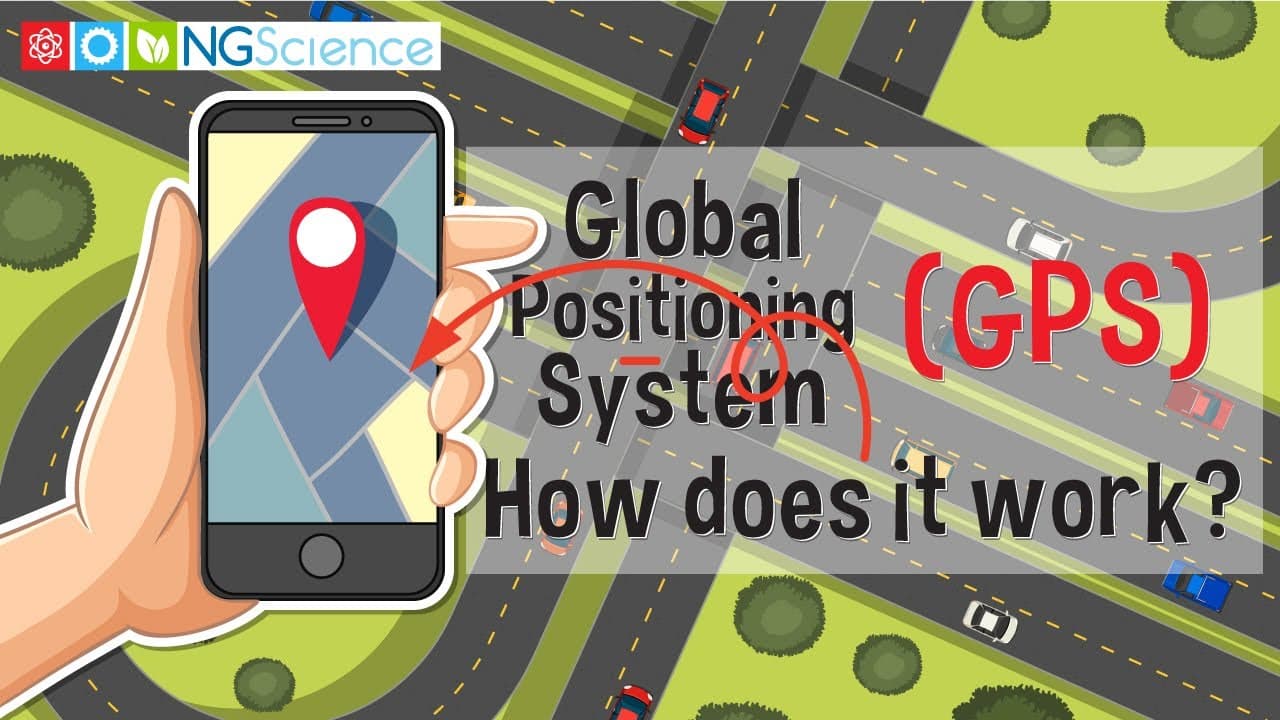
This educational video provides a clear and engaging explanation of the Global Positioning System (GPS), tracing its evolution from a military tool to an essential part of daily civilian life. The video begins by contrasting modern digital navigation with the traditional use of paper maps, highlighting the convenience technology has brought to travel. It then dives into the technical mechanics of GPS, explaining how a network of satellites orbiting Earth communicates with receivers in devices like smartphones to determine precise locations through signal timing.

Next Generation ScienceNext Generation Science

7mins 7s

Video
What Are Satellites and What Do They Do?

What Are Satellites and What Do They Do?

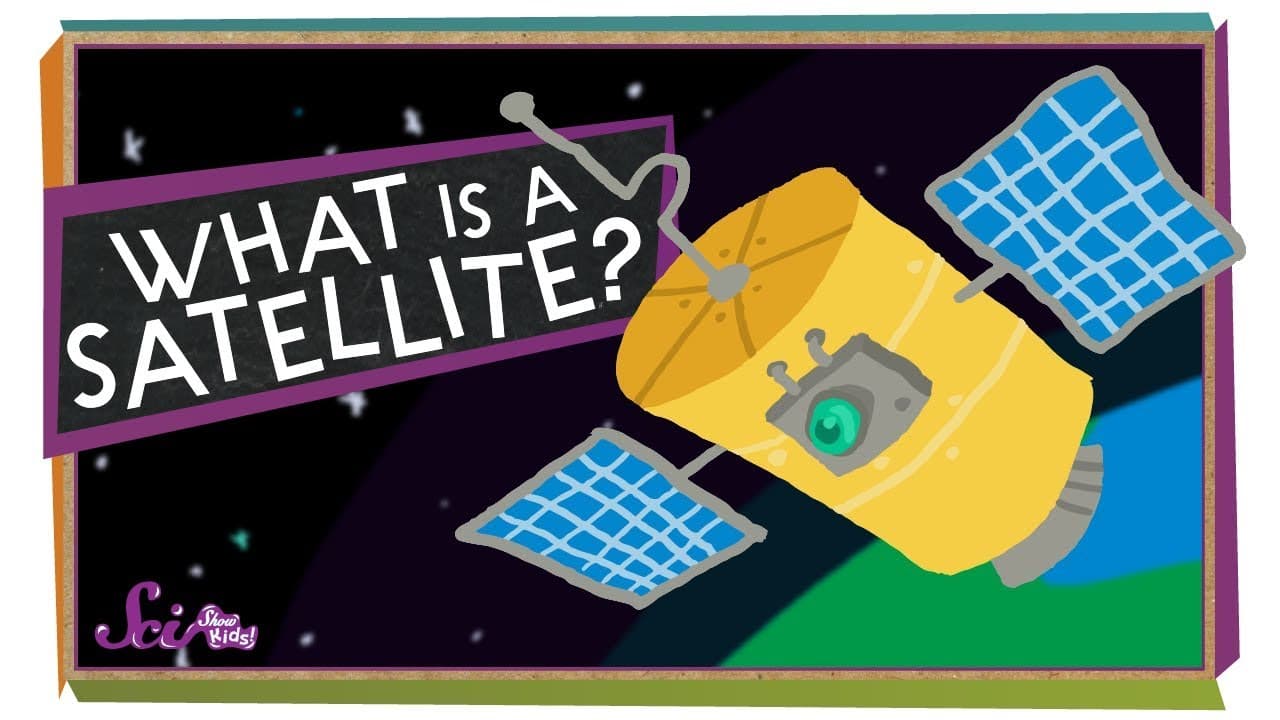
Join Jessi and Squeaks the Robot Rat in this engaging introduction to satellites and space exploration. The video begins with a mystery as the duo spots a steady, moving light in the night sky, leading to an investigation into what satellites are and how to identify them. It distinguishes between natural satellites, like the Moon, and the artificial ones launched by humans, explaining their basic construction including computers, solar panels, and scientific instruments. The content explores the history of space flight, introducing Sputnik as the first human-made satellite launched in 1957, and contrasts it with the thousands of satellites orbiting today. It breaks down the critical jobs these machines perform, from monitoring Earth's climate and tracking weather patterns to enabling GPS navigation and global communication. The video makes complex technology relatable by showing how students use satellite tech in their daily lives through phones and television. Finally, the video tours the largest artificial satellite in existence: the International Space Station (ISS). Students get a glimpse into astronaut life, learning that people live and conduct experiments in space for months at a time. This resource is excellent for elementary science units on space, technology, or Earth systems, helping students understand the connection between what they see in the sky and the technology they use on the ground.

SciShow KidsSciShow Kids

3mins 37s

Video
How Computers Work: Parts, Programs, and Possibilities

How Computers Work: Parts, Programs, and Possibilities

This engaging video introduces young learners to the fundamental concepts of what a computer is and how it functions. Host Jessi breaks down complex technological ideas into simple, relatable definitions, explaining that a computer is essentially a machine that follows instructions. The video uses clear analogies, such as the steps required to put on a jacket, to demonstrate the importance of sequence and precision in computing instructions, known as programs. The content explores both the internal and external components of a computer system. Viewers get a peek inside the machine to learn about the Central Processing Unit (CPU) acting as the "brain," memory chips acting as storage for instructions, and circuits. It also categorizes external hardware into input devices (keyboards, mice, touchscreens) that let us talk to the computer, and output devices (screens, printers, speakers) that let the computer talk back to us. The distinction between general programs and specific "apps" is also clarified. For educators, this video serves as an excellent foundational resource for STEM and digital literacy curriculums. It demystifies the devices students use daily, moving them from passive consumers to informed users who understand the mechanics behind the screen. It provides a natural jumping-off point for unplugged coding activities, hardware identification lessons, and discussions about the role of technology in modern society, from communication to space exploration.

SciShow KidsSciShow Kids

4mins 20s

Video
Understanding the Strange World of Quantum Mechanics

Understanding the Strange World of Quantum Mechanics

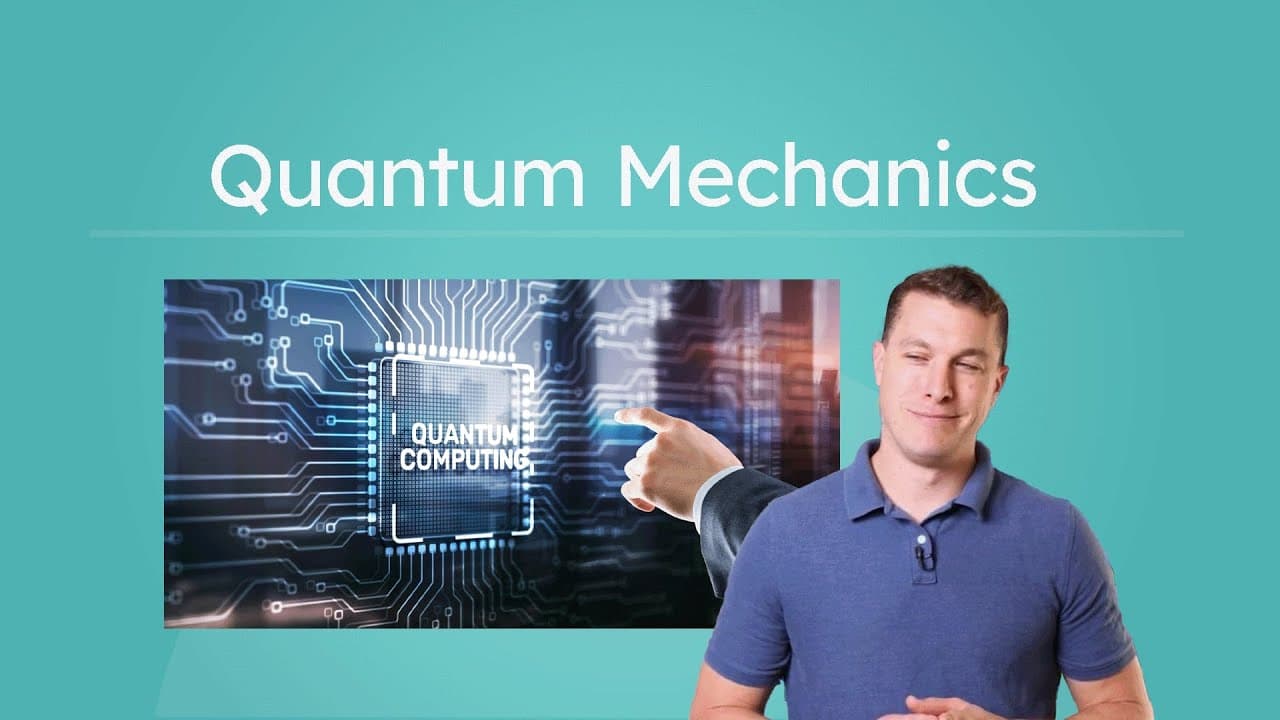
This engaging video introduces students to the fundamental and often counterintuitive principles of quantum mechanics. Through clear narration and helpful analogies, it breaks down complex topics such as wave-particle duality, the observer effect, the Heisenberg Uncertainty Principle, and energy quantization. The video uses visual demonstrations, like the double-slit experiment and car speedometer analogies, to make these abstract concepts accessible to high school students. Key themes include the strange behavior of subatomic particles, the difference between continuous and quantized energy, and how observation fundamentally alters quantum systems. The video also explores practical applications of these theories, explaining how quantum mechanics allows us to determine the composition of stars through spectroscopy, improves television displays with Quantum Dots (QLED), and powers the future of quantum computing. Ideally suited for high school physics and chemistry classrooms, this video bridges the gap between theoretical science and real-world technology. It provides a solid conceptual foundation for understanding atomic structure and modern technology, making it an excellent resource for introducing a unit on modern physics or electron configurations.

Miacademy & MiaPrep Learning ChannelMiacademy & MiaPrep Learning Channel

10mins 18s

Video
How Artificial Intelligence Evolved From Chess Bots to Deep Learning

How Artificial Intelligence Evolved From Chess Bots to Deep Learning

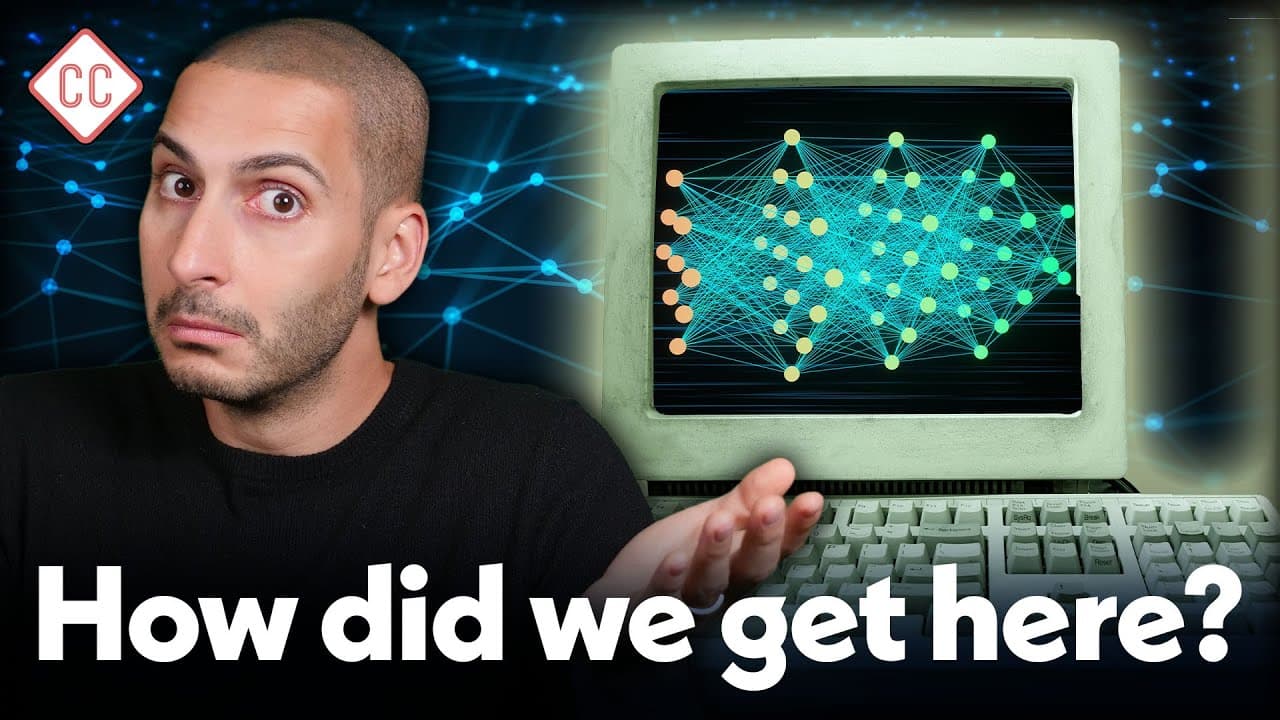
This educational video traces the explosive evolution of computing power and artificial intelligence, moving from the hardware revolution of the 1960s to the software revolution of the modern era. It begins by explaining Moore's Law and the exponential growth of computing hardware, setting the stage for the development of early "Symbolic AI." The narrative uses the history of computer chess—from the 1957 Bernstein program to Deep Blue's victory over Kasparov—to illustrate the limitations of hard-coded logic and the transition to machine learning. The video then demystifies complex modern AI concepts, specifically Neural Networks and Deep Learning. Using the chess engine Stockfish as a case study, it explains how neural networks function like a human brain using nodes and weighted connections, rather than rigid instructions. It introduces the "Transformer" architecture that enables General Purpose AI (like Large Language Models) to process vast amounts of data simultaneously, leading to rapid advancements in capabilities ranging from writing code to generating video. Finally, the video explores how we measure AI progress through "Benchmarks" and "Scaling Laws." It explains the mathematical observation that increasing data and computing power consistently yields better performance, a principle driving the current AI boom. The content is highly relevant for computer science, history of technology, and social studies classrooms, offering a clear framework for understanding how AI works, how it has changed over time, and the trajectory of its future development.

CrashCourseCrashCourse

12mins 49s

Video
How GPS Works and Why We Need It

How GPS Works and Why We Need It

This educational video provides a clear and engaging explanation of the Global Positioning System (GPS), tracing its evolution from a military tool to an essential part of daily civilian life. The video begins by contrasting modern digital navigation with the traditional use of paper maps, highlighting the convenience technology has brought to travel. It then dives into the technical mechanics of GPS, explaining how a network of satellites orbiting Earth communicates with receivers in devices like smartphones to determine precise locations through signal timing.

Next Generation ScienceNext Generation Science

7mins 7s

Video
What Are Satellites and What Do They Do?

What Are Satellites and What Do They Do?

Join Jessi and Squeaks the Robot Rat in this engaging introduction to satellites and space exploration. The video begins with a mystery as the duo spots a steady, moving light in the night sky, leading to an investigation into what satellites are and how to identify them. It distinguishes between natural satellites, like the Moon, and the artificial ones launched by humans, explaining their basic construction including computers, solar panels, and scientific instruments. The content explores the history of space flight, introducing Sputnik as the first human-made satellite launched in 1957, and contrasts it with the thousands of satellites orbiting today. It breaks down the critical jobs these machines perform, from monitoring Earth's climate and tracking weather patterns to enabling GPS navigation and global communication. The video makes complex technology relatable by showing how students use satellite tech in their daily lives through phones and television. Finally, the video tours the largest artificial satellite in existence: the International Space Station (ISS). Students get a glimpse into astronaut life, learning that people live and conduct experiments in space for months at a time. This resource is excellent for elementary science units on space, technology, or Earth systems, helping students understand the connection between what they see in the sky and the technology they use on the ground.

SciShow KidsSciShow Kids

3mins 37s

Video
How Computers Work: Parts, Programs, and Possibilities

How Computers Work: Parts, Programs, and Possibilities

This engaging video introduces young learners to the fundamental concepts of what a computer is and how it functions. Host Jessi breaks down complex technological ideas into simple, relatable definitions, explaining that a computer is essentially a machine that follows instructions. The video uses clear analogies, such as the steps required to put on a jacket, to demonstrate the importance of sequence and precision in computing instructions, known as programs. The content explores both the internal and external components of a computer system. Viewers get a peek inside the machine to learn about the Central Processing Unit (CPU) acting as the "brain," memory chips acting as storage for instructions, and circuits. It also categorizes external hardware into input devices (keyboards, mice, touchscreens) that let us talk to the computer, and output devices (screens, printers, speakers) that let the computer talk back to us. The distinction between general programs and specific "apps" is also clarified. For educators, this video serves as an excellent foundational resource for STEM and digital literacy curriculums. It demystifies the devices students use daily, moving them from passive consumers to informed users who understand the mechanics behind the screen. It provides a natural jumping-off point for unplugged coding activities, hardware identification lessons, and discussions about the role of technology in modern society, from communication to space exploration.

SciShow KidsSciShow Kids

4mins 20s

Video
How Artificial Intelligence Evolved From Chess Bots to Deep Learning

How Artificial Intelligence Evolved From Chess Bots to Deep Learning

This educational video traces the explosive evolution of computing power and artificial intelligence, moving from the hardware revolution of the 1960s to the software revolution of the modern era. It begins by explaining Moore's Law and the exponential growth of computing hardware, setting the stage for the development of early "Symbolic AI." The narrative uses the history of computer chess—from the 1957 Bernstein program to Deep Blue's victory over Kasparov—to illustrate the limitations of hard-coded logic and the transition to machine learning. The video then demystifies complex modern AI concepts, specifically Neural Networks and Deep Learning. Using the chess engine Stockfish as a case study, it explains how neural networks function like a human brain using nodes and weighted connections, rather than rigid instructions. It introduces the "Transformer" architecture that enables General Purpose AI (like Large Language Models) to process vast amounts of data simultaneously, leading to rapid advancements in capabilities ranging from writing code to generating video. Finally, the video explores how we measure AI progress through "Benchmarks" and "Scaling Laws." It explains the mathematical observation that increasing data and computing power consistently yields better performance, a principle driving the current AI boom. The content is highly relevant for computer science, history of technology, and social studies classrooms, offering a clear framework for understanding how AI works, how it has changed over time, and the trajectory of its future development.

CrashCourseCrashCourse

12mins 49s

No videos found
There are no videos available for this topic yet.
Video
How Artificial Intelligence Evolved From Chess Bots to Deep Learning

How Artificial Intelligence Evolved From Chess Bots to Deep Learning

This educational video traces the explosive evolution of computing power and artificial intelligence, moving from the hardware revolution of the 1960s to the software revolution of the modern era. It begins by explaining Moore's Law and the exponential growth of computing hardware, setting the stage for the development of early "Symbolic AI." The narrative uses the history of computer chess—from the 1957 Bernstein program to Deep Blue's victory over Kasparov—to illustrate the limitations of hard-coded logic and the transition to machine learning. The video then demystifies complex modern AI concepts, specifically Neural Networks and Deep Learning. Using the chess engine Stockfish as a case study, it explains how neural networks function like a human brain using nodes and weighted connections, rather than rigid instructions. It introduces the "Transformer" architecture that enables General Purpose AI (like Large Language Models) to process vast amounts of data simultaneously, leading to rapid advancements in capabilities ranging from writing code to generating video. Finally, the video explores how we measure AI progress through "Benchmarks" and "Scaling Laws." It explains the mathematical observation that increasing data and computing power consistently yields better performance, a principle driving the current AI boom. The content is highly relevant for computer science, history of technology, and social studies classrooms, offering a clear framework for understanding how AI works, how it has changed over time, and the trajectory of its future development.

CrashCourseCrashCourse

12mins 49s

No videos found
There are no videos available for this topic yet.
Video
What Do Engineers Do and How They Solve Problems

What Do Engineers Do and How They Solve Problems

This engaging educational video introduces students to the world of engineering, defining engineers as curious problem solvers who design and build the technologies we use every day. Hosted by Jessi from SciShow Kids, the video breaks down the core purpose of engineering: understanding how things work to create solutions for specific problems. It introduces the fundamental 'Three Questions' that all engineers ask: What is the problem? Who has the problem? And why is it important to solve? The content categorizes engineering into five distinct fields, making the broad concept accessible to young learners. It covers Civil Engineers (using the Golden Gate Bridge as a historical case study), Mechanical Engineers (machines and tools), Electrical Engineers (electronics), Software Engineers (computers and code), and Aerospace Engineers (flight and space). Each category is illustrated with relatable real-world examples, from microwaves to bicycles. For educators, this video serves as an excellent launchpad for STEM units, career exploration, or design thinking projects. It provides a clear framework for the engineering design process and helps students see the 'hidden' work behind everyday objects. The video encourages critical thinking by asking students to identify problems in their own world and imagine what future engineers might need to build.

SciShow KidsSciShow Kids

4mins 7s

Video
How Engineers Solve Problems

How Engineers Solve Problems

In this engaging episode of SciShow Kids, host Anthony and his robot mouse friend Squeaks explore the fascinating world of engineering to solve a common problem: indecision. The video begins with Squeaks struggling to decide how to spend his afternoon, providing a perfect segue into explaining that engineers are fundamentally problem solvers. Anthony clarifies the difference between train engineers and design engineers before introducing various branches of the field, including aerospace, civil, software, environmental, and electrical engineering, using concrete examples like bridges, rockets, and the internet. The core of the video demonstrates the Engineering Design Process in a way that is accessible to young children. Anthony guides viewers through specific steps: identifying the problem, brainstorming multiple solutions, planning, and building a prototype. They demonstrate this by comparing two potential solutions to Squeaks' indecision—a bead jar versus a paper spinner—and then physically constructing the spinner together. This resource is highly valuable for introducing STEM careers and the concept of engineering design to elementary students. It moves beyond abstract definitions by showing a practical application of the design process. Teachers can use this video to launch design challenges, discuss different types of engineering careers, or teach the specific vocabulary of the scientific method and design thinking, making it a versatile tool for science and social studies curriculums.

SciShow KidsSciShow Kids

5mins 18s