Lenny LearningLenny
Create
Explore
Workspace
LoginSign up
MathEnglish Language ArtsScience & EngineeringSocial StudiesGlobal LanguagesHealth & Physical EducationSpecial EducationCounseling & Life SkillsArts & CreativityESL
Lenny LearningLenny
Lenny Learning
About
Training
Pricing
Support
Contact
© 2026 Lenny Learning Inc.

Entrepreneurship & Innovation

SequencesLessonsMaterialsVideos
  1. Science & Engineering

Entrepreneurship & Innovation

SequencesLessonsMaterialsVideos

Ideation frameworks, business planning structures, and startup financial modeling. Strengthens skills in concept validation, market strategy, and capital management.

Entrepreneurial MindsetCore competencies of opportunity recognition, calculated risk-taking, and resilience in business contexts. Strengthens creative problem-solving and the ability to pivot based on market feedback.
Business Idea DevelopmentIdeation frameworks, market research, and value proposition design to transform problems into viable solutions. Builds skills in prototyping, testing, and refining business models for initial market entry.
Business Plan BasicsCore elements of formal business planning such as market analysis, operational structures, and revenue models. Equips students with the framework to evaluate feasibility and pitch new ventures.
Marketing & Customer DiscoveryCustomer validation techniques, interview strategies, and market segmentation. Equips learners to identify pain points and refine value propositions through iterative feedback.
Financial Management for StartupsCash flow forecasting, burn rate analysis, and equity management for early-stage ventures. Equips founders with tools for financial modeling, budgeting, and fundraising preparation.
Science & EngineeringLife ScienceLiving ThingsAnimalsPlantsBody SystemsTraitsAdaptationsCellsEcosystemsHeredityGenes to TraitsCell DivisionPhysicsComparing MaterialsShapes and PropertiesMagnetsMagnetismLightSoundLight and SoundMatterStates of MatterChanges of StateMixturesPhysical and Chemical ChangeHeating and CoolingHeat and Thermal EnergyEnergyForce and MotionElectrical CircuitsAtoms and MoleculesPeriodic TableMotion in One DimensionMotion in Two DimensionsScalars and VectorsForces and Laws of MotionCircular Motion and GravityMomentum and ImpulseWork, Energy, and PowerWavesElectromagnetic WavesGeometric OpticsElectricity and MagnetismSimple Harmonic MotionThermodynamicsNuclear PhysicsEarth Science & AstronomyWeatherWater CycleRocks and MineralsFossilsEarth's FeaturesEarth's ResourcesEarth's StructureWeather and ClimateEarth EventsFossils and Geologic TimePlate TectonicsHuman ImpactsAstronomyChemistryUnits and MeasurementAtomic StructurePeriodic TrendsChemical BondingNomenclatureMolecular StructureIntermolecular ForcesThe MoleStoichiometryProperties of GasesSolutionsChemical ReactionsBalancing EquationsEnergy ChangesRates of ReactionsEquilibriumAcids and BasesQuantum ModelBiologyClassificationCell StructureThe Chemistry of LifeBiomoleculesCellular TransportCell EnergyCell Growth and DivisionDNAProtein SynthesisMeiosis and Sexual ReproductionPatterns of InheritanceMulticellular OrganismsEvolutionEcologyBiodiversityComputer ScienceAlgorithms and Computational ThinkingProgramming LanguagesComputing SystemsNetworks and InternetData AnalysisCybersecurityAI and Machine LearningSoftware Design and DevelopmentBlockchainEngineering & AIDesigning ExperimentsEngineering PracticesDesign ThinkingEngineering Design ProcessMechanical EngineeringElectrical EngineeringMaterials and StructuresCAD and 3D DesignRoboticsArtificial Intelligence BasicsVibe CodingMachine LearningAI Ethics and SocietySystems ThinkingEntrepreneurship & InnovationEntrepreneurial MindsetBusiness Idea DevelopmentBusiness Plan BasicsMarketing & Customer DiscoveryFinancial Management for Startups
Video
Sustainable Forestry and Conservation Explained

Sustainable Forestry and Conservation Explained

This comprehensive video explores the complex relationship between human industry and forest ecosystems, breaking down how we can balance economic needs with environmental preservation. It begins by identifying everyday products derived from trees, moving into the biological importance of forests for air quality, carbon capture, and water filtration. The narrative transitions to the challenges of deforestation and the "tragedy of the commons," setting the stage for a detailed look at forest management. Key themes include the mechanics of ecosystem services (photosynthesis, erosion control), the economic realities of the logging industry, and specific forestry methodologies. The video compares three distinct approaches to logging: clear-cutting, selective harvesting, and sustainable forest management using traditional methods. It weighs the efficiency, cost, and environmental impact of each, introducing concepts like biodiversity loss and soil compaction. For educators, this video serves as an excellent anchor for units on renewable resources, ecology, or environmental stewardship. It moves beyond simple messages to examine the trade-offs involved in resource management. The content supports lessons on critical thinking by asking students to evaluate different harvesting methods and empowers them with actionable steps for personal conservation, such as understanding FSC certification and reducing waste.

Miacademy & MiaPrep Learning ChannelMiacademy & MiaPrep Learning Channel

10mins 59s

Video
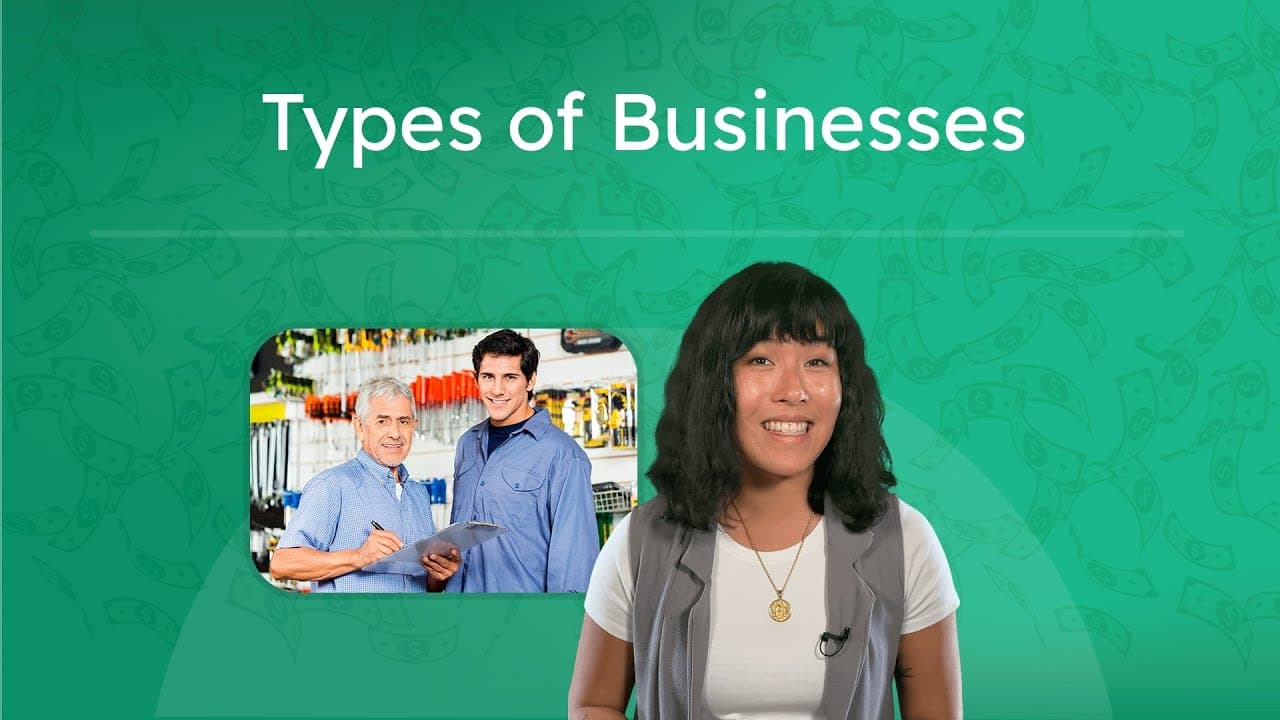
Comparing Business Structures: From Sole Proprietorships to Corporations

Comparing Business Structures: From Sole Proprietorships to Corporations

This educational video provides a comprehensive overview of the three primary forms of business organization: sole proprietorships, partnerships, and corporations. Using relatable analogies like road trips and fast food chains, the narrator introduces the economic role of producers and the critical decisions entrepreneurs face when starting a venture. The video breaks down the complex legal and financial distinctions between these structures, focusing specifically on three major considerations: the level of control desired, the type of liability (limited vs. unlimited) involved, and the barriers to entry such as startup costs and complexity.

Miacademy & MiaPrep Learning ChannelMiacademy & MiaPrep Learning Channel

12mins 43s

Video
Mastering the Business Plan: A Step-by-Step Guide

Mastering the Business Plan: A Step-by-Step Guide

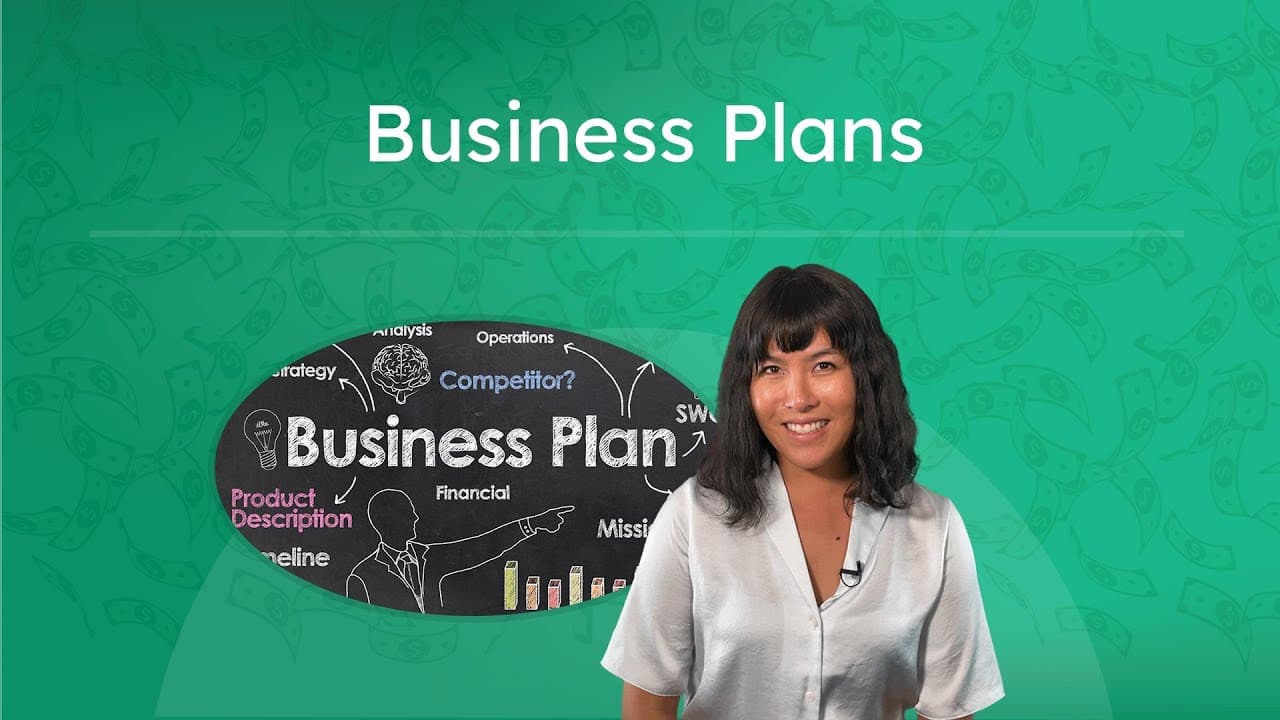
This educational video provides a comprehensive guide to understanding and creating a business plan, essential knowledge for aspiring entrepreneurs and business students. Using a narrative framework featuring a robot named Mia who failed to secure investors for her lemonade stand, the host breaks down the necessity of planning before acting. The video systematically explains that a business plan acts as a roadmap, helping to set objectives, identify potential issues, and secure funding from investors. The content delves into the specific anatomy of a standard business plan, detailing eight critical components: Executive Summary, Company Description, Market Analysis, Organization/Management, Operations, Marketing/Sales, Funding Requests, and Financial Projections. It explains the purpose of each section, such as how a market analysis identifies target customers and competitors, or how financial projections demonstrate profitability. The video also highlights the "keys to success," emphasizing clear writing, realistic financial data, and a solid marketing strategy. Ideally the video serves as a foundational lesson for high school economics, business, or CTE (Career and Technical Education) classes. It moves beyond theory by including "check-in" questions that prompt students to apply concepts immediately. The lesson culminates in a practical critical thinking exercise where students must analyze a flawed sample business plan, identifying unrealistic assumptions and gaps in logic, which is an excellent classroom activity for developing analytical skills.
Miacademy & MiaPrep Learning ChannelMiacademy & MiaPrep Learning Channel

12mins 21s

Video
The Four Key Functions That Make Businesses Run

The Four Key Functions That Make Businesses Run

This educational video demystifies the internal workings of a business by breaking down the four primary functions that keep companies running: Operations, Marketing, Finance, and Human Resources. Using relatable anecdotes and clear examples, the host explains that a business isn't just a "black box" that produces goods, but a complex system where different departments must collaborate to succeed. The content explores the specific responsibilities of each function, from creating products on an assembly line to managing budgets and hiring staff. A significant portion of the video is dedicated to the concept of "interdependence," illustrating how these departments rely on one another—like how Marketing needs Operations to actually make what they sell, and how Finance needs HR to manage payroll. The video also contrasts how these functions look in different business structures, from a simple sole proprietorship like a lemonade stand to complex multinational corporations. Teachers can use this video as a foundational lesson for economics, business studies, or career exploration units. It provides a clear framework for understanding organizational structures and introduces essential vocabulary. The built-in pause points with guiding questions allow for immediate classroom discussion and application, helping students connect abstract business concepts to the real-world jobs of adults they know.

Miacademy & MiaPrep Learning ChannelMiacademy & MiaPrep Learning Channel

10mins 42s

Video
How Trademarks Protect Brands and Consumers

How Trademarks Protect Brands and Consumers

This educational video from Crash Course Intellectual Property explores the complex world of trademarks, explaining how they function not just as corporate assets but as vital consumer protection tools. Host Stan Muller breaks down the legal definitions of trademarks, service marks, and trade dress, illustrating how these intellectual property rights allow consumers to distinguish between sources of goods in a crowded marketplace. The video traces the history of trademarks from the days of local blacksmiths to the modern industrial economy where brand recognition is essential for trust and quality assurance. The content covers a wide range of legal concepts including the spectrum of distinctiveness (from generic to fanciful), the phenomenon of "genericide" where successful brands lose protection, and the specific legal tests courts use to determine infringement. Viewers learn about the rigorous registration process with the USPTO, the constitutional basis for trademark law under the Commerce Clause, and the concepts of dilution by blurring and tarnishment. The video uses engaging examples like the shape of Coca-Cola bottles, the sound of NBC chimes, and the color of UPS trucks to show that trademarks can be almost anything that carries meaning. For educators, this video serves as an excellent resource for Business Law, Civics, Economics, and Marketing classes. It provides a practical framework for understanding how businesses build value and how the legal system balances corporate rights with consumer clarity. The clear explanation of the "likelihood of confusion" test offers a perfect template for classroom case studies and critical thinking exercises regarding brand identity and fair competition.

CrashCourseCrashCourse

11mins 20s

Video
Mastering the Business Plan: A Step-by-Step Guide

Mastering the Business Plan: A Step-by-Step Guide

This educational video provides a comprehensive guide to understanding and creating a business plan, essential knowledge for aspiring entrepreneurs and business students. Using a narrative framework featuring a robot named Mia who failed to secure investors for her lemonade stand, the host breaks down the necessity of planning before acting. The video systematically explains that a business plan acts as a roadmap, helping to set objectives, identify potential issues, and secure funding from investors. The content delves into the specific anatomy of a standard business plan, detailing eight critical components: Executive Summary, Company Description, Market Analysis, Organization/Management, Operations, Marketing/Sales, Funding Requests, and Financial Projections. It explains the purpose of each section, such as how a market analysis identifies target customers and competitors, or how financial projections demonstrate profitability. The video also highlights the "keys to success," emphasizing clear writing, realistic financial data, and a solid marketing strategy. Ideally the video serves as a foundational lesson for high school economics, business, or CTE (Career and Technical Education) classes. It moves beyond theory by including "check-in" questions that prompt students to apply concepts immediately. The lesson culminates in a practical critical thinking exercise where students must analyze a flawed sample business plan, identifying unrealistic assumptions and gaps in logic, which is an excellent classroom activity for developing analytical skills.
Miacademy & MiaPrep Learning ChannelMiacademy & MiaPrep Learning Channel

12mins 21s

Video
How Nations Work Together to Address Climate Change

How Nations Work Together to Address Climate Change

This educational video provides a comprehensive overview of how nations around the world are collaborating to address climate change through policy, international agreements, and economic strategies. Narrated by Caroline, the lesson bridges environmental science with civics by explaining the mechanisms governments use to manage pollution, such as the Paris Agreement, the U.S. Clean Air Act, and economic systems like "cap and trade." It defines complex terms like "carbon neutral" and "net zero" in accessible language while acknowledging the real-world political and economic challenges hindering progress. The video explores key themes including the tension between wealthy and developing nations regarding responsibility for emissions, the role of technological innovation, and the specific legislative tools available in the United States. It breaks down the difference between preventing pollution versus removing it, and uses clear analogies—such as arcade tokens for cap and trade—to demystify economic concepts. The content highlights both the successes, like the stabilization of emissions in certain regions, and the limitations, such as lobbying and equitable access to green technology. For educators, this video serves as an excellent primary resource for units on environmental policy, global interdependence, or climate science. It moves beyond the basic science of the greenhouse effect to focus on human systems and solutions, making it valuable for social studies and civics classrooms as well as science classes. The video includes built-in pause points for reflection and critical thinking, making it ready-made for interactive classroom instruction that encourages students to evaluate global cooperation and national responsibility.

Miacademy & MiaPrep Learning ChannelMiacademy & MiaPrep Learning Channel

9mins 47s

Video
How Trademarks Protect Brands and Consumers

How Trademarks Protect Brands and Consumers

This educational video from Crash Course Intellectual Property explores the complex world of trademarks, explaining how they function not just as corporate assets but as vital consumer protection tools. Host Stan Muller breaks down the legal definitions of trademarks, service marks, and trade dress, illustrating how these intellectual property rights allow consumers to distinguish between sources of goods in a crowded marketplace. The video traces the history of trademarks from the days of local blacksmiths to the modern industrial economy where brand recognition is essential for trust and quality assurance. The content covers a wide range of legal concepts including the spectrum of distinctiveness (from generic to fanciful), the phenomenon of "genericide" where successful brands lose protection, and the specific legal tests courts use to determine infringement. Viewers learn about the rigorous registration process with the USPTO, the constitutional basis for trademark law under the Commerce Clause, and the concepts of dilution by blurring and tarnishment. The video uses engaging examples like the shape of Coca-Cola bottles, the sound of NBC chimes, and the color of UPS trucks to show that trademarks can be almost anything that carries meaning. For educators, this video serves as an excellent resource for Business Law, Civics, Economics, and Marketing classes. It provides a practical framework for understanding how businesses build value and how the legal system balances corporate rights with consumer clarity. The clear explanation of the "likelihood of confusion" test offers a perfect template for classroom case studies and critical thinking exercises regarding brand identity and fair competition.

CrashCourseCrashCourse

11mins 20s

Video
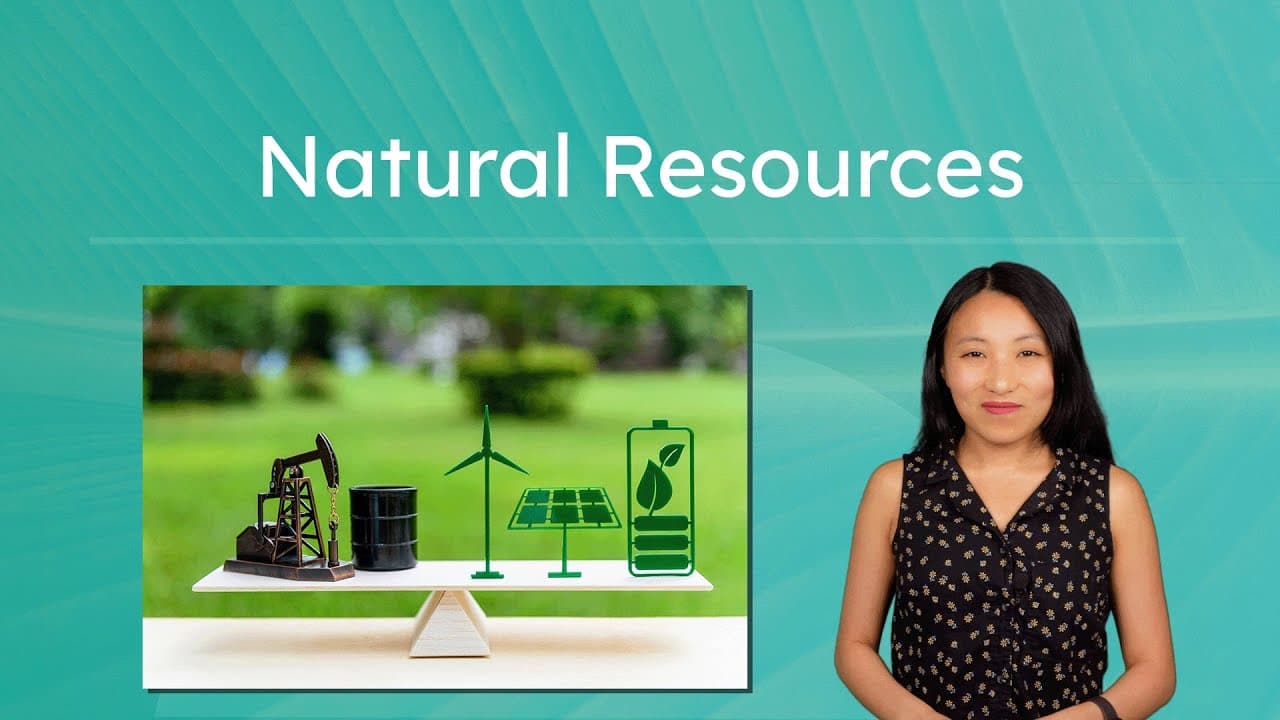
Managing Natural Resources and the Tragedy of the Commons

Managing Natural Resources and the Tragedy of the Commons

This engaging video introduces students to the fundamental concepts of natural resources, distinguishing clearly between renewable and nonrenewable materials that humans depend on for survival. Opening with a relatable mystery about disappearing fish in a local lake, the narrator leads viewers through an exploration of where resources come from (the Earth's spheres) and how we use them in daily life. The content addresses the nuance that renewable resources, like fish populations or forests, can become effectively nonrenewable if harvested faster than they can replenish. The video bridges environmental science with basic economic principles, introducing concepts such as supply and demand, cost-benefit analysis, and the influence of technology and culture on resource use. A central theme is the "Tragedy of the Commons," illustrated through the fishing narrative to show how individual self-interest can lead to the depletion of shared public resources. The video explains that while renewable resources need time to recover, nonrenewable resources are finite and require especially careful management. For educators, this resource is a powerful tool for interdisciplinary teaching, connecting science, economics, and ethics. It encourages critical thinking about sustainability and systems thinking. The video includes built-in pause points for reflection, visual graphs to explain economic concepts, and clear real-world examples, making it ideal for sparking classroom discussions about conservation, personal responsibility, and the long-term consequences of human decision-making.

Miacademy & MiaPrep Learning ChannelMiacademy & MiaPrep Learning Channel

10mins

Video
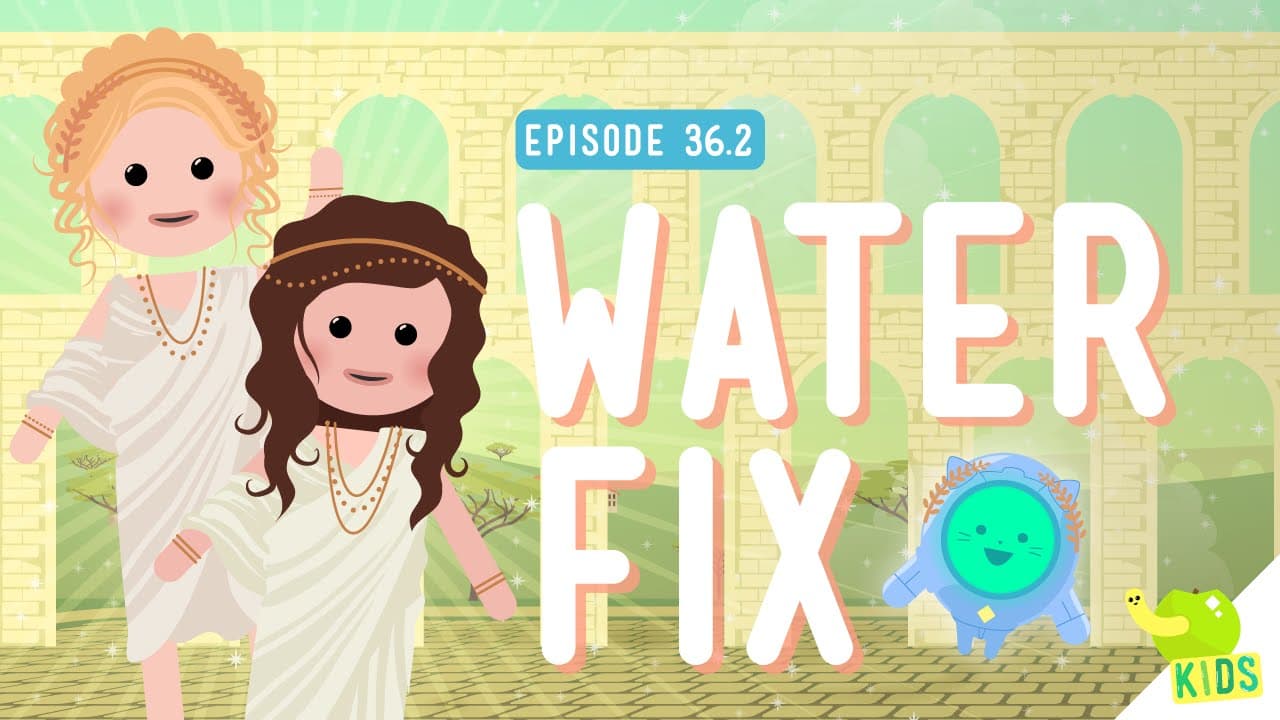
How Innovation Solves Water Scarcity

How Innovation Solves Water Scarcity

This engaging educational video explores how human innovation addresses the critical issue of water scarcity across history and geography. Hosted by Sabrina Cruz, the video connects the water challenges of modern California to solutions found in Ancient Rome, present-day Israel, and the International Space Station. It frames scarcity not just as a problem, but as a catalyst for creative engineering and technological advancement.

Crash Course KidsCrash Course Kids

5mins 29s

Video
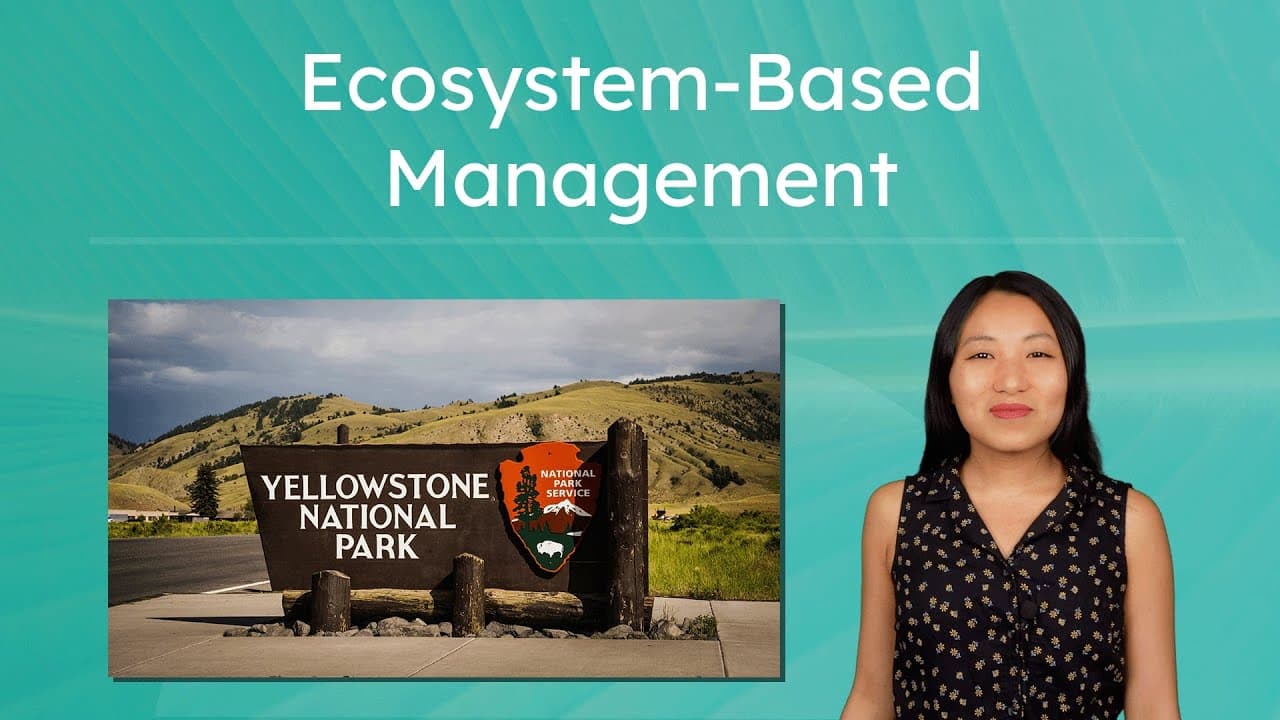
How Science and Wolves Restored Yellowstone's Ecosystem

How Science and Wolves Restored Yellowstone's Ecosystem

This video takes students on a virtual field trip to Yellowstone National Park to explore the complex concept of Ecosystem-Based Management. Hosted by a narrator named Caroline, the video uses the real-world mystery of disappearing aspen and willow trees along Yellowstone's riverbanks to illustrate how scientists use data to solve ecological puzzles. It explains how removing a single predator—the gray wolf—caused a trophic cascade that destabilized the entire ecosystem, leading to erosion and the loss of other species like beavers and songbirds. The content covers key biological and environmental science themes, including biodiversity, food webs, trophic cascades, and the scientific method. It places a strong emphasis on the intersection of human activity and natural systems, detailing the controversy and economic considerations surrounding the reintroduction of wolves in 1995. The video highlights specific management strategies used to balance the needs of ranchers with conservation goals, such as livestock compensation programs and conflict prevention measures. For educators, this video serves as an excellent case study for teaching systems thinking and the nature of science. It moves beyond simple predator-prey relationships to show how scientific research informs policy and land management. The built-in pause points and inquiry questions make it ready-made for active classroom engagement, helping students understand that environmental decisions often involve balancing ecological data with human economic and social needs.

Miacademy & MiaPrep Learning ChannelMiacademy & MiaPrep Learning Channel

11mins 46s

Video
Comparing Business Structures: From Sole Proprietorships to Corporations

Comparing Business Structures: From Sole Proprietorships to Corporations

This educational video provides a comprehensive overview of the three primary forms of business organization: sole proprietorships, partnerships, and corporations. Using relatable analogies like road trips and fast food chains, the narrator introduces the economic role of producers and the critical decisions entrepreneurs face when starting a venture. The video breaks down the complex legal and financial distinctions between these structures, focusing specifically on three major considerations: the level of control desired, the type of liability (limited vs. unlimited) involved, and the barriers to entry such as startup costs and complexity.

Miacademy & MiaPrep Learning ChannelMiacademy & MiaPrep Learning Channel

12mins 43s

Video
Weighing the Costs and Benefits of Renewable Energy

Weighing the Costs and Benefits of Renewable Energy

This video introduces students to the complex decision-making processes involved in adopting renewable energy sources, using the proposed Cooba Solar Project in Victoria, Australia, as a case study. Hosted by Caroline against the backdrop of the actual proposed site, the video reviews the limitations of fossil fuels before diving into the specific benefits of the solar project, such as powering 180,000 homes and creating jobs. It also examines the environmental and economic drawbacks, including the loss of agricultural land and the destruction of native vegetation and old-growth trees. The content moves beyond a simple pro-renewable stance to explore the nuance of environmental trade-offs. It defines renewable energy types—solar, wind, hydroelectric, and geothermal—and explains the concept of "clean energy." The narrative highlights the tension between global climate goals, like achieving net-zero emissions by 2050, and local impacts on biodiversity and farming communities. For educators, this video serves as an excellent tool for teaching critical thinking within environmental science. It moves students past the binary of "fossil fuels bad, renewables good" to a more sophisticated understanding of infrastructure costs, land use, and reliability issues. The video encourages students to weigh conflicting values and understand that sustainable solutions often require finding a balance between competing interests.

Miacademy & MiaPrep Learning ChannelMiacademy & MiaPrep Learning Channel

8mins 7s

Video
Mining Resources: Methods, Impacts, and Restoration

Mining Resources: Methods, Impacts, and Restoration

This educational video provides a comprehensive overview of the mining industry, explaining how natural resources are extracted from the Earth to support modern life. It begins by connecting mining to everyday objects like cell phones, detailing the specific minerals required for their production. The video breaks down the technical aspects of mining, distinguishing between surface mining methods like open-pit and strip mining, and underground mining techniques used for deeper deposits. It uses clear analogies, such as the "buried treasure vs. single coin" comparison, to explain economic viability and ore concentration. The content explores complex themes regarding the trade-offs inherent in resource extraction. It covers the economic benefits, such as job creation and global industry growth, while honestly addressing the significant environmental and social costs. Key topics include habitat destruction, acid mine drainage, "boom-and-bust" economic cycles in mining towns, and the dangers faced by workers. The video also introduces the concept of reclamation, explaining the legal and ethical responsibilities of restoring land after mining operations cease. For educators, this video serves as an excellent anchor for units on Earth Science, Environmental Science, or Economic Geography. It provides built-in pause points for student prediction and reflection, making it ready-to-use for active learning. The video helps students understand the life cycle of the products they use and fosters critical thinking about sustainability, resource management, and the balance between economic development and environmental stewardship.

Miacademy & MiaPrep Learning ChannelMiacademy & MiaPrep Learning Channel

11mins 14s

Video
Mastering the Business Plan: A Step-by-Step Guide

Mastering the Business Plan: A Step-by-Step Guide

This educational video provides a comprehensive guide to understanding and creating a business plan, essential knowledge for aspiring entrepreneurs and business students. Using a narrative framework featuring a robot named Mia who failed to secure investors for her lemonade stand, the host breaks down the necessity of planning before acting. The video systematically explains that a business plan acts as a roadmap, helping to set objectives, identify potential issues, and secure funding from investors. The content delves into the specific anatomy of a standard business plan, detailing eight critical components: Executive Summary, Company Description, Market Analysis, Organization/Management, Operations, Marketing/Sales, Funding Requests, and Financial Projections. It explains the purpose of each section, such as how a market analysis identifies target customers and competitors, or how financial projections demonstrate profitability. The video also highlights the "keys to success," emphasizing clear writing, realistic financial data, and a solid marketing strategy. Ideally the video serves as a foundational lesson for high school economics, business, or CTE (Career and Technical Education) classes. It moves beyond theory by including "check-in" questions that prompt students to apply concepts immediately. The lesson culminates in a practical critical thinking exercise where students must analyze a flawed sample business plan, identifying unrealistic assumptions and gaps in logic, which is an excellent classroom activity for developing analytical skills.

Miacademy & MiaPrep Learning ChannelMiacademy & MiaPrep Learning Channel

12mins 21s