Identifying and Classifying Minerals, Crystals, and Gemstones
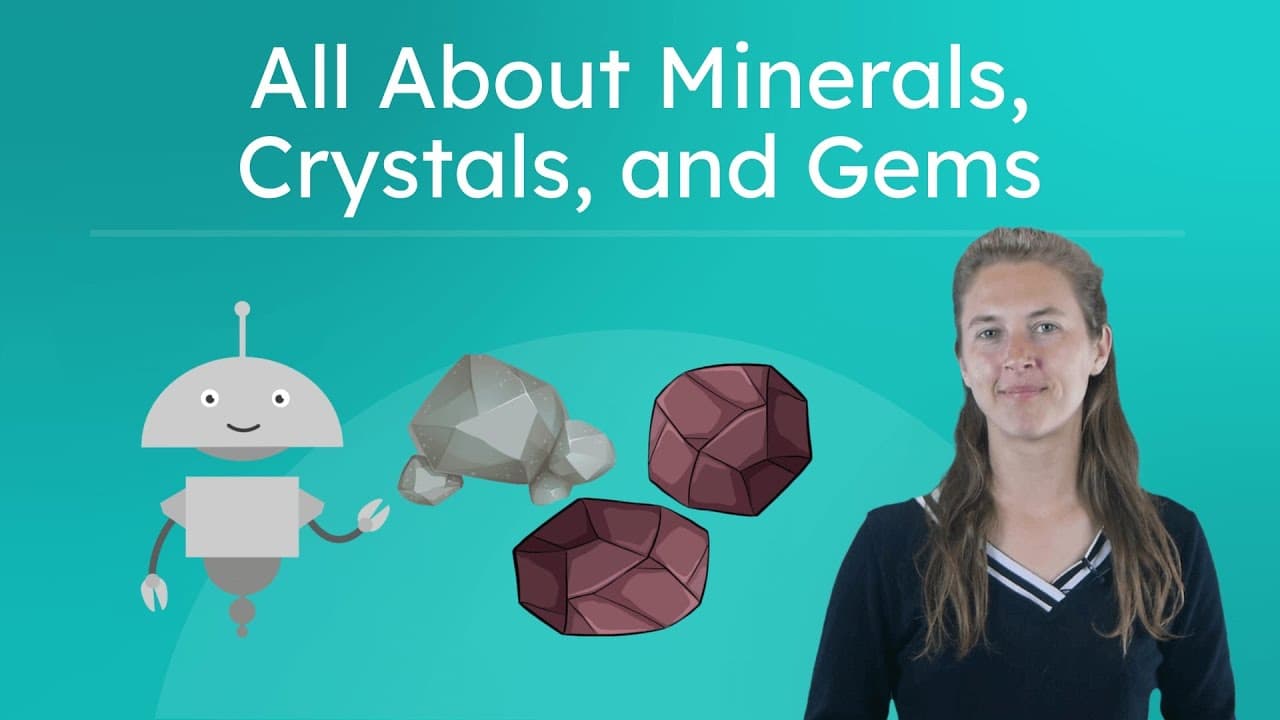
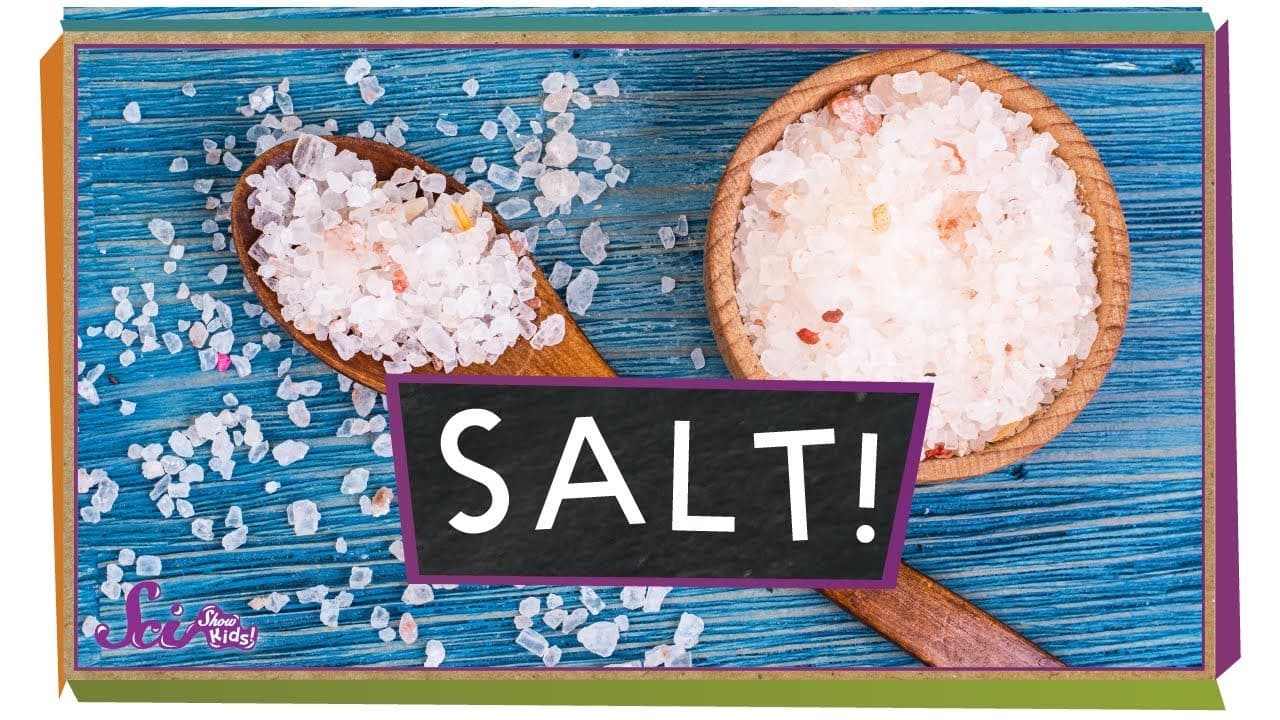
This comprehensive science video provides a detailed exploration of the geological building blocks of our planet: minerals, crystals, and gemstones. Hosted by Kylie, the lesson begins by distinguishing between these three often-confused terms, explaining that rocks are mixtures of minerals, while minerals are the building blocks that form crystals. The video establishes the five strict scientific criteria for a substance to be considered a mineral: it must be naturally occurring, solid, inorganic, have a fixed chemical formula, and possess an ordered crystalline structure. Viewers are guided through specific examples, such as why wood and sugar are not minerals (organic) while salt and quartz are.
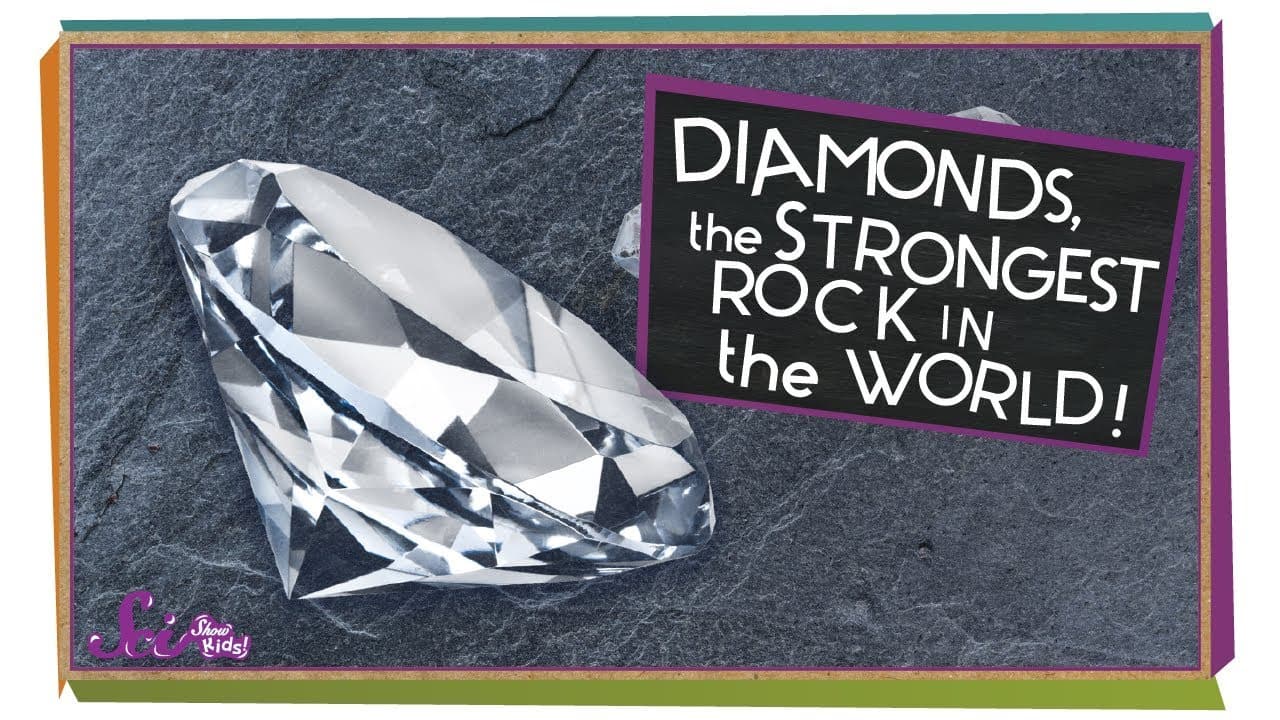
The content delves deep into mineral classification, introducing the eight major mineral groups: native elements, sulfides, oxides, phosphates, sulfates, carbonates, halides, and silicates. For each group, the video provides clear definitions, chemical compositions, and real-world examples like pyrite (fool's gold), turquoise, and quartz. The lesson also explores how crystals form through cooling lava, hardening liquids, or evaporation, and categorizes them by their geometric shapes, such as cubic, hexagonal, and triclinic structures.
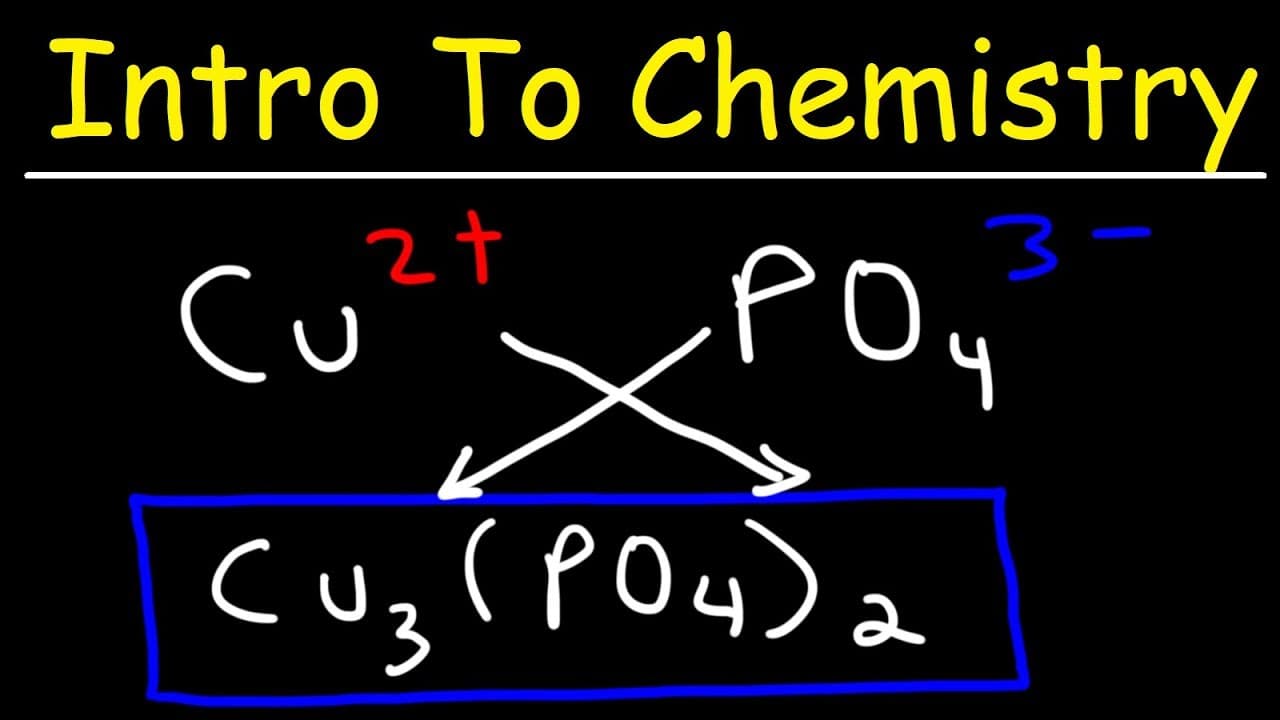
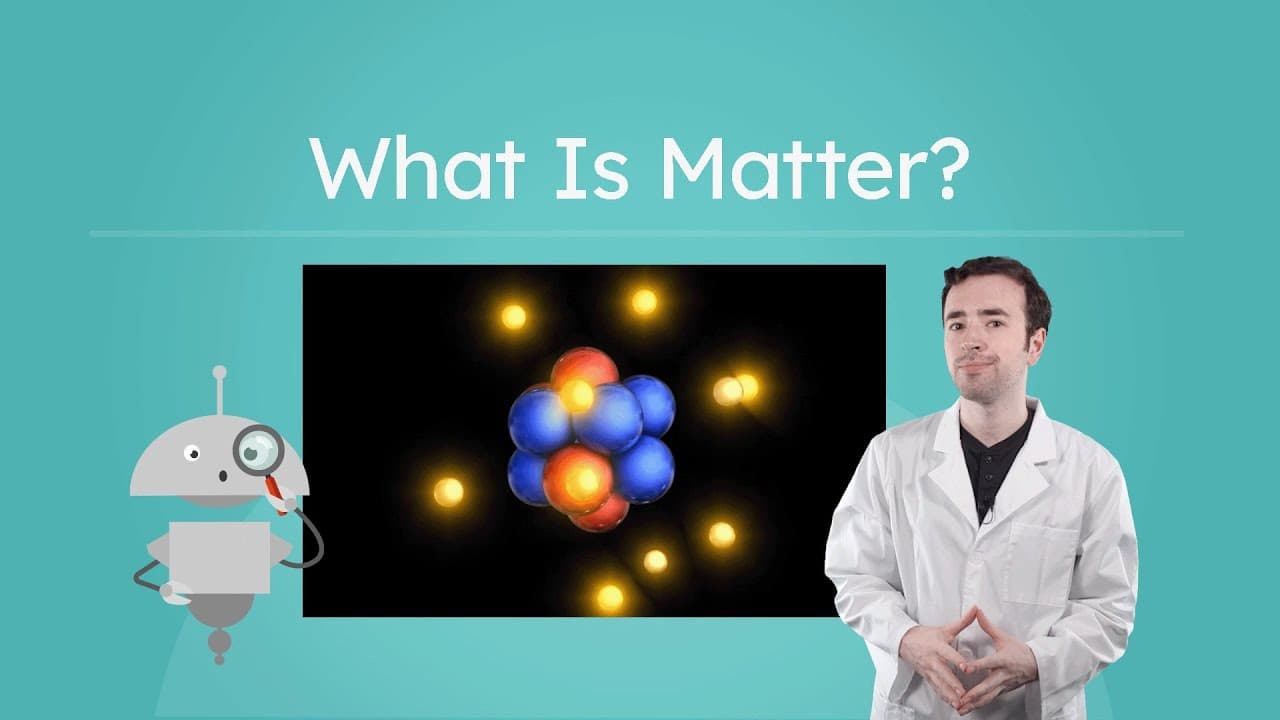
Ideal for Earth Science curriculums, this video serves as an excellent foundation for geology units. It bridges the gap between basic rock identification and introductory chemistry by explaining atoms, molecules, and chemical formulas in an accessible way. Teachers can use this resource to explain complex classification systems, discuss the difference between organic and inorganic matter, or introduce the geometry of natural structures. The video concludes with a look at gemstones and a demonstration of raw vs. polished specimens, encouraging students to start their own collections.