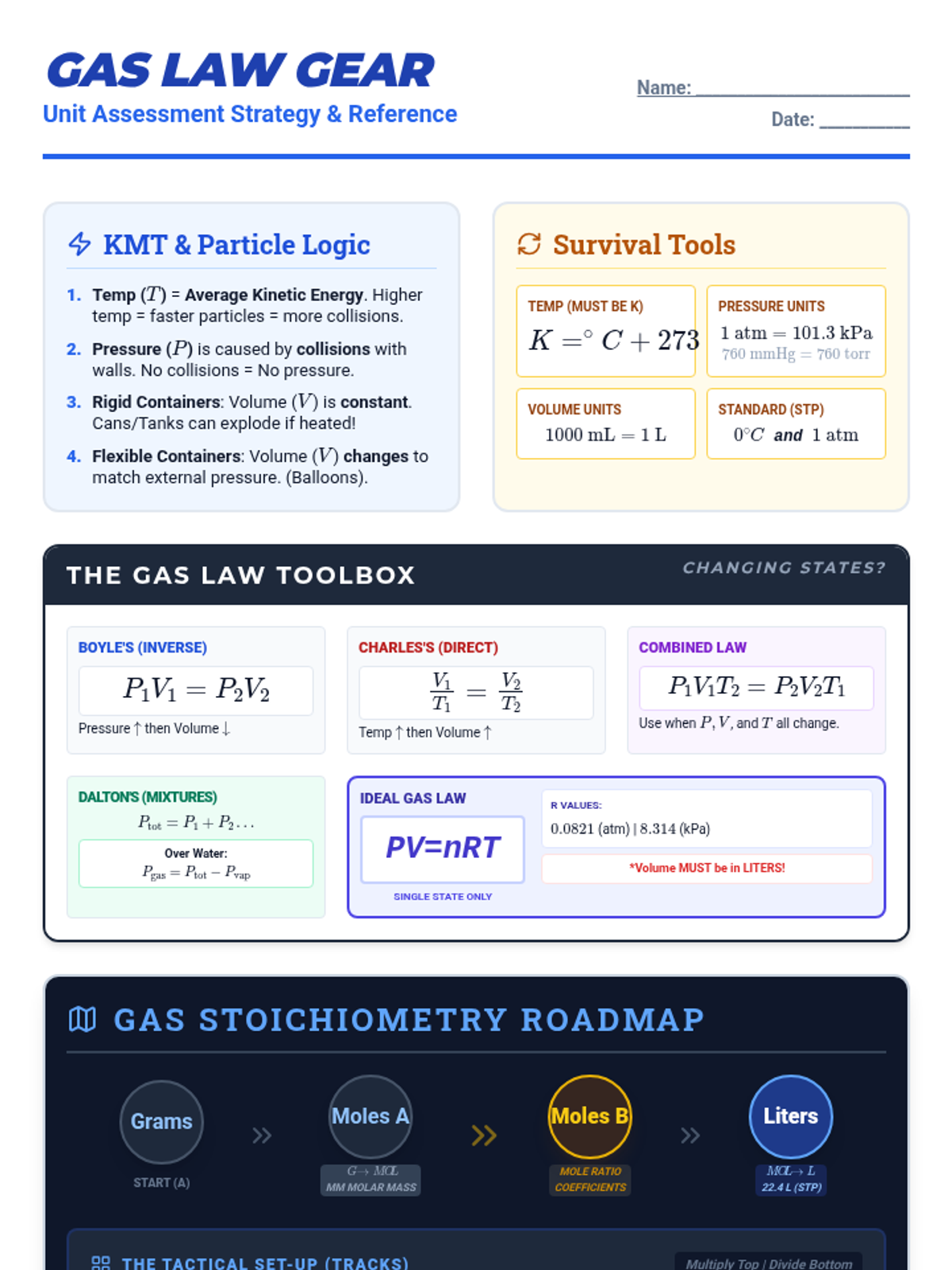
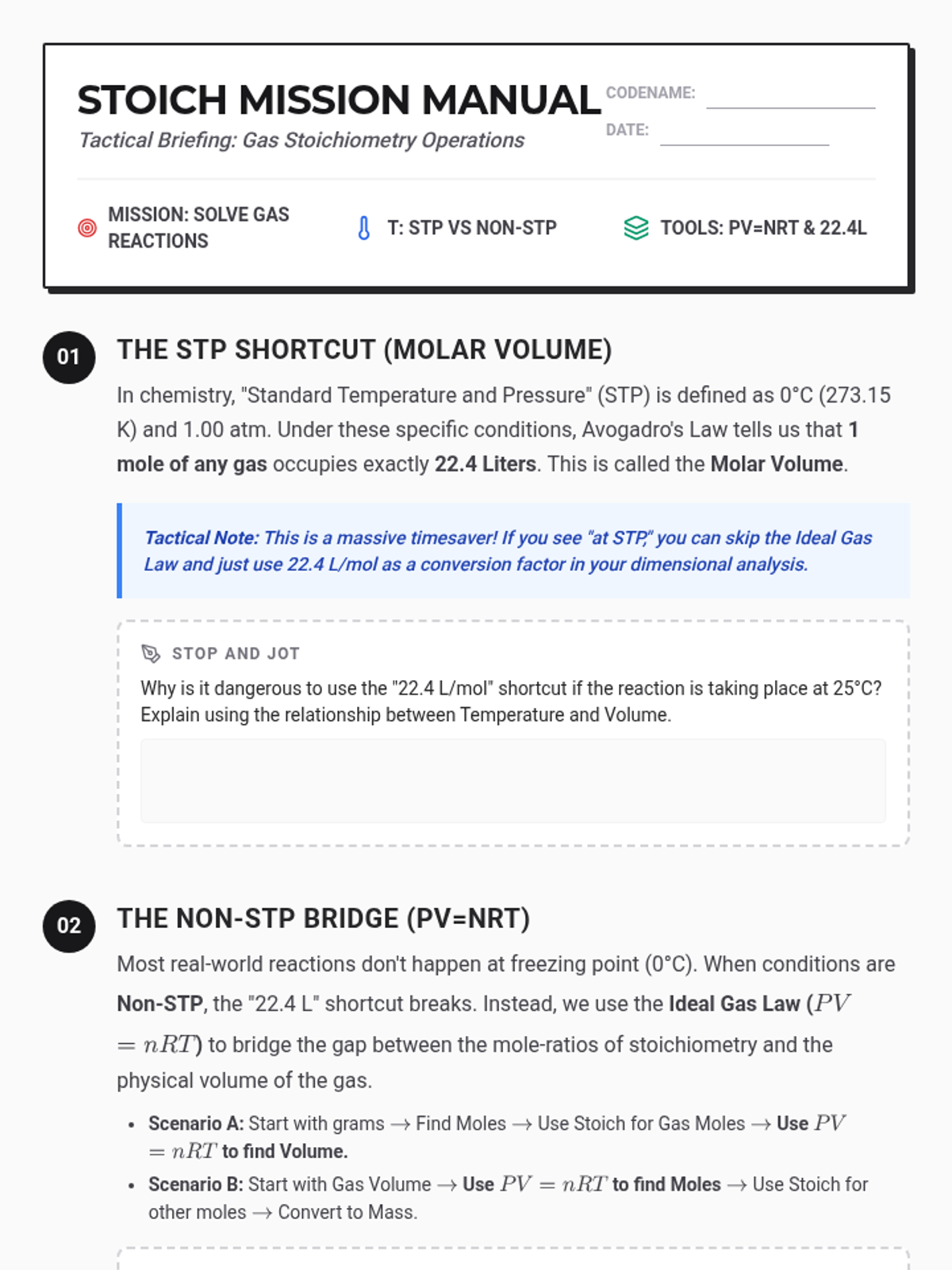
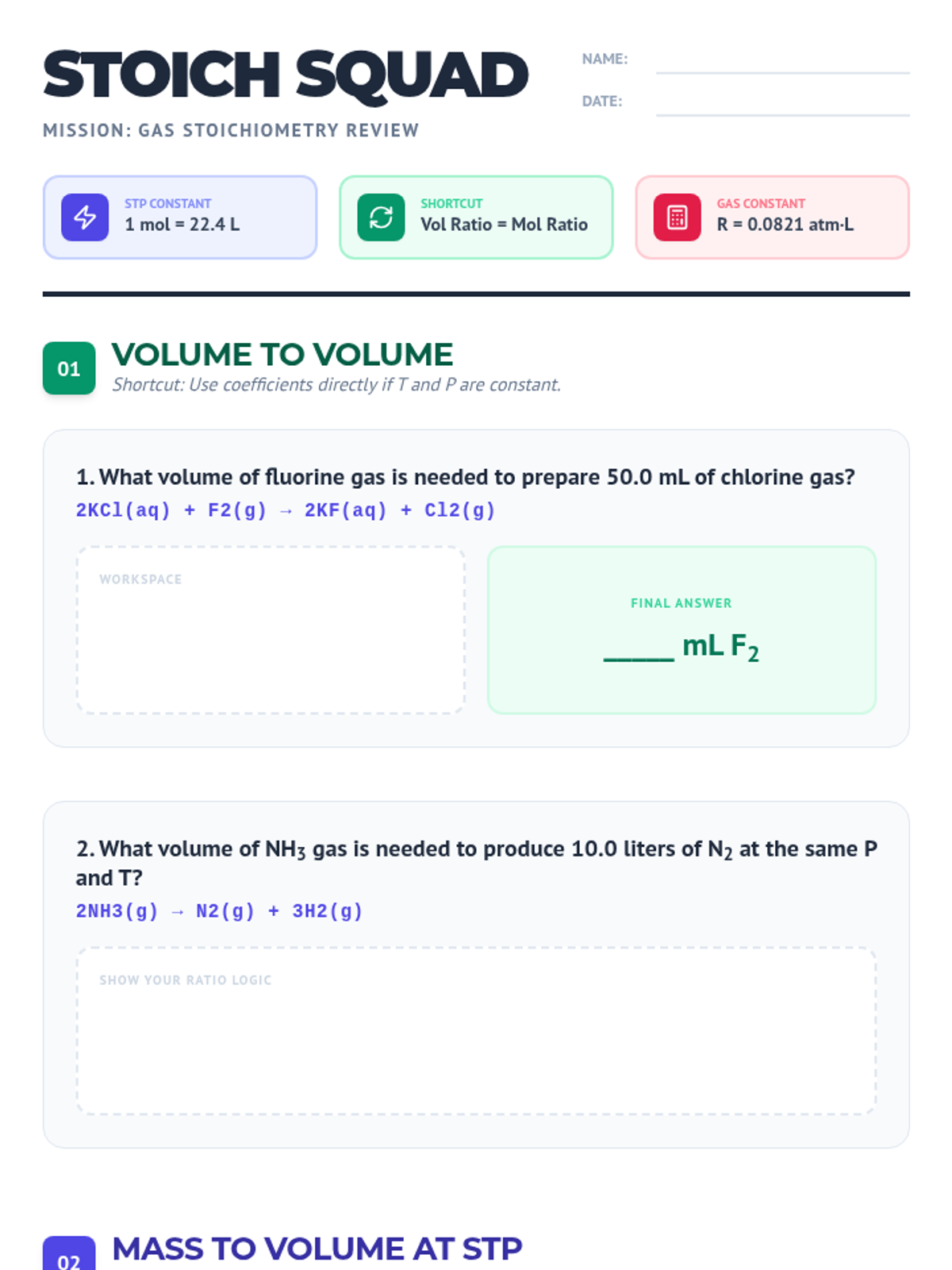
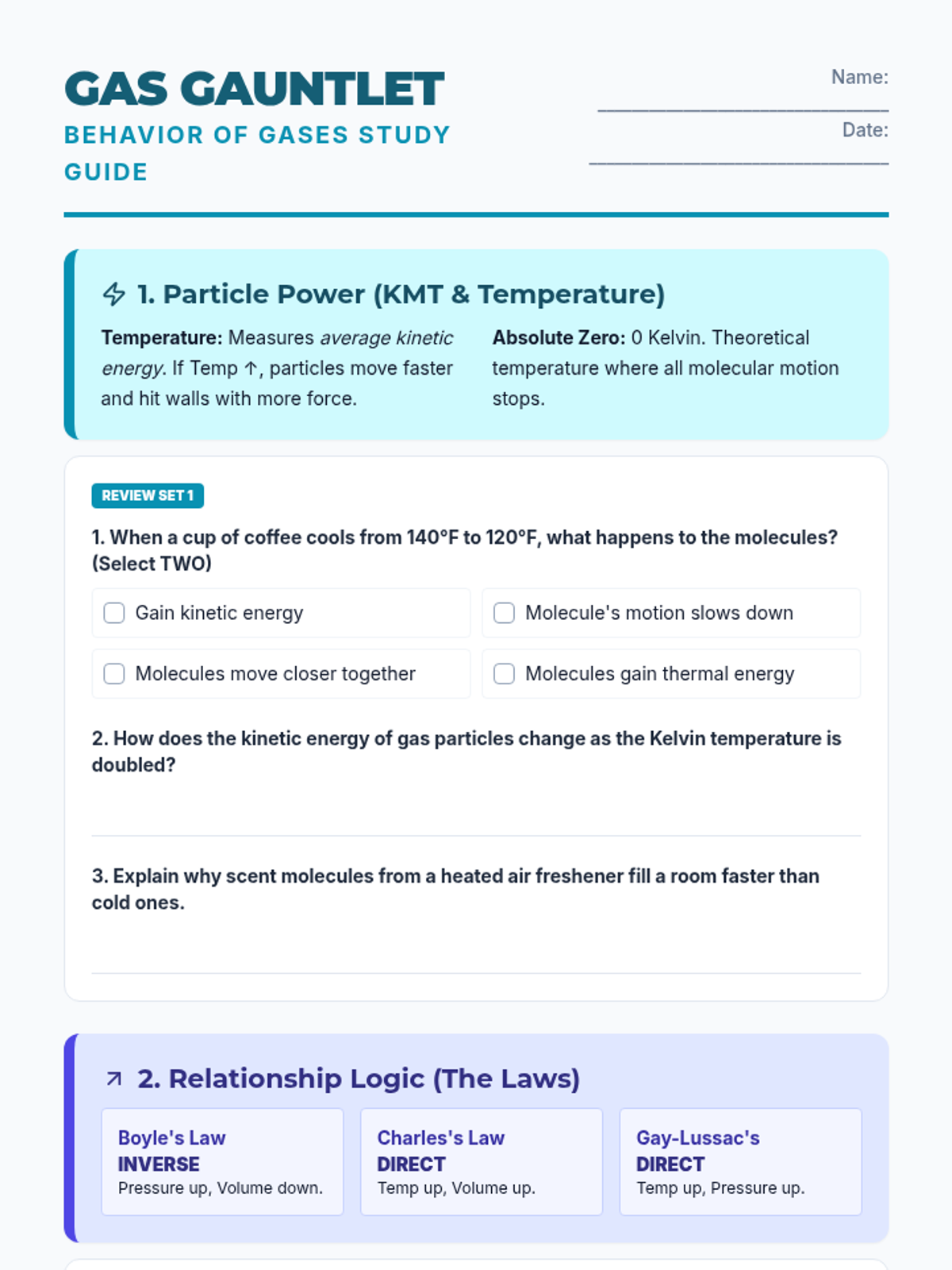
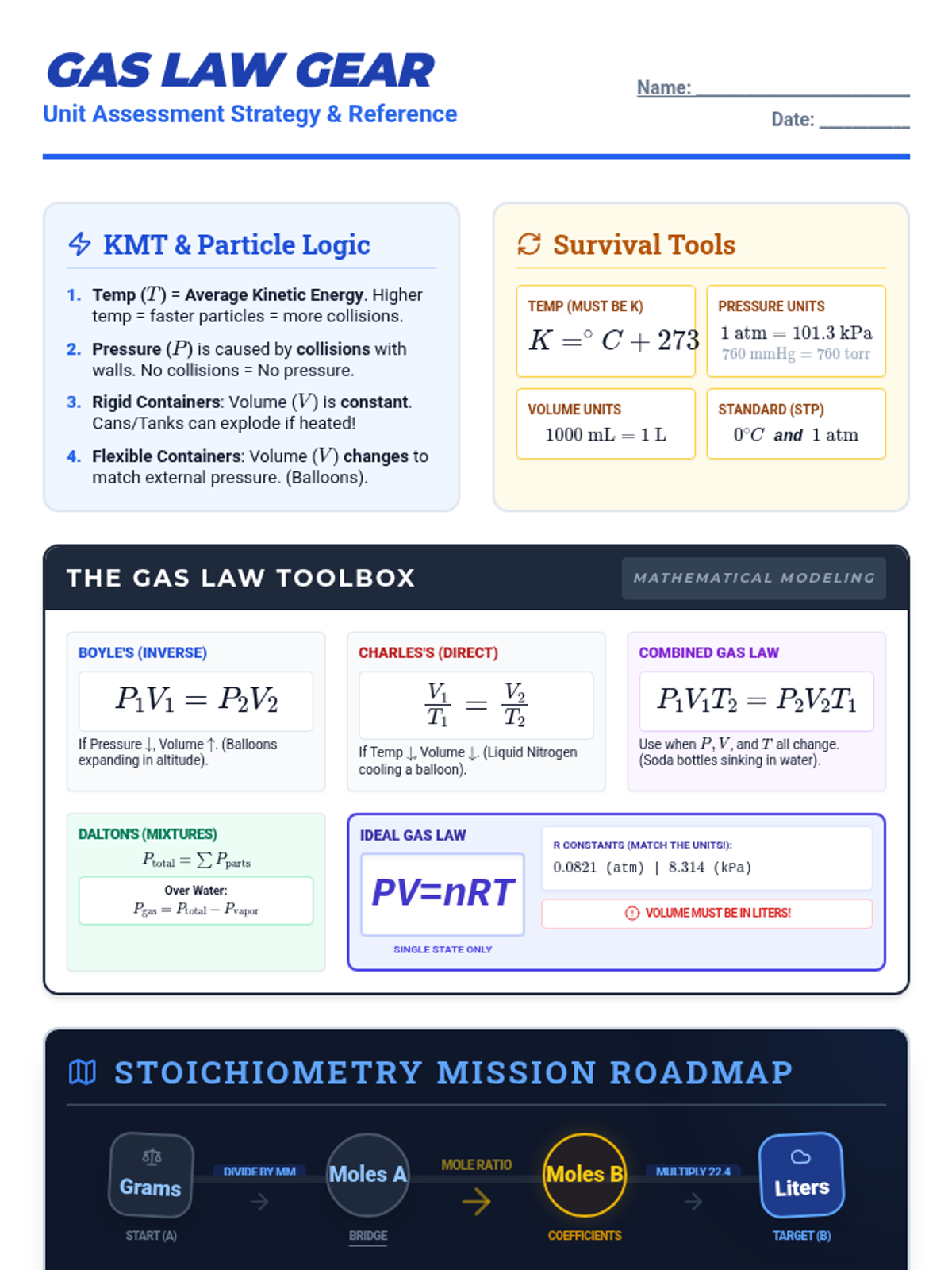
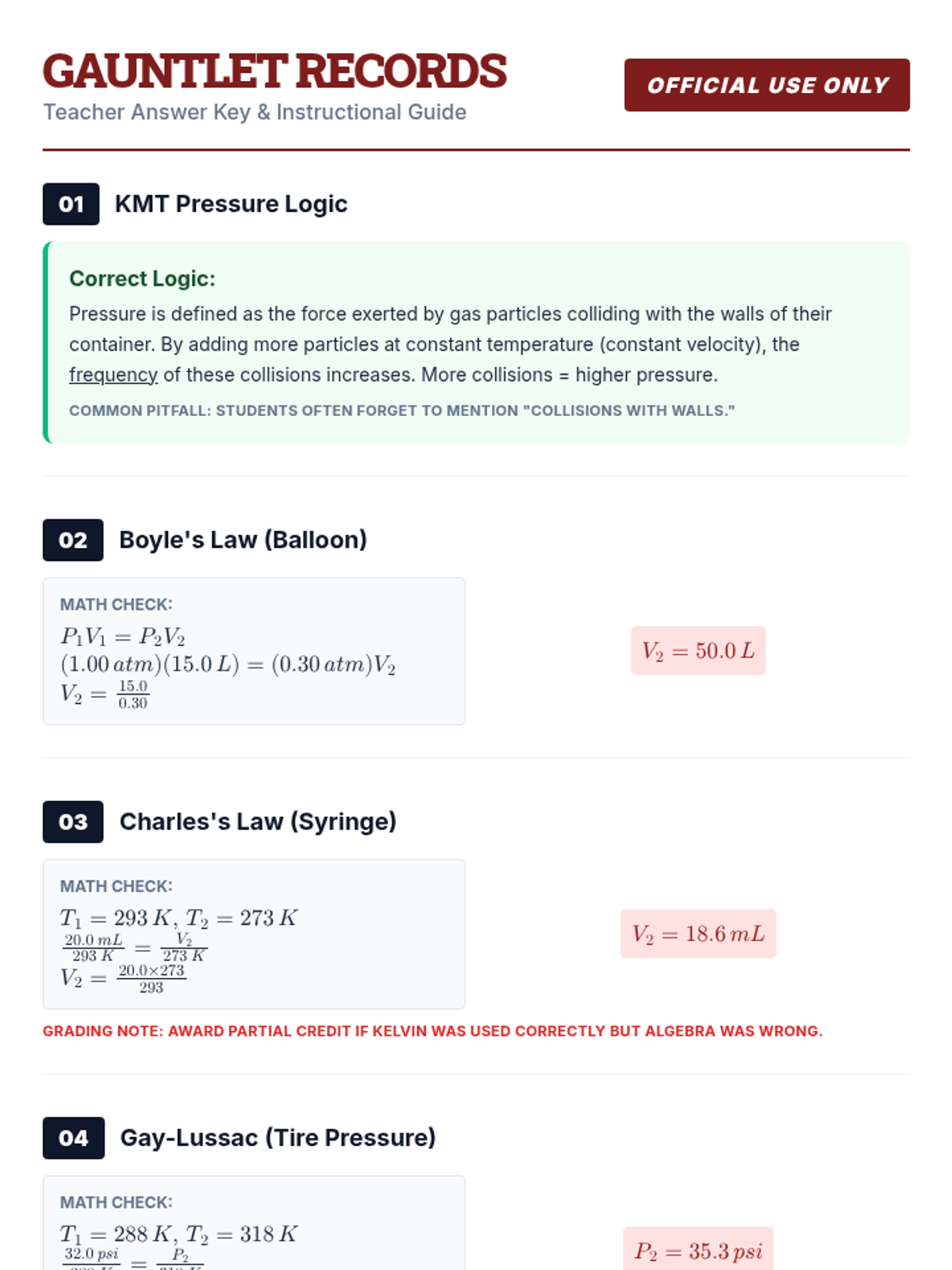
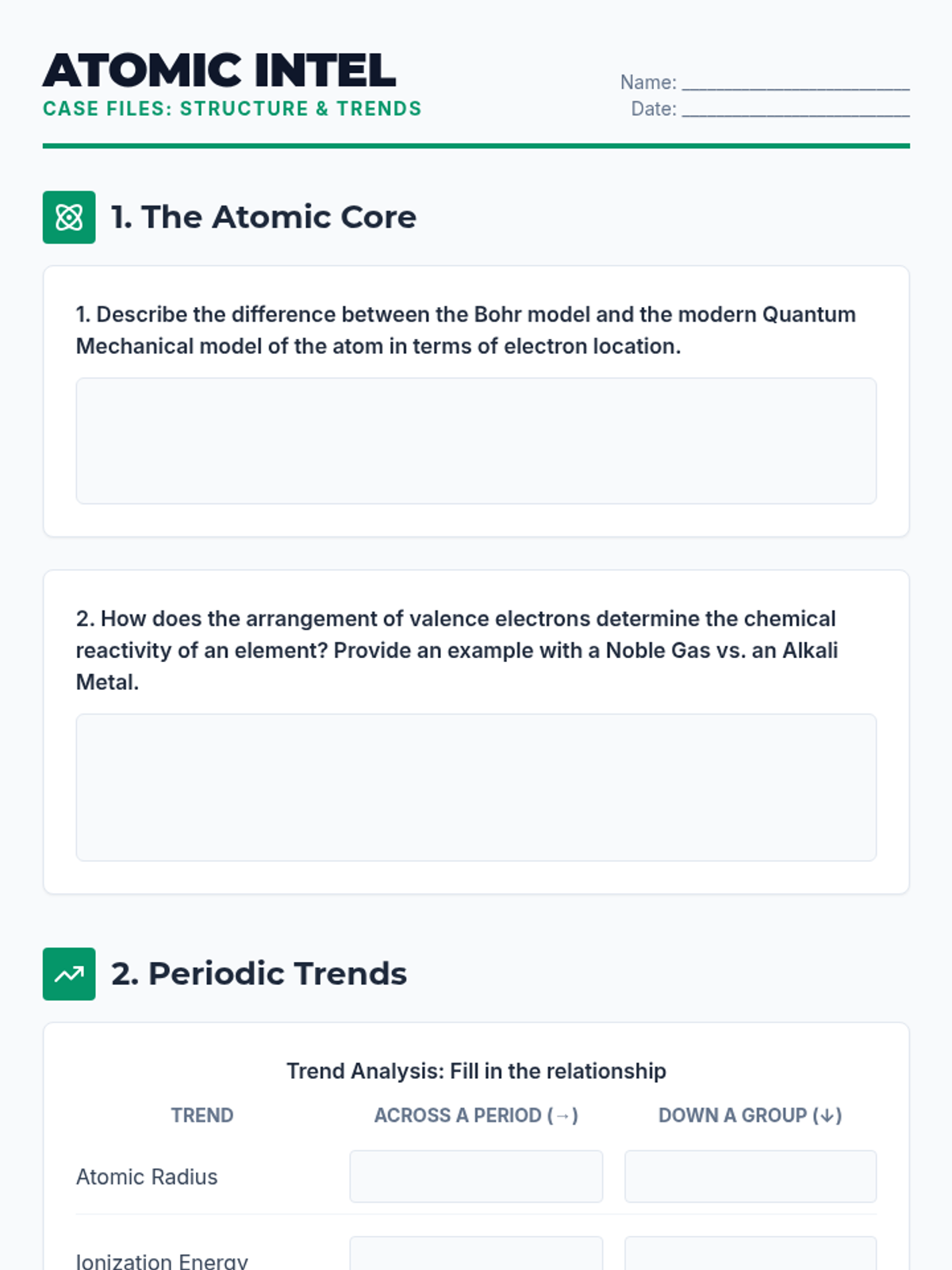
Atomic structure, quantum models, and periodic trends establish the fundamental nature of matter. Stoichiometry, gas properties, and equilibrium constants facilitate quantitative analysis of chemical reactions and molecular interactions.
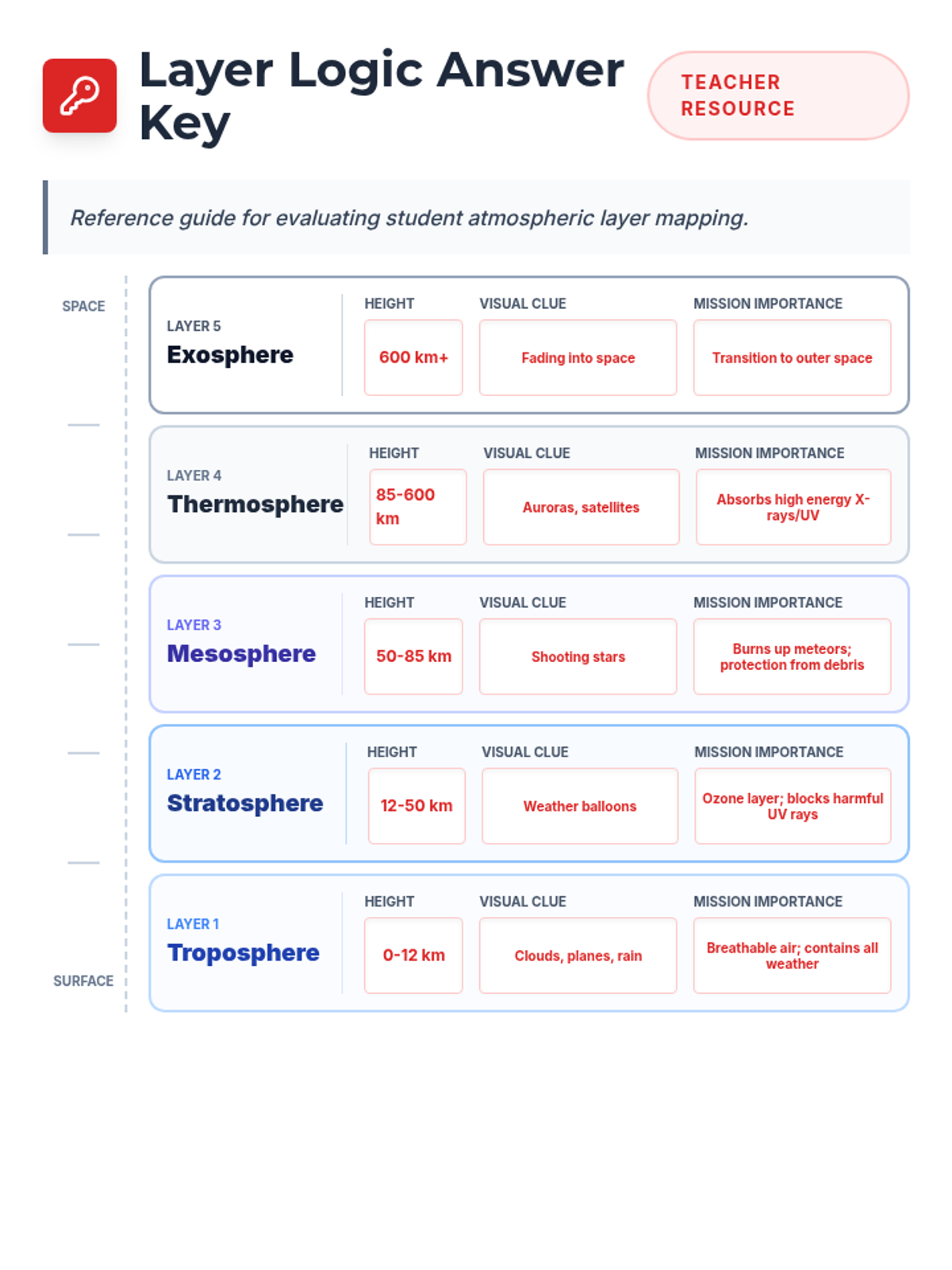
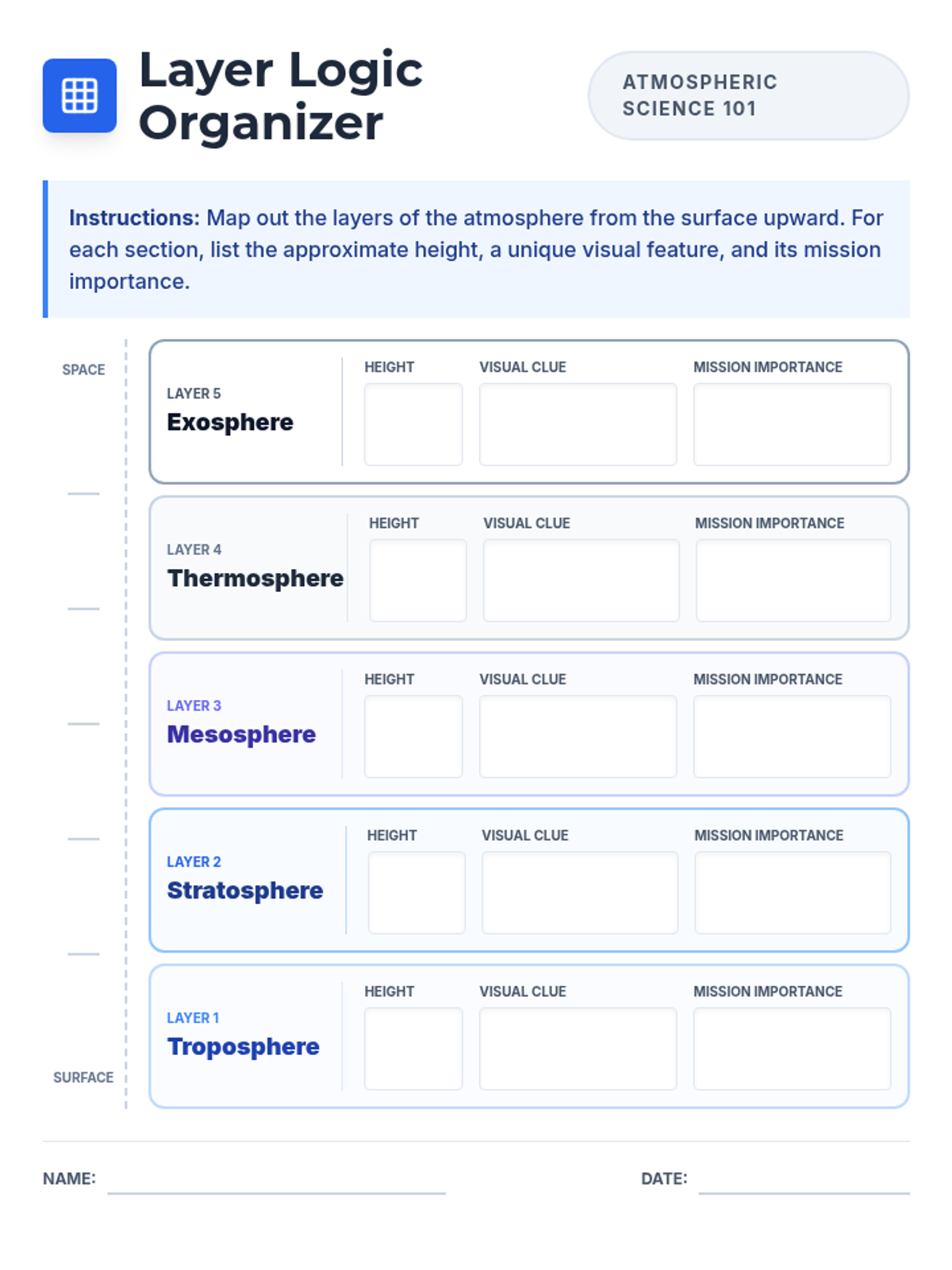
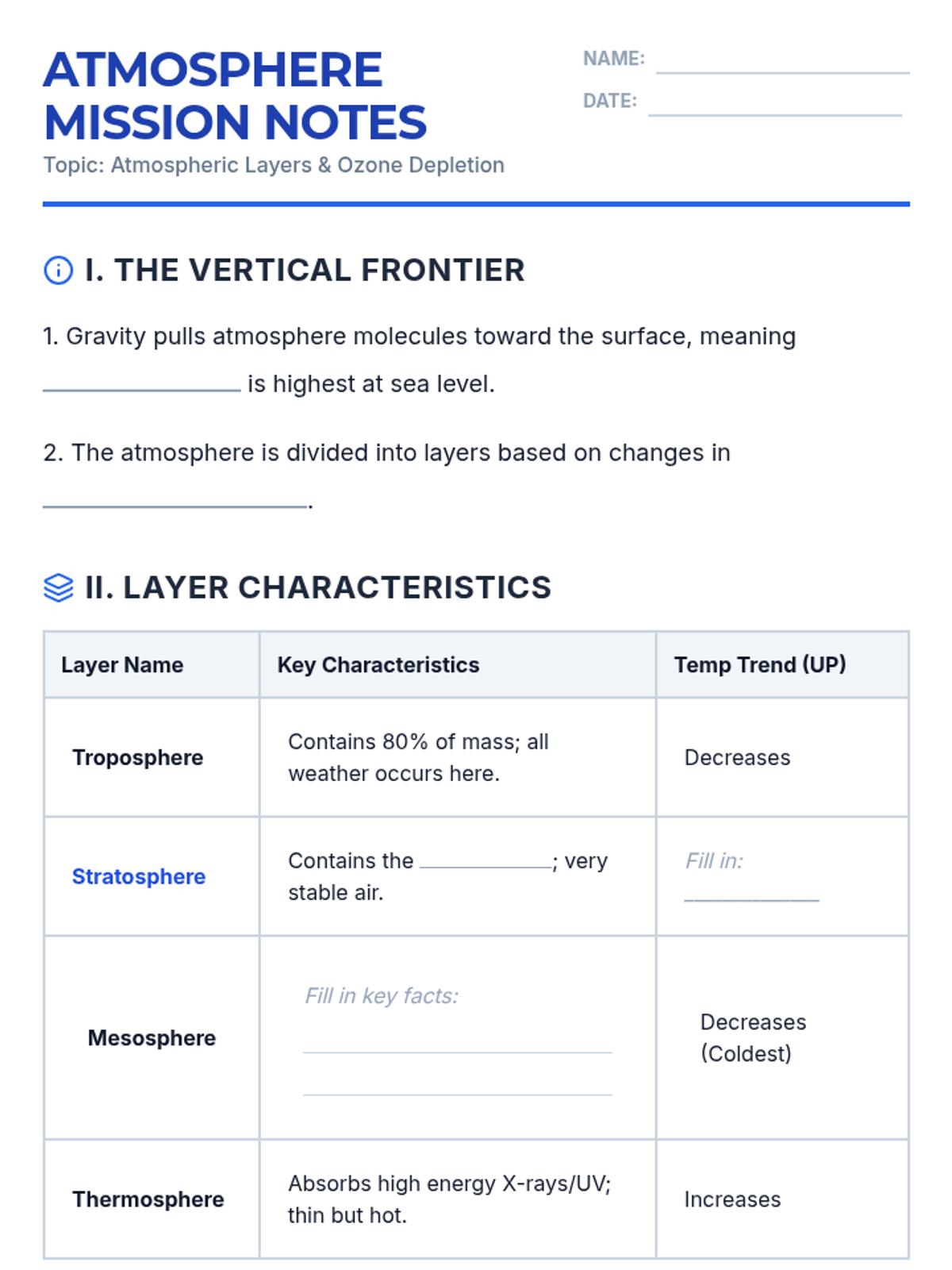
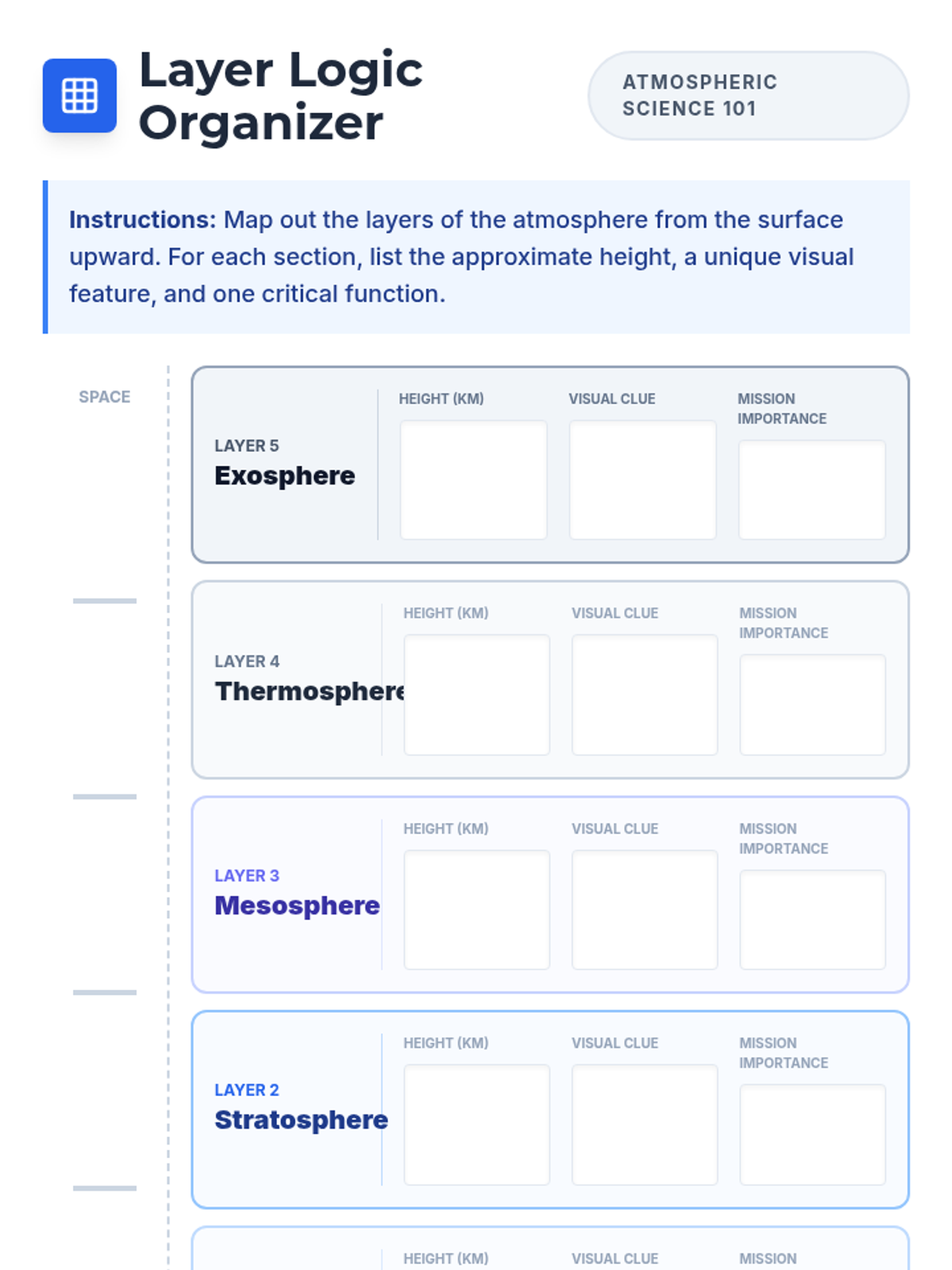
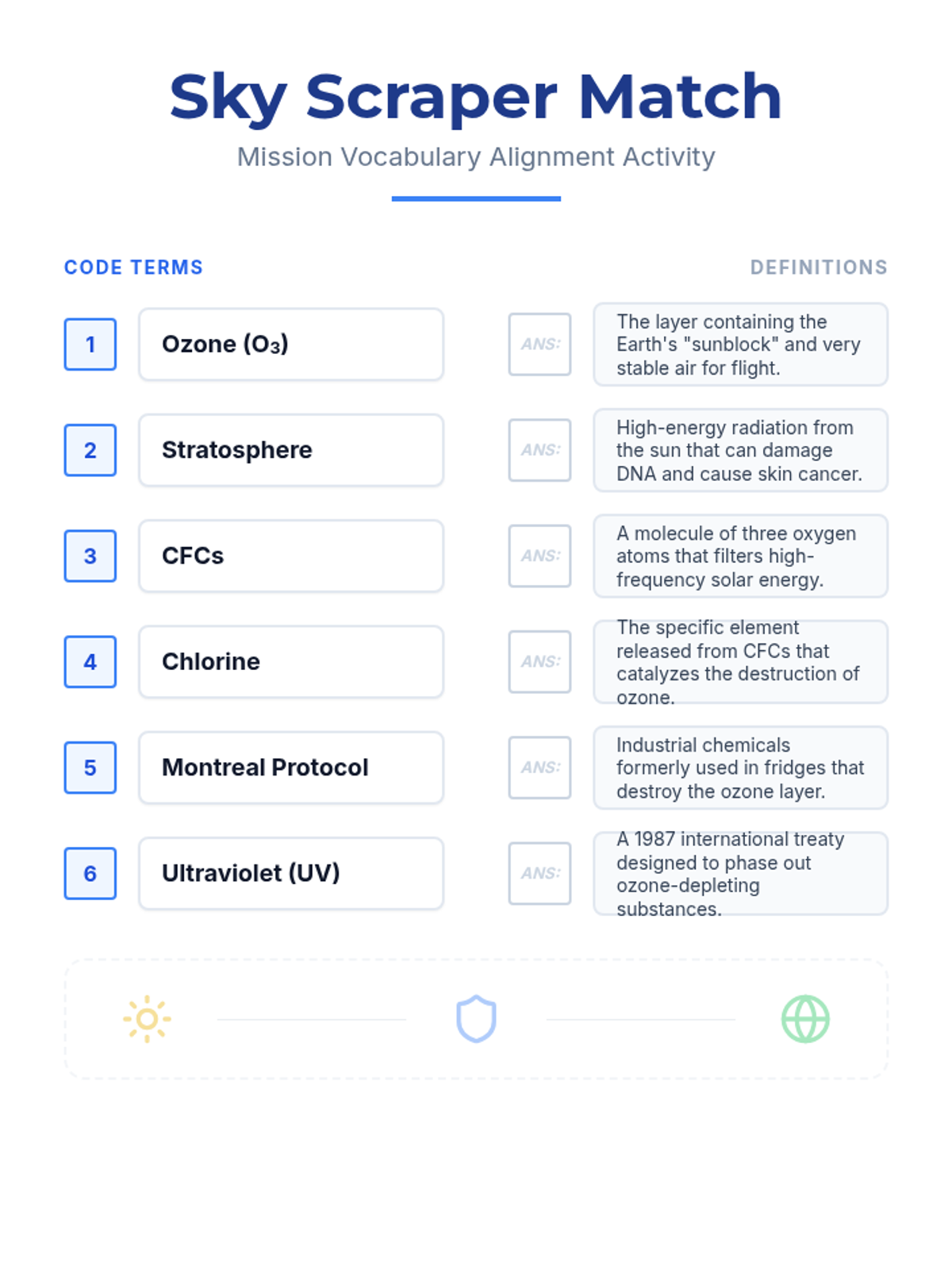
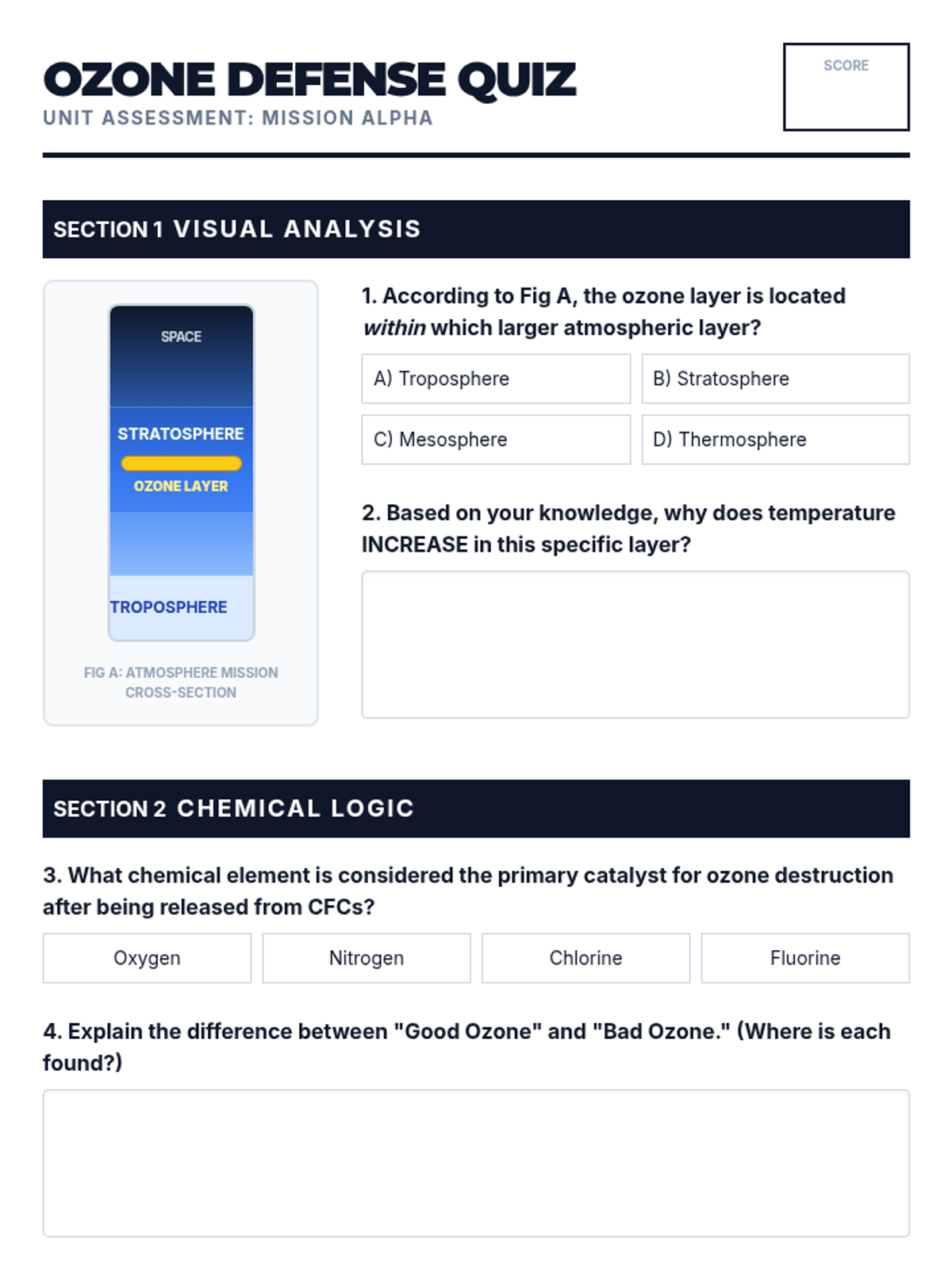
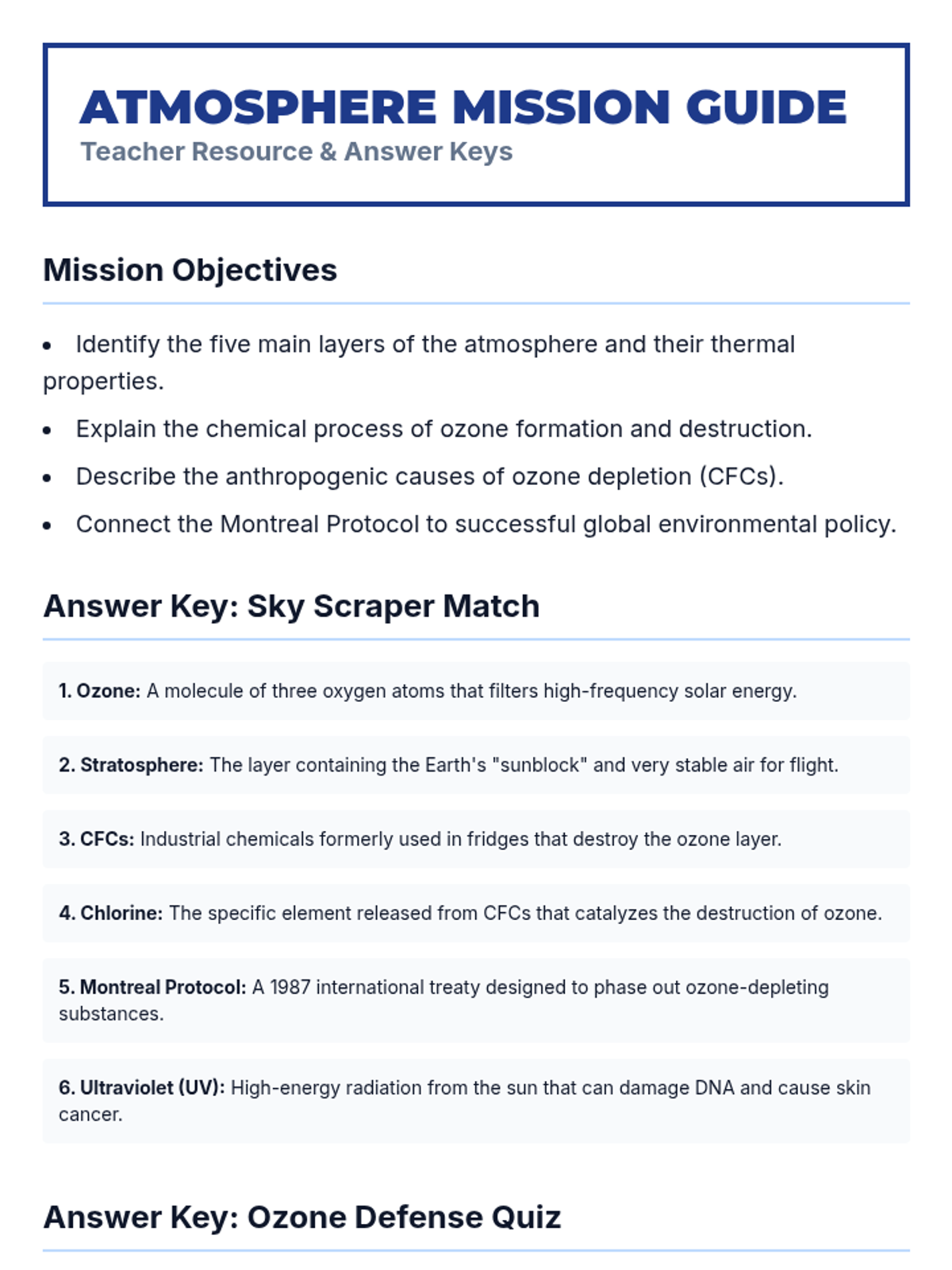
A comprehensive review of Earth's atmospheric layers, the crucial role of the ozone layer, and the chemical impact of CFCs on our planetary shield.
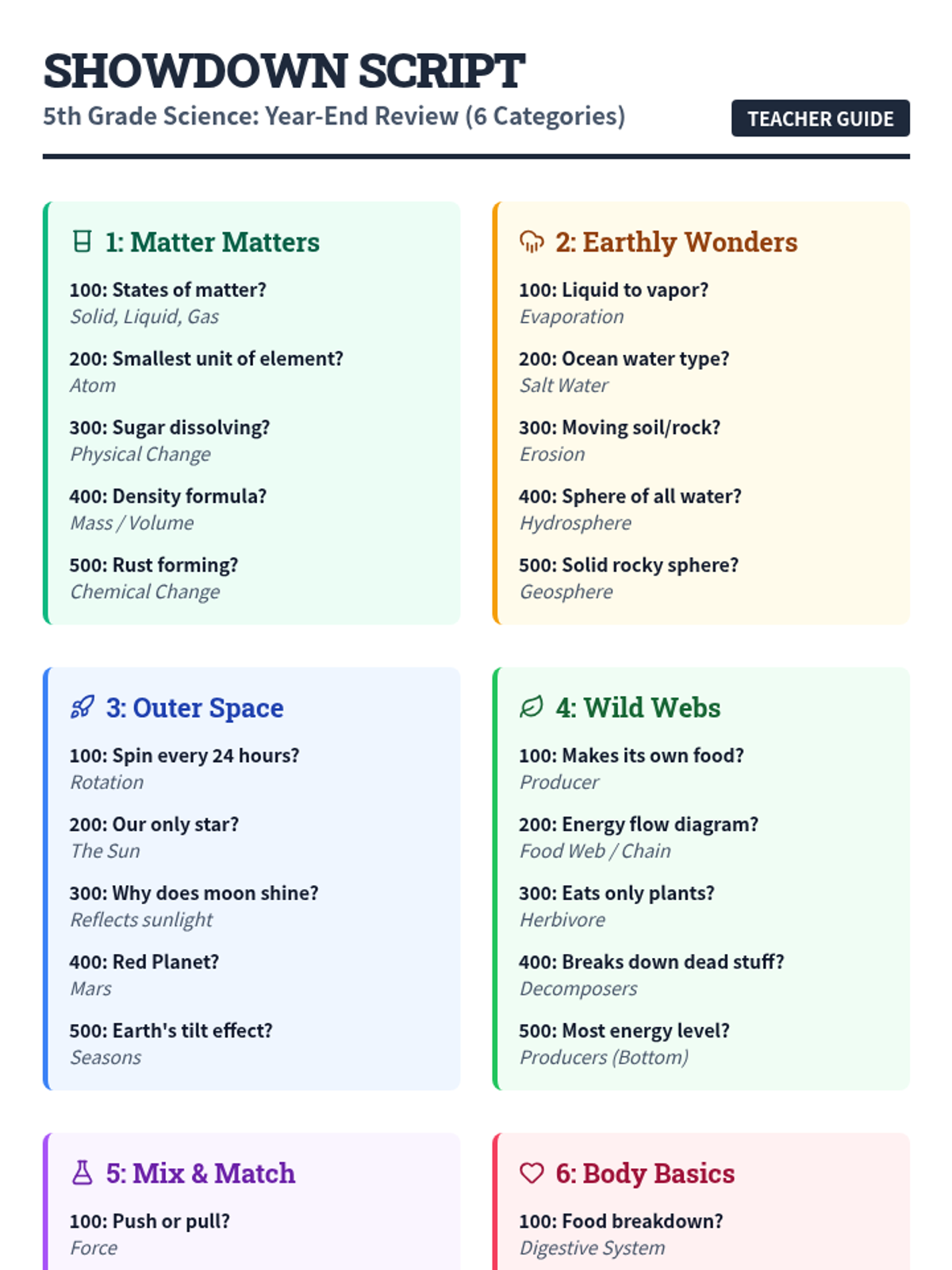
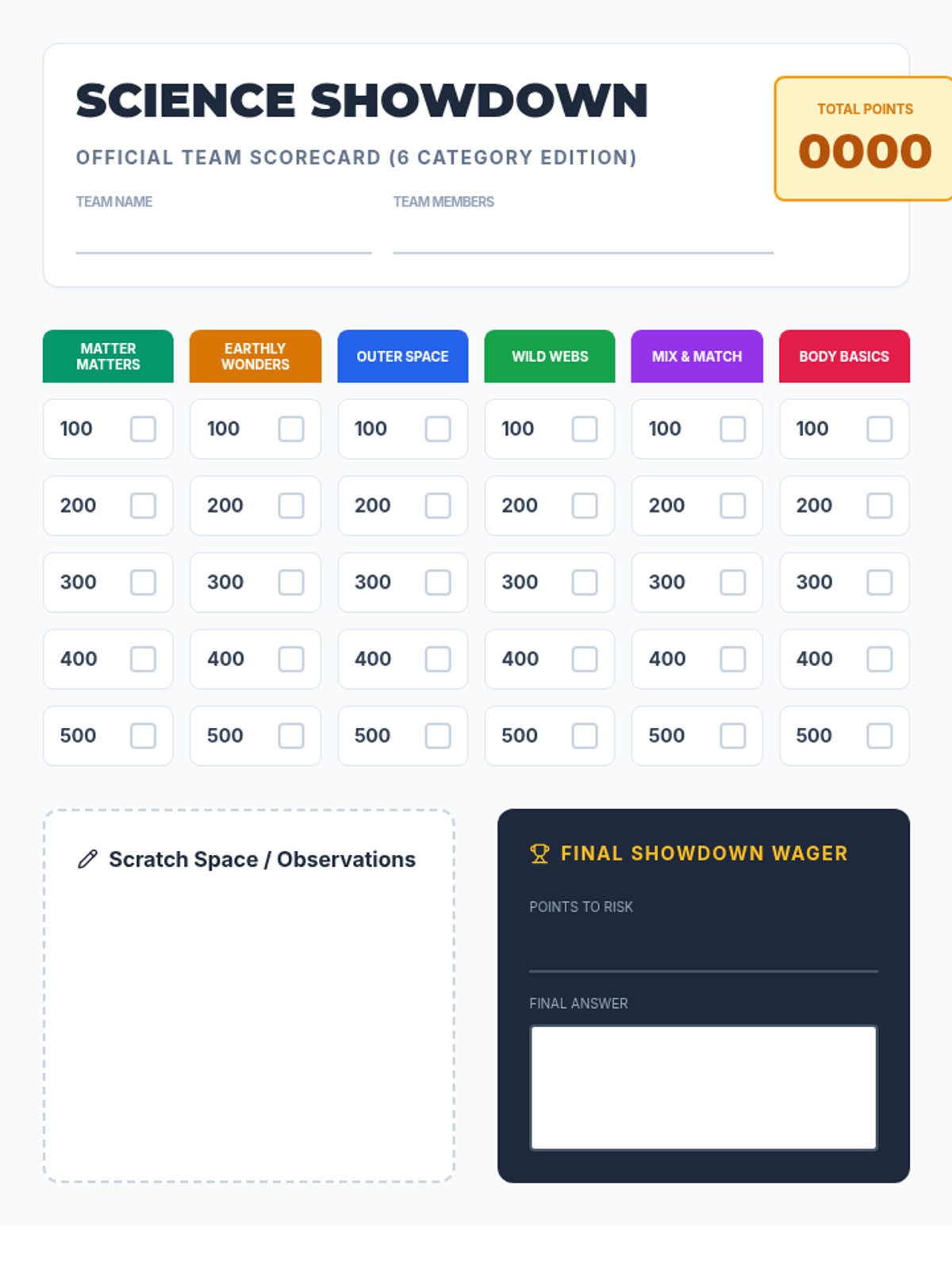
A comprehensive year-end science review for 5th grade designed as a high-energy Jeopardy-style game. This lesson covers matter, Earth systems, space, ecosystems, and scientific inquiry to prepare students for end-of-year assessments.
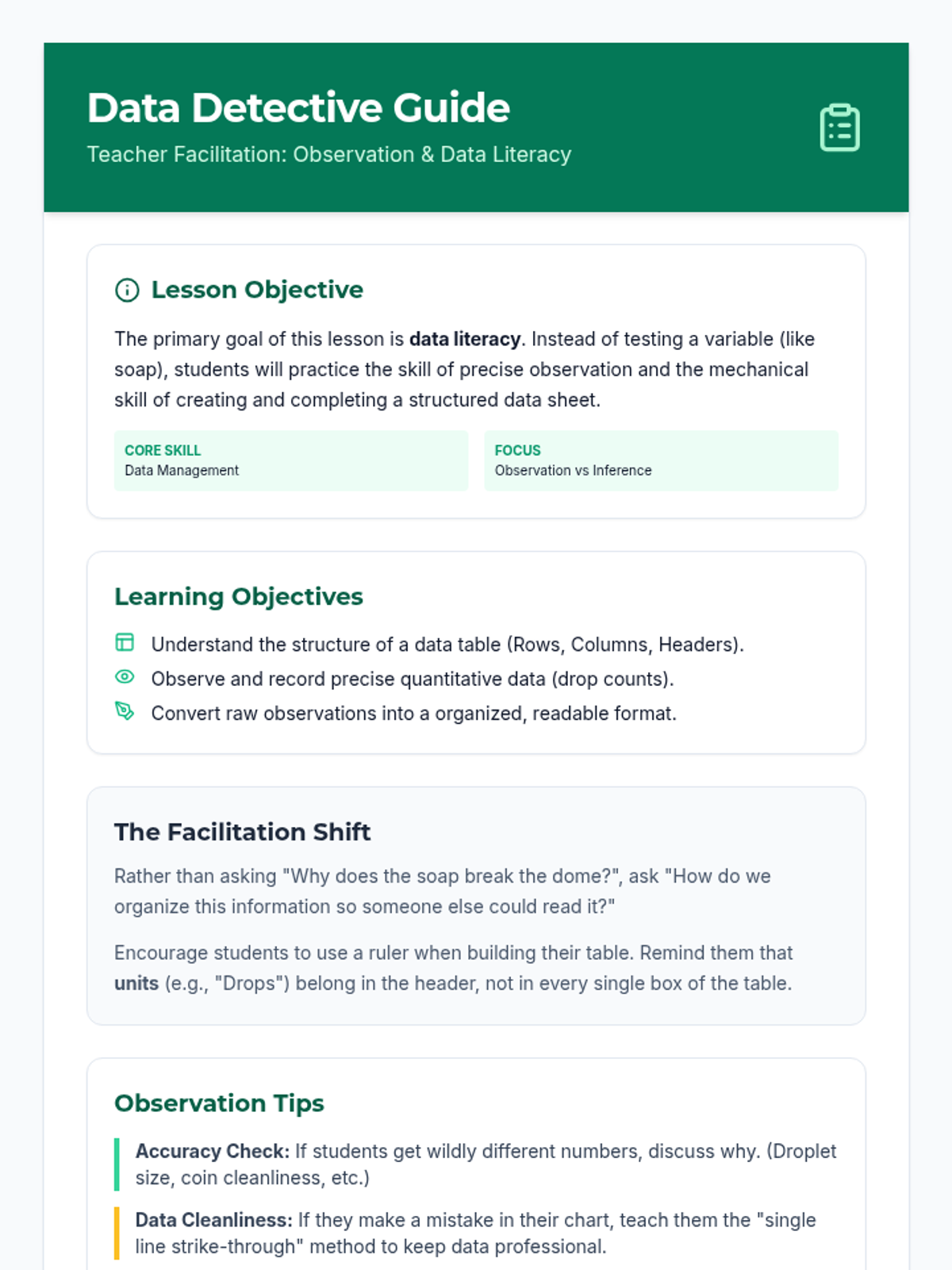
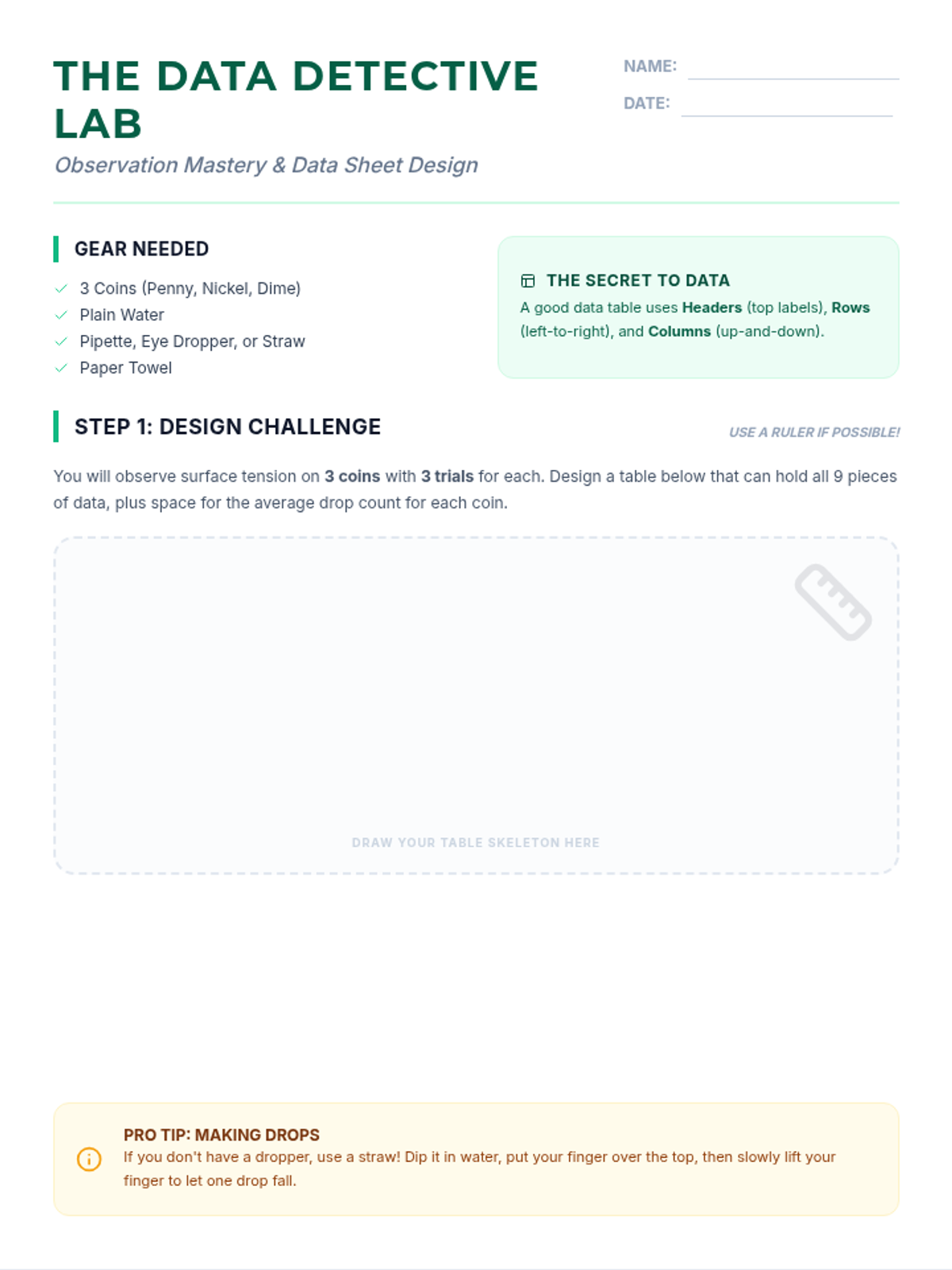
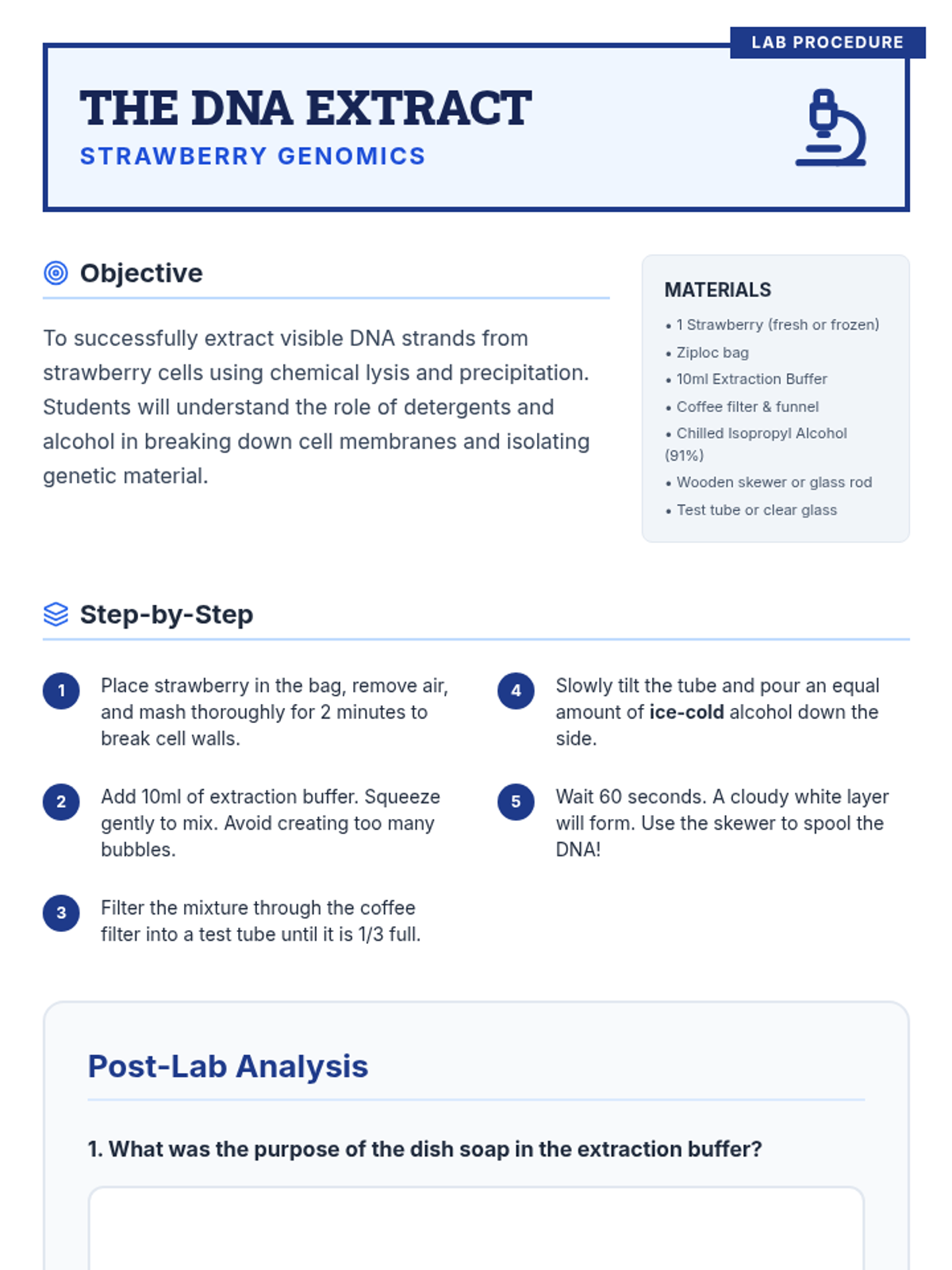
An introductory science lesson on surface tension where students conduct a hands-on experiment at home using coins, water, and soap to observe how molecules stick together.
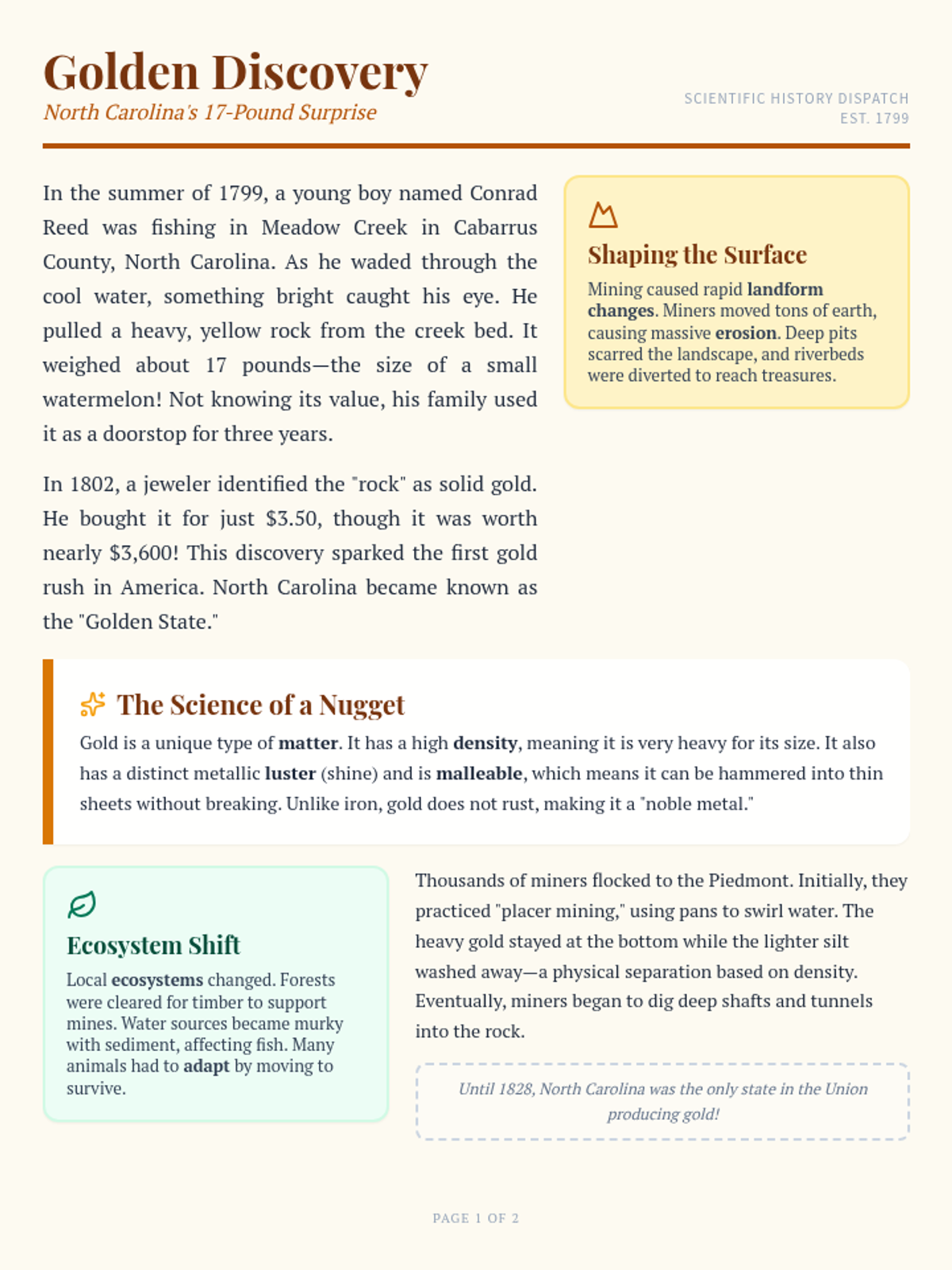
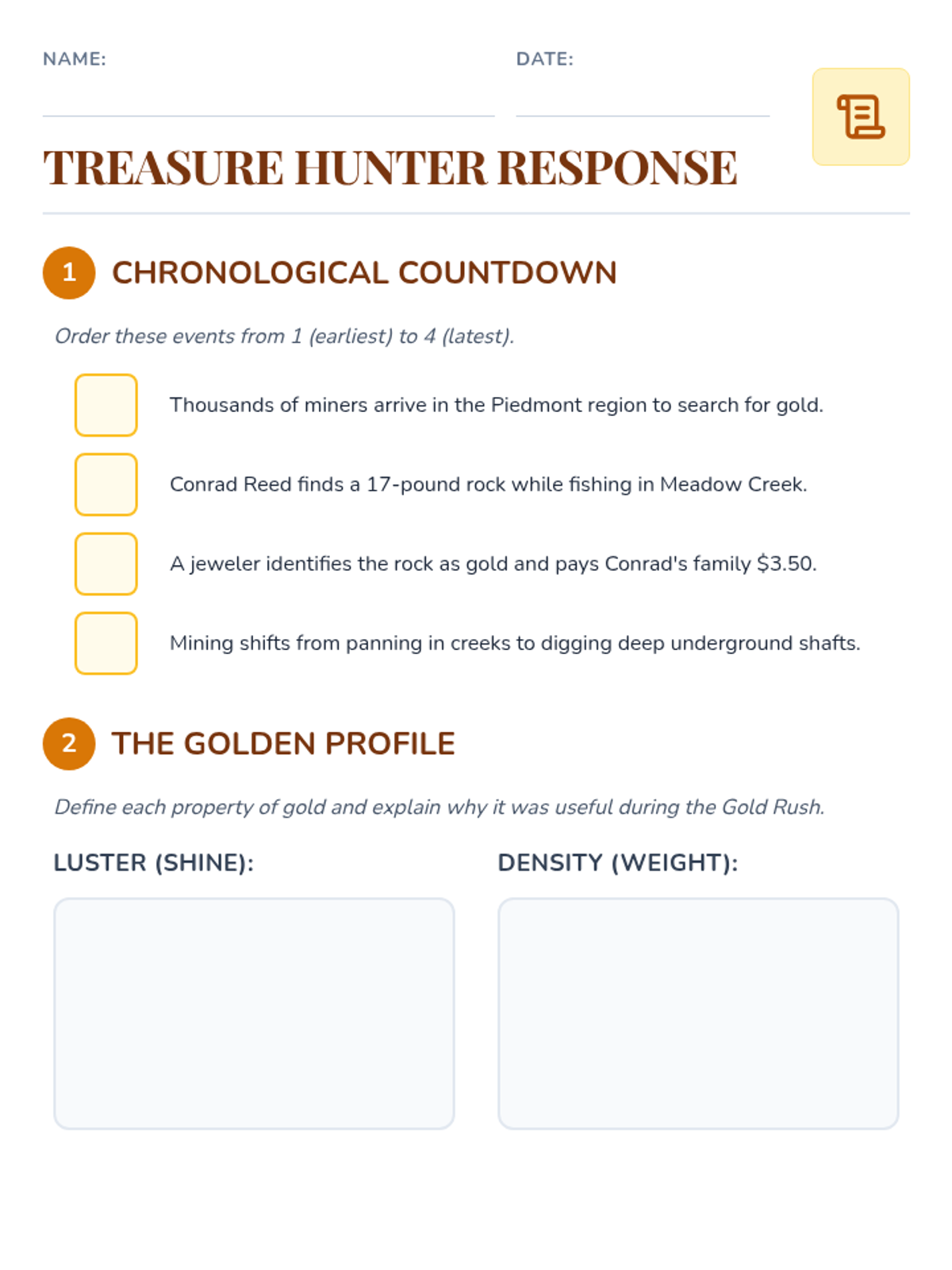
A cross-curricular lesson integrating North Carolina's gold rush history with physical properties of matter, landform changes, and ecosystem impacts. Students will explore the chronology of the 1799 discovery while analyzing the science behind the 'Golden State's' first boom.
A comprehensive set of independent science activities for 5th grade students covering ecosystems, matter, and astronomy, designed for sub-plan use.
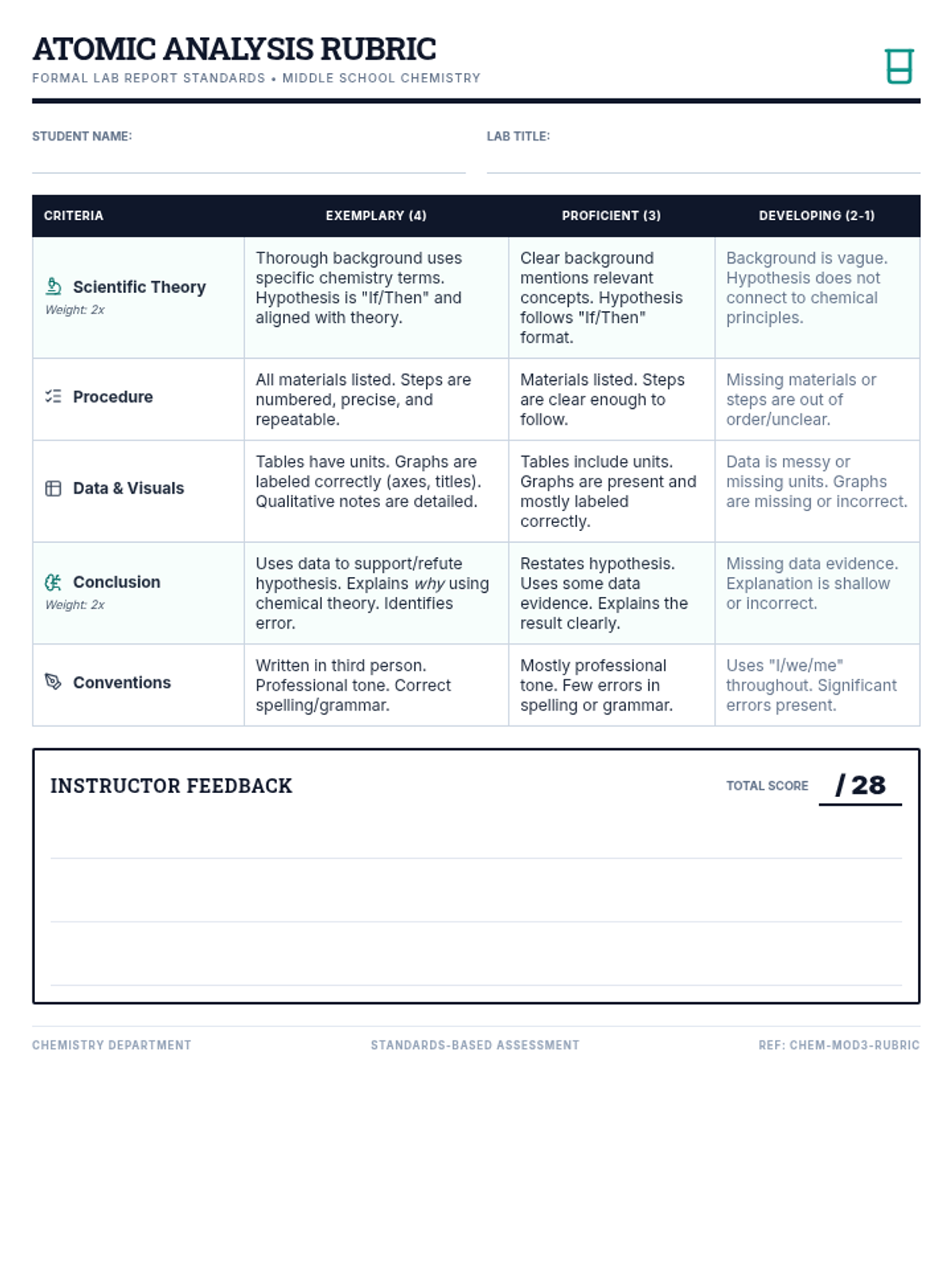
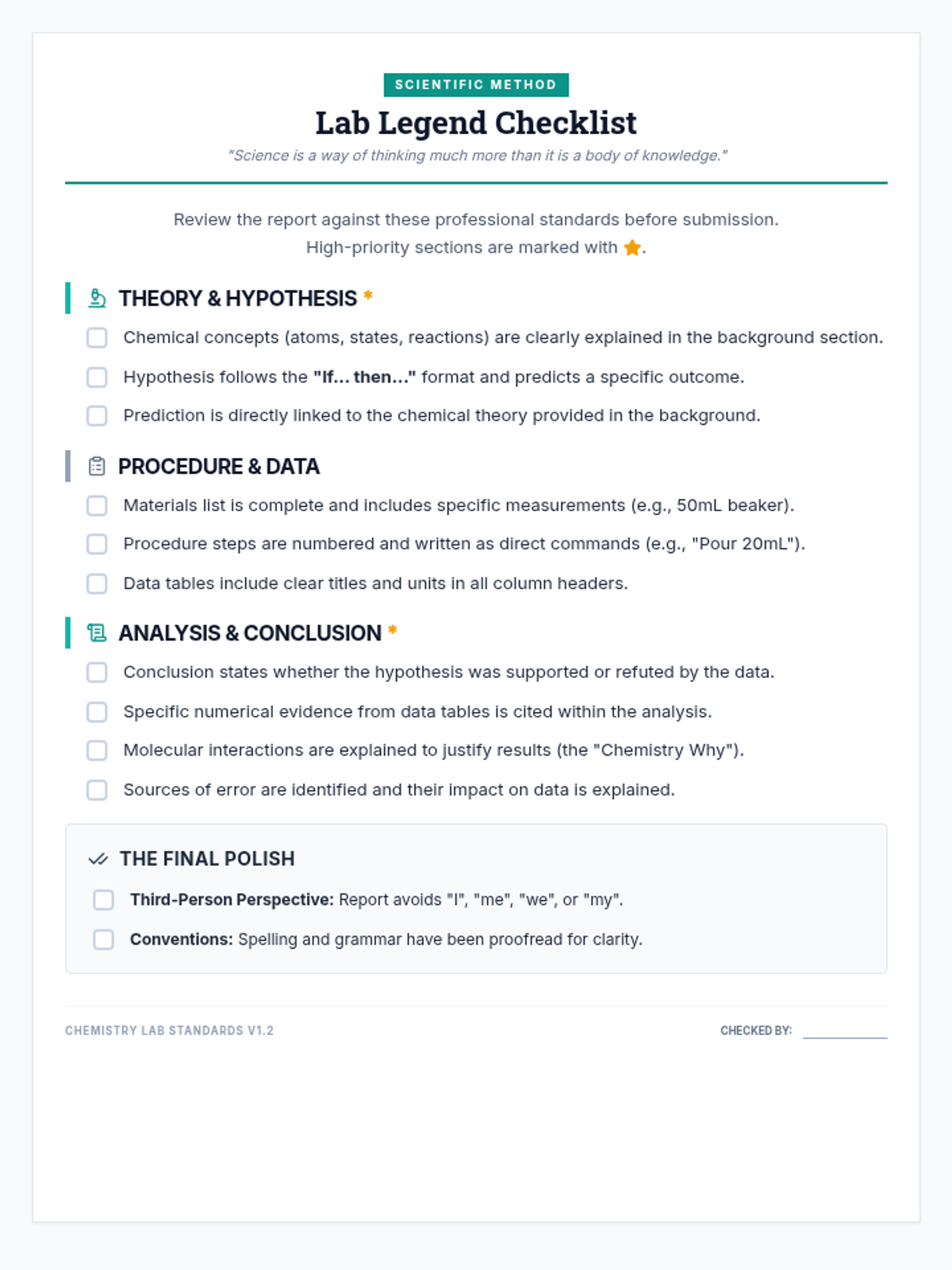
Essential tools for conducting and reporting chemistry experiments using the formal scientific method, with a focus on theoretical grounding and evidence-based conclusions.
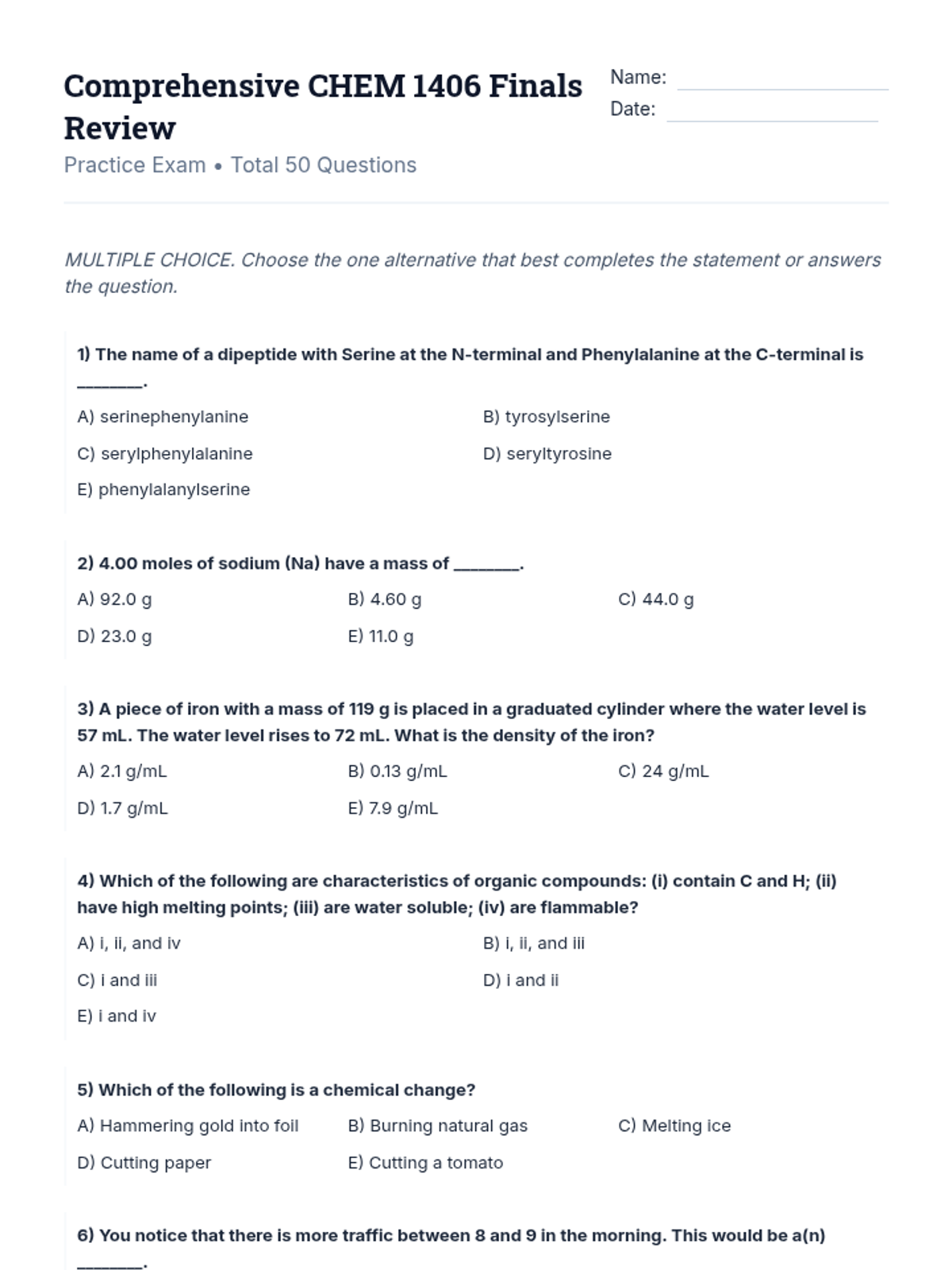
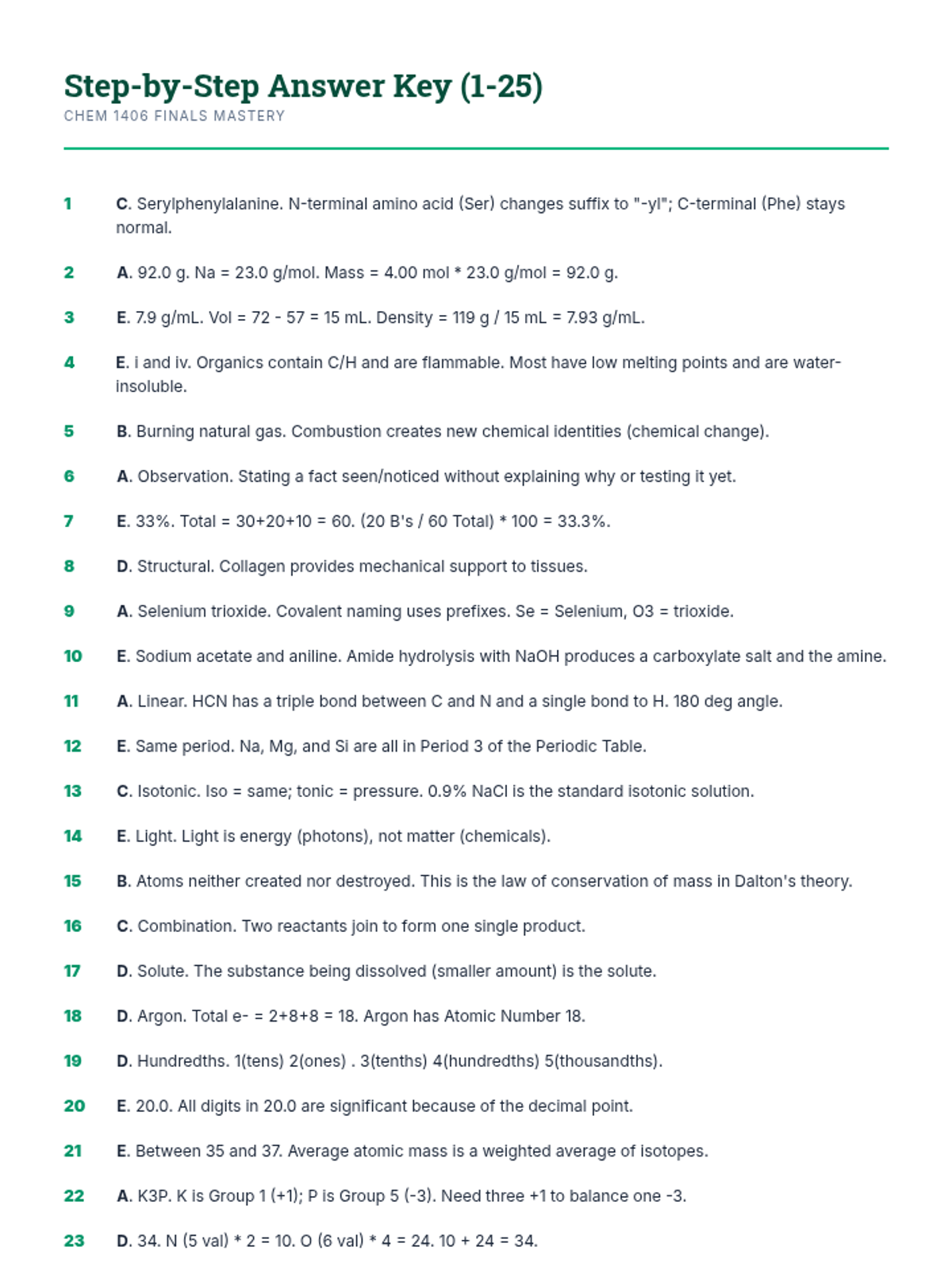
A full-length practice exam mirroring the final's format, accompanied by a comprehensive step-by-step solution manual.
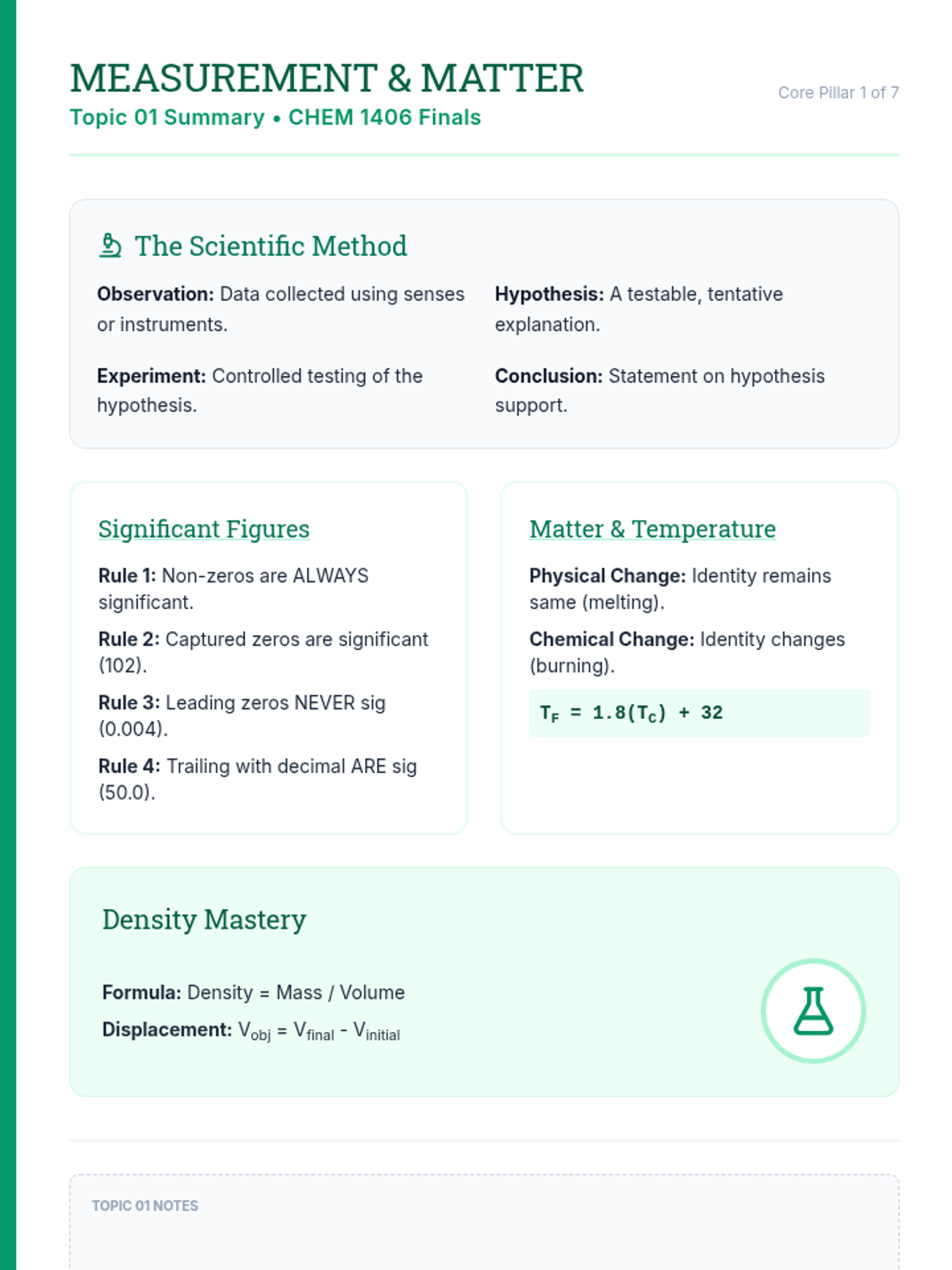
Detailed one-page study summaries covering the seven core pillars of introductory chemistry found in the final exam.
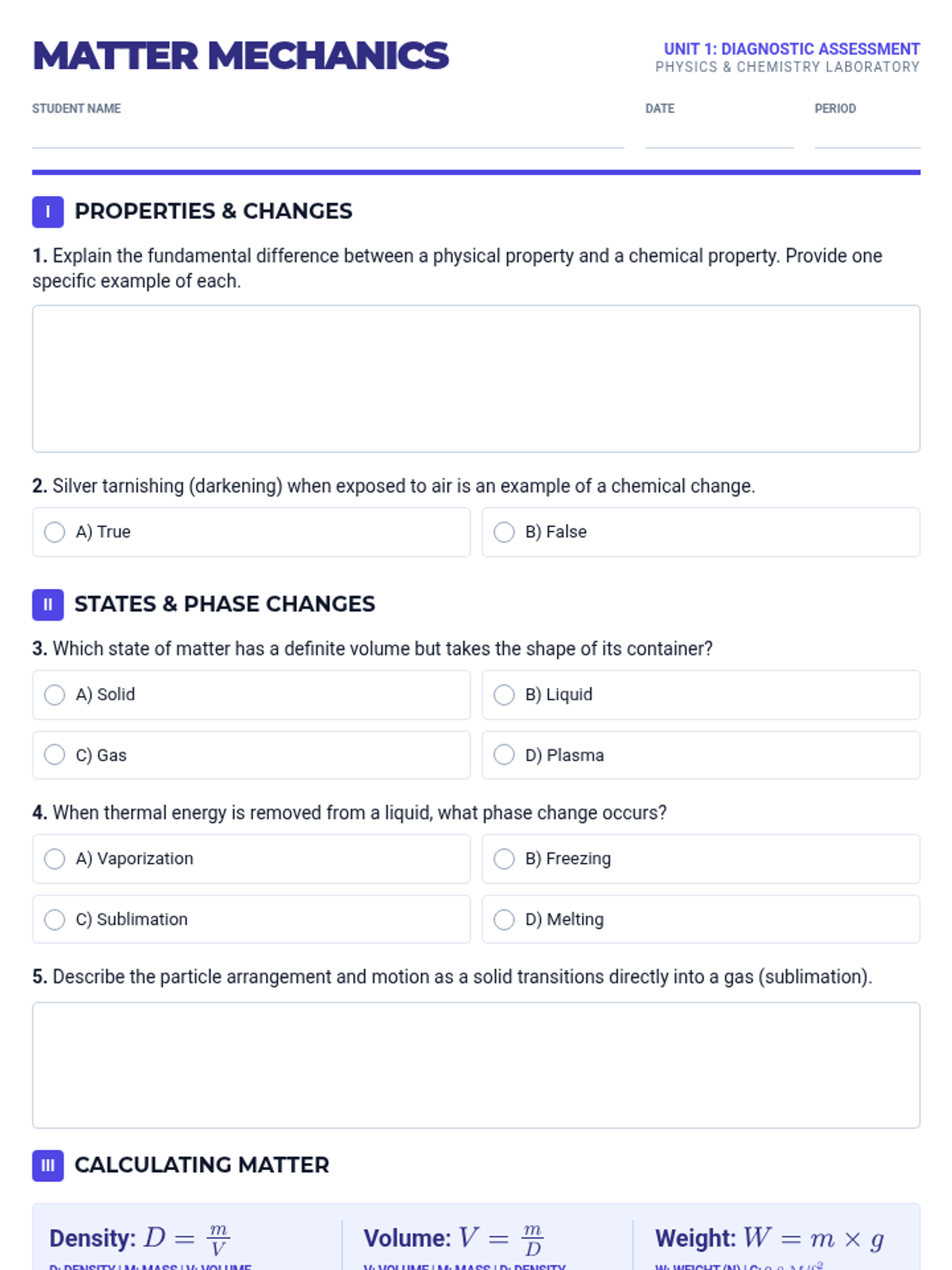
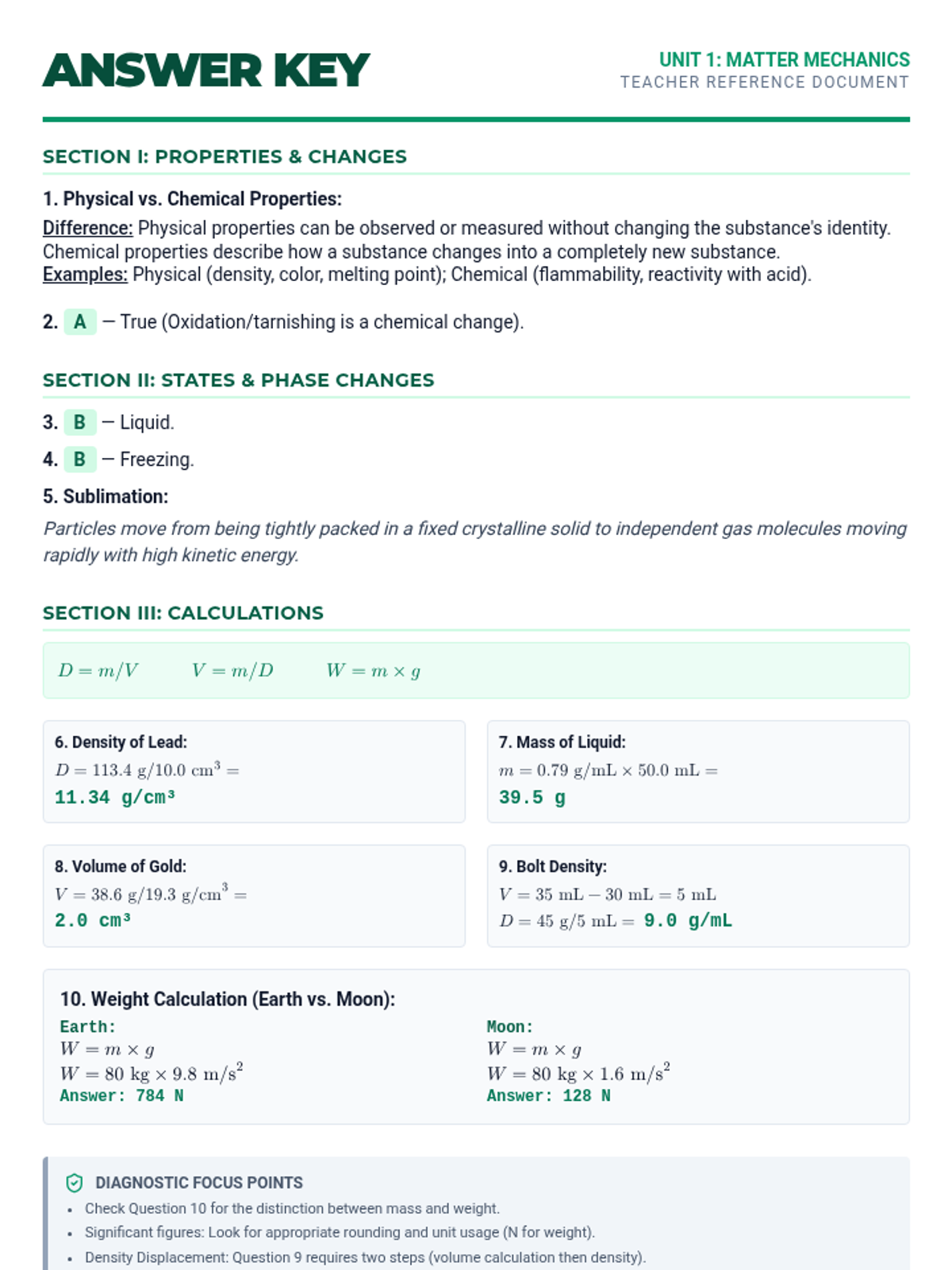
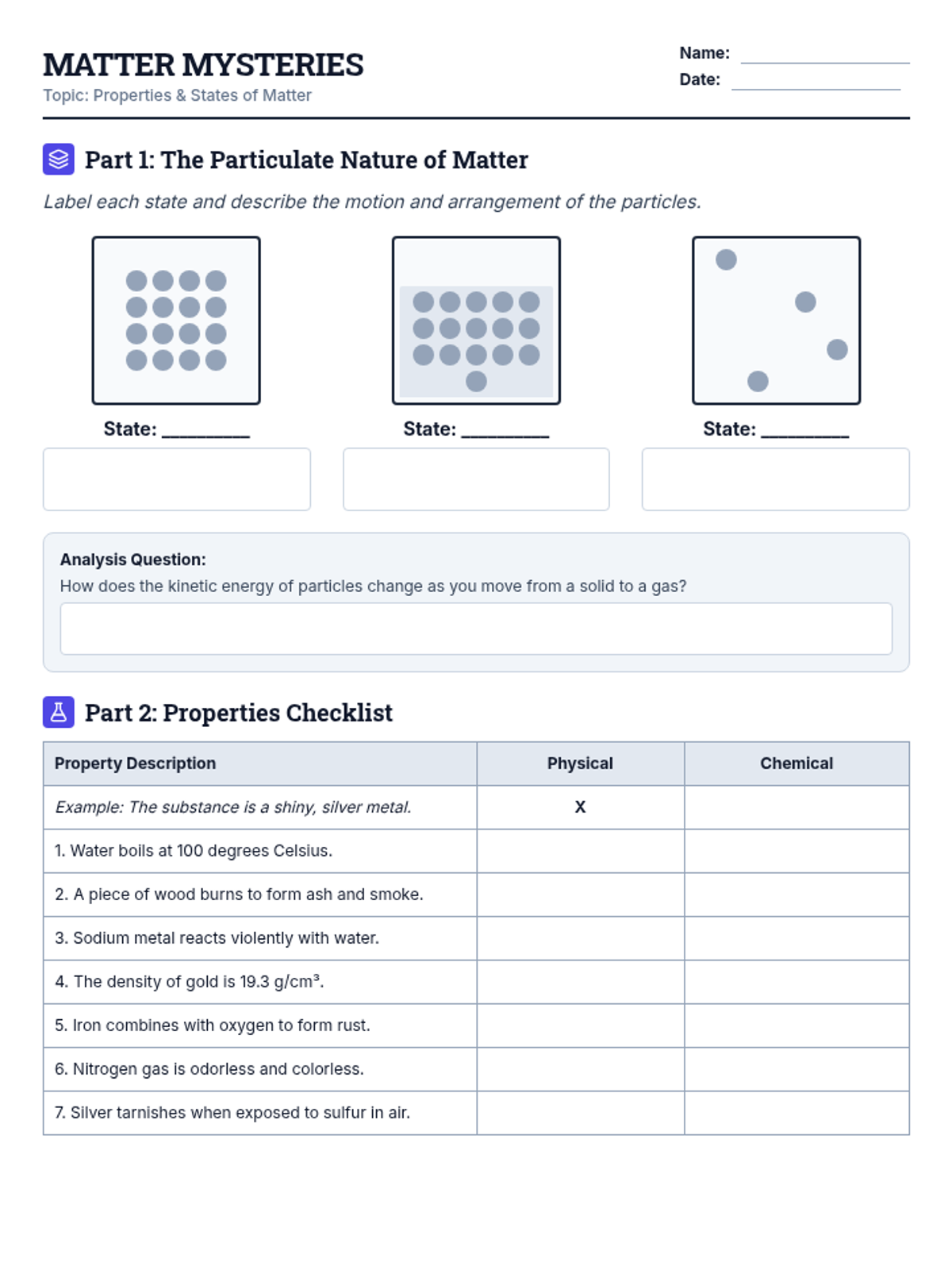
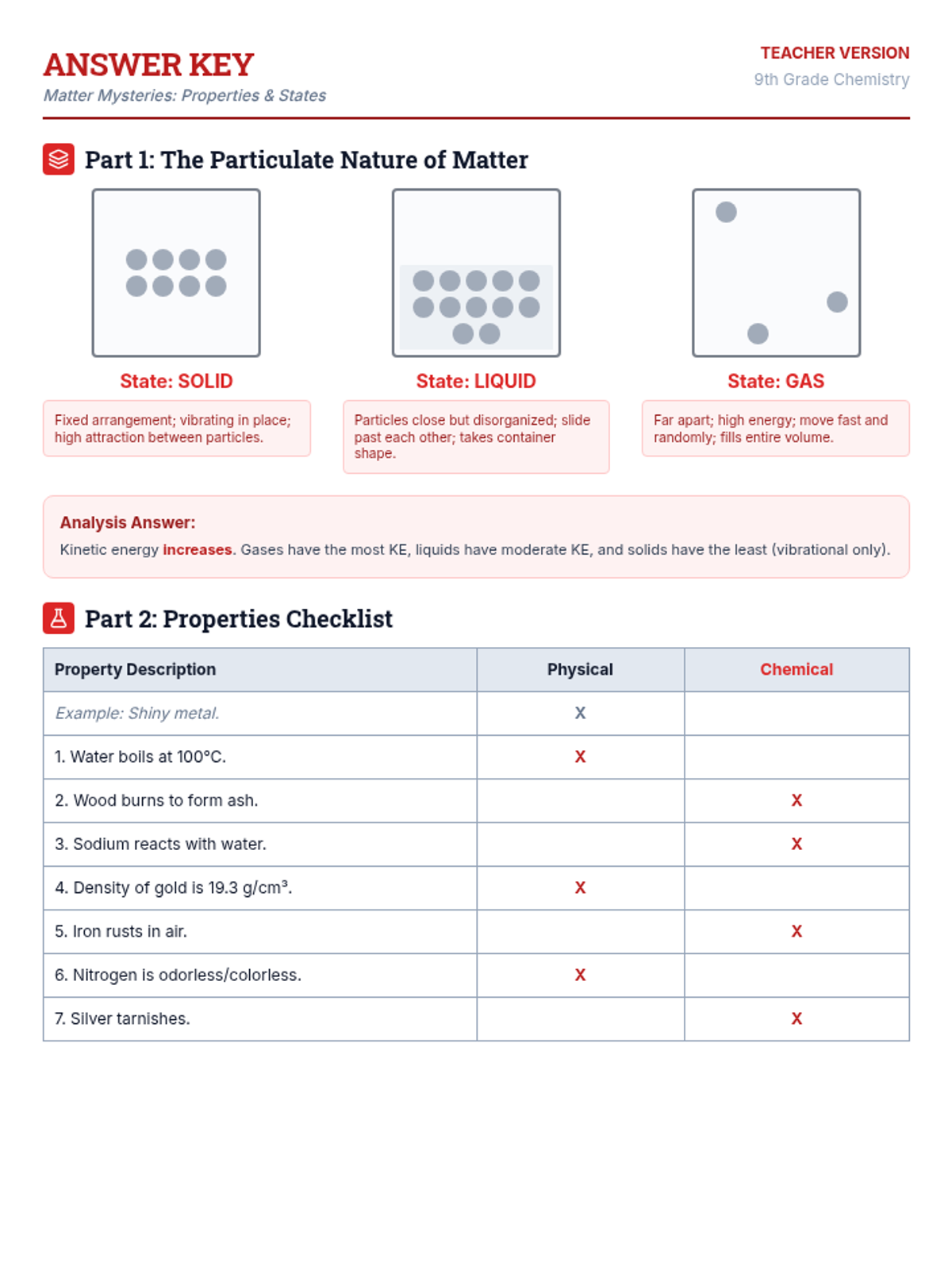
A comprehensive diagnostic assessment designed to evaluate 9th-grade students' understanding of physical and chemical properties, states of matter, and density calculations.
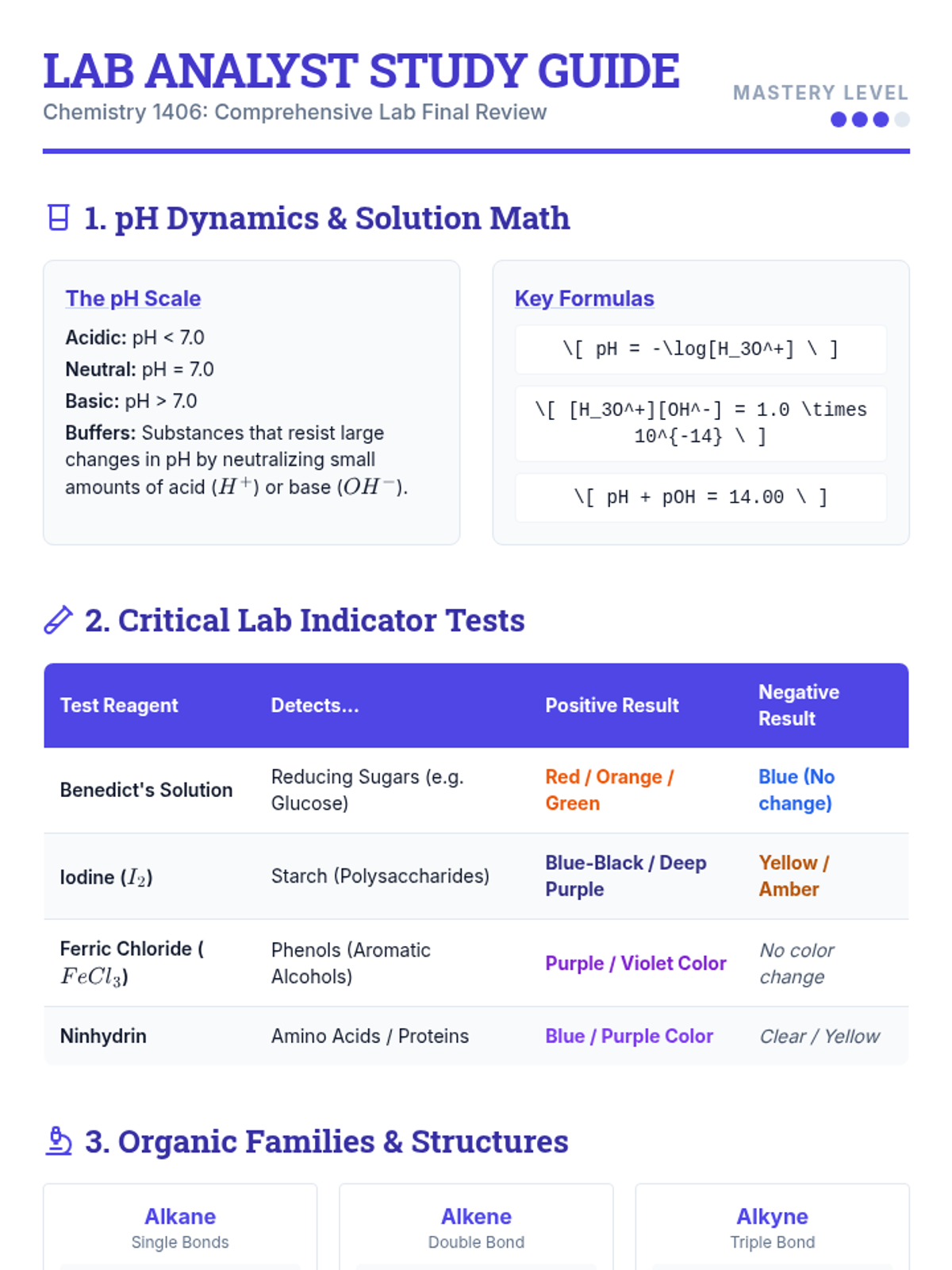
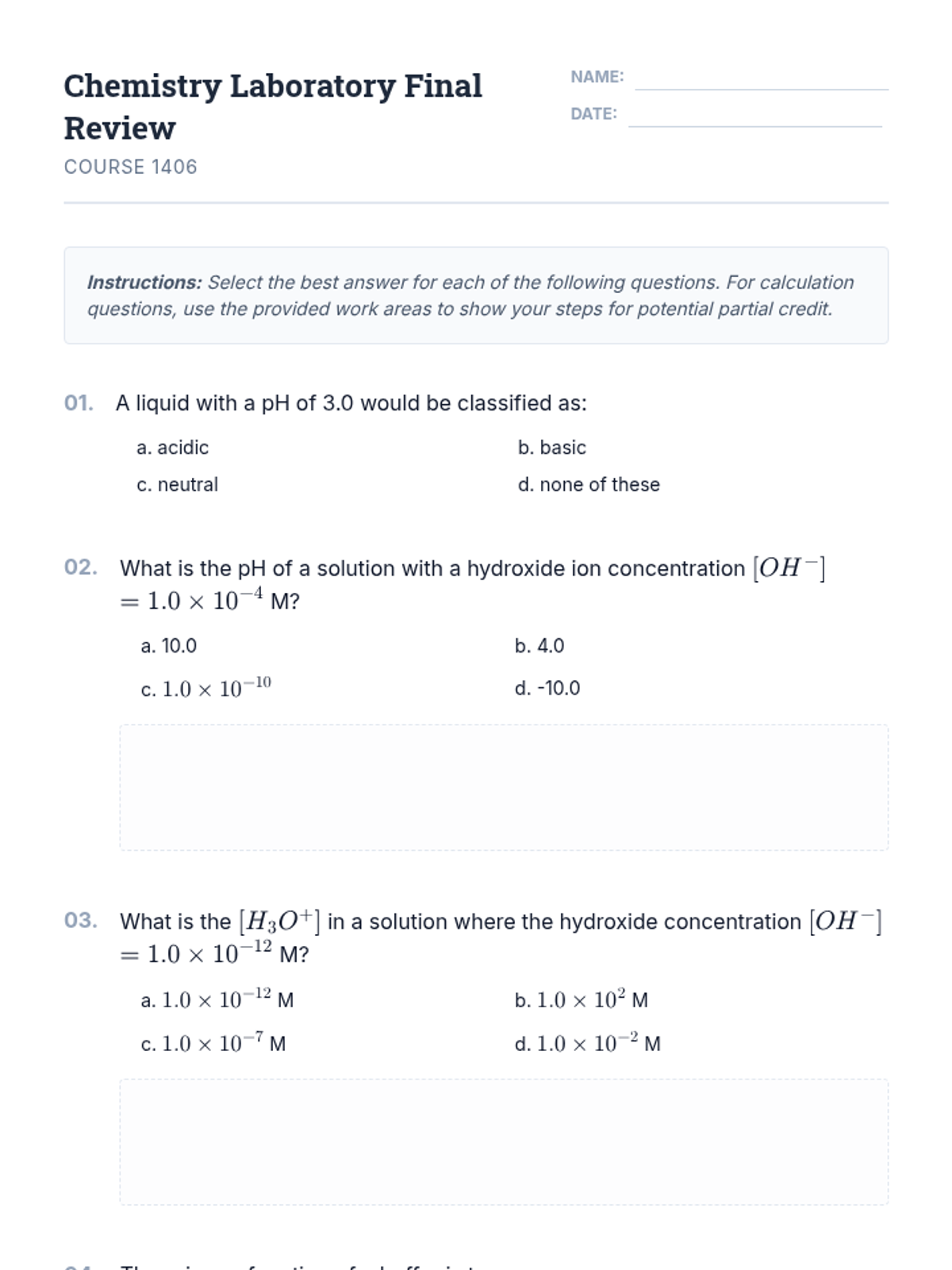
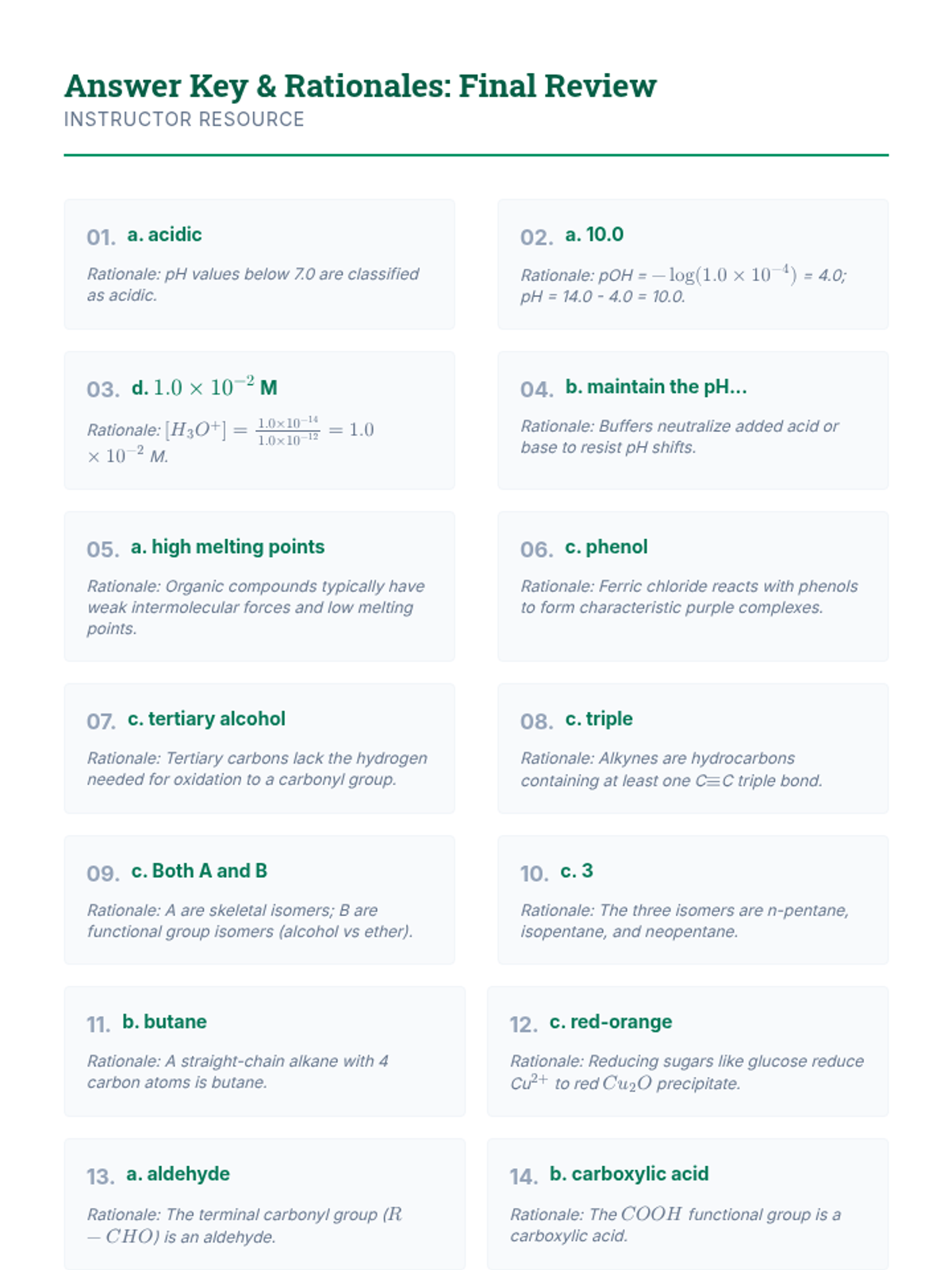
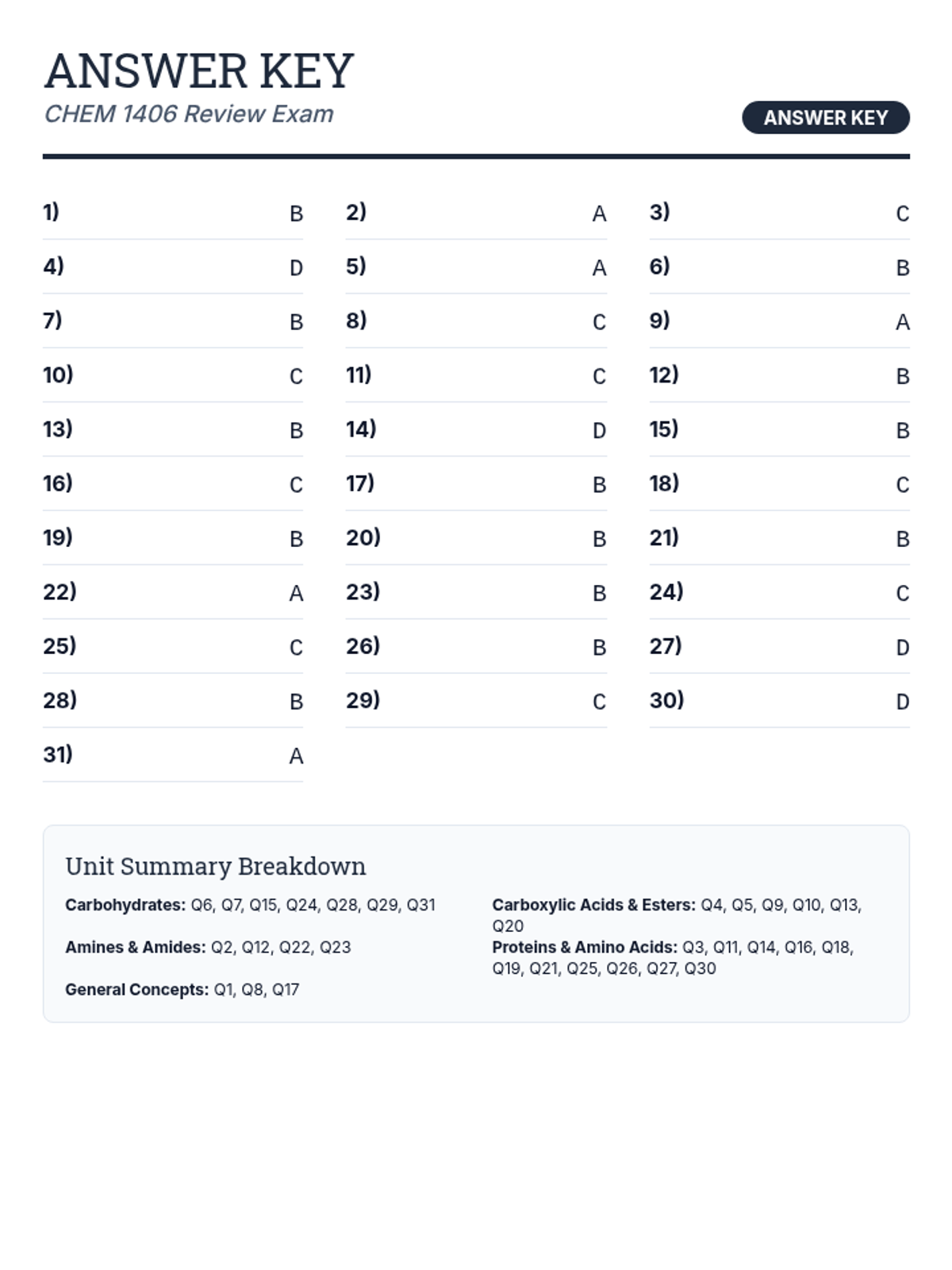
A comprehensive review of introductory chemistry lab concepts including pH calculations, organic nomenclature, functional group identification, and laboratory testing procedures.
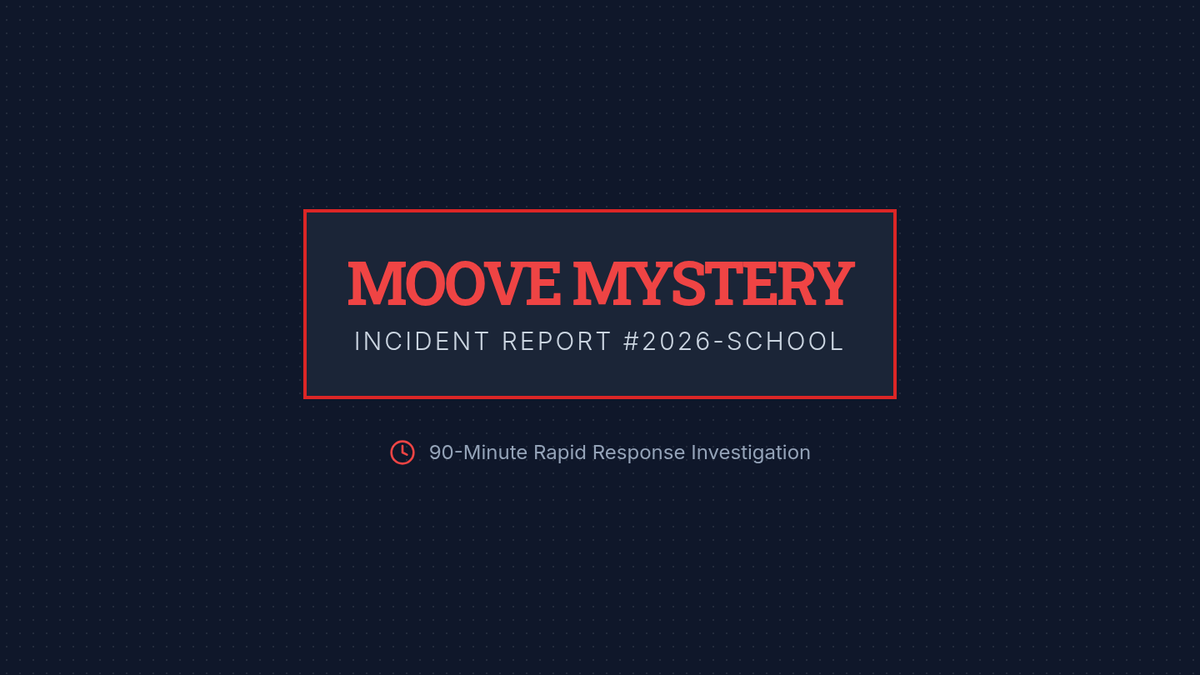
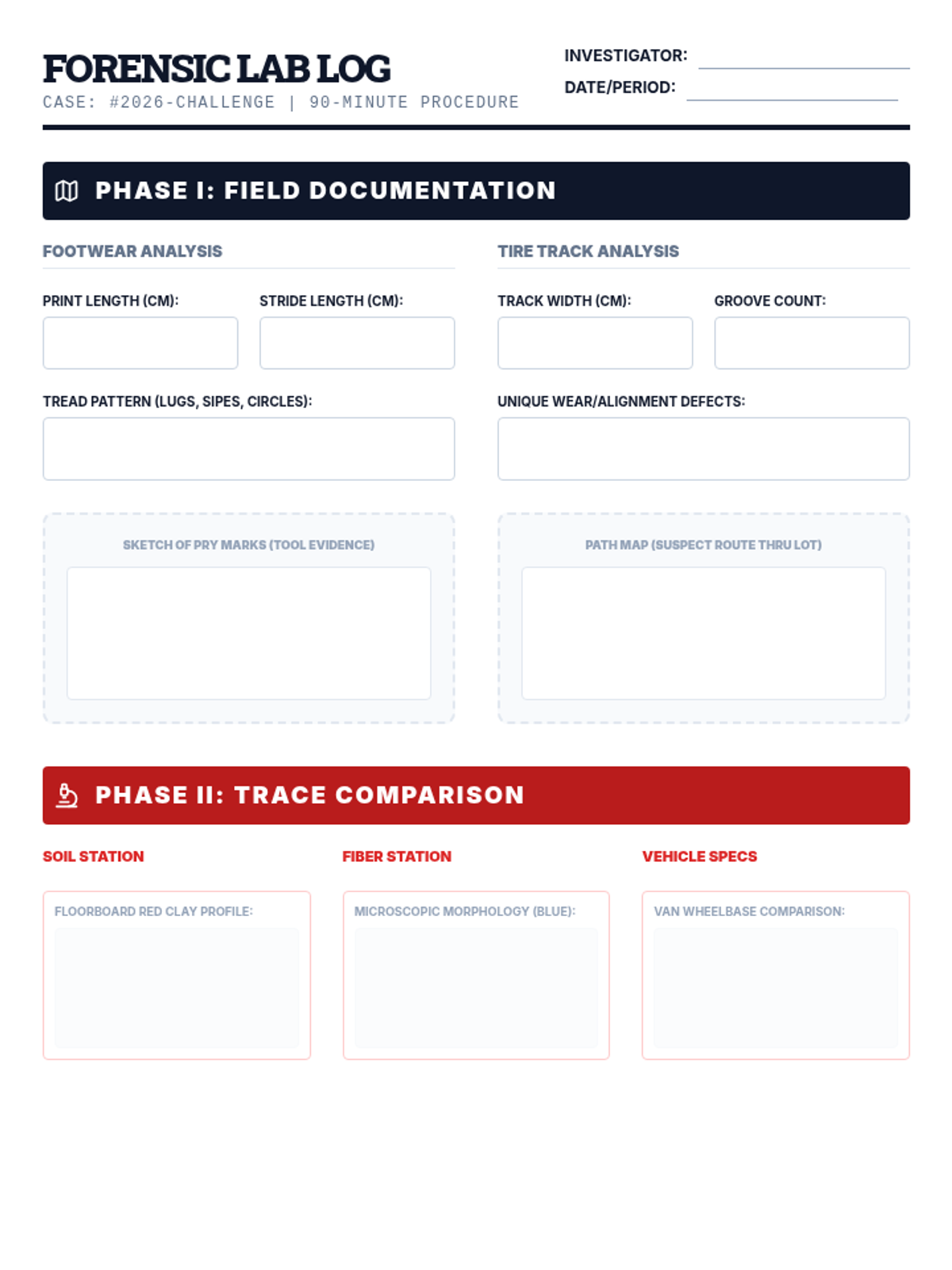
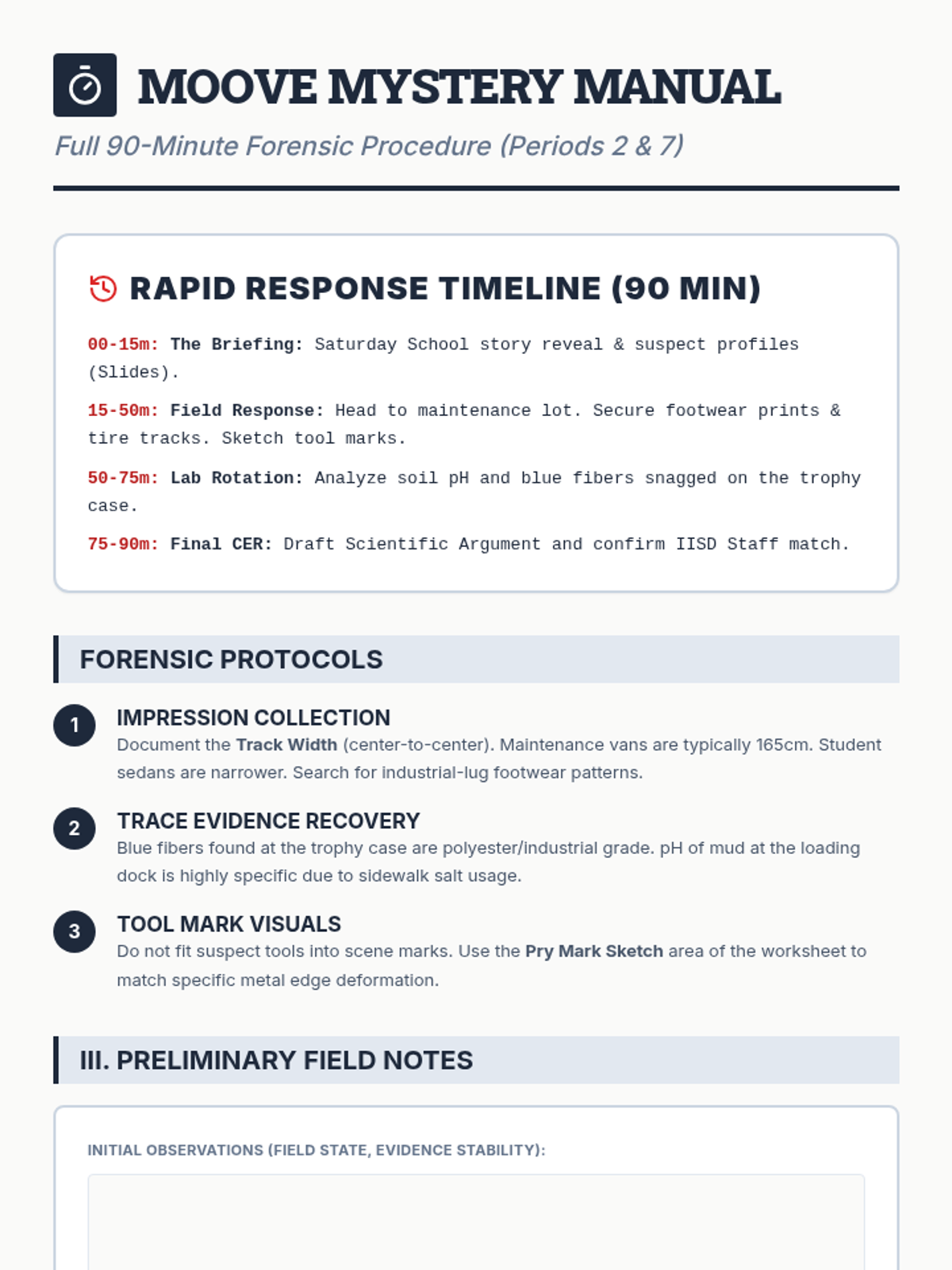
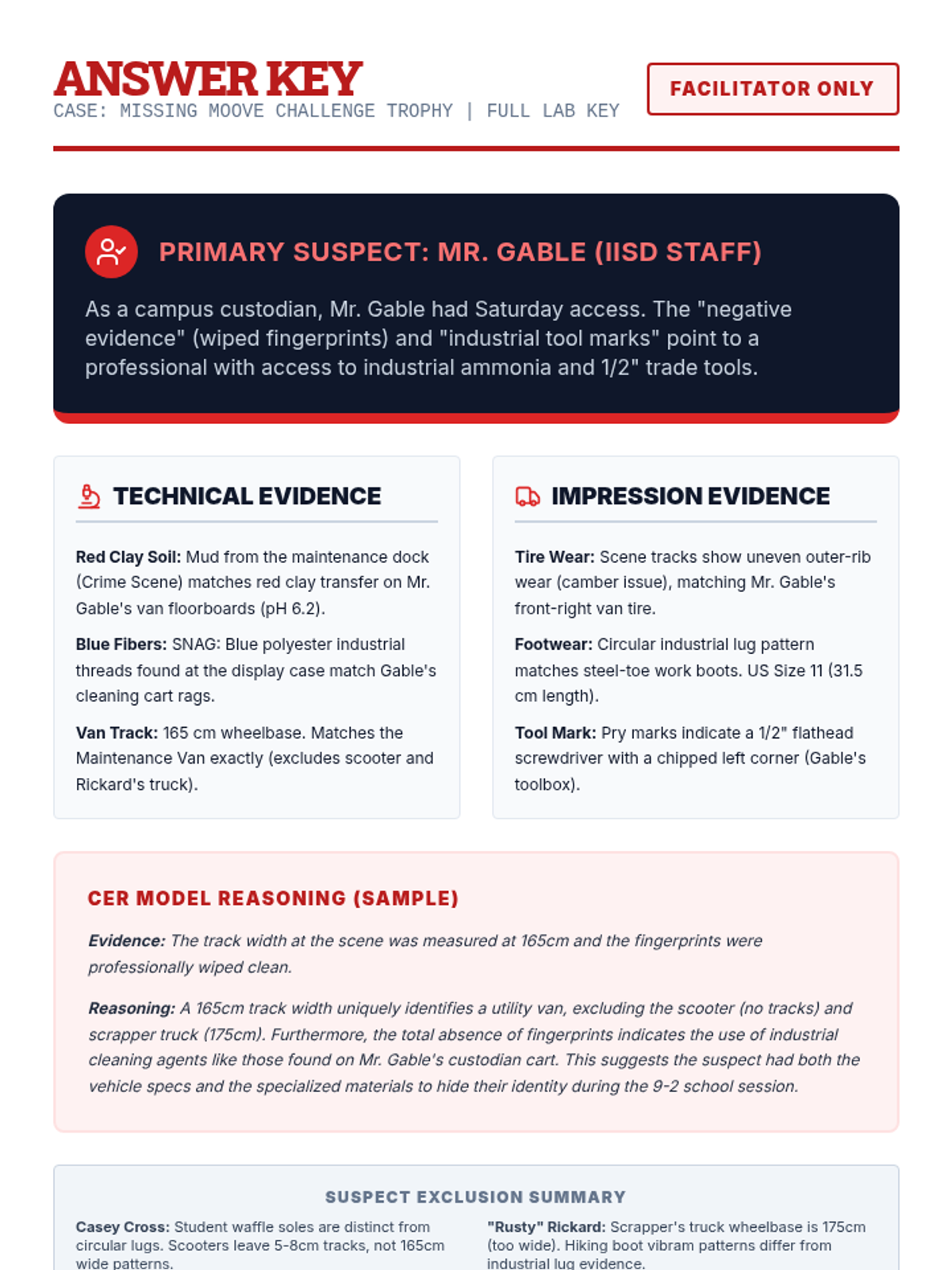
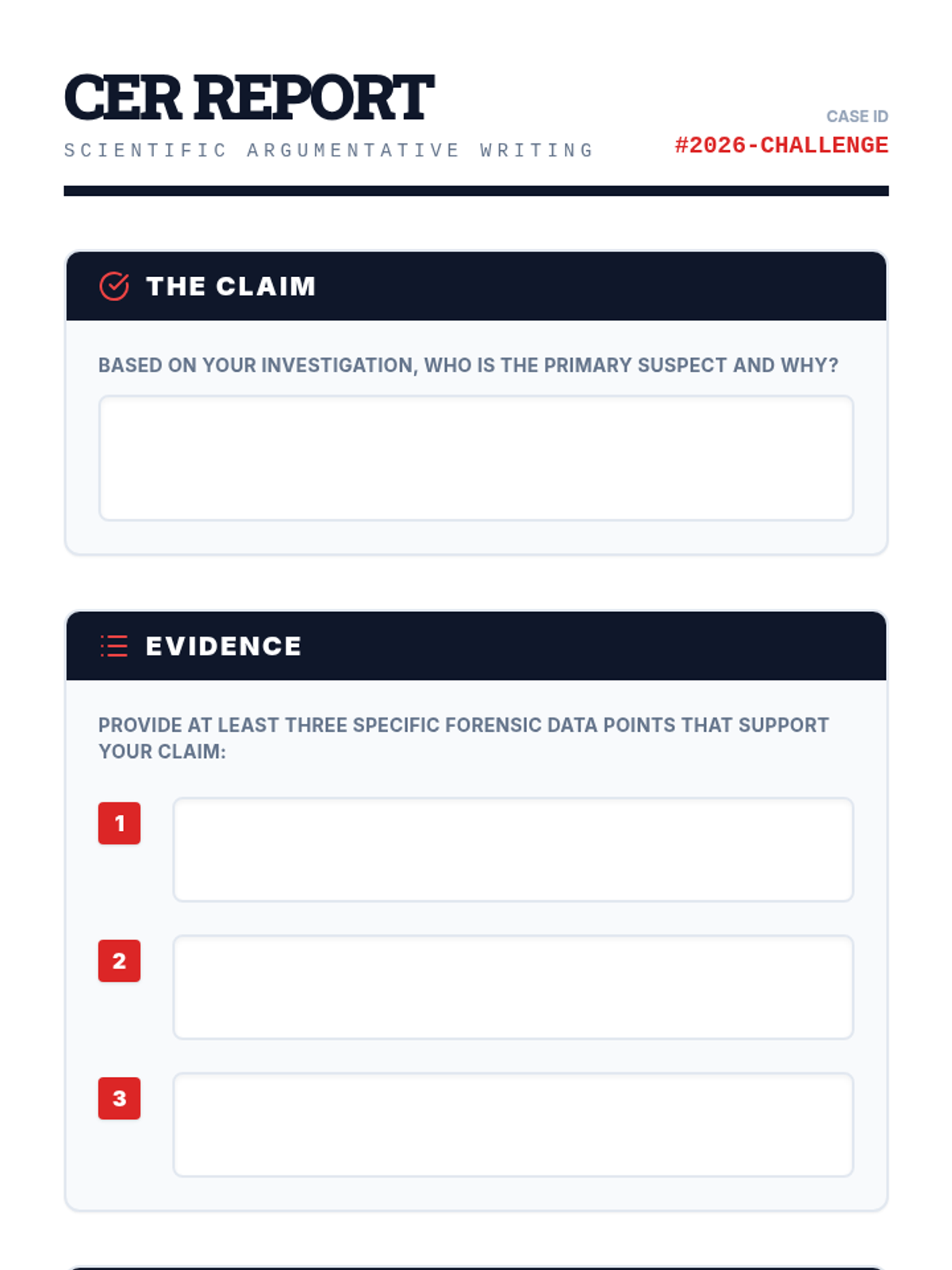
Students investigate the theft of the school's prestigious Moove Challenge Trophy, using tire tracks, footwear impressions, and tool marks to identify the culprit in the school parking lot.
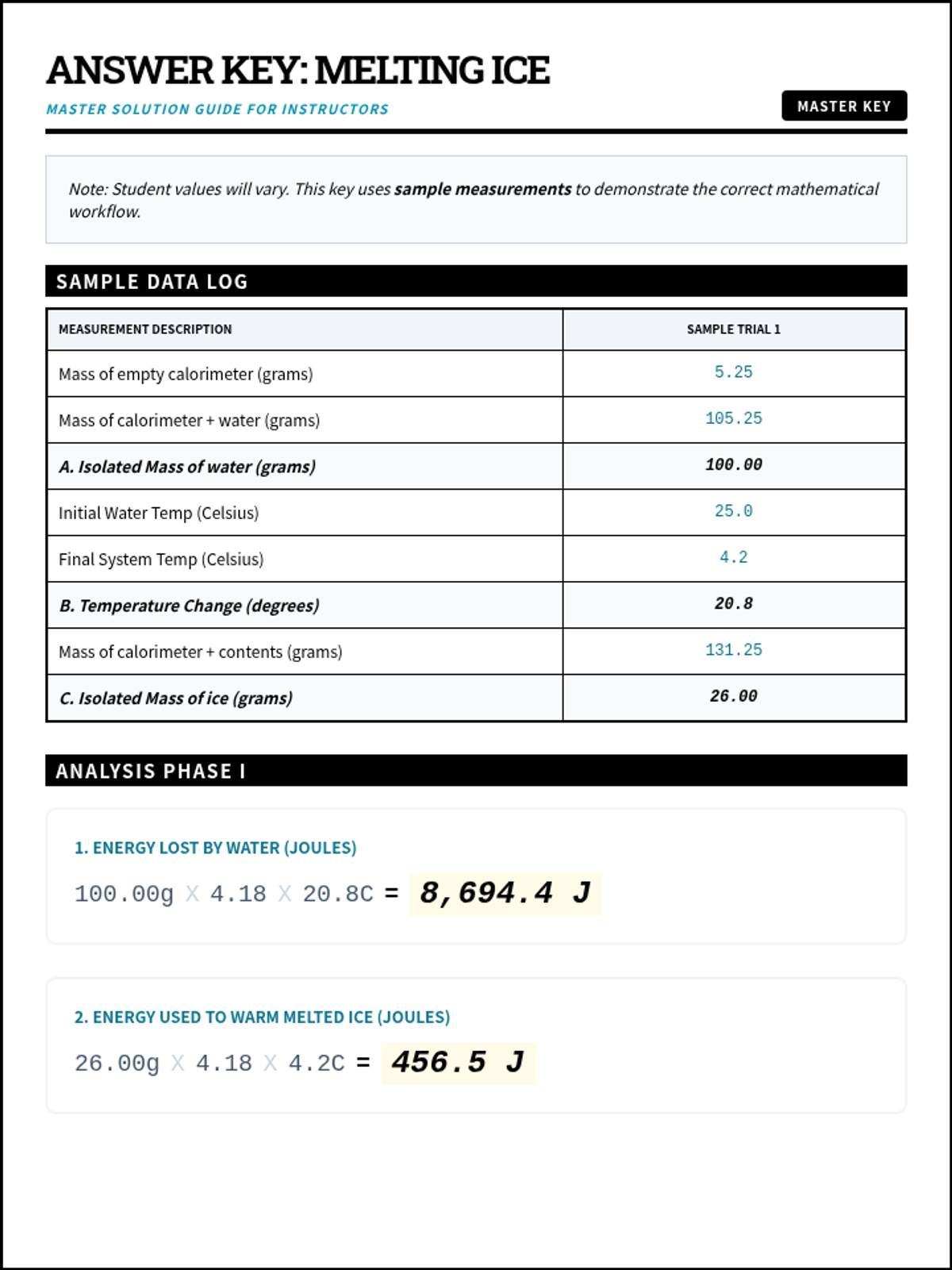
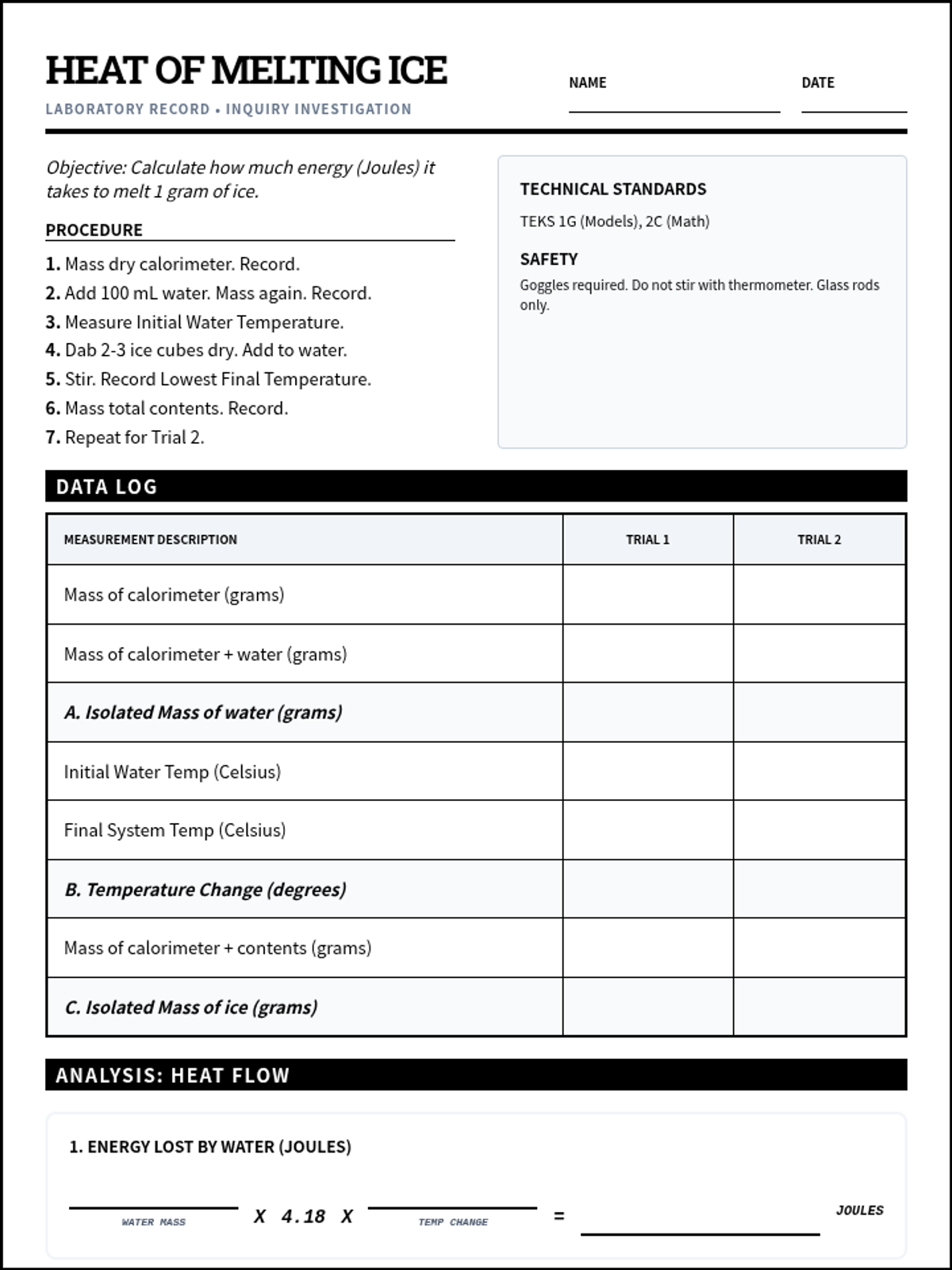
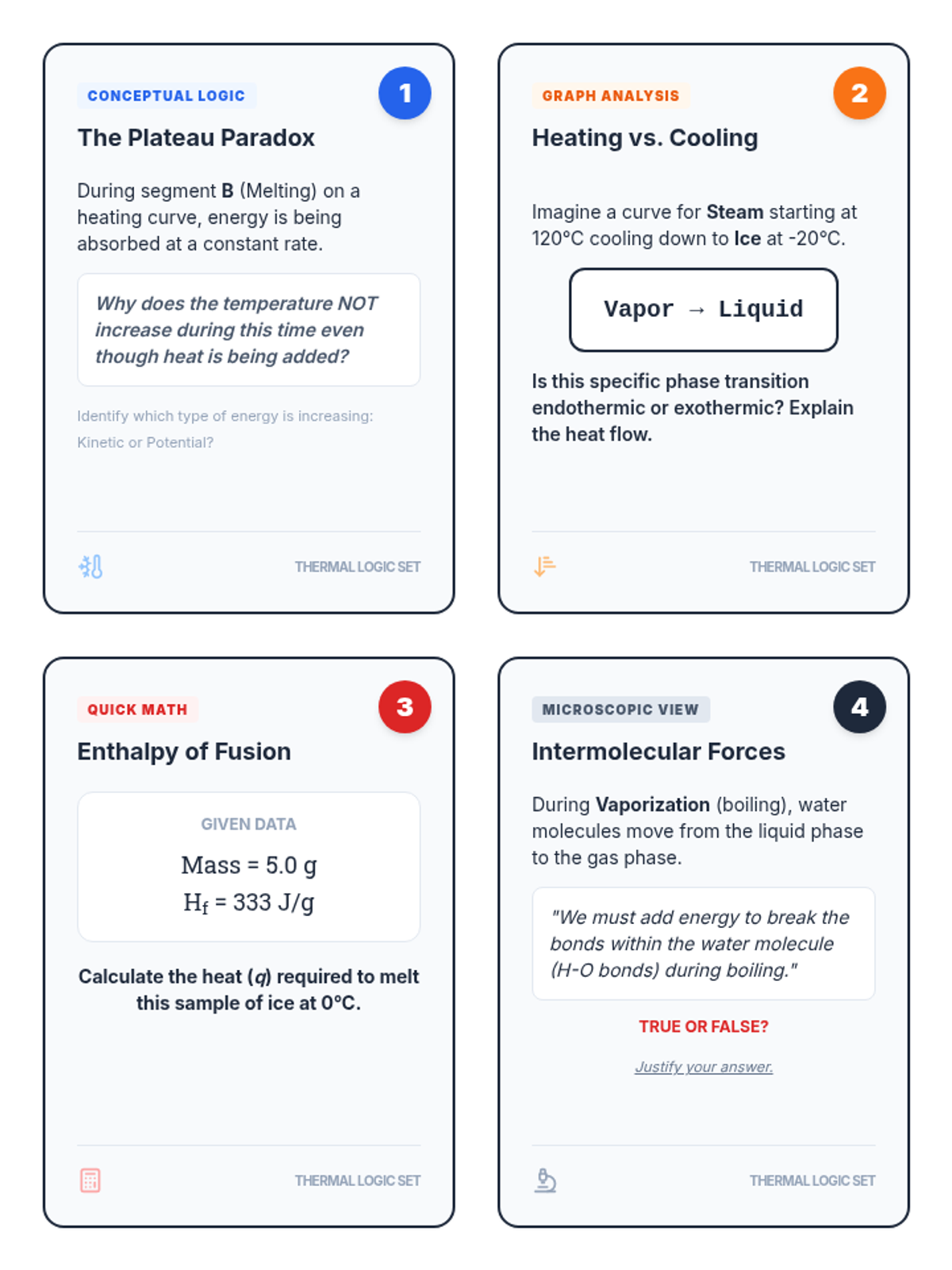
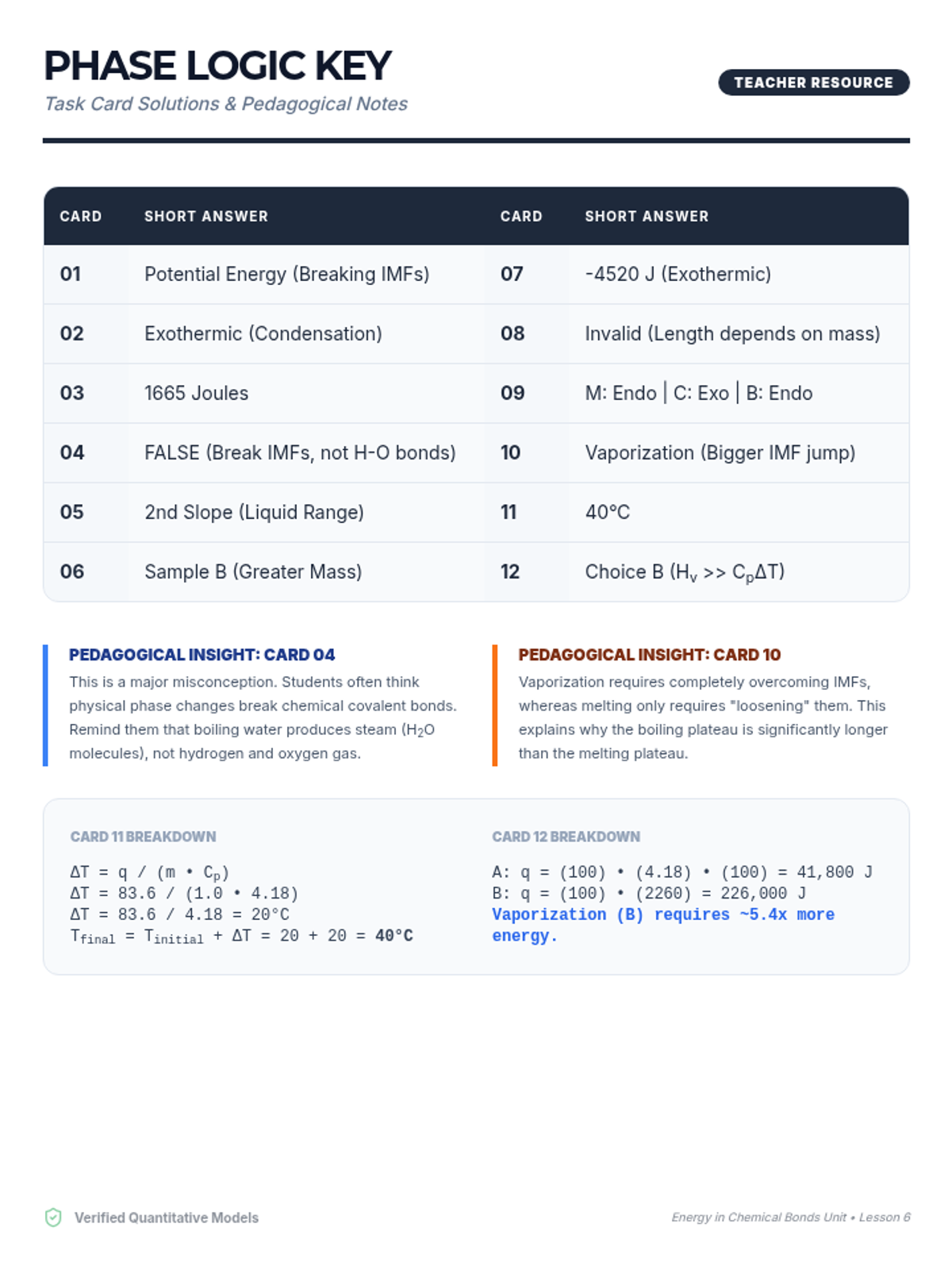
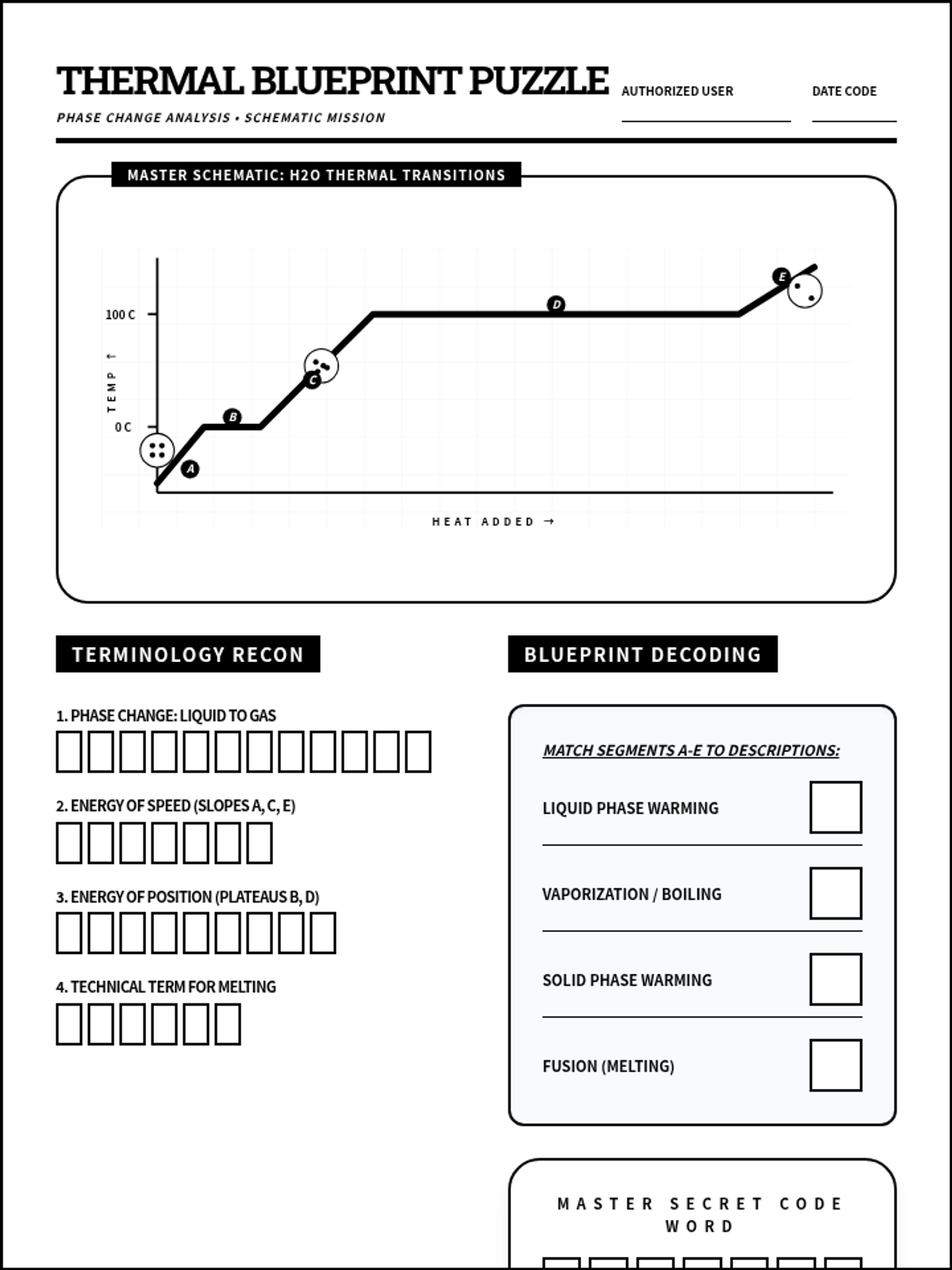
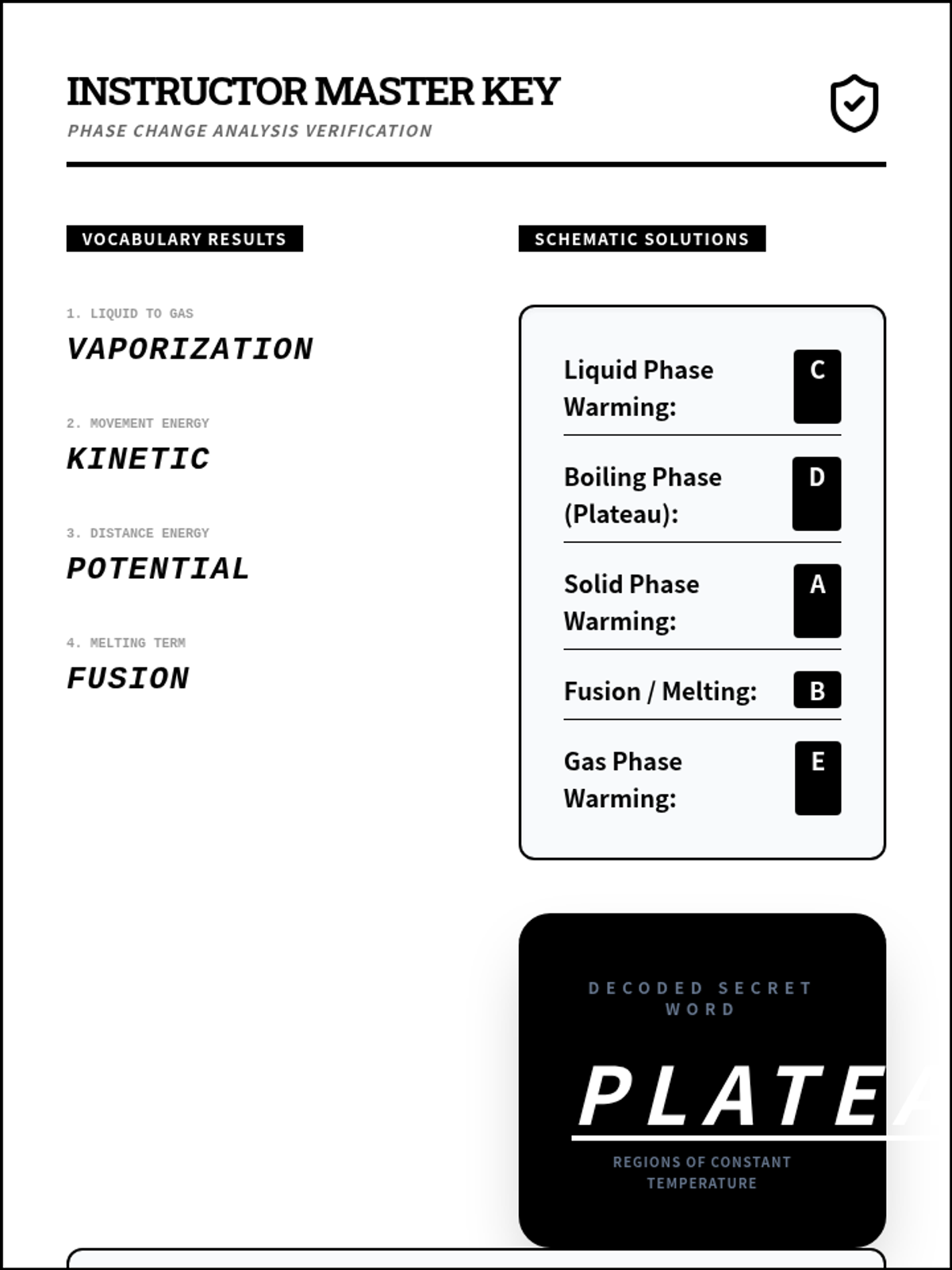
A quantitative investigation into latent heat. Students use calorimetry data to calculate the enthalpy of fusion for ice and model the molecular-level energy transitions that occur during phase change plateaus.
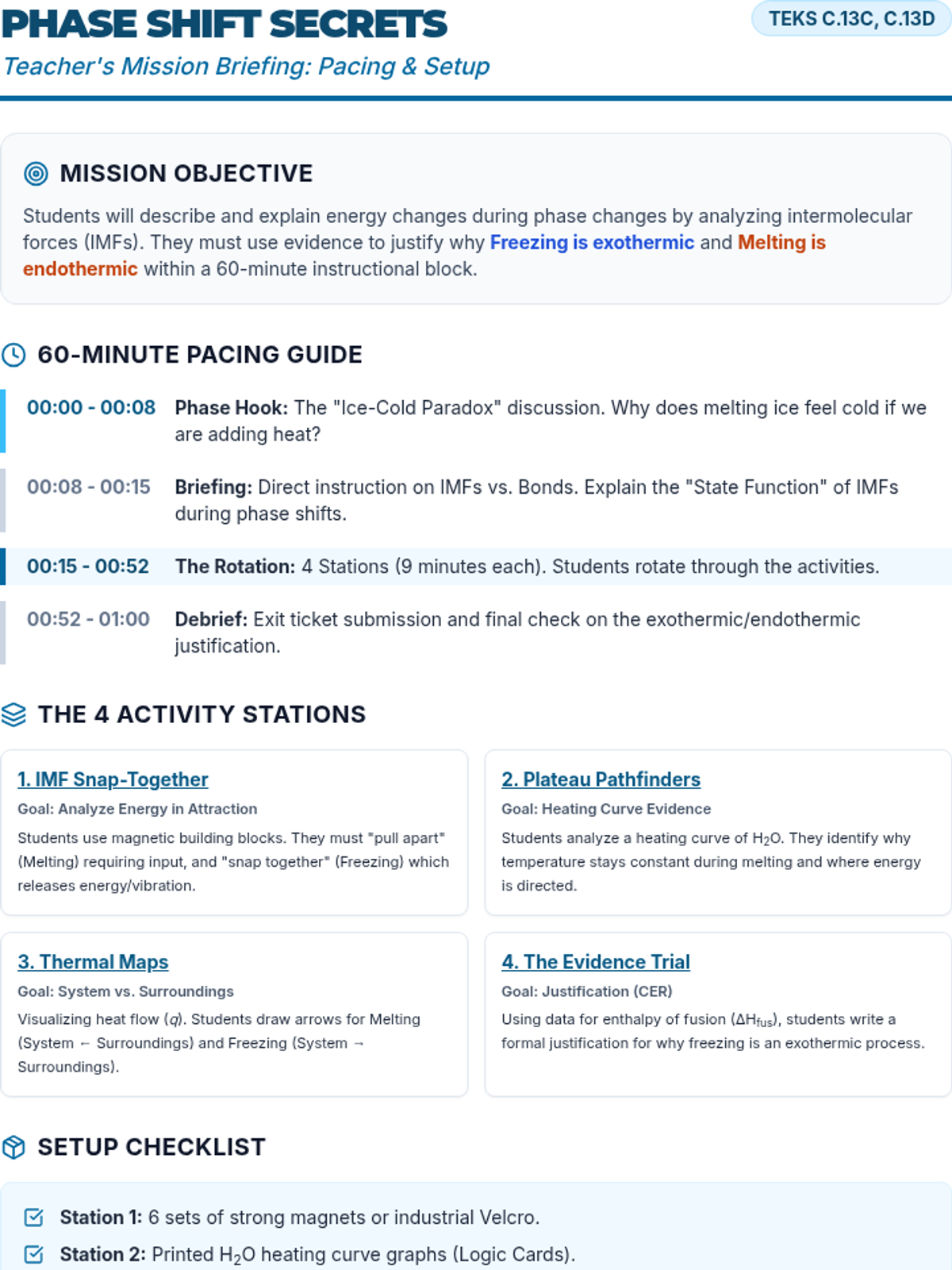
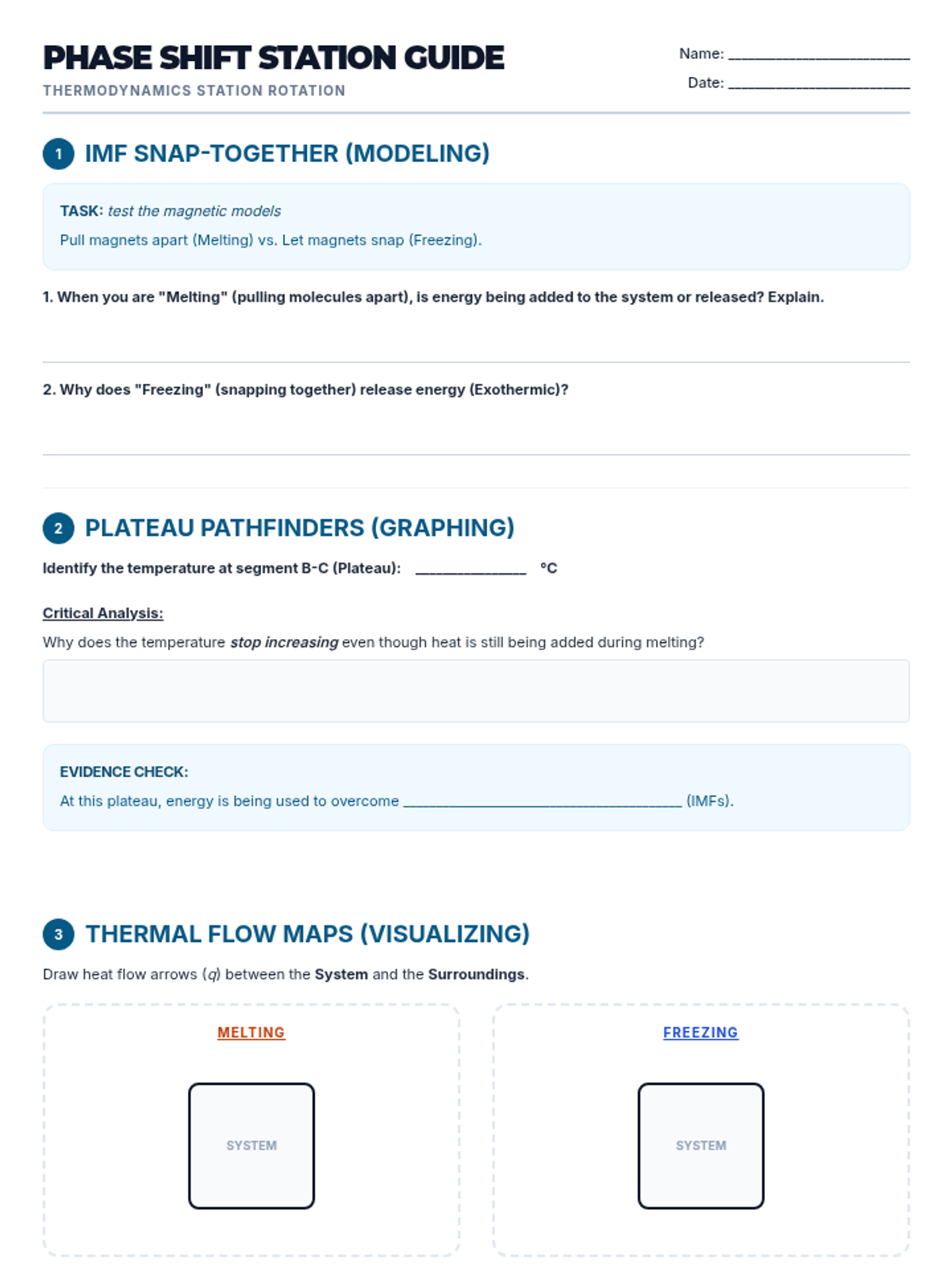
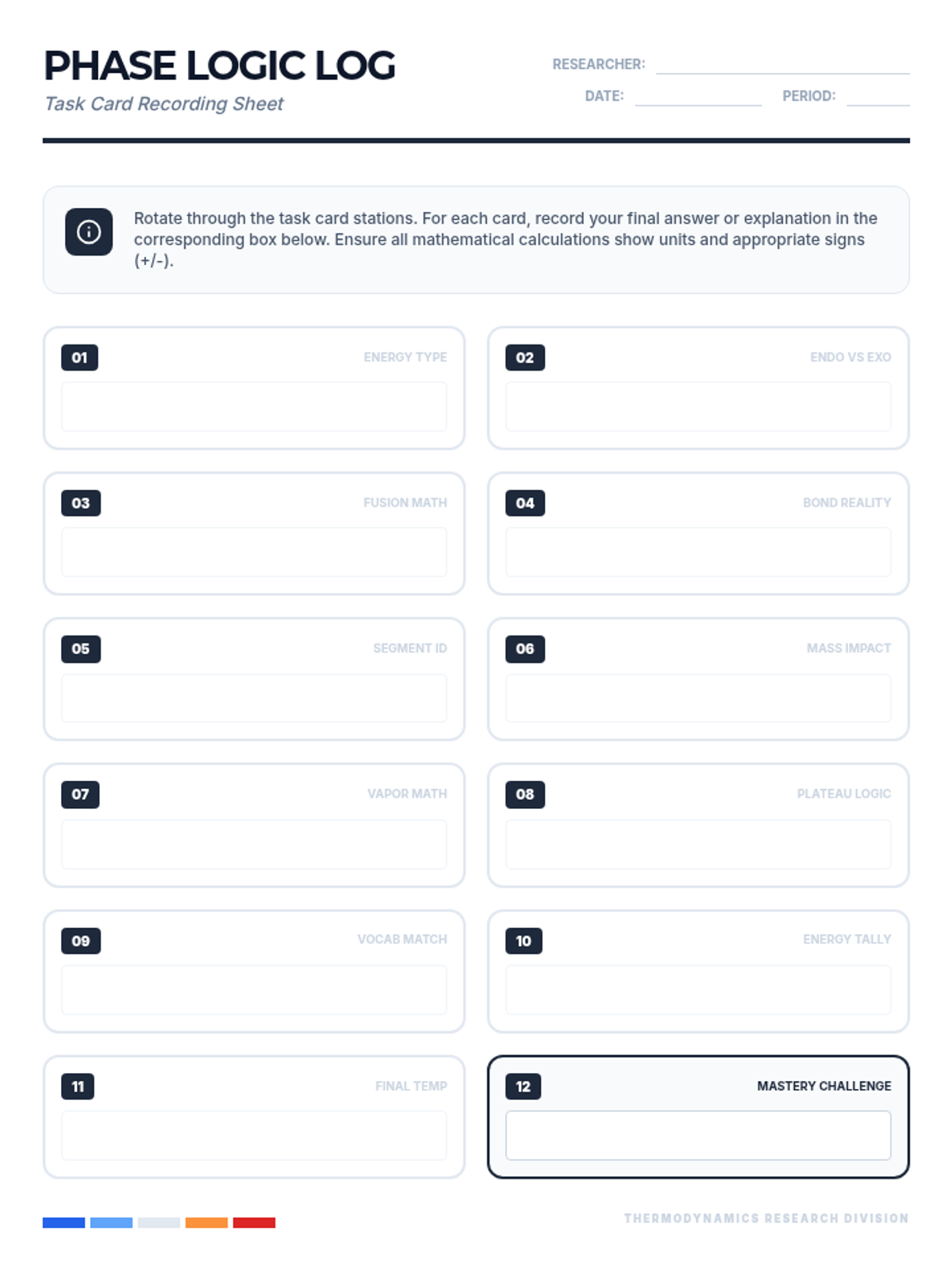
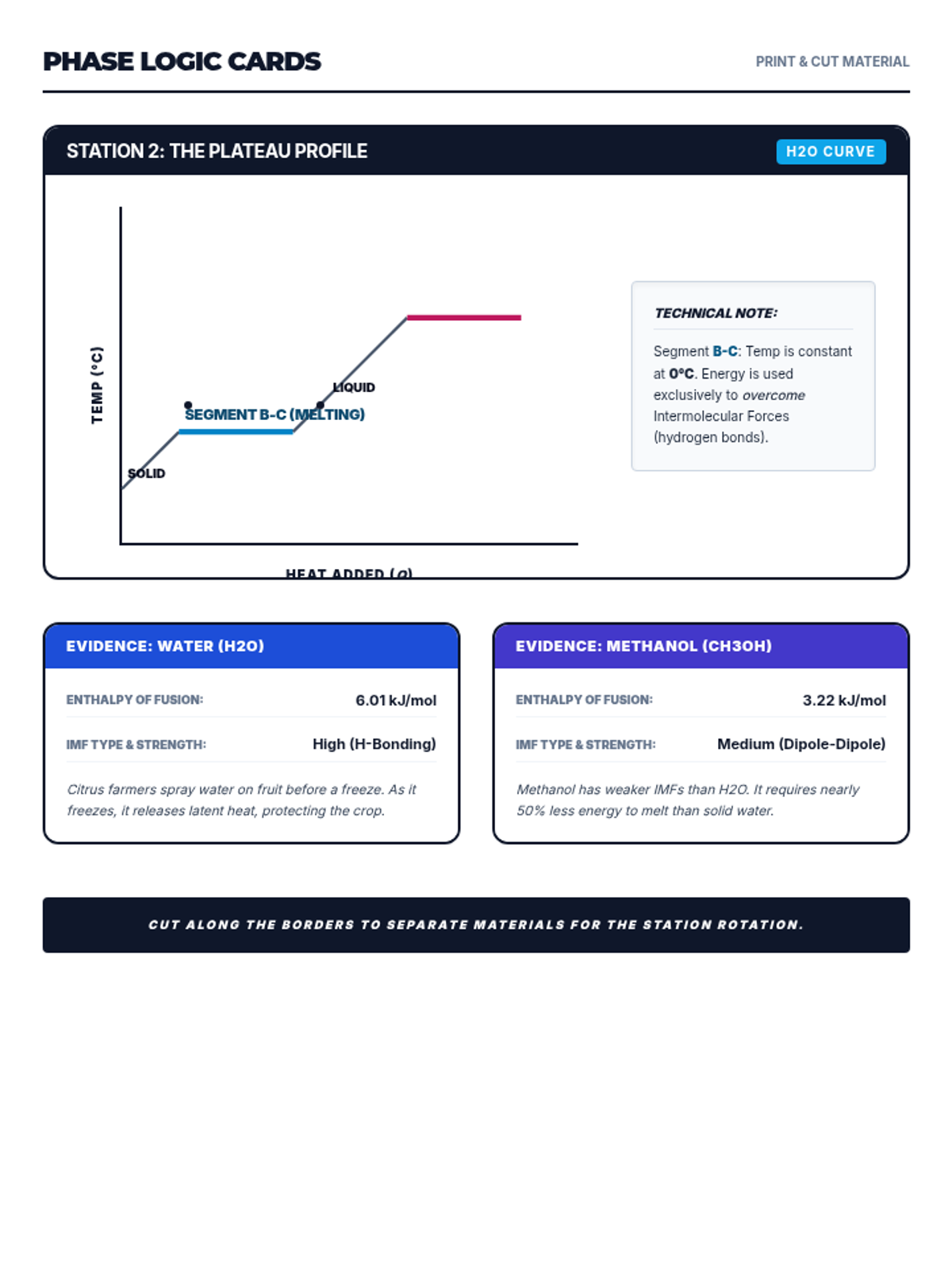
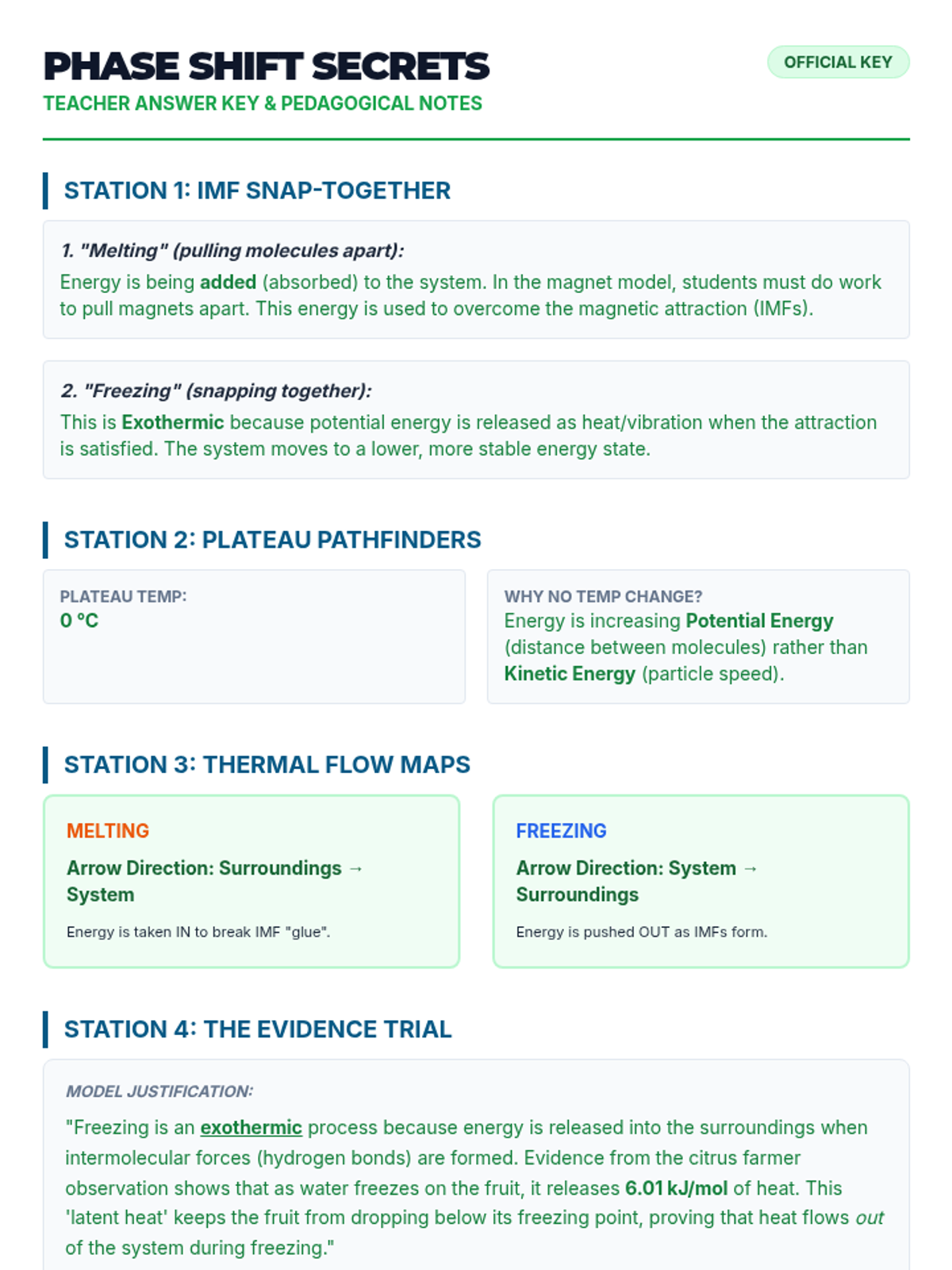
A high-energy, station-based lesson where students investigate the thermodynamics of phase changes. Students analyze intermolecular forces to explain why melting is endothermic and freezing is exothermic, using evidence from heating curves and molecular models.
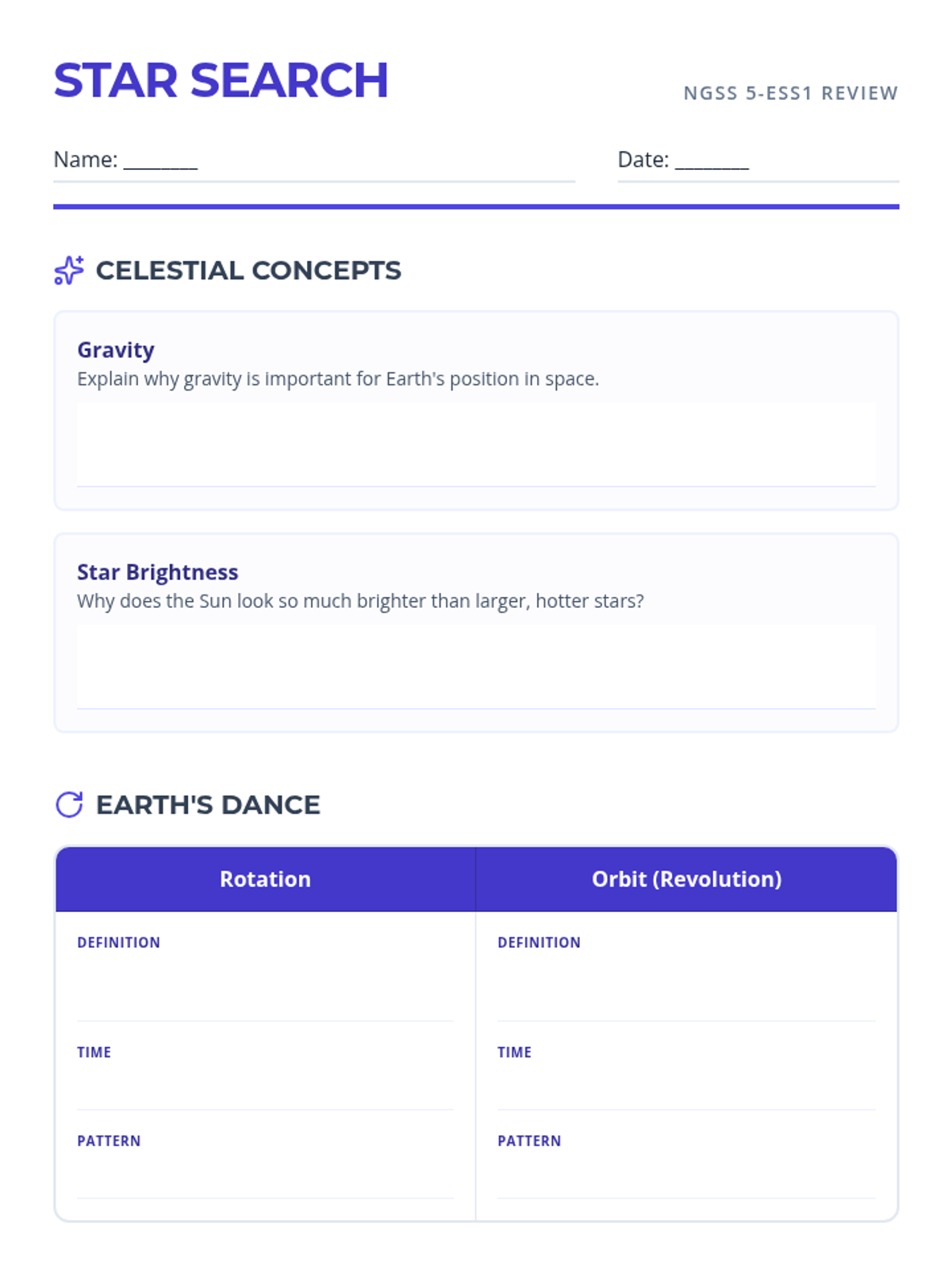
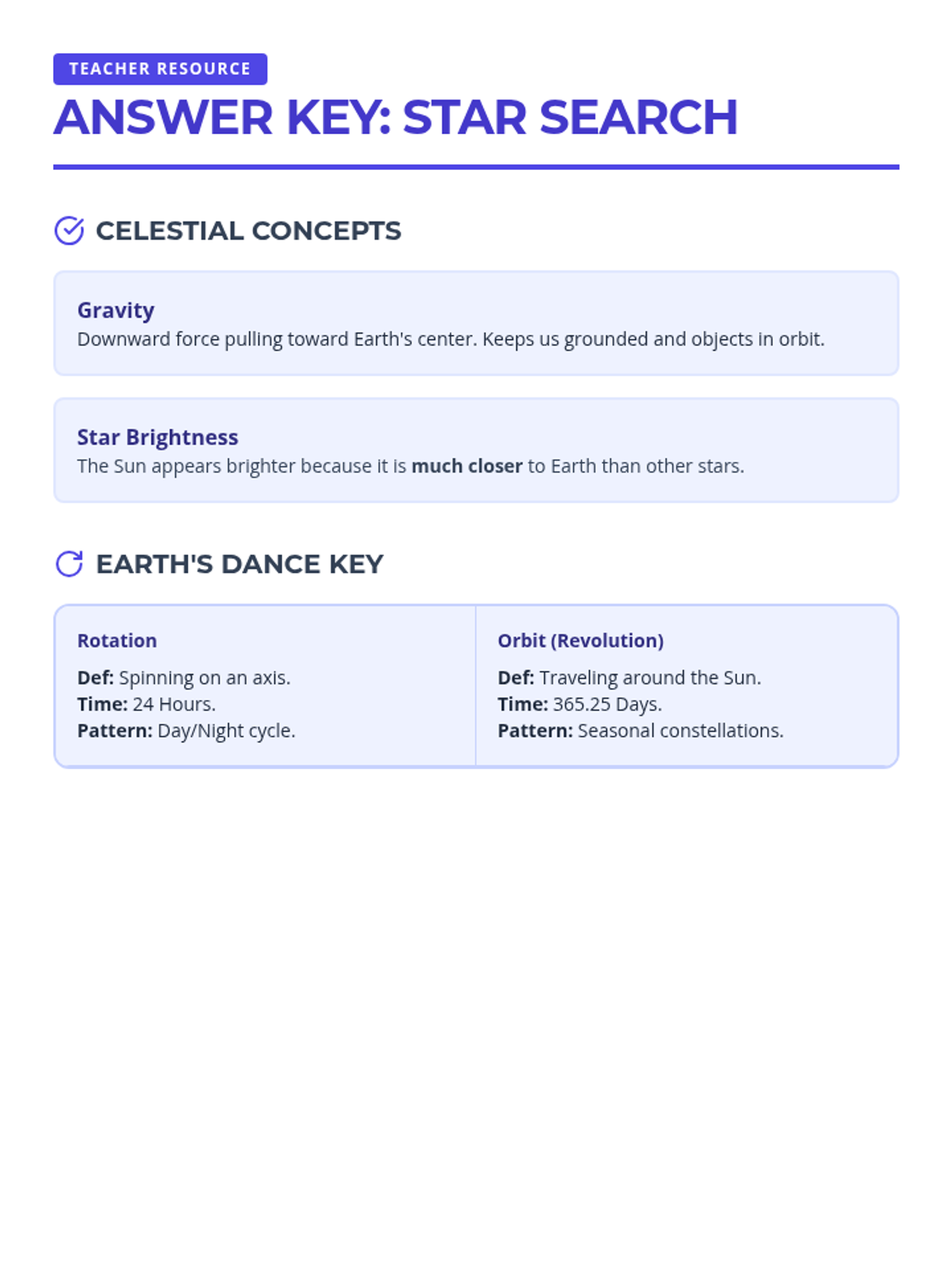
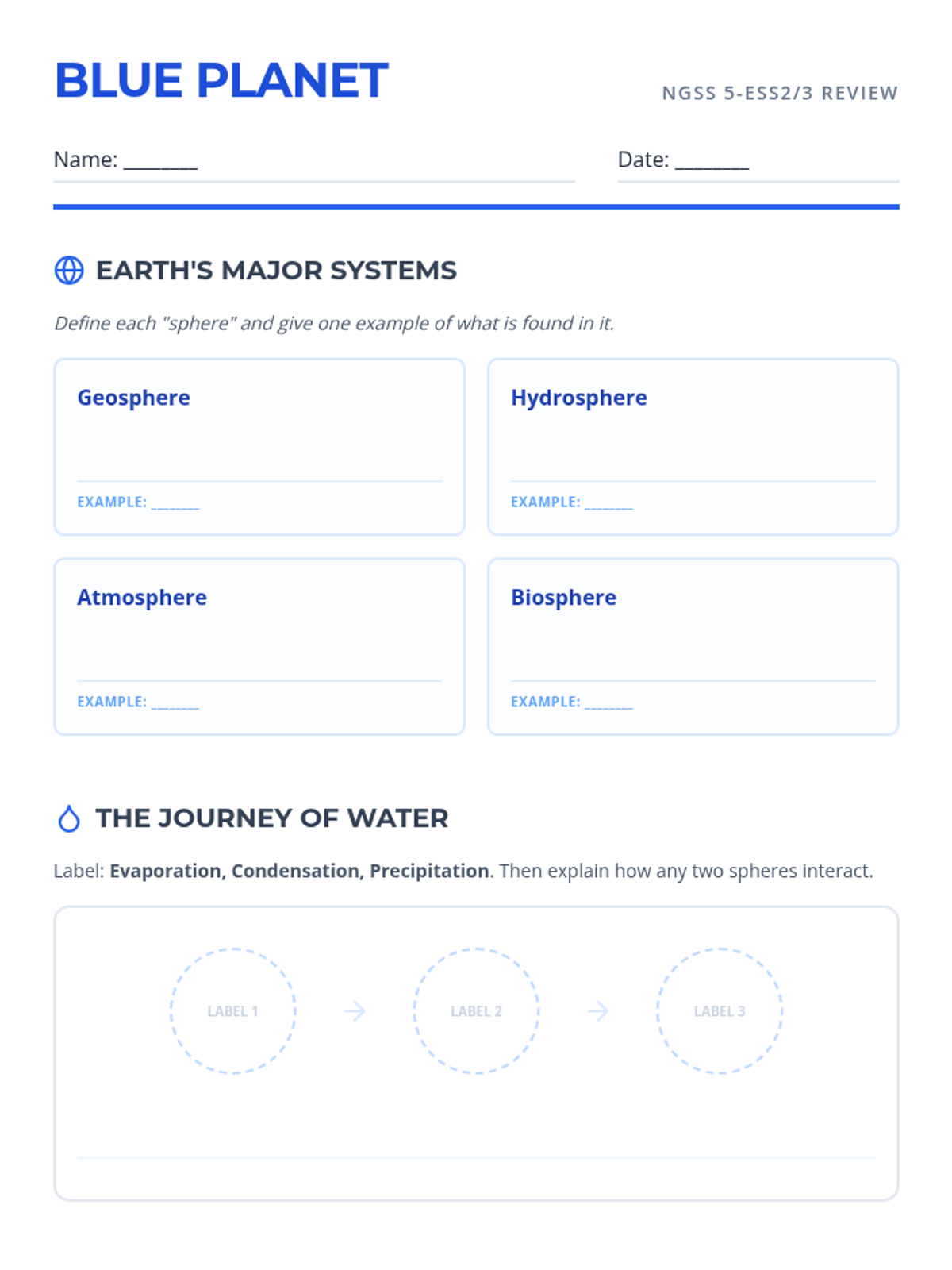
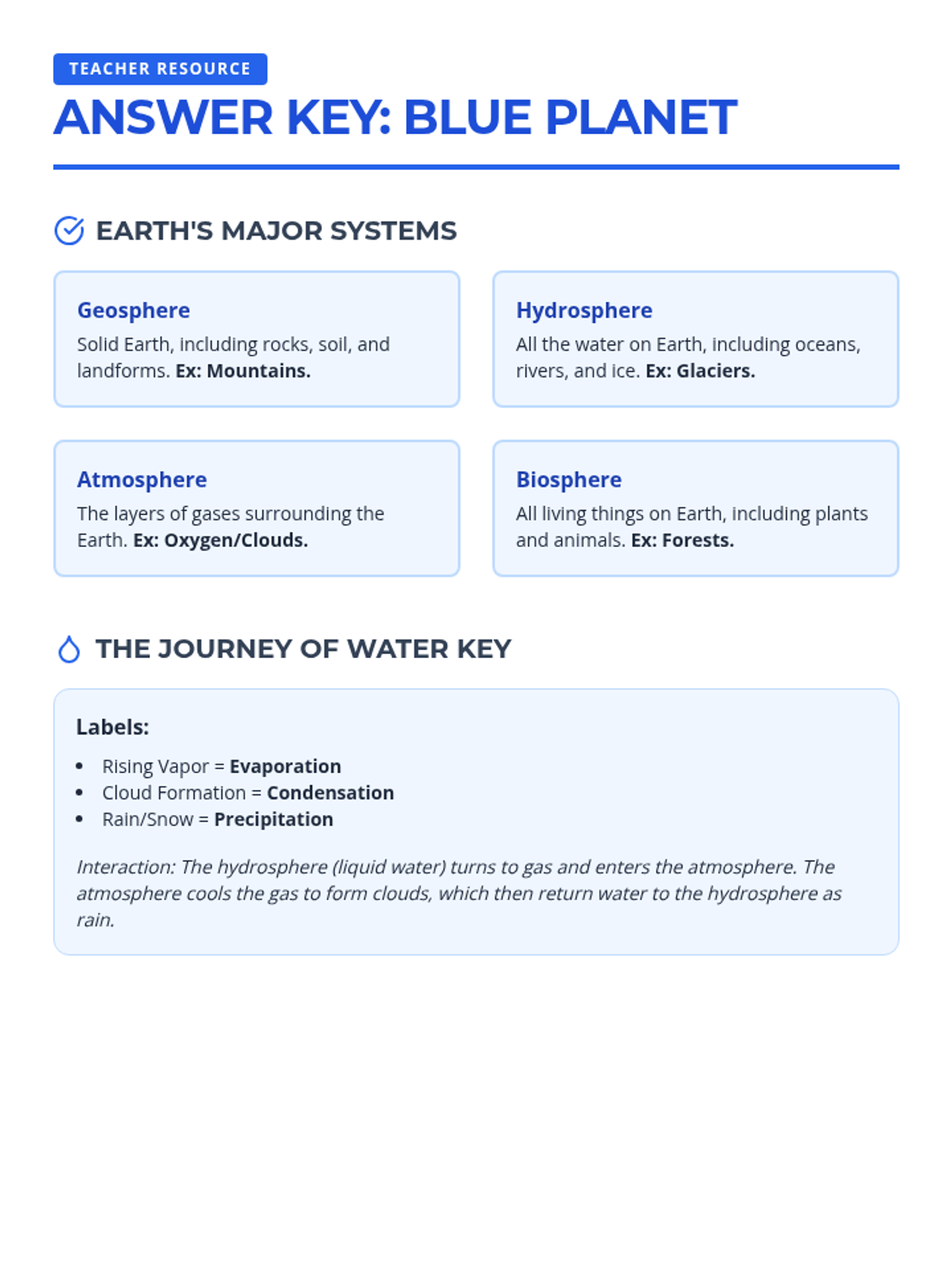
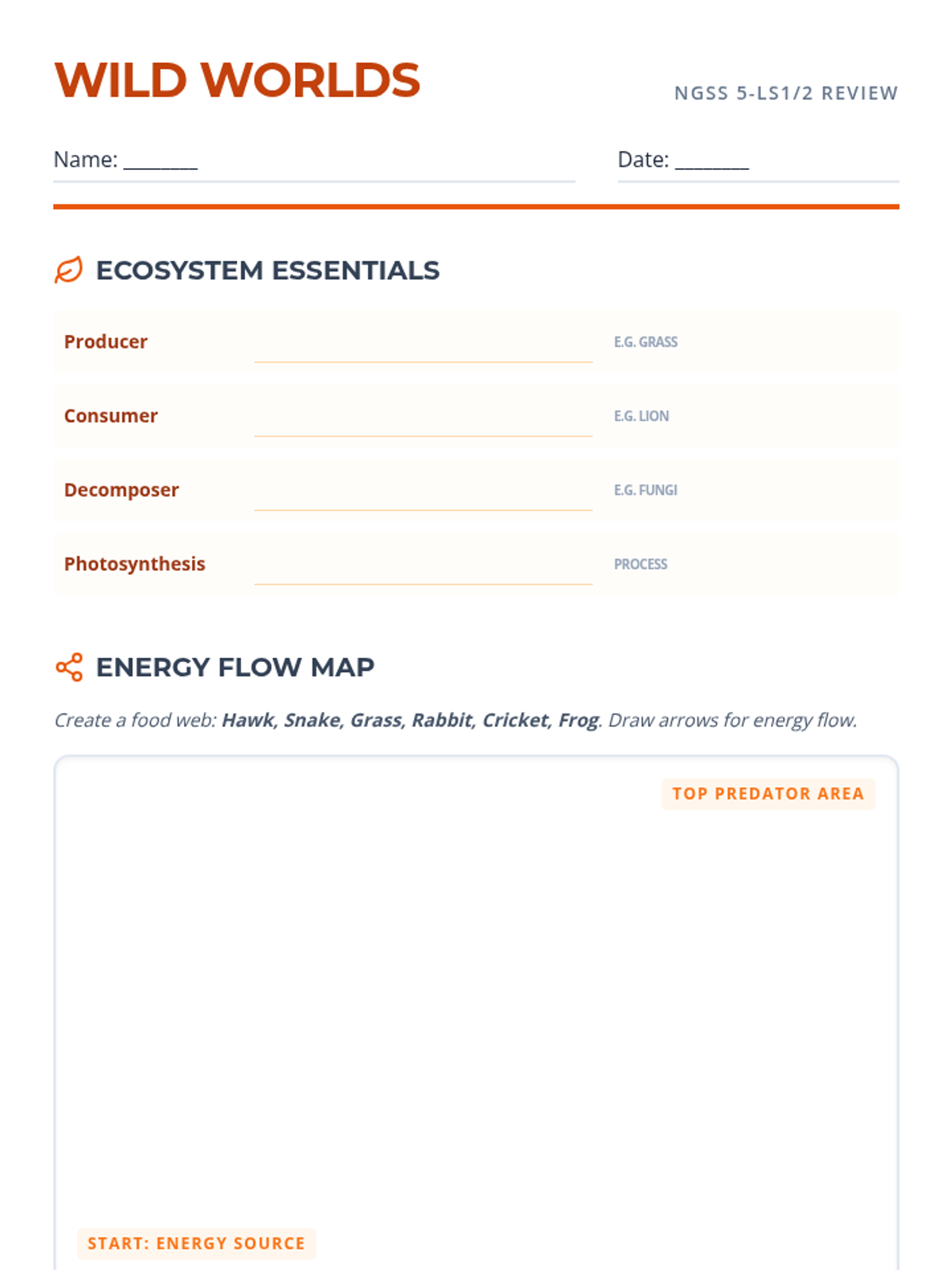
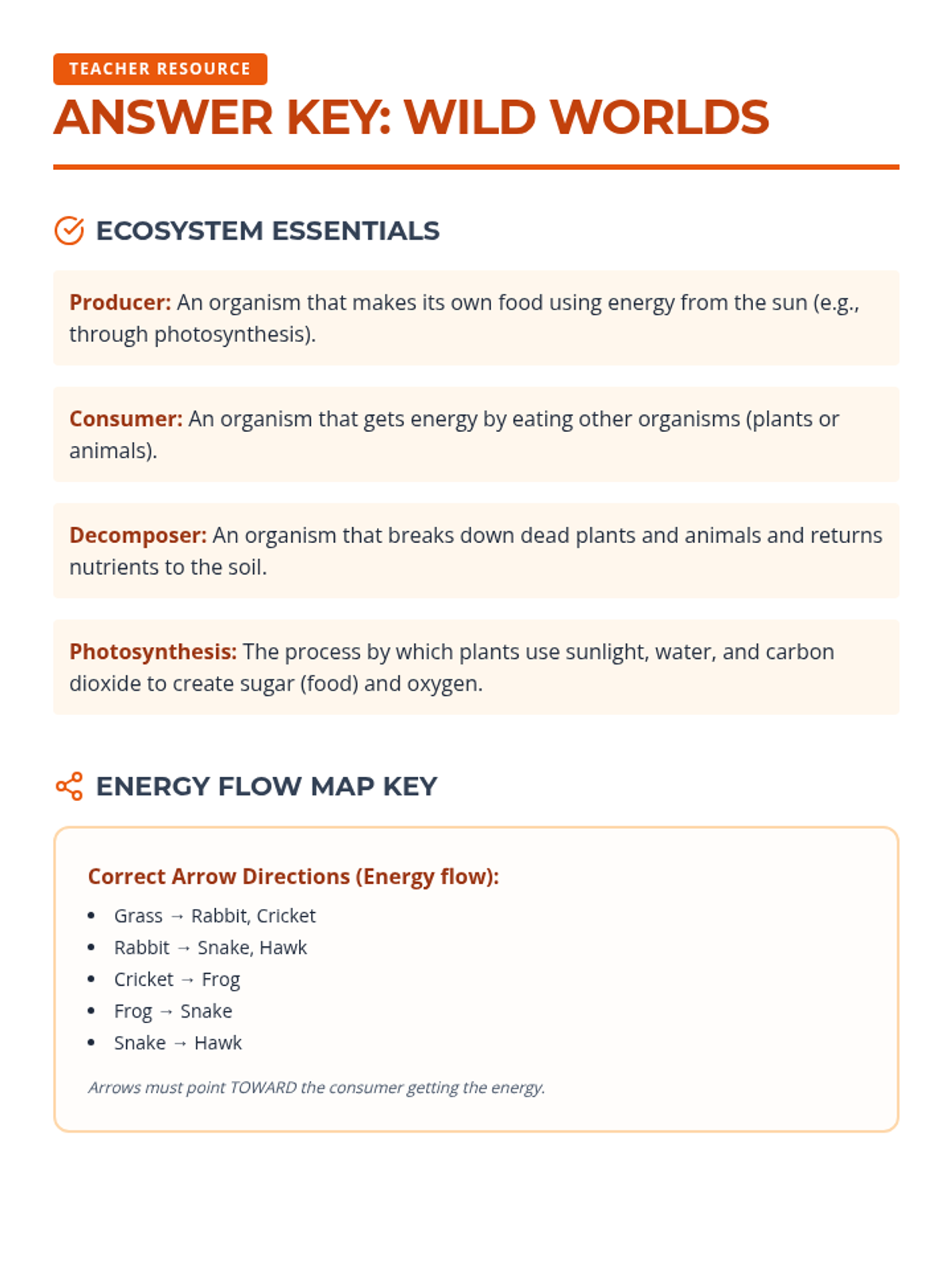
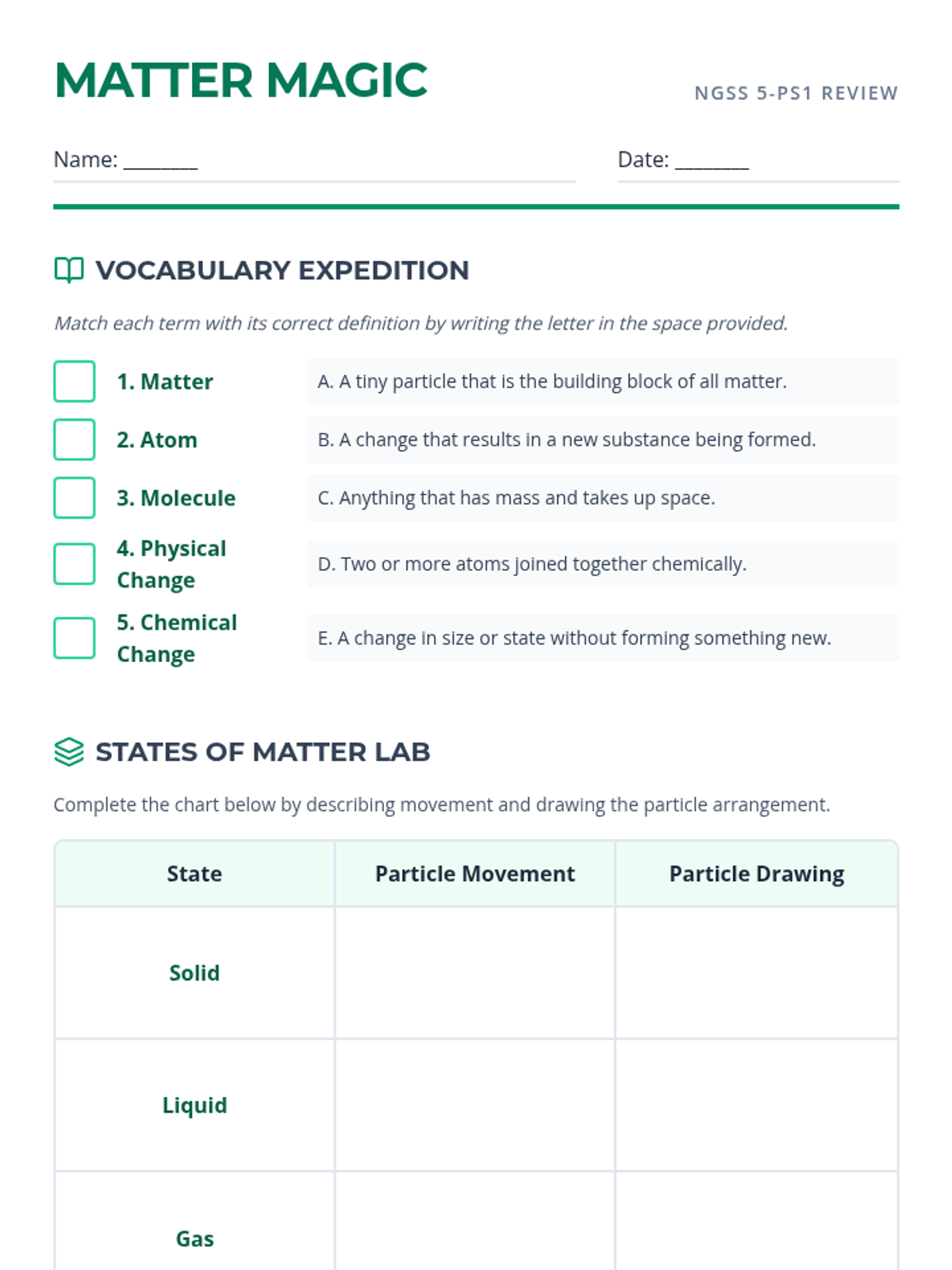
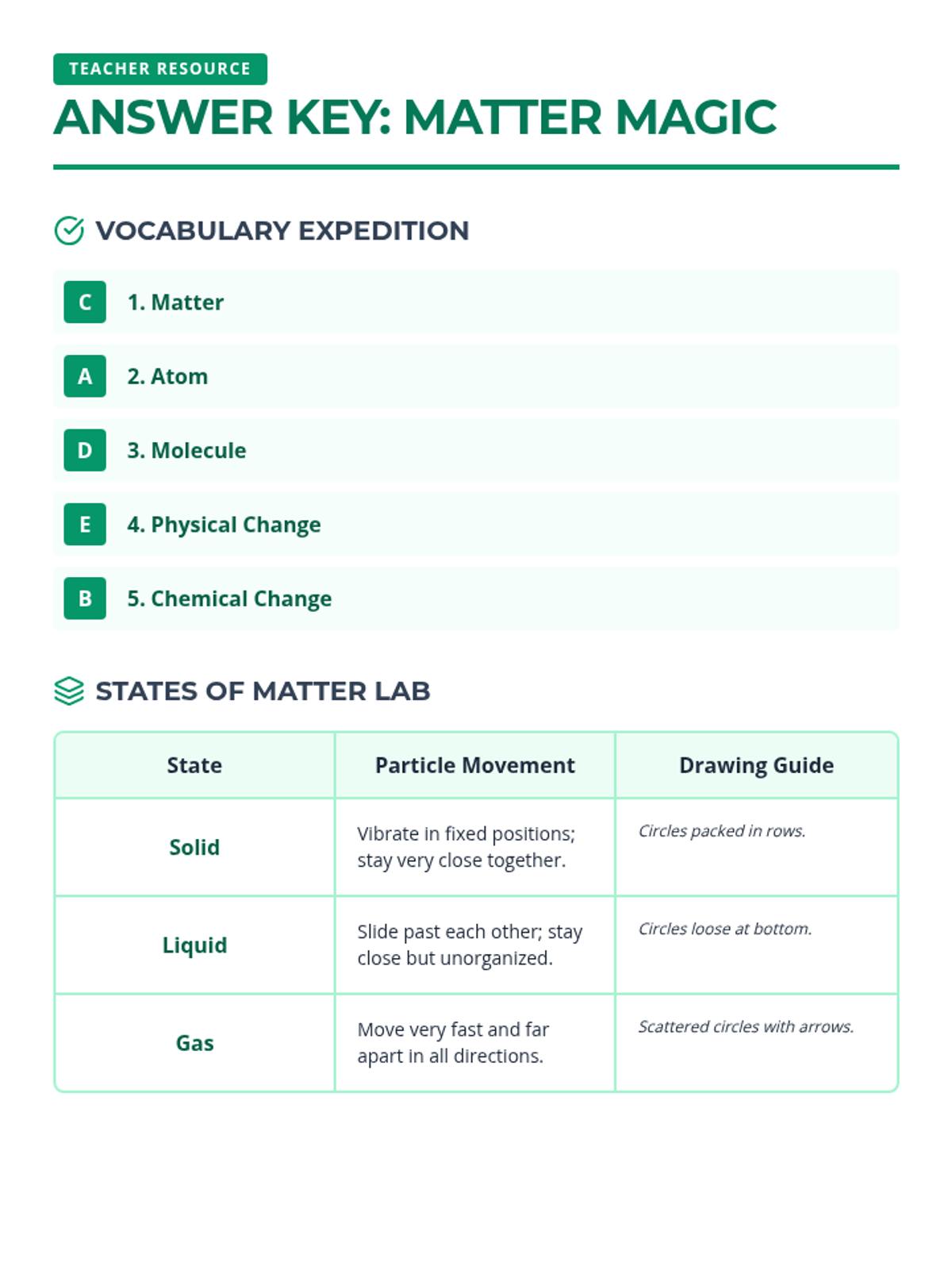
A comprehensive review of all 5th Grade NGSS science standards, featuring physical, life, and Earth/space science topics. This lesson prepares students for end-of-year assessments through a variety of question formats including graphic organizers and matching.
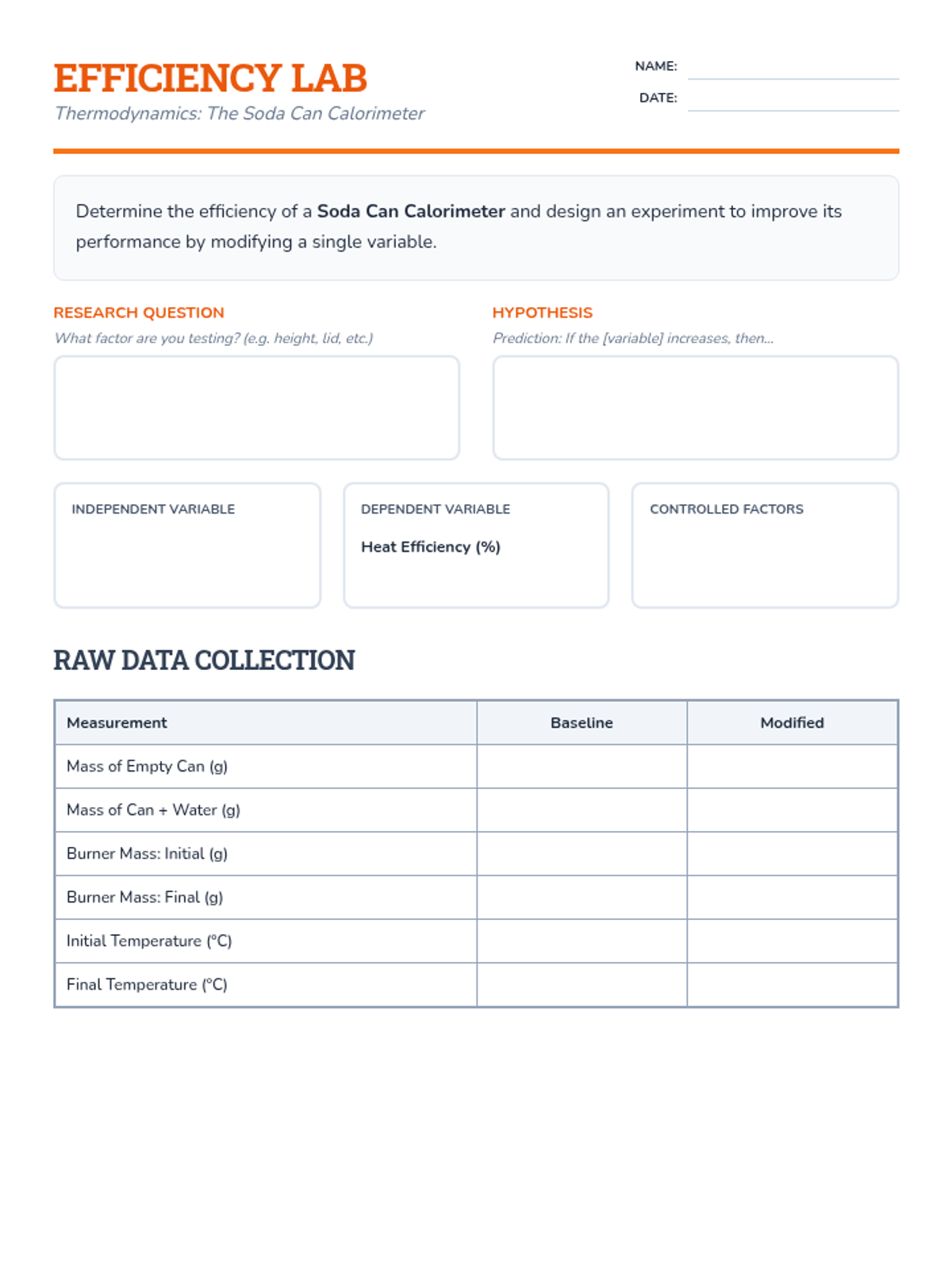
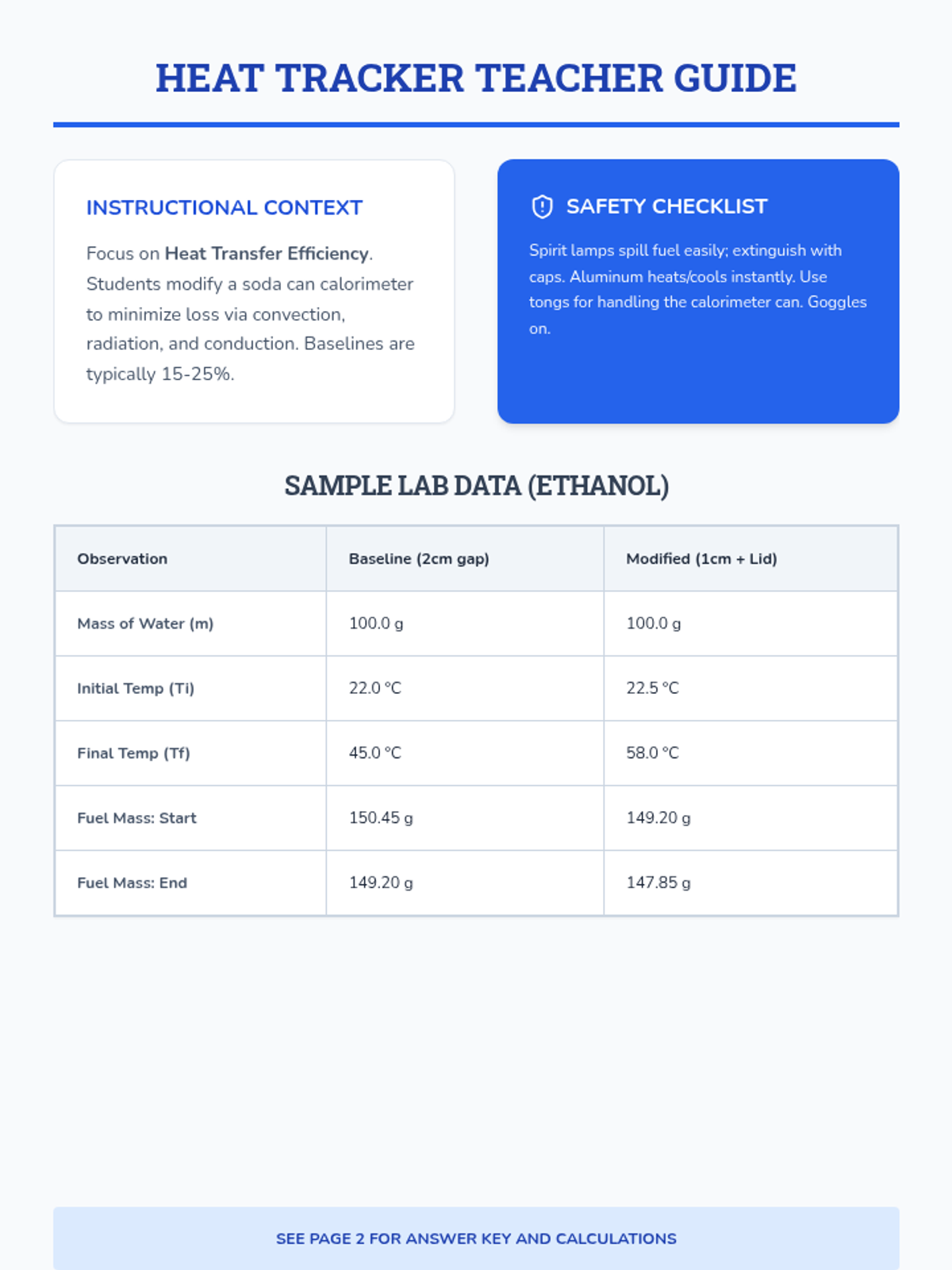
A high-stakes chemistry lab where students design and test modifications to a coke-can calorimeter to maximize heat transfer efficiency from a spirit lamp. Students explore thermodynamics, combustion, and experimental design.
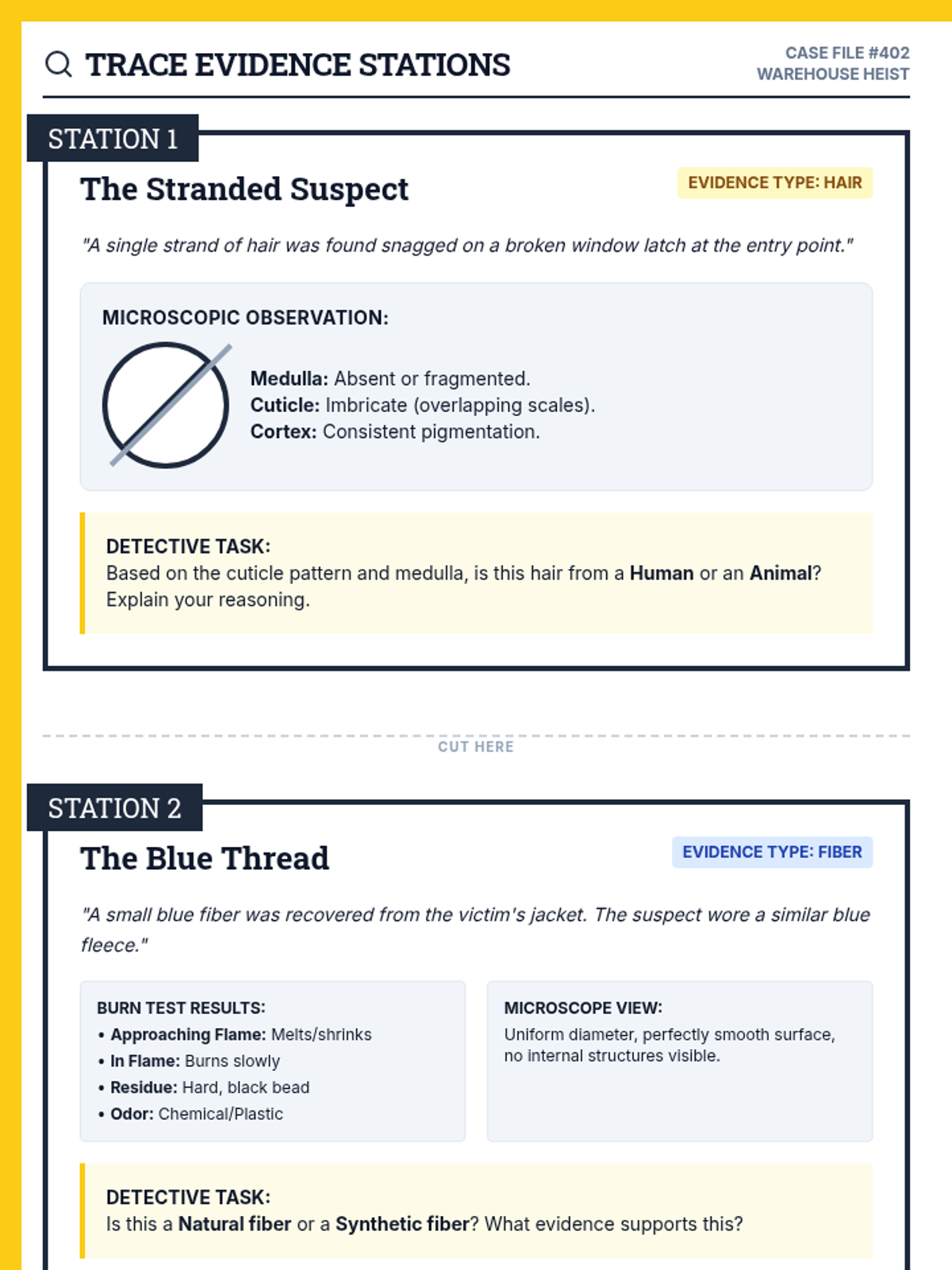
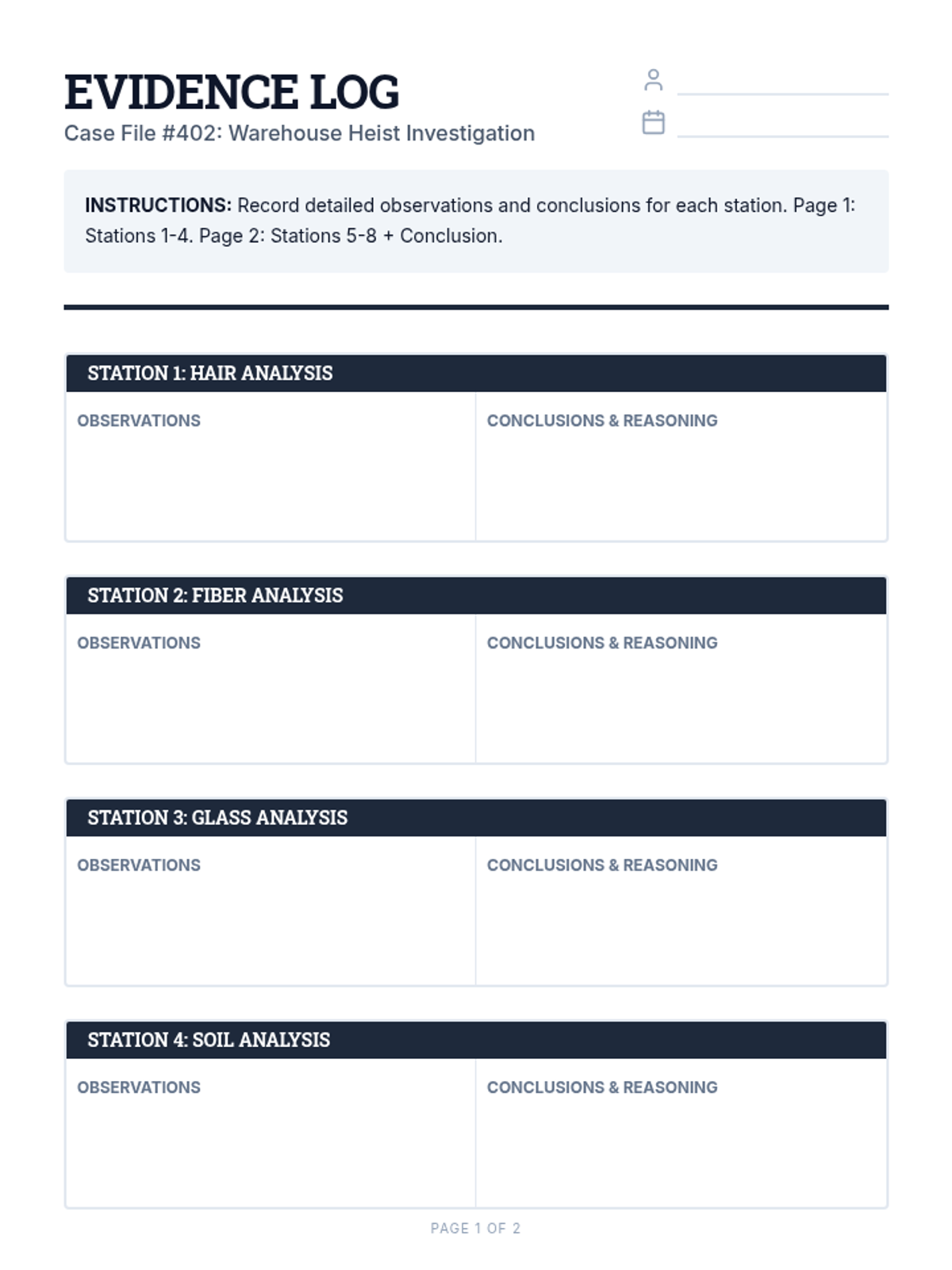
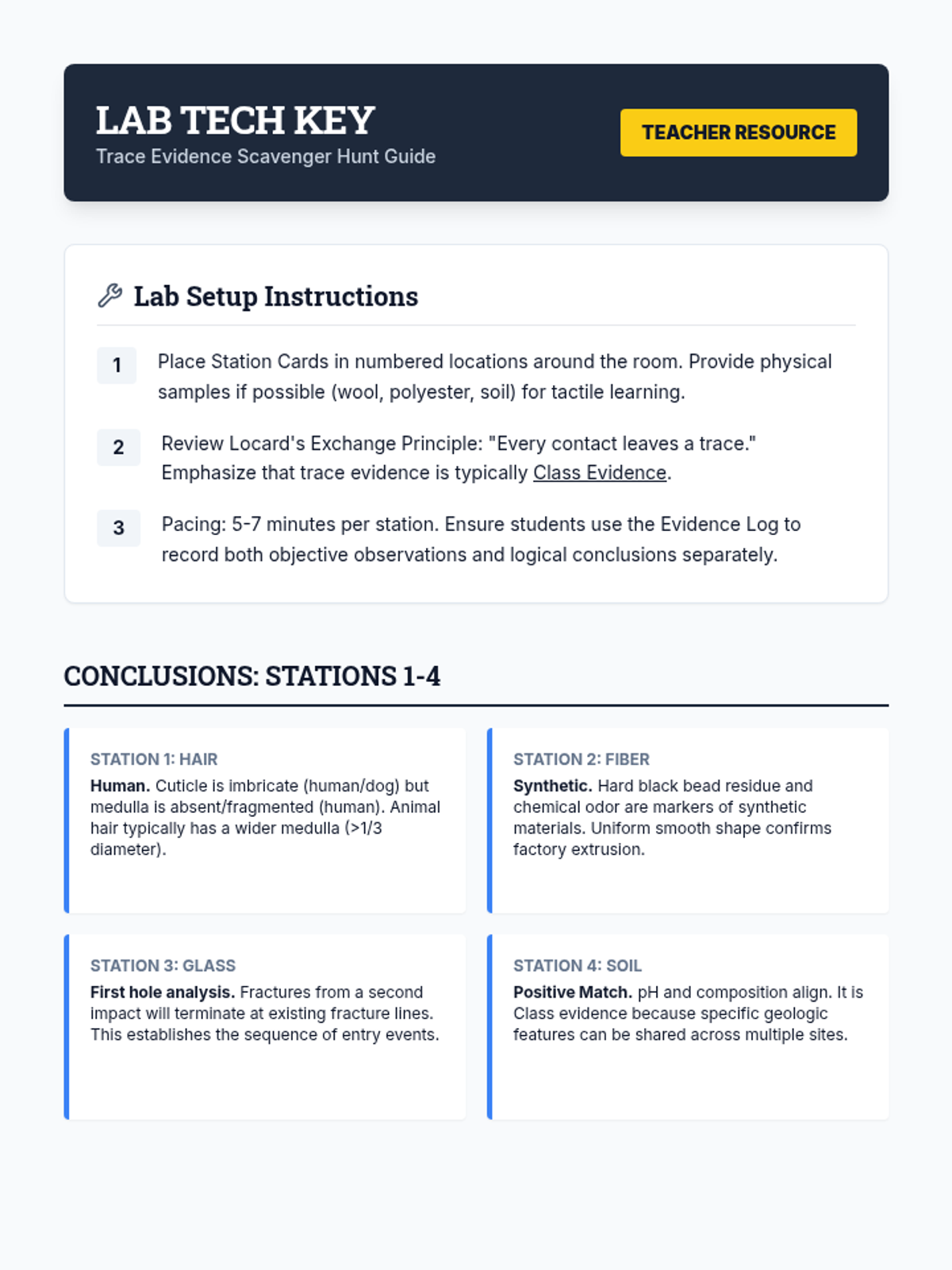
A hands-on forensic science lesson where students rotate through stations to analyze various types of trace evidence (hair, fiber, glass, soil, etc.) to solve a warehouse heist.
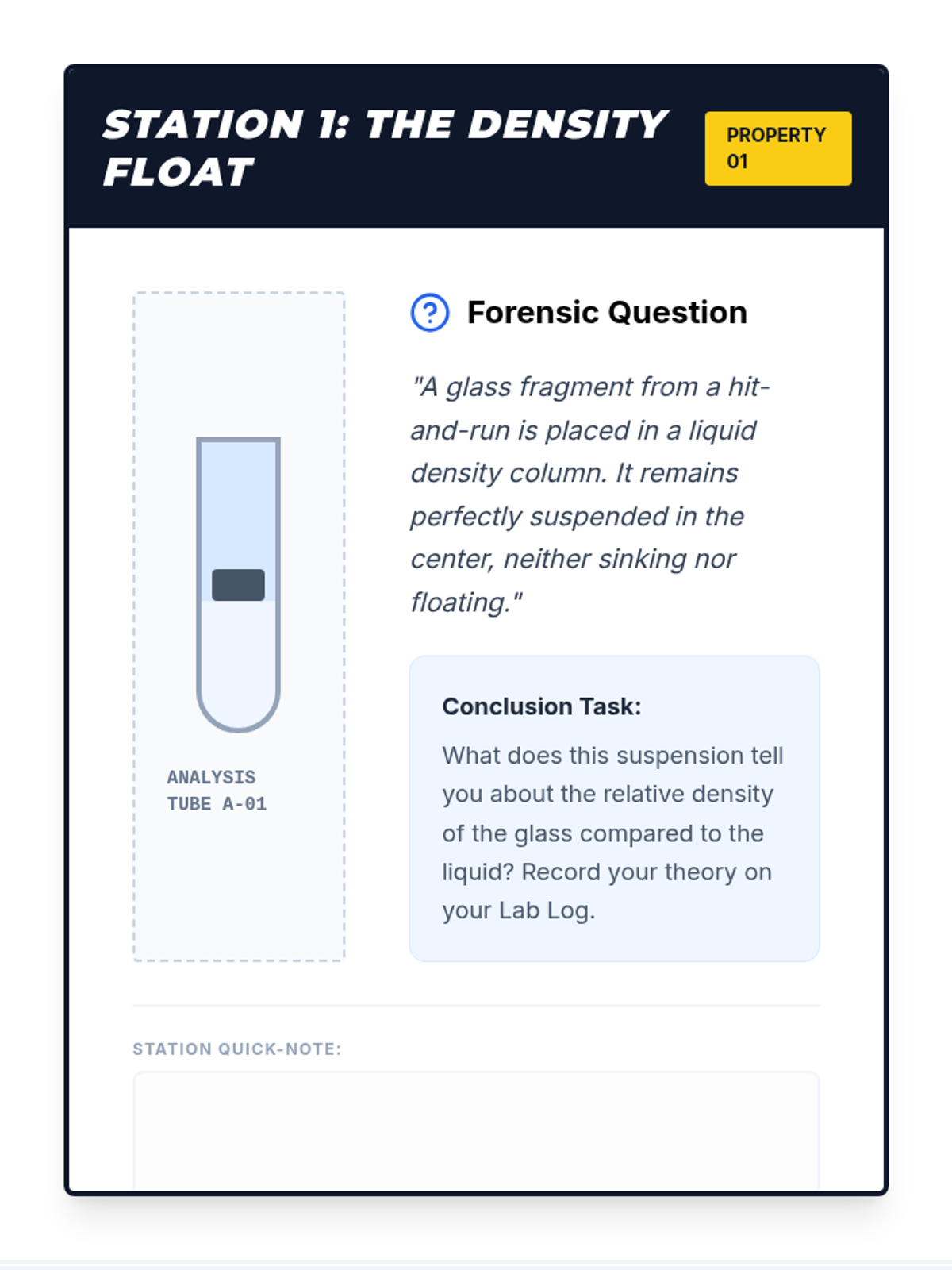
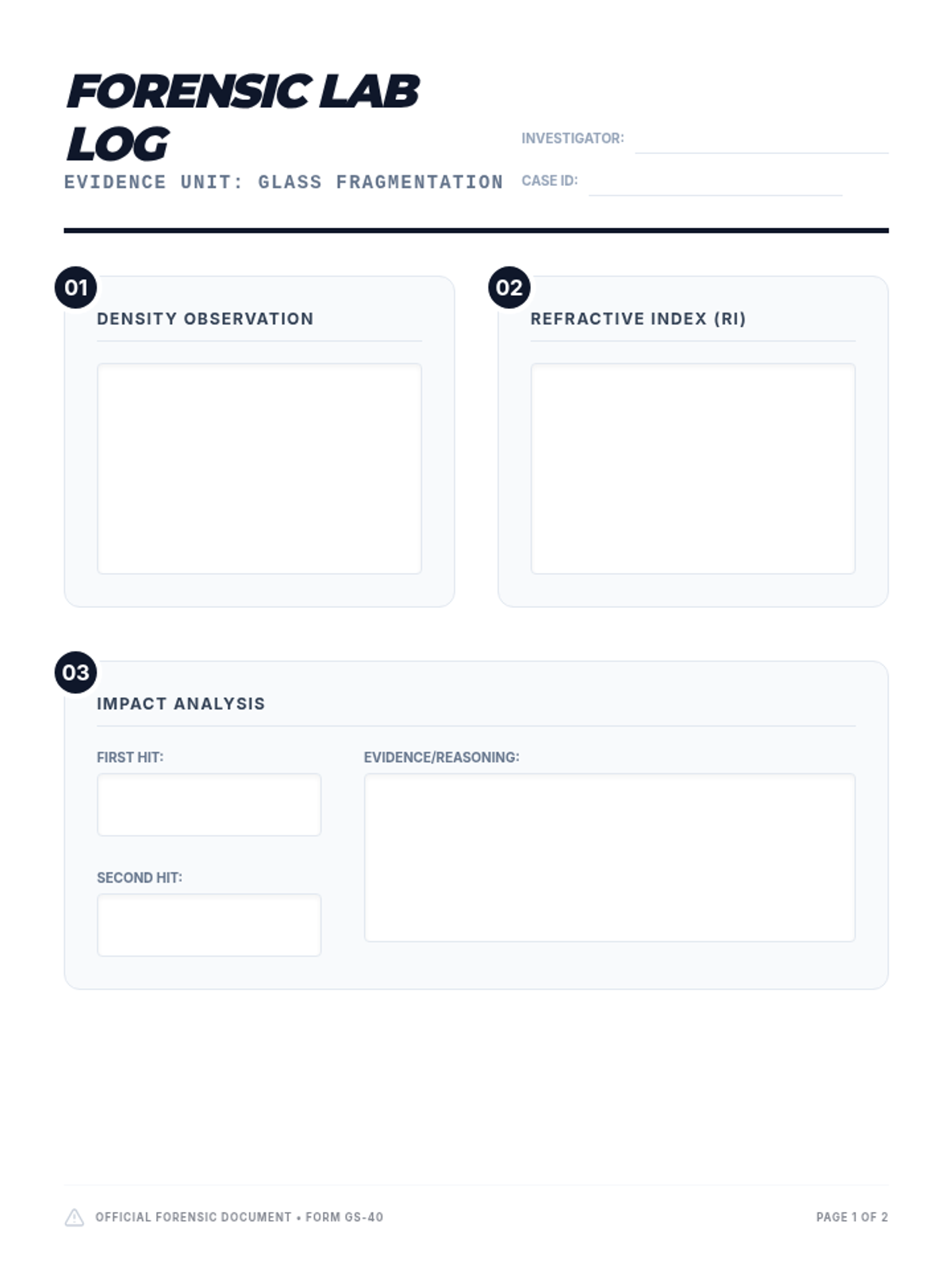
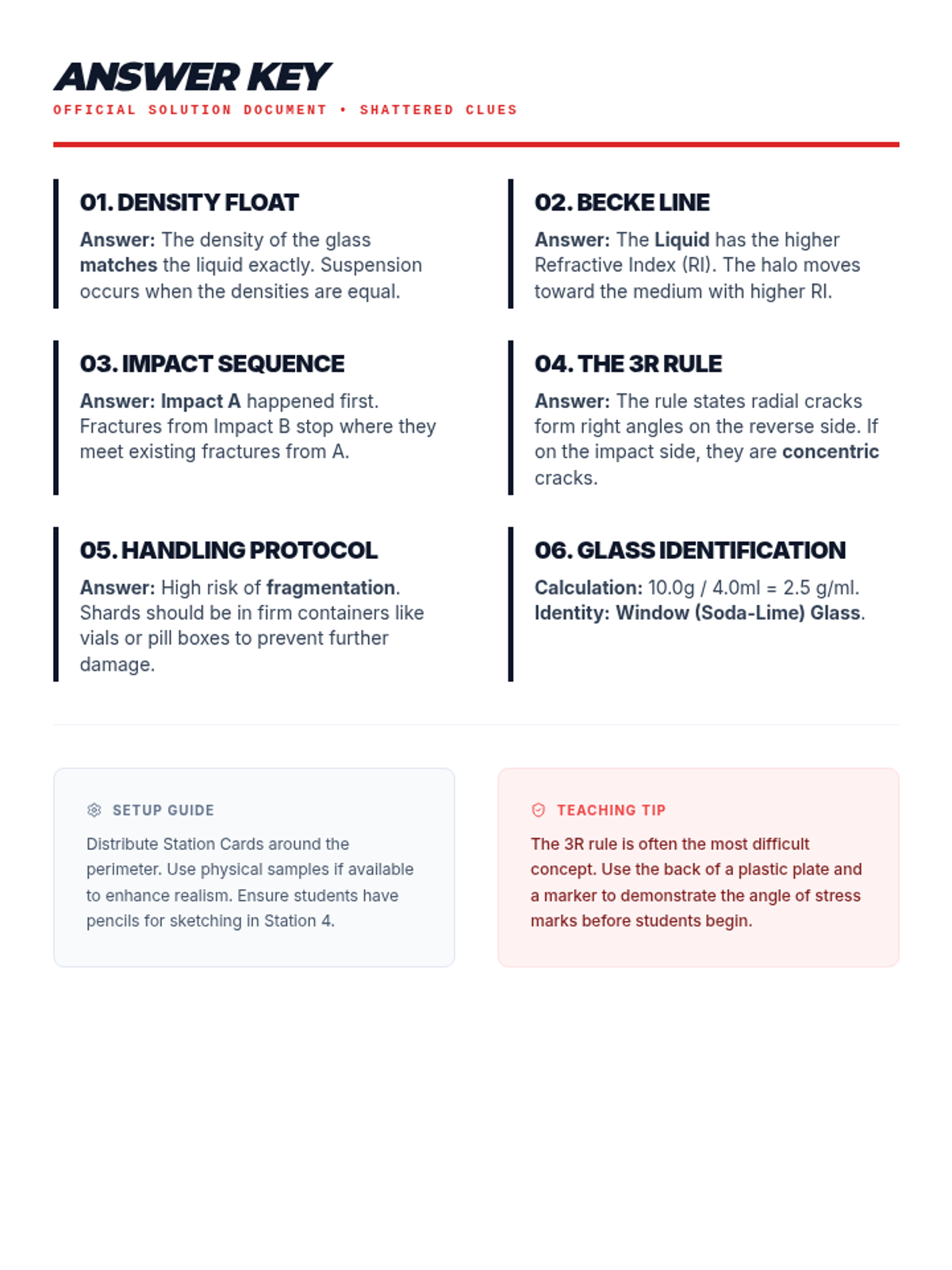
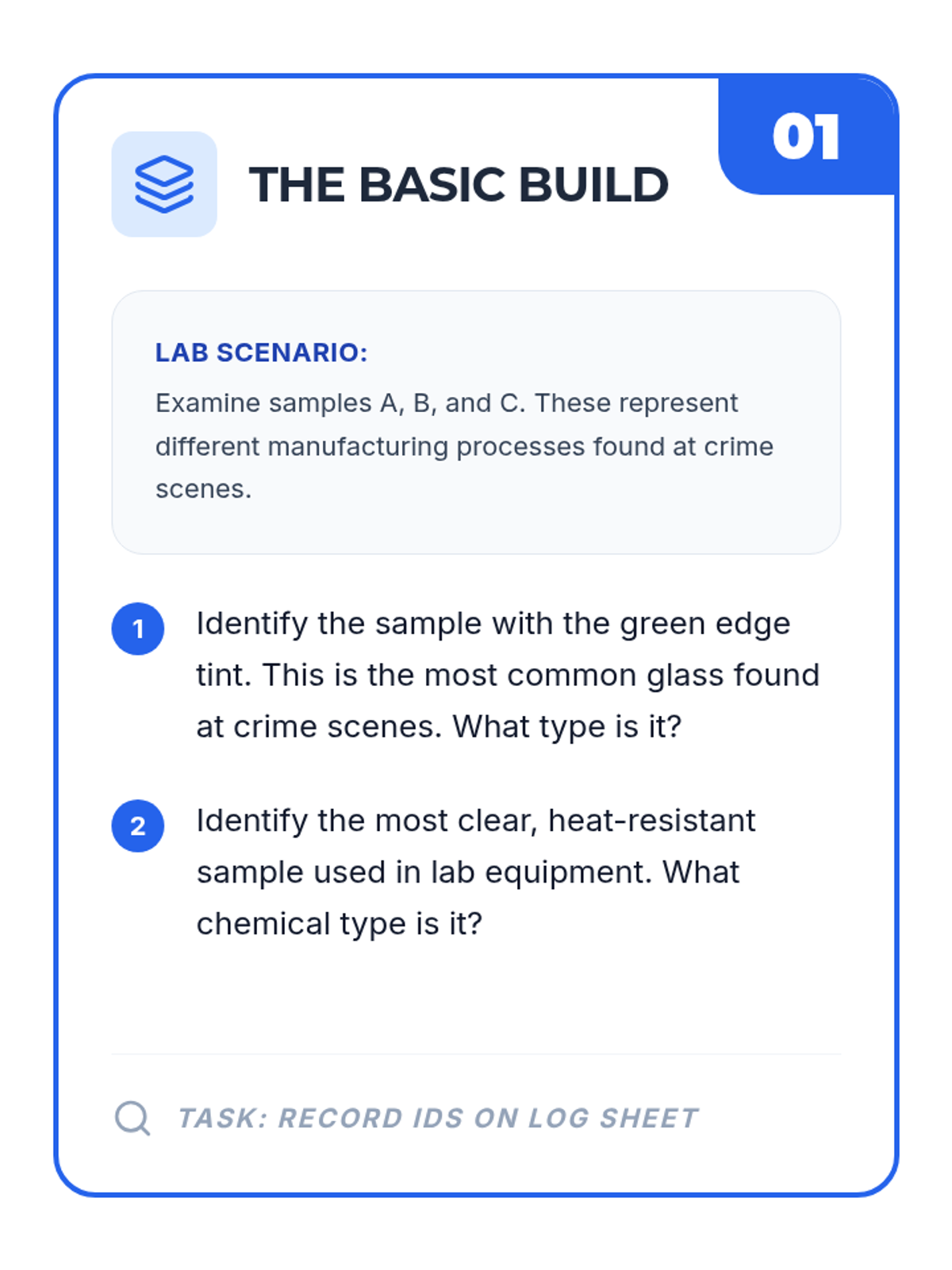
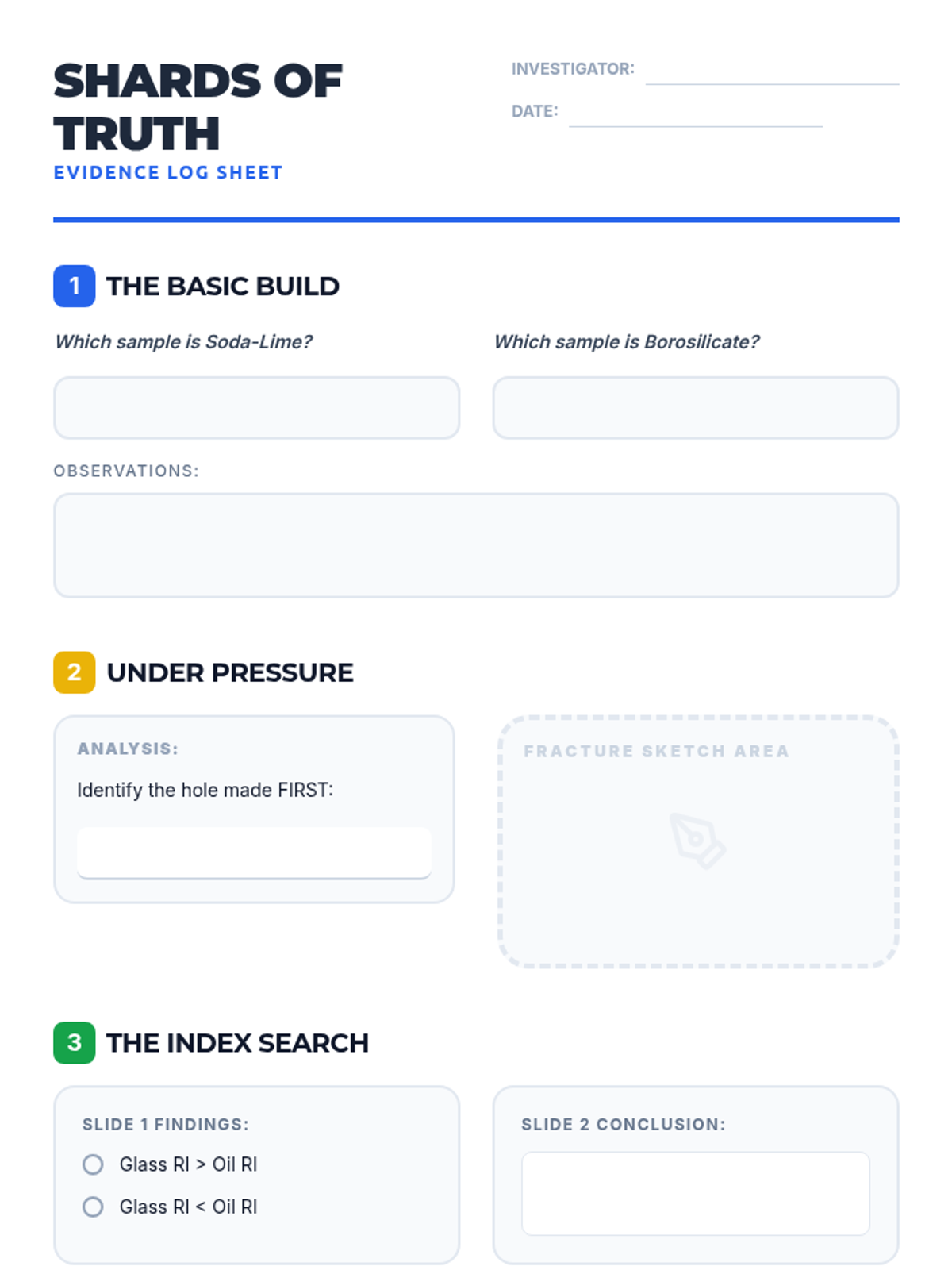
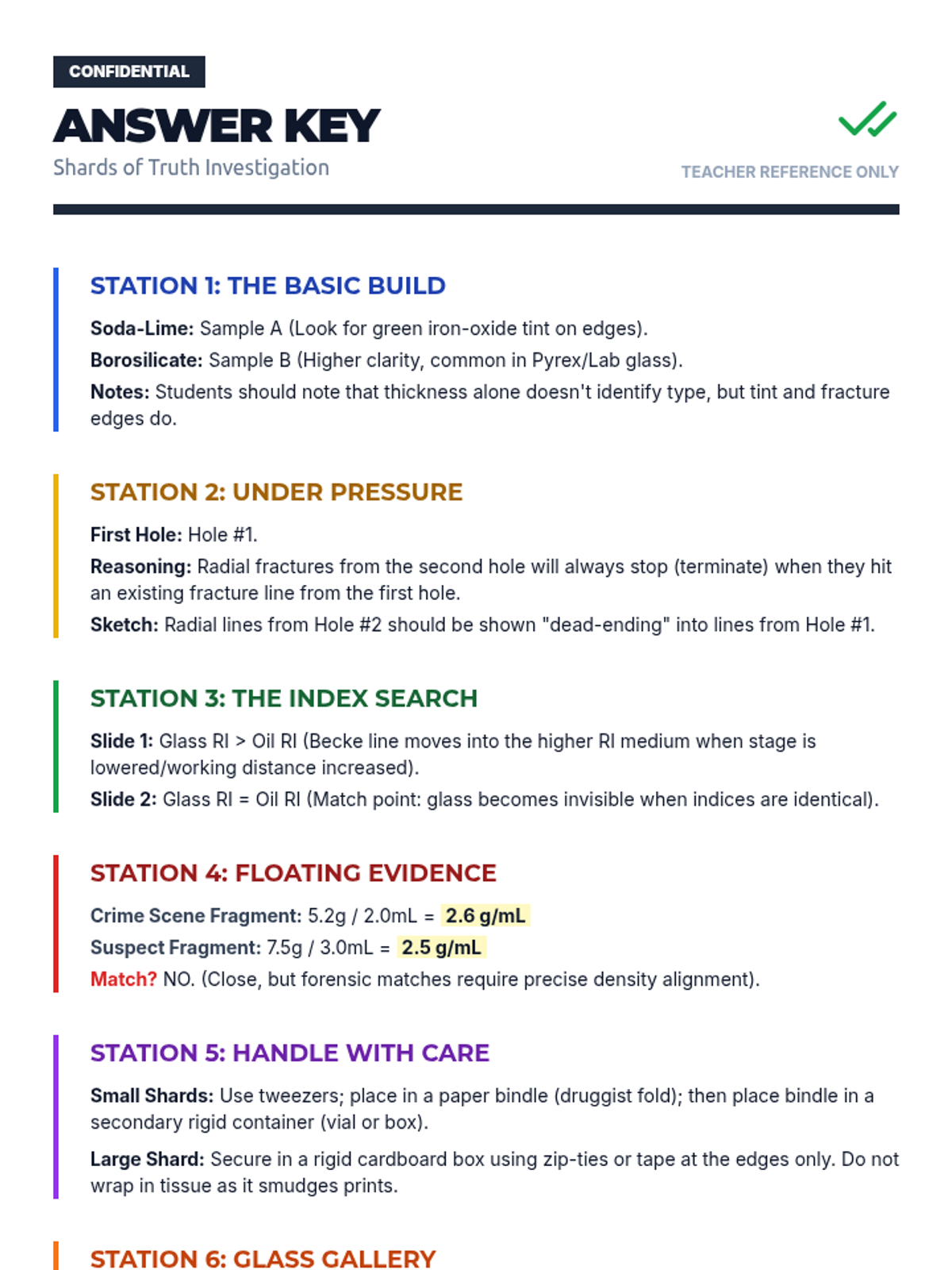
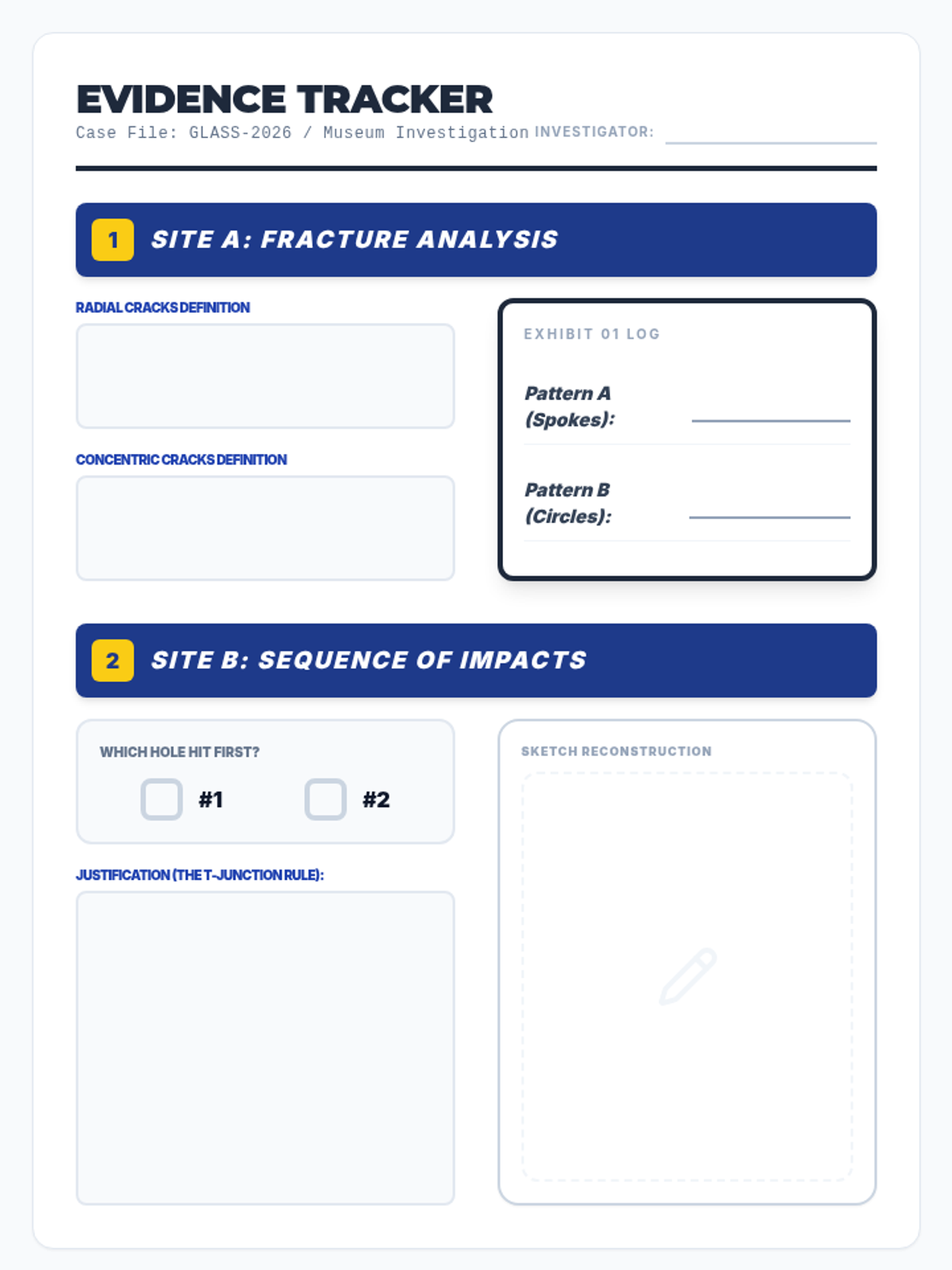
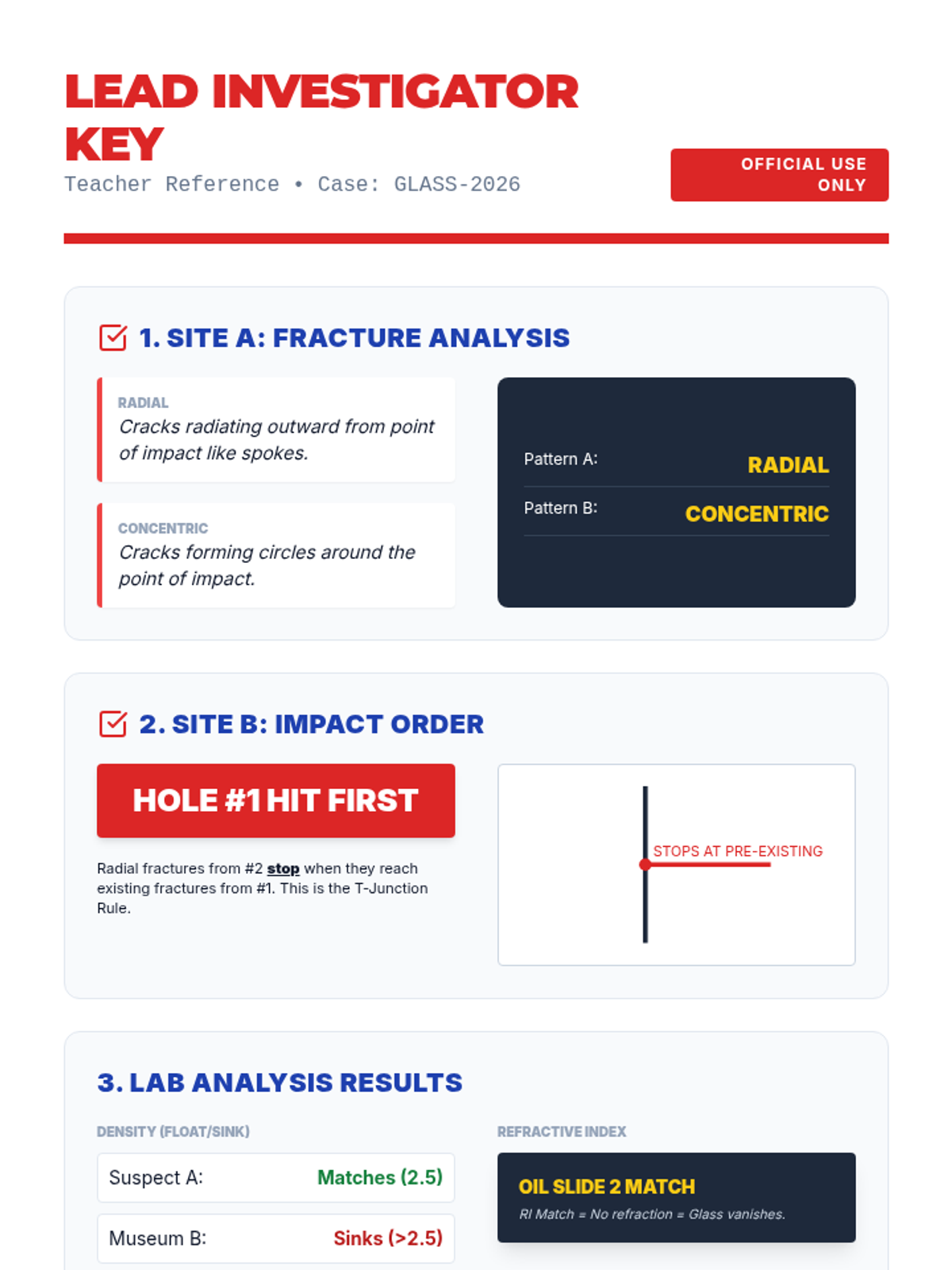
A hands-on forensic investigation into the physical properties and fracture patterns of glass evidence. Students rotate through stations to master density, refractive index, and crime scene collection techniques.
An immersive forensic science lesson where students analyze glass evidence across multiple stations, focusing on physical properties, fracture patterns, and laboratory analysis techniques.
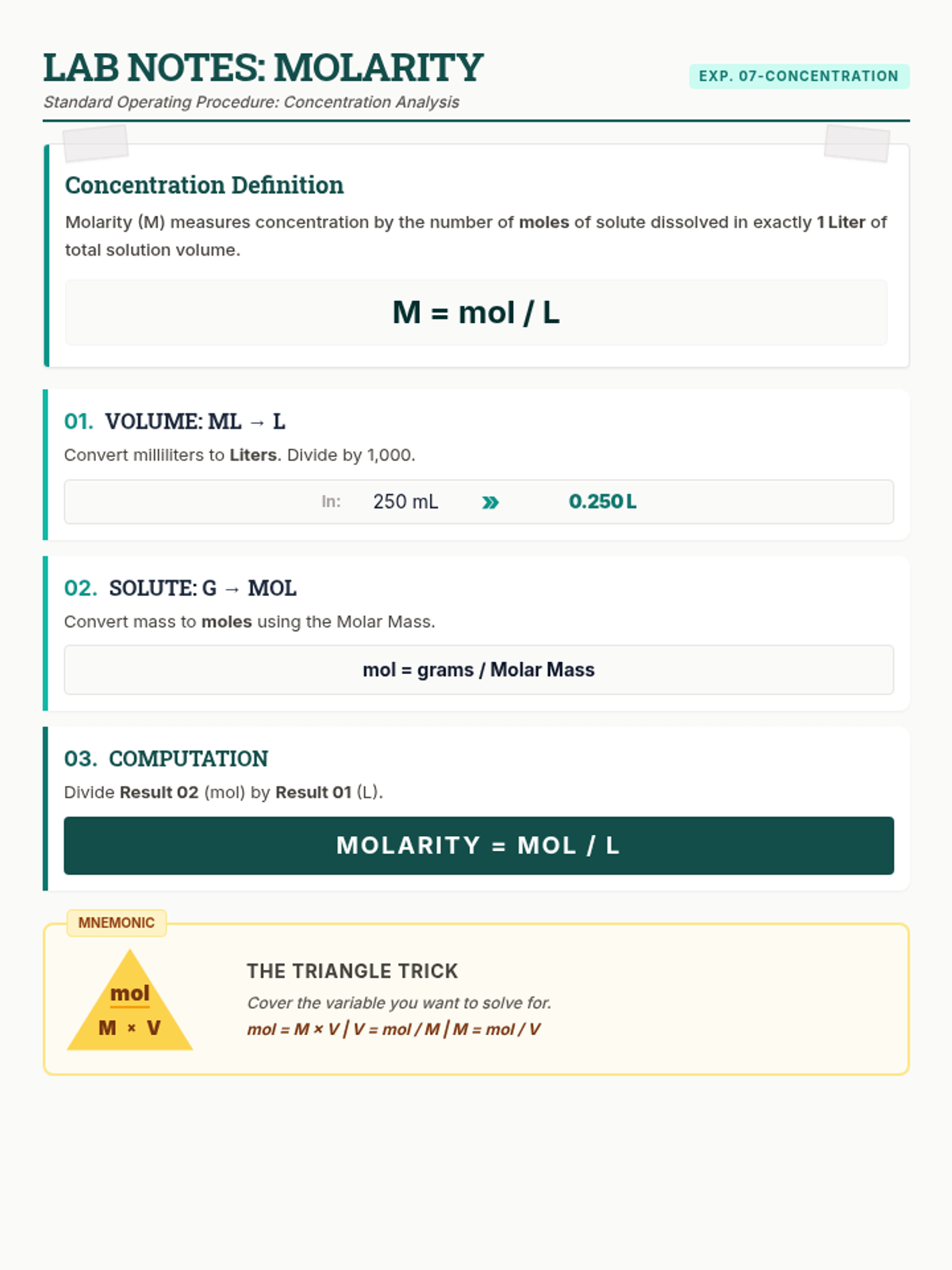
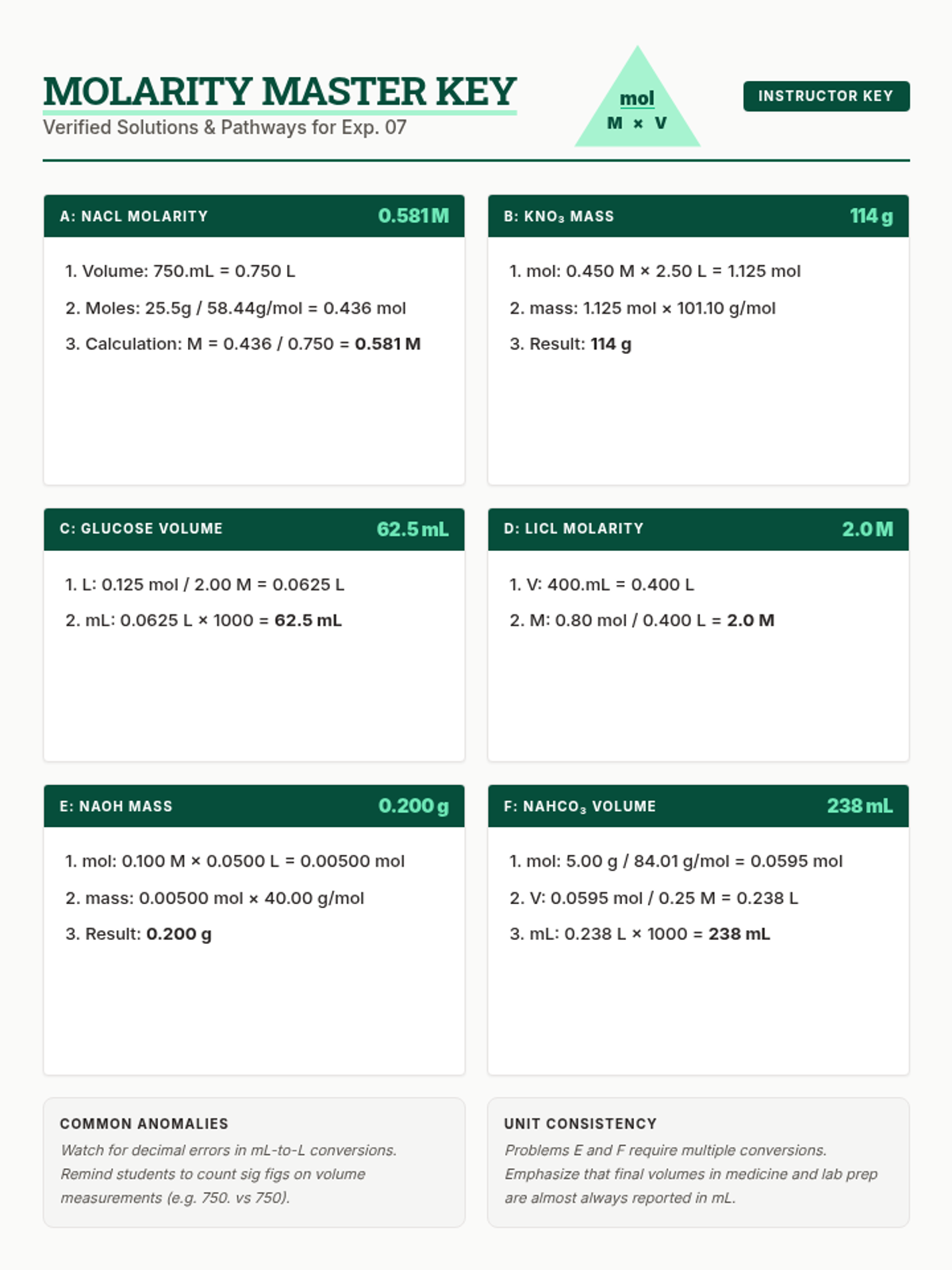
A lesson focused on calculating solution concentration using molarity, including necessary unit conversions for mass and volume.
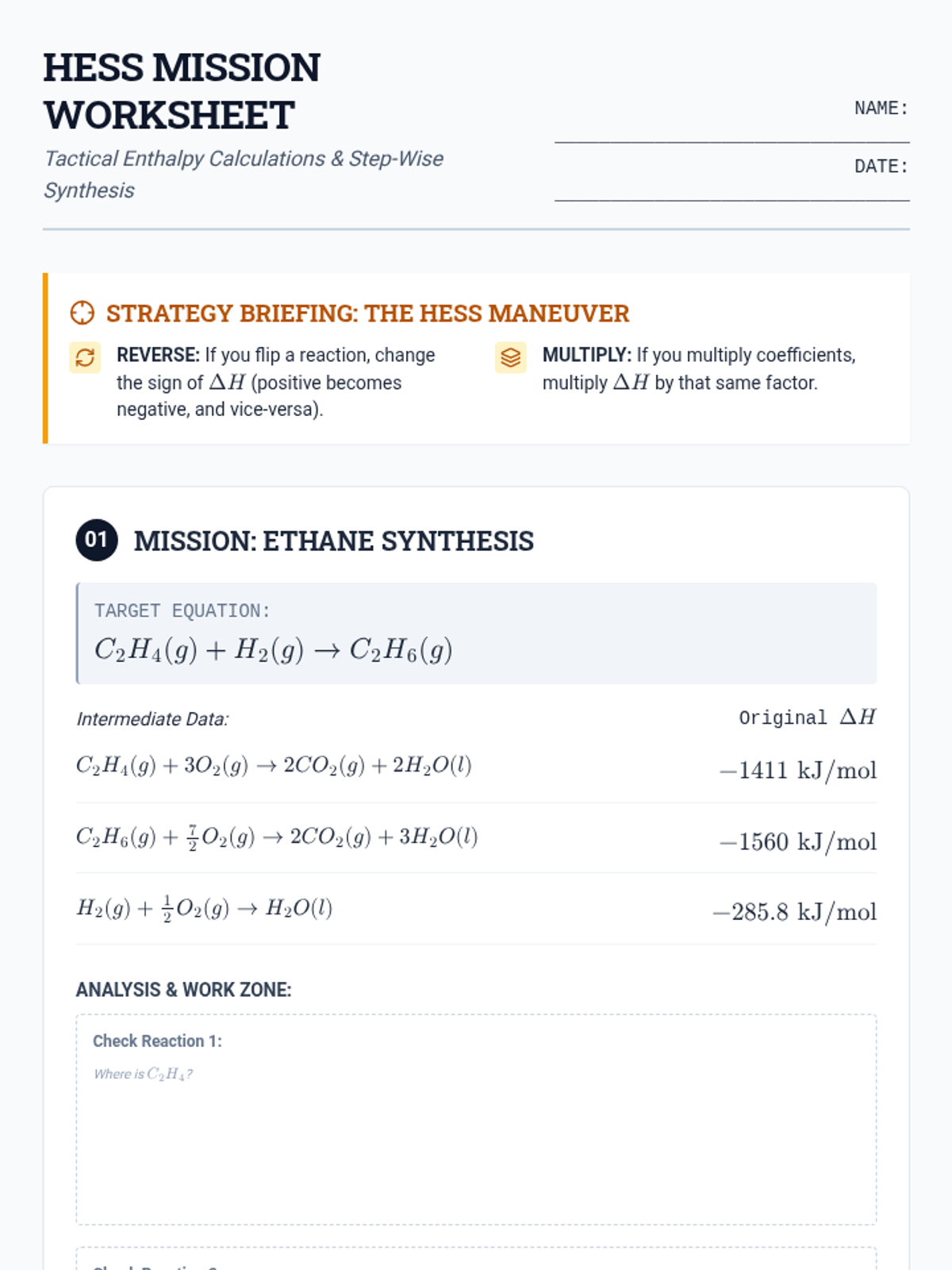
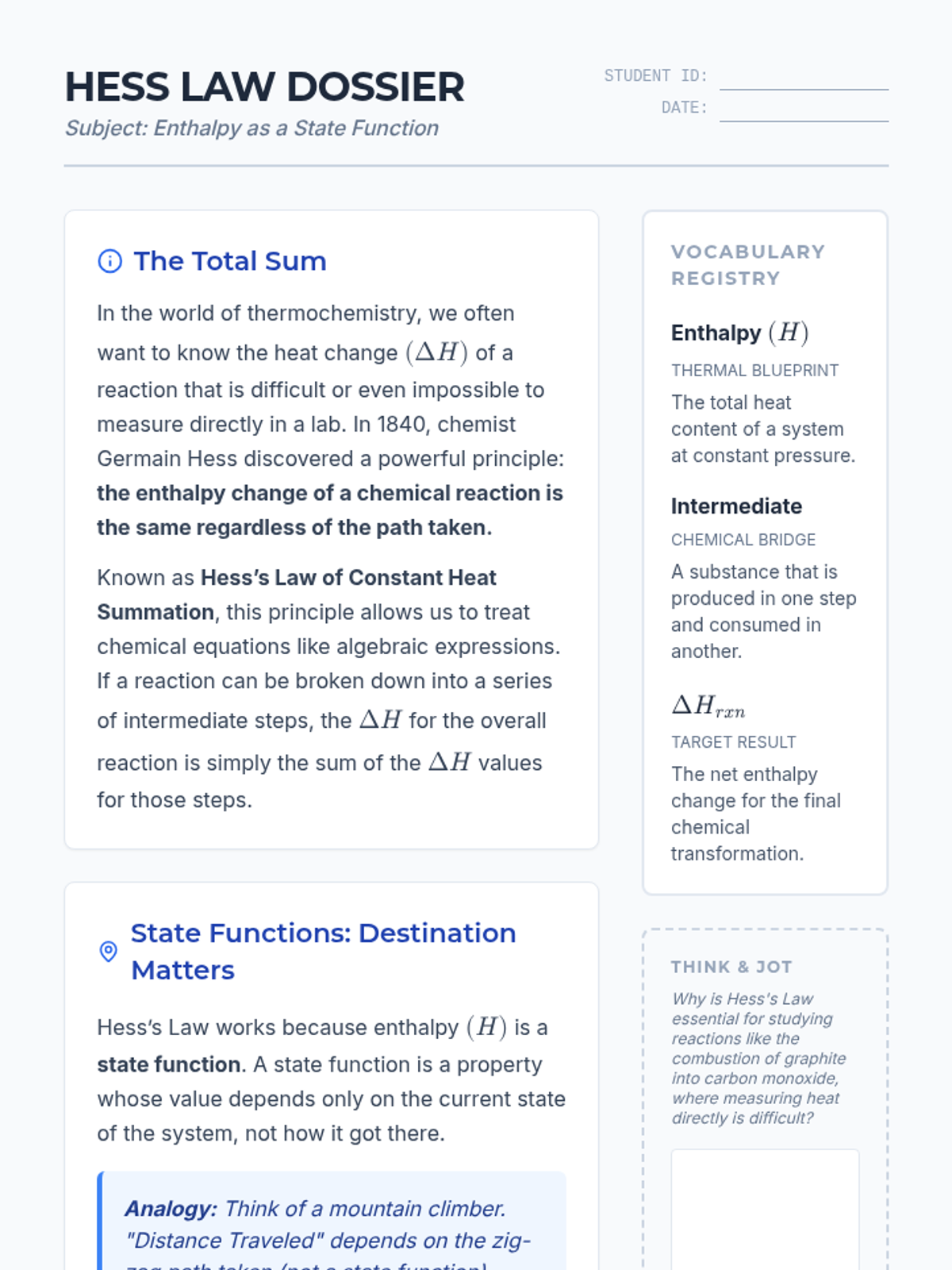
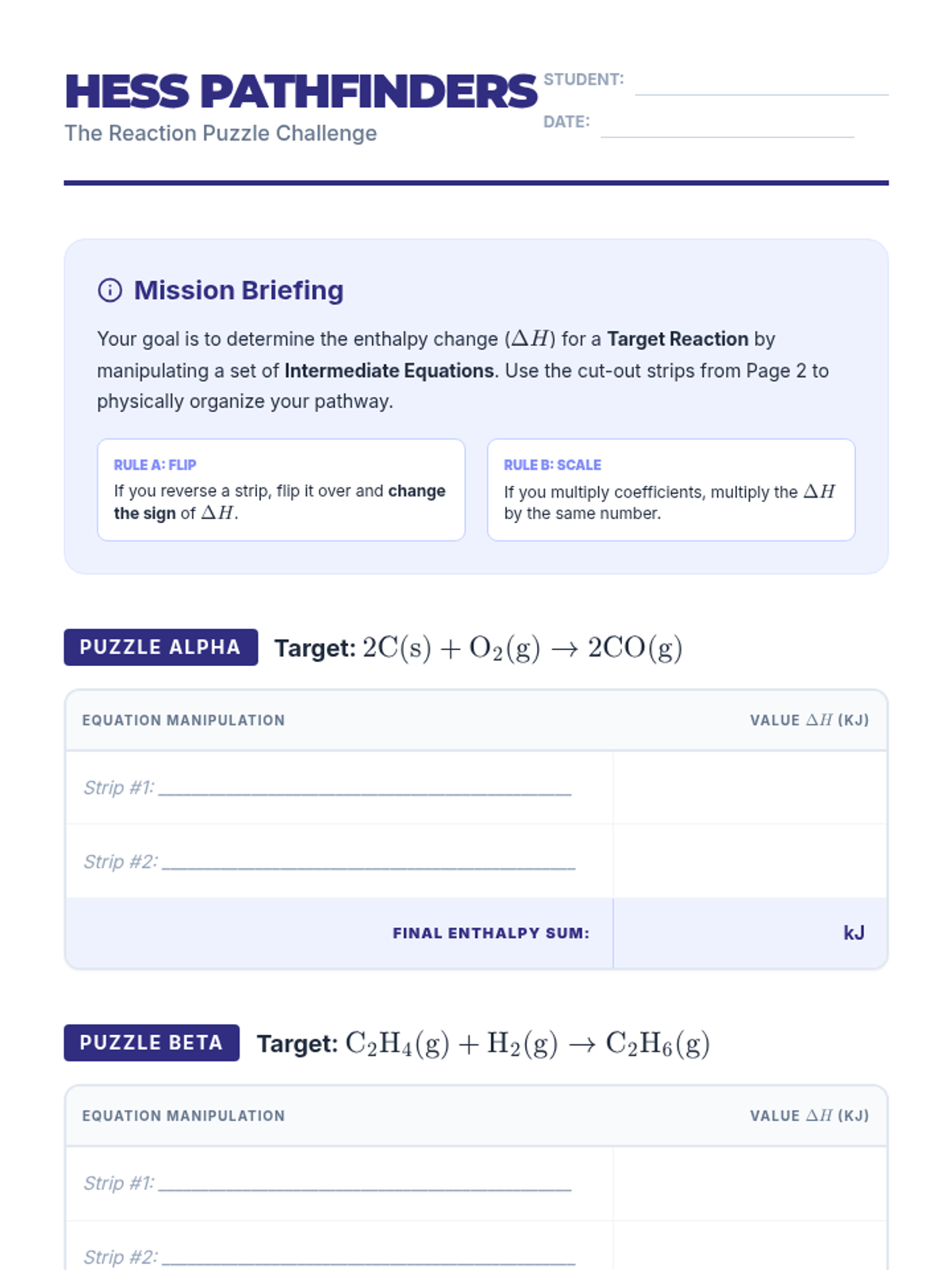
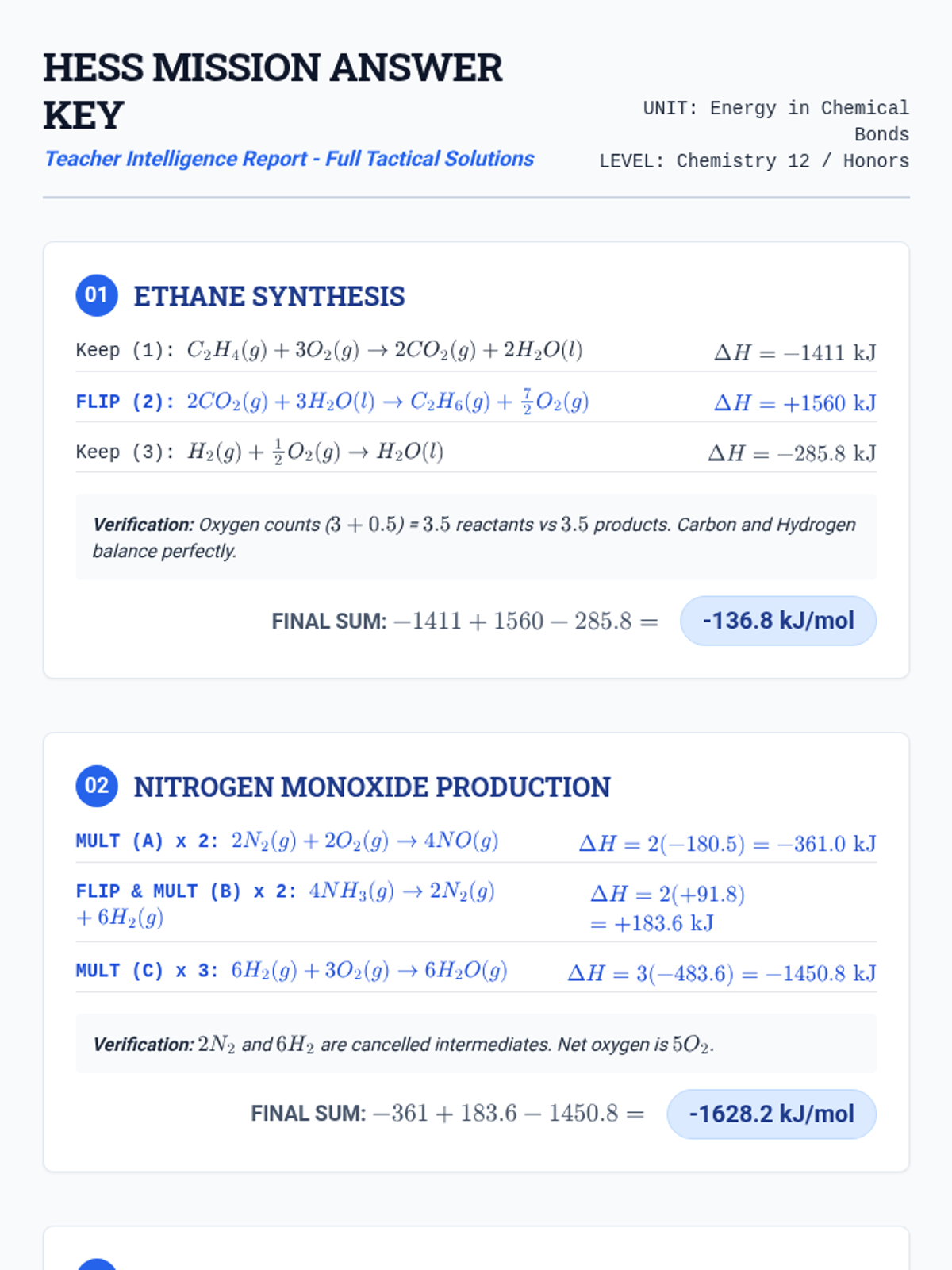
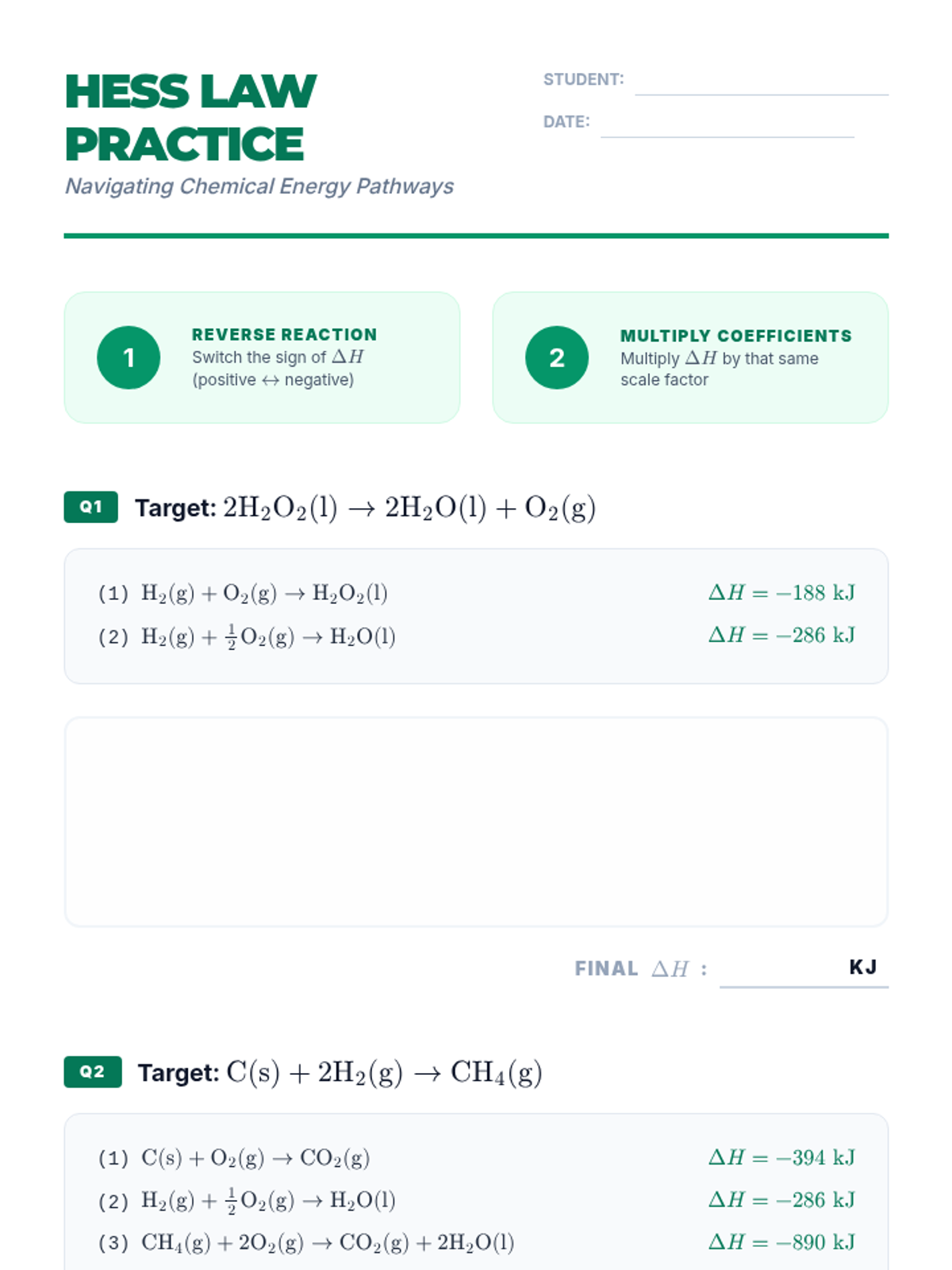
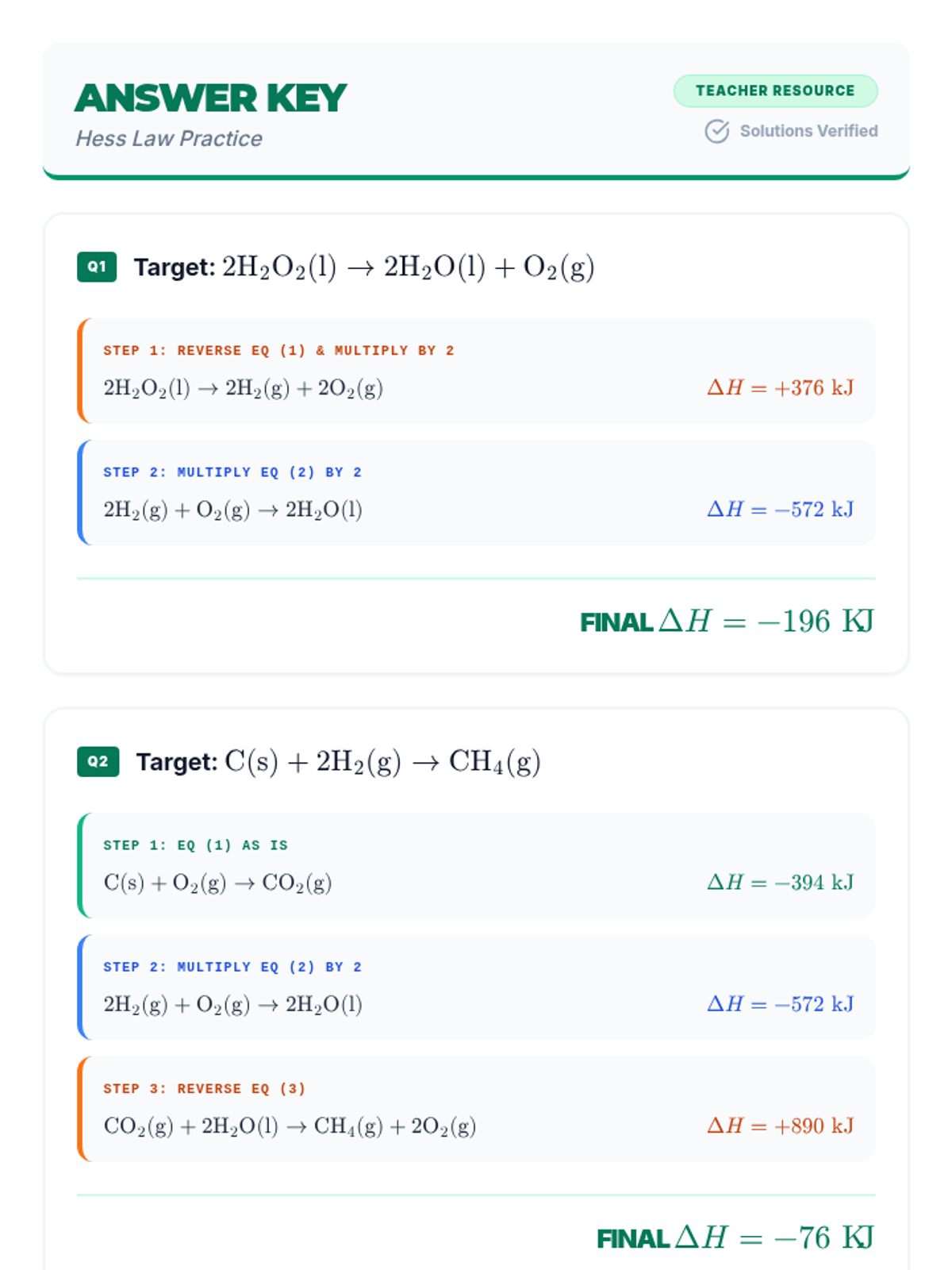
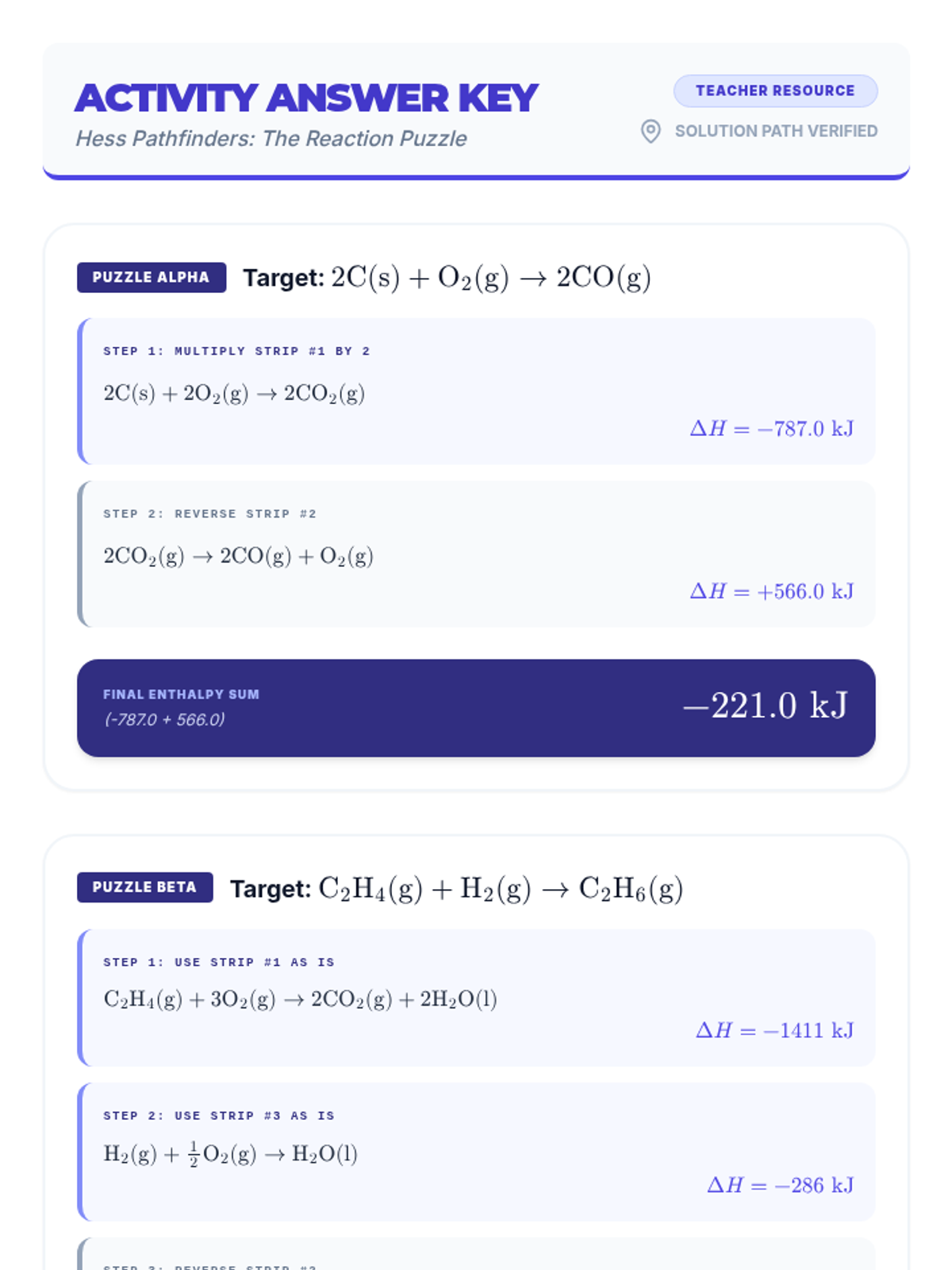
Students discover the additive nature of enthalpy through a hands-on chemical puzzle, using Hess's Law to calculate enthalpy changes for complex reactions using multiple intermediate steps.
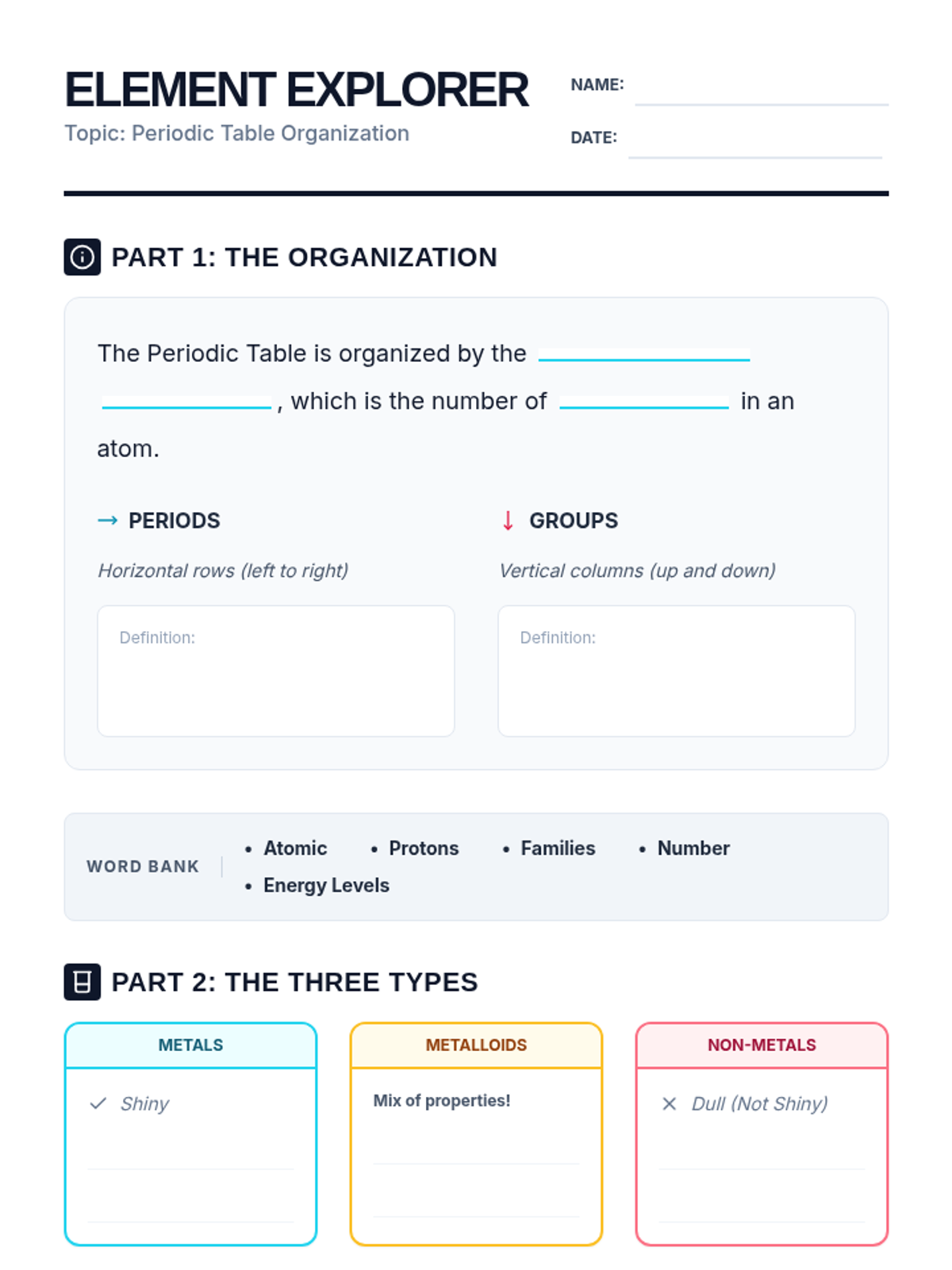
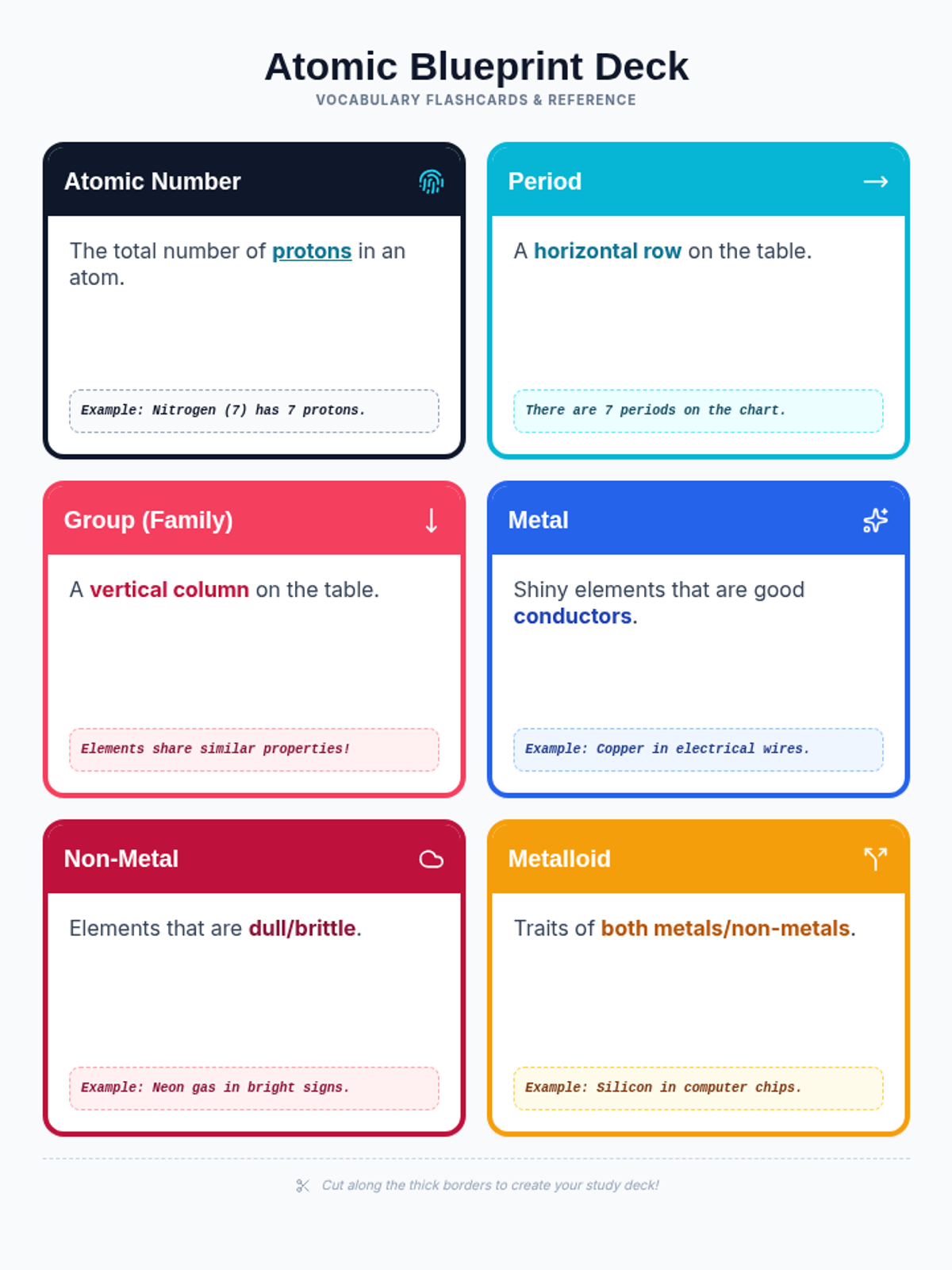
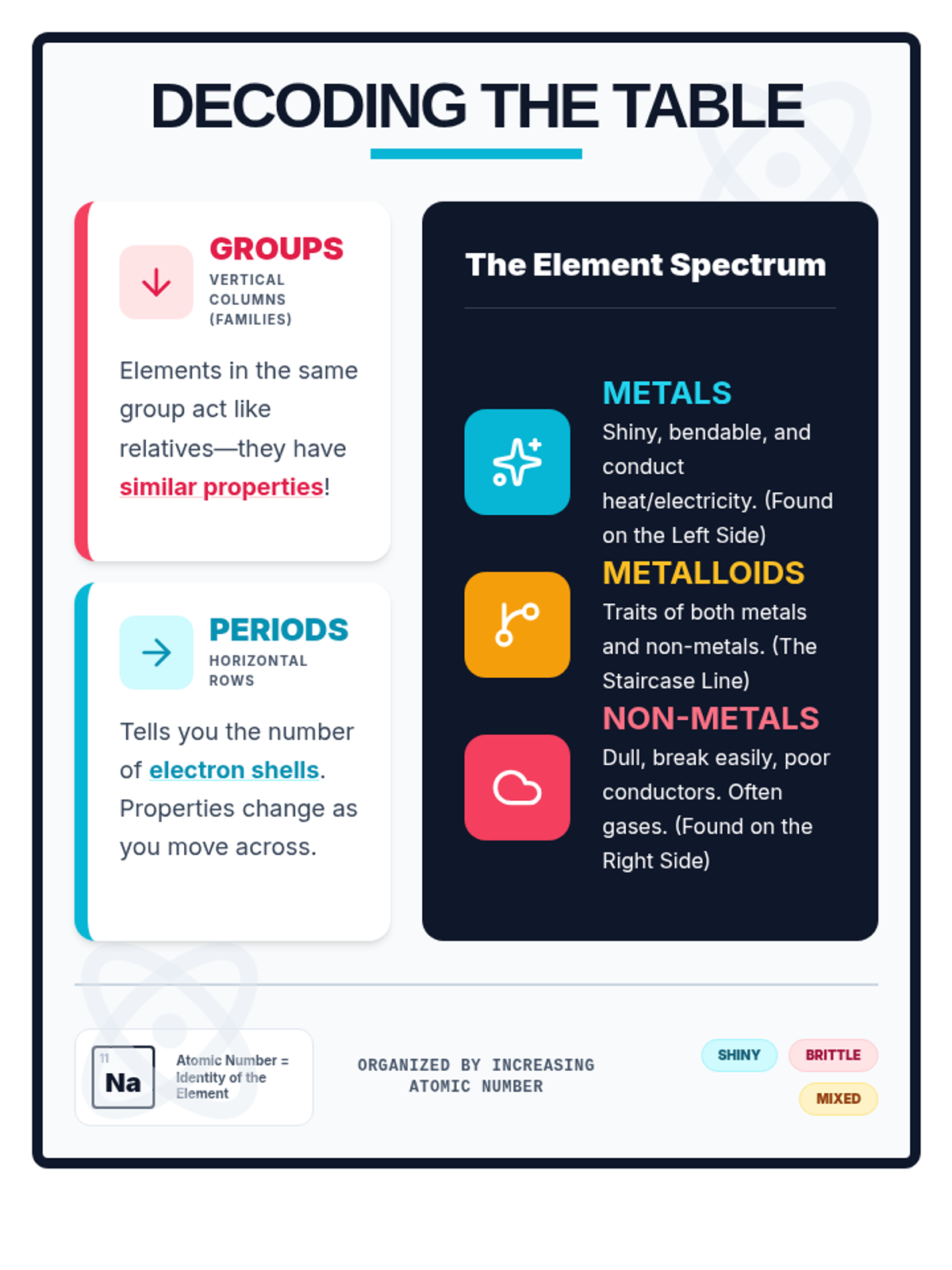
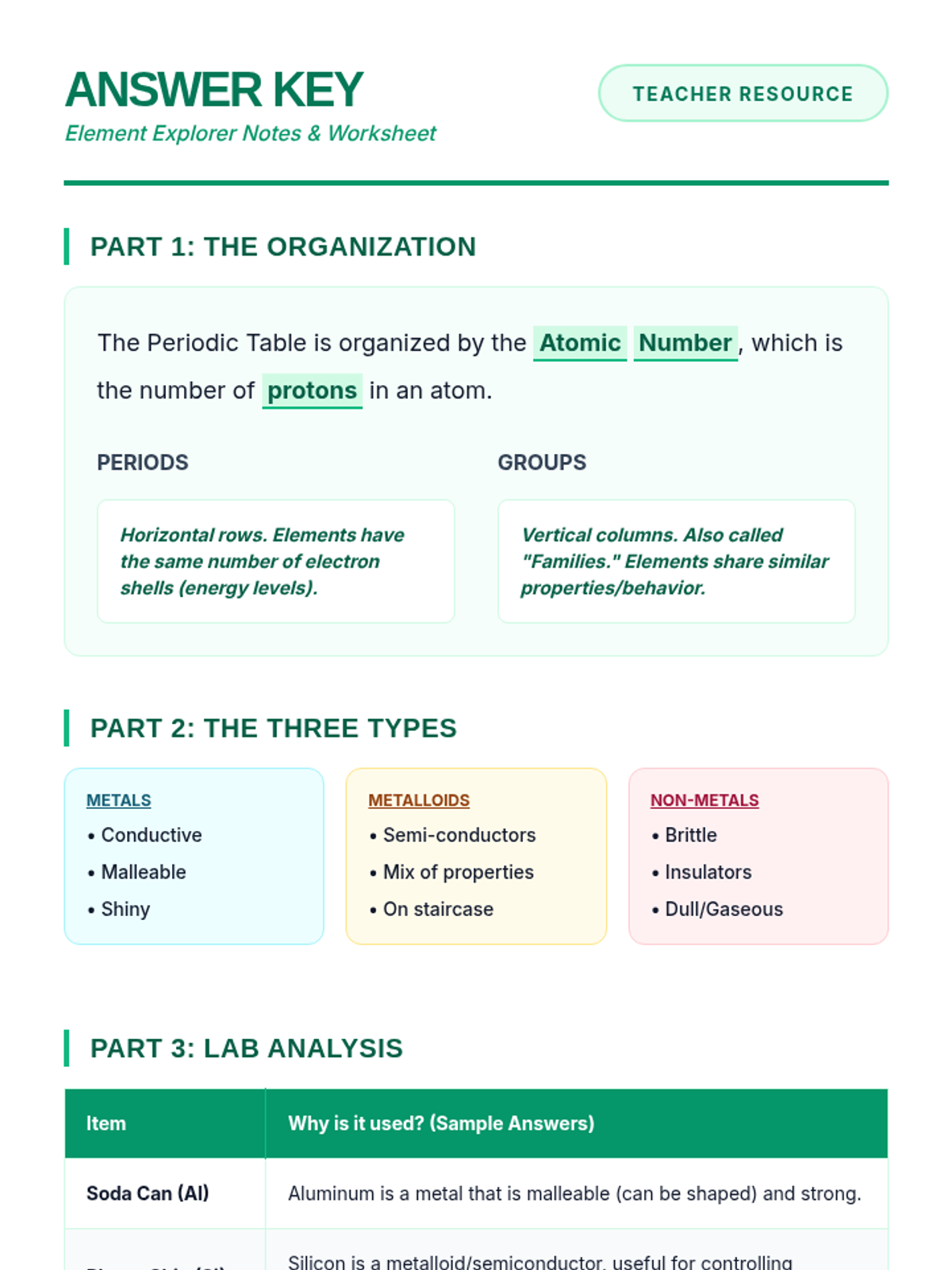
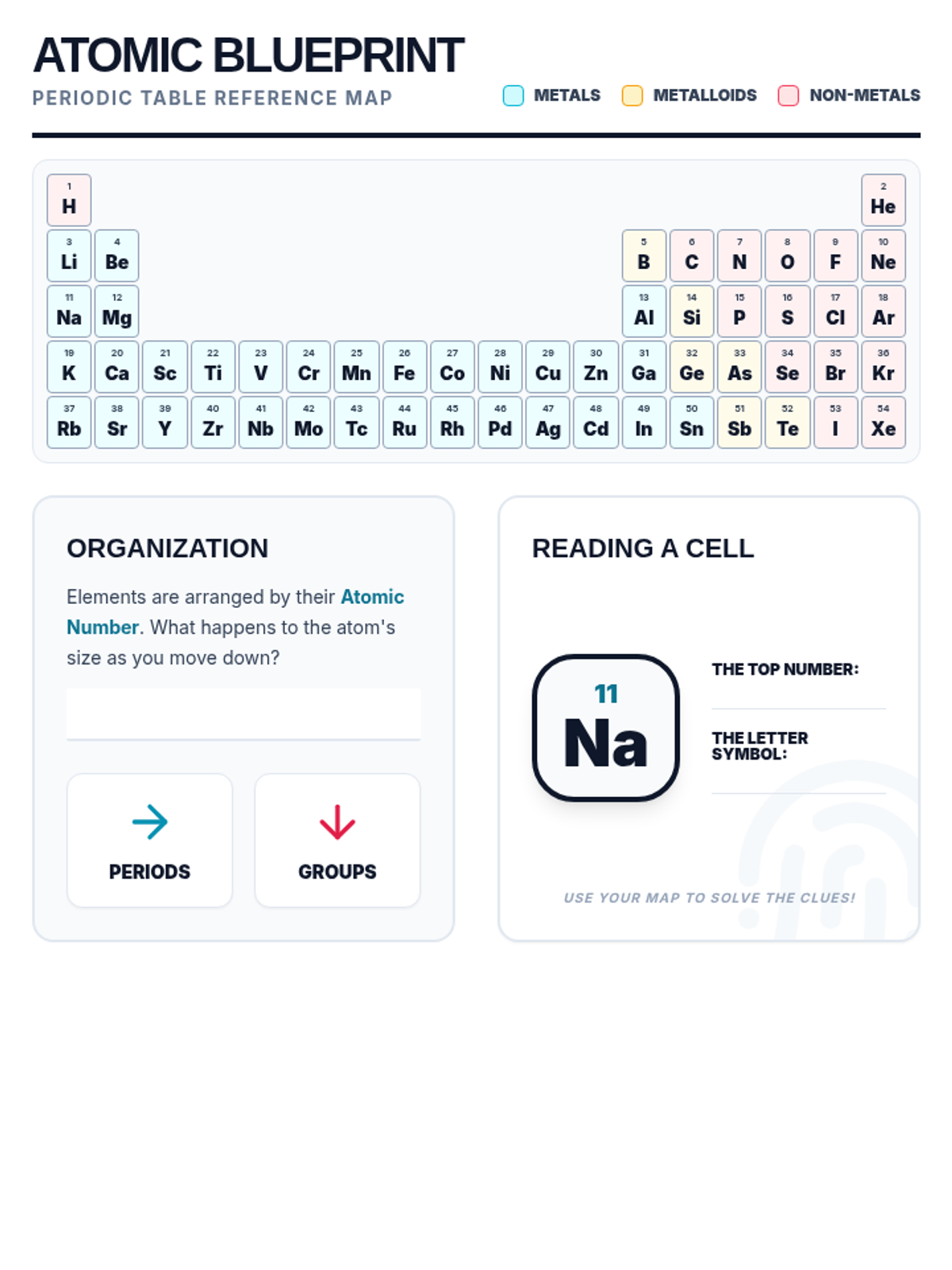
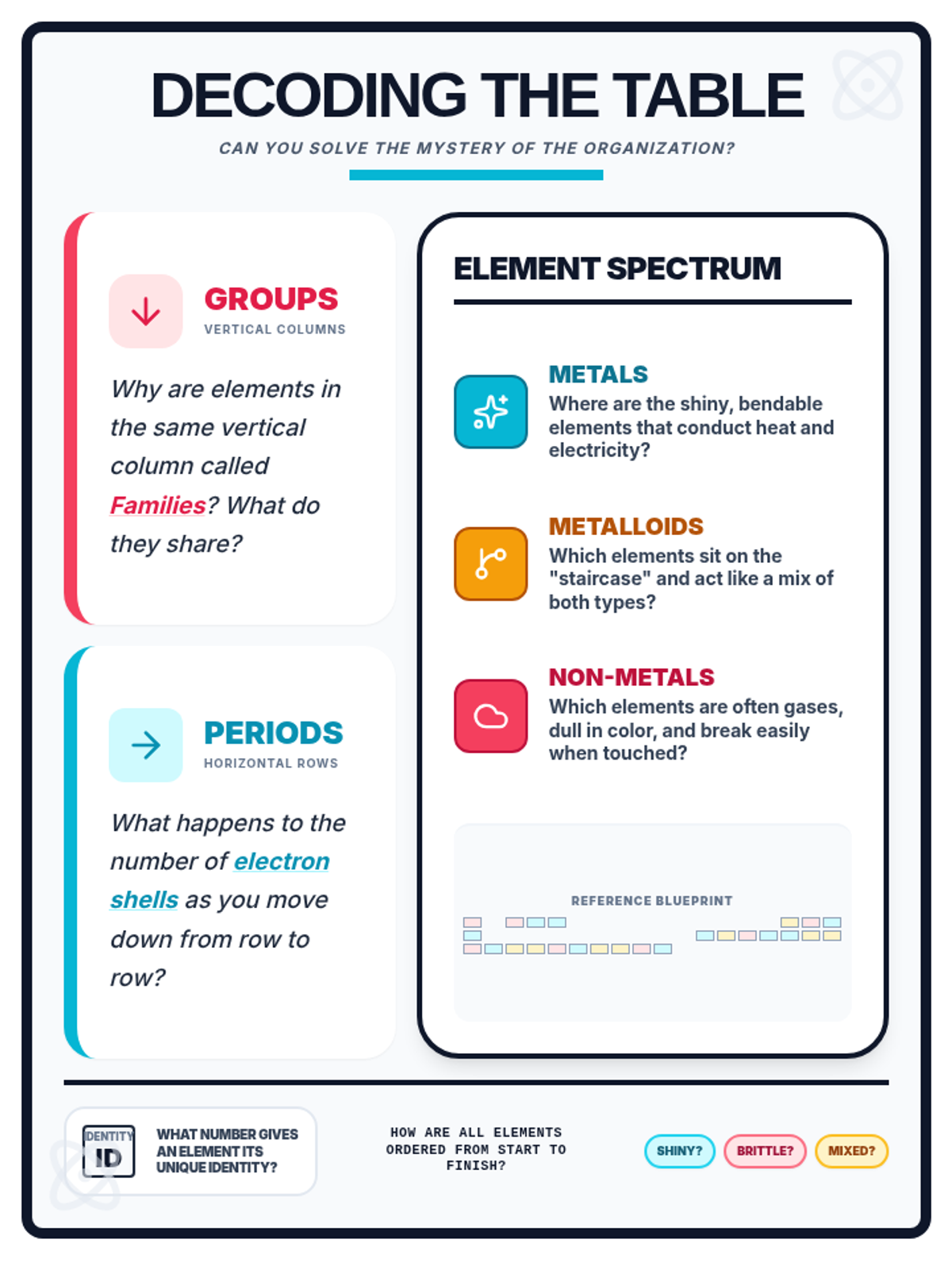
A comprehensive introduction to the Periodic Table, exploring how elements are organized by atomic number, the significance of groups and periods, and the distinct properties of metals, non-metals, and metalloids through real-world examples.
An introductory lesson on how the periodic table is organized, covering atomic numbers, mass, types of elements, and periodic trends.
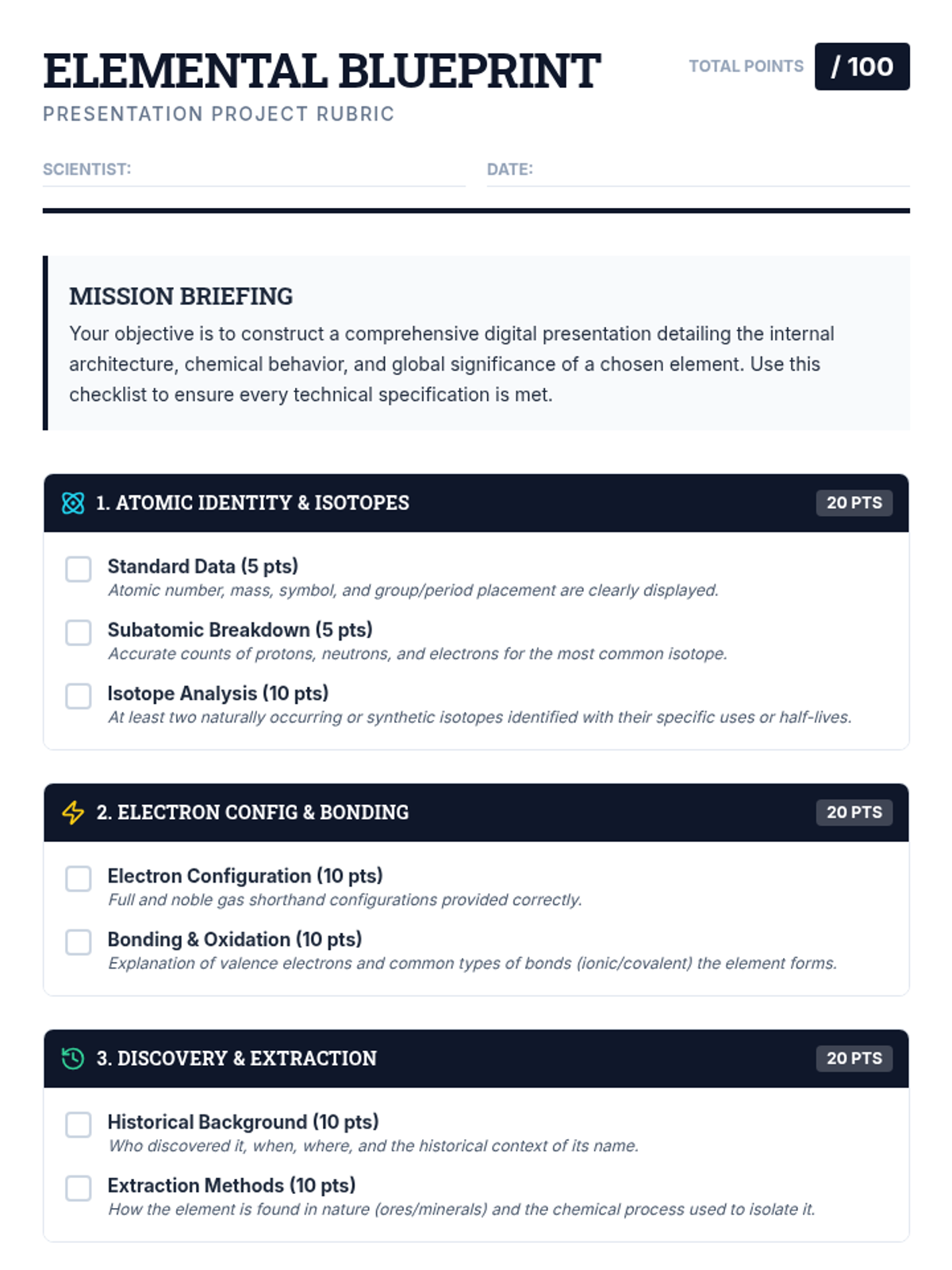
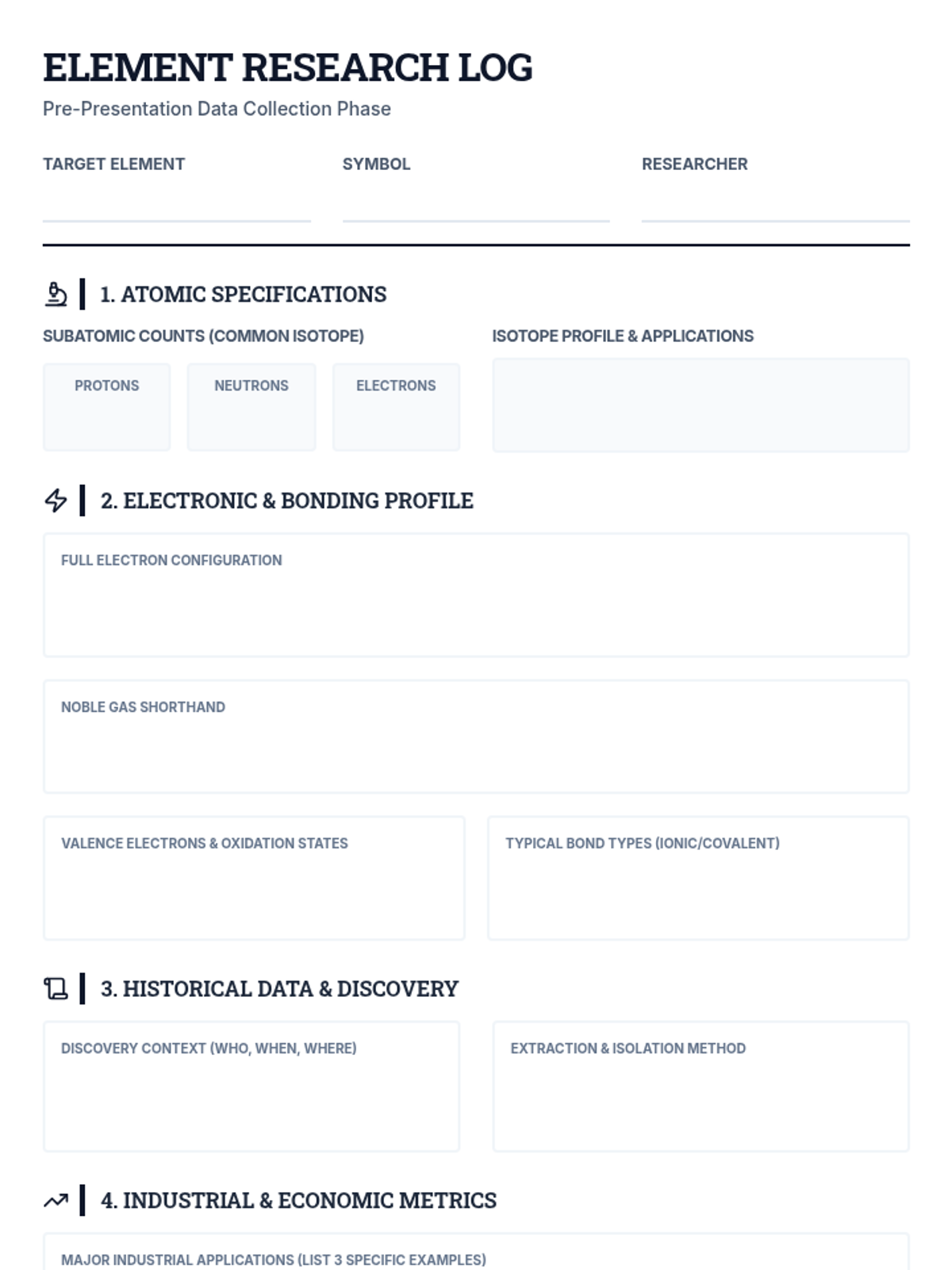
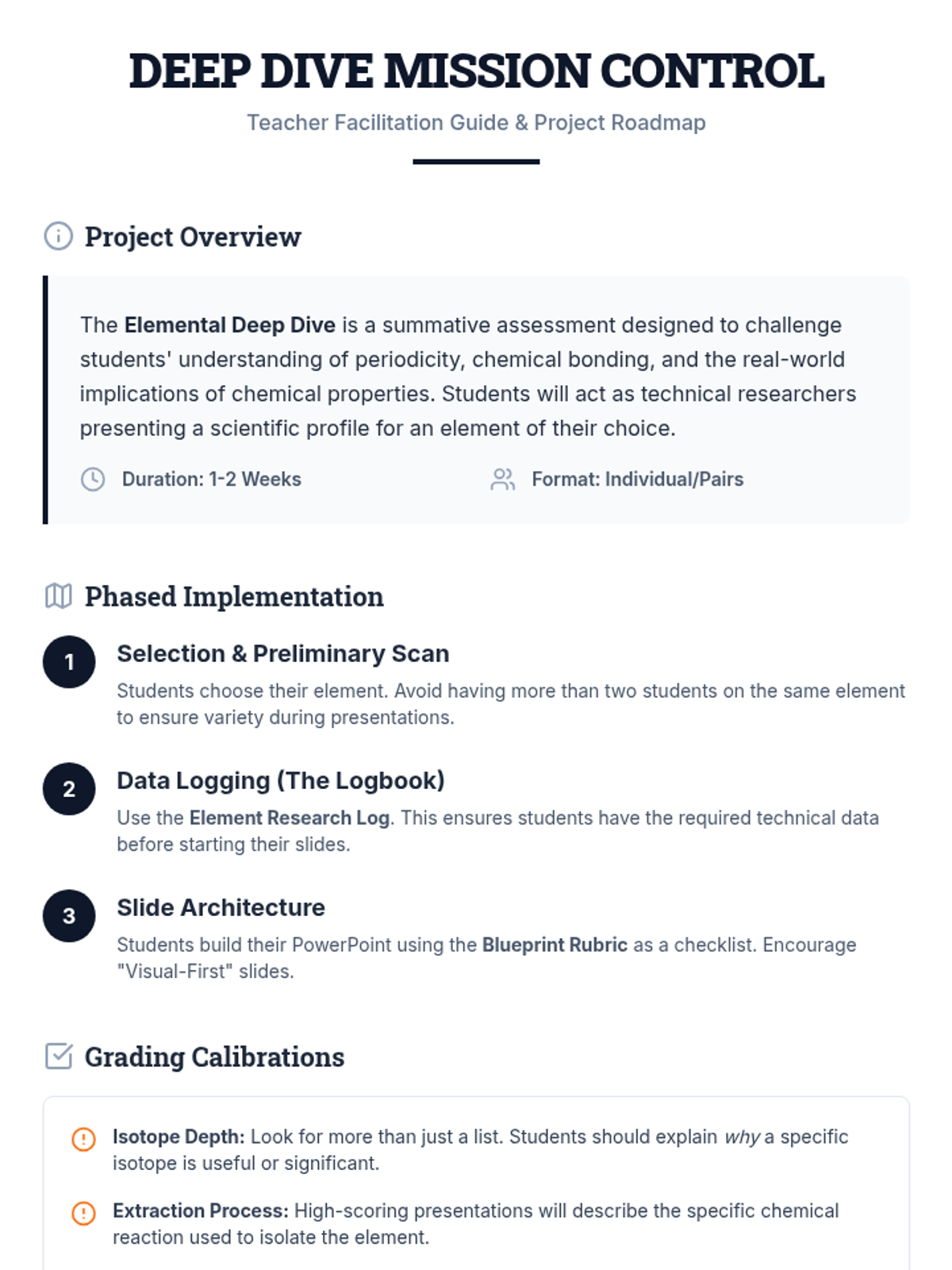
A comprehensive project guide for a deep-dive research presentation on chemical elements, including a detailed point-based rubric and a research organizer.
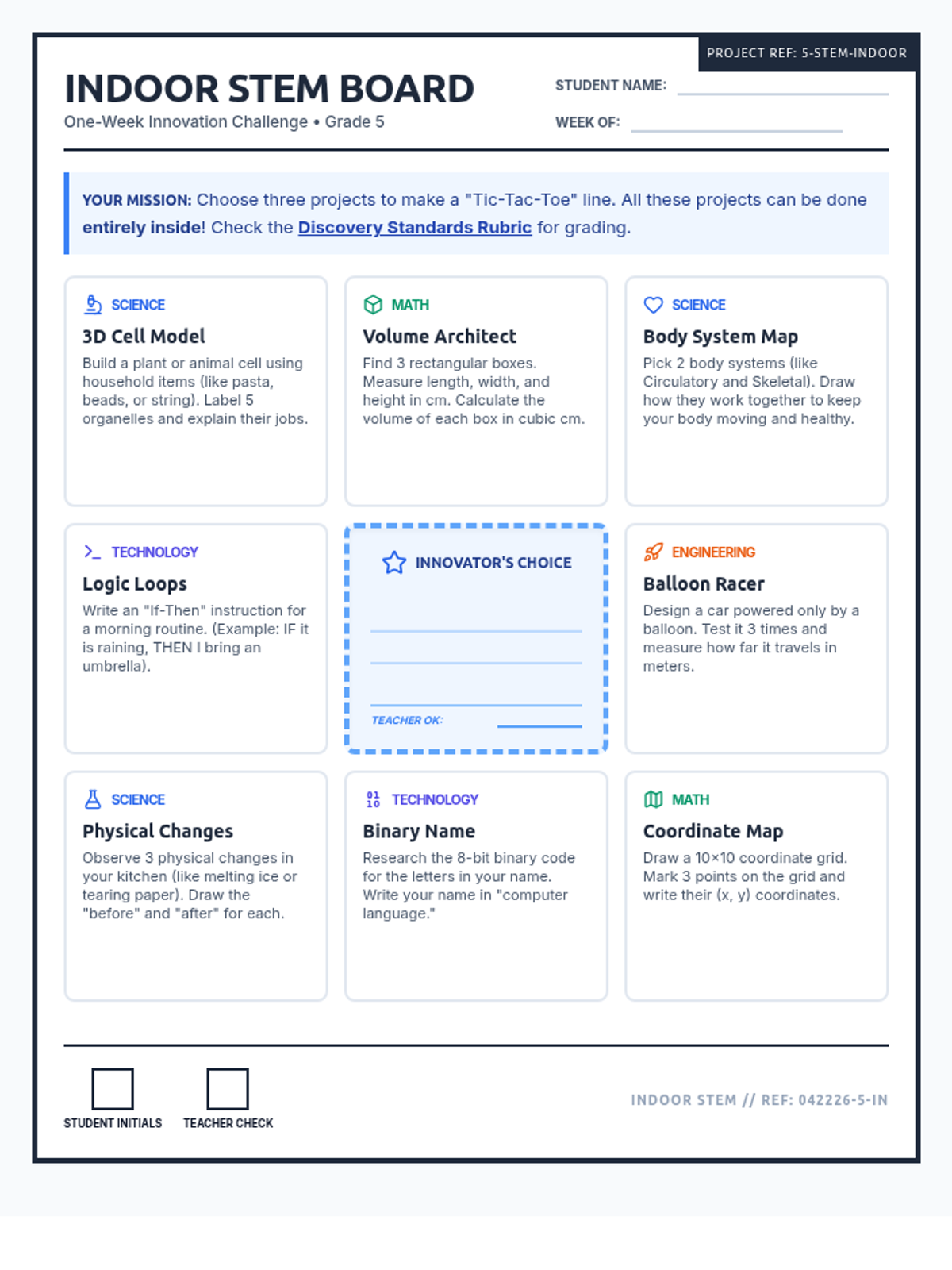
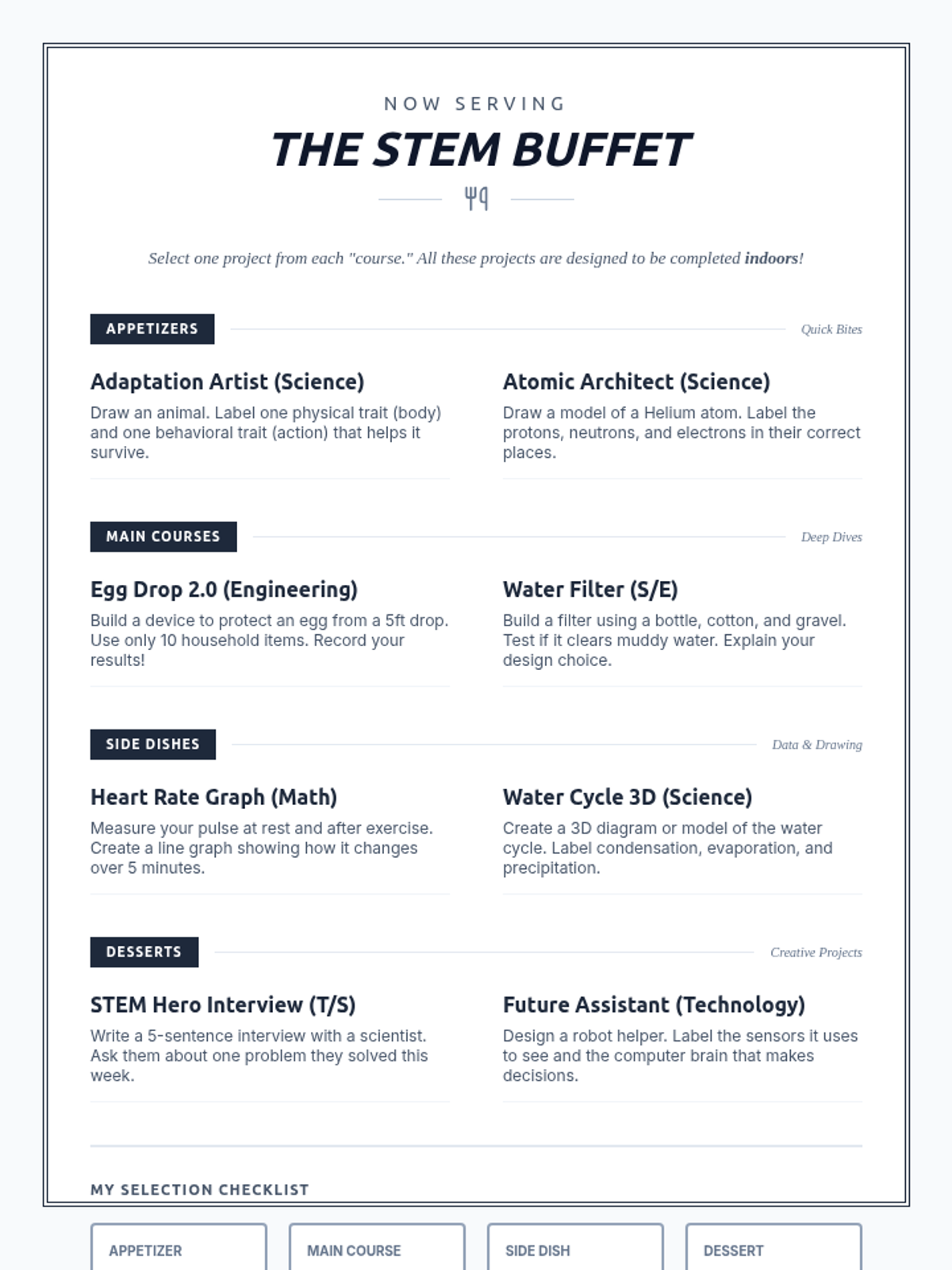
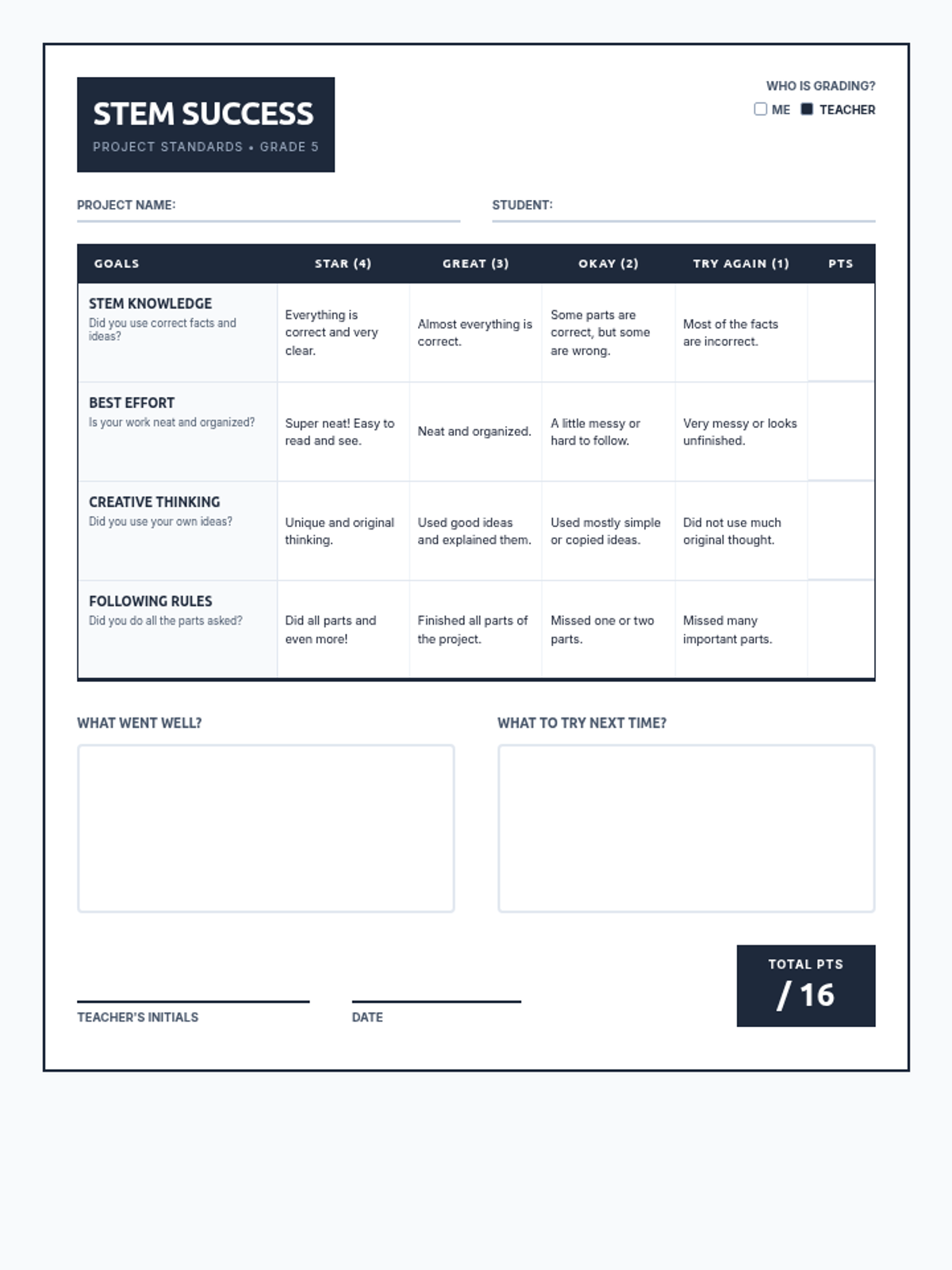
A comprehensive STEM project choice unit designed for 7th-grade students to explore various scientific and engineering topics through self-directed learning and creative output.
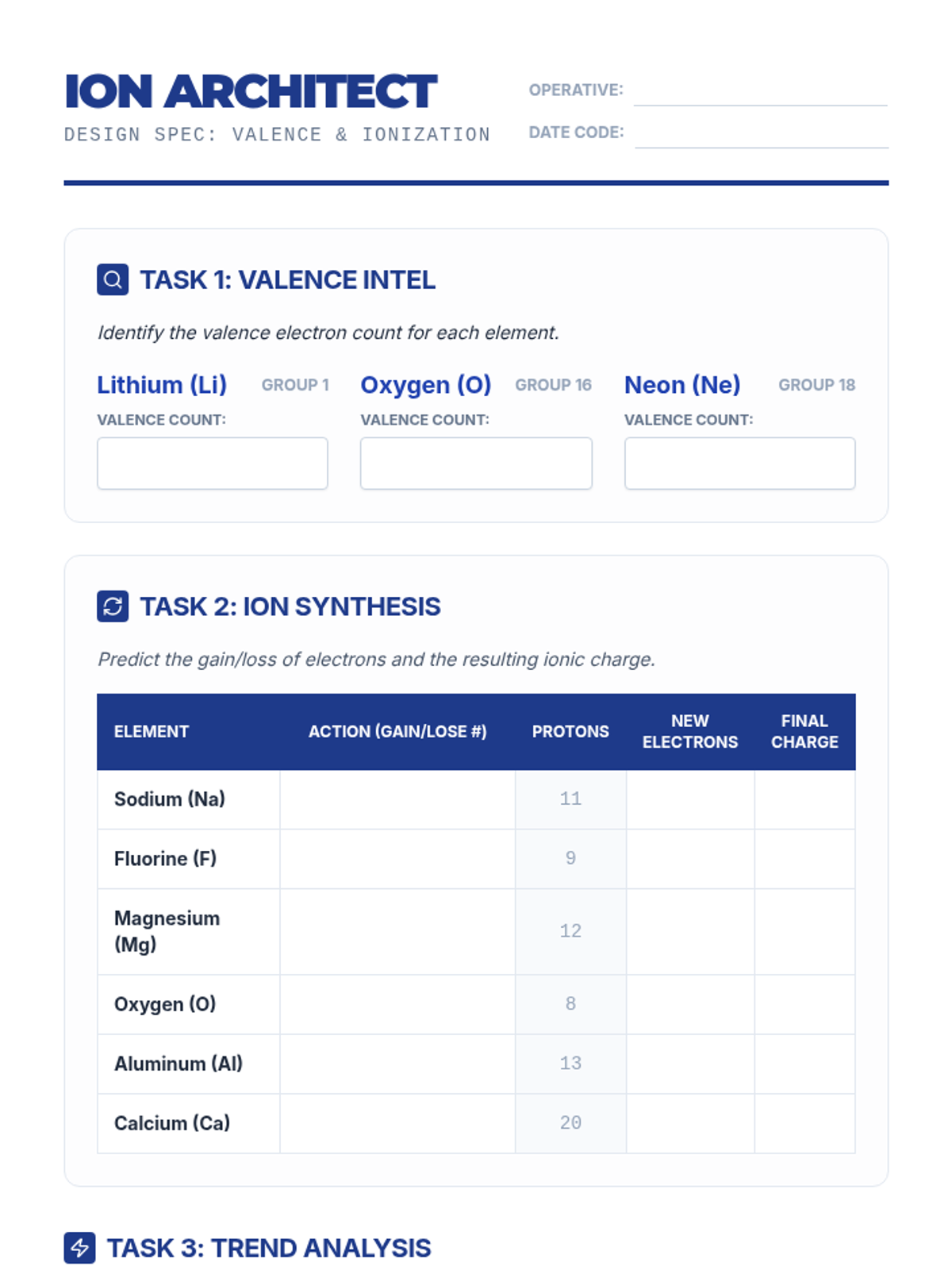
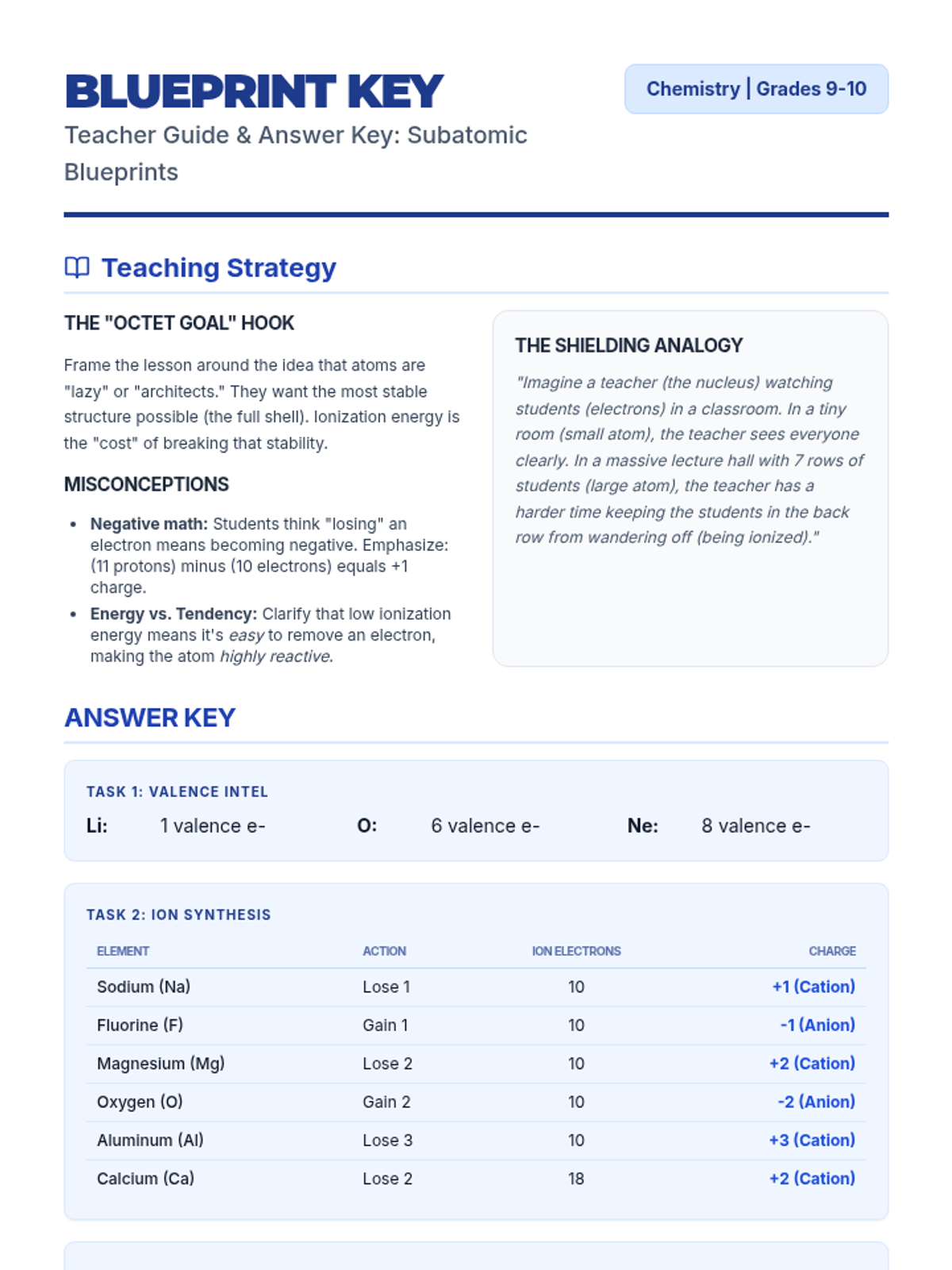
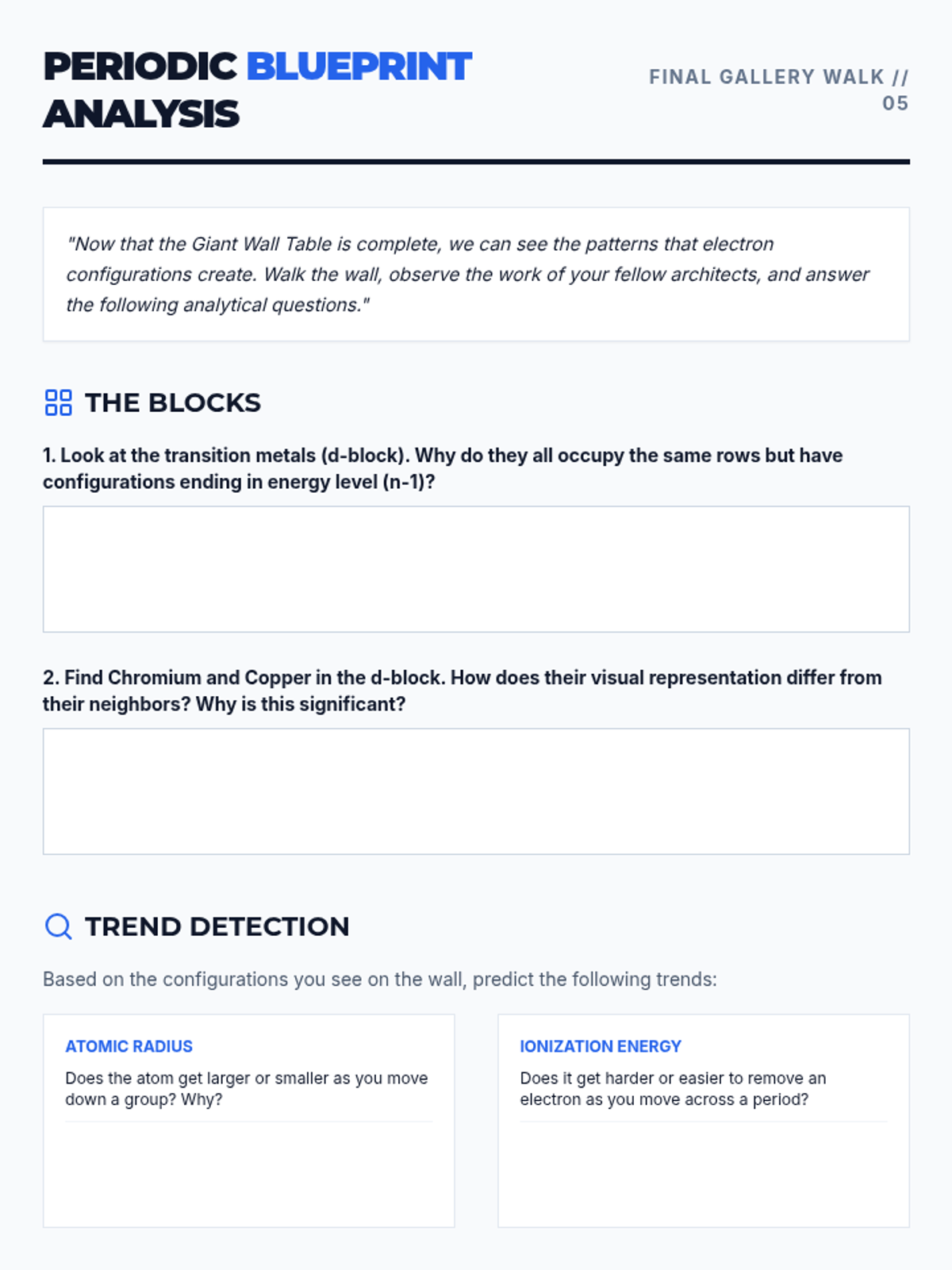
A focused lesson on valence electrons, ion formation, and ionization energy trends for high school chemistry students. Includes a visual presentation and a guided practice worksheet to master subatomic blueprints.
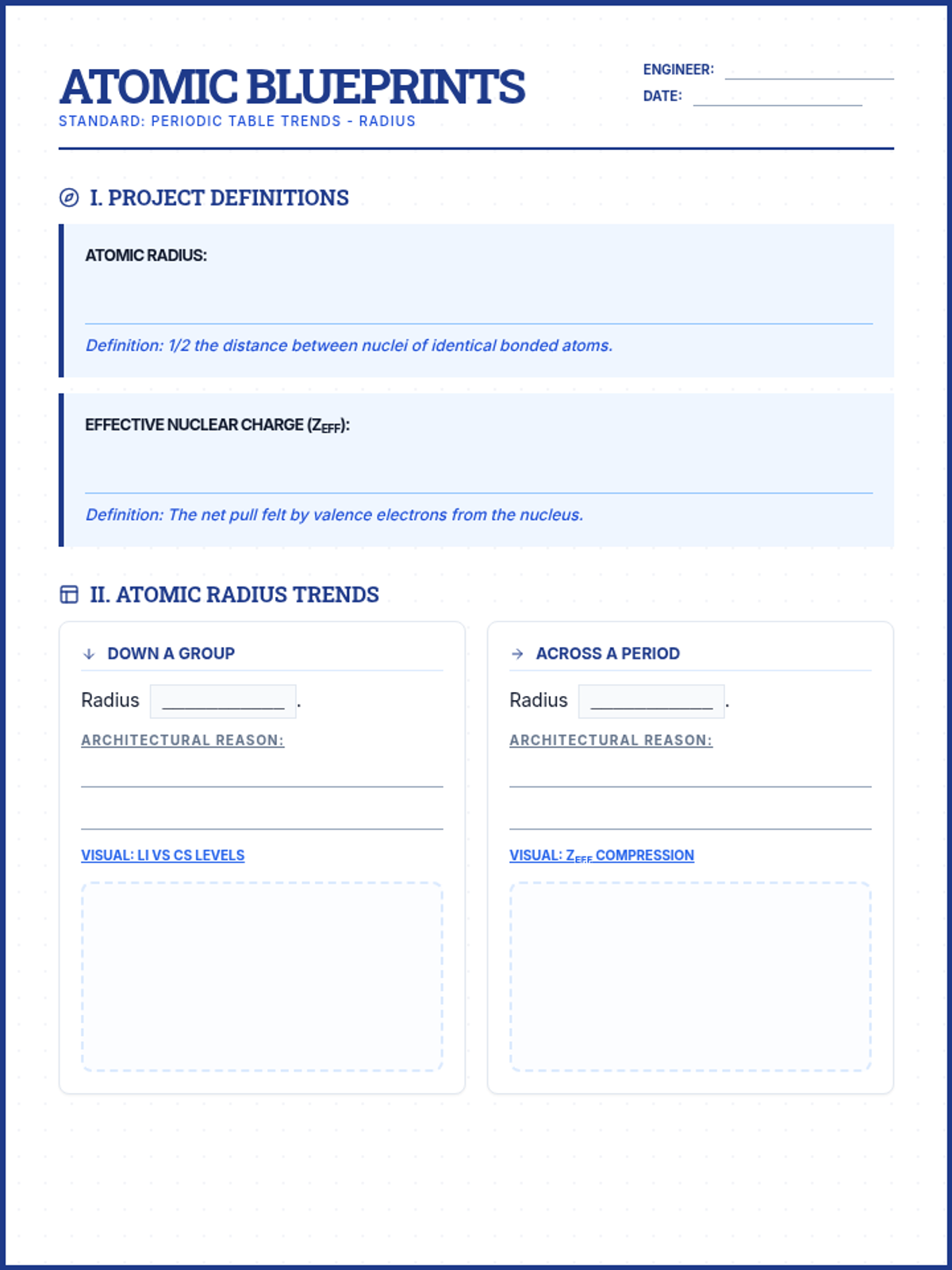
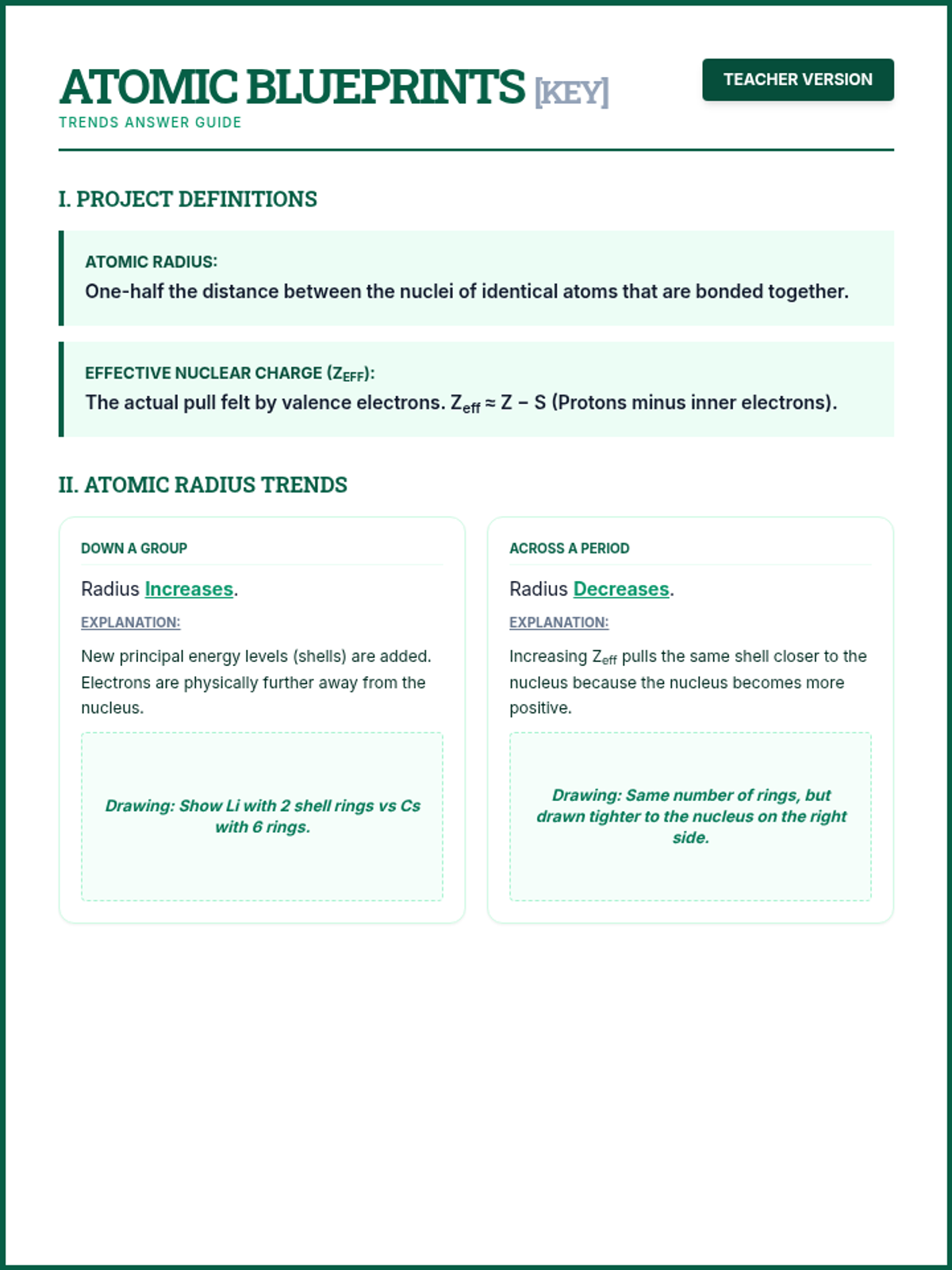
A lesson focused on the spatial trends of the periodic table, specifically atomic and ionic radius, using a technical blueprint theme to help students visualize atomic structure.
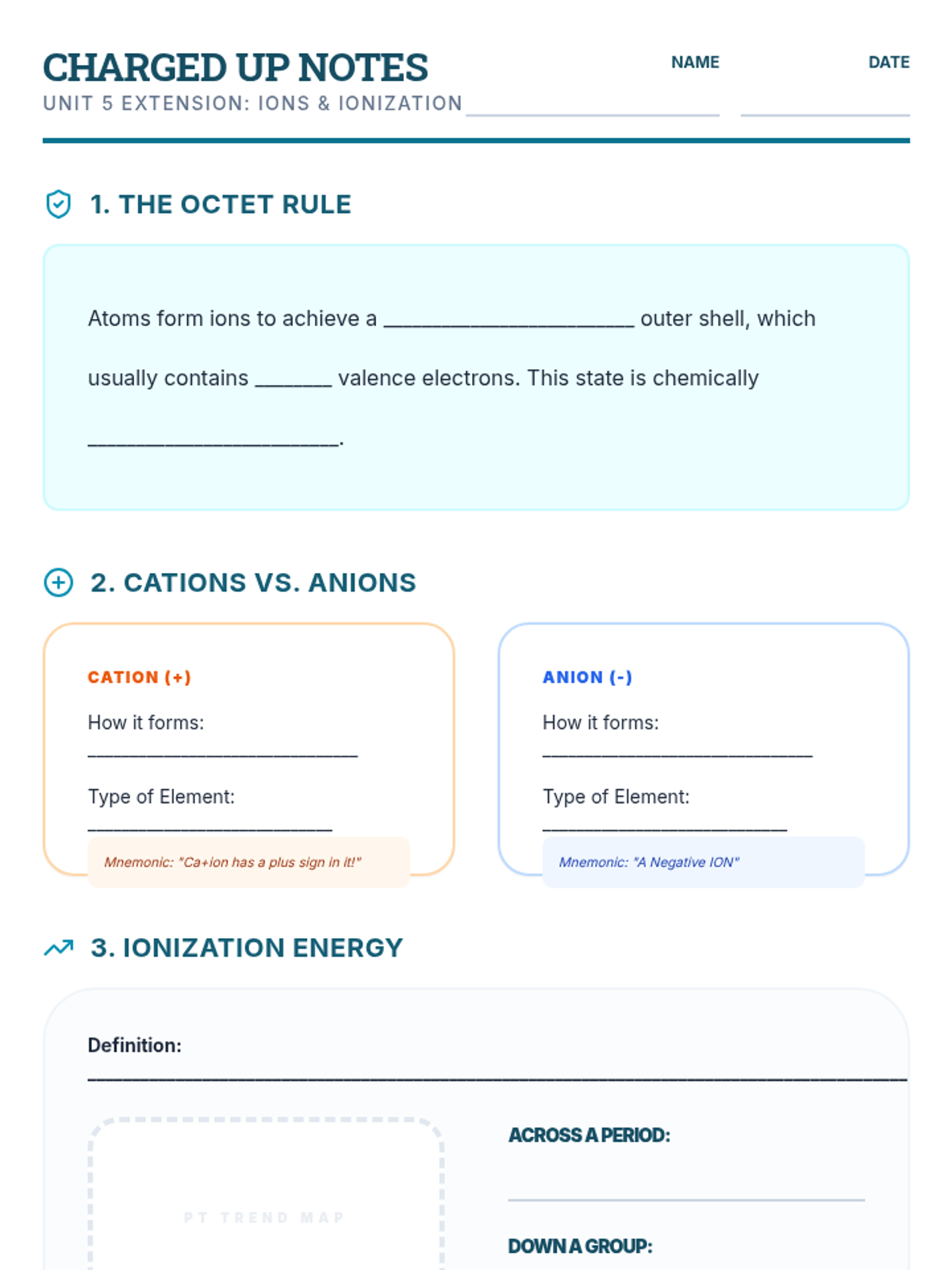
An exploration of how atoms become charged particles. Students learn about valence electrons, the octet rule, cation and anion formation, and the energy required to remove electrons.
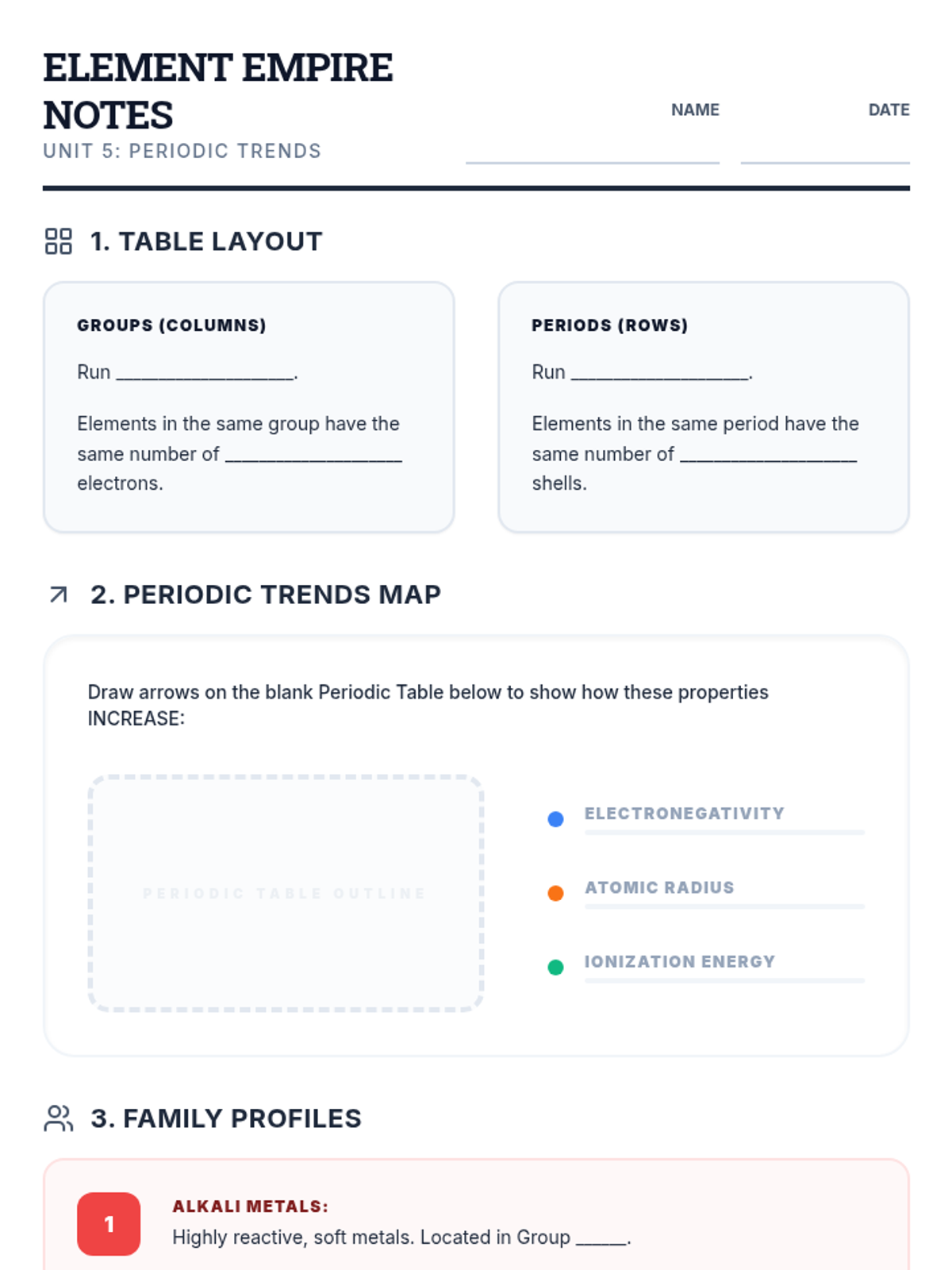
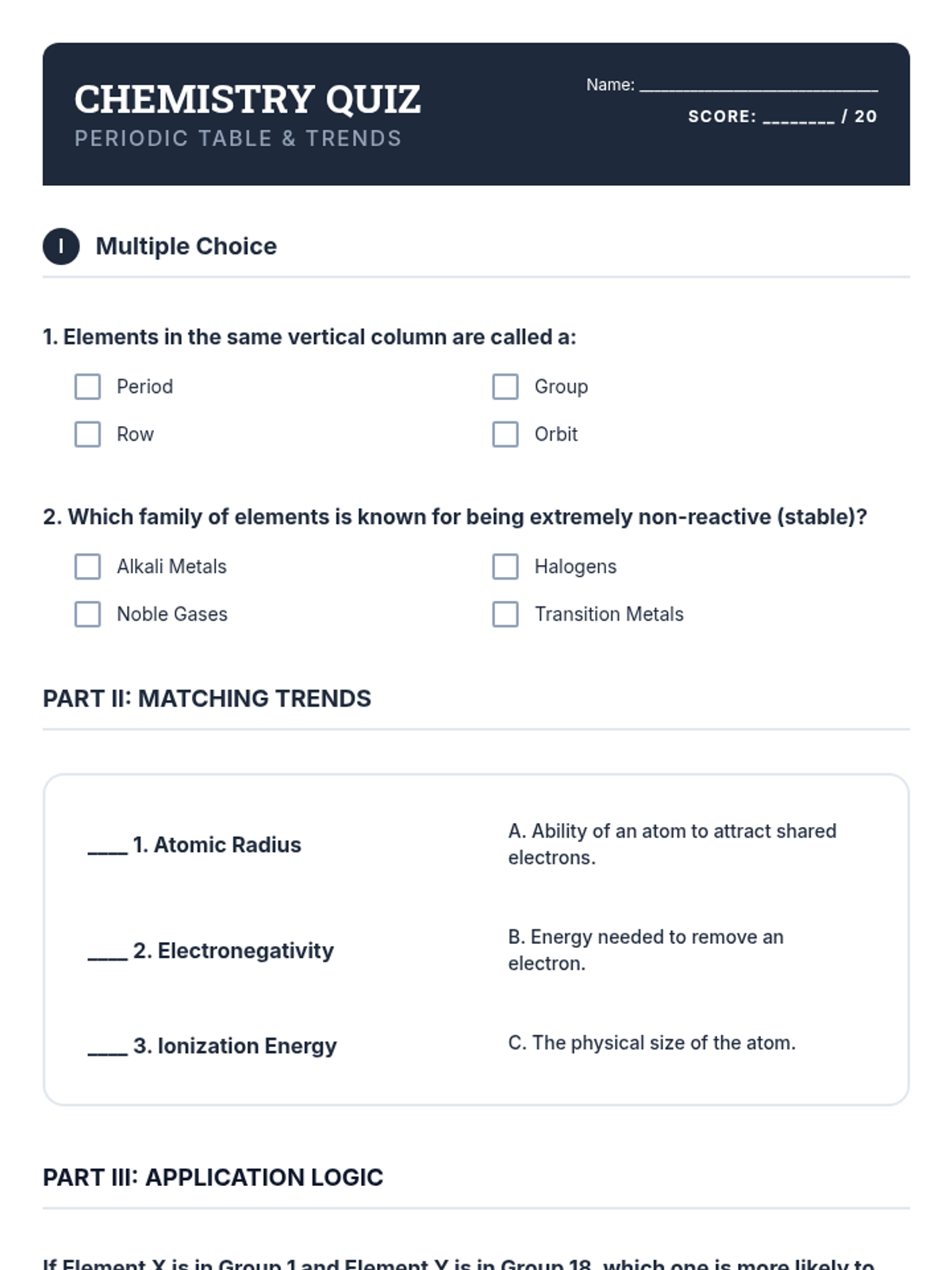
A journey through the organization of matter. Students explore atomic structure, periodic trends, and the unique properties of chemical families.
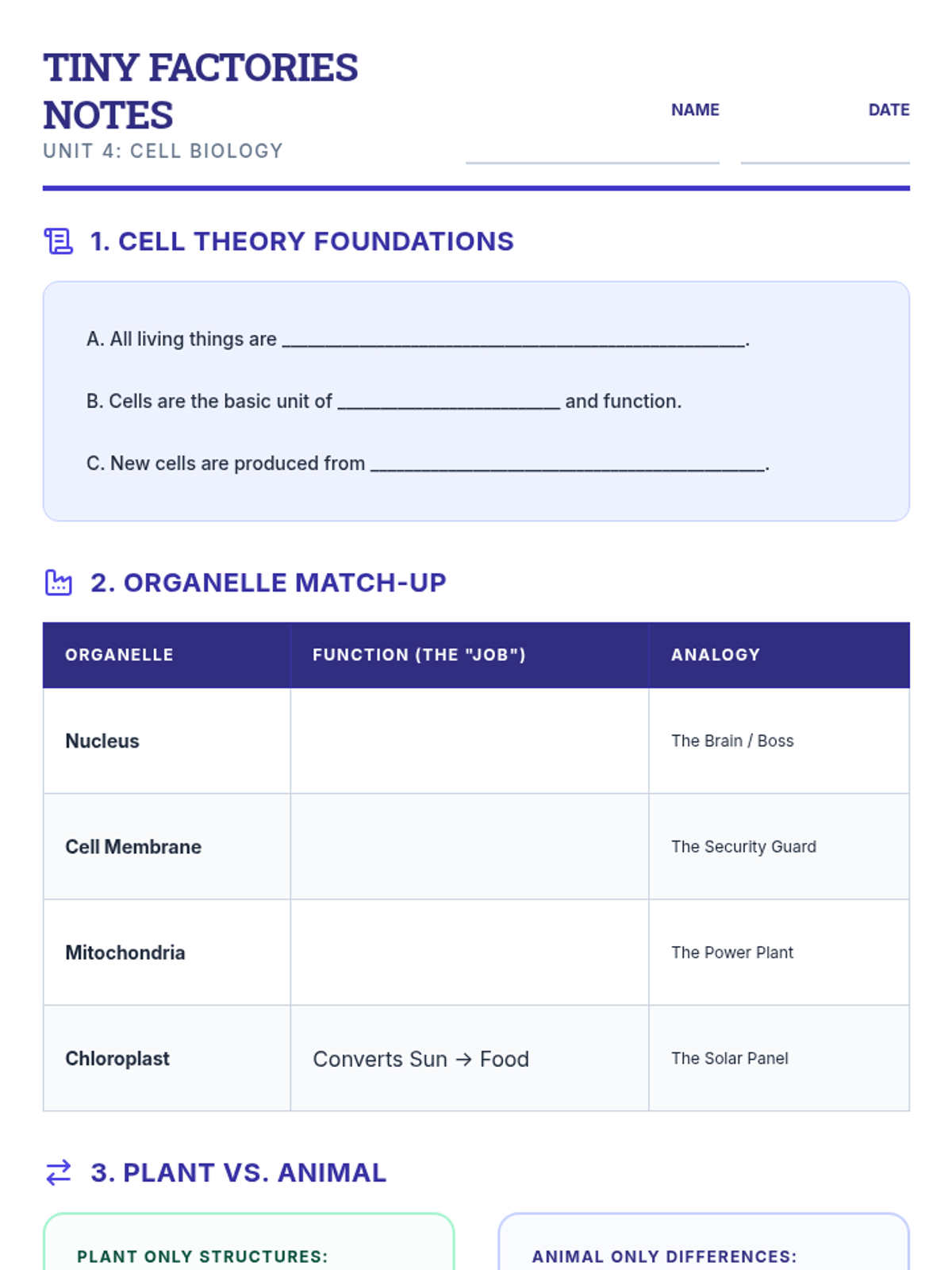
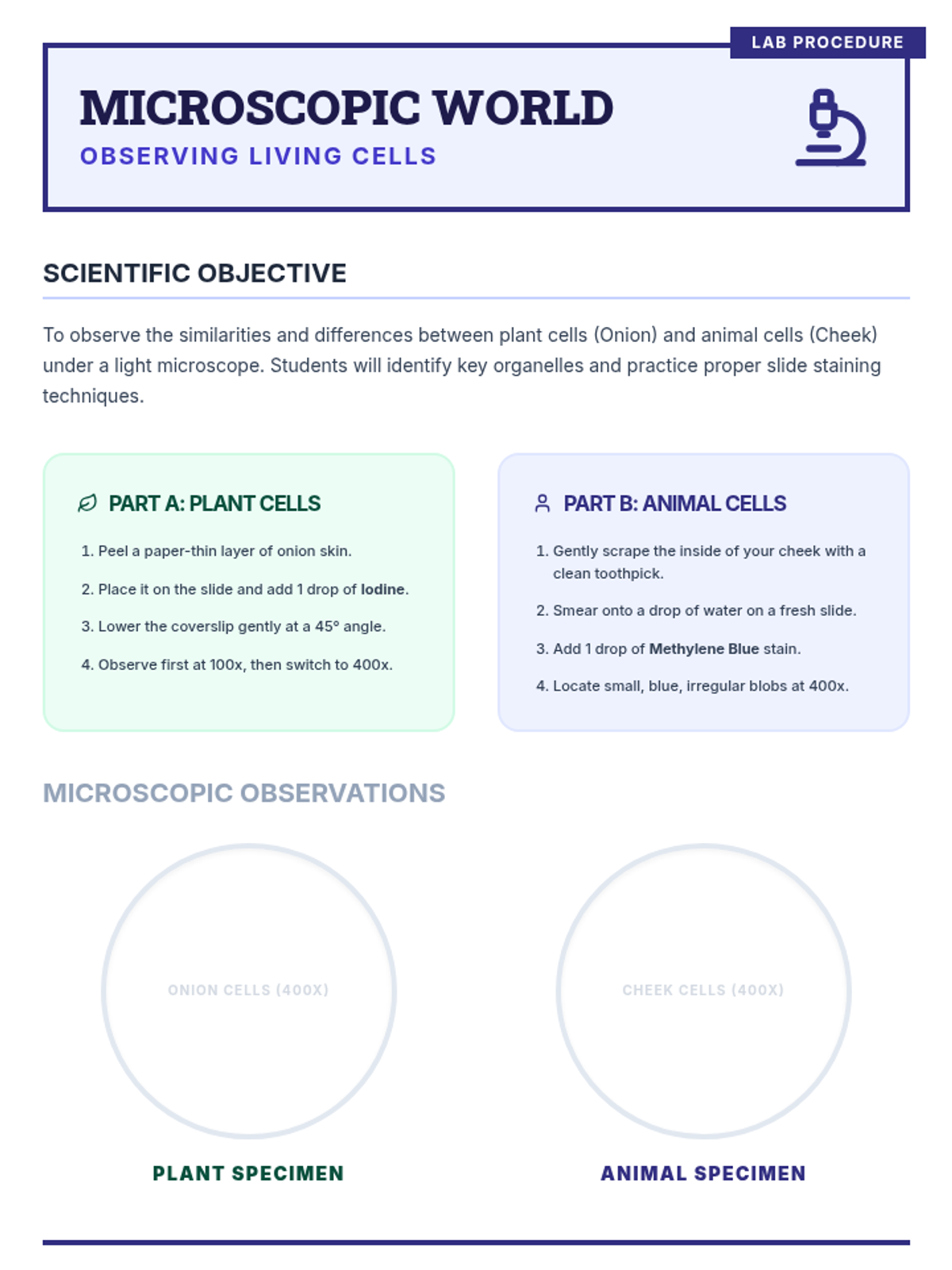
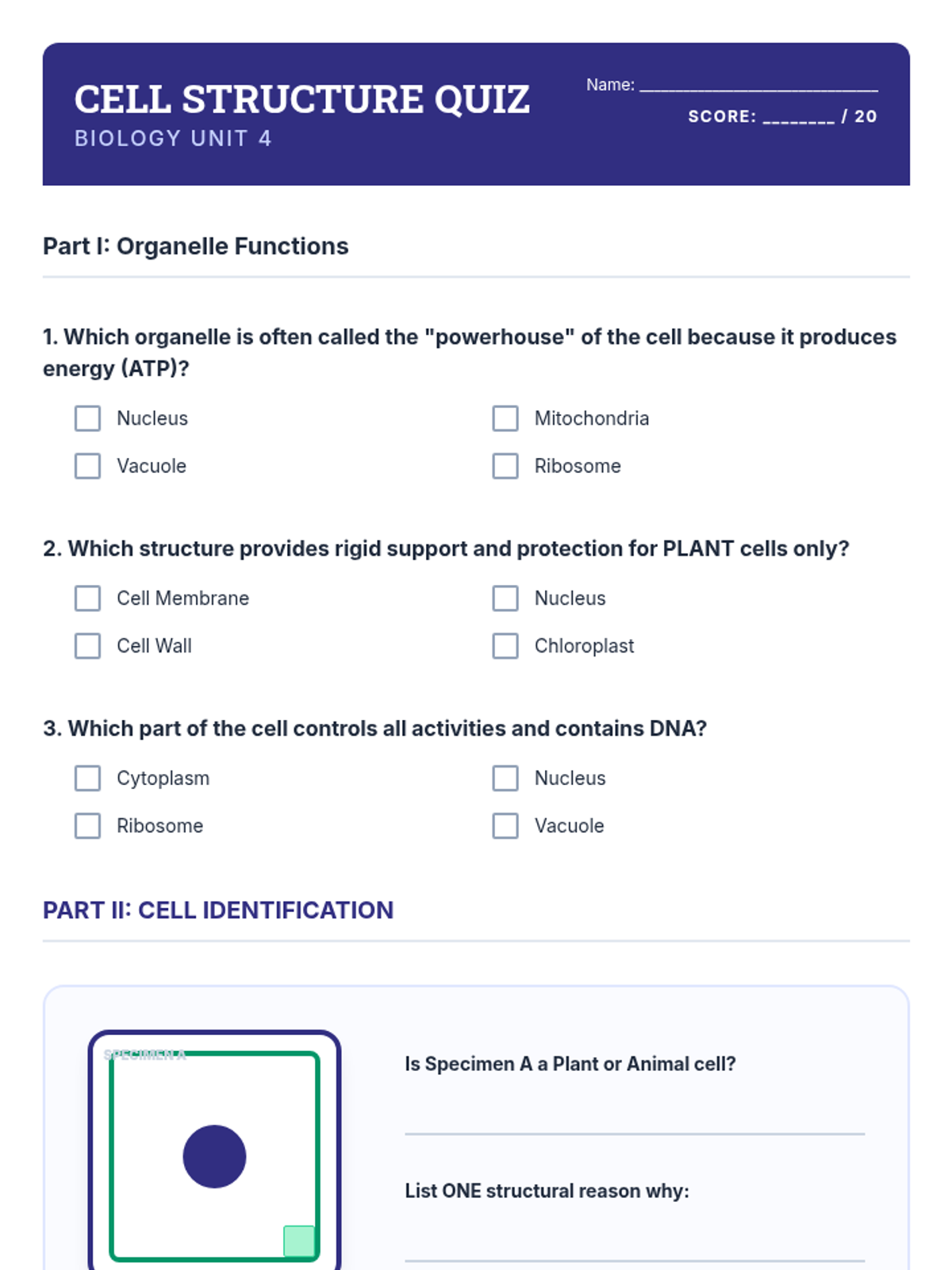
An investigation into the building blocks of life. Students compare plant and animal cells, identify organelle functions, and understand how cells maintain homeostasis.
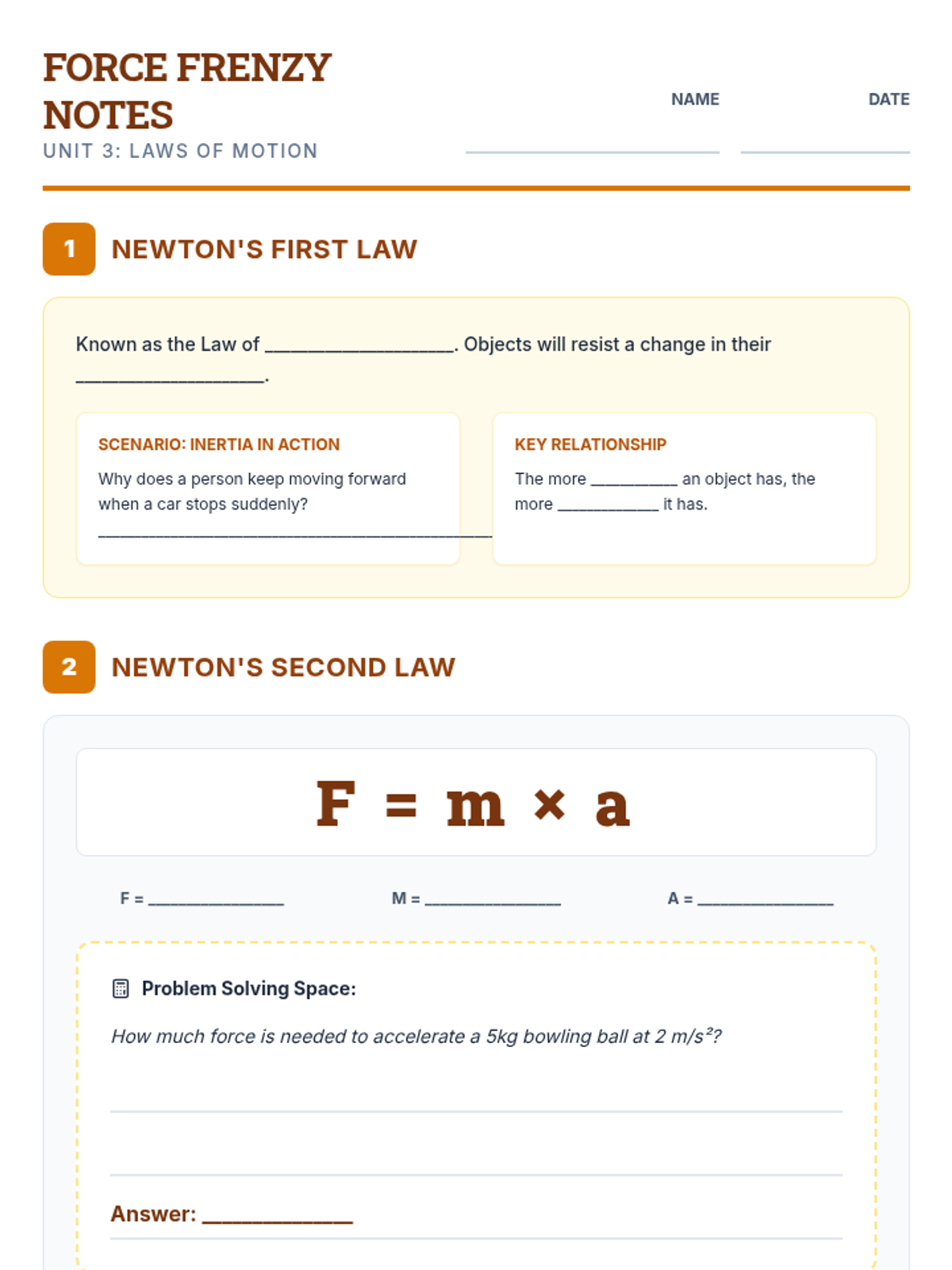
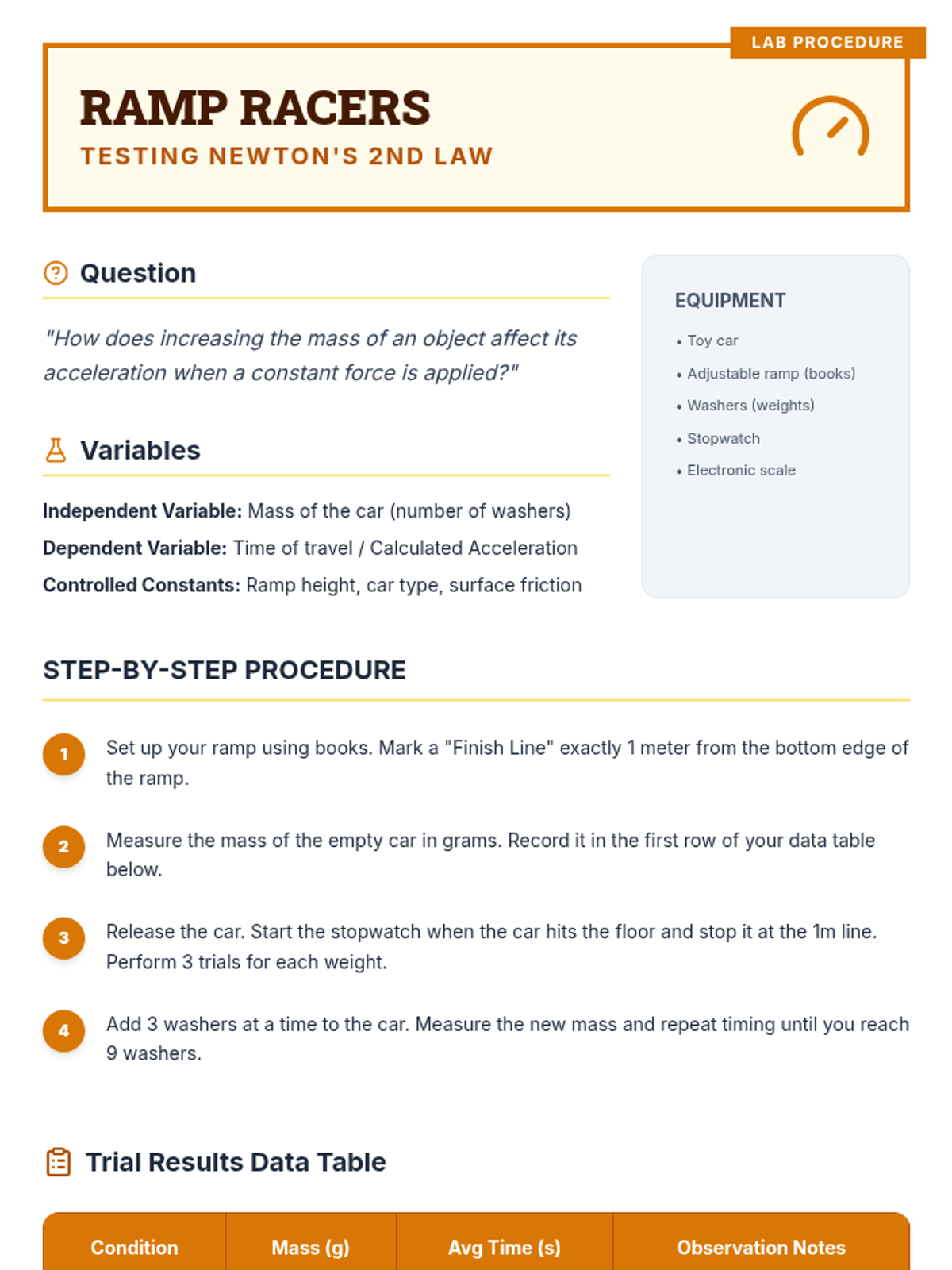
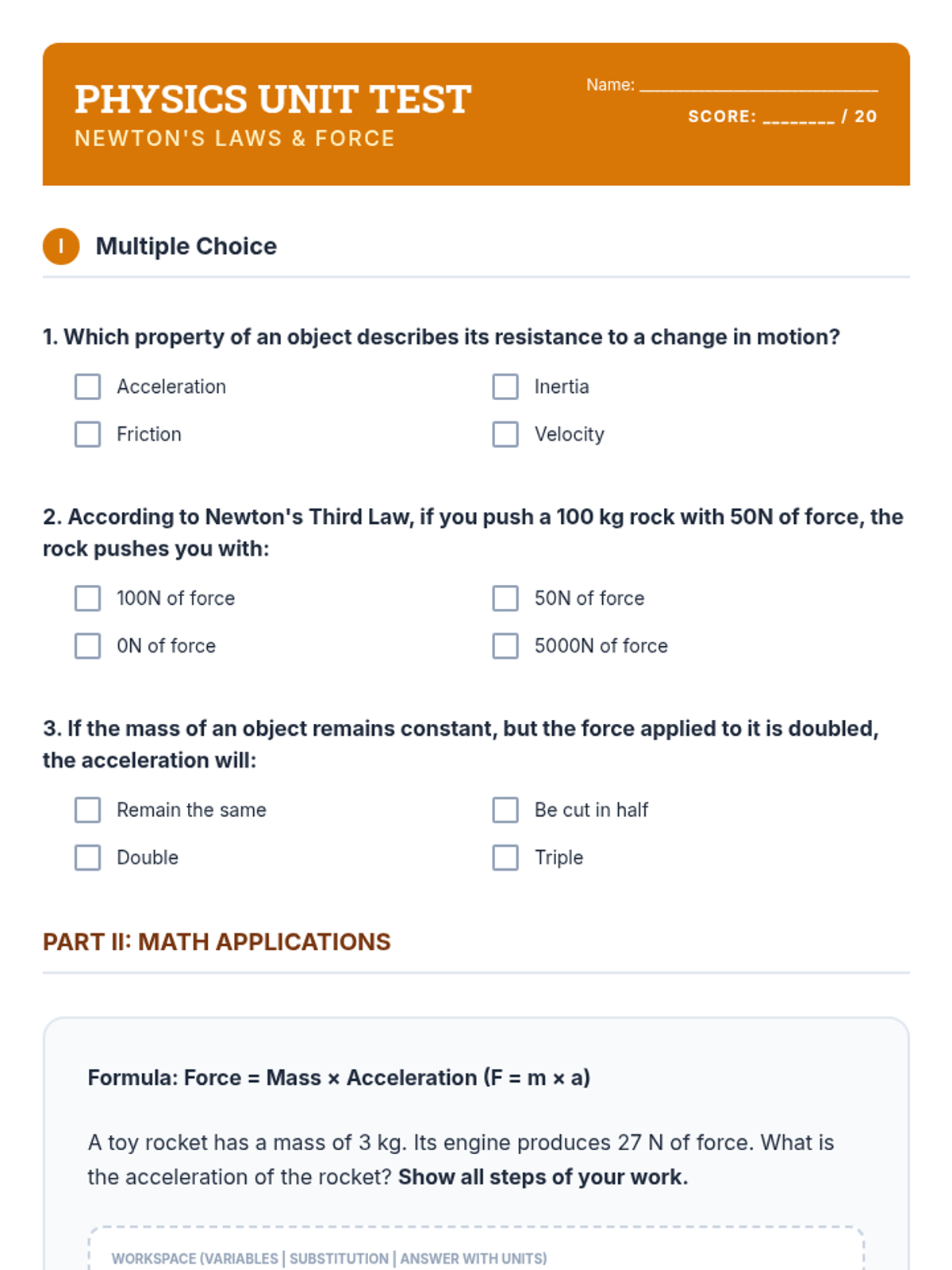
A deep dive into Newton's three laws of motion. Students calculate force, mass, and acceleration while observing physics in everyday life through hands-on experiments.
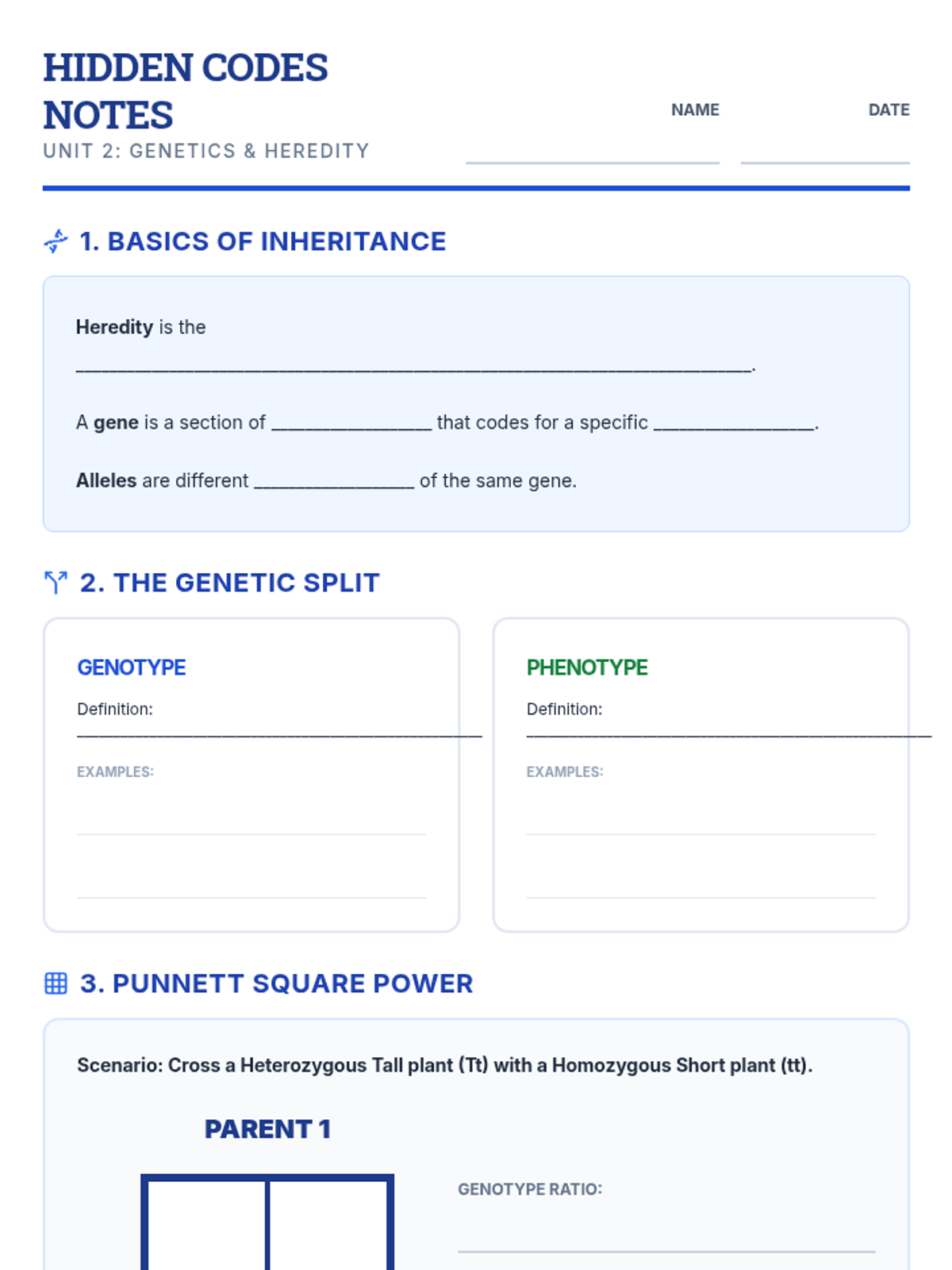
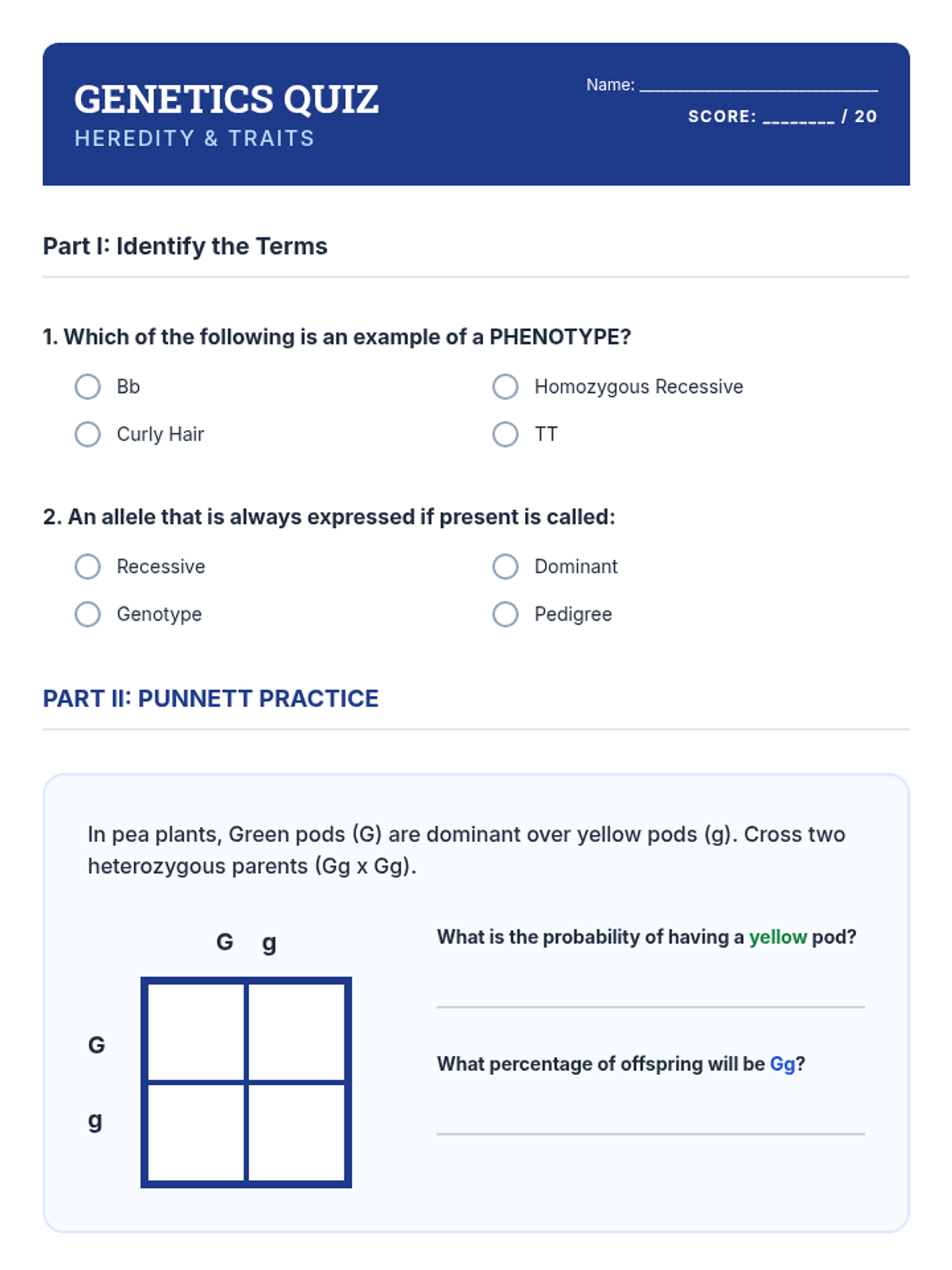
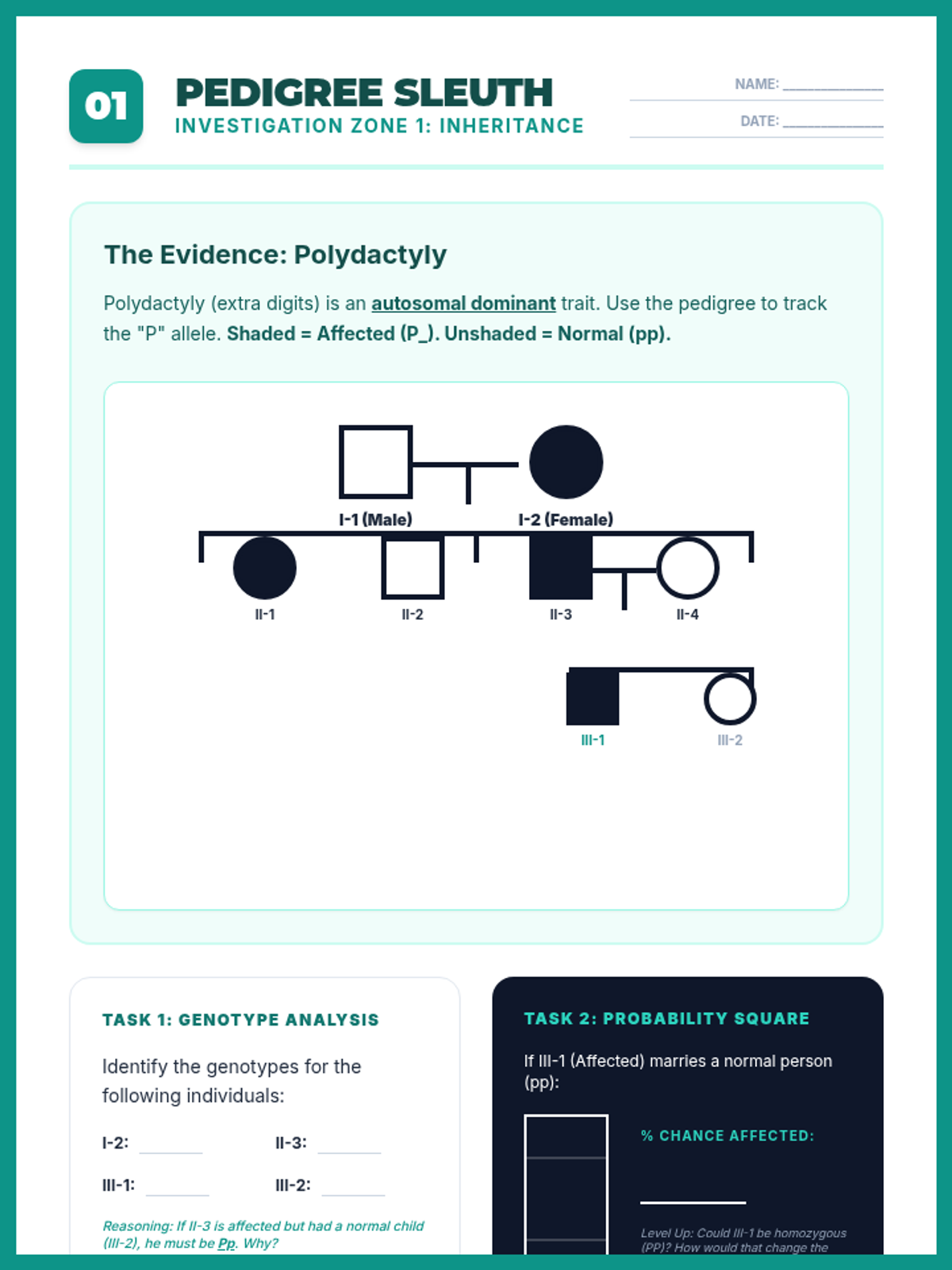
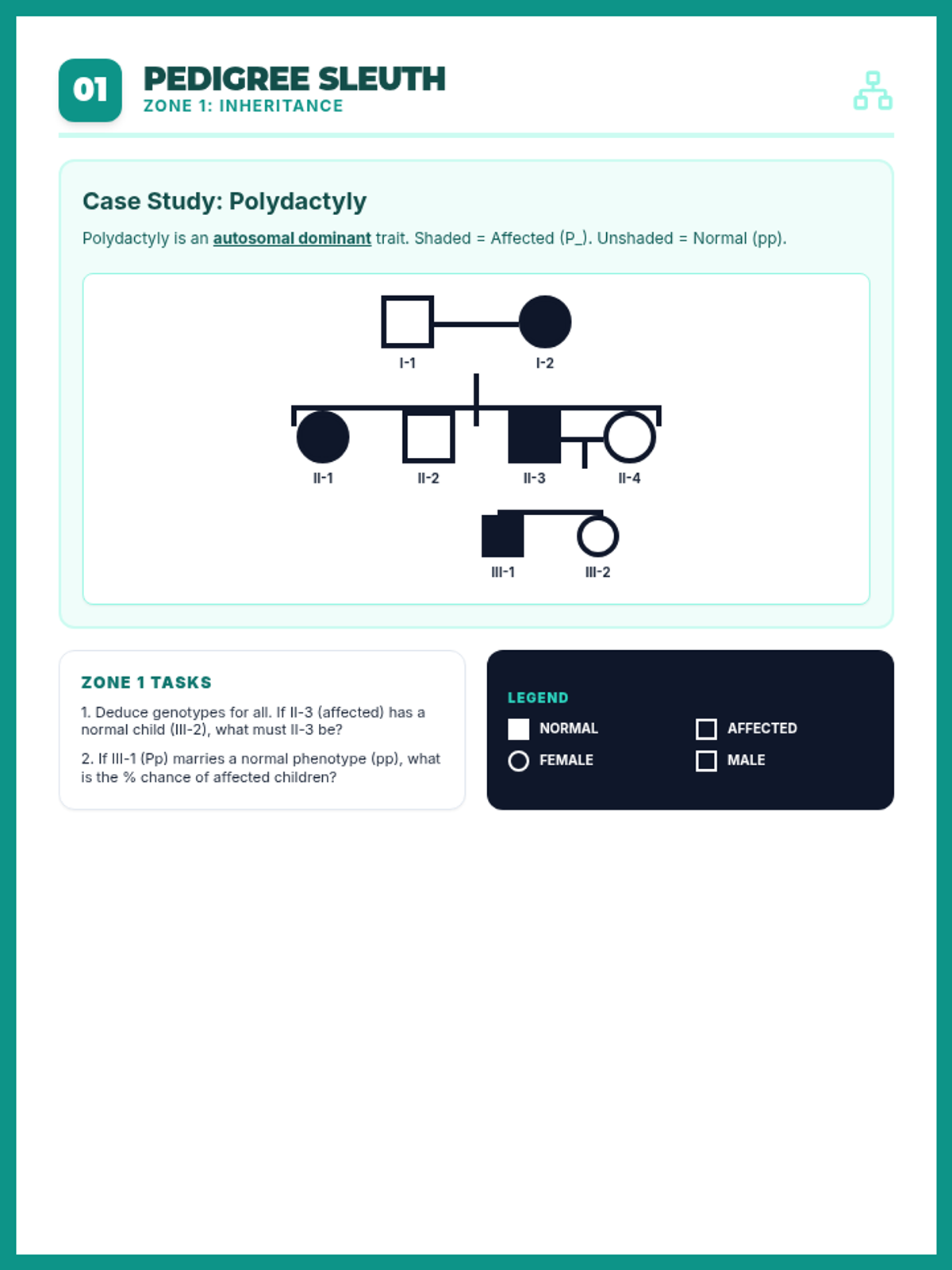
Unlocking the secrets of DNA and inheritance. Students learn how traits are passed from parents to offspring using Punnett squares and pedigree analysis.
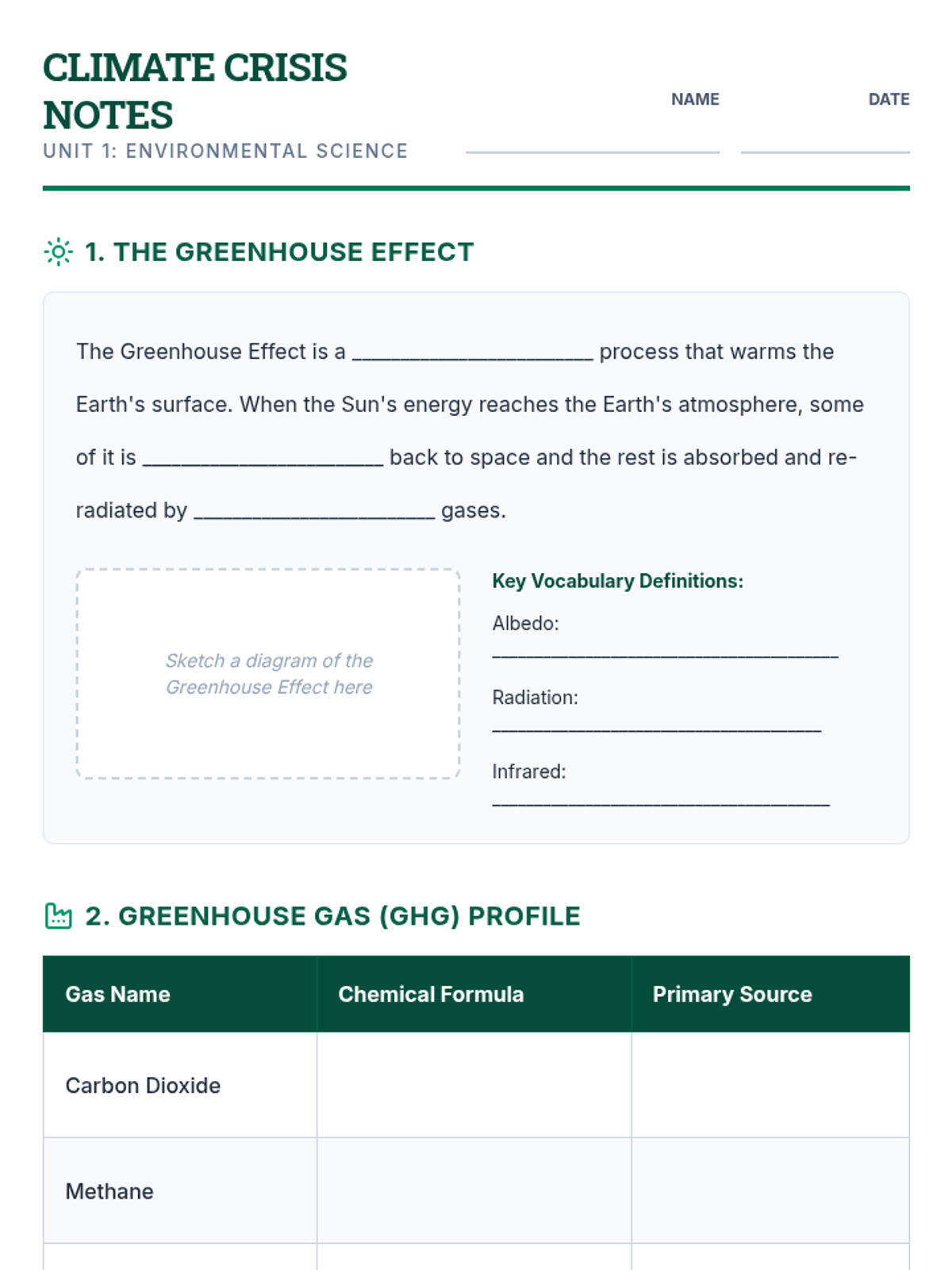
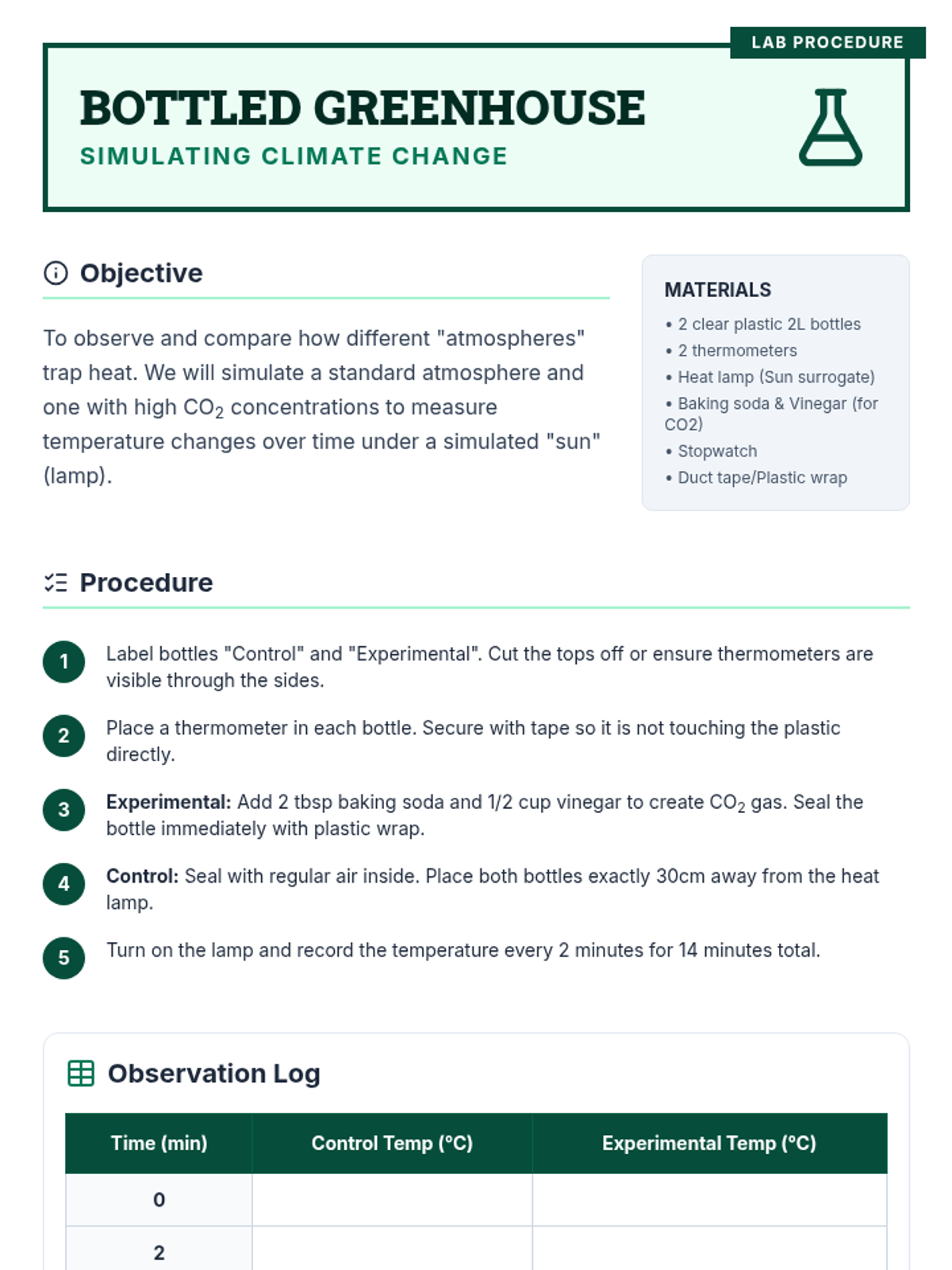
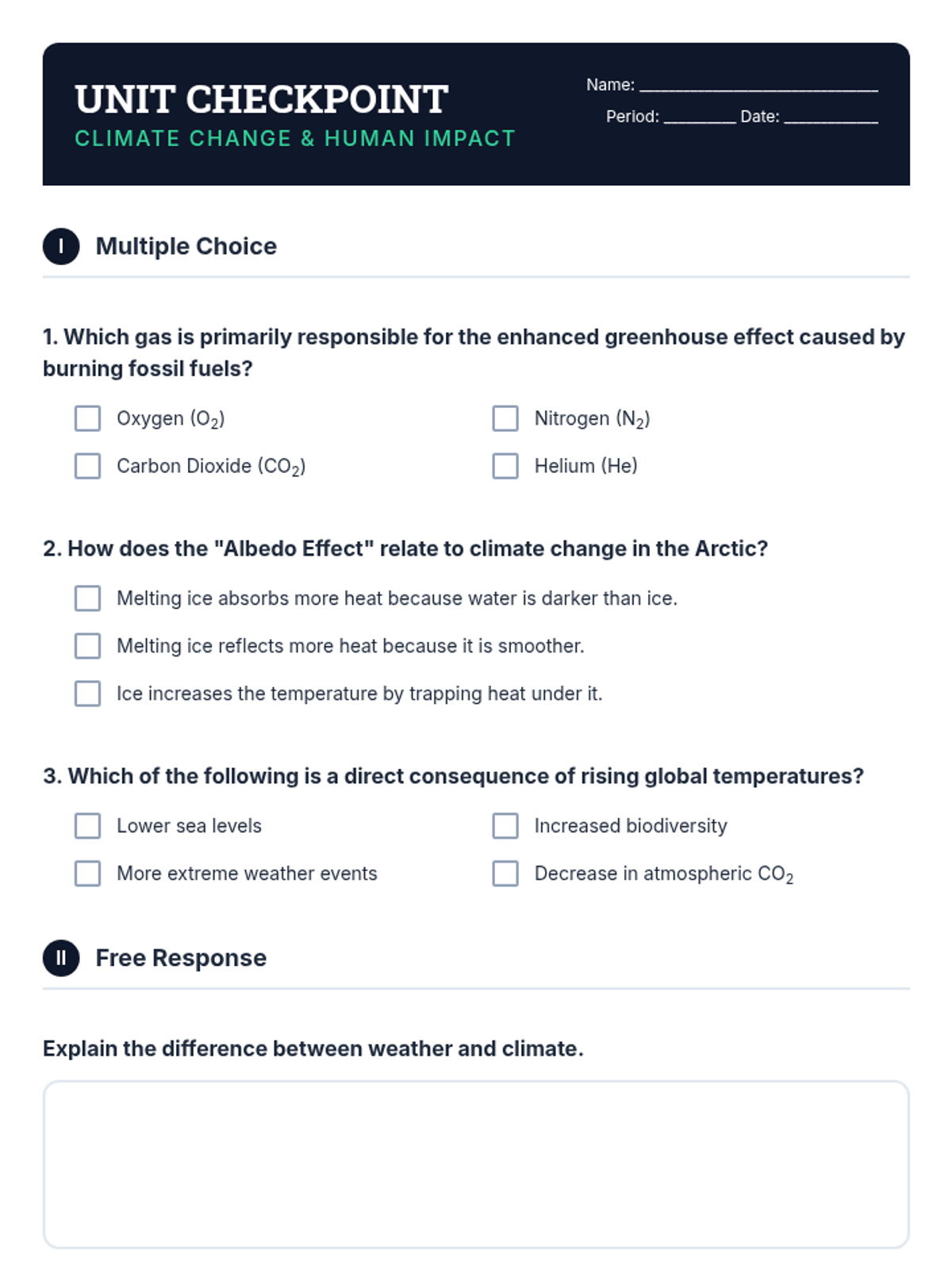
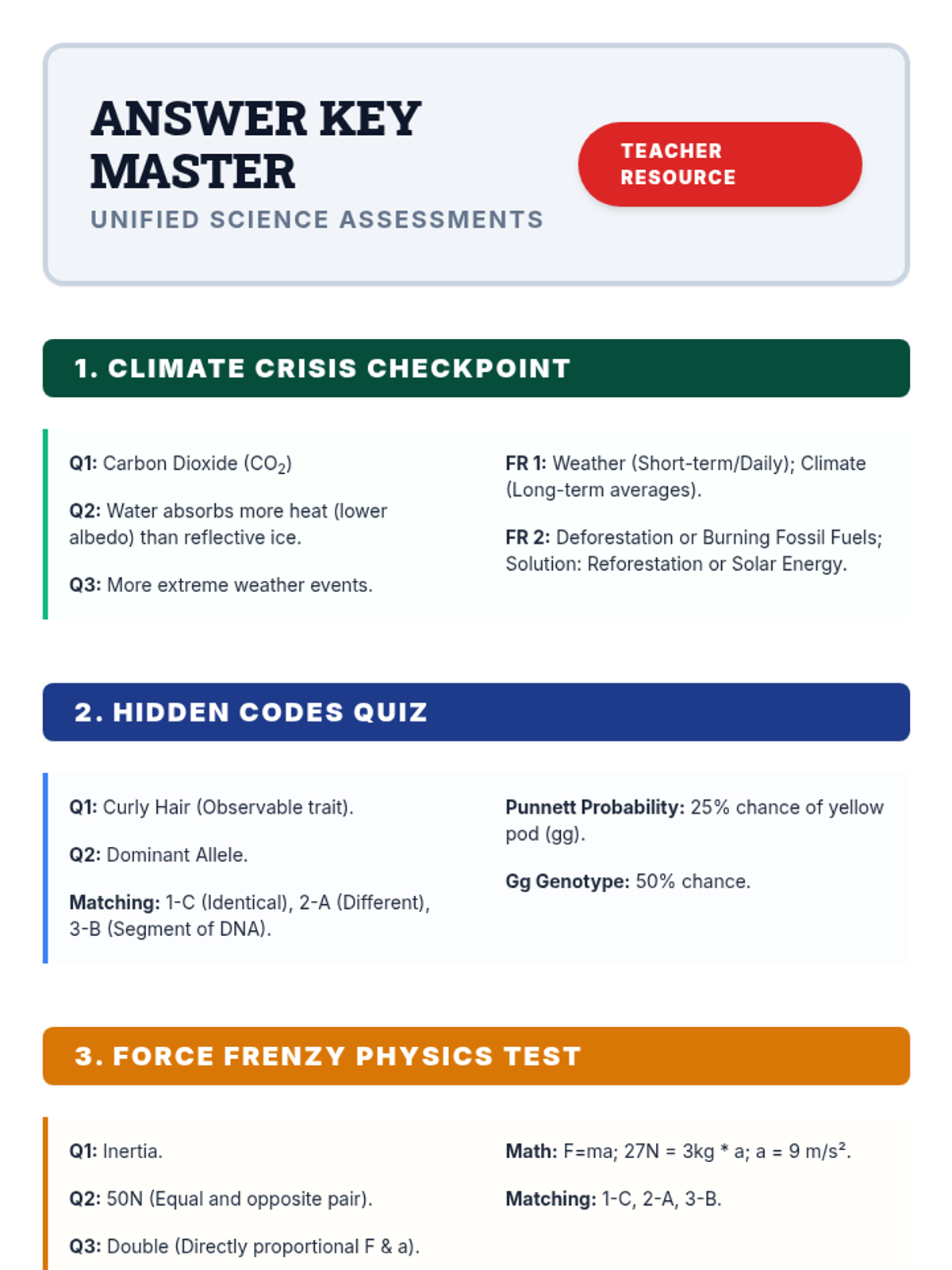
An exploration of the greenhouse effect, global warming, and the measurable impact of human activity on Earth's ecosystems. Students analyze data and design solutions for a more sustainable future.
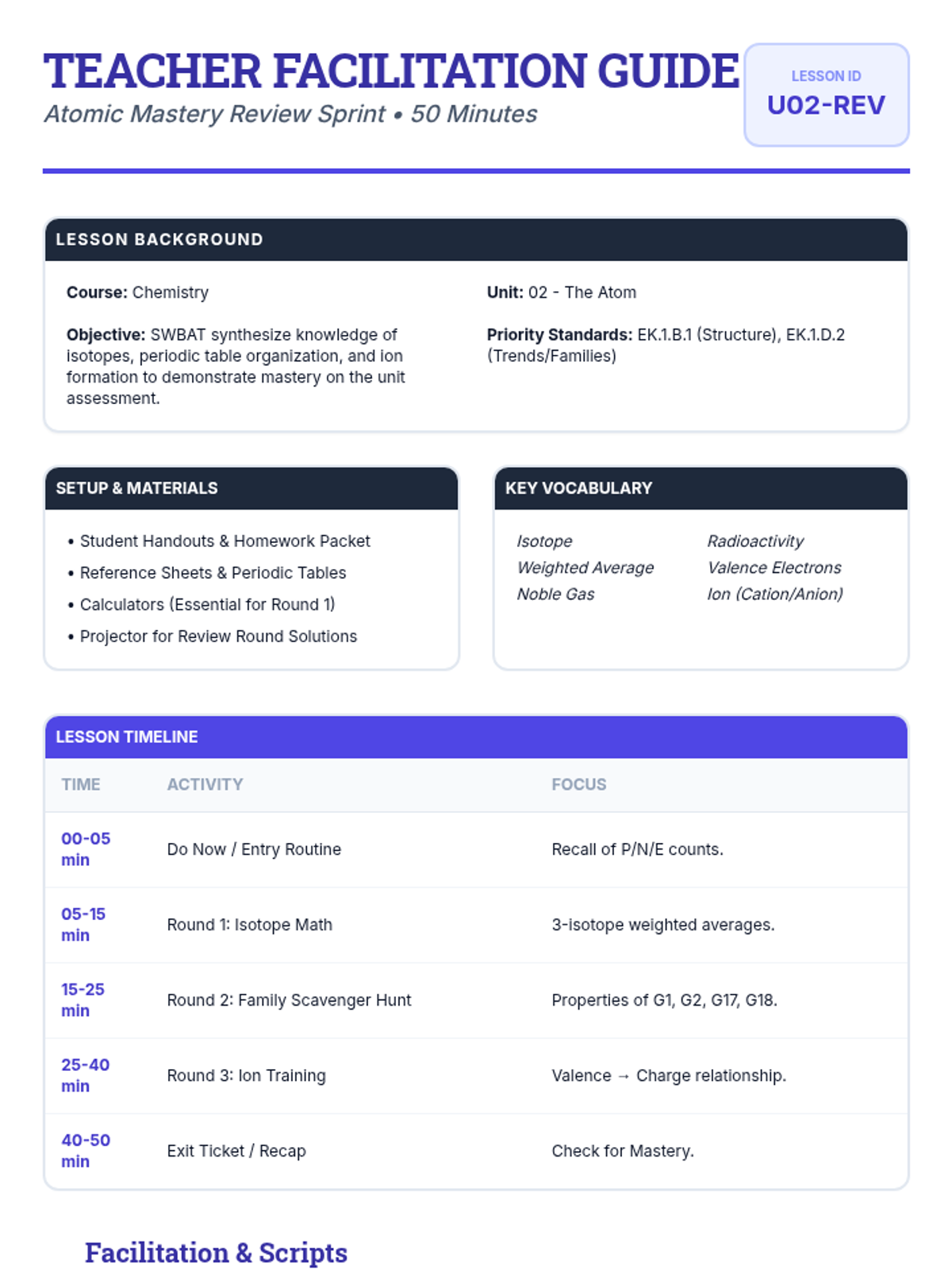
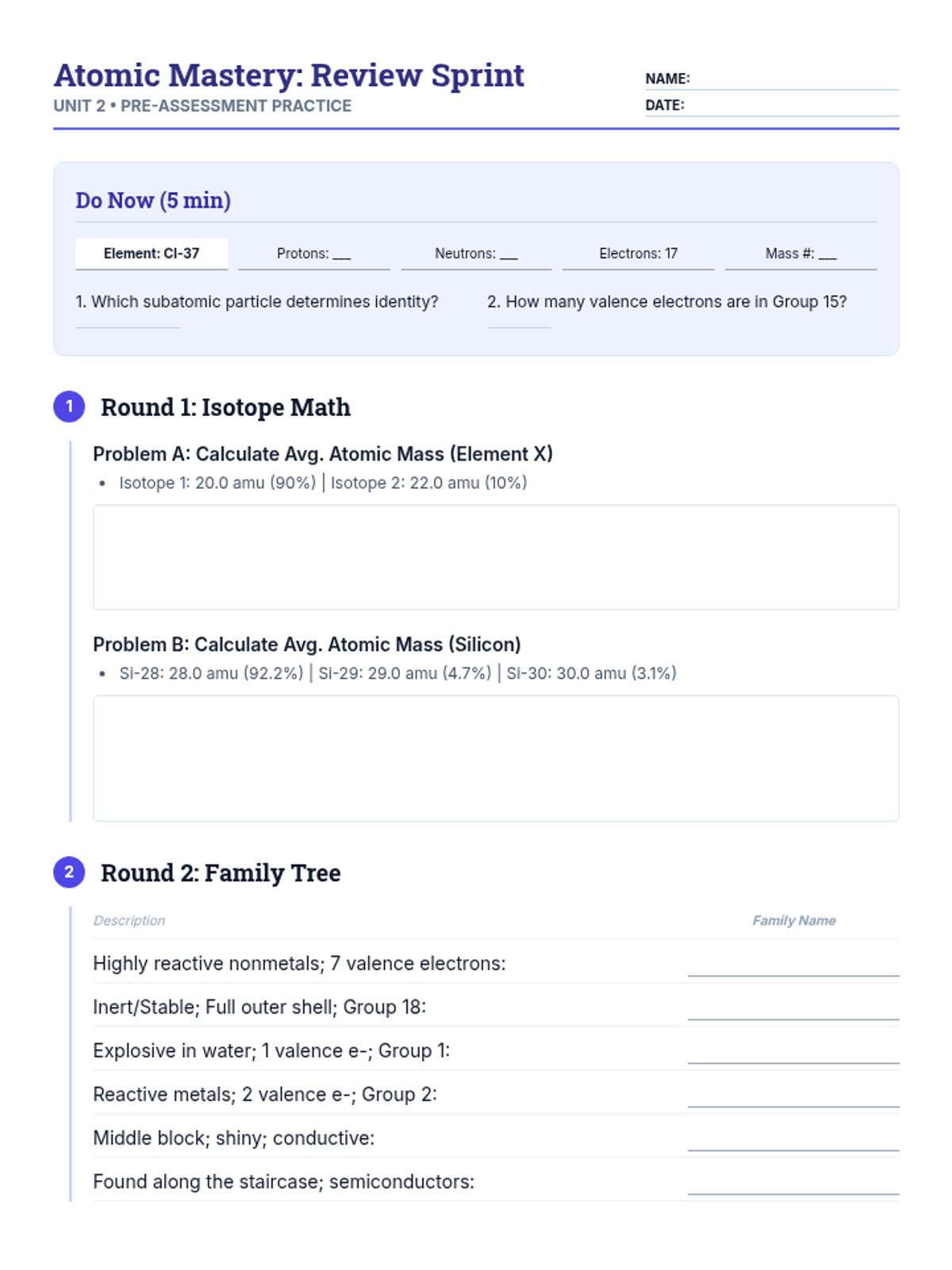
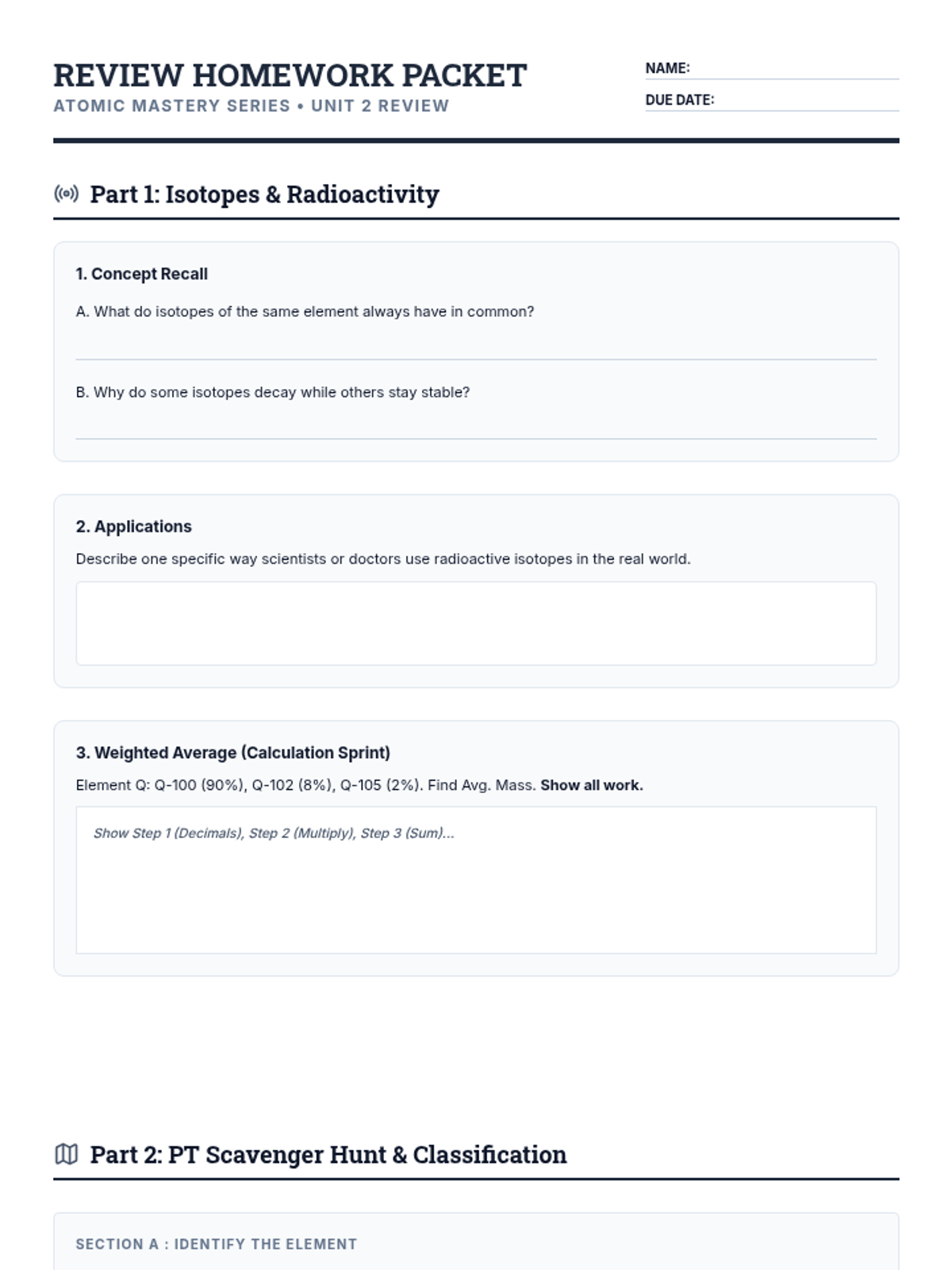
A high-energy review session with three distinct practice rounds targeting isotope math, periodic table families, and ion formation. Includes a 50-minute lesson plan and a cumulative homework packet.
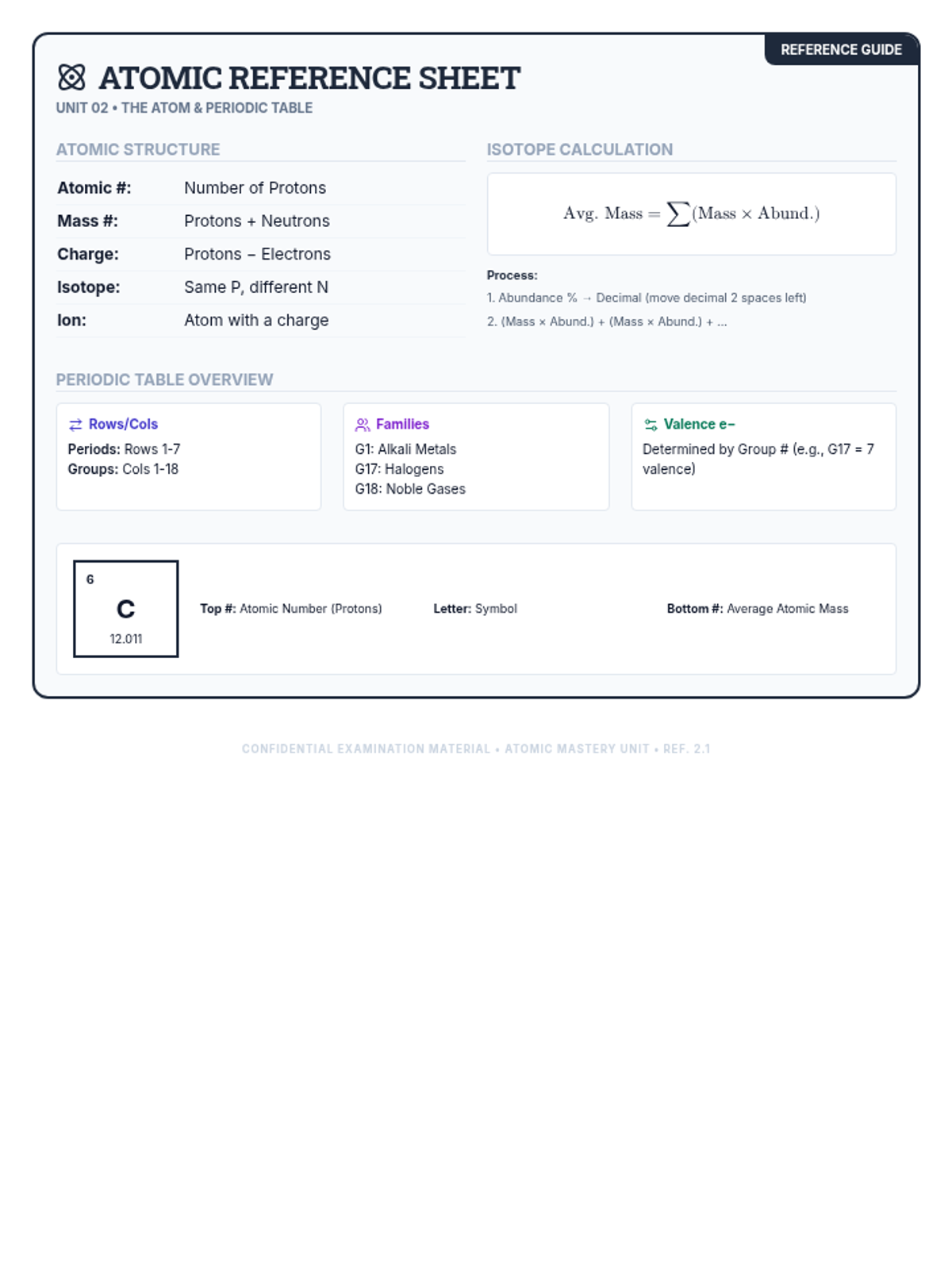
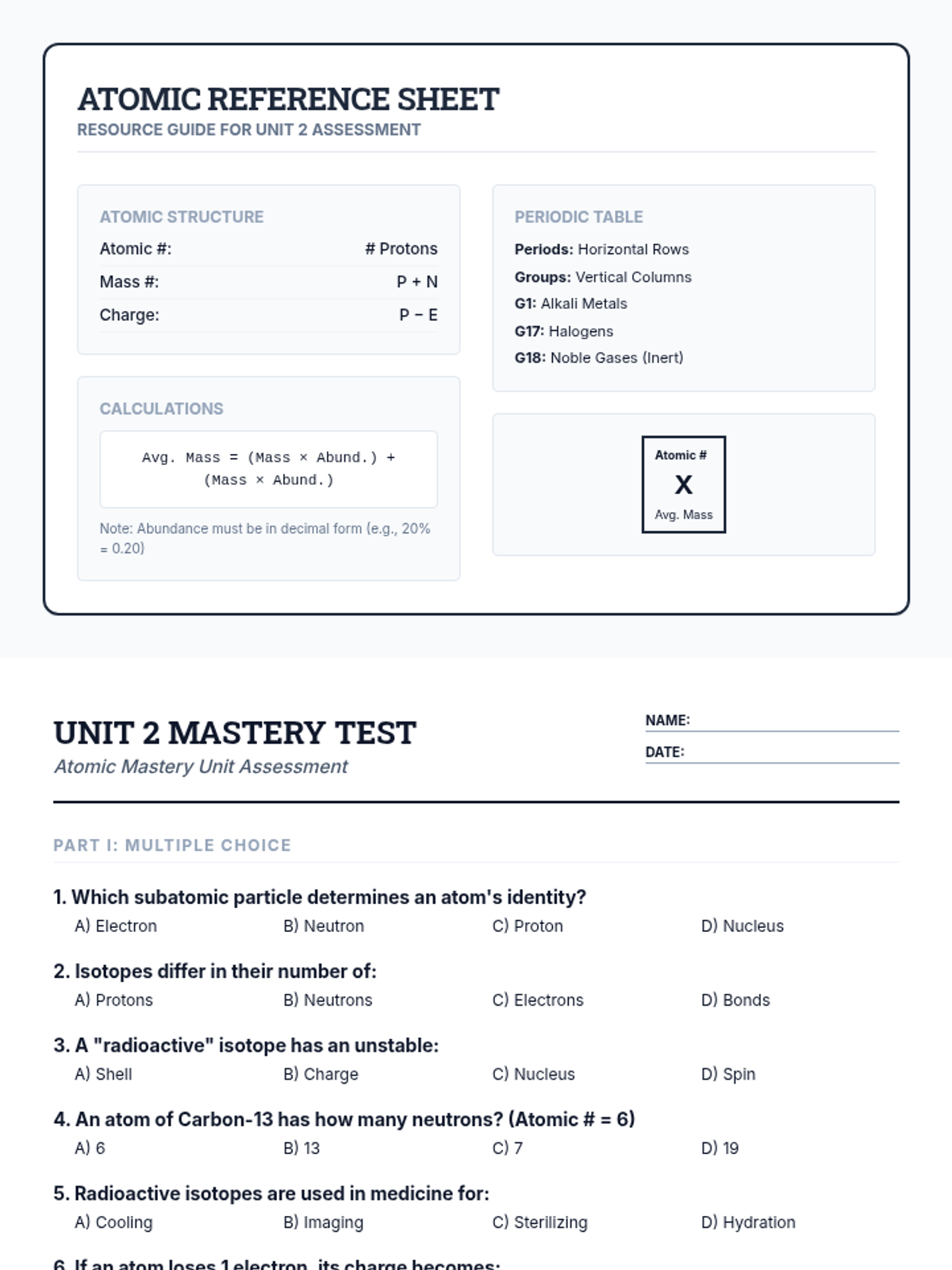
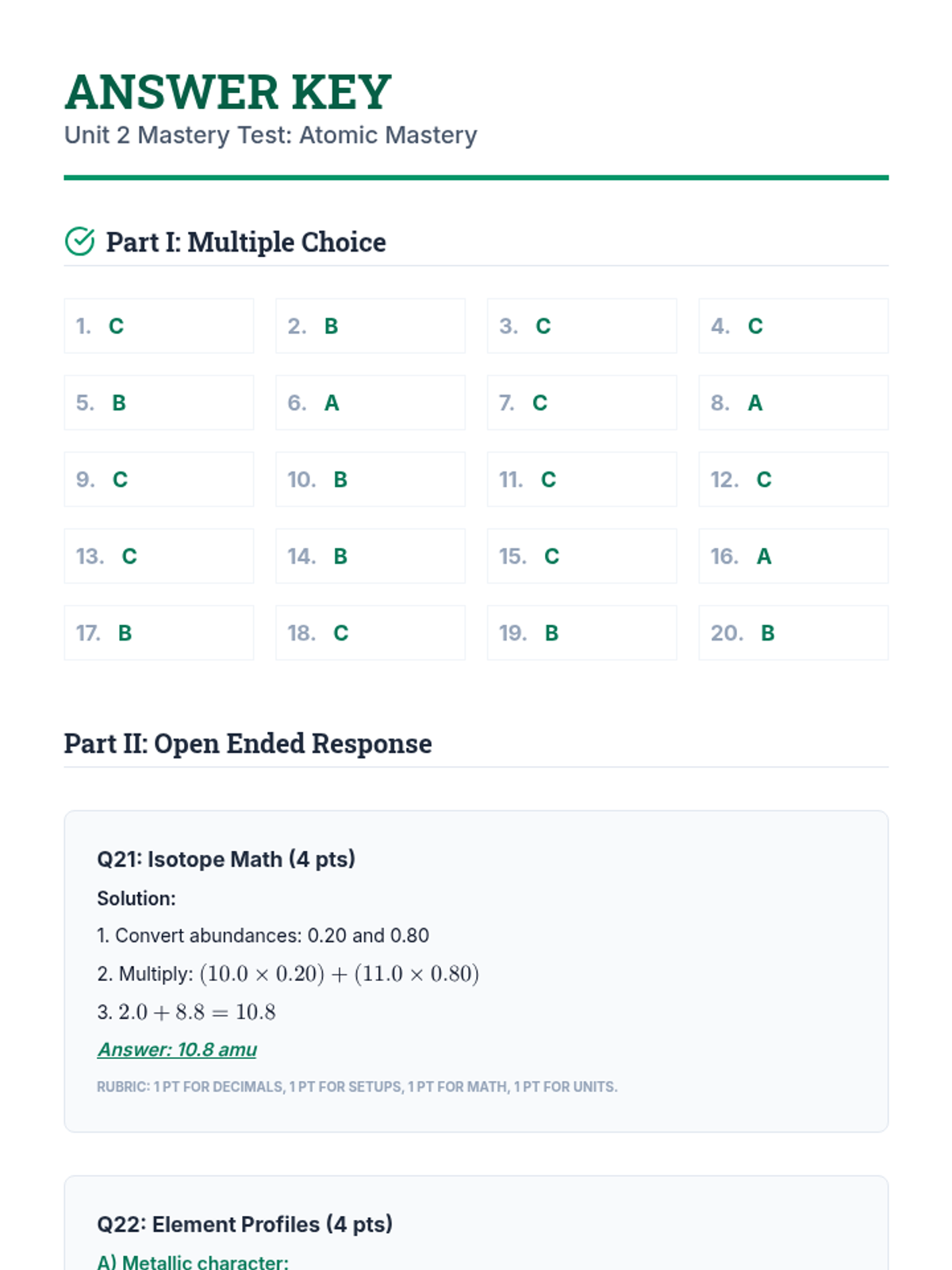
The final assessment for the unit, including a reference sheet, the unit test with multiple choice and open-ended questions, and a detailed answer key.
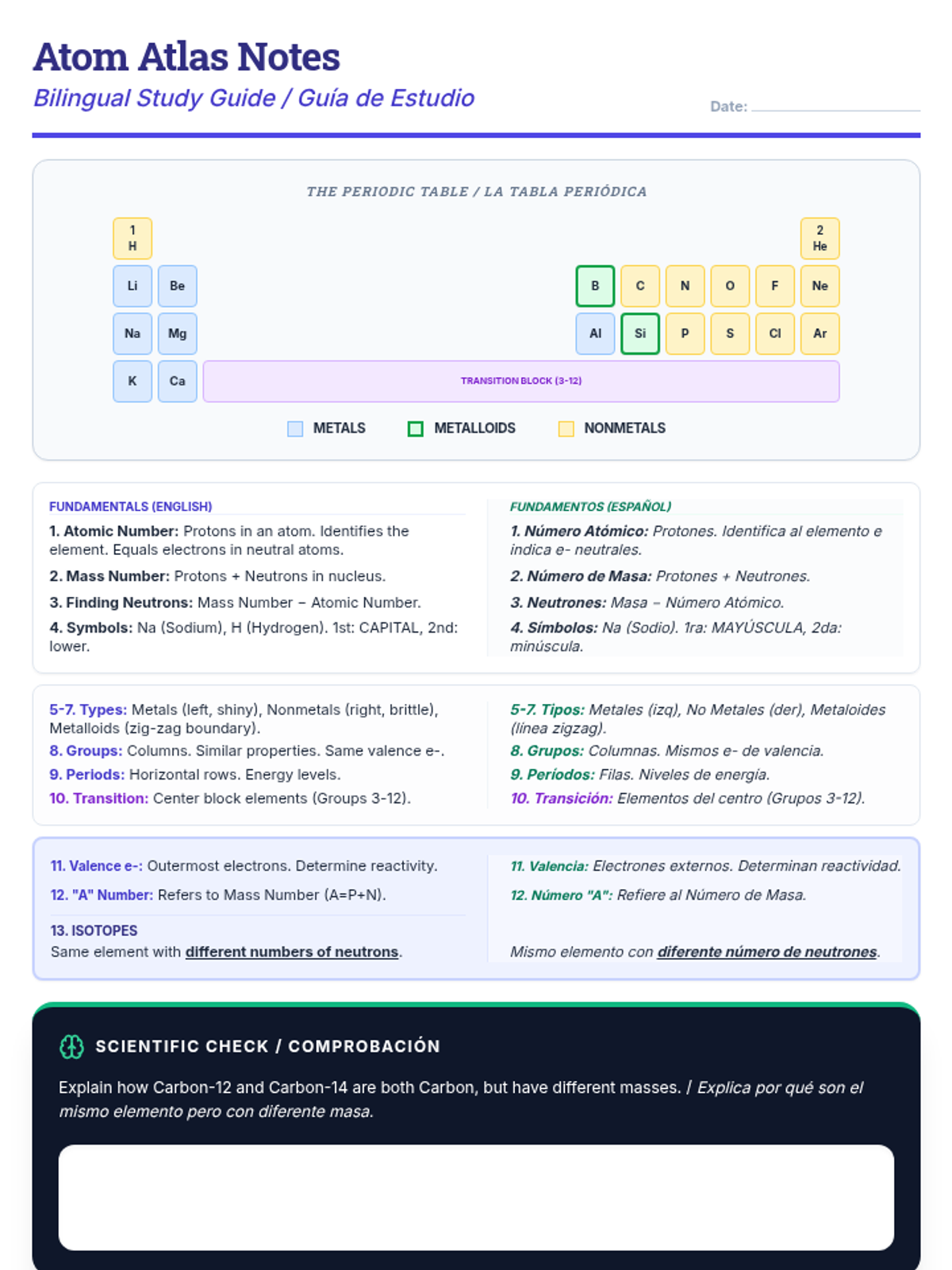
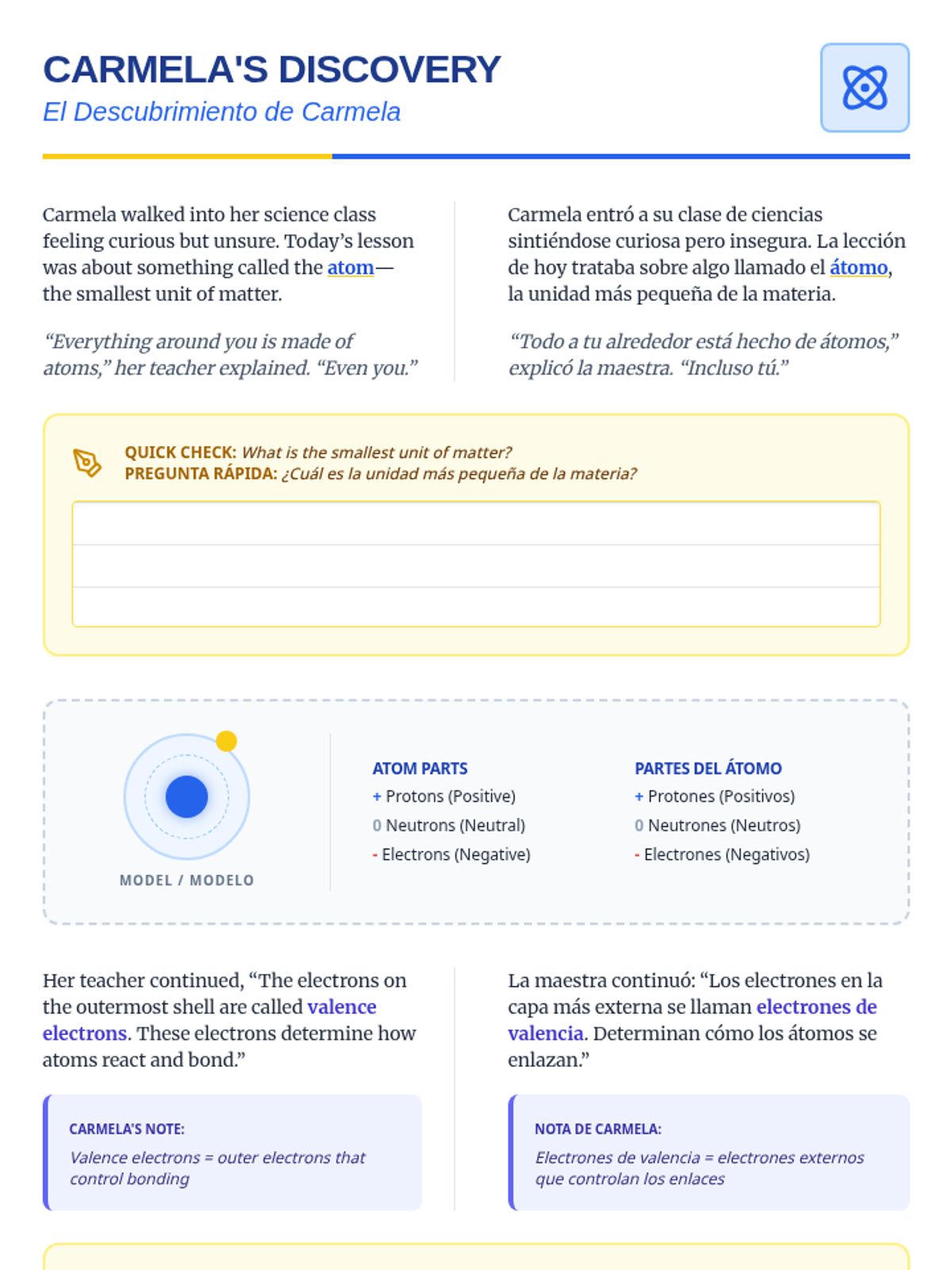
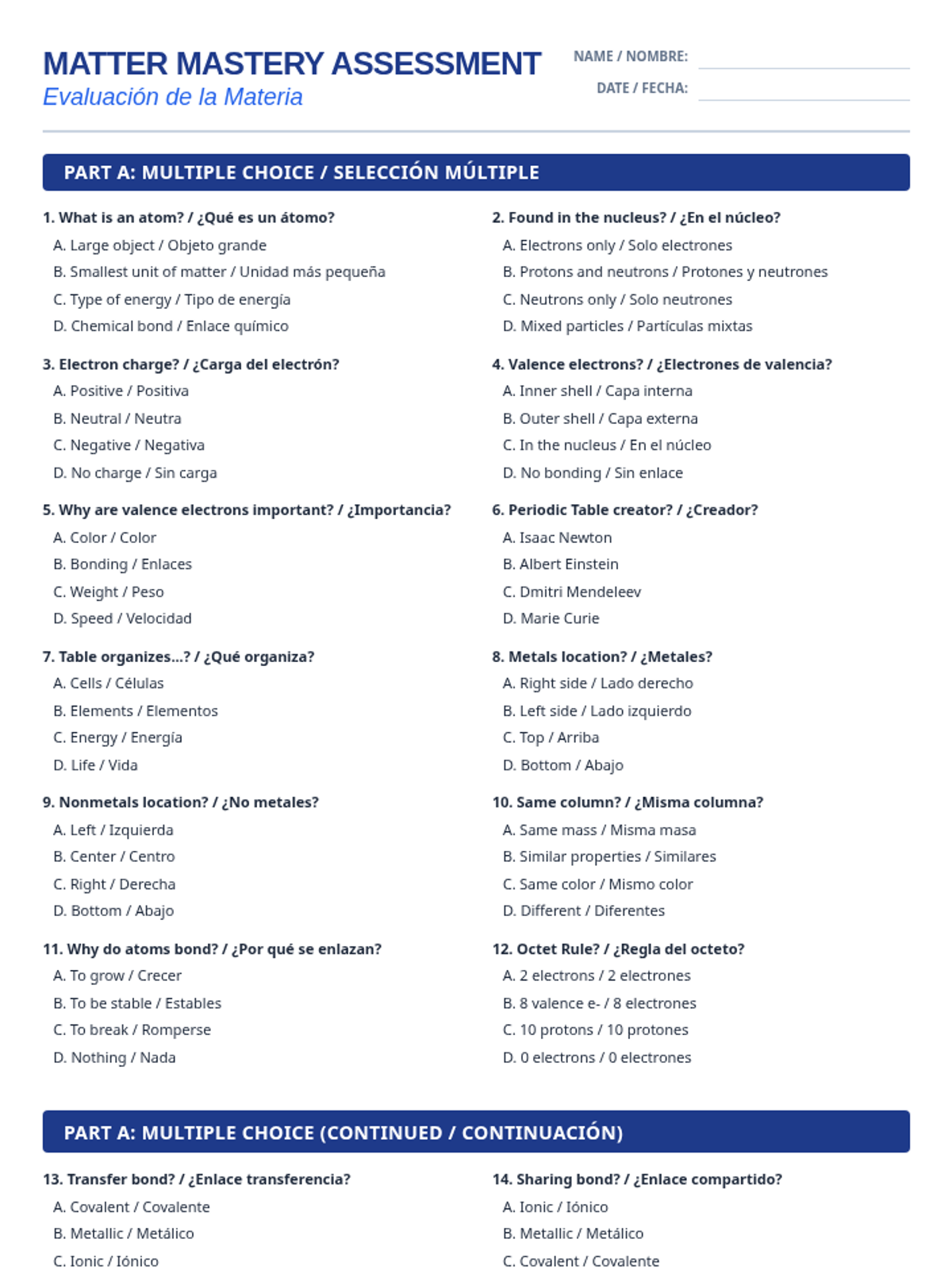
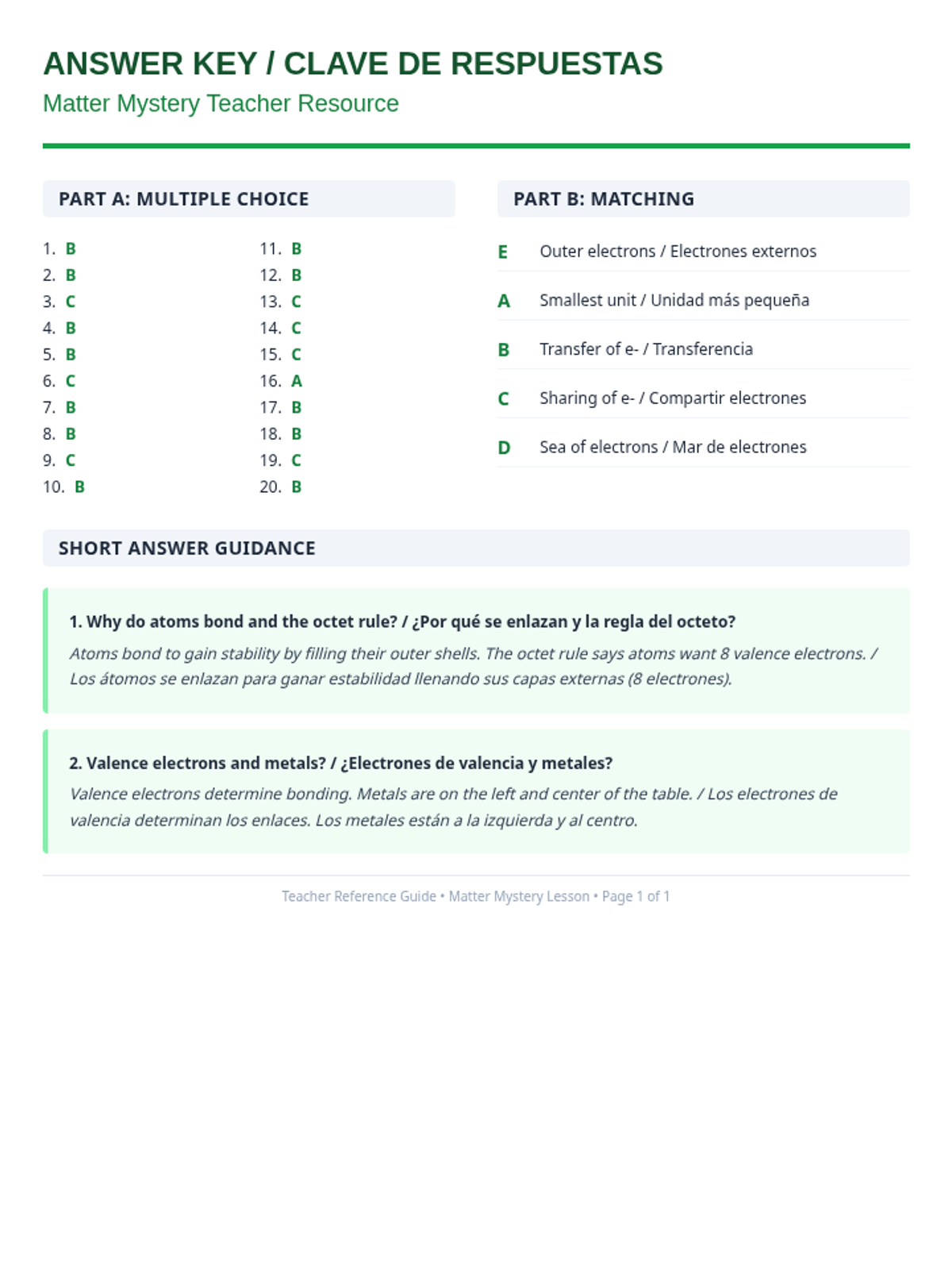
Explore the fundamentals of atoms, the periodic table, and chemical bonding through the story of Carmela's science class. This lesson covers atomic structure, valence electrons, and types of bonding in a bilingual format.
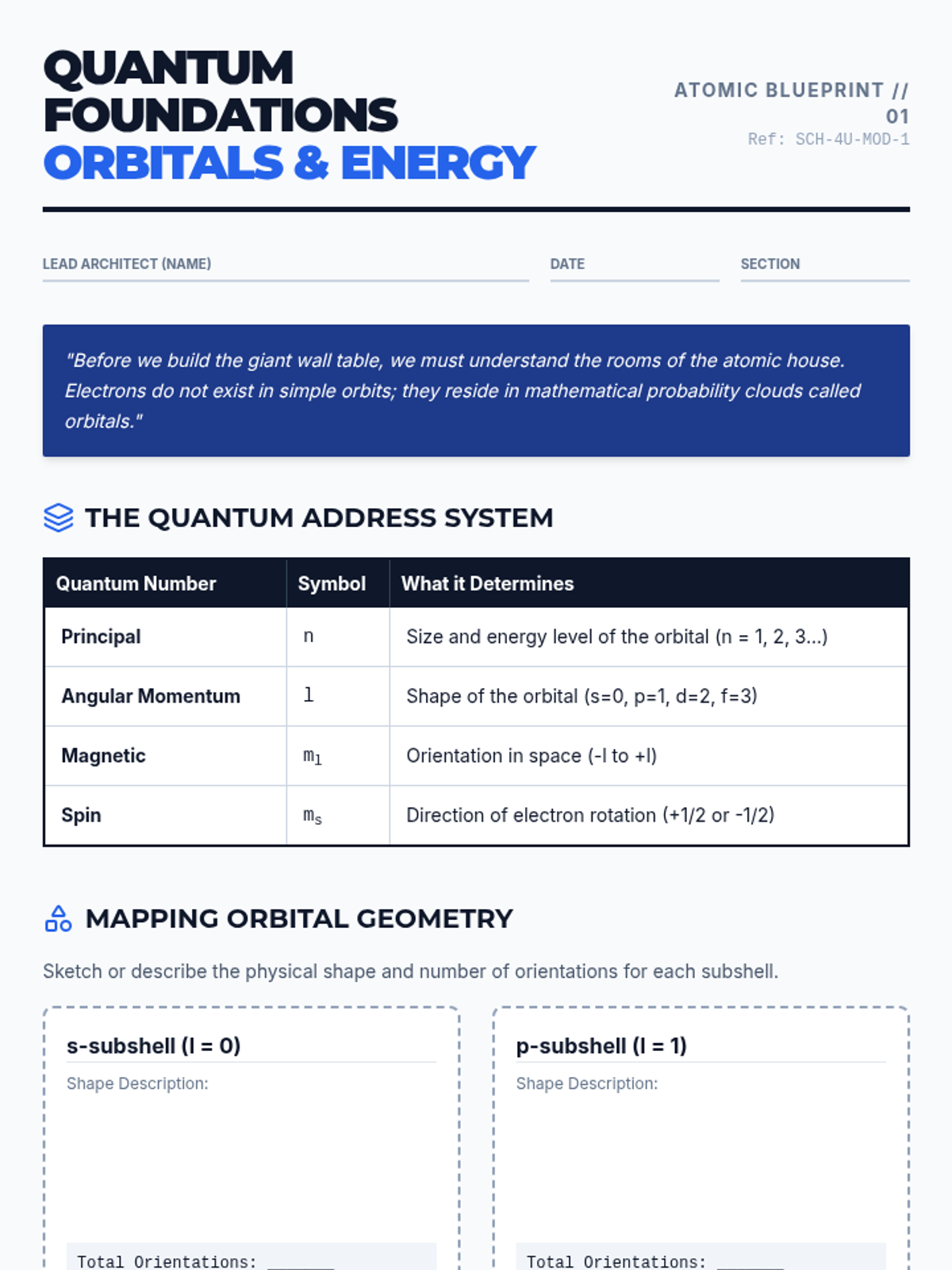
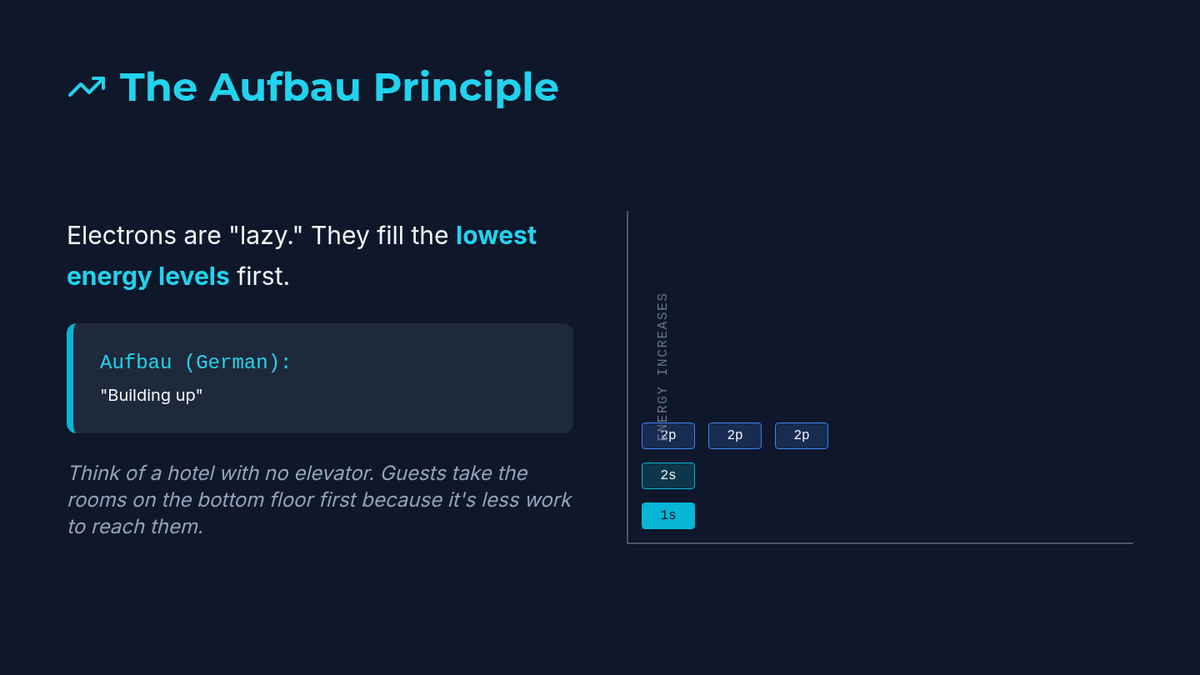
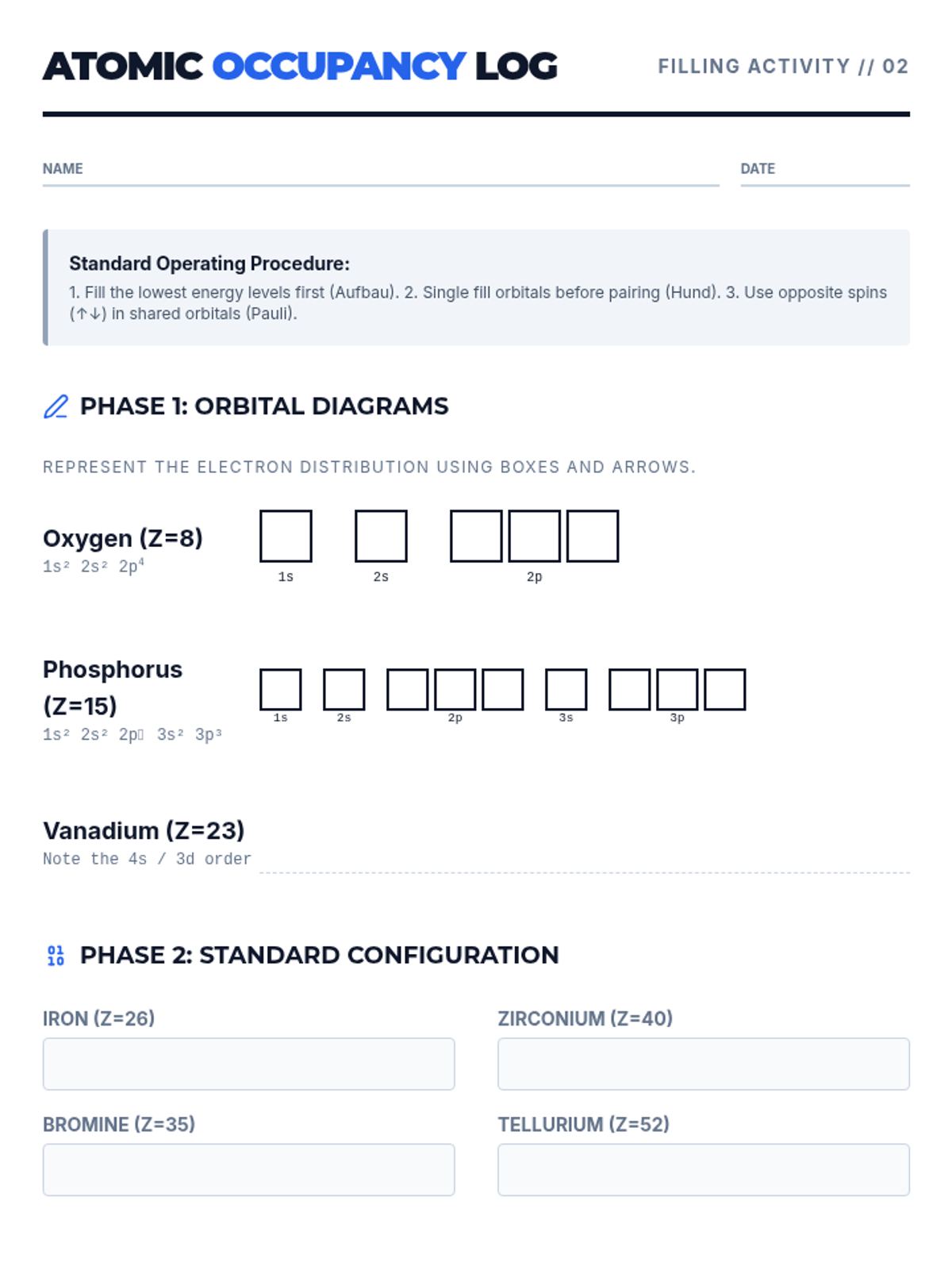
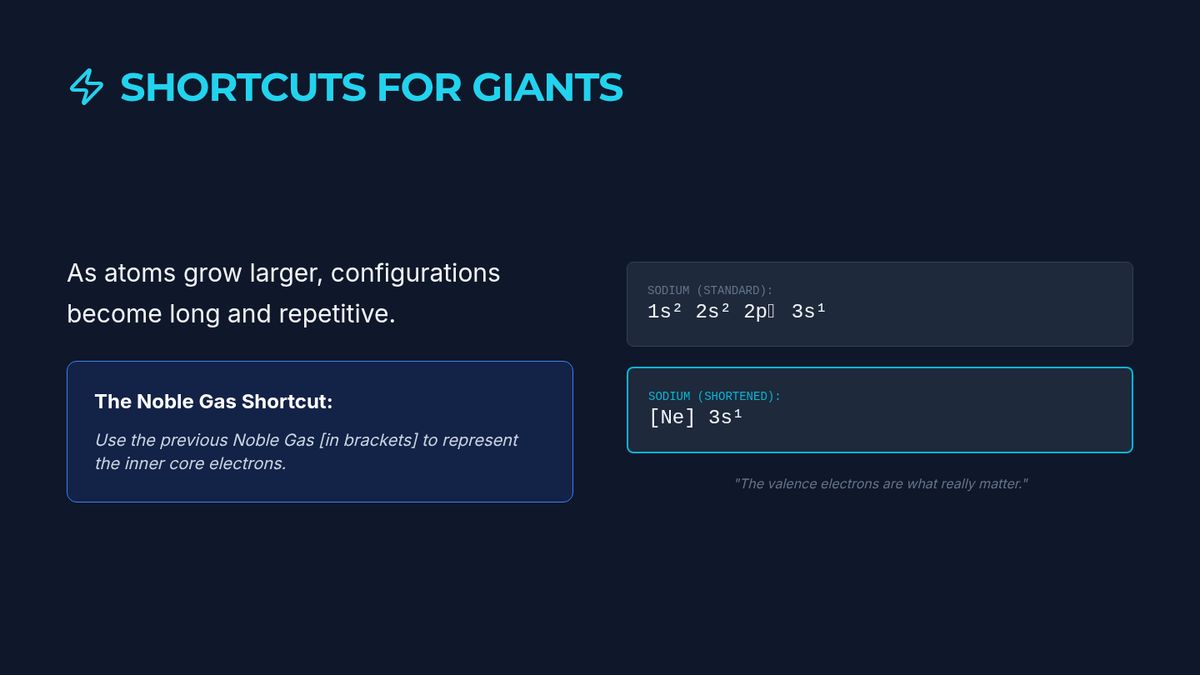
Students learn the Aufbau principle, Hund's rule, and the Pauli exclusion principle to map out electron distributions across energy levels.
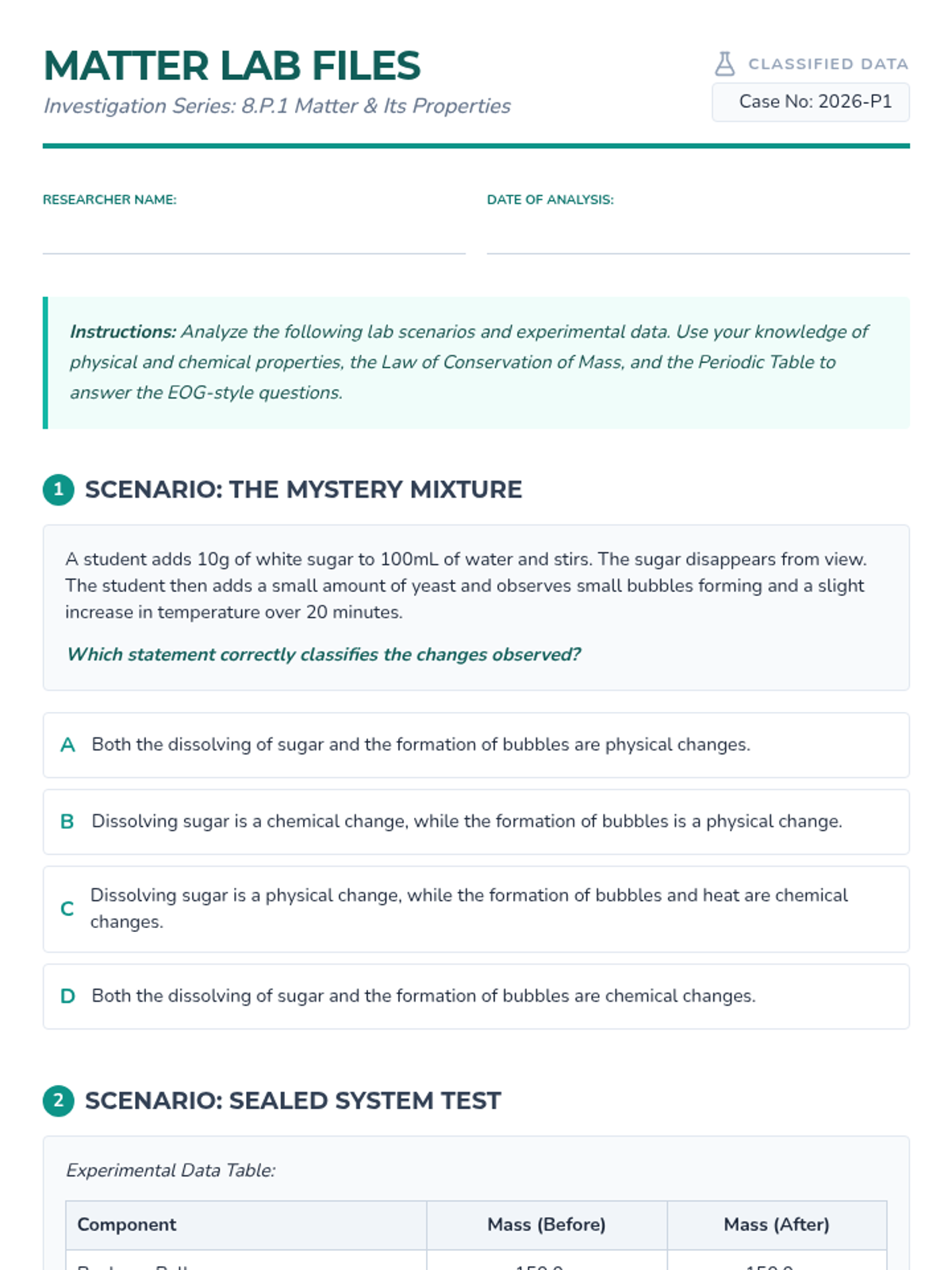
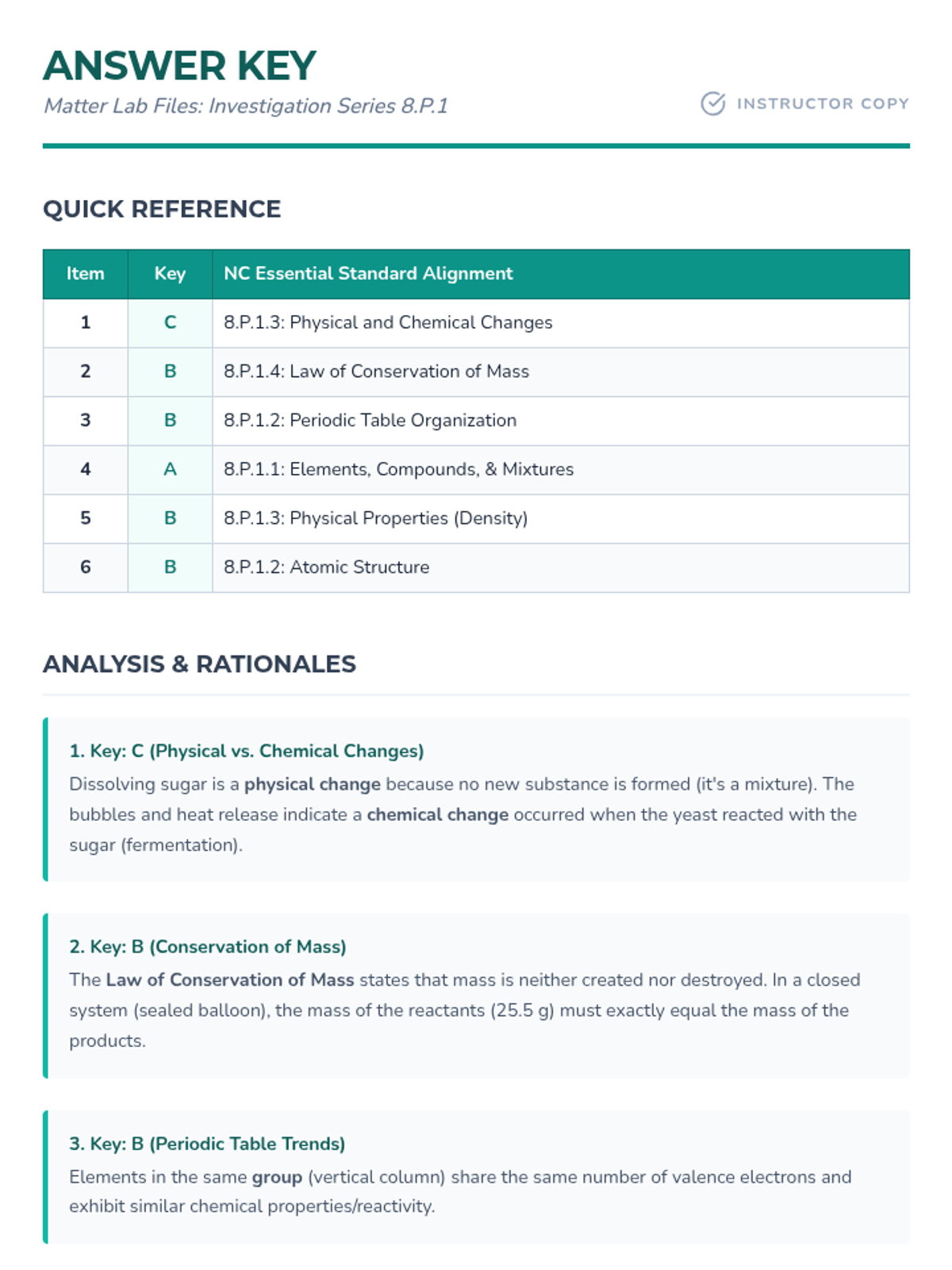
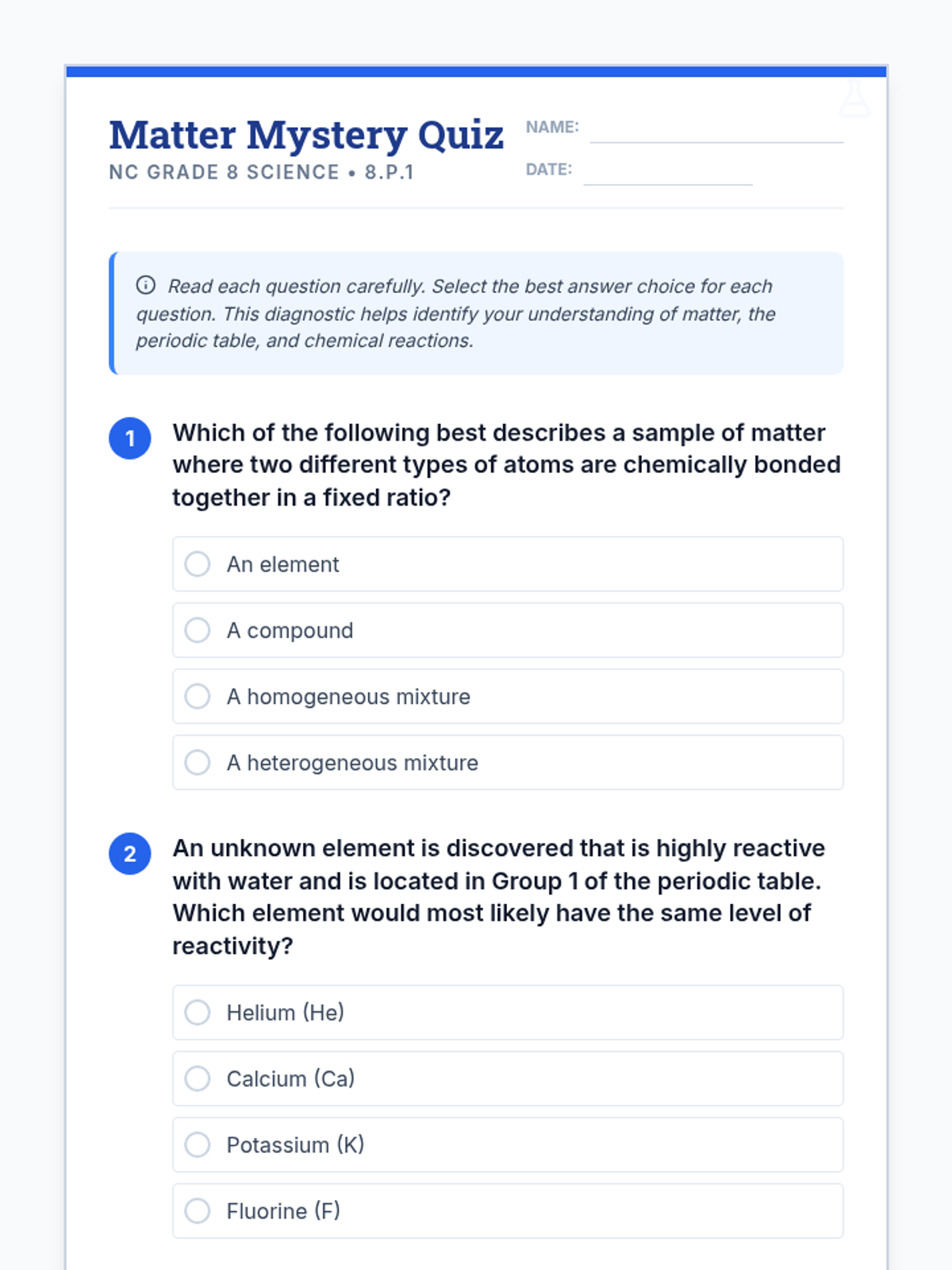
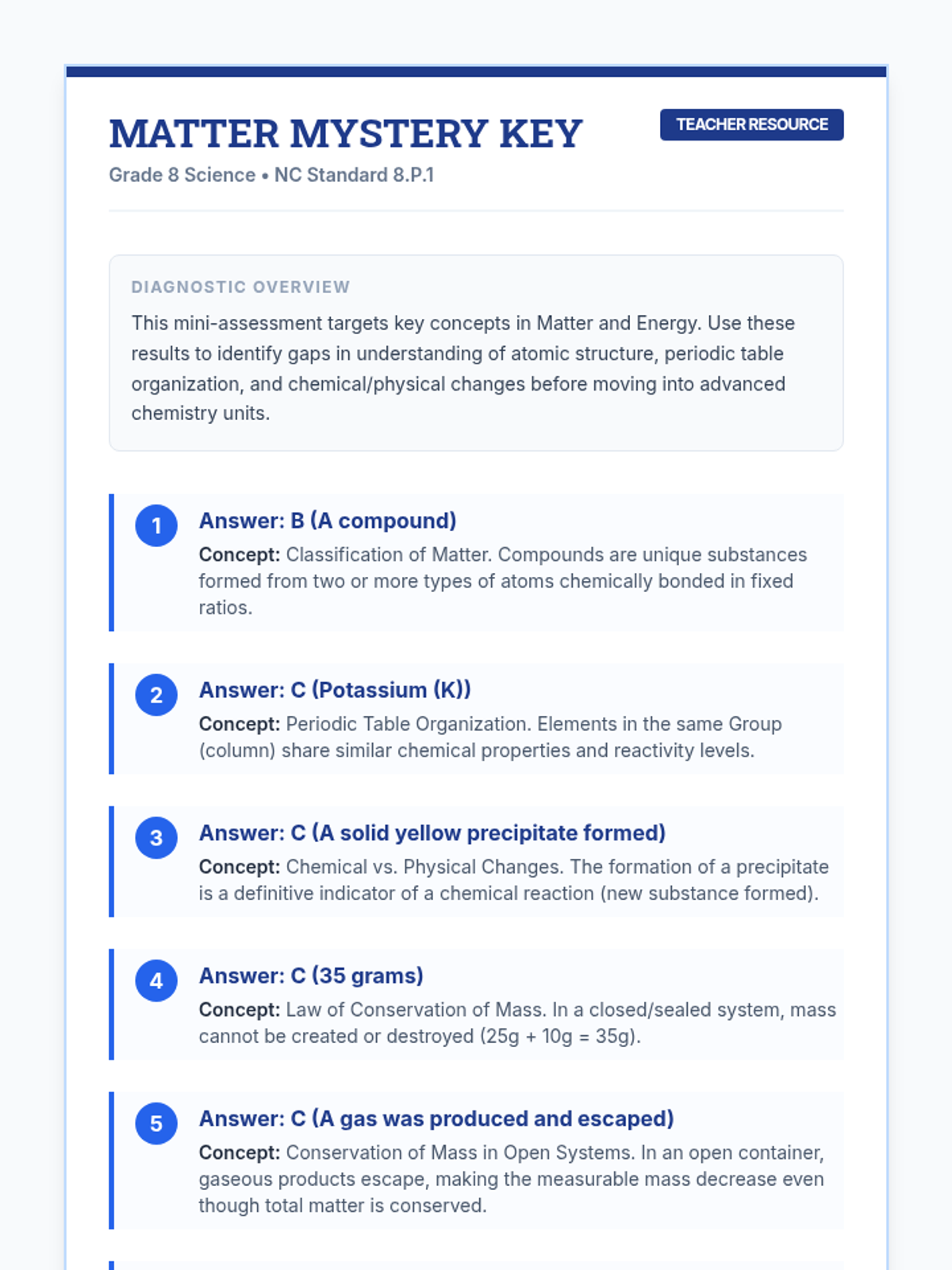
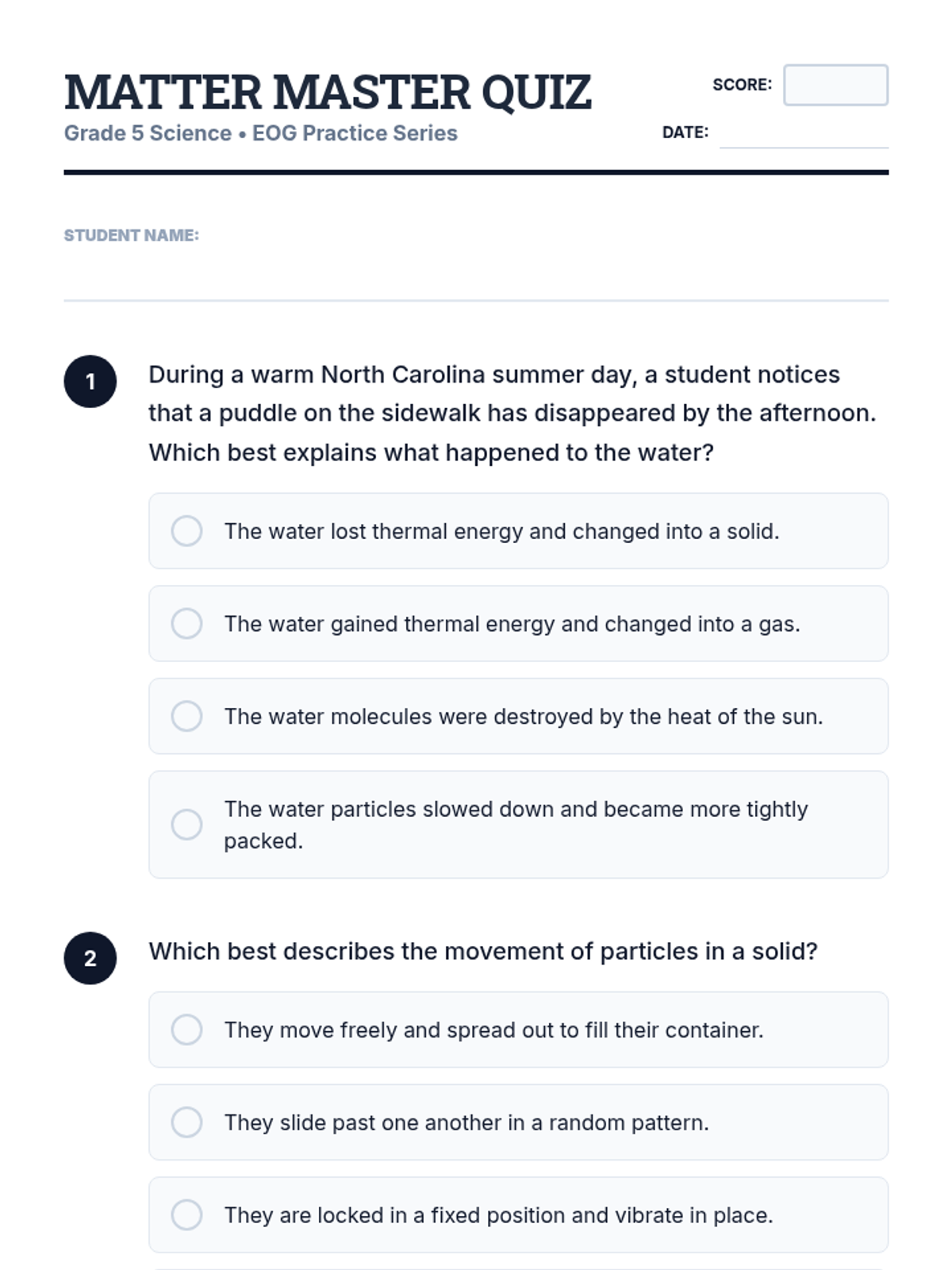
A comprehensive practice set focusing on Grade 8 North Carolina Science standards for matter (8.P.1). Students analyze lab scenarios involving physical and chemical changes, conservation of mass, and periodic table trends through EOG-style questions.
A diagnostic mini-assessment focusing on Grade 8 NC Science standard 8.P.1, covering atomic structure, periodic table trends, chemical reactions, and the law of conservation of mass.
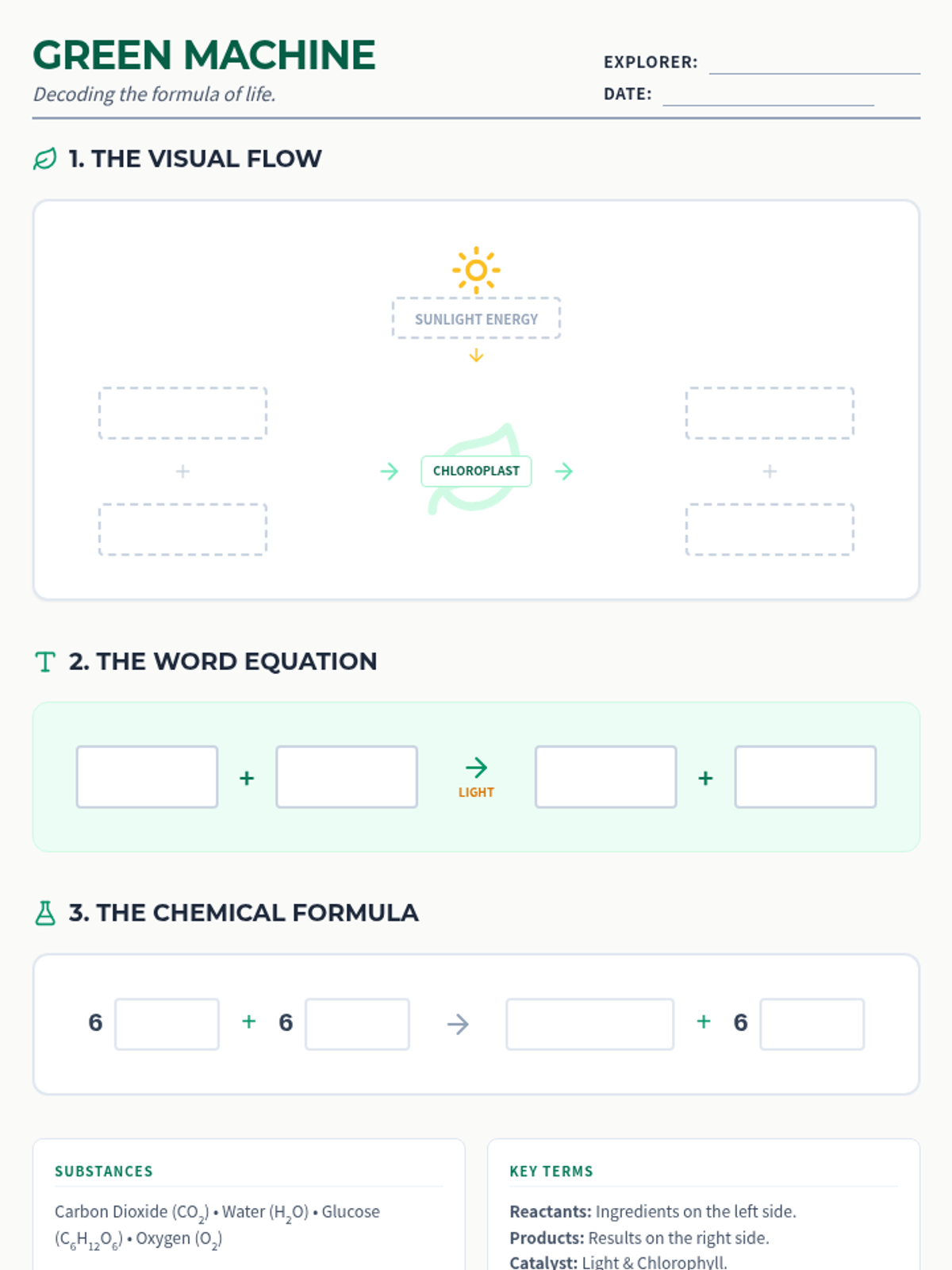
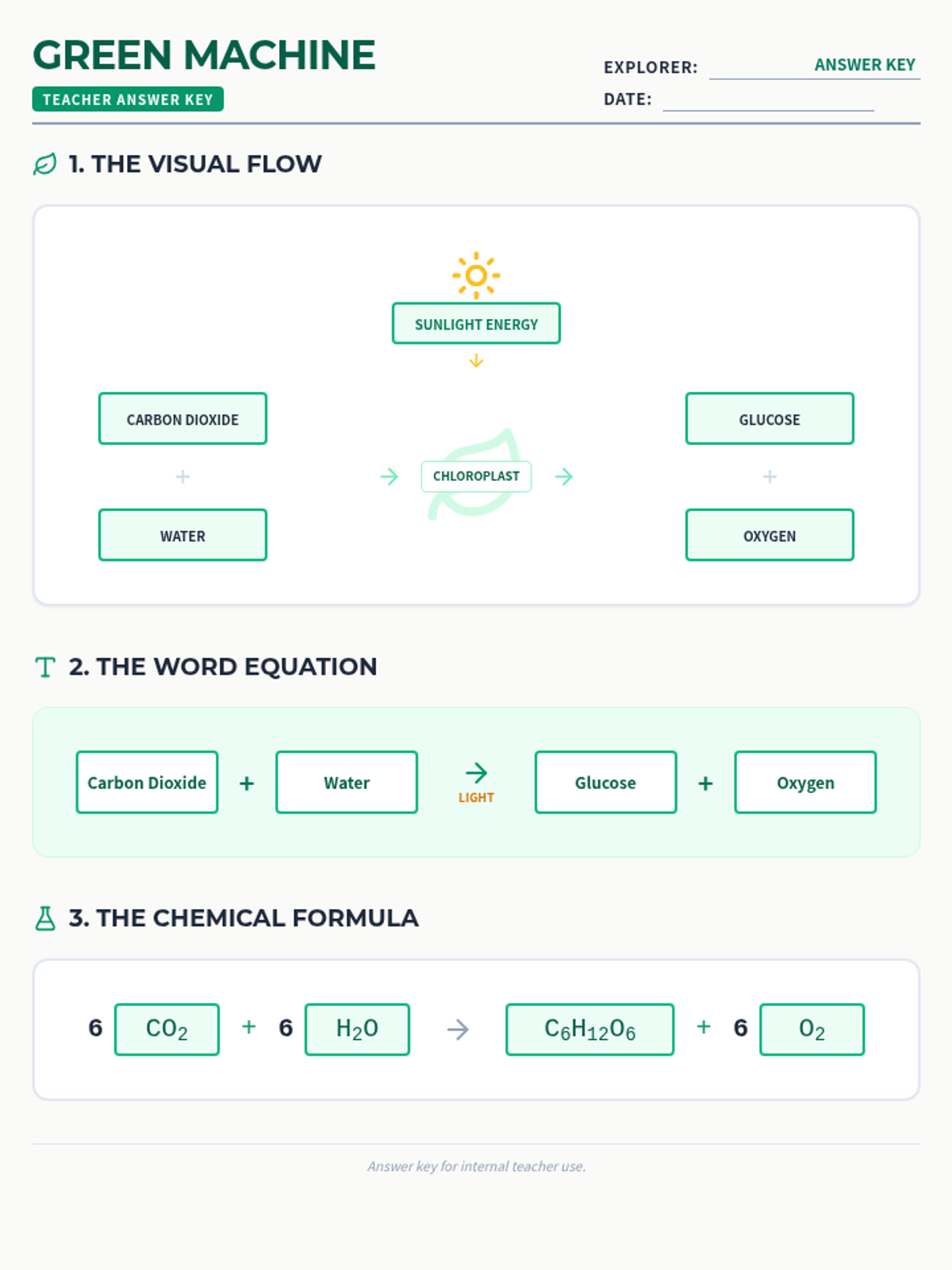
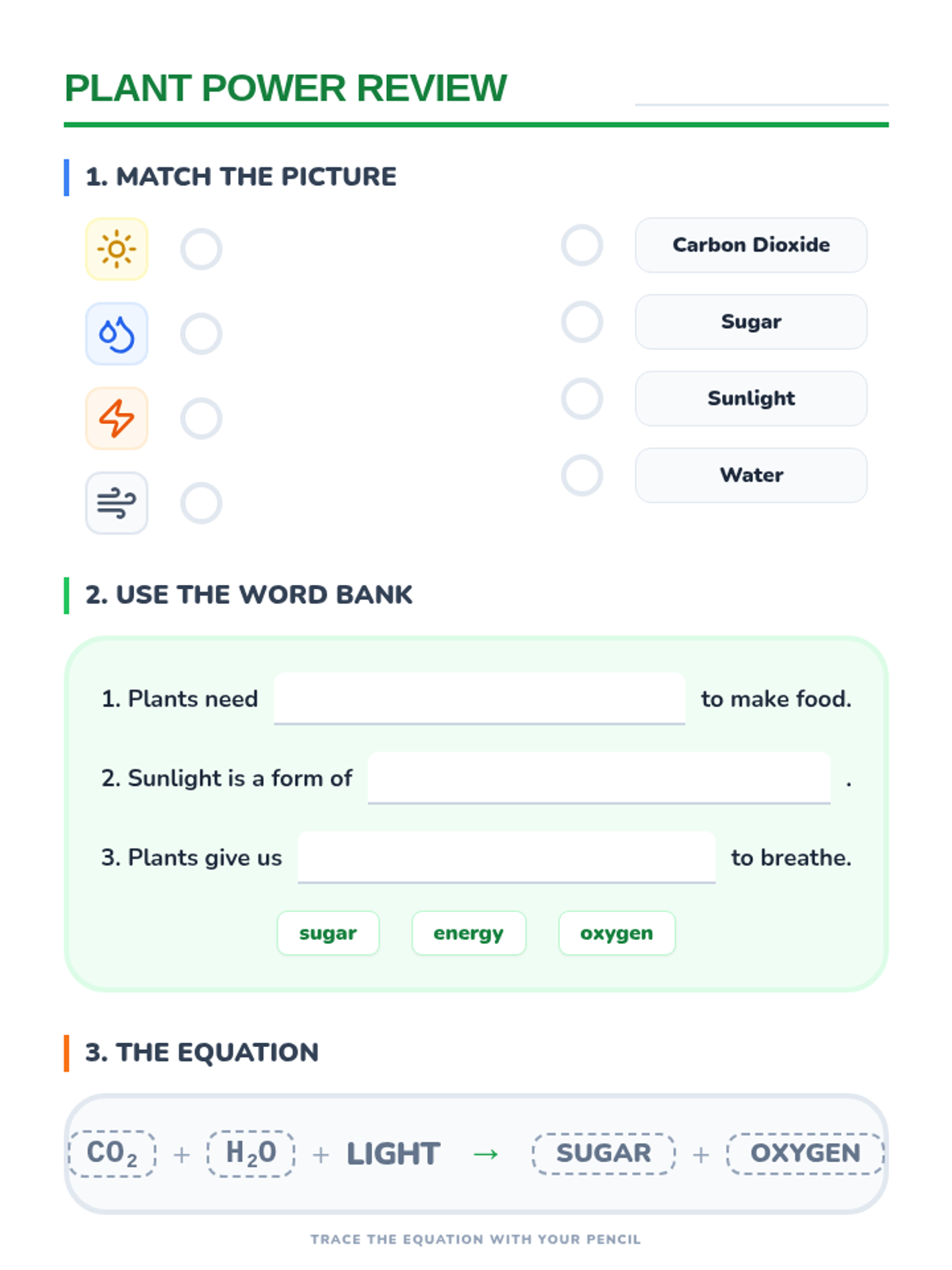
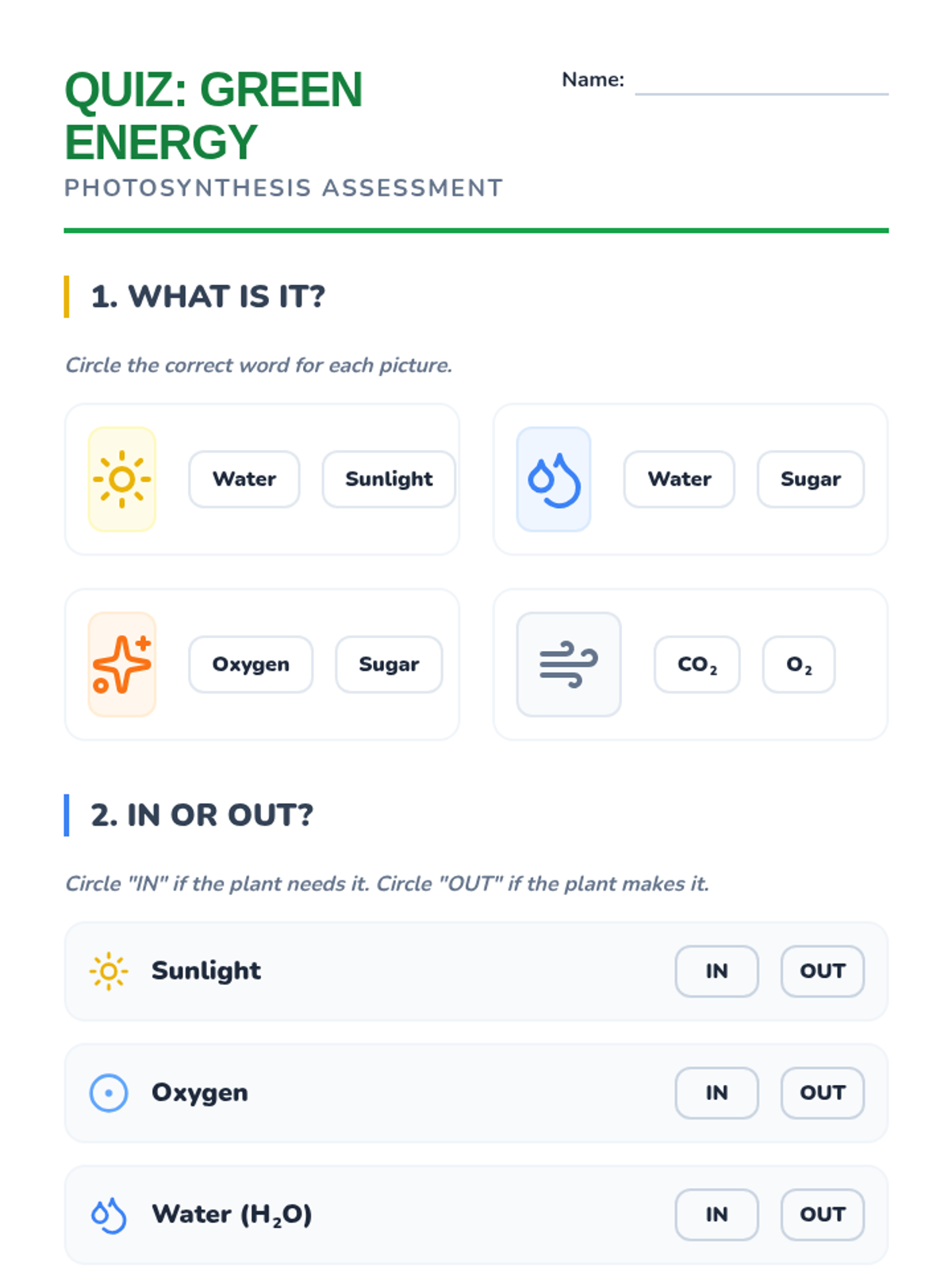
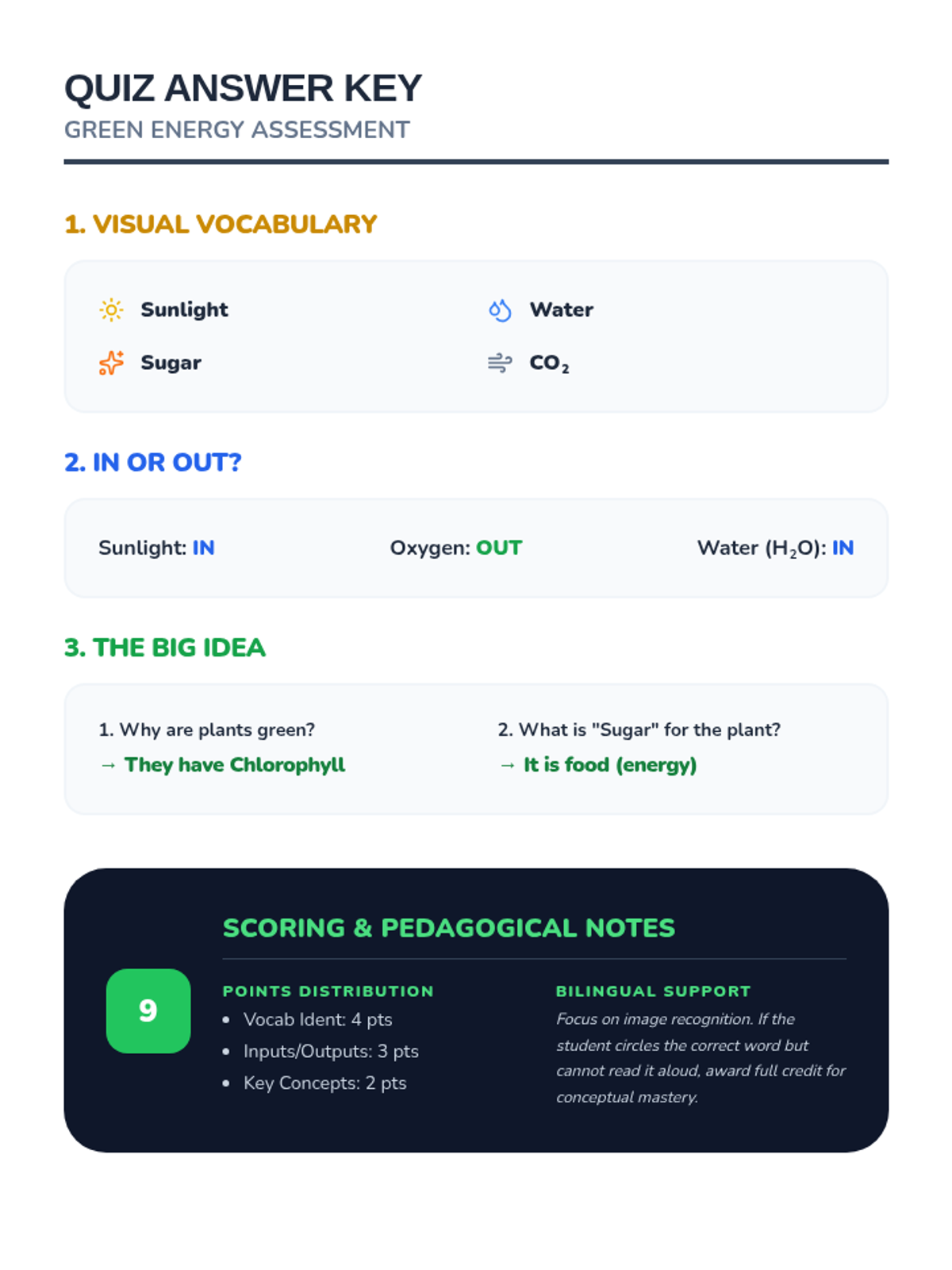
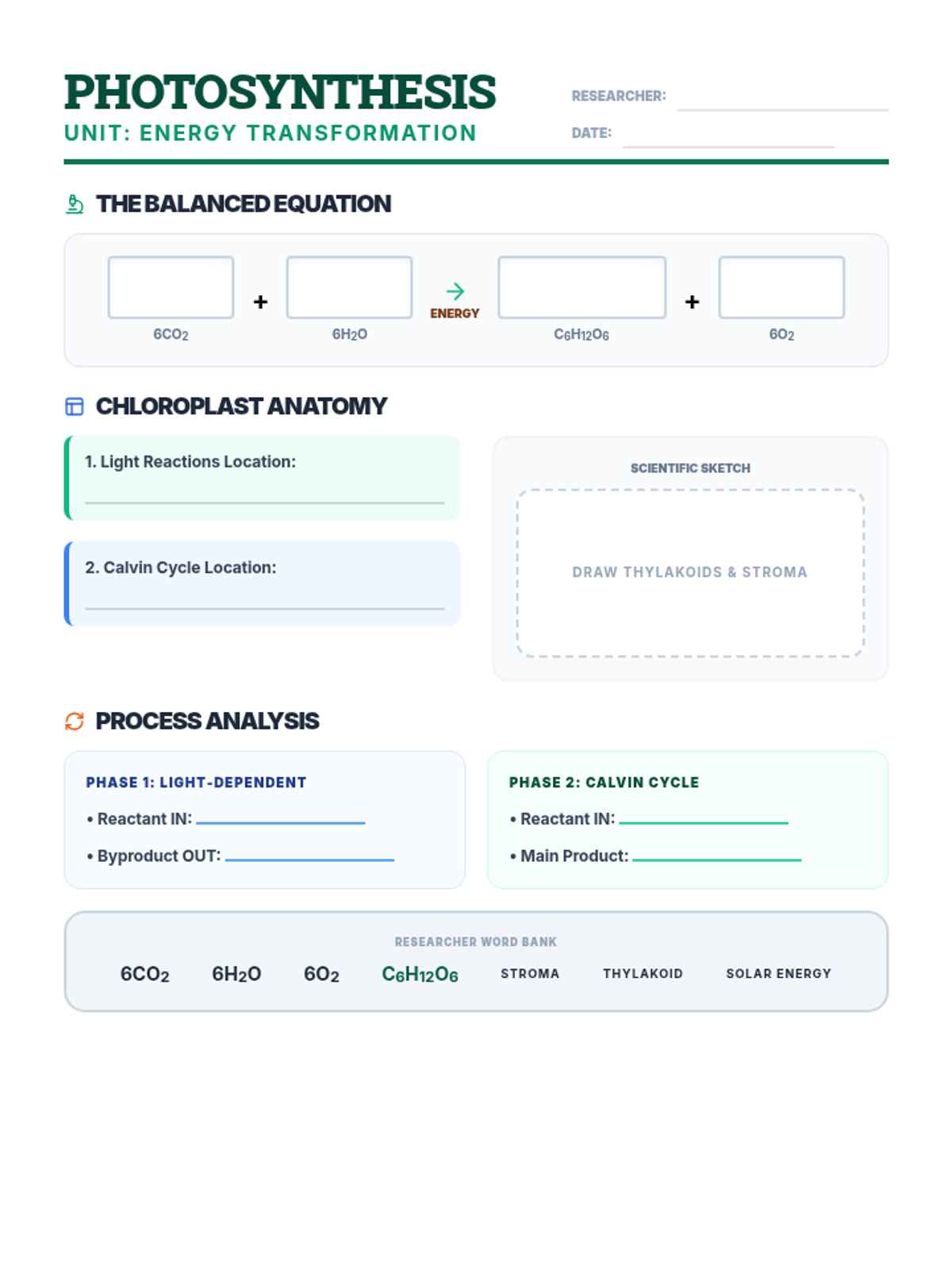
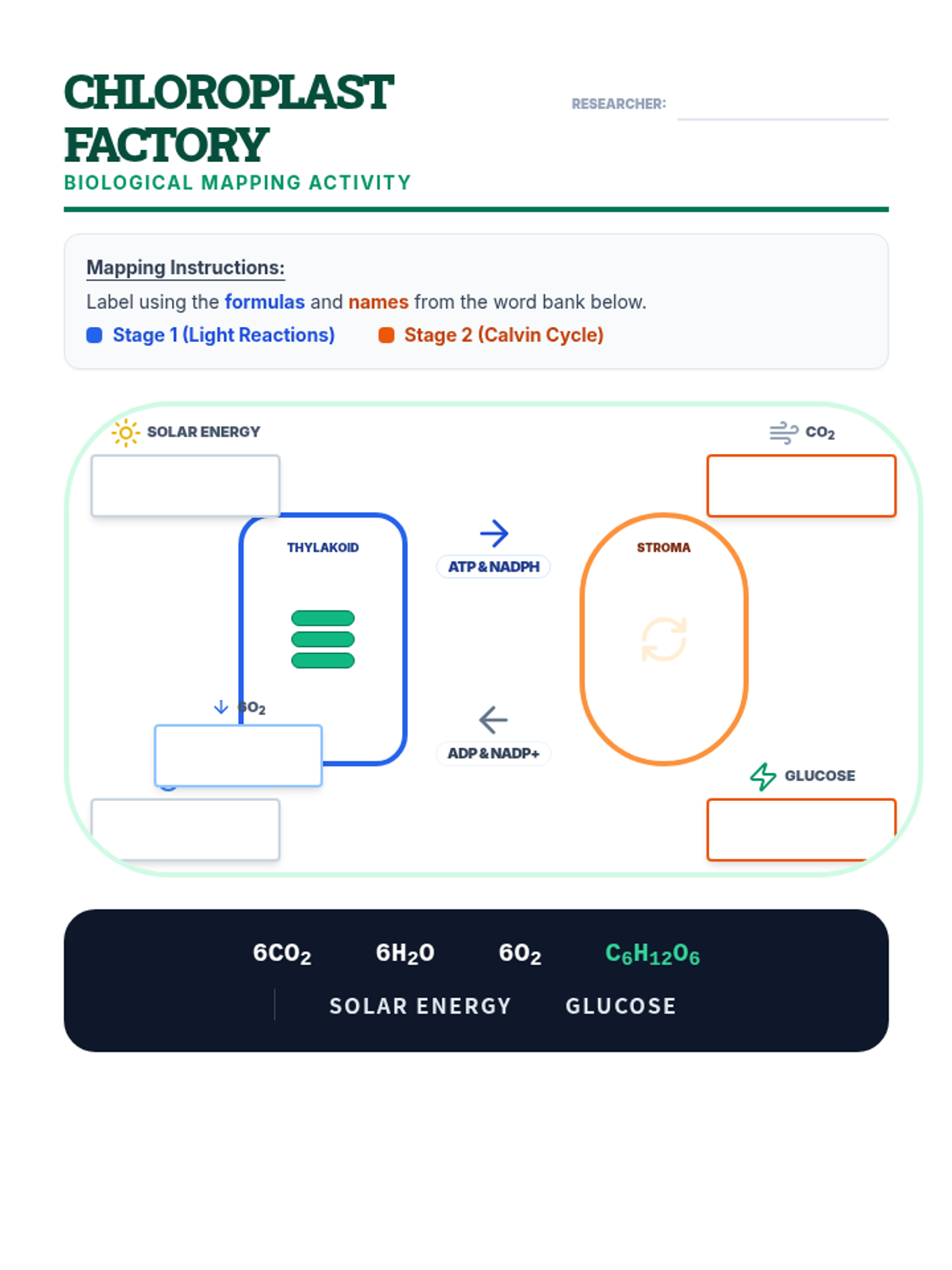
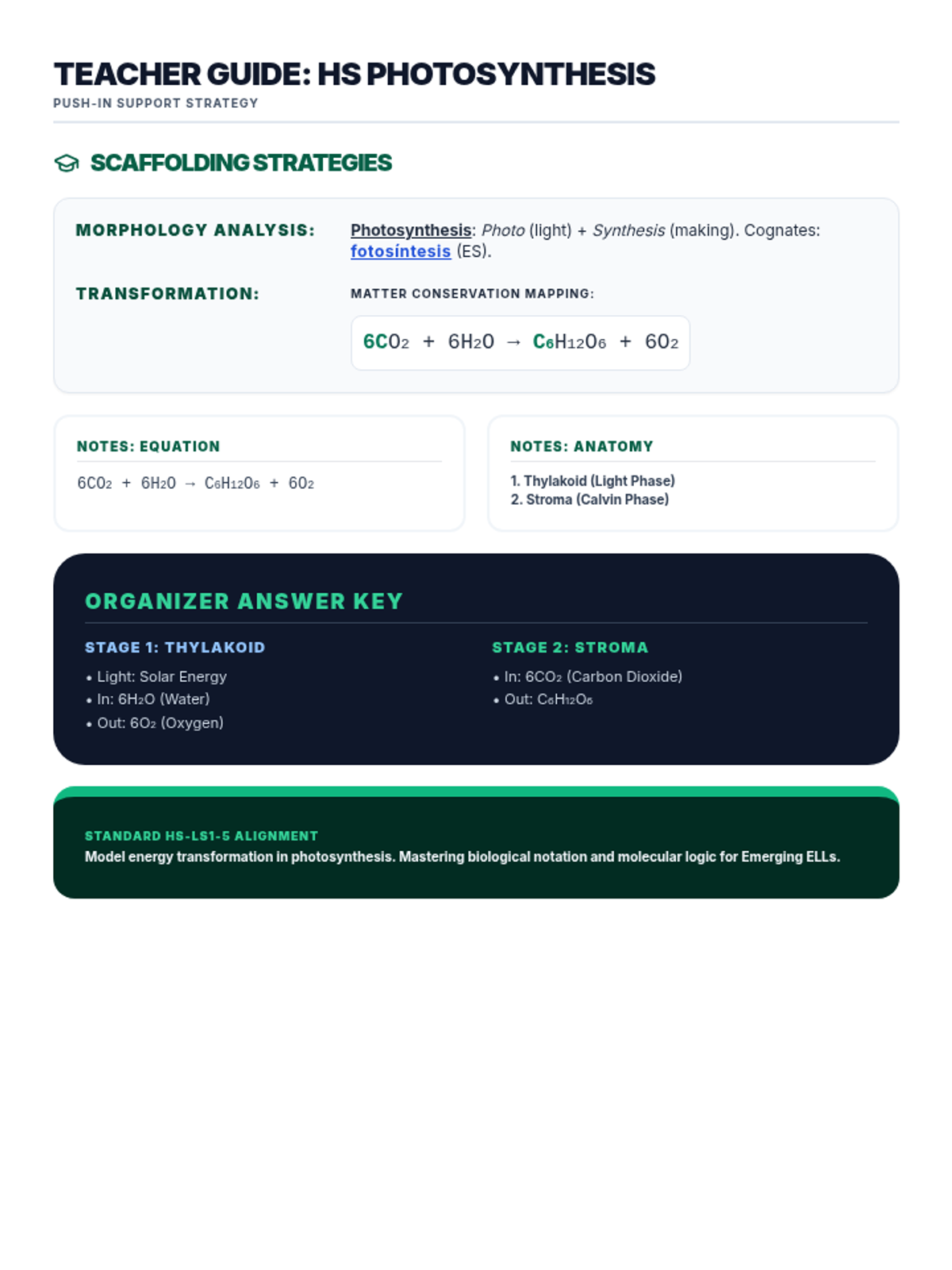
A focused exploration of the photosynthesis equation, helping students identify the reactants and products through diagrams and formula practice.
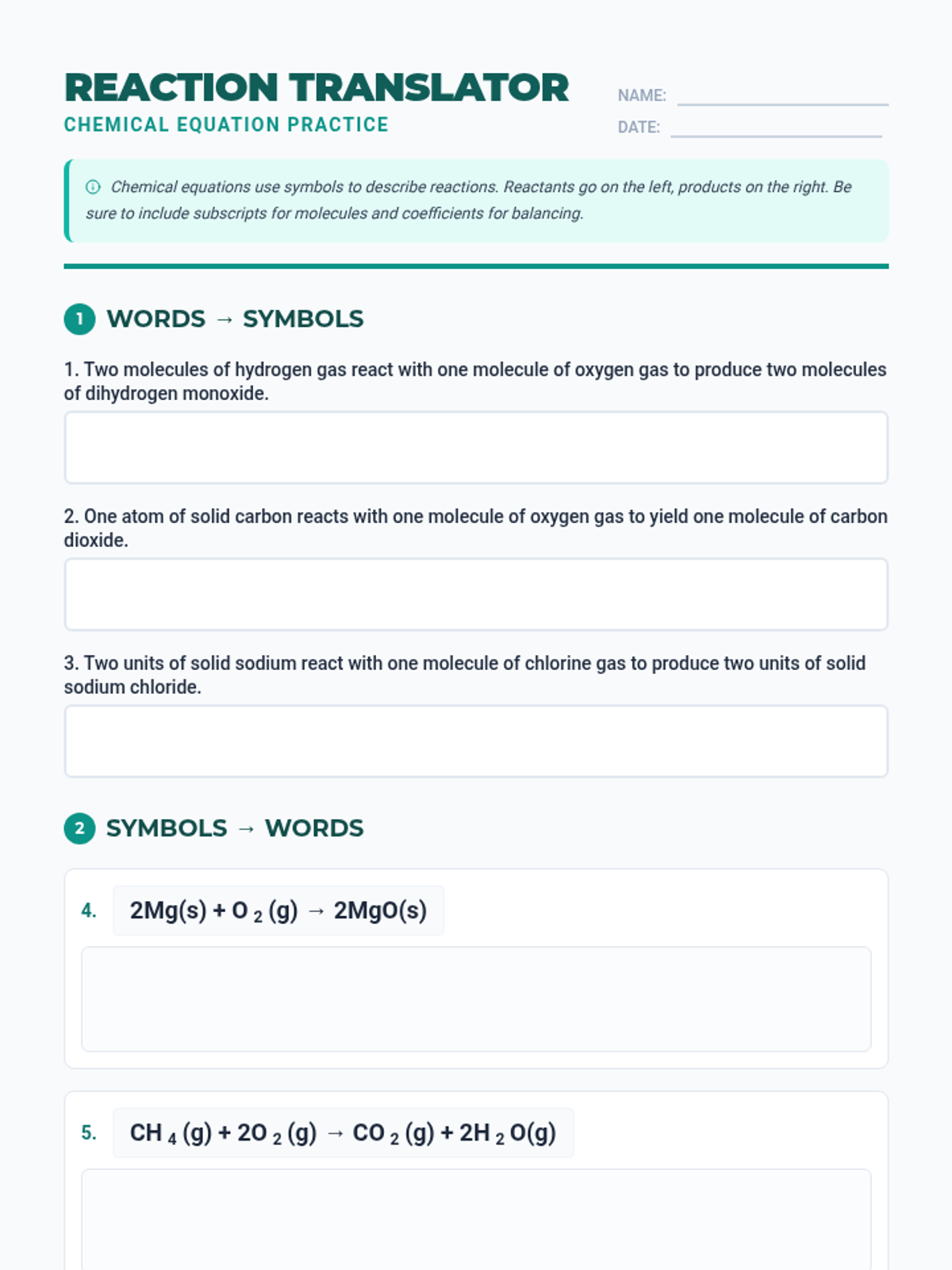
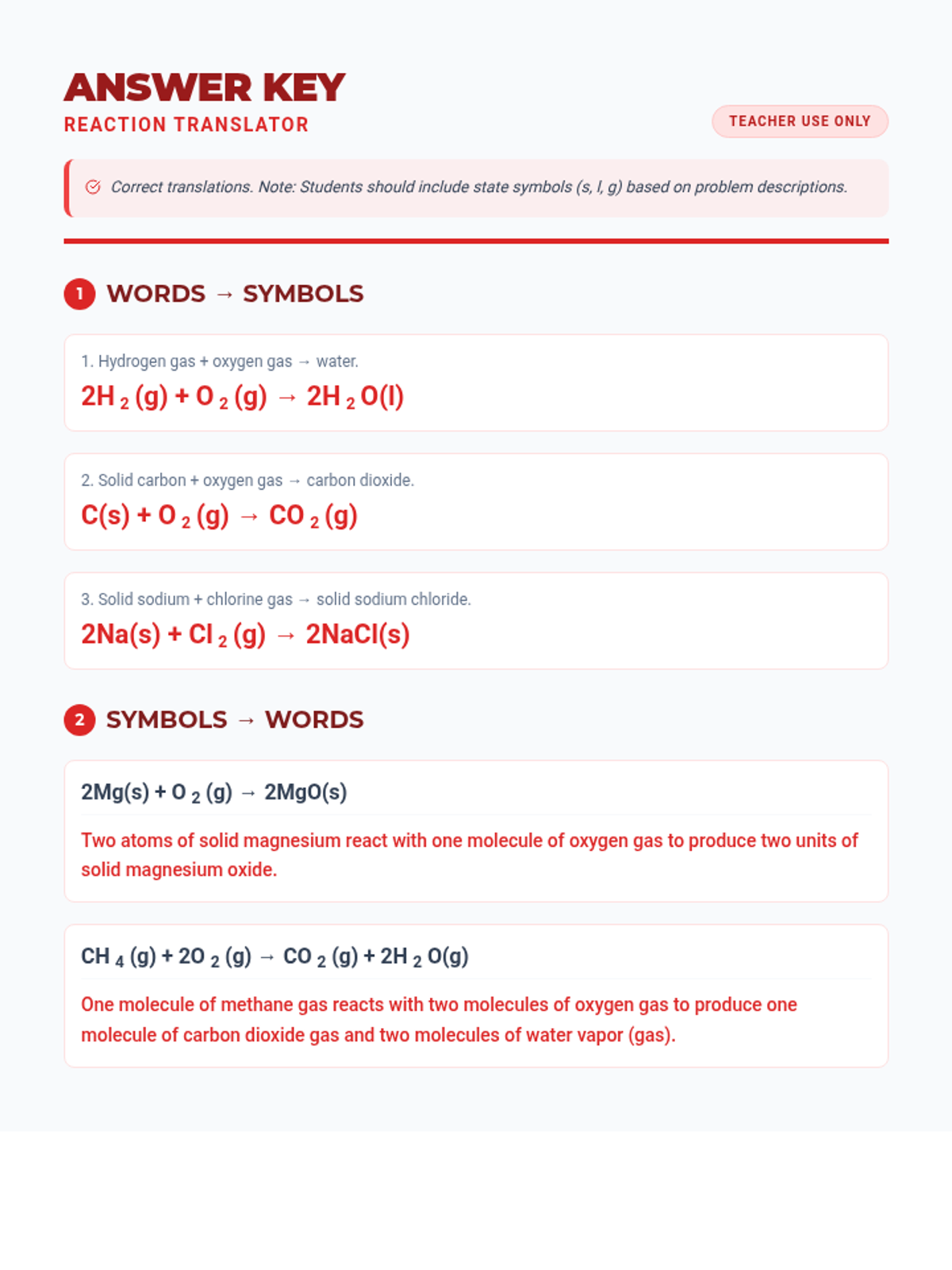
A focused practice session on translating chemical reactions between word descriptions and symbolic equations, covering key concepts of reactants, products, and stoichiometry.
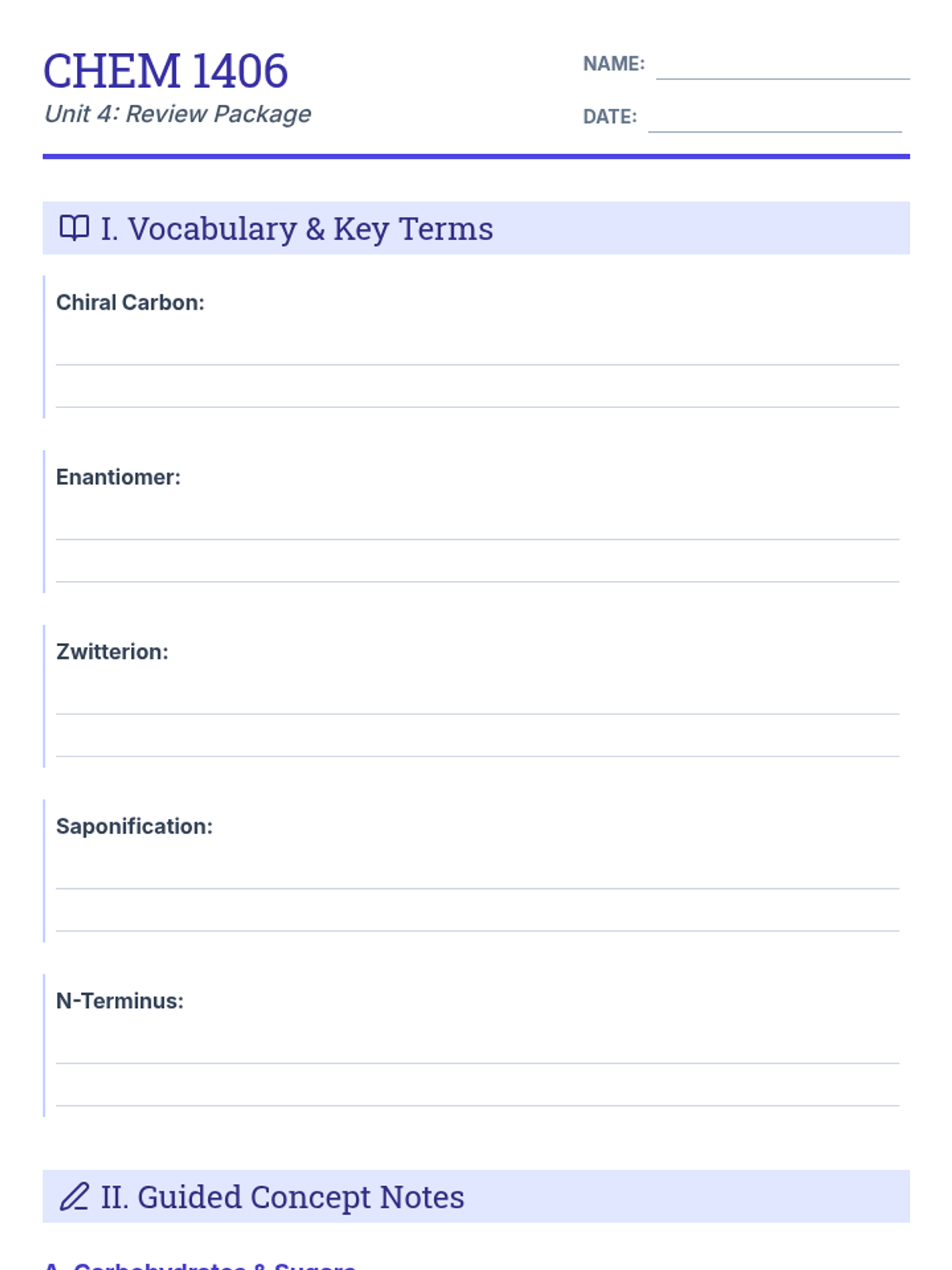
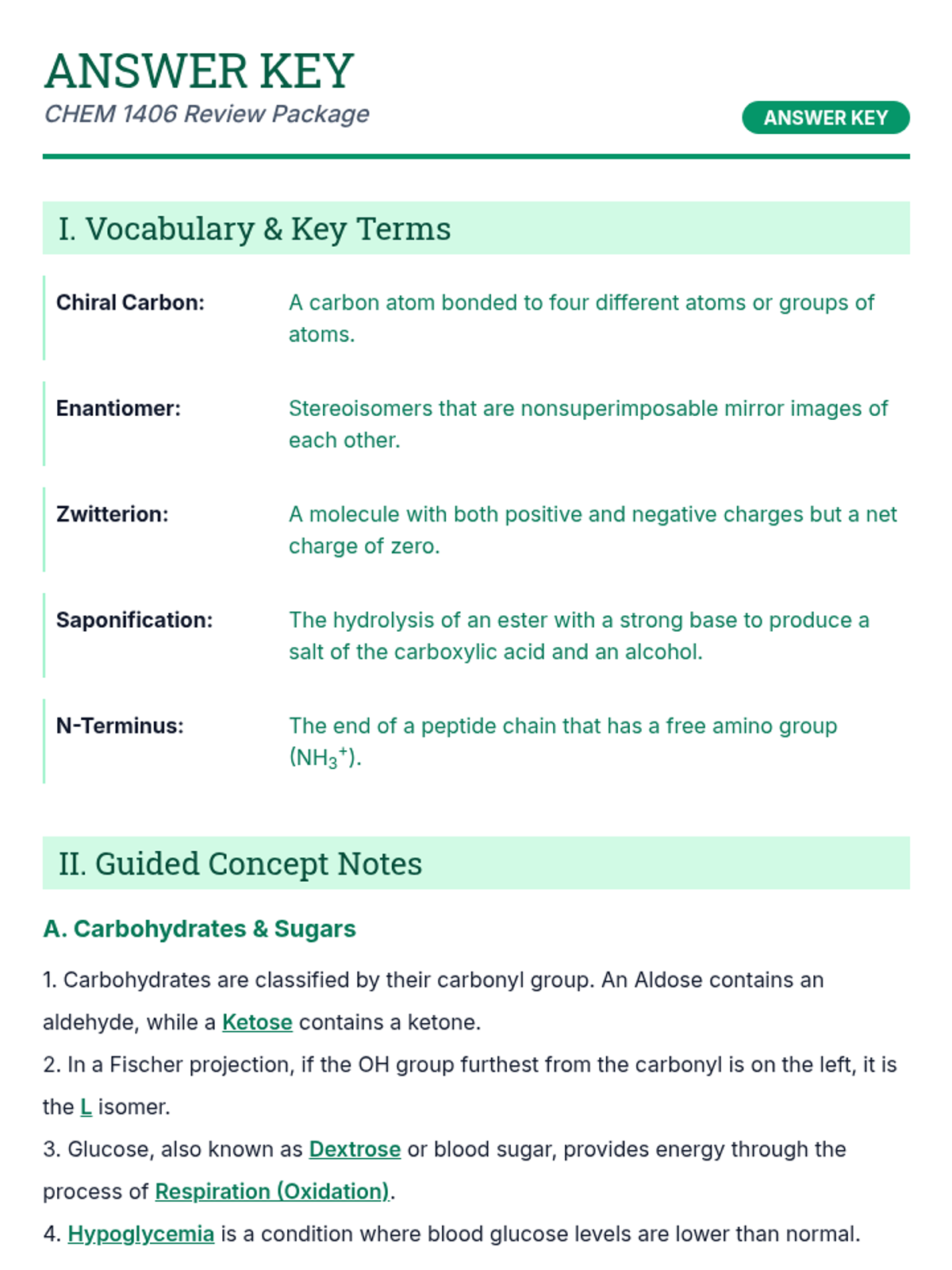
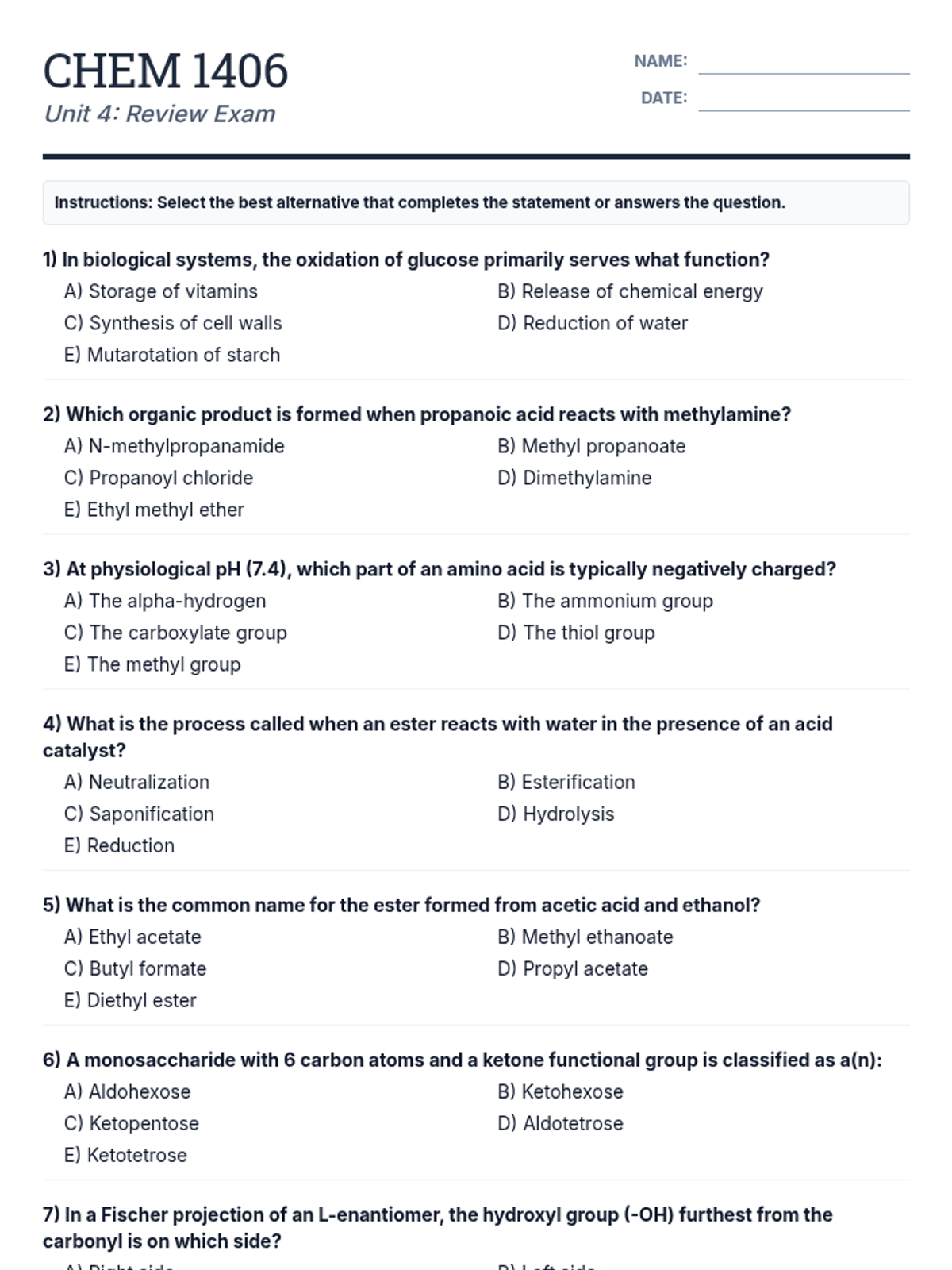
A deep dive into the structures and reactions of organic molecules and biomolecules, focusing on nomenclature, structural identification, and biological functions.
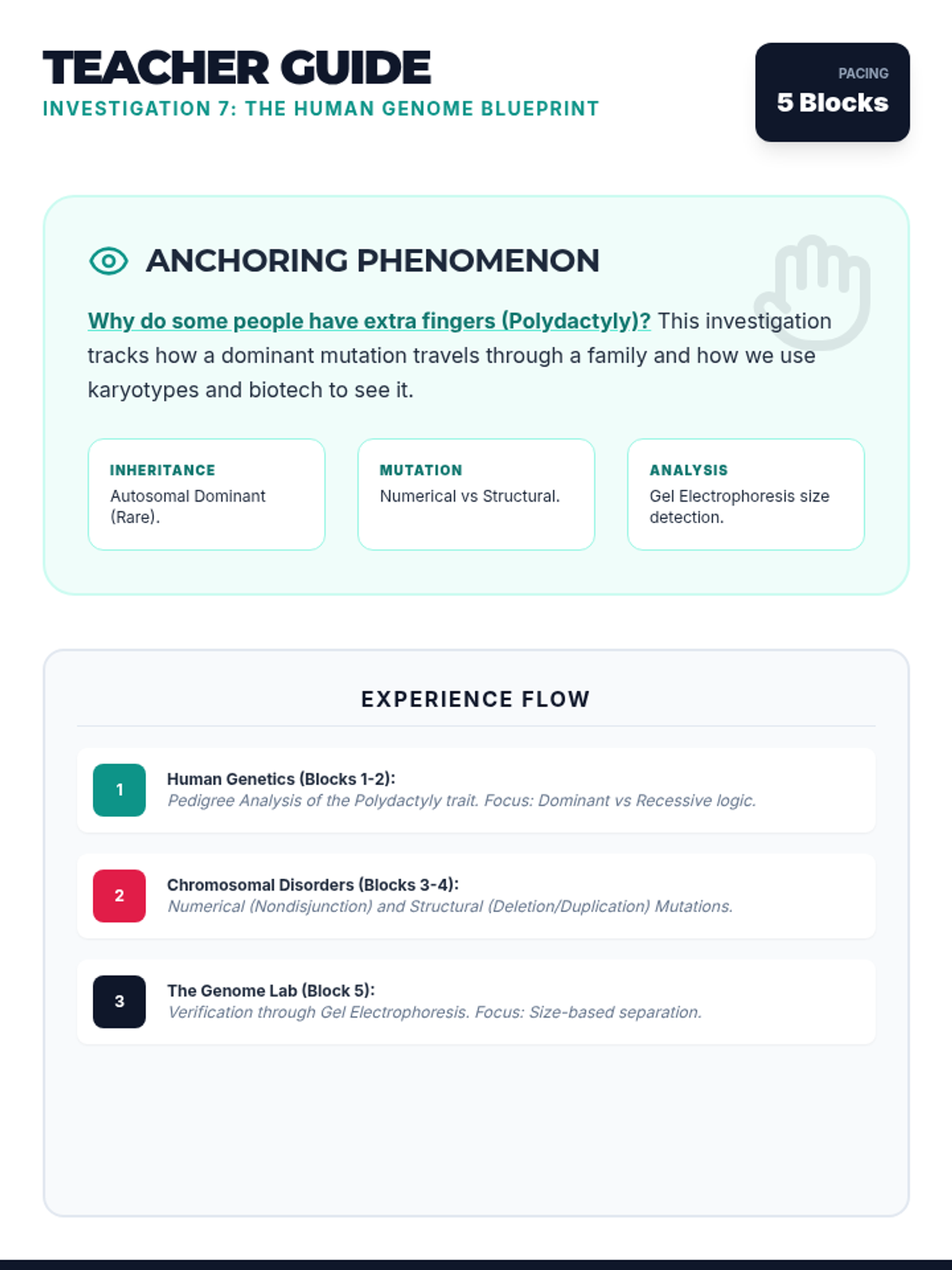
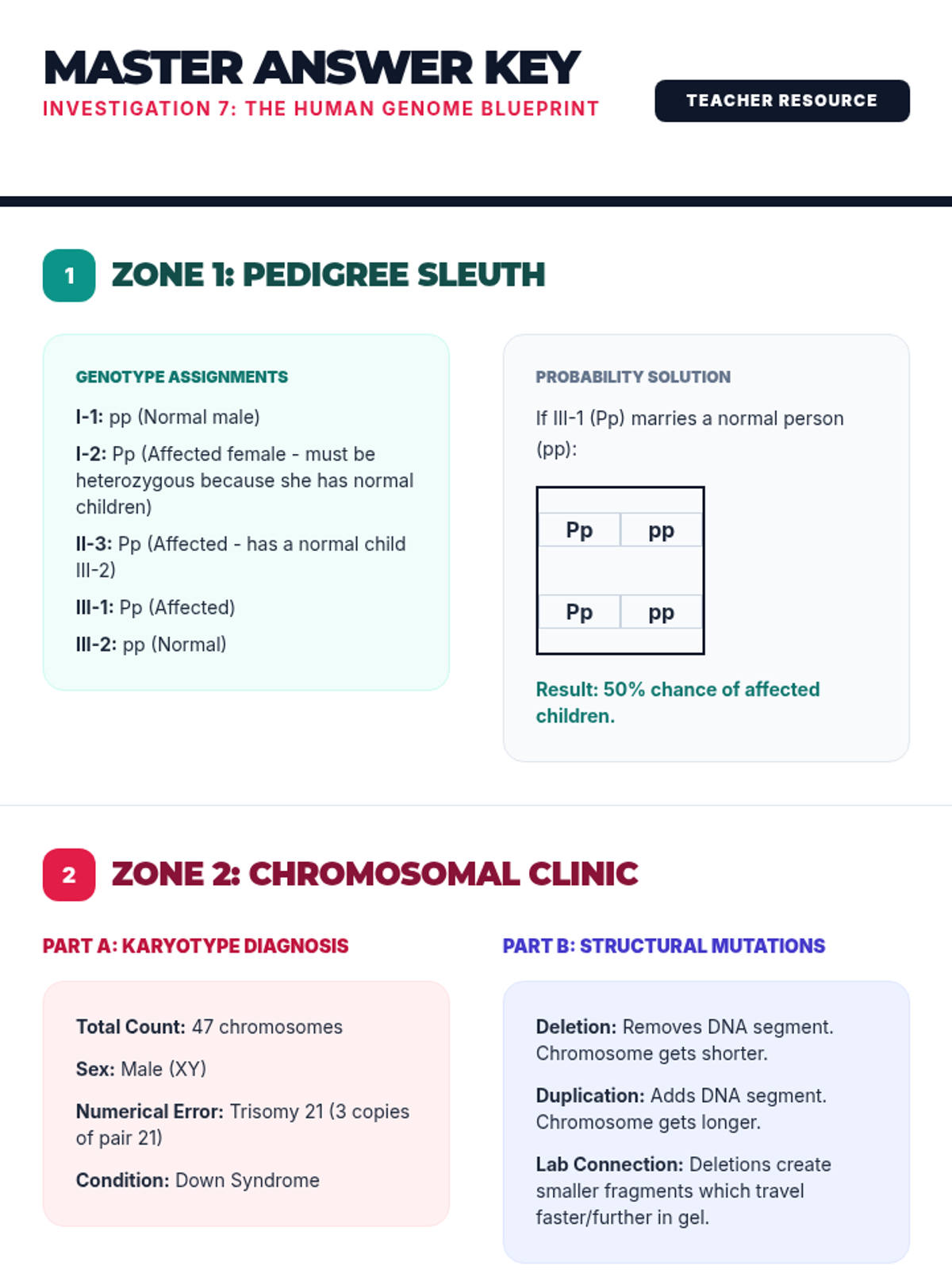
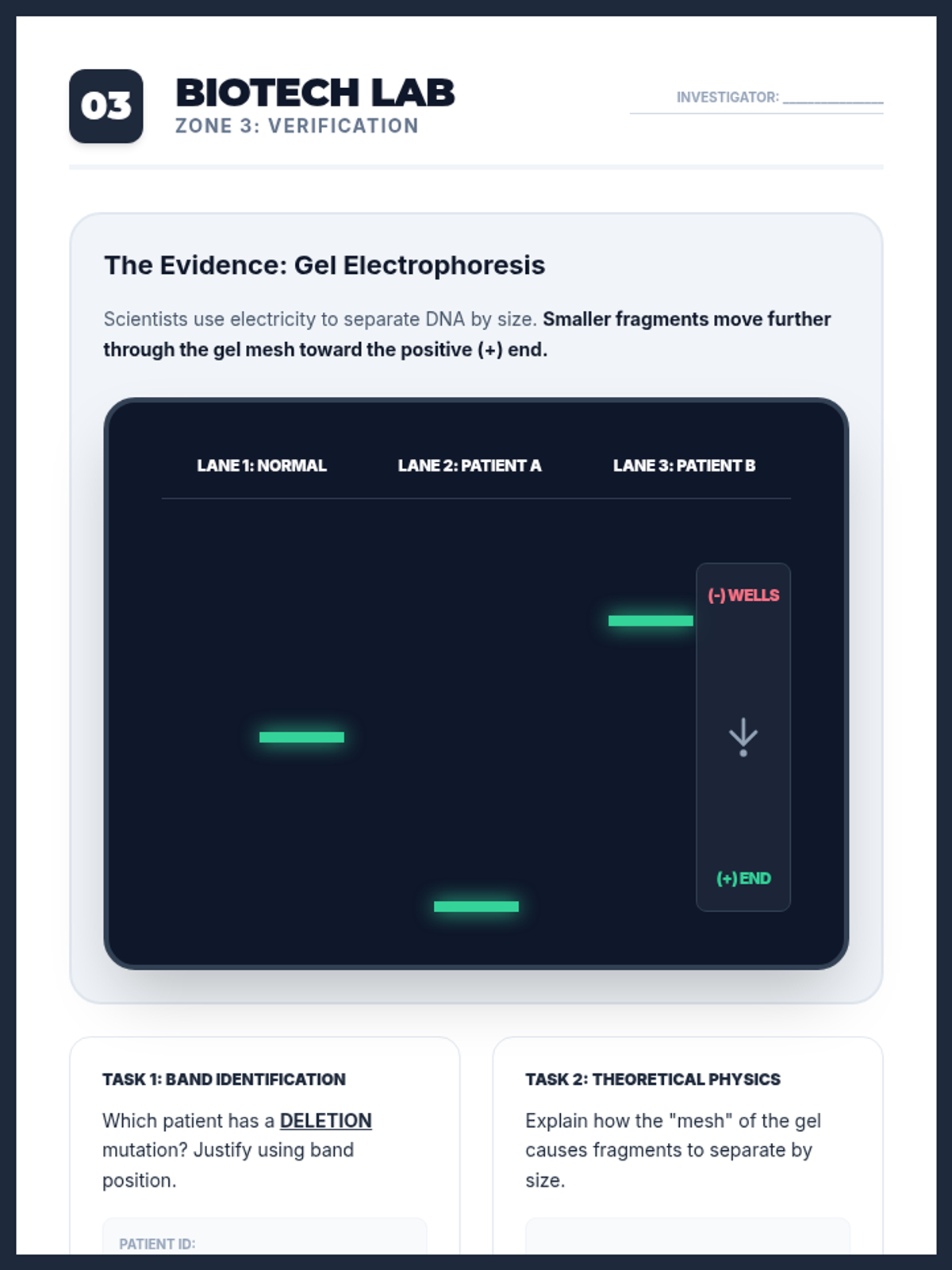
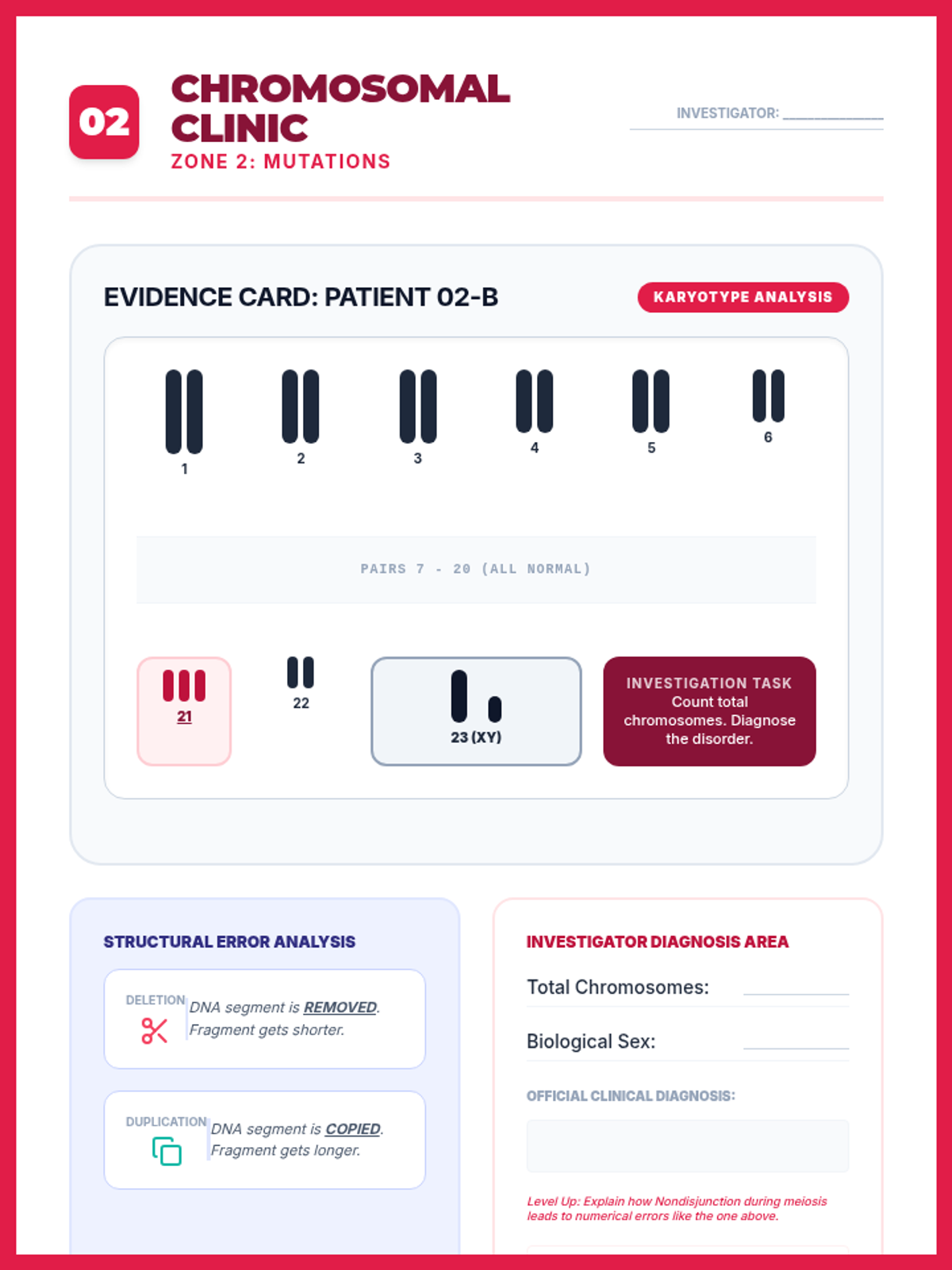
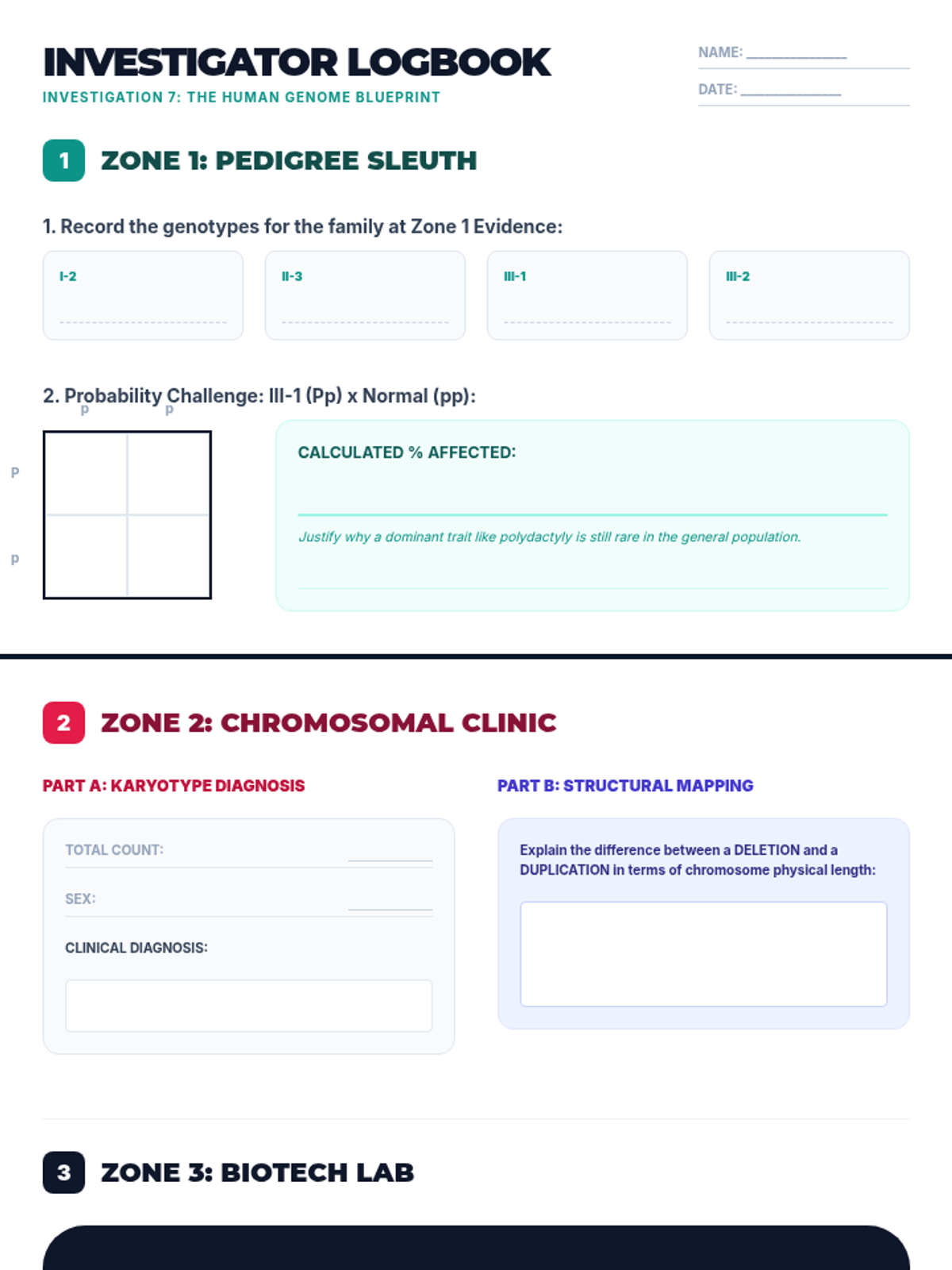
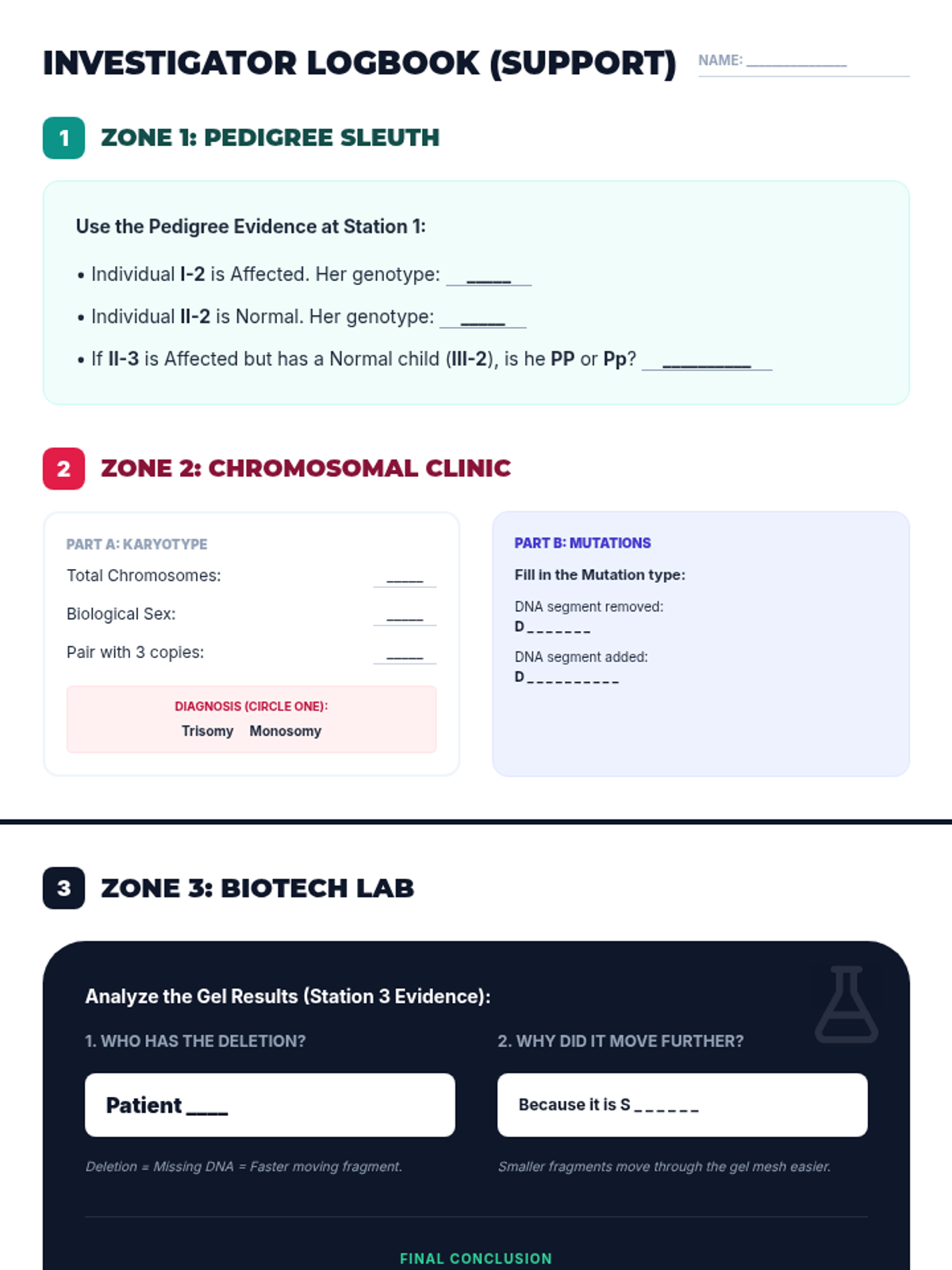
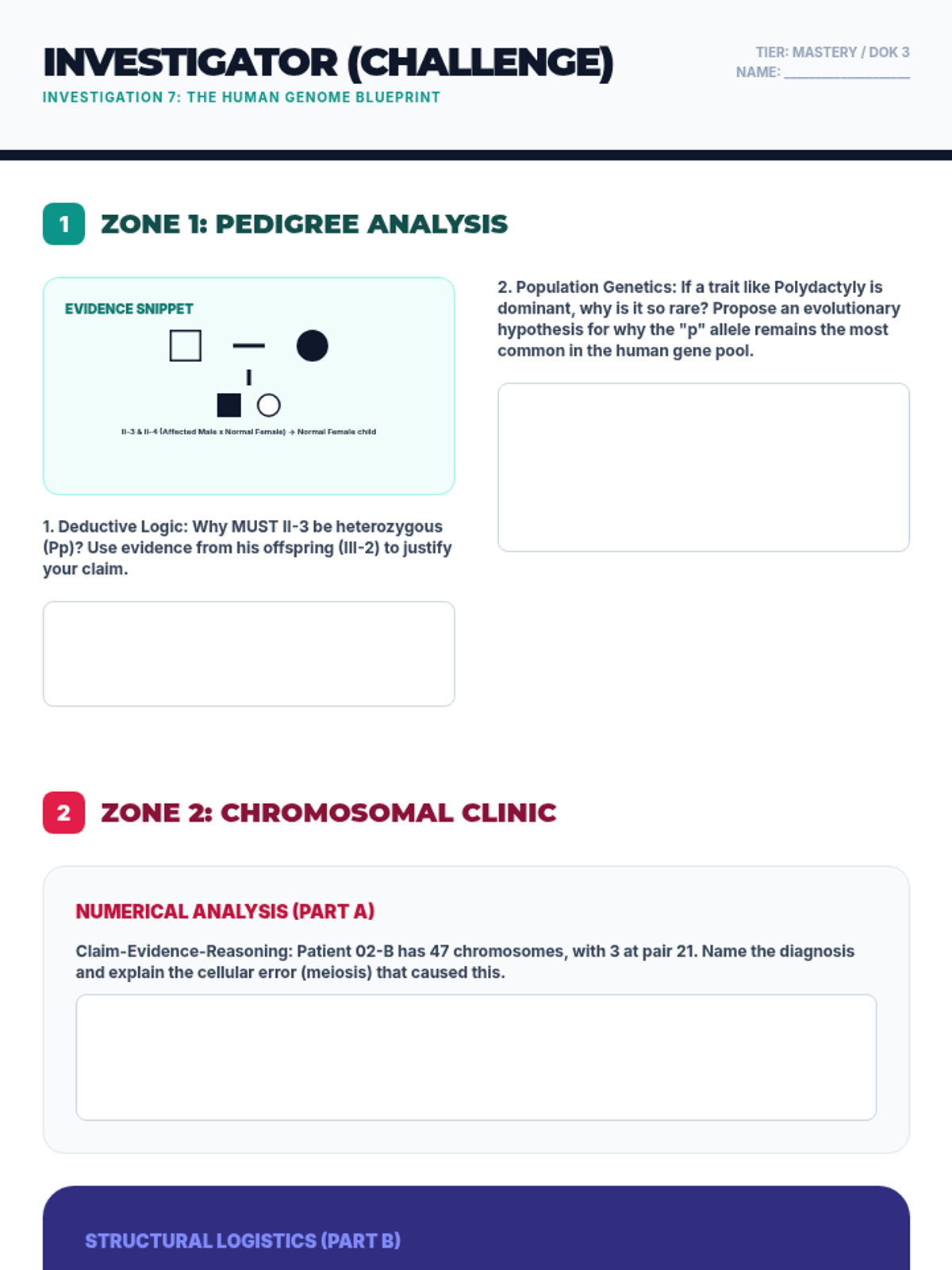
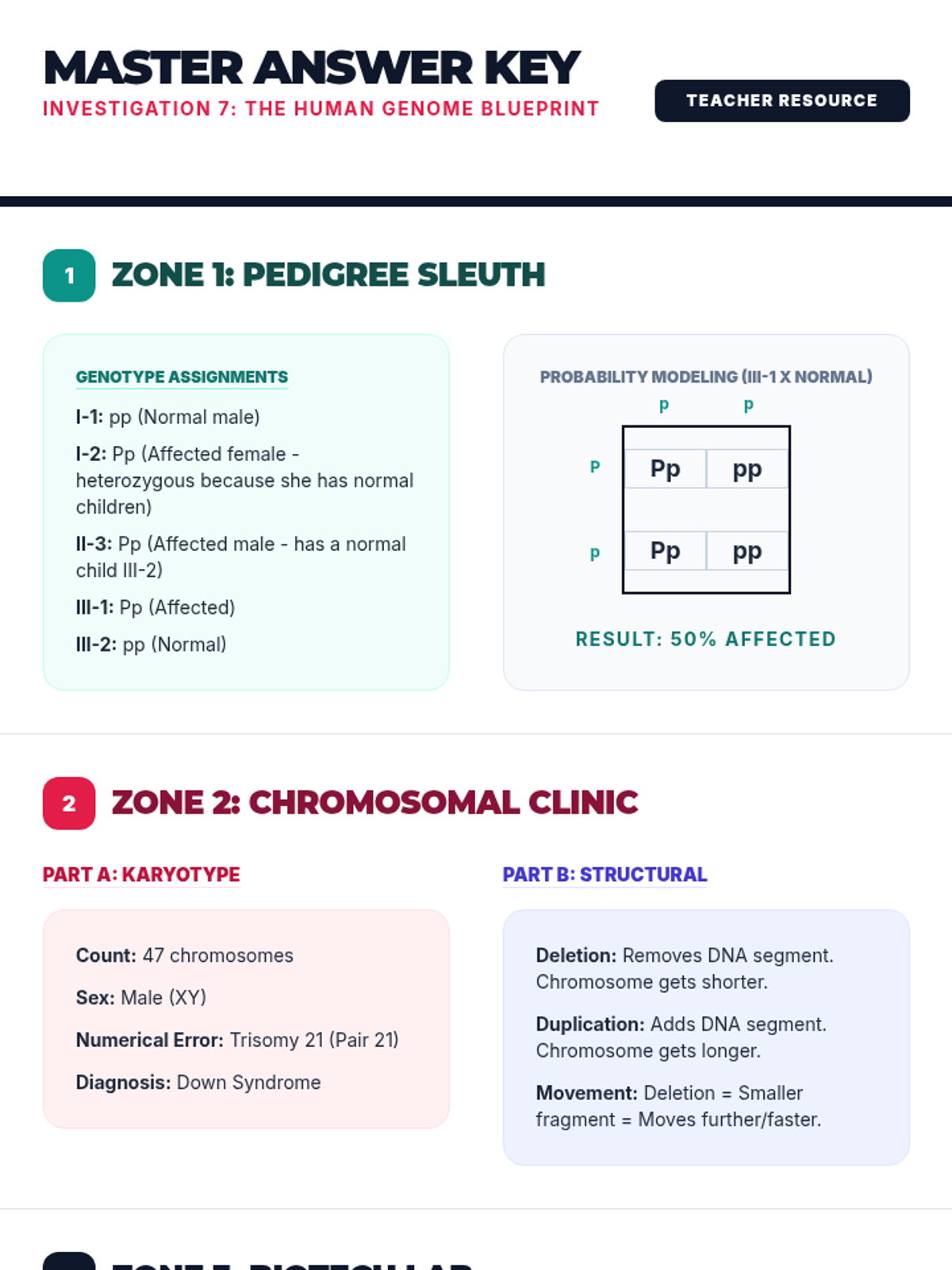
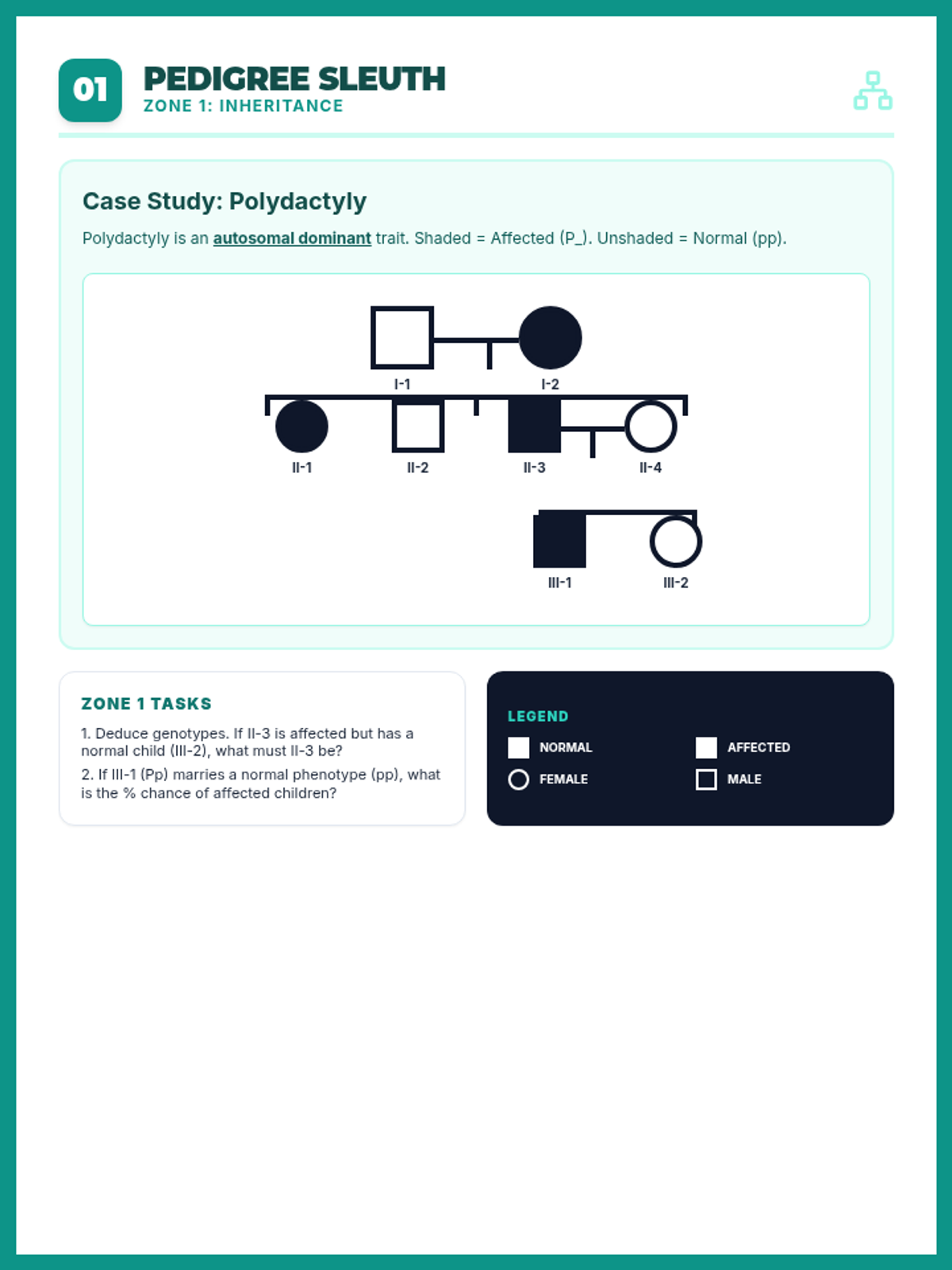
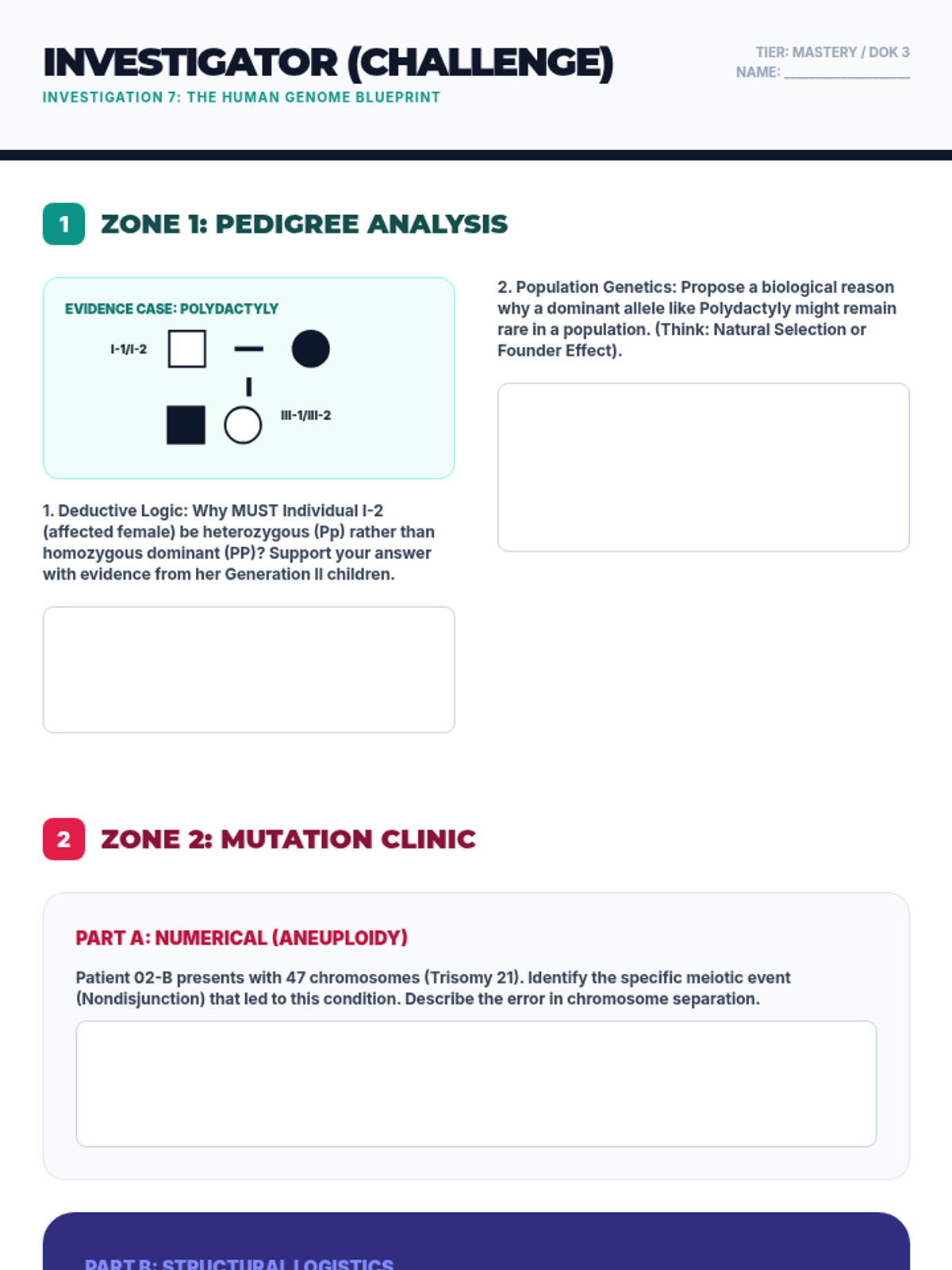
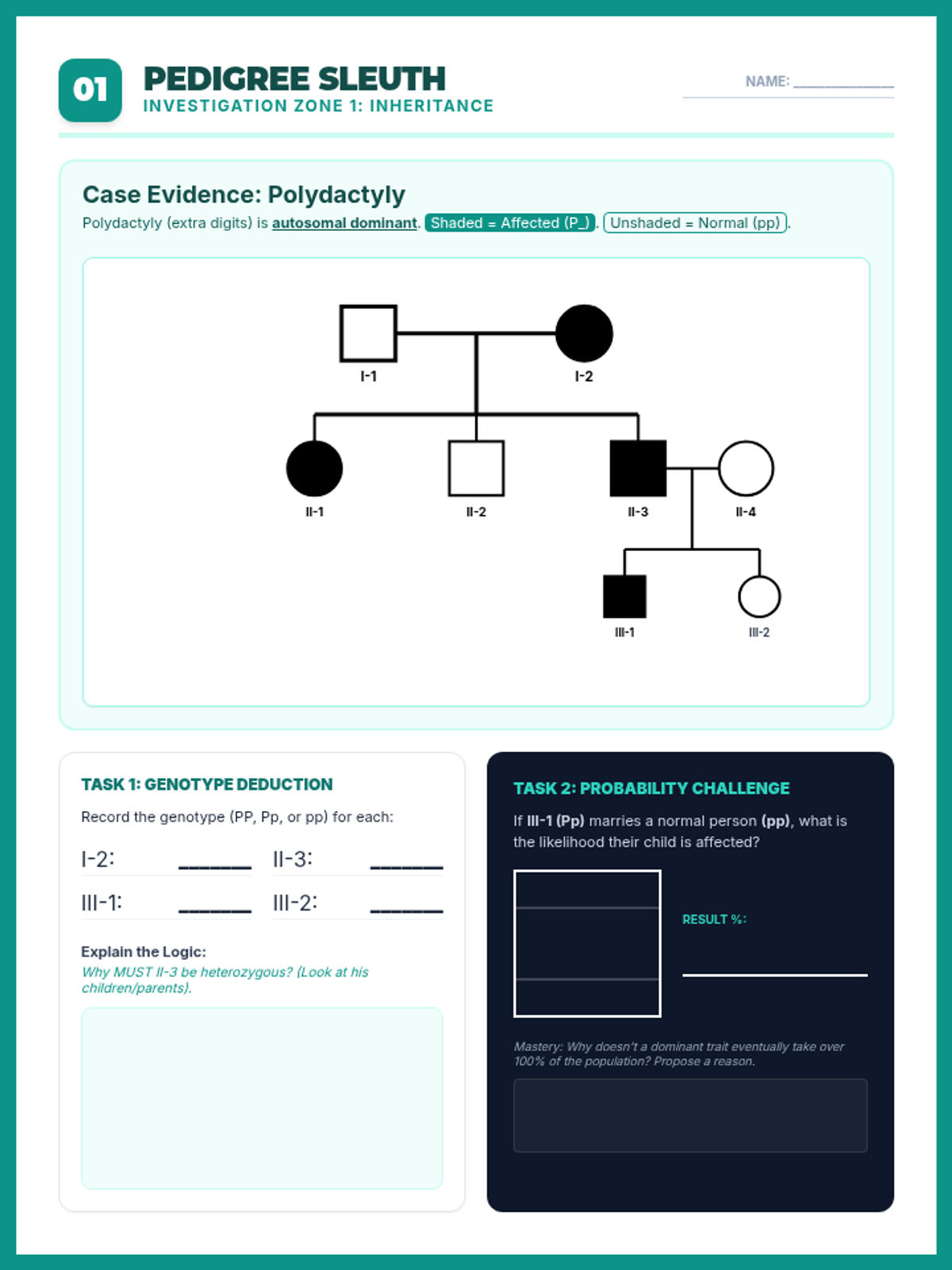
A 5-block (10 period) investigation into the human genome, focusing on patterns of inheritance, chromosomal disorders, and molecular biotechnology through the lens of polydactyly.
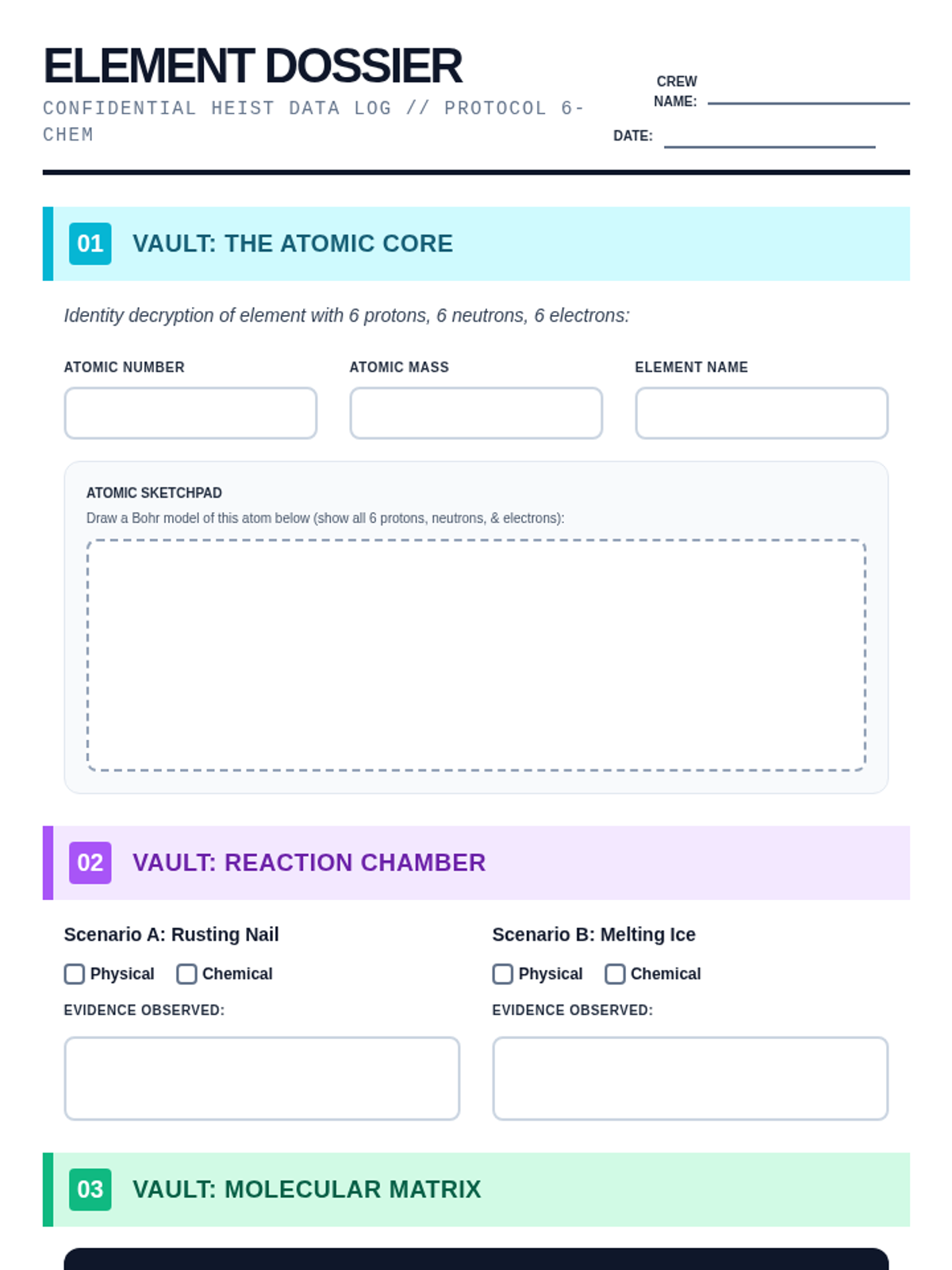
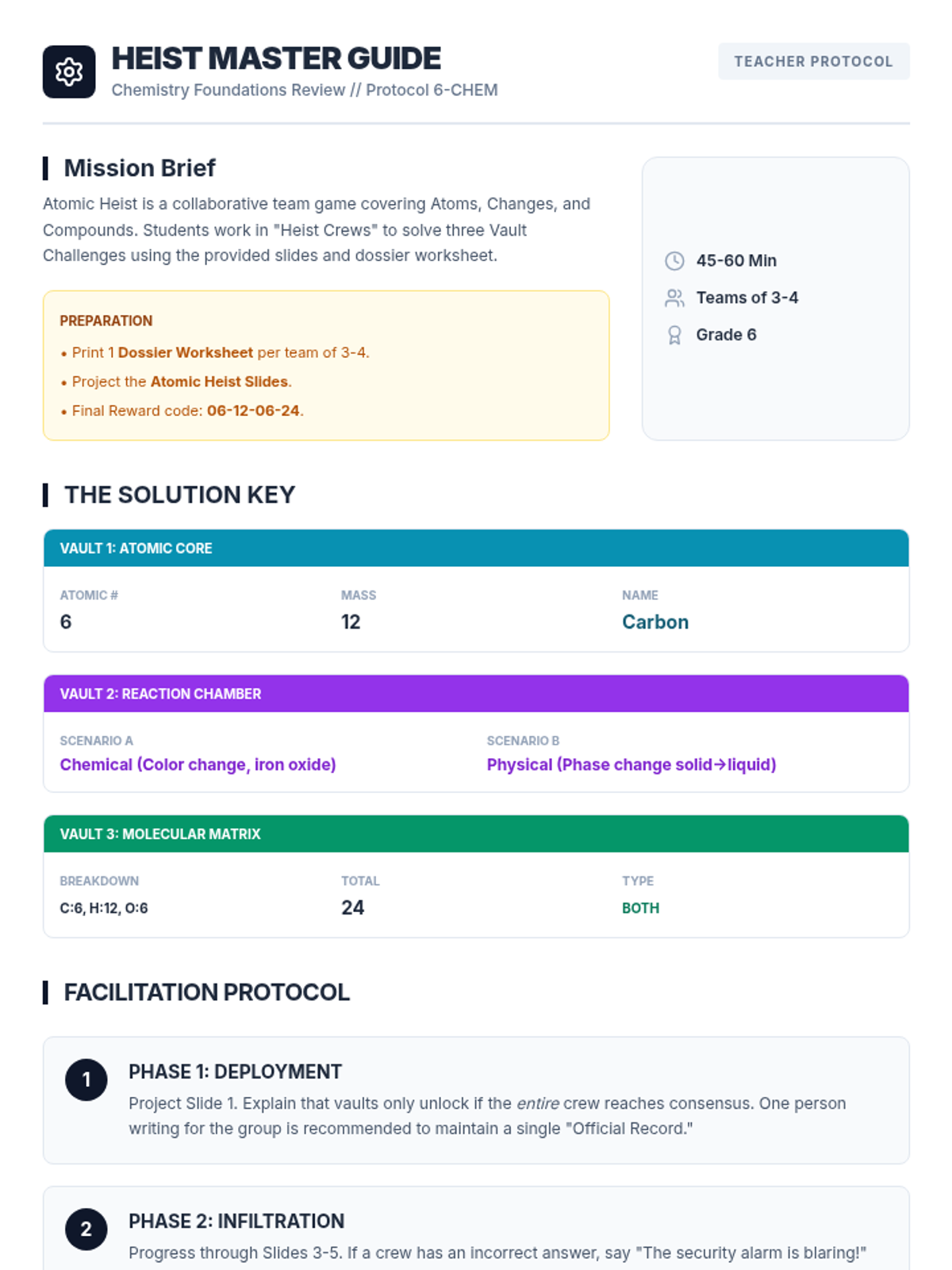
A high-stakes collaborative review game where students work in teams to solve chemistry-themed challenges covering atoms, elements, changes, and compounds.
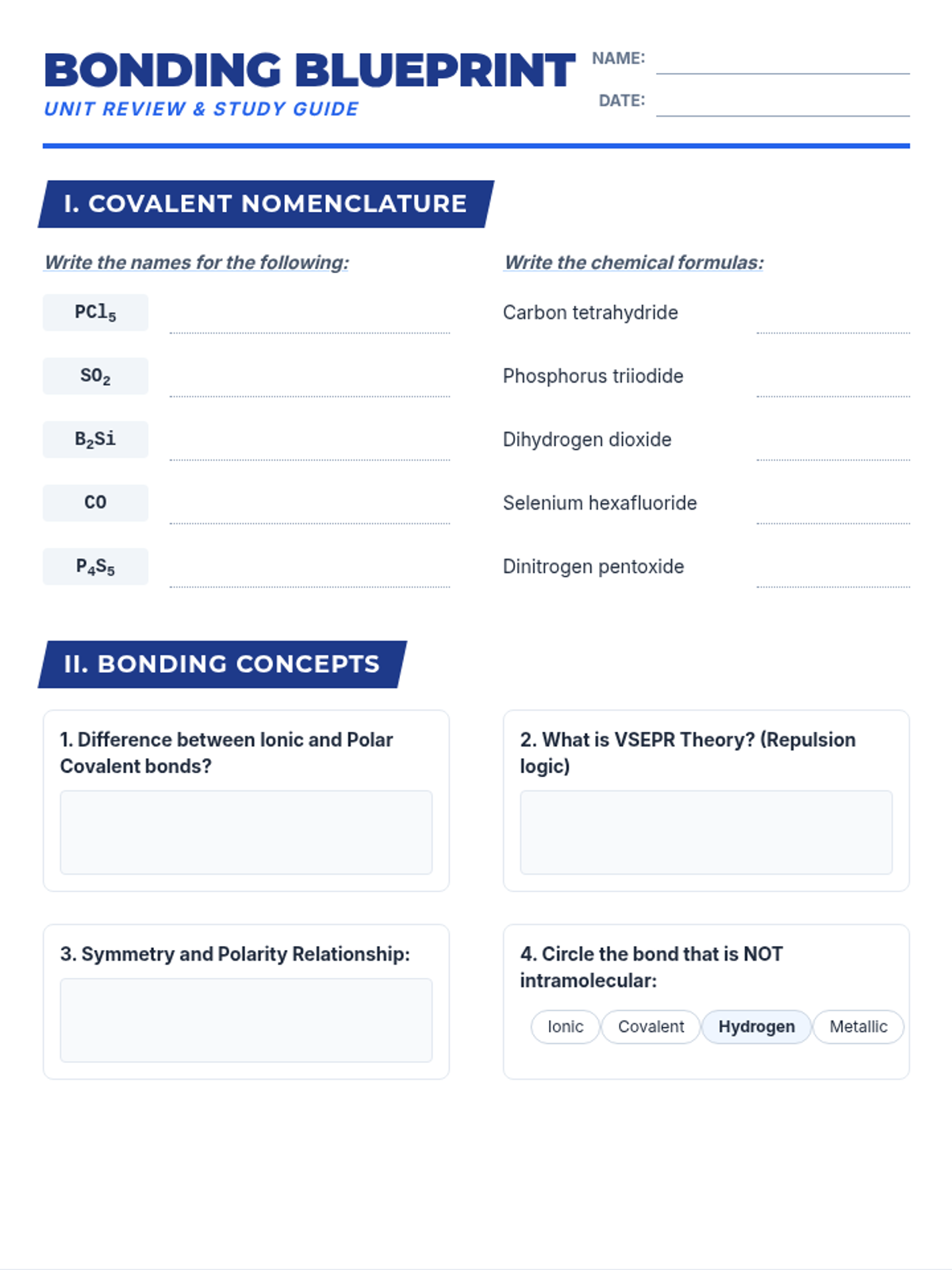
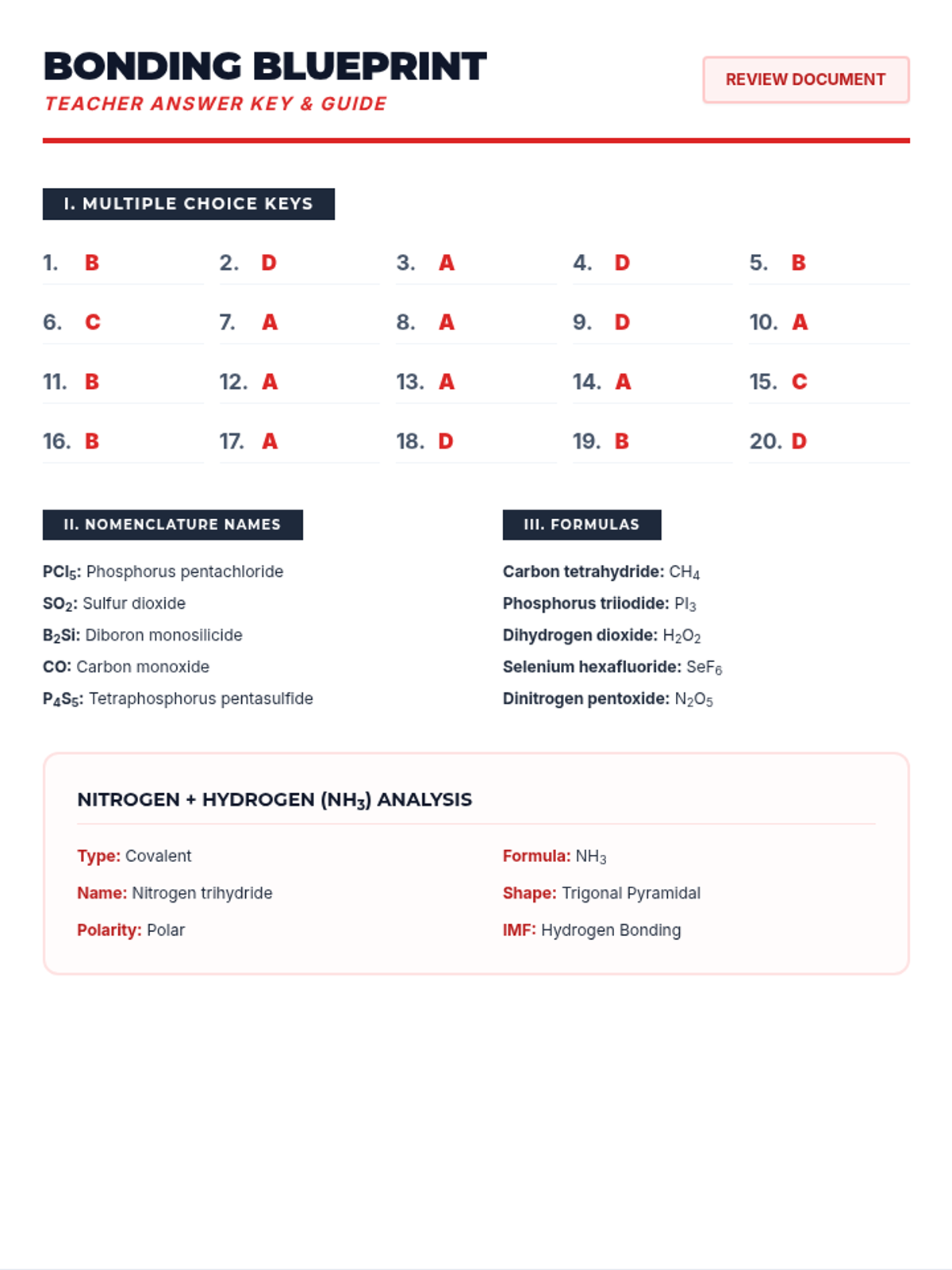
A review lesson focused on mastering chemical bonds, molecular geometry (VSEPR), and intermolecular forces (IMFs) through structured practice and visual instruction.
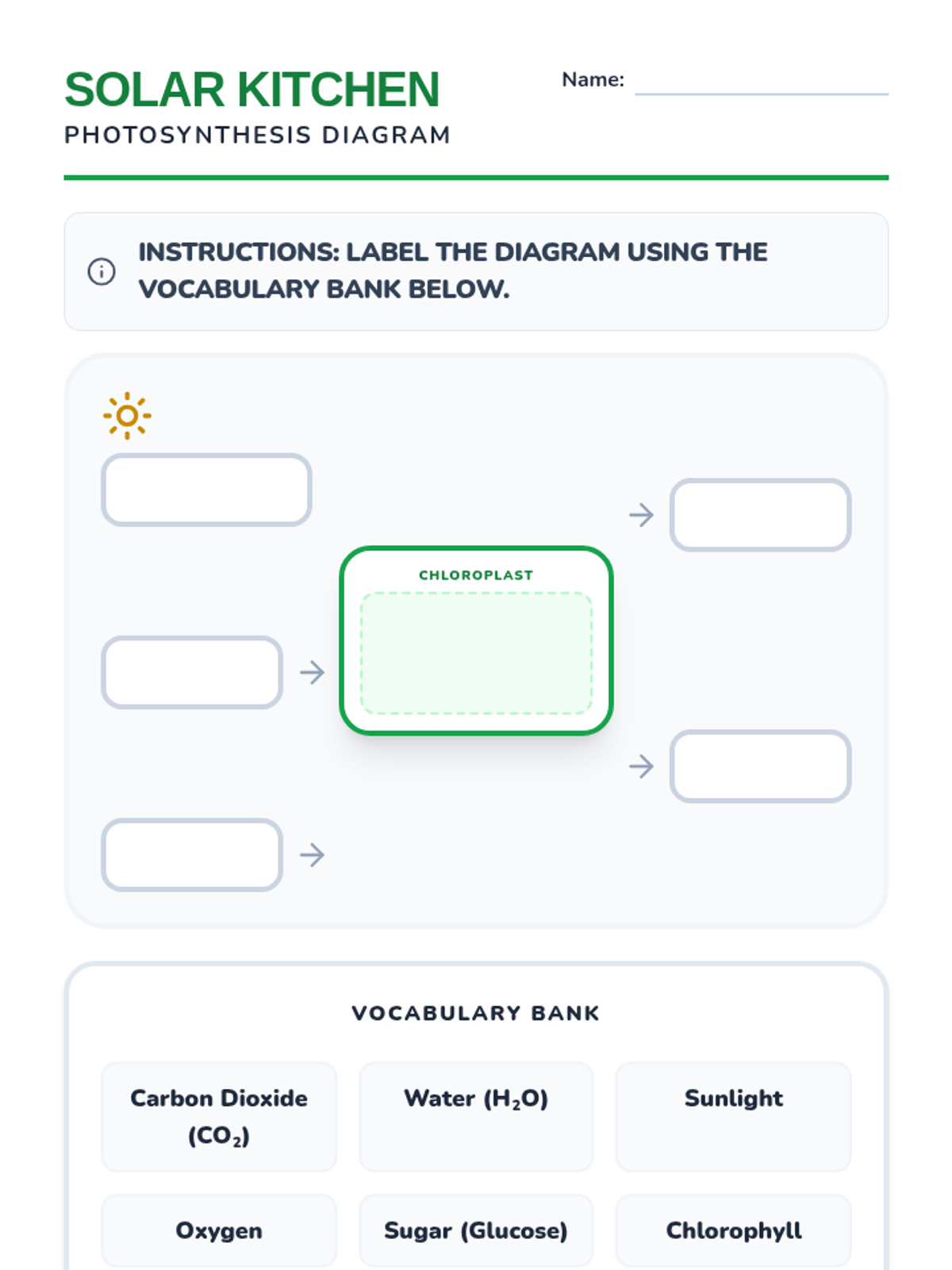
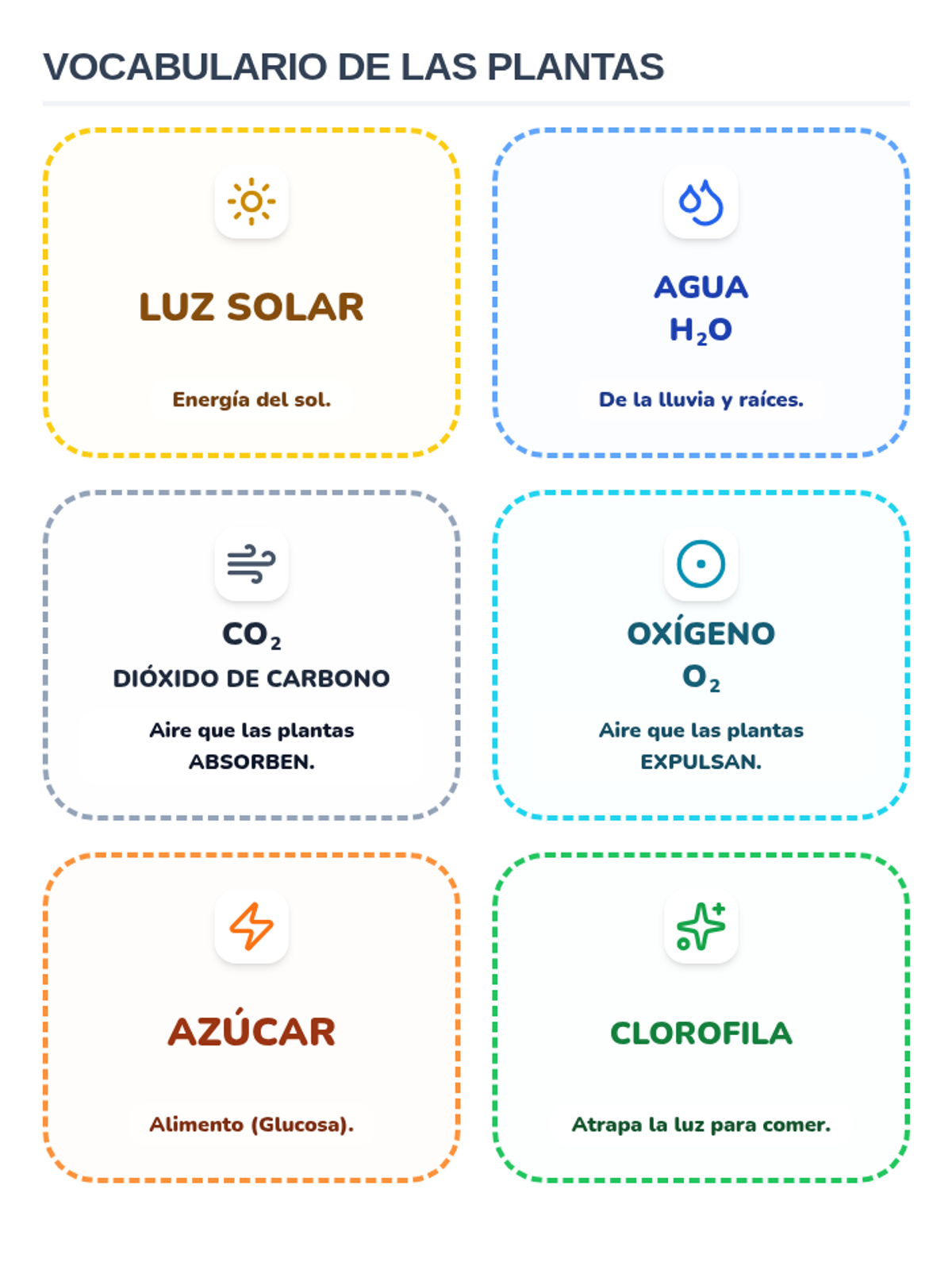
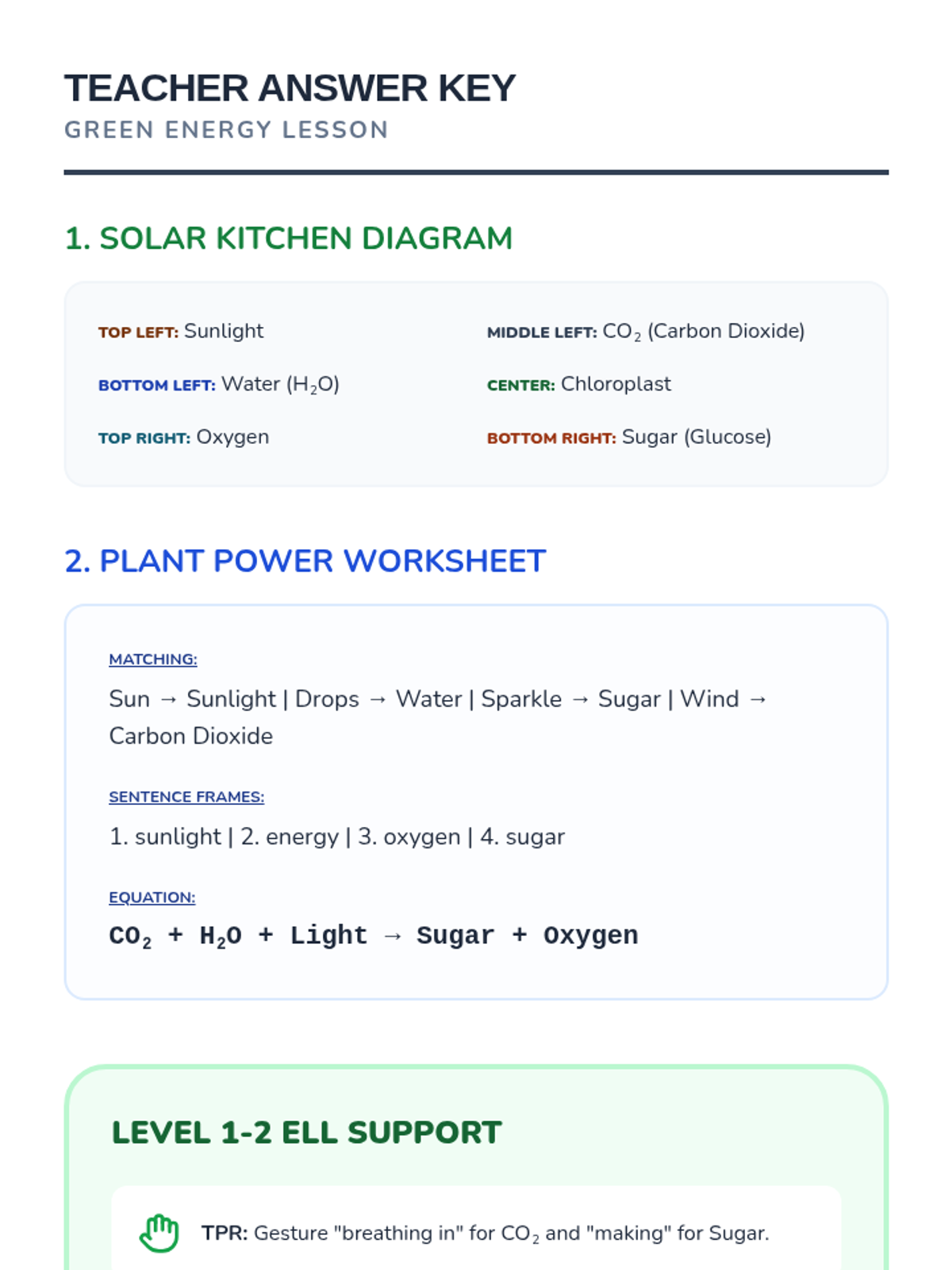
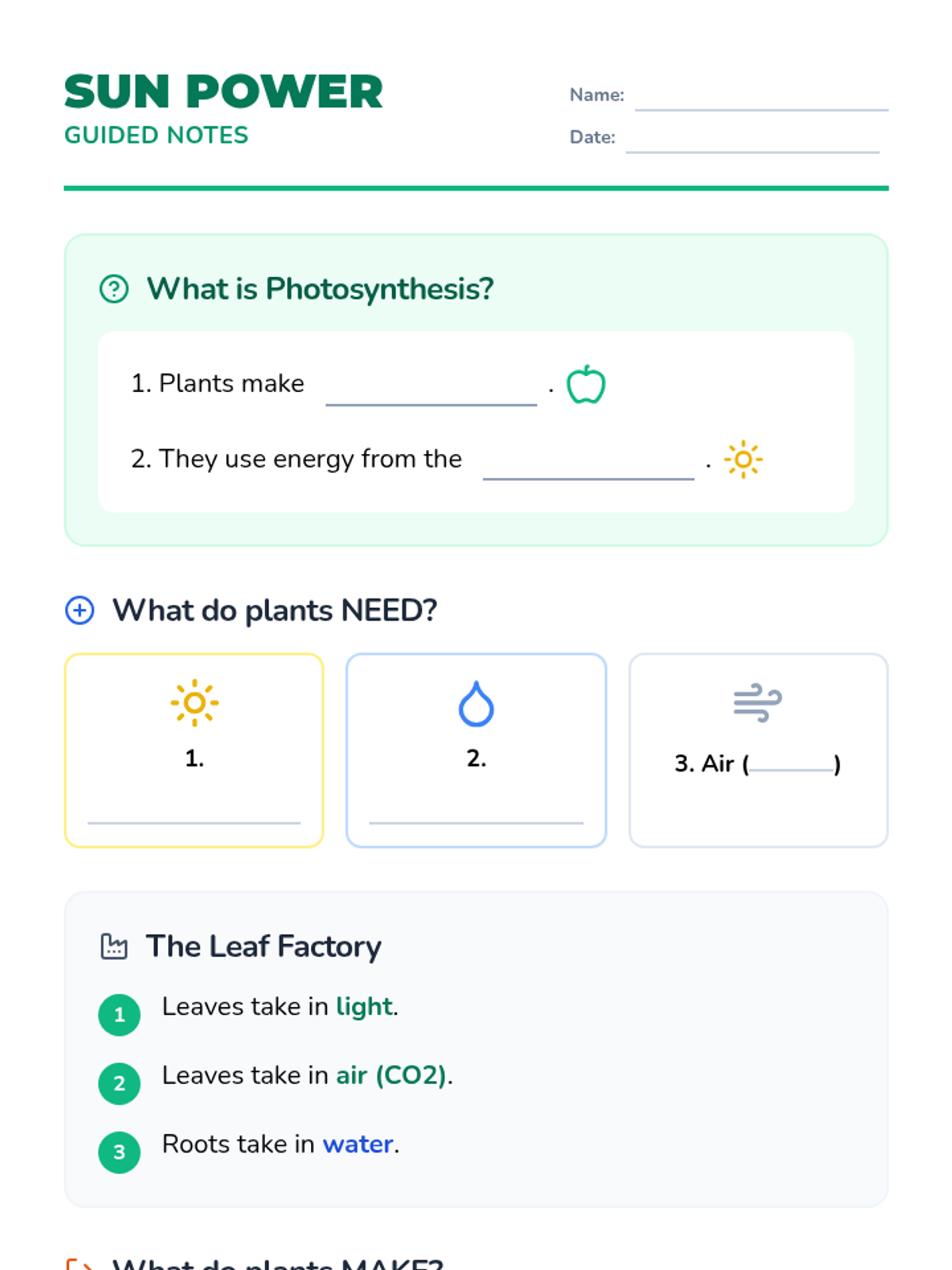
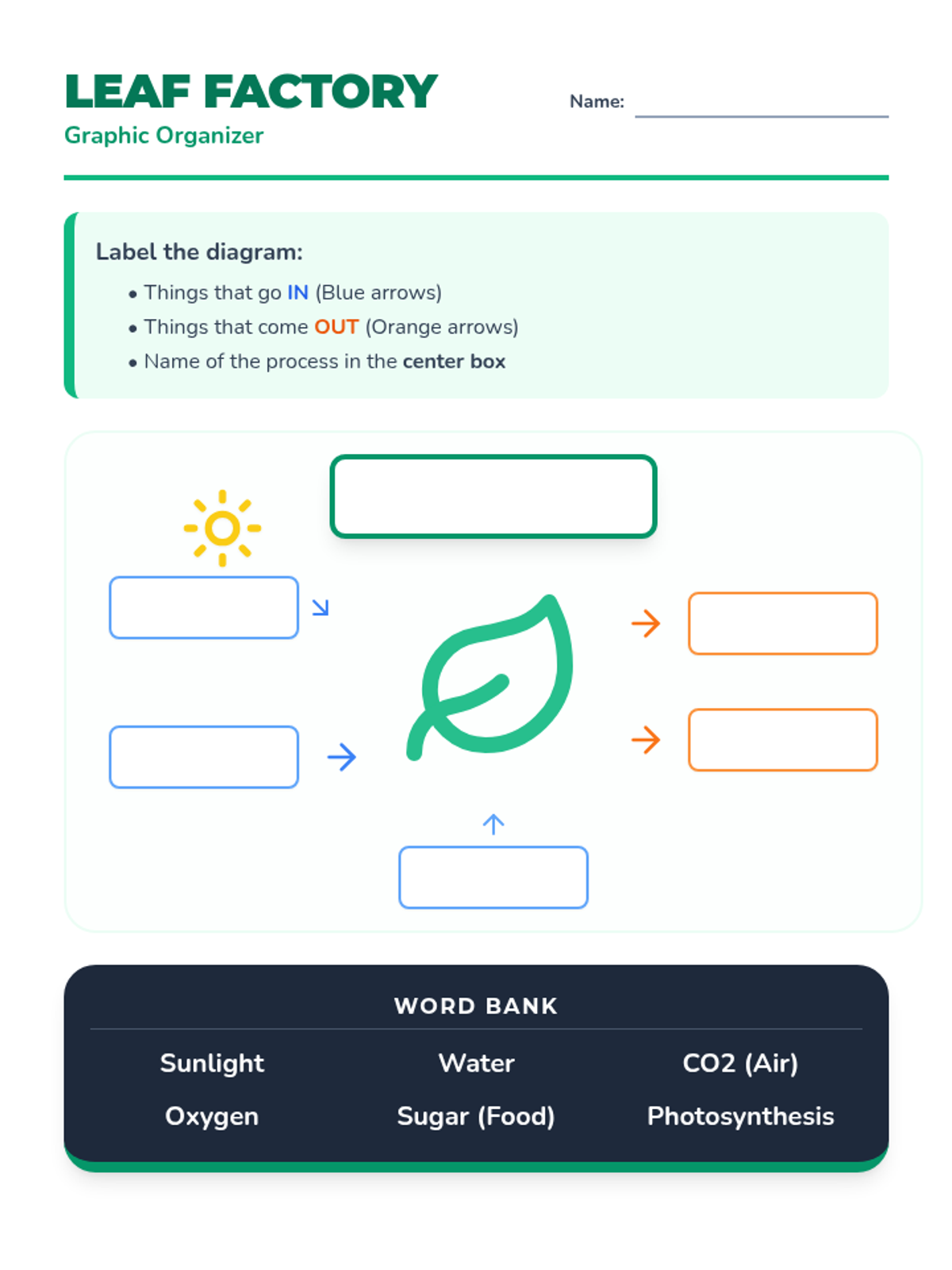
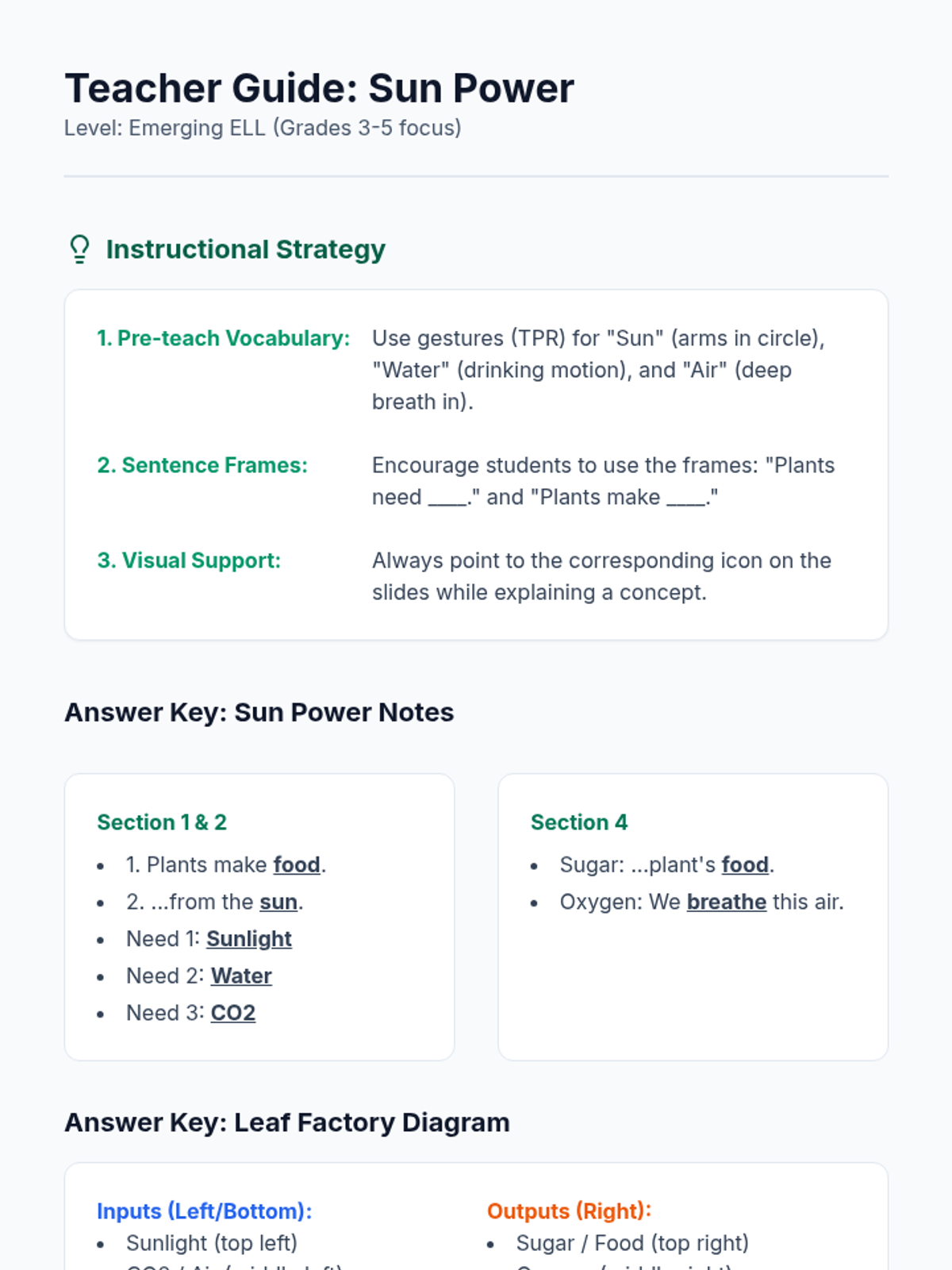
A visual-heavy lesson introducing the photosynthesis equation and basic inputs/outputs, specifically designed for emerging level bilingual students (ELLs). The lesson uses a 'Solar Kitchen' metaphor to simplify complex biological processes.
A high school-level introduction to photosynthesis for Emerging ELL students, focusing on chloroplast structure, the chemical equation, and the two stages of the process (Light-Dependent and Calvin Cycle) with linguistic scaffolding.
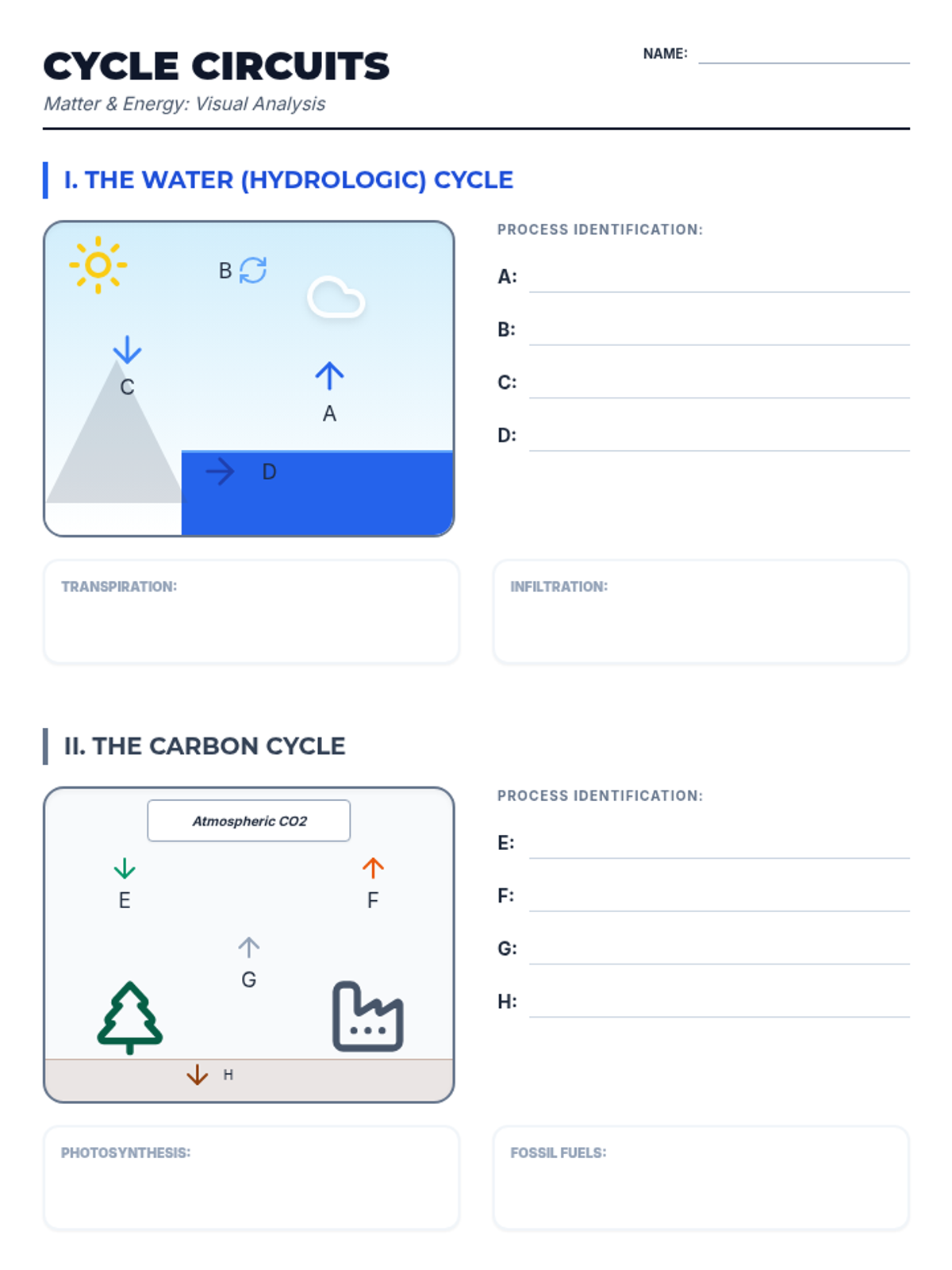
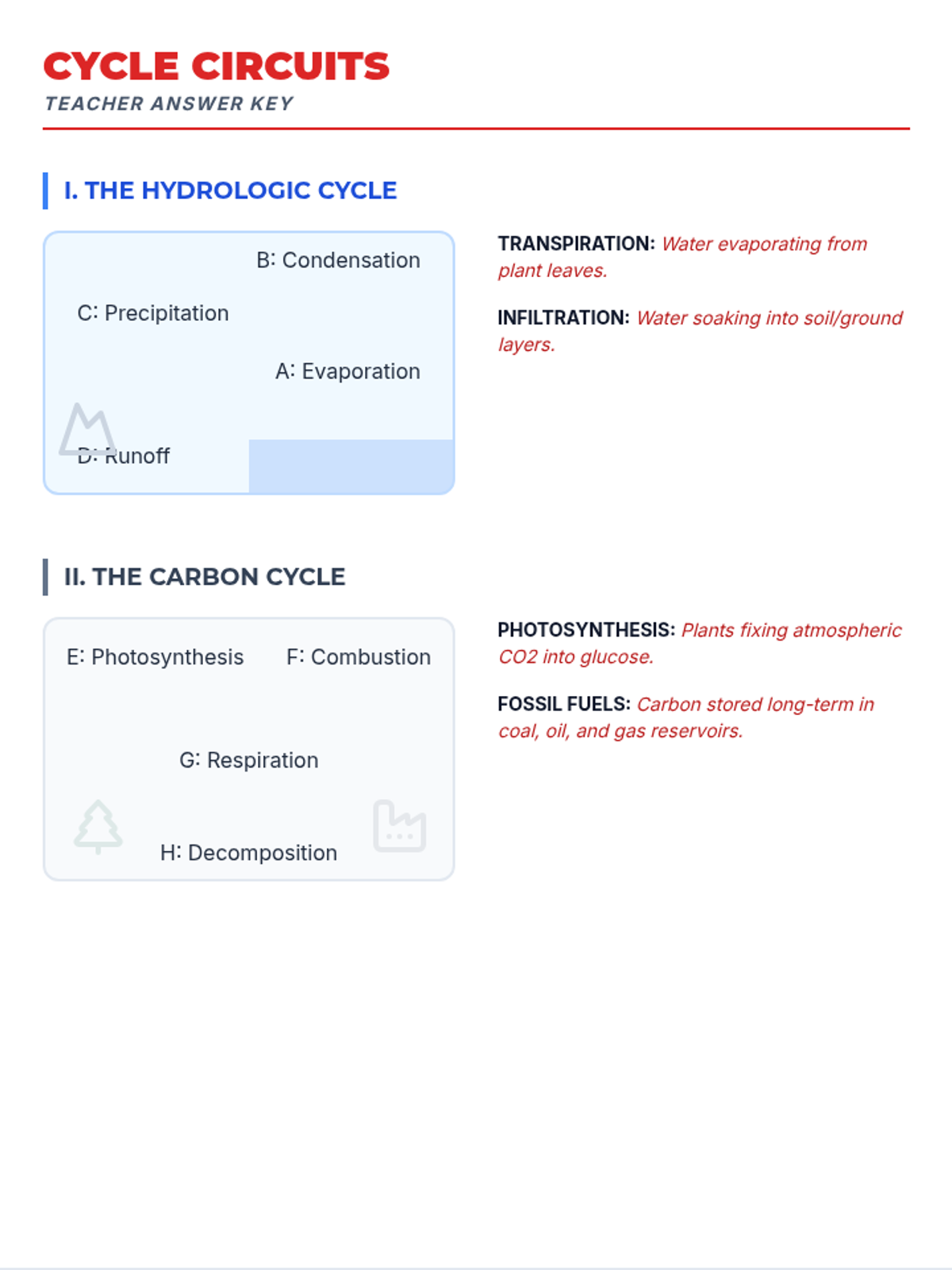
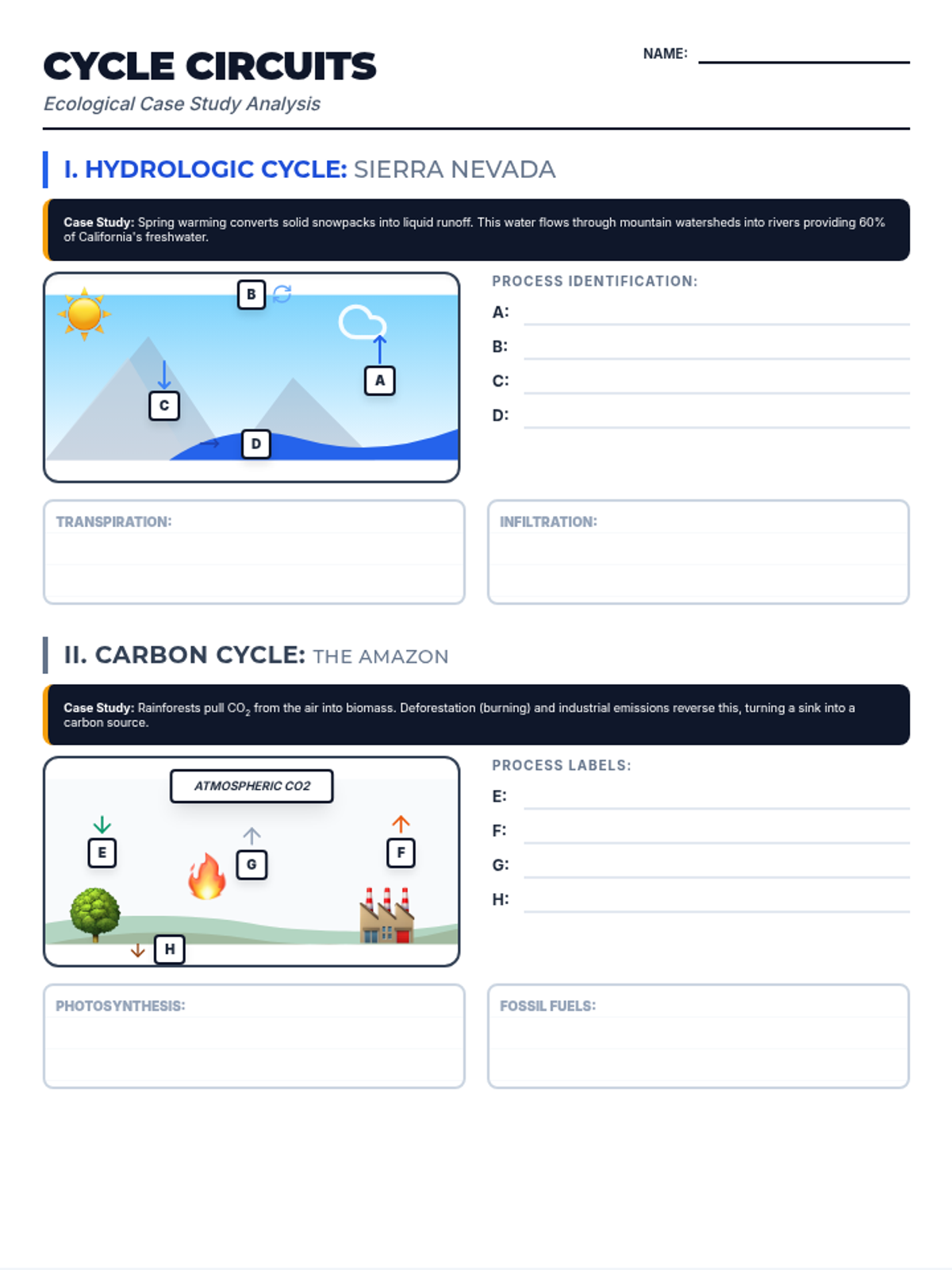
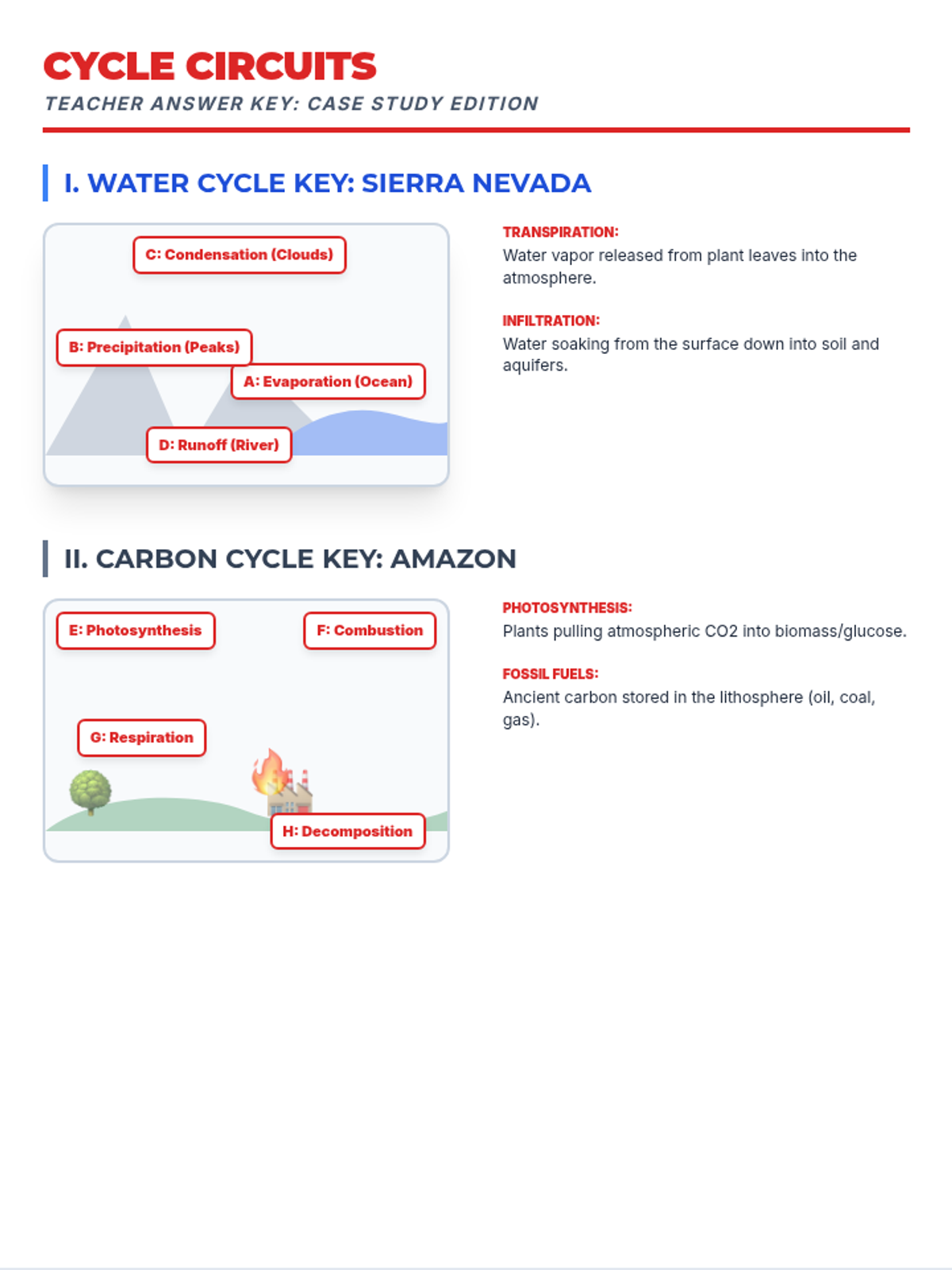
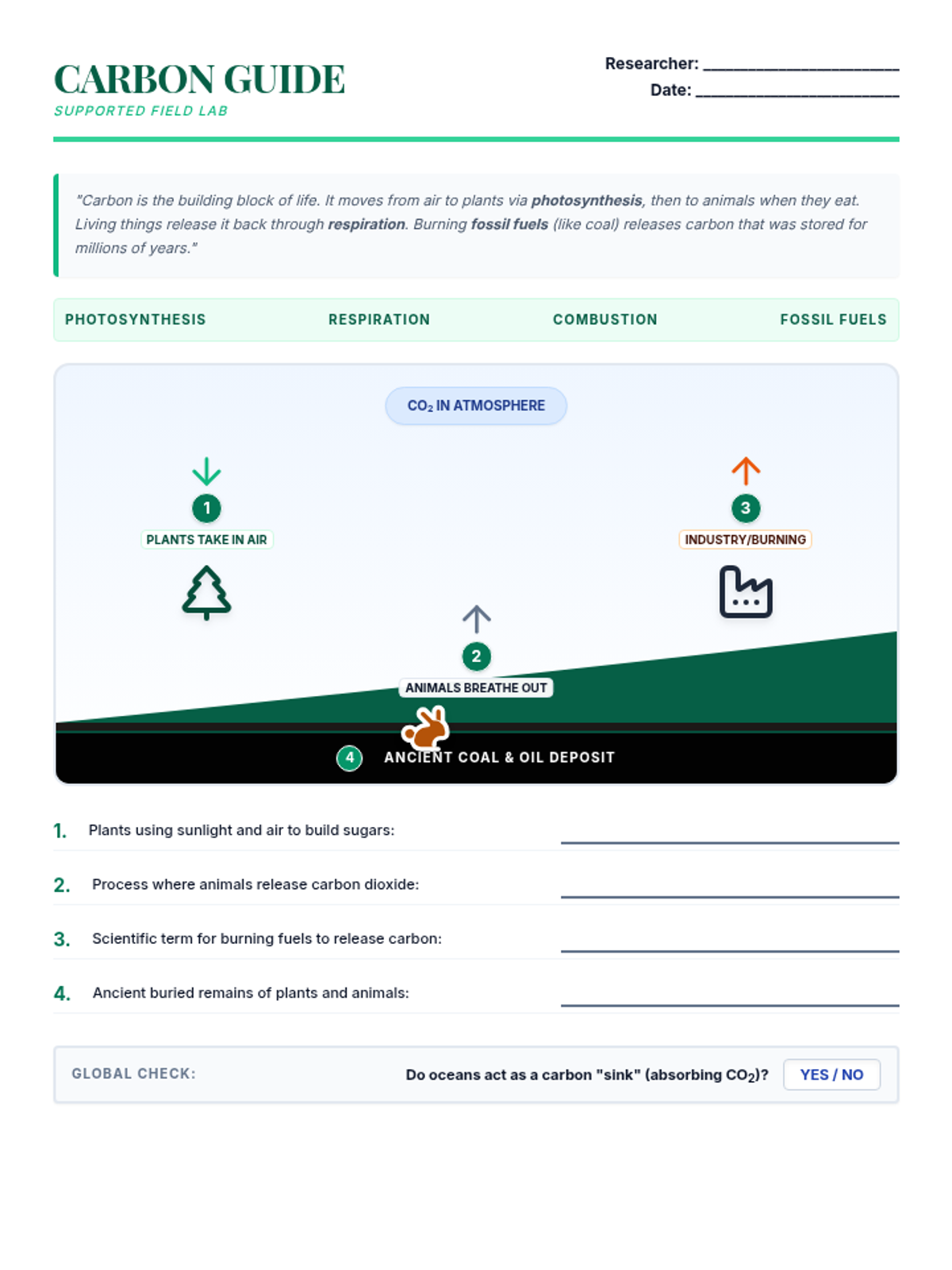
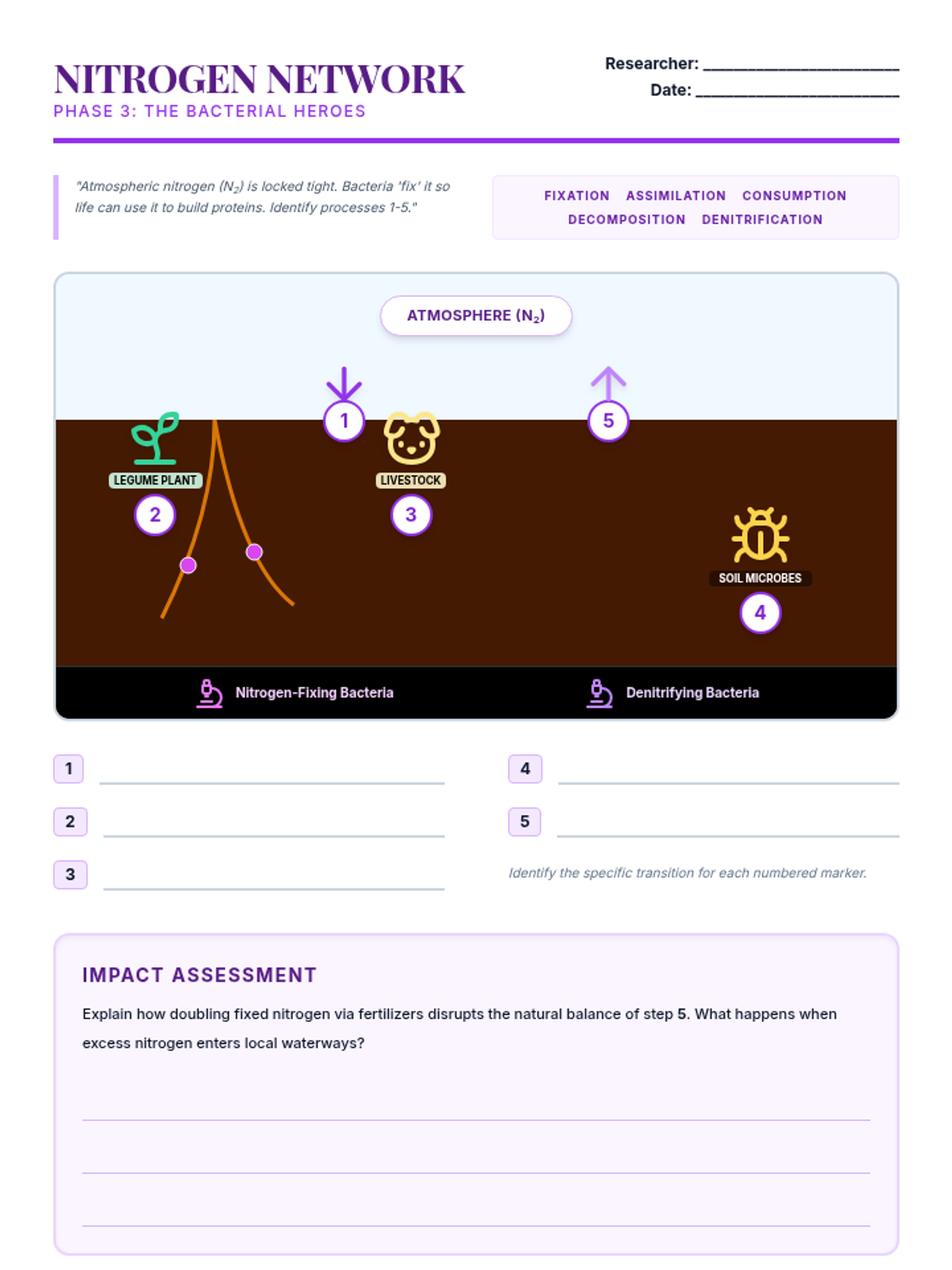
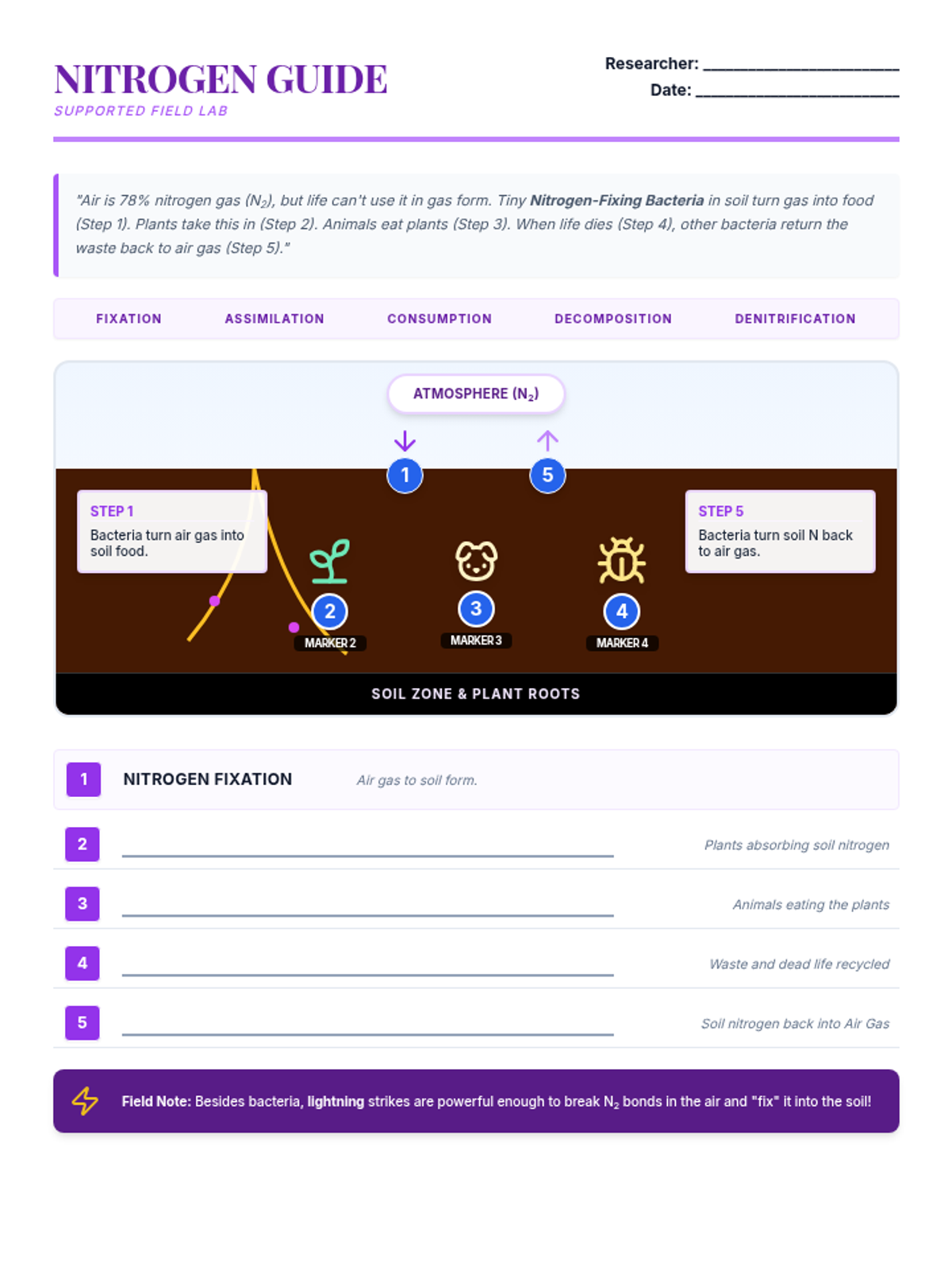
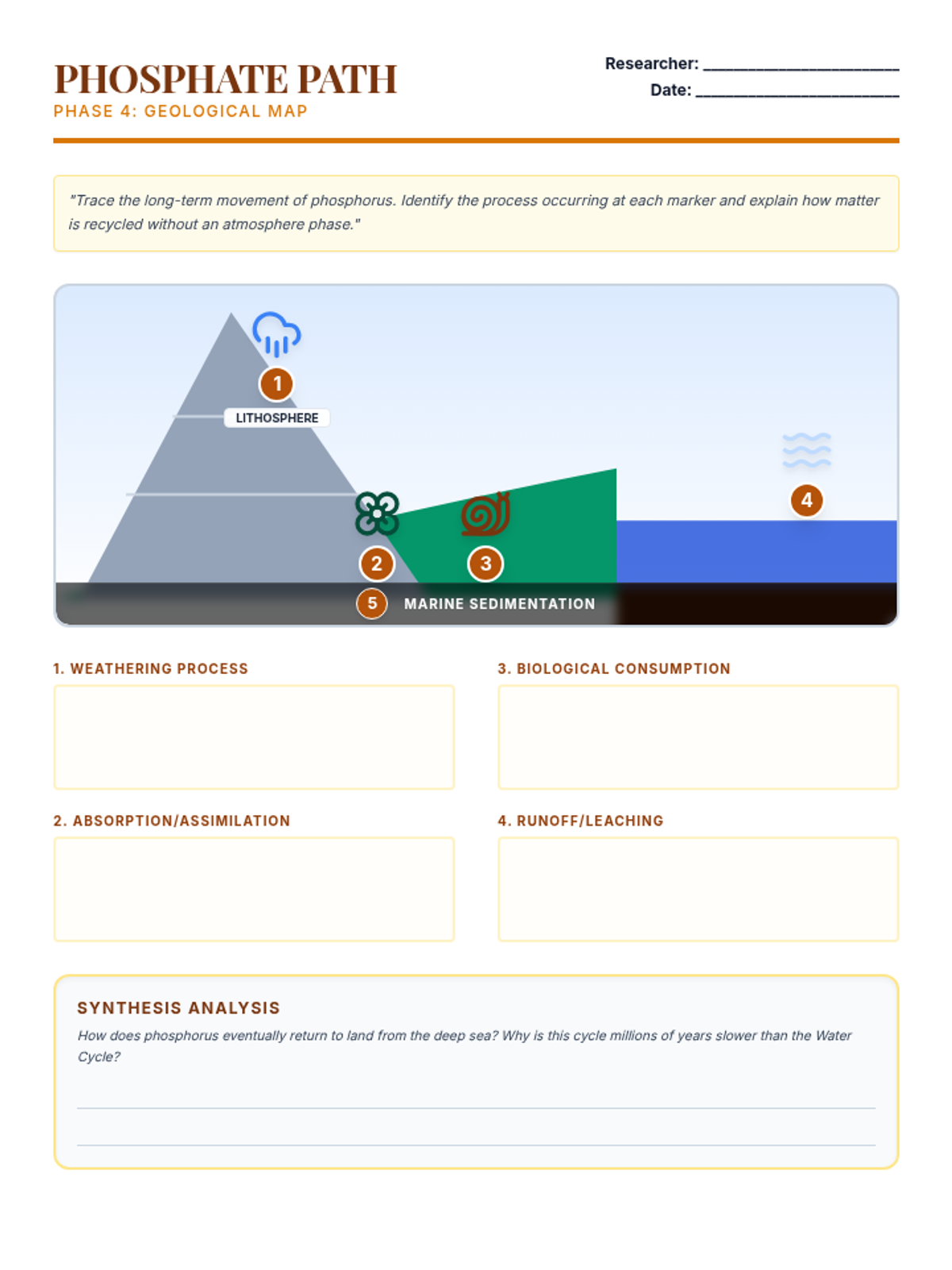
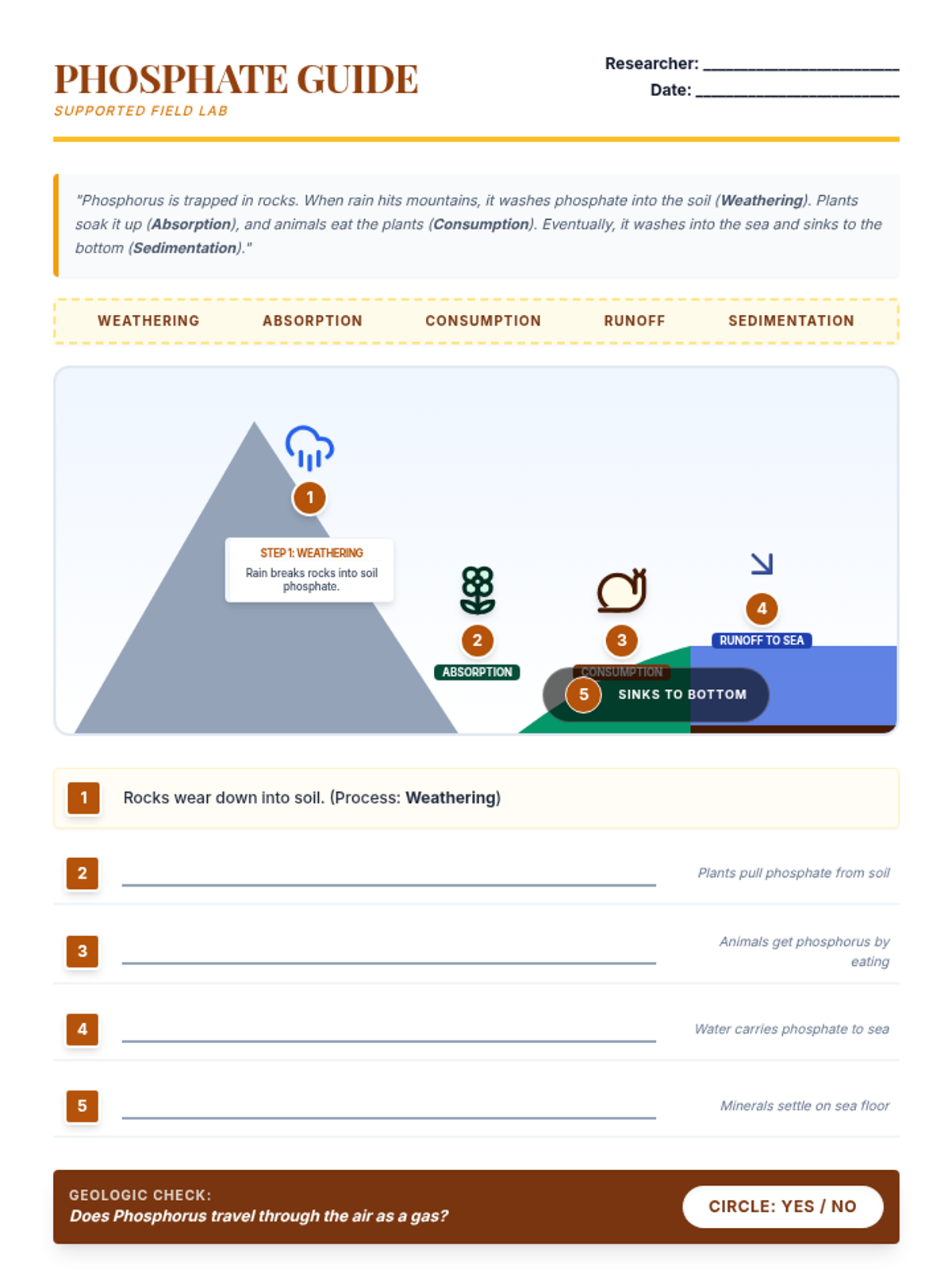
A lesson exploring the four major biogeochemical cycles (water, carbon, nitrogen, and phosphorus) through visual diagrams and key term identification.
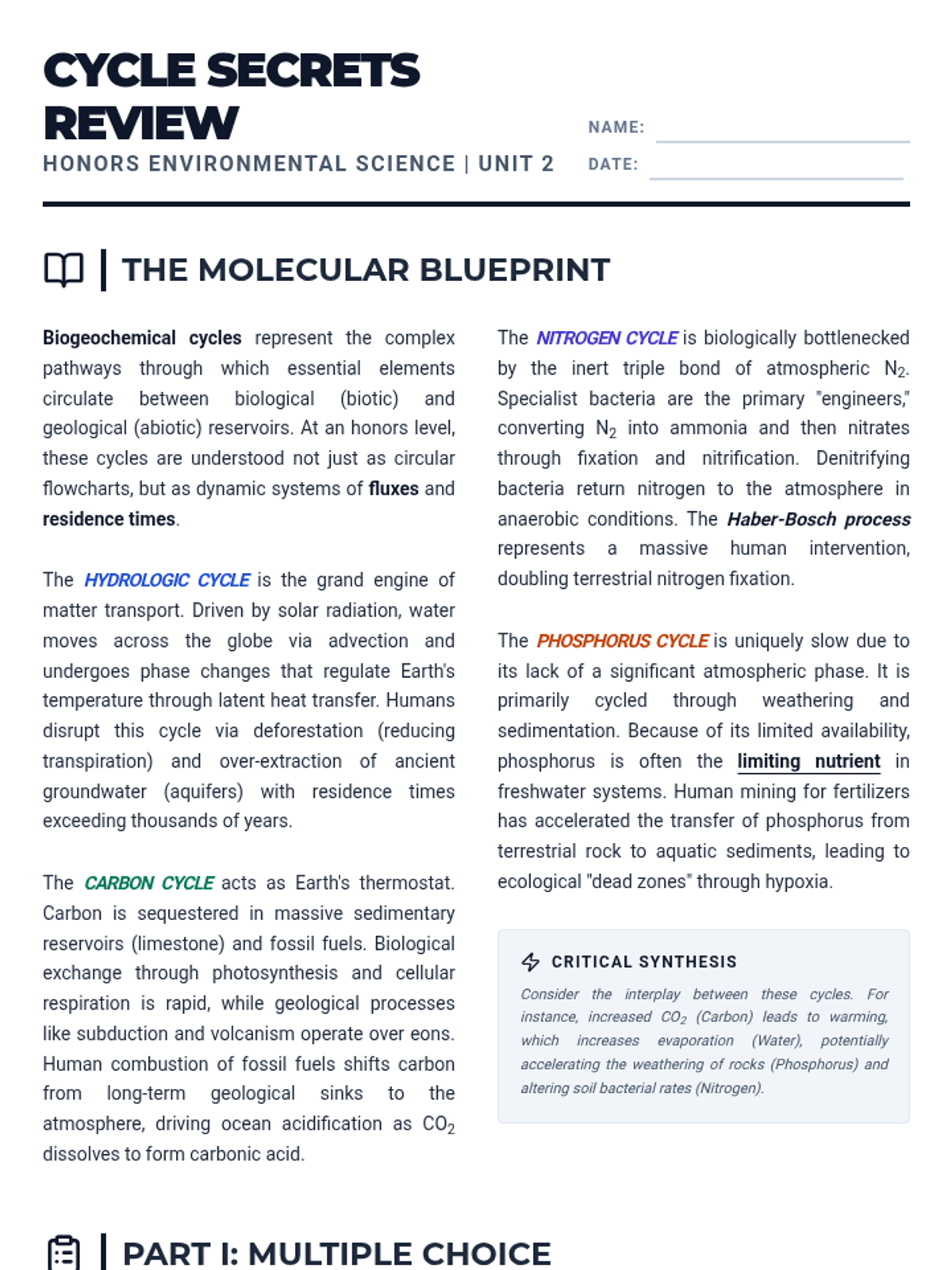
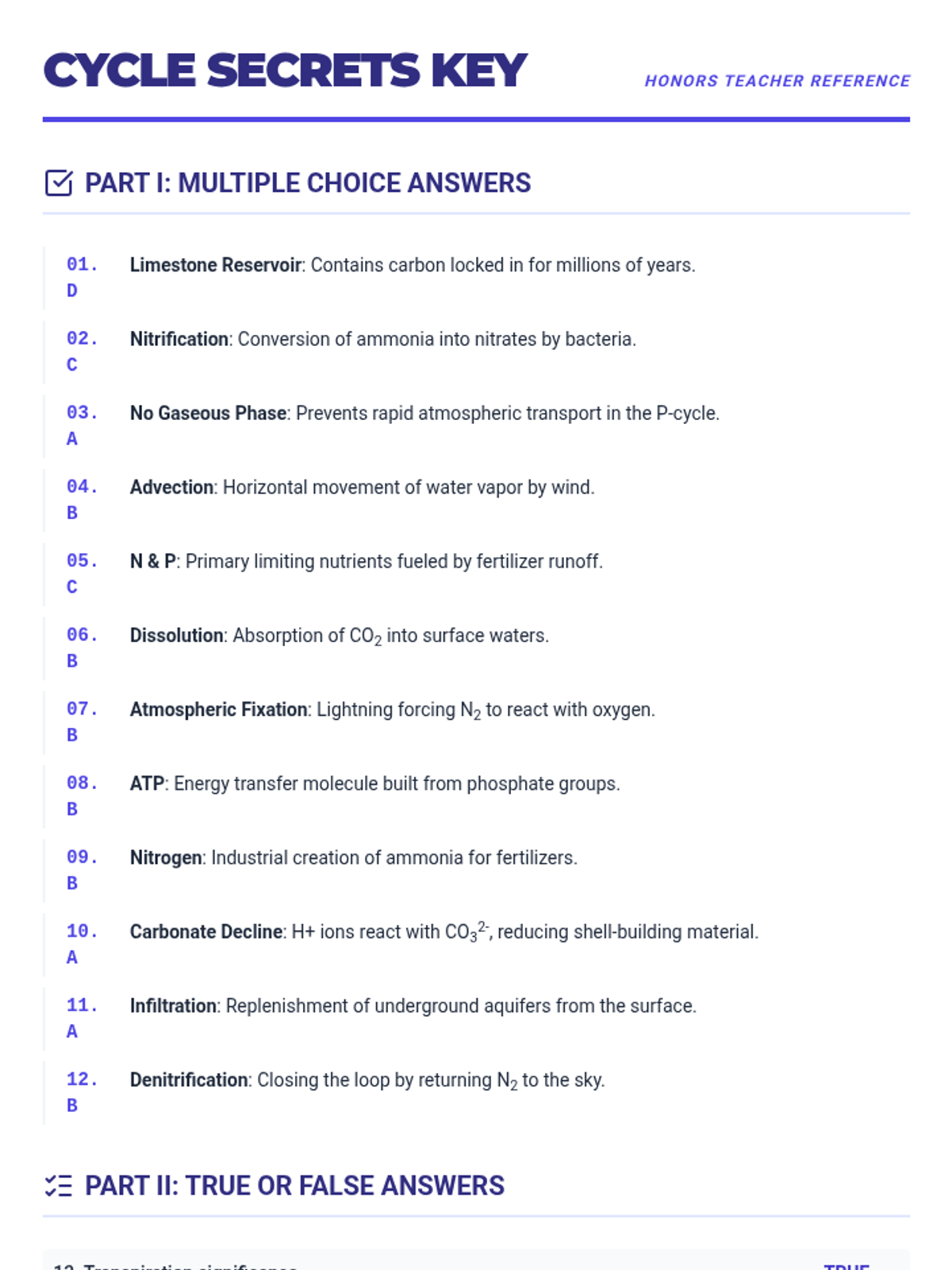
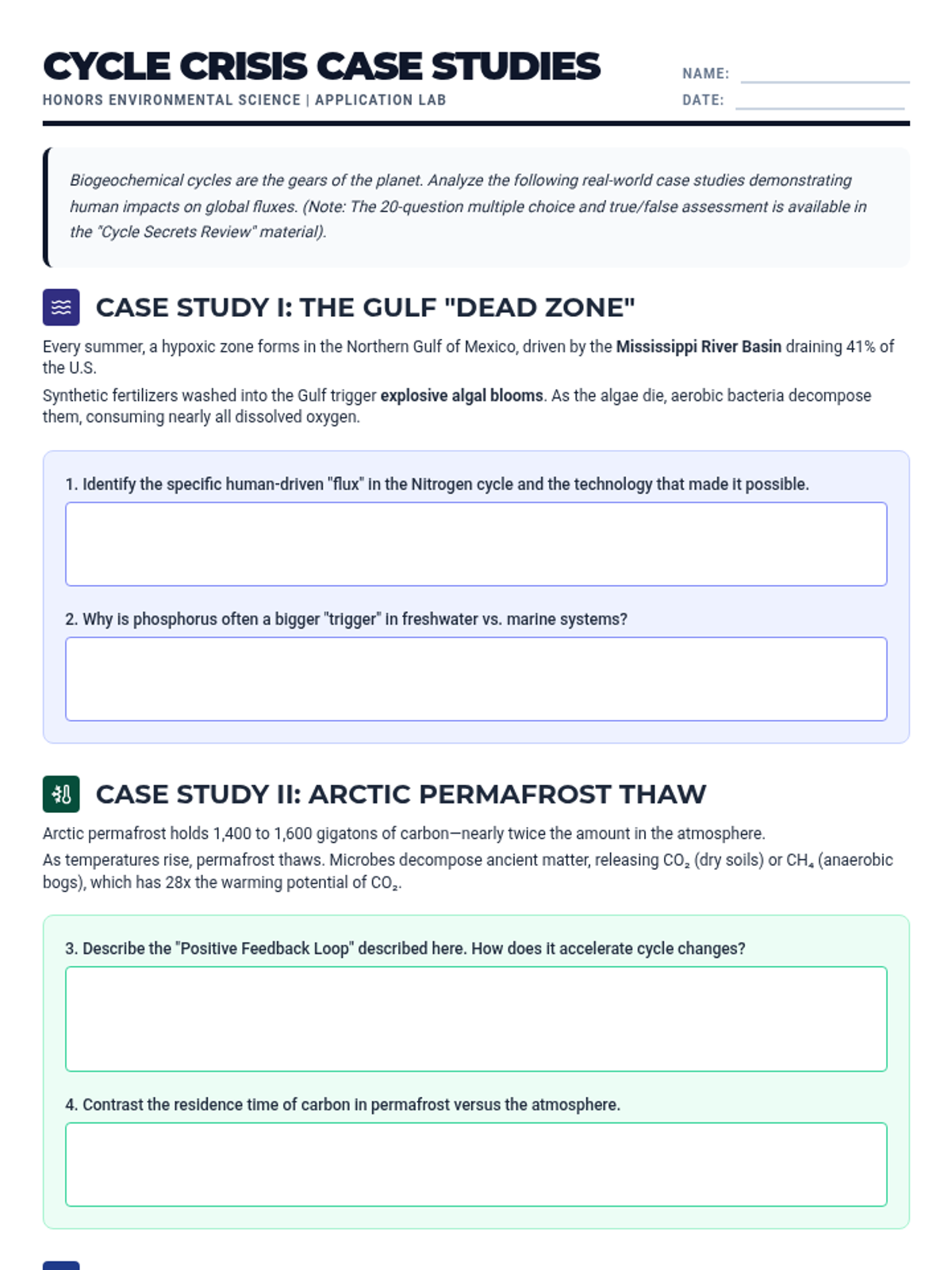
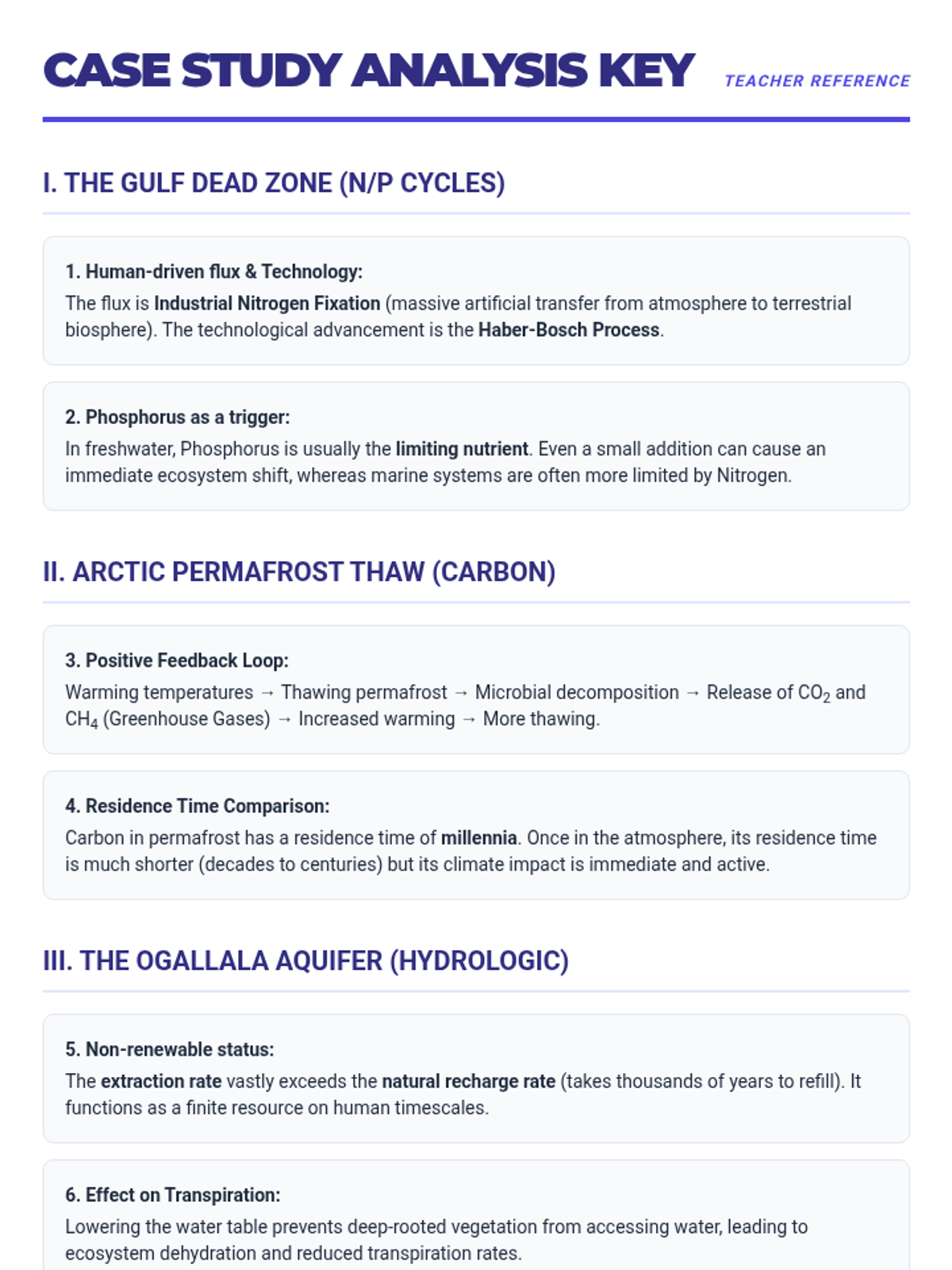
An honors-level exploration of the four major biogeochemical cycles, focusing on molecular transformations, human impact, and reservoir residence times.
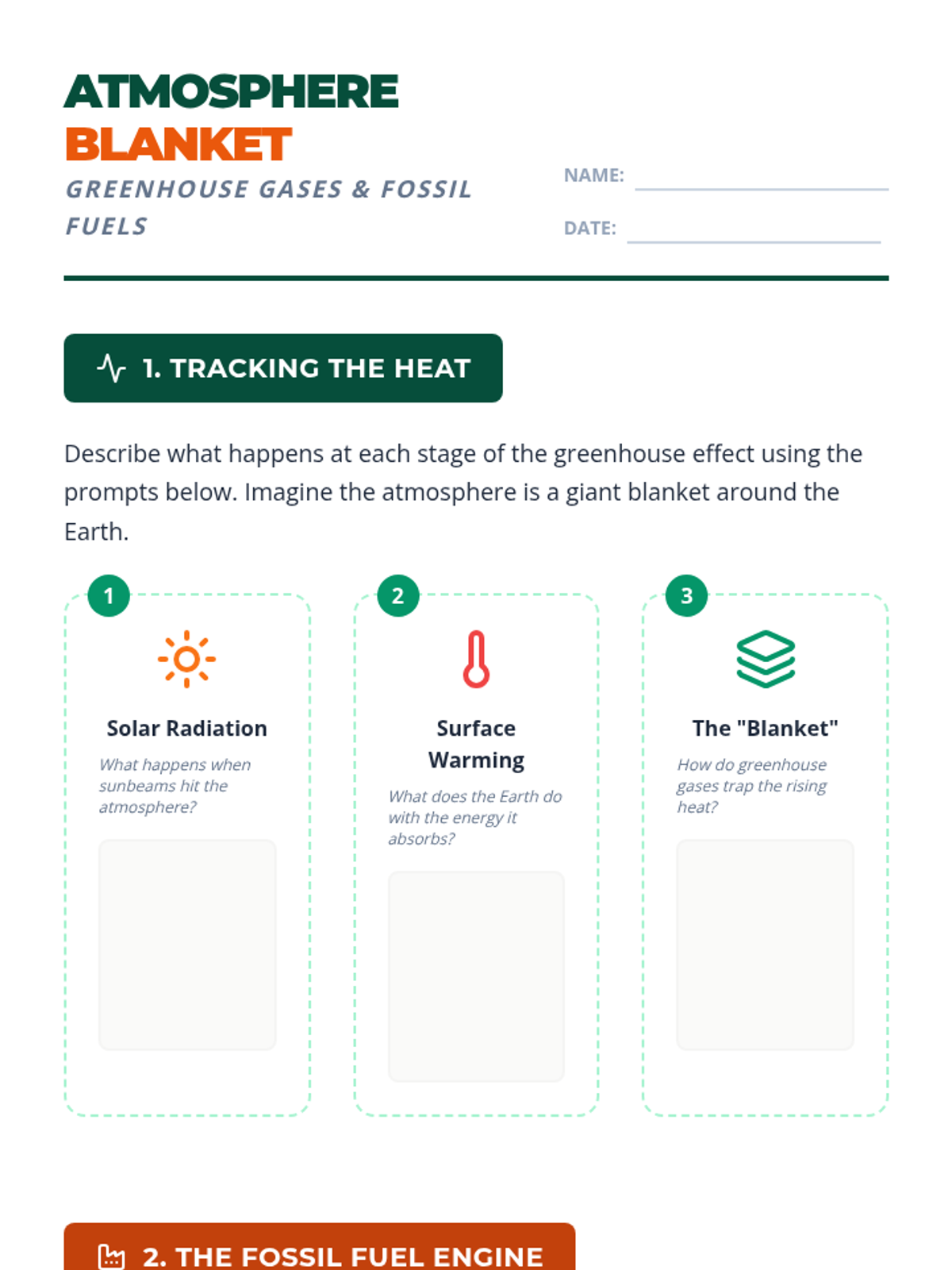
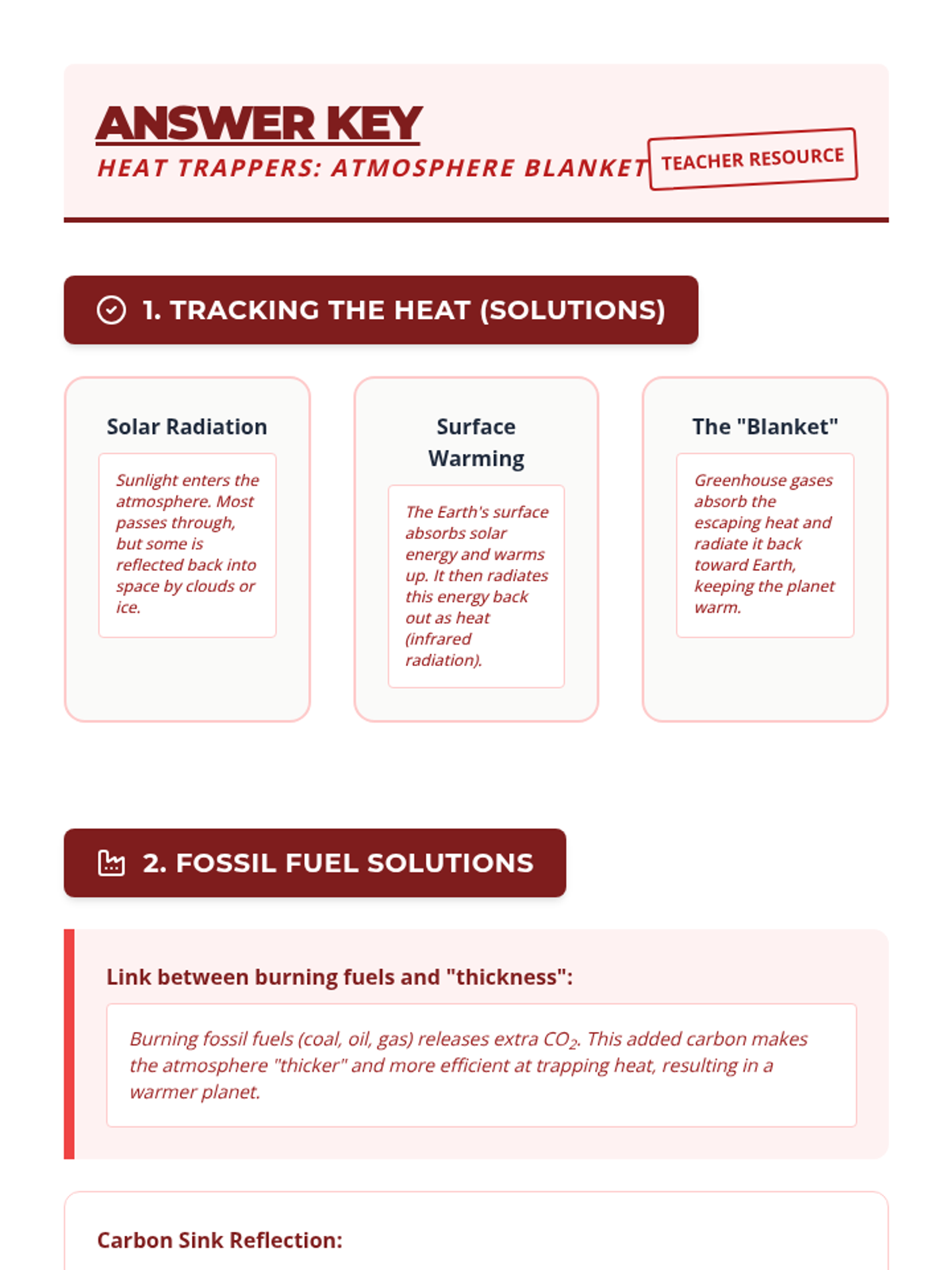
A lesson exploring the greenhouse effect, how human activities amplify it, and the role of fossil fuels in climate change.
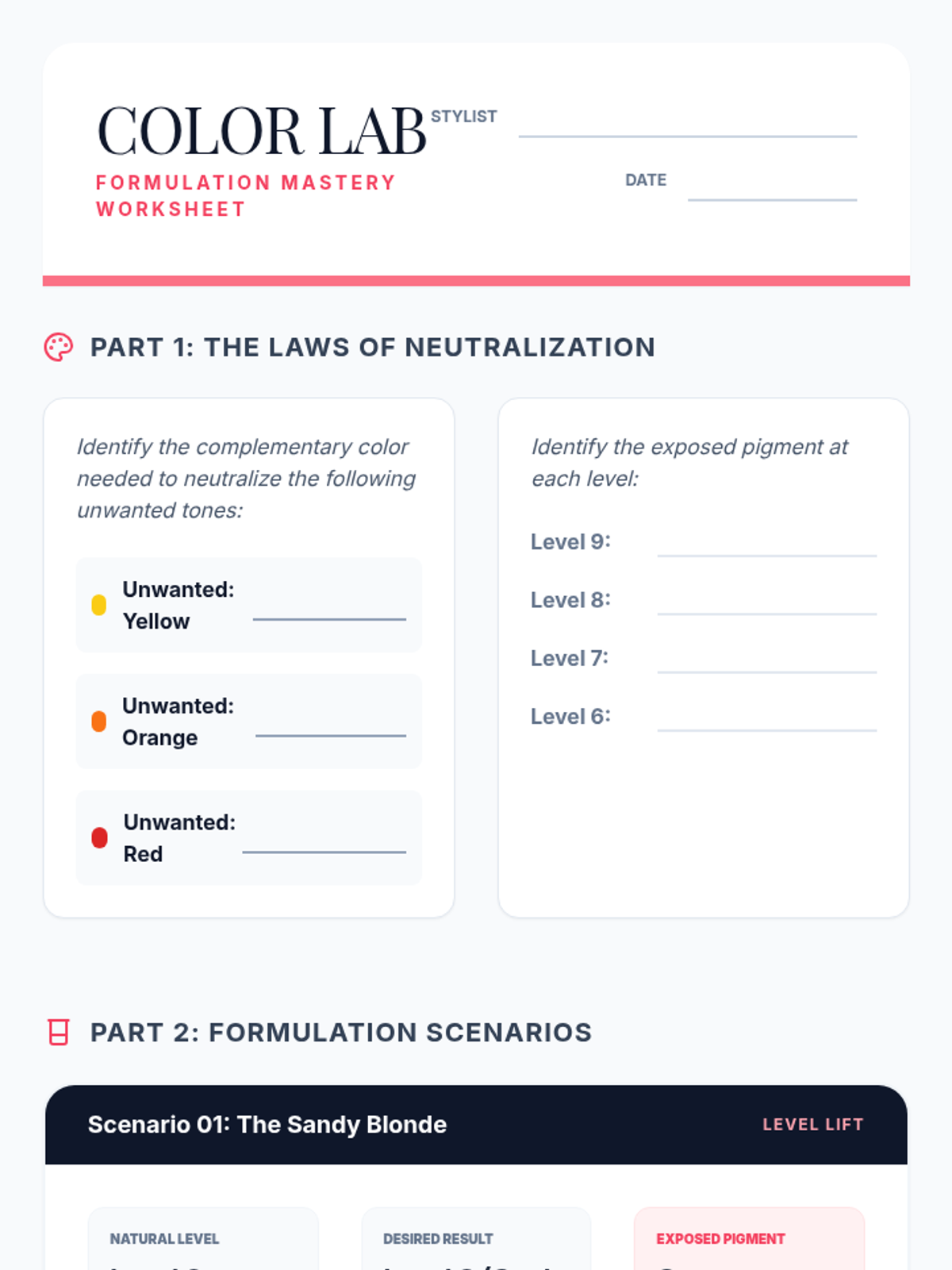
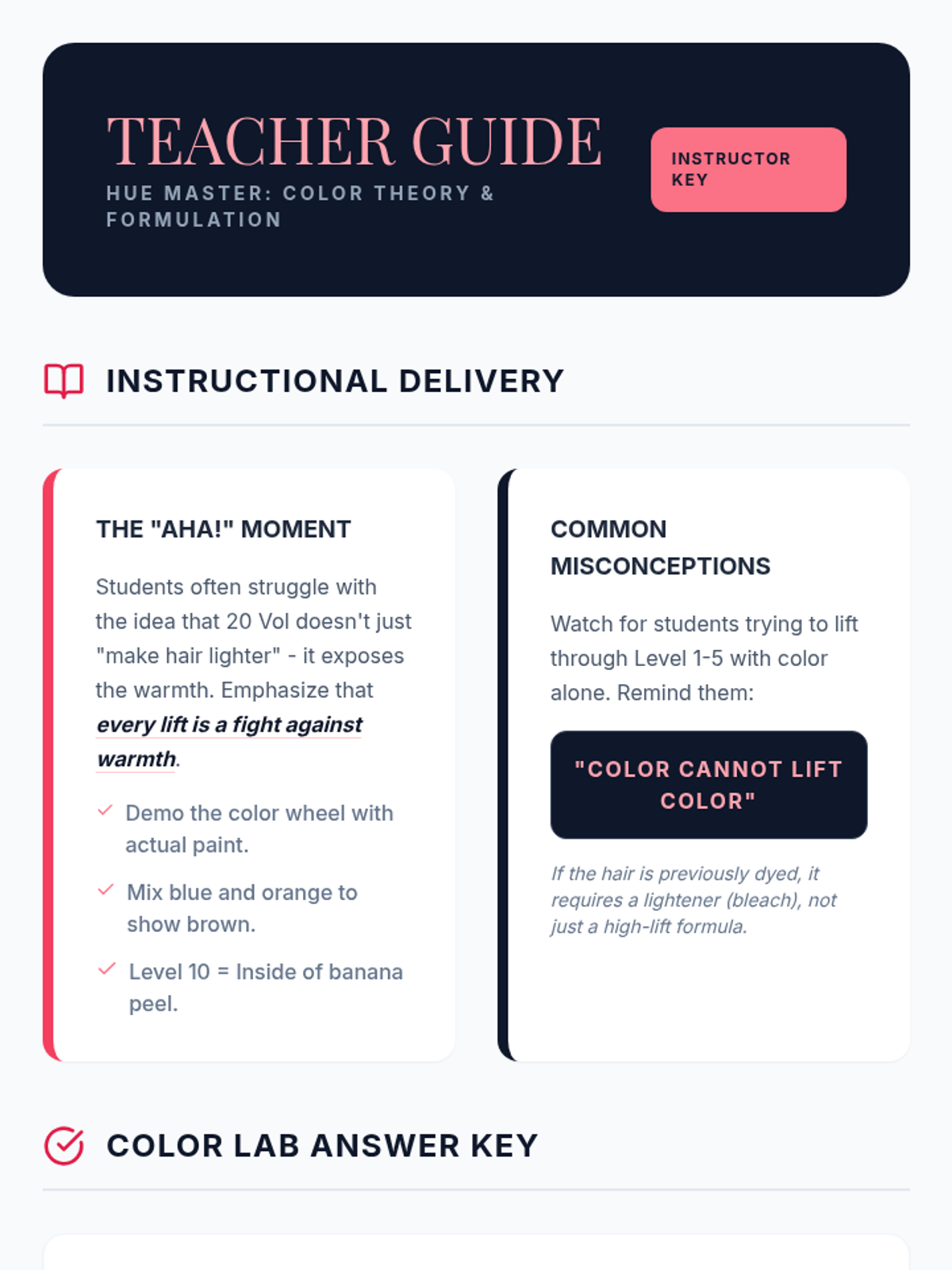
A comprehensive lesson on color theory specifically for cosmetology, covering the laws of color, the color wheel, and practical hair color formulation steps.
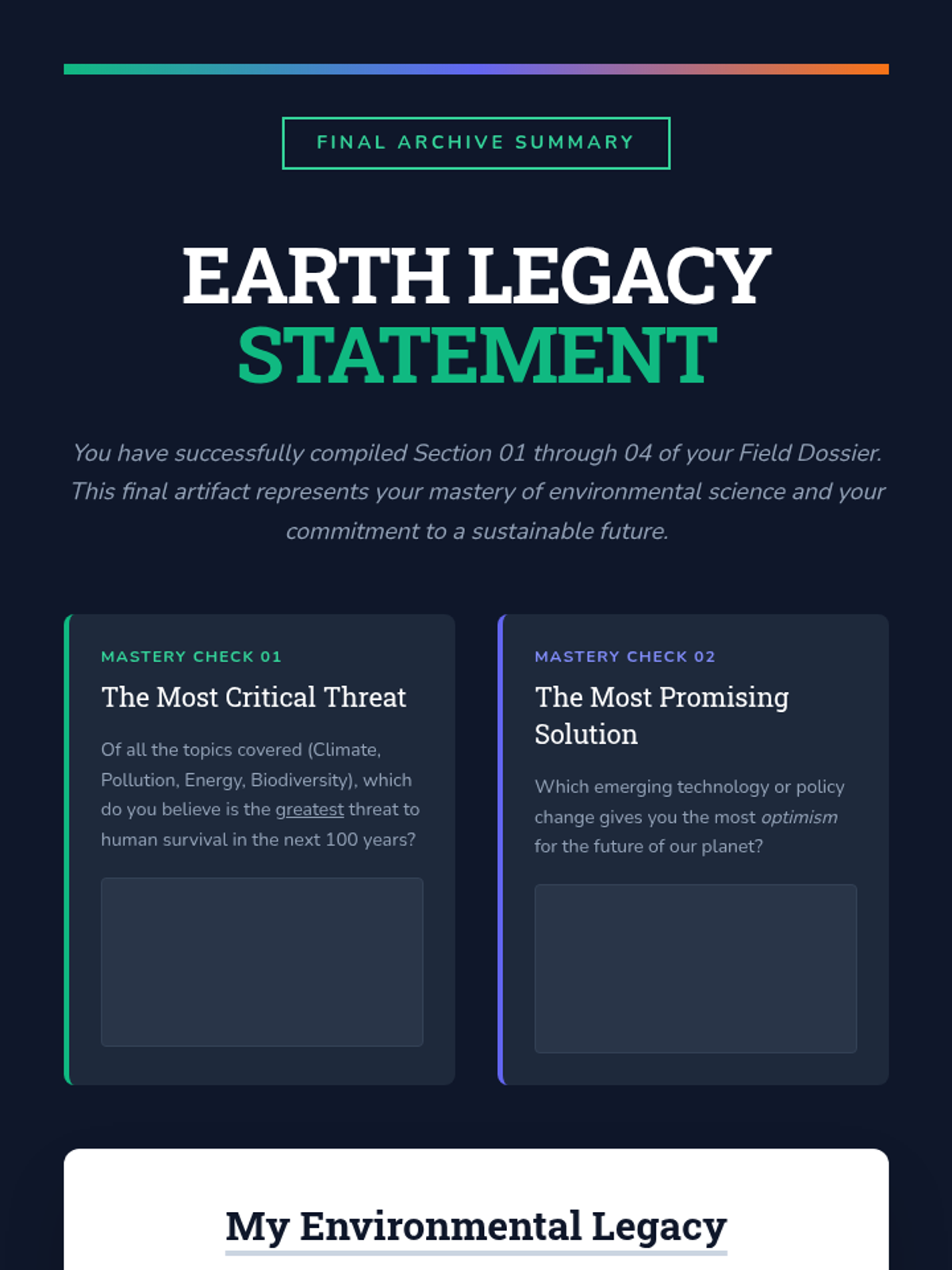
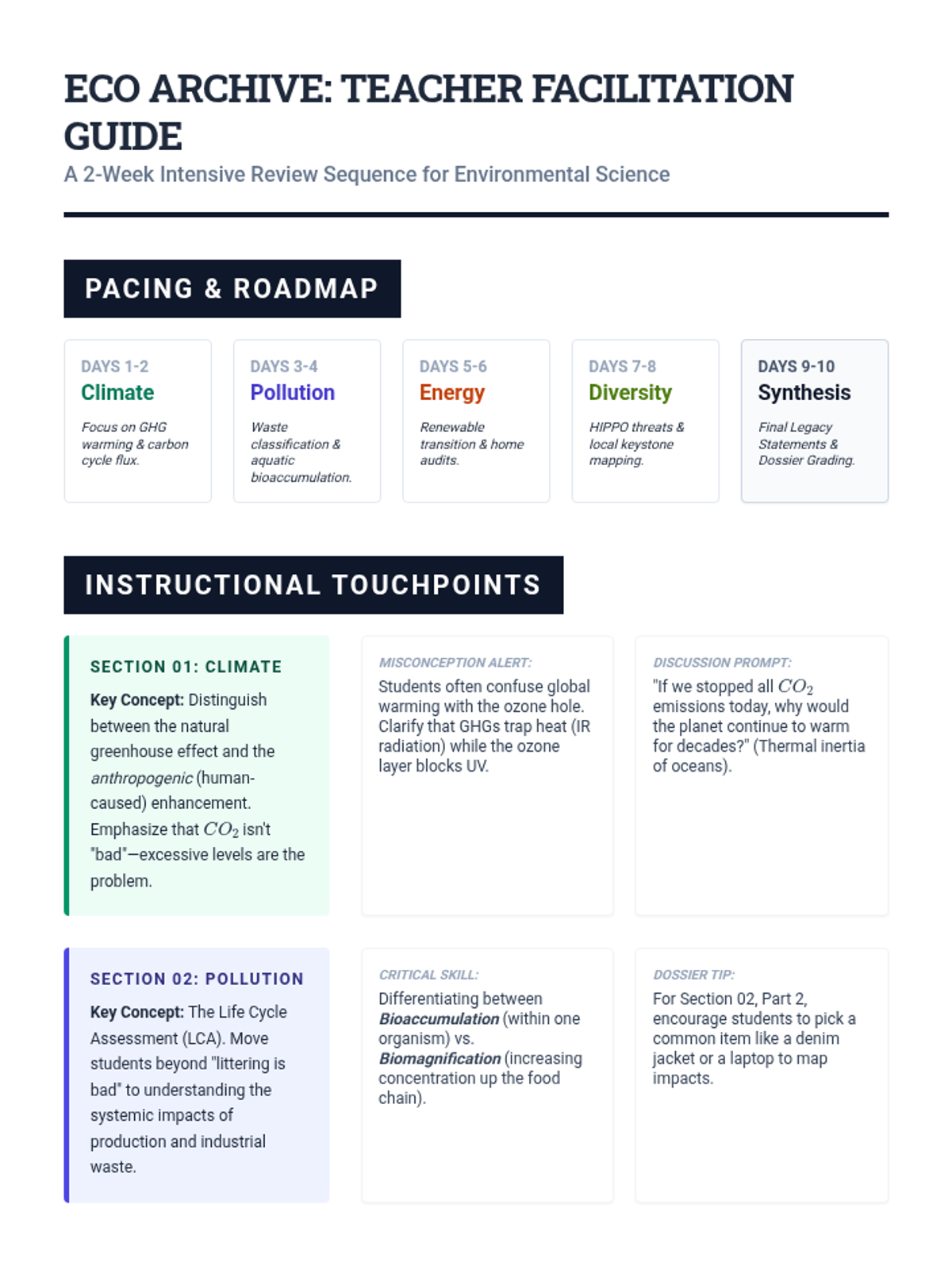
The final phase of the review sequence where students synthesize their learning into a final legacy statement and complete their comprehensive review packet.
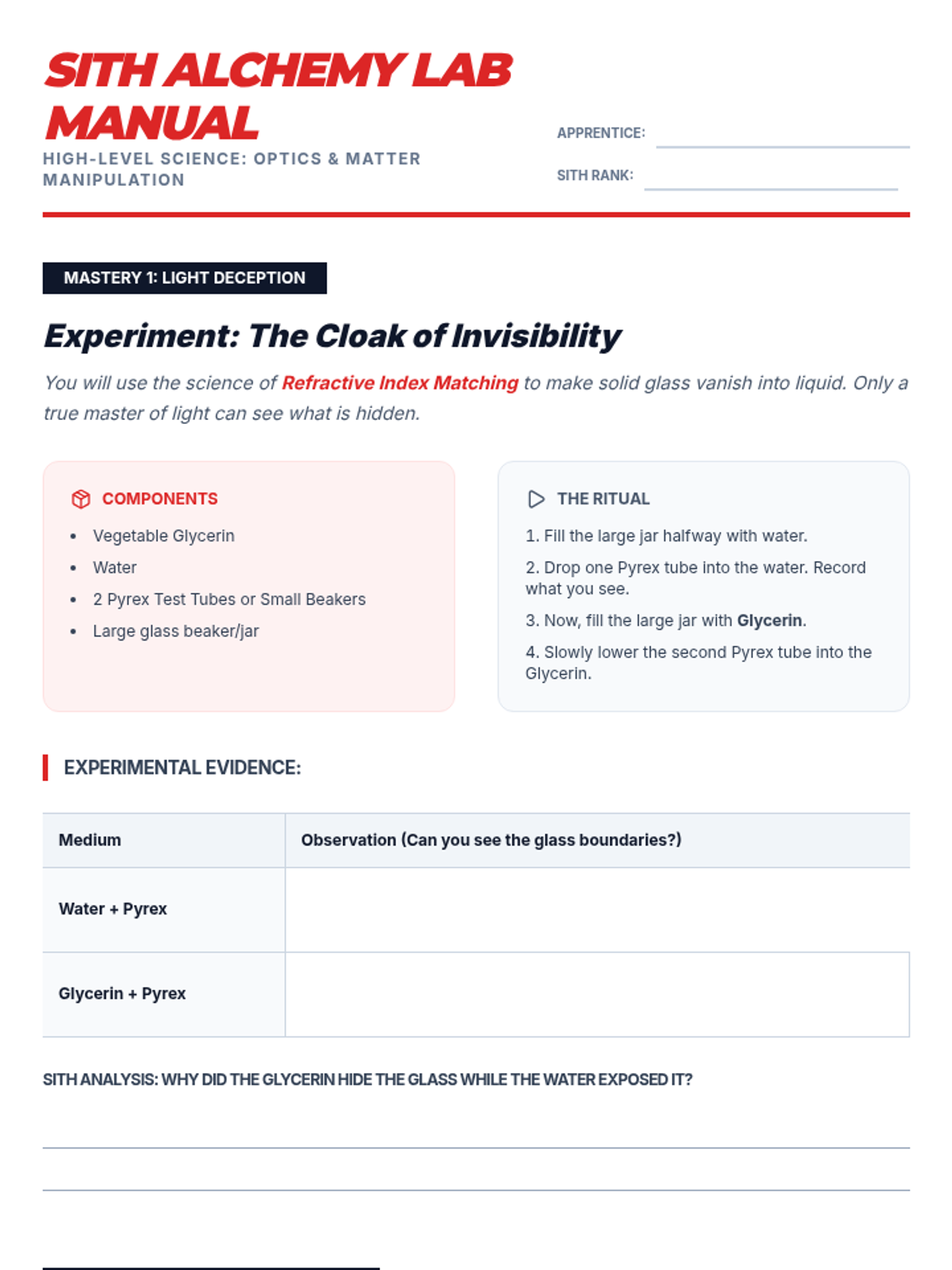
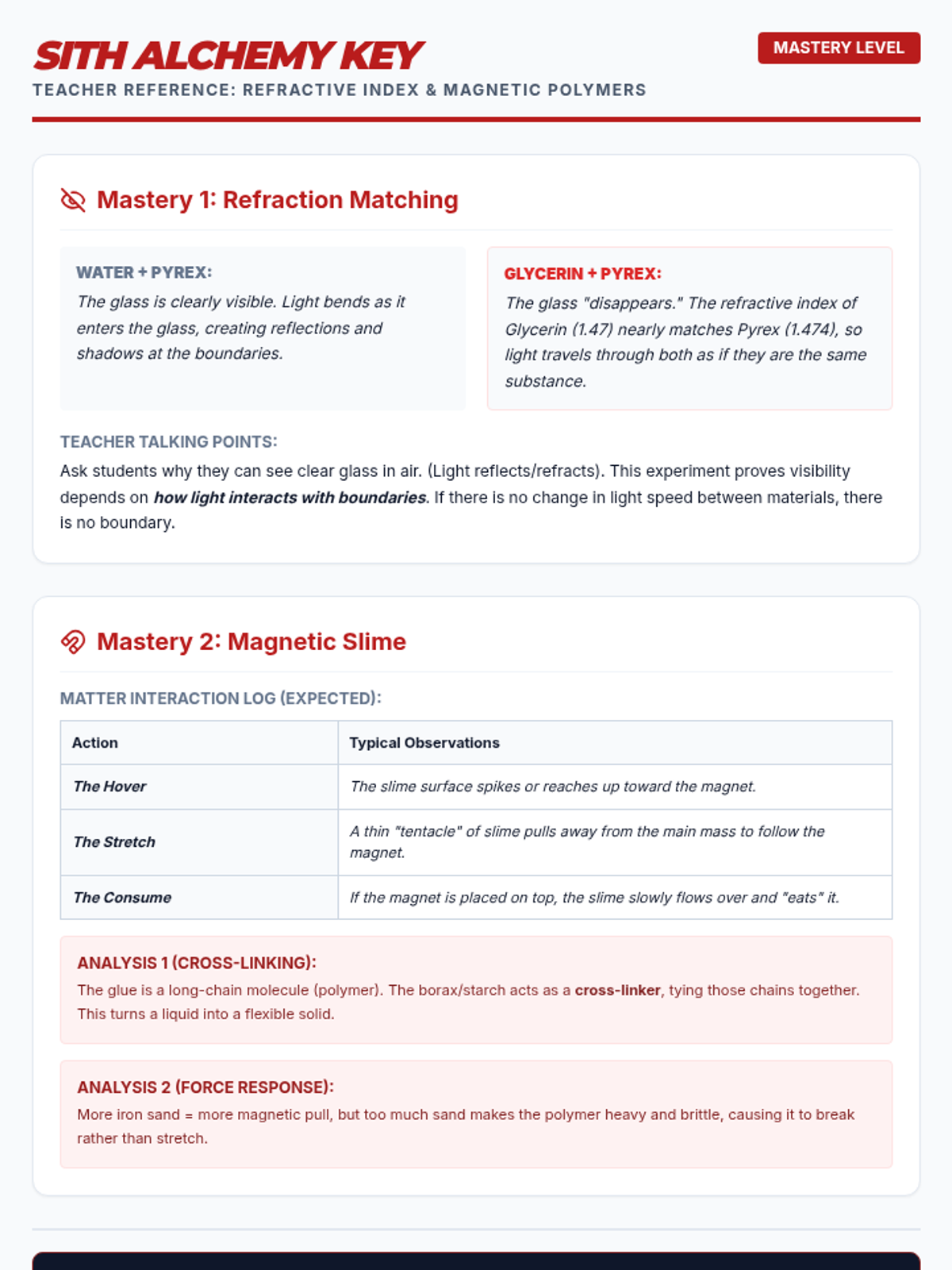
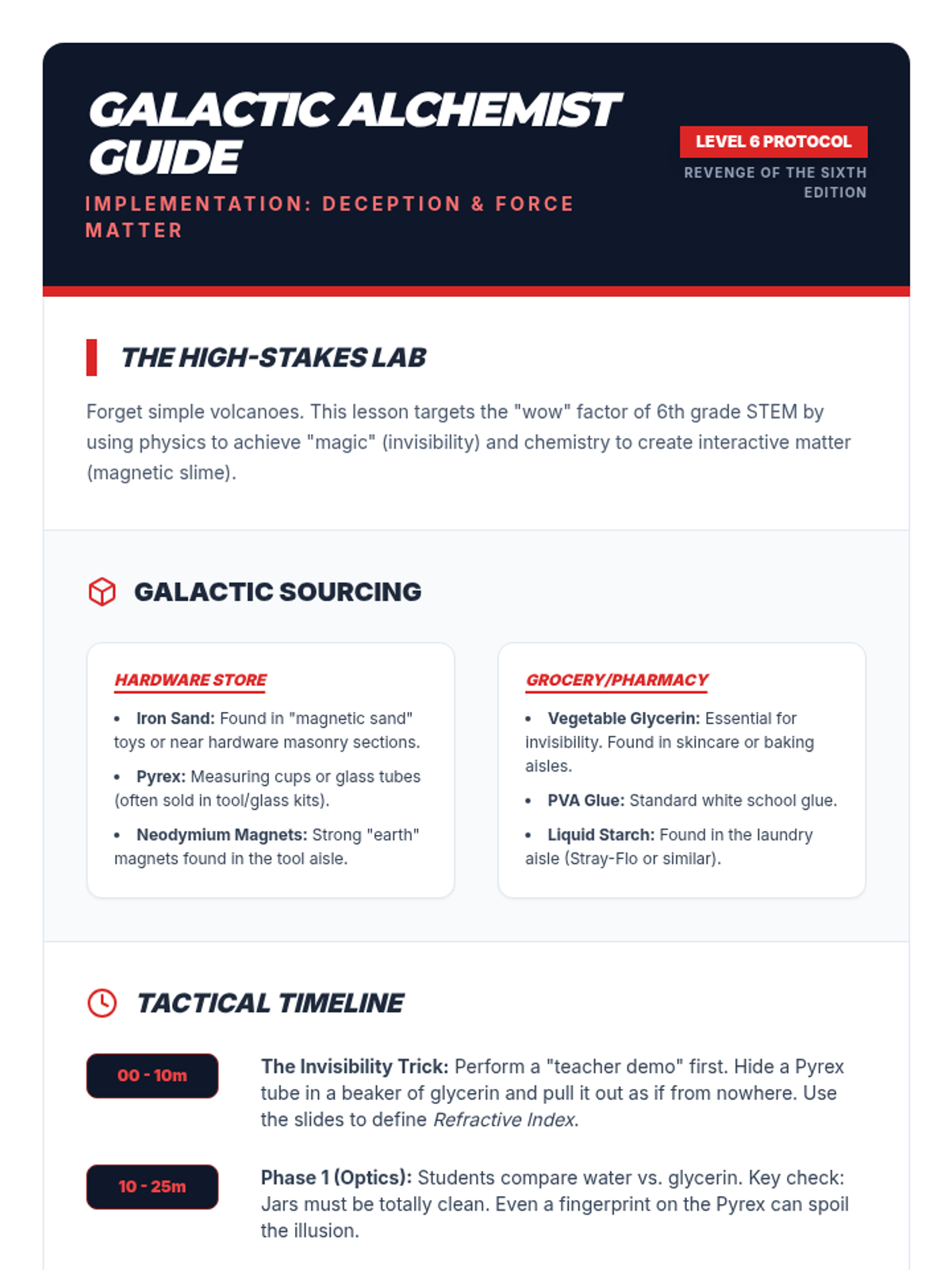
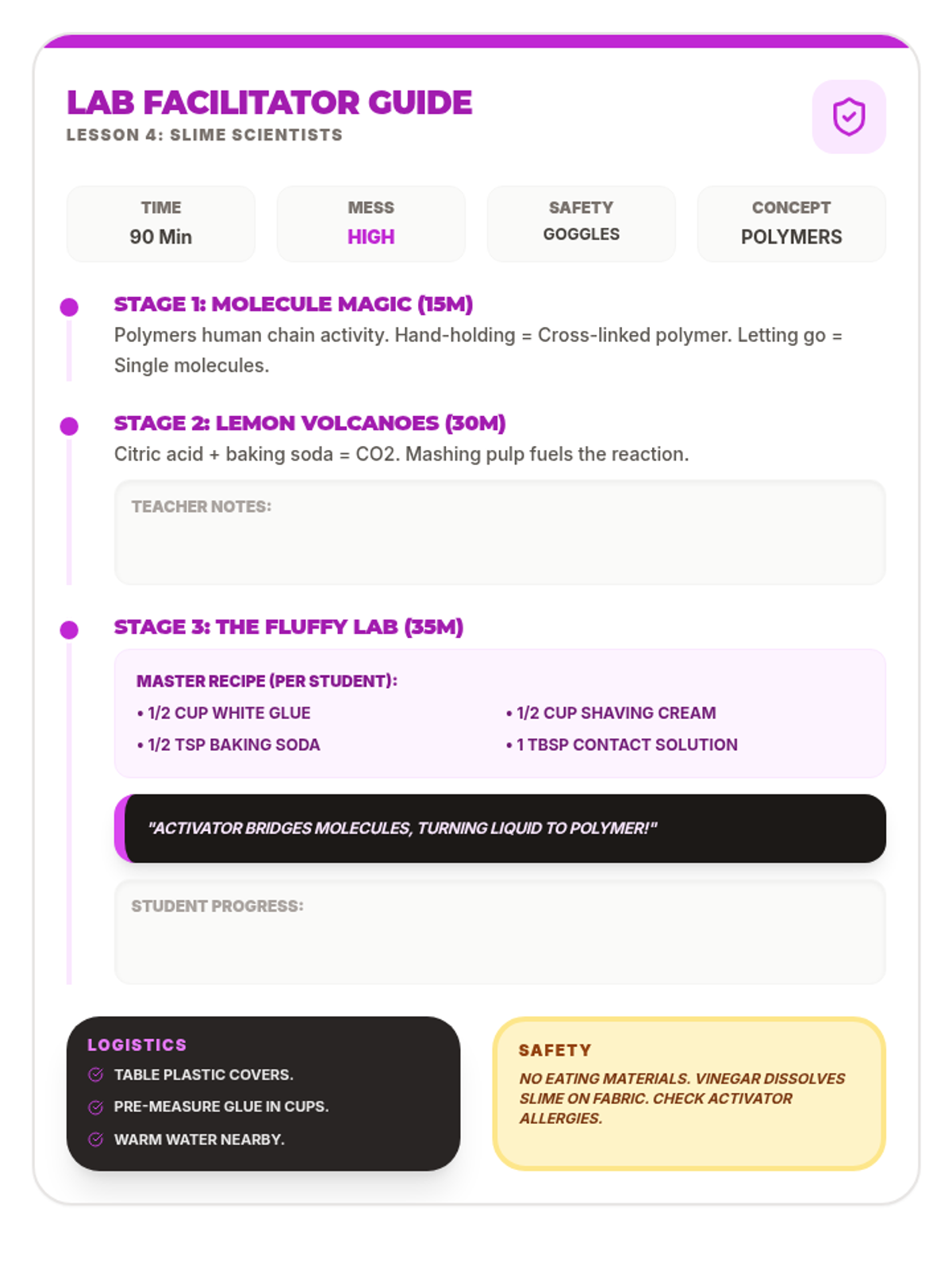
A Star Wars-themed STEM lesson for 6th graders featuring high-impact, novel experiments. Students master the 'Dark Side' through optical invisibility (refraction index matching) and Force-sensitive magnetic slime (chemical polymerization).
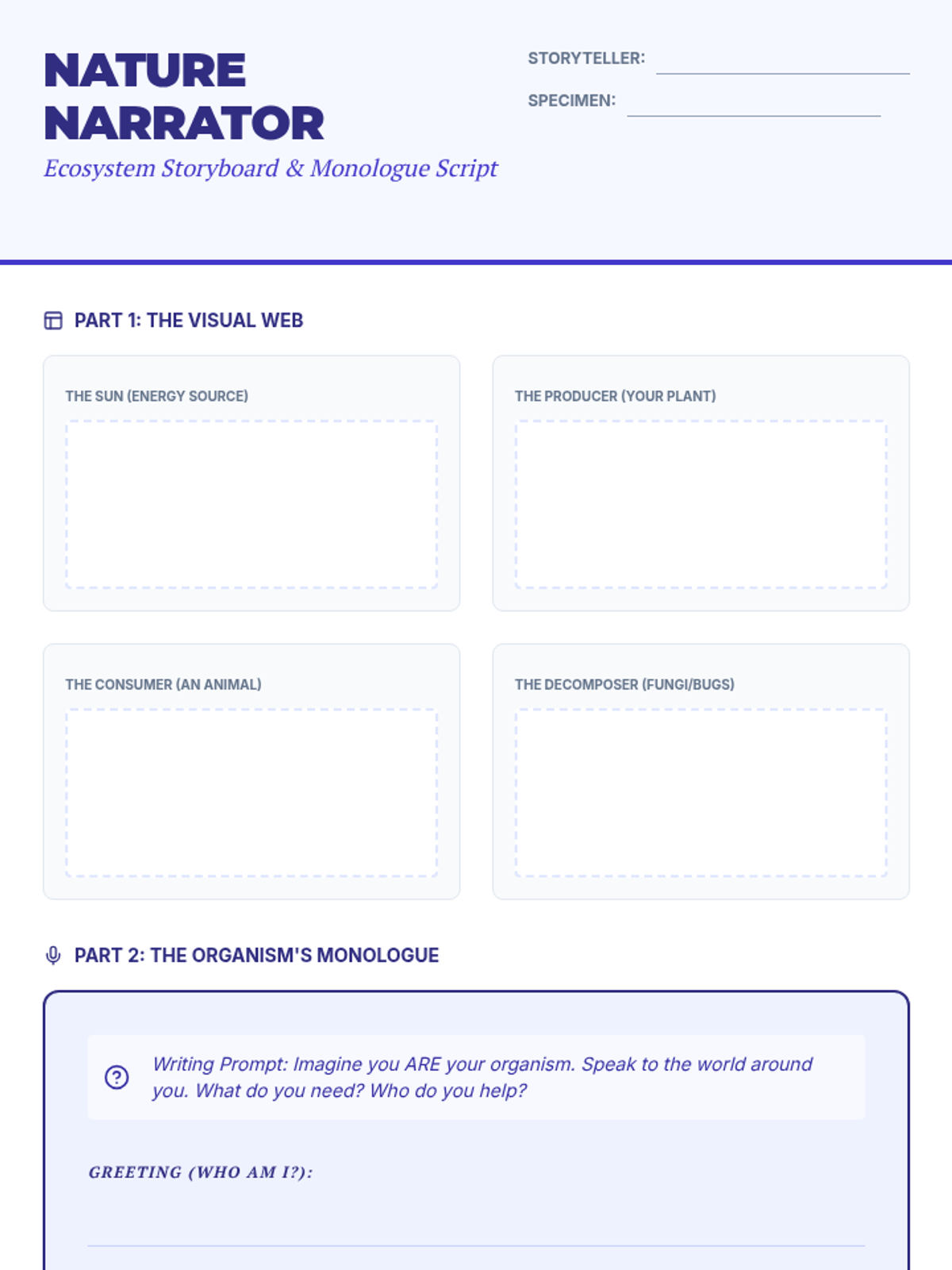
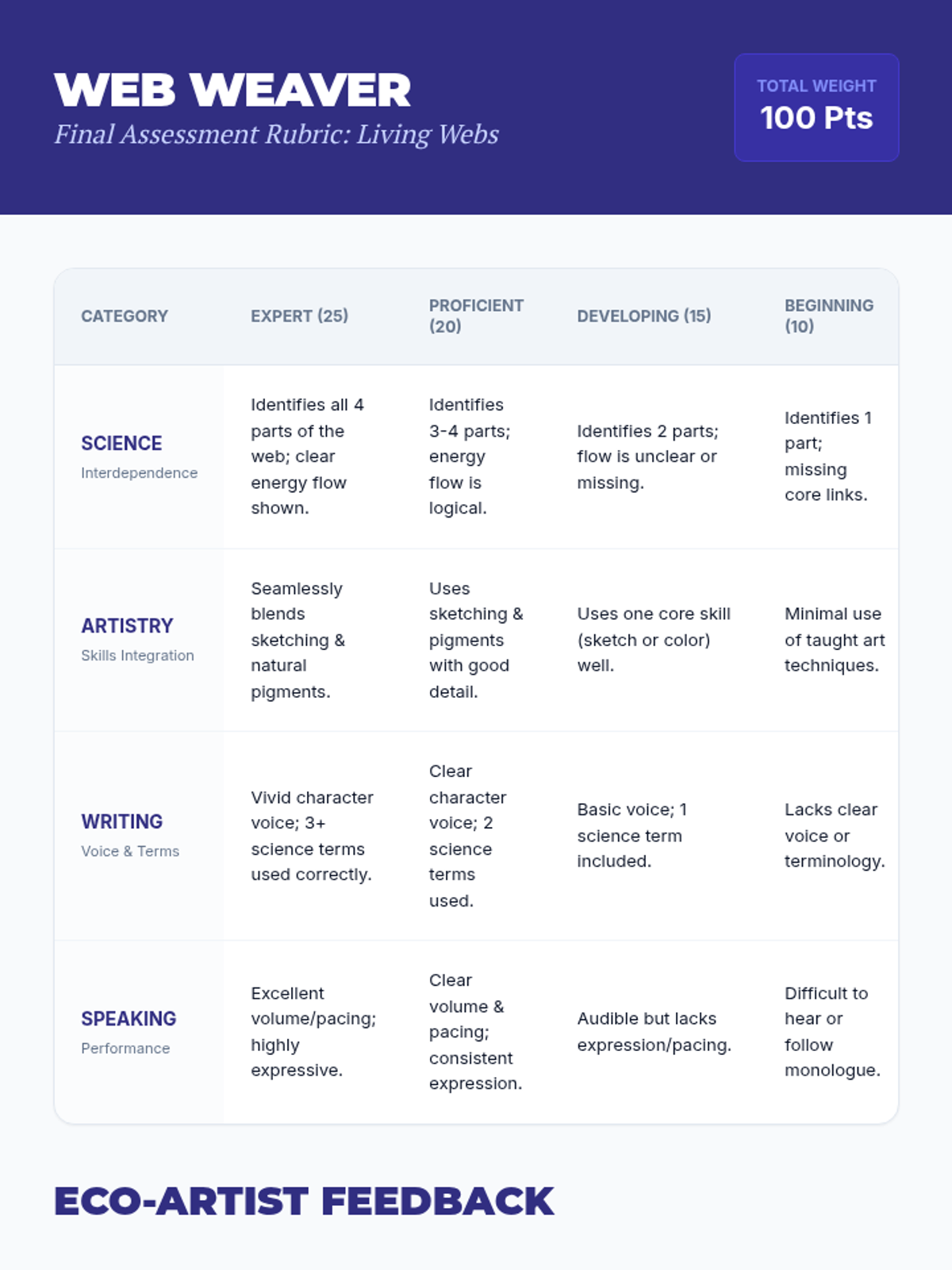
Students synthesize their knowledge of ecosystems to create narrative art pieces that tell the story of interdependence in the natural world.
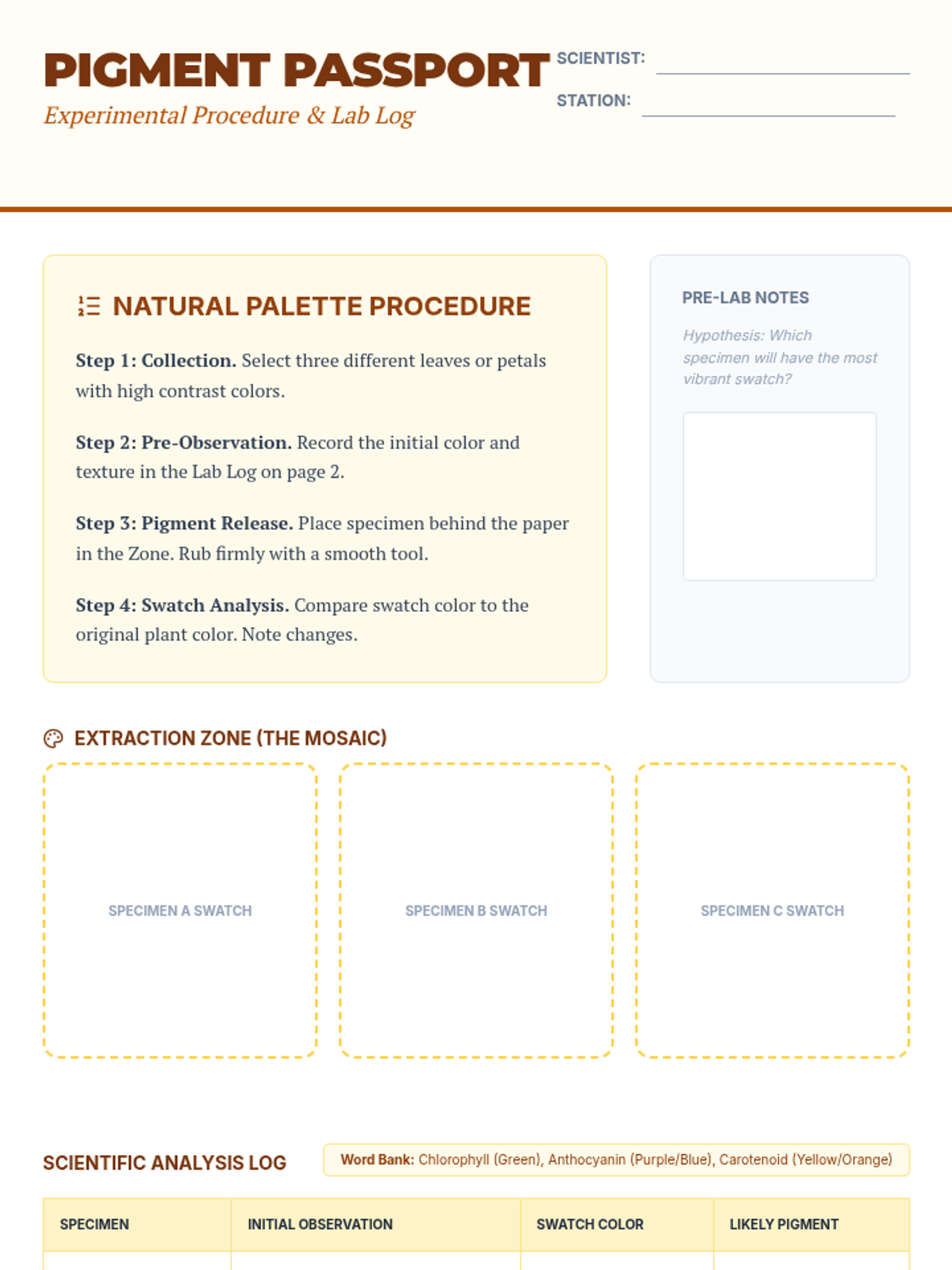
An exploration into the chemistry of natural pigments, where students follow procedures to extract colors and document their experimental process.
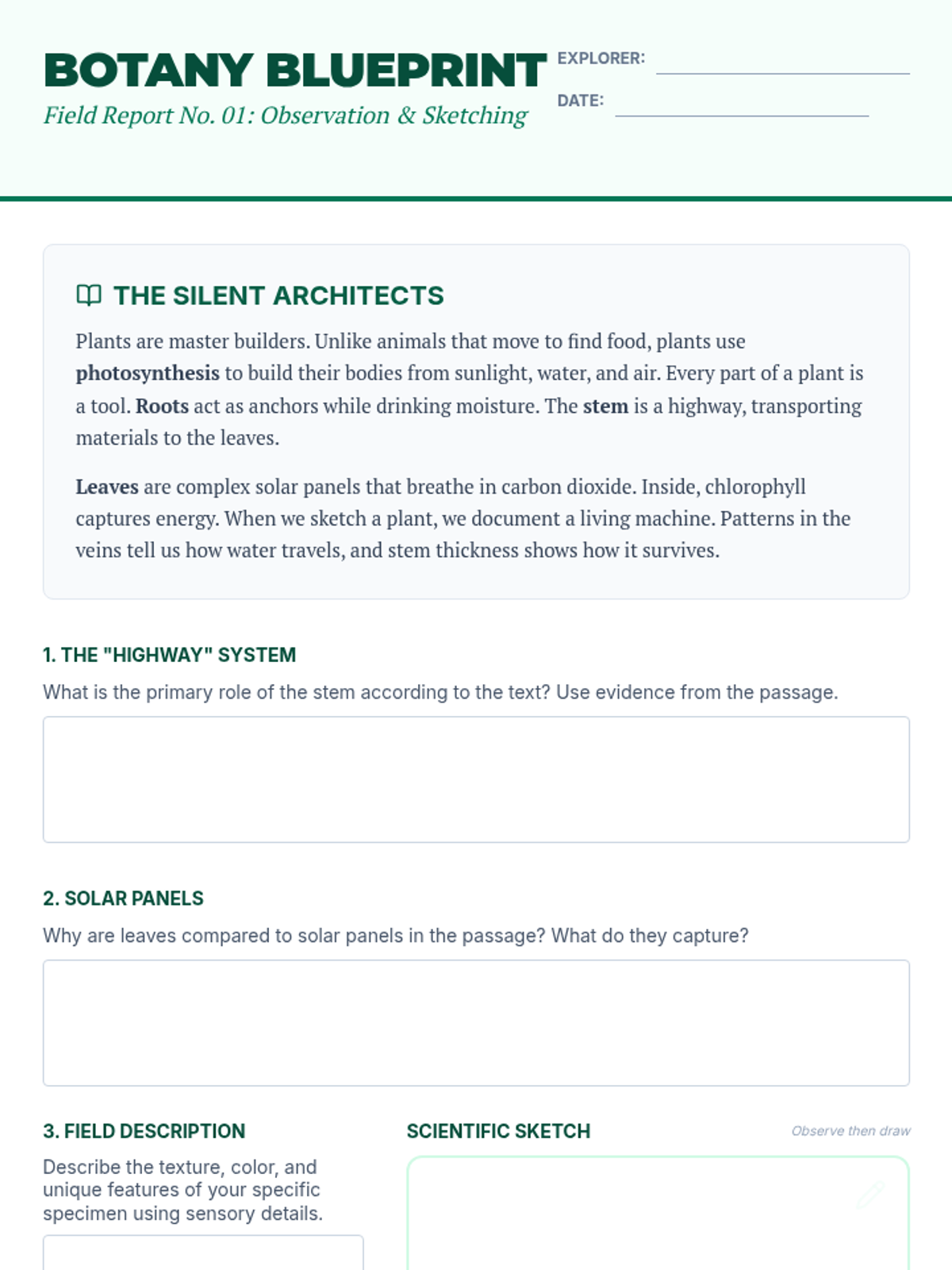
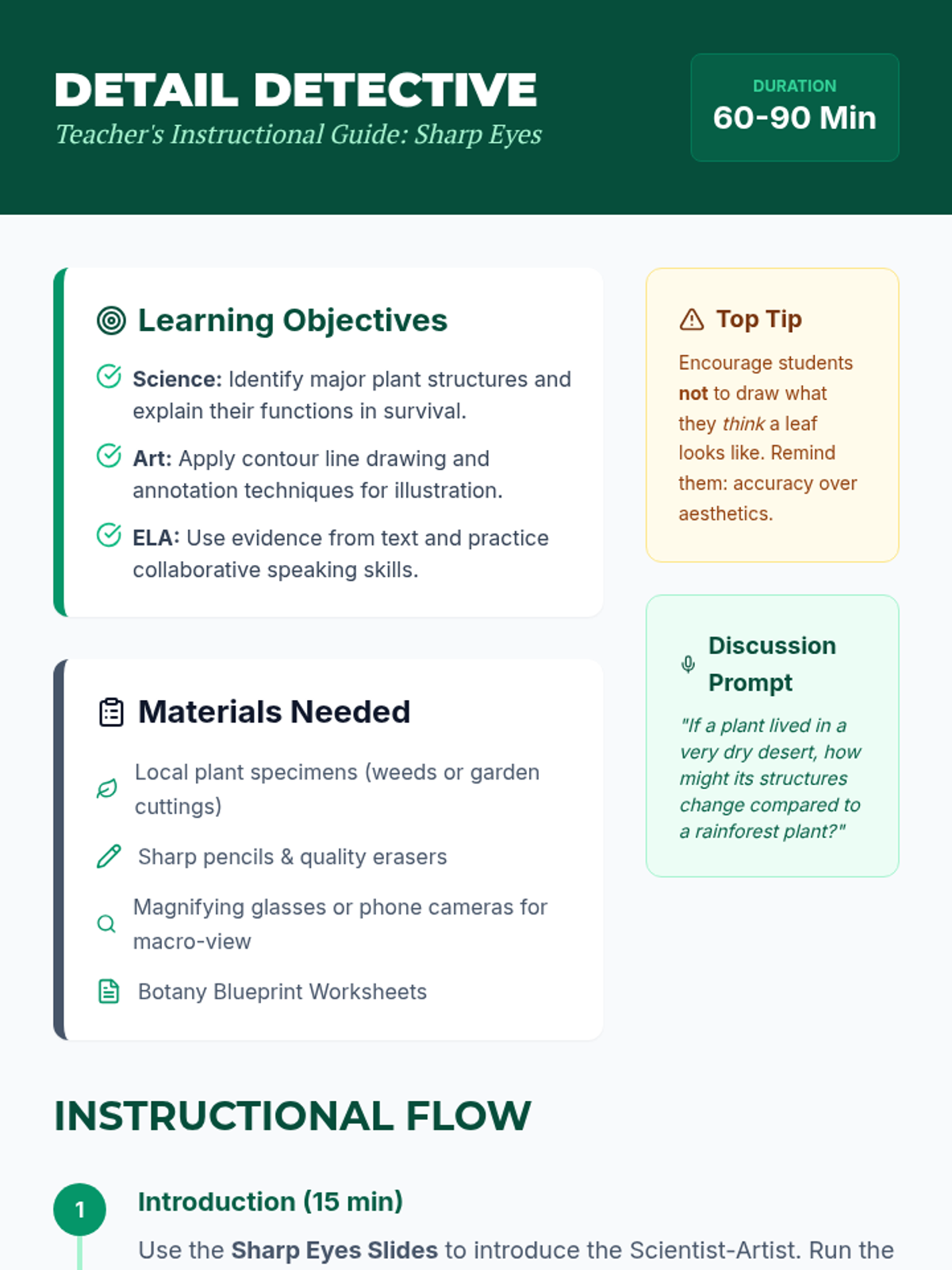
Students learn the art of botanical illustration by observing plant structures and recording their findings with scientific precision and artistic flair.
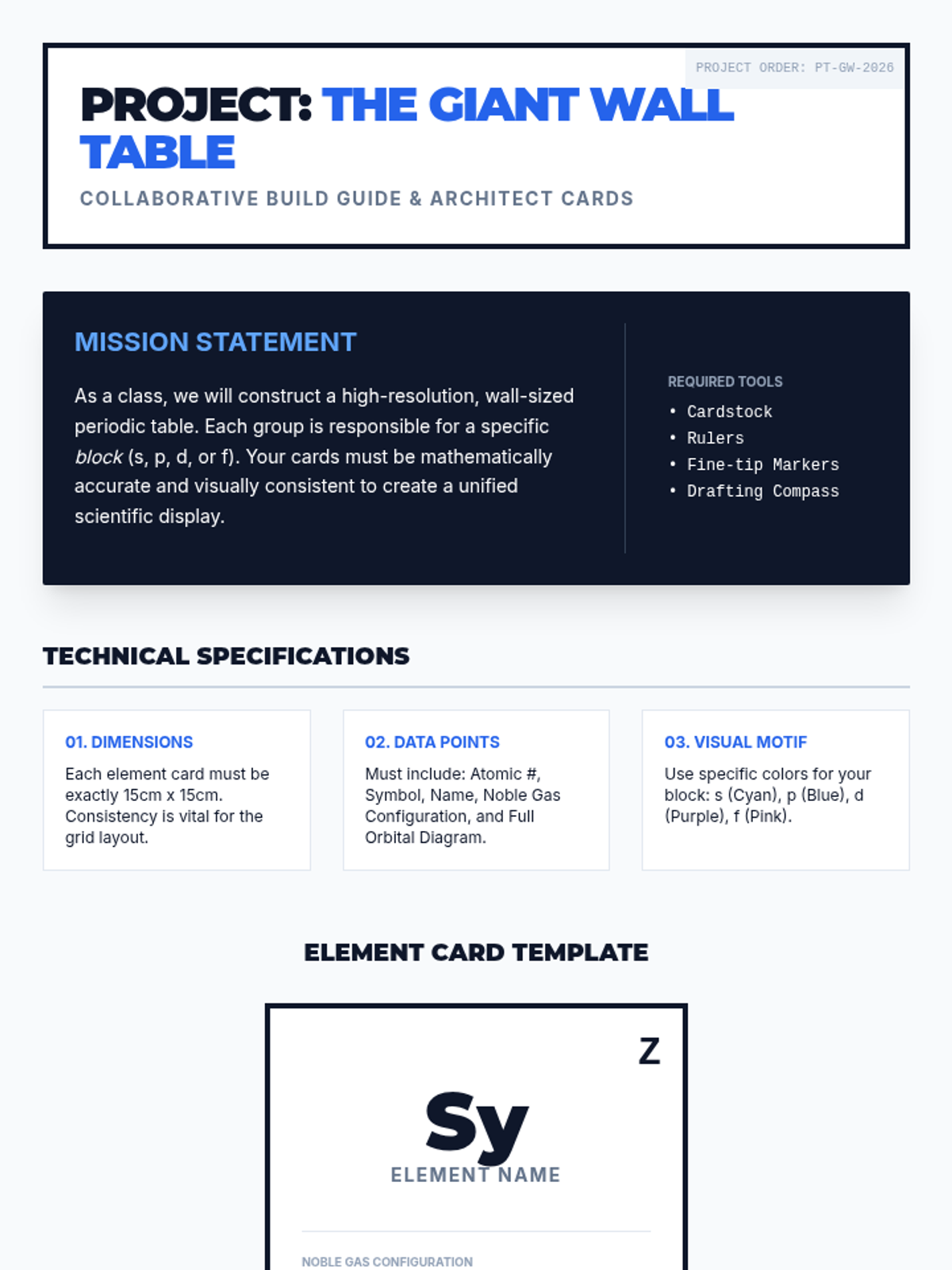
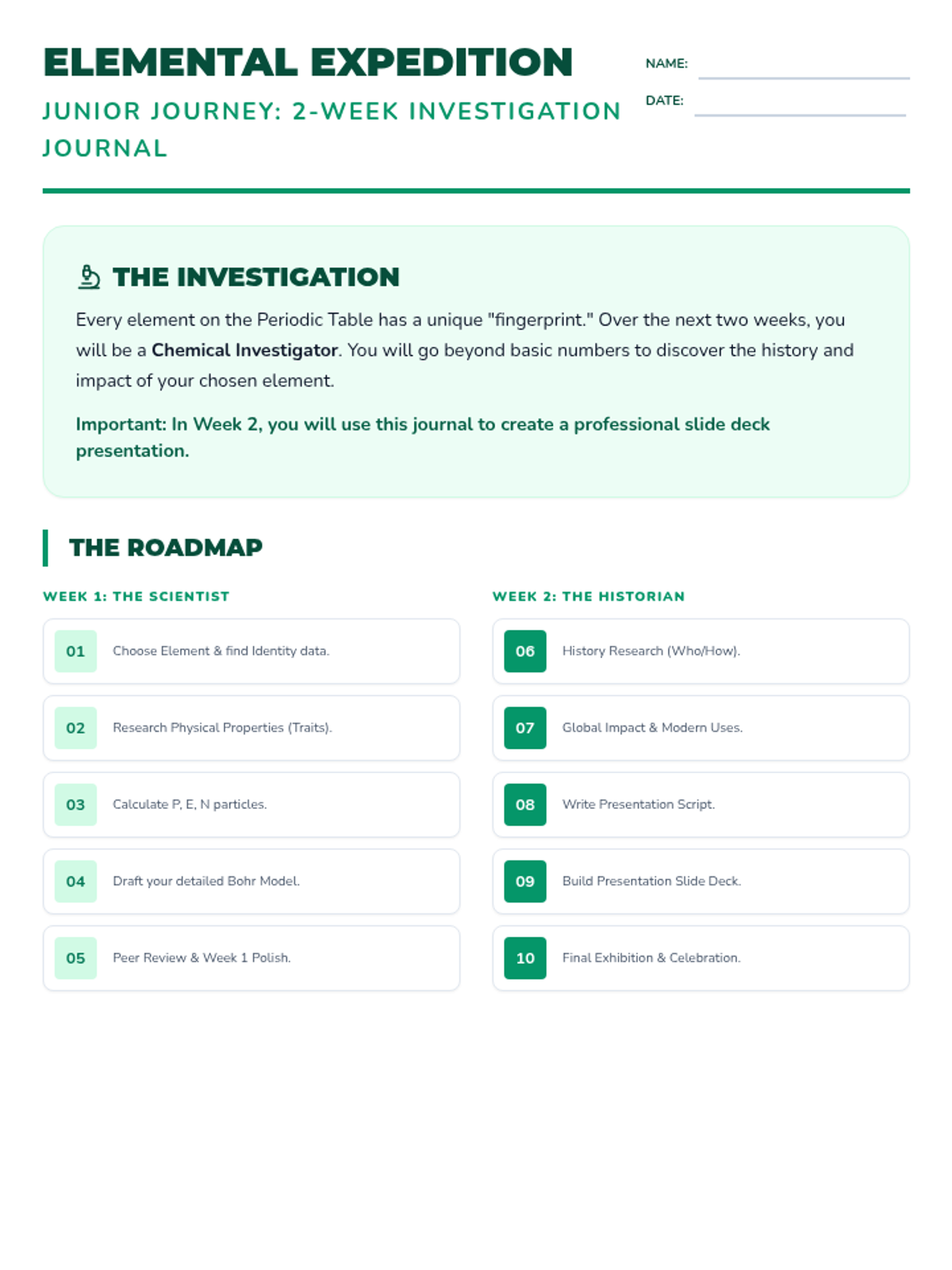
A comprehensive two-week version of the element research project for juniors, allowing for deeper dives into historical context and atomic modeling.
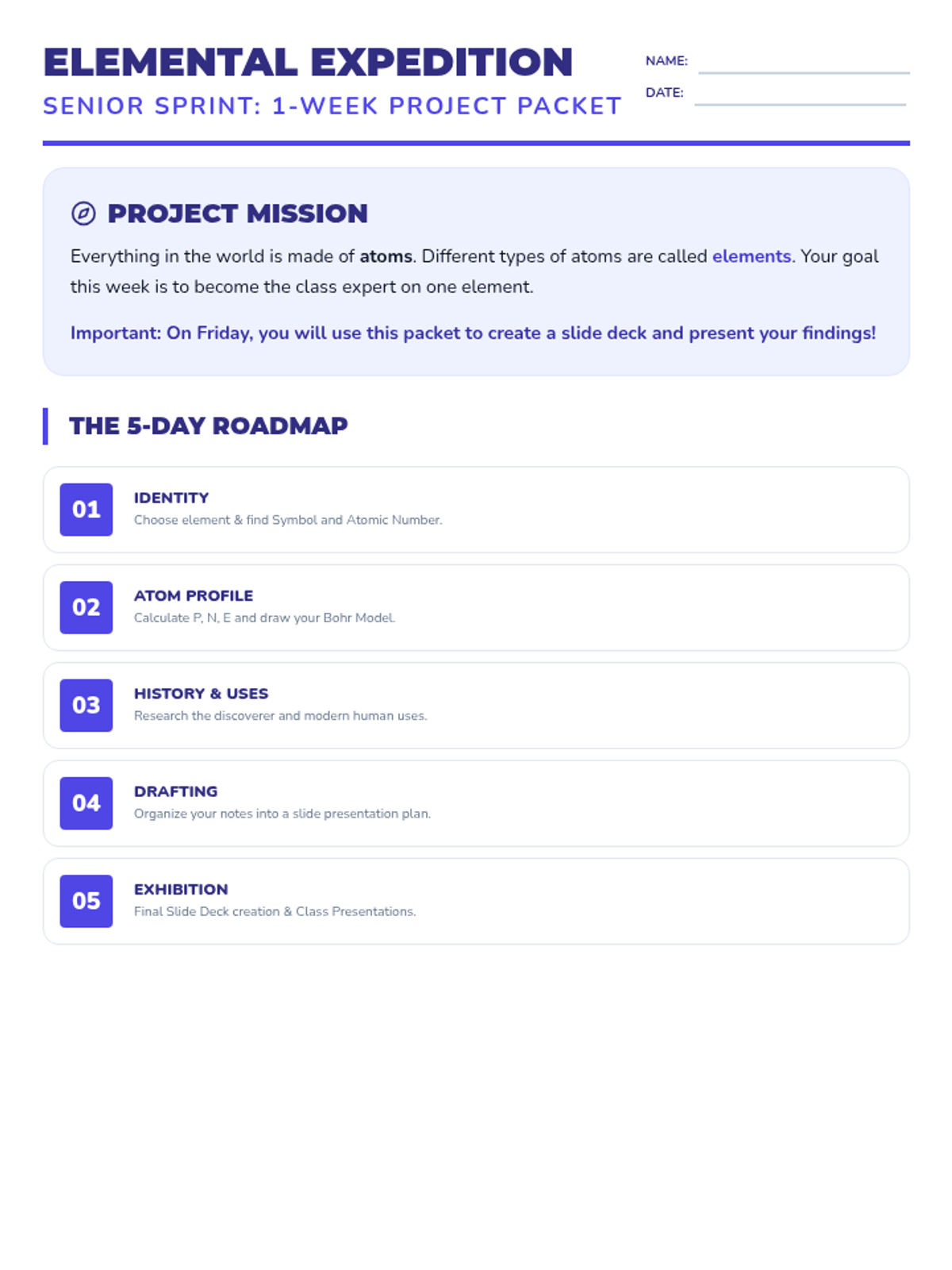
An accelerated one-week version of the element research project designed for seniors, focusing on core atomic data and primary uses.
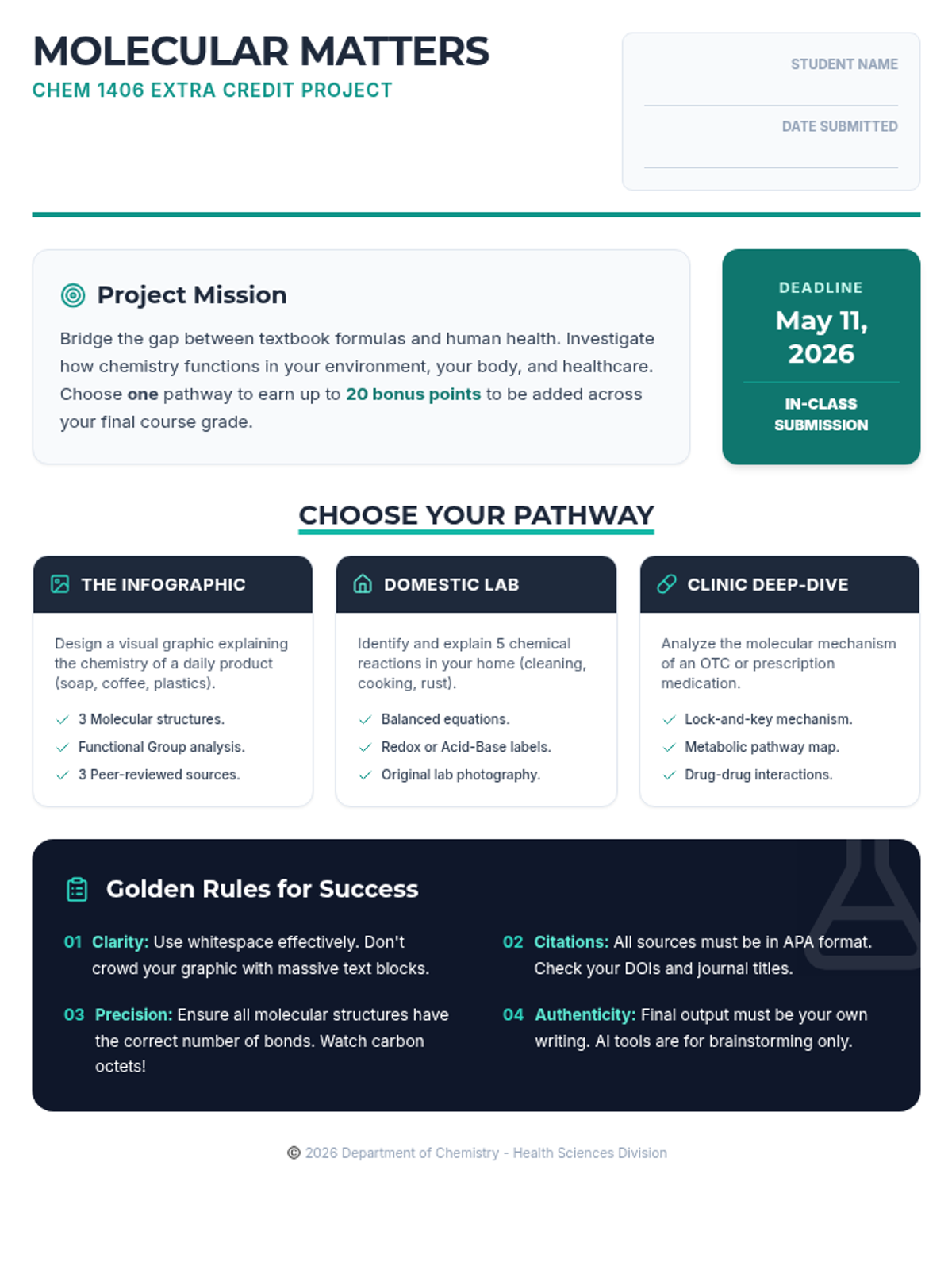
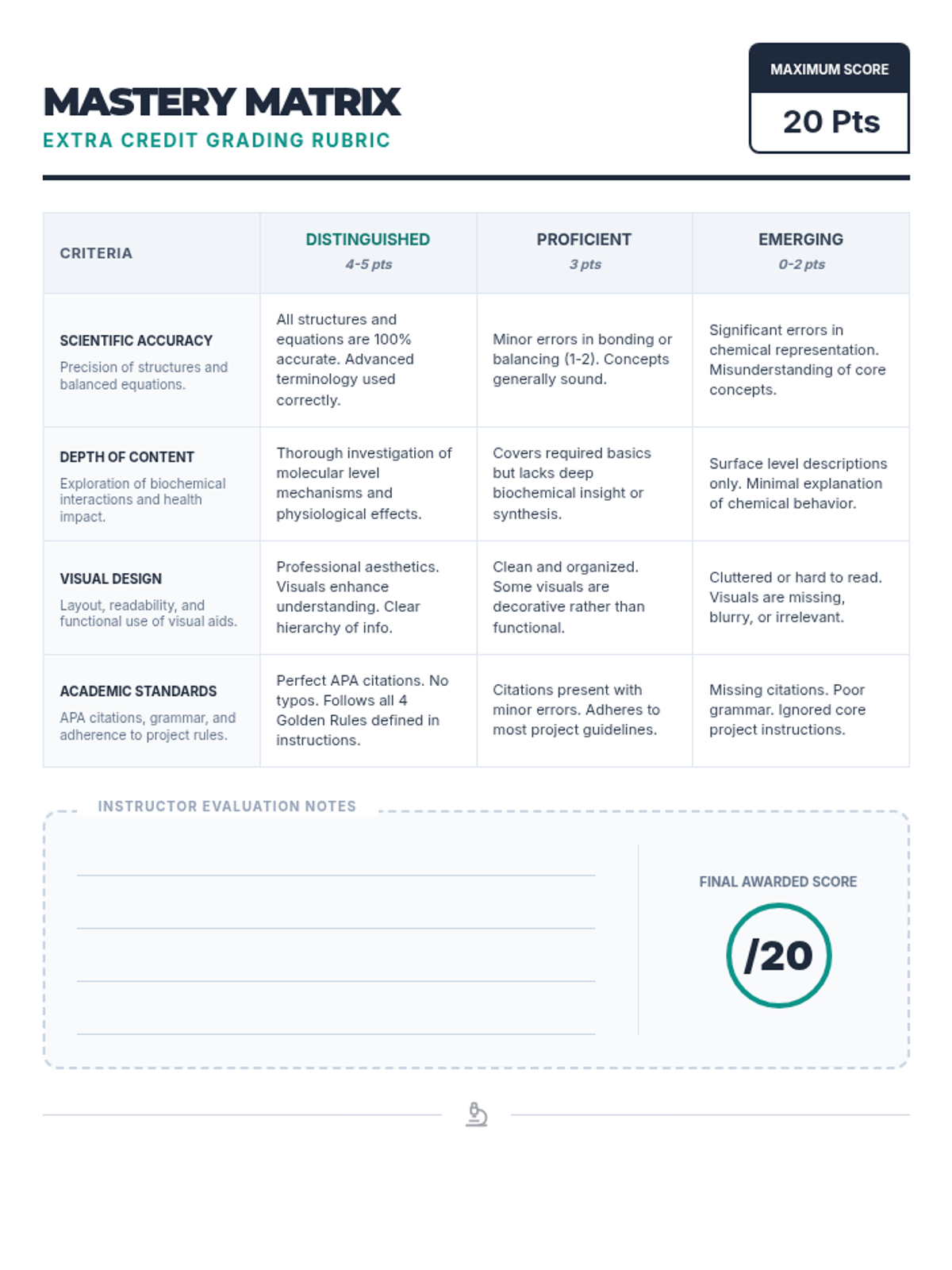
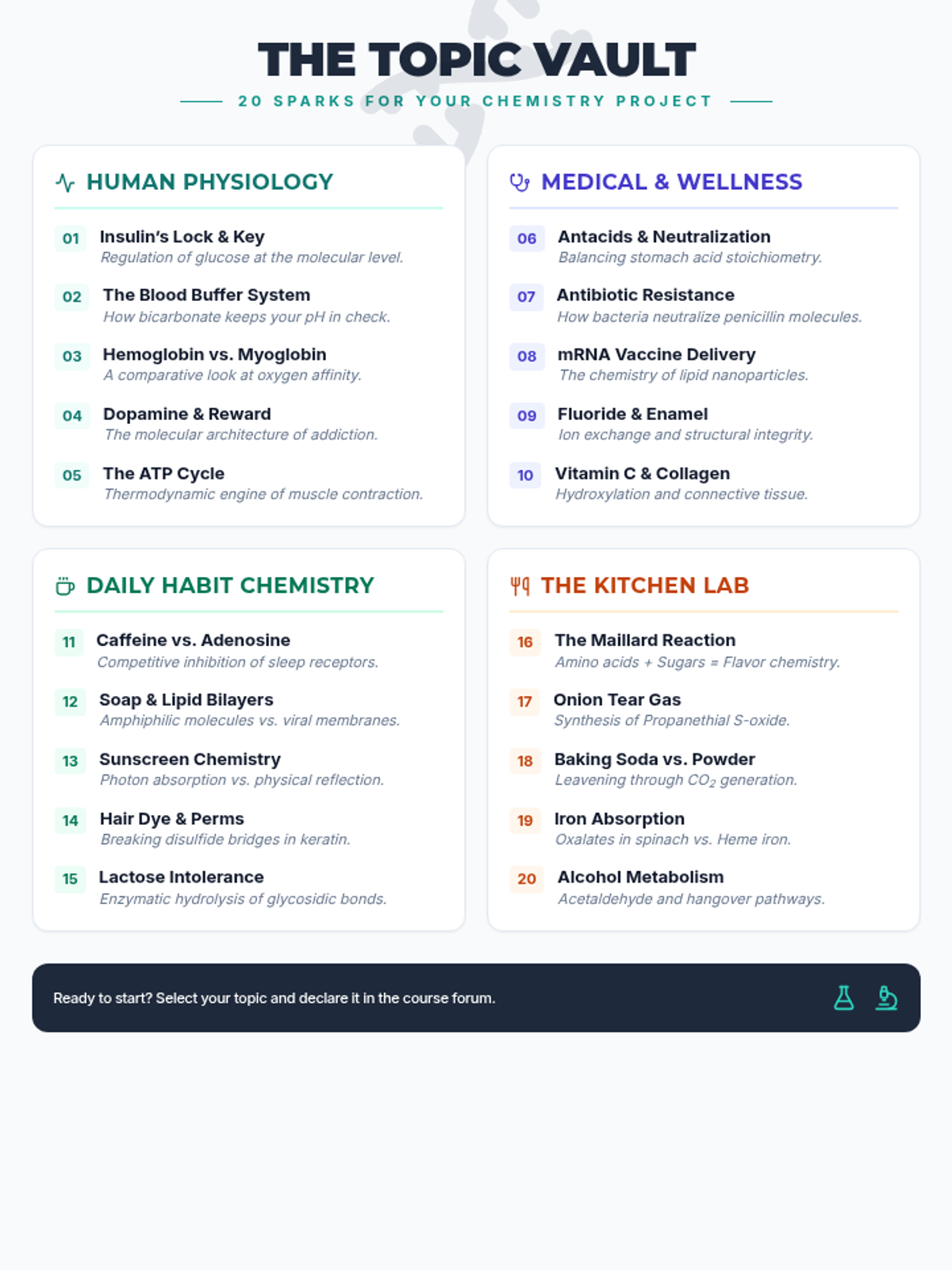
An extra credit project for CHEM 1406 students focused on applying biochemistry and health chemistry concepts to real-world scenarios through visual and written reports.
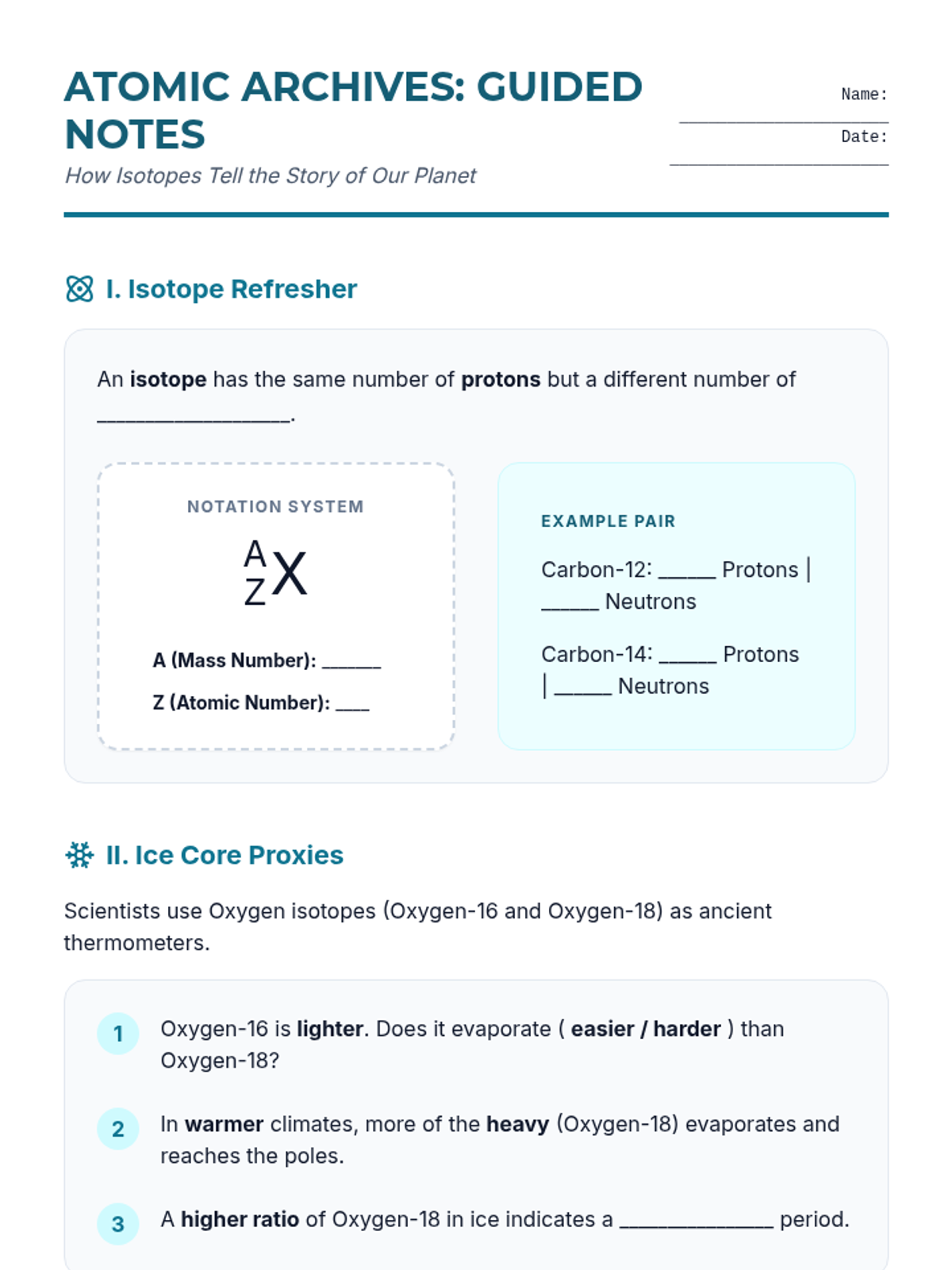
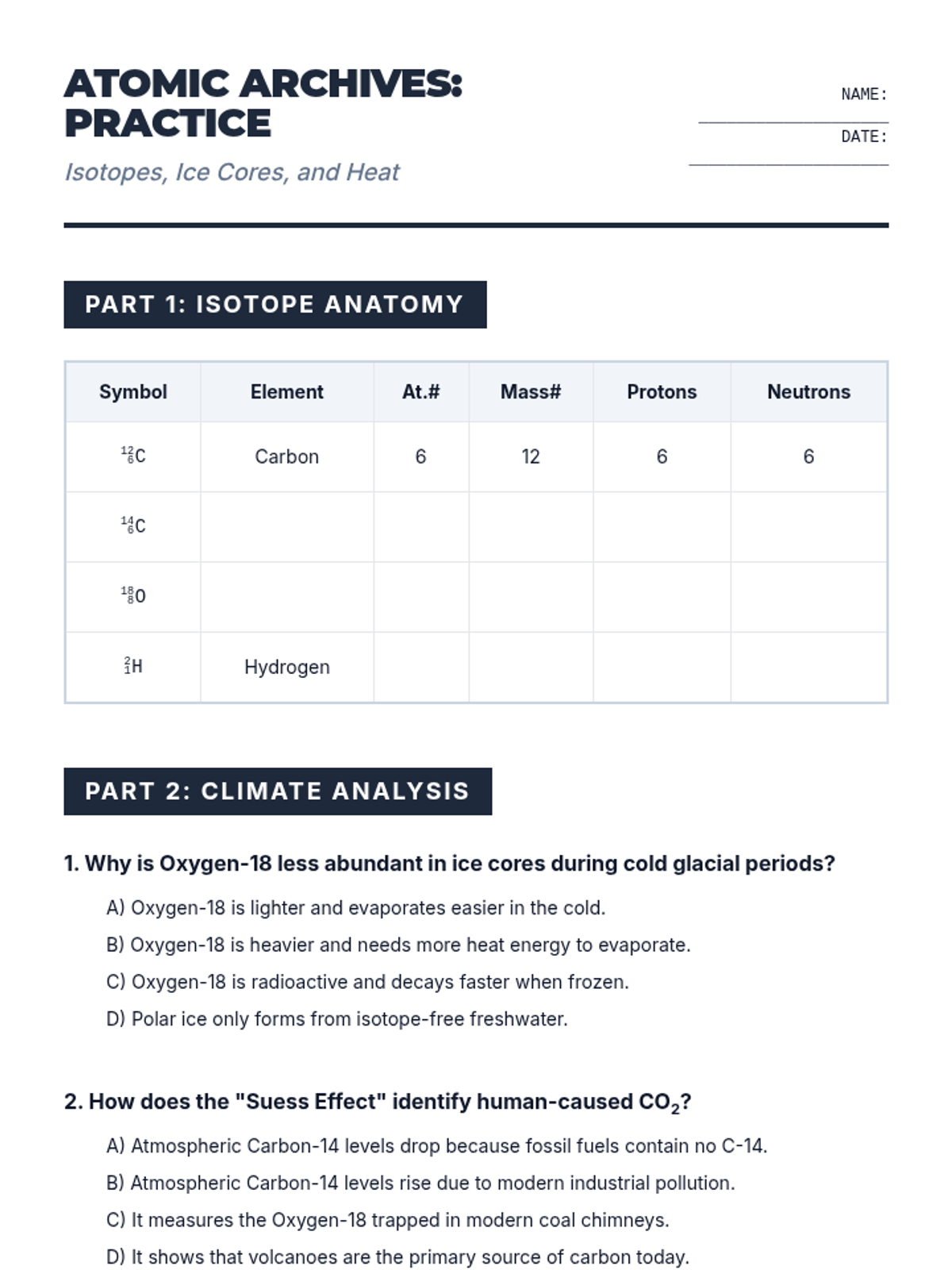
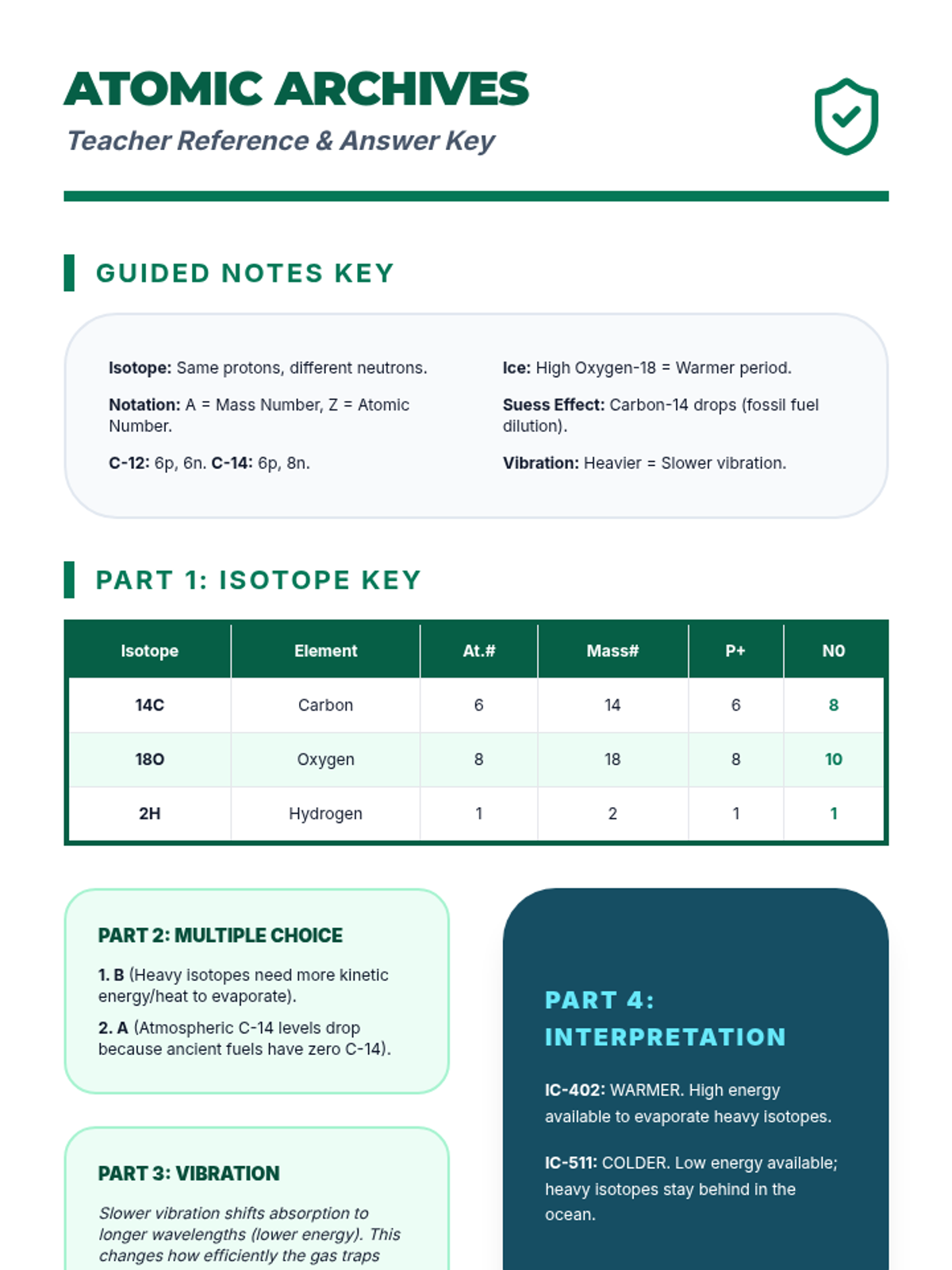
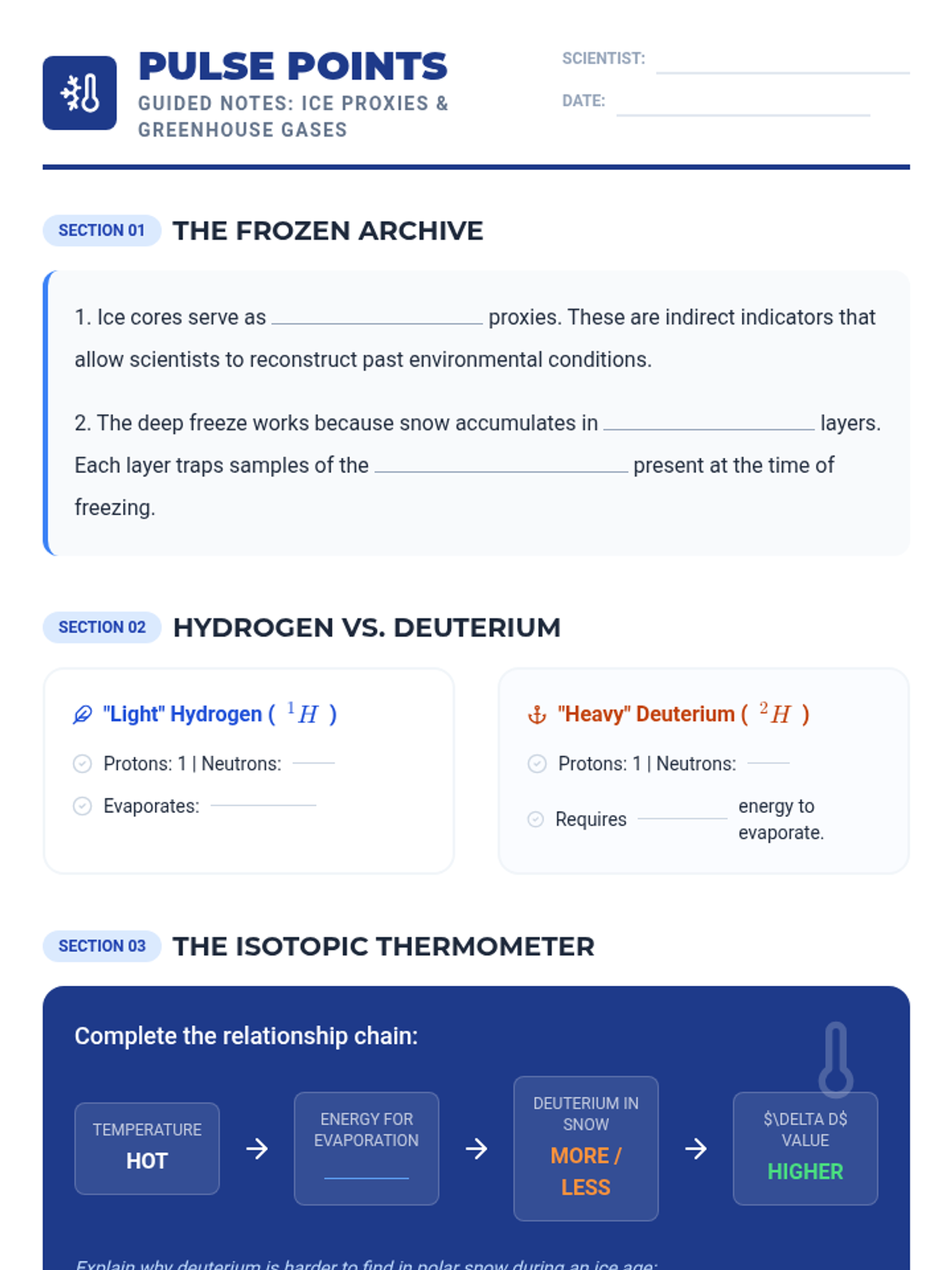
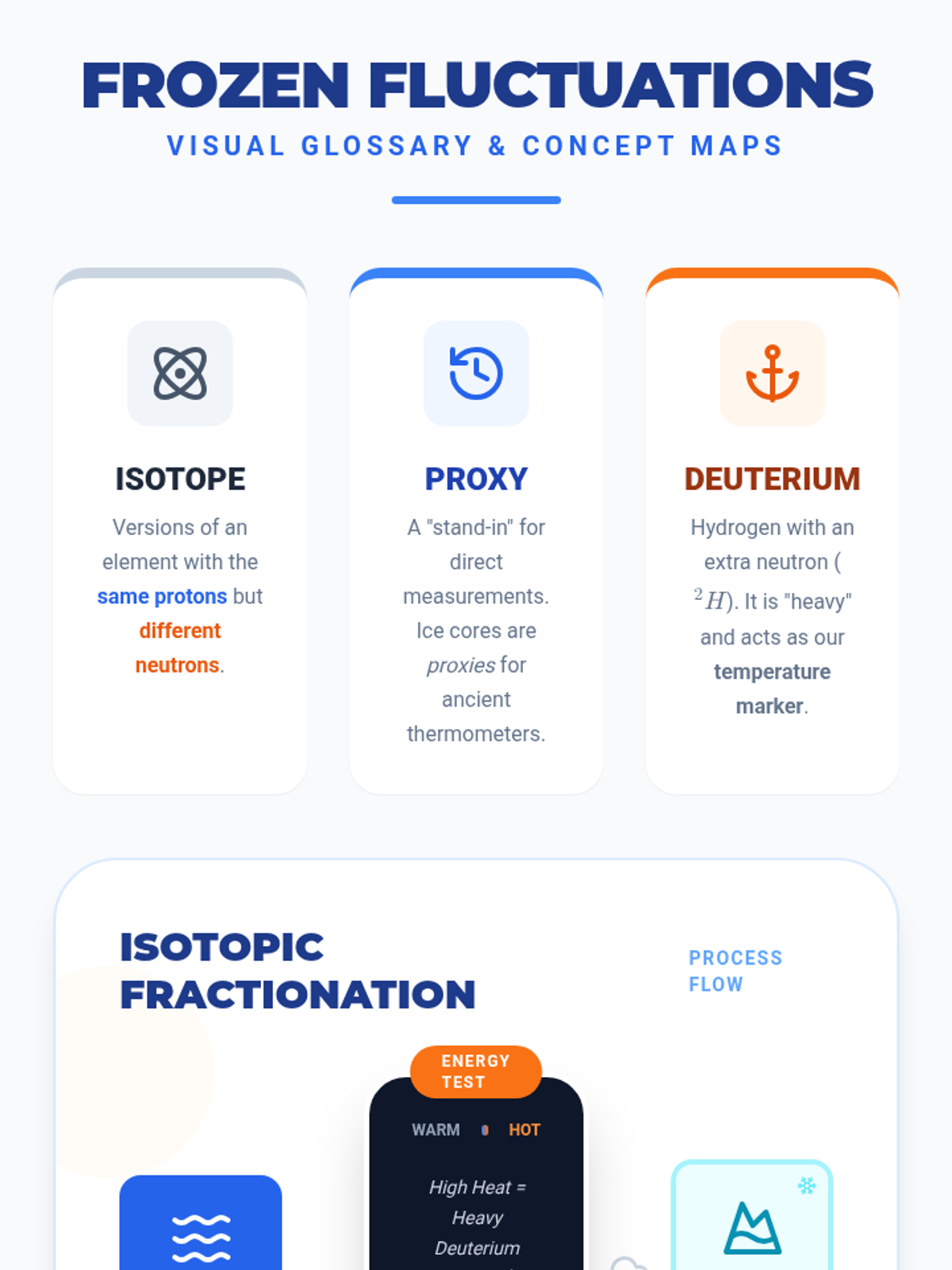
A comprehensive lesson connecting nuclear chemistry (isotopes) to climate science (greenhouse gases, ice cores, and carbon dating). Students explore how atomic mass influences molecular vibrations and how isotope ratios serve as ancient thermometers.
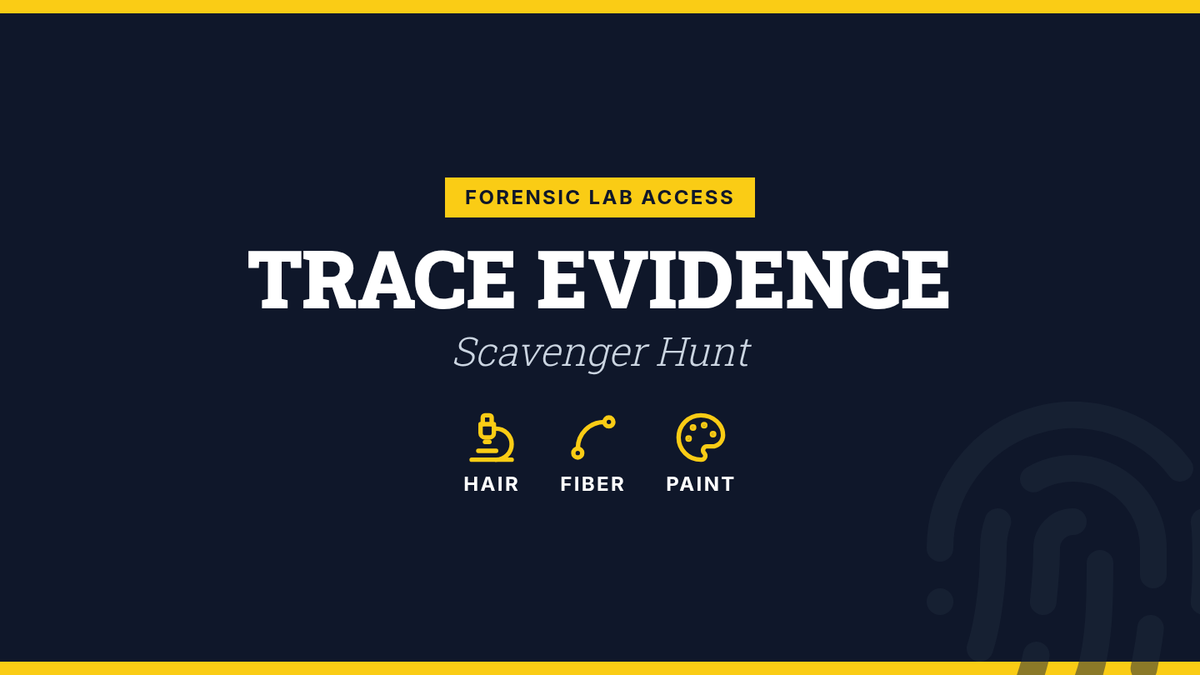
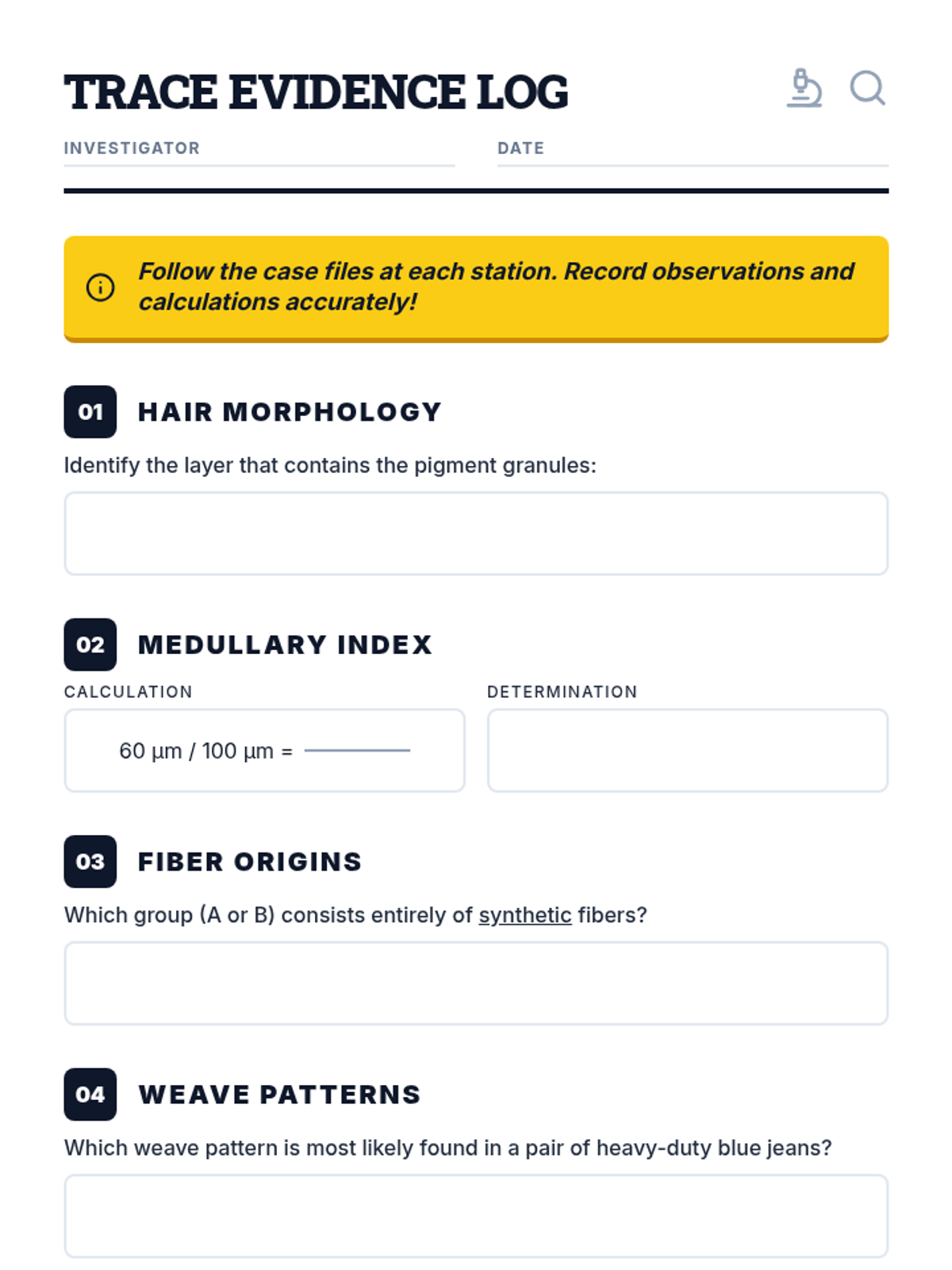
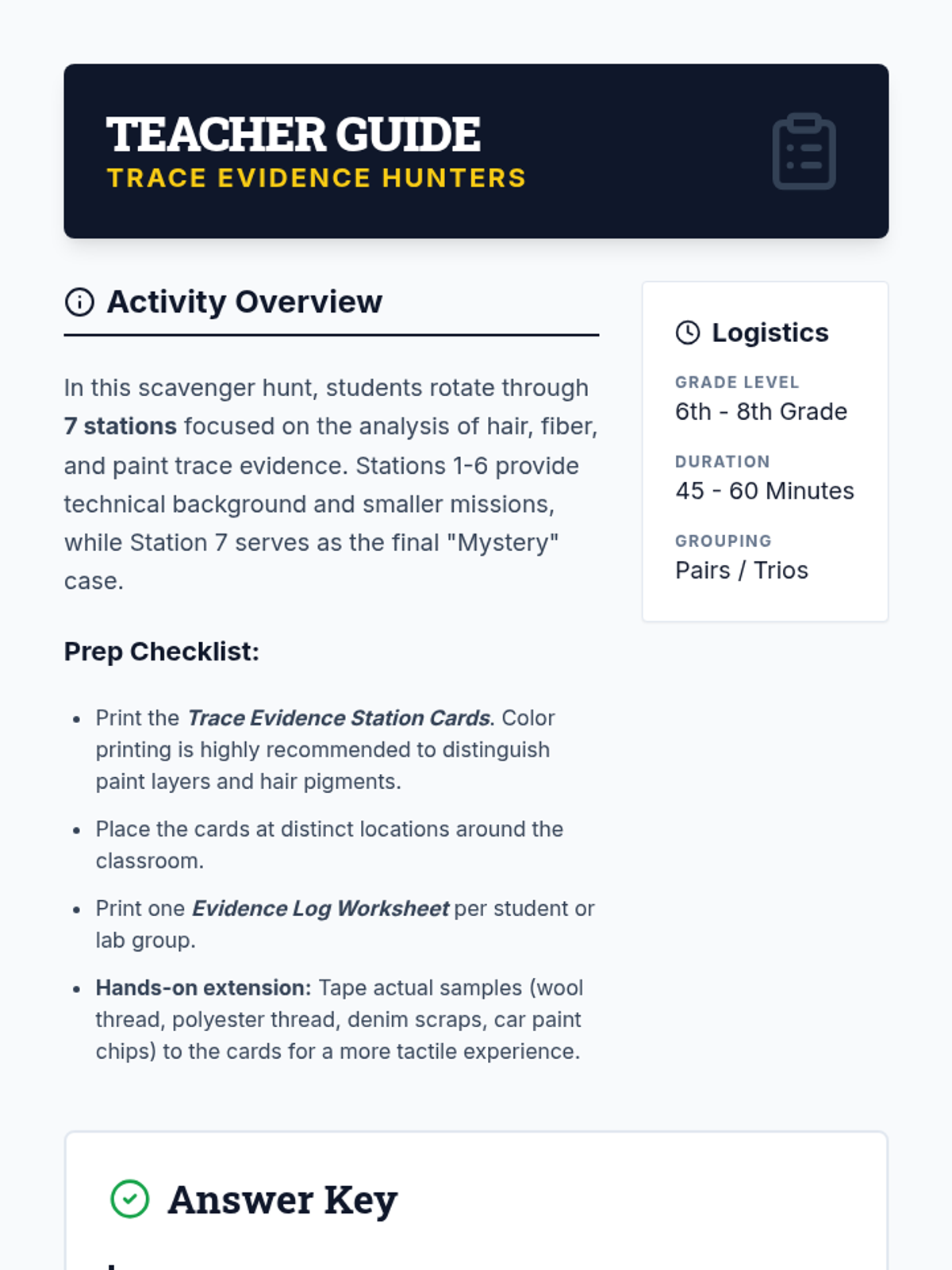
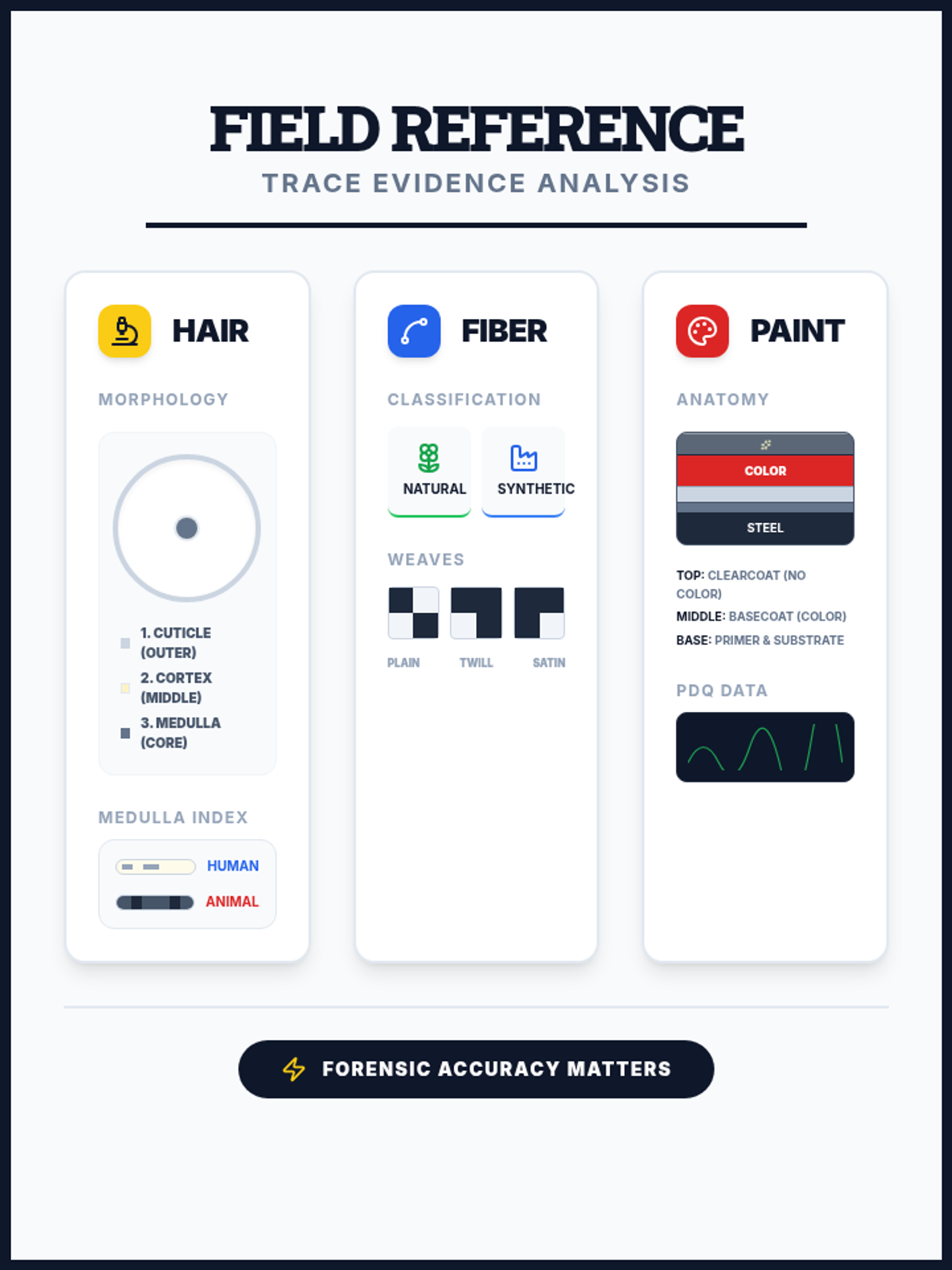
A hands-on forensic science activity where students rotate through stations to learn about and analyze hair, fiber, and paint evidence to solve a trace evidence mystery.
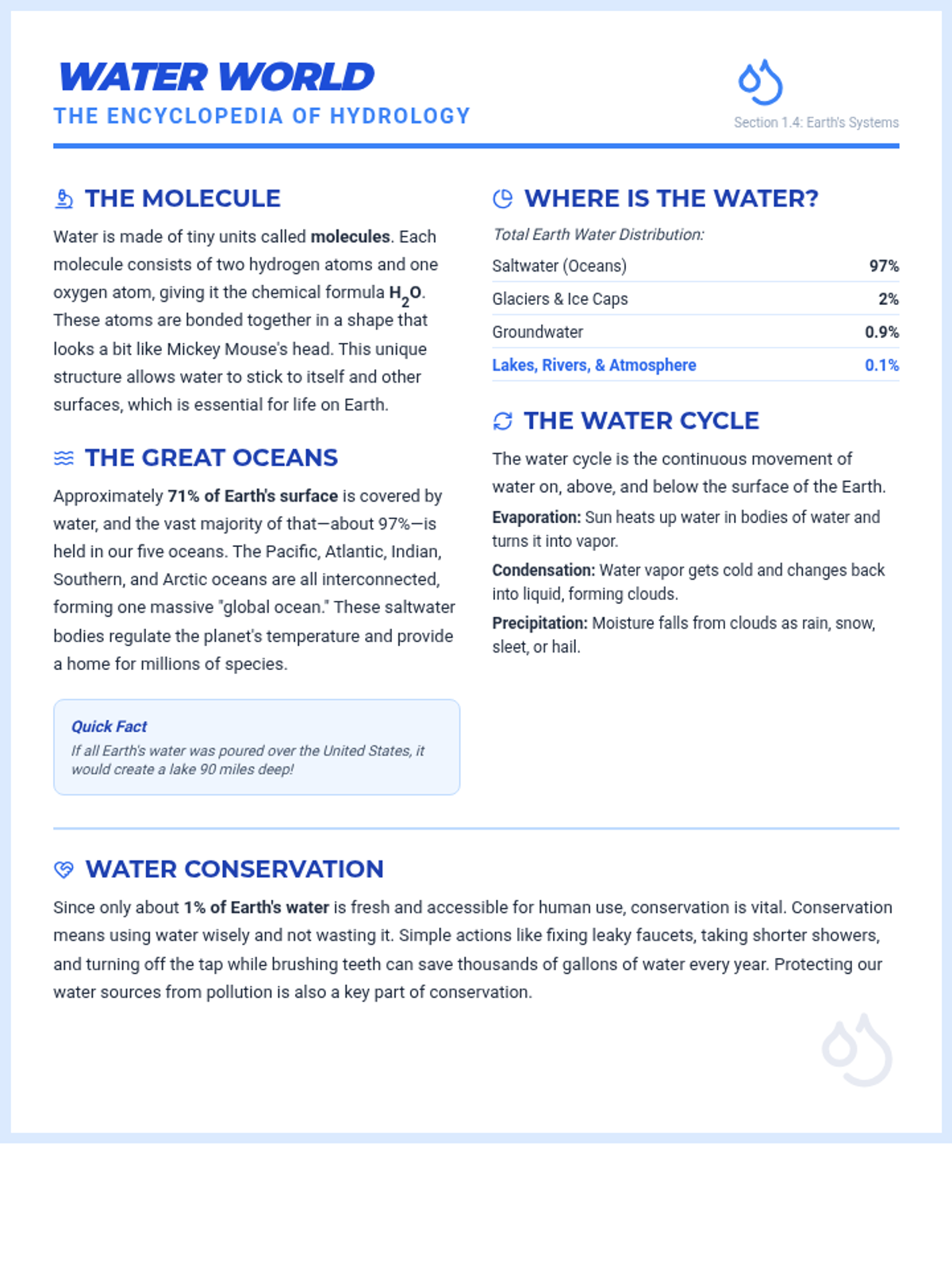
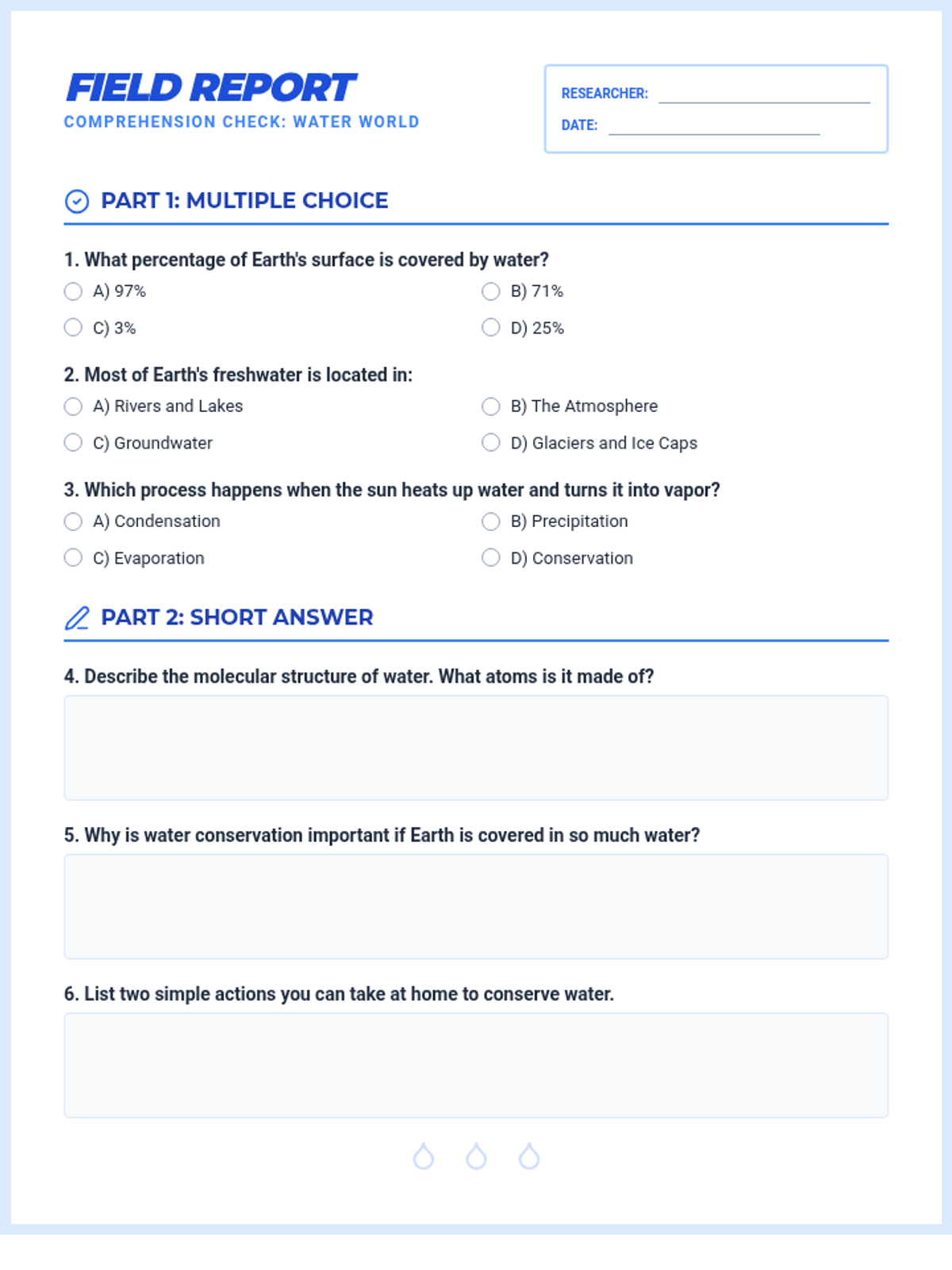
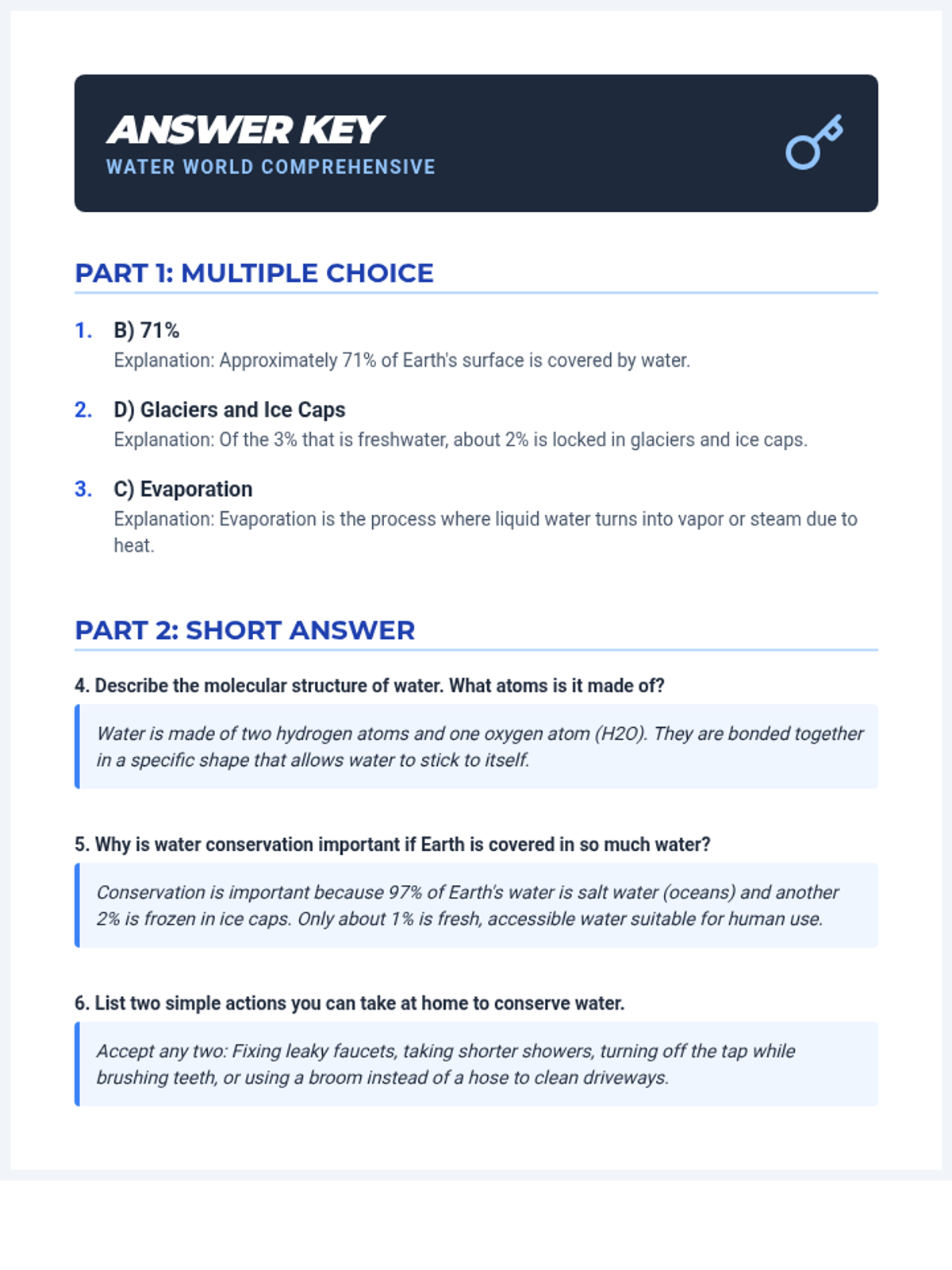
An introductory lesson on hydrology covering water distribution, the water cycle, molecular structure, and conservation efforts through a reading passage and comprehension activity.
An engaging, image-based digital scavenger hunt where students solve a forensic mystery using glass evidence concepts like fracture patterns, density, and refractive index.
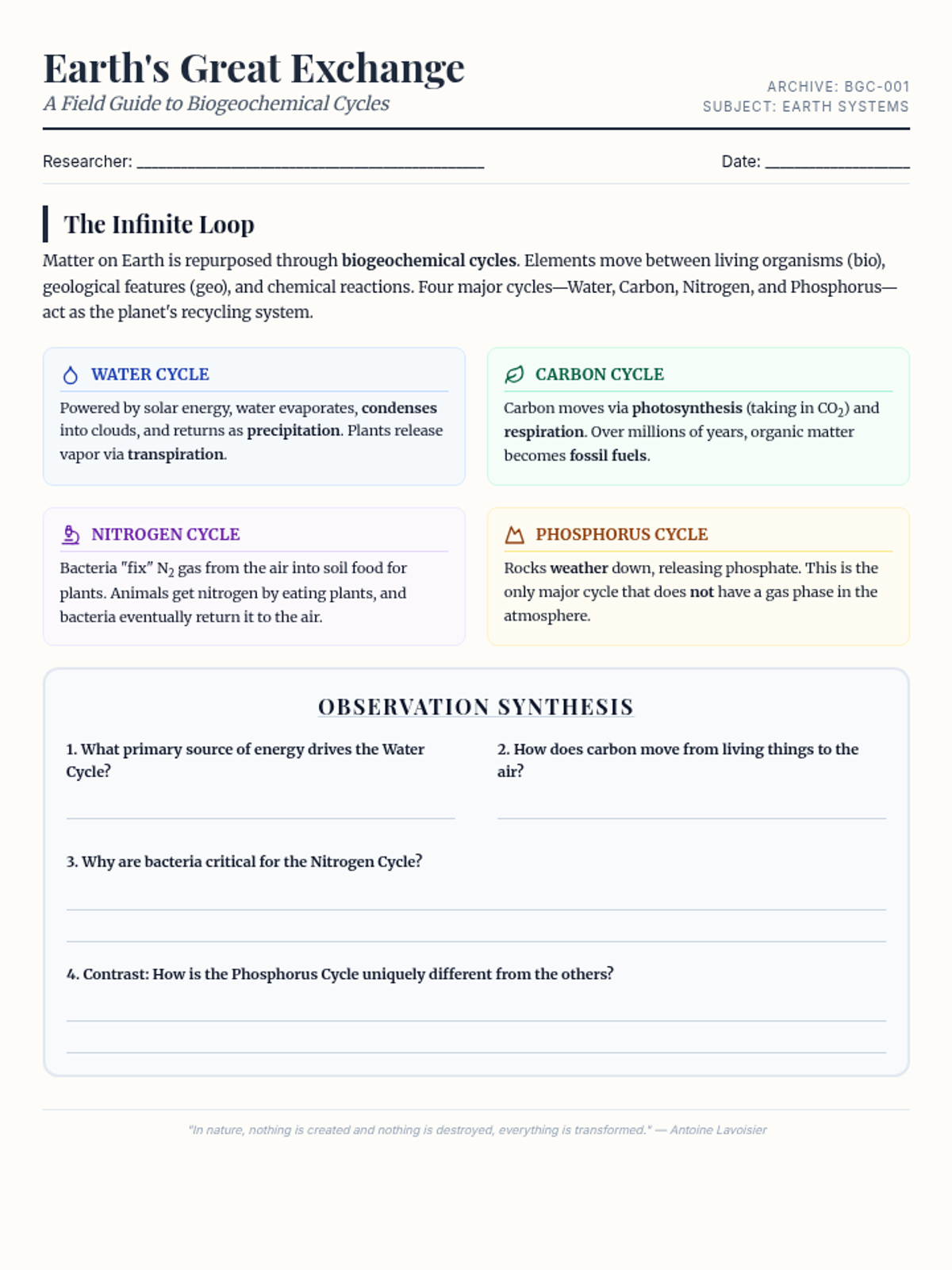
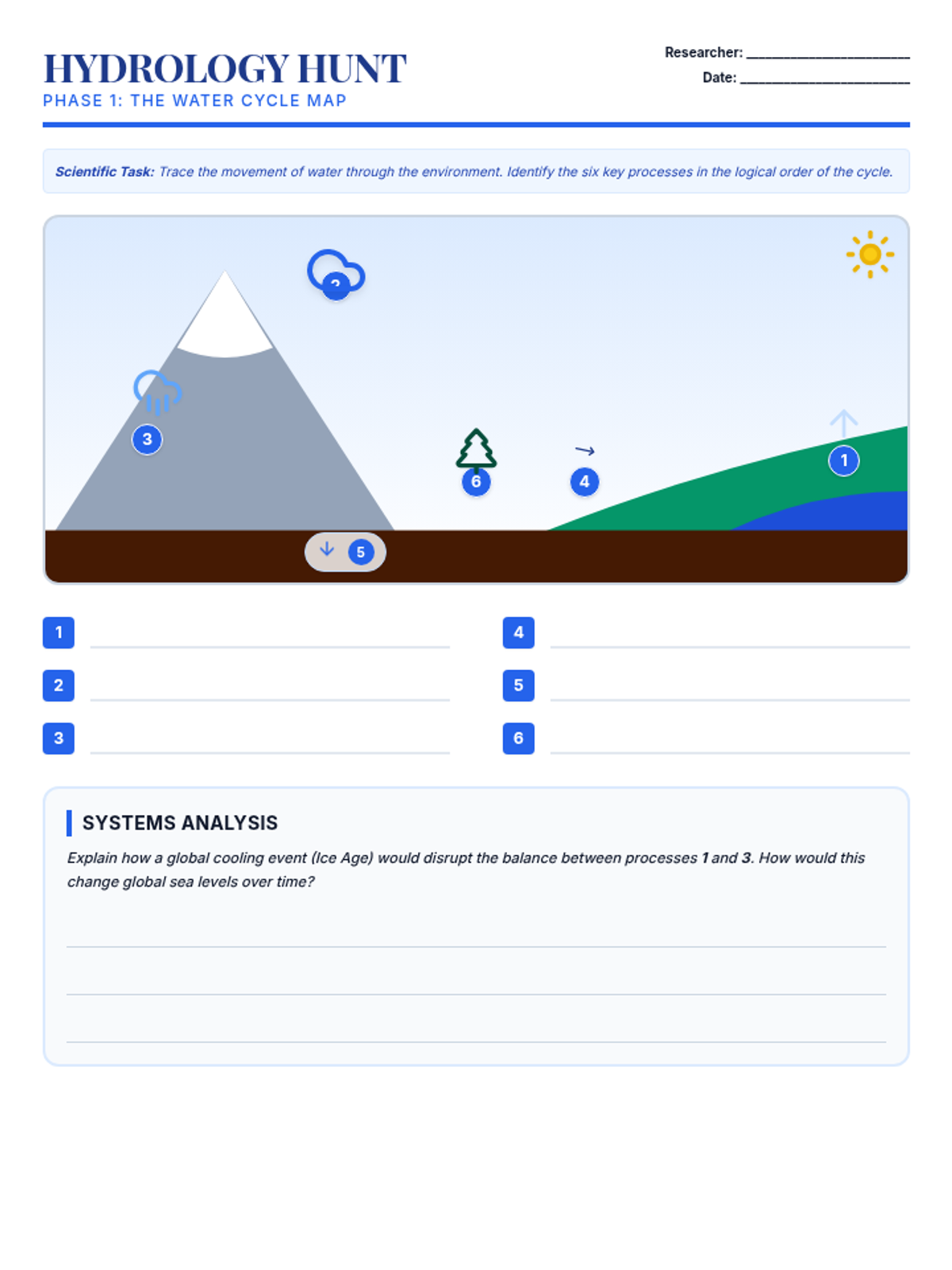
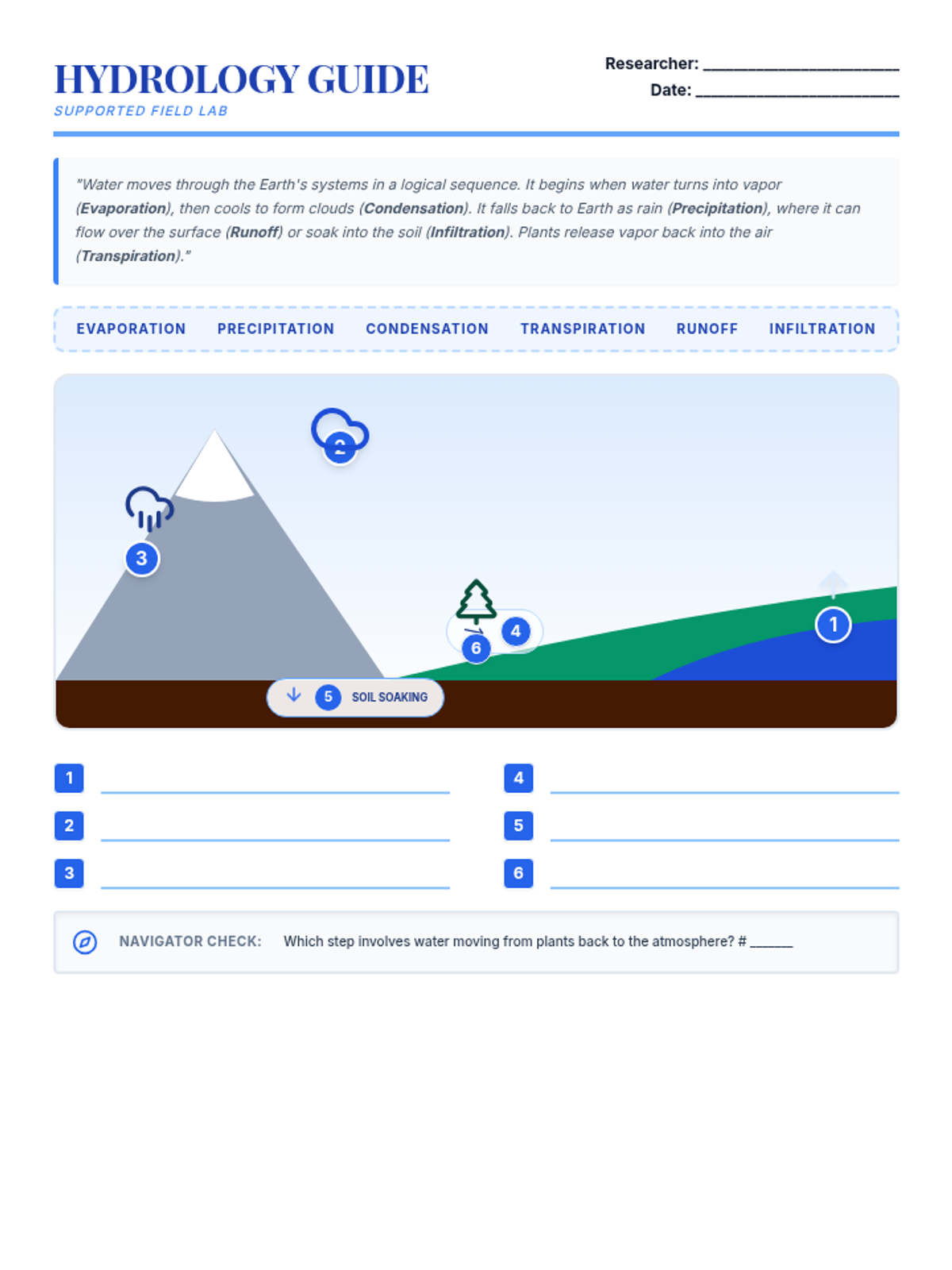
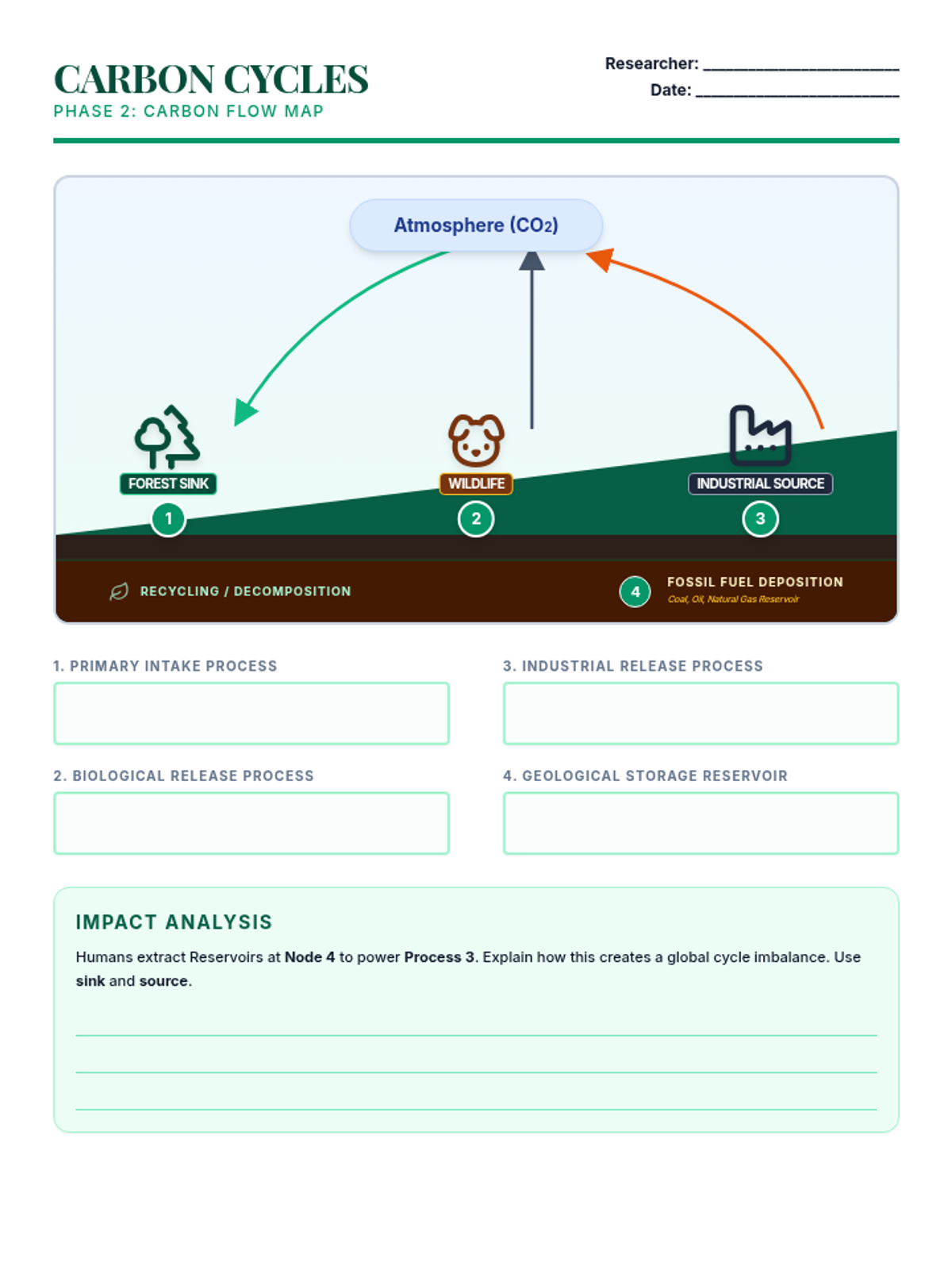
A comprehensive lesson on the four major biogeochemical cycles: Water, Carbon, Nitrogen, and Phosphorus. Students explore how matter moves through Earth's systems using a field-journal-inspired reading passage and differentiated diagram activities.
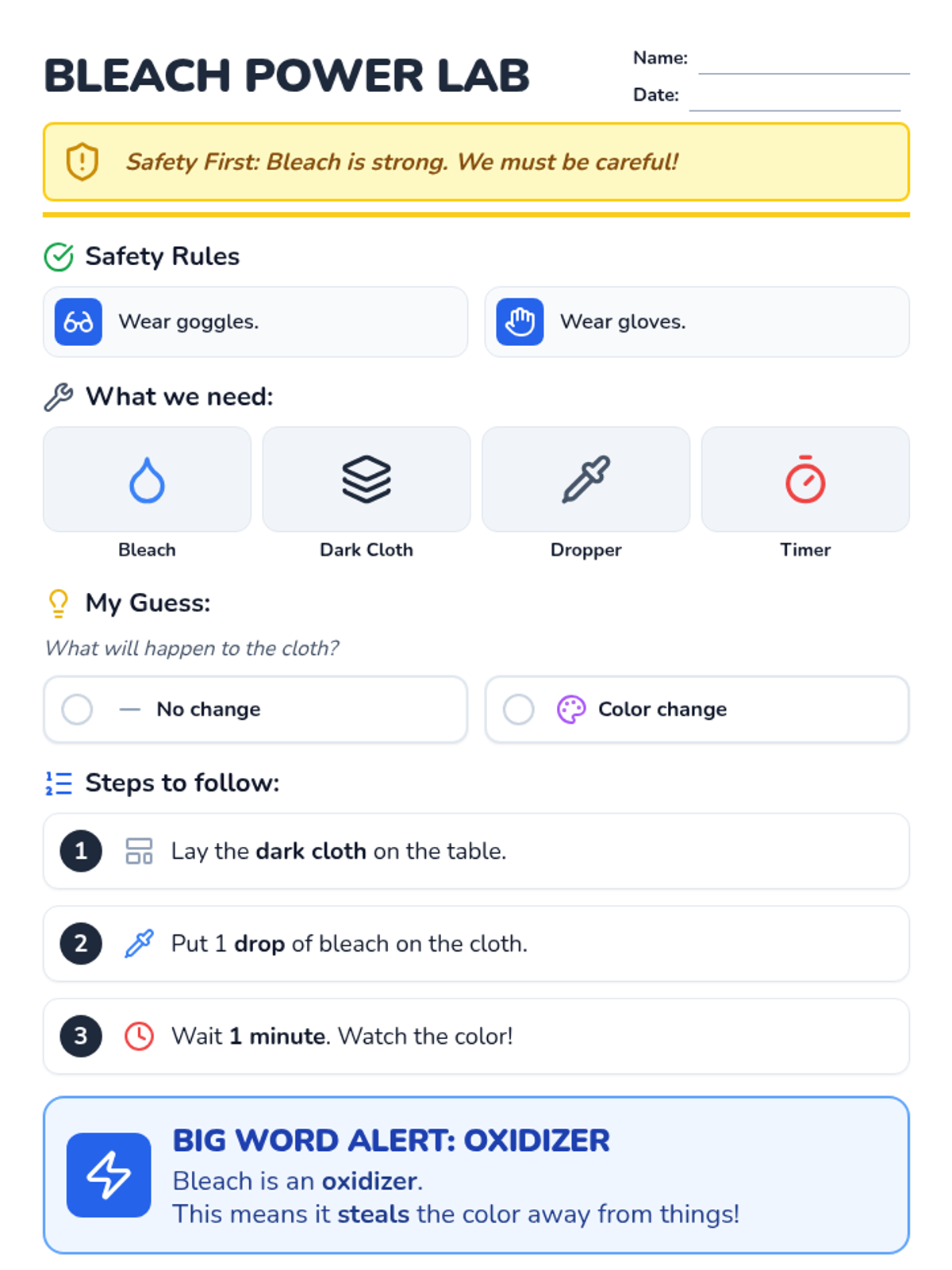
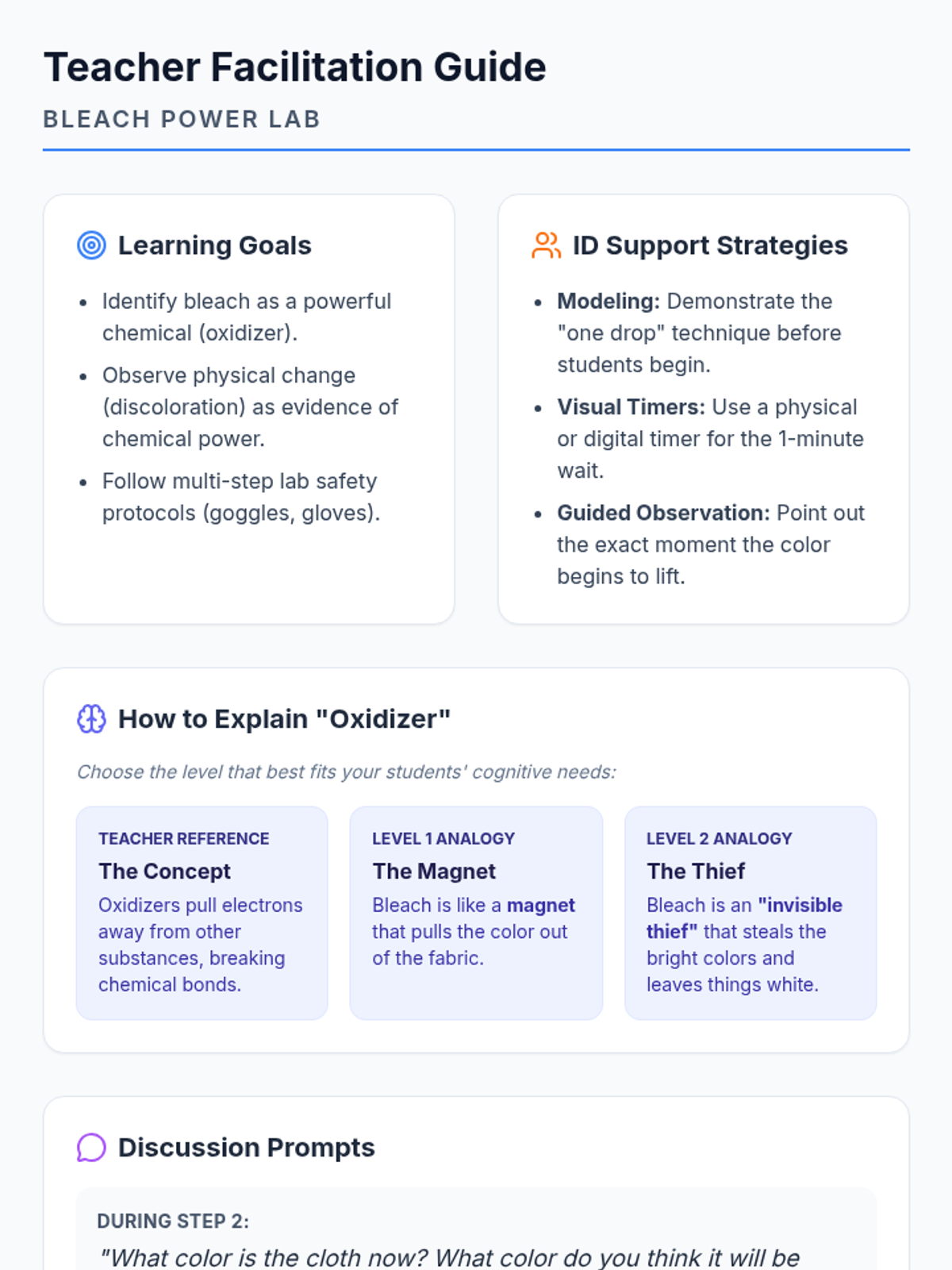
A hands-on chemistry lab designed for students with intellectual disabilities to observe the oxidizing power of bleach through fabric discoloration. The lesson emphasizes lab safety and the chemical strength of household cleaners.
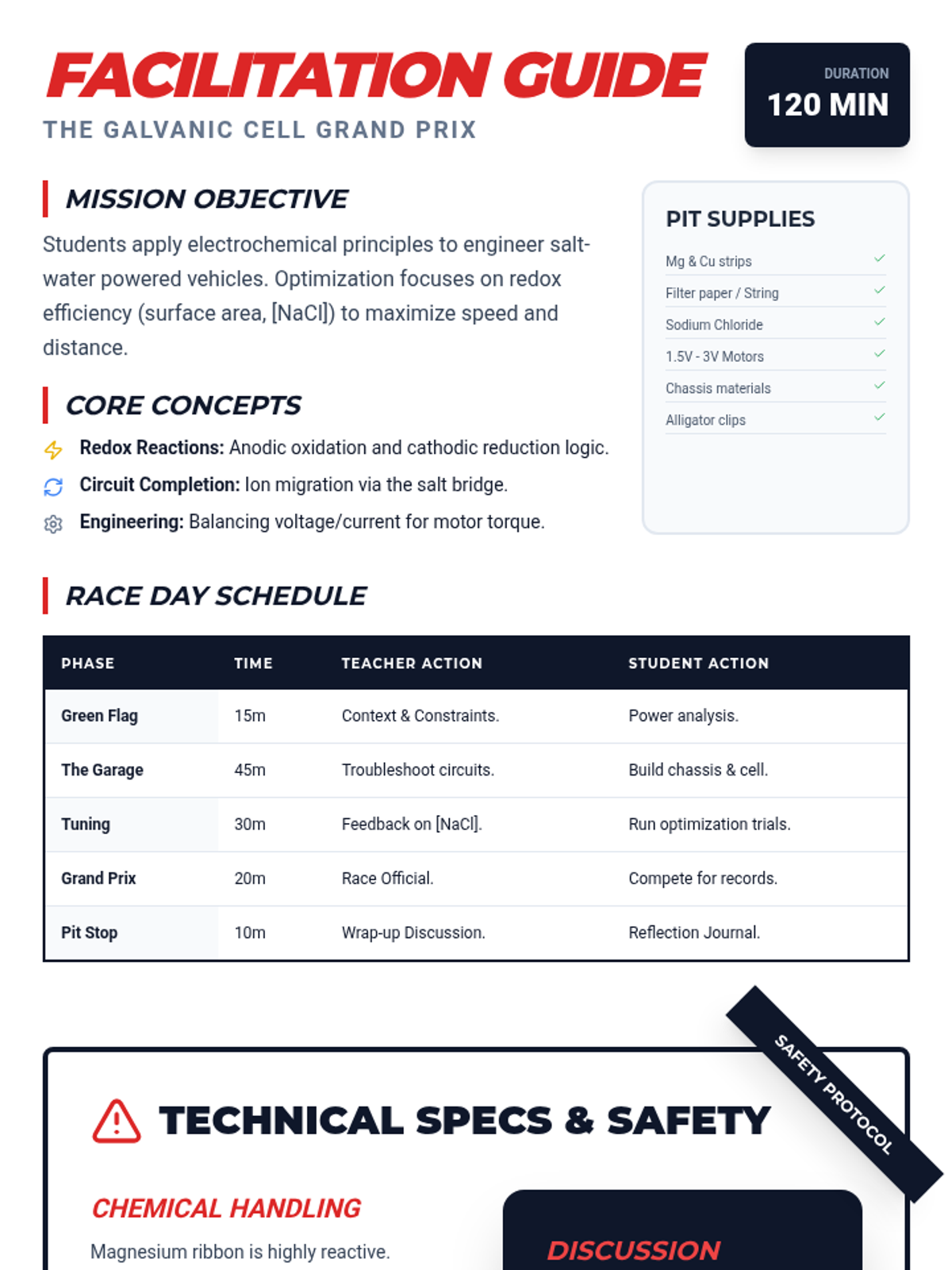
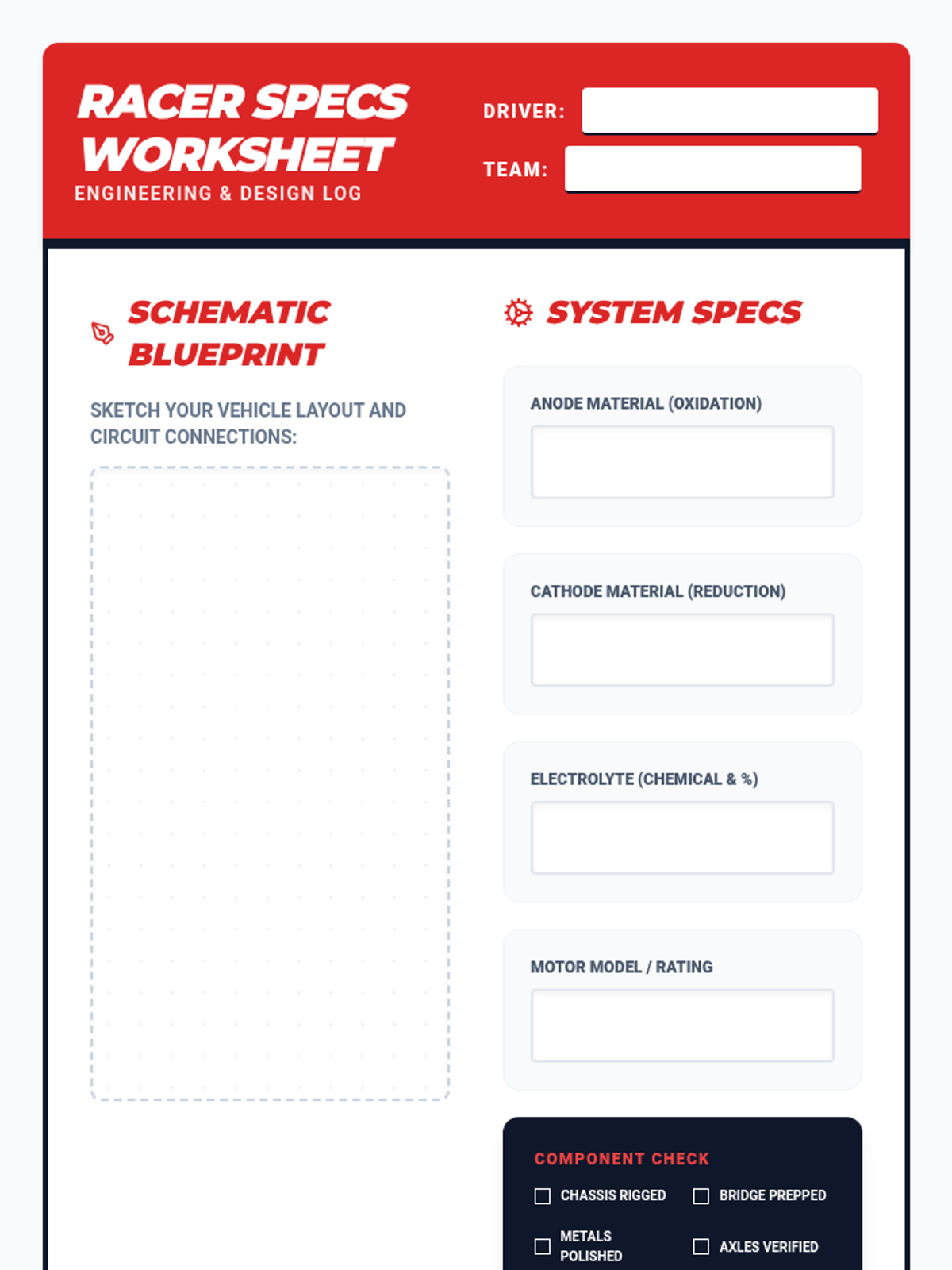
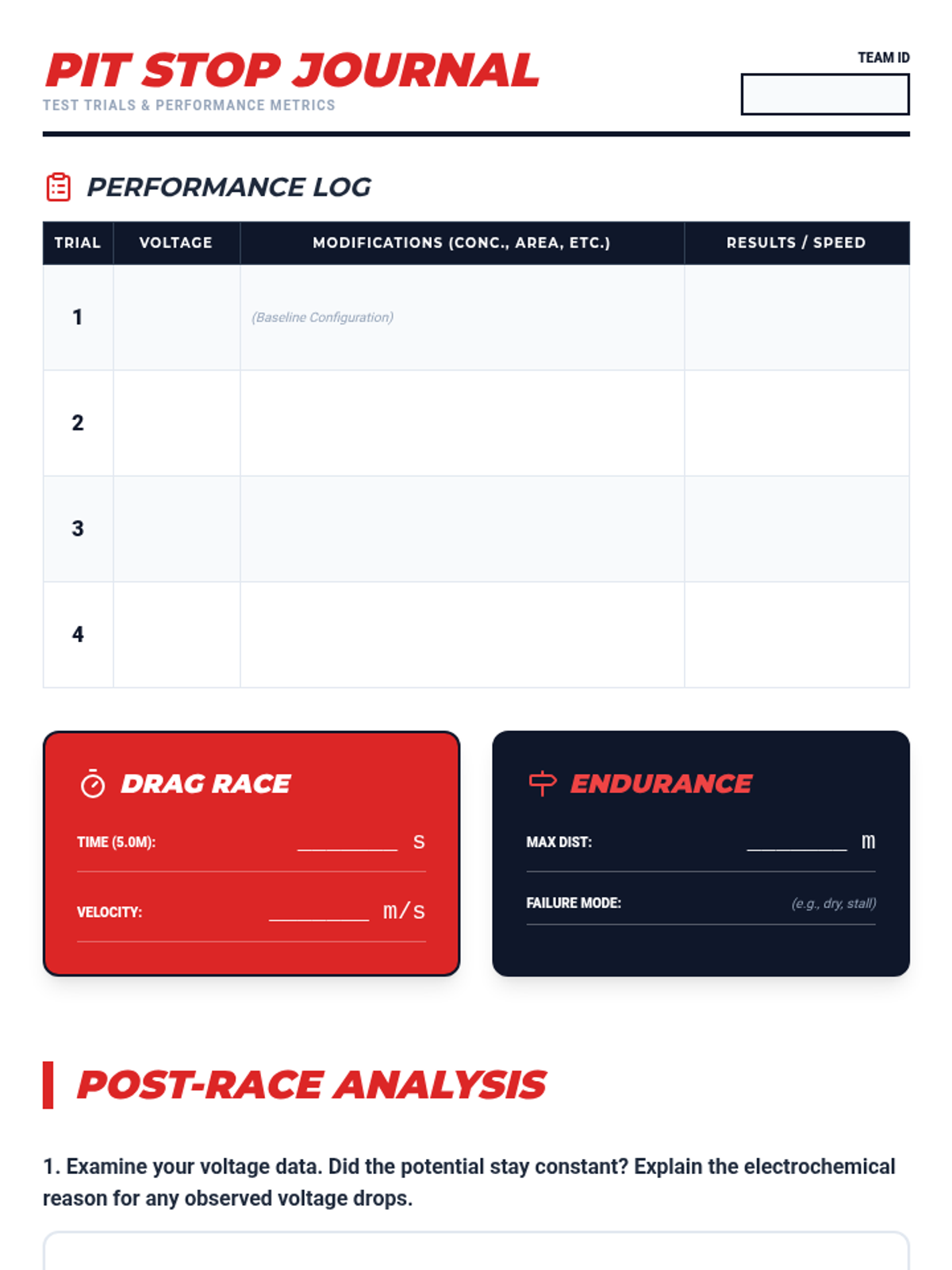
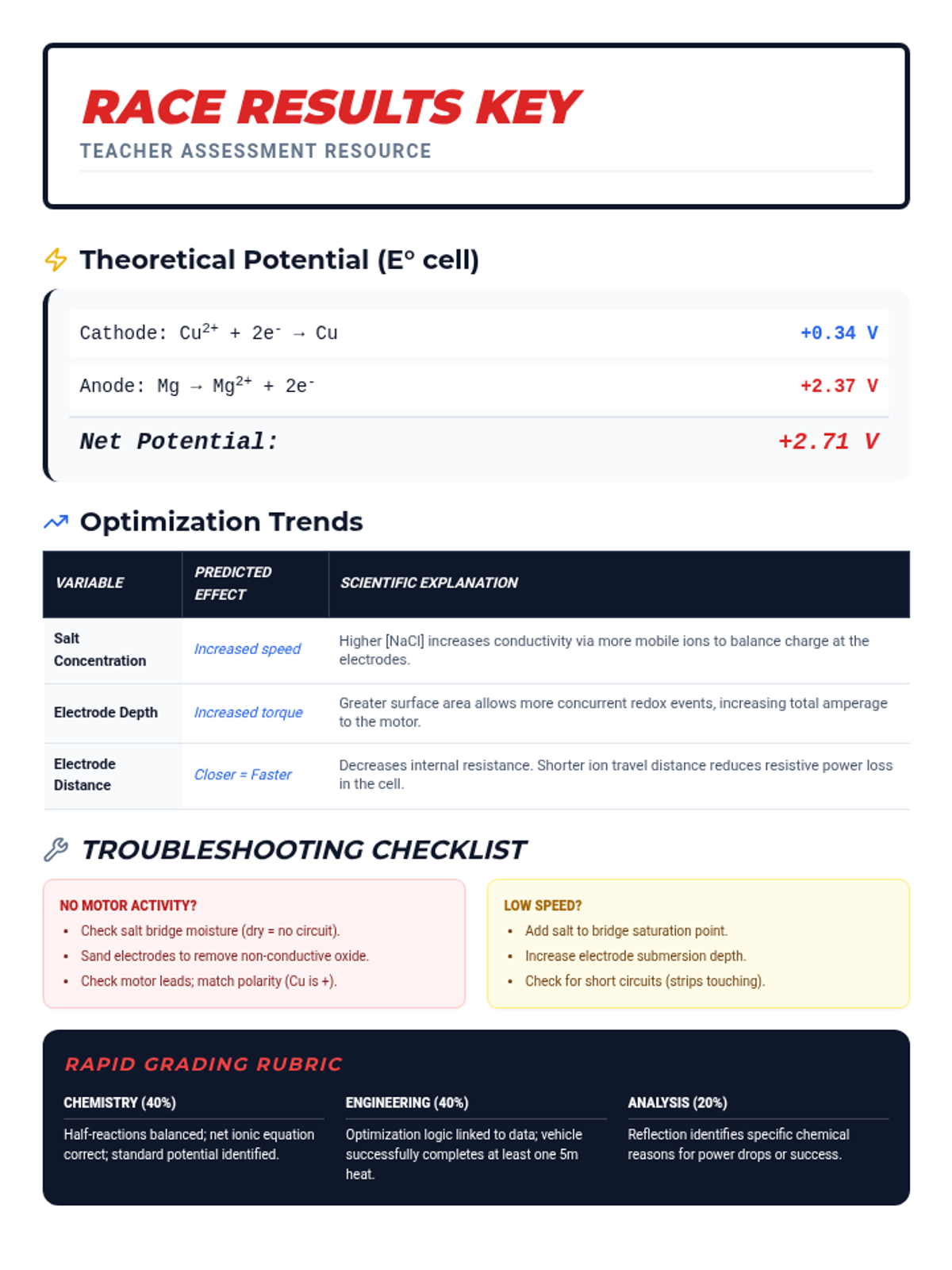
An 11th-grade chemistry engineering challenge where students design, build, and optimize salt-water powered vehicles to master redox reactions and circuit completion.
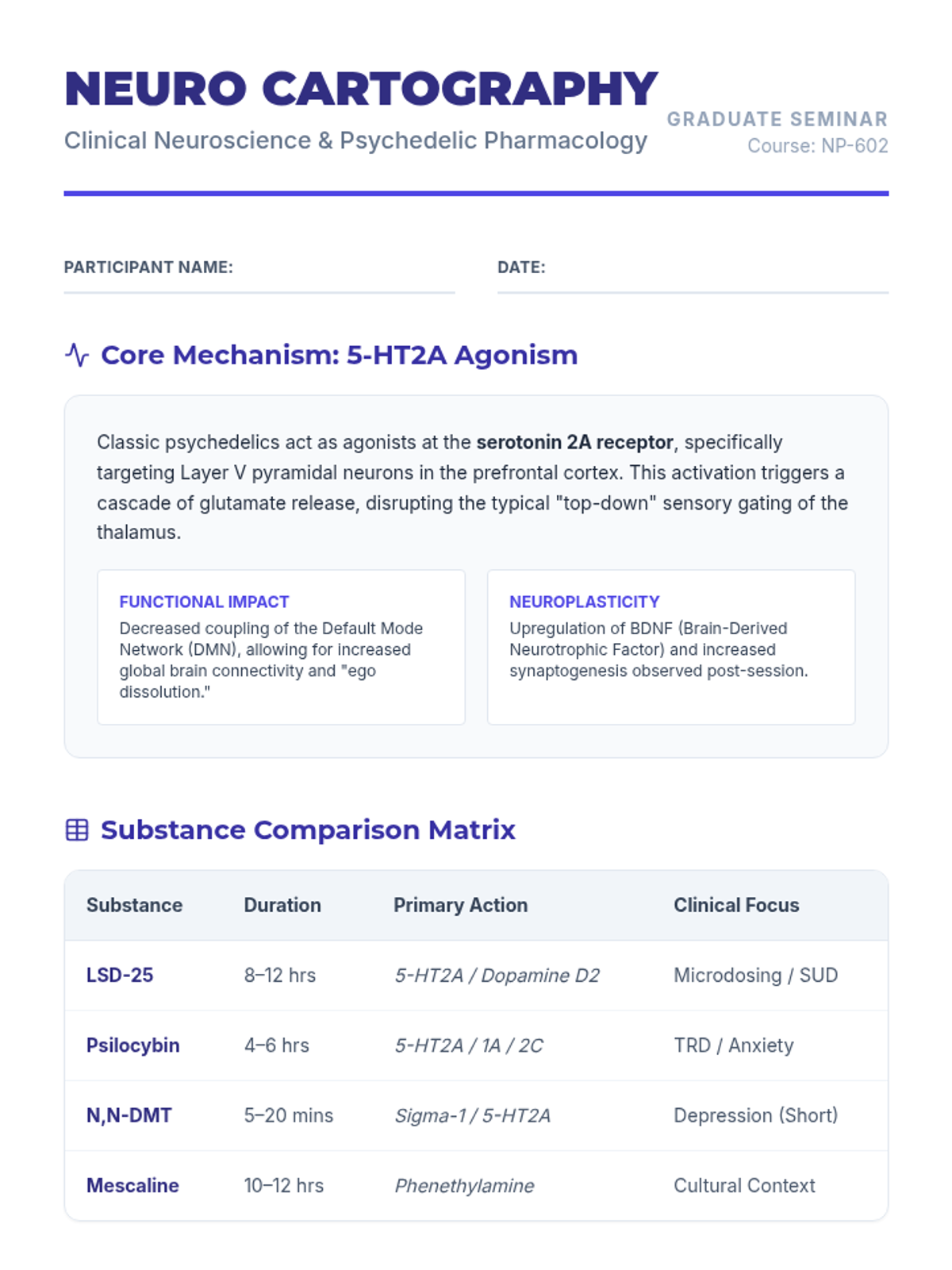
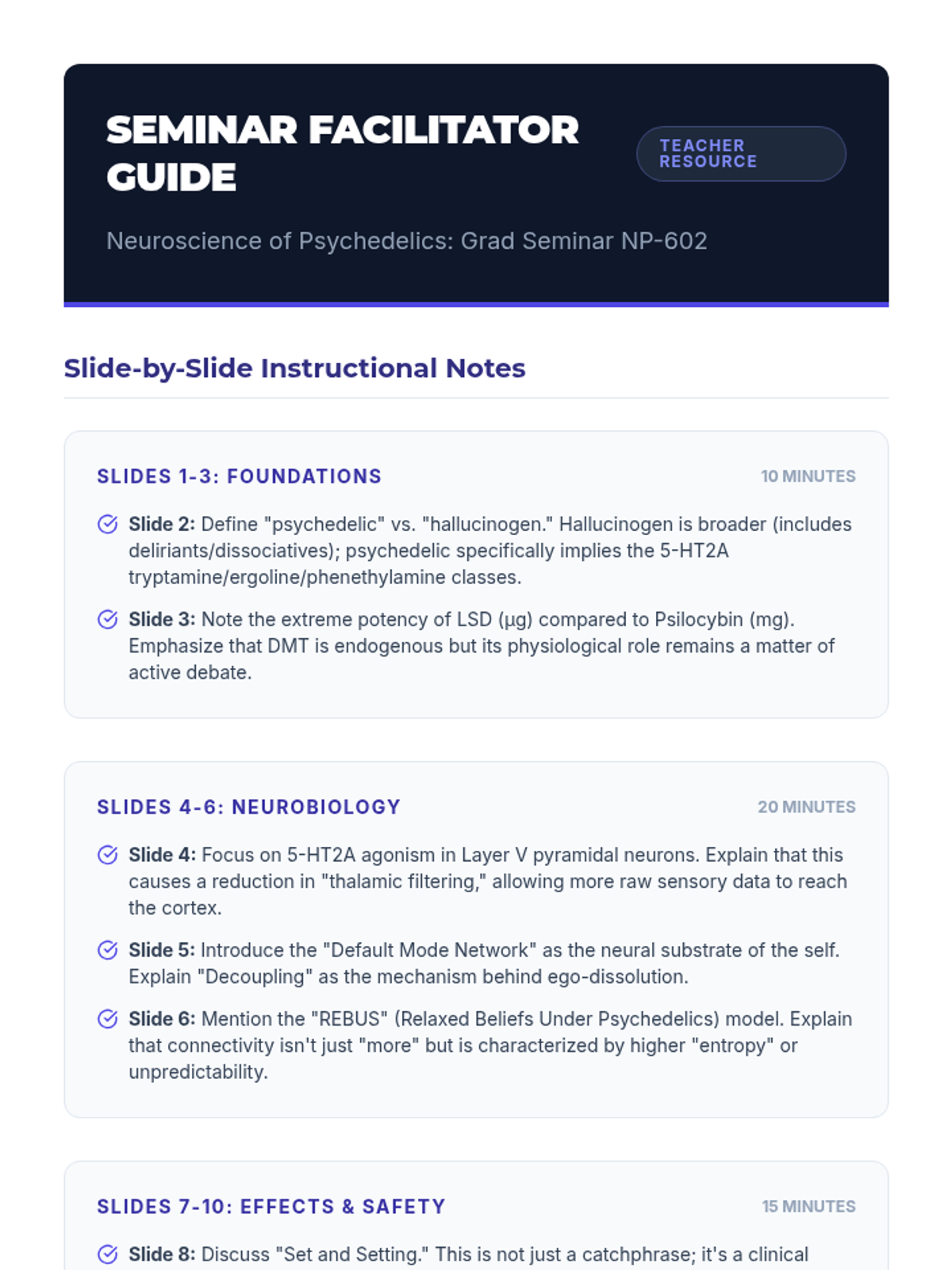
A comprehensive graduate-level presentation on the pharmacology, clinical applications, and sociological impact of psychedelic substances.
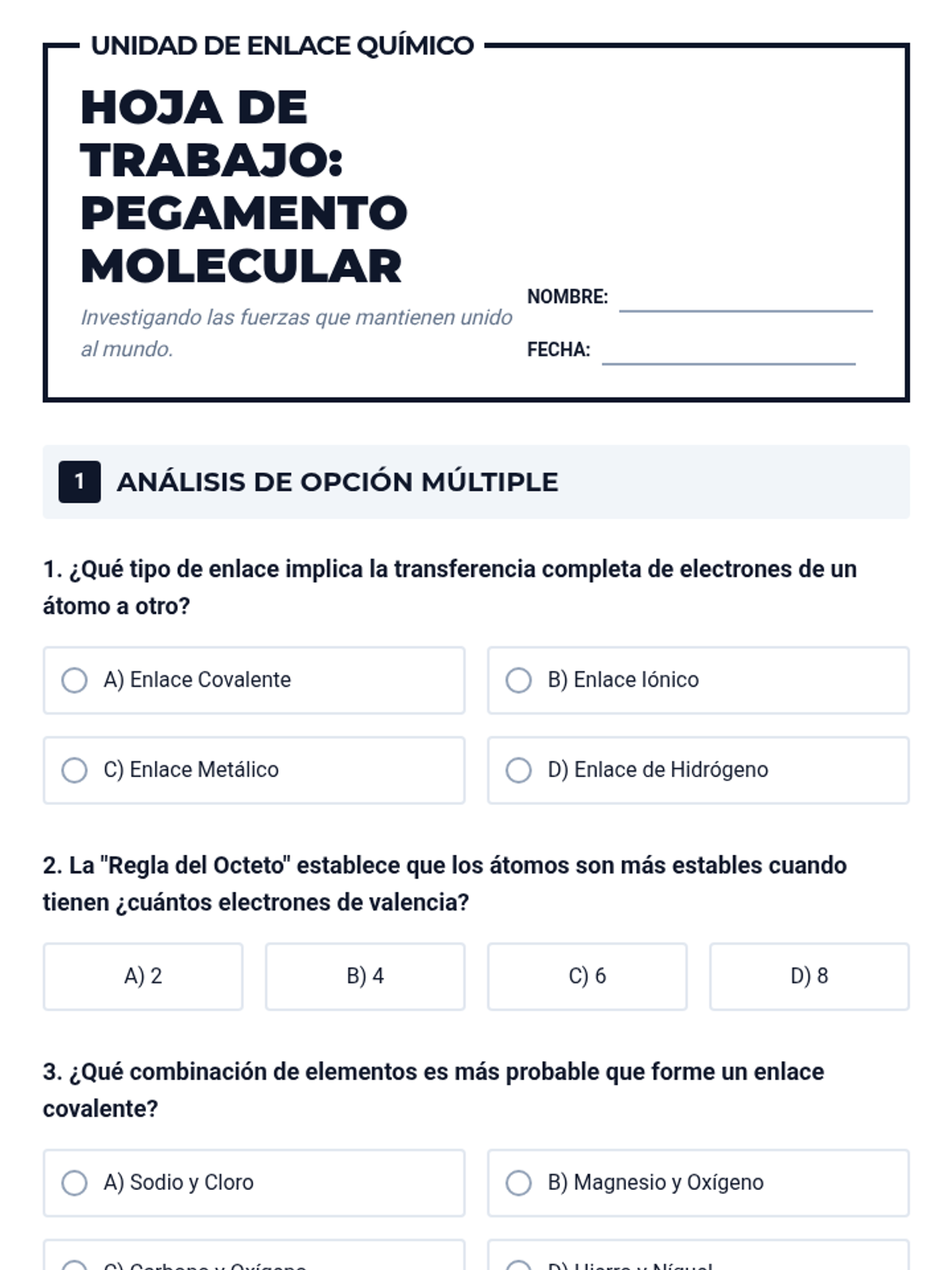
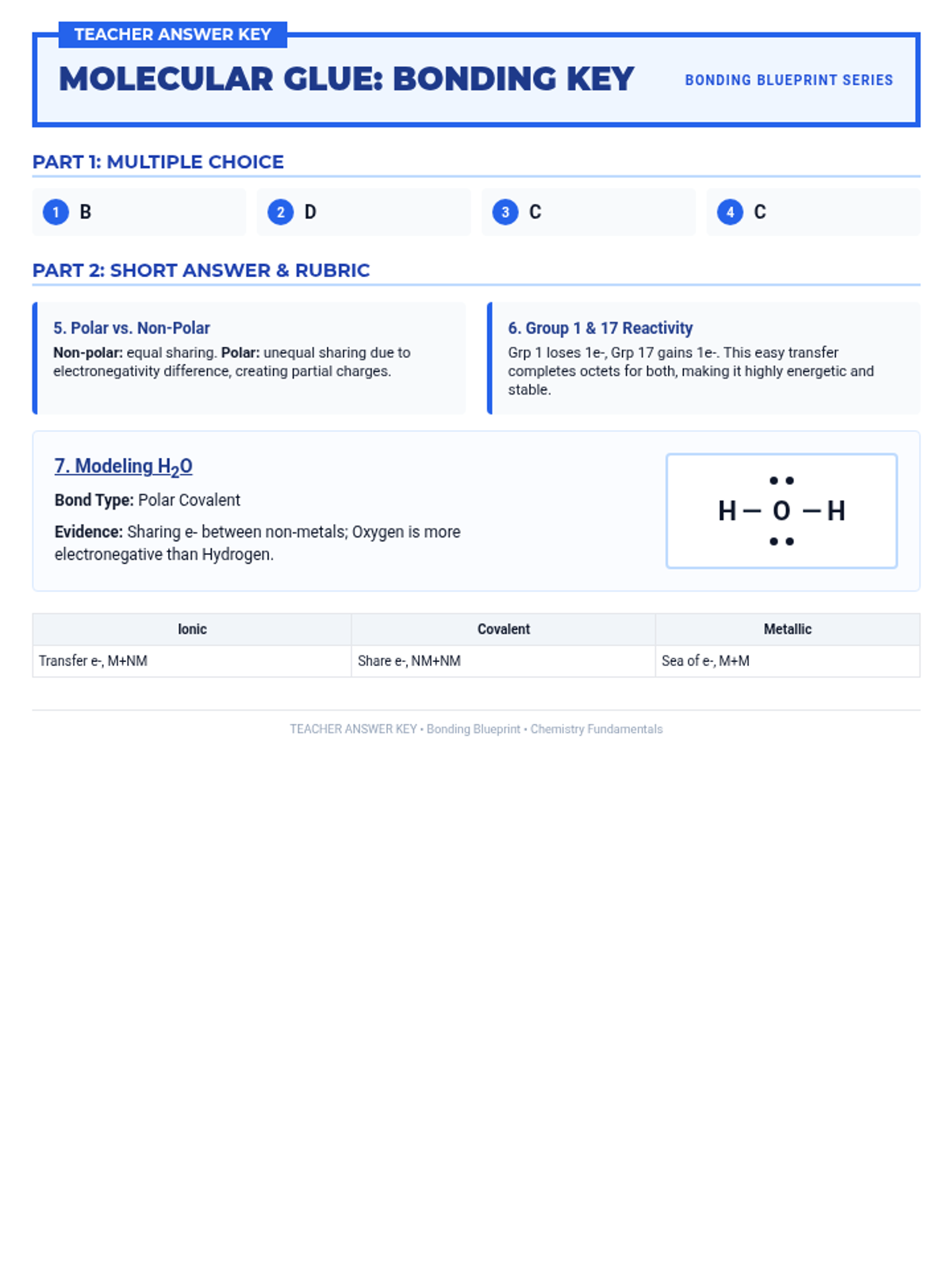
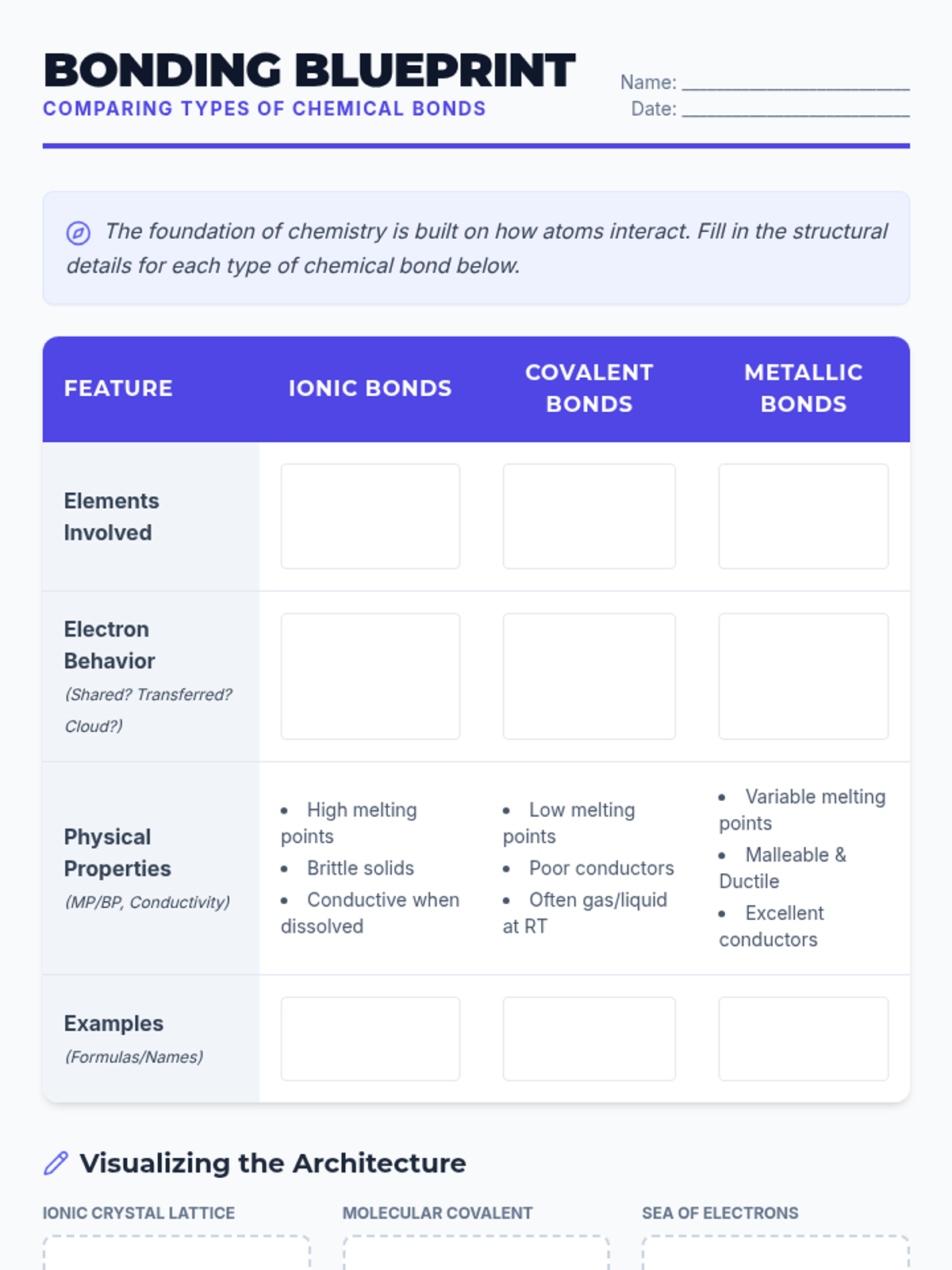
A comprehensive lesson on chemical bonding, covering ionic, covalent, and metallic bonds, electron transfer/sharing, and Lewis Dot Structures.
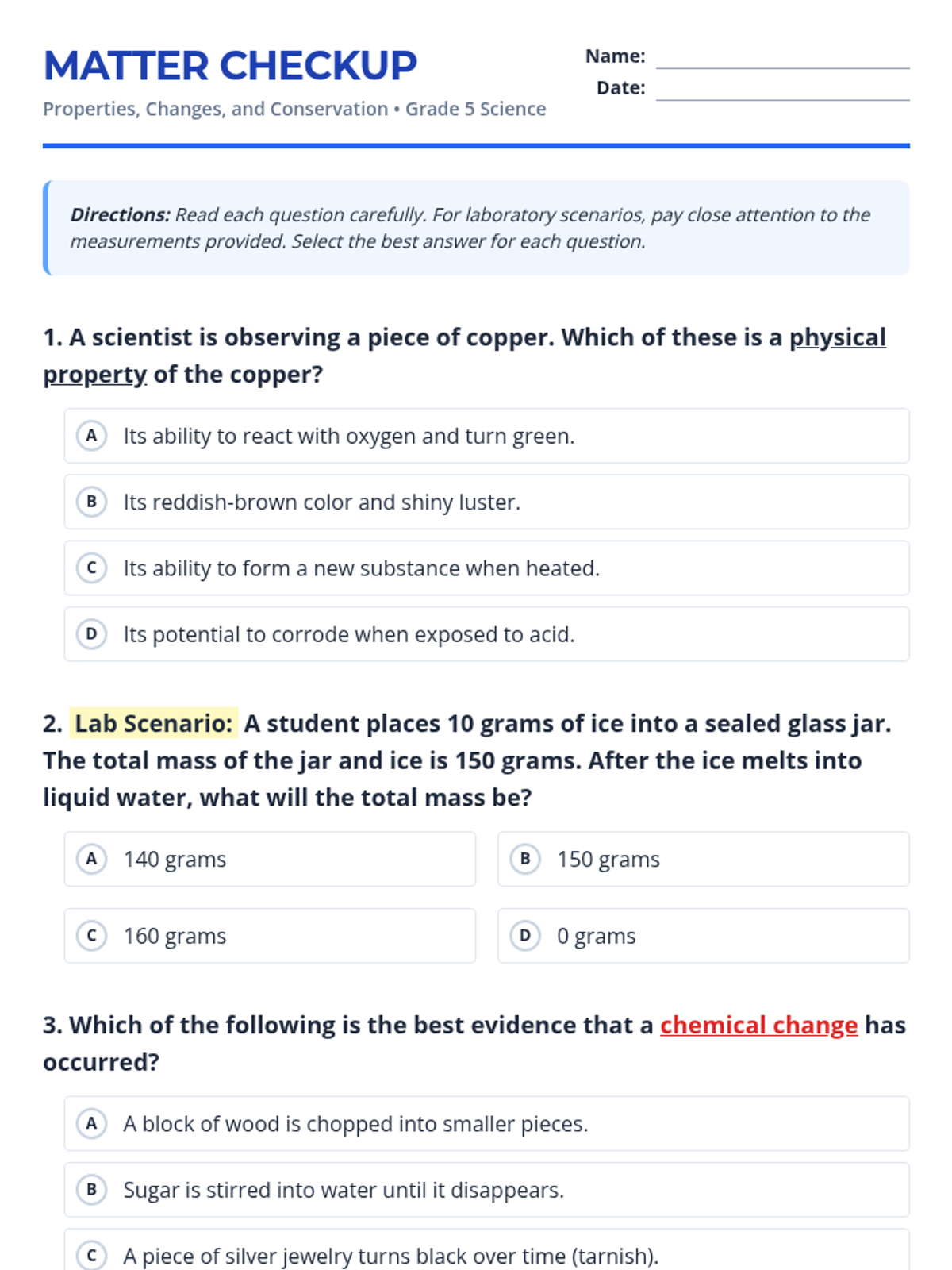
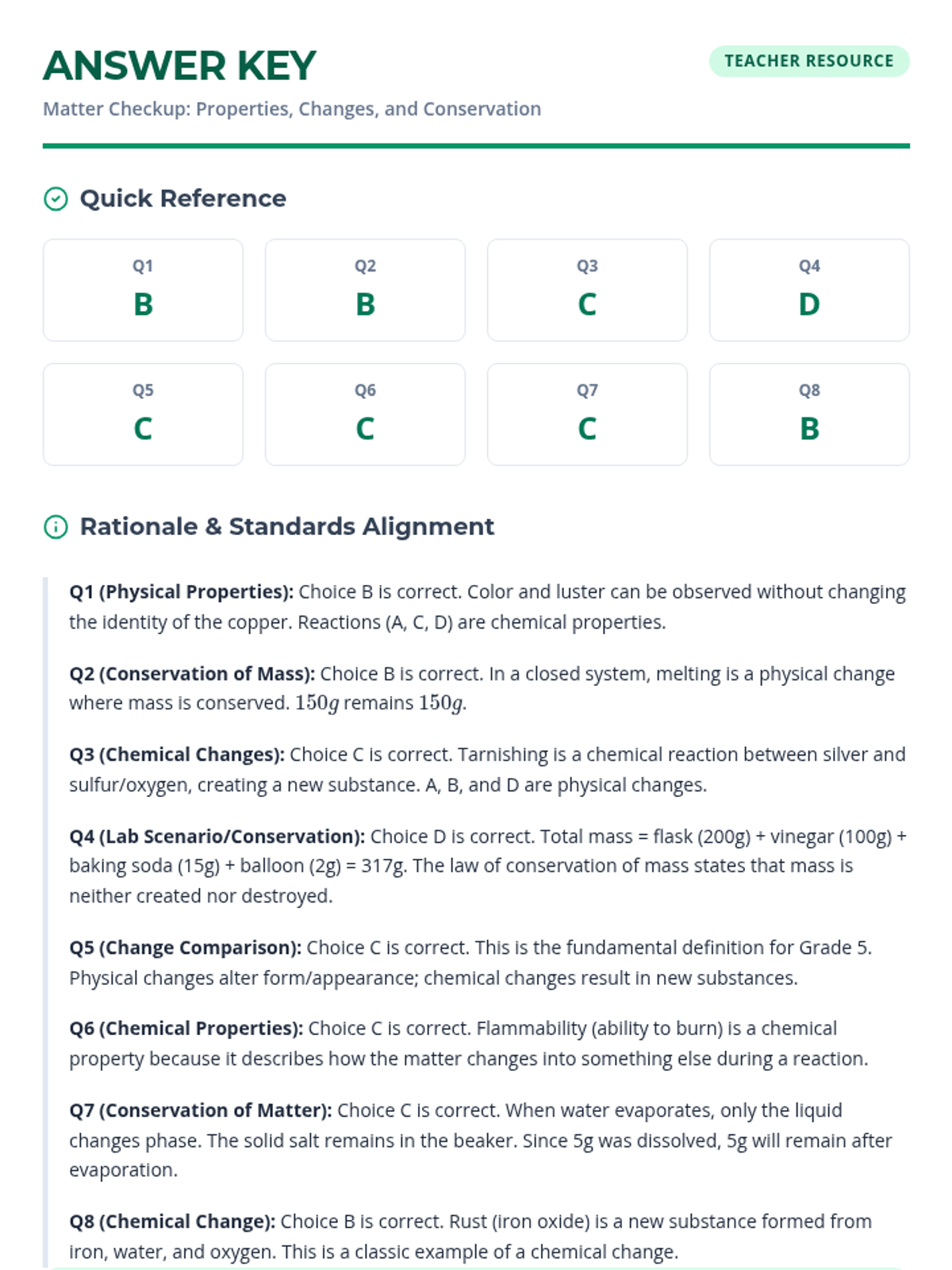
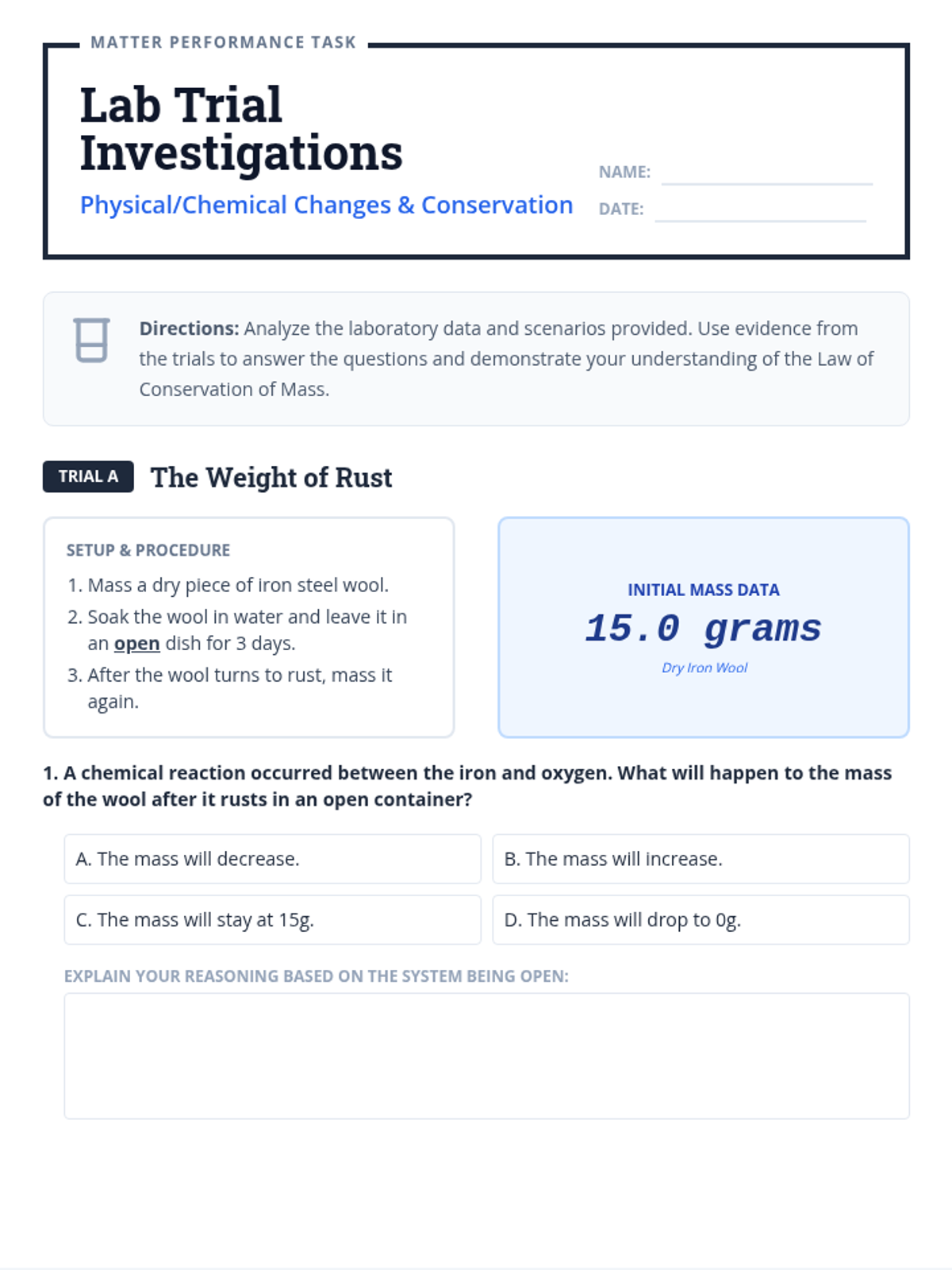
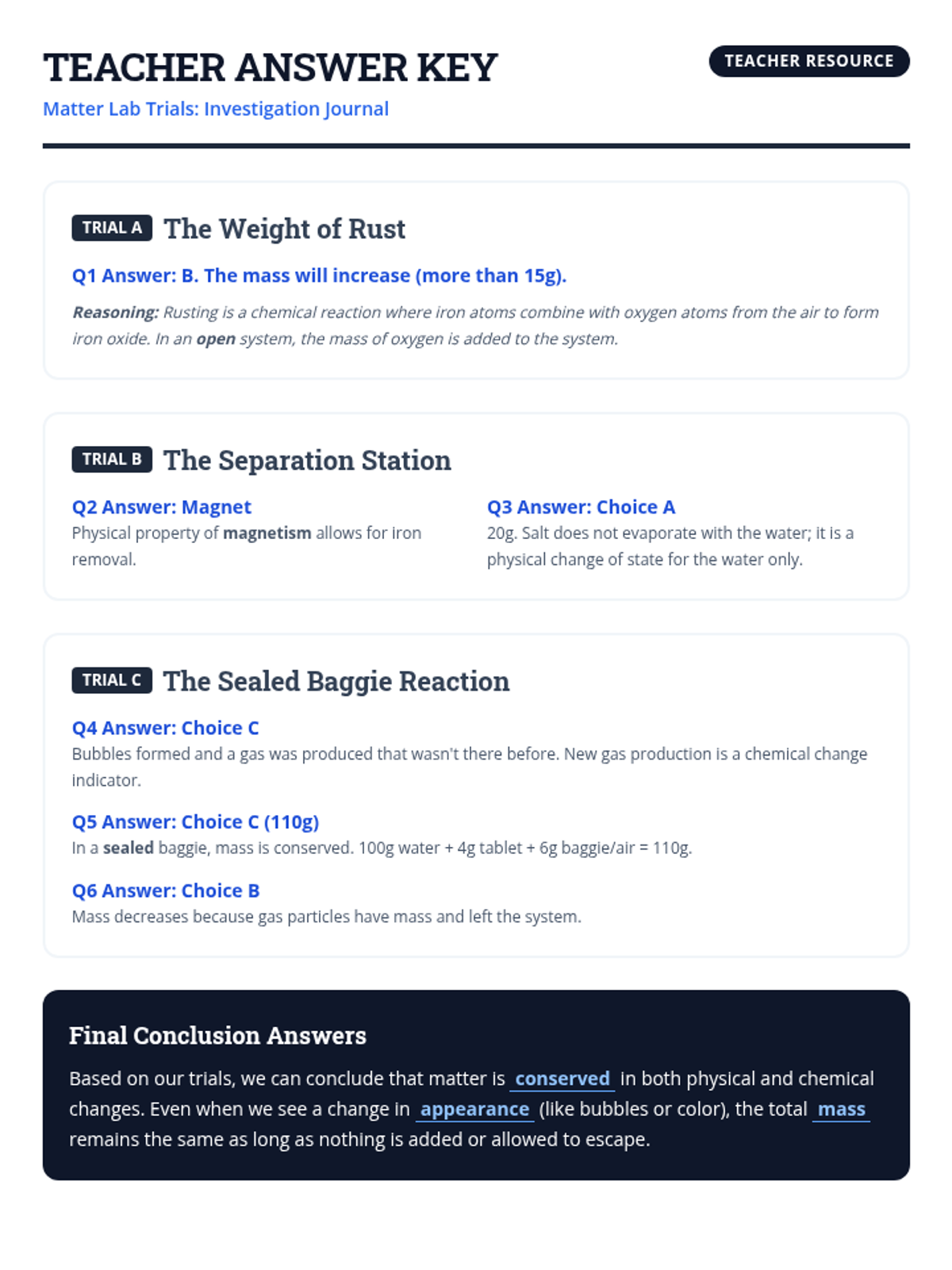
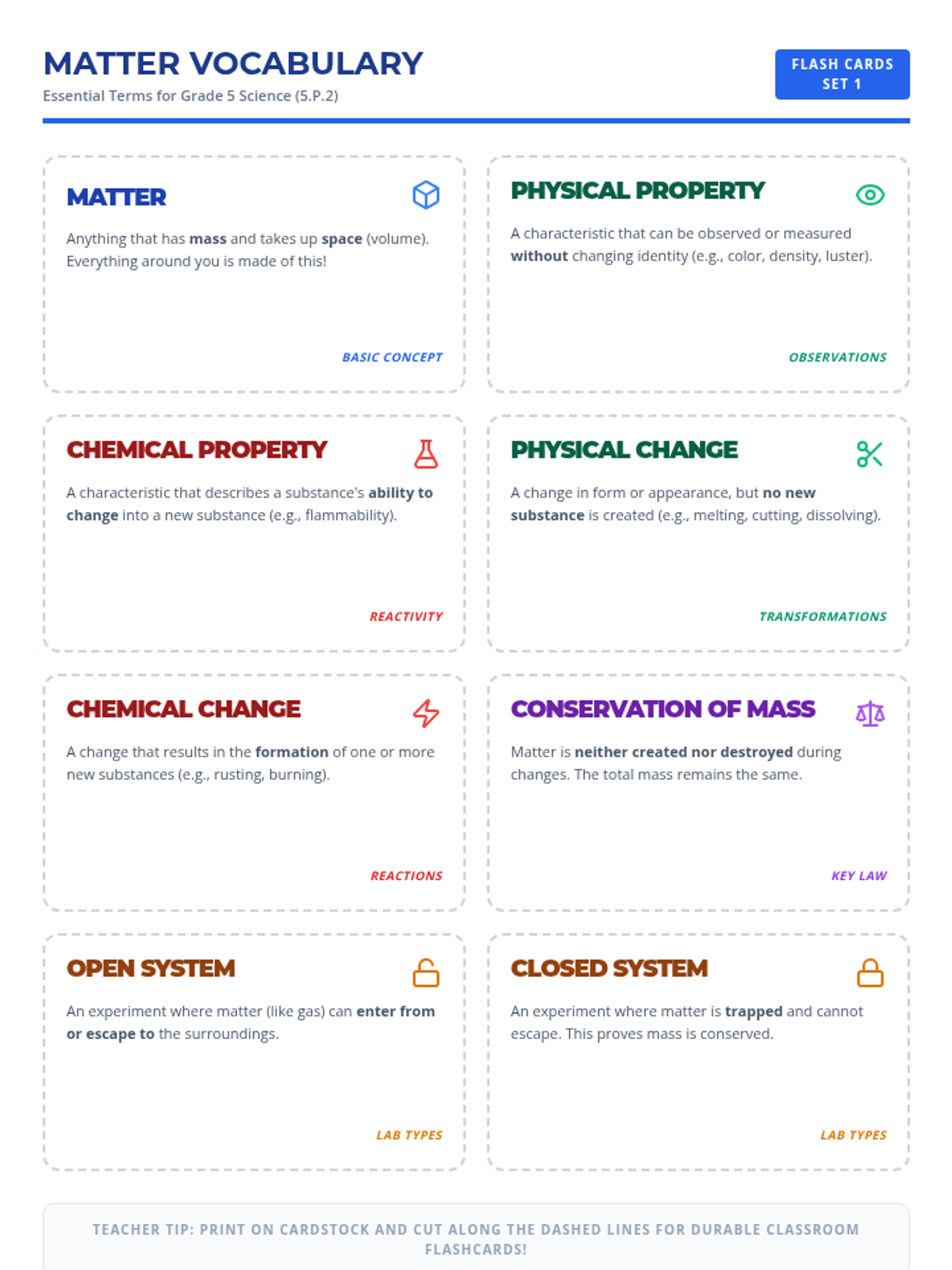
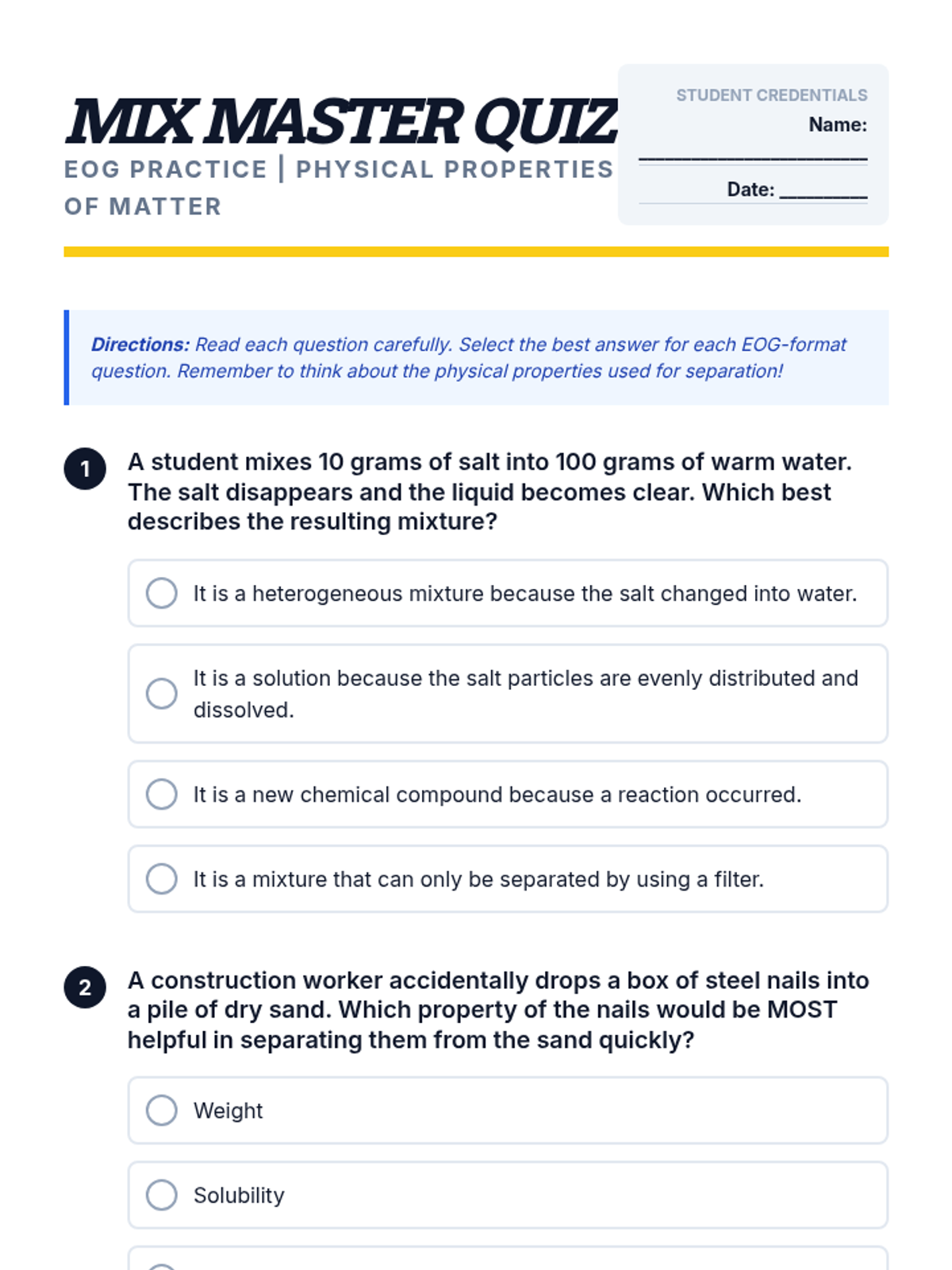
A diagnostic assessment covering NC Grade 5 Science standard 5.P.2, focusing on physical and chemical properties, changes, and the law of conservation of mass through lab-based scenarios.
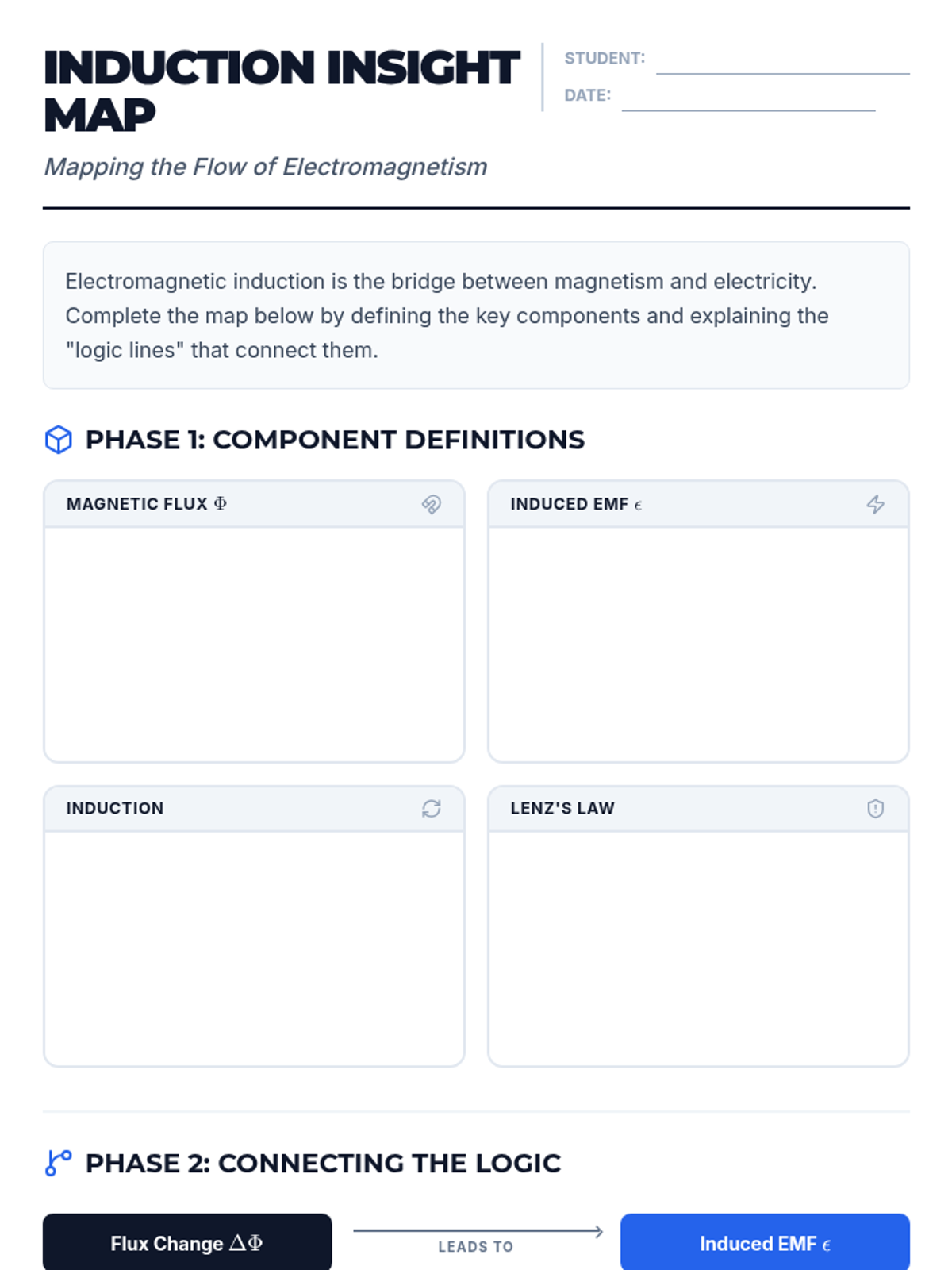
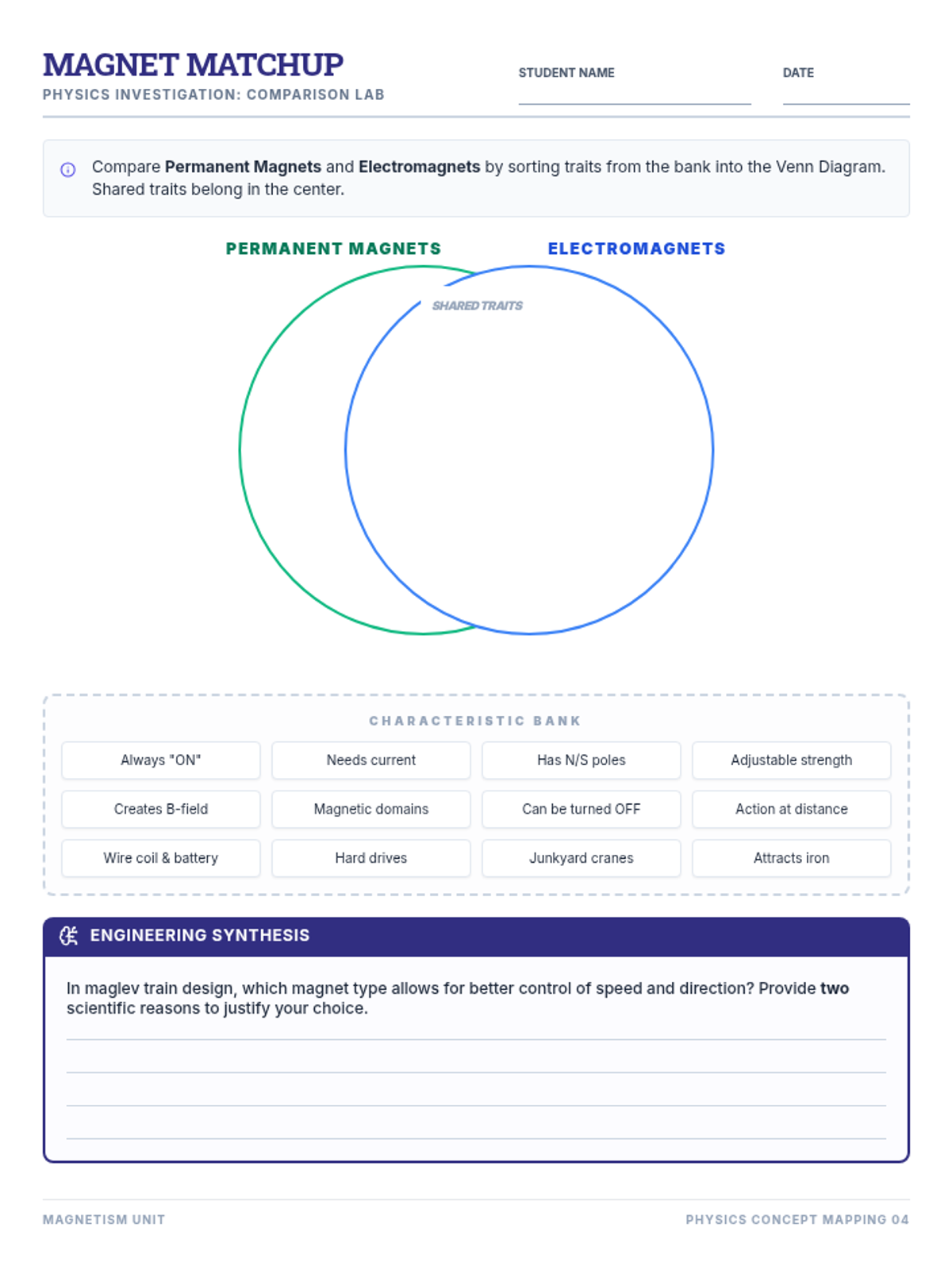
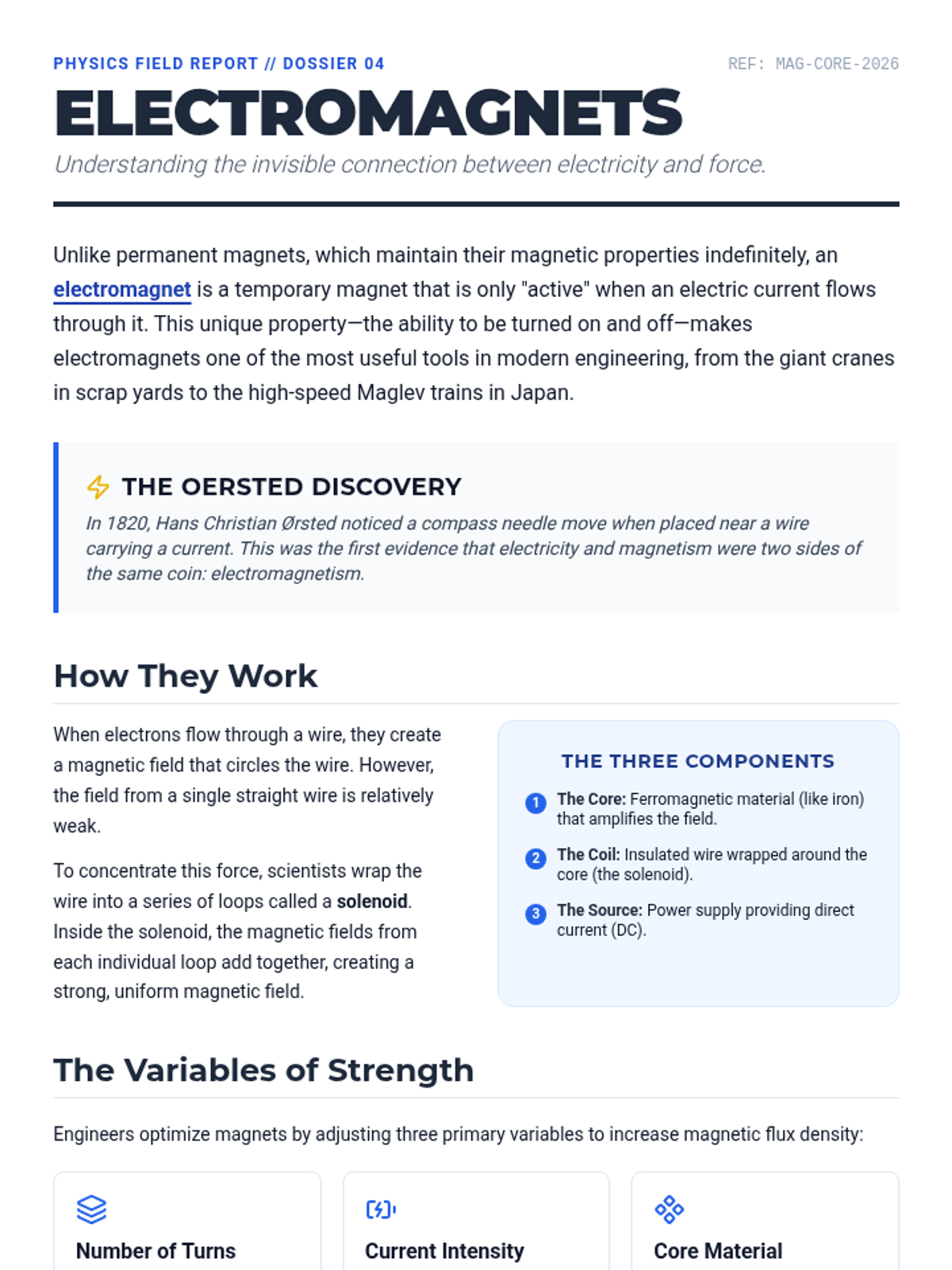
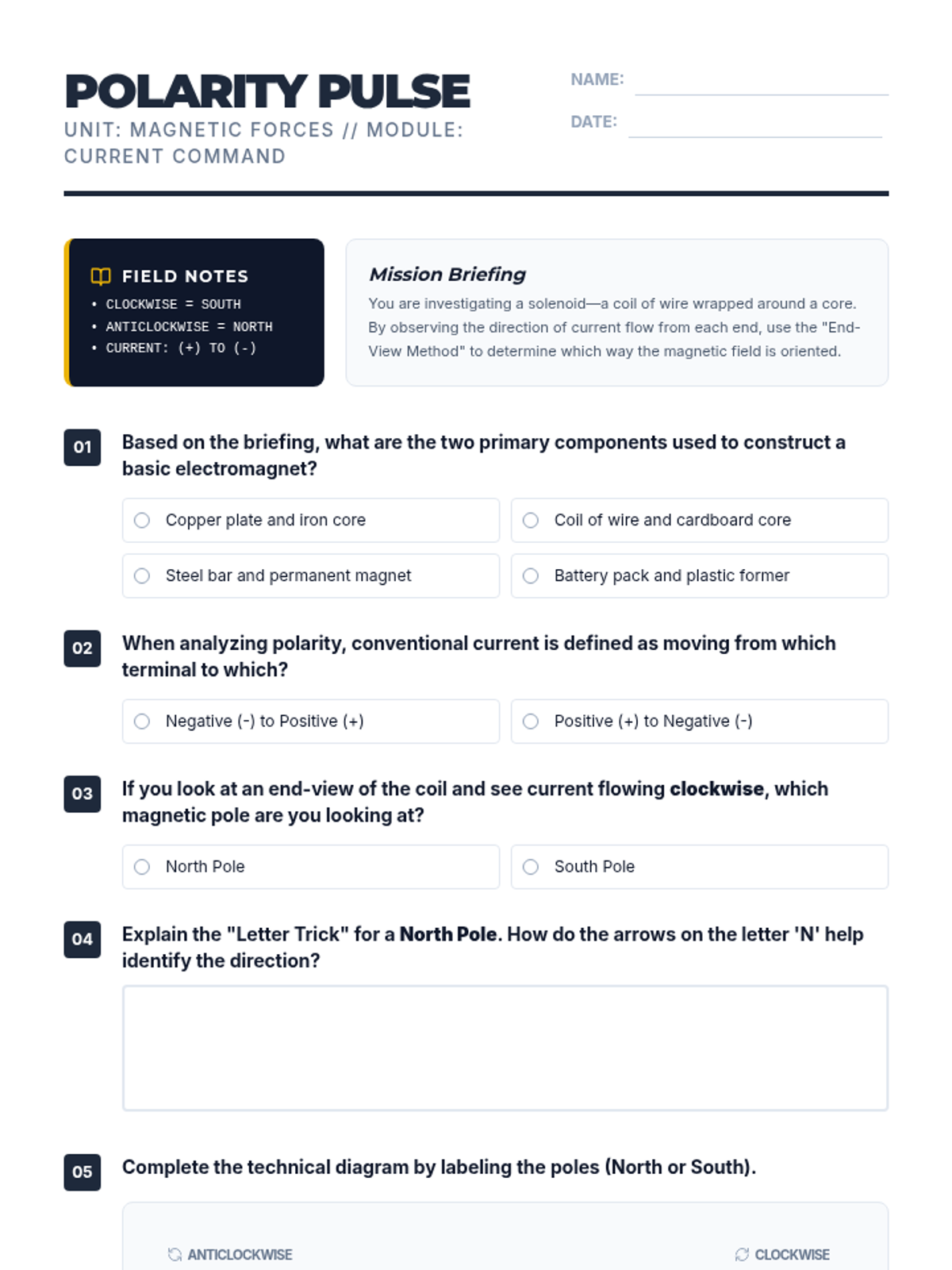
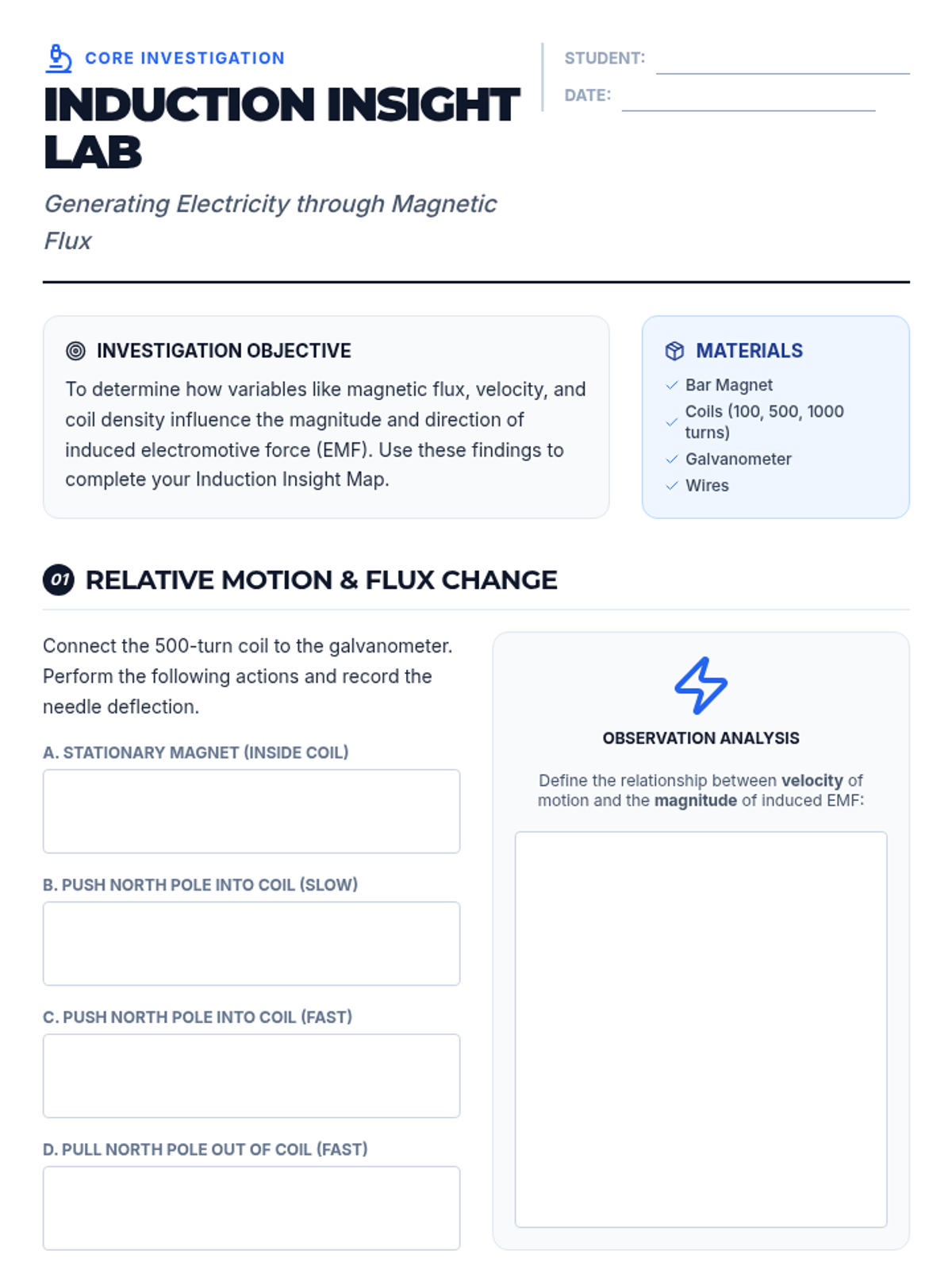
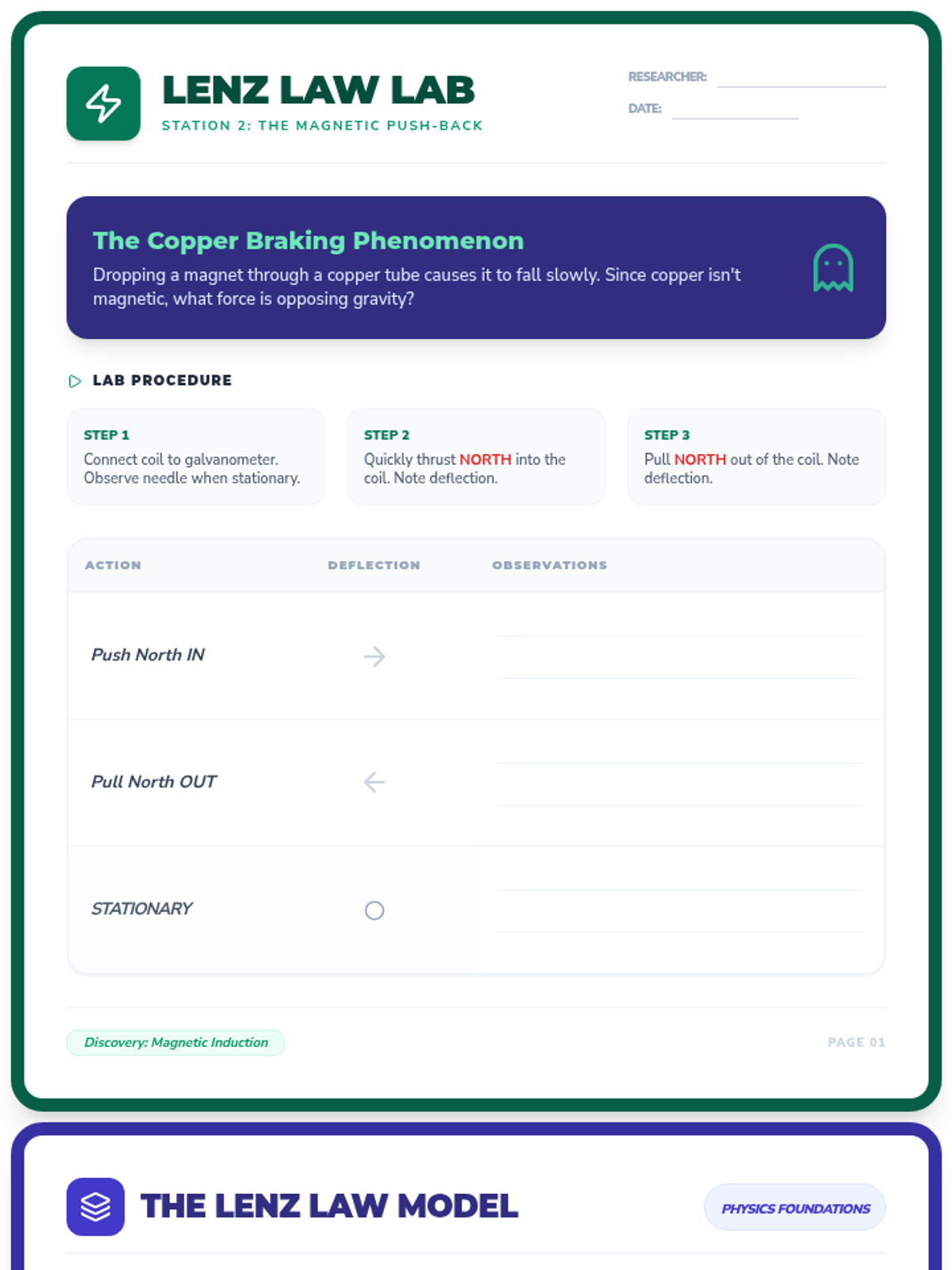
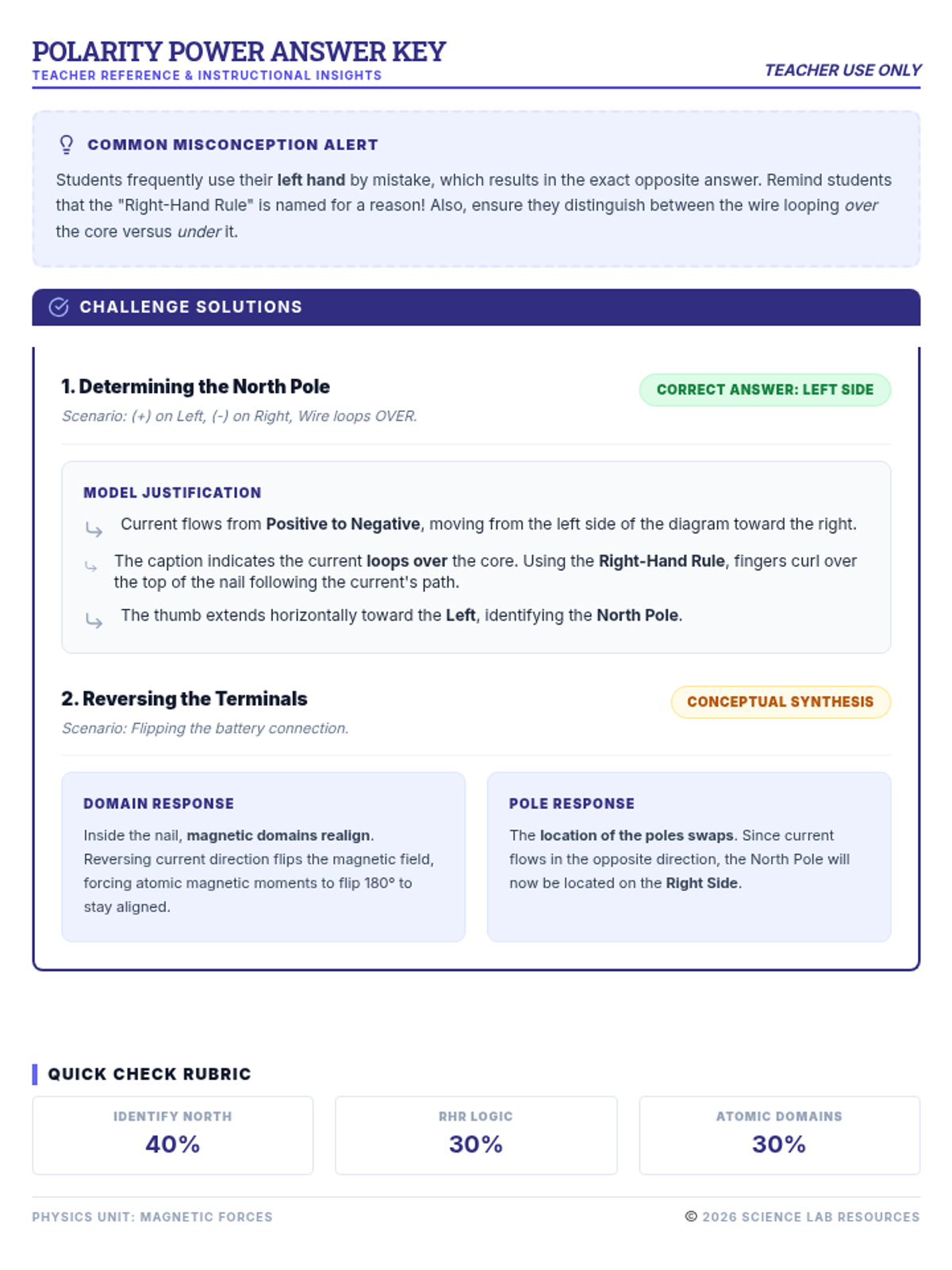
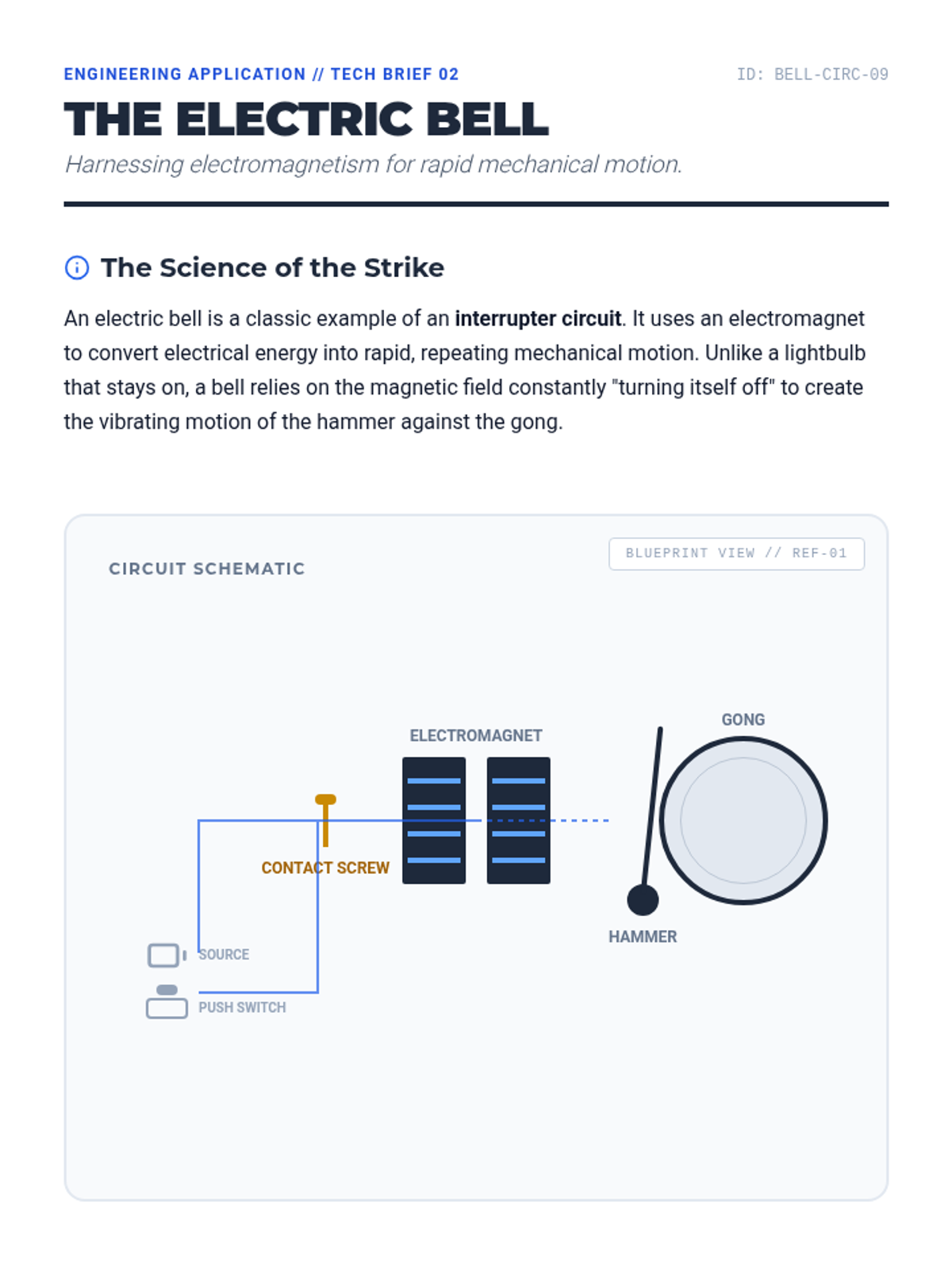
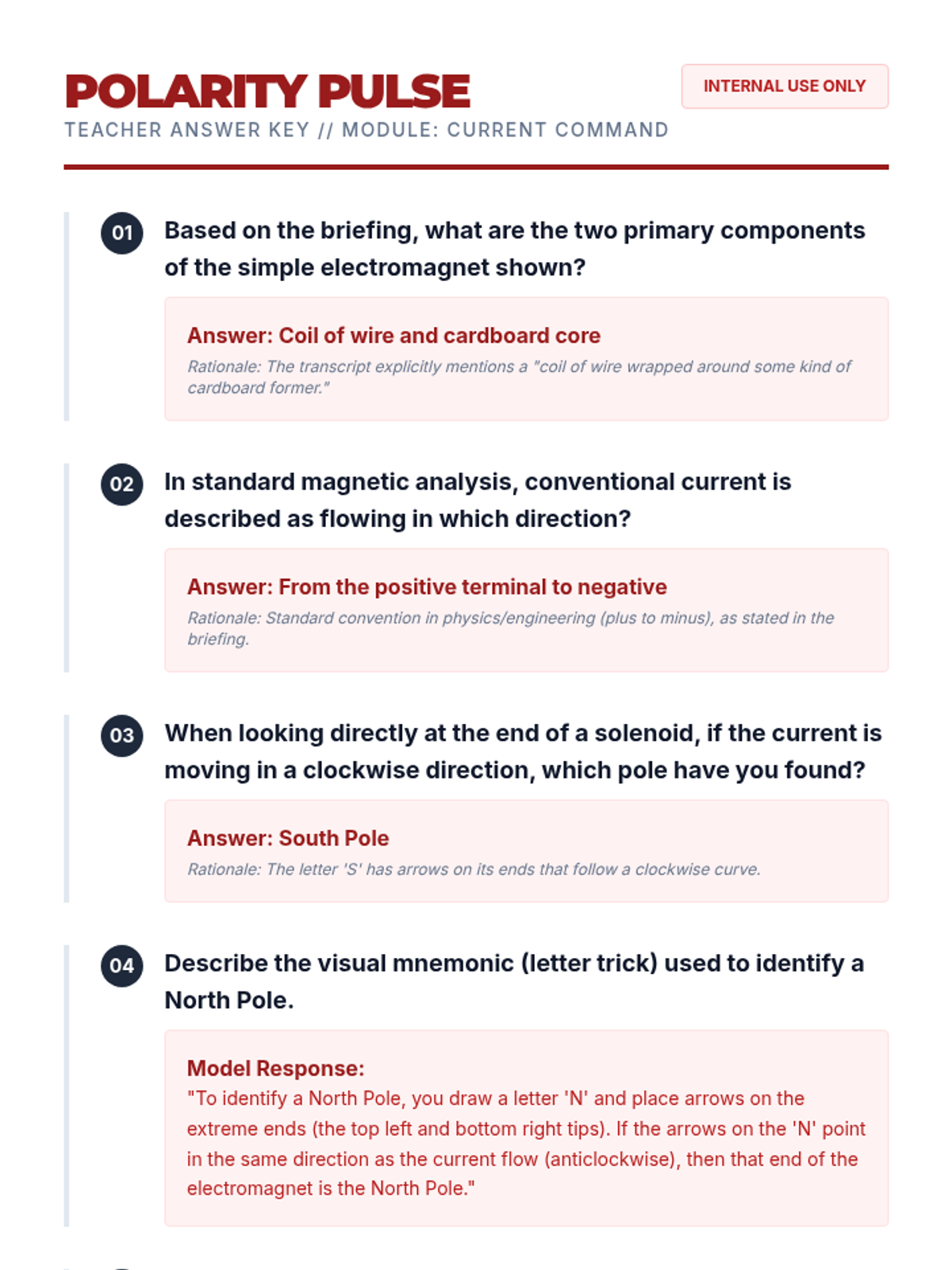
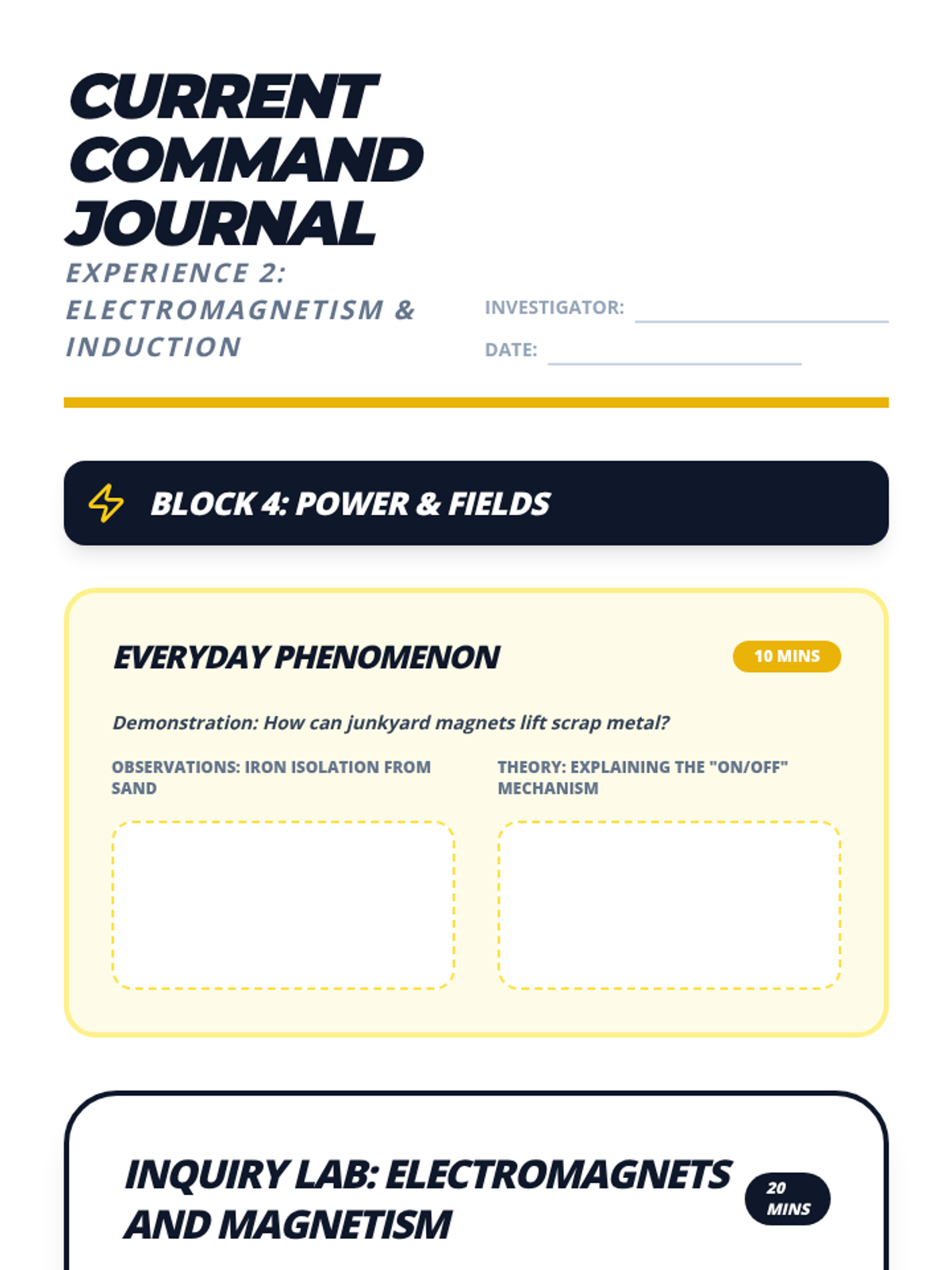
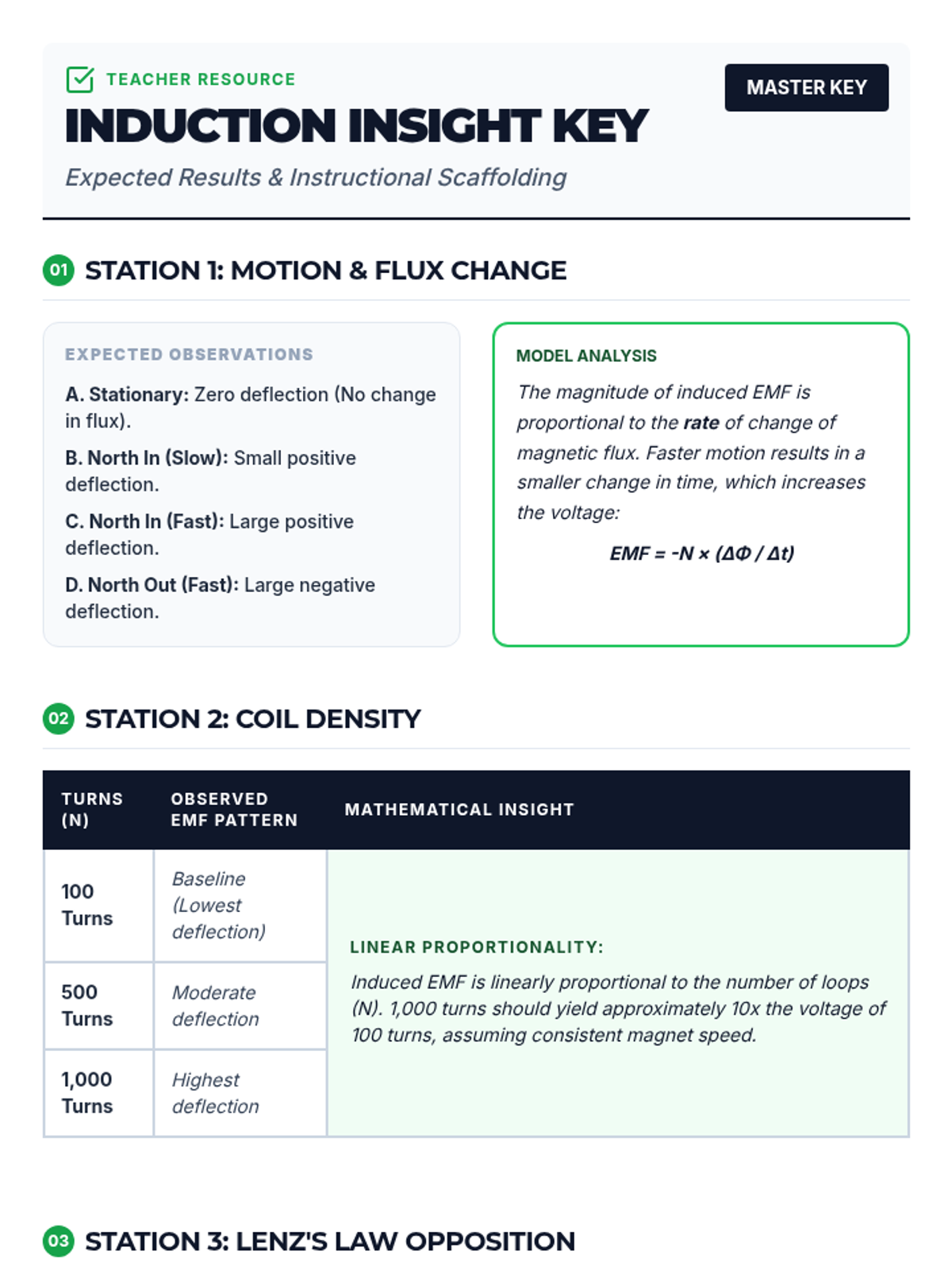
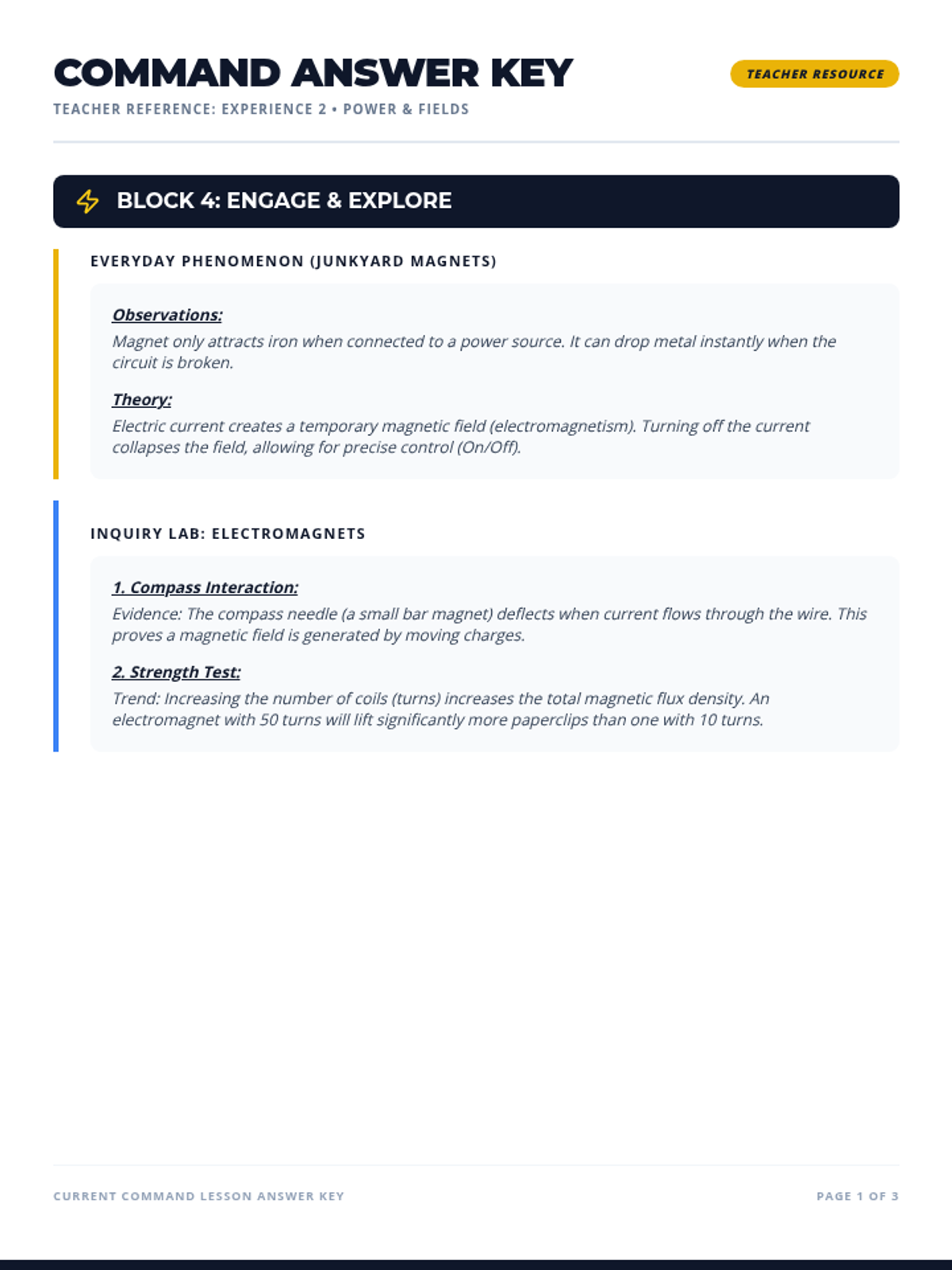
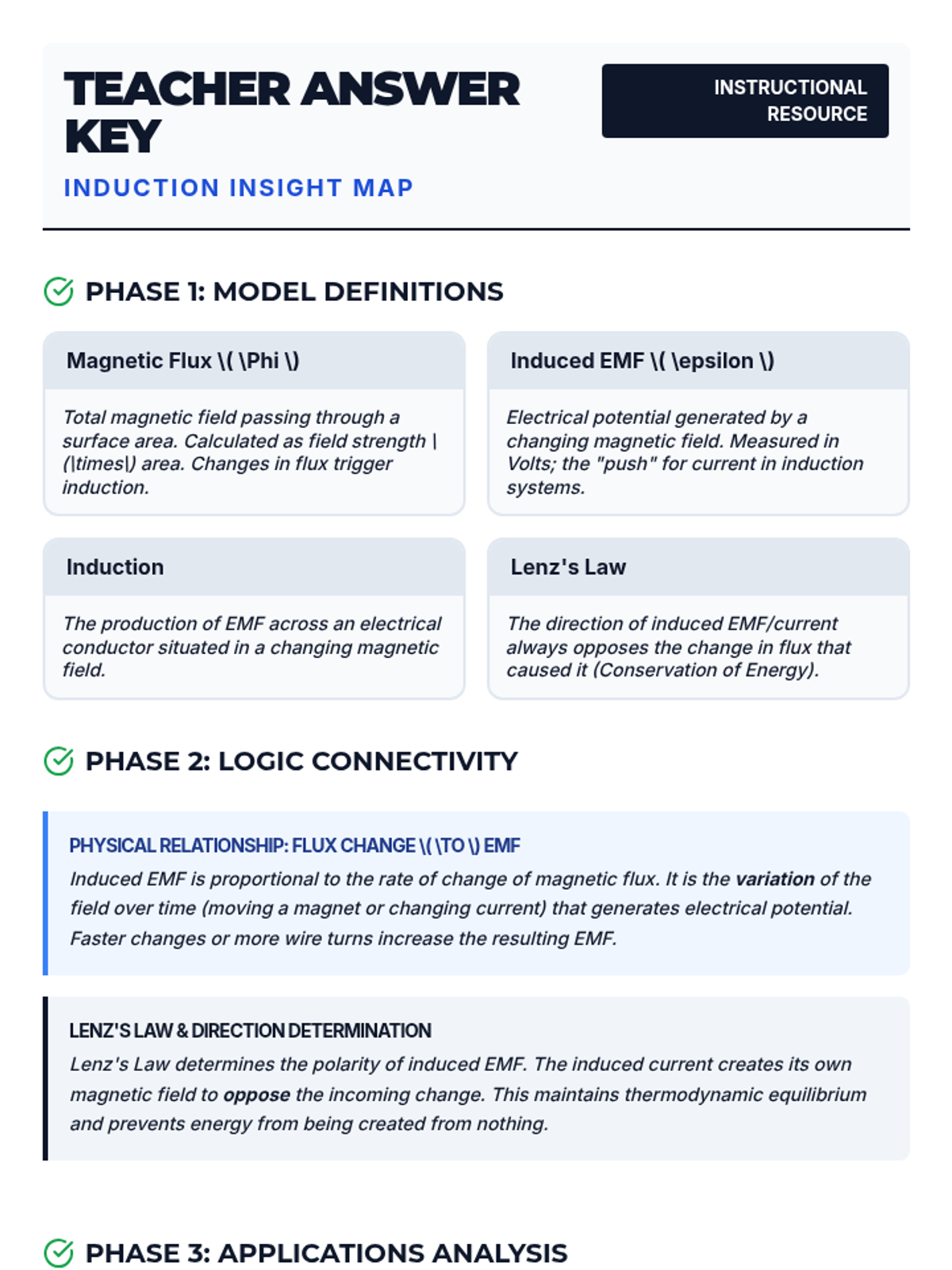
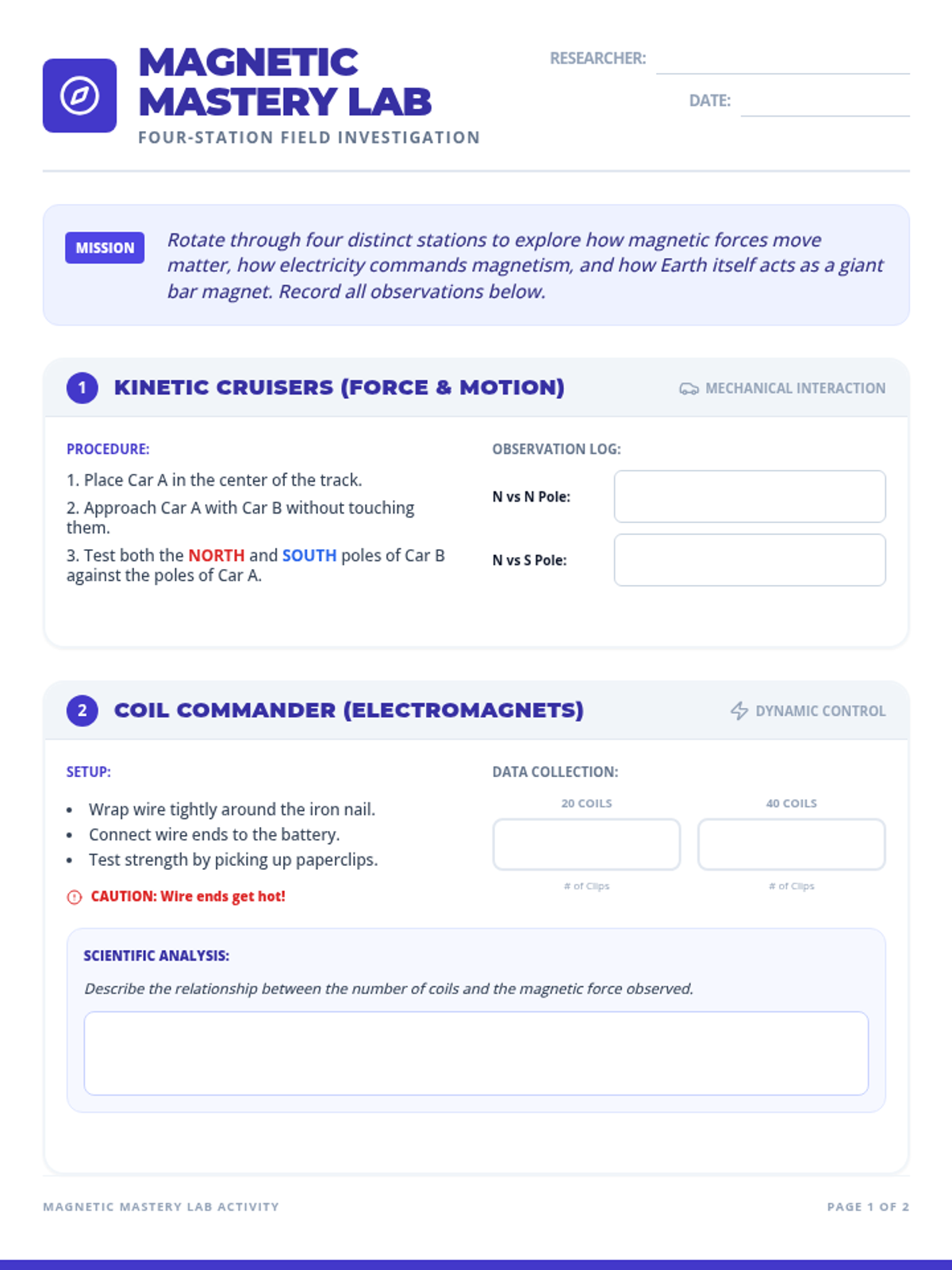
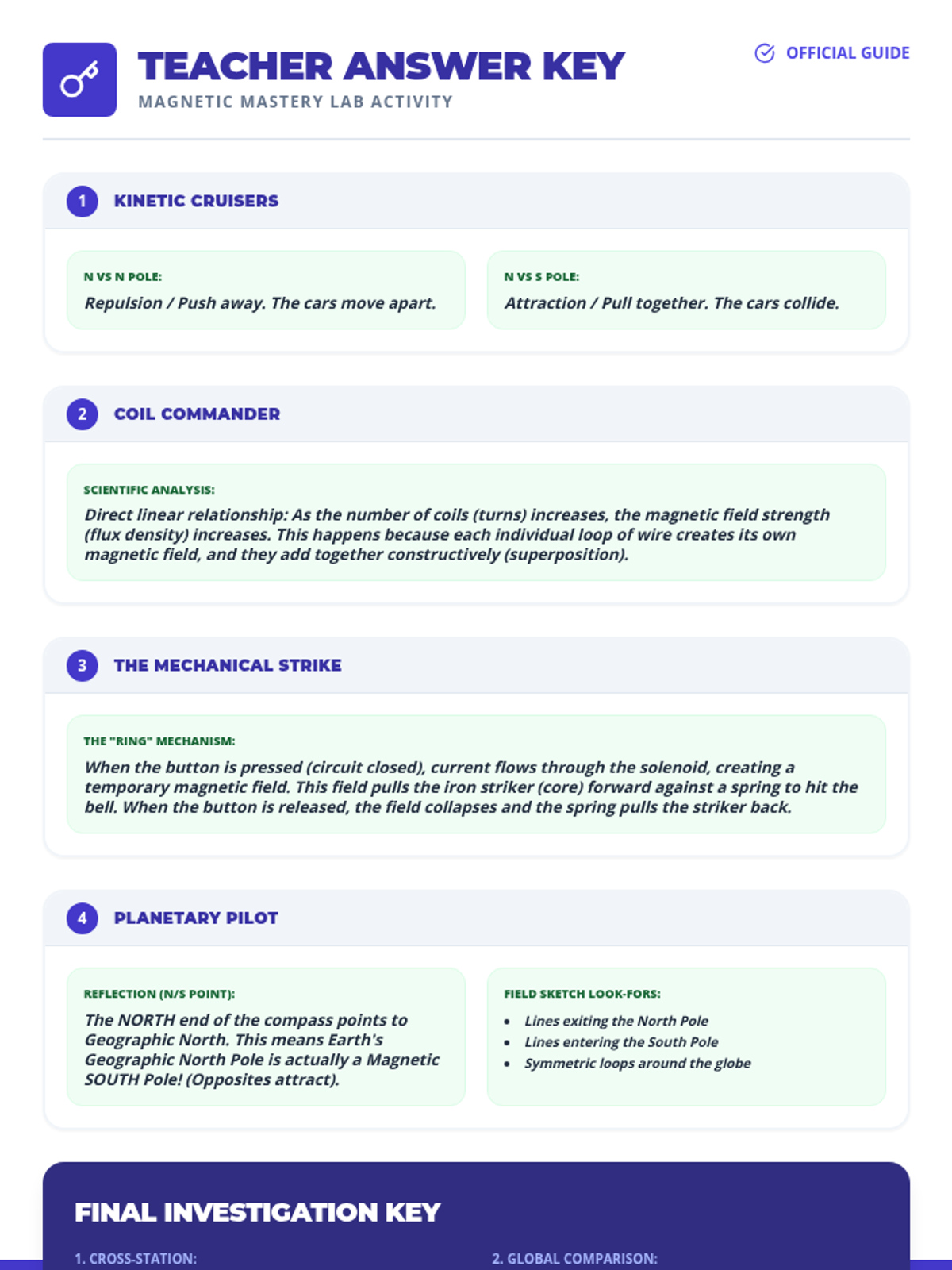
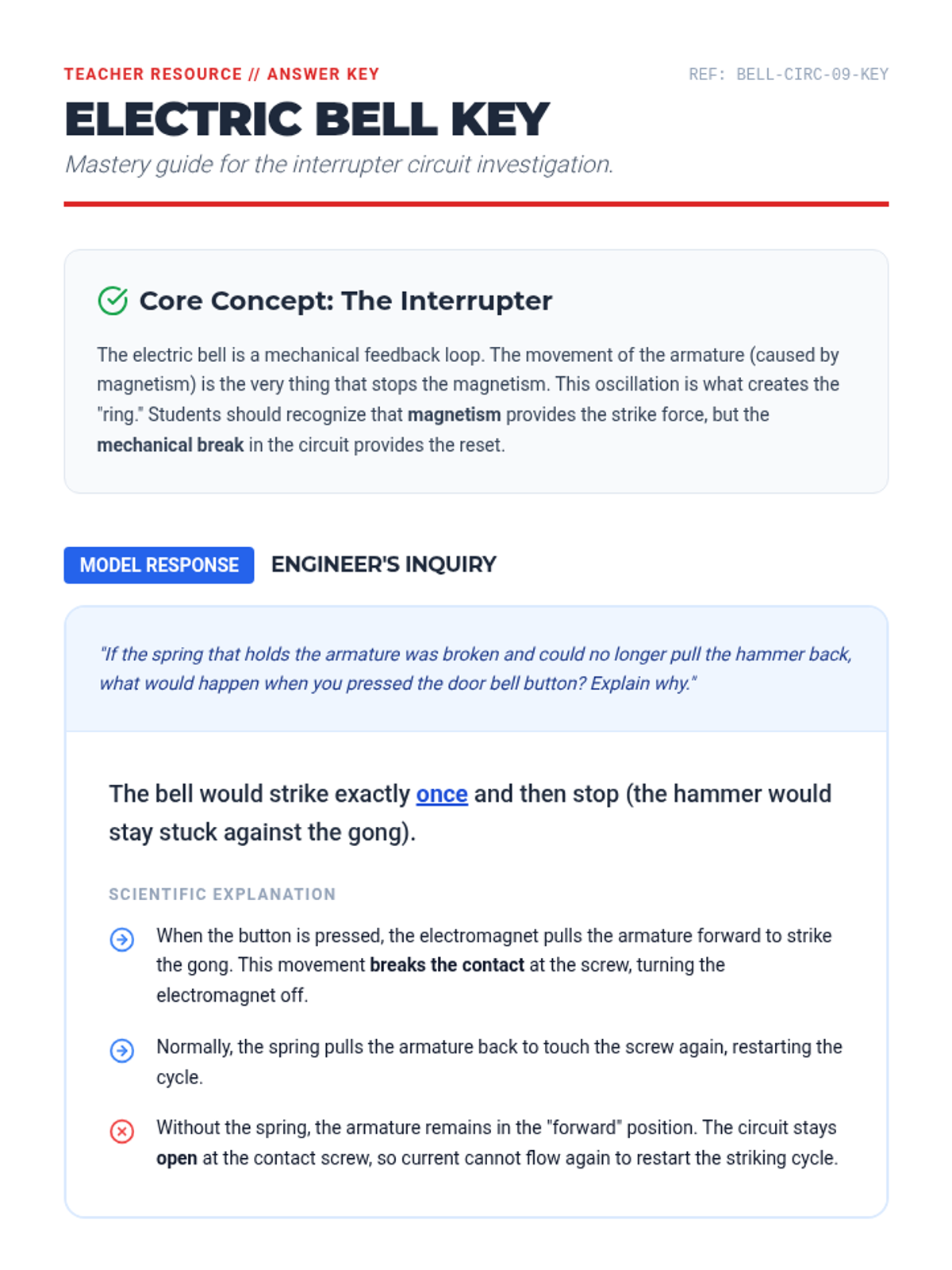
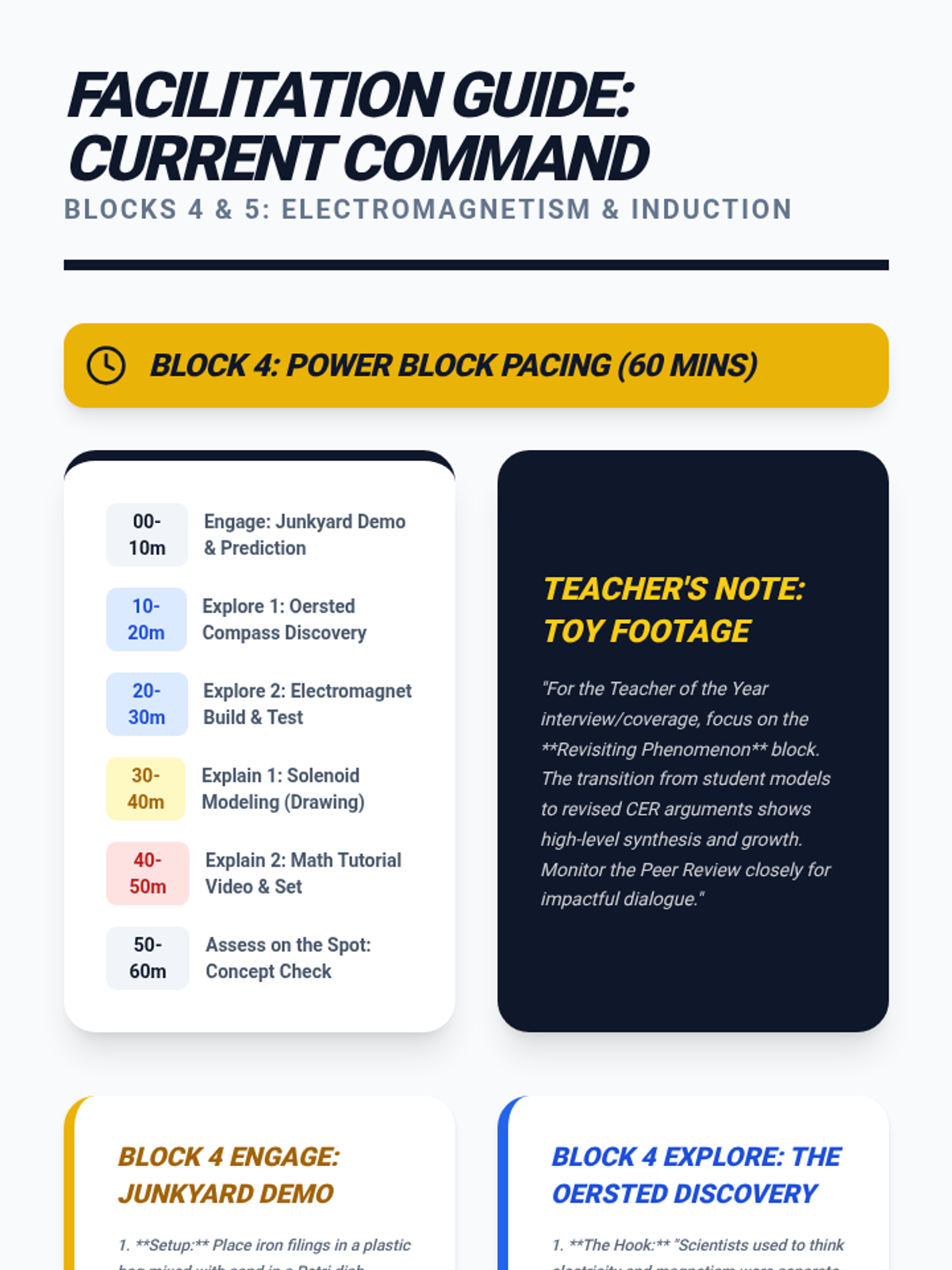
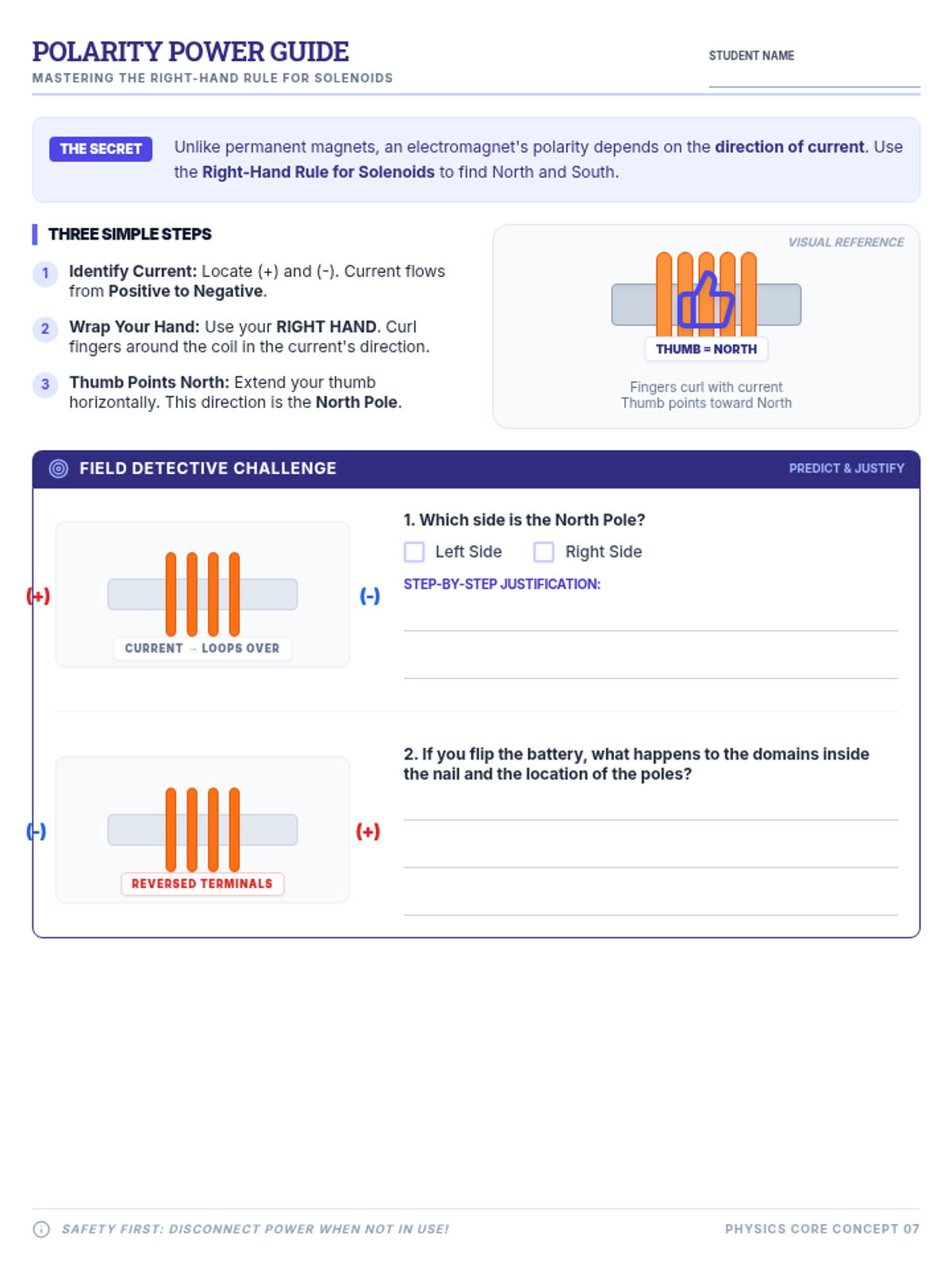
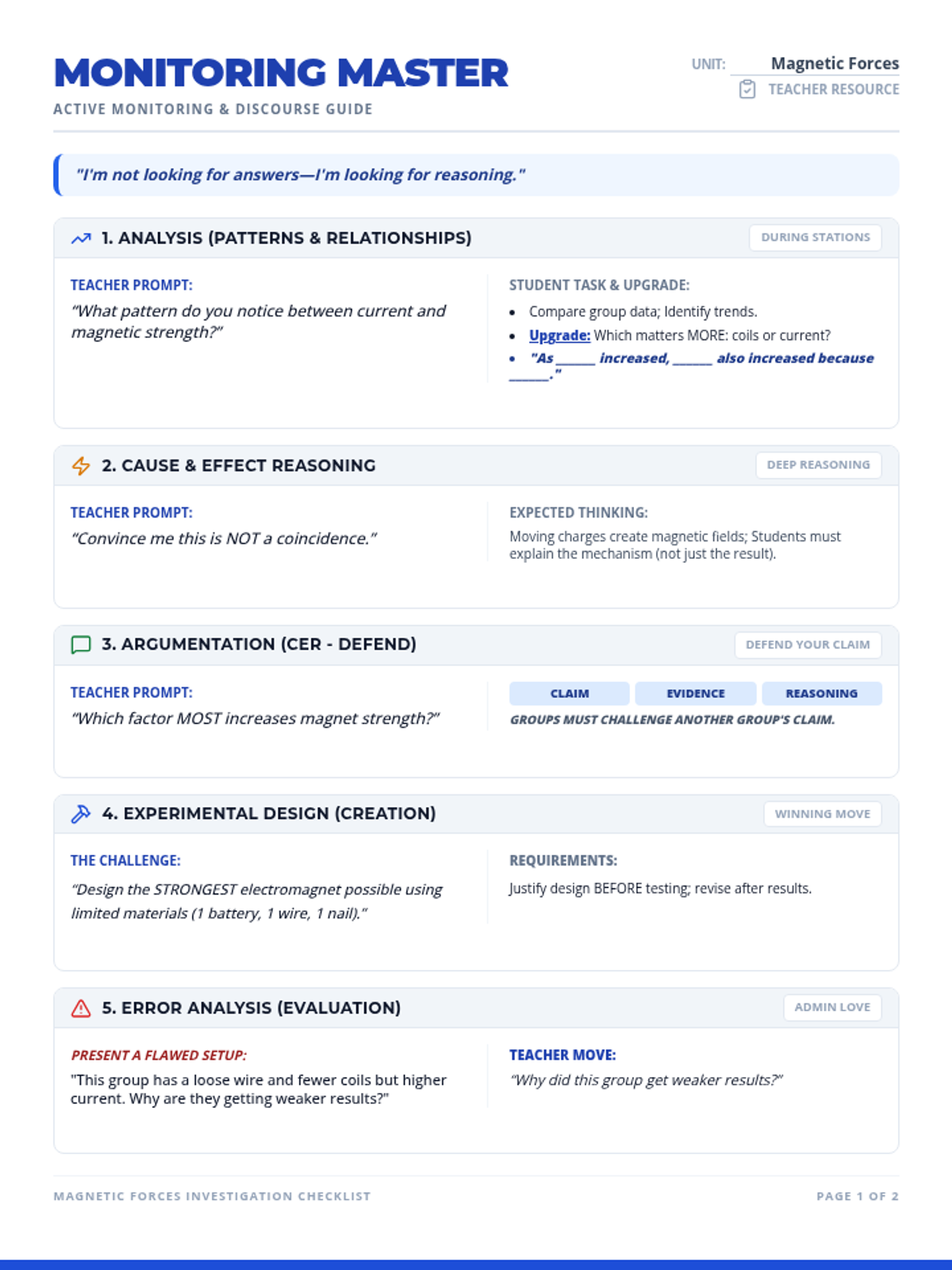
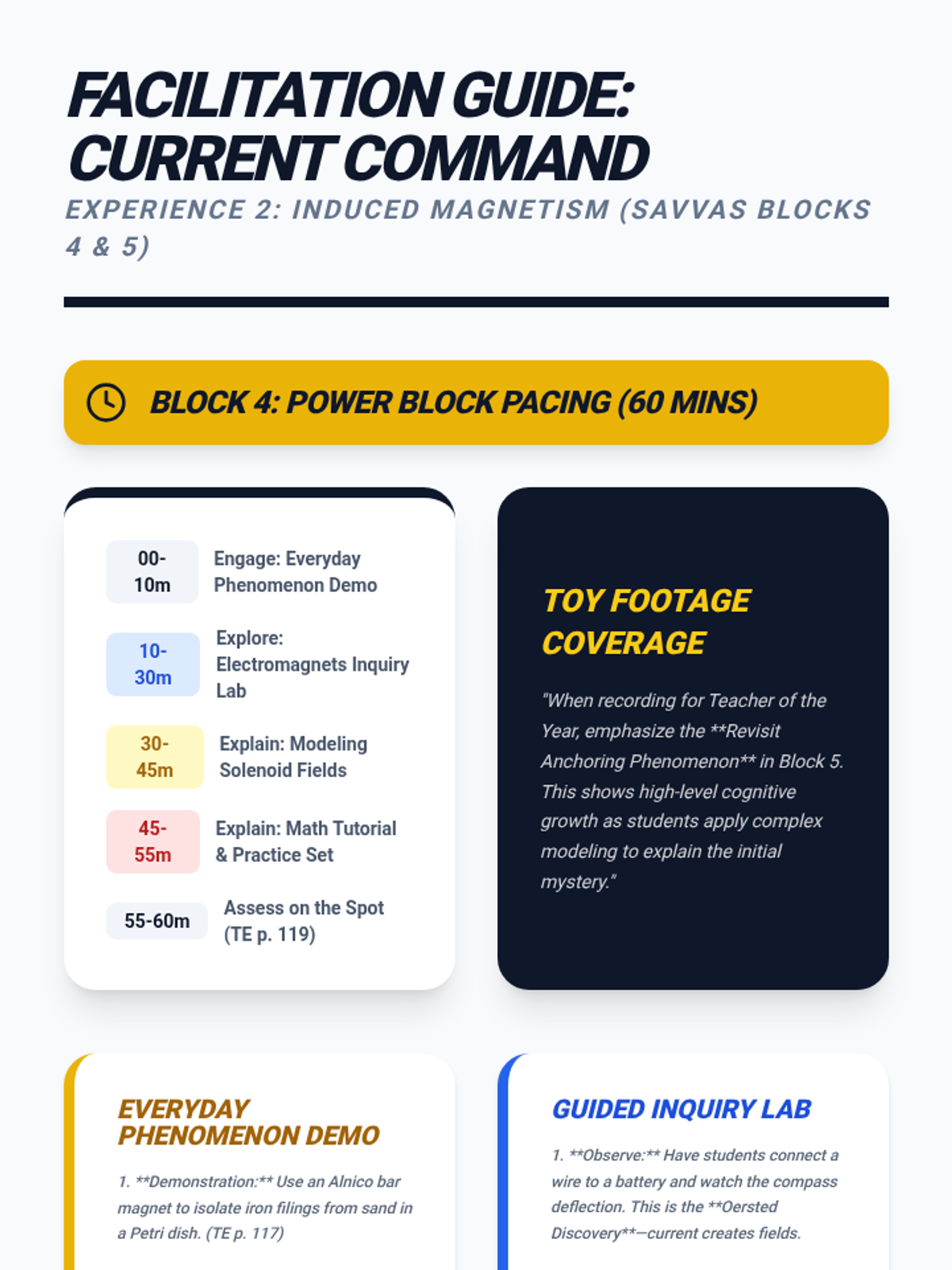
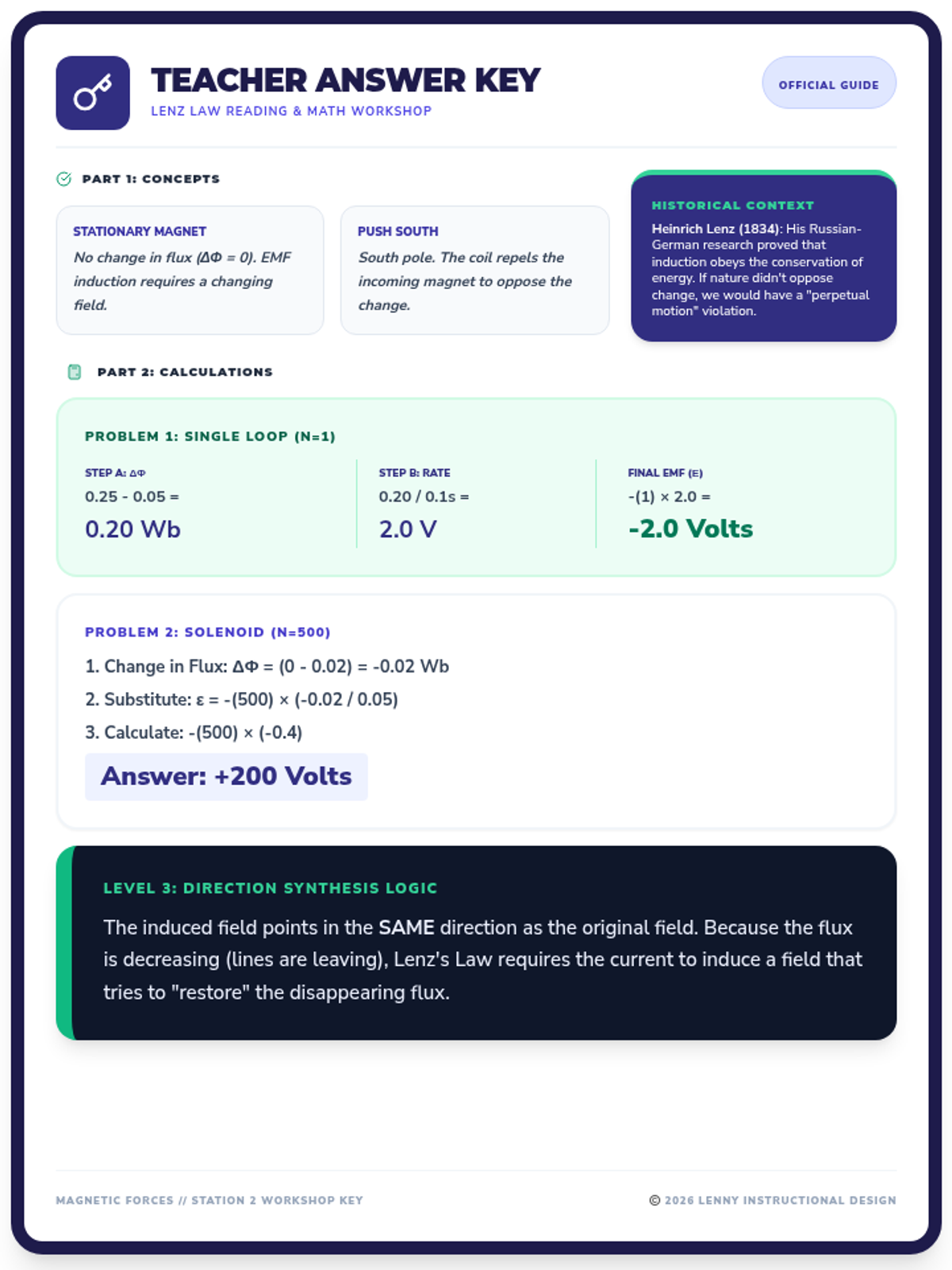
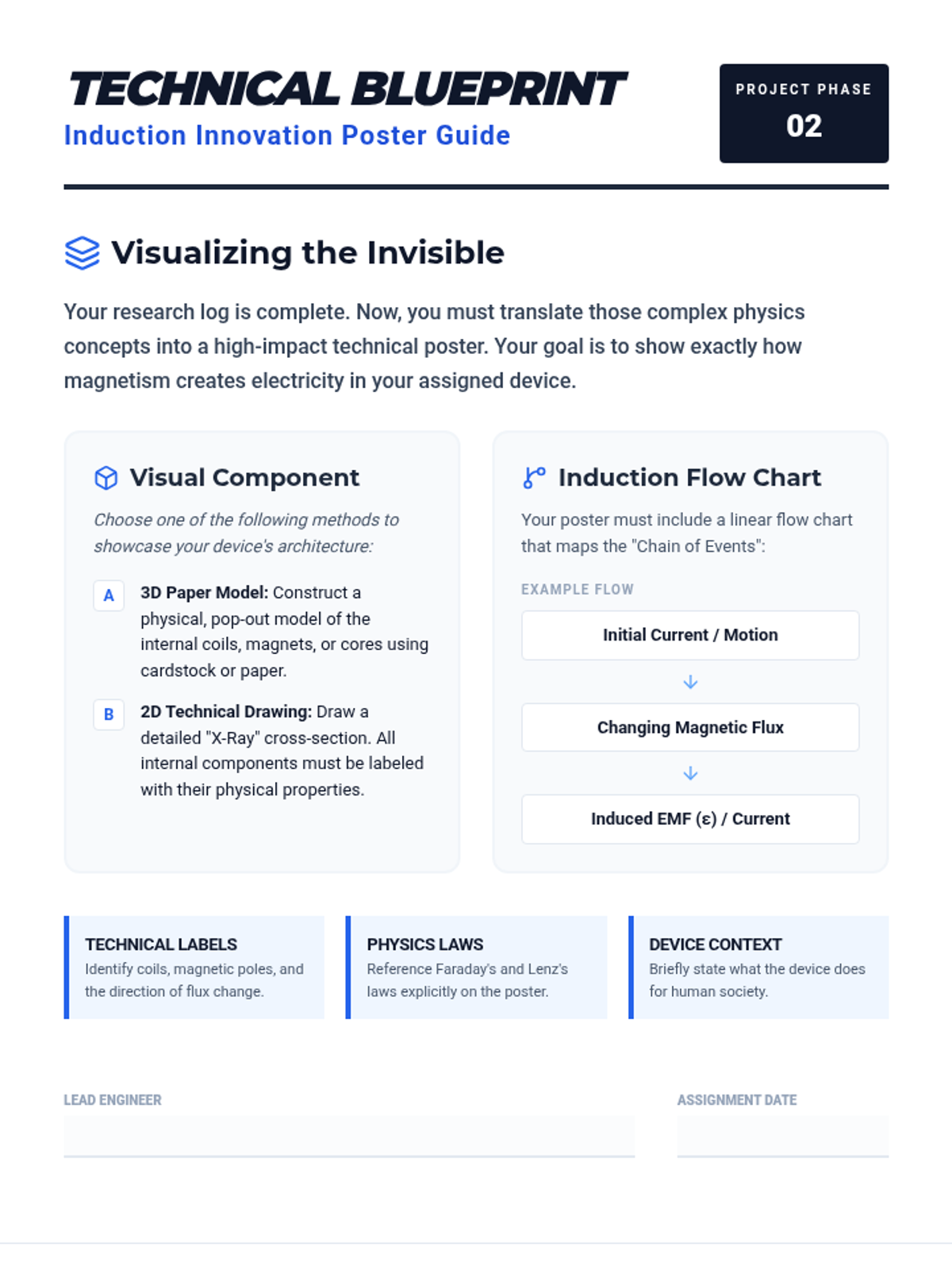
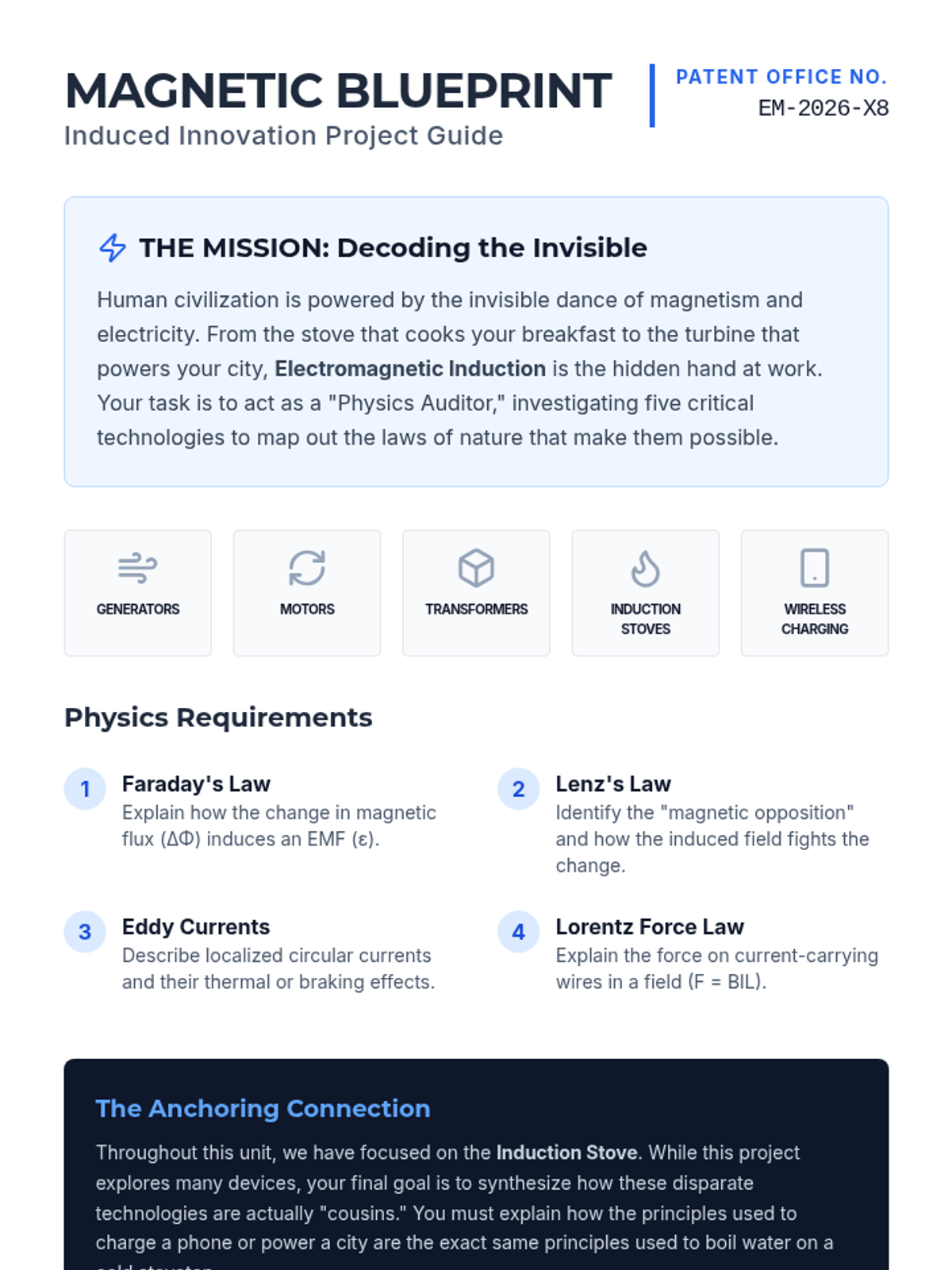
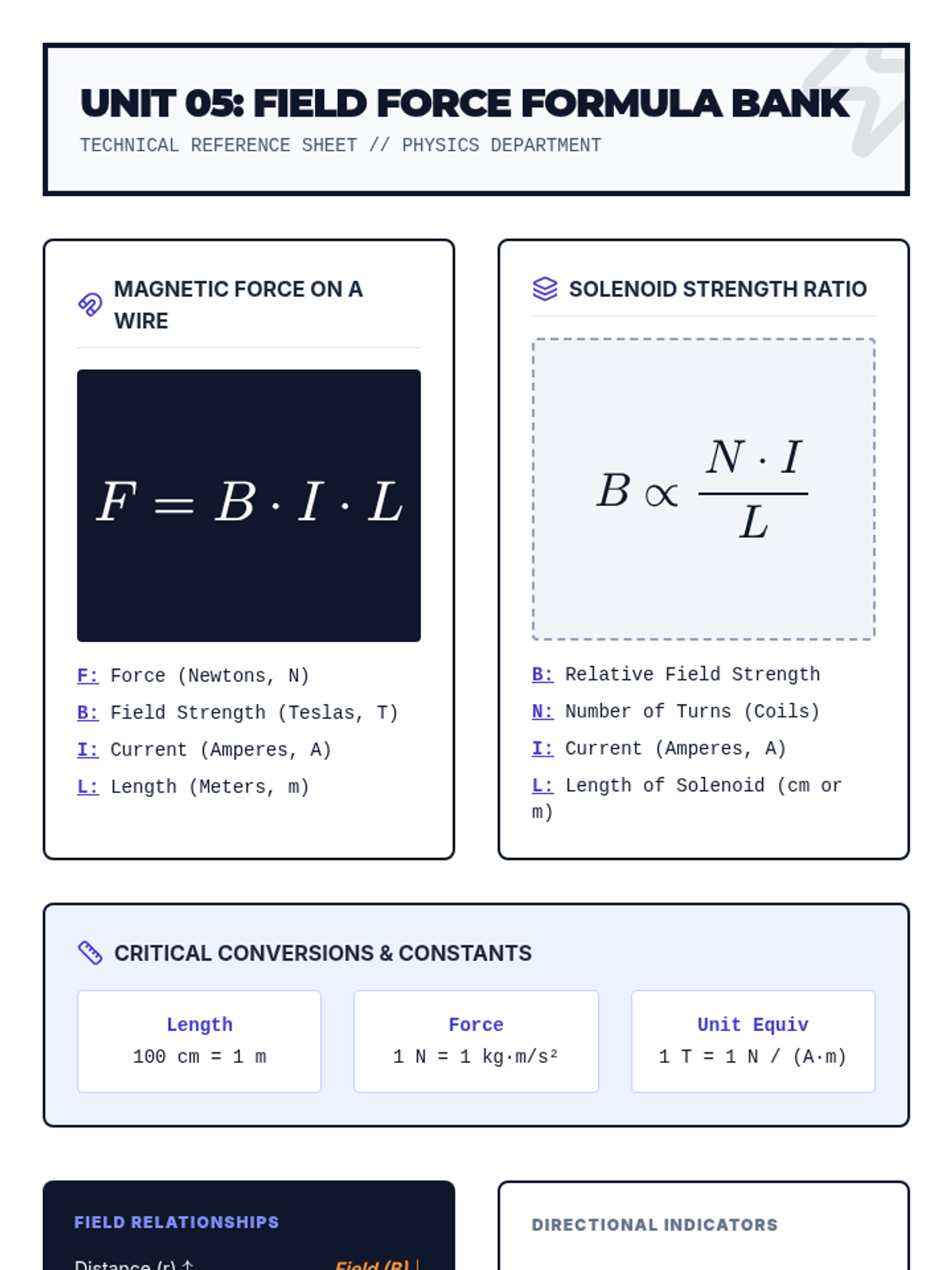
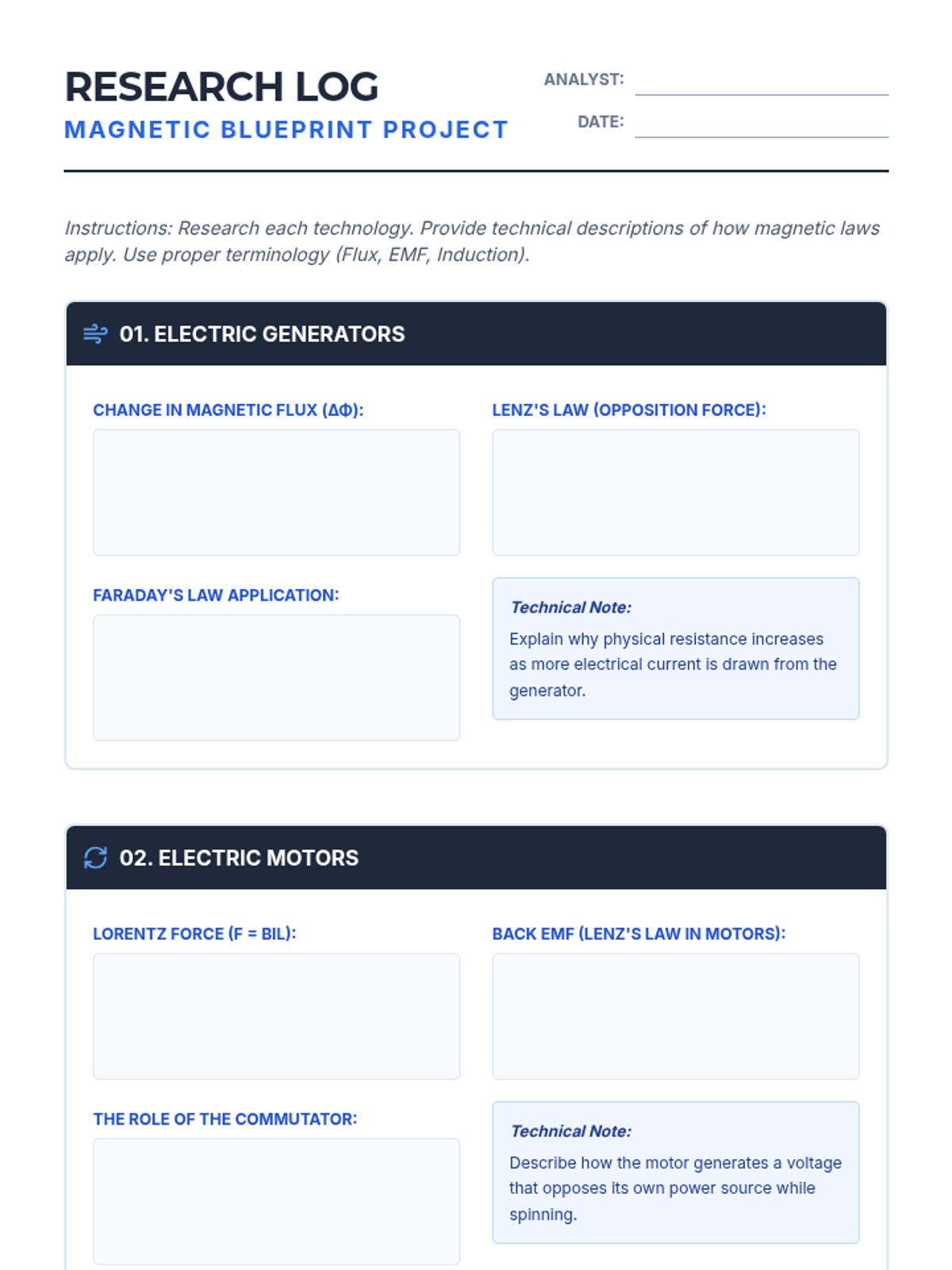
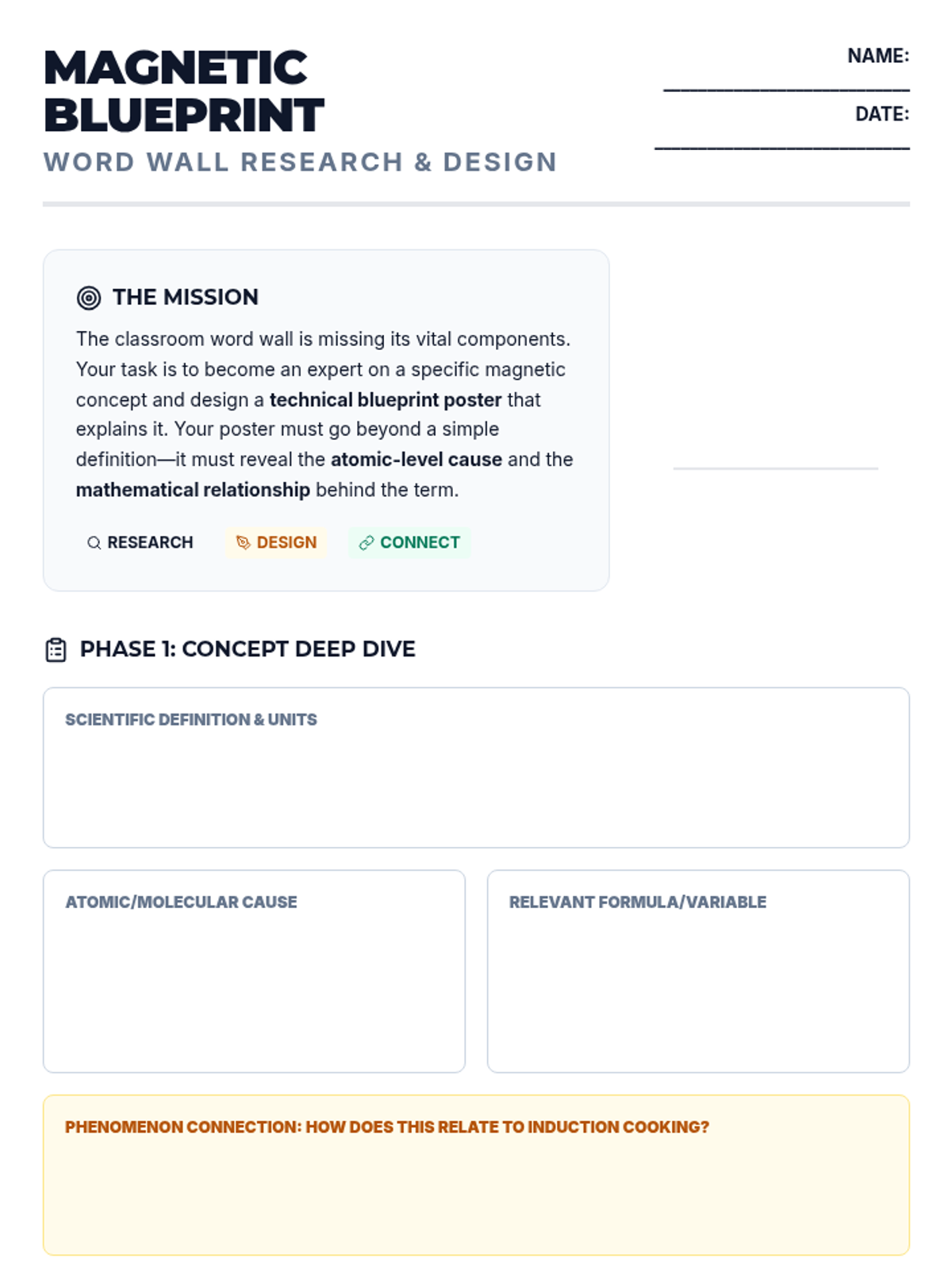
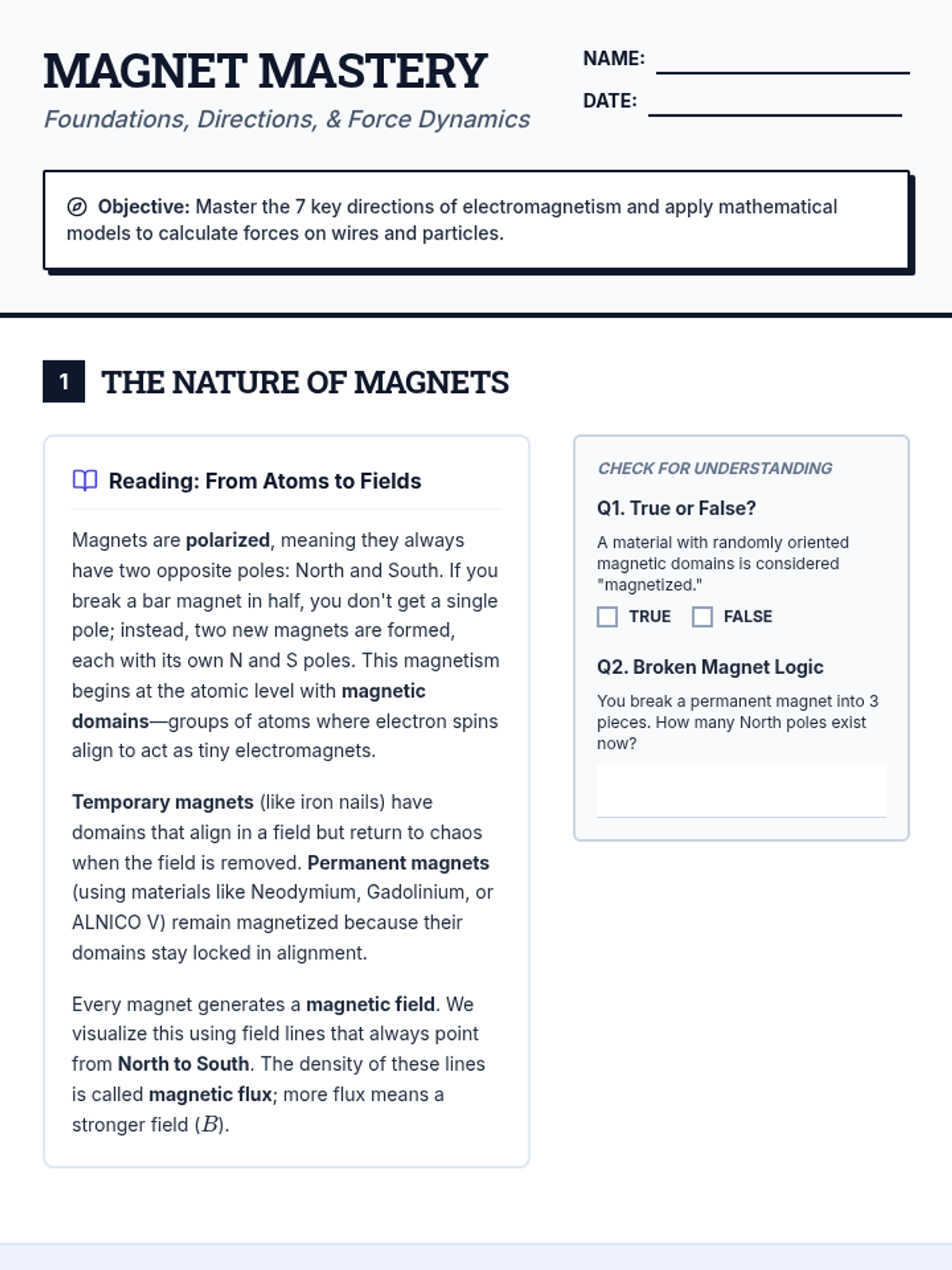
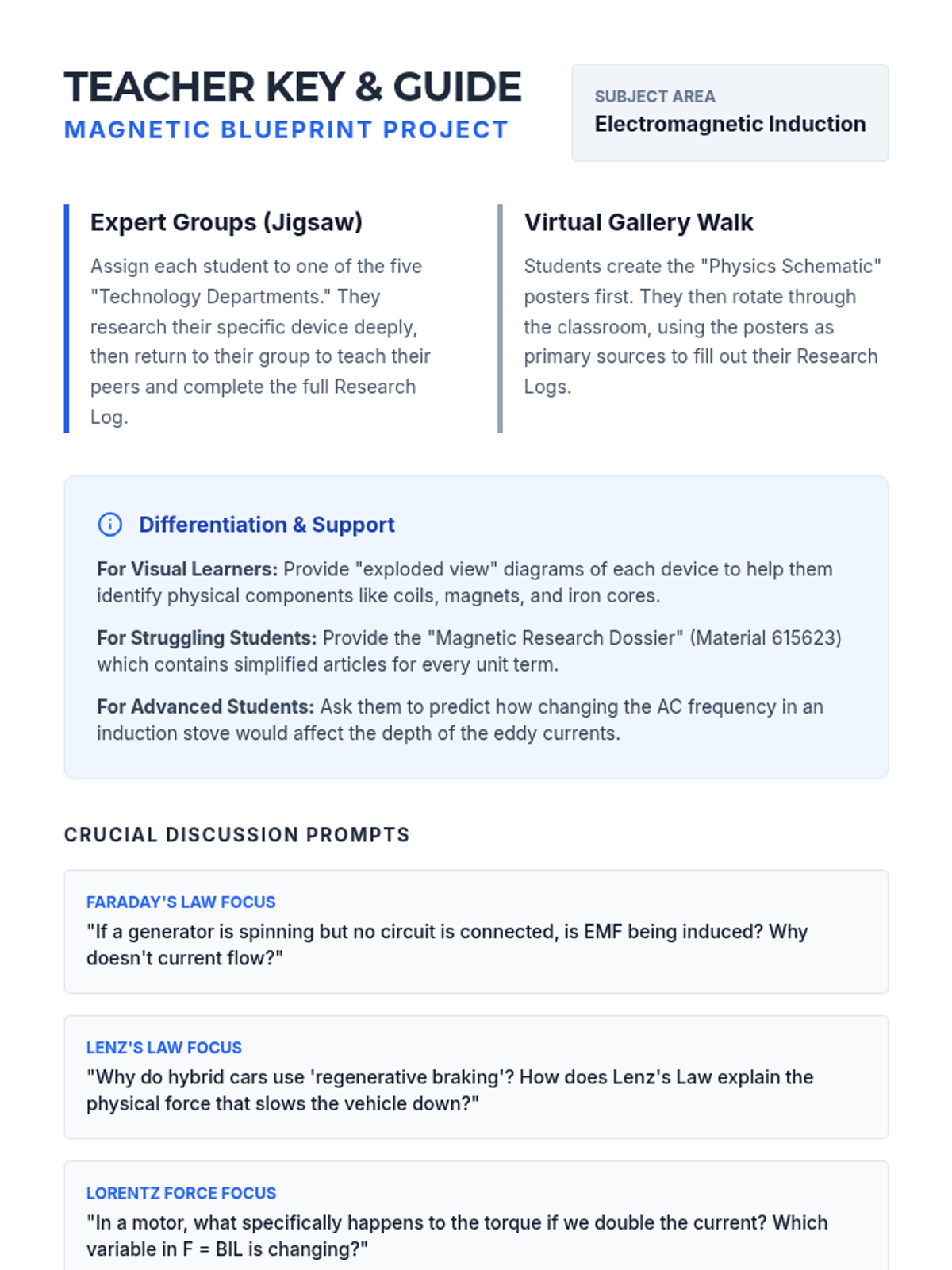
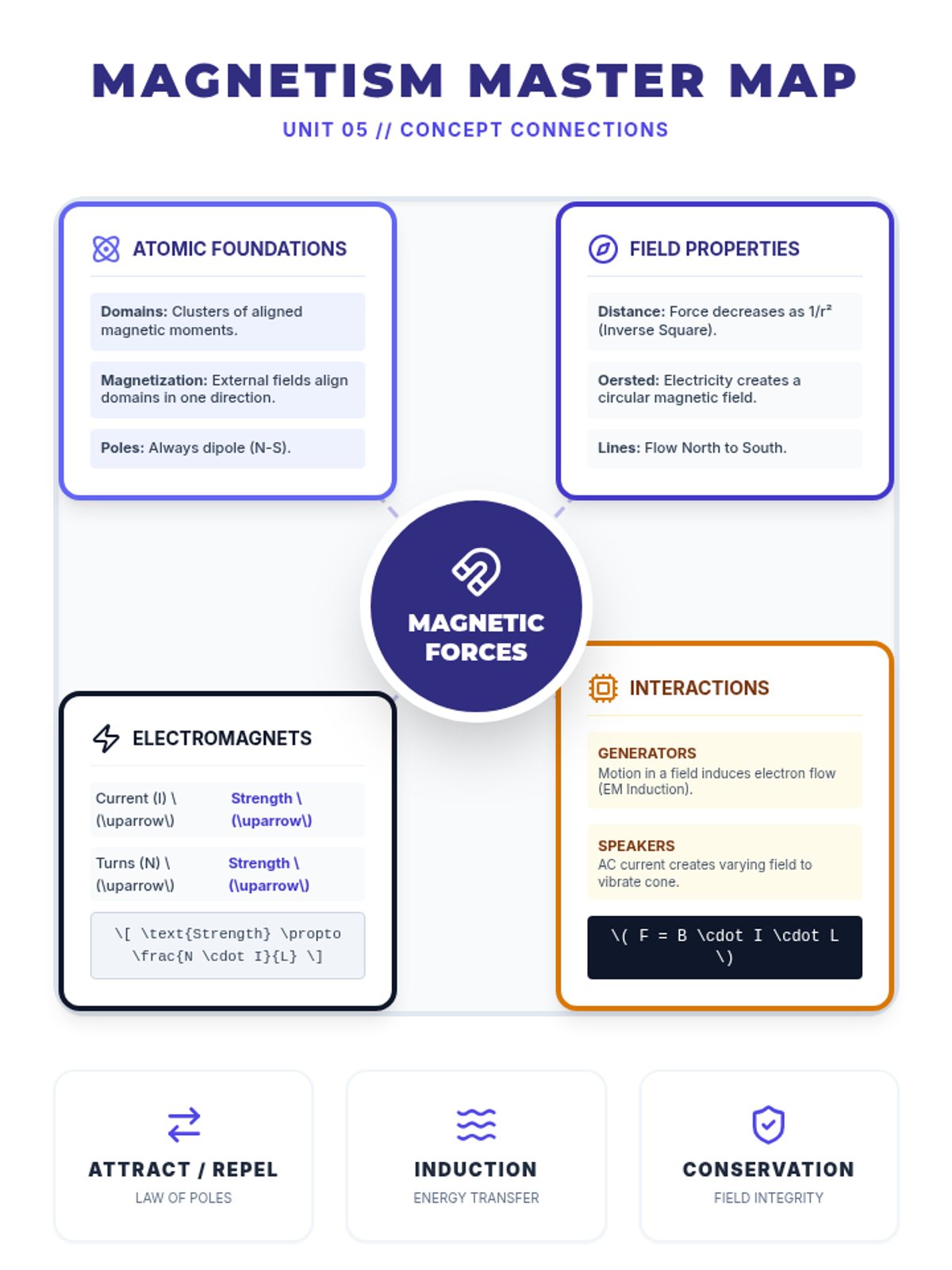
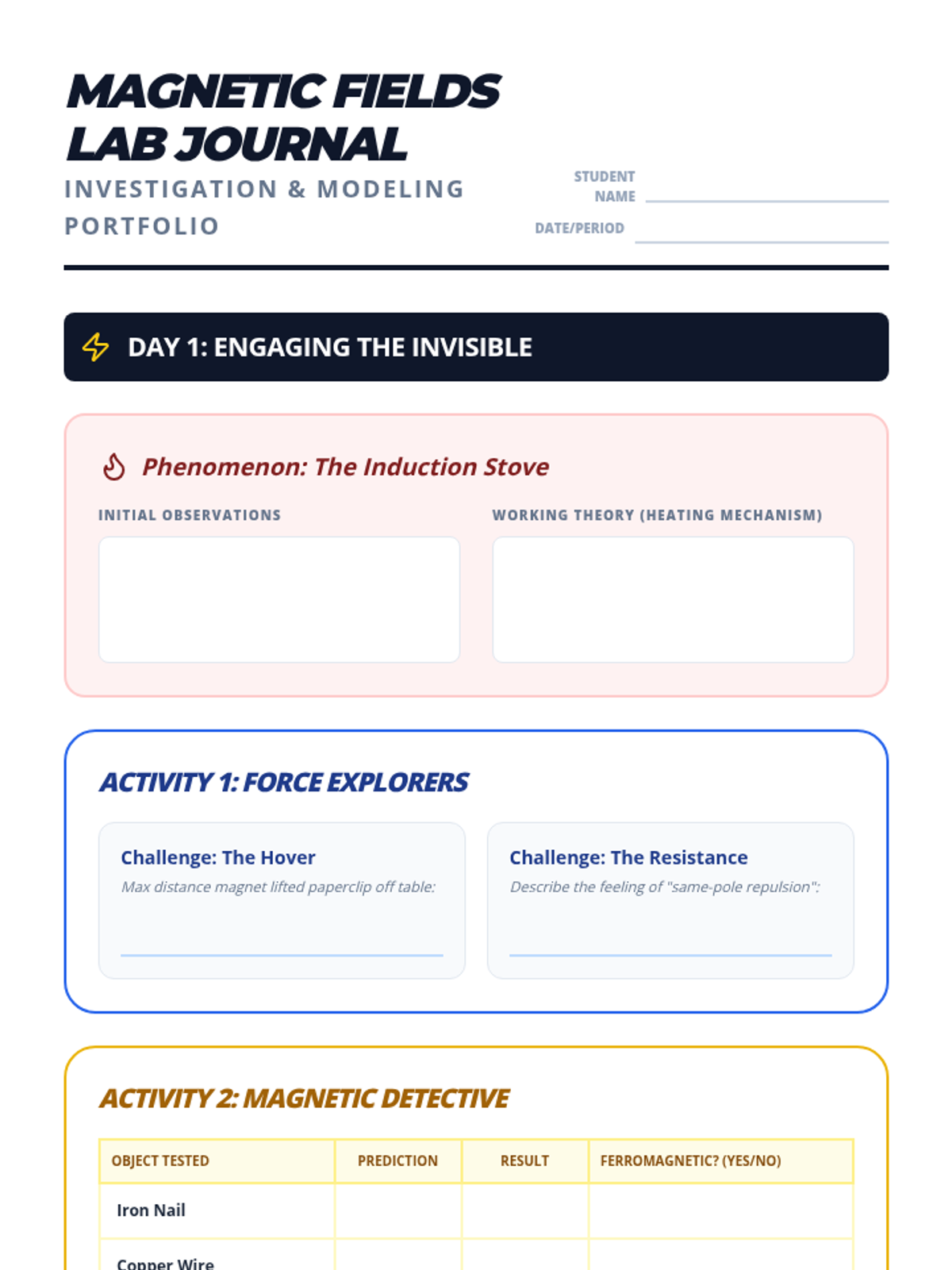
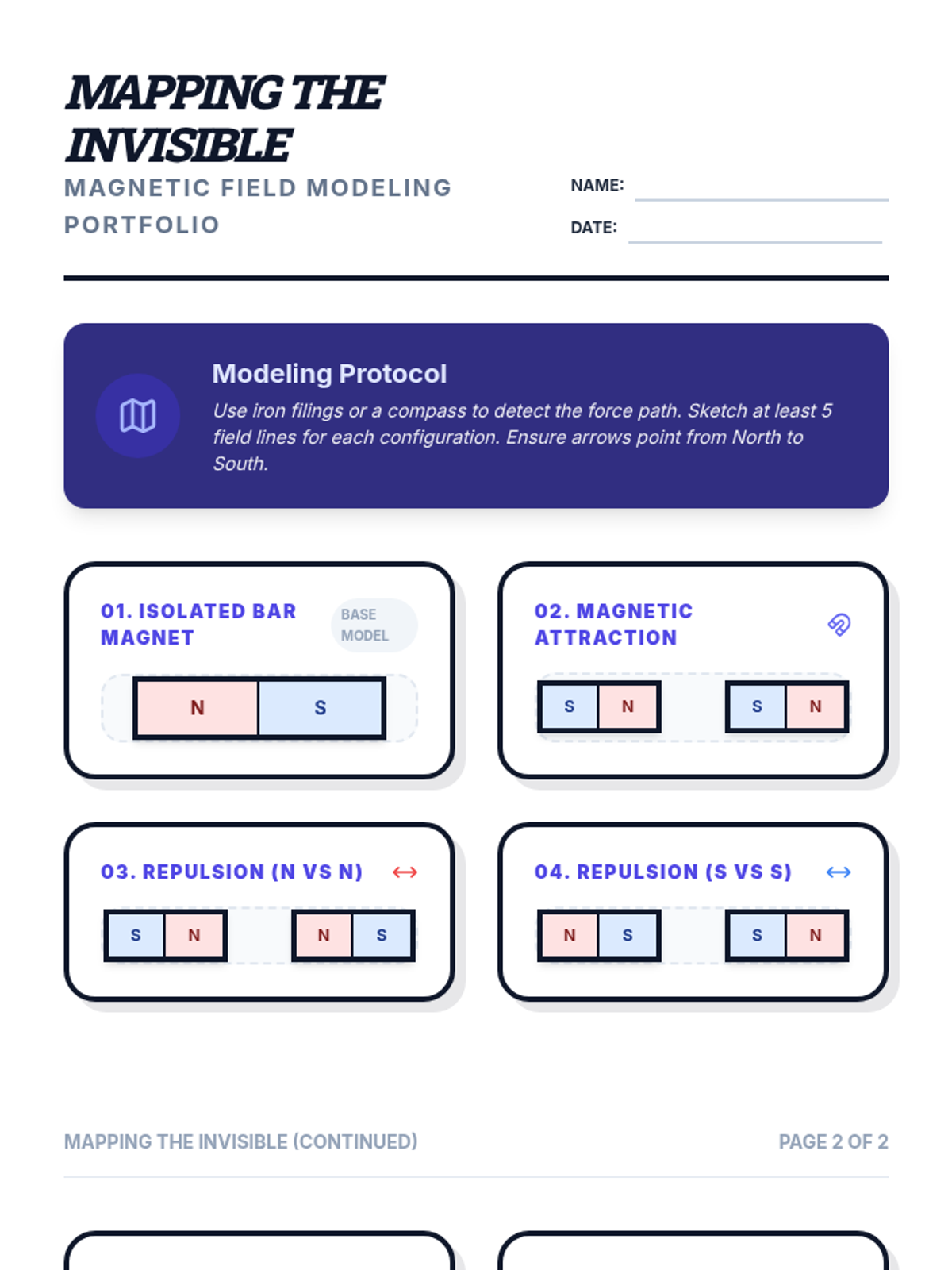
Students explore the relationship between electric current and magnetic fields by building electromagnets, modeling solenoid interactions, and calculating magnetic forces on wires. The lesson applies these concepts to electromagnetic induction in motors and generators.
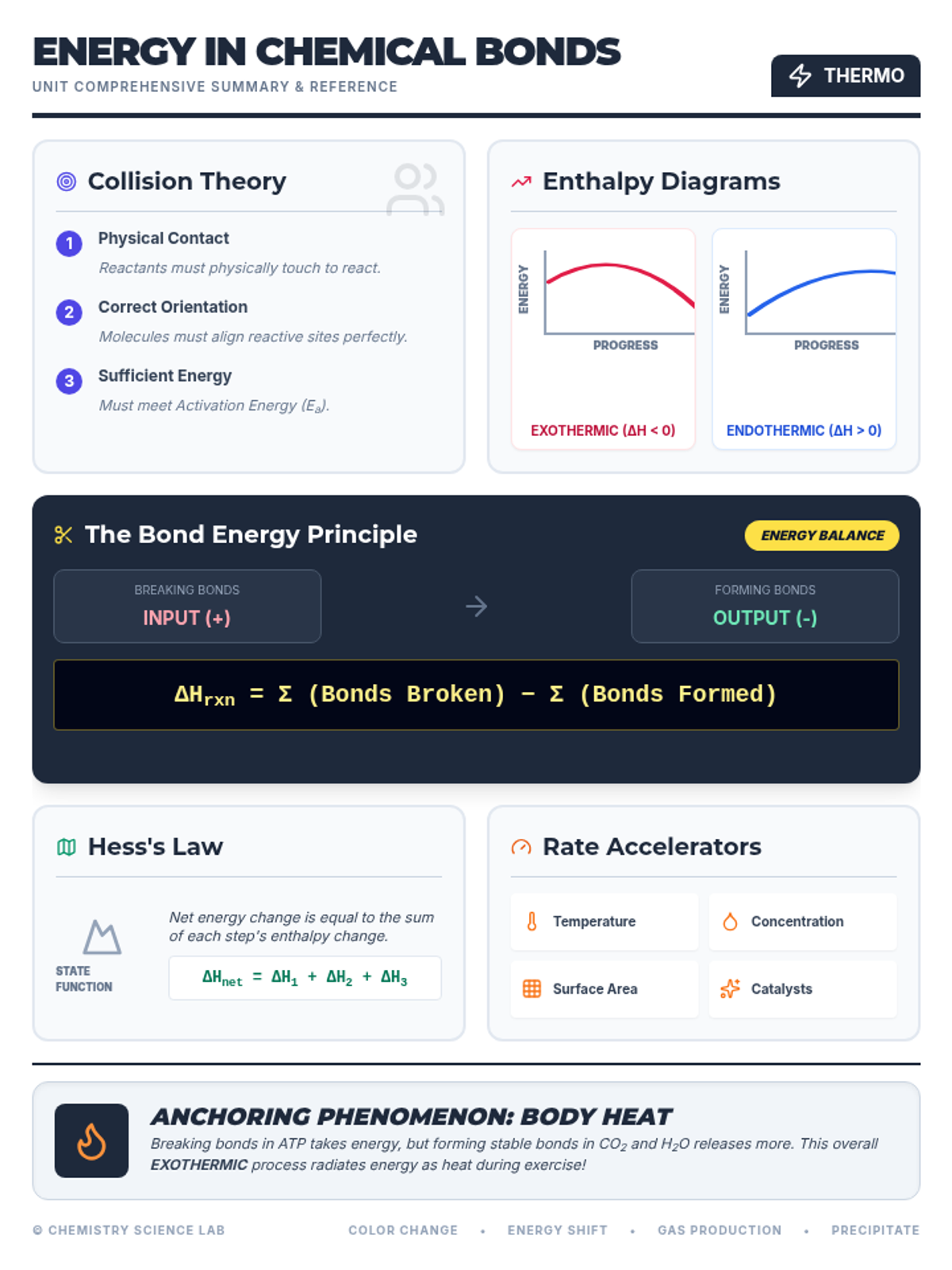
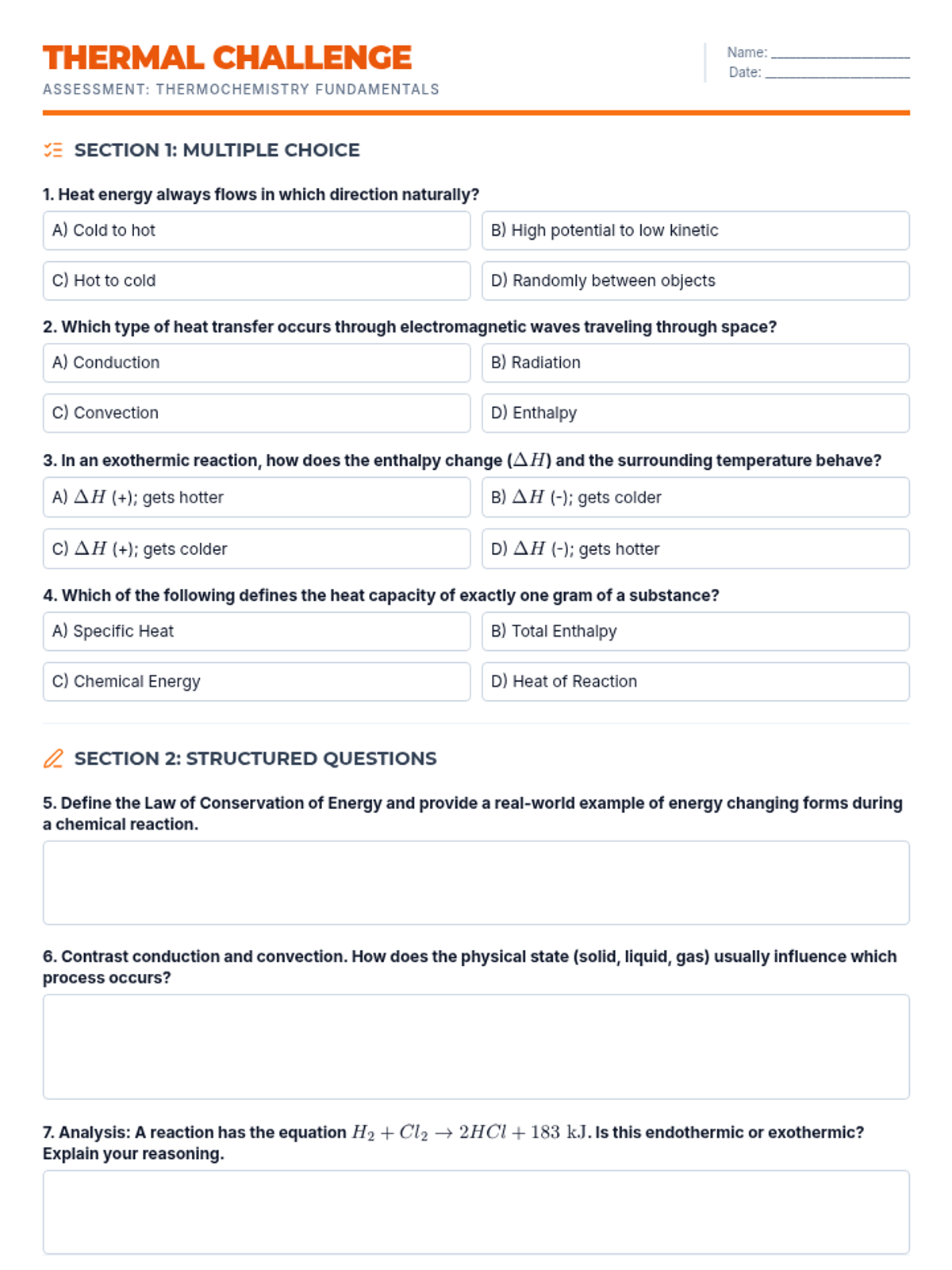
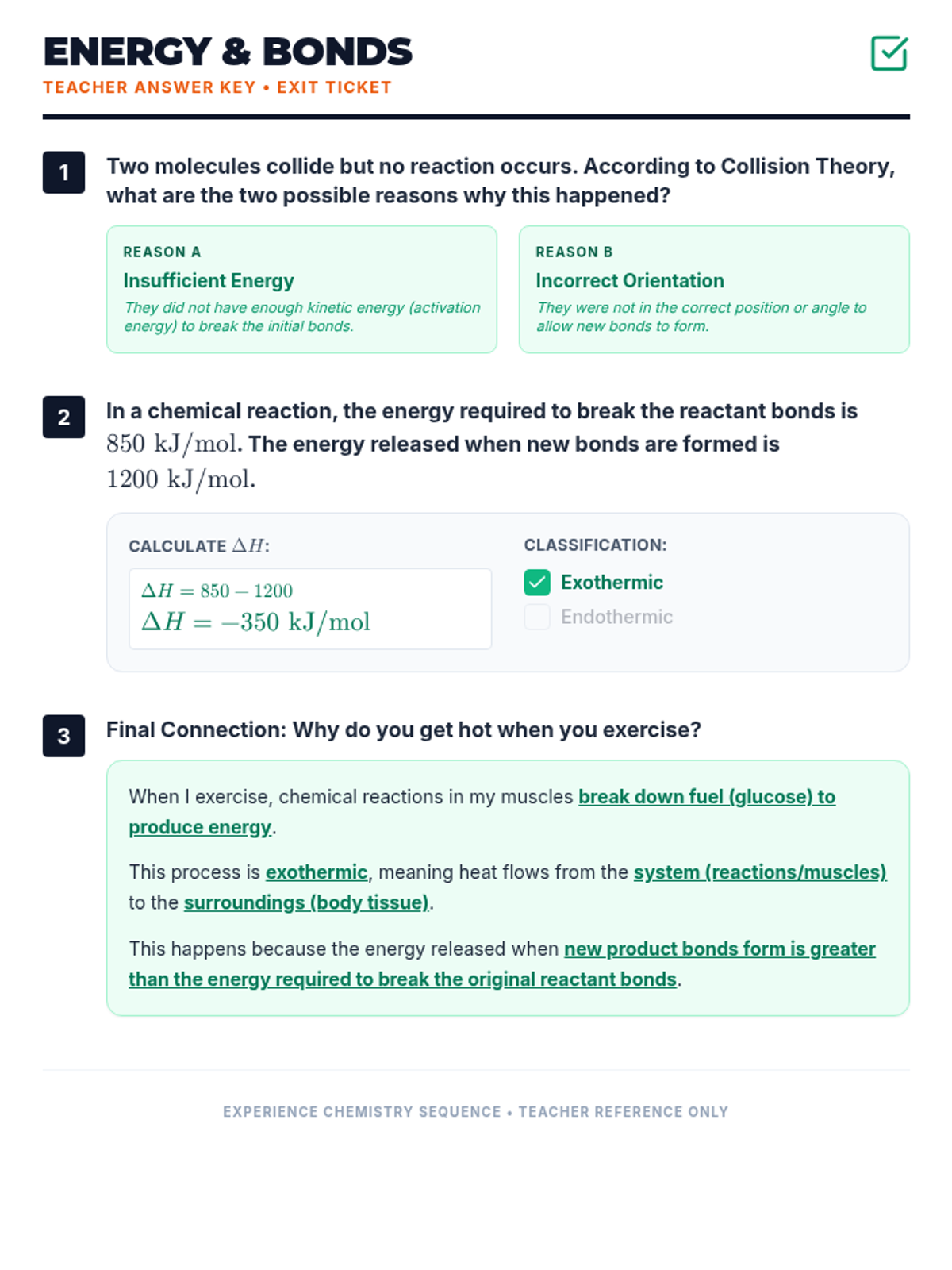
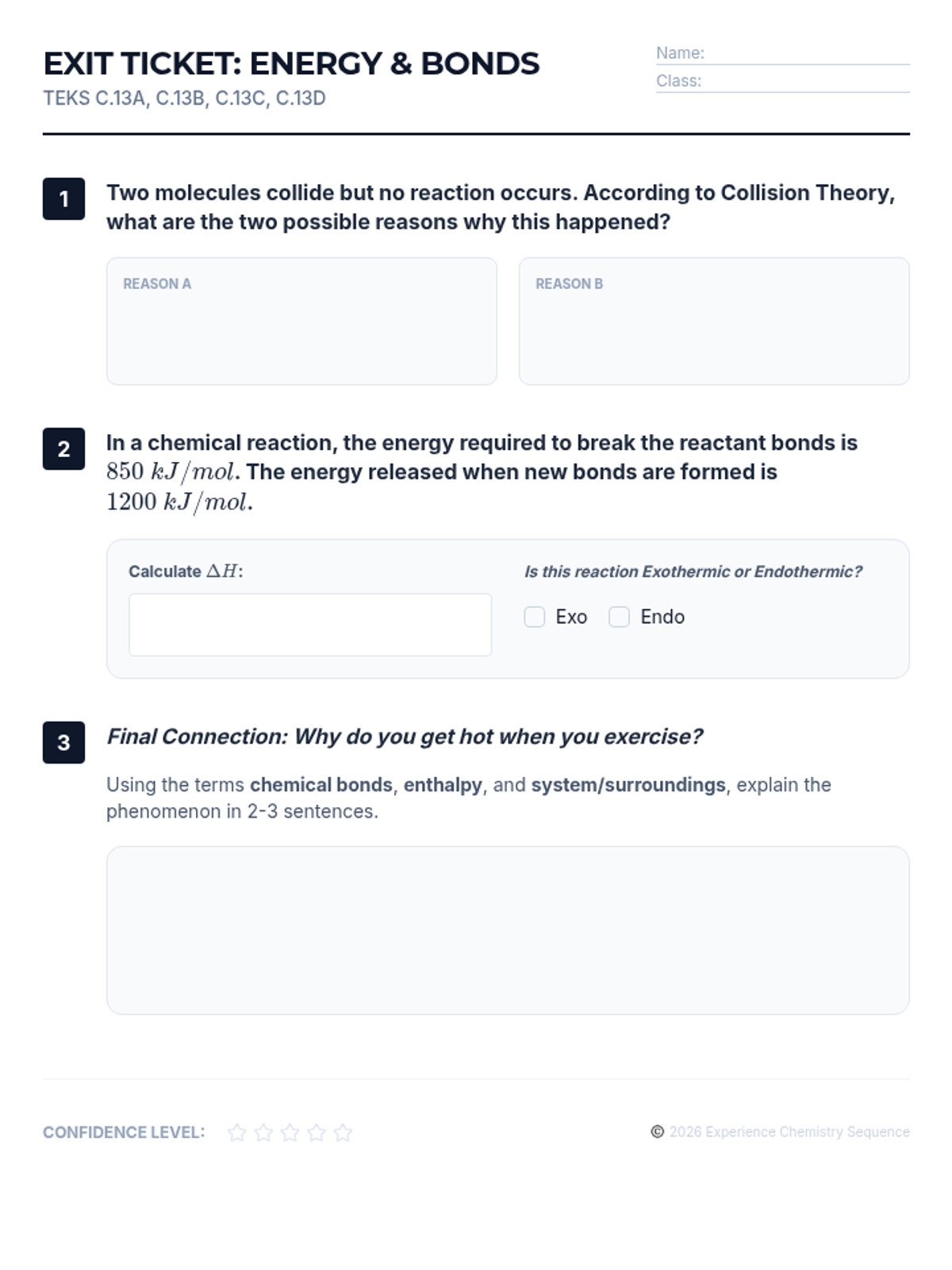
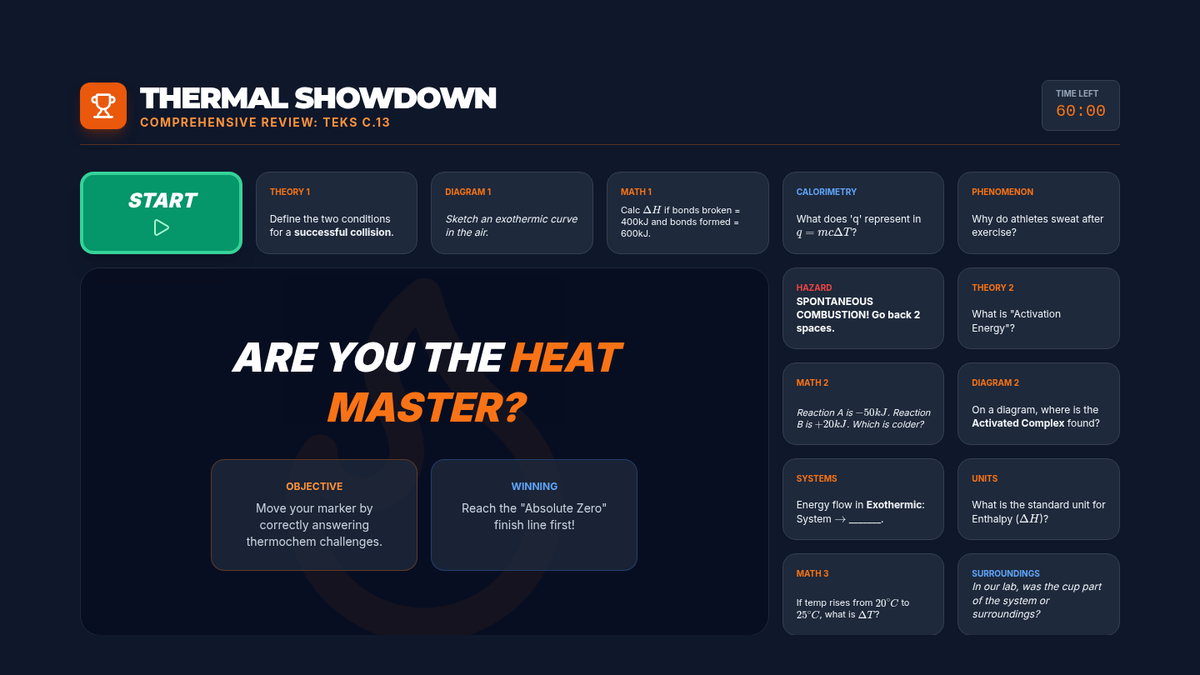
A comprehensive review day featuring a thermochemistry game board and revisiting the anchoring phenomenon to evaluate mastery of energy in chemical bonds.
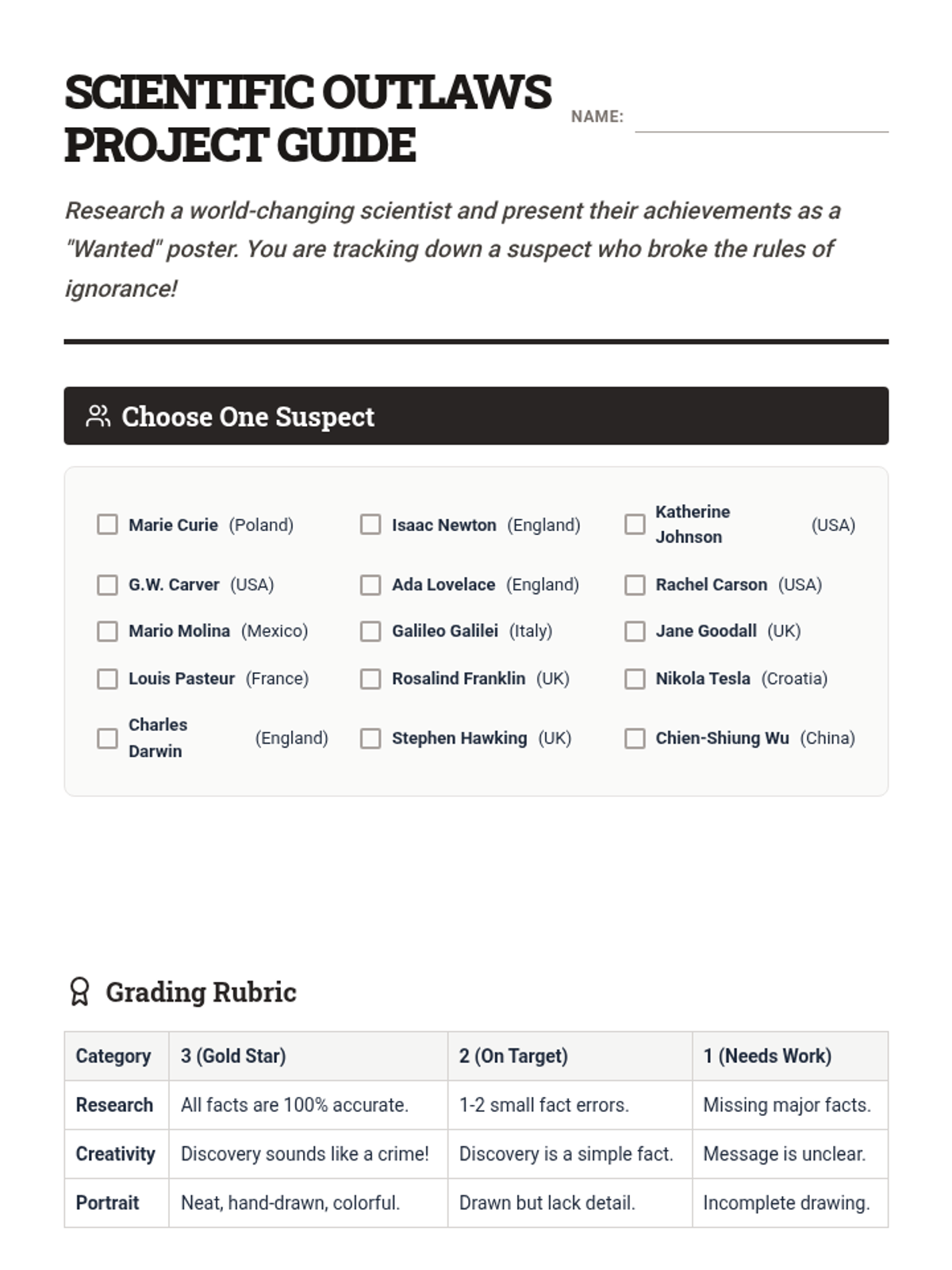
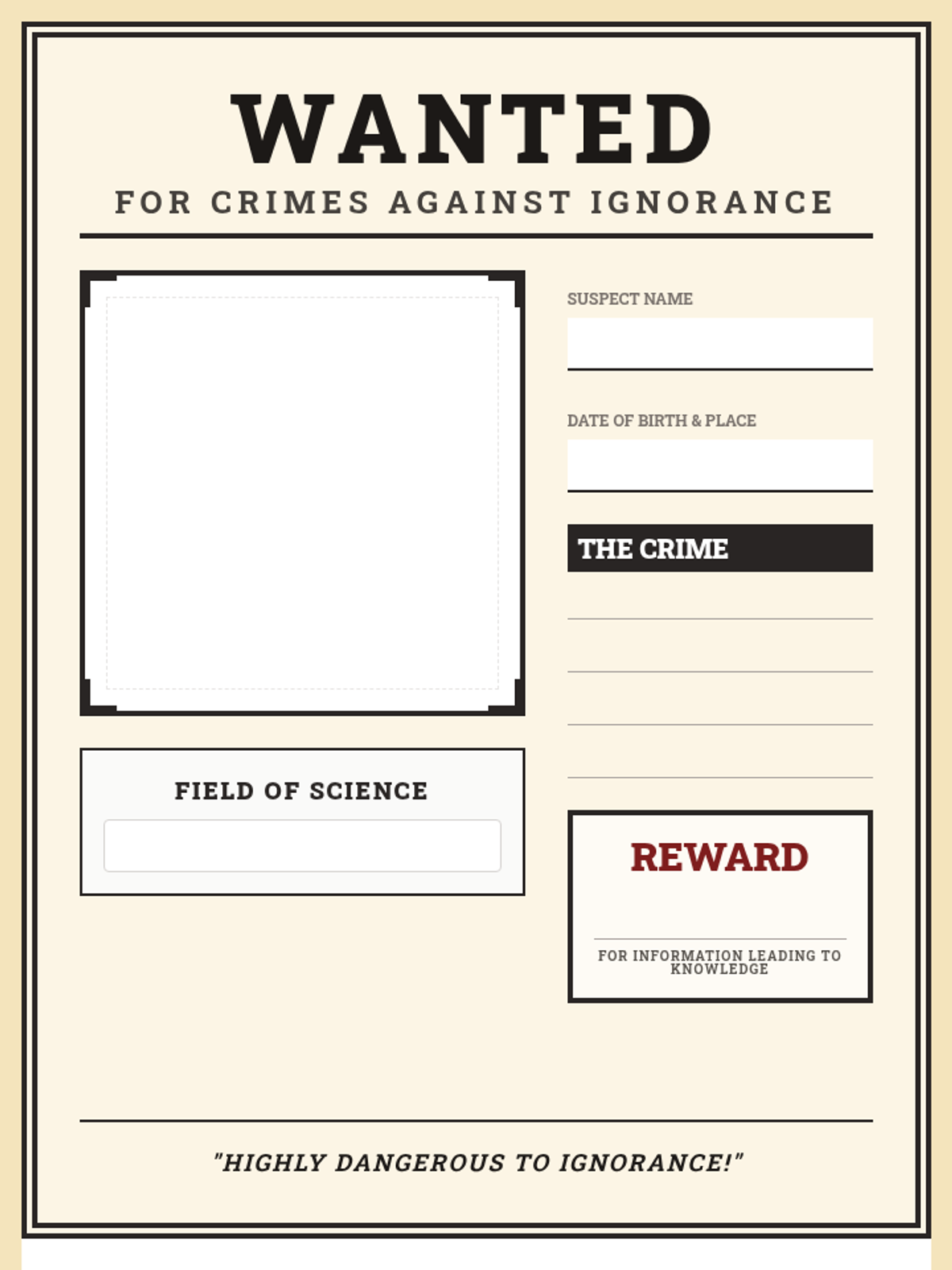
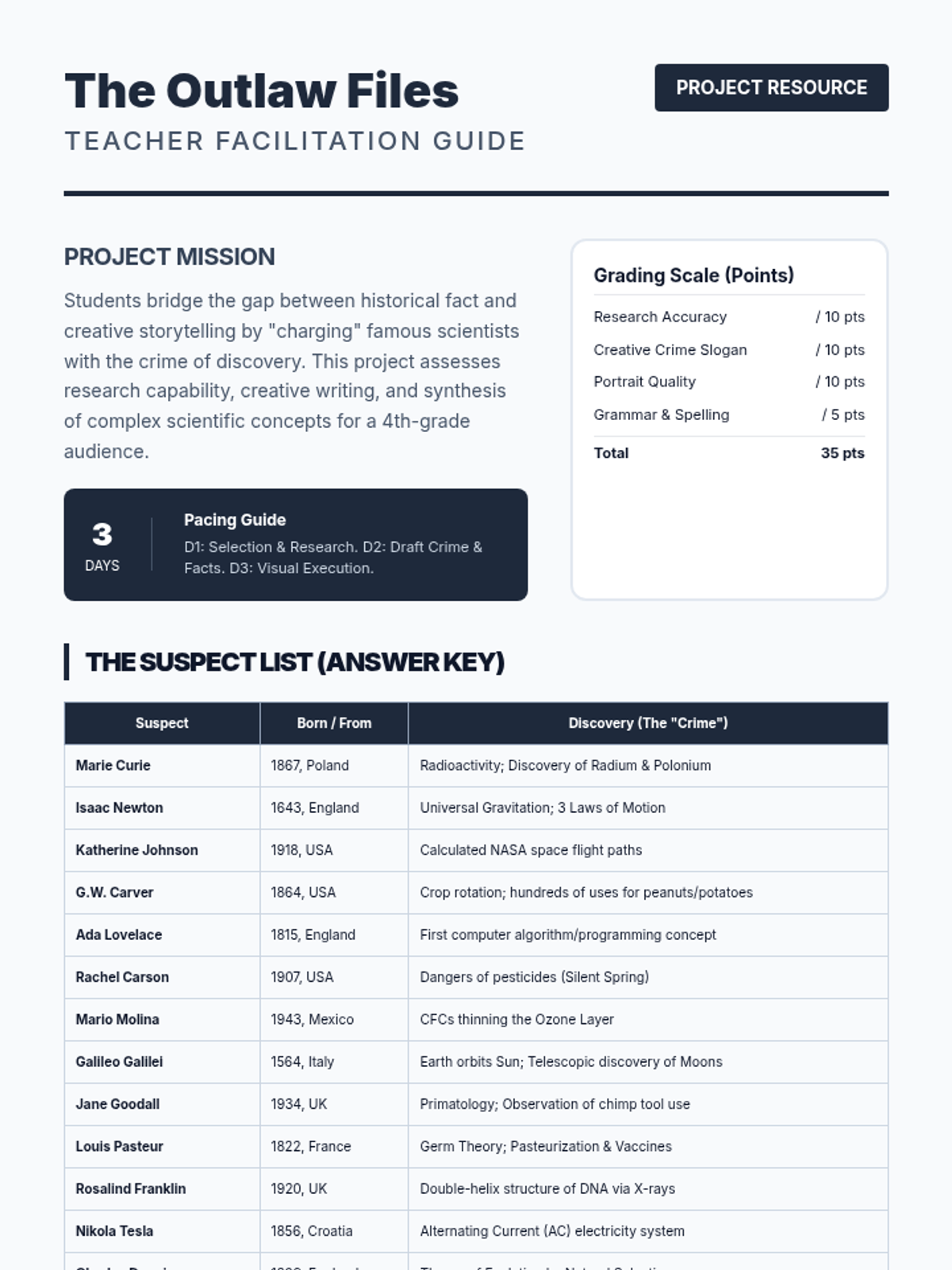
A creative science project where 4th-grade students research famous scientists and design 'Wanted' posters to showcase their discoveries as 'crimes against ignorance.'
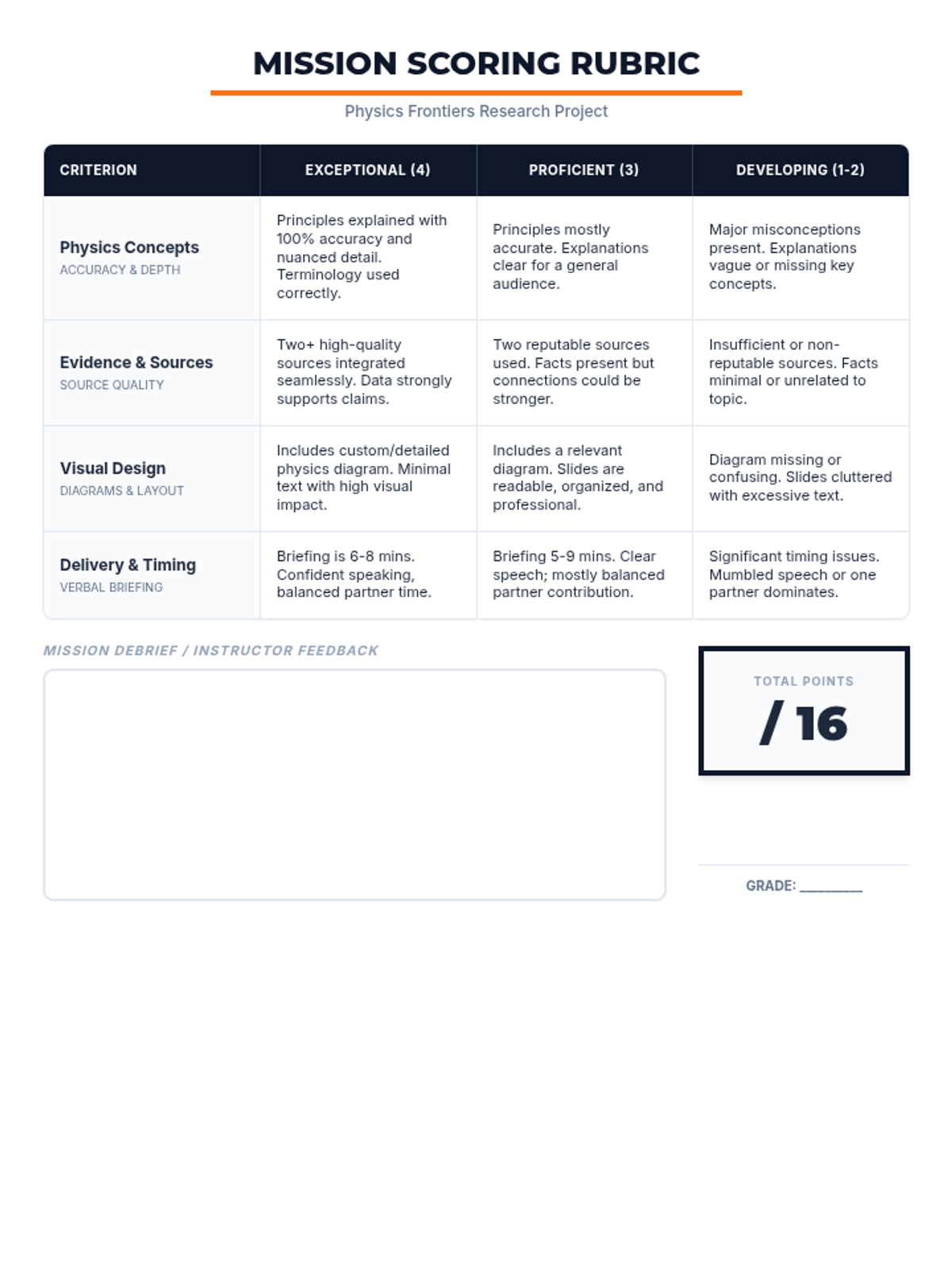
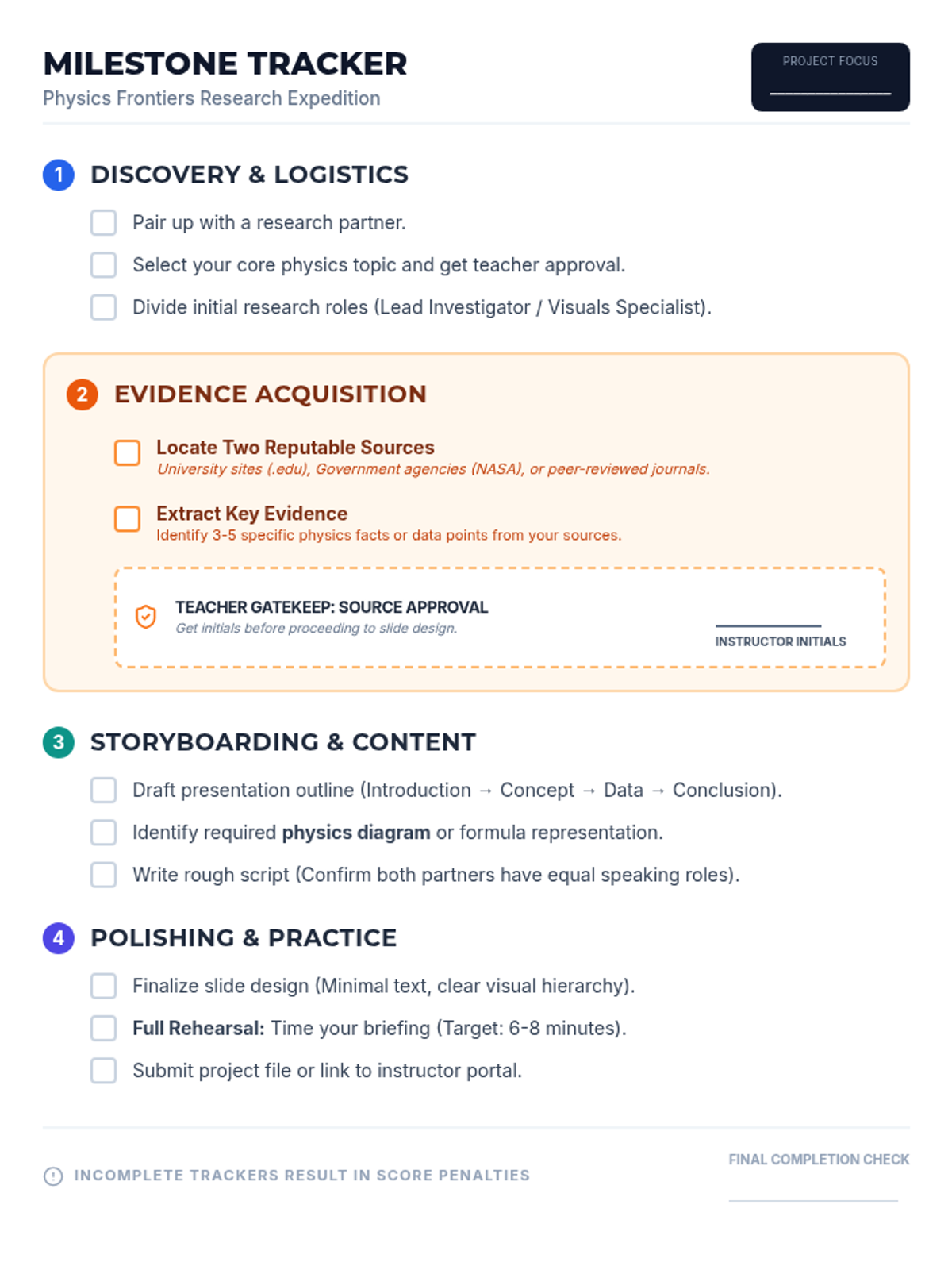
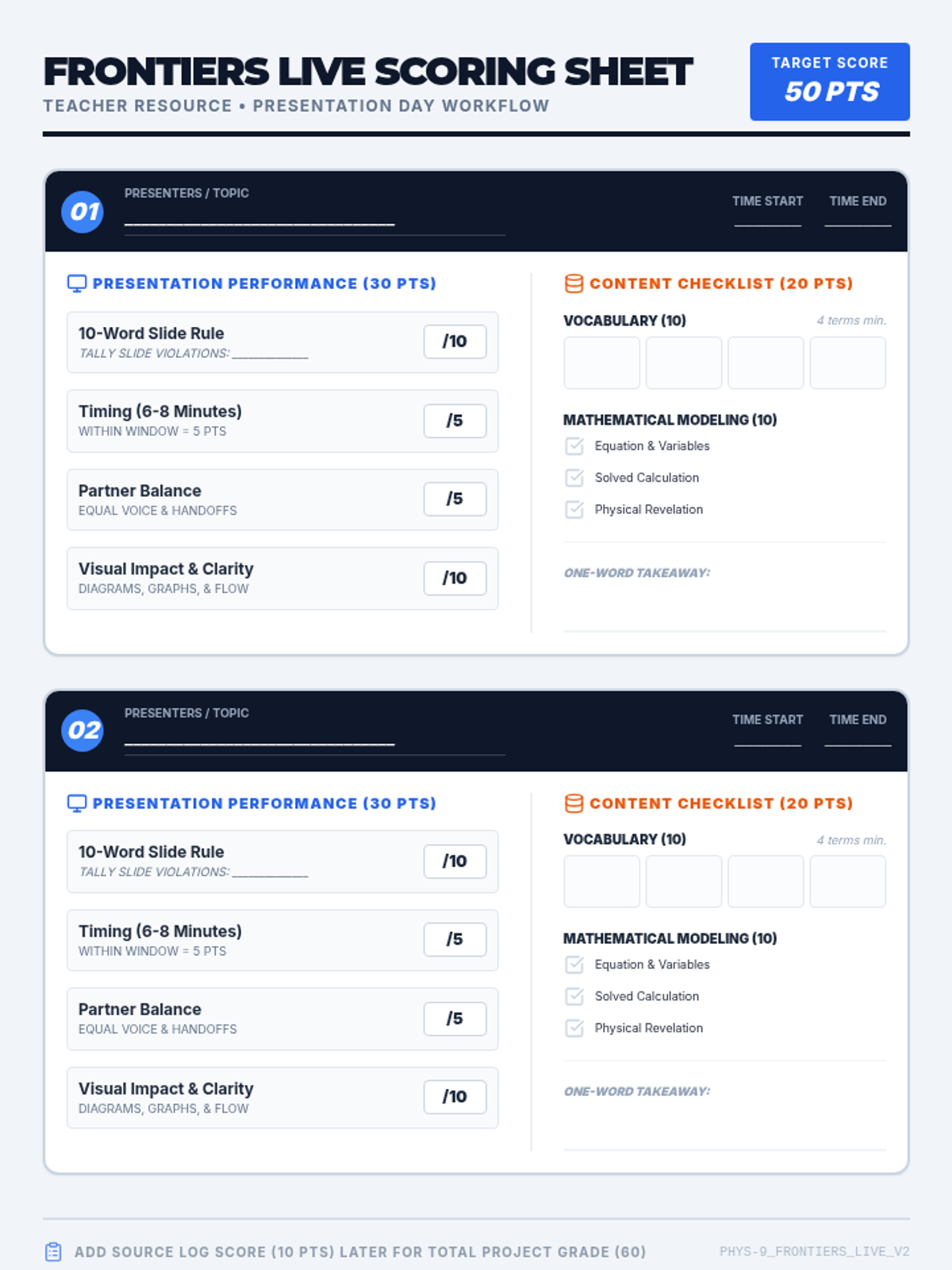
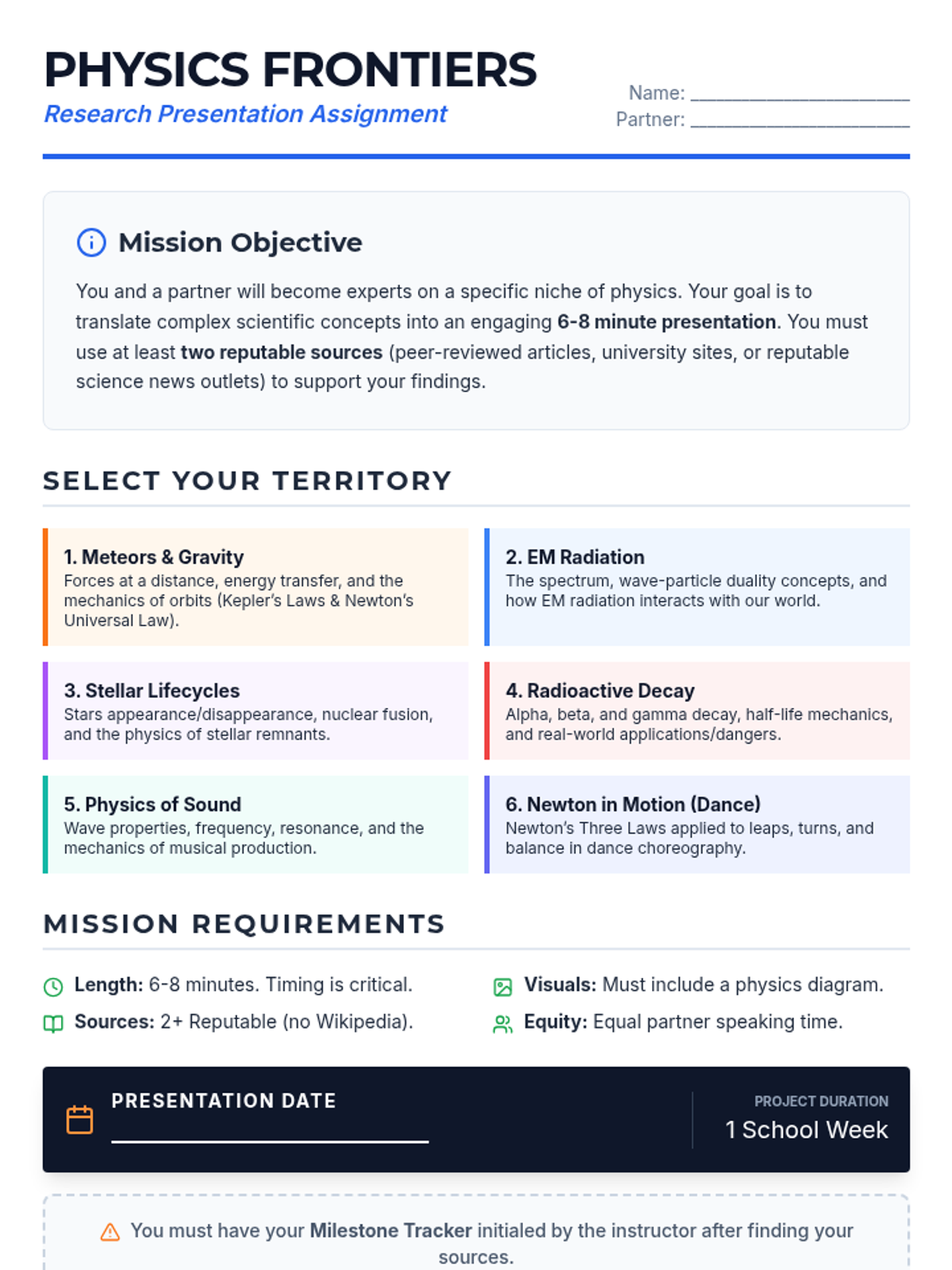
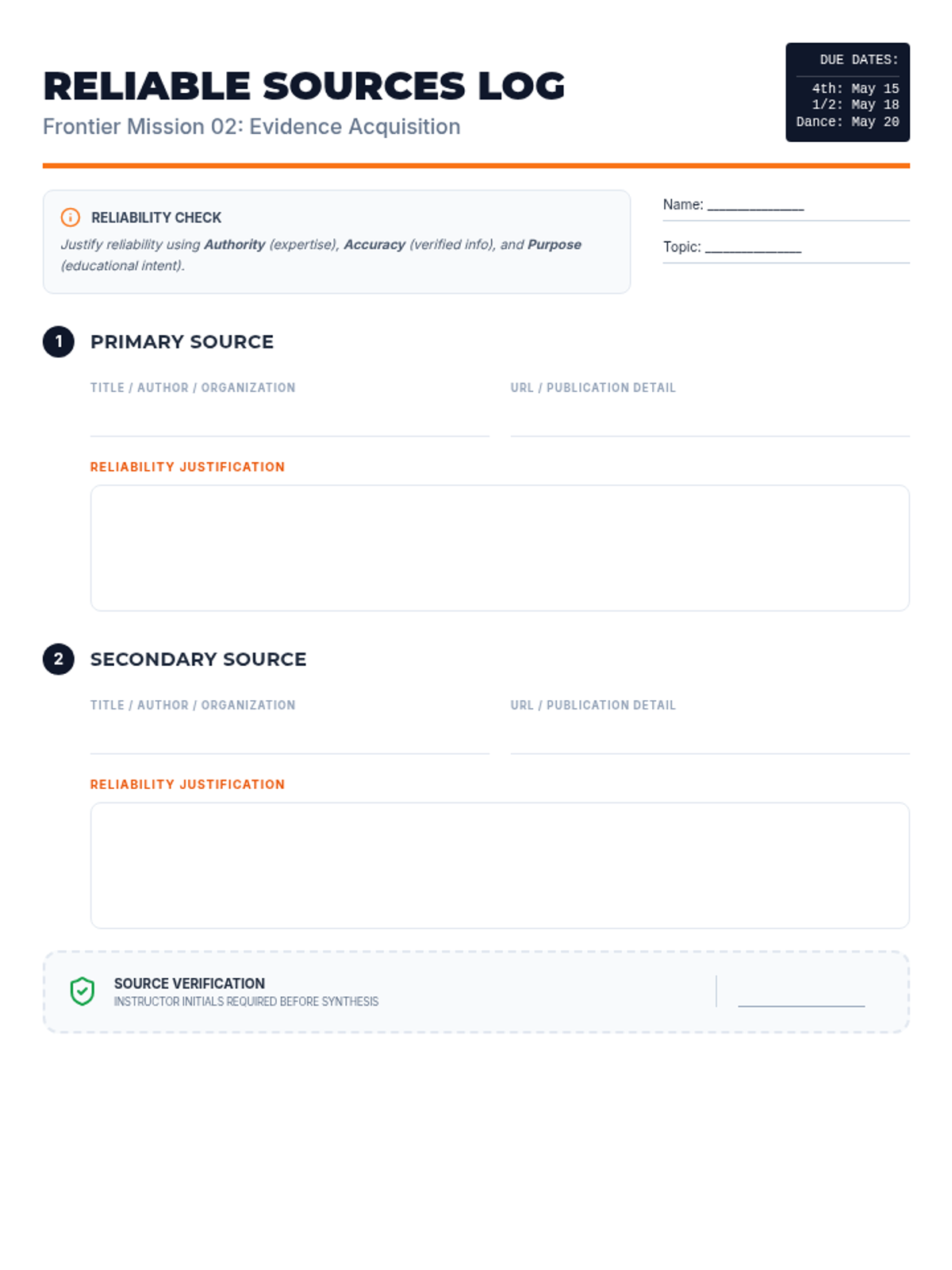
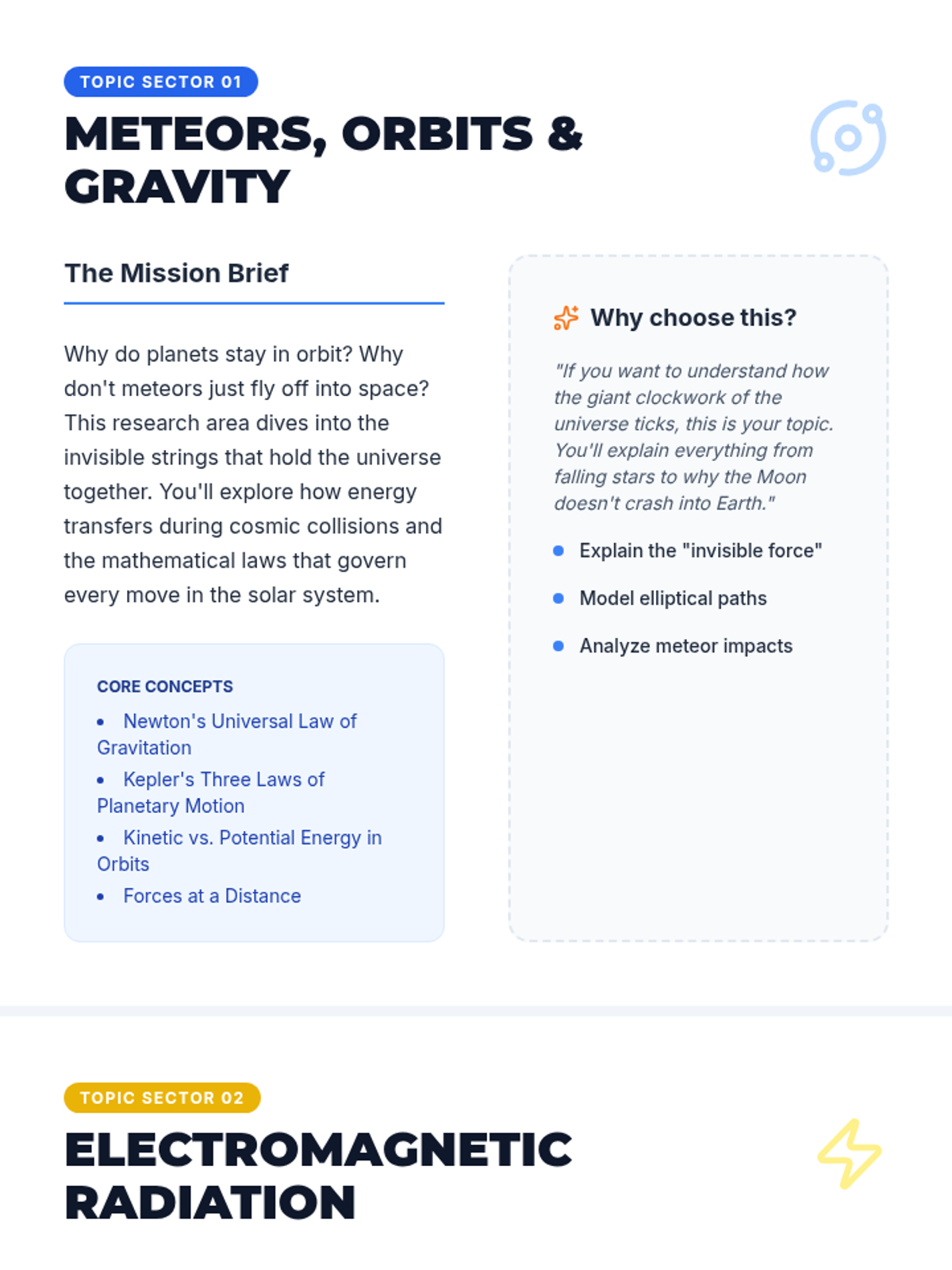
Introduction to the Physics Frontiers research project, including topic selection, partner pairing, and the initial research phase. Students will establish their research focus and verify their sources with the instructor.
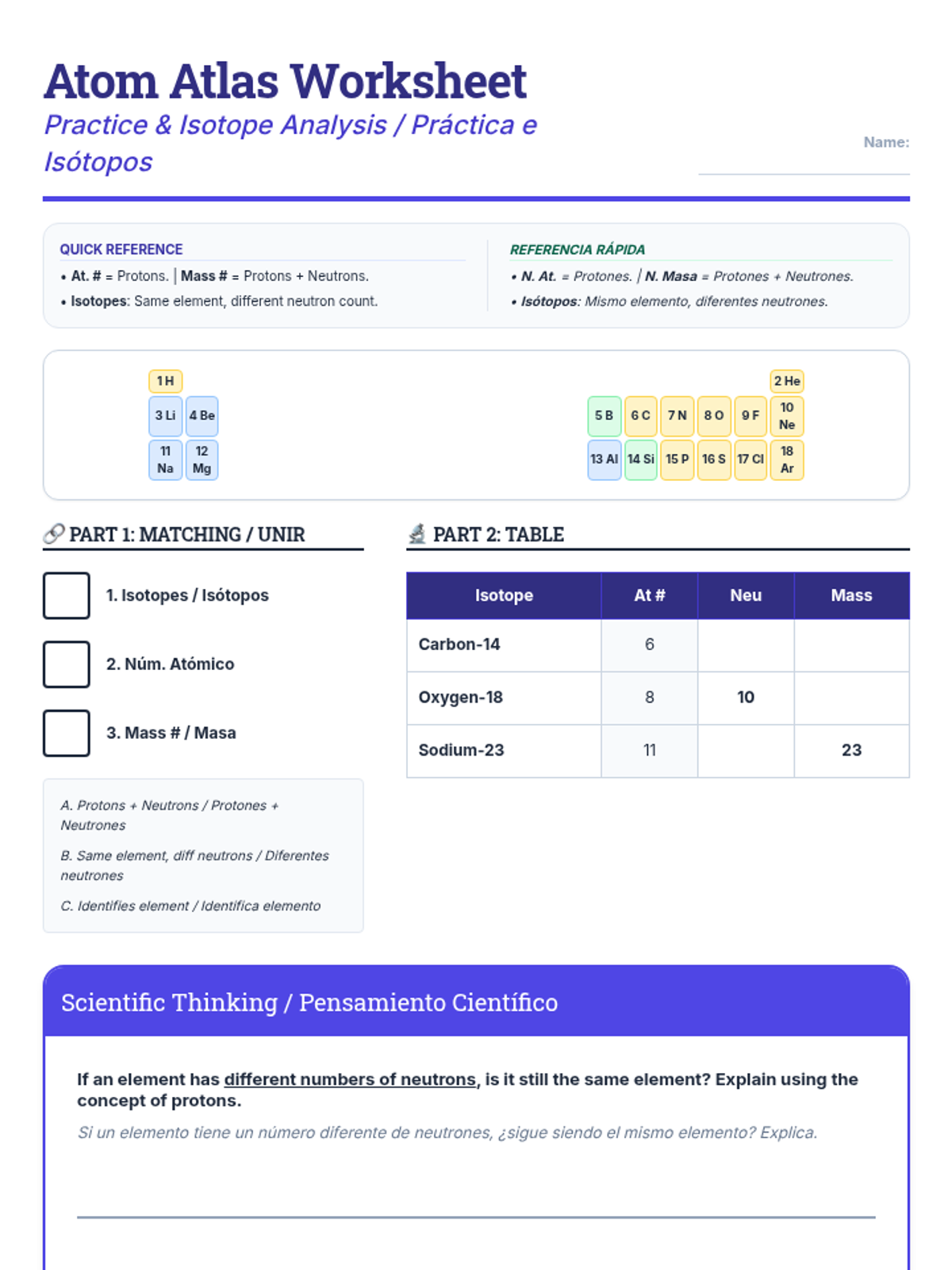
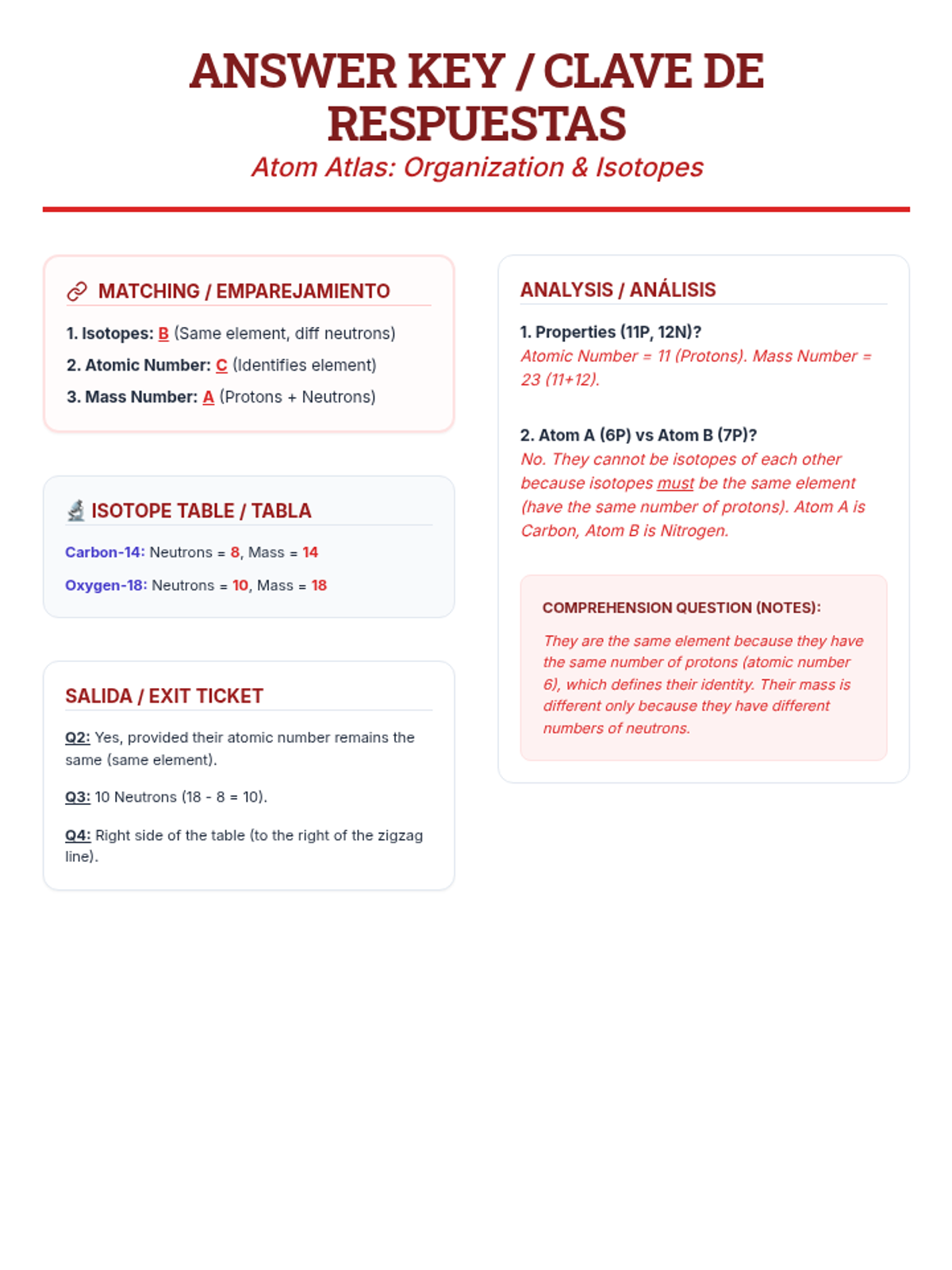
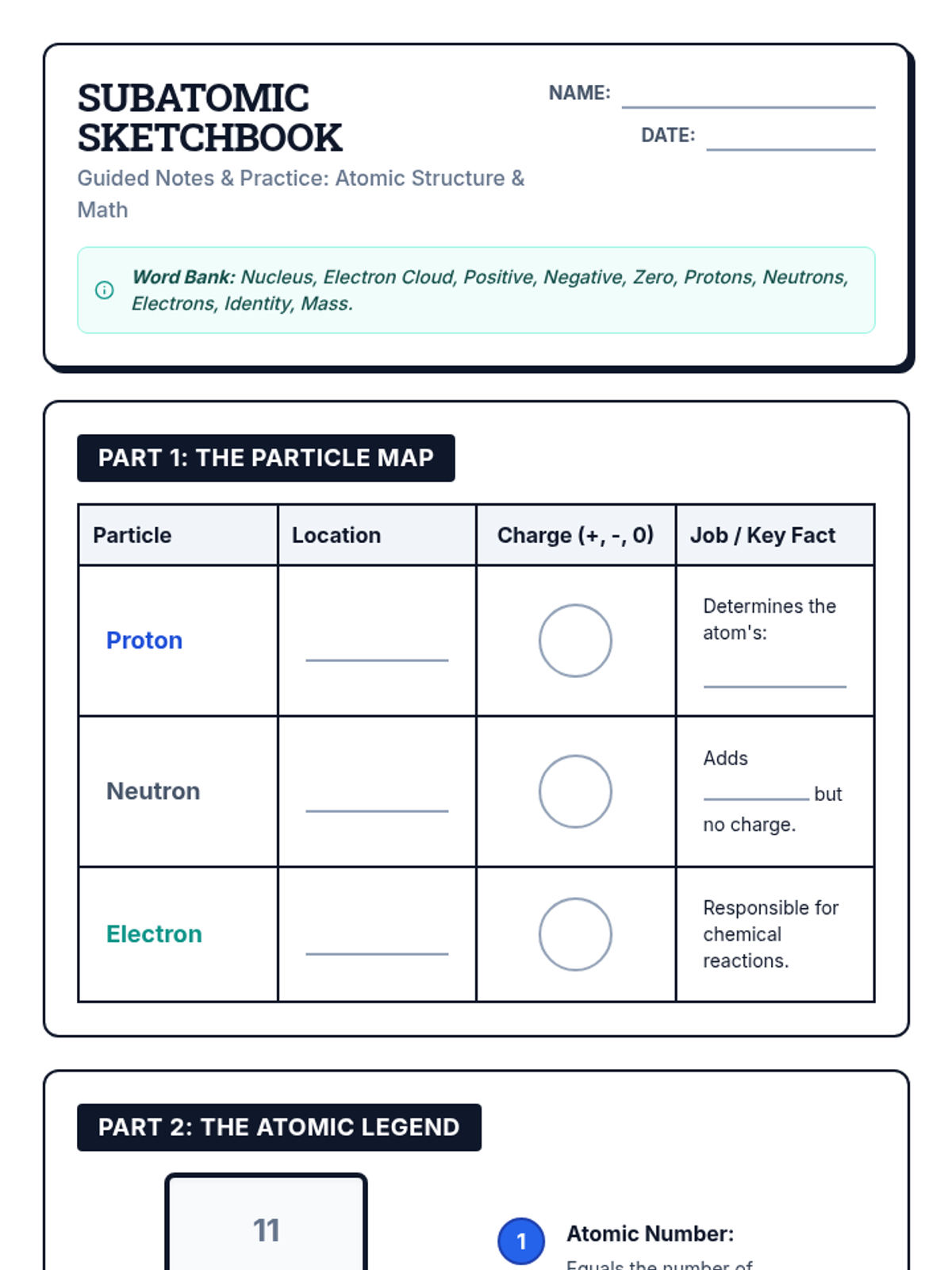
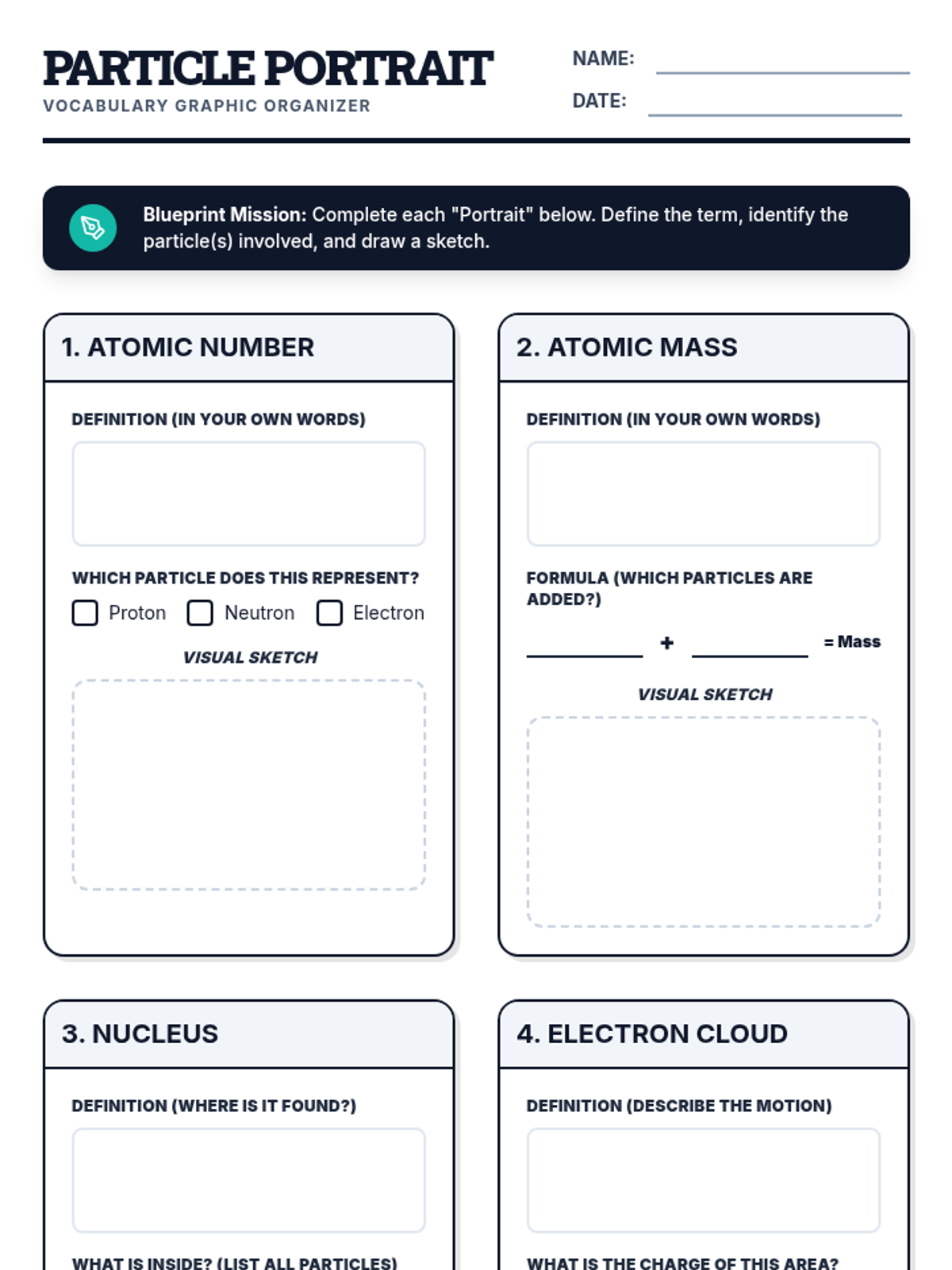
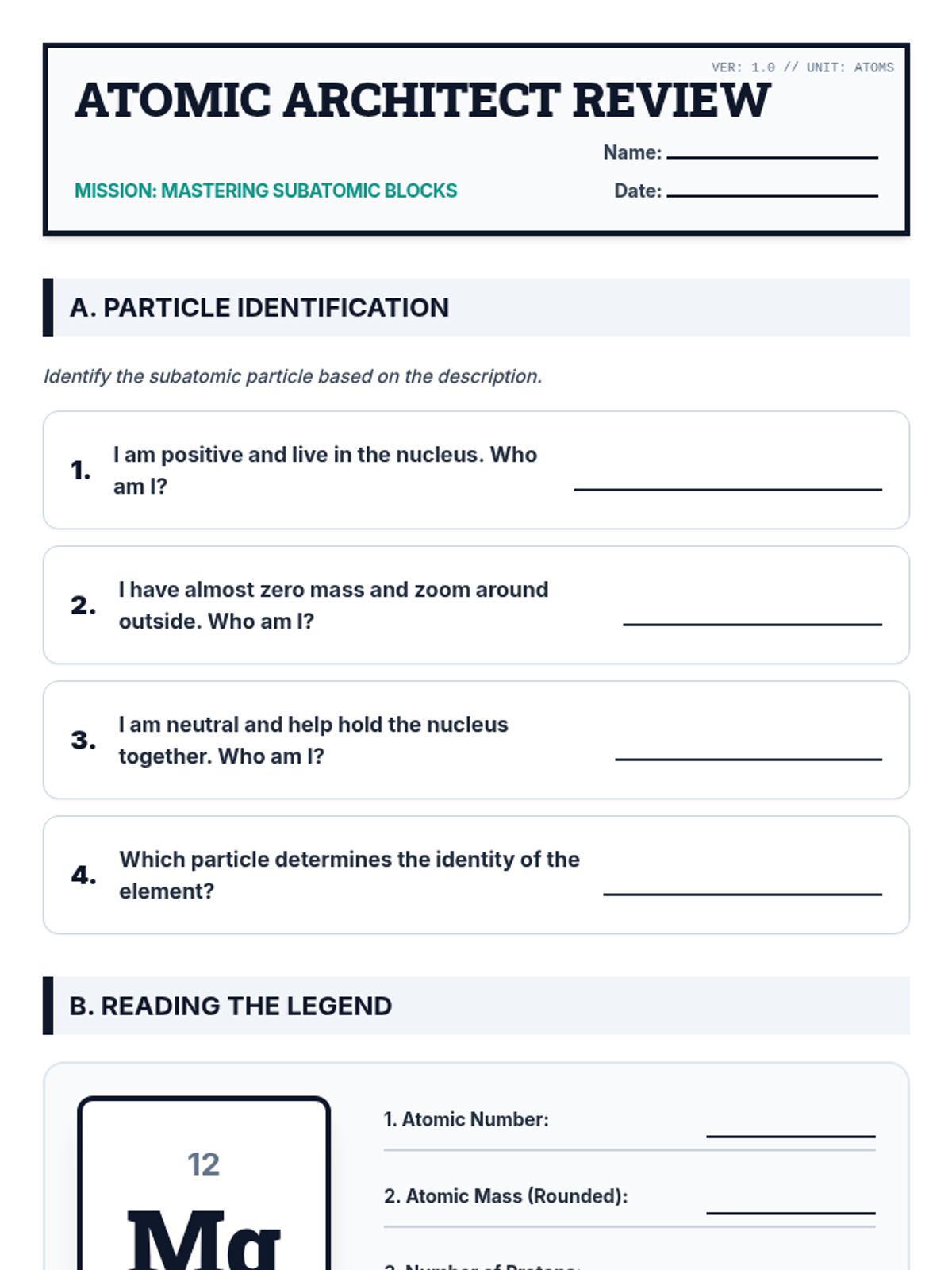
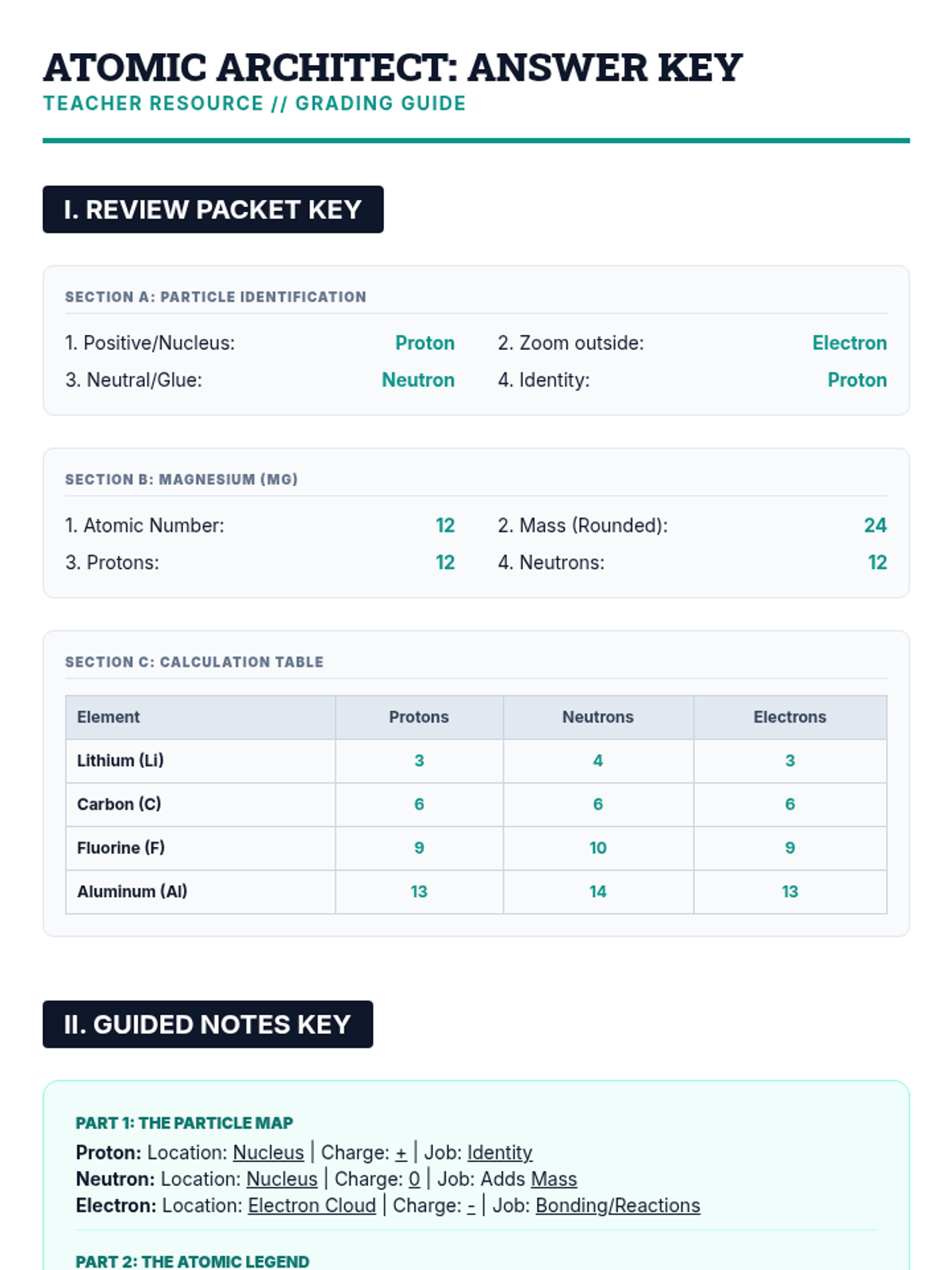
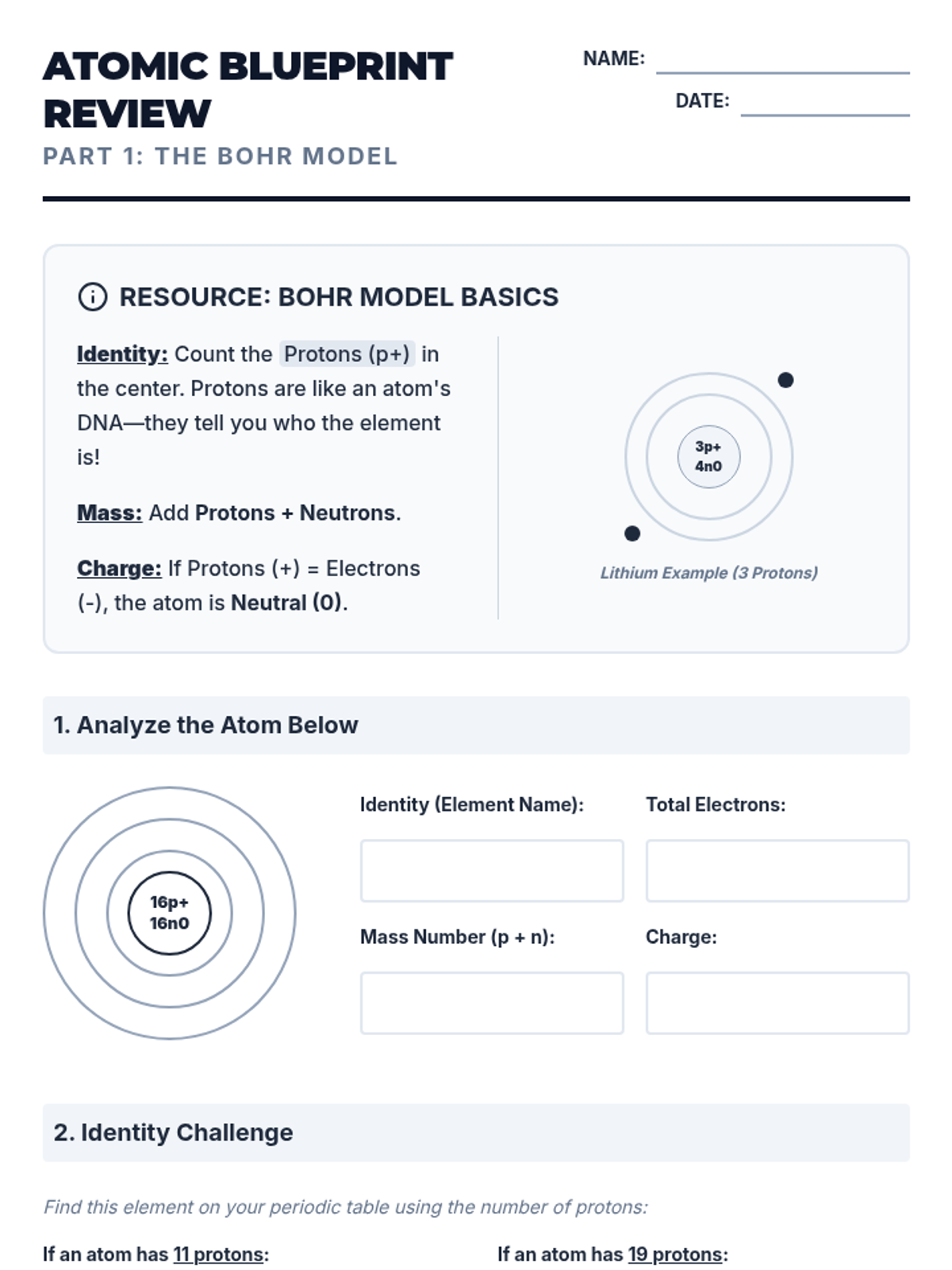
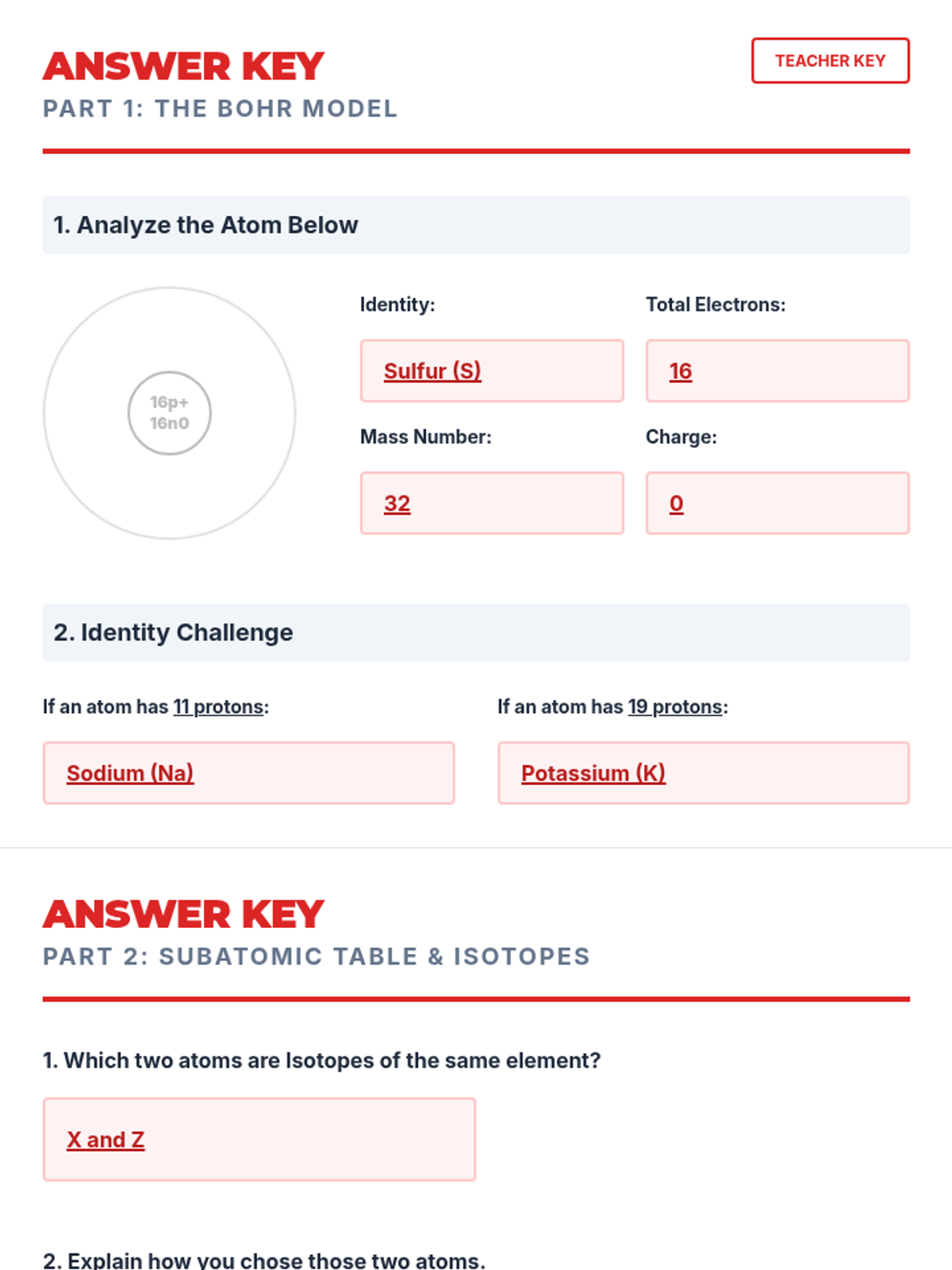
A comprehensive review of atomic structure, mass, and number, designed with scaffolding for diverse learners including Gen Ed and SPED/IEP students. Students act as 'Atomic Architects' to master the subatomic building blocks of matter.
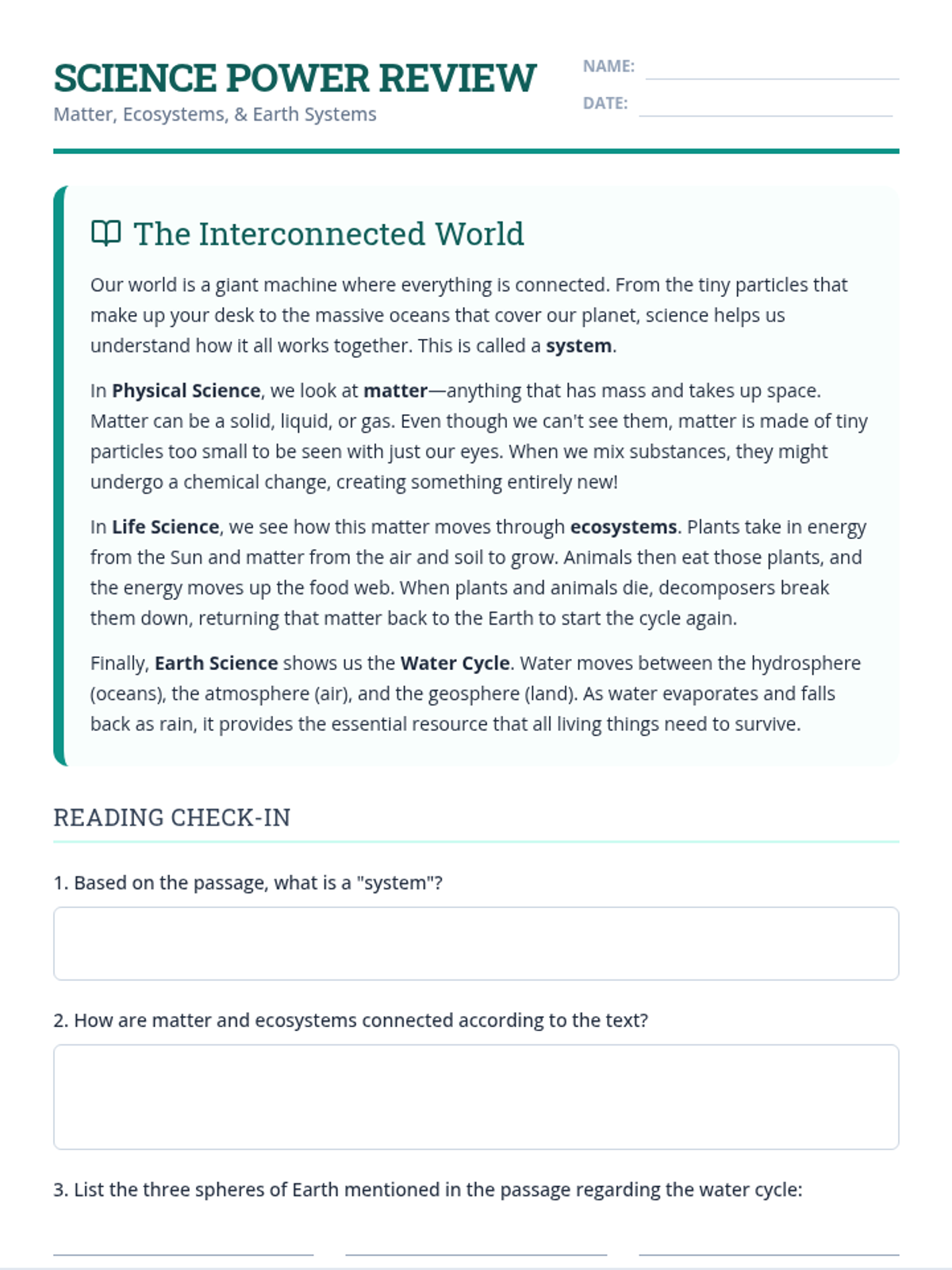
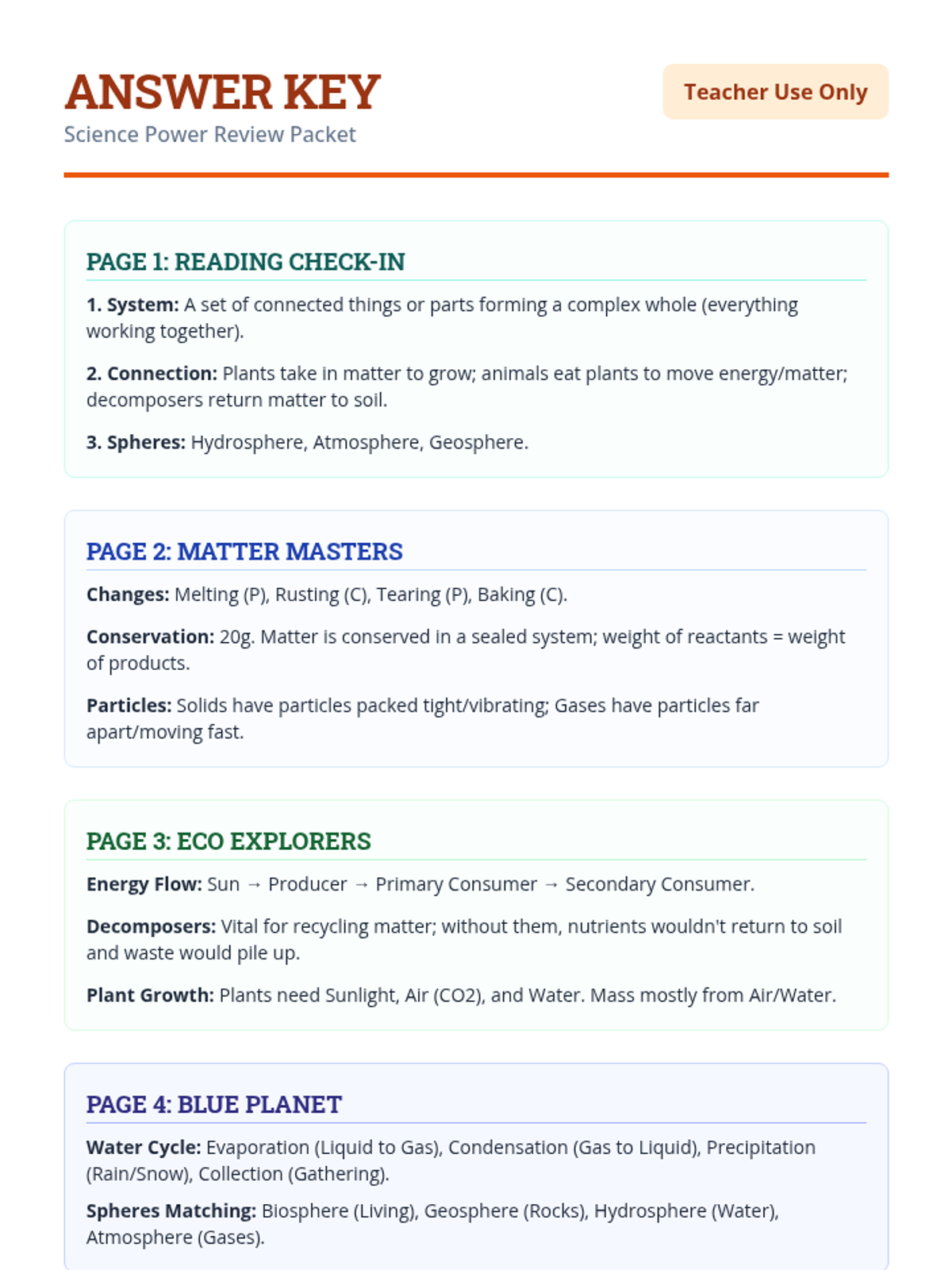
A comprehensive 5th-grade NGSS science review covering Physical Science (matter), Life Science (ecosystems), and Earth Science (the water cycle and Earth's systems) through reading passages and mixed review questions.
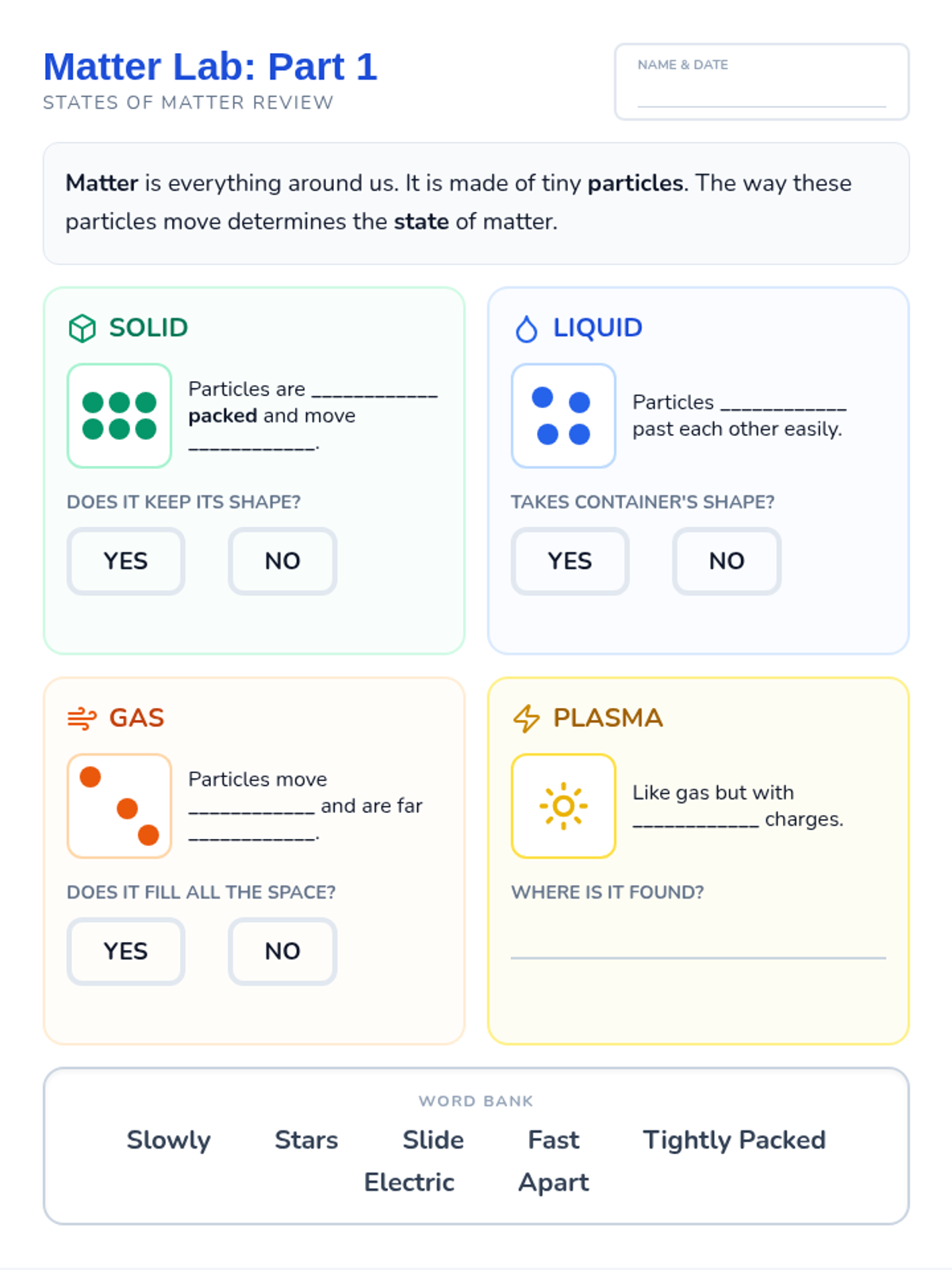
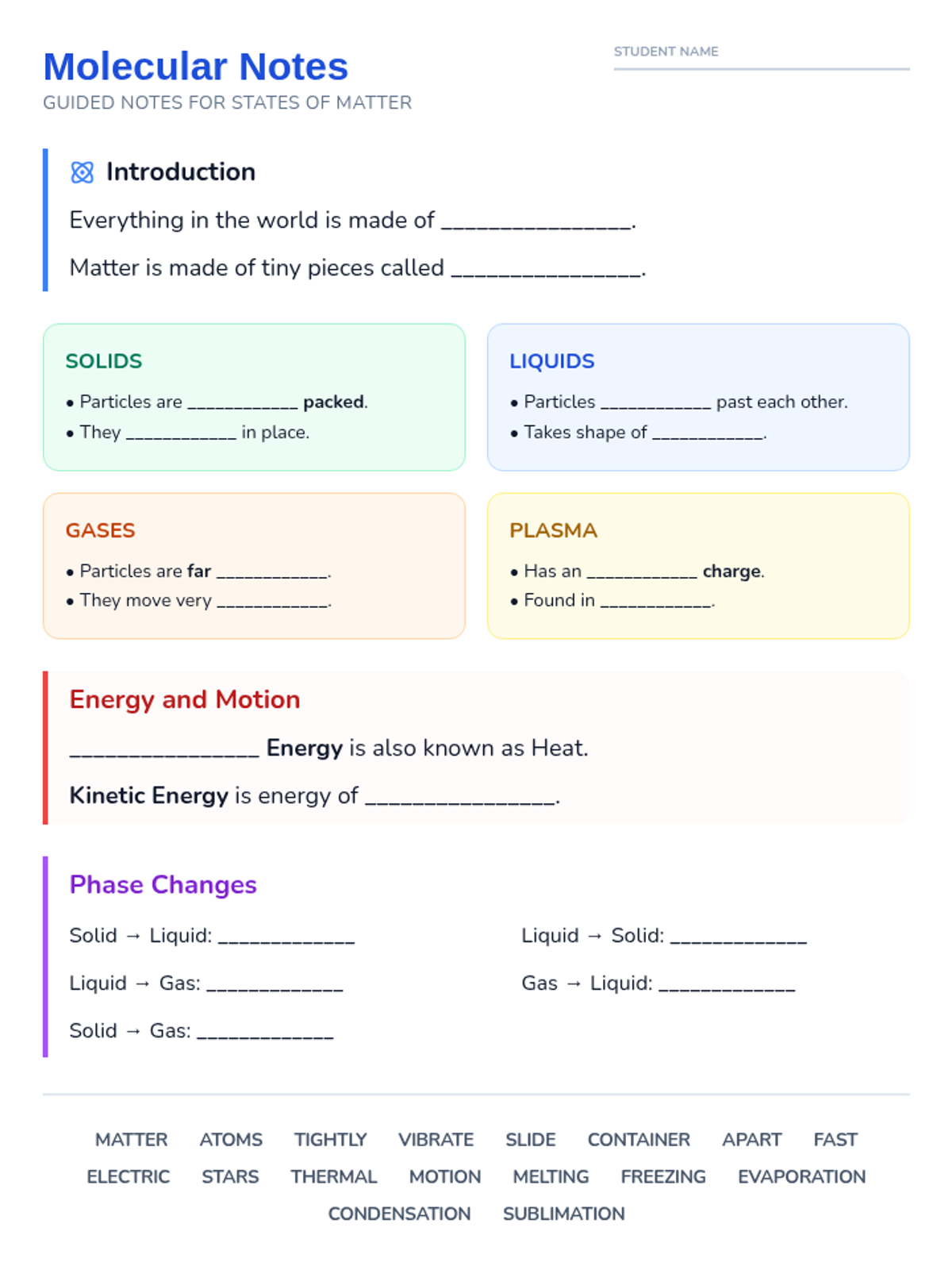
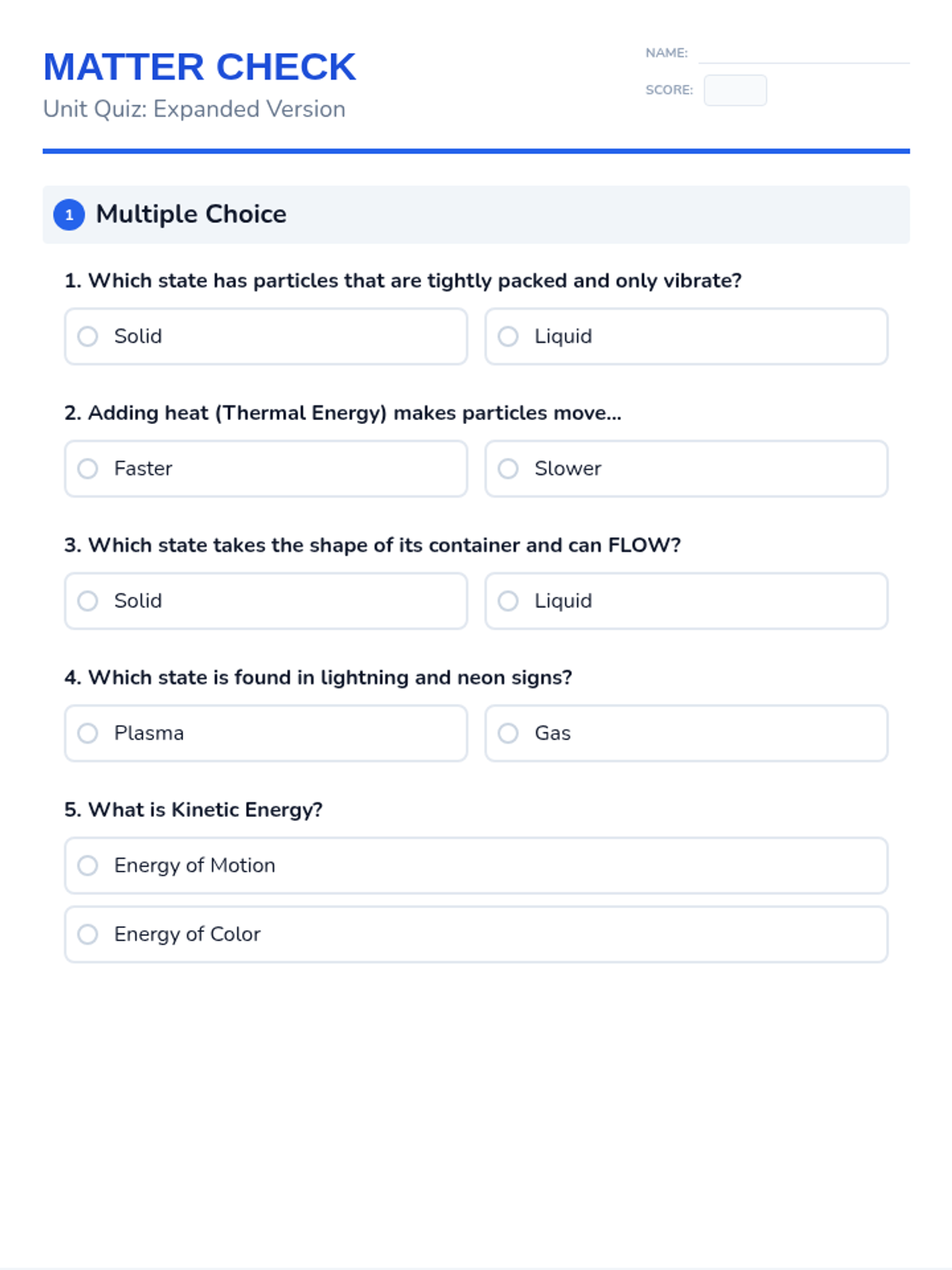
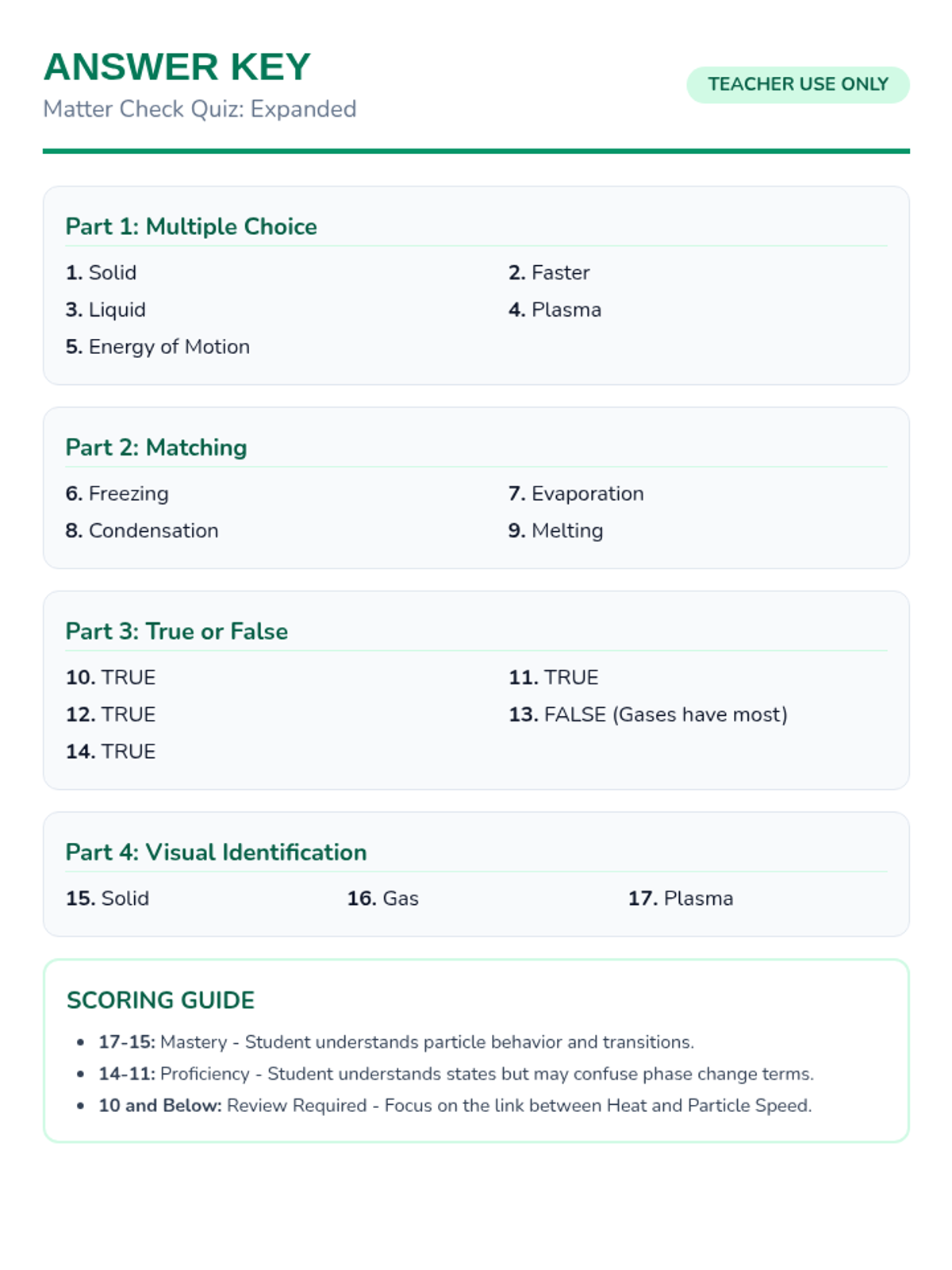
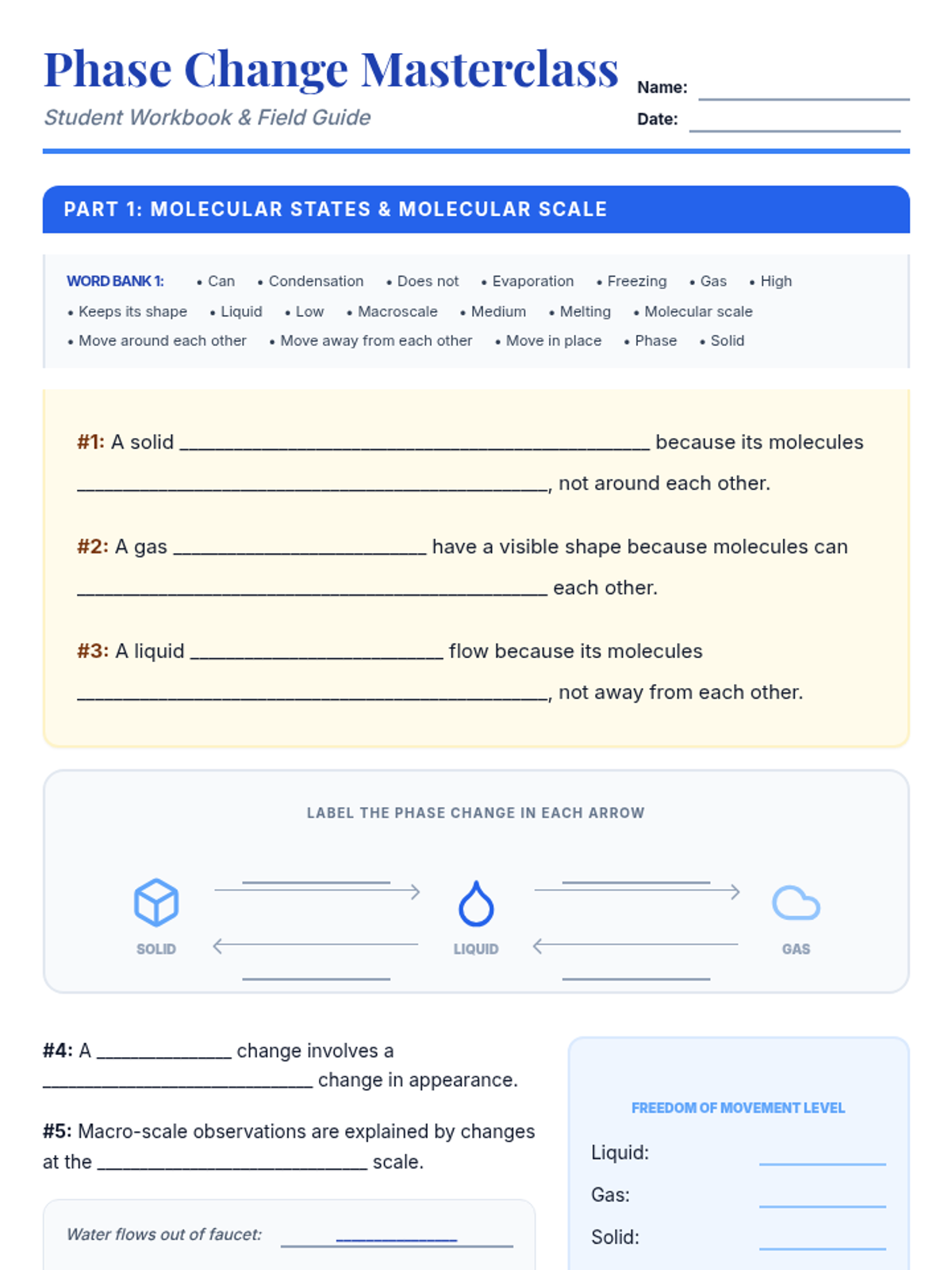
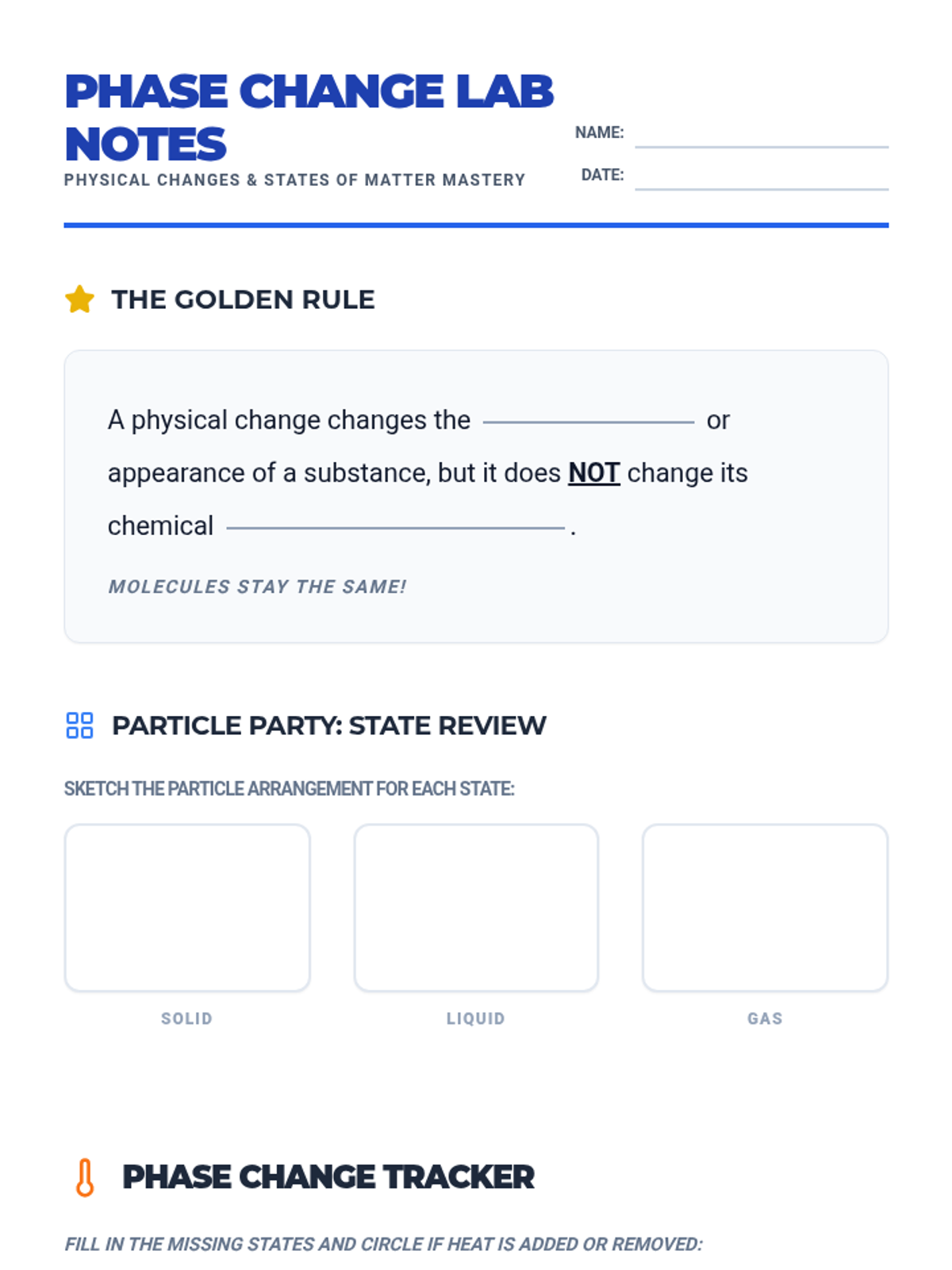
A comprehensive review of the states of matter and phase changes designed for diverse learners, featuring simplified text, visual aids, and structured graphic organizers.
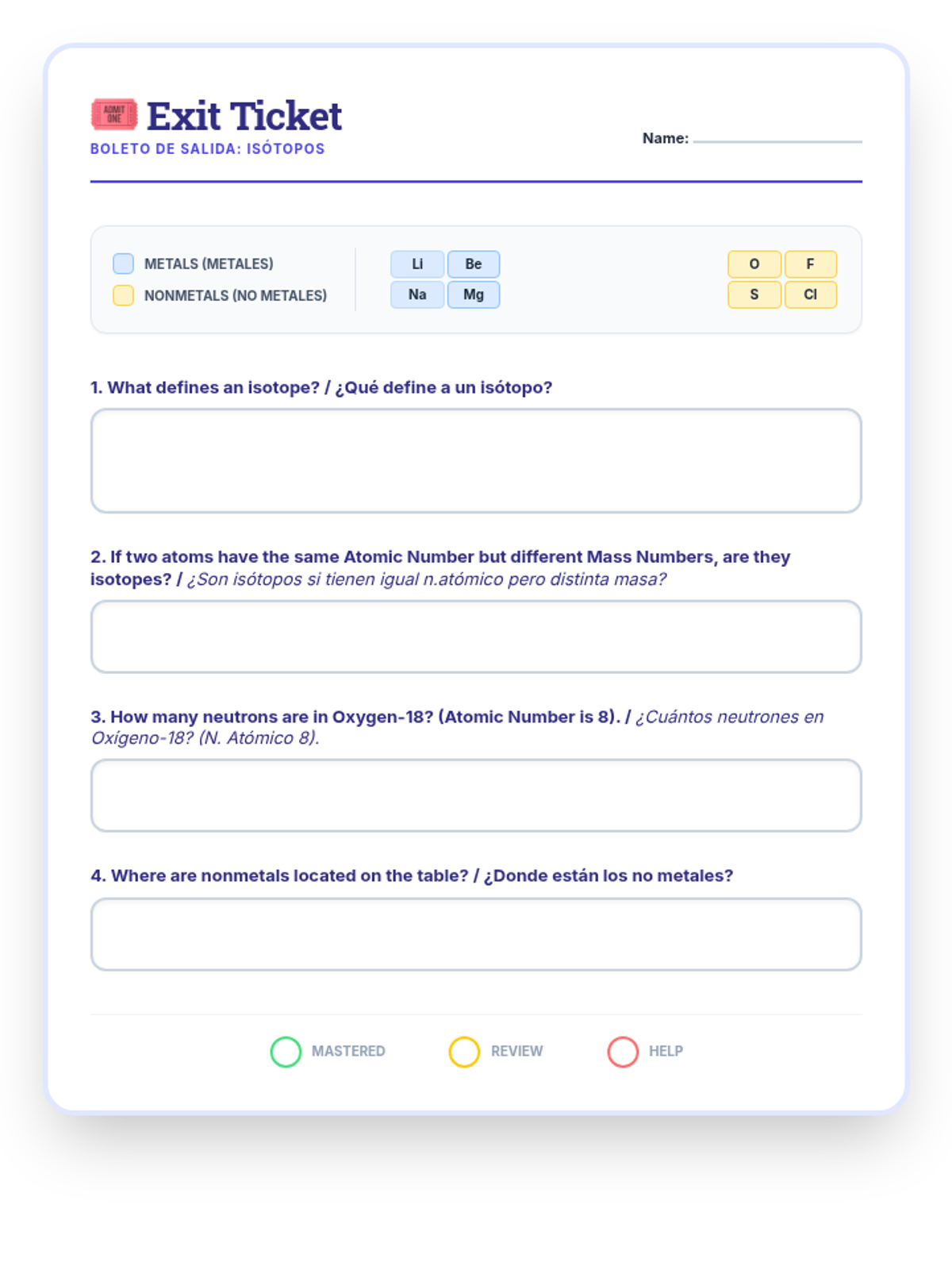
A comprehensive review sequence focusing on atomic structure, Bohr models, isotopes, and electron configurations designed for high school chemistry students.
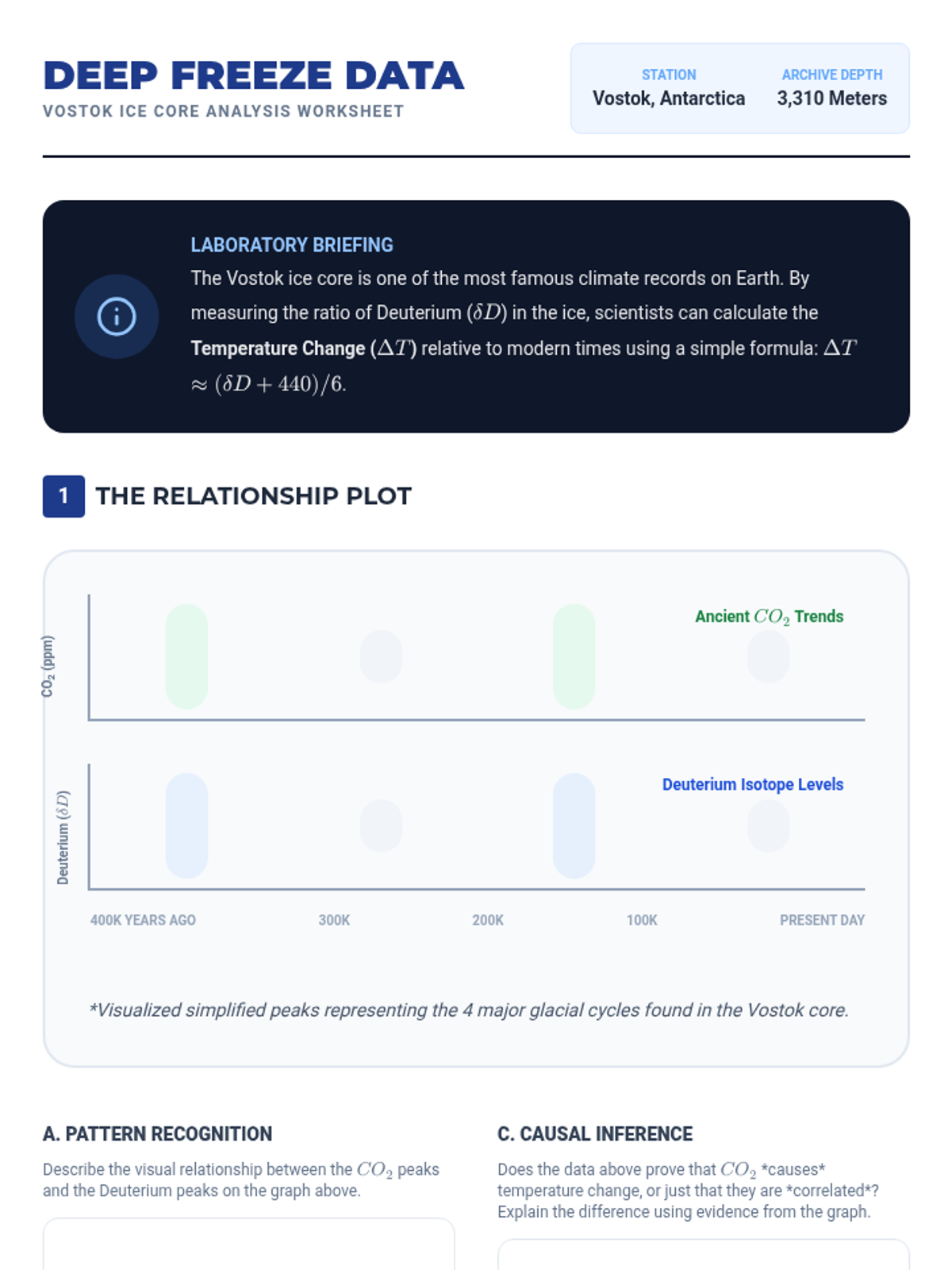
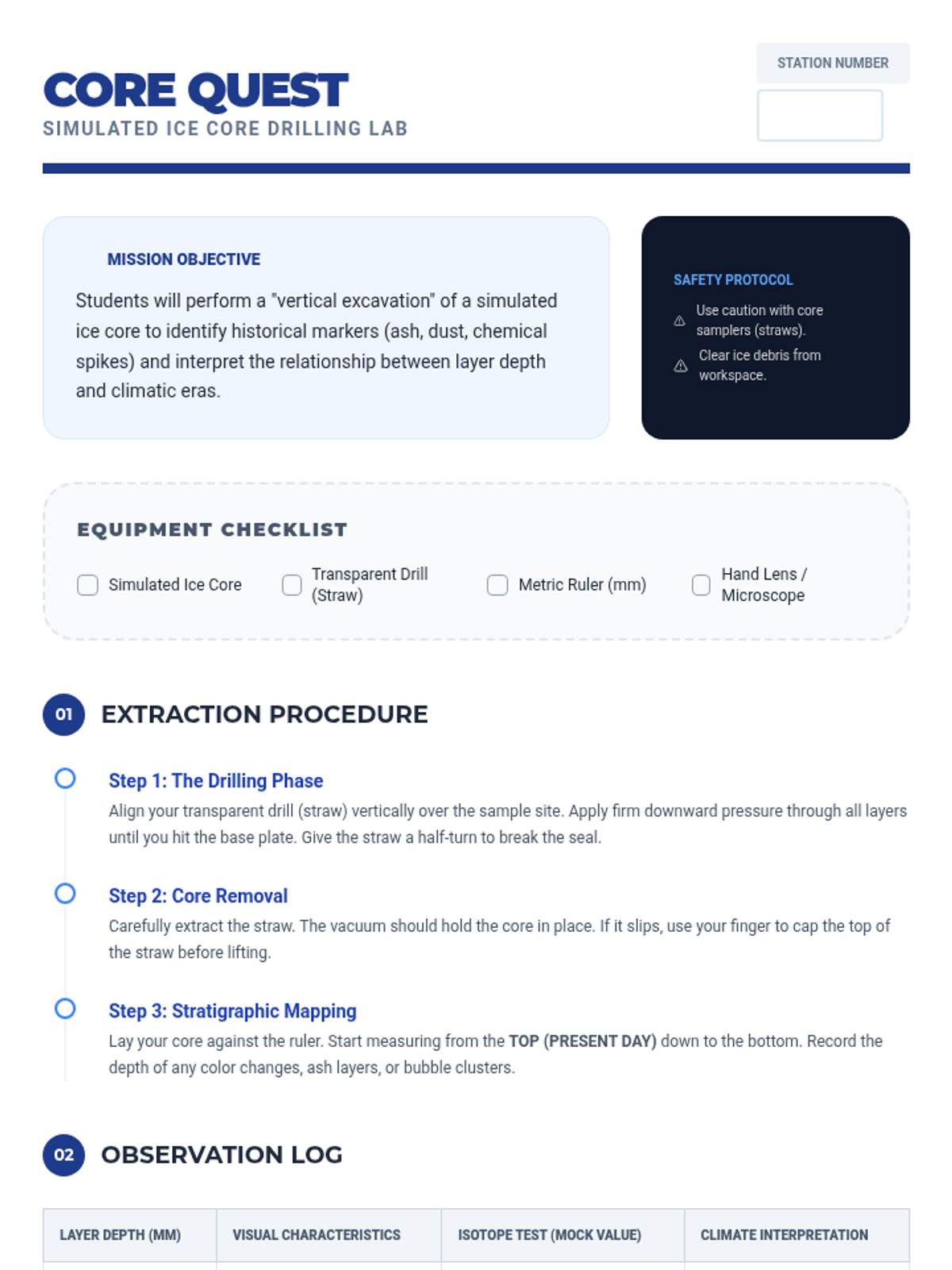
A high school lesson exploring the relationship between deuterium isotopes in ice cores and historical greenhouse gas levels to reconstruct past climates. Students analyze isotopic data to understand how scientists decode Earth's climate history from the deep freeze.
A comprehensive 8th-grade review game covering major concepts in Social Studies, Math, and Science. Designed for classroom engagement and cumulative review.
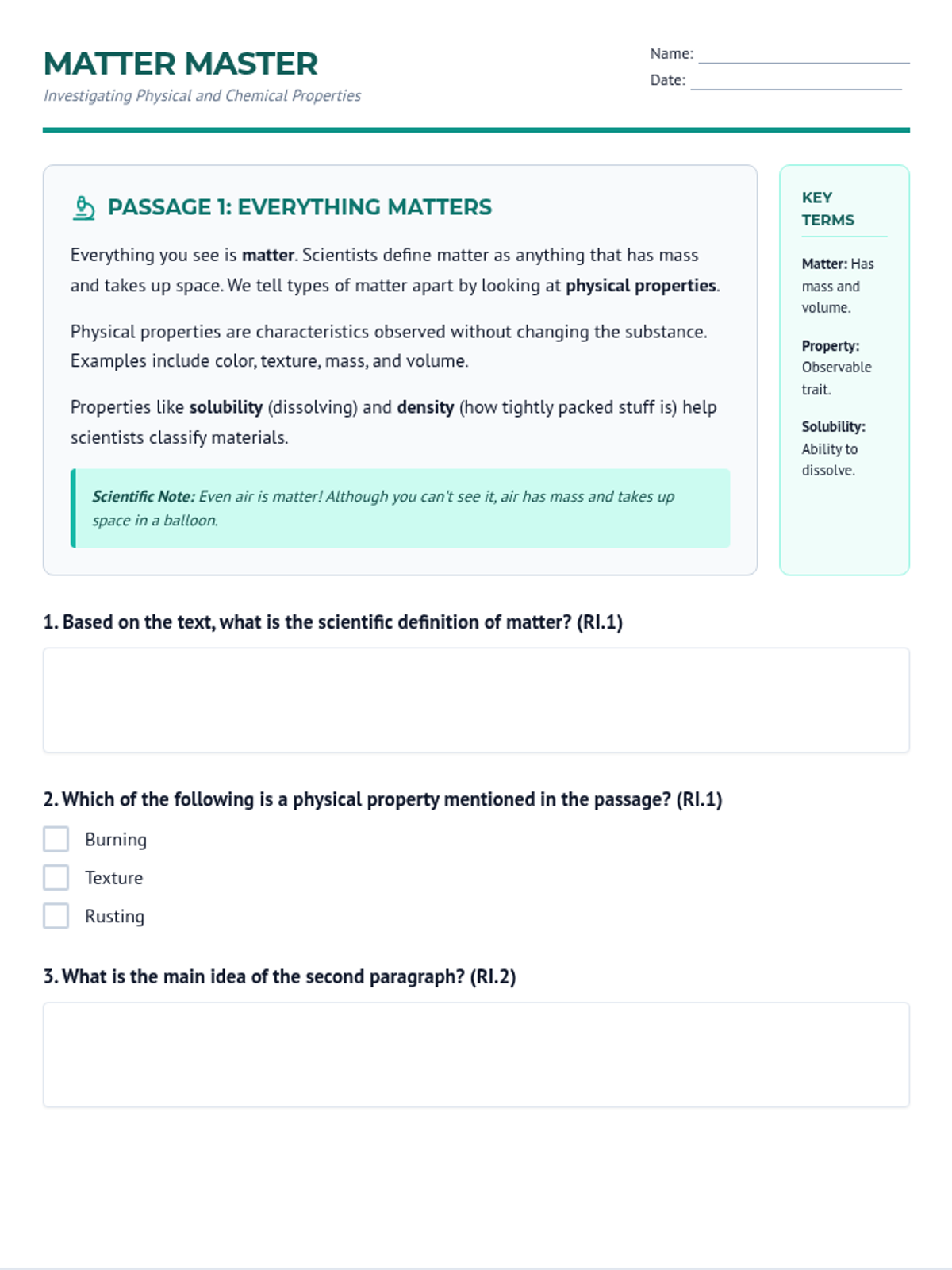
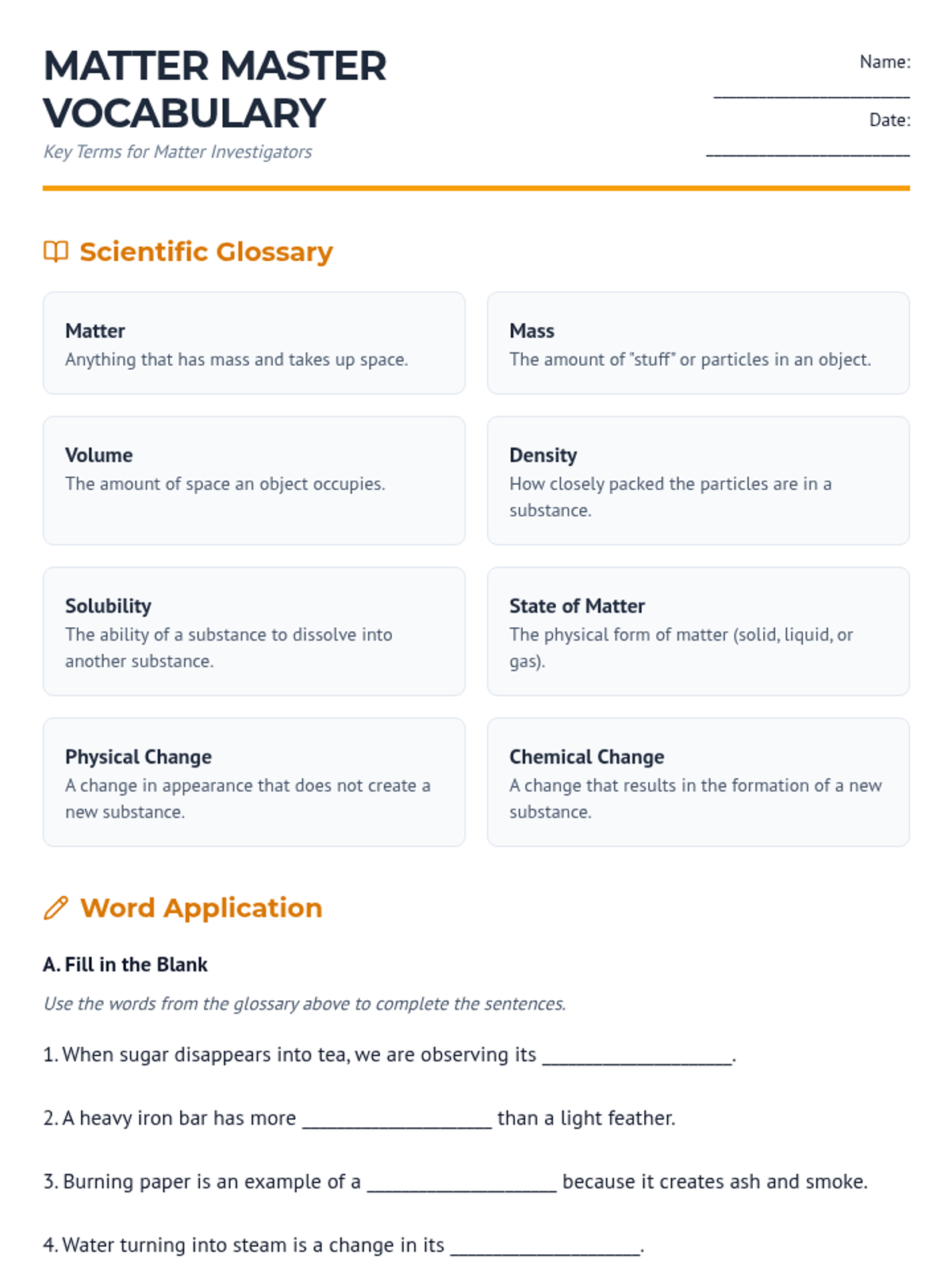
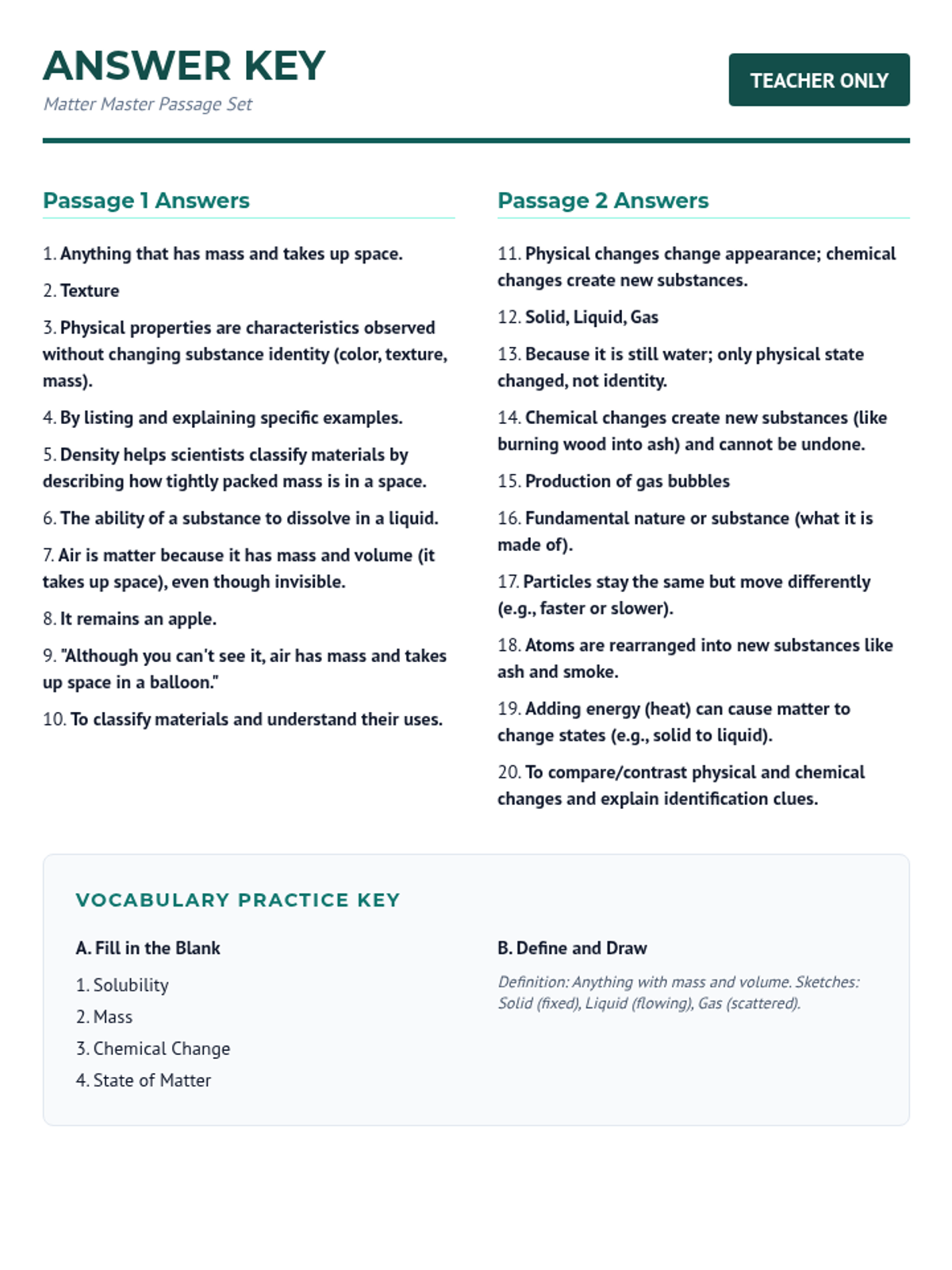
In this lesson, students explore the physical and chemical properties of matter through two detailed informational passages. They will practice identifying main ideas, citing evidence, and mastering scientific vocabulary.
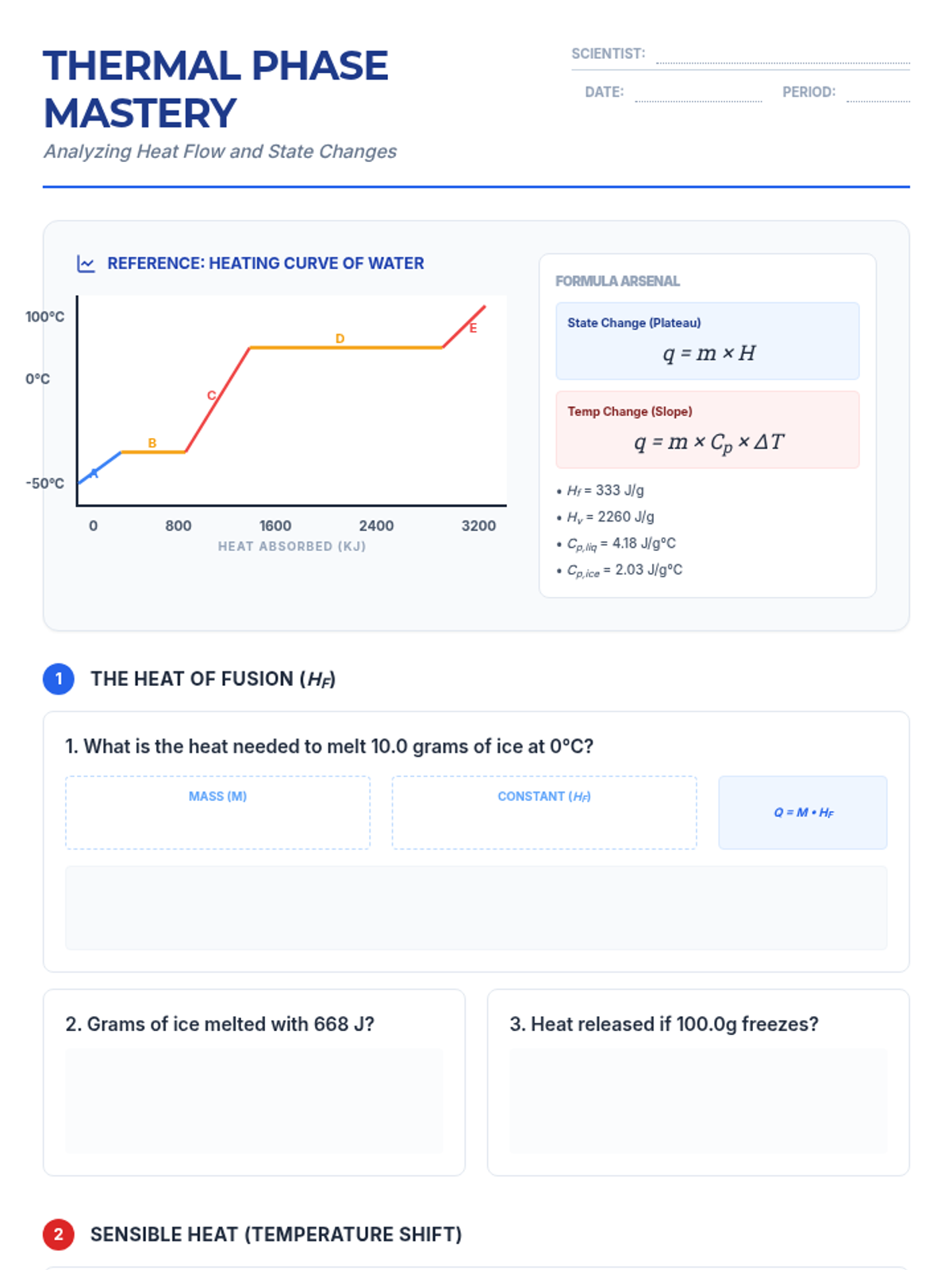
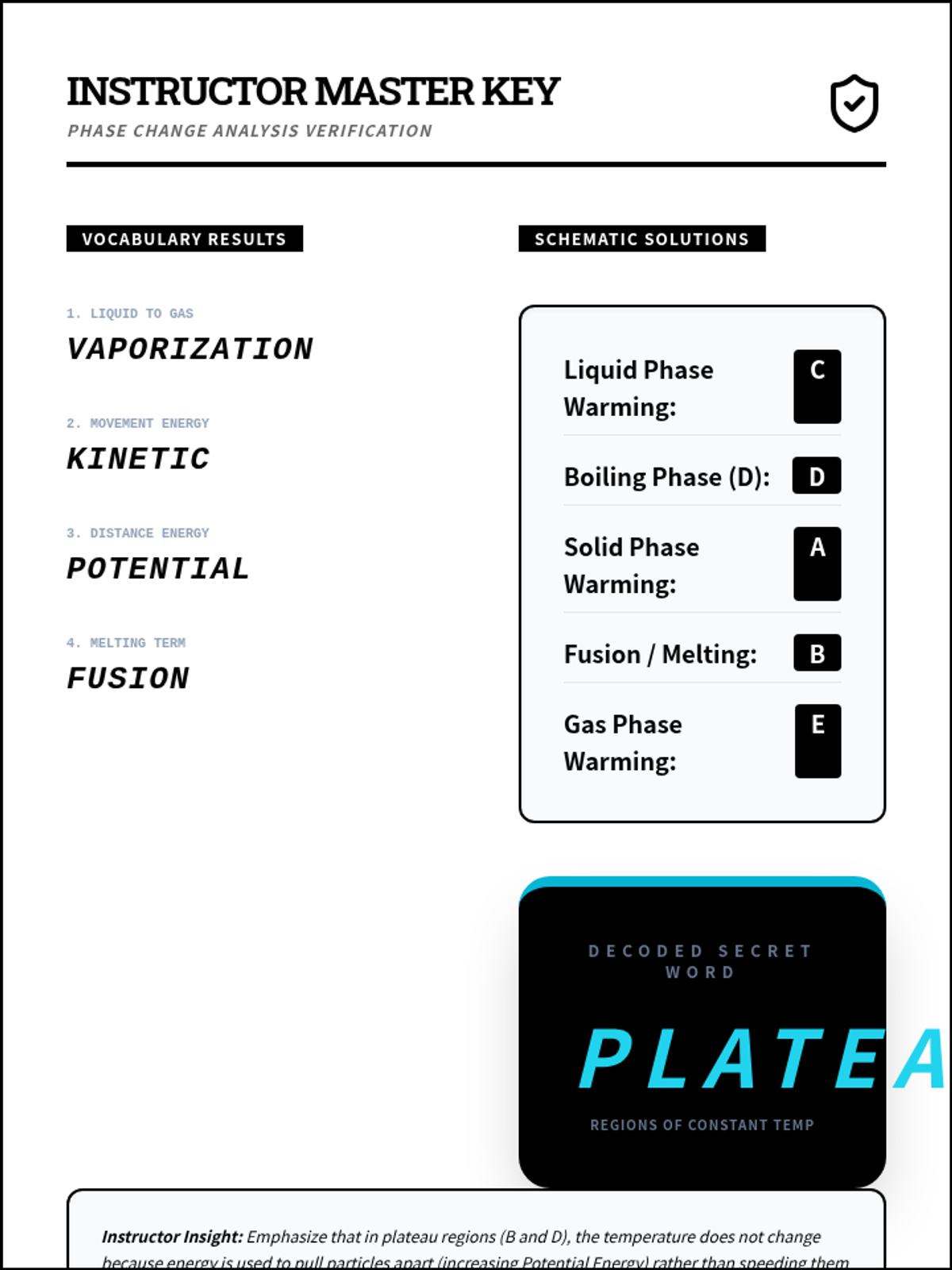
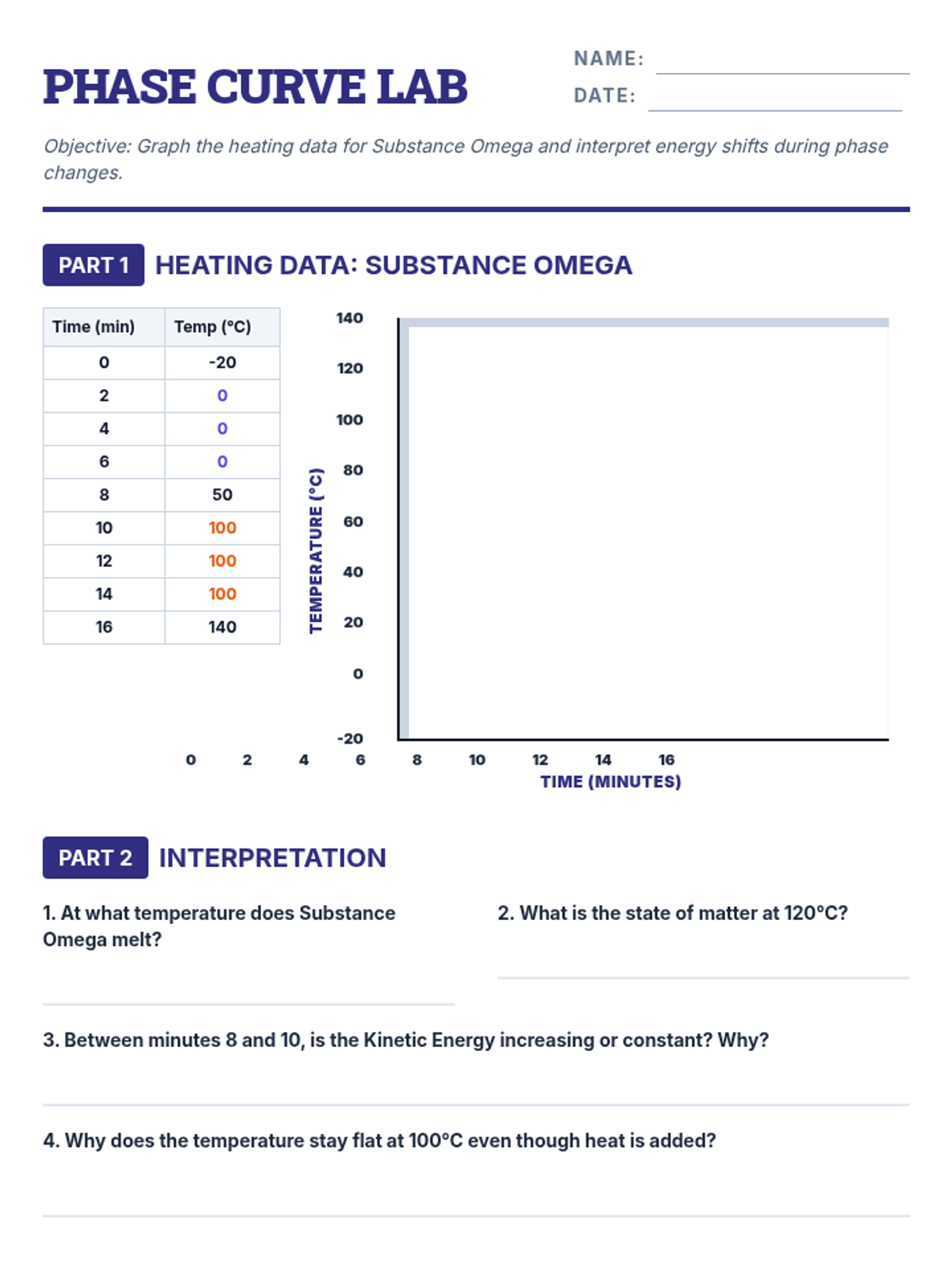
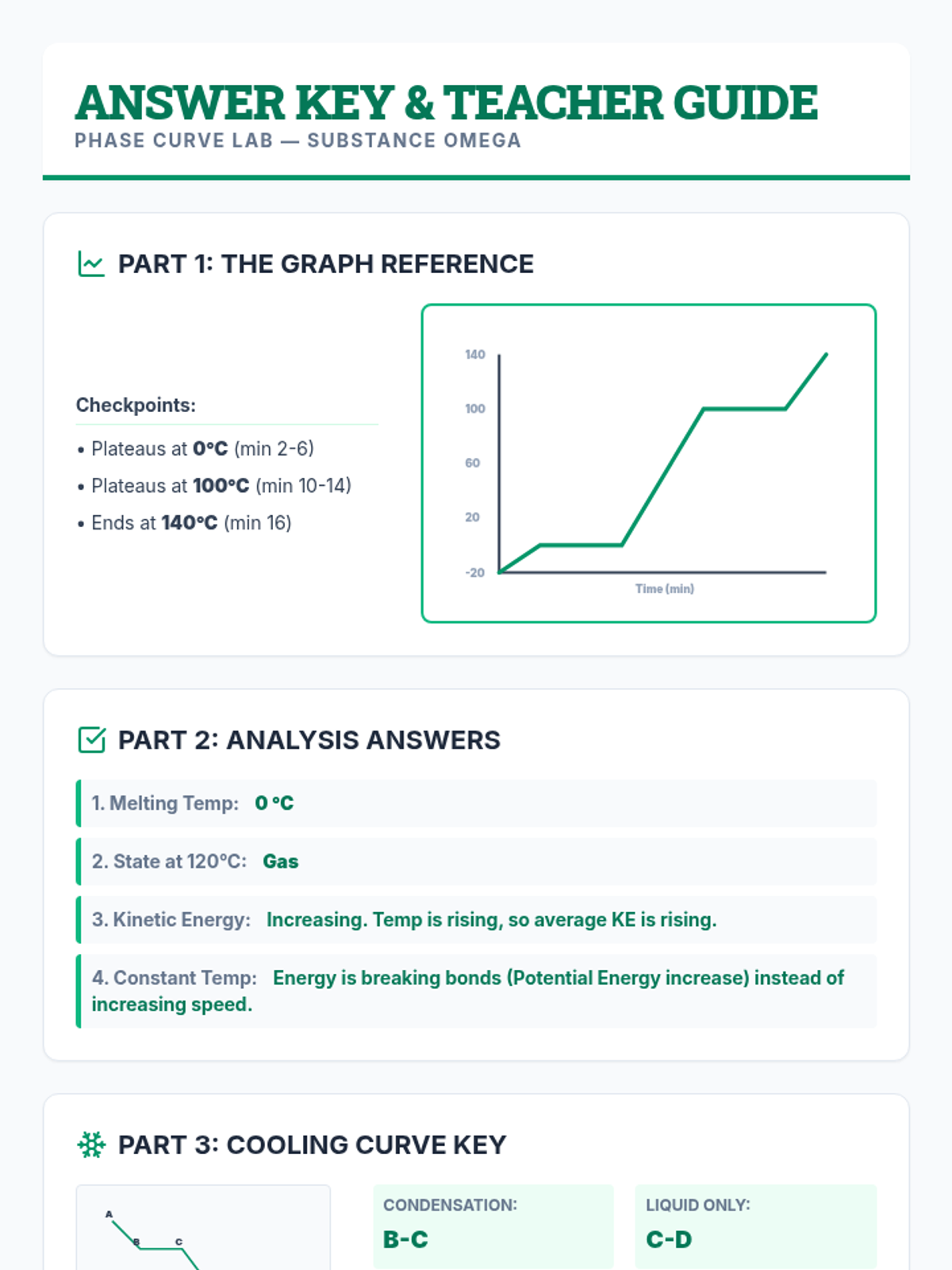
A comprehensive lesson on graphing and interpreting heating and cooling curves, focusing on phase changes and energy transfers.
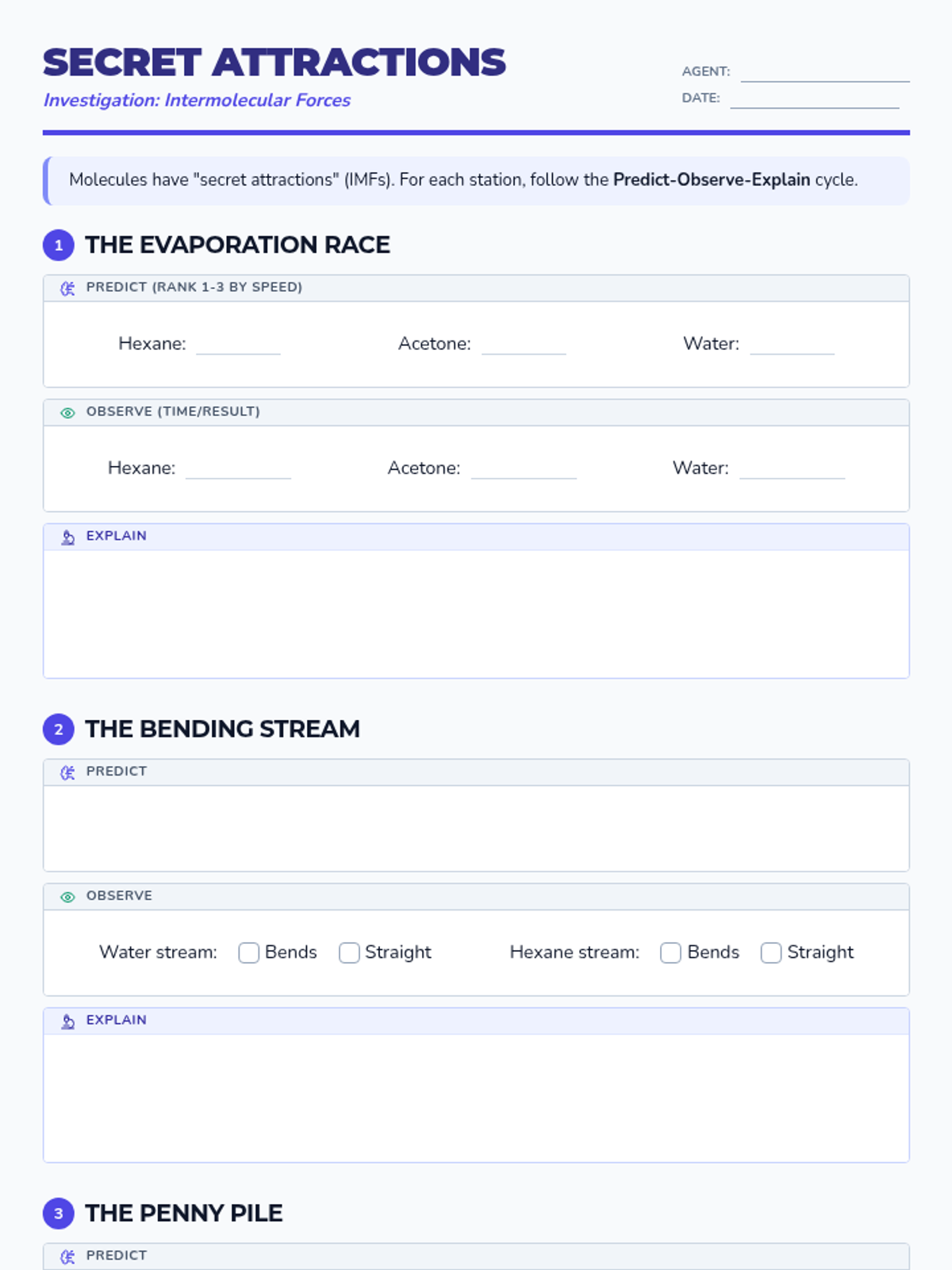
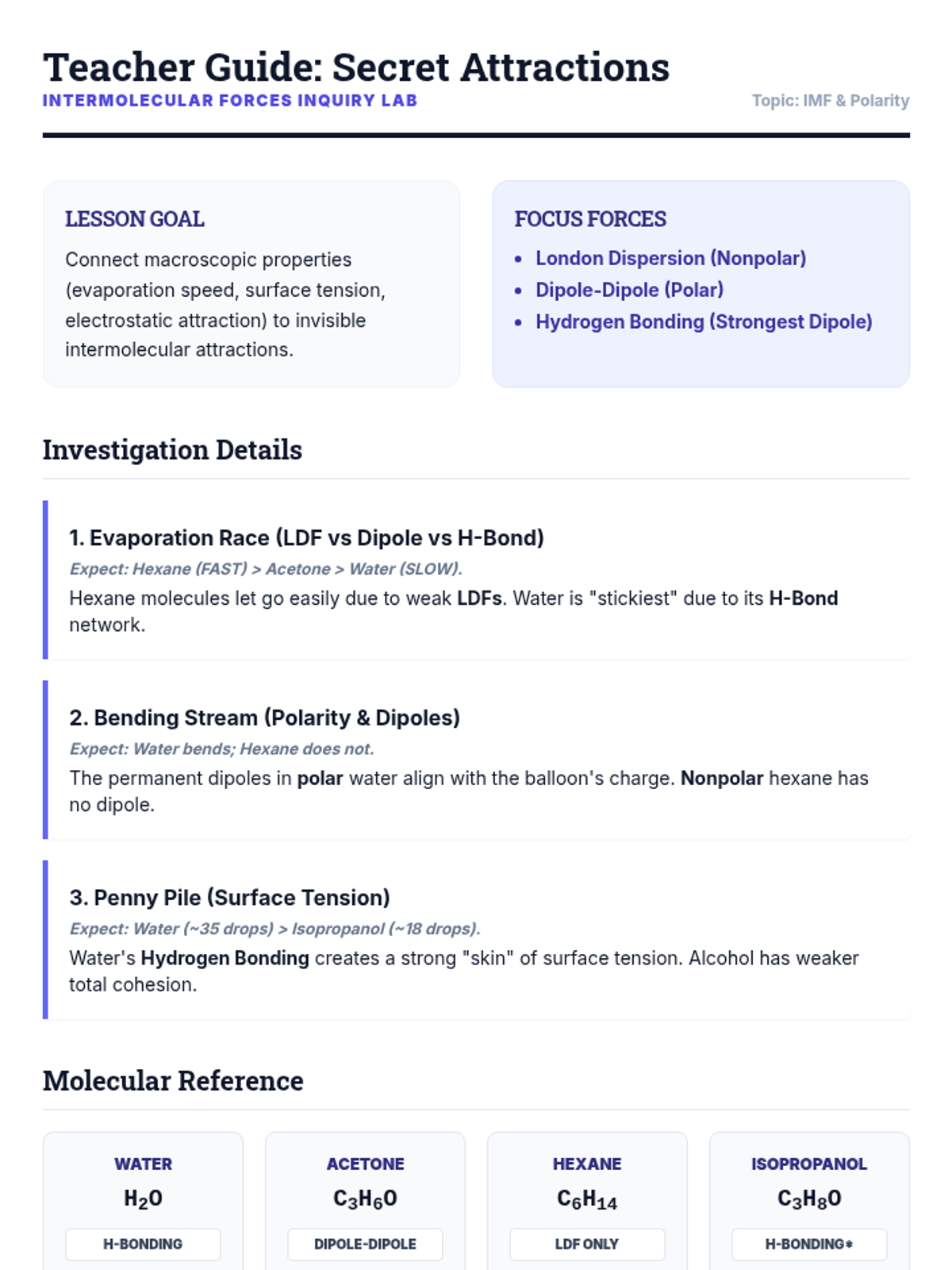
An inquiry-based lesson where students use the Predict-Observe-Explain (POE) cycle to discover and distinguish between London dispersion, dipole-dipole, and hydrogen bonding.
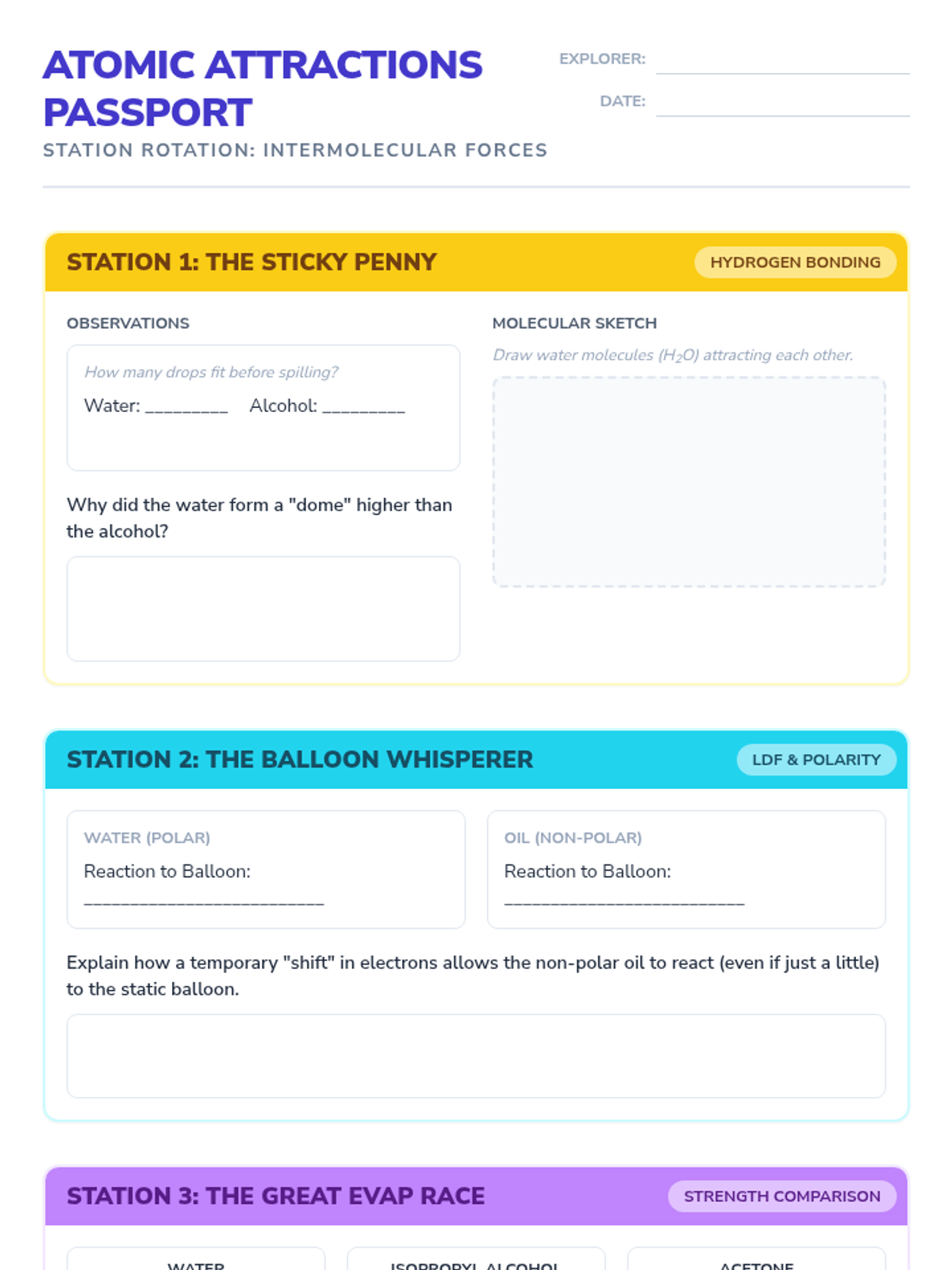
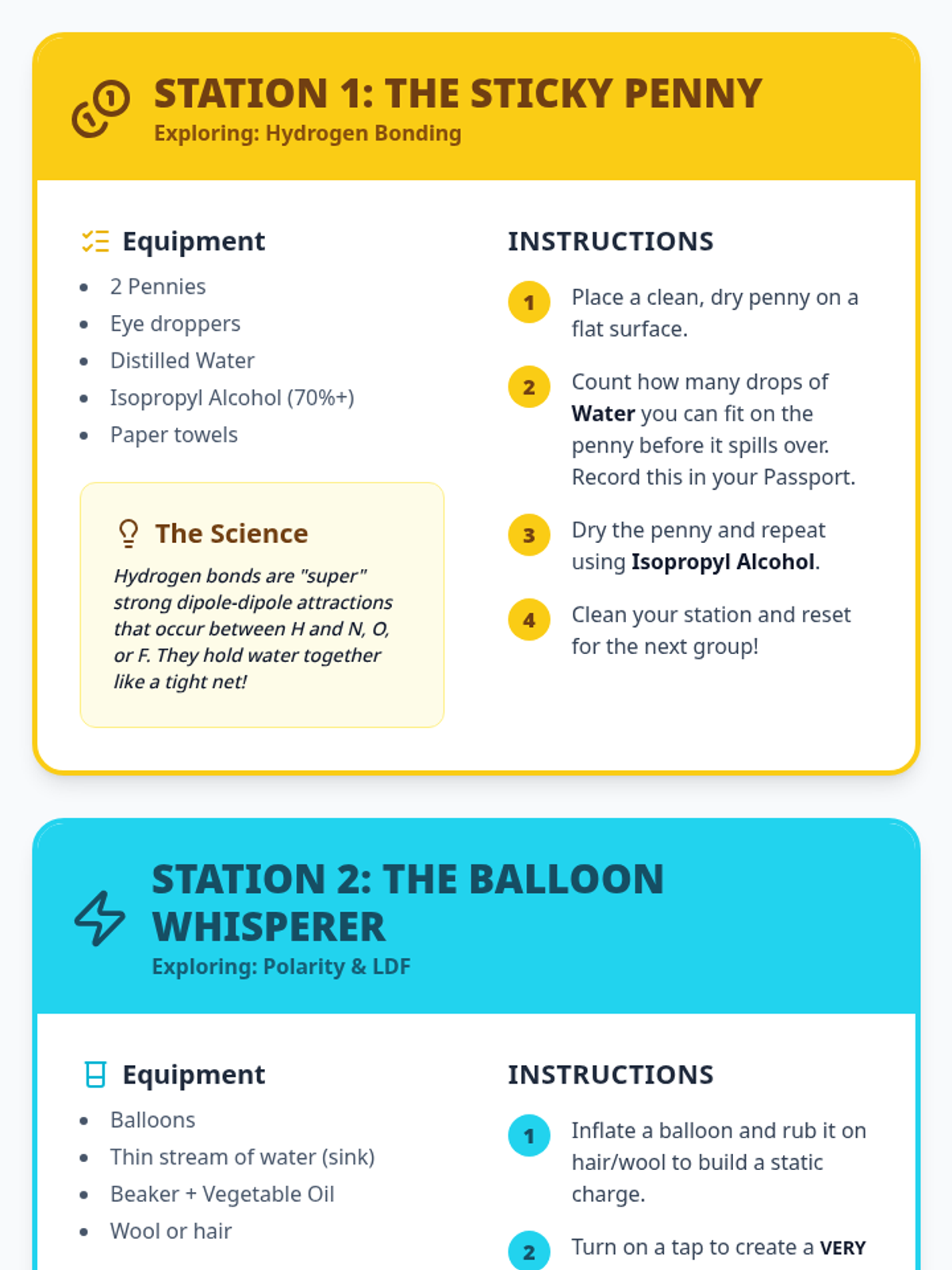
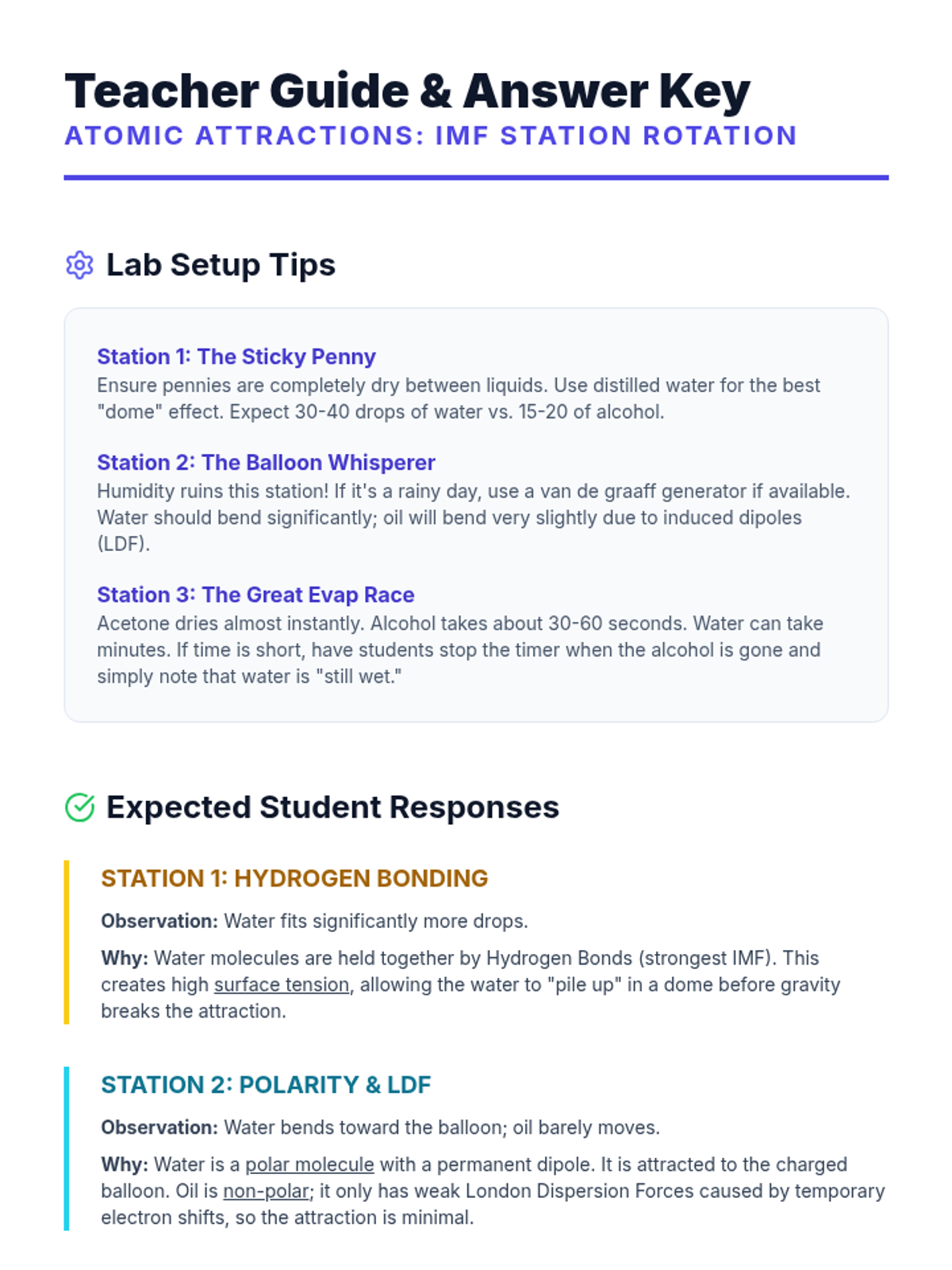
An introductory station rotation activity exploring intermolecular forces (IMF) through hands-on experiments. Students investigate London Dispersion, Dipole-Dipole, and Hydrogen Bonding through collaborative challenges.
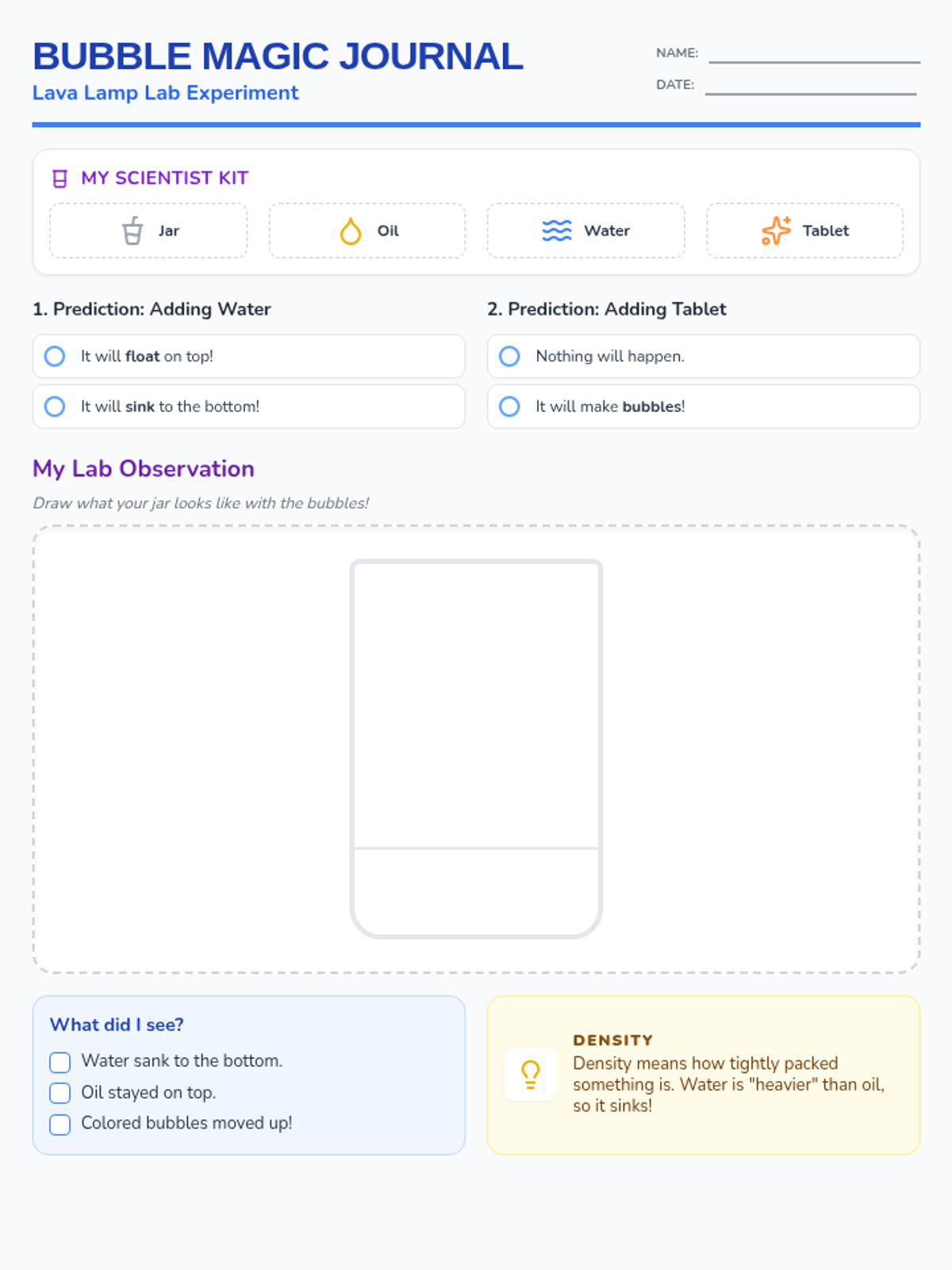
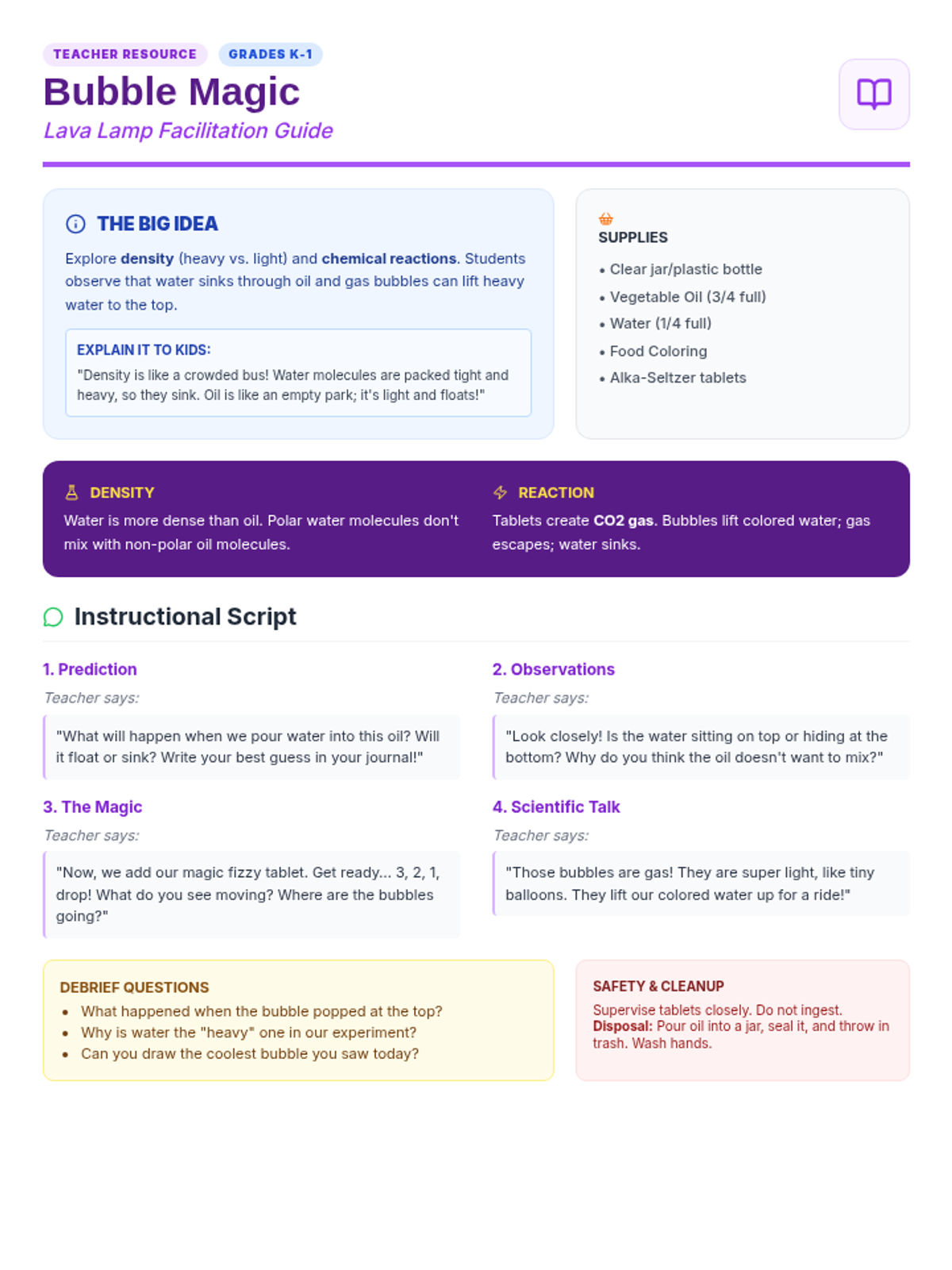
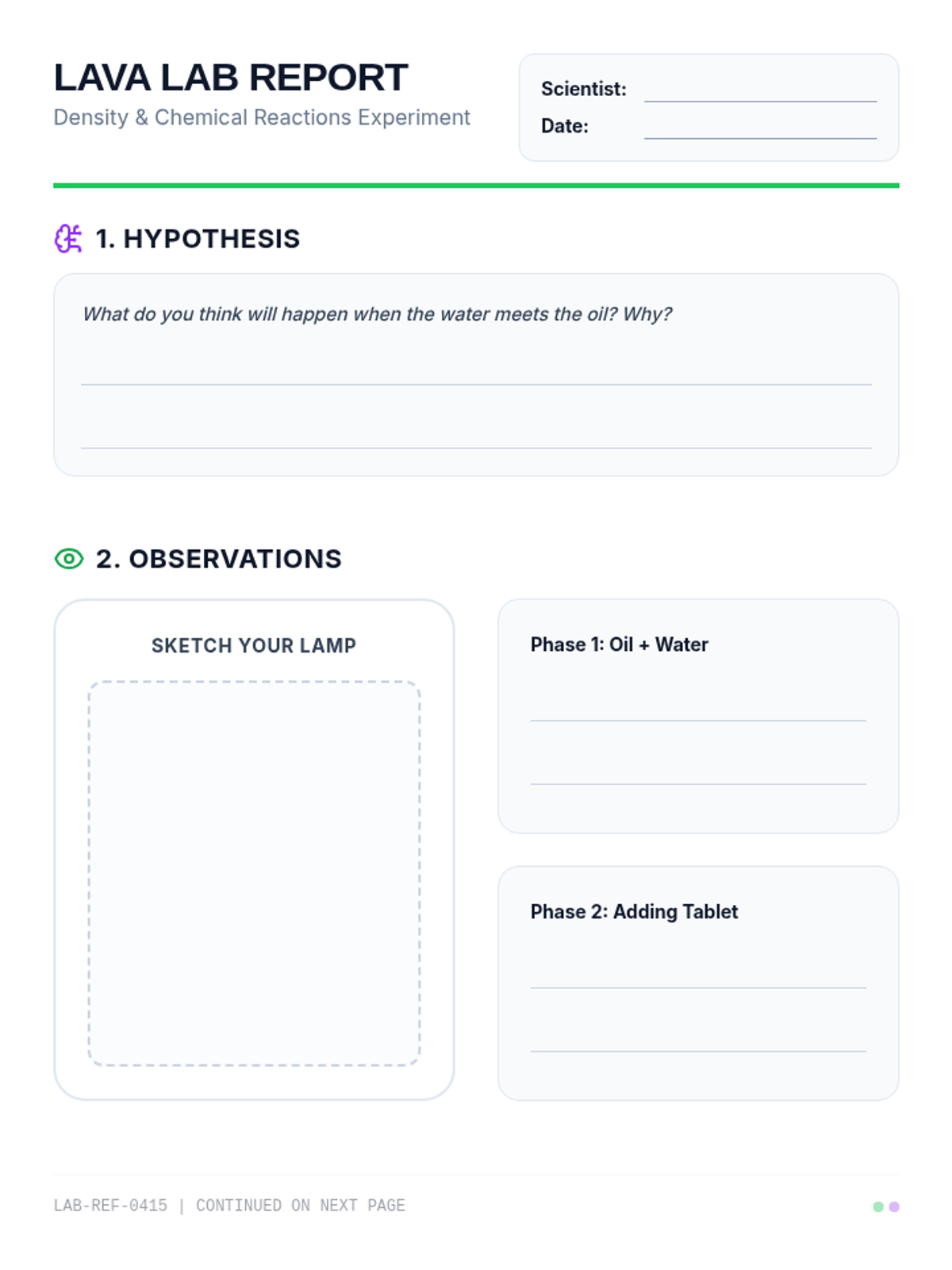
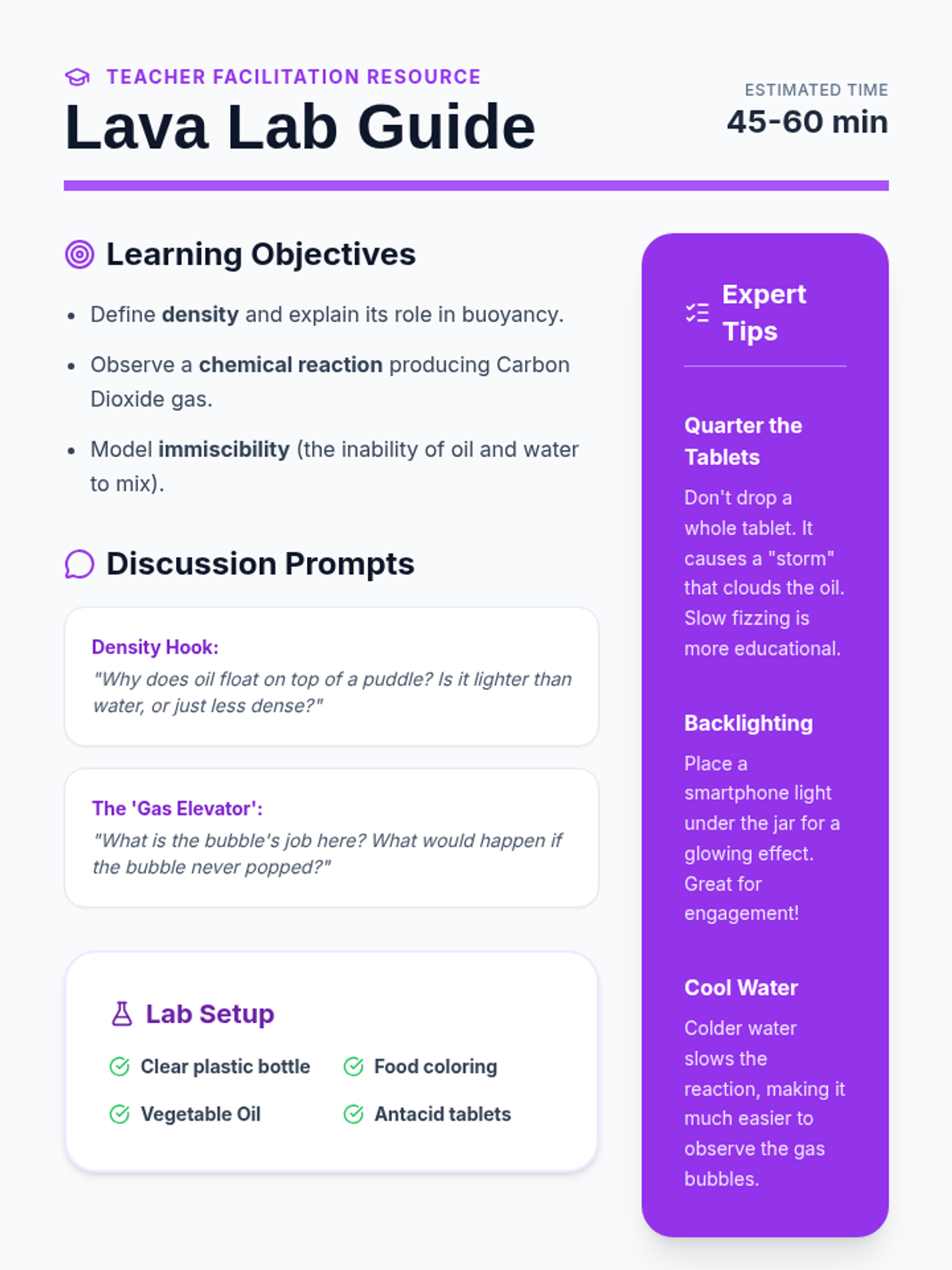
A hands-on science lesson for Kindergarten and 1st grade students to explore density and chemical reactions by creating a DIY lava lamp. Students will learn why oil and water don't mix and observe the 'magic' of gas bubbles.
A hands-on science lesson exploring density and chemical reactions through the creation of a DIY lava lamp. Students will learn why oil and water don't mix and how gas bubbles transport liquids.
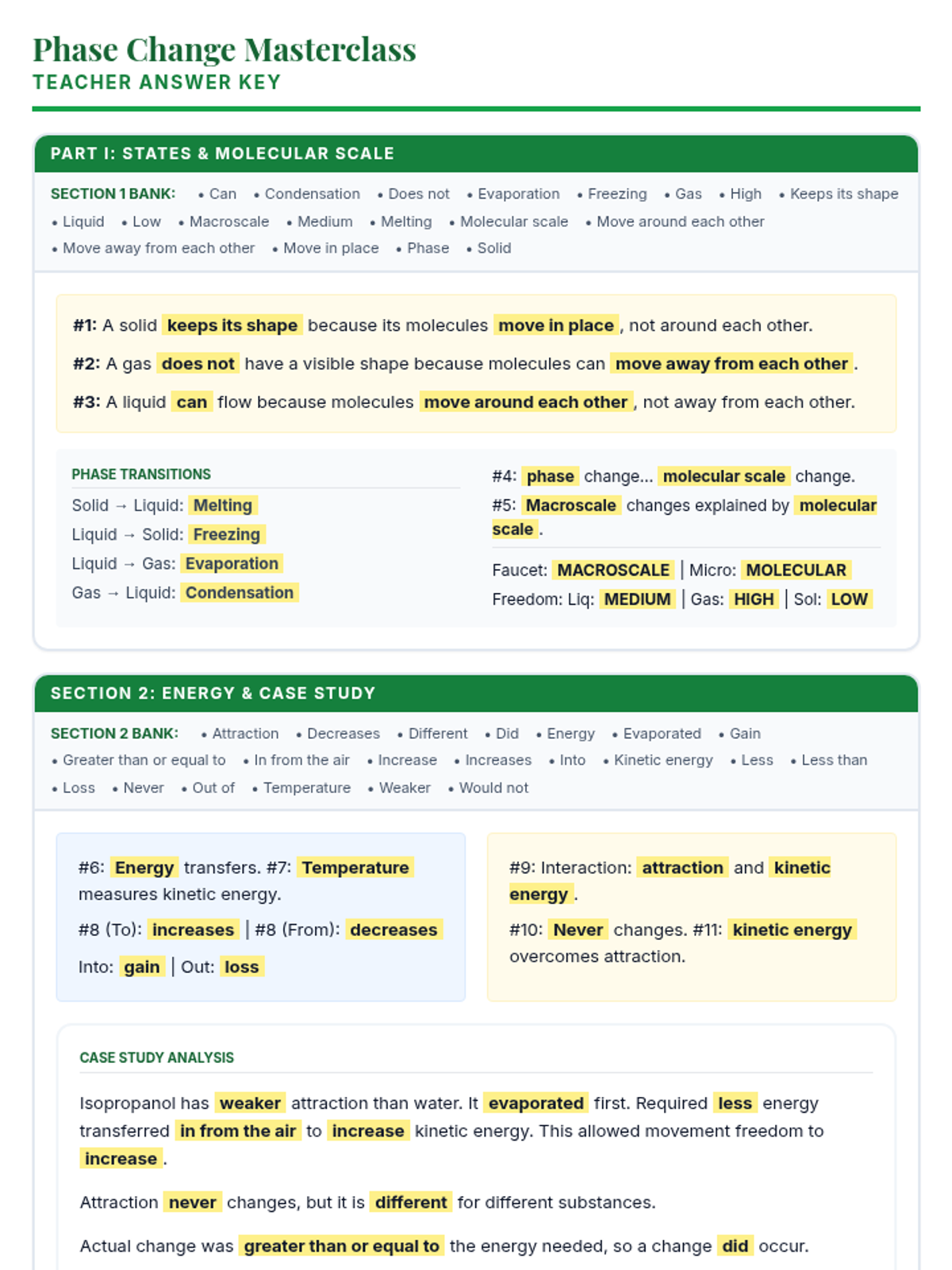
A comprehensive study guide and worksheet set covering states of matter, phase changes, energy transfer, and molecular attraction based on the Titan lake unit.
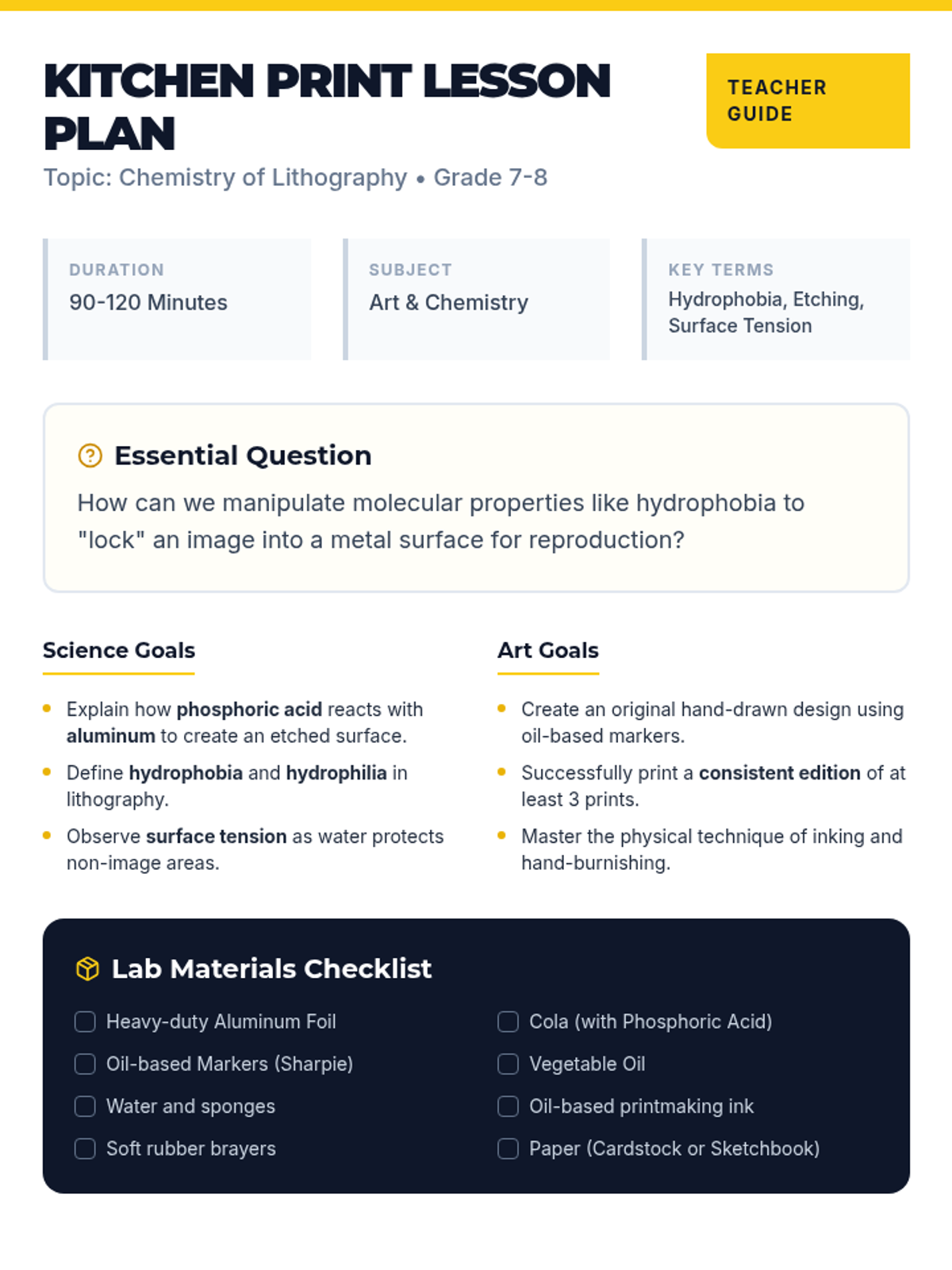
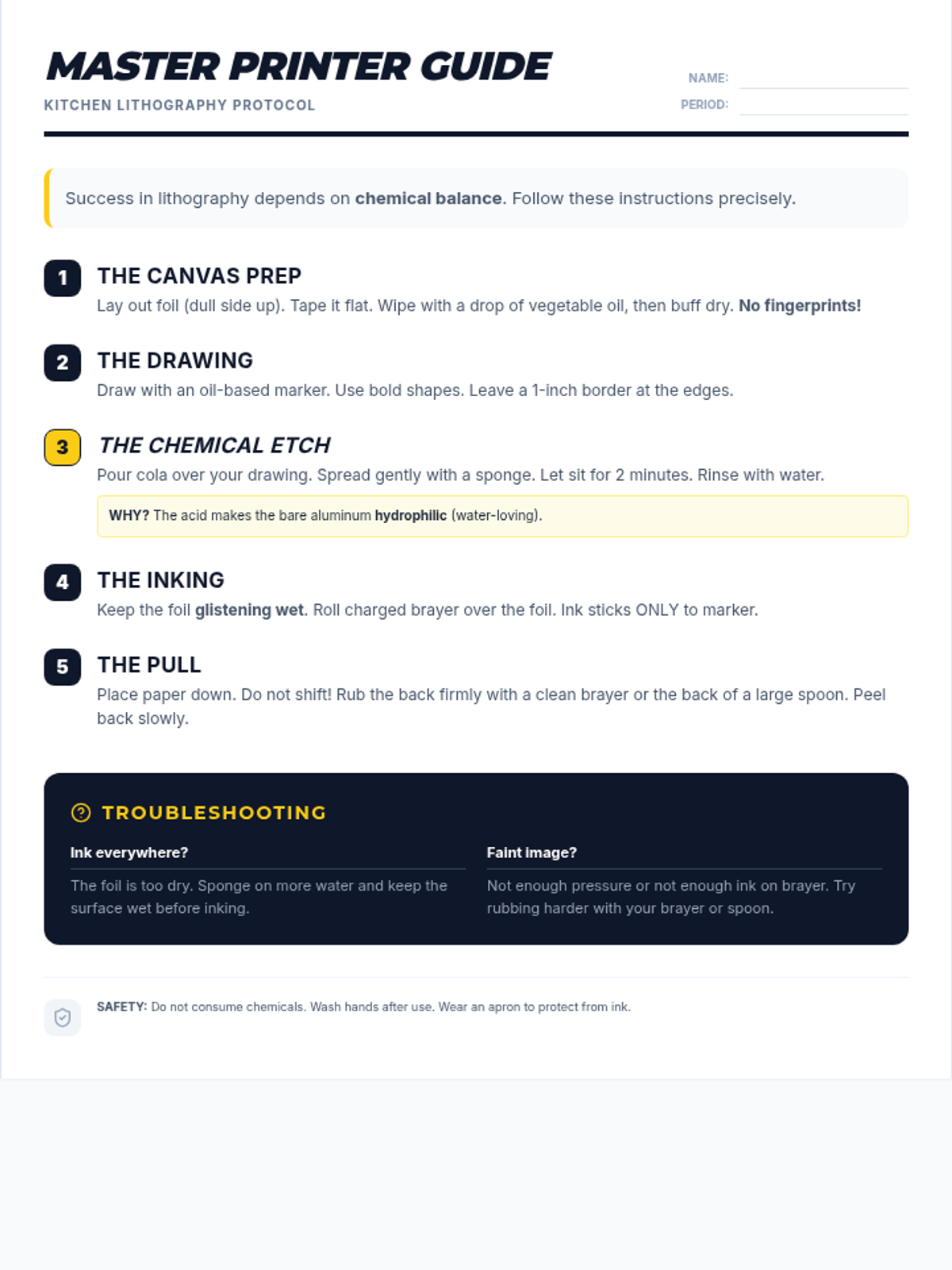
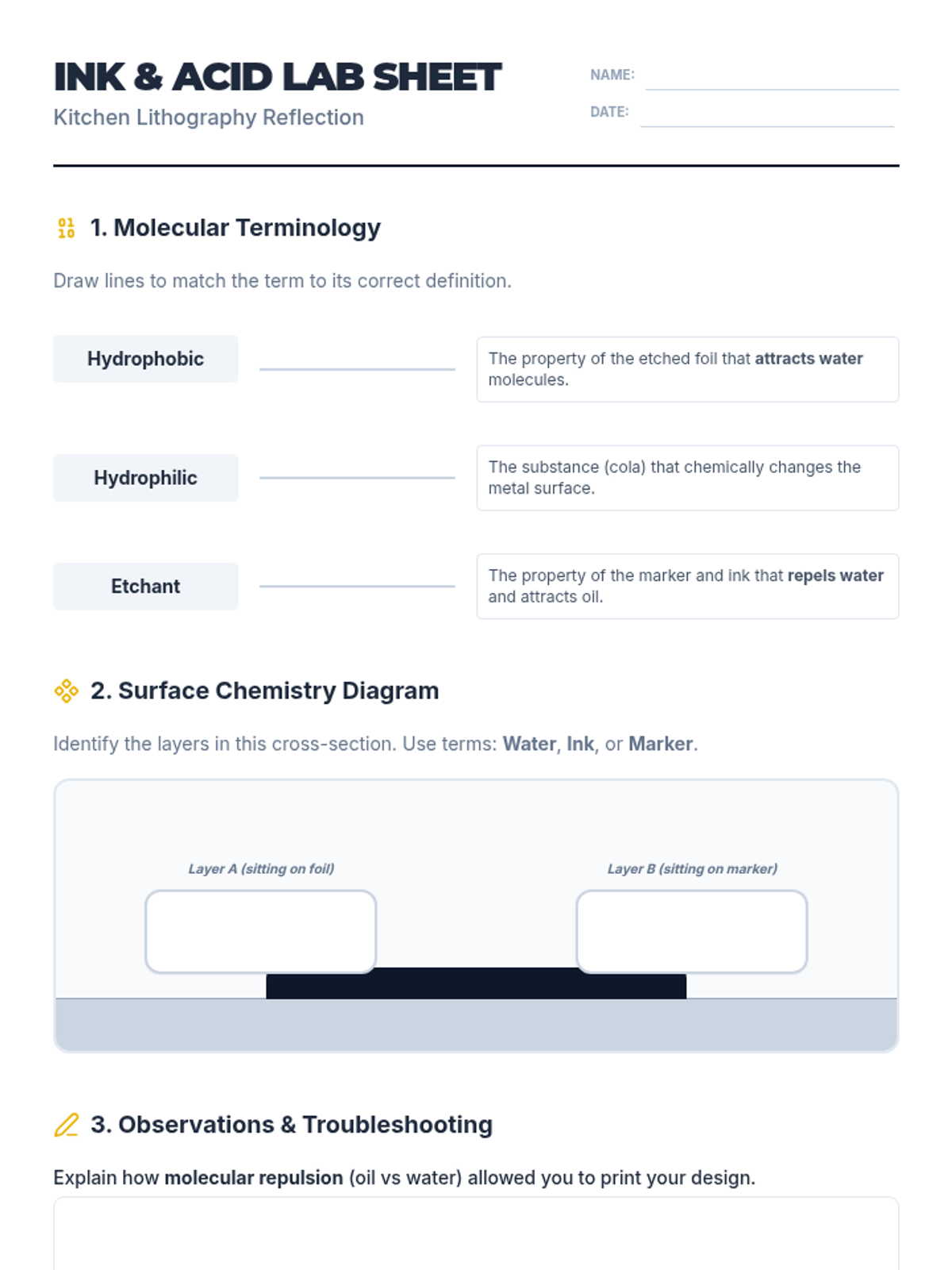
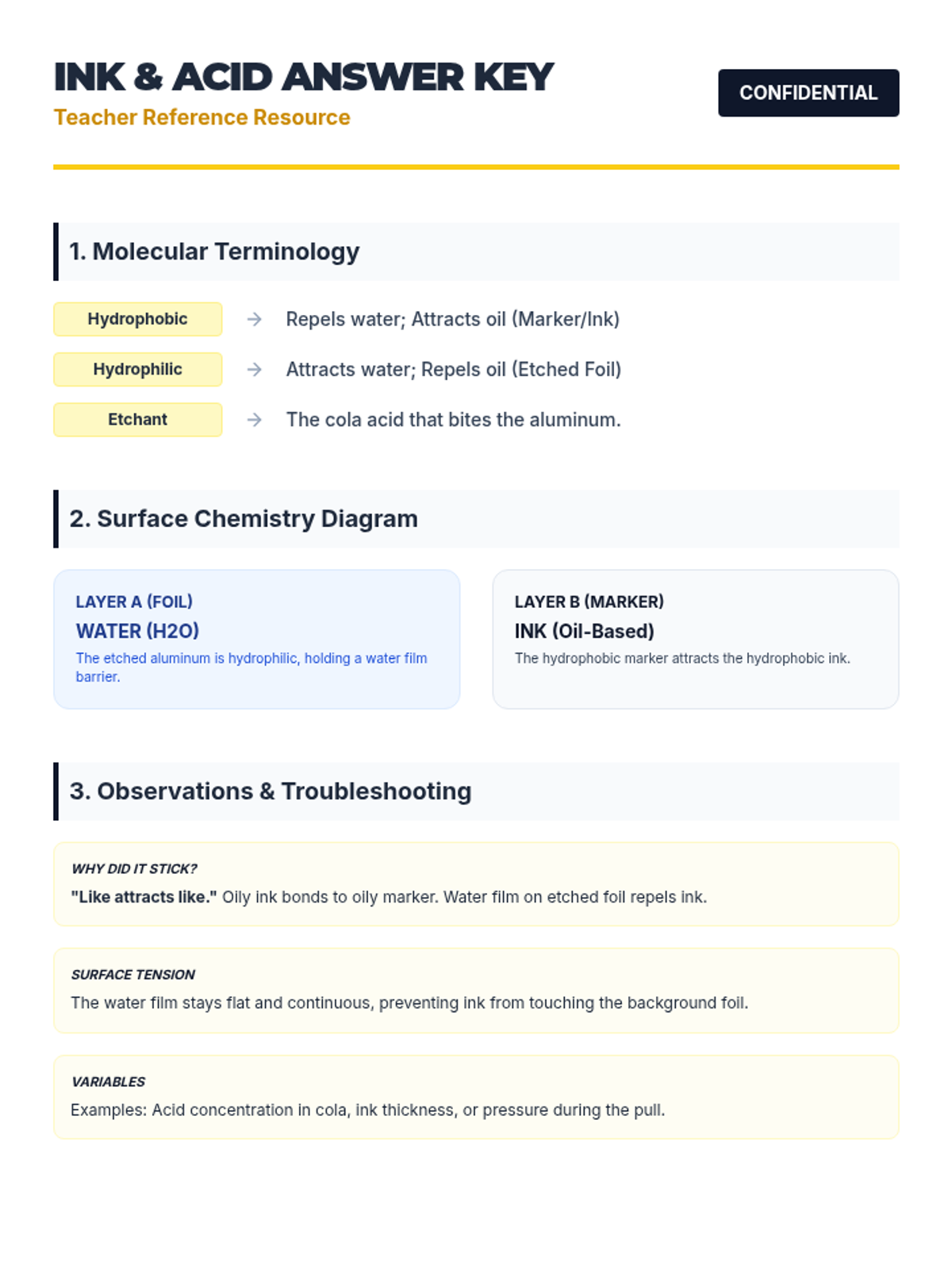
A chemistry-meets-art lesson where students use aluminum foil and cola to explore hydrophobia and surface tension through lithographic printmaking. Students create their own hand-drawn designs and produce multiple editions while learning the molecular science behind the process.
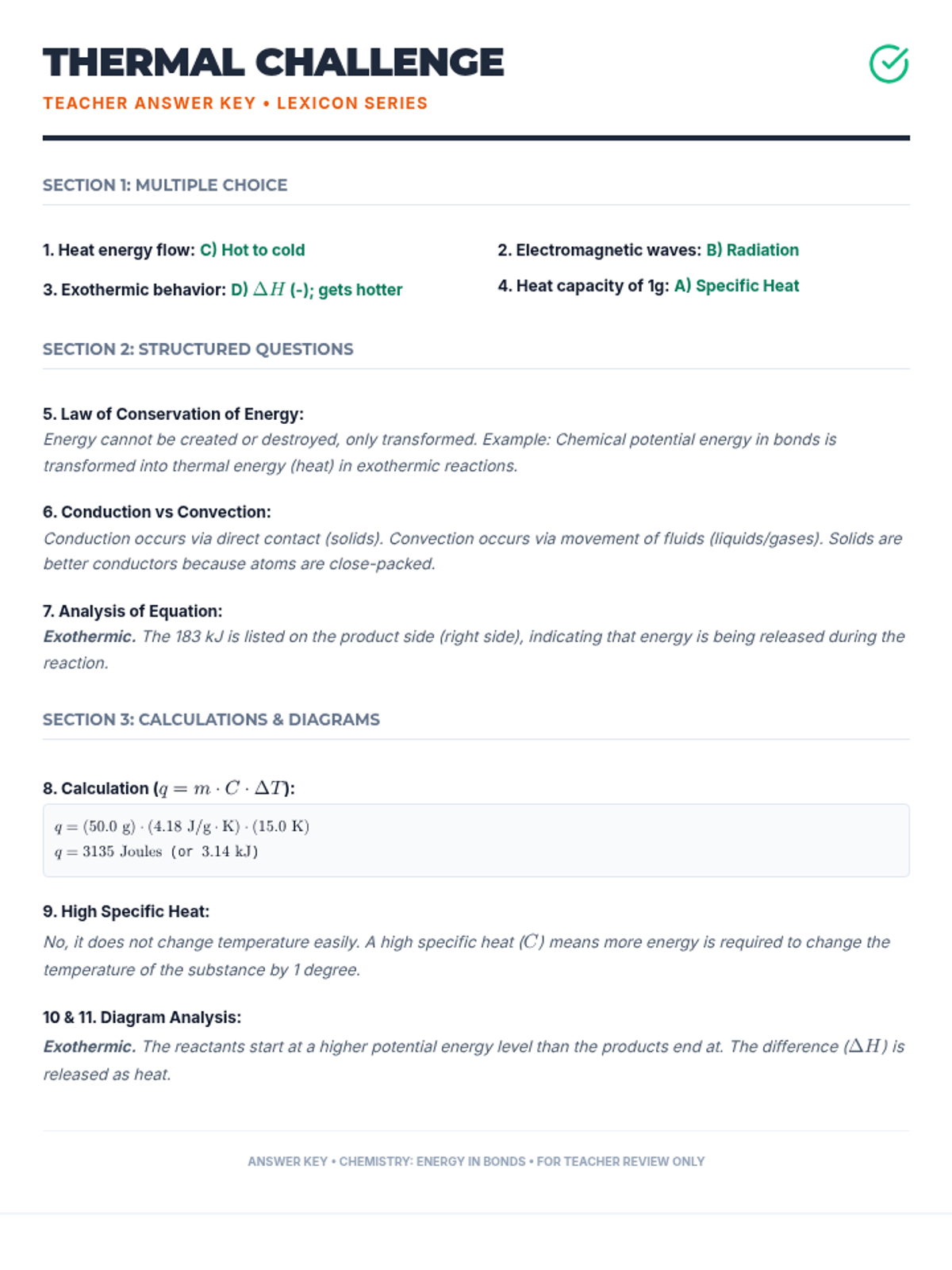
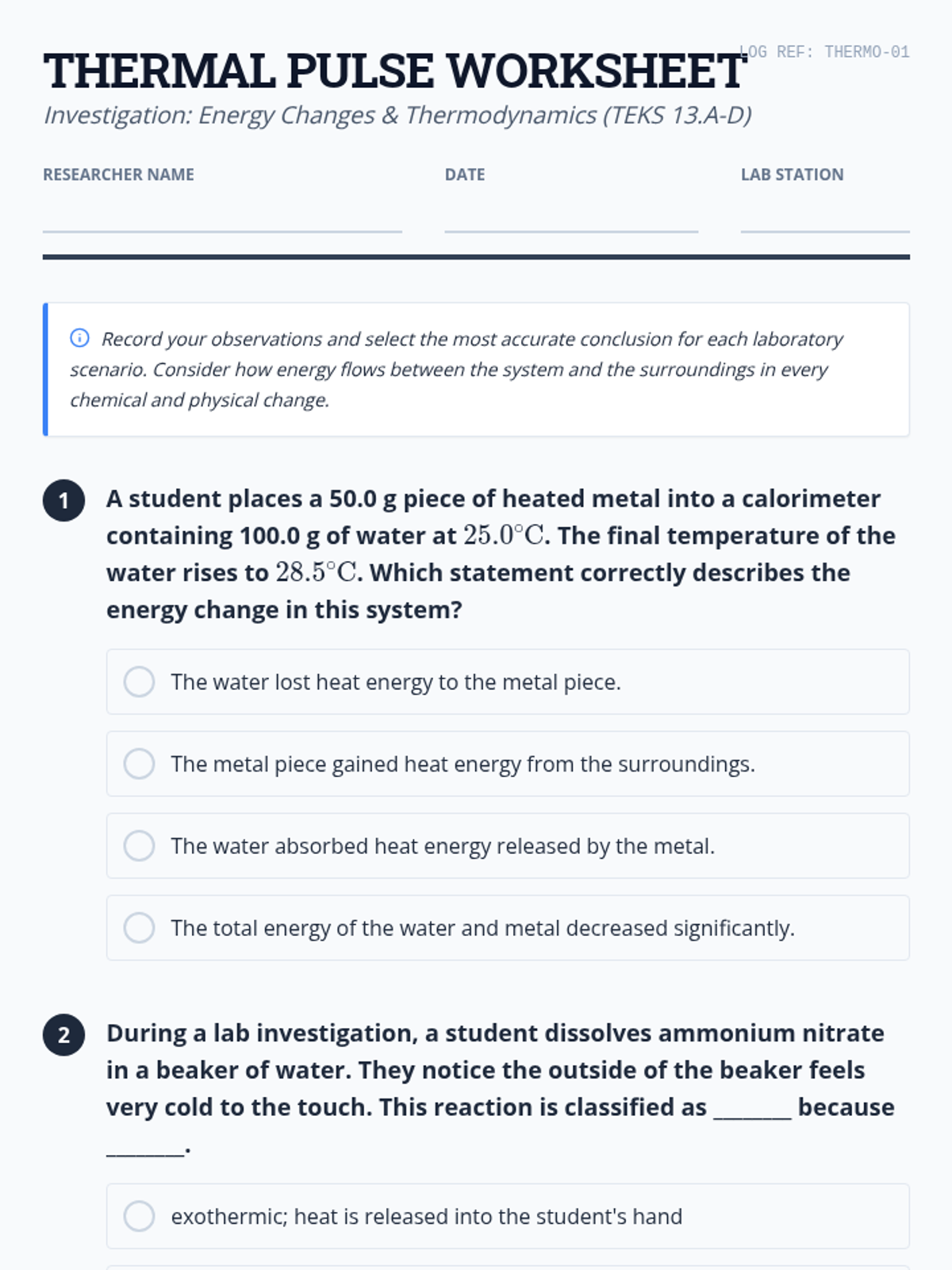
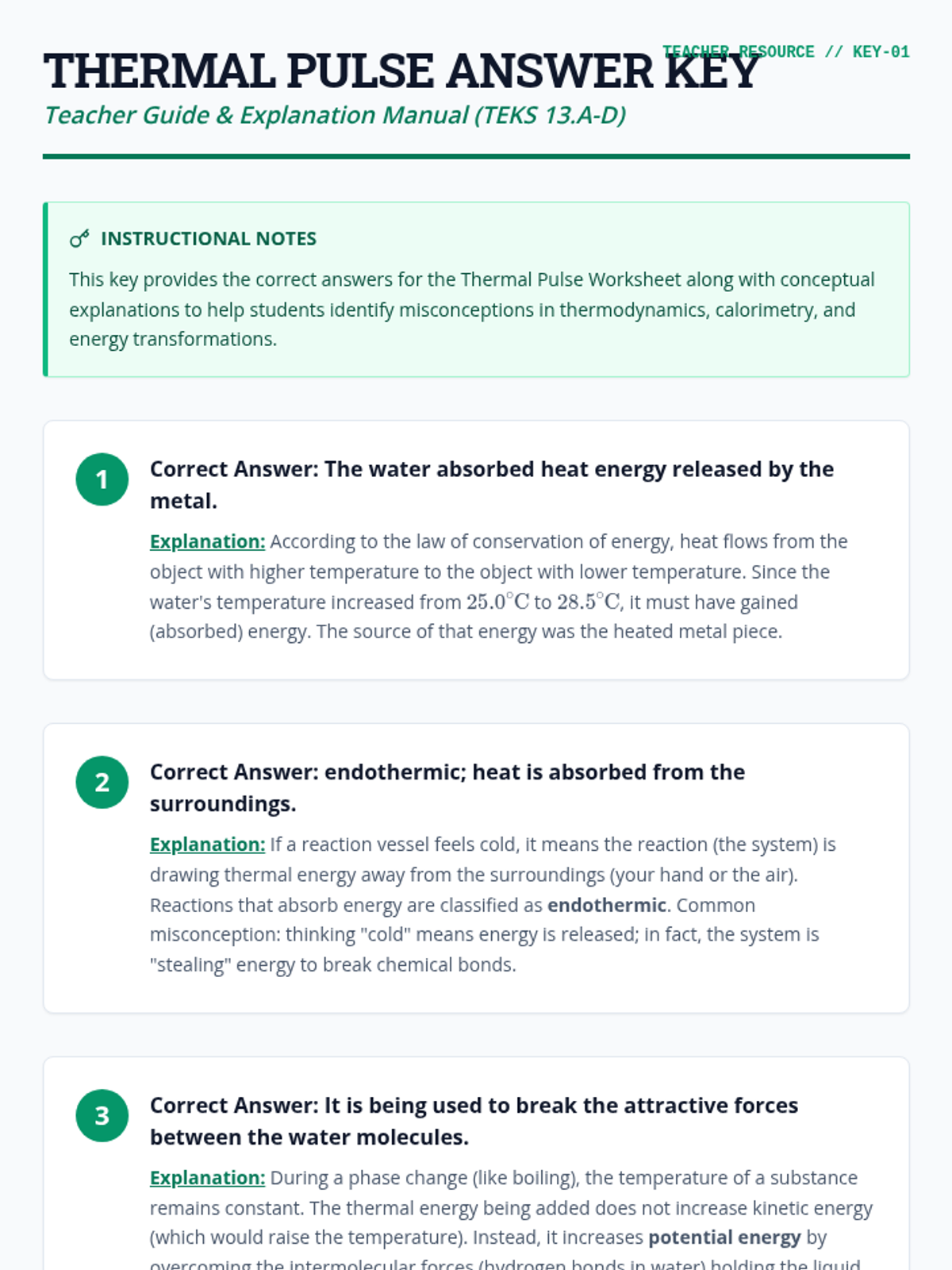
An introductory dive into thermochemistry covering energy changes, calorimetry, and phase transitions through laboratory-focused scenarios.
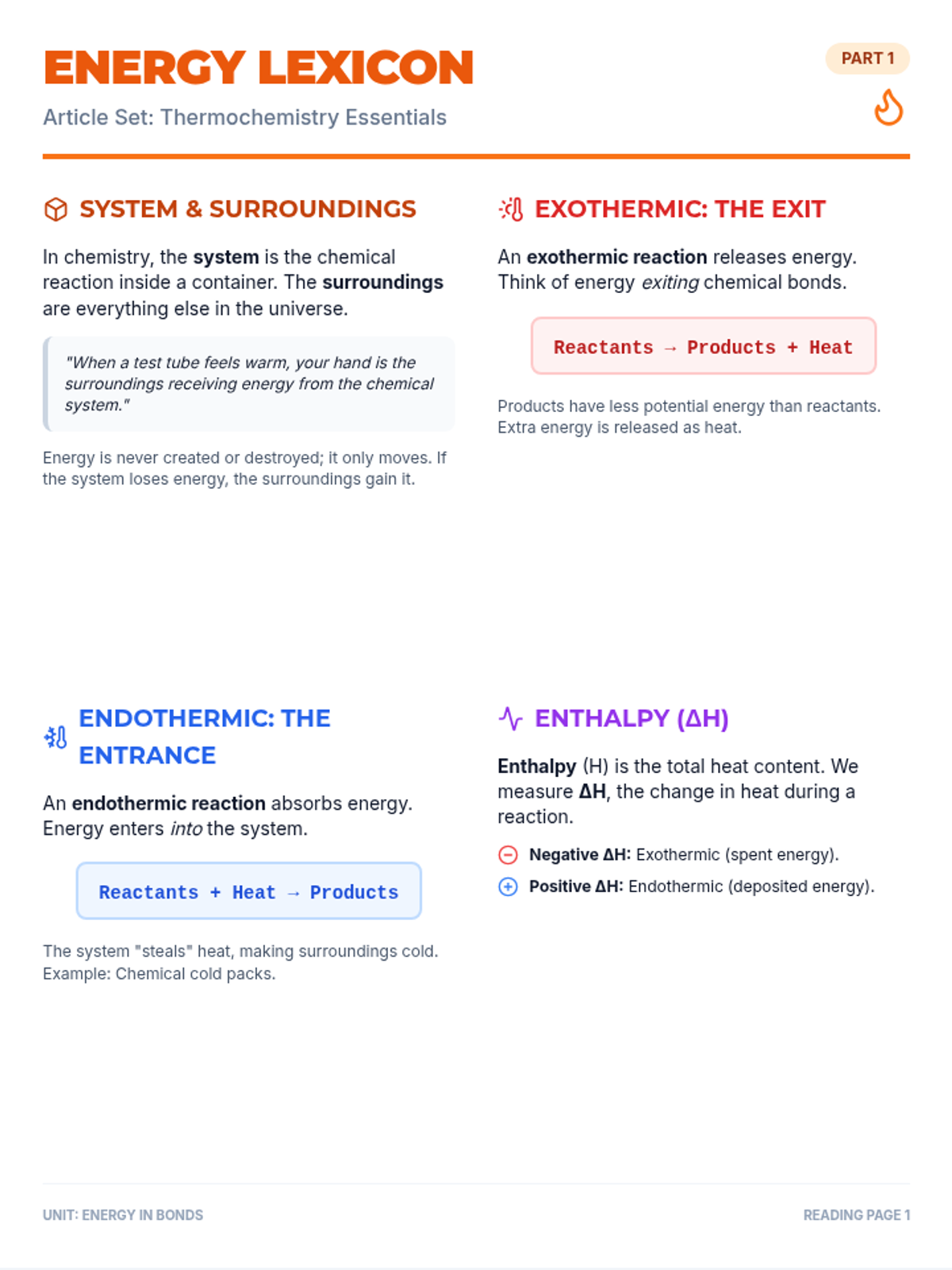
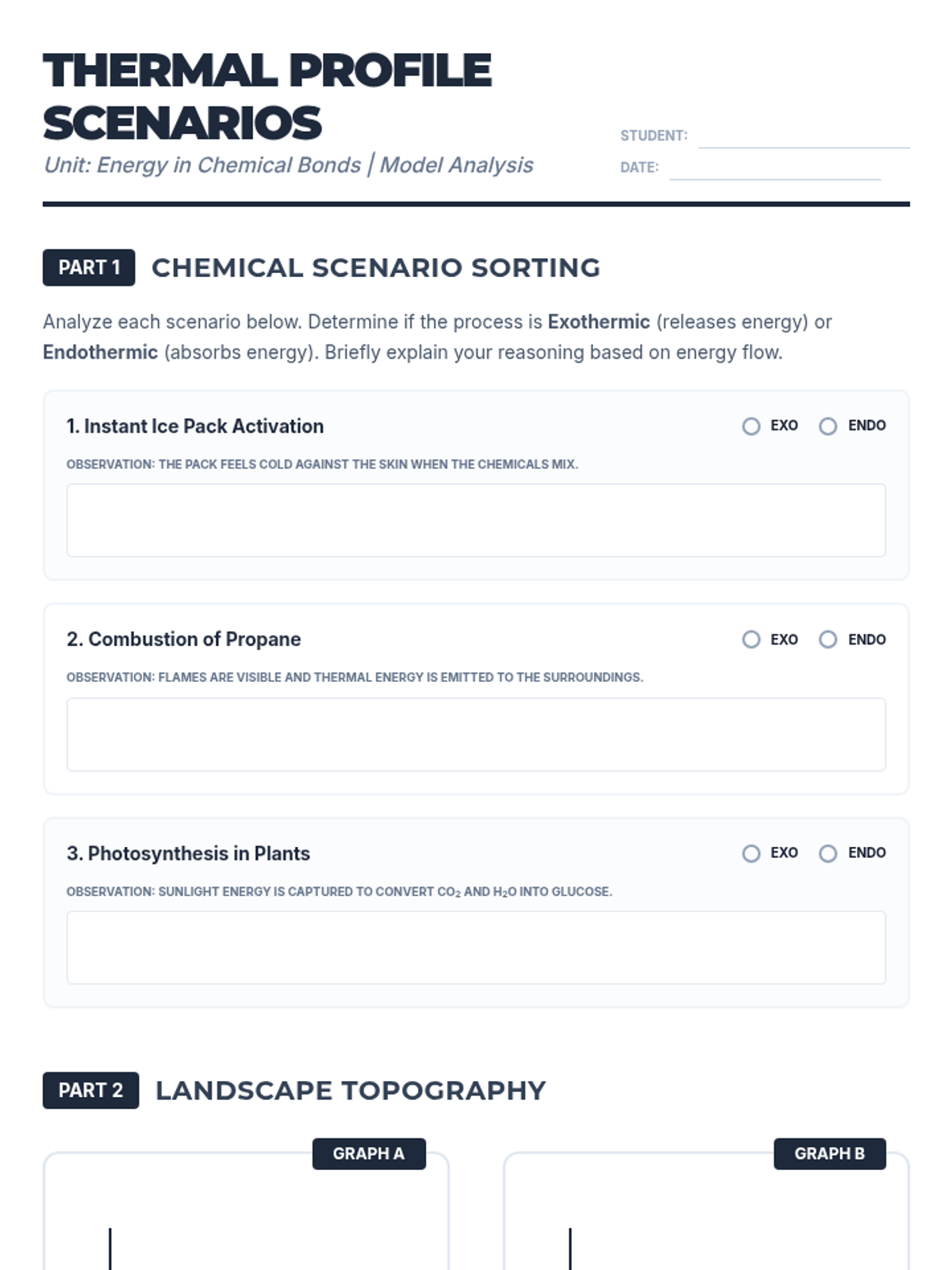
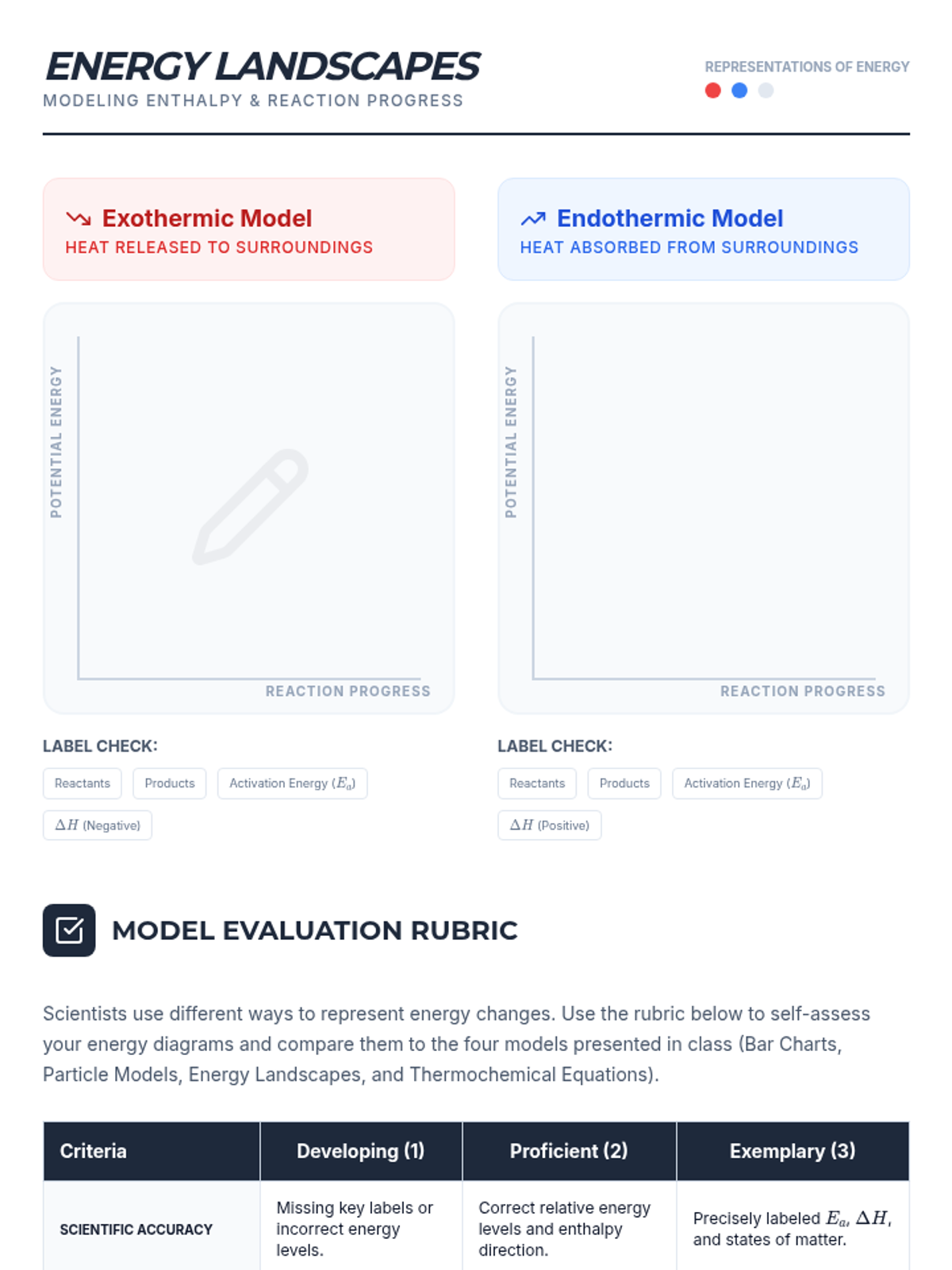
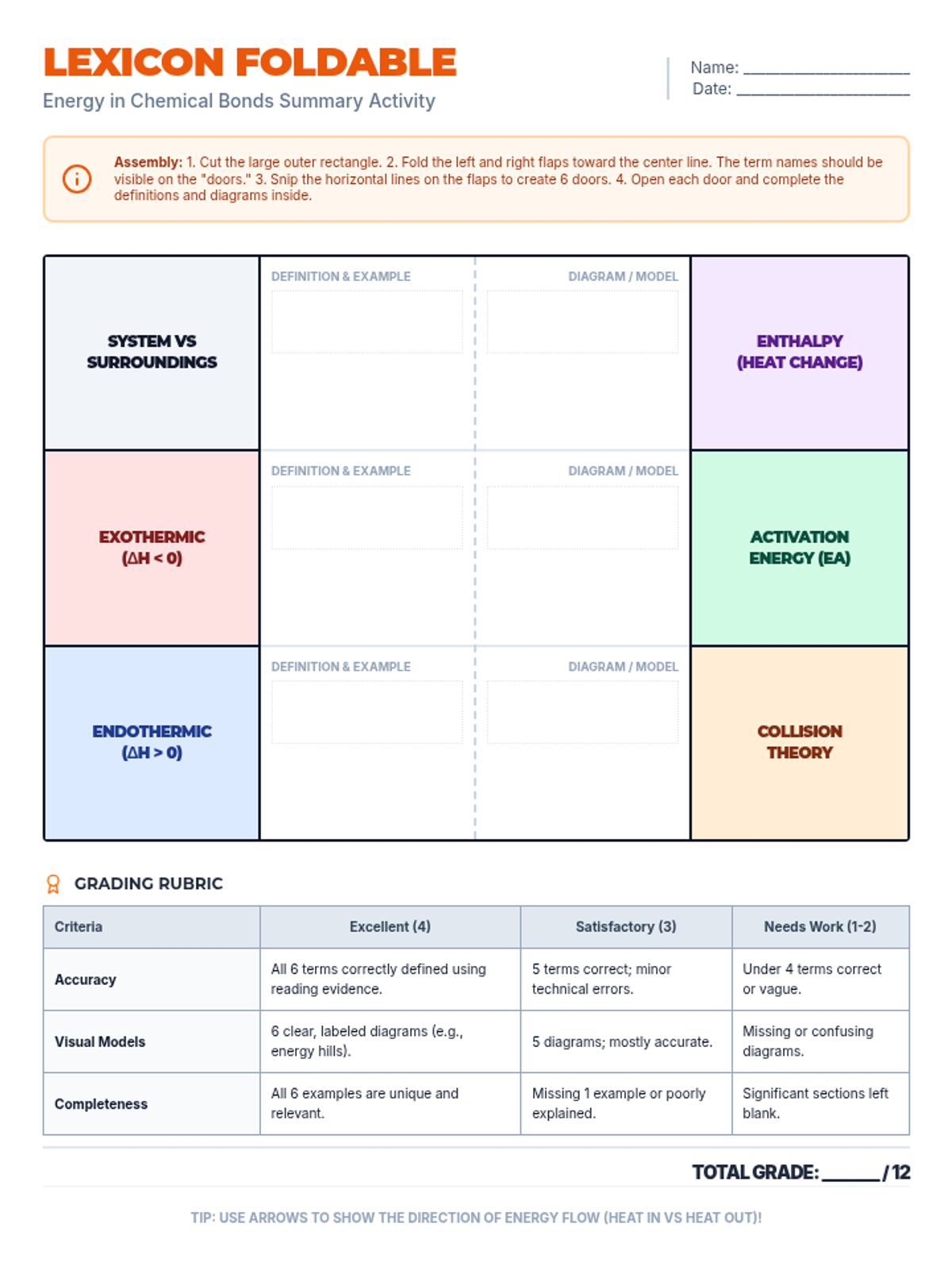
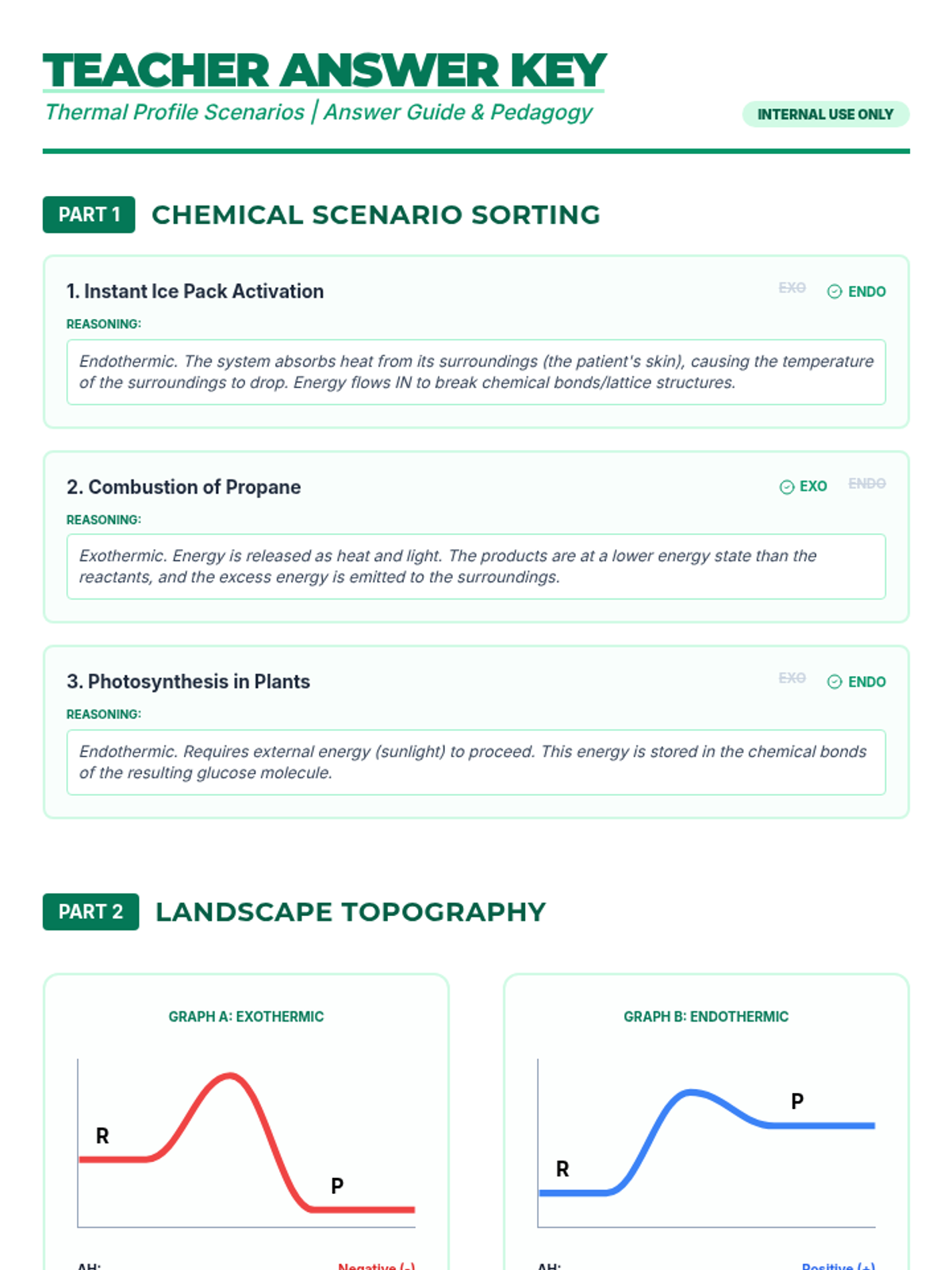
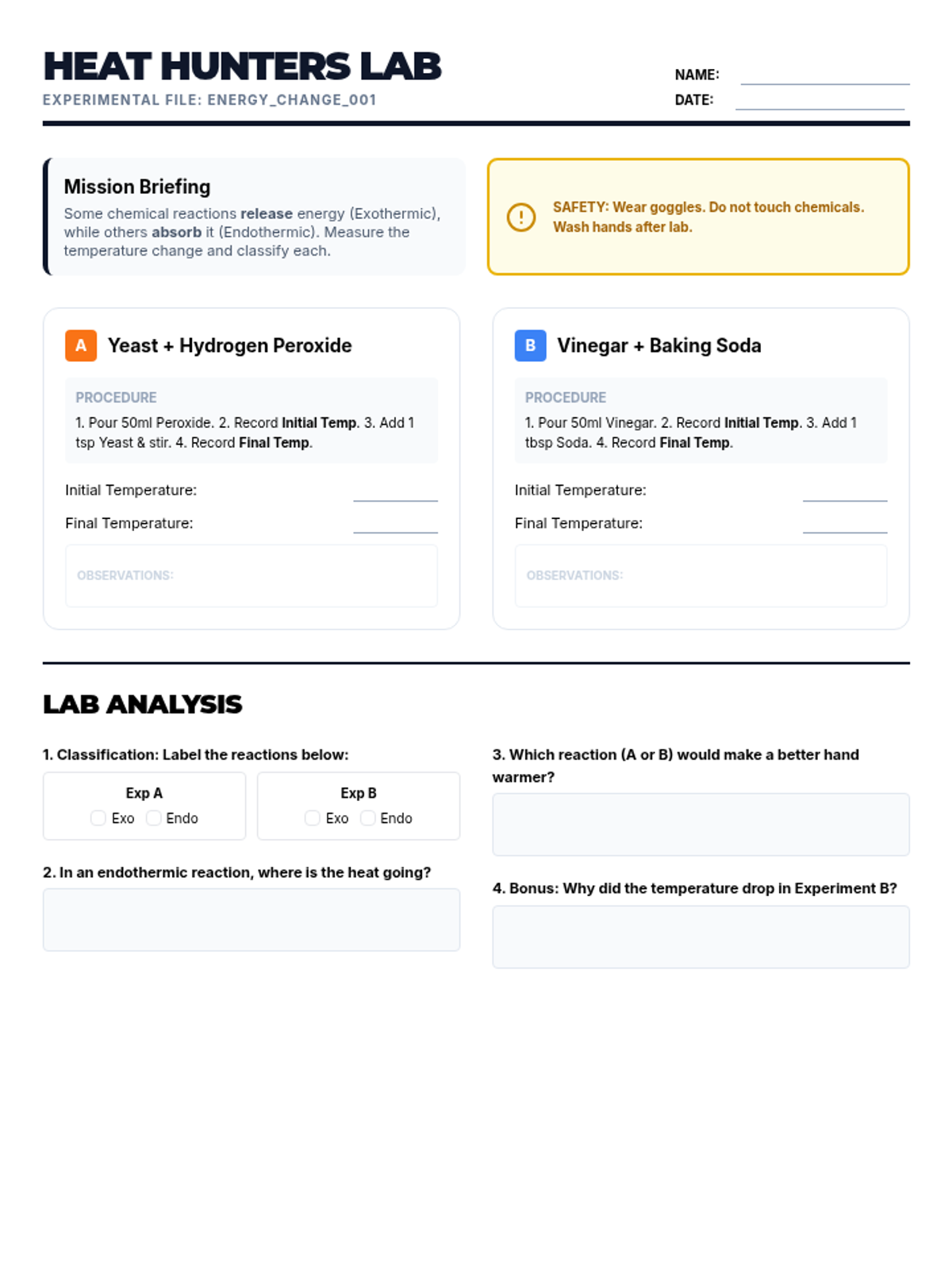
Students develop and evaluate models for exothermic and endothermic reactions, using literacy strategies to deepen their understanding of enthalpy changes.
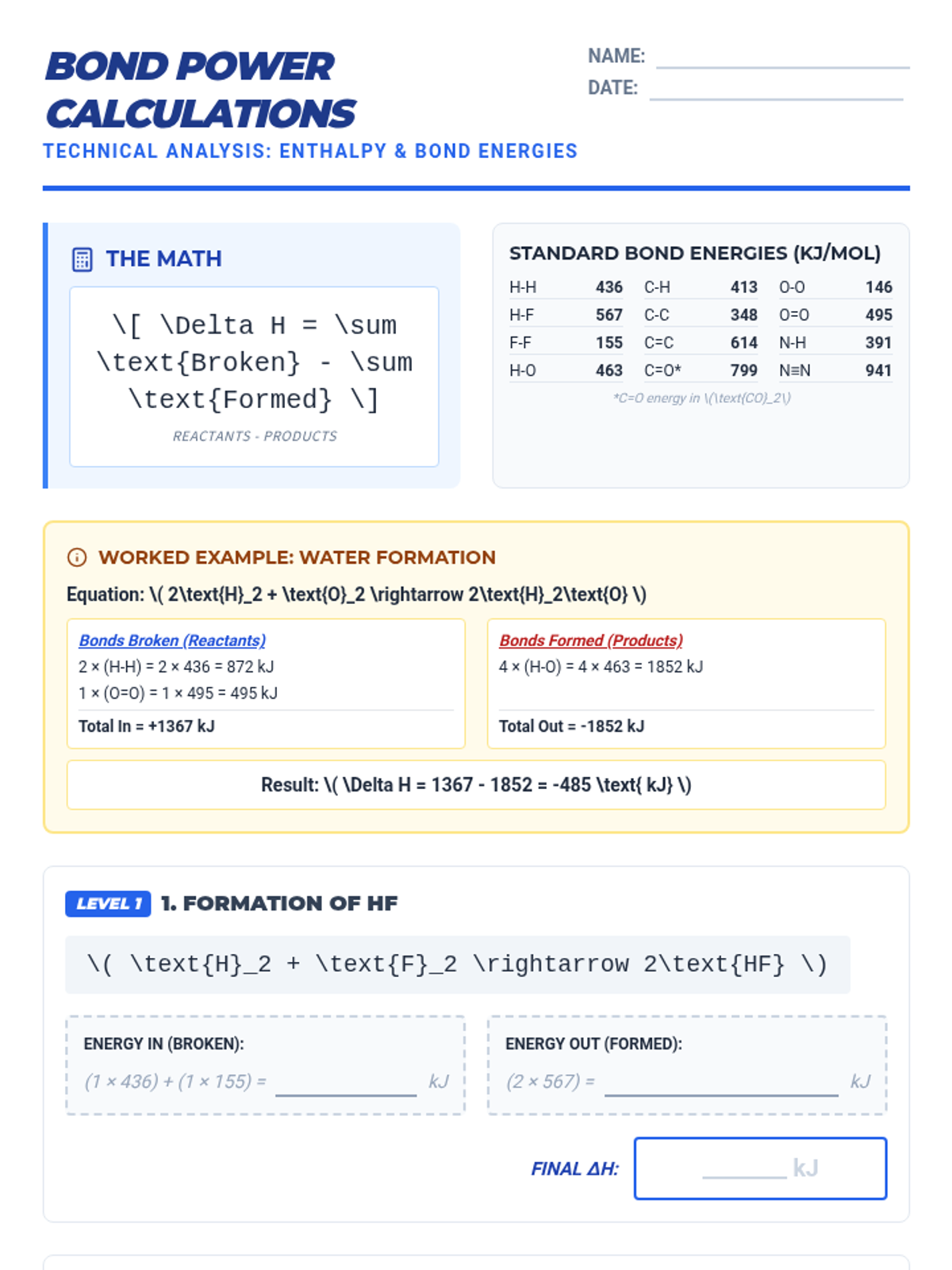
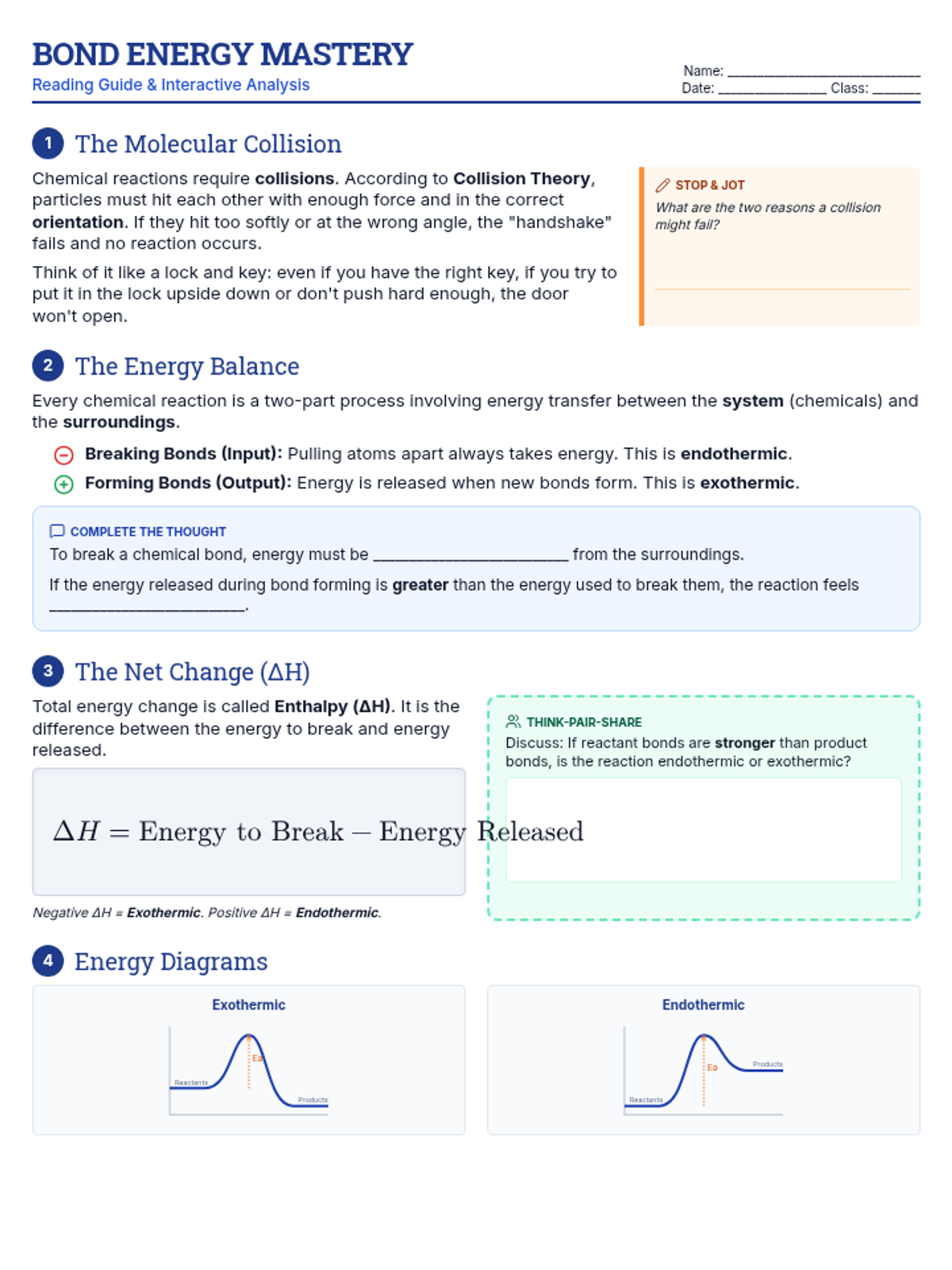
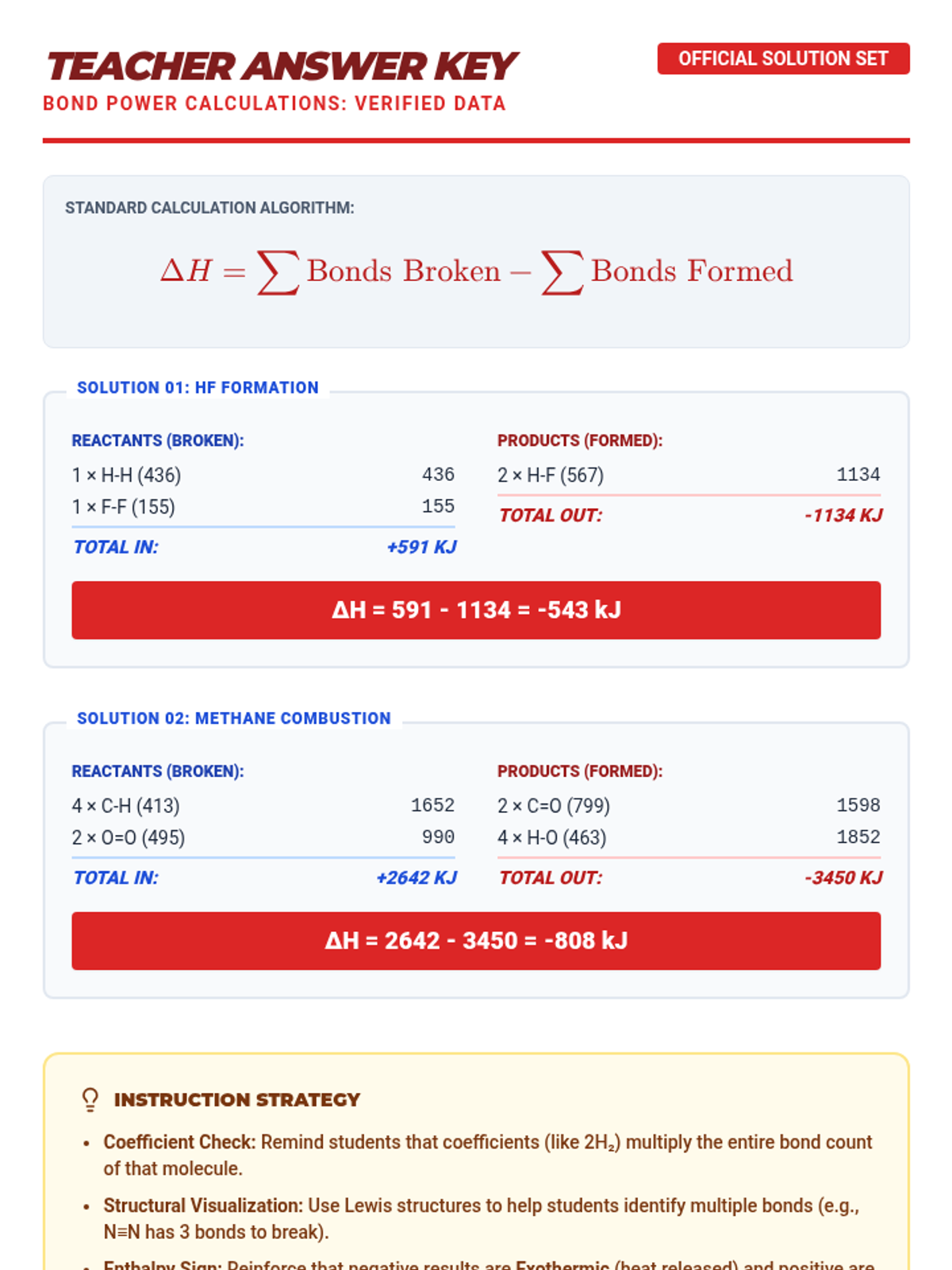
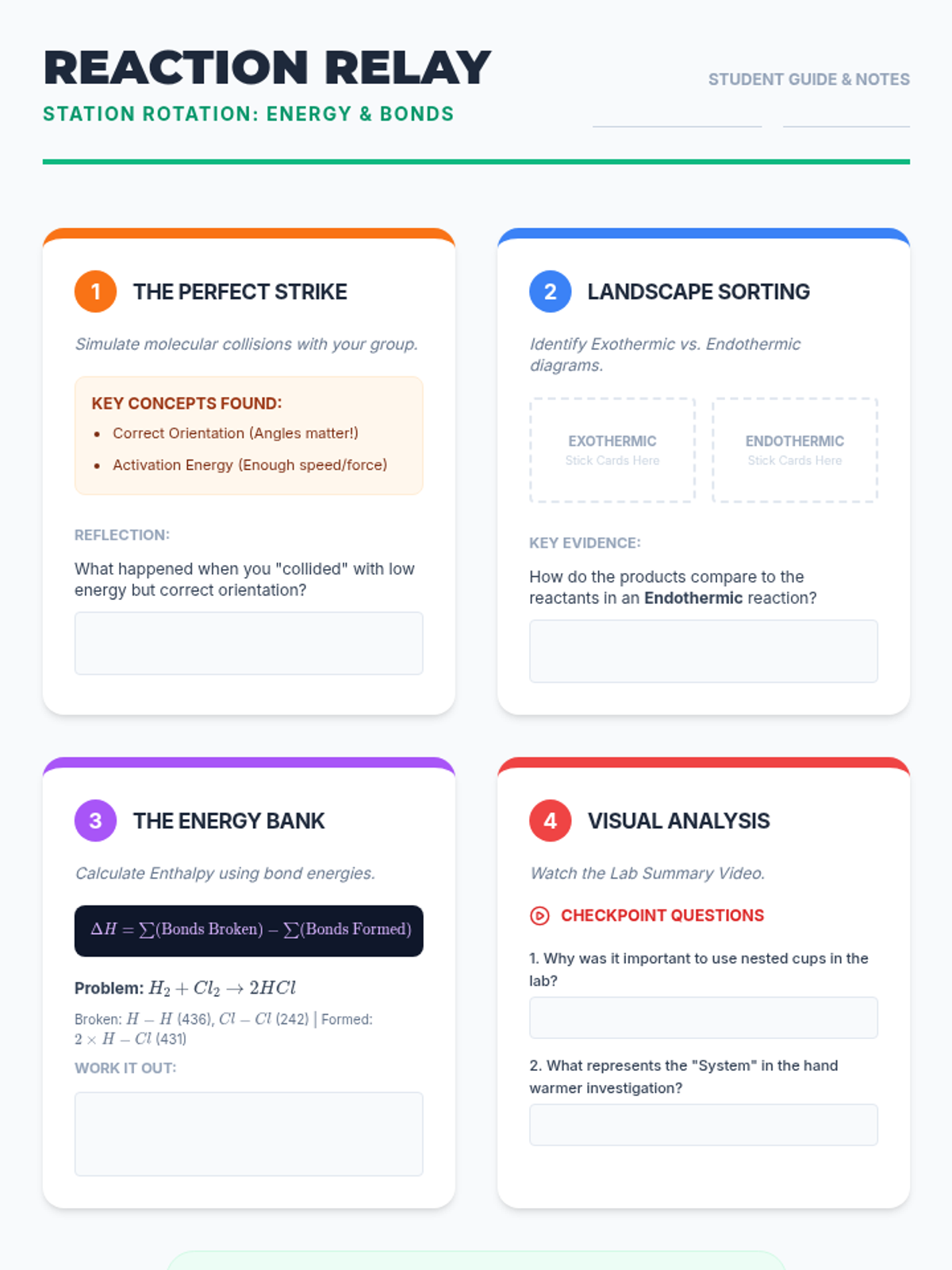
A station-rotation lesson where students model molecular collisions, sort enthalpy diagrams, and practice bond energy calculations through interactive group work.
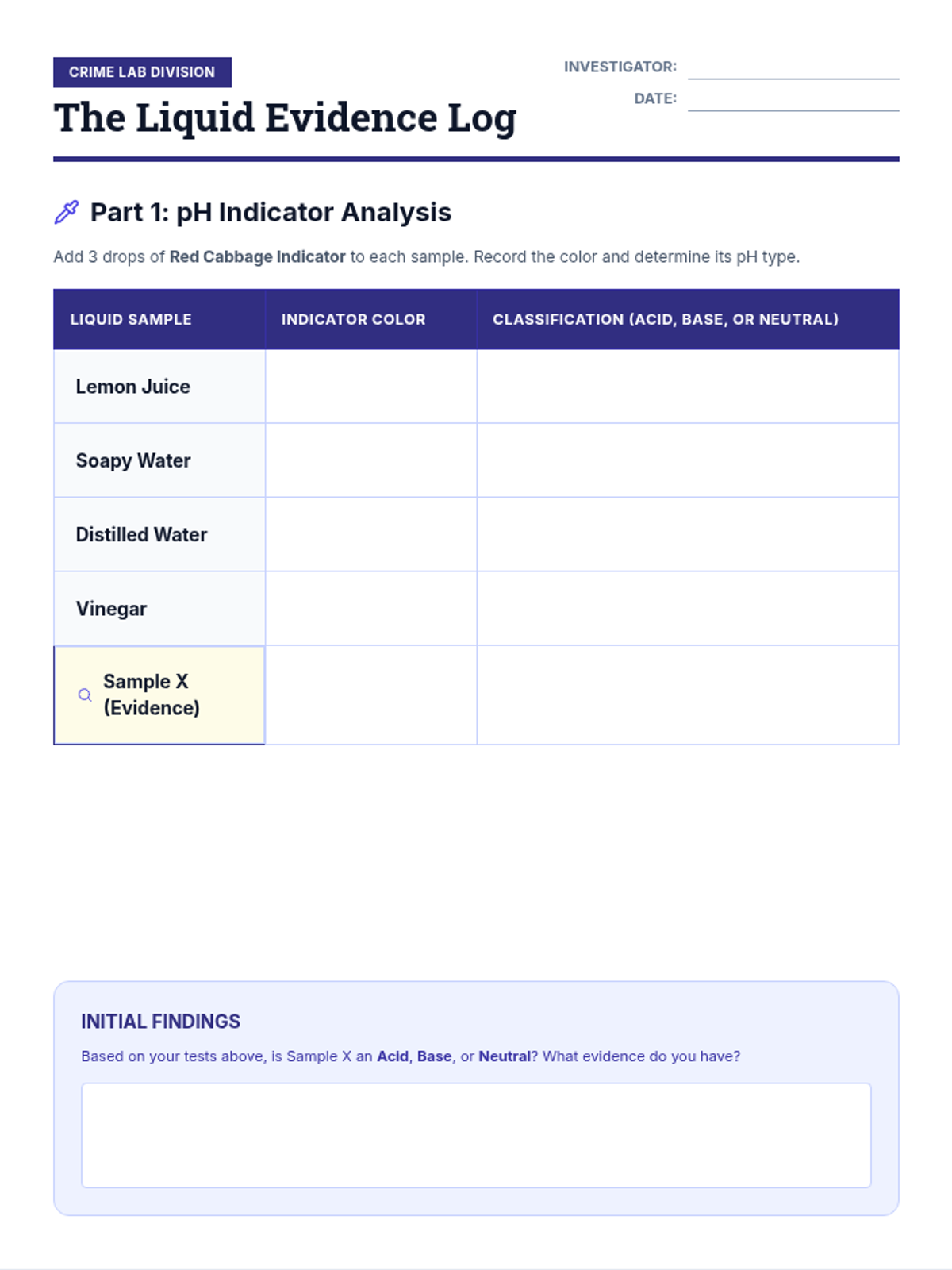
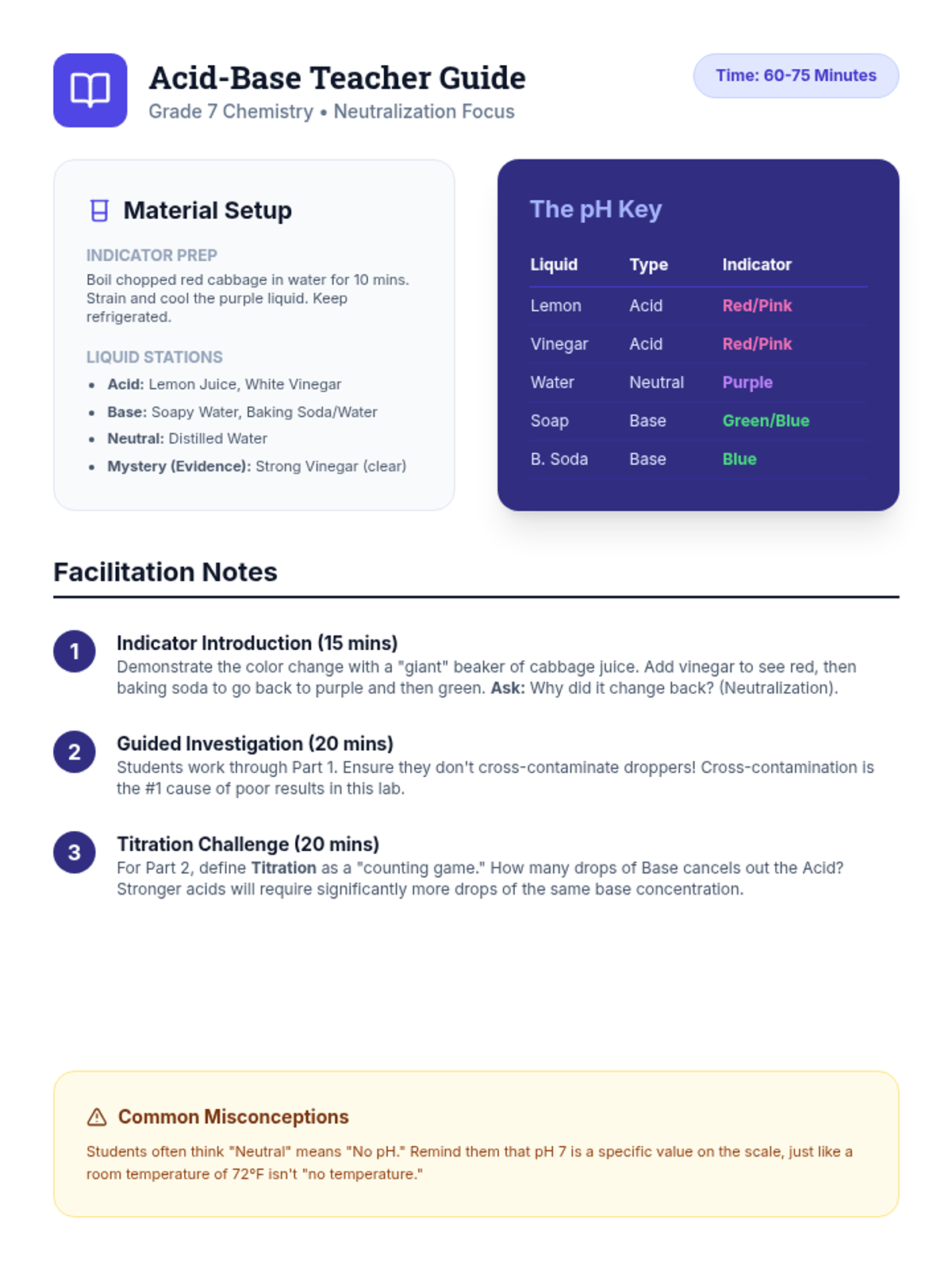
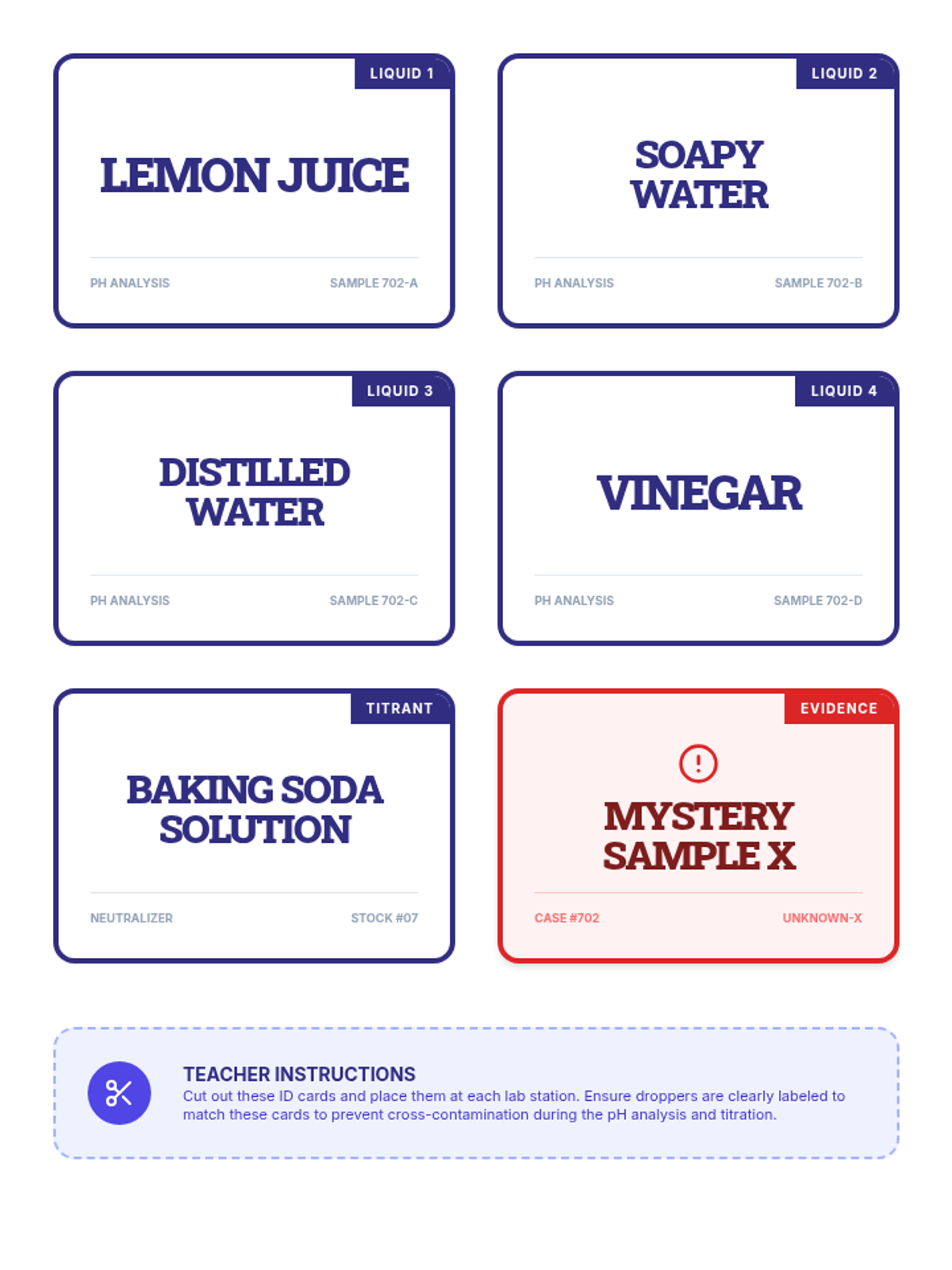
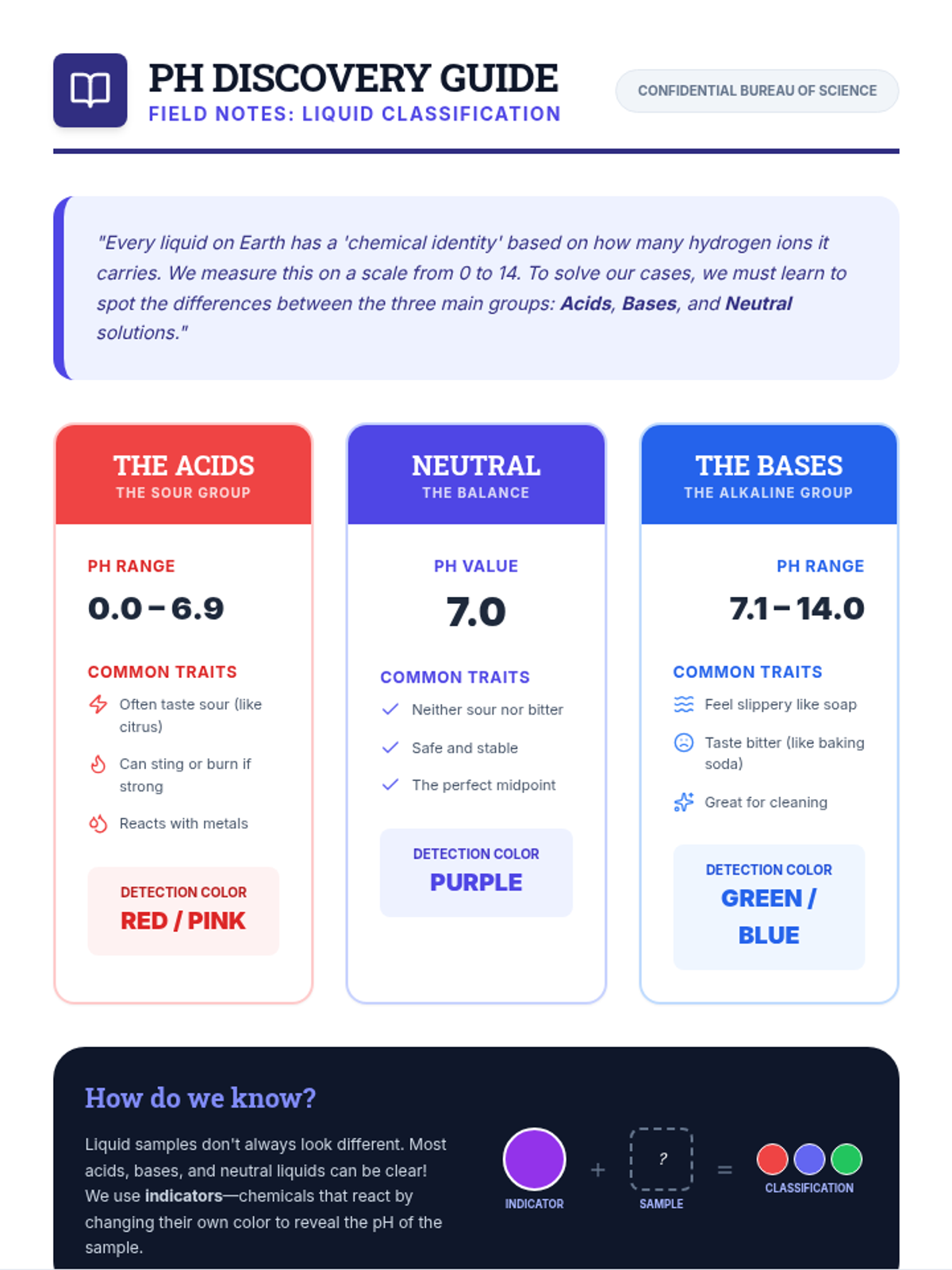
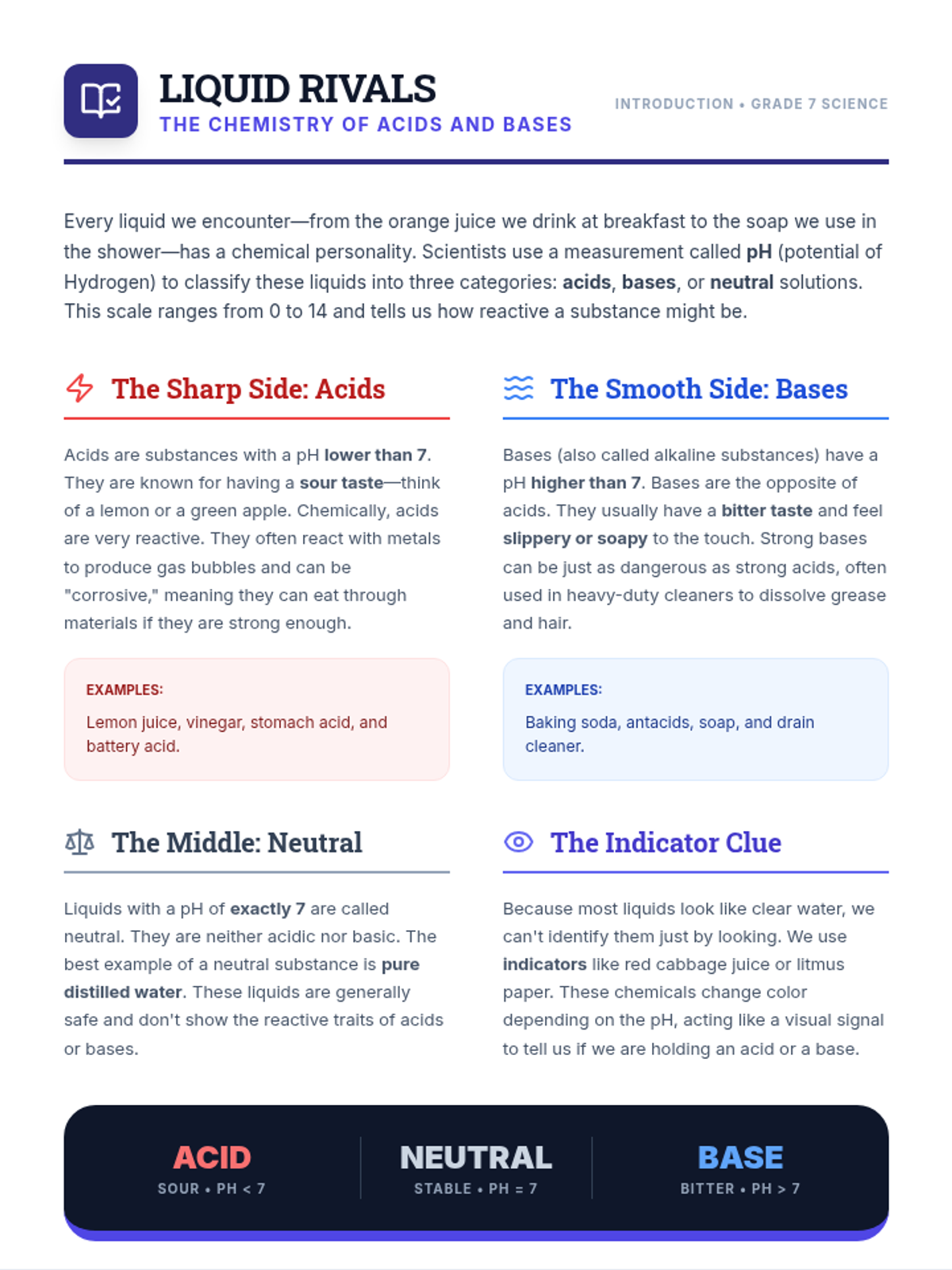
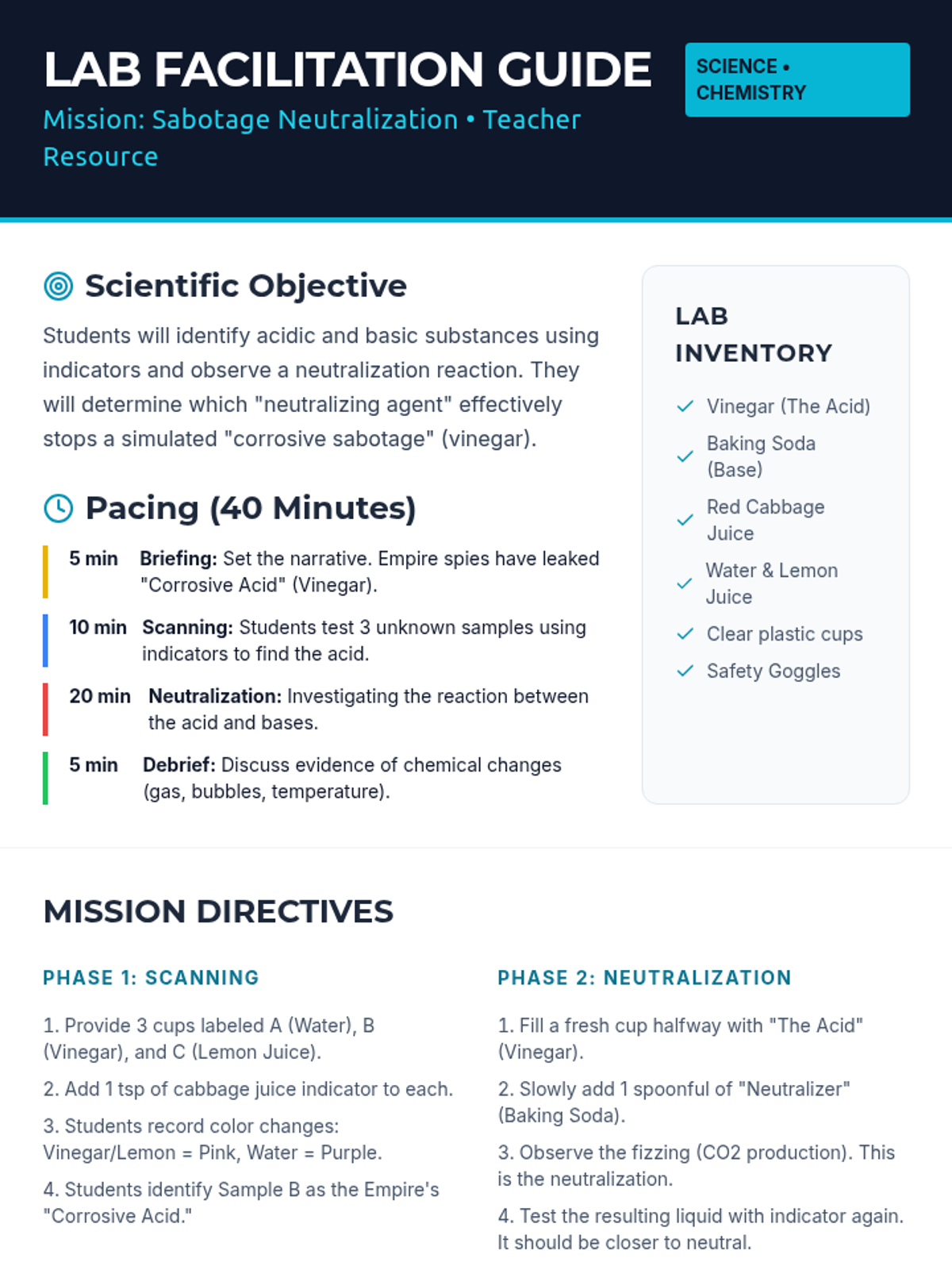
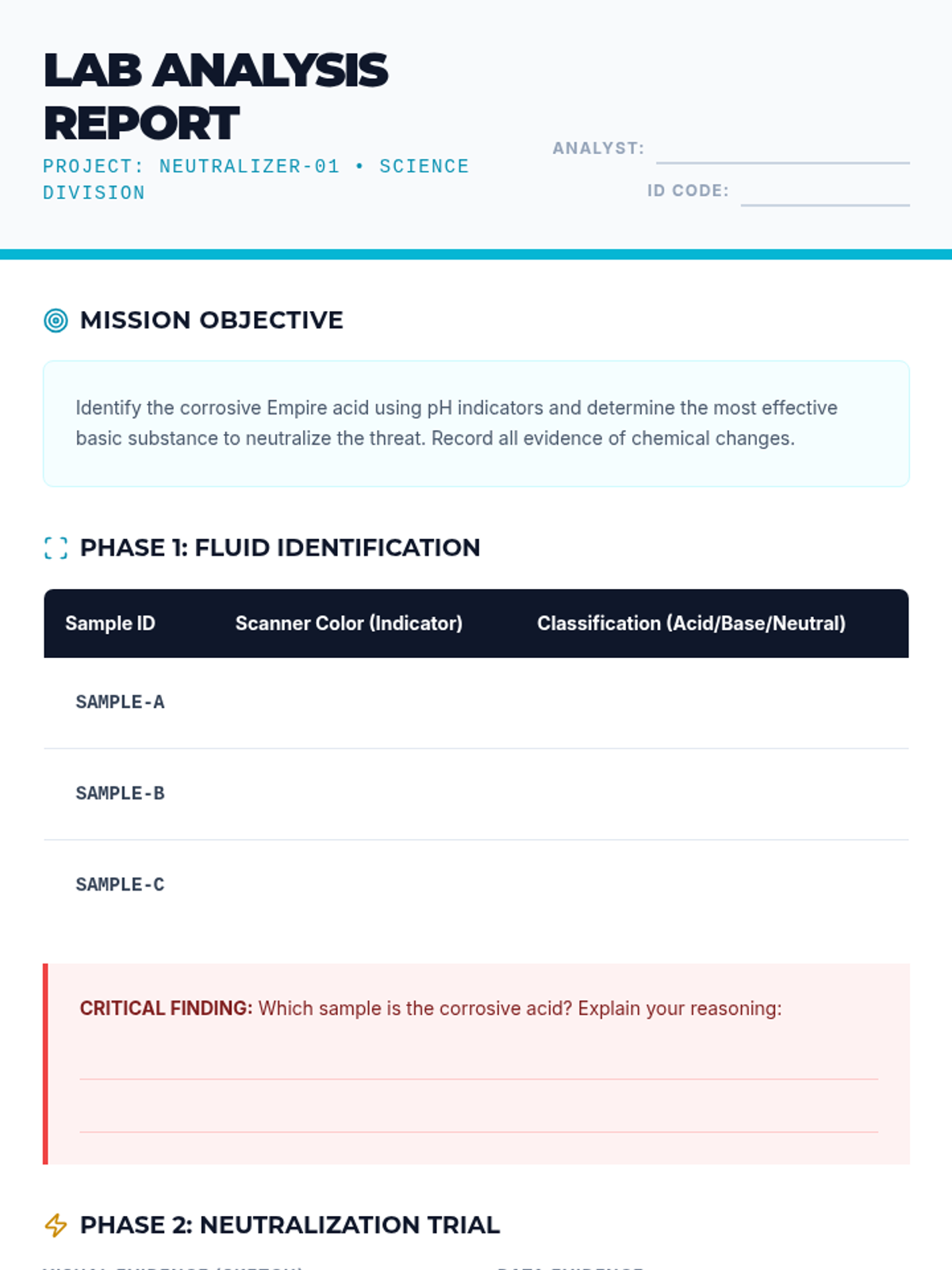
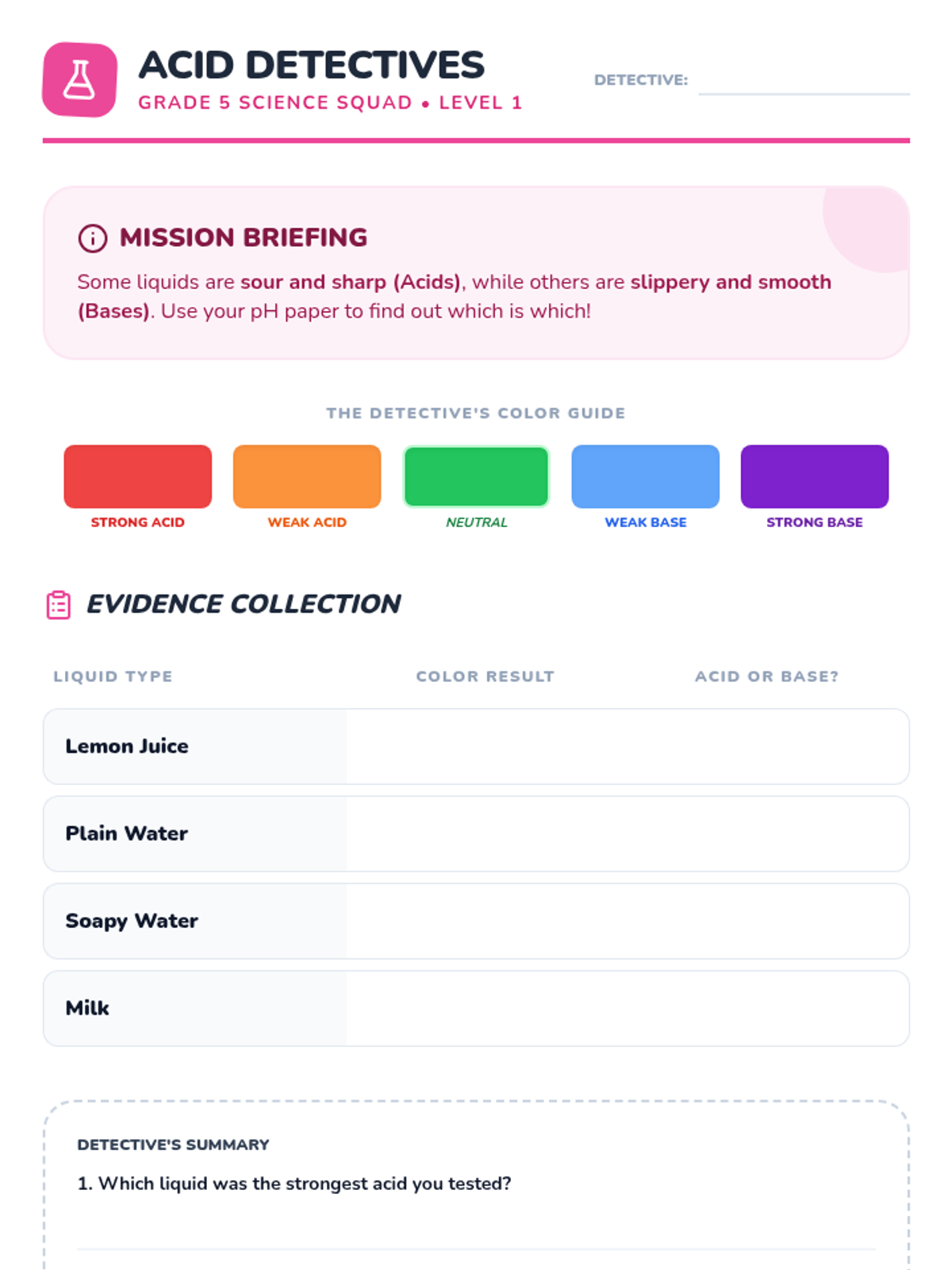
An introductory chemistry lesson where students use indicators to classify common household liquids as acids, bases, or neutral. Students then perform a simplified titration to neutralize a mystery sample, learning about the pH scale and chemical reactions through forensic inquiry.
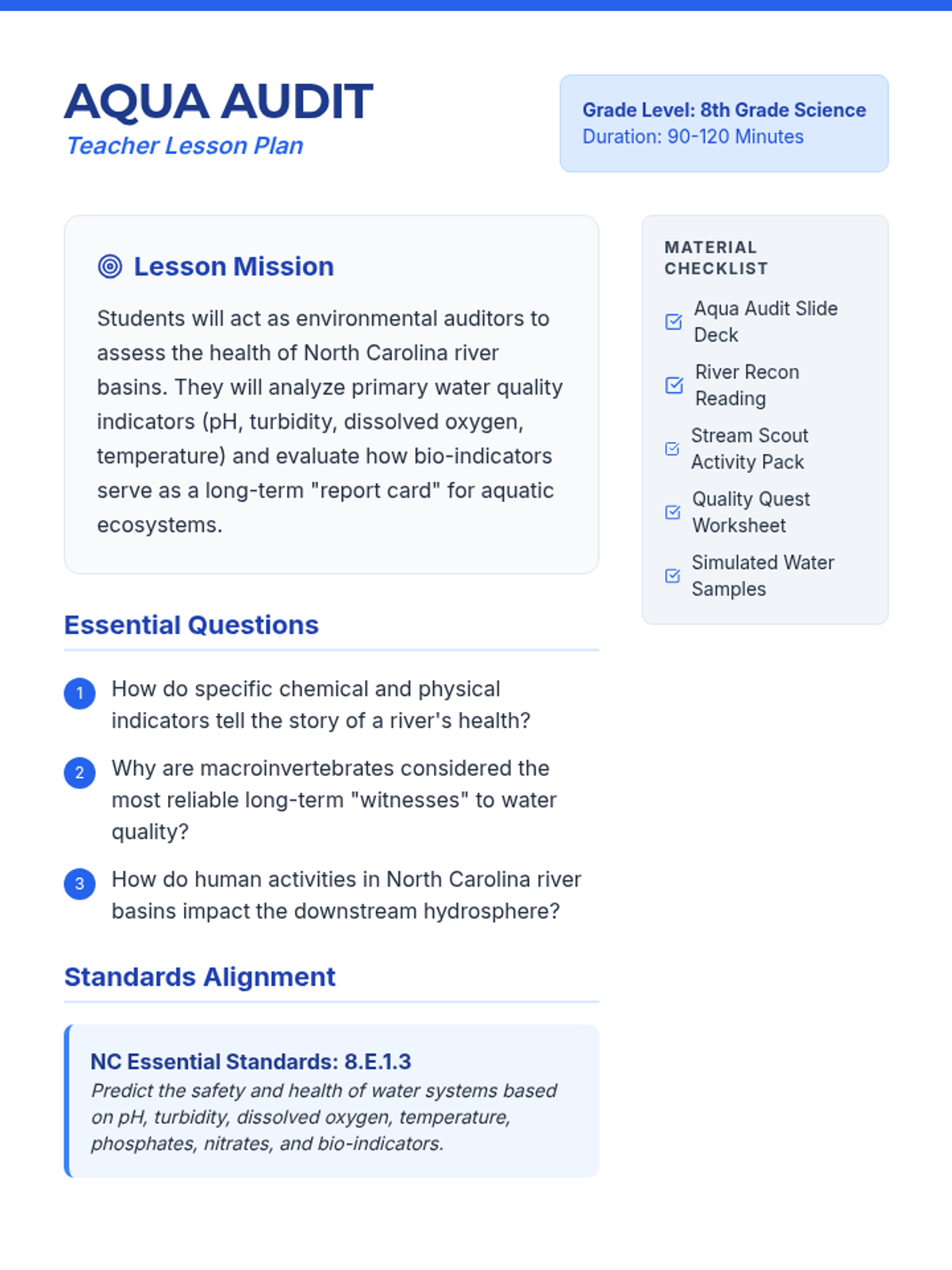
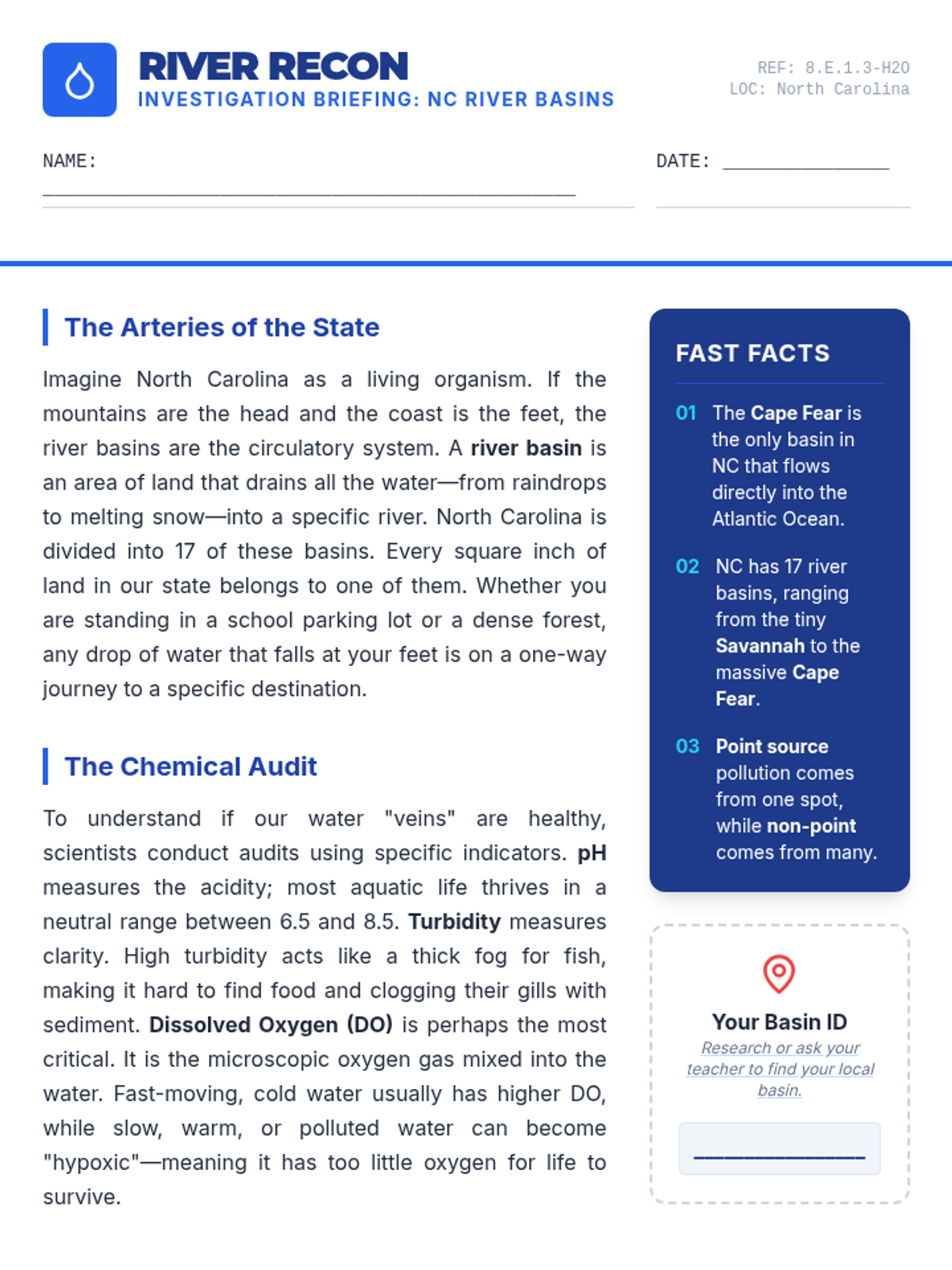
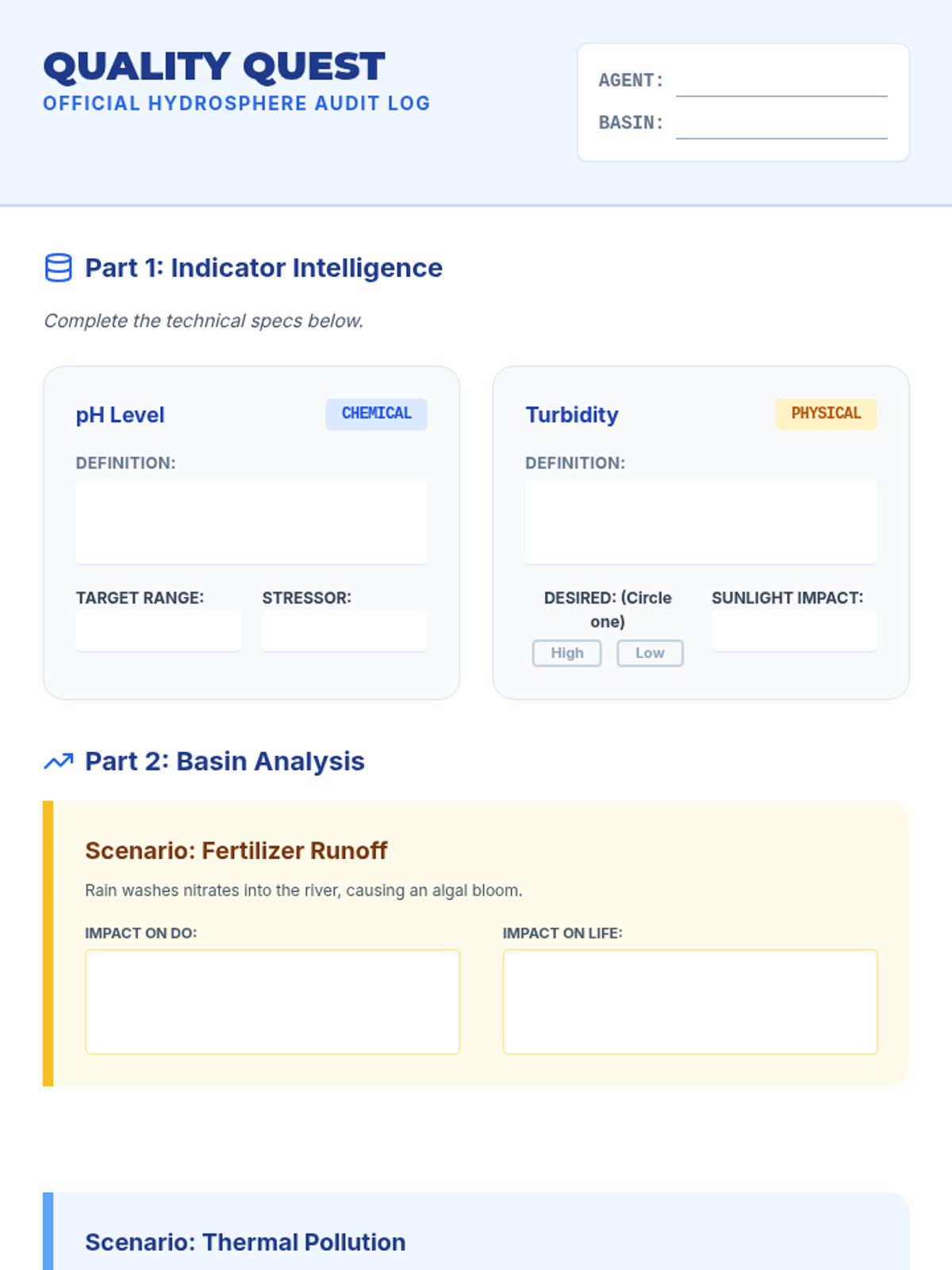
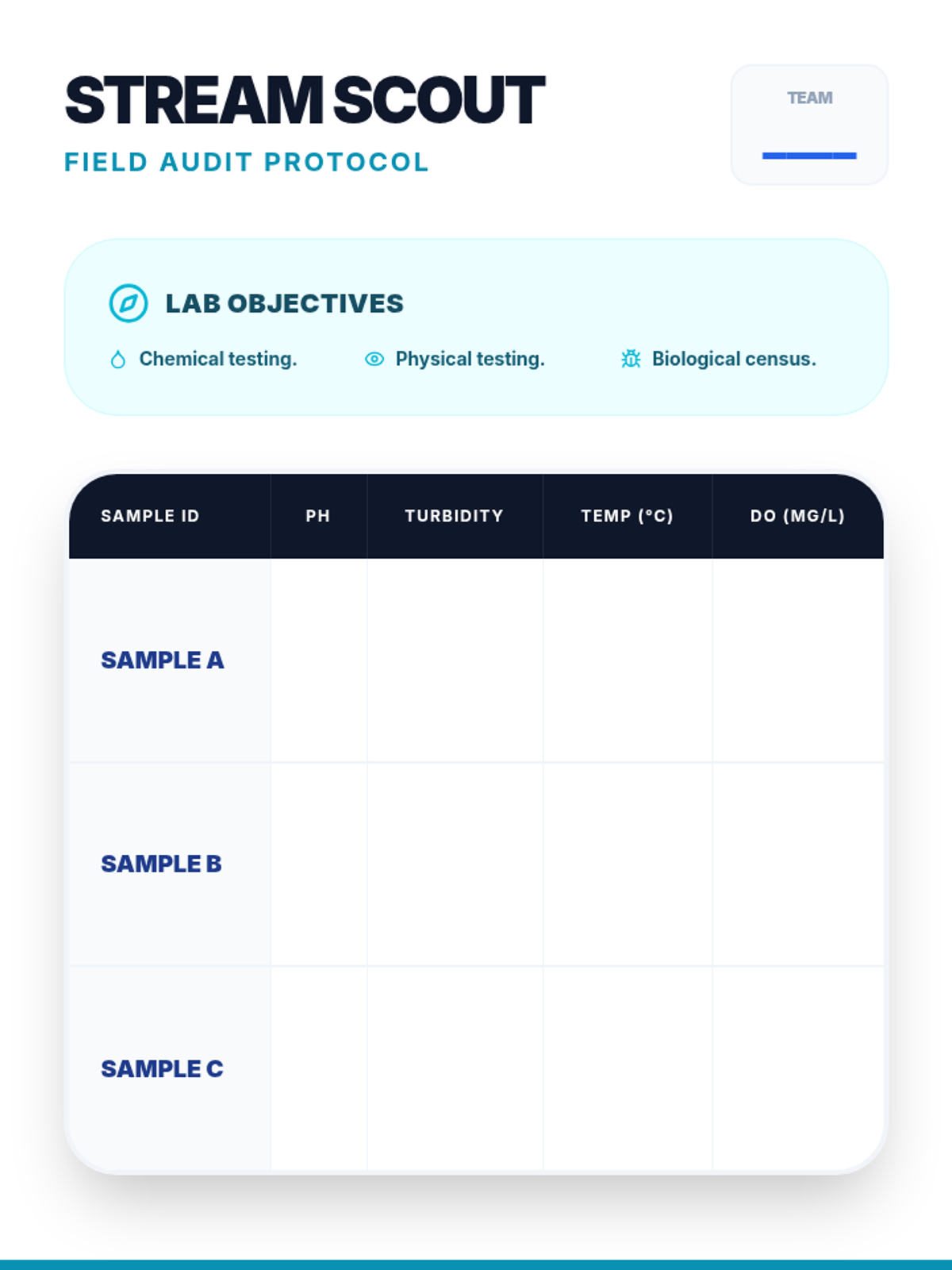
An investigation into North Carolina river basins where students analyze water quality indicators like pH, turbidity, and bio-indicators to audit the health of local aquatic systems.
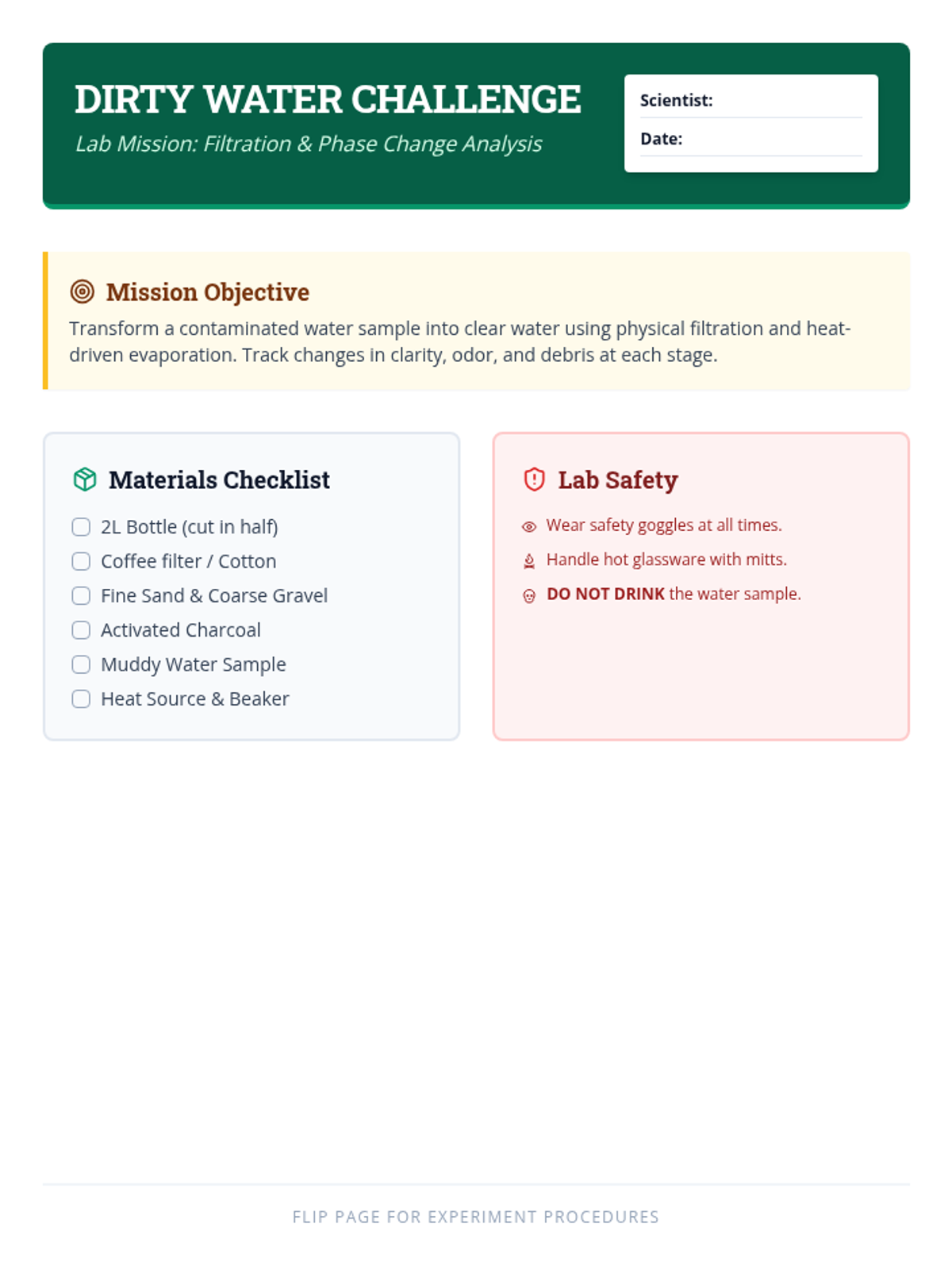
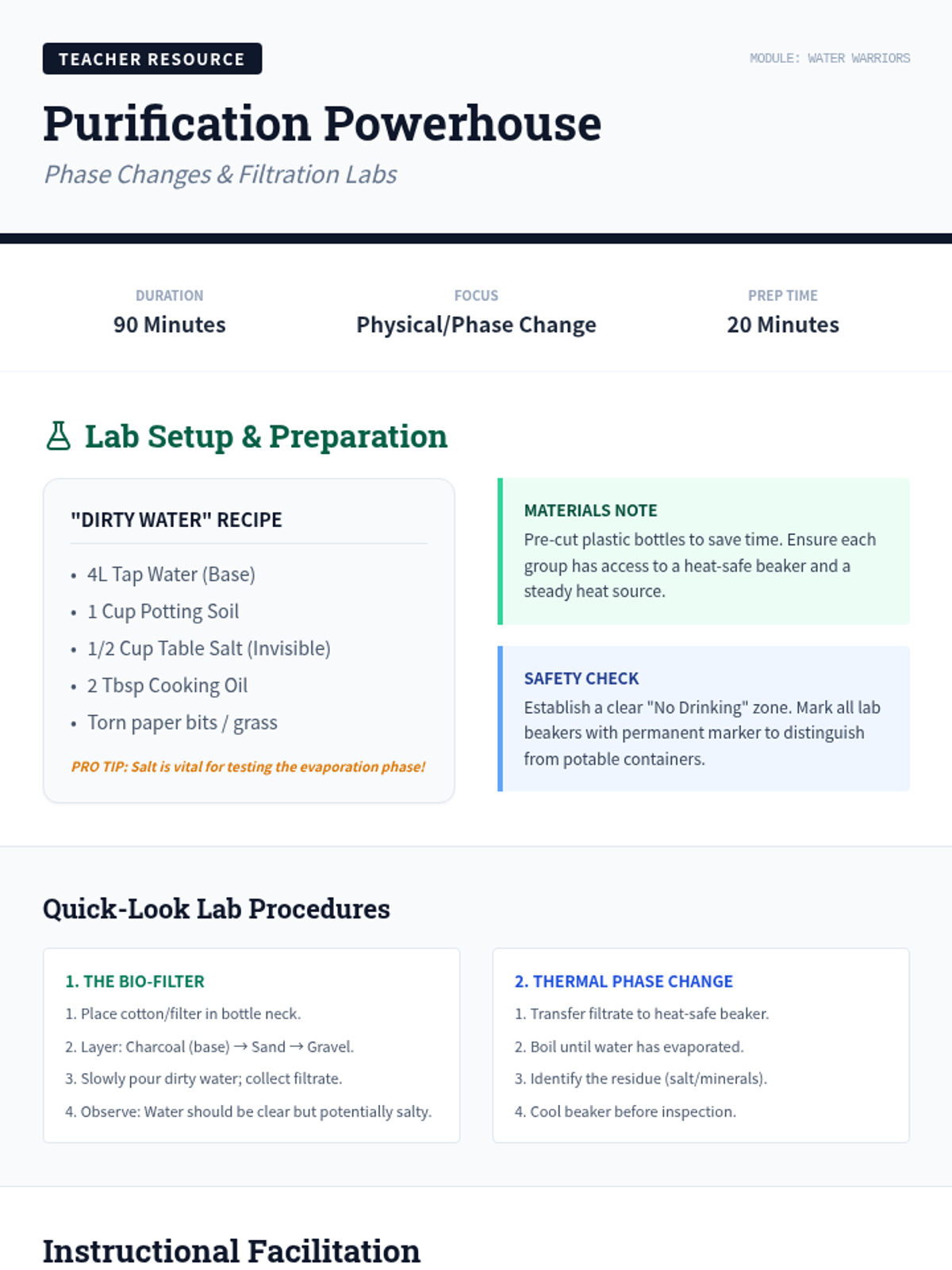
Students explore the essential methods of purifying water through hands-on experimentation. They will learn the roles of physical filtration and phase changes (evaporation) in removing contaminants from water samples.
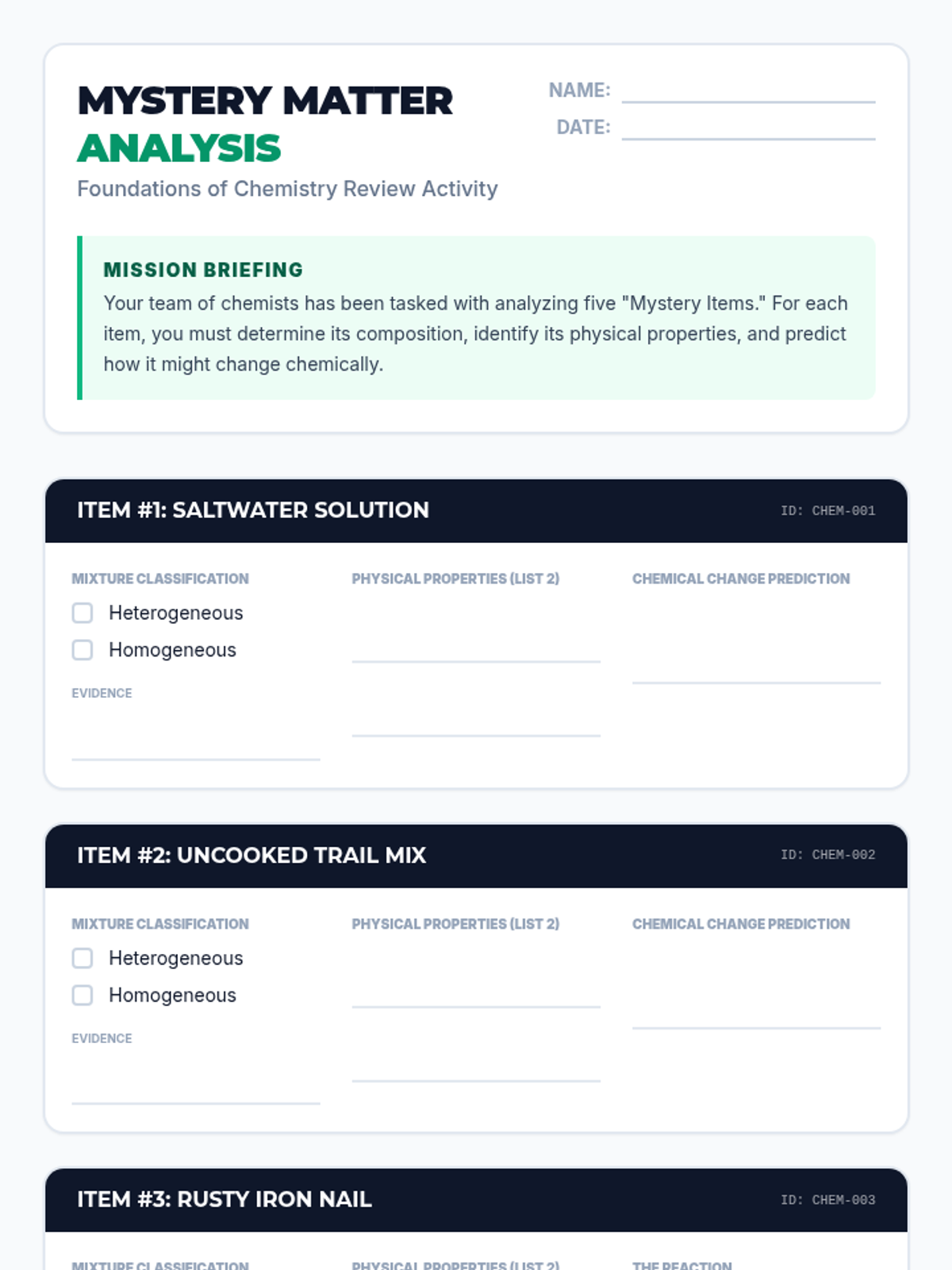
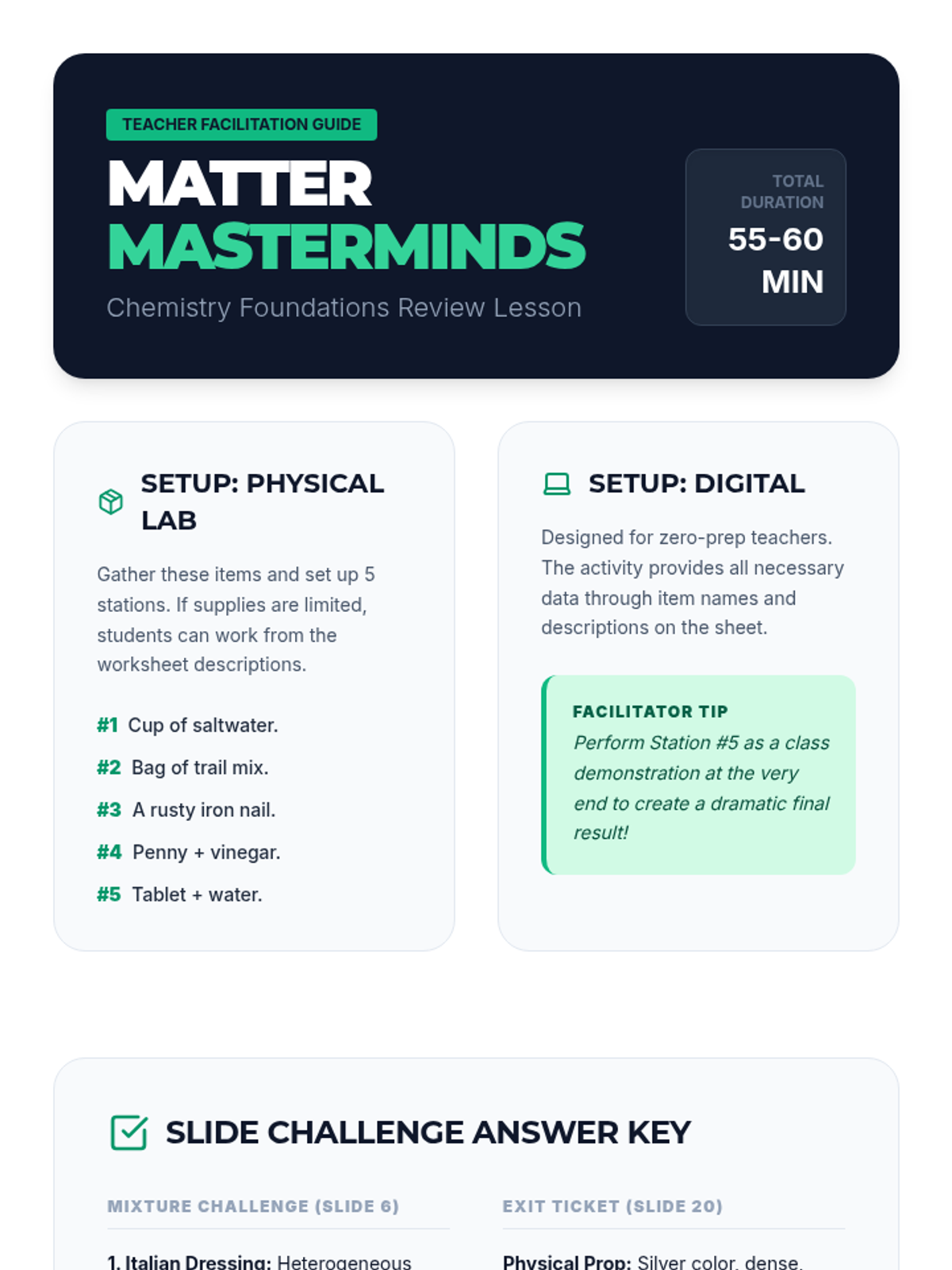
A comprehensive review lesson covering the core foundations of chemistry, including mixtures, properties, and changes through an interactive presentation and a hands-on group analysis activity.
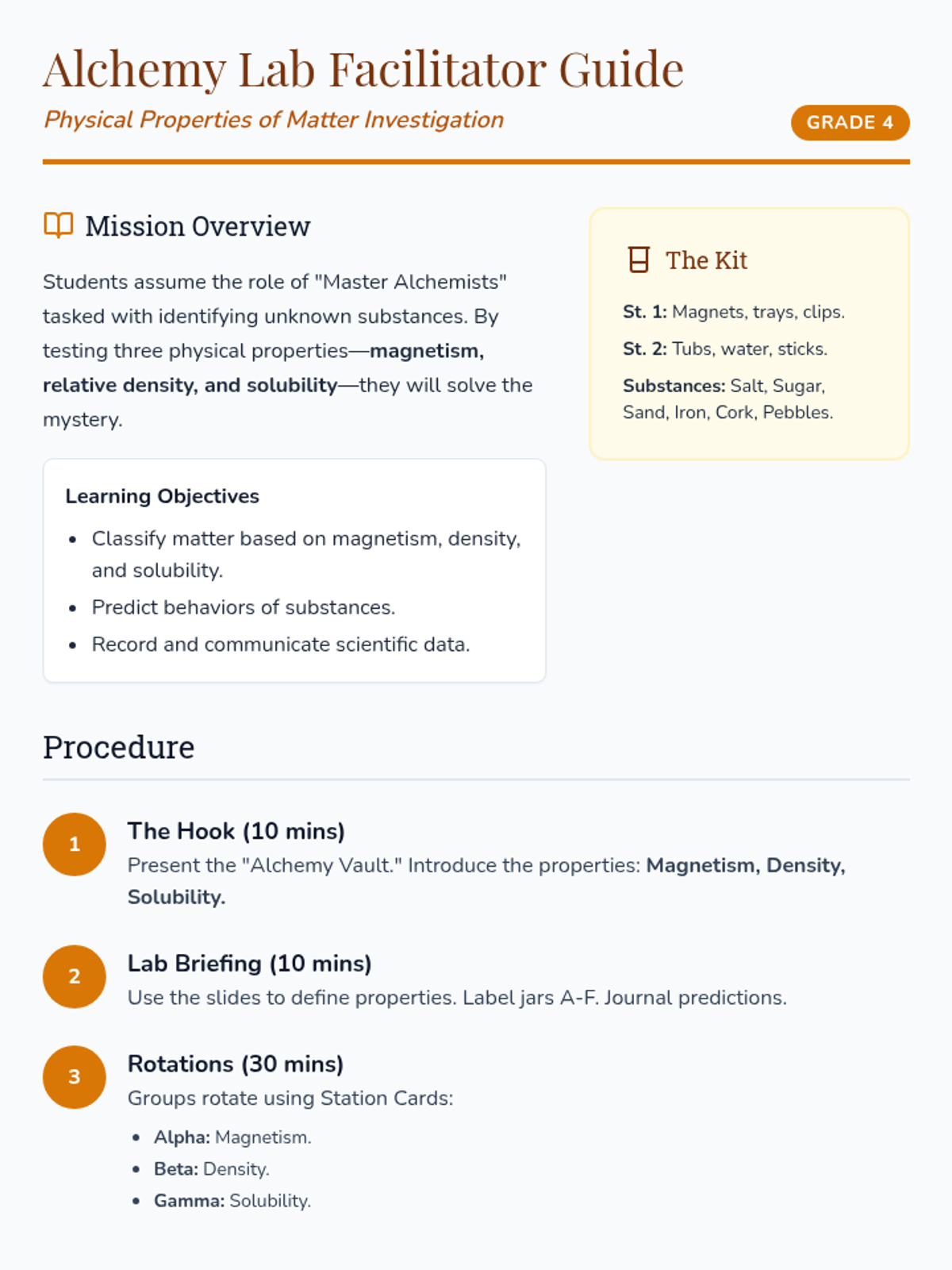
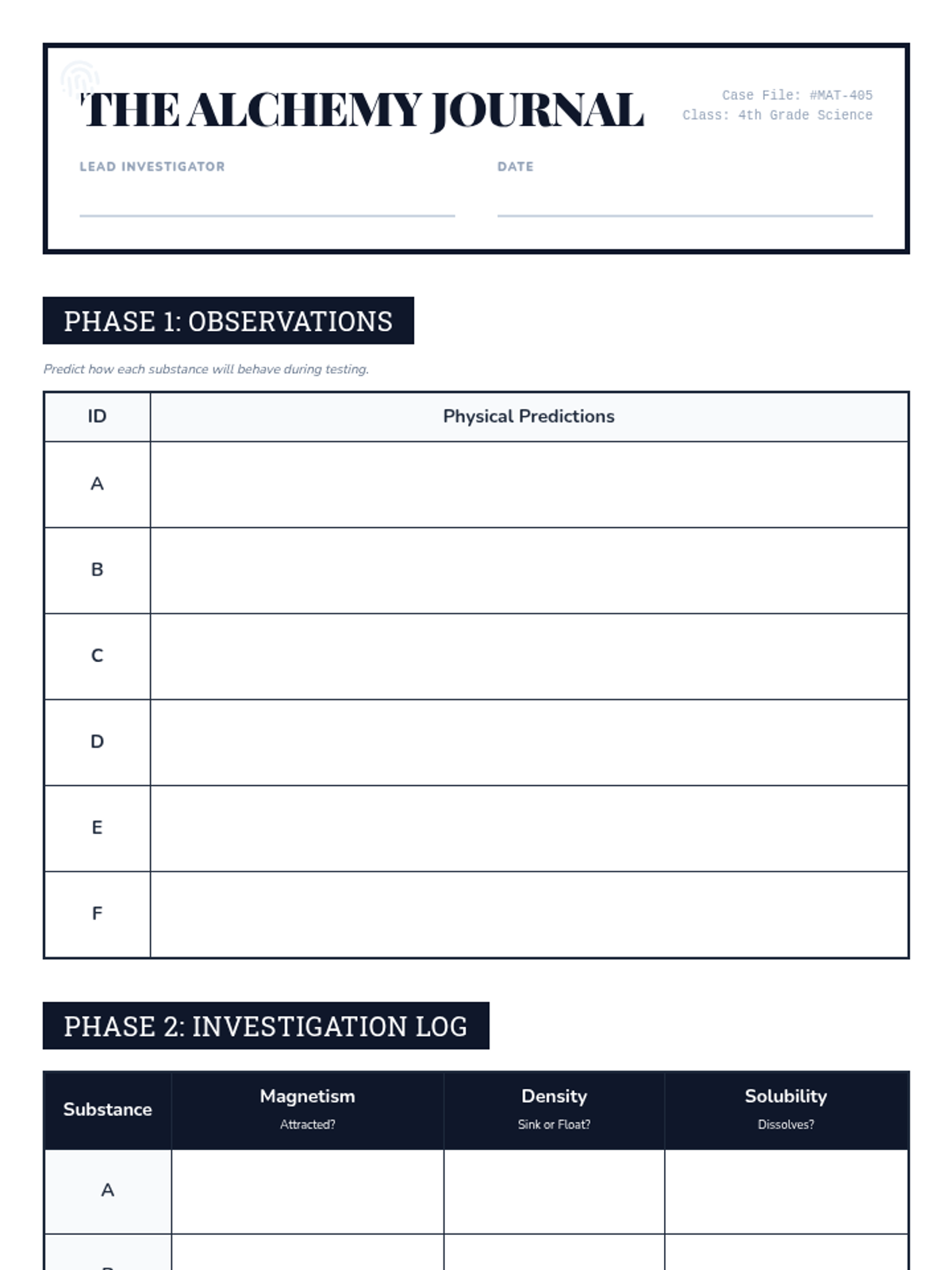
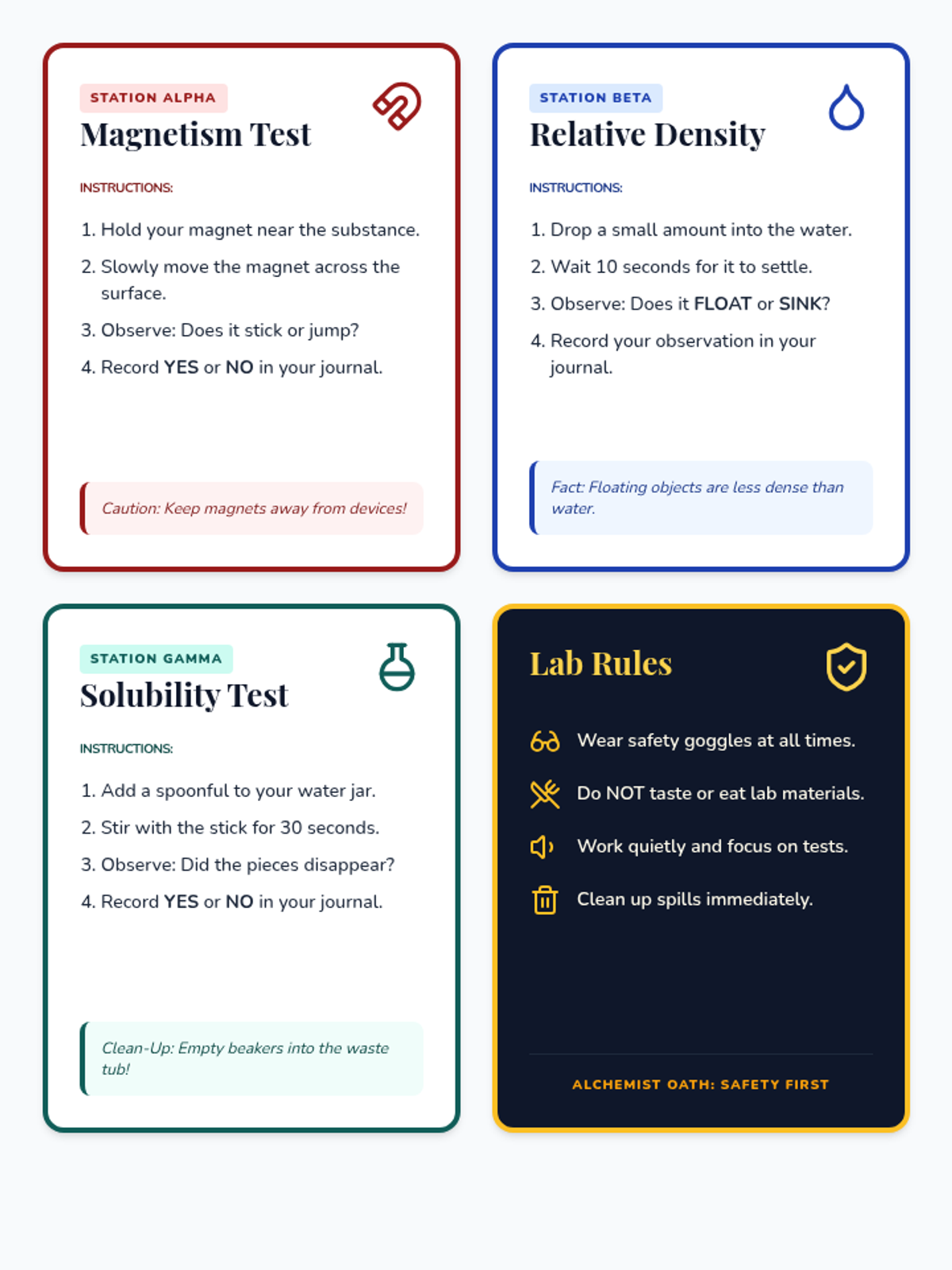
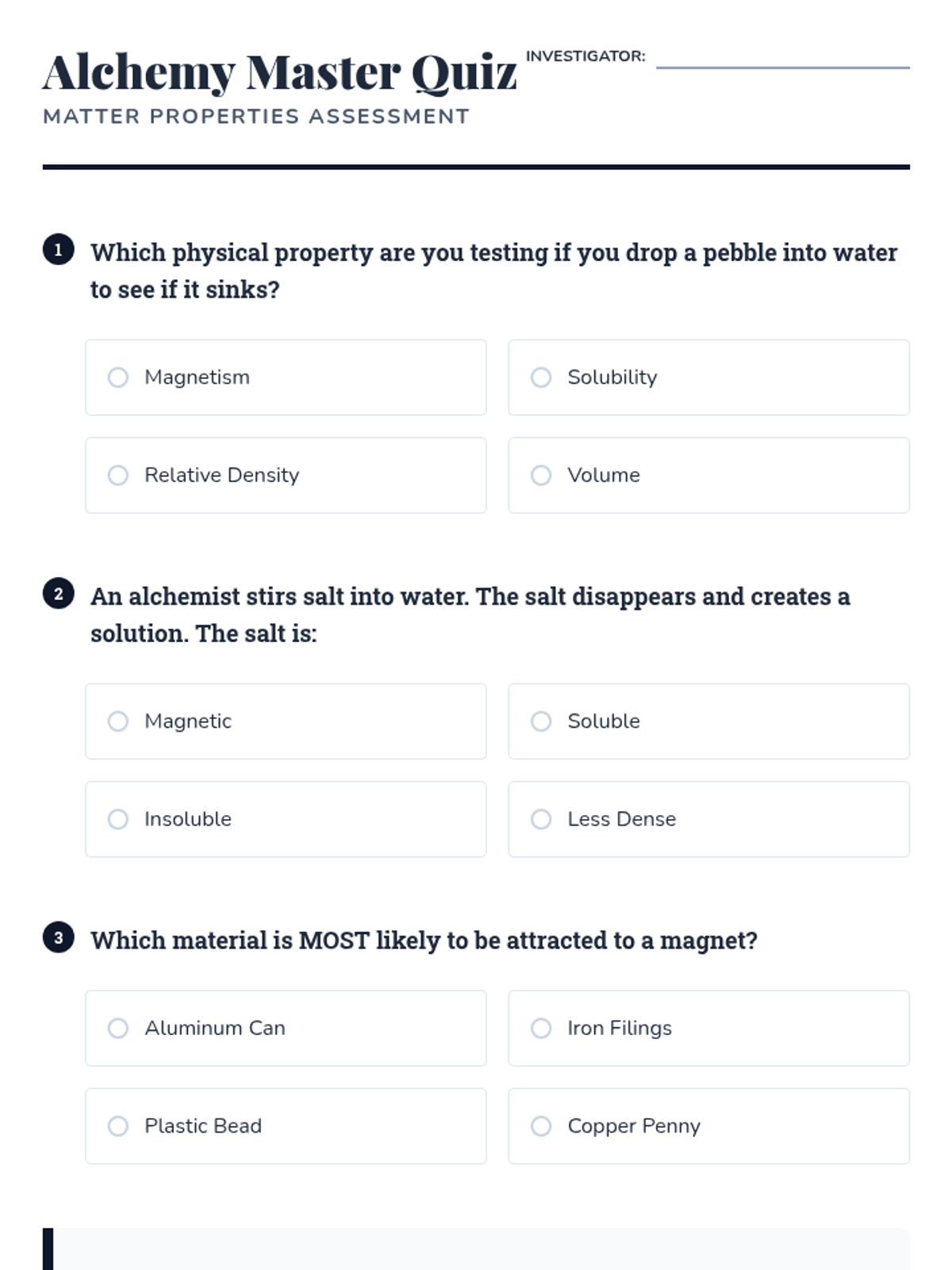
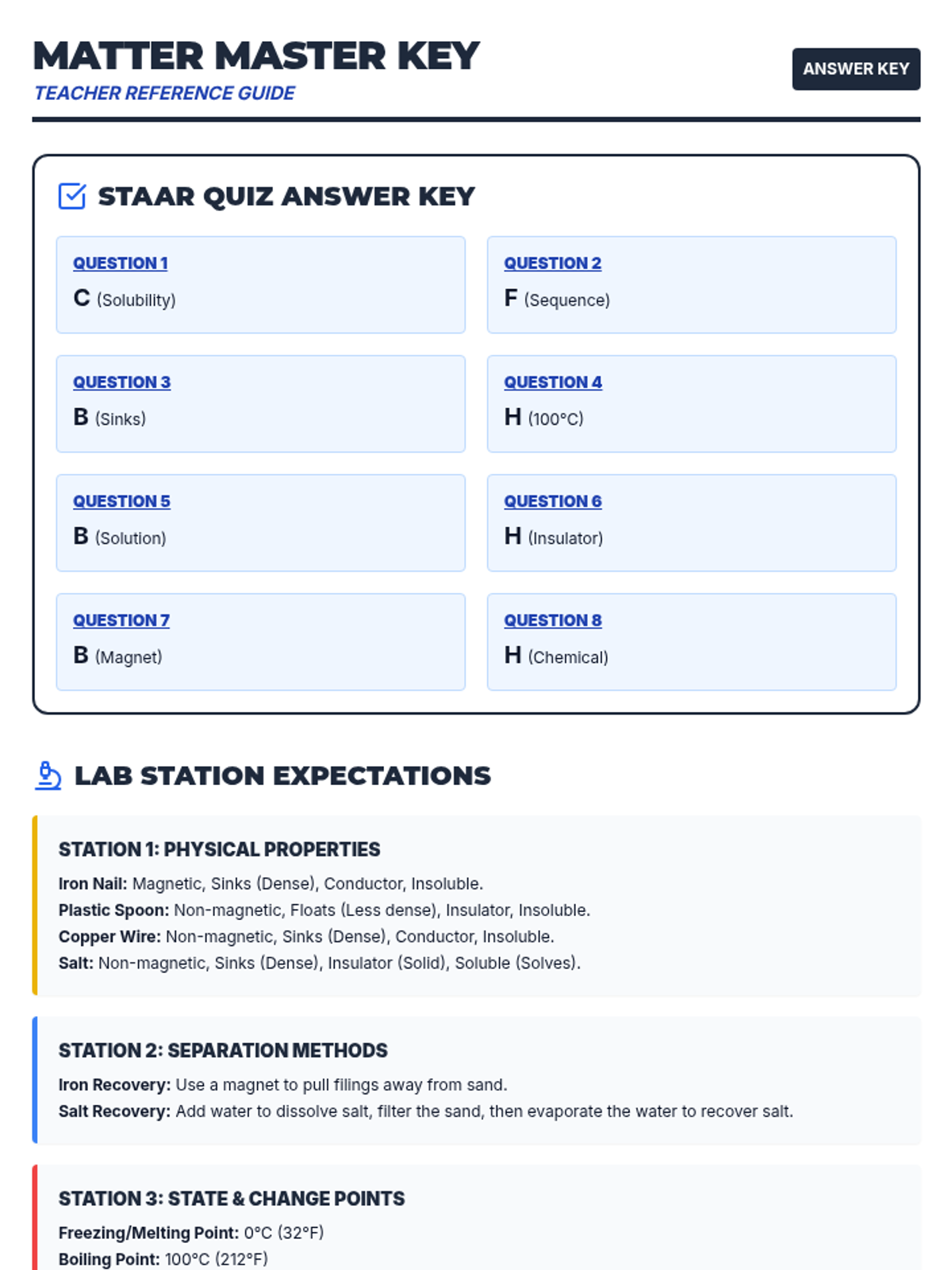
Students become lab investigators in this high-energy science lesson, testing unknown substances for magnetism, density, and solubility to reveal their hidden identities. This lesson covers 4th-grade physical properties of matter through hands-on exploration and collaborative investigation.
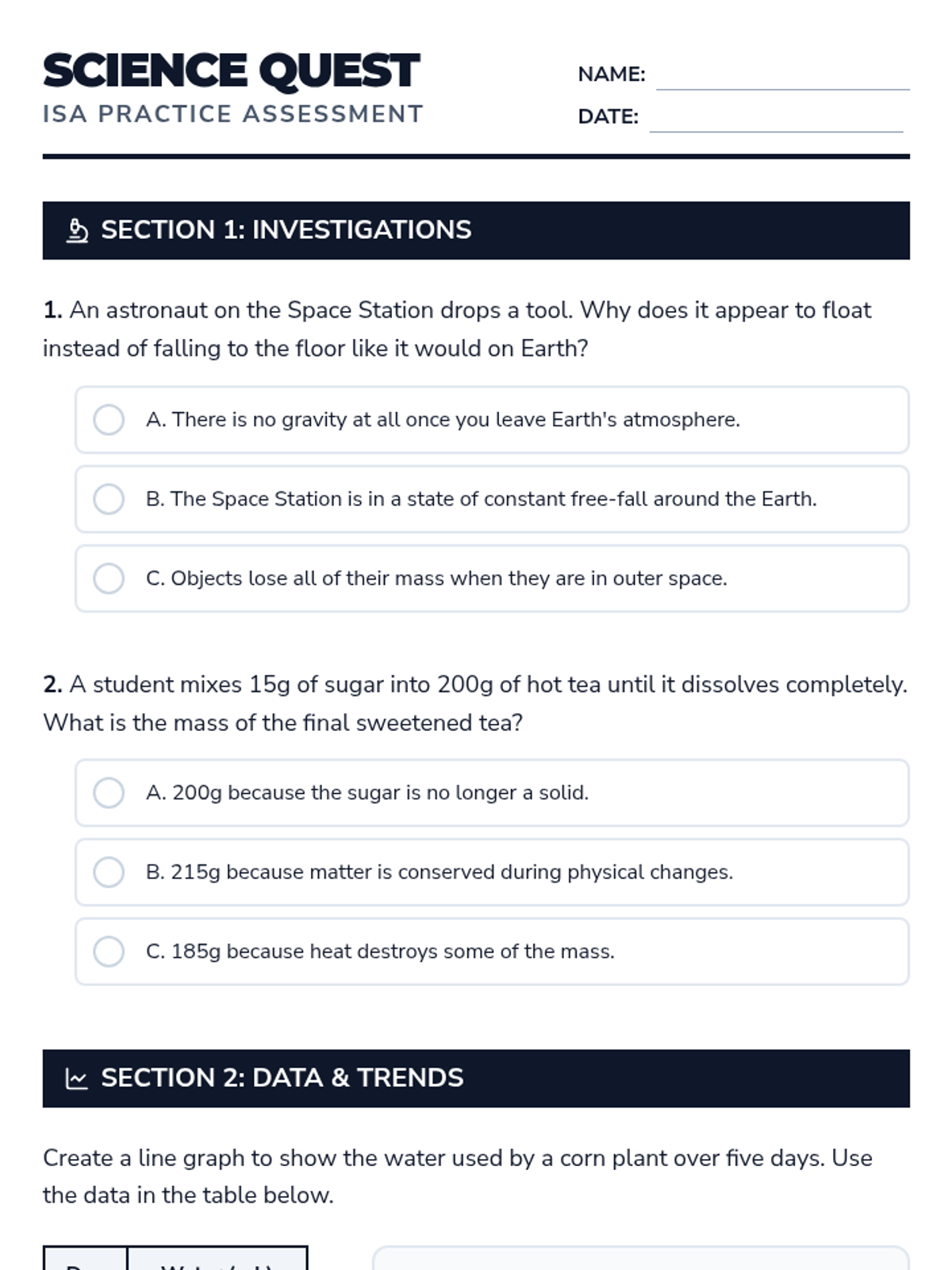
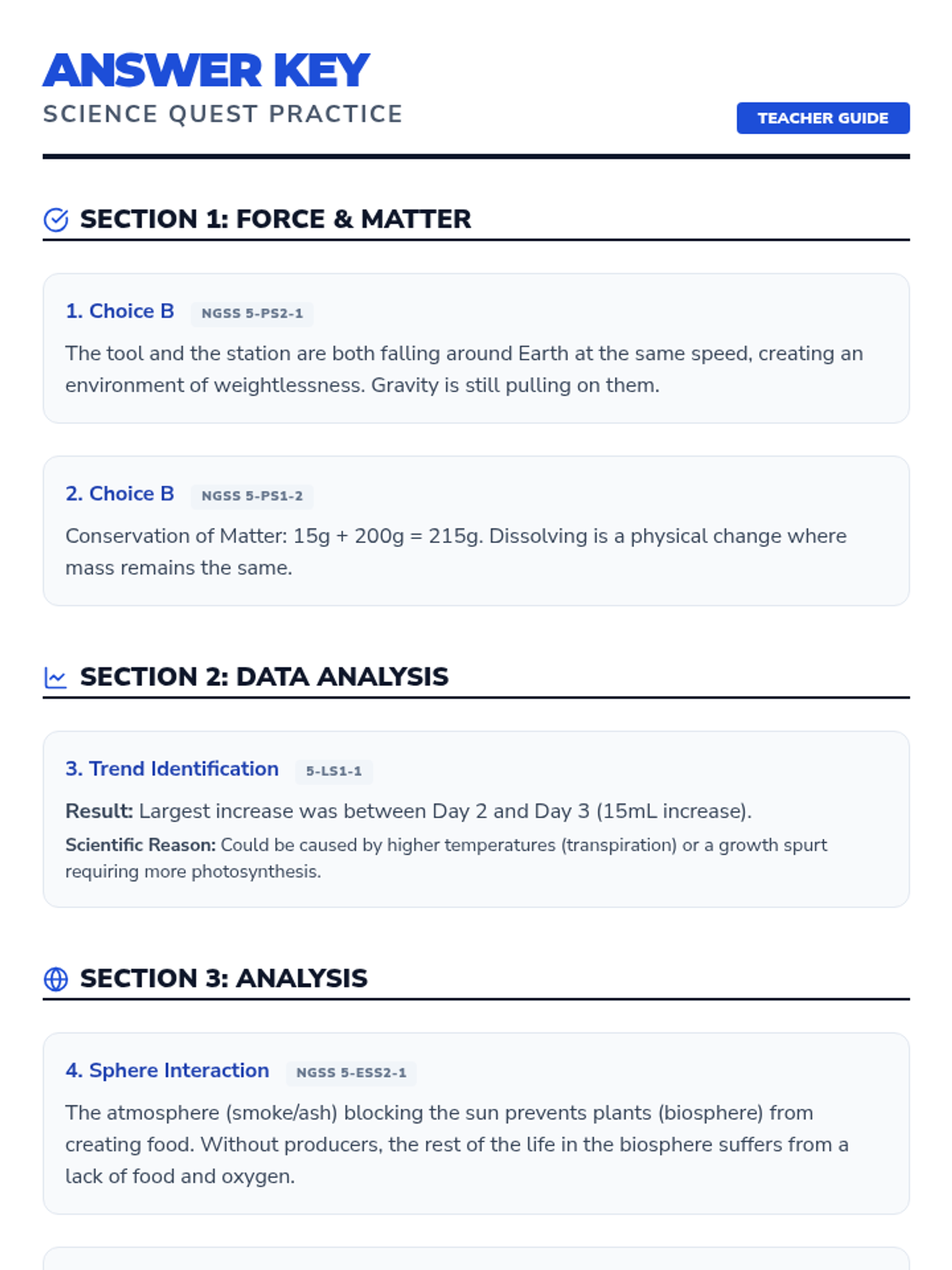
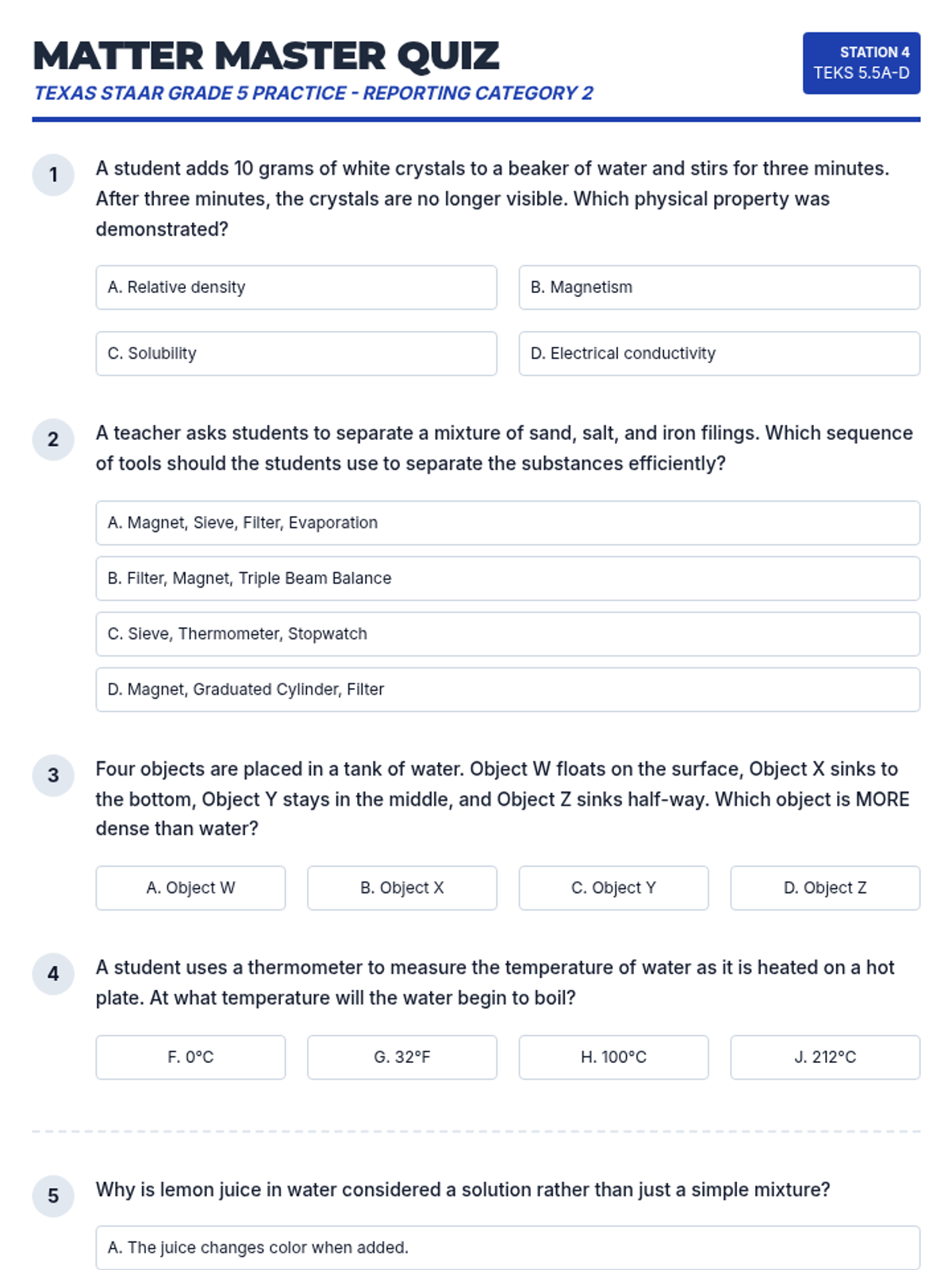
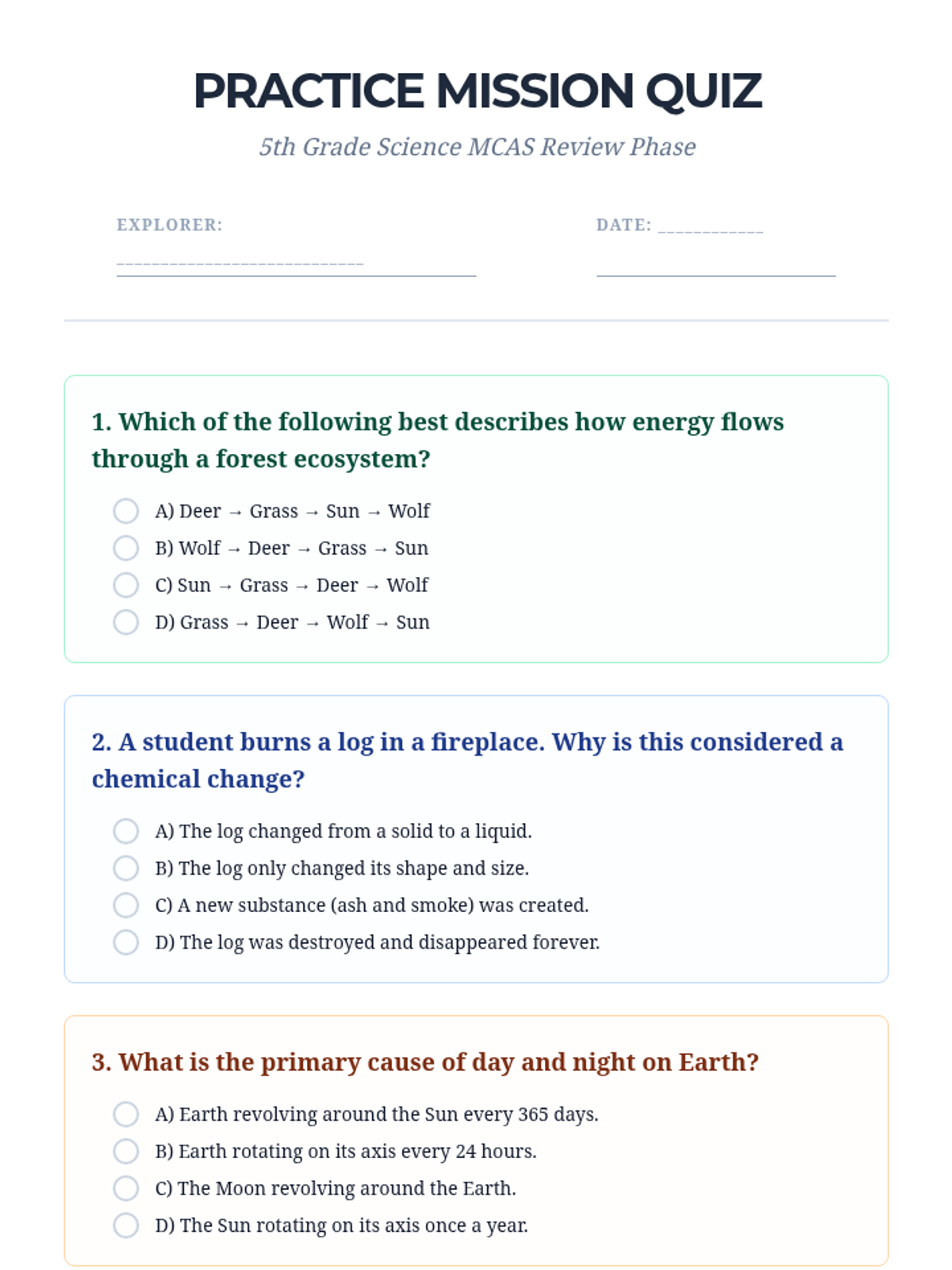
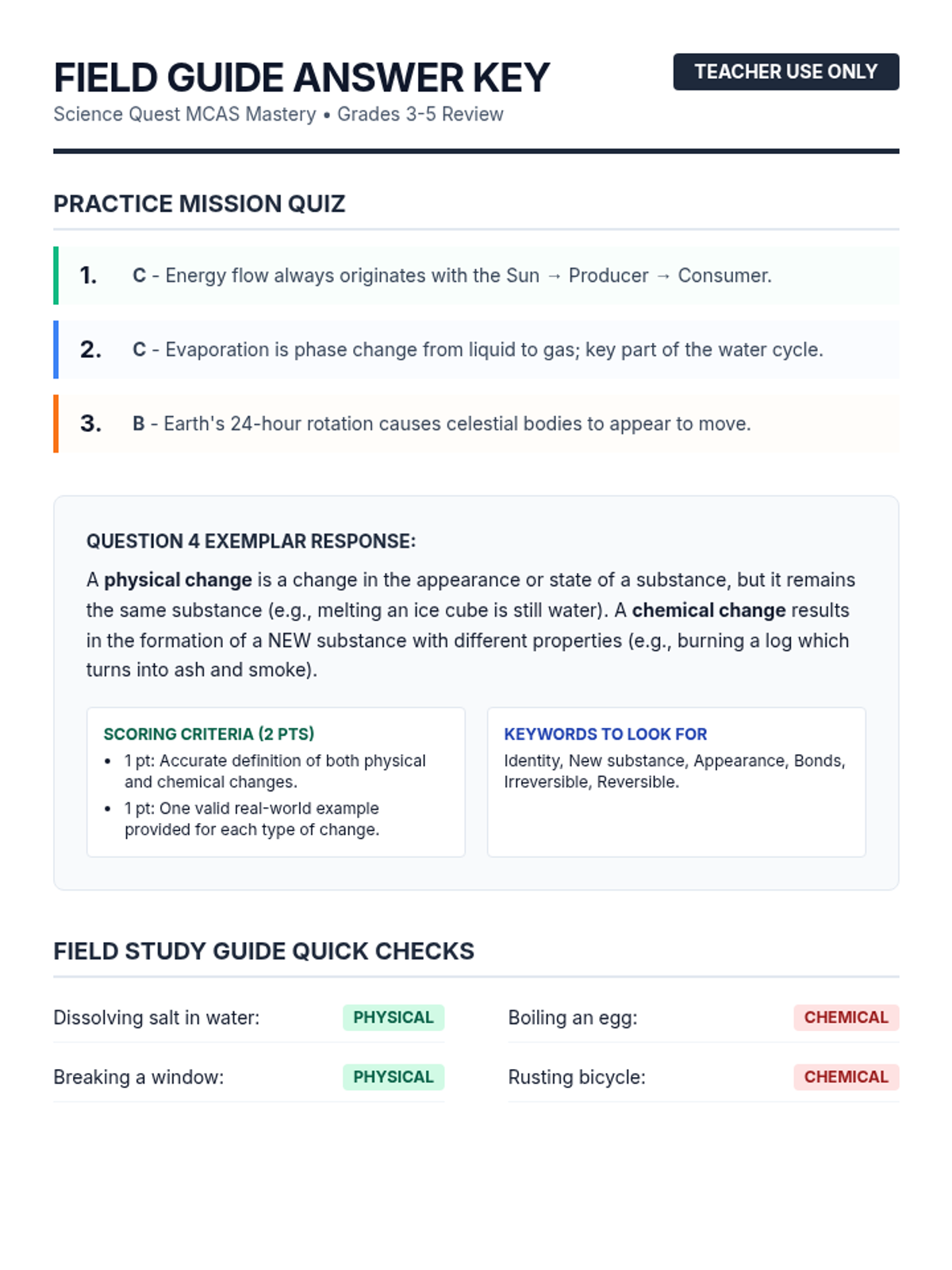
A comprehensive ISA practice session covering key 5th-grade science standards, including Earth's systems, matter, energy flow, and space. Students will engage with multiple-choice questions, open-ended analysis, and data-driven graphing tasks.
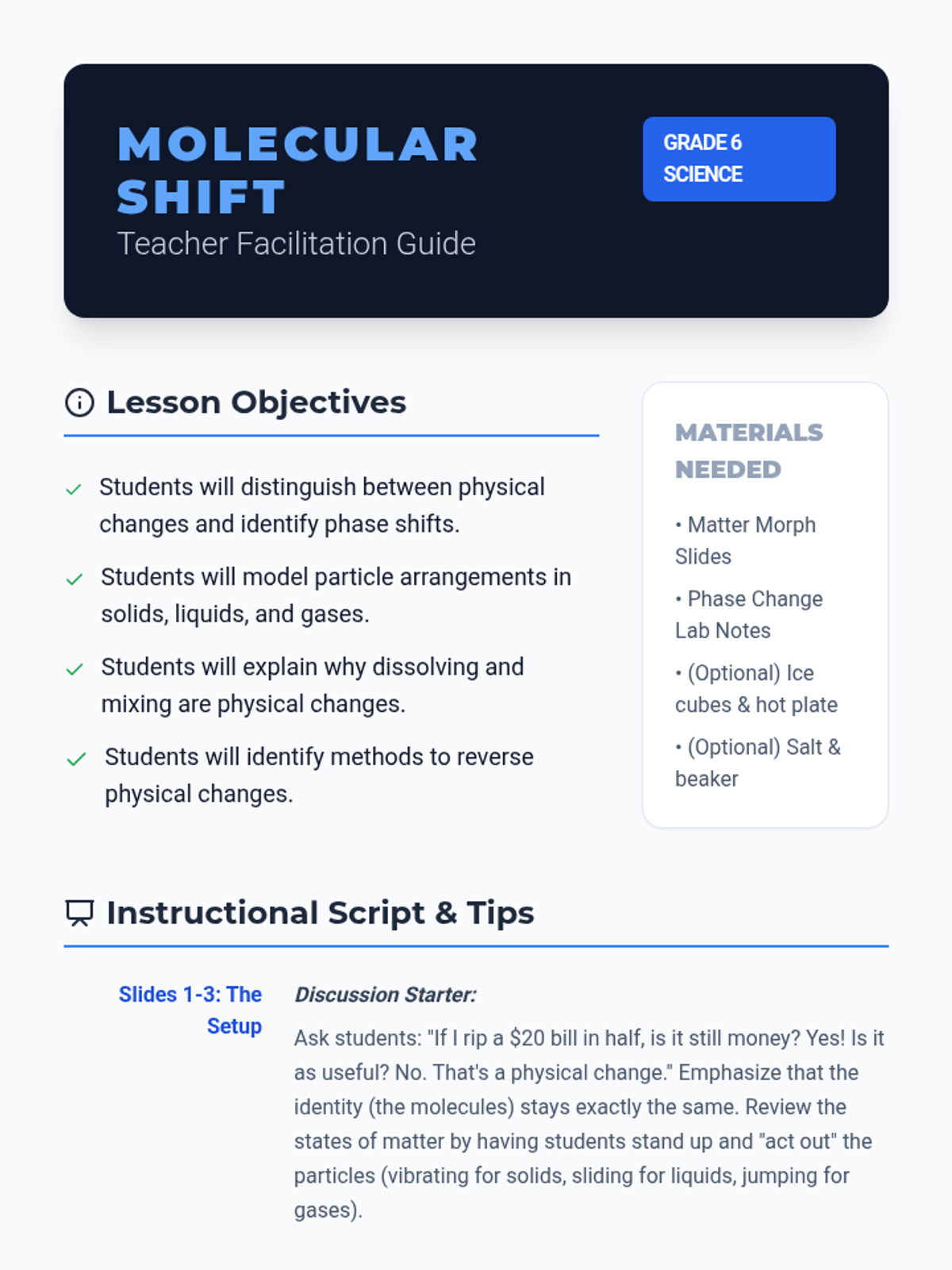
An engaging lesson on physical changes in matter, focusing on phase changes, mixtures, and the concept of reversibility for 6th-grade students.
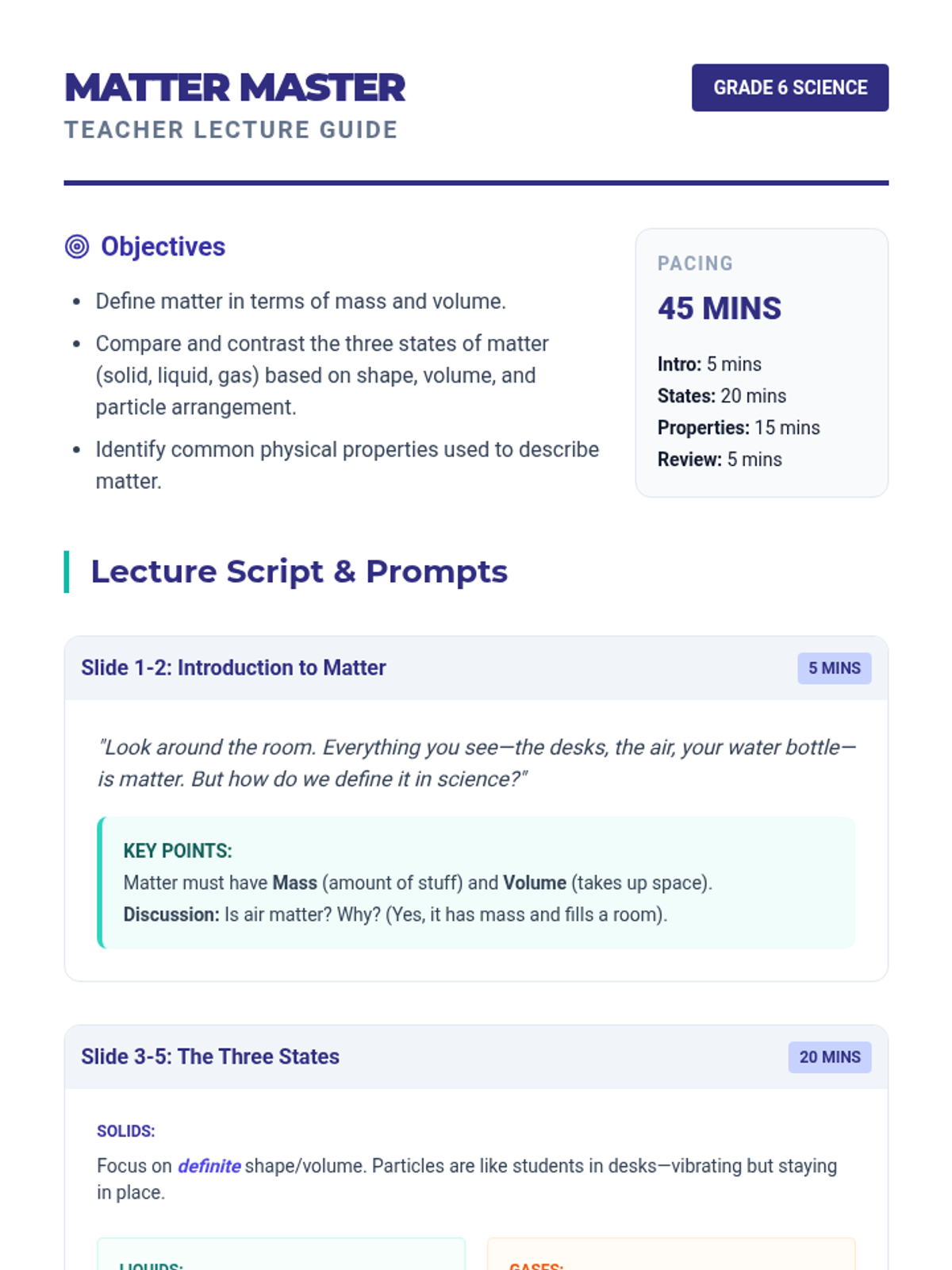
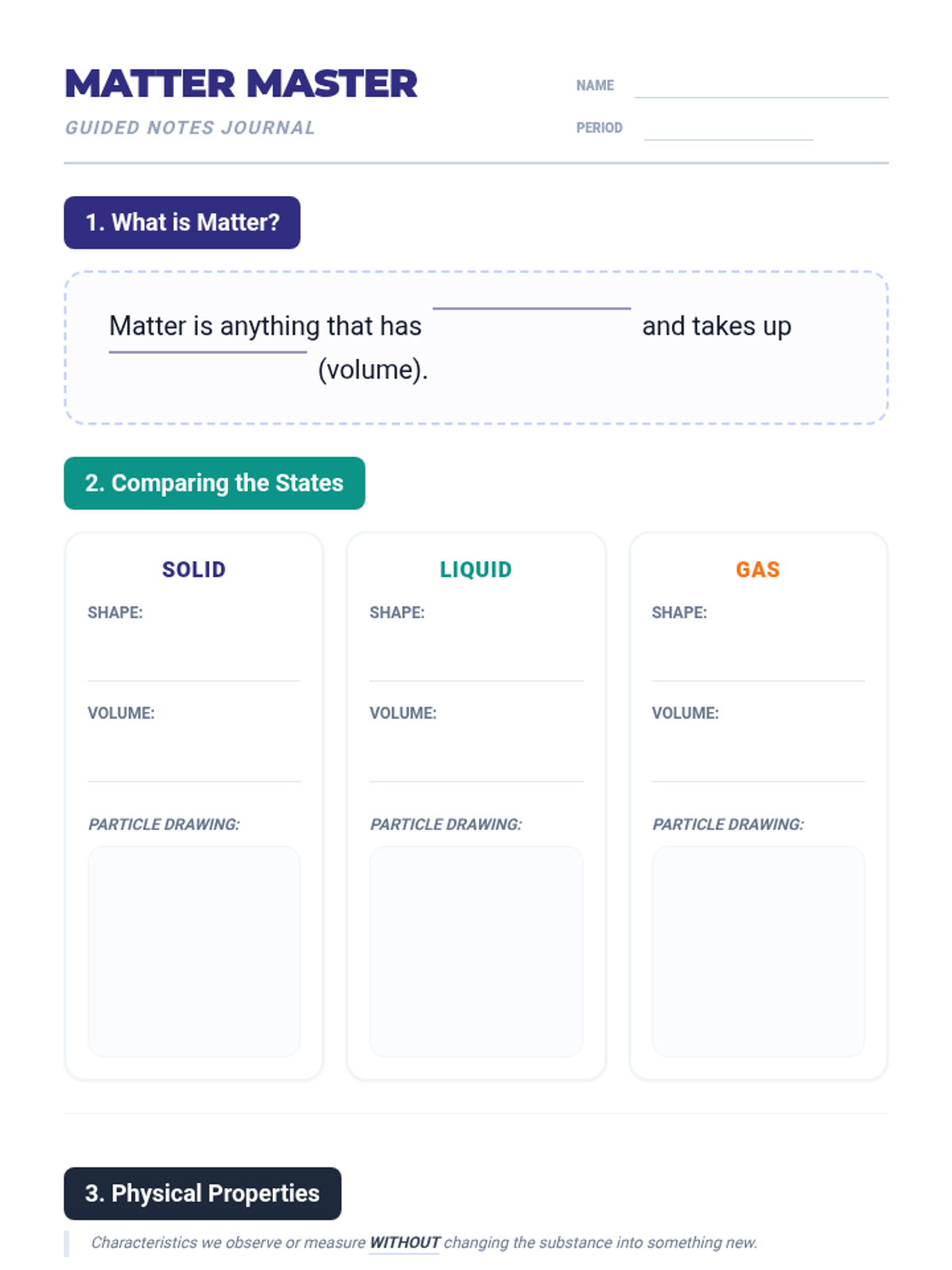
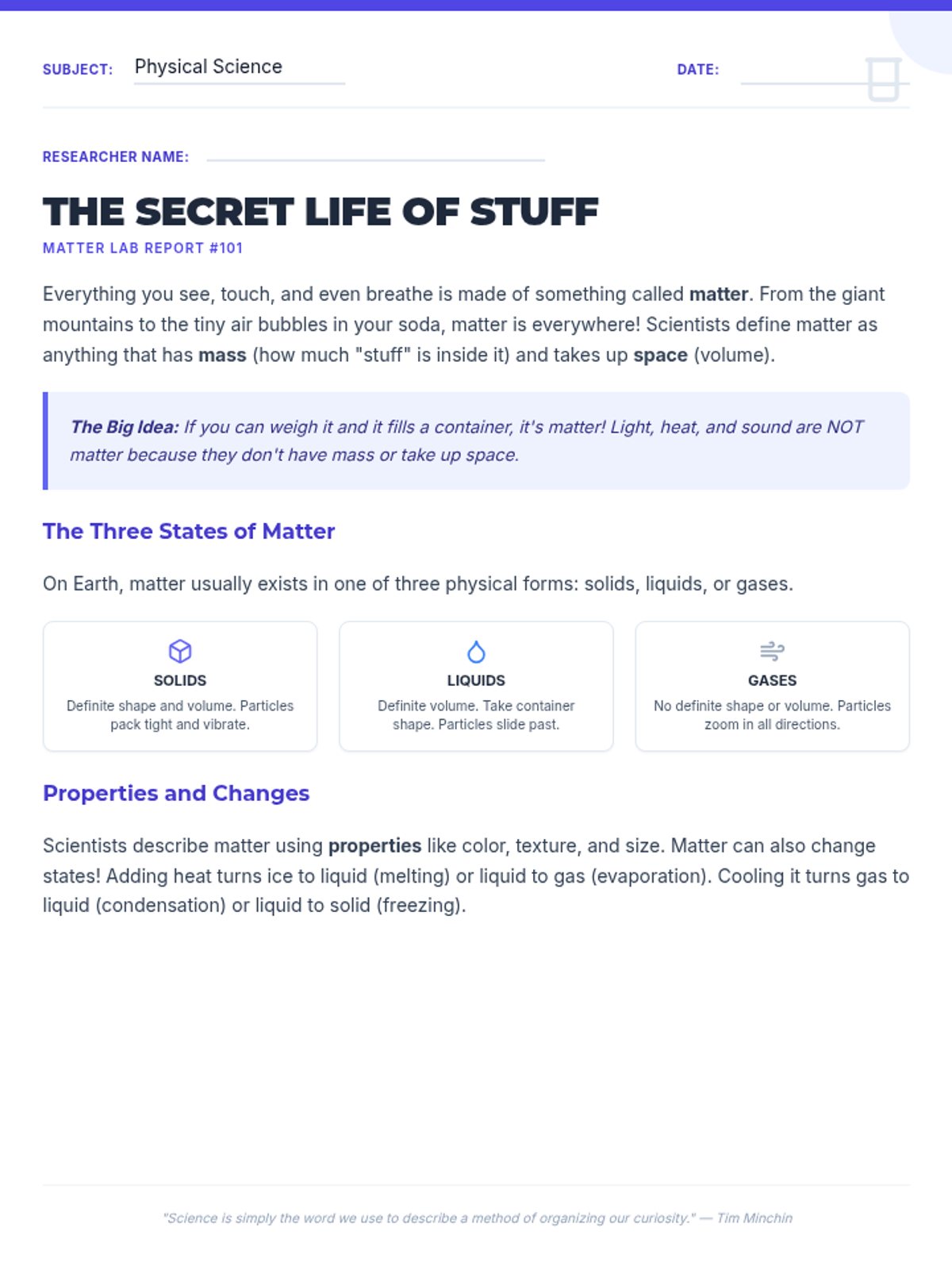
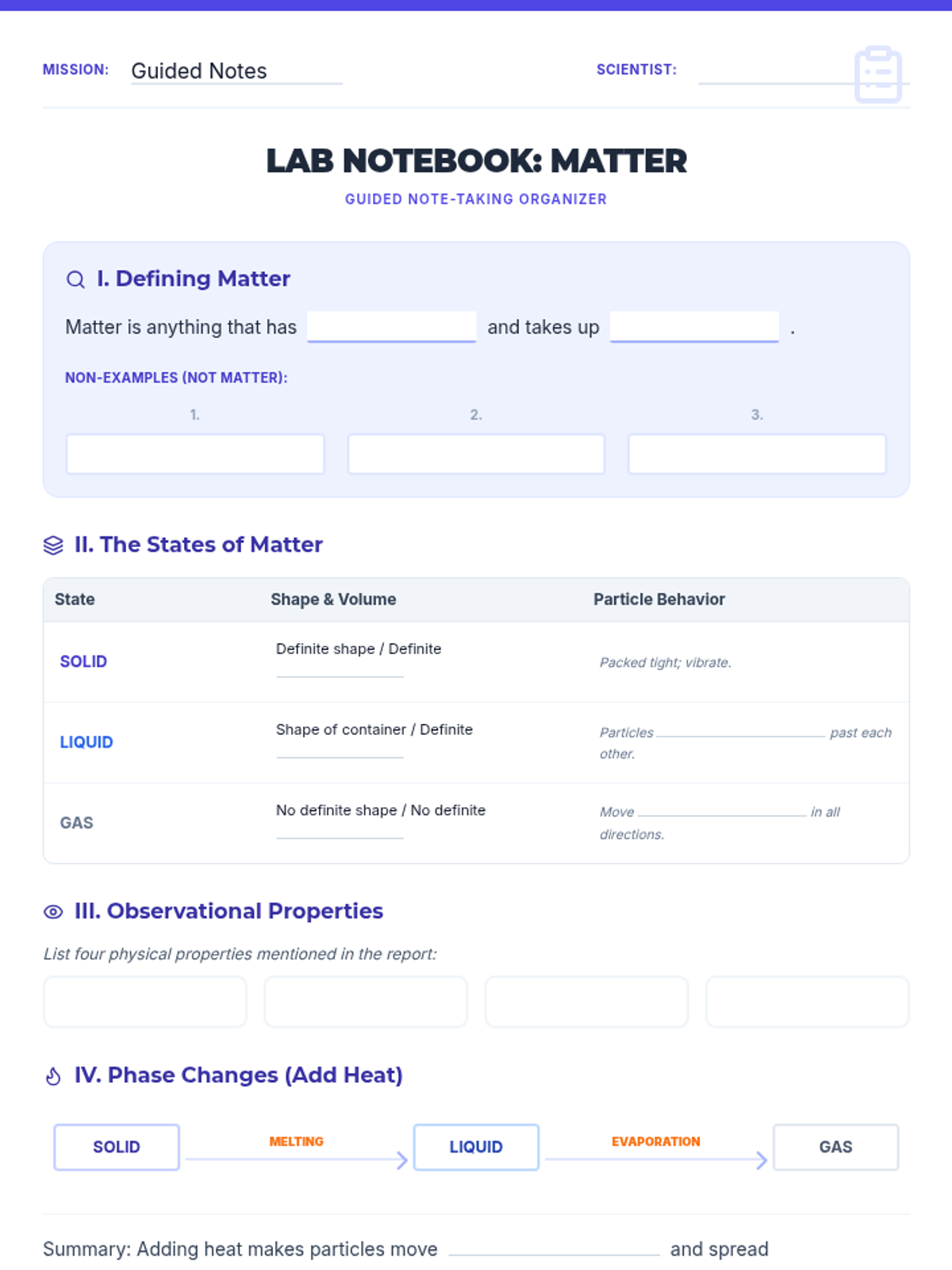
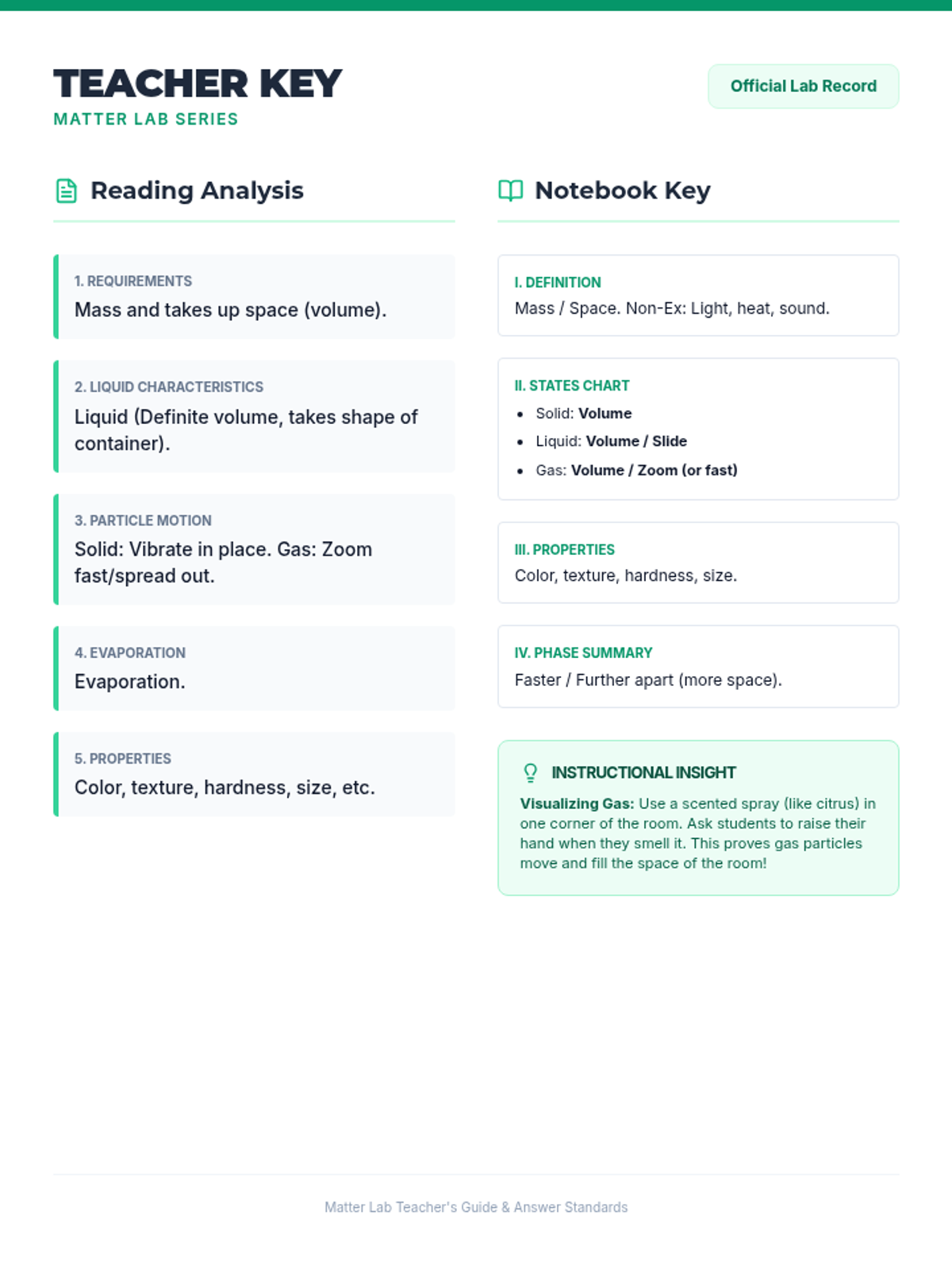
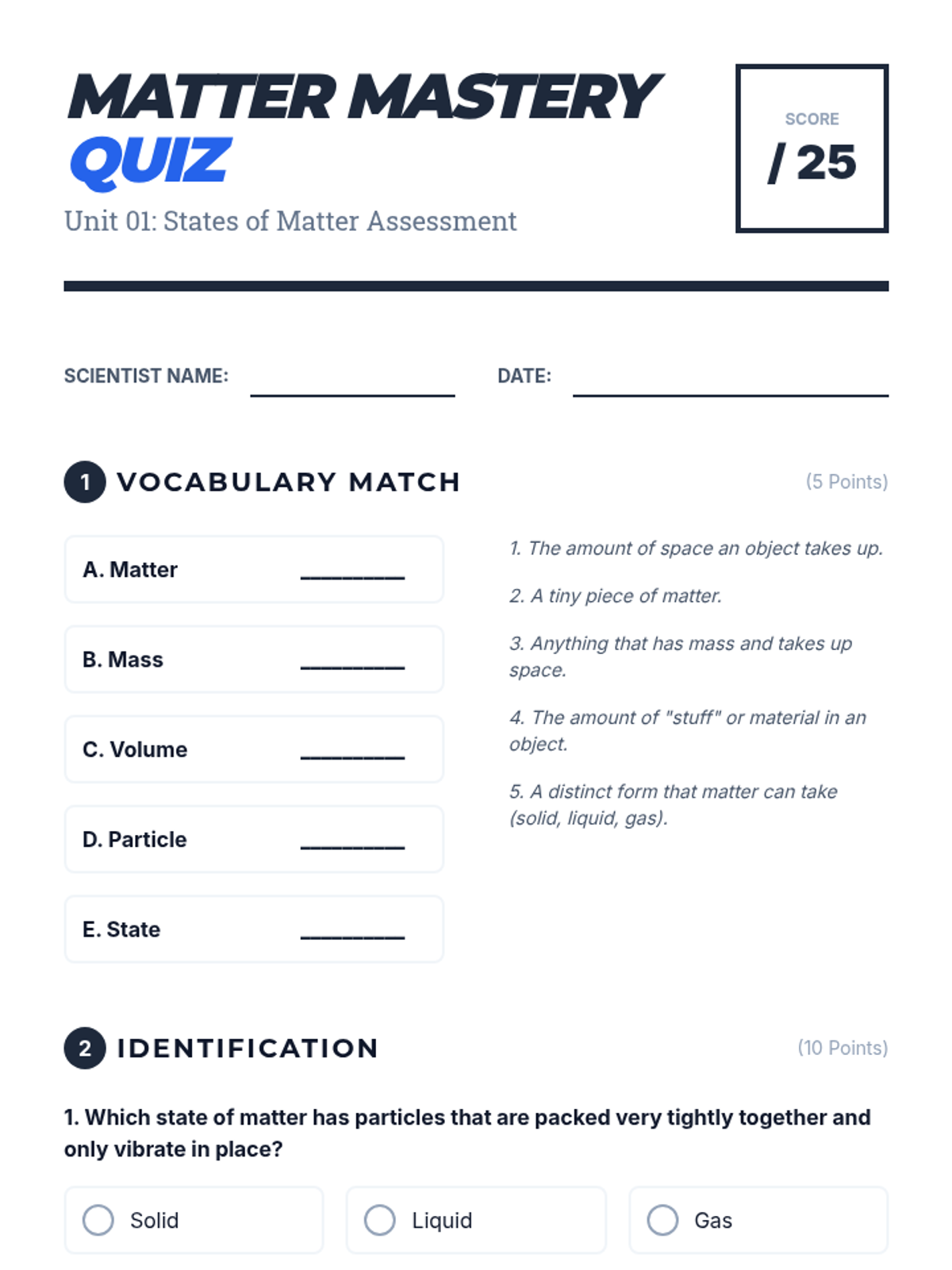
A comprehensive lesson exploring the three primary states of matter (solid, liquid, gas) and their physical properties, designed for 6th-grade students. Includes visual aids, guided note-taking, and teacher-led instruction.
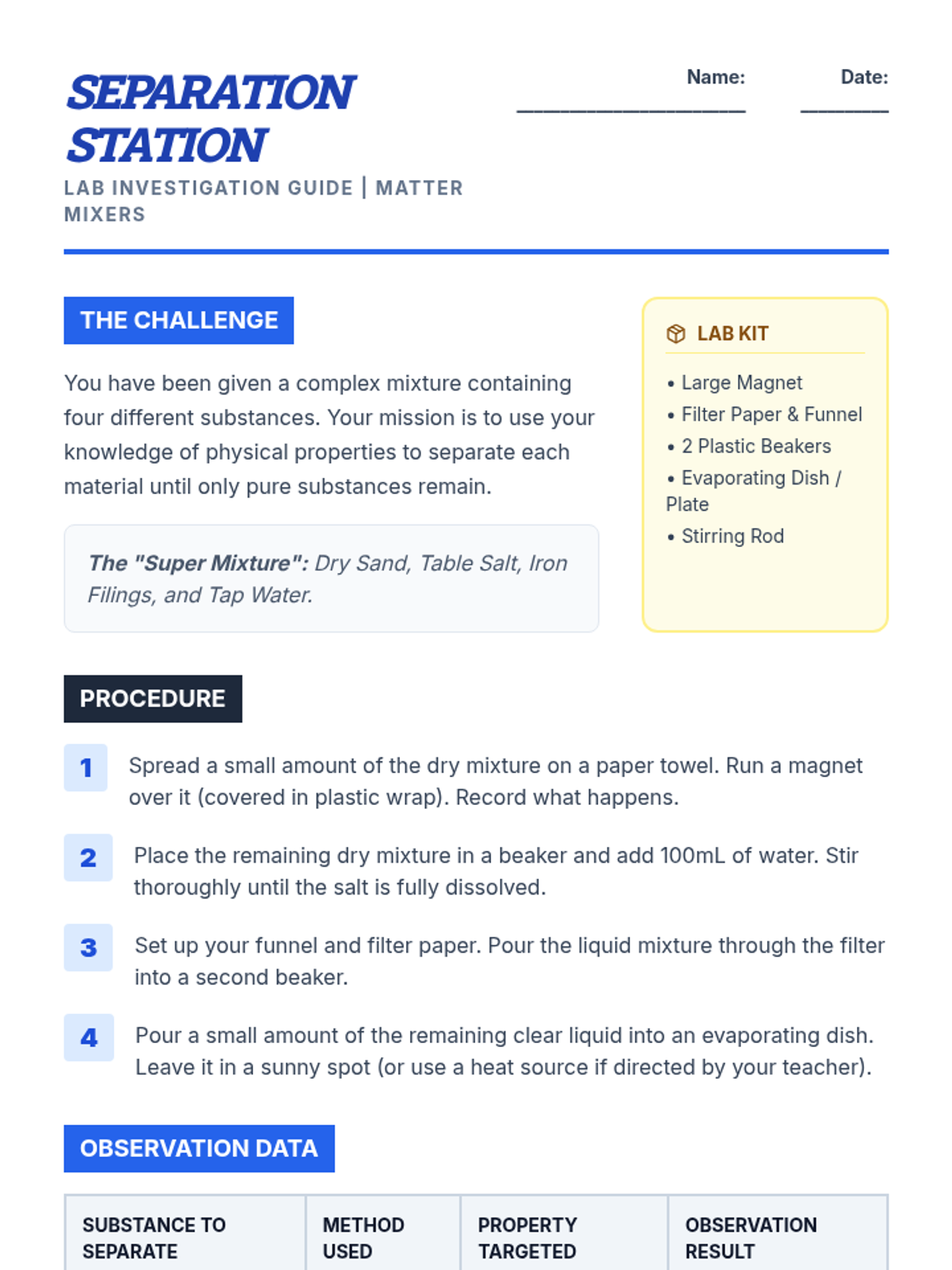
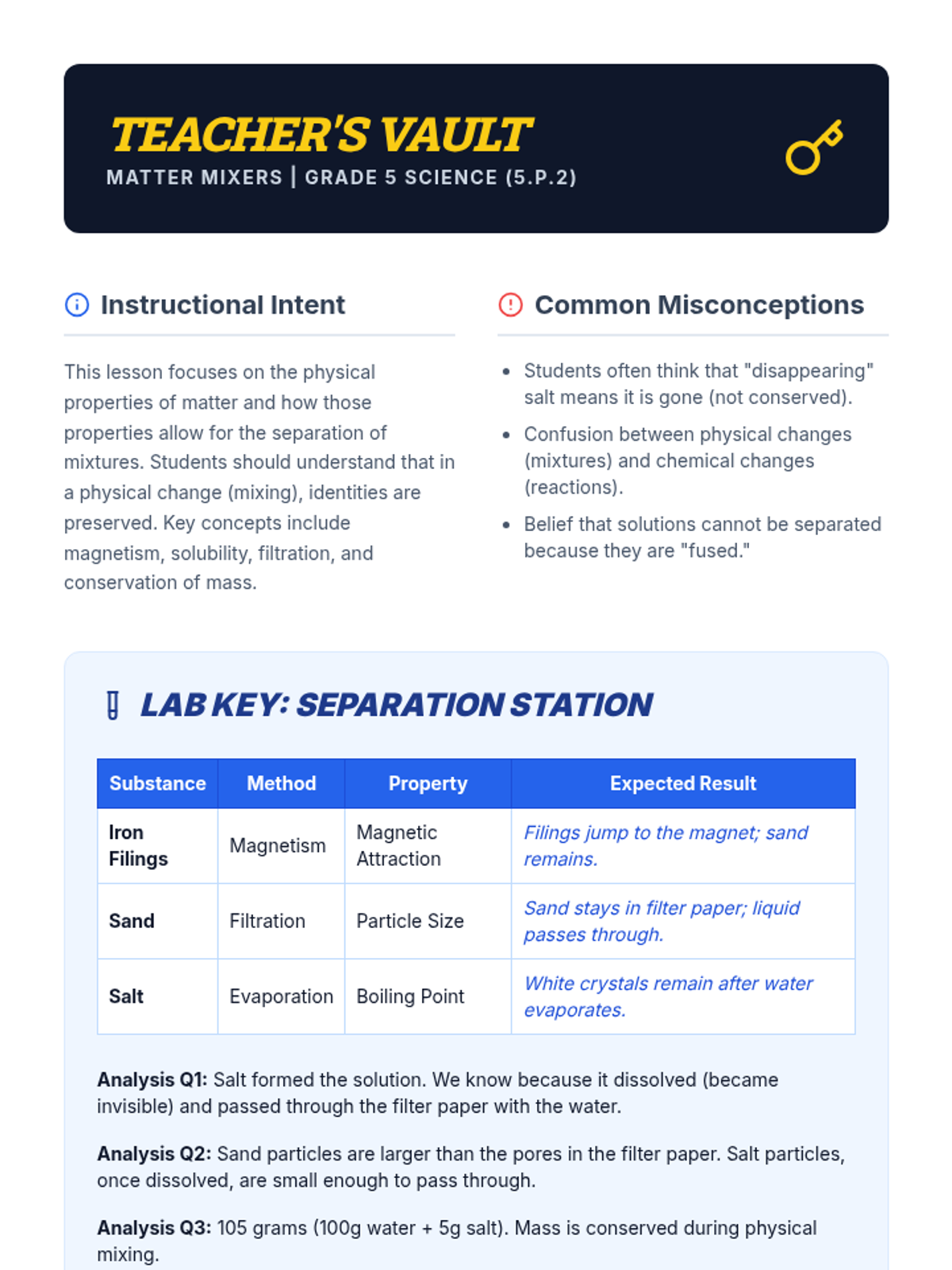
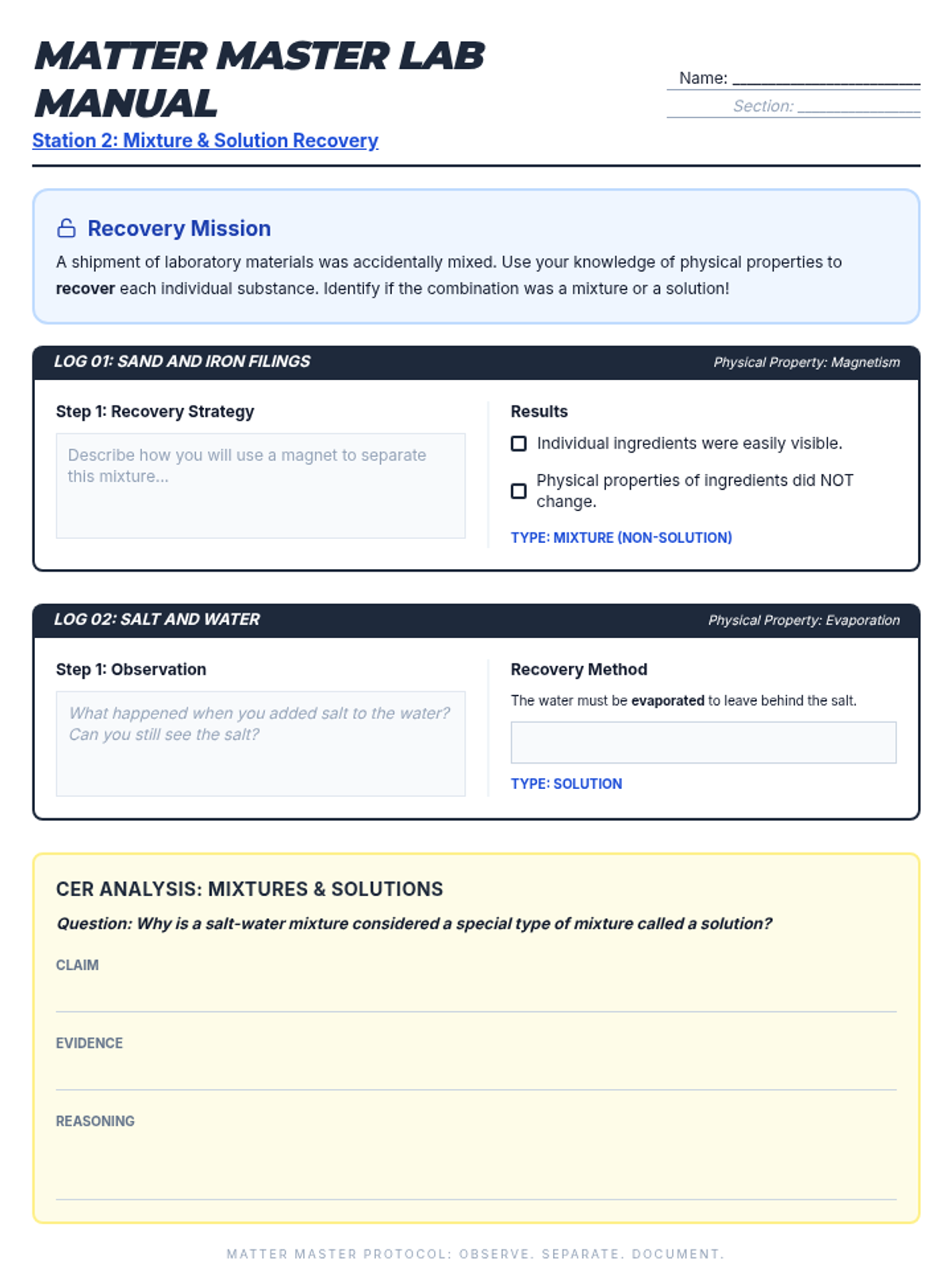
Students investigate the physical properties of mixtures and solutions, exploring how different substances can be combined and separated using methods like filtration, magnetism, and evaporation while maintaining their original identities.
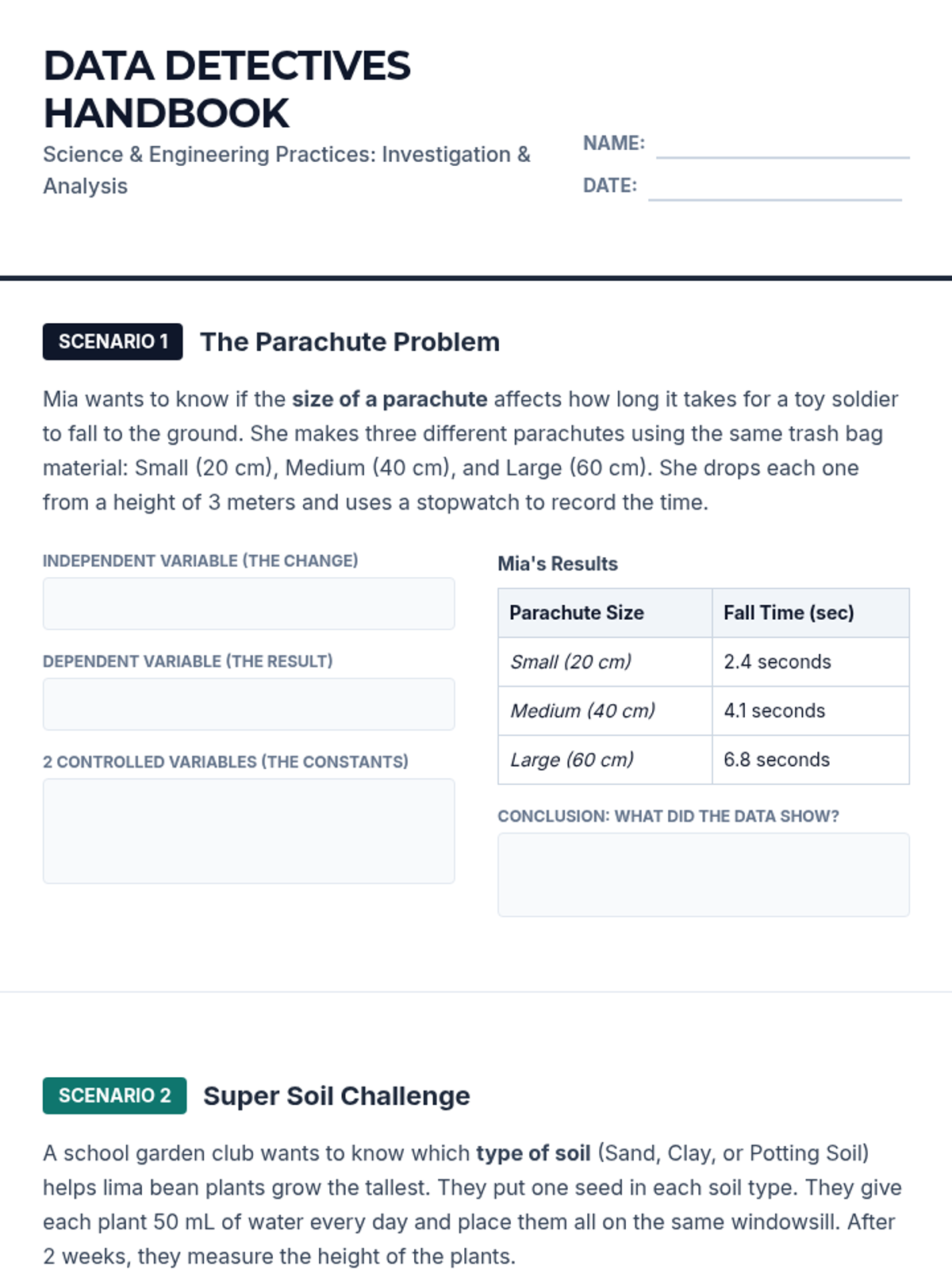
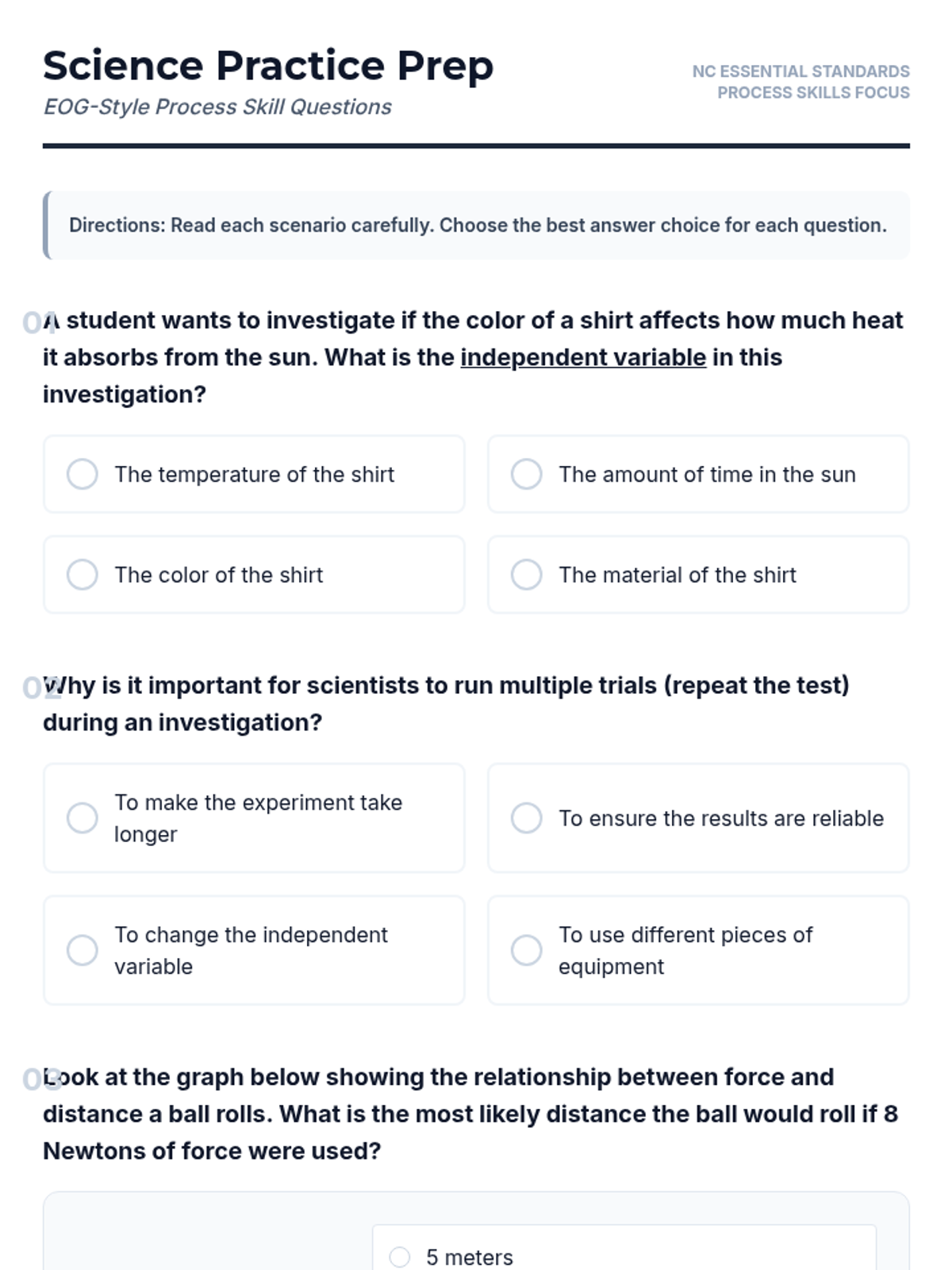
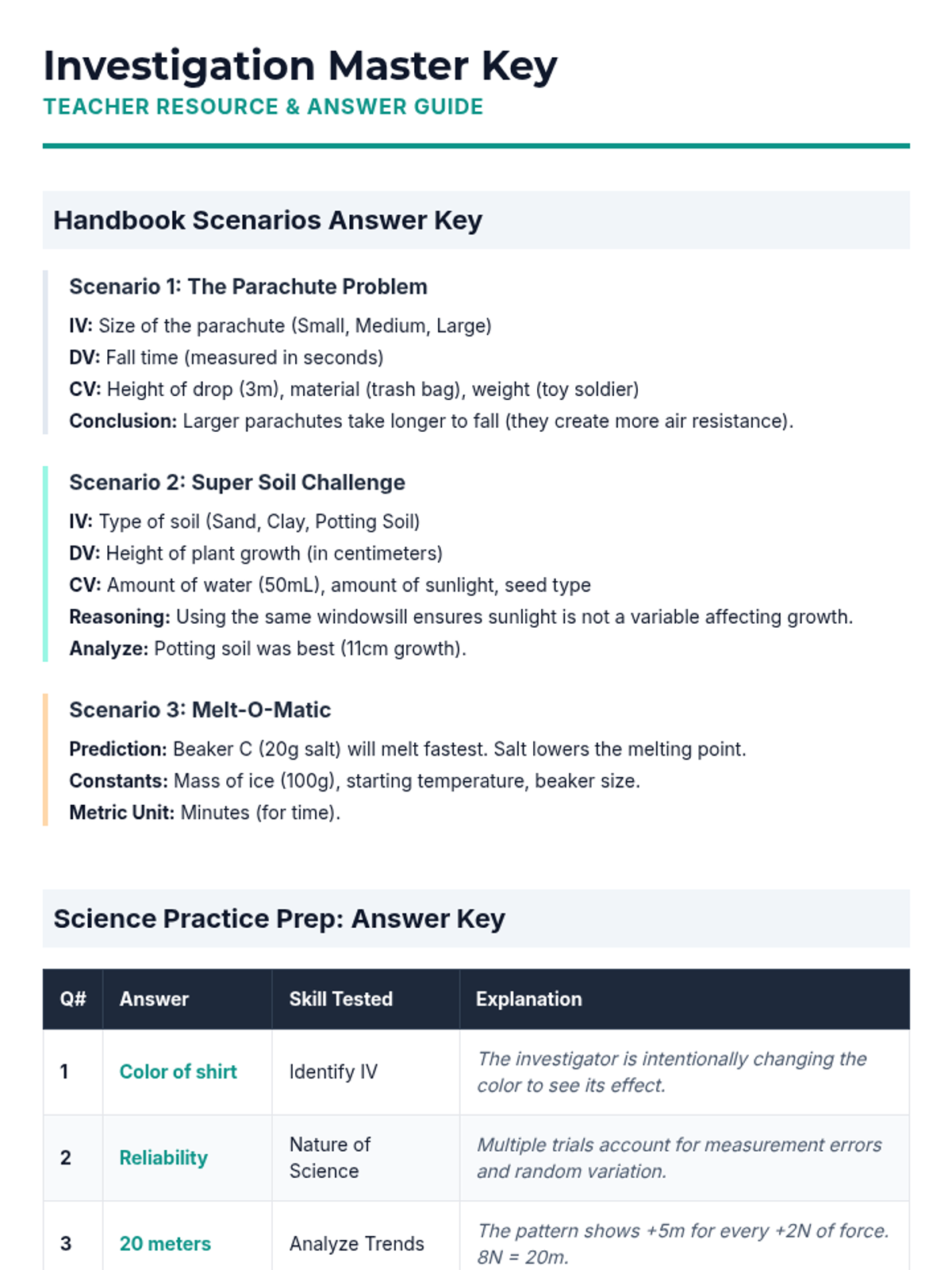
A comprehensive lesson on Grade 5 science and engineering practices, focusing on designing fair tests, identifying variables, and analyzing data through realistic investigation scenarios aligned to NC Essential Standards.
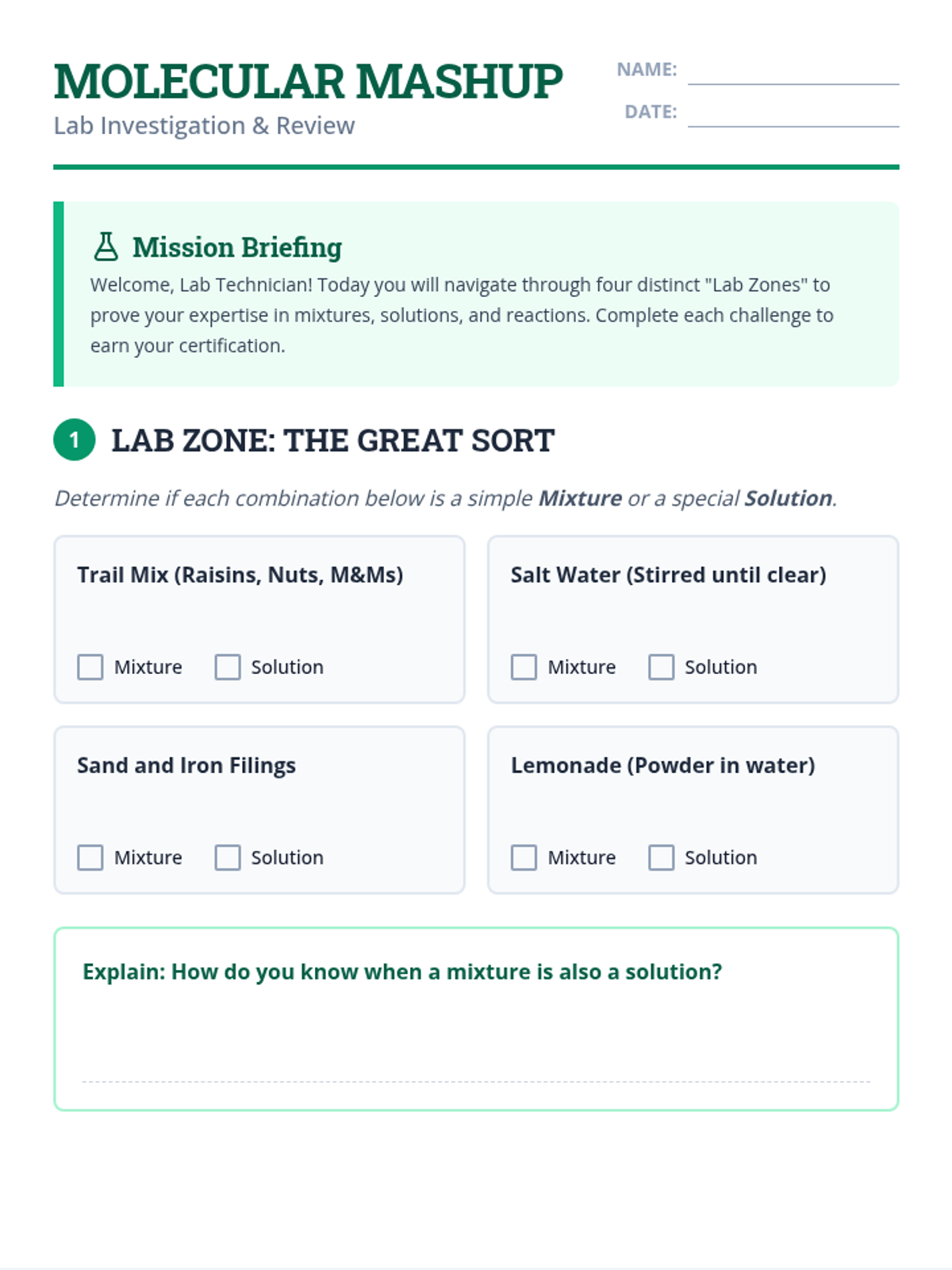
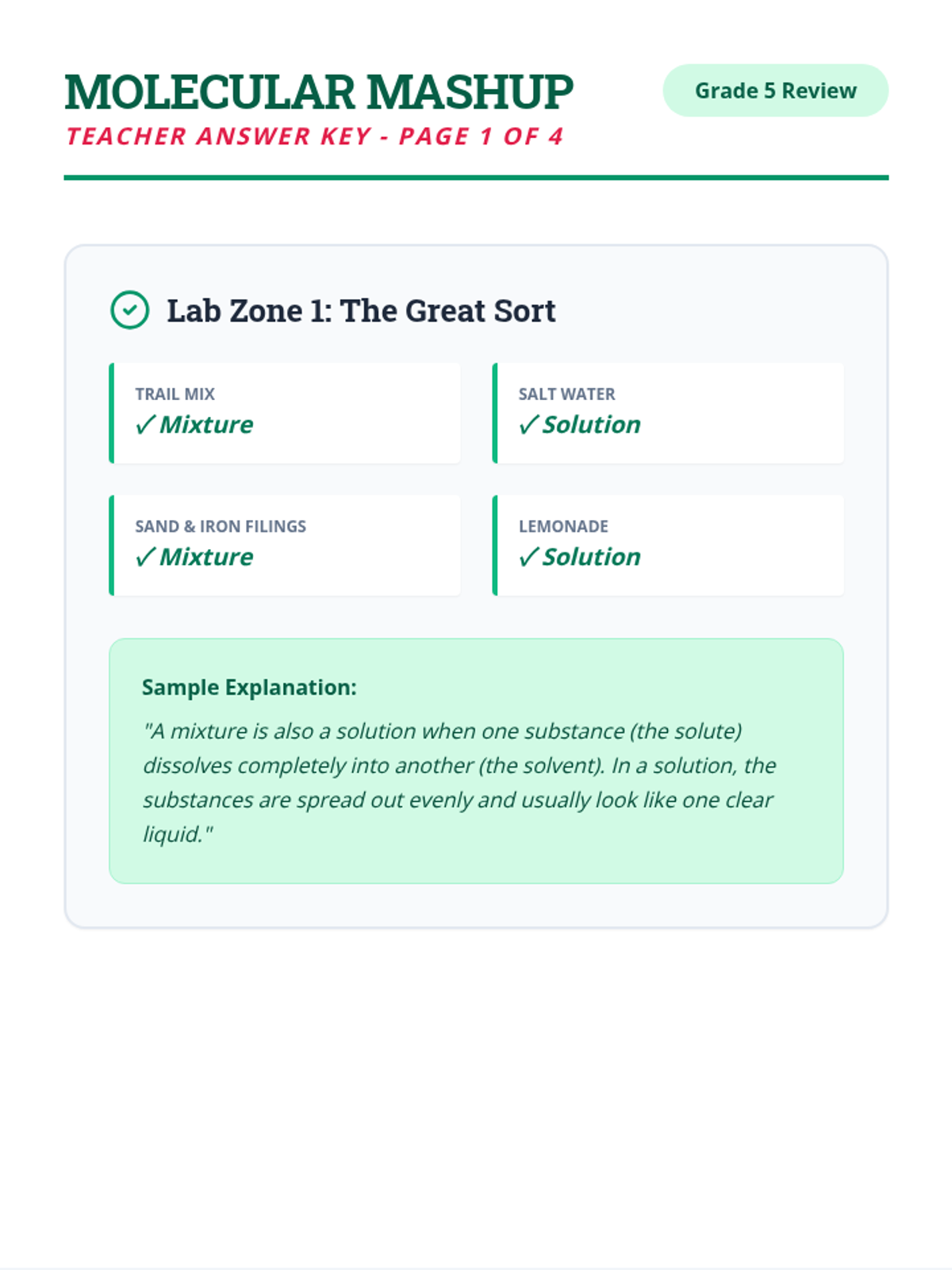
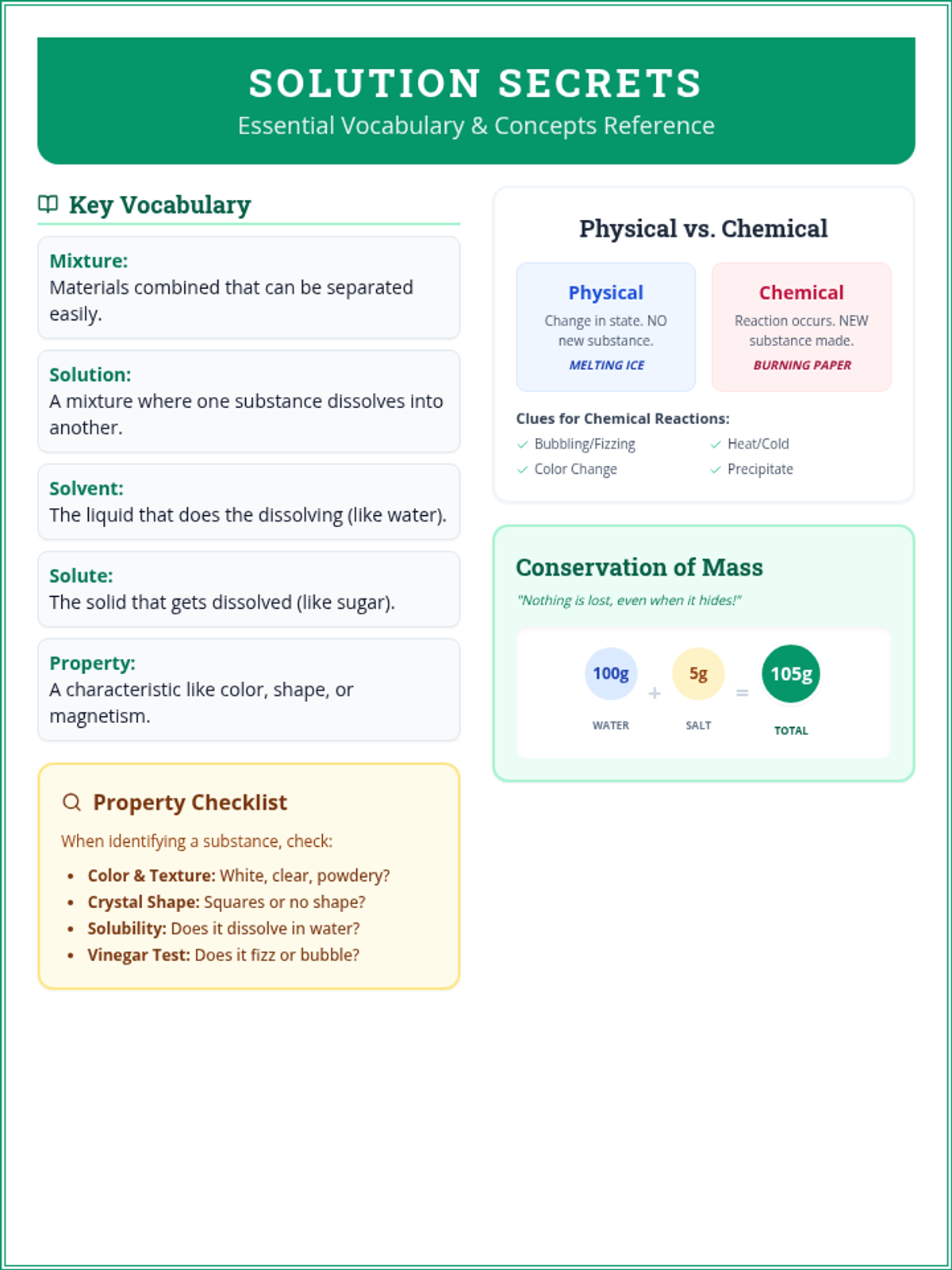
A comprehensive review of mixtures and solutions for 5th grade students, focusing on solubility, concentration, and chemical vs. physical reactions through a series of independent lab challenges.
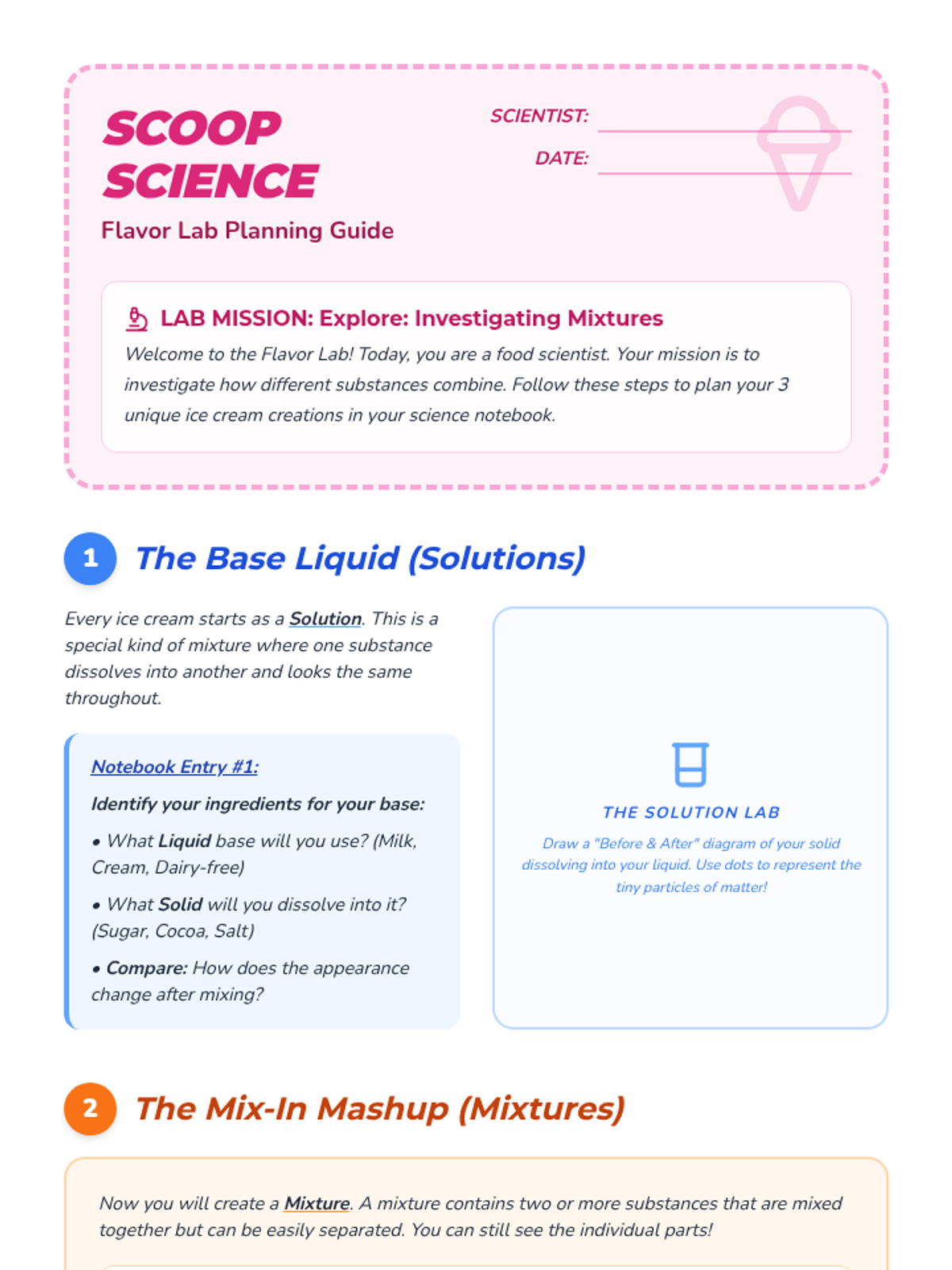
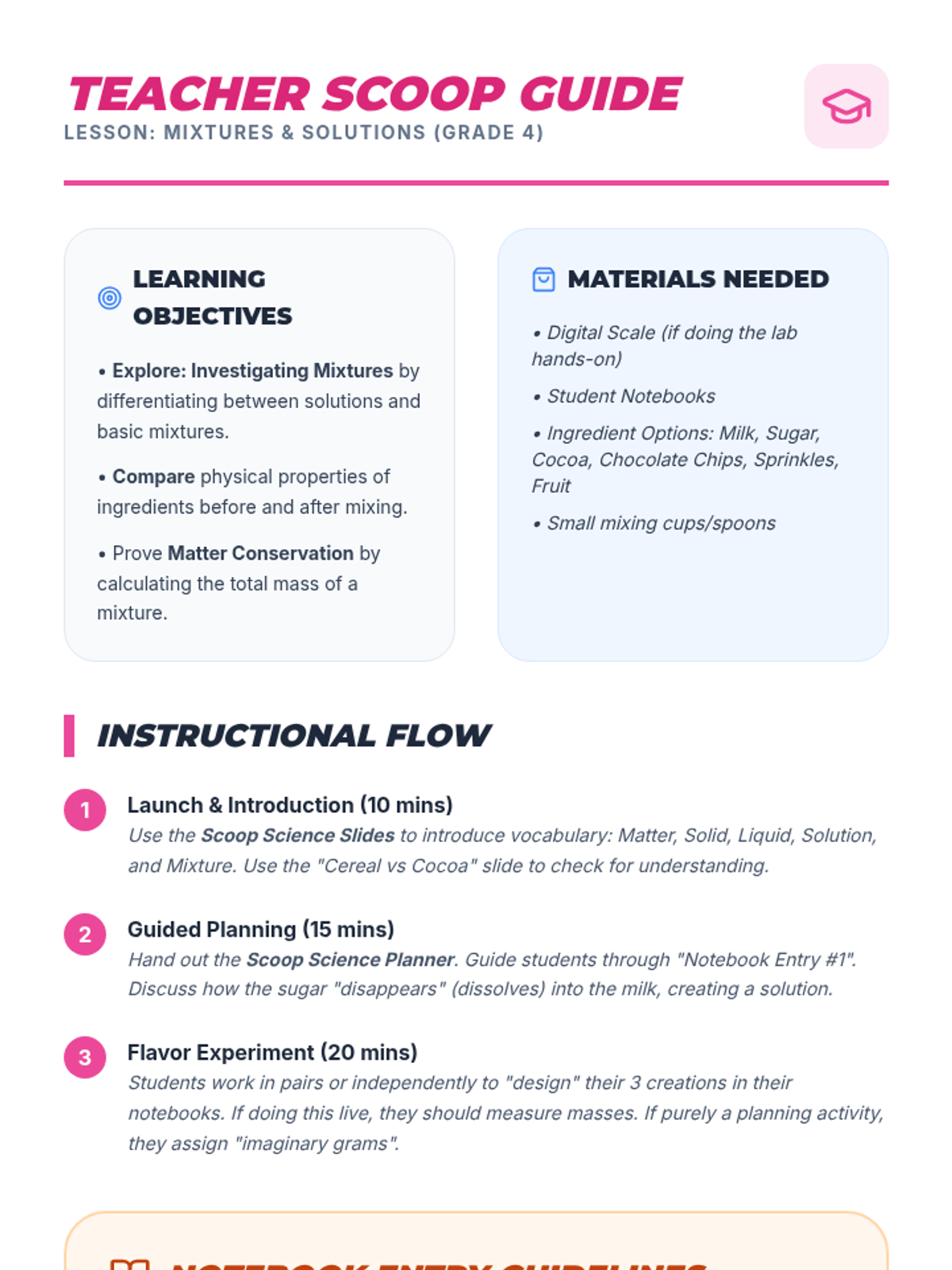
In this lesson, students explore the science of mixtures and solutions by designing their own ice cream creations. They will identify states of matter, differentiate between solutions and mixtures, and apply the law of conservation of matter to their culinary experiments.
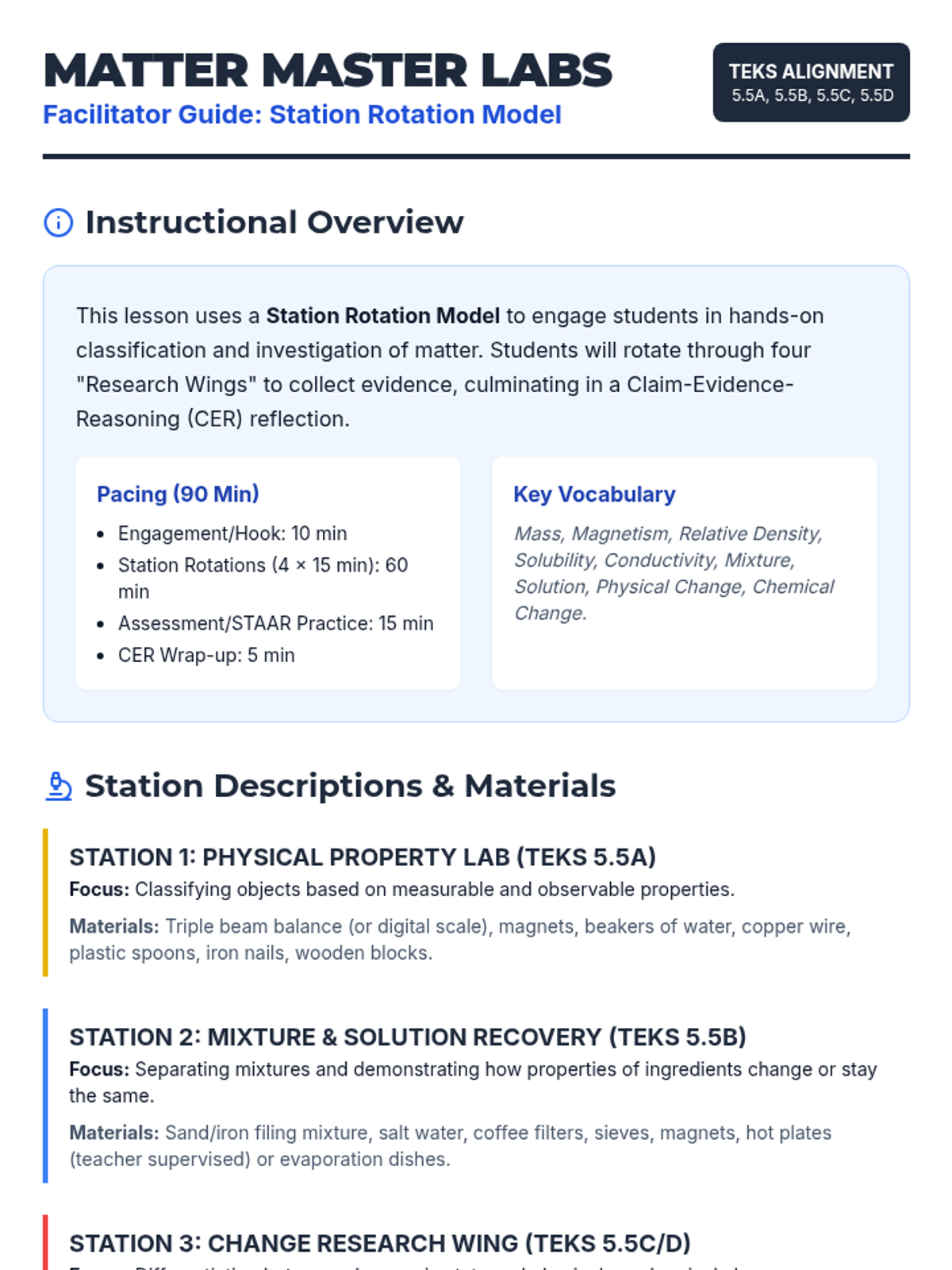
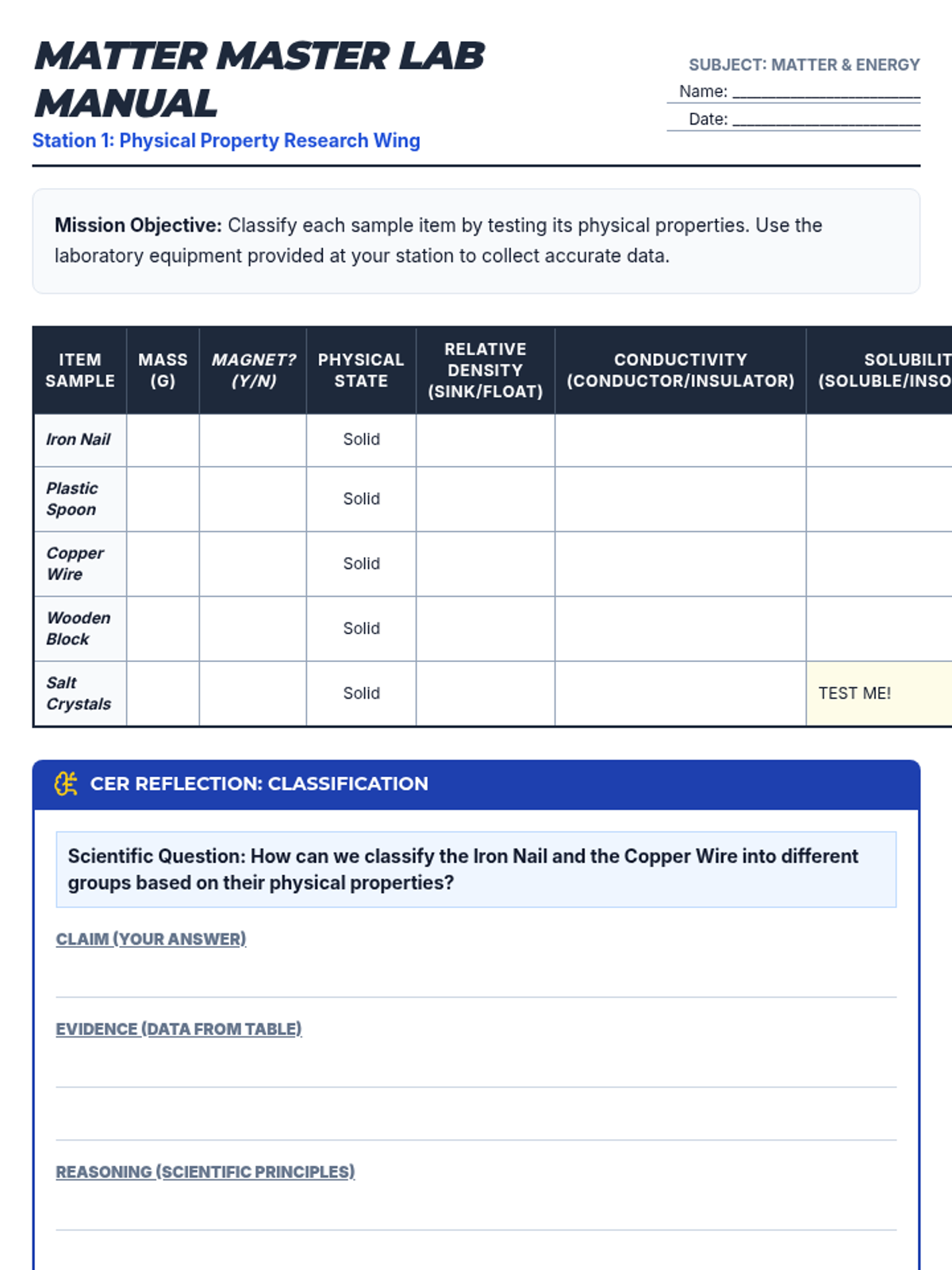
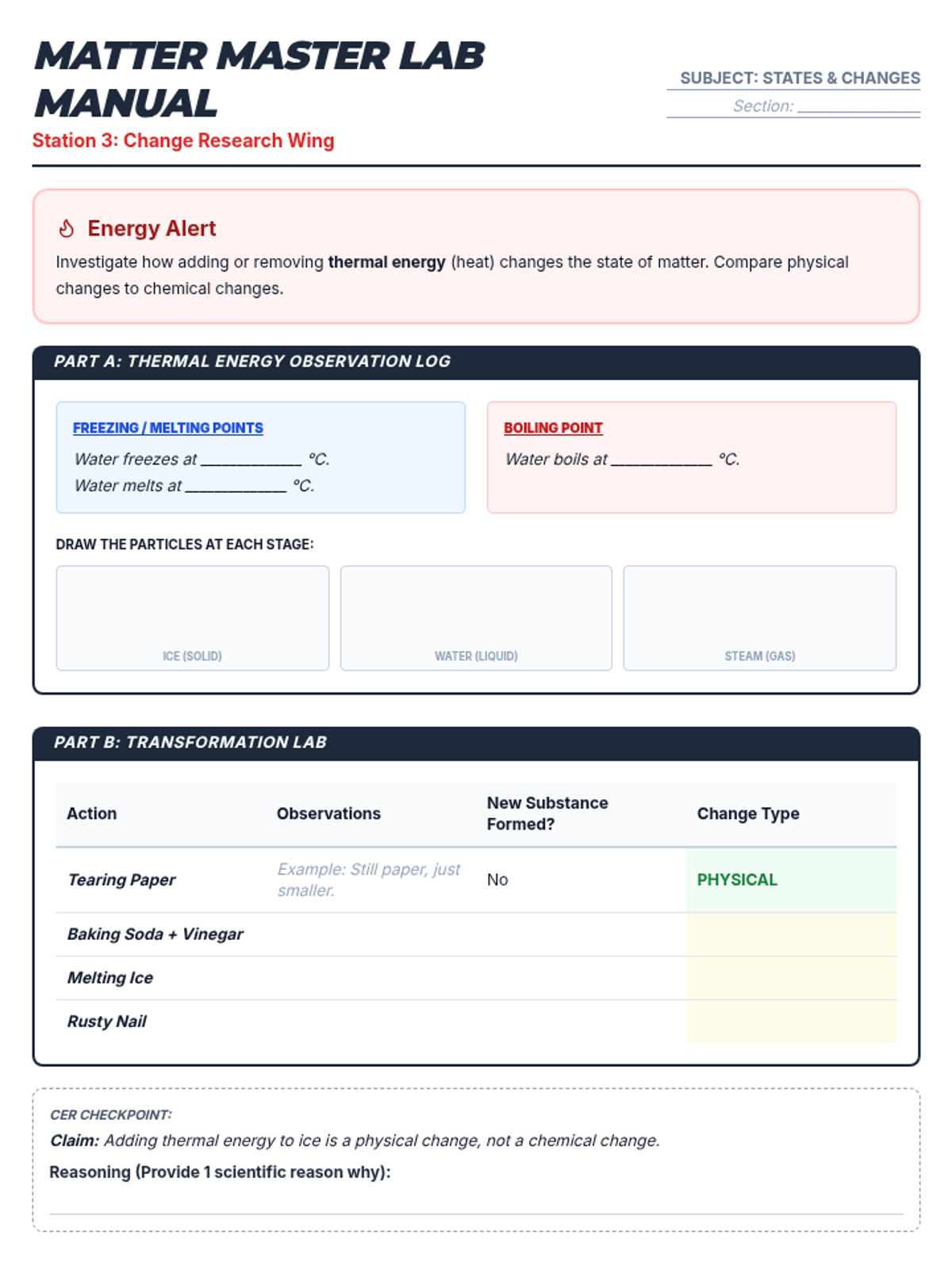
A comprehensive 5th grade science lesson on the properties and changes of matter, featuring hands-on stations, mixtures and solutions investigations, and STAAR-aligned assessment. Students explore physical properties, separation techniques, and state changes using the CER framework.
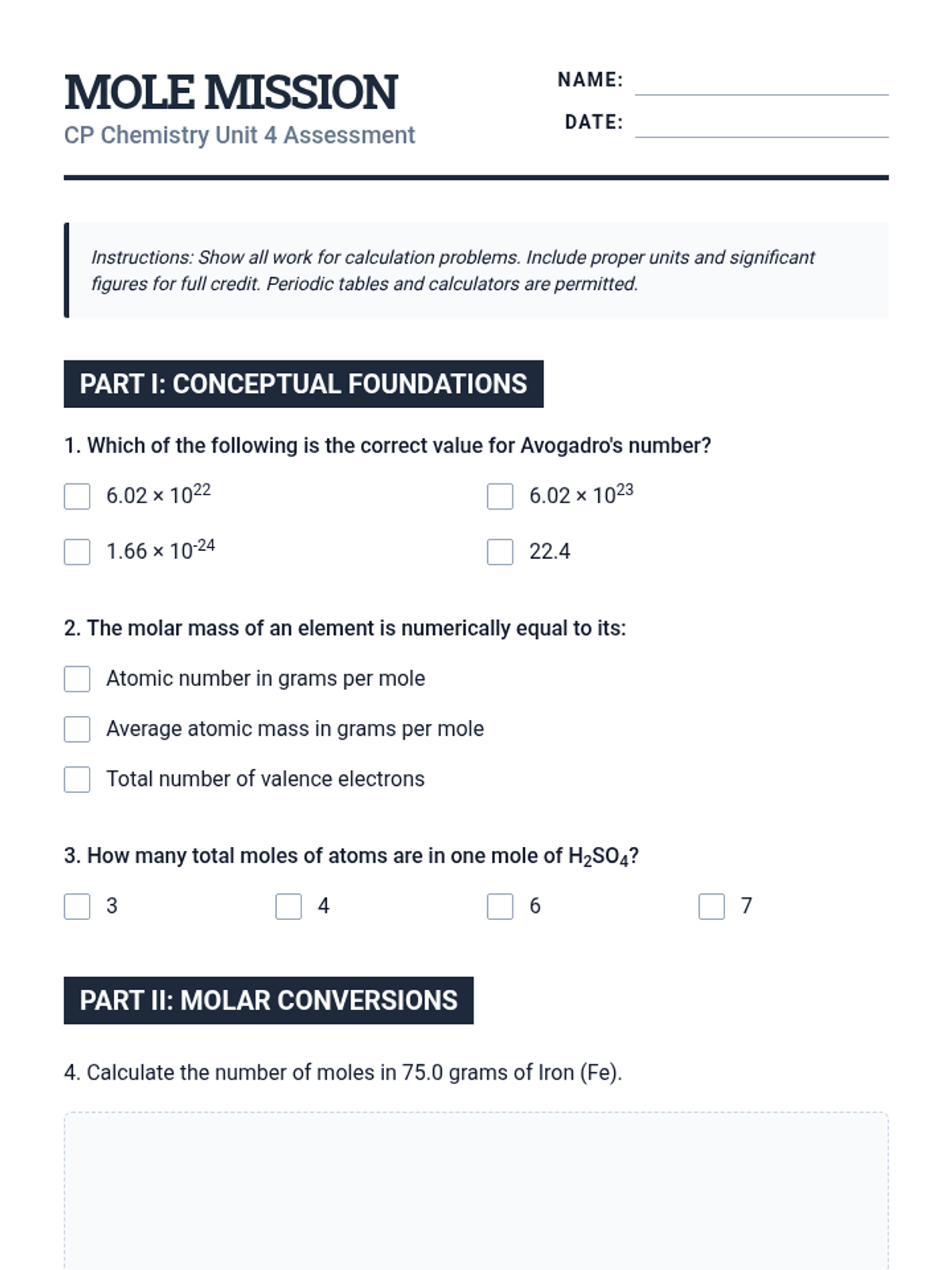
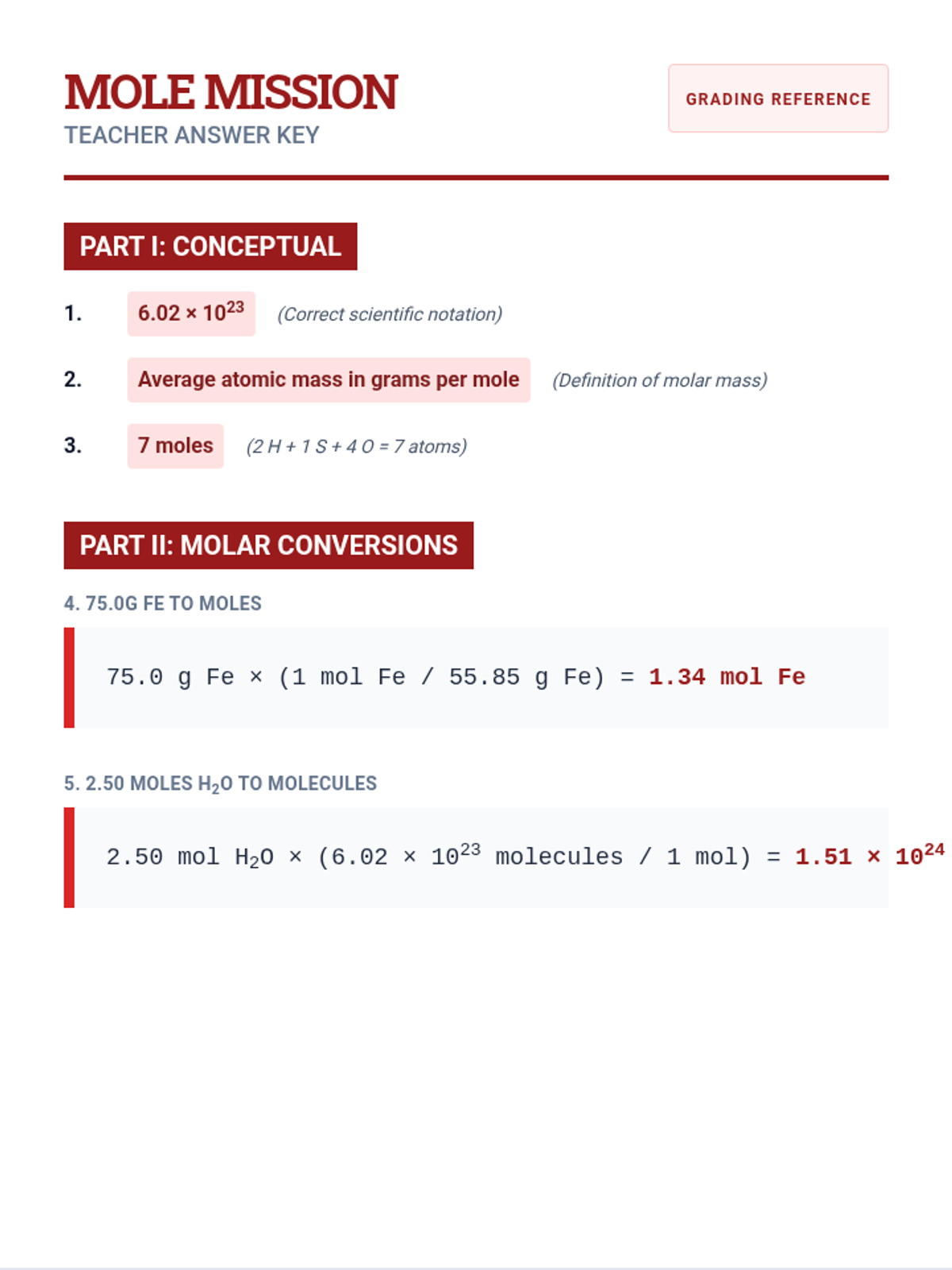
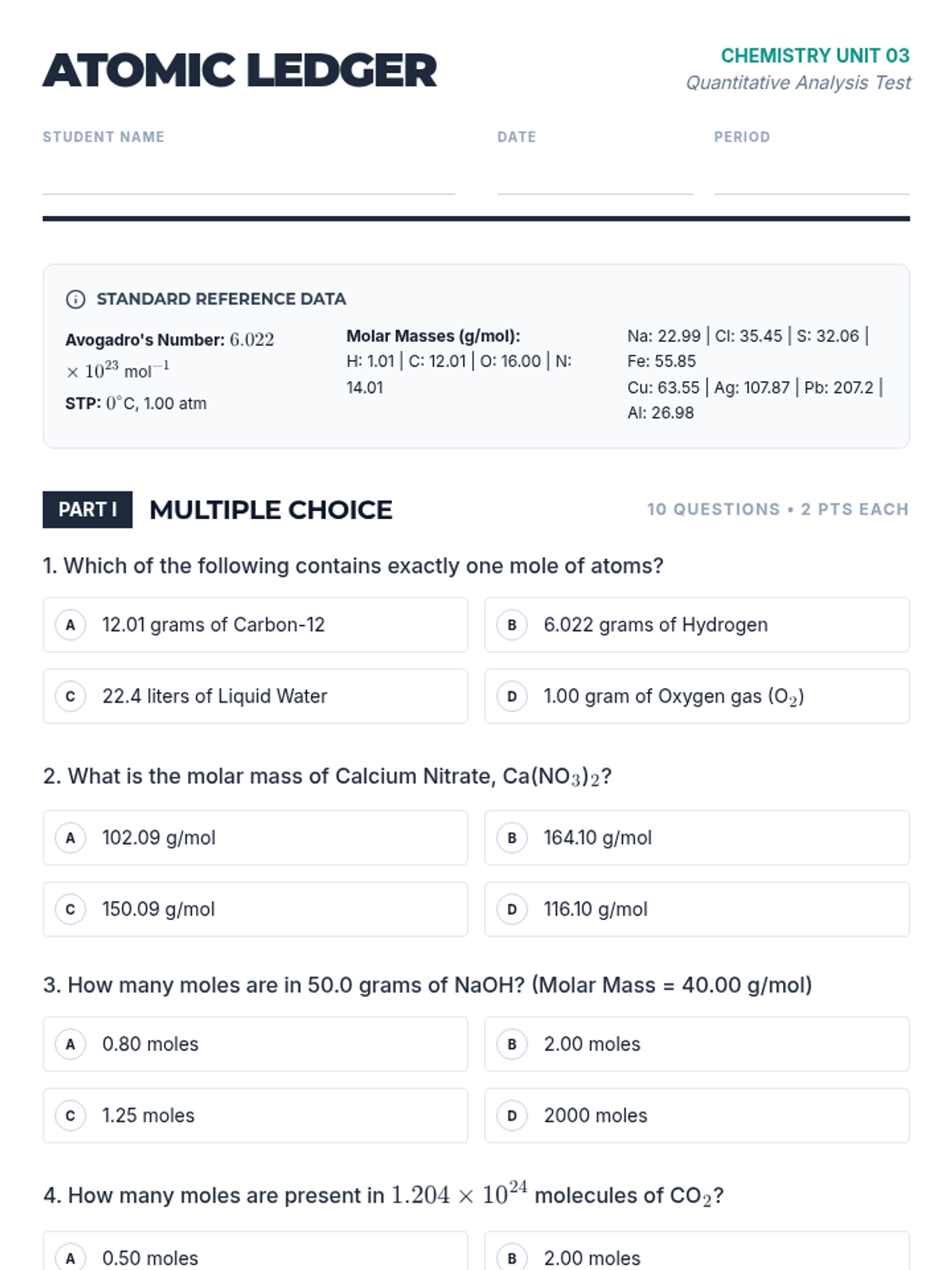
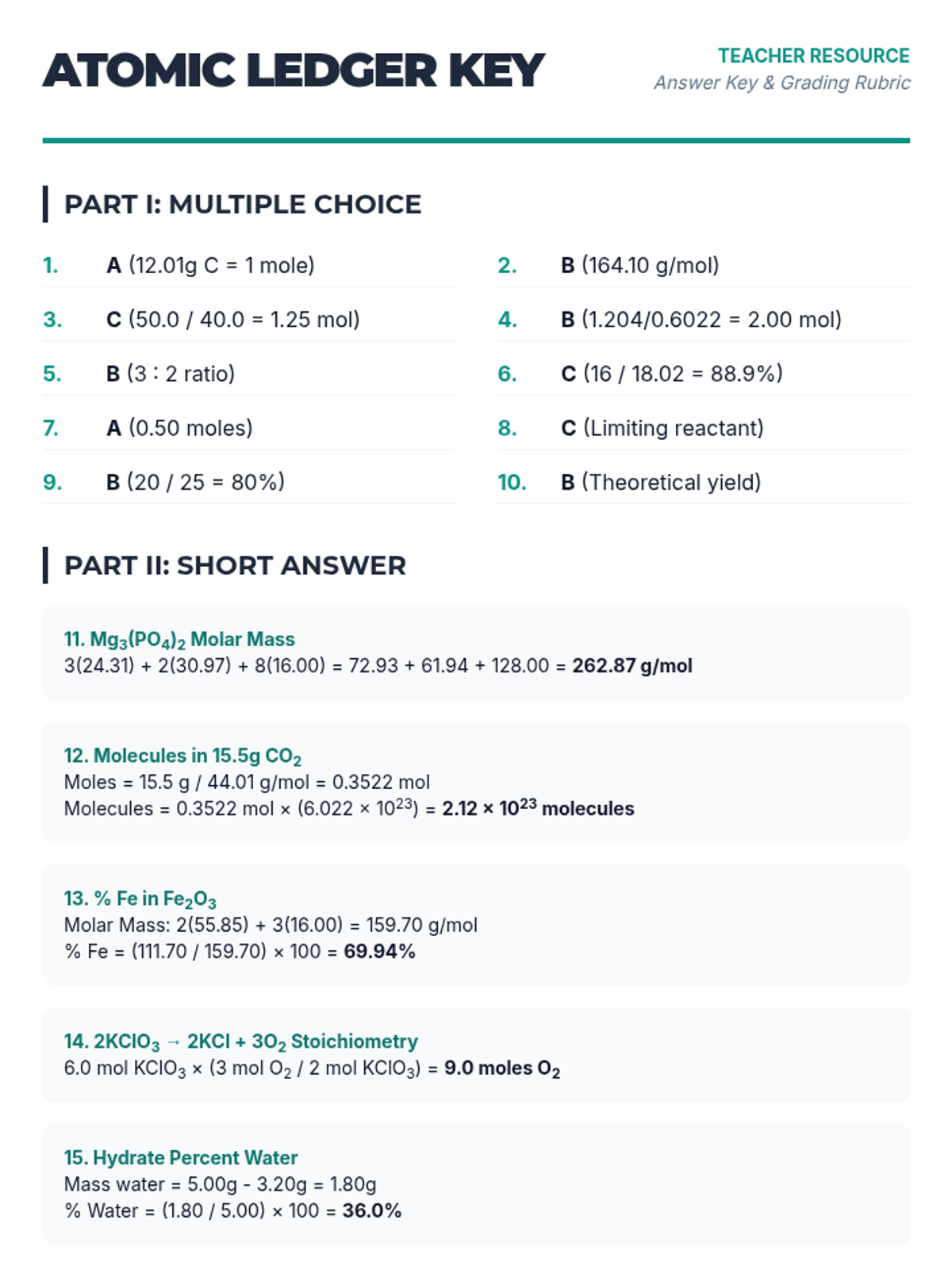
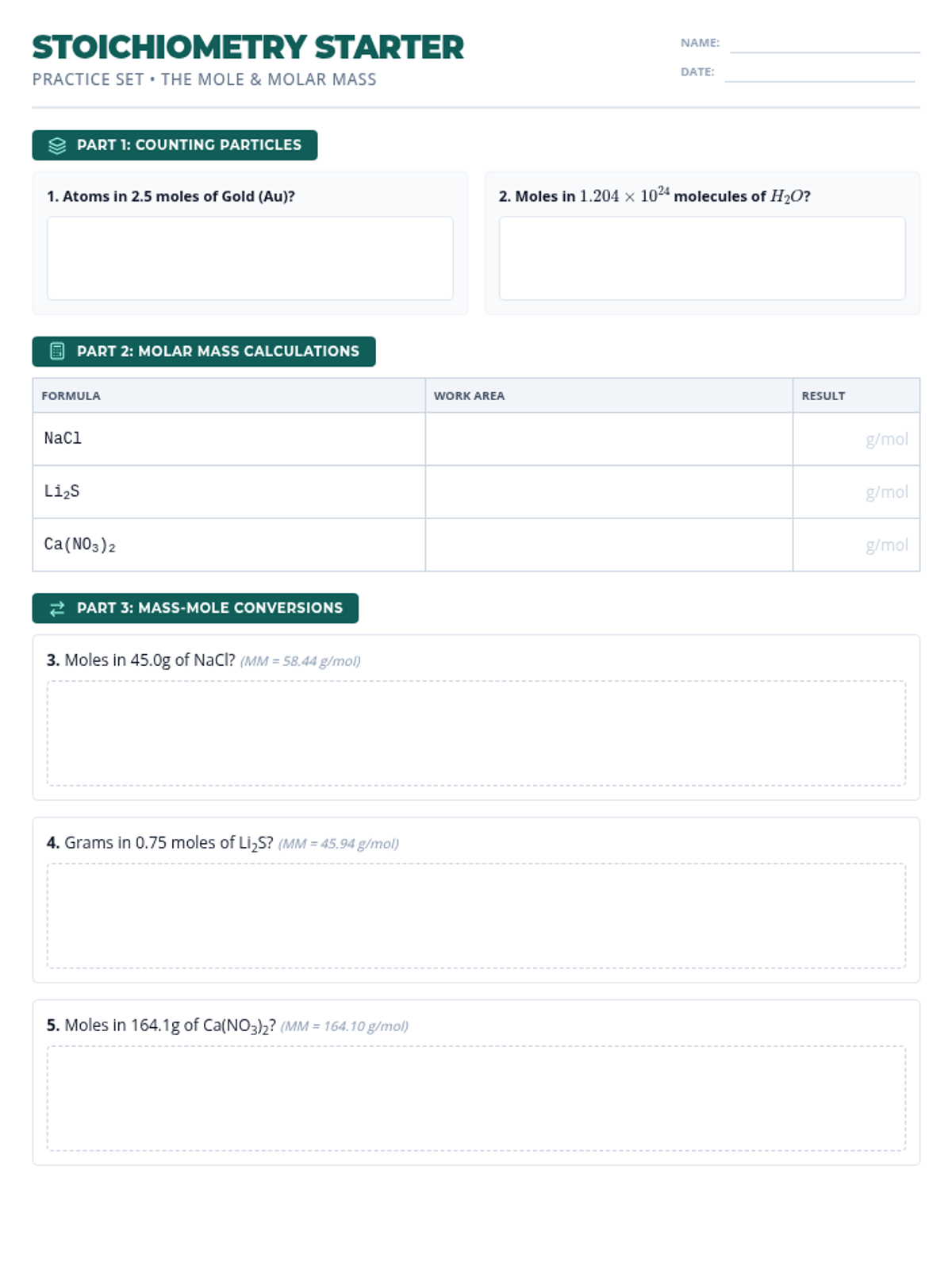
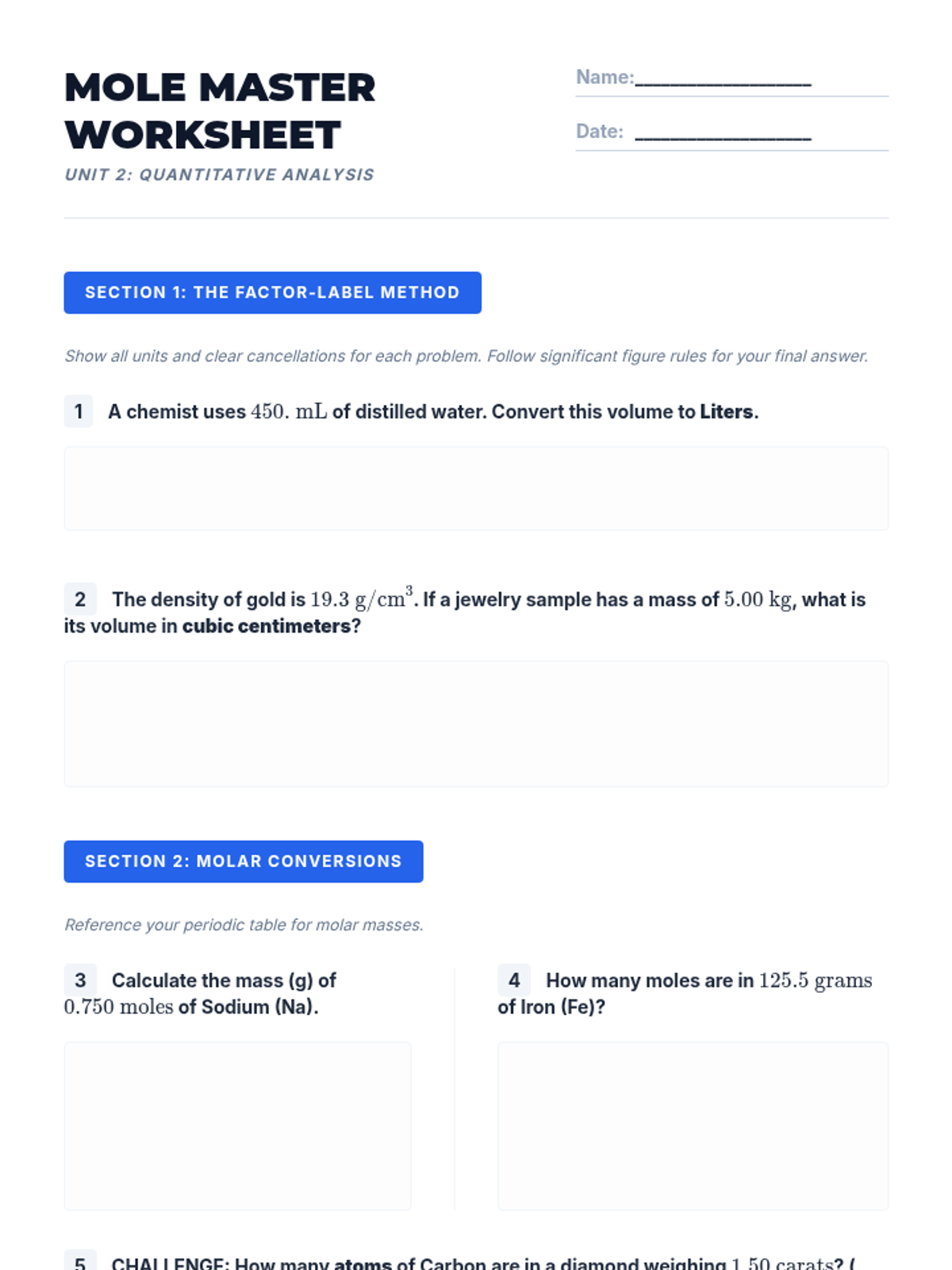
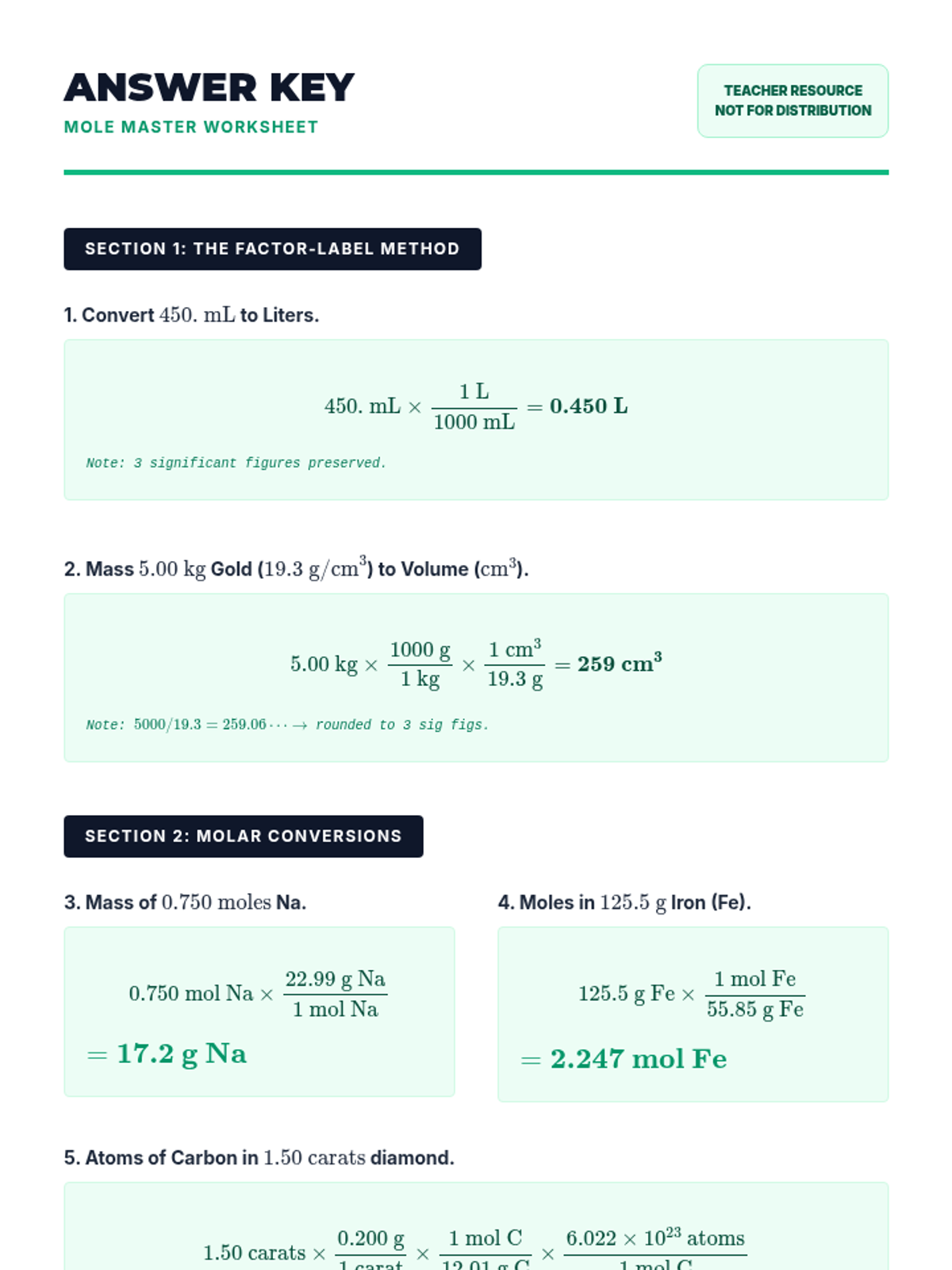
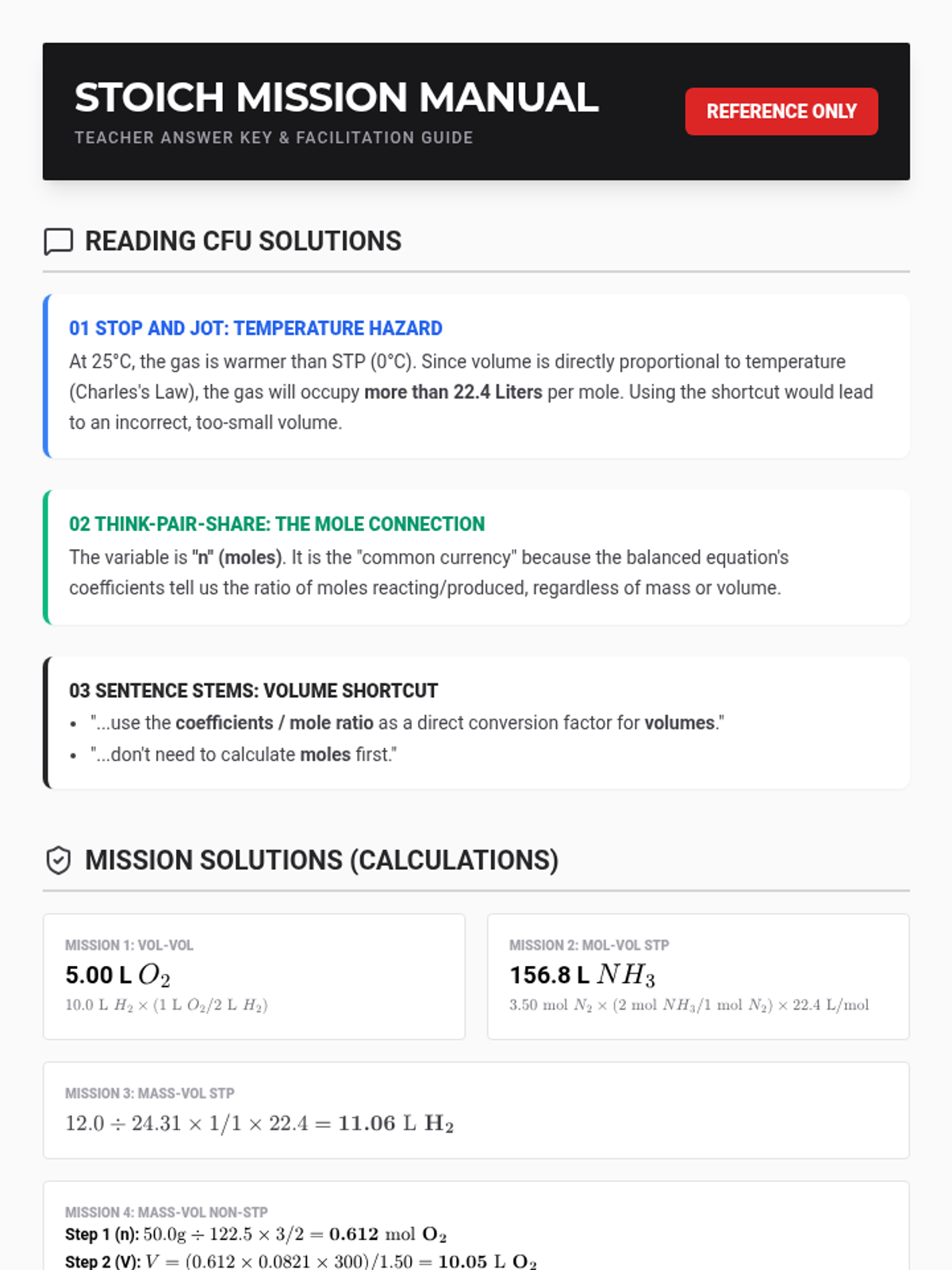
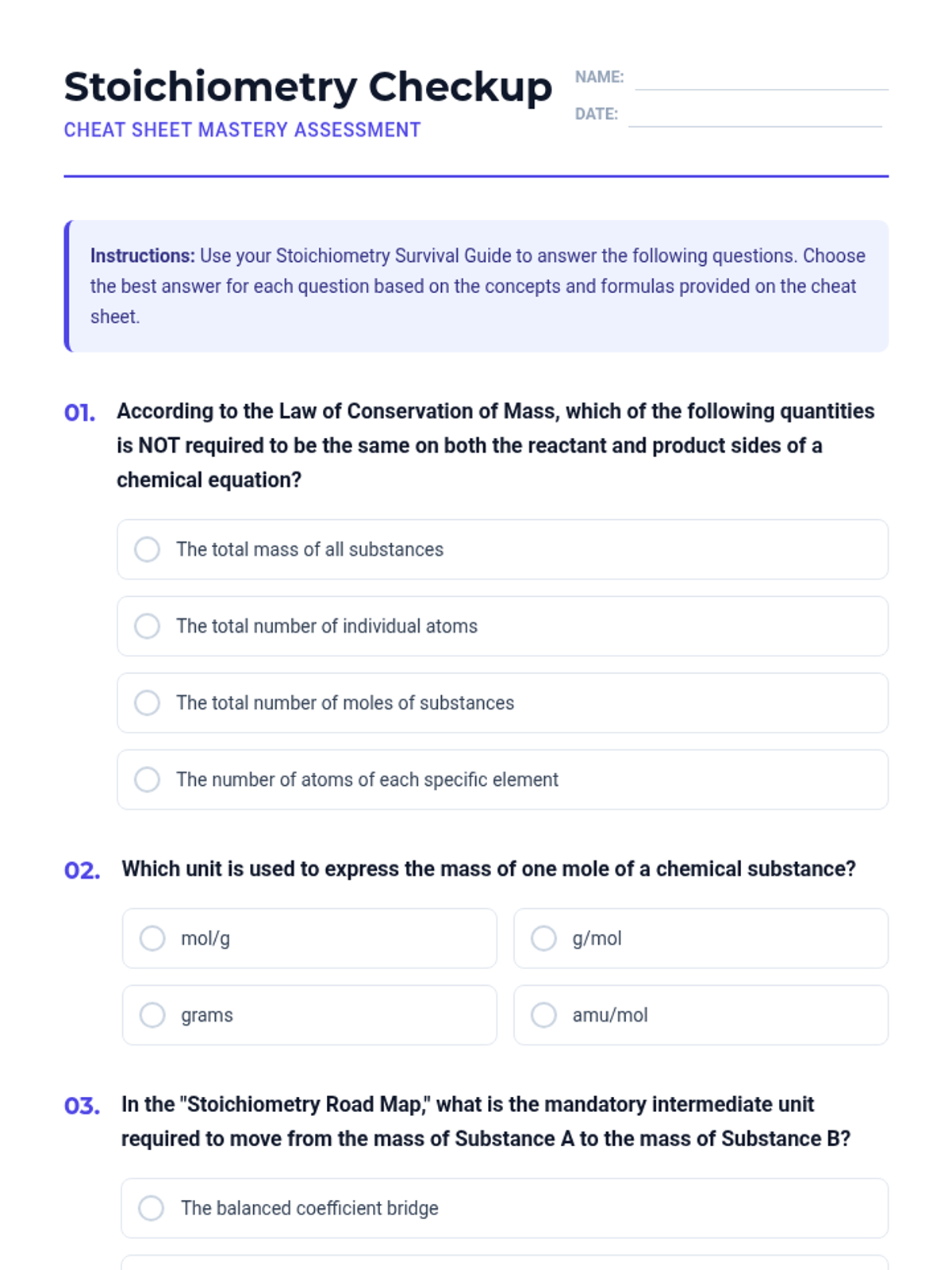
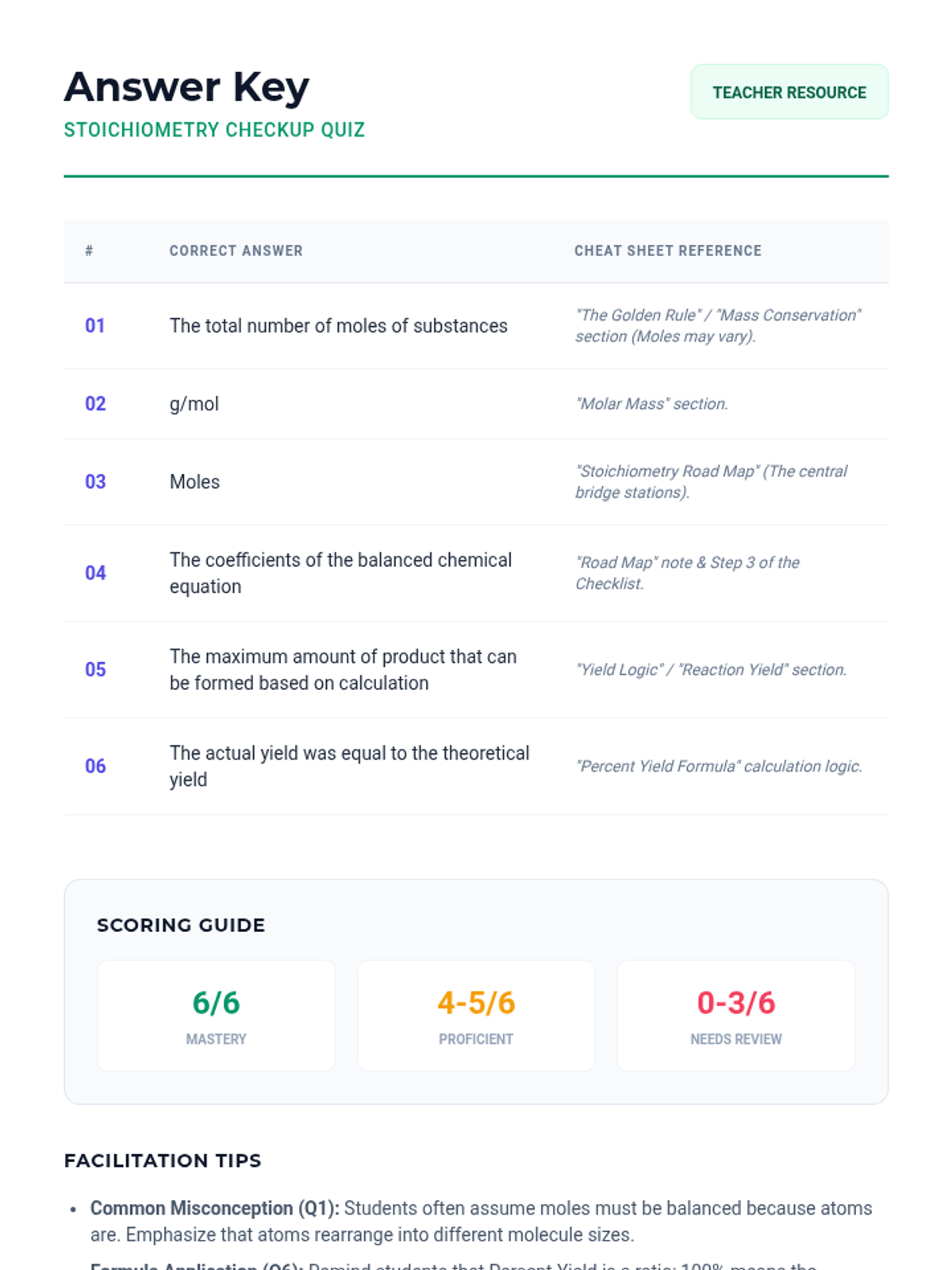
A comprehensive assessment and review package covering chemical quantities, molar conversions, and stoichiometric calculations for CP Chemistry.
A comprehensive assessment covering the mole, percent composition, and stoichiometry for high school chemistry students.
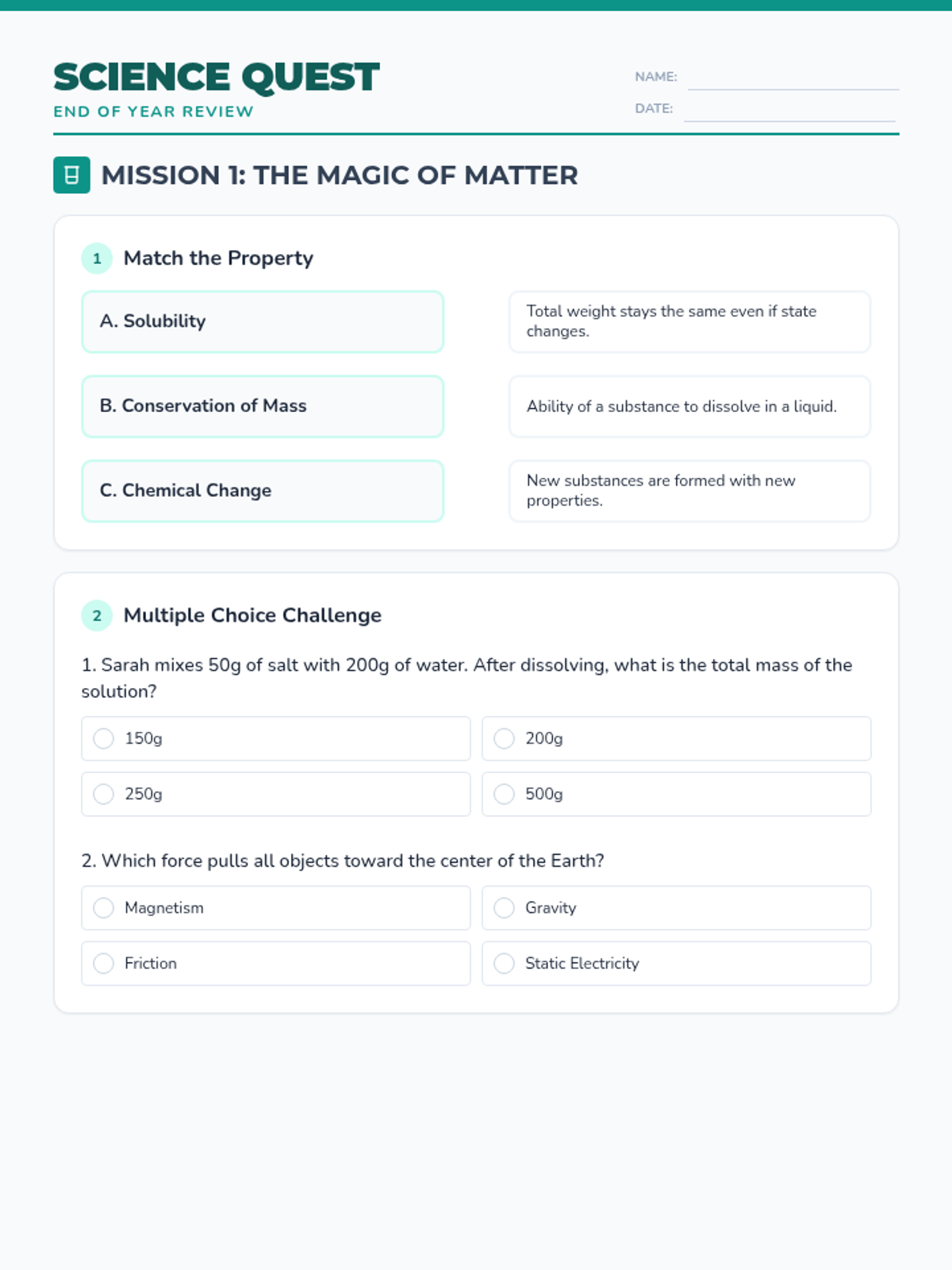
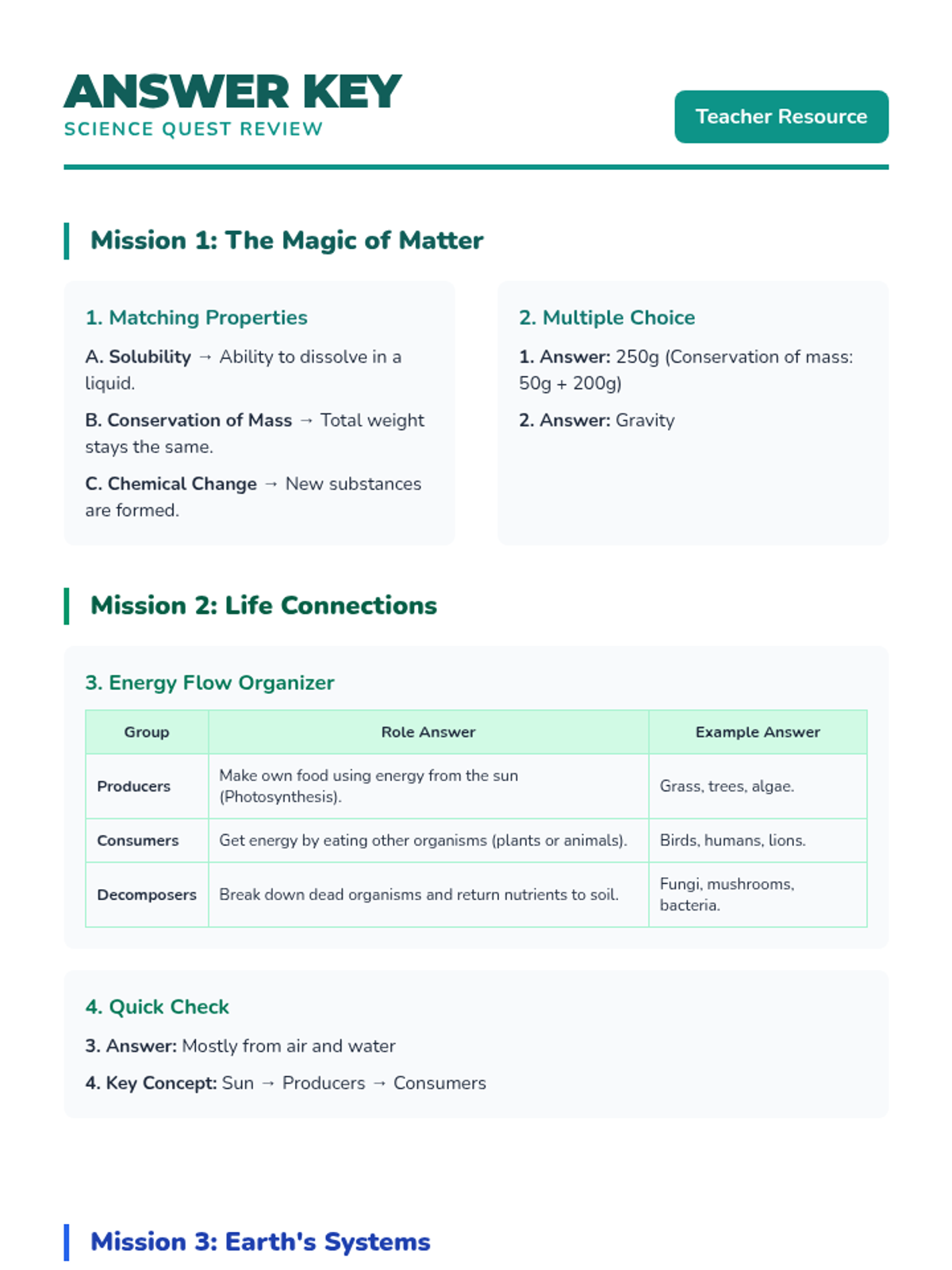
A comprehensive slide presentation to guide the class through the end-of-year science review mission.
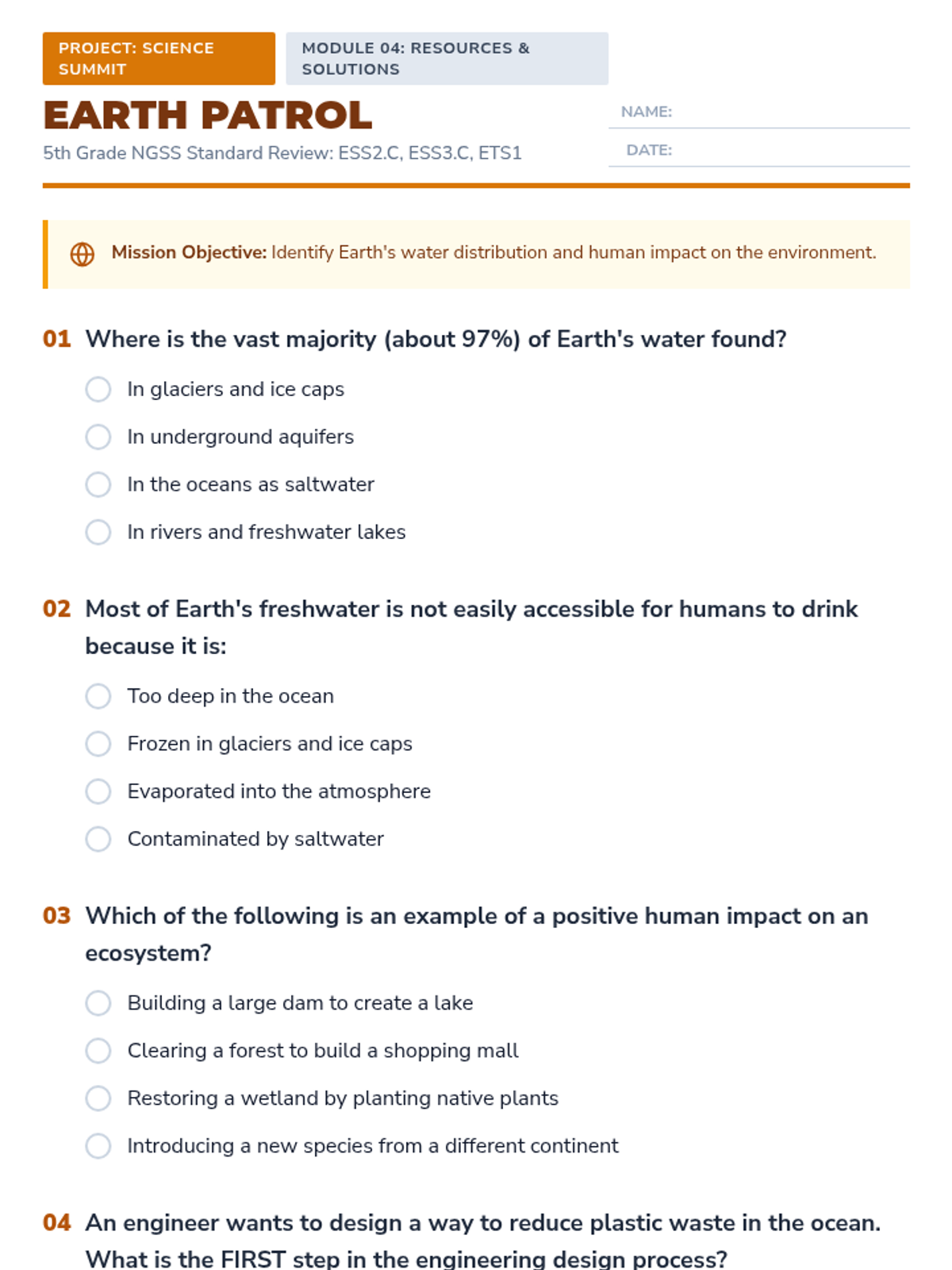
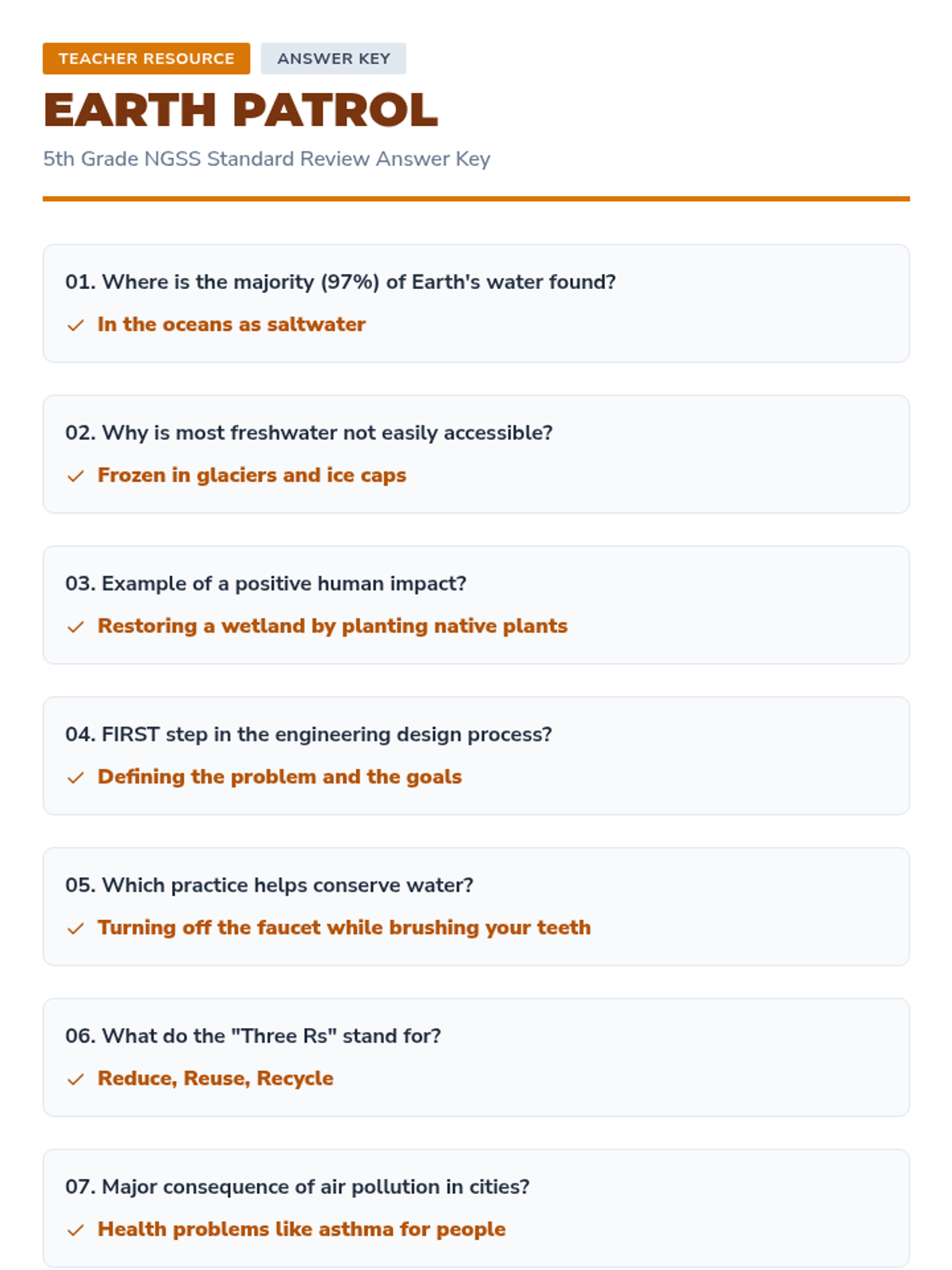
Review of Earth's water distribution, human impact on the environment, and engineering solutions.
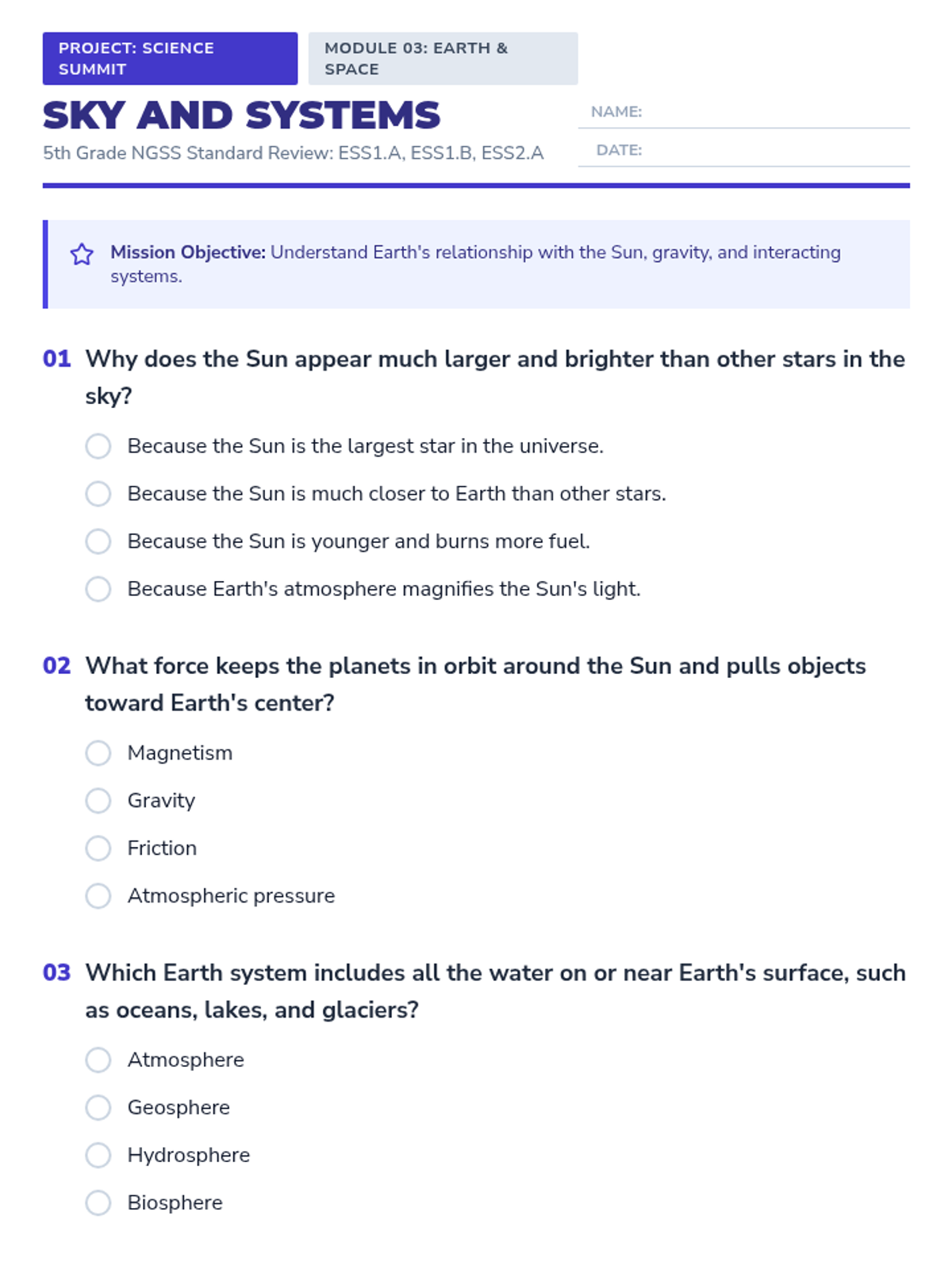
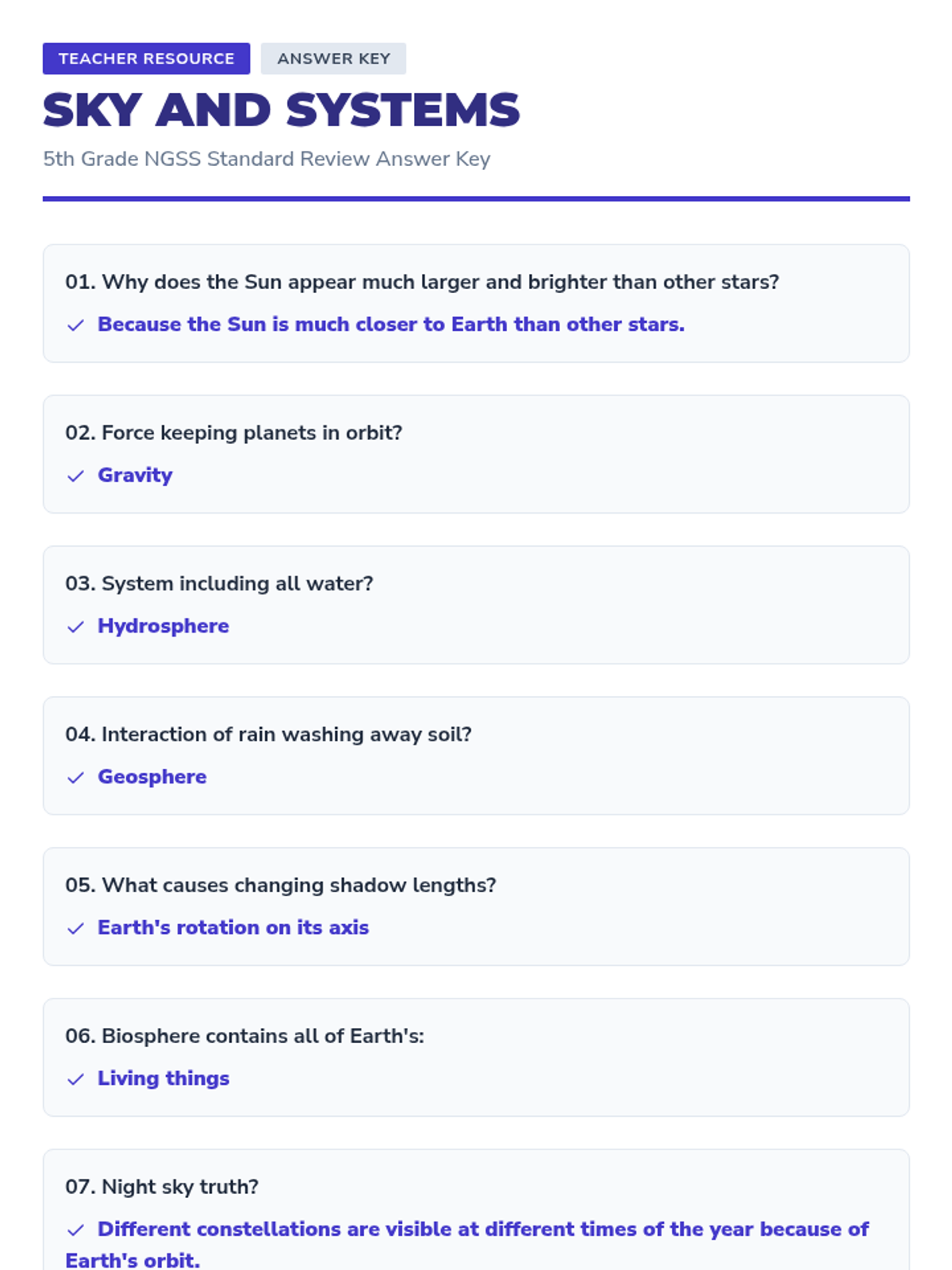
Review of the Sun, stars, gravity, and the interactions between Earth's four major systems.
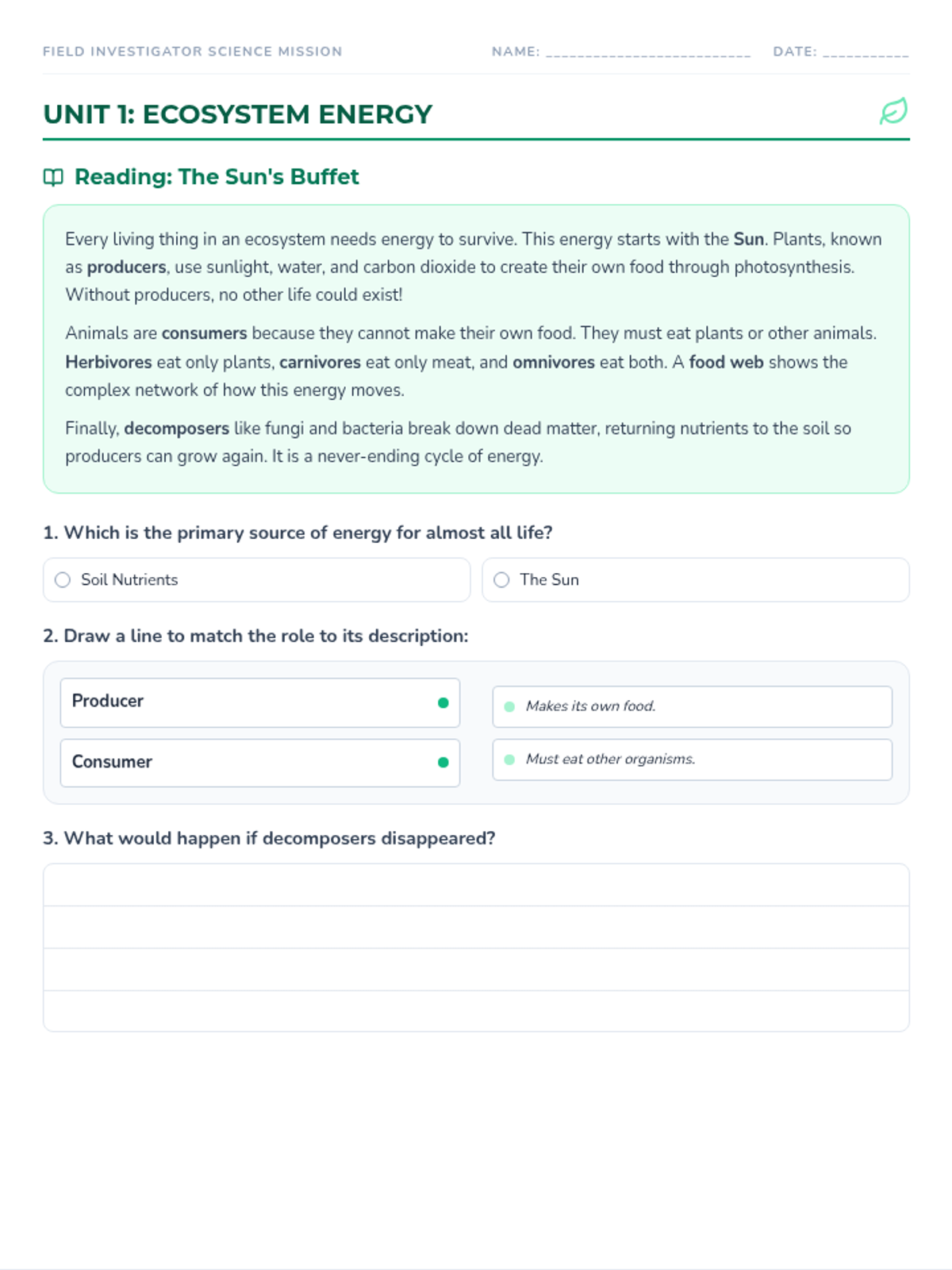
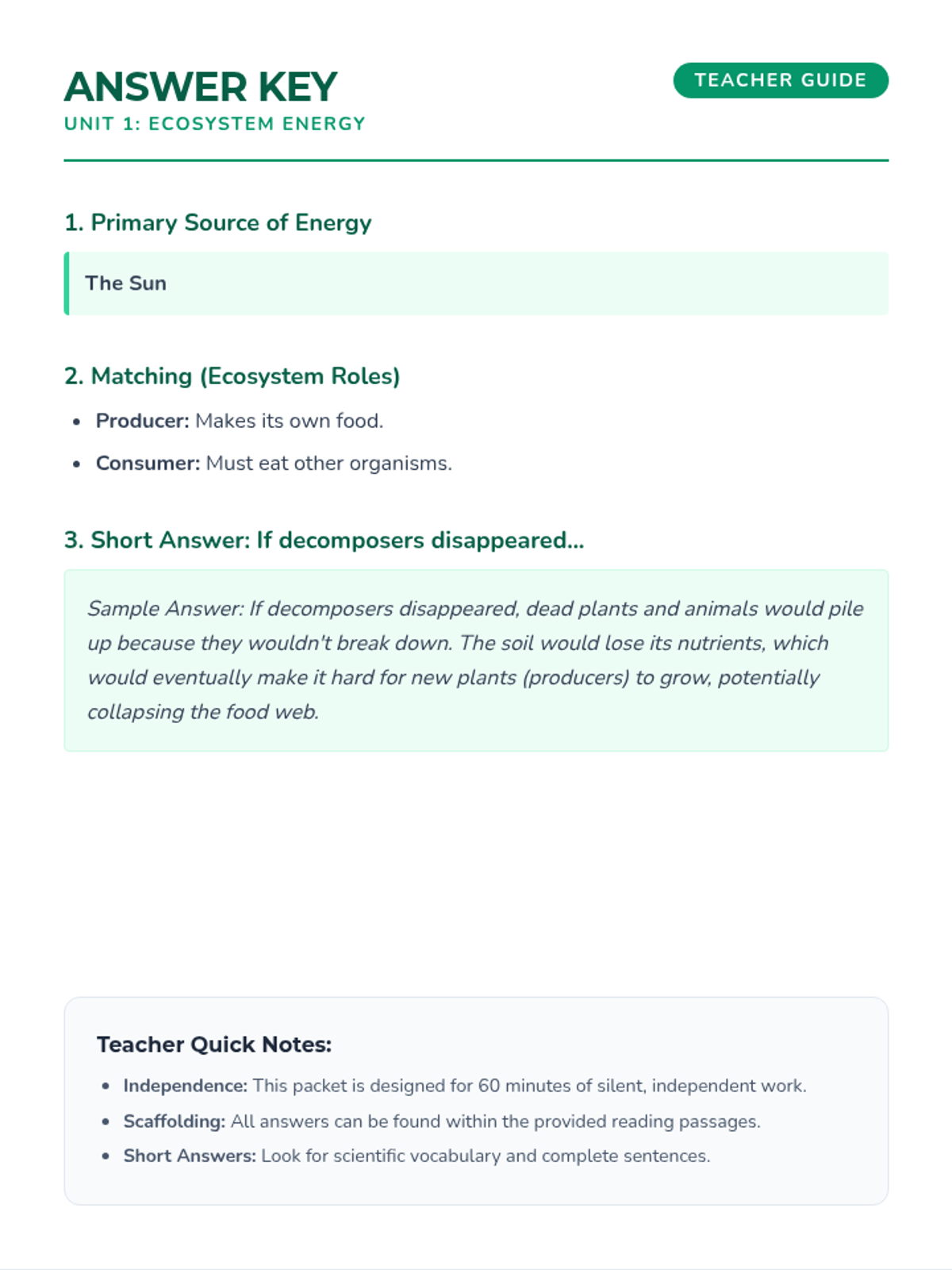
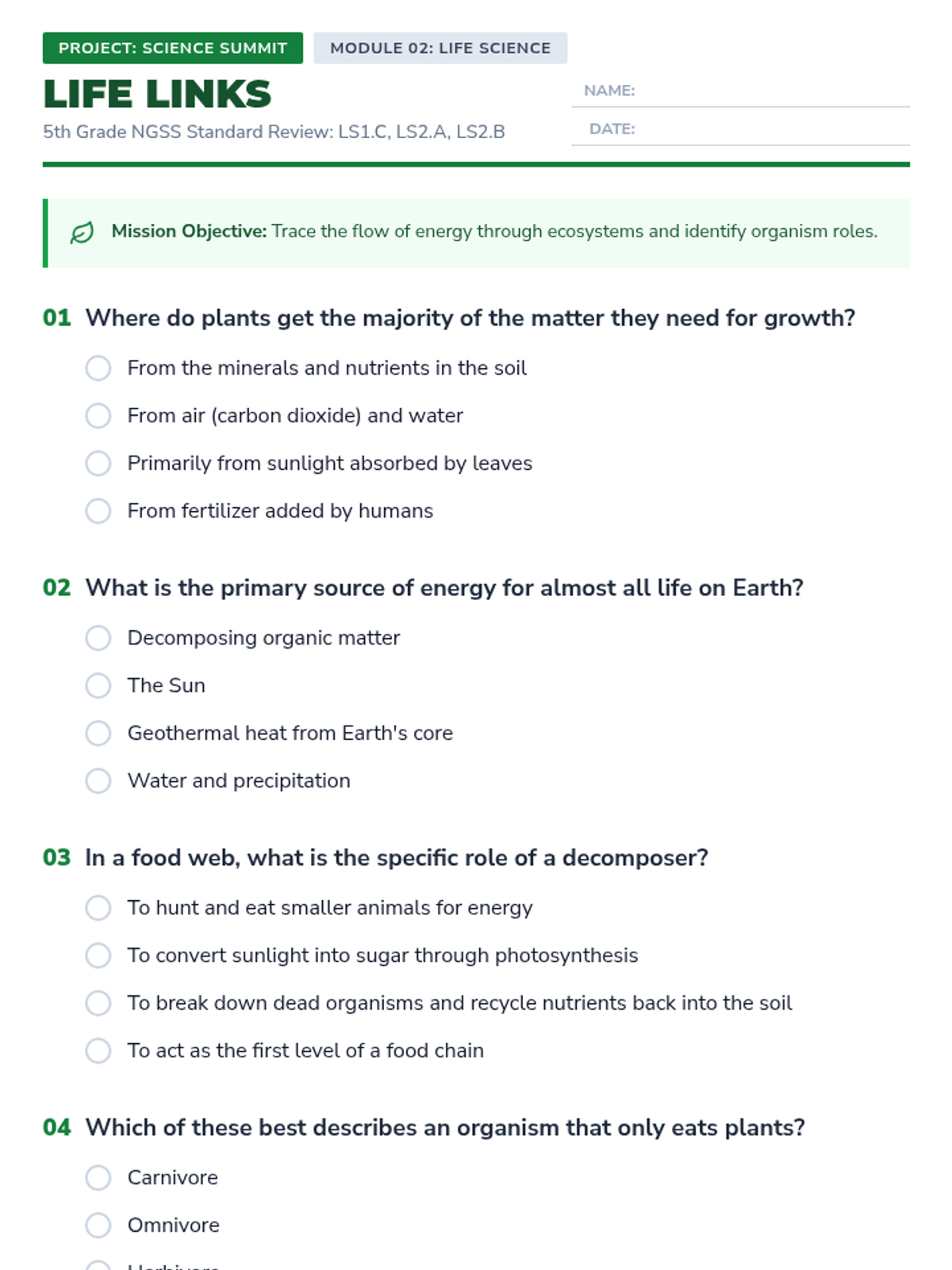
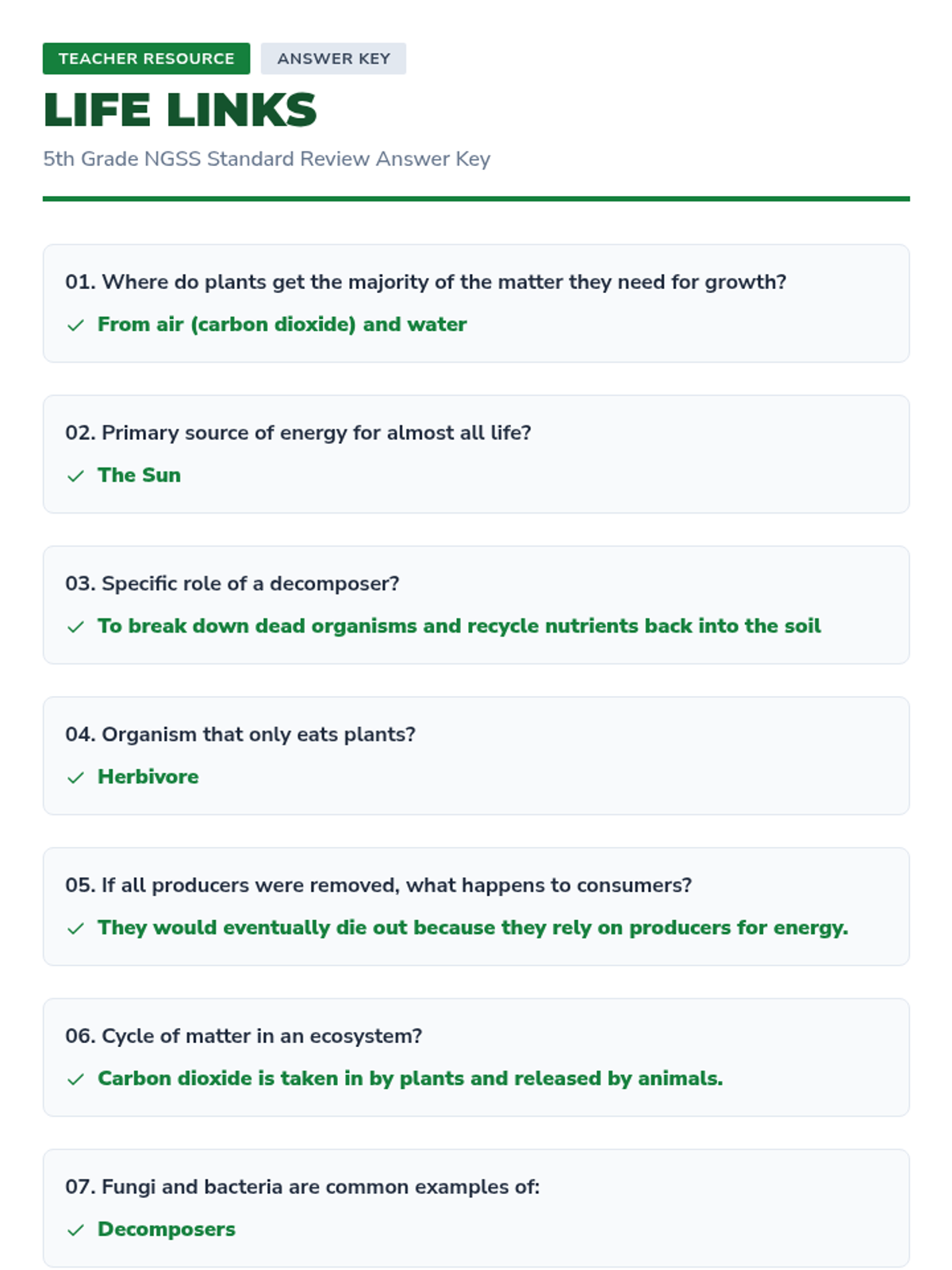
Review of energy flow in ecosystems, food webs, and the role of decomposers and photosynthesis.
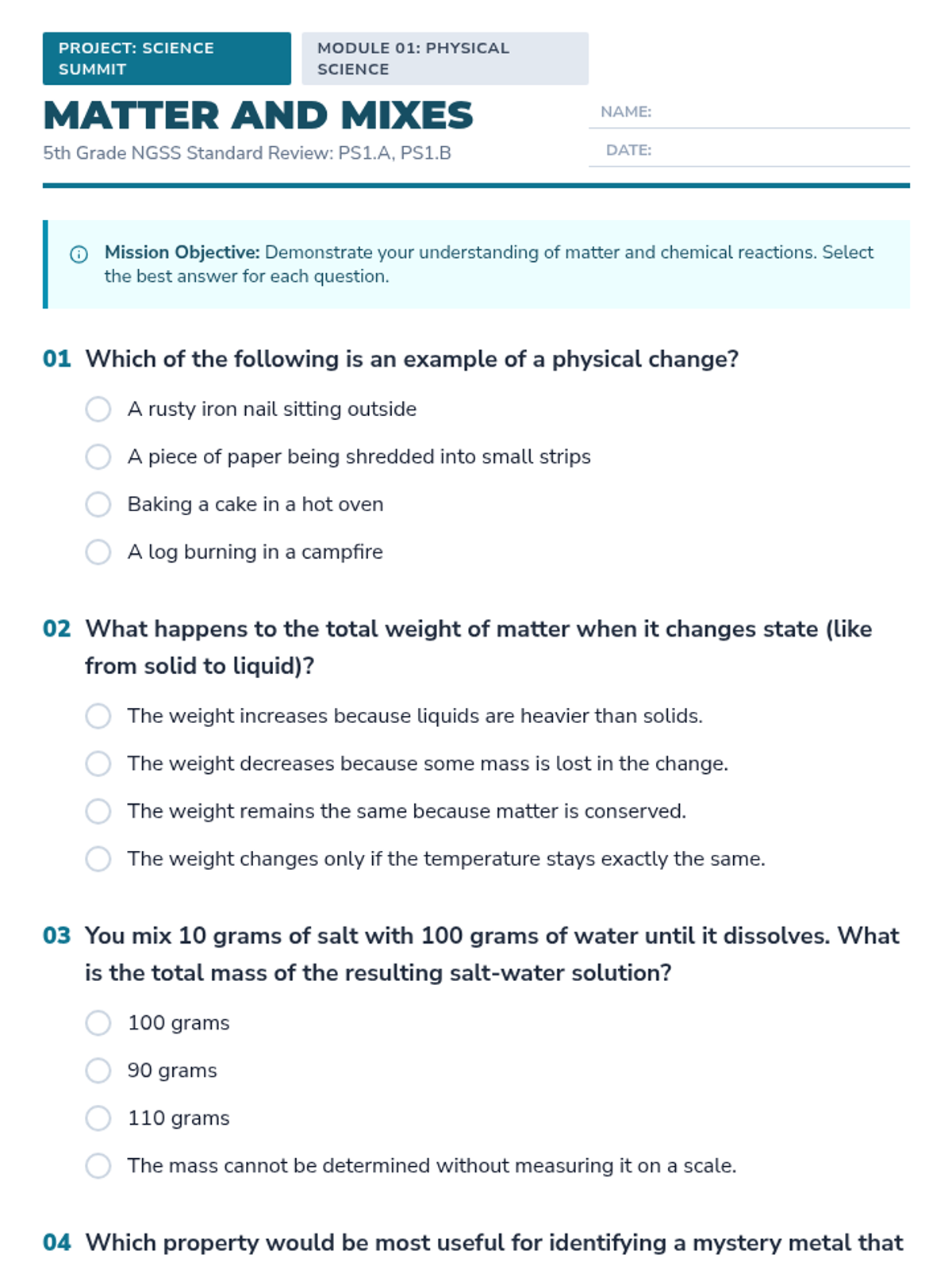
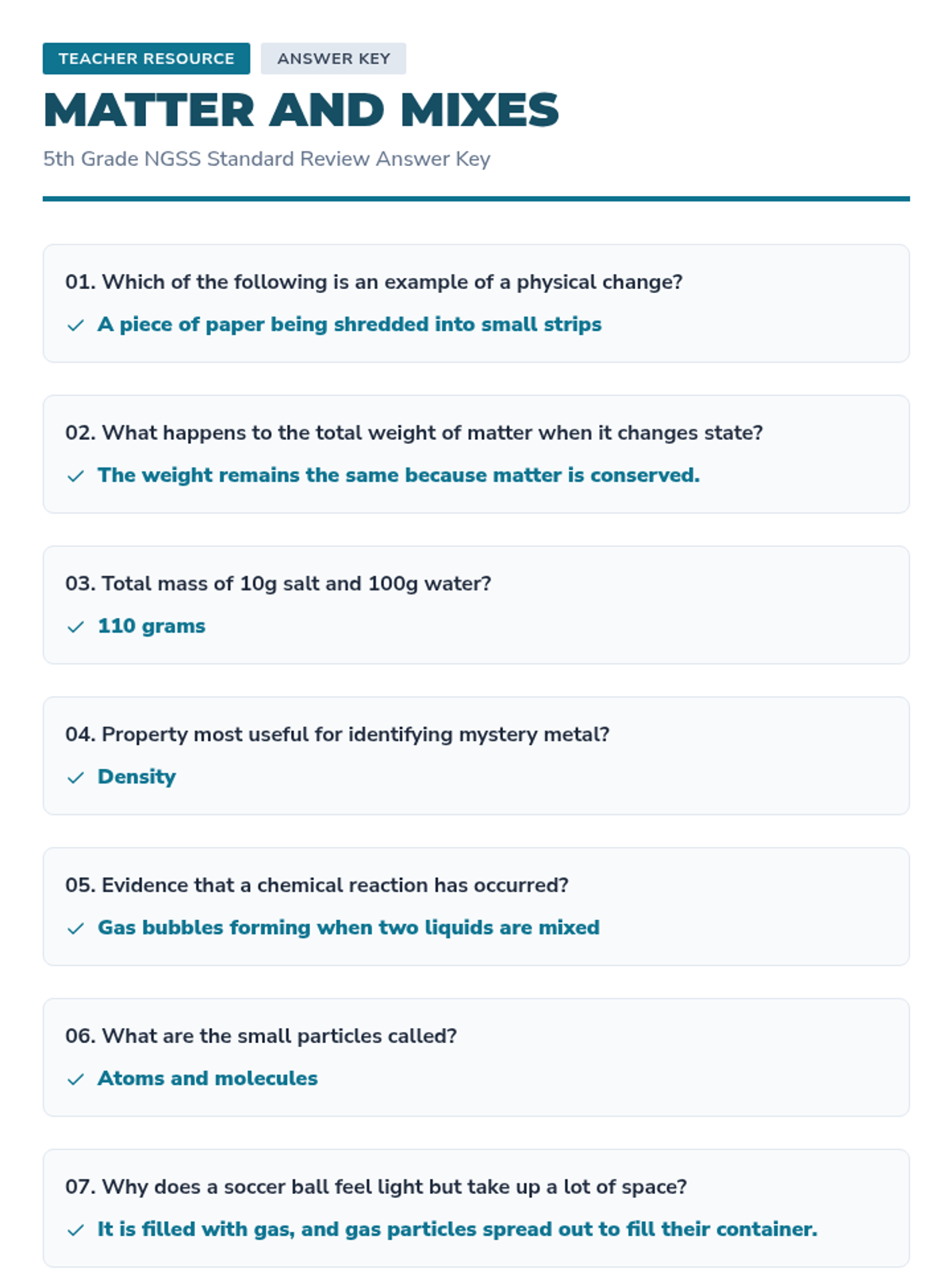
Review of matter properties, chemical vs physical changes, and the conservation of mass.
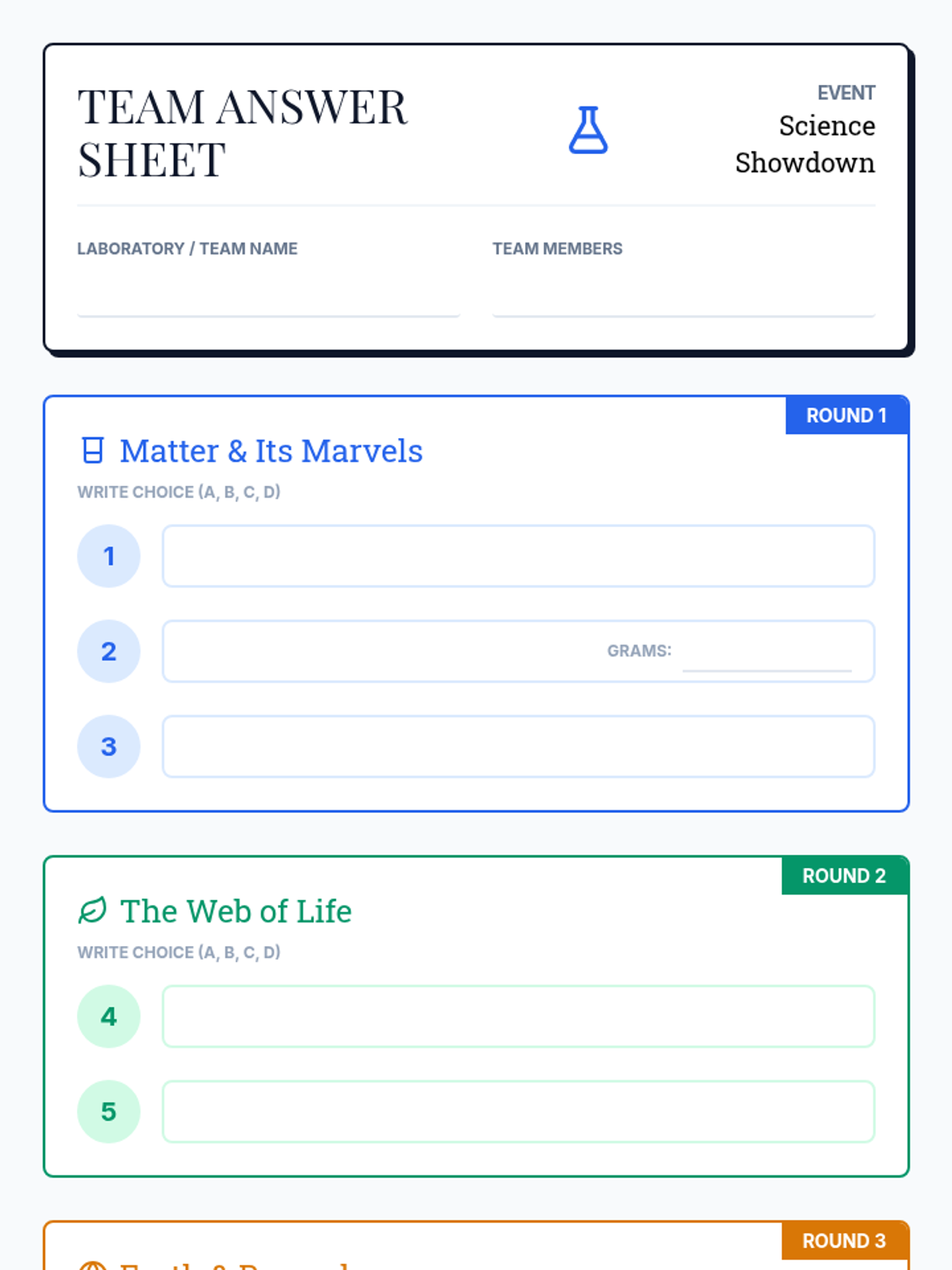
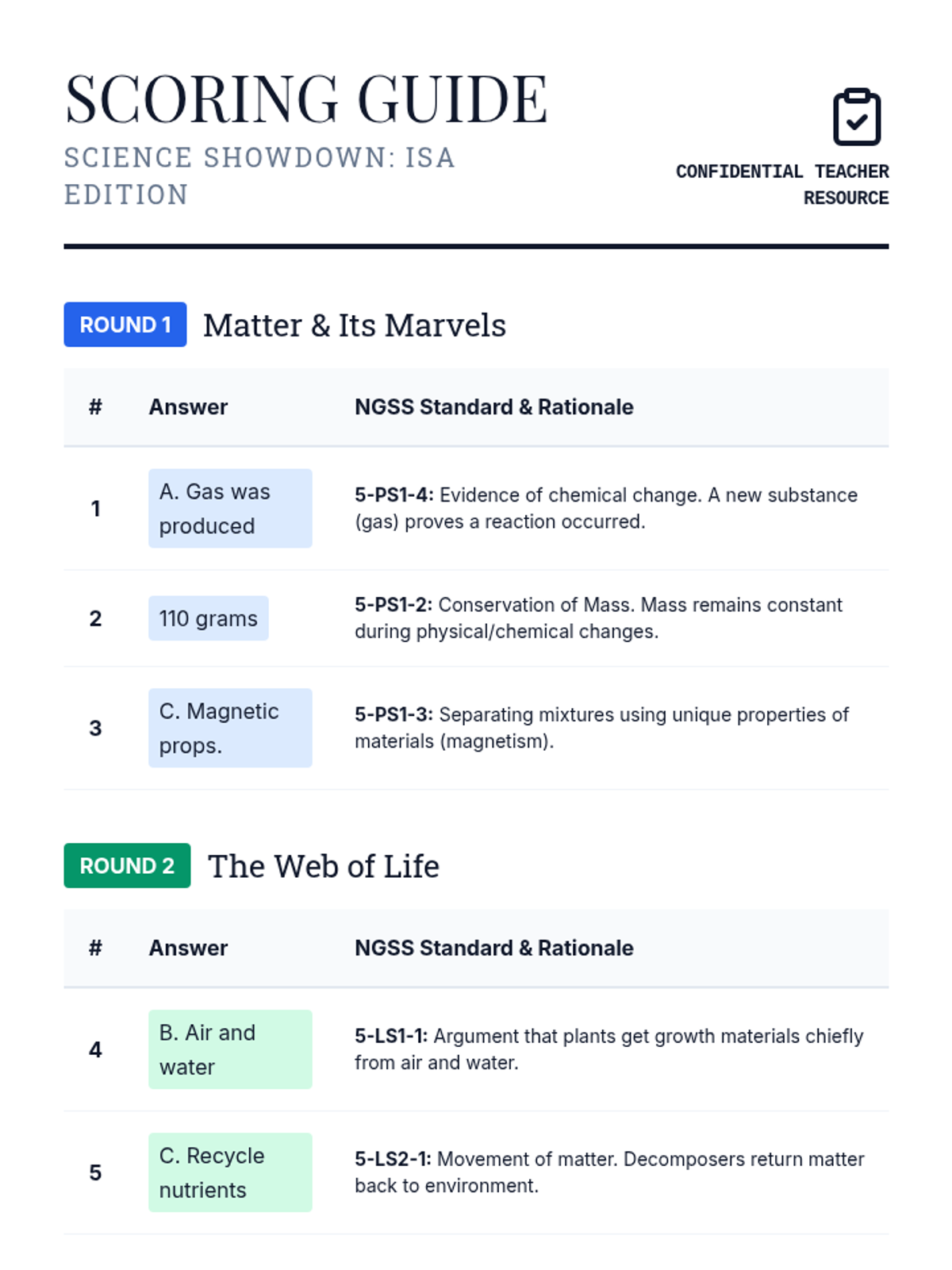
A high-energy, NGSS-aligned trivia game designed to prepare 5th graders for the ISA test through team-based competition and comprehensive science review.
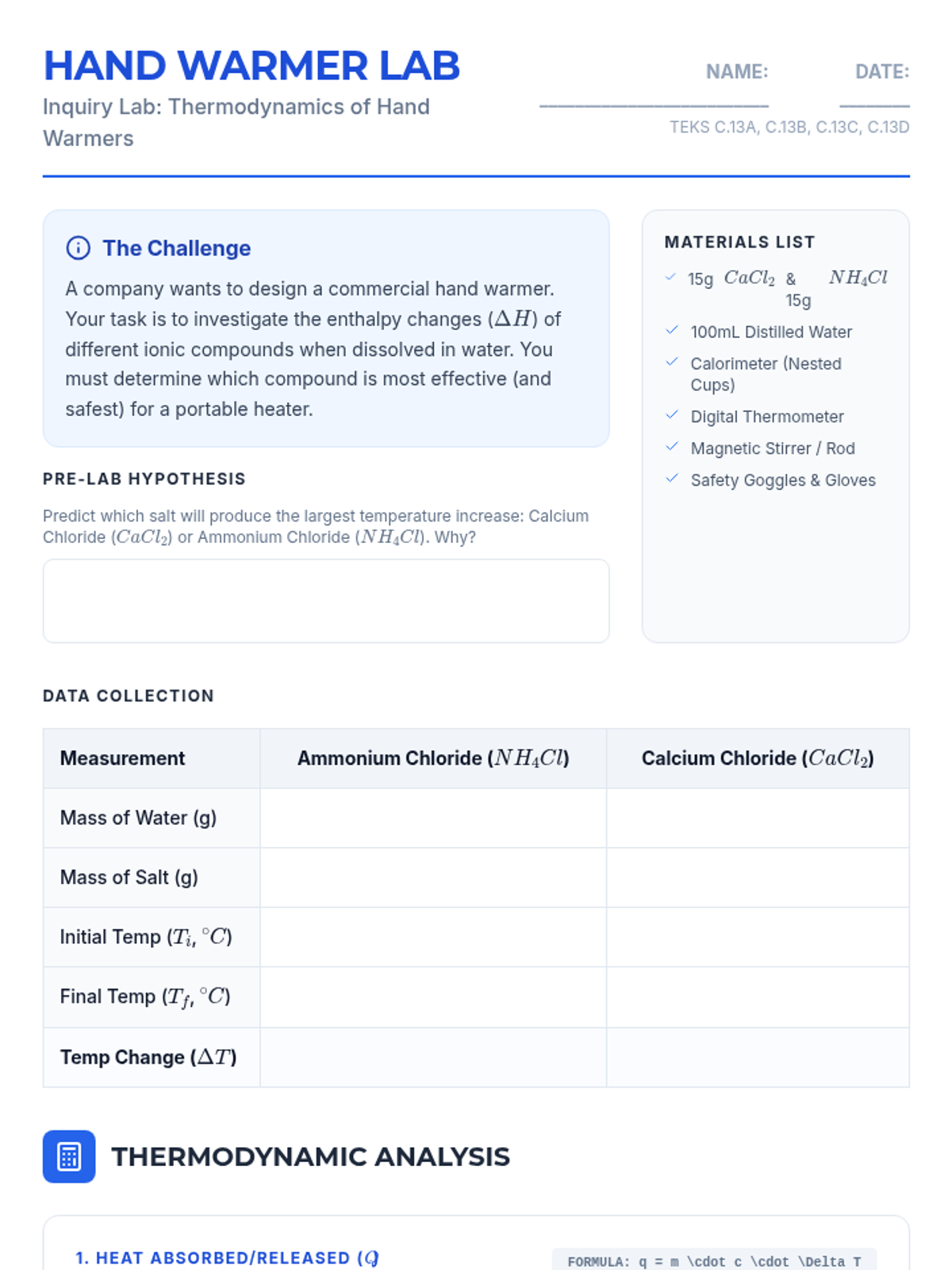
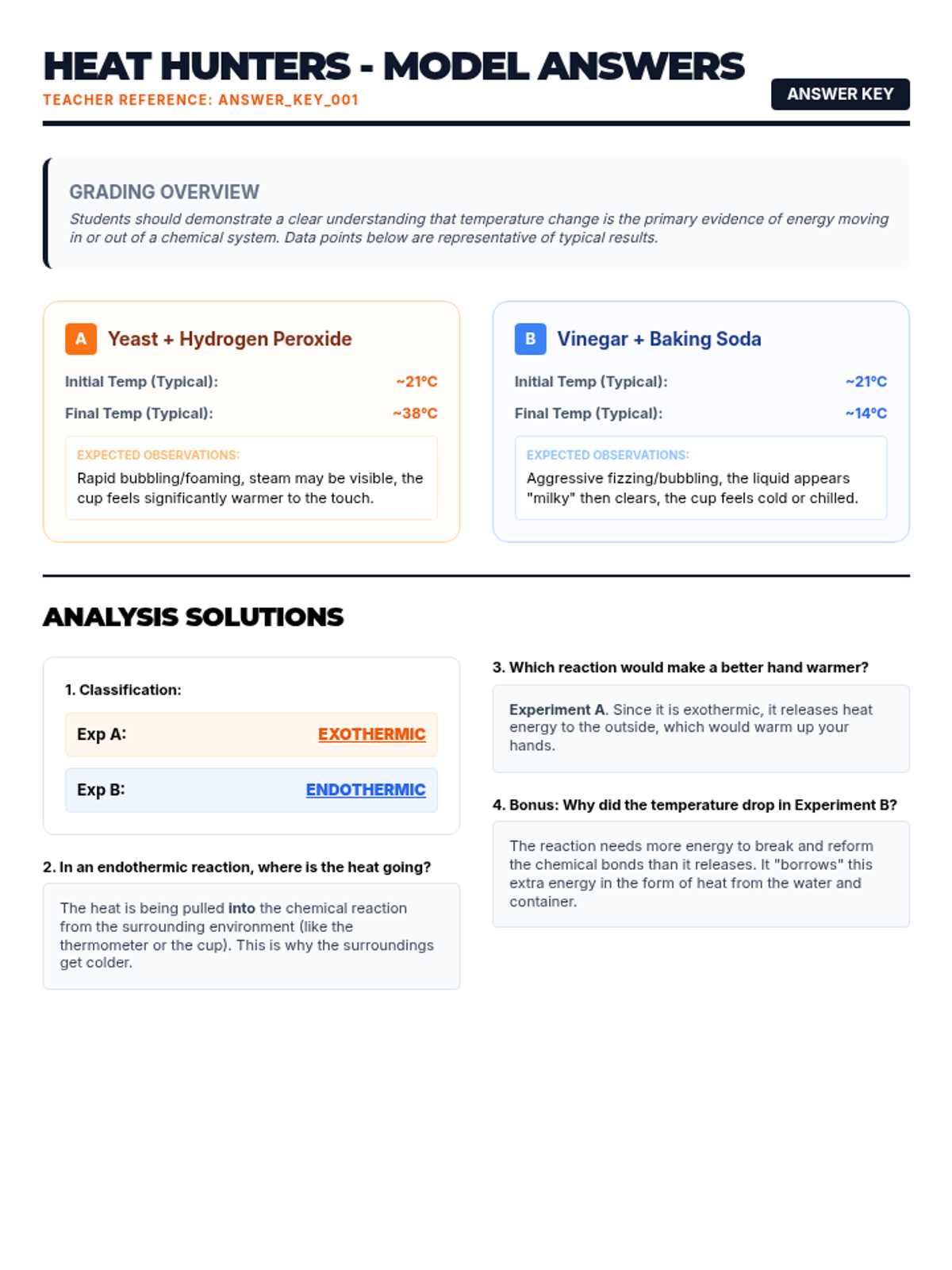
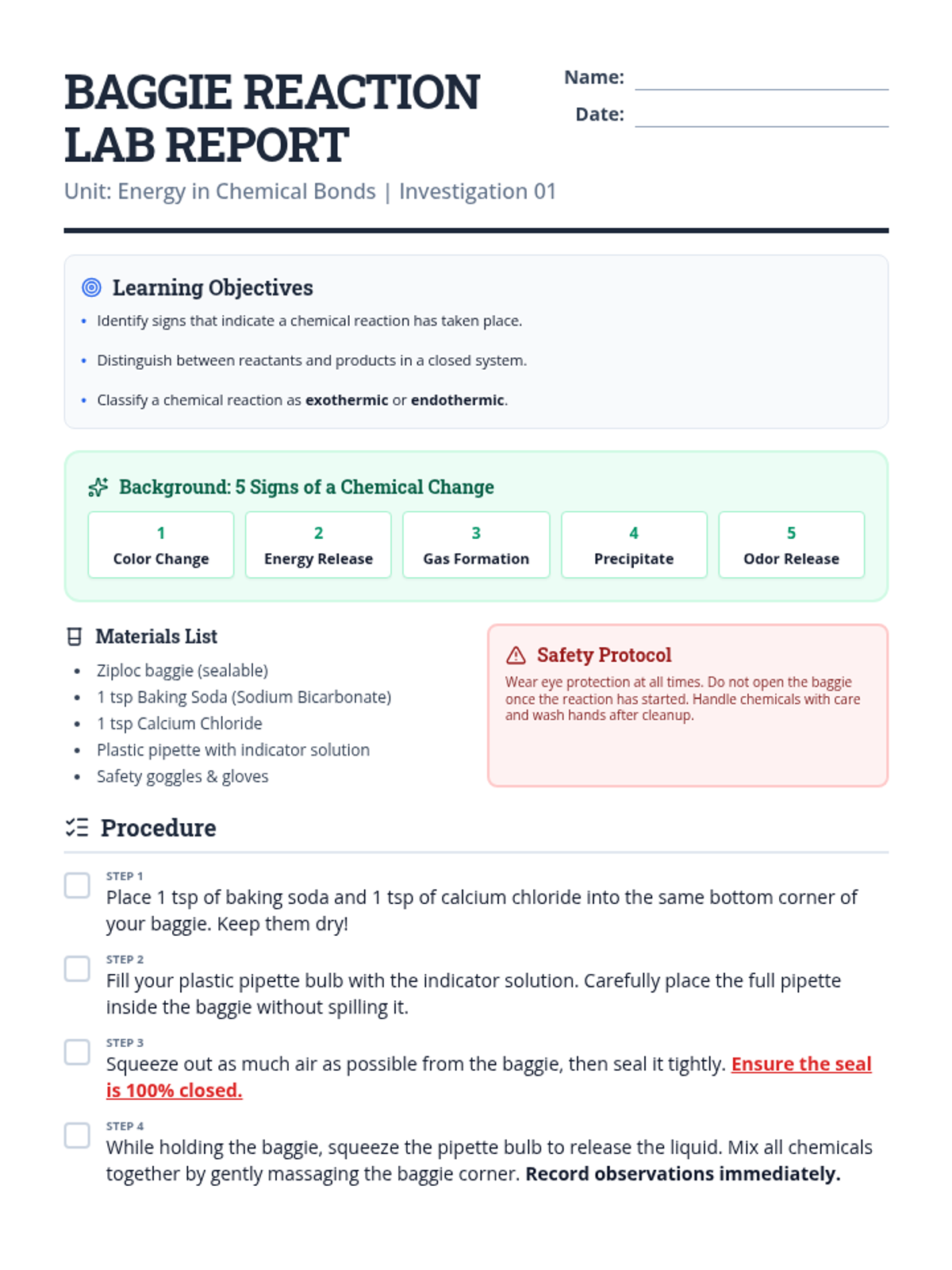
A whole-group inquiry lab where students measure temperature changes in different chemical solutions to design effective hand warmers, focusing on system-surroundings heat transfer.
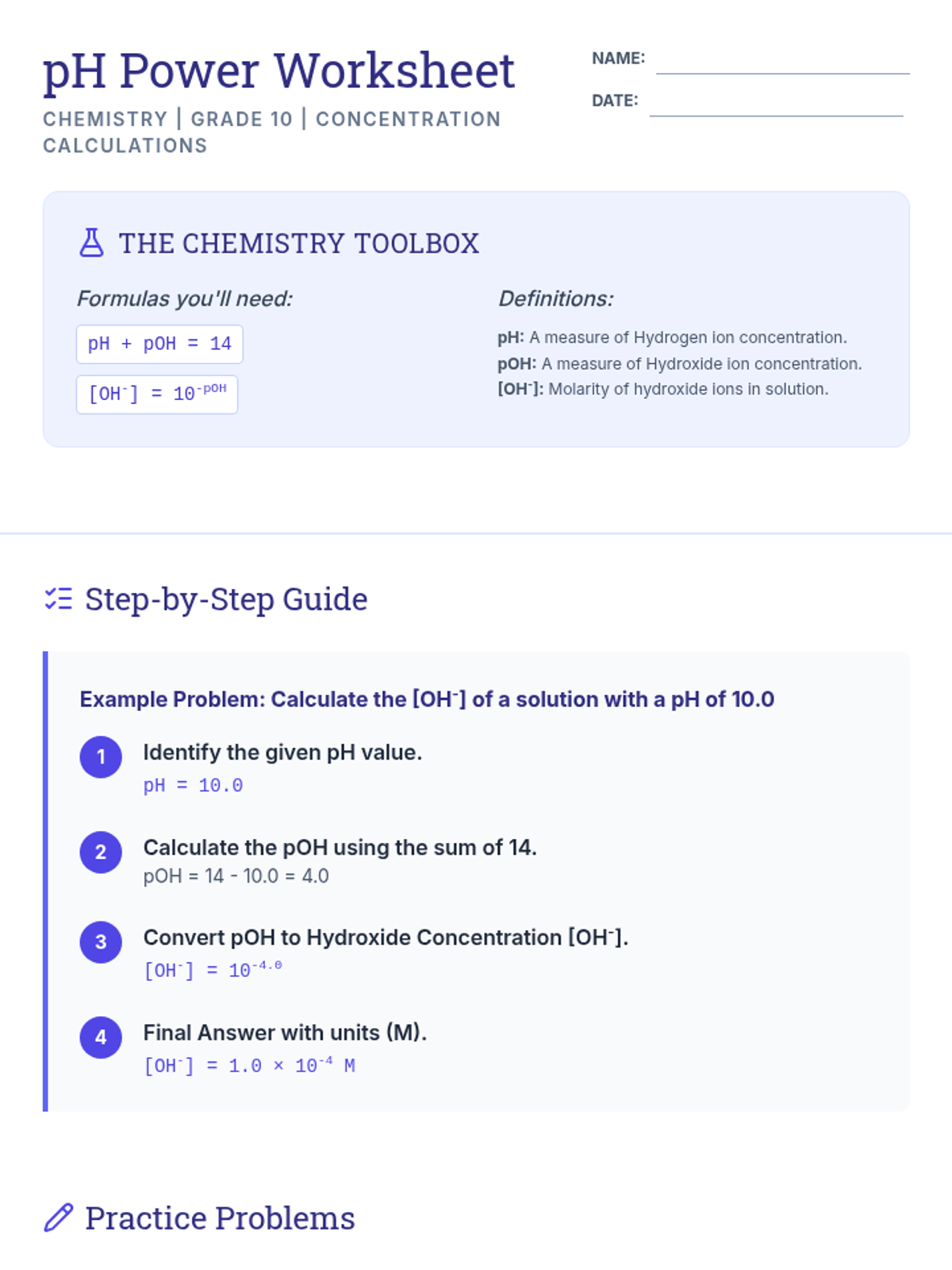
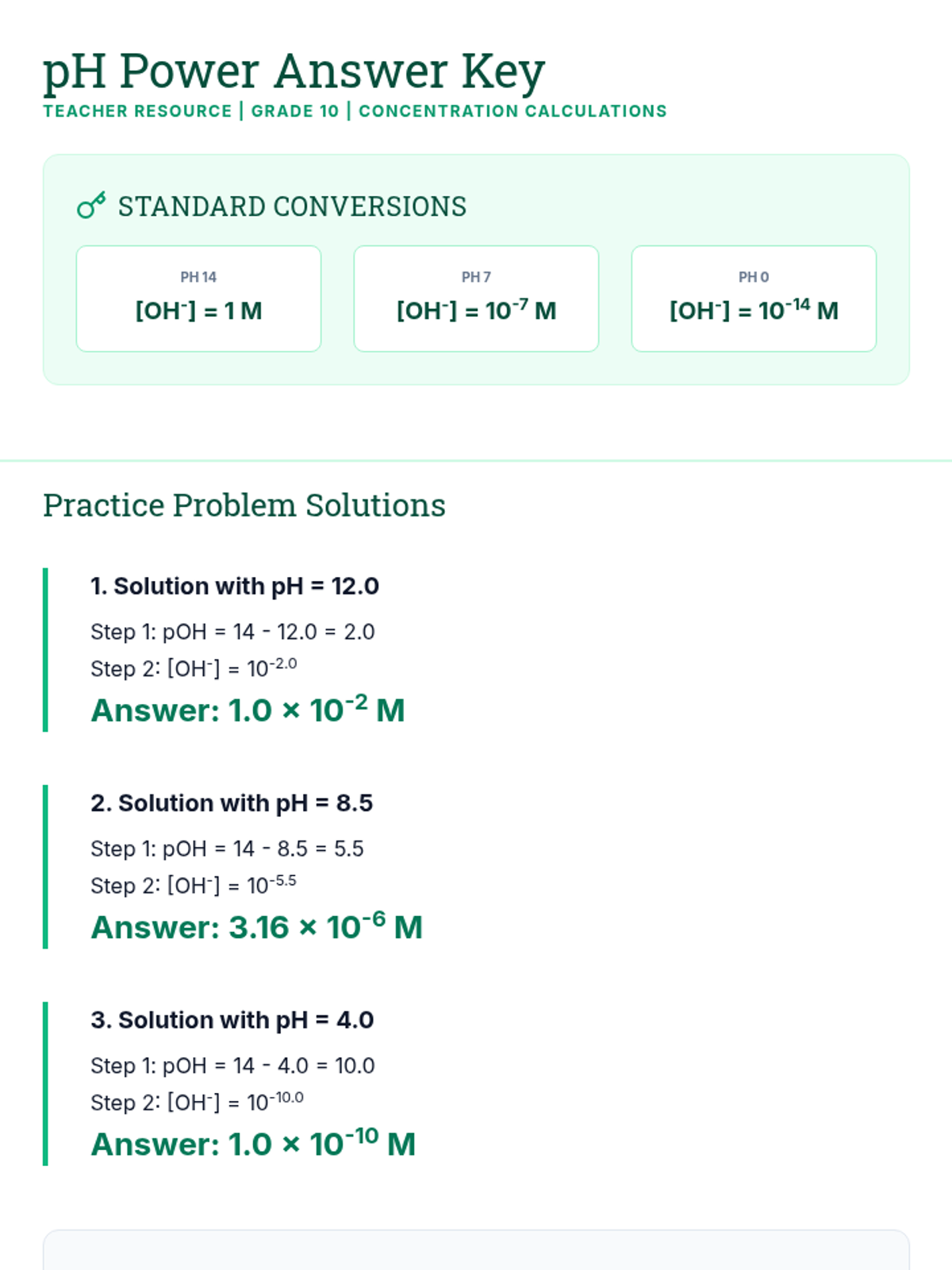
A lesson focused on the relationship between pH, pOH, and ion concentrations, featuring step-by-step methods for converting between them.
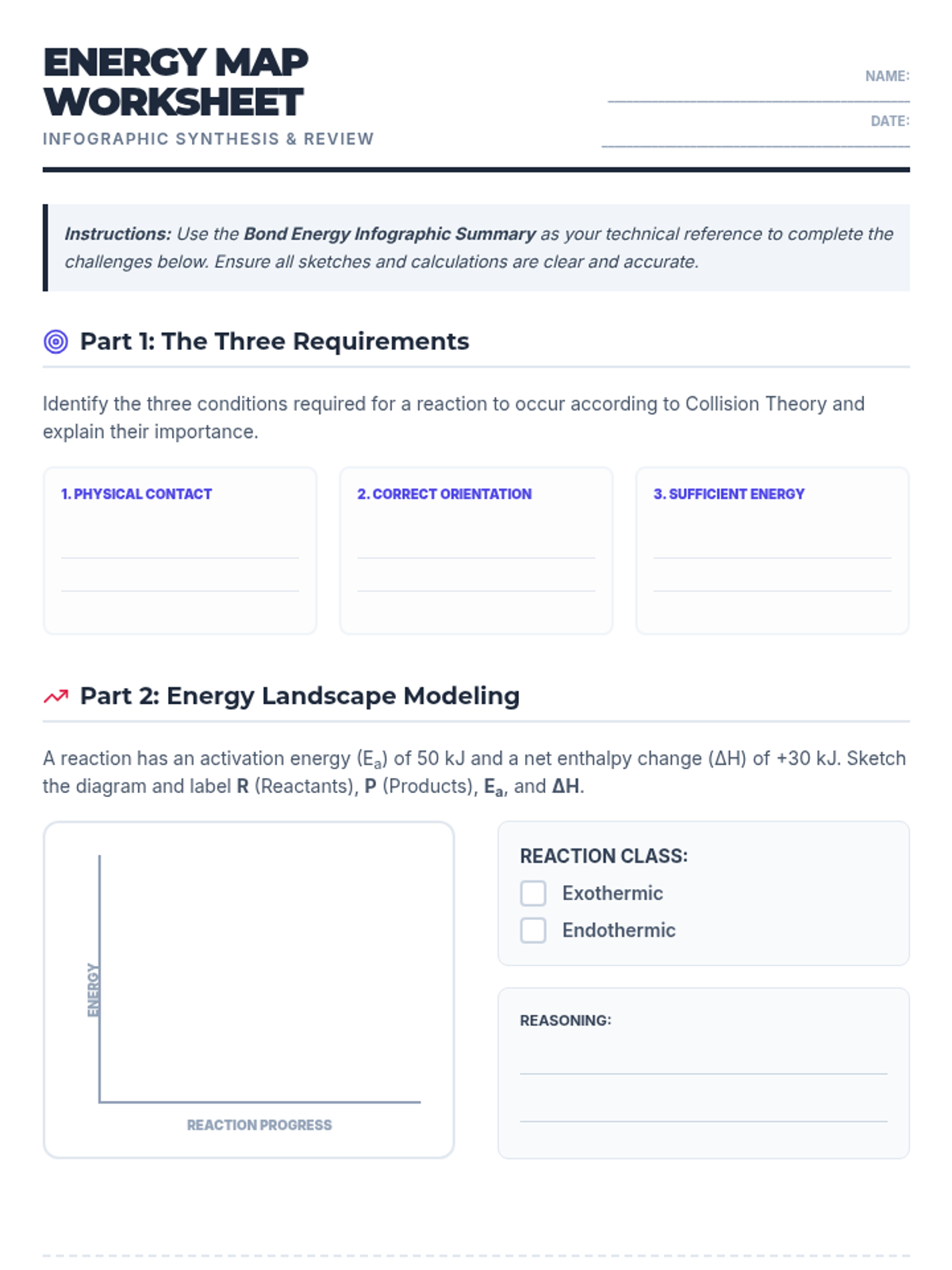
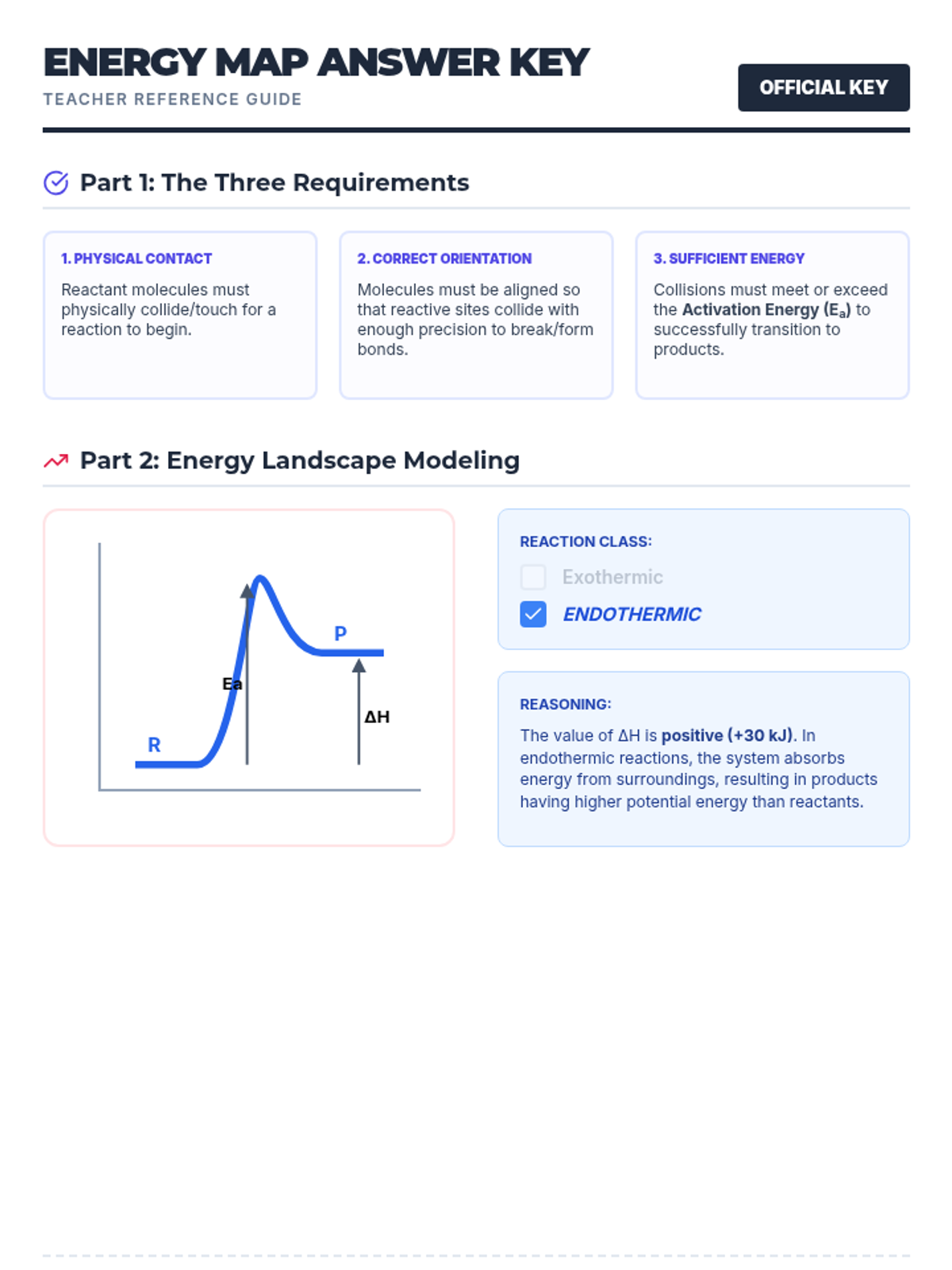
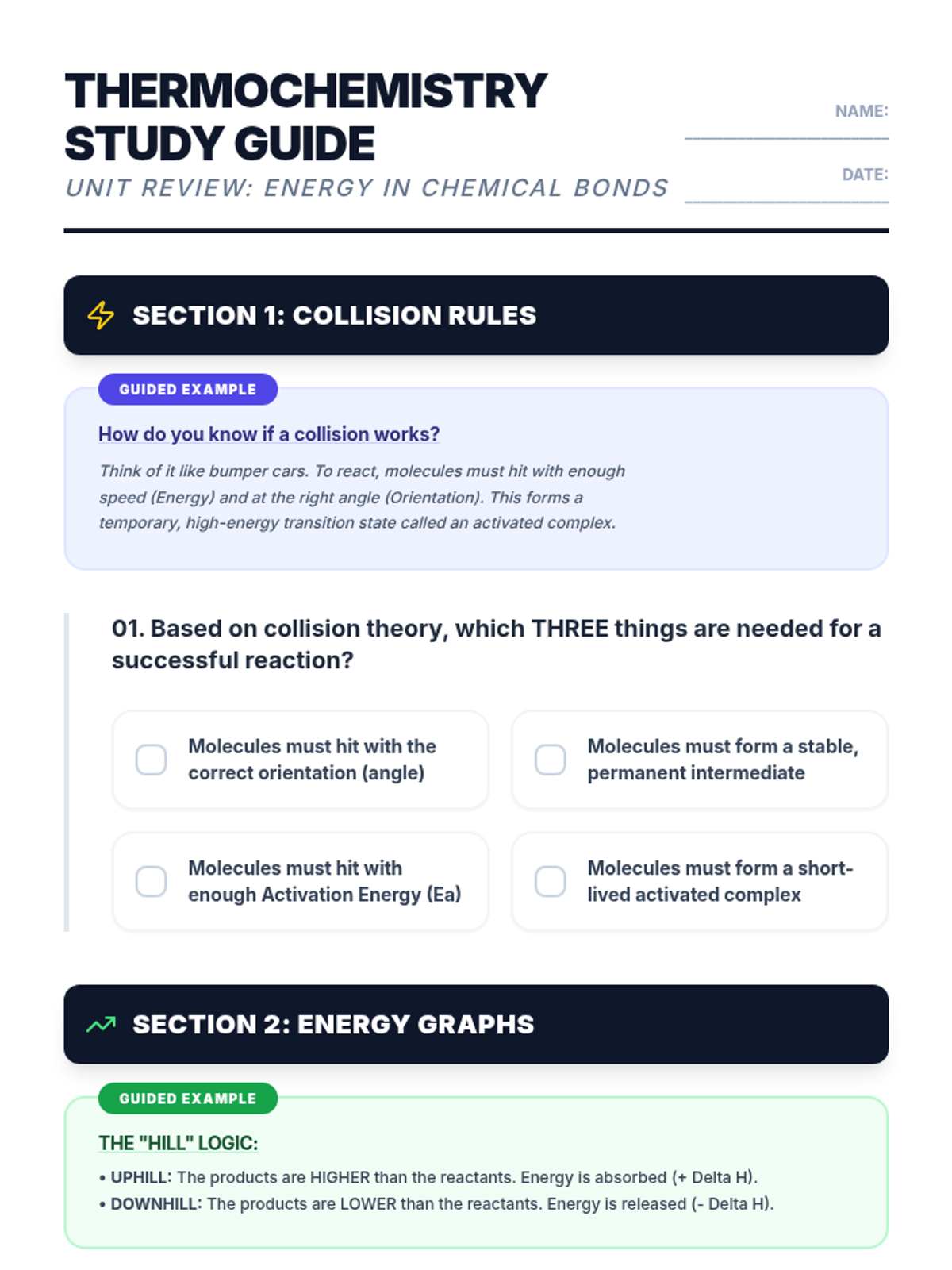
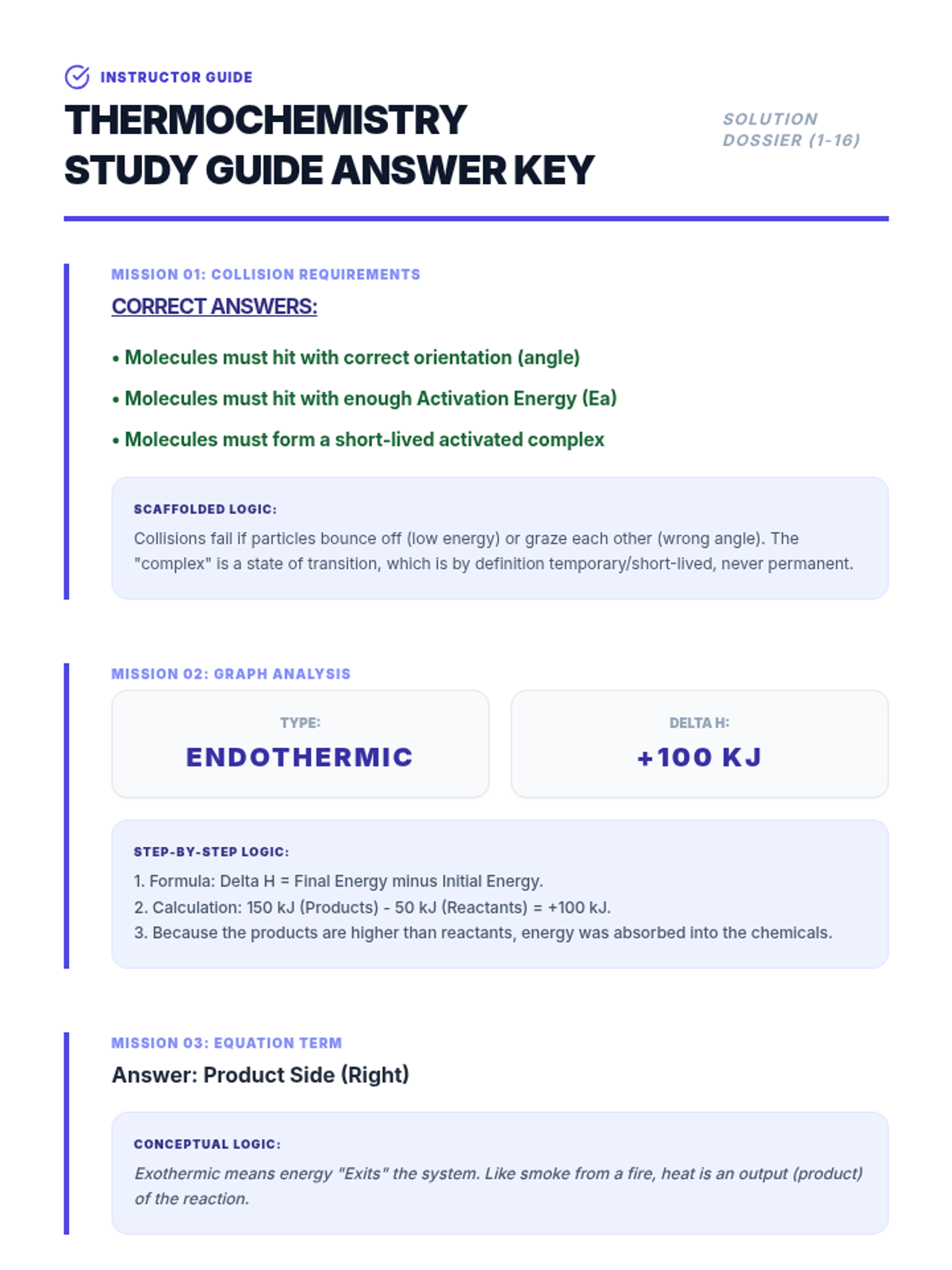
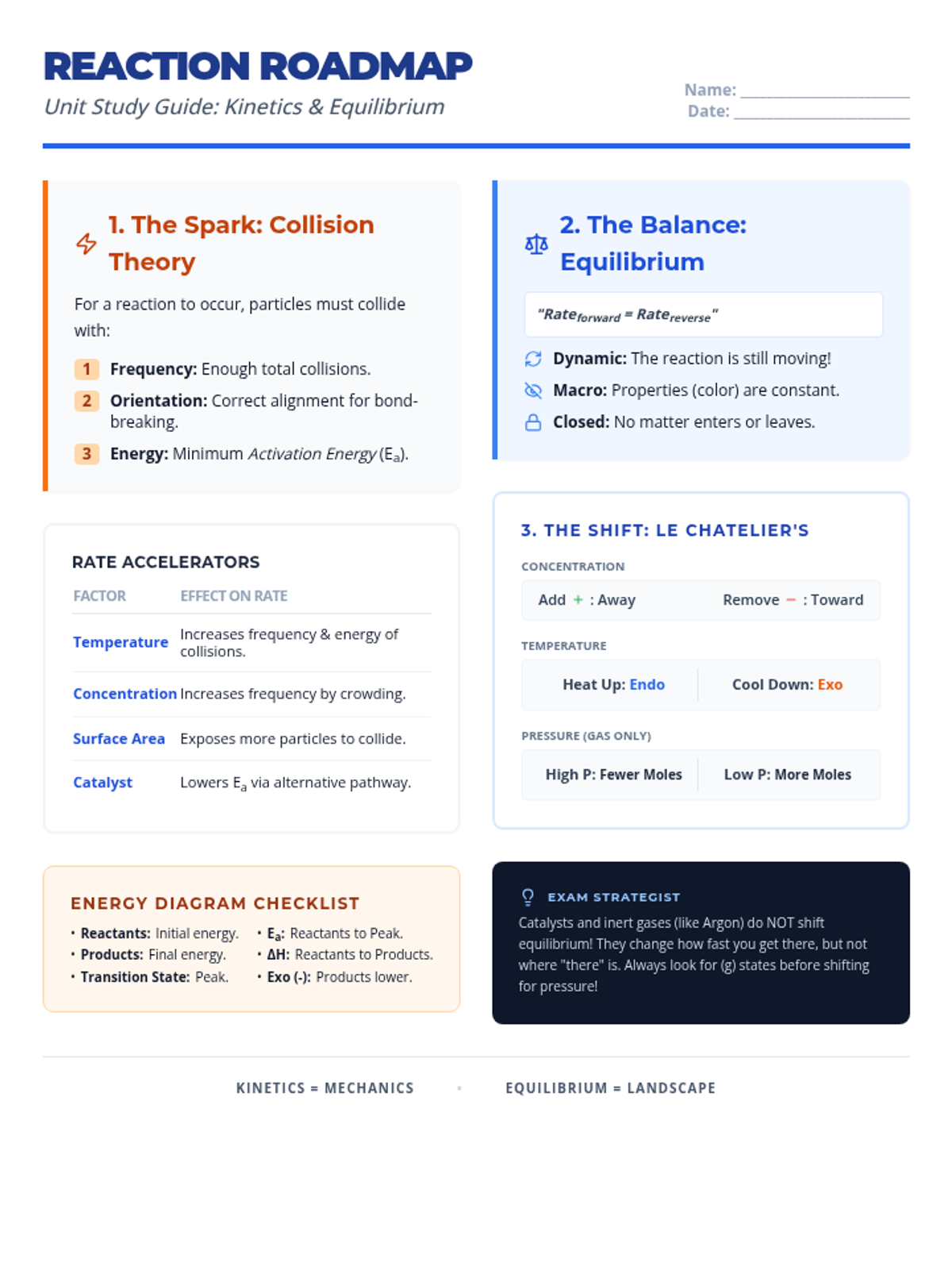
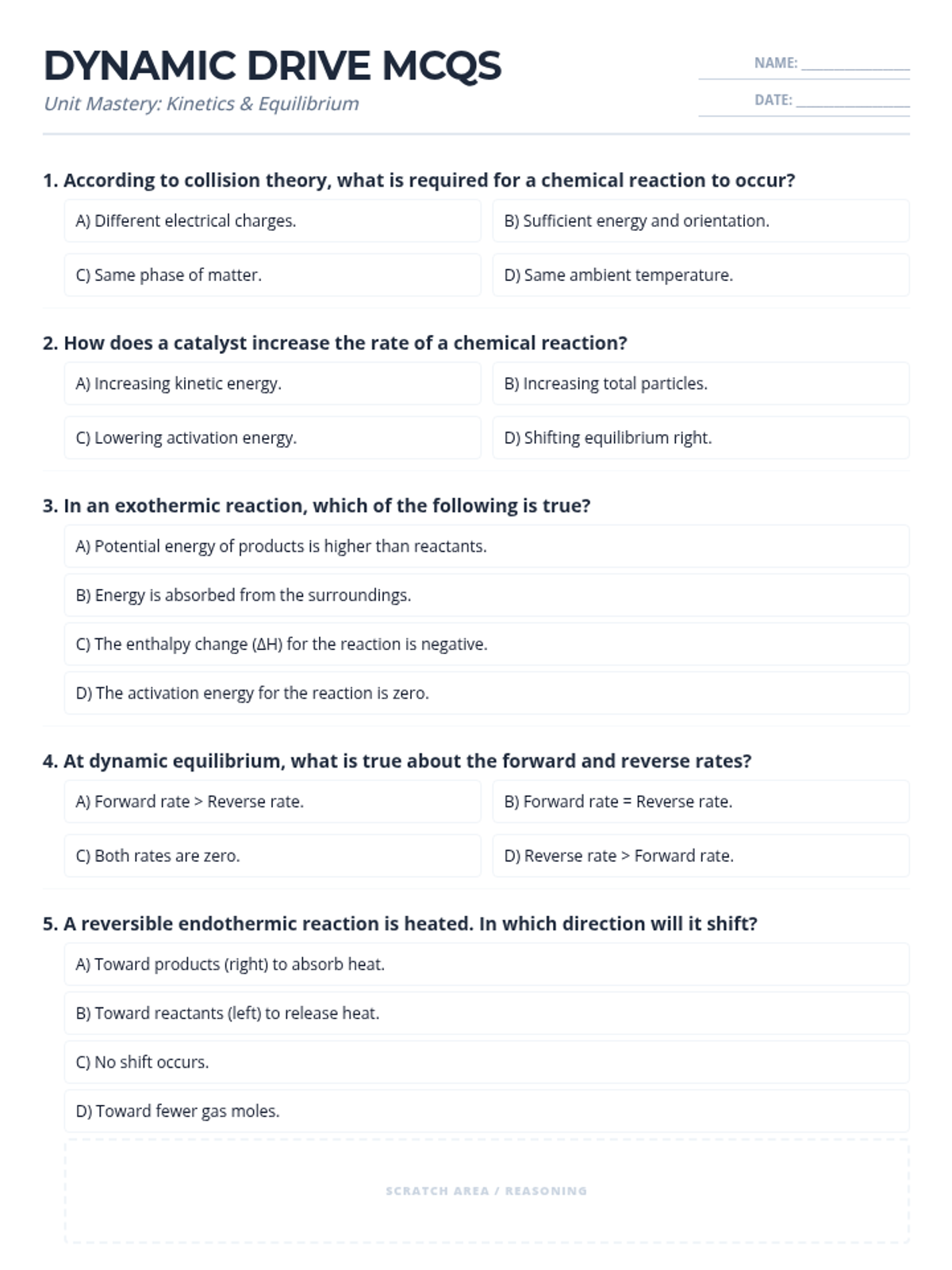
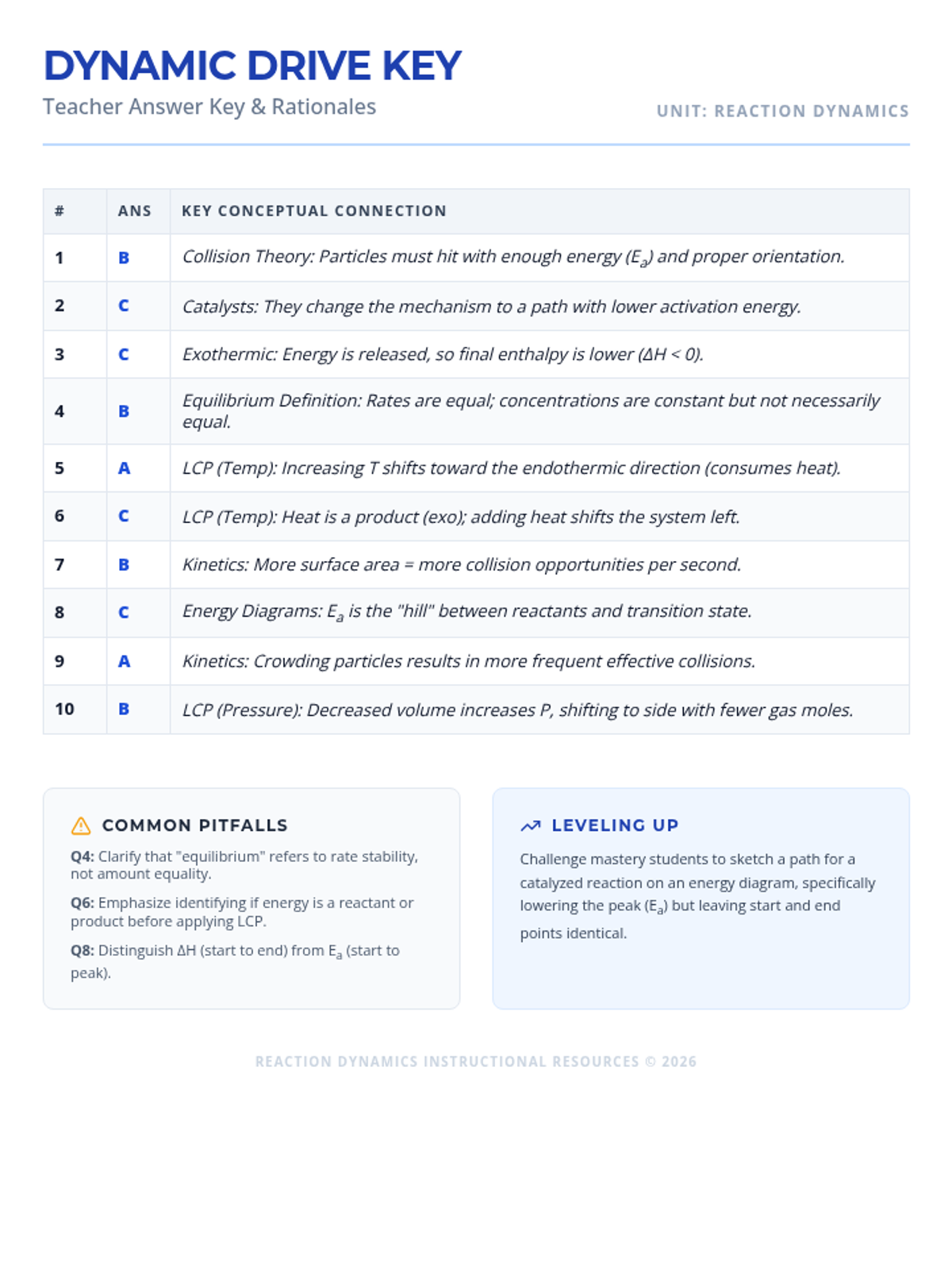
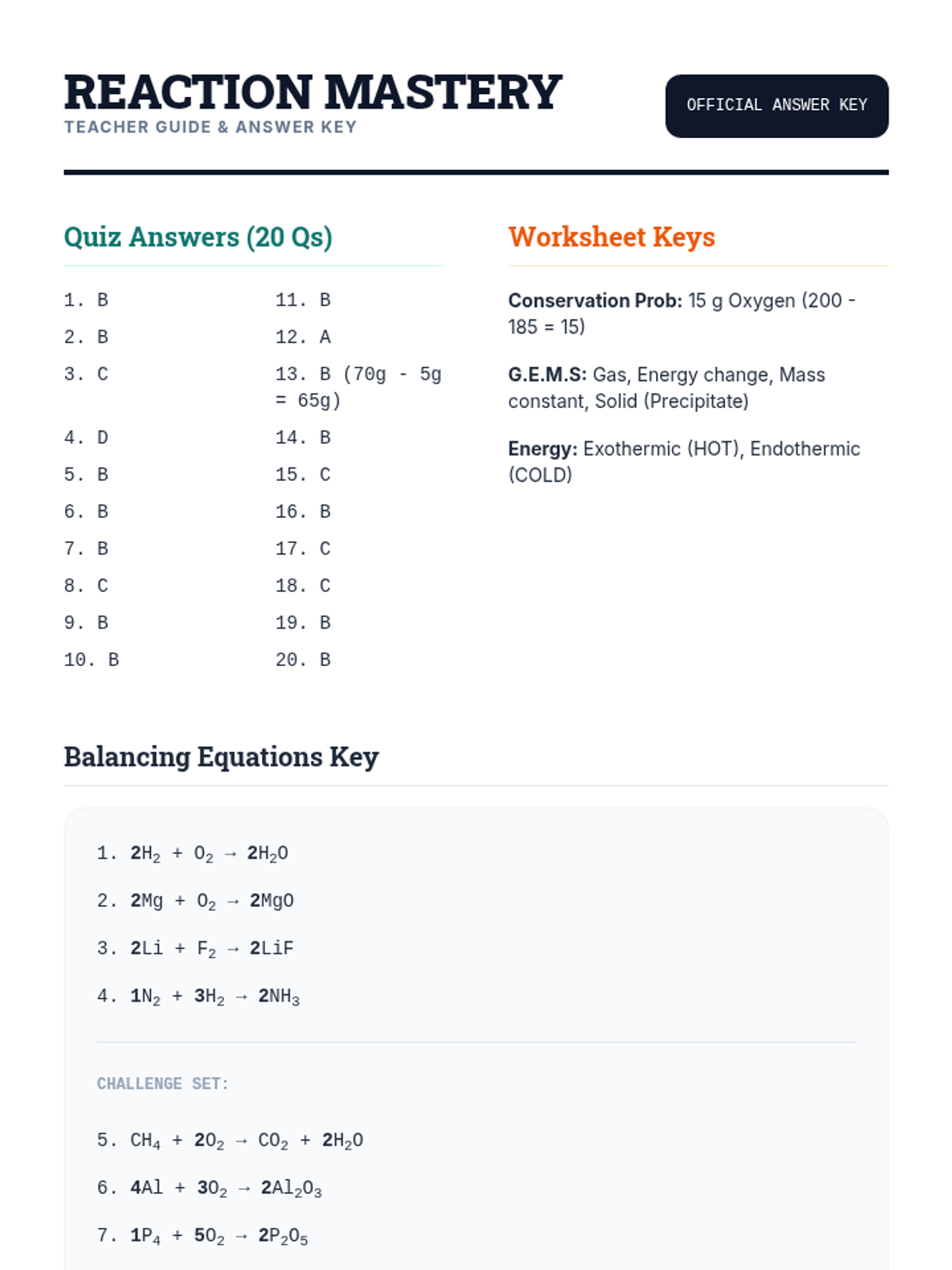
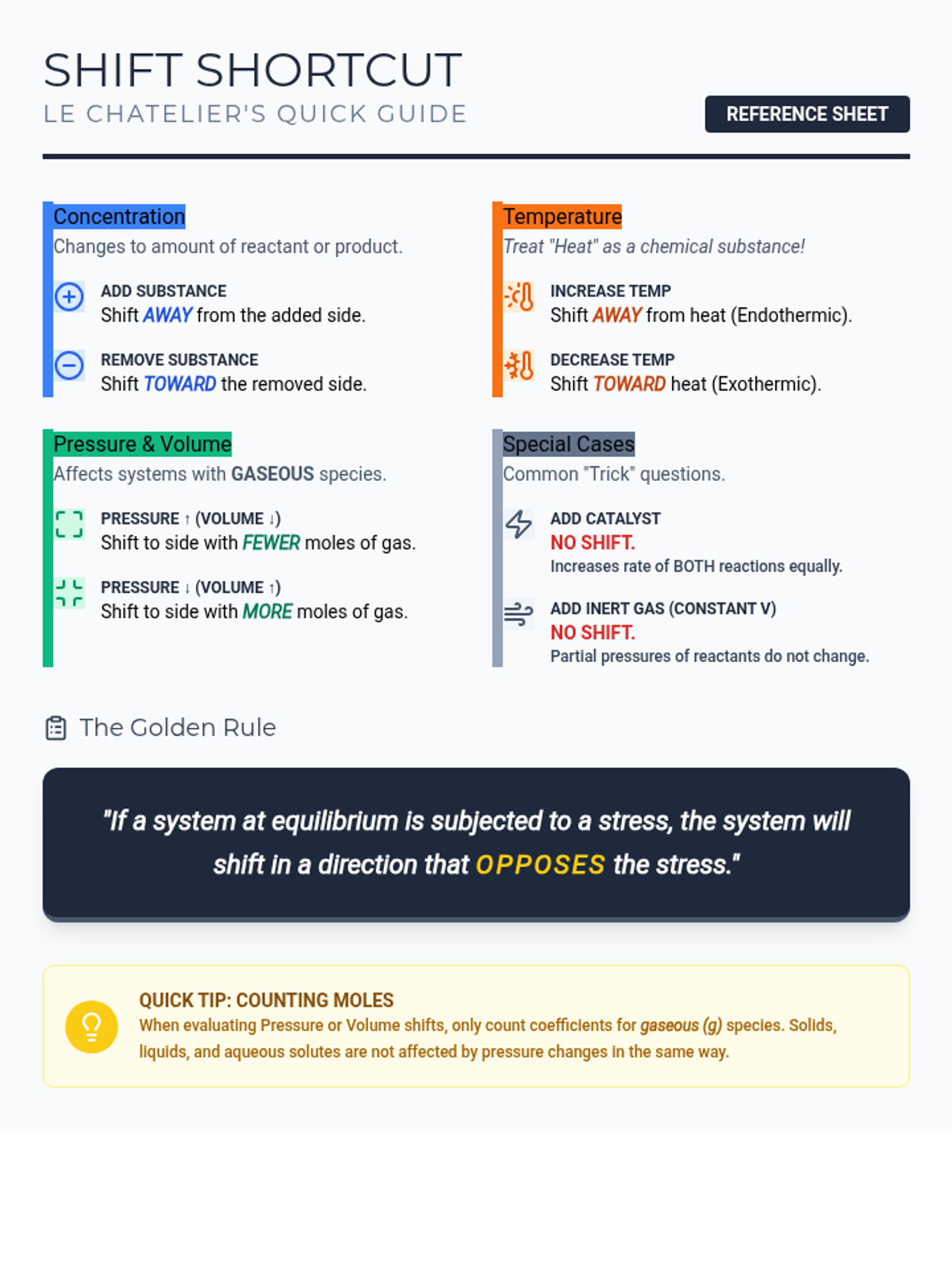
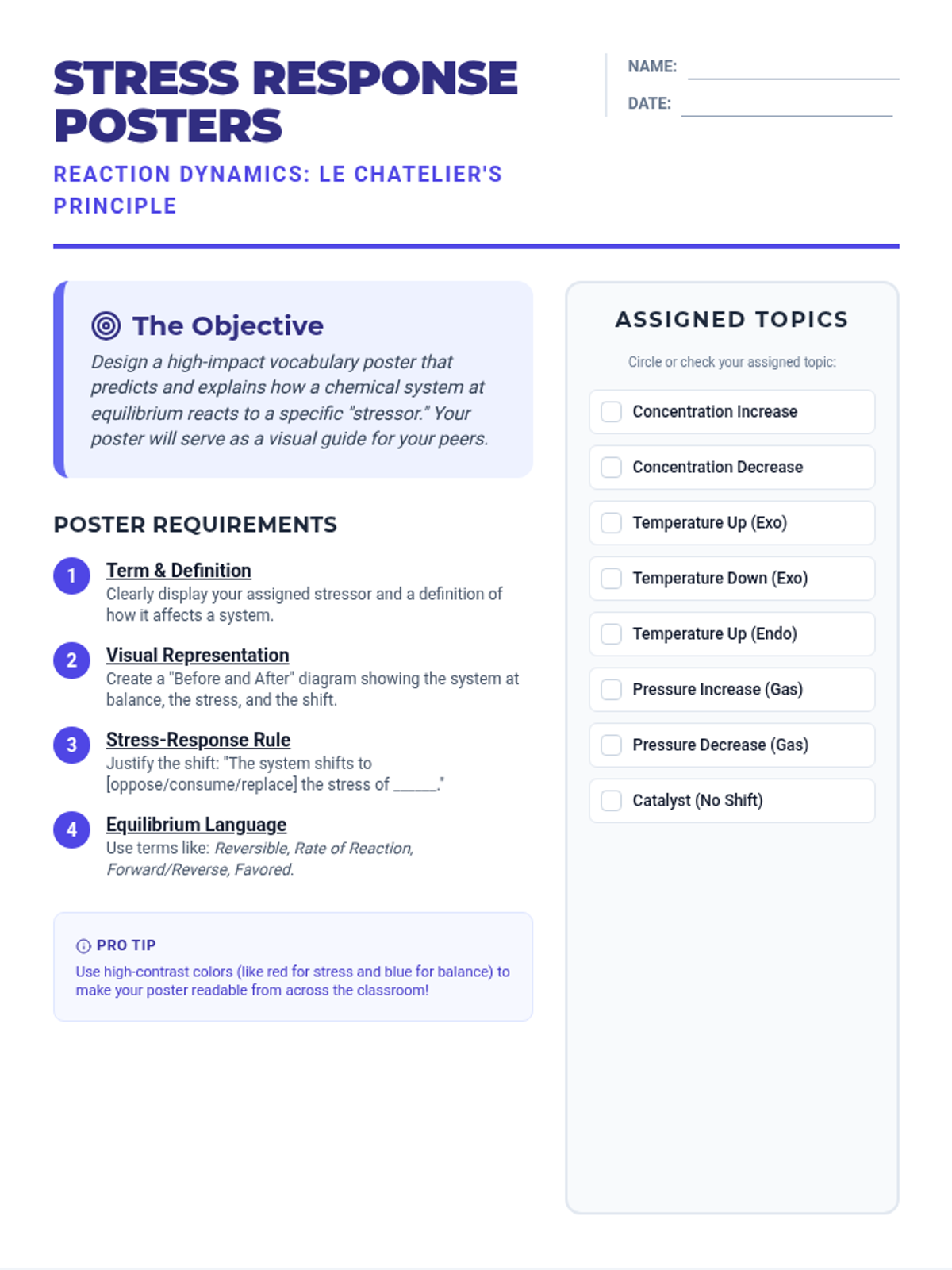
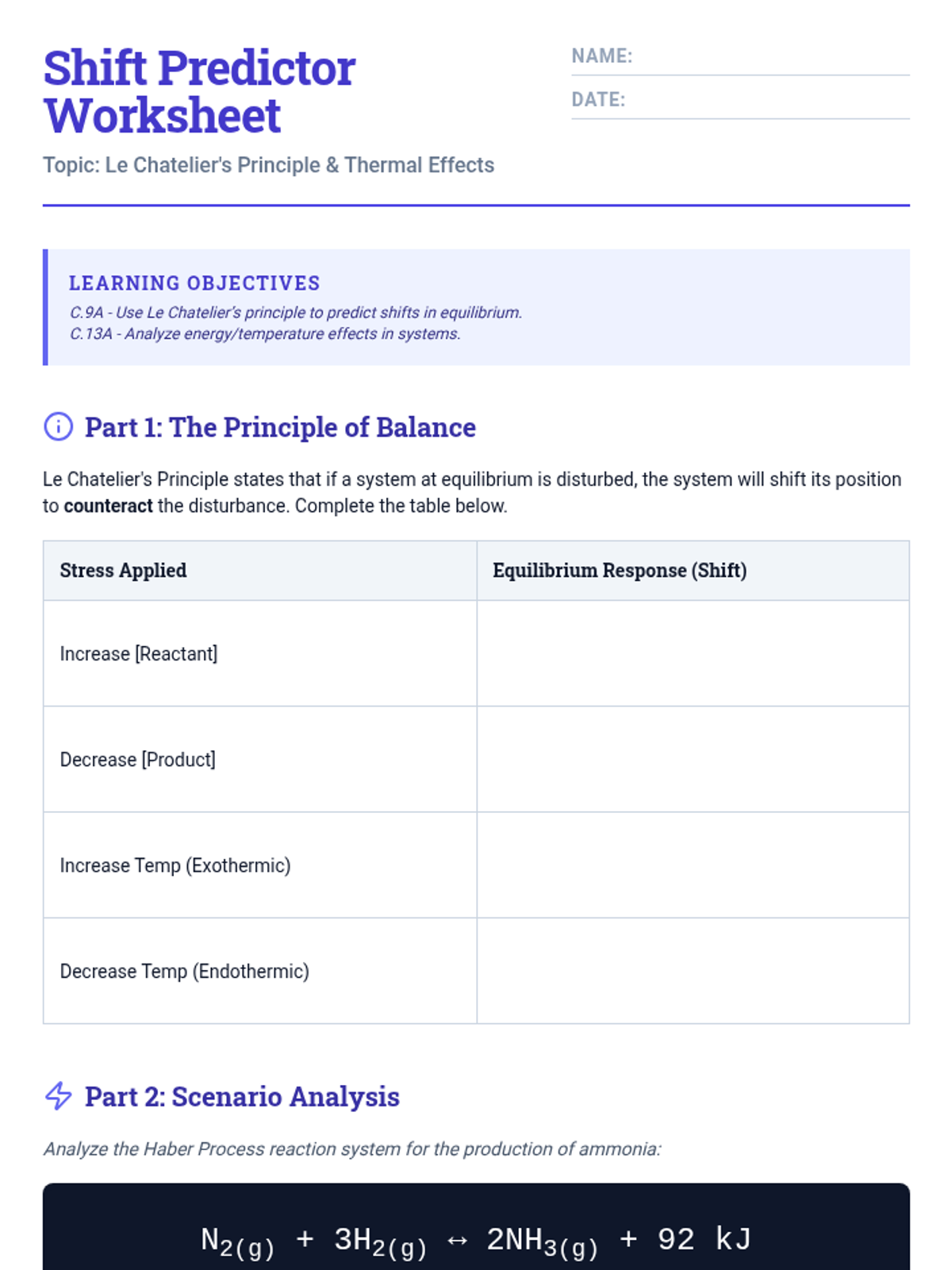
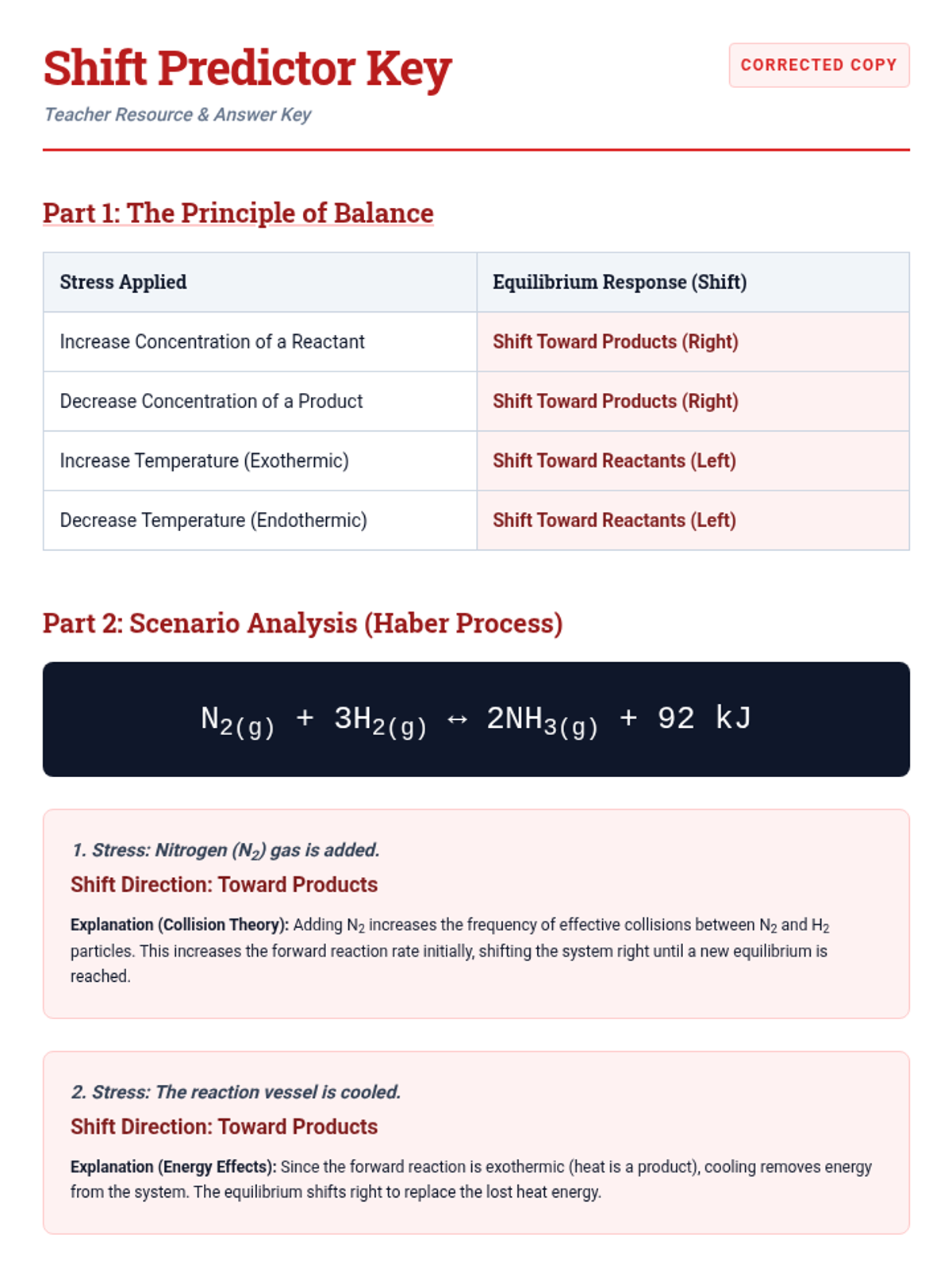
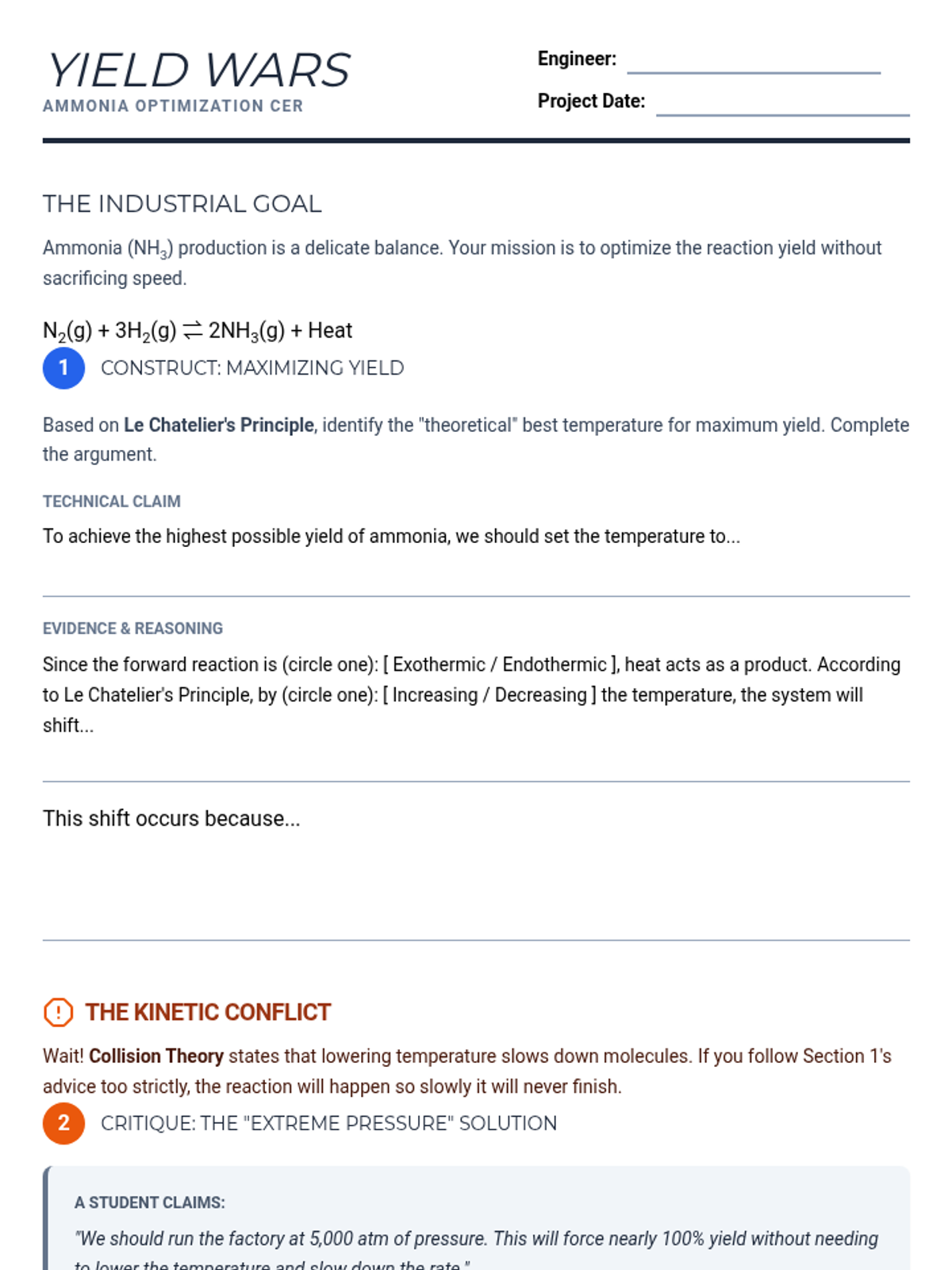
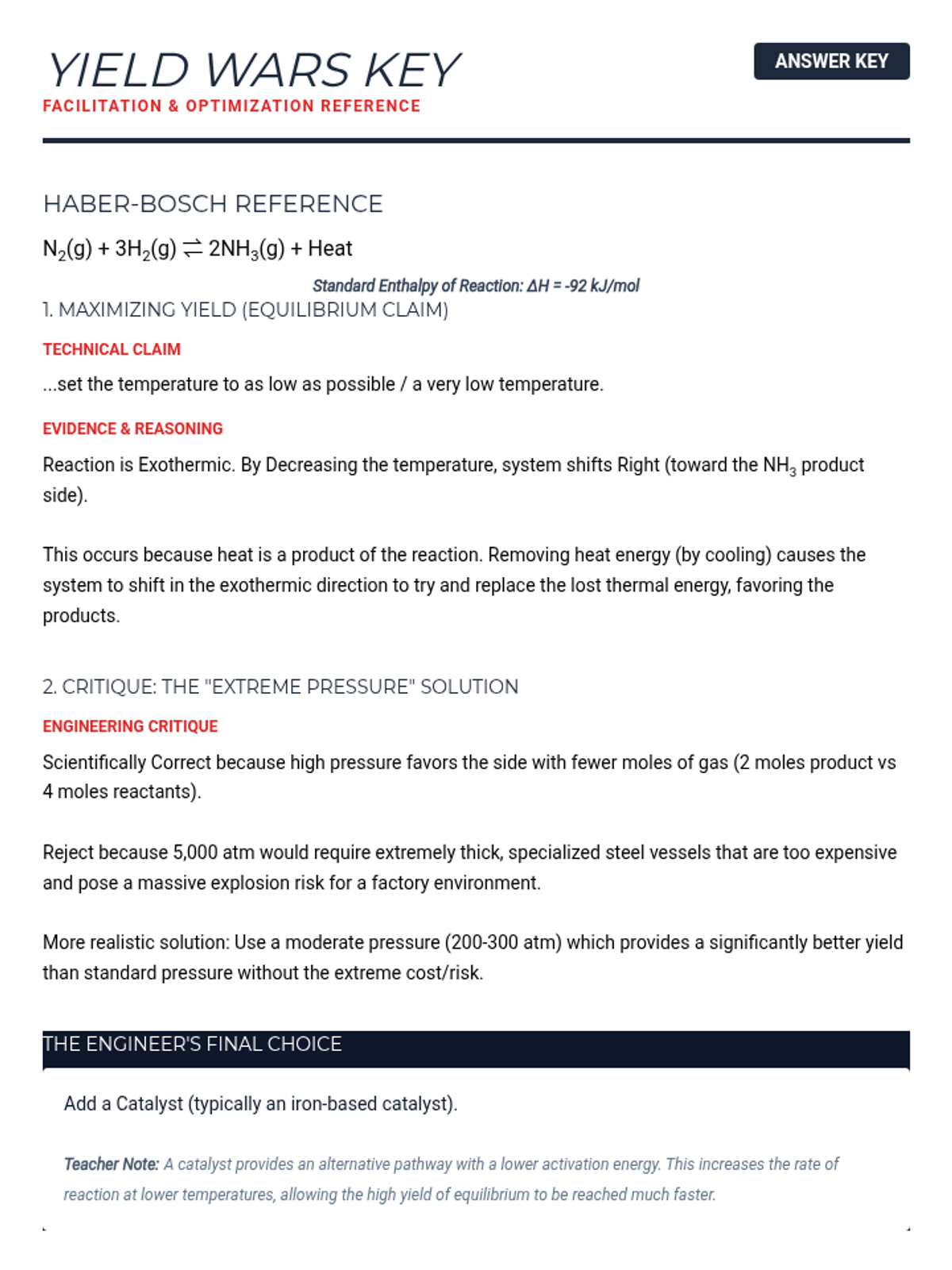
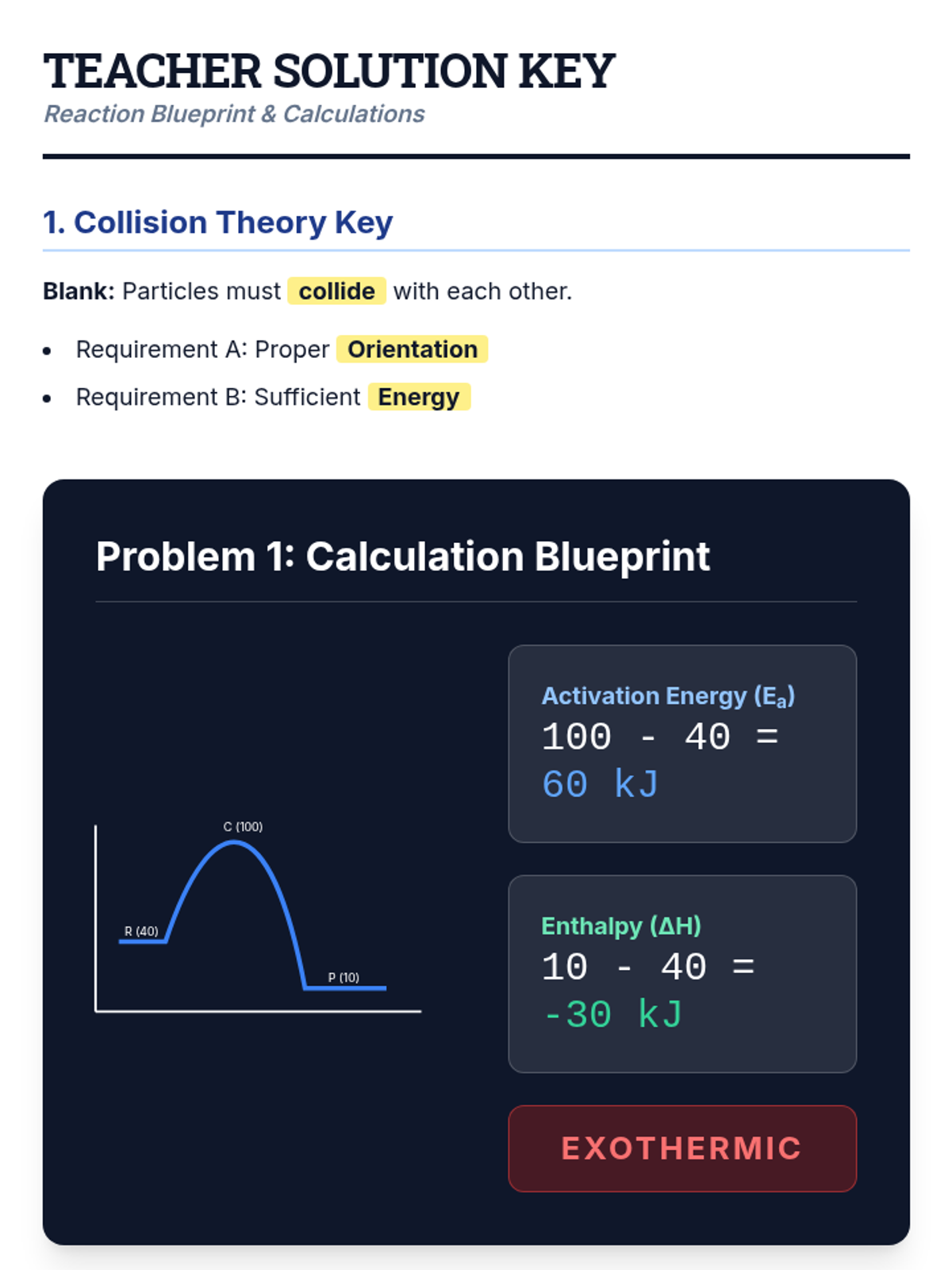
A comprehensive review phase for the Reaction Dynamics unit. Students synthesize their knowledge of collision theory, energy pathways, and equilibrium shifts through a focused study guide and a unit-wide conceptual assessment.
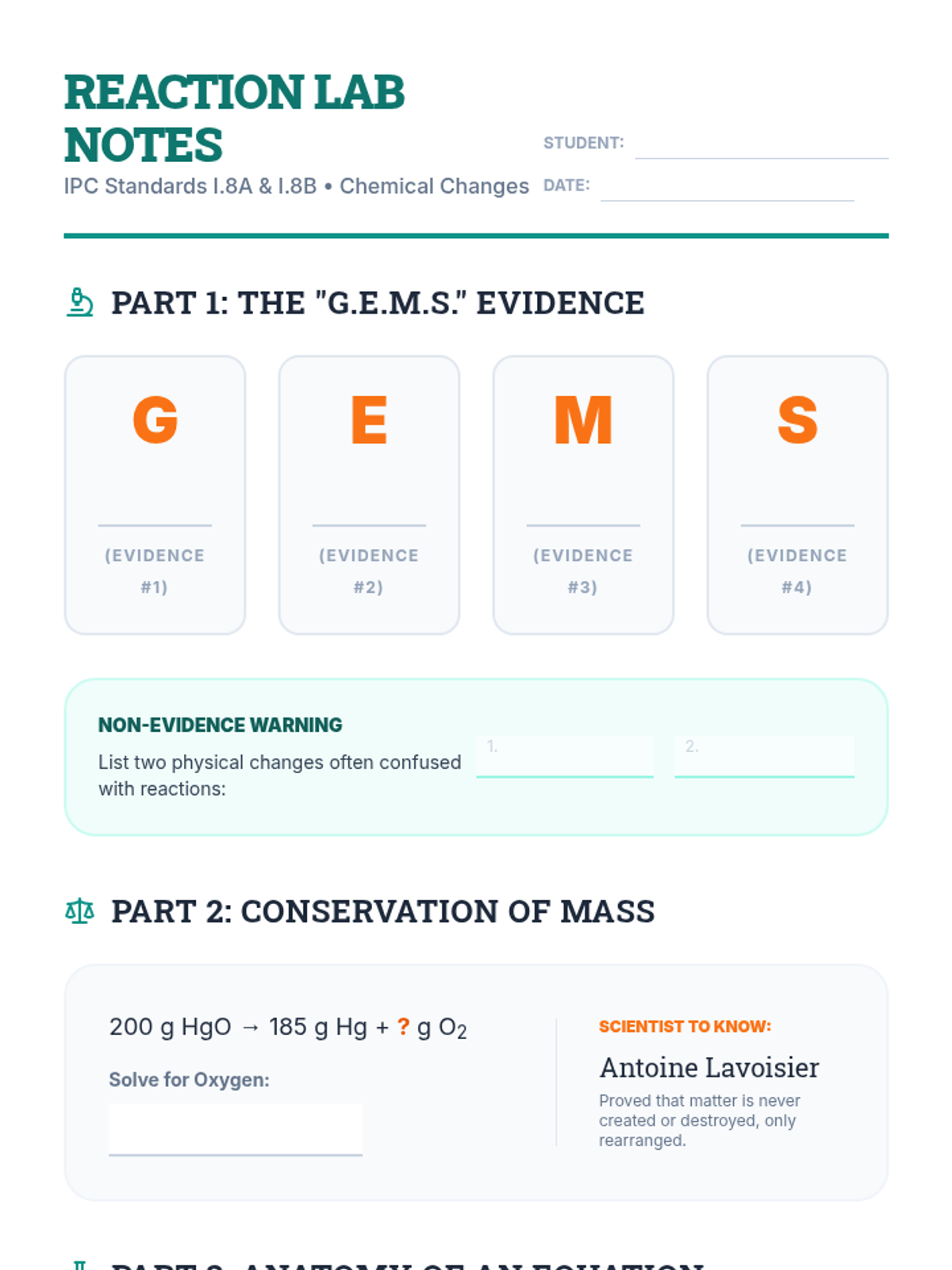
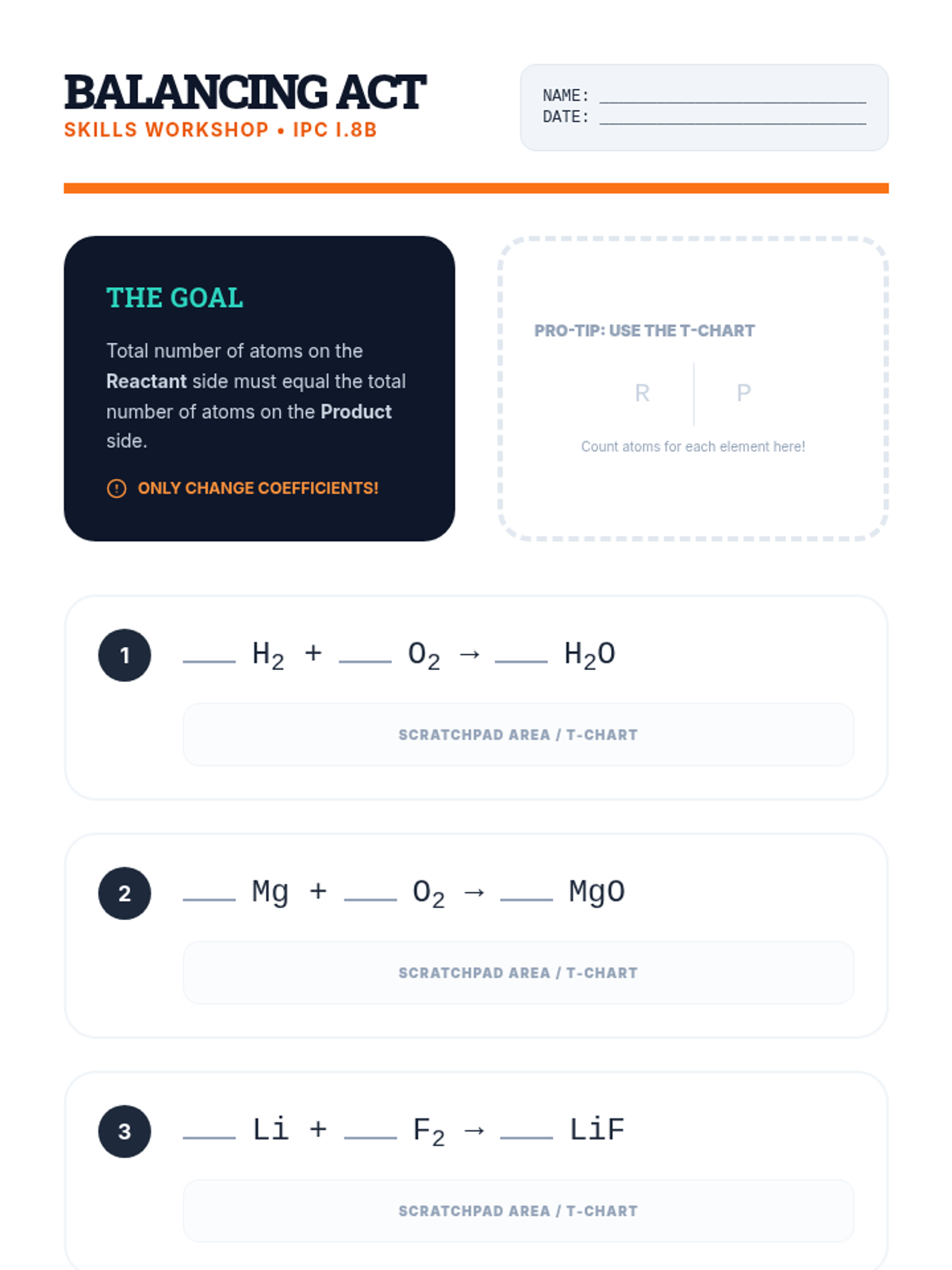
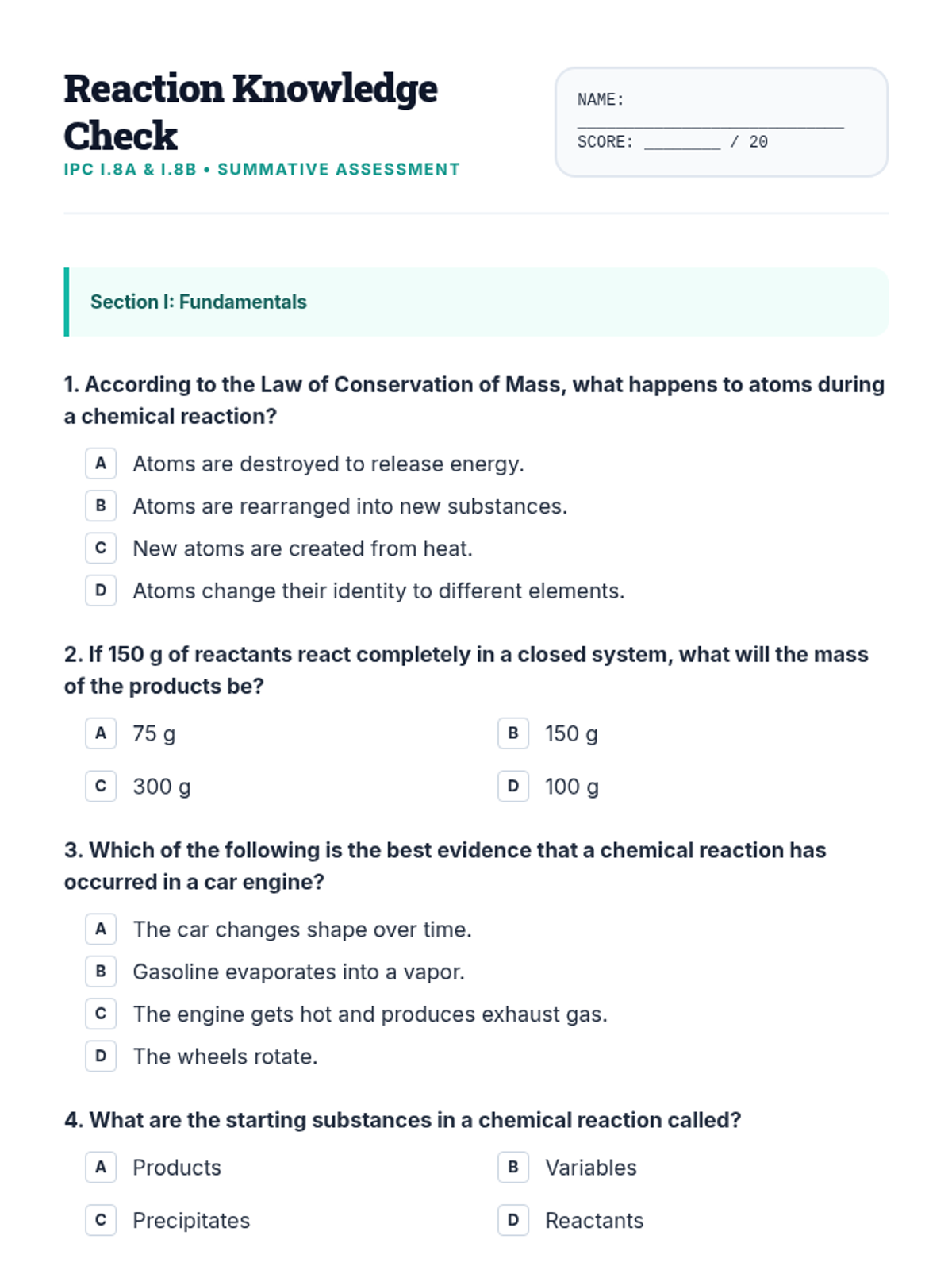
A comprehensive lesson on chemical reactions covering conservation of mass, balancing equations, evidence of reactions, and energy changes. Students will engage with visual slides, practice worksheets, and a summative assessment.
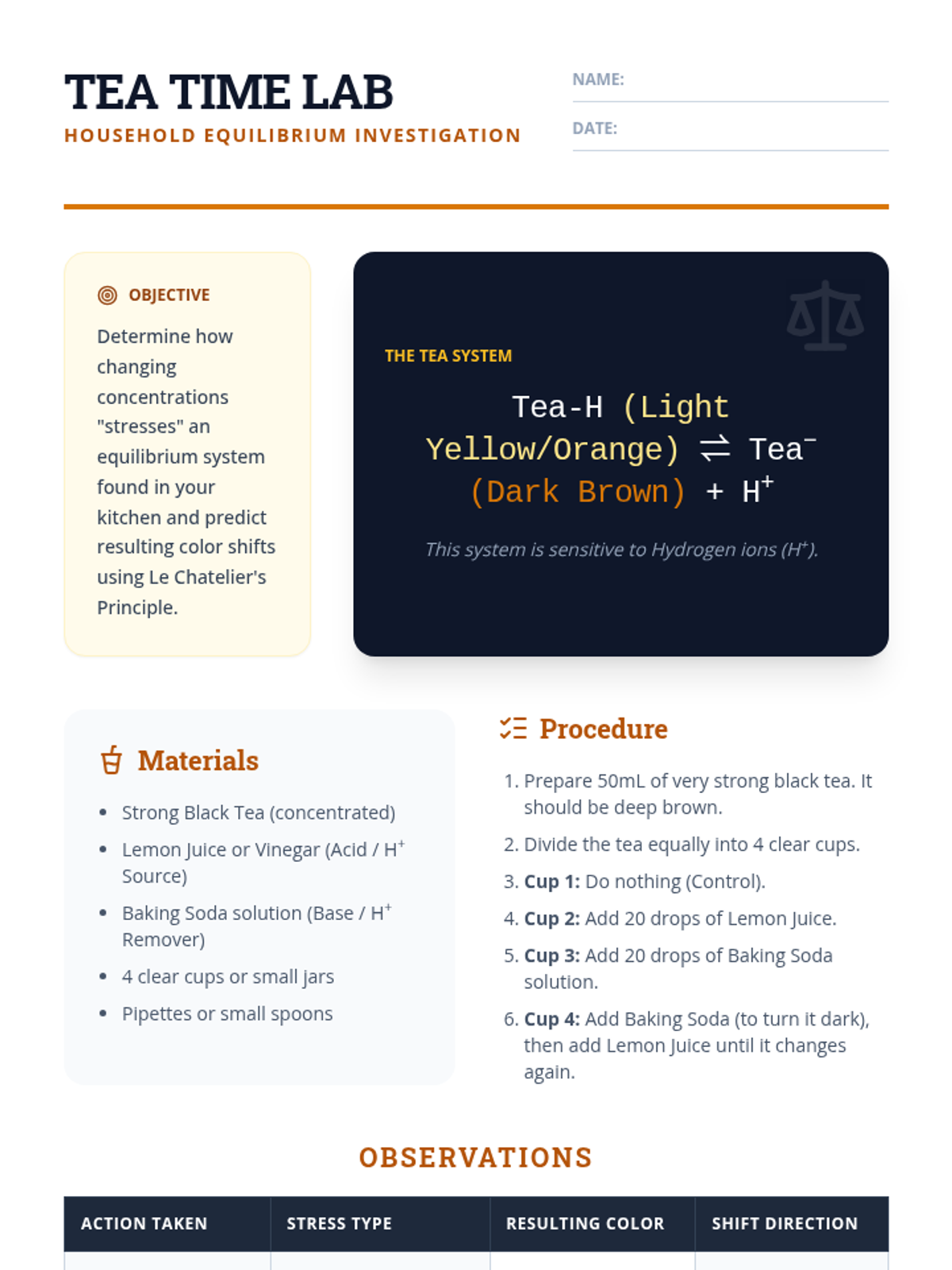
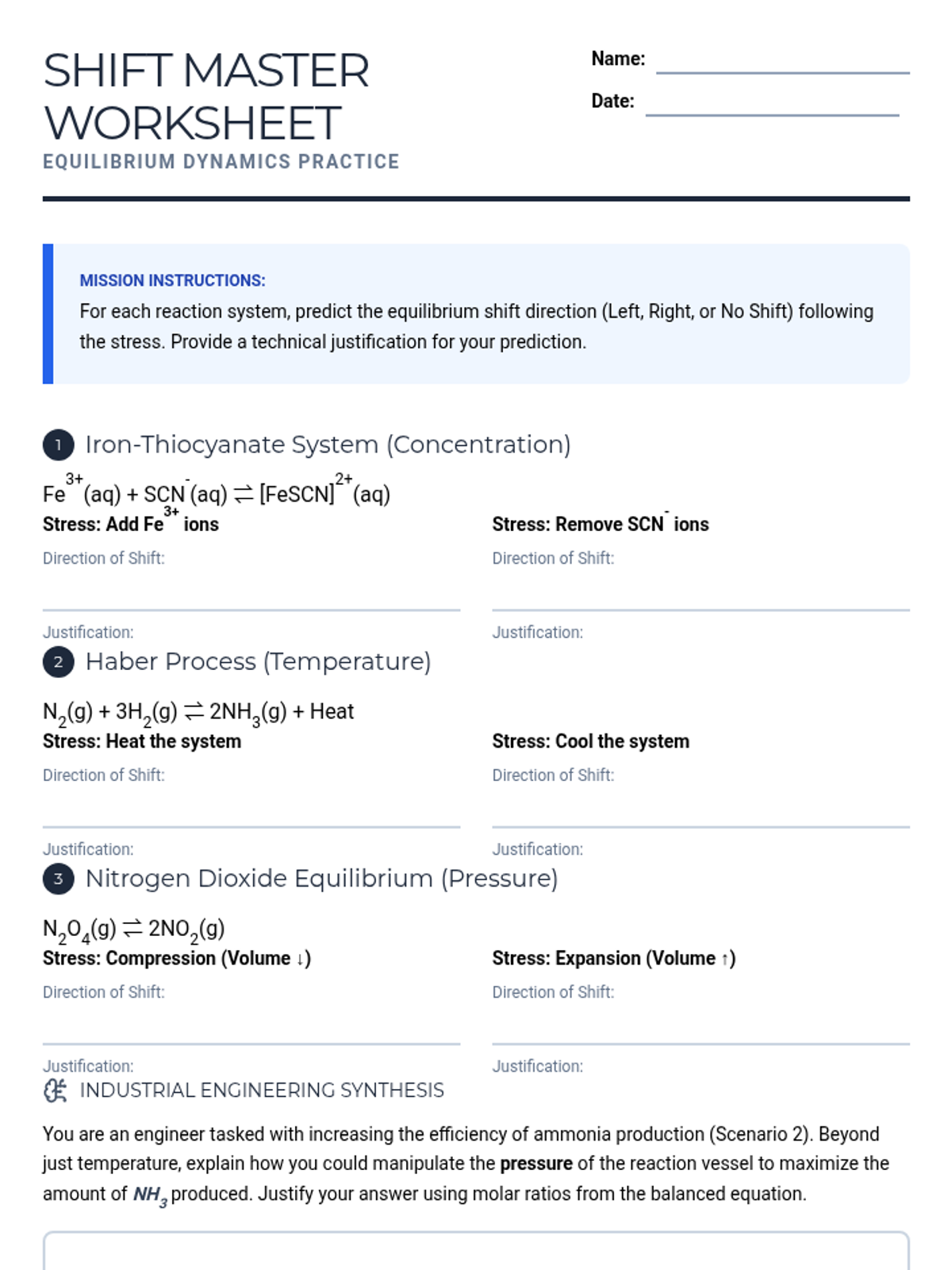
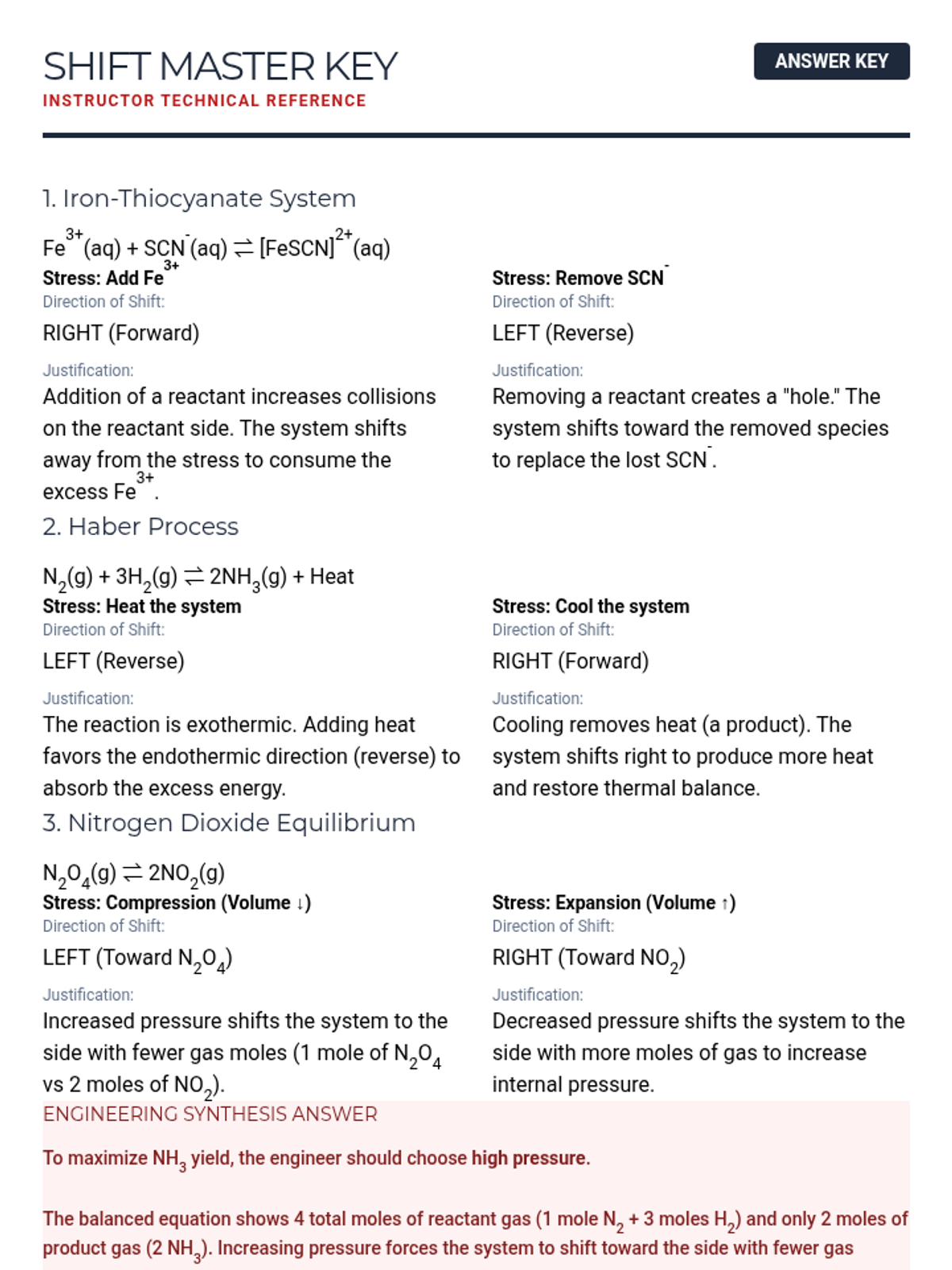
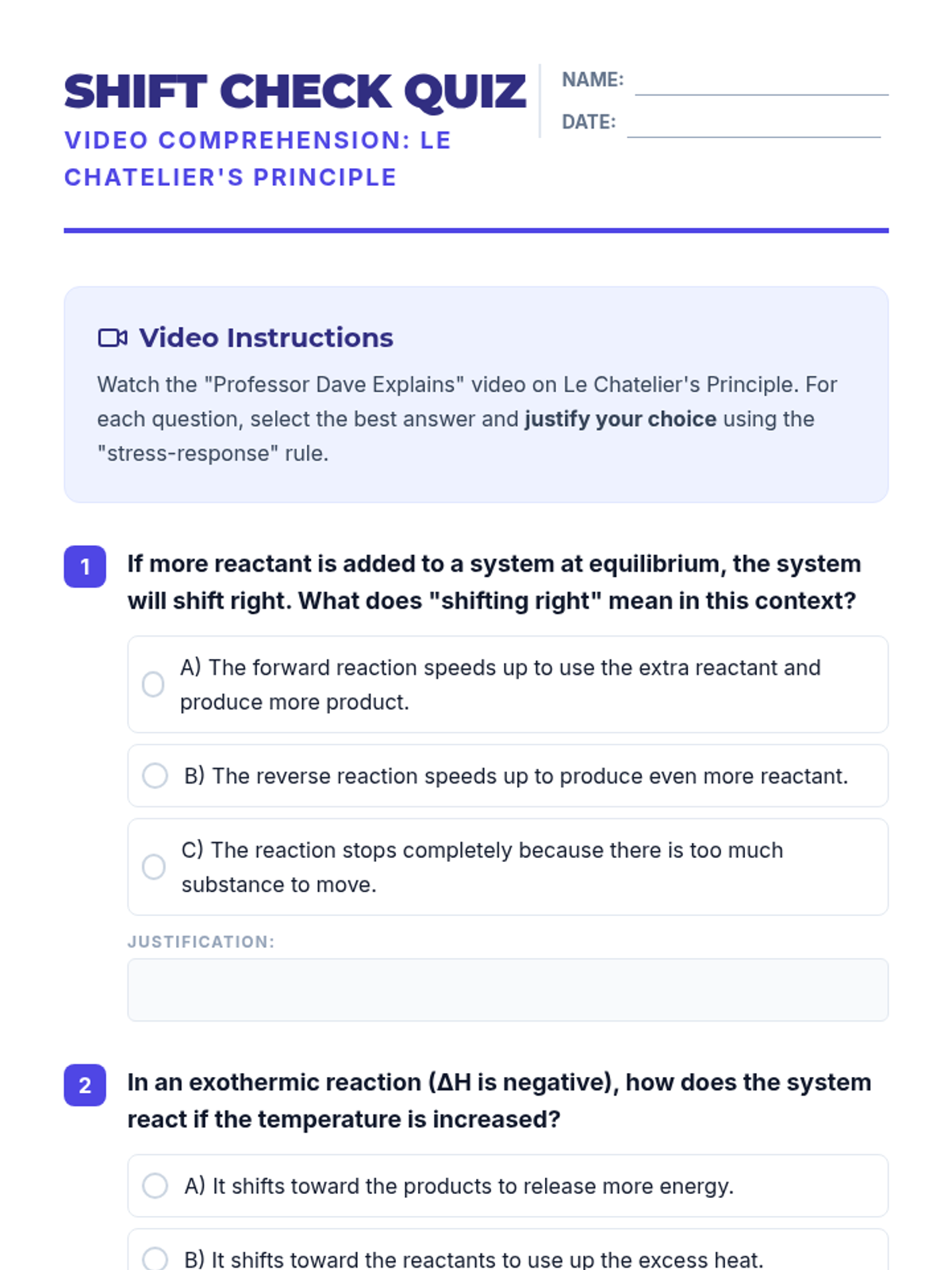
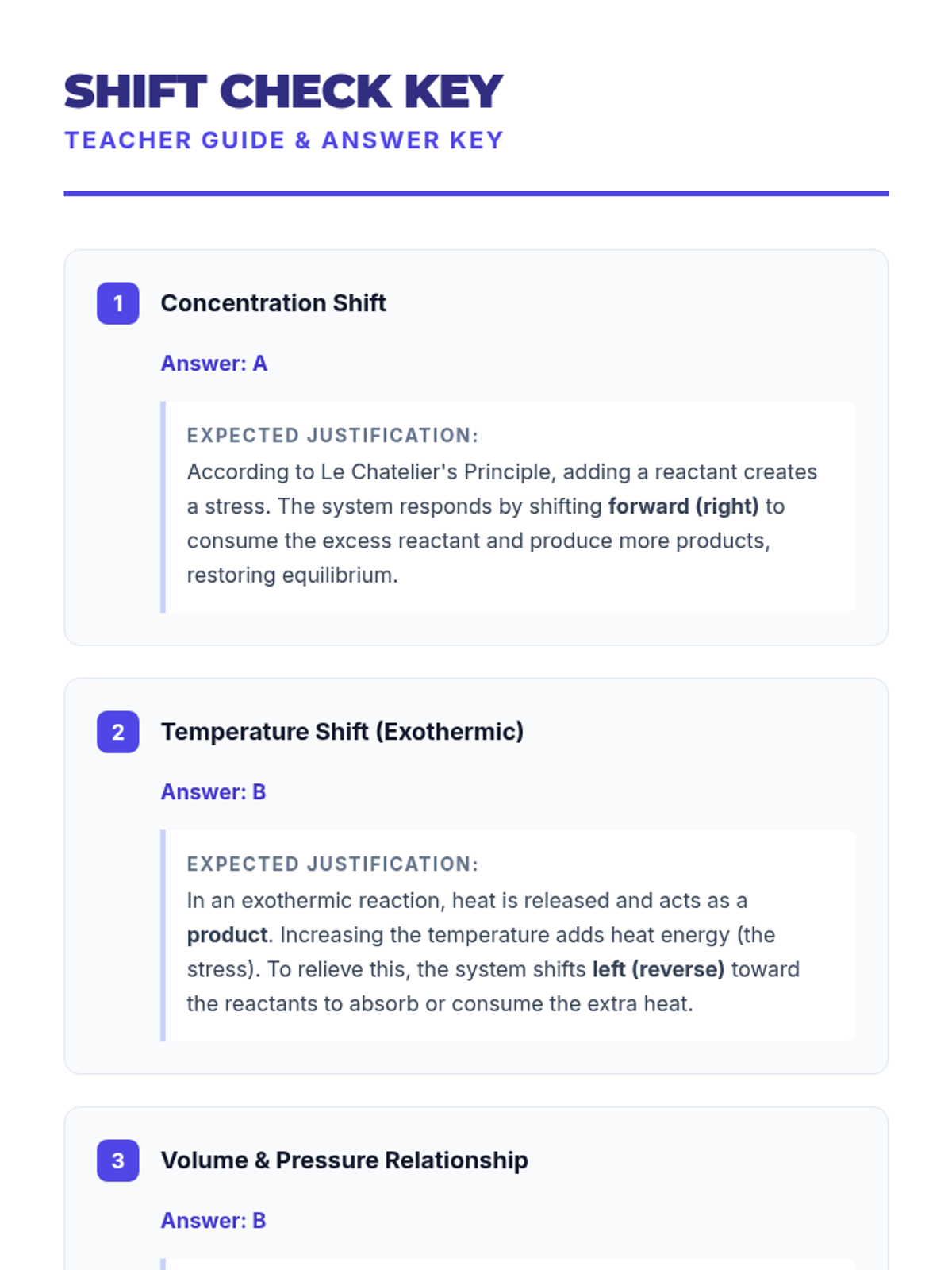
An investigation of Le Chatelier's Principle. Students apply external stresses—concentration and temperature changes—to the Iron(III) thiocyanate equilibrium system to observe, predict, and explain how a system at balance responds to change.
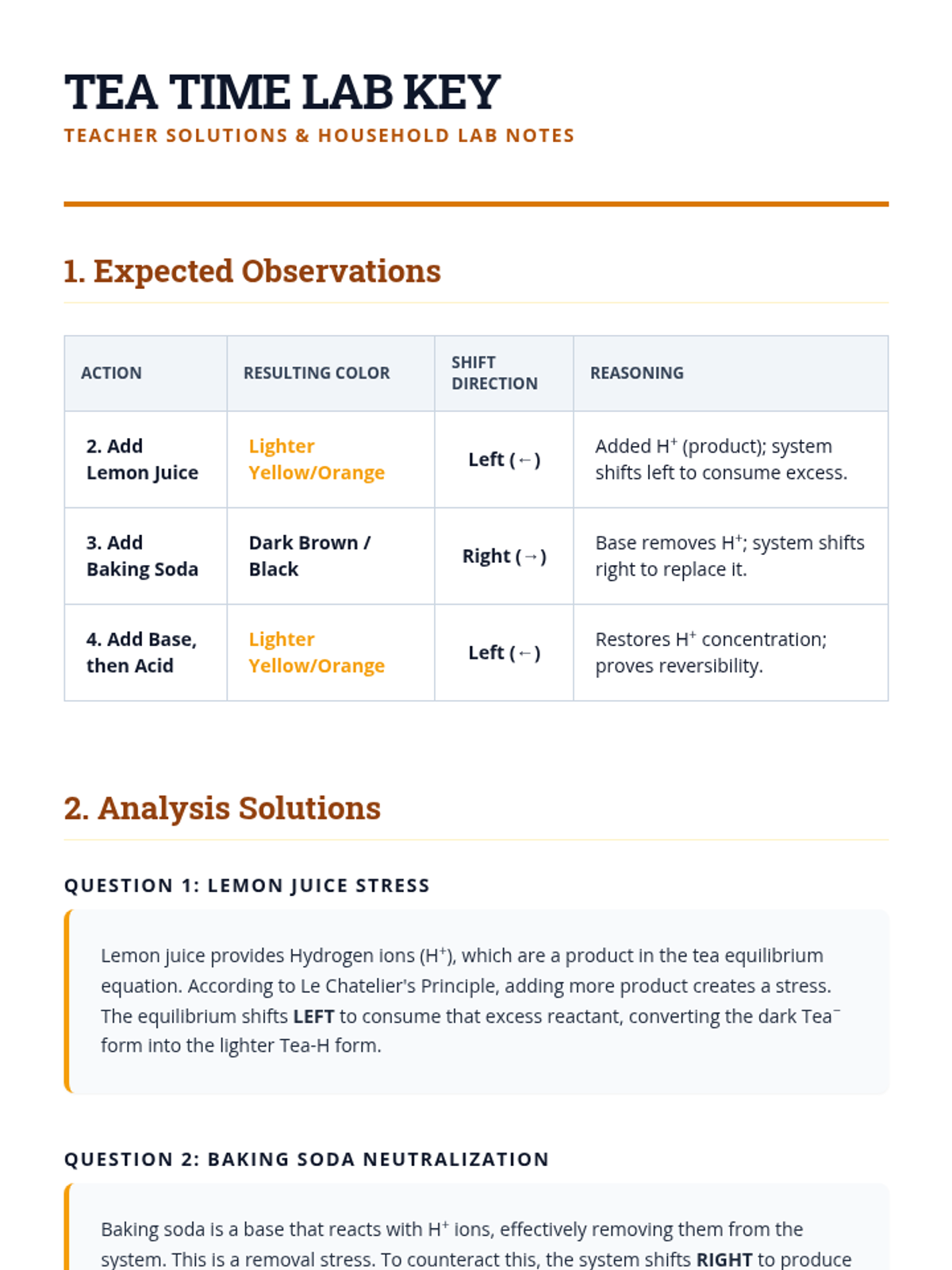
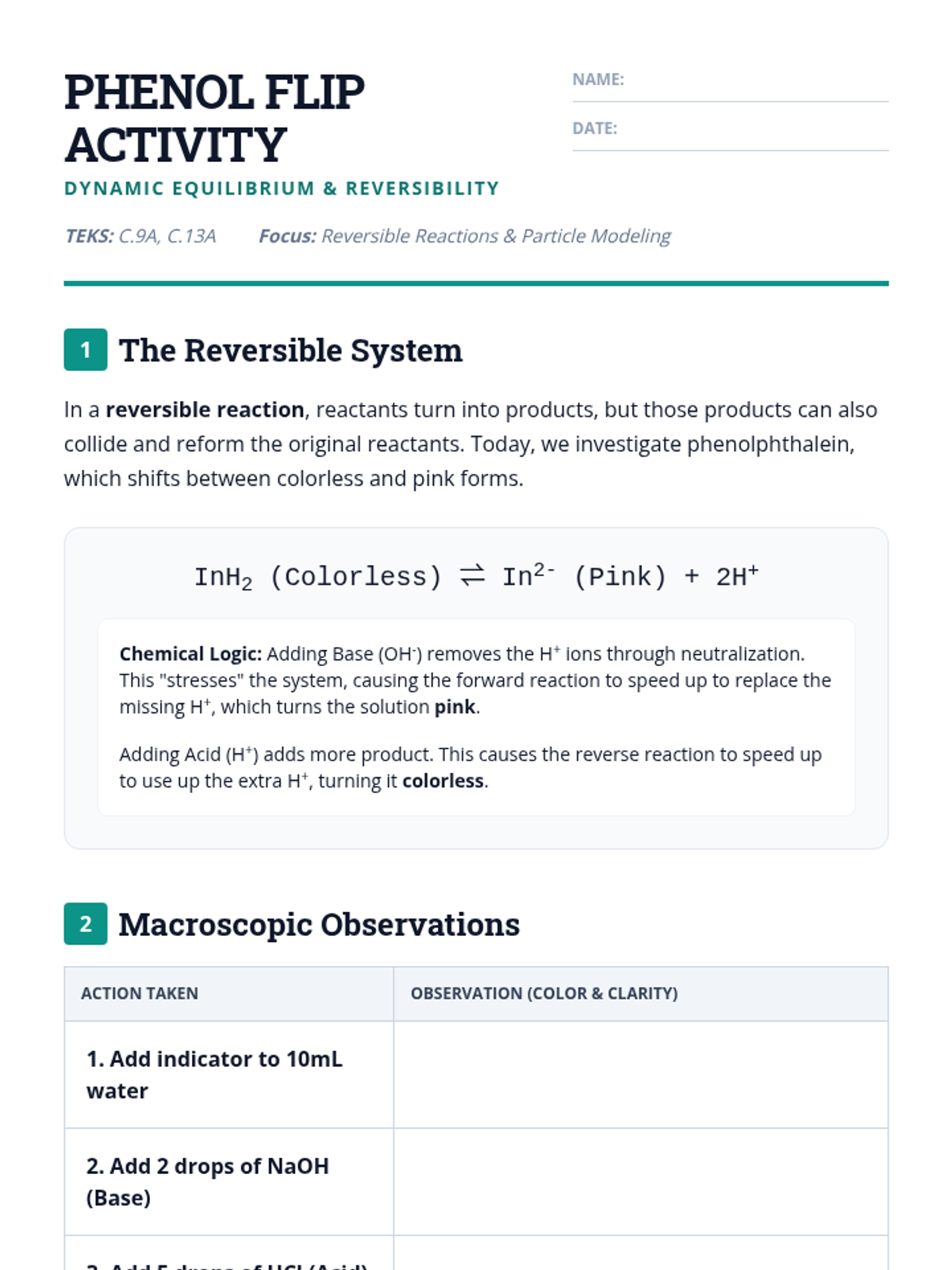
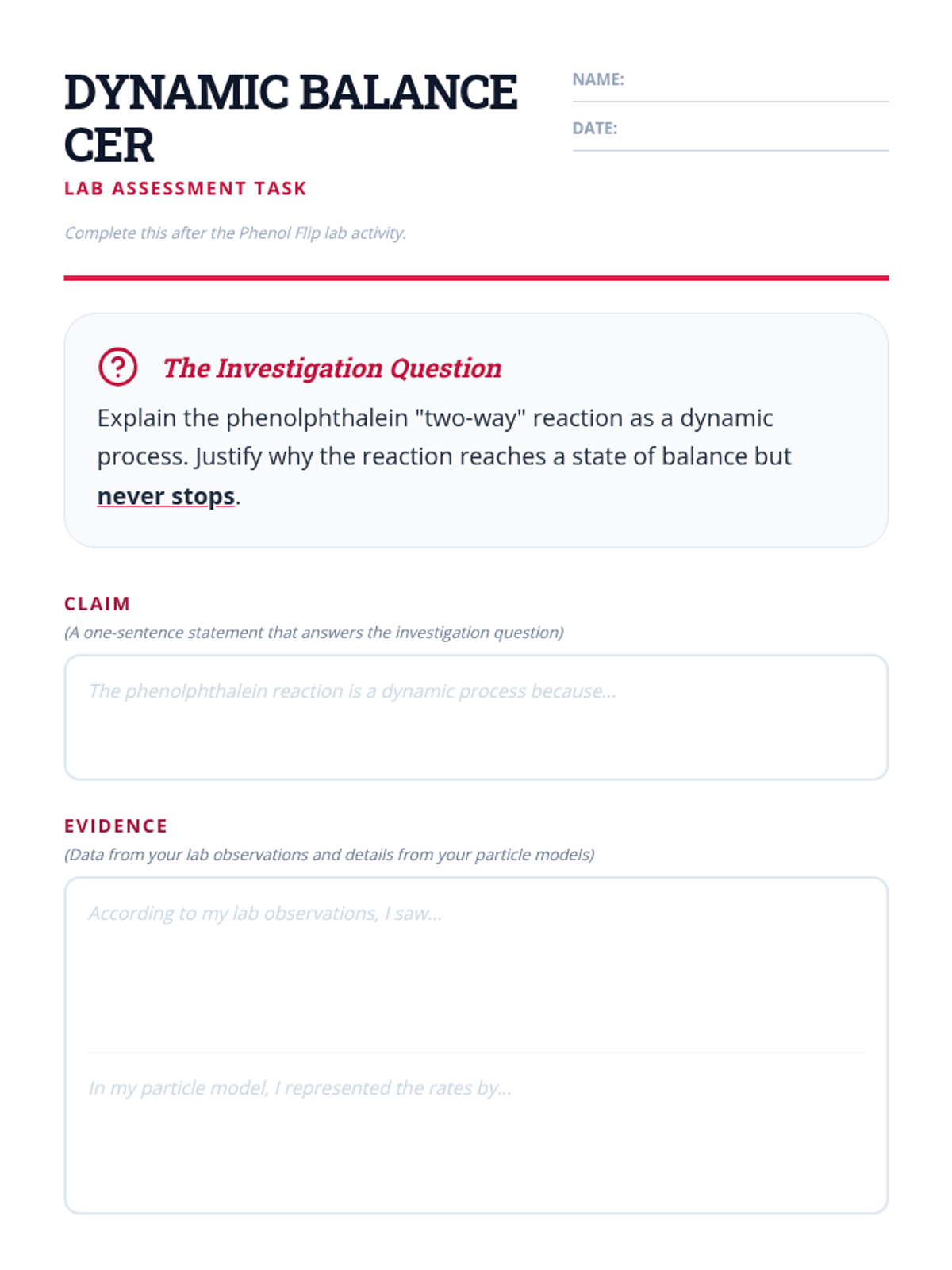
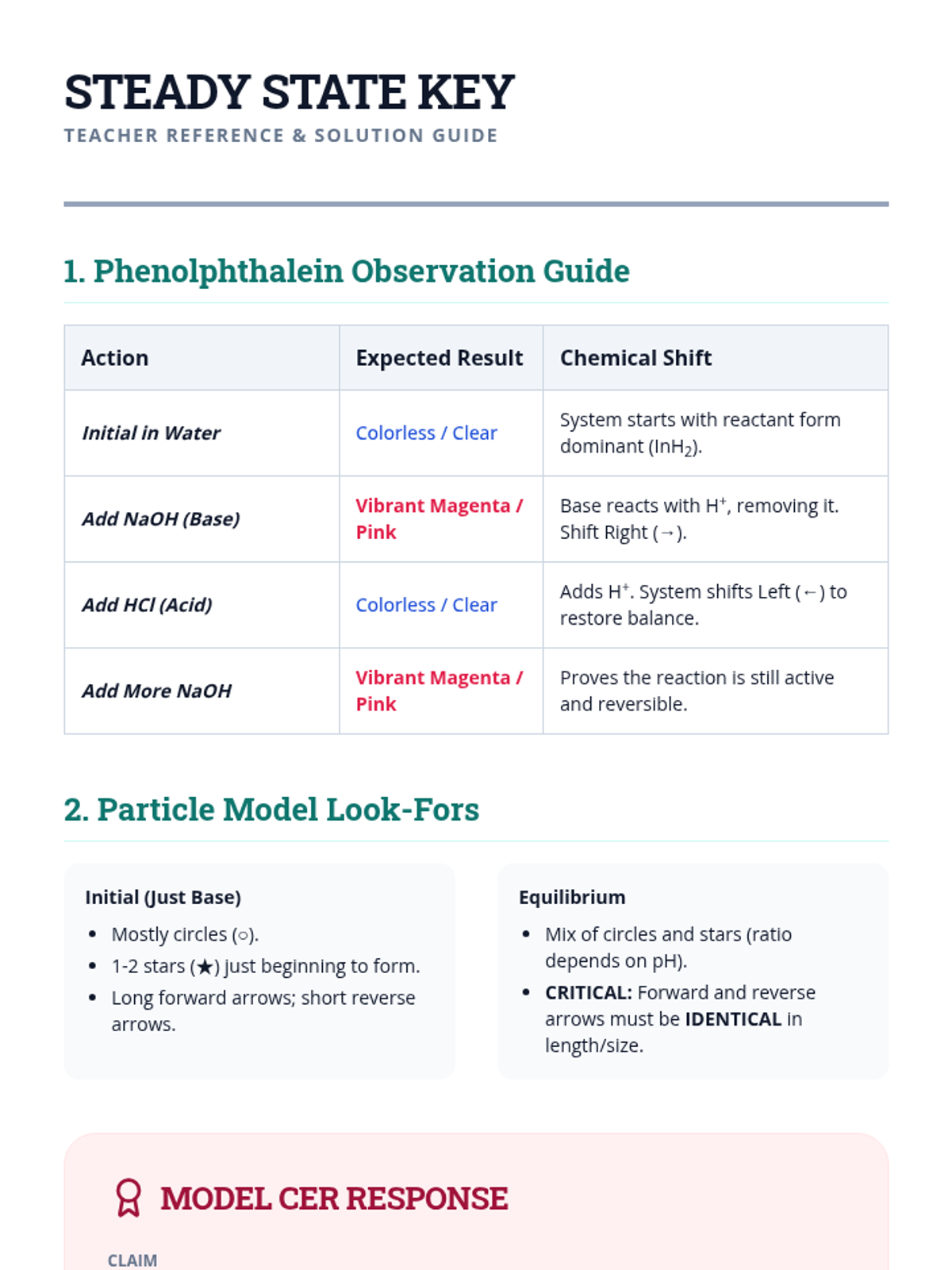
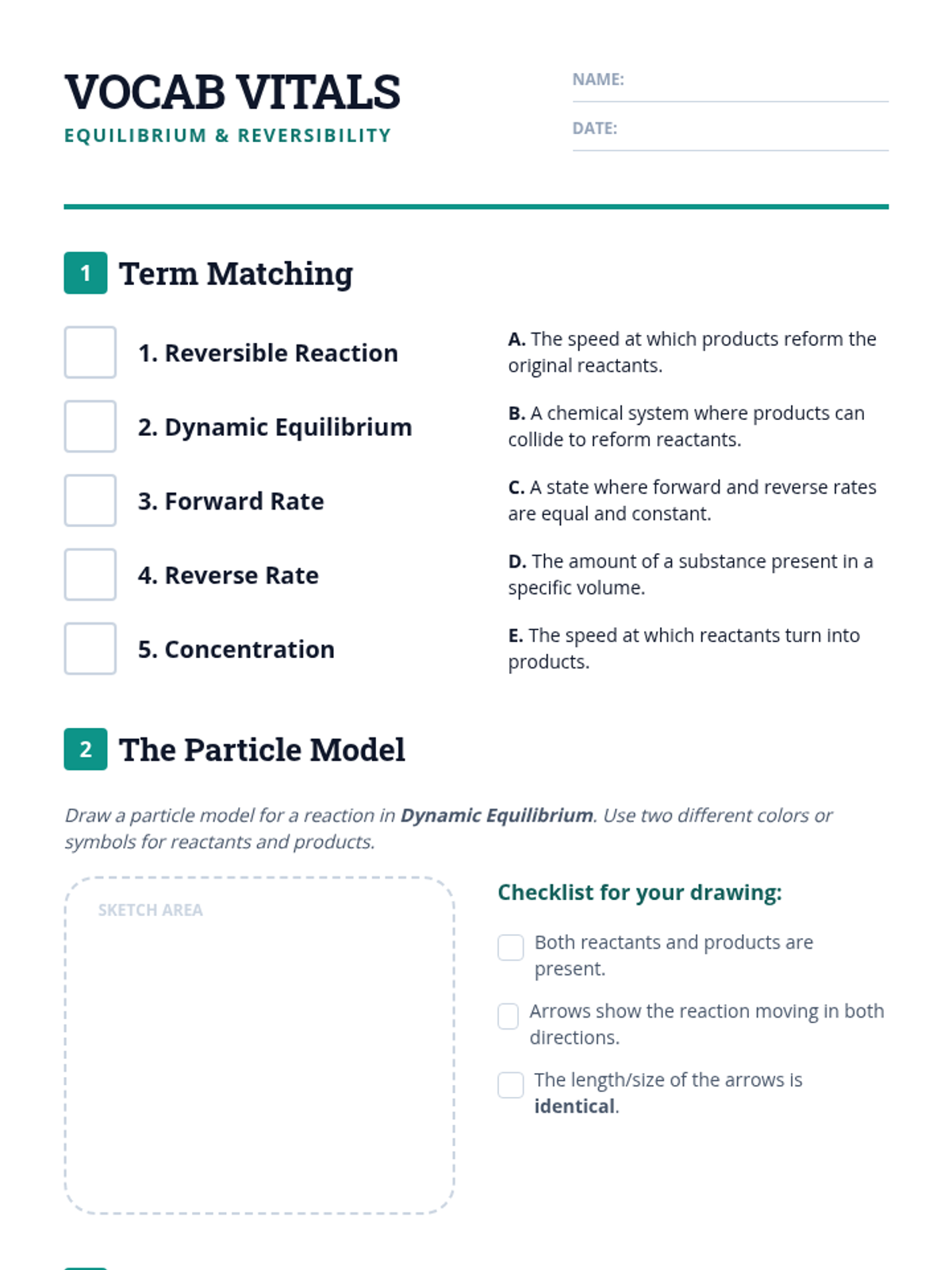
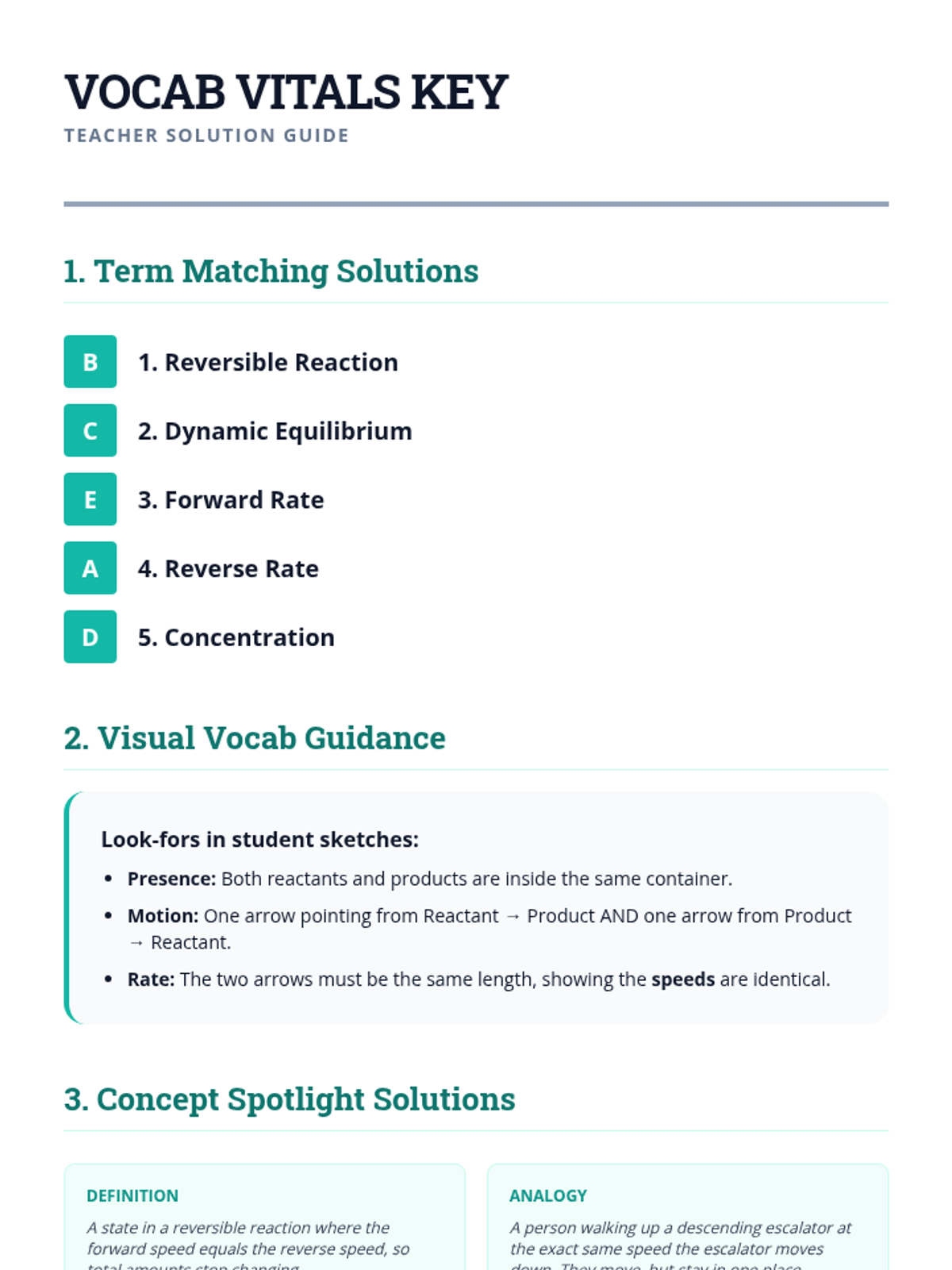
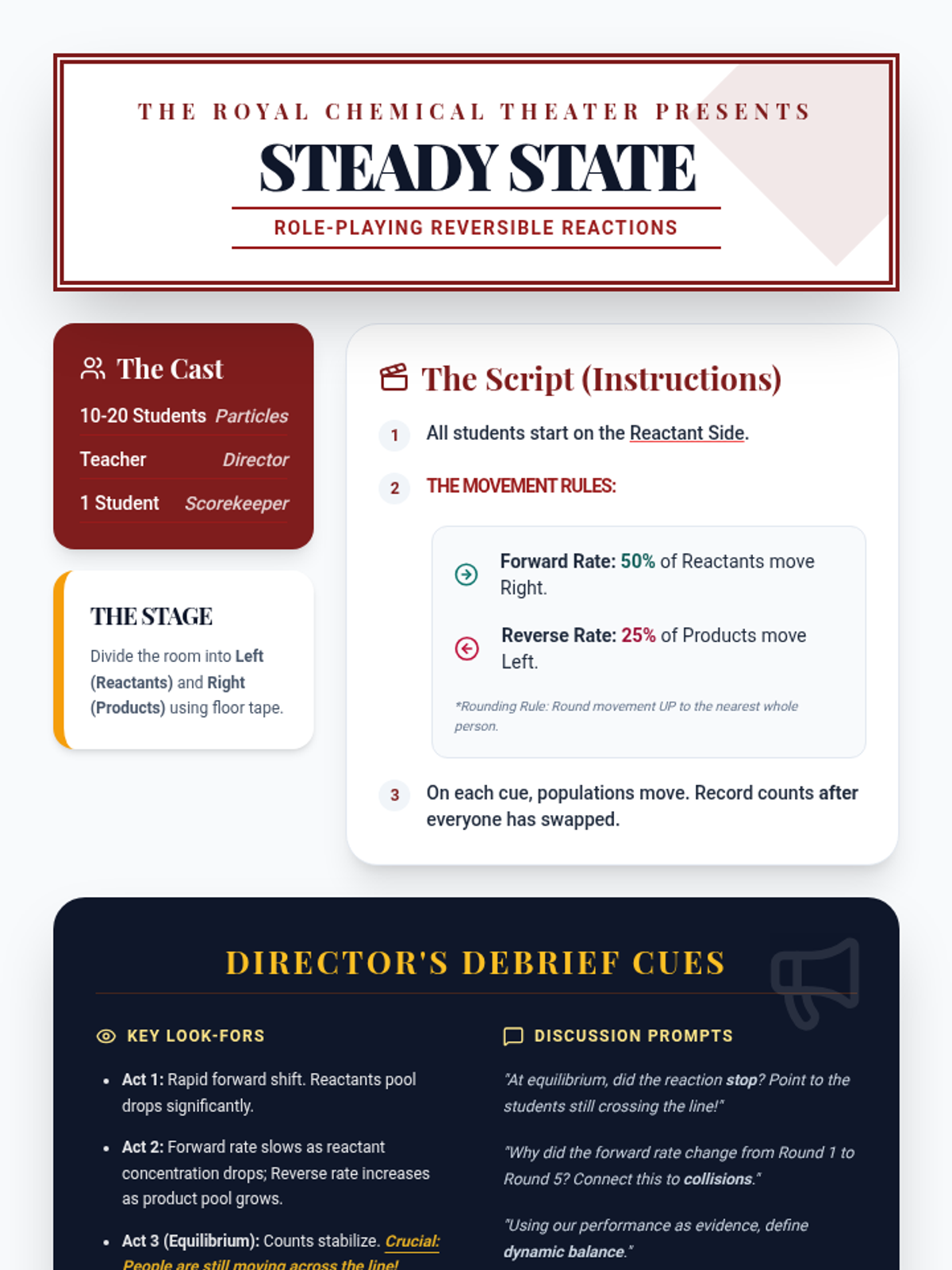
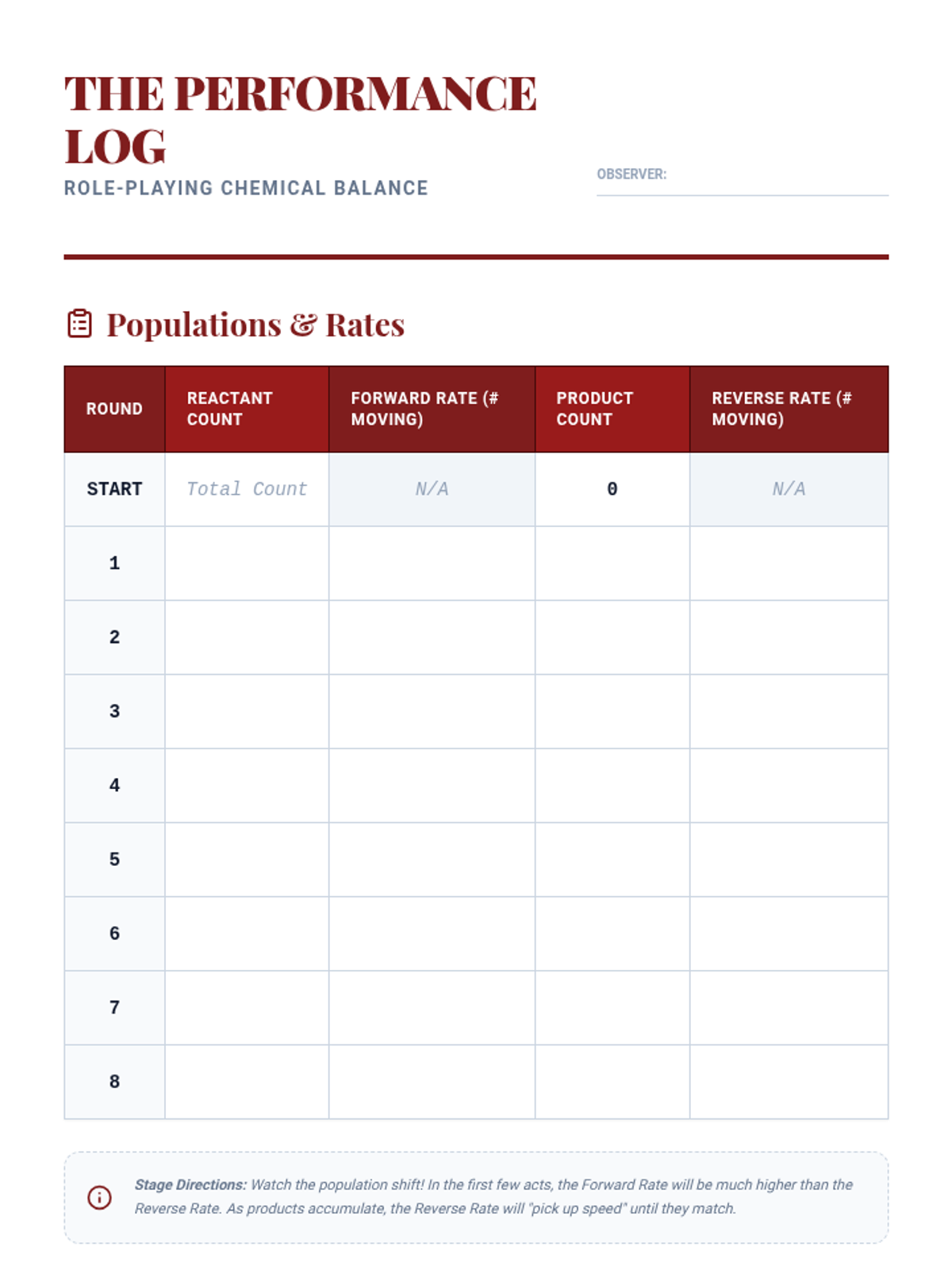
An introduction to reversible reactions and chemical equilibrium. Students use particle models and a pH-sensitive chemical indicator to visualize how reactions can occur in both directions and reach a point where forward and reverse rates are equal.
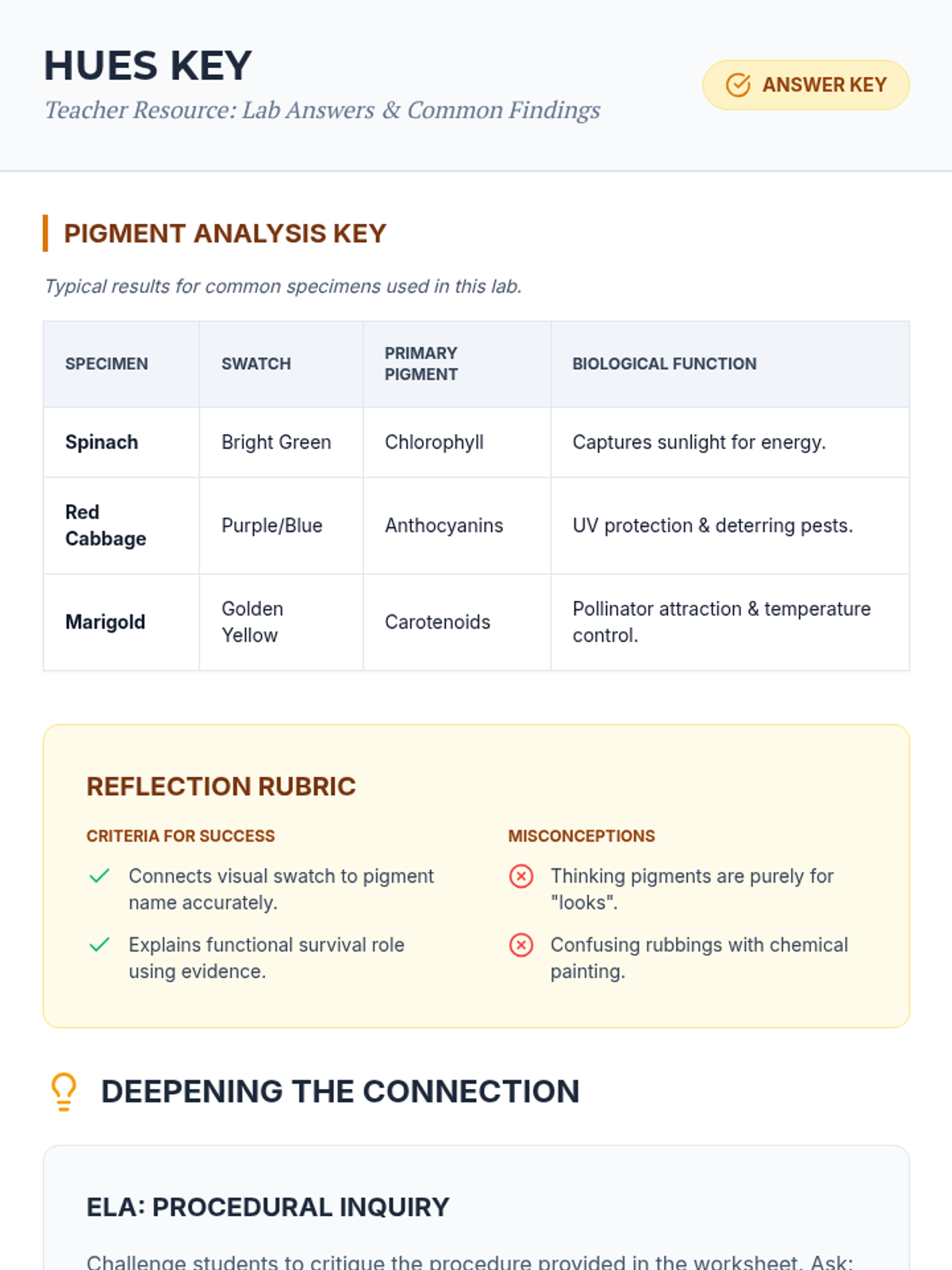
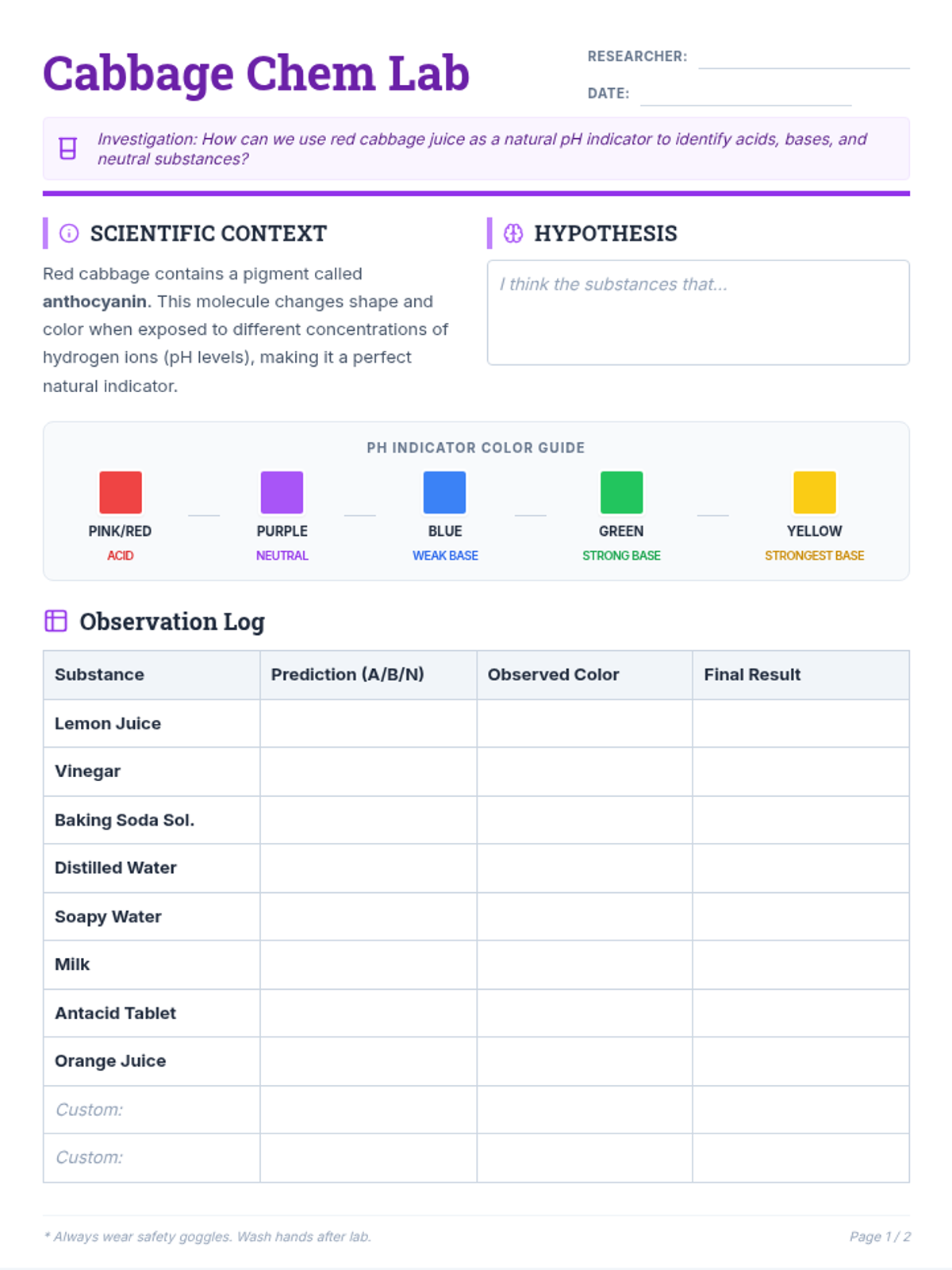
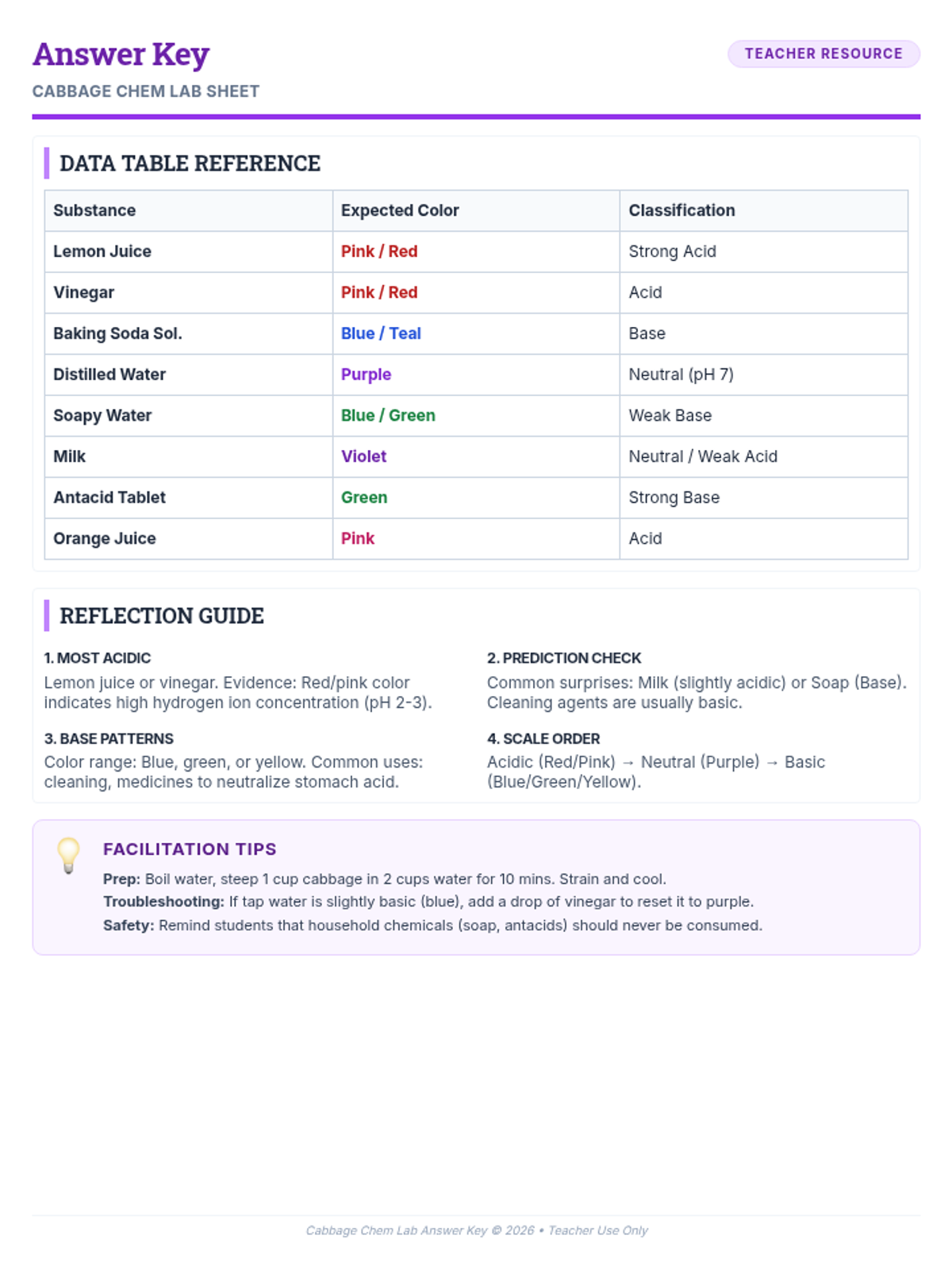
A hands-on investigation into pH levels using red cabbage as a natural indicator to identify acids, bases, and neutral substances.
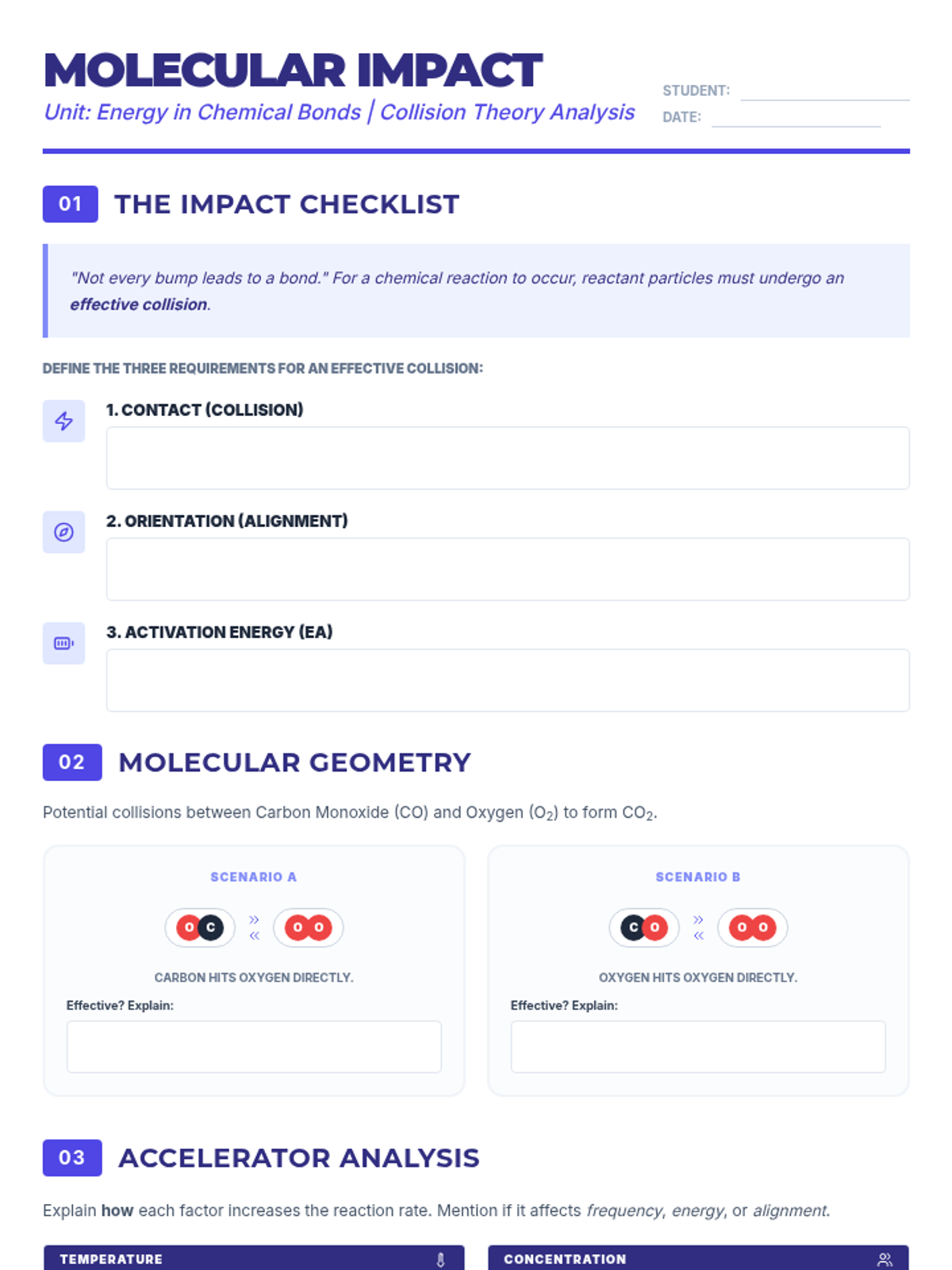
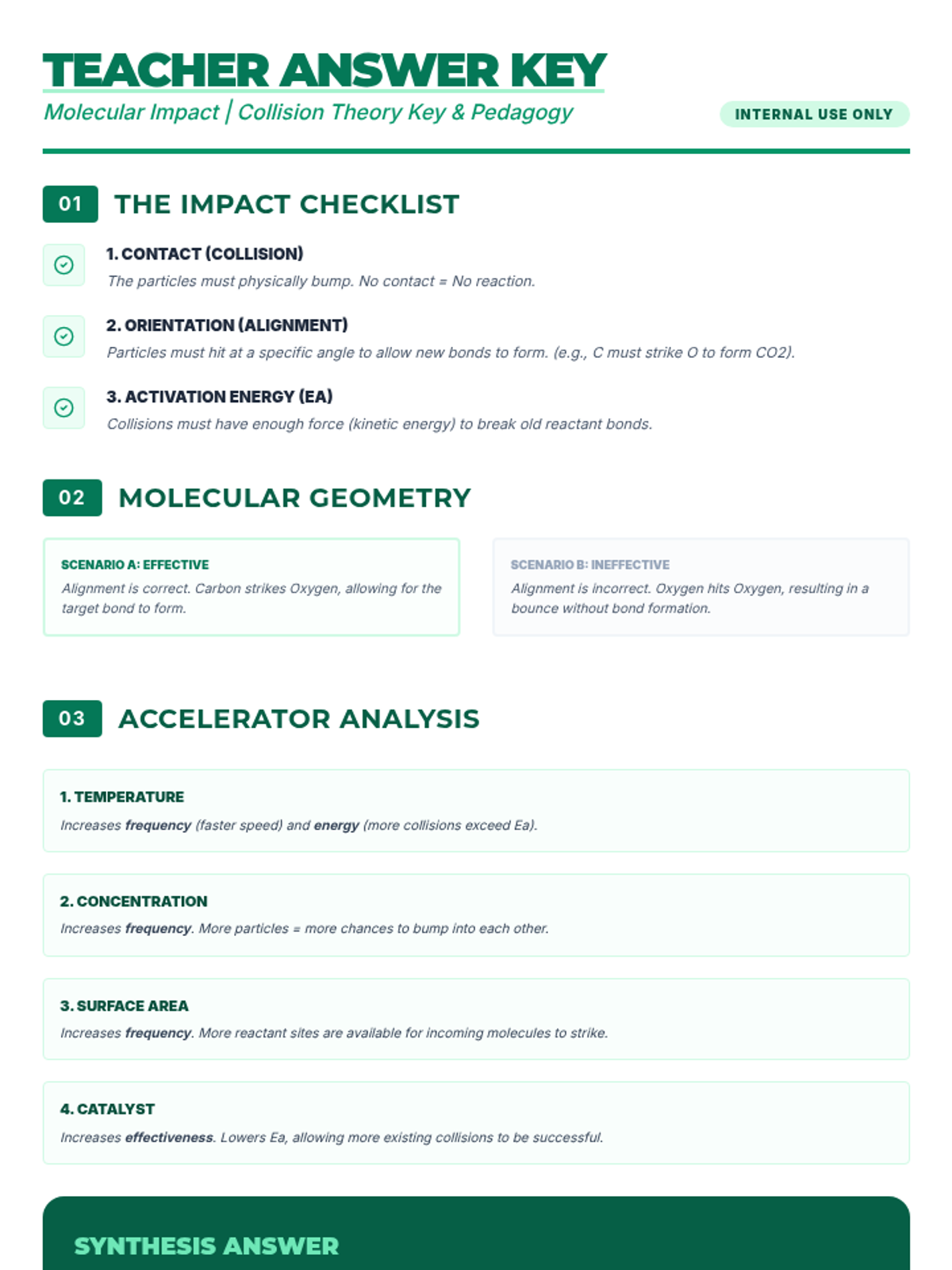
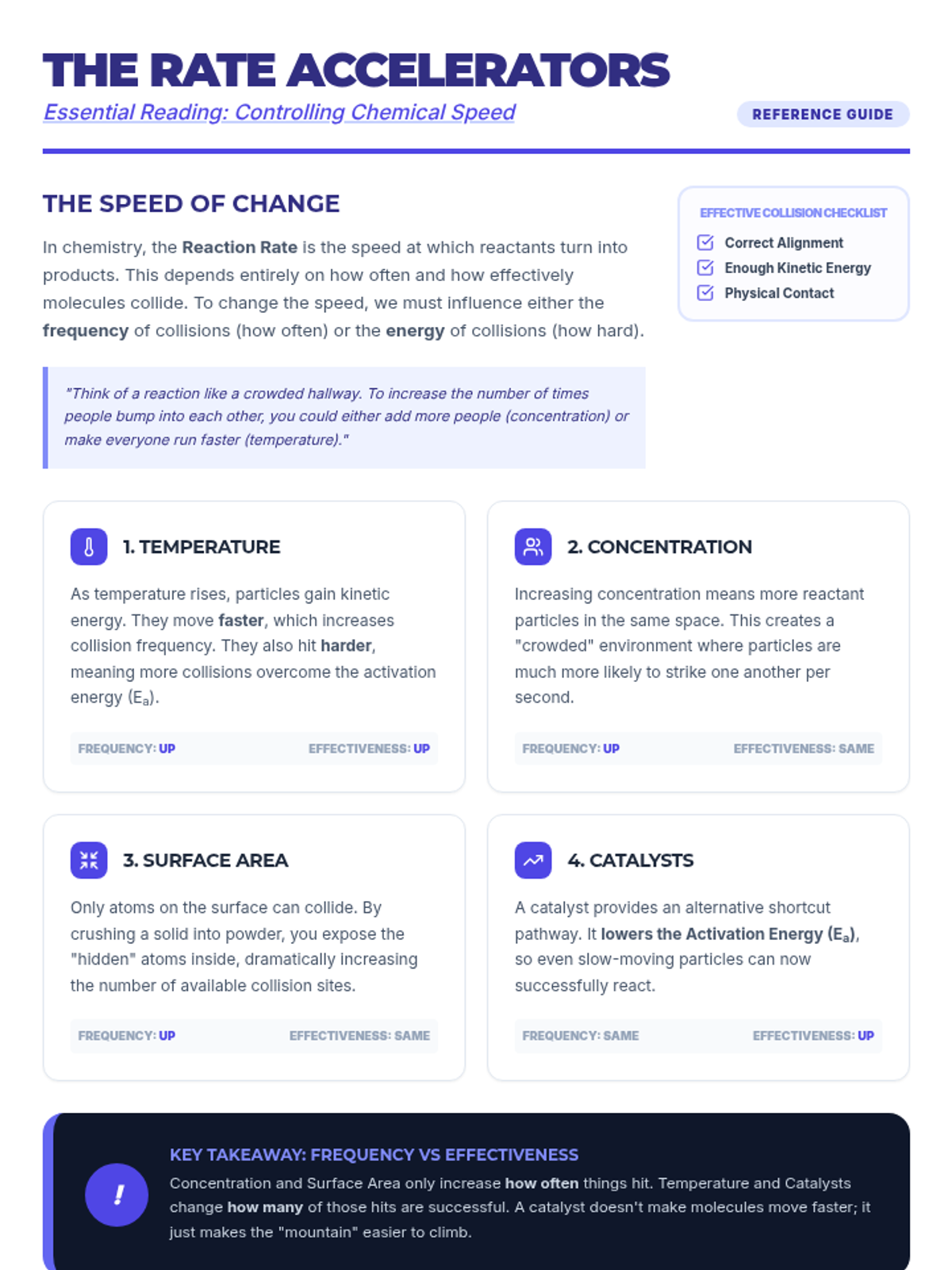
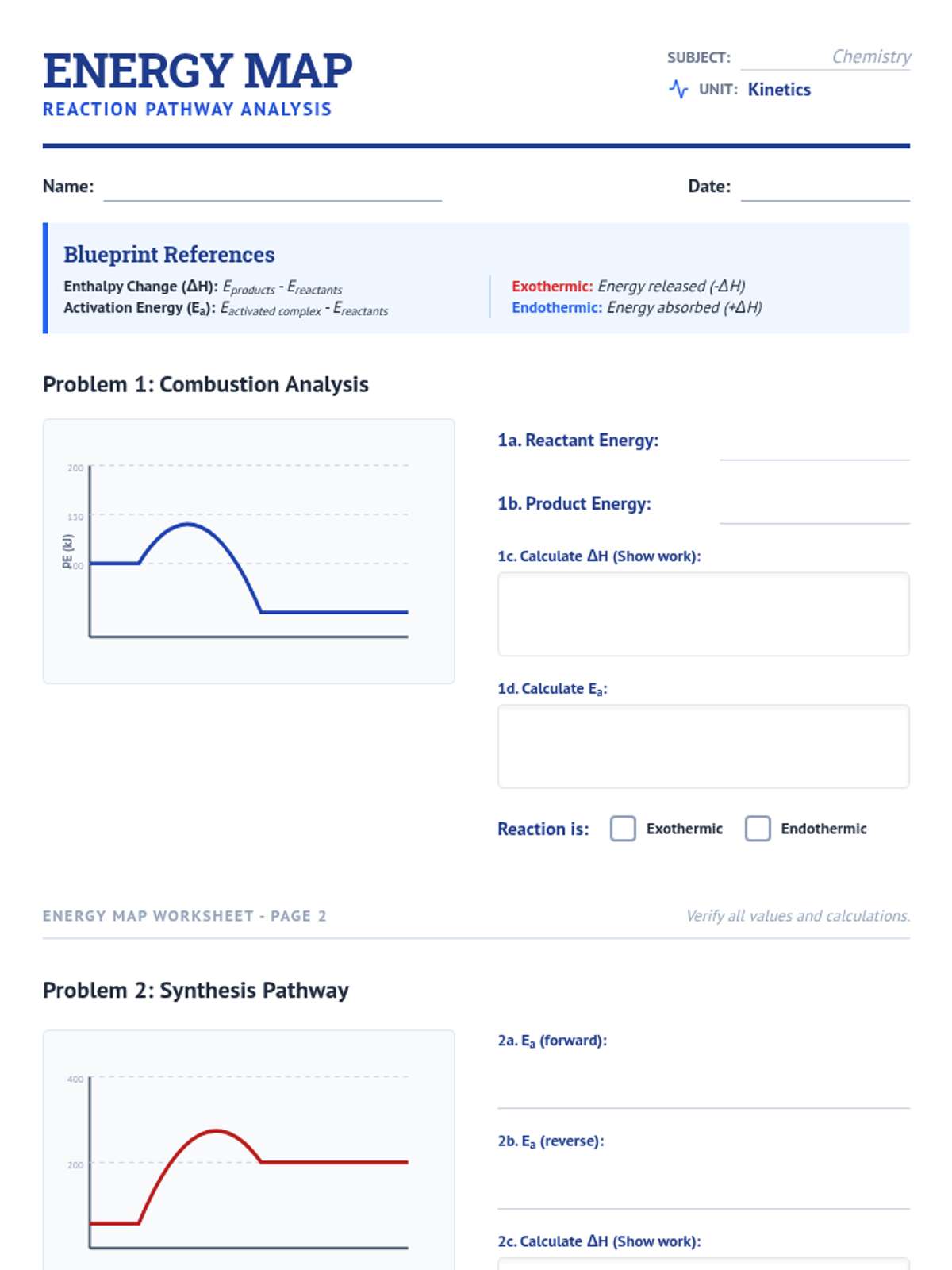
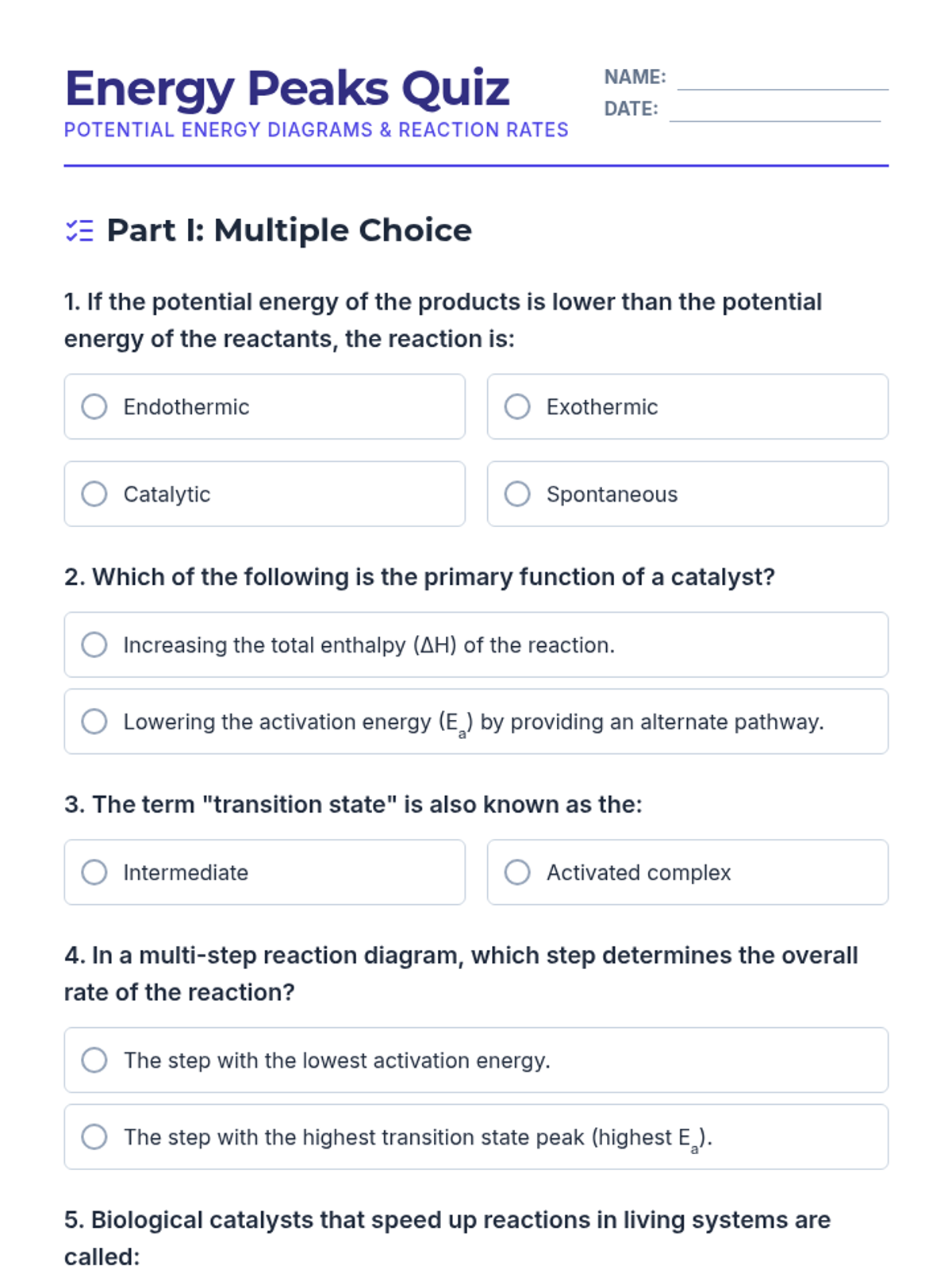
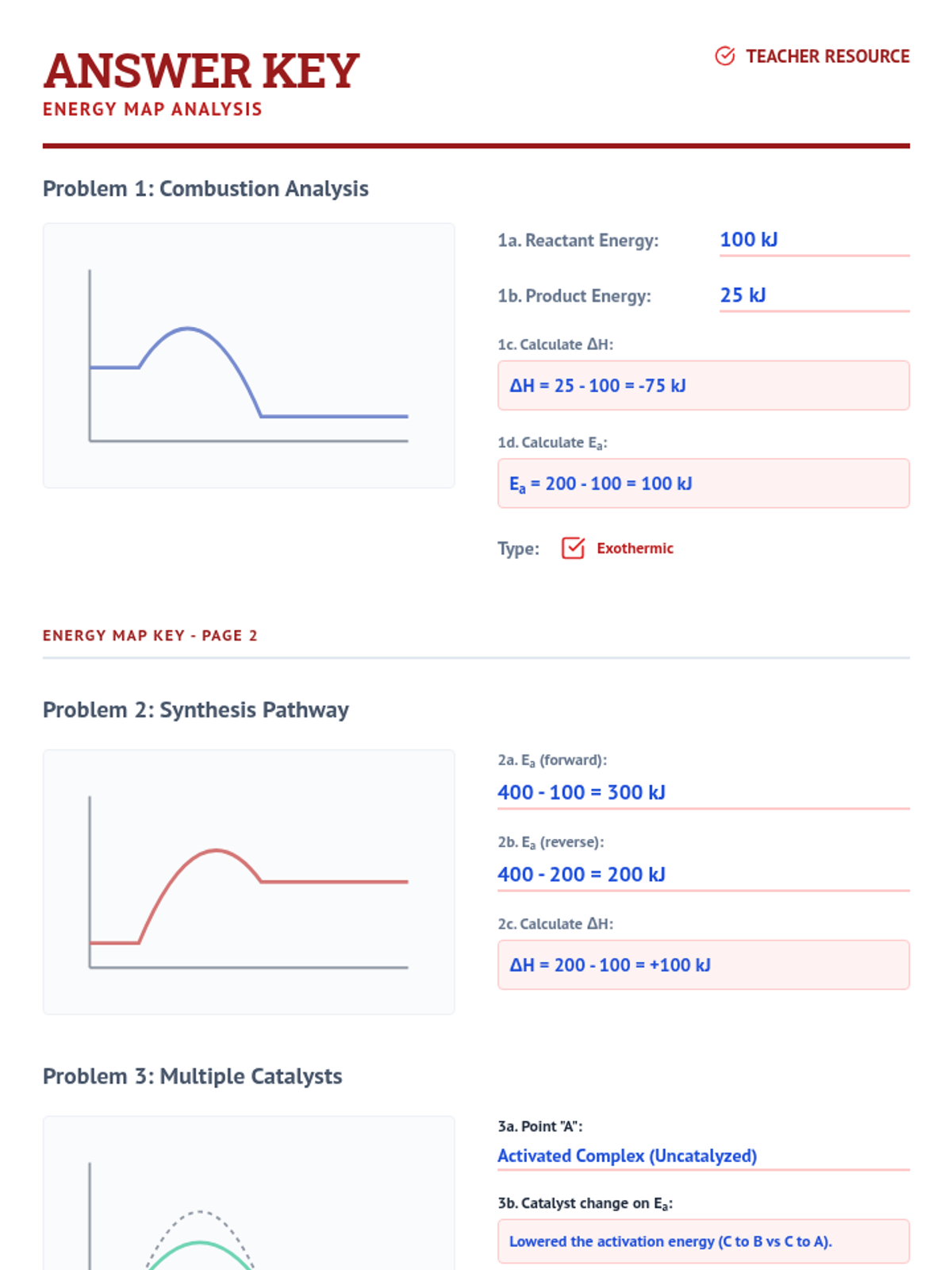
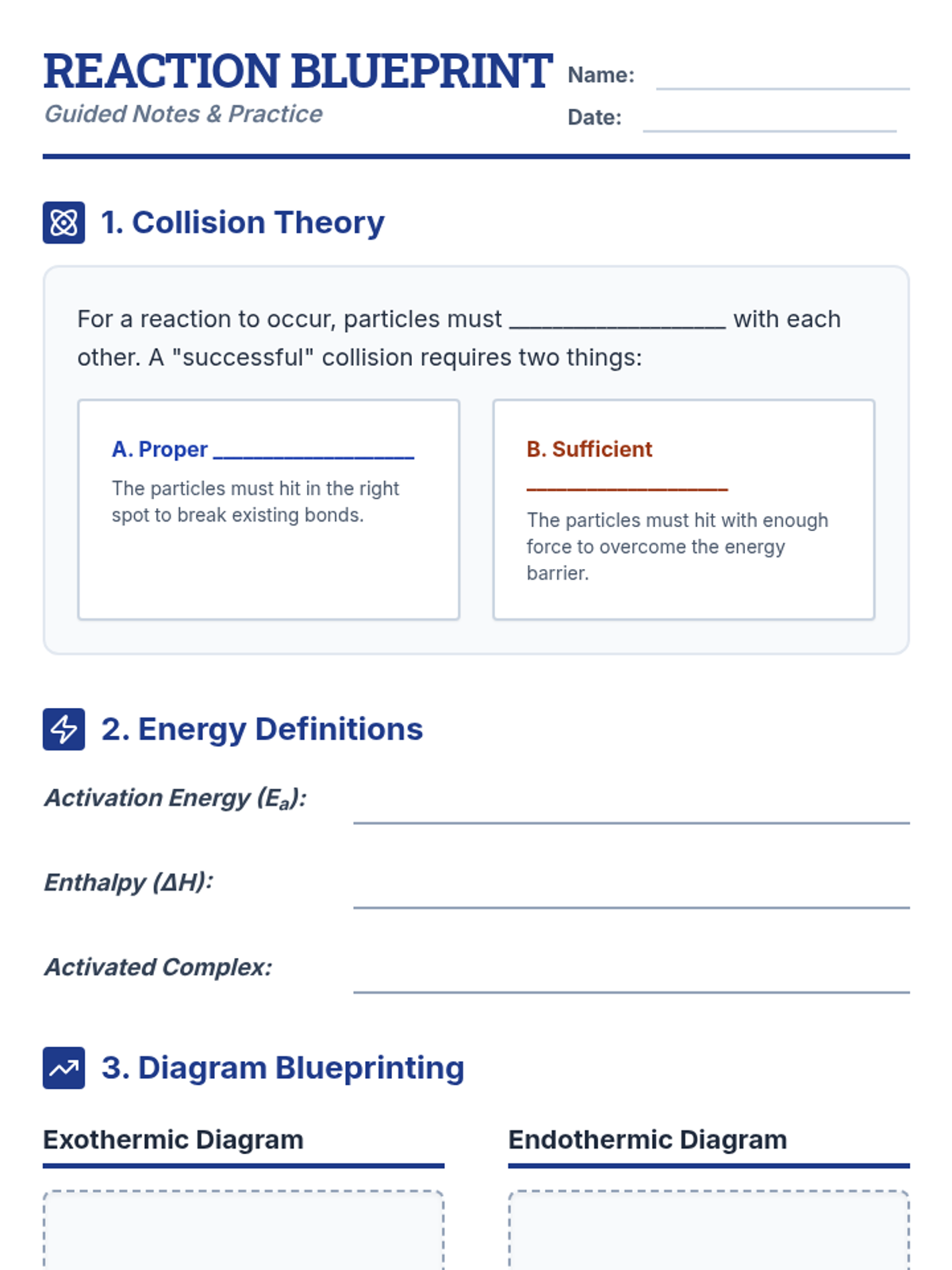
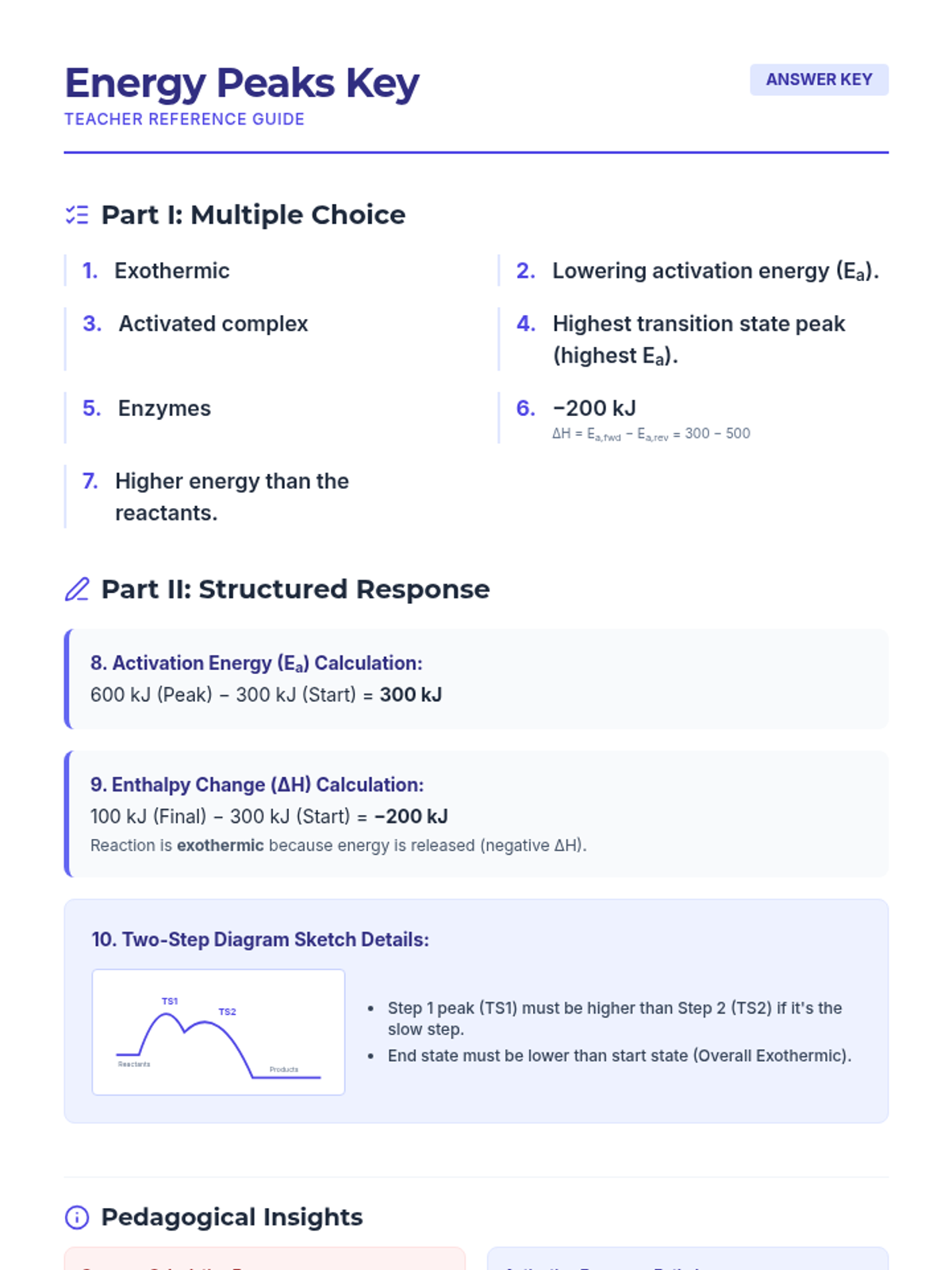
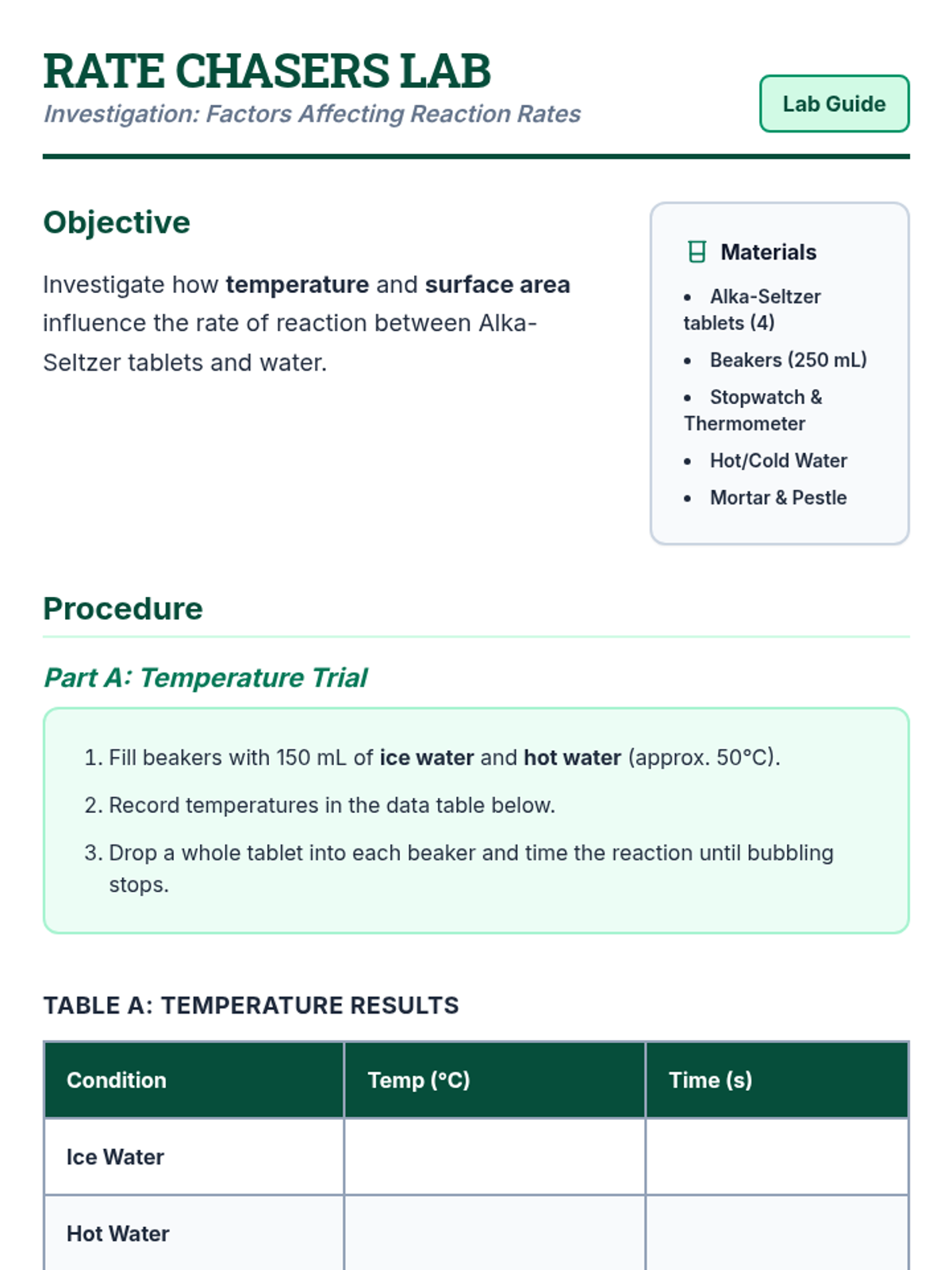
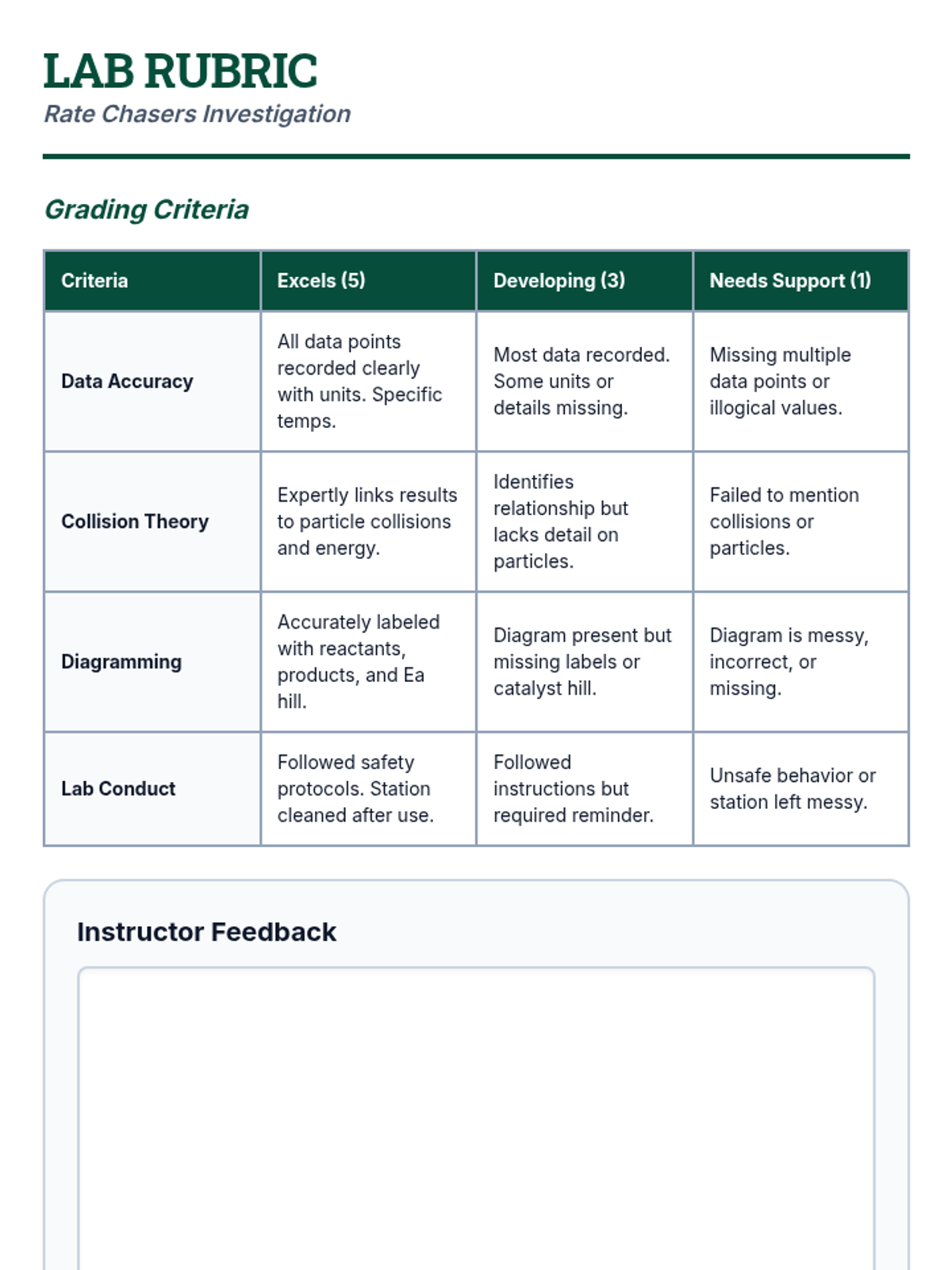
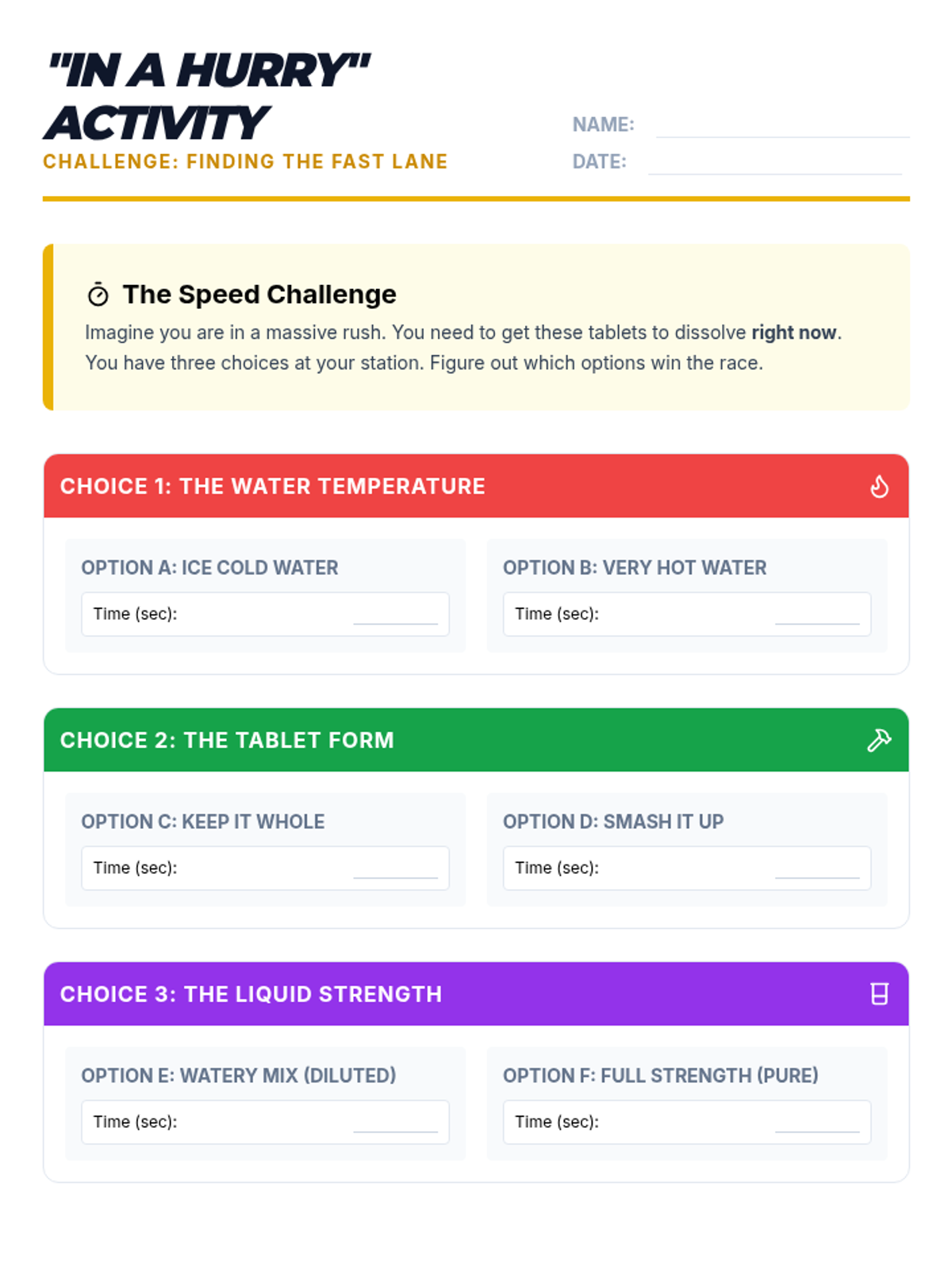
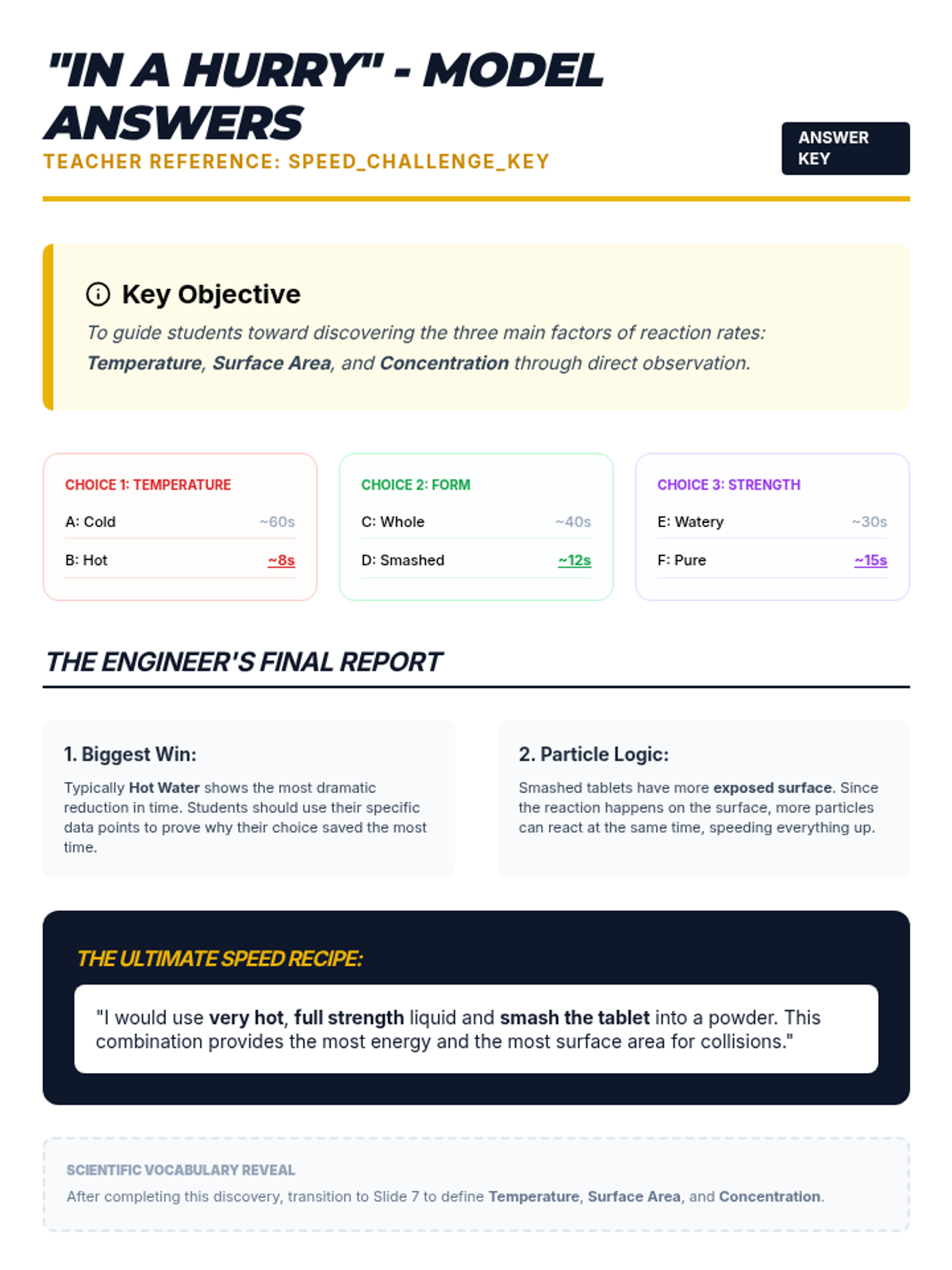
A comprehensive lesson exploring the mechanics of chemical reactions, including collision theory, energy diagrams, and the factors that influence reaction rates. Students will learn to visualize and calculate energy changes while conducting a hands-on investigation.
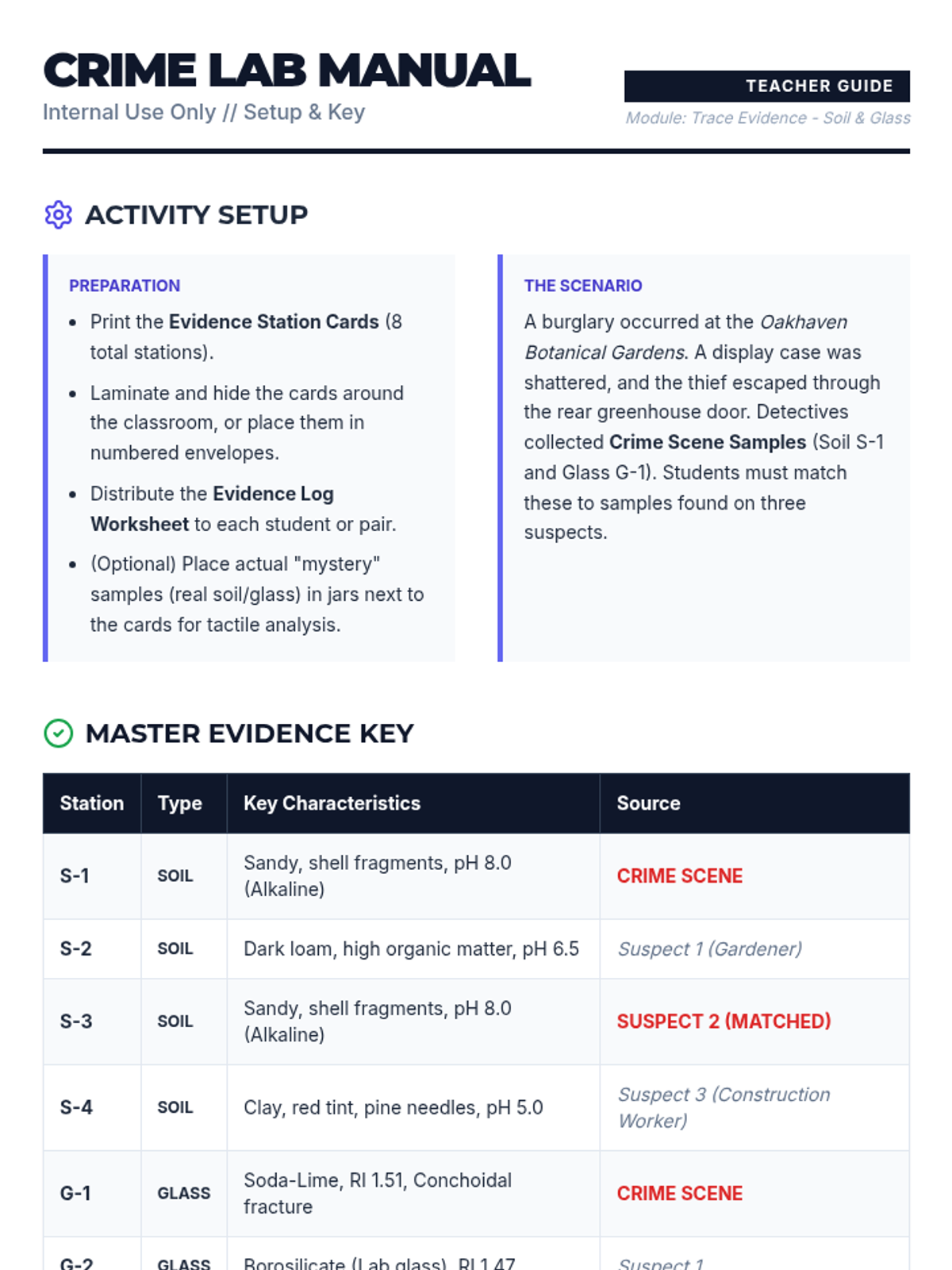
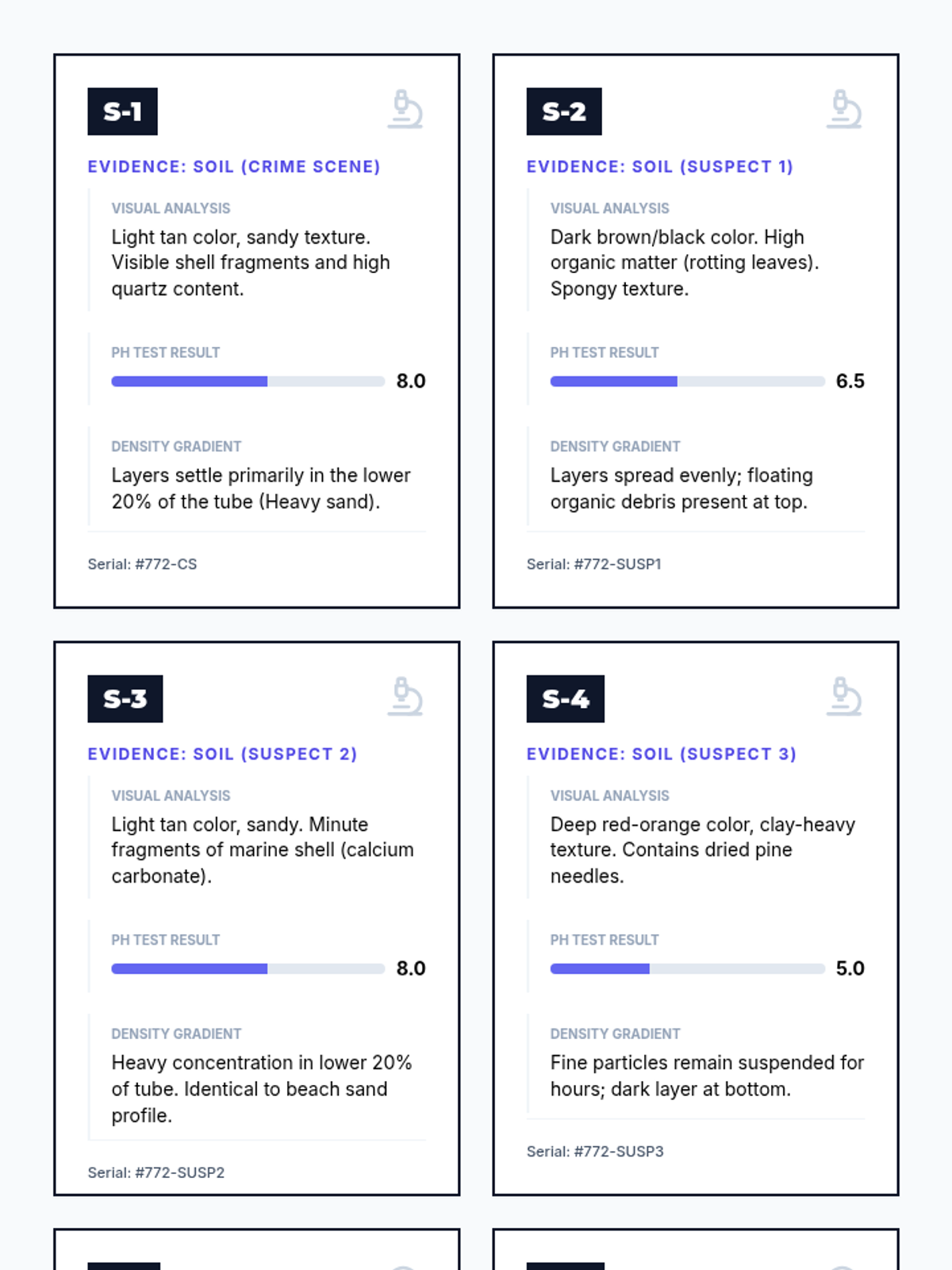
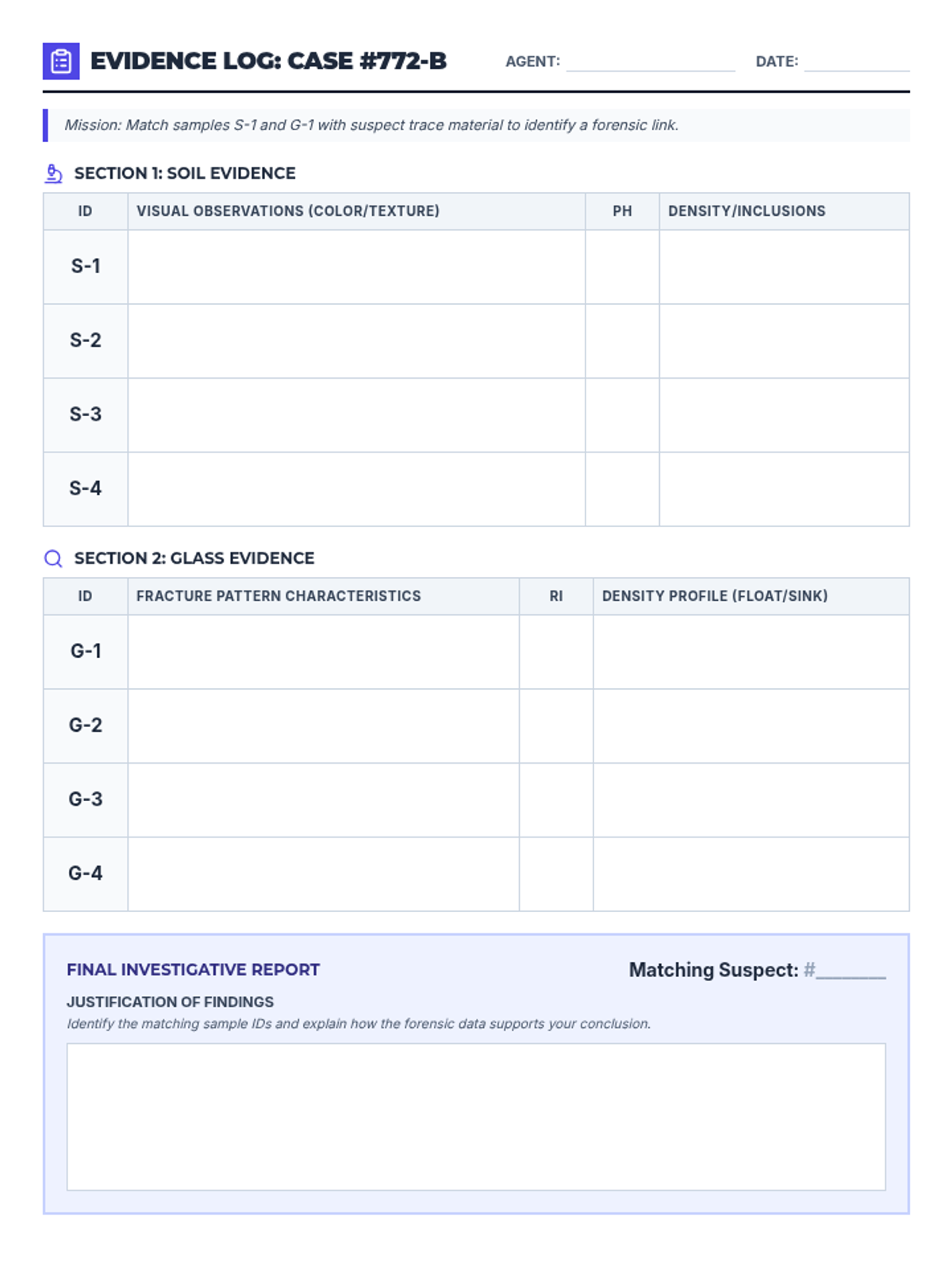
A hands-on indoor scavenger hunt where students analyze soil and glass evidence to solve a forensic mystery. Students identify unique characteristics like pH, texture, refractive index, and fracture patterns.
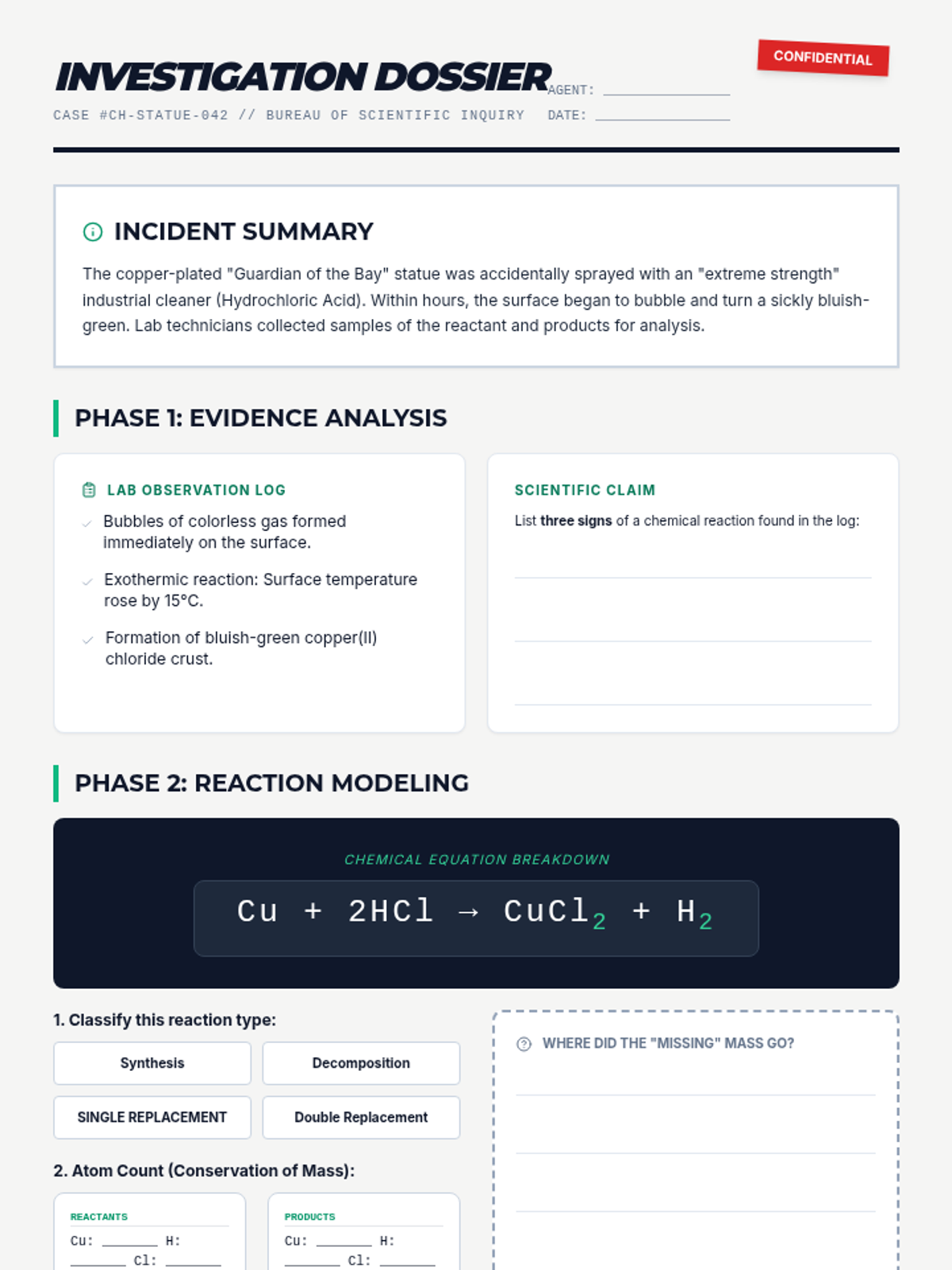
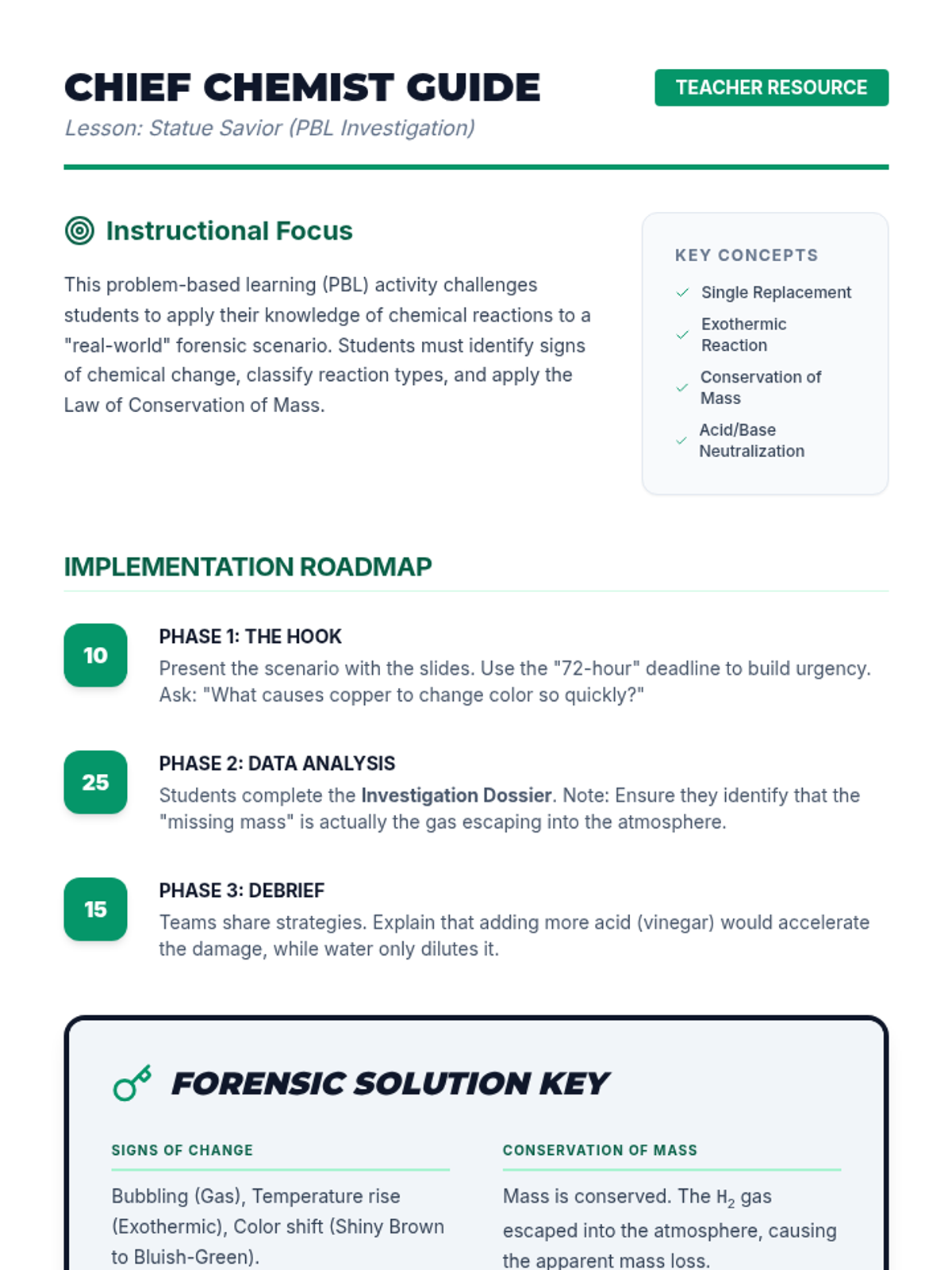
A problem-based learning (PBL) investigation where students act as forensic chemists to save a deteriorating bronze statue. They will analyze reaction types, signs of chemical change, and conservation of mass to solve the mystery.
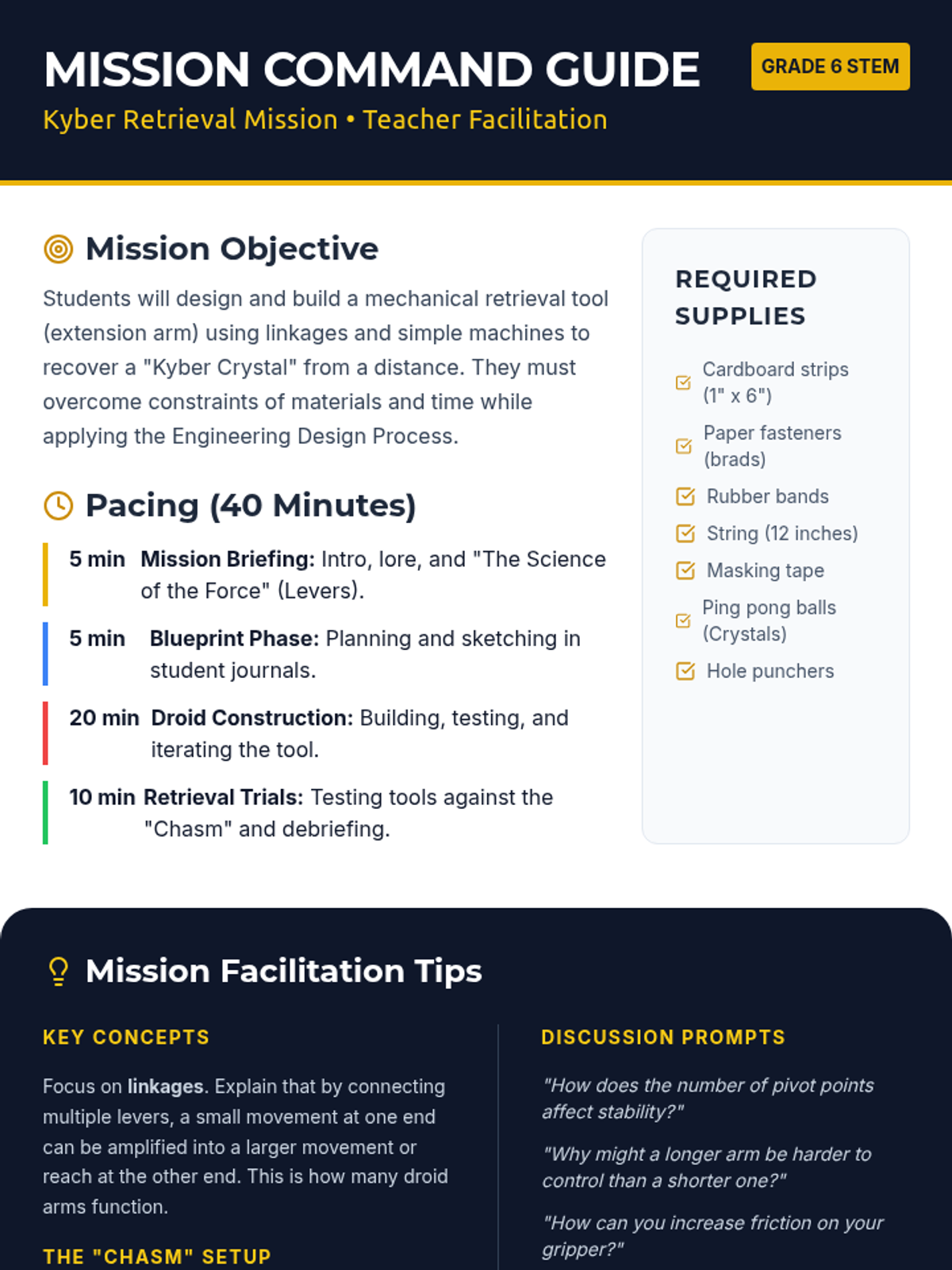
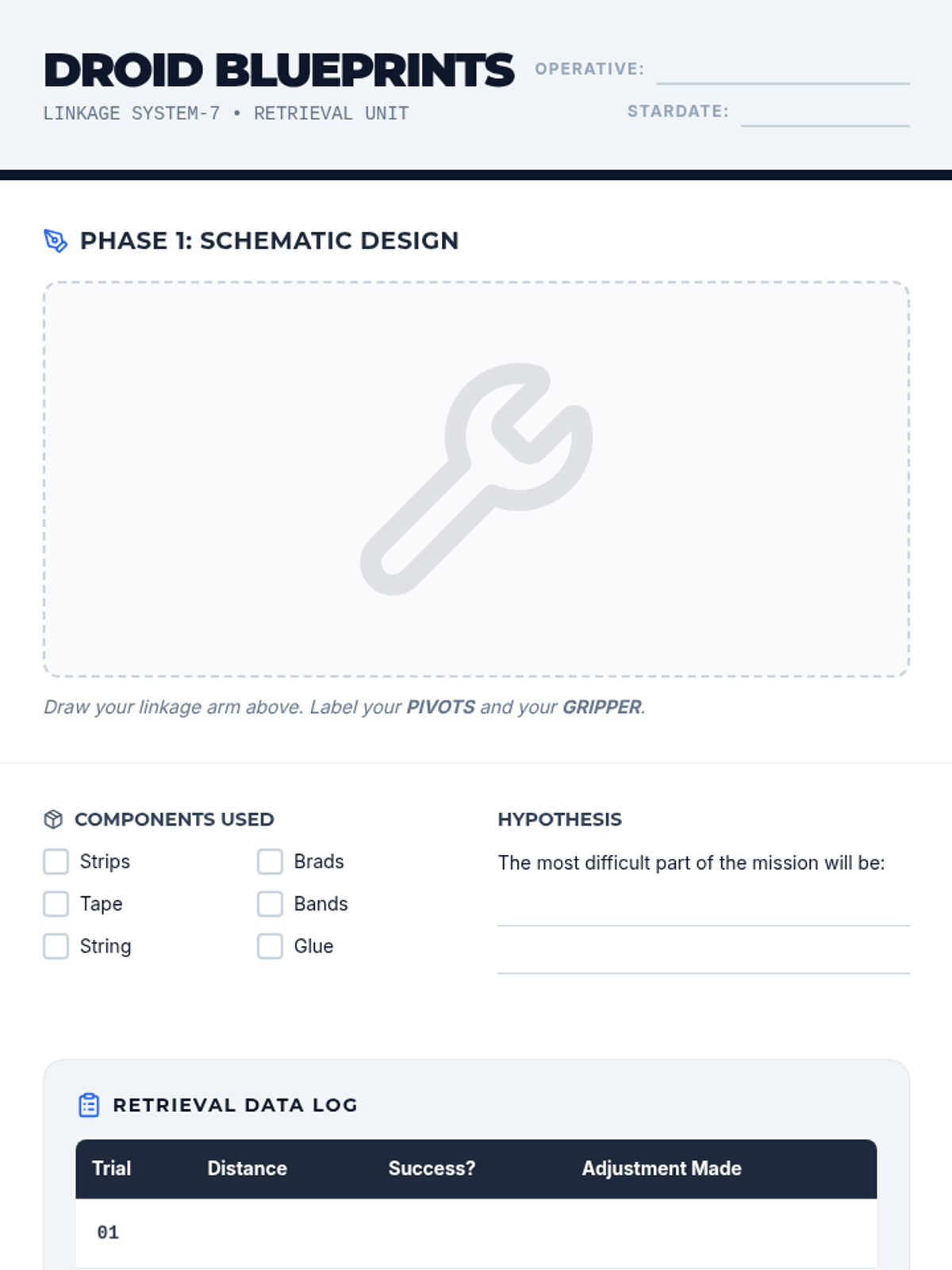
A fast-paced 6th-grade STEM lesson where students apply engineering design principles to create a mechanical retrieval tool to save a 'Kyber Crystal'. This lesson covers mechanical advantage, levers, and iterative design within a Star Wars-themed narrative.
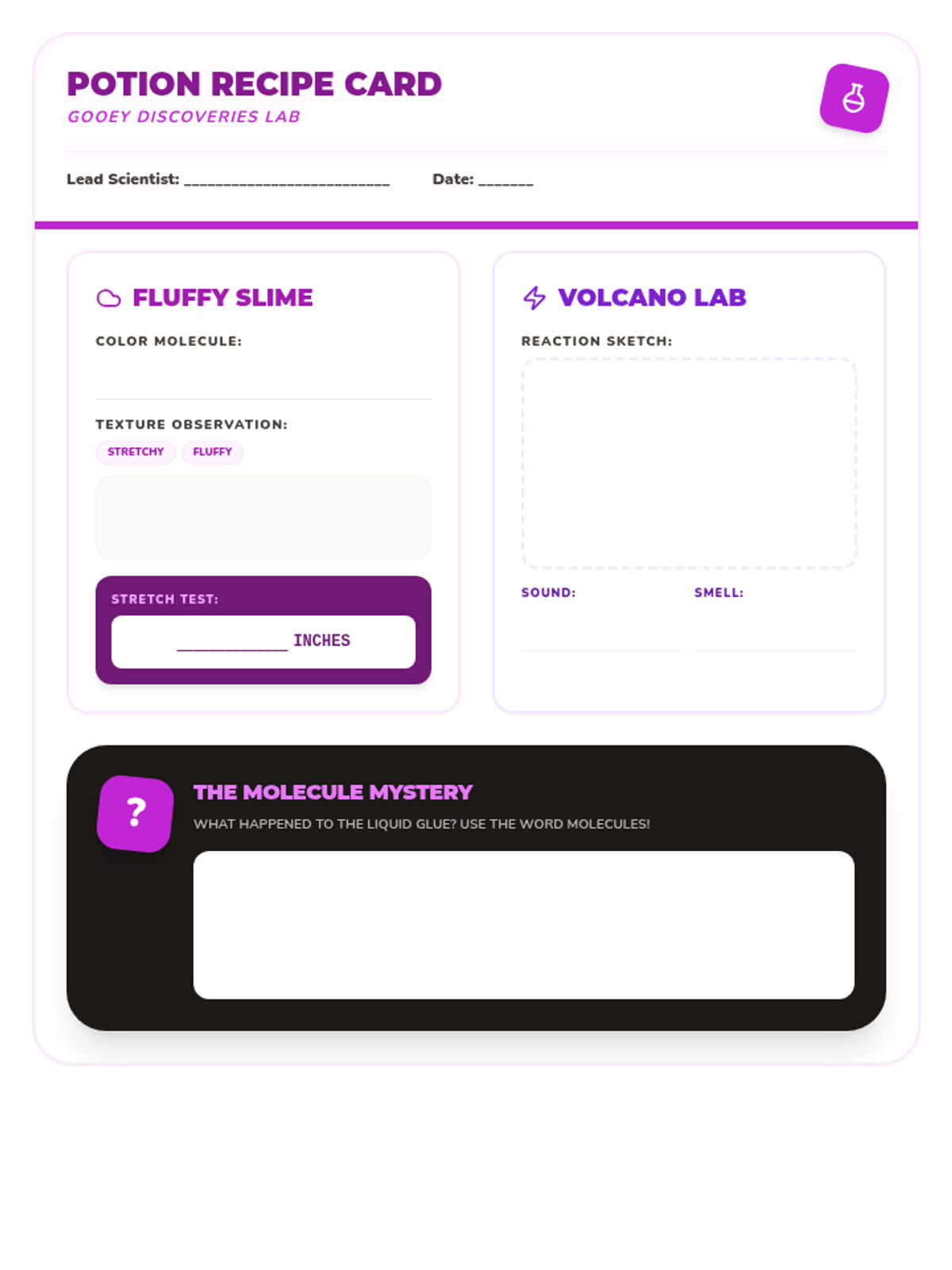
A hands-on chemistry session where students experiment with non-Newtonian fluids and acid-base reactions to create fizzing eruptions and gooey textures.
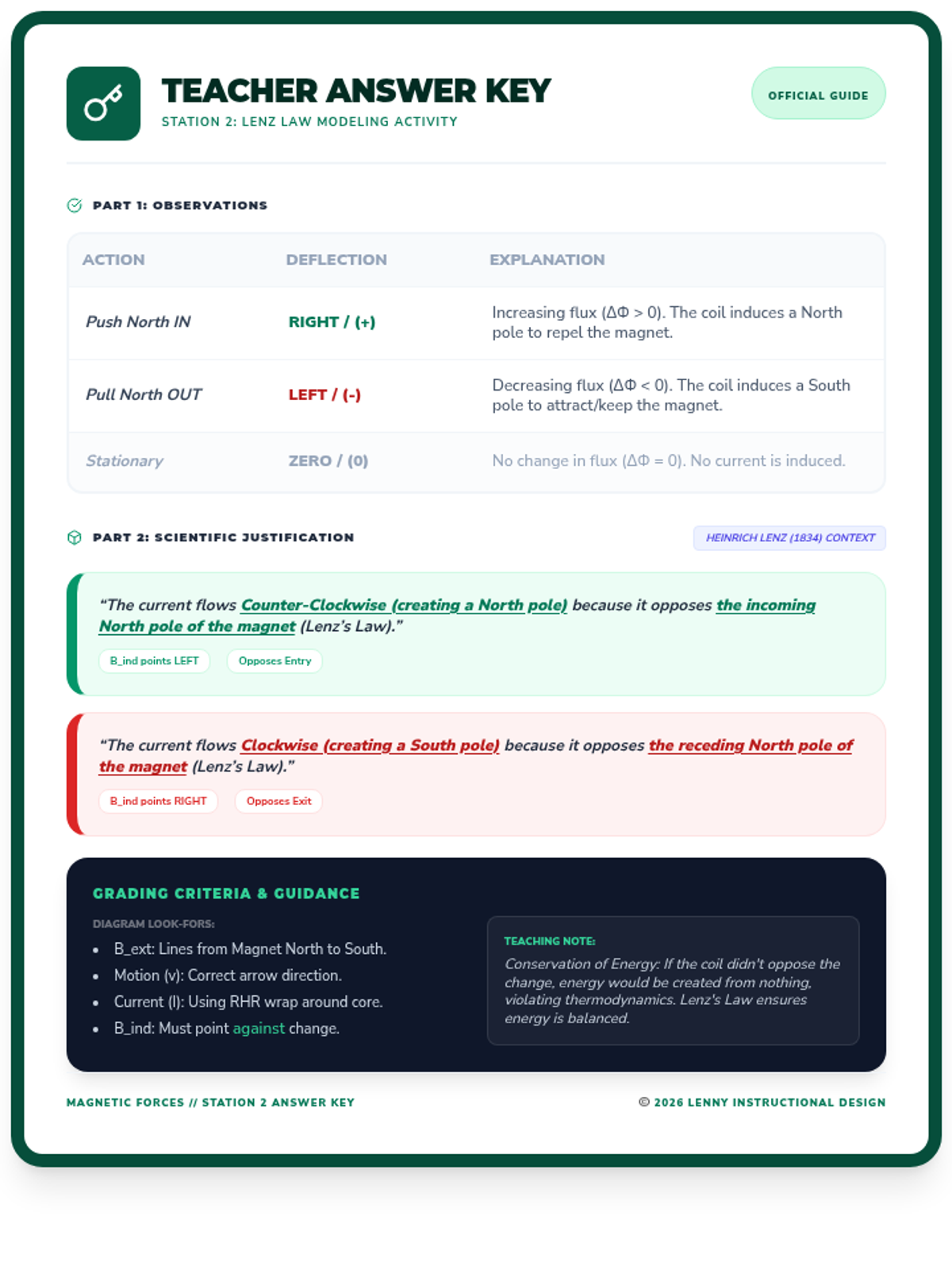
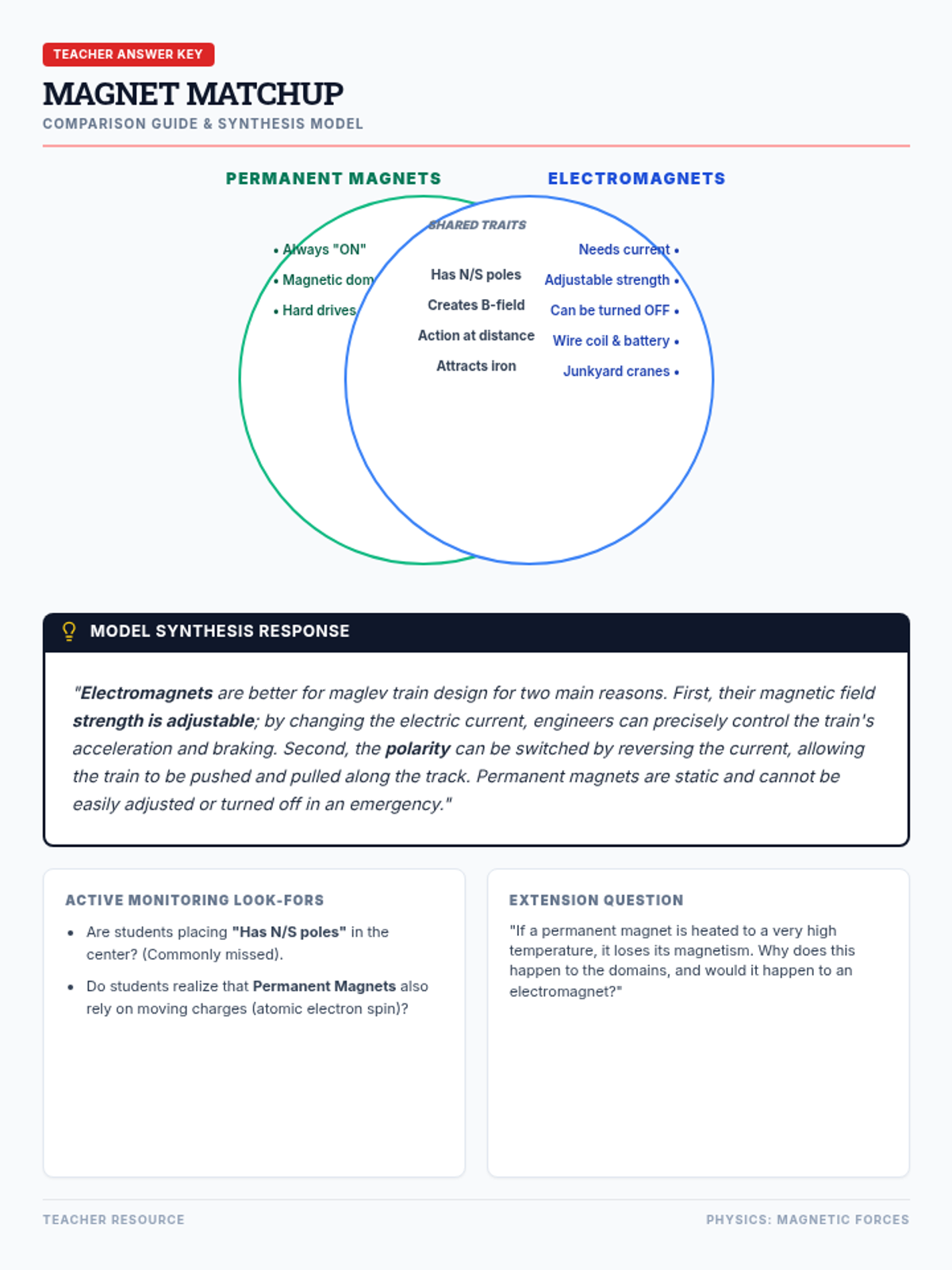
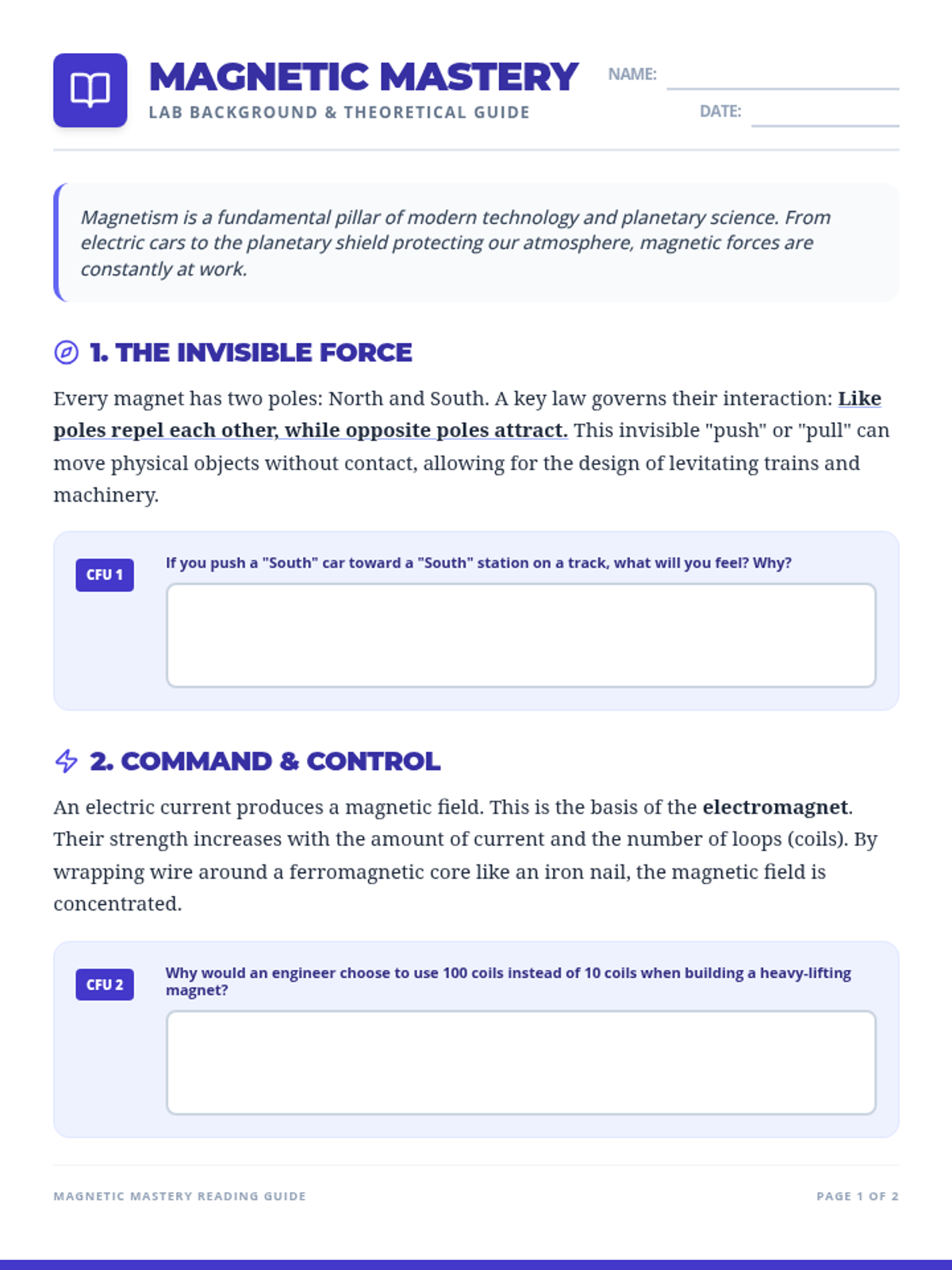
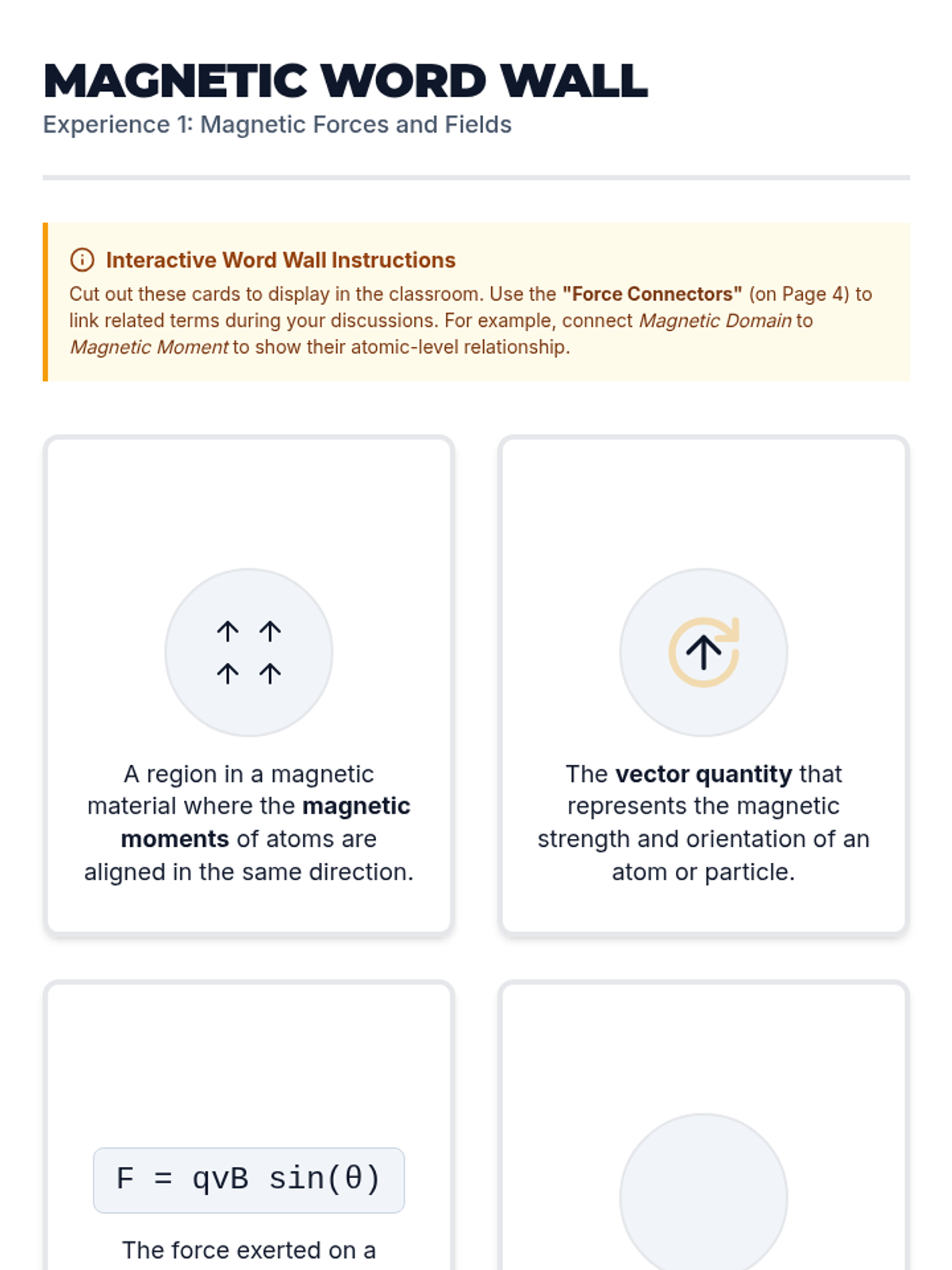
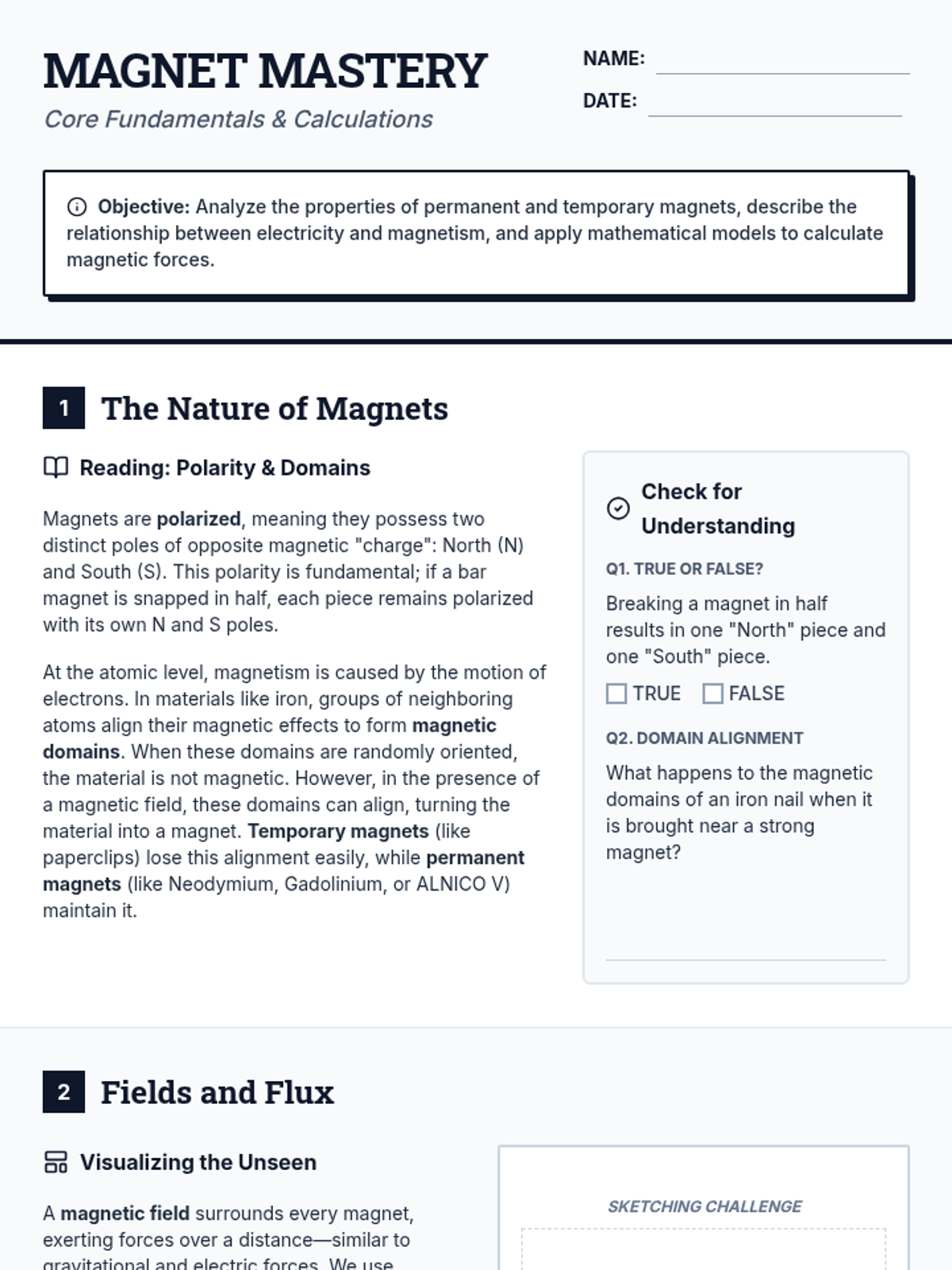
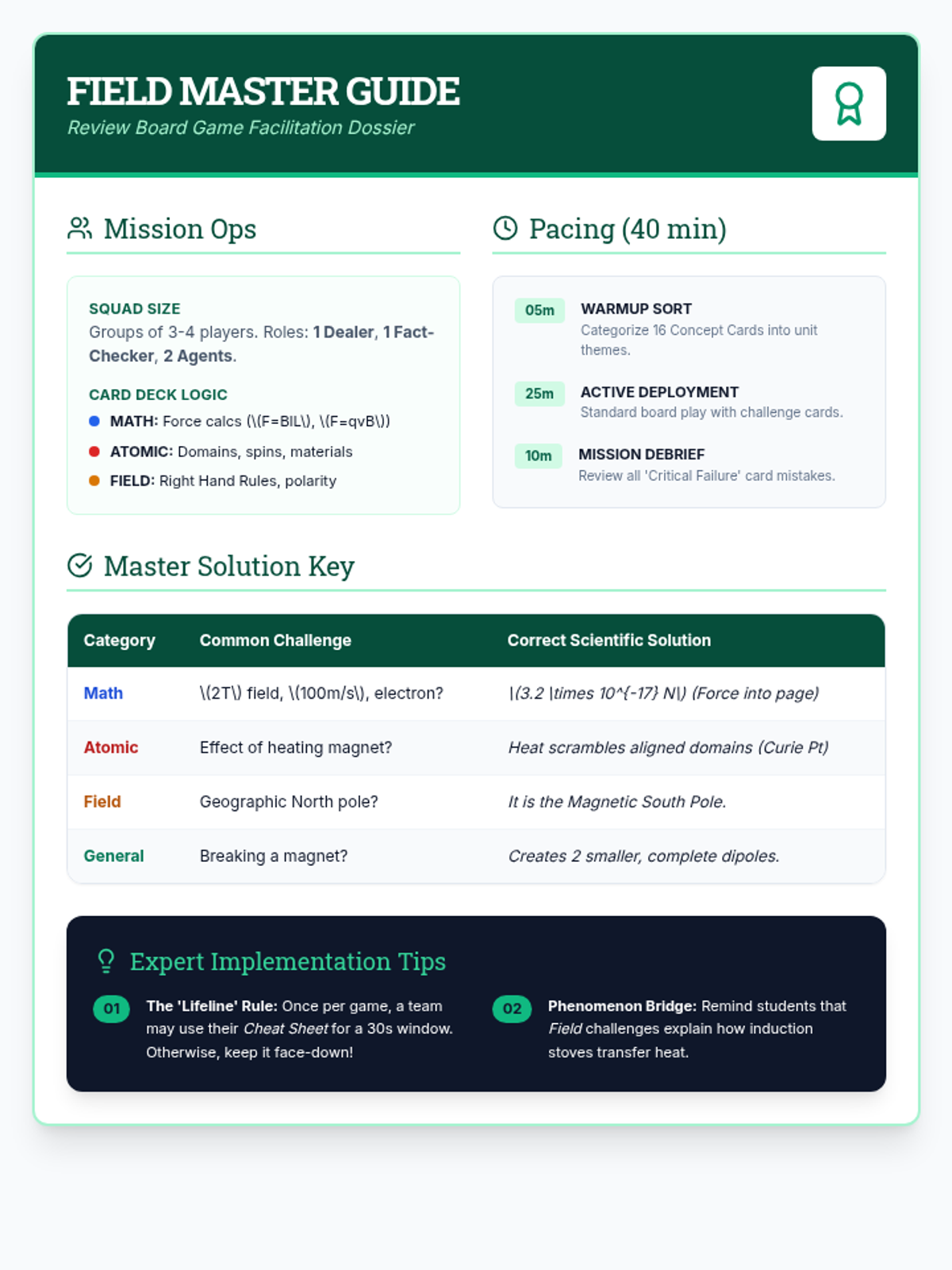
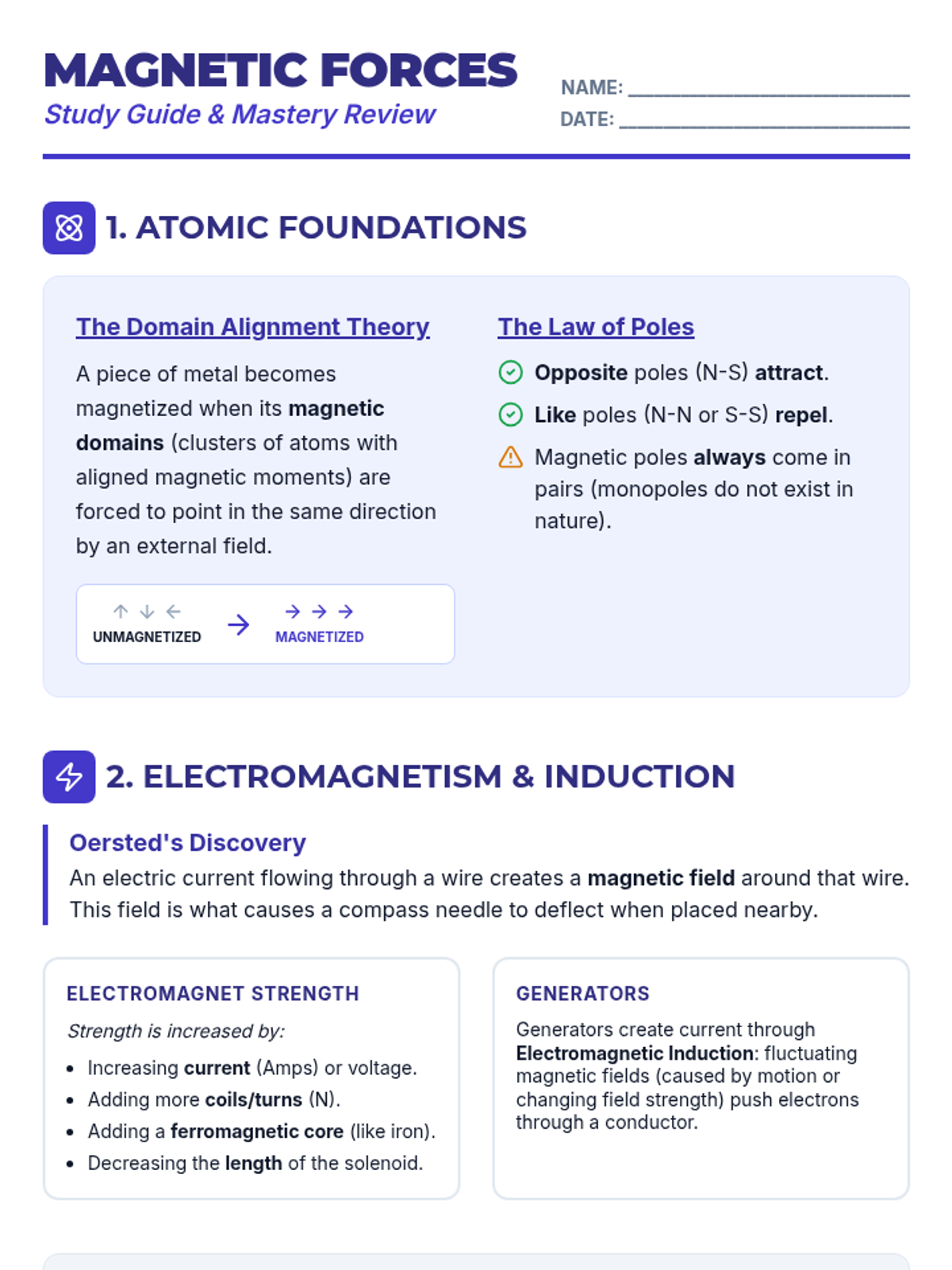
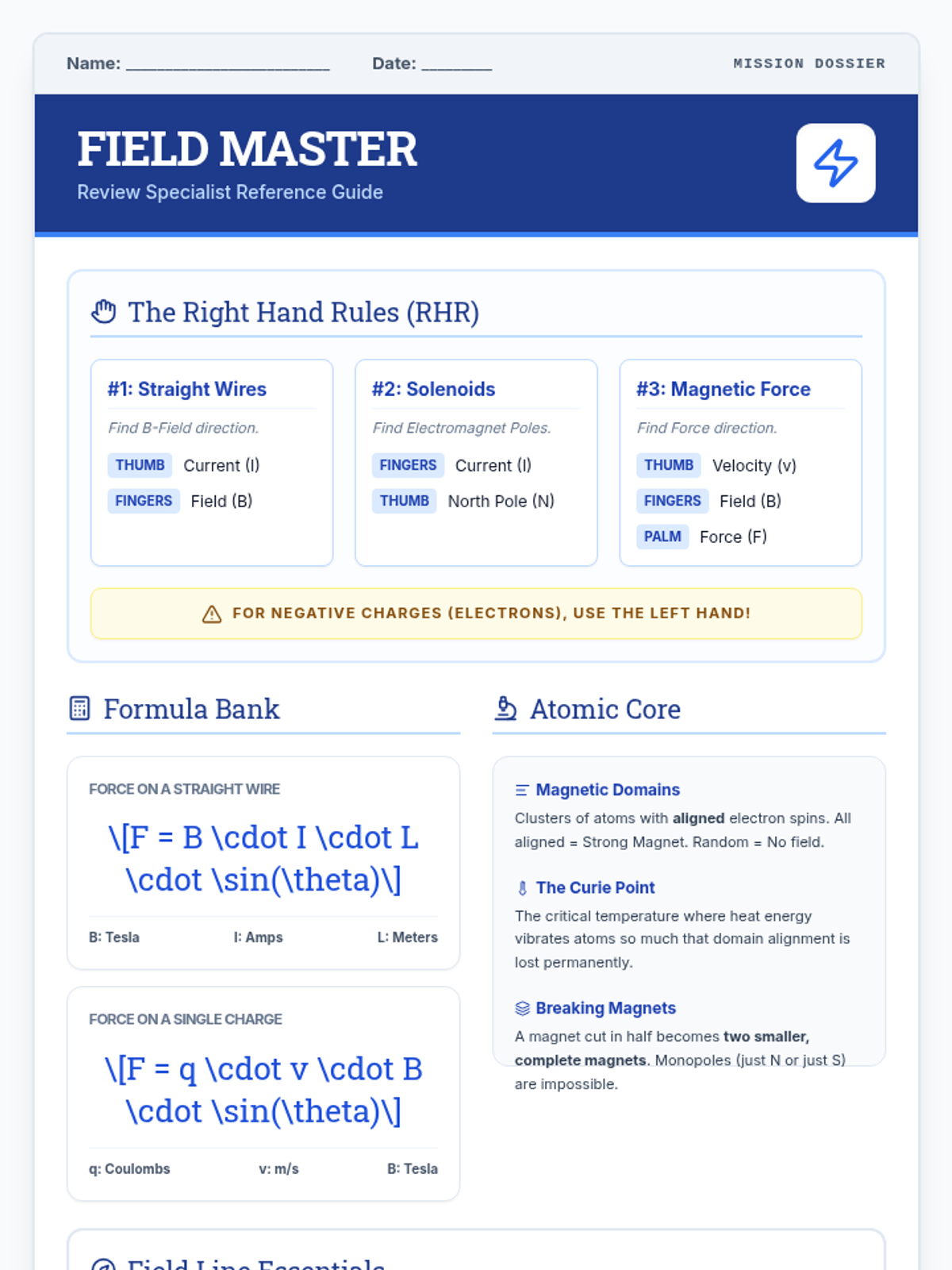
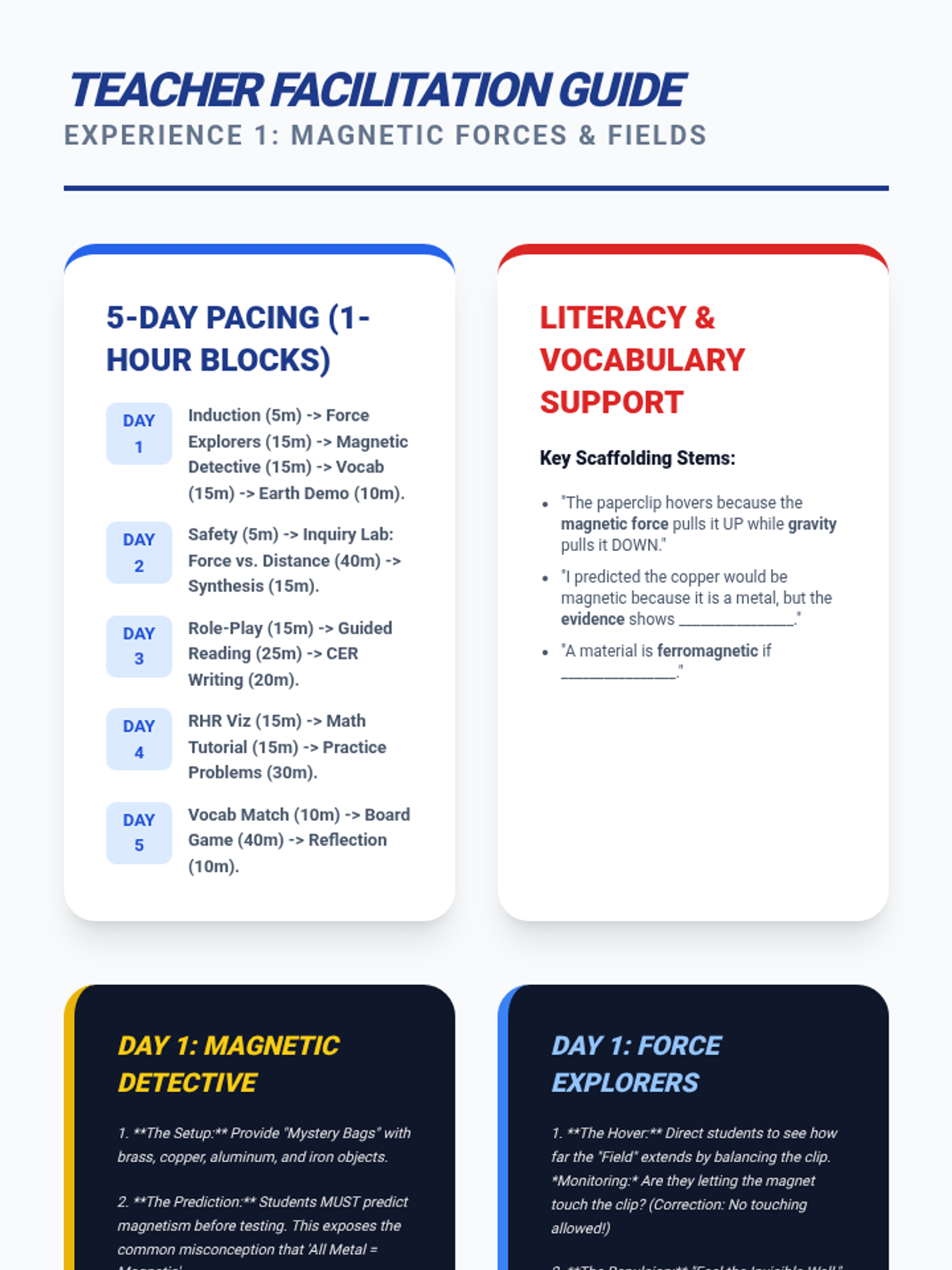
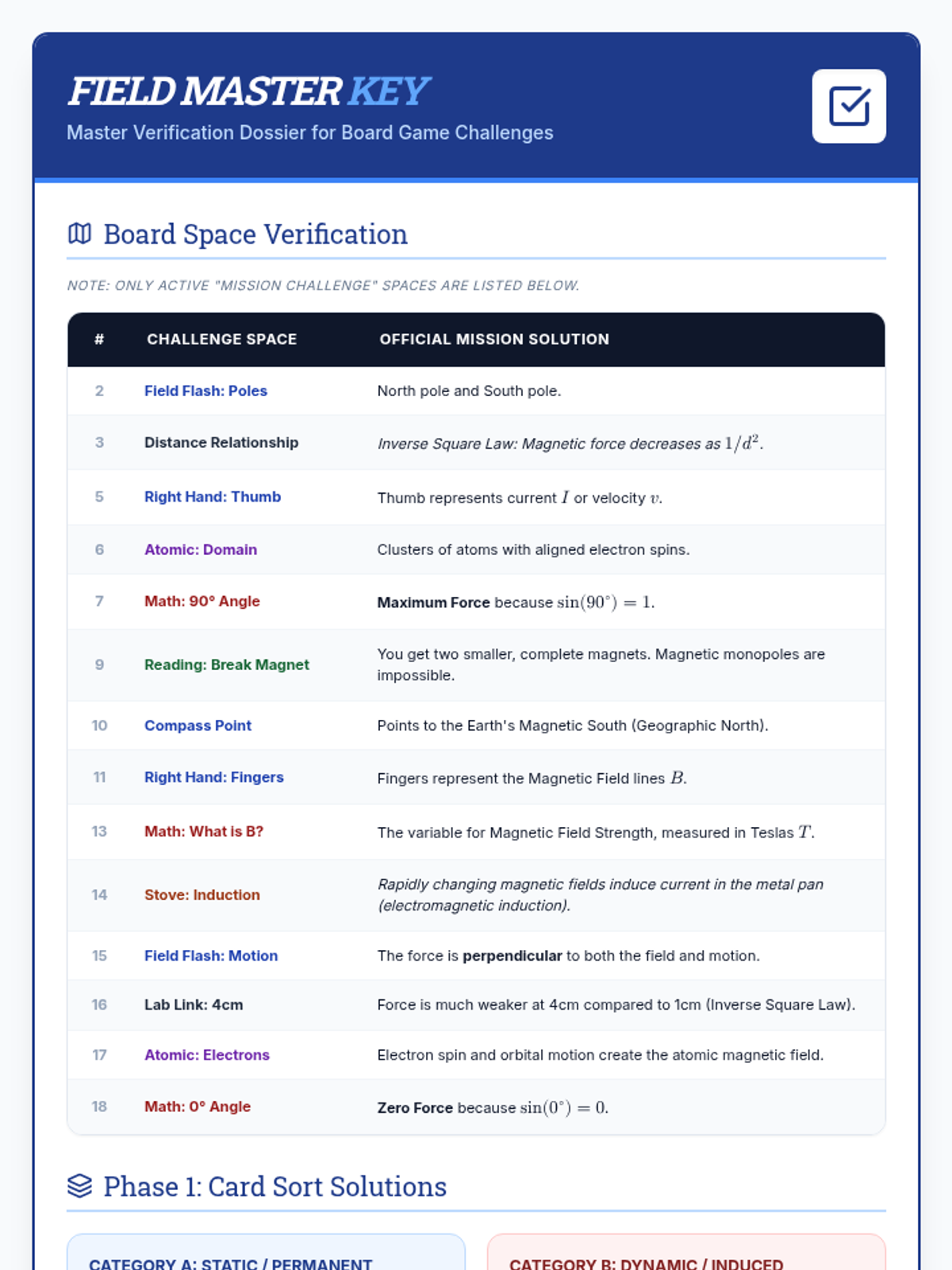
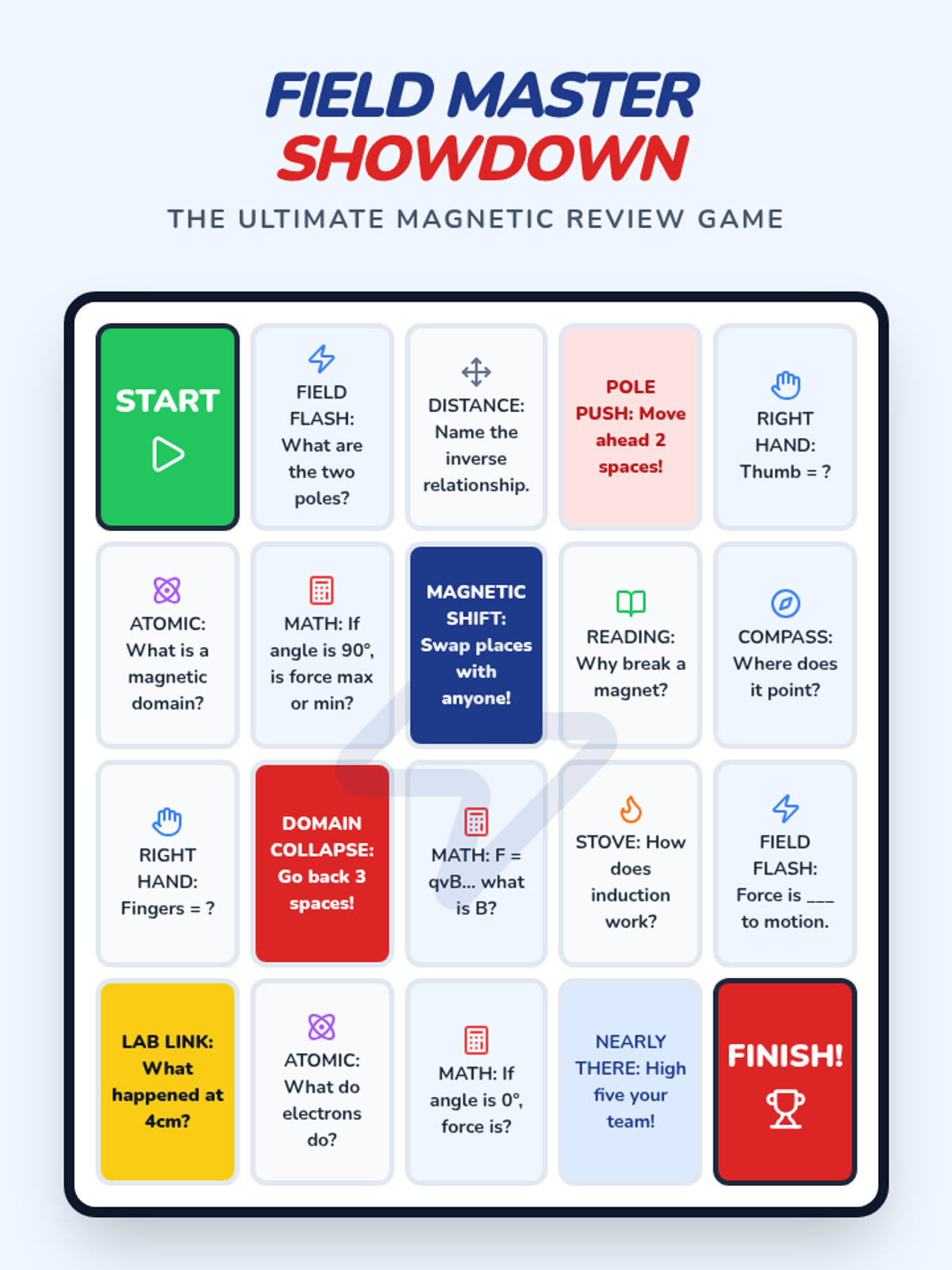
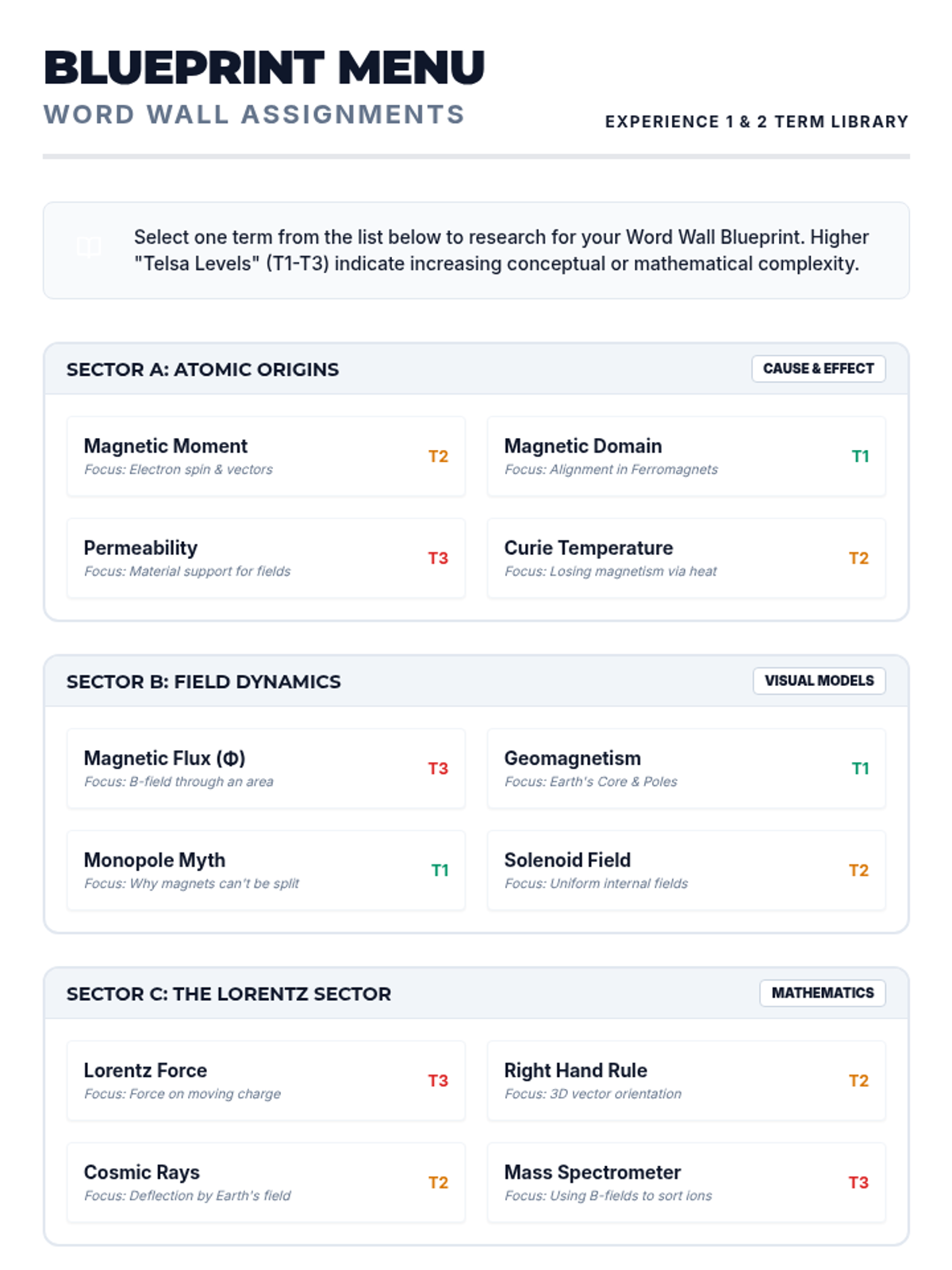
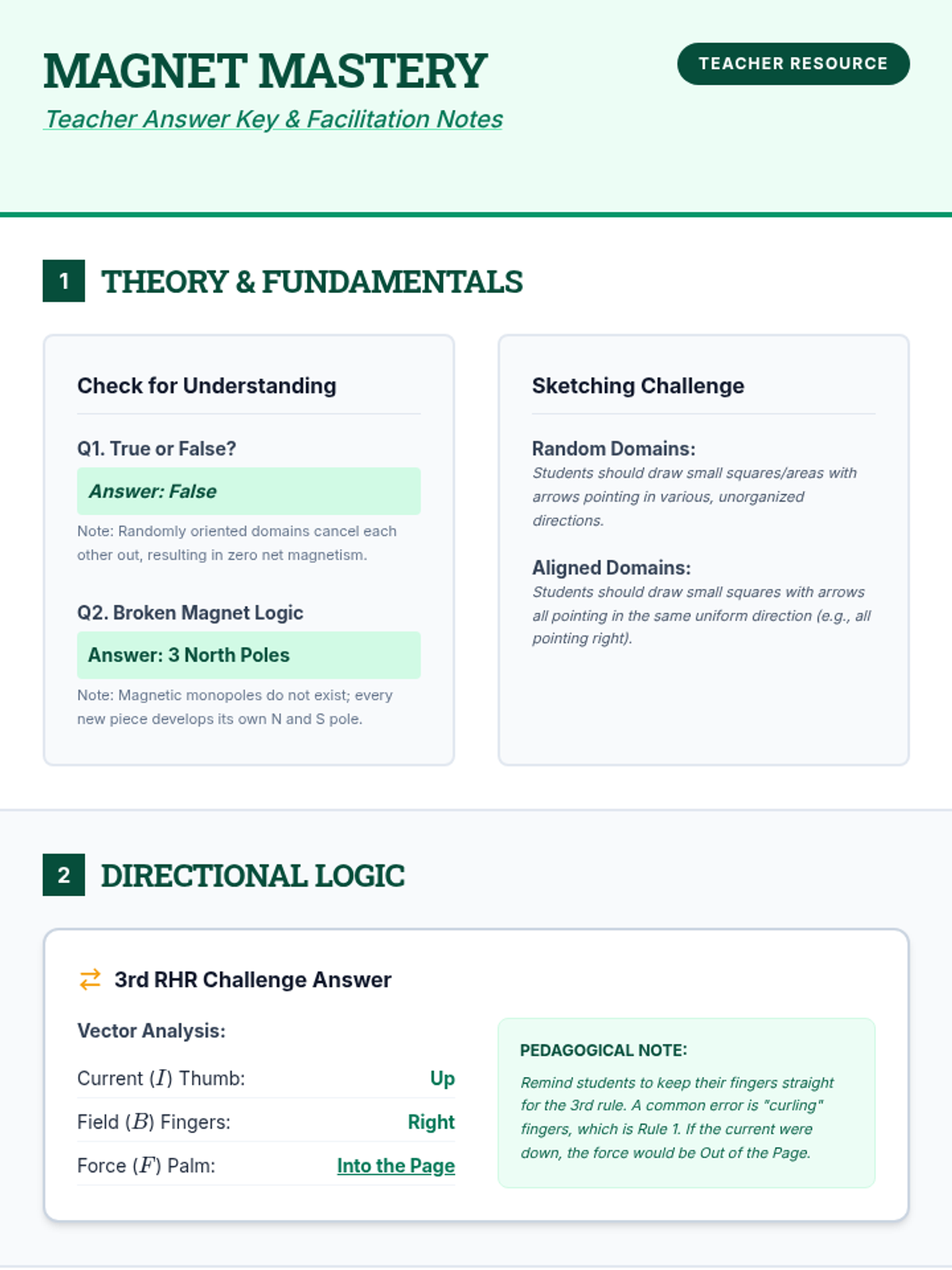
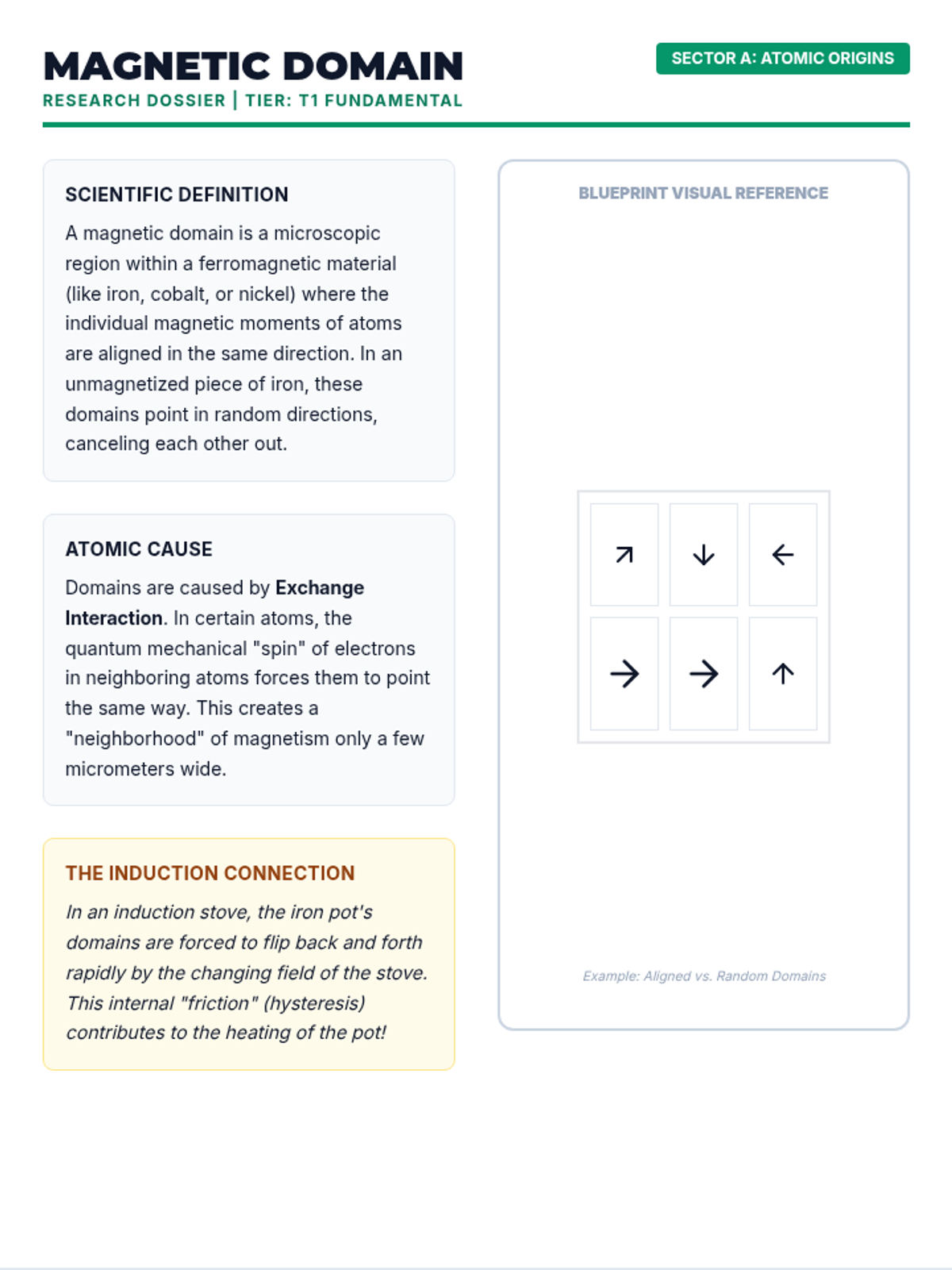
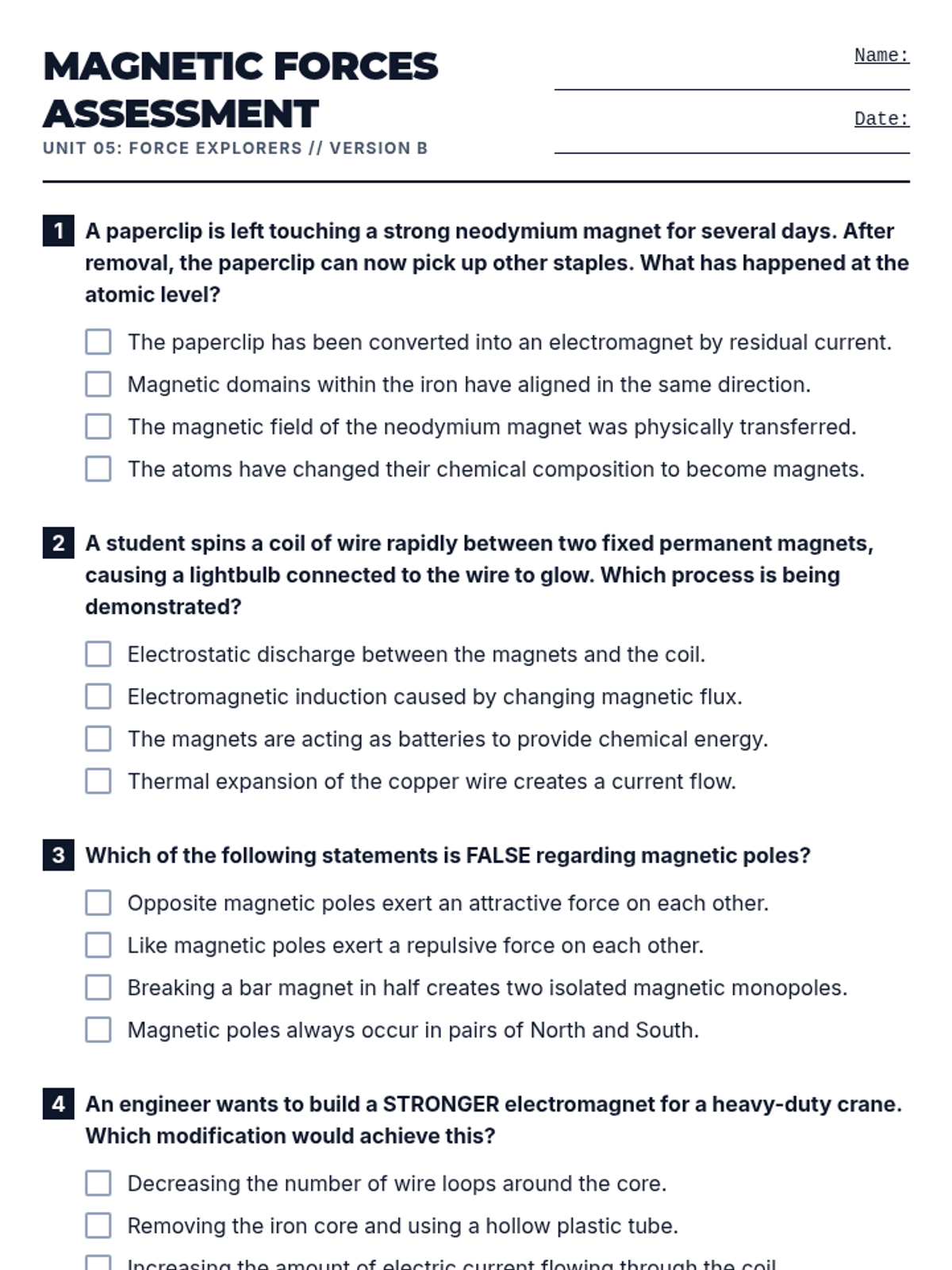
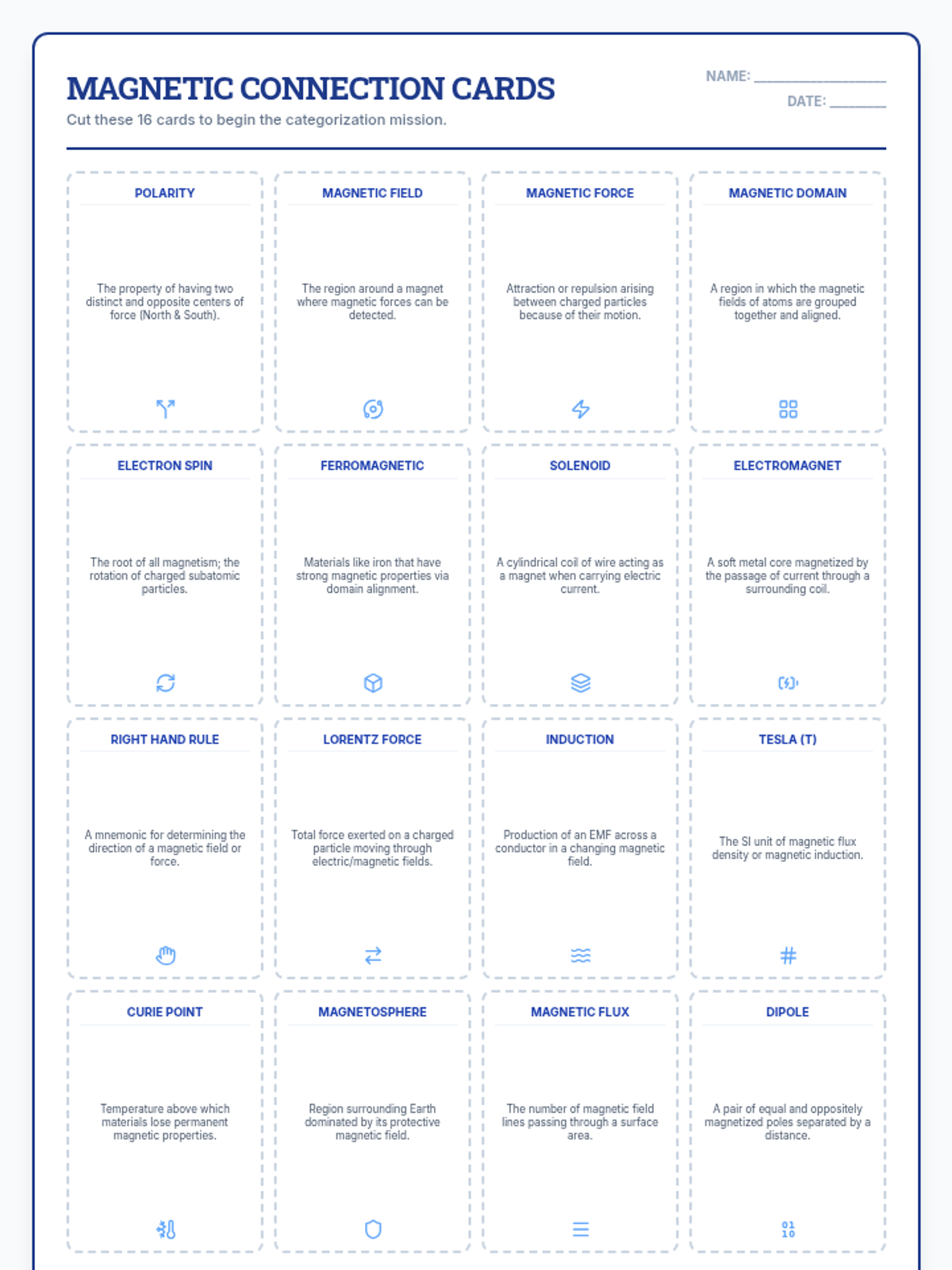
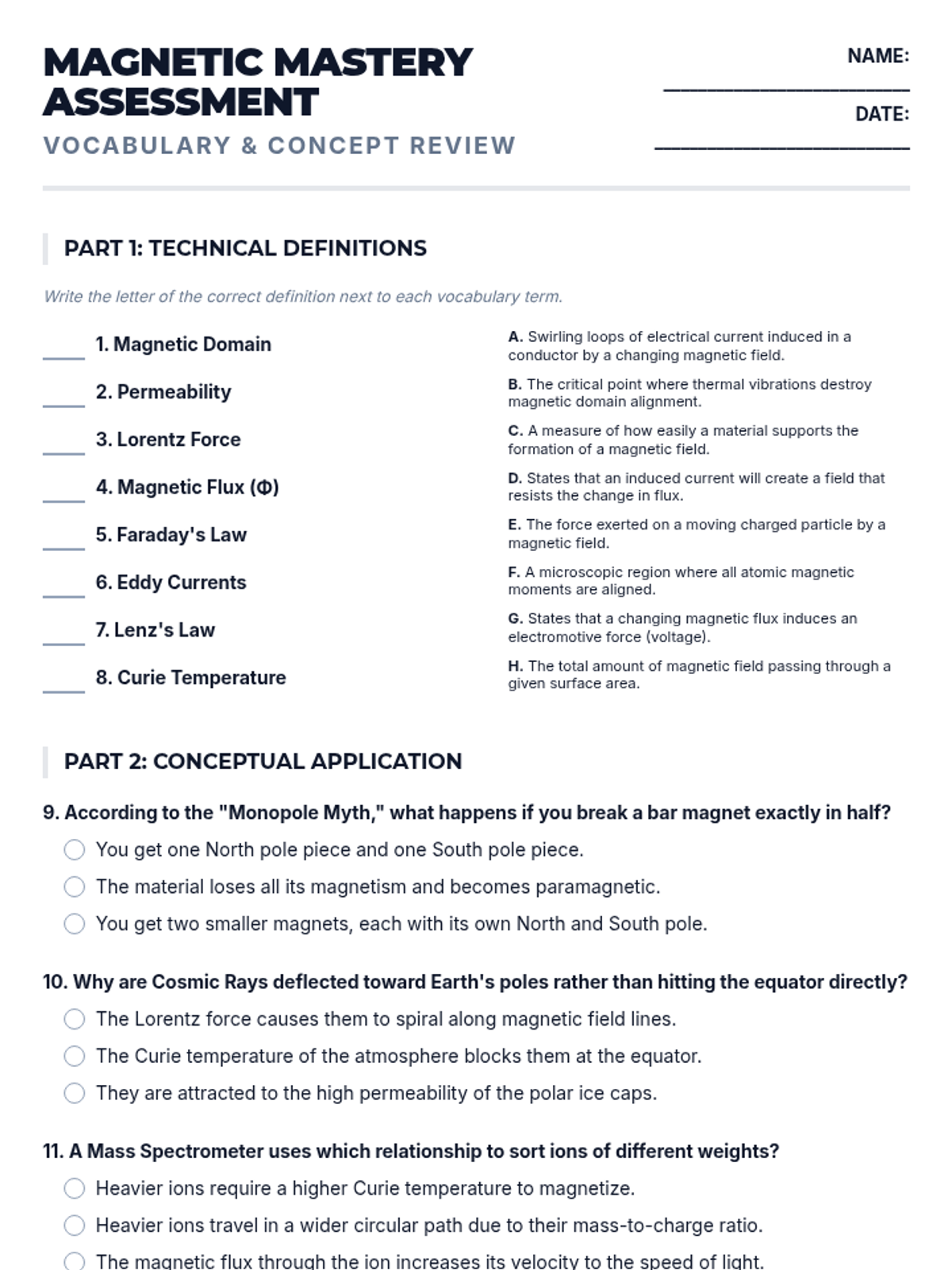
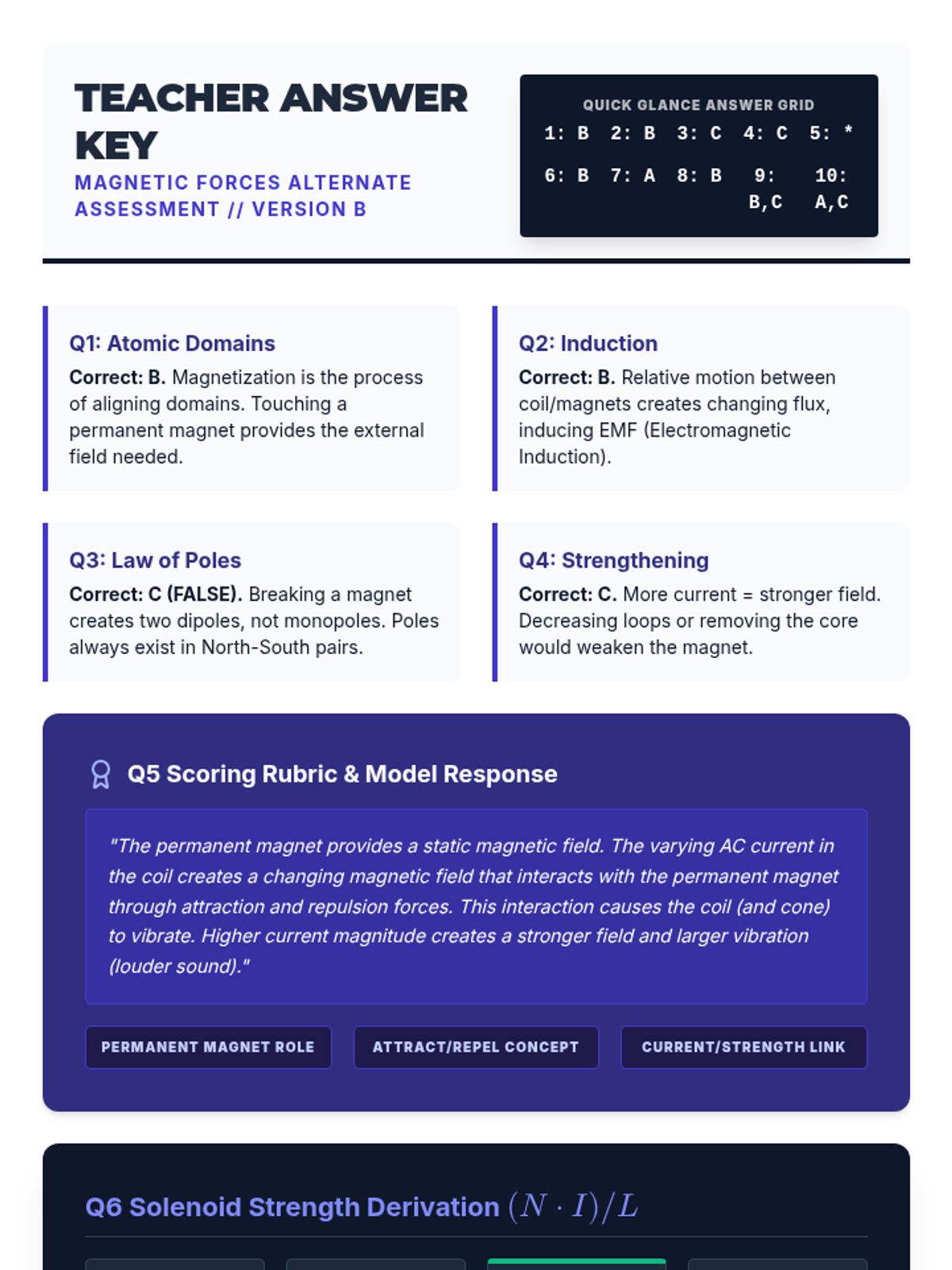
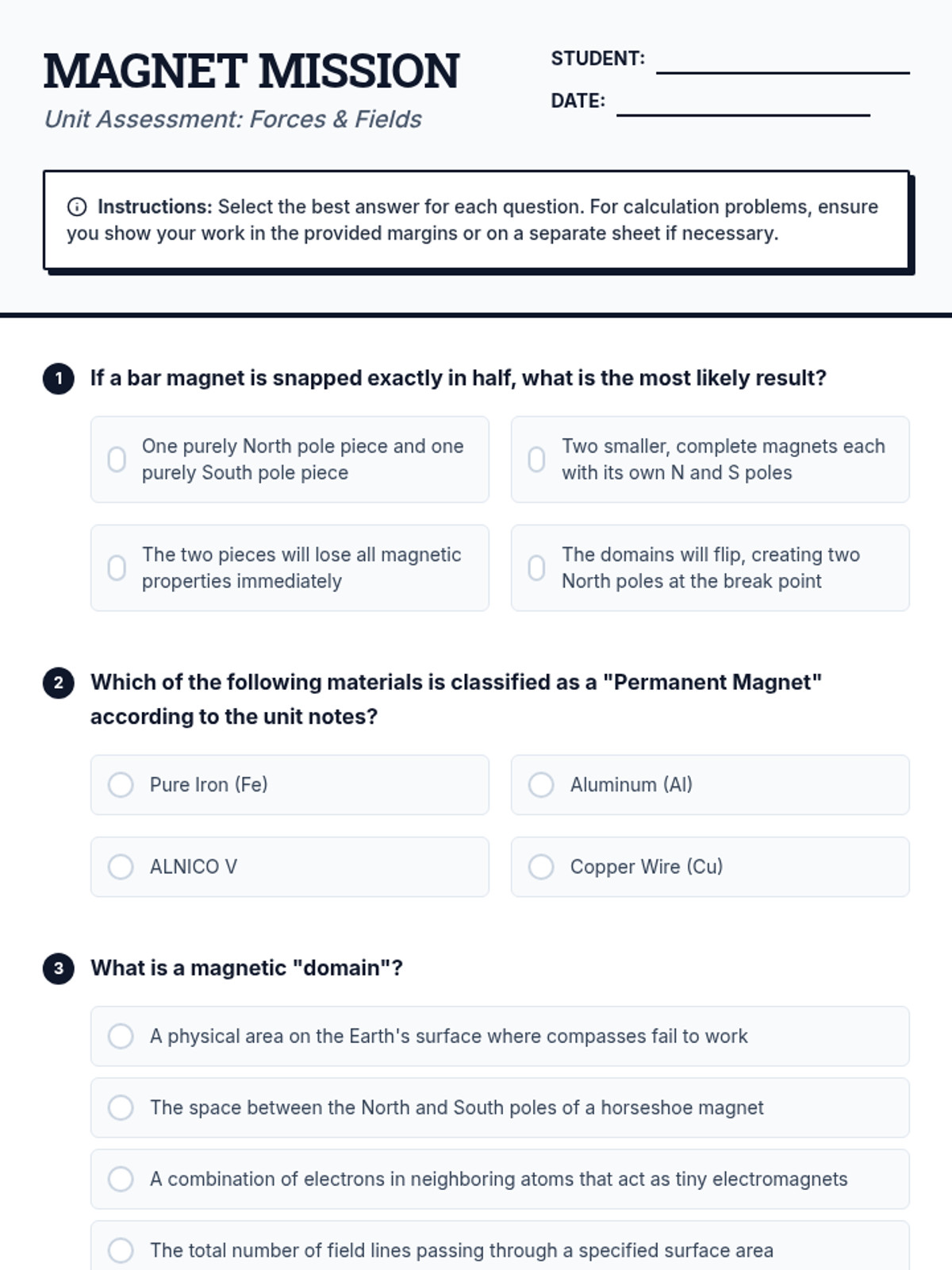
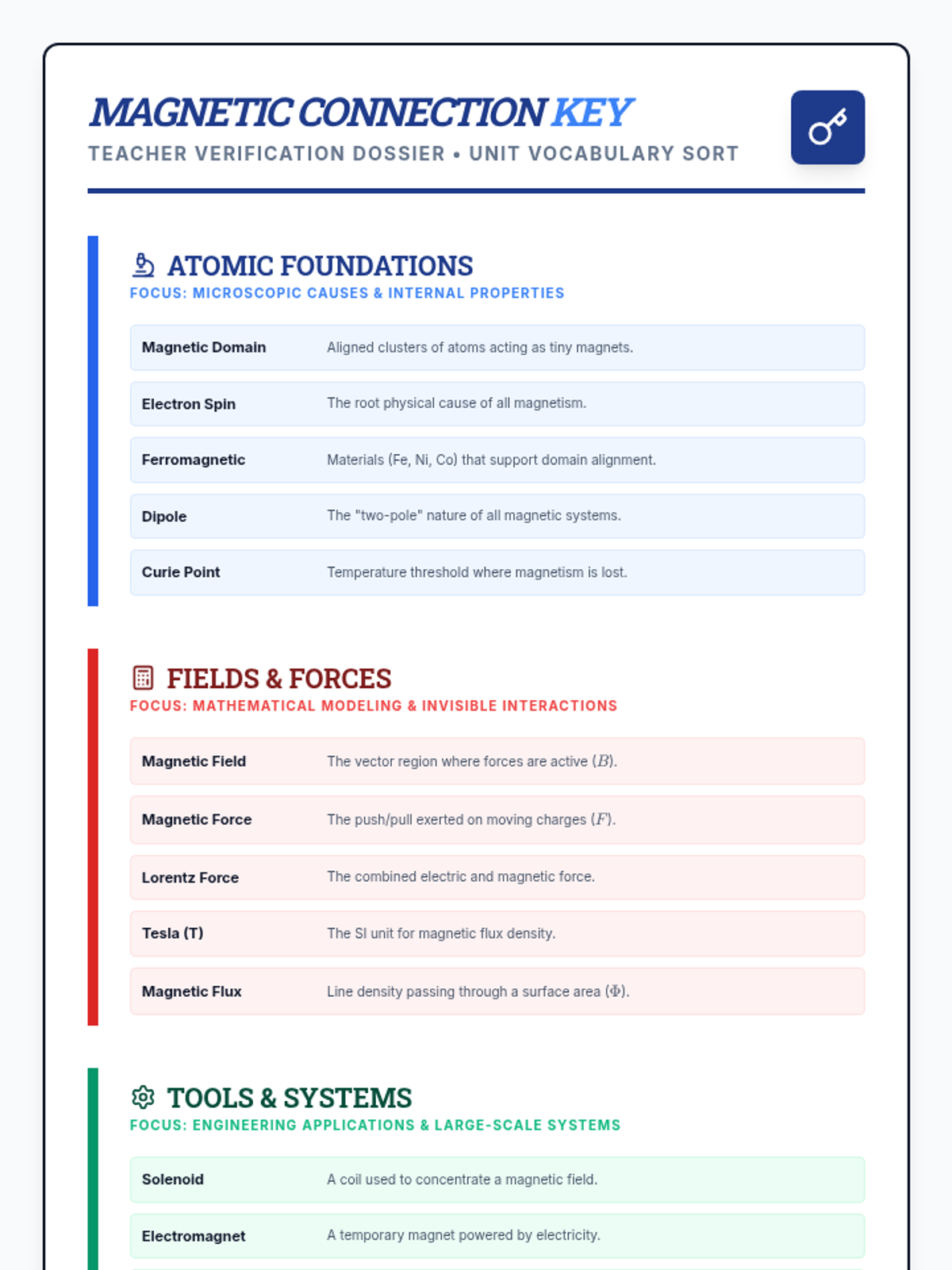
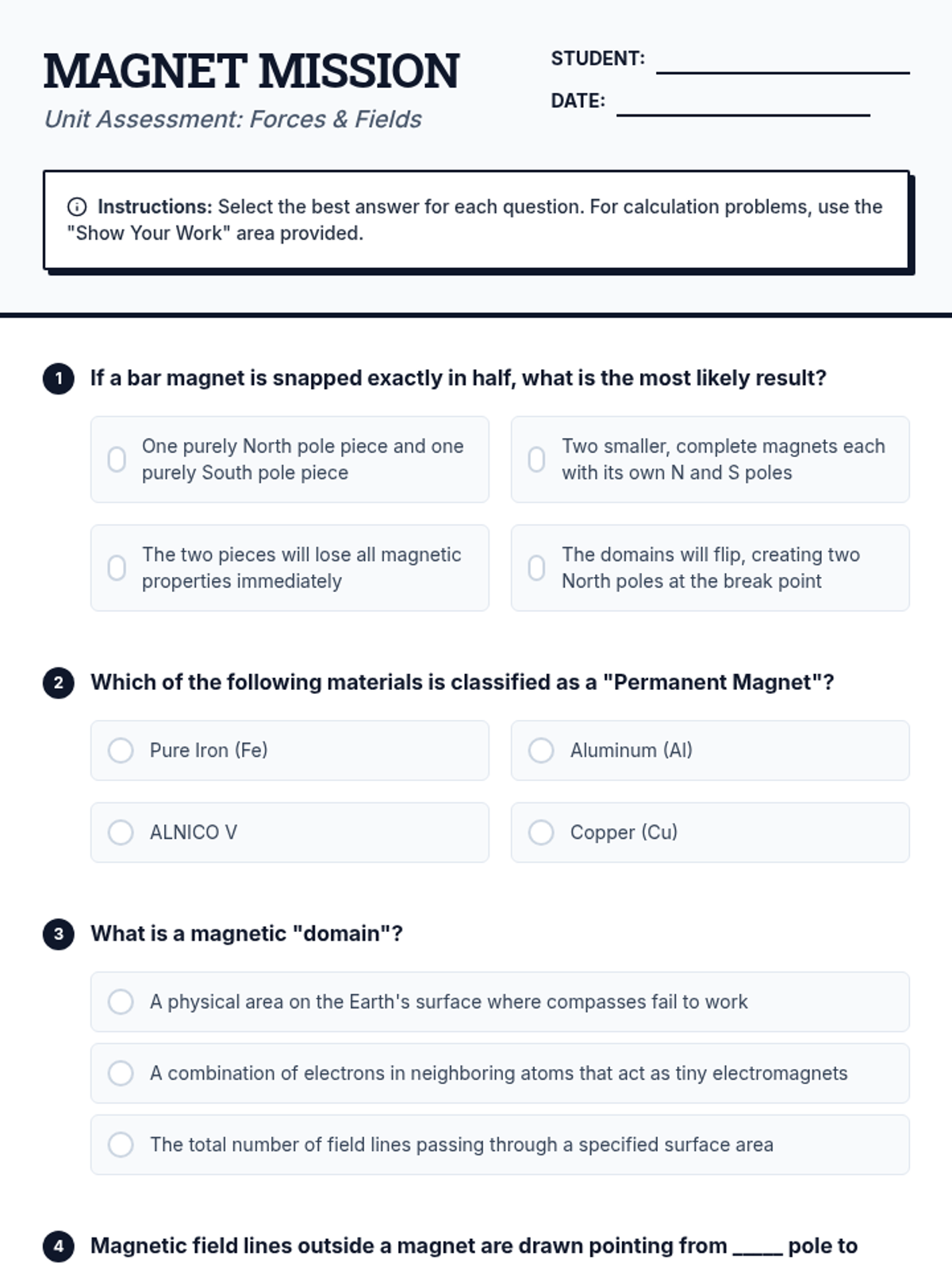
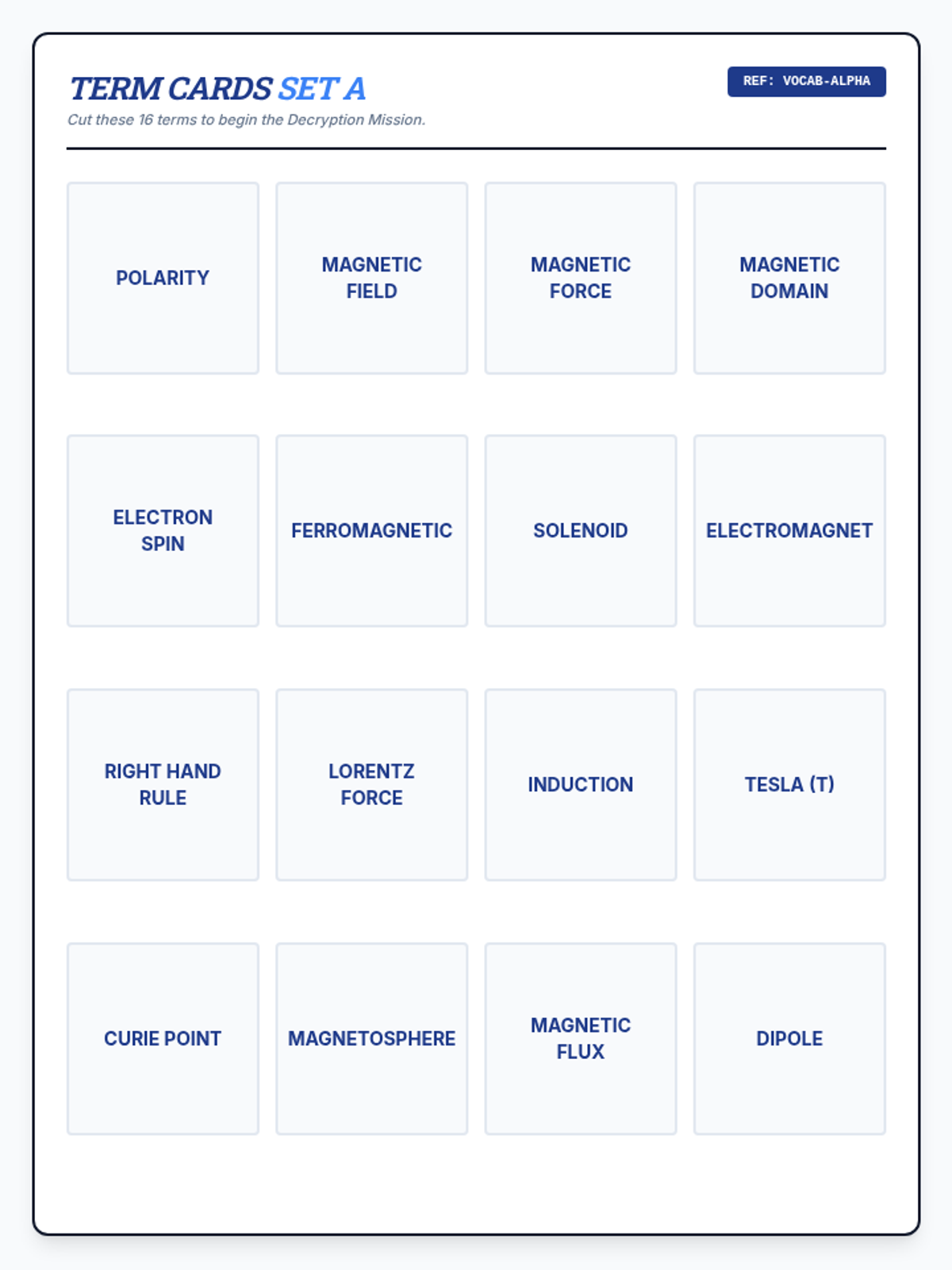
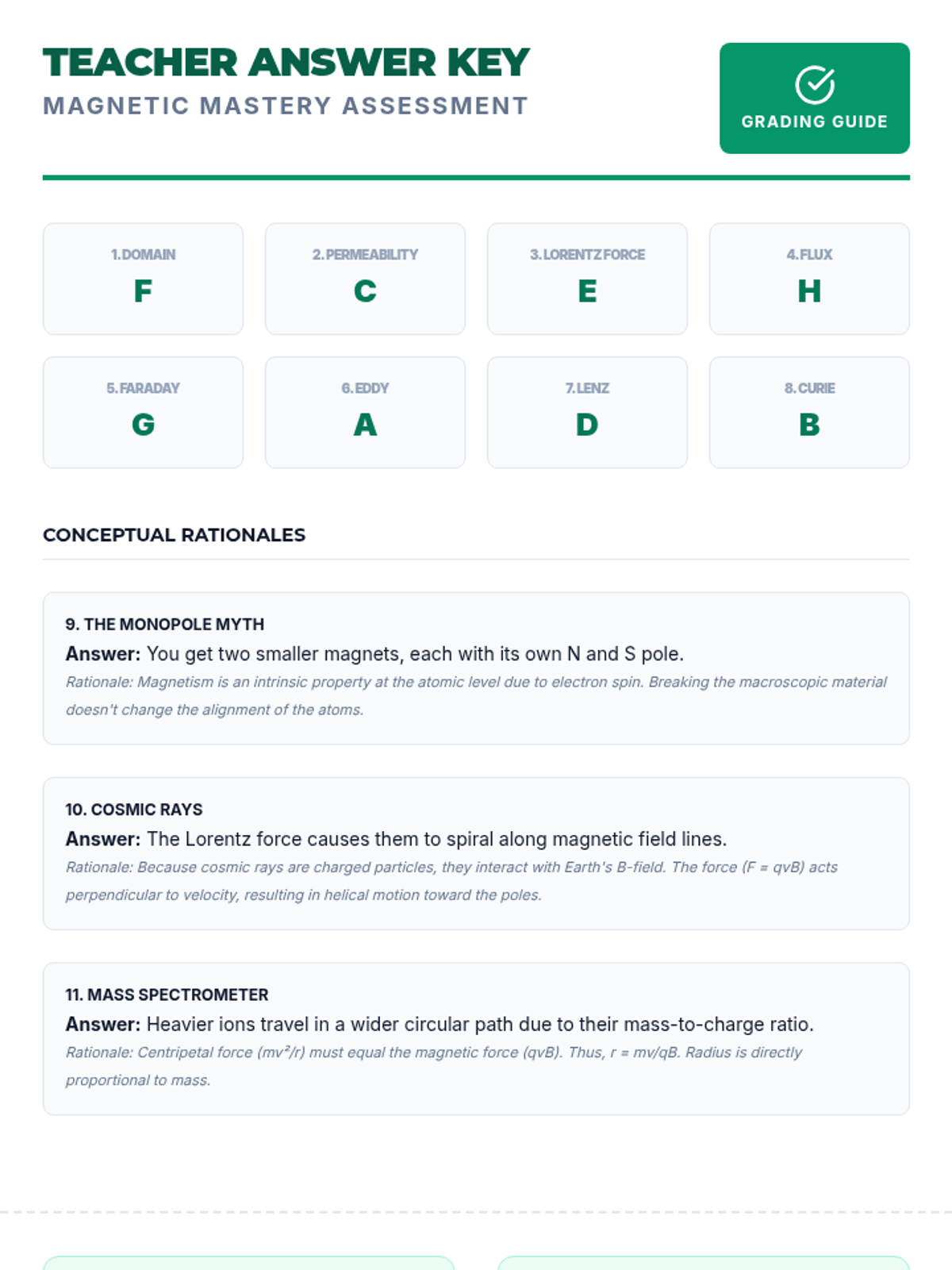
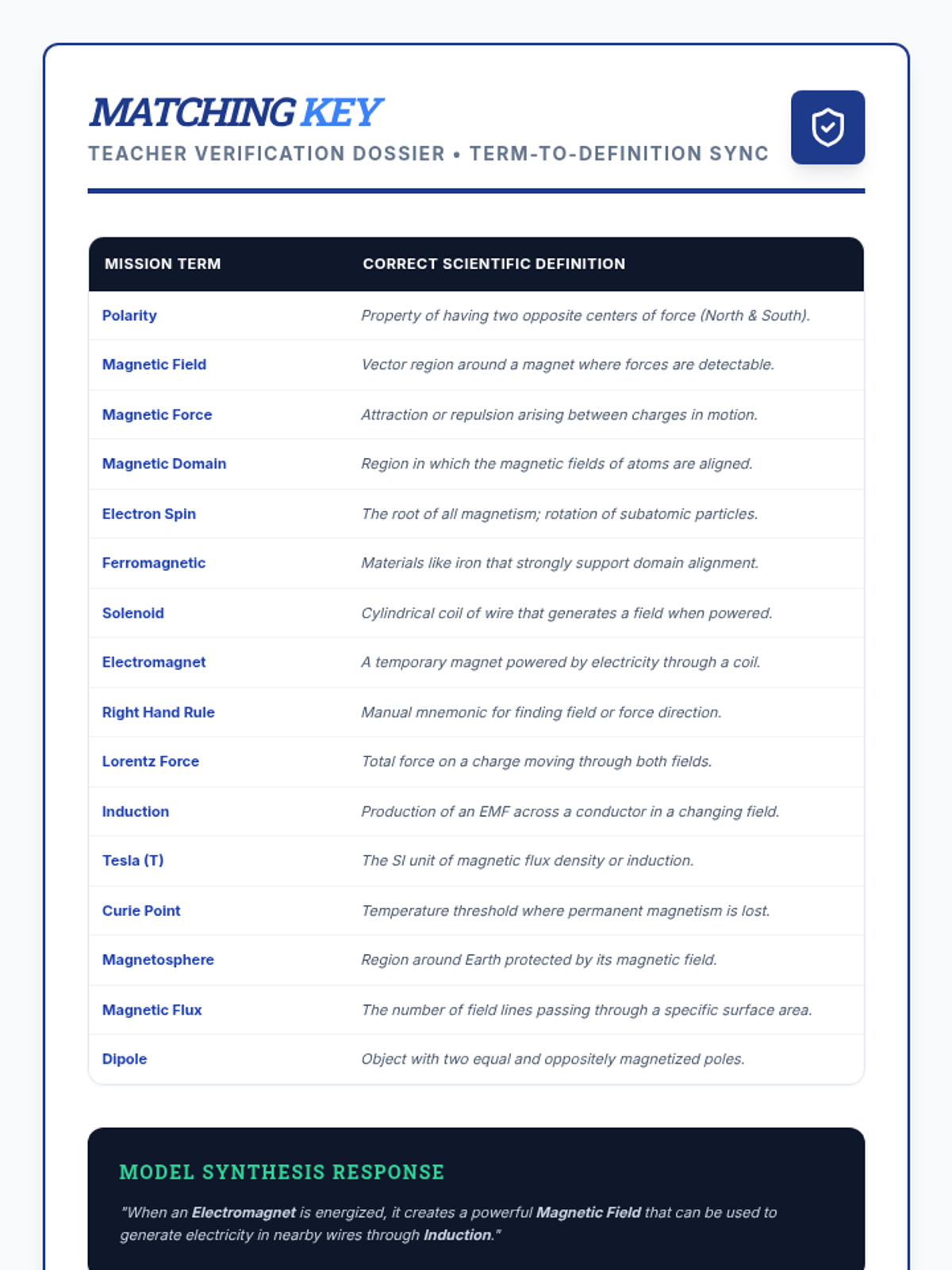
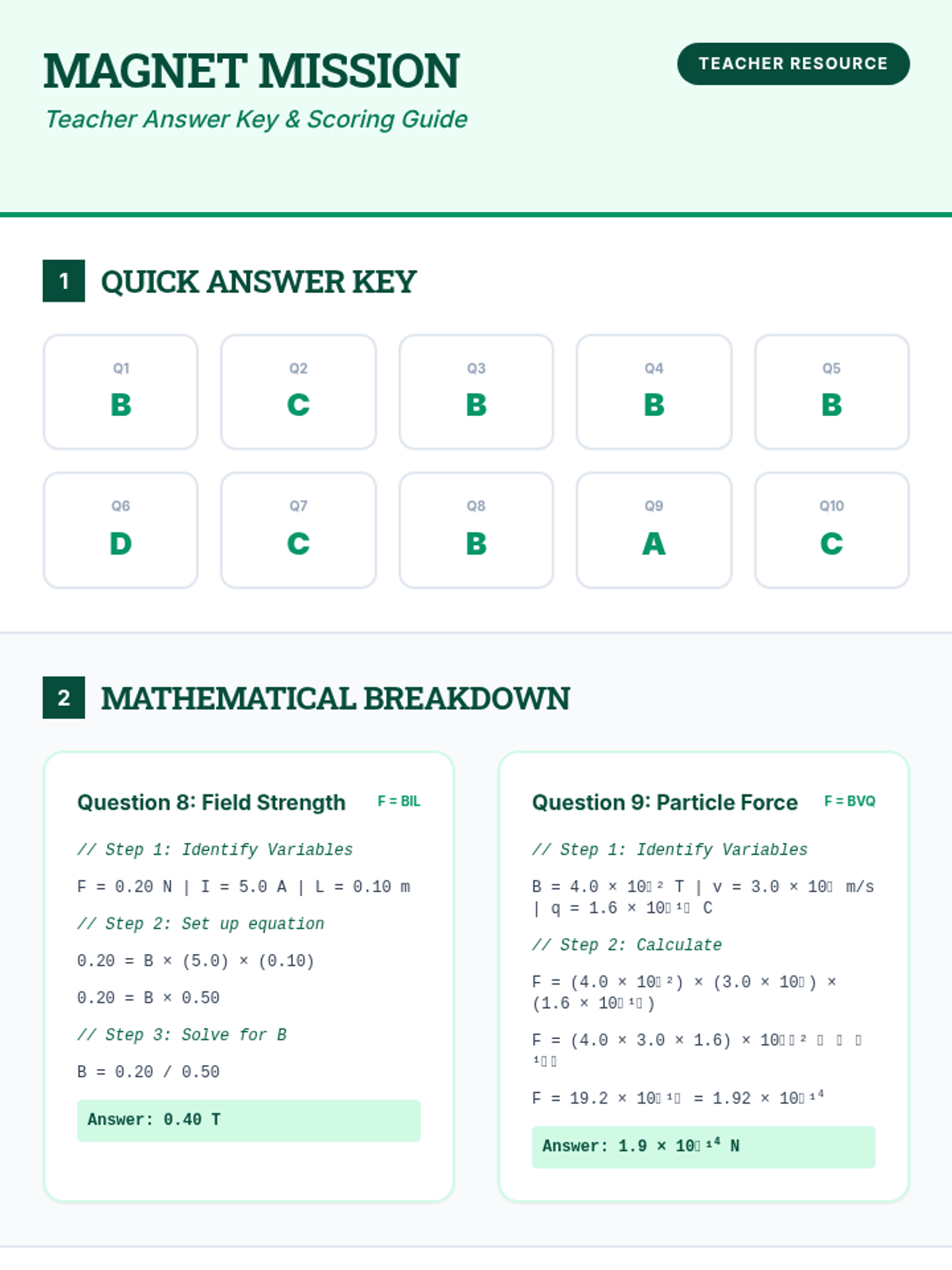
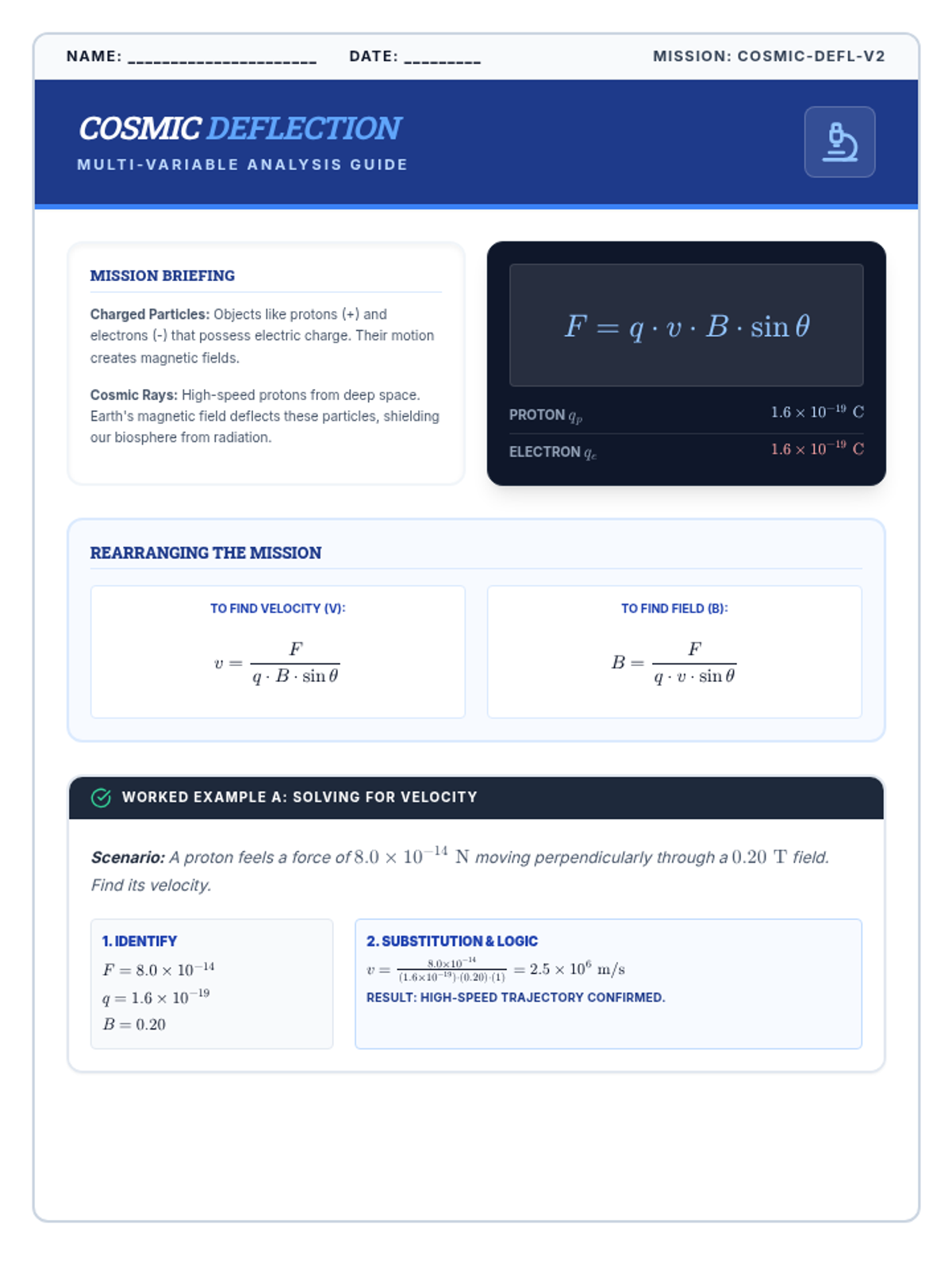
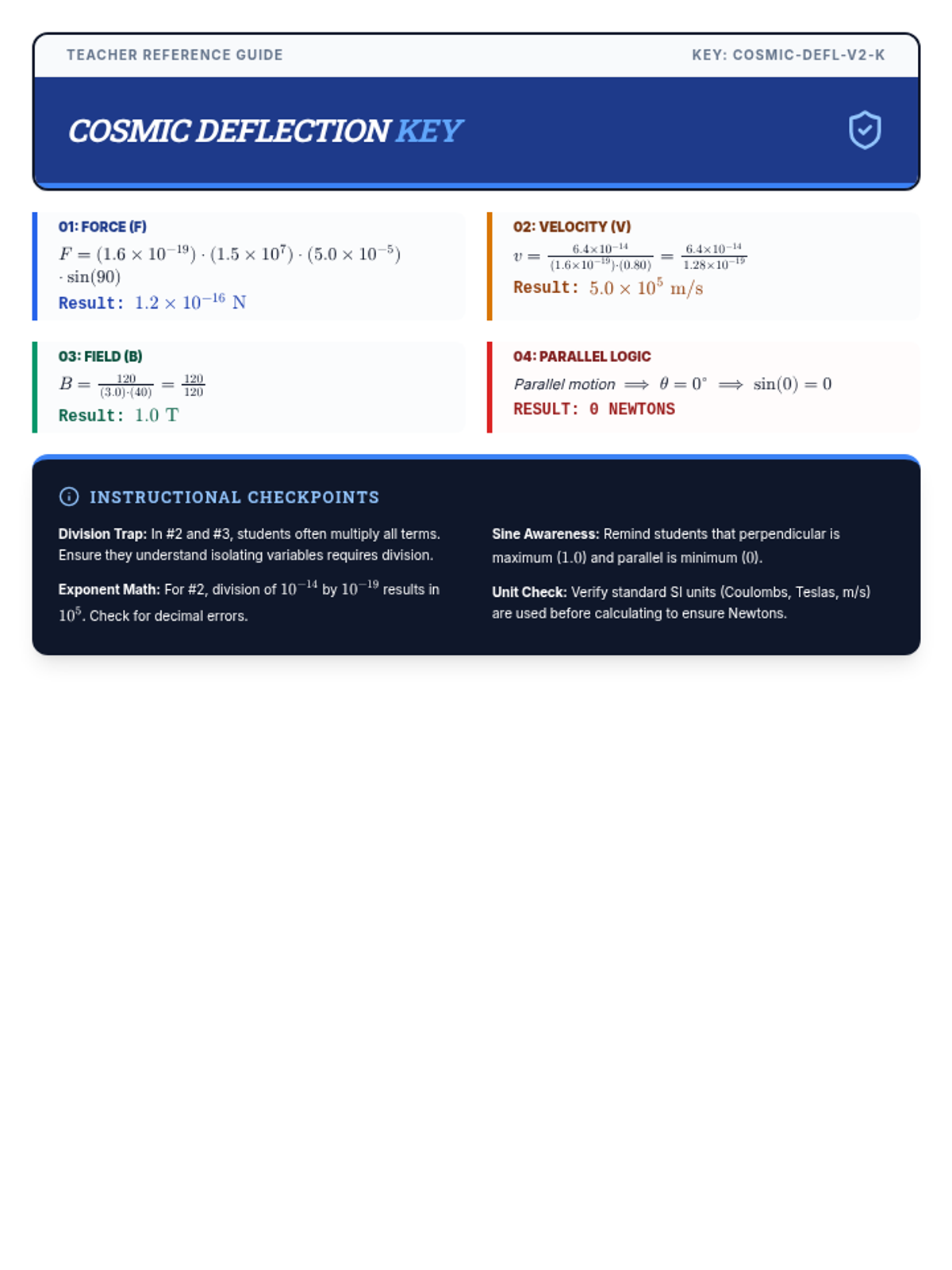
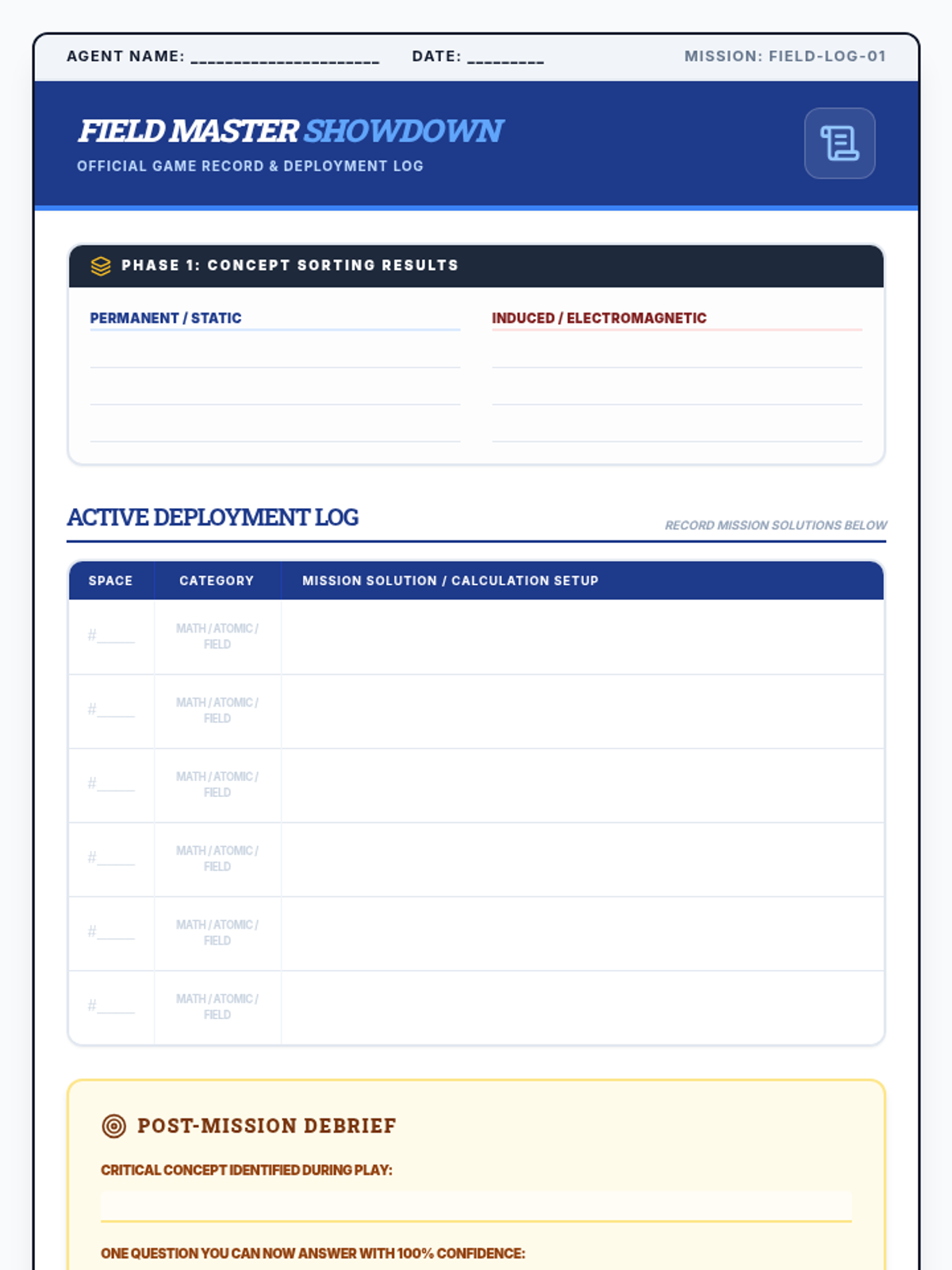
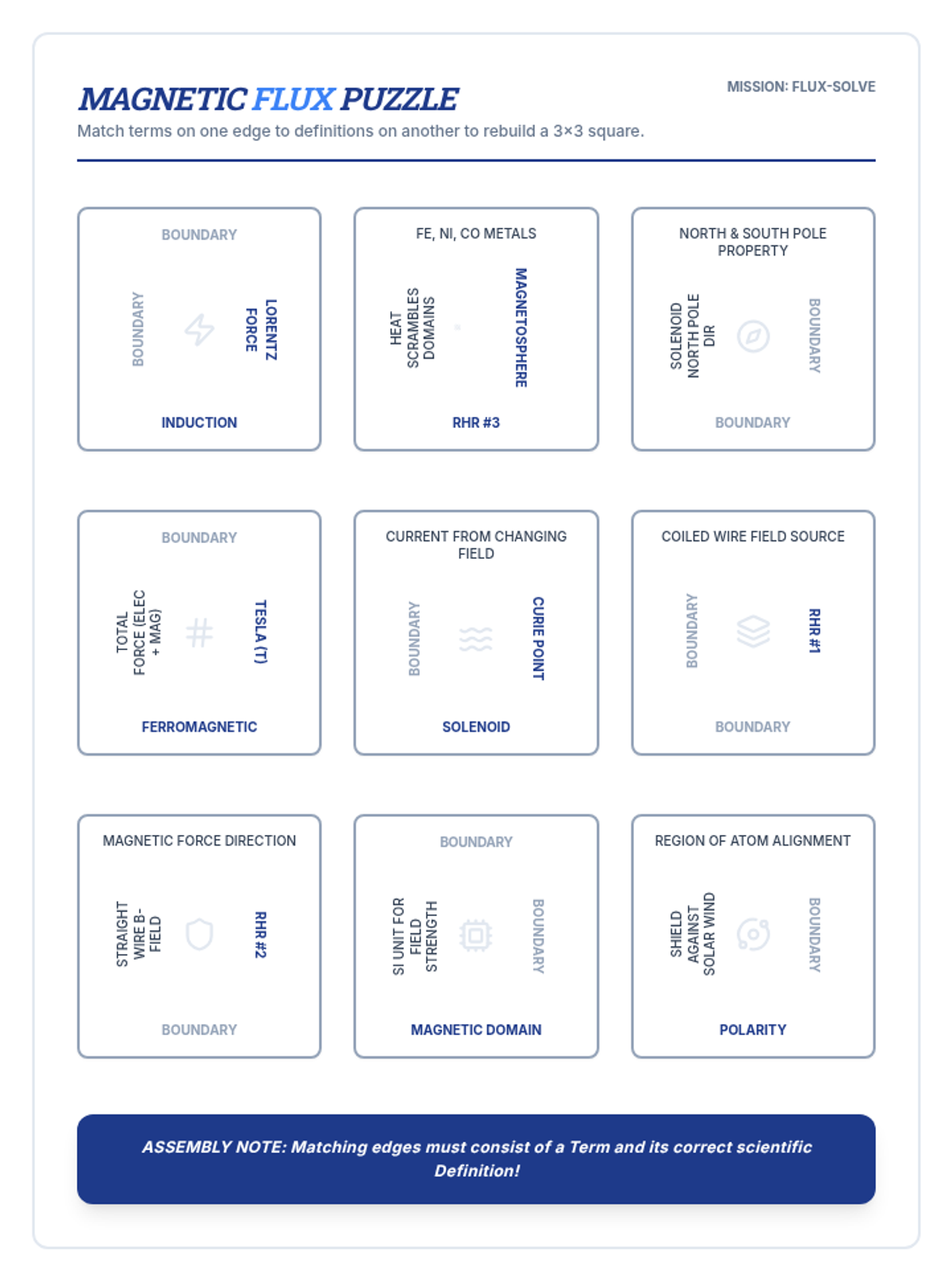
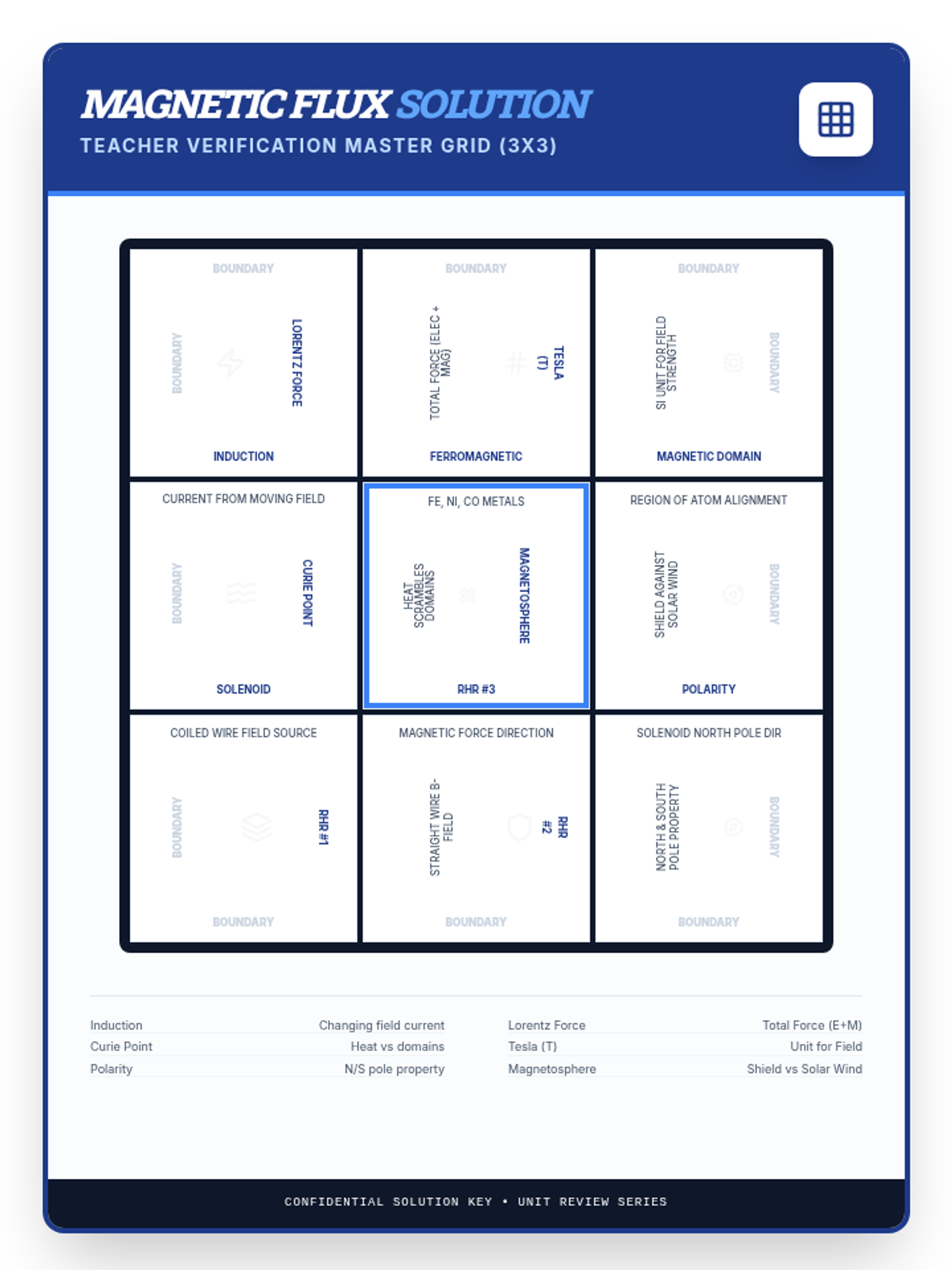
Students will investigate the nature of magnetic forces and fields, explore magnetism at the atomic level, and apply mathematical models to calculate forces on moving charges. The lesson concludes with a comprehensive review game and study guide.
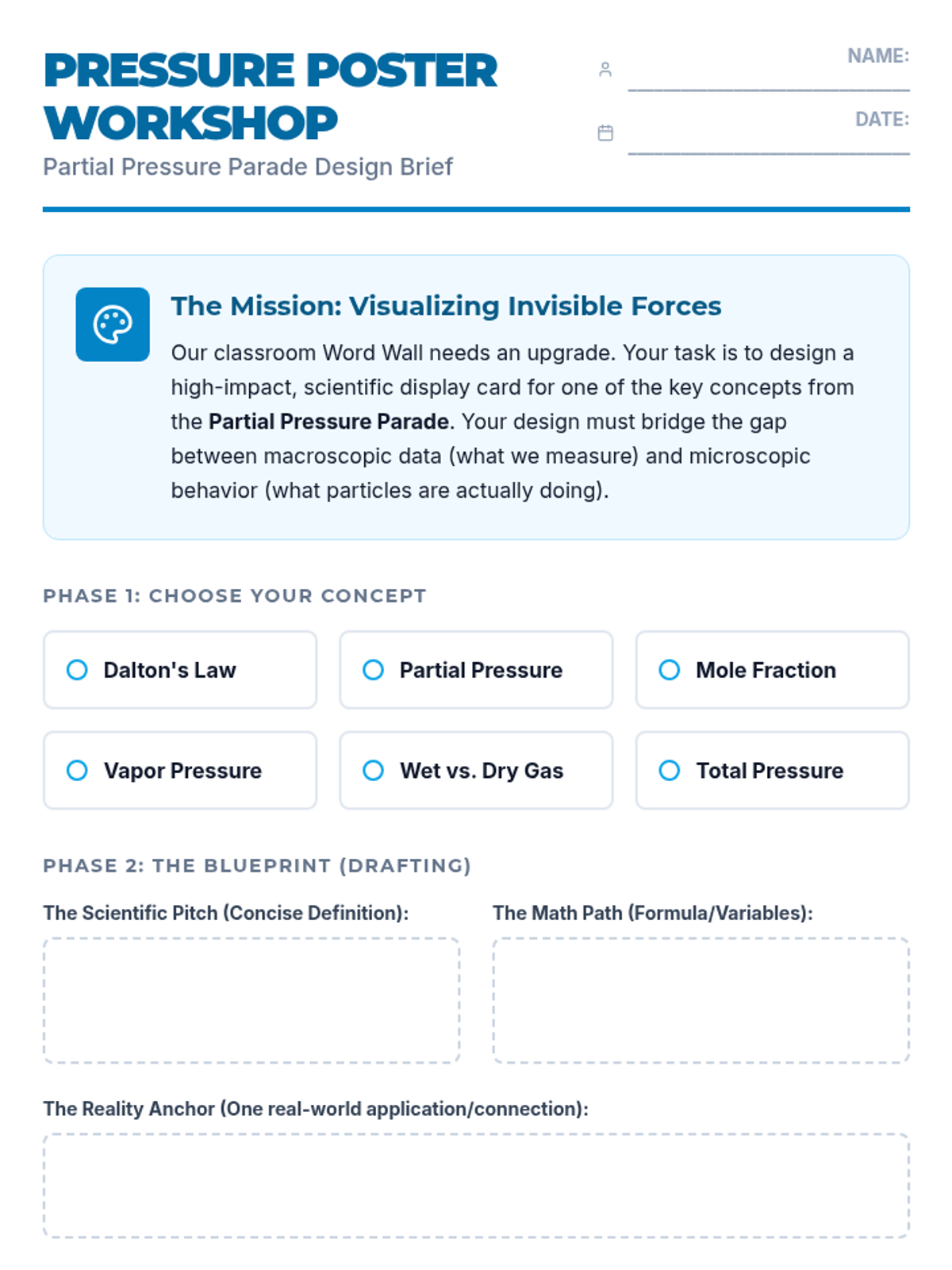
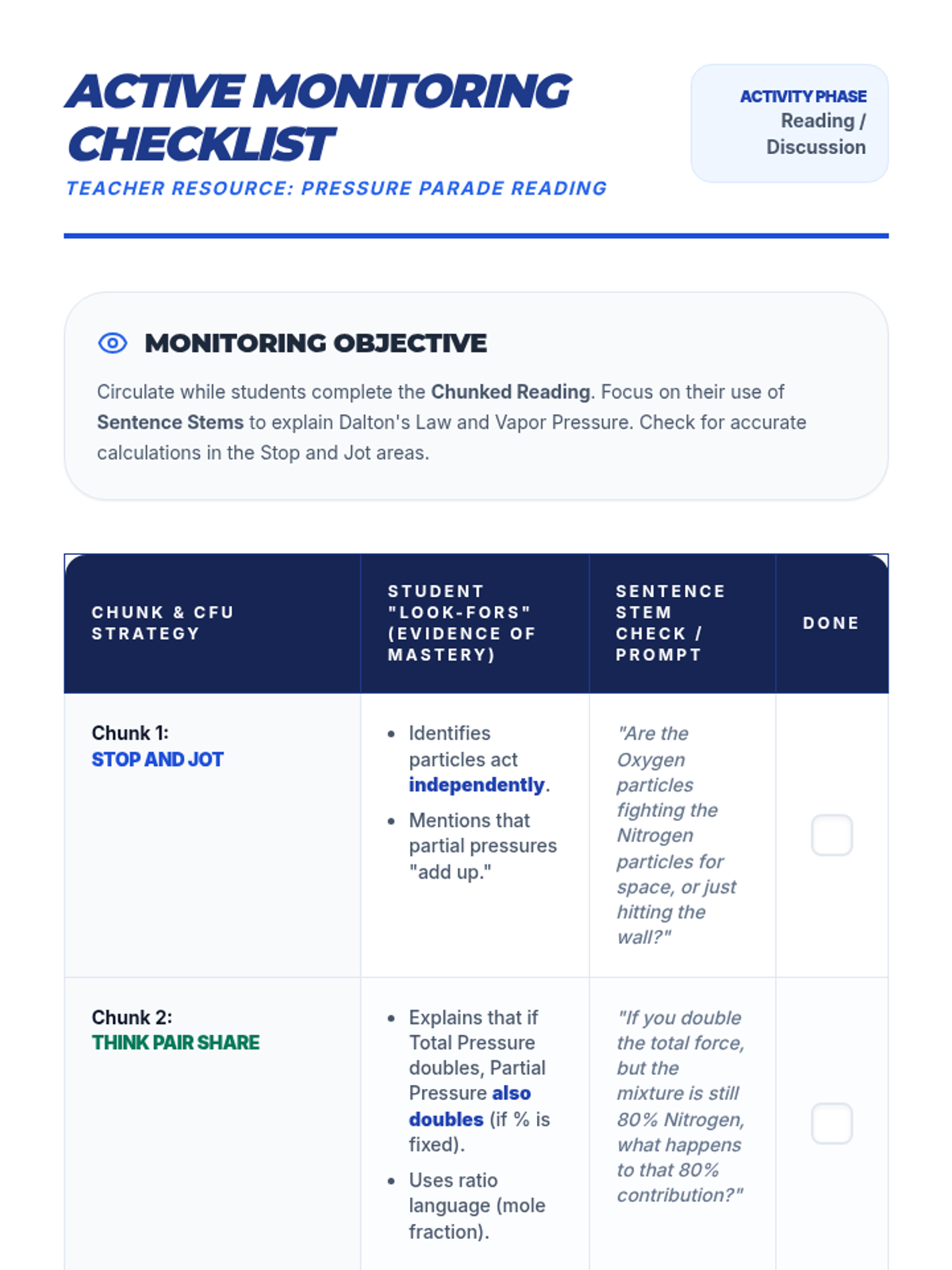
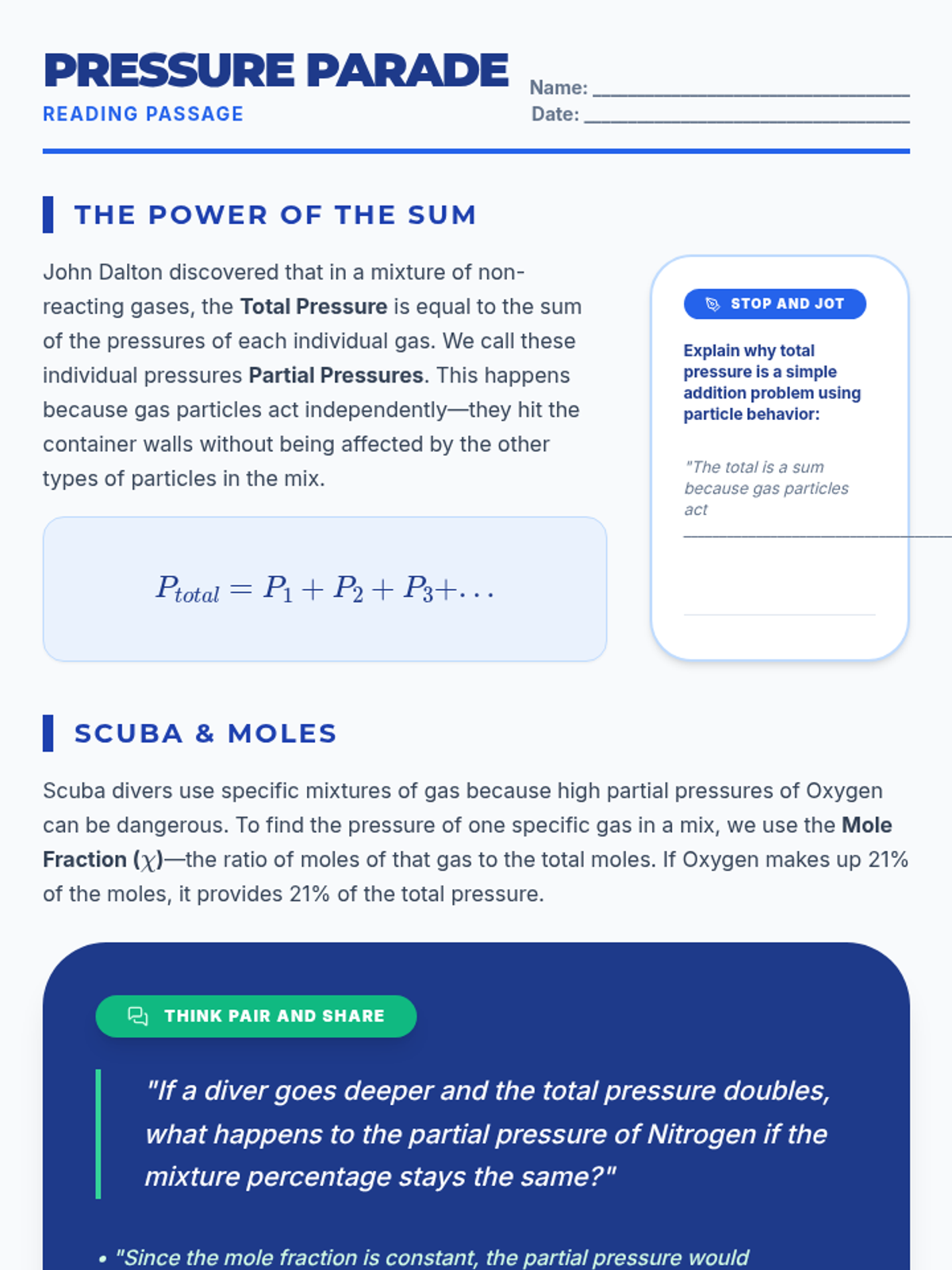
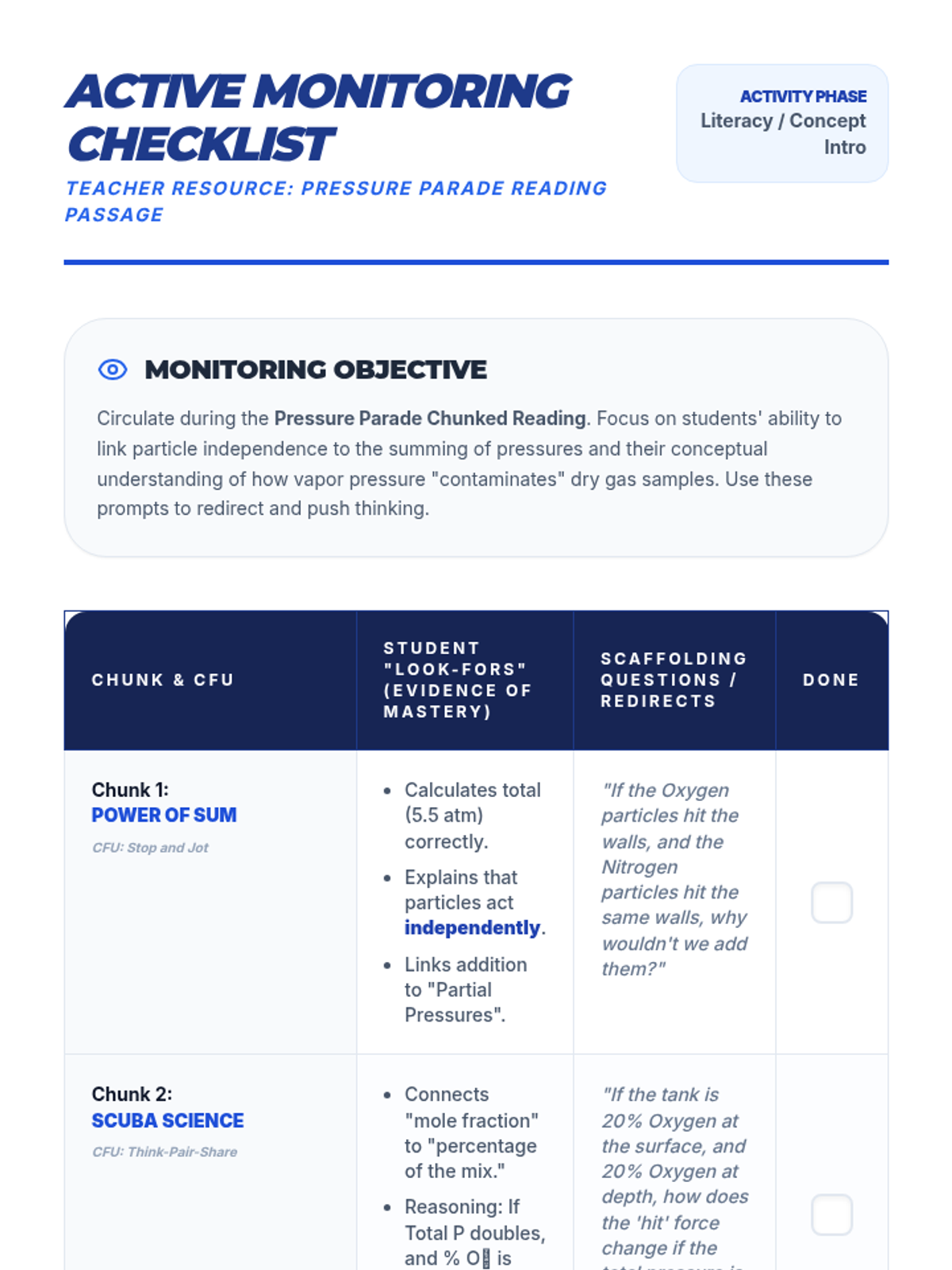
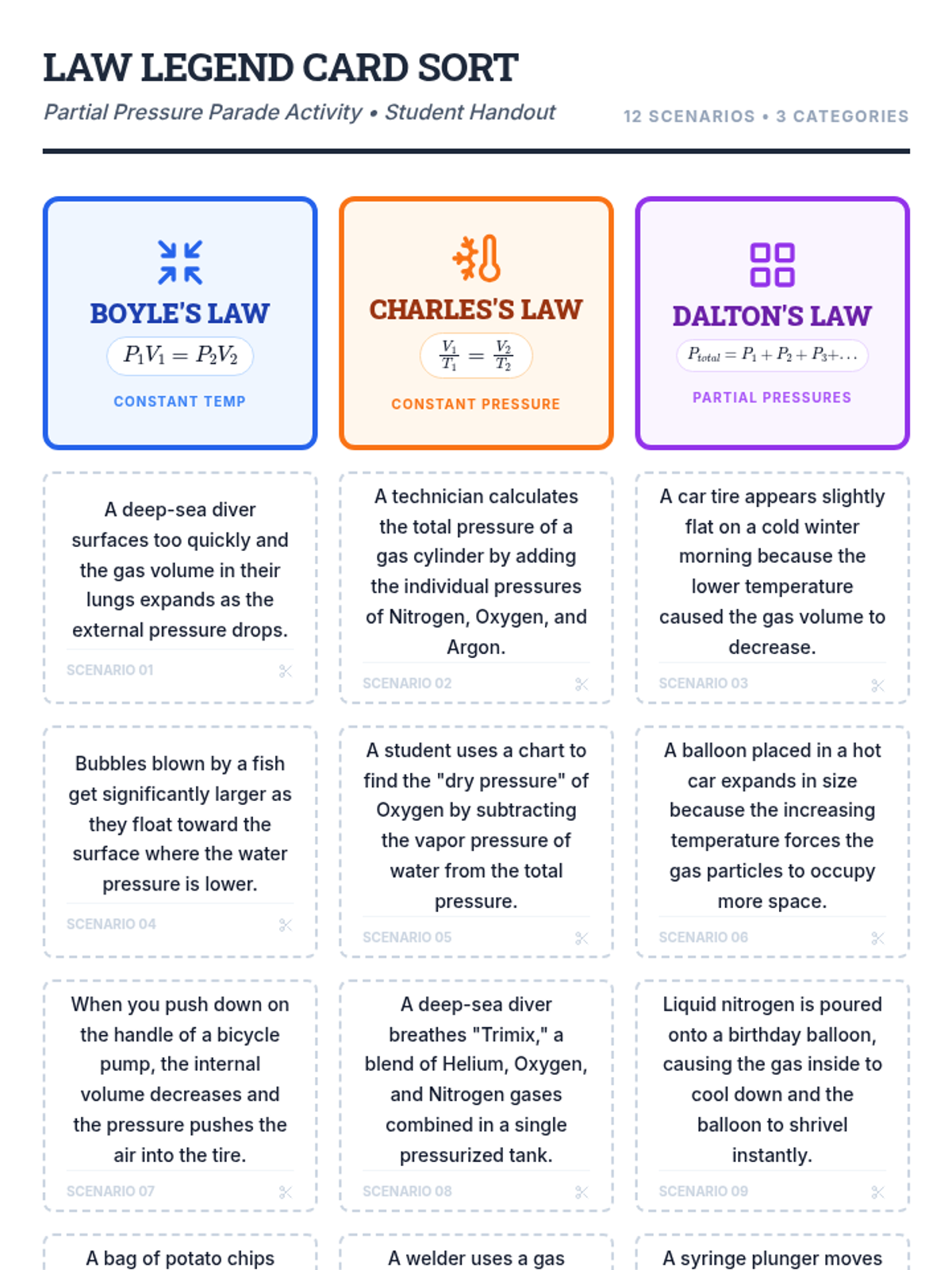
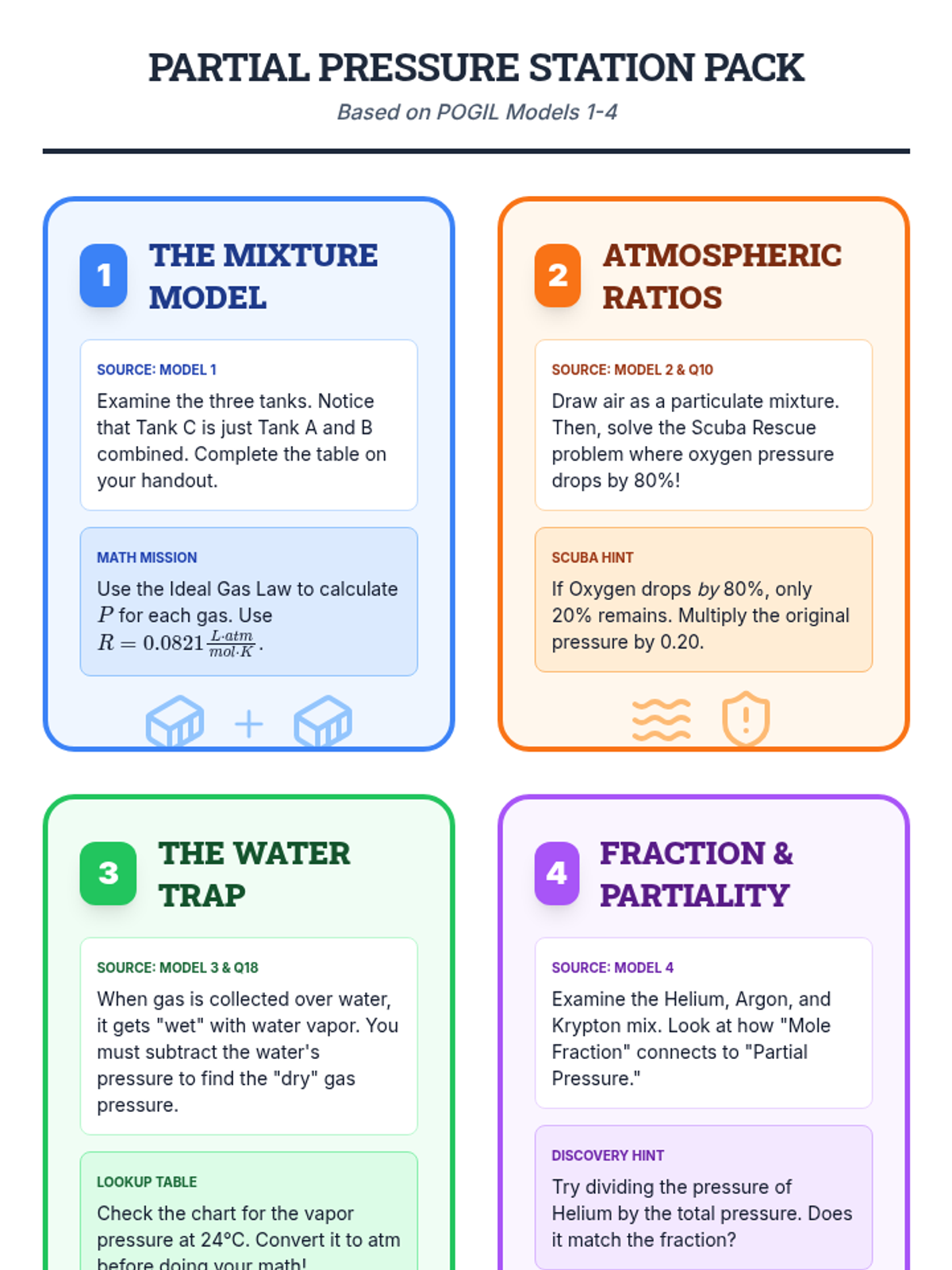
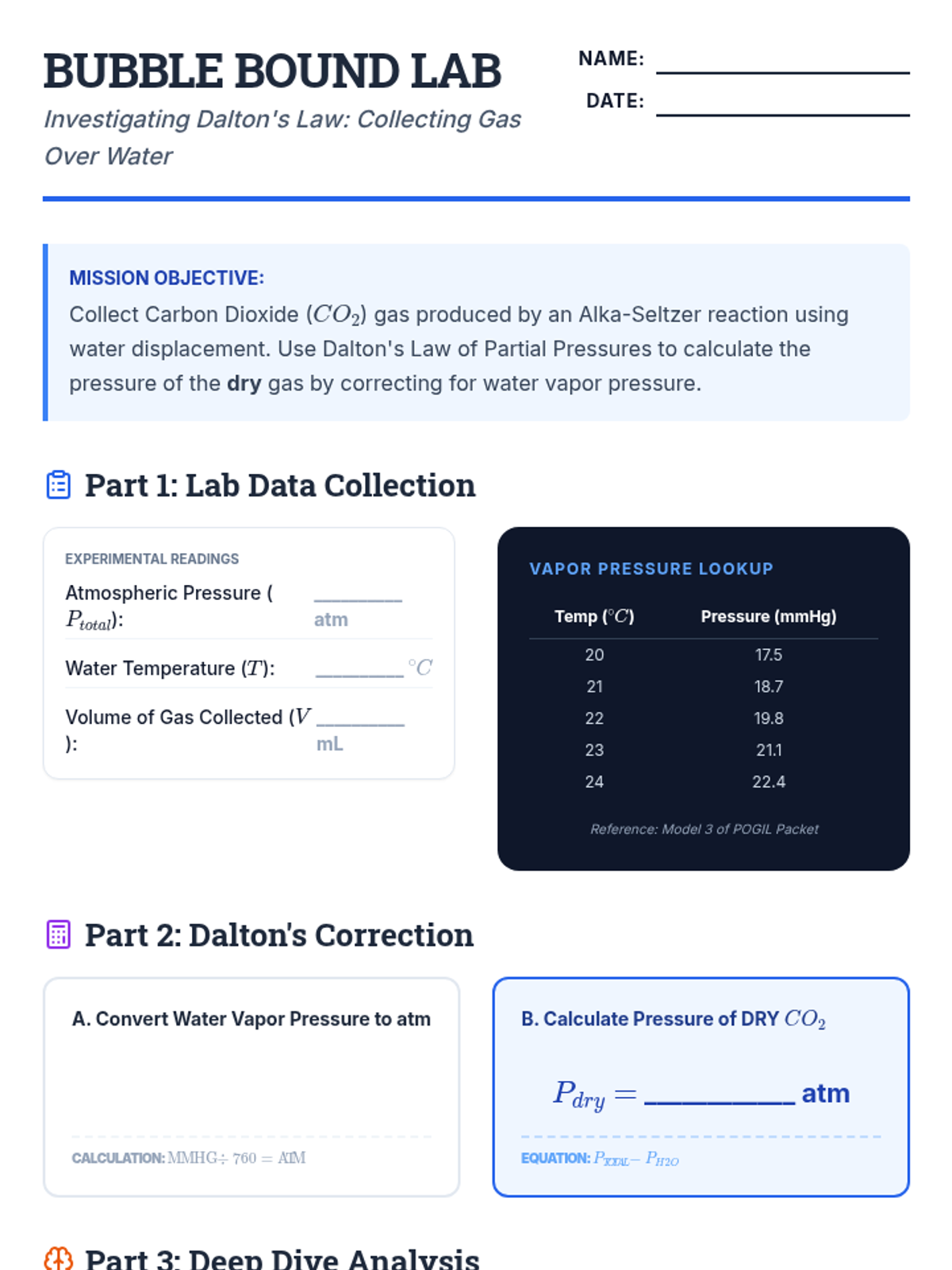
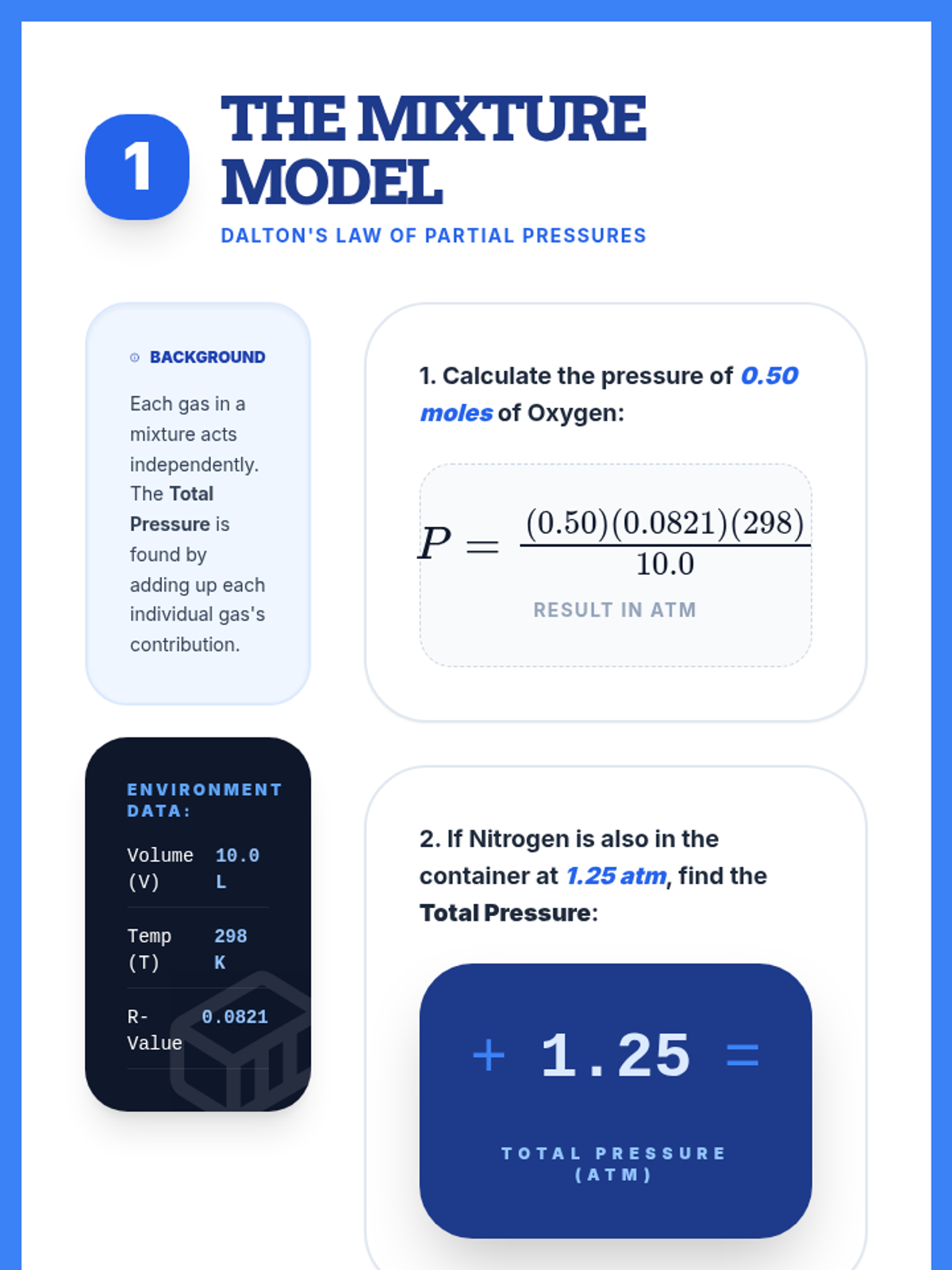
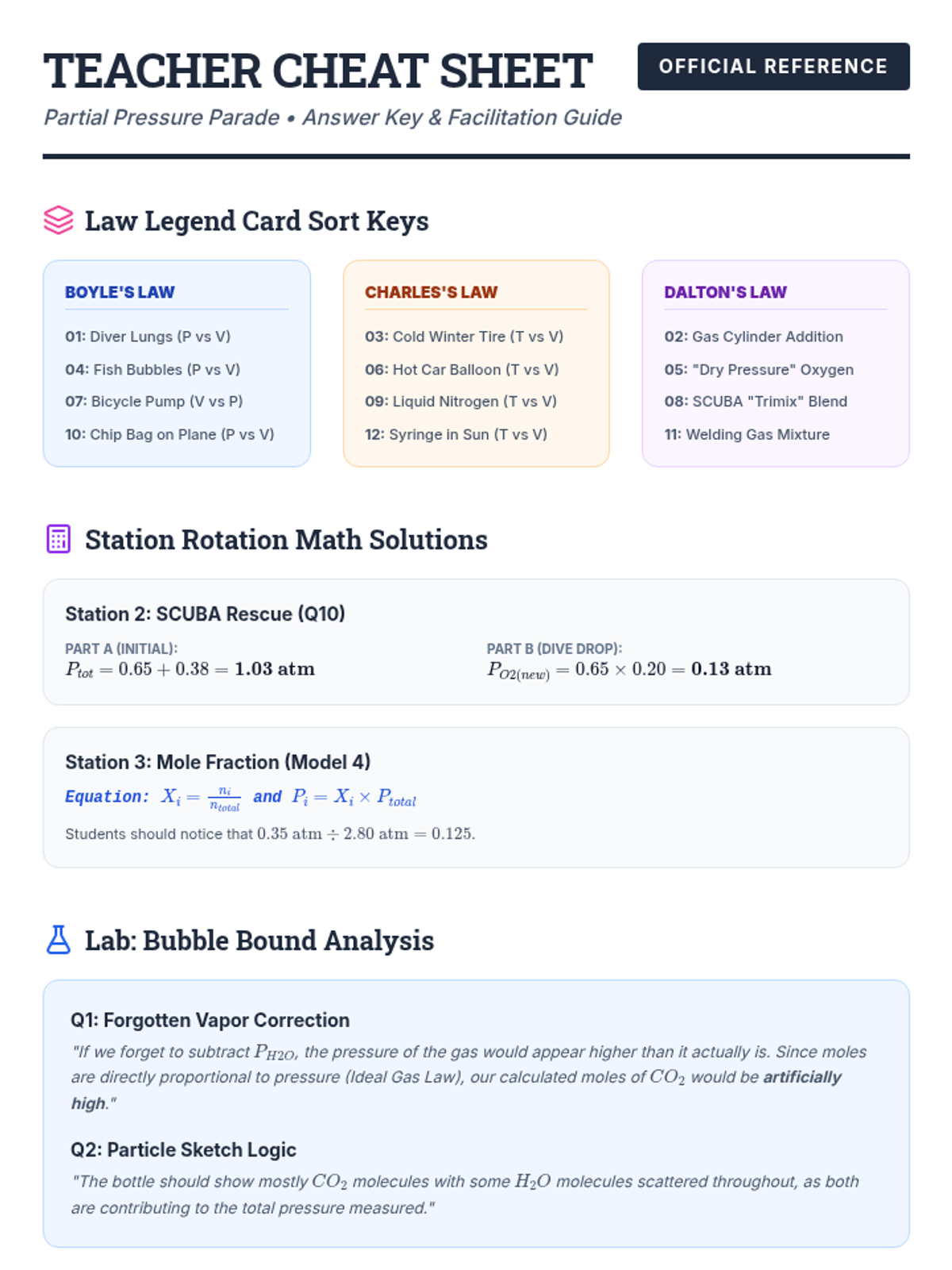
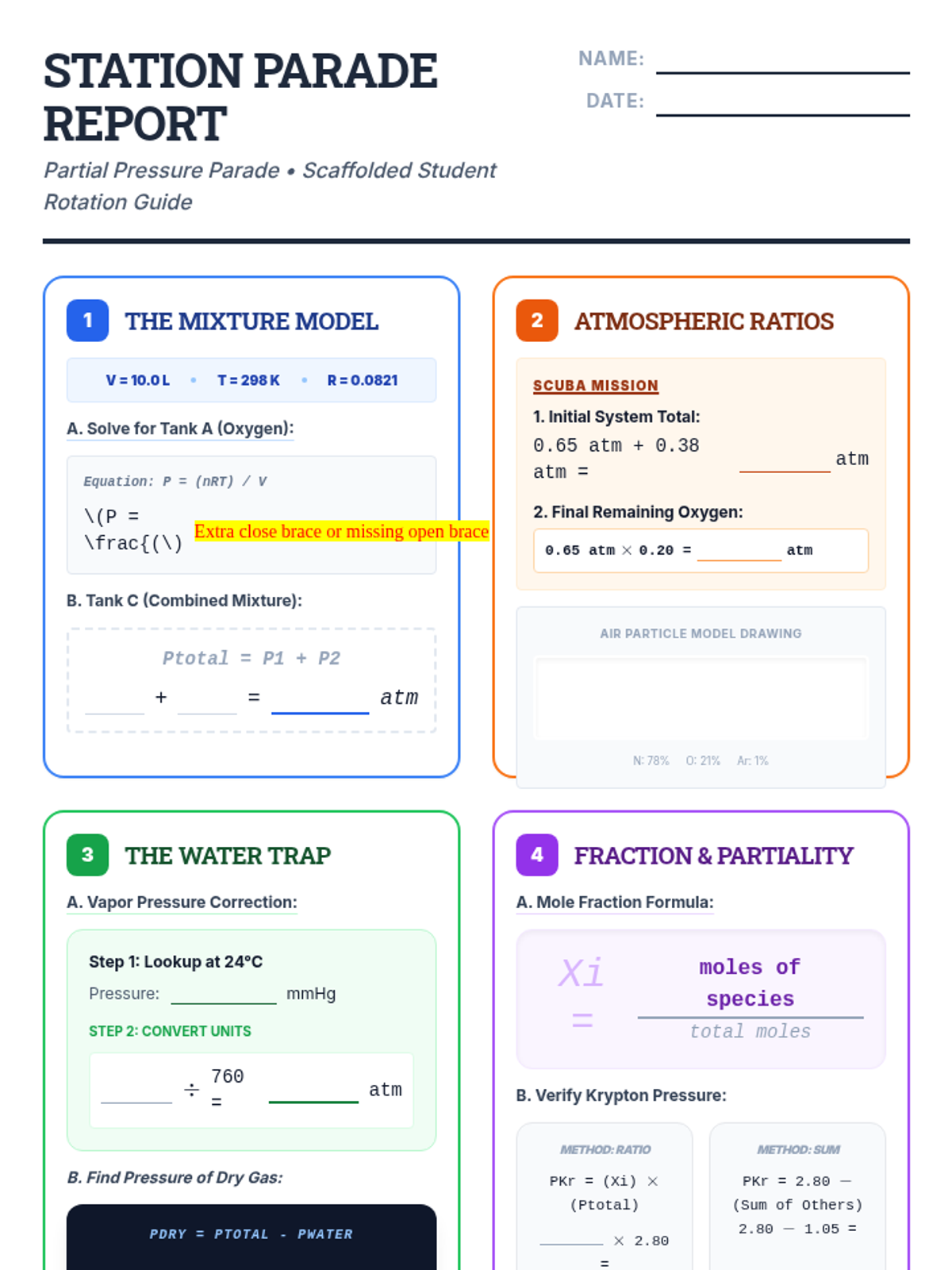
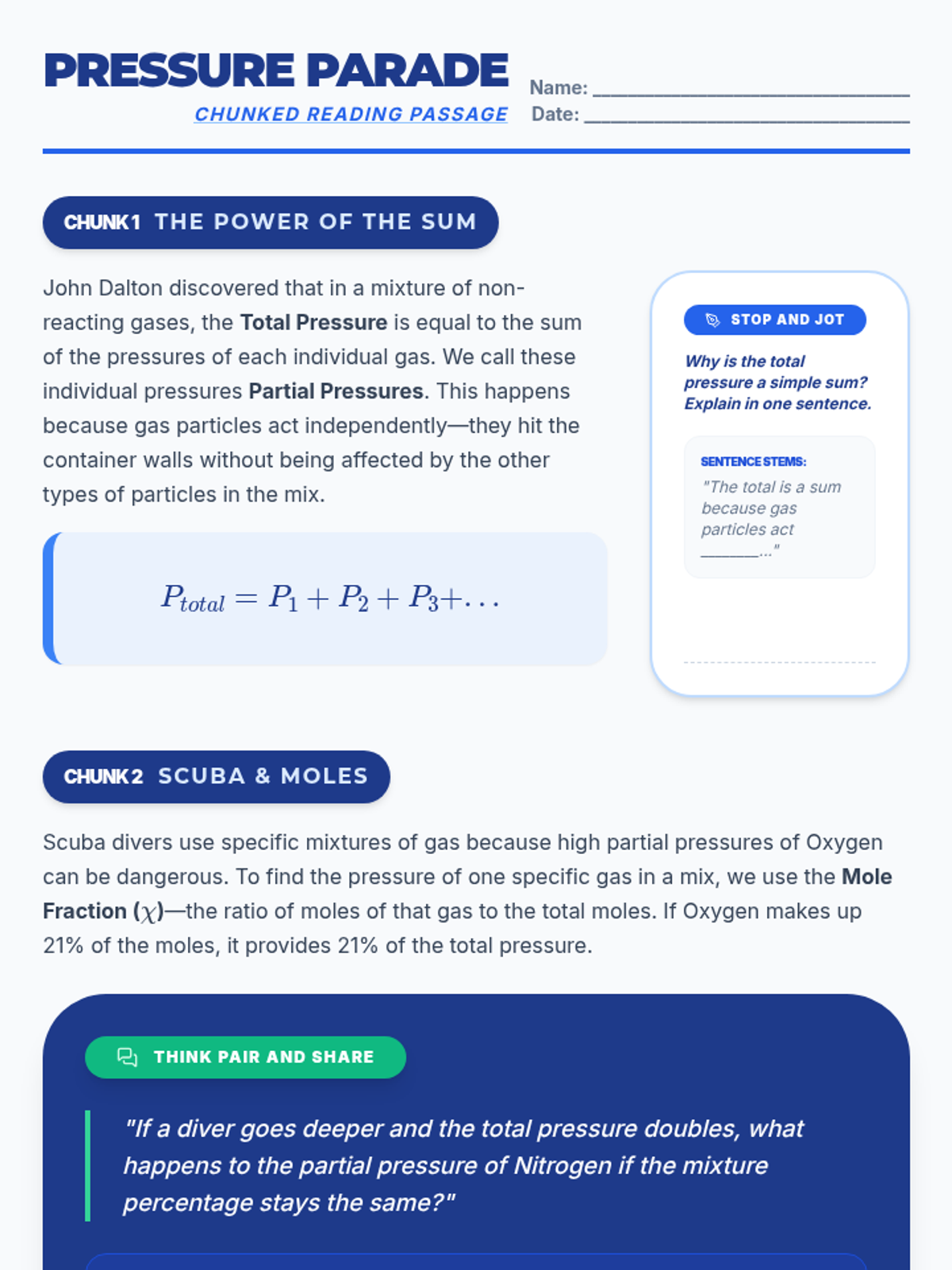
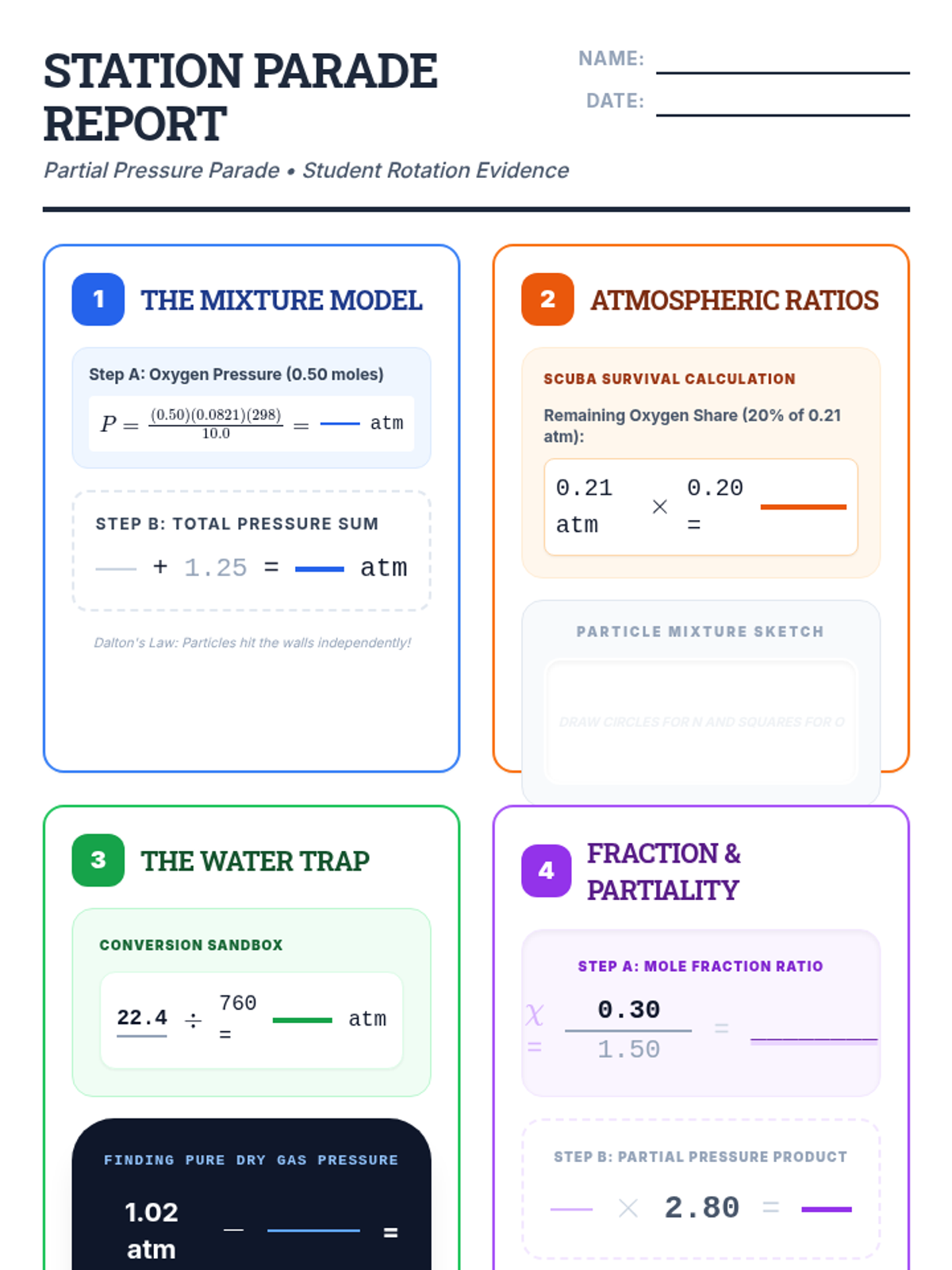
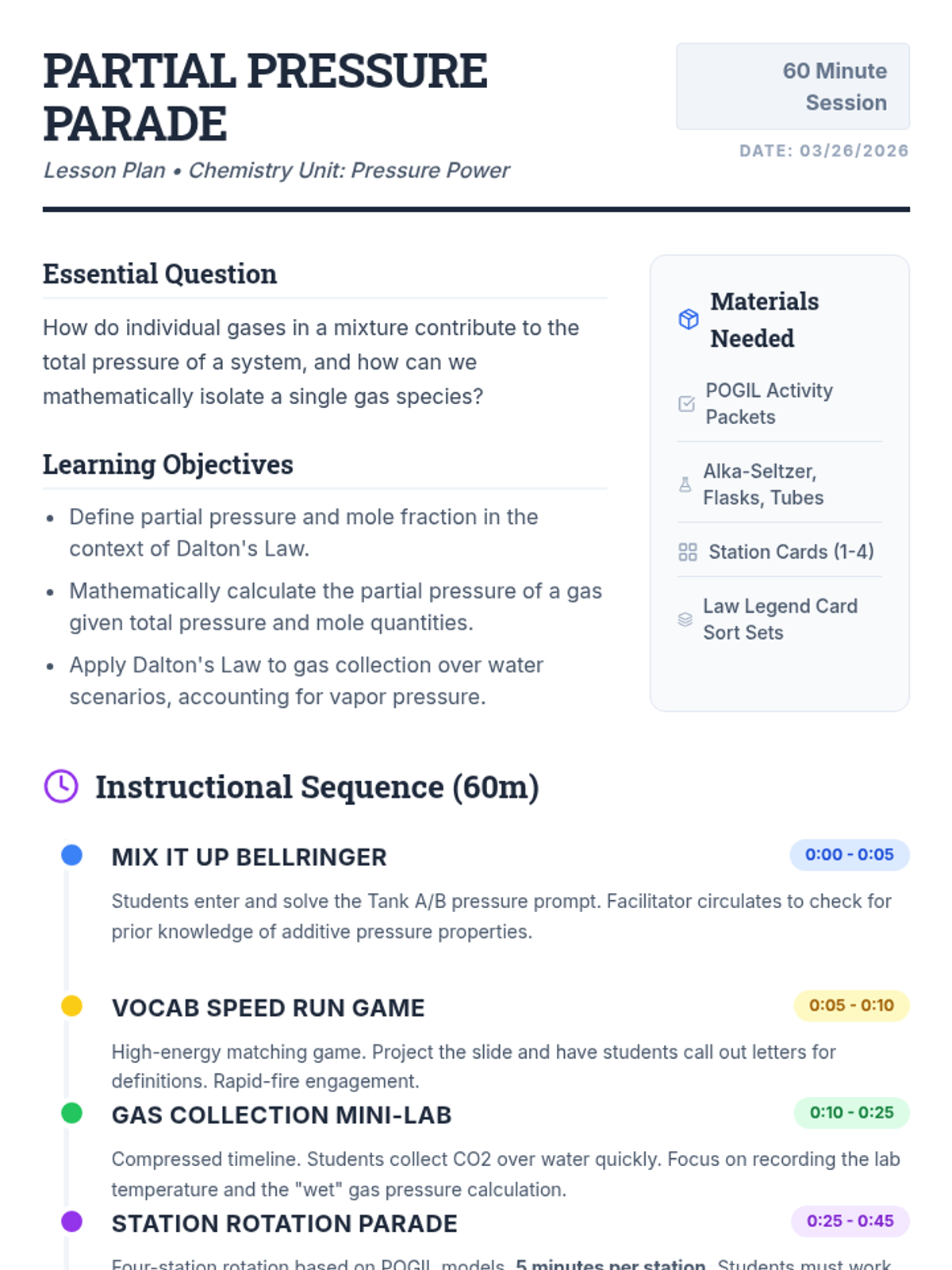
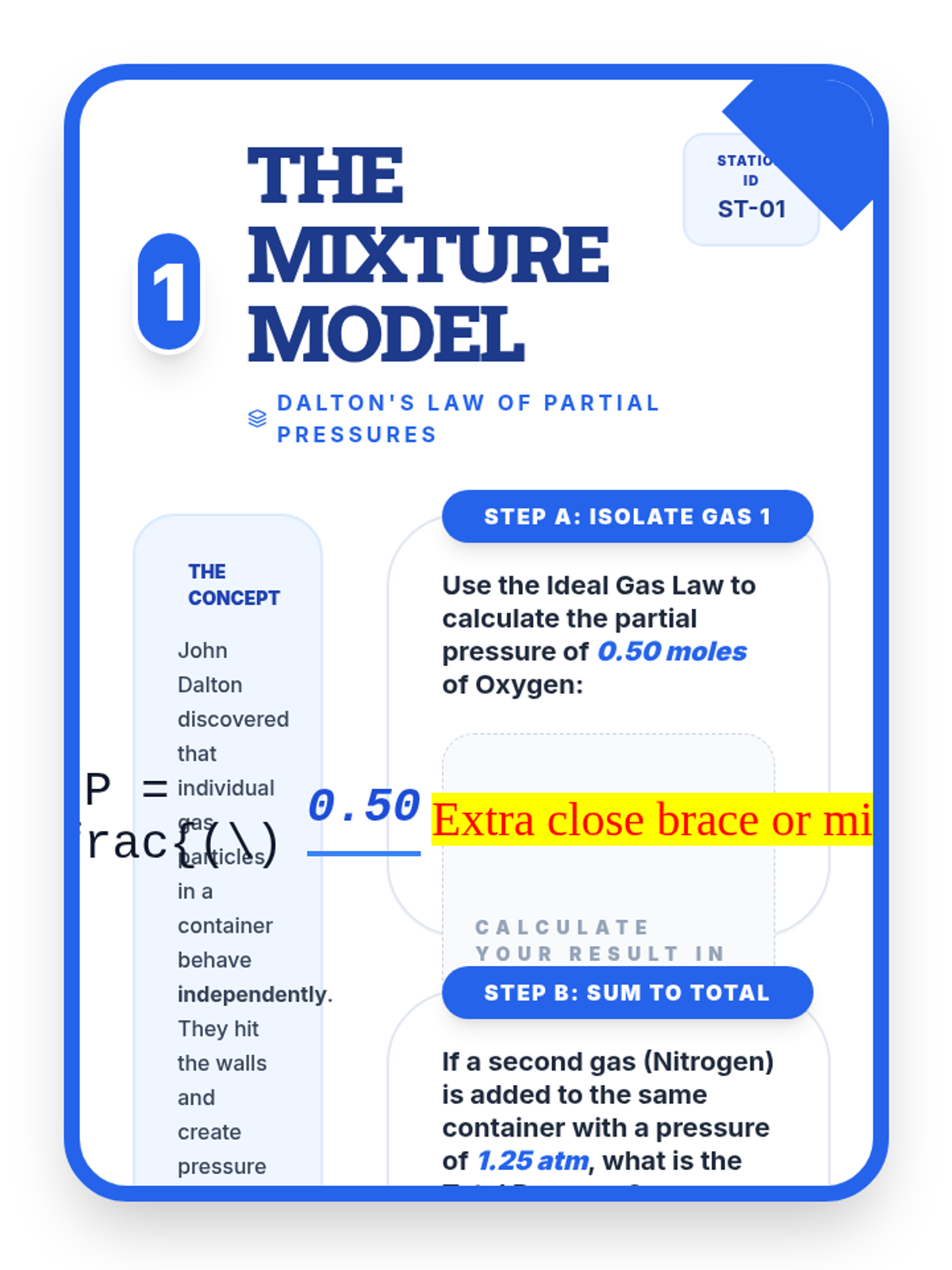
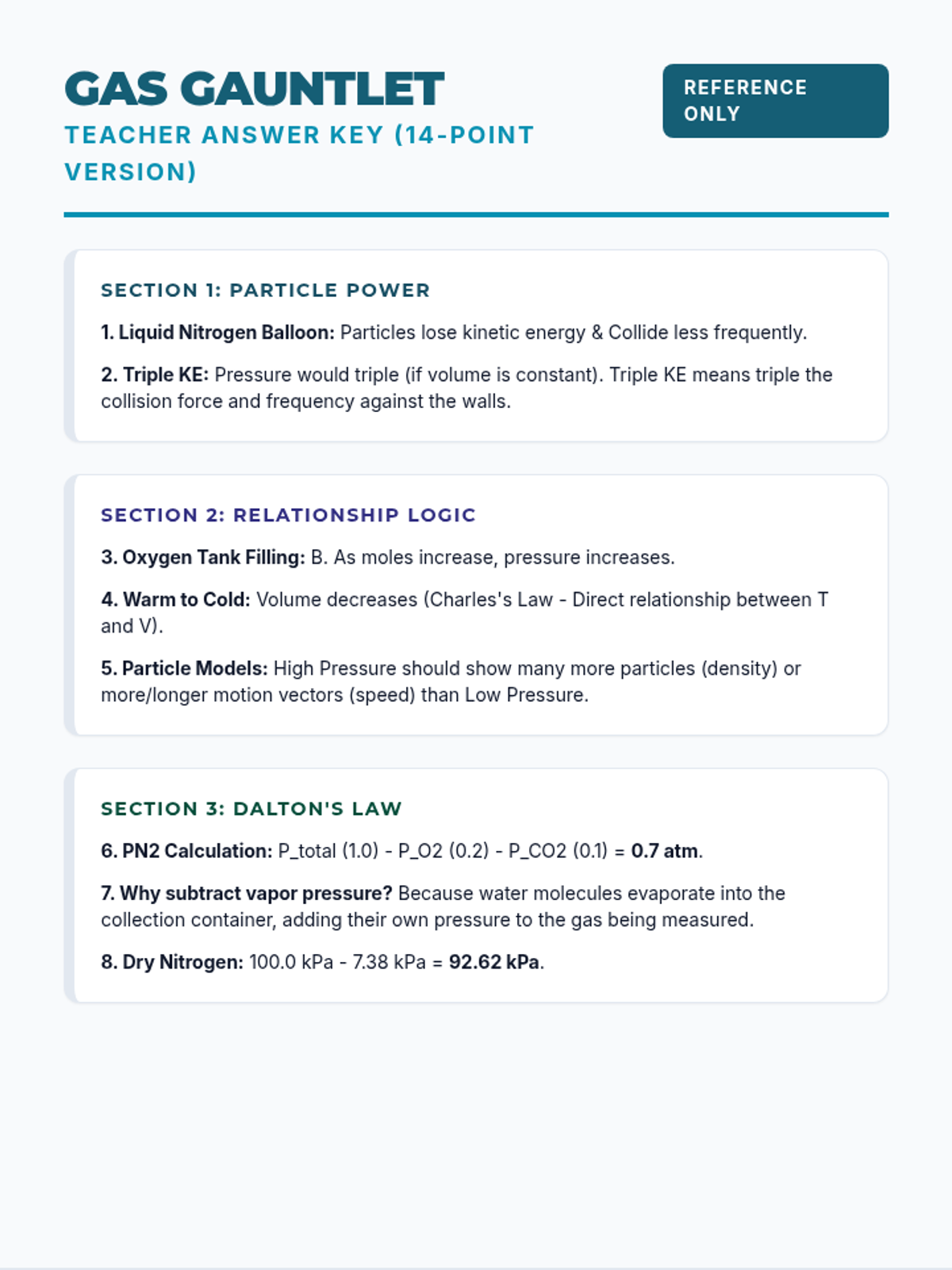
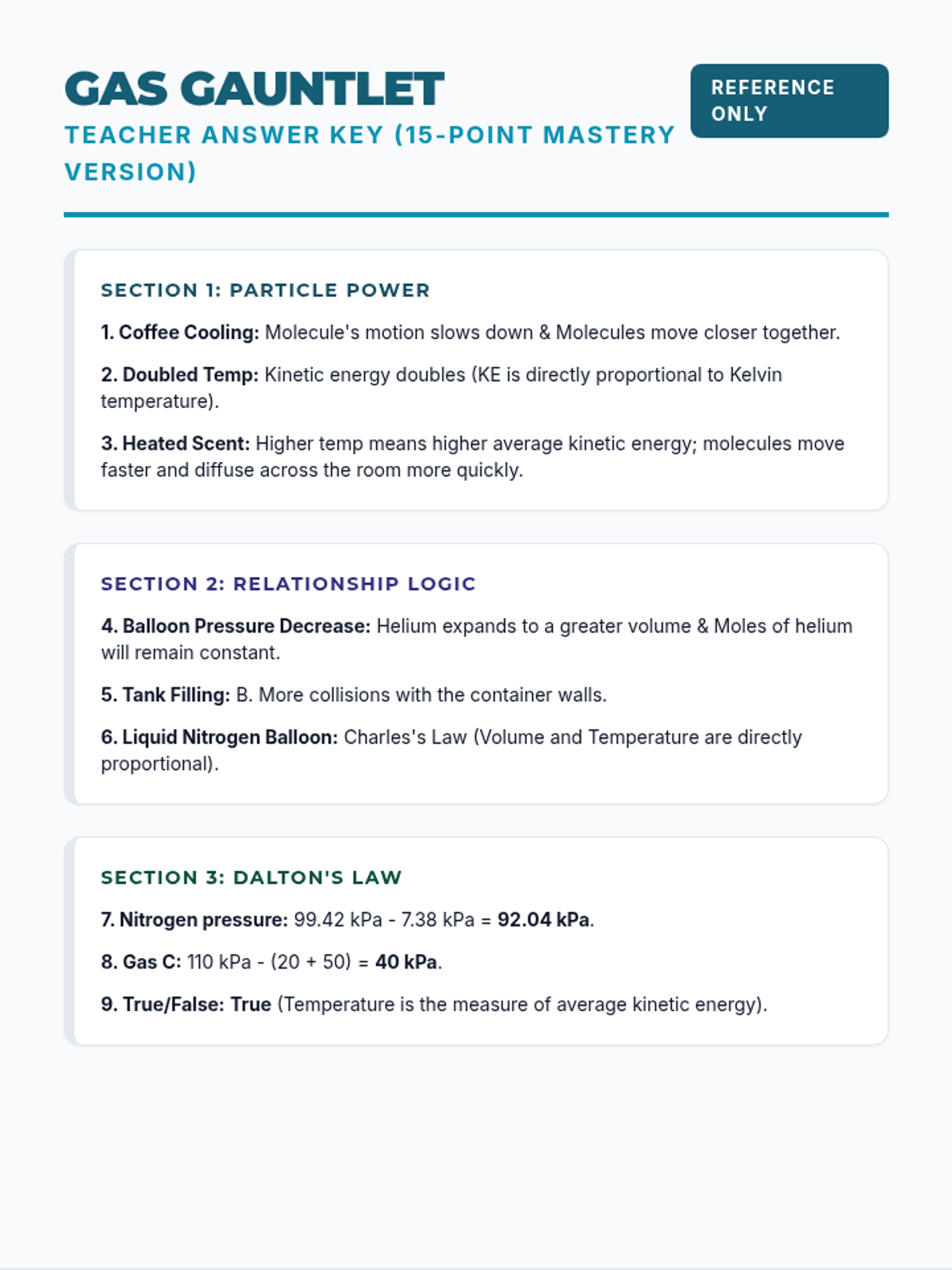
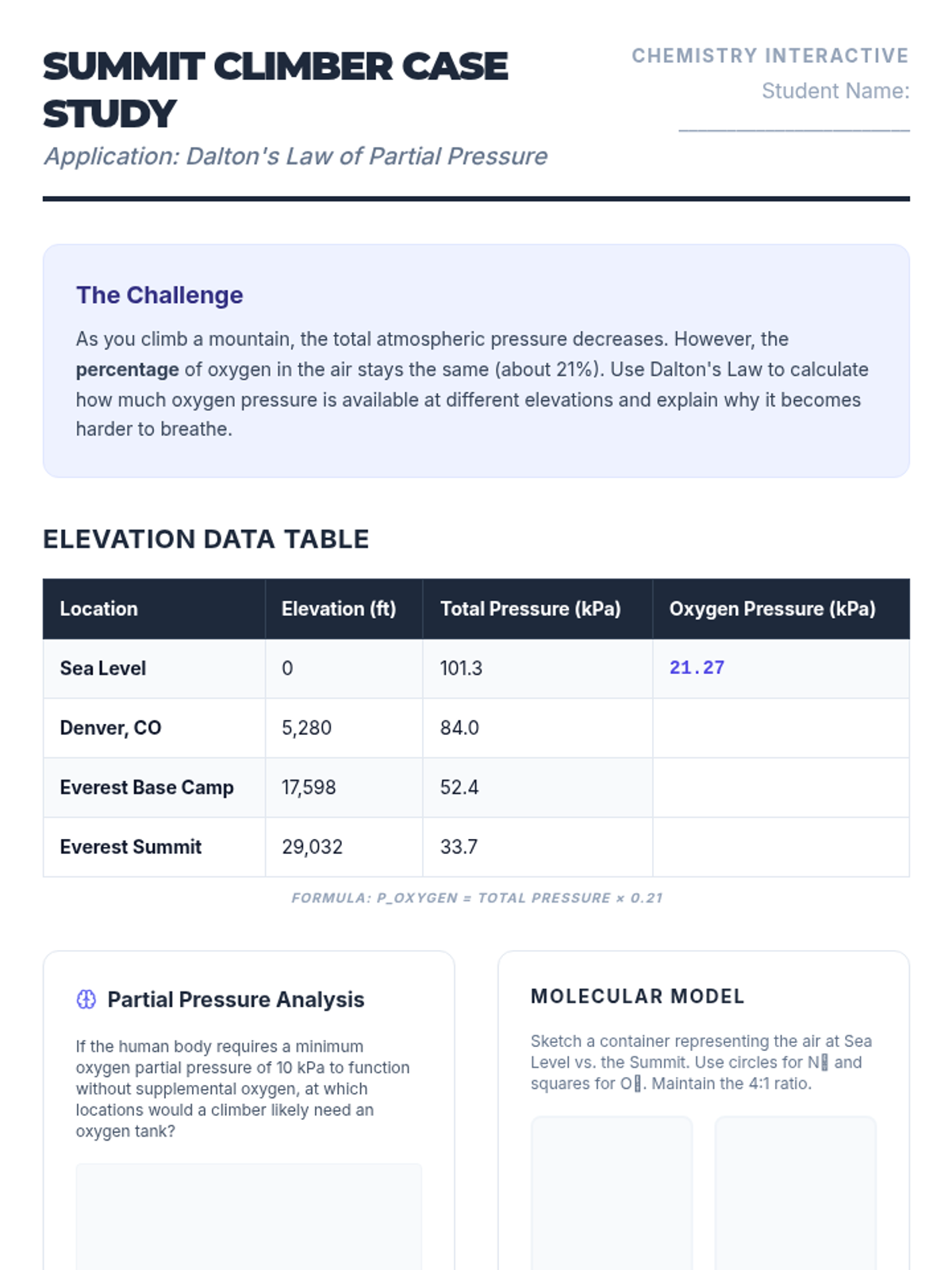
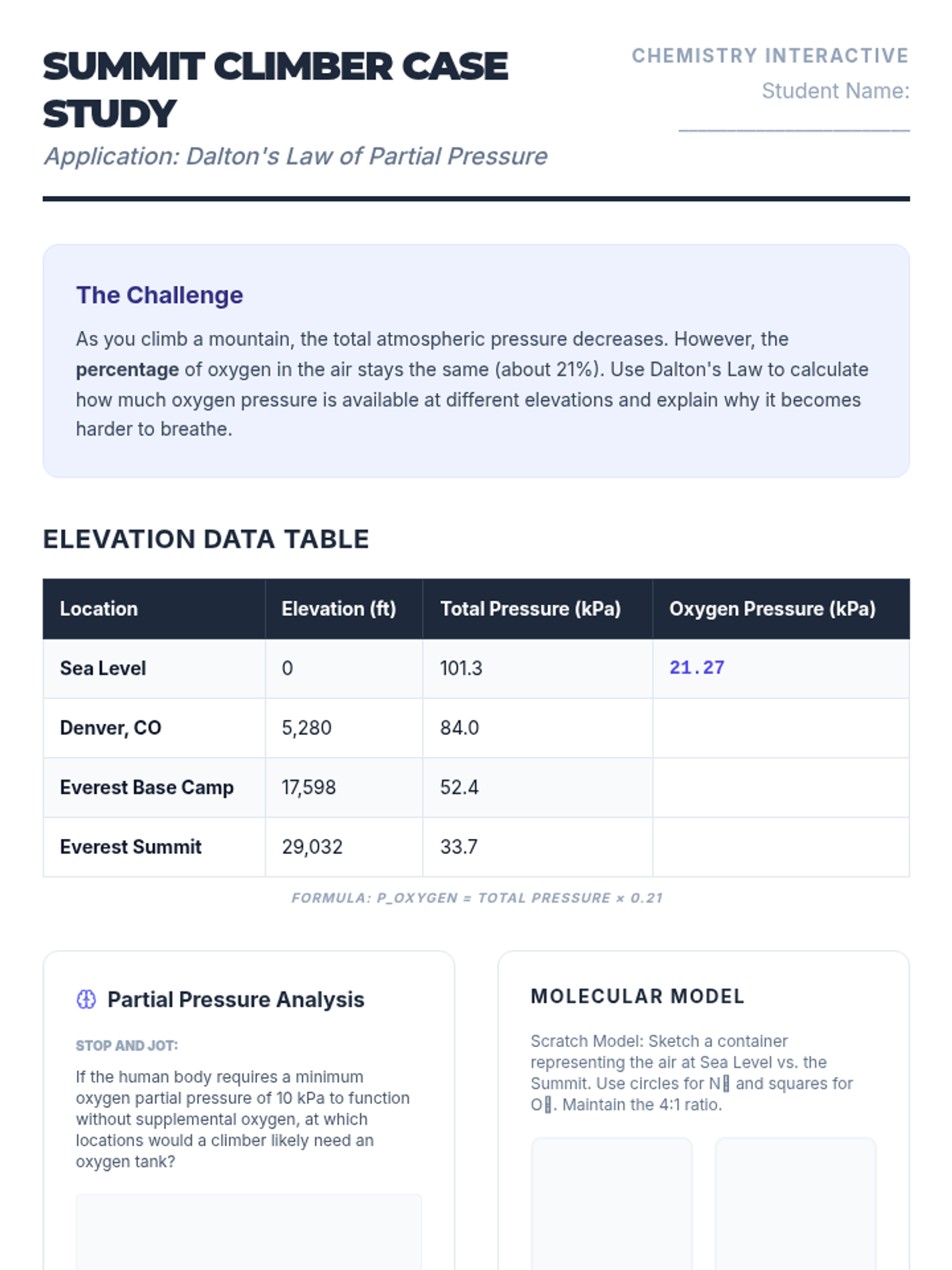
A high-energy, activity-dense lesson focused on Dalton's Law of Partial Pressures, mole fractions, and collecting gas over water, utilizing the POGIL framework to transition from conceptual modeling to mathematical mastery.
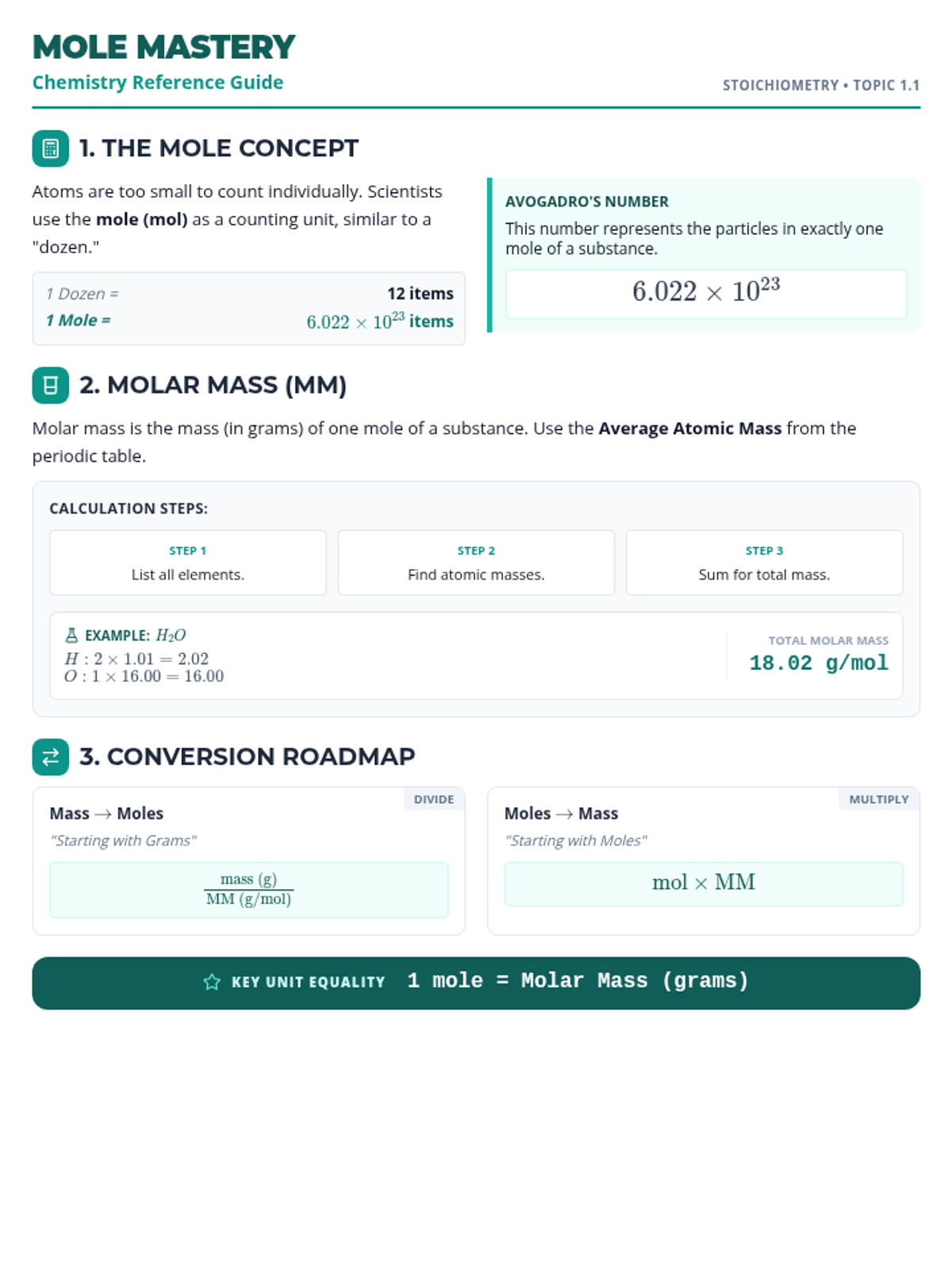
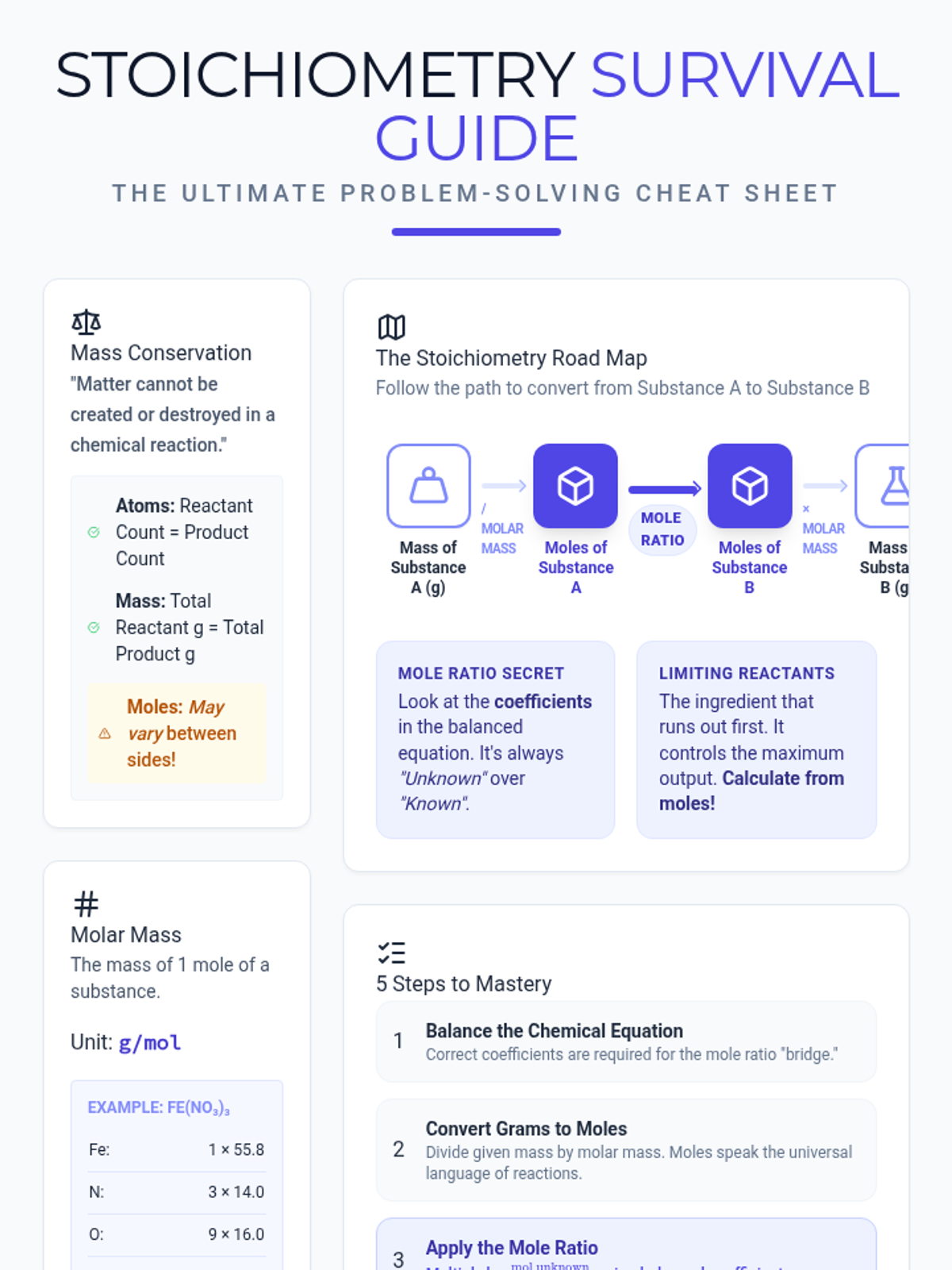
A comprehensive introduction to the mole concept and molar mass, covering Avogadro's number and basic mass-to-mole conversions.
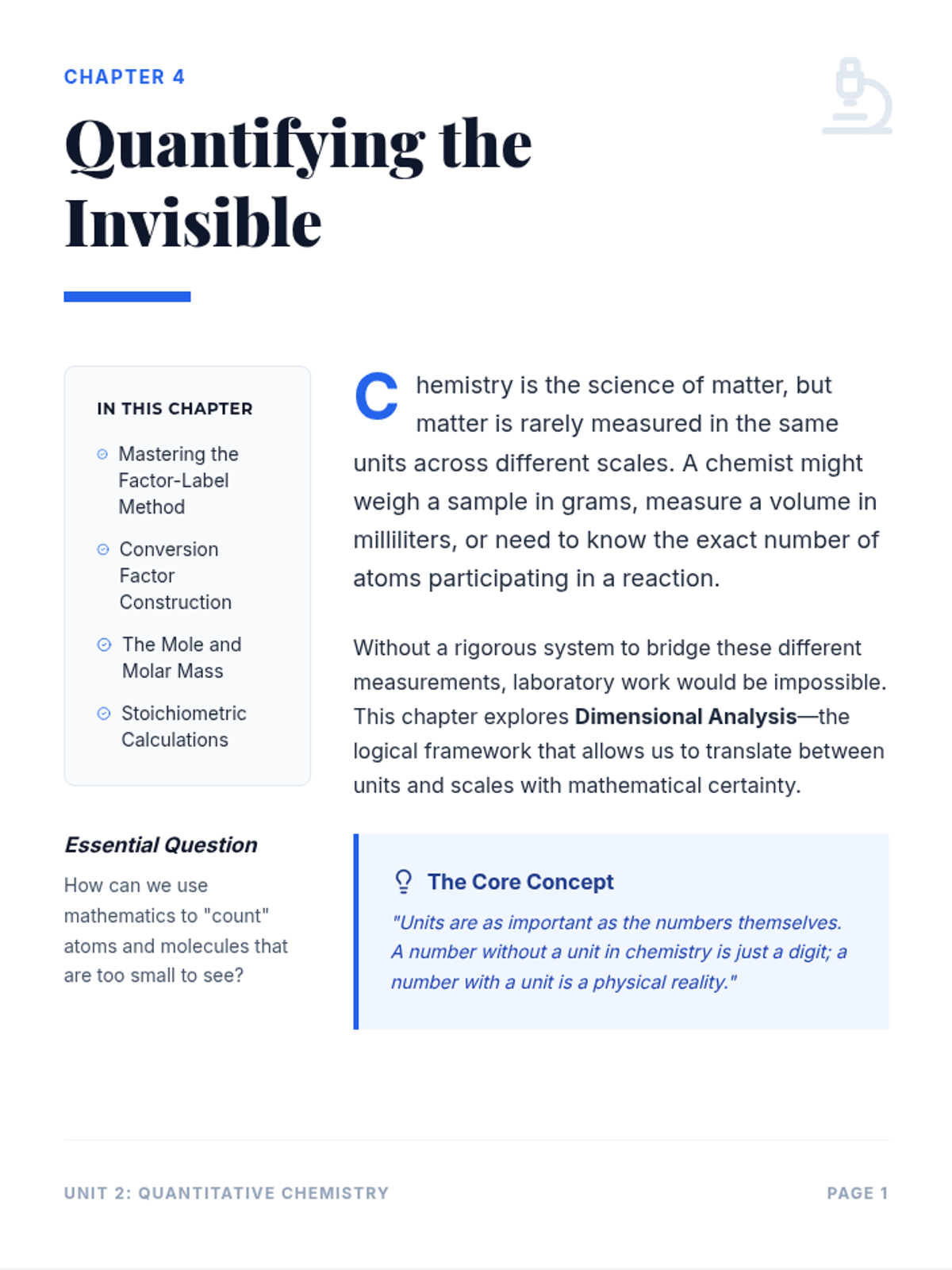
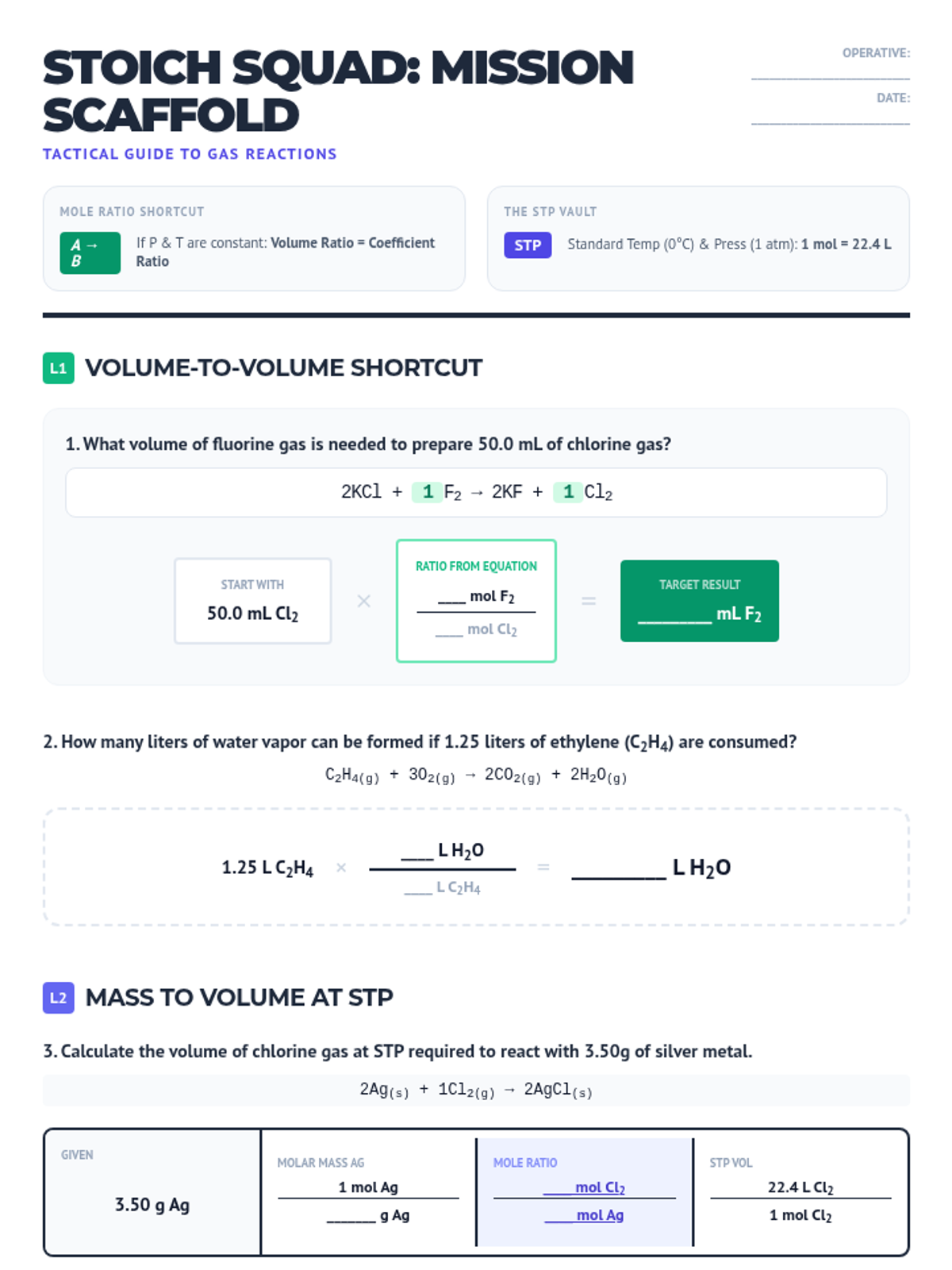
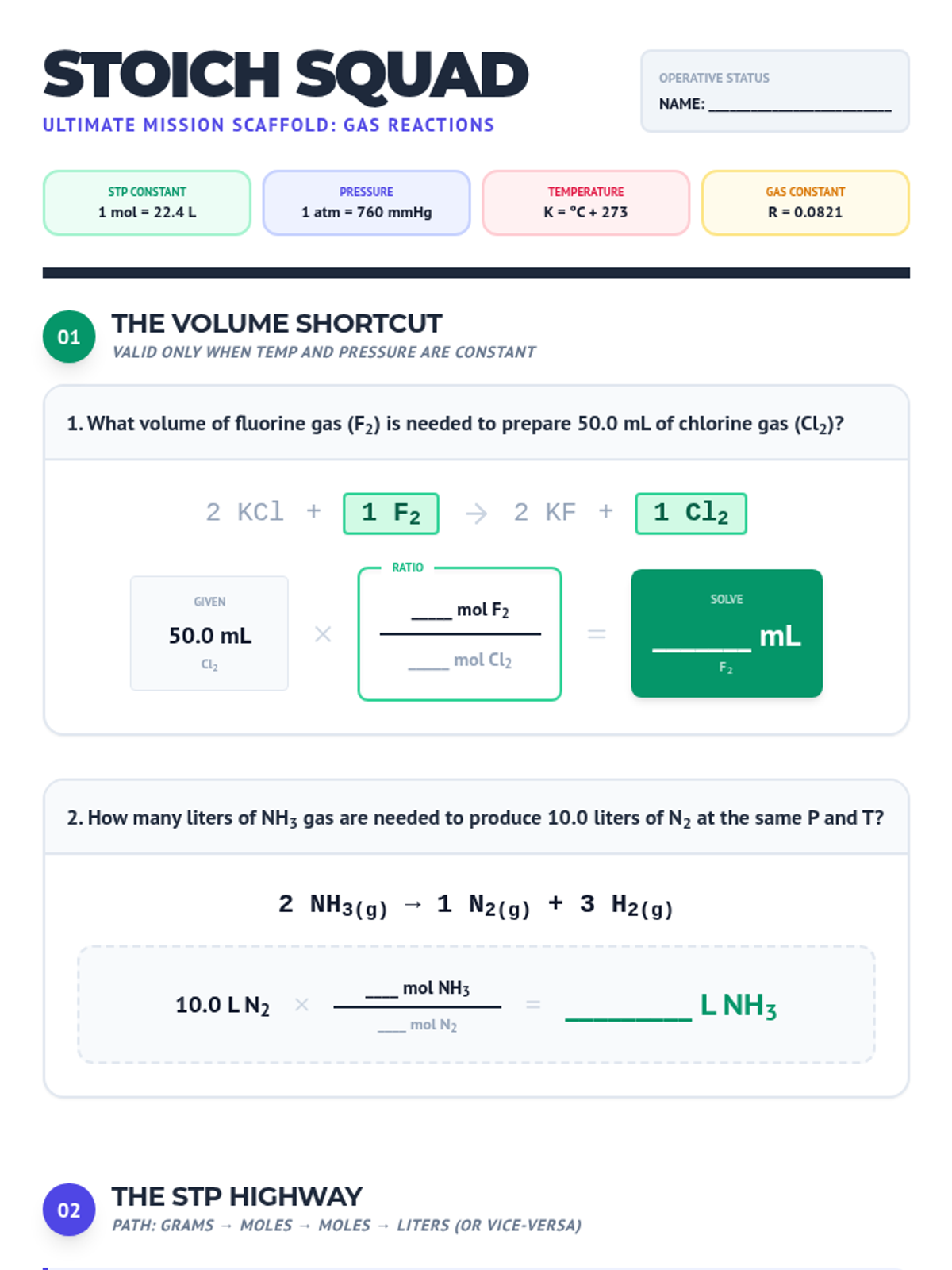
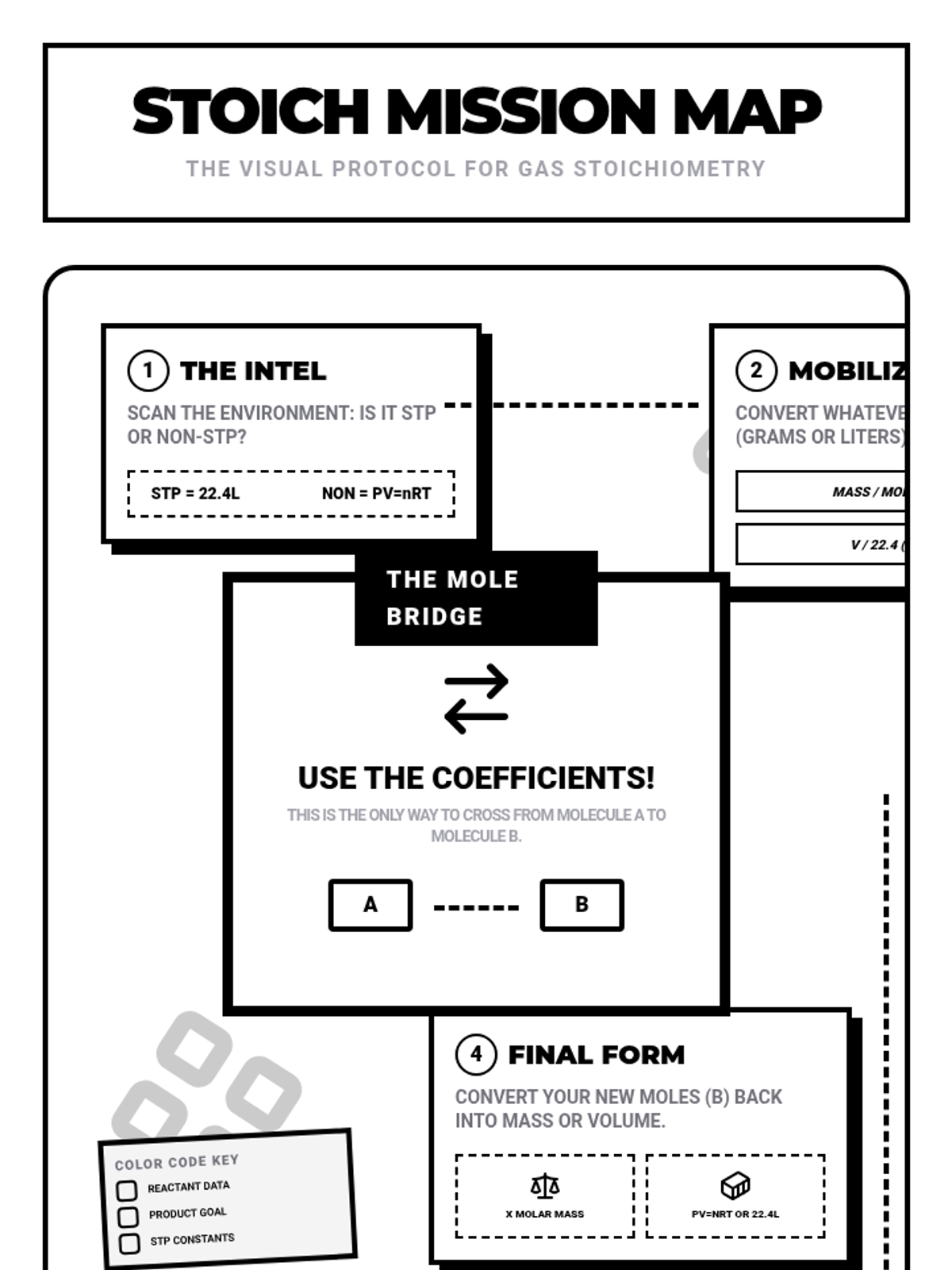
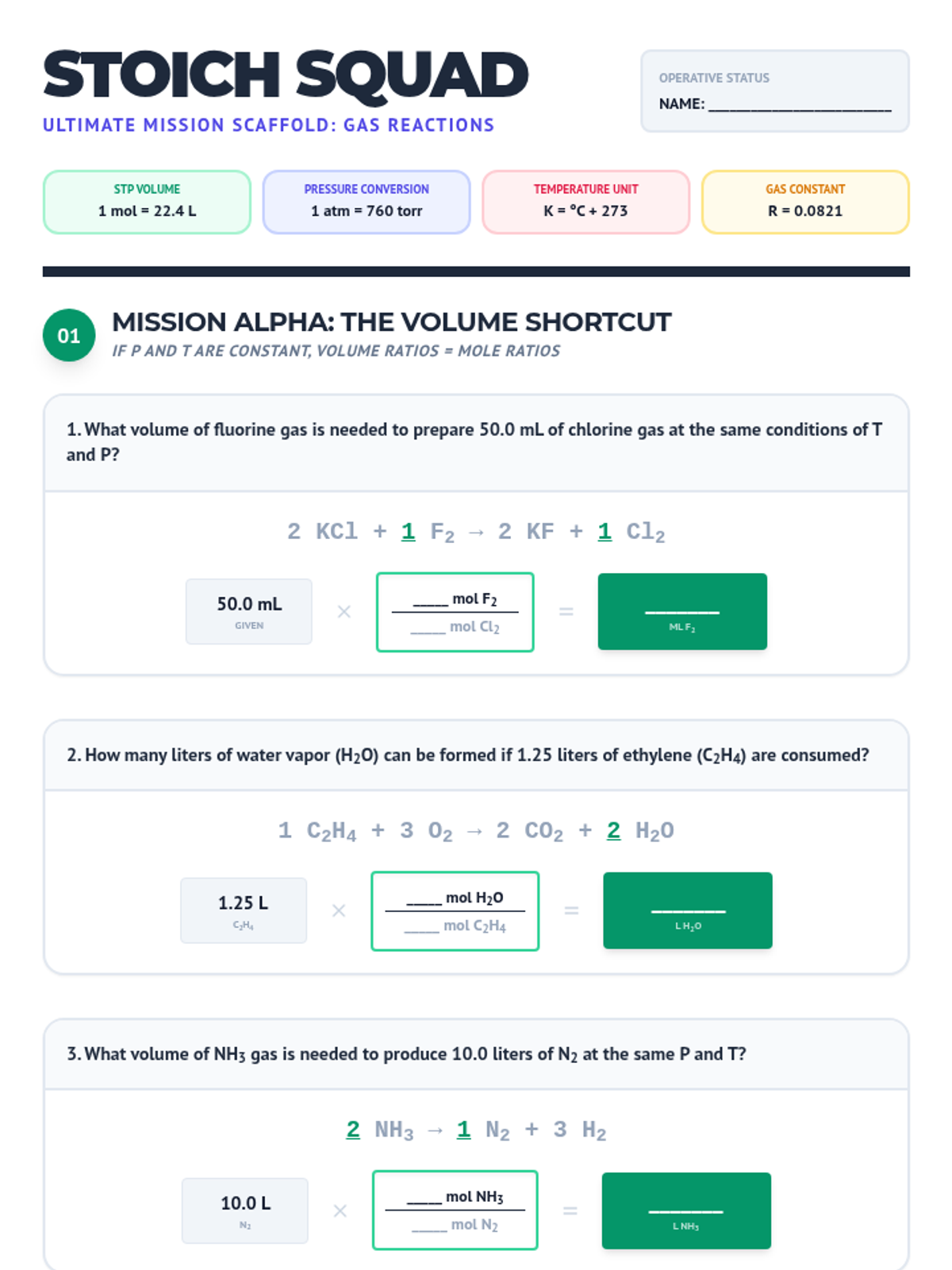
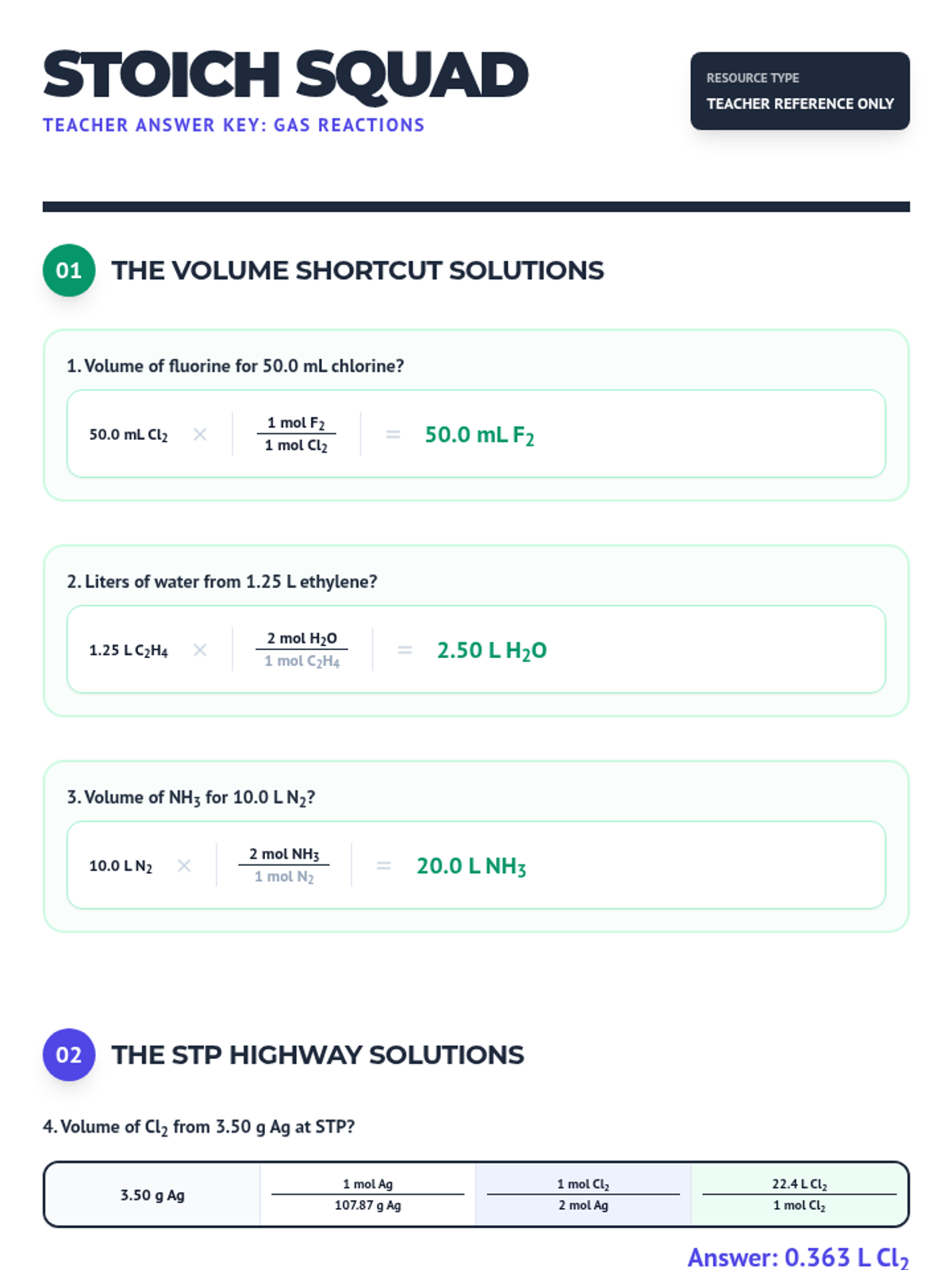
A deep dive into the mathematical language of chemistry, covering conversion factors, molar relationships, and stoichiometric calculations.
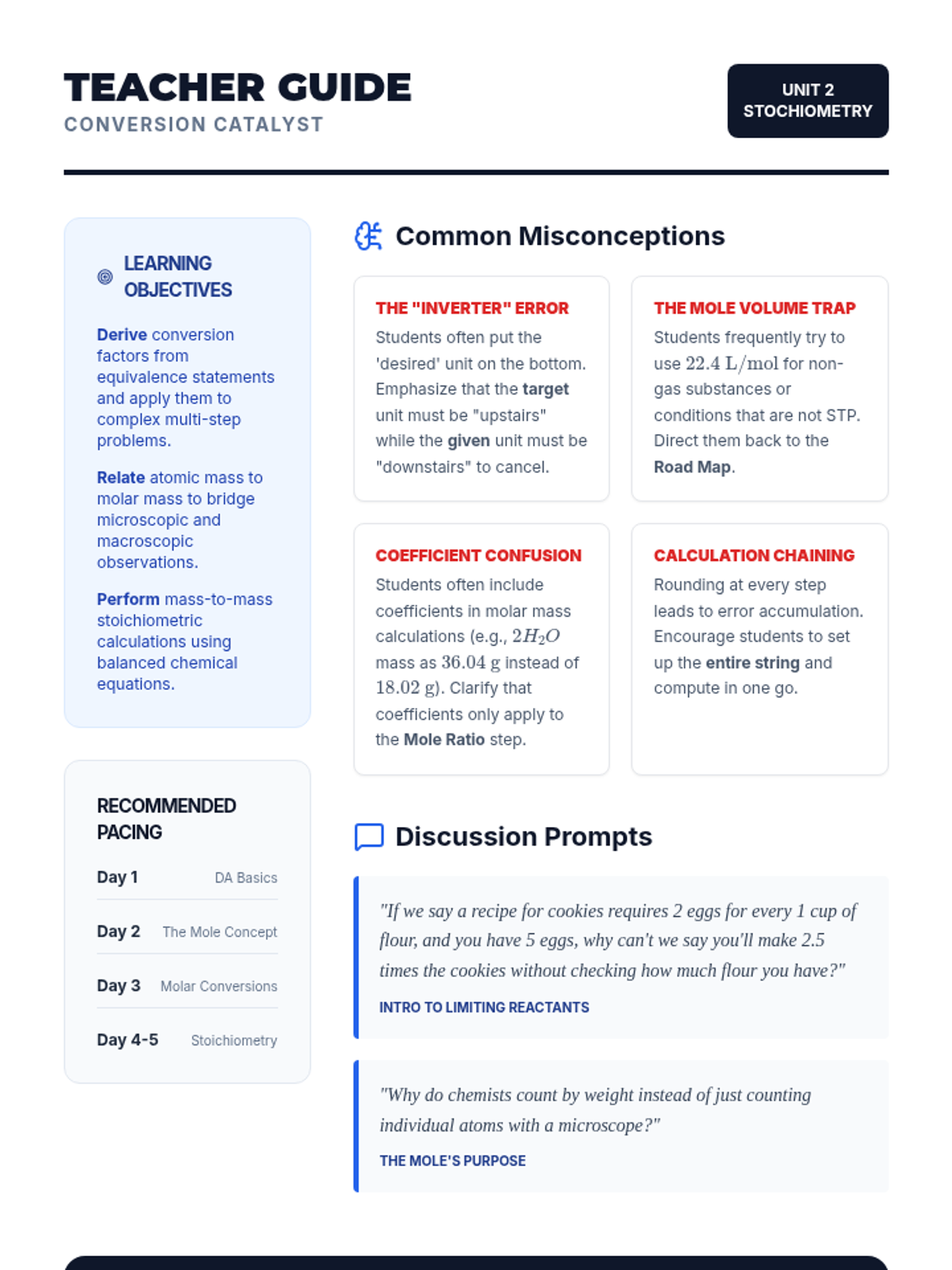
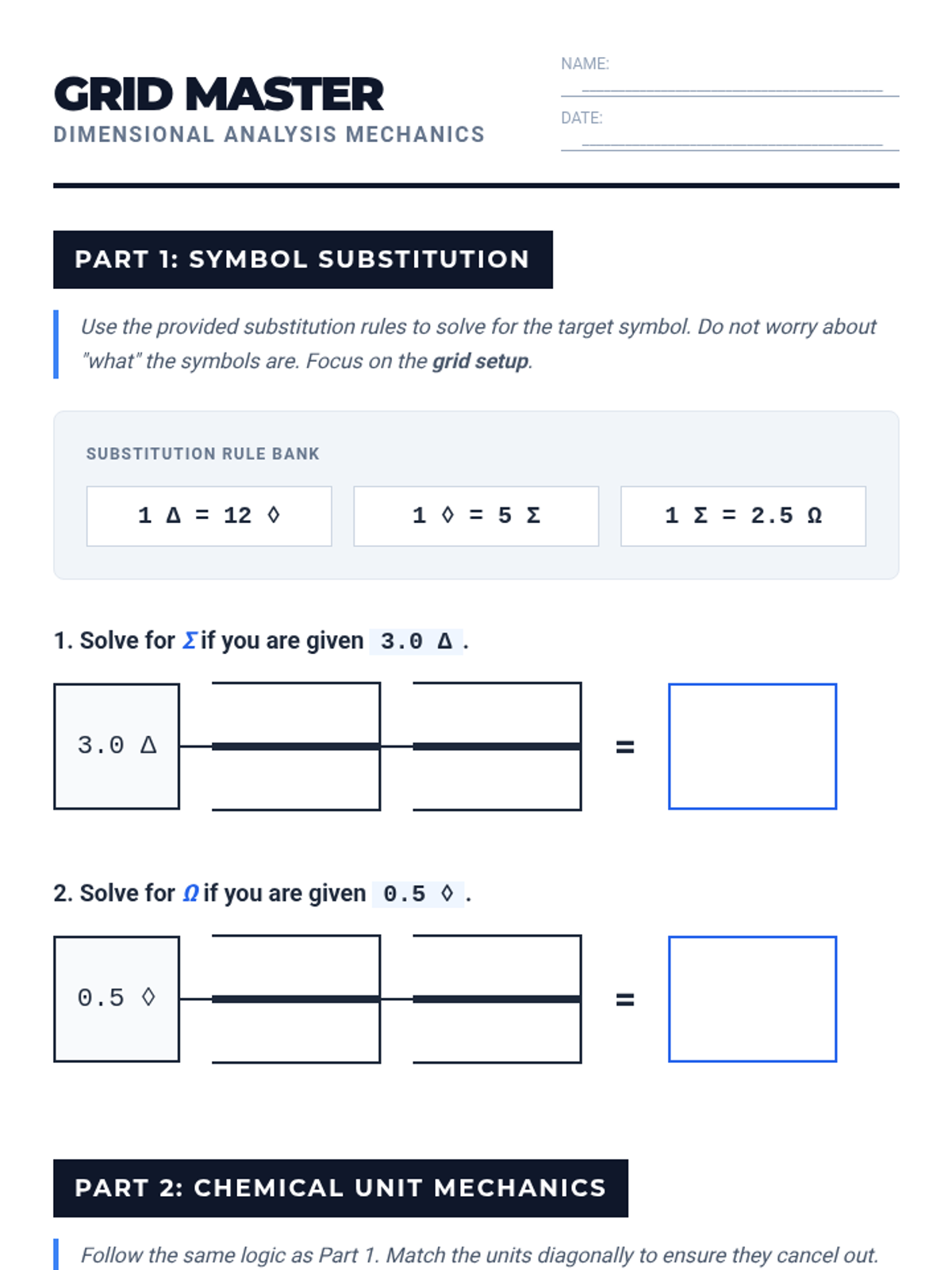
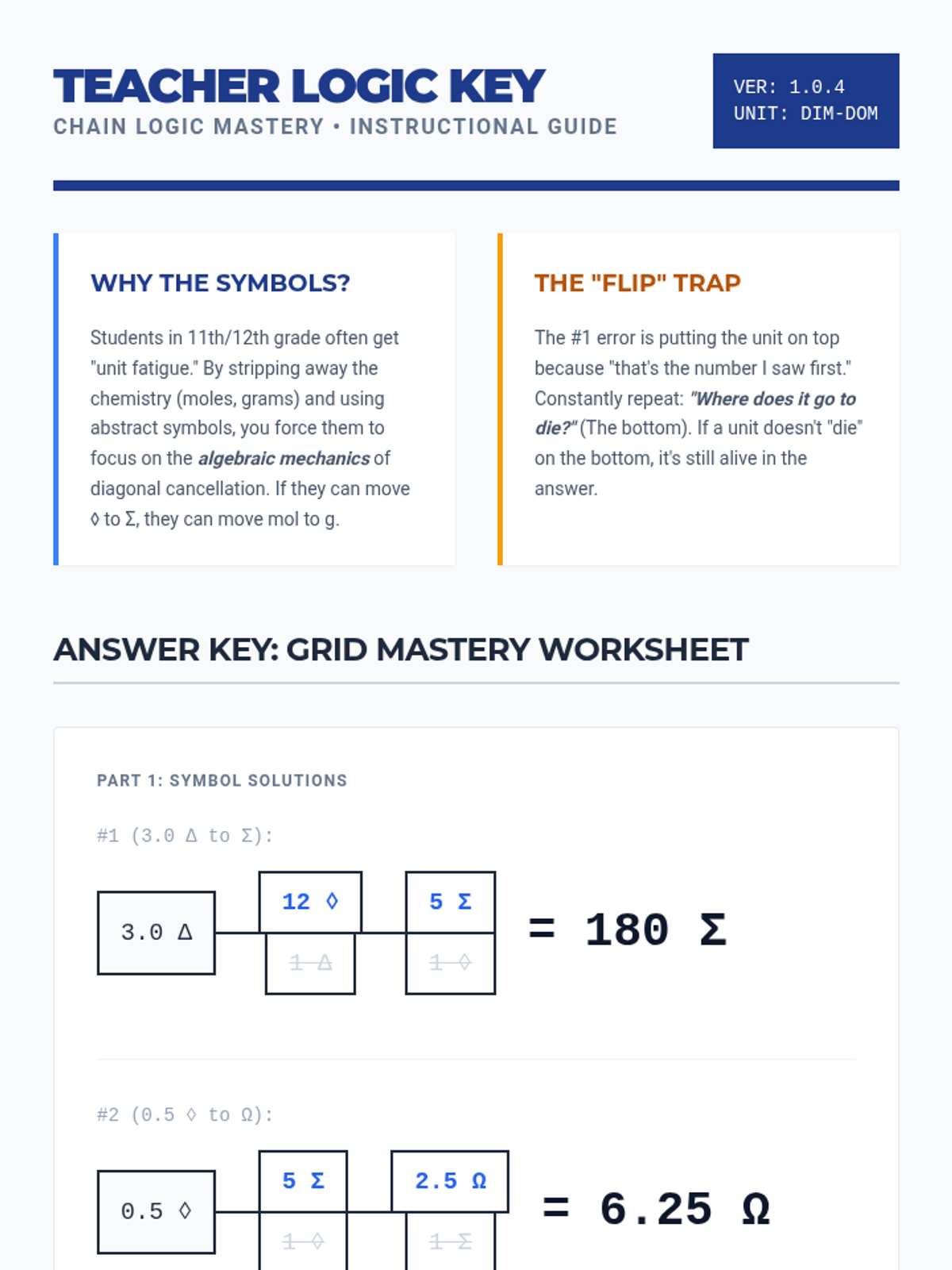
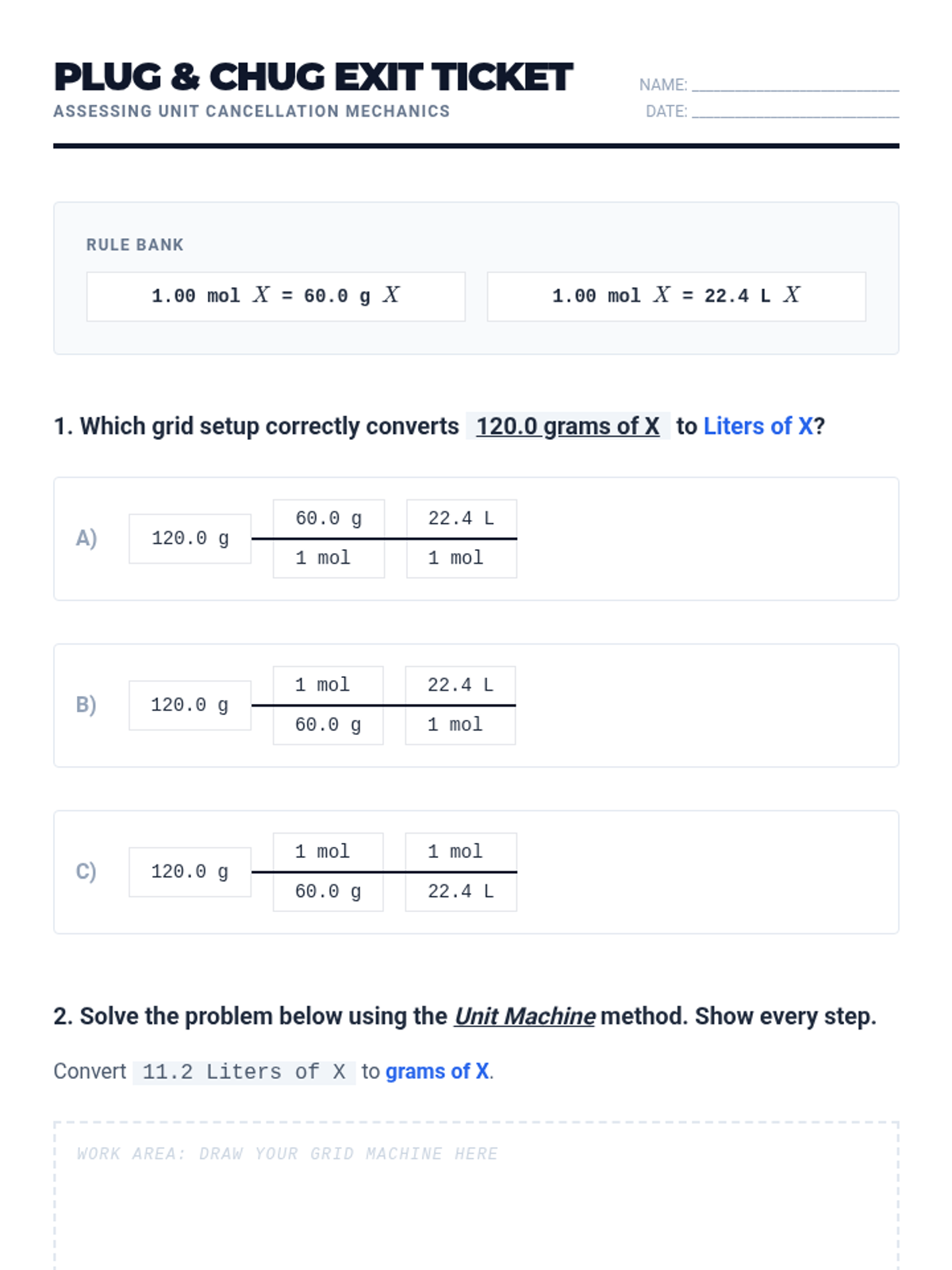
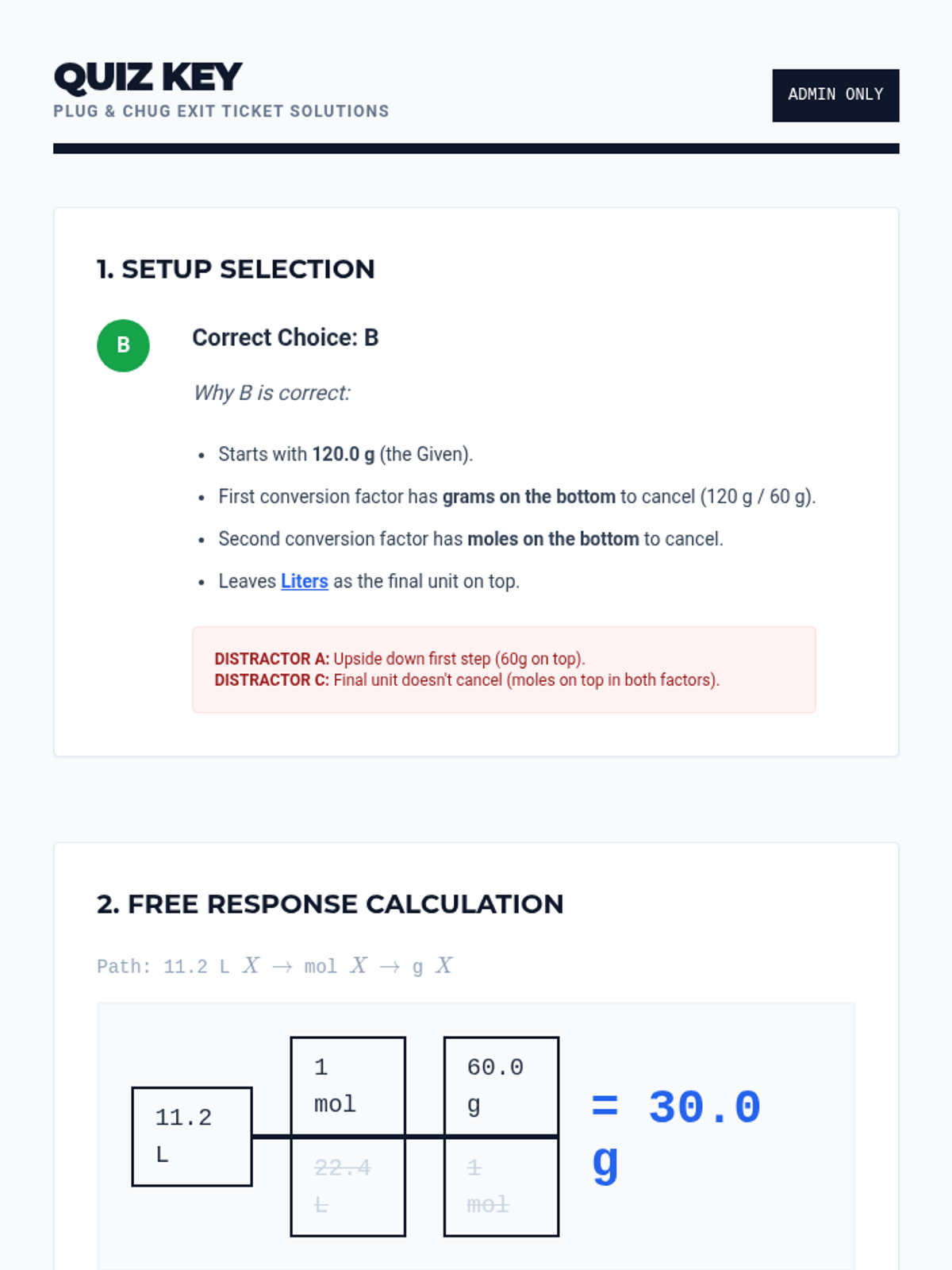
A deep dive into the 'plug and chug' mechanics of chaining conversion factors, focusing on the mathematical identity property and unit cancellation.
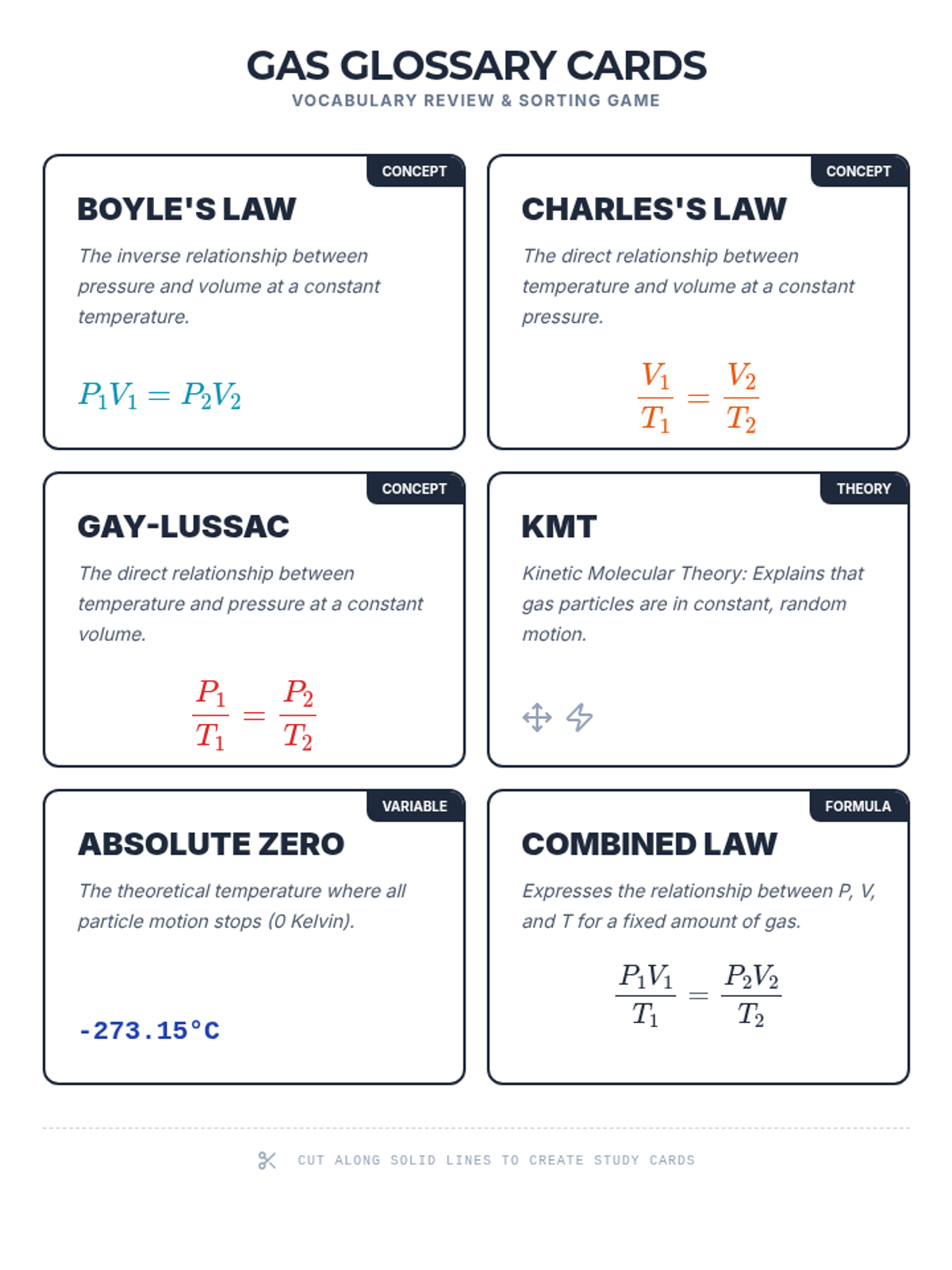
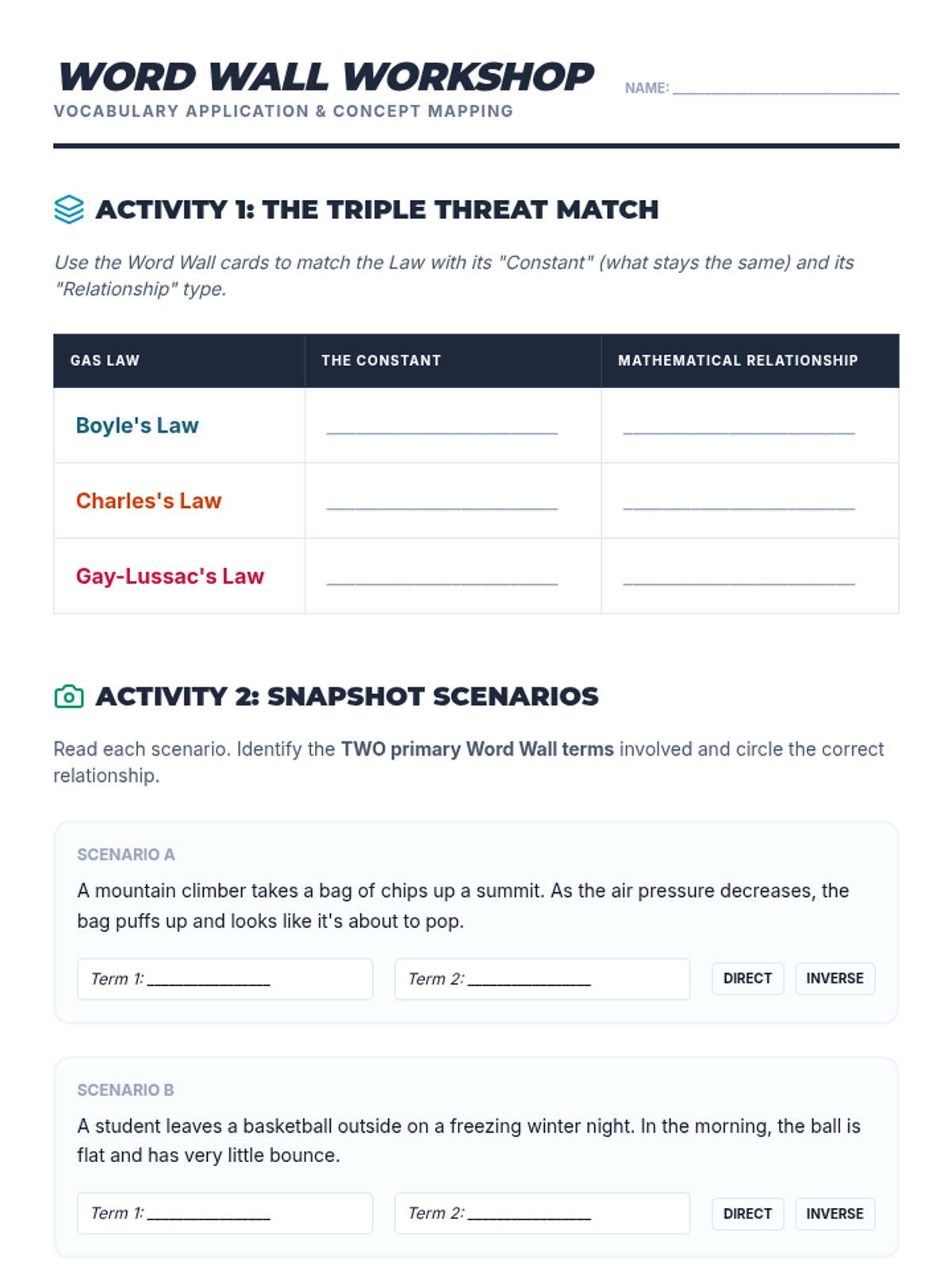
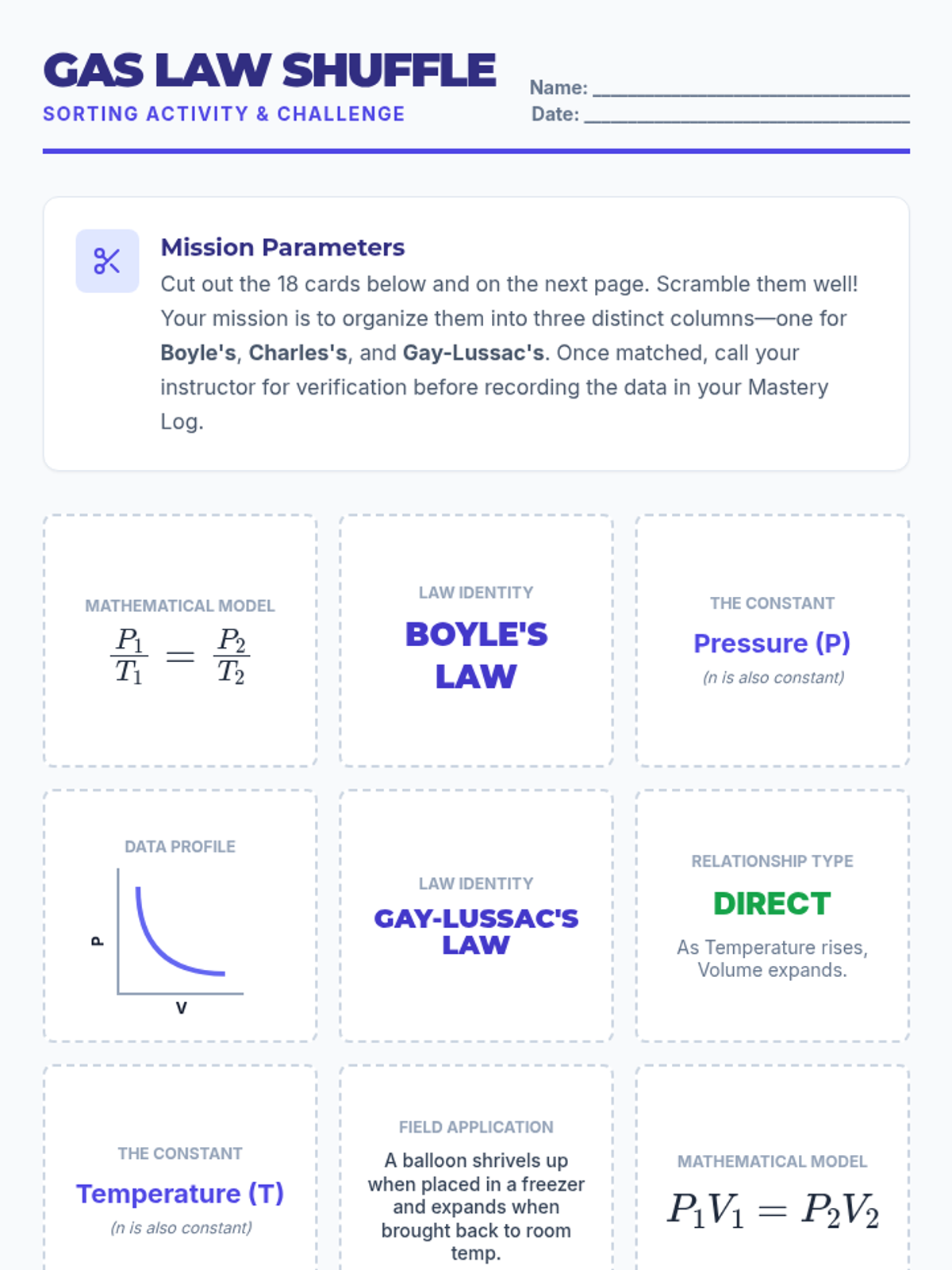
A culminating review session using station rotations, vocabulary card sorts, and the anchoring phenomenon to prepare for assessment.
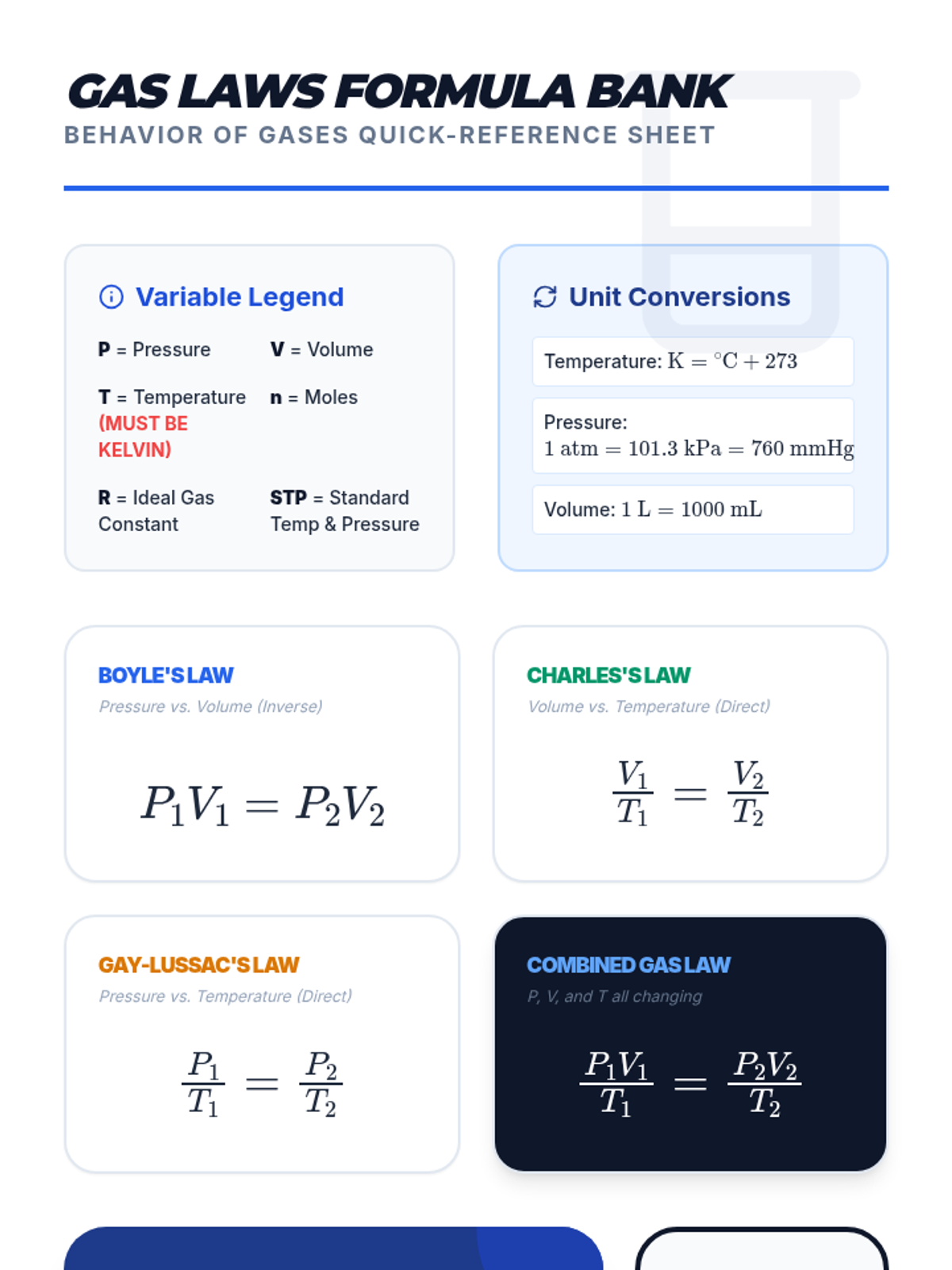
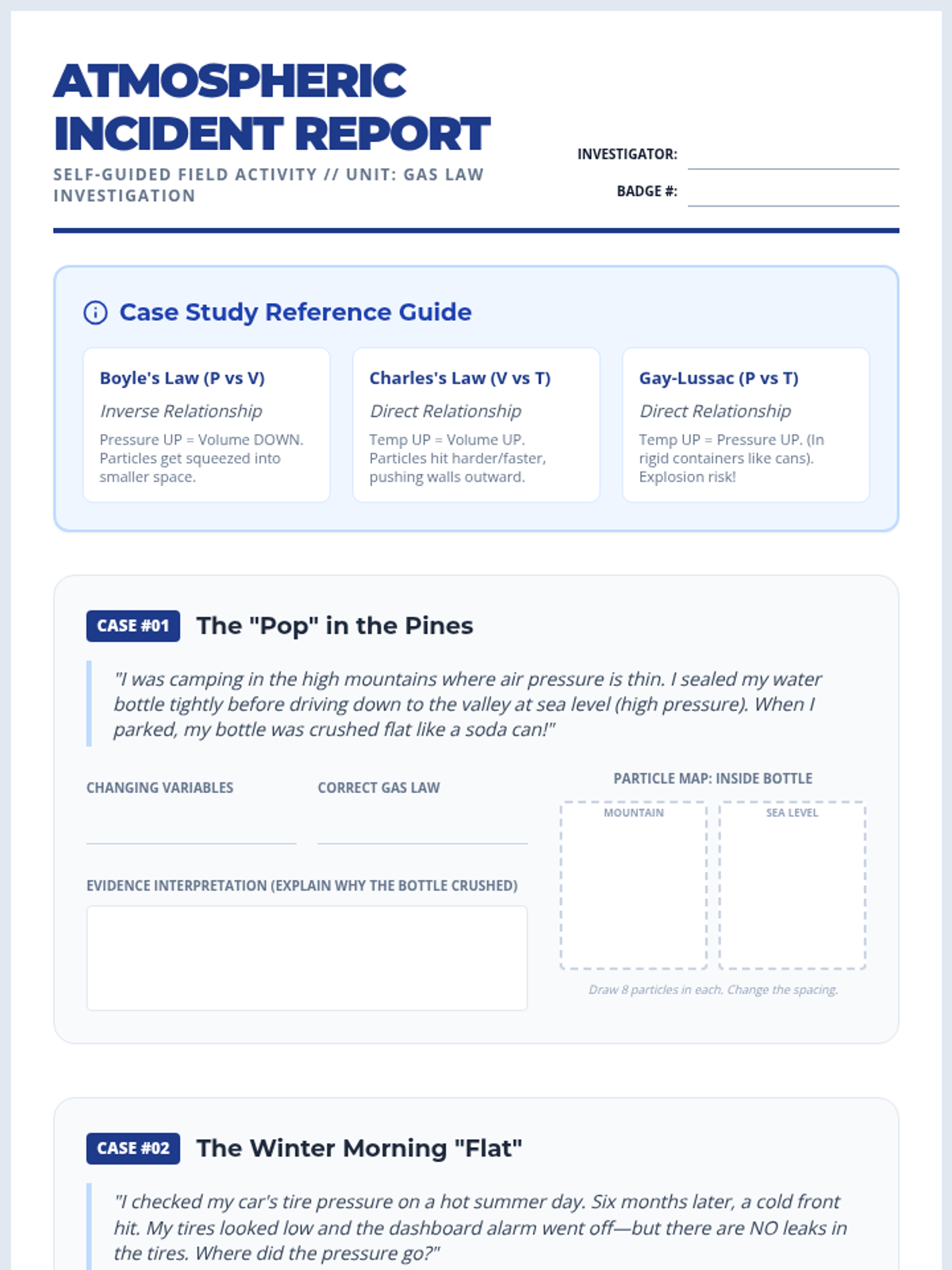
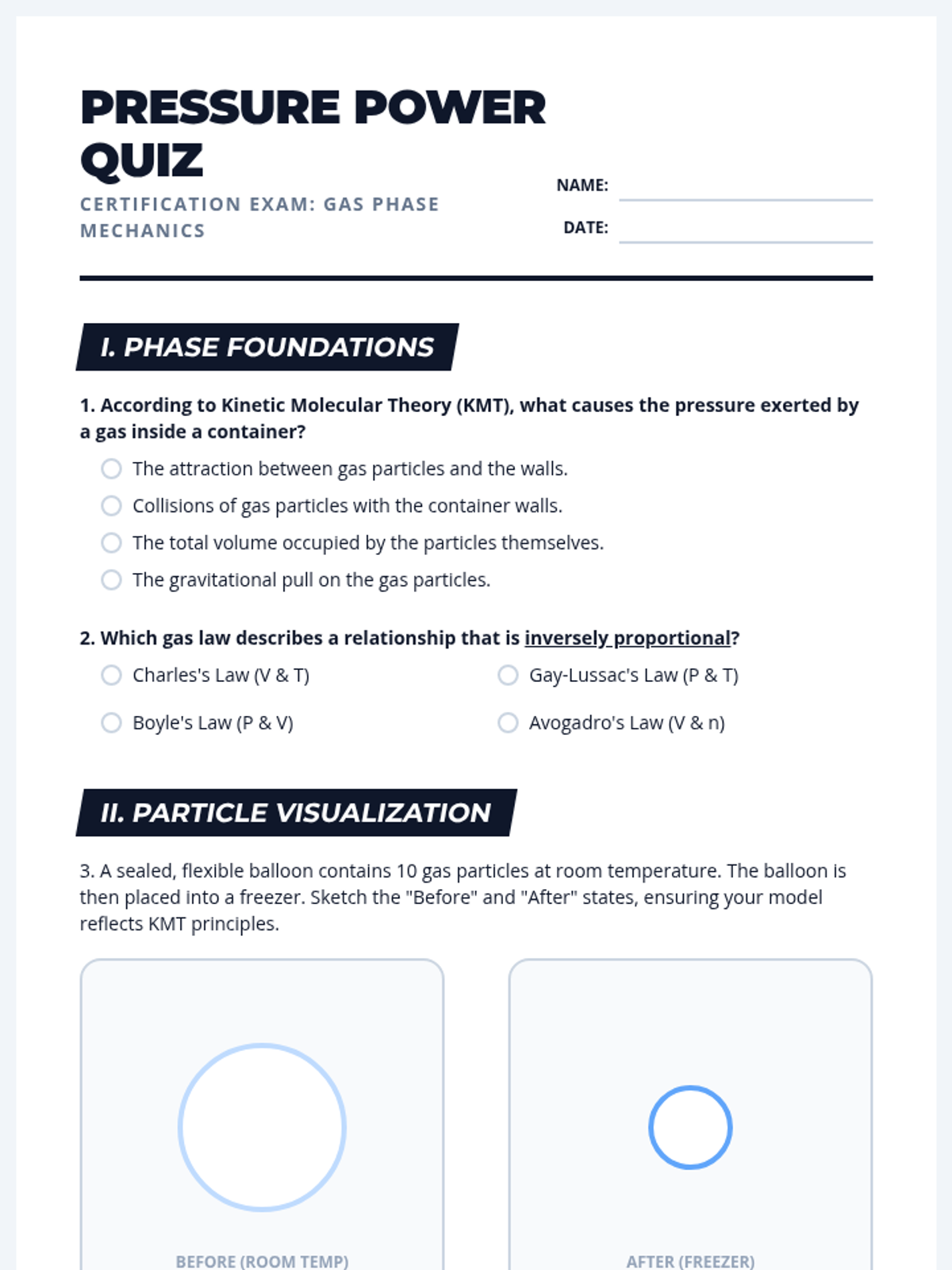
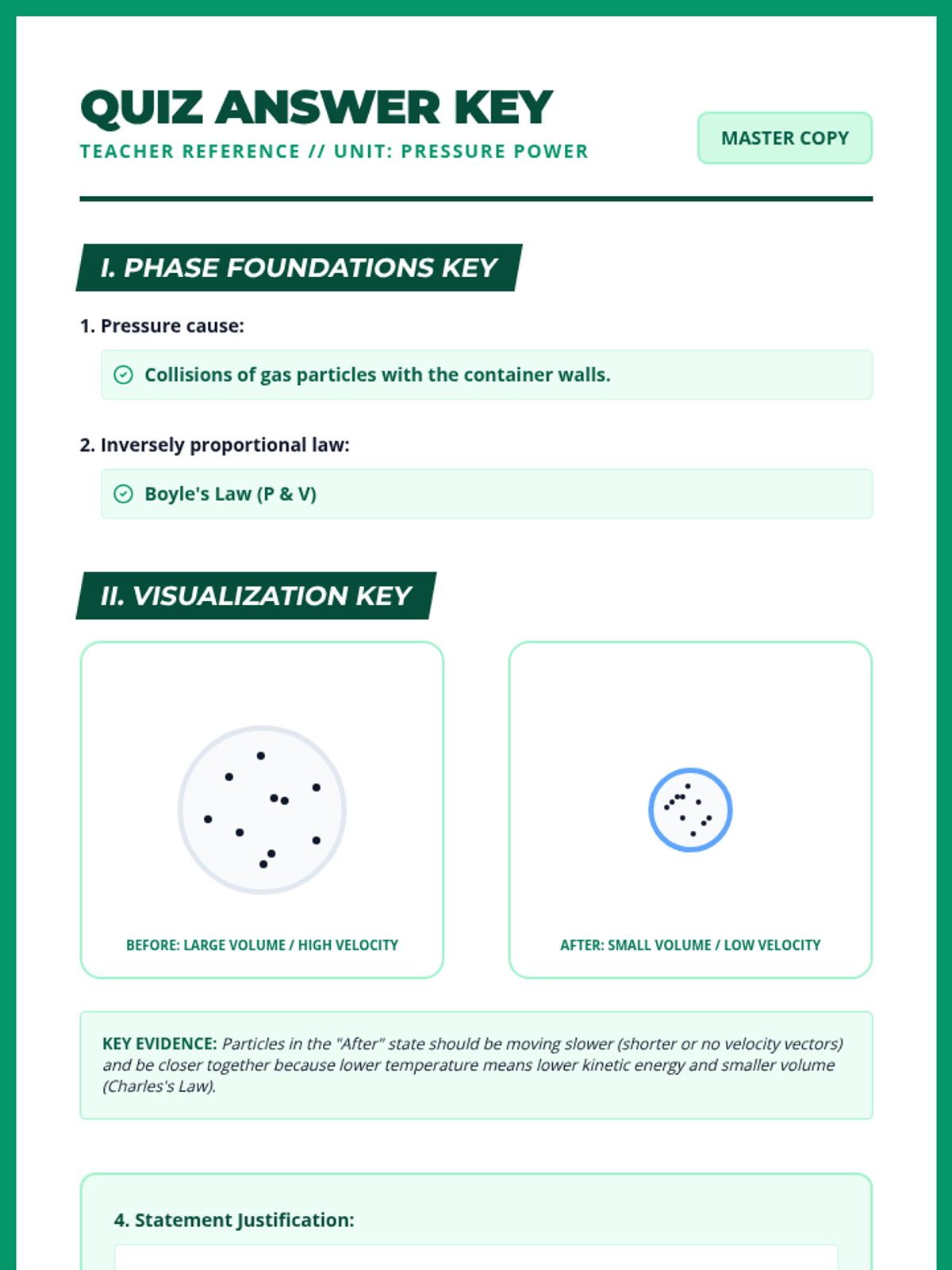
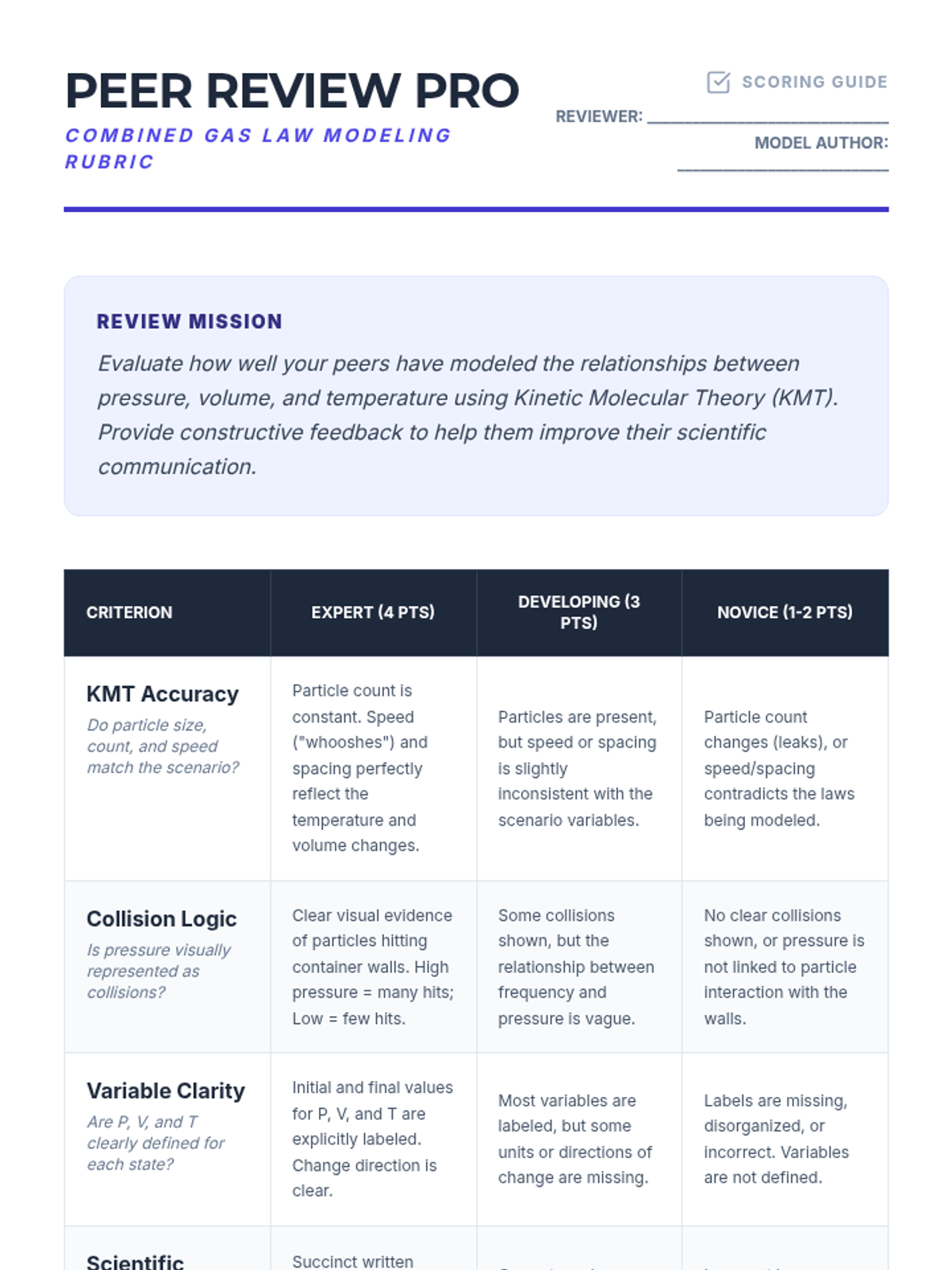
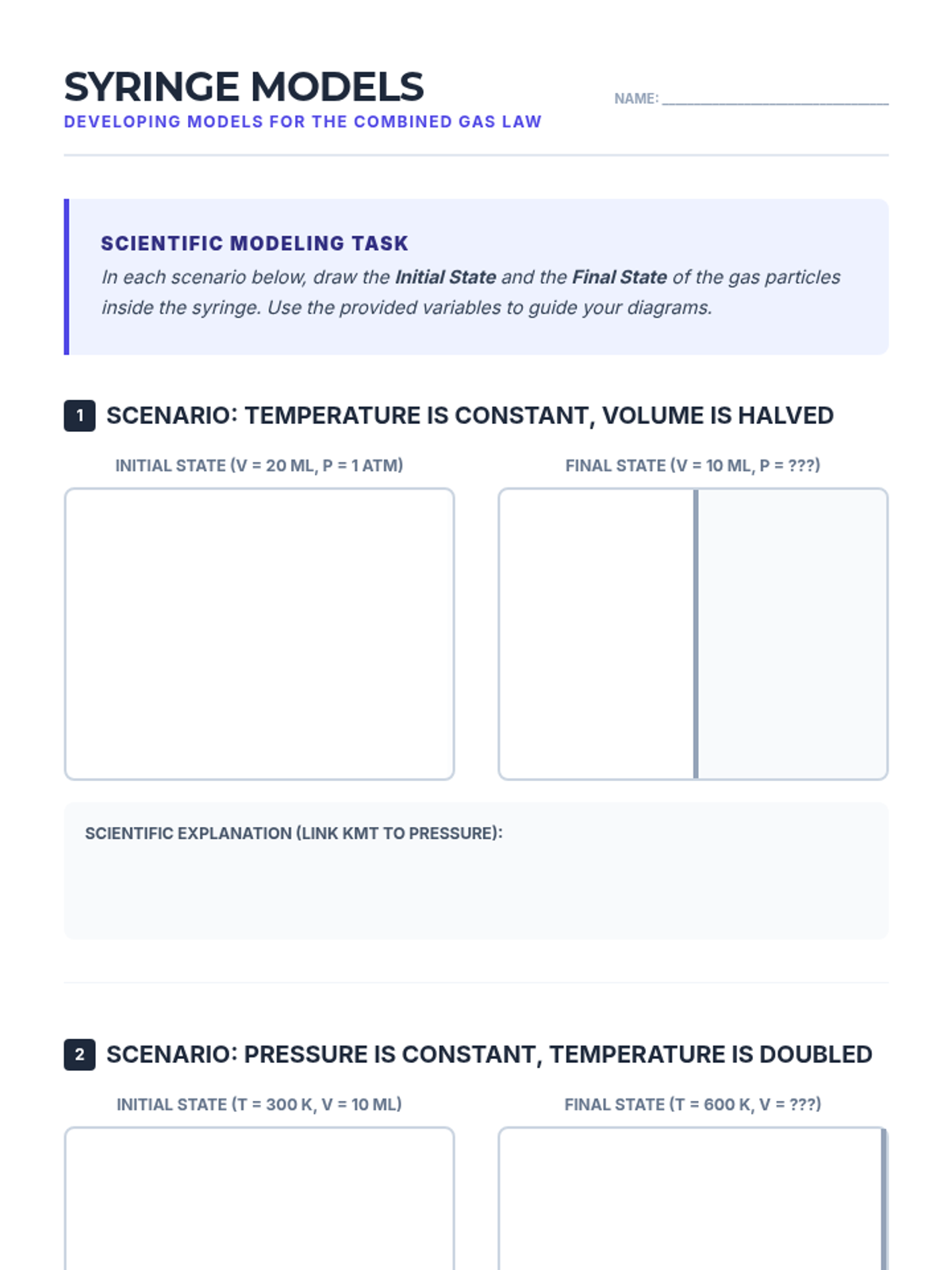
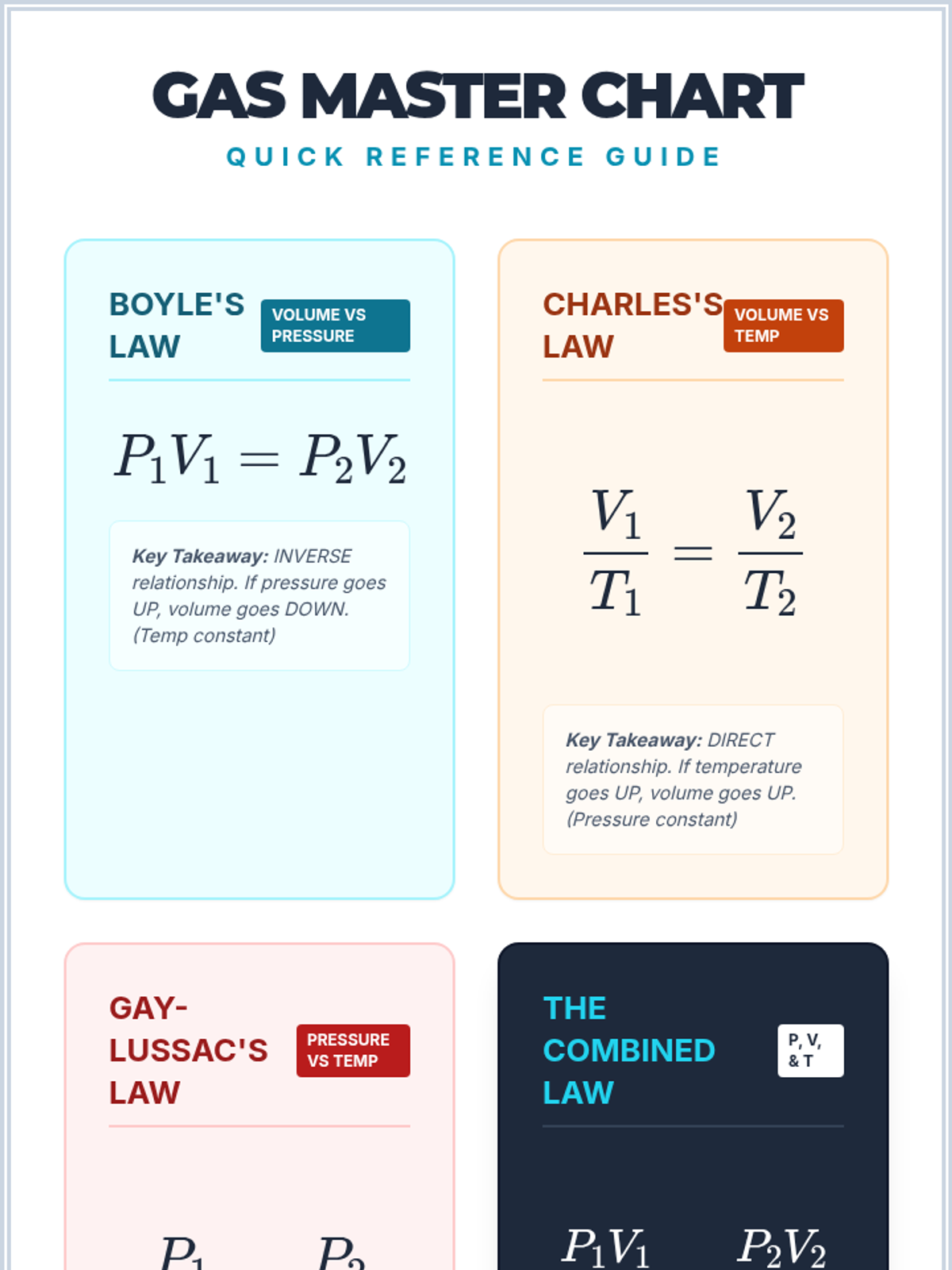
Students develop, share, and evaluate visual models of the Combined Gas Law using a peer review rubric based on Kinetic Molecular Theory.
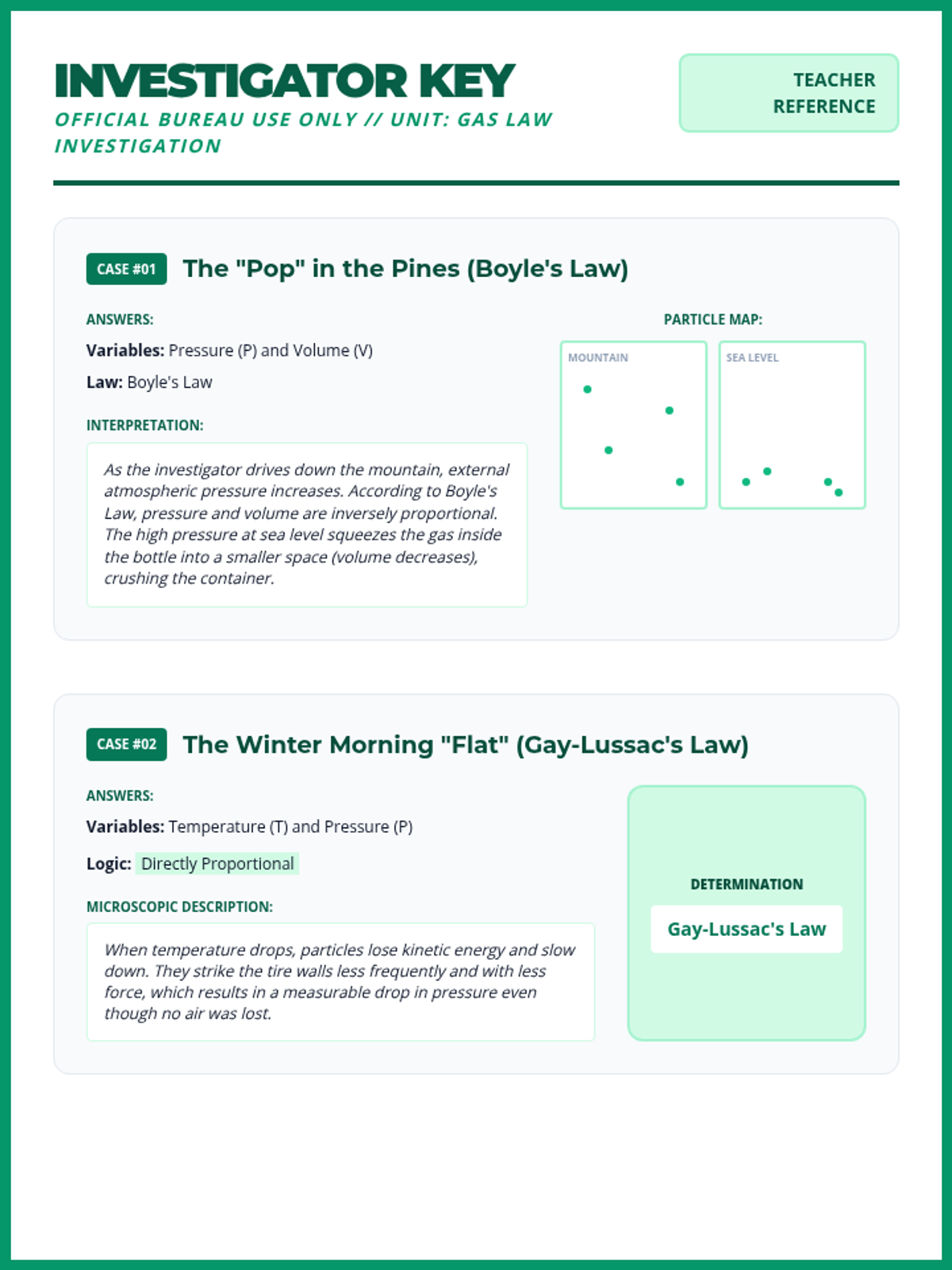
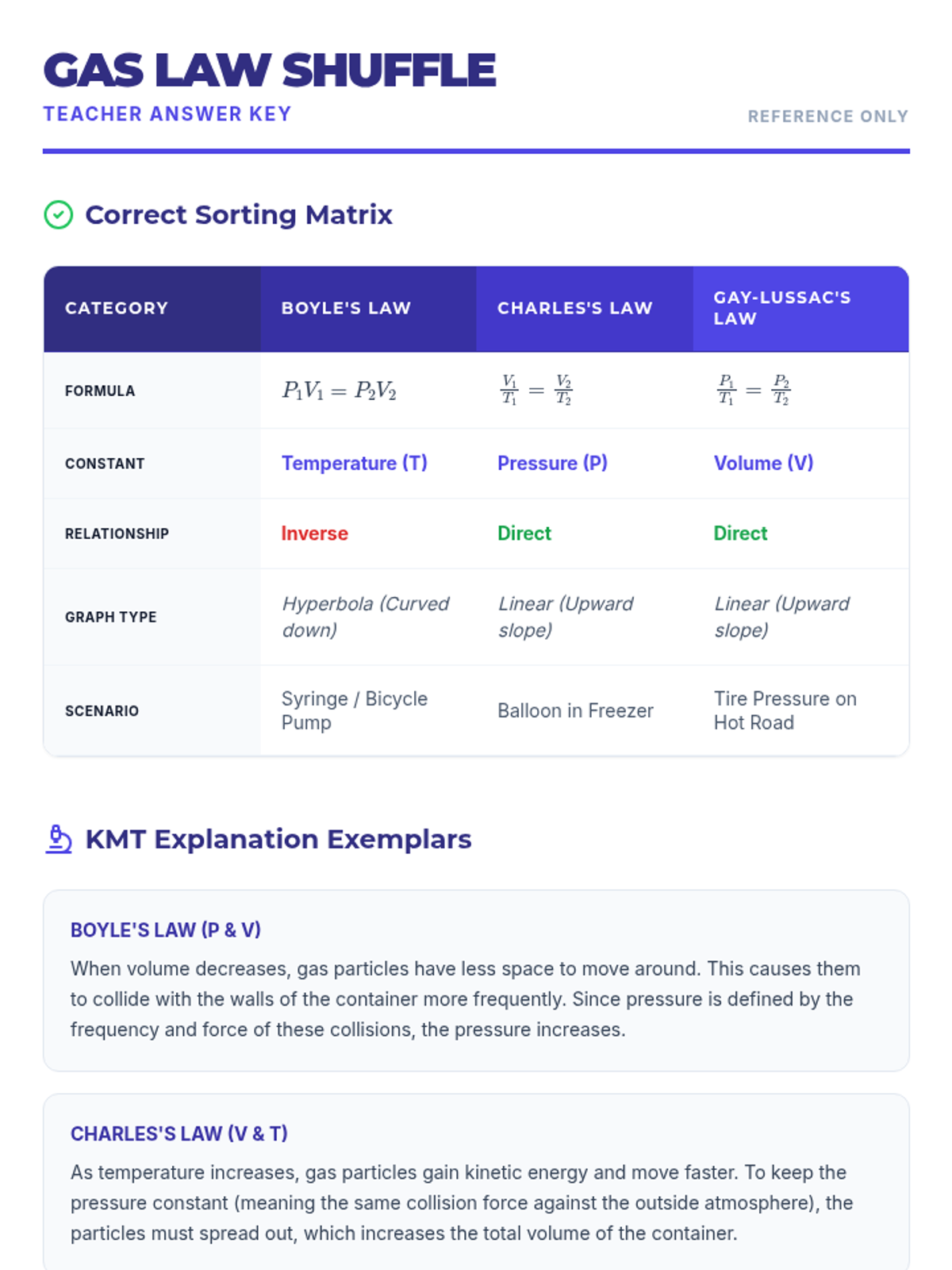
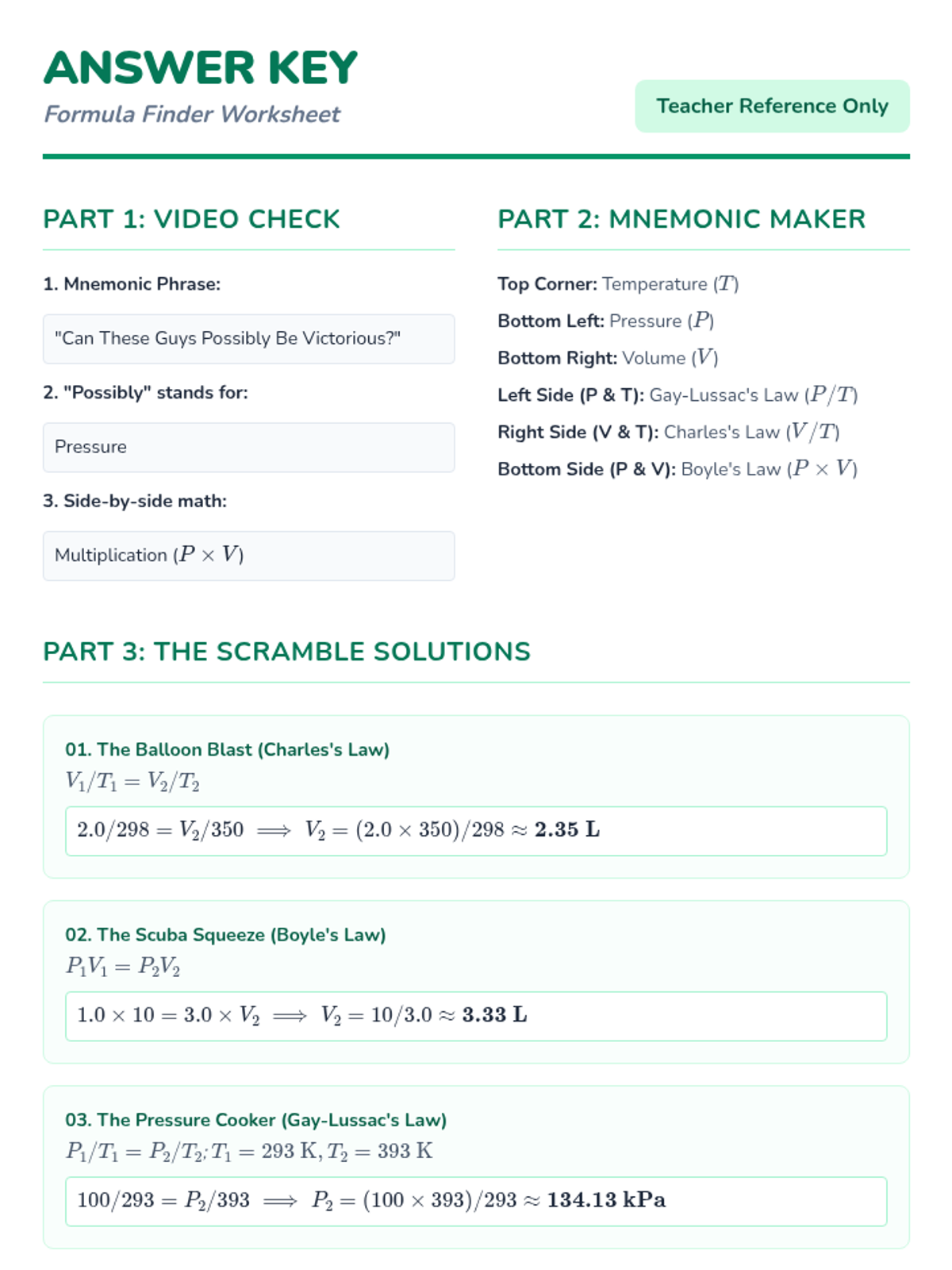
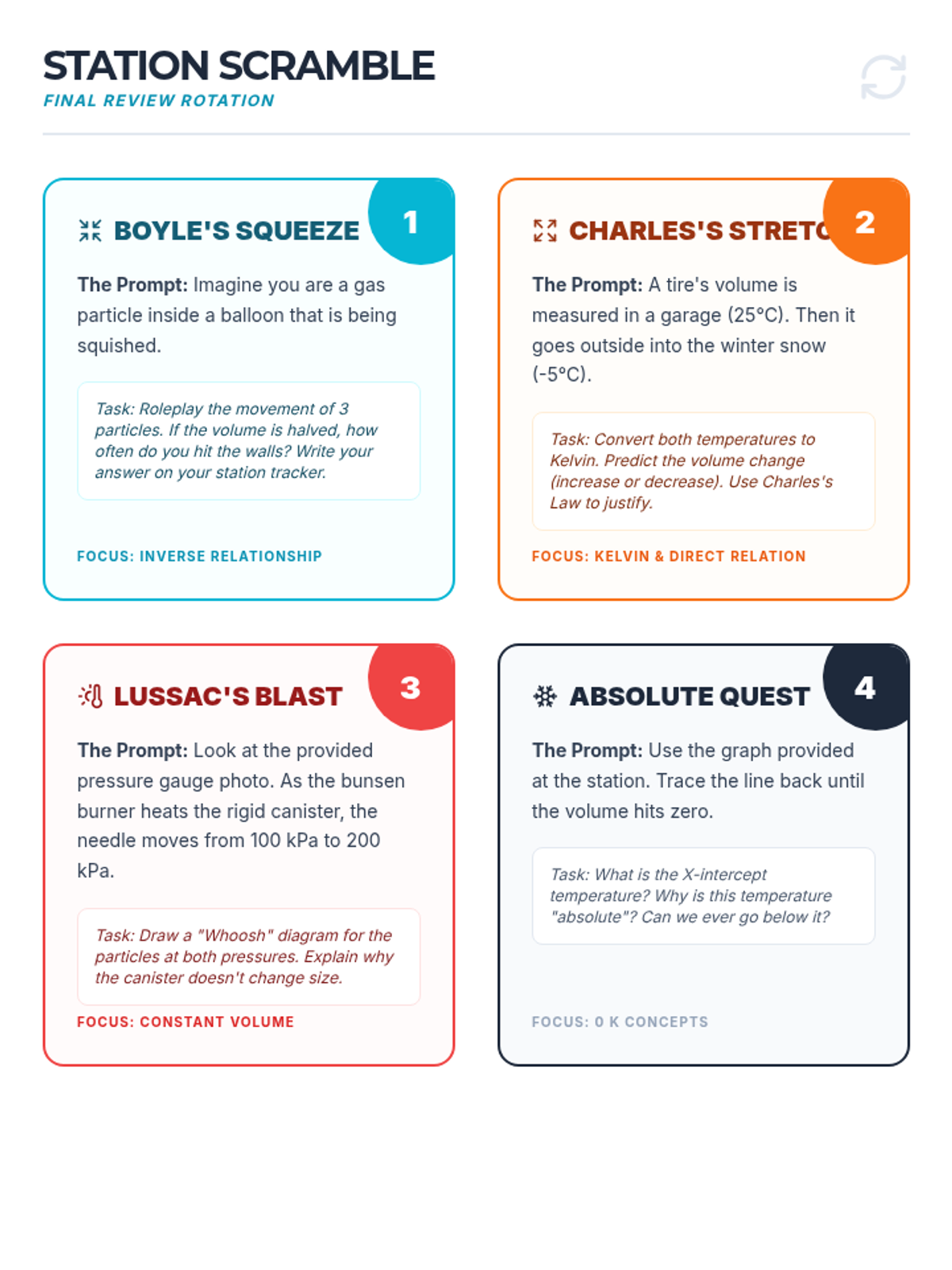
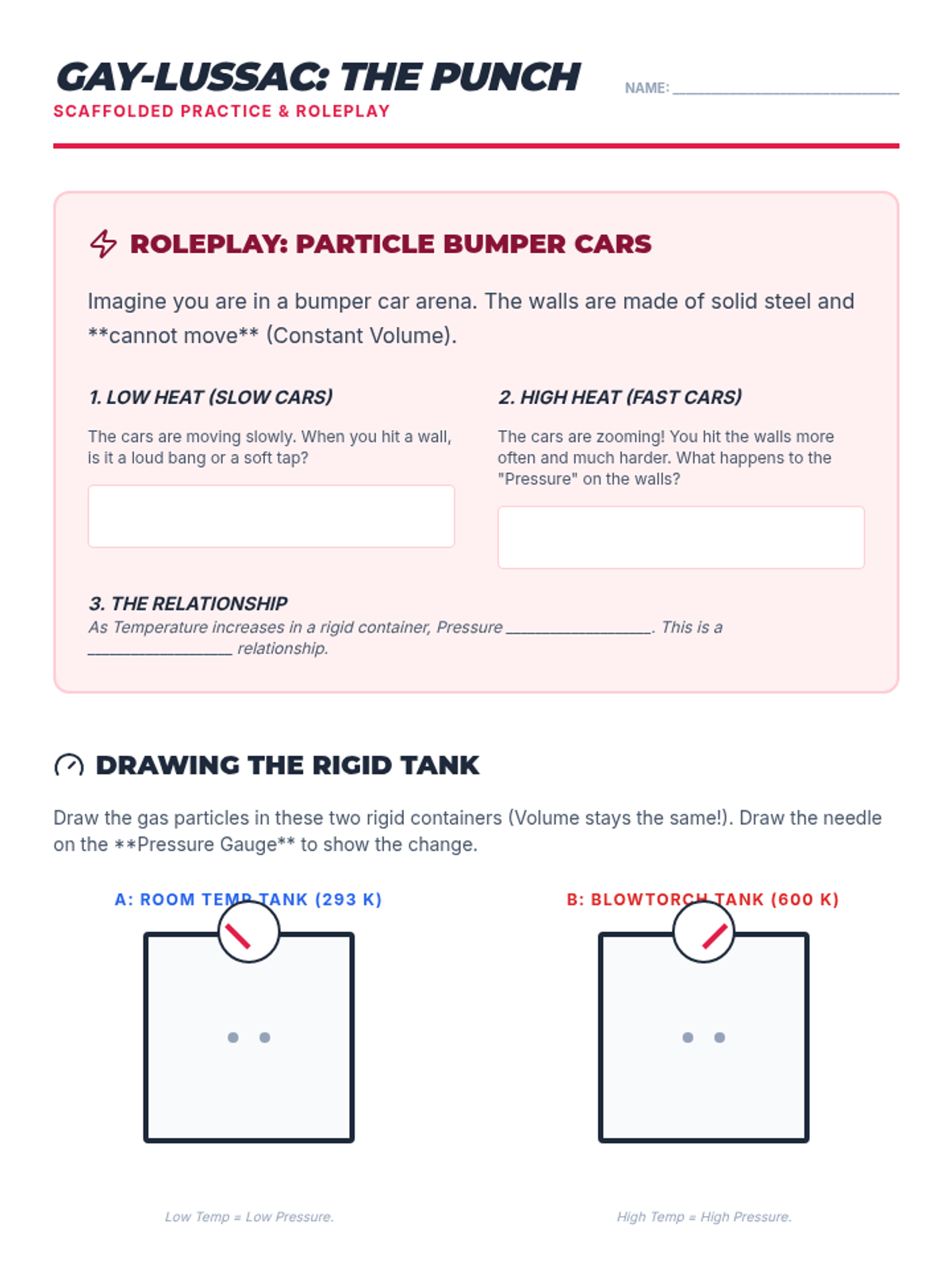
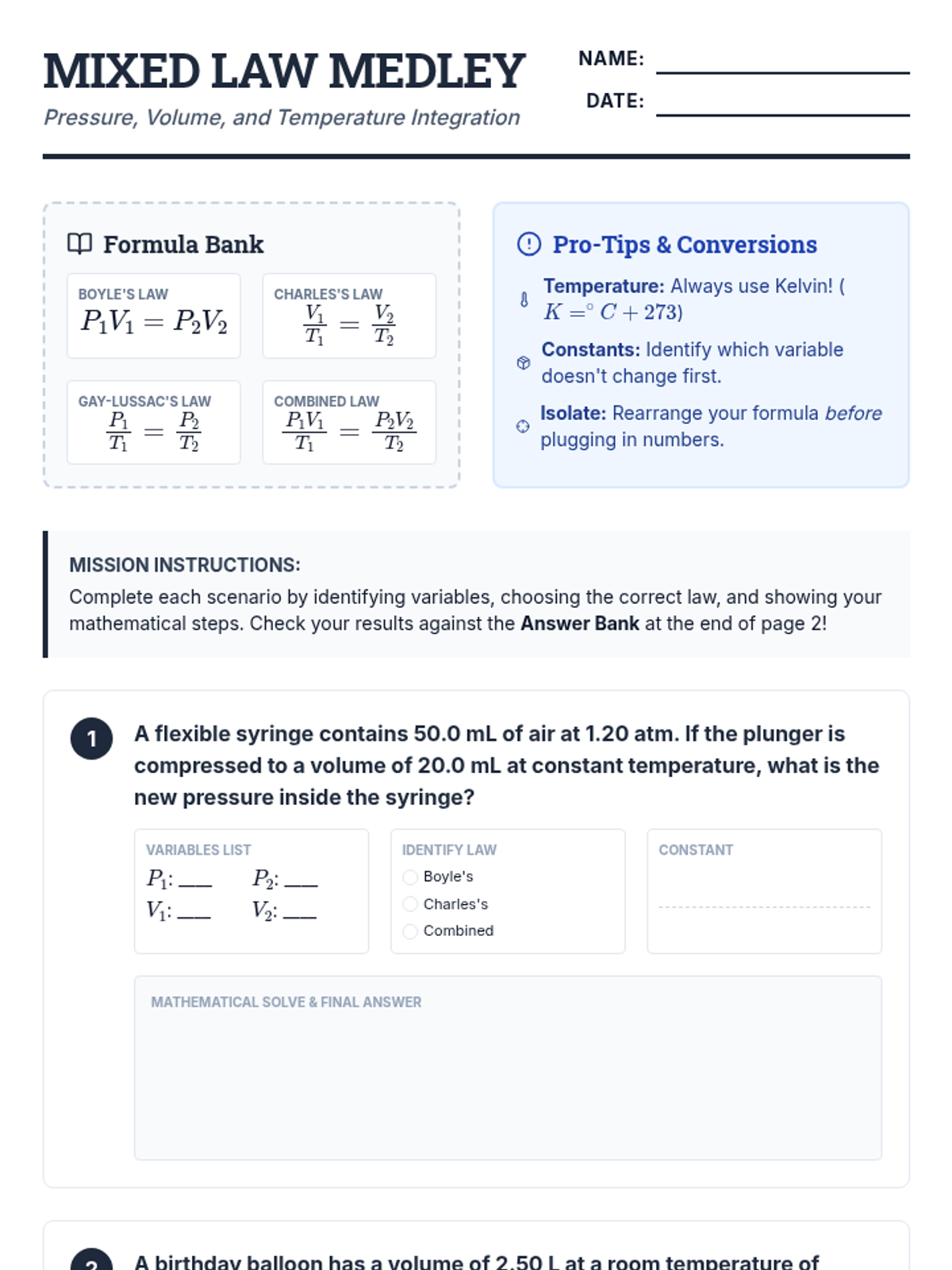
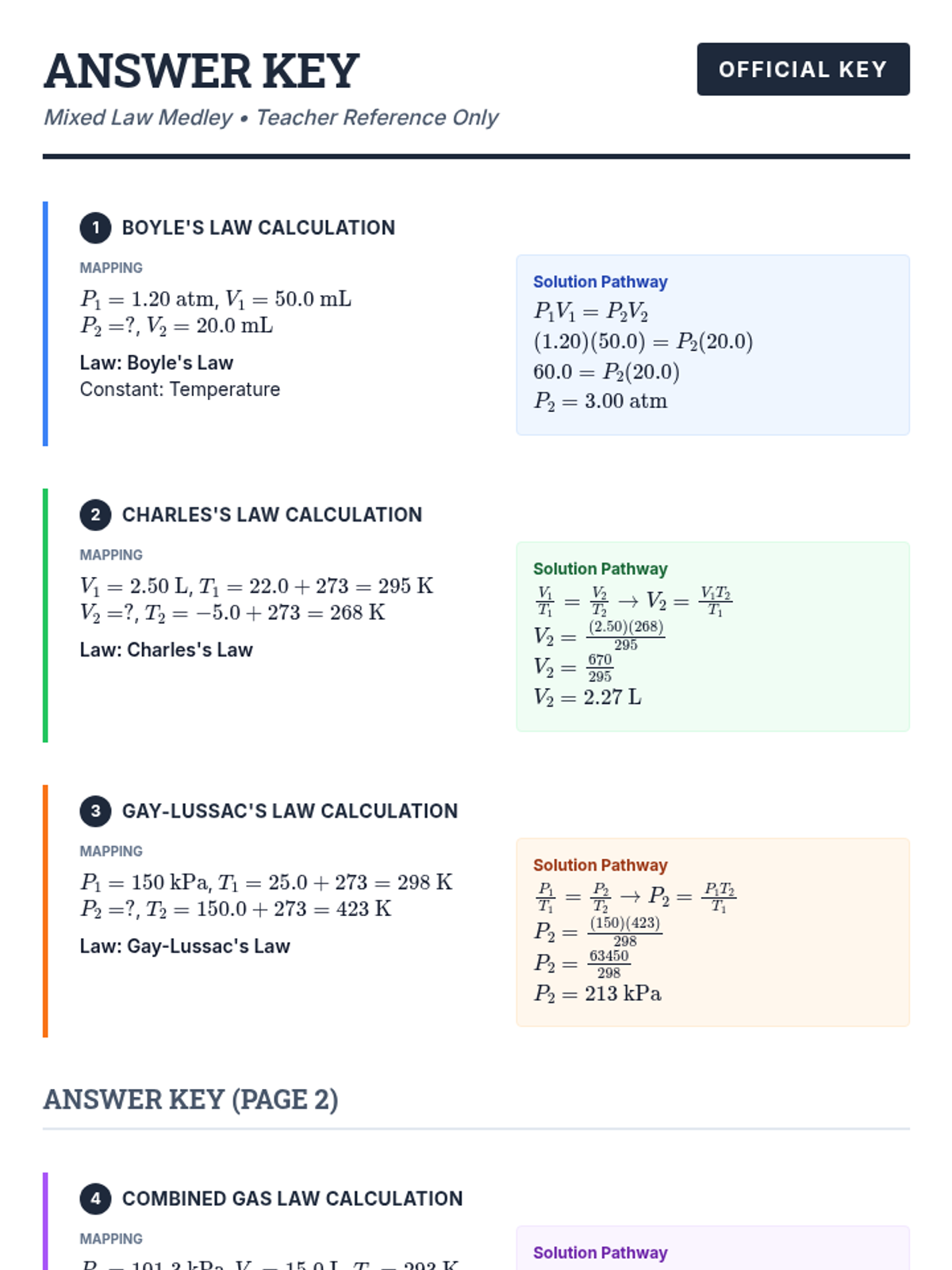
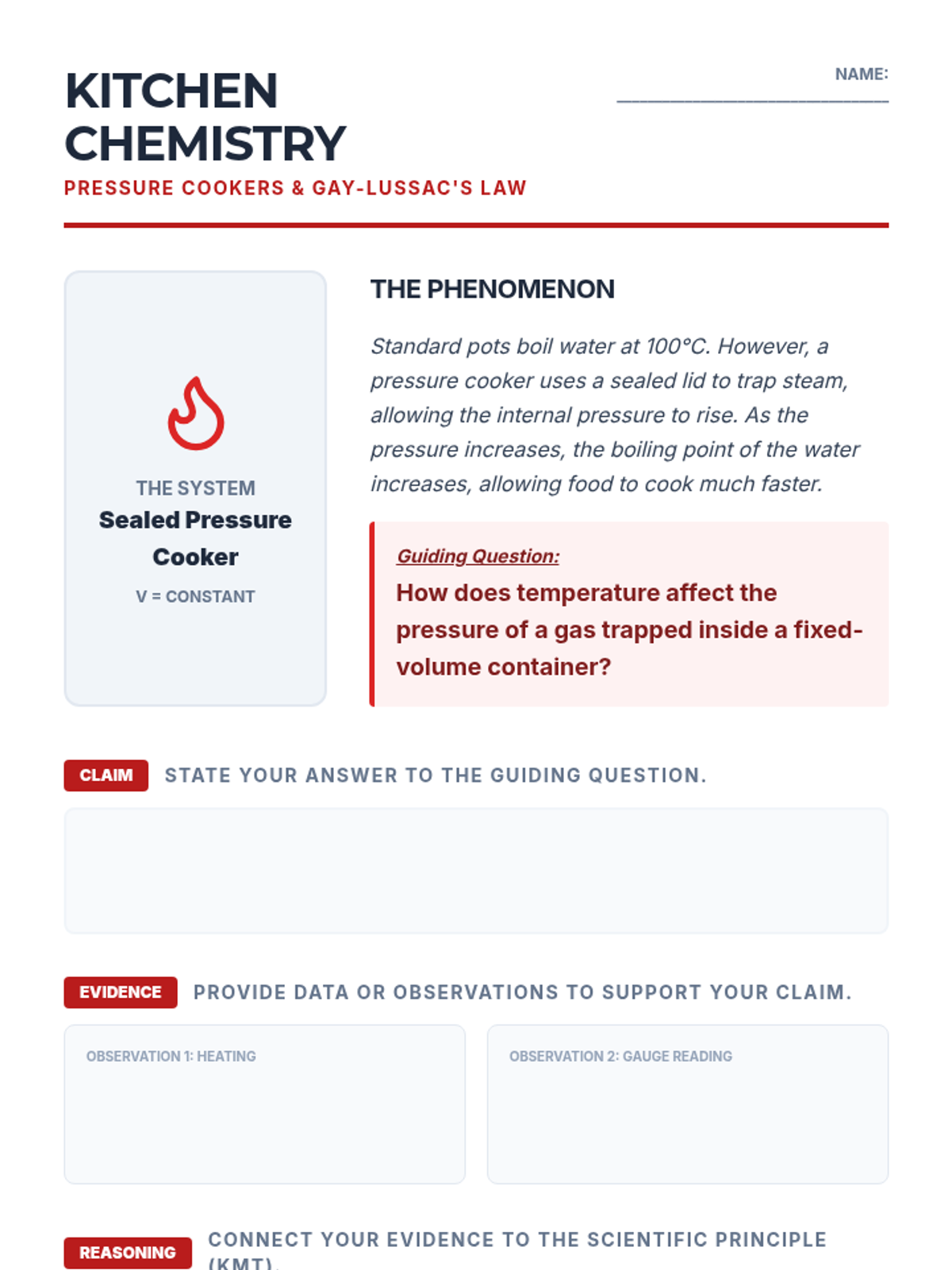
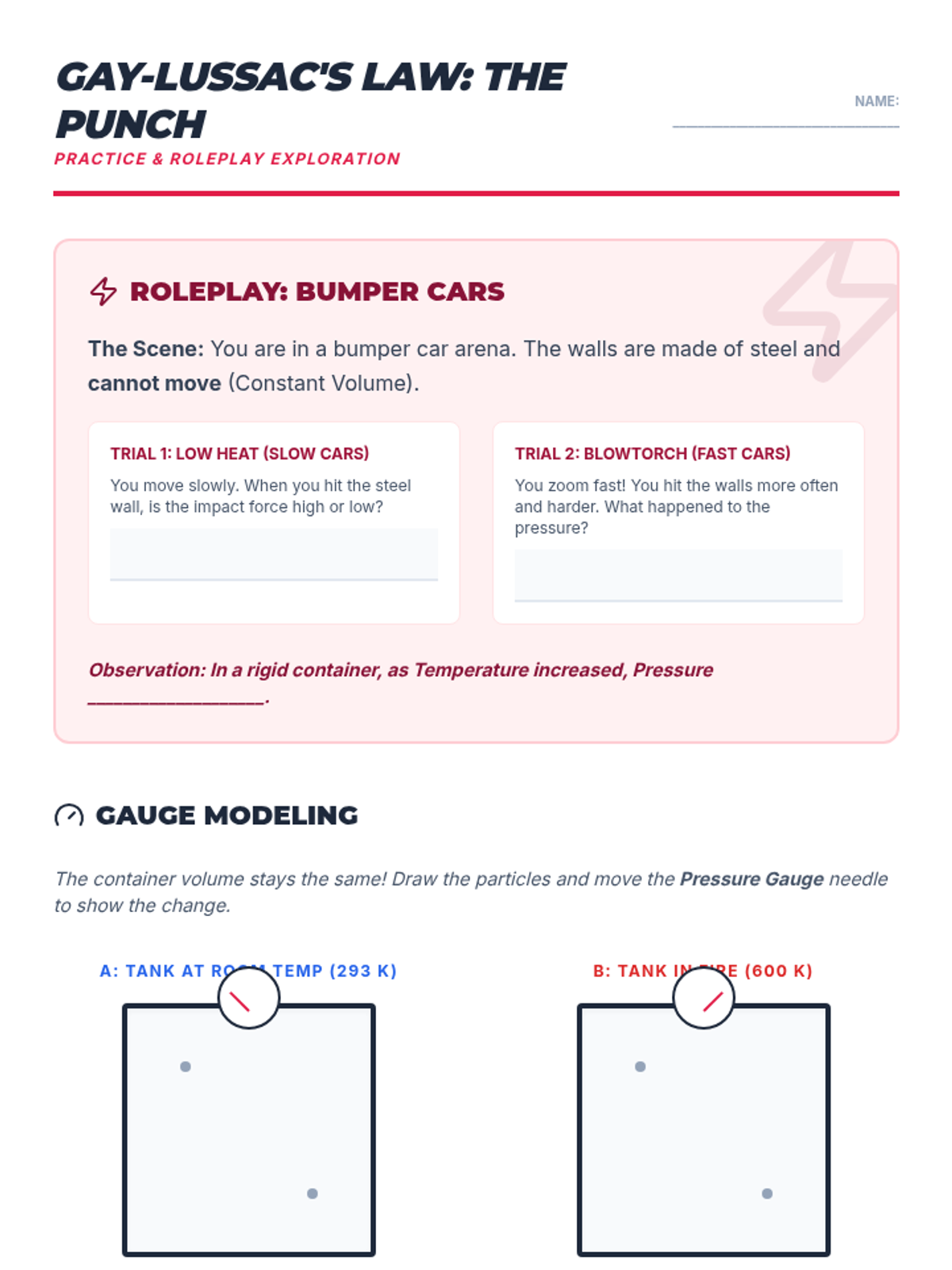
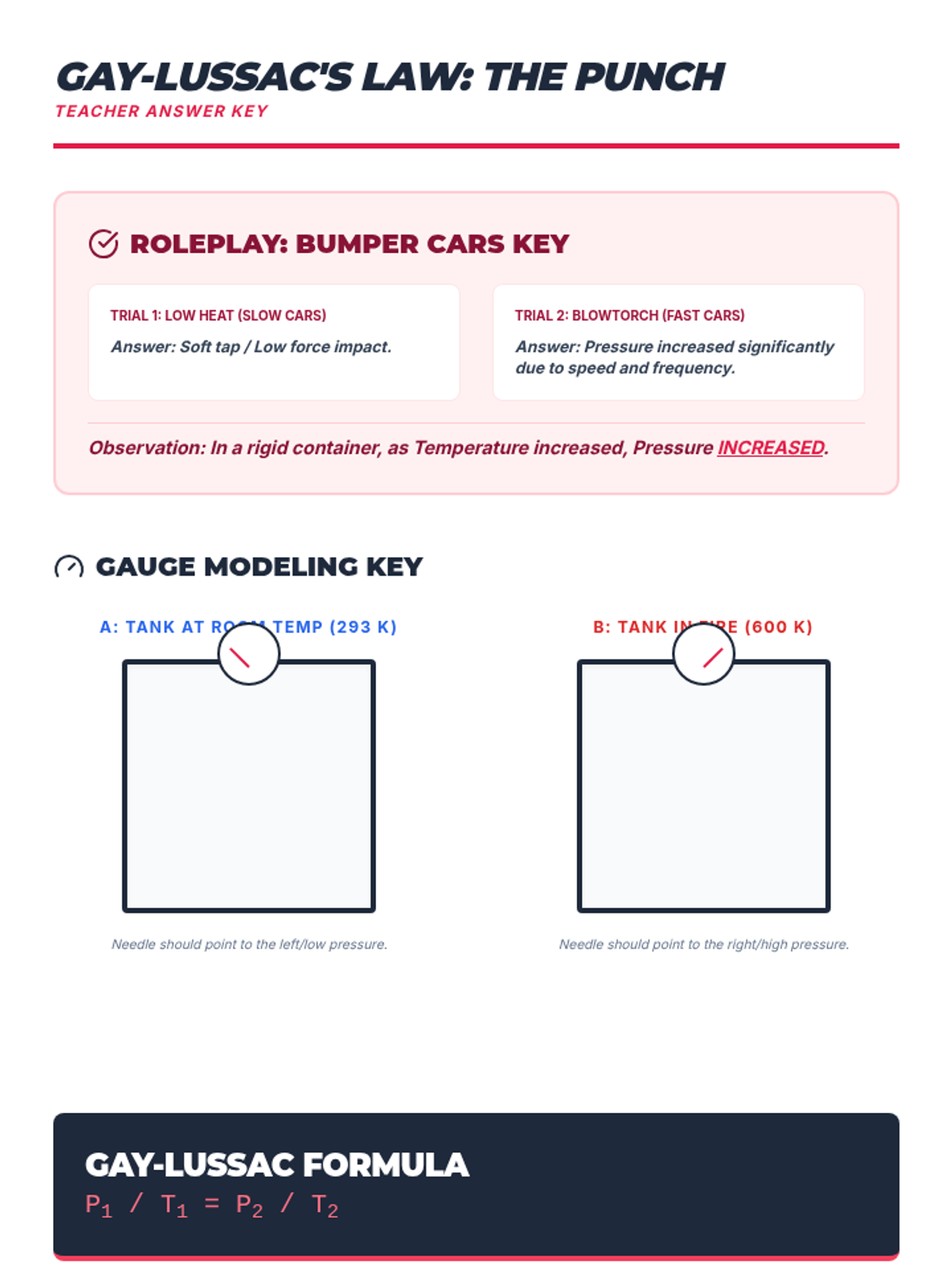
Students synthesize their understanding of pressure, volume, and temperature into the Combined Gas Law and apply Gay-Lussac's Law to pressure cooker scenarios.
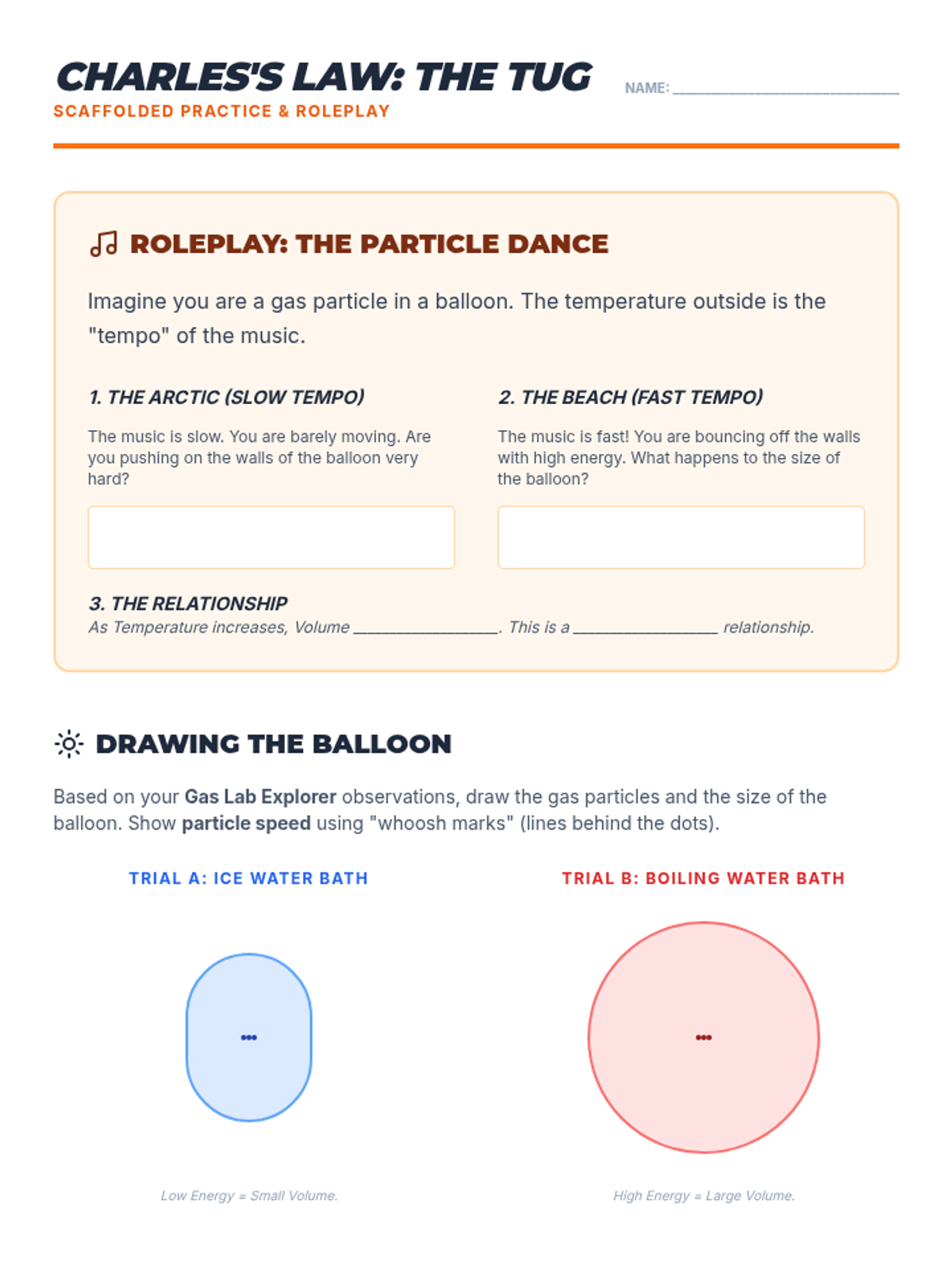
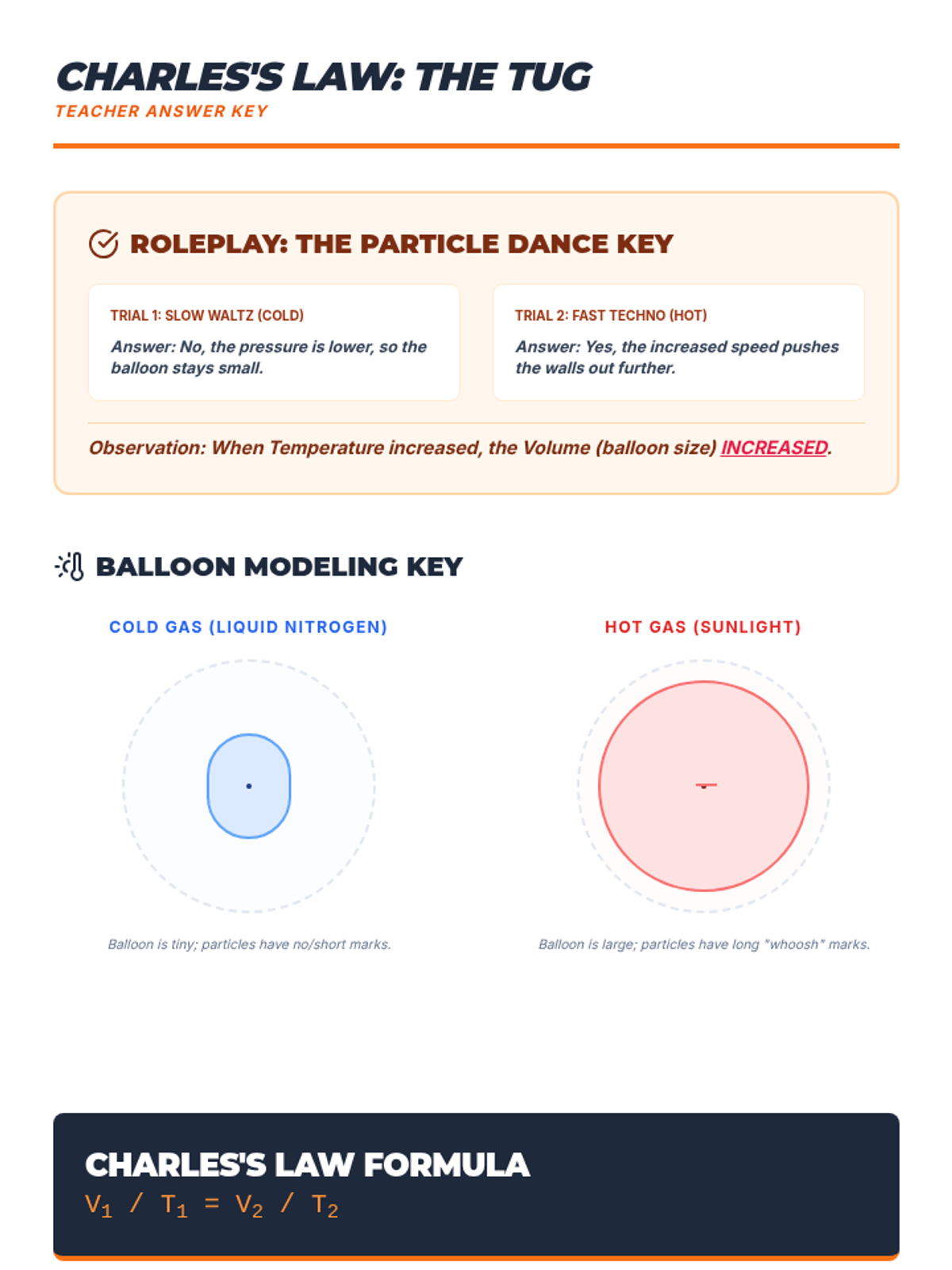
Students explore how temperature affects gas volume (Charles's Law) and investigate the concept of absolute zero through data analysis.
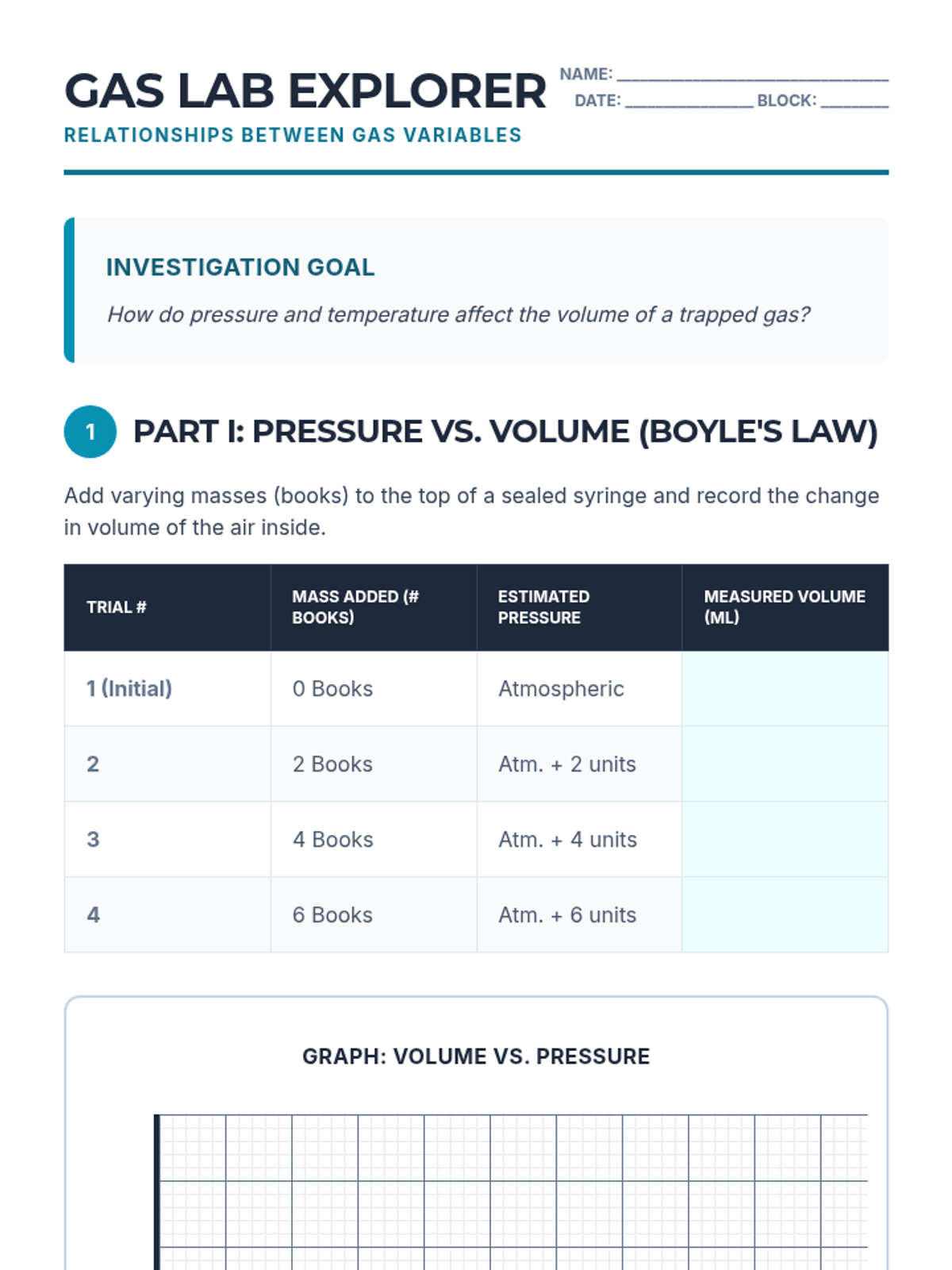
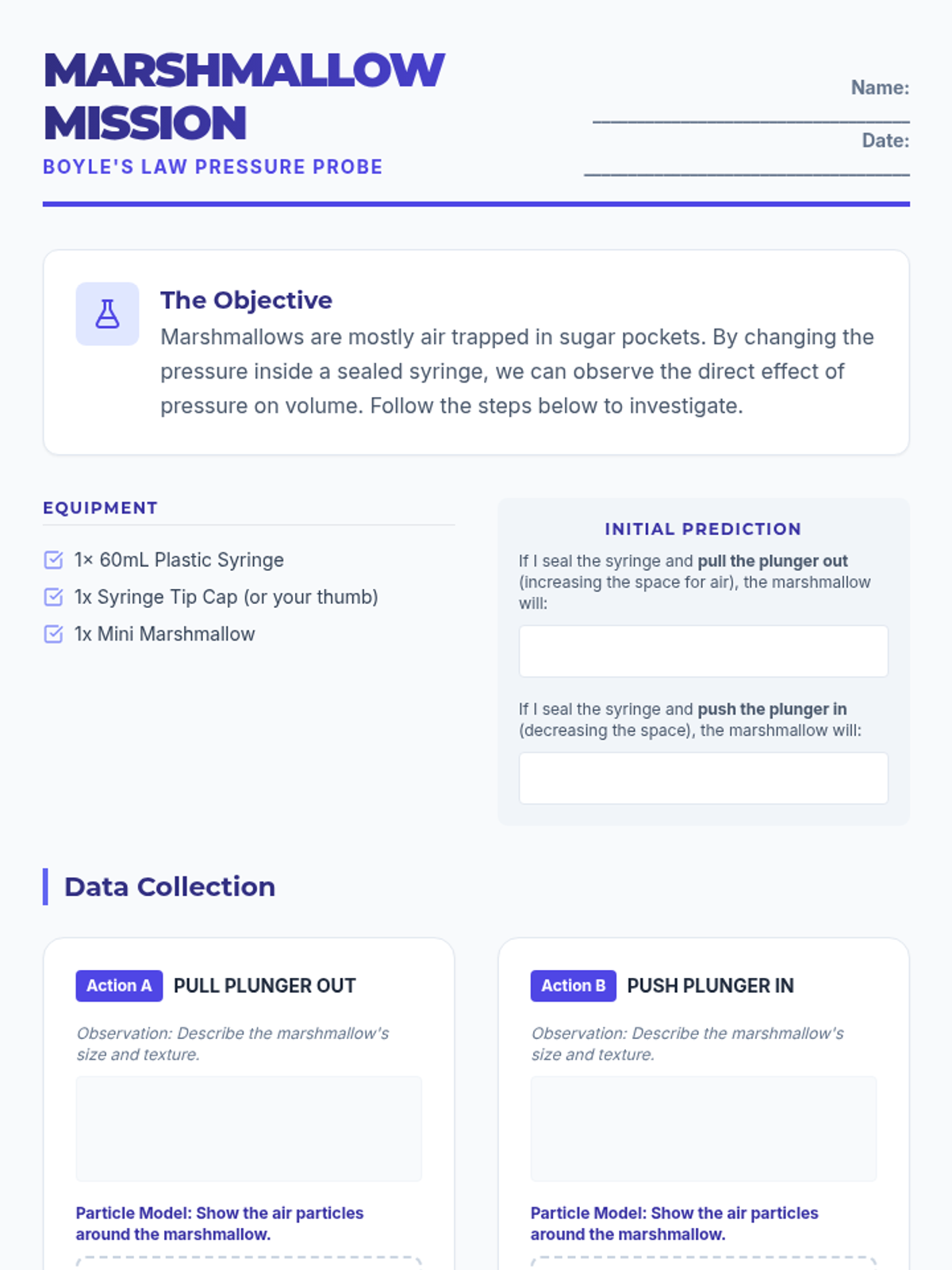
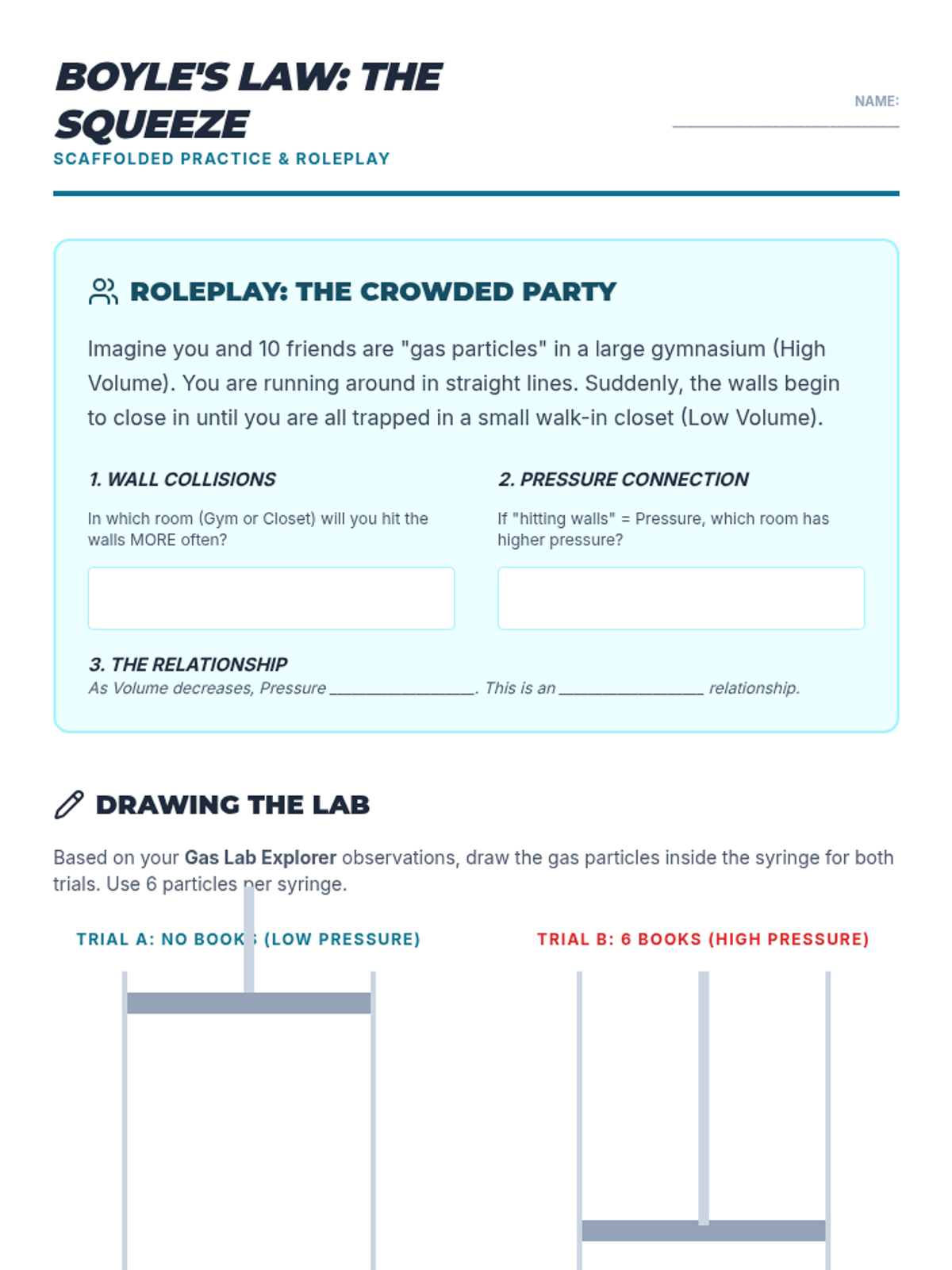
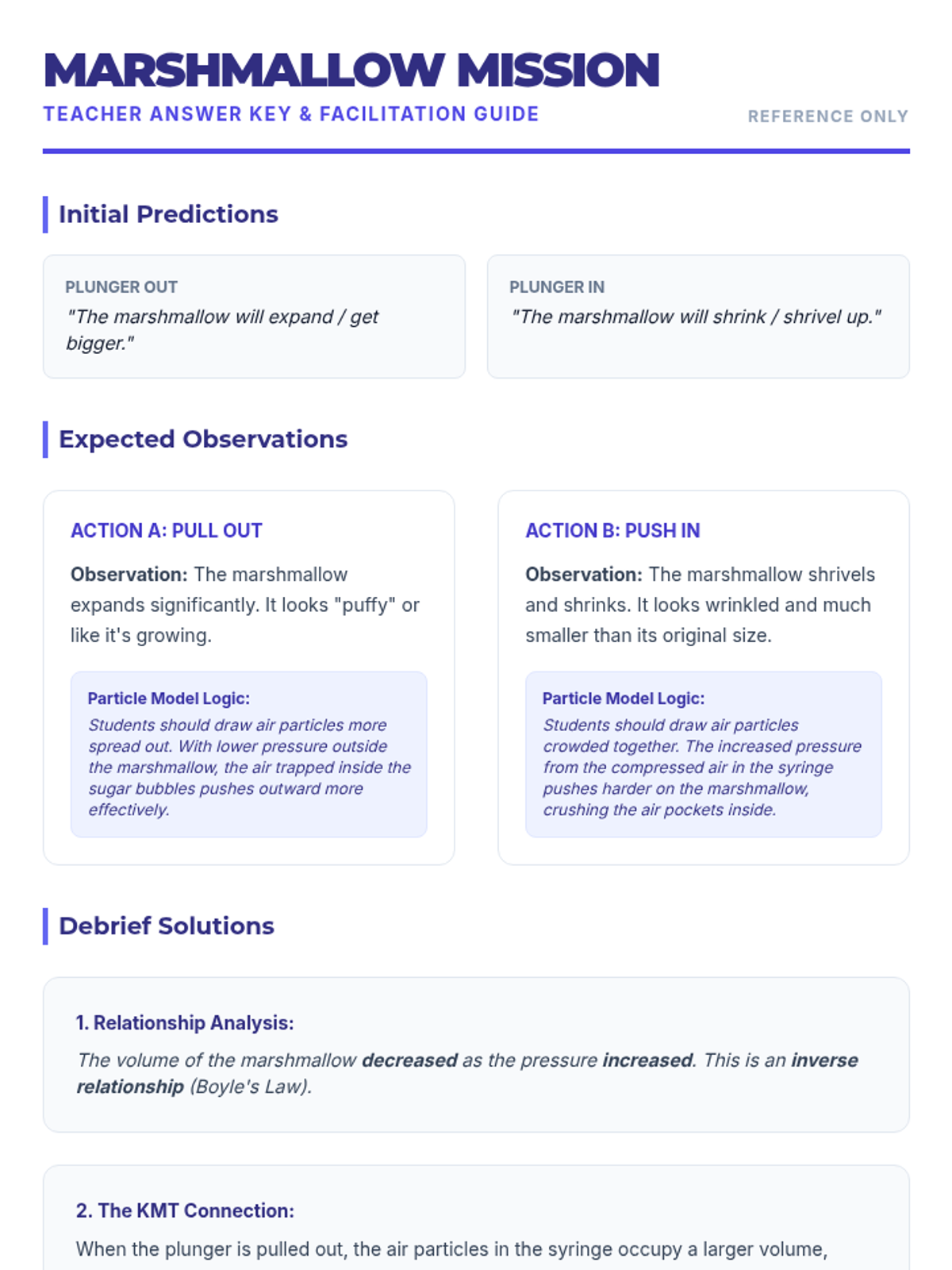
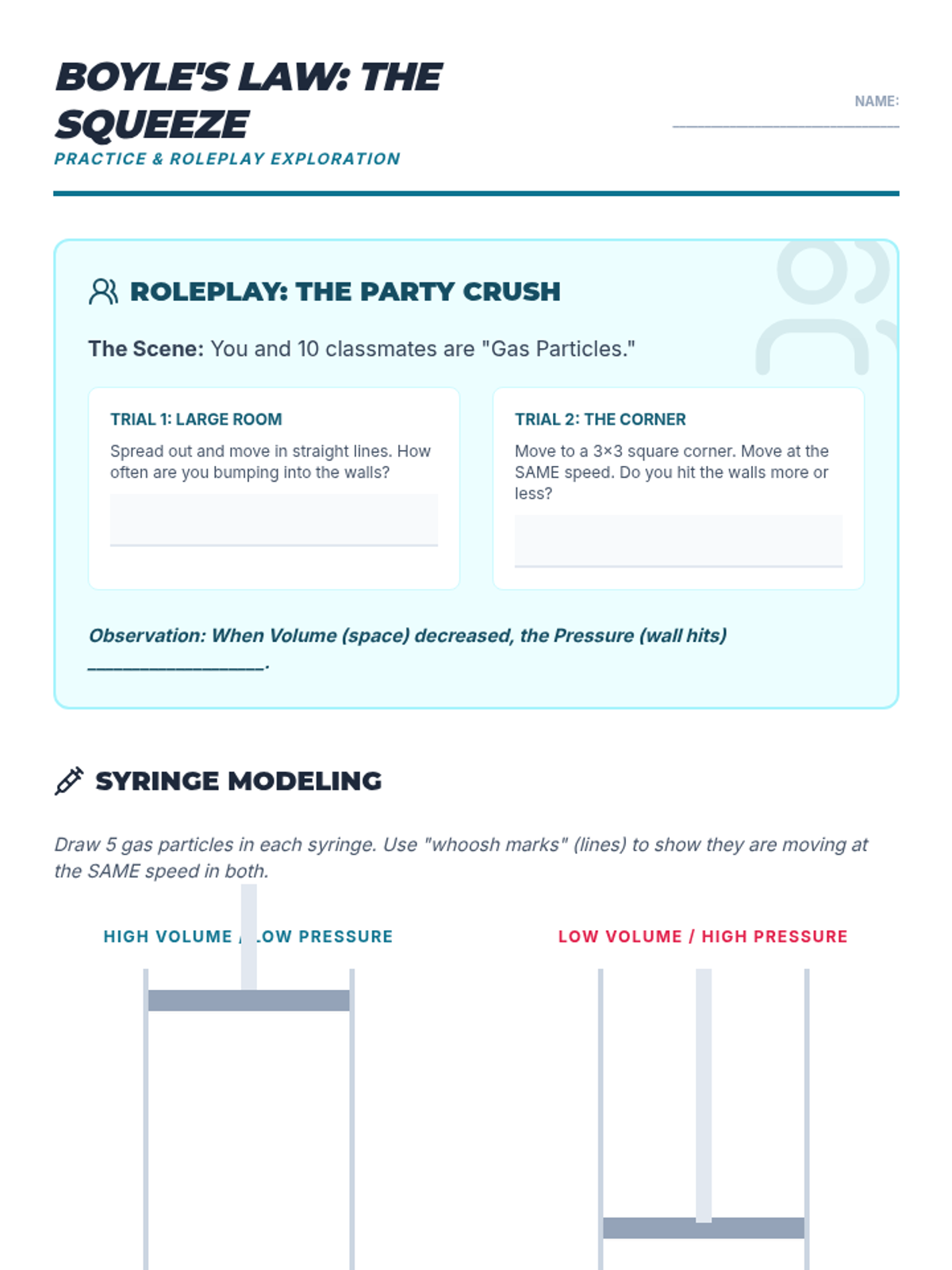
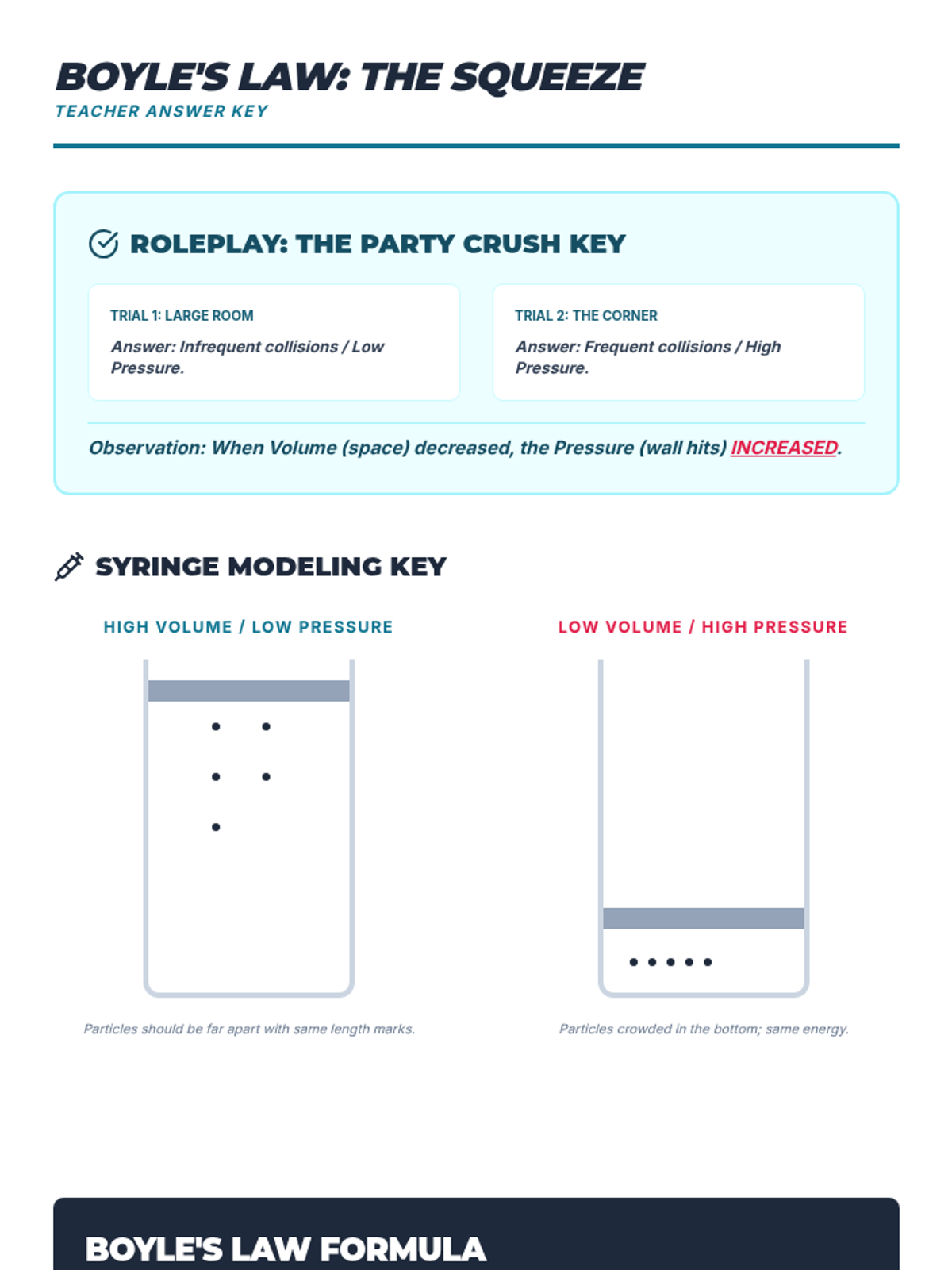
Students investigate the inverse relationship between pressure and volume (Boyle's Law) through a syringe-and-mass inquiry lab.
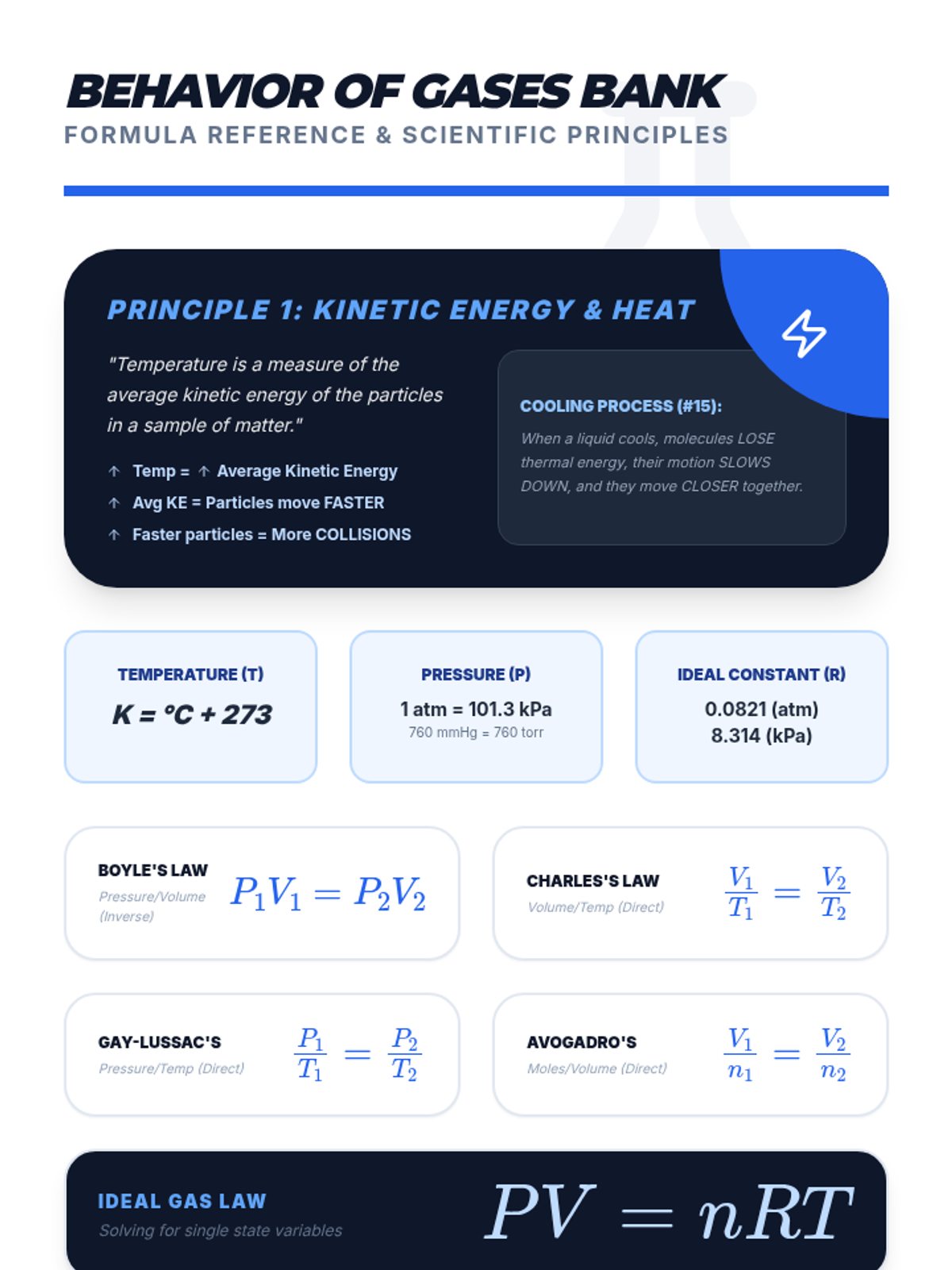
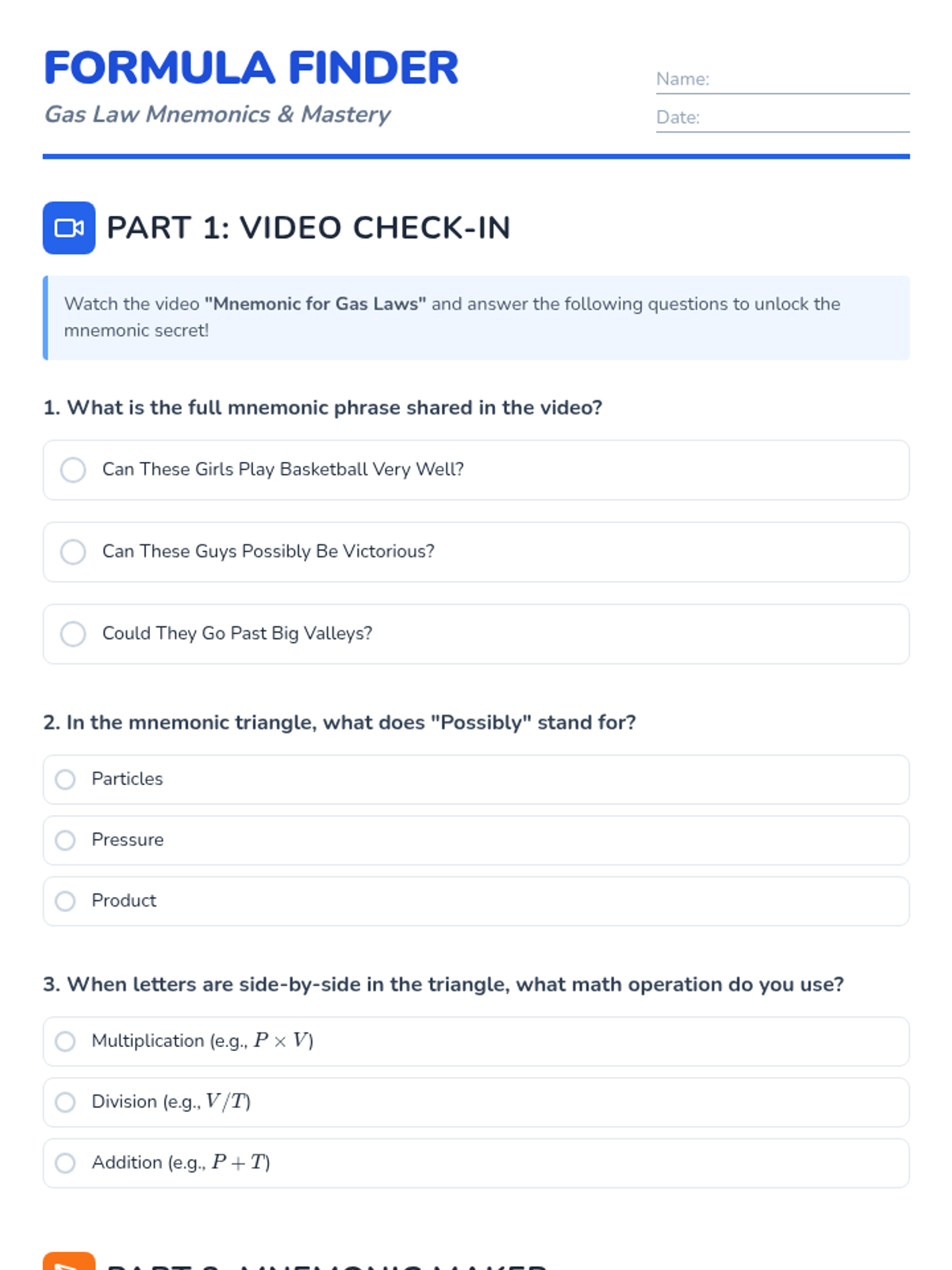
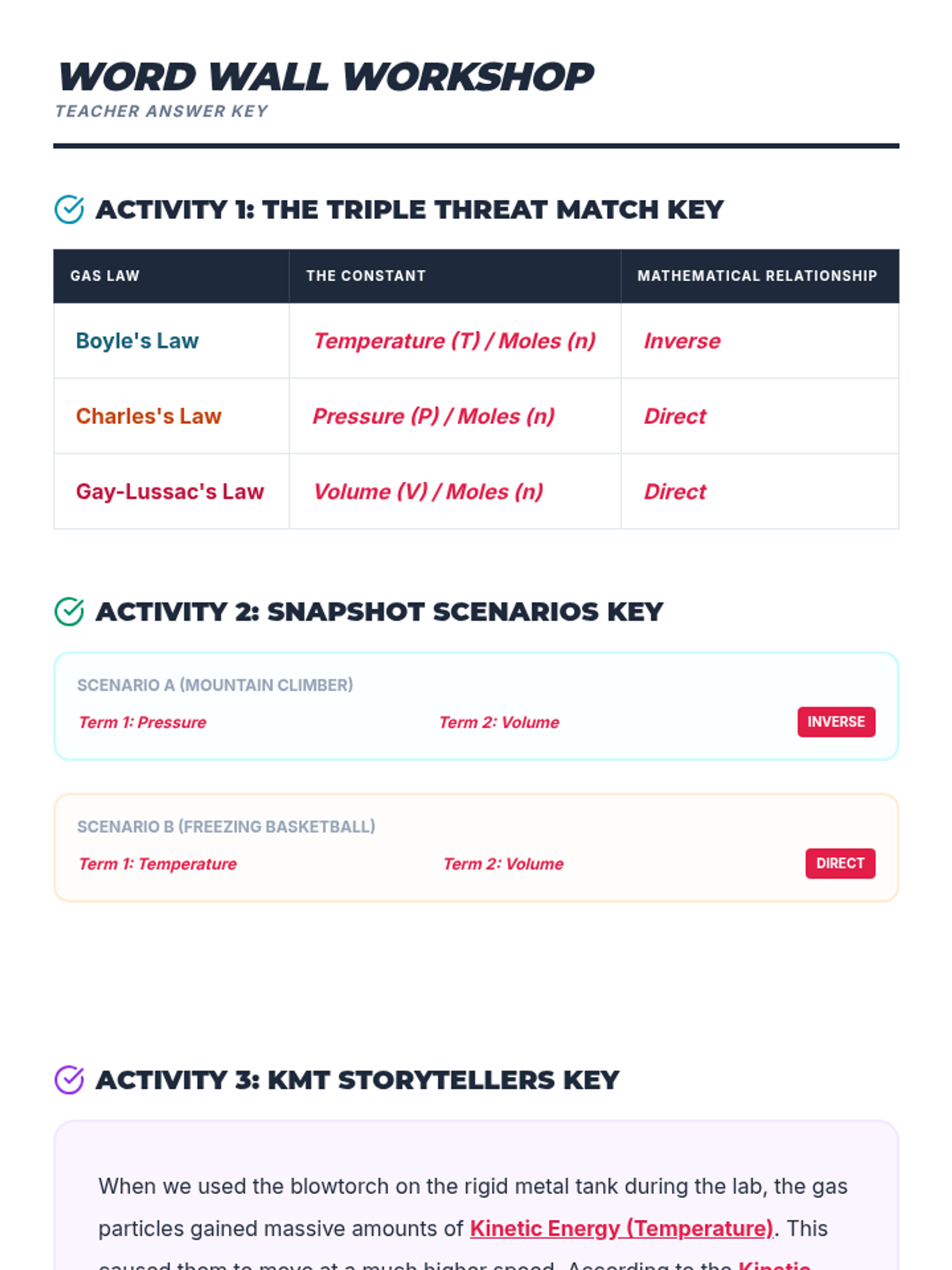
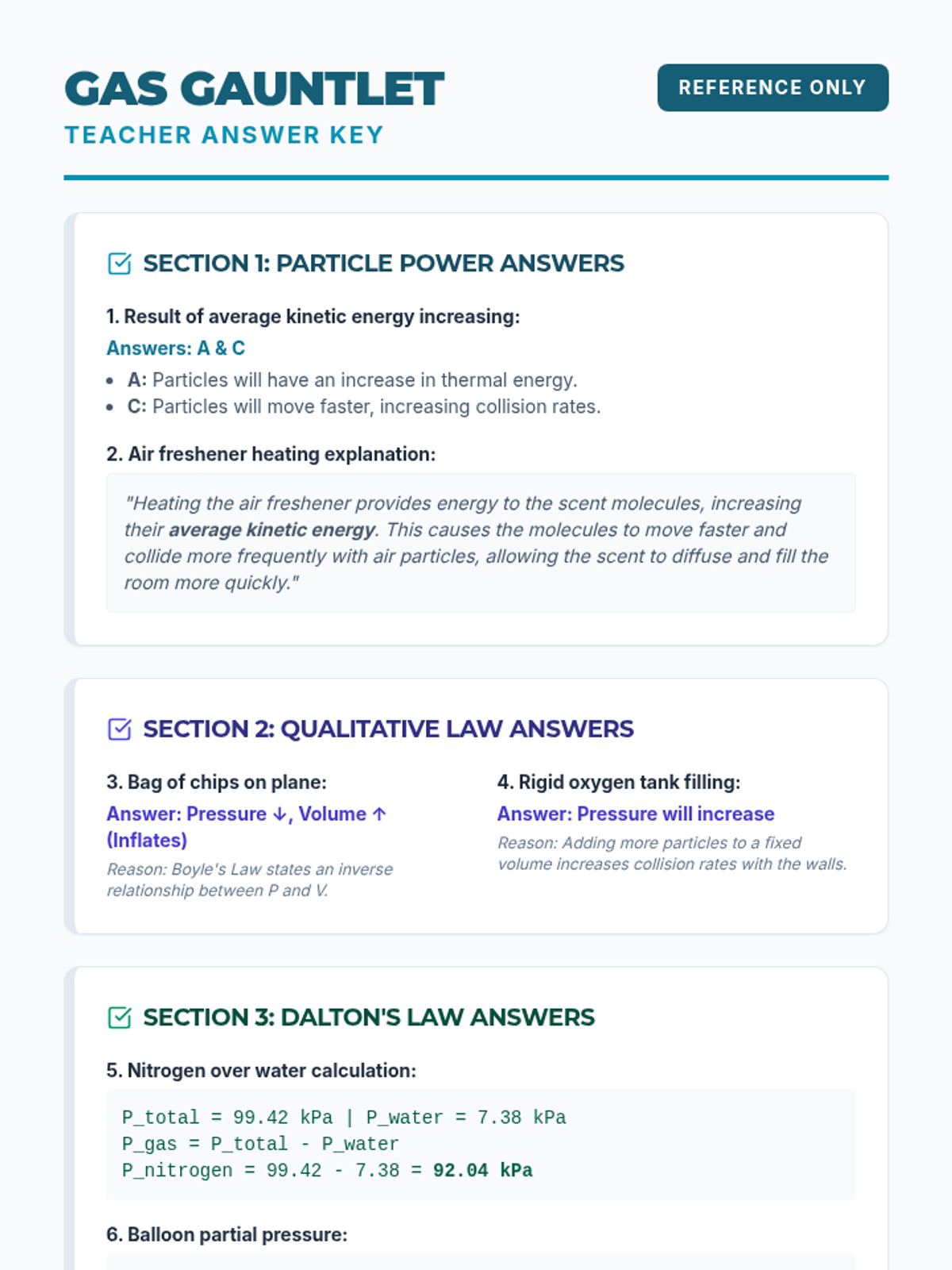
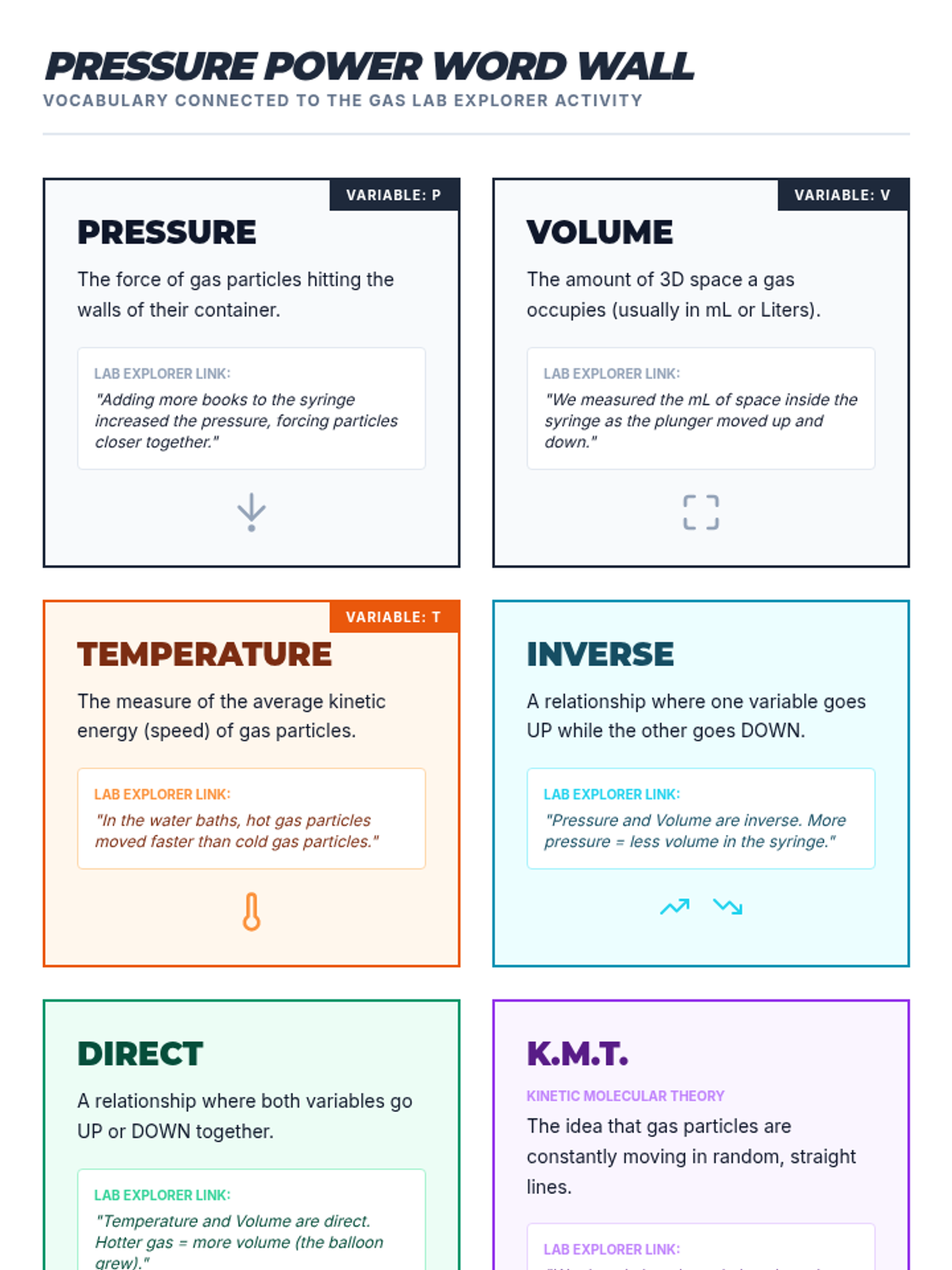
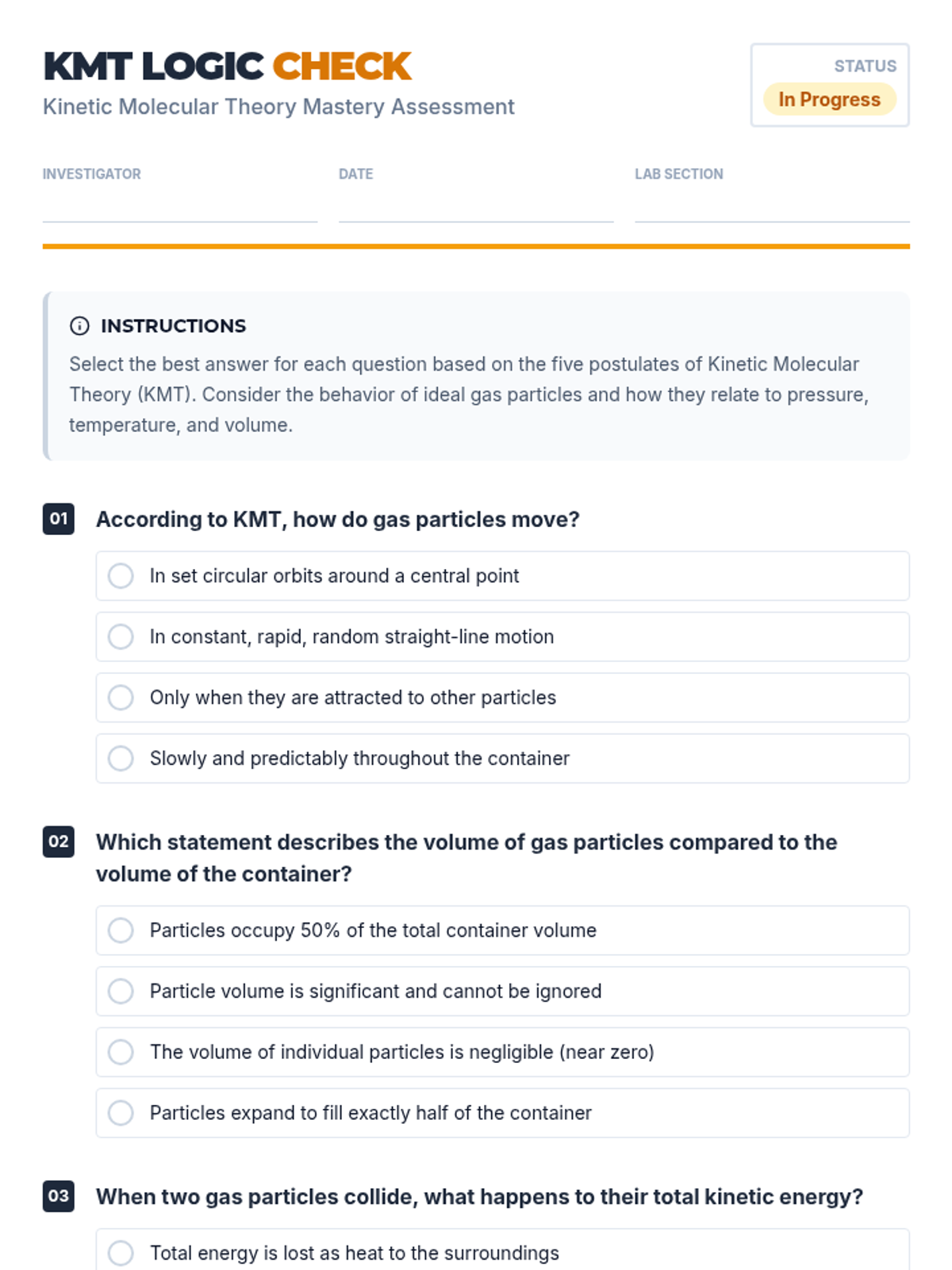
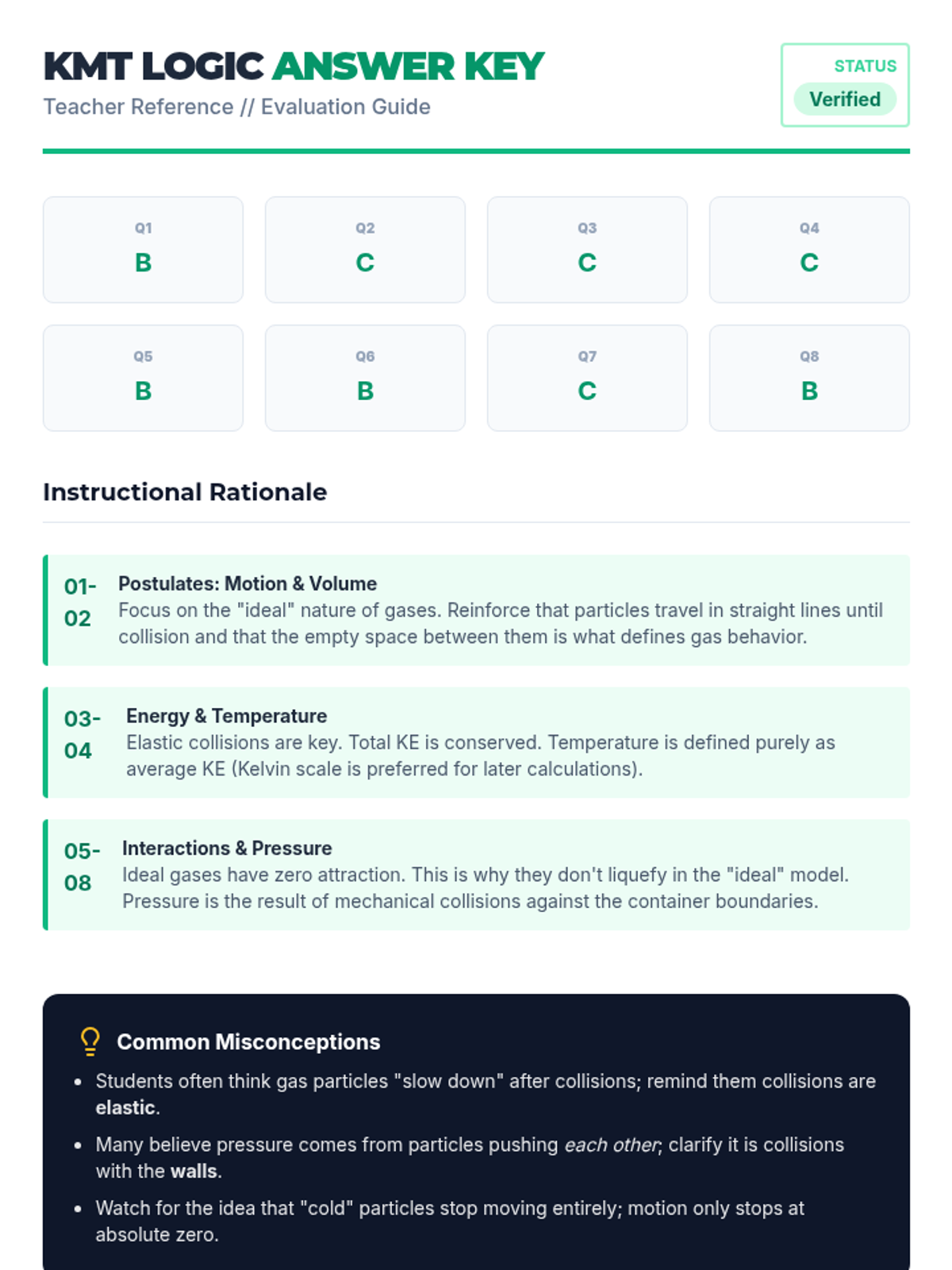
A dedicated session for verifying student grasp of Kinetic Molecular Theory before progressing to mathematical gas laws. Includes a comprehensive conceptual assessment and peer-review of molecular models.
A comprehensive lesson on stoichiometry covering mass conservation, molar conversions, and reaction yields. Includes a visual cheat sheet and a mastery assessment.
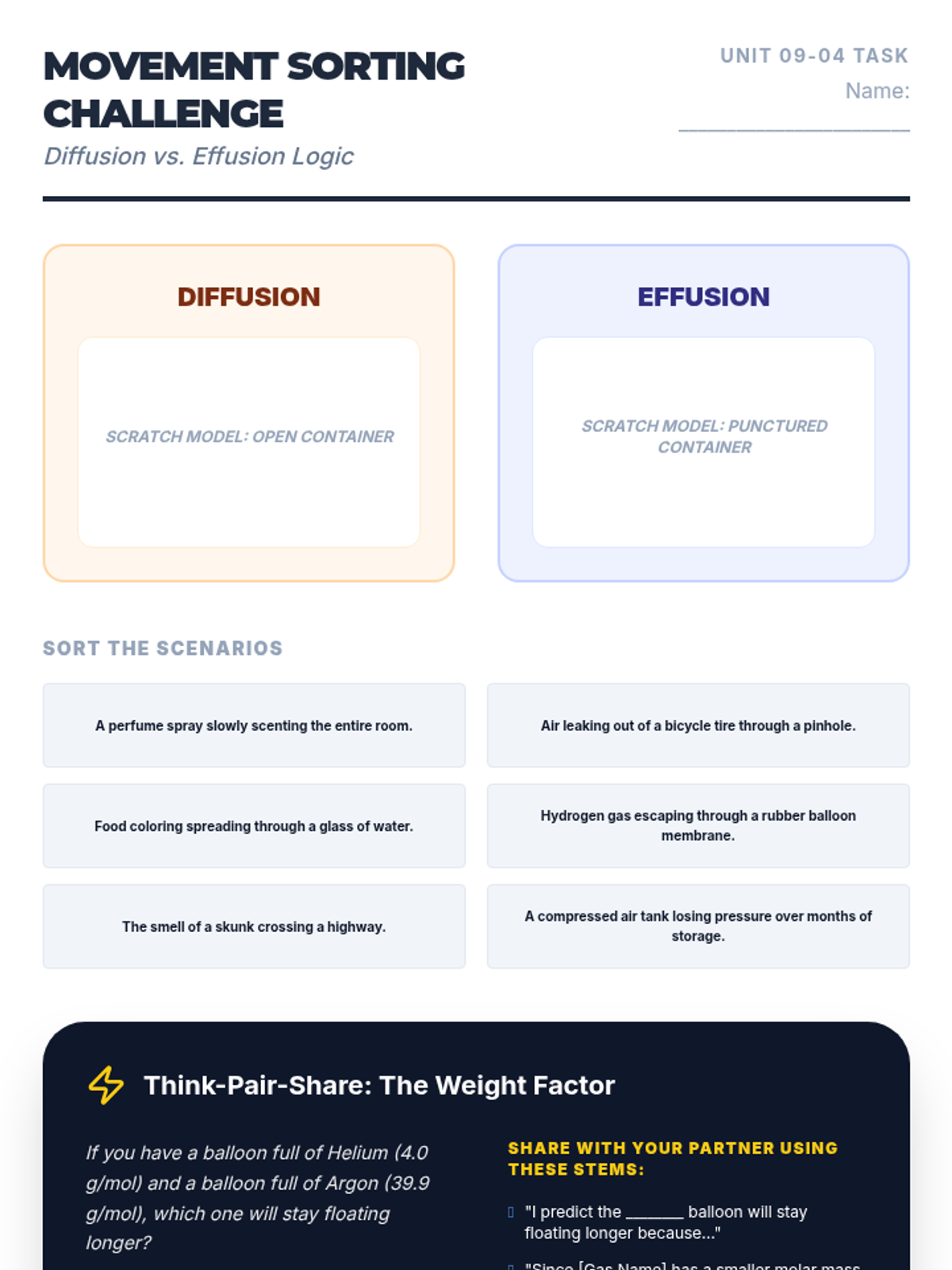
Students explore gas mixtures using Dalton's Law of Partial Pressures and investigate the concepts of diffusion and effusion. The unit concludes with a revisitation of the anchoring phenomenon and a summative assessment.
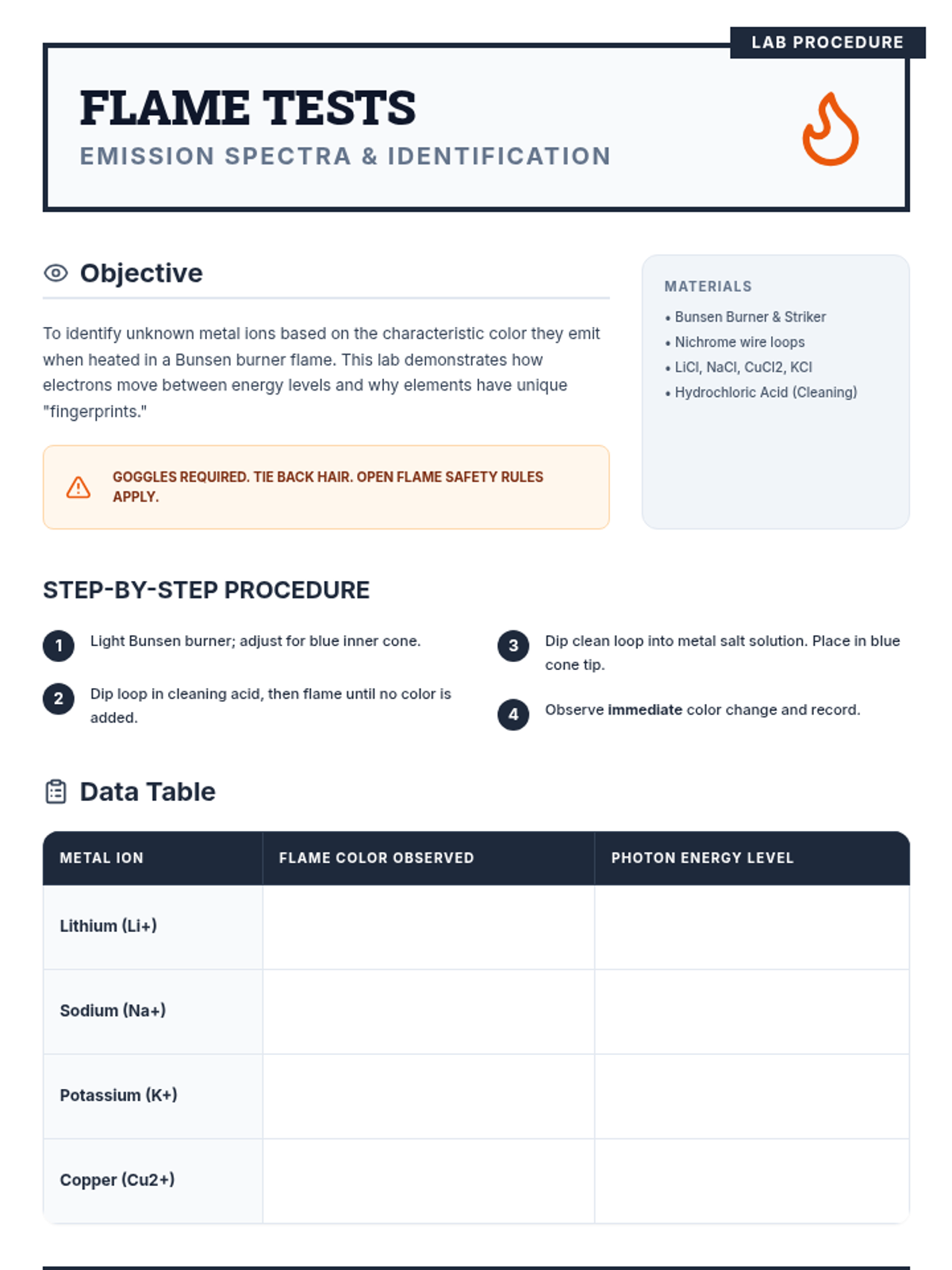
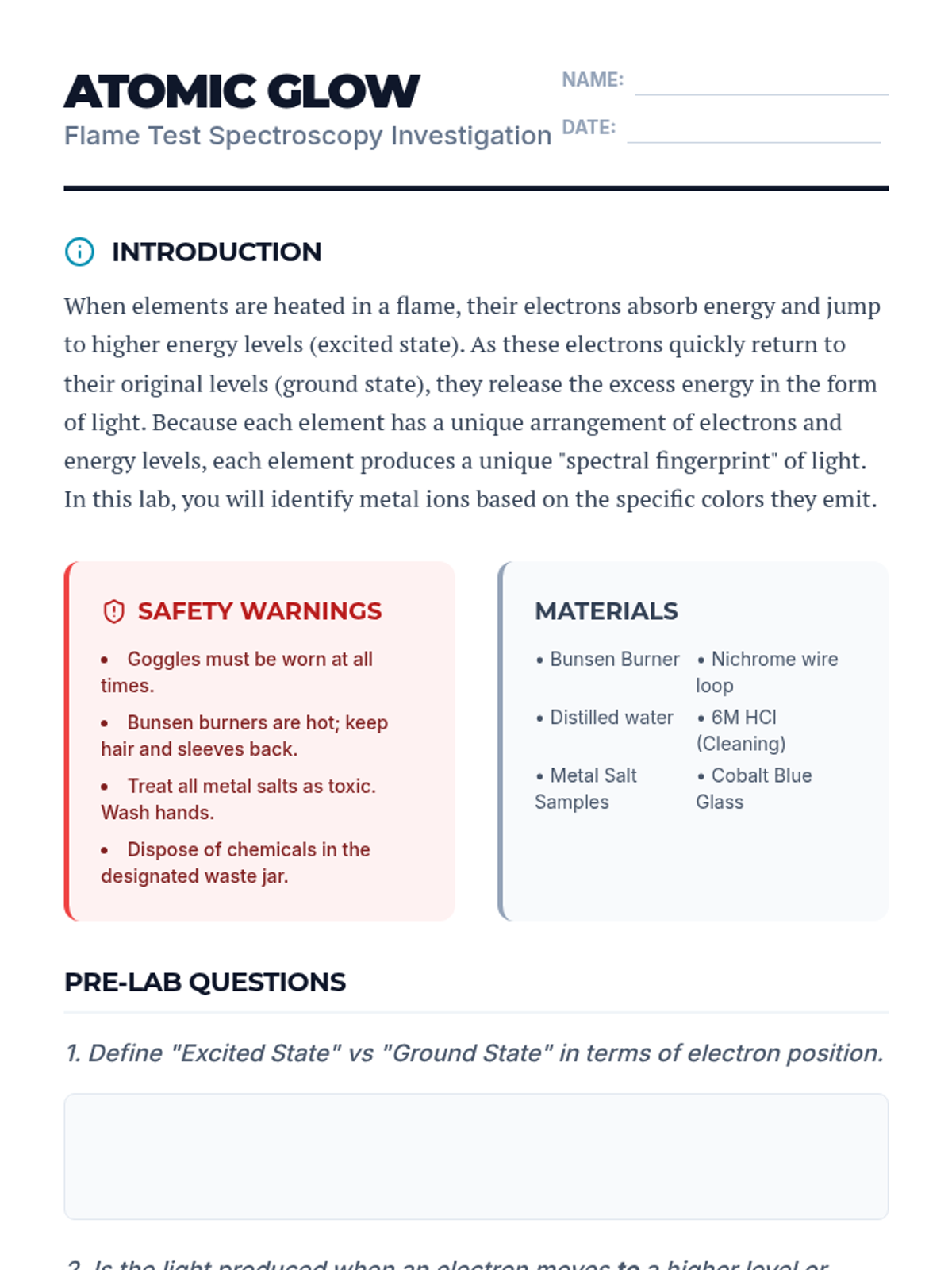
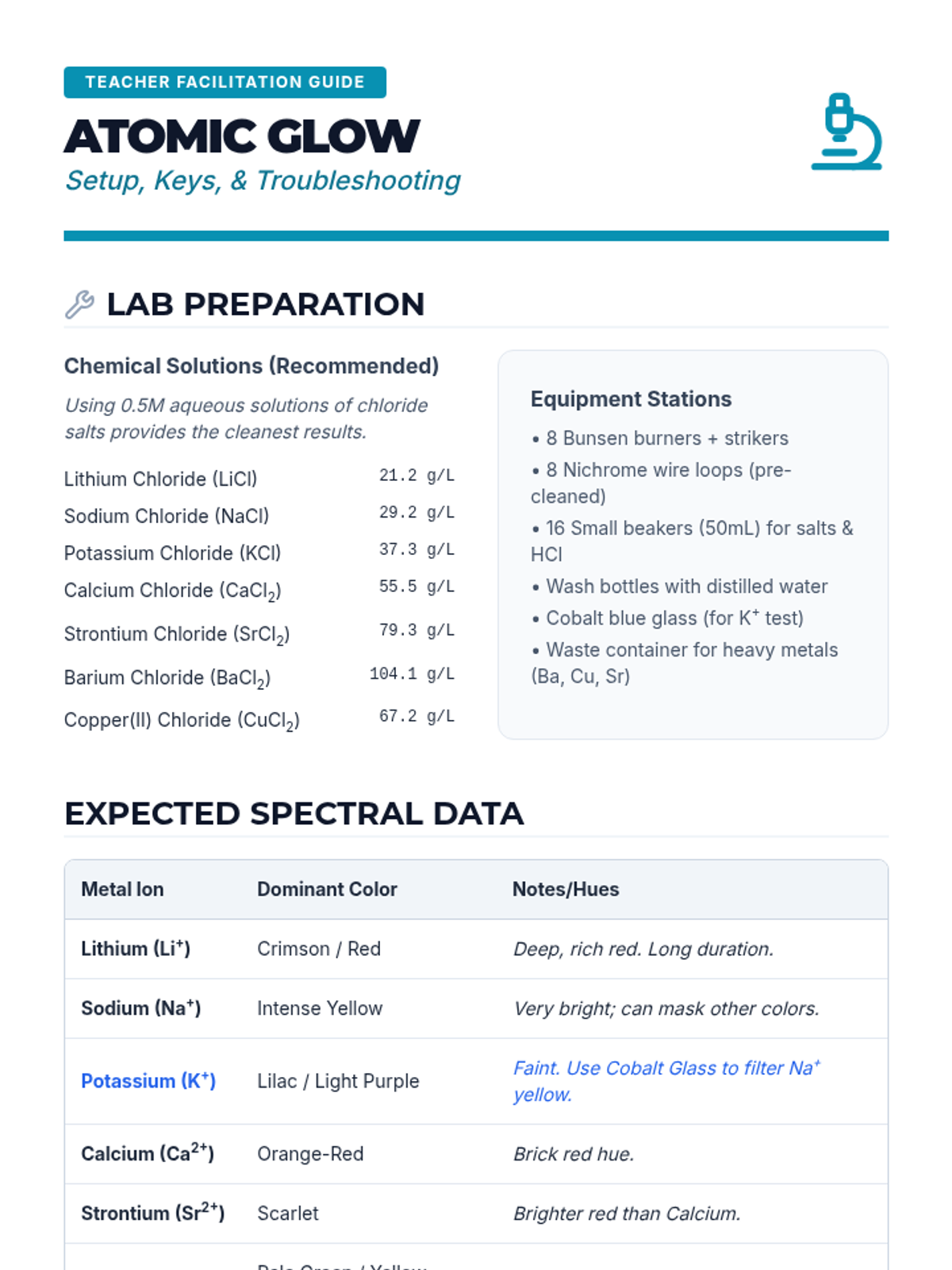
A high school chemistry lab investigating the emission spectra of metal ions through flame tests. Students explore the Bohr model of the atom and identify unknown metal salts based on their characteristic flame colors.
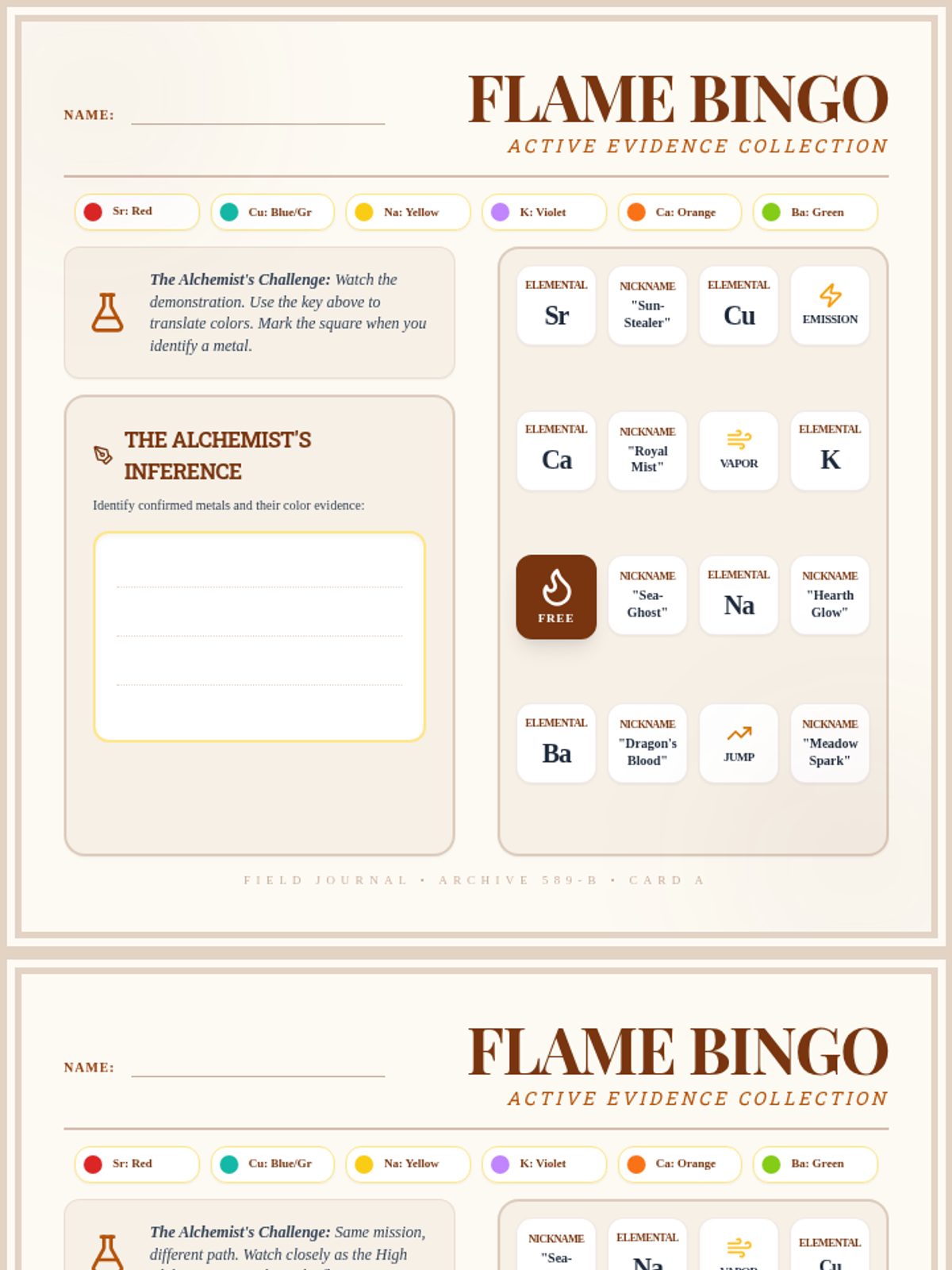
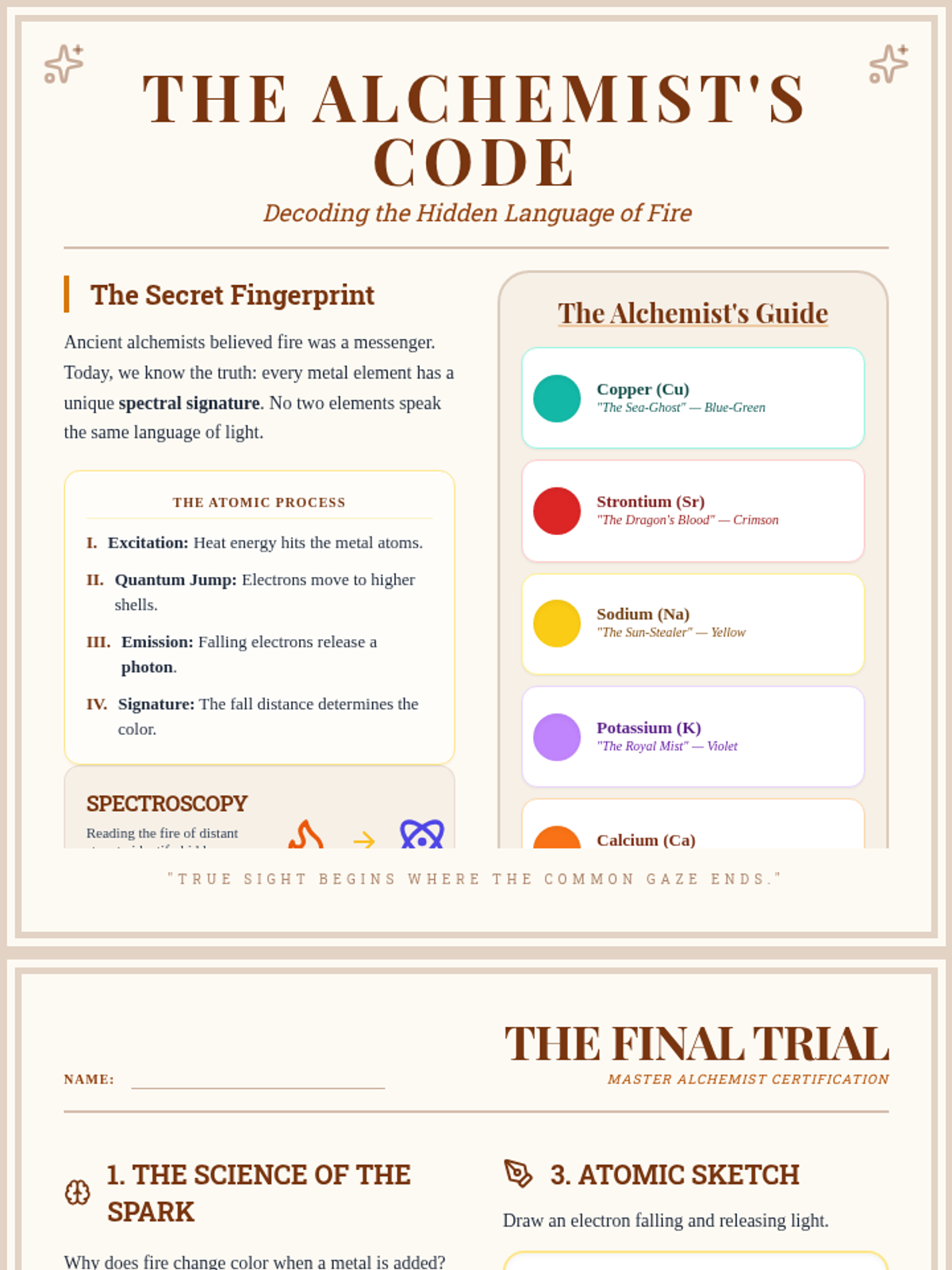
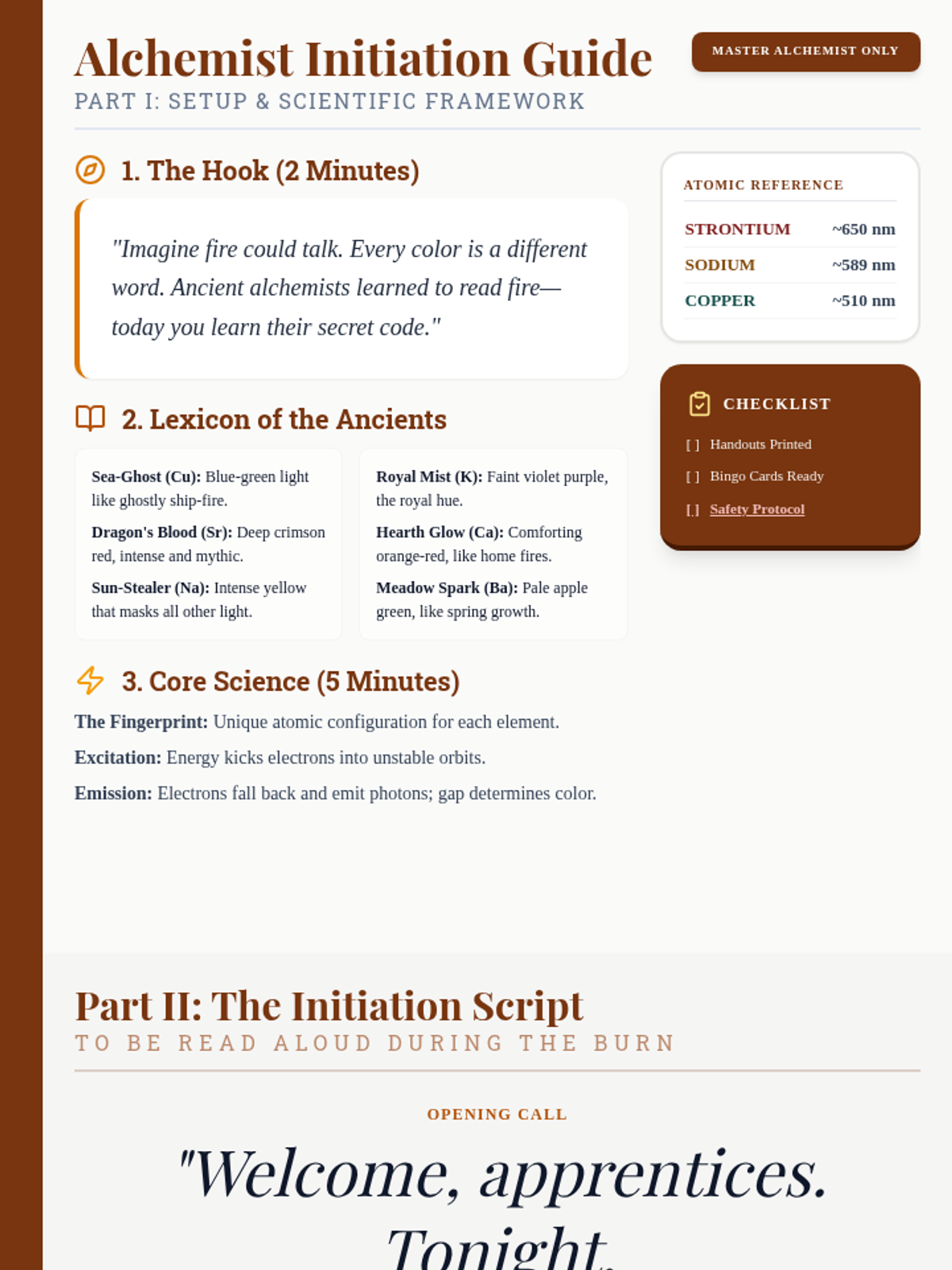
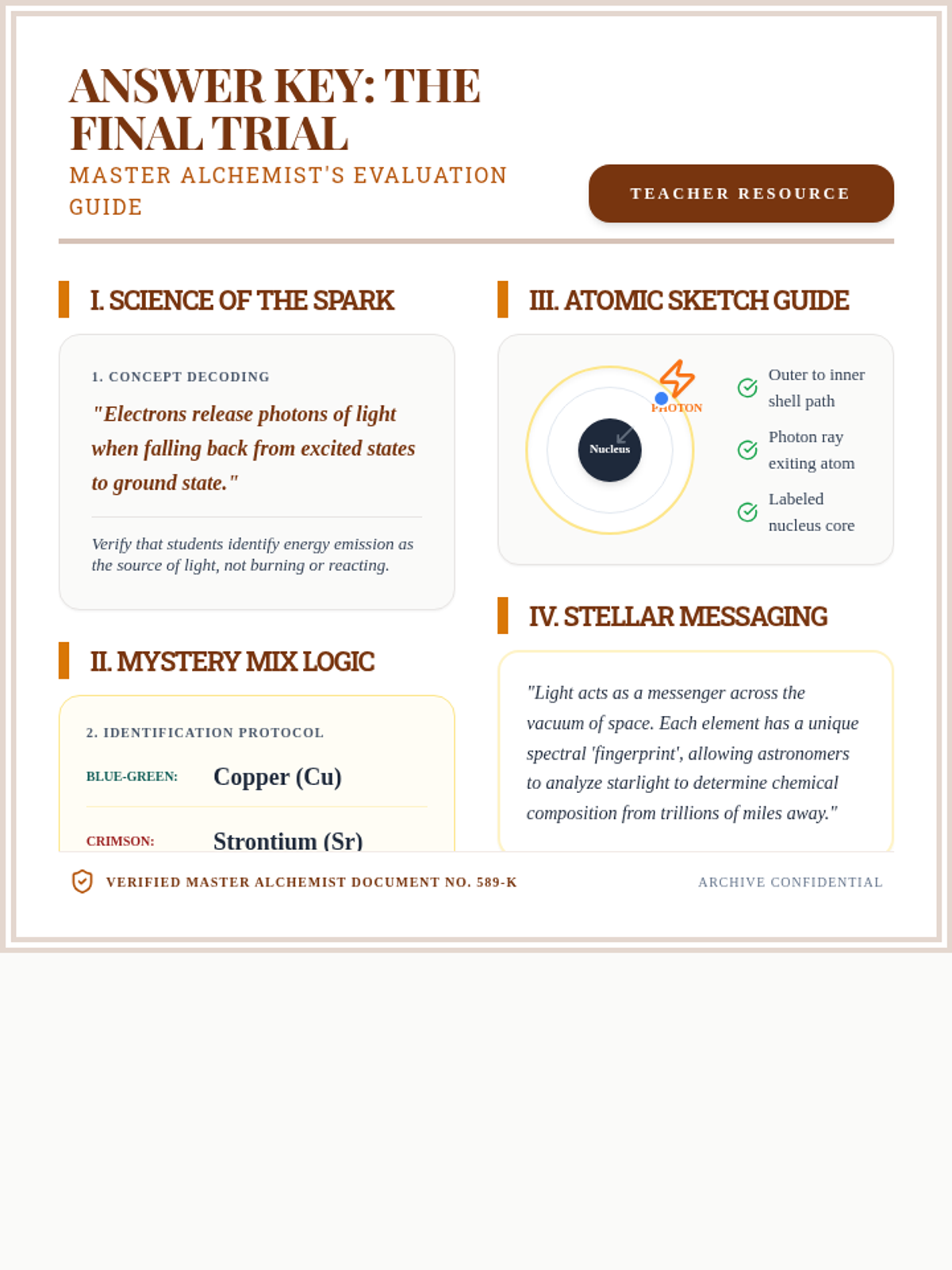
A chemistry-focused lesson framing flame tests as an ancient alchemical decoding challenge, focusing on atomic spectroscopy and logical inference.
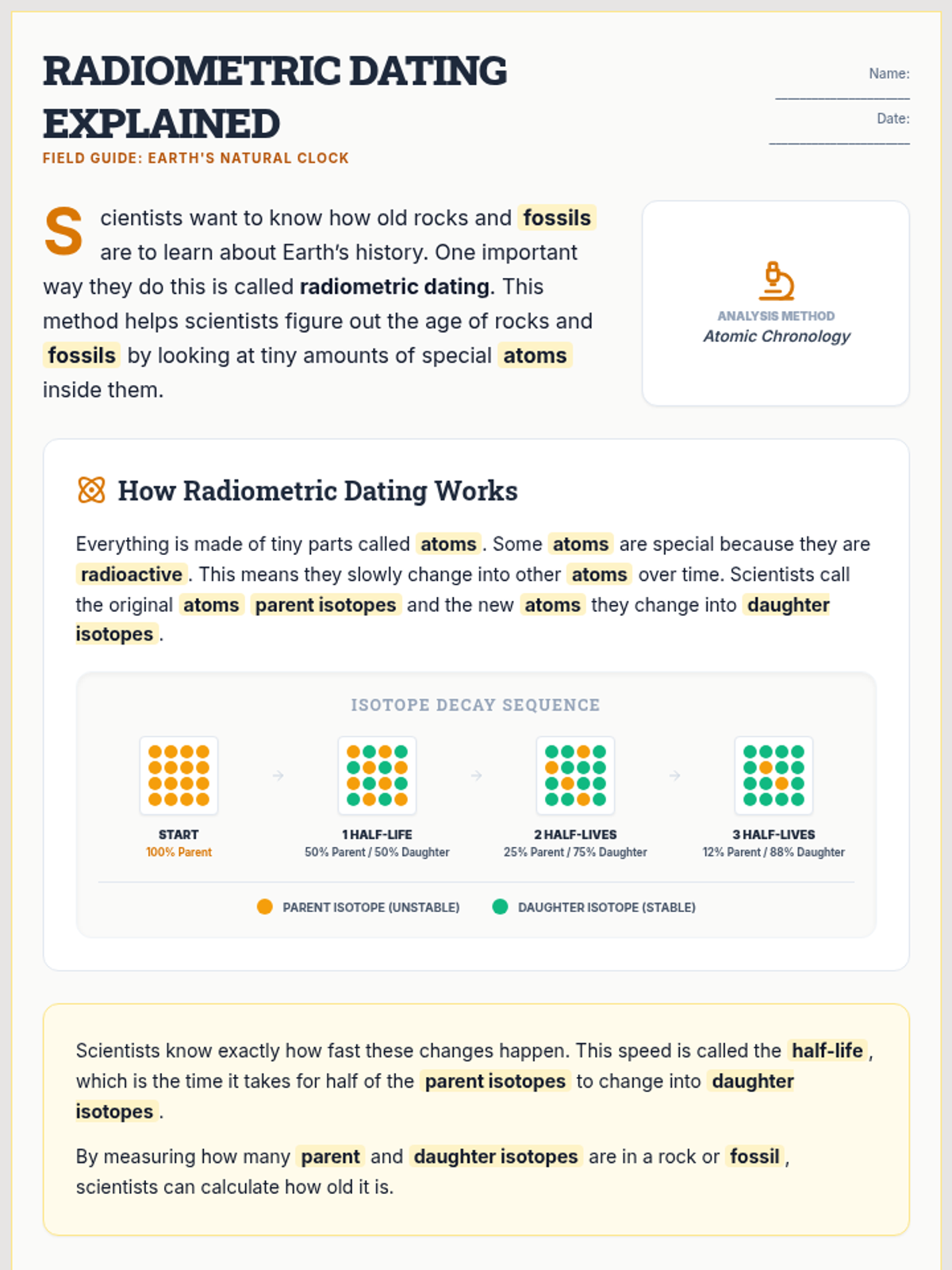
A comprehensive introduction to radiometric dating, explaining how scientists use radioactive isotopes to determine the absolute age of rocks and fossils, and comparing it to relative dating methods.
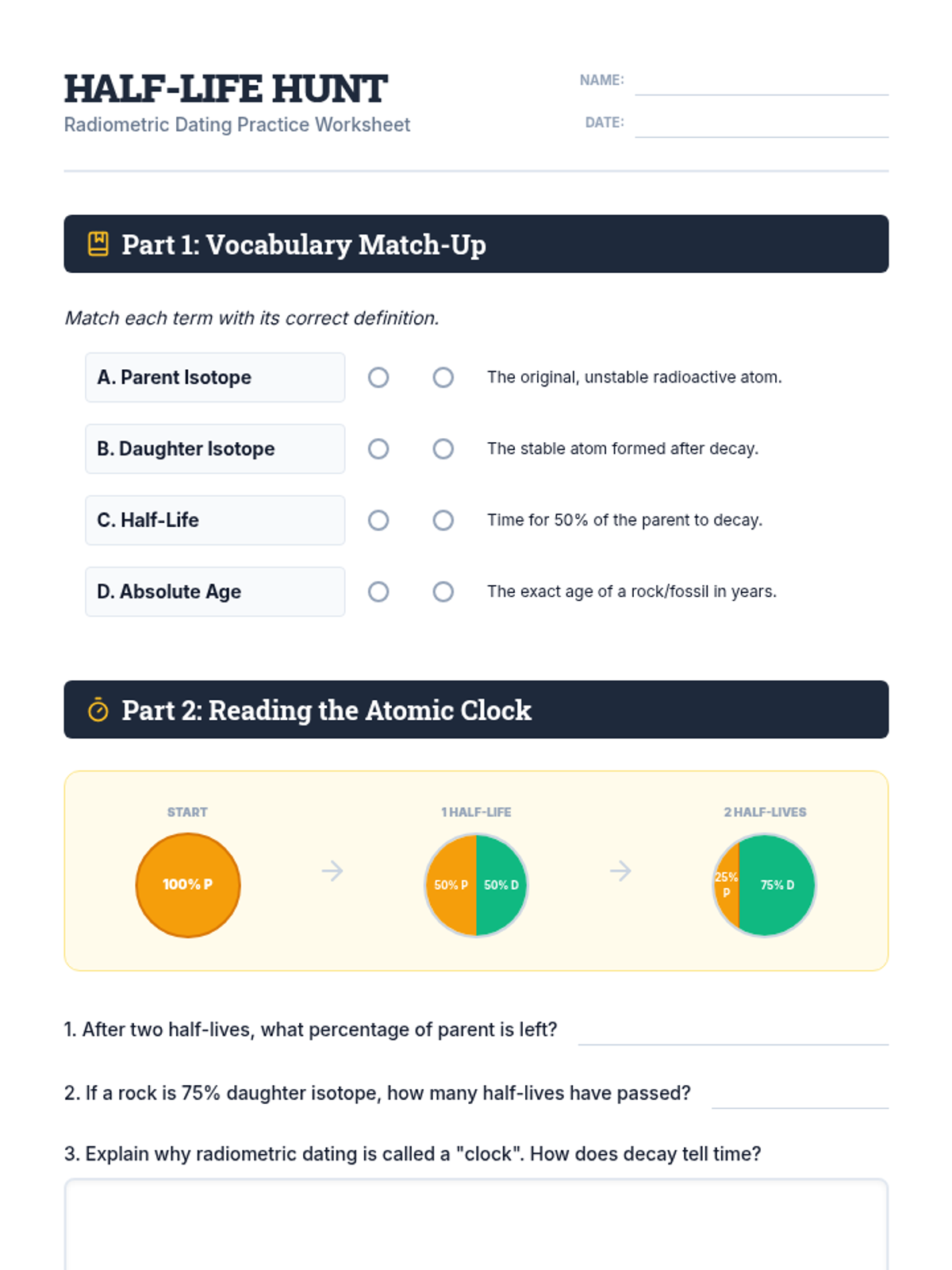
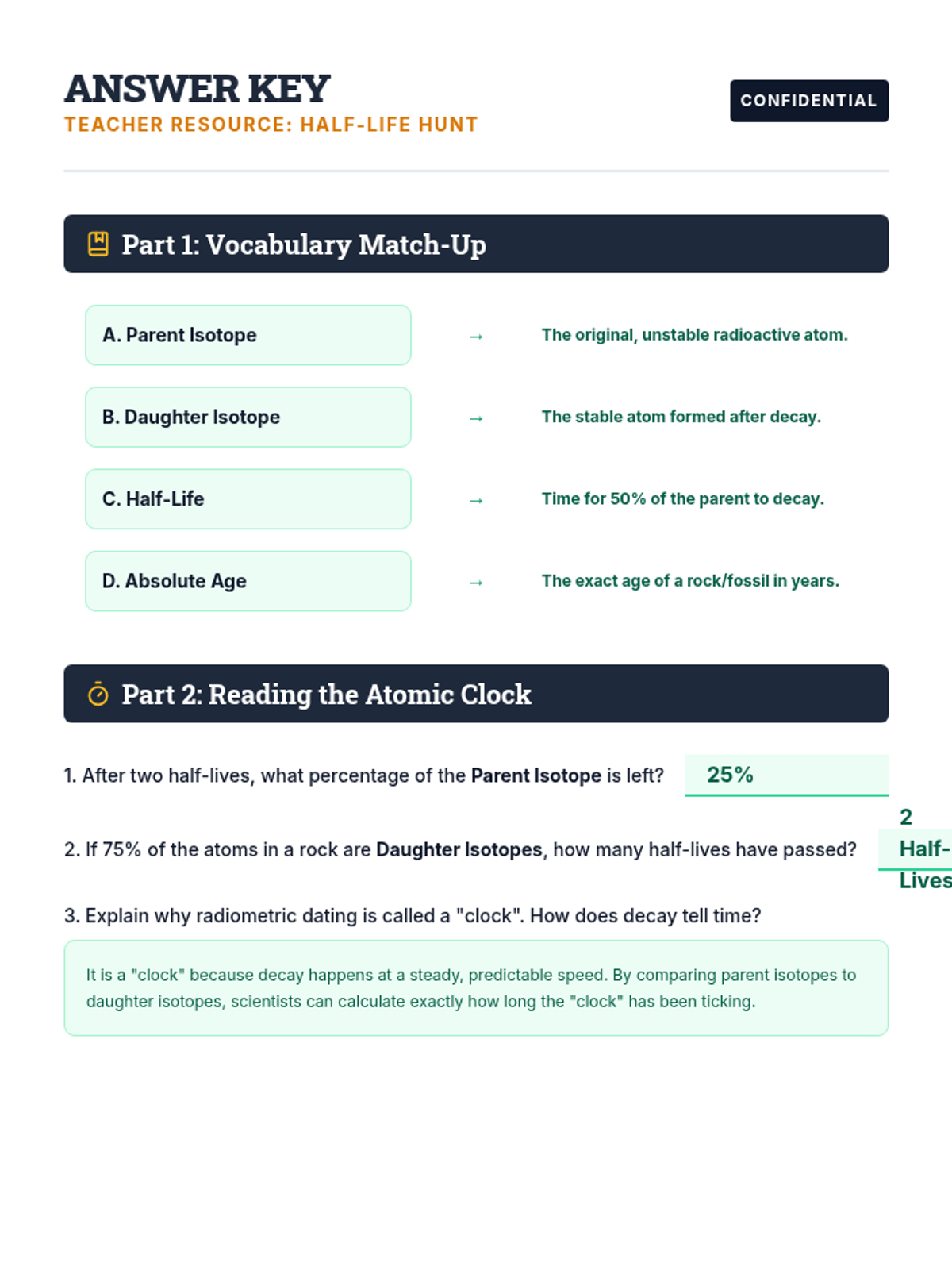
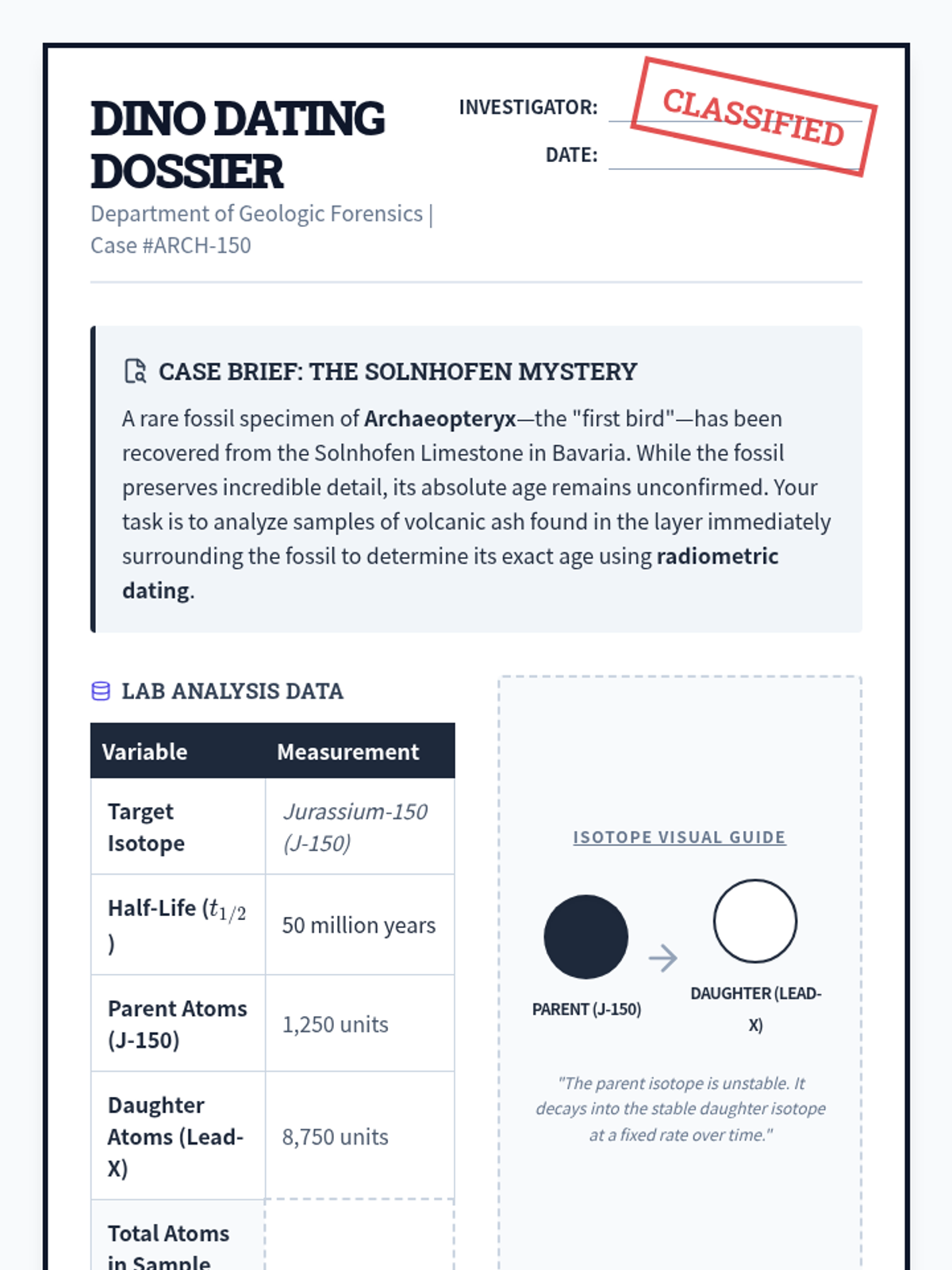
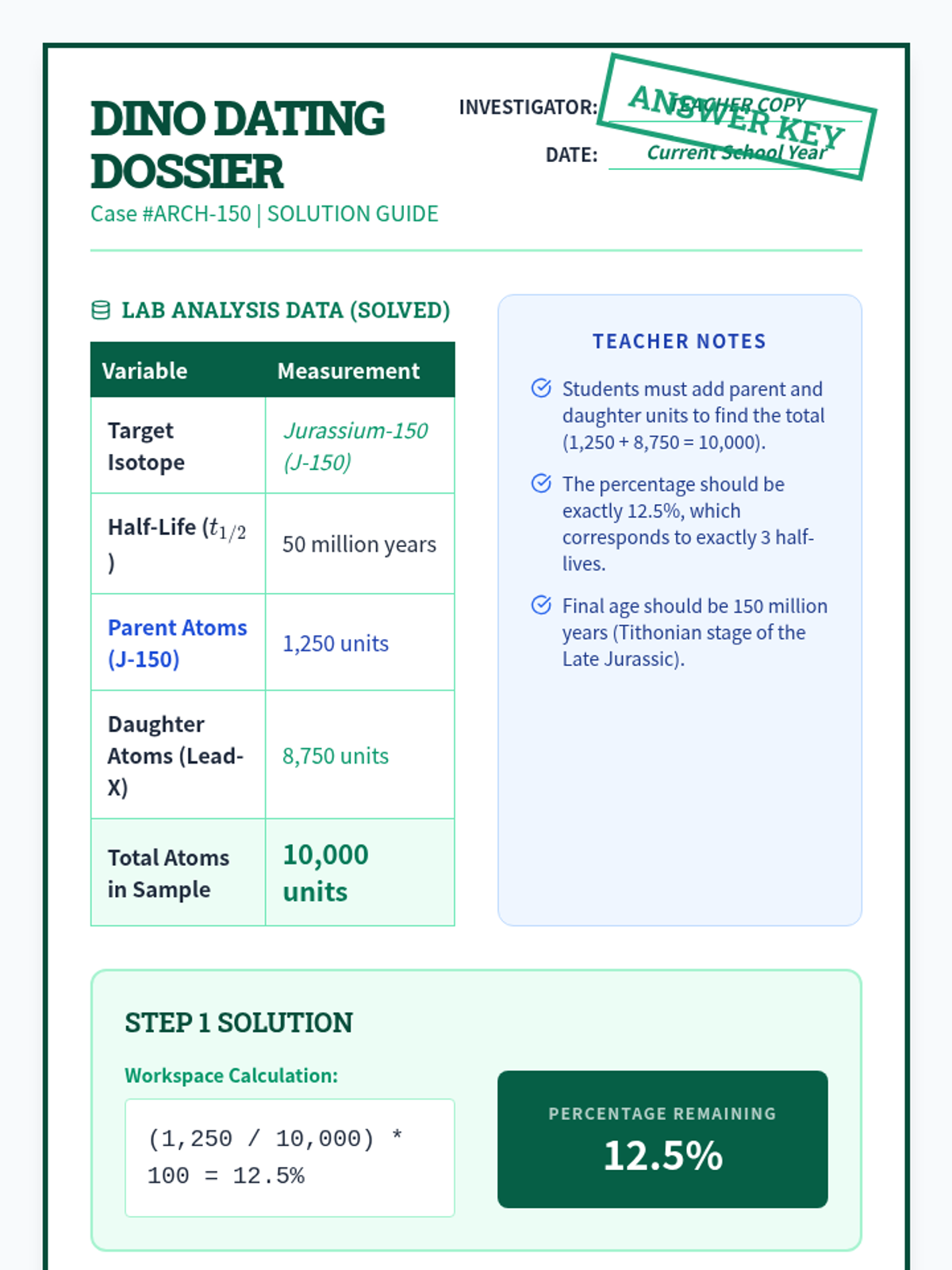
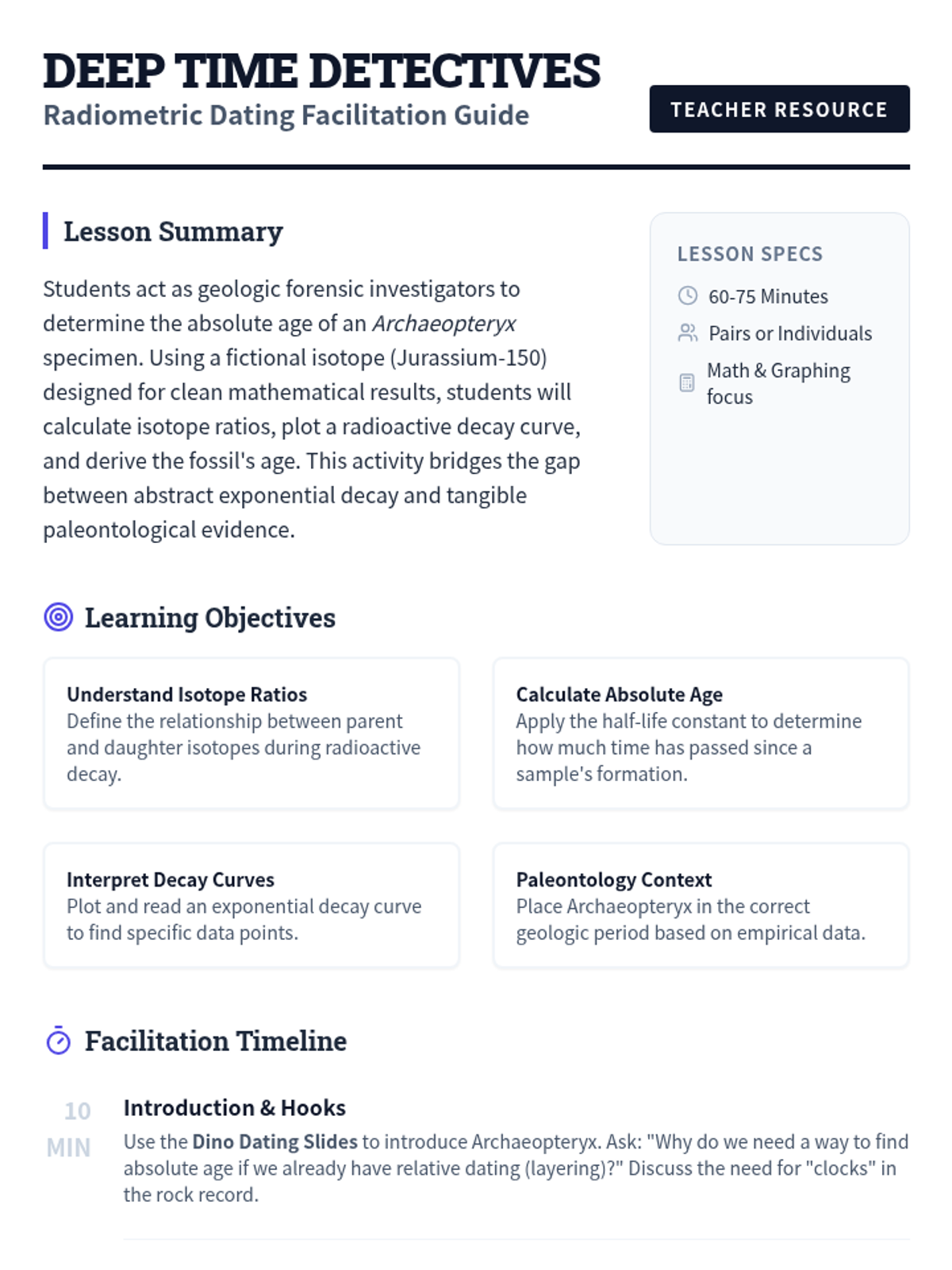
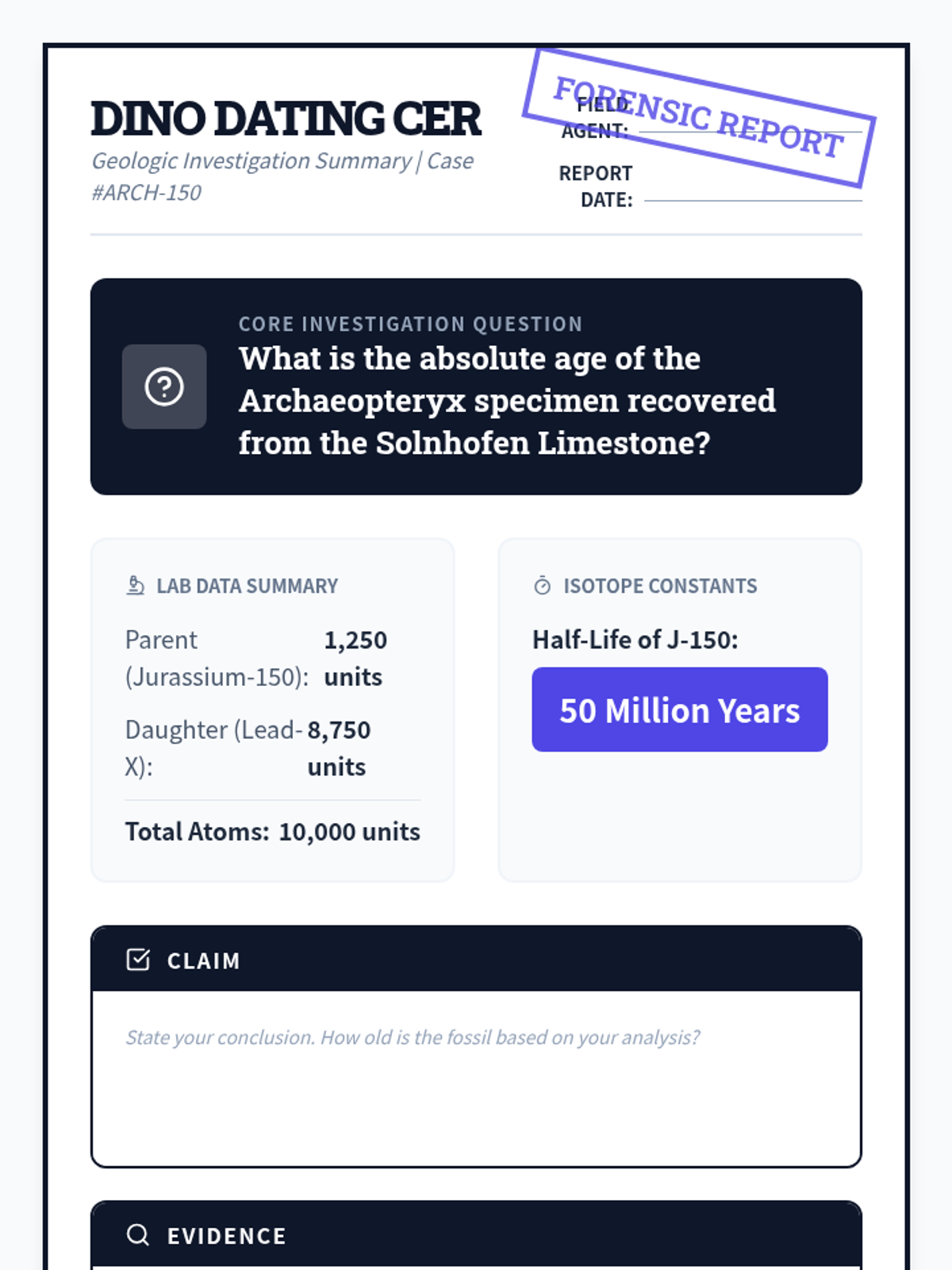
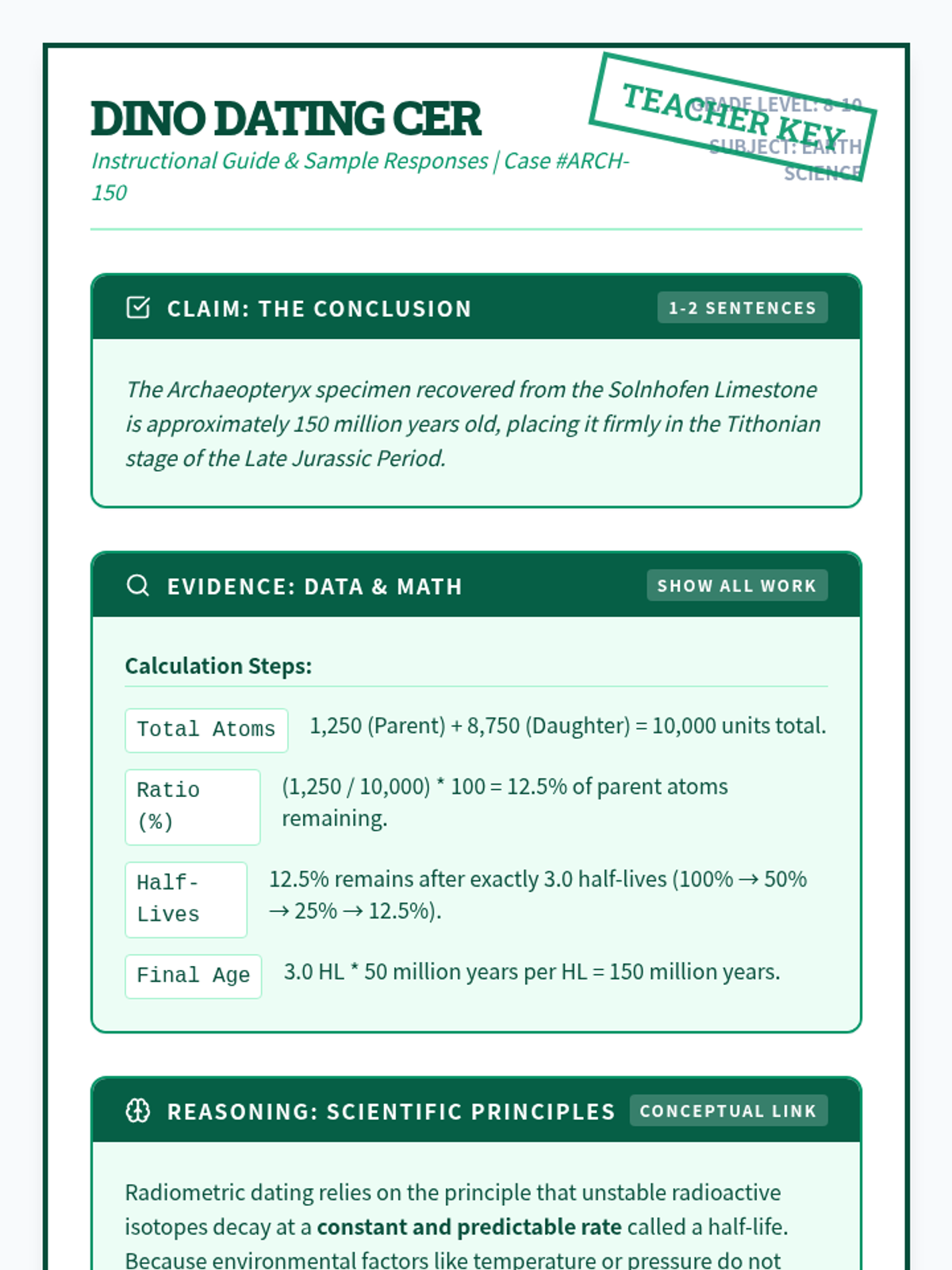
A data-driven investigation where students use radiometric dating techniques to determine the absolute age of an Archaeopteryx fossil. Students analyze isotope ratios, calculate half-lives, and interpret decay curves to solve a geologic mystery.
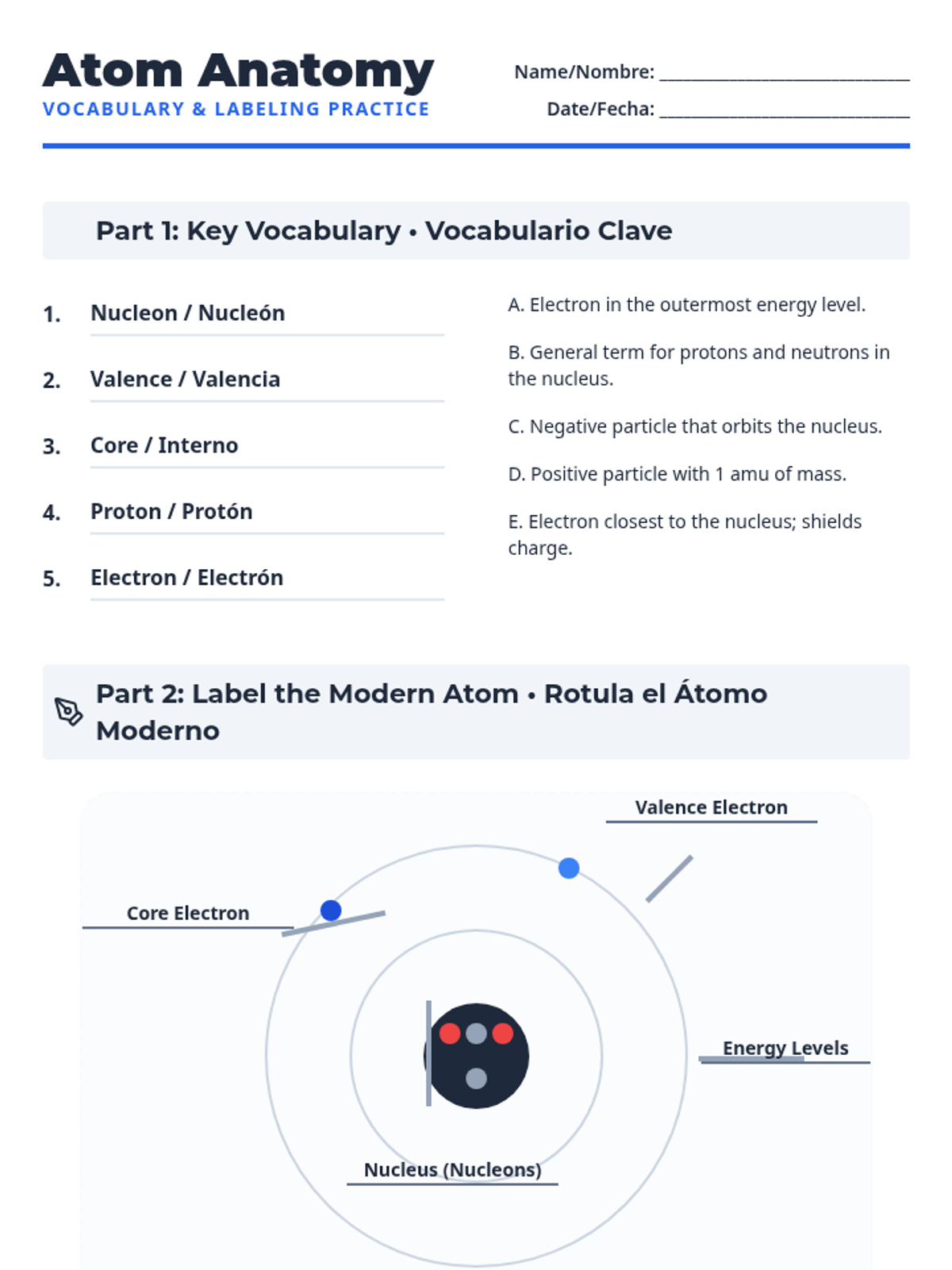
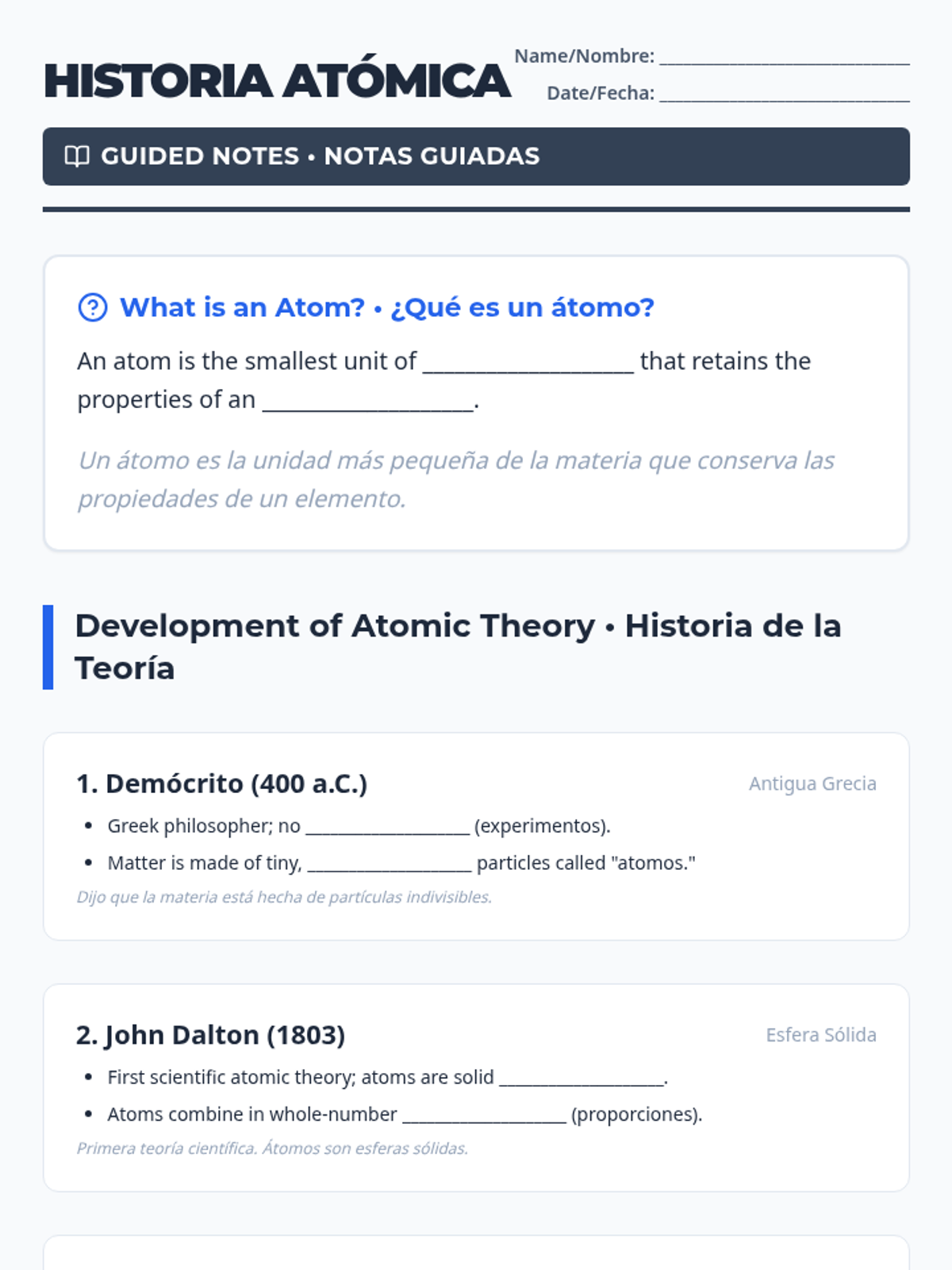
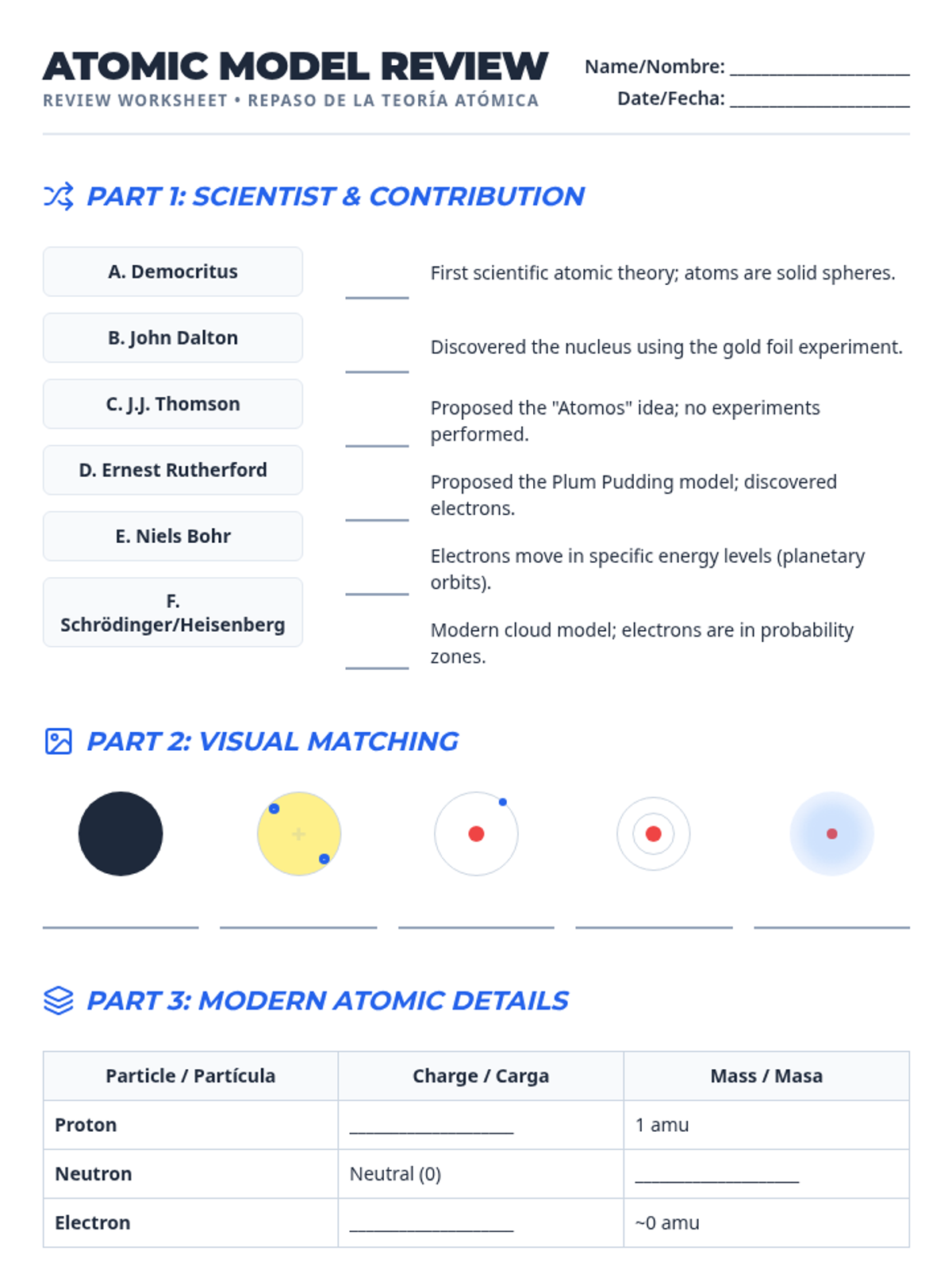
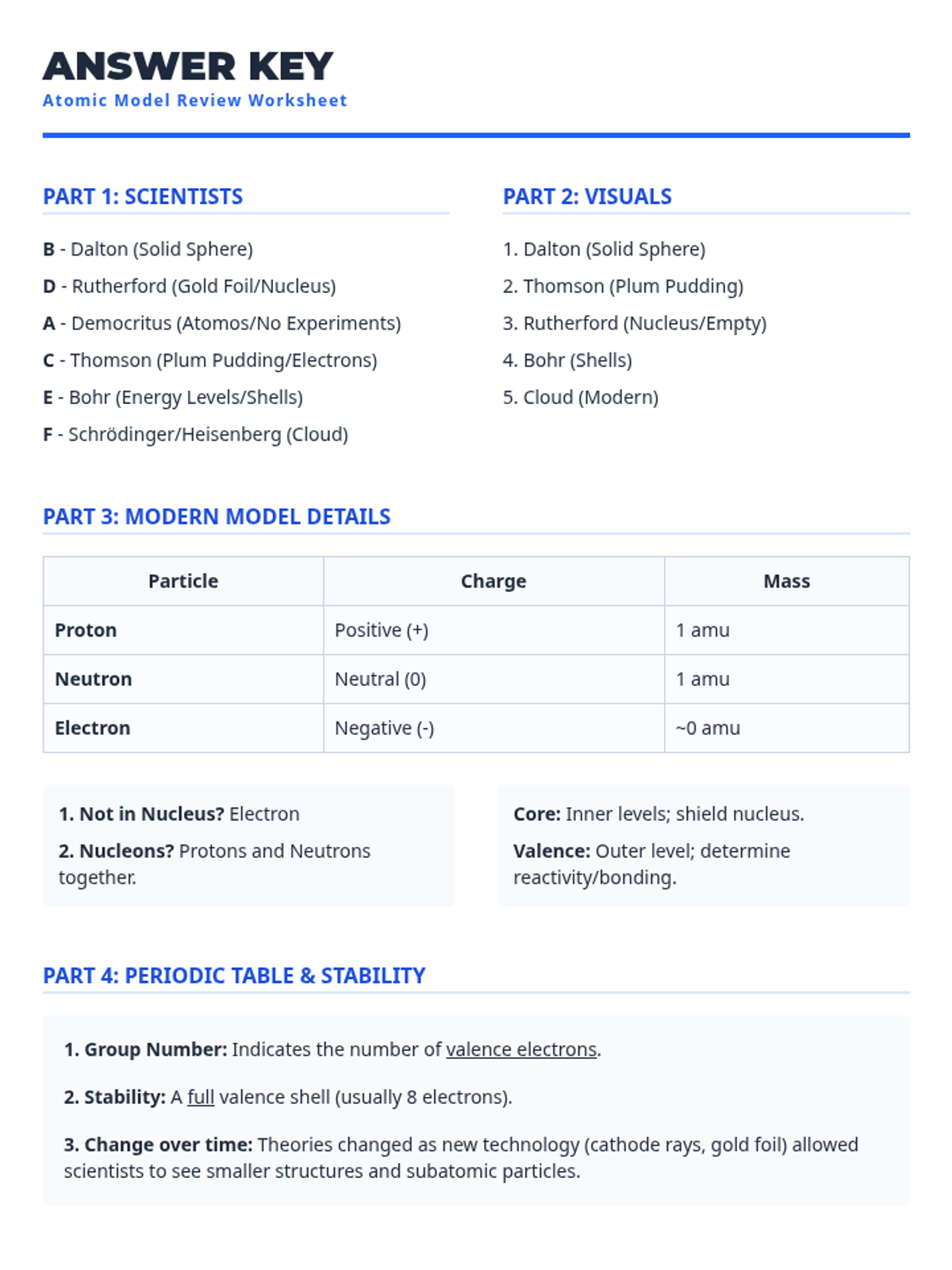
Students will trace the evolution of the atomic model through key scientists and experiments, culminating in an understanding of modern atomic structure and vocabulary.
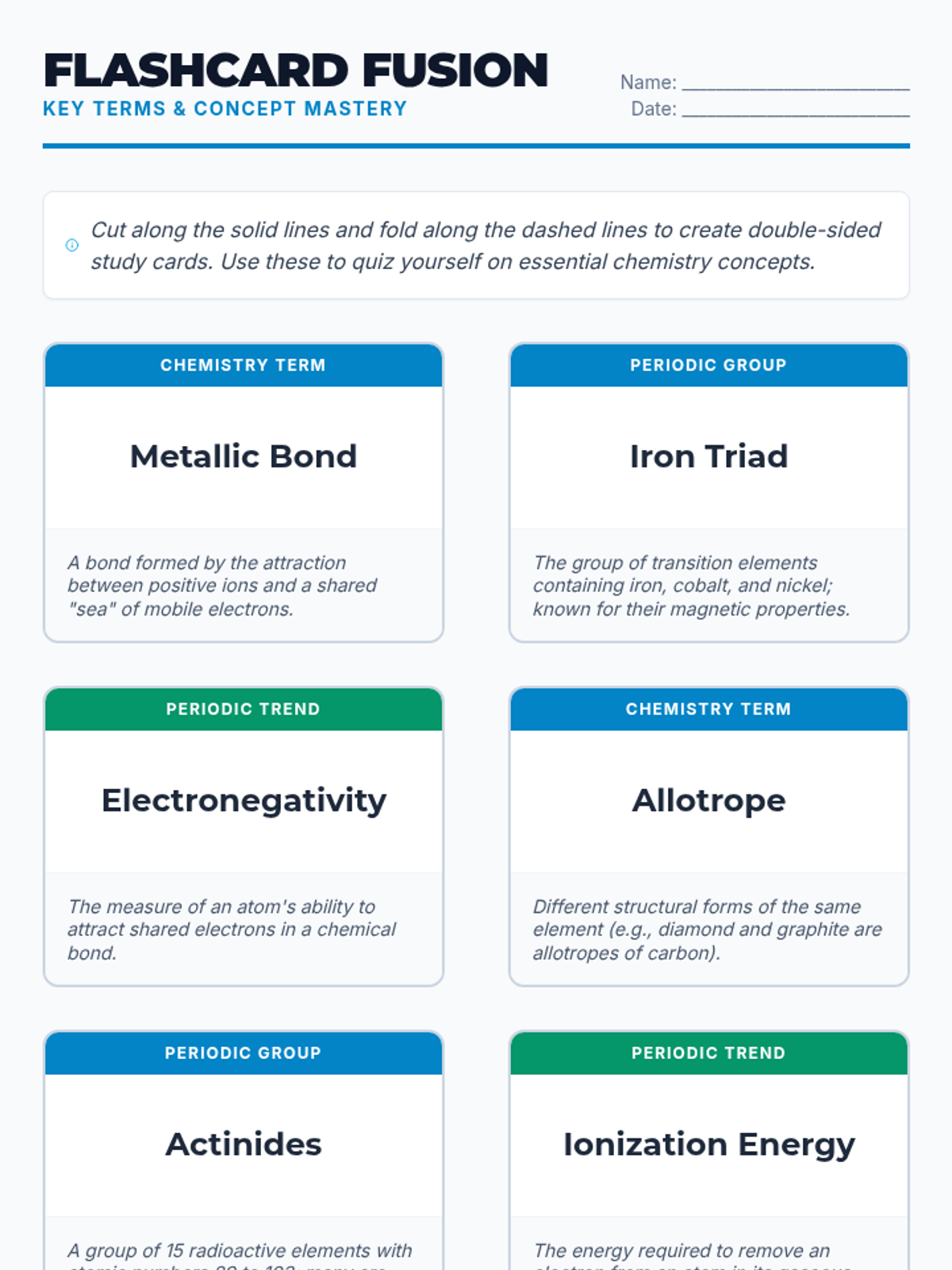
Master the fundamental concepts of elements, their properties, and the forces that bind them together.
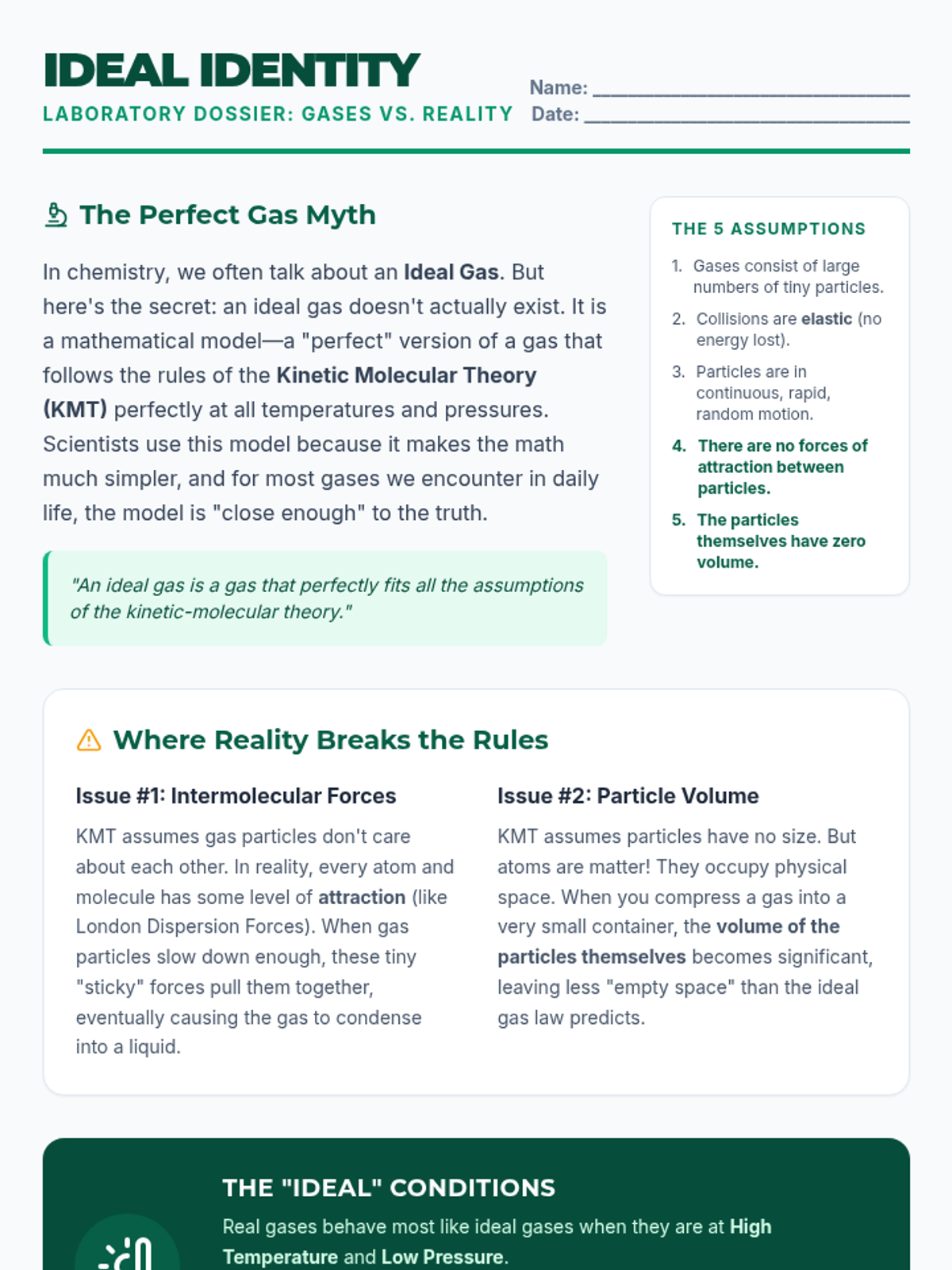
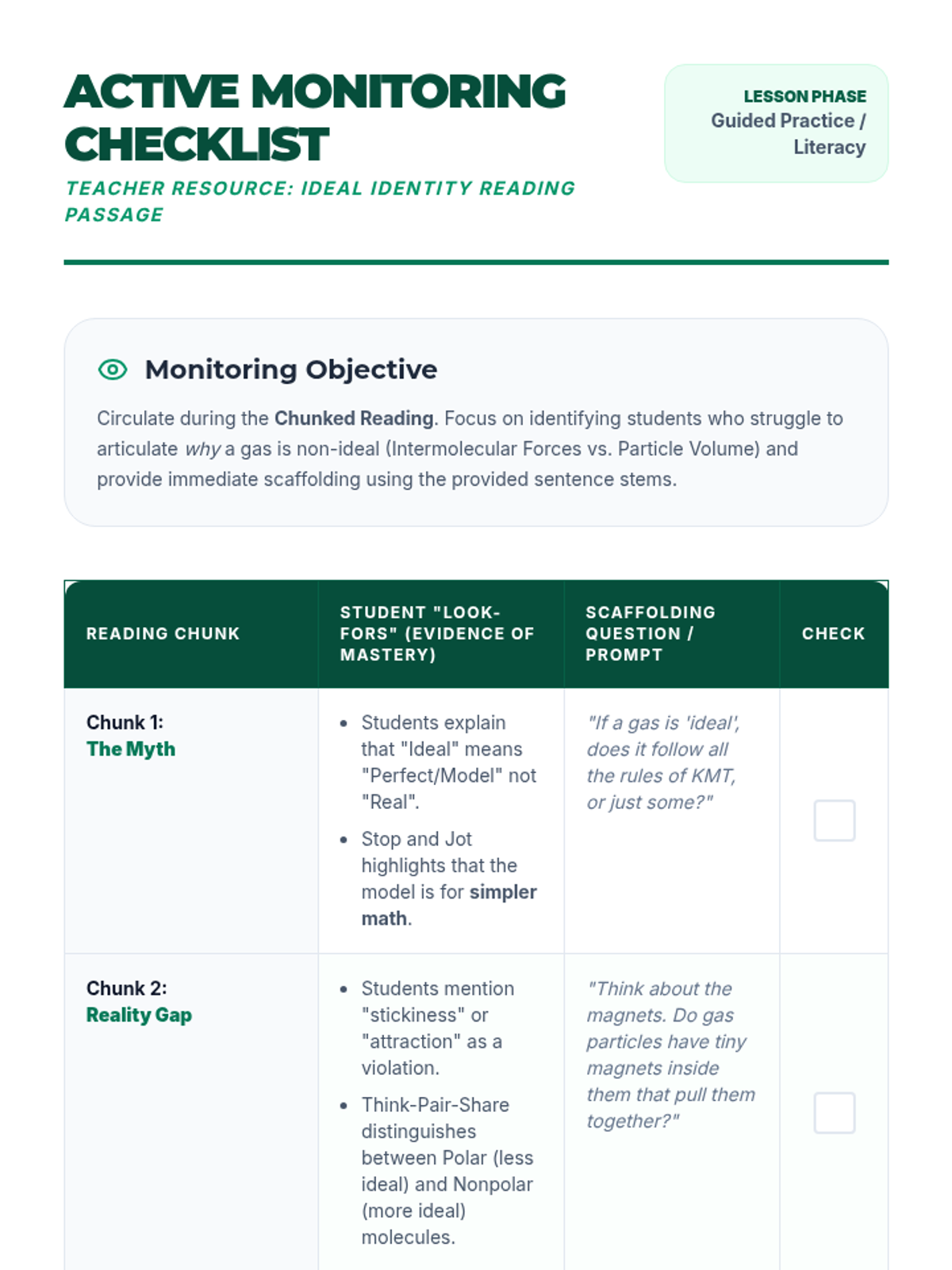
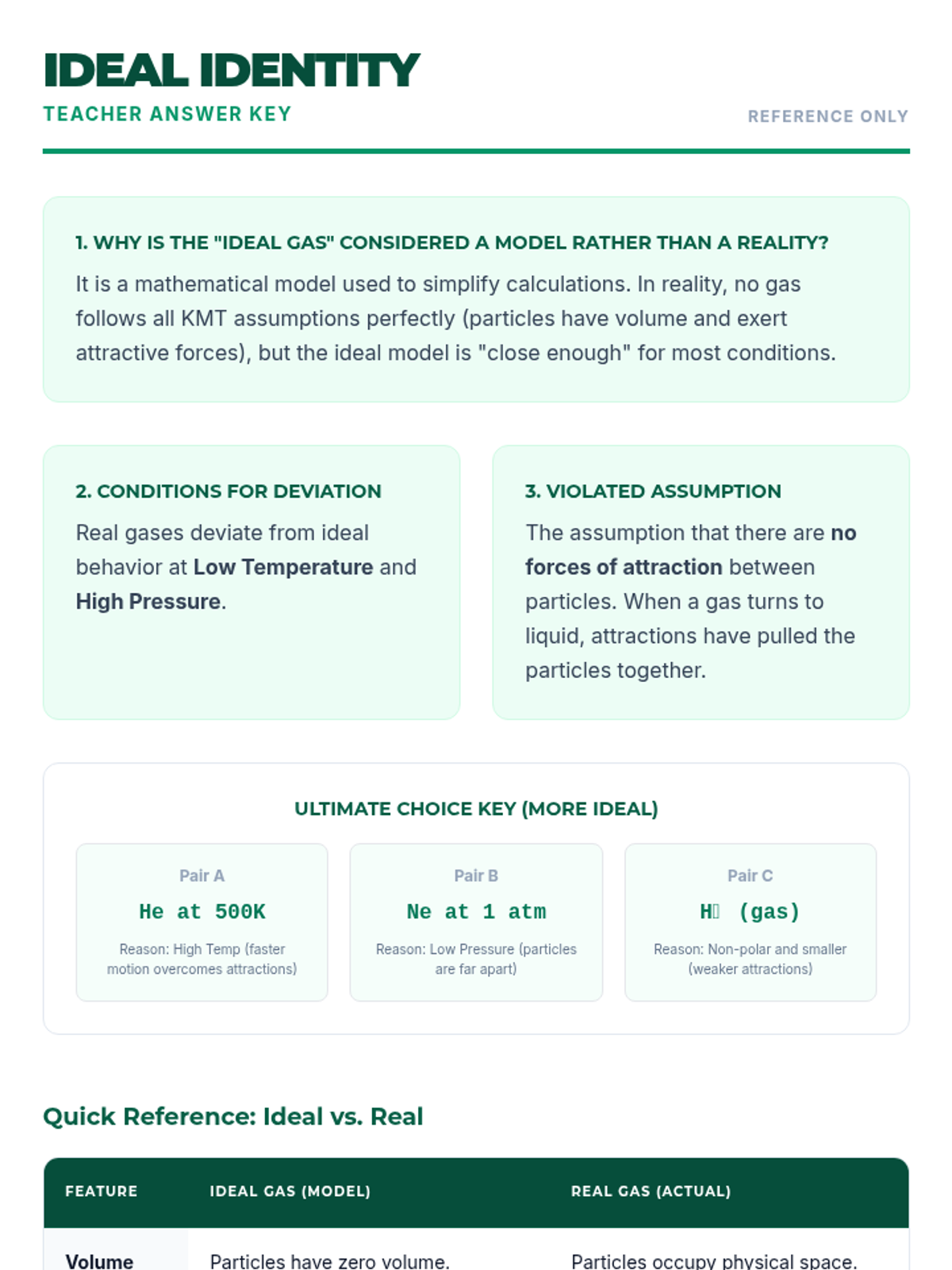
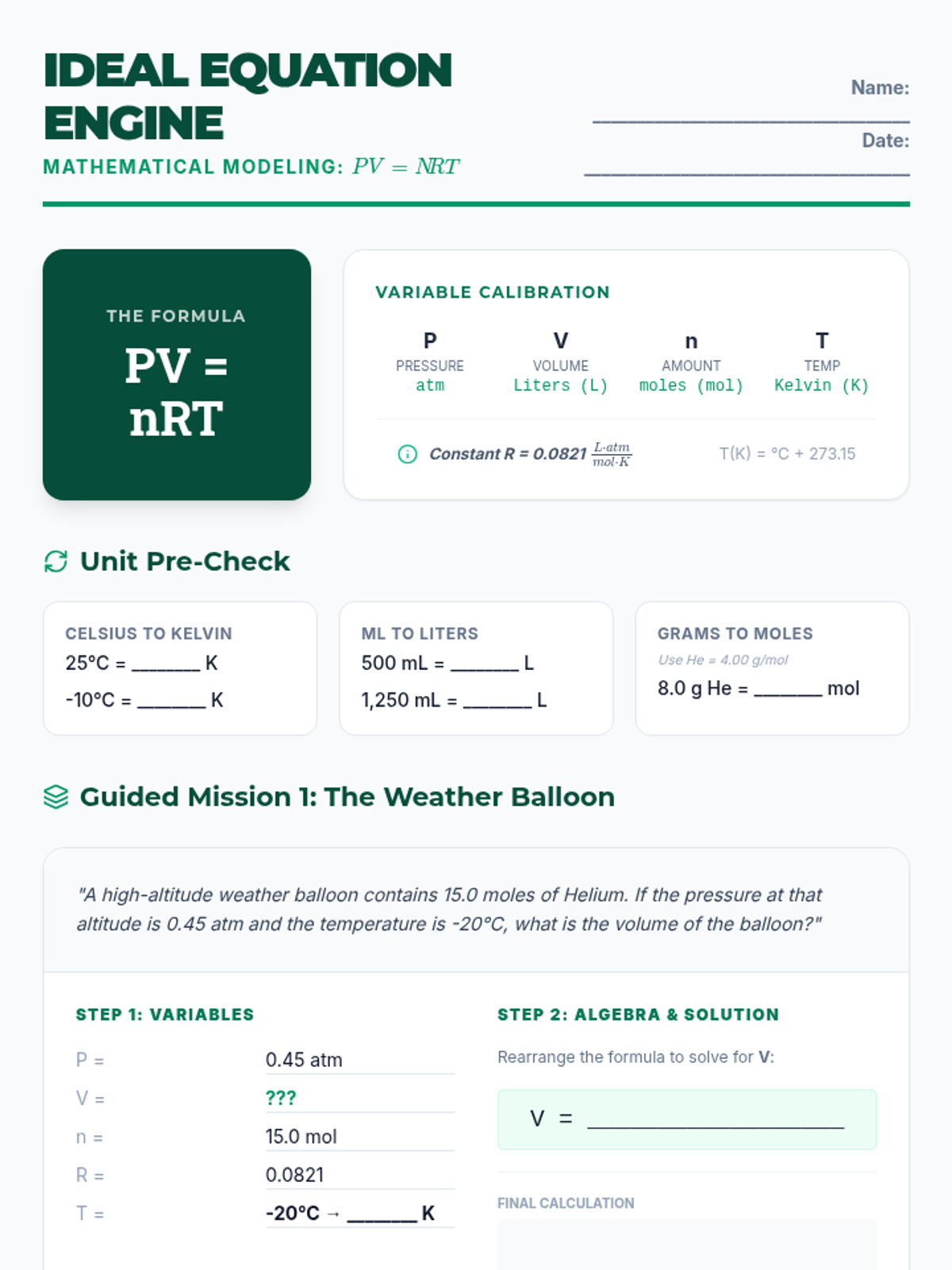
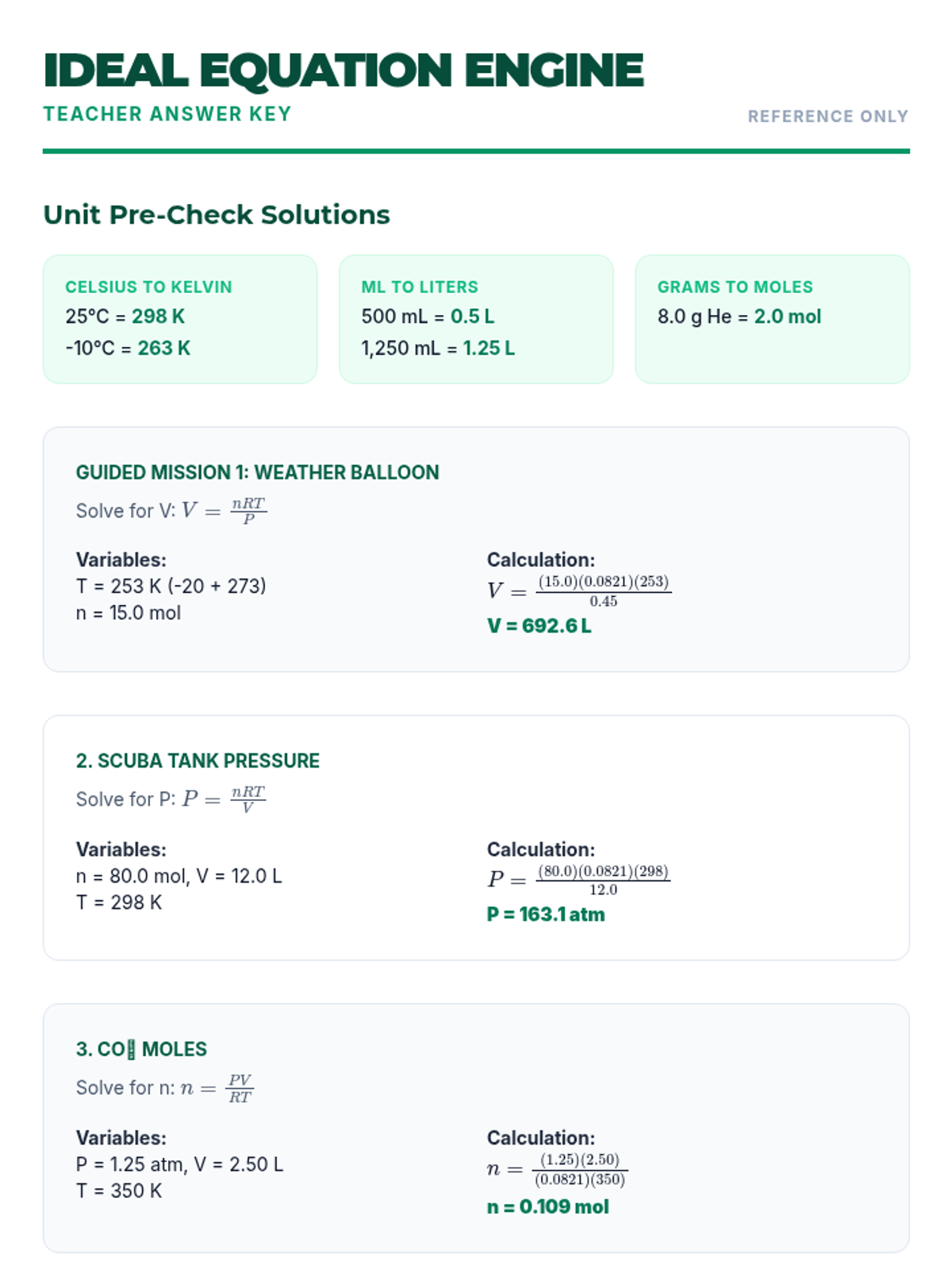
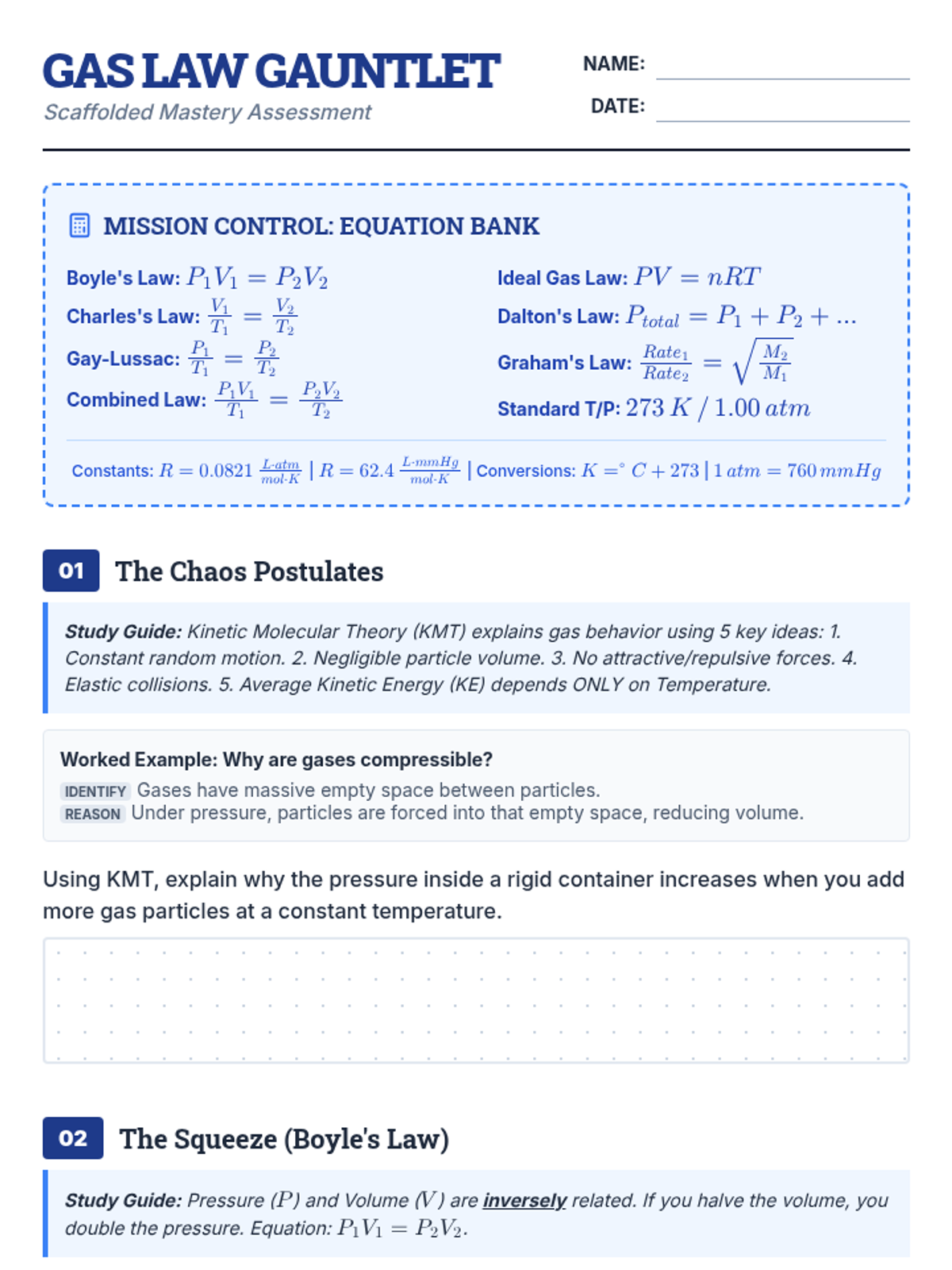
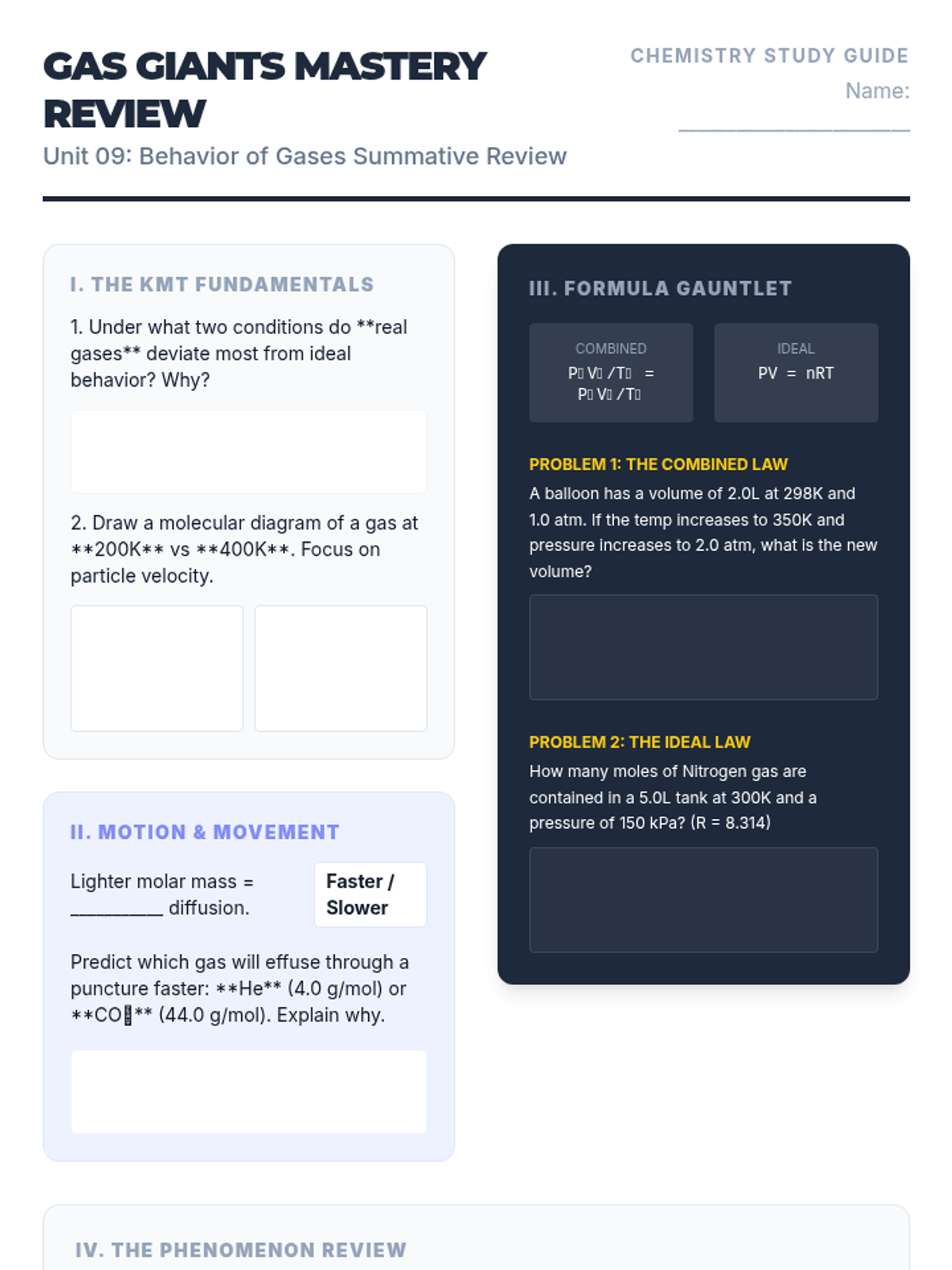
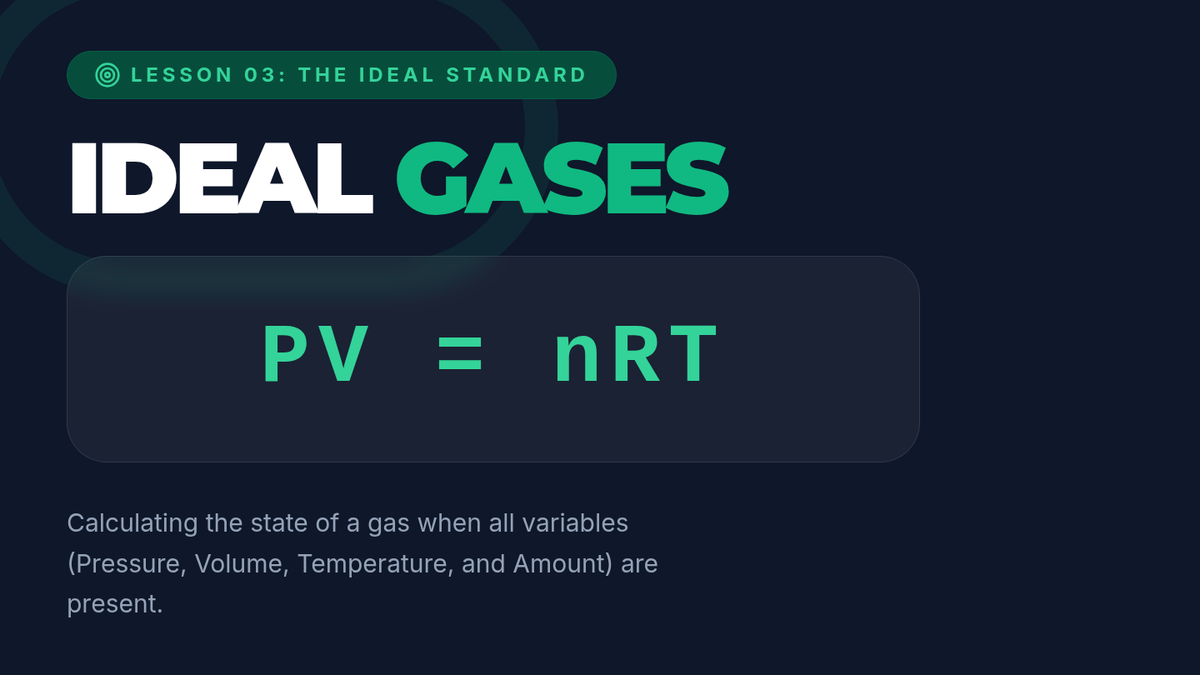
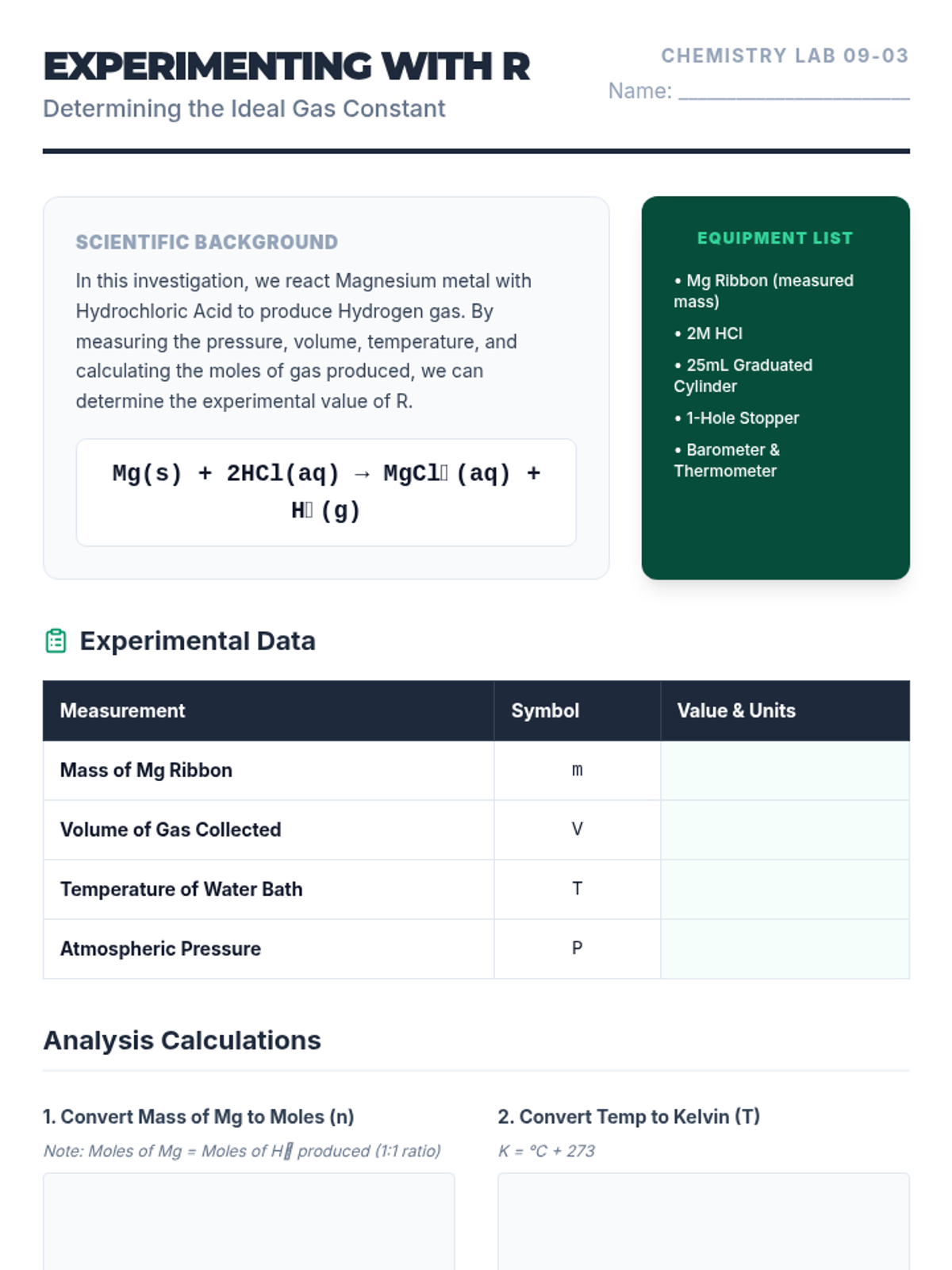
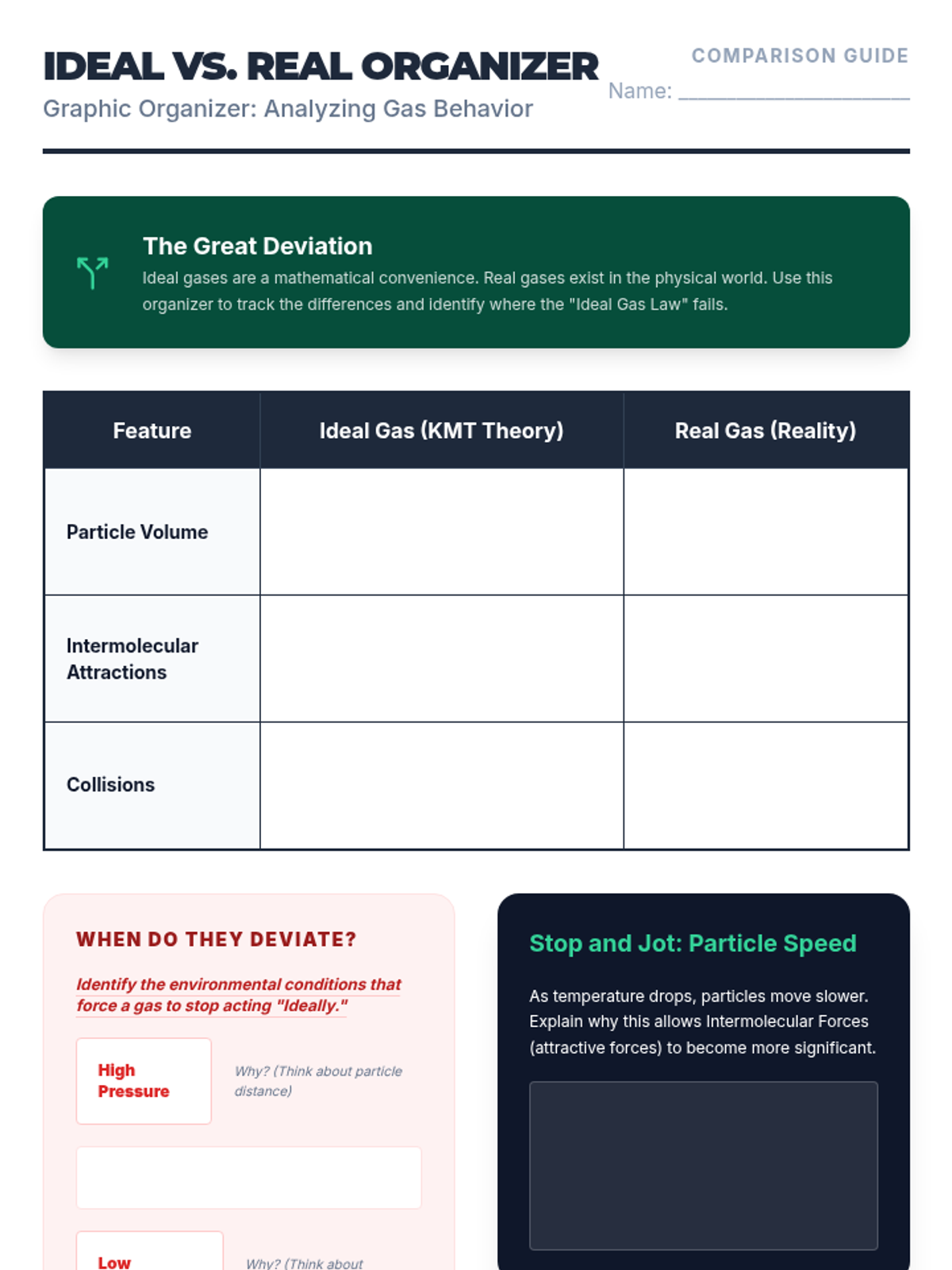
Students transition from empirical gas laws to the Ideal Gas Law. They conduct a lab to experimentally determine the Ideal Gas Constant (R) and compare the behavior of real gases versus ideal gases.
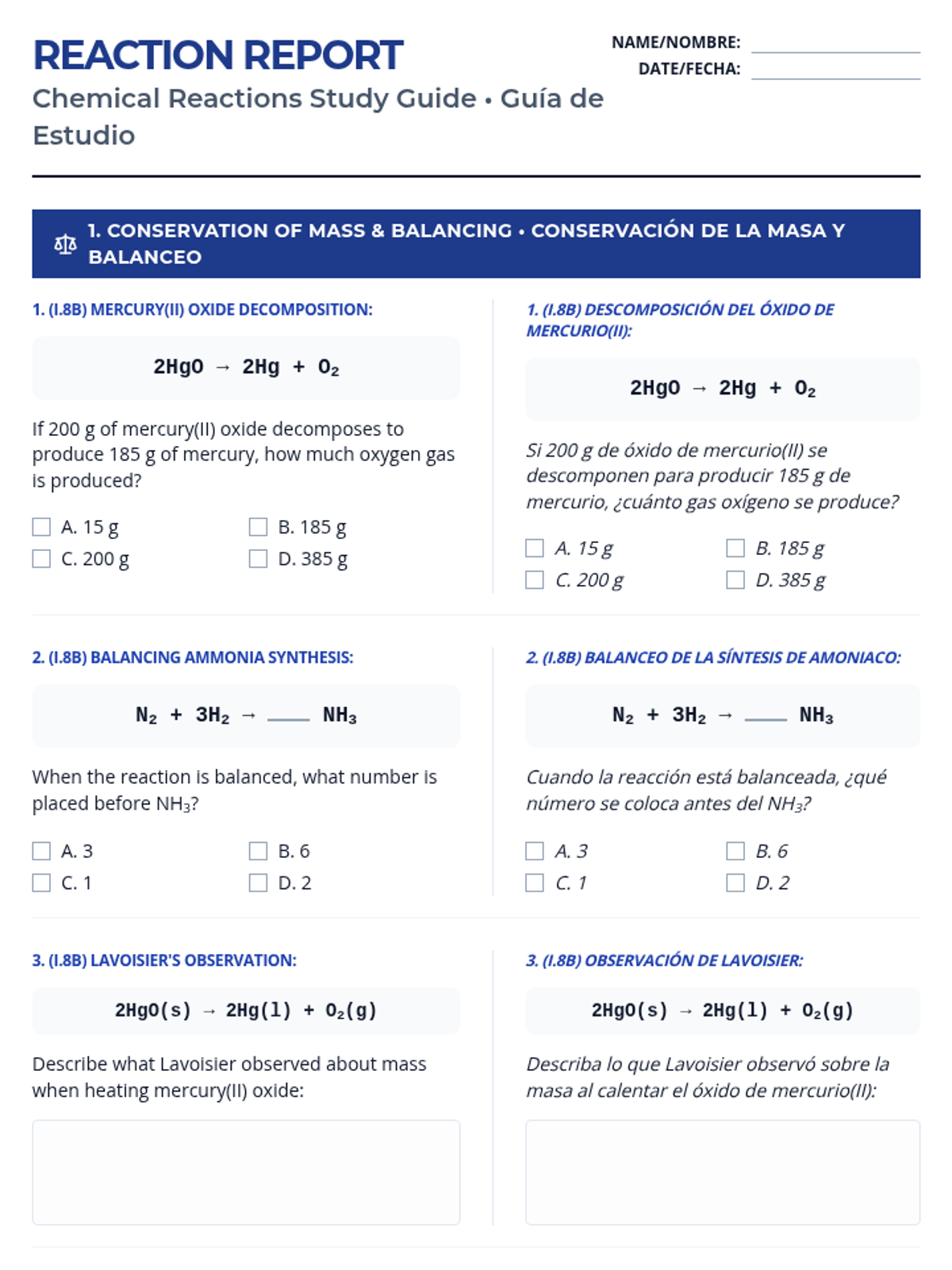
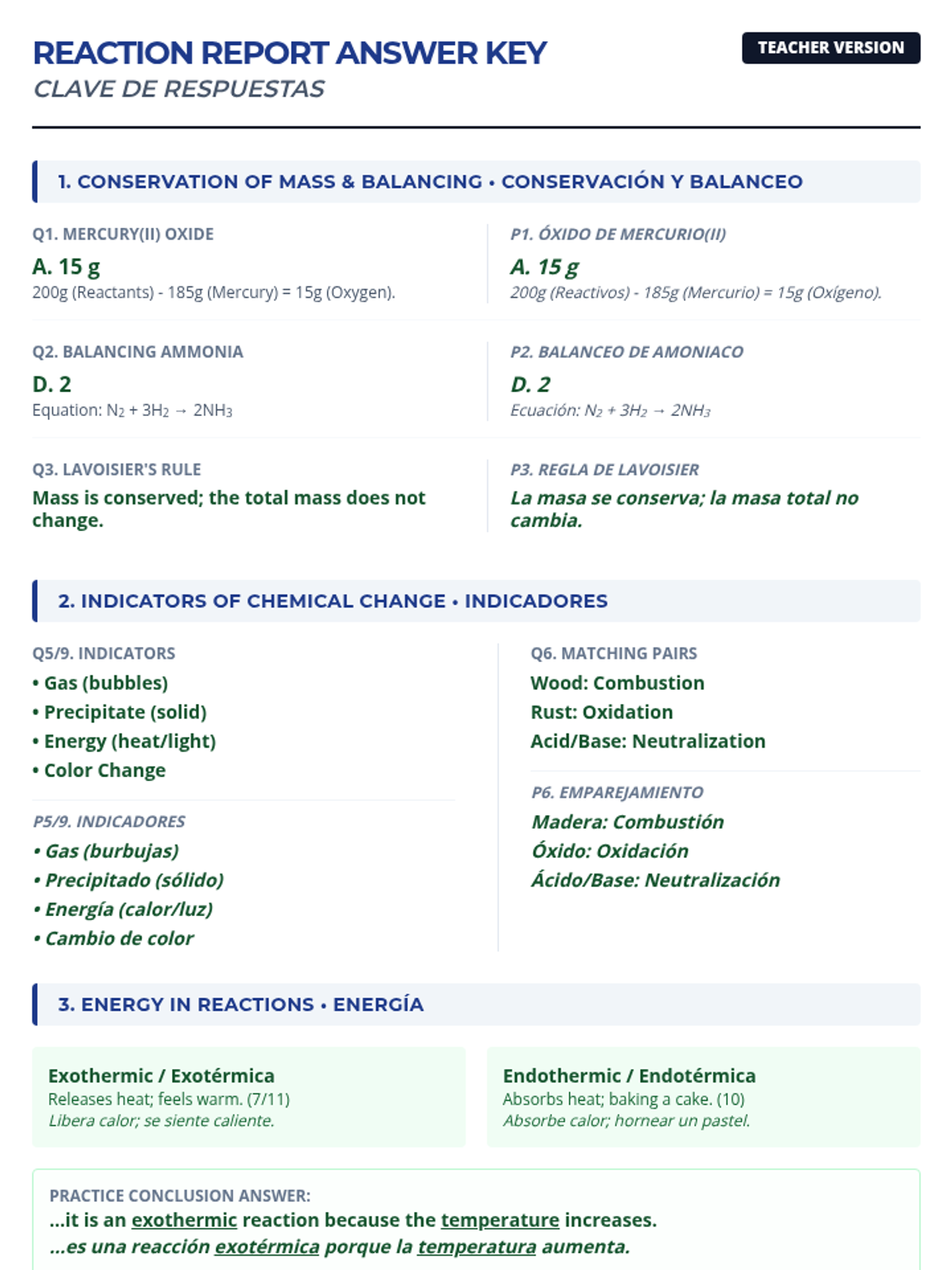
A comprehensive study guide covering chemical reactions, balancing equations, conservation of mass, and energy changes, provided in a bilingual English-Spanish format.
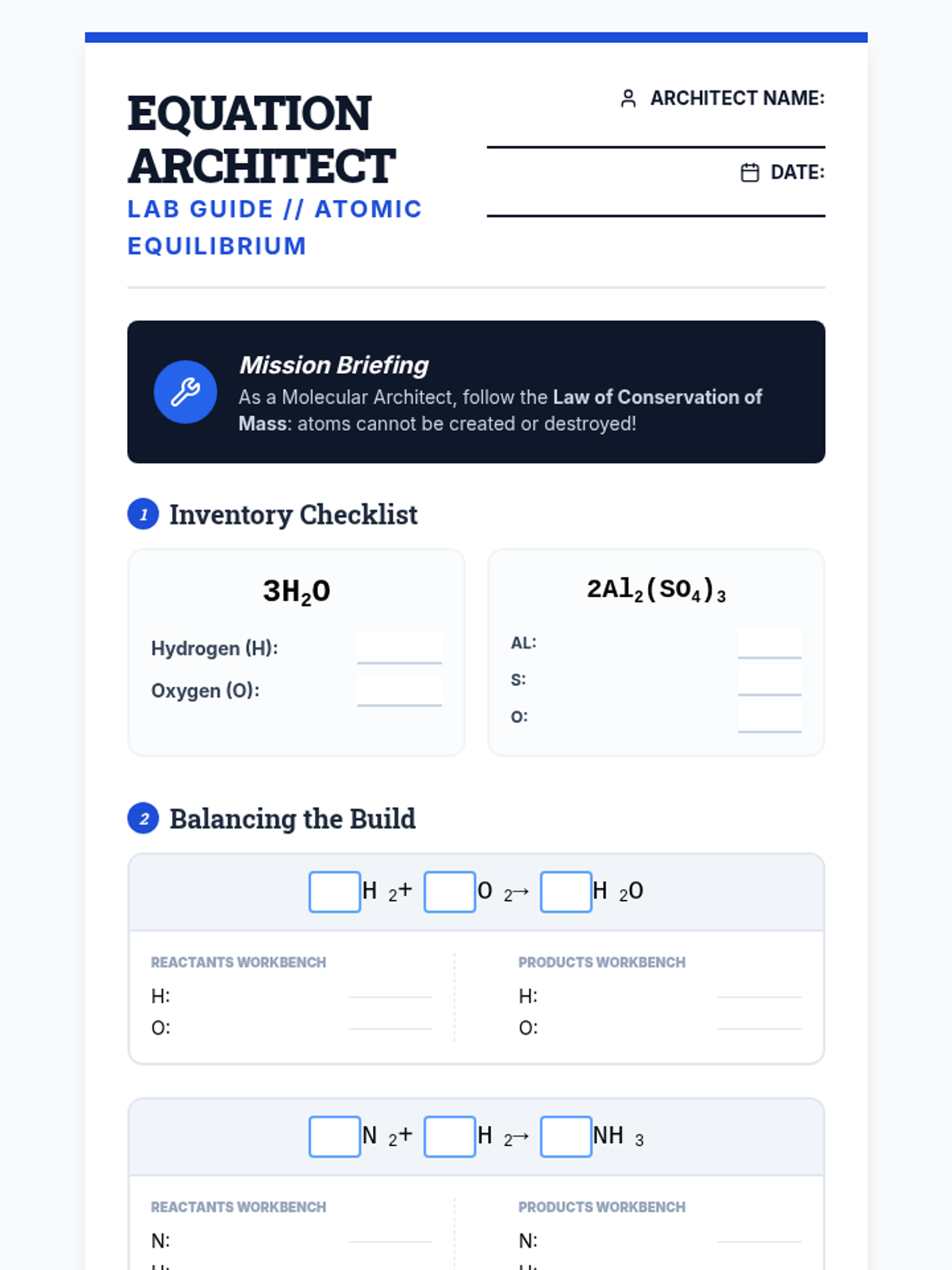
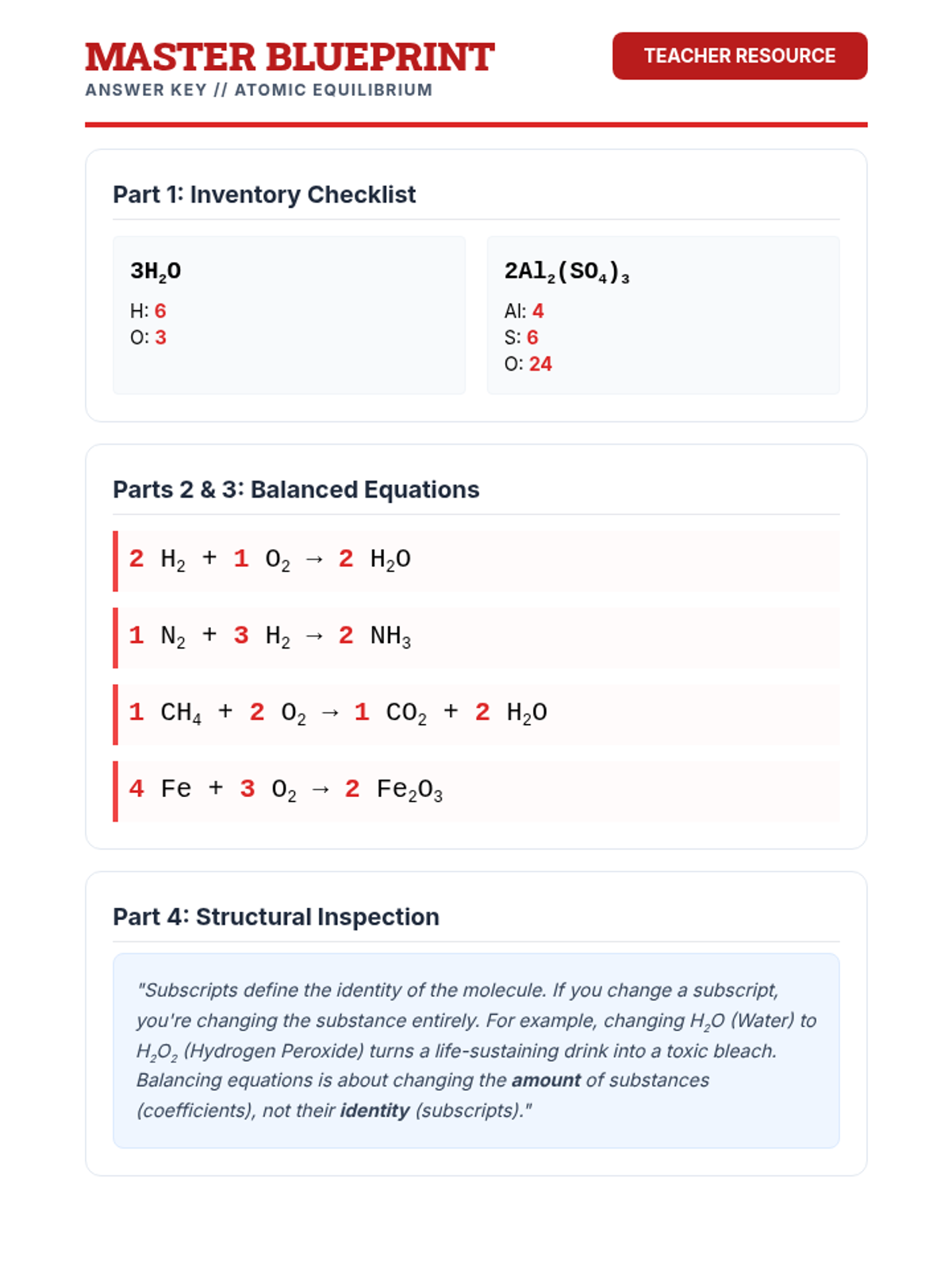
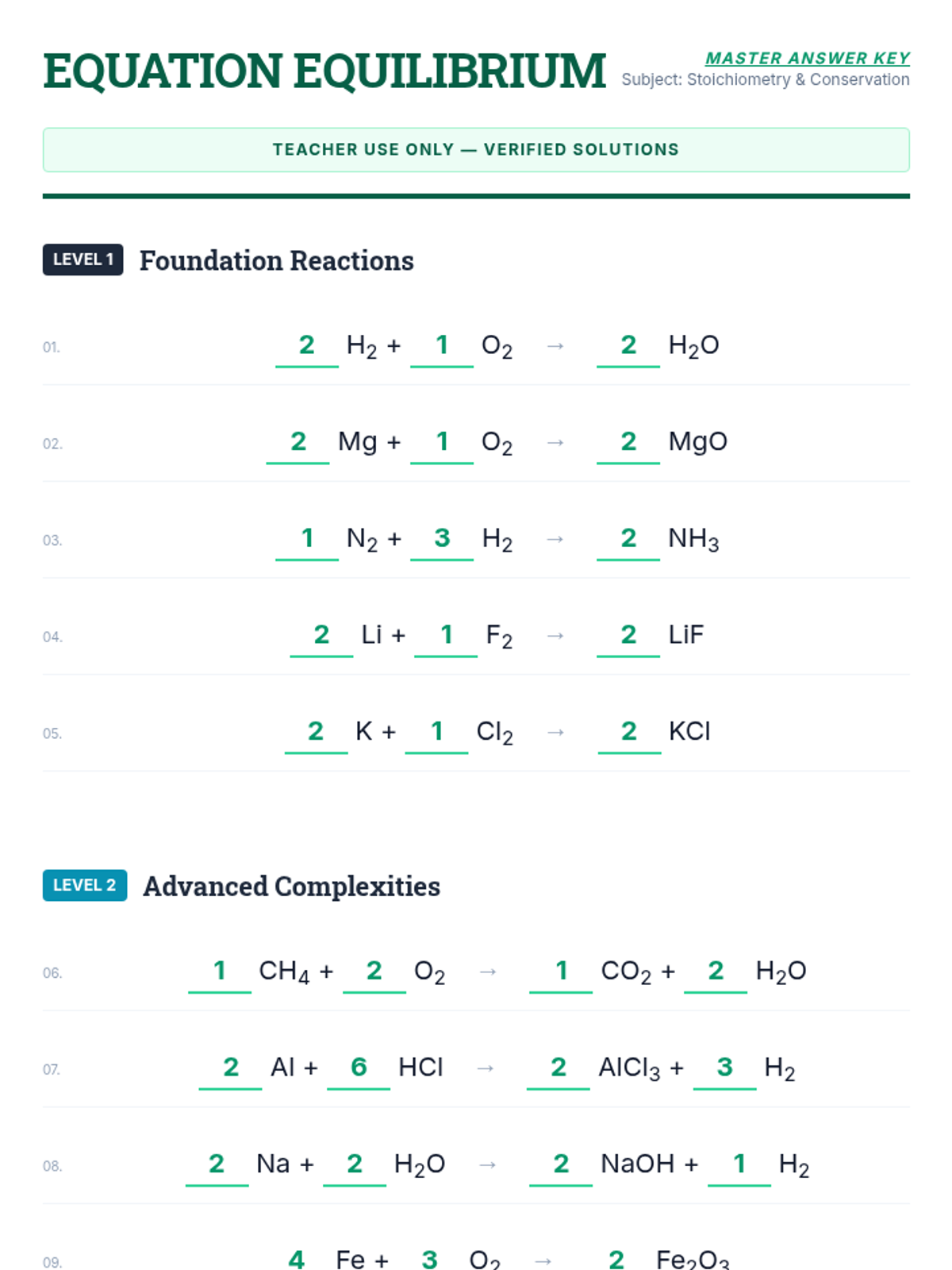
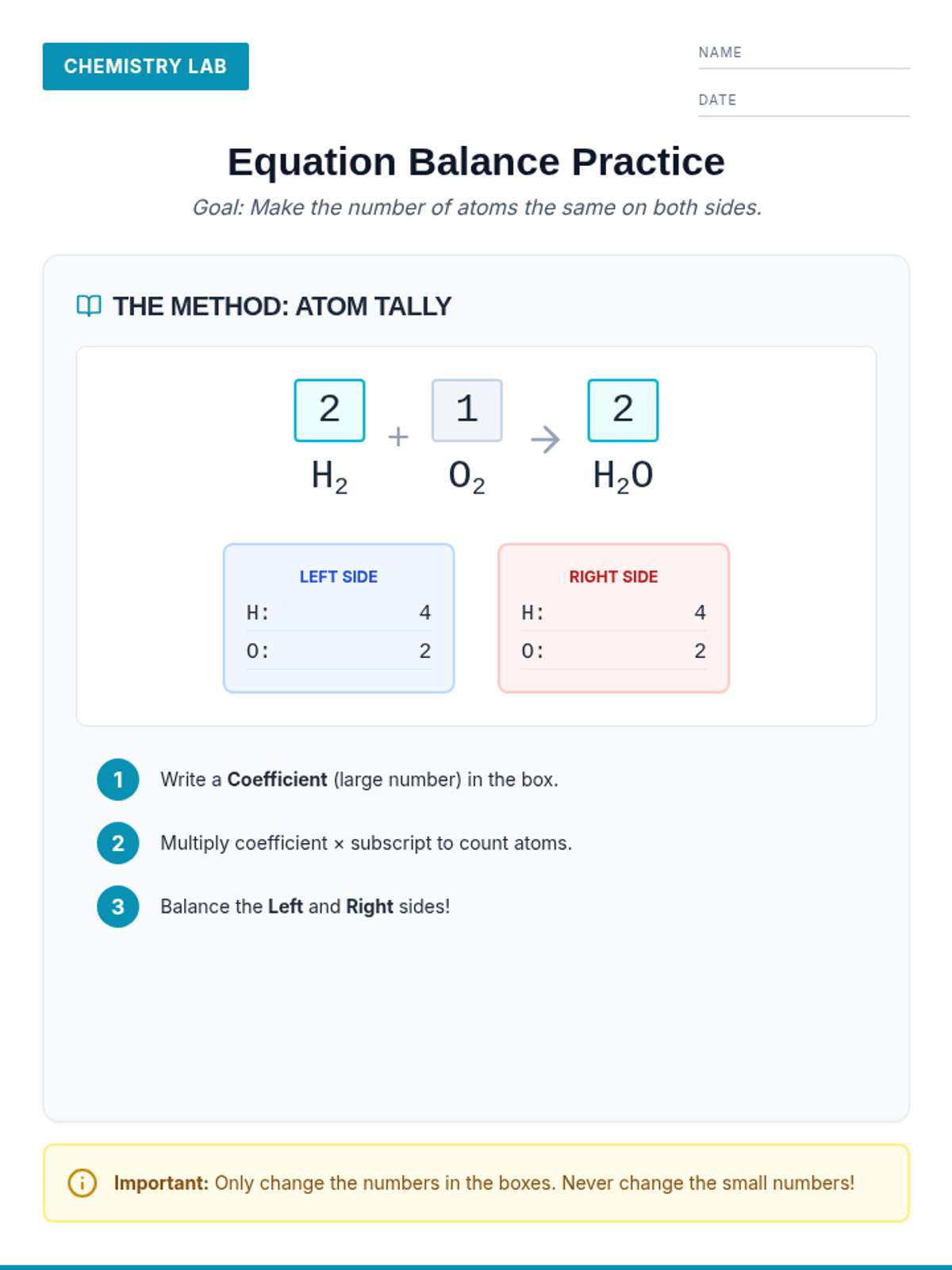
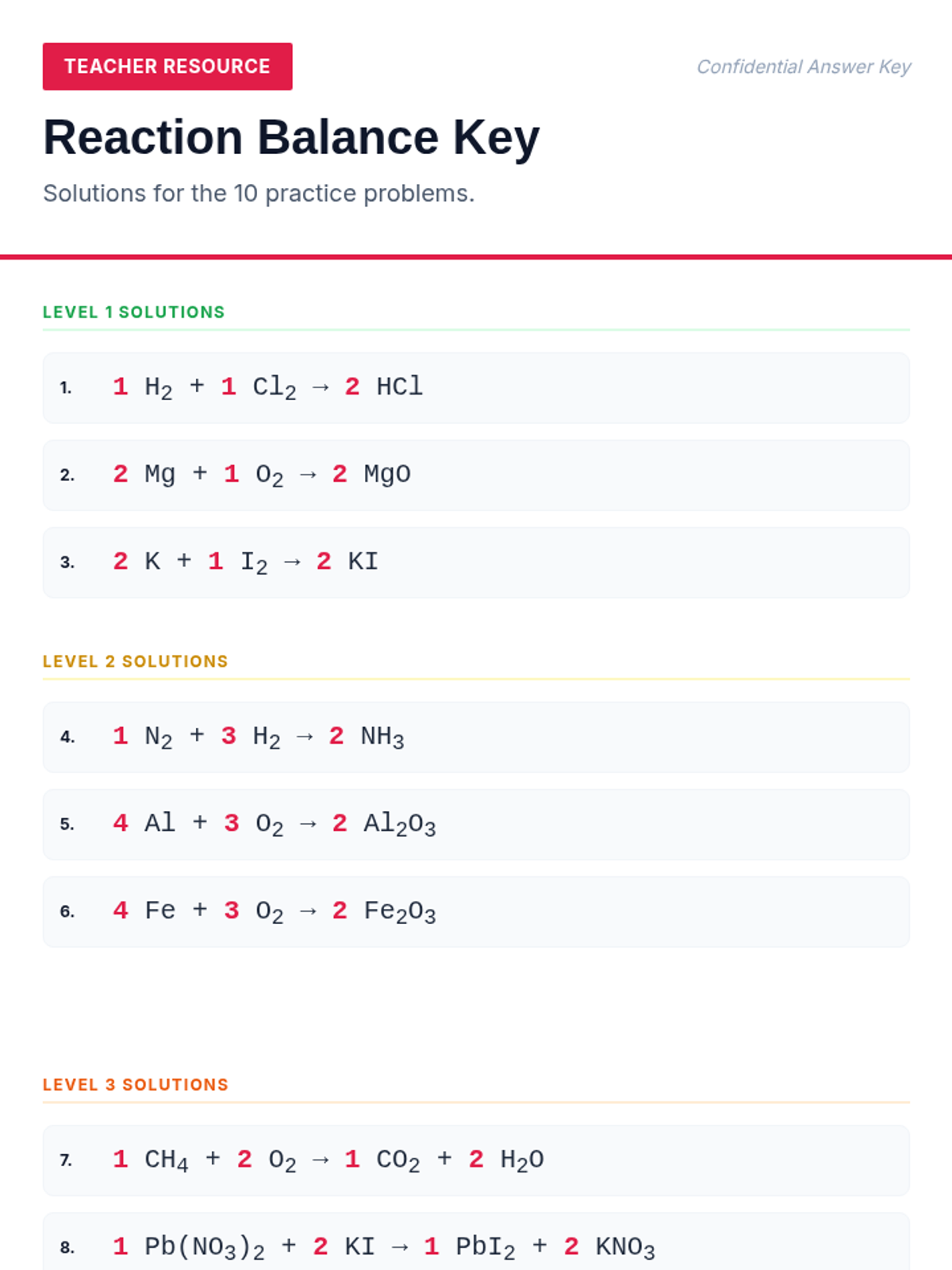
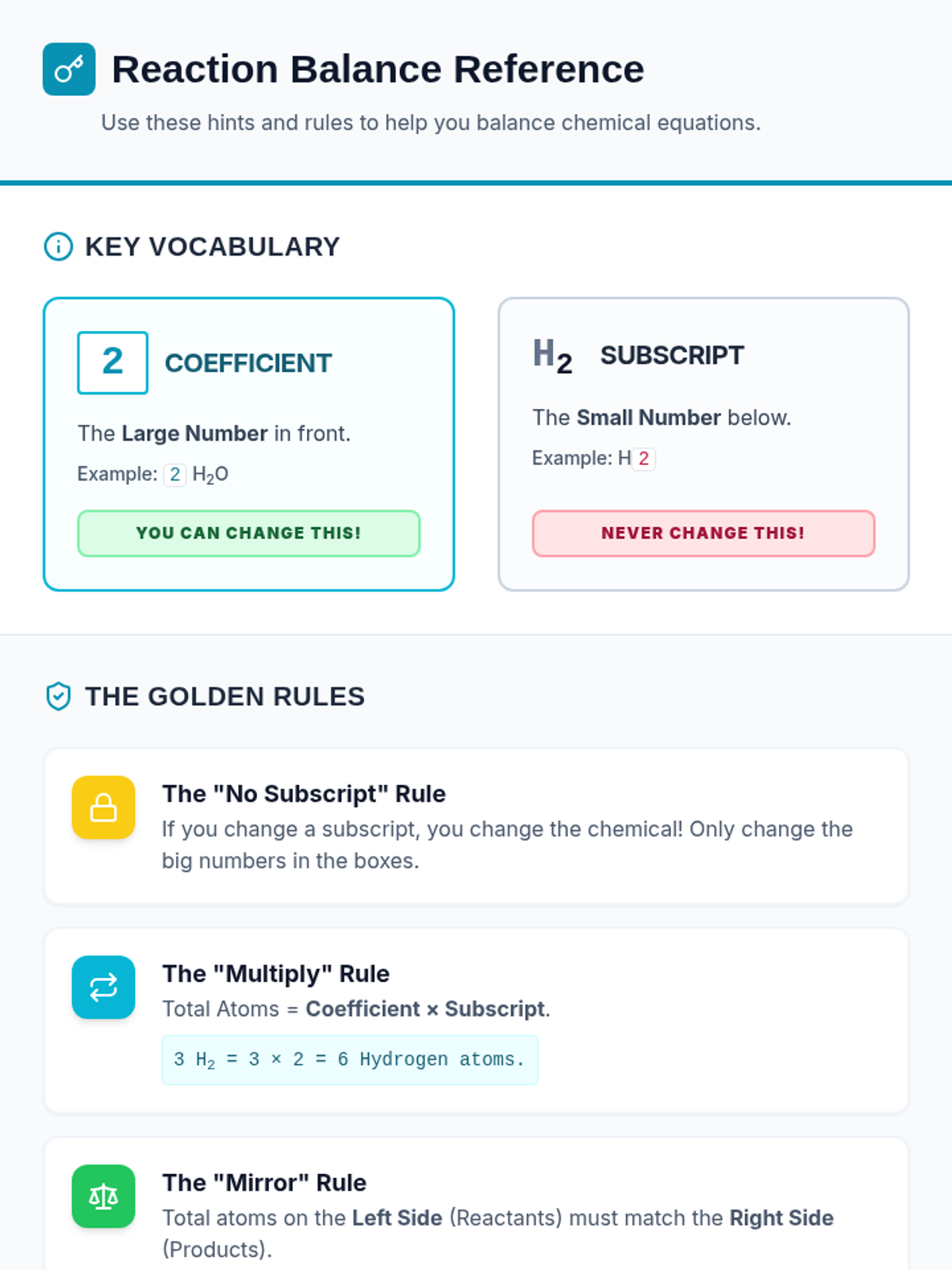
A comprehensive lesson on balancing chemical equations, focusing on the Law of Conservation of Mass and the visual representation of atoms. Students act as 'Molecular Architects' to build balanced chemical reactions.
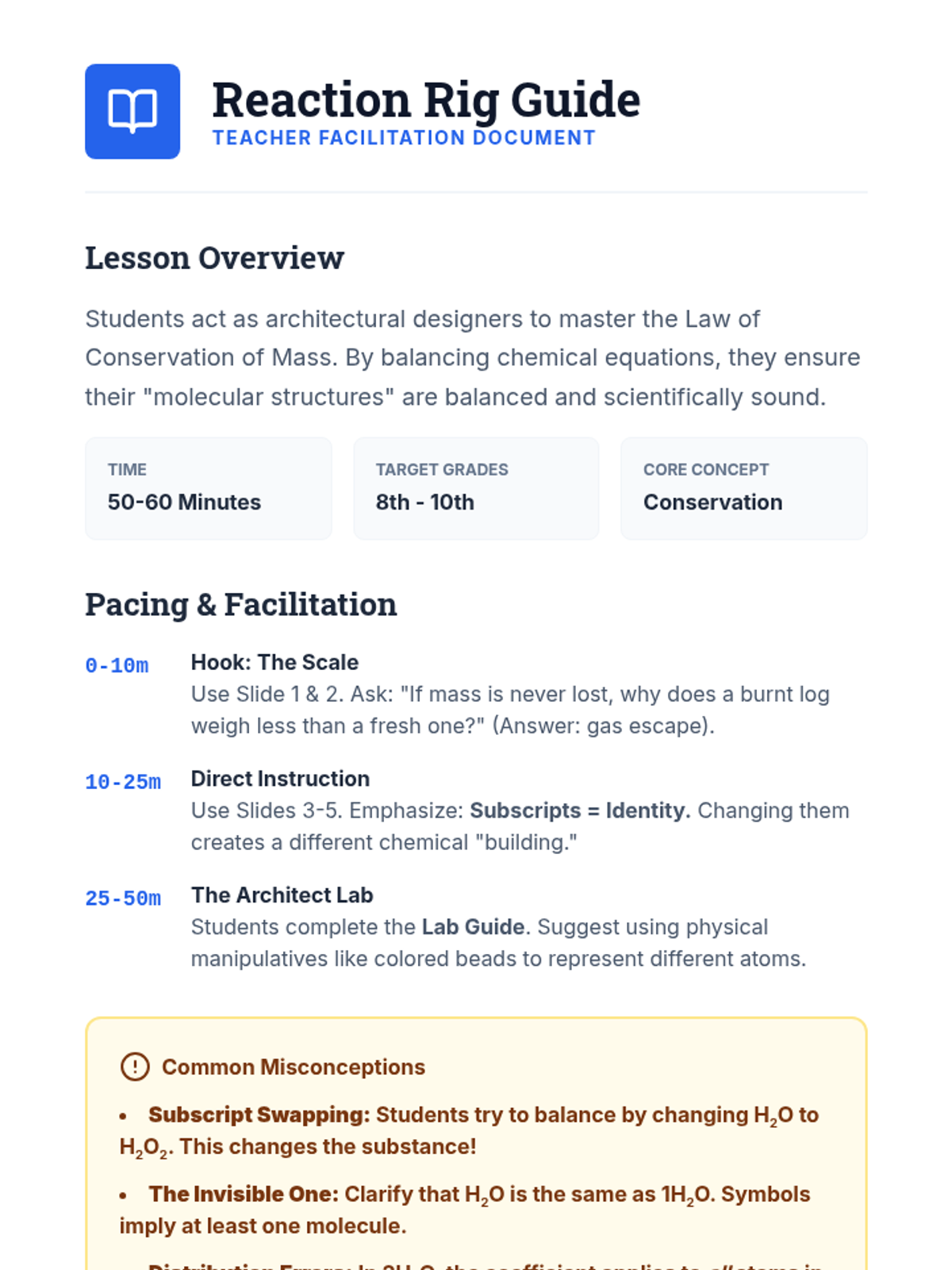
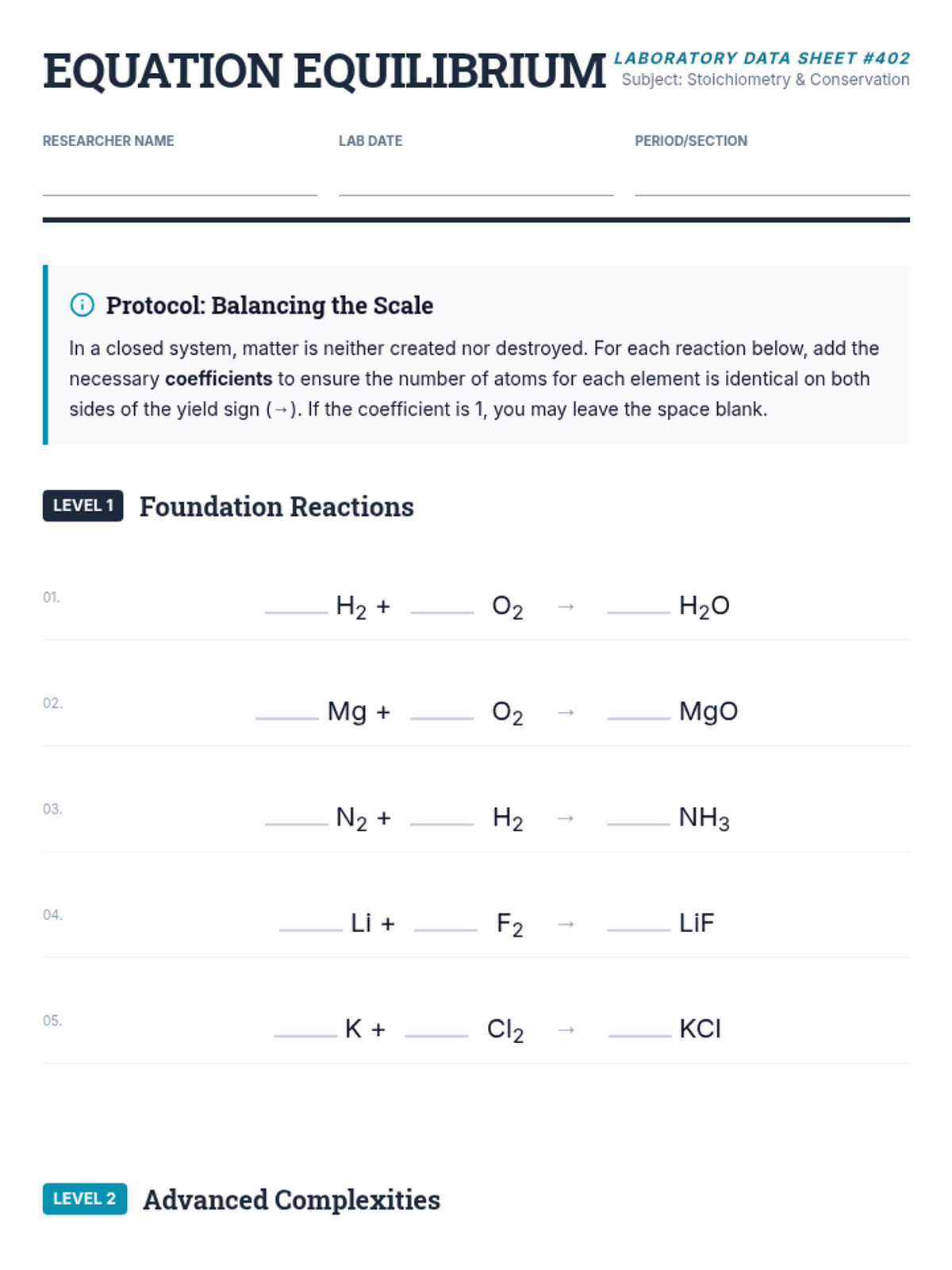
A lesson focused on the Law of Conservation of Mass through the practice of balancing chemical equations. Students move from basic synthesis reactions to more complex combustion and replacement reactions.
A chemistry lesson focused on the foundational skill of balancing chemical equations, designed for English Language Learners with visual supports and a progressive difficulty structure.
Review of the brightness of stars, gravity, and the patterns caused by Earth's orbit and rotation.
Review of Earth's four spheres, the water cycle, and human impact on the environment.
Review of energy flow in ecosystems, photosynthesis, food webs, and the role of decomposers.
Review of matter, its properties, physical and chemical changes, and the conservation of mass.
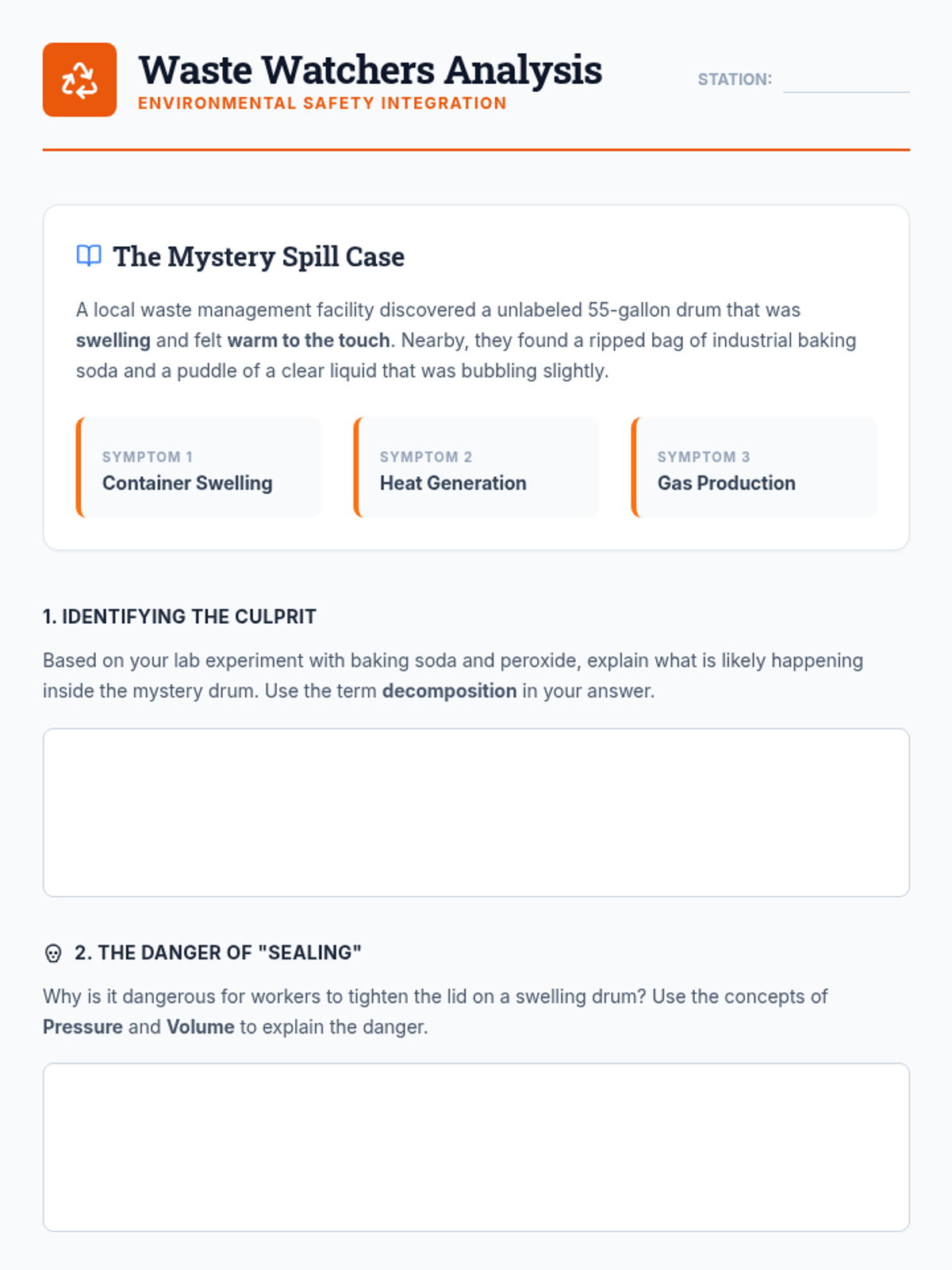
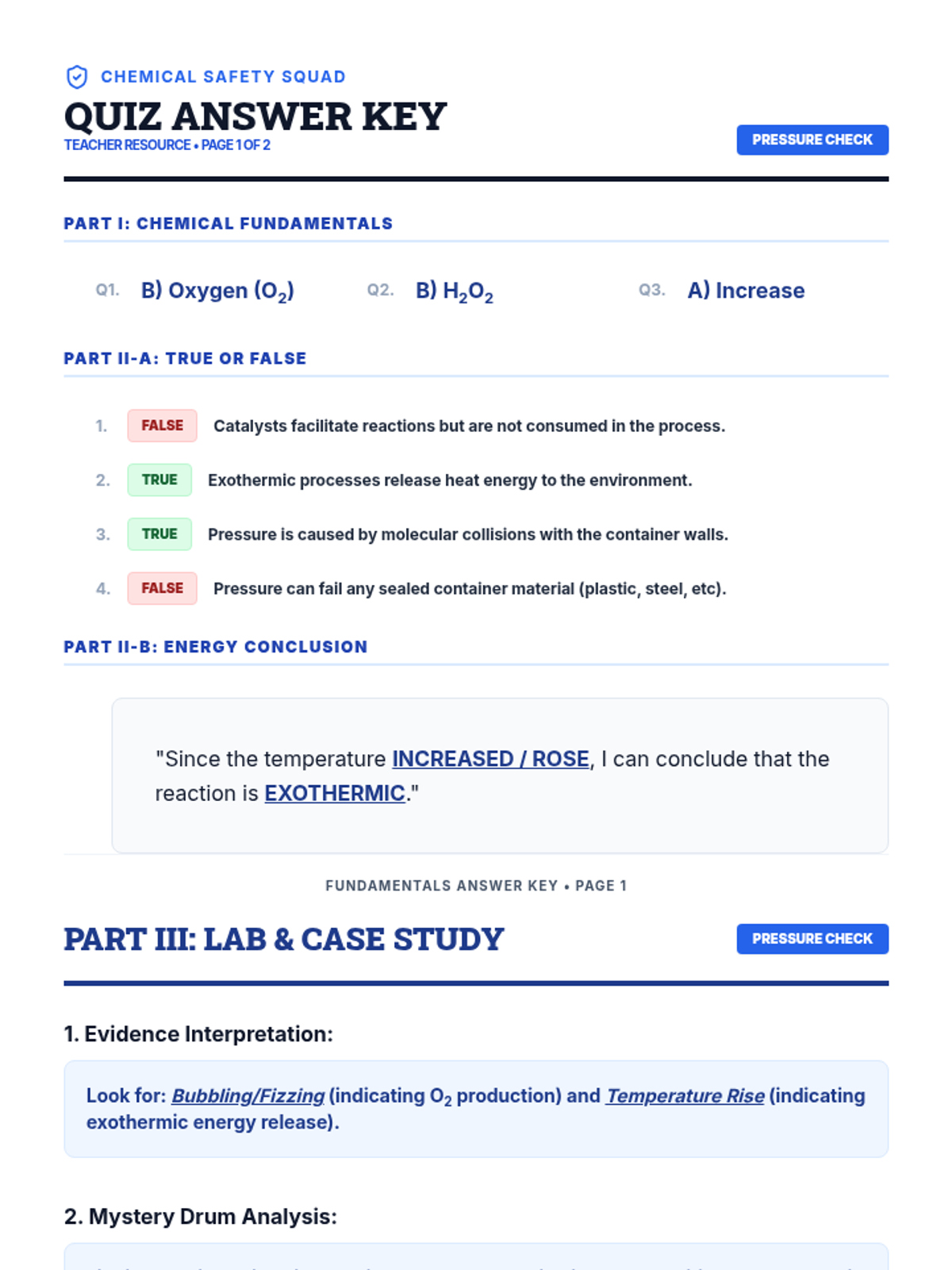
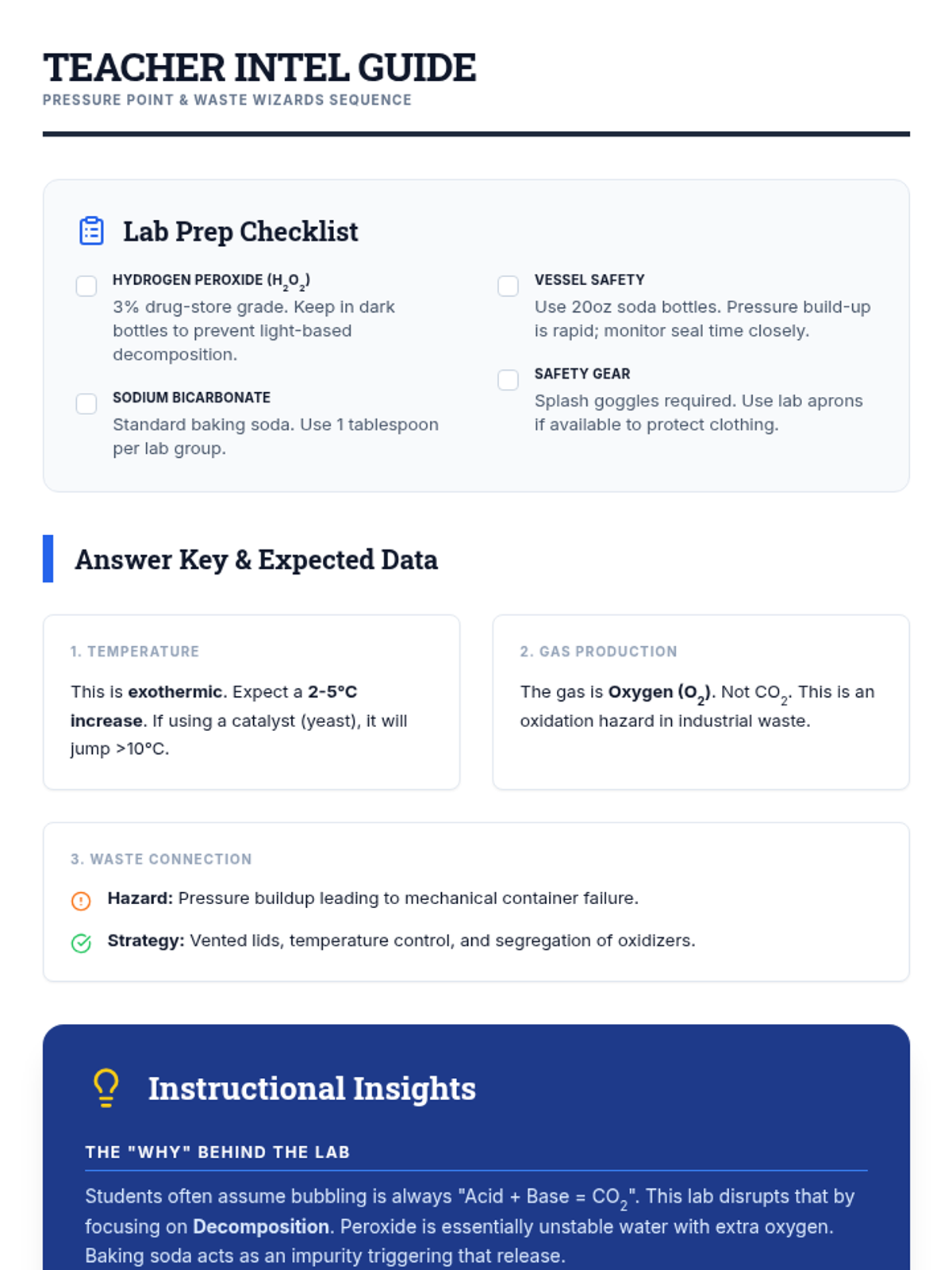
Students analyze their lab results and connect the findings to hazardous waste management and the importance of chemical safety protocols.
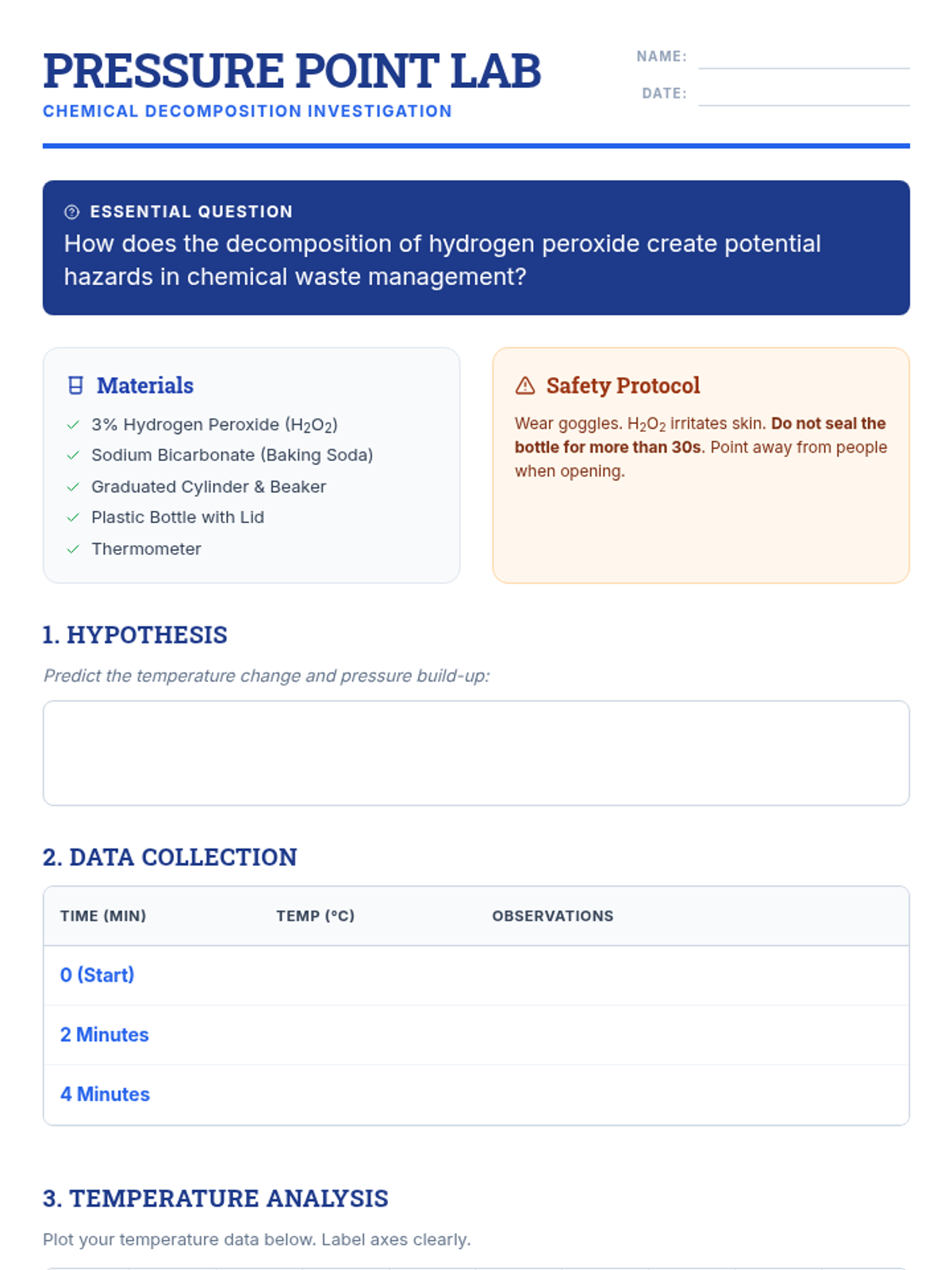
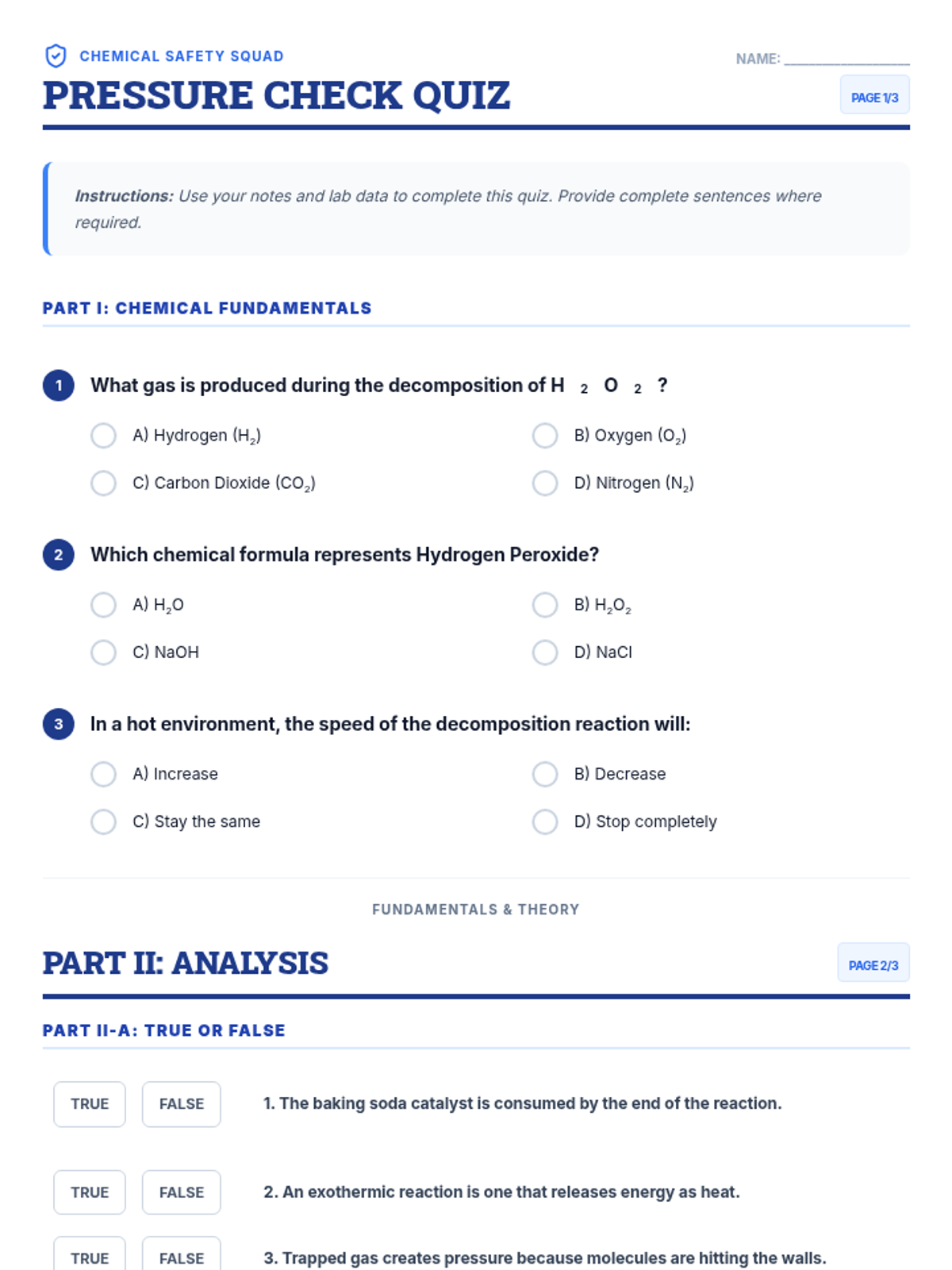
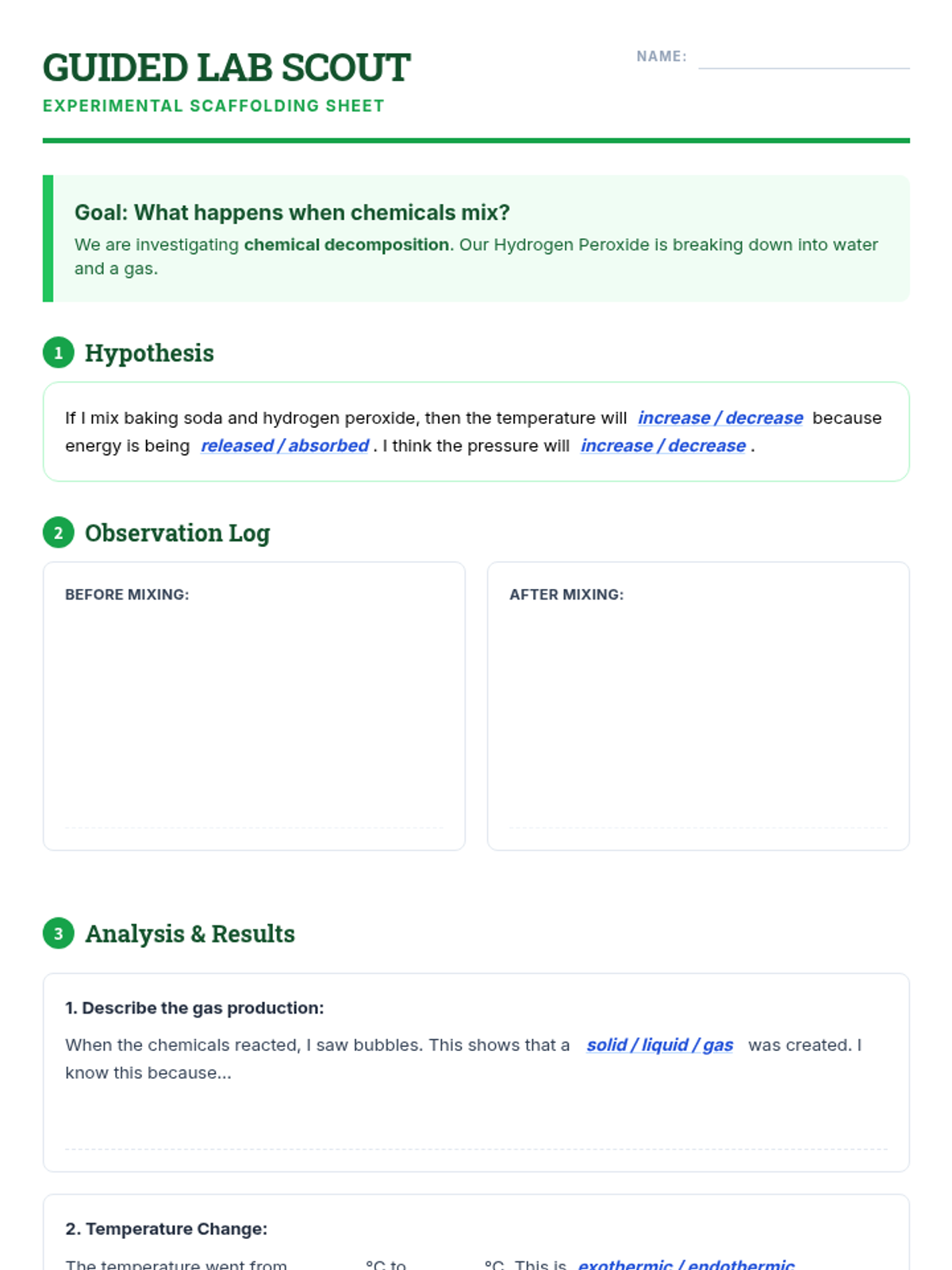
Students conduct an experiment mixing hydrogen peroxide and baking soda to observe chemical reactions and gas production, simulating pressure buildup in waste containers.
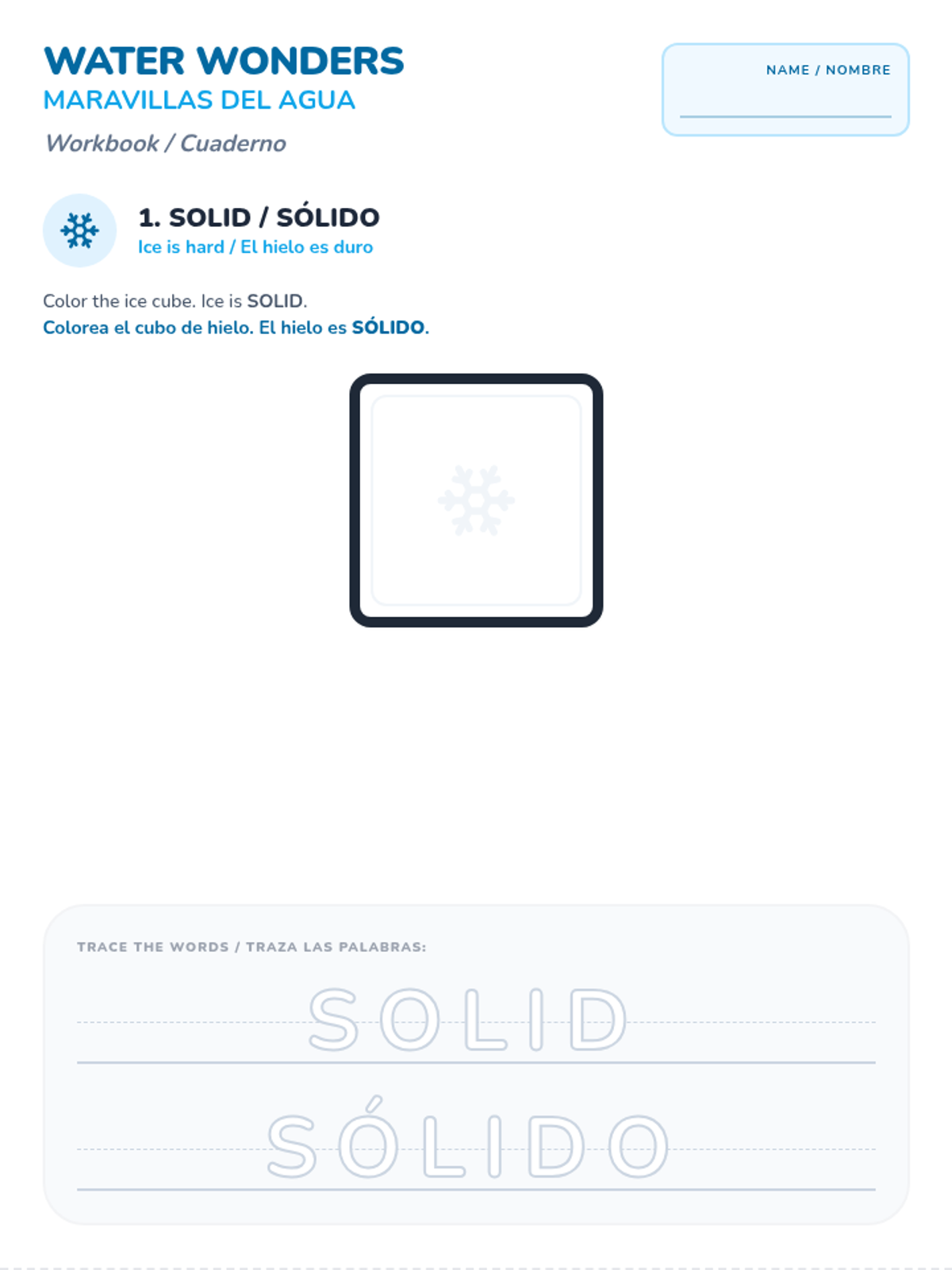
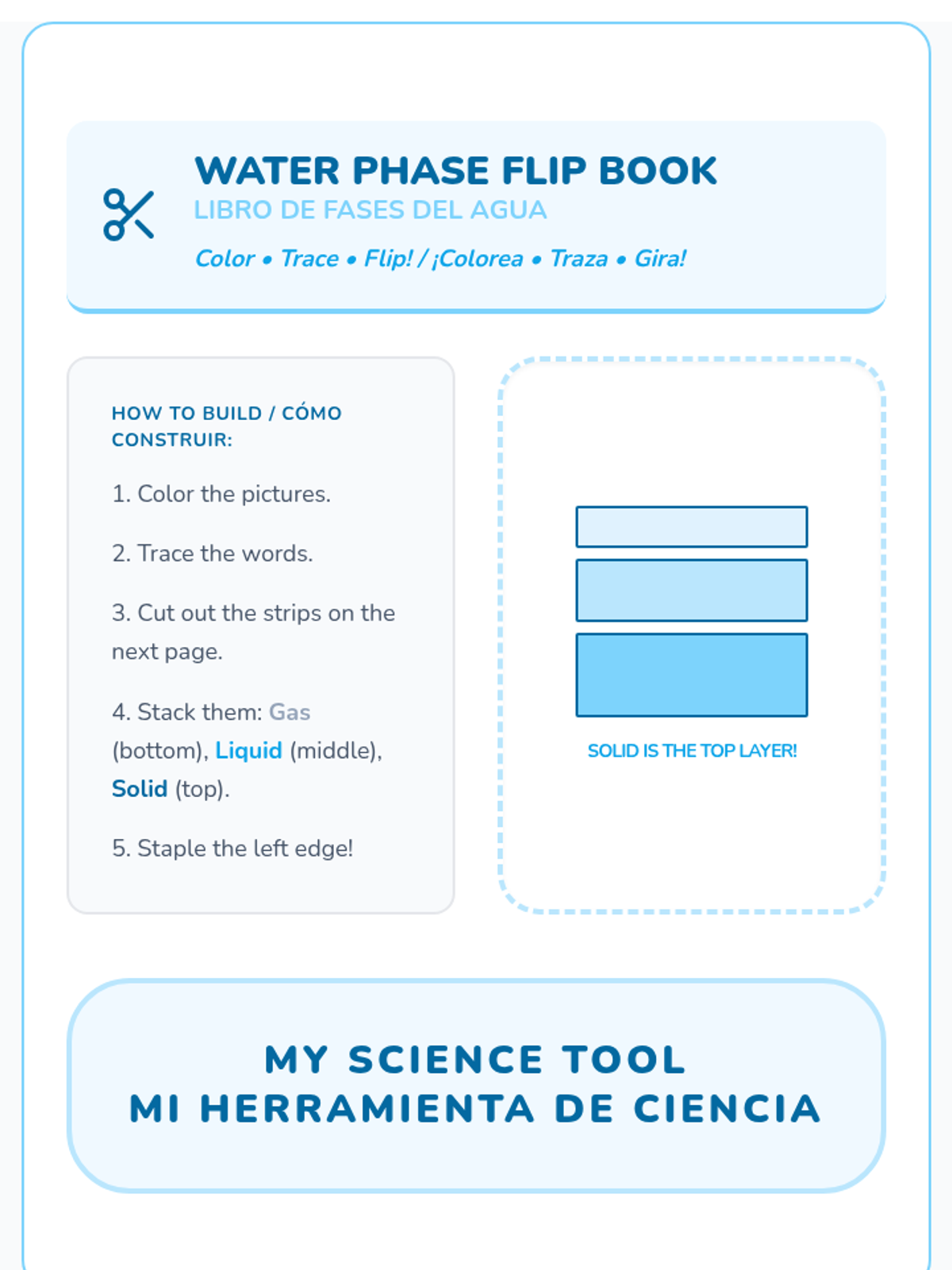
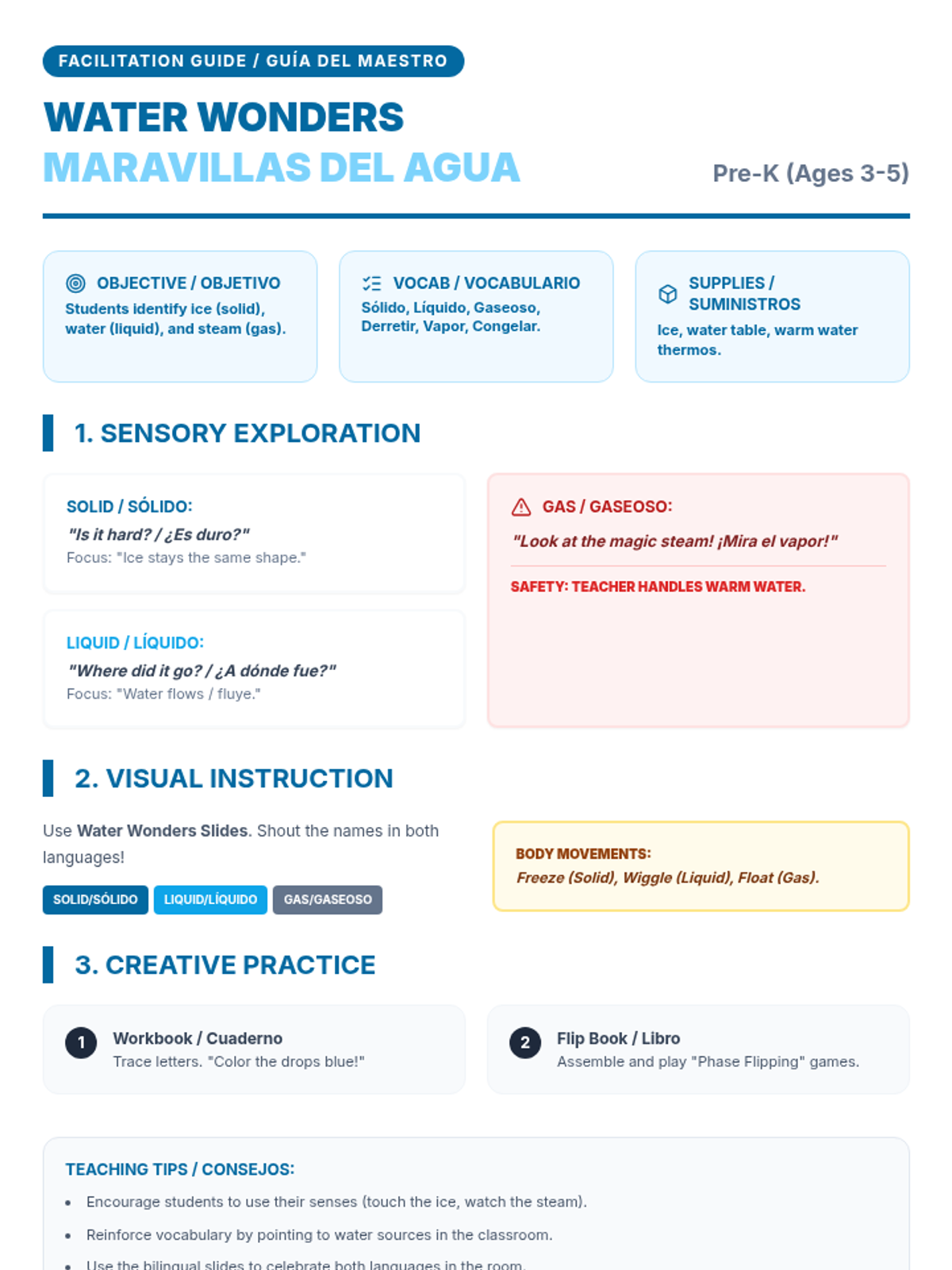
An introductory lesson for Pre-K students to explore the three states of water (solid, liquid, and gas) through hands-on manipulatives, sensory play, and creative activities.
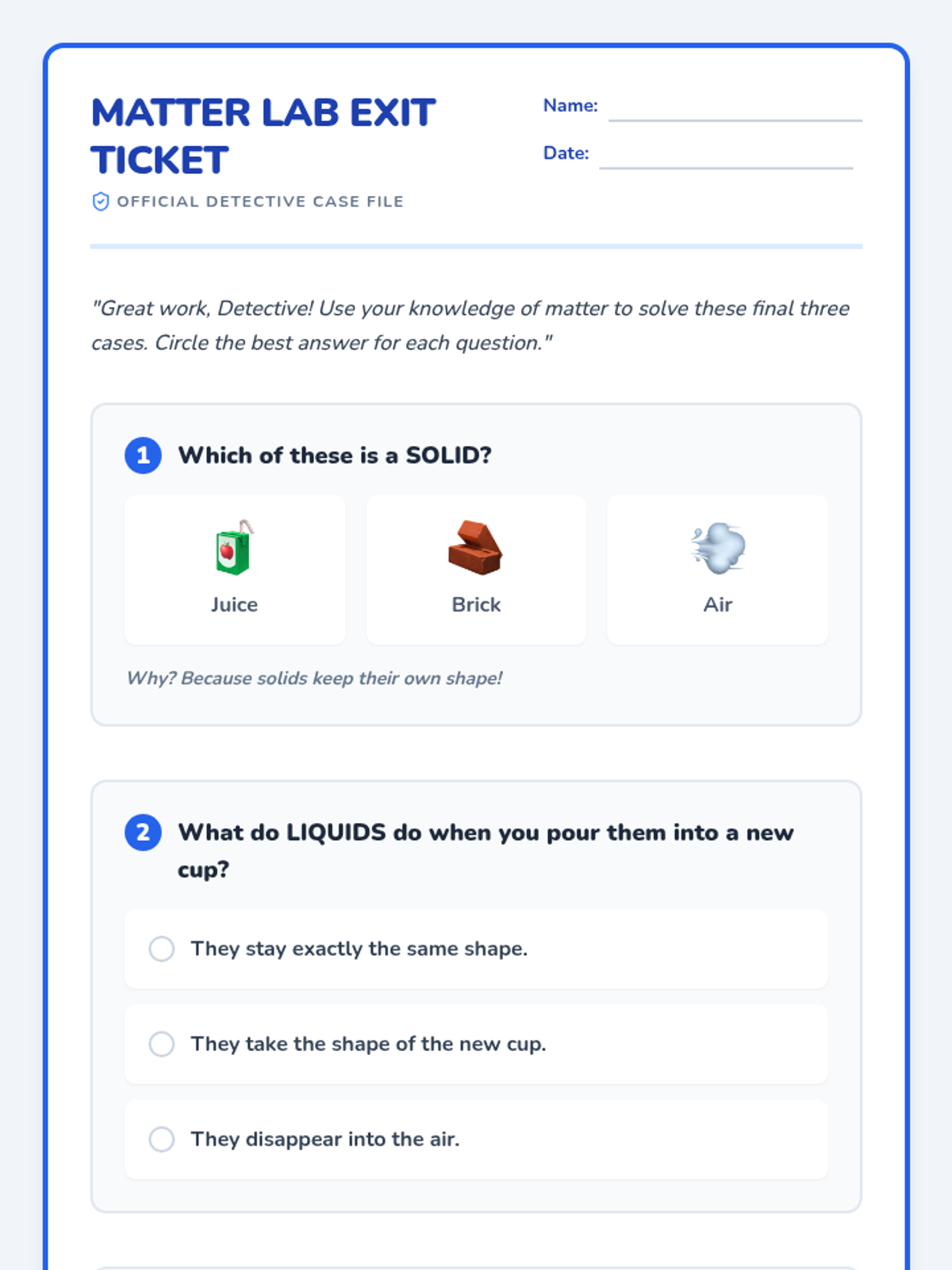
A foundational lesson for 4th grade students exploring the properties of matter and the three states: solid, liquid, and gas. Students will engage with a detailed informational text and use guided notes to solidify their understanding.
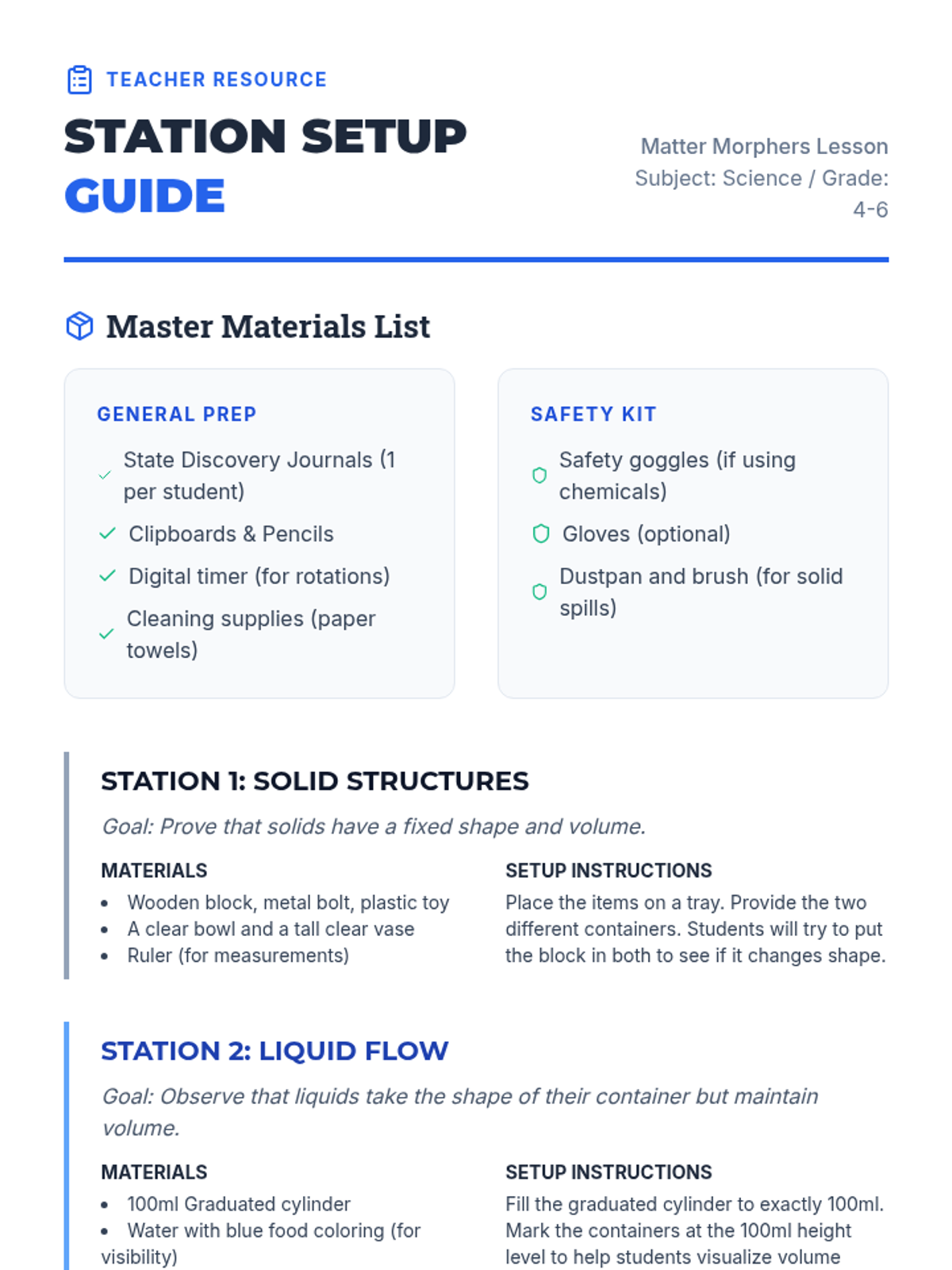
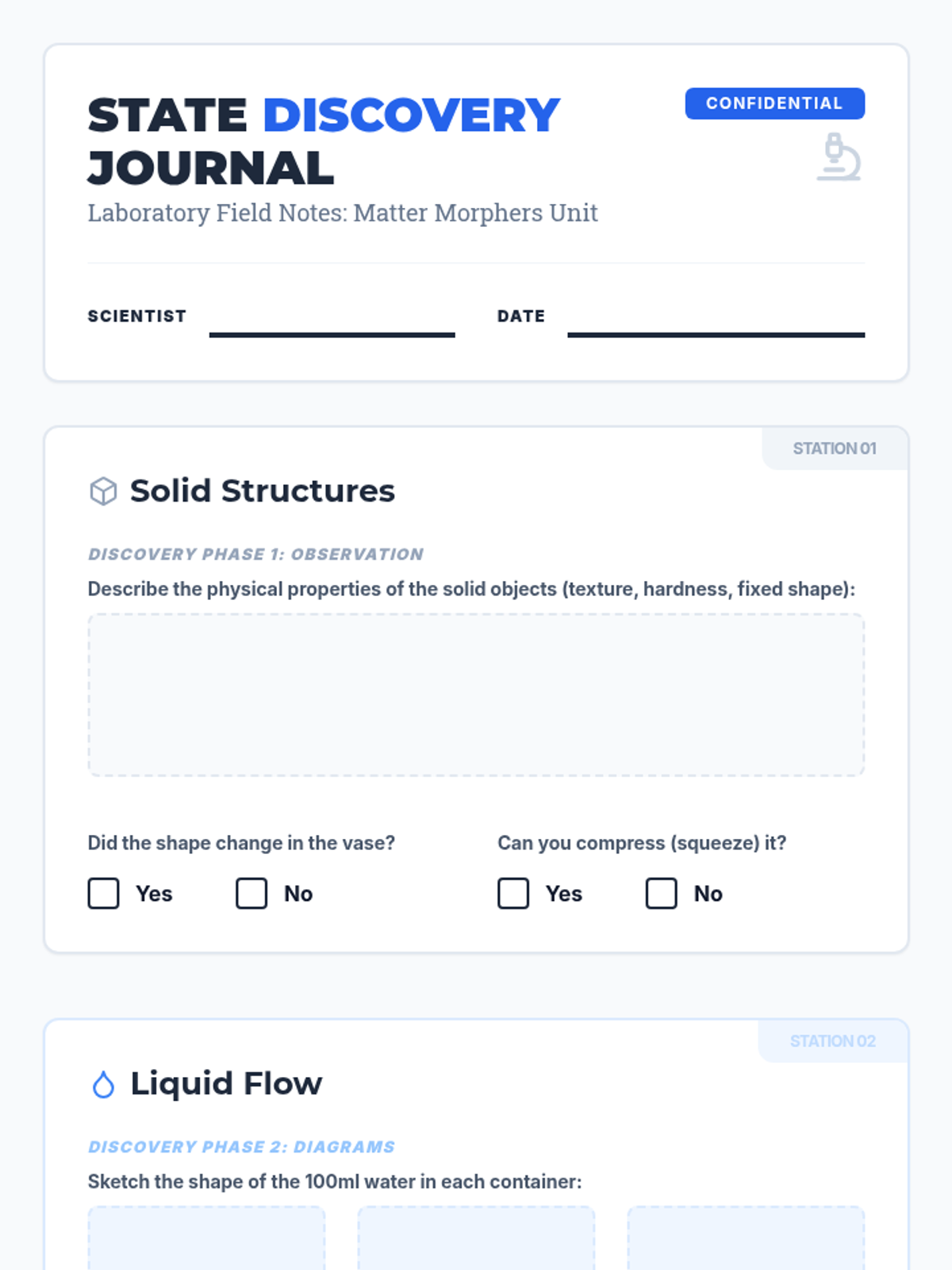
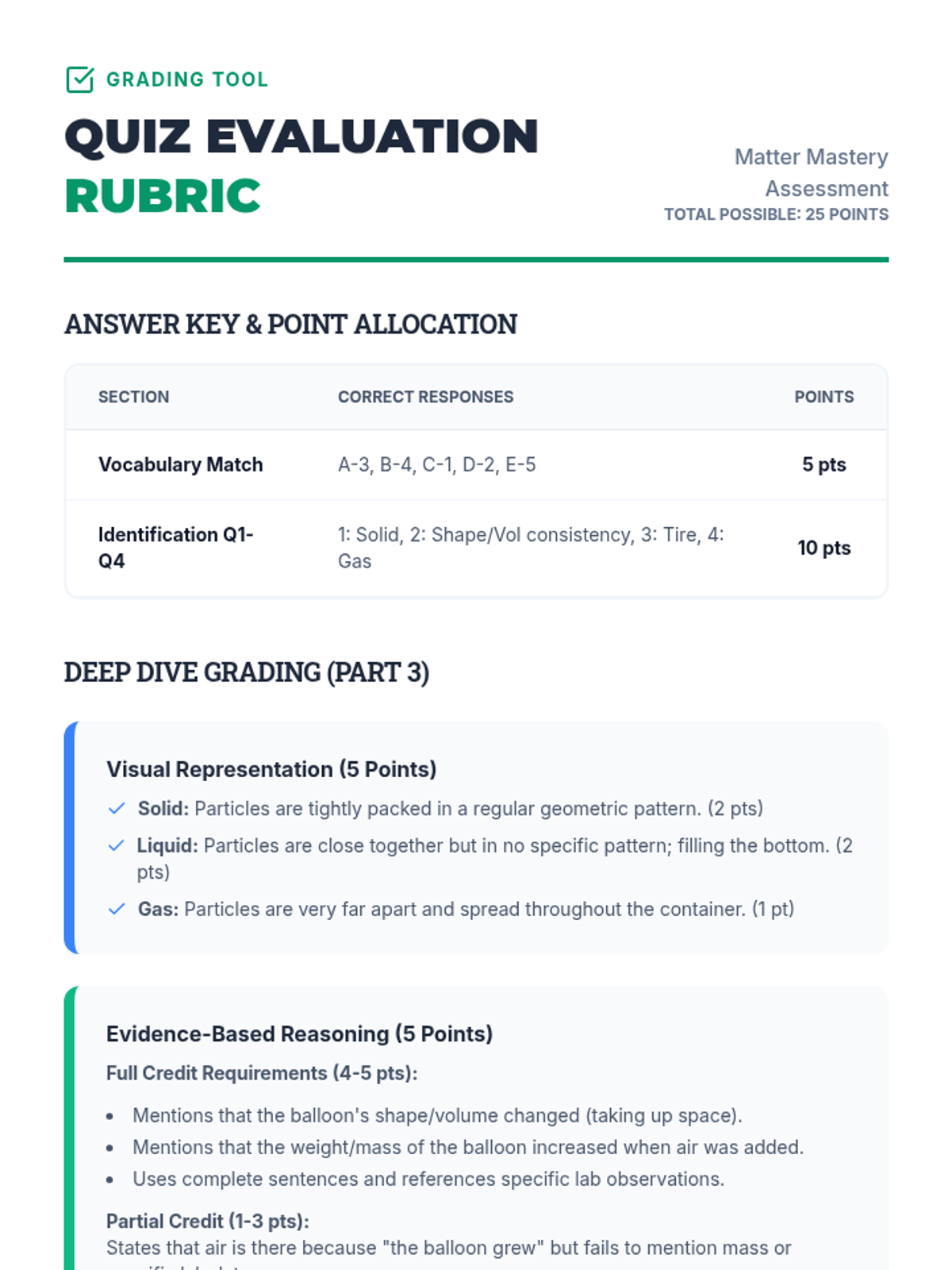
A hands-on exploration of the three primary states of matter through interactive lab stations, concluding with a comprehensive assessment.
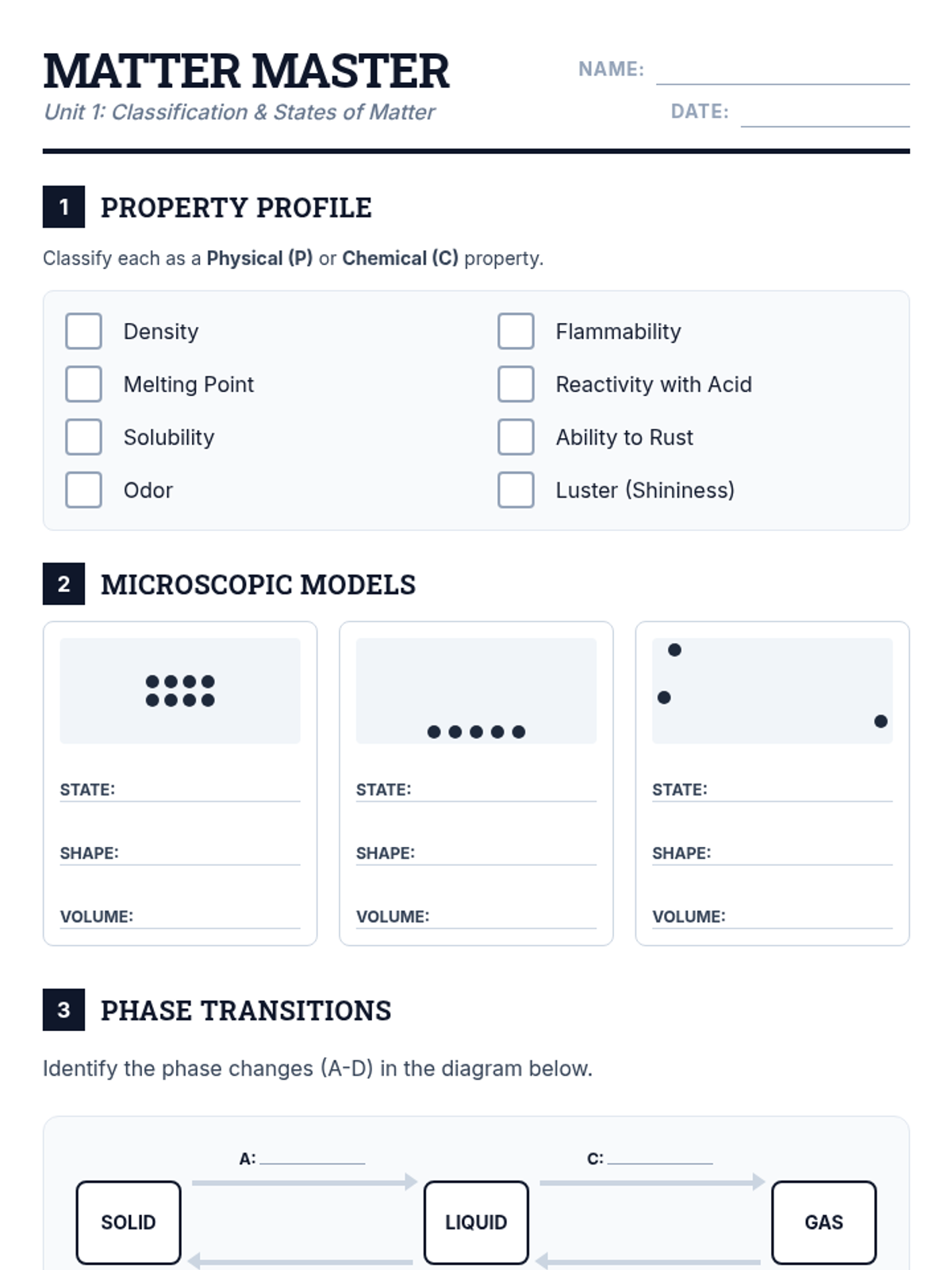
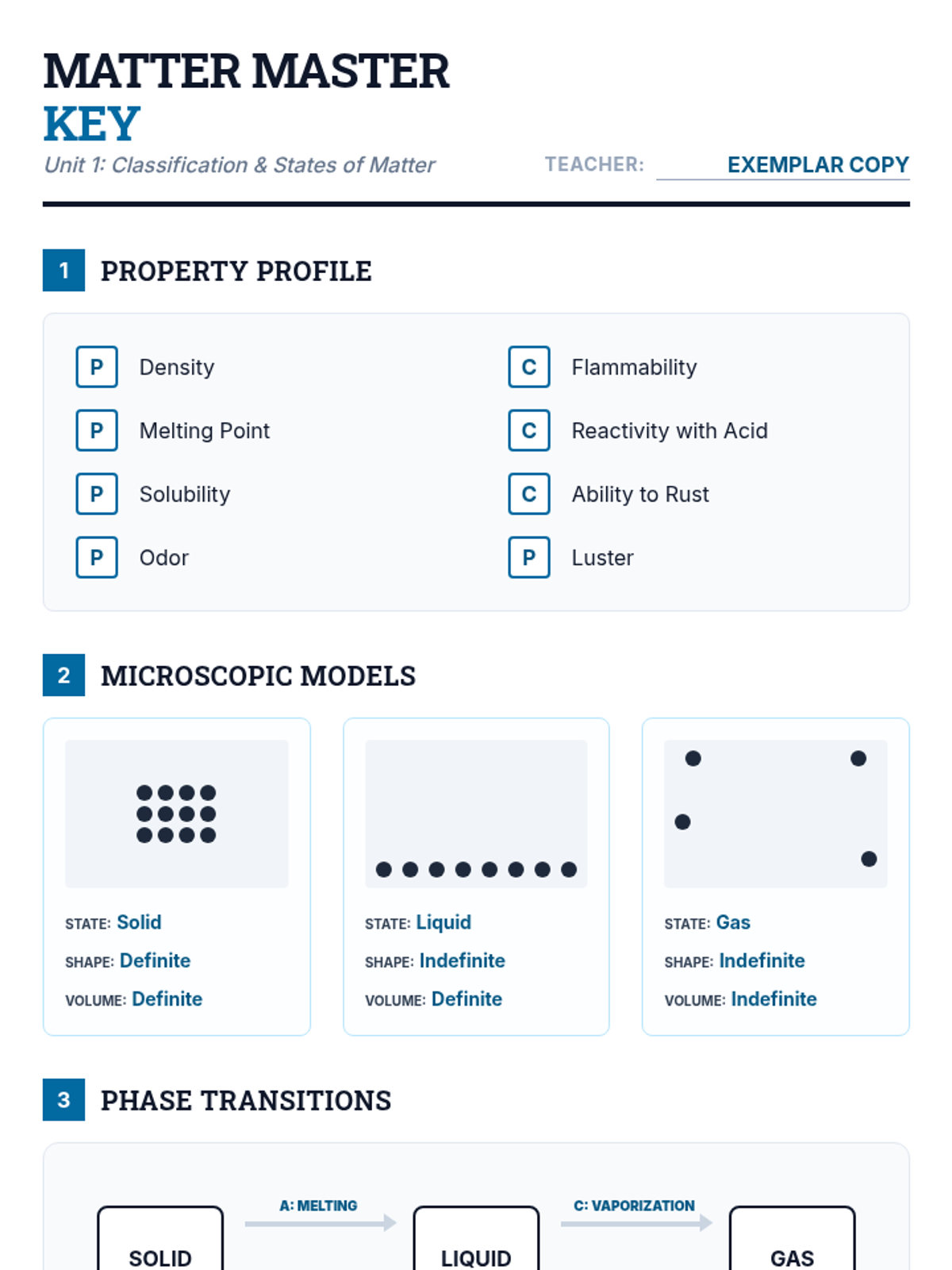
A comprehensive review of physical and chemical properties, as well as the behavior and characteristics of solids, liquids, and gases.
A comprehensive introduction to the properties and states of matter for 9th-grade chemistry, focusing on physical vs. chemical properties and particle behavior in solids, liquids, and gases.
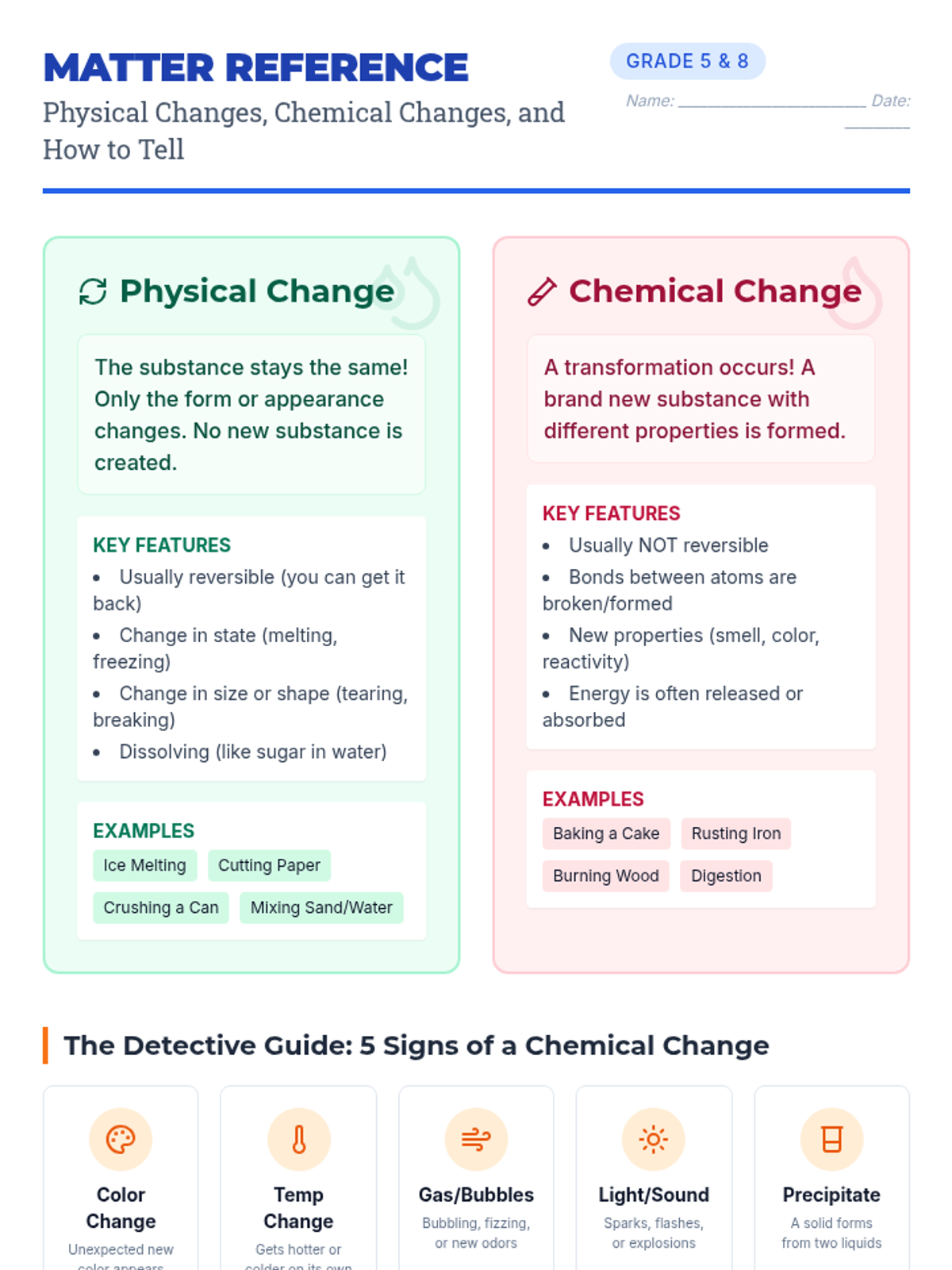
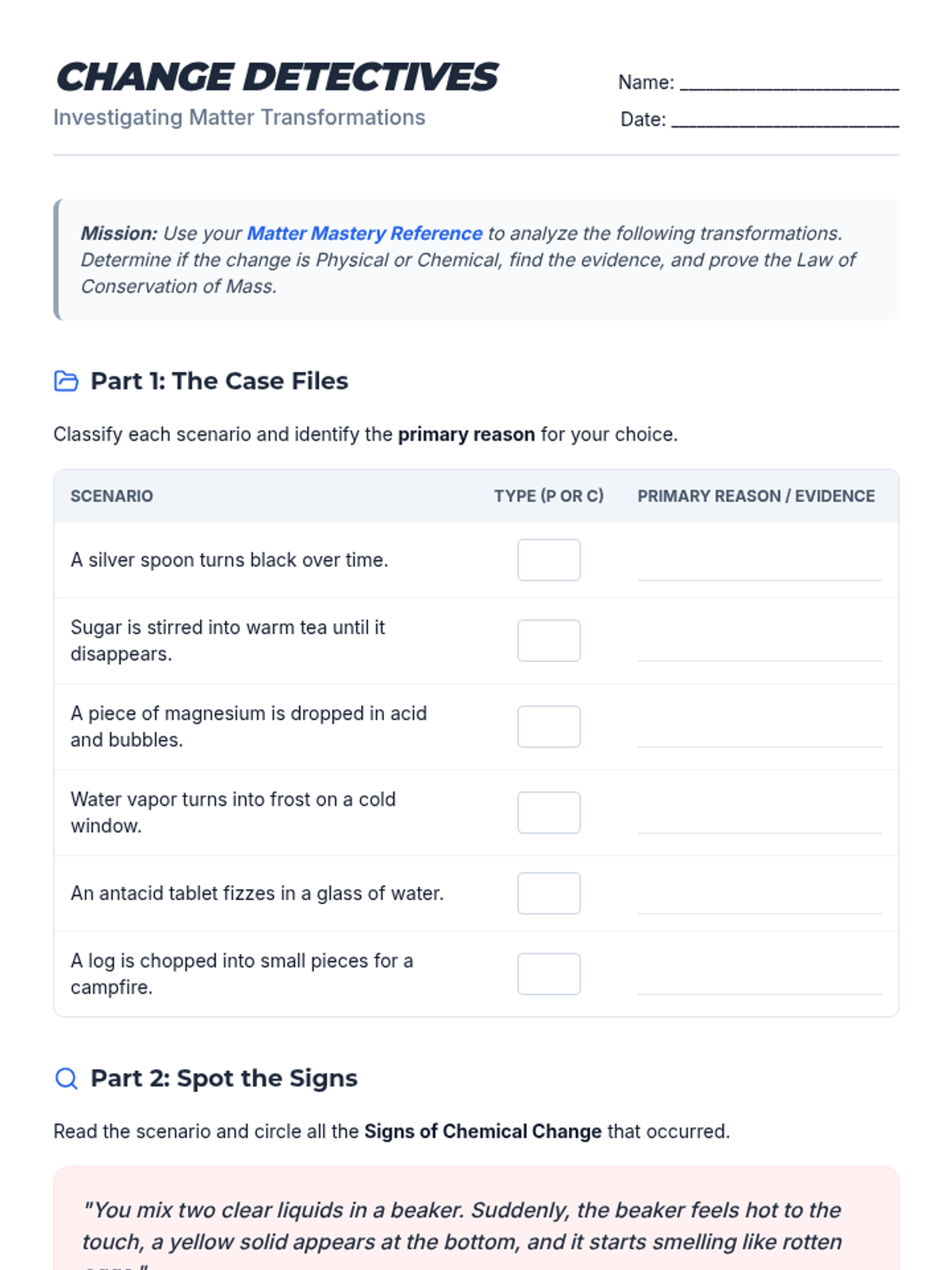
A comprehensive exploration of physical and chemical changes in matter, designed for Grade 5 and Grade 8 science standards. This lesson provides clear visual references for distinguishing between types of changes and understanding the conservation of mass.
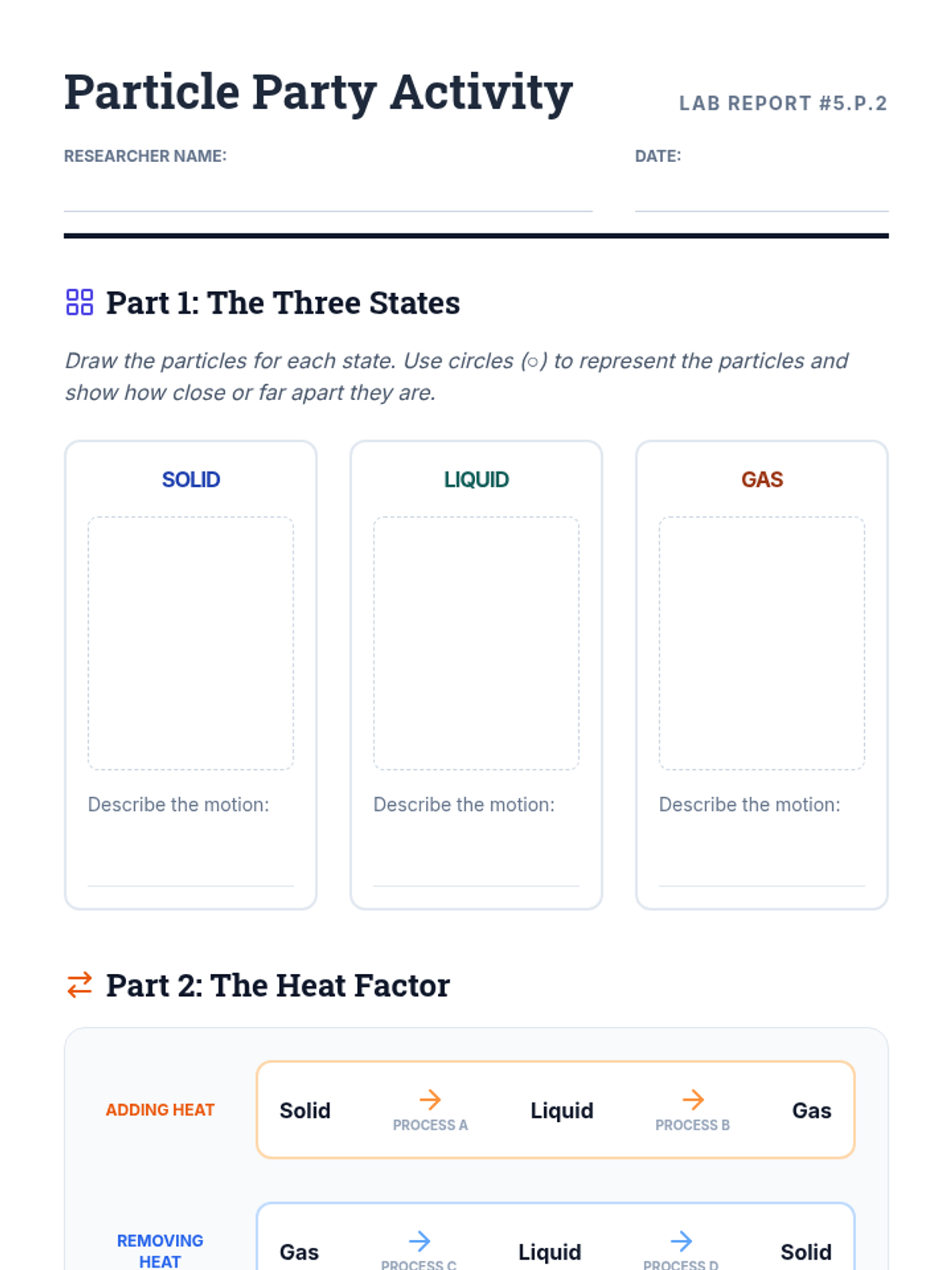
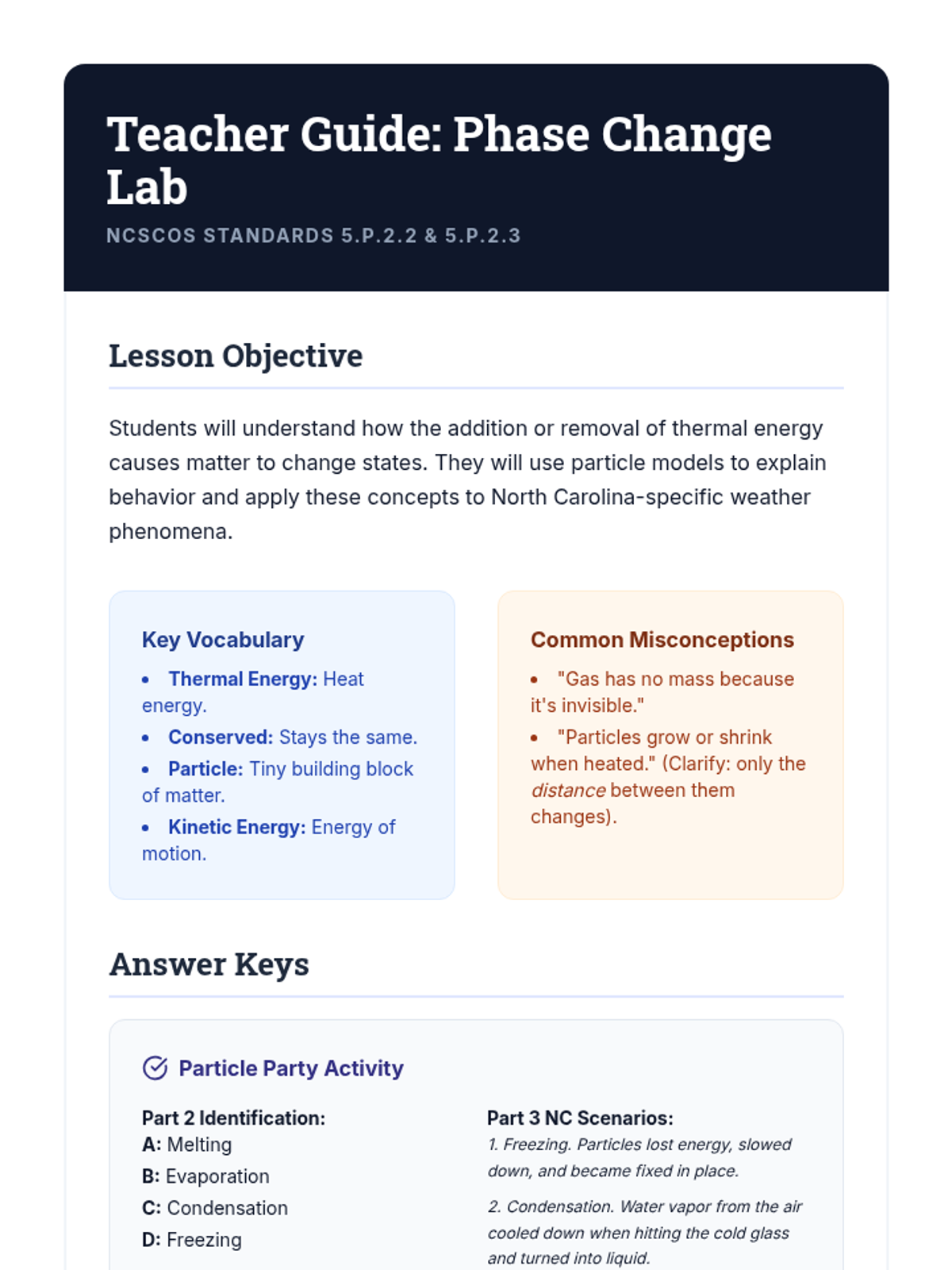
A comprehensive investigation into how thermal energy drives phase changes in matter, featuring particle modeling and North Carolina-specific weather phenomena. Students explore solids, liquids, and gases through the lens of kinetic molecular theory at a 5th-grade level.
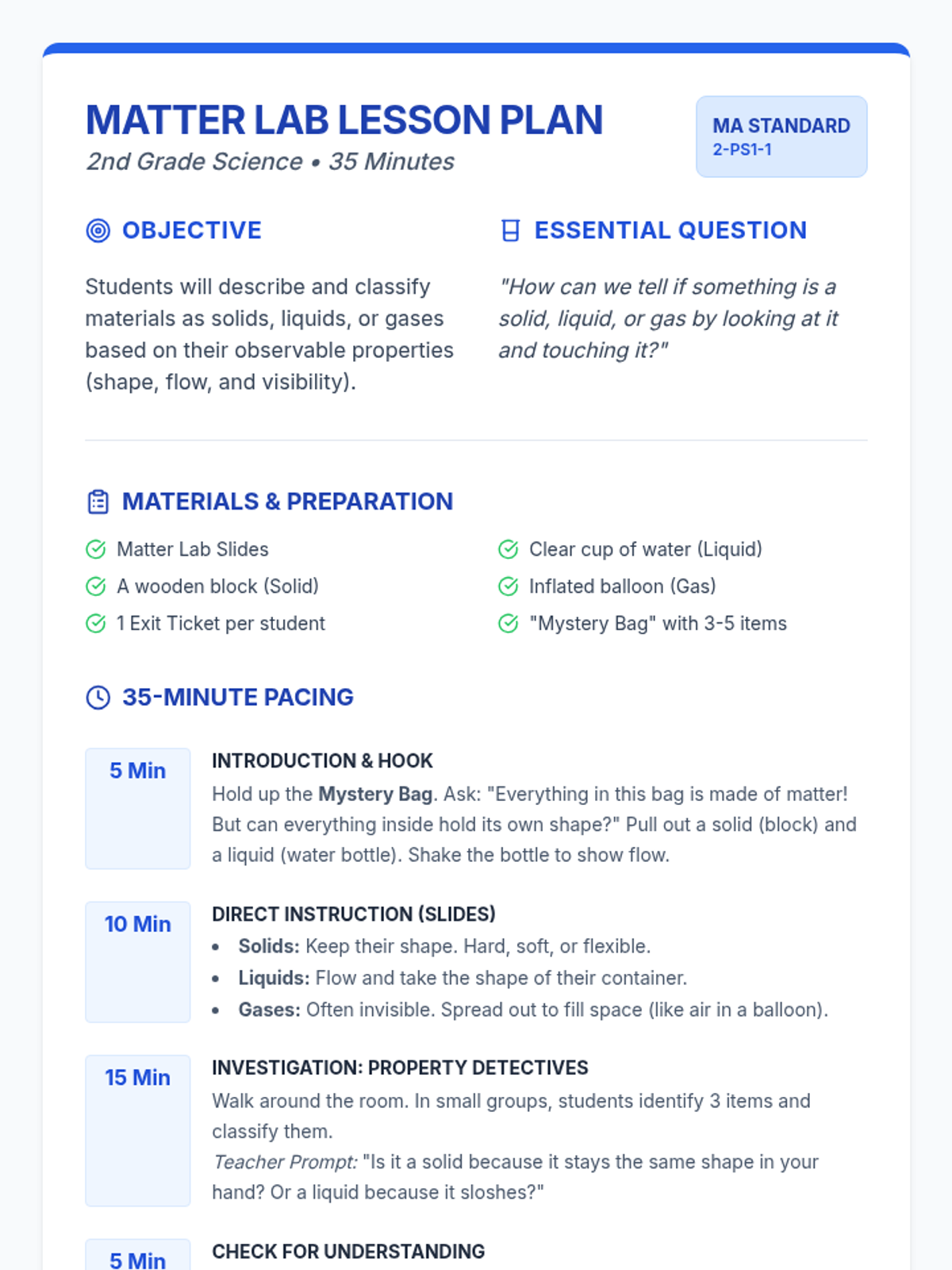
A fast-paced 35-minute lesson introducing the three states of matter—solids, liquids, and gases—through observable properties, aligned to MA Science Standard 2-PS1-1. Students act as 'Matter Detectives' to classify everyday objects.
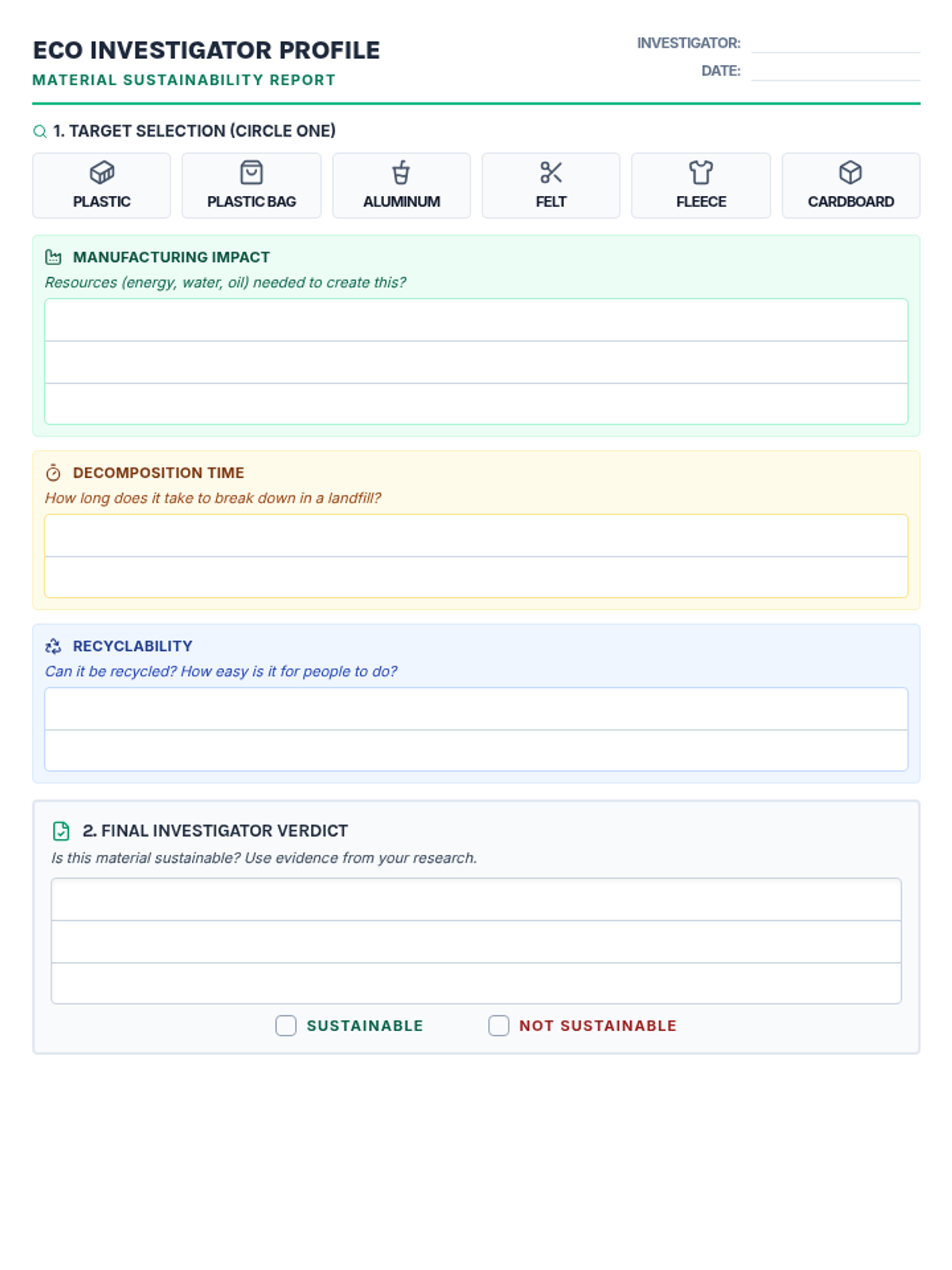
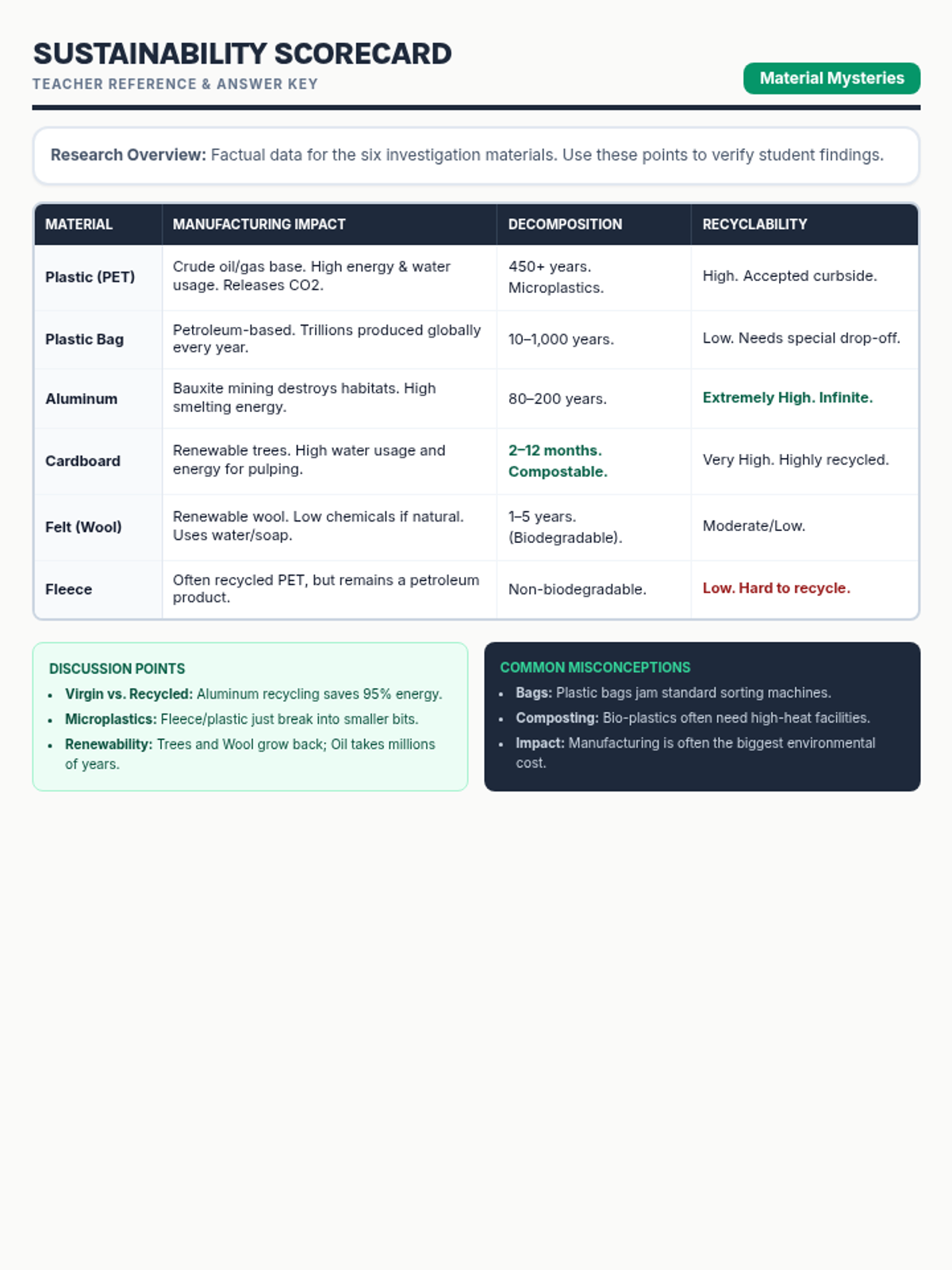
A research-based science lesson where students investigate the environmental impact of common materials like plastic, aluminum, and fleece. Students act as eco-detectives to evaluate recyclability, decomposition, and manufacturing footprints.
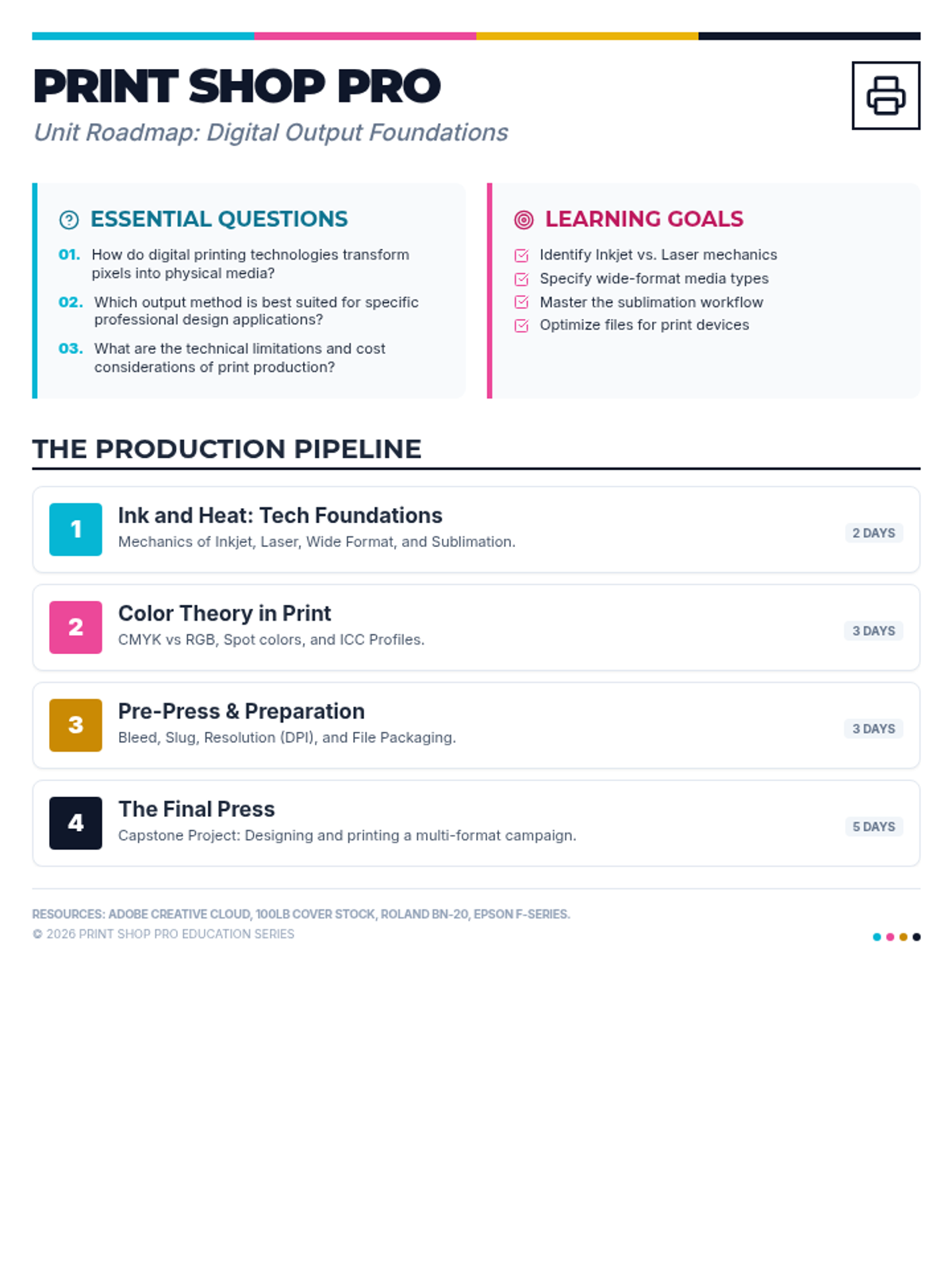
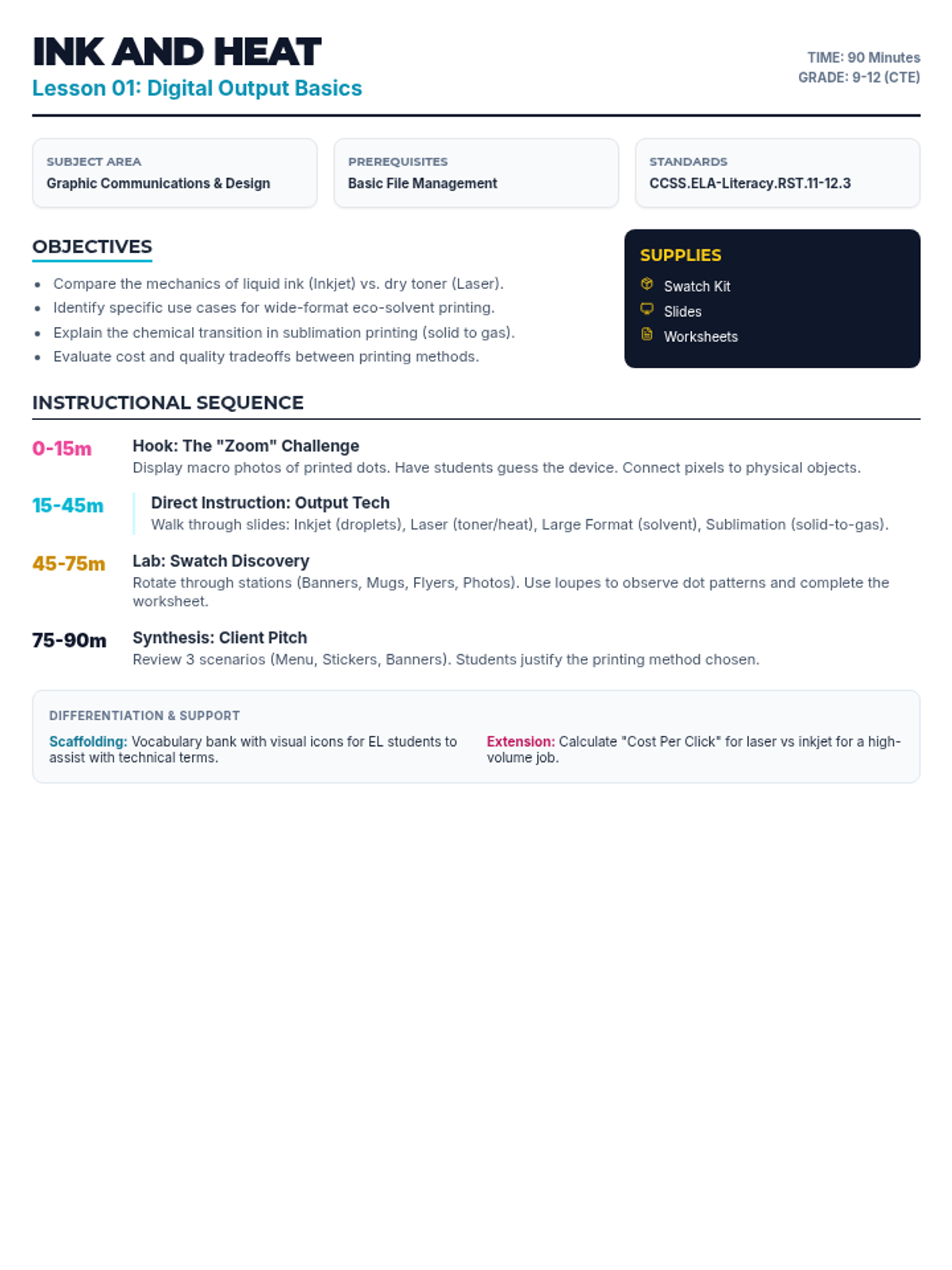
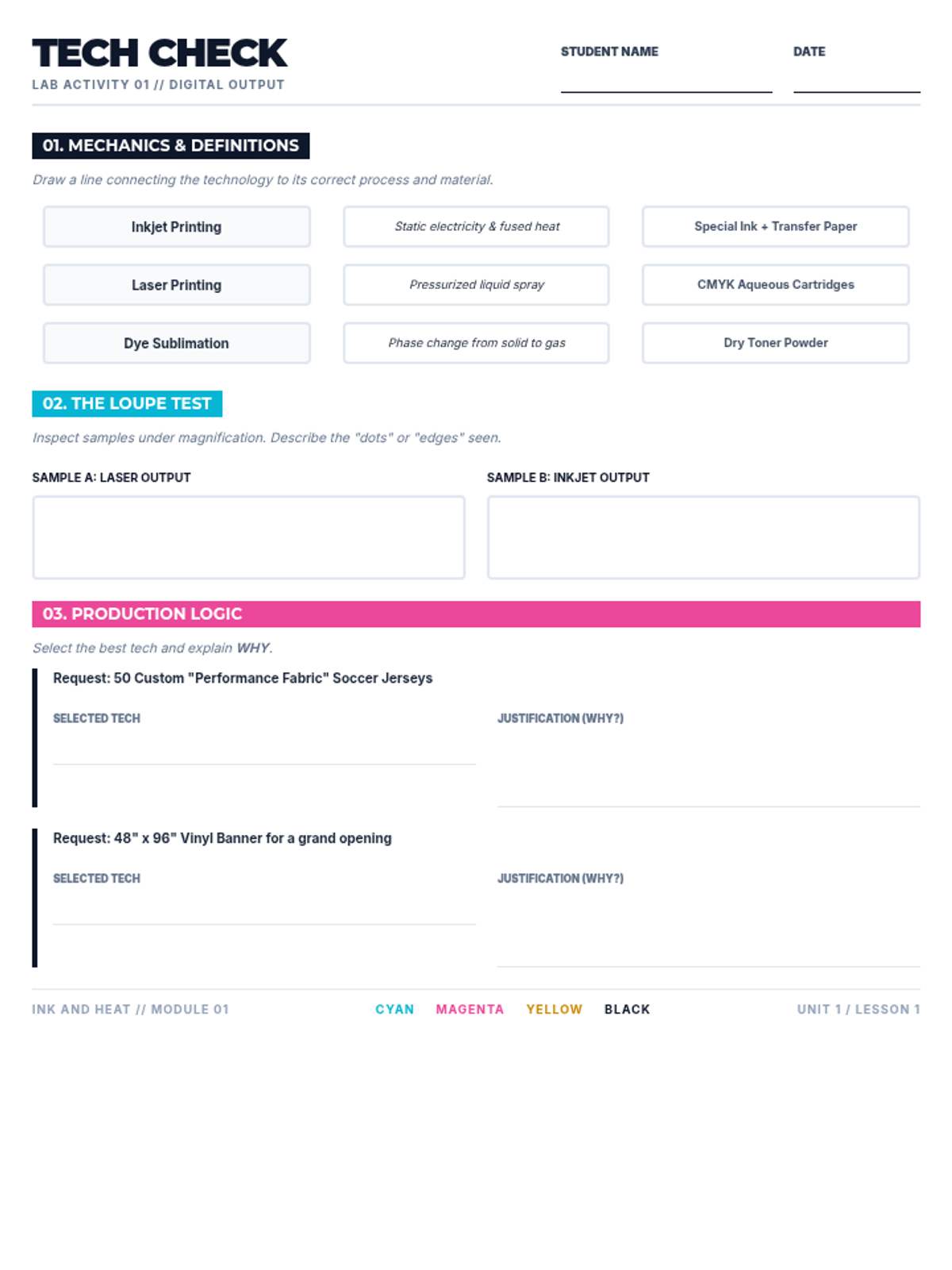
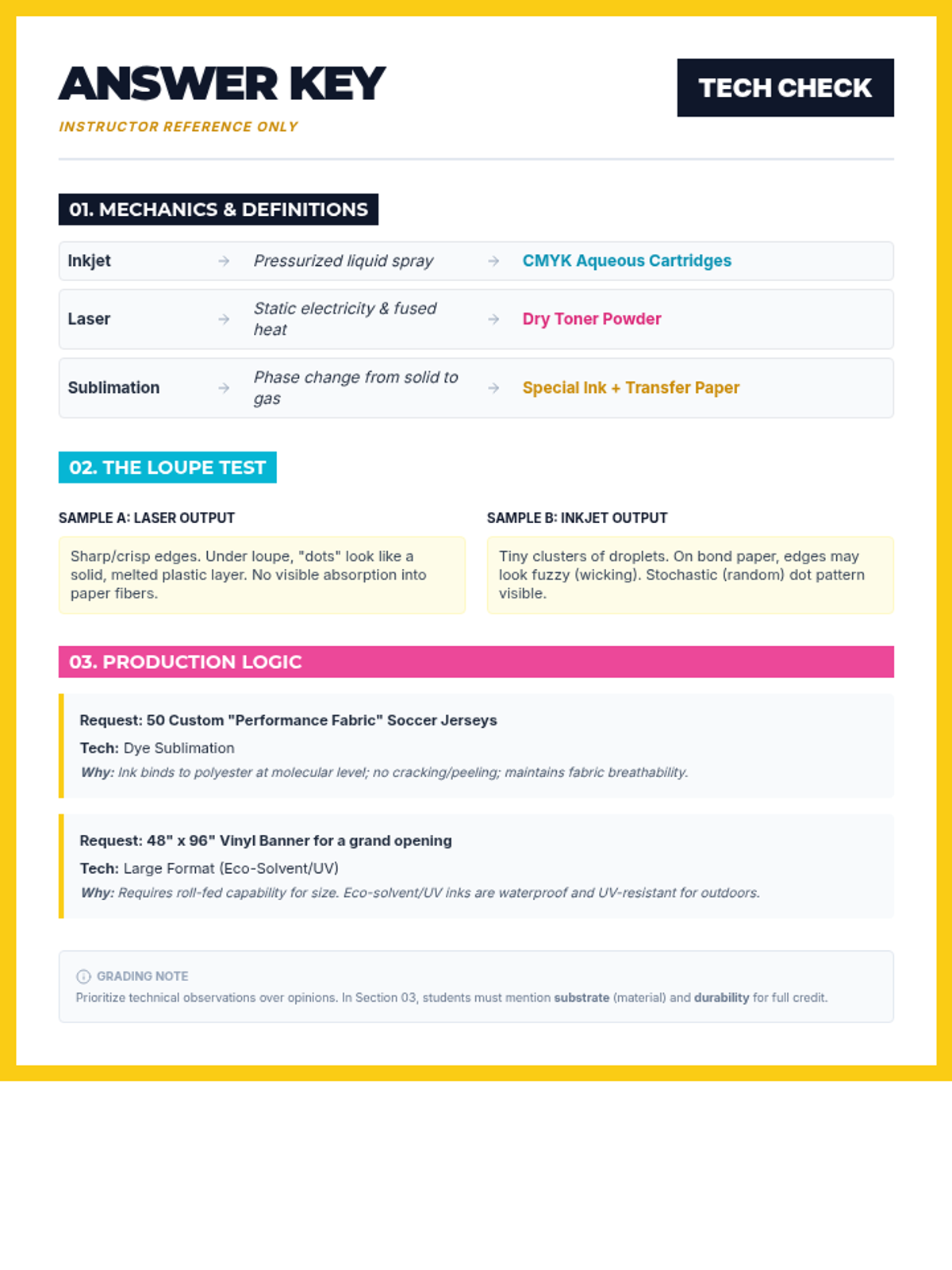
An introductory lesson on digital printing technologies, covering the mechanics of inkjet, laser, large format, and sublimation printing. Students will learn the pros, cons, and specific use cases for each method.
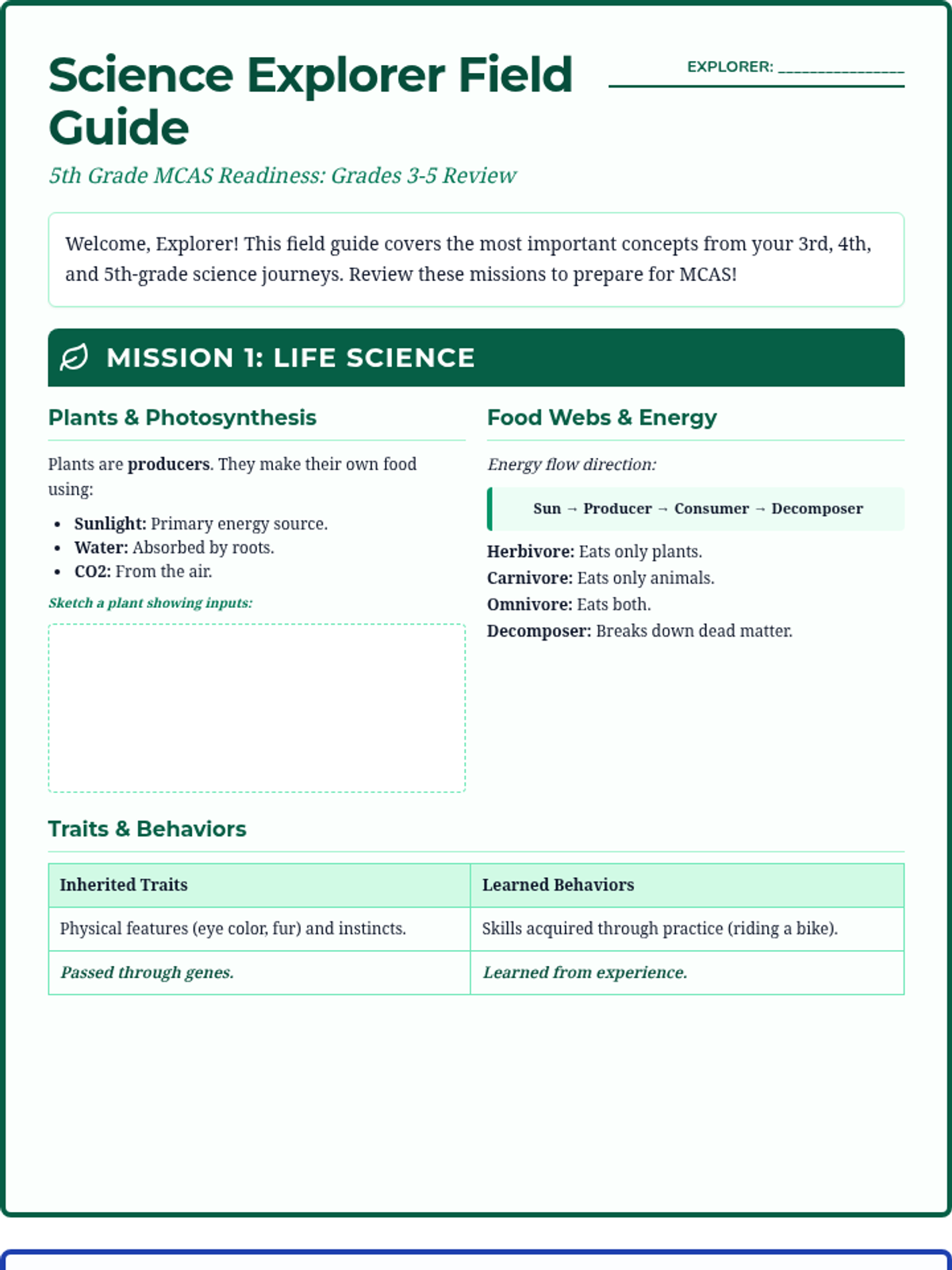
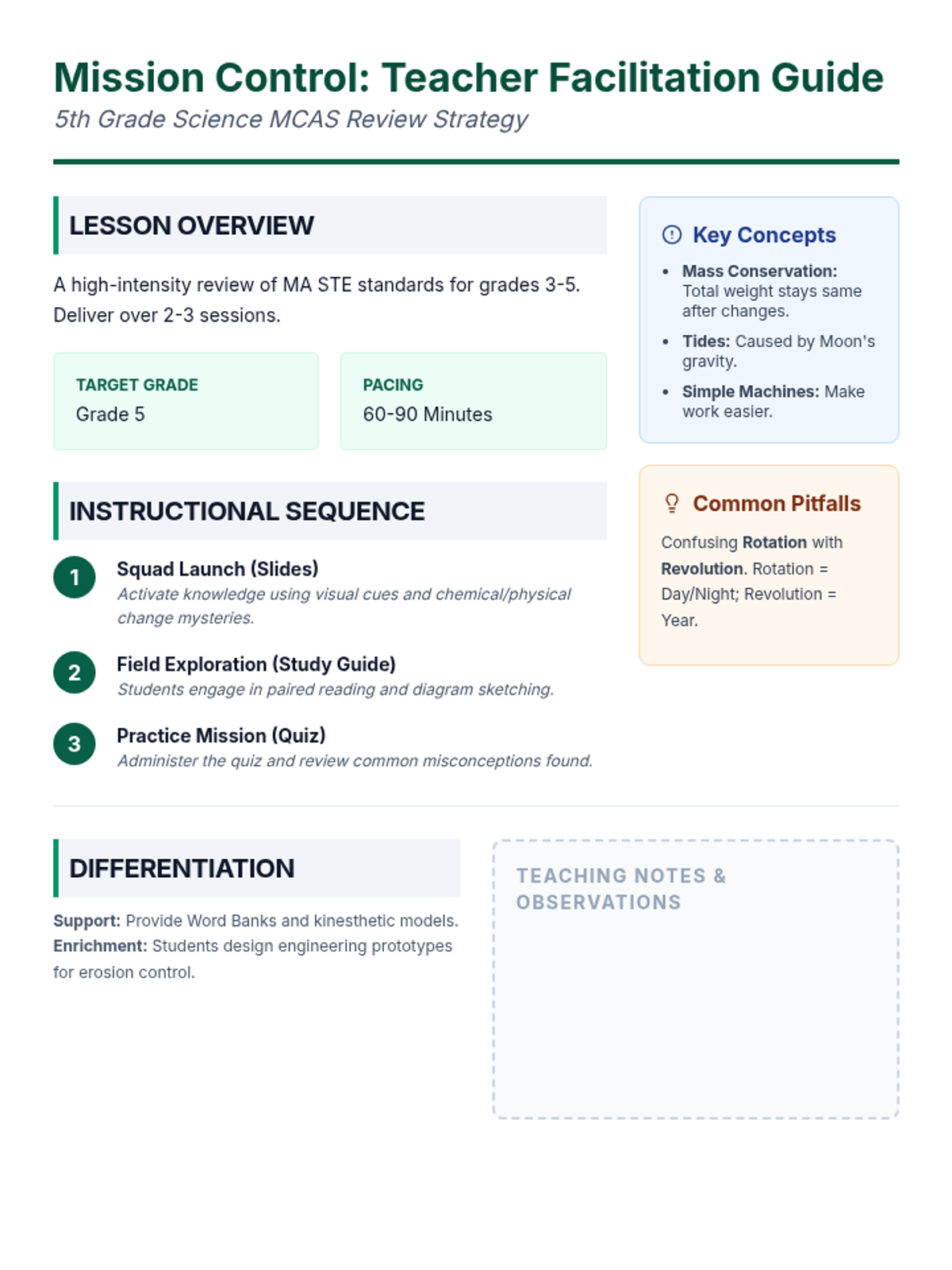
An all-in-one review session covering Life Science, Physical Science, Earth and Space Science, and Engineering Design for the 5th grade MCAS.
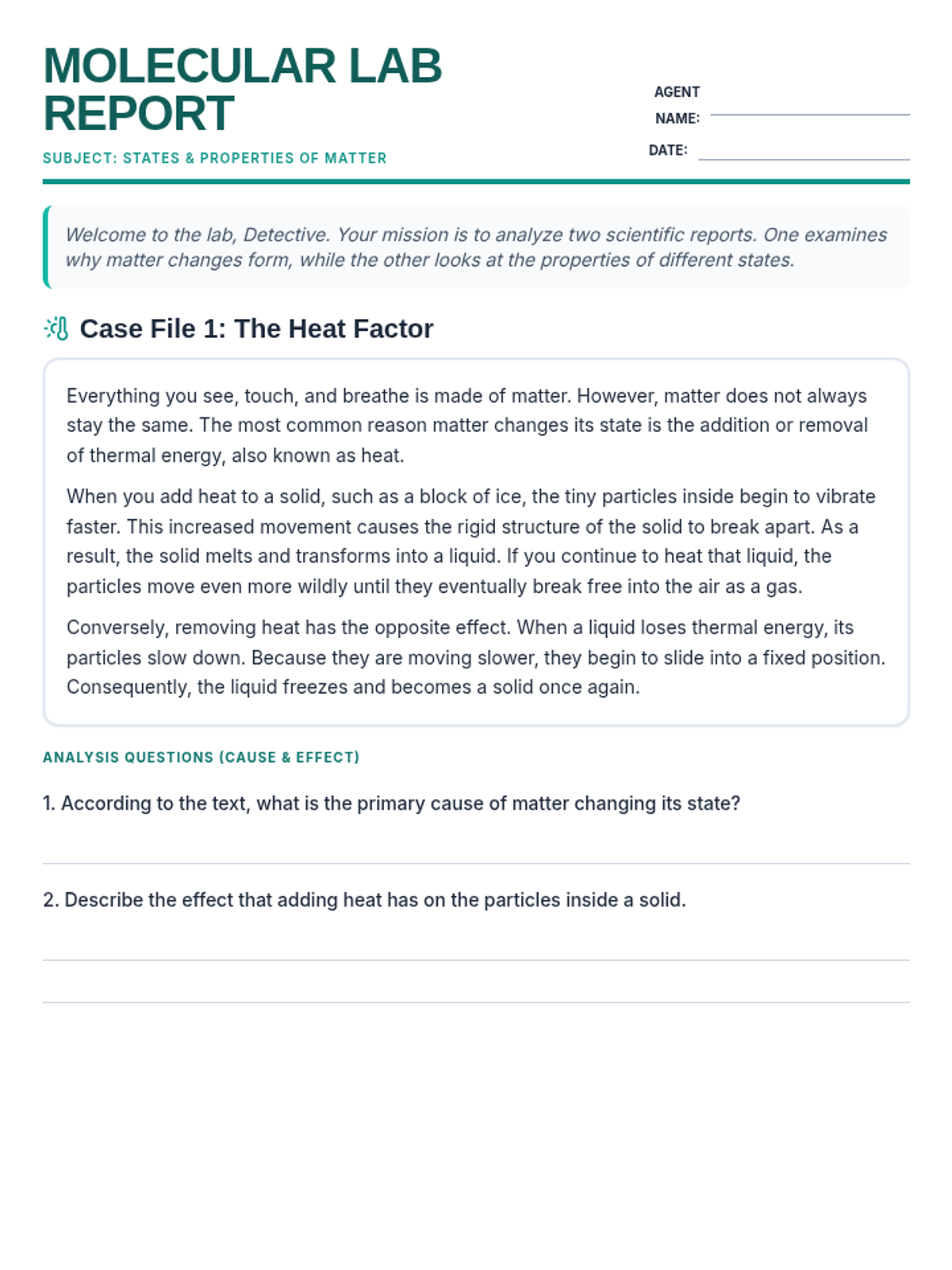
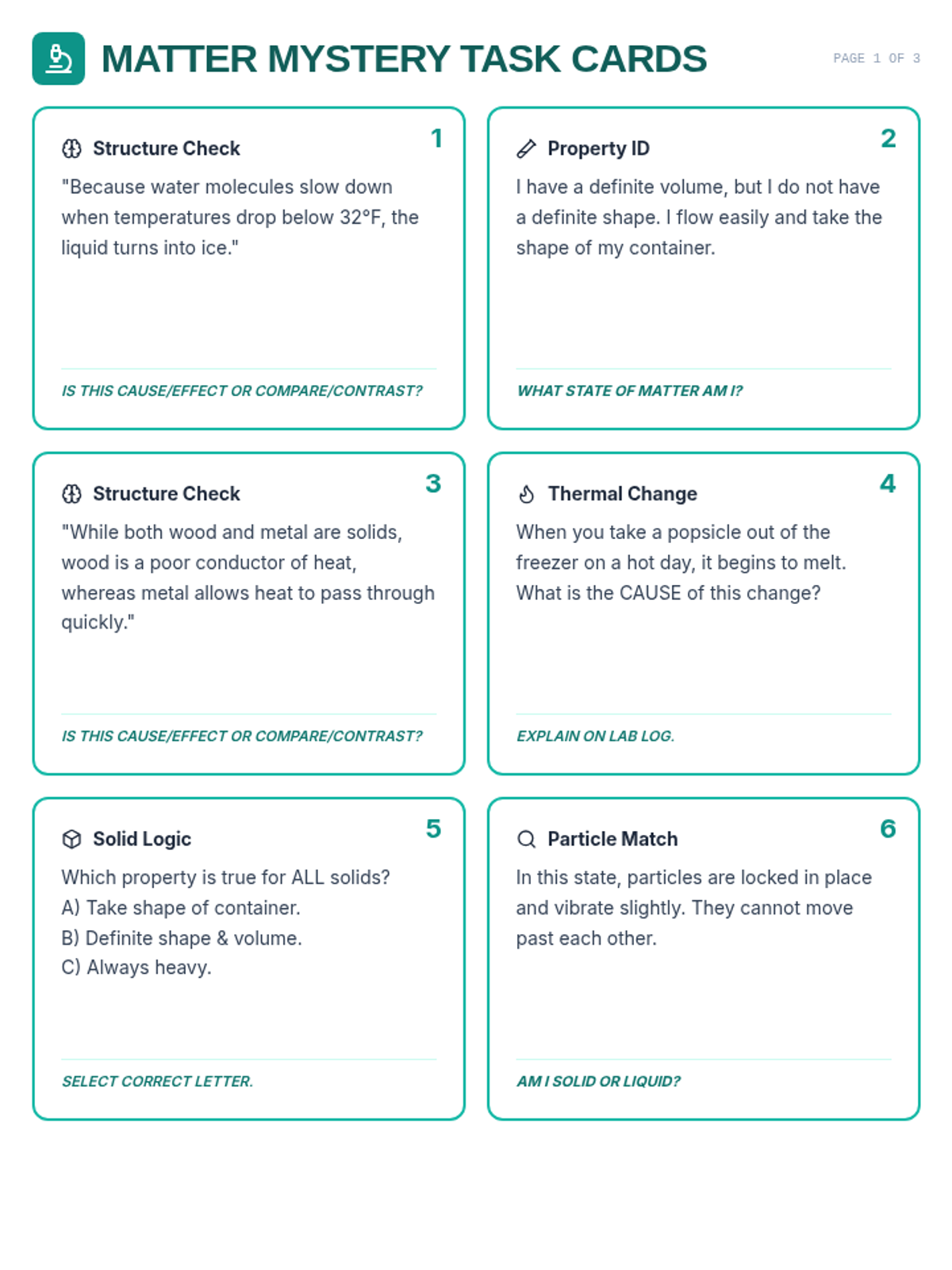
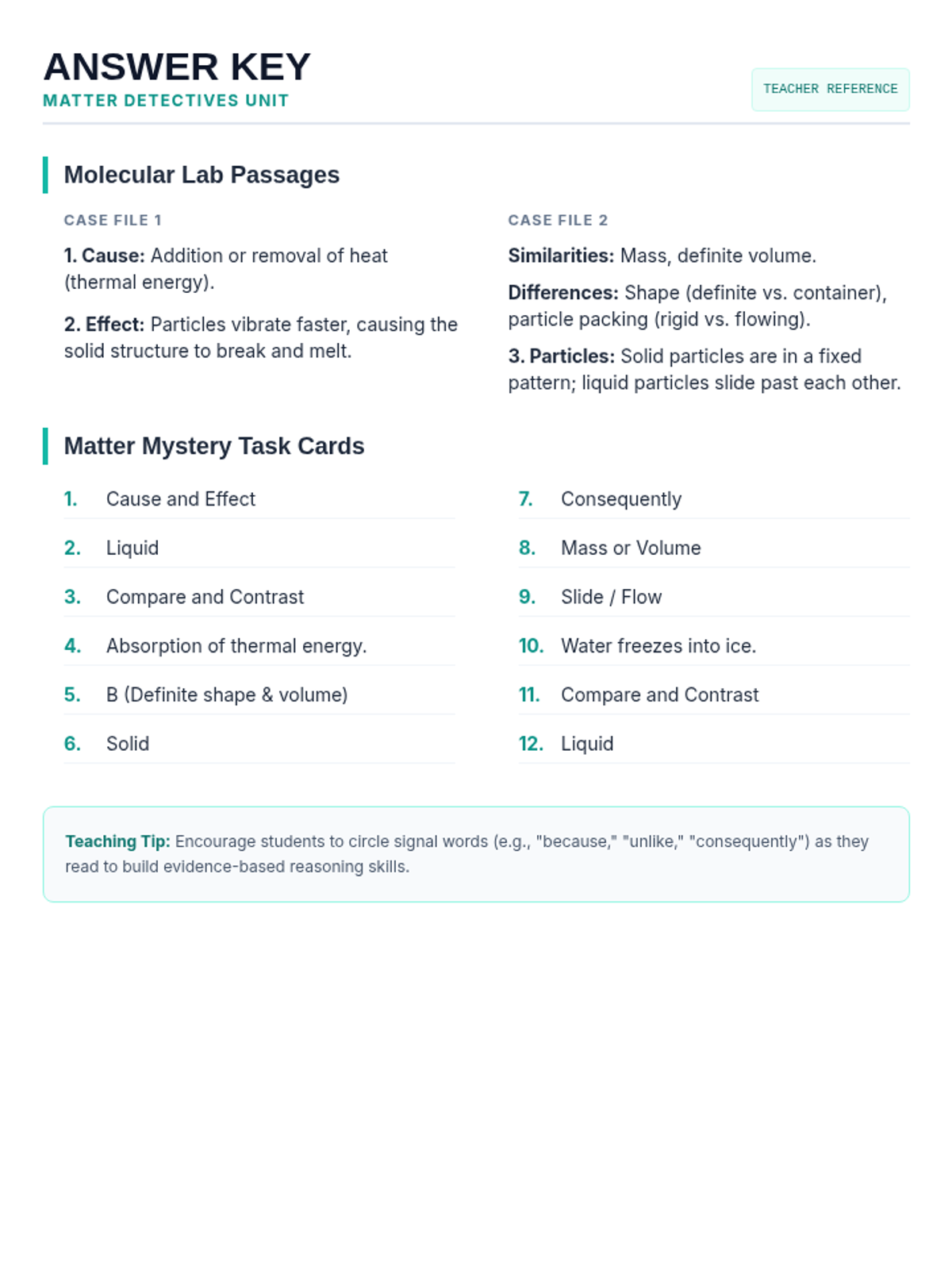
A focused lesson on matter's properties and states, using cause-and-effect and compare-and-contrast text structures to build literacy skills.
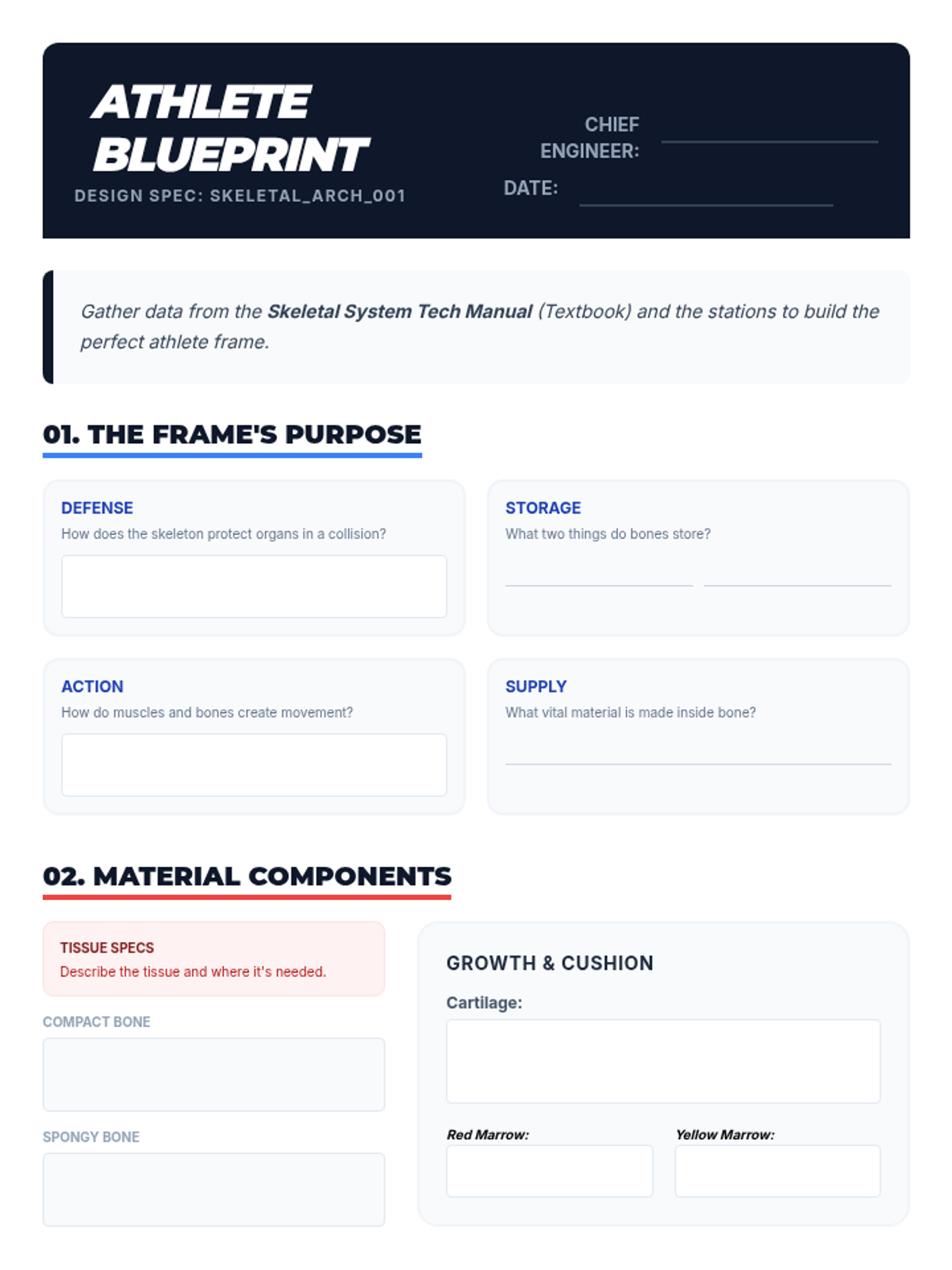
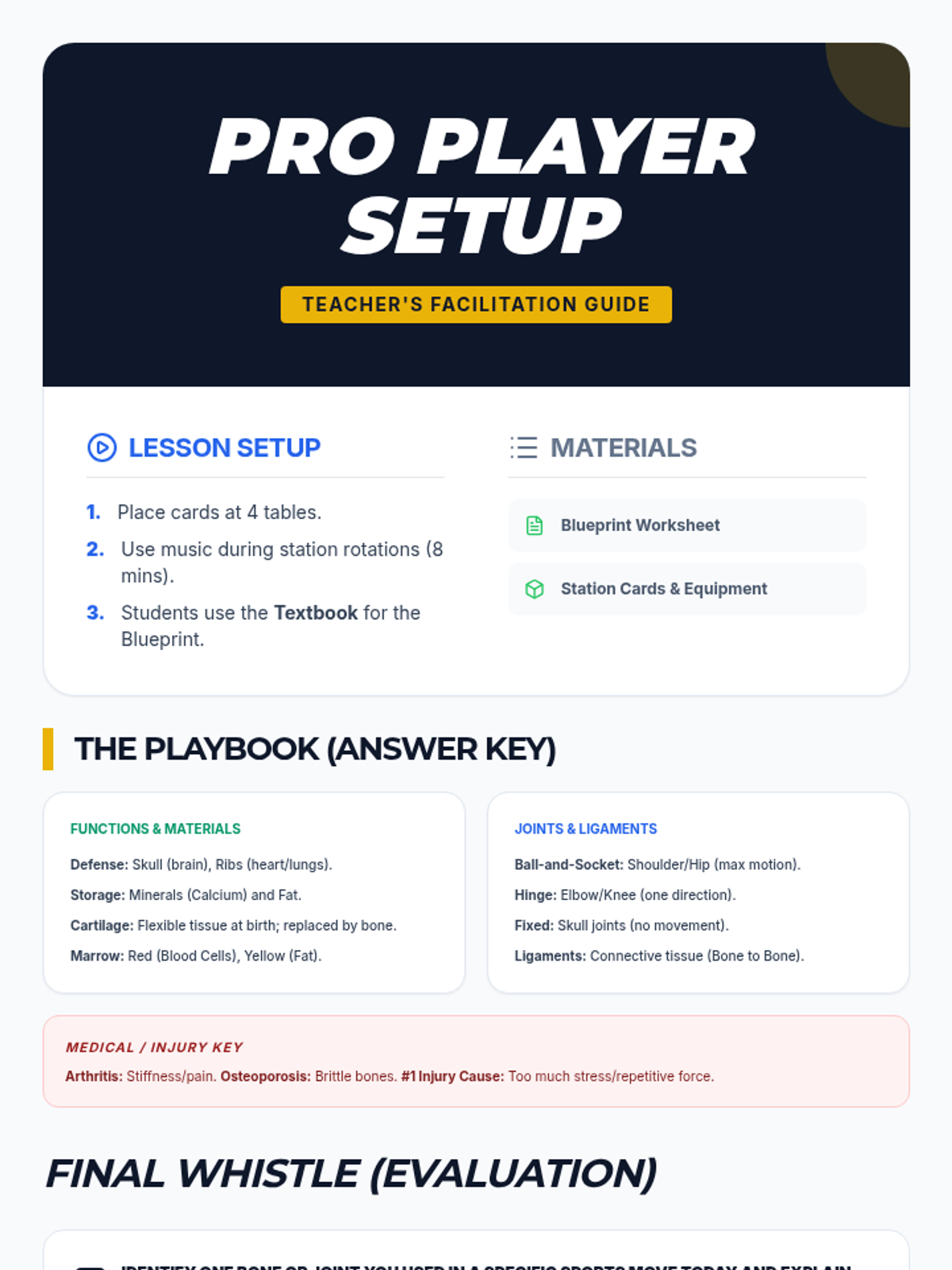
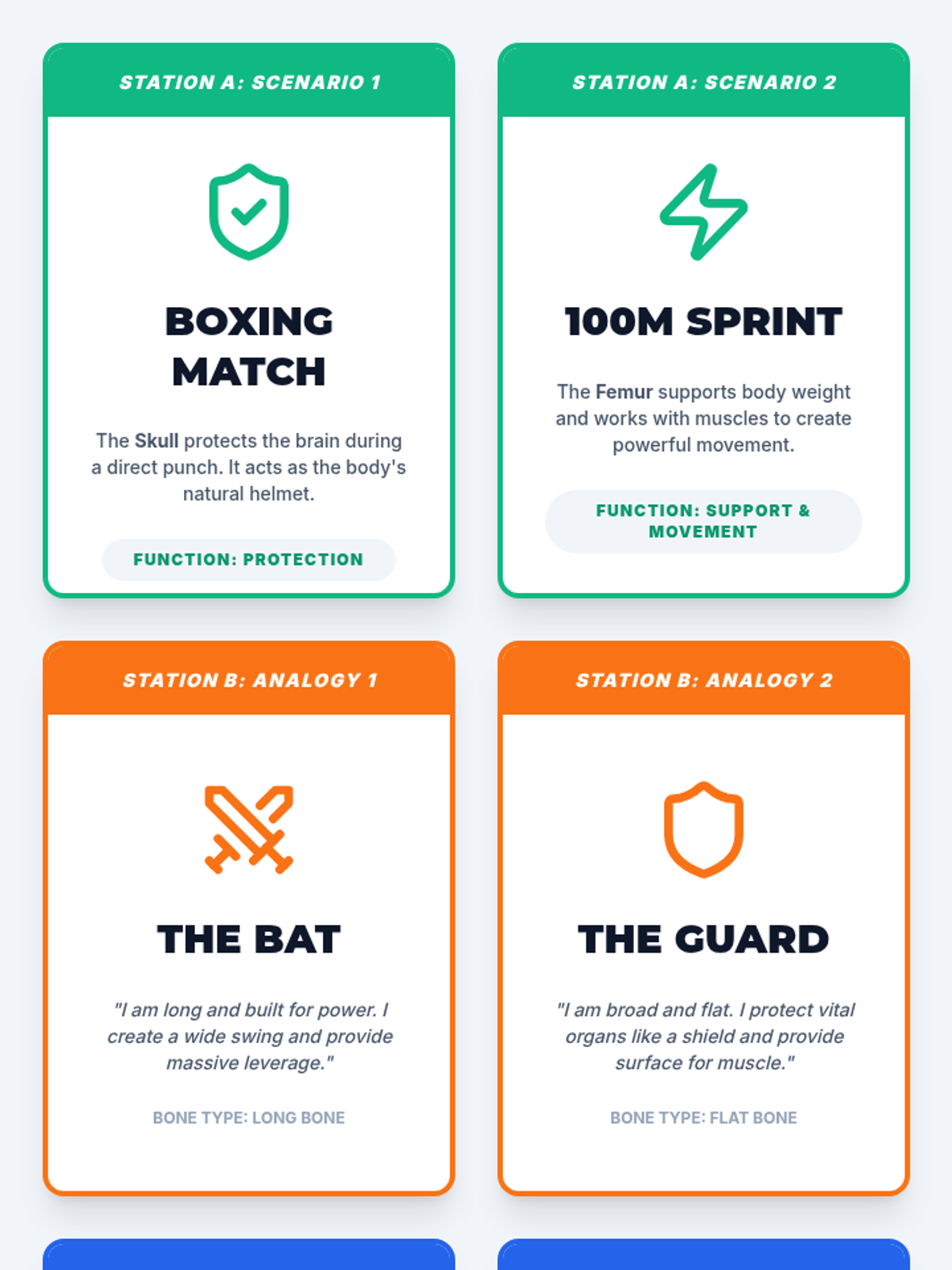
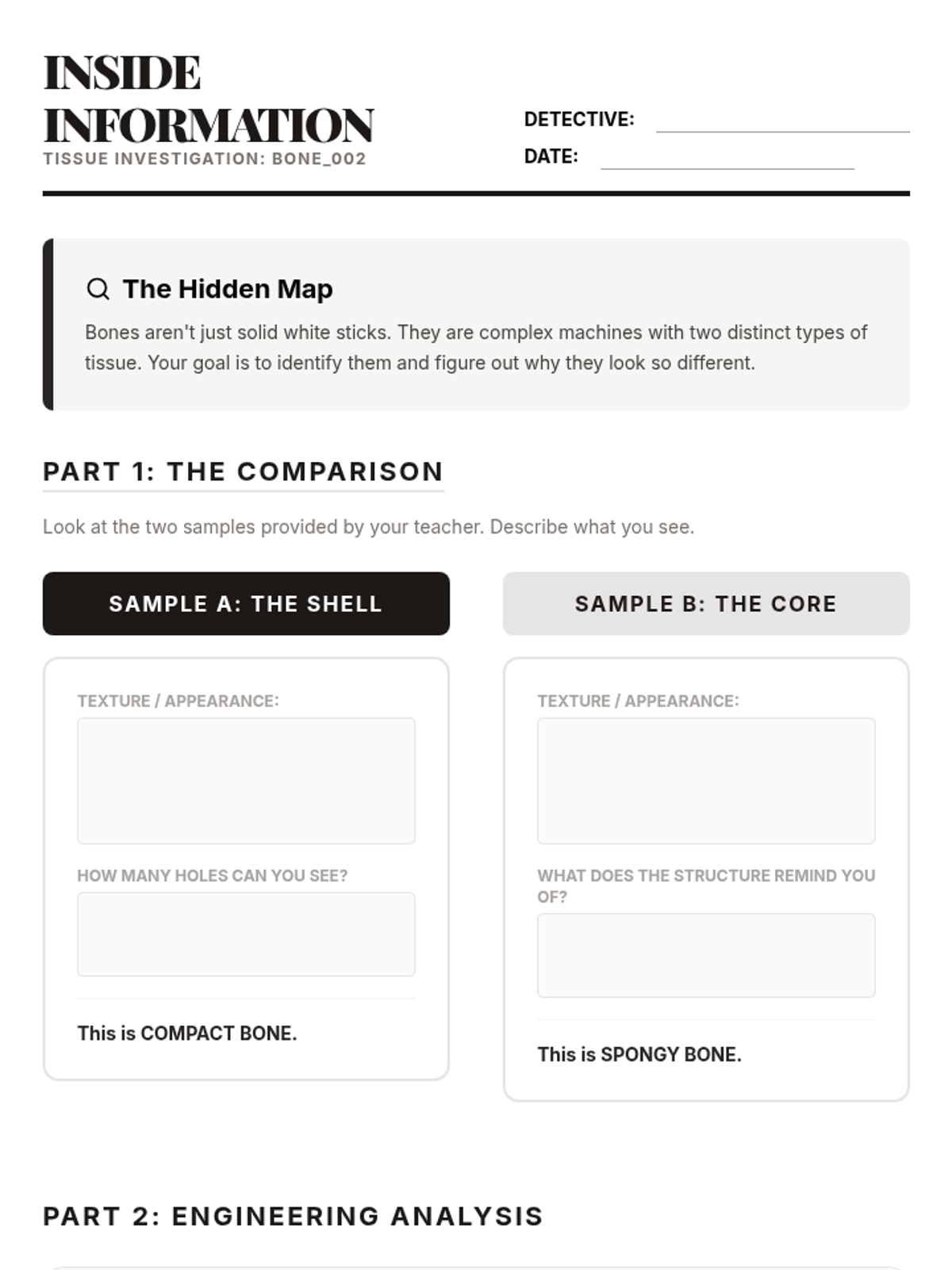
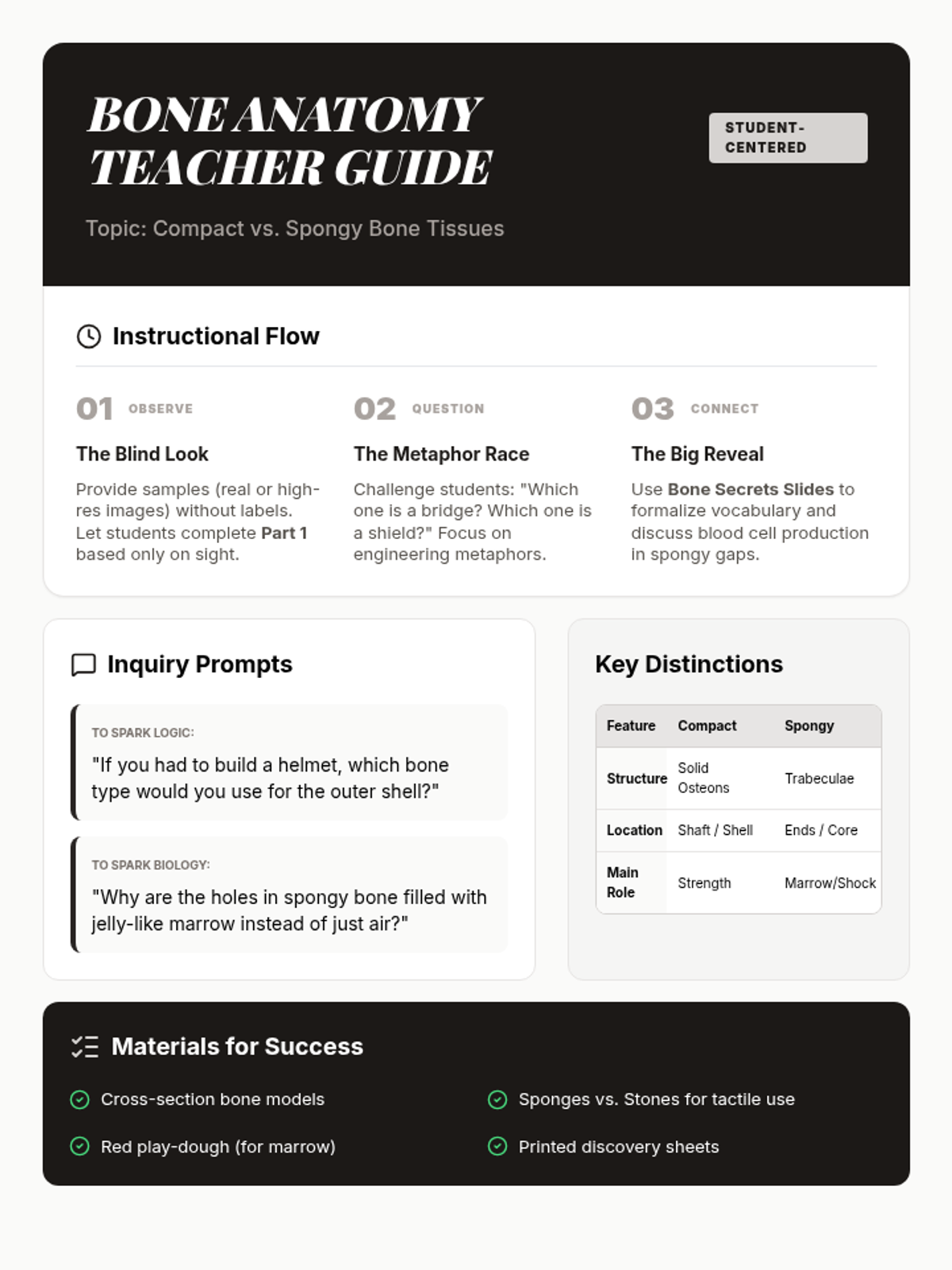
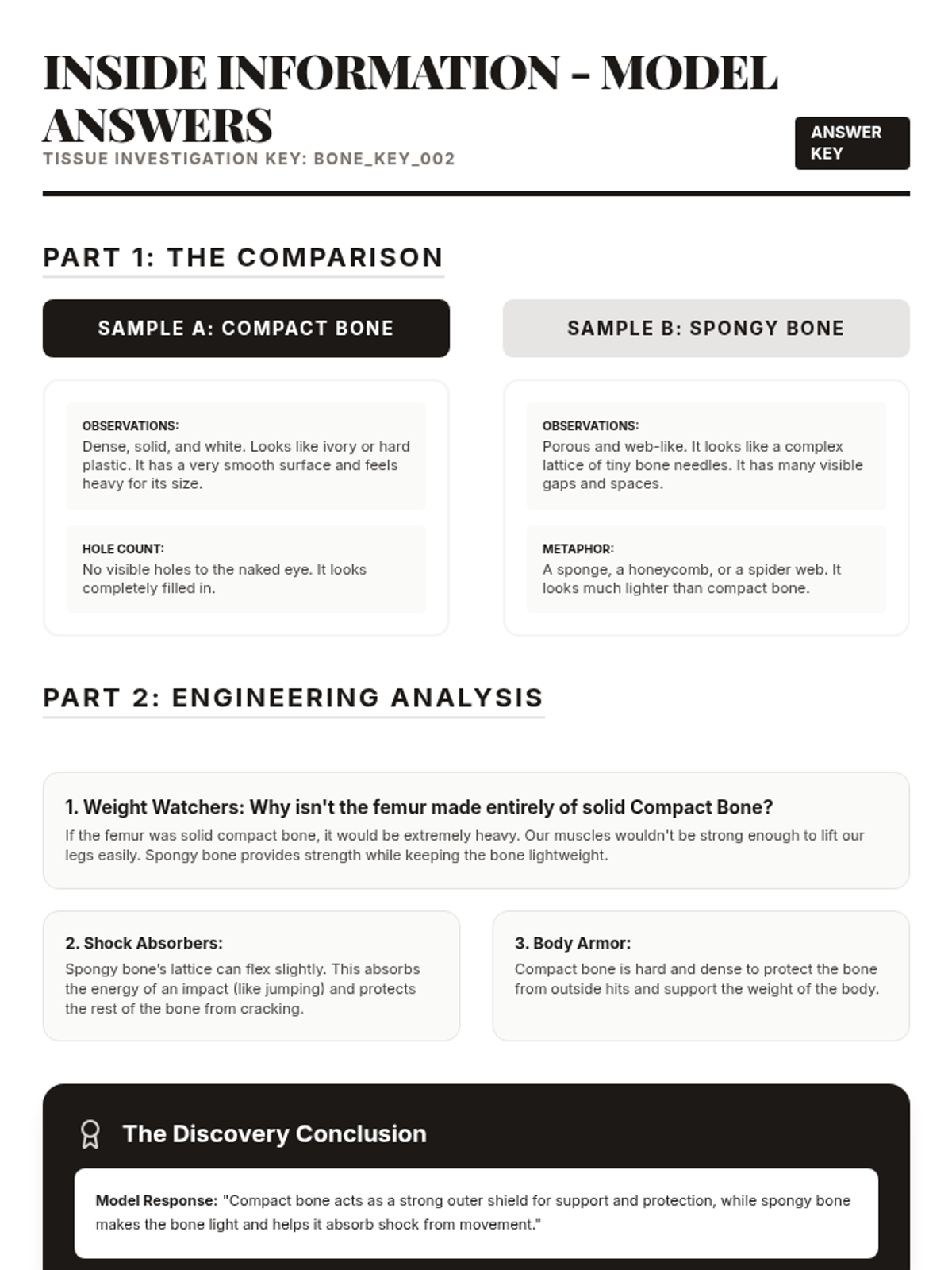
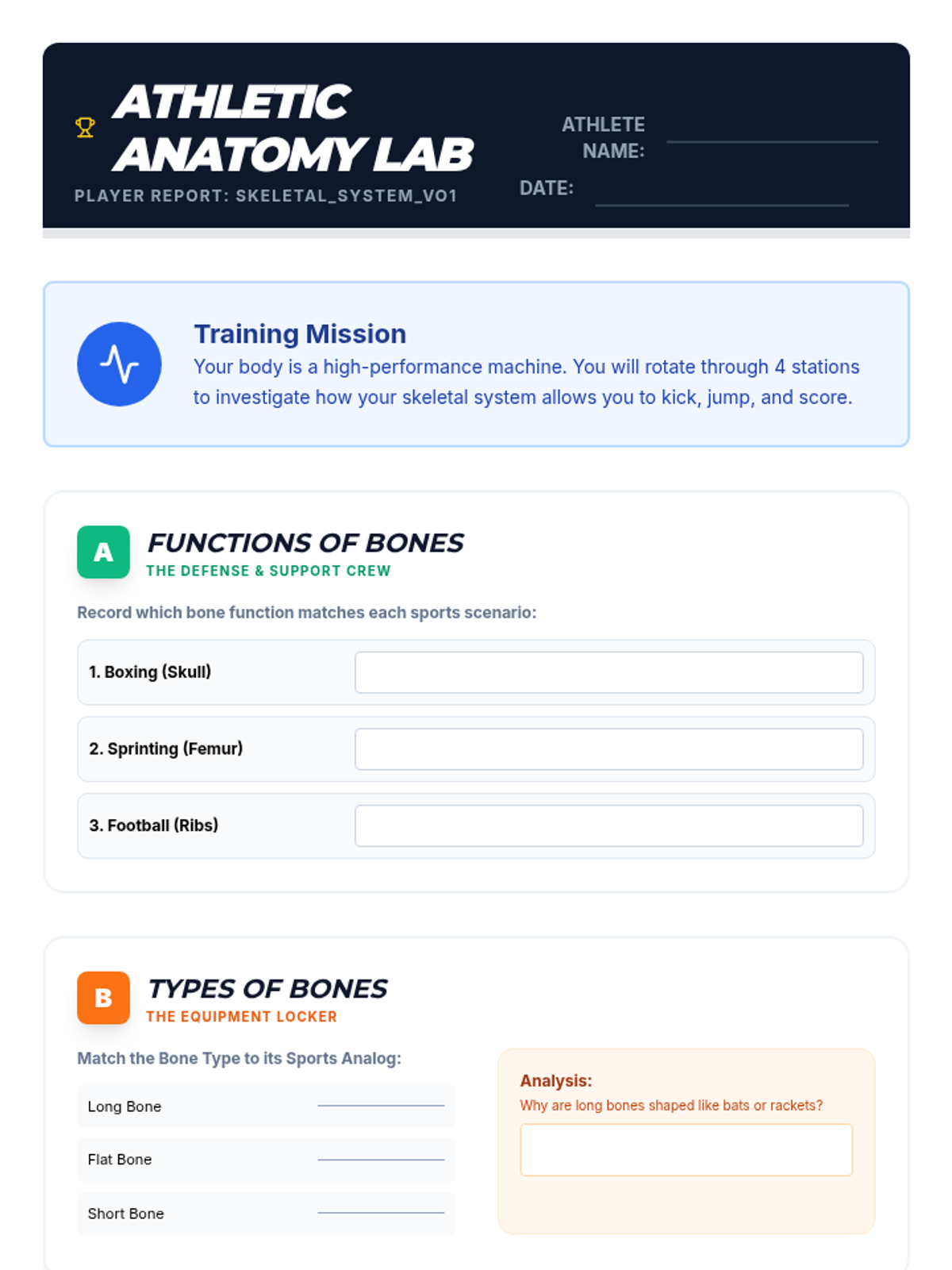
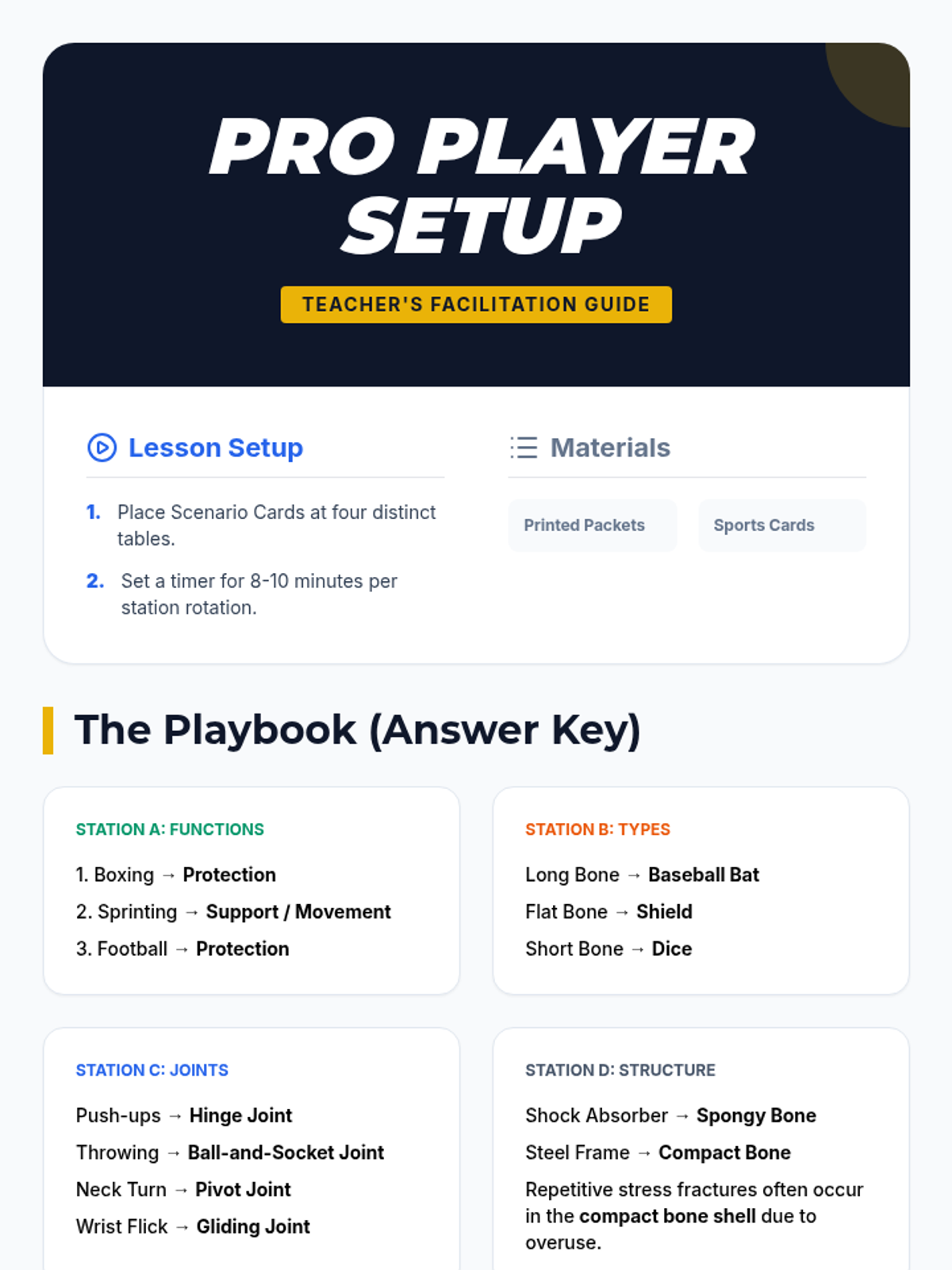
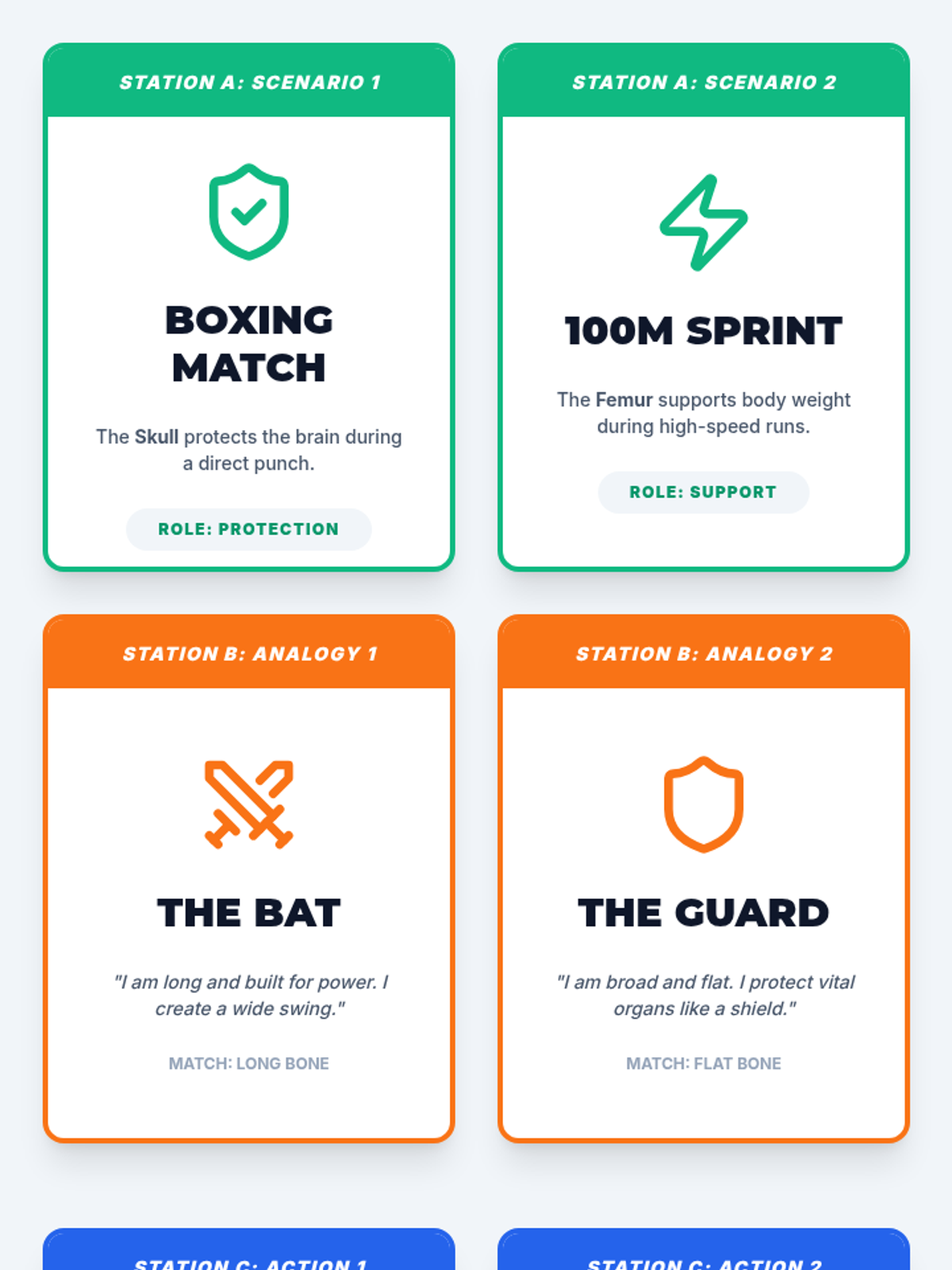
A student-centered exploration of the skeletal system using sports and athletic performance as a framework. Students discover bone functions, structures, and joint mechanics through inquiry-based activities and scouting missions.
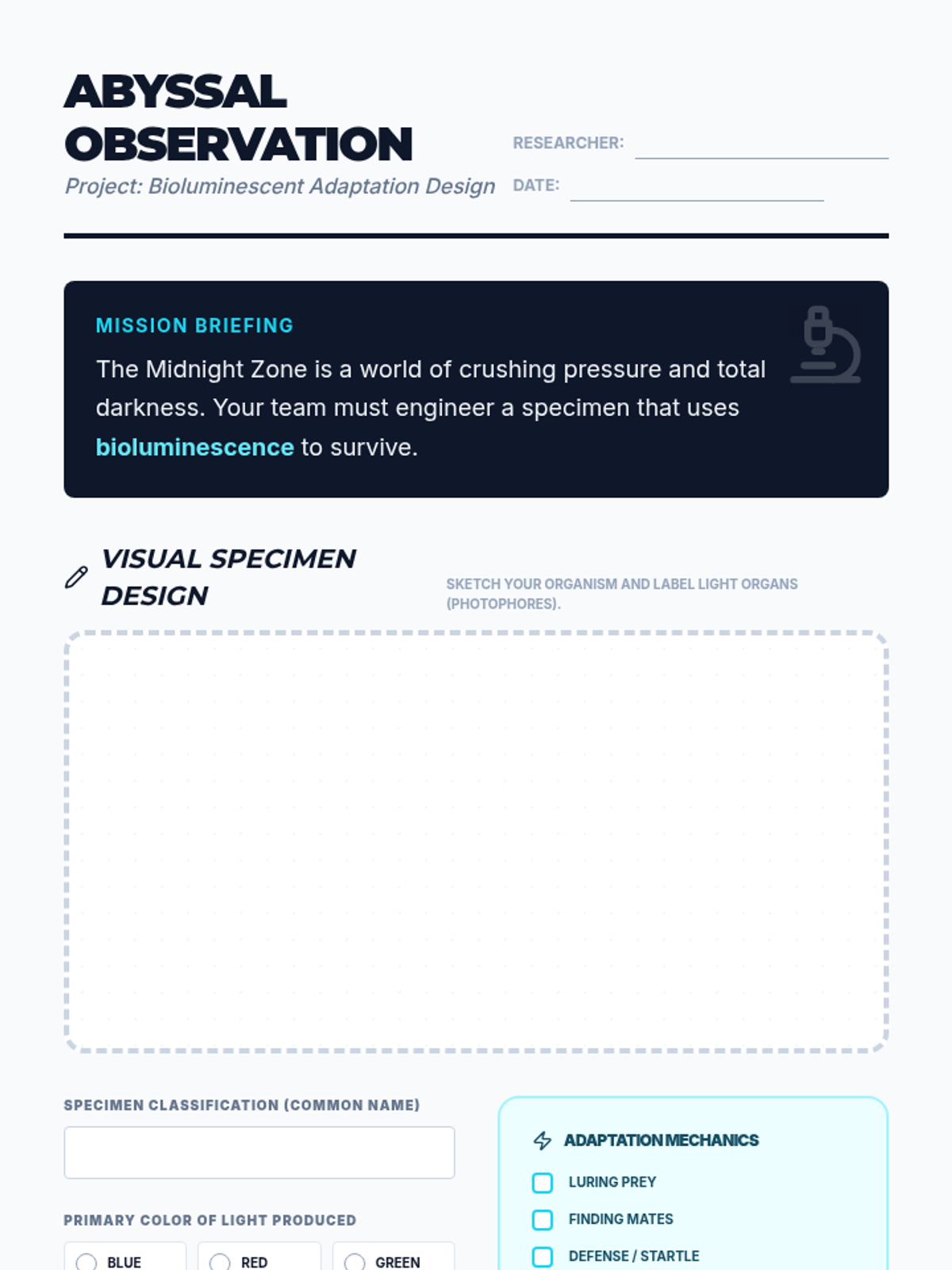
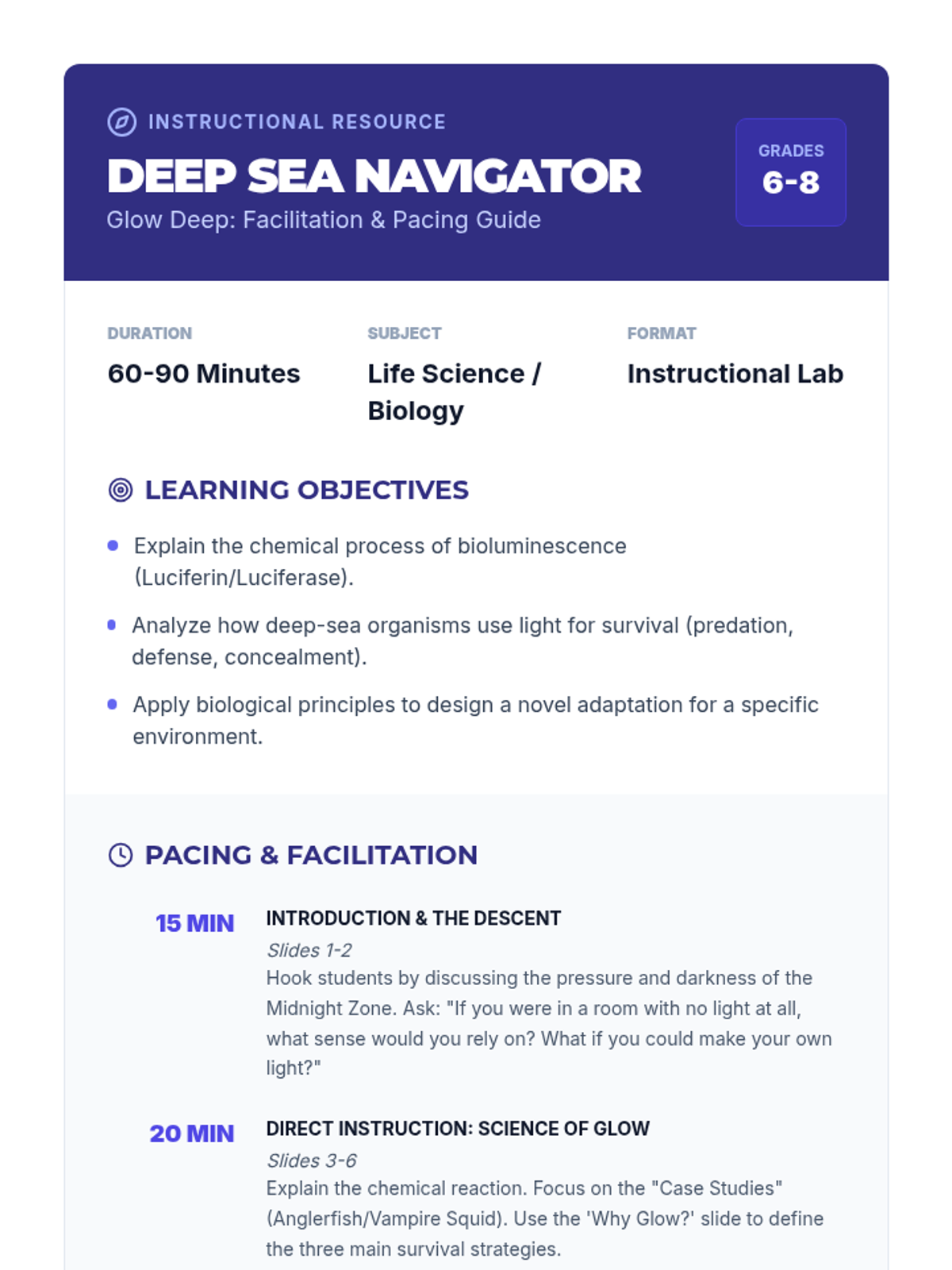
An immersive exploration of deep-sea bioluminescence, where students investigate how creatures adapt to the midnight zone through chemical light. Students will design their own abyssal organism based on scientific adaptation principles.
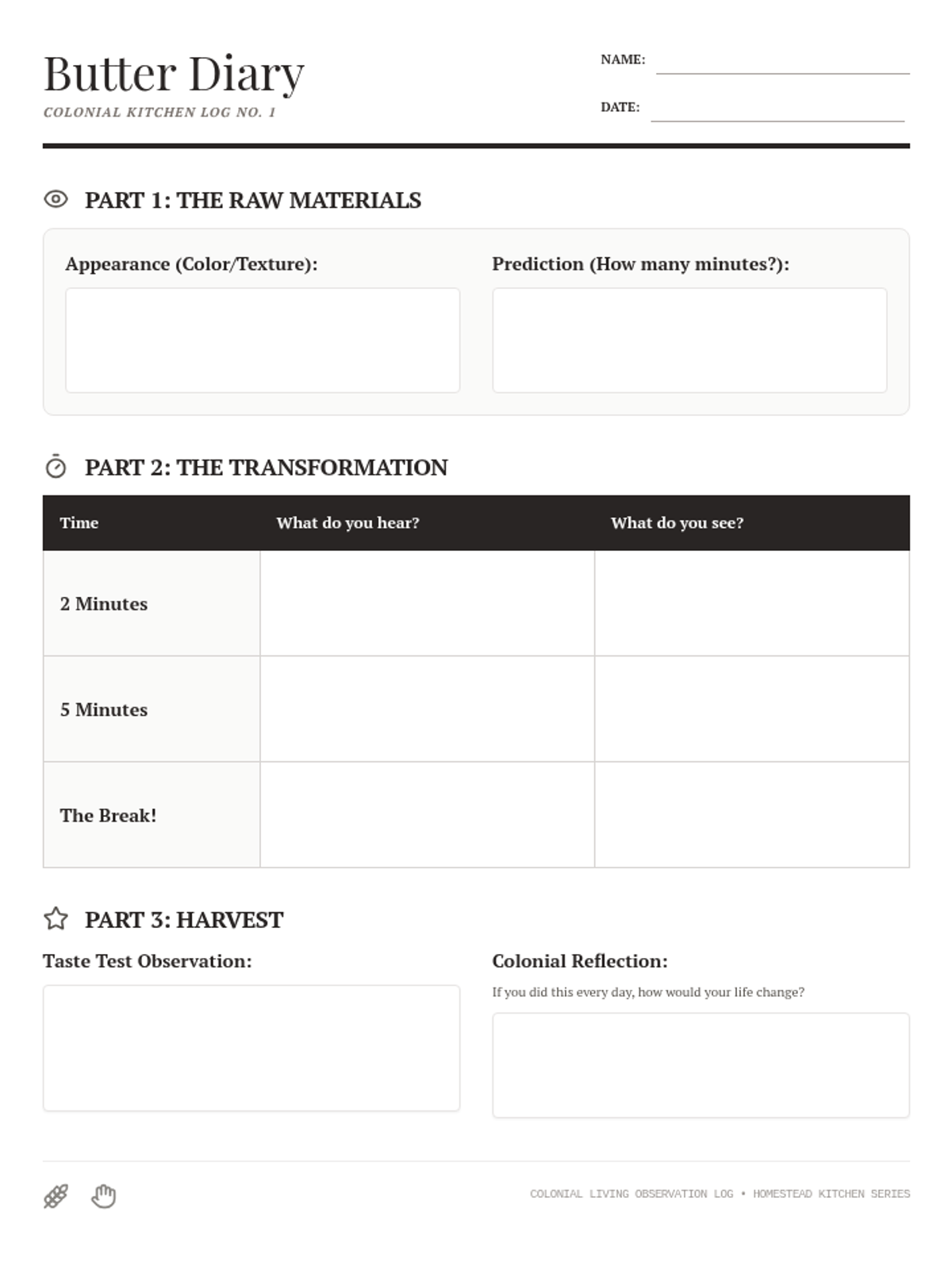
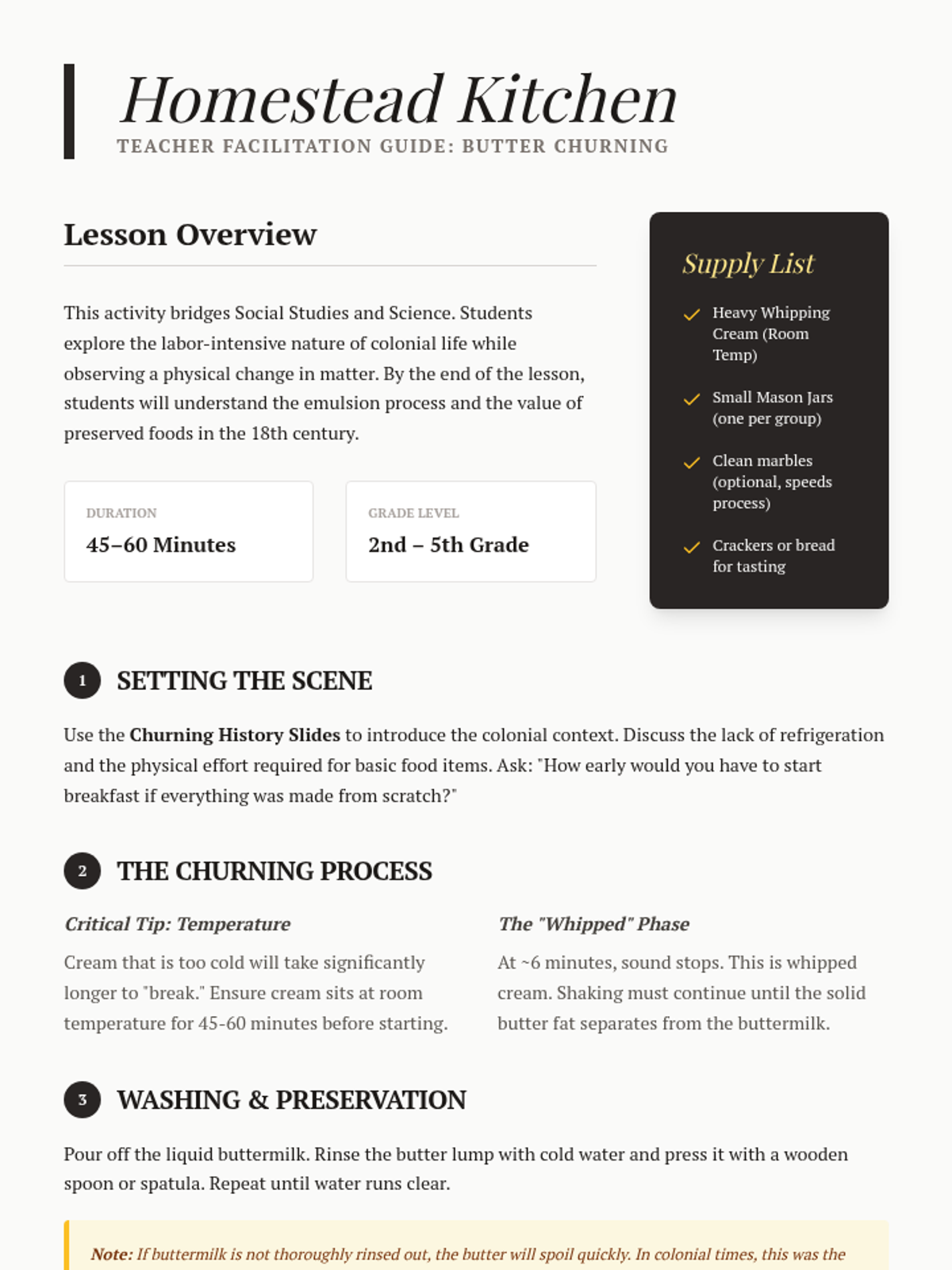
A hands-on exploration of colonial food preservation and the science of phase changes through butter making. Students learn about the effort required for daily colonial tasks while transforming heavy cream into butter using jars.
A hands-on exploration of energy changes and reaction rates framed within sports performance. Students investigate exothermic and endothermic processes using metaphors like metabolism and instant cold packs, and test variables that dictate how fast 'fuel' can be processed.
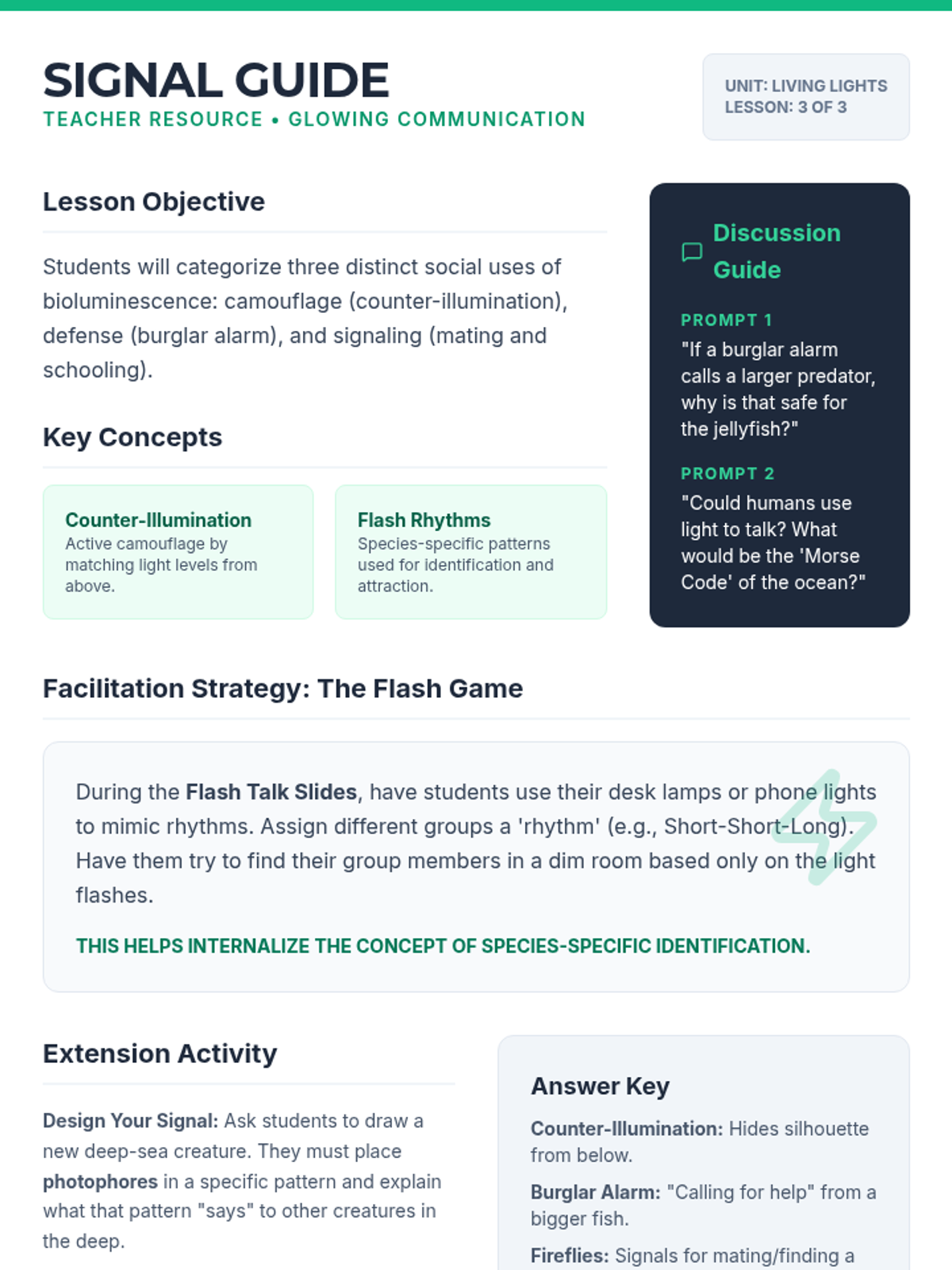
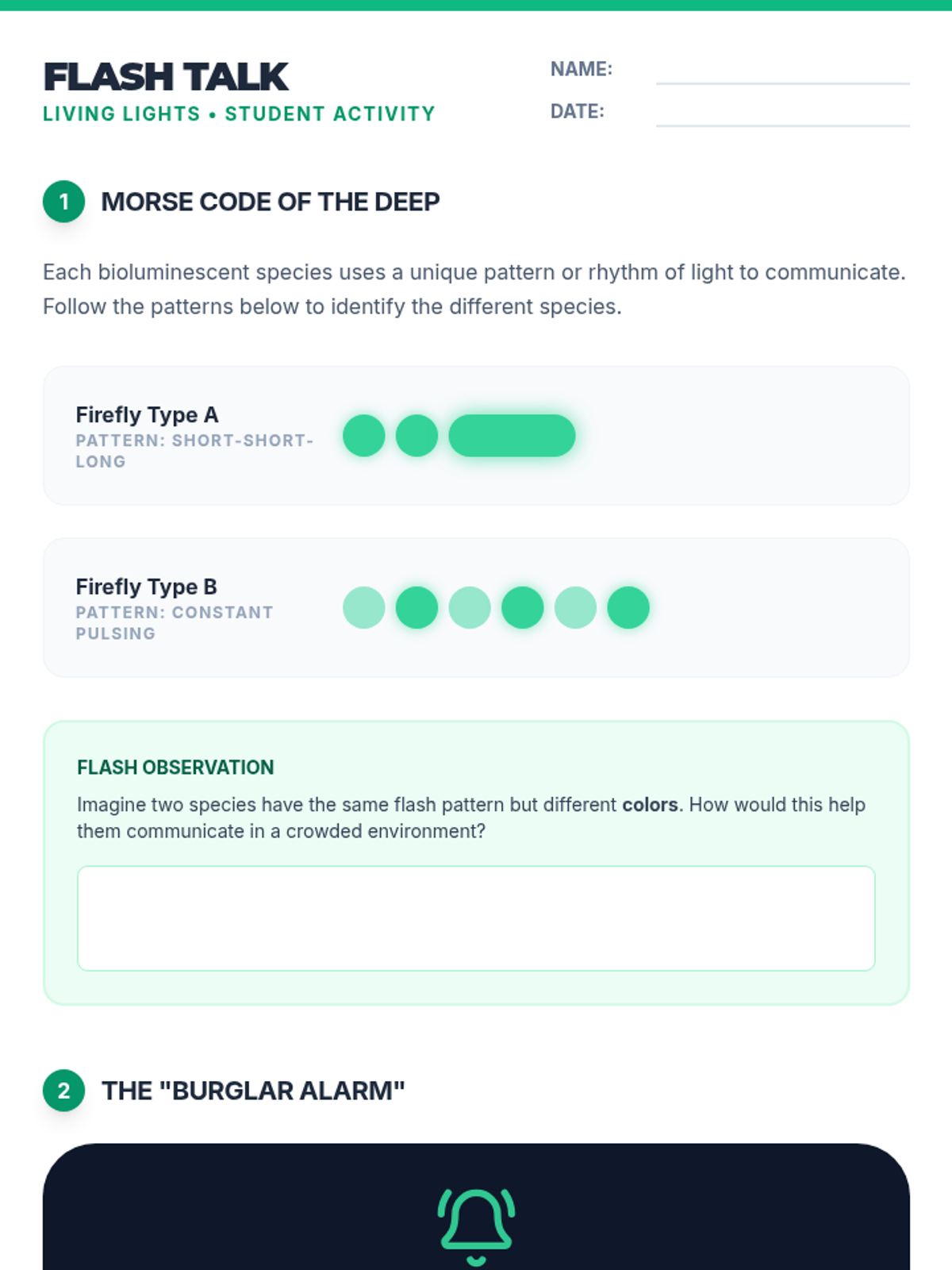
How and why organisms use light for social interactions, communication, and complex behaviors. Students explore strategies like counter-illumination and burglar alarms.
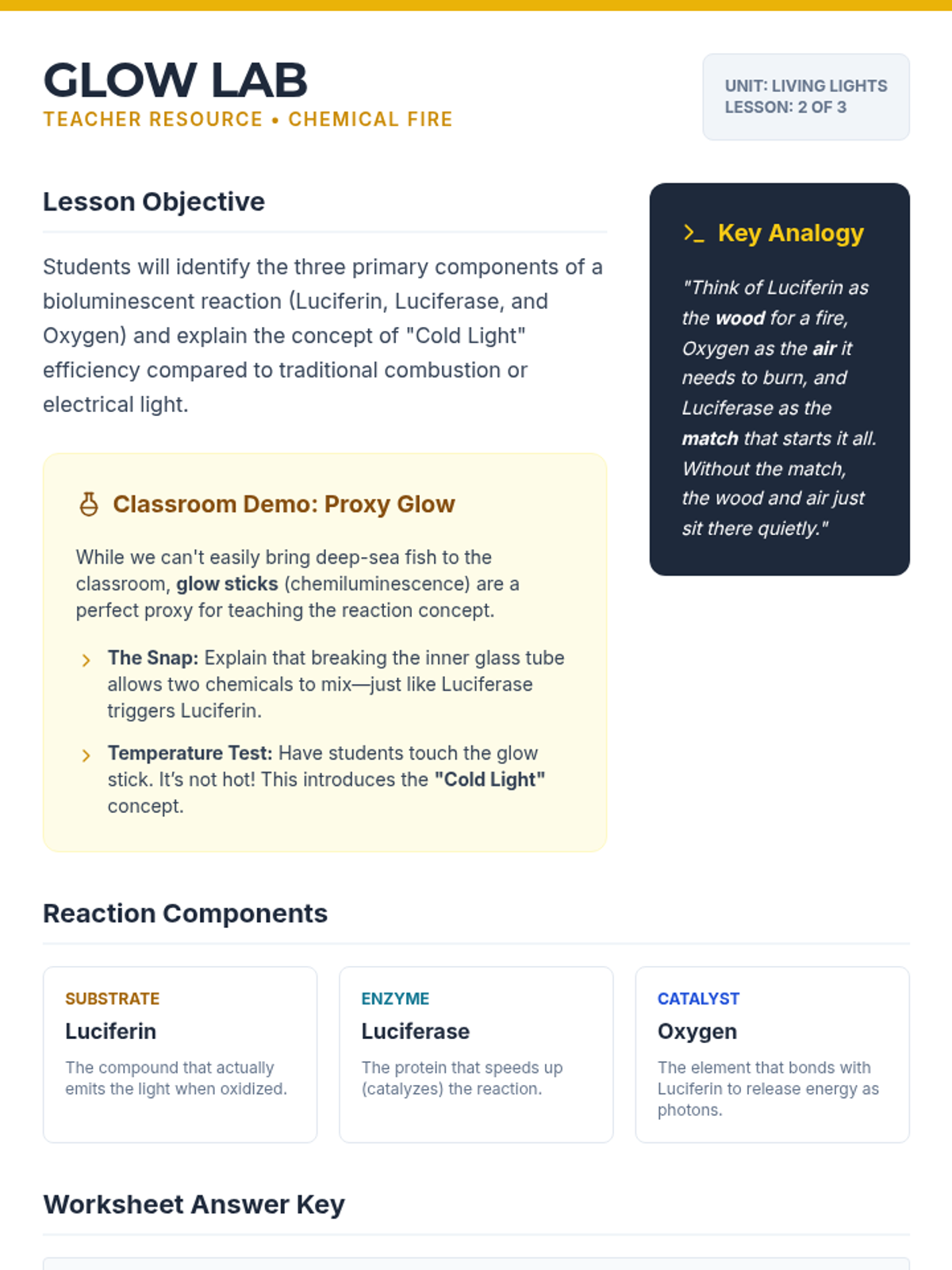
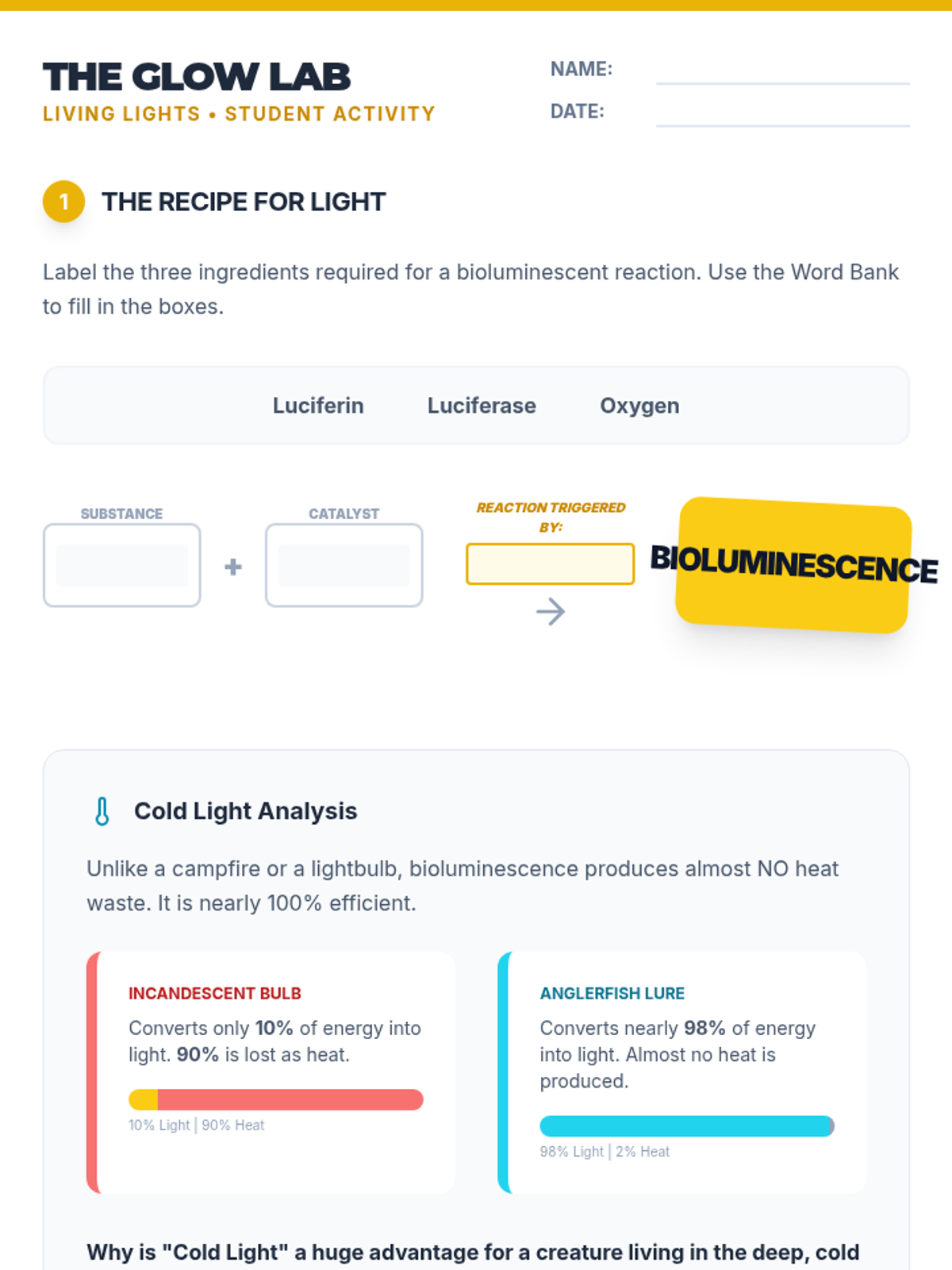
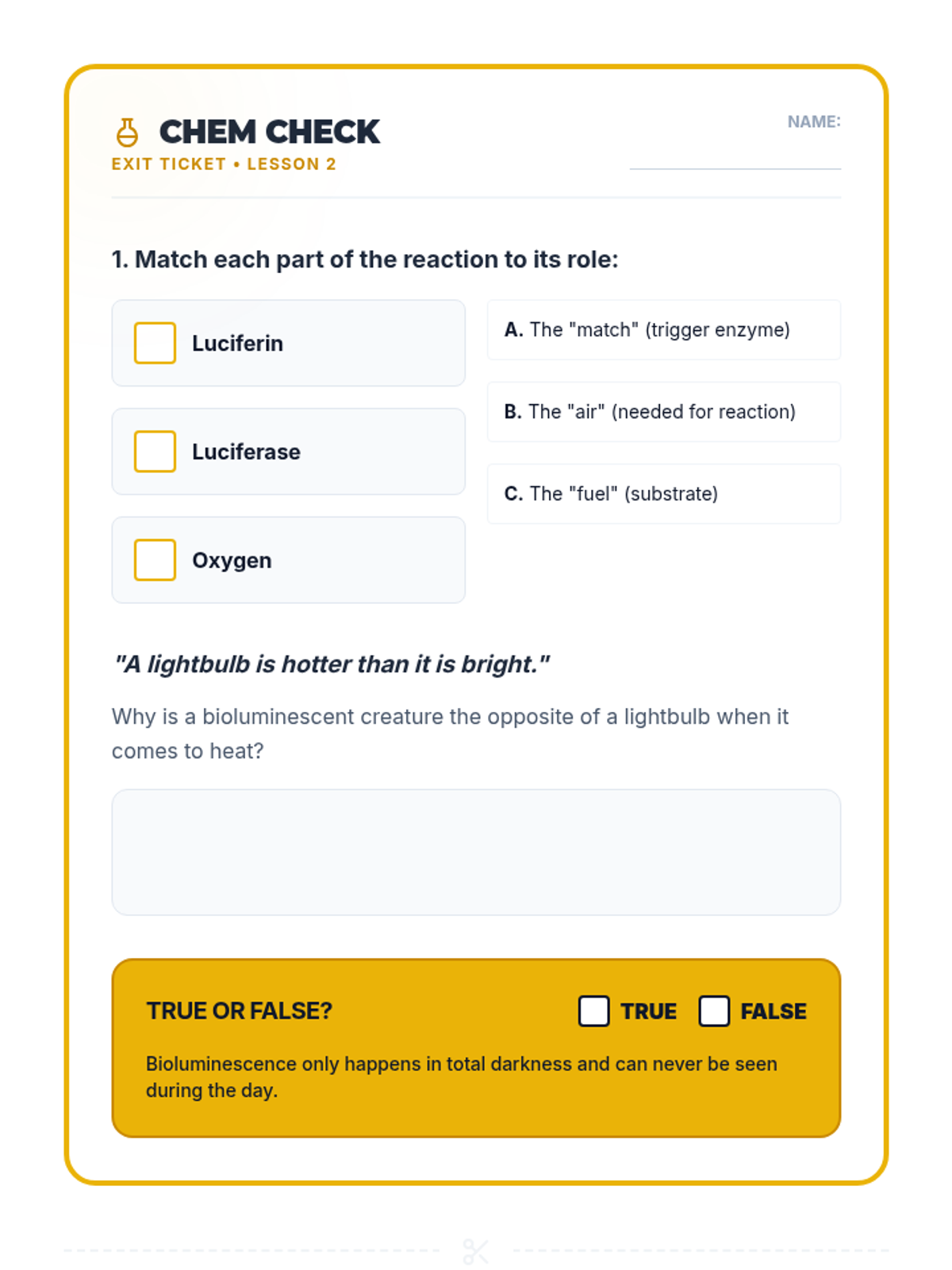
How is light made? Students break down the chemical reaction of bioluminescence, exploring the interaction between luciferin, luciferase, and oxygen.
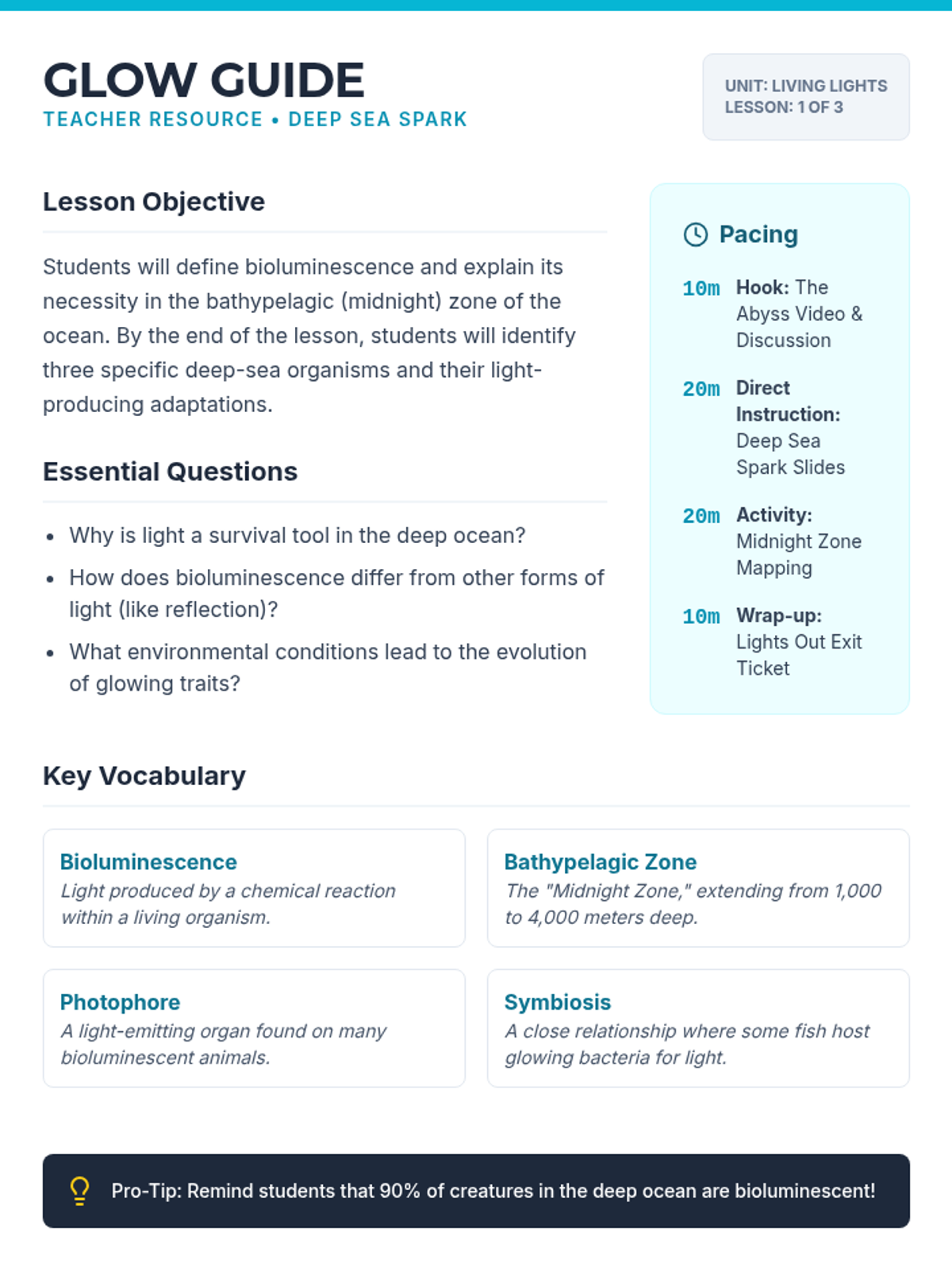
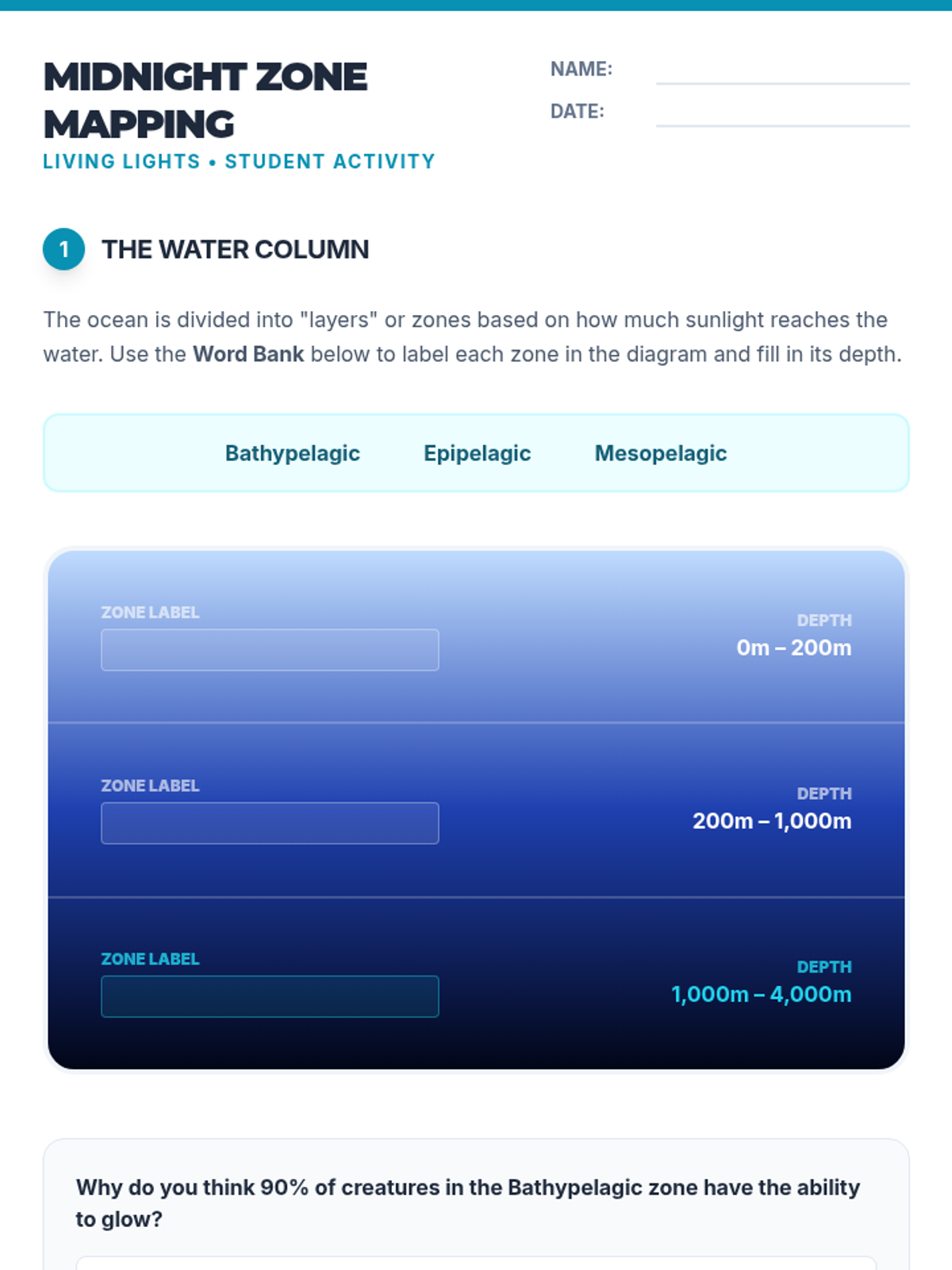
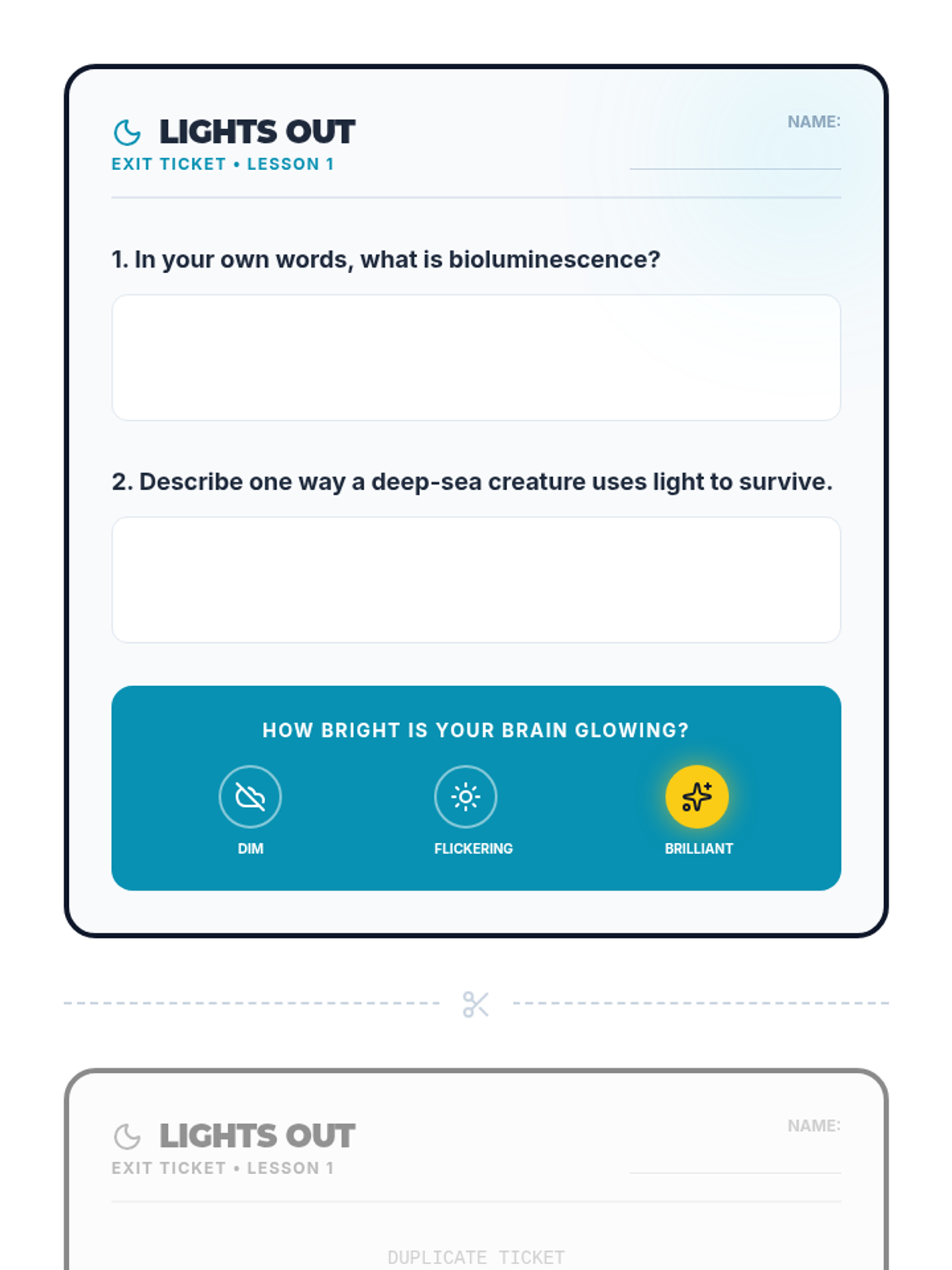
Discover the mysterious world of the deep ocean's midnight zone. Students explore how creatures create light in total darkness and identify the physical adaptations of bioluminescent marine life.
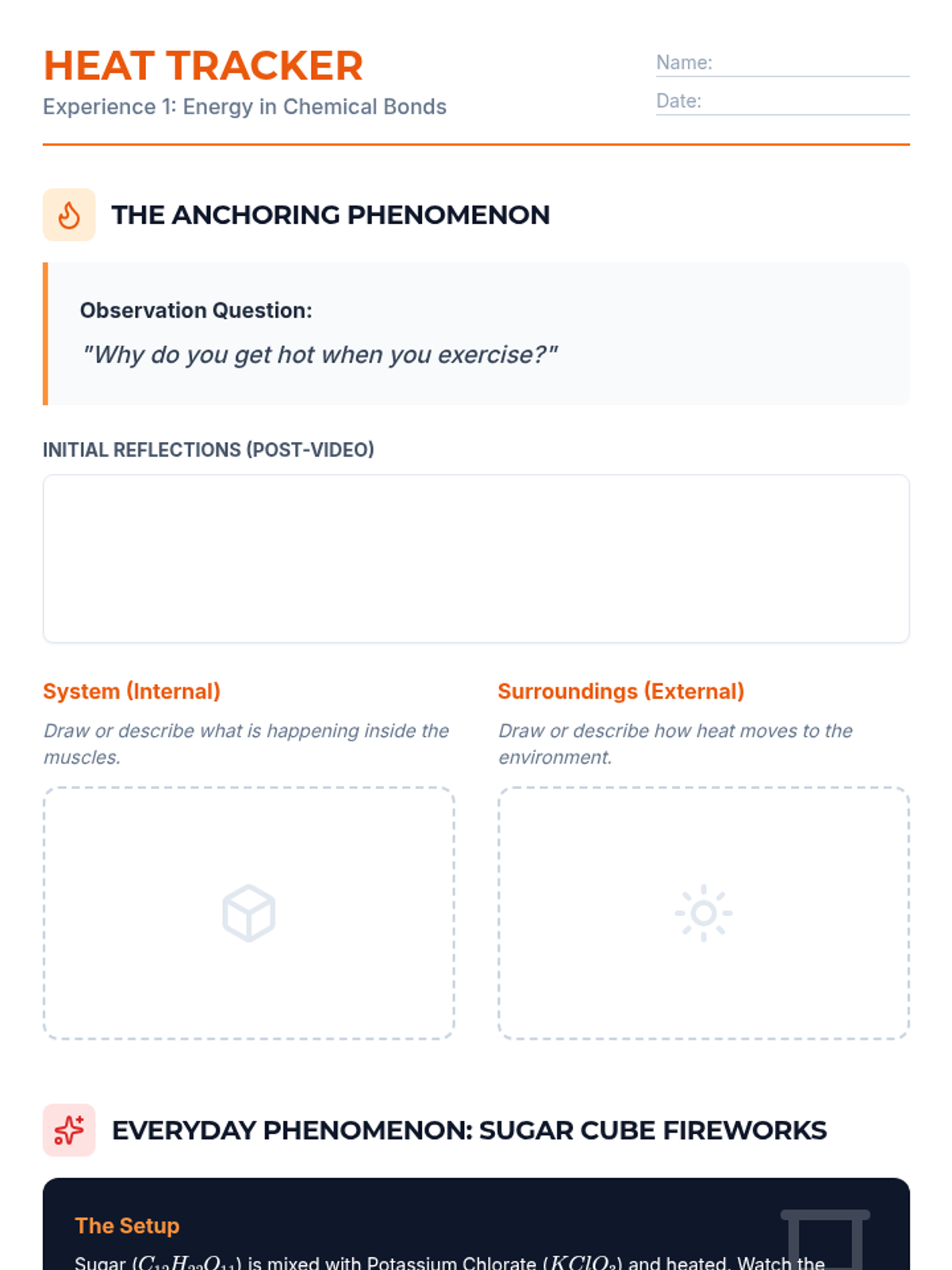
Students investigate the anchoring phenomenon of body heat during exercise, observe the high-energy Sugar Cube Fireworks demonstration, and prepare for thermodynamic investigations.
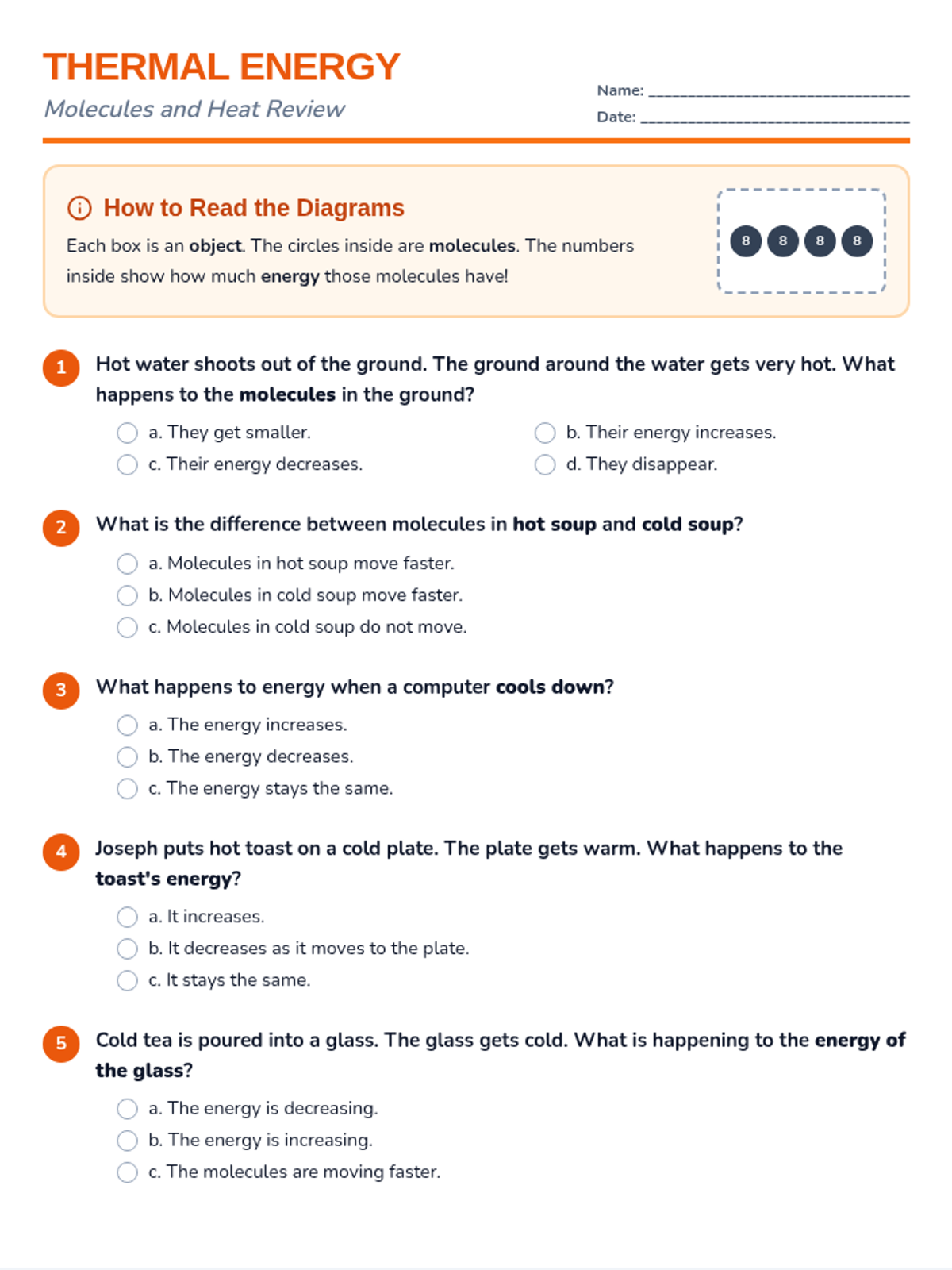
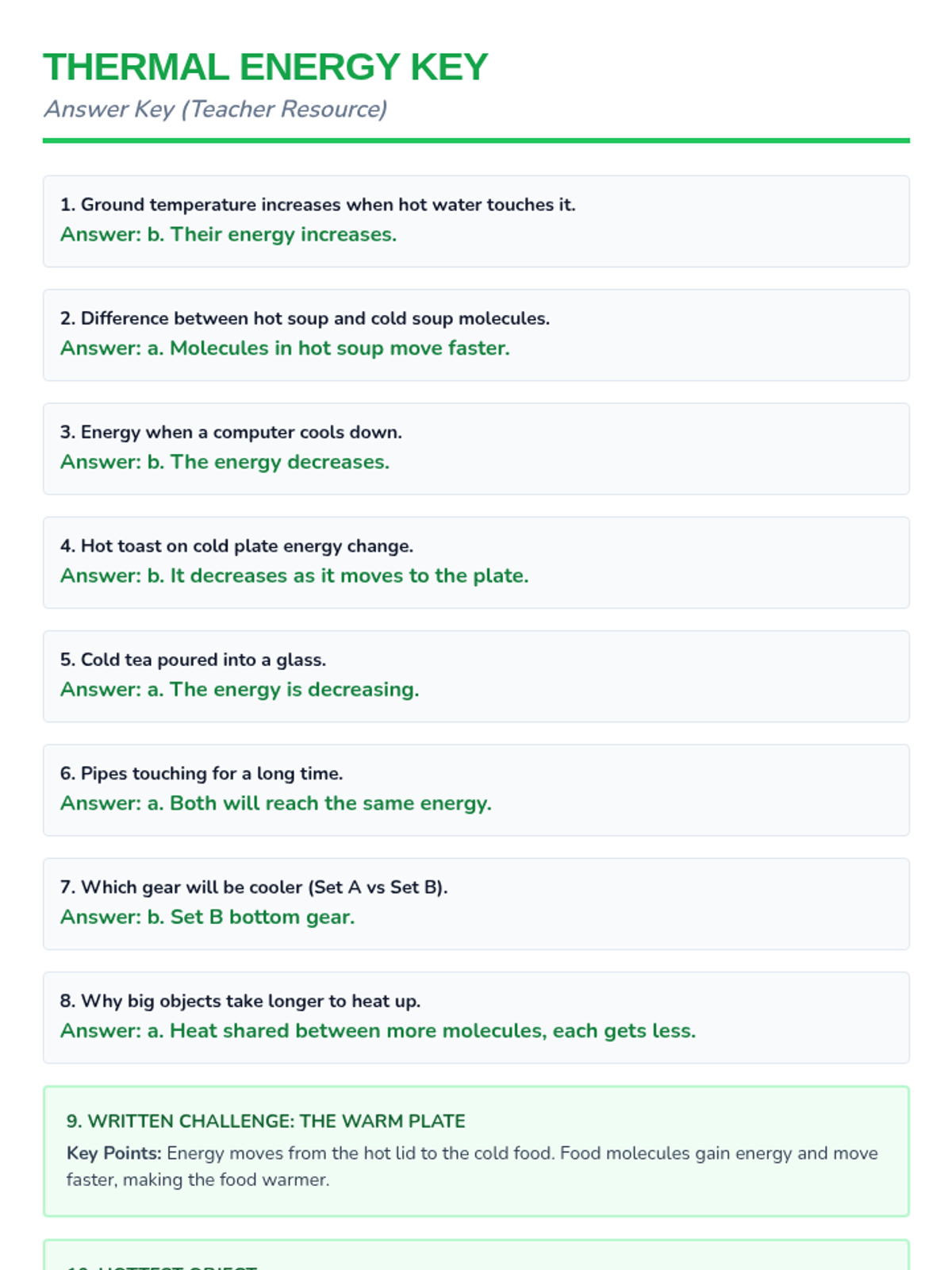
This lesson introduces 3rd-grade students to thermal energy, molecules, and heat transfer using visual diagrams. Students will explore how energy moves between objects and how the speed of molecules relates to temperature.
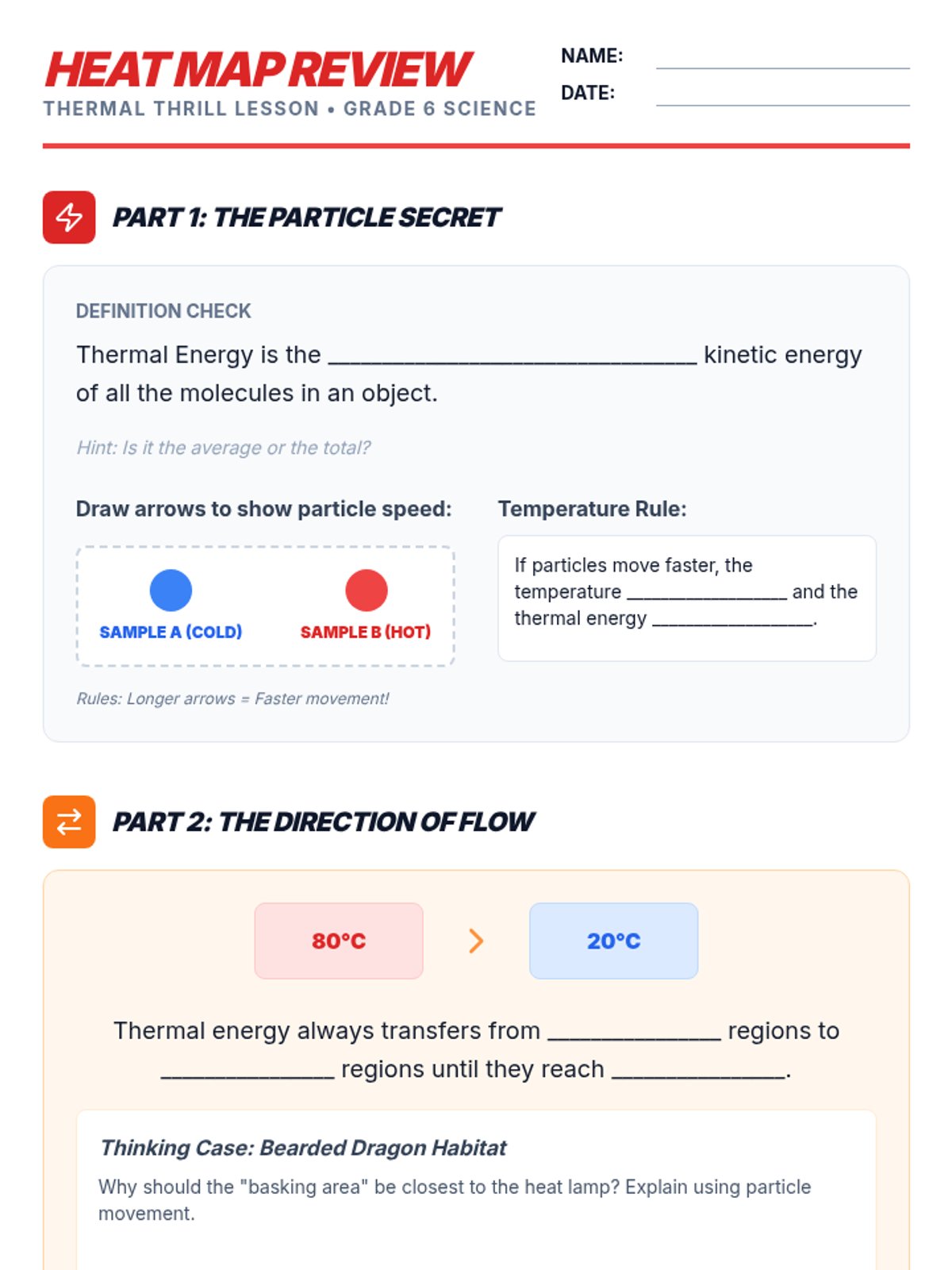
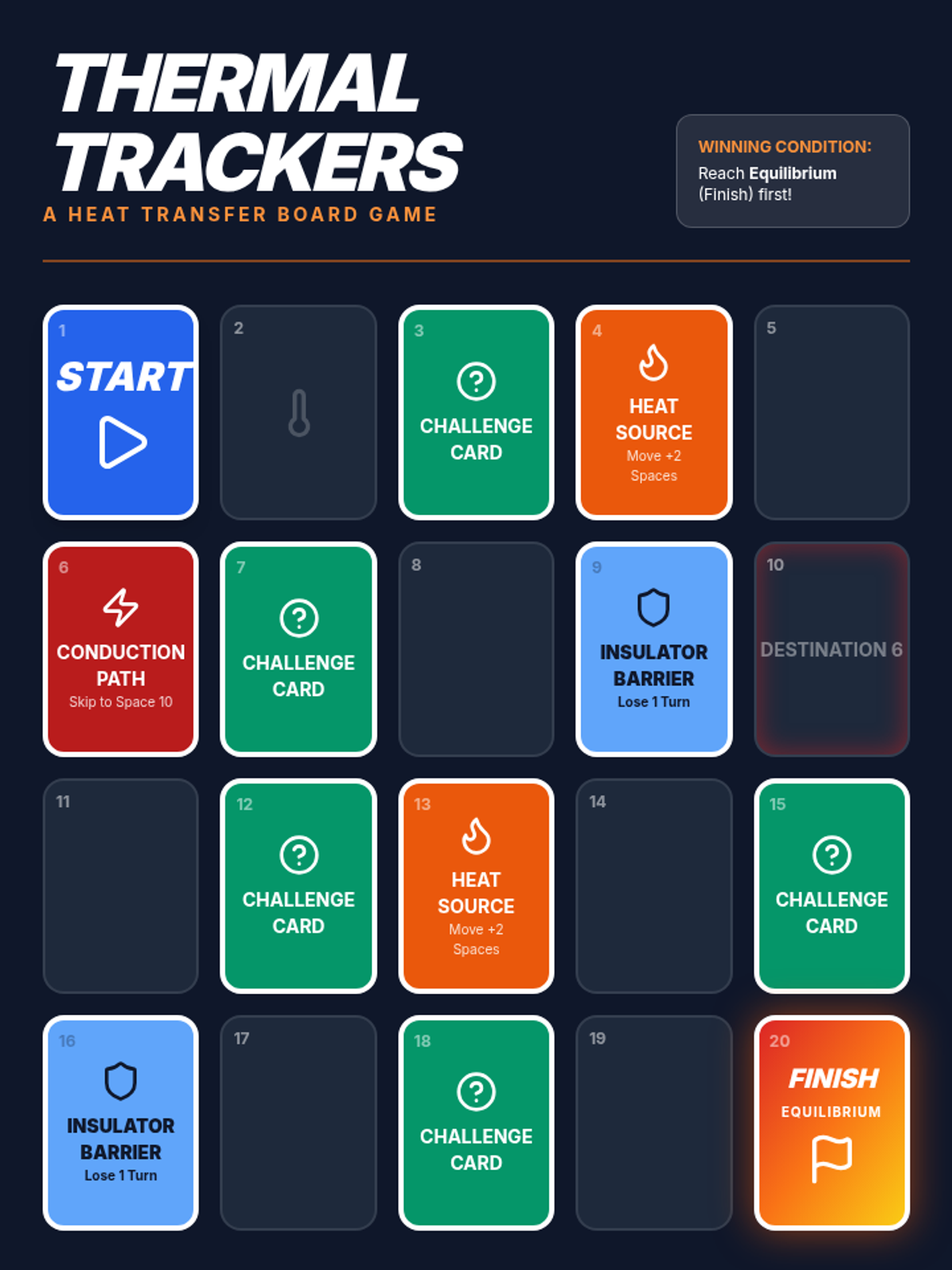
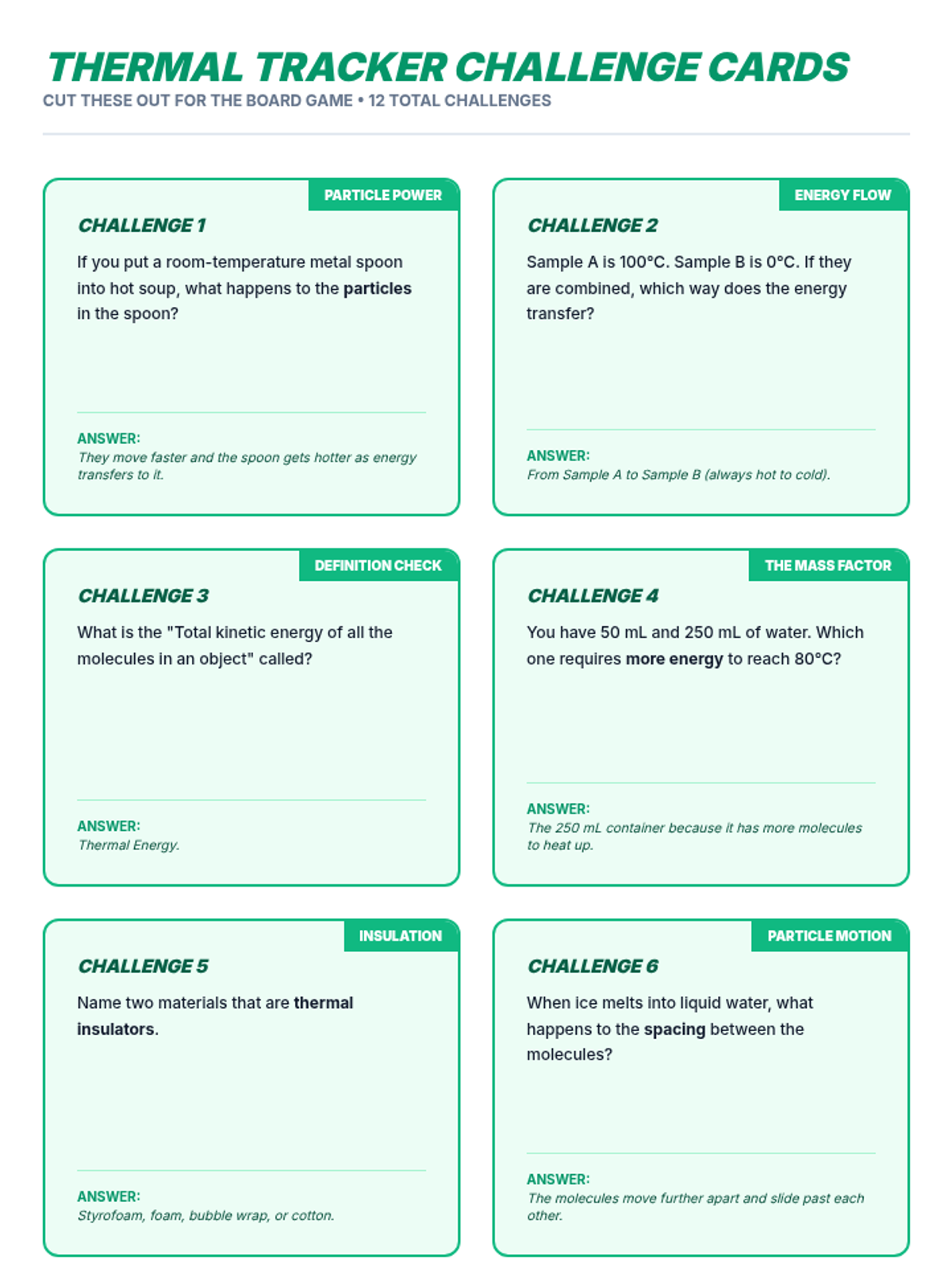
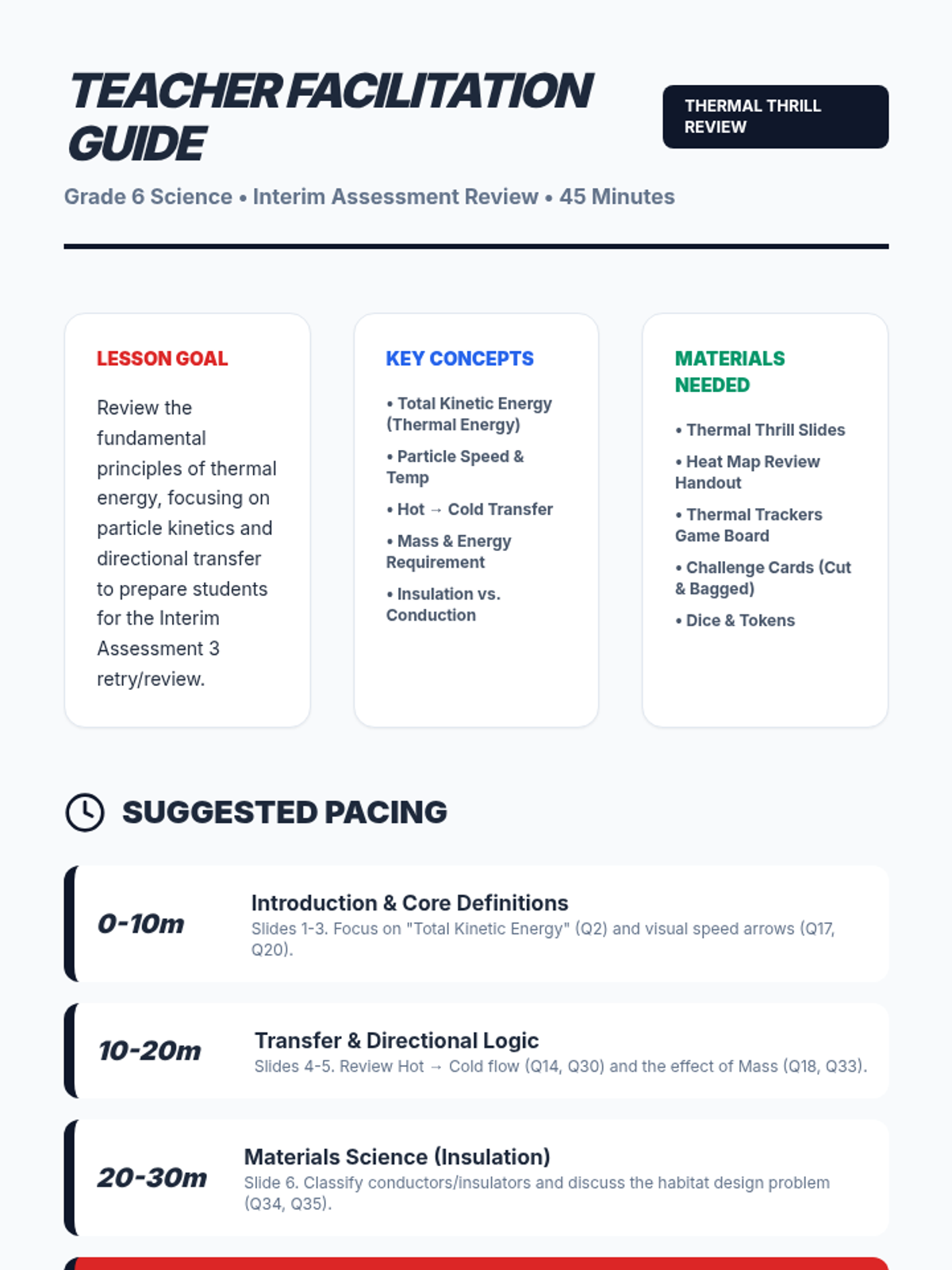
A comprehensive 45-minute review lesson focusing on thermal energy, particle movement, and heat transfer. Students revisit key concepts from their interim assessment through interactive slides and a collaborative board game.
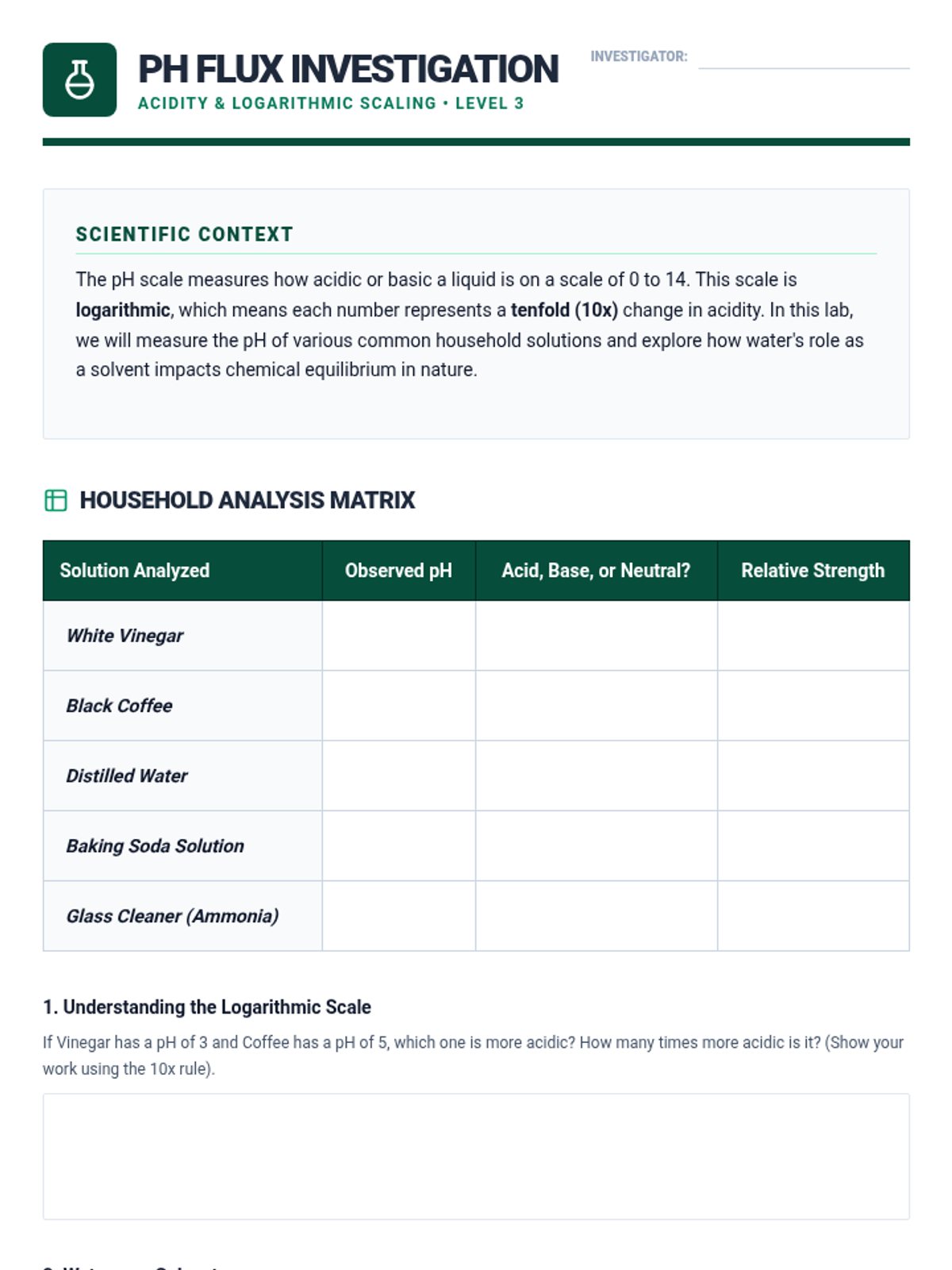
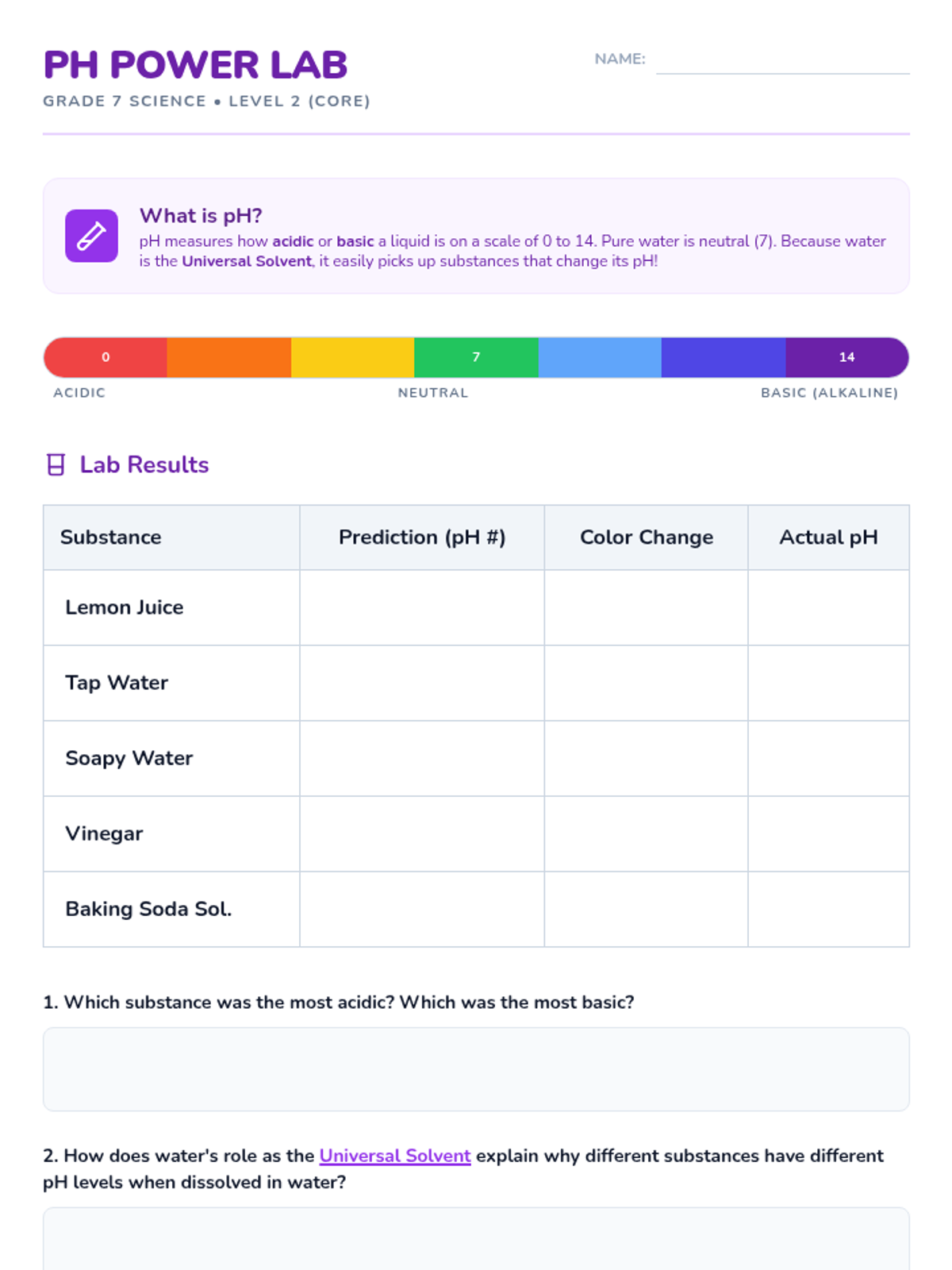
Investigate the chemical nature of water through pH testing, exploring acidity, alkalinity, and how water's role as a solvent impacts life and the environment.