Cette séance de 2 heures détaille le fonctionnement physique de l'effet de serre, le bilan radiatif terrestre et le rôle spécifique des gaz à effet de serre dans le maintien de la température terrestre.
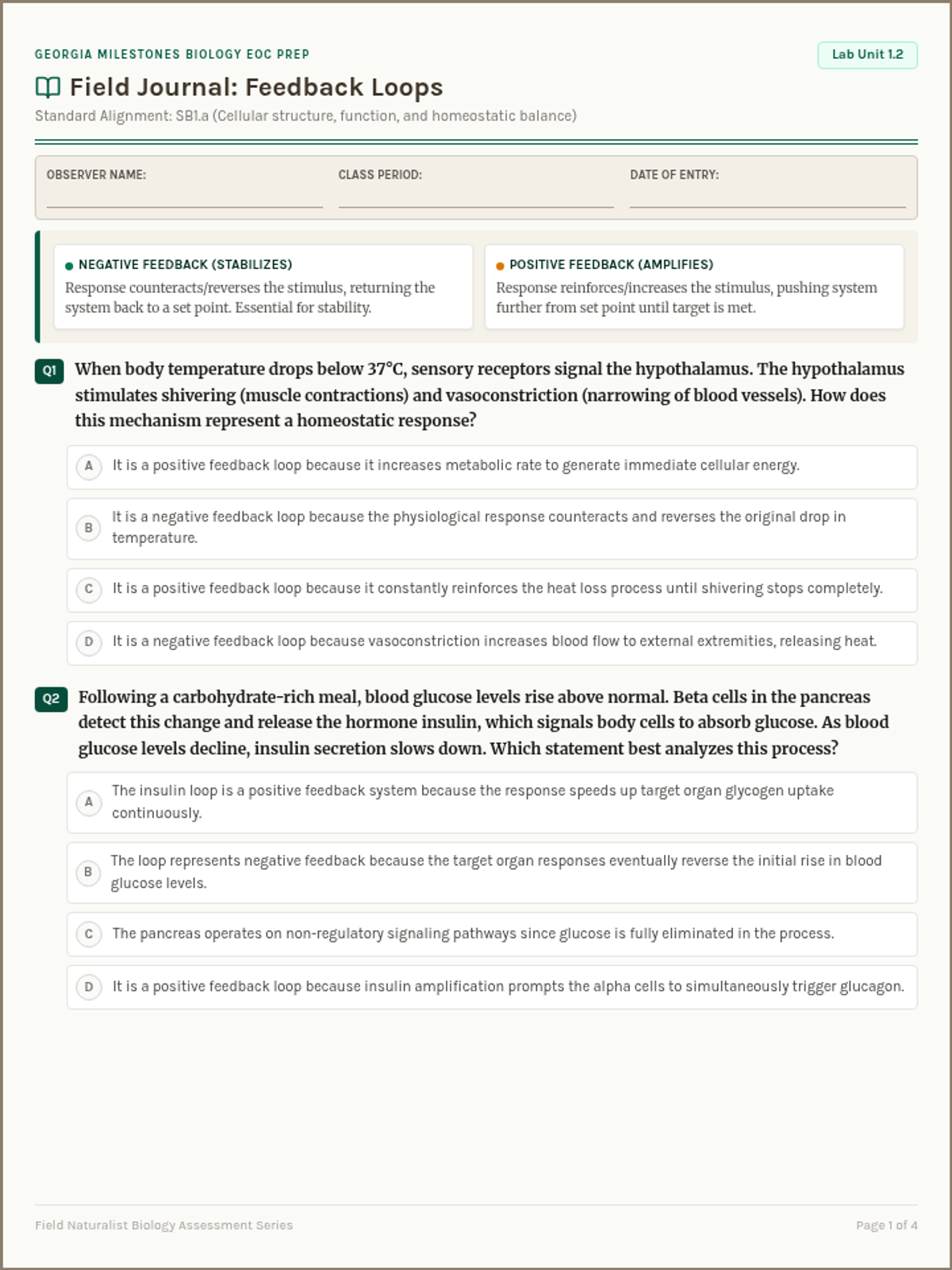
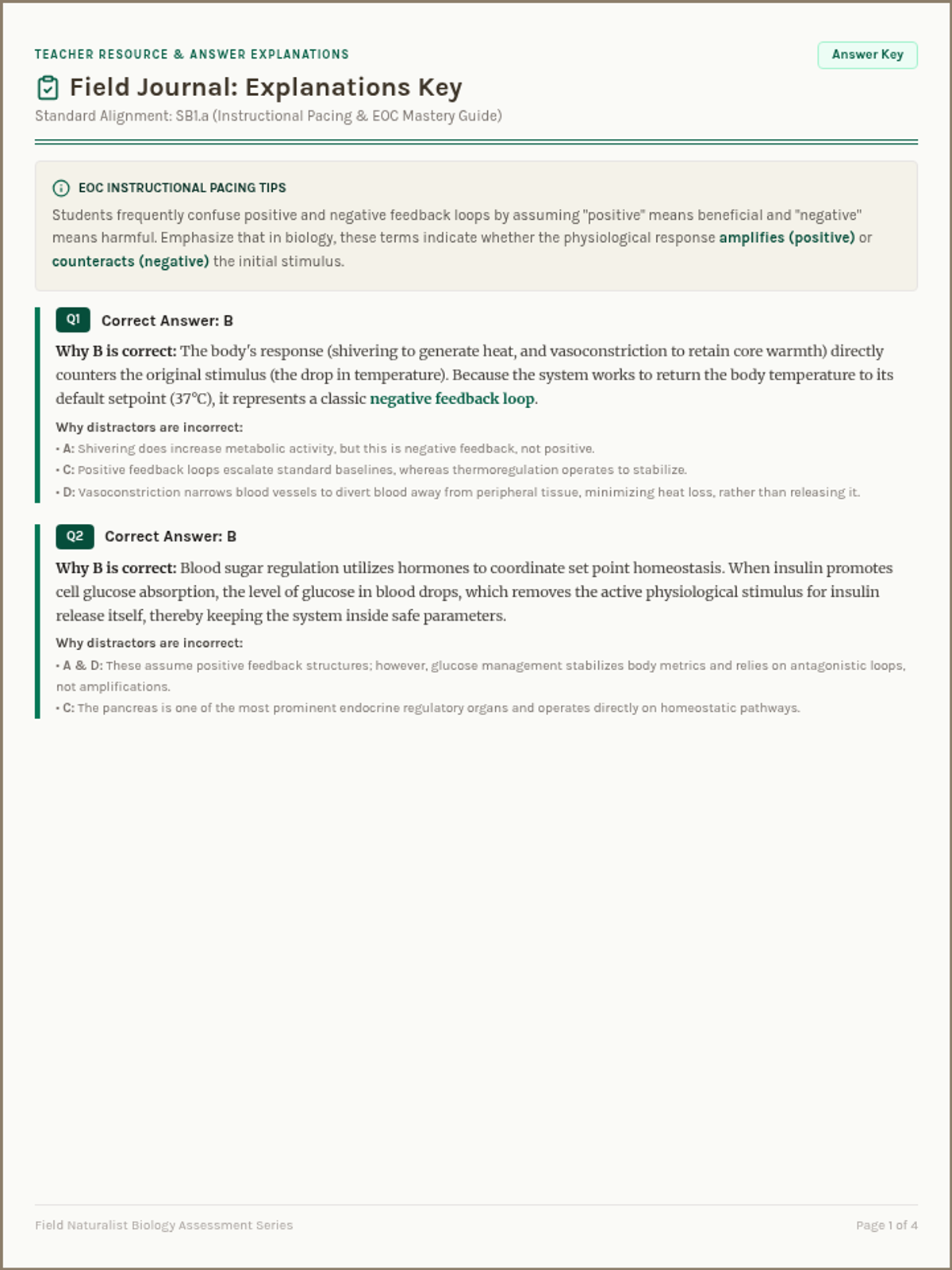
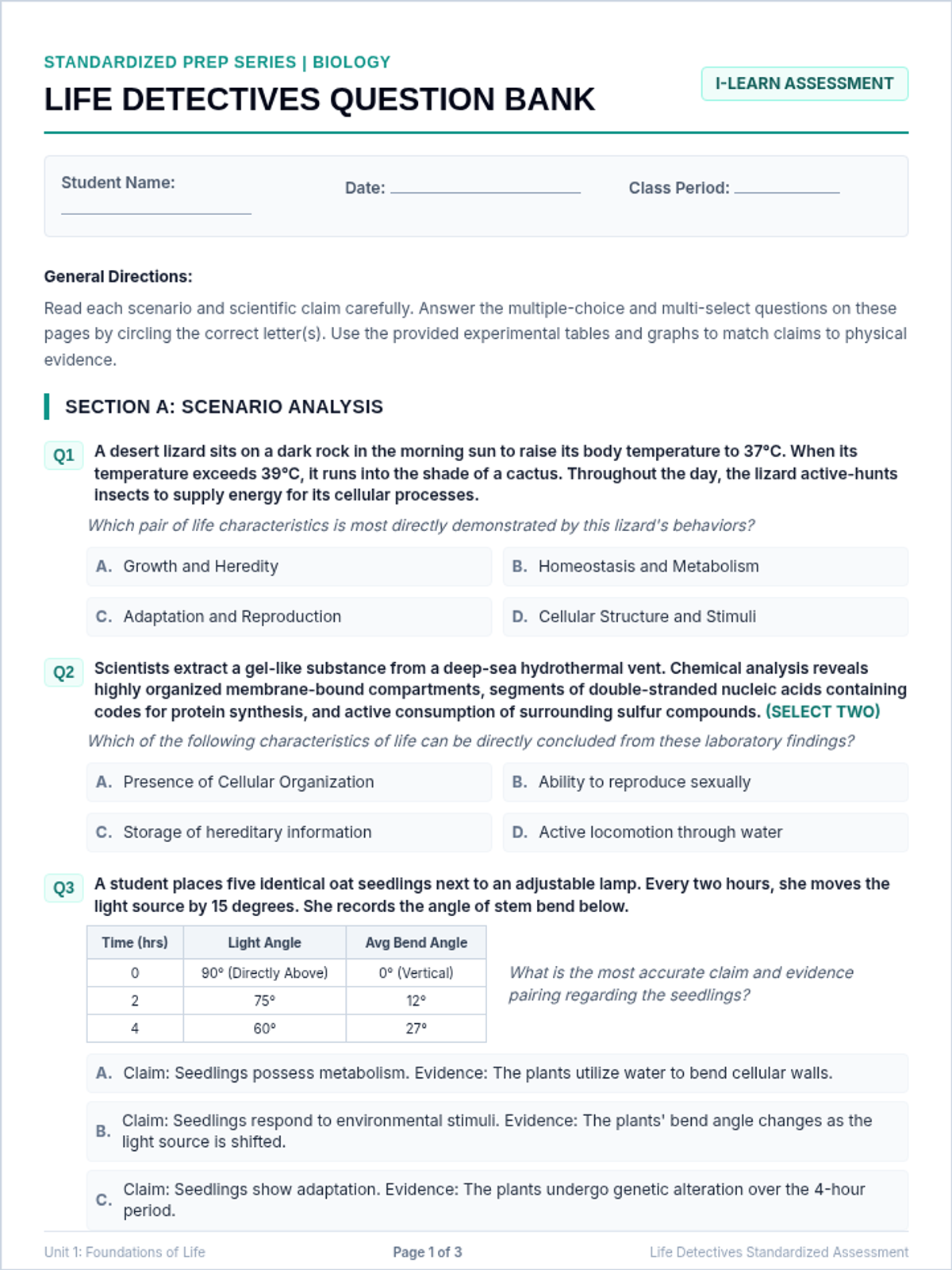
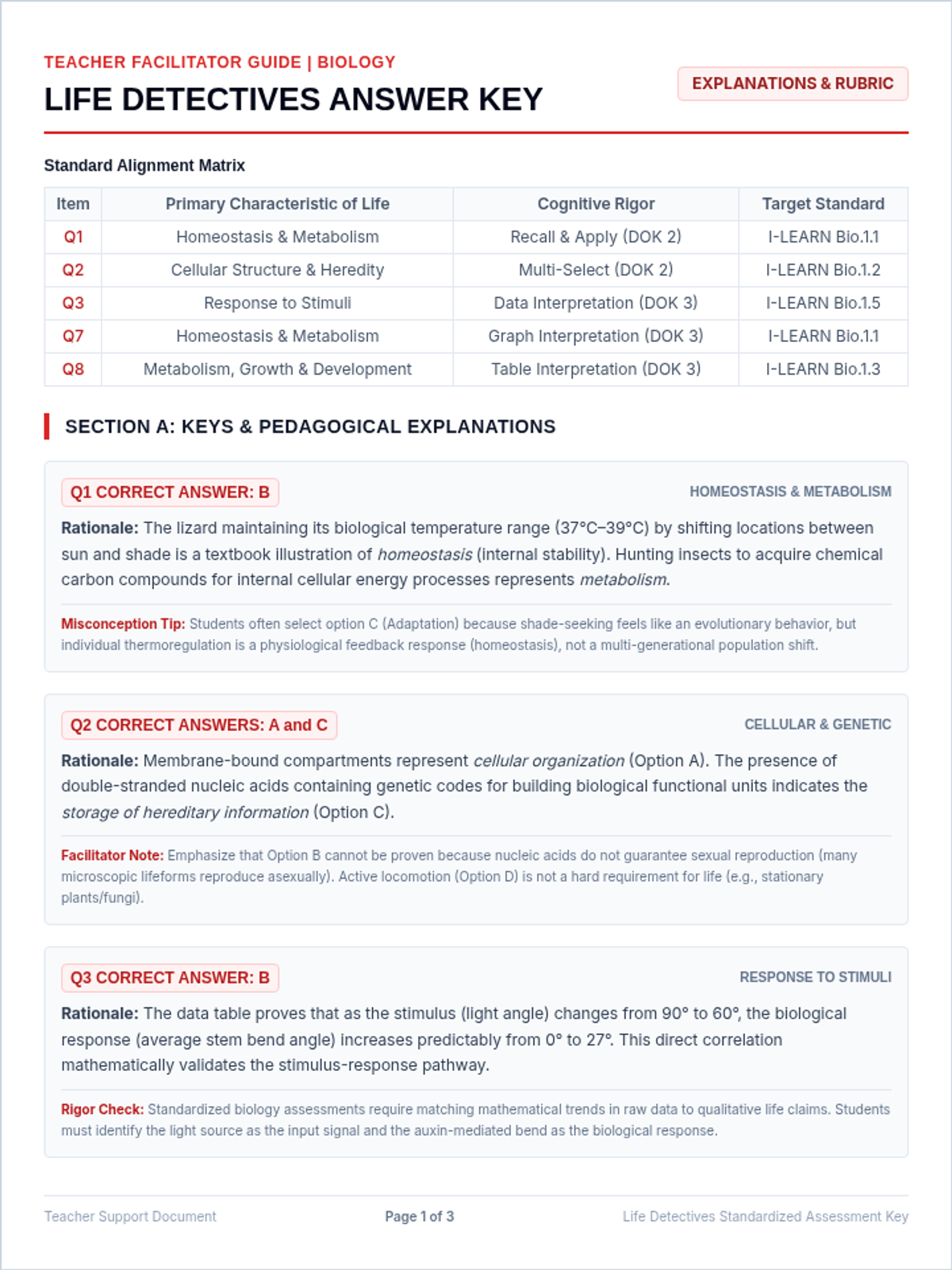
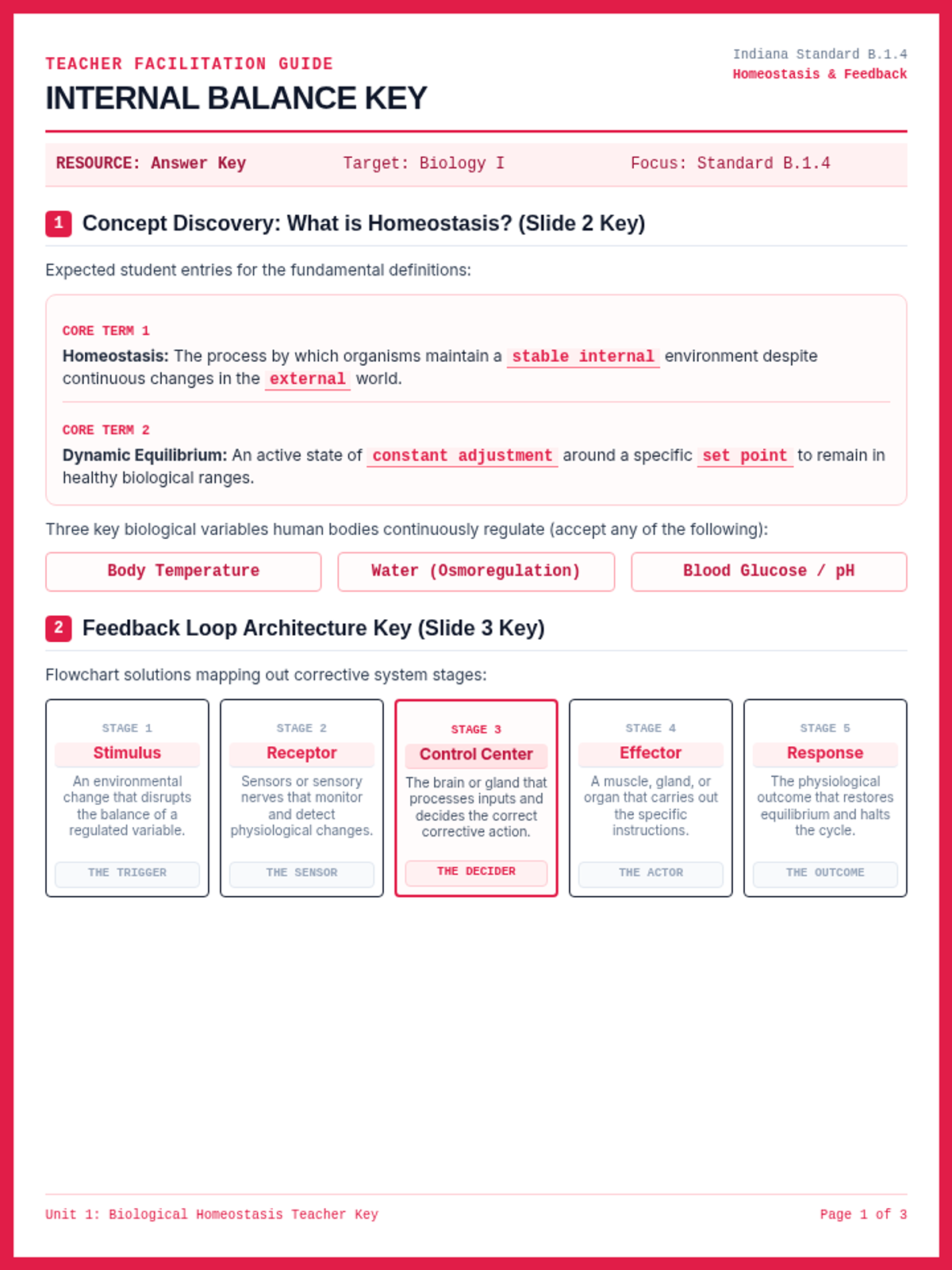
A two-block exploration of animal systems, focusing on homeostasis, nutrient absorption, reproduction, and defense mechanisms.
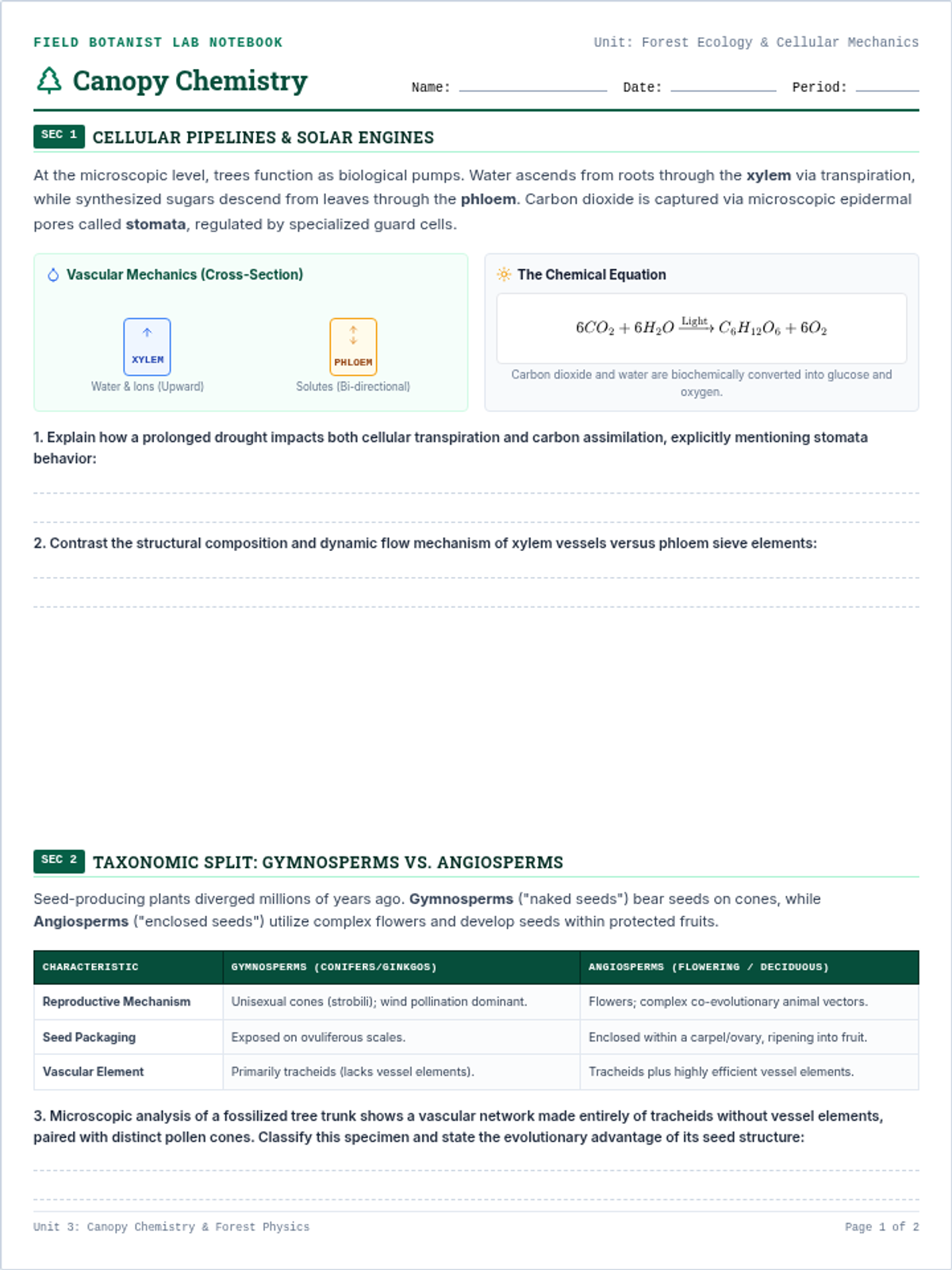
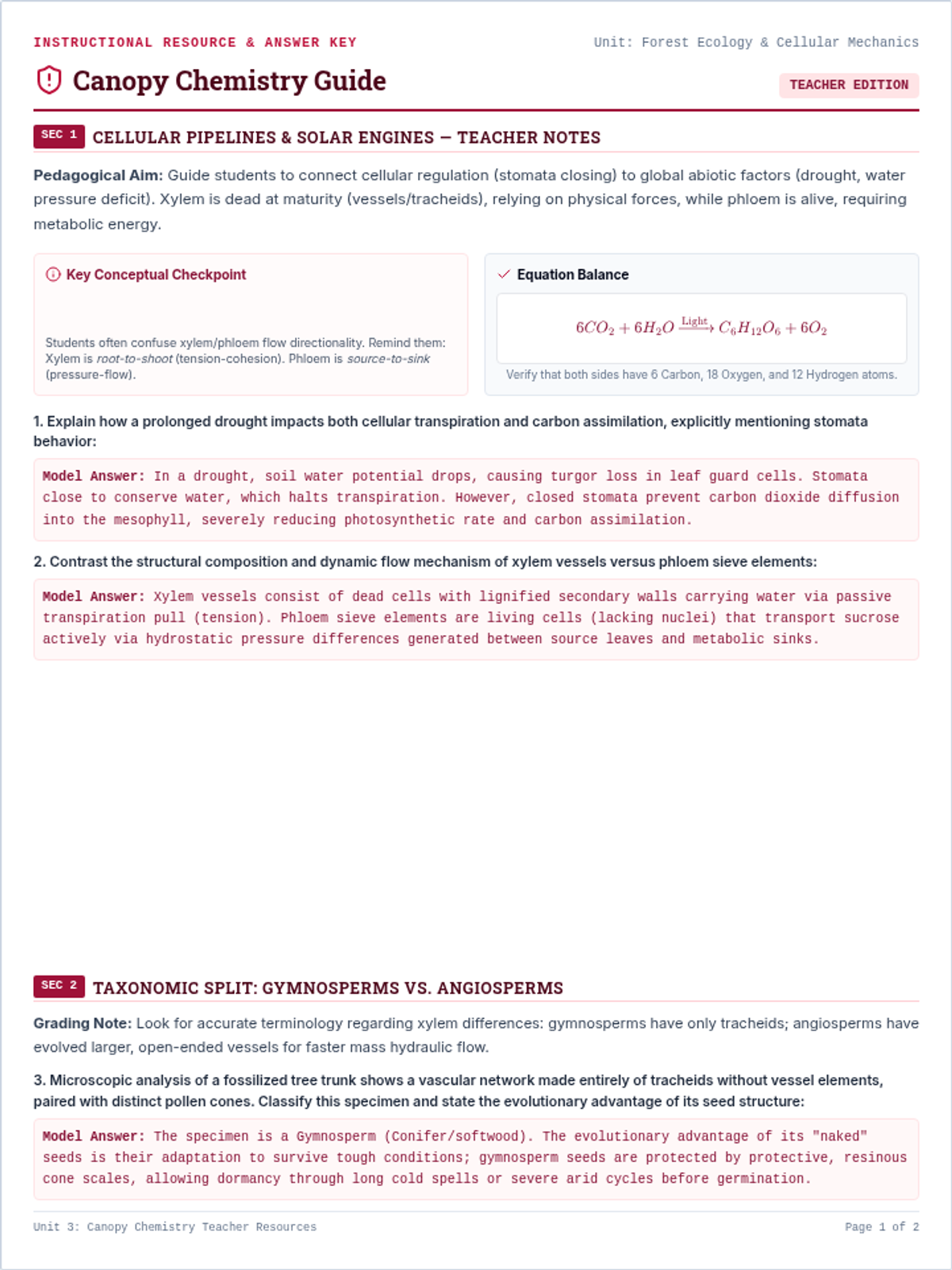
A two-block investigation into plant tissue systems, vascular transport, reproductive adaptations, and environmental responses.
Students analyze the relationship between chemical structure, mode of delivery, and addiction potential using the 'Speed of Delivery' concept. The lesson features a comparative analysis of substances like heroin vs. morphine and vaping vs. nicotine patches to understand the biological 'why' behind addiction.
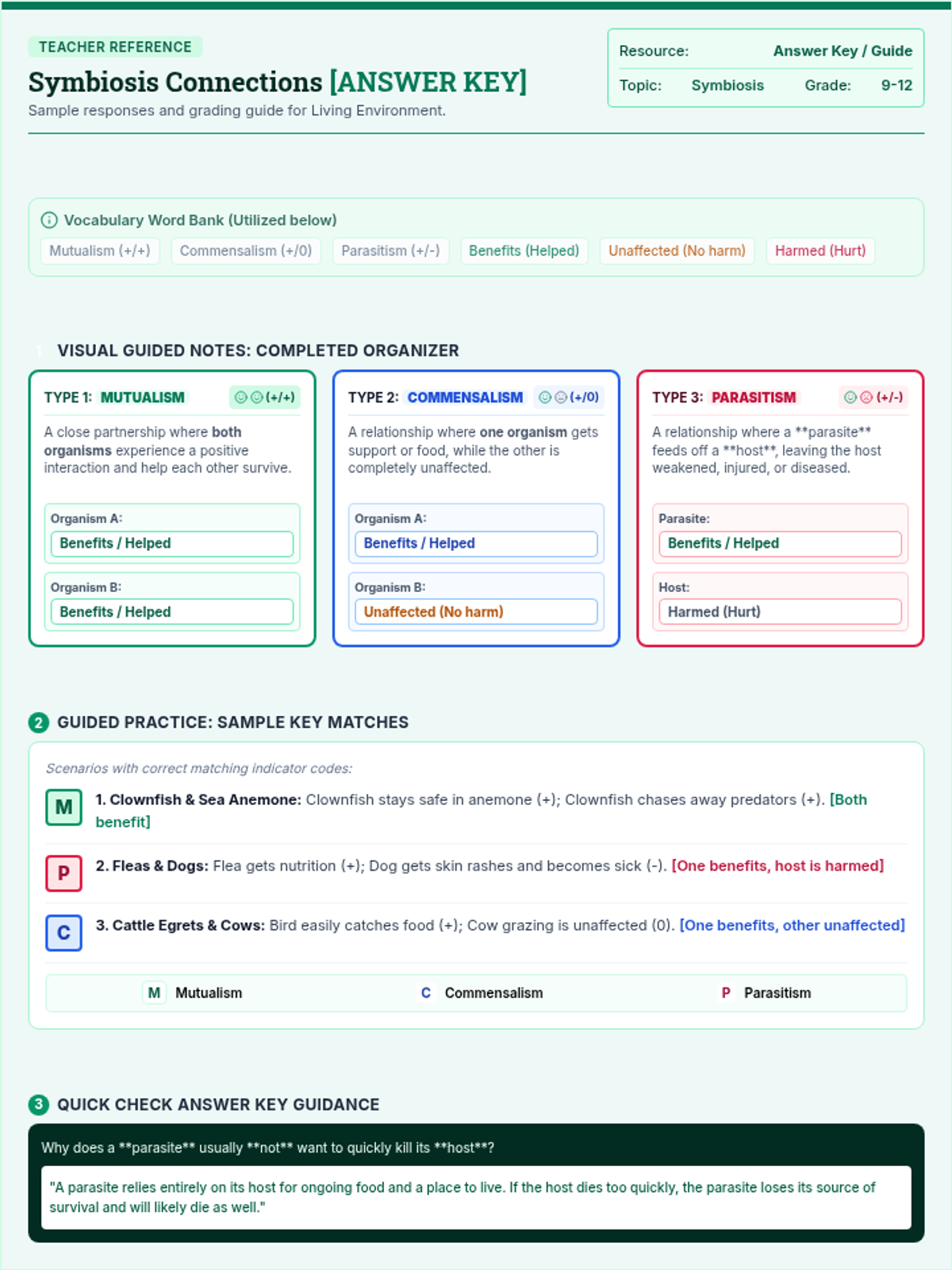
This lesson connects behavioral symptoms of schizoaffective disorder to neurotransmitter imbalances and explores the pharmacological mechanisms of antipsychotics and mood stabilizers through research and diagramming.
This lesson explores the dual approach to treating the five major anxiety disorders, focusing on the physiological mechanisms of medications (SSRIs, Benzos, Beta-blockers) and the cognitive-behavioral shifts of psychotherapy. Students will analyze the 'tandem' treatment model to understand why biological and psychological interventions are often used together for optimal patient outcomes.
Students investigate the intersection of neurobiology and external substances, analyzing how drugs and hormones alter neurotransmitter function to change a person's perception of reality.
A high-level genetics lesson exploring how environmental factors like maternal care and stress trigger epigenetic modifications that influence gene expression across generations. Students analyze the classic Meaney rat study to understand the molecular mechanisms beyond DNA sequences.
A high school psychology lesson exploring the physiological impact of chronic stress on brain structures like the amygdala, hippocampus, and prefrontal cortex, featuring a video analysis and case study application.
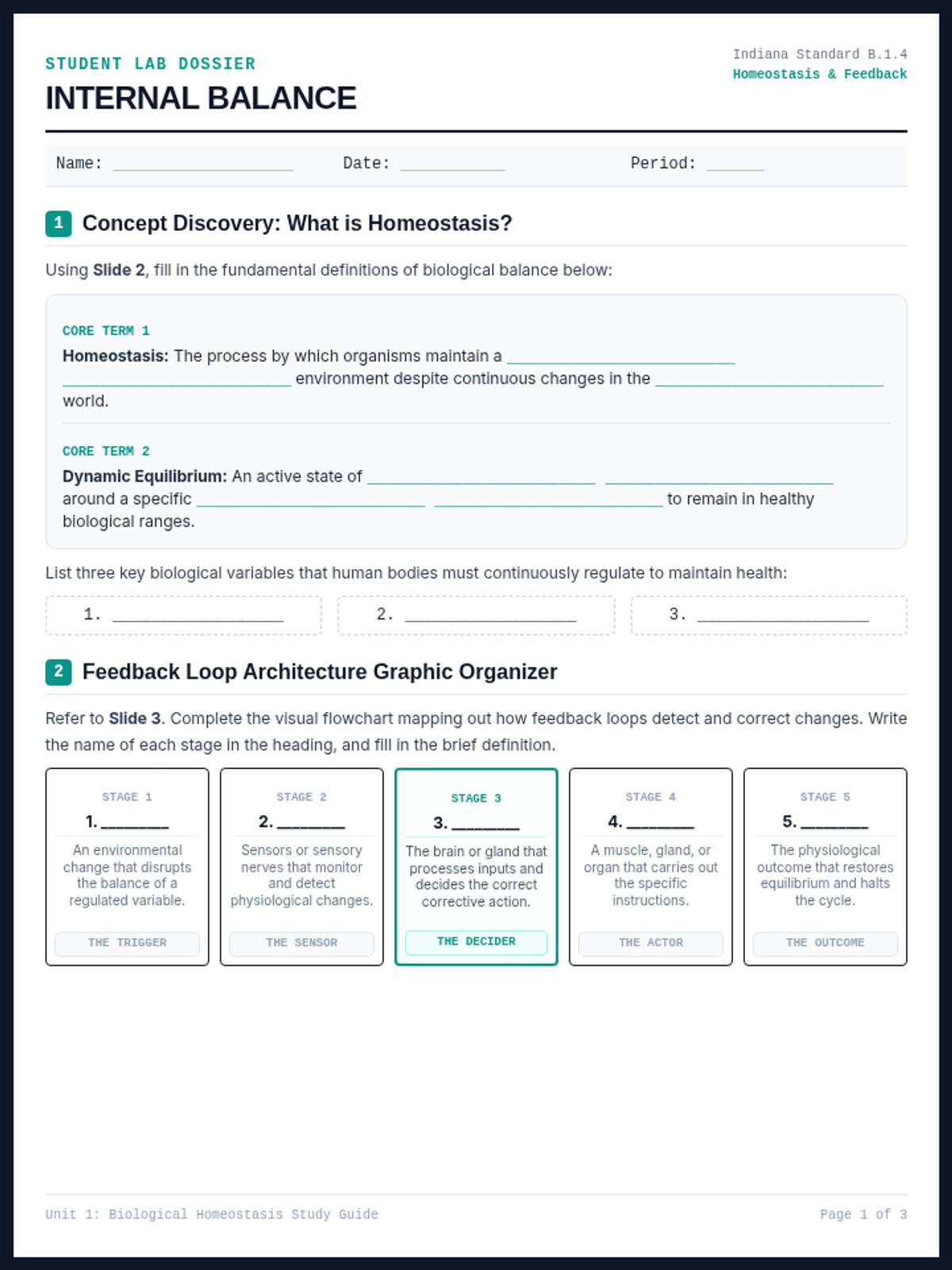
A high school biology lesson exploring the endocrine system's stress response via the HPA axis, the physiological role of cortisol, and the impact of chronic stress on brain structure and homeostasis. Students analyze feedback loops and the brain's neuroplasticity through video analysis and diagramming.
A comprehensive lesson exploring the evolution of hunting from ancient survival to modern conservation, including economic impacts and ethical debates surrounding biodiversity.
This lesson explores the technical differences between Class A and Class B fire alarm circuits, focusing on wiring topology, fault tolerance, and industry standards like NFPA 72. Students will analyze diagrams and compare the reliability and cost-effectiveness of each system configuration.
Focuses on reading security logs, understanding time formats (24h vs 12h), and using logic to follow a suspect's movement through keycard data.
Focuses on descriptive language, memory reliability, and the 'mugshot' process. Students learn to describe suspects and identify inconsistencies in witness stories.
A simplified murder mystery investigation. Students use a detective dossier with B1-level text to solve the crime of Professor Thorne. Includes sentence frames for final accusations.
Students explore how fingerprints and DNA help identify people. The lesson uses clear, visual steps to explain identification techniques and Locard's Exchange Principle.
Students learn essential crime-solving vocabulary (alibi, evidence, suspect) and practice categorizing physical vs. testimonial clues using simplified English and visual supports.
An exploration of specialized forensic techniques, focusing on fingerprint classification, DNA profiling basics, and the microscopic analysis of hair and fibers to connect suspects to a scene.
Students master the foundational vocabulary of forensic science, including terms like alibi, chain of custody, and trace evidence, while learning to categorize different types of physical and testimonial evidence.
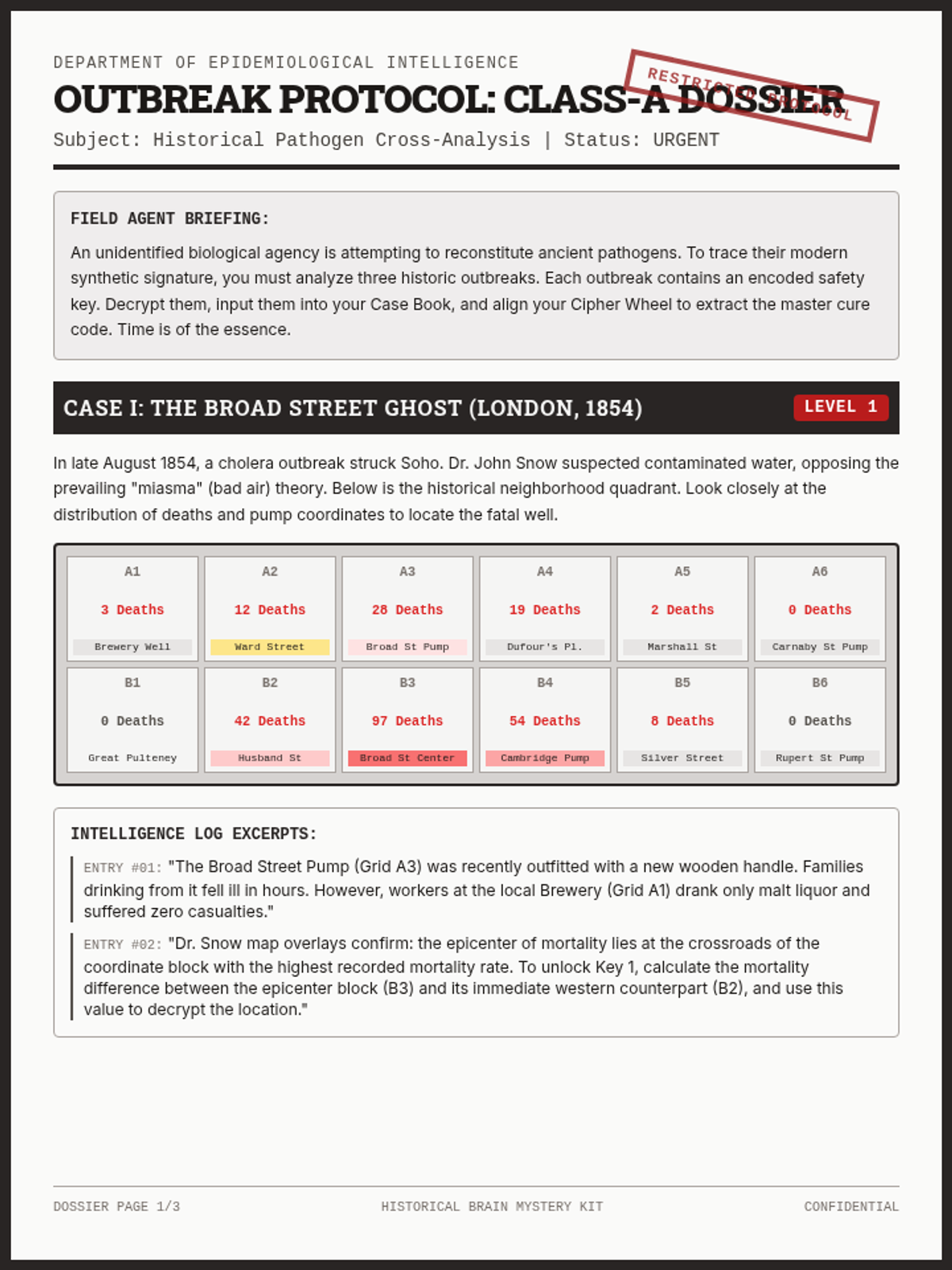
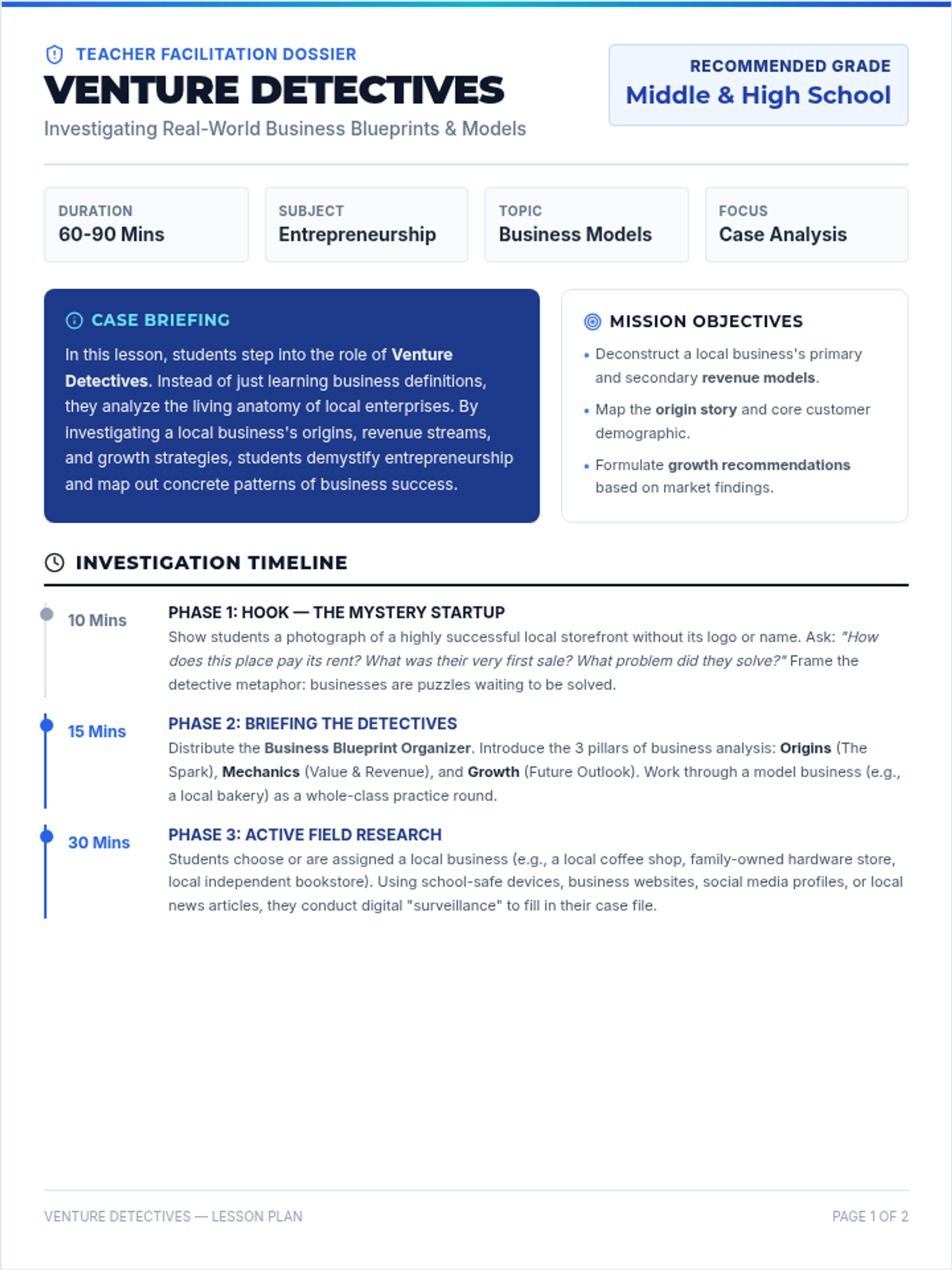
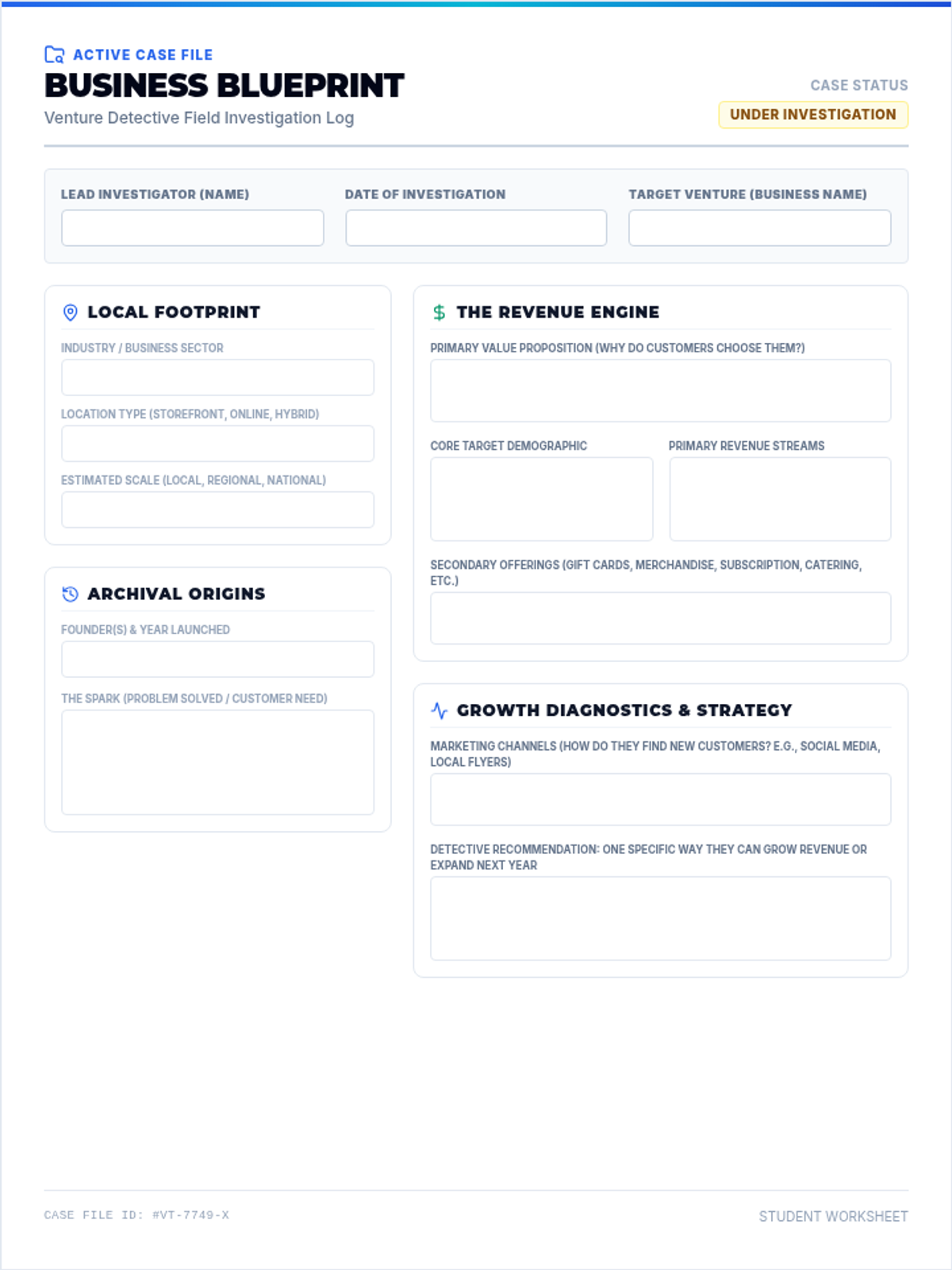
A 90-minute immersive murder mystery experience where students apply forensic techniques to solve the death of a prominent professor. They will analyze evidence, evaluate witness statements, and build a case based on deductive reasoning.
This lesson covers the fundamental principles of Shielded Metal Arc Welding (SMAW), including equipment operation, safety protocols, and core welding techniques for beginners.
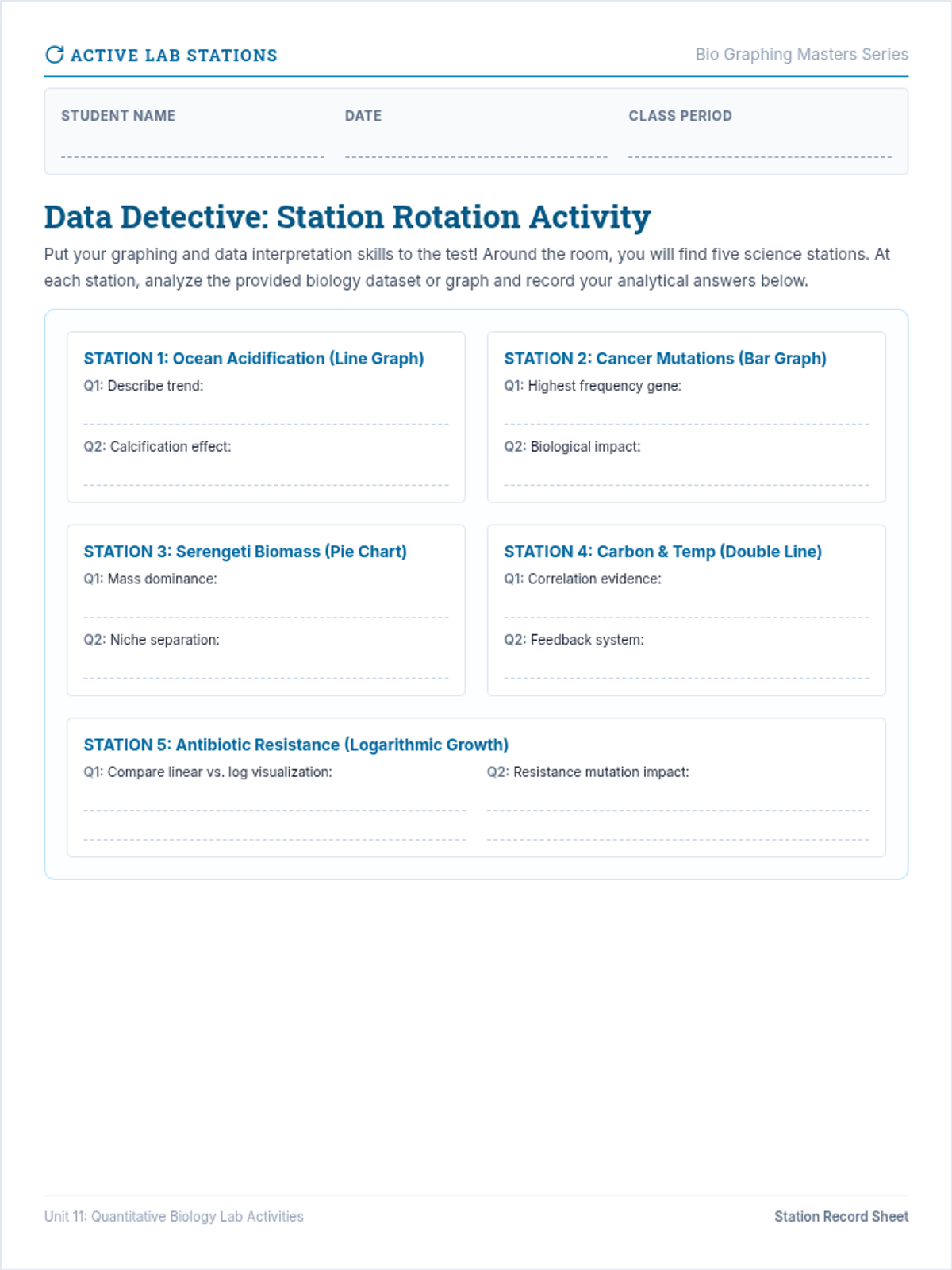
A lesson focused on the properties of periodic motion, including frequency, period, and phase relationships in oscillators like pendulums and tuning forks.
A deep dive into advanced harmonic motion concepts, including differential equations, energy conservation, and system variables for pendulums and springs.
Students explore the neuroscience of neural pruning, simulating how the brain maintains efficient networks and investigating how disruptions in this process contribute to the symptoms of bipolar disorder.
Students explore the neuroscience of panic attacks, mapping the sympathetic and parasympathetic nervous system responses. They will identify the roles of the amygdala, prefrontal cortex, adrenaline, and acetylcholine in the body's 'false alarm' stress response.
A high school biology lesson exploring the physiological and chemical basis of clinical depression, focusing on brain structures, neurotransmitters, and the medical validity of the disorder.