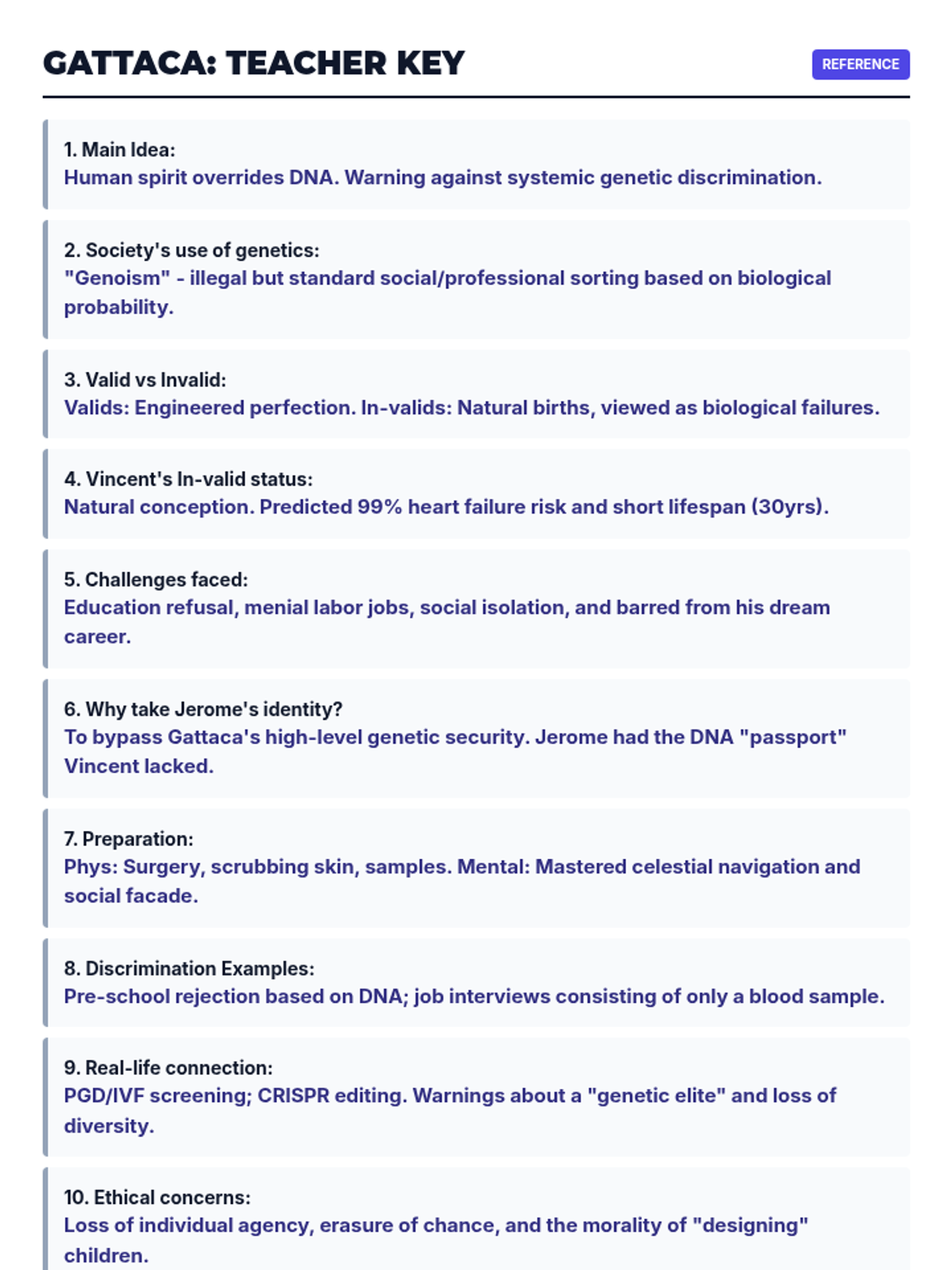
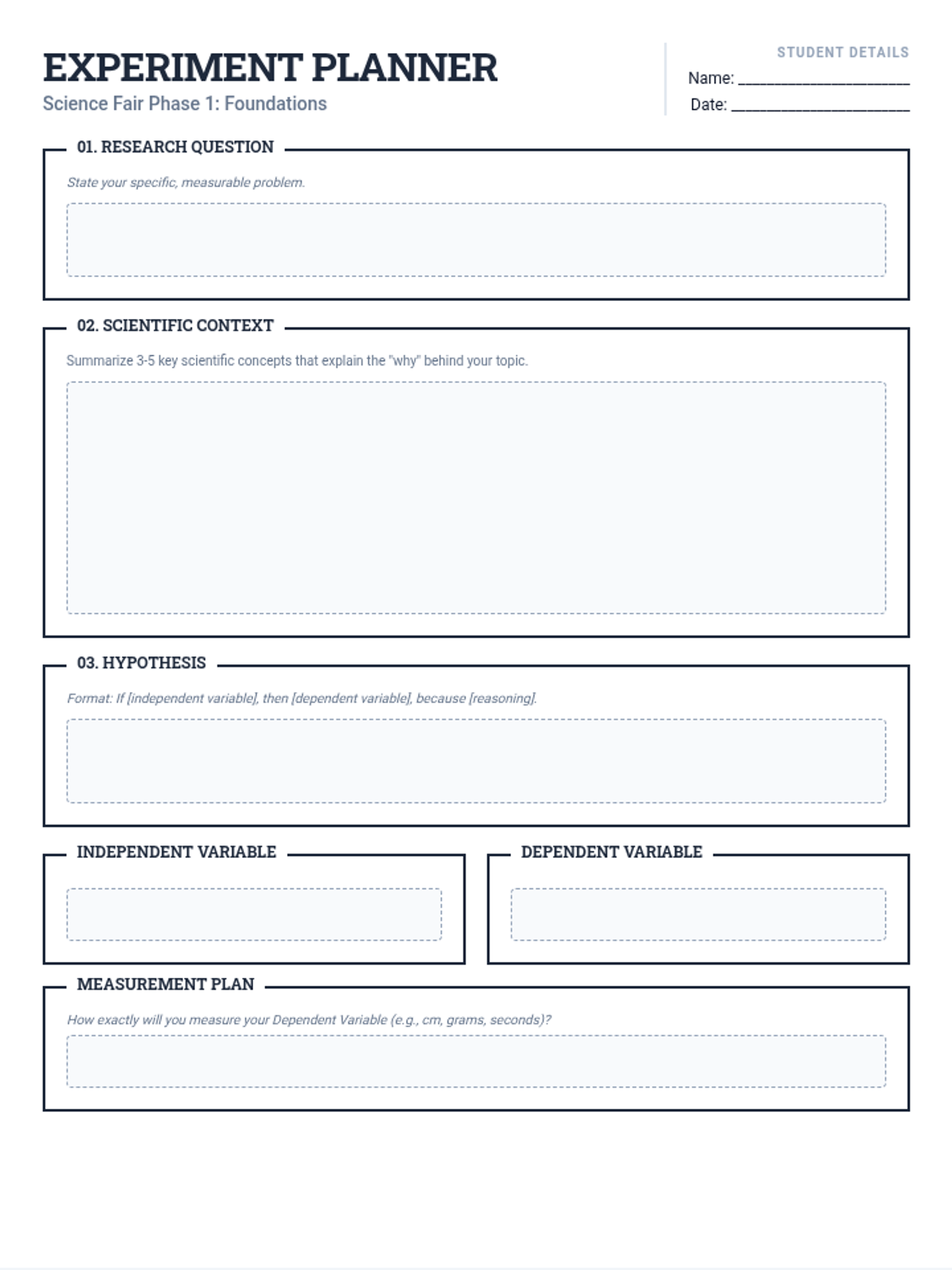
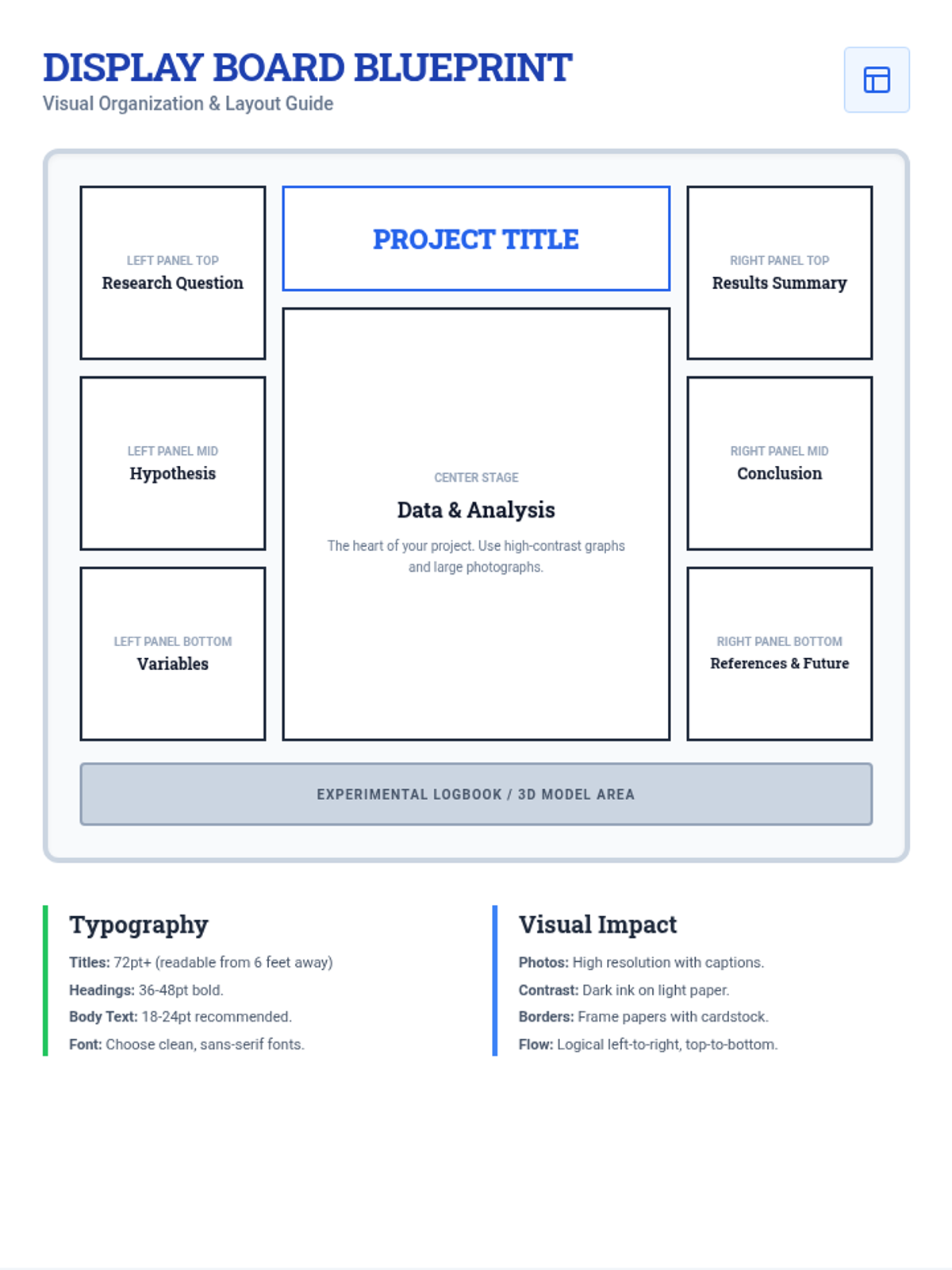
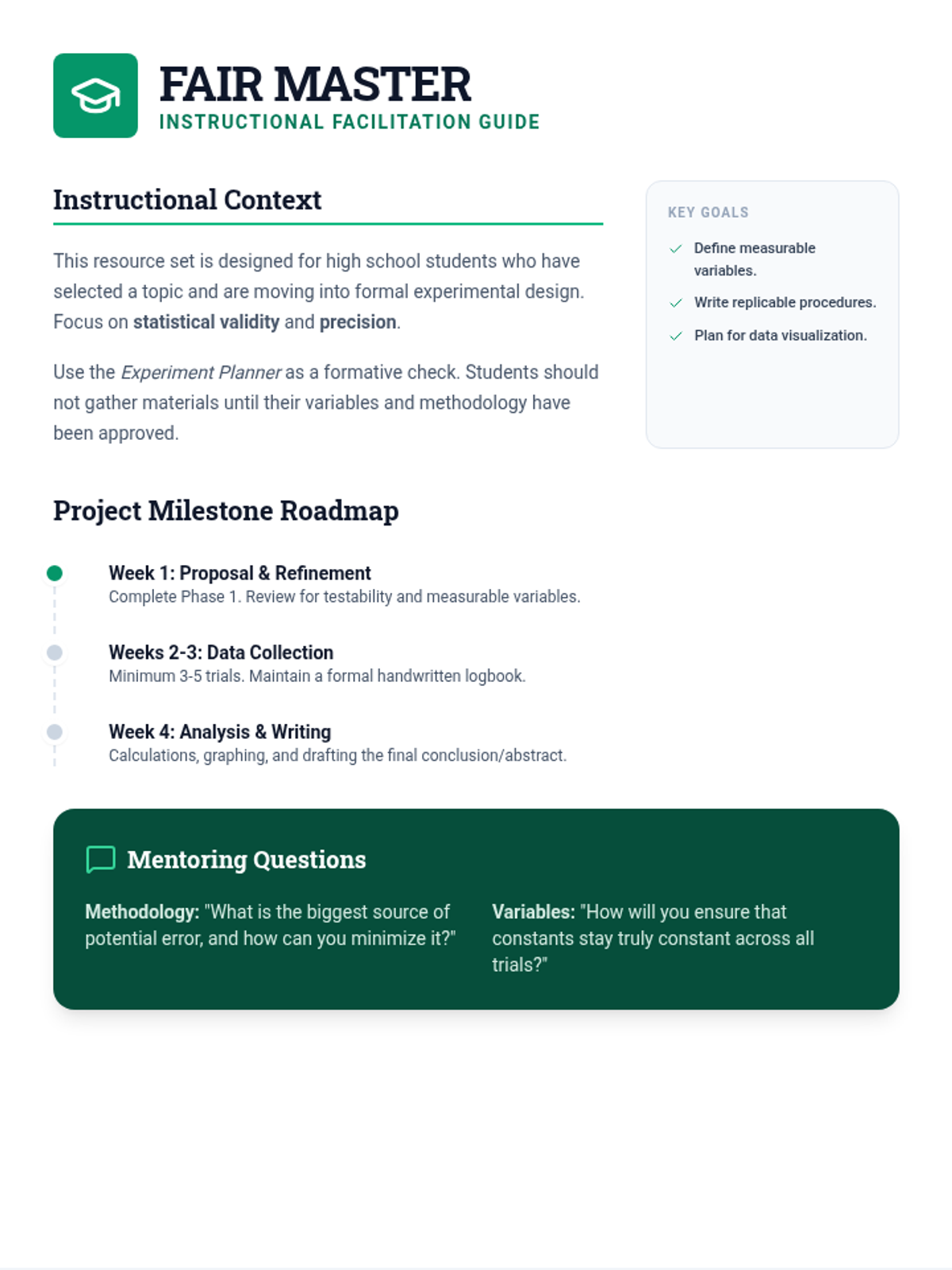
An 8th-grade science lesson exploring Volatile Organic Compounds (VOCs) in household cleaners, featuring a label investigation and a DIY natural alternative marketing project.
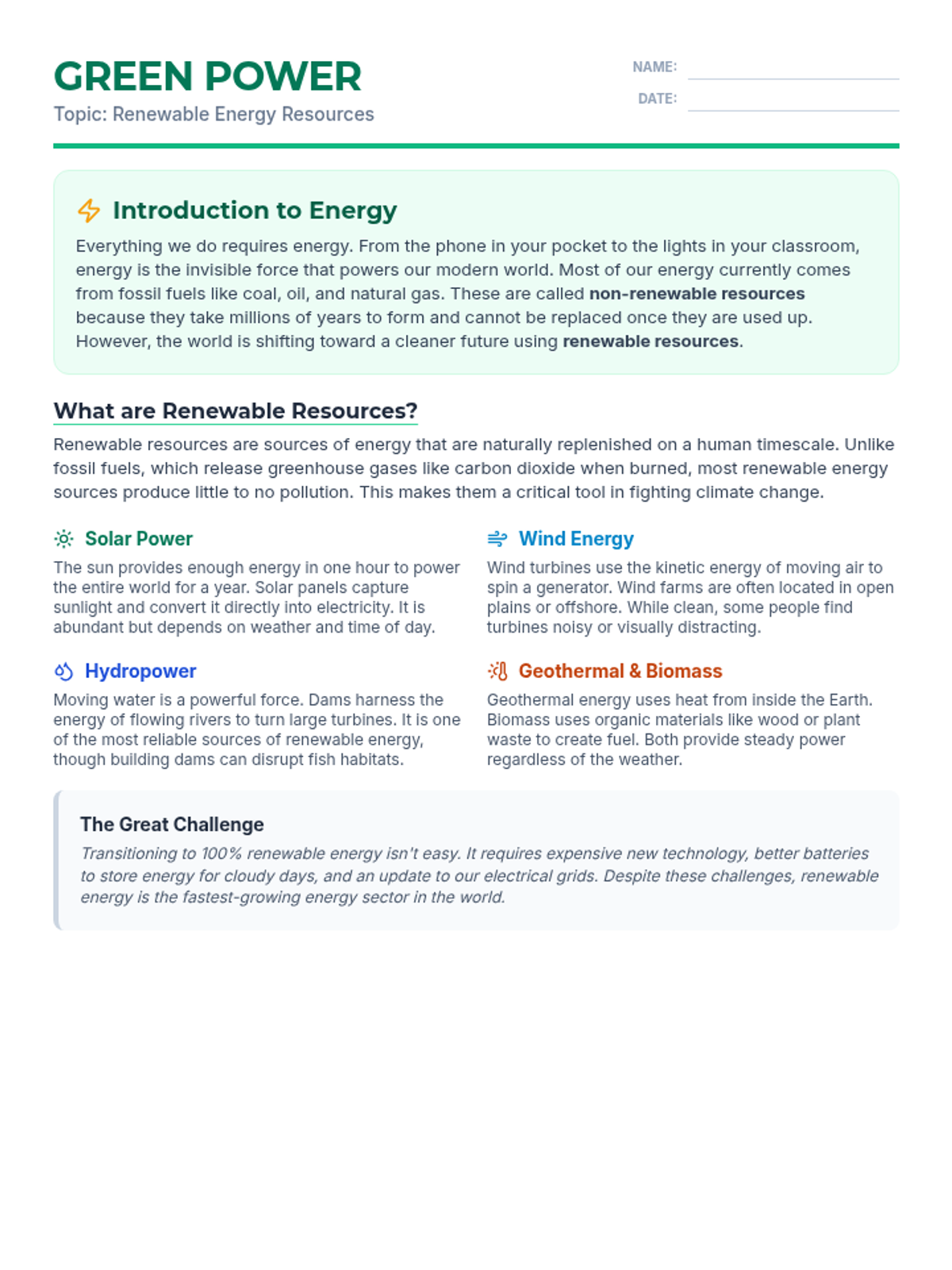
A series of visual anchor charts designed for reference during laboratory investigations into plant vascular systems, photosynthesis, and transpiration.
A high-energy, movement-based review activity where students solve 'medical cases' by identifying body systems and their functions. This lesson includes task cards for a classroom scavenger hunt and a structured recording sheet for students.
Students analyze the relationship between chemical structure, mode of delivery, and addiction potential using the 'Speed of Delivery' concept. The lesson features a comparative analysis of substances like heroin vs. morphine and vaping vs. nicotine patches to understand the biological 'why' behind addiction.
This lesson connects behavioral symptoms of schizoaffective disorder to neurotransmitter imbalances and explores the pharmacological mechanisms of antipsychotics and mood stabilizers through research and diagramming.
A clinical diagnostic workshop for nursing and pre-med students focused on applying DSM-5 criteria to differentiate schizoaffective disorder from other mood and psychotic disorders. Students analyze patient case studies and use evidence-based criteria to reach accurate diagnoses.
A middle school science lesson exploring neuroplasticity through medical recovery case studies. Students investigate how the brain 'reroutes' neural pathways after injury using adaptation and recovery strategies.
A 6th-8th grade science and health lesson exploring neuroplasticity through a hands-on yarn simulation and a video-based discussion. Students learn how neural pathways strengthen through use and dissolve through neglect.

This lesson explores the dual approach to treating the five major anxiety disorders, focusing on the physiological mechanisms of medications (SSRIs, Benzos, Beta-blockers) and the cognitive-behavioral shifts of psychotherapy. Students will analyze the 'tandem' treatment model to understand why biological and psychological interventions are often used together for optimal patient outcomes.
This lesson explores the neurological basis of the optimism bias, focusing on the role of the Inferior Frontal Gyrus in belief updating. Students analyze fMRI and TMS data from Tali Sharot's research and simulate a research group to design follow-up experiments while critiquing current neuro-intervention methodologies.
A lesson for 7th-8th grade science focusing on the biological and genetic foundations of autism. Students debunk common myths, analyze brain development through video, and research how the brain interacts with other body systems in co-occurring conditions.
An undergraduate-level neuroscience lesson exploring the physiological and cellular impacts of chronic stress on the brain, specifically focusing on the HPA axis, cortisol-induced neurotoxicity, and the role of BDNF in neuroplasticity.
A comprehensive 2-hour training focused on identifying emerging trends in prevention science and integrating them into evidence-based strategies to maximize community impact.
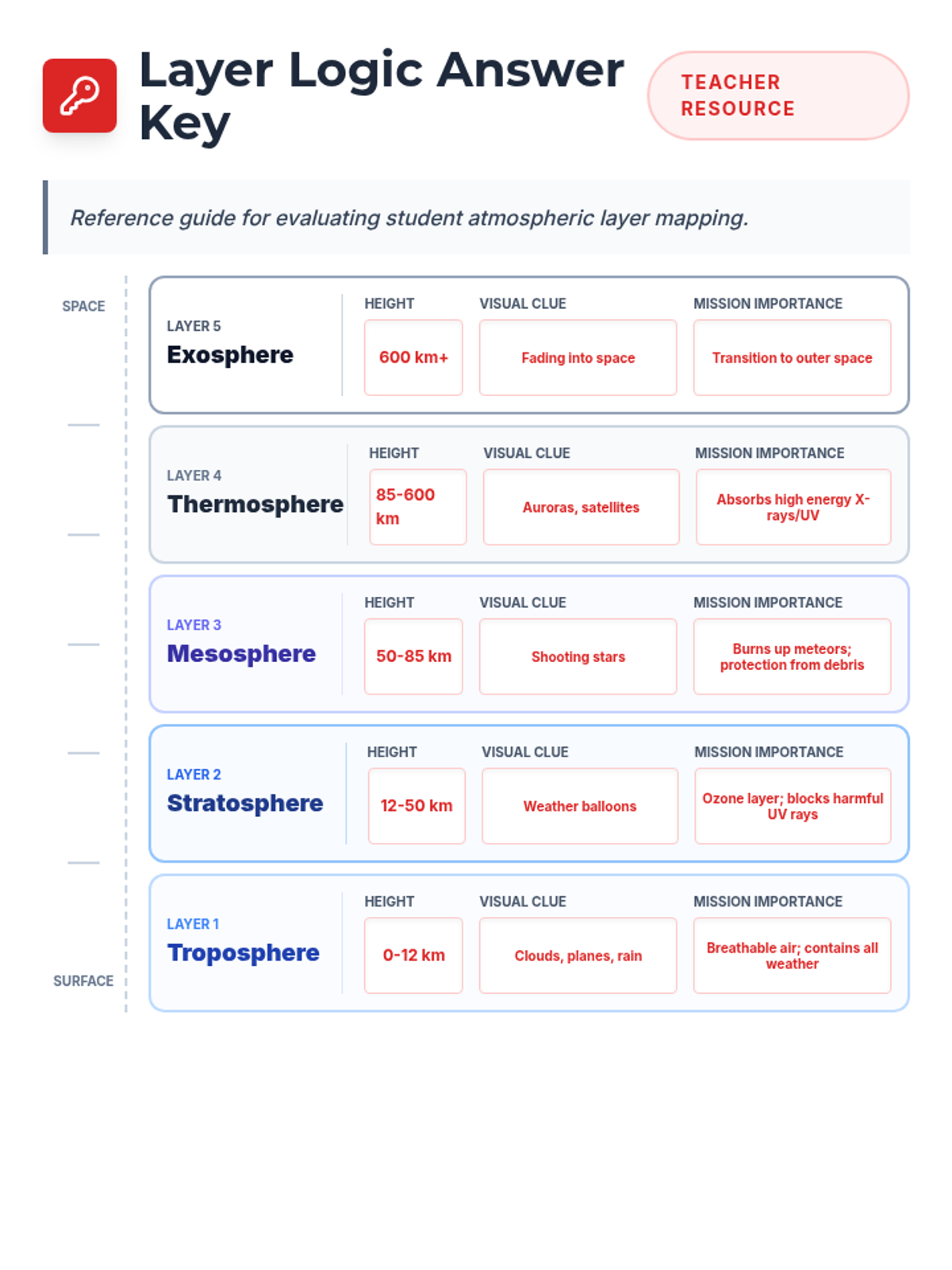
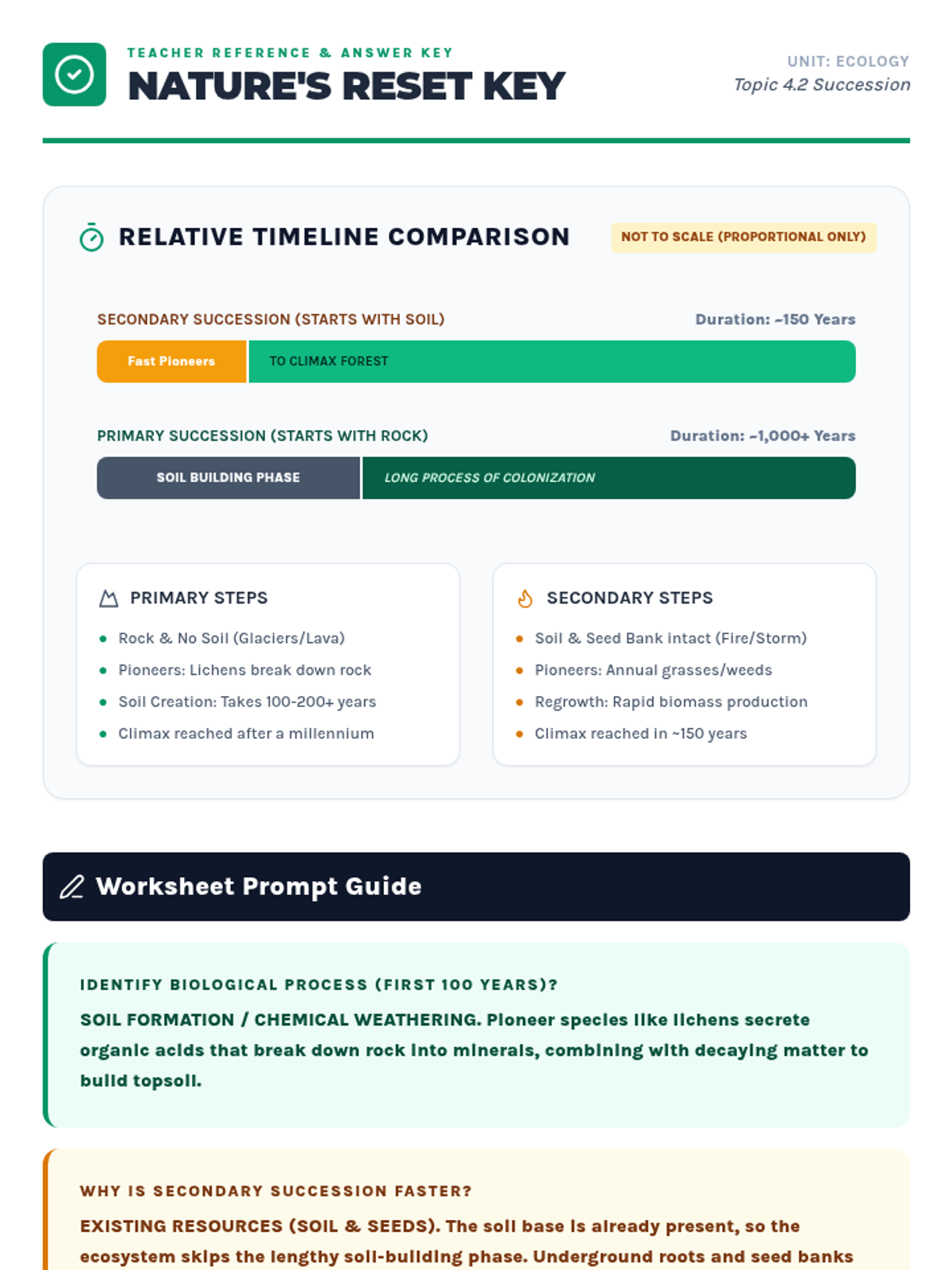
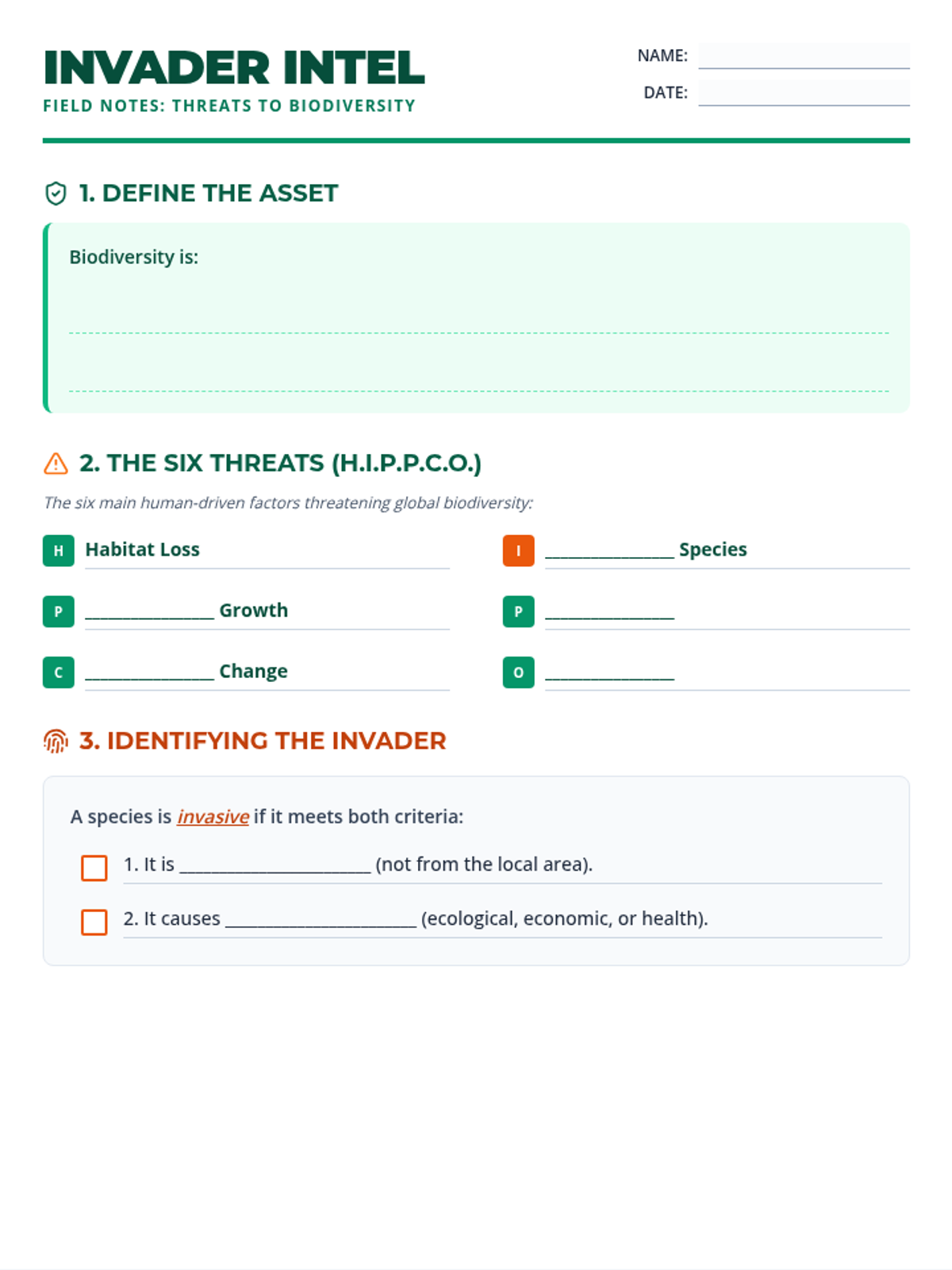
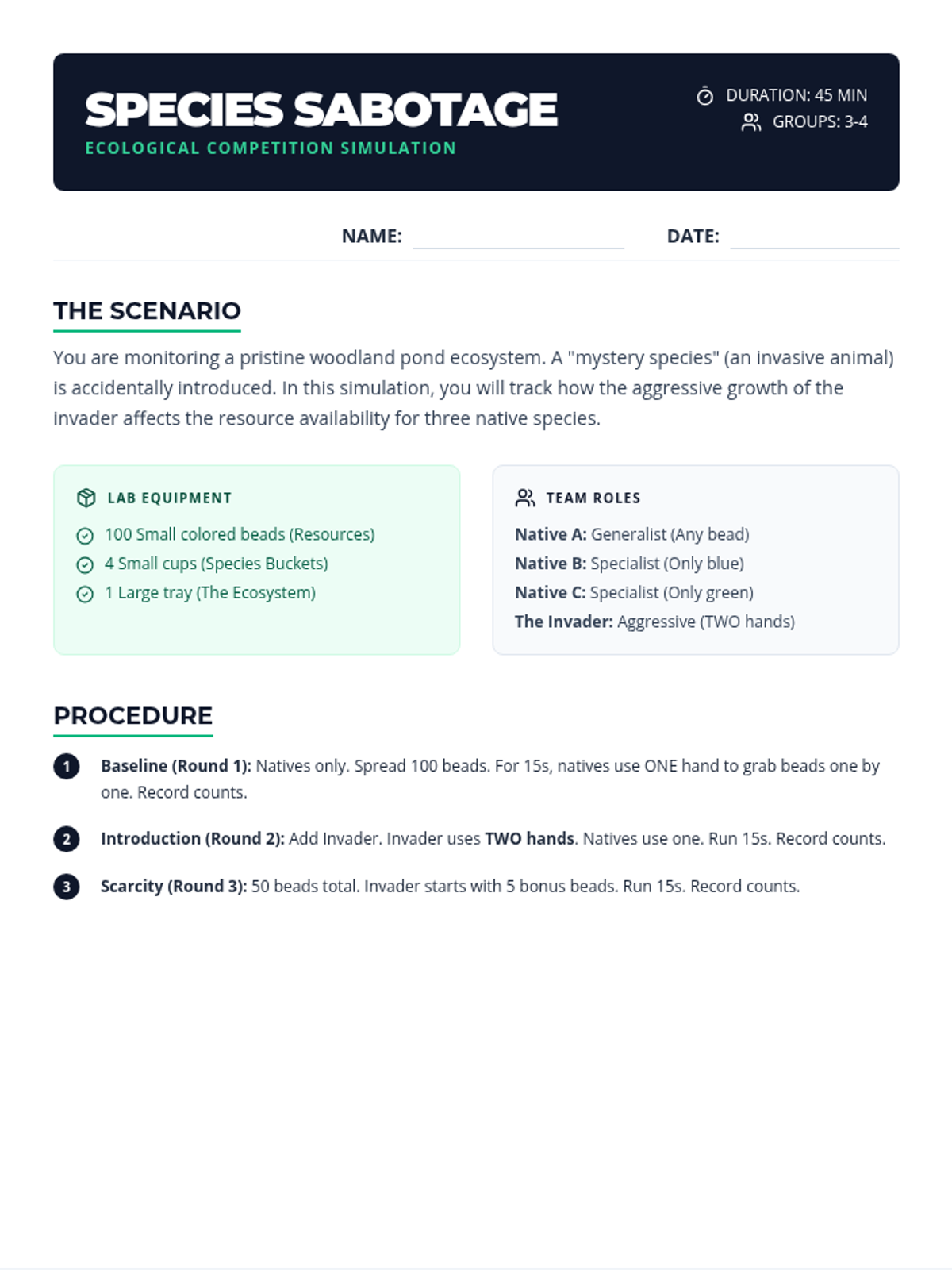
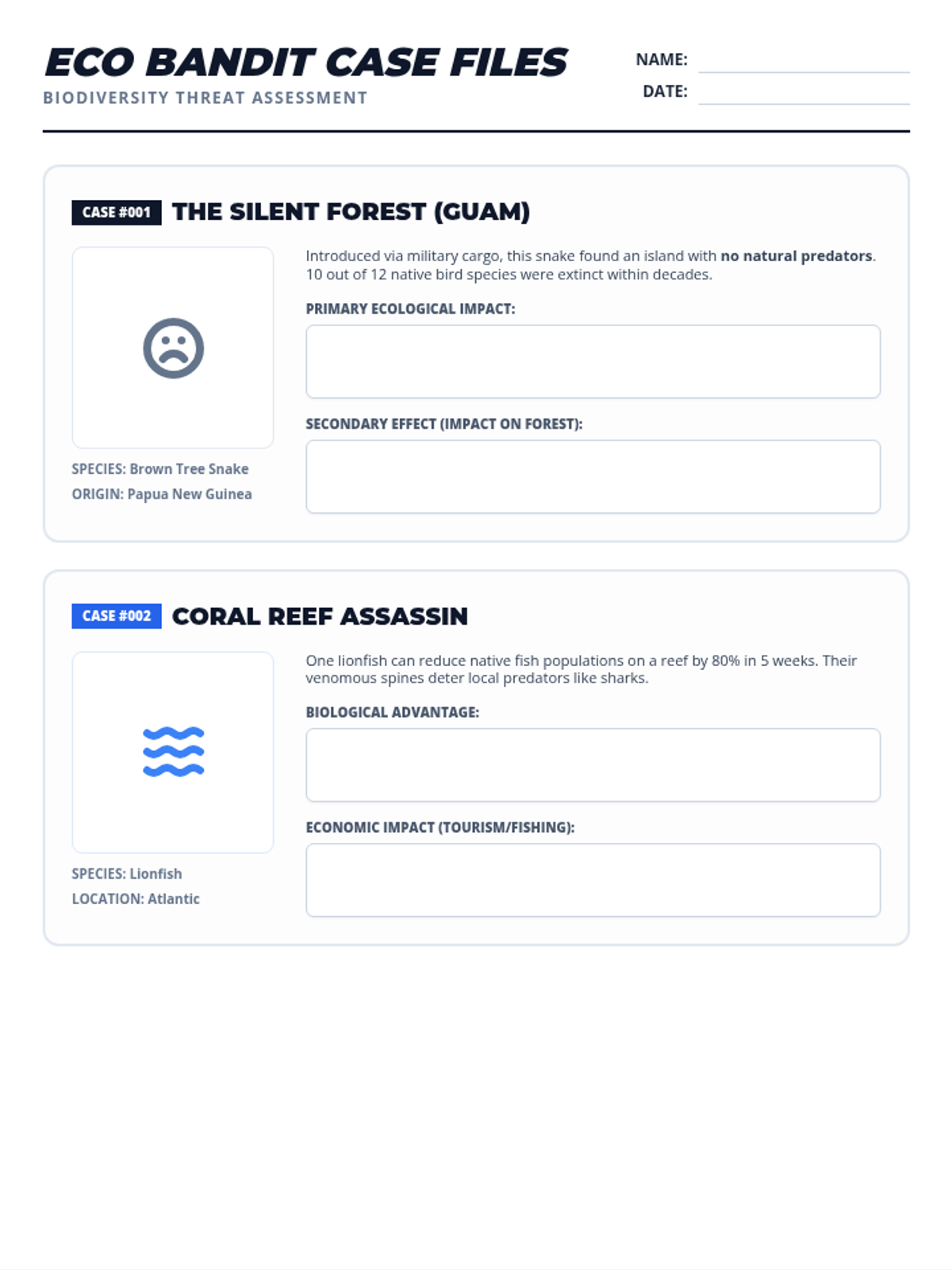
A comprehensive lesson exploring the evolution of hunting from ancient survival to modern conservation, including economic impacts and ethical debates surrounding biodiversity.
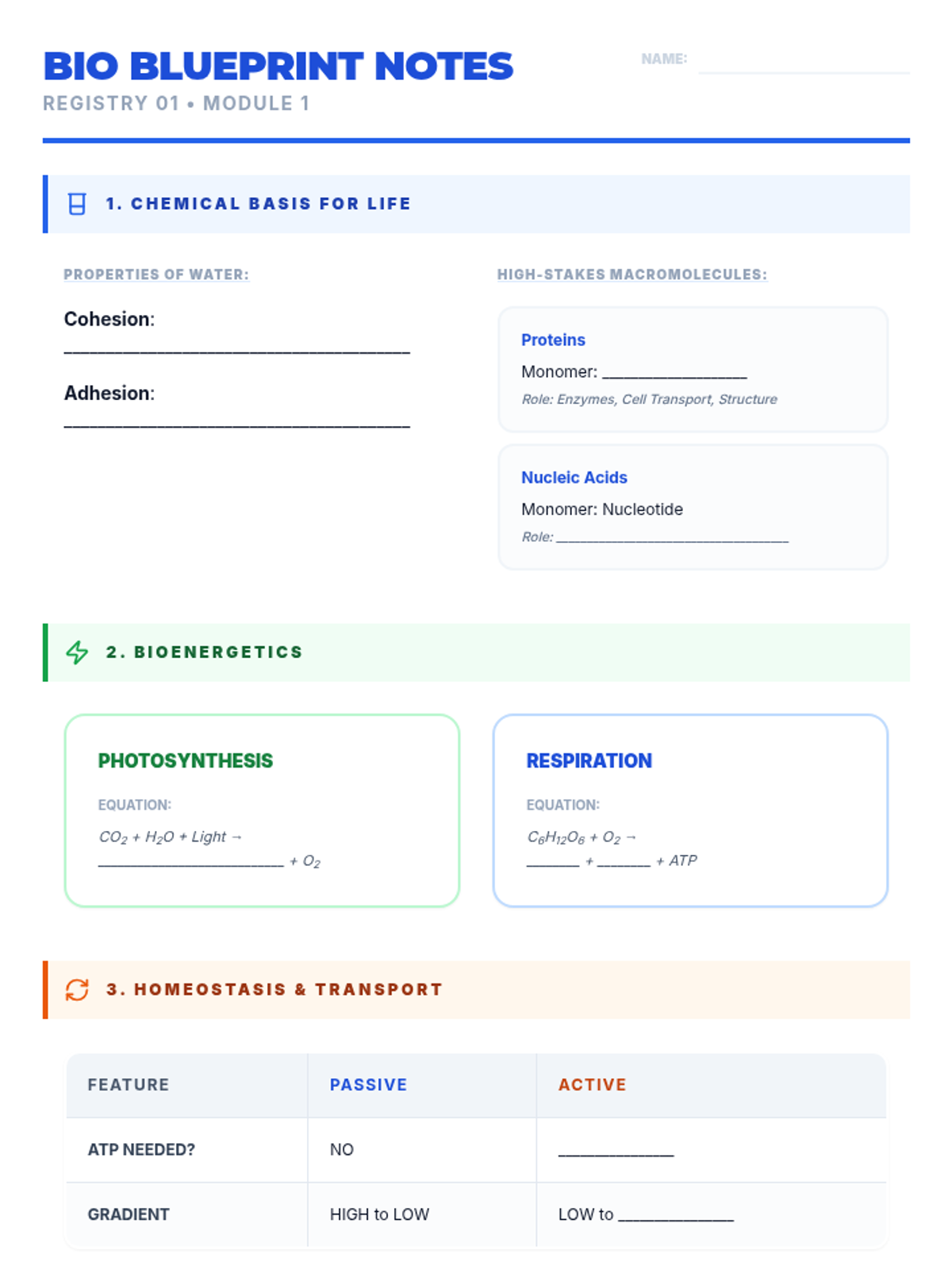
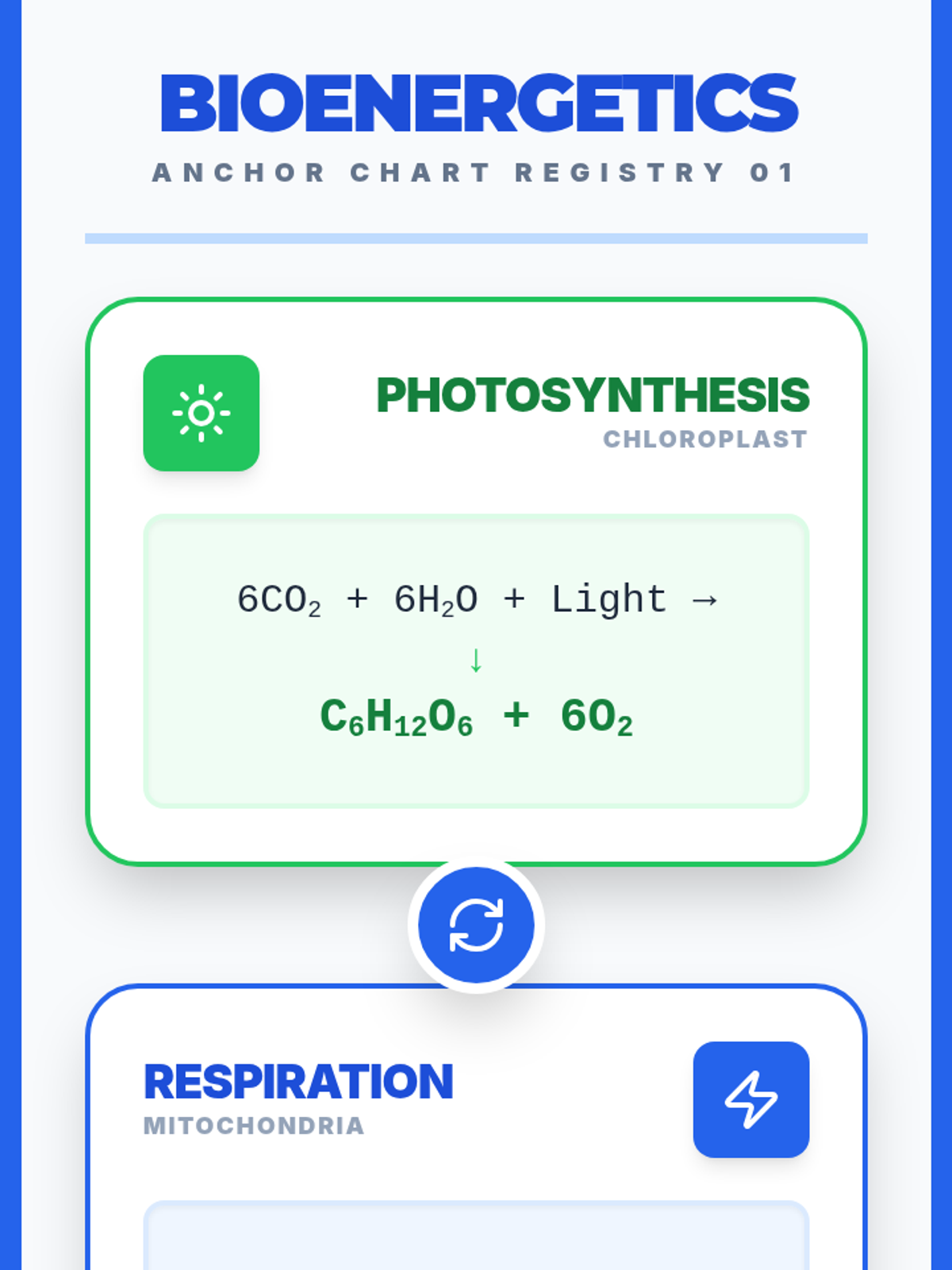
Explore how plants and other organisms capture solar energy to build life-sustaining sugars while comparing the process to cellular respiration.
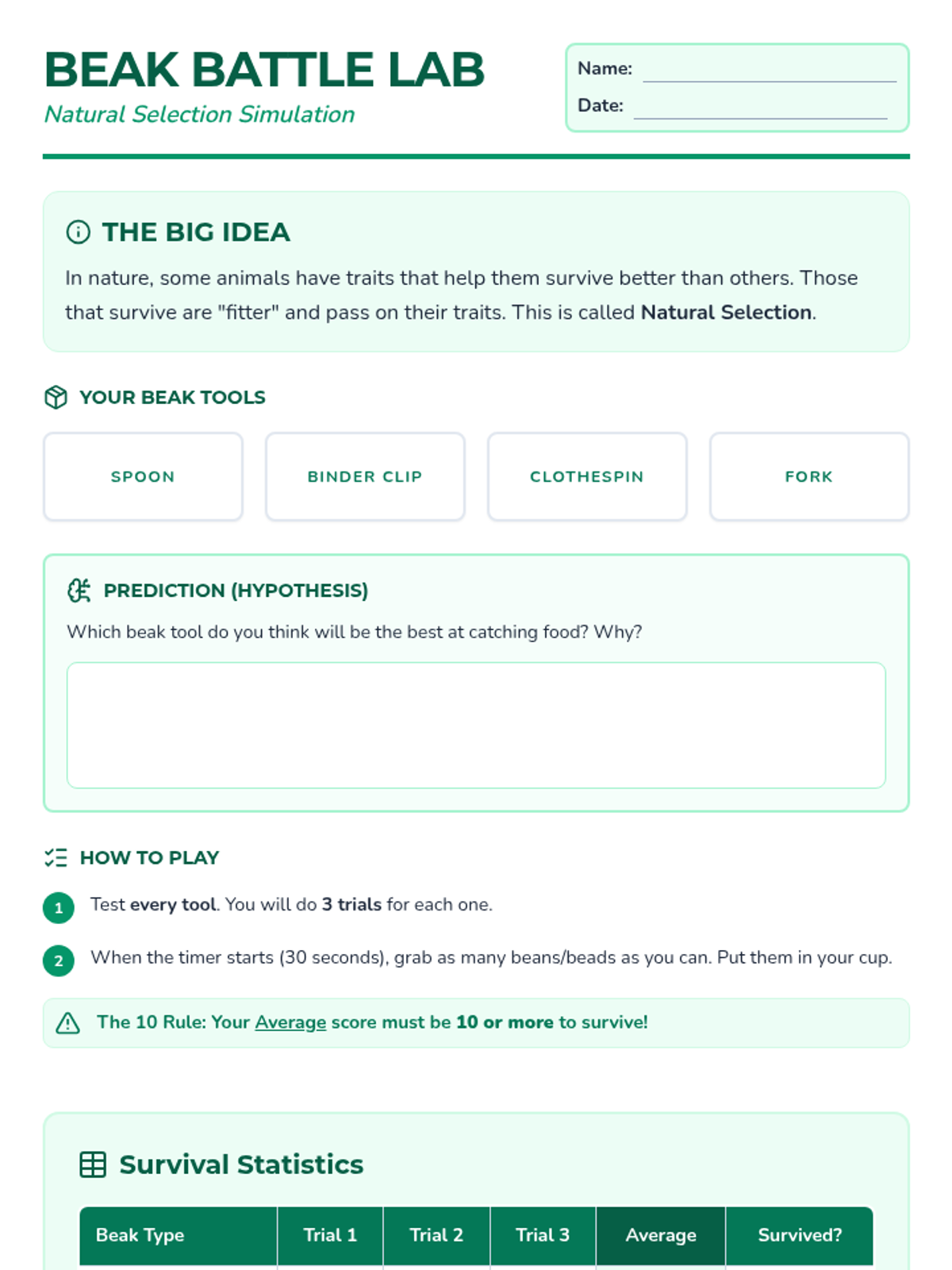
Focuses on reading security logs, understanding time formats (24h vs 12h), and using logic to follow a suspect's movement through keycard data.
Focuses on descriptive language, memory reliability, and the 'mugshot' process. Students learn to describe suspects and identify inconsistencies in witness stories.
A simplified murder mystery investigation. Students use a detective dossier with B1-level text to solve the crime of Professor Thorne. Includes sentence frames for final accusations.
Students explore how fingerprints and DNA help identify people. The lesson uses clear, visual steps to explain identification techniques and Locard's Exchange Principle.
Students learn essential crime-solving vocabulary (alibi, evidence, suspect) and practice categorizing physical vs. testimonial clues using simplified English and visual supports.
An exploration of specialized forensic techniques, focusing on fingerprint classification, DNA profiling basics, and the microscopic analysis of hair and fibers to connect suspects to a scene.
Students master the foundational vocabulary of forensic science, including terms like alibi, chain of custody, and trace evidence, while learning to categorize different types of physical and testimonial evidence.
A 90-minute immersive murder mystery experience where students apply forensic techniques to solve the death of a prominent professor. They will analyze evidence, evaluate witness statements, and build a case based on deductive reasoning.
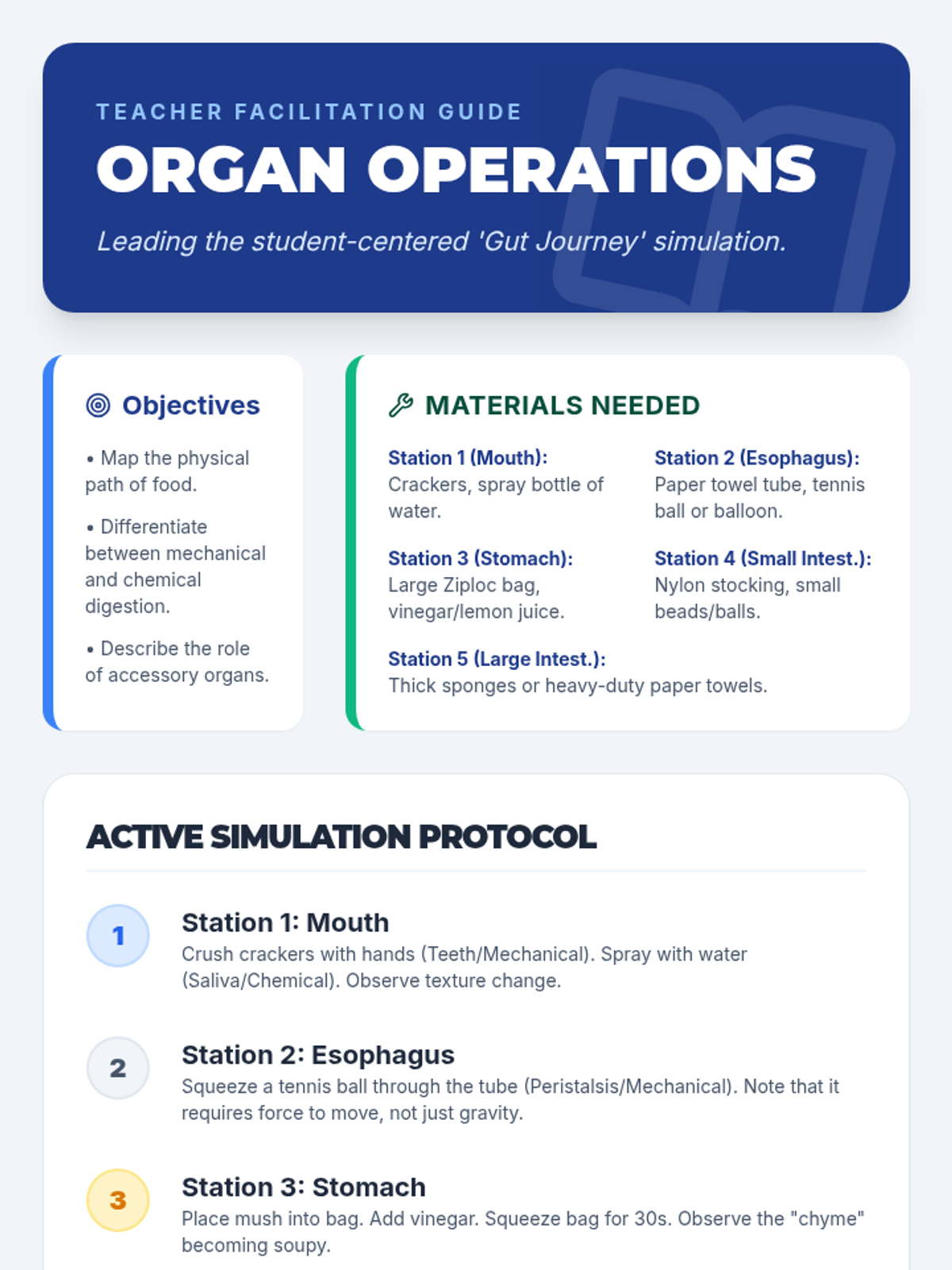
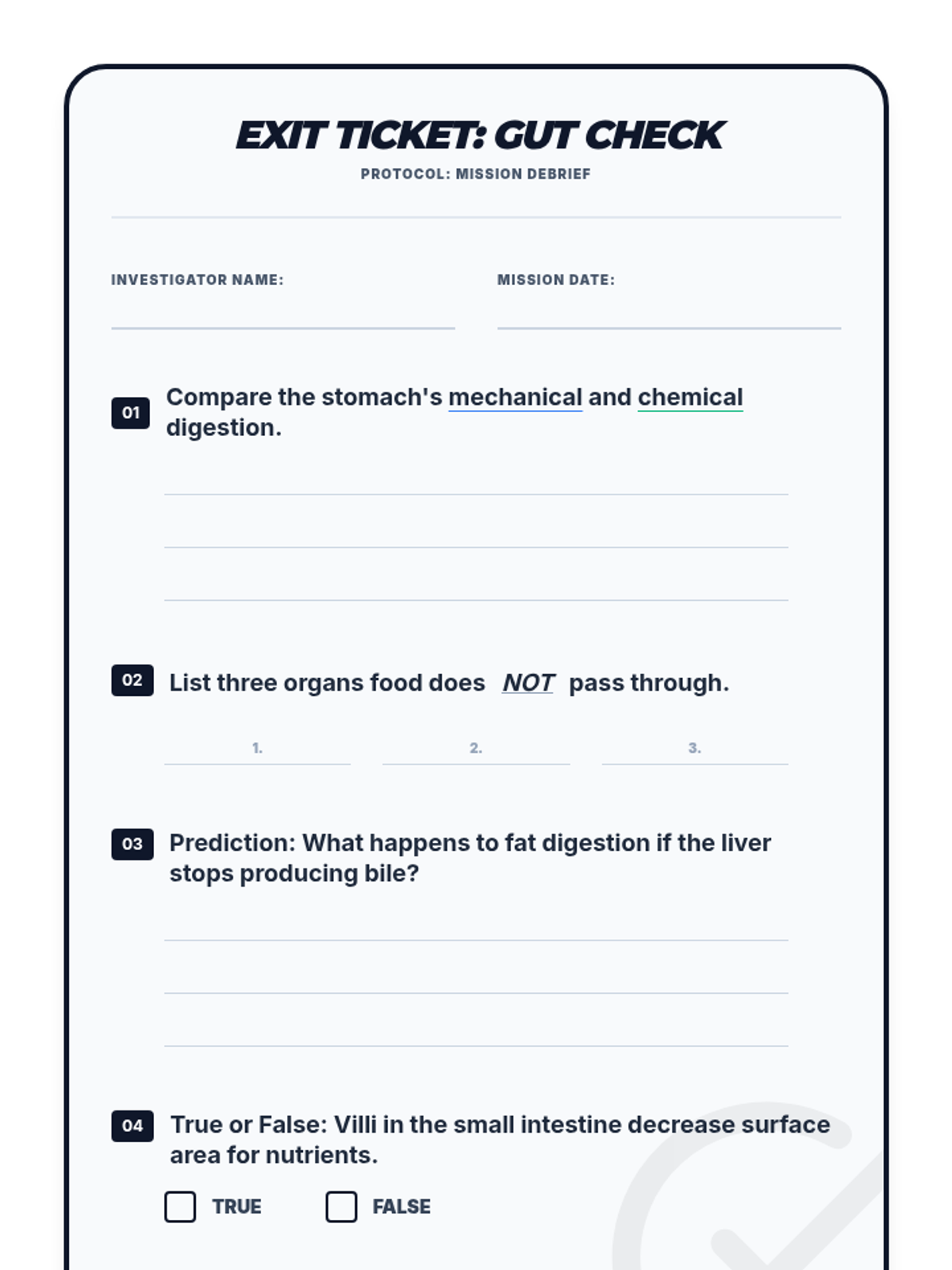
A hands-on science lab using crackers, water, and plastic bags to simulate the digestive process, with differentiated materials for various learner needs.
This lesson covers the fundamental principles of Shielded Metal Arc Welding (SMAW), including equipment operation, safety protocols, and core welding techniques for beginners.
A lesson focused on the properties of periodic motion, including frequency, period, and phase relationships in oscillators like pendulums and tuning forks.
A 5th-grade STEM lesson where students explore the concept of neurodiversity and engineering through the lens of Jack and Jill's creative solution to a water transport problem. Students will design and build their own aqueducts to move water without carrying it, reflecting on how 'thinking outside the box' leads to innovation.
Students explore the neuroscience of panic attacks, mapping the sympathetic and parasympathetic nervous system responses. They will identify the roles of the amygdala, prefrontal cortex, adrenaline, and acetylcholine in the body's 'false alarm' stress response.
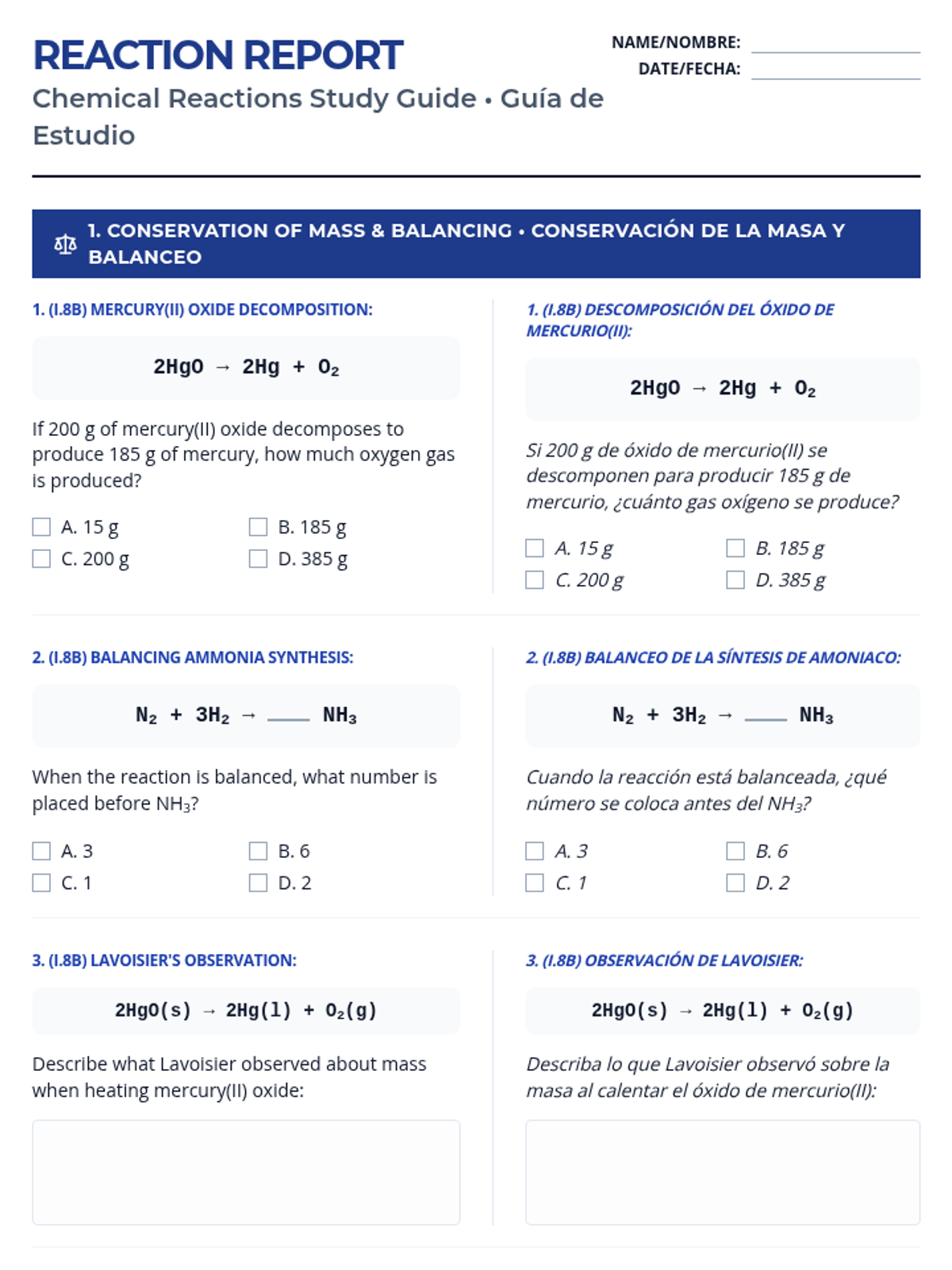
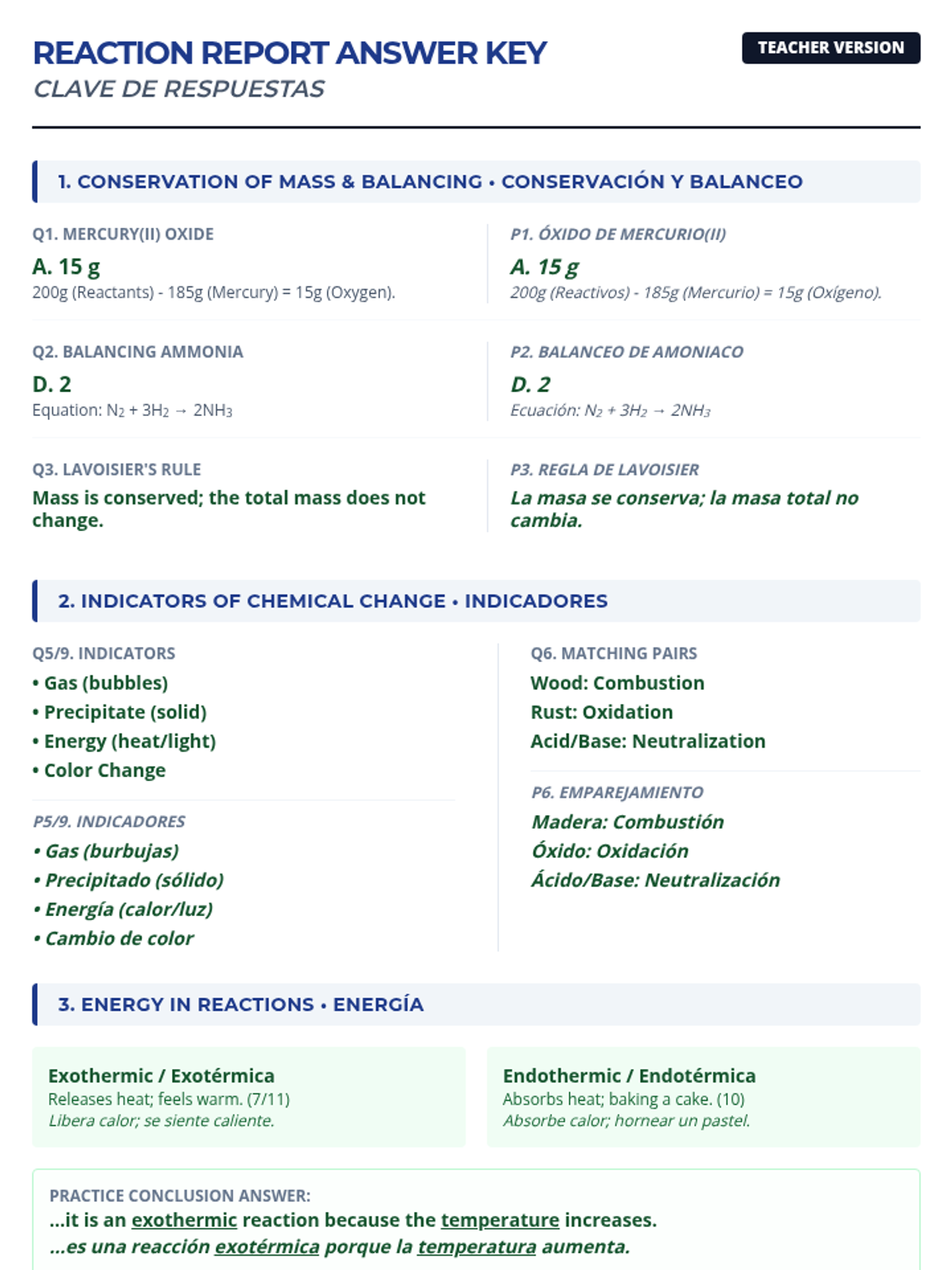
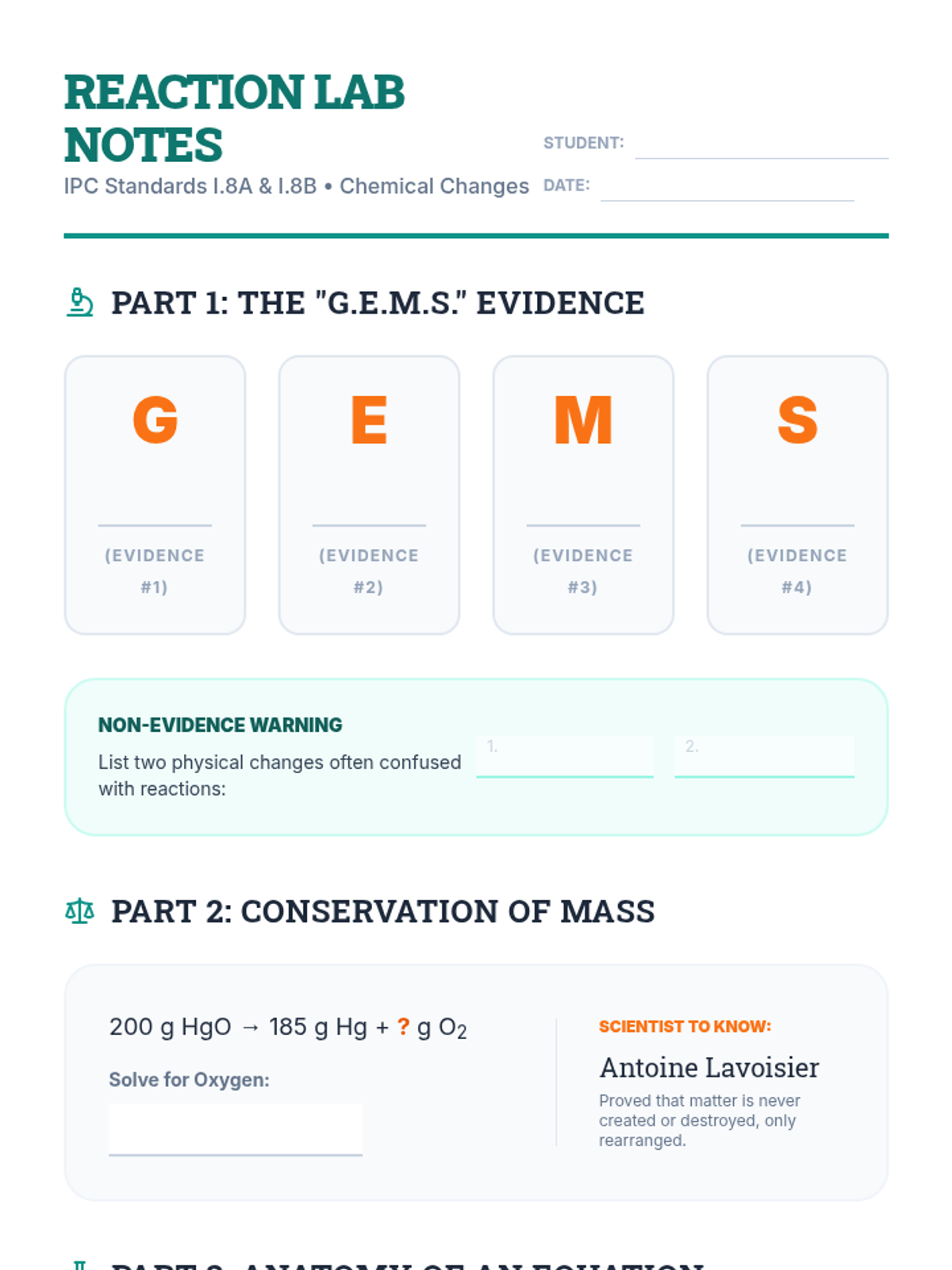
A 90-minute chemistry lab focused on the precipitation reaction between copper (II) chloride and sodium hydroxide, featuring a complete lab guide and instructional slides.