A hands-on botany lesson where Pre-K students plant seeds in clear containers to observe root growth and learn about the life cycle of plants through daily journaling.
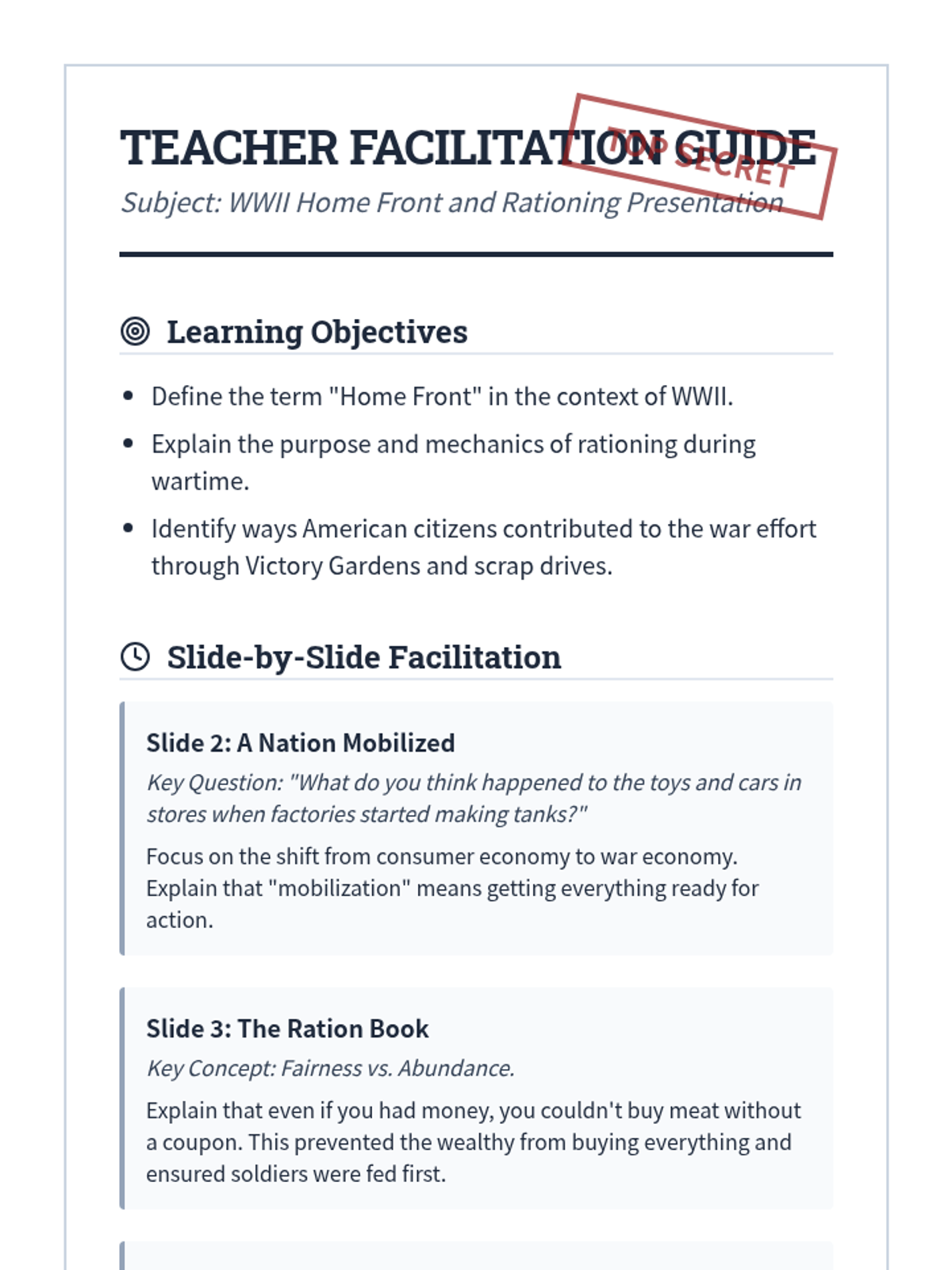
An exploration of life in America during World War II, focusing on how rationing, Victory Gardens, and community efforts supported the war from home.
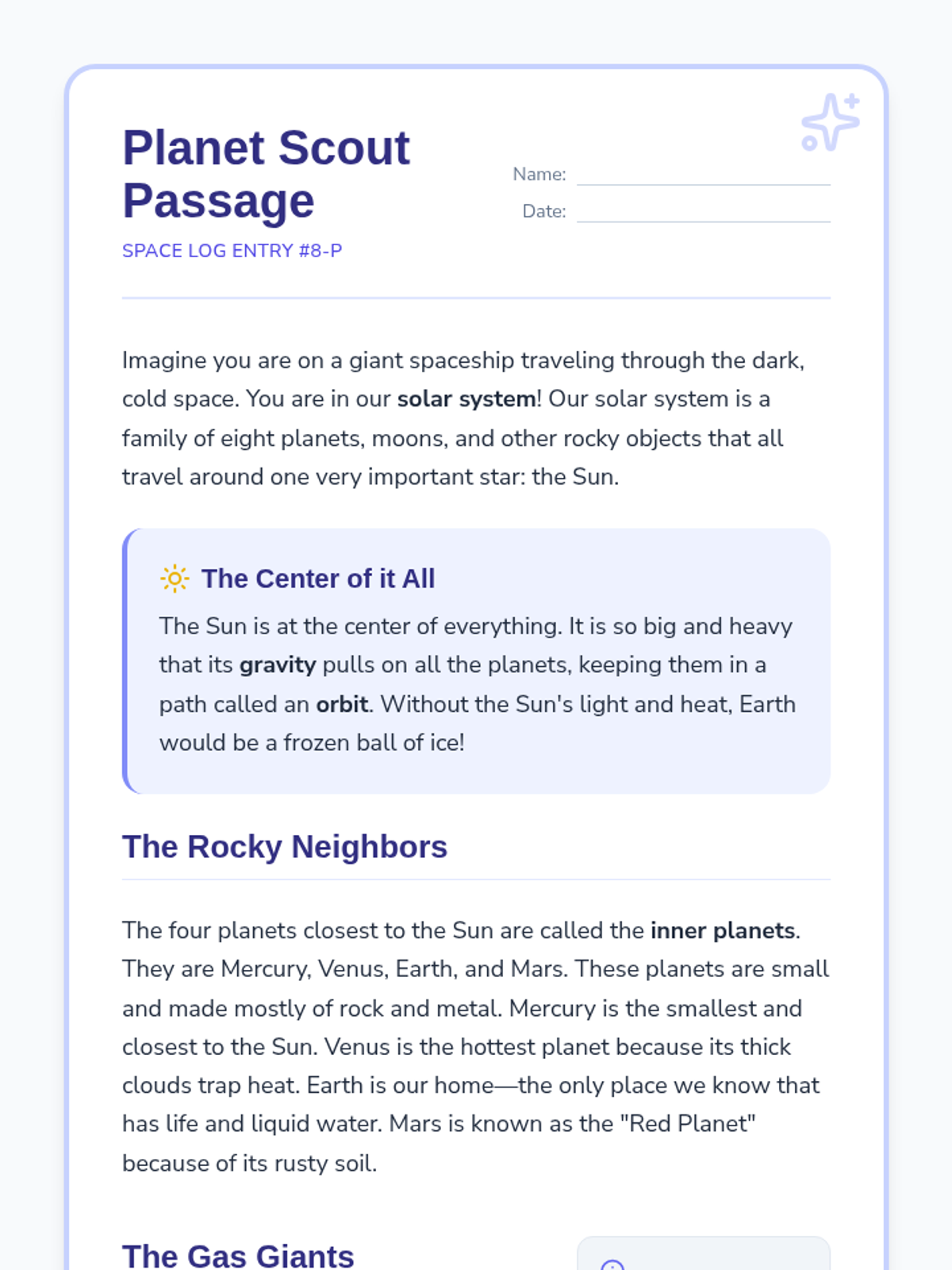
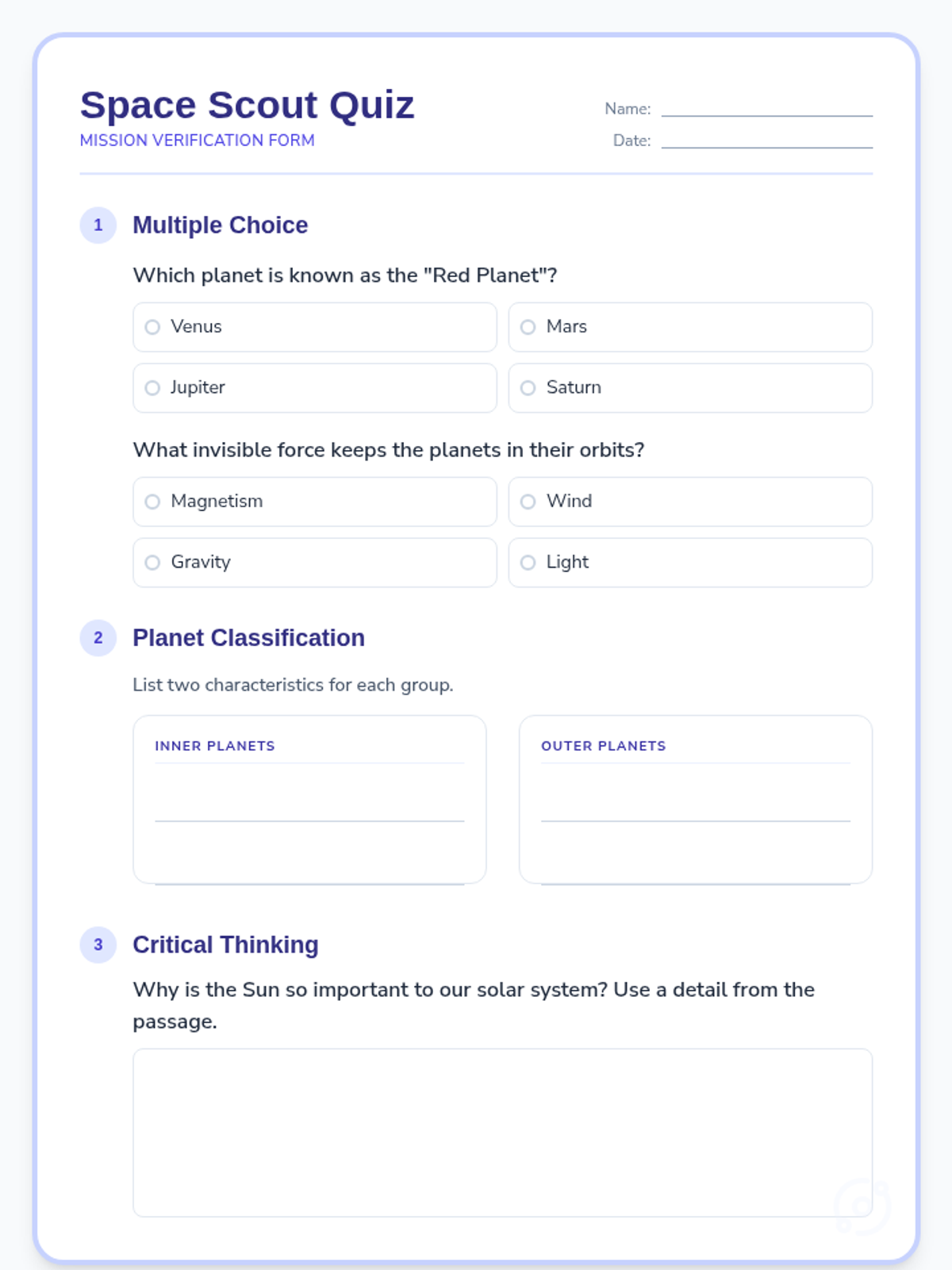
Students explore the eight planets of our solar system, learning about their unique characteristics and the forces that keep them in orbit.
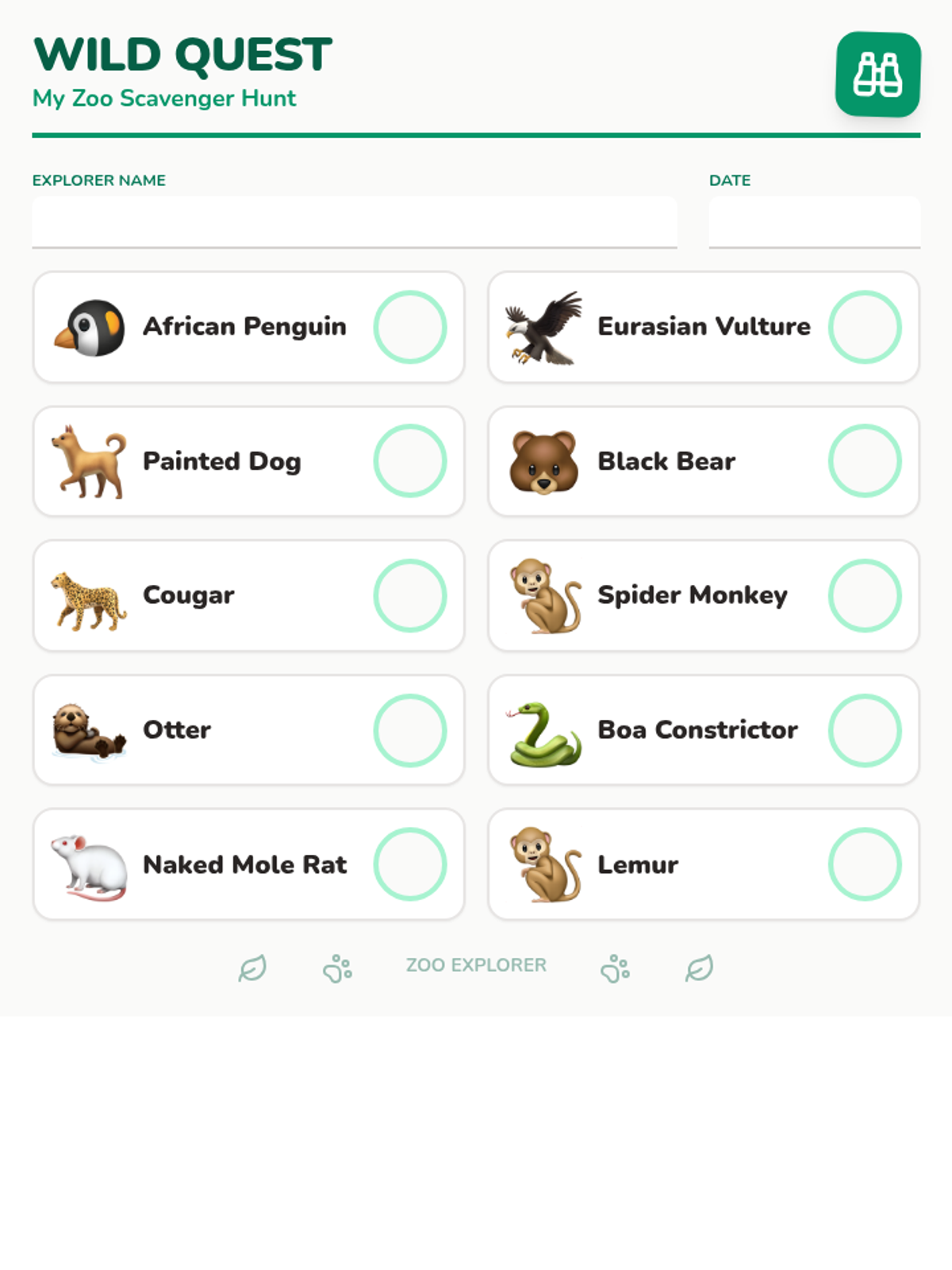
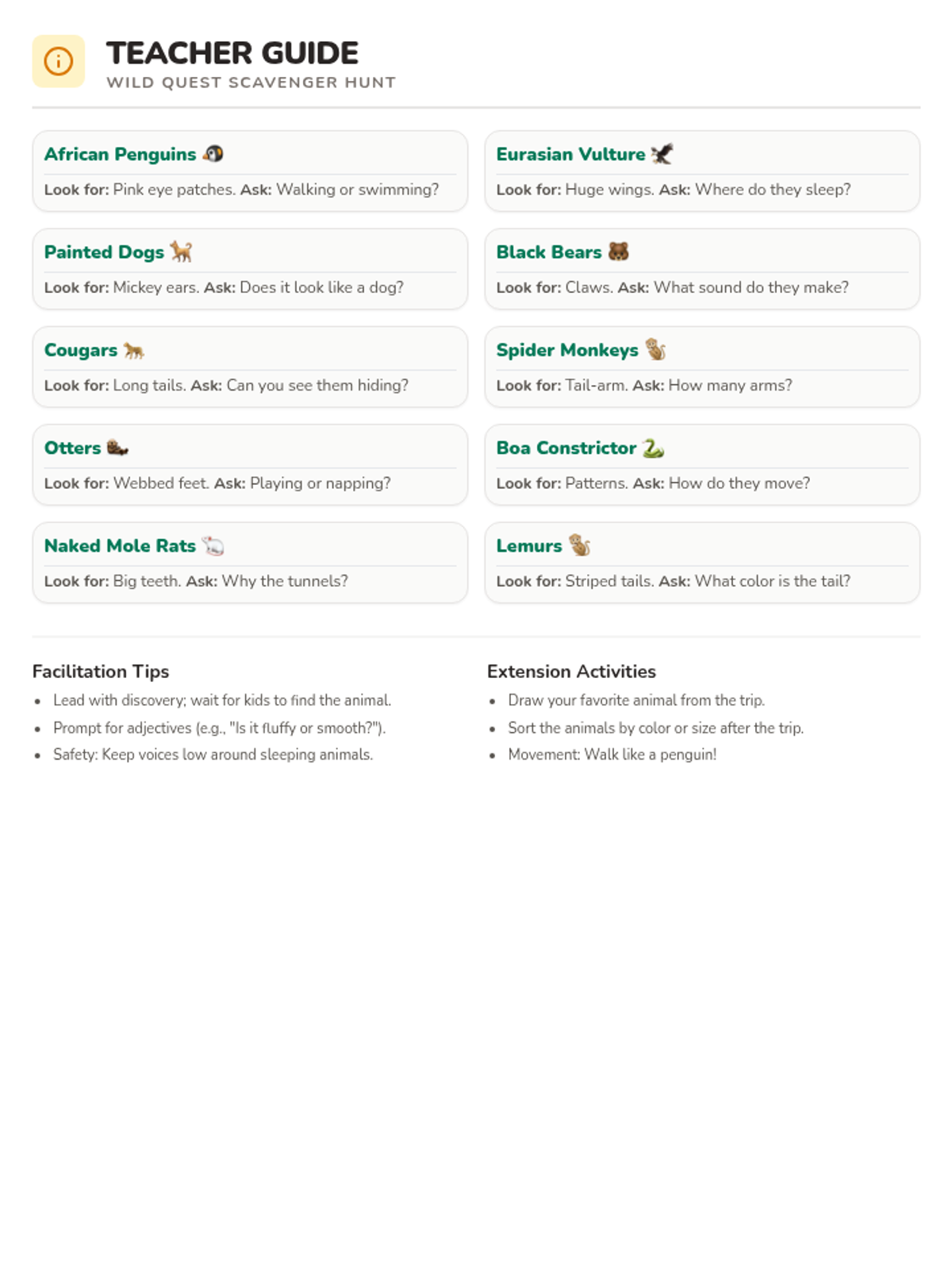
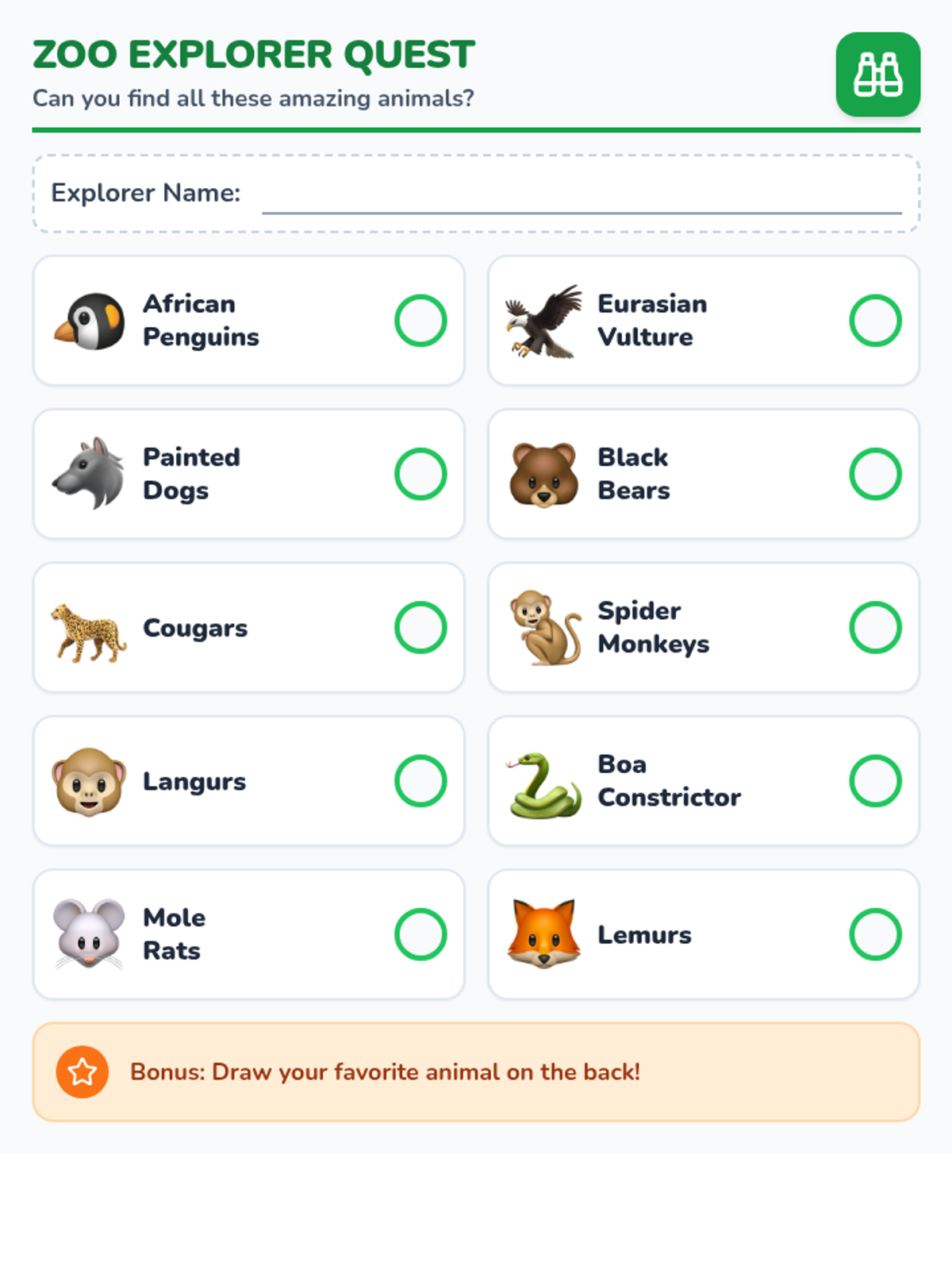
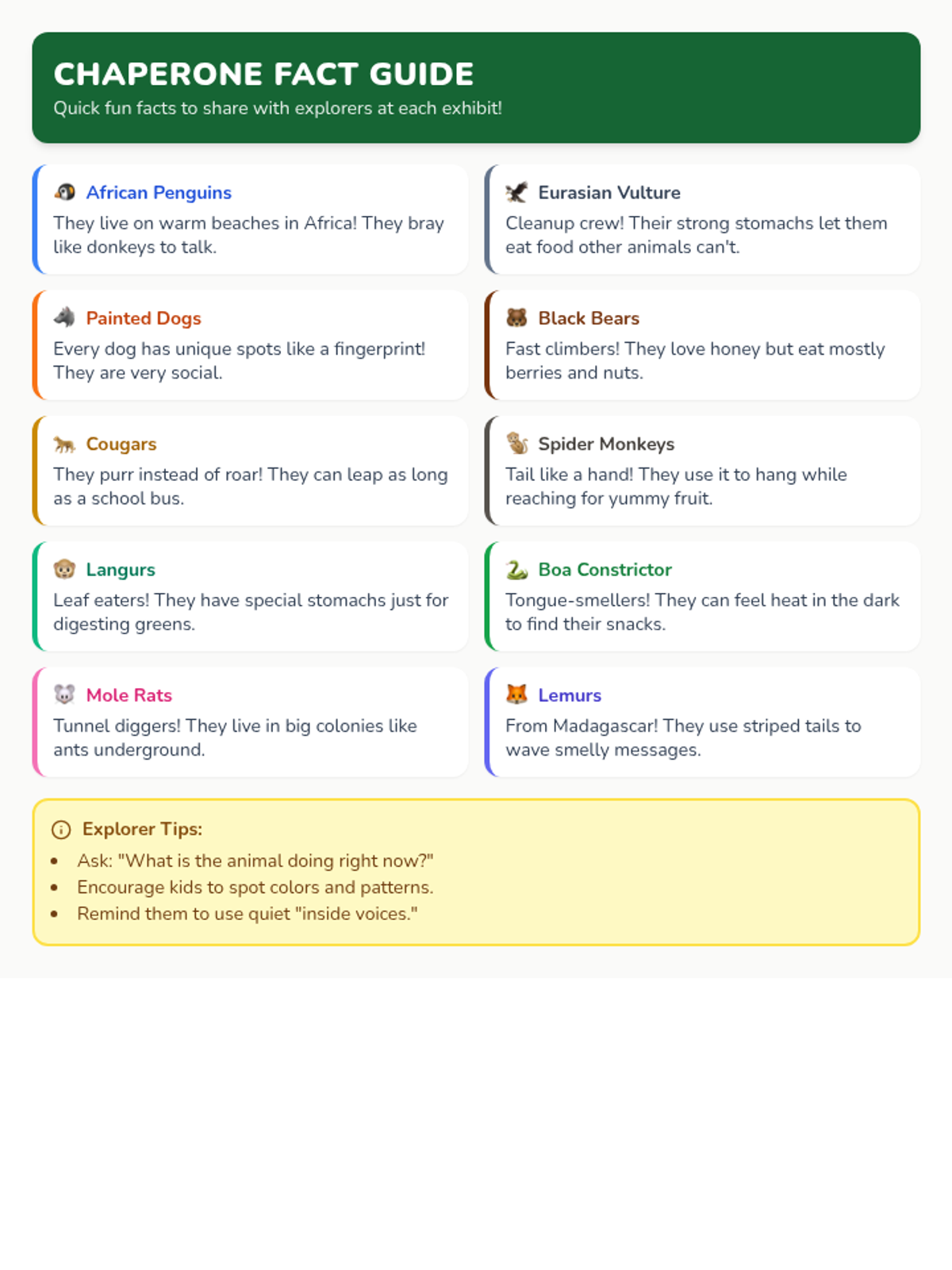
A fun, visual zoo scavenger hunt designed for Pre-K students to identify and observe specific animals during a field trip.
A fun, visual field trip experience for Pre-K students to explore specific animal species at the zoo through a scavenger hunt and guided discussion.
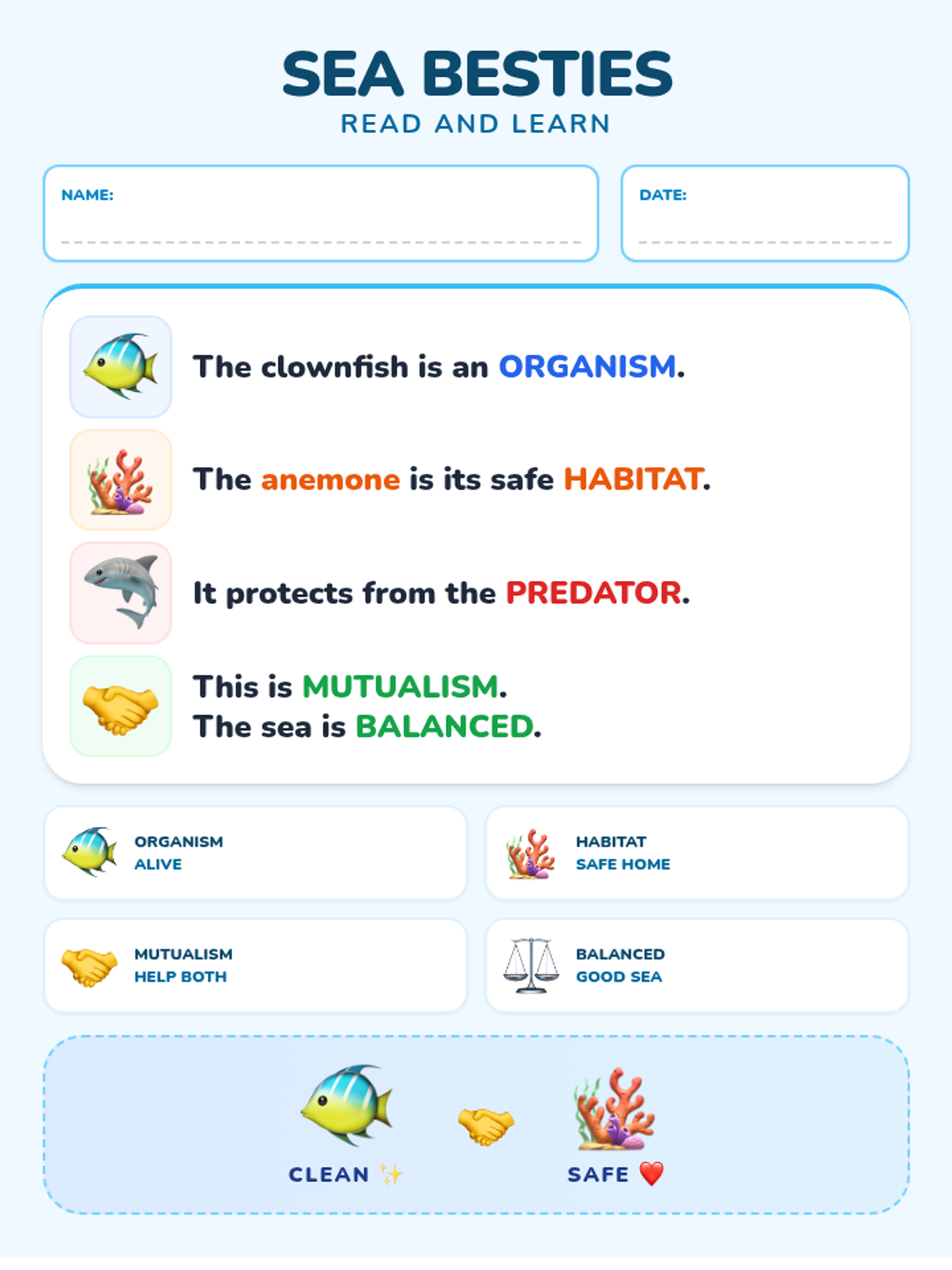
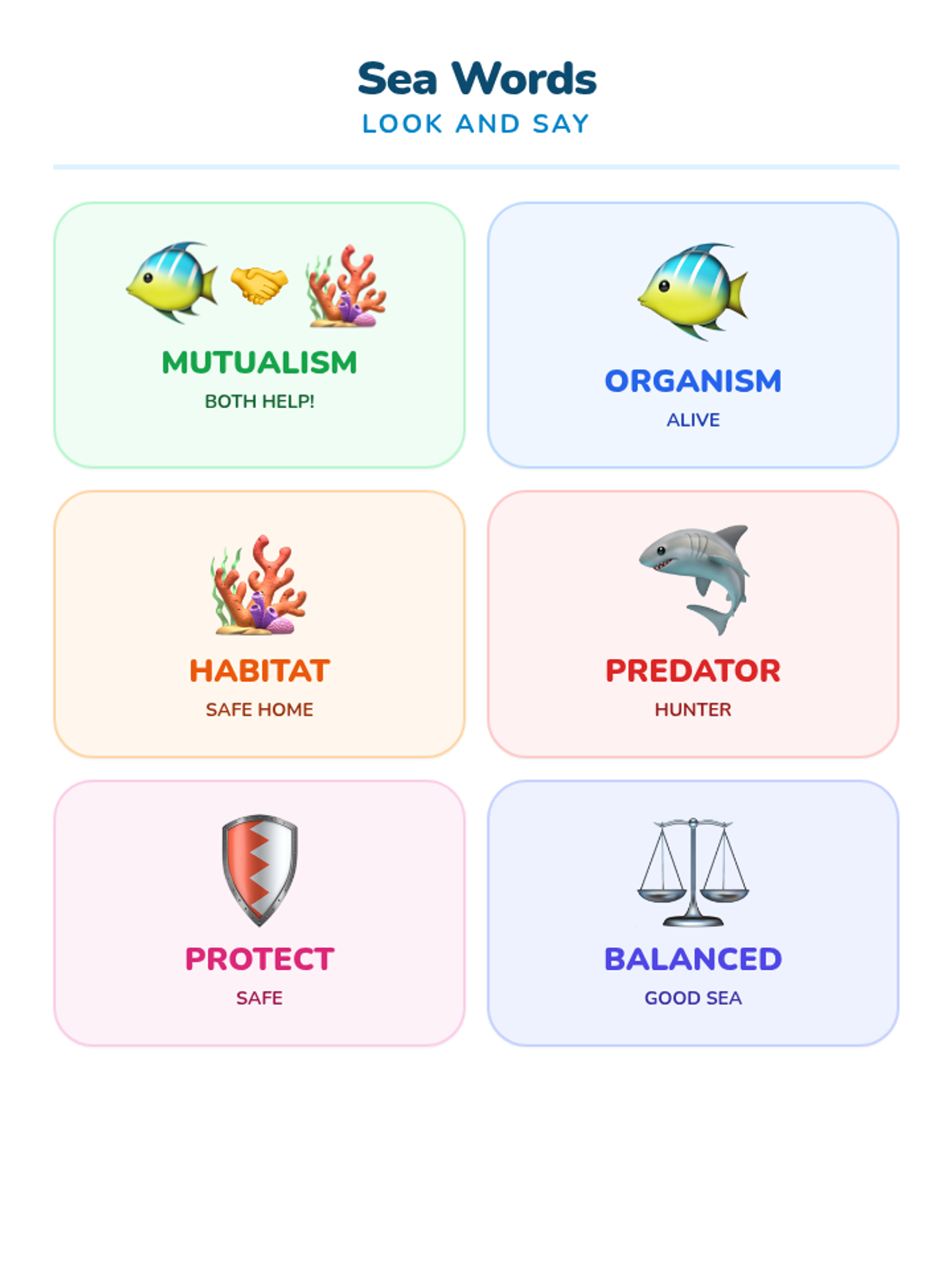
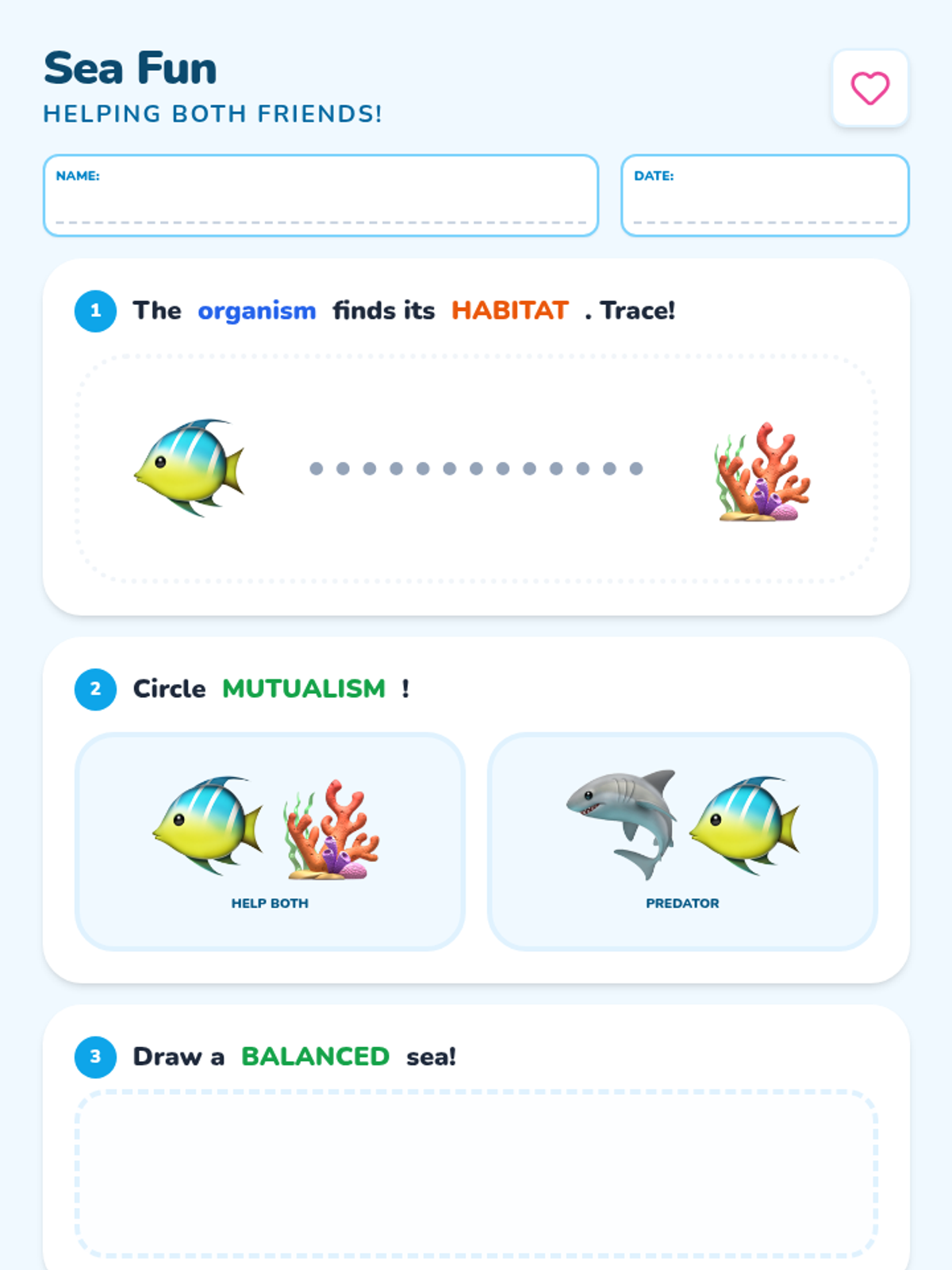
A simple introduction to the symbiotic relationship between clownfish and sea anemones, designed for Pre-K students with limited formal education (SLIFE). The lesson uses high-contrast visuals and basic vocabulary to explain how these ocean animals help each other.
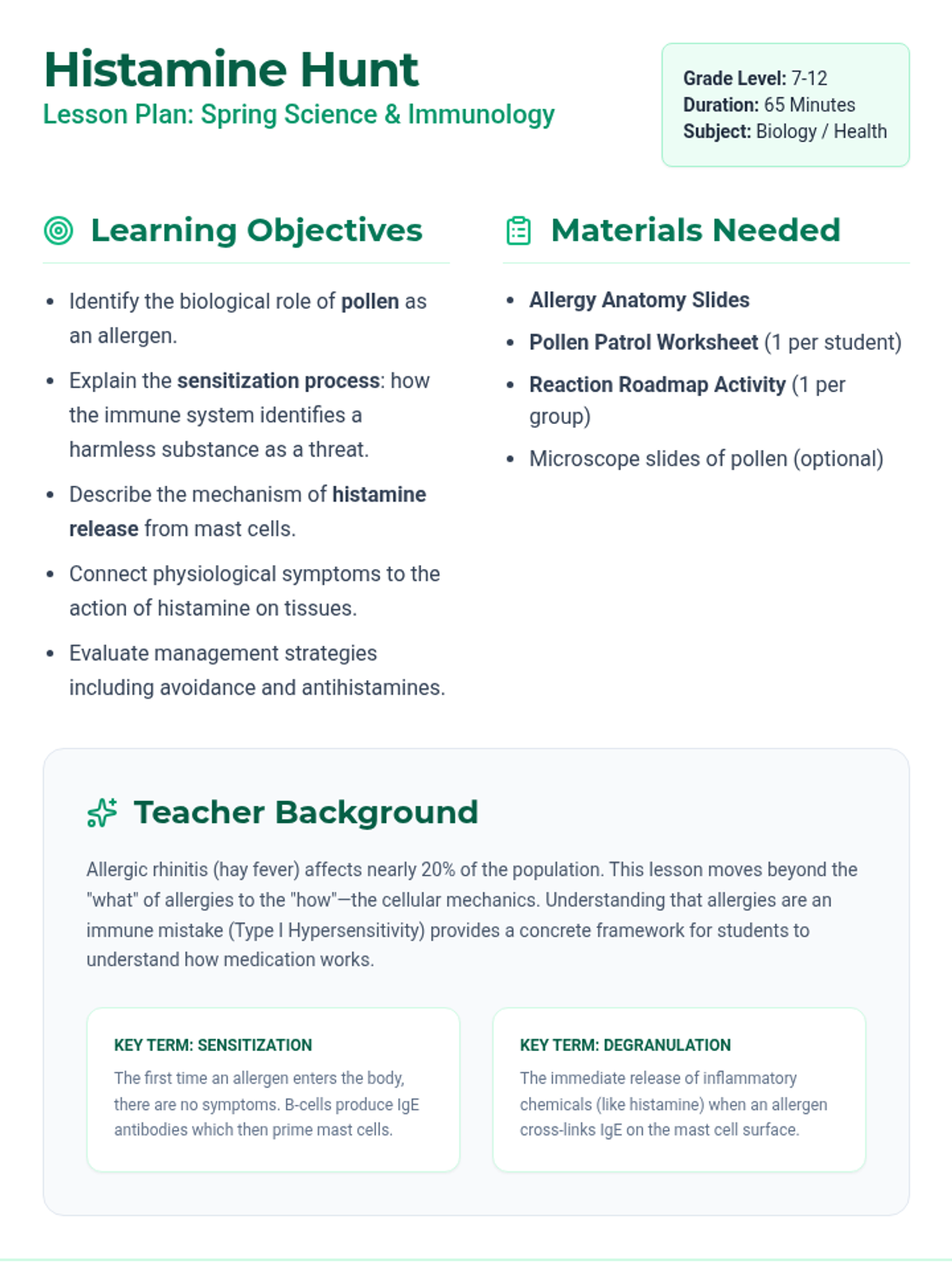
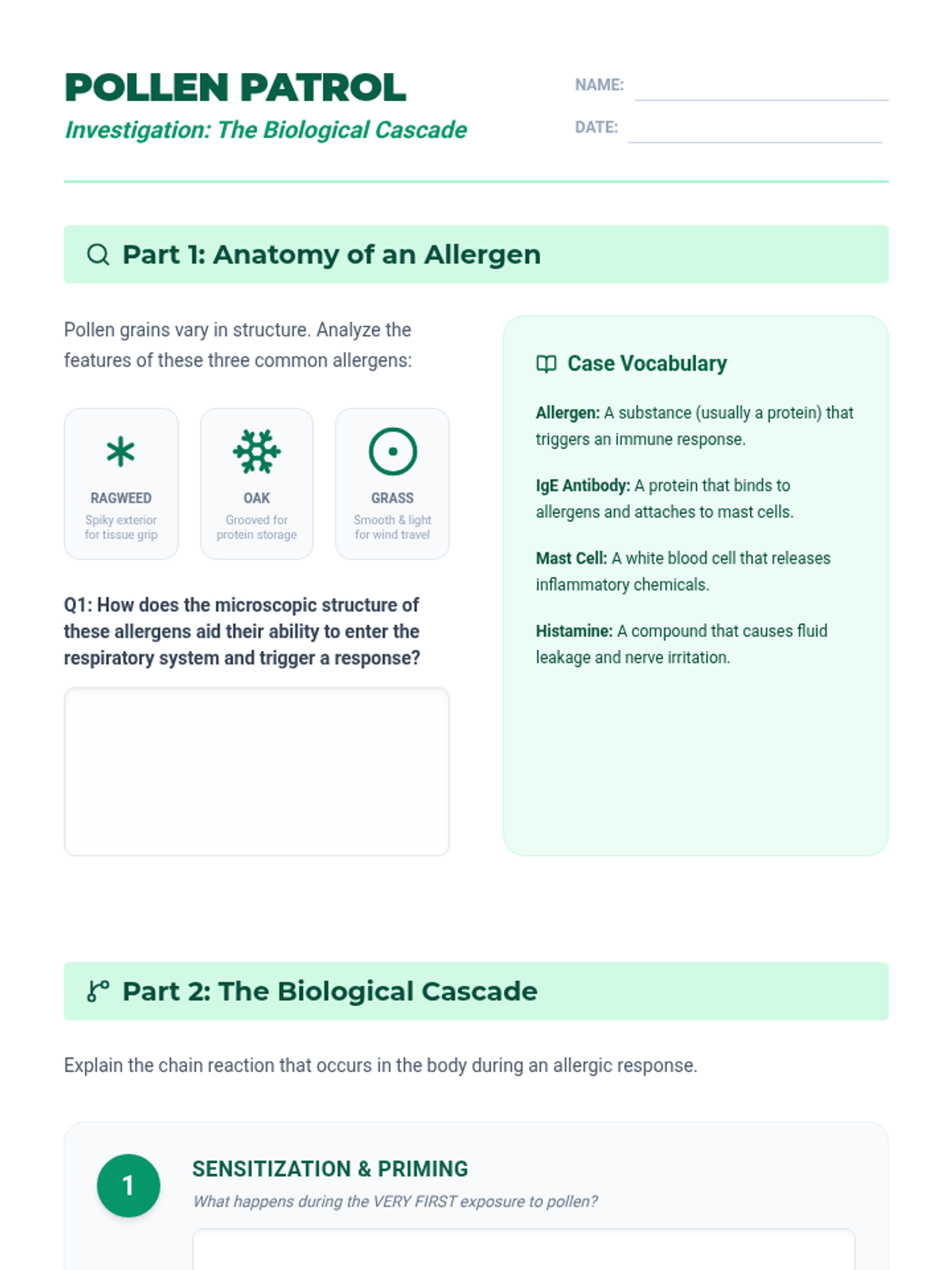
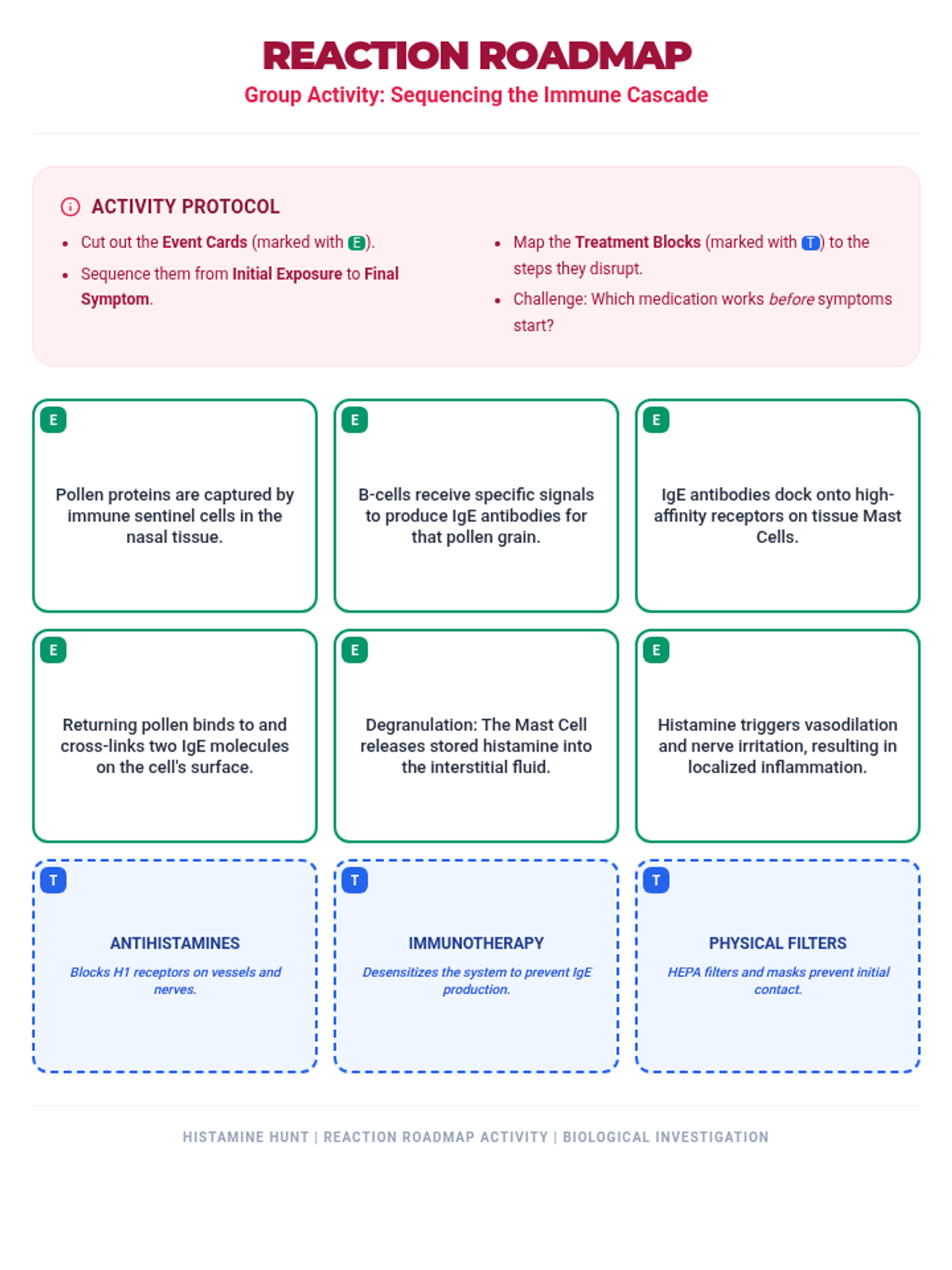
A comprehensive investigation into the biological mechanisms of seasonal allergies, focusing on the immune system's overreaction to pollen and the role of histamine. Students will explore hypersensitivity, physical symptoms, and evidence-based management strategies.
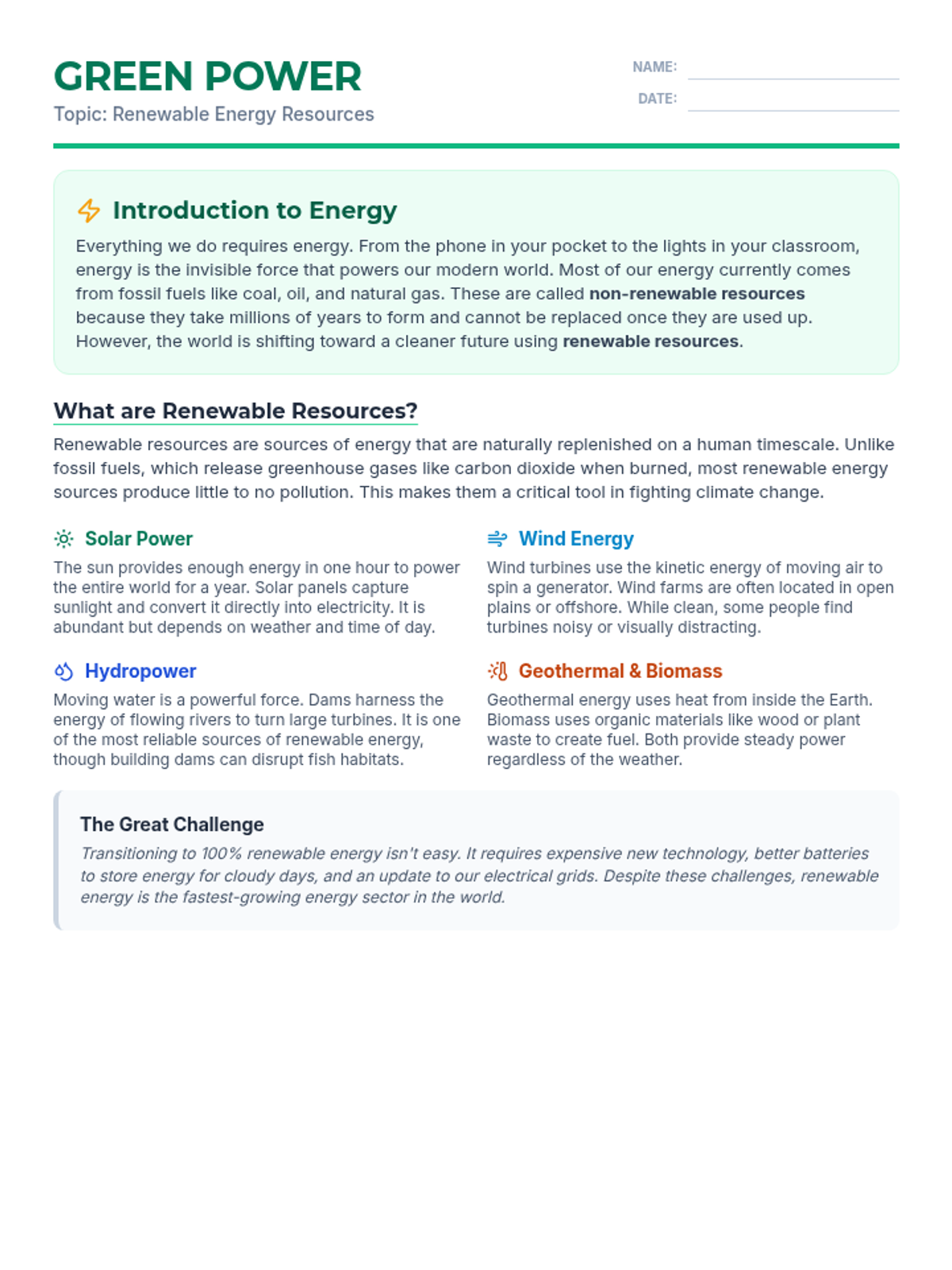
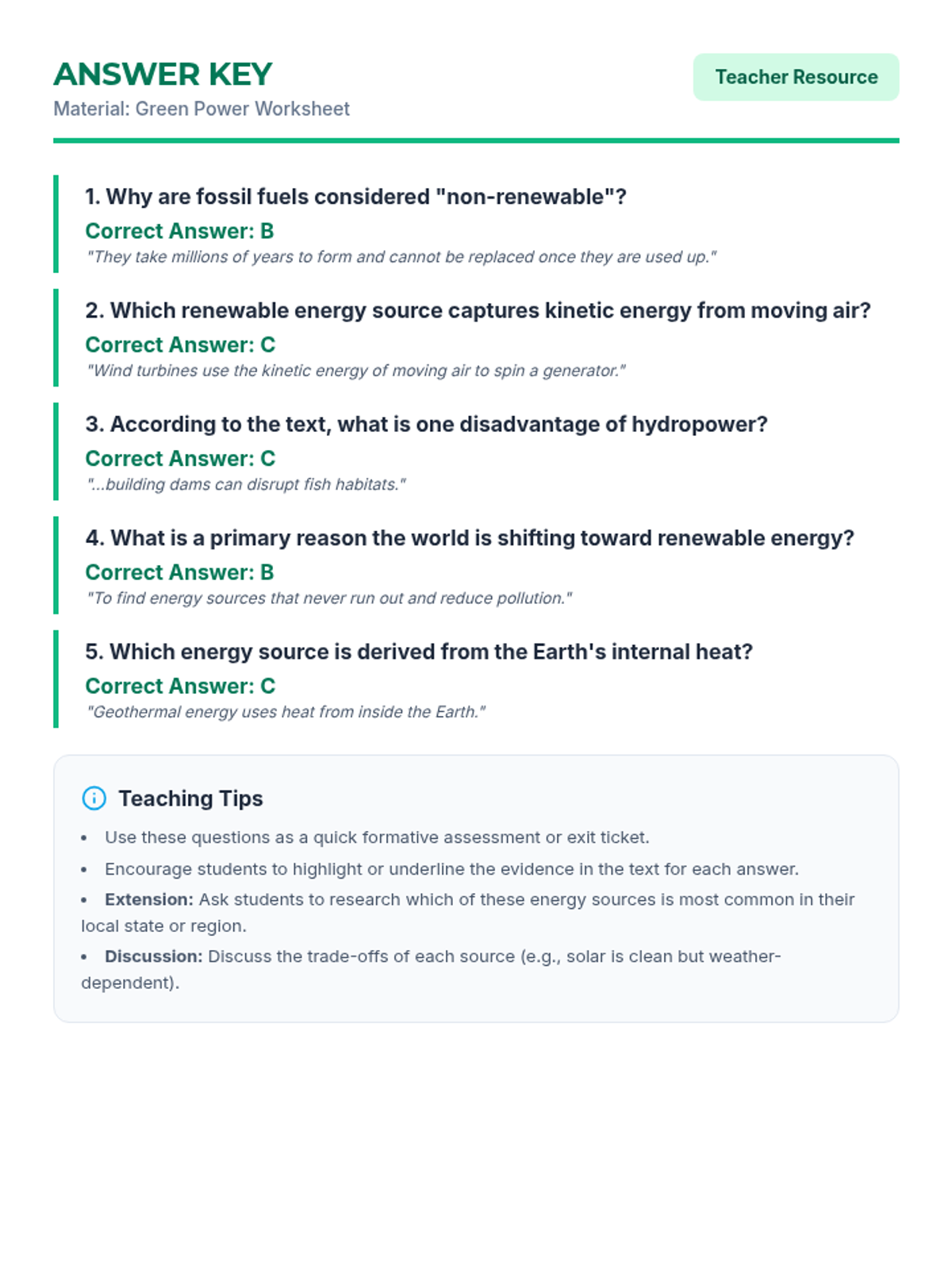
An introductory lesson on renewable and non-renewable energy resources, focusing on the science behind solar, wind, and hydroelectric power. Students will explore how these energy sources work and their impact on the environment.
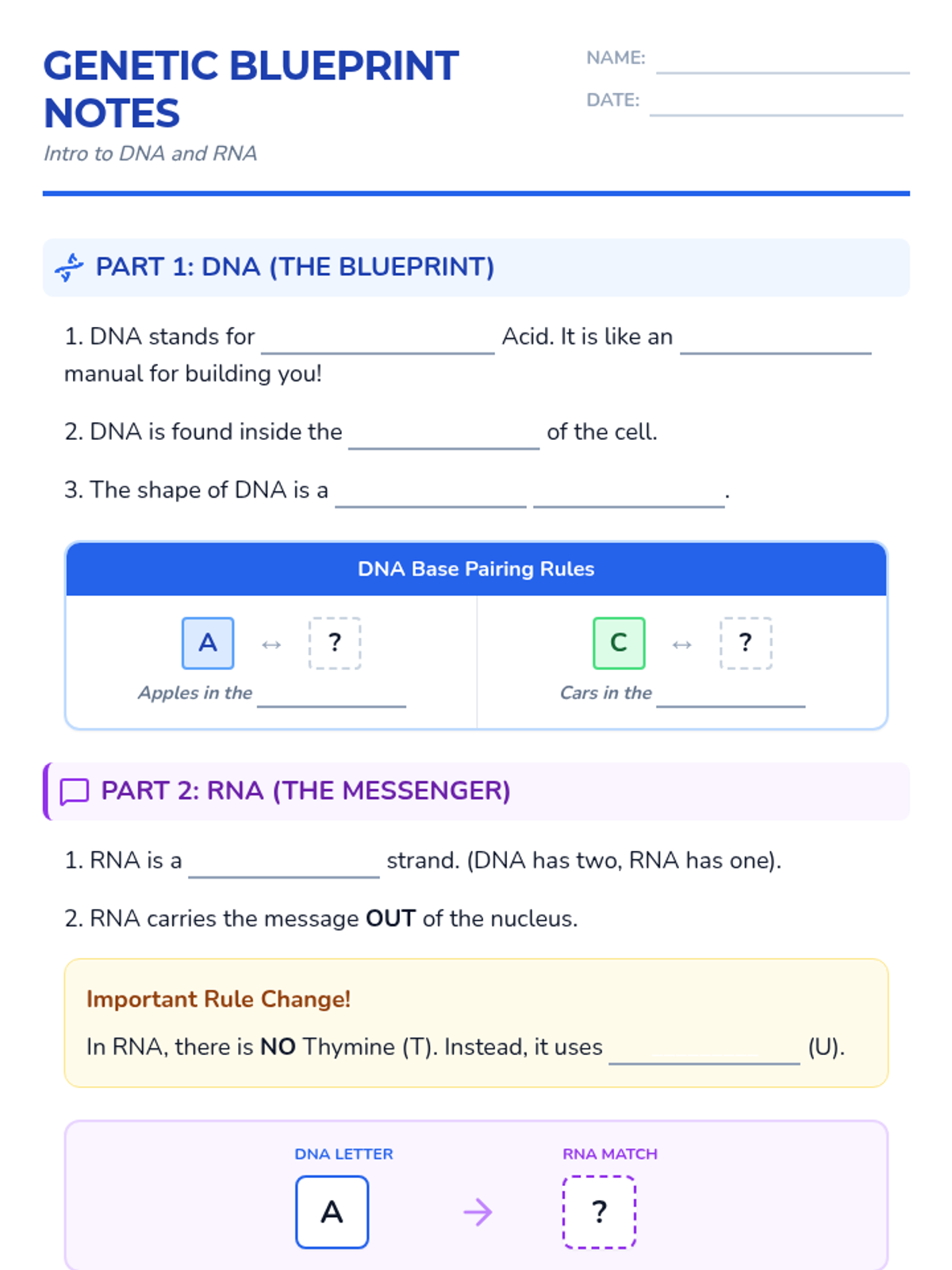
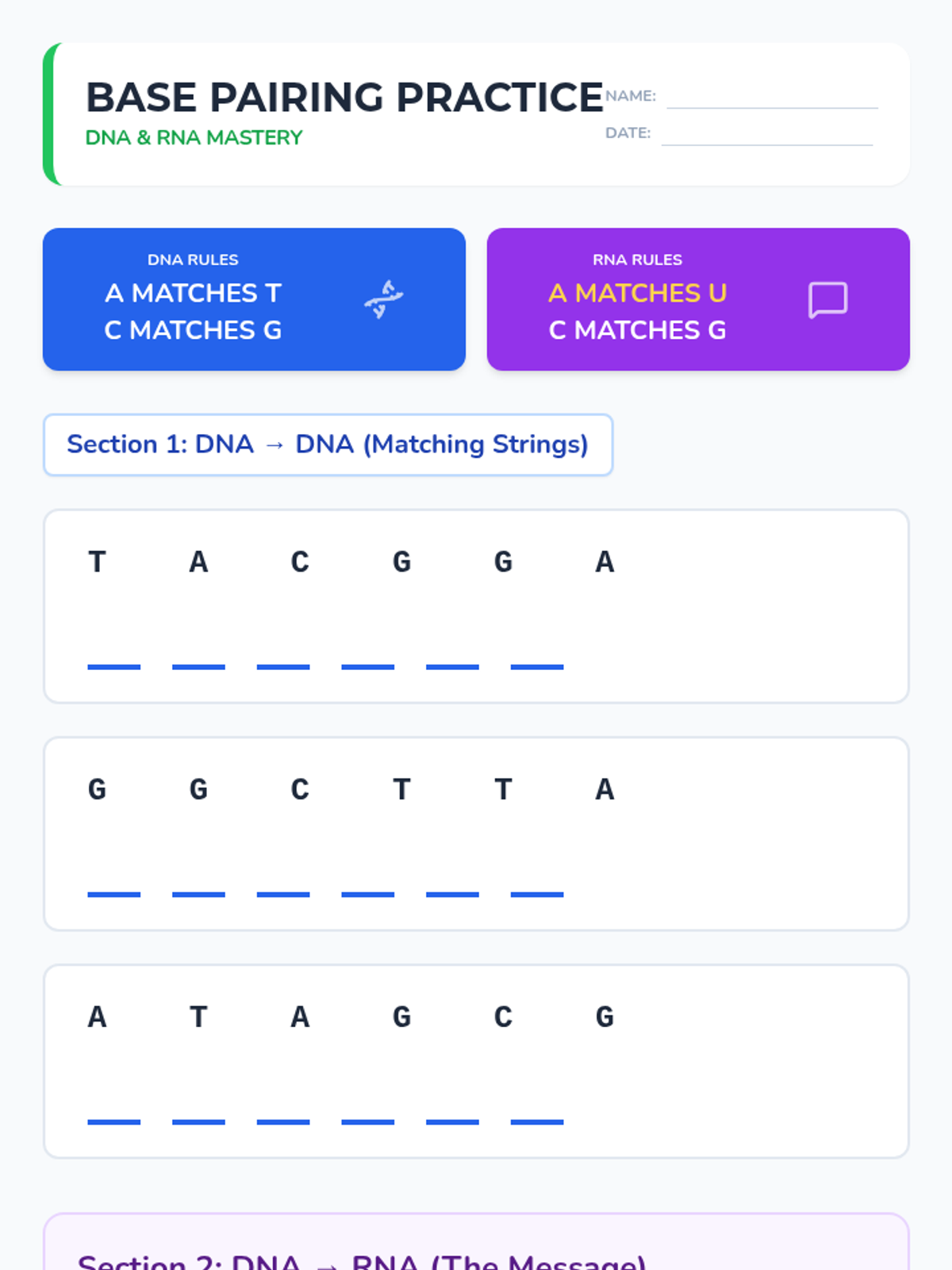
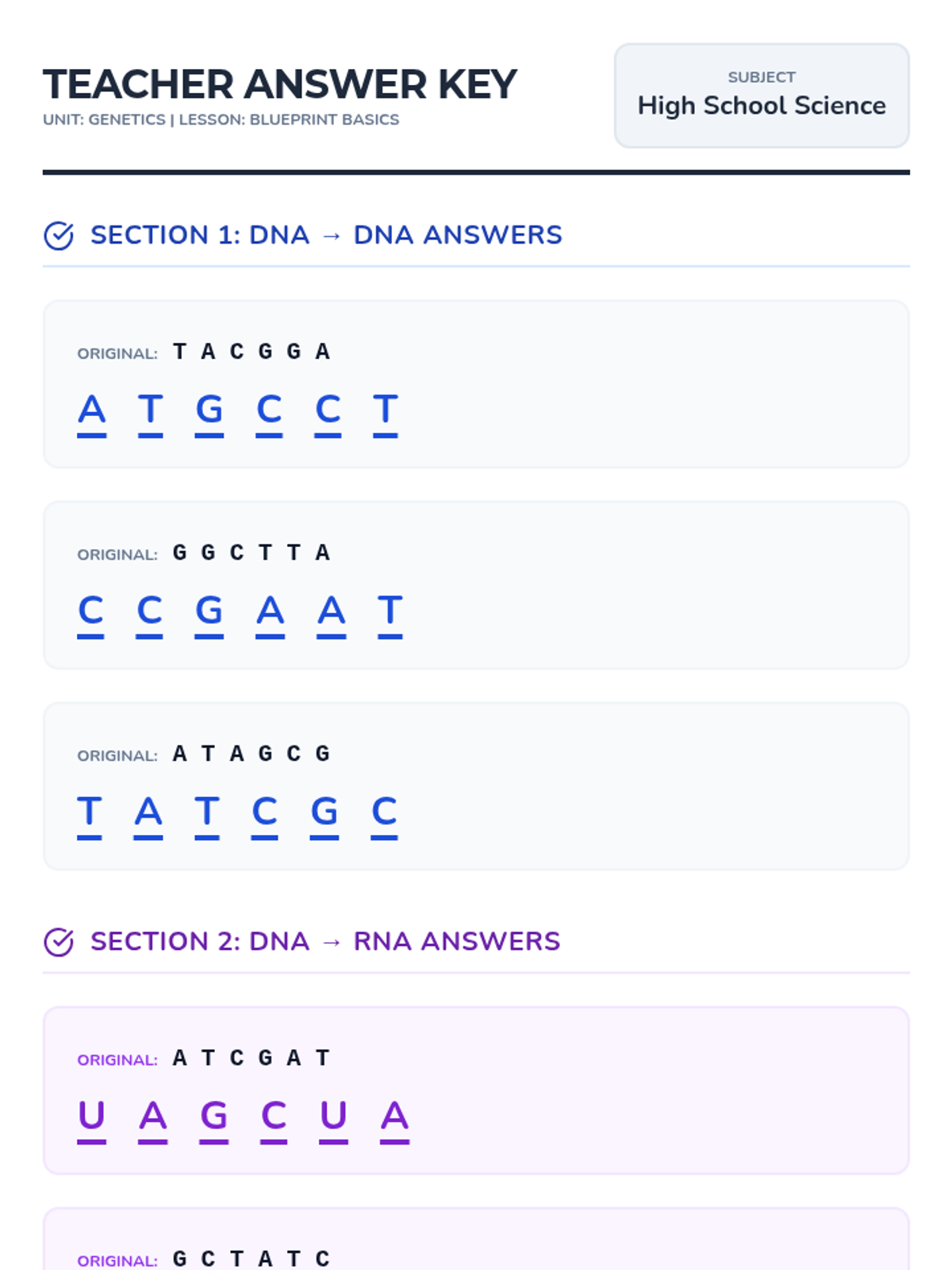
A foundational introduction to the structures of DNA and RNA, focusing on identifying components and mastering the base-pairing rules essential for genetics.
A comprehensive introduction to the fundamentals of one-dimensional kinematics, covering position, displacement, speed, and velocity through various representational models.
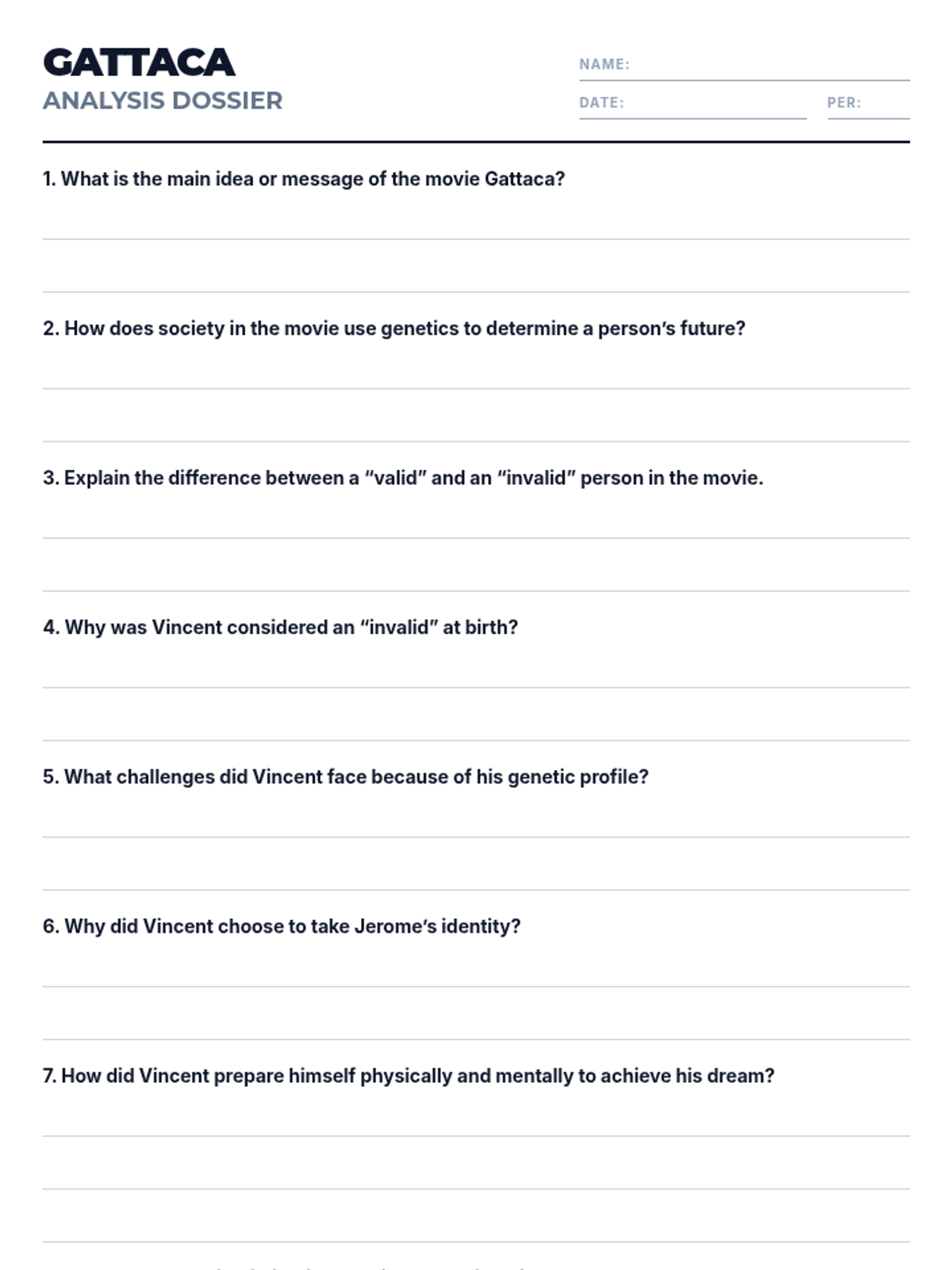
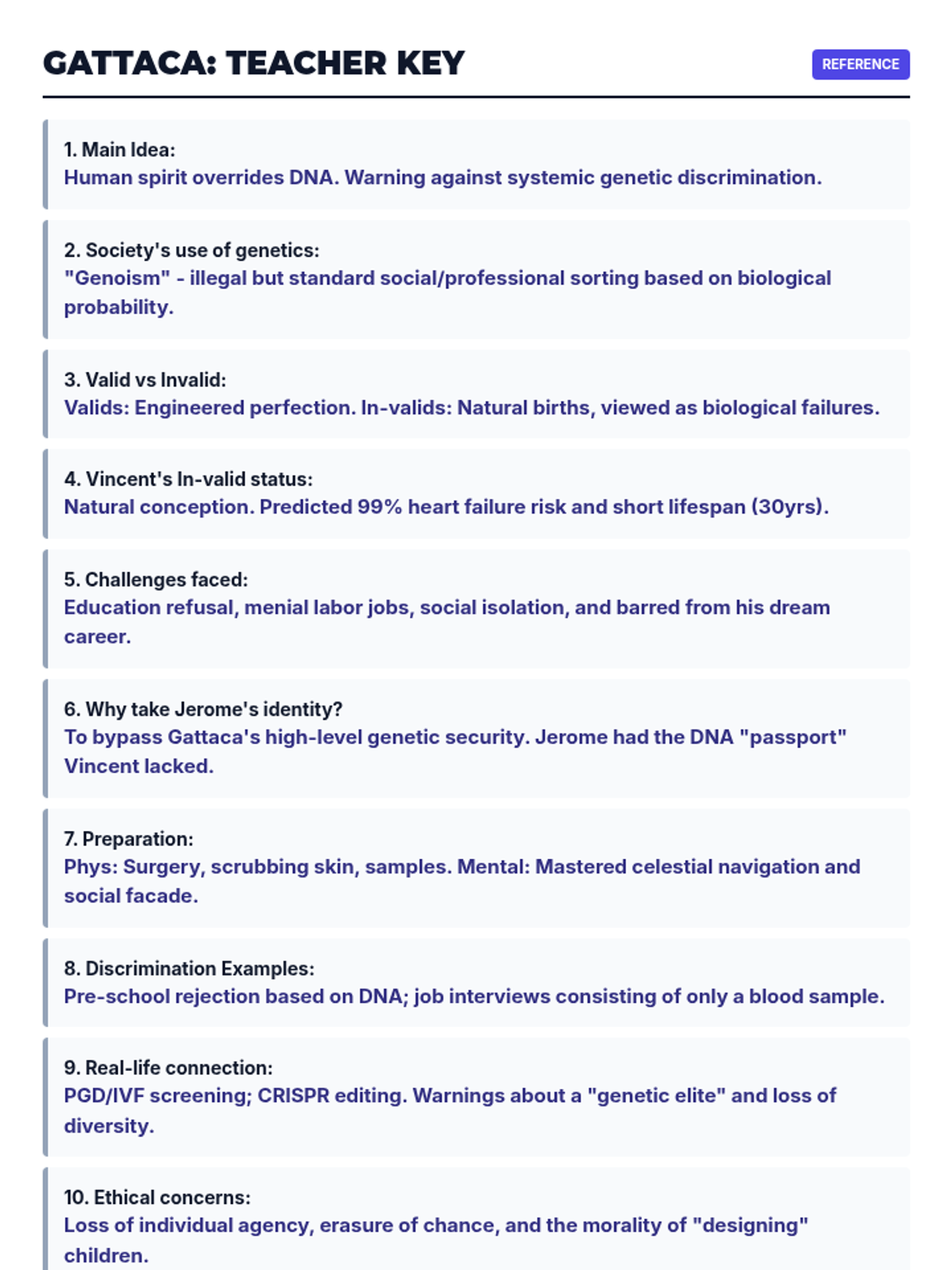
A comprehensive analysis of the ethical, social, and scientific themes in the film GATTACA, focusing on biotechnology and genetic discrimination.
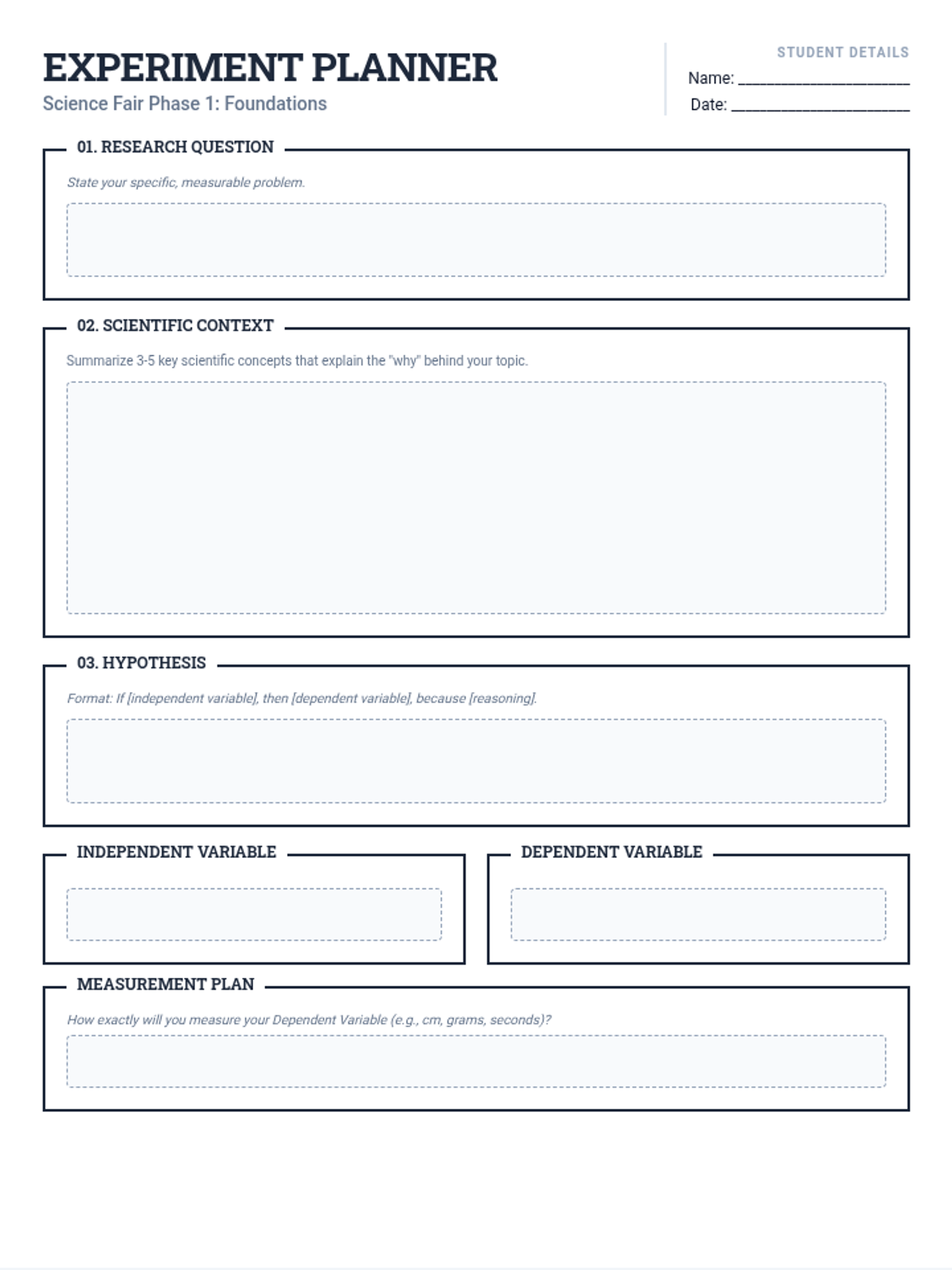
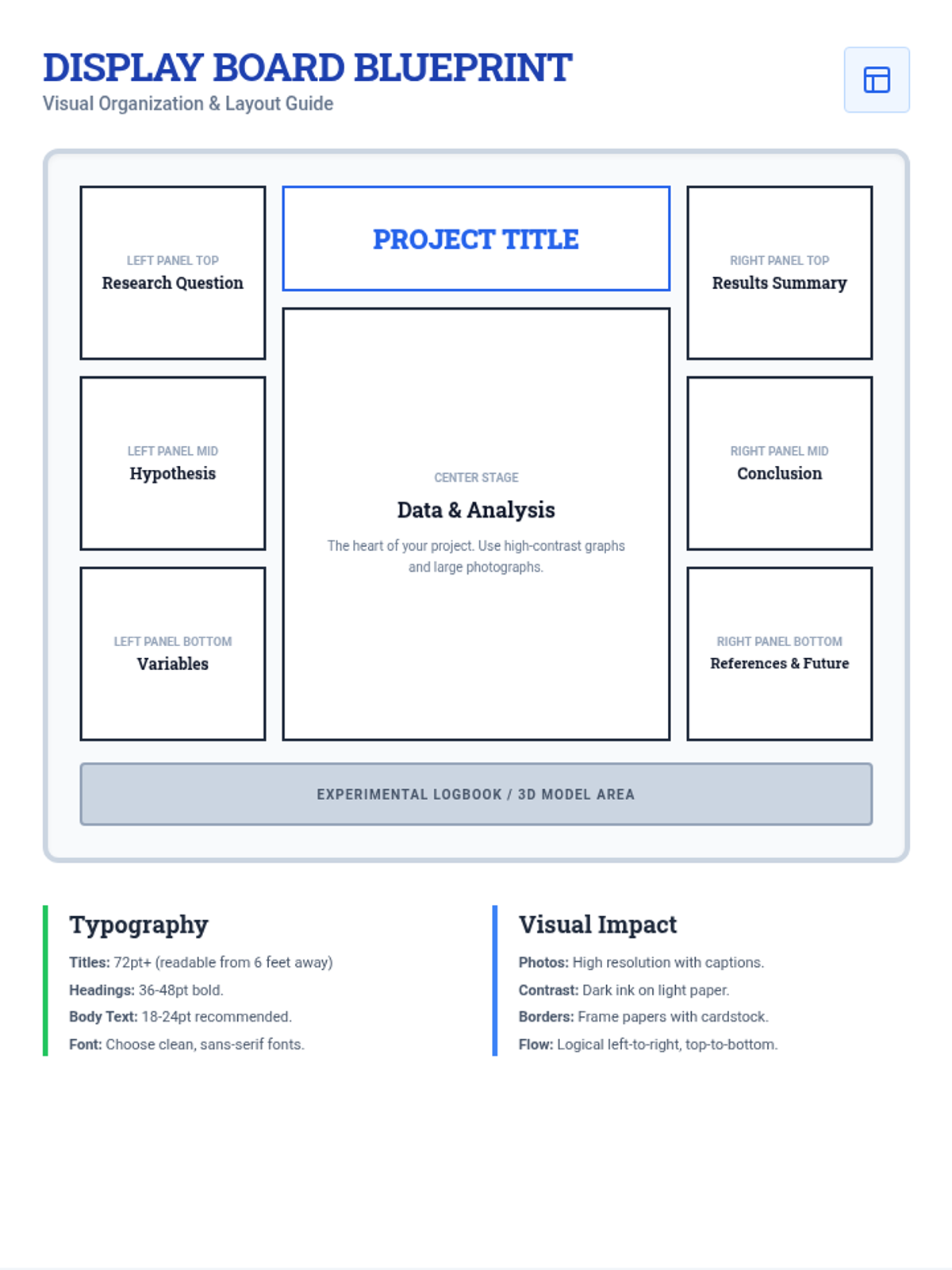
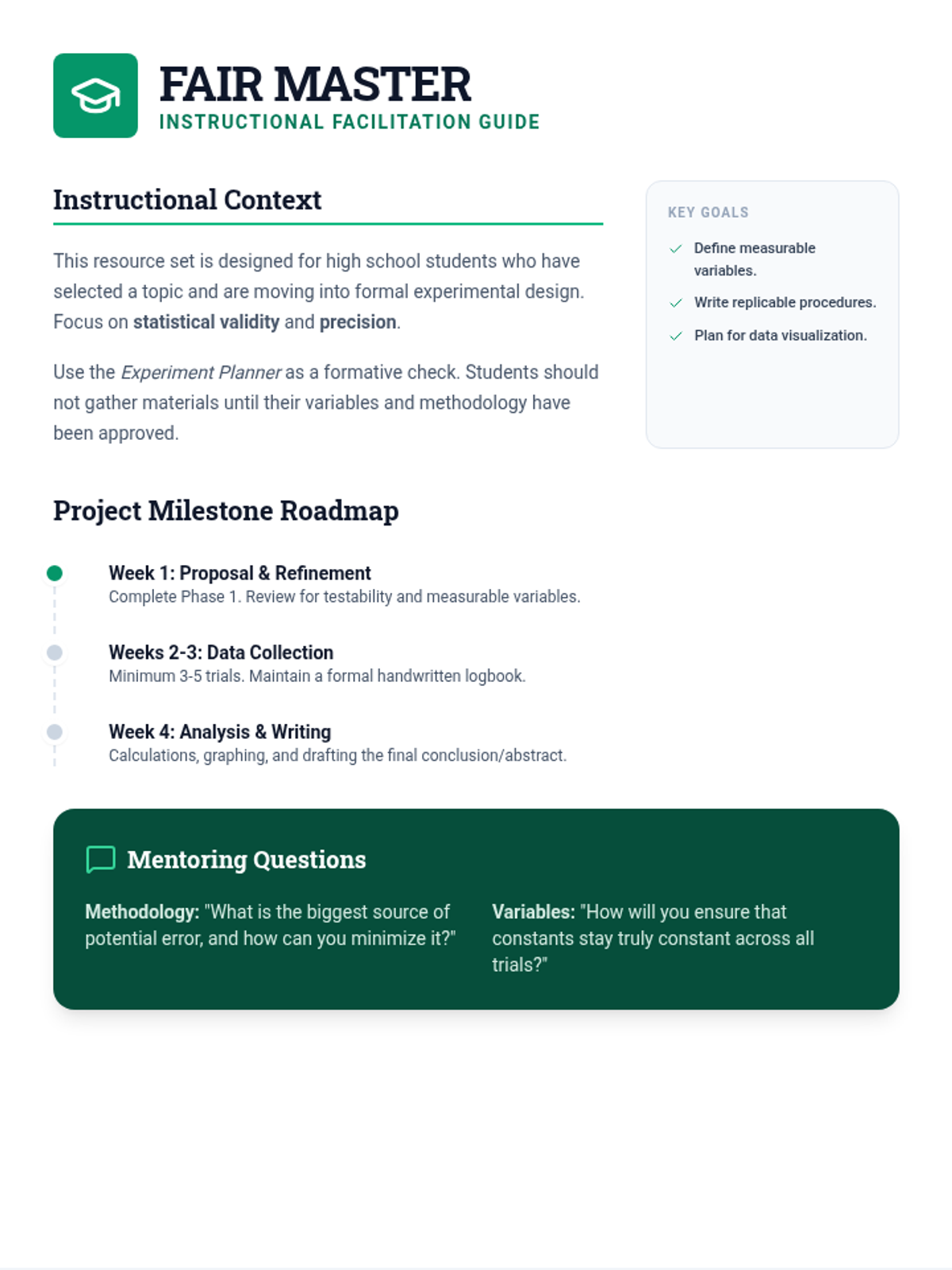
A comprehensive set of organizers and guides designed to help high school students move from a science fair topic to a fully realized experimental design and display board.
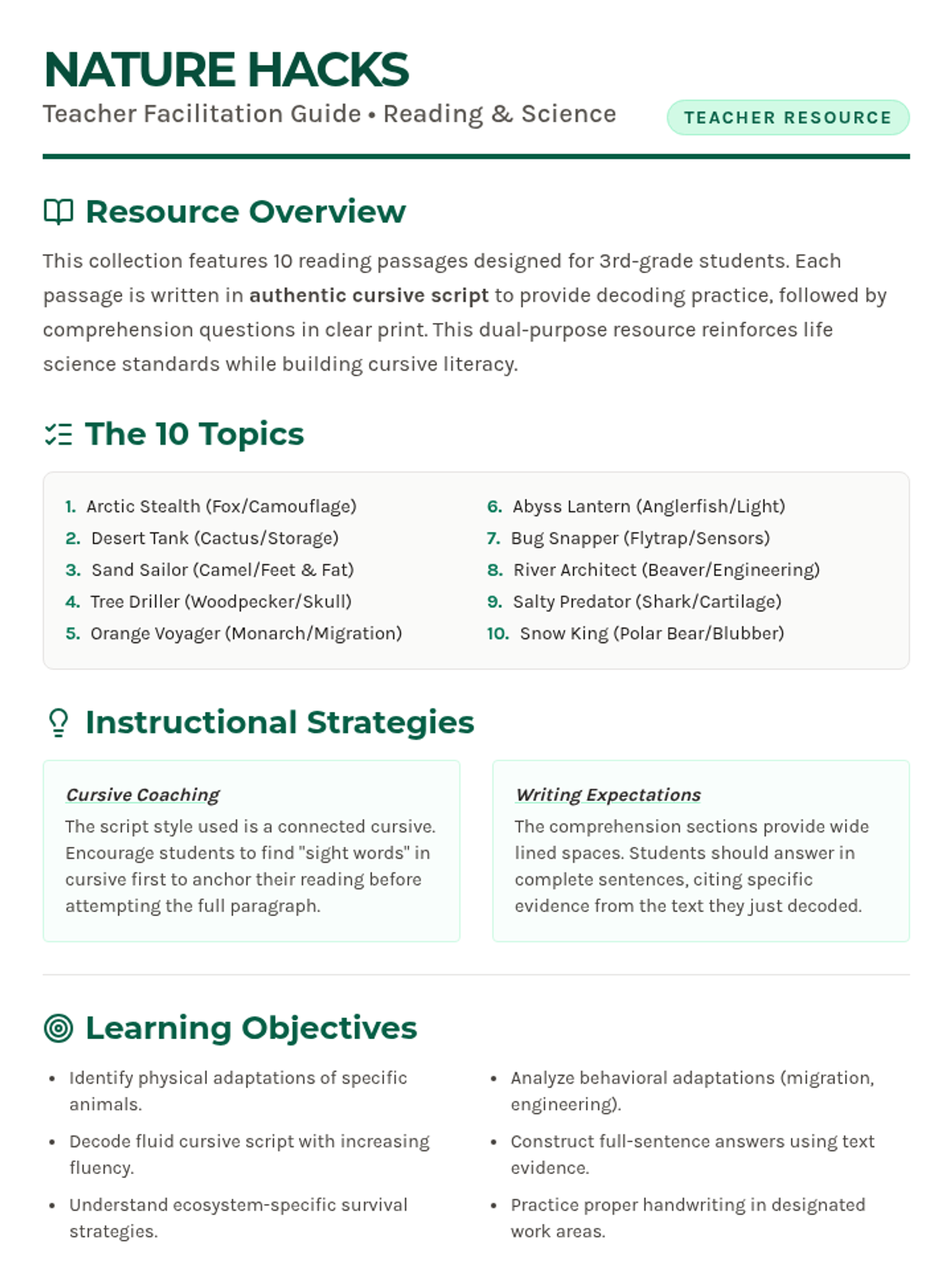
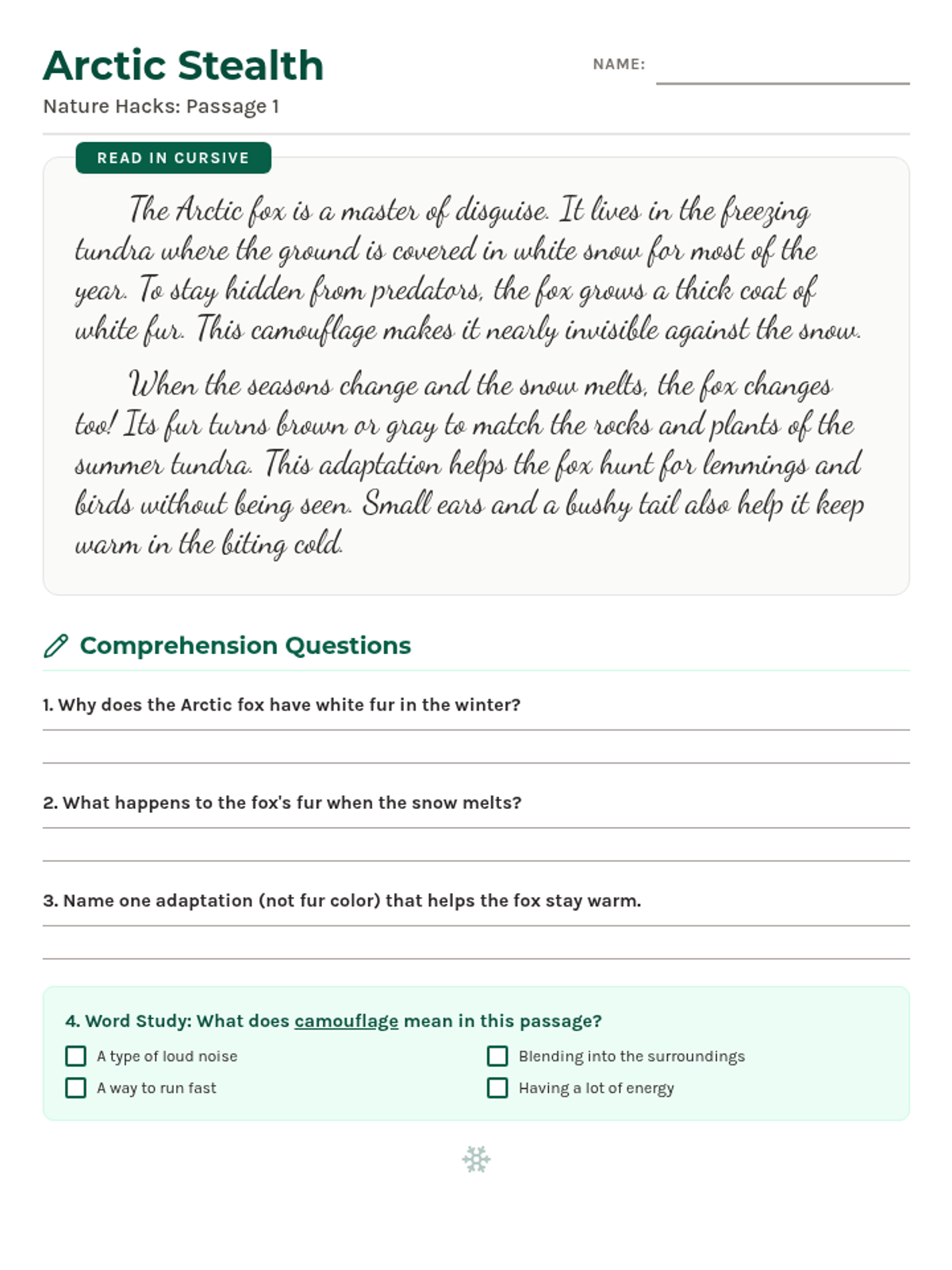
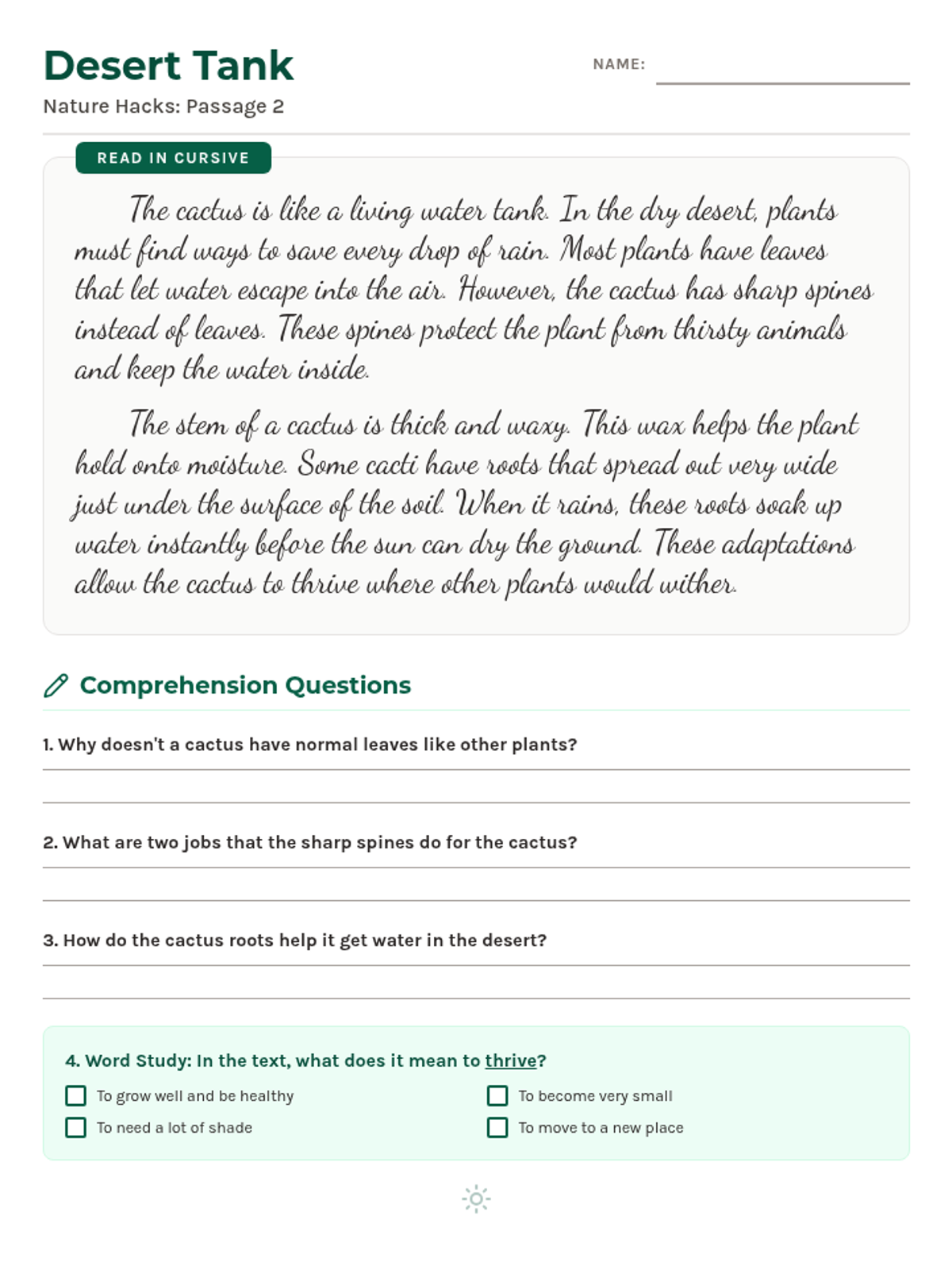
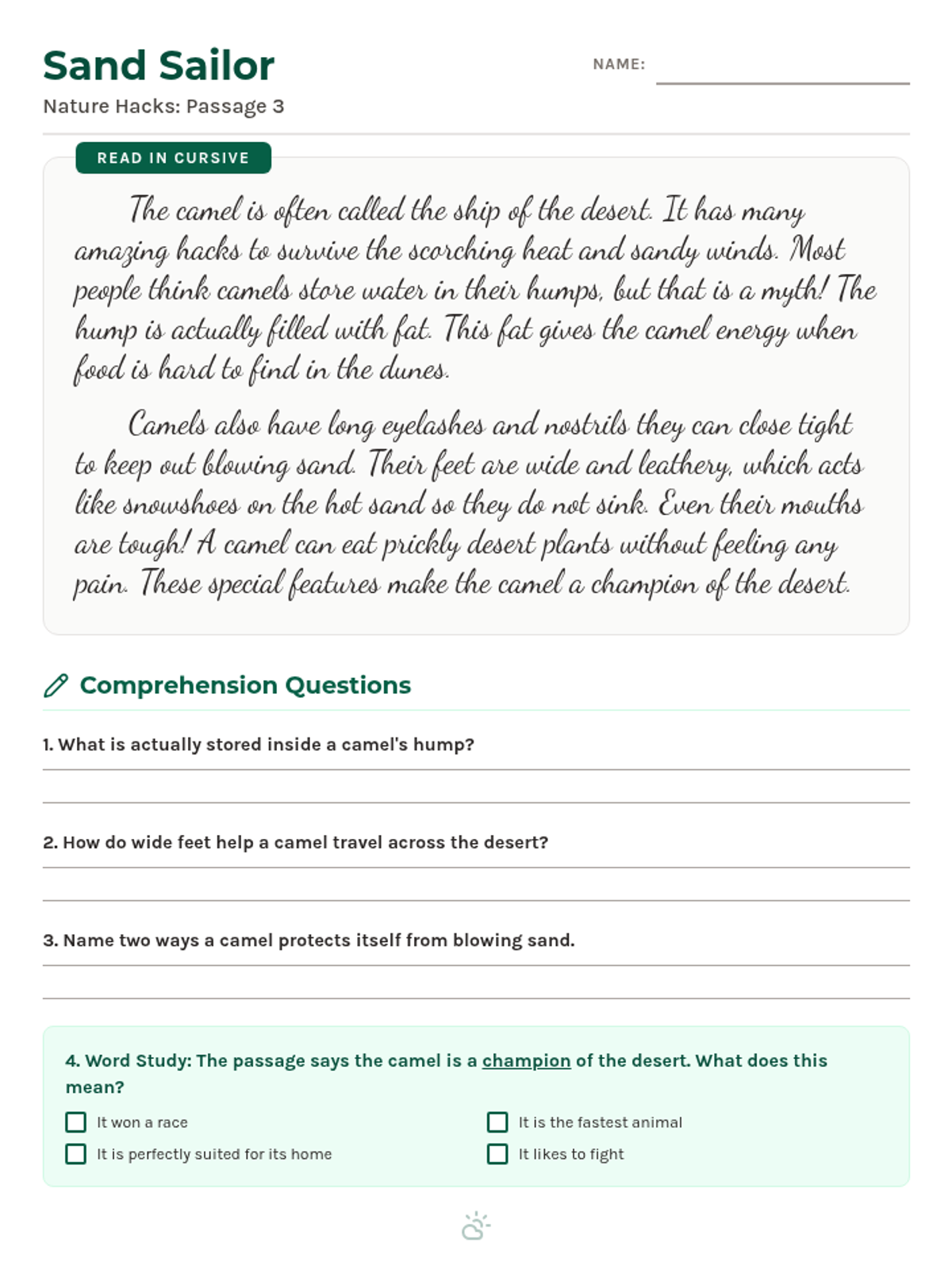
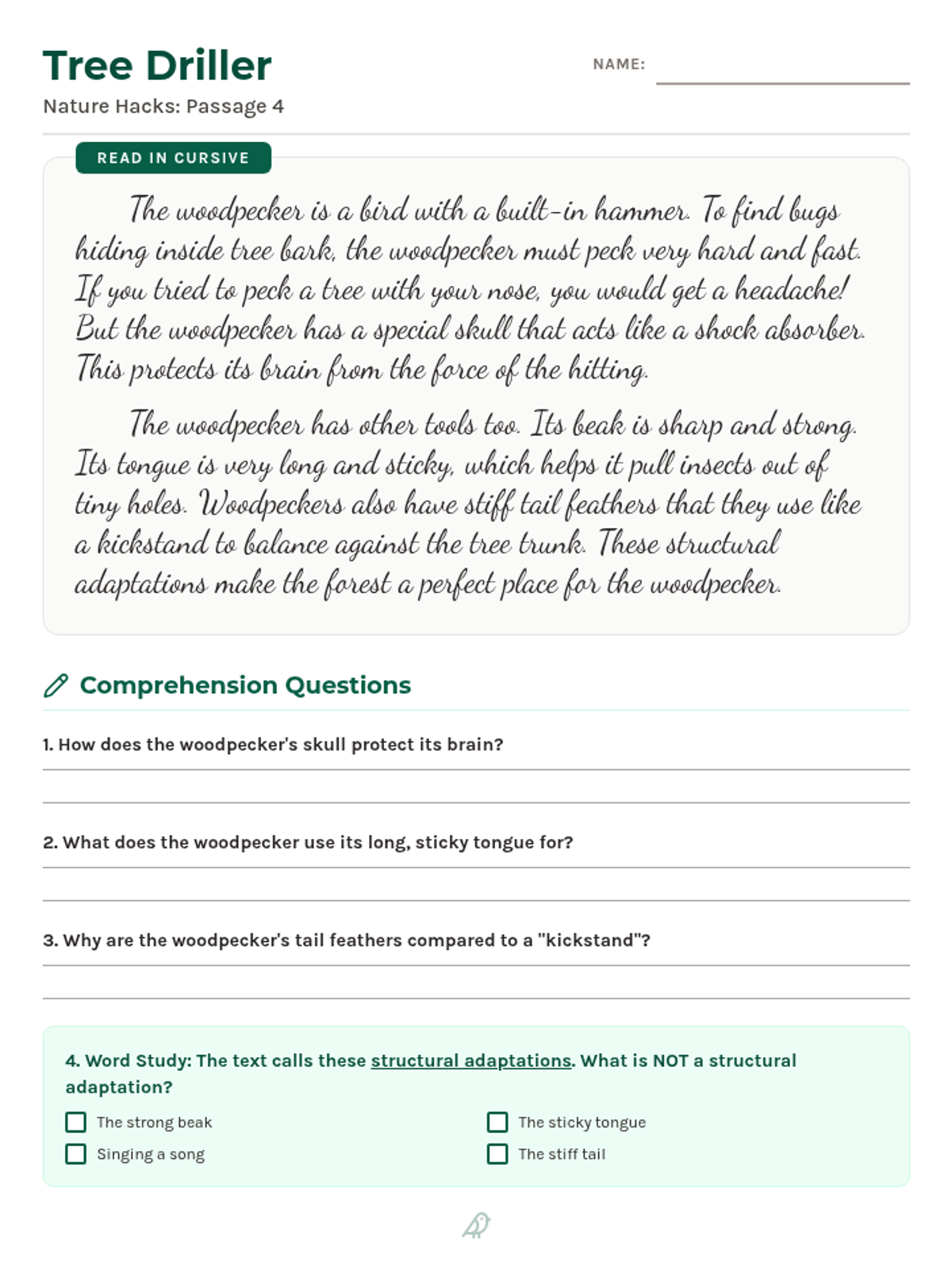
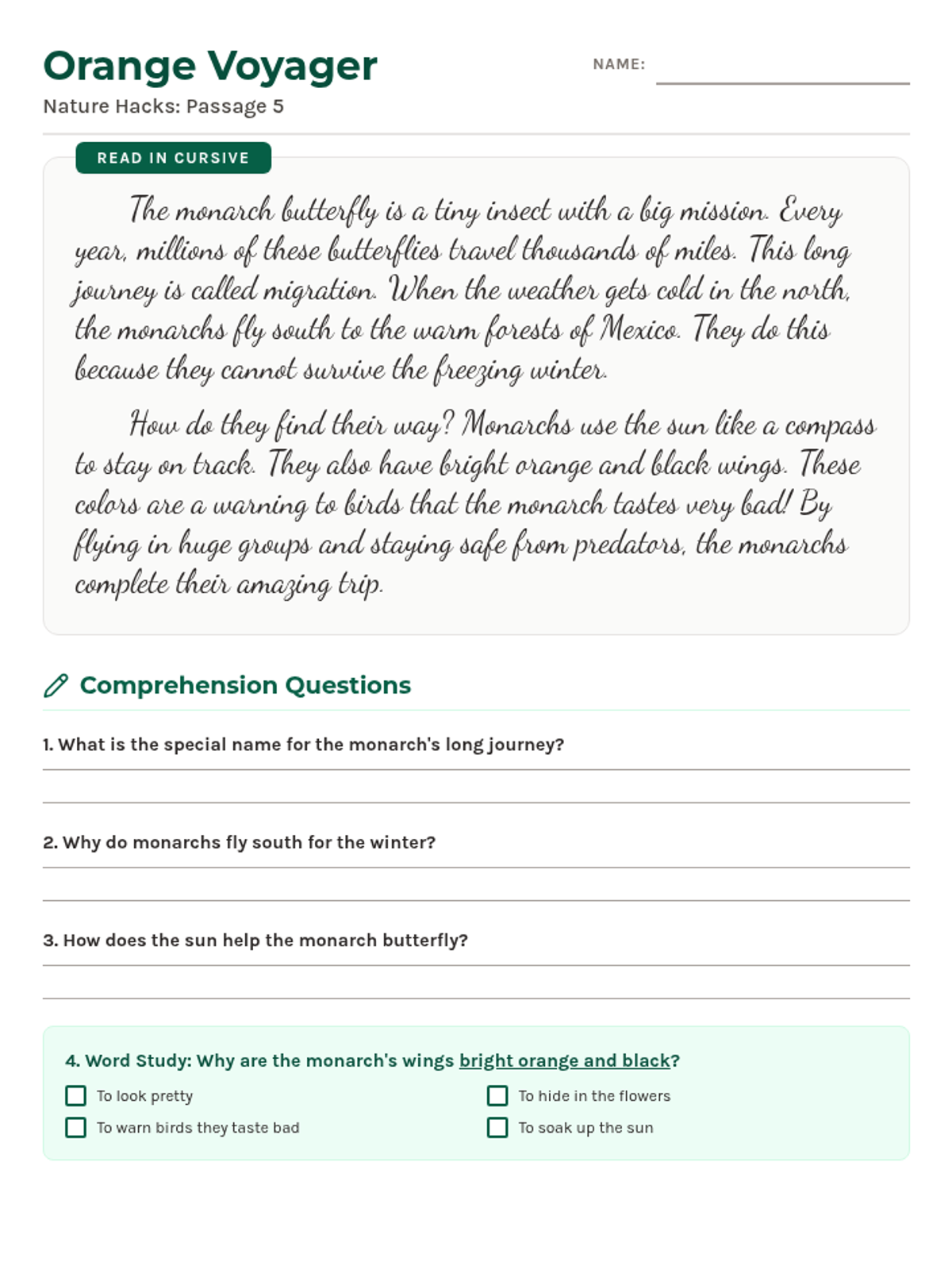
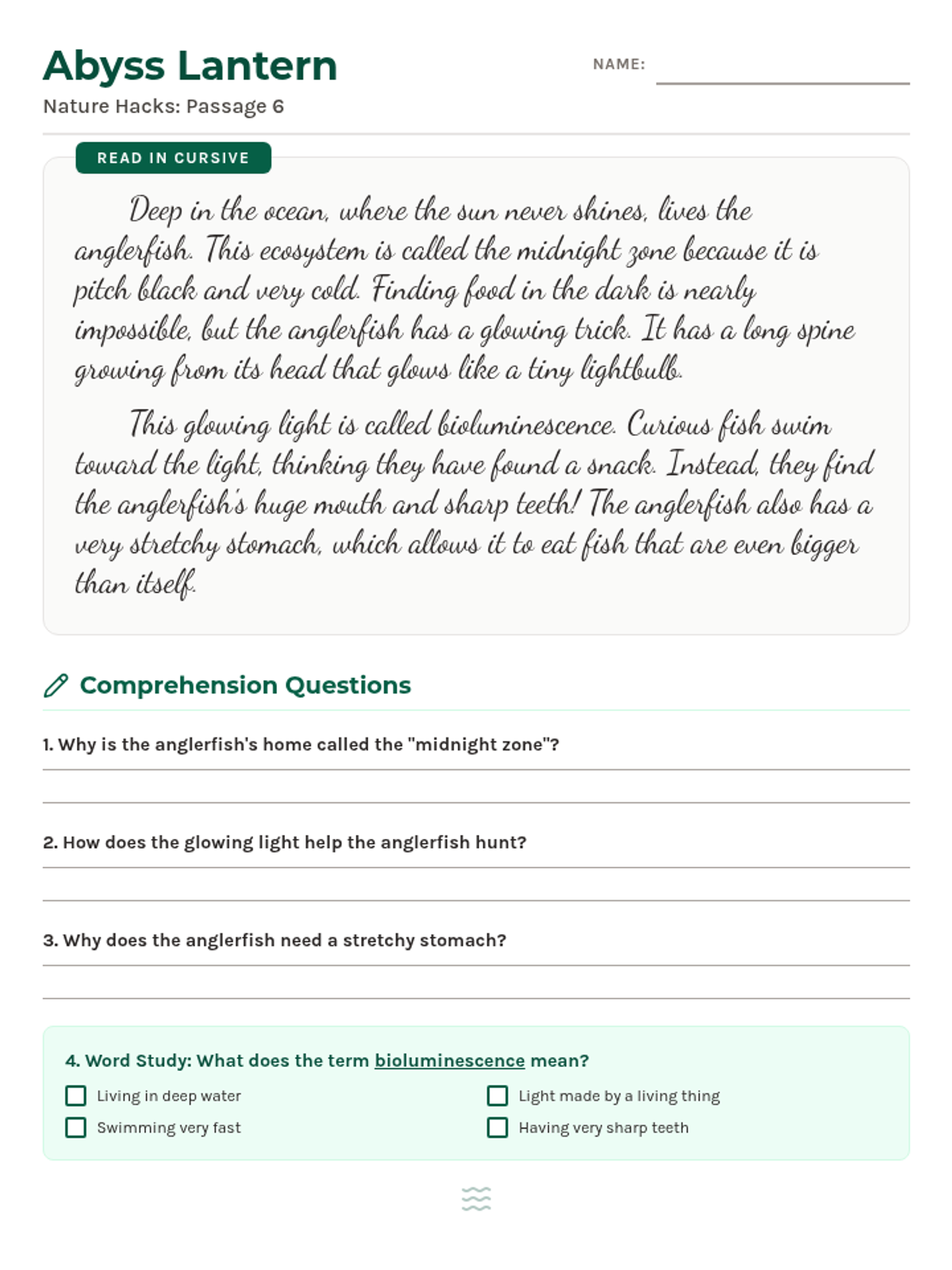
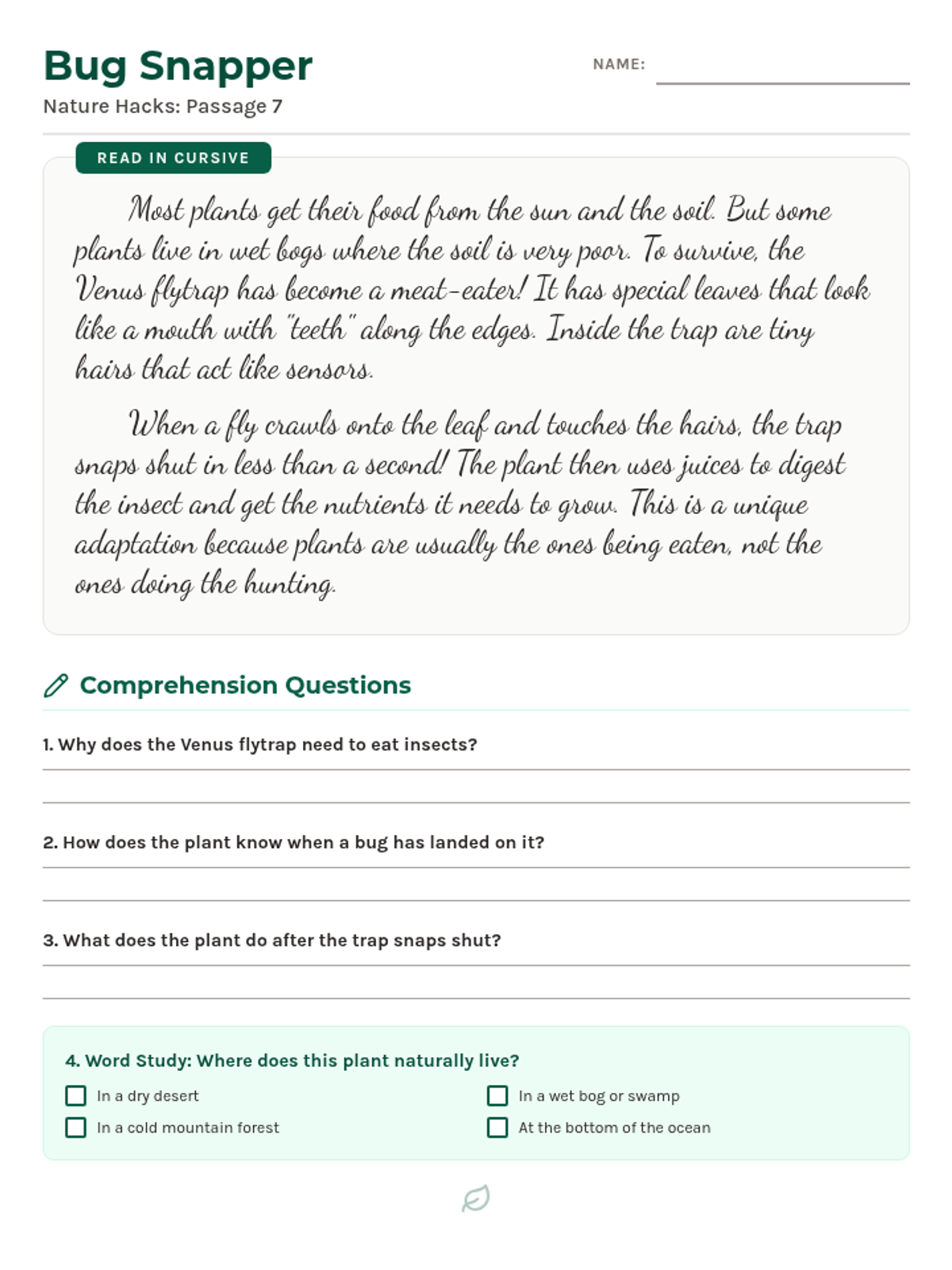
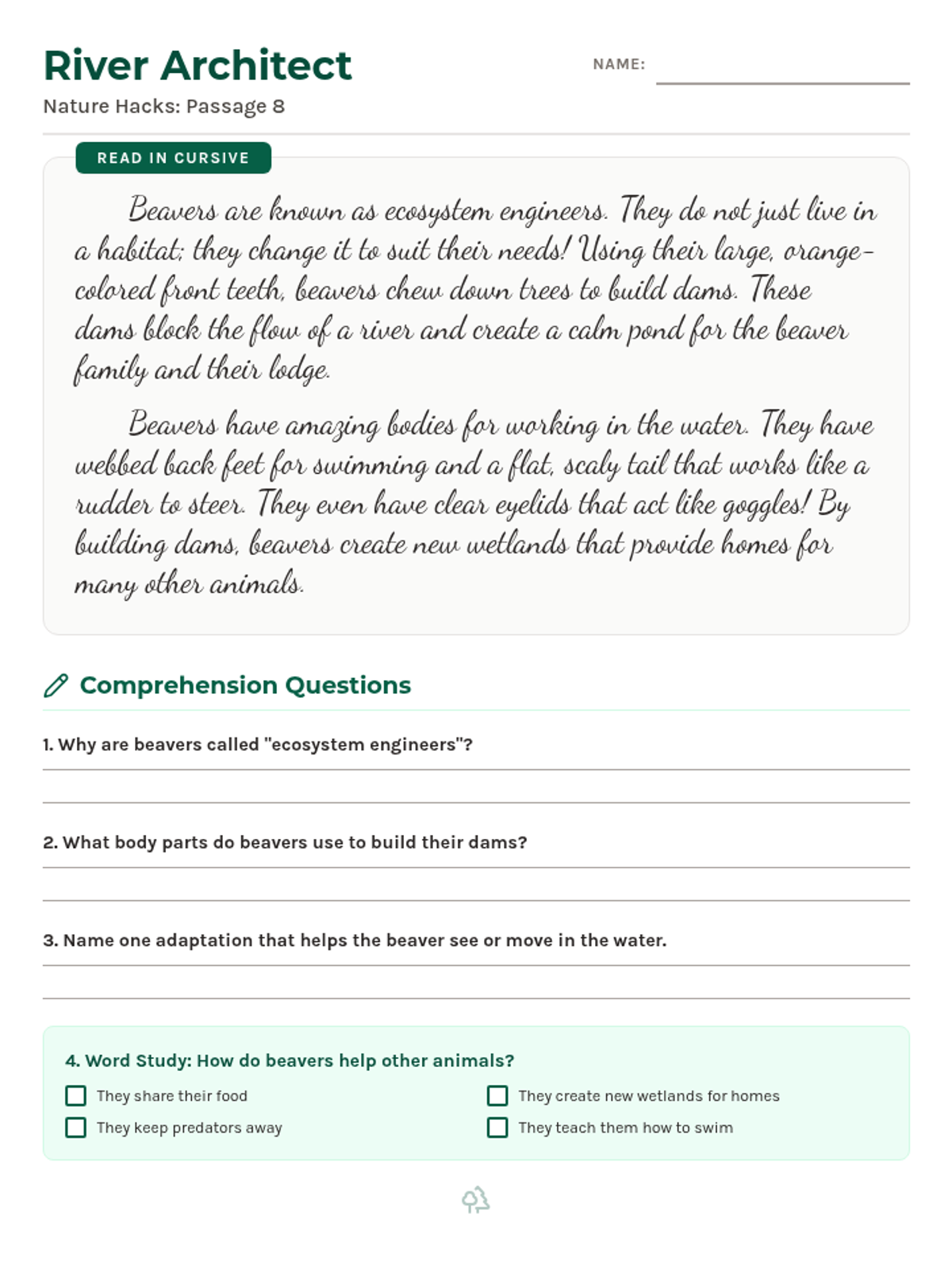
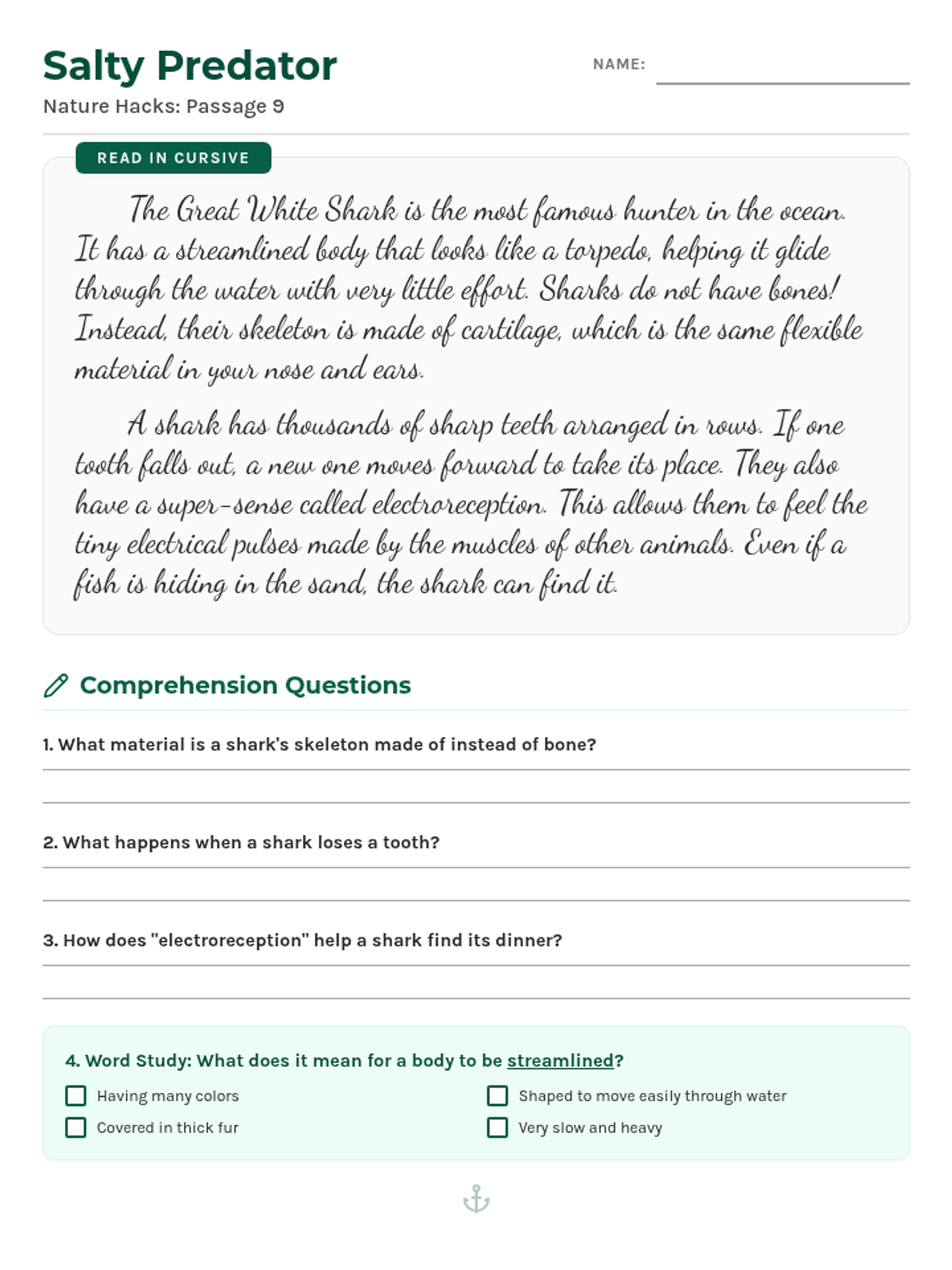
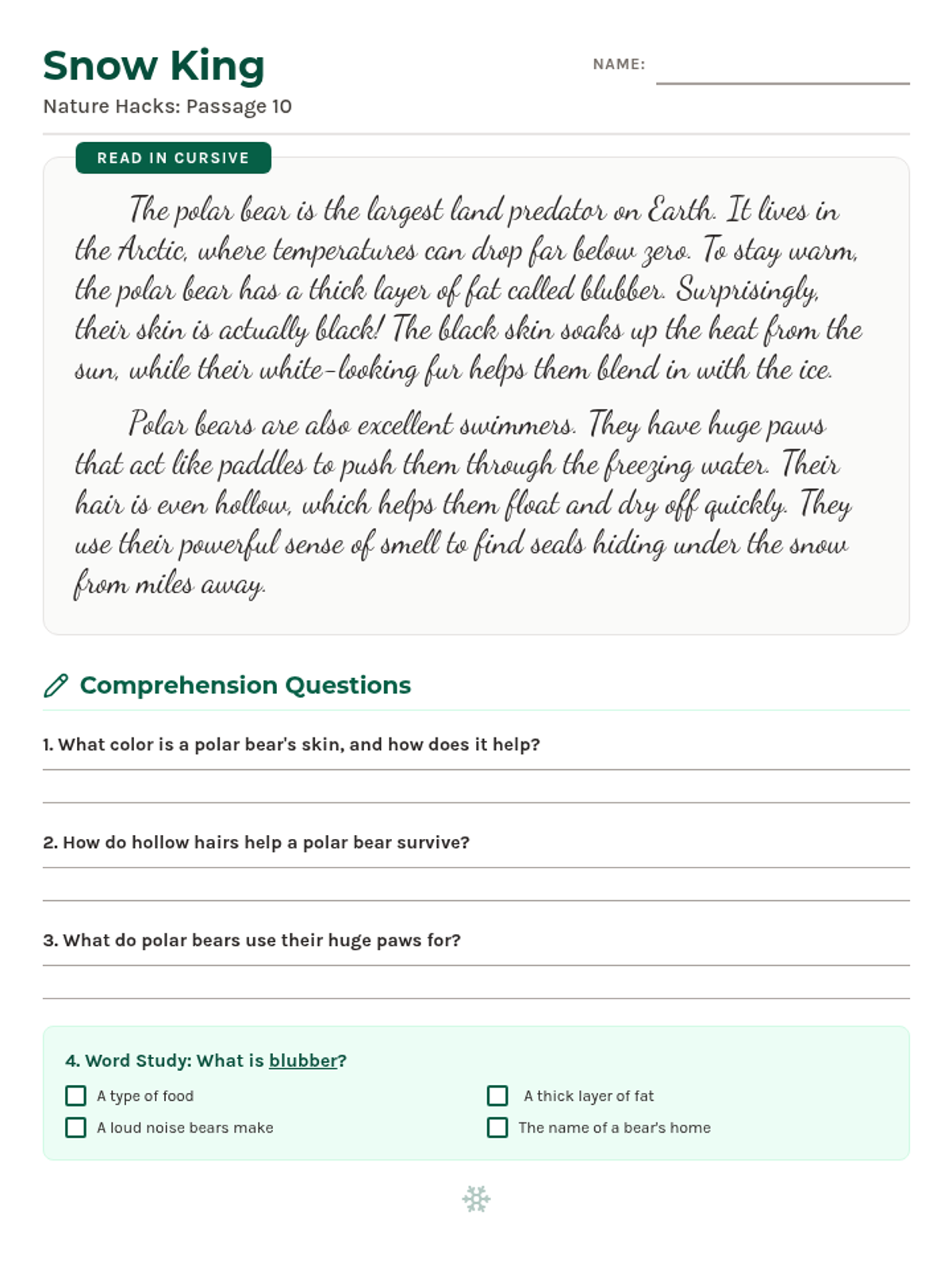
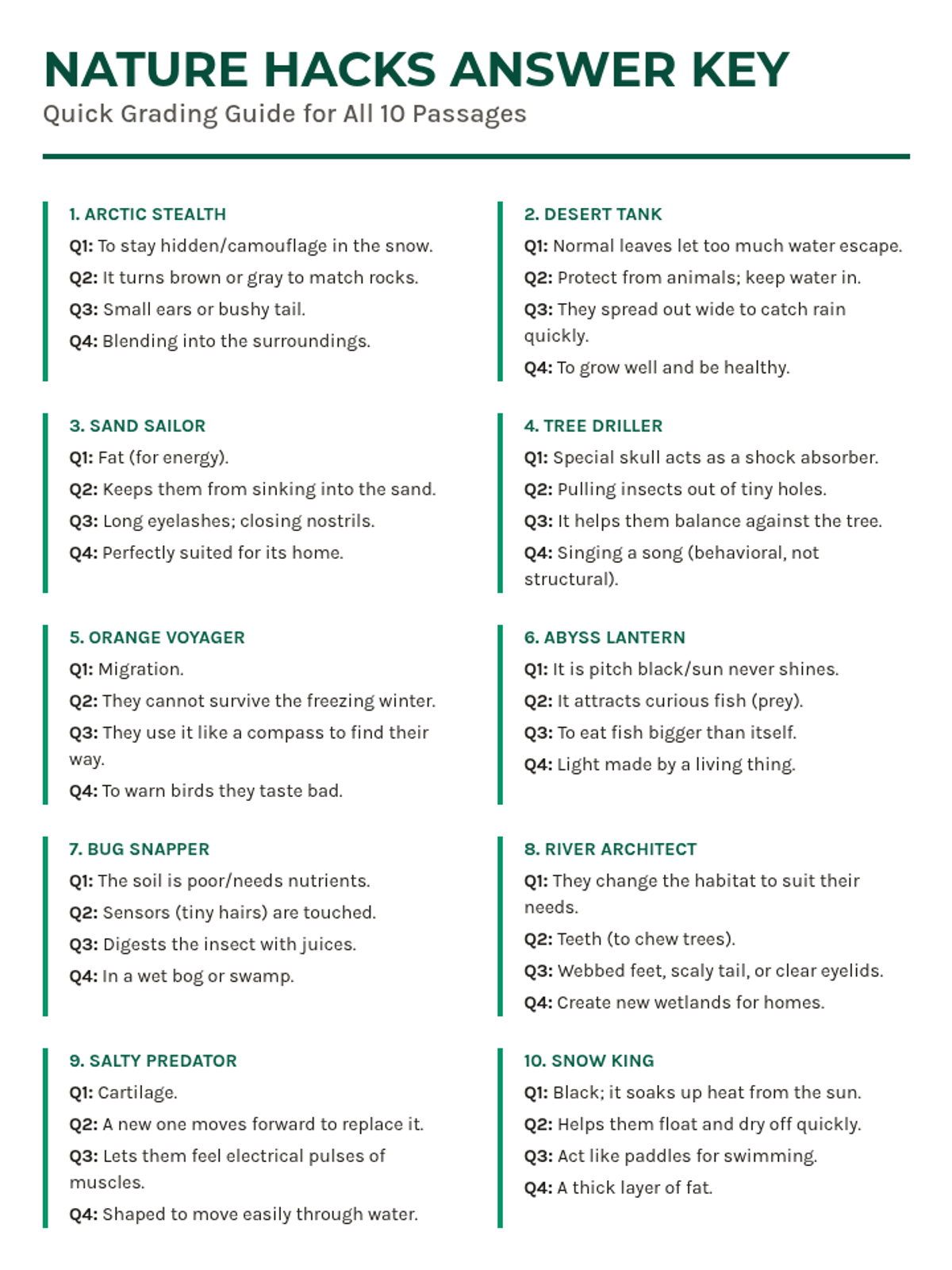
A comprehensive collection of 10 differentiated reading passages focused on animal adaptations and ecosystems, specifically designed to help students practice reading cursive while reinforcing key science concepts.
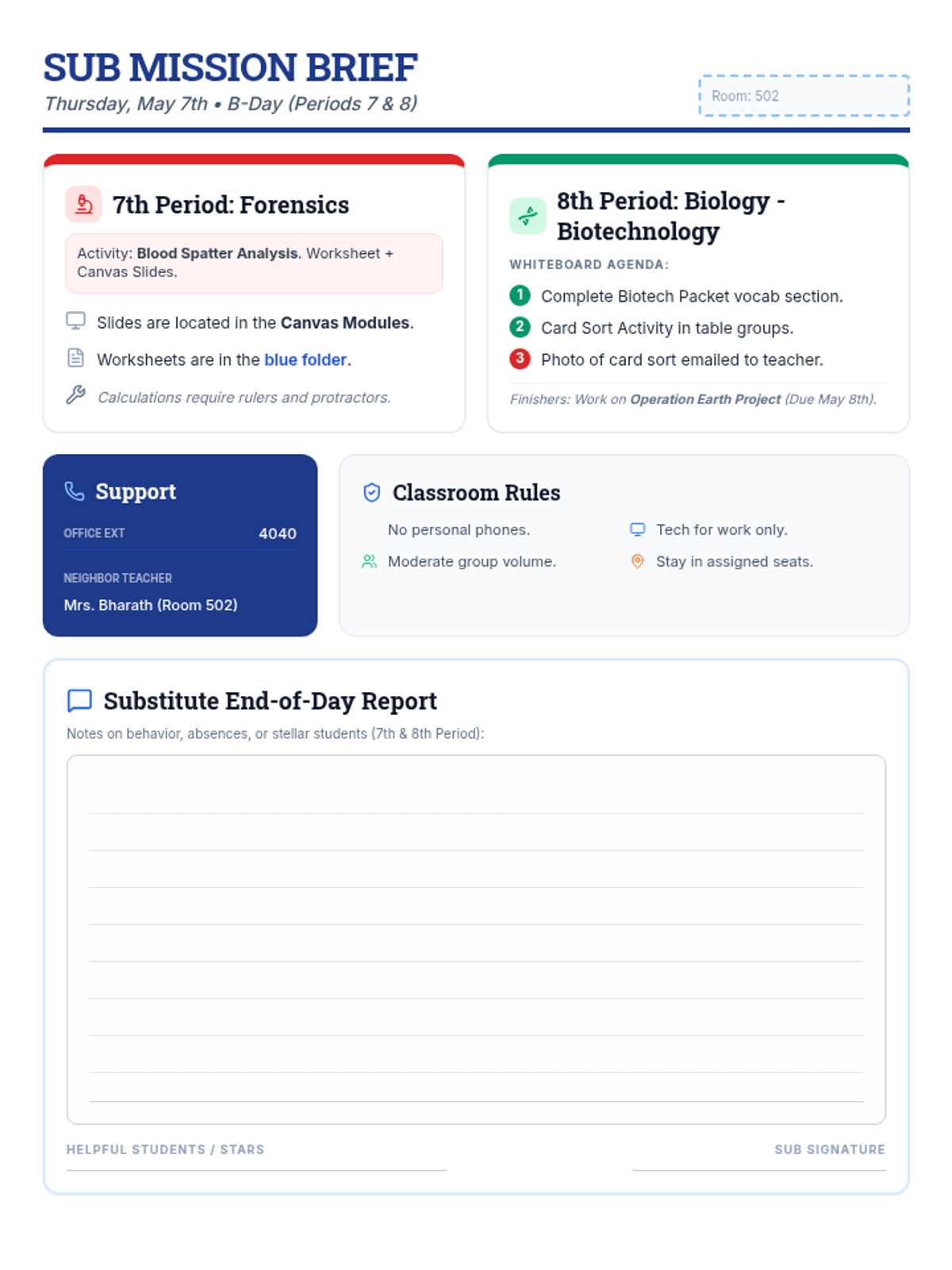
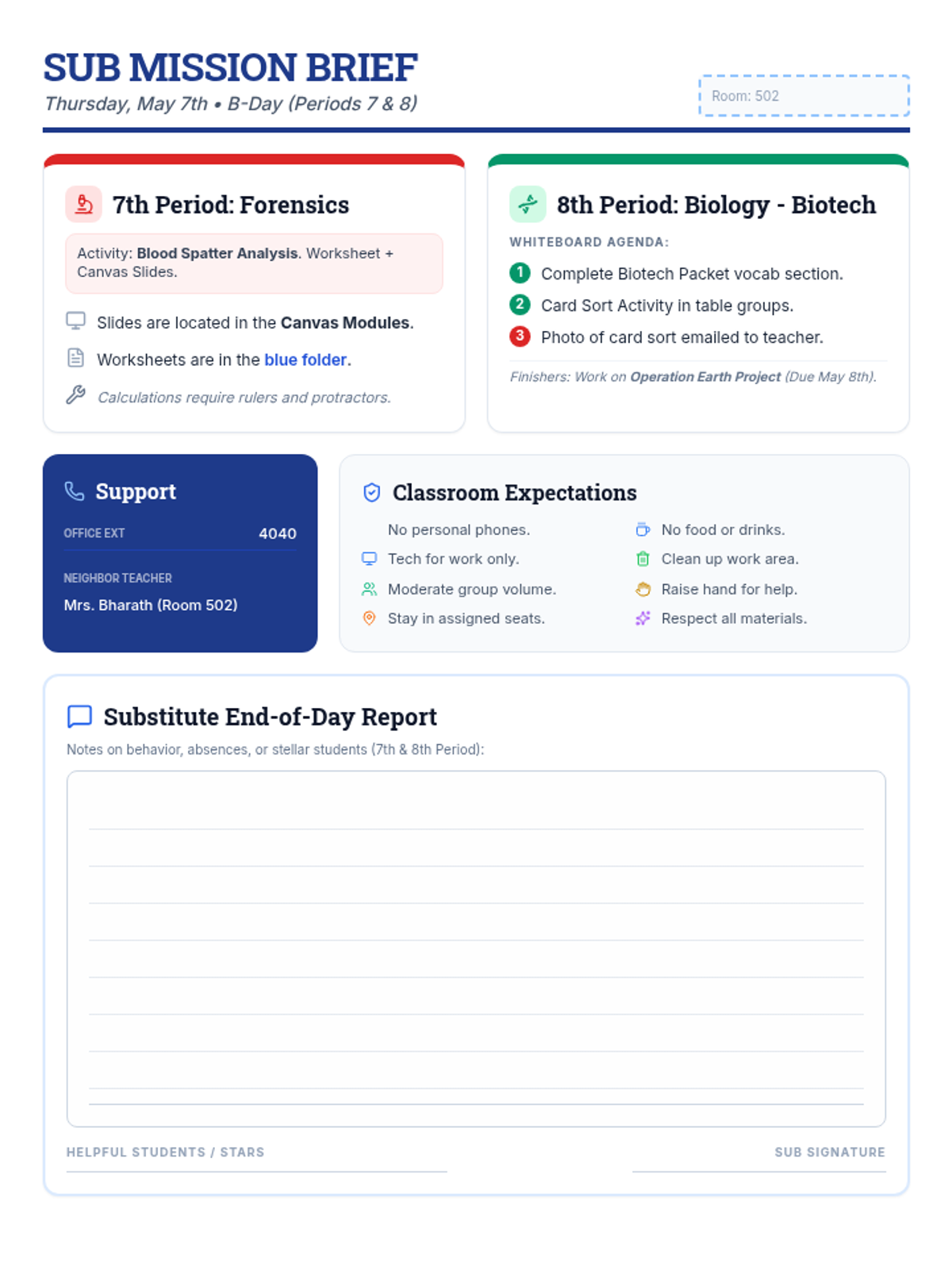
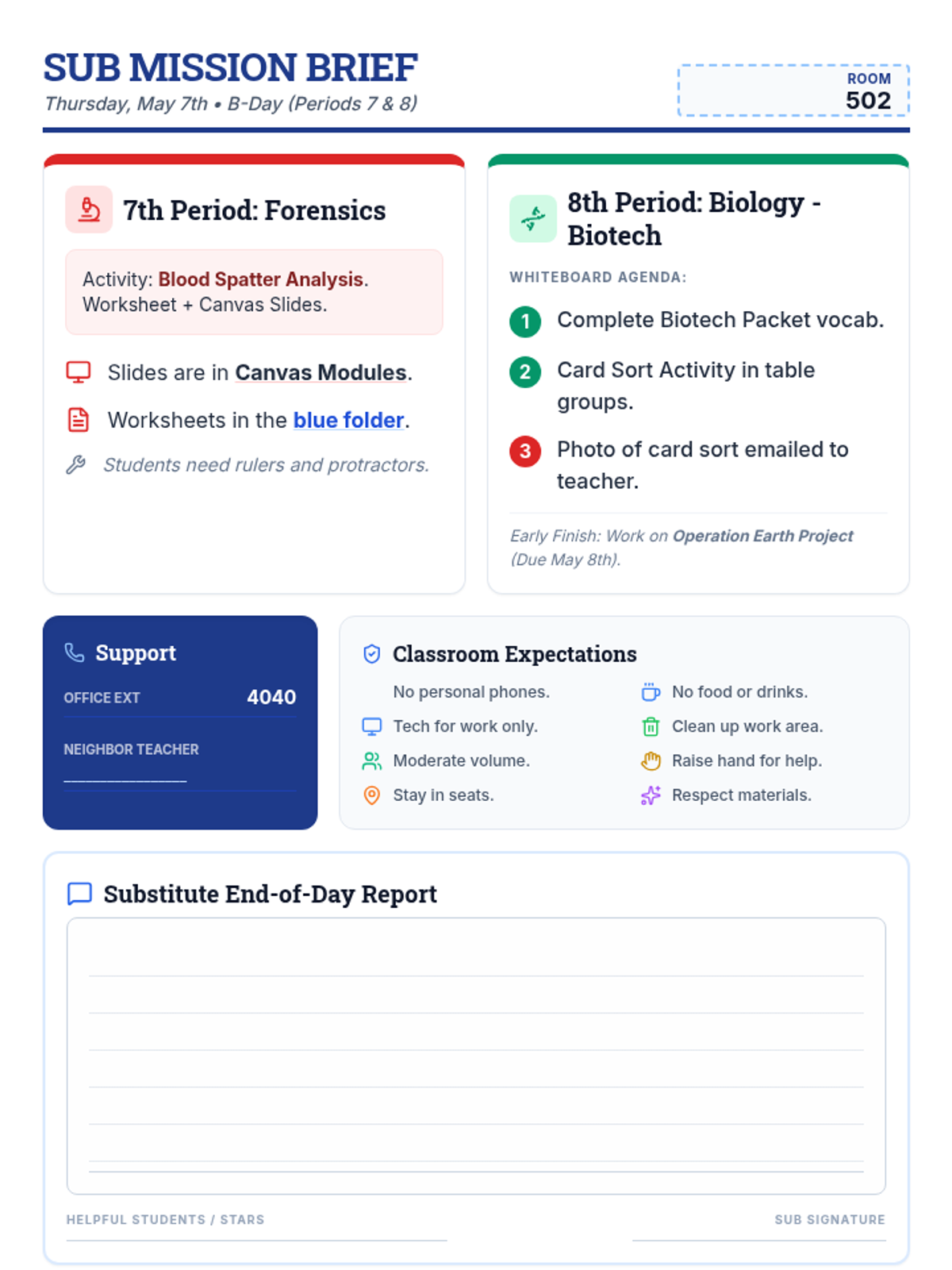
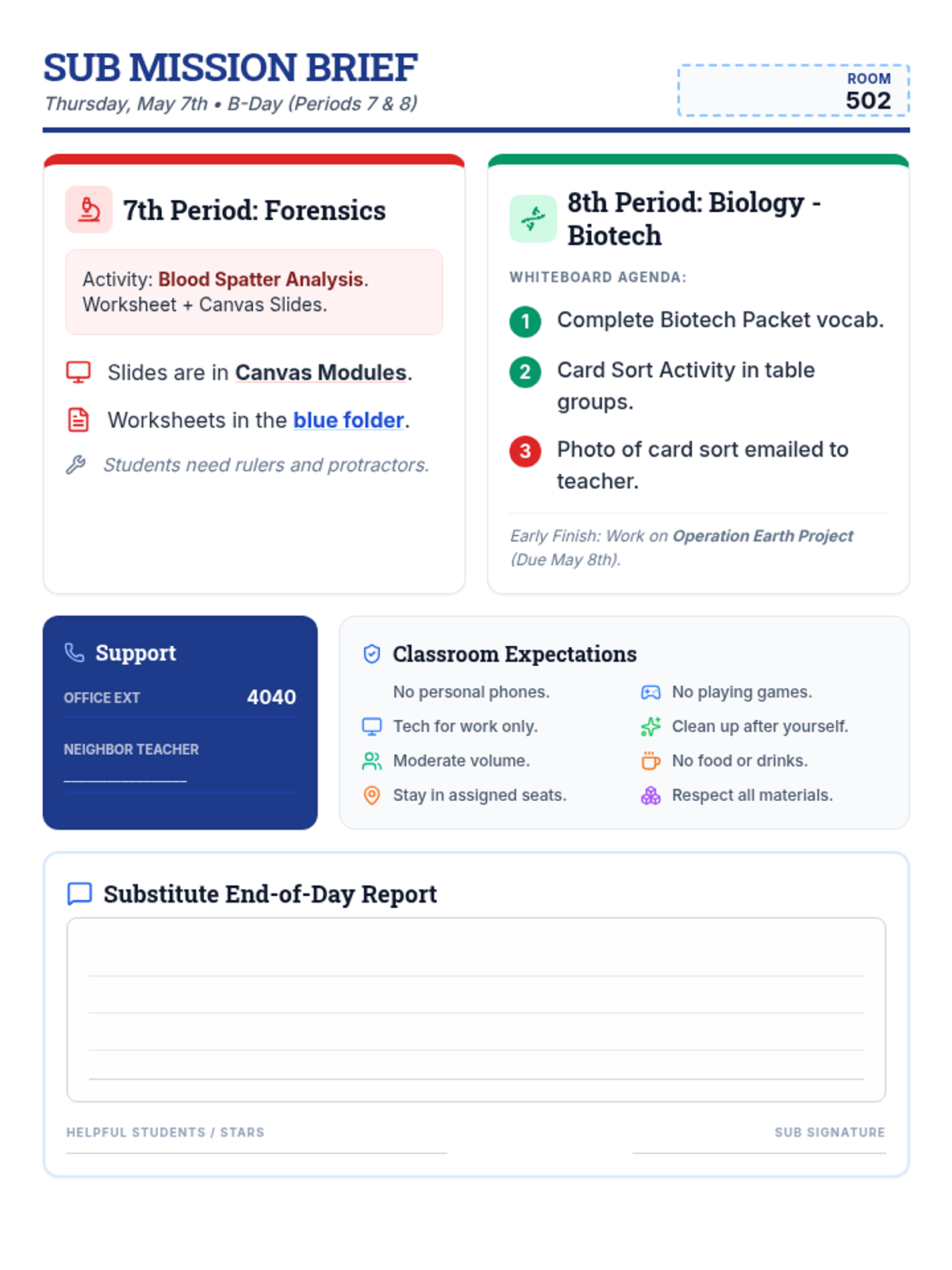
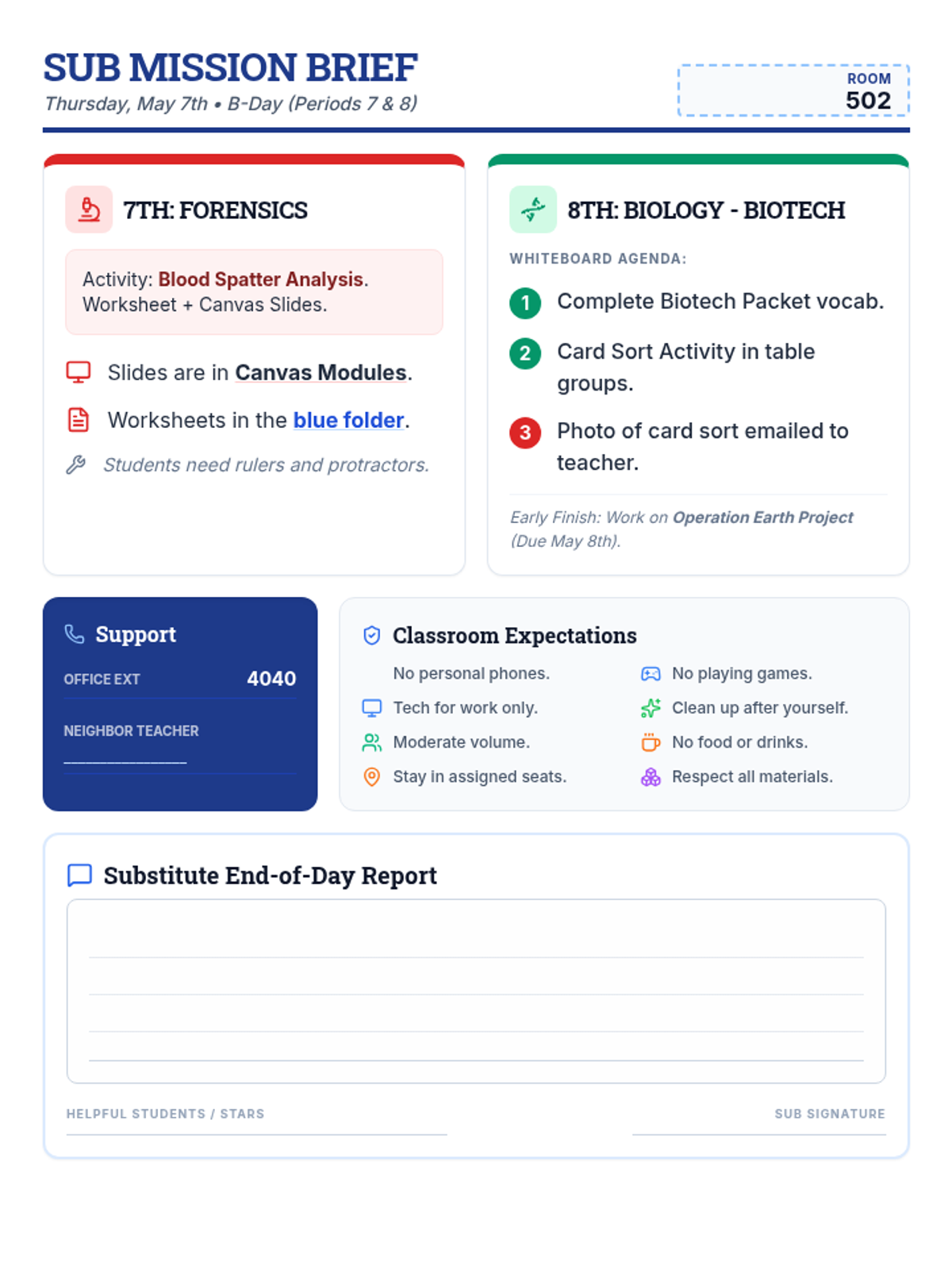
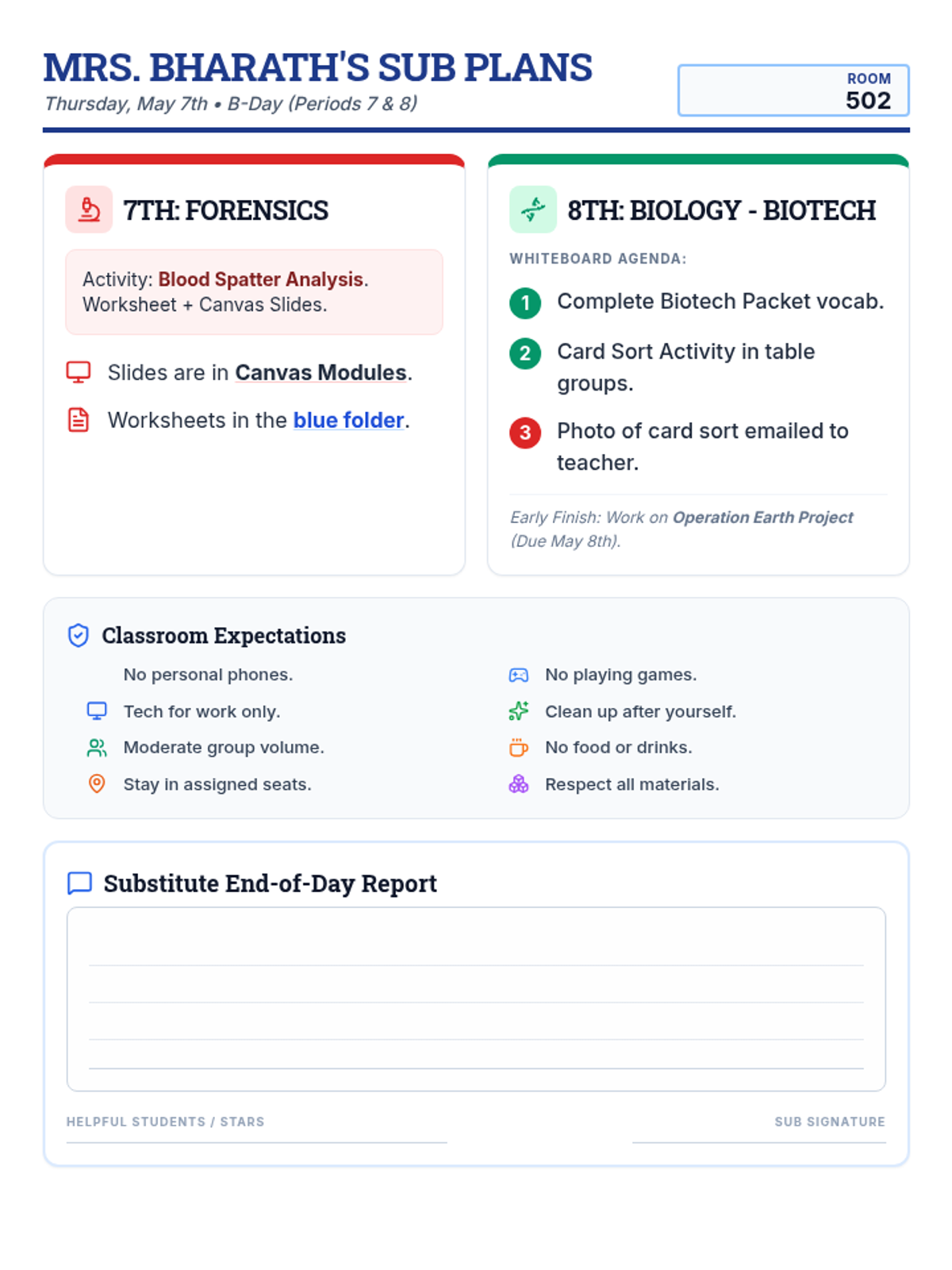
A concise and clear guide for a substitute teacher covering 7th and 8th period classes on May 7th, featuring forensics and biotechnology activities.
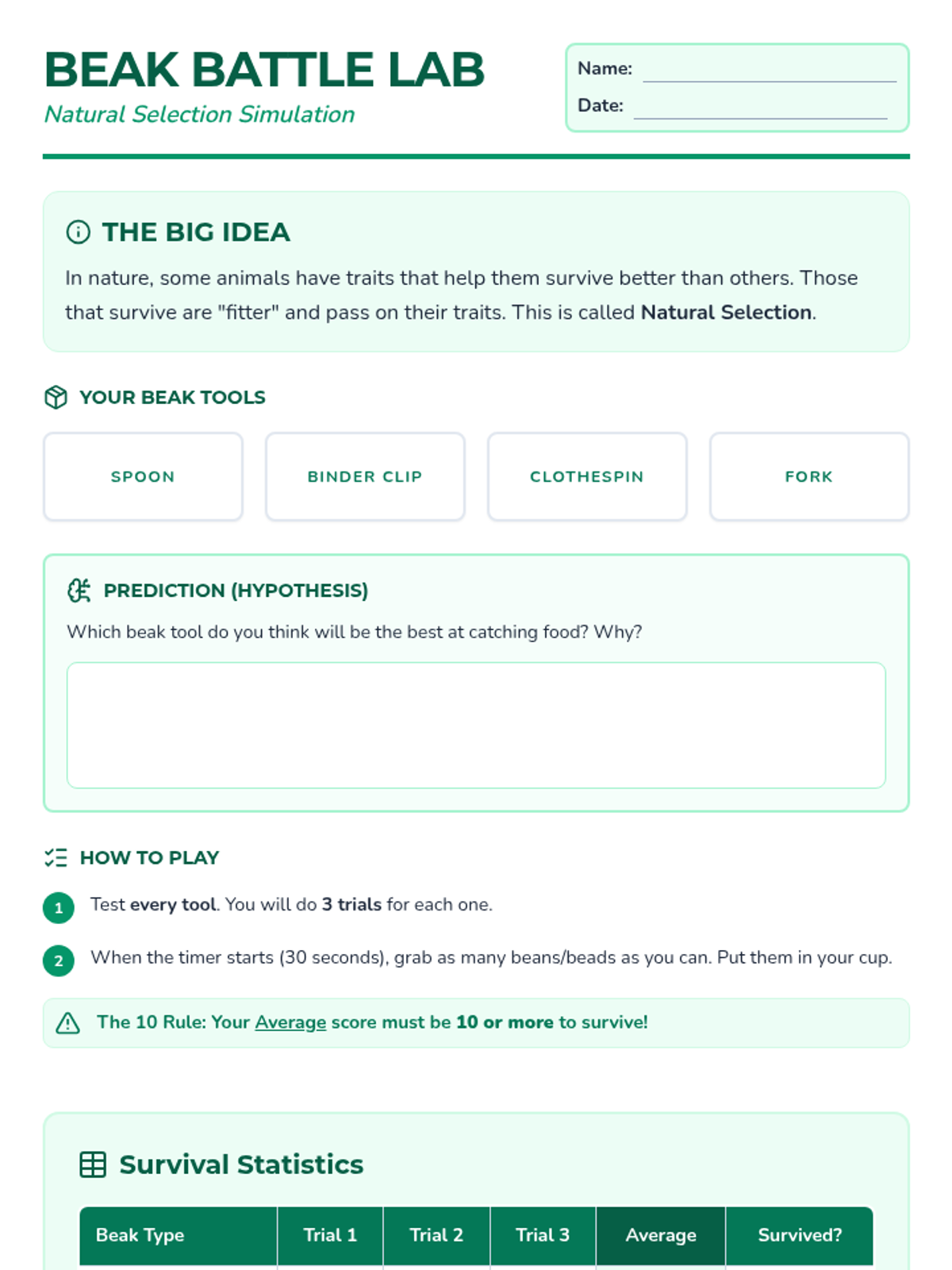
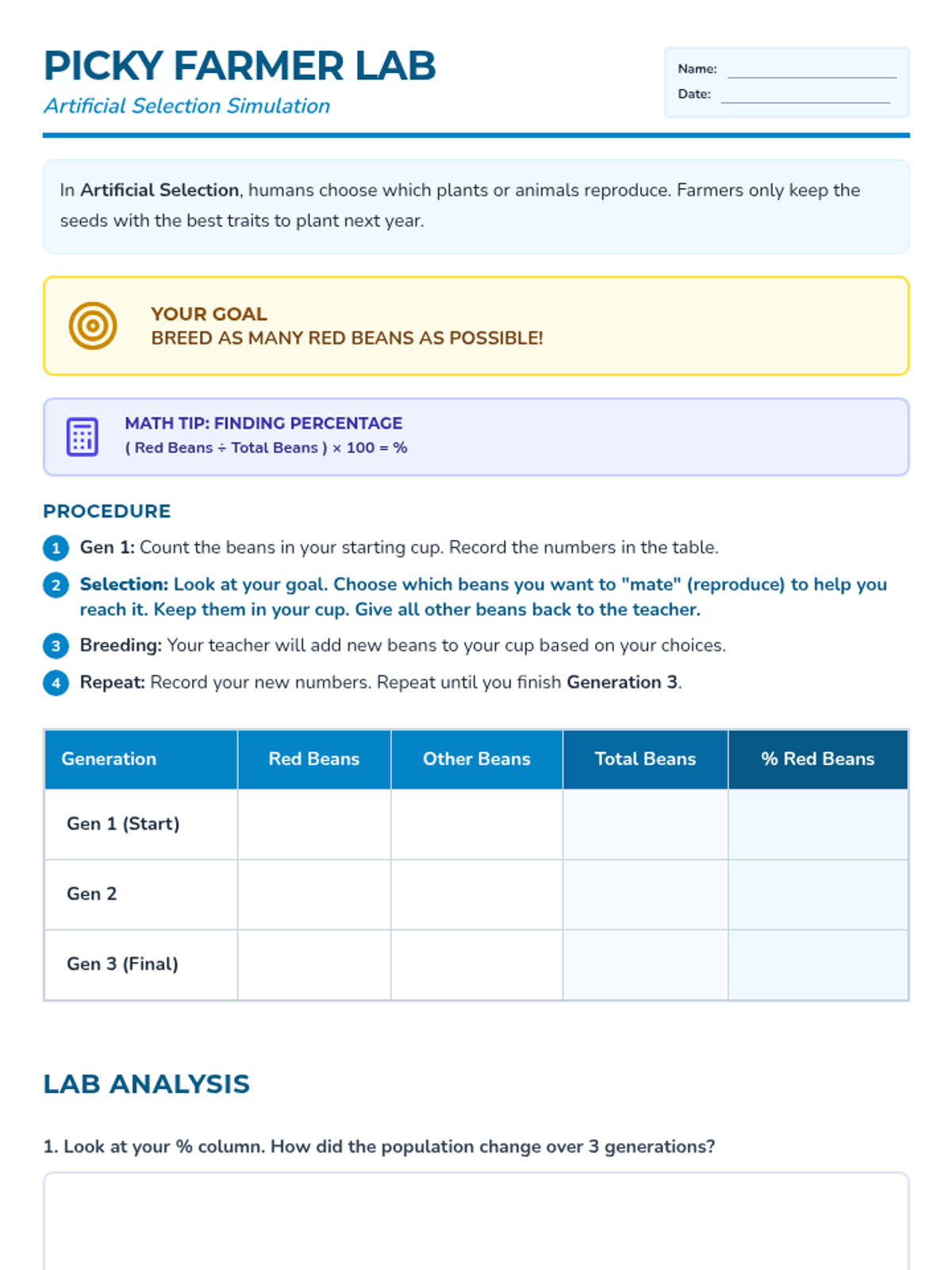
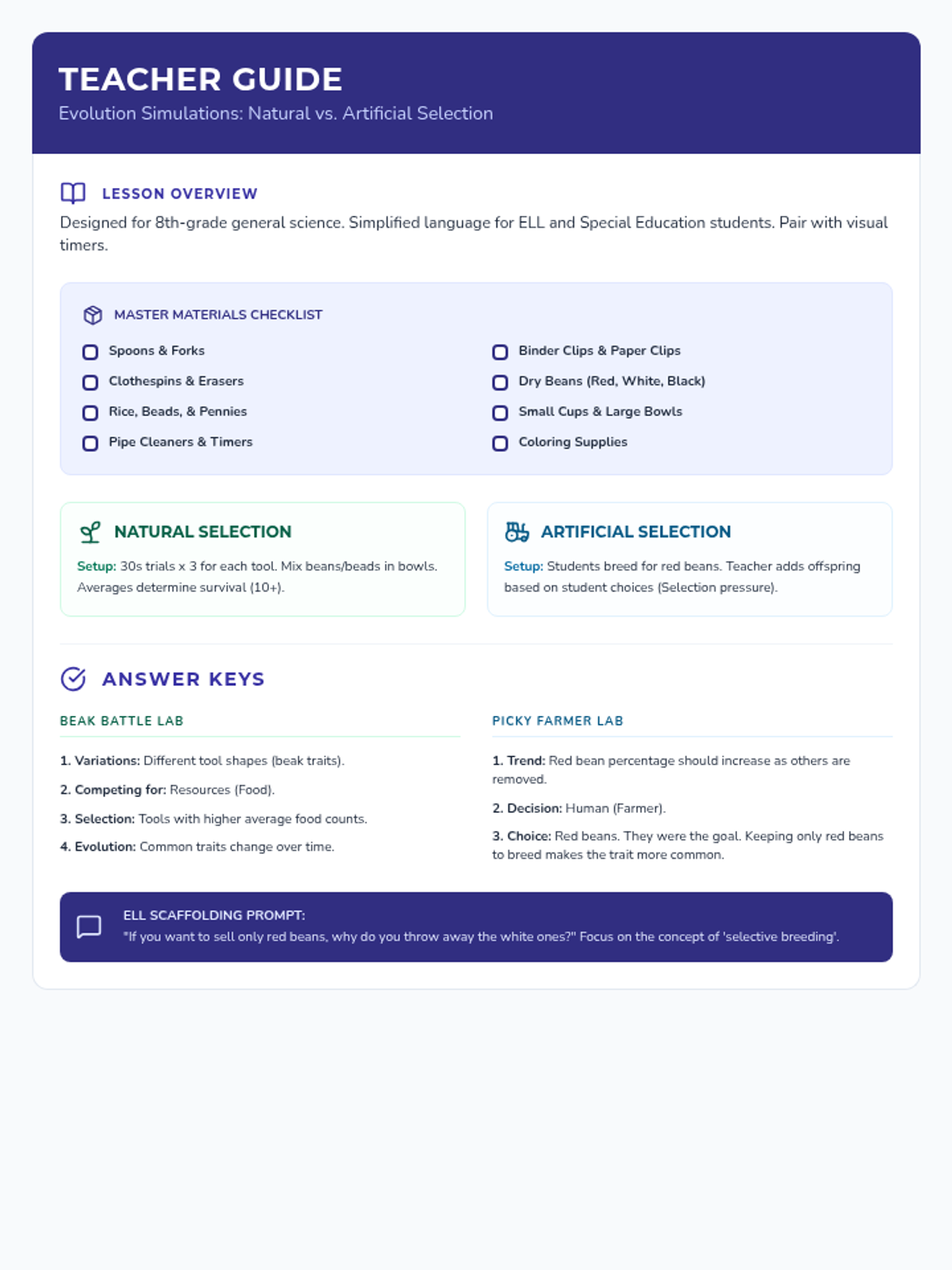
A hands-on lesson featuring two labs where students simulate natural selection through 'beak' adaptations and artificial selection through selective crop breeding.
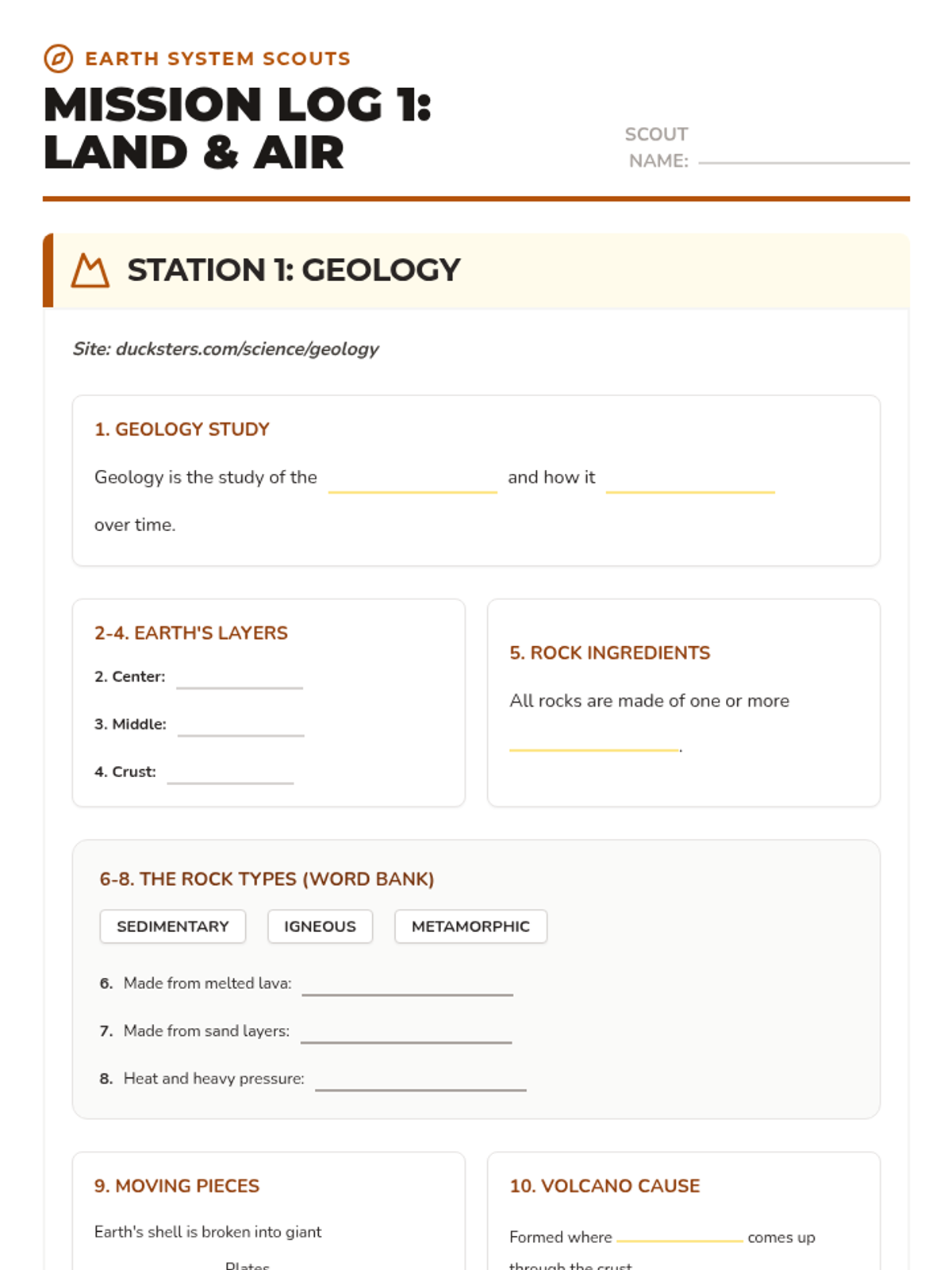
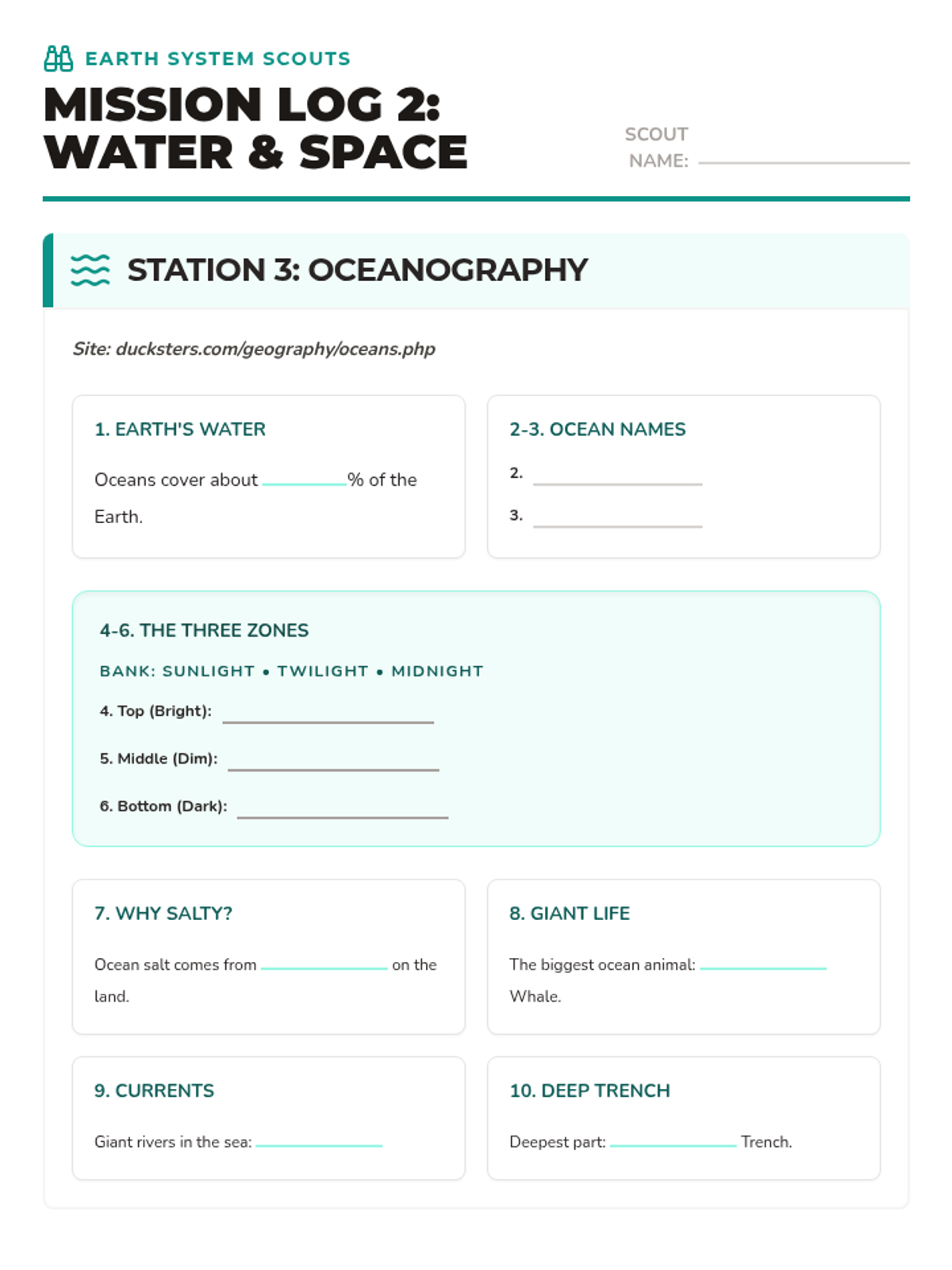
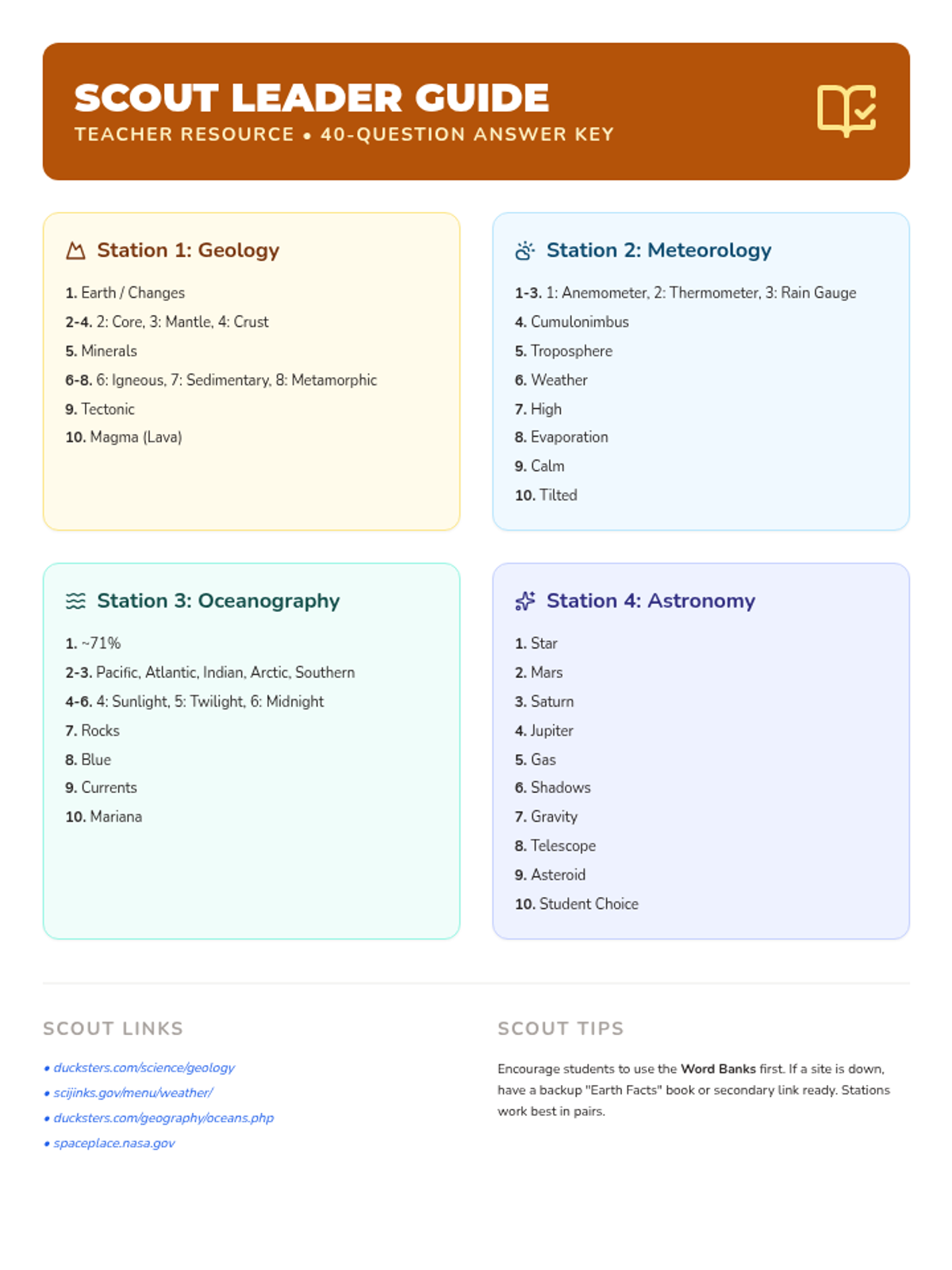
A two-day webquest mission where students investigate Geology, Meteorology, Oceanography, and Astronomy using student-friendly digital resources.
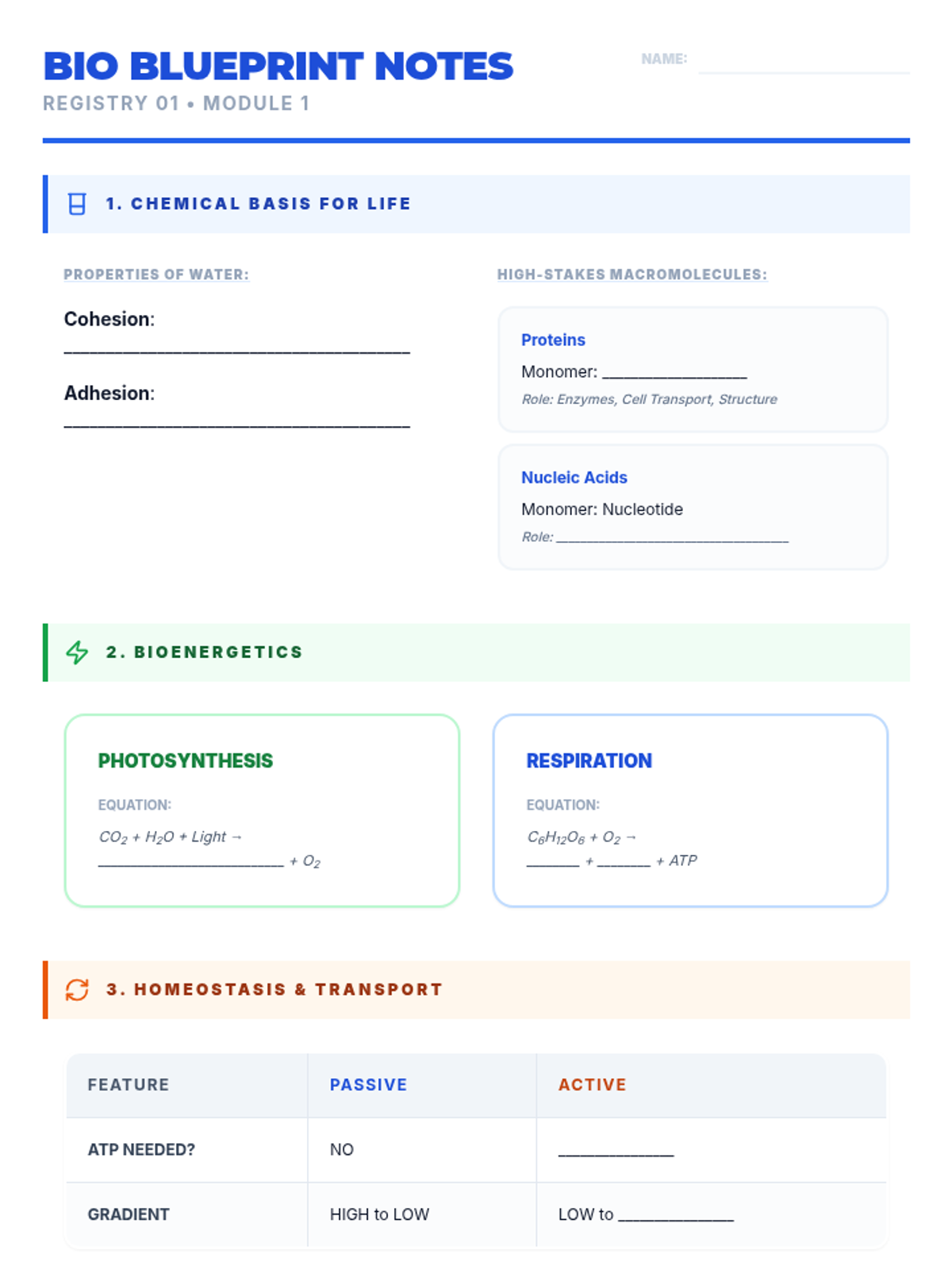
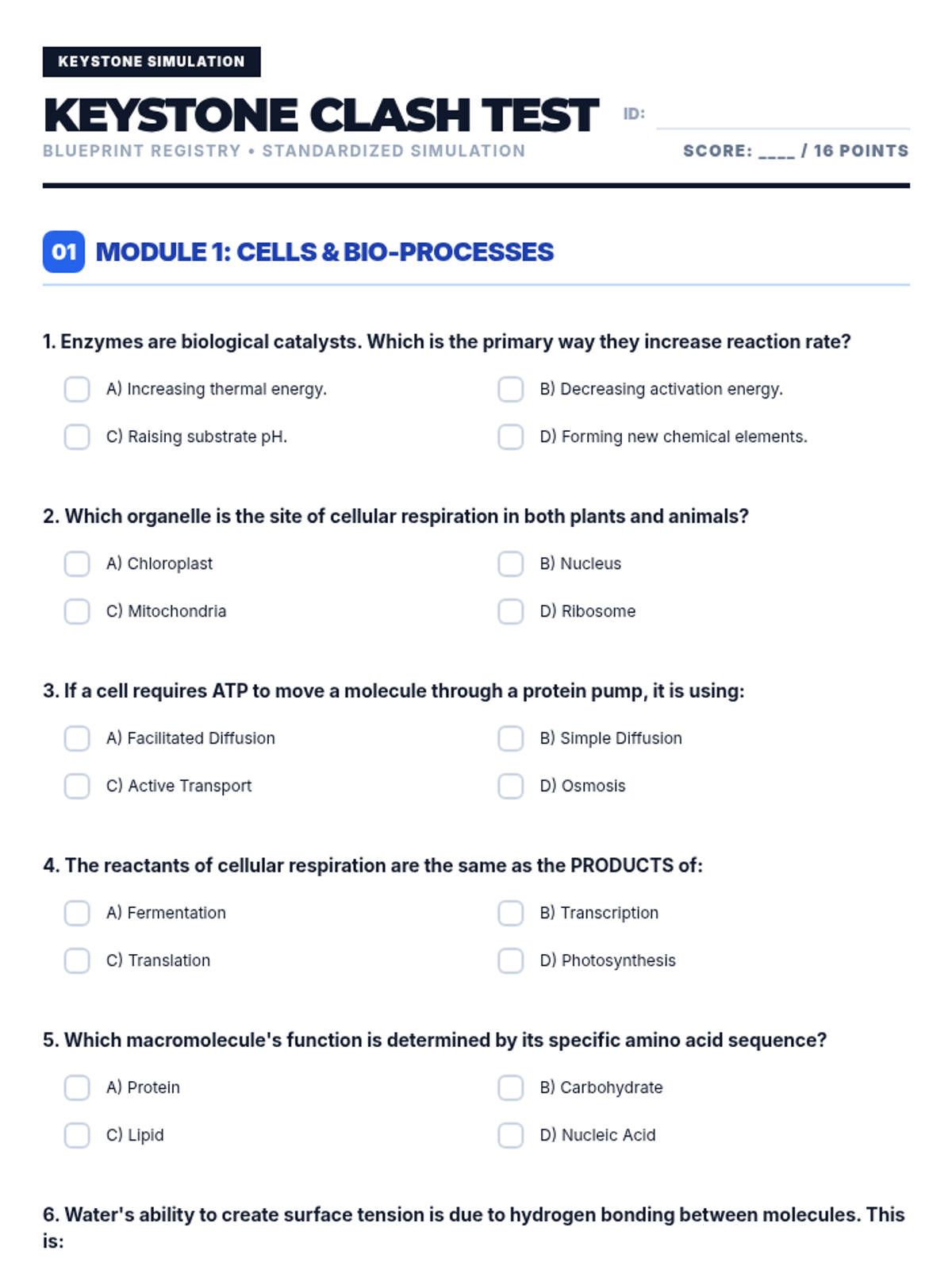
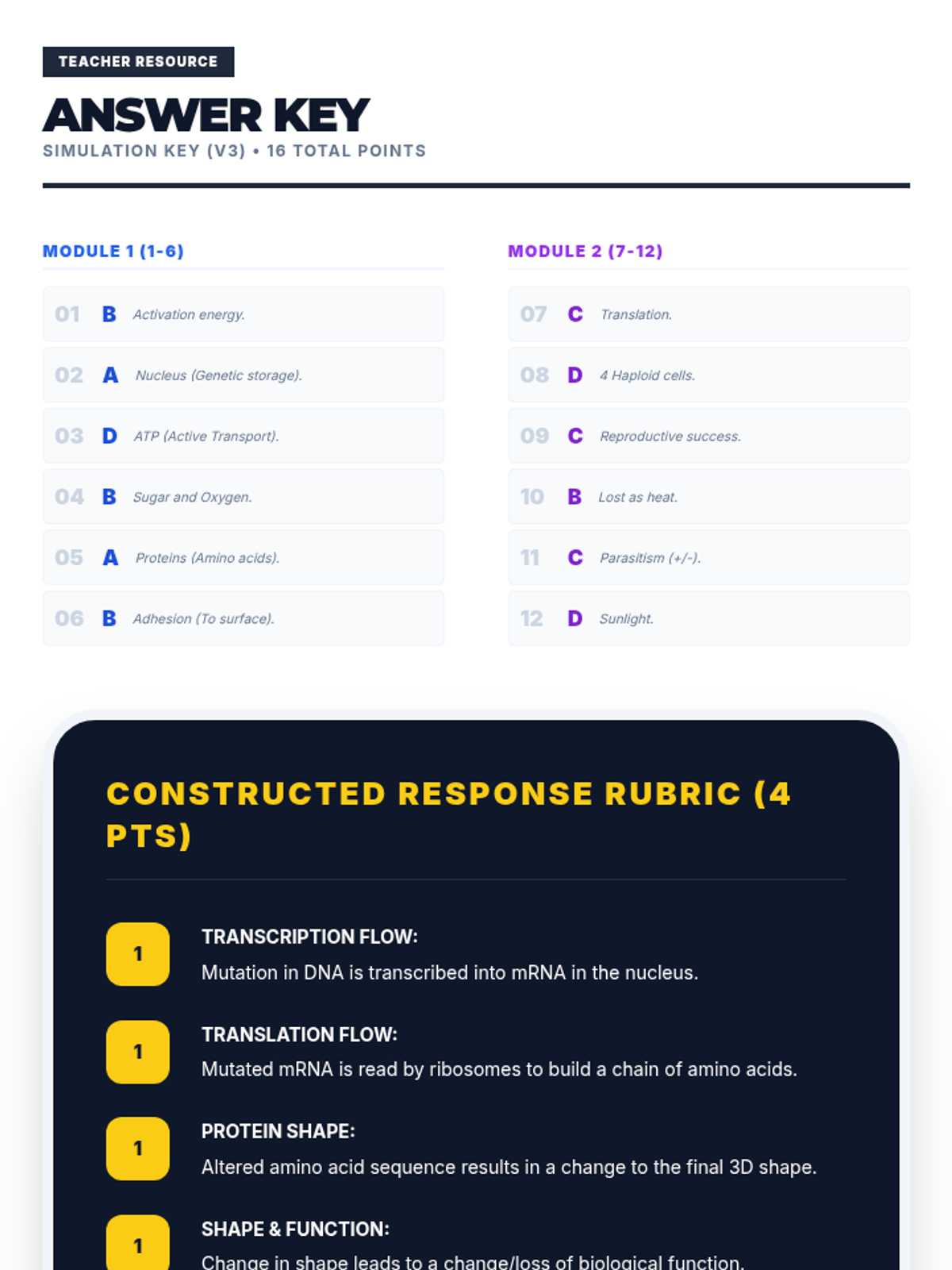
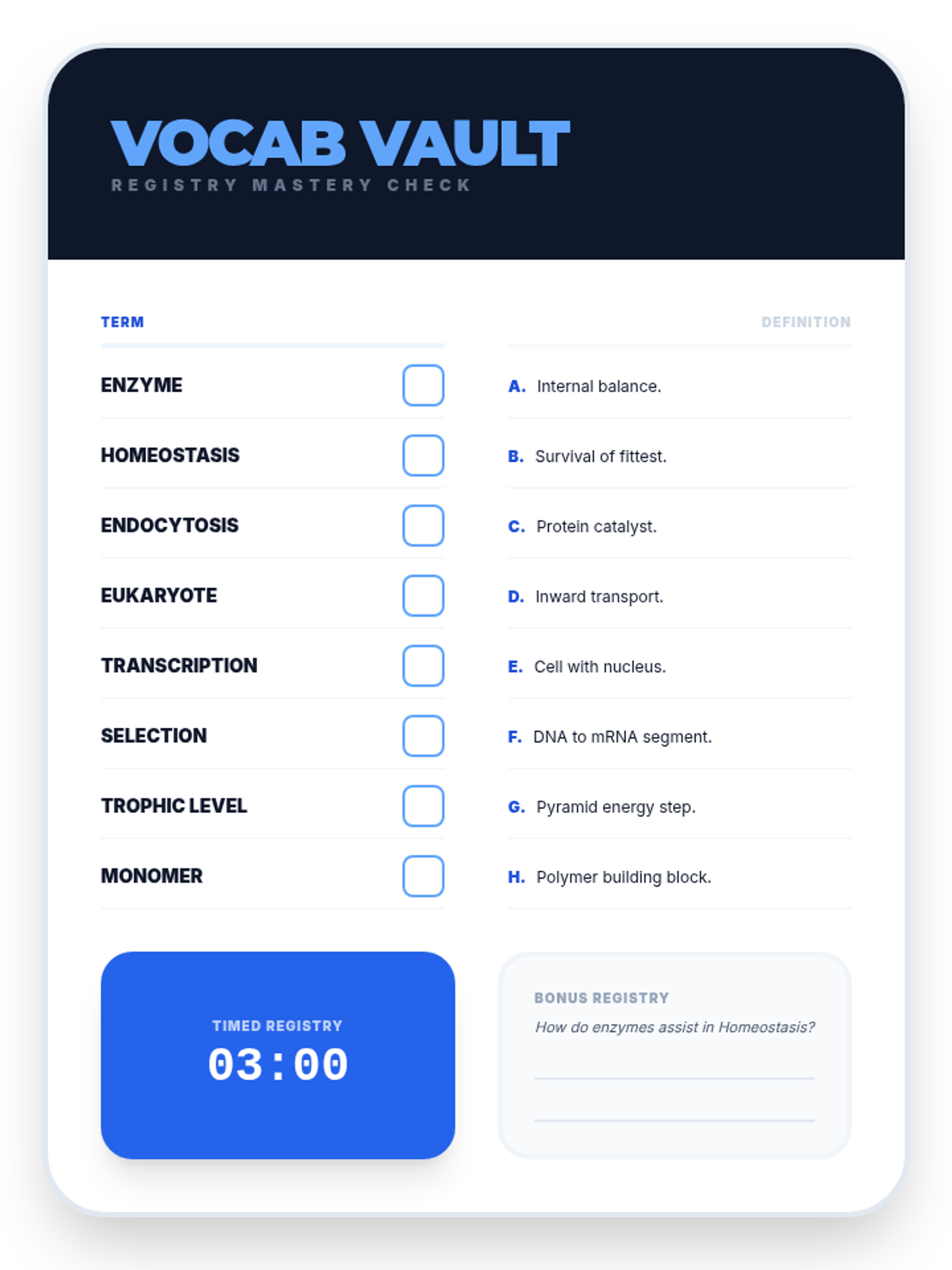
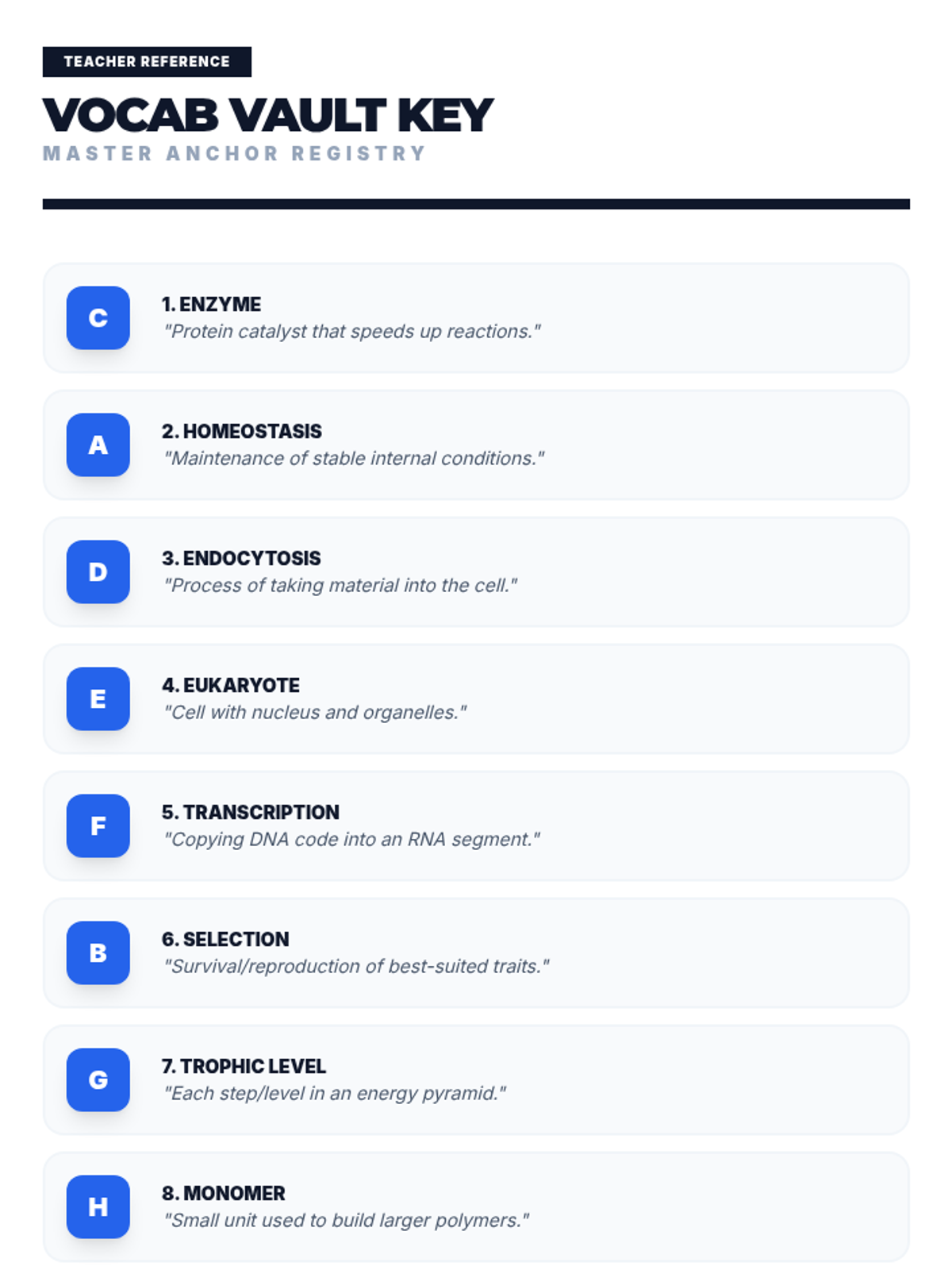
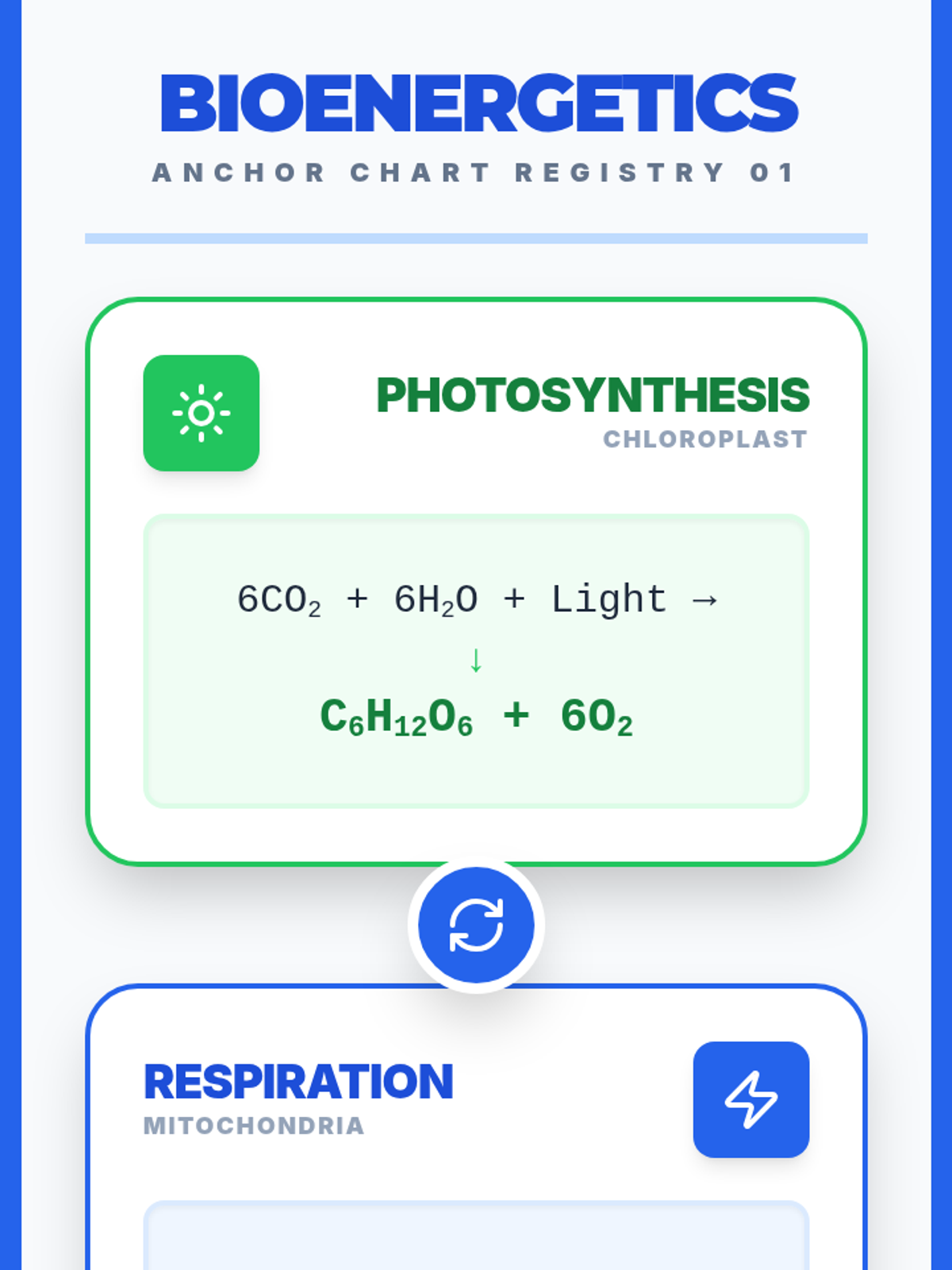
A comprehensive review session covering all Pennsylvania Biology Keystone Assessment Anchors, featuring guided notes, practice assessments, and visual aids to ensure student mastery of both modules.
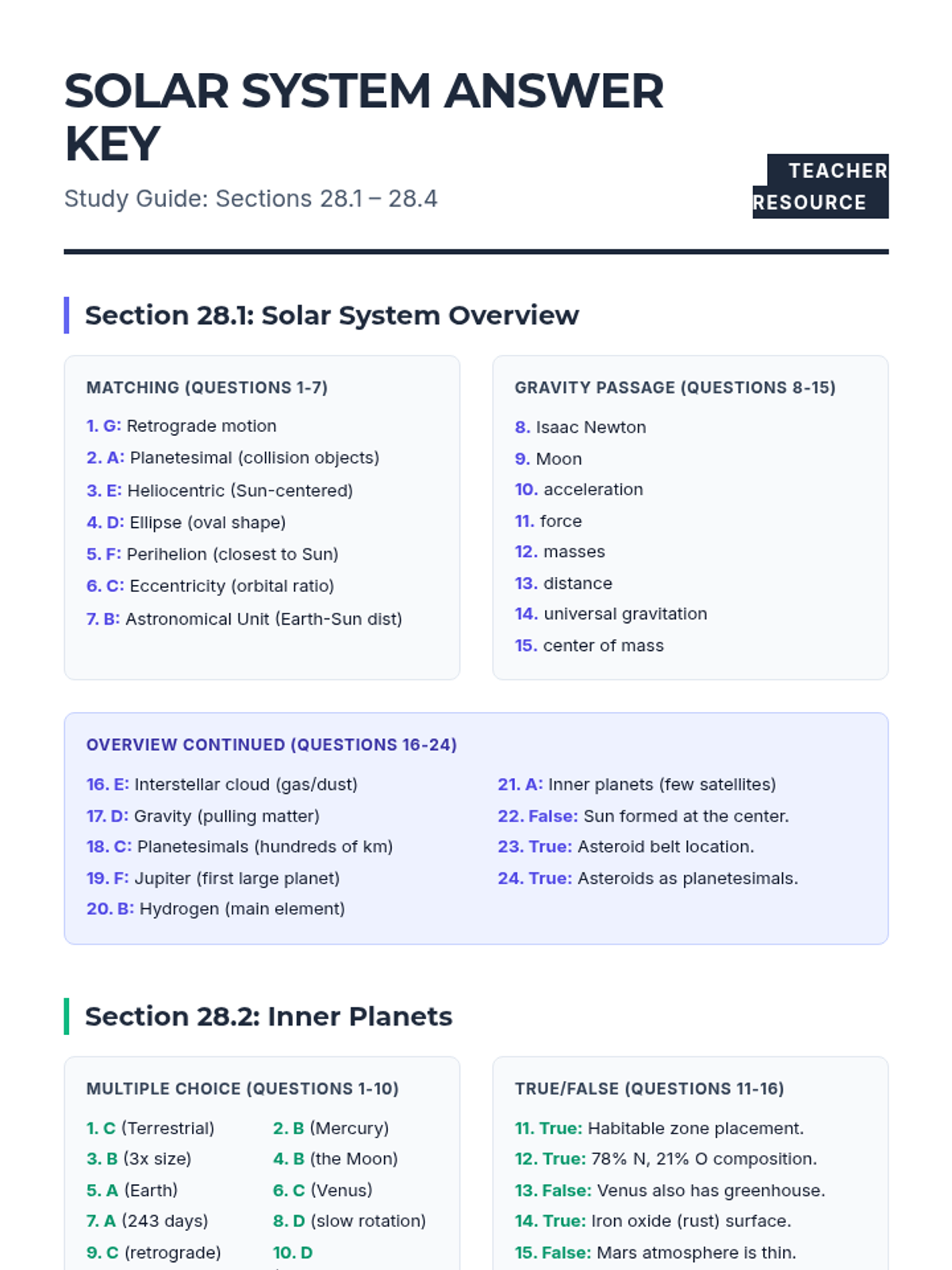
A comprehensive study of planetary characteristics, orbital mechanics, and the formation of our solar system based on the Unit 8 Study Guide.
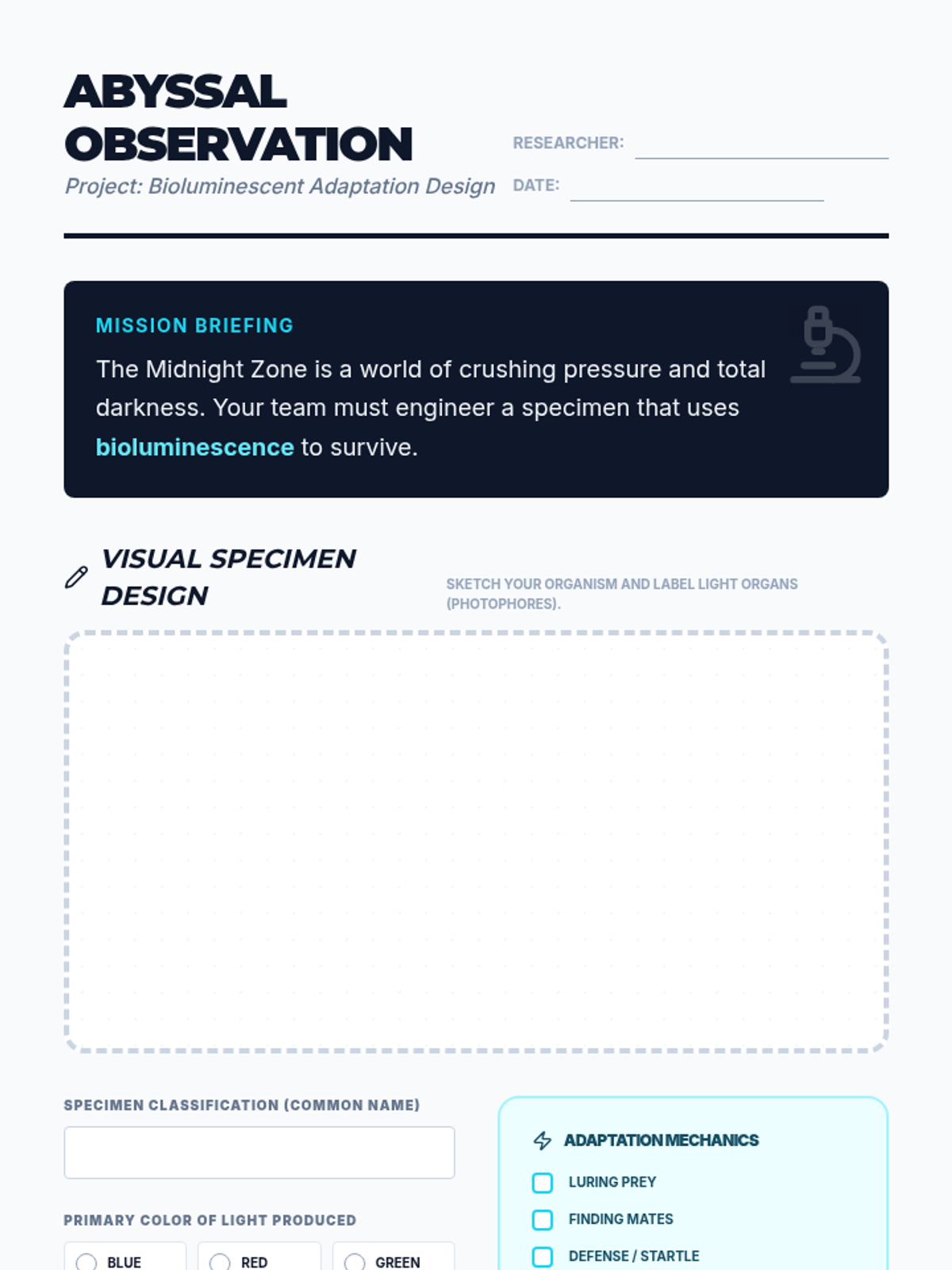
An immersive exploration of deep-sea bioluminescence, where students investigate how creatures adapt to the midnight zone through chemical light. Students will design their own abyssal organism based on scientific adaptation principles.