Students explore chemical reactions and pH indicators through a virtual lab observation and report, using household substances to differentiate between acids and bases.
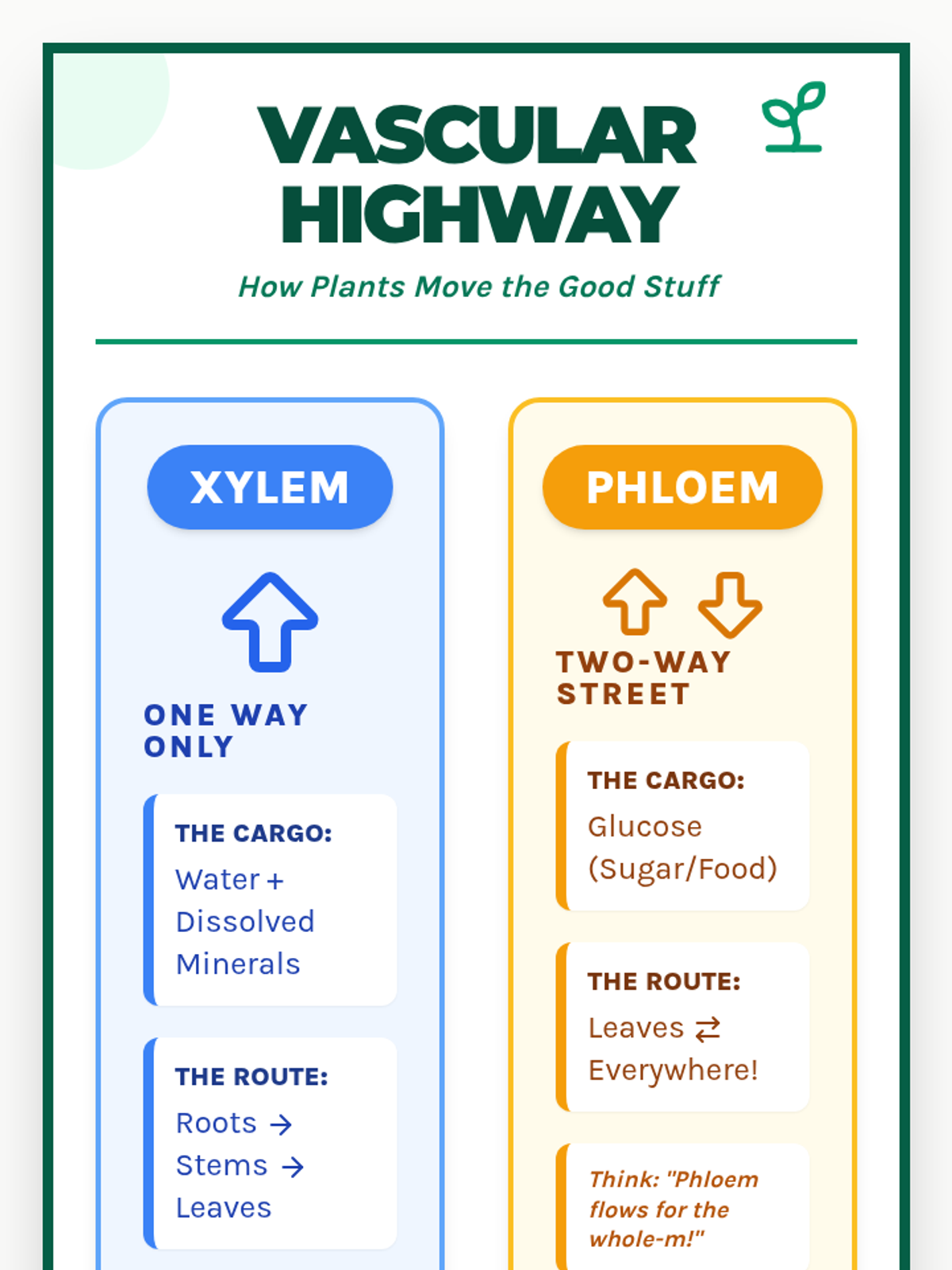
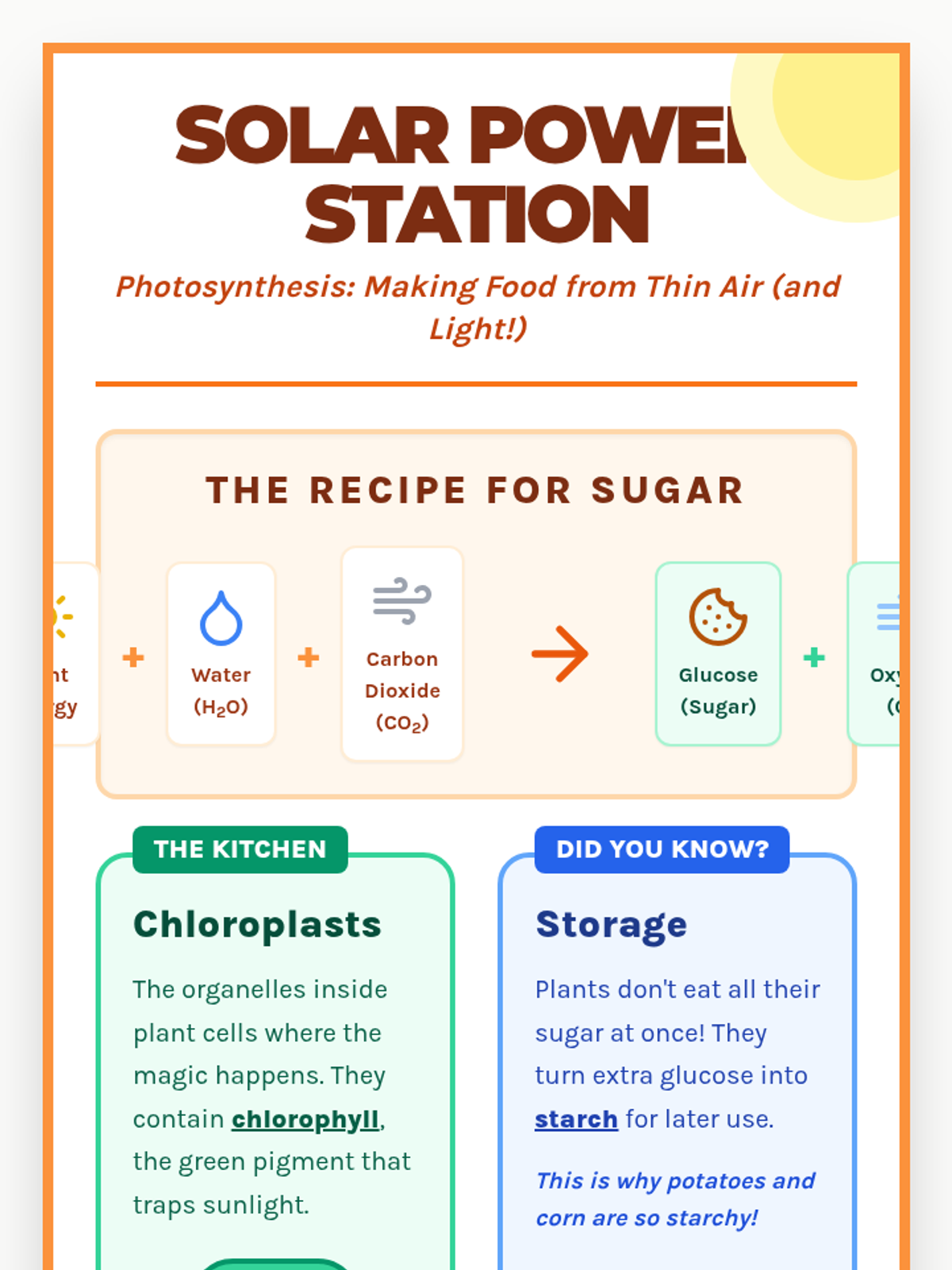
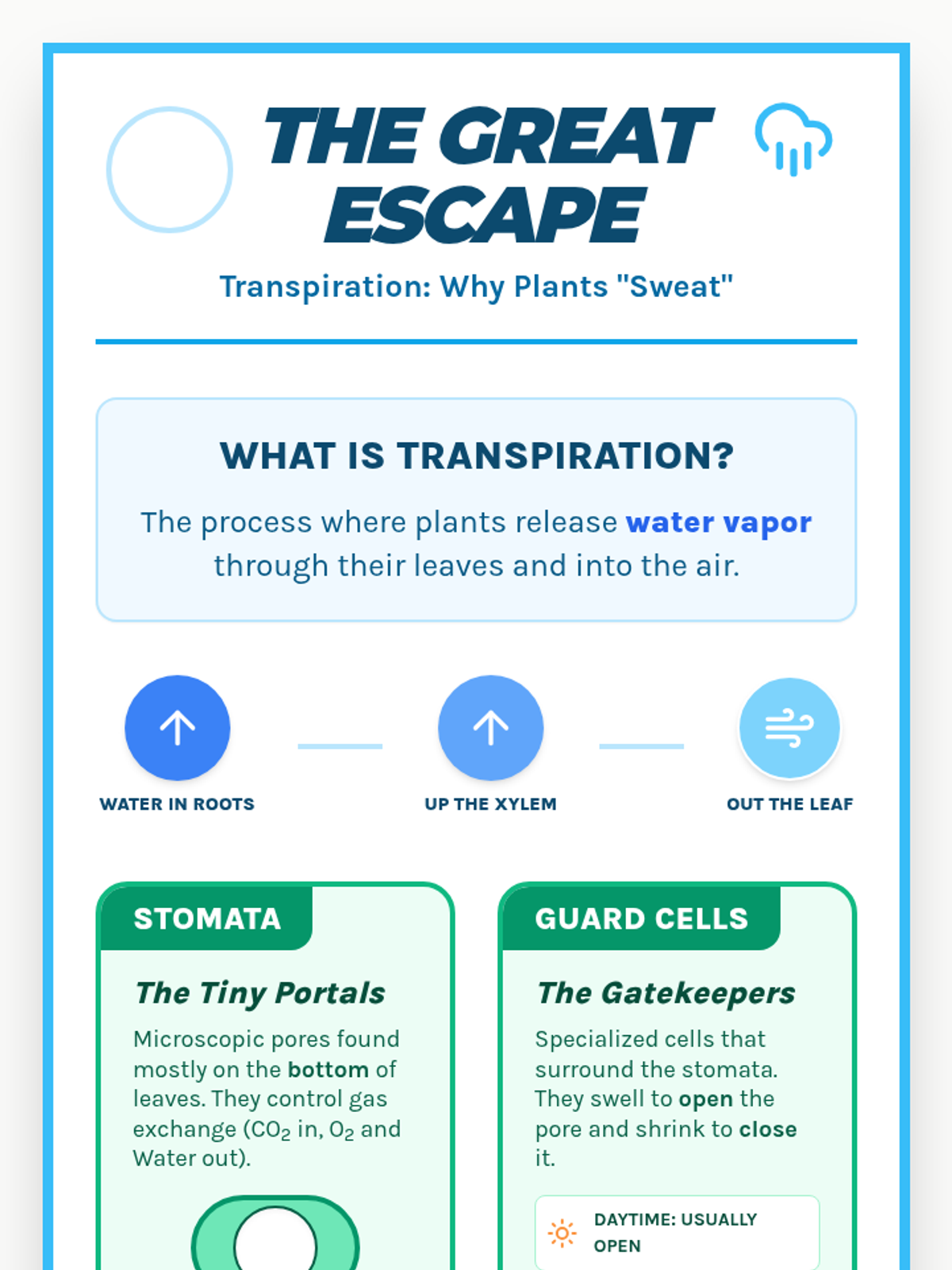
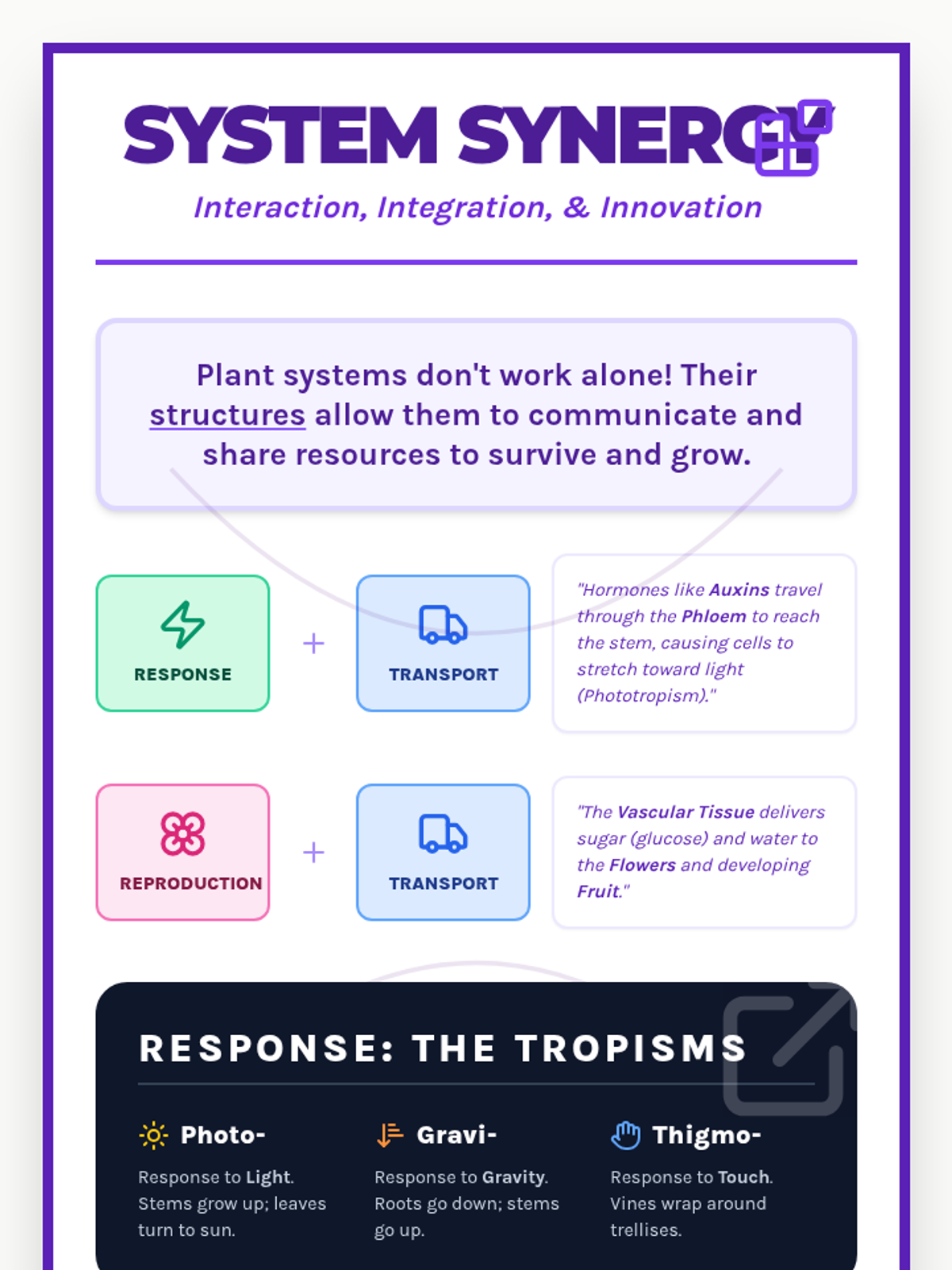
A series of visual anchor charts designed for reference during laboratory investigations into plant vascular systems, photosynthesis, and transpiration.
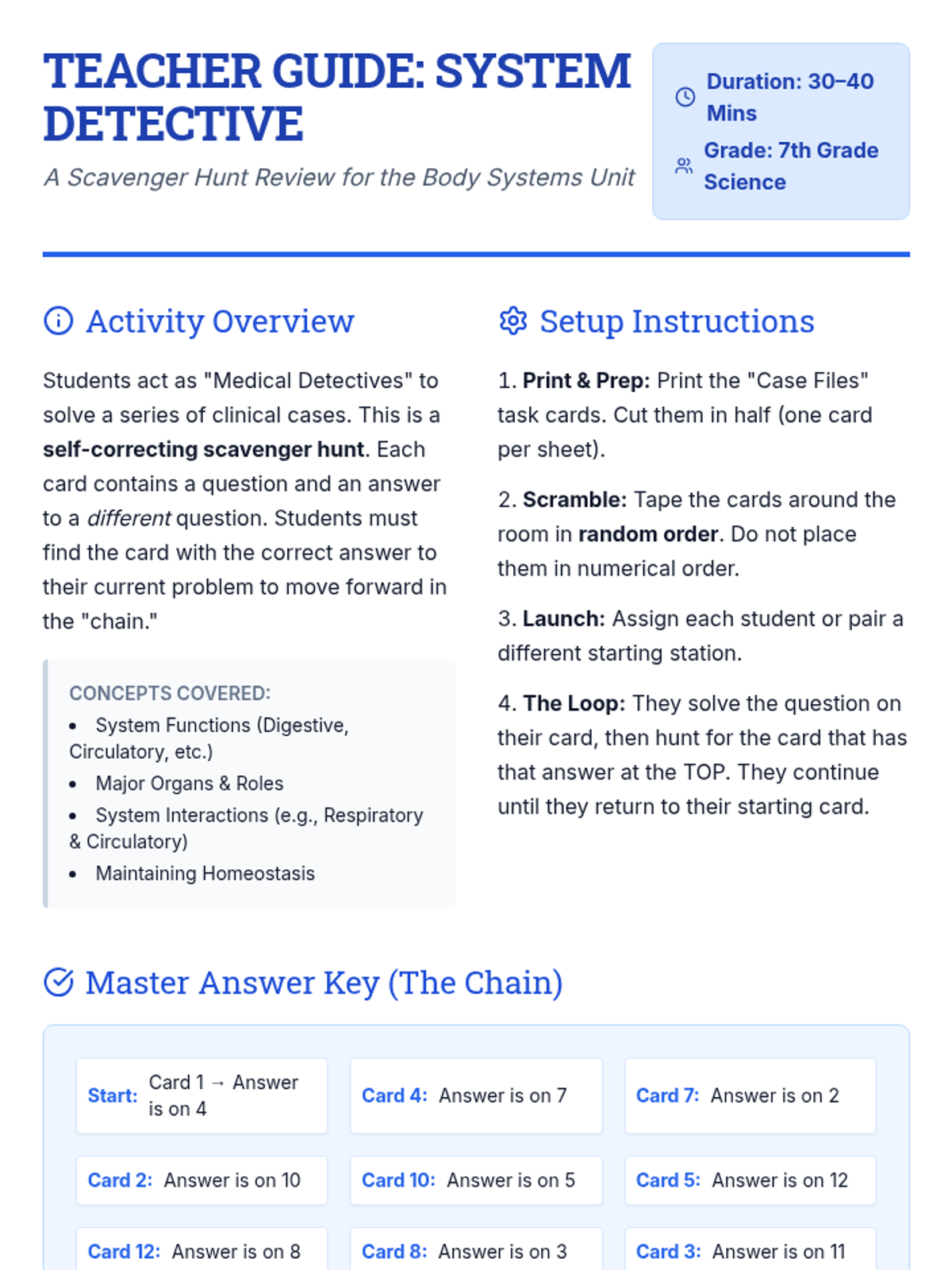
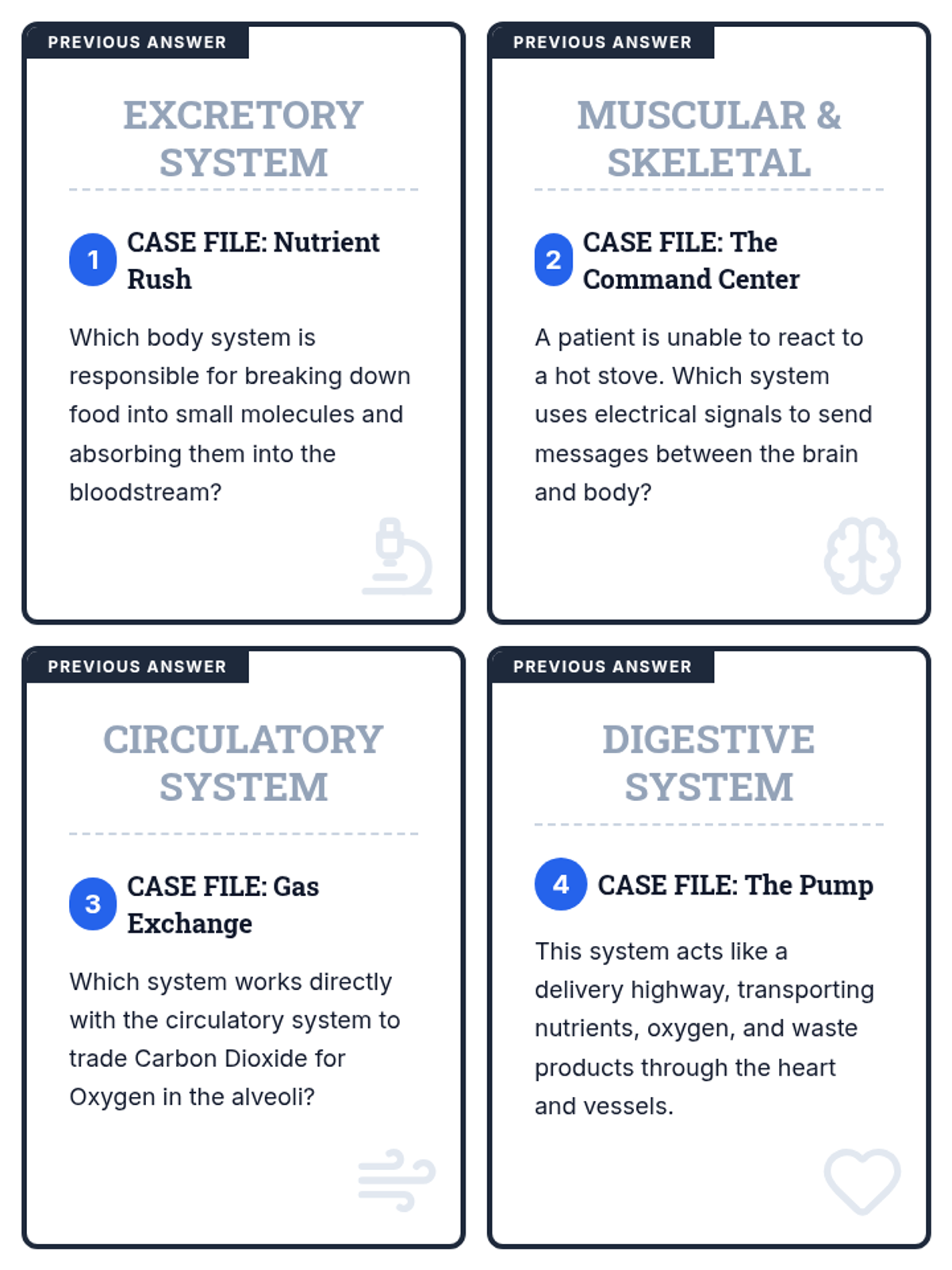
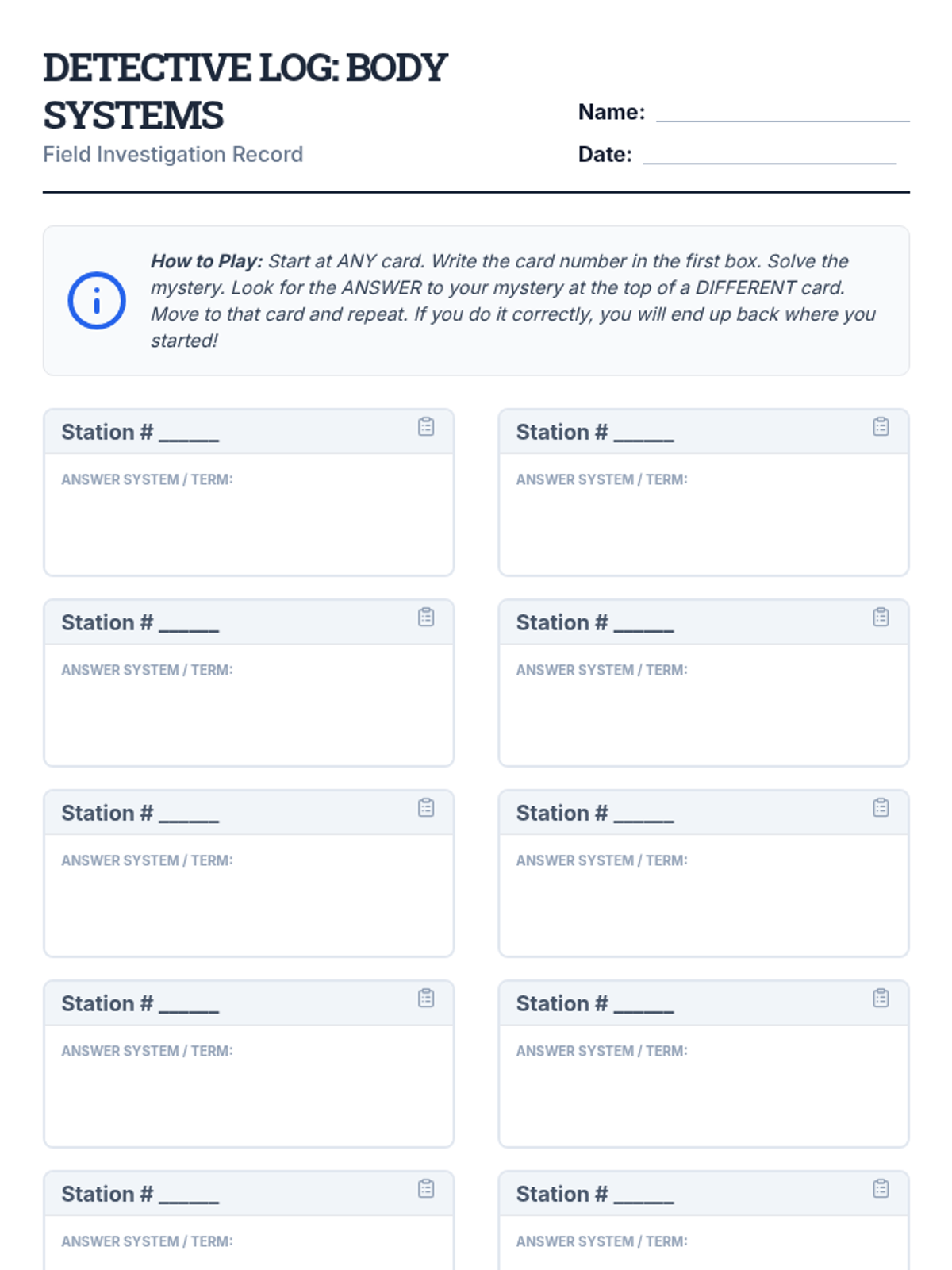
A high-energy, movement-based review activity where students solve 'medical cases' by identifying body systems and their functions. This lesson includes task cards for a classroom scavenger hunt and a structured recording sheet for students.
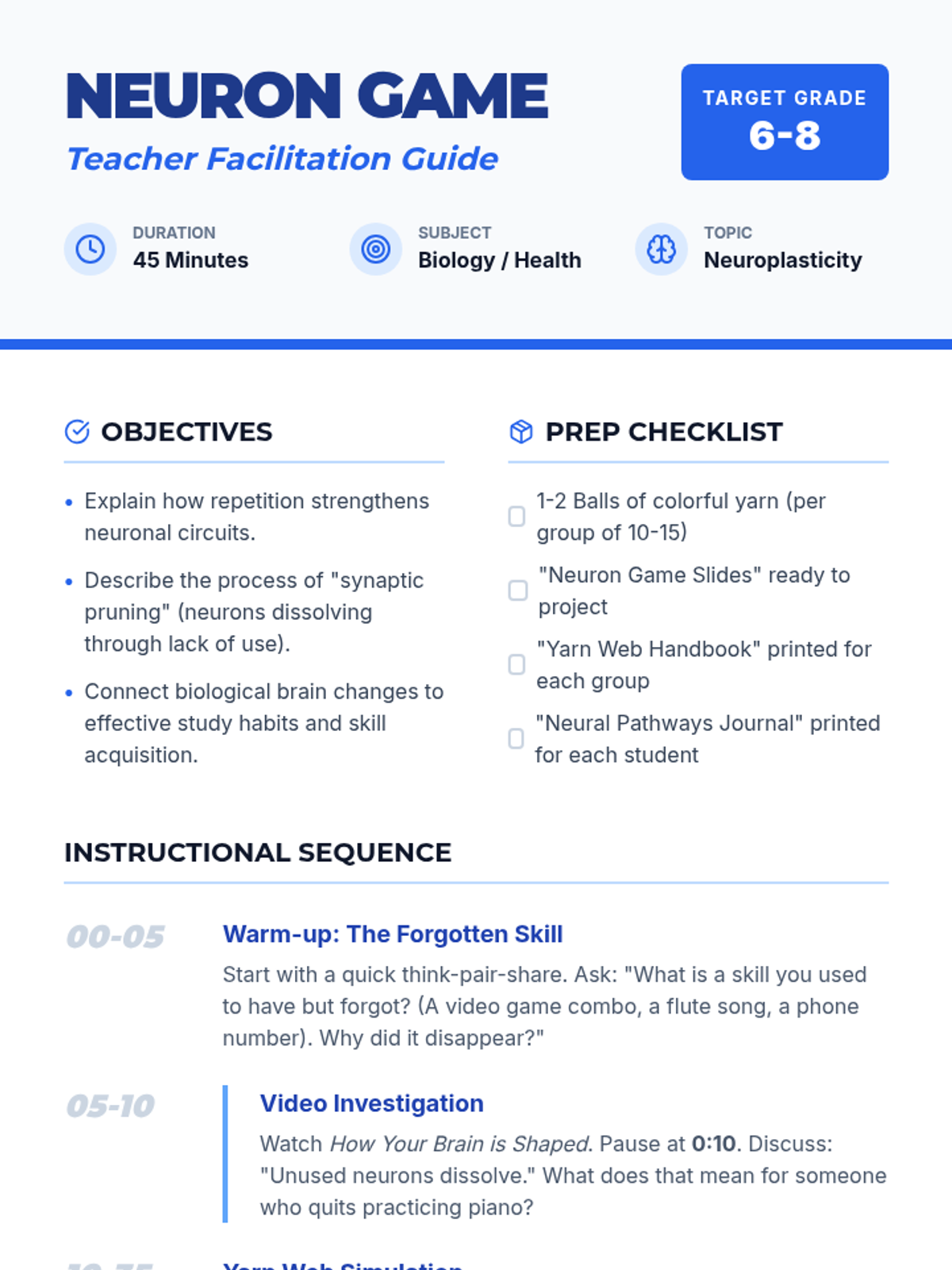
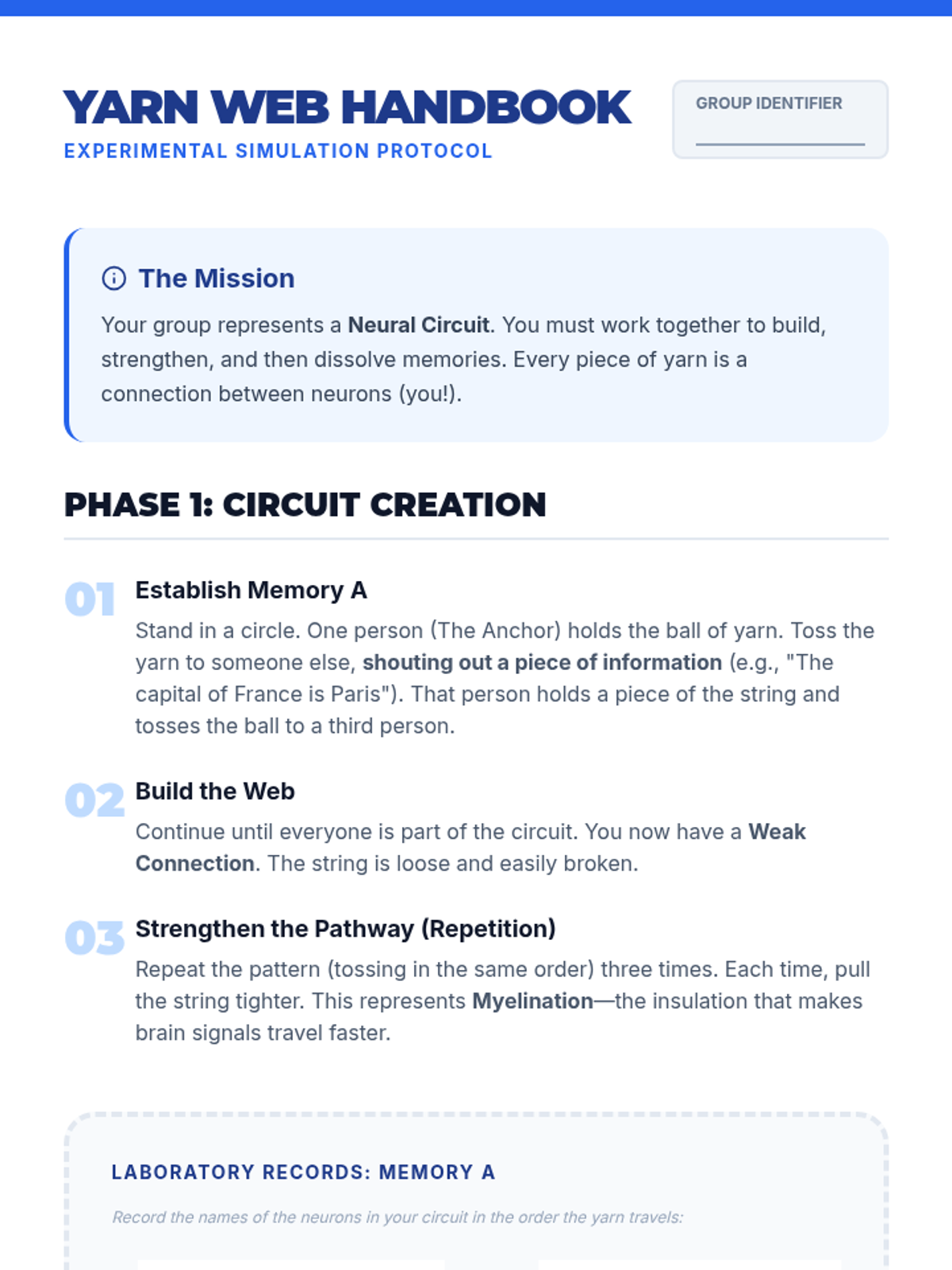
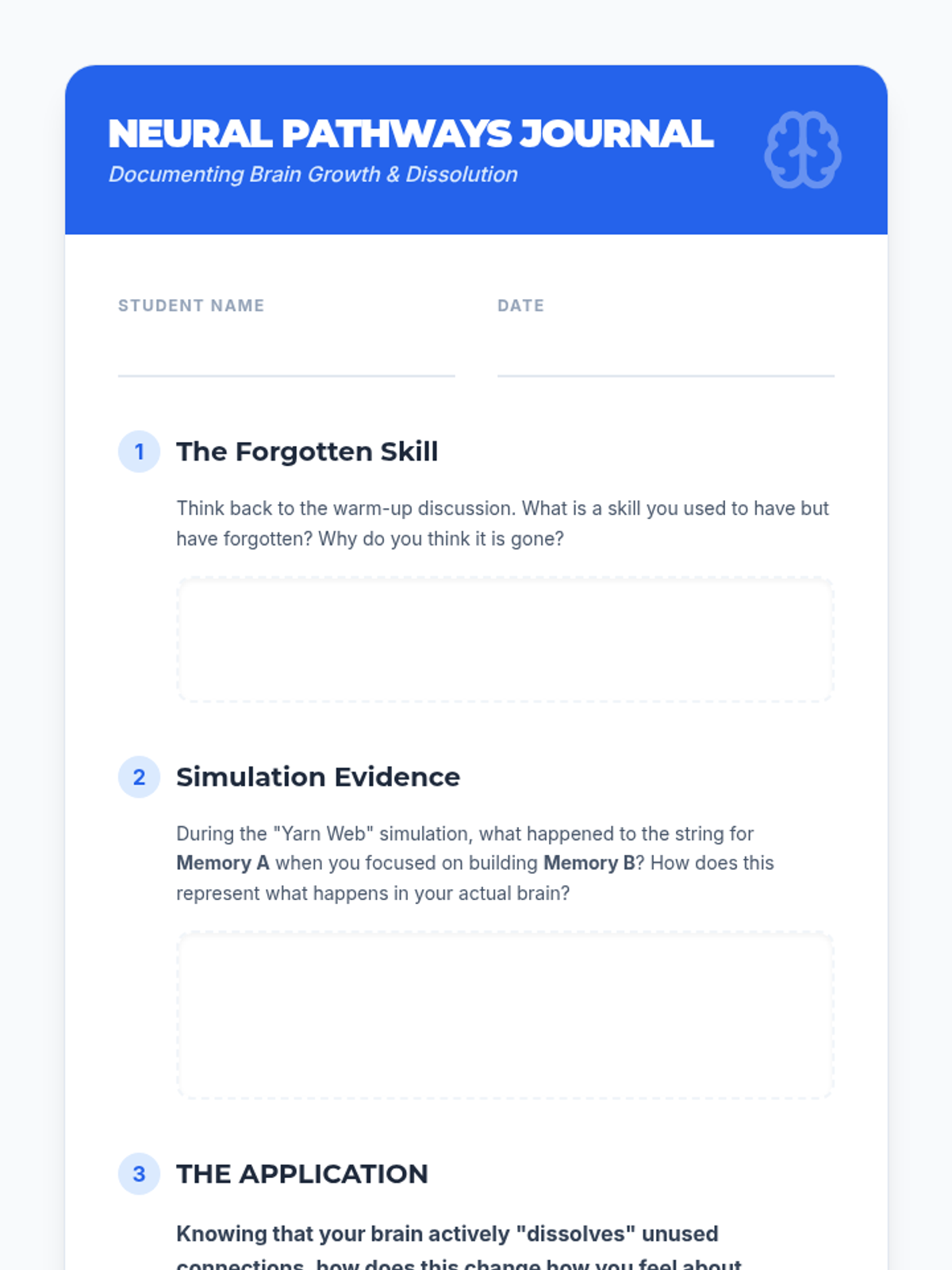
A 6th-8th grade science and health lesson exploring neuroplasticity through a hands-on yarn simulation and a video-based discussion. Students learn how neural pathways strengthen through use and dissolve through neglect.
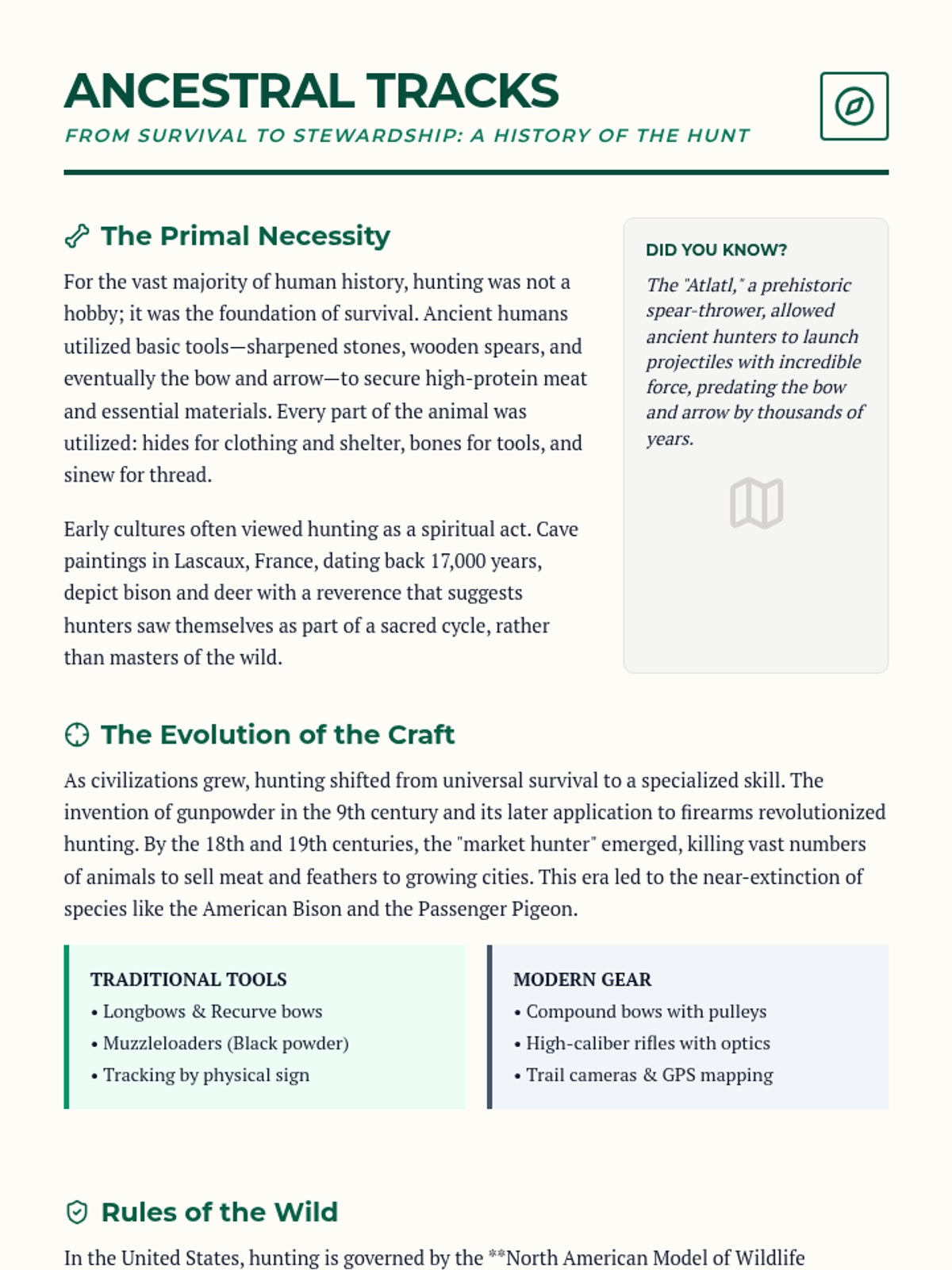
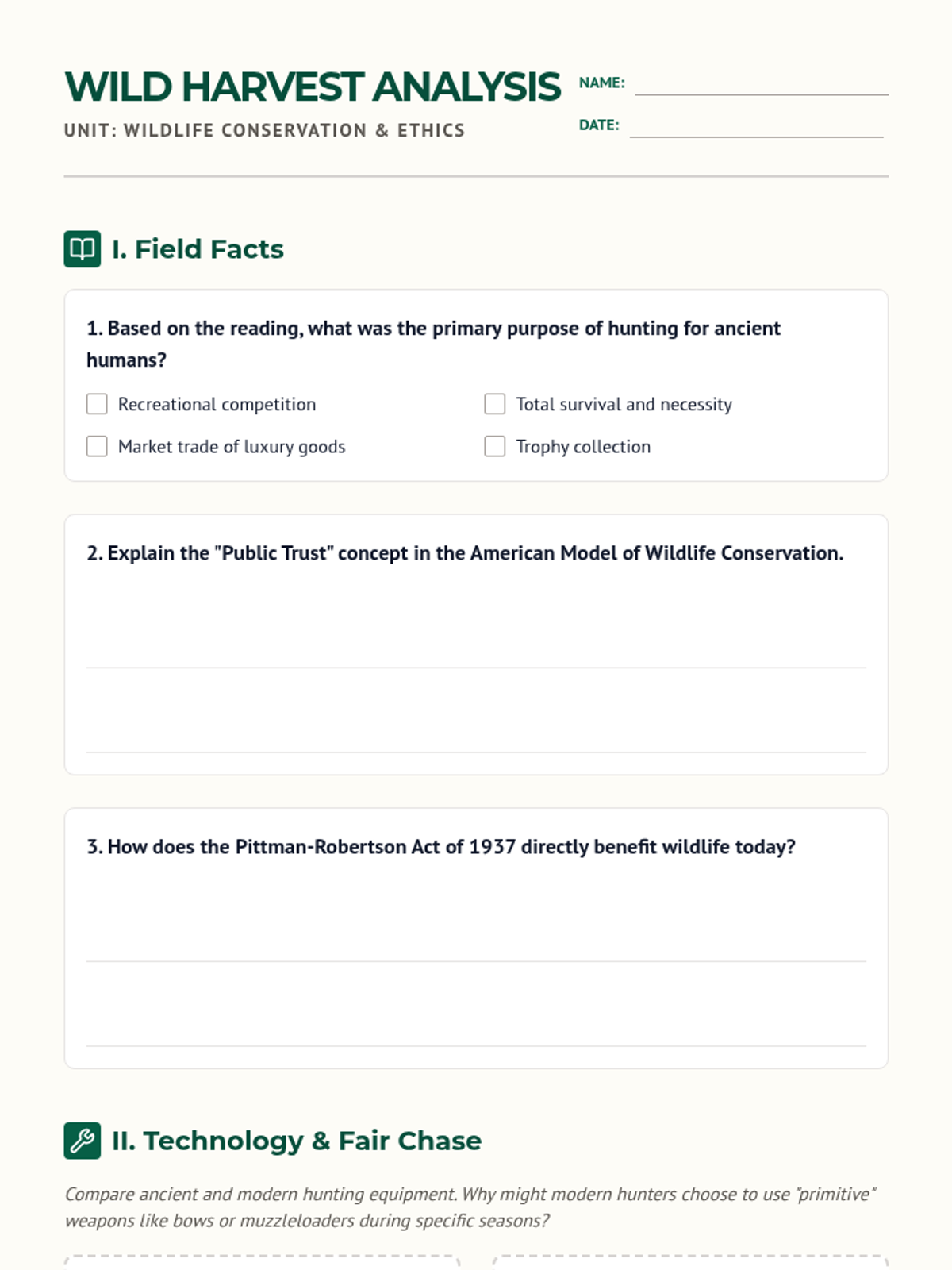
A comprehensive lesson exploring the evolution of hunting from ancient survival to modern conservation, including economic impacts and ethical debates surrounding biodiversity.
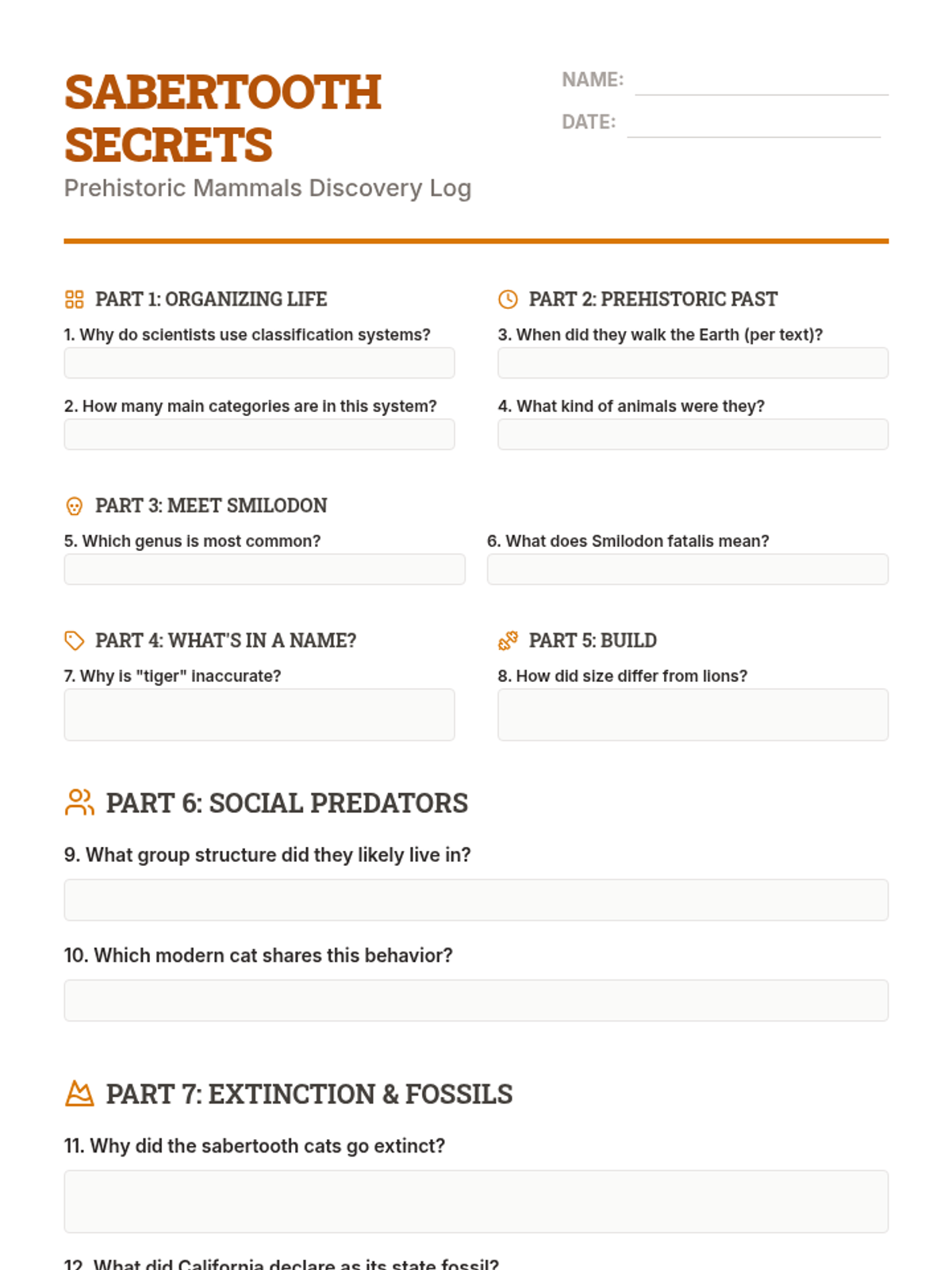
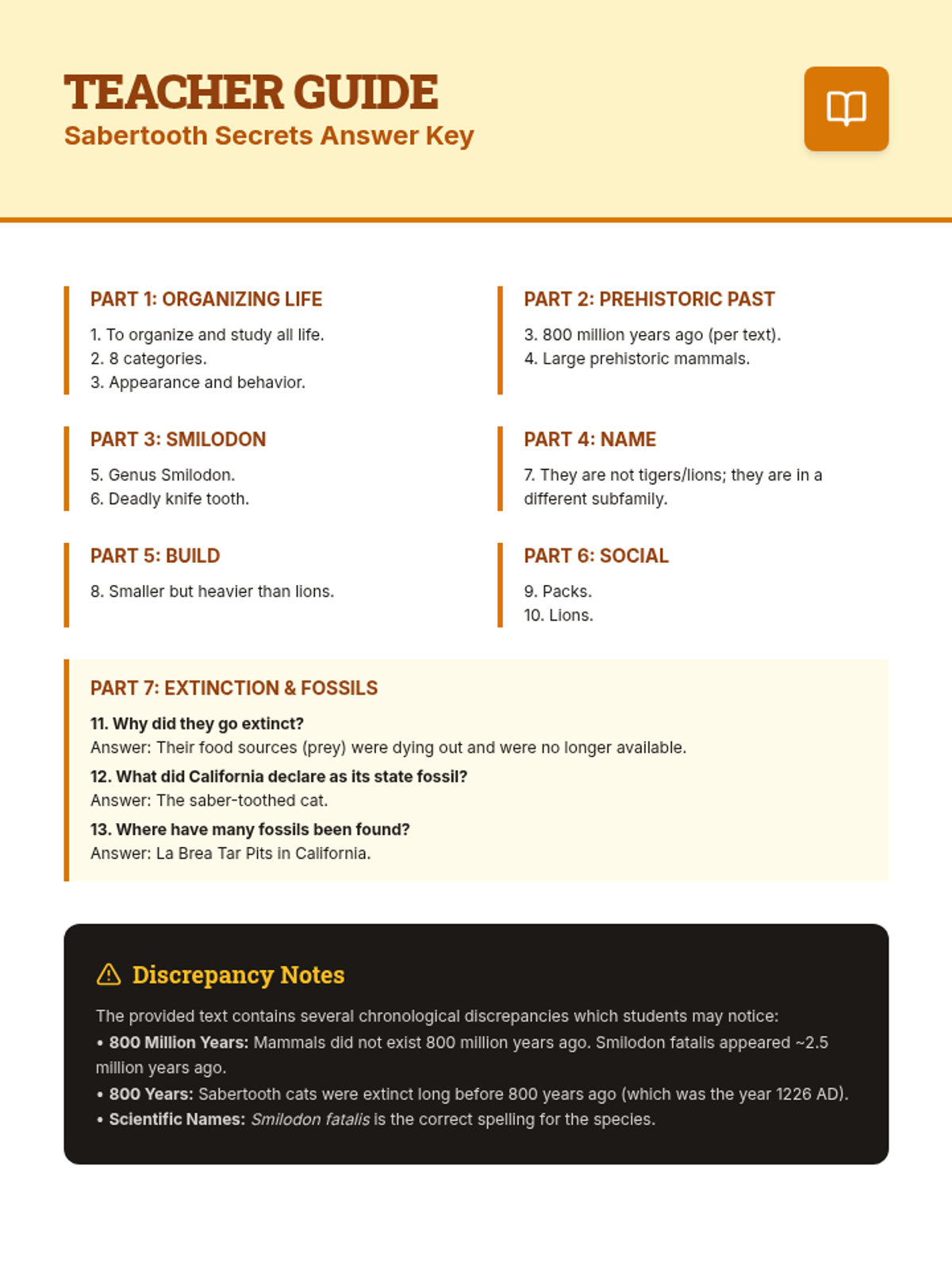
A lesson exploring the characteristics, classification, and social behavior of prehistoric Sabertooth cats.
A lesson exploring the unique life cycle of periodical cicadas and how their emergence patterns help them survive and reproduce.
Students explore the fascinating life cycle of periodical cicadas, focusing on their unique 13 and 17-year schedules and how this behavior helps them survive against predators.
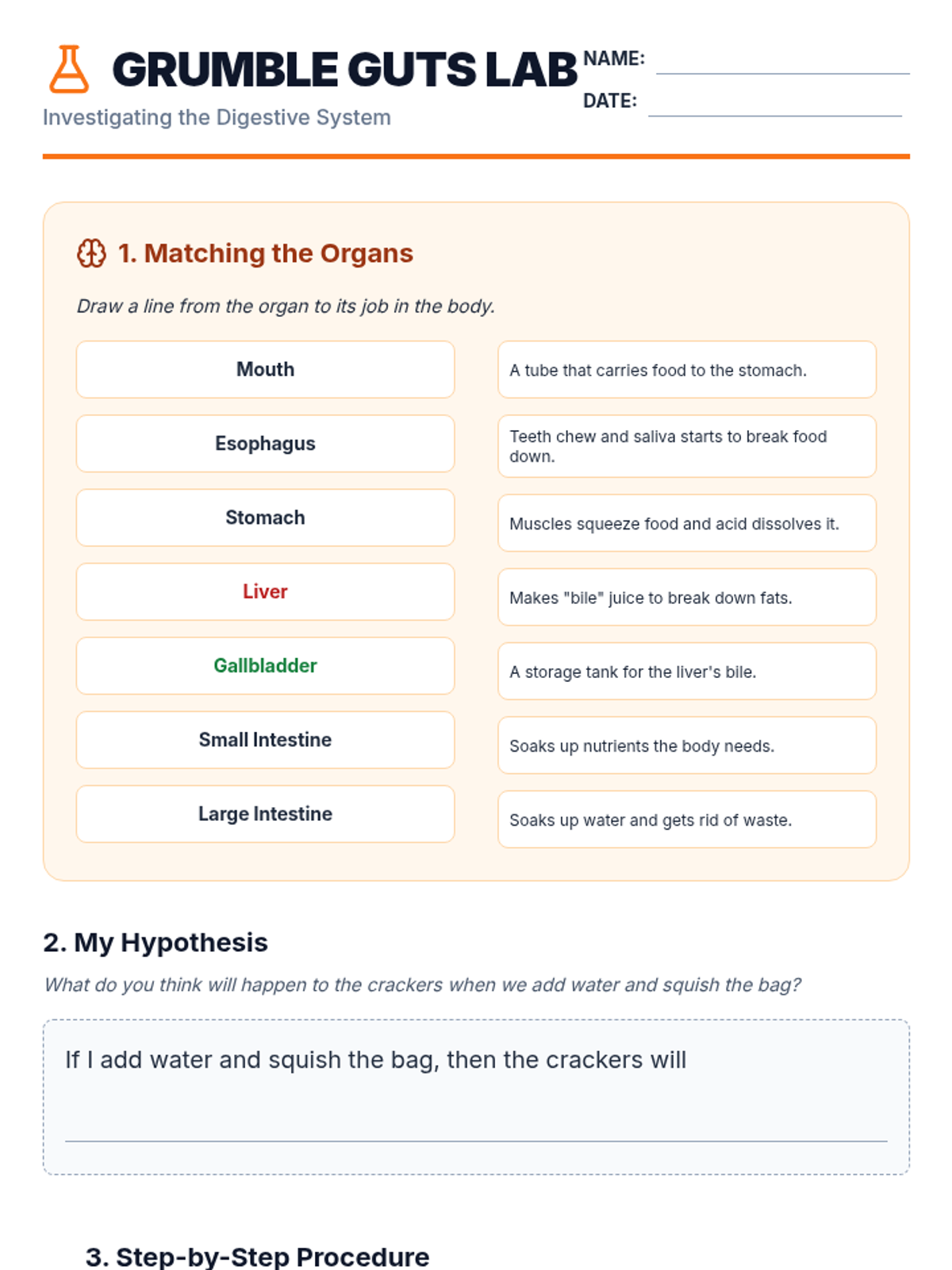
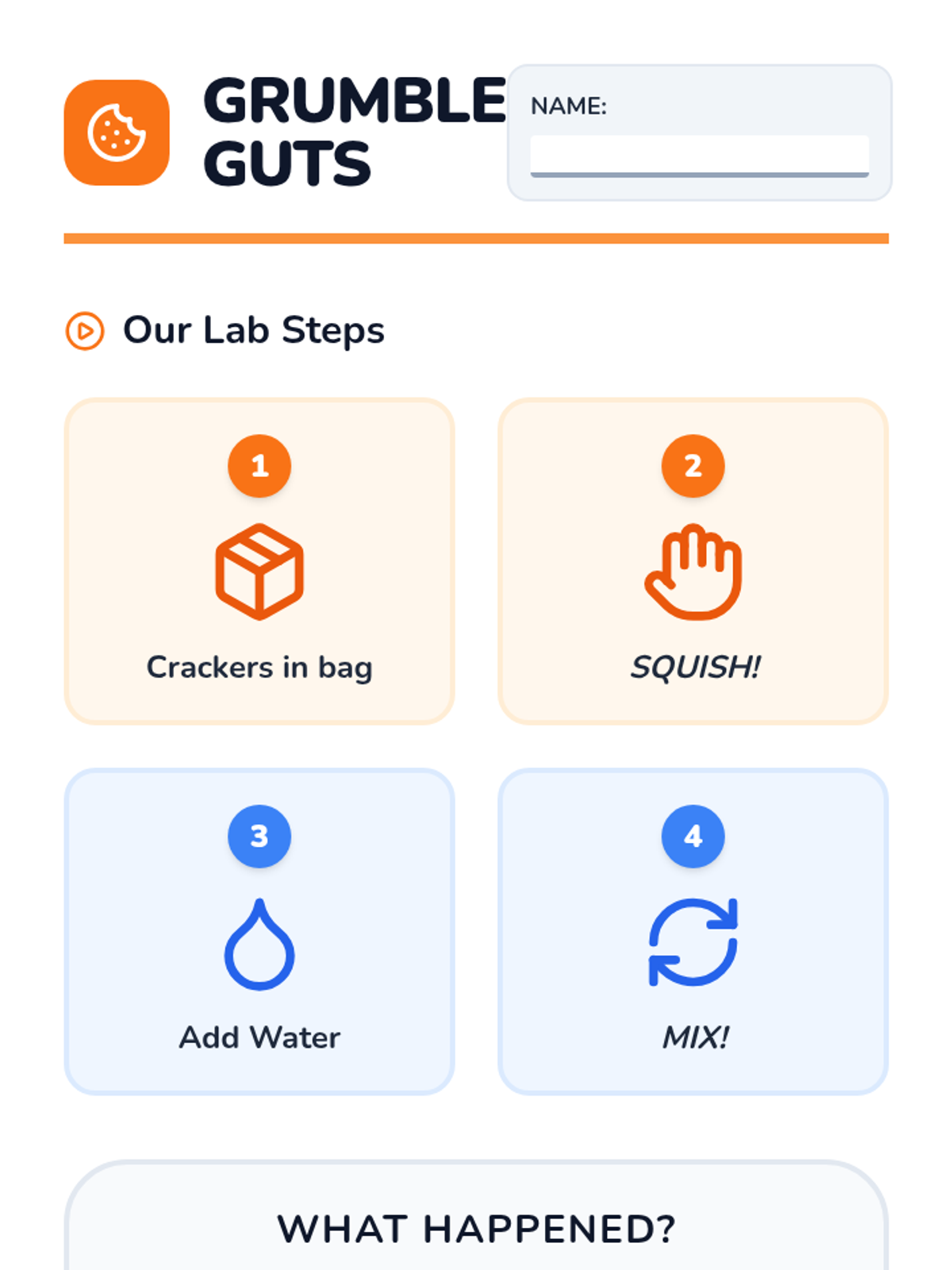
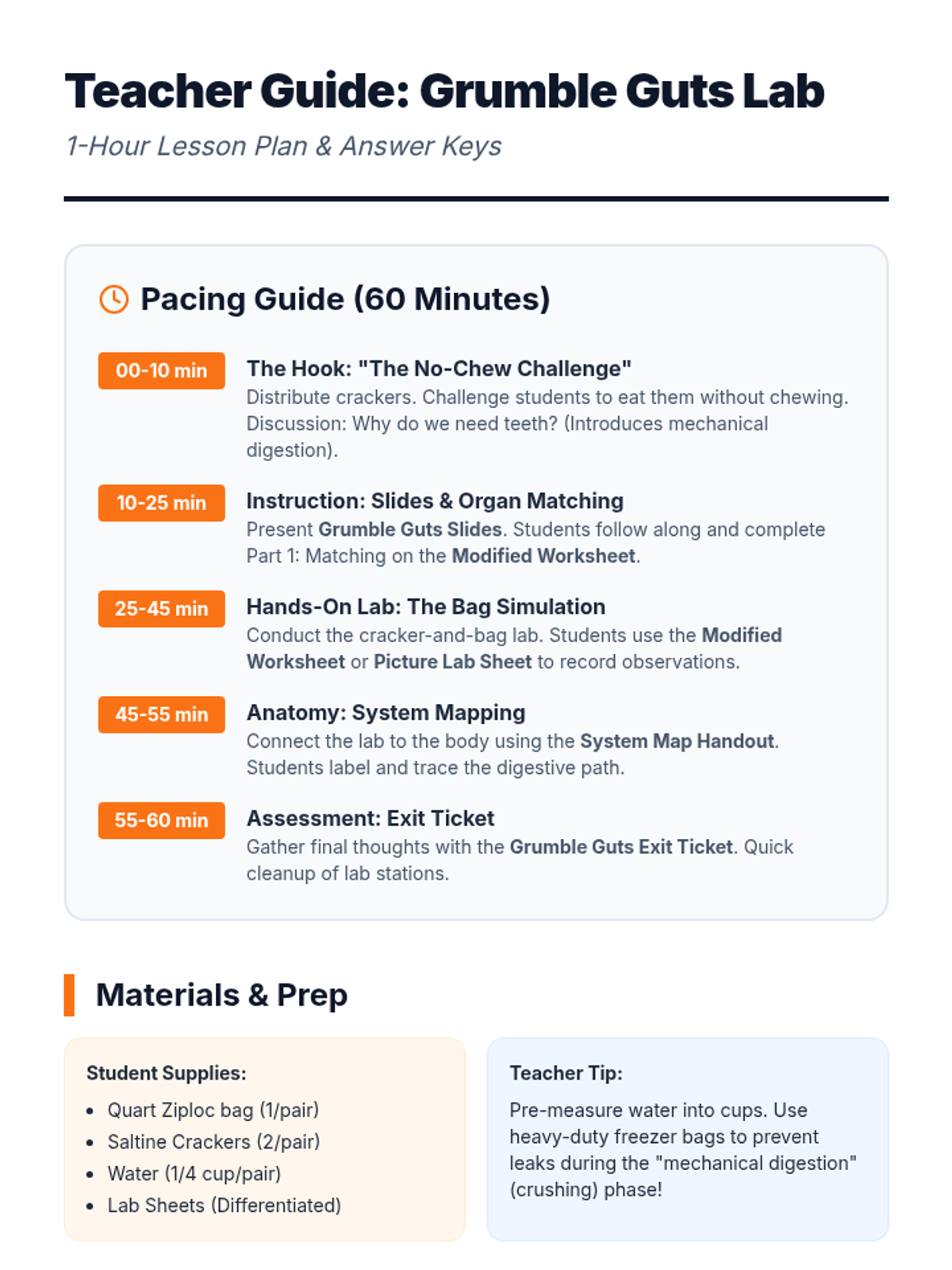
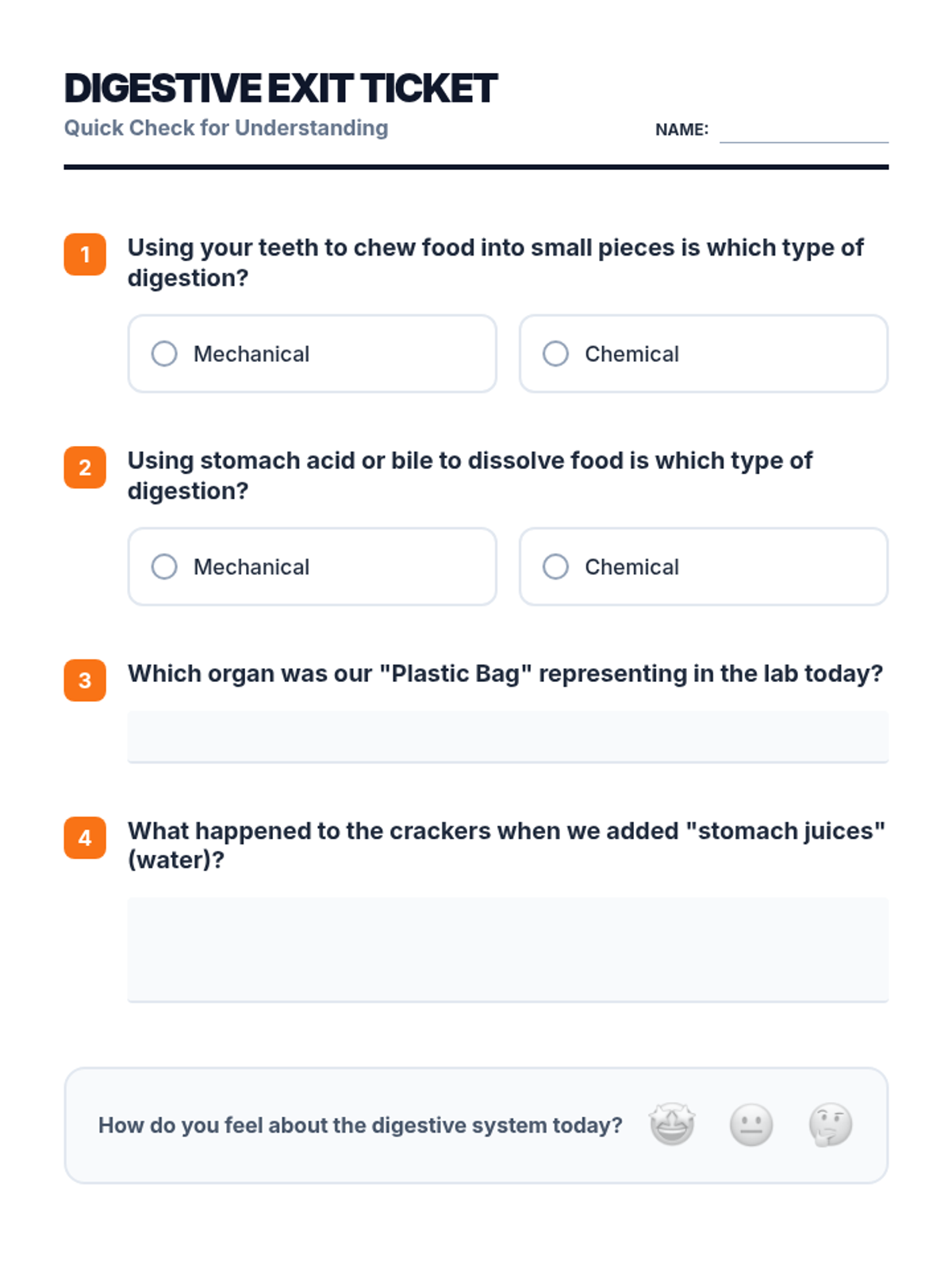
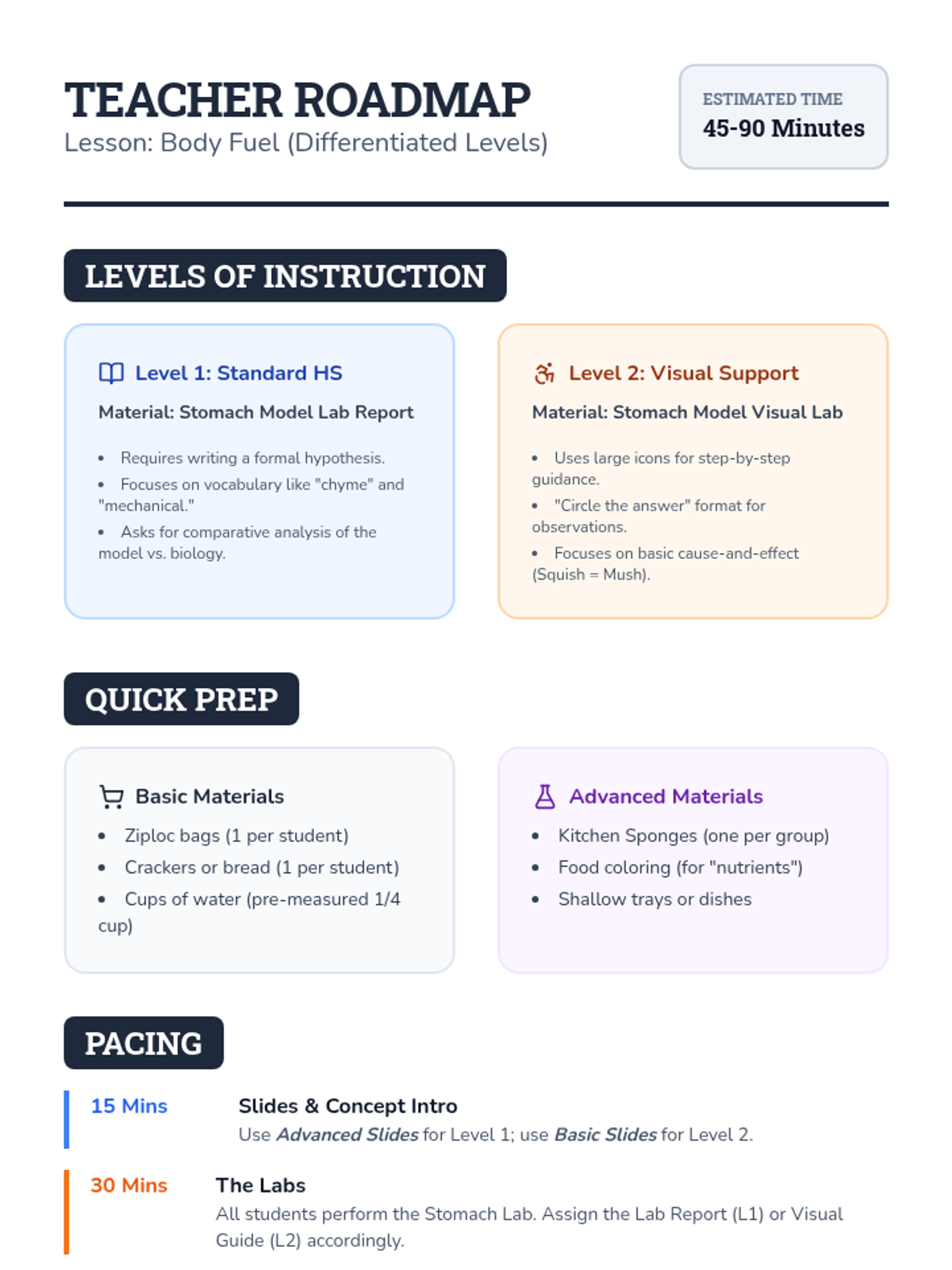
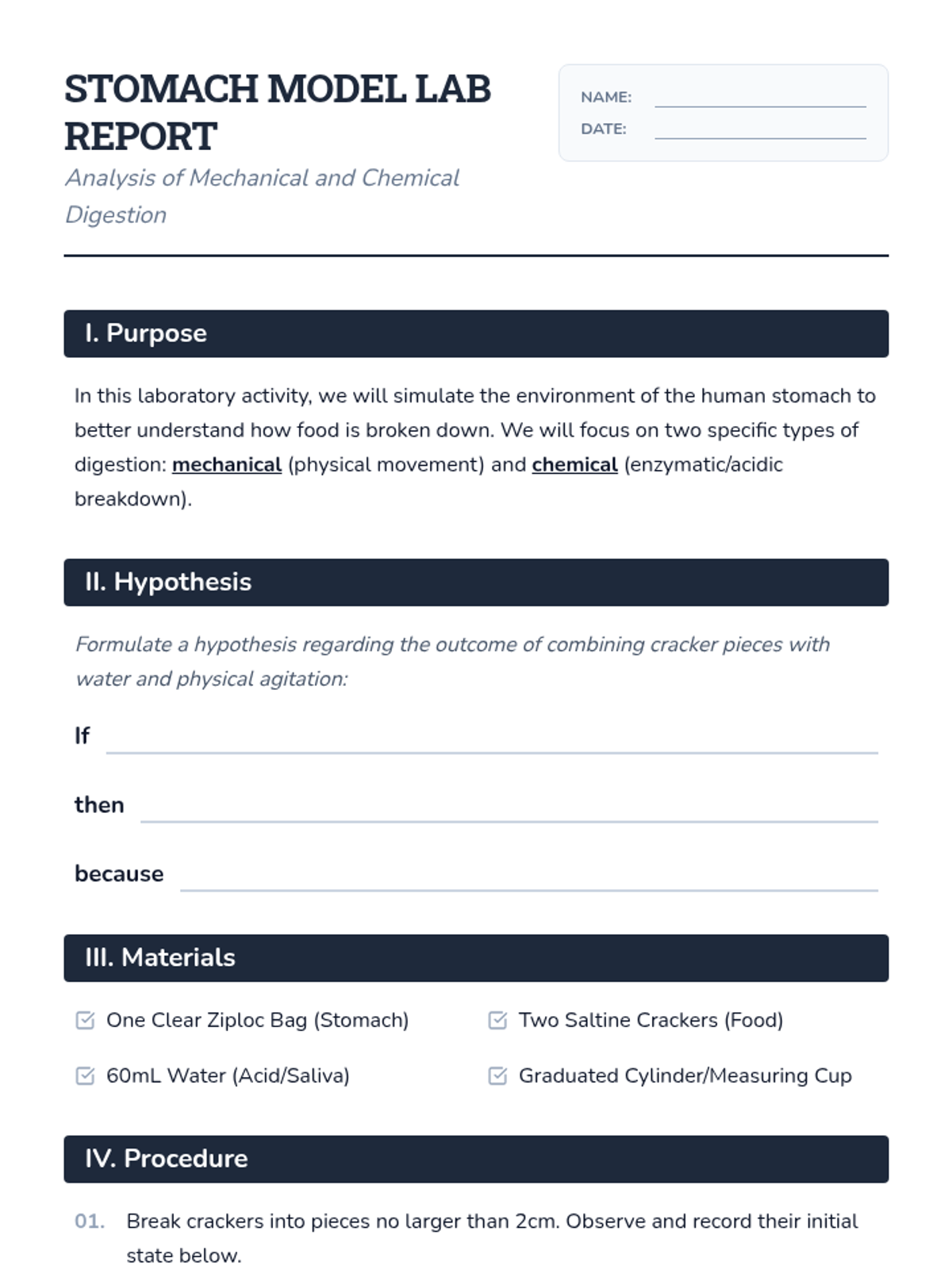
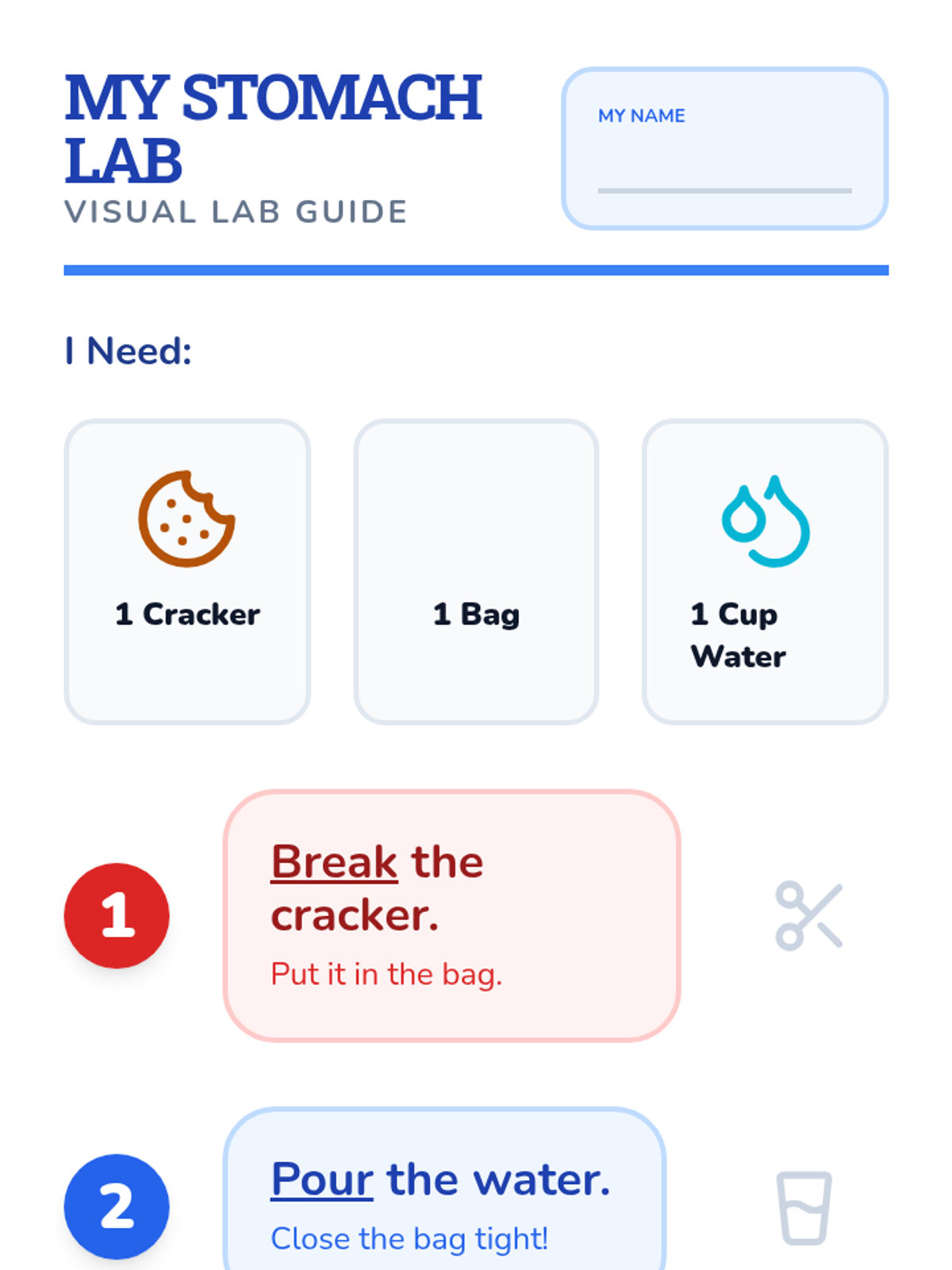
A hands-on science lab using crackers, water, and plastic bags to simulate the digestive process, with differentiated materials for various learner needs.
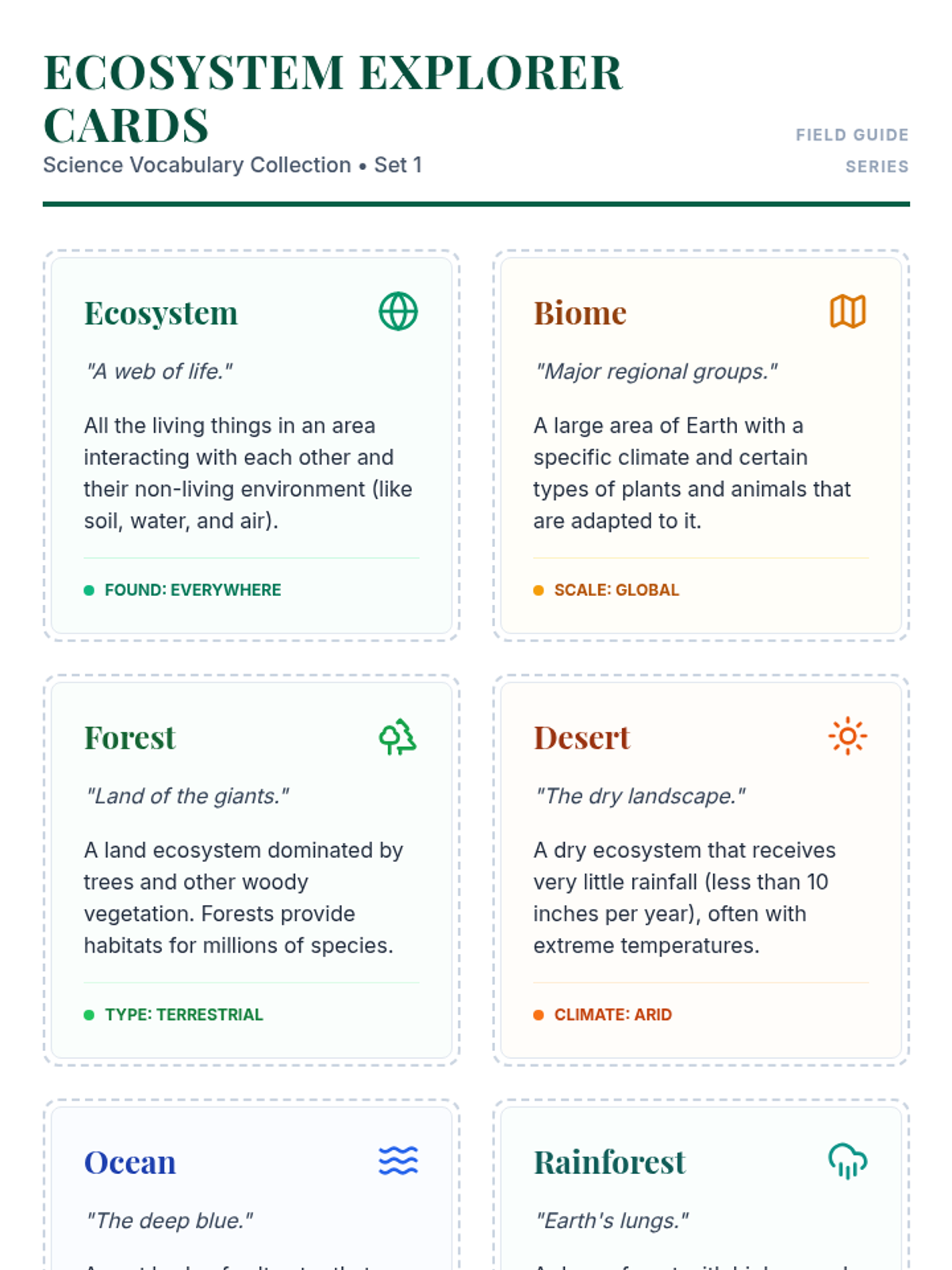
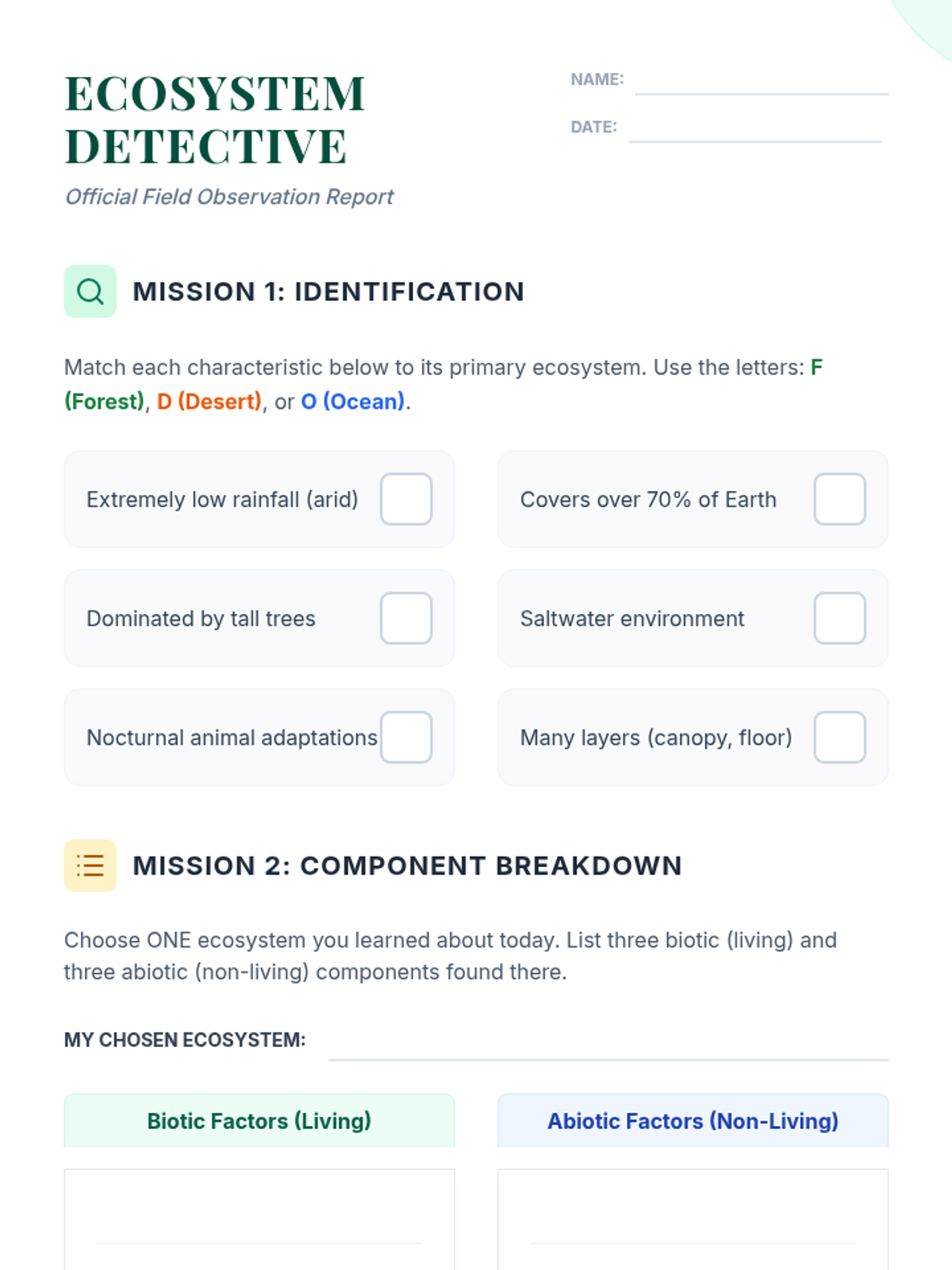
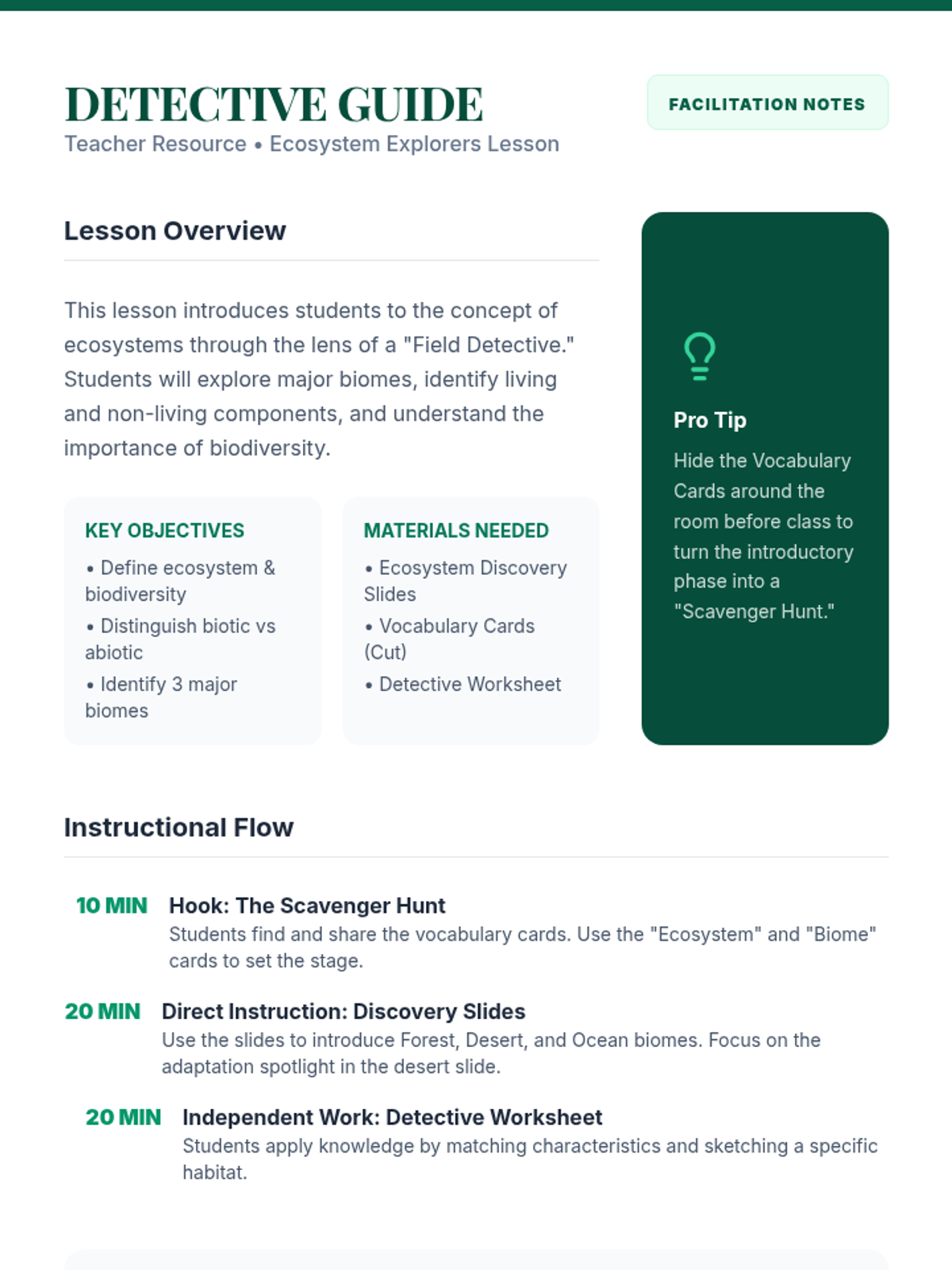
A lesson introducing students to various ecosystems through vocabulary and visual identification. Students will learn the key characteristics of different biomes including forests, deserts, and oceans.
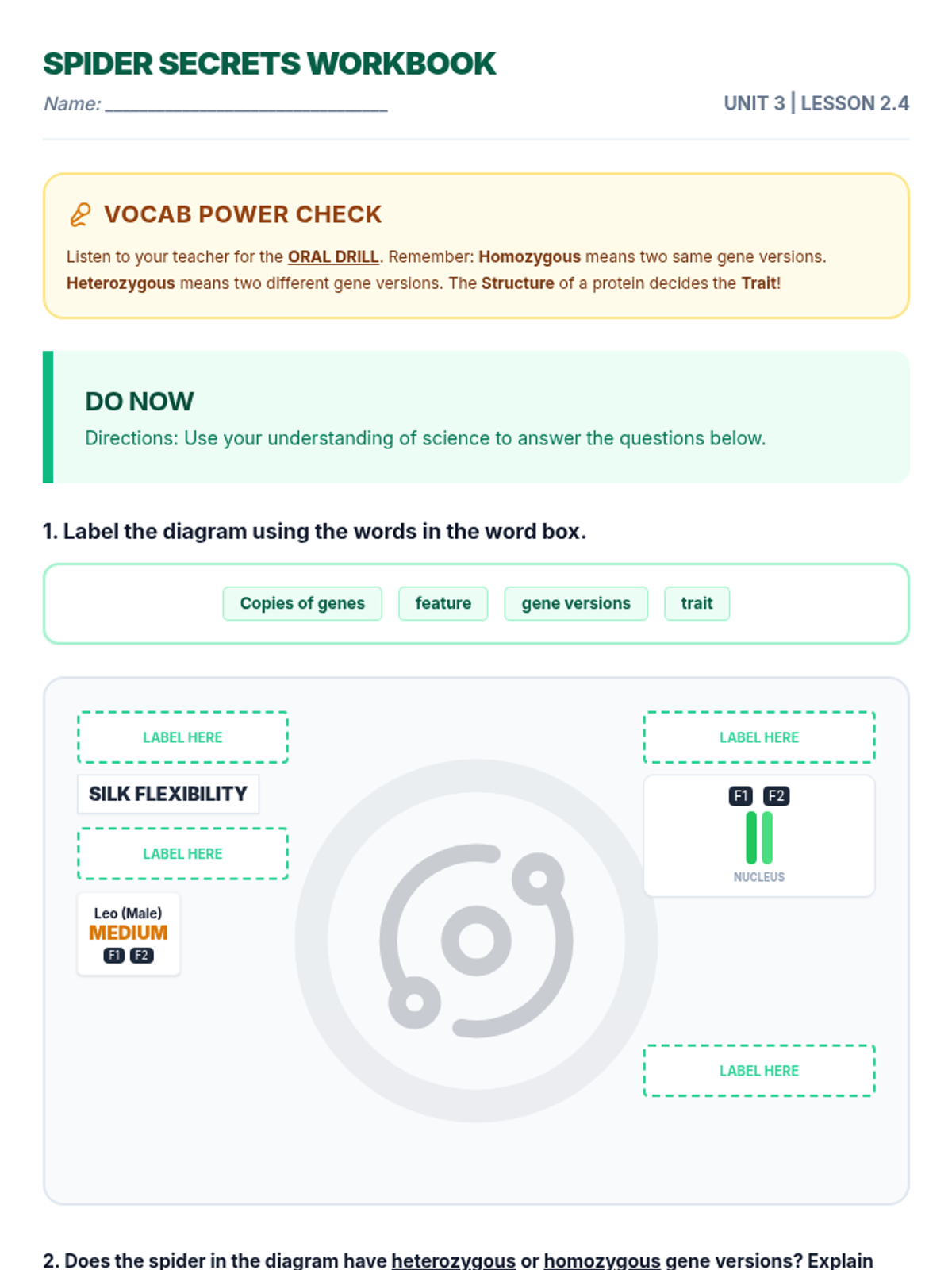
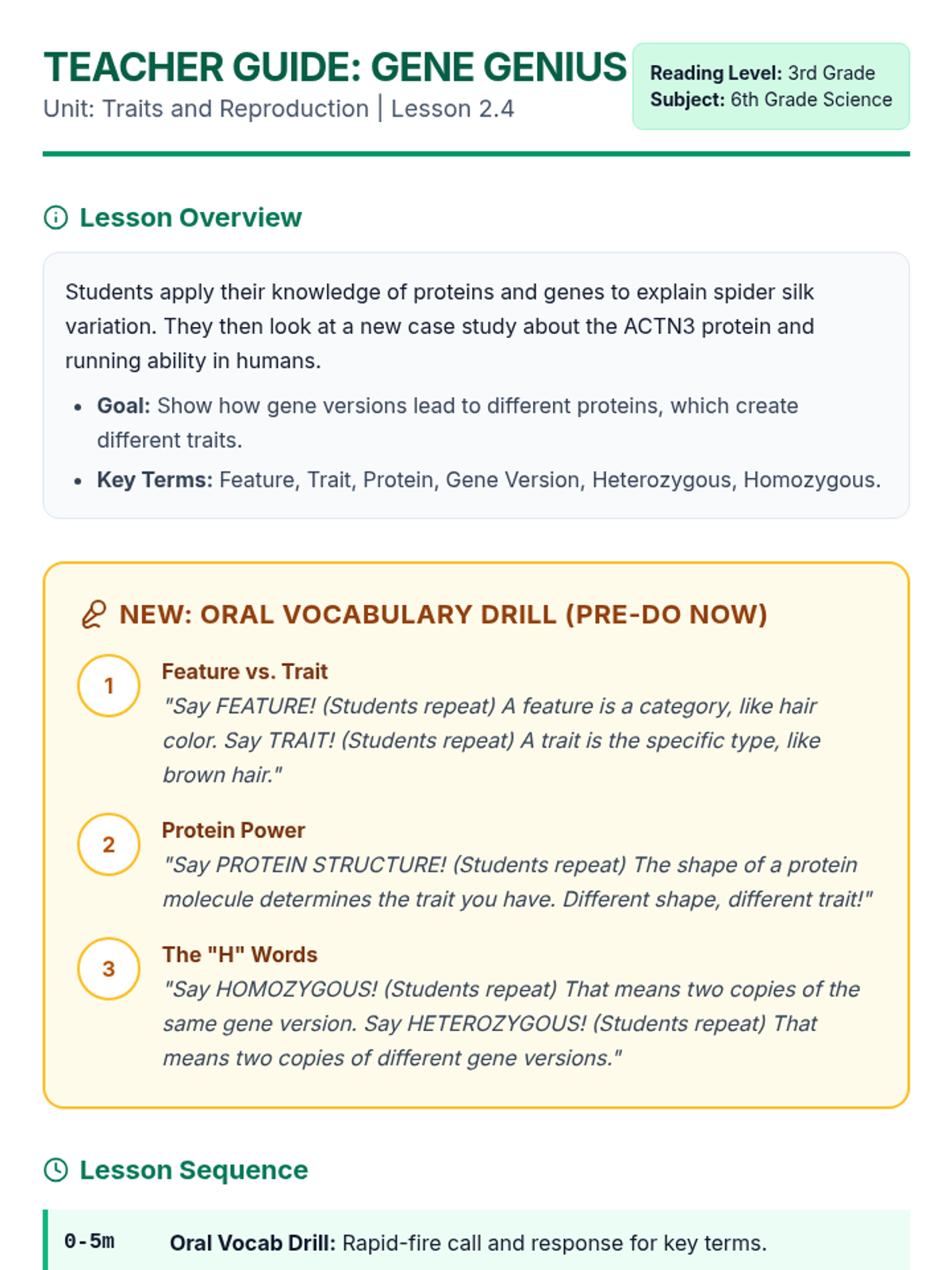
Students explore the relationship between gene versions, proteins, and physical traits, focusing on heterozygous and homozygous genotypes using the context of muscle proteins in runners.
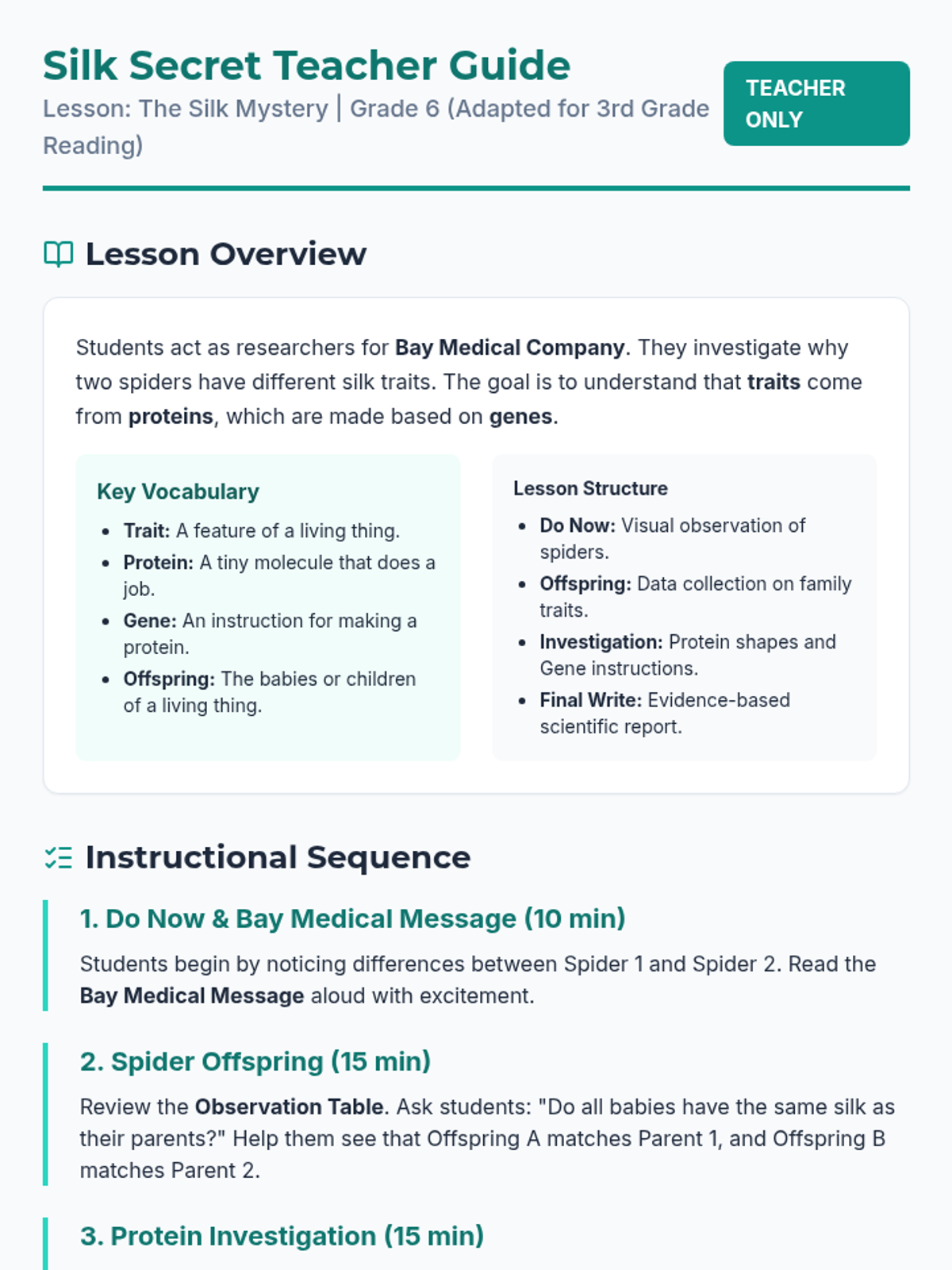
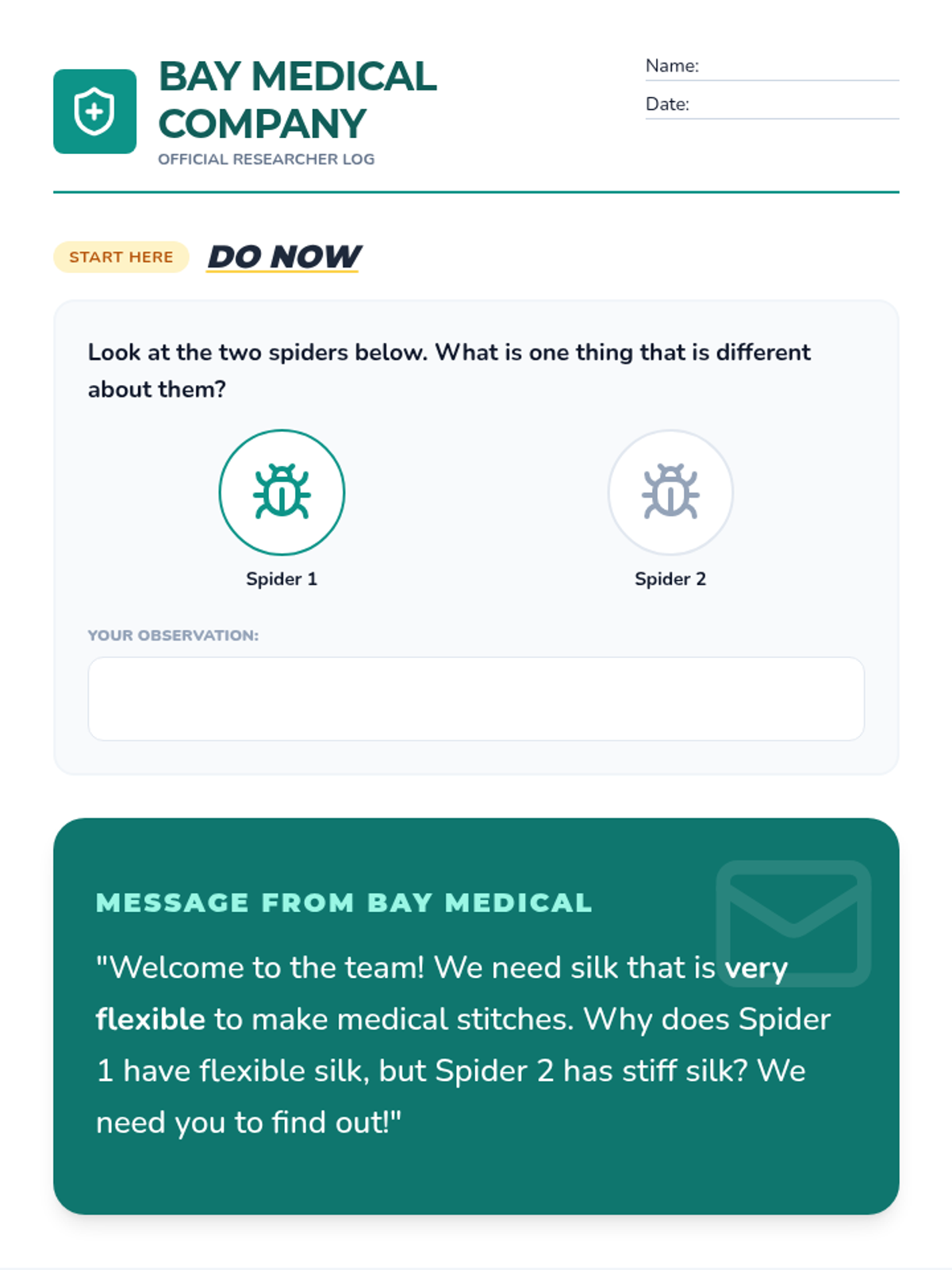
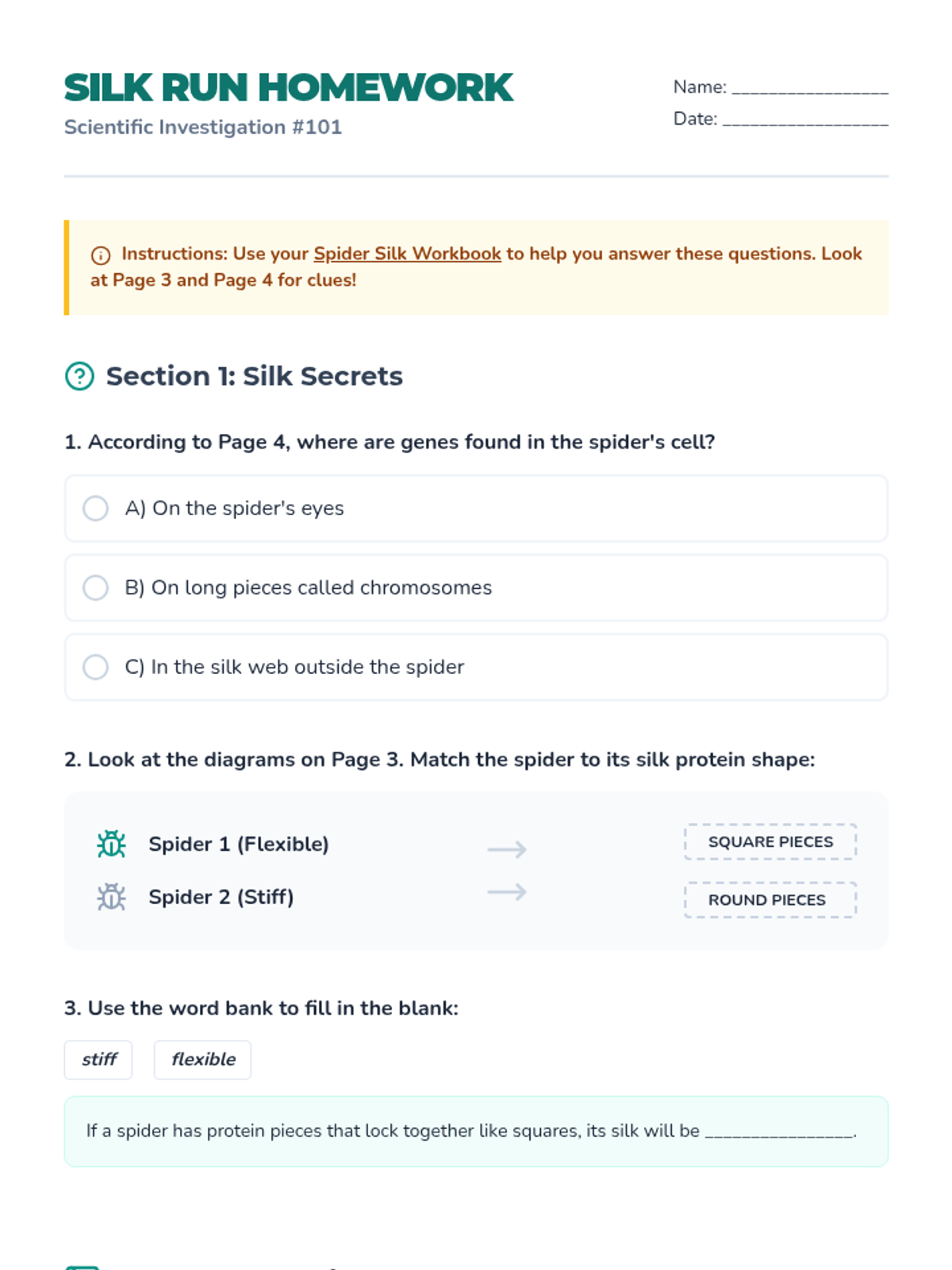
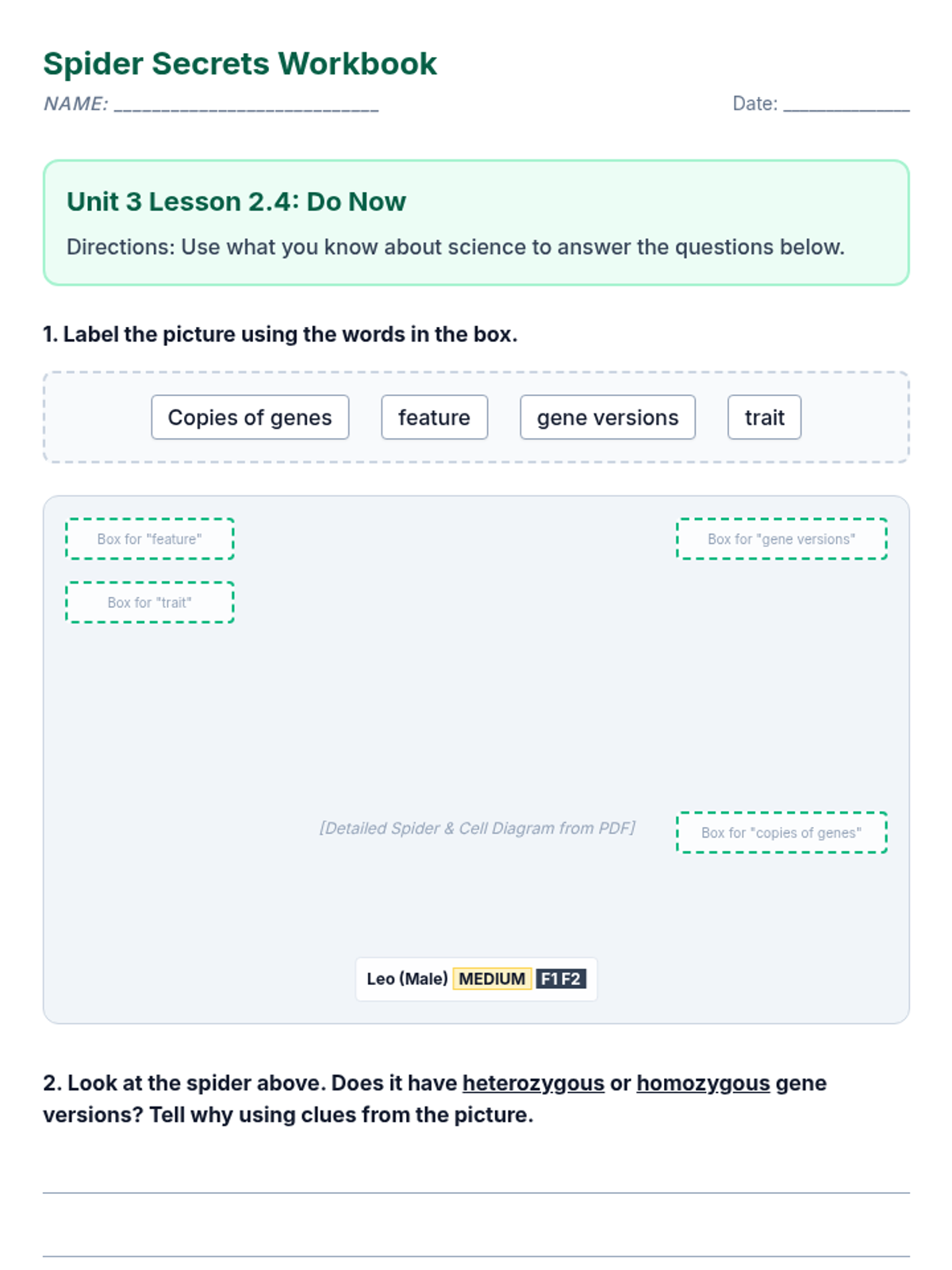
A lesson where students learn how gene versions provide instructions for proteins that determine traits, specifically exploring spider silk flexibility and human running ability. Adjusted for a 3rd-grade reading level while maintaining 6th-grade vocabulary.
Students investigate why different spiders produce different types of silk by looking at traits, proteins, and genes. This lesson adapts complex genetic concepts for a 3rd-grade reading level.
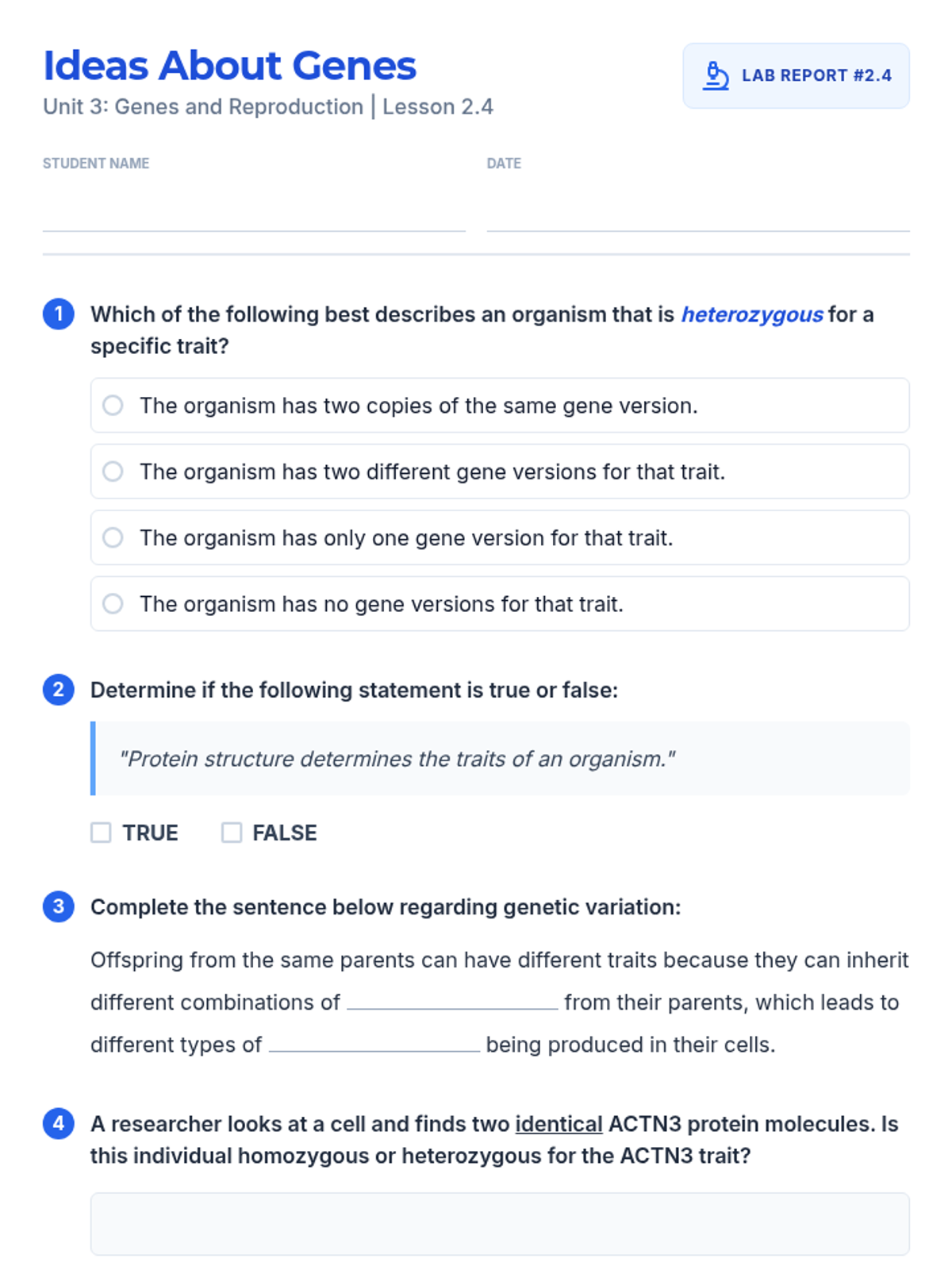
A 6th-grade science lesson adjusted for a SpEd classroom with a 3rd-grade reading level, focusing on how genes and proteins determine traits like spider silk flexibility and human running ability.
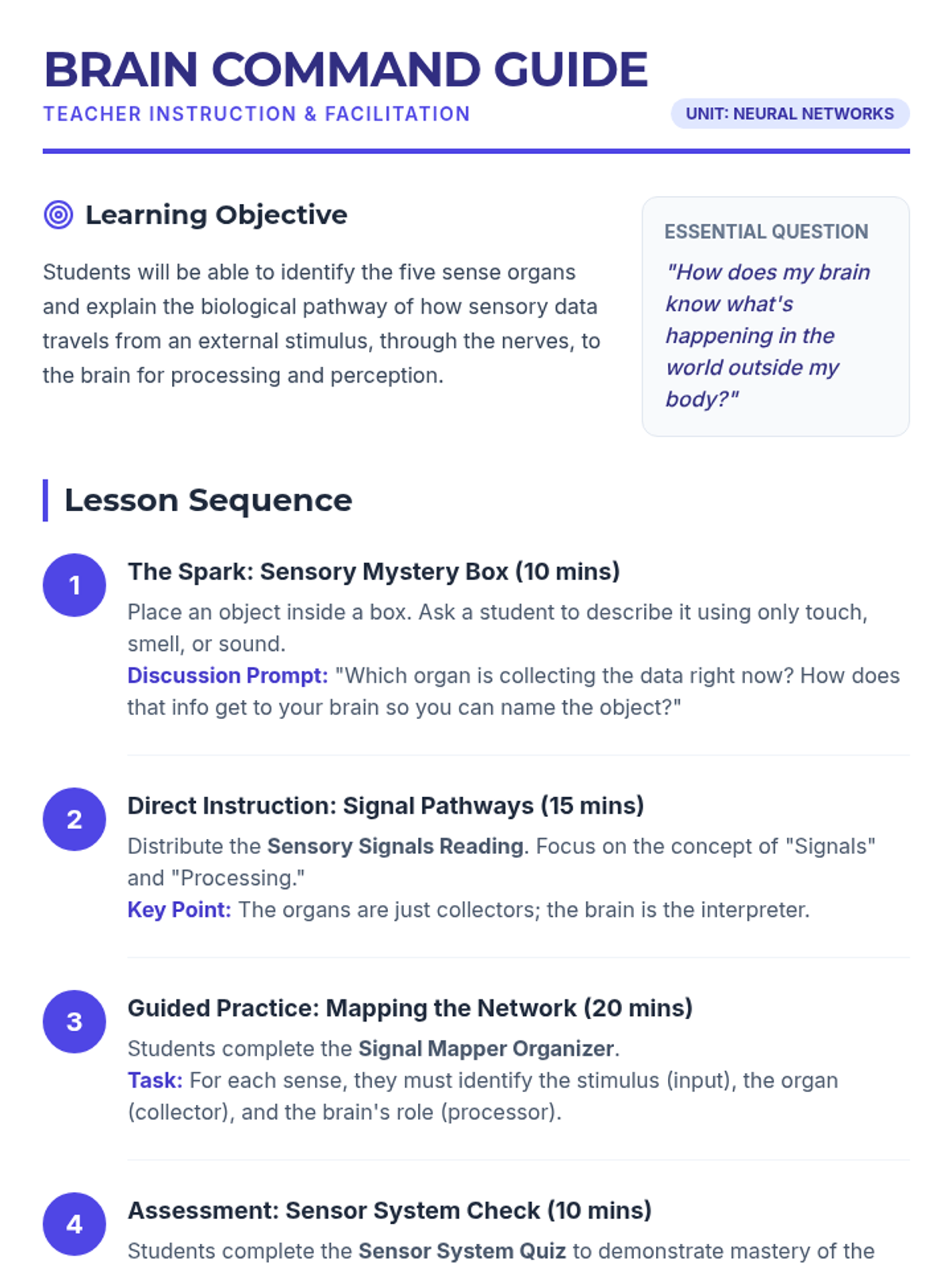
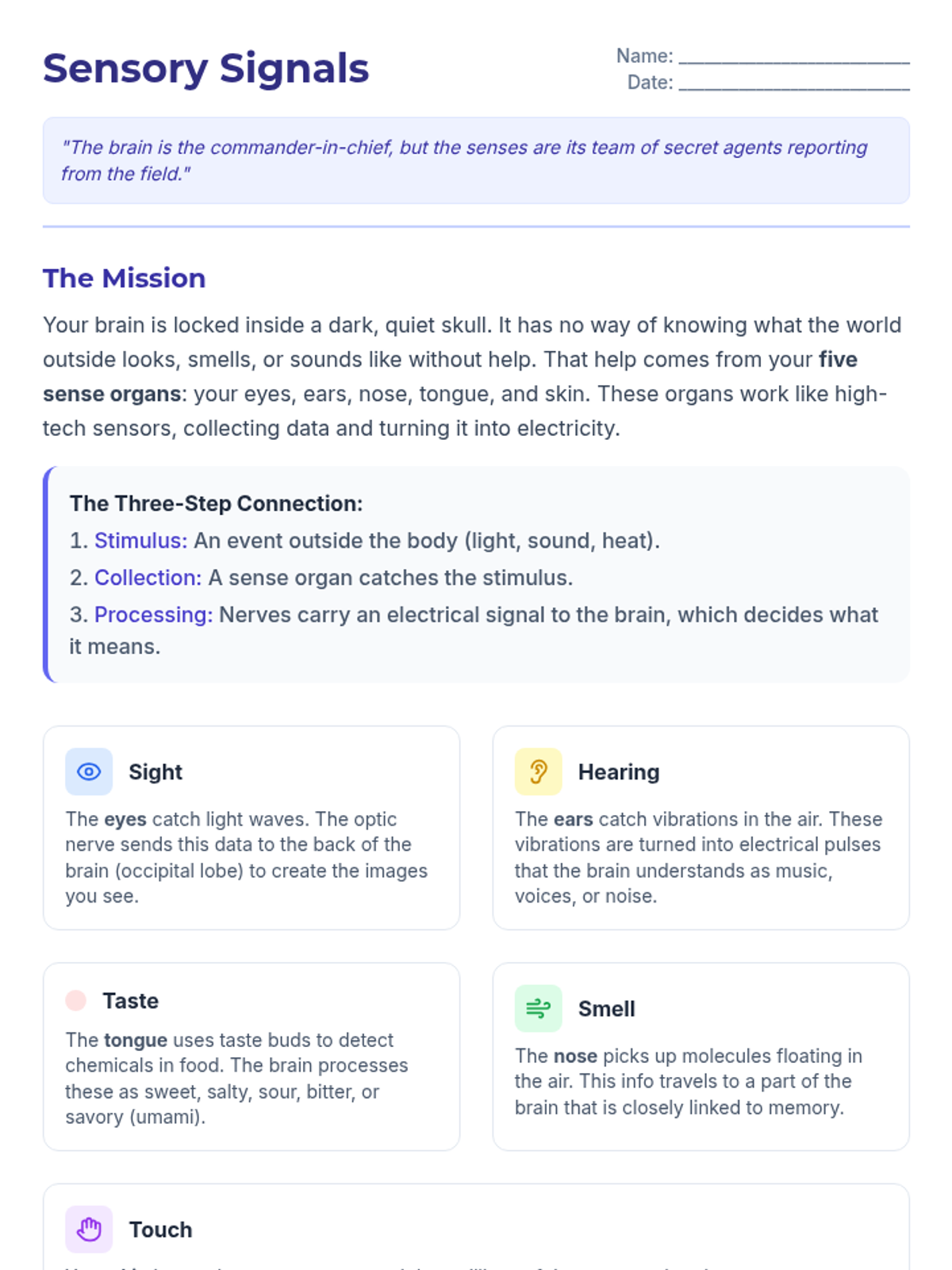
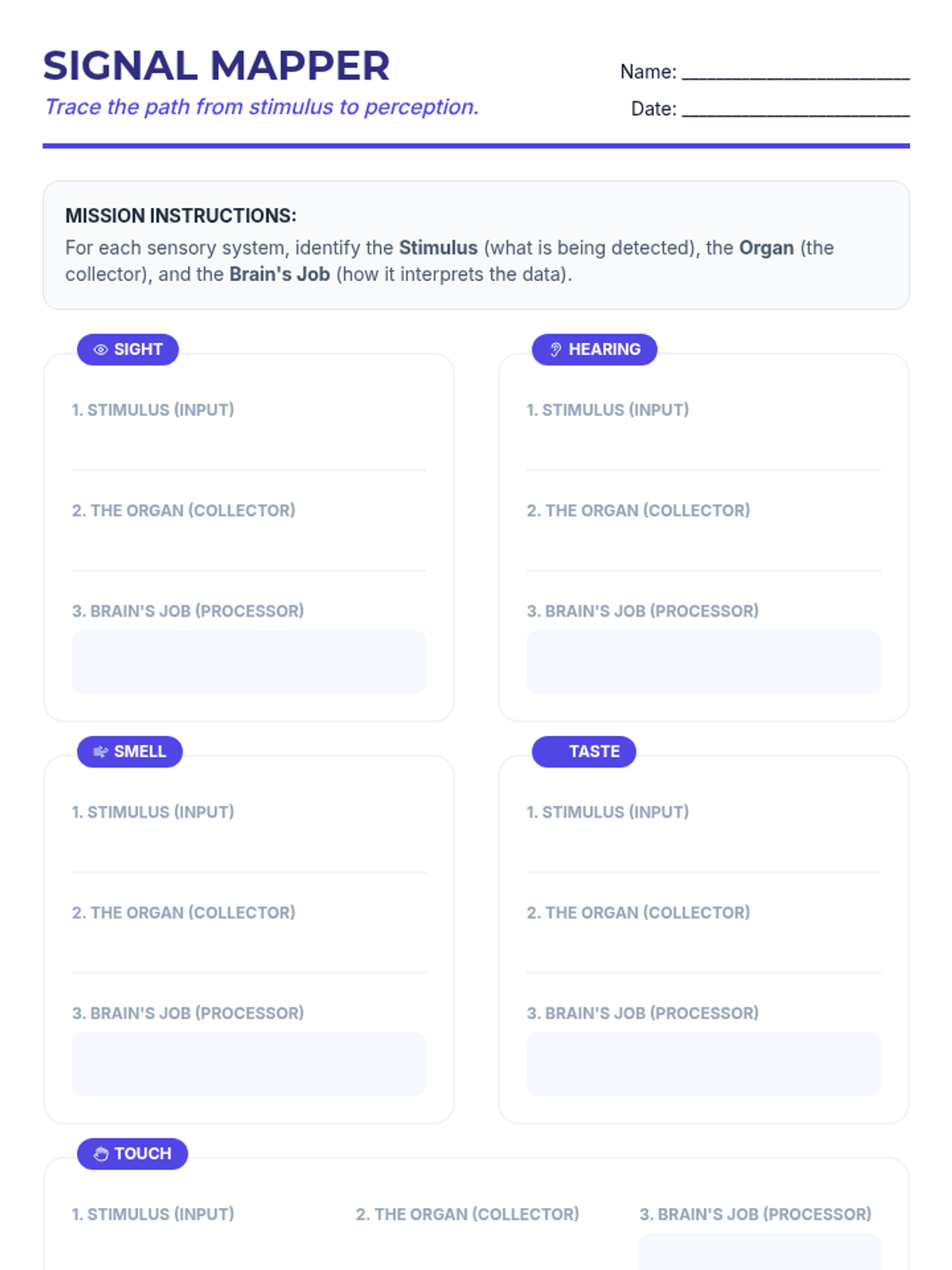
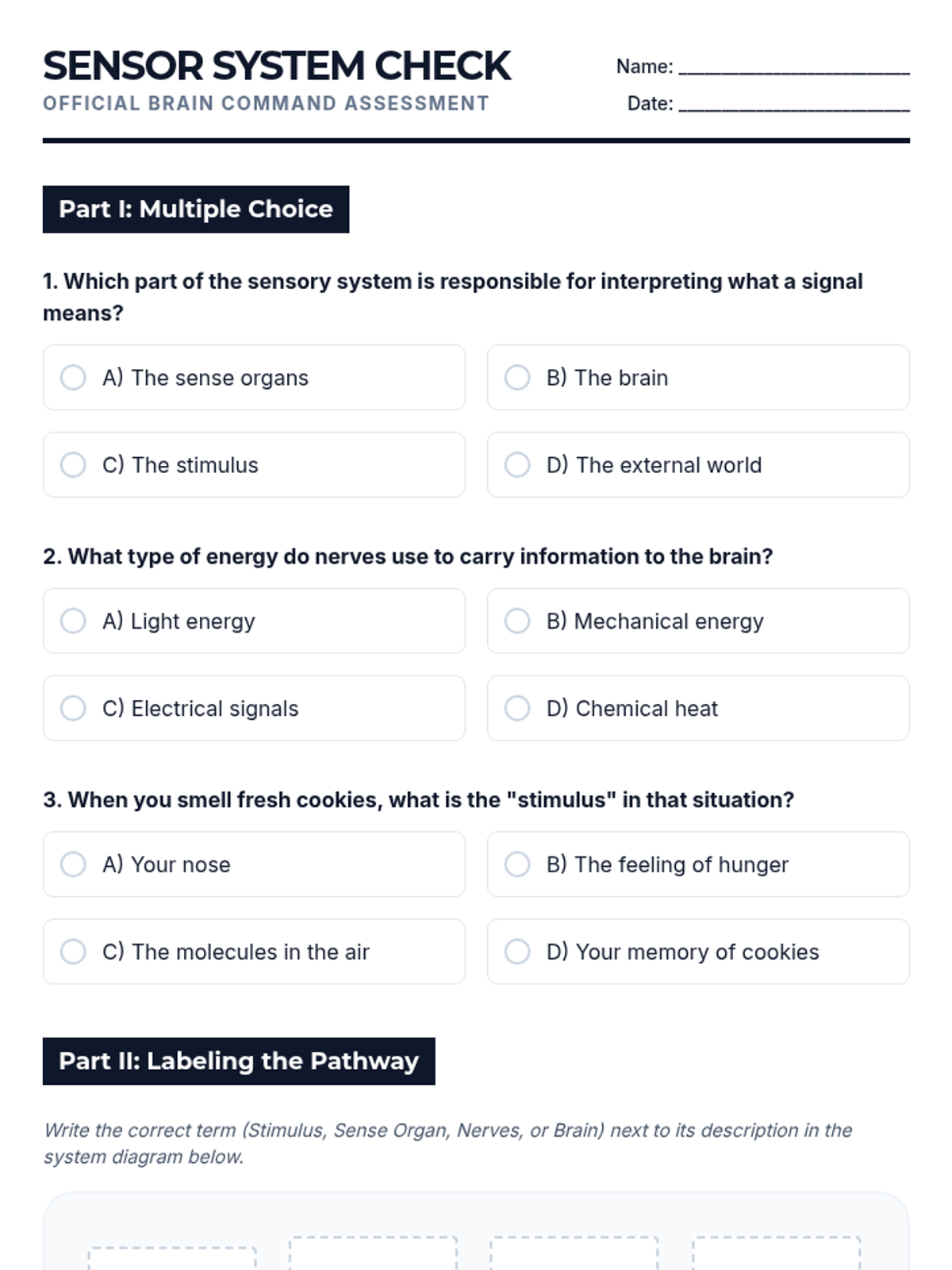
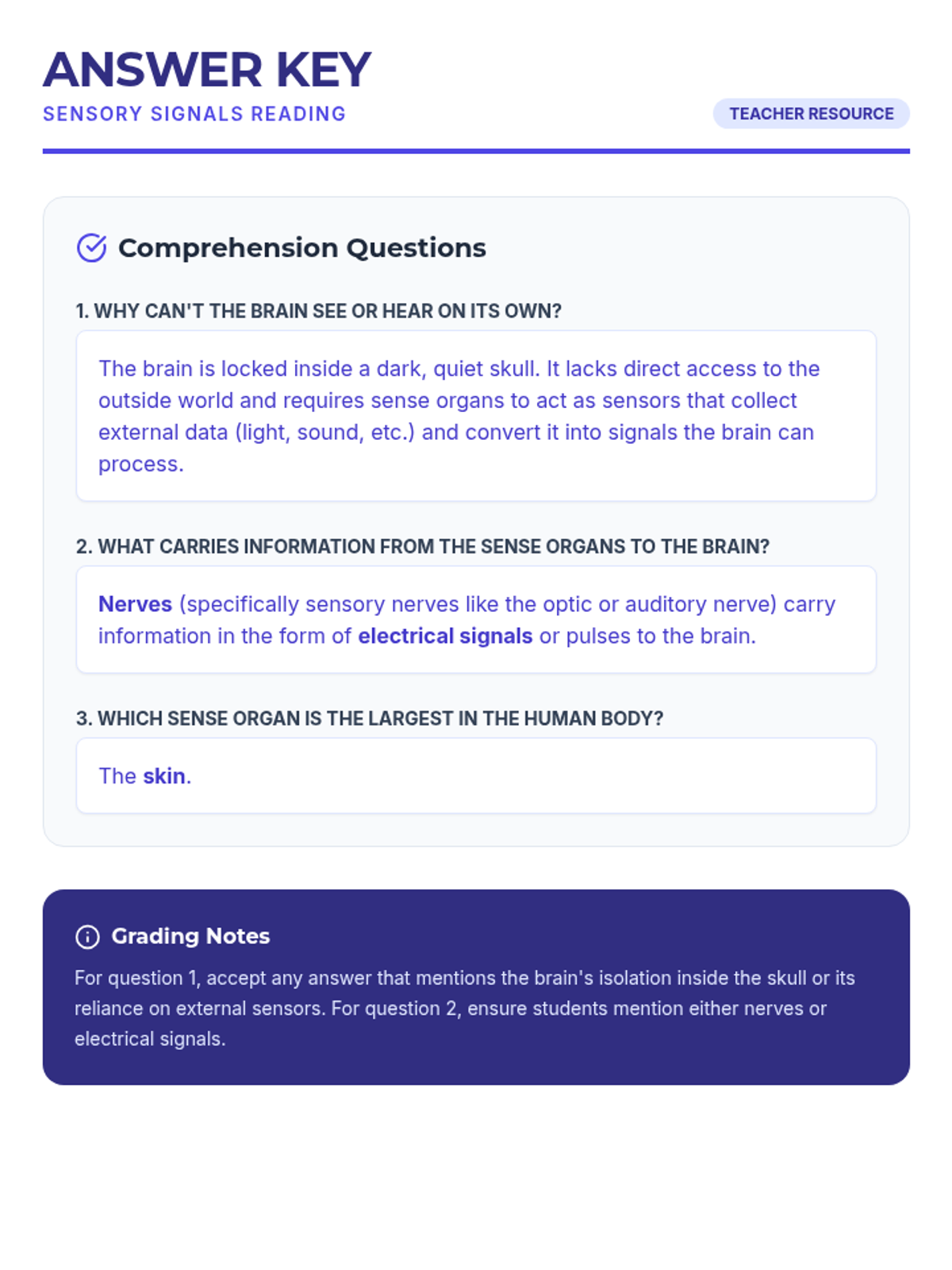
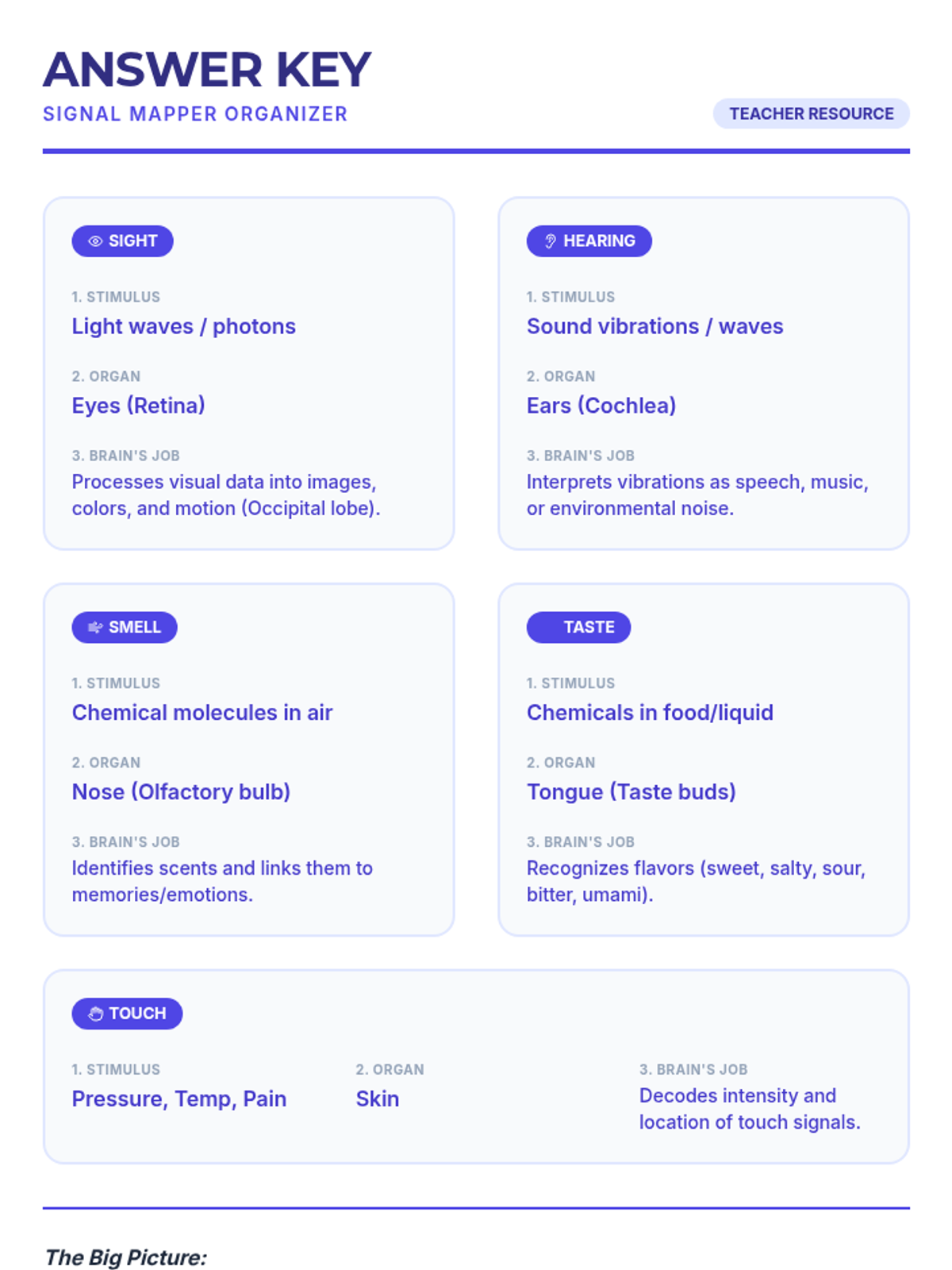
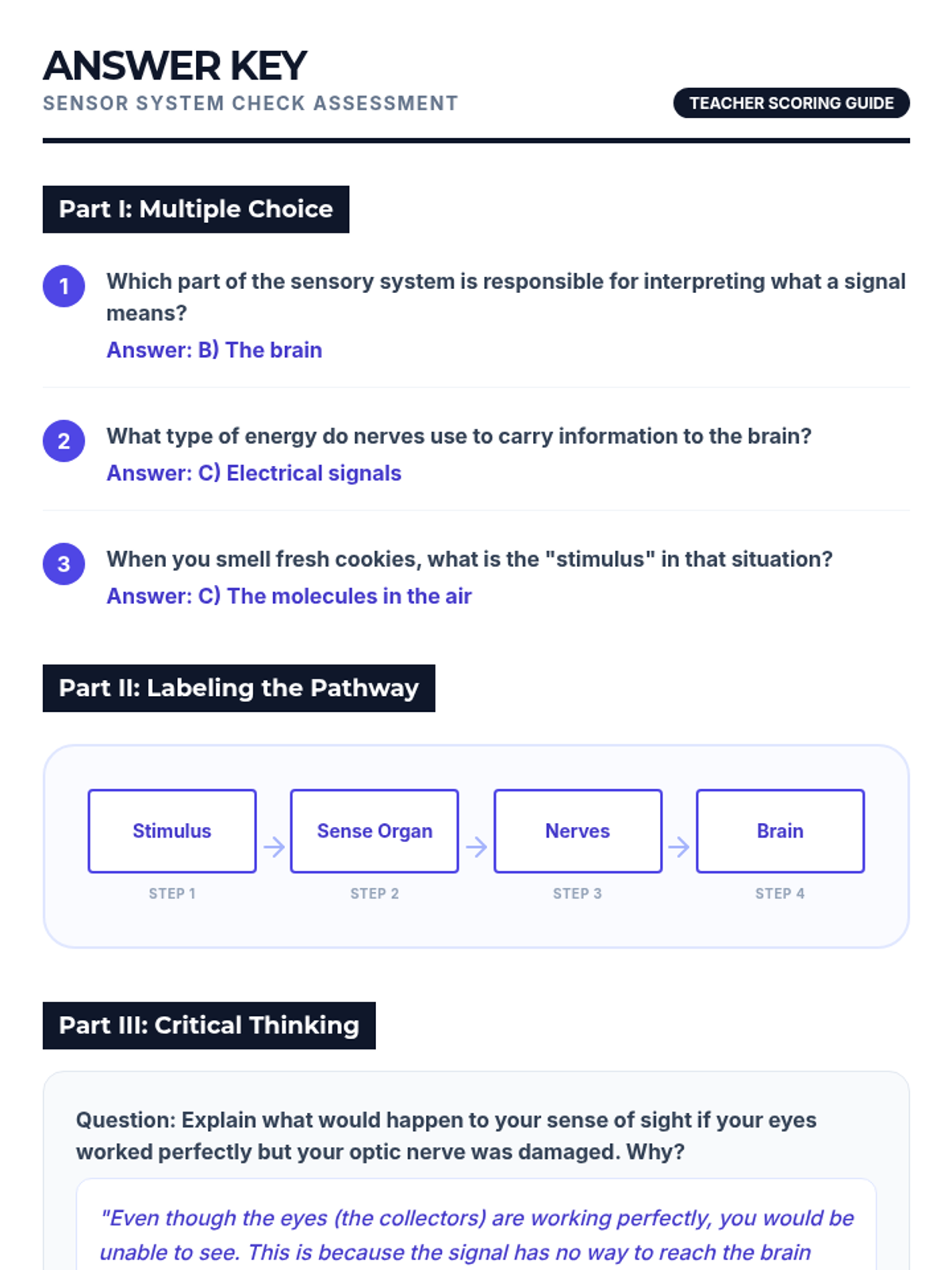
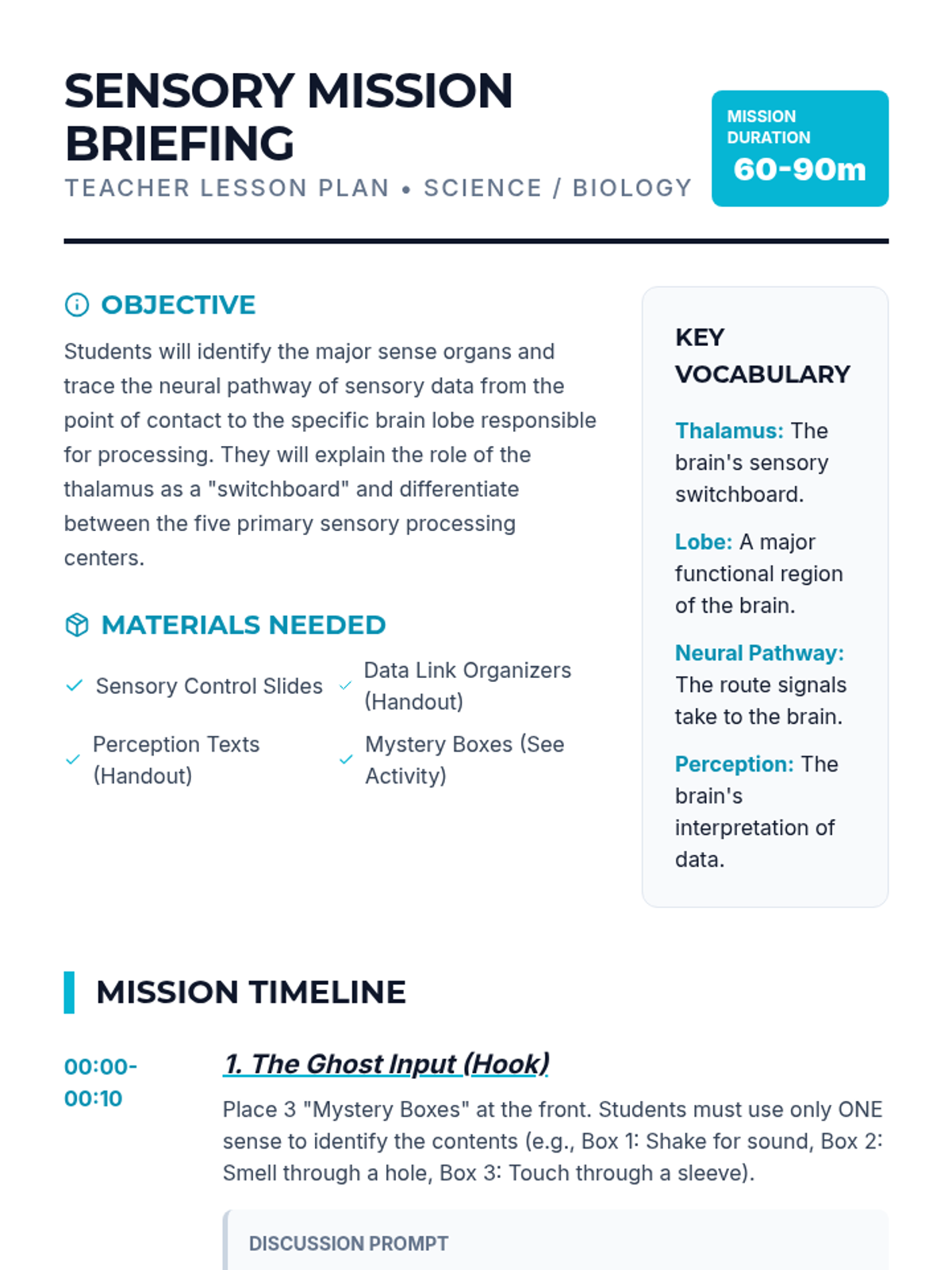
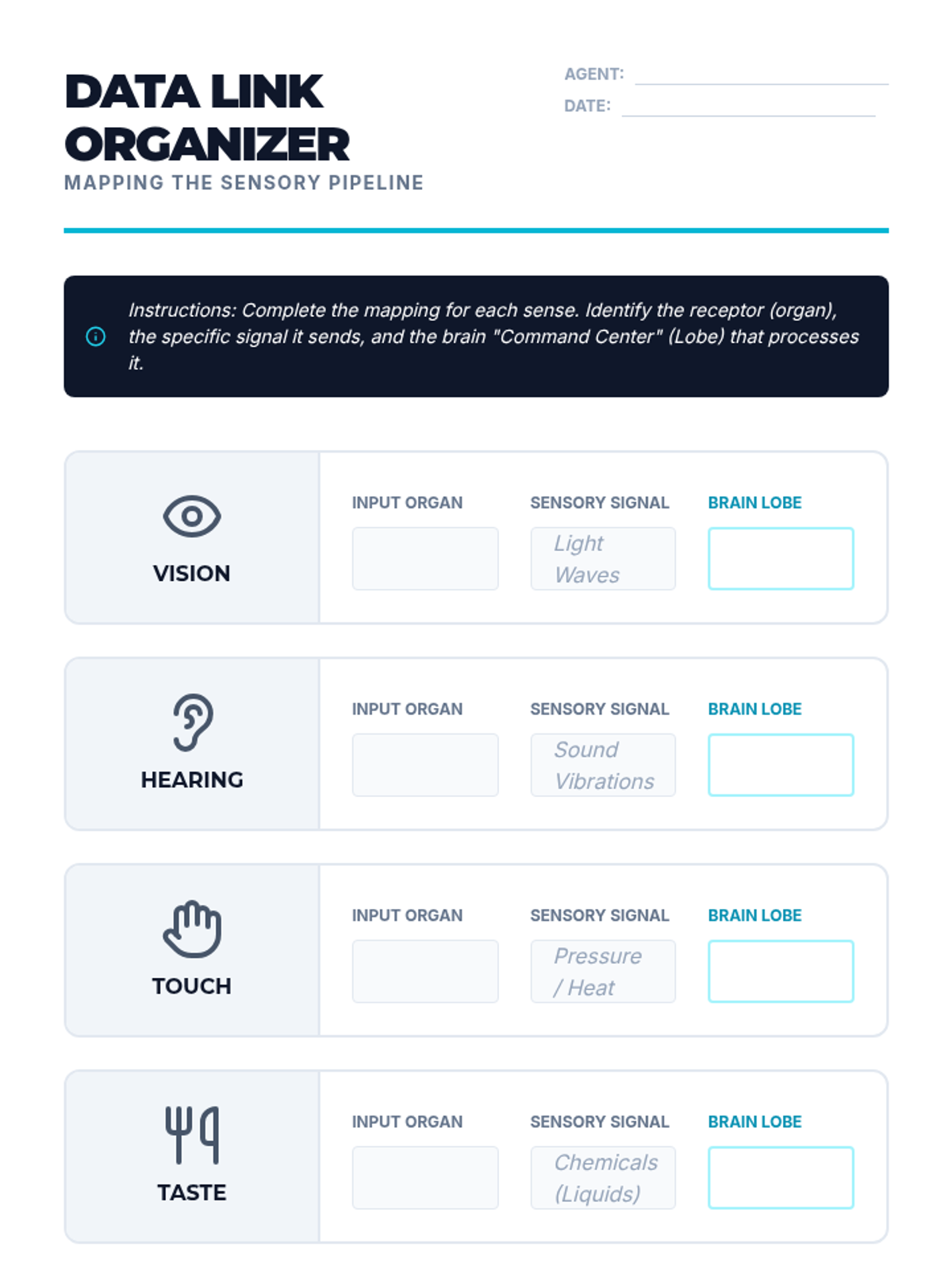
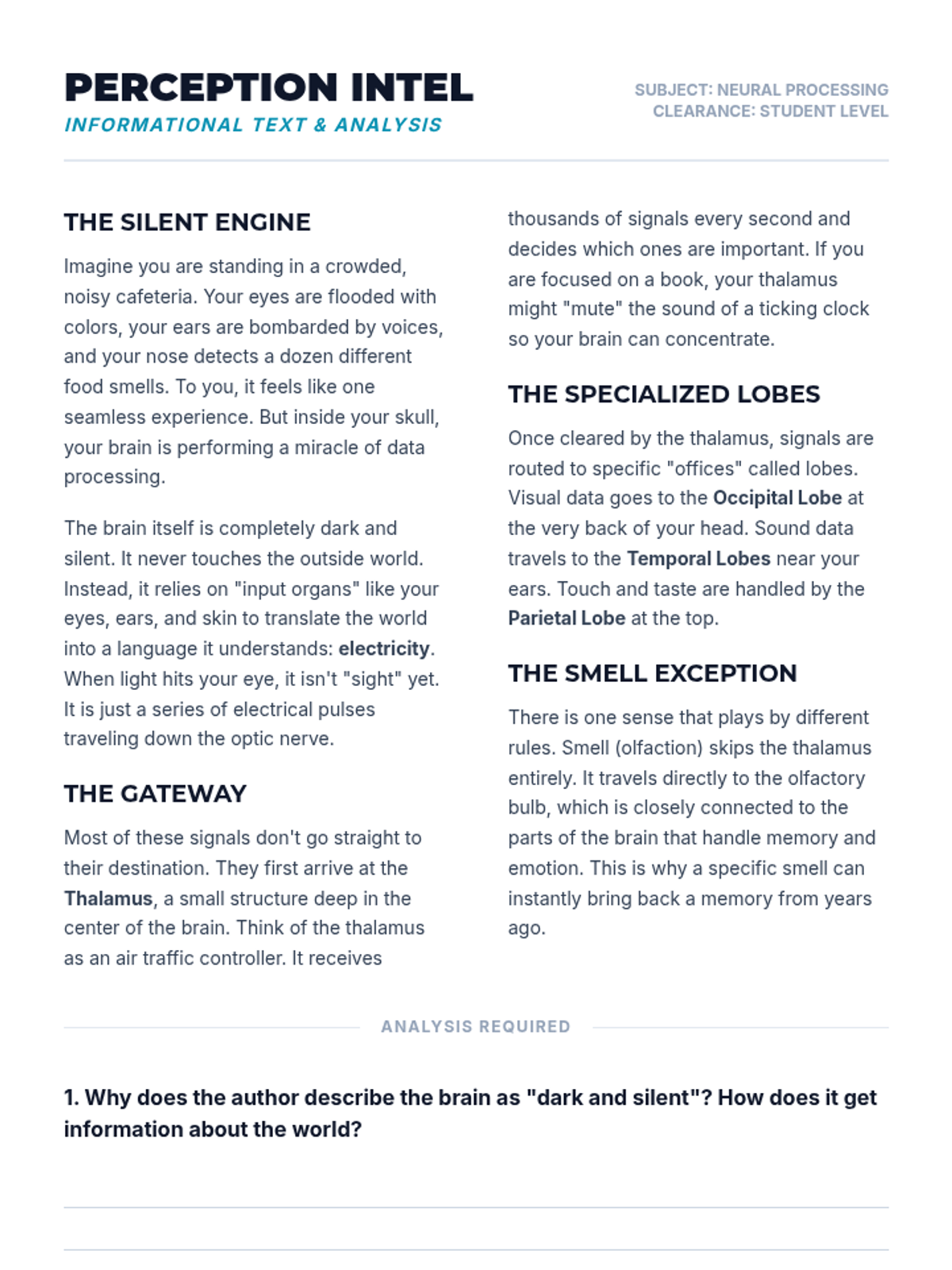
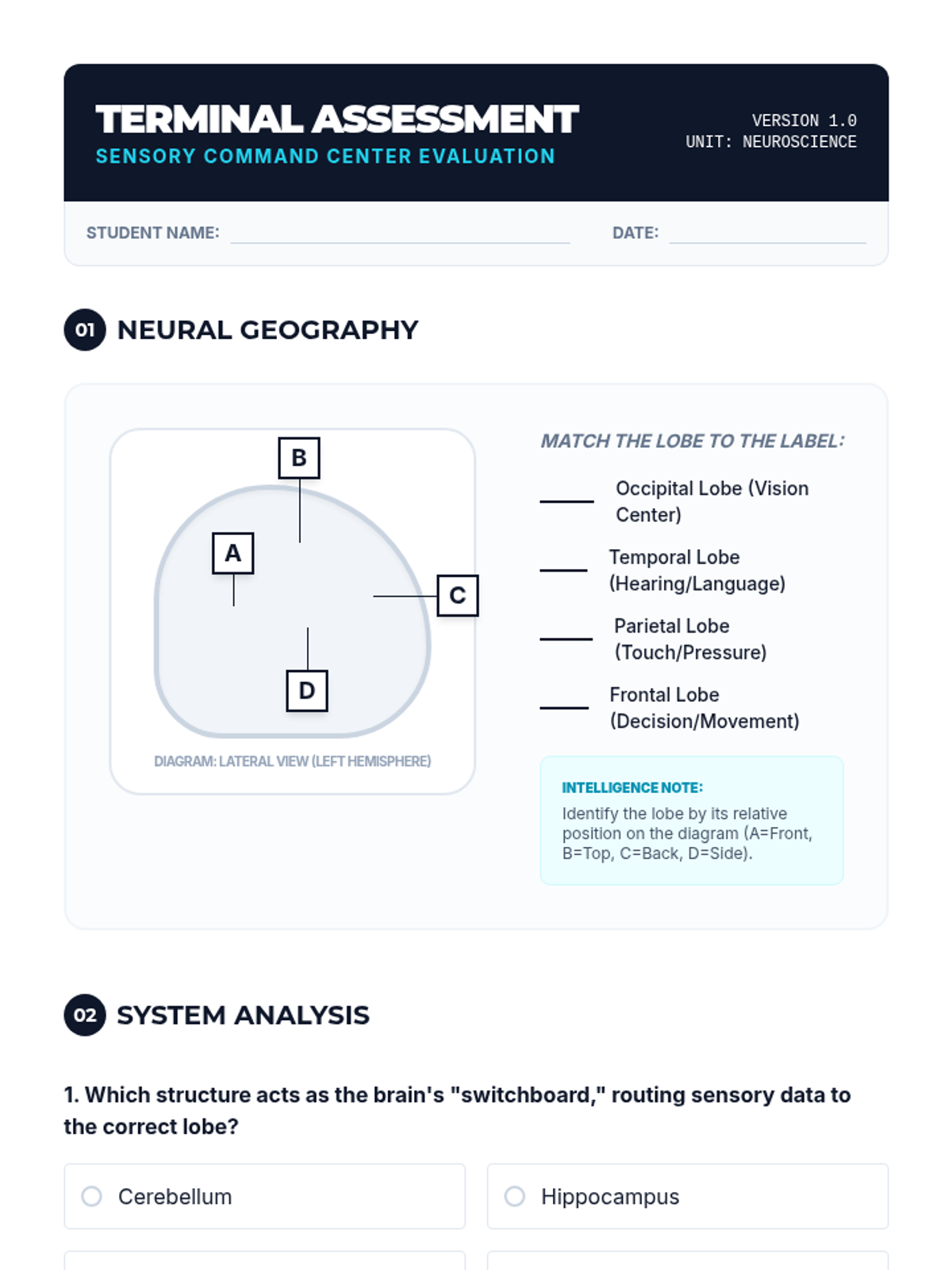
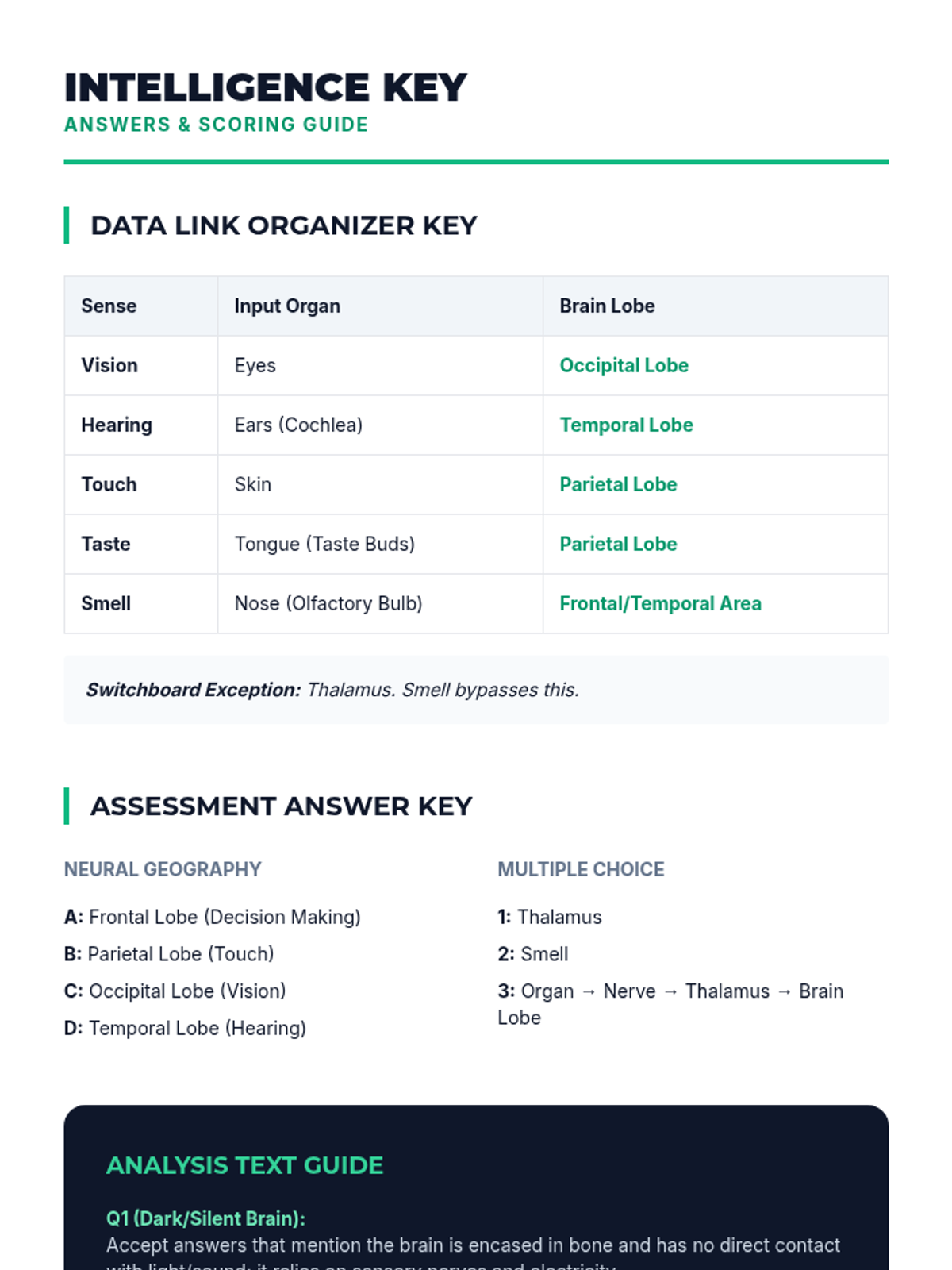
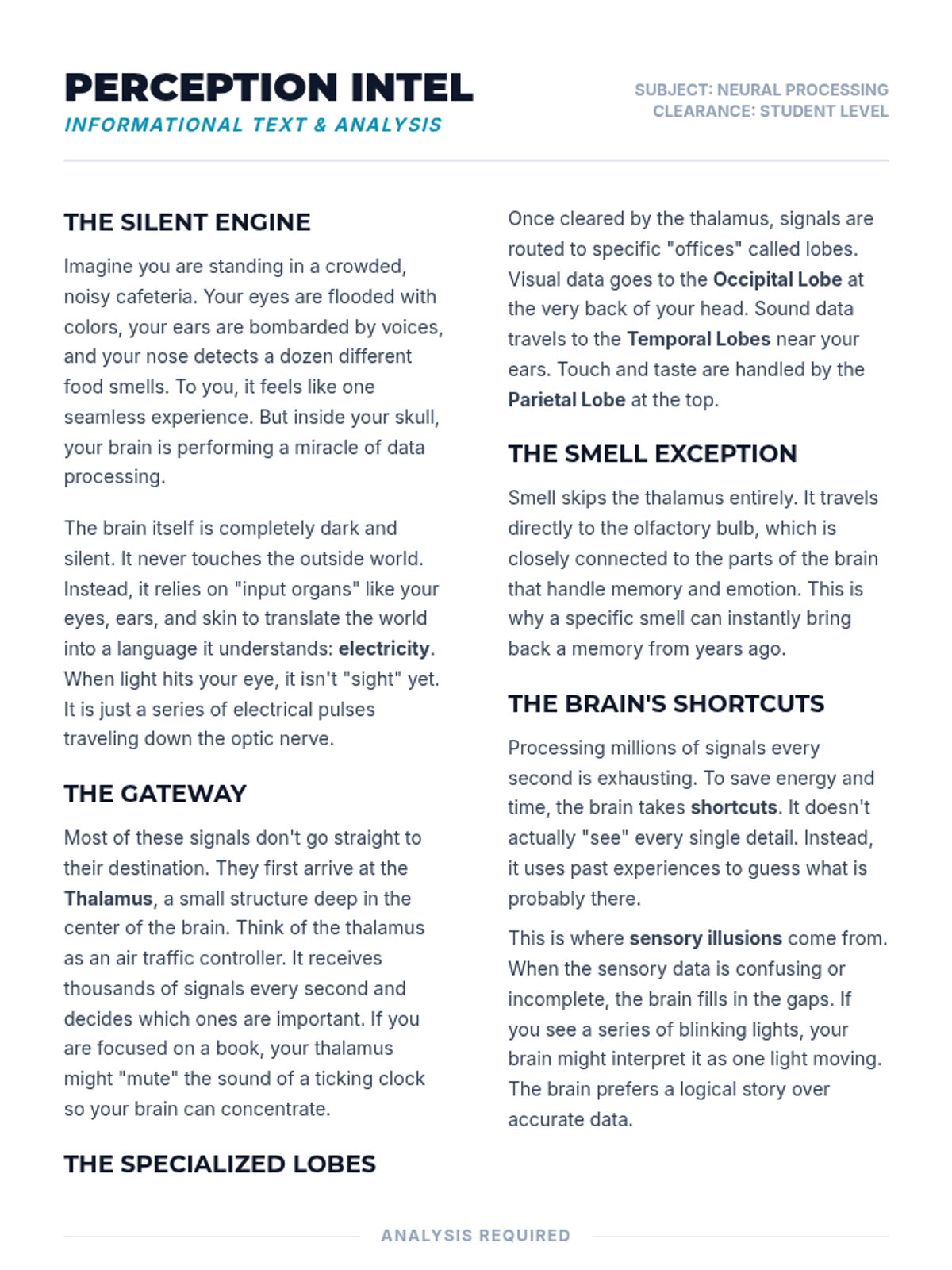
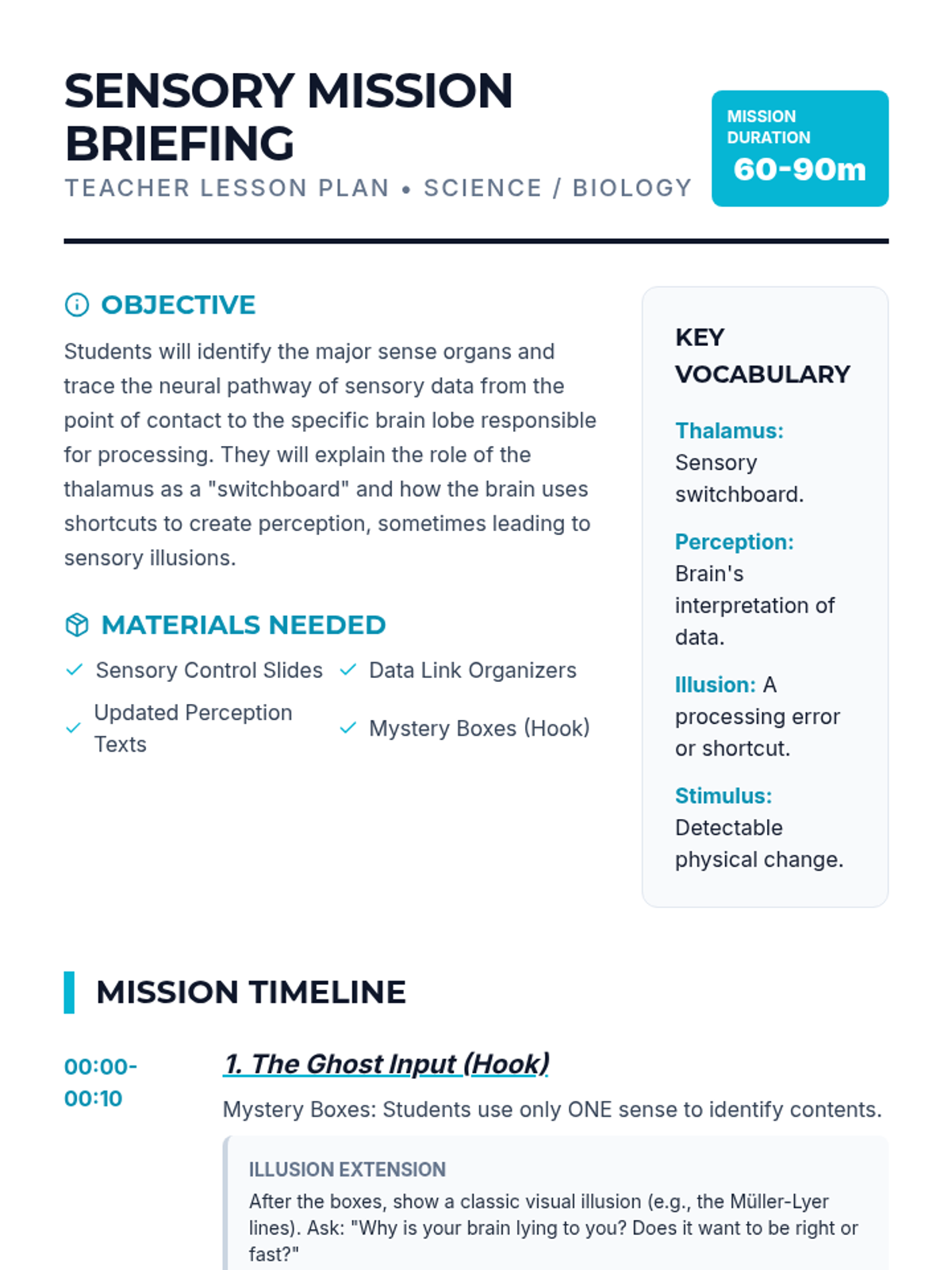
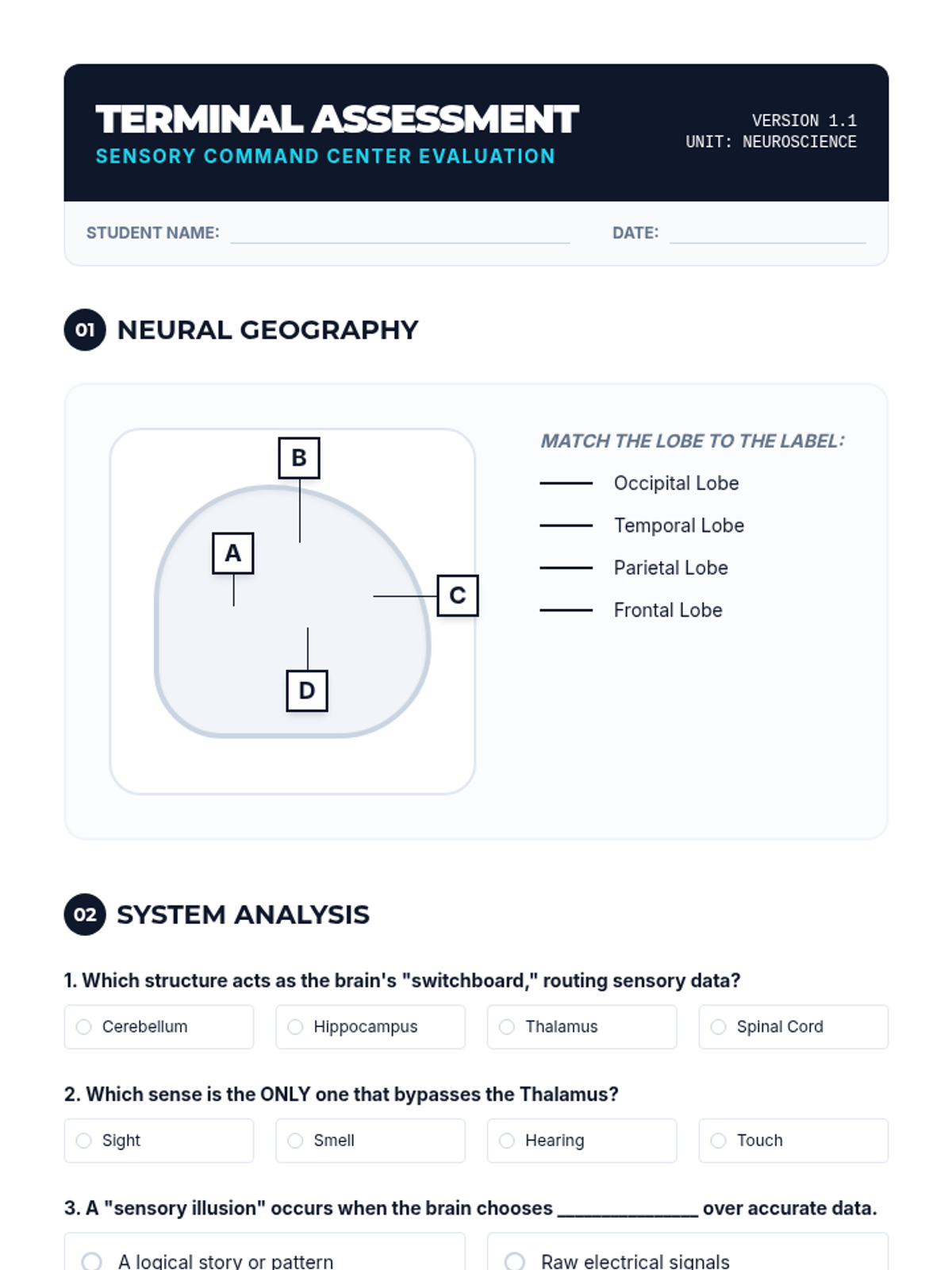
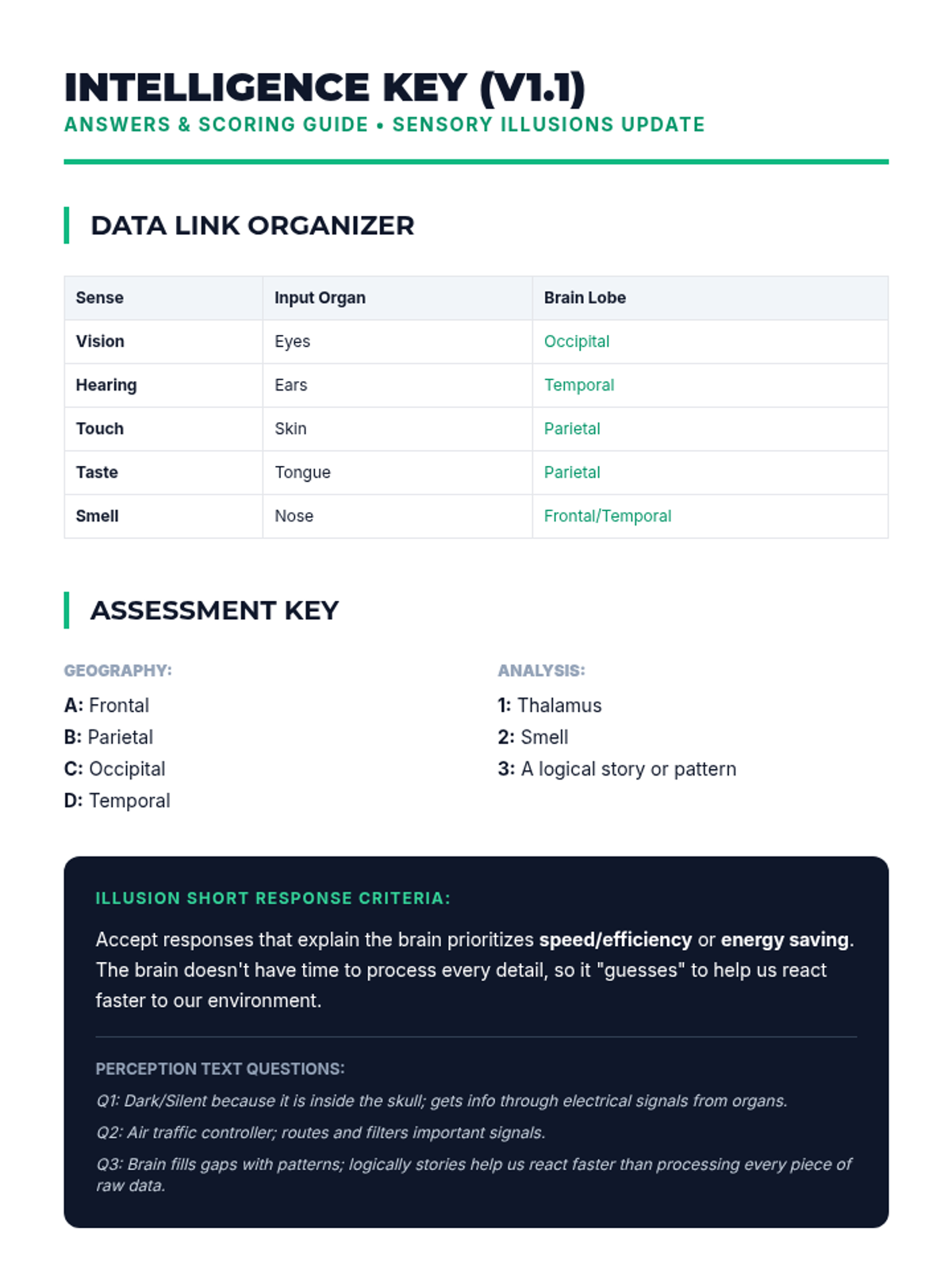
A comprehensive lesson exploring how the five sense organs collect data and send signals to the brain for processing. Students will learn the pathway from stimulus to perception through reading, mapping, and assessment.
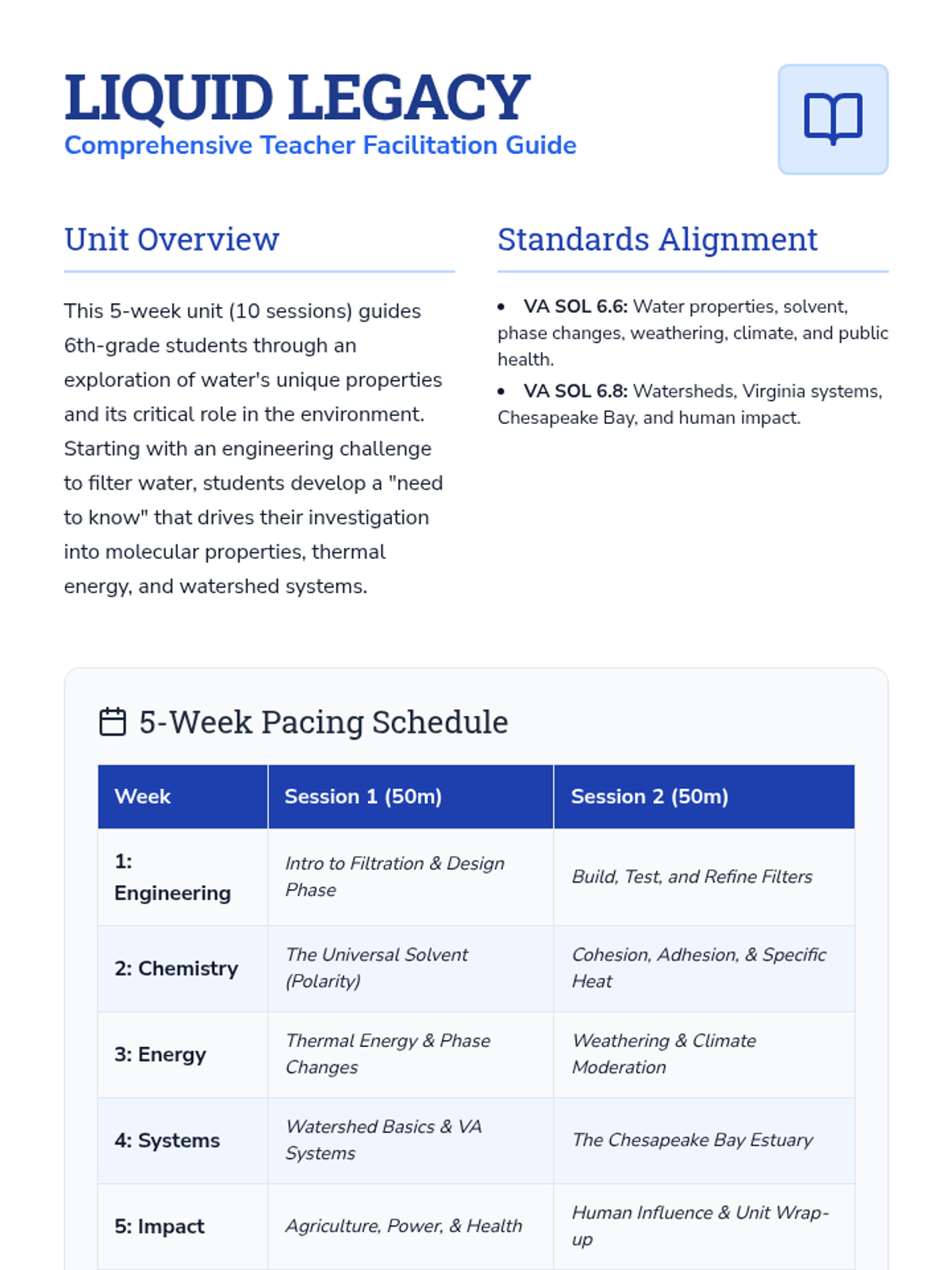
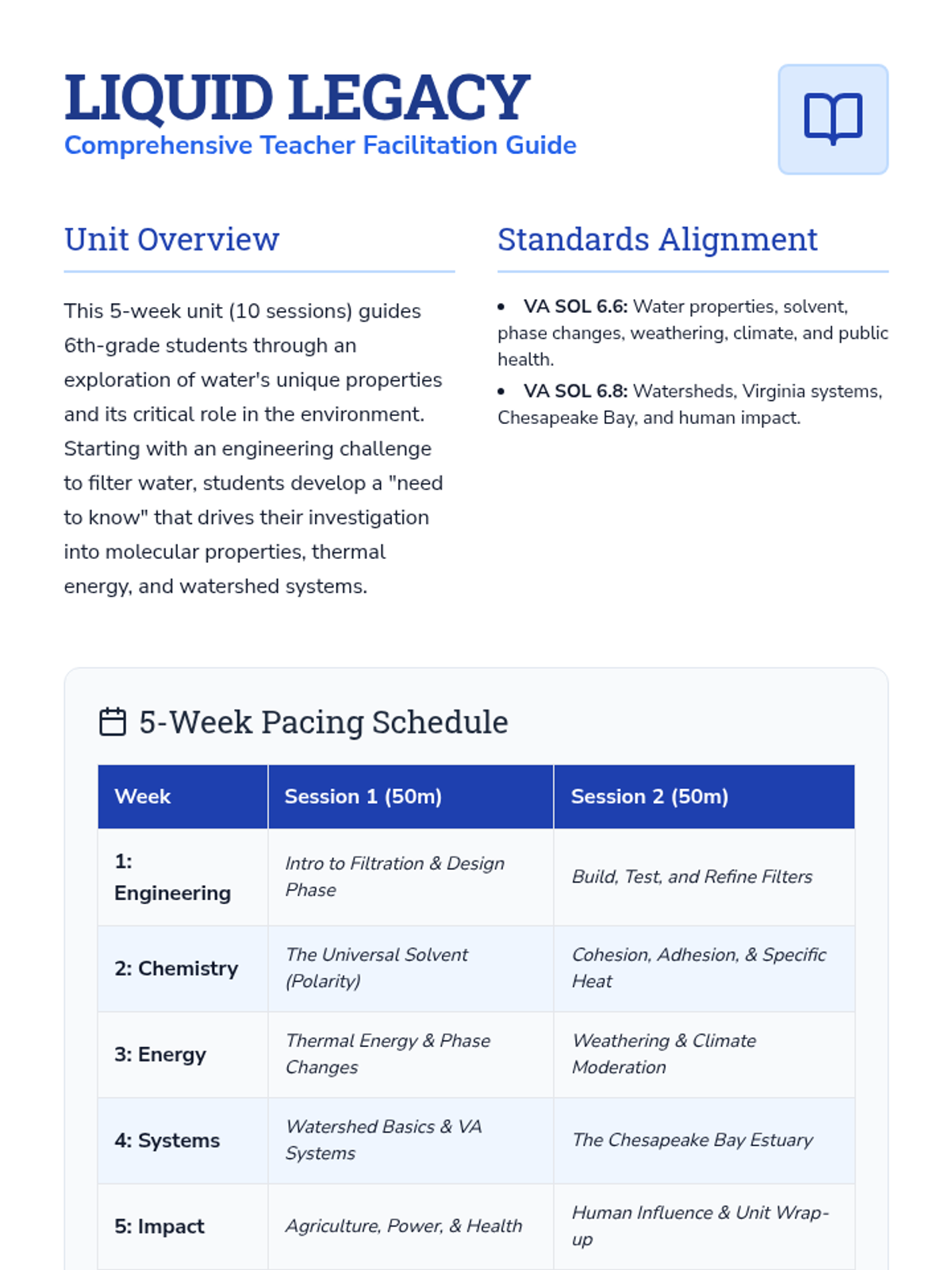
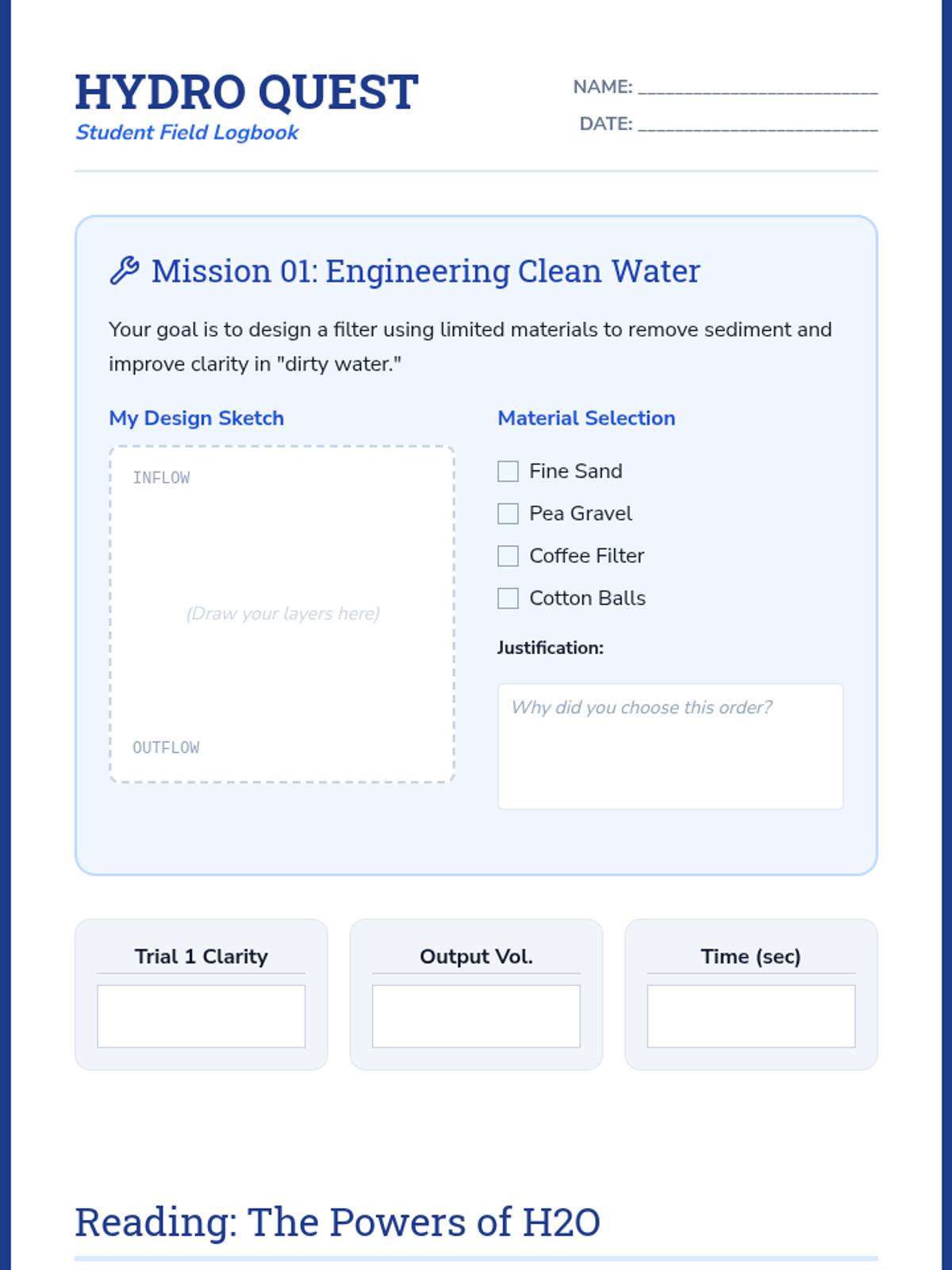
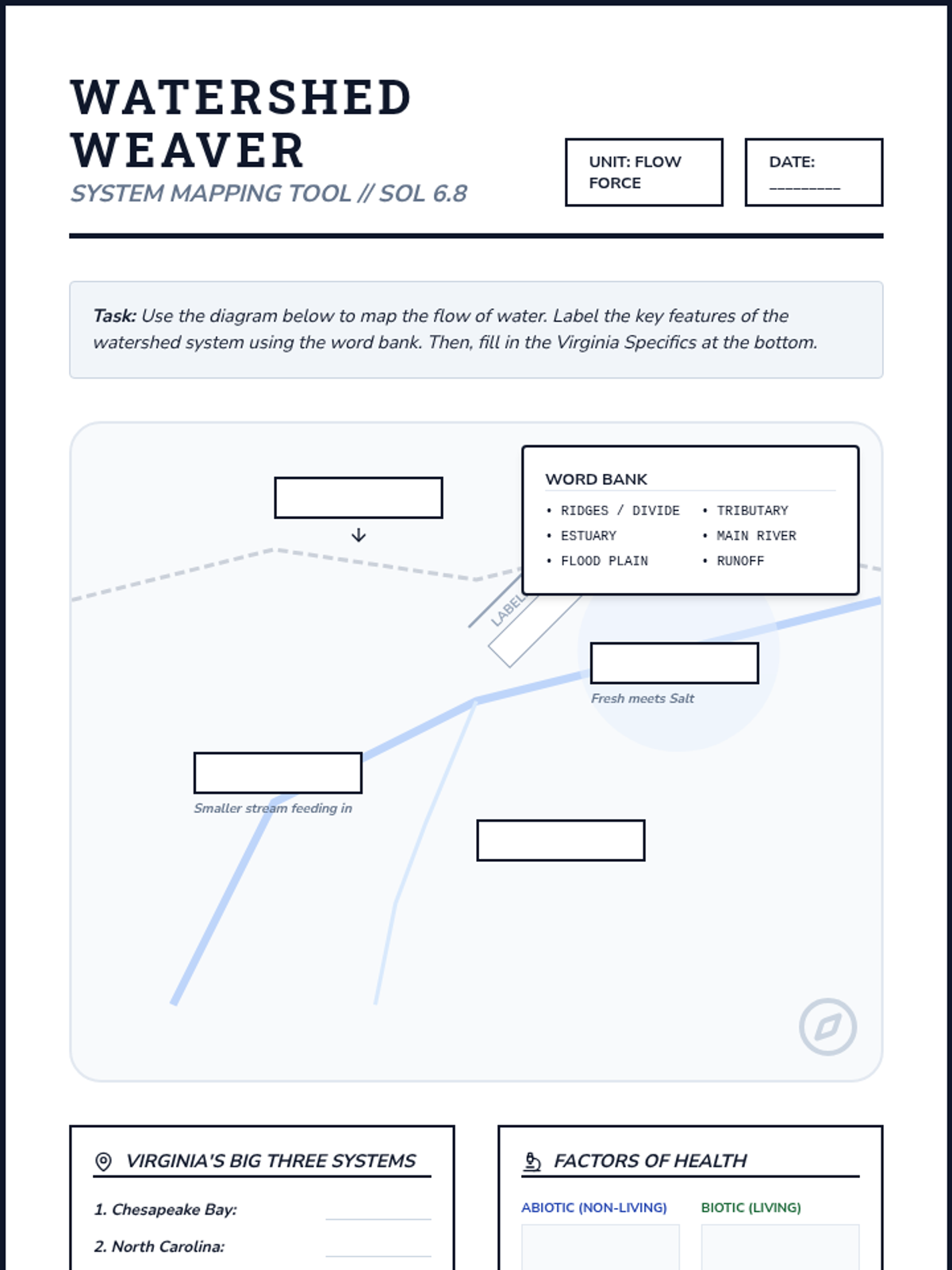
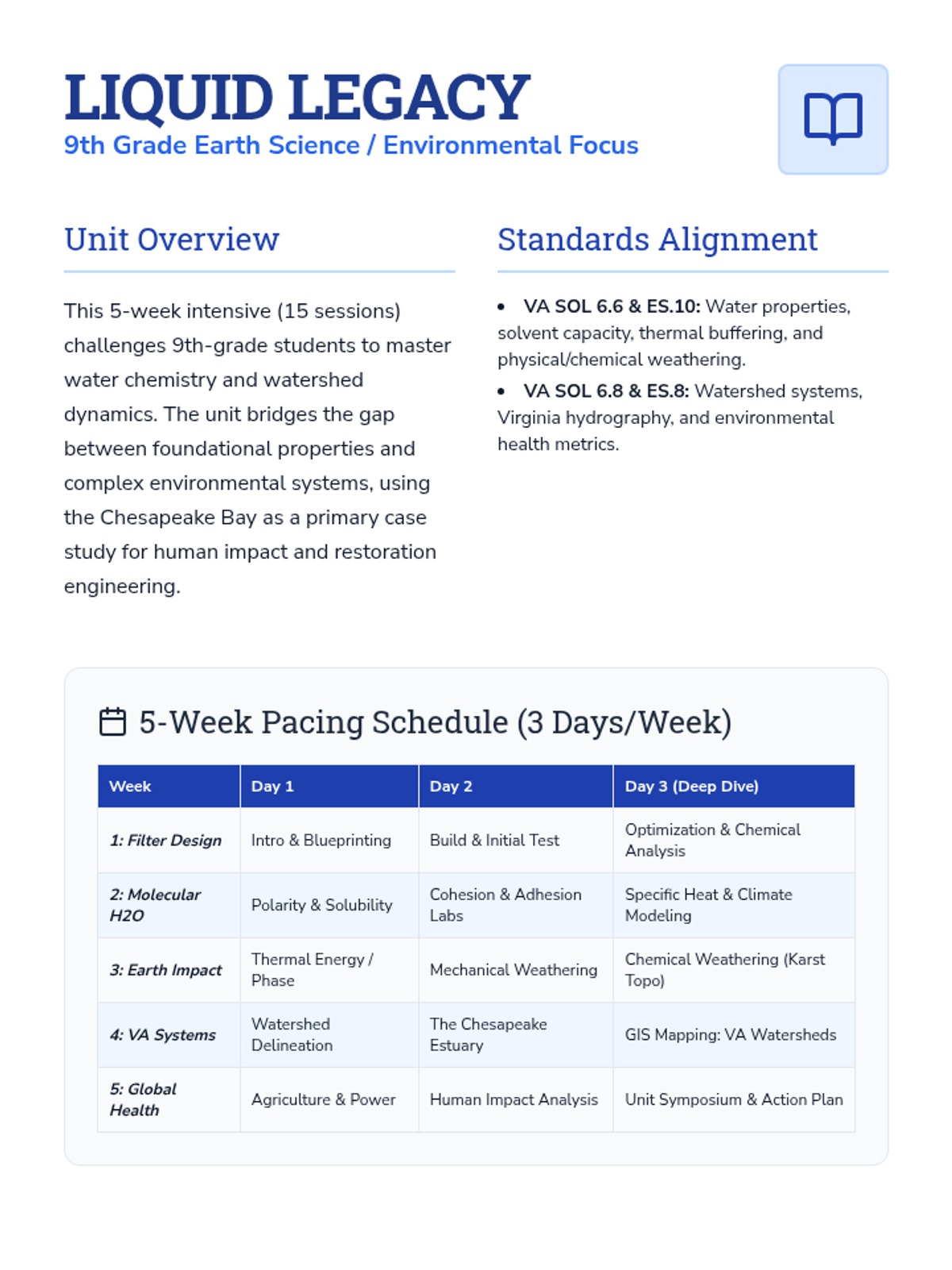
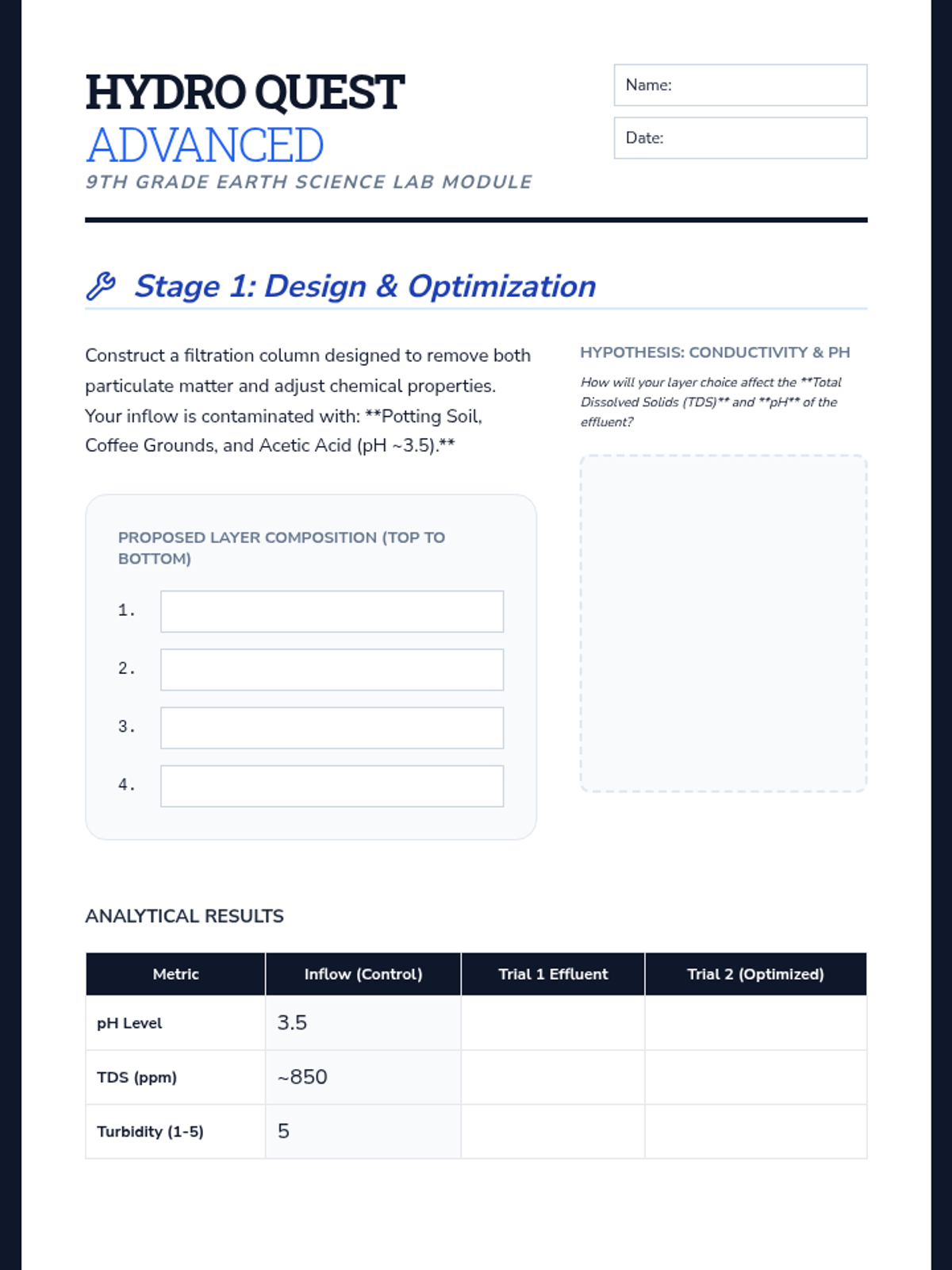
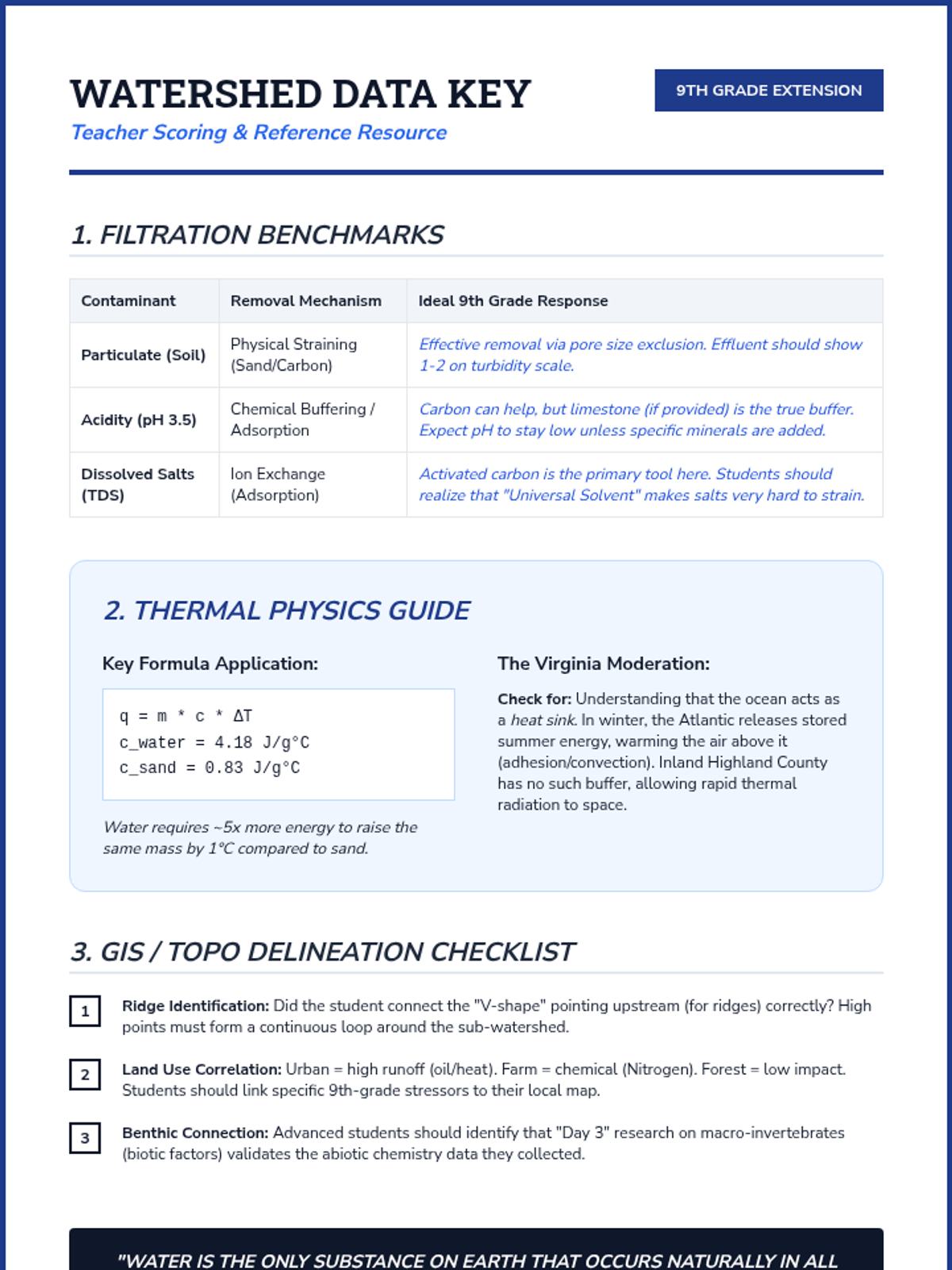
A 10-session unit covering Virginia Standards 6.6 and 6.8, beginning with a water filter engineering challenge and progressing through water chemistry and watershed systems.
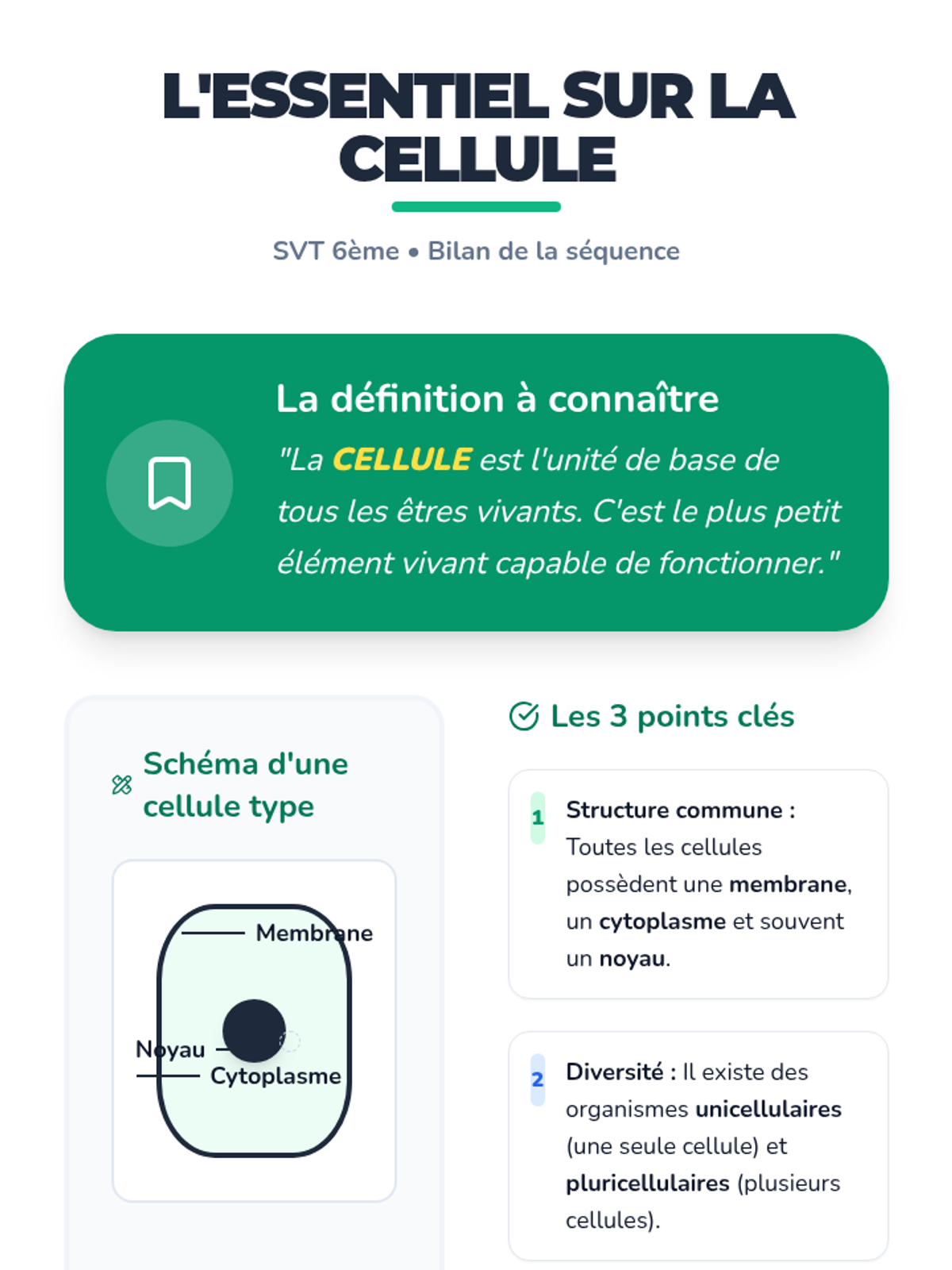
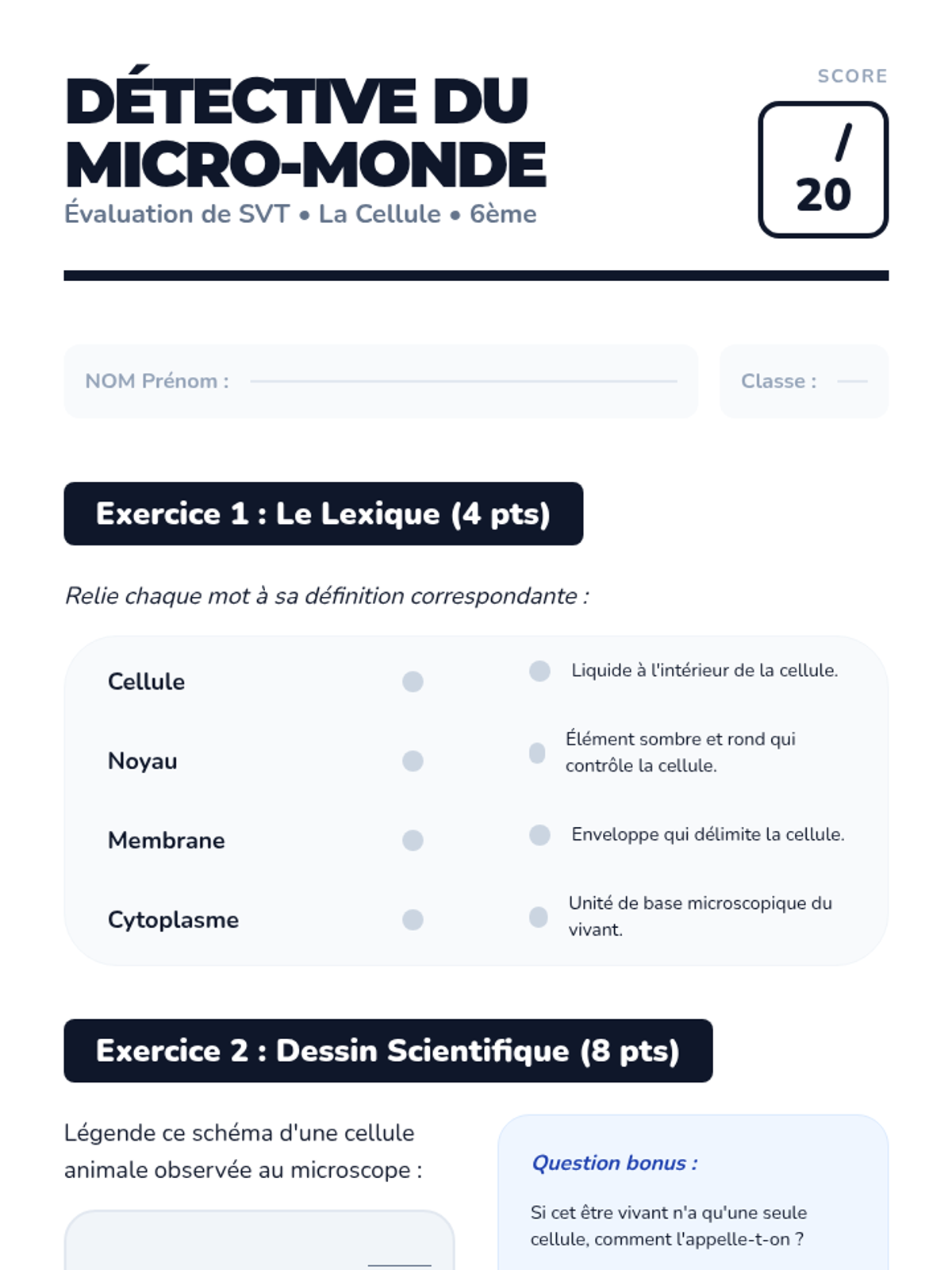
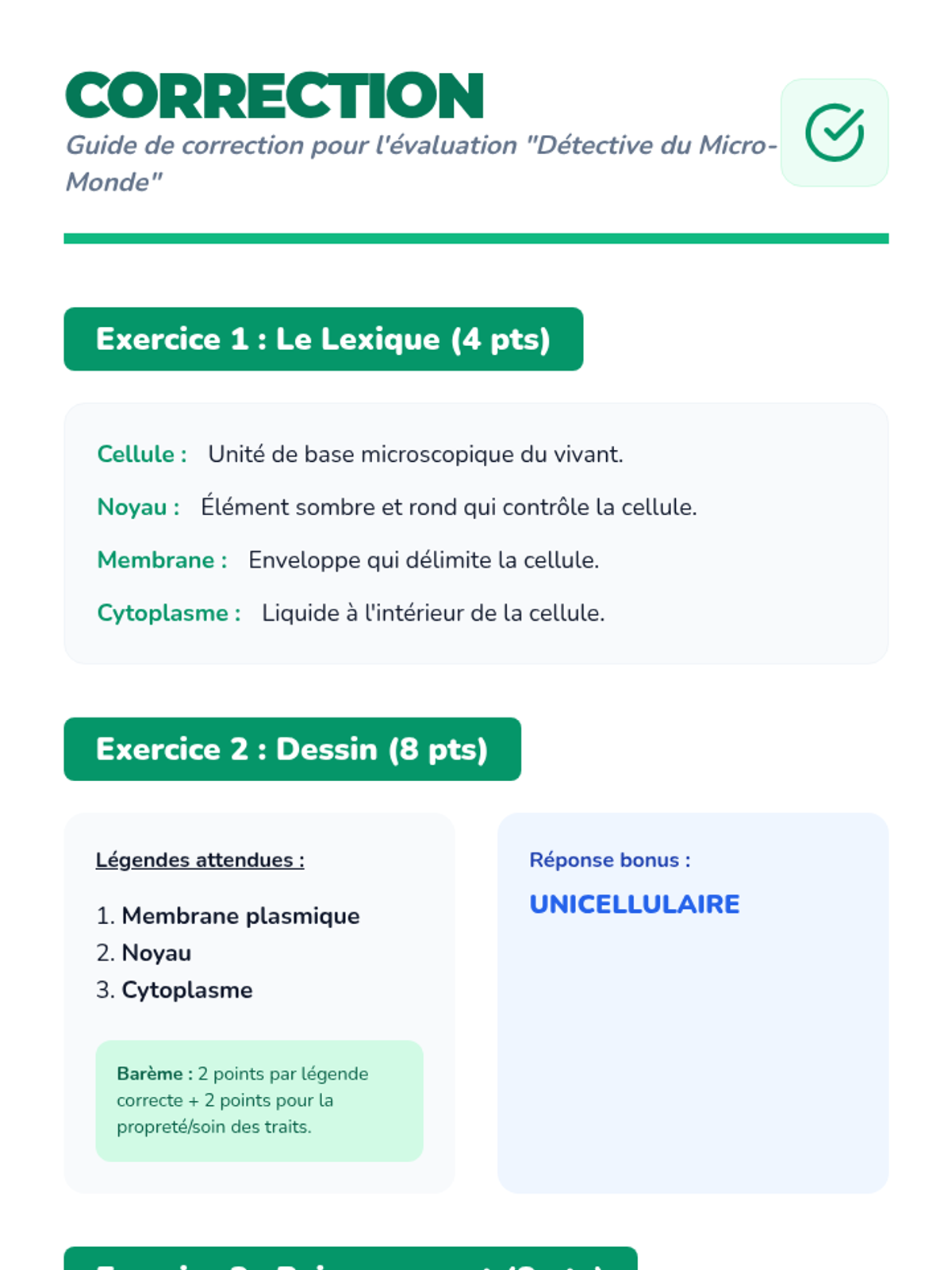
Synthèse de la notion de cellule et évaluation des acquis.
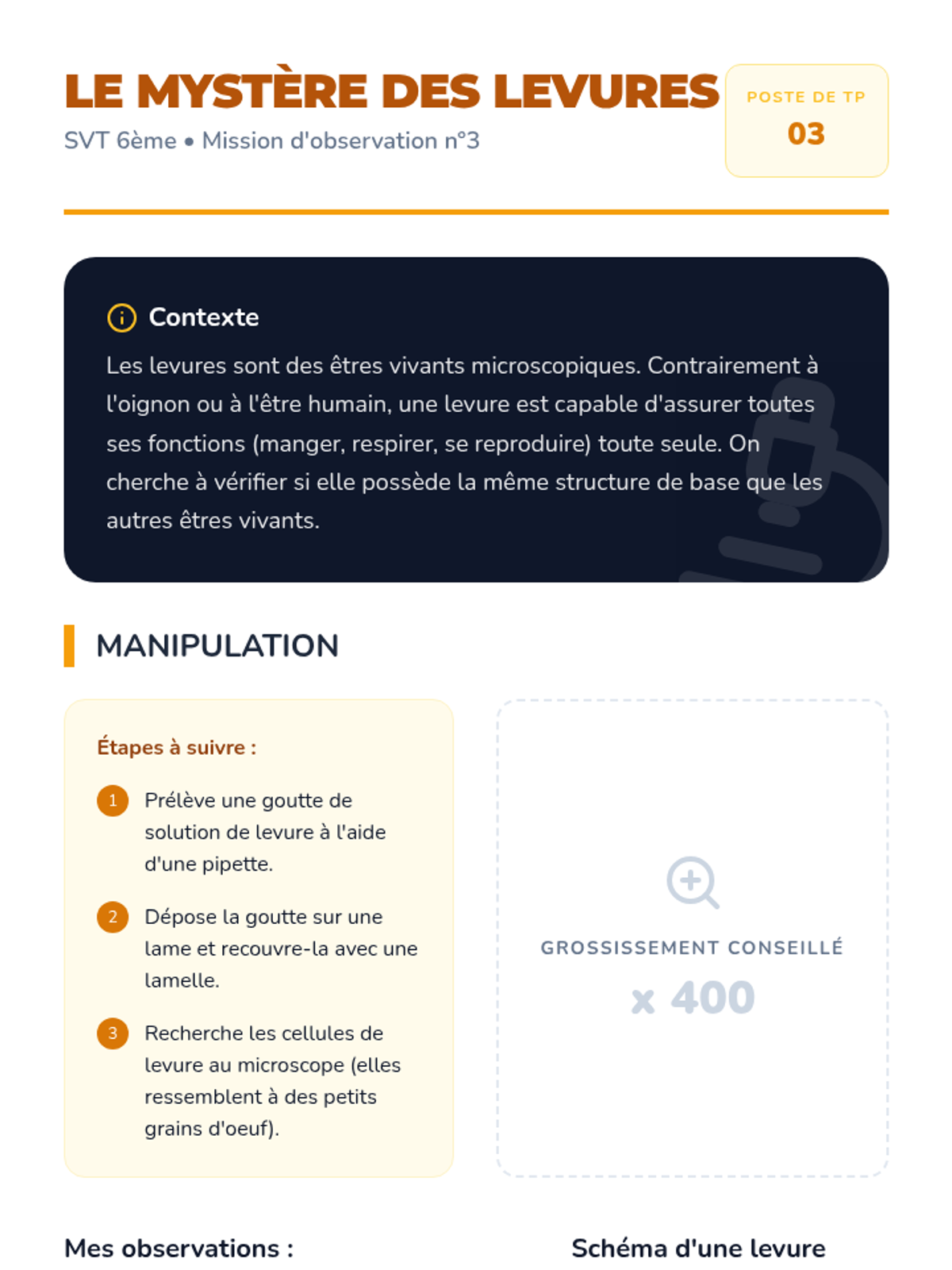
Observation d'organismes composés d'une seule cellule comme les levures ou les paramécies.
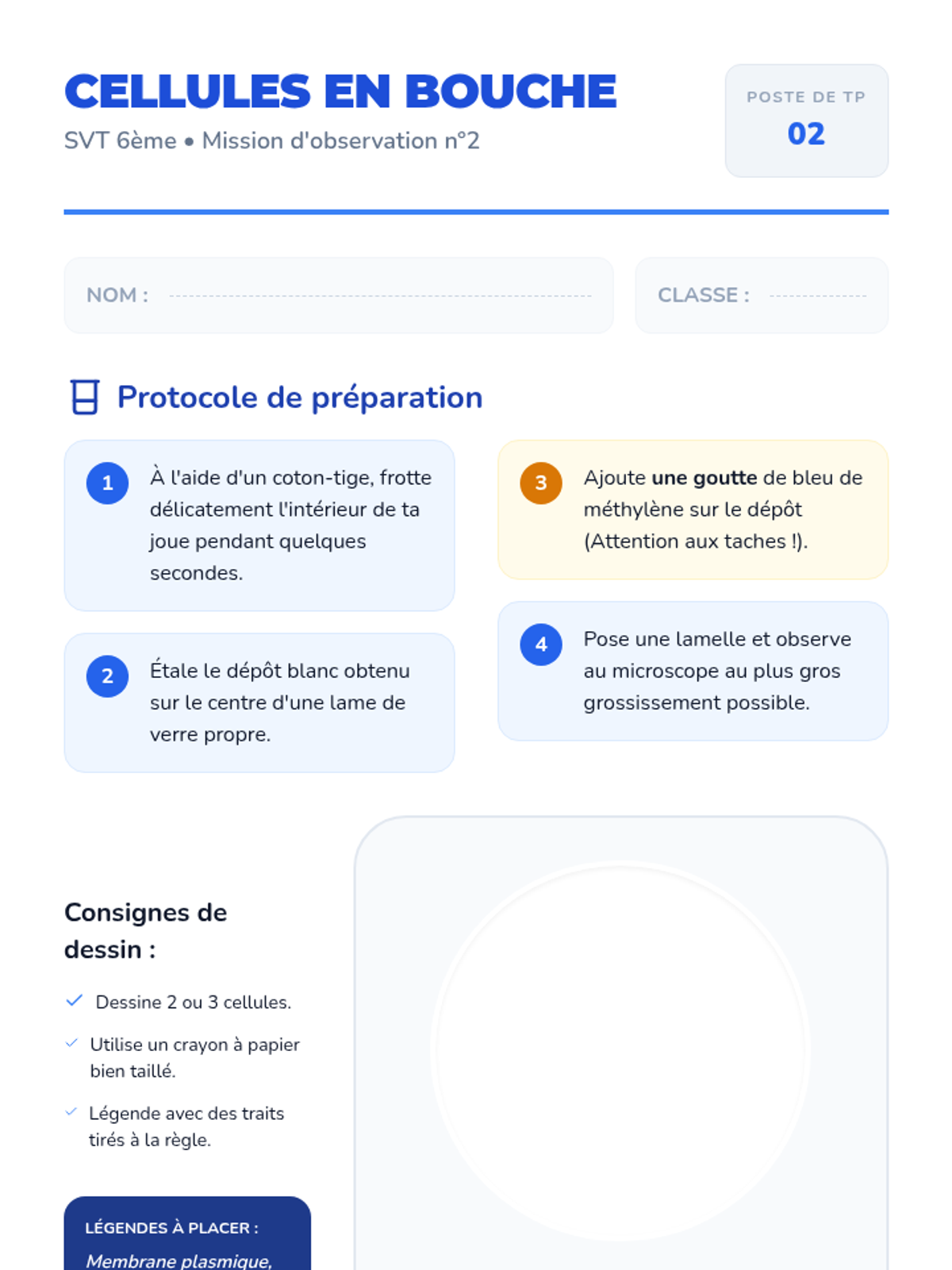
Observation des cellules animales à travers l'épithélium buccal humain.
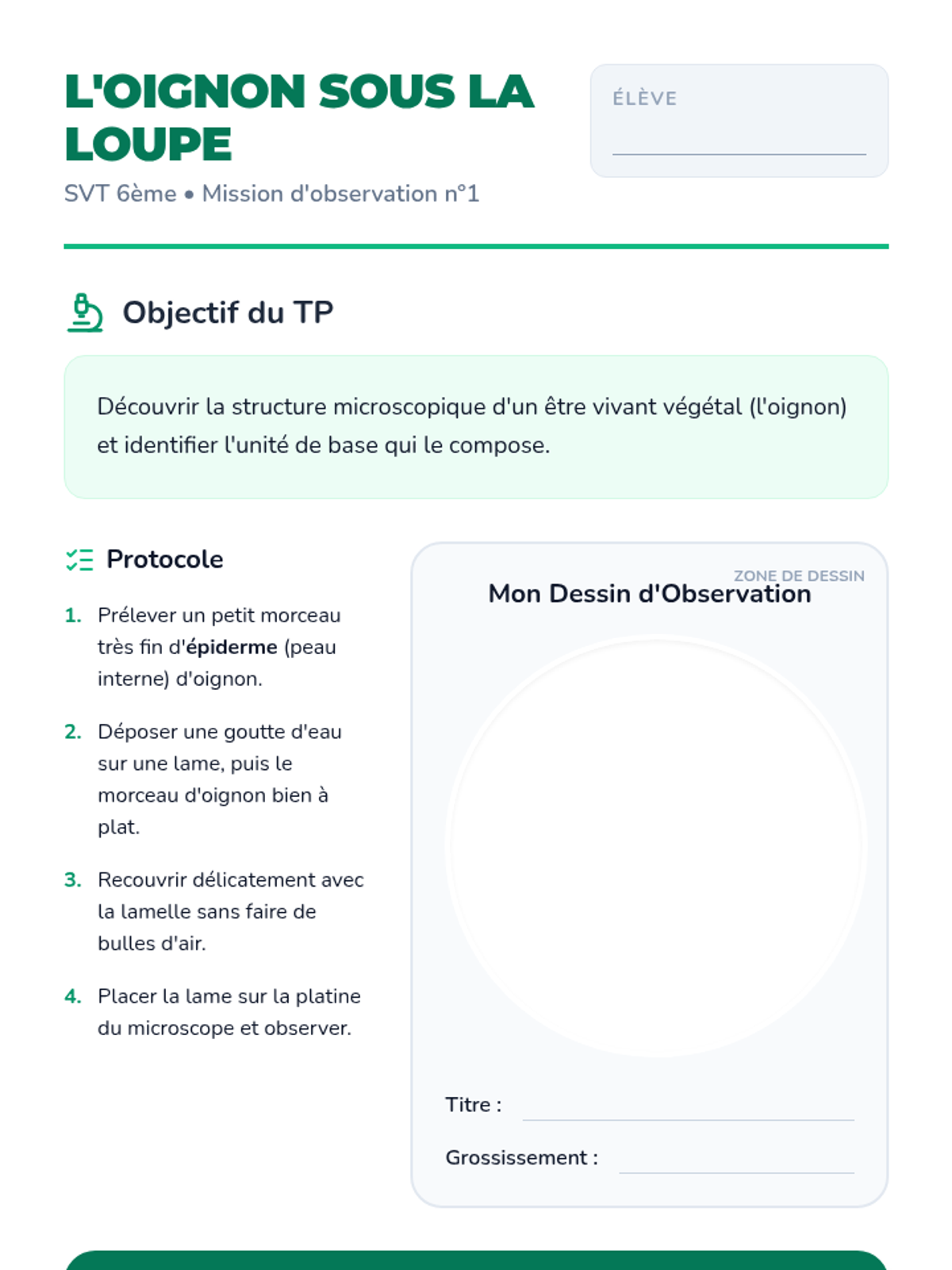
Découverte du microscope et observation des cellules végétales d'oignon.
A comprehensive lesson exploring how the five senses collect data and how the brain processes that information to create our perception of the world. Students will map the neural pathways from organ to brain and identify specific brain regions responsible for each sense.
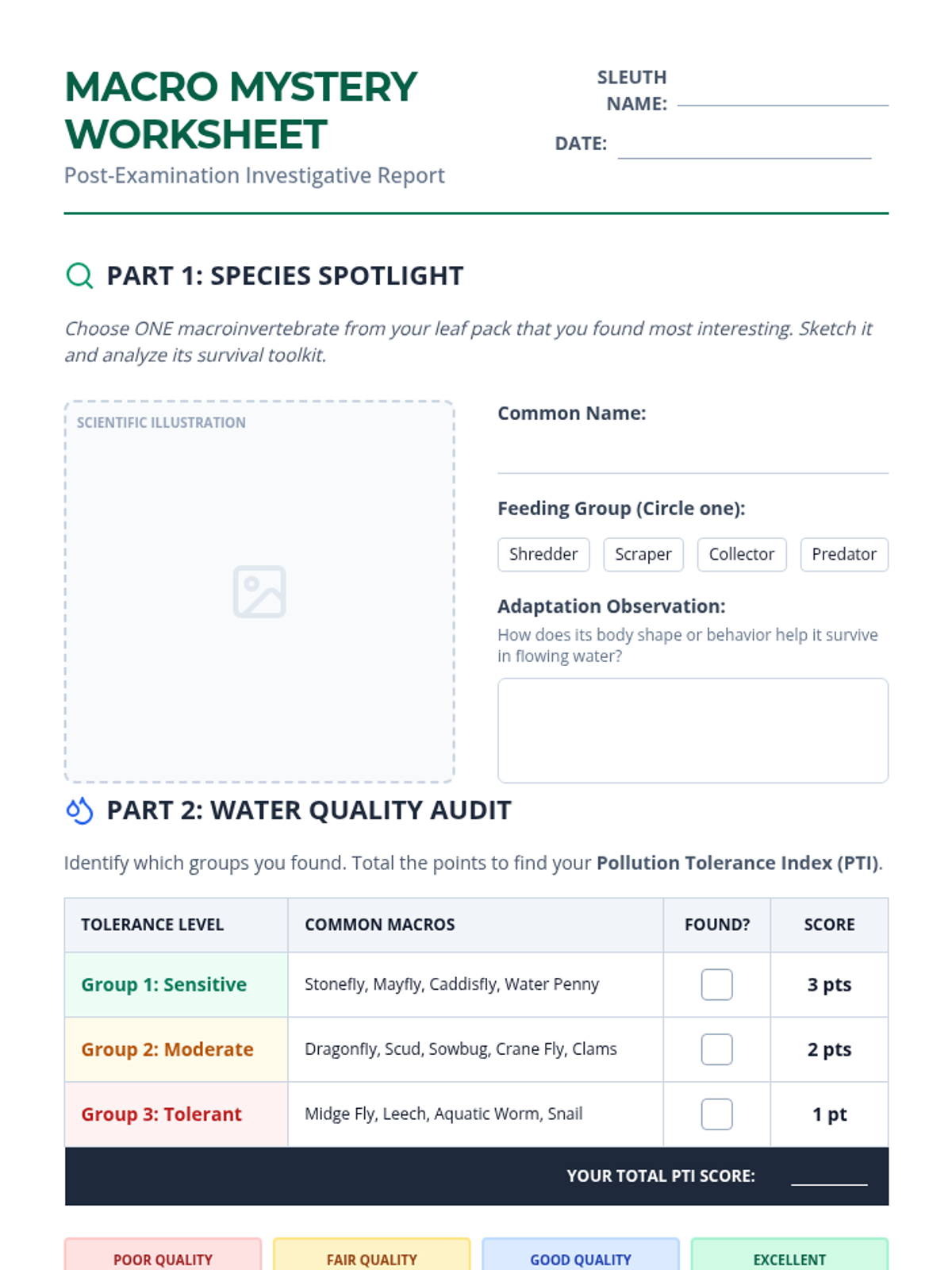
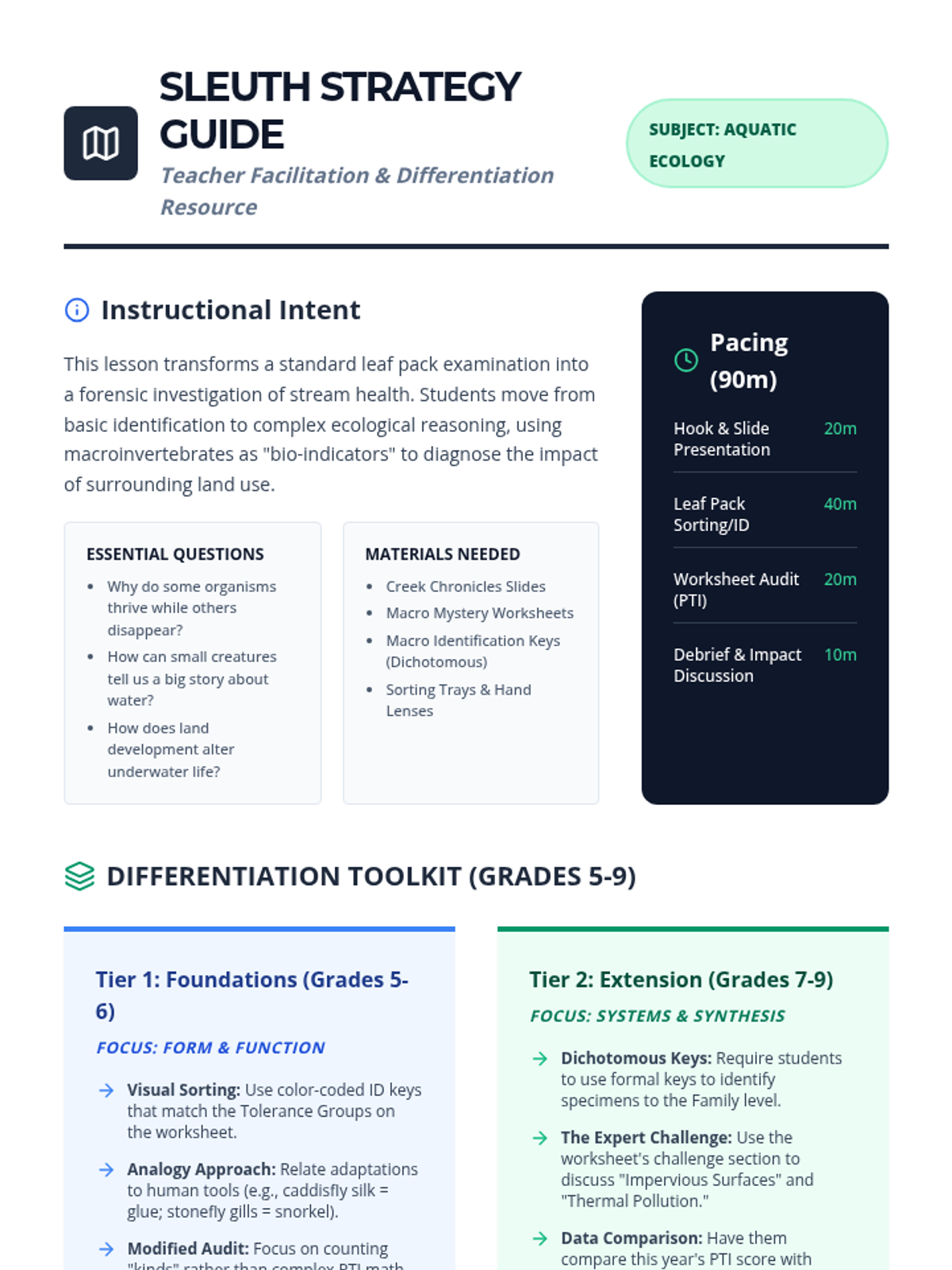
A comprehensive lesson investigating aquatic ecosystems through leaf pack analysis. Students identify macroinvertebrates, explore their specialized adaptations, and evaluate how human activities impact water quality and biodiversity.
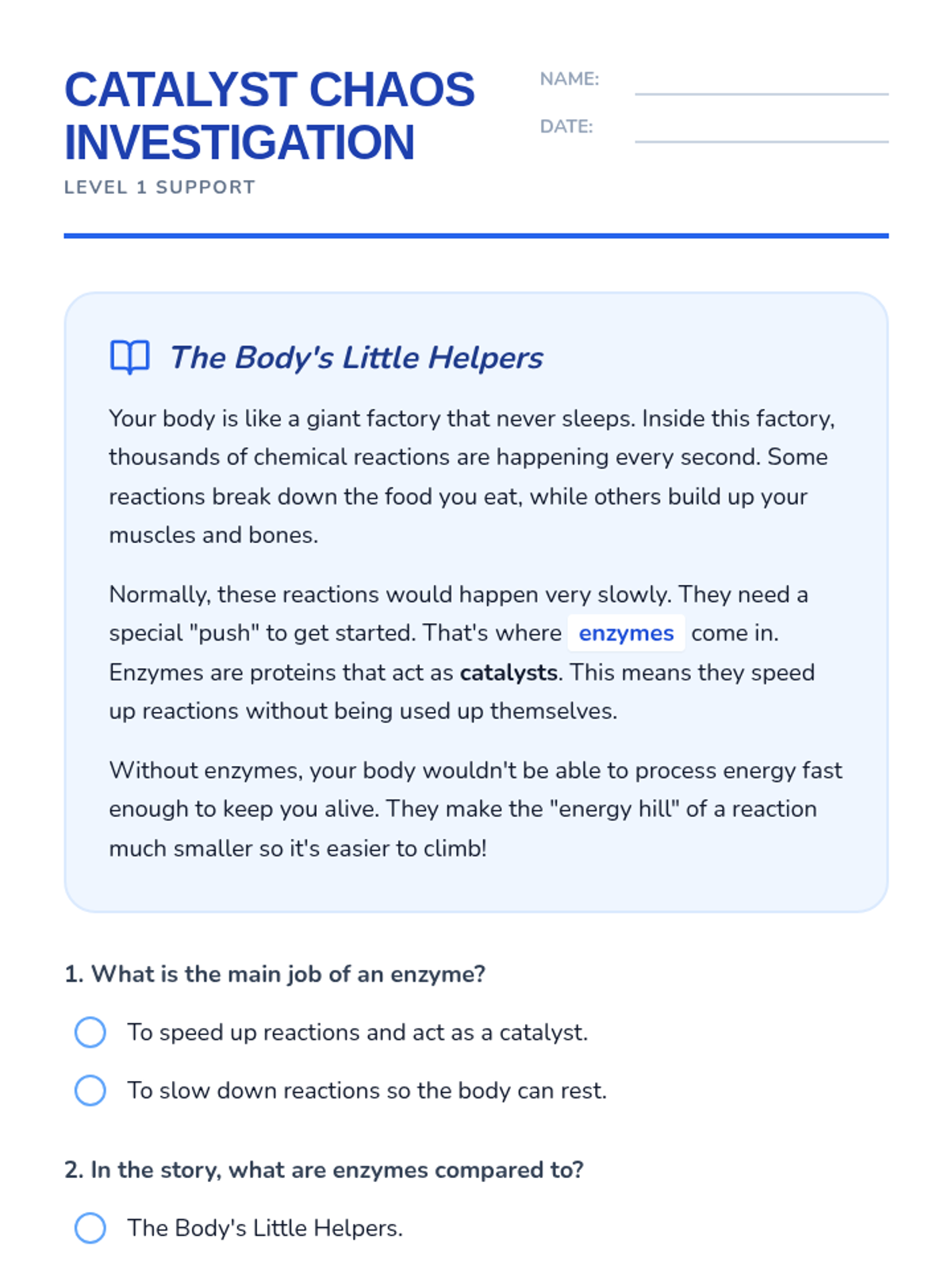
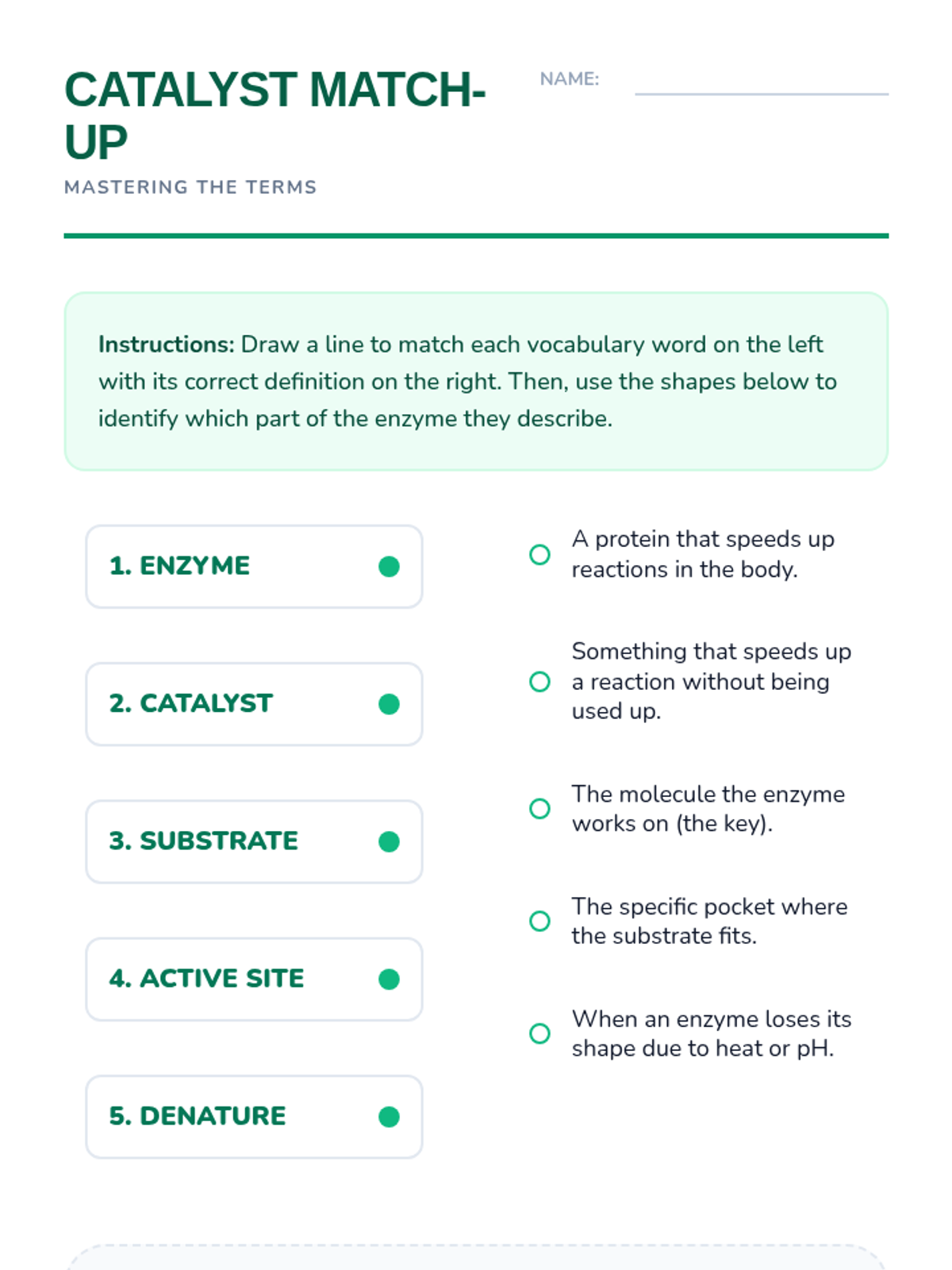
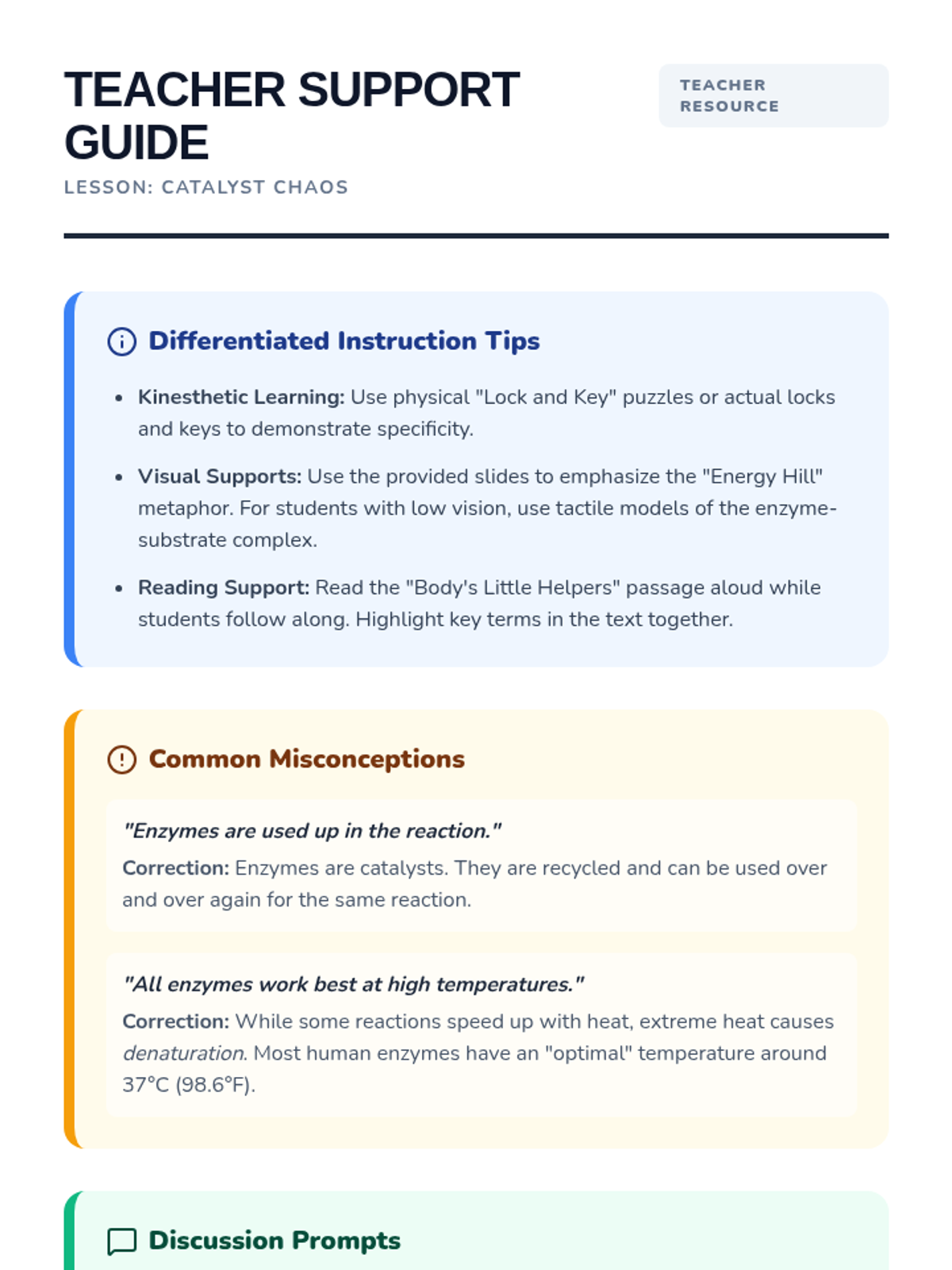
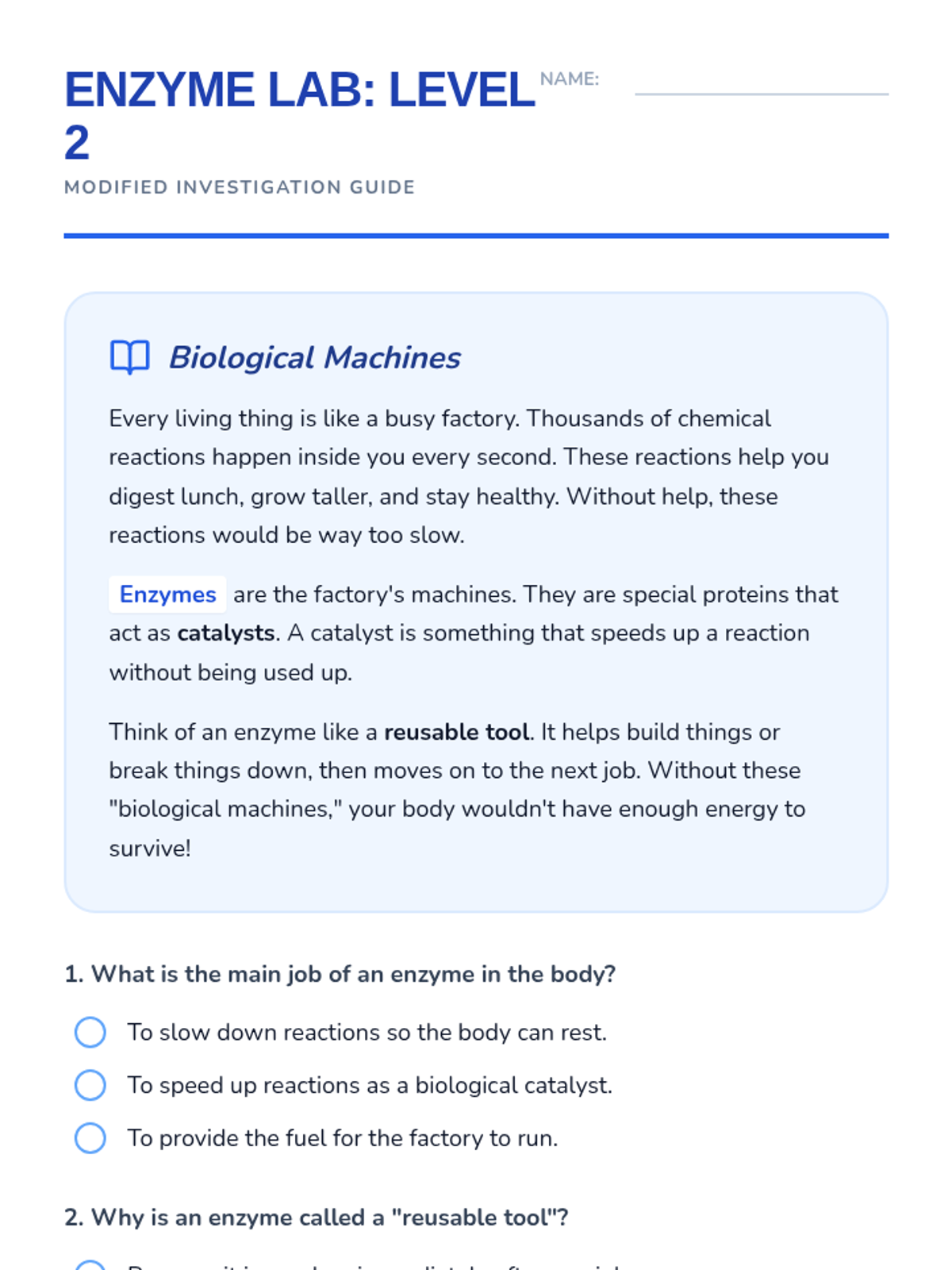
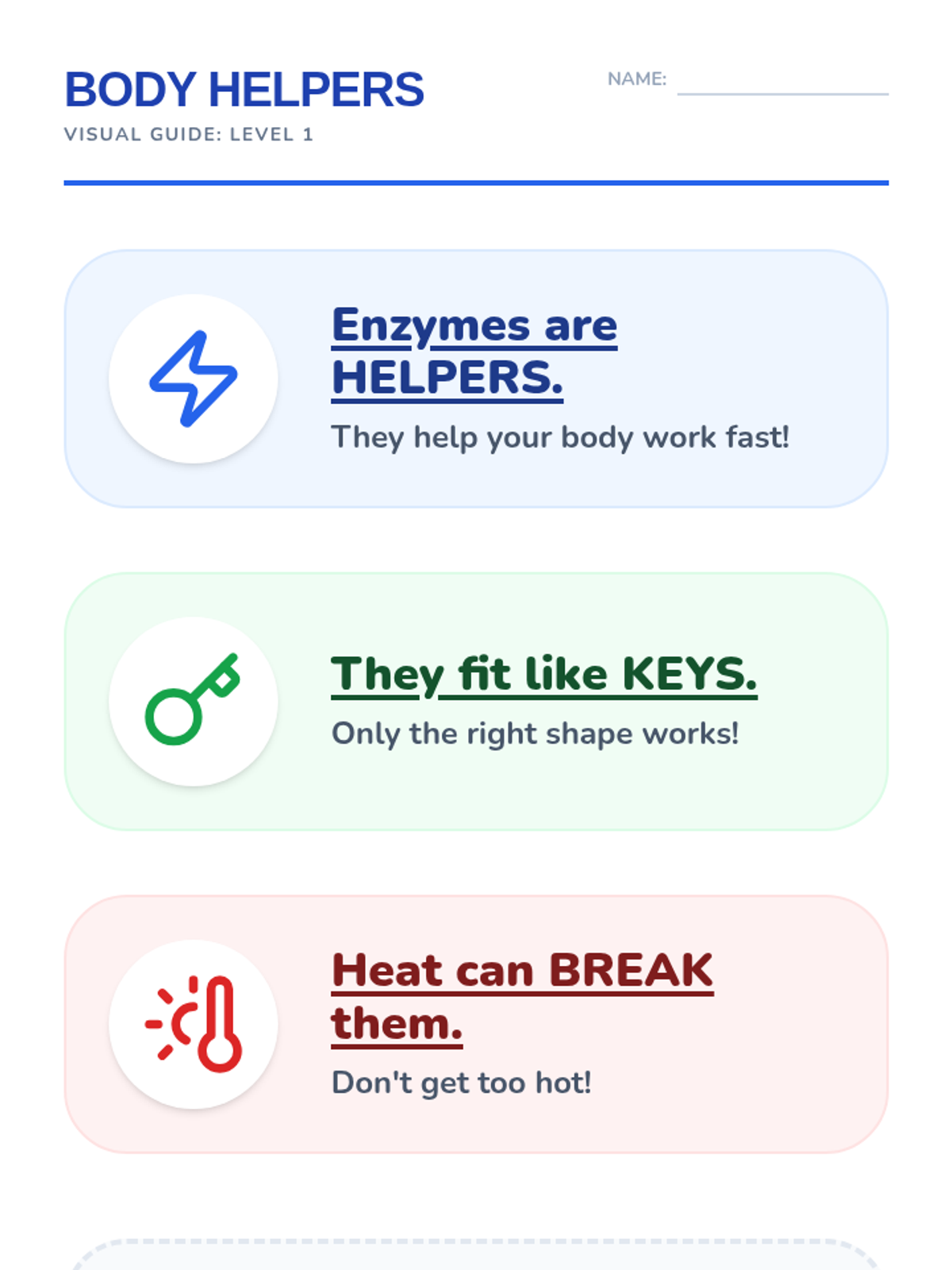
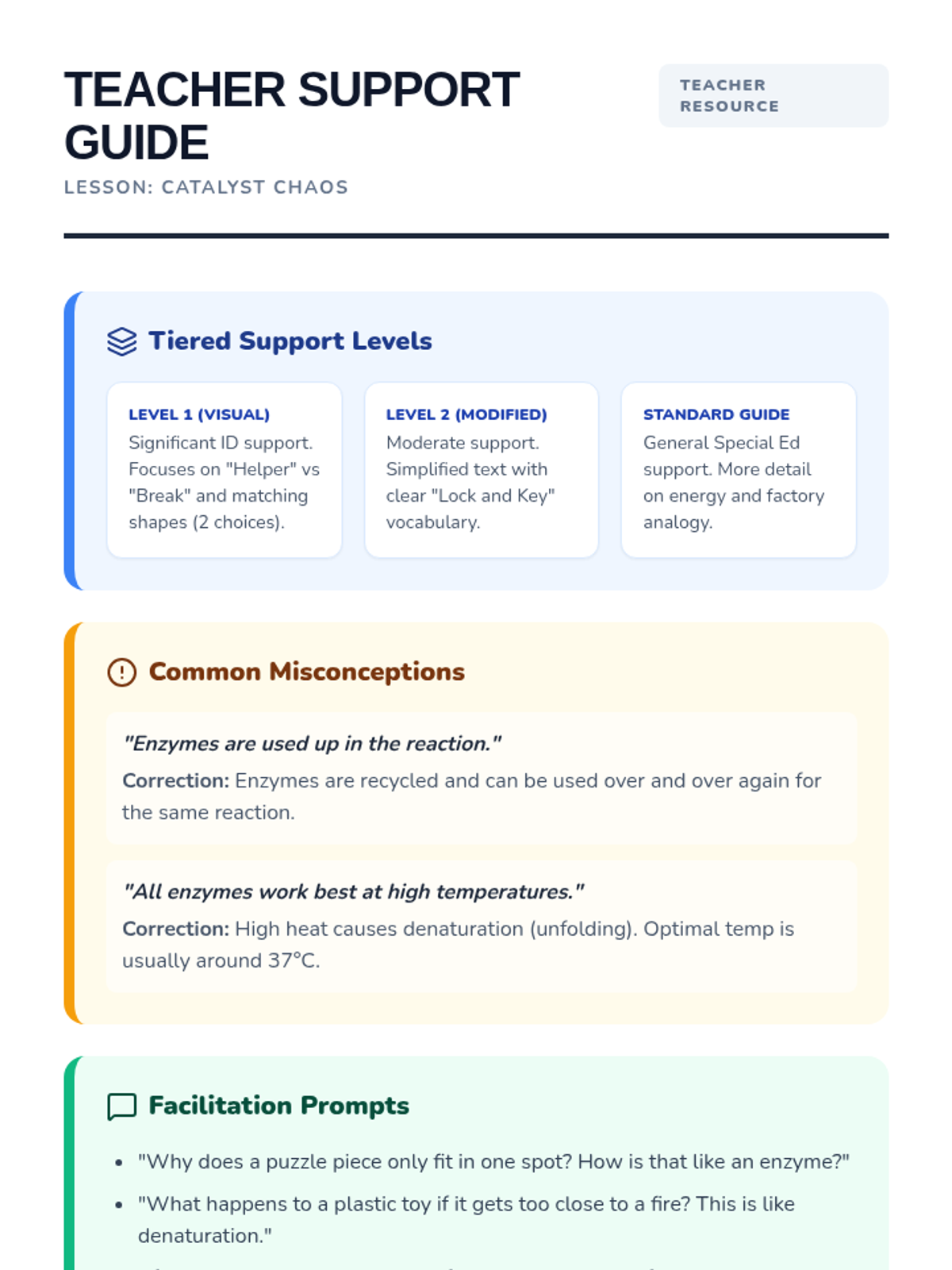
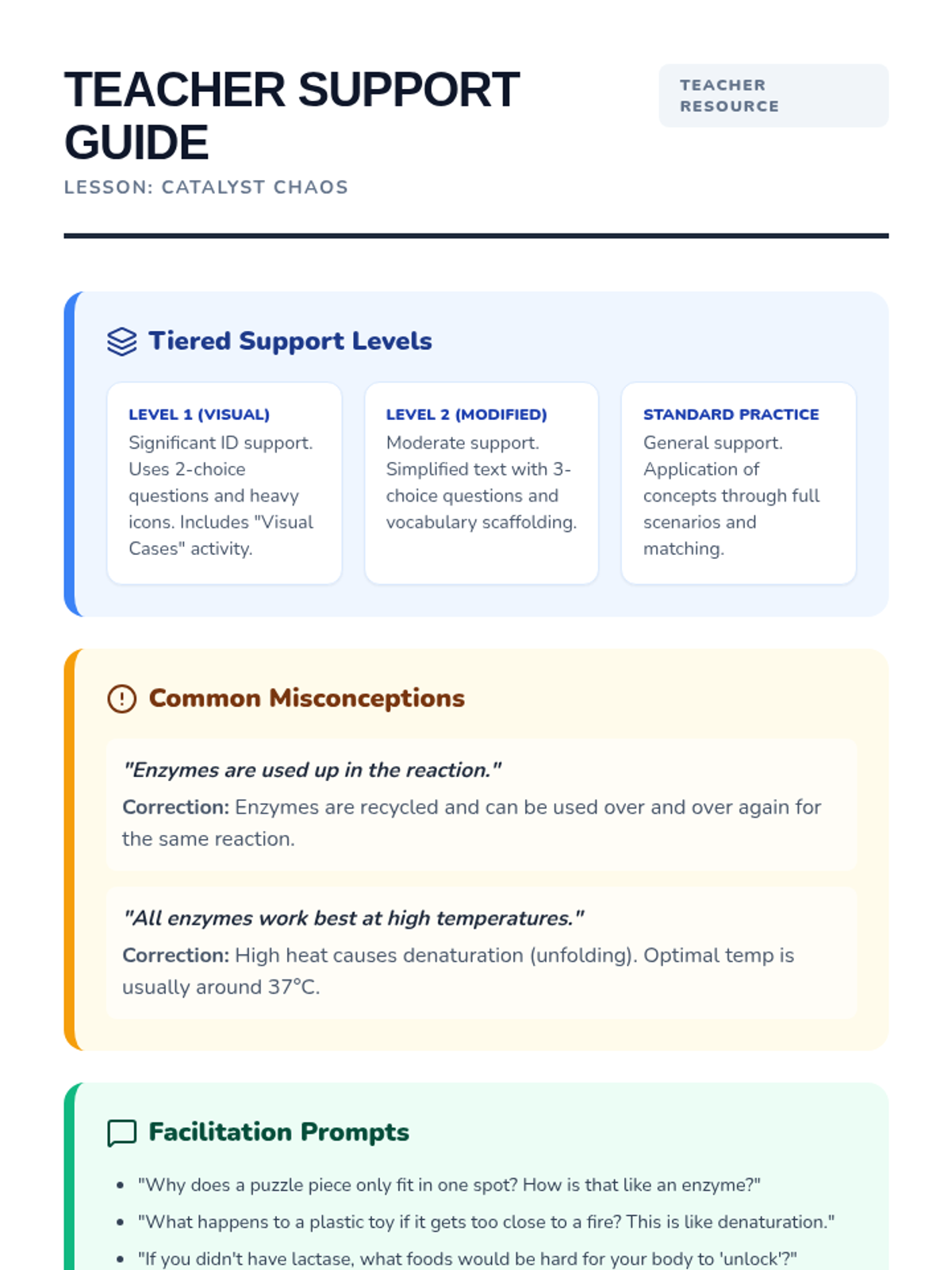
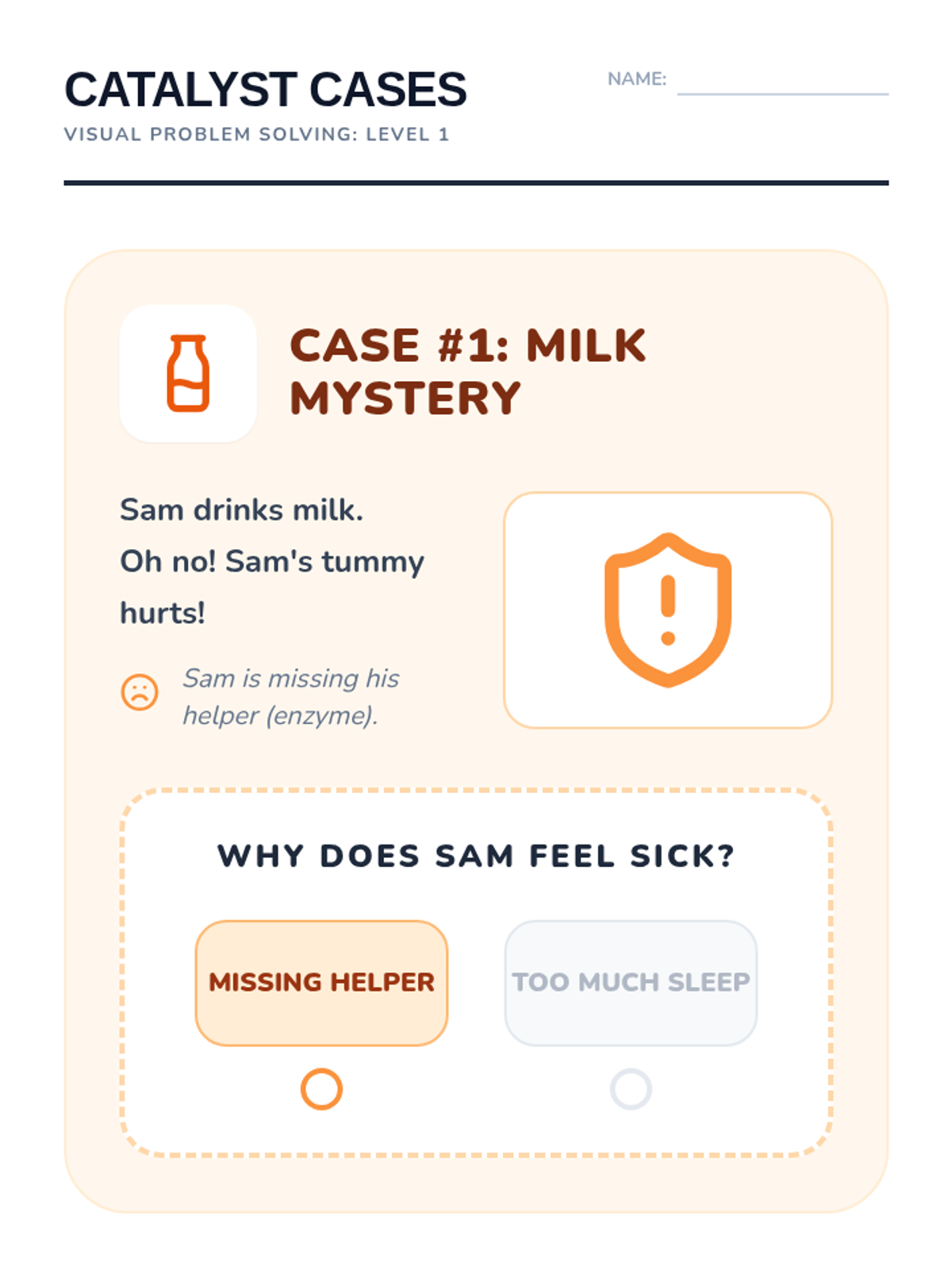
A comprehensive exploration of how enzymes act as biological catalysts, focusing on their structure, function, and the factors that influence their effectiveness. Students will use the real-world example of lactose intolerance to understand enzyme deficiency.
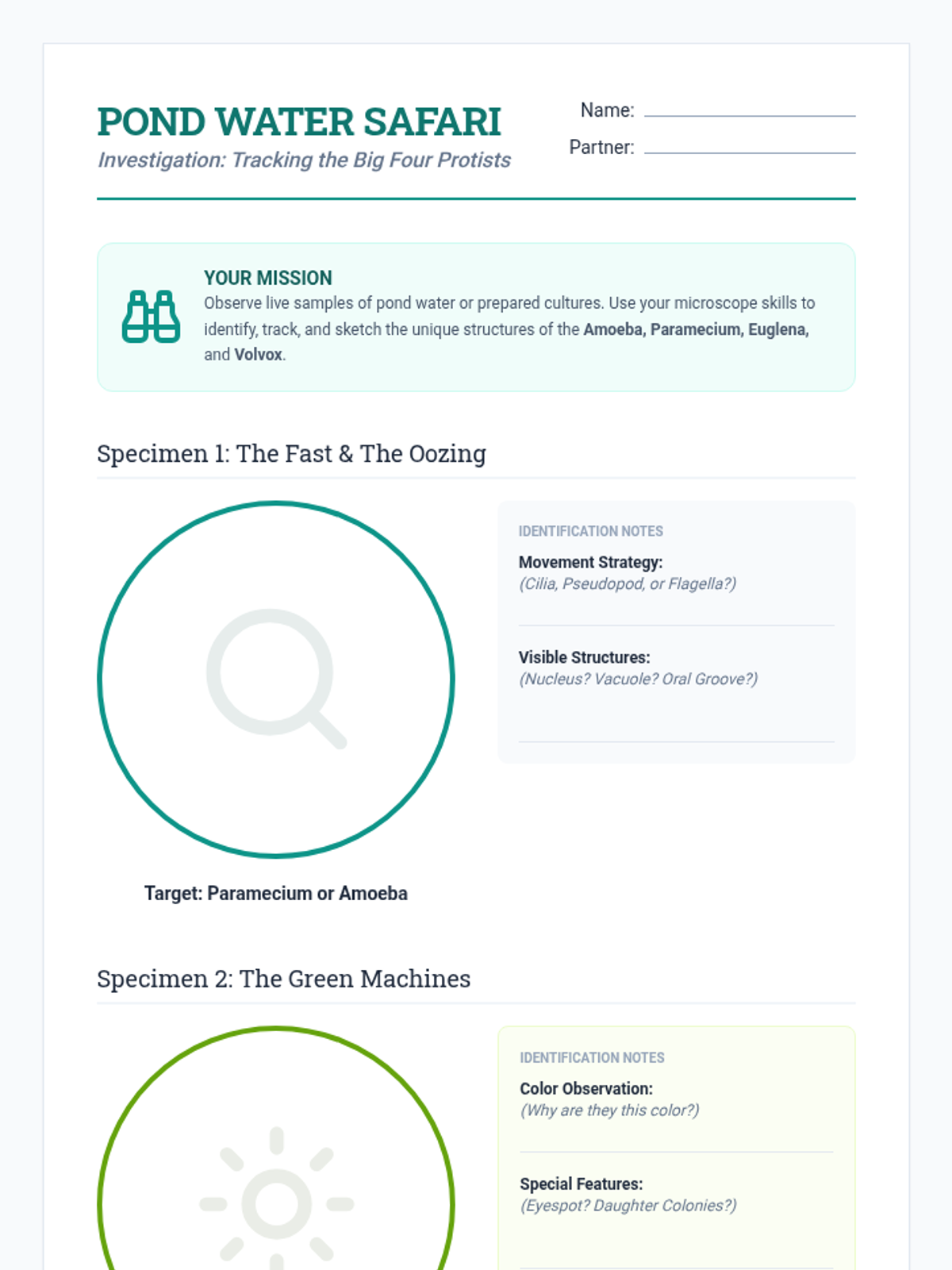
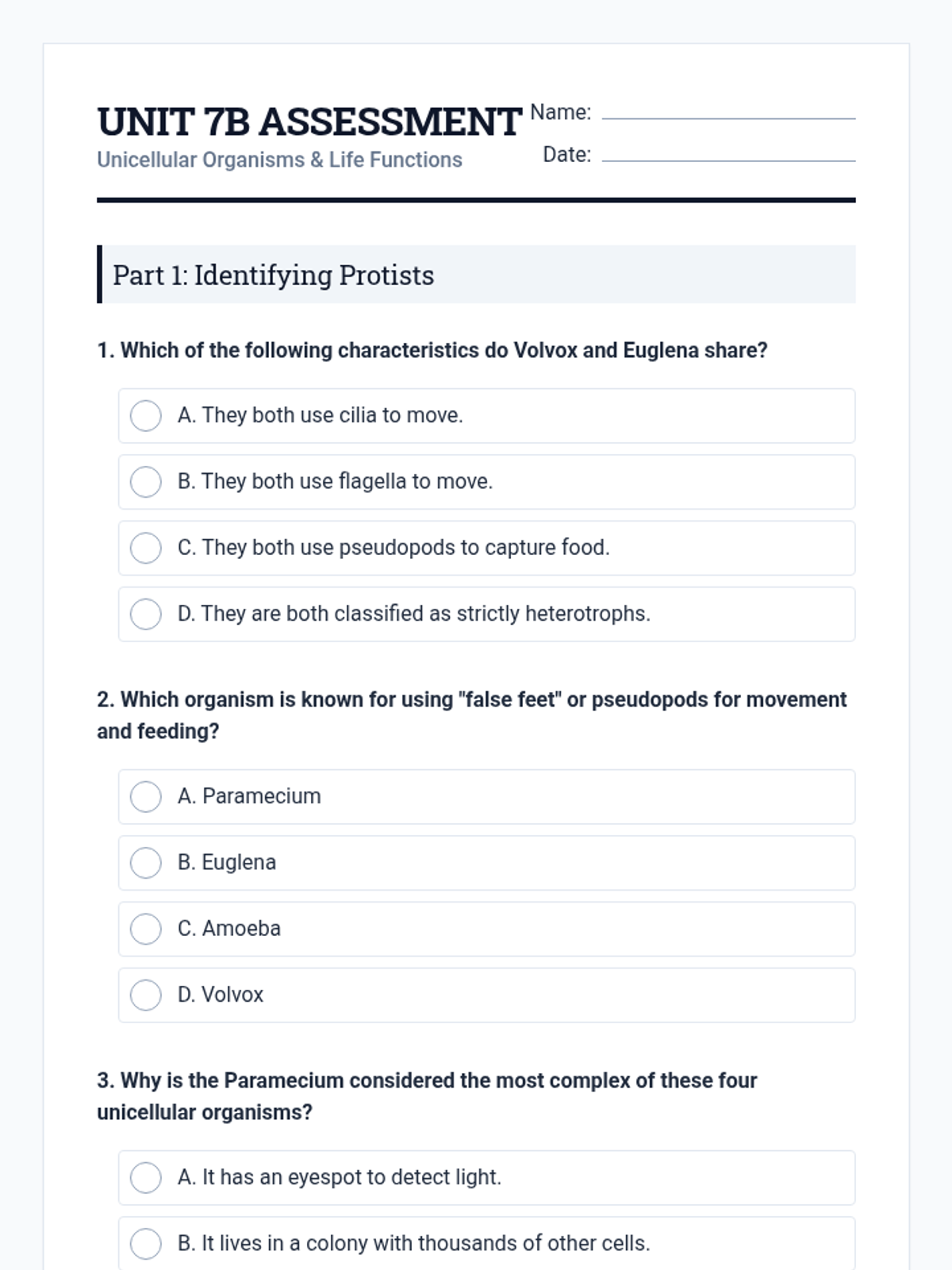
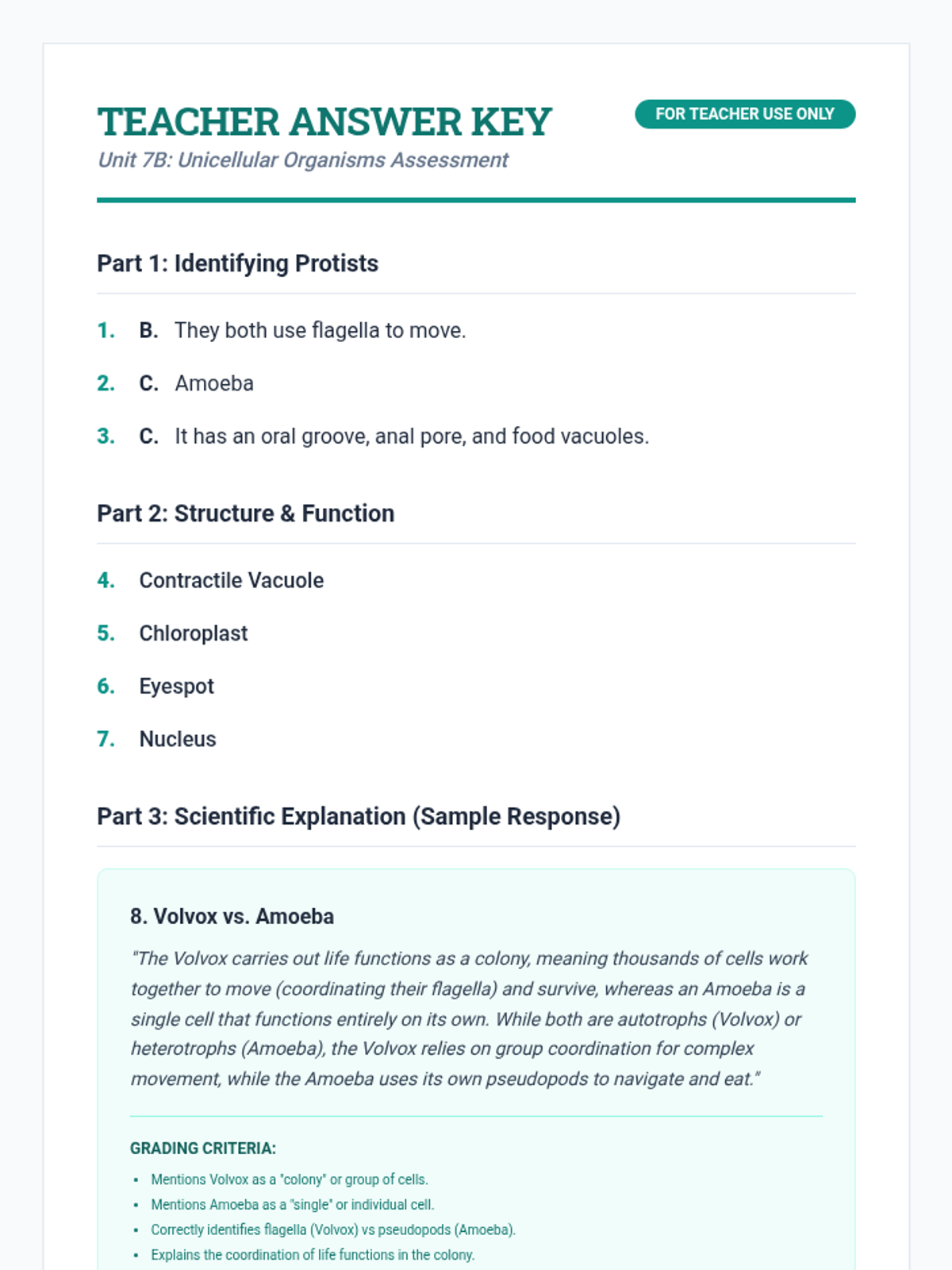
Review key concepts and assess student understanding of unicellular organism structures and functions.
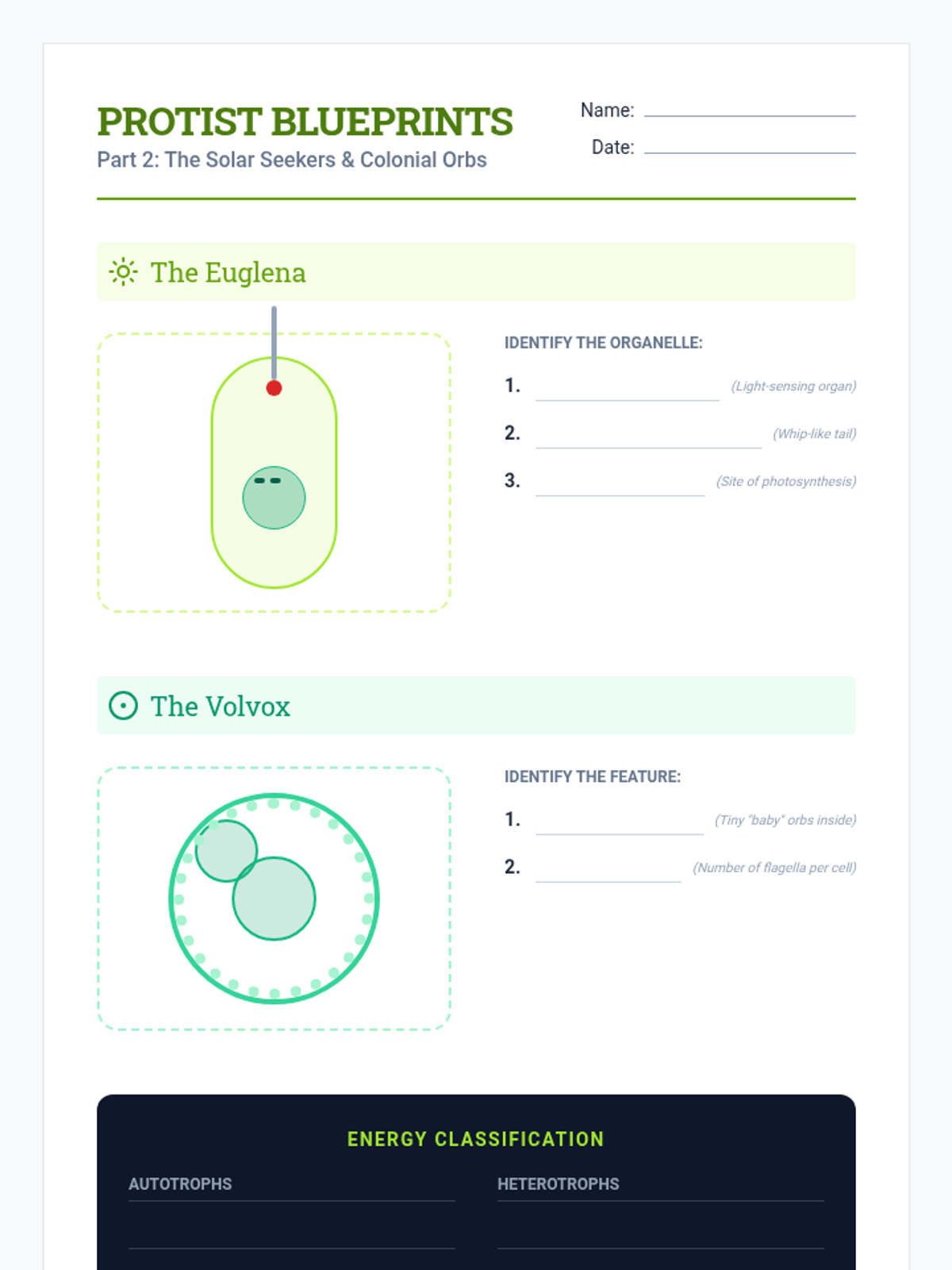
Compare the photosynthetic Euglena and the colonial Volvox, examining their light-sensing eyespots and movement.
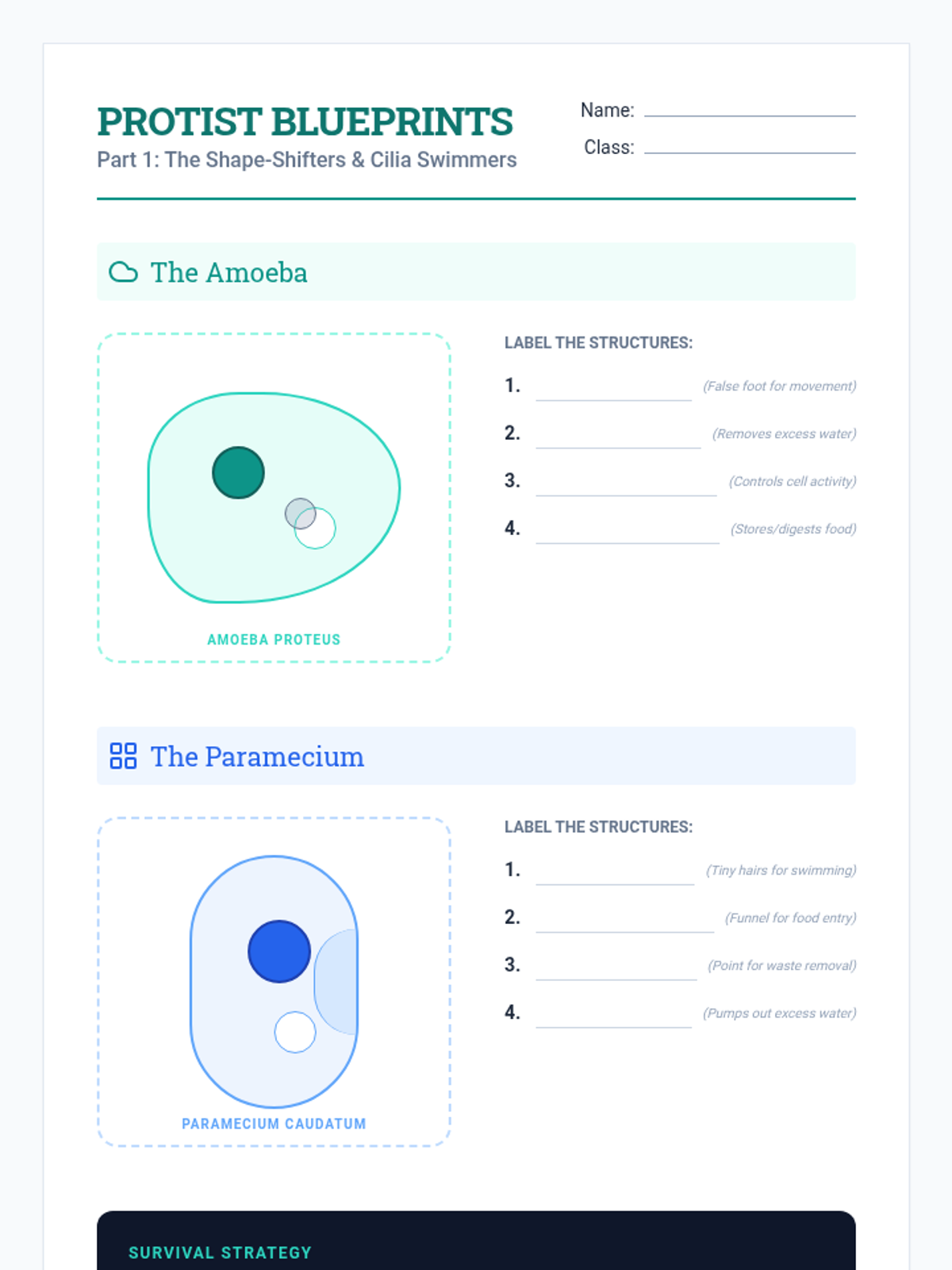
Investigate the structures and survival strategies of the Amoeba and Paramecium, focusing on movement and food acquisition.
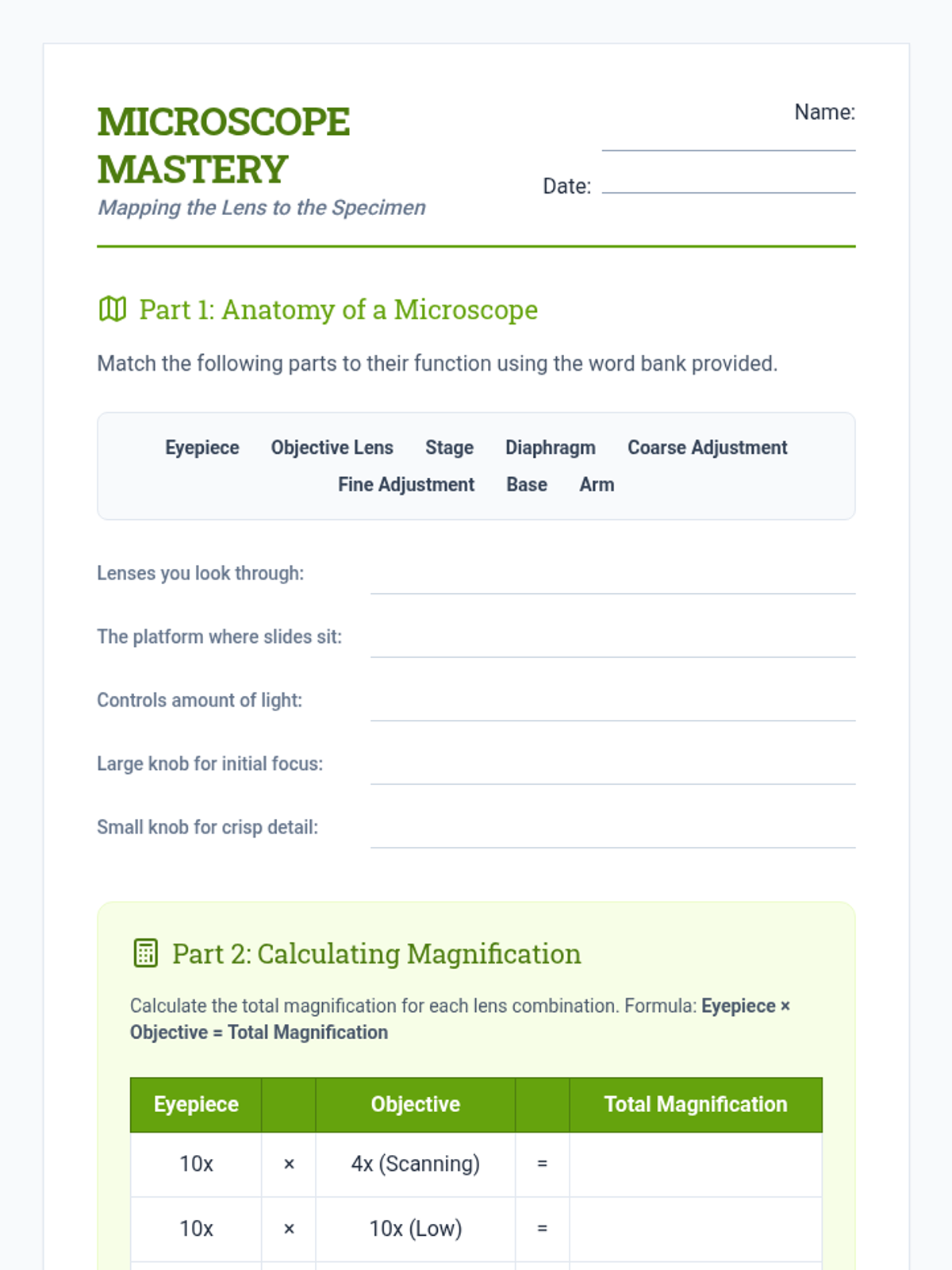
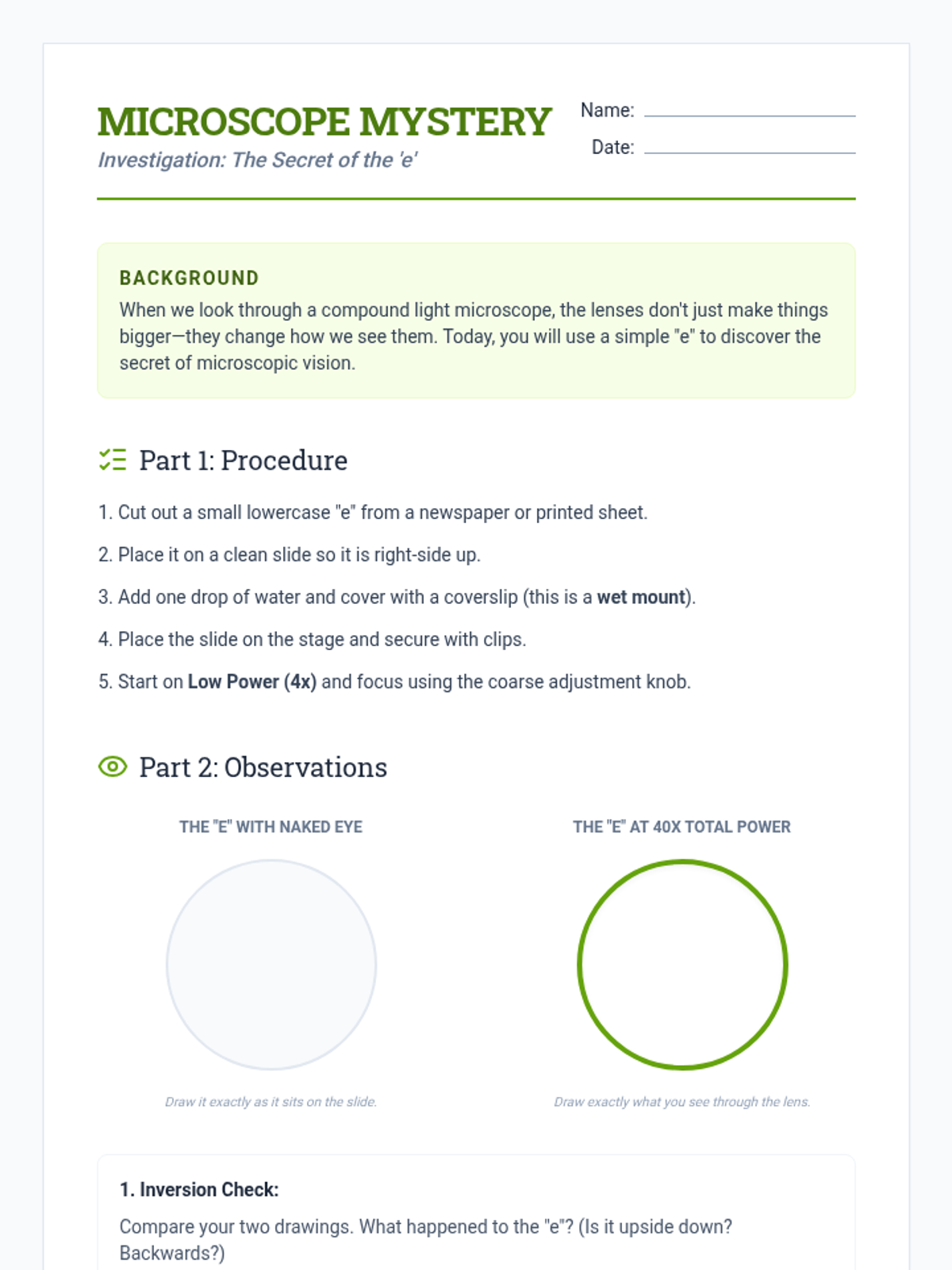
Learn the parts, safety protocols, and magnification calculations for the compound light microscope.
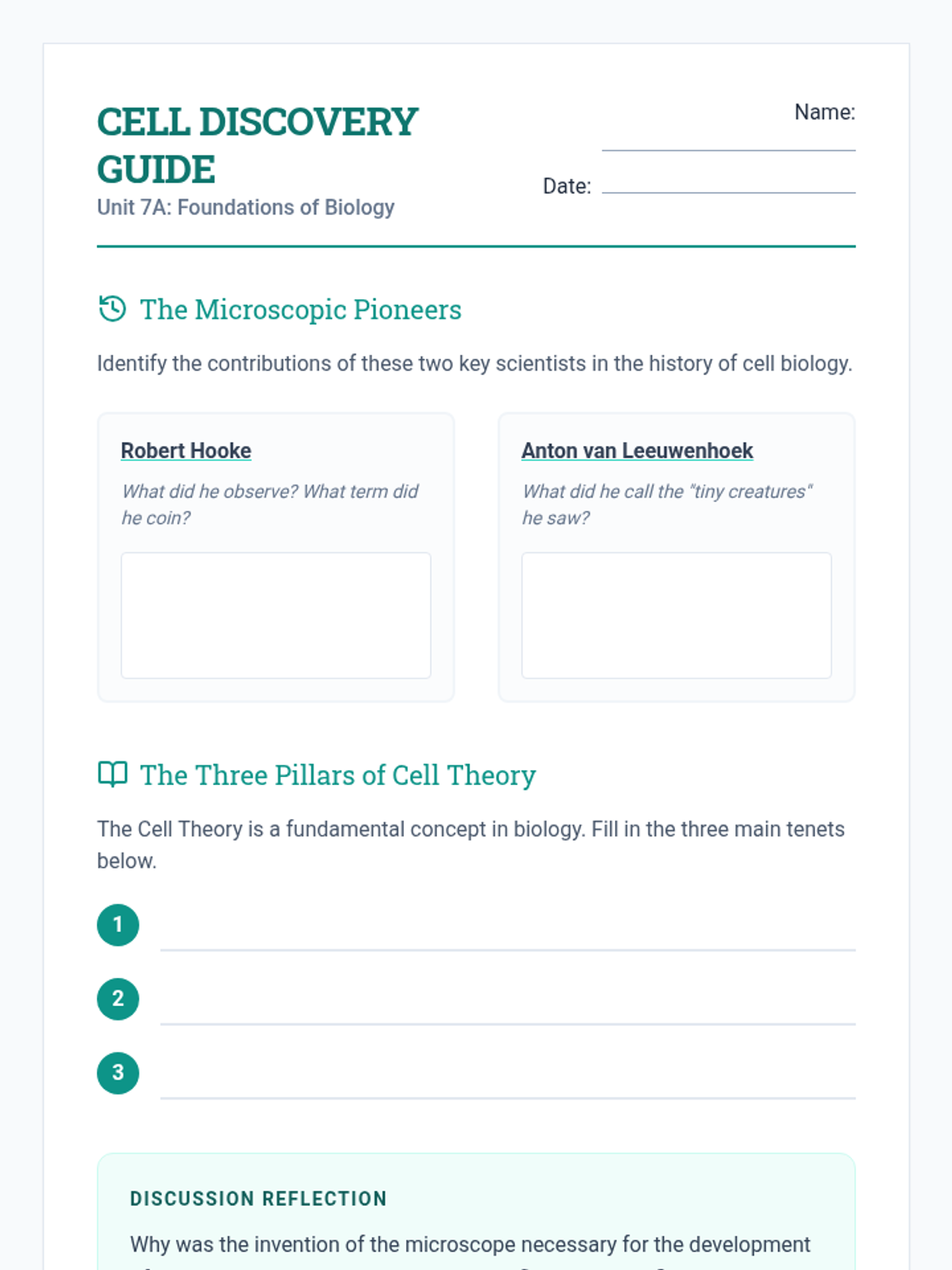
Explore the history of cell discovery and the three core tenets of Cell Theory that form the basis of modern biology.
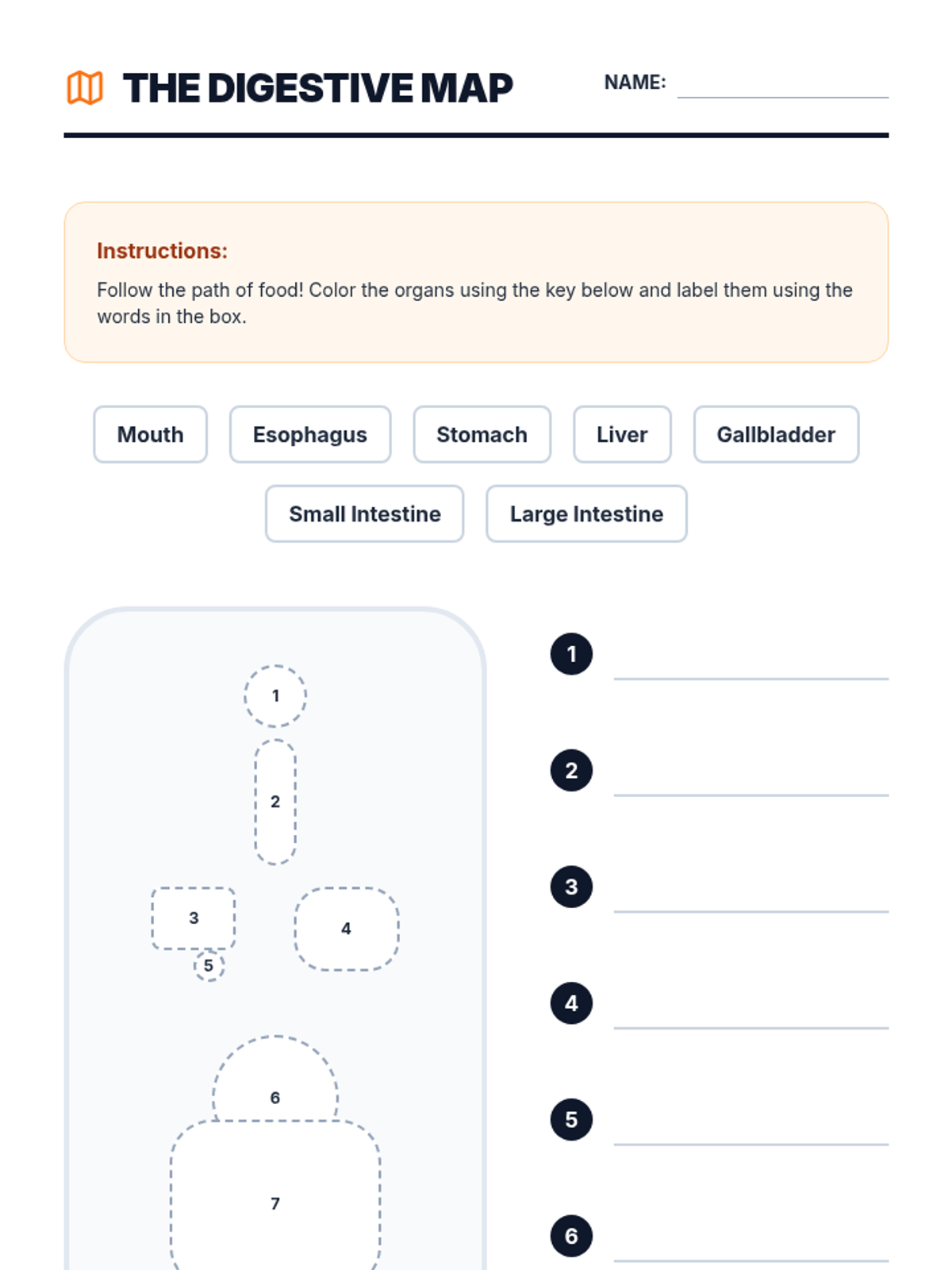
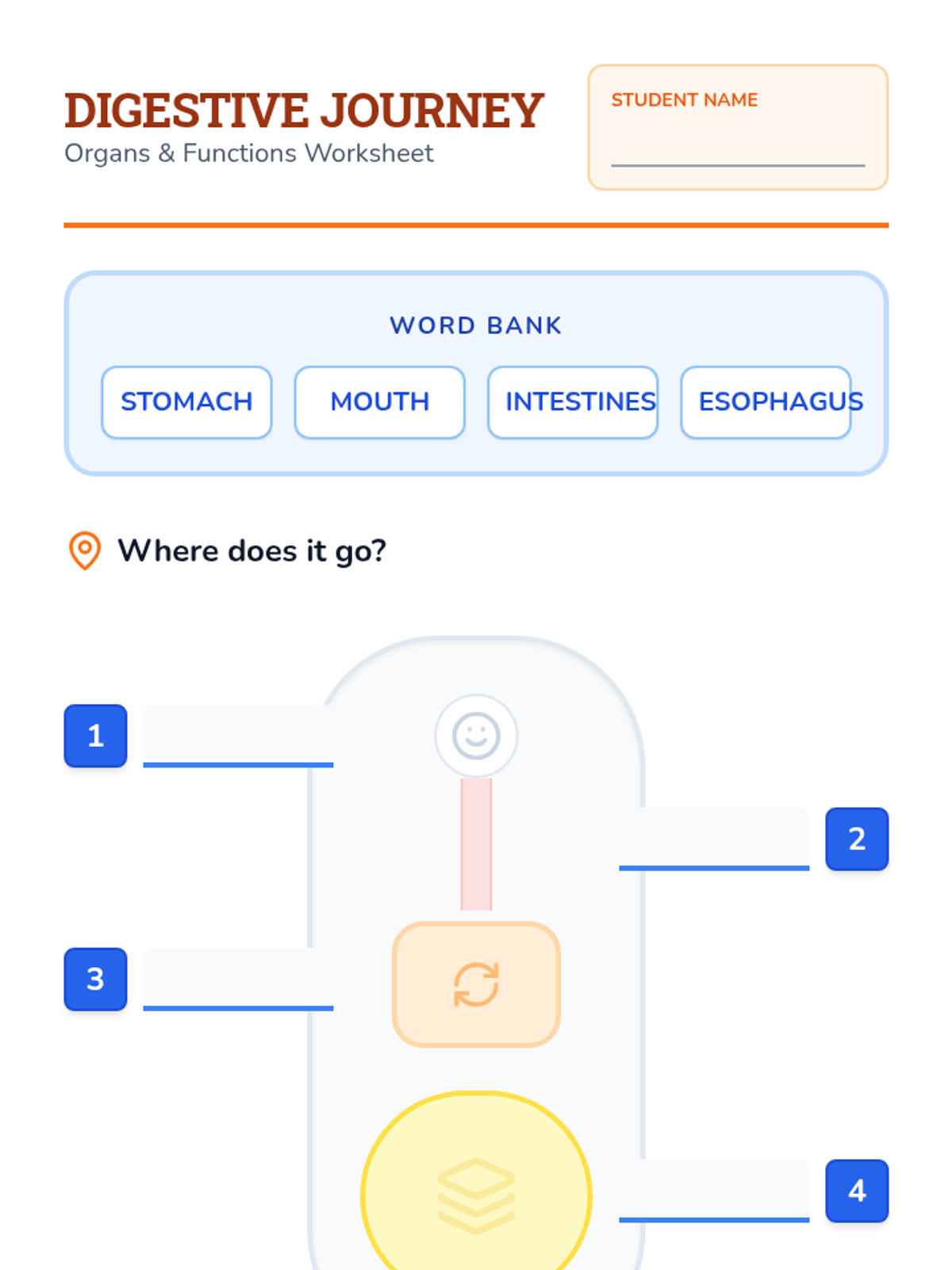
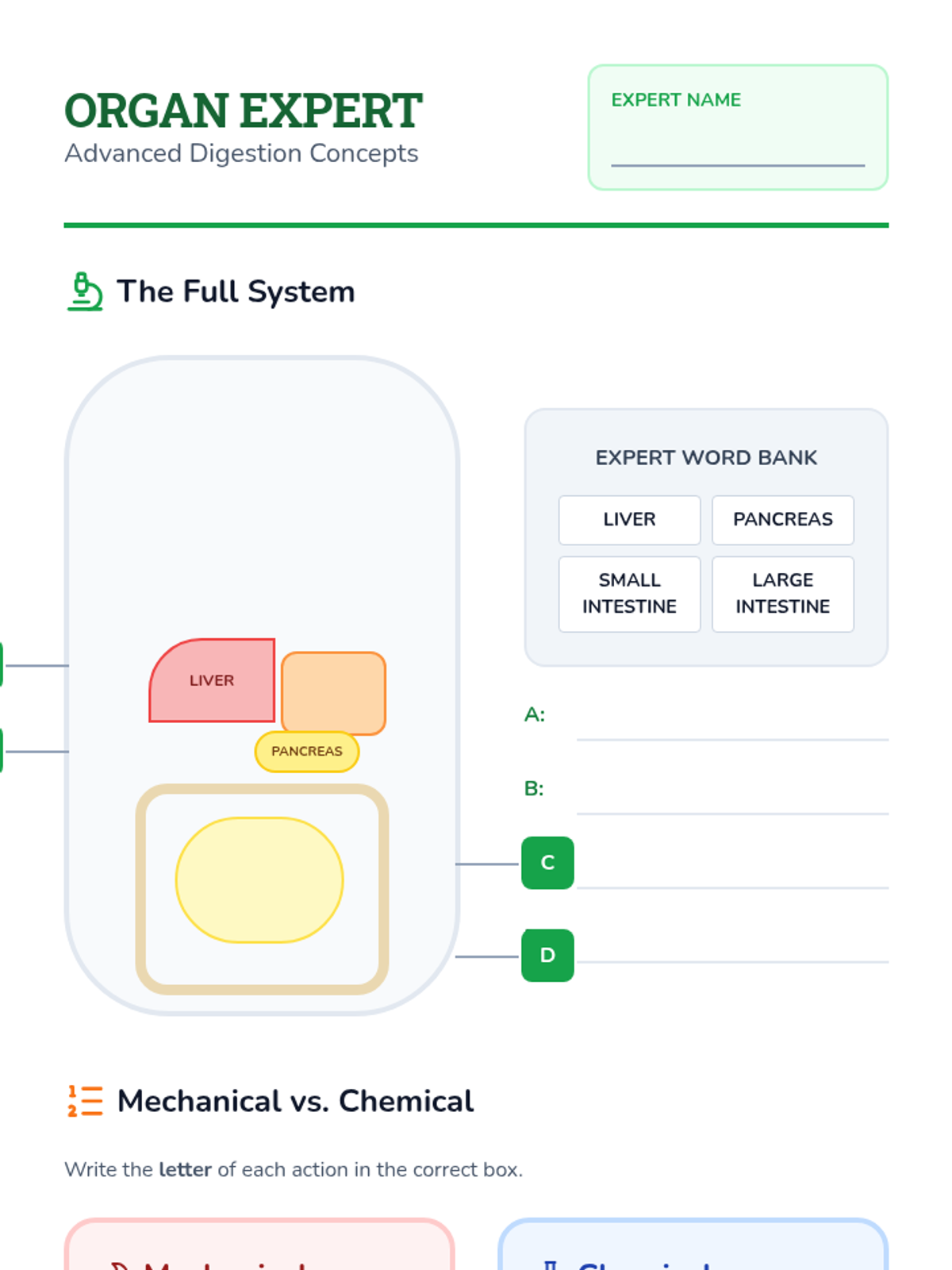
A hands-on lab lesson focusing on the organs and functions of the digestive system, specifically designed for accessibility and low prep. Students use simple materials to model the digestive process and complete interactive sequencing activities.
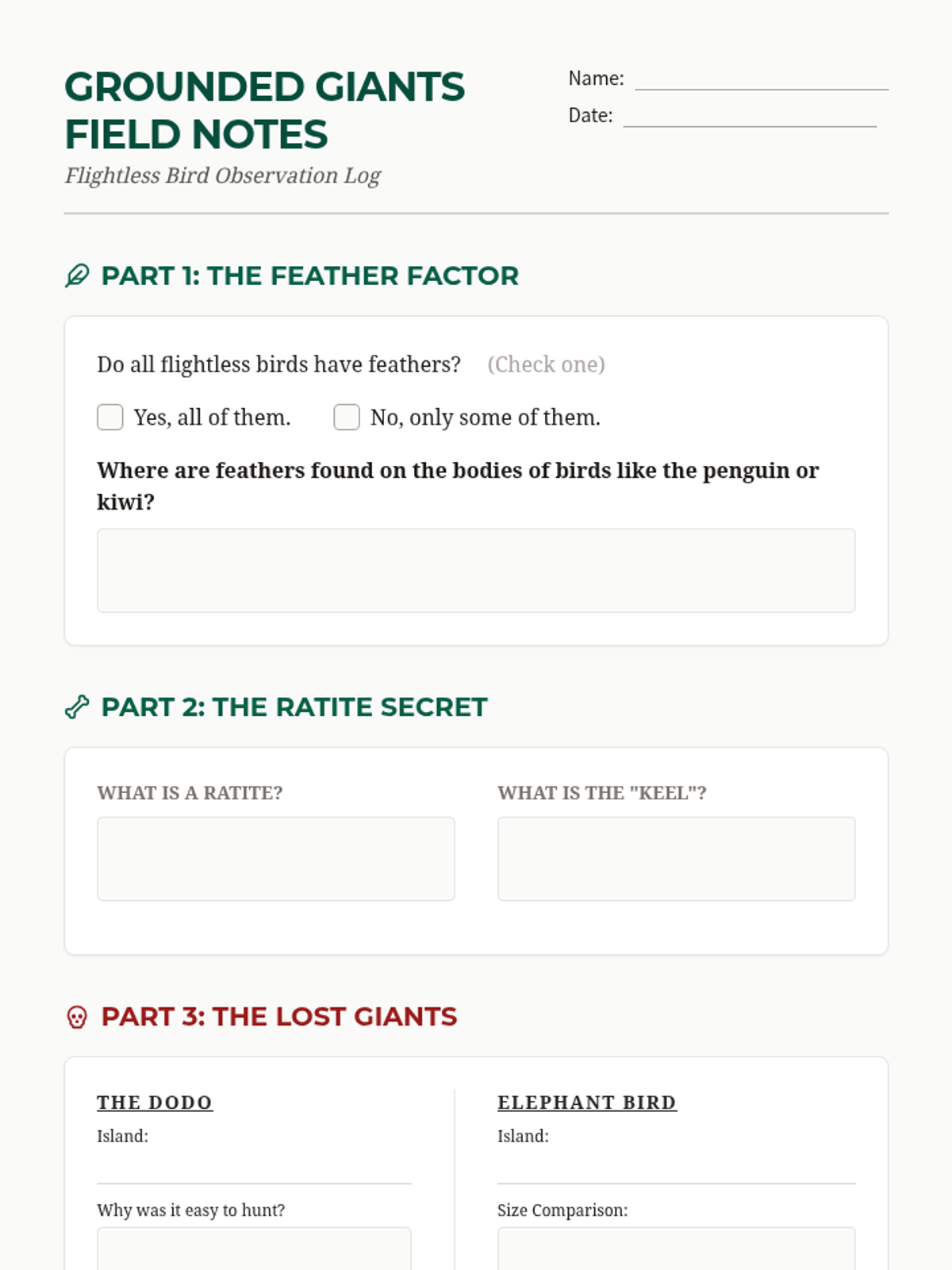
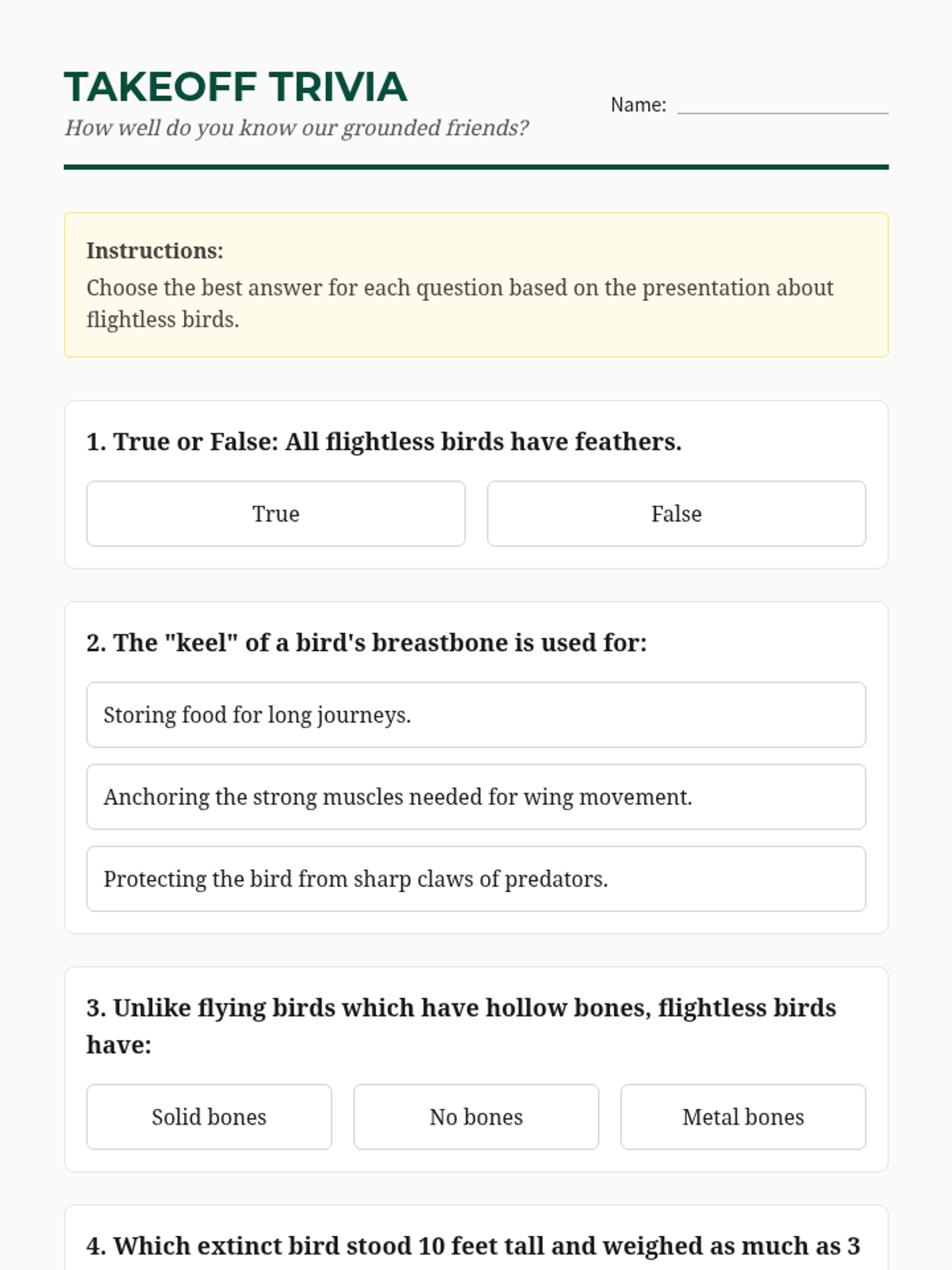
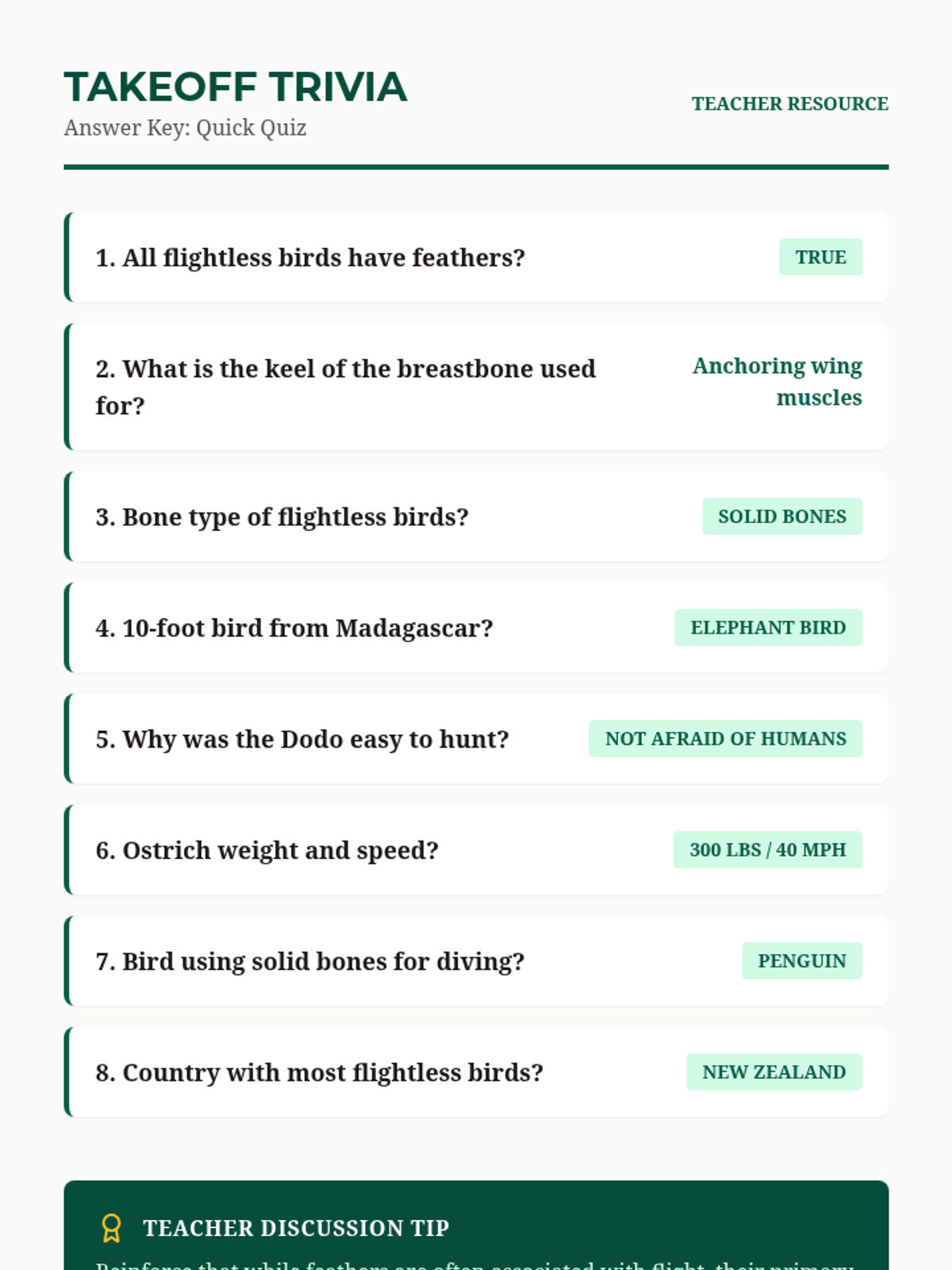
Explore the fascinating world of birds that have traded flight for other incredible skills in this engaging introductory lesson.
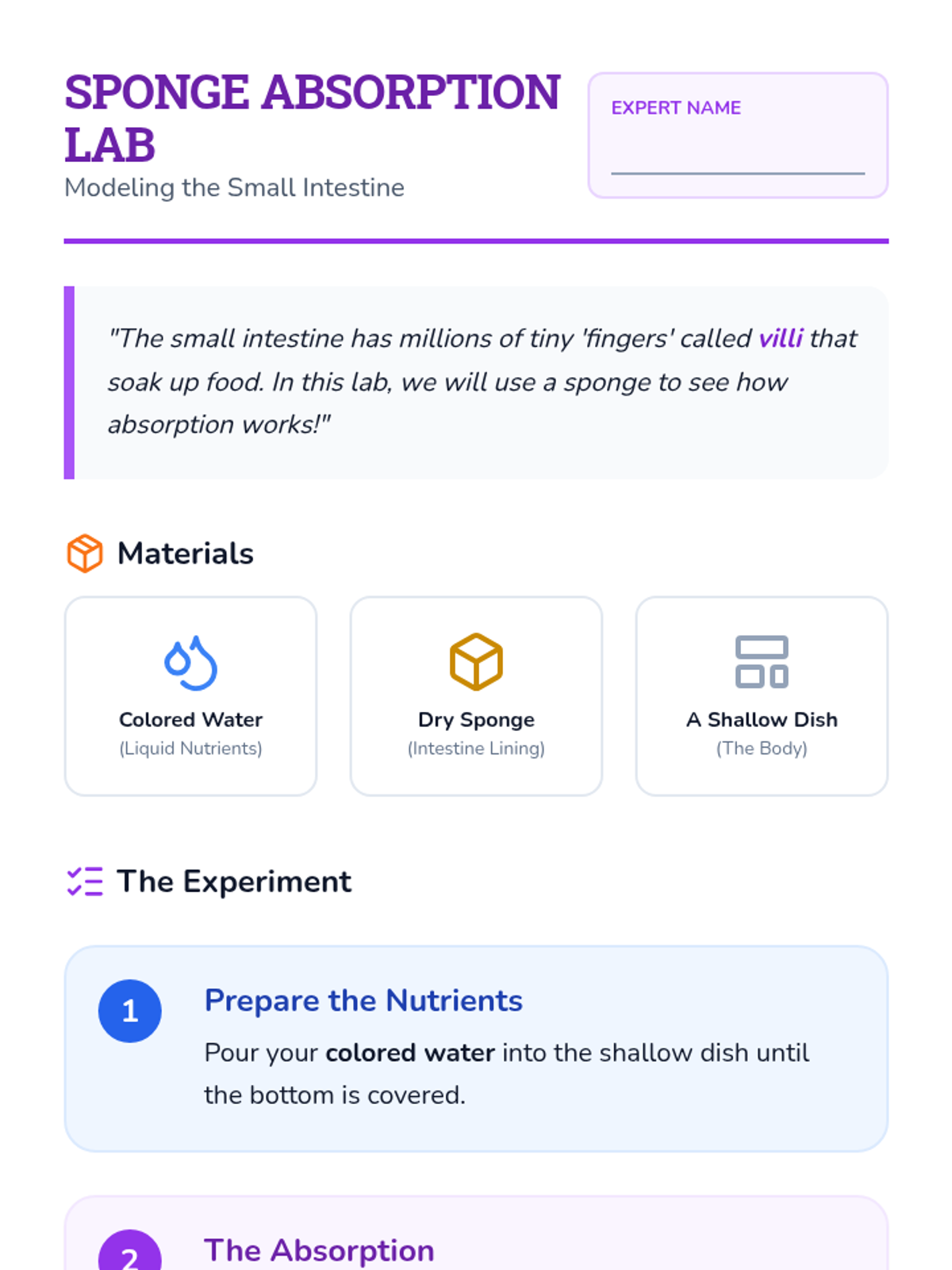
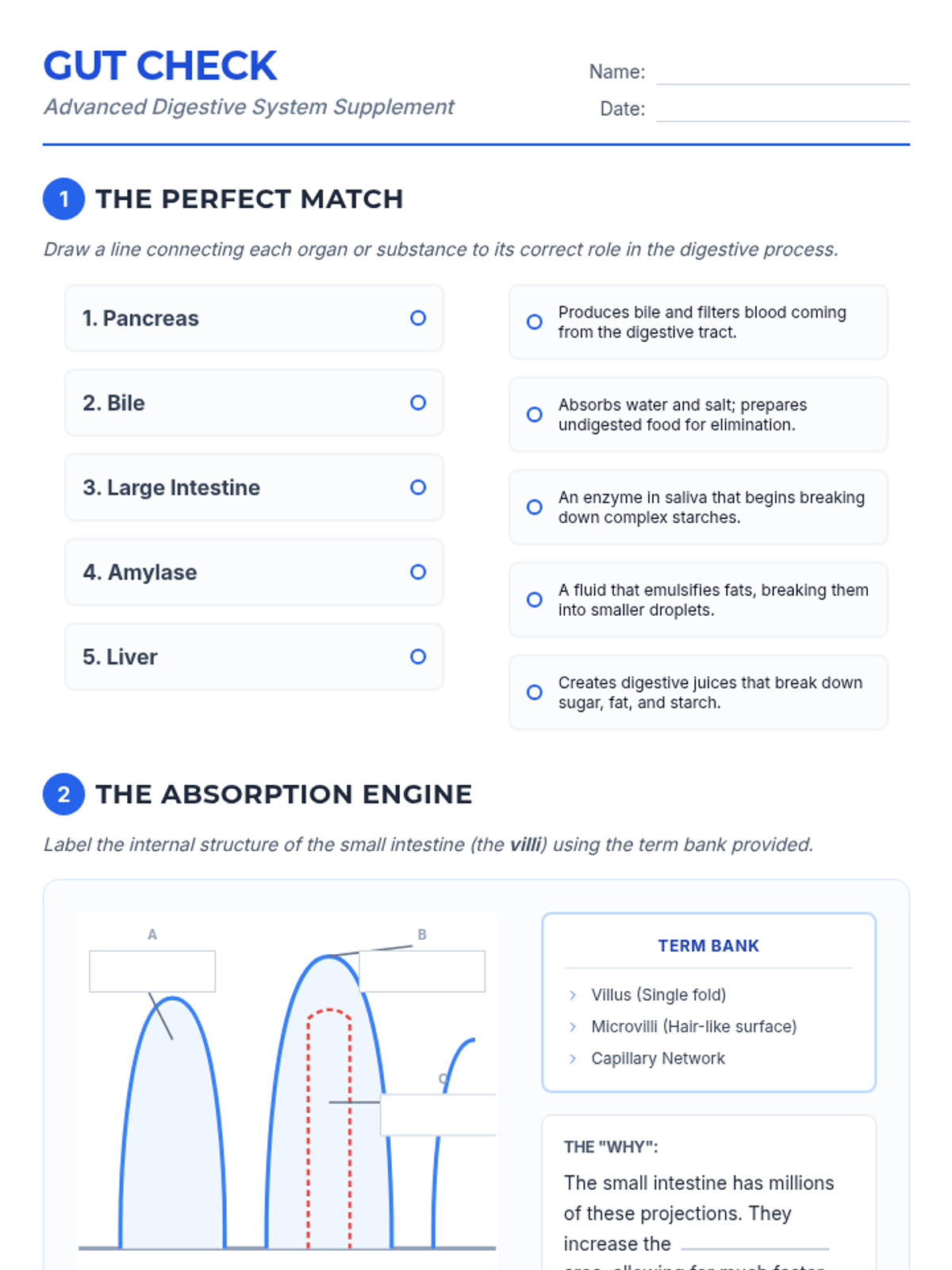
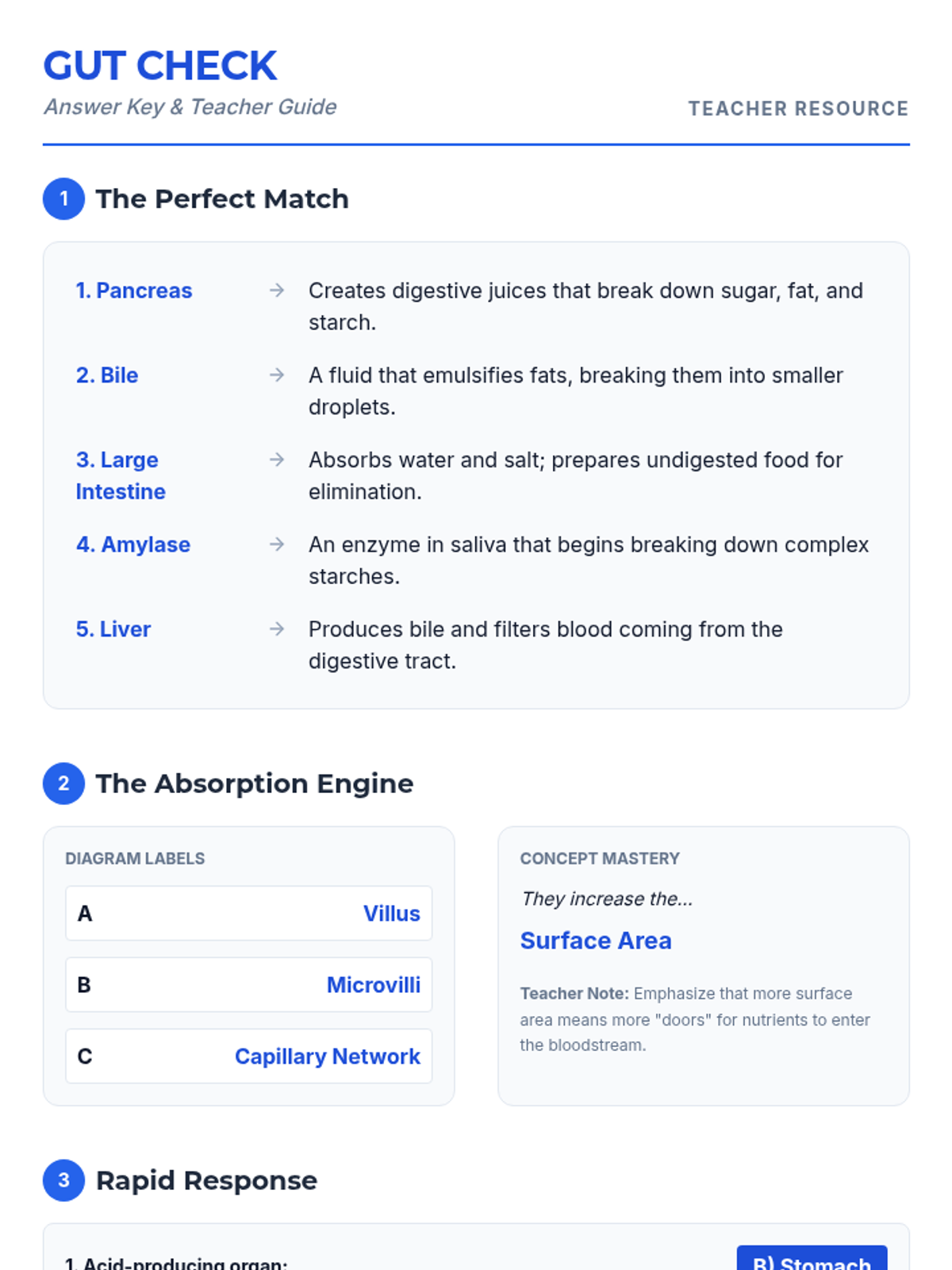
A set of supplementary materials for students who finish their digestive system studies early, focusing on the specific functions of organs and microscopic structures like villi.
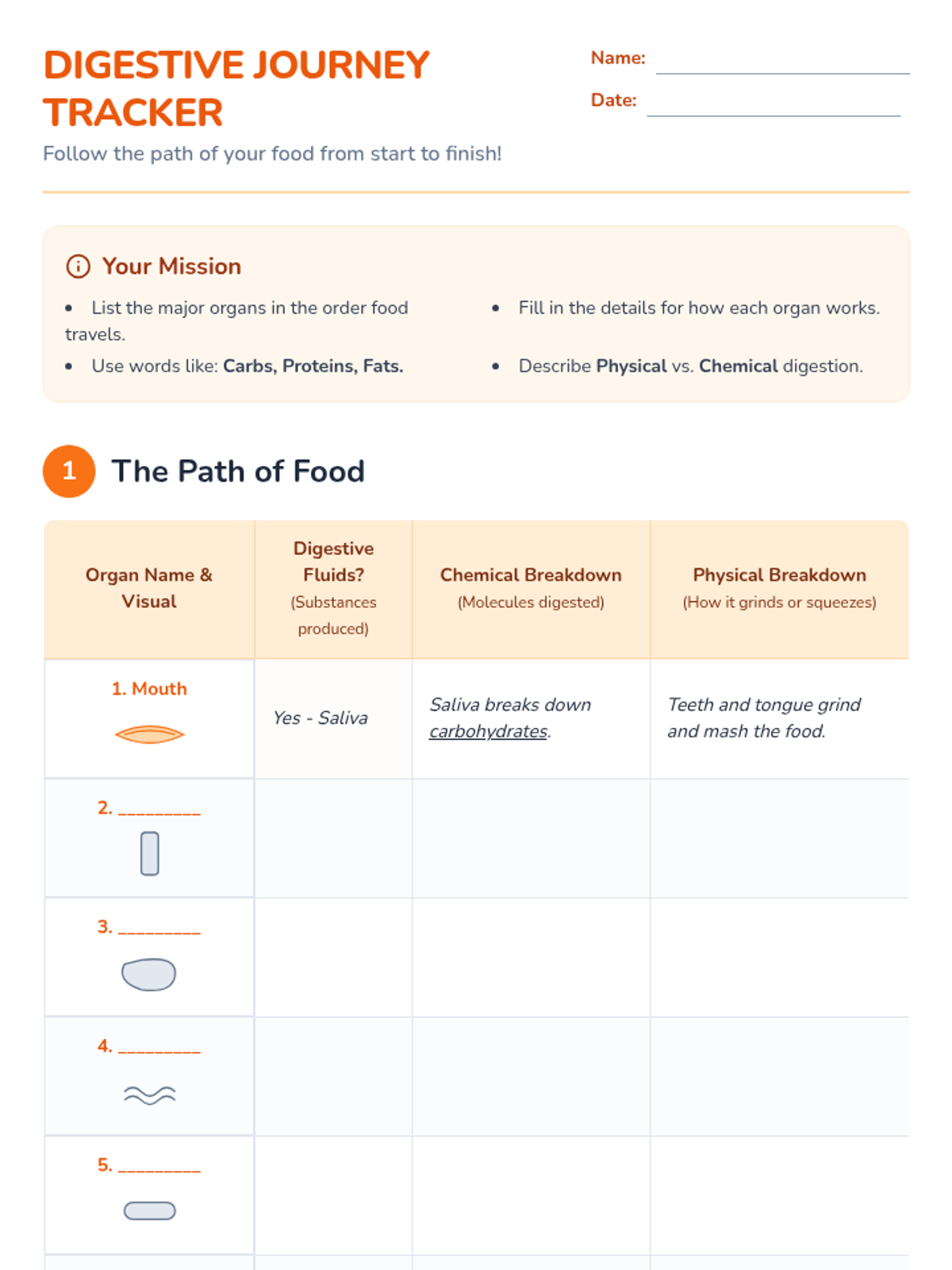
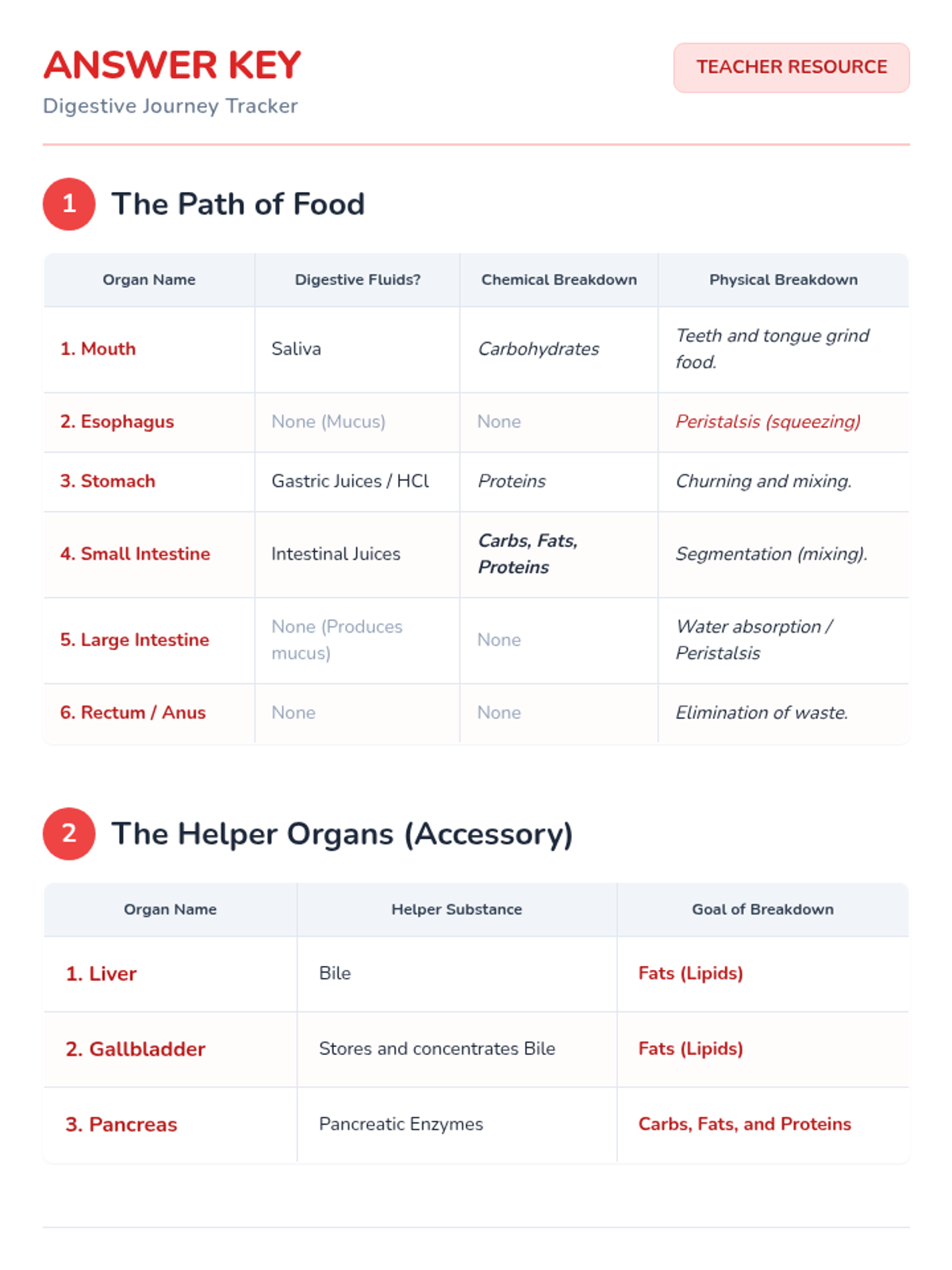
A lesson focused on understanding the human digestive system, tracking the path of food and the role of helper organs.
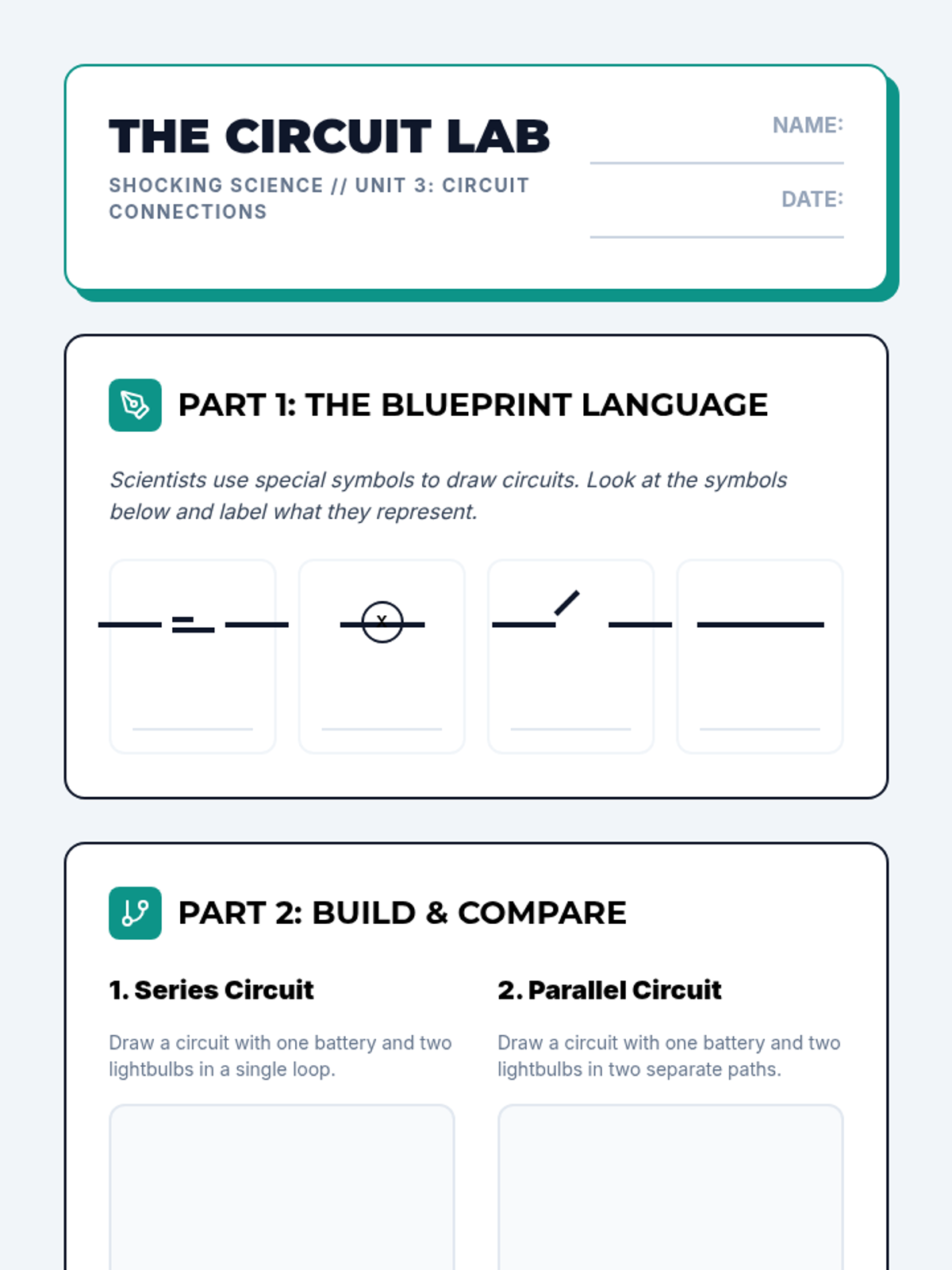
Applying knowledge of electricity and magnetism to build and understand series and parallel circuits.
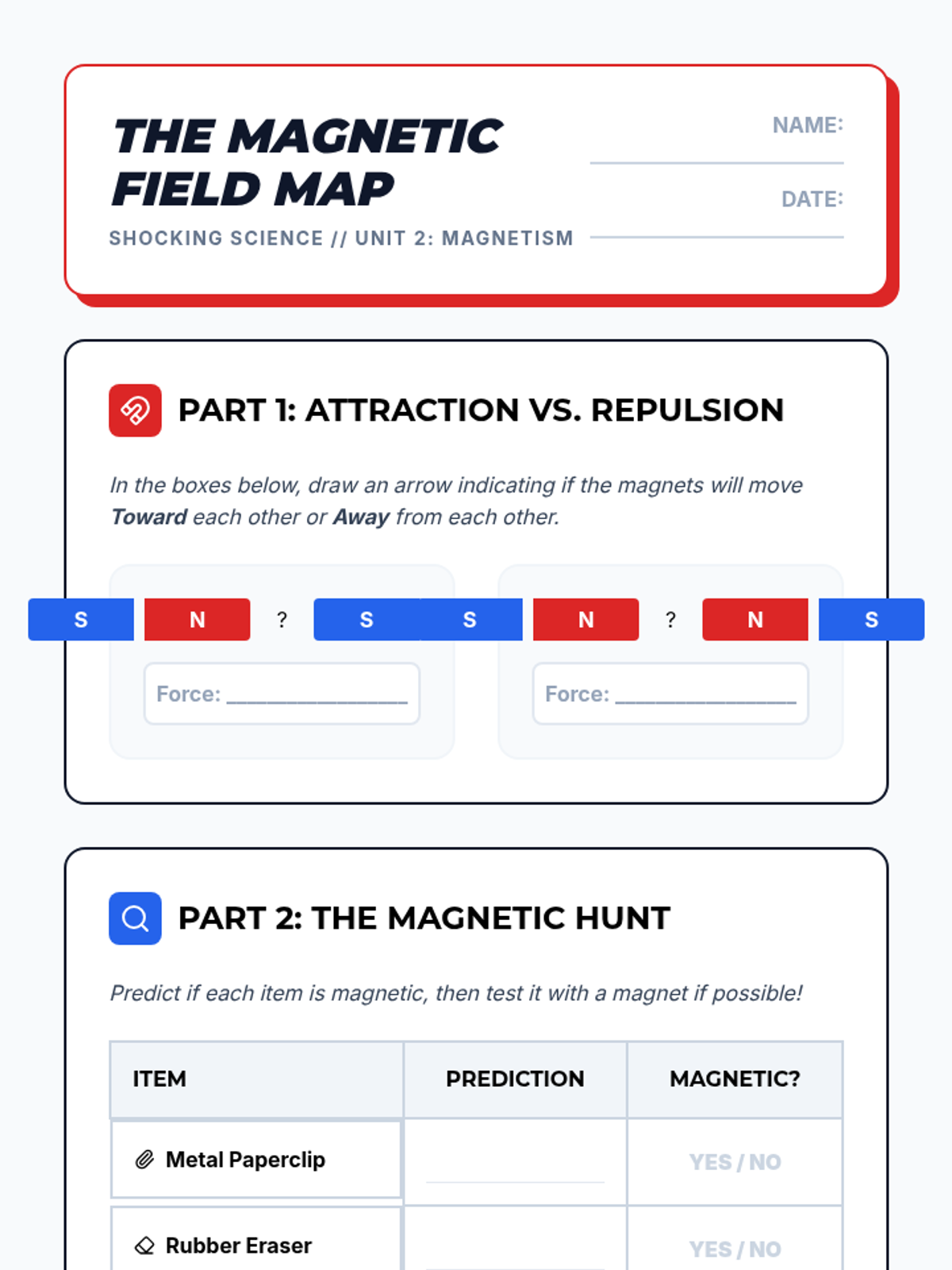
An investigation into magnetic fields, poles, and the invisible forces that attract and repel materials.
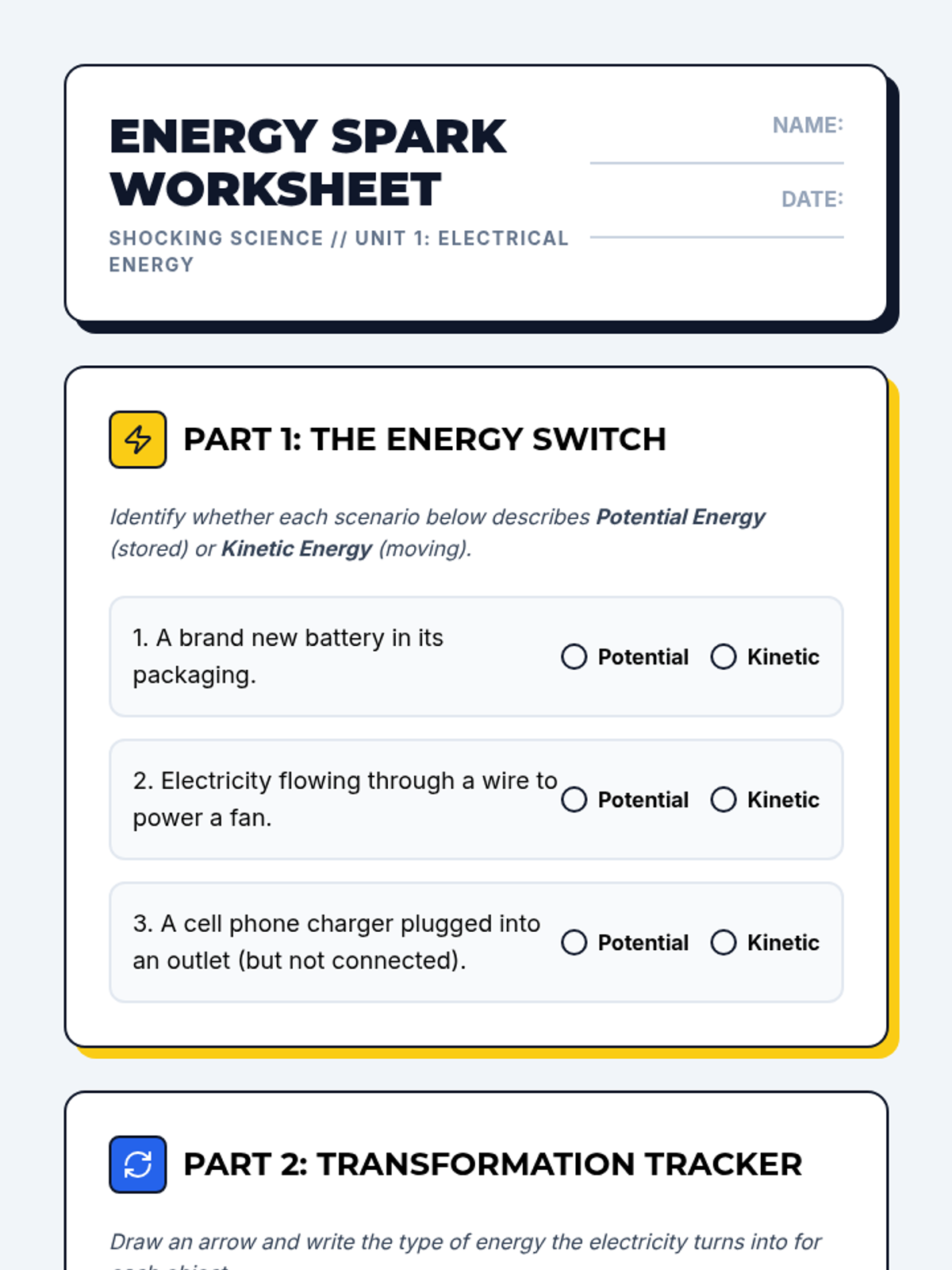
Students explore the concept of electrical energy, understanding where it comes from and how it moves from one form to another.
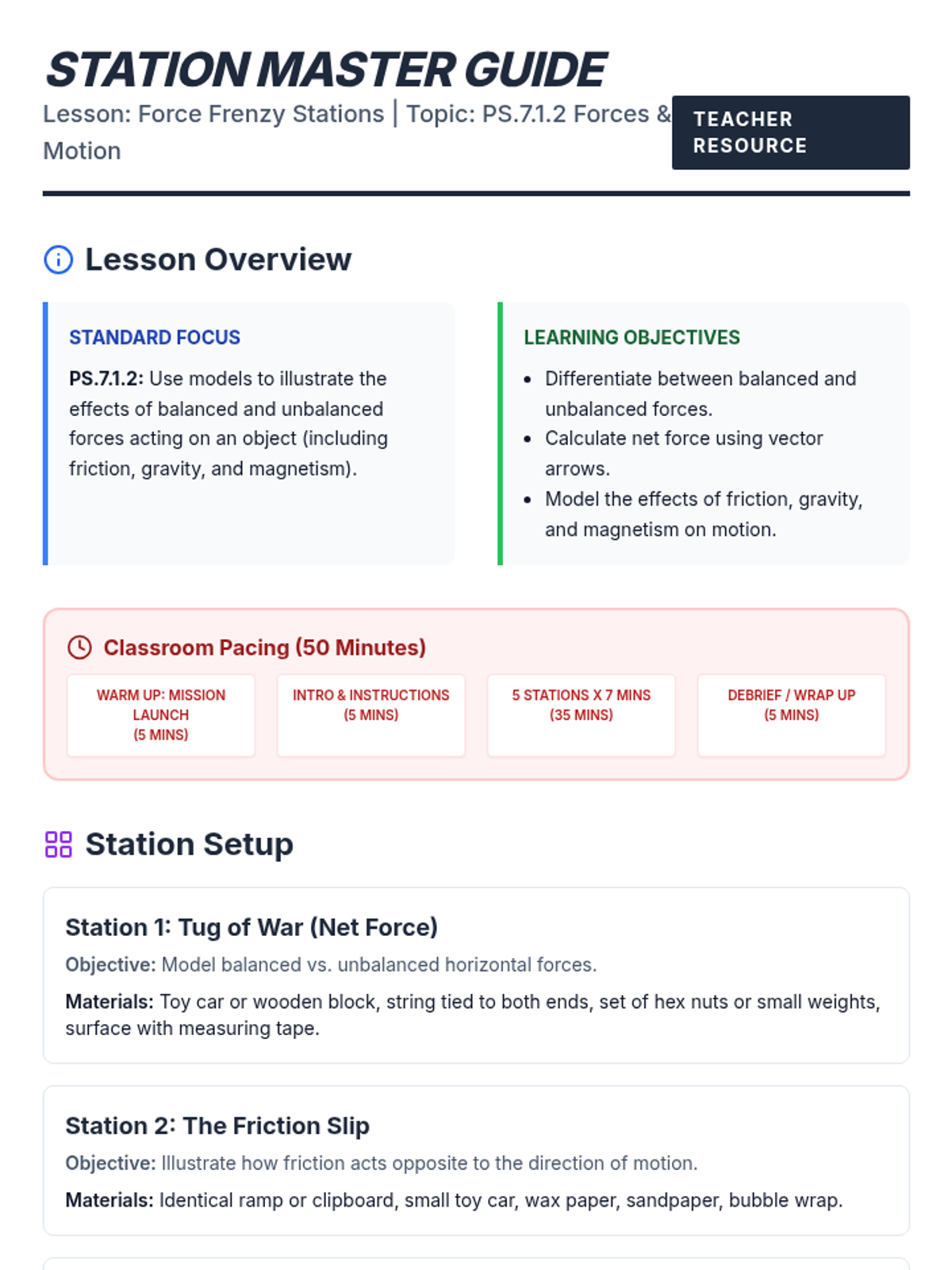
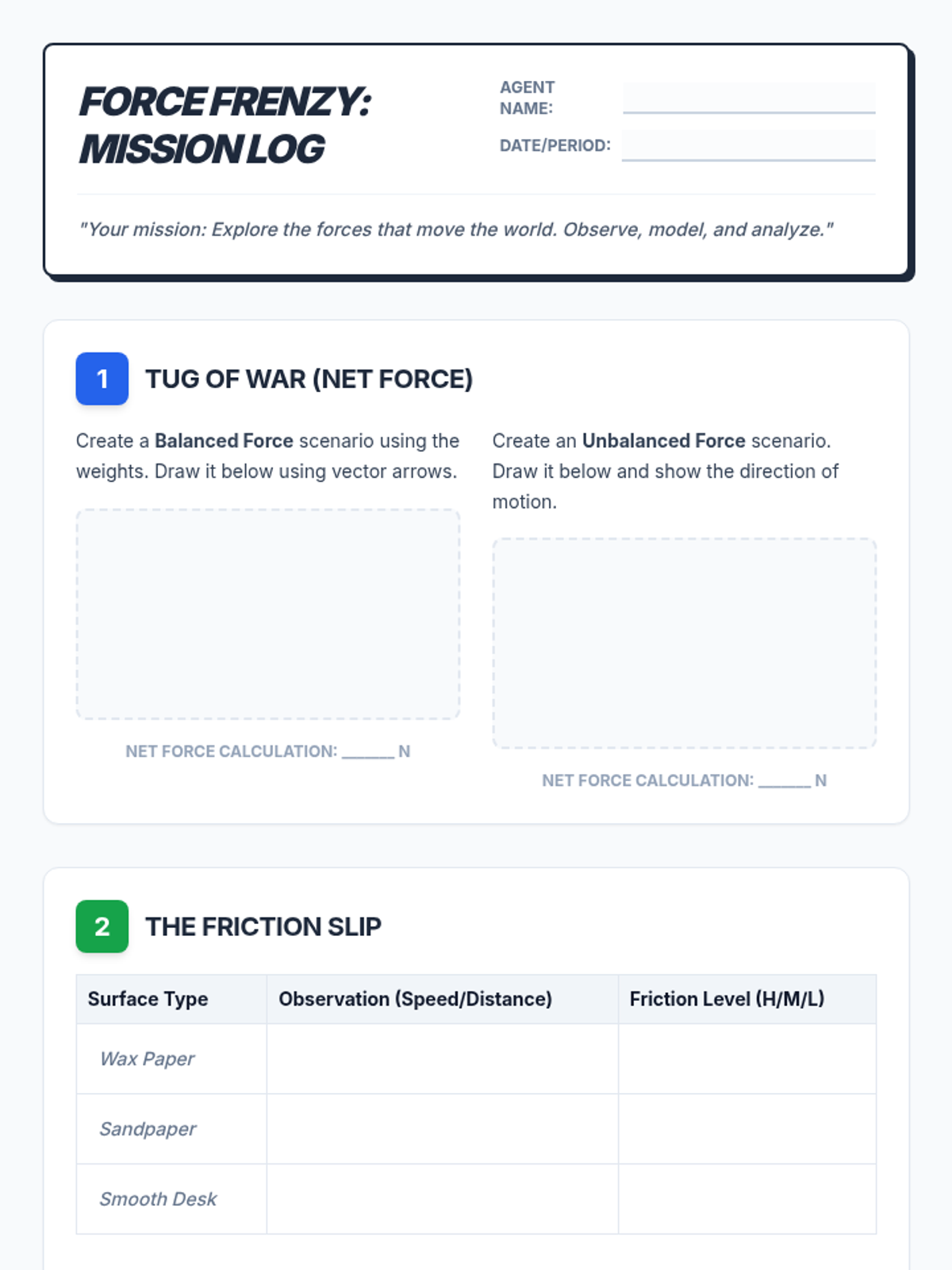
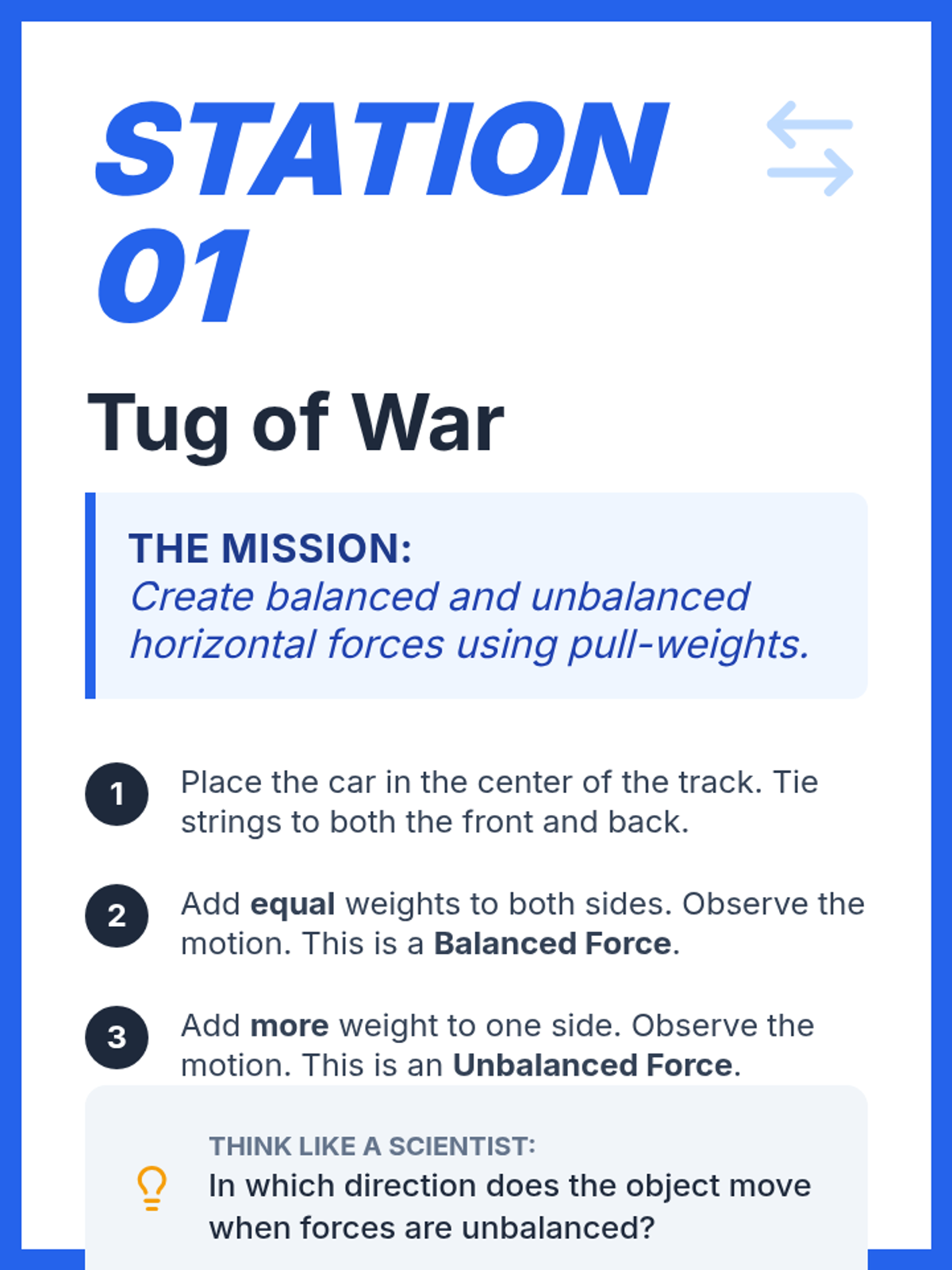
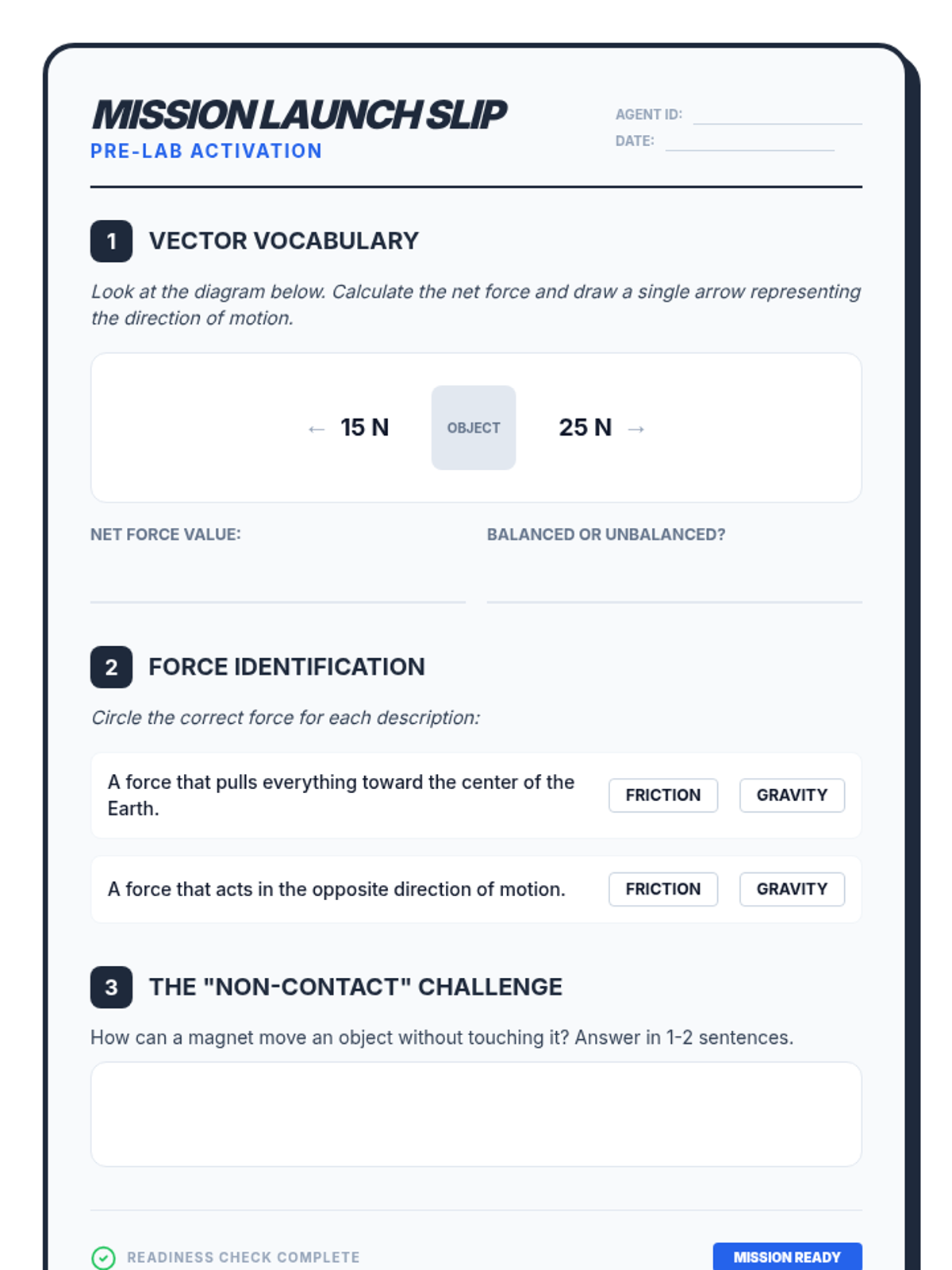
A station-based review lesson where students use physical models and diagrams to explore balanced and unbalanced forces, friction, gravity, and magnetism.
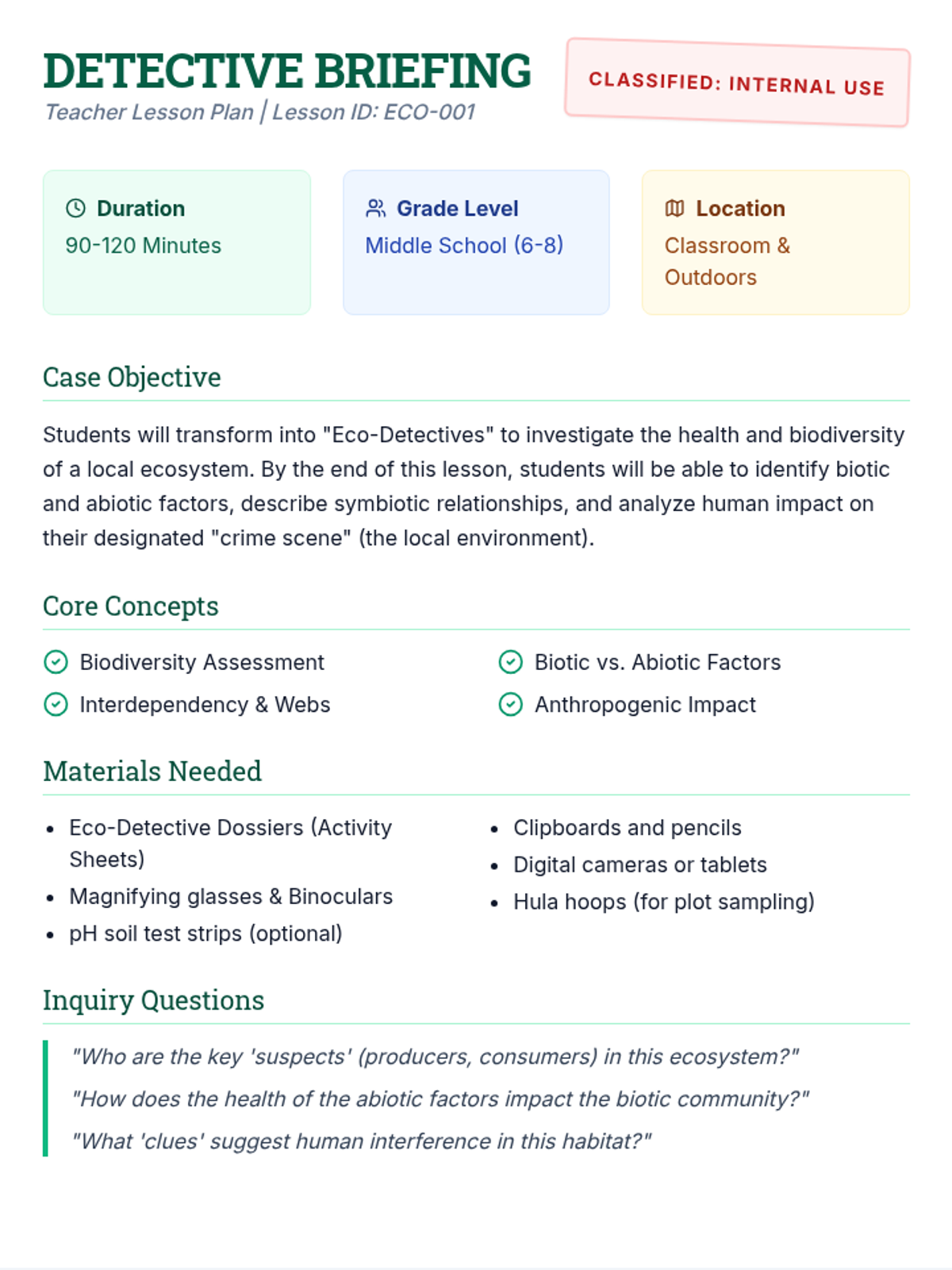
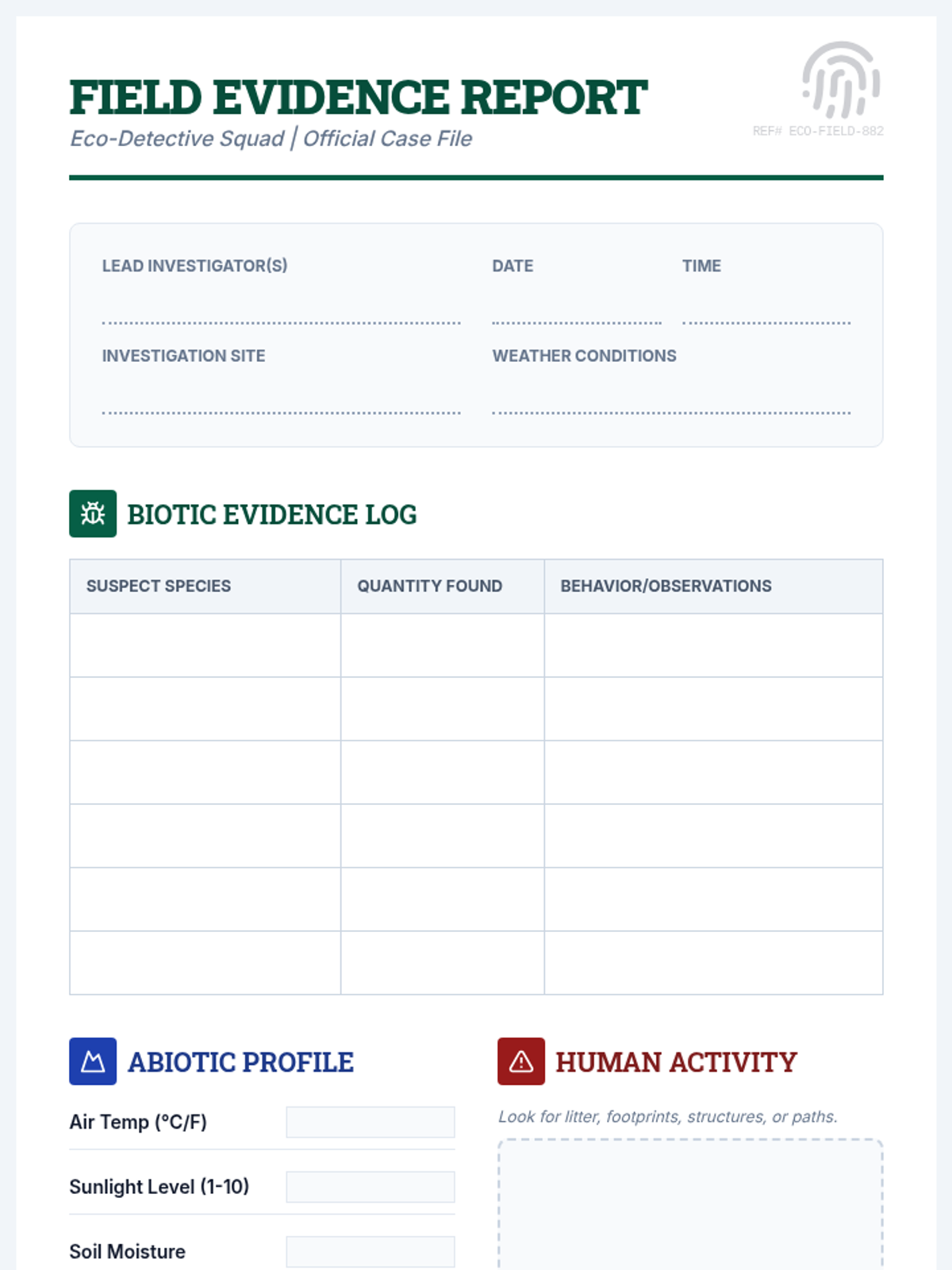
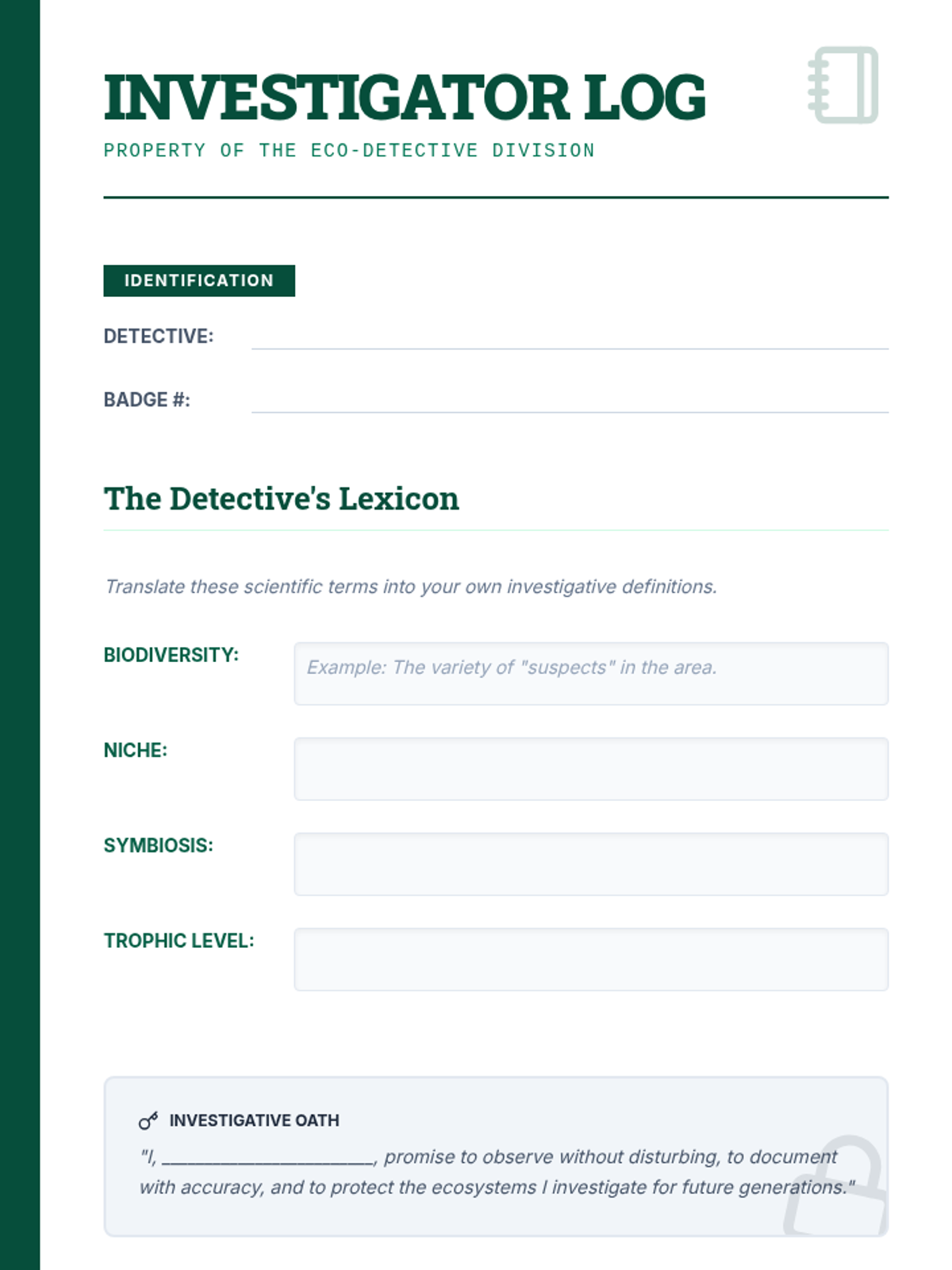
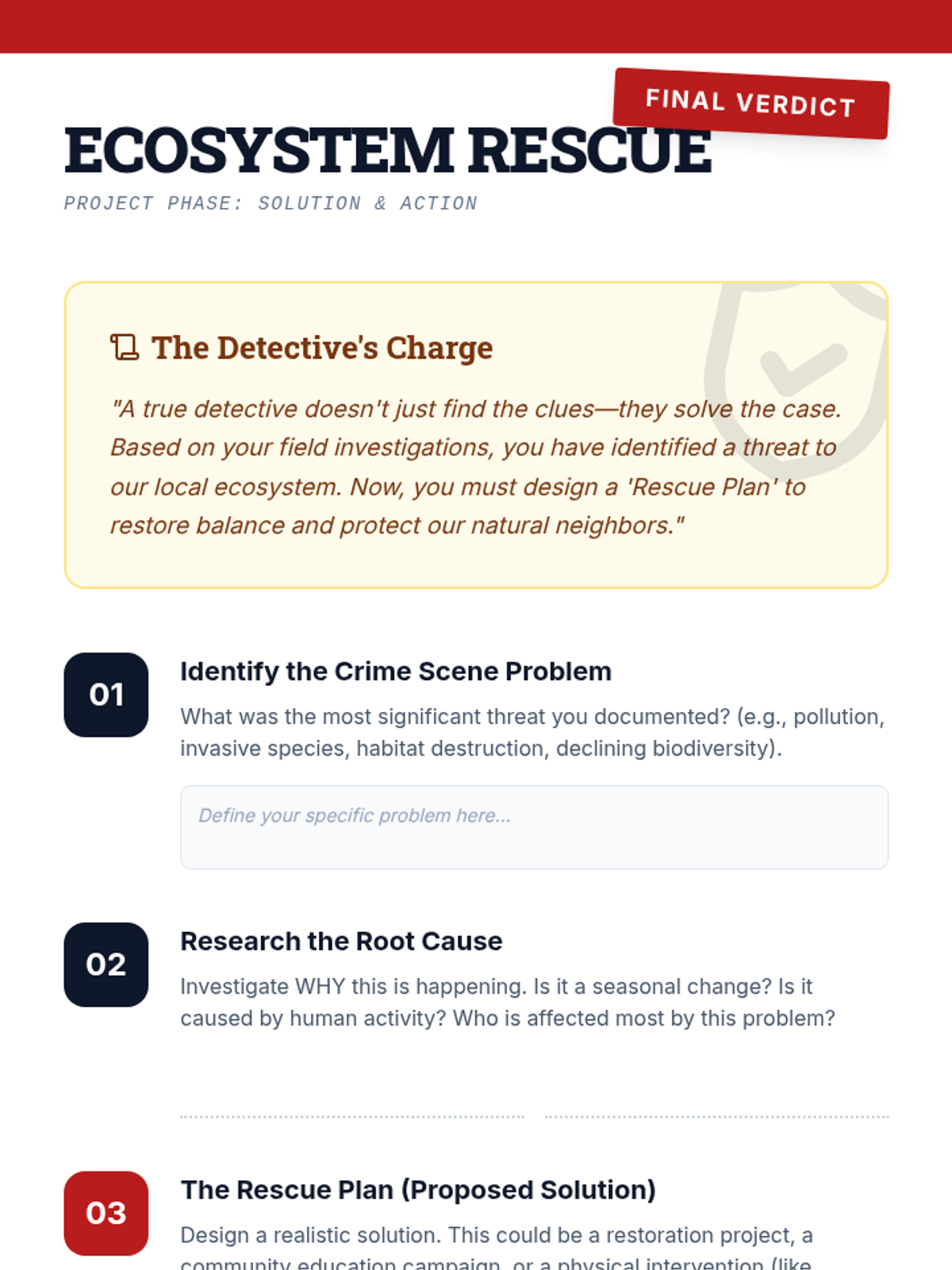
Students learn to observe and analyze their local environment as scientific detectives, focusing on identifying components of an ecosystem and understanding their connections.
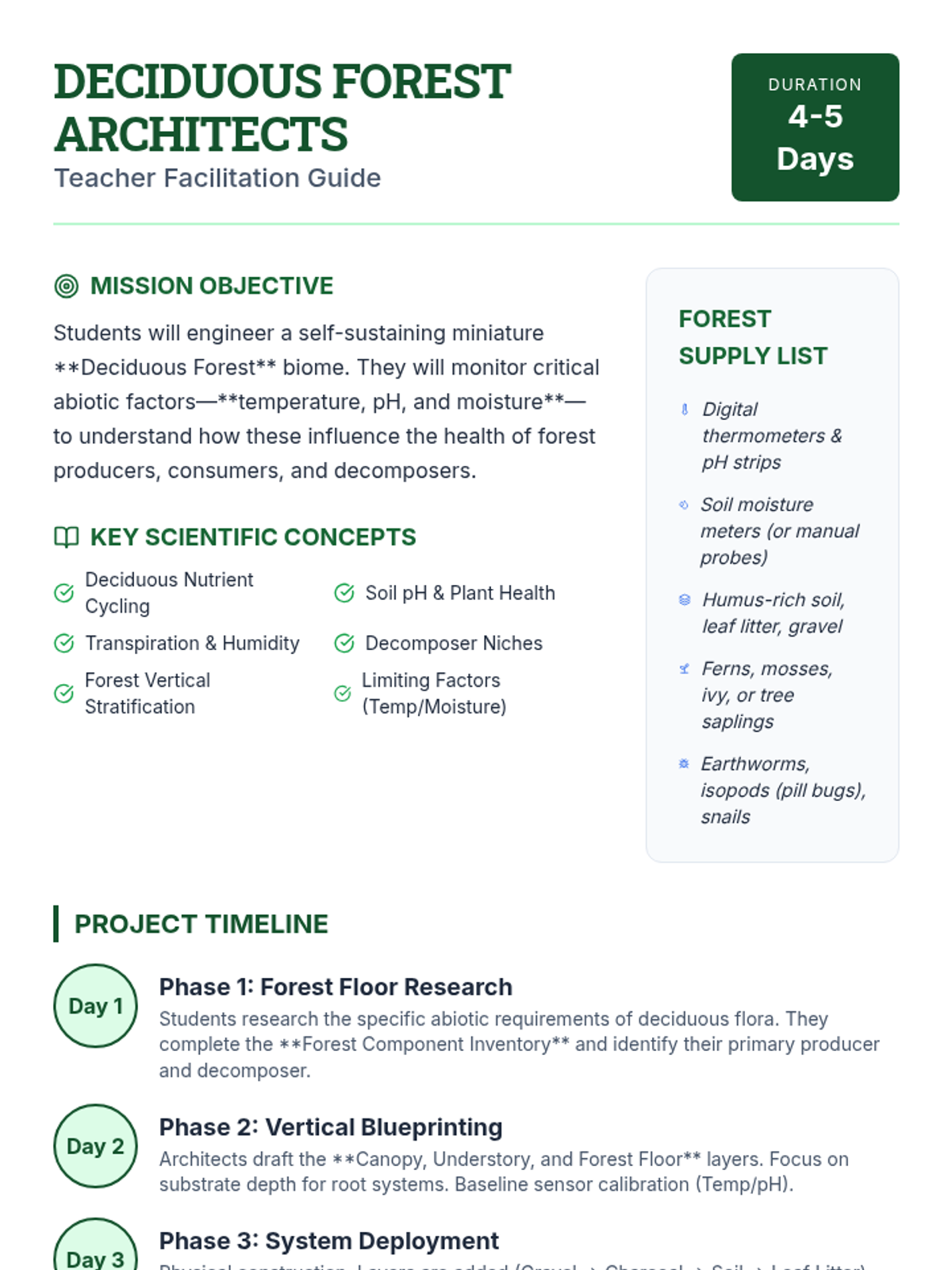
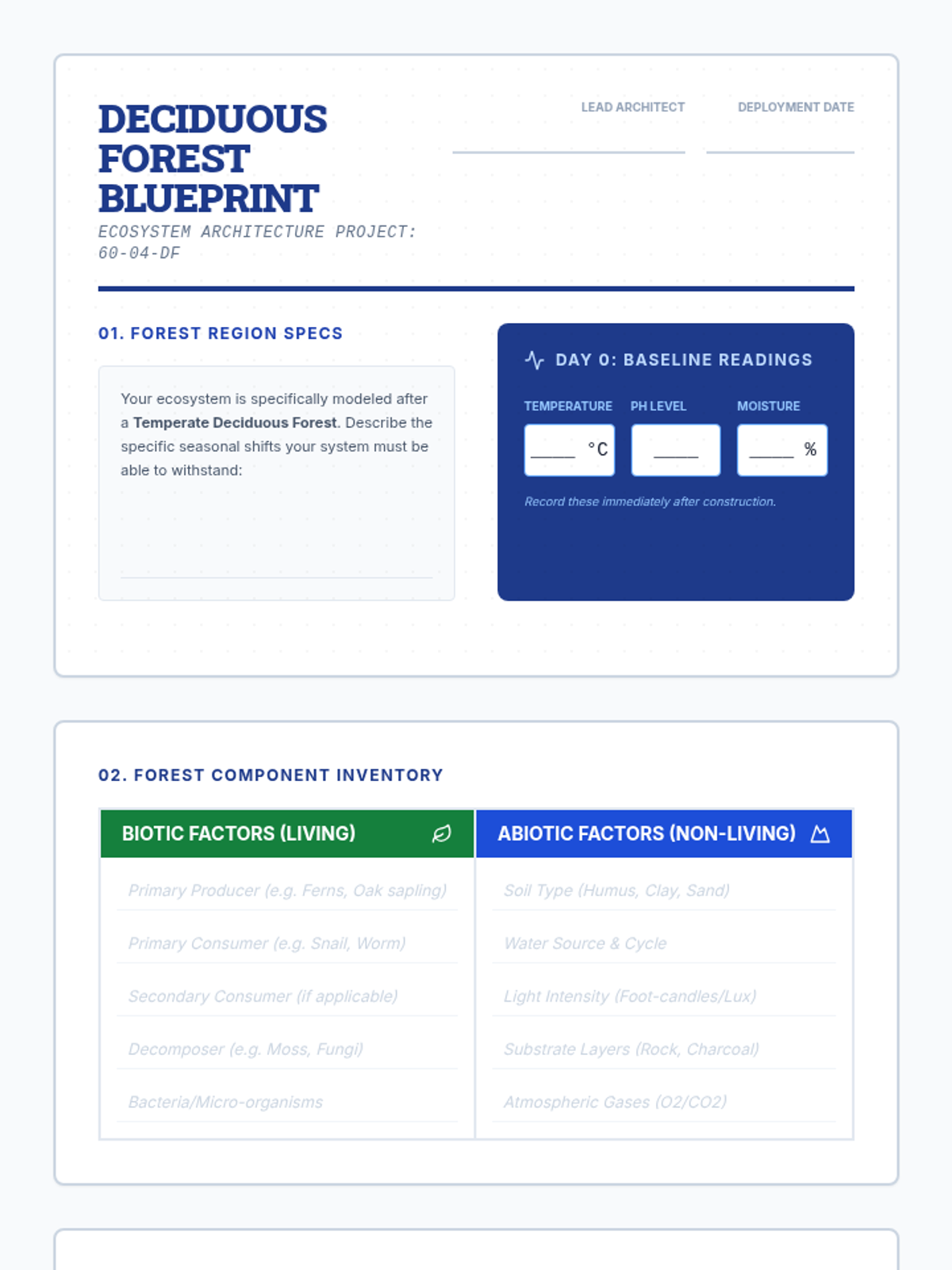
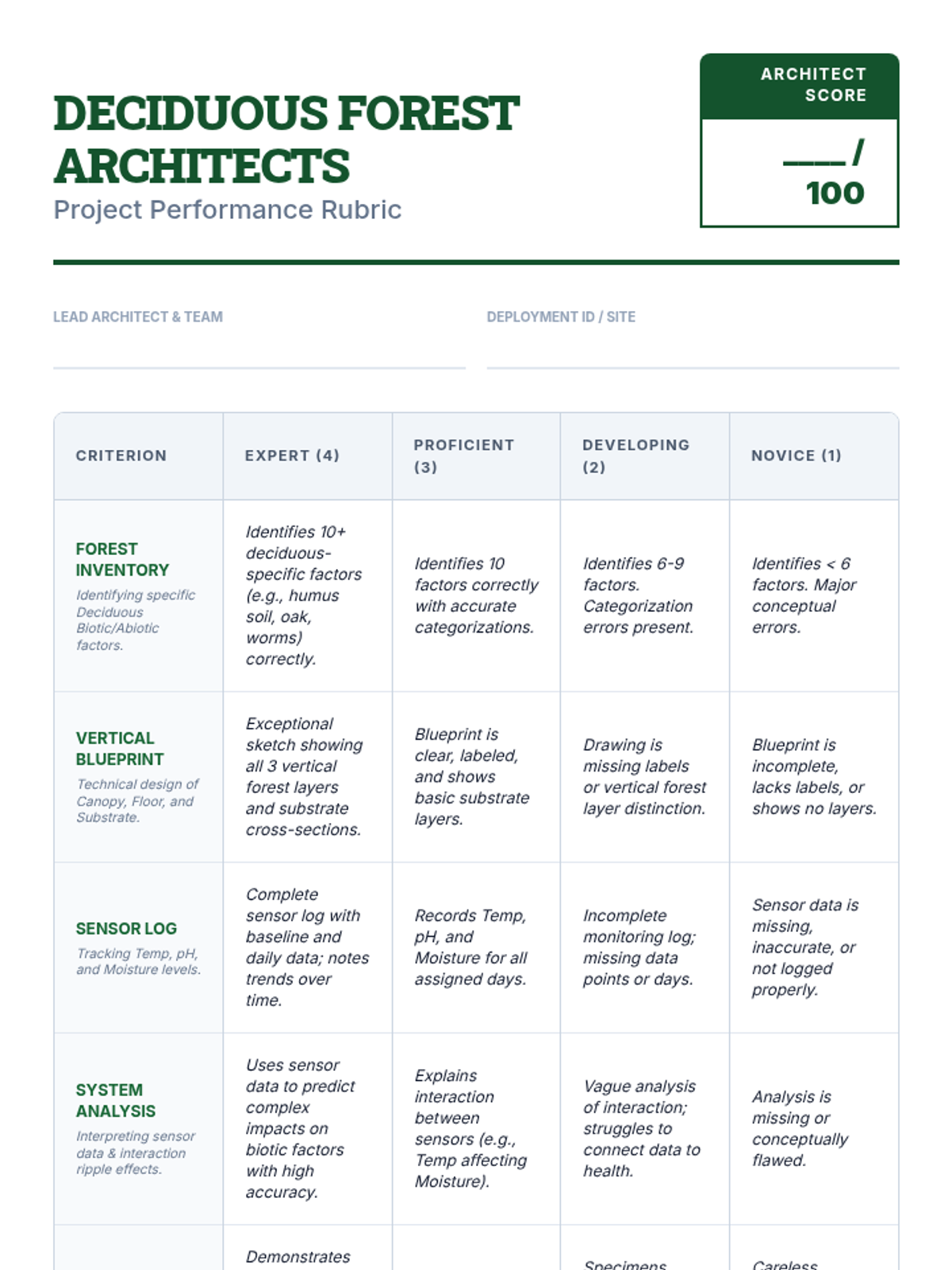
Students become 'Ecosystem Architects' to design and build a miniature biome, identifying biotic and abiotic factors and their complex interactions. This hands-on project-based lesson covers ecosystem components, energy flow, and environmental balance.
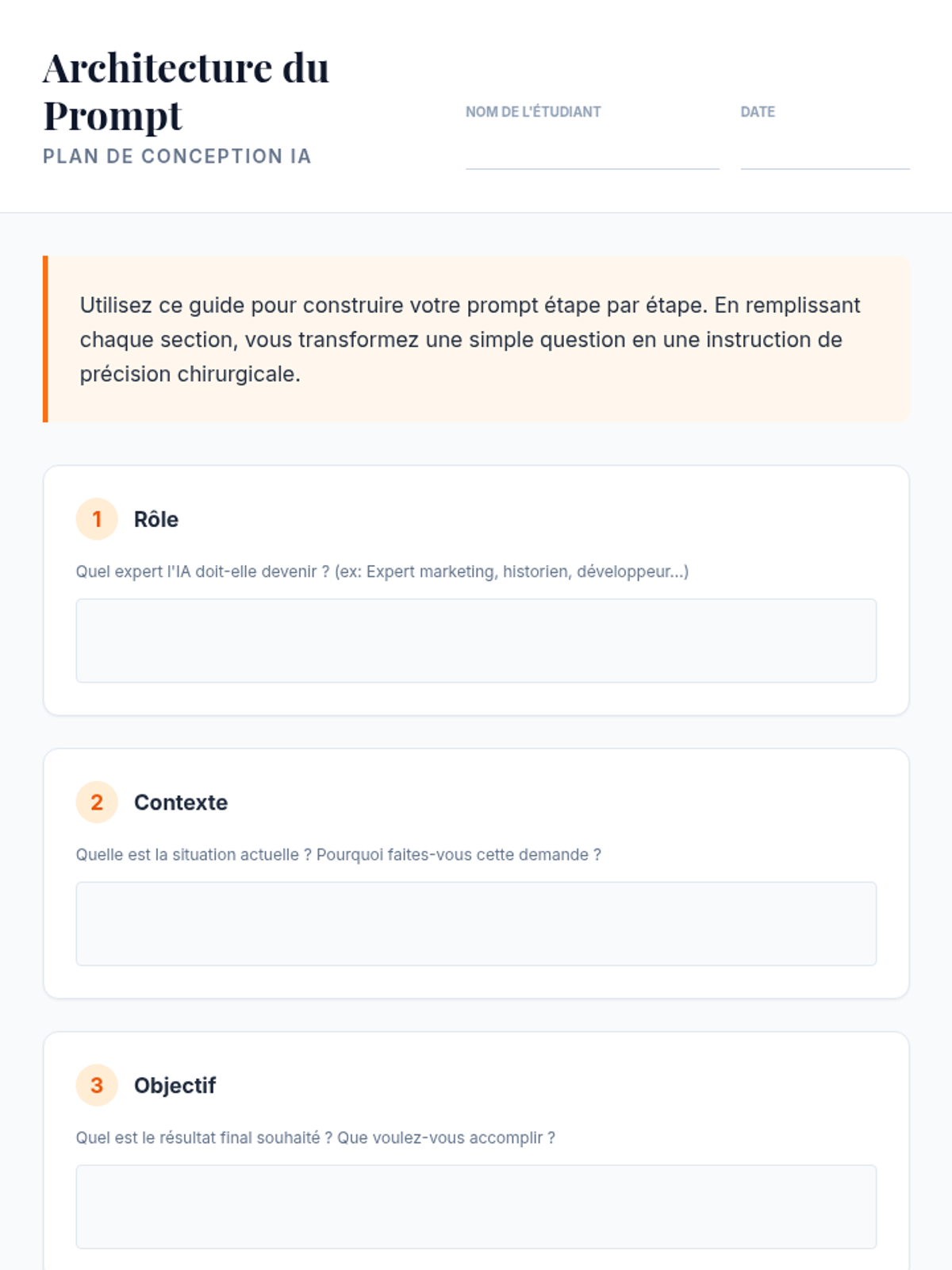
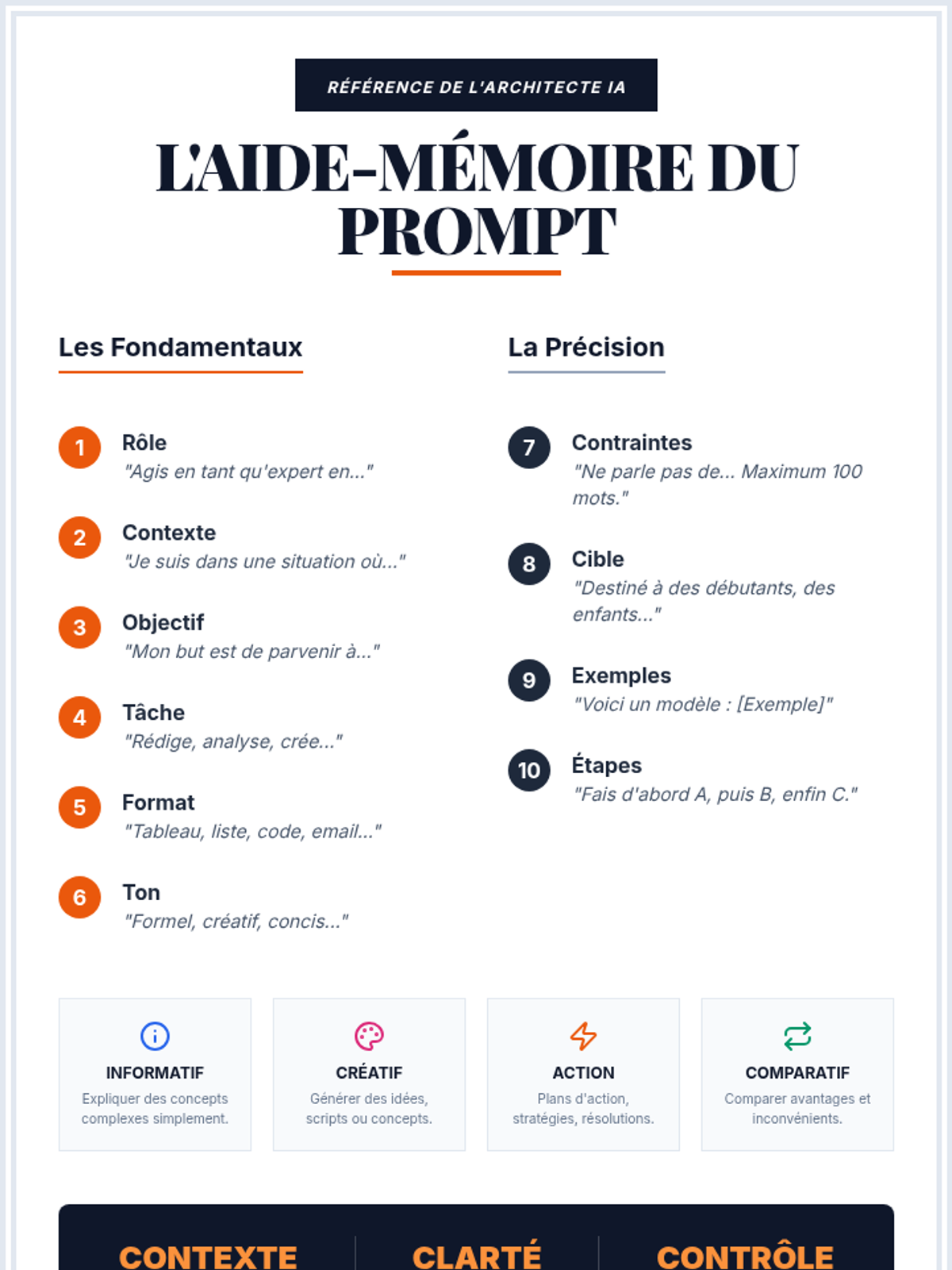
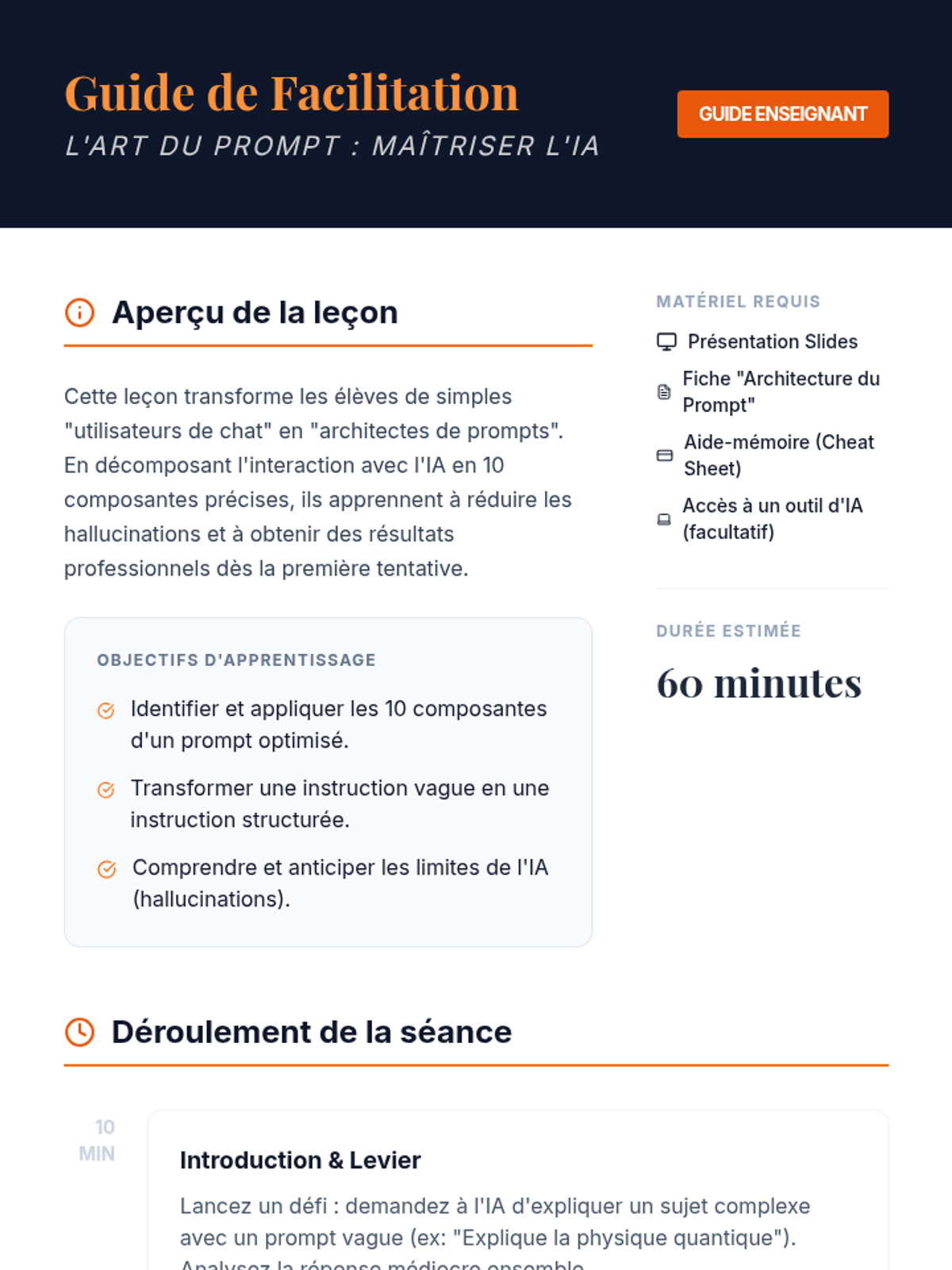
Cette leçon enseigne l'art de concevoir des prompts efficaces pour l'IA en utilisant 10 composantes clés, de la définition du rôle à l'itération finale.
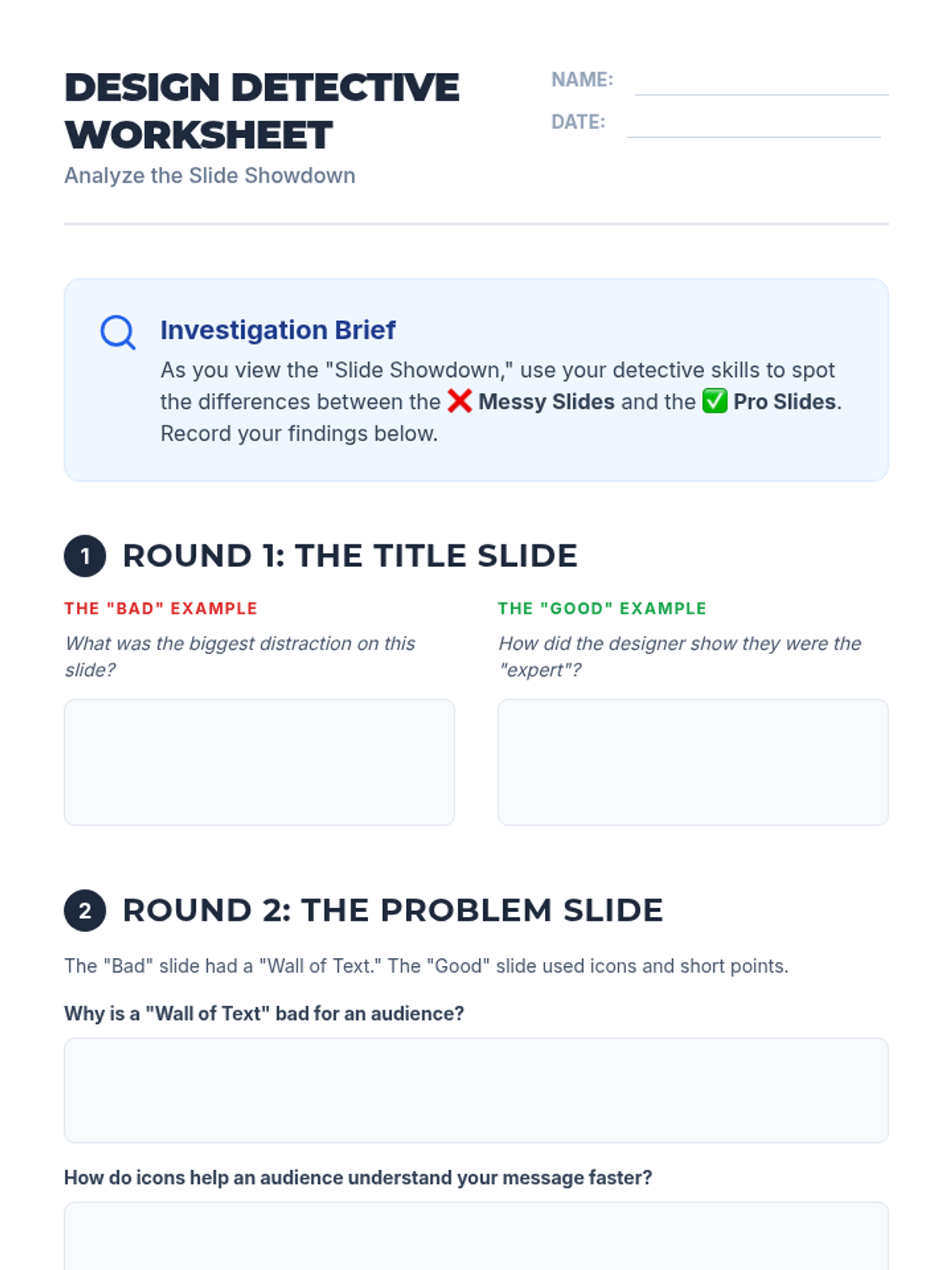
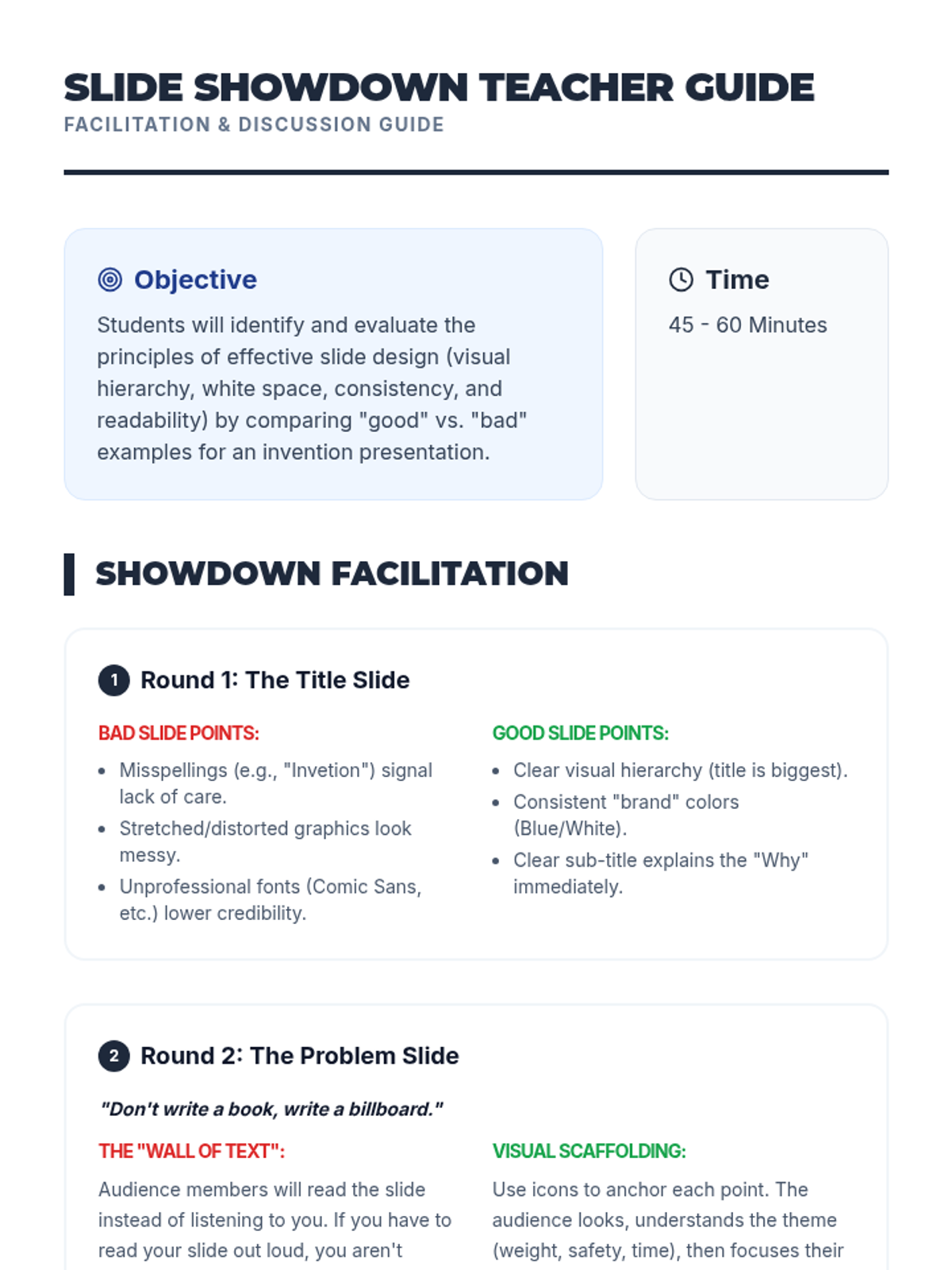
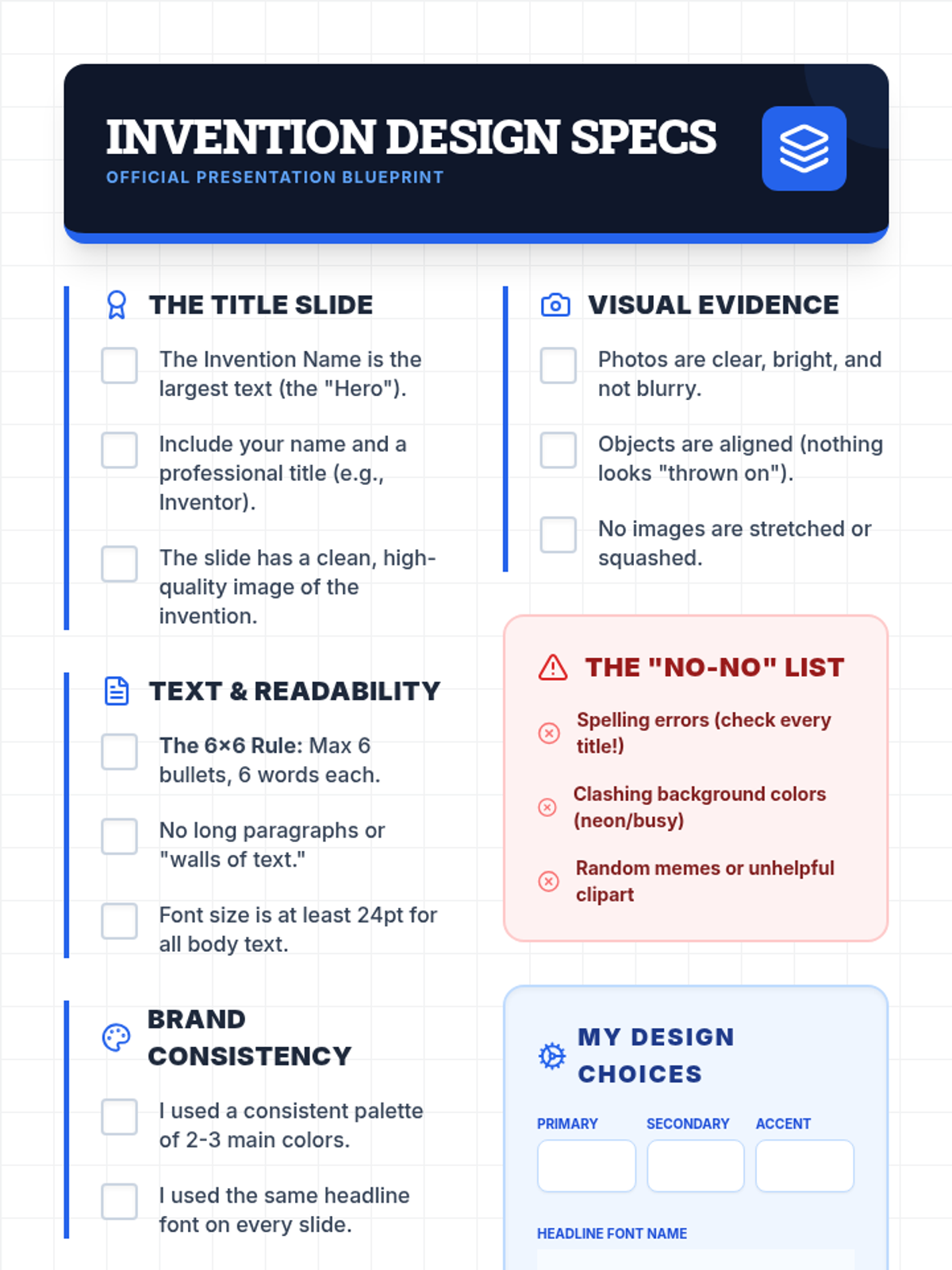
A lesson designed to help students distinguish between effective and ineffective slide design for their invention presentations. It uses a side-by-side comparison of a 'good' and 'bad' presentation to teach visual design and organization principles.
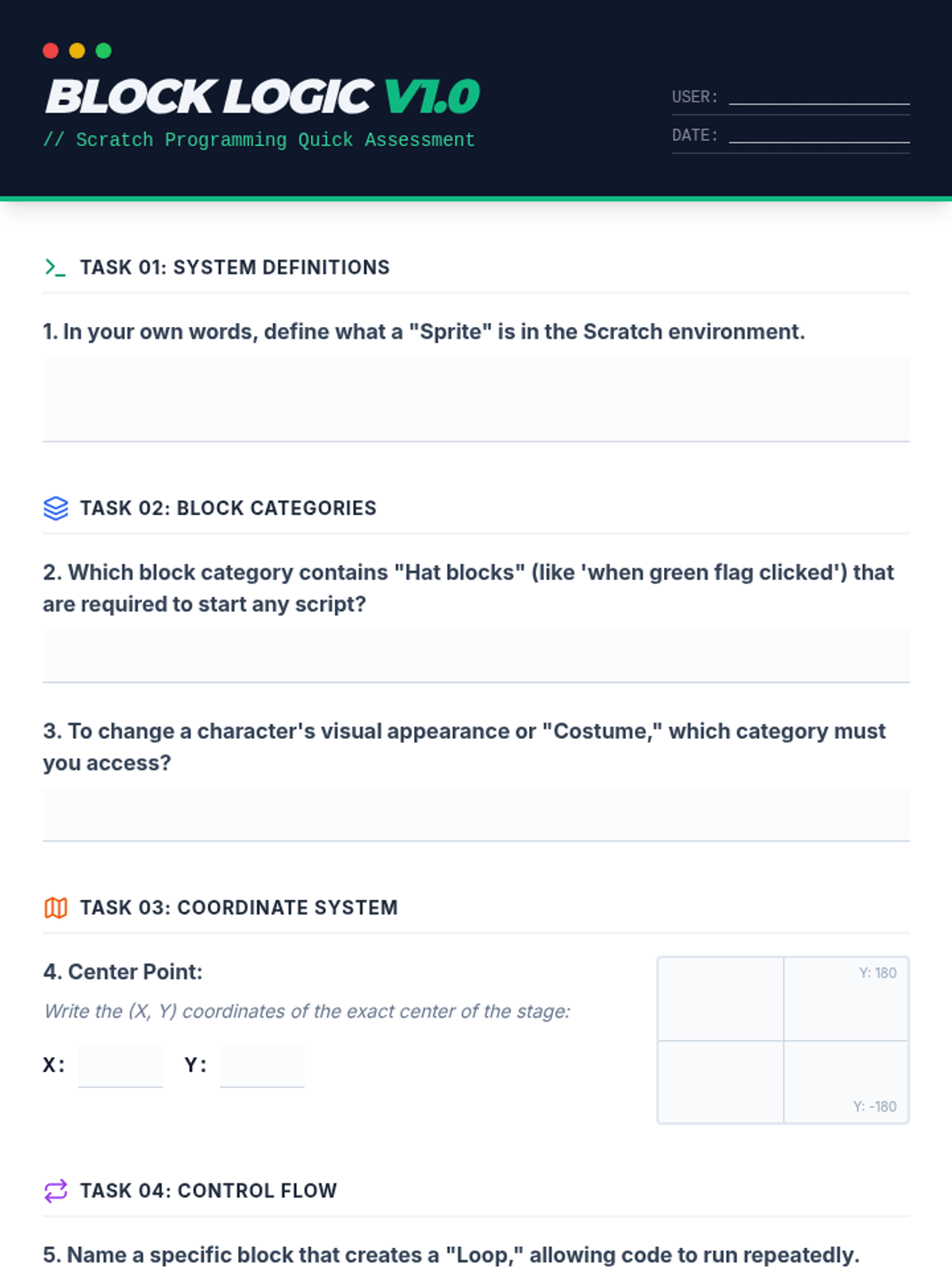
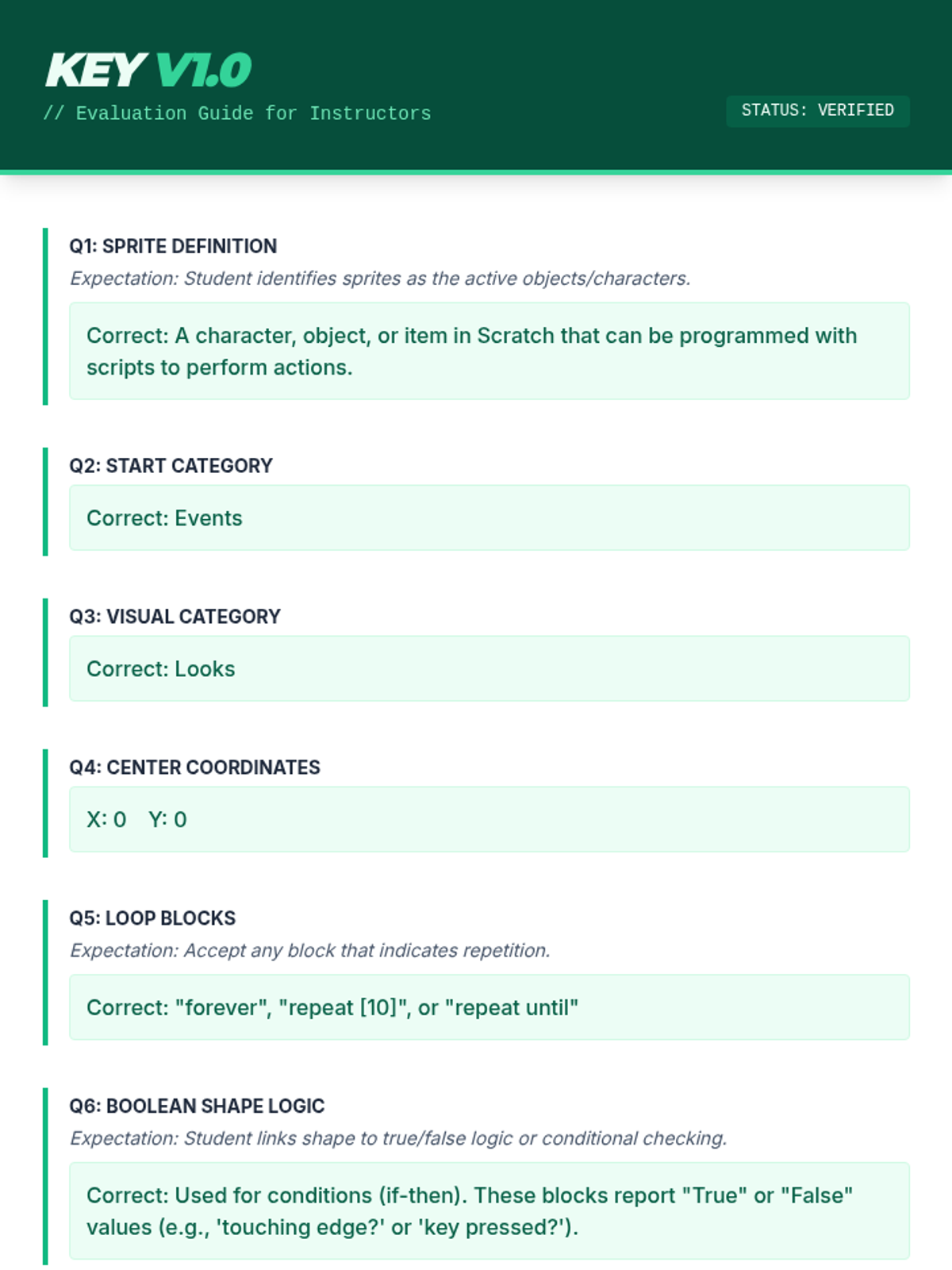
A quick assessment on the fundamentals of block-based programming using Scratch, focusing on sprites, scripts, and control flow.
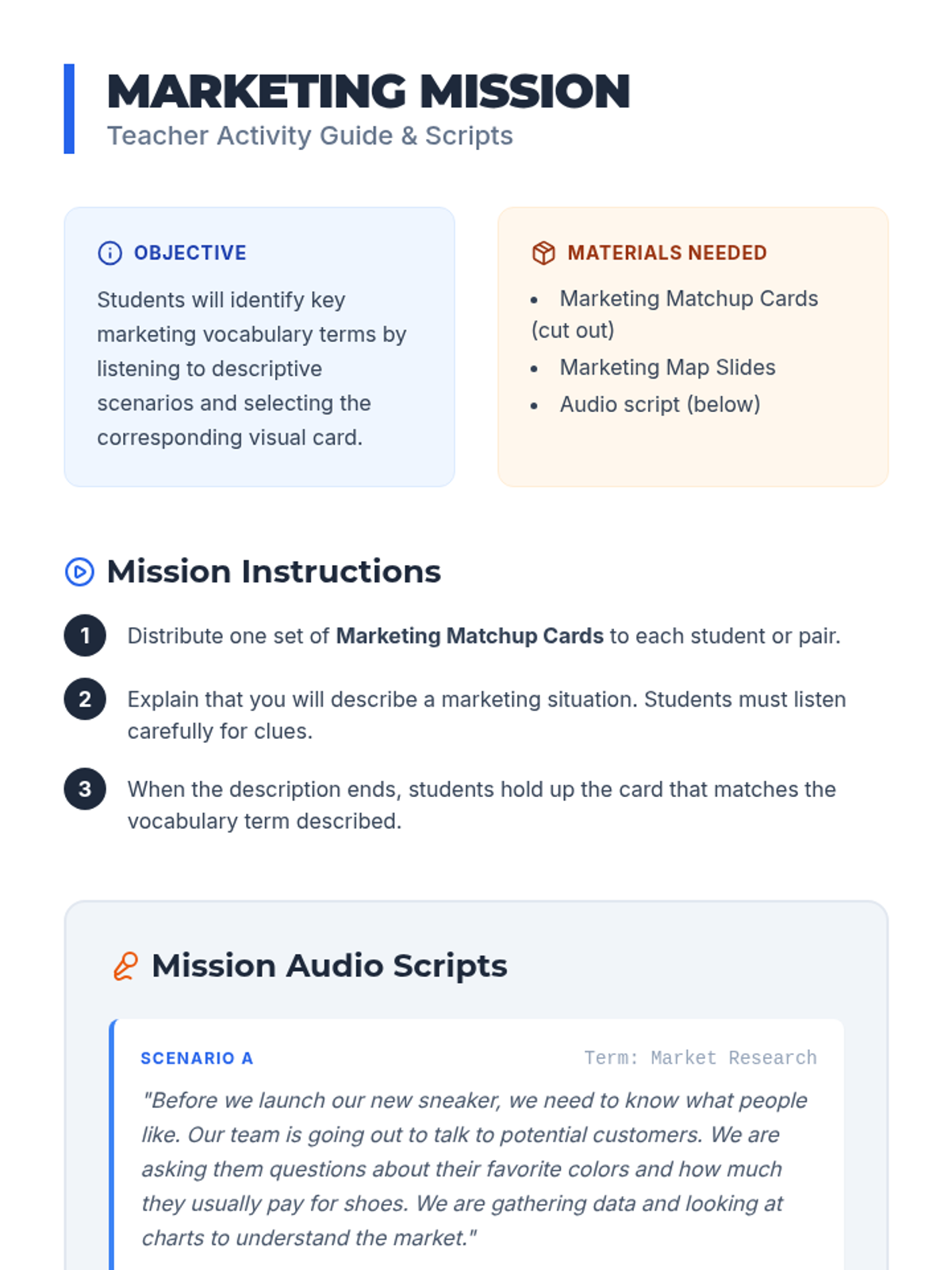
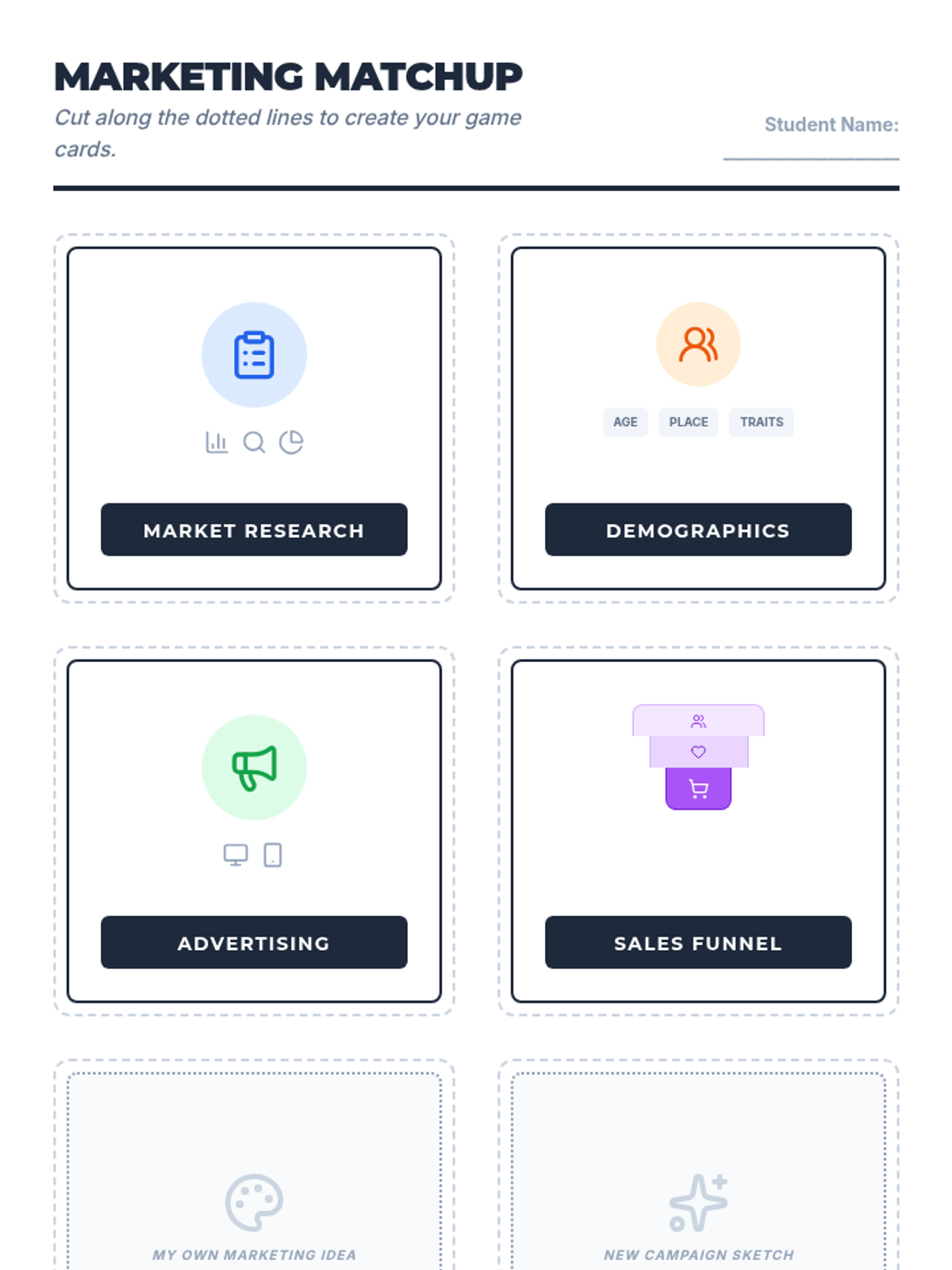
A lesson introducing core marketing concepts through interactive listening activities and visual matching. Students will master terms like market research, demographics, advertising, and the sales funnel.
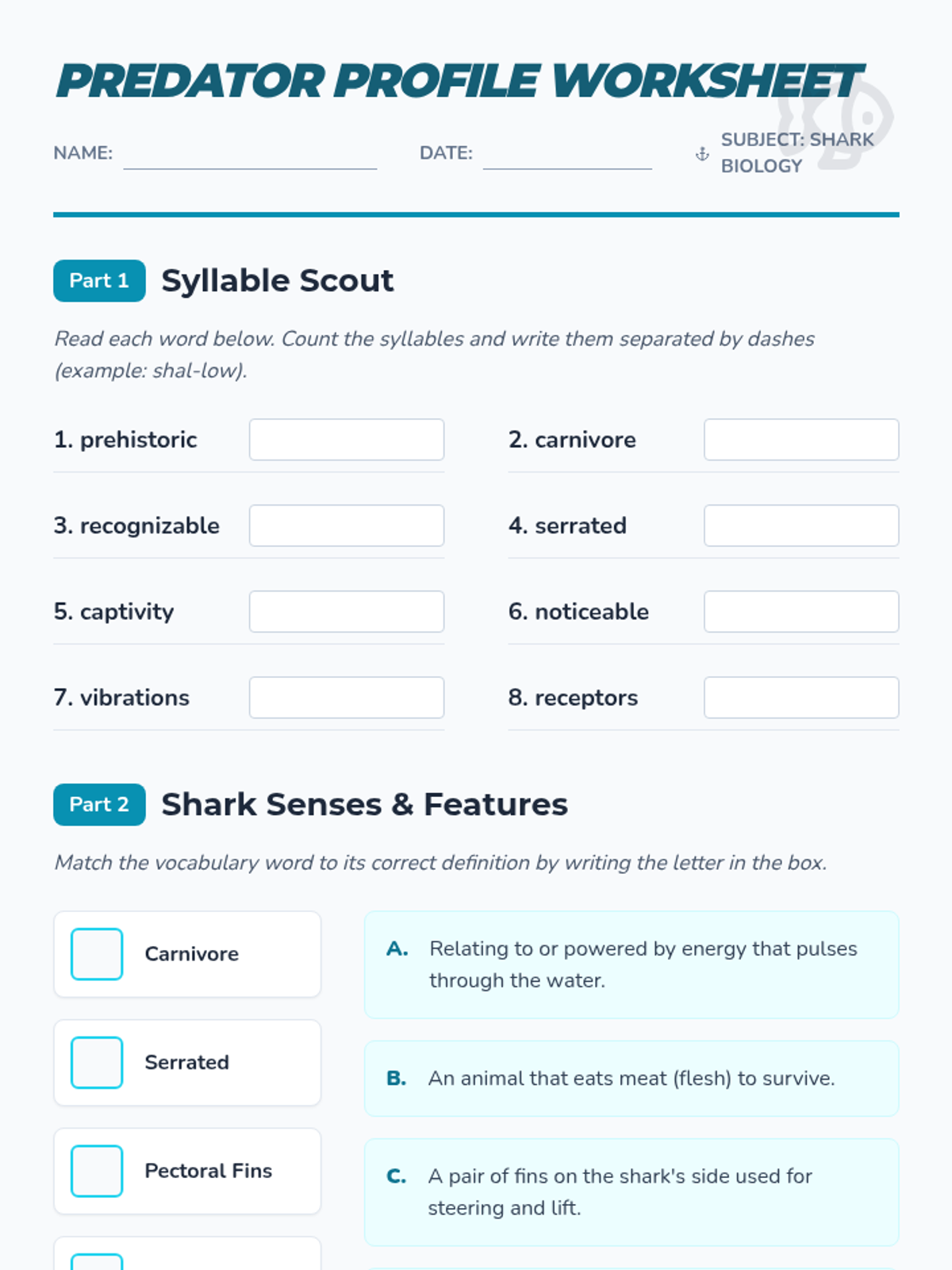
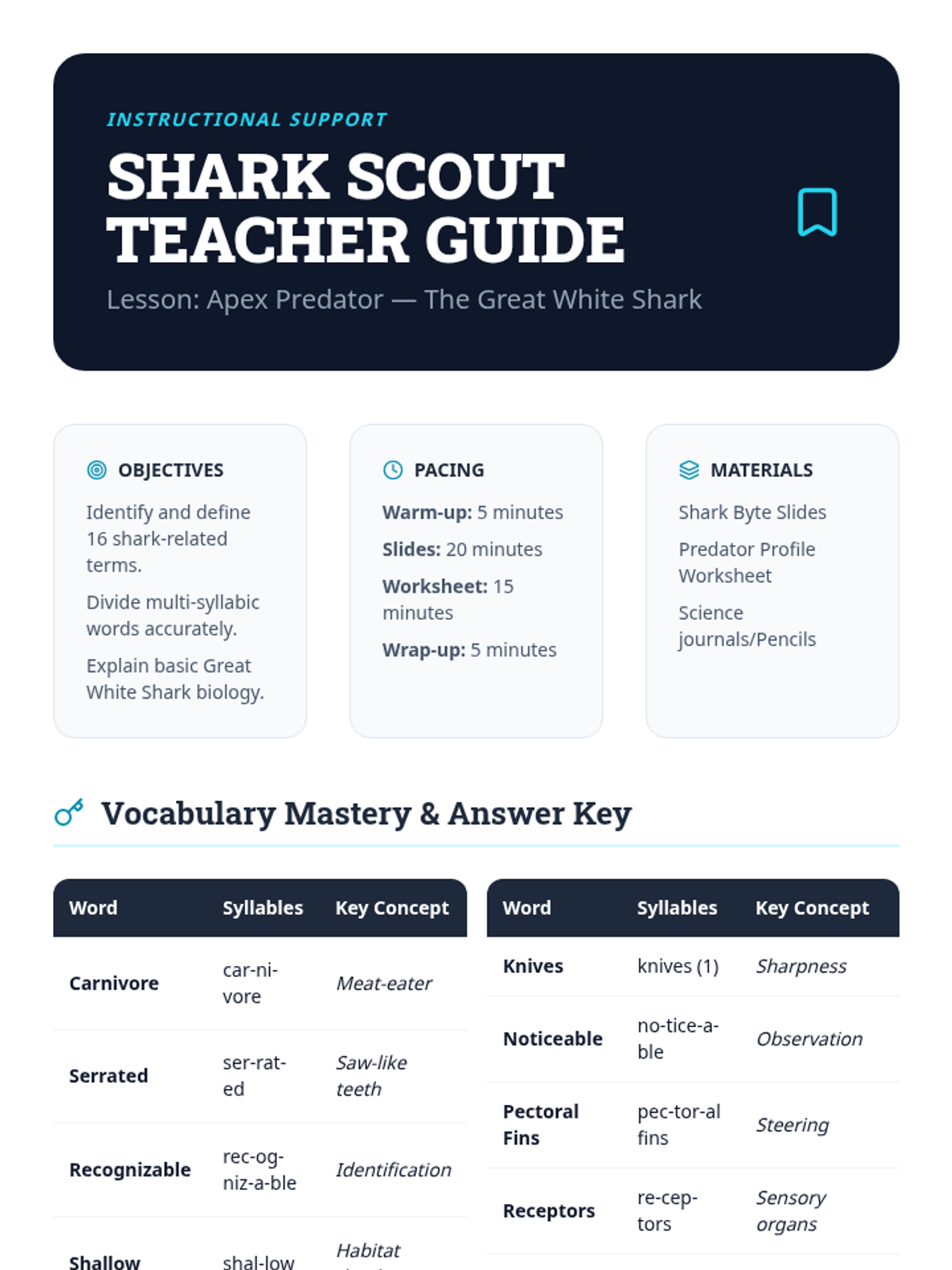
An exploration of the biology and behavior of the Great White Shark, focusing on vocabulary development and anatomical features through an underwater explorer lens.
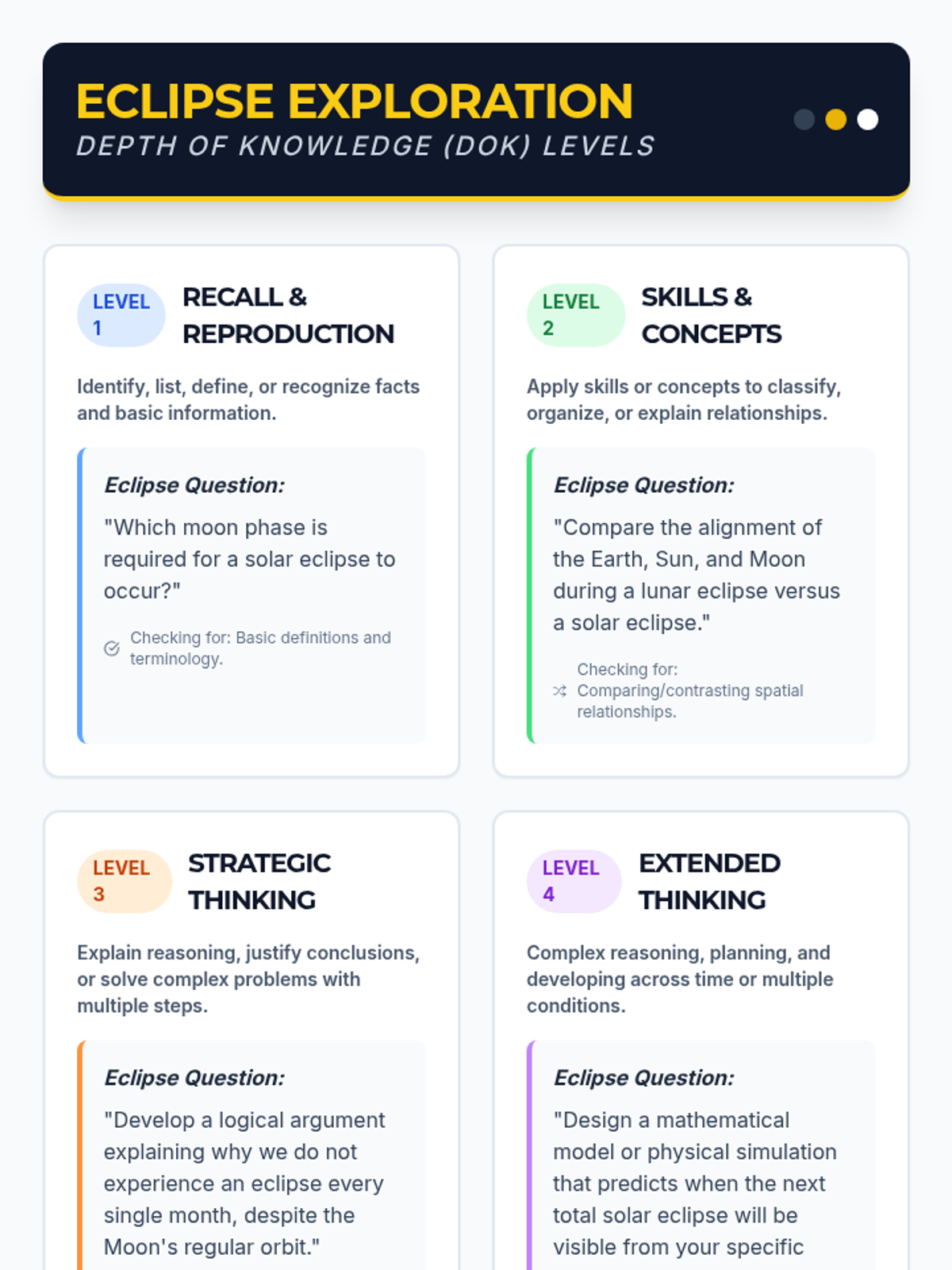
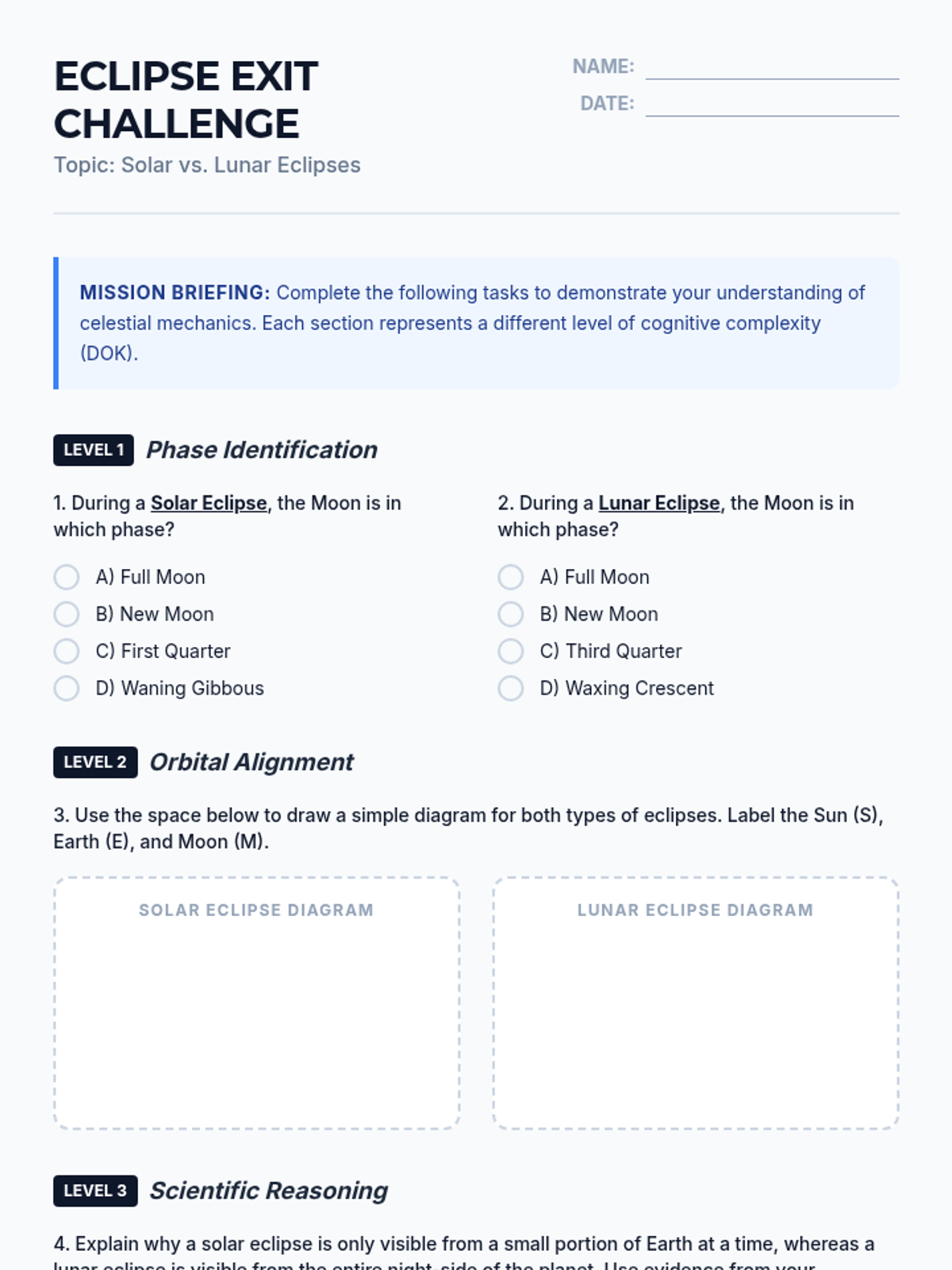
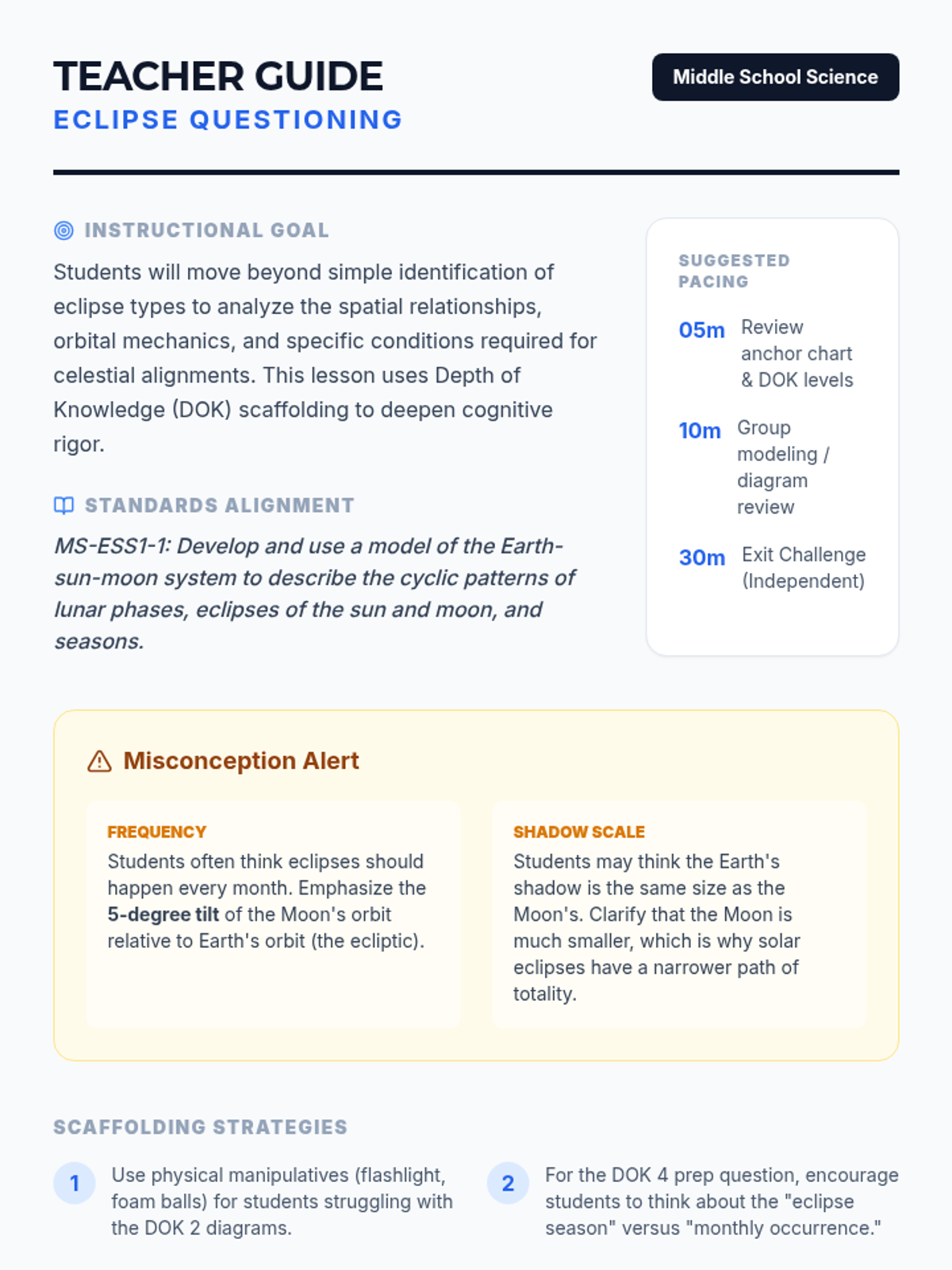
This lesson explores the differences between solar and lunar eclipses using Depth of Knowledge (DOK) questioning strategies to deepen student understanding of celestial mechanics.
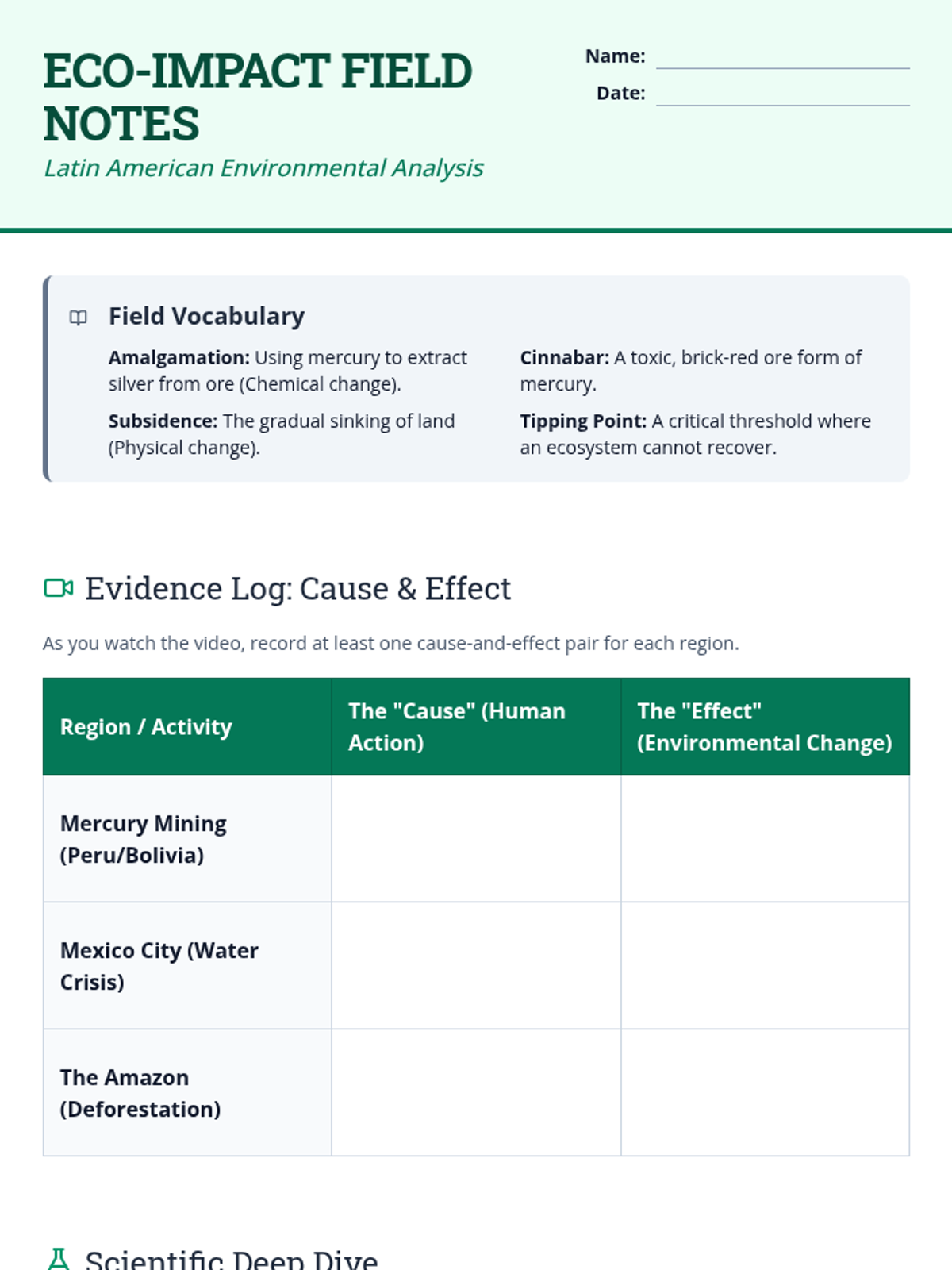
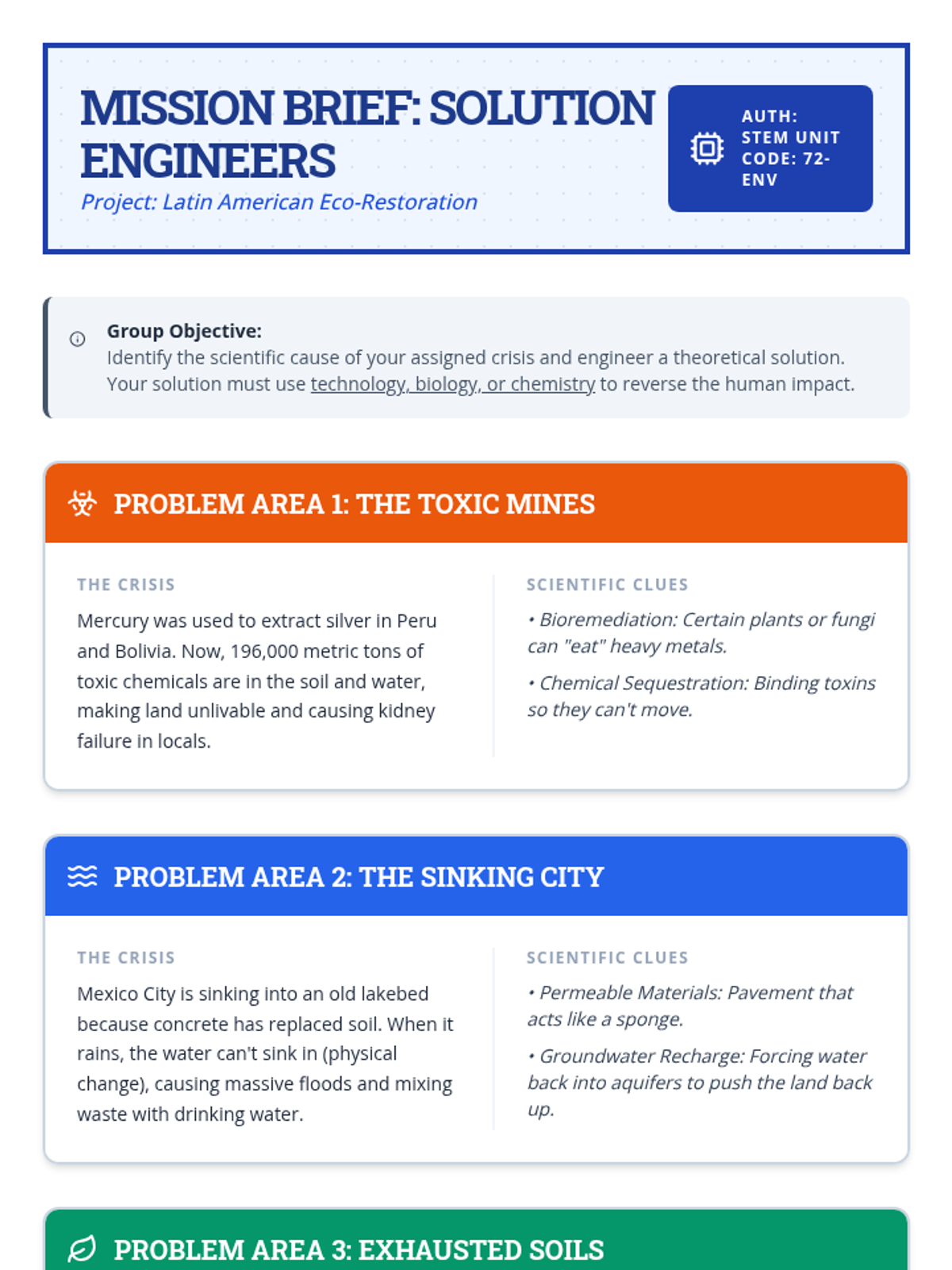
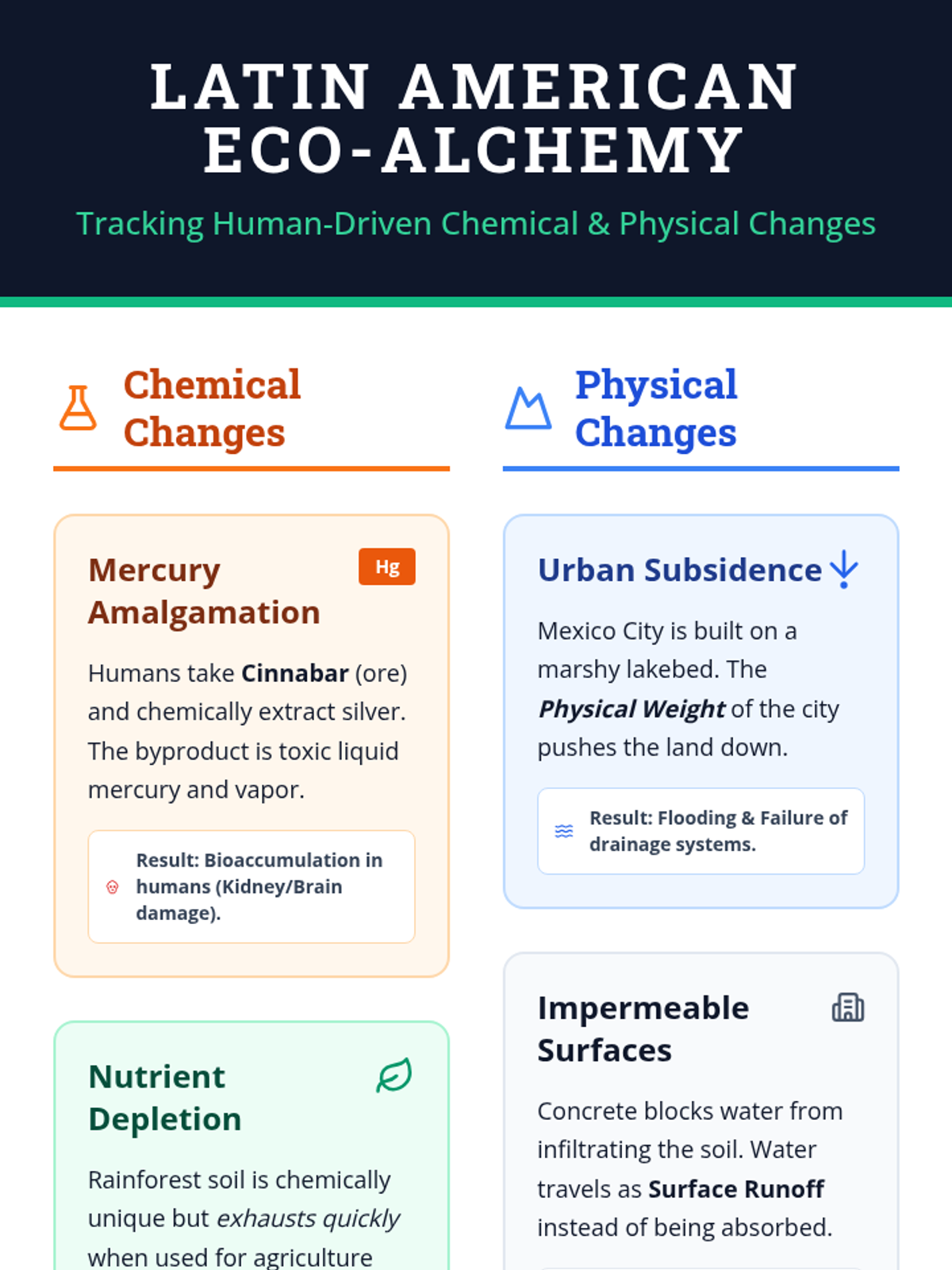
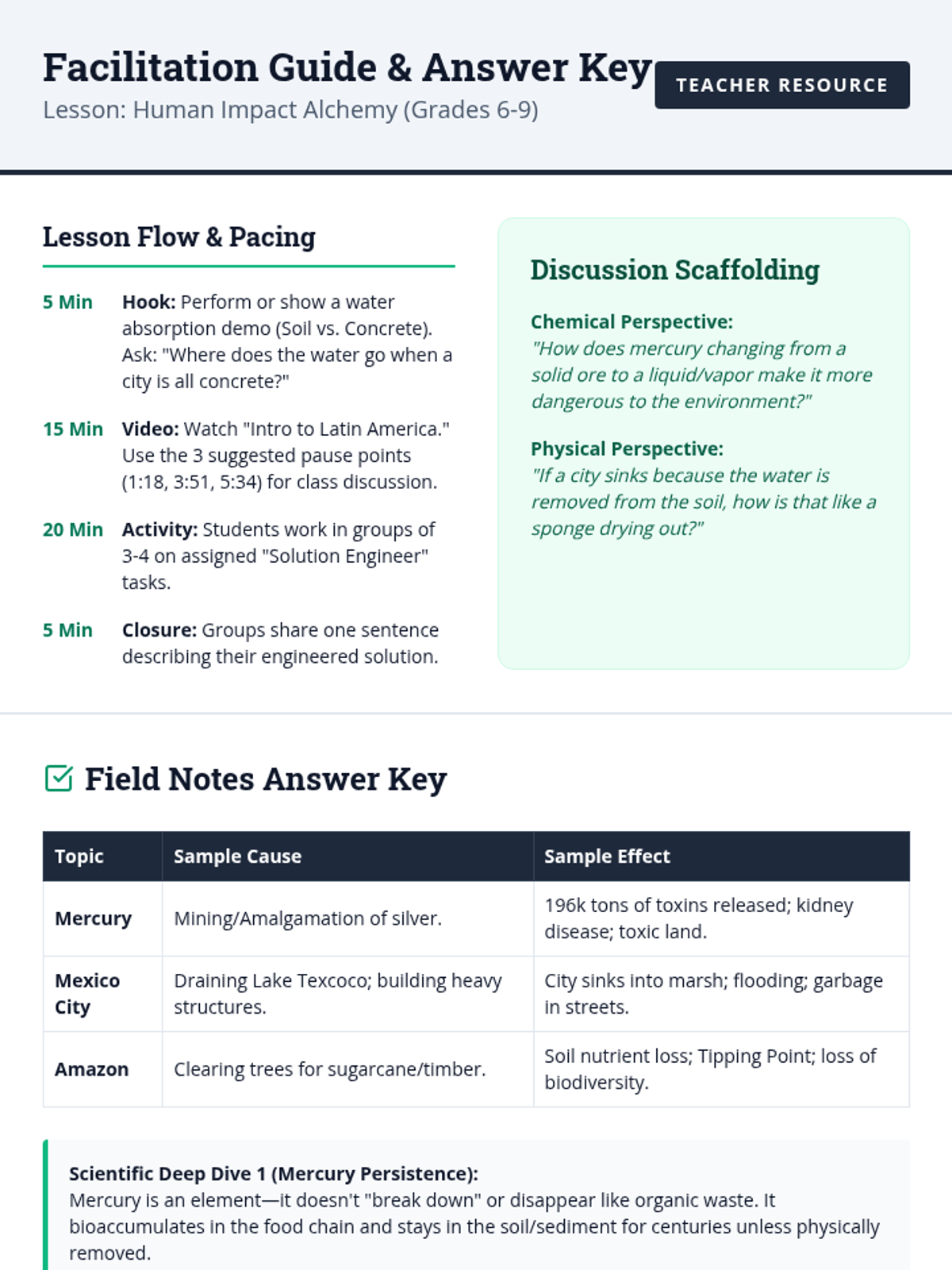
Students investigate the chemical and physical environmental impacts of human activity in Latin America, focusing on mercury toxicity, urban subsidence, and deforestation. They transition from identifying cause-and-effect patterns to engineering theoretical solutions for real-world environmental crises.