Students learn to observe and analyze their local environment as scientific detectives, focusing on identifying components of an ecosystem and understanding their connections.
An ecology-themed mystery where students analyze plant biology, photosynthesis rates, and soil chemistry to find who sabotaged the lab's carbon-offset project.
A geology-themed mystery where students analyze mineral properties like hardness, luster, and density to find out who stole a rare lunar meteor sample.
A chemistry-themed mystery where students analyze flame tests, atomic mass, and chemical reactivity to find out who stole a sample of a rare heavy metal.
A physics-themed mystery where students analyze electrical circuits, resistance, and conductivity to find out who short-circuited the lab's main power grid.
A microbiology-themed mystery where students analyze bacterial traits, Gram stains, and antibiotic resistance to find who contaminated a bio-engineered enzyme.
A fast-paced science mystery where students use 8 scientific clues to identify who sabotaged a high-stakes experiment. Students analyze pH, density, chromatography, and more to eliminate suspects.
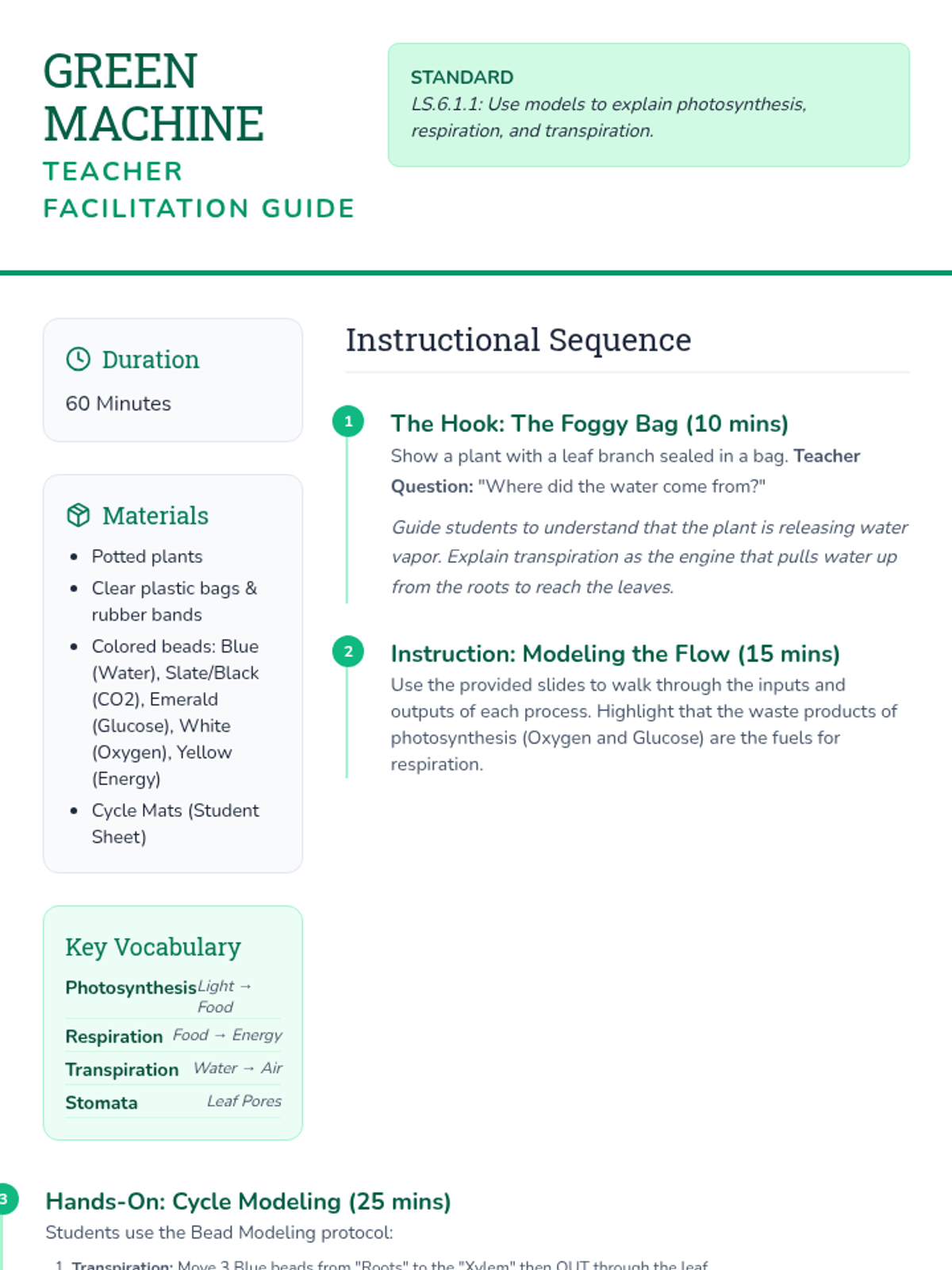
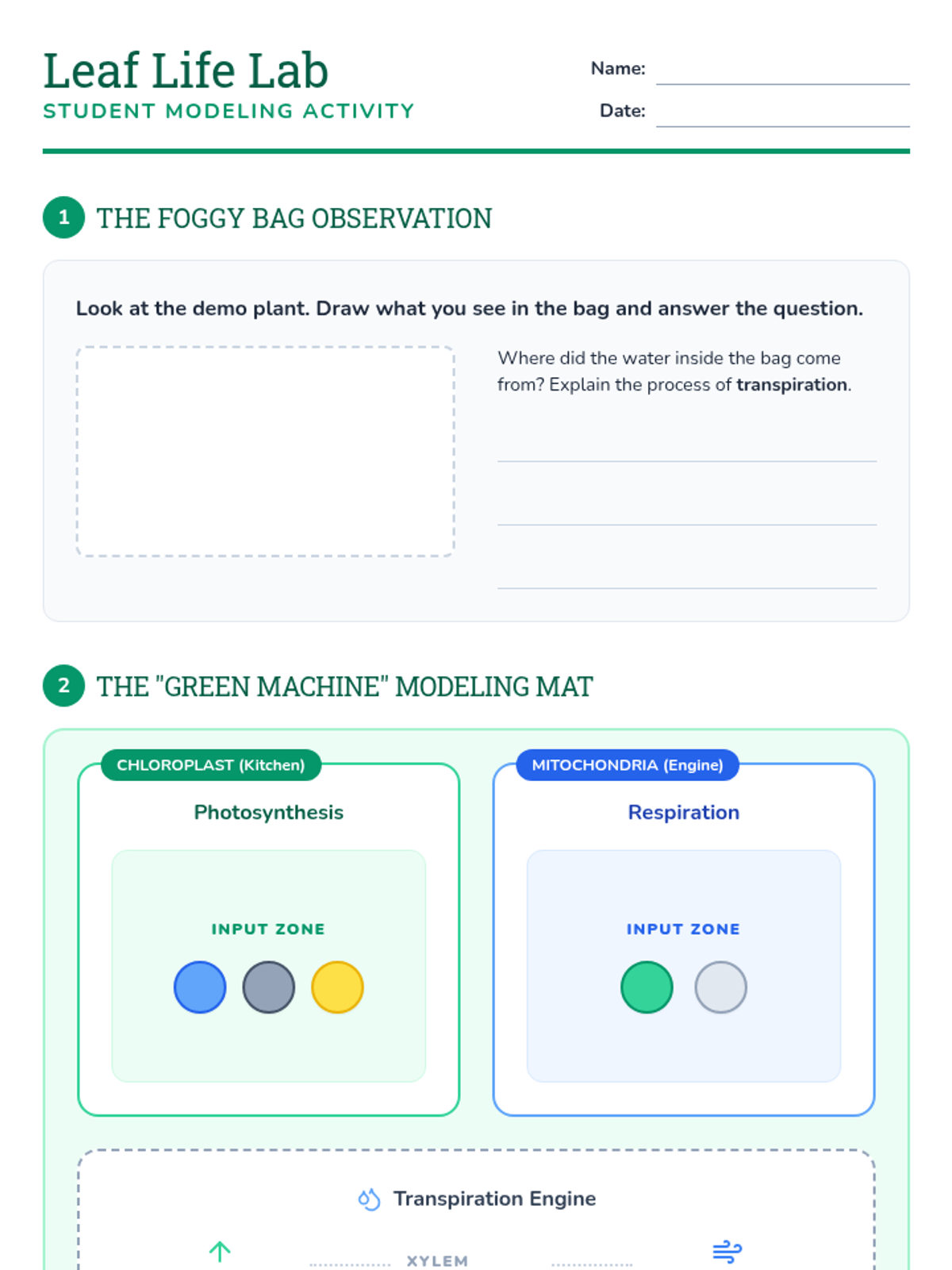
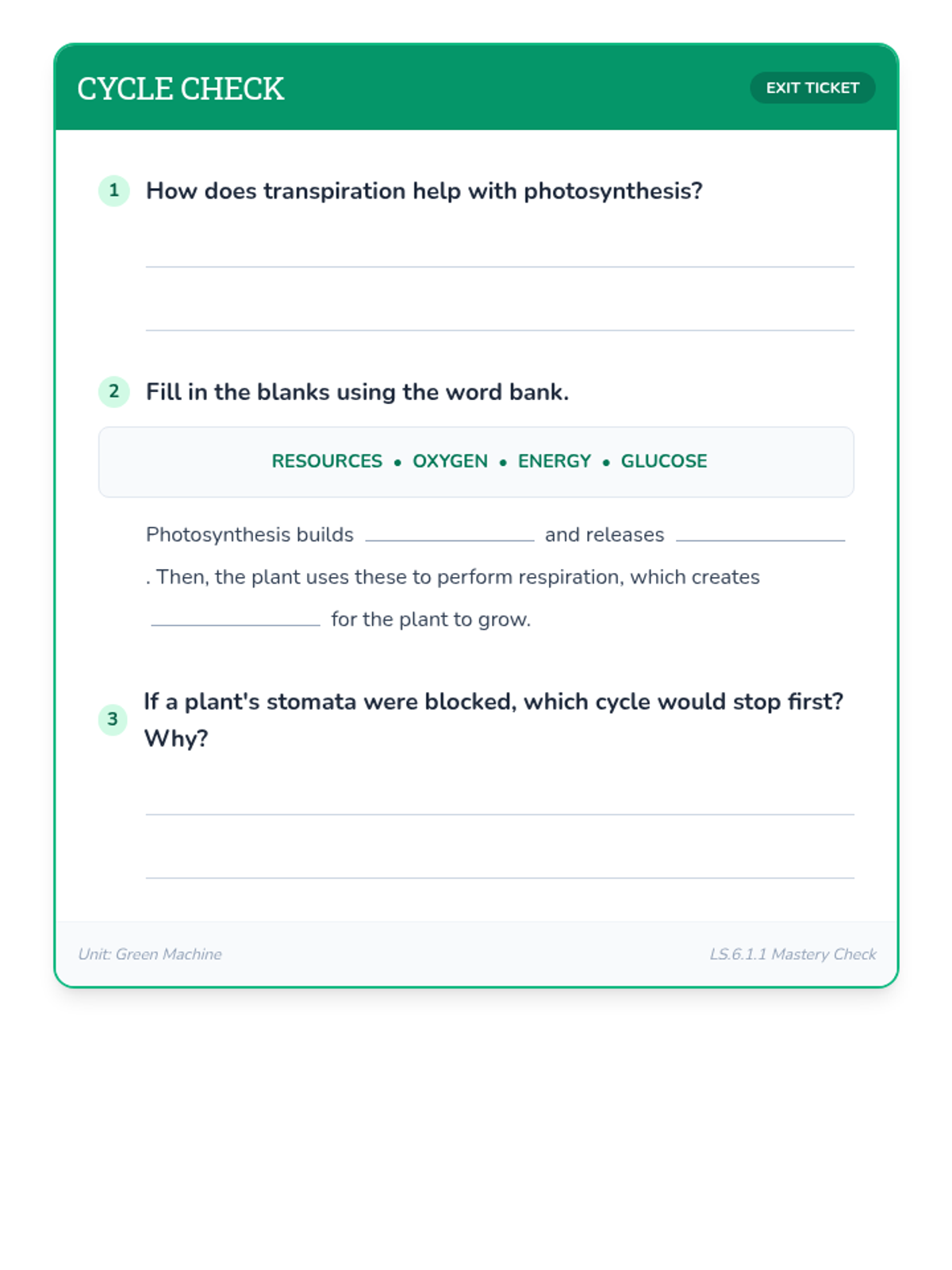
A series of visual anchor charts designed for reference during laboratory investigations into plant vascular systems, photosynthesis, and transpiration.
A high-energy, movement-based review activity where students solve 'medical cases' by identifying body systems and their functions. This lesson includes task cards for a classroom scavenger hunt and a structured recording sheet for students.

A lesson exploring the symbiotic relationship between humans and gut bacteria, focusing on the gut-brain connection and the impact of nutrition on mood. Students create metaphors for their microbiome and identify ways to support beneficial bacteria.