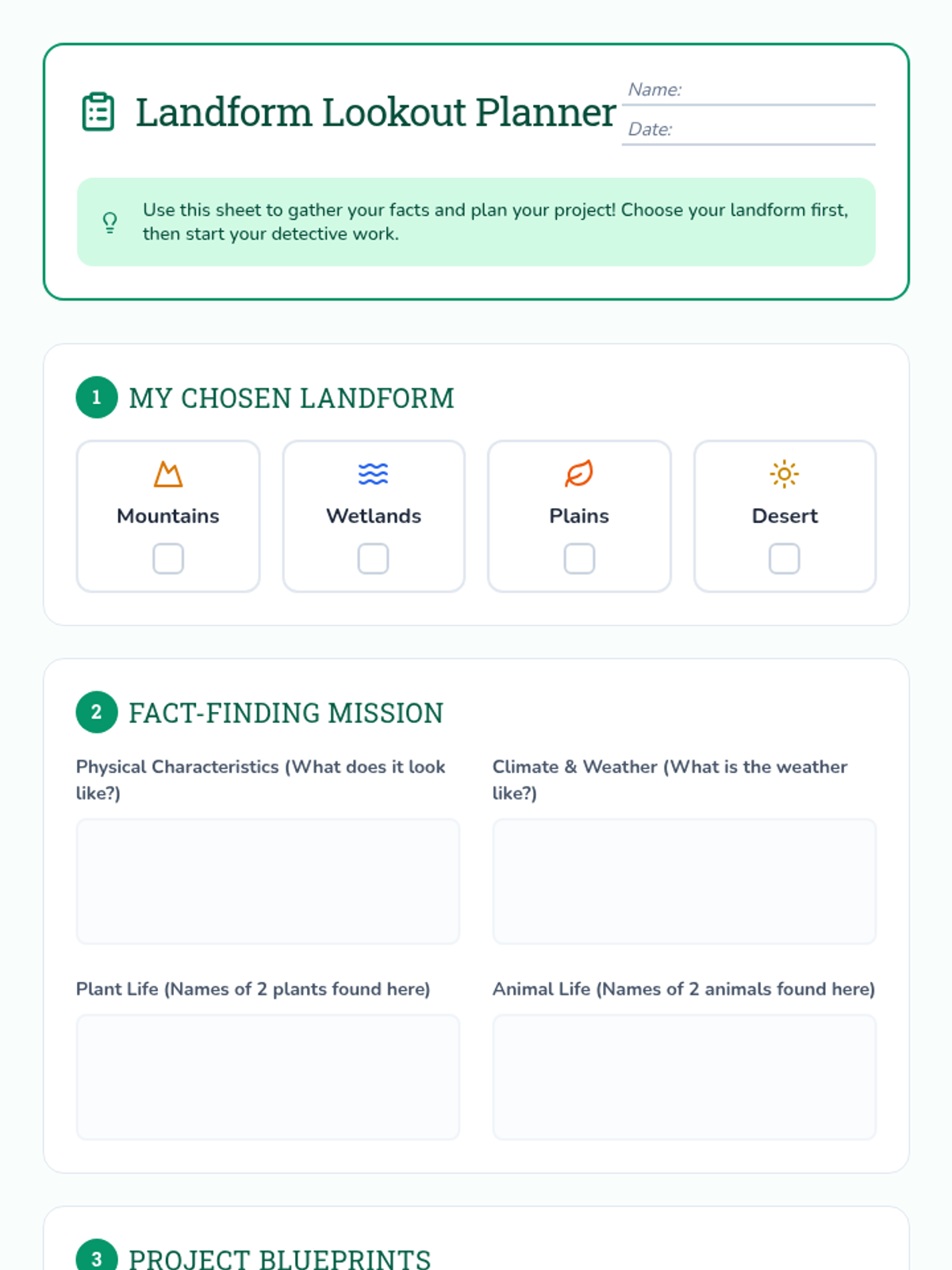
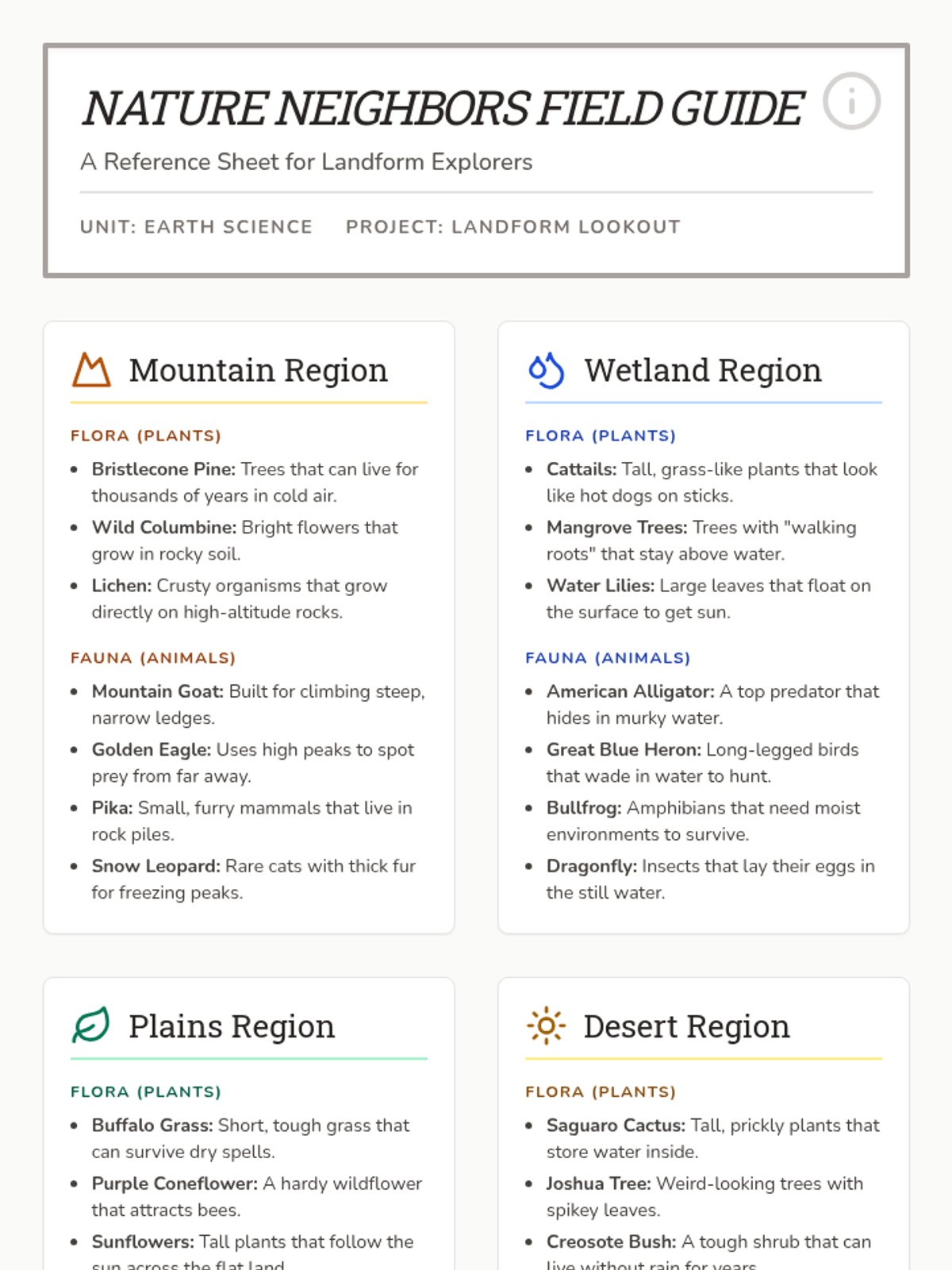
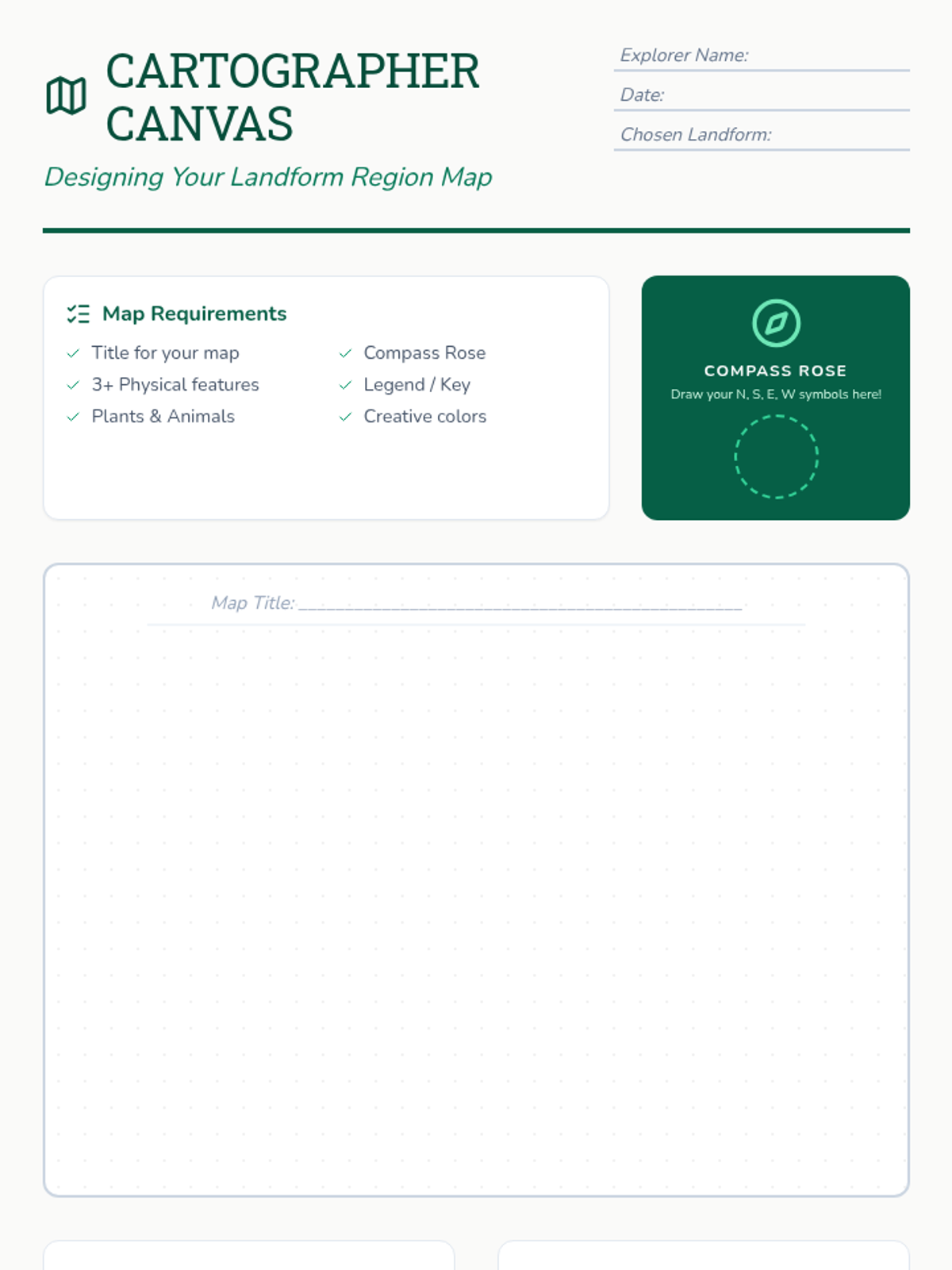
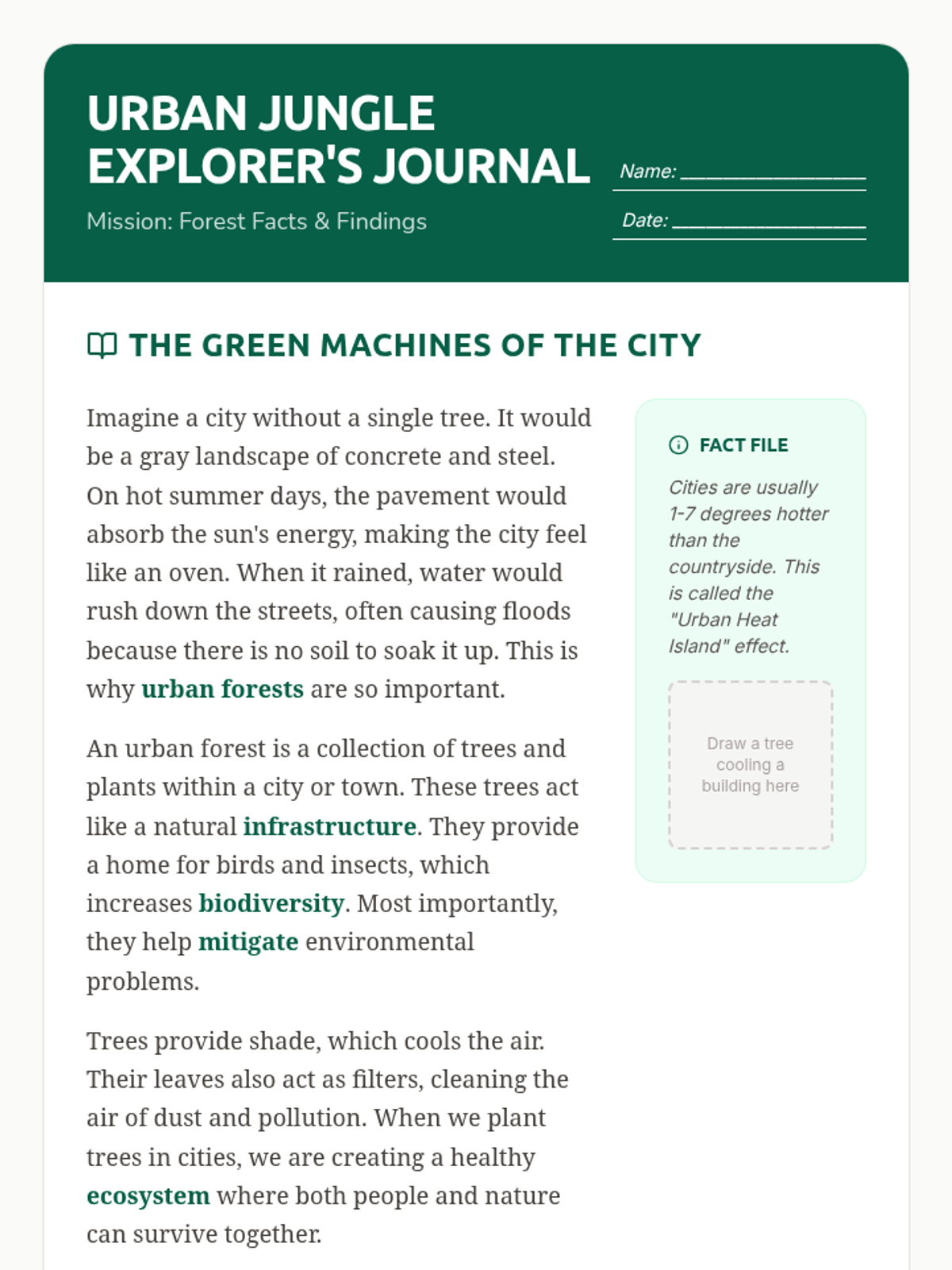
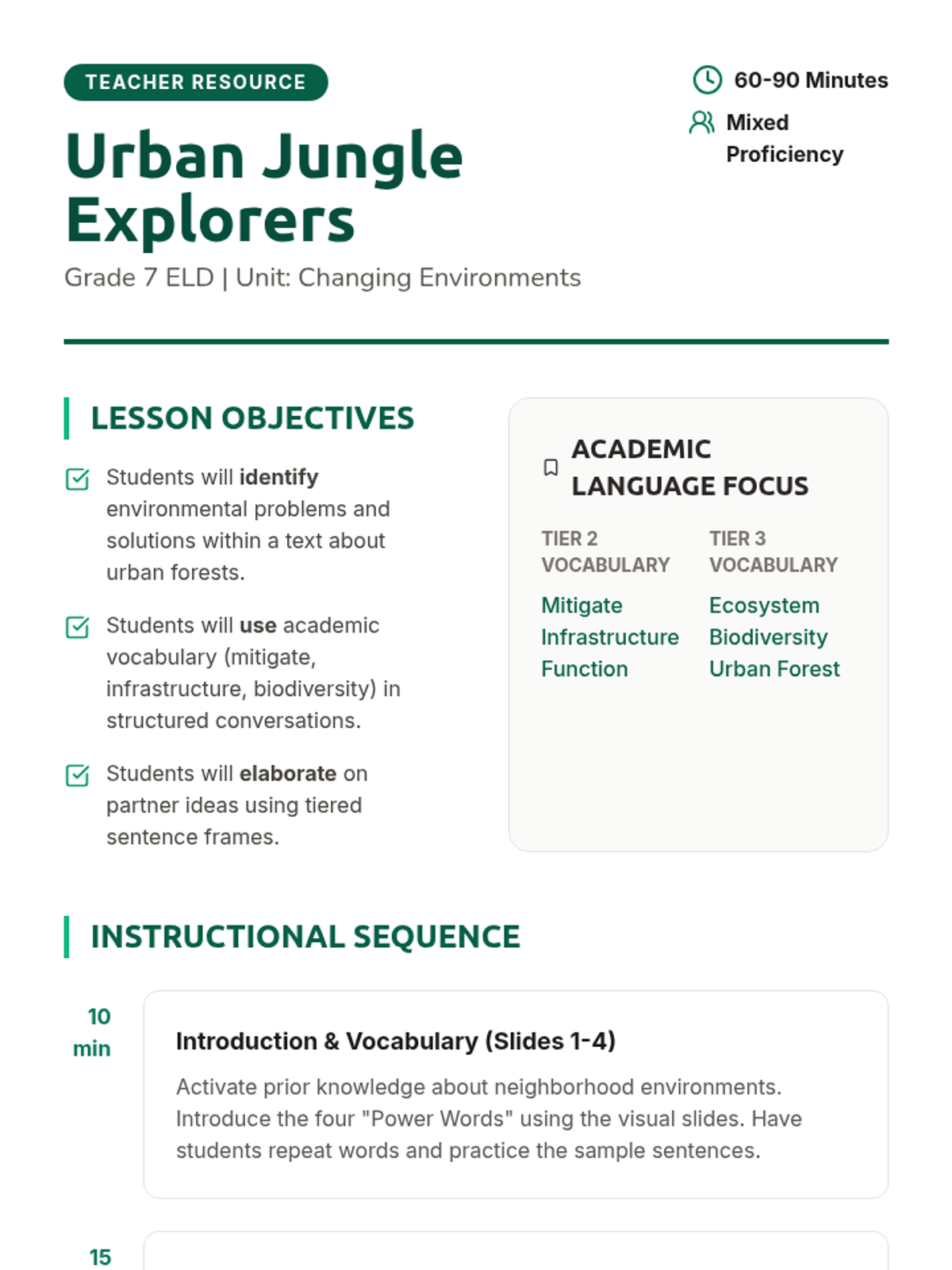
A comprehensive unit where students become environmental detectives to investigate biodiversity, interdependencies, and human impact within their local ecosystems through inquiry-based field studies.
A comprehensive unit on the fundamentals of forensic science and criminal investigation, culminating in a hands-on murder mystery simulation. Students learn about evidence collection, witness psychology, and deductive reasoning.
A series of lessons exploring genetics and protein synthesis through the lens of spider silk production for medical use. Adapted for 3rd-grade reading levels while maintaining 6th-grade science concepts.
A comprehensive 5-week sequence exploring the physical properties of water, the engineering of water filtration, and the complex systems of Virginia's watersheds. Students move from hands-on engineering to chemical properties and finally to large-scale environmental systems.
Une séquence de 6ème pour découvrir la cellule à travers des observations microscopiques, passant des végétaux aux animaux puis aux unicellulaires.
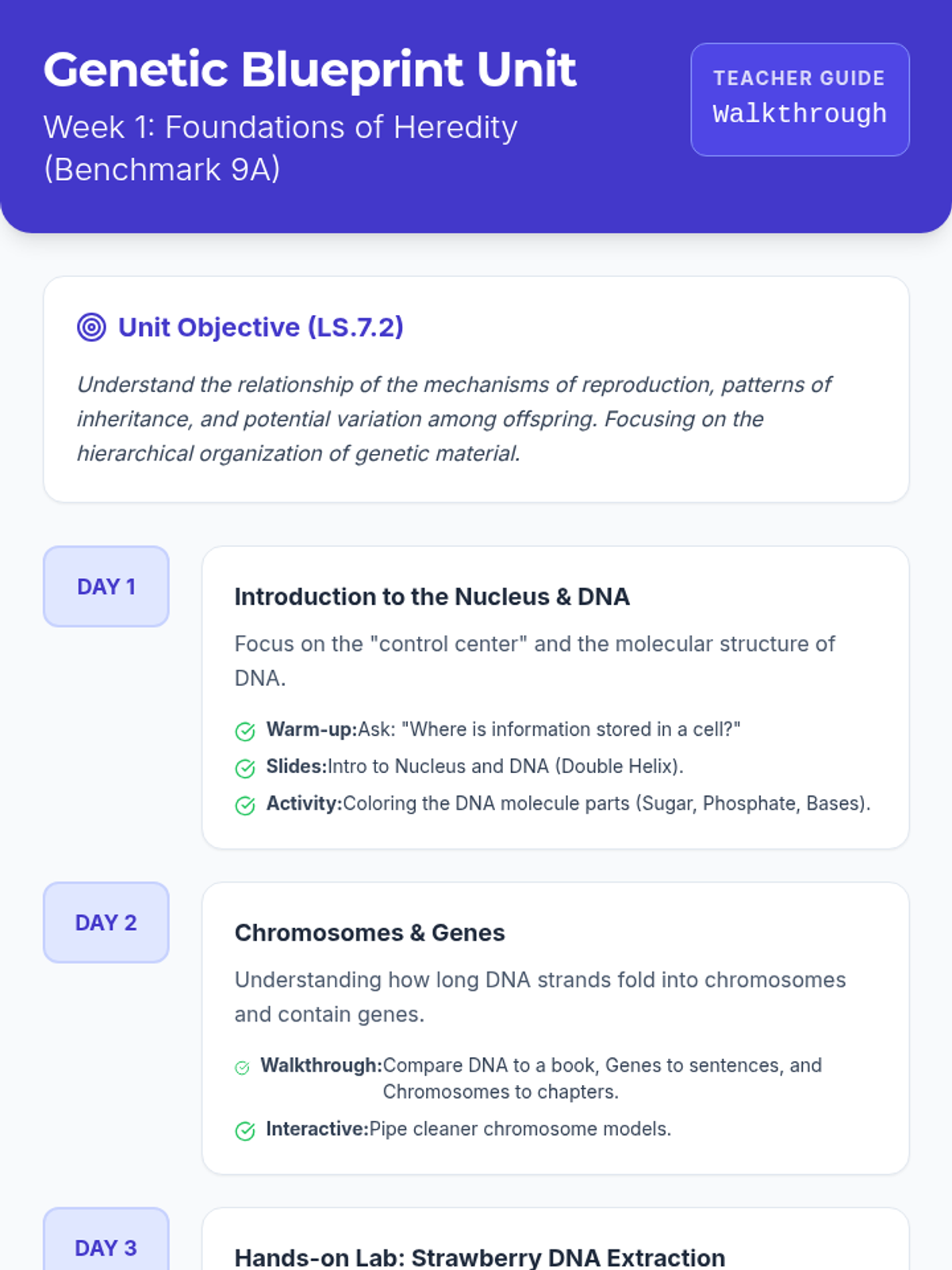
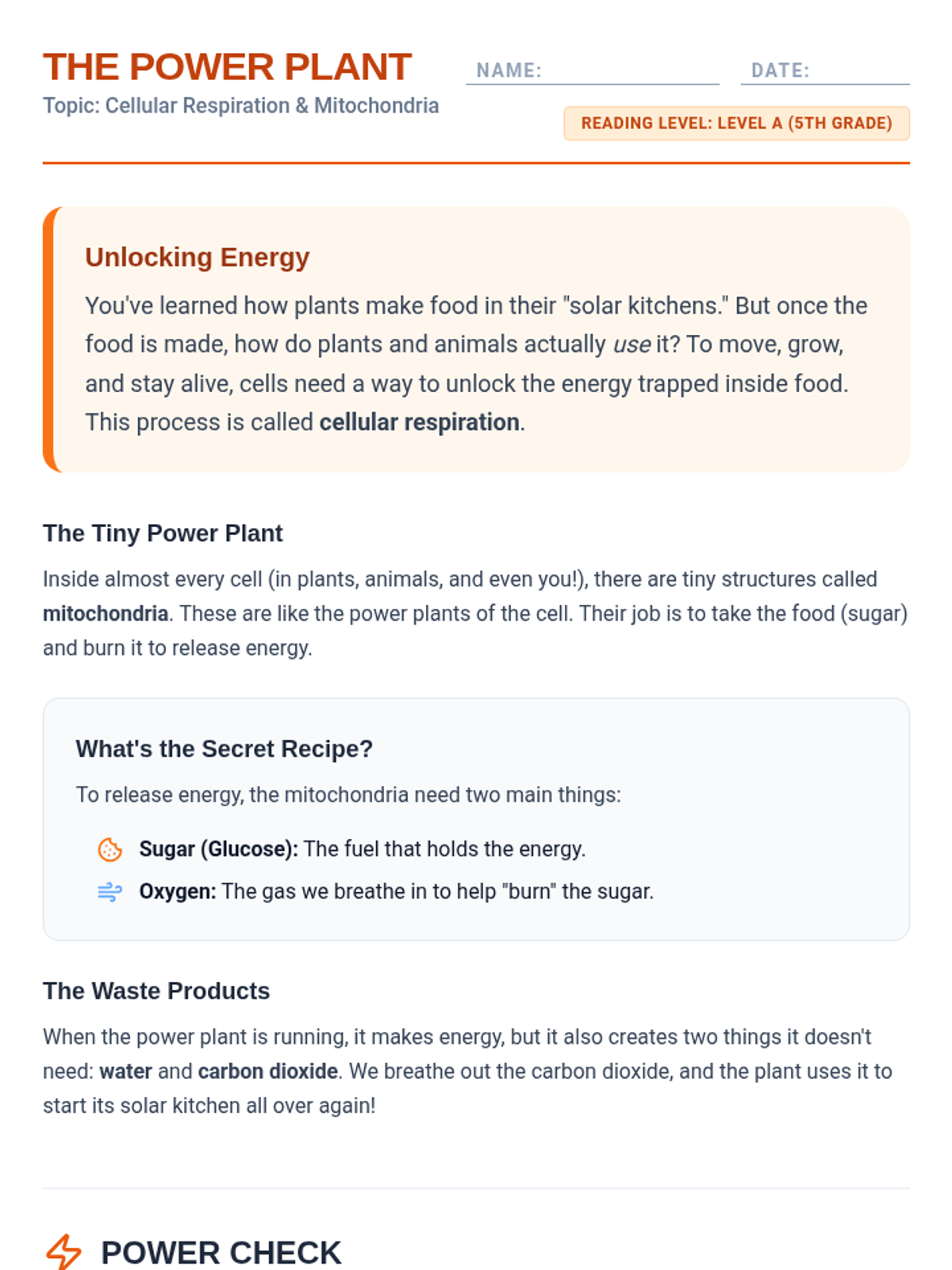
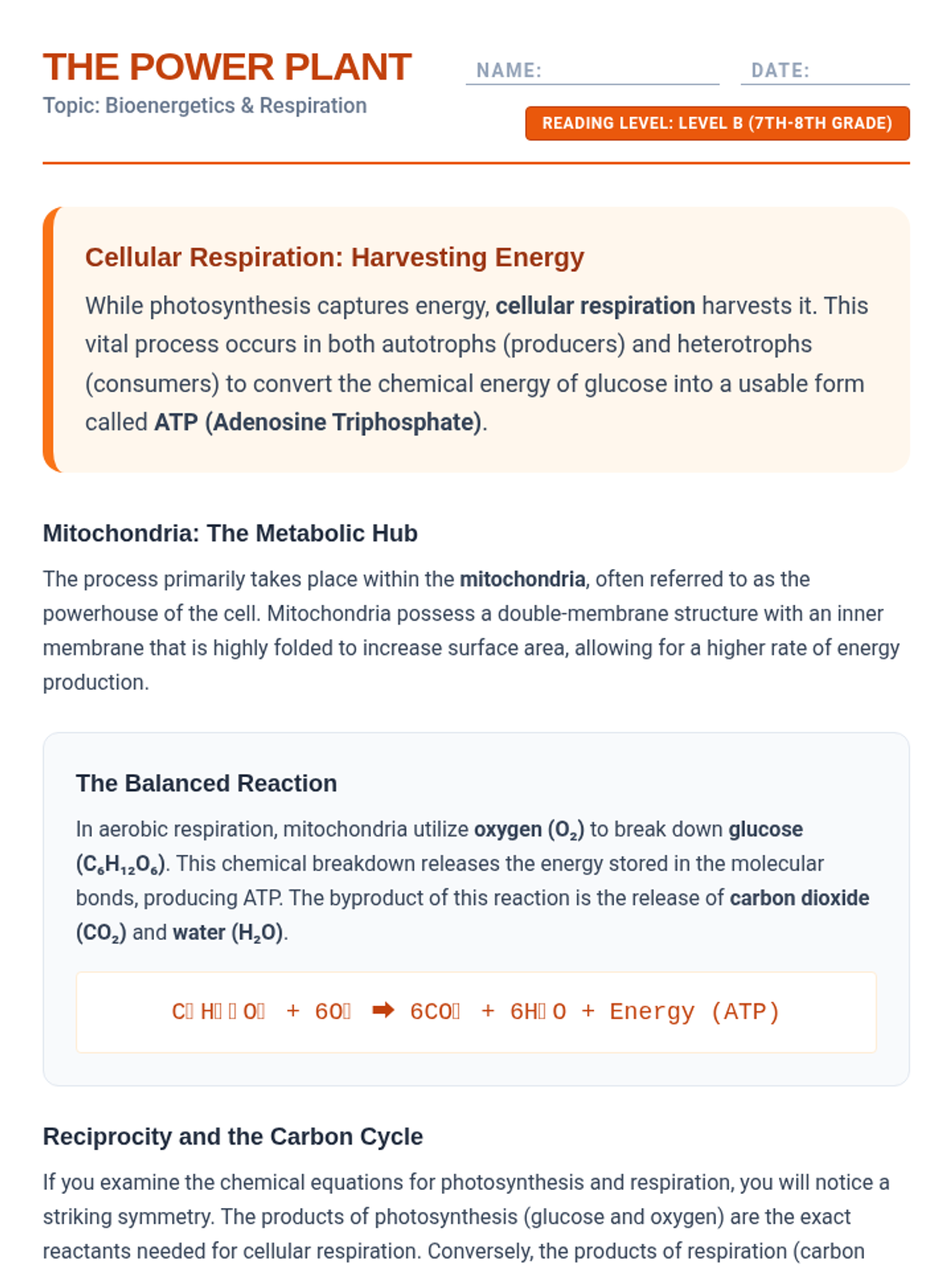
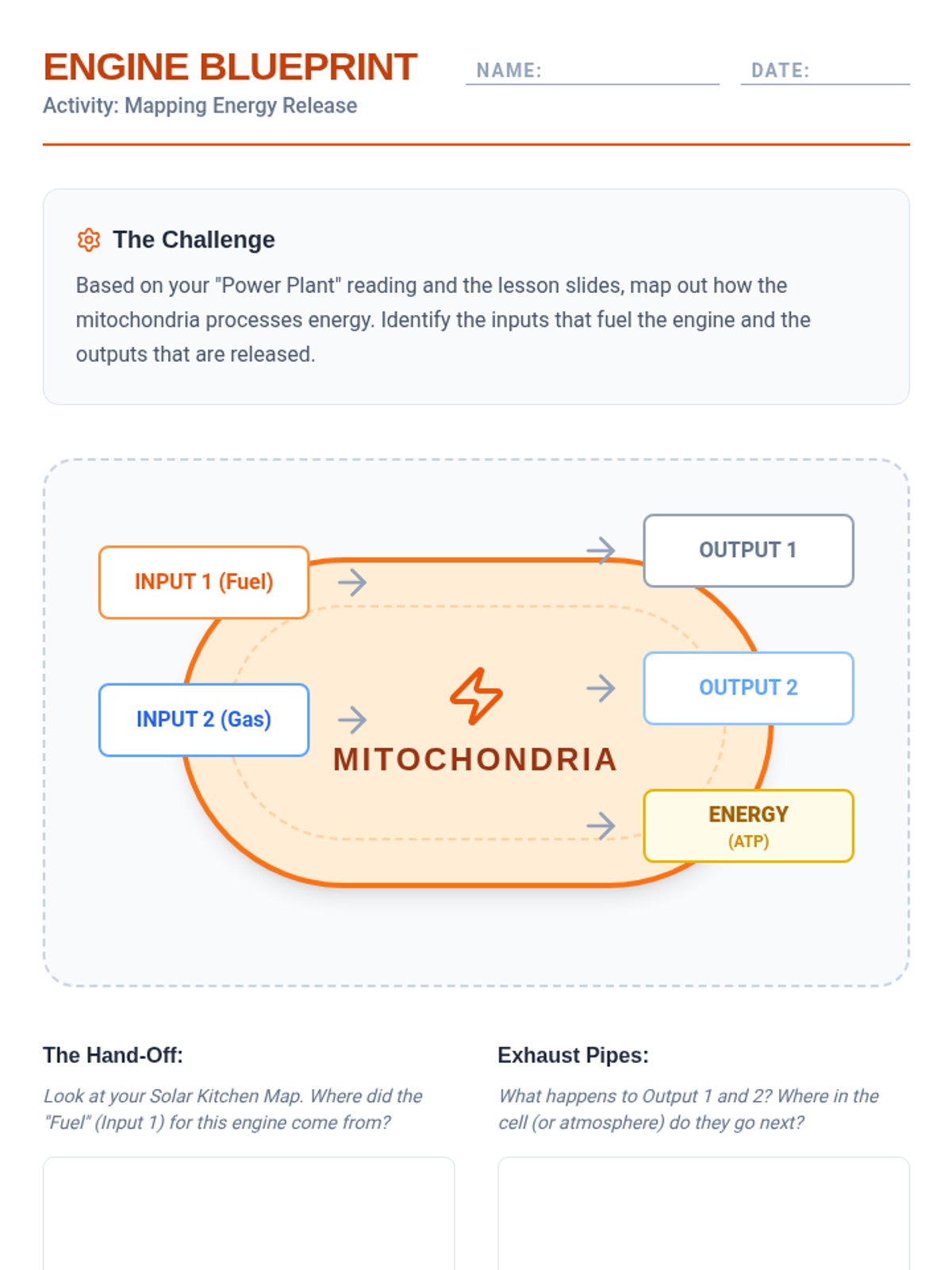
A unit exploring the microscopic machines that keep living things running, from building cells to breaking down food.
A comprehensive one-week unit covering the foundations of cell theory, the technical mastery of microscopes, and the fascinating structures of unicellular organisms (Amoeba, Paramecium, Euglena, and Volvox).
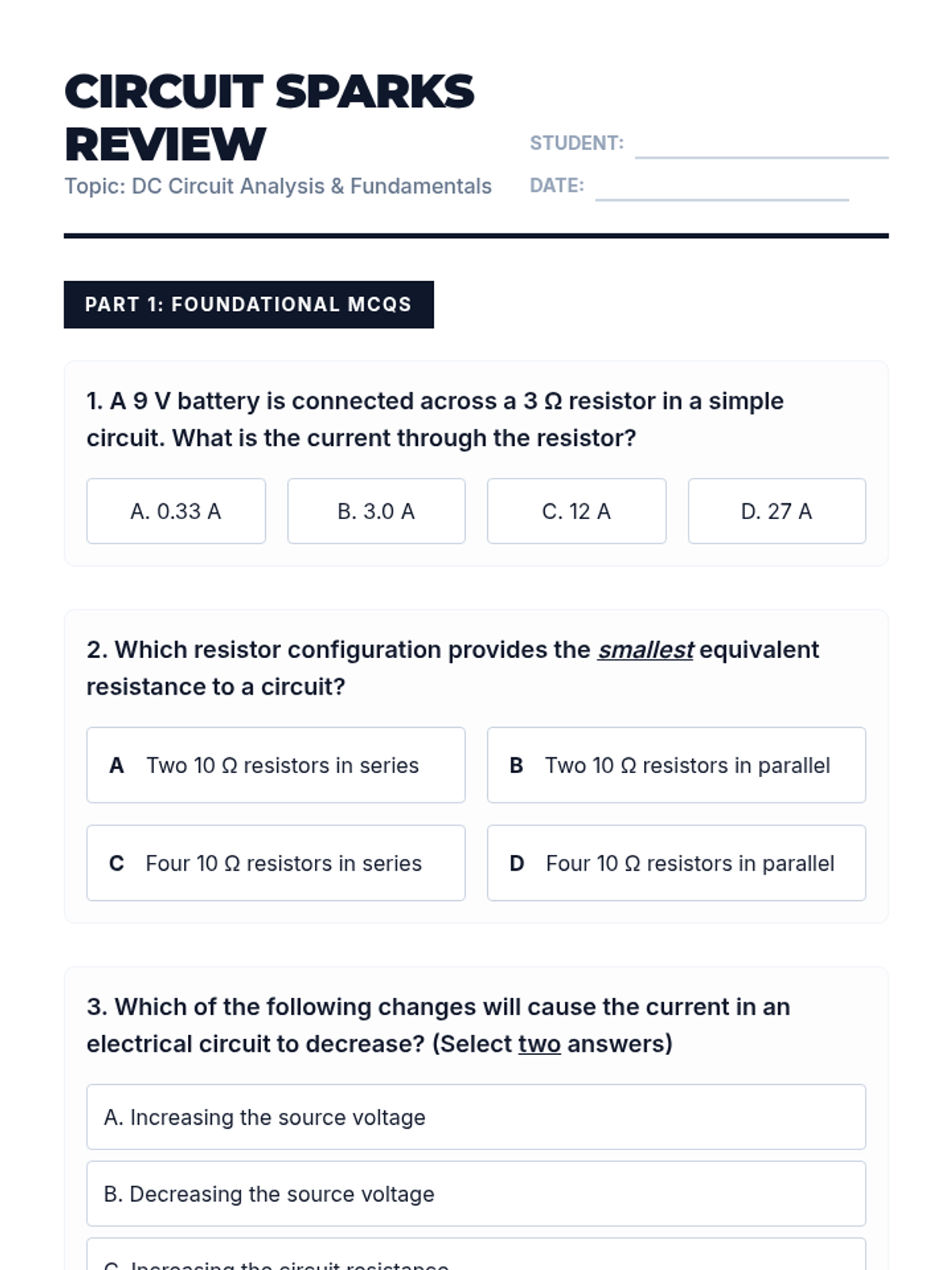
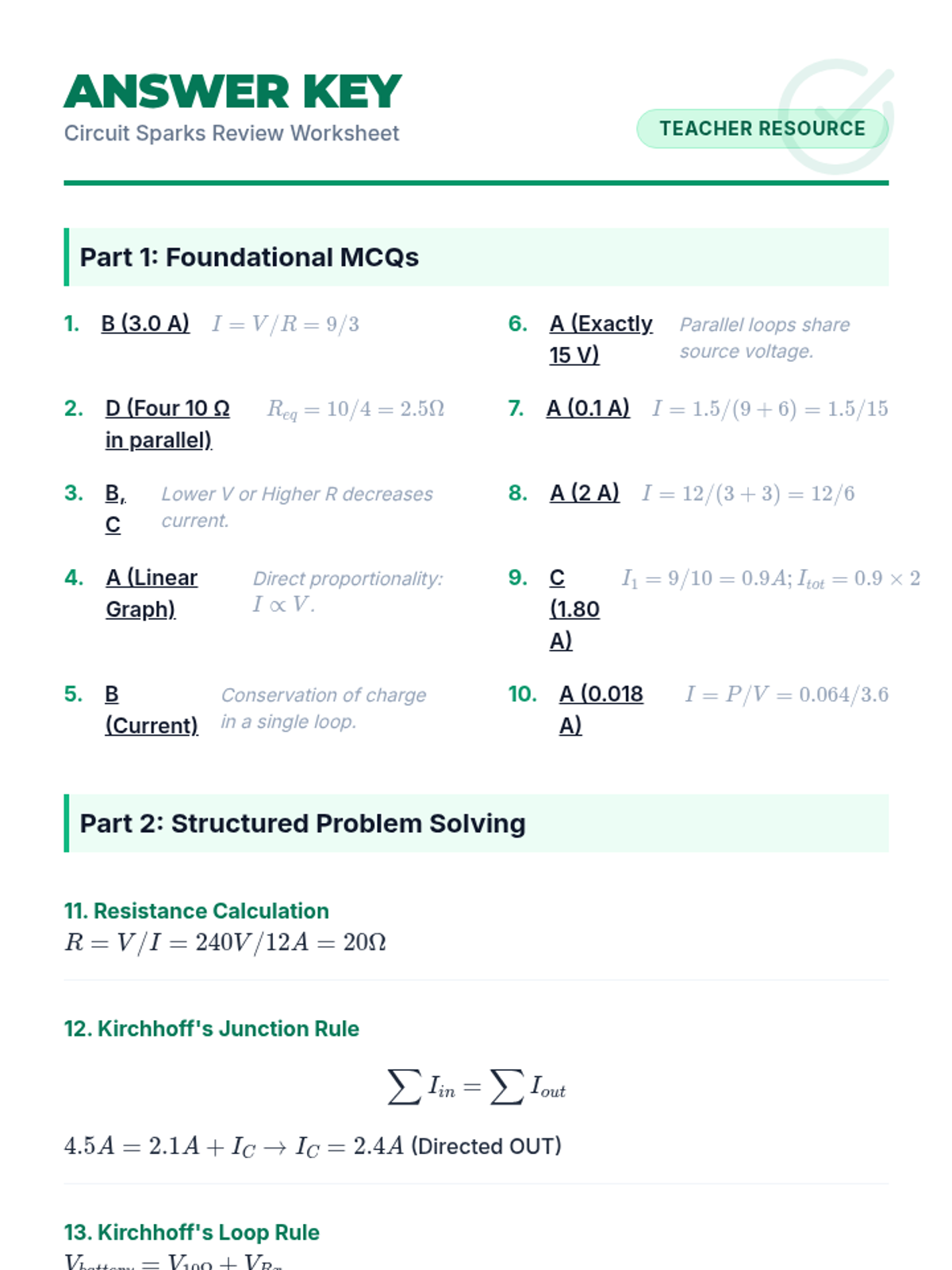
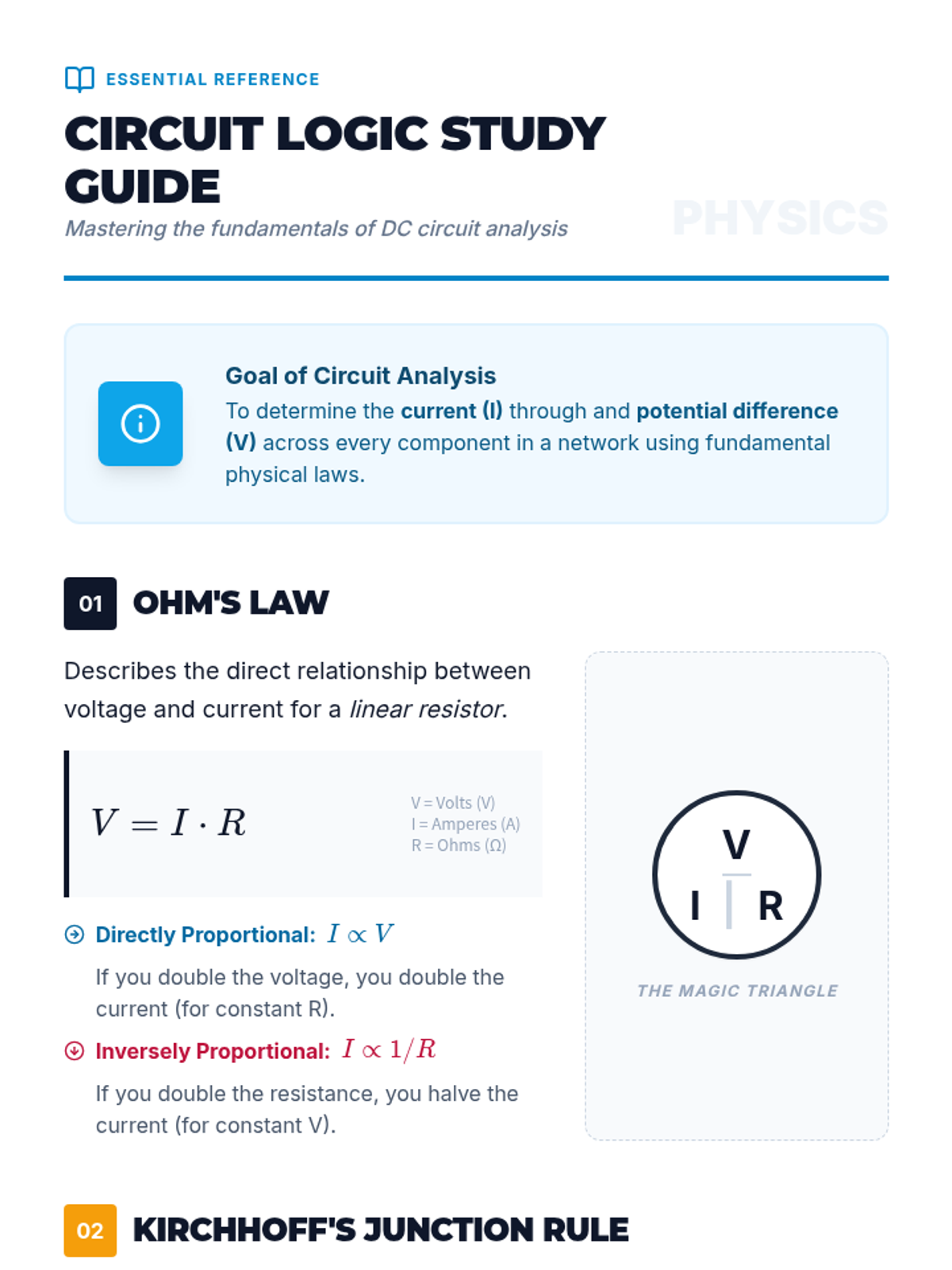
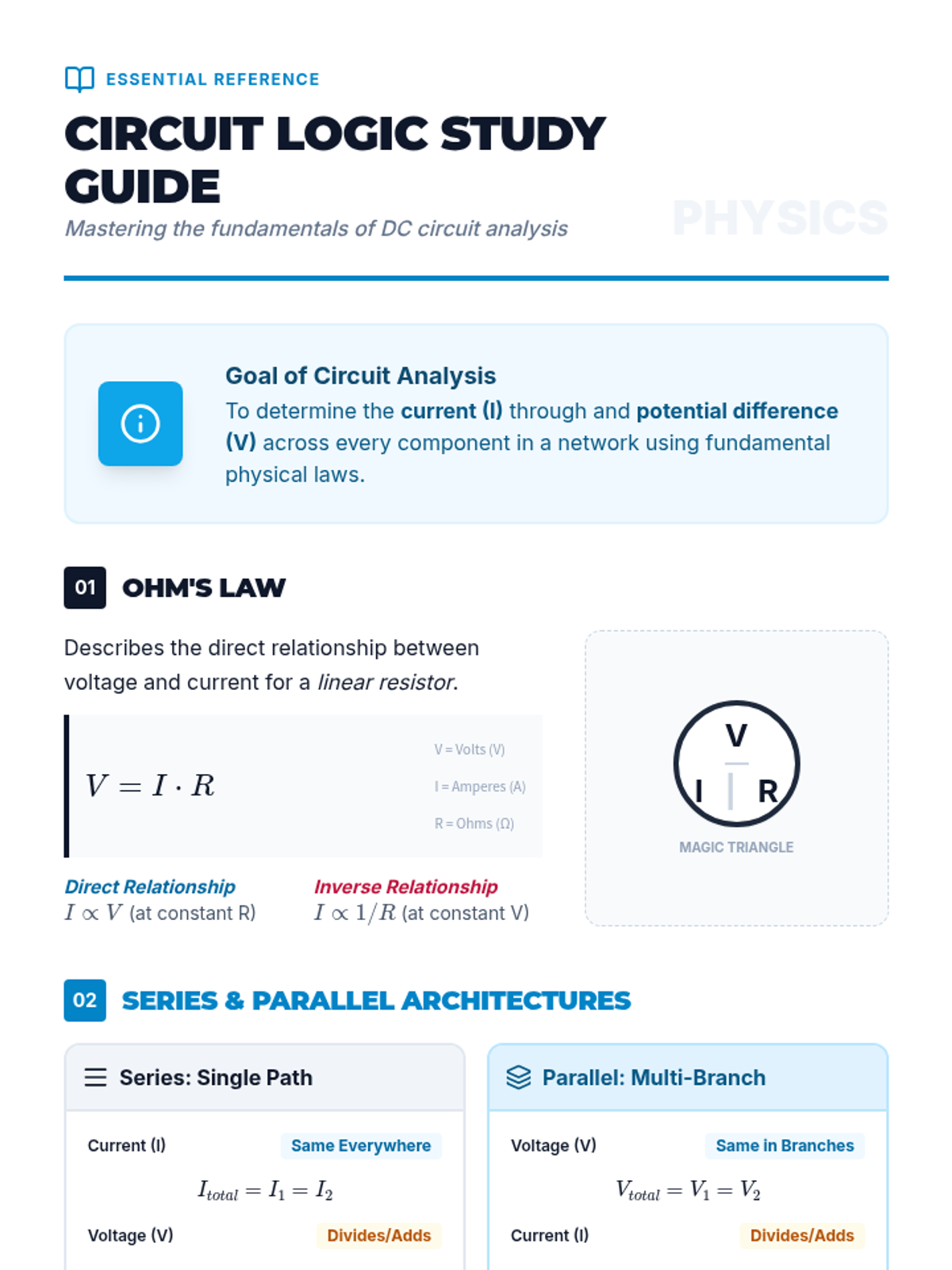
A comprehensive unit exploring the fundamentals of electricity, magnetism, and how they combine in circuits, focusing on energy transformations and hands-on visuals.
A comprehensive sequence on how Earth's surface is transformed through the processes of weathering and erosion, focusing on the specific agents that shape our landscapes.
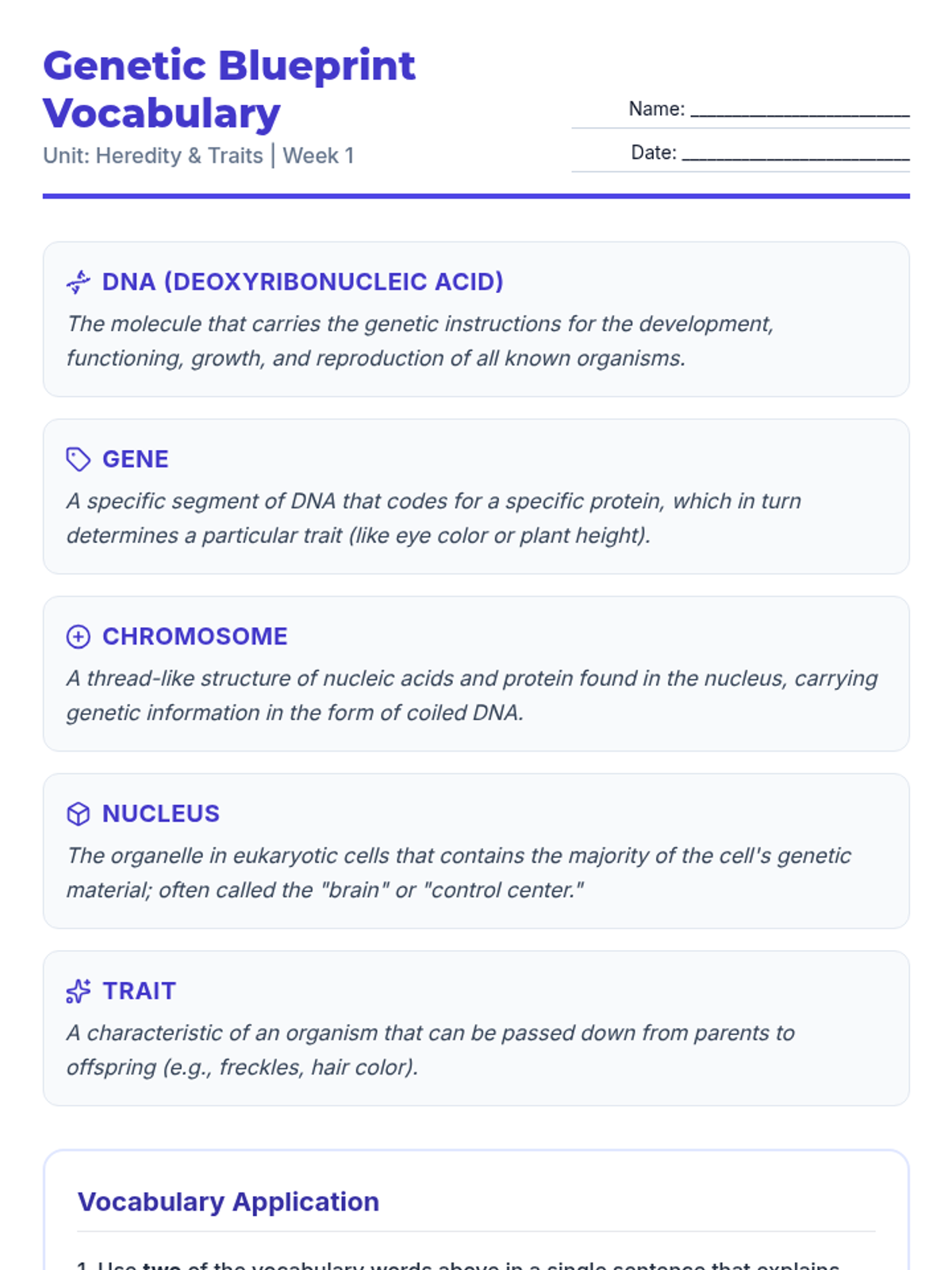
A lesson sequence focused on the scientific method, using a mystery box activity to practice observation, hypothesis formation, and experimentation. Students explore the historical roots of the method and apply it to solve physical puzzles.
A unit exploring the fundamental concepts of business, economics, and entrepreneurship for middle school students.
A comprehensive lesson sequence on human body systems, starting with the fundamentals of cellular organization and homeostasis.
A deep dive into marine biology and animal physiology, focusing on the unique adaptations that allow aquatic life to thrive in diverse environments.
A series of lessons exploring the intersection of technology, geology, and environmental science, focusing on how the products we use every day are connected to the Earth's resources and the global environment.
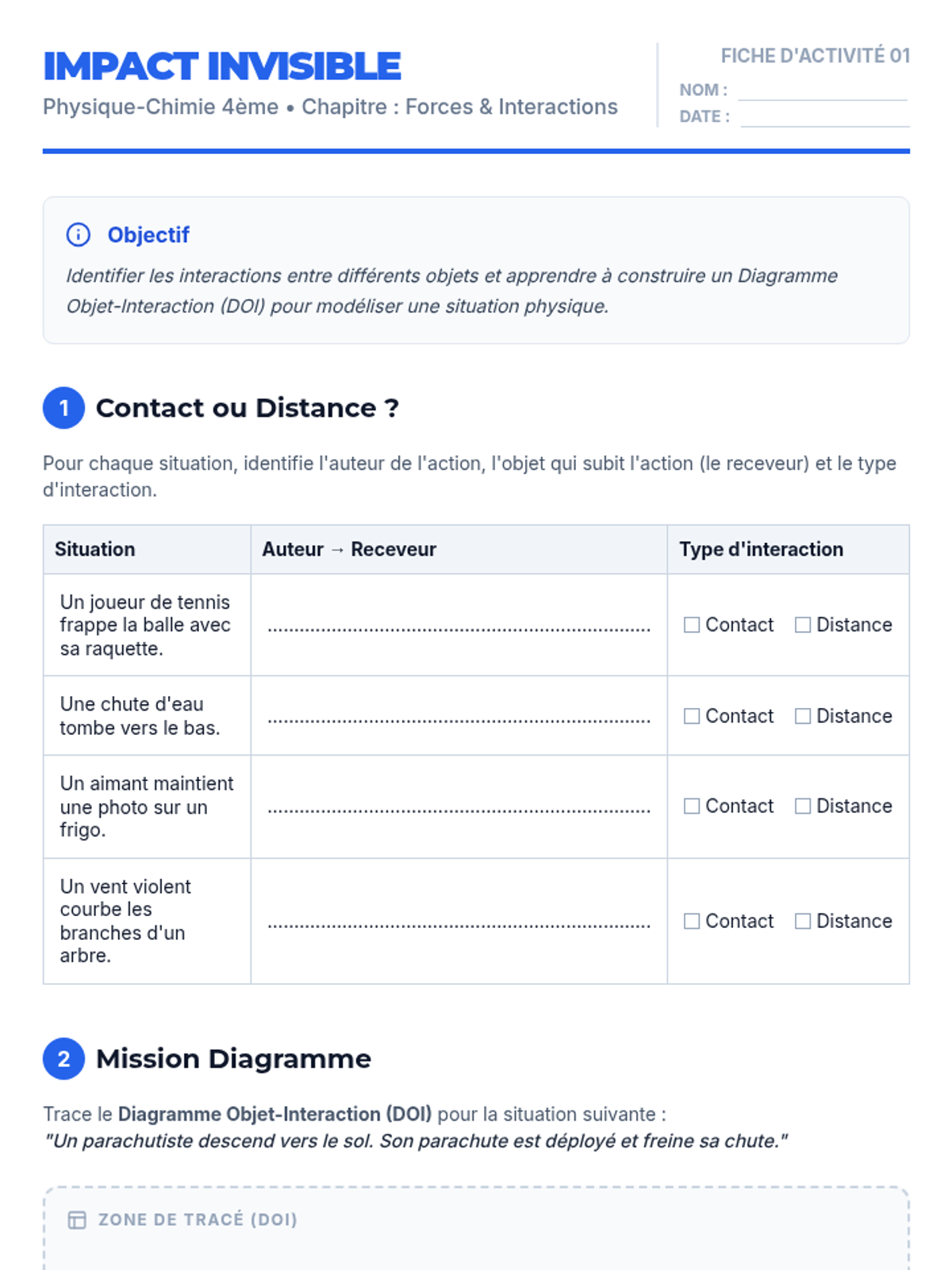
A hands-on exploration of physics and forces, focusing on gravity, motion, and air resistance through engineering challenges.
A lesson sequence focusing on the differences between renewable and non-renewable energy sources, culminating in a town council role-play debate. Students explore energy transformations and evaluate the environmental and economic impacts of different power sources.
An exploration of the dynamic processes that shape our planet's surface, focusing on tectonic activity, volcanic formations, and the movement of the Earth's crust.
A comprehensive science lesson for 4th-6th graders exploring the six types of volcanoes and the relationship between lava viscosity and volcano shape. The sequence includes a hands-on 'Ketchup Race' demonstration, video analysis, and a sculpting activity.
A lesson sequence for 7th-grade biology focusing on the reproductive adaptations of sessile organisms, specifically sponges, and the evolutionary advantages of hermaphroditism.
A series of lessons focused on human-induced climate change, exploring the causes, effects, and potential solutions through data analysis and scientific inquiry.