Una secuencia didáctica sobre el desarrollo web interactivo, enfocada en la captura de eventos del teclado mediante JavaScript para crear experiencias de usuario dinámicas y juegos sencillos.
A comprehensive 3-lesson unit exploring the science, chemistry, and purpose of bioluminescence in nature. Students dive into the deep sea, experiment with chemical reactions, and analyze how light is used for survival.
A 3-day introductory science sequence for early learners (PreK-1st) exploring the fundamental needs of plants, animals, and humans. Students will discover commonalities in survival requirements through visuals, guided practice, and hands-on sorting.
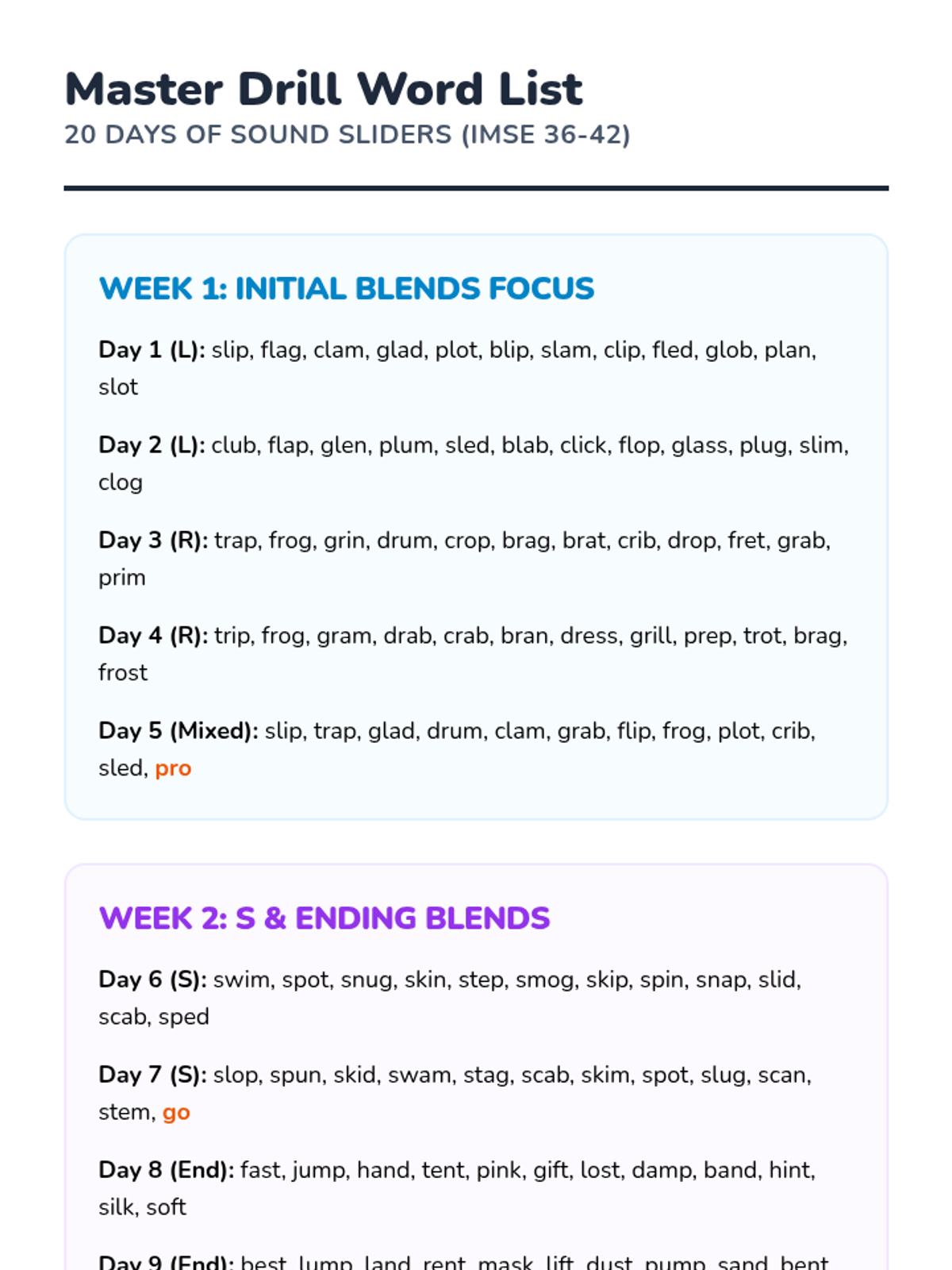
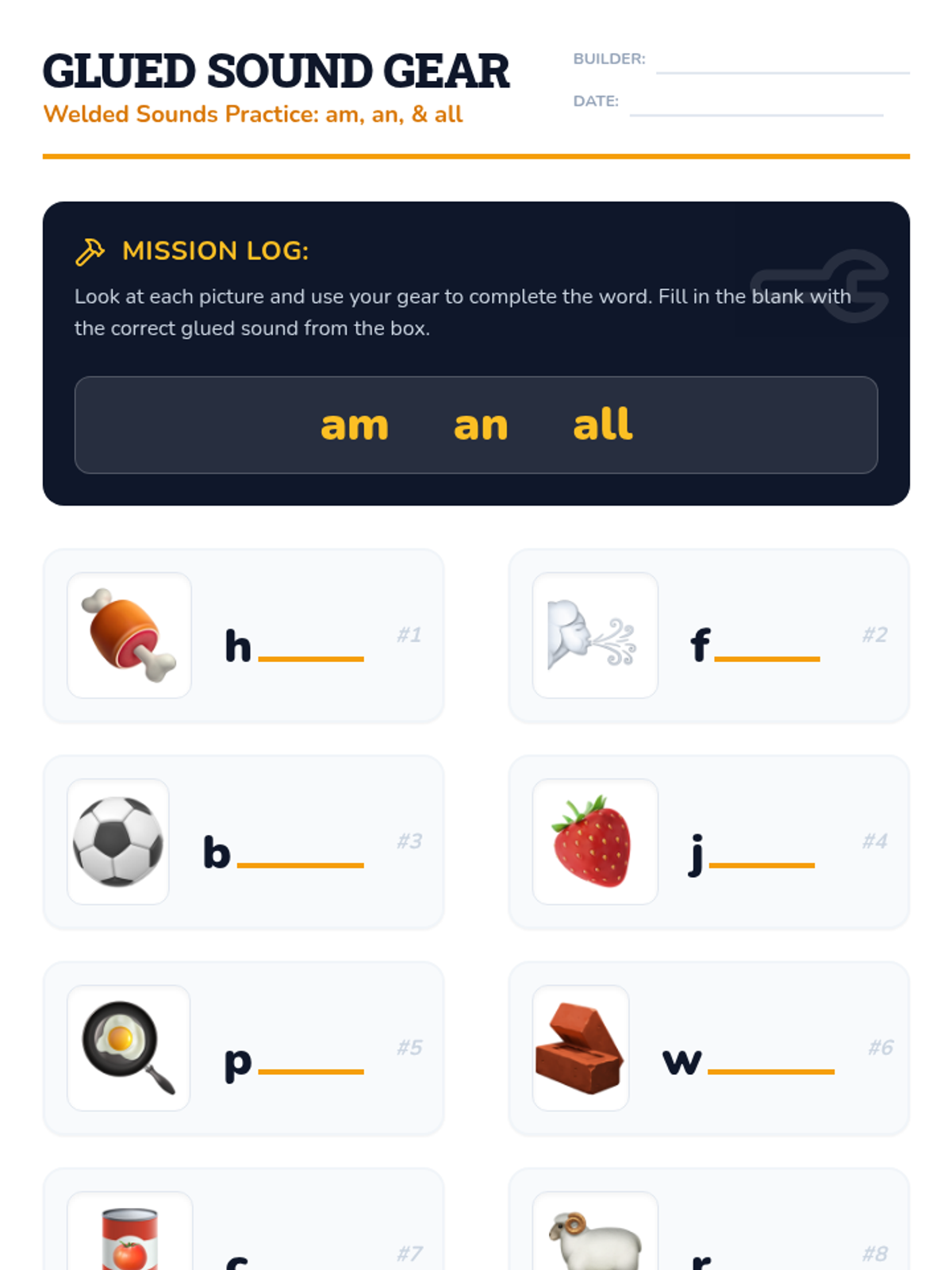
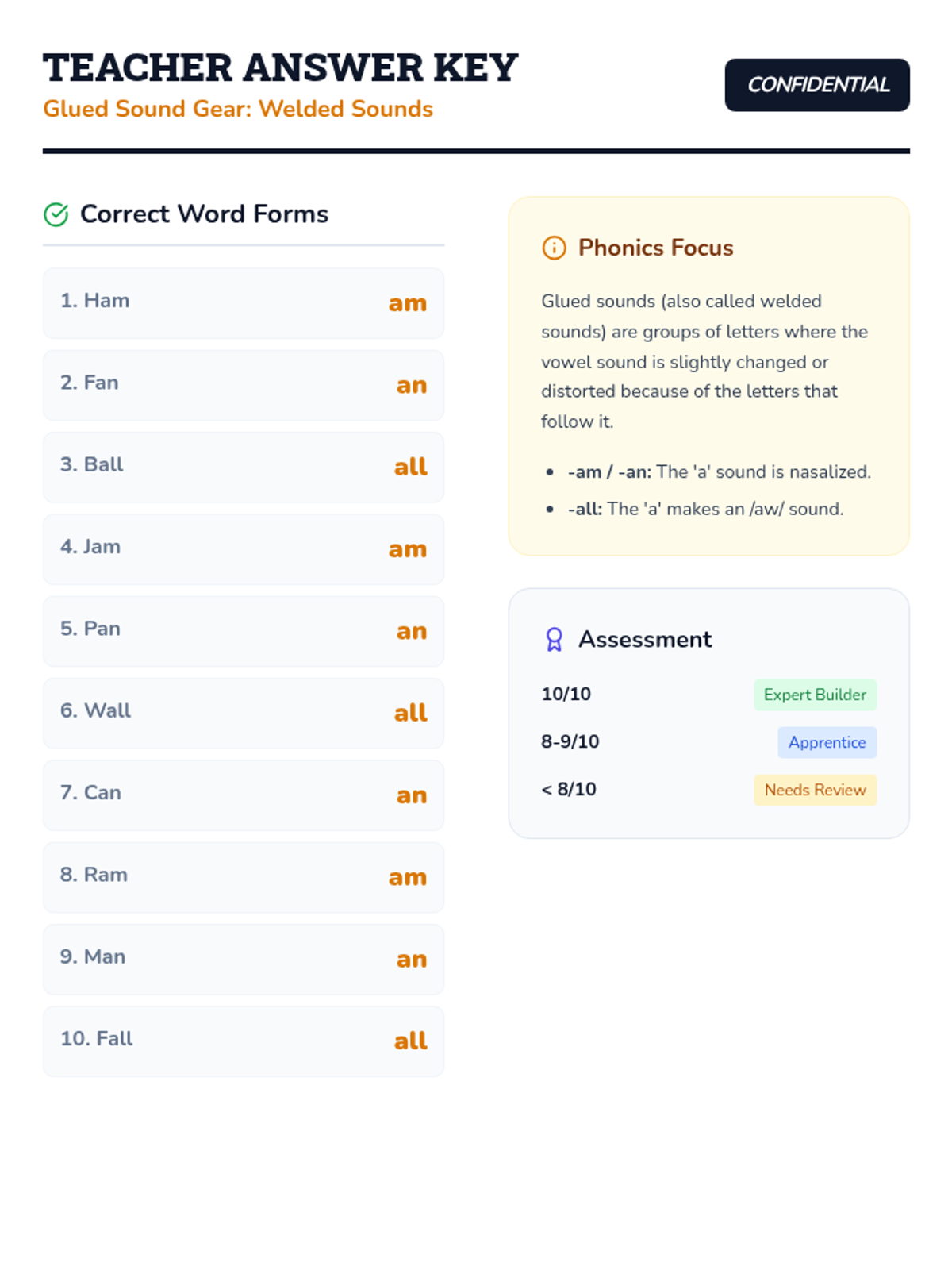
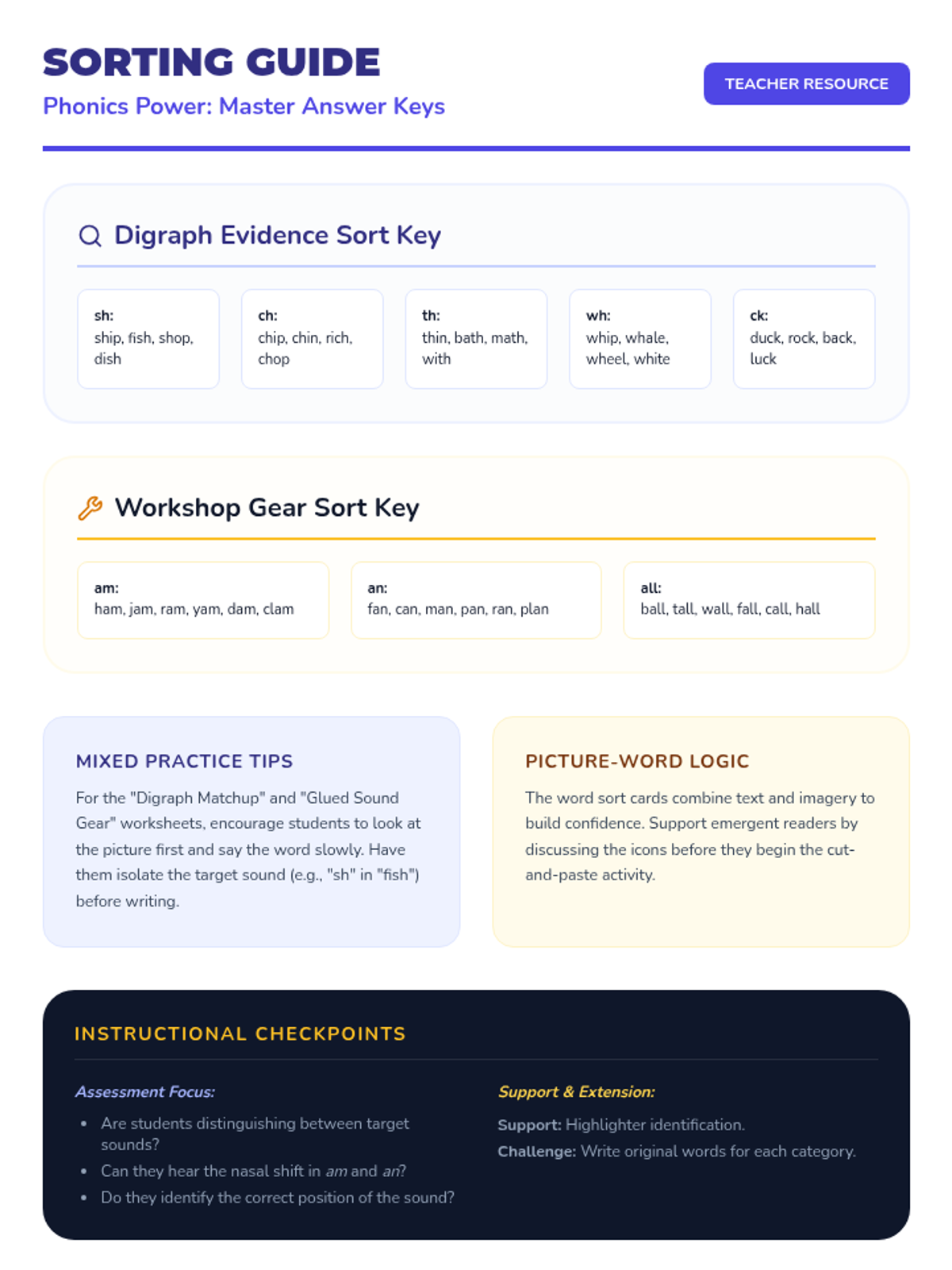
A comprehensive 5-day phonics unit focused on the "bonus letters" (Floss Rule: f, l, s, z) including heart words 'your' and 'want'. Students explore the concept of doubling final consonants in one-syllable short vowel words through a factory-themed learning experience.
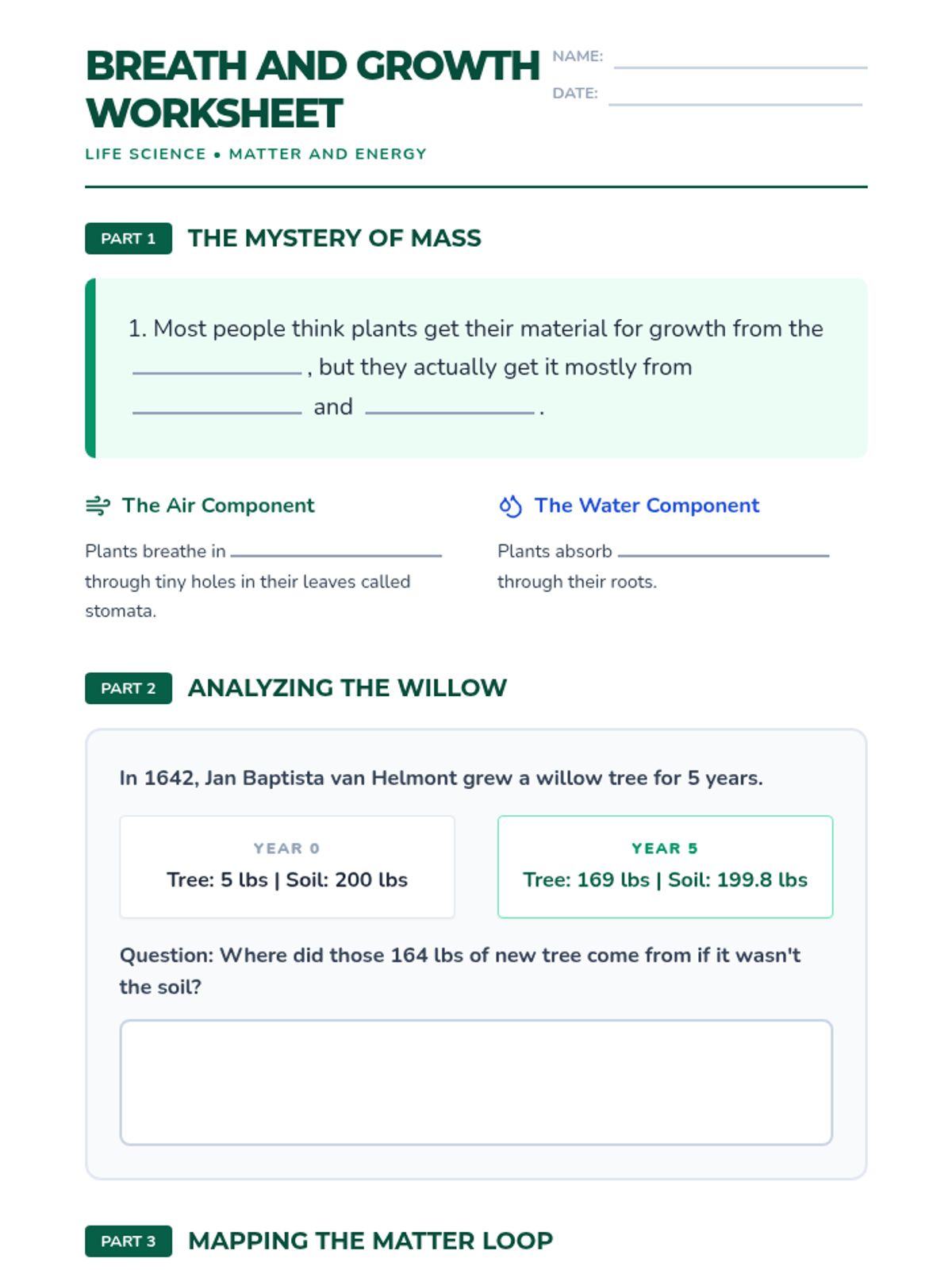
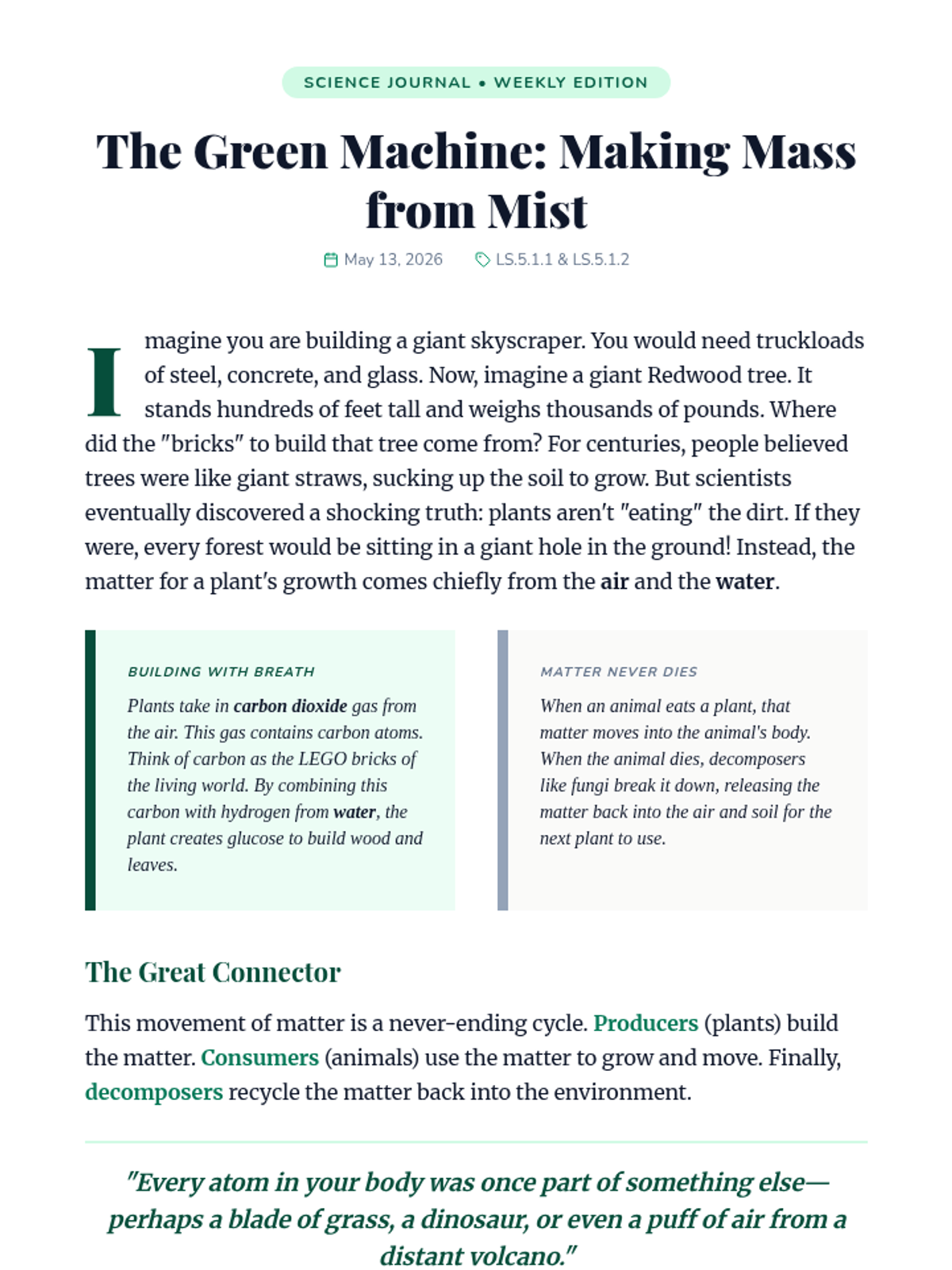
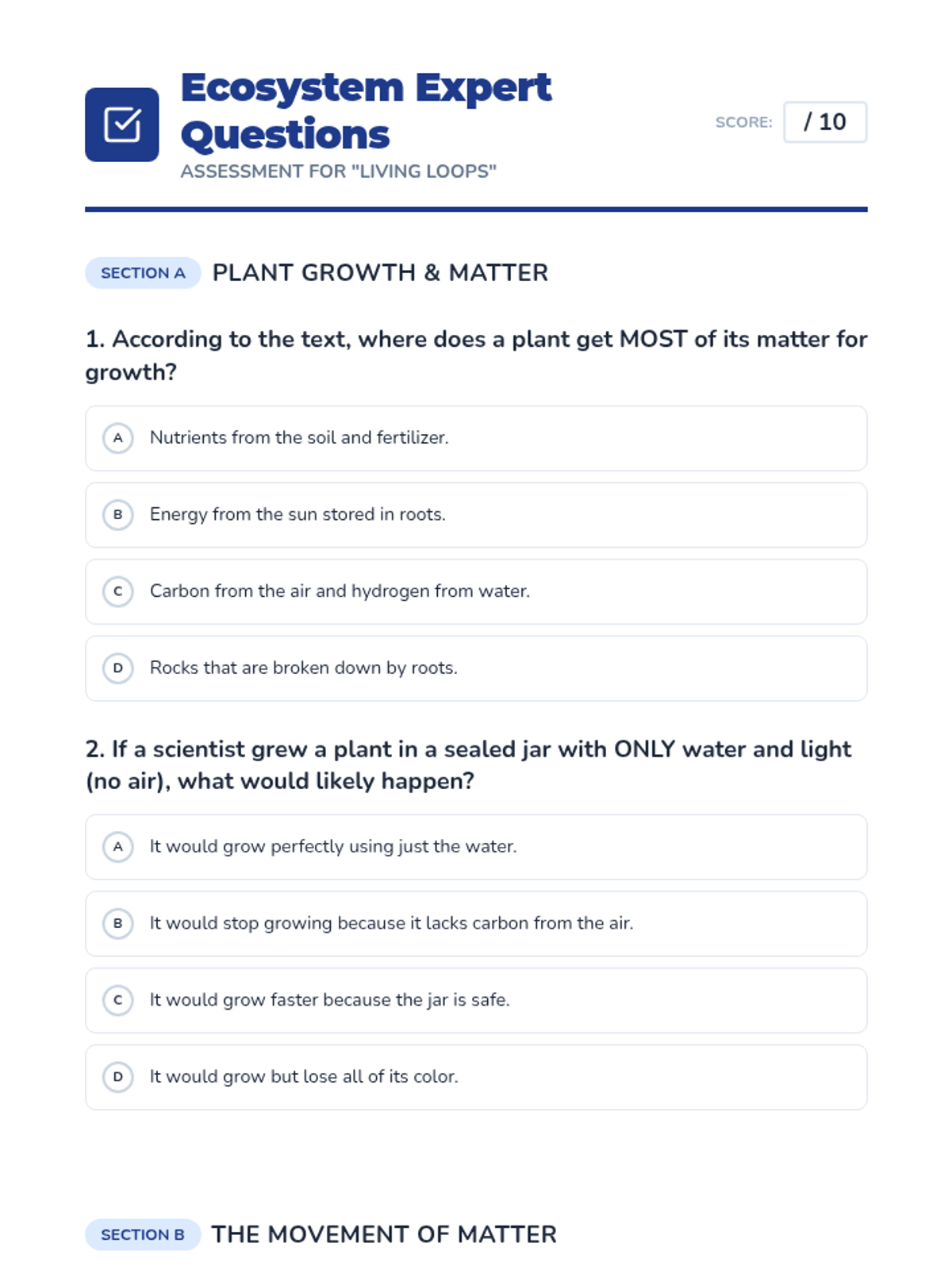
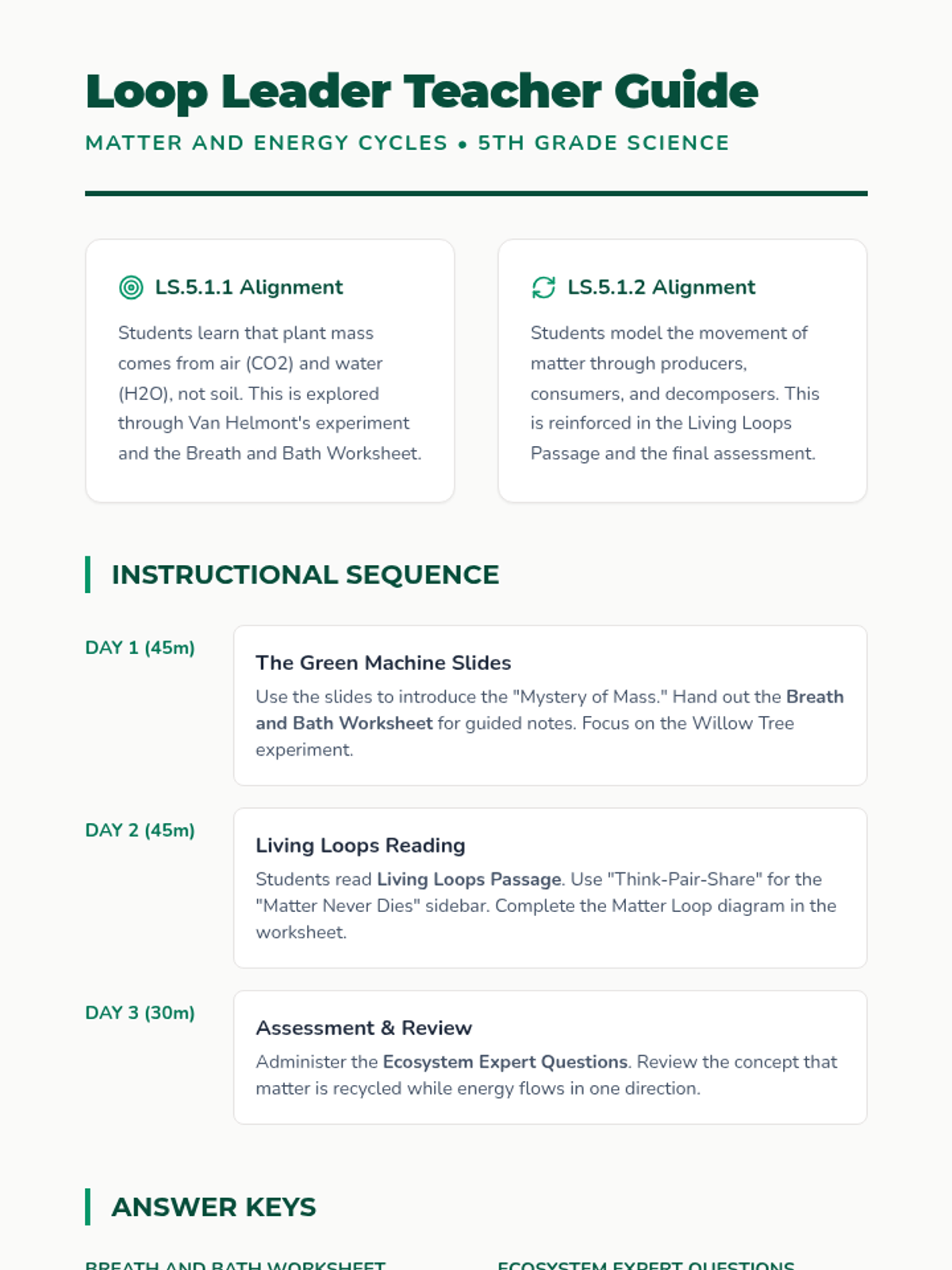
A three-day exploration of the interconnected roles of chloroplasts and mitochondria in cycling matter through ecosystems. Students use a lunar colony hypothetical lab to apply the scientific method to real-world gas exchange scenarios.
A series of high-level assessments for Grade 11 Biology focusing on the body's homeostatic mechanisms and organ systems.
A multi-day exploration of the butterfly life cycle for 2nd graders, featuring interactive instruction, a directed drawing activity, and a summative assessment.
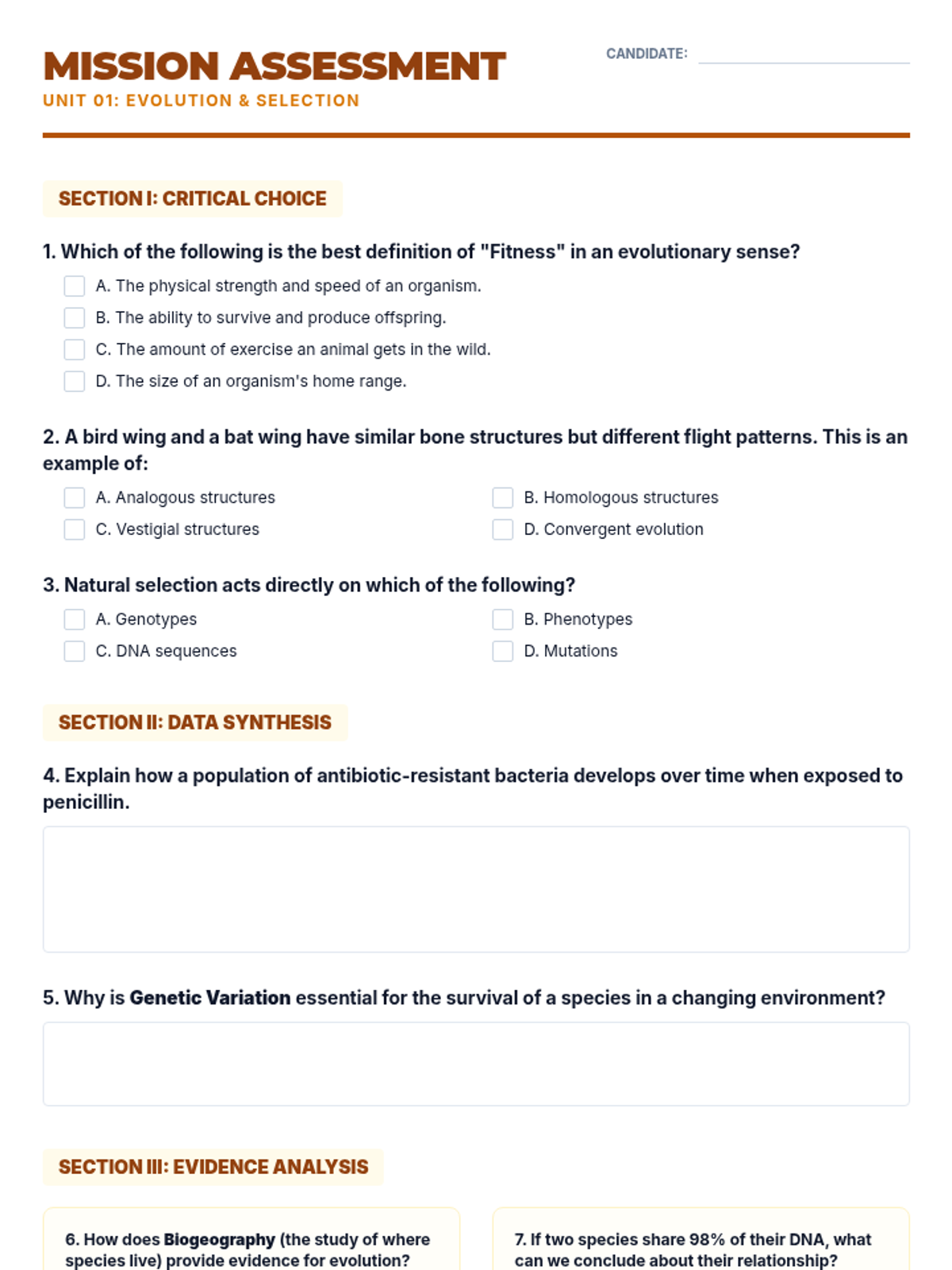
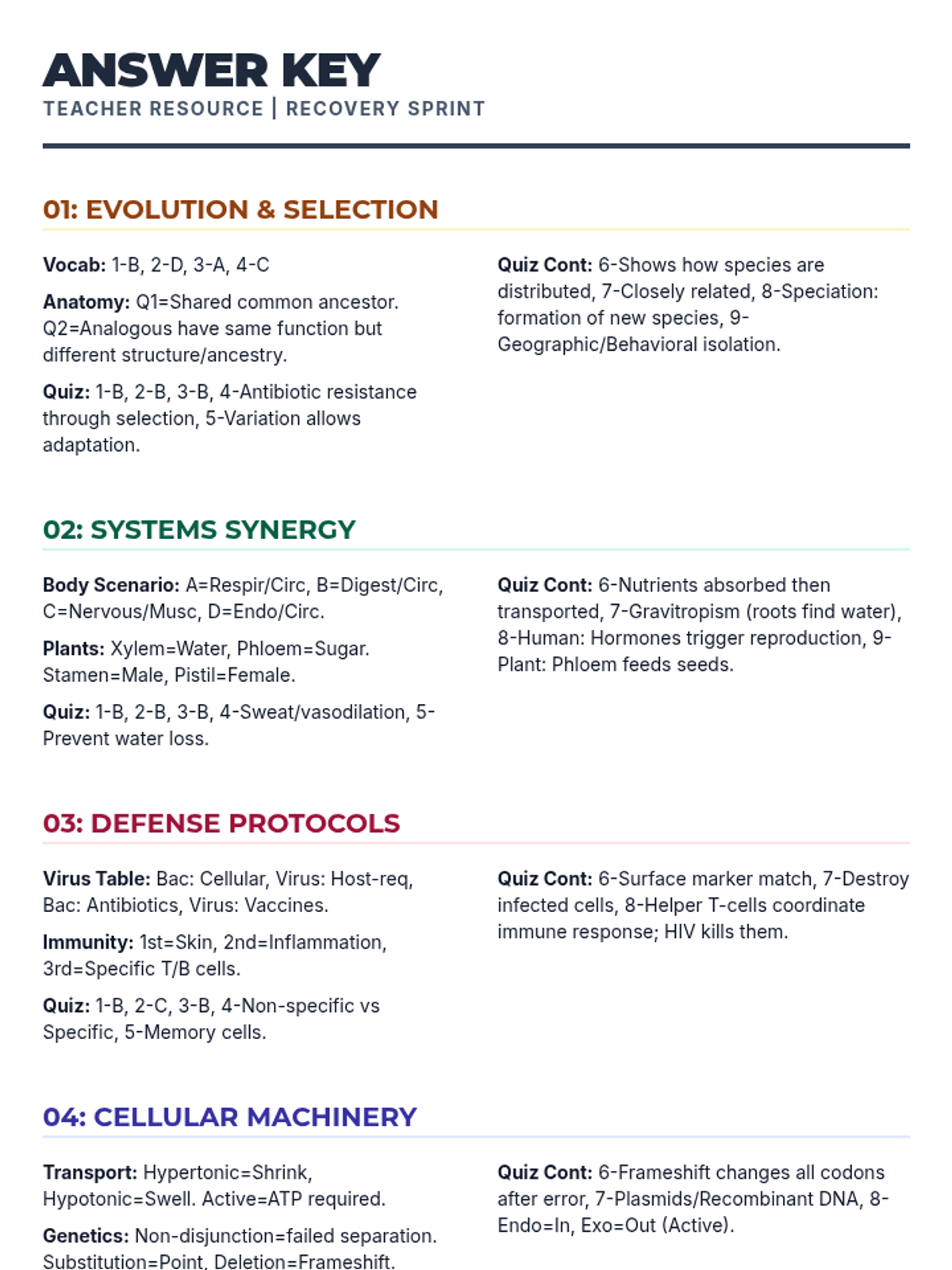
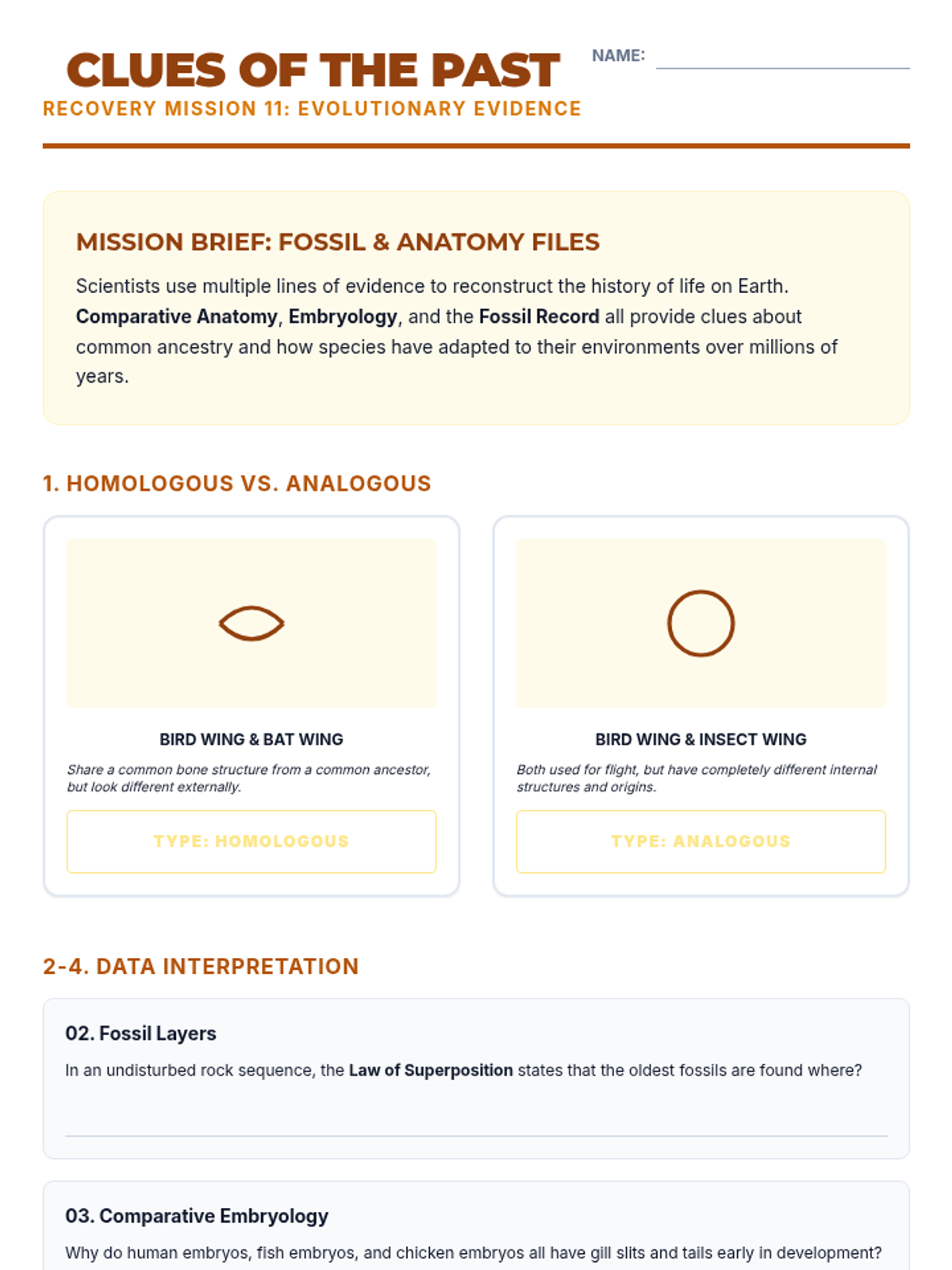
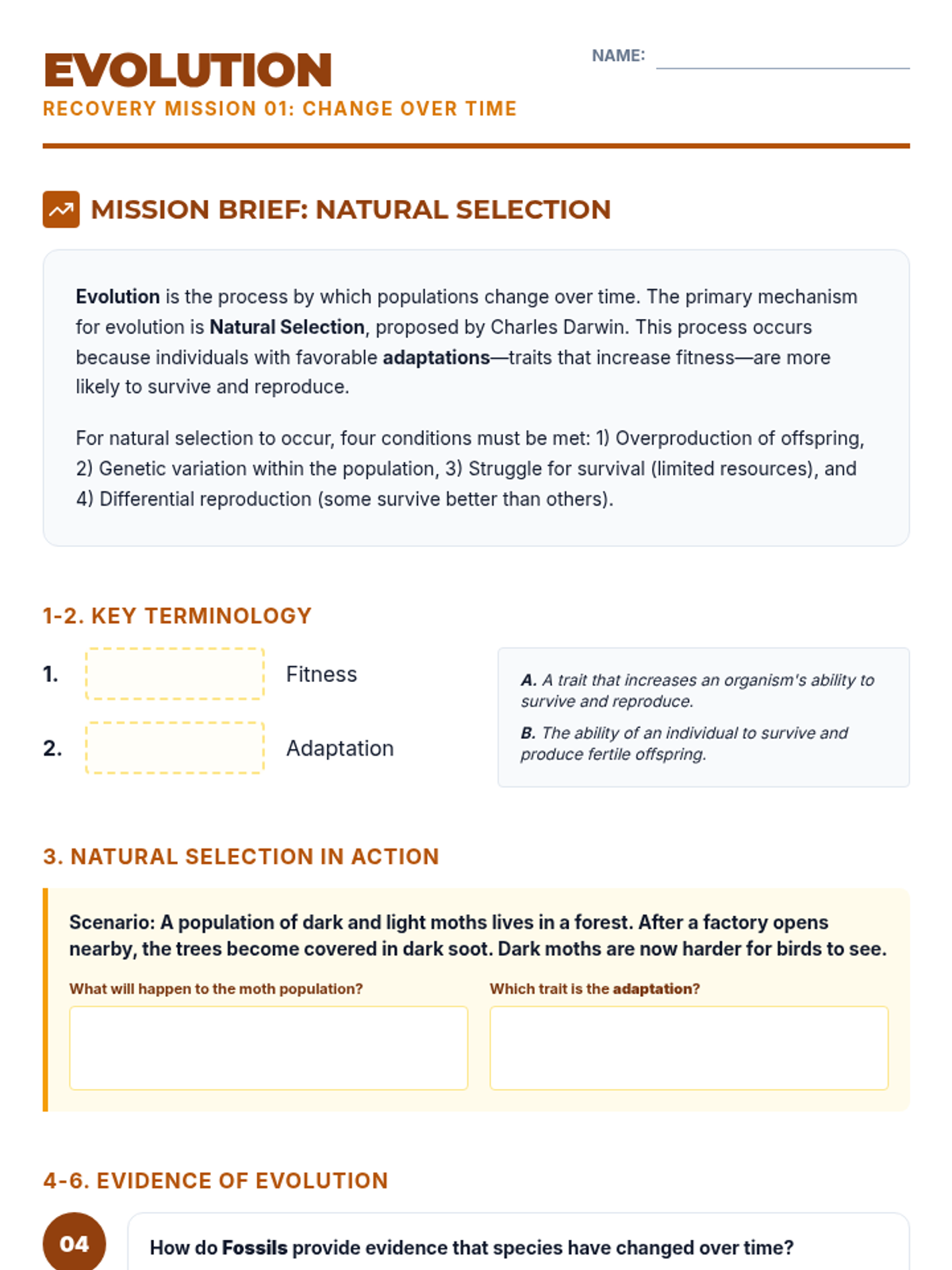
This sequence explores the evidence for biological evolution and the mechanisms of heredity, aligning with Grade 8 science standards for understanding Earth's history and life forms.
A two-day unit exploring the carbon cycle's movement through diverse ecosystems, focusing on how carbon storage and release impact global stability. Students examine oceans, rainforests, tundra, and local environments to understand ecological balance.
A two-week environmental science review sequence focusing on key takeaways: climate change, pollution, renewable energy, and biodiversity. Students compile a 'Field Dossier' review packet as a final course artifact.
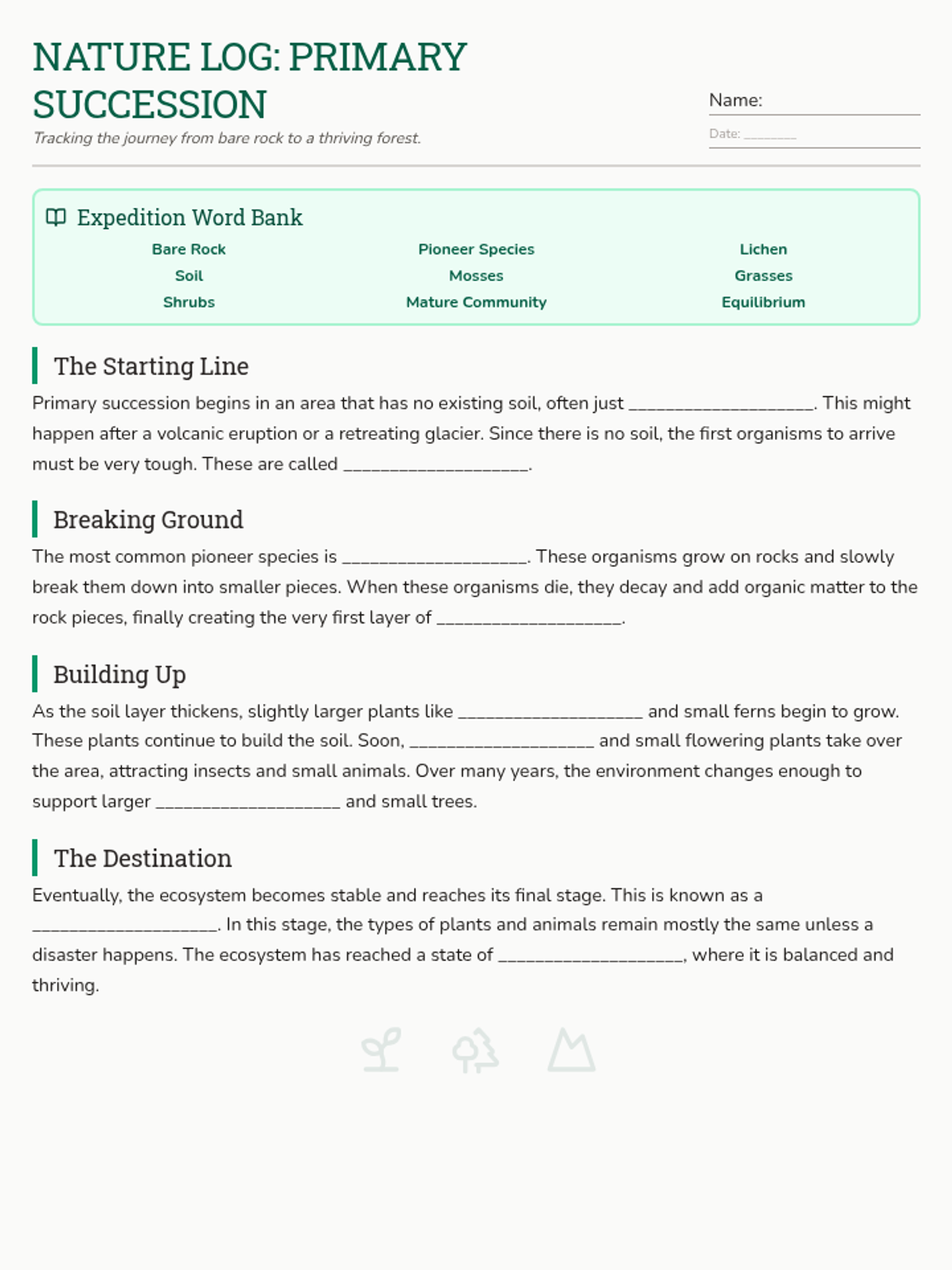
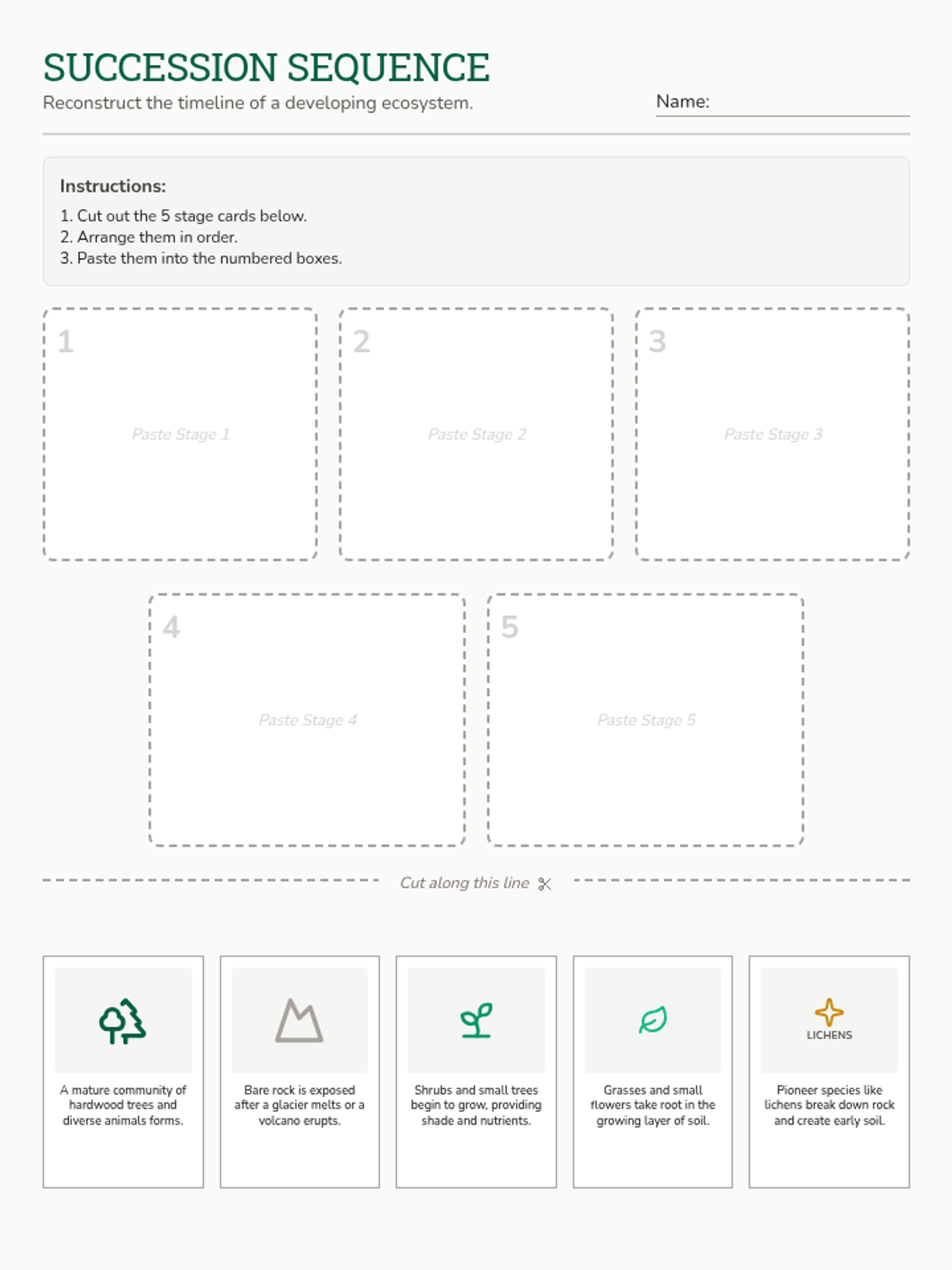
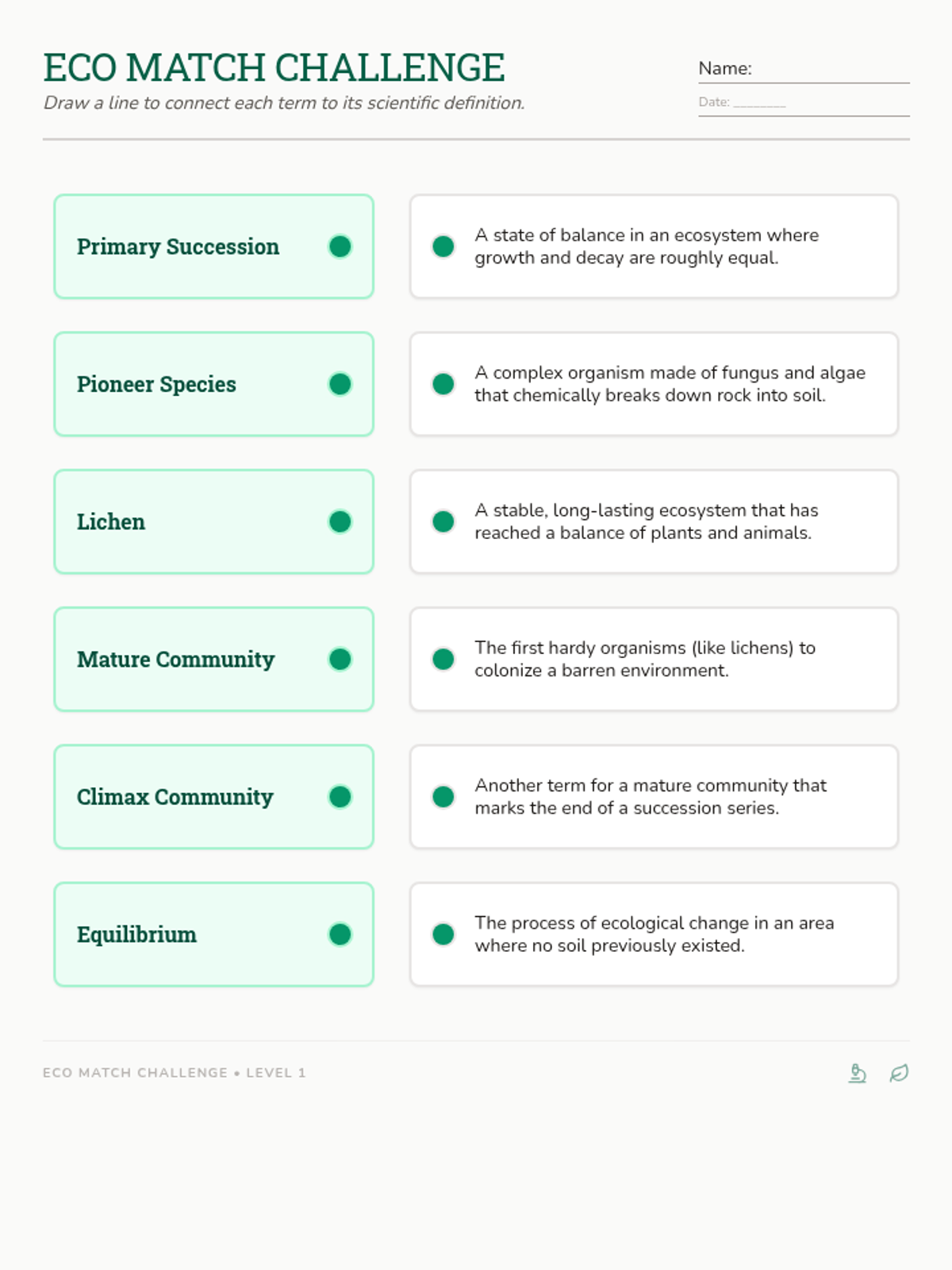
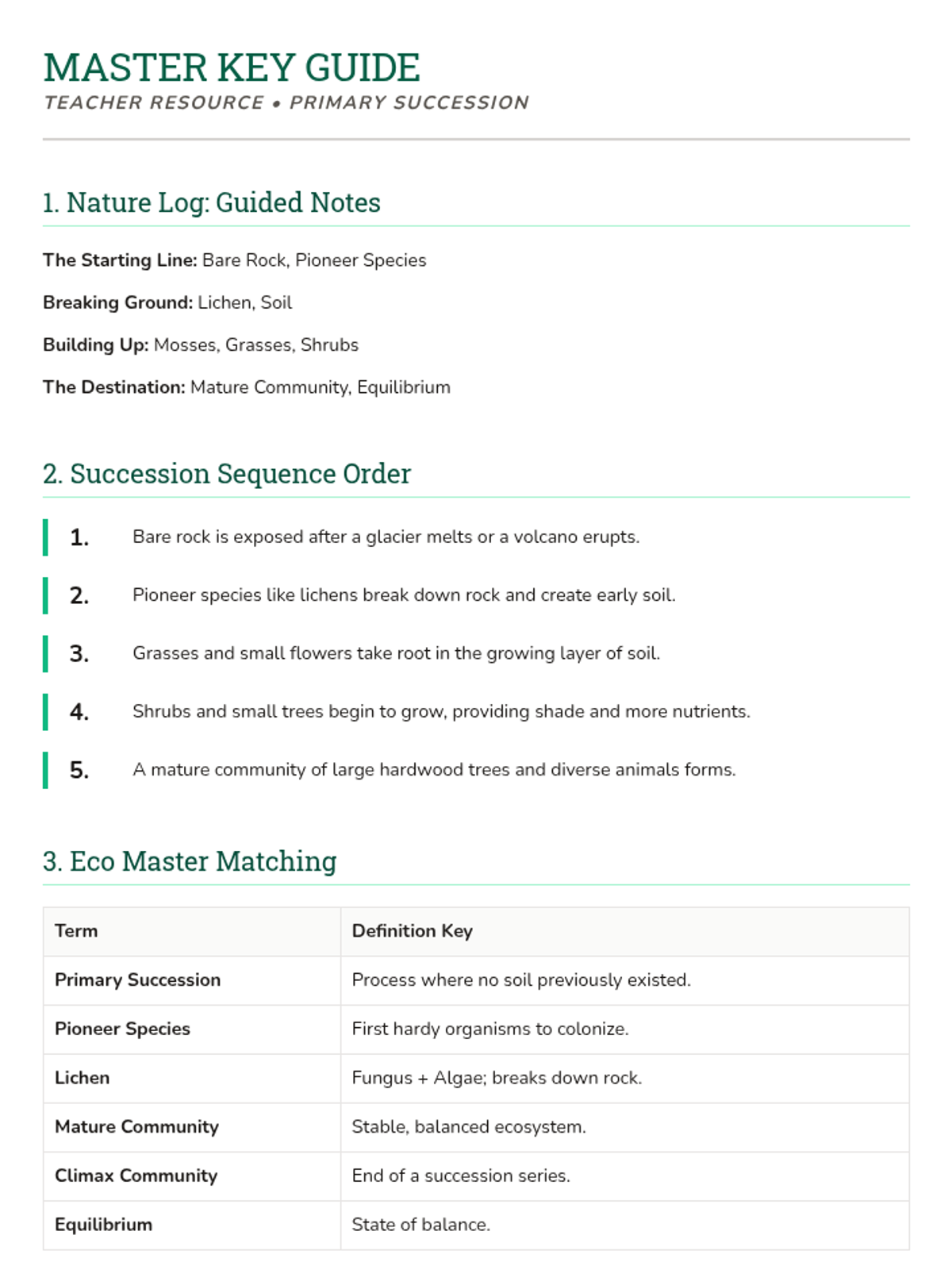
A 5-day exploration of environmental science concepts including ecological succession, tolerance levels, the Canadian grasslands biome, and human demographic impacts. Designed for a small-contained 9th/10th grade setting with high levels of scaffolding and modified reading materials.
A hands-on science and art unit where 2nd grade students investigate biodiversity in their school courtyard, comparing grassy and wooded habitats while repurposing natural materials into creative sculptures.
A high-intensity review sequence designed to move students from 'not met' to 'mastery' in Biology through vocabulary immersion and STAAR-style practice.
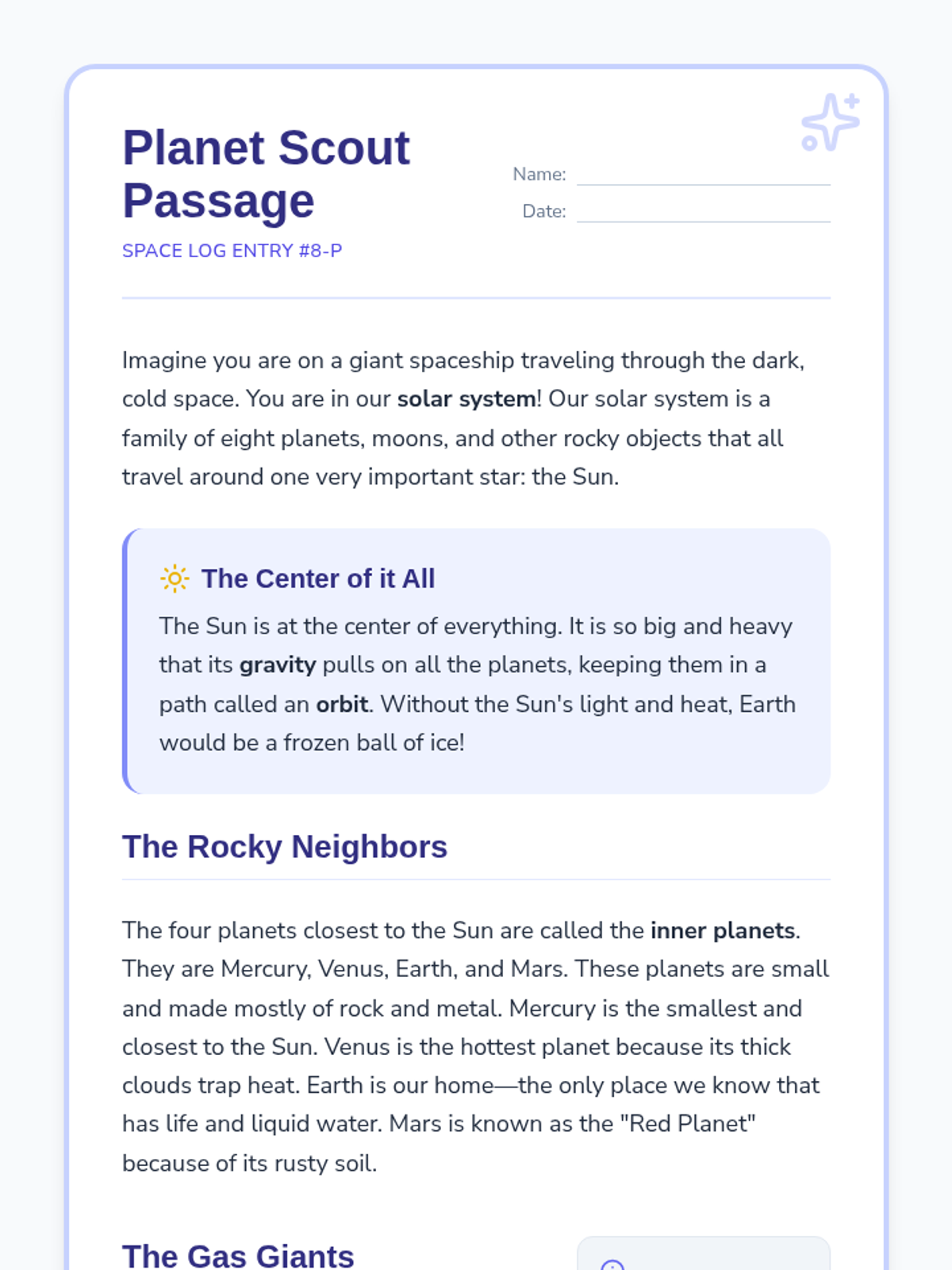
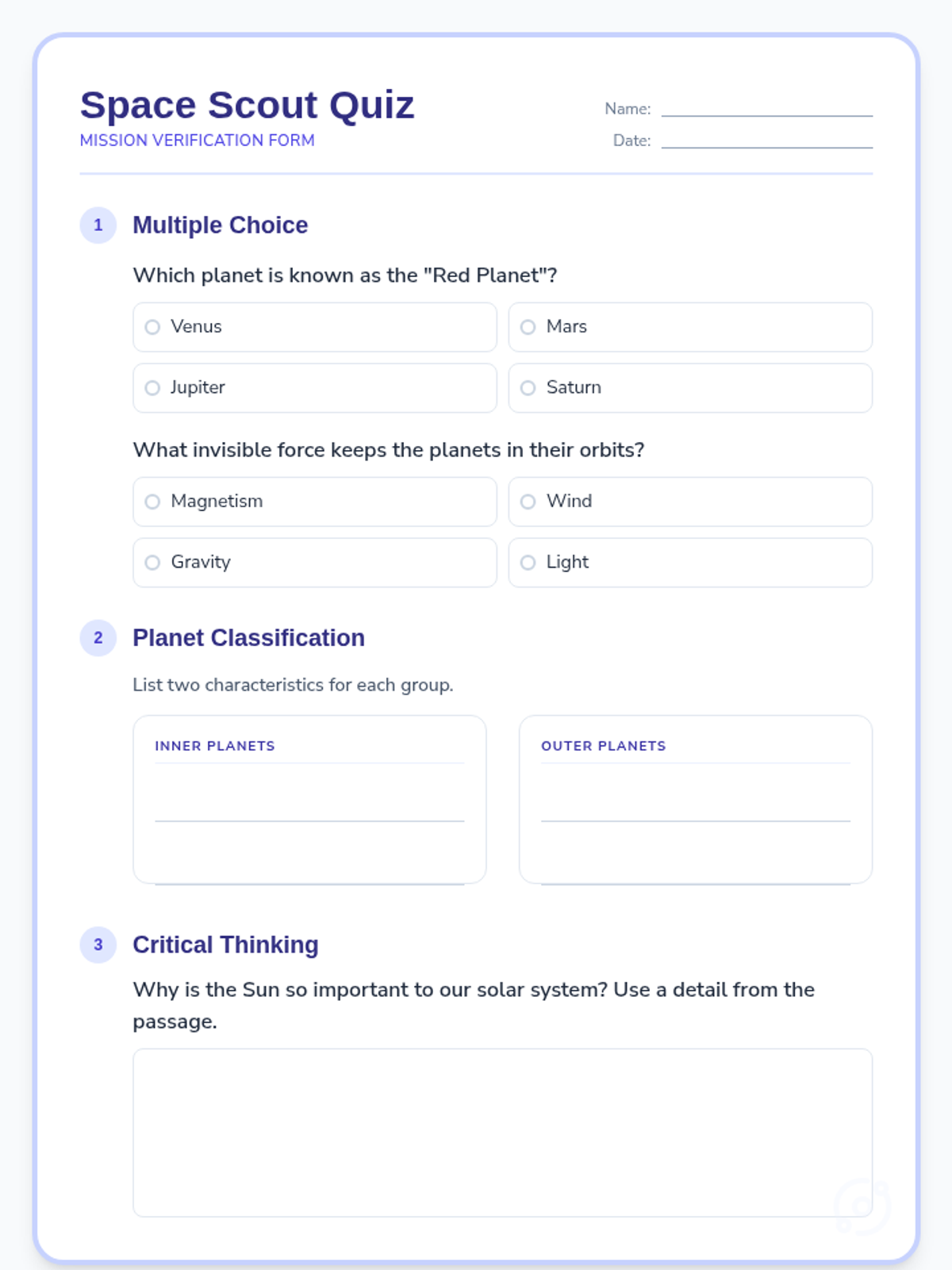
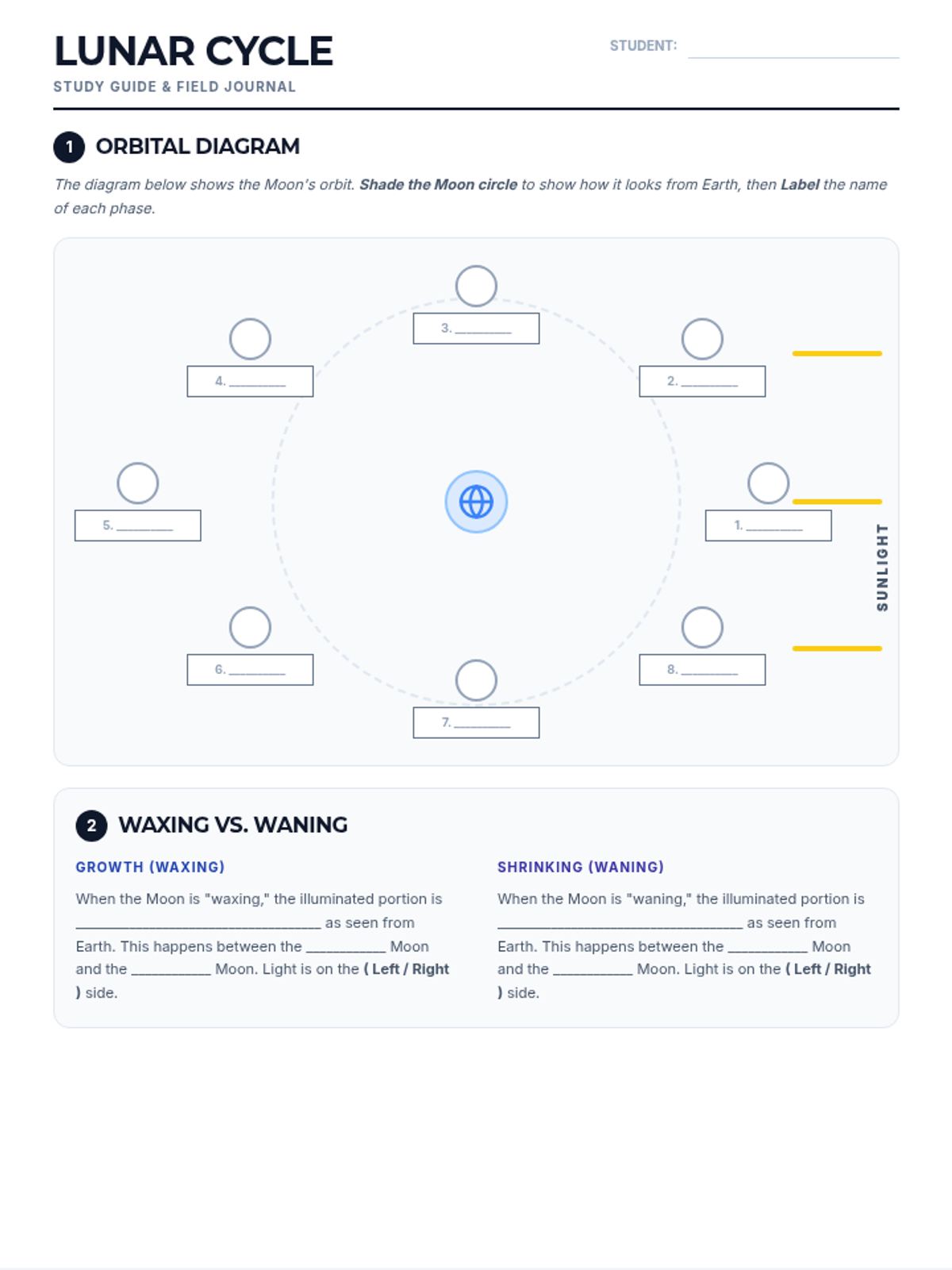
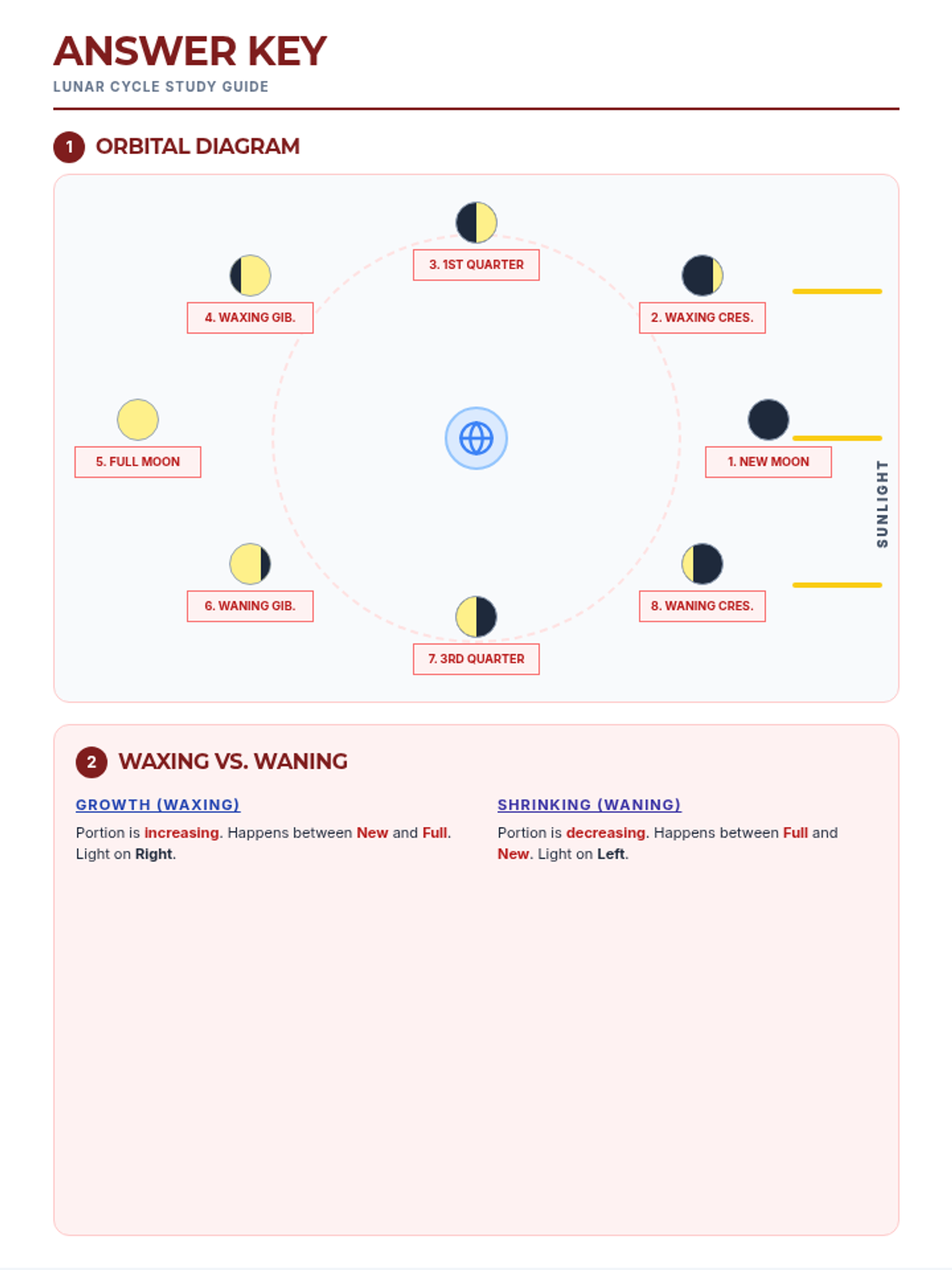
A comprehensive unit for 2nd graders exploring the wonders of our solar system, including the phases of the moon and the daily lives of space explorers.
A high-impact Biology STAAR preparation series utilizing AVID WICOR strategies. This sequence focuses on core reporting categories to ensure students are prepared for the Texas state assessment through collaborative and inquiry-based learning.
A two-part interdisciplinary unit for middle school students exploring the science and art of the Three Rs: Reduce, Reuse, and Recycle. Students analyze the environmental impact of waste through scientific data and then apply creative design thinking to upcycle materials into functional art.
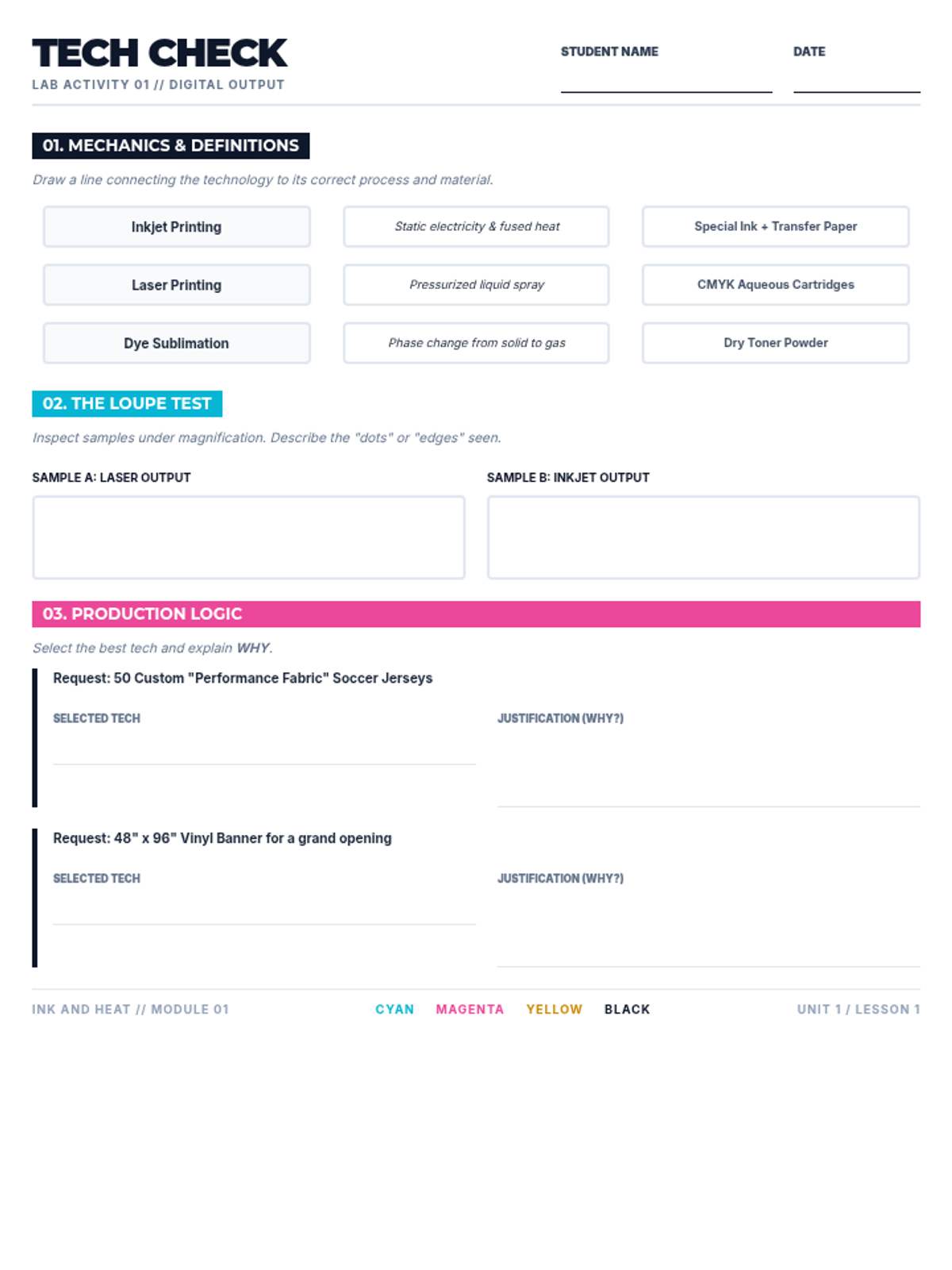
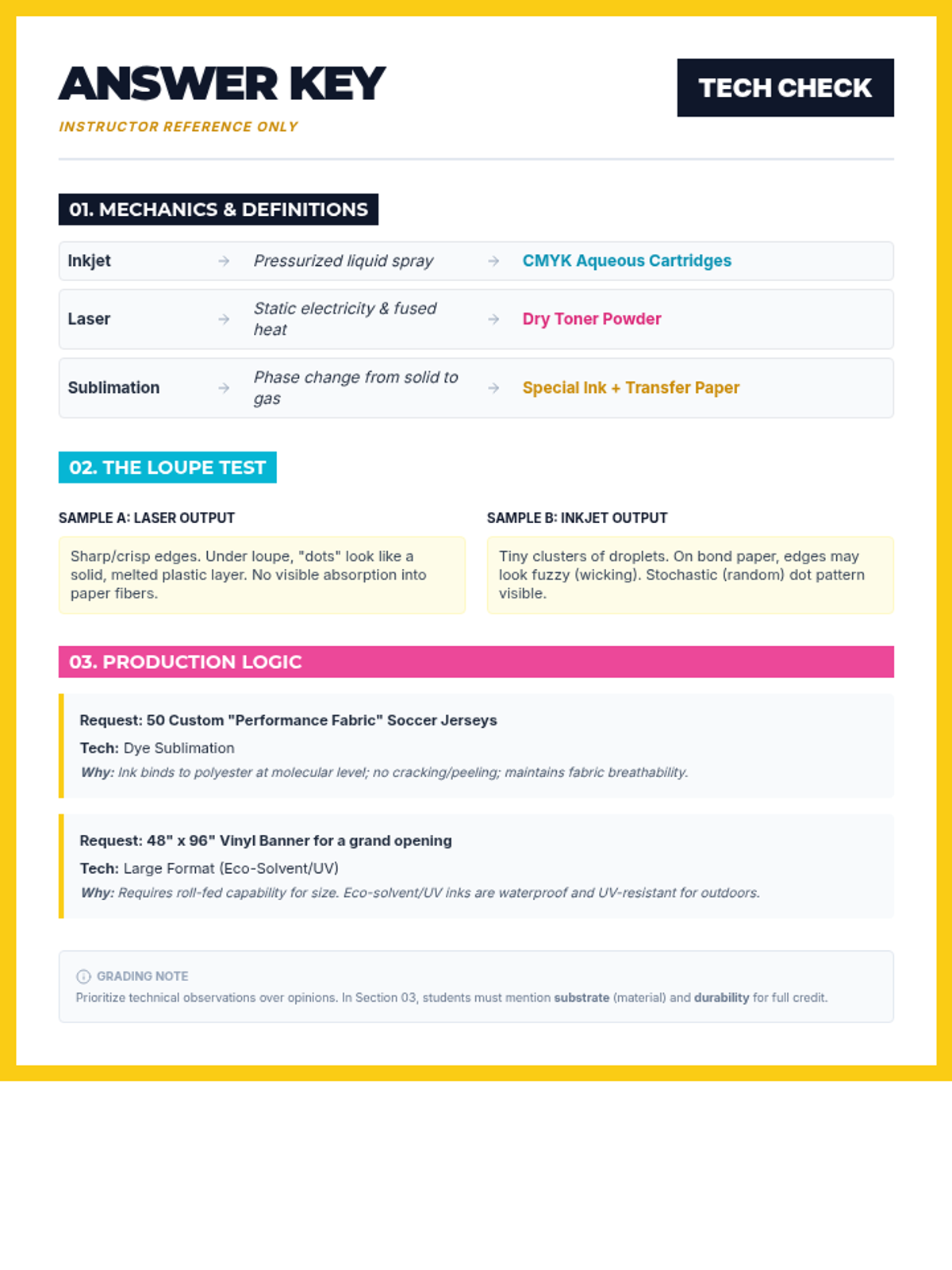
A comprehensive technology applications sequence covering Internet Safety & Ethics, Computer Hardware, and Spreadsheet Data Management. Designed for middle or high school students to build foundational digital literacy and technical skills.
A comprehensive unit for 2nd graders to explore diverse animal habitats around the world through hands-on activities, research, and a creative diorama project. Students will learn about the unique characteristics of different environments and how animals are adapted to survive in them.
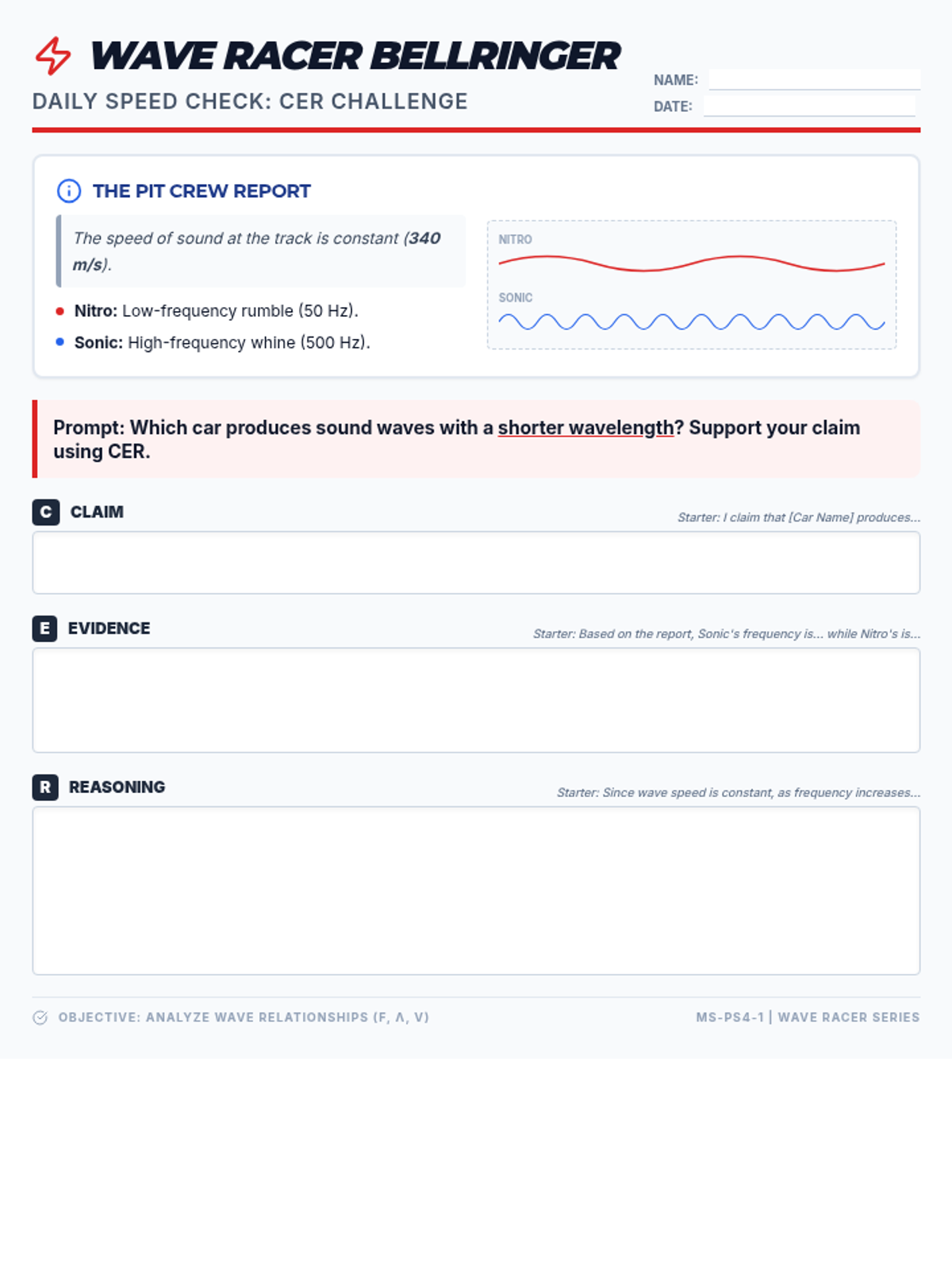
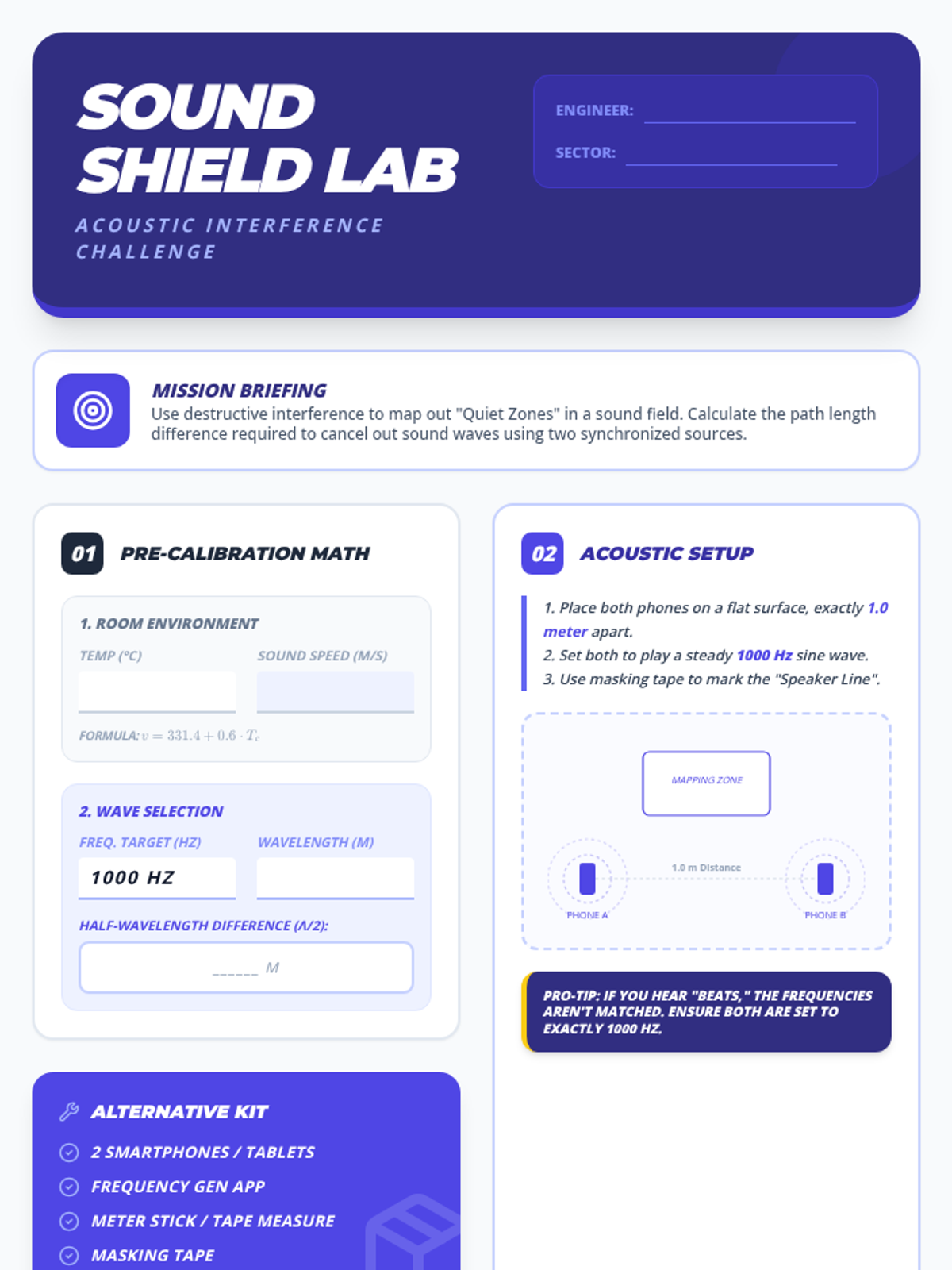
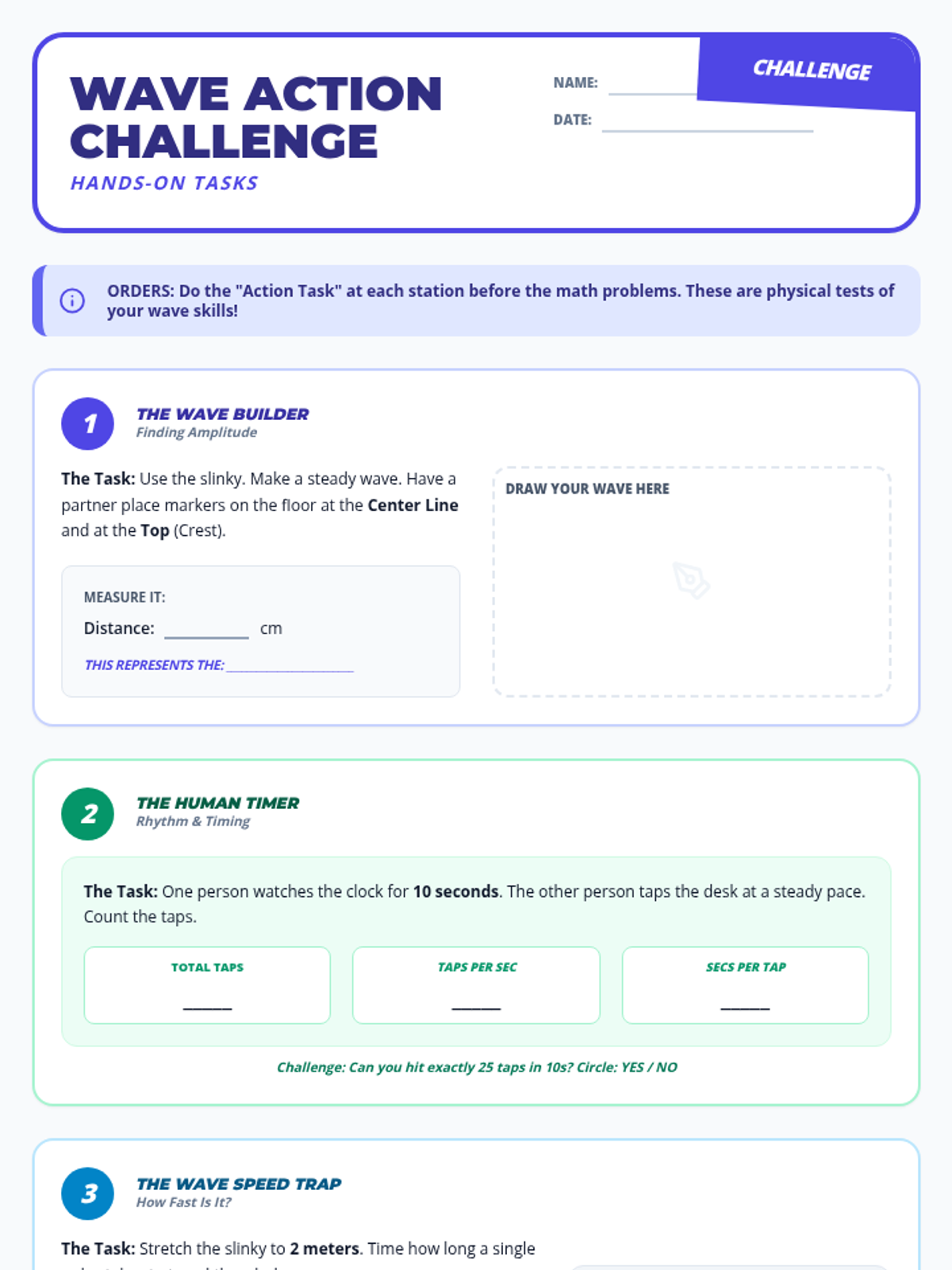
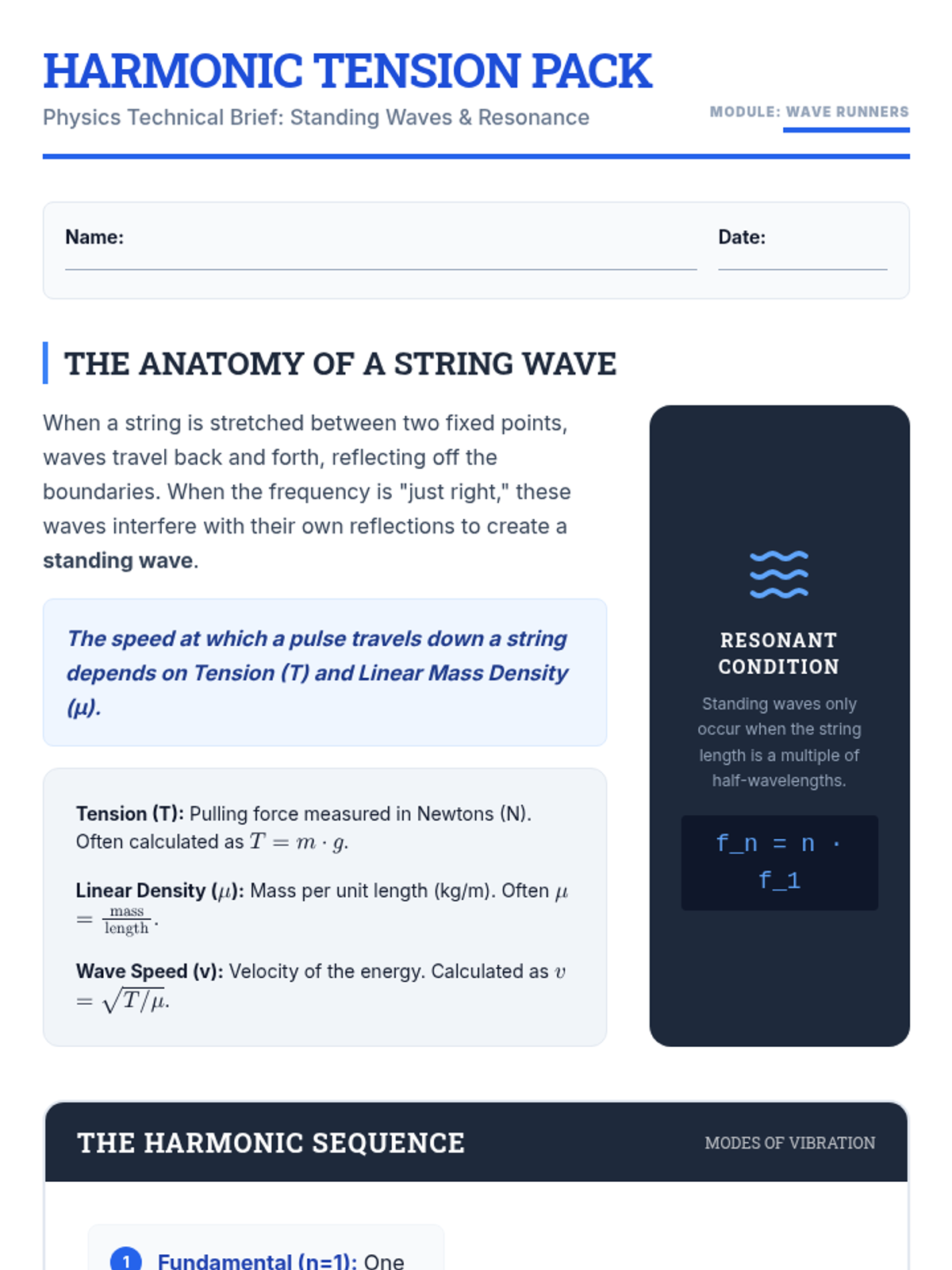
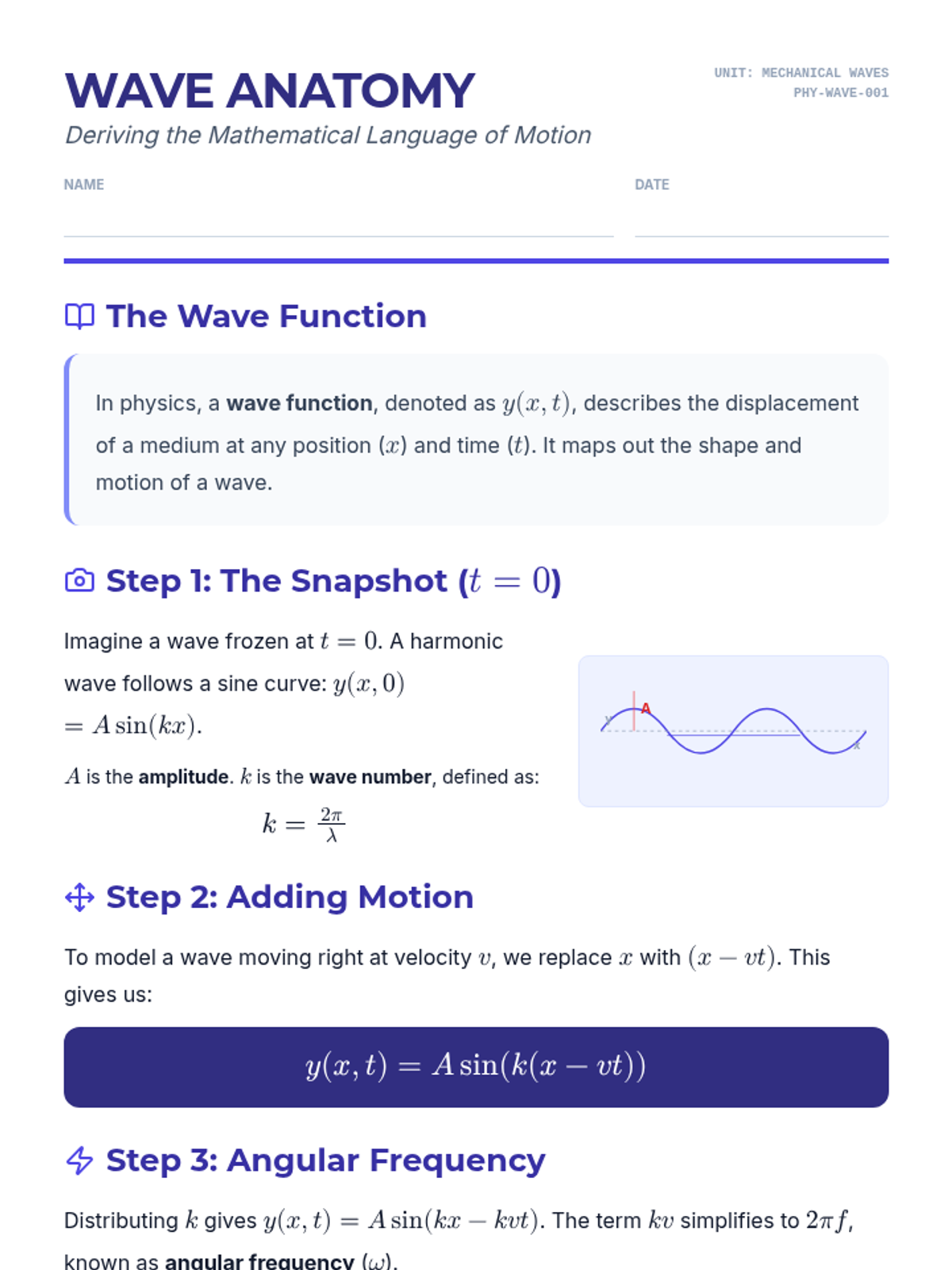
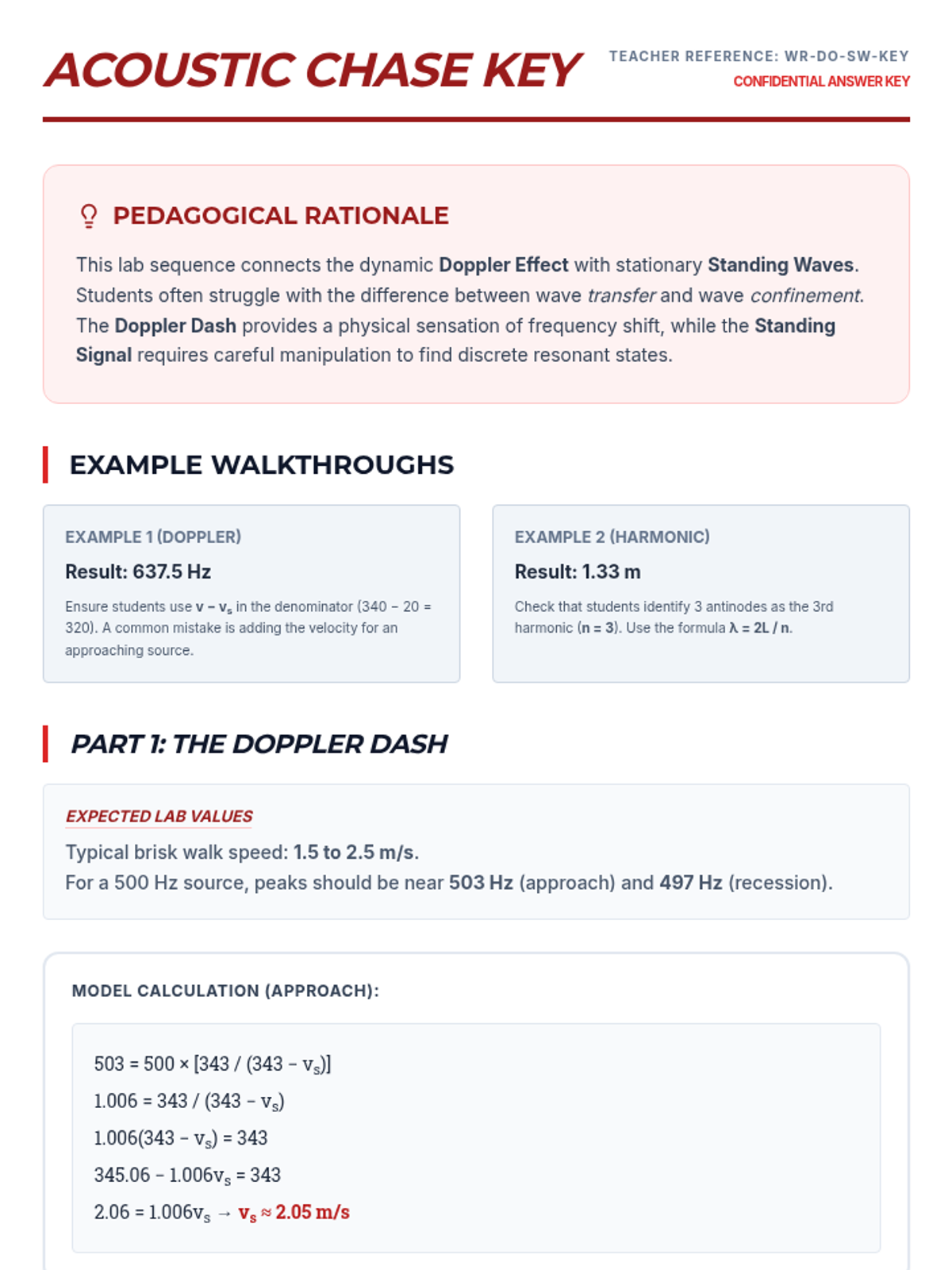
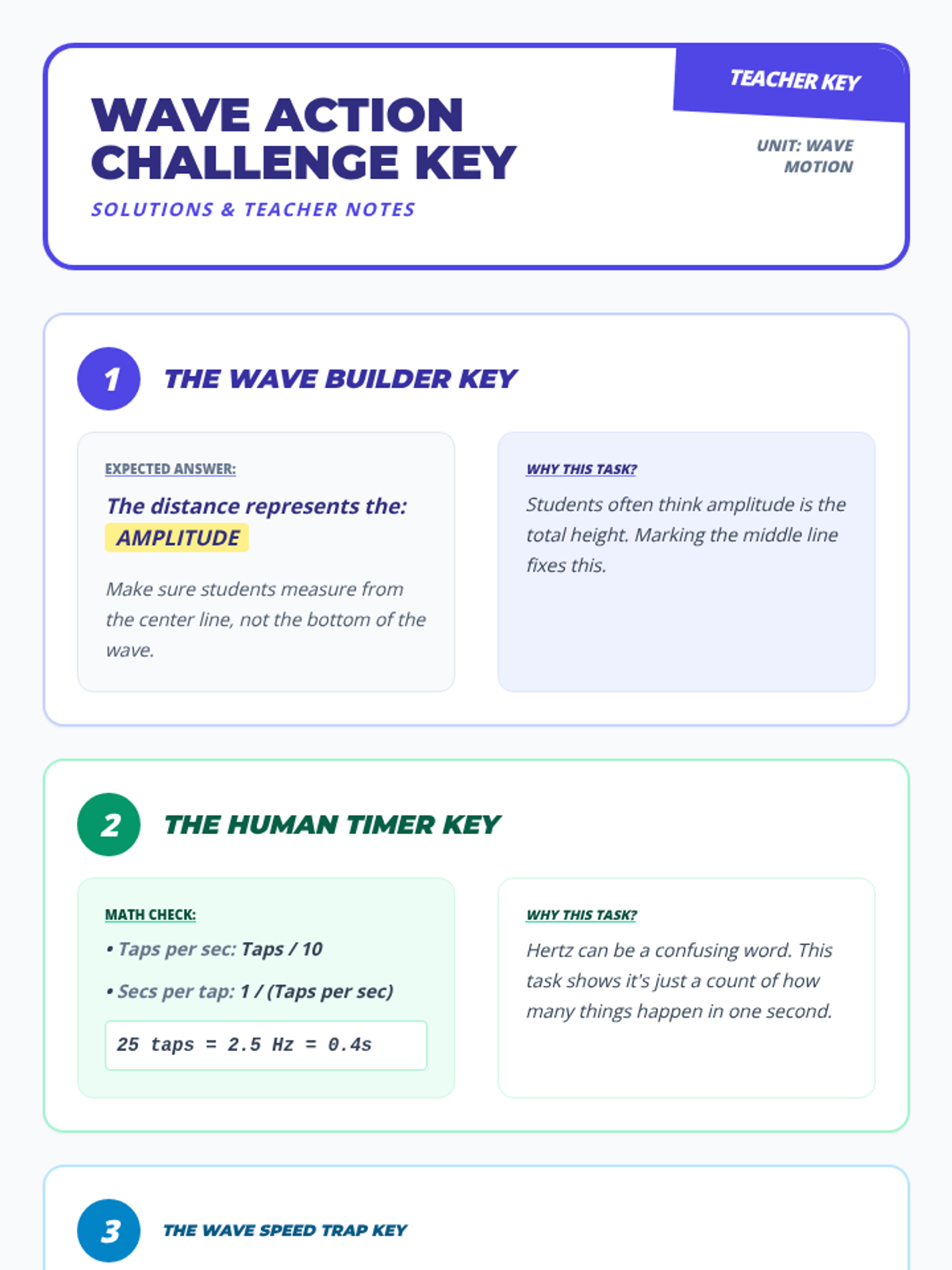
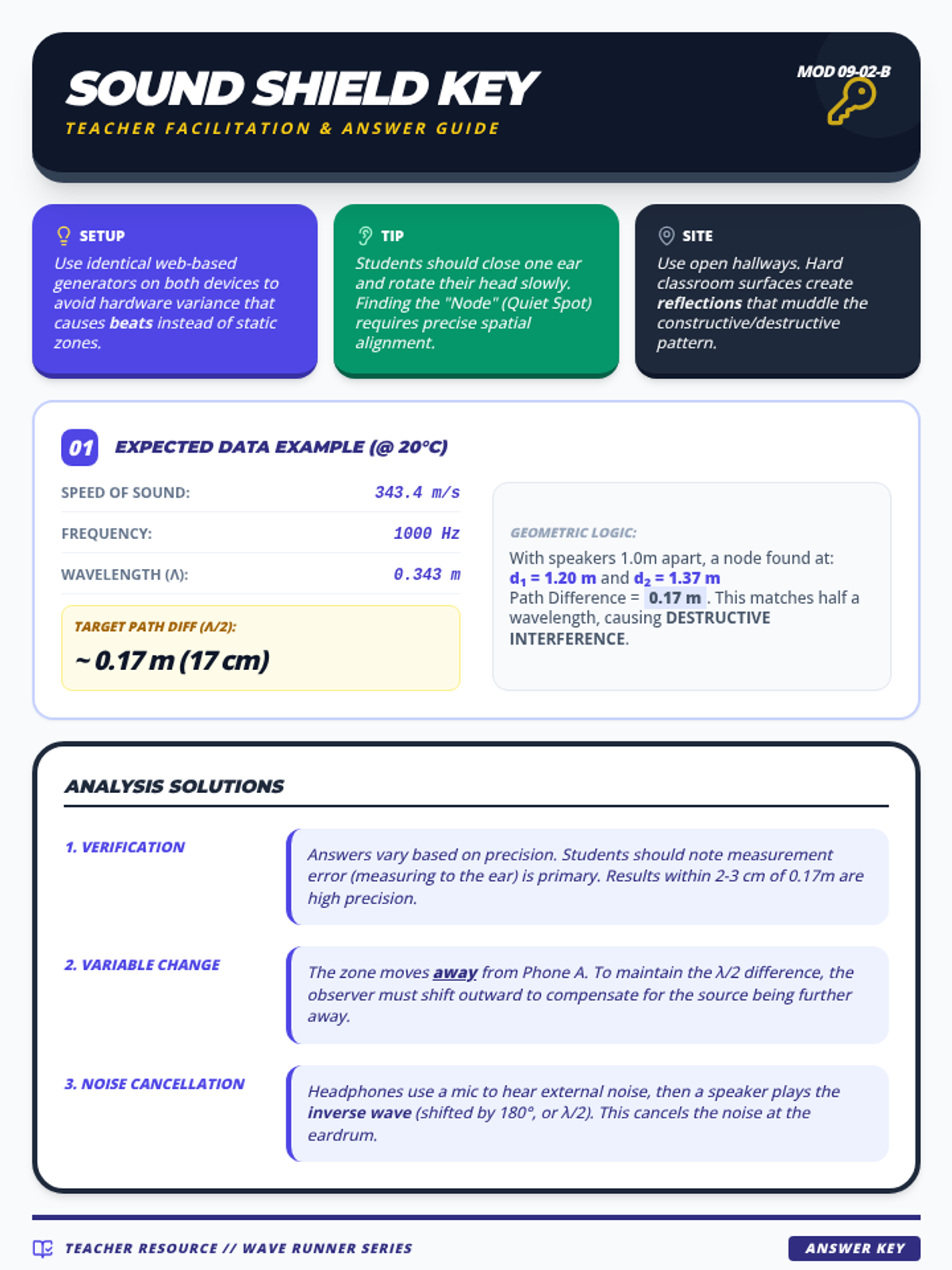
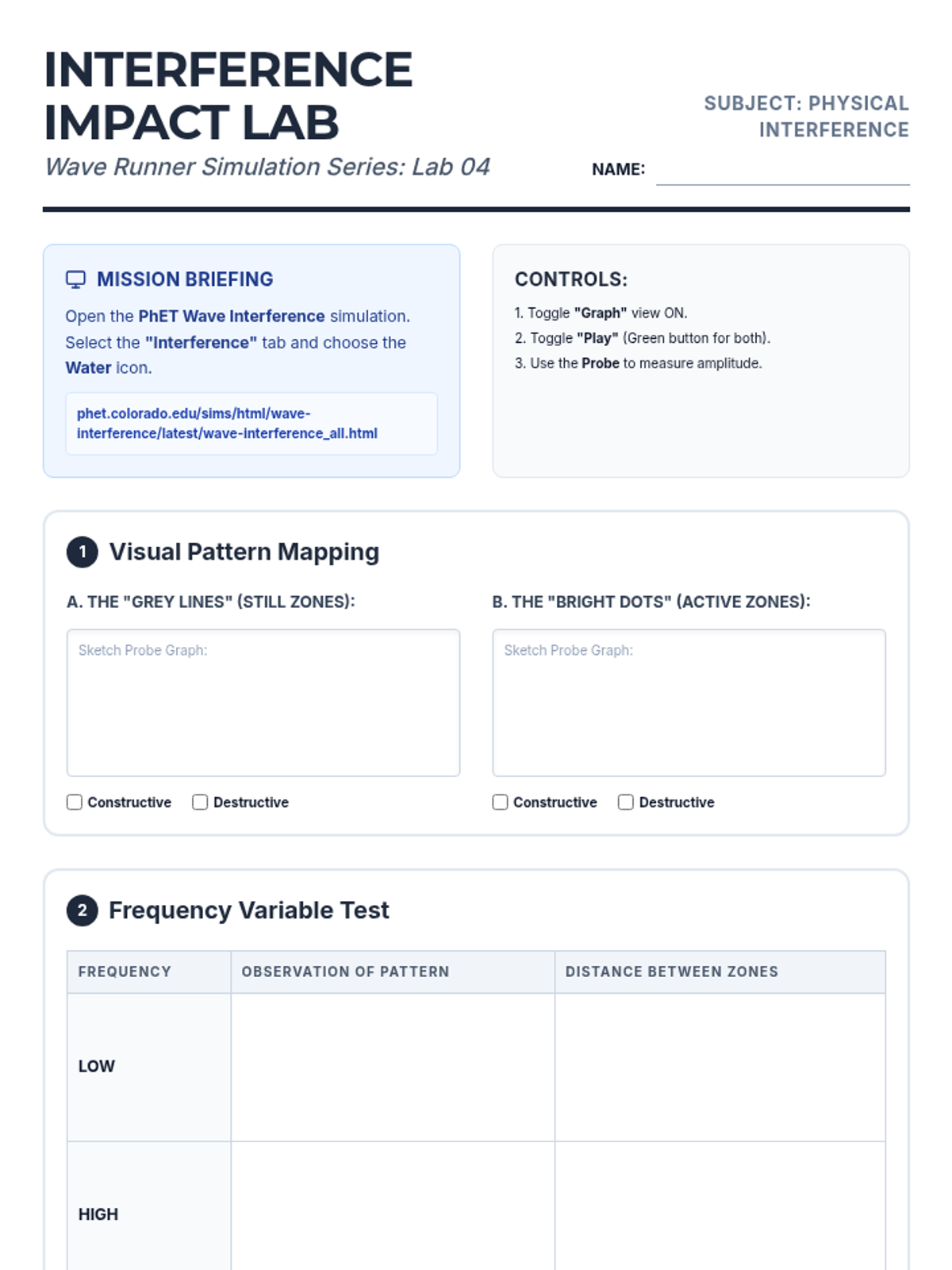
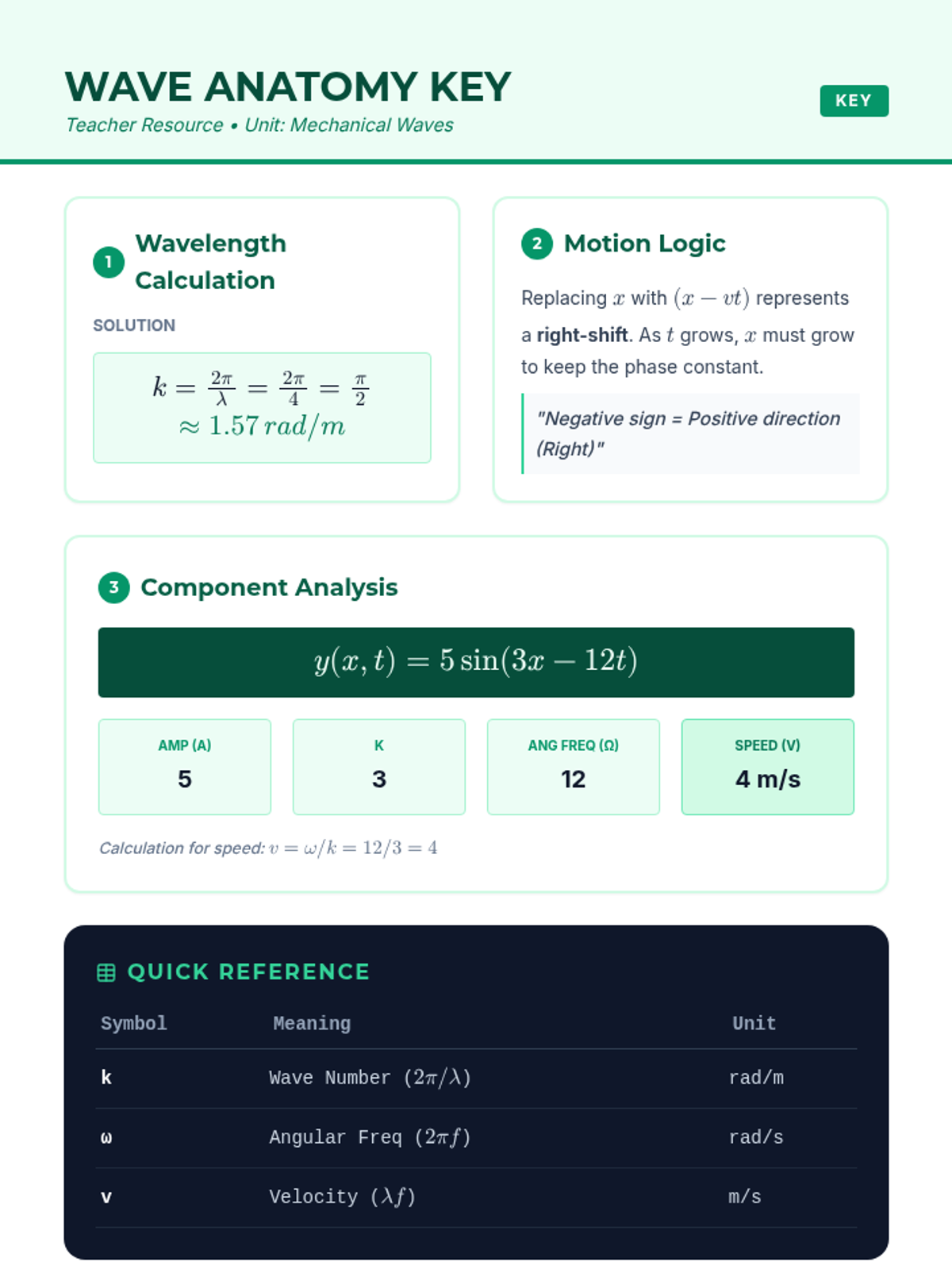
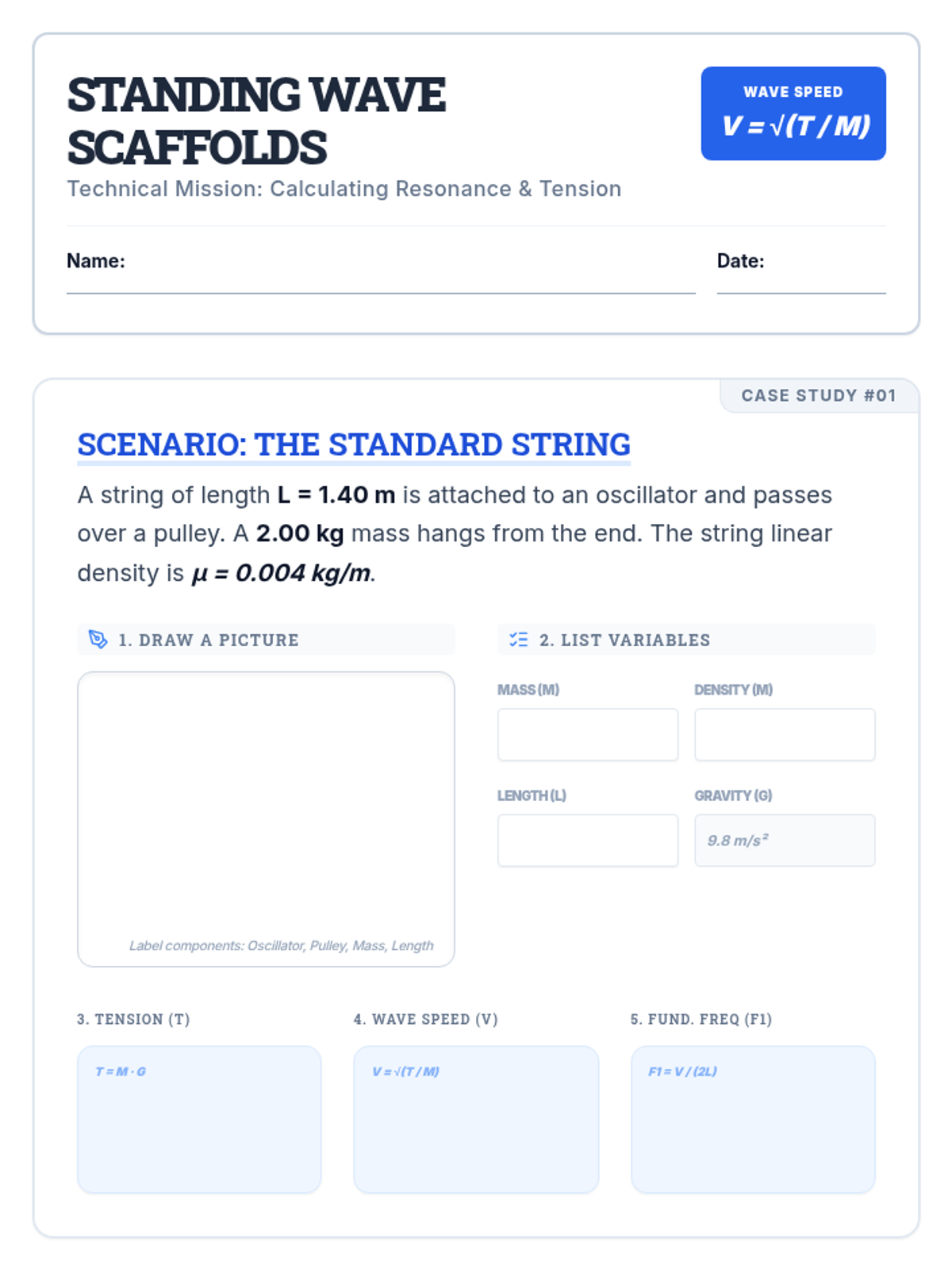
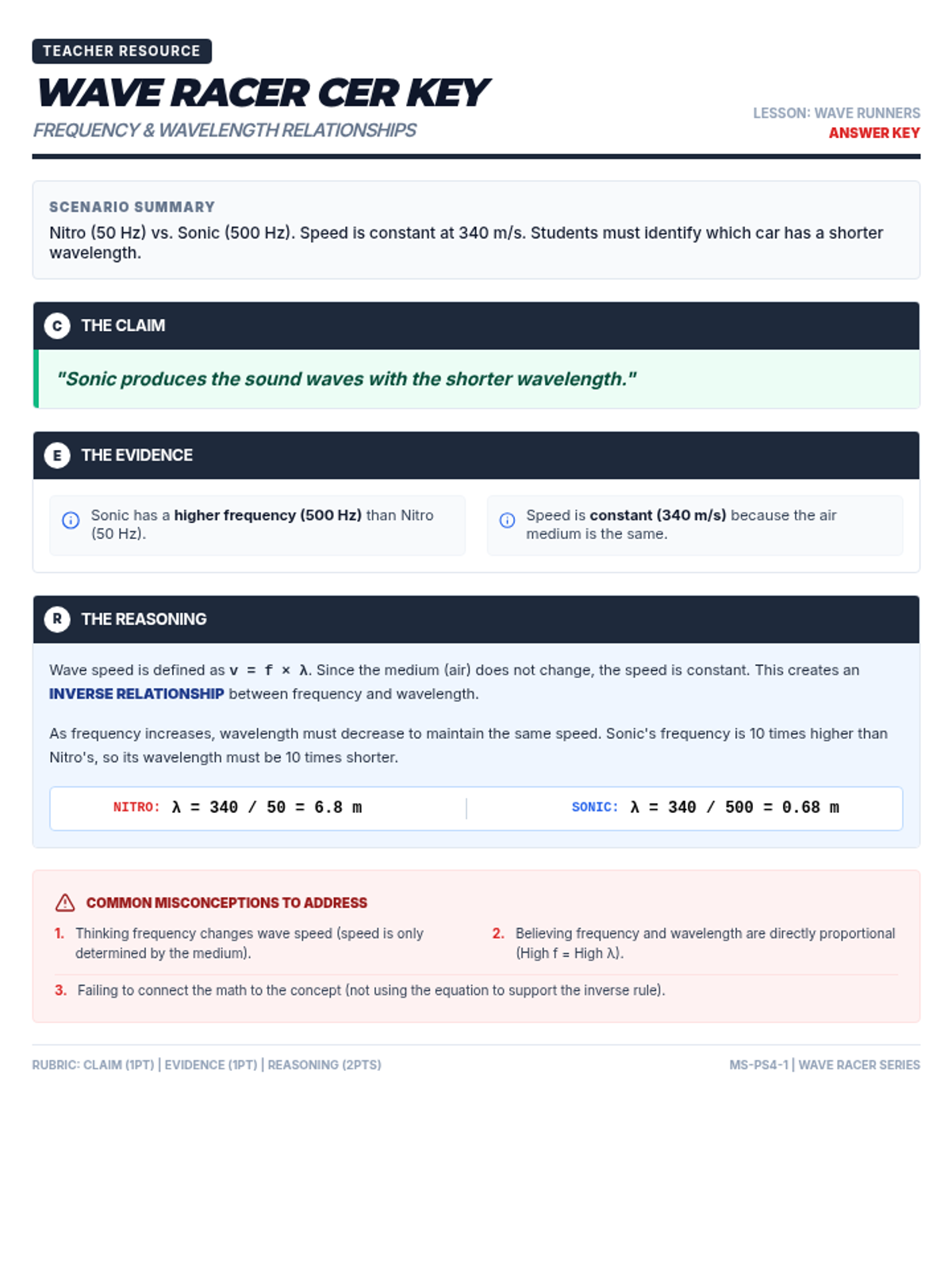
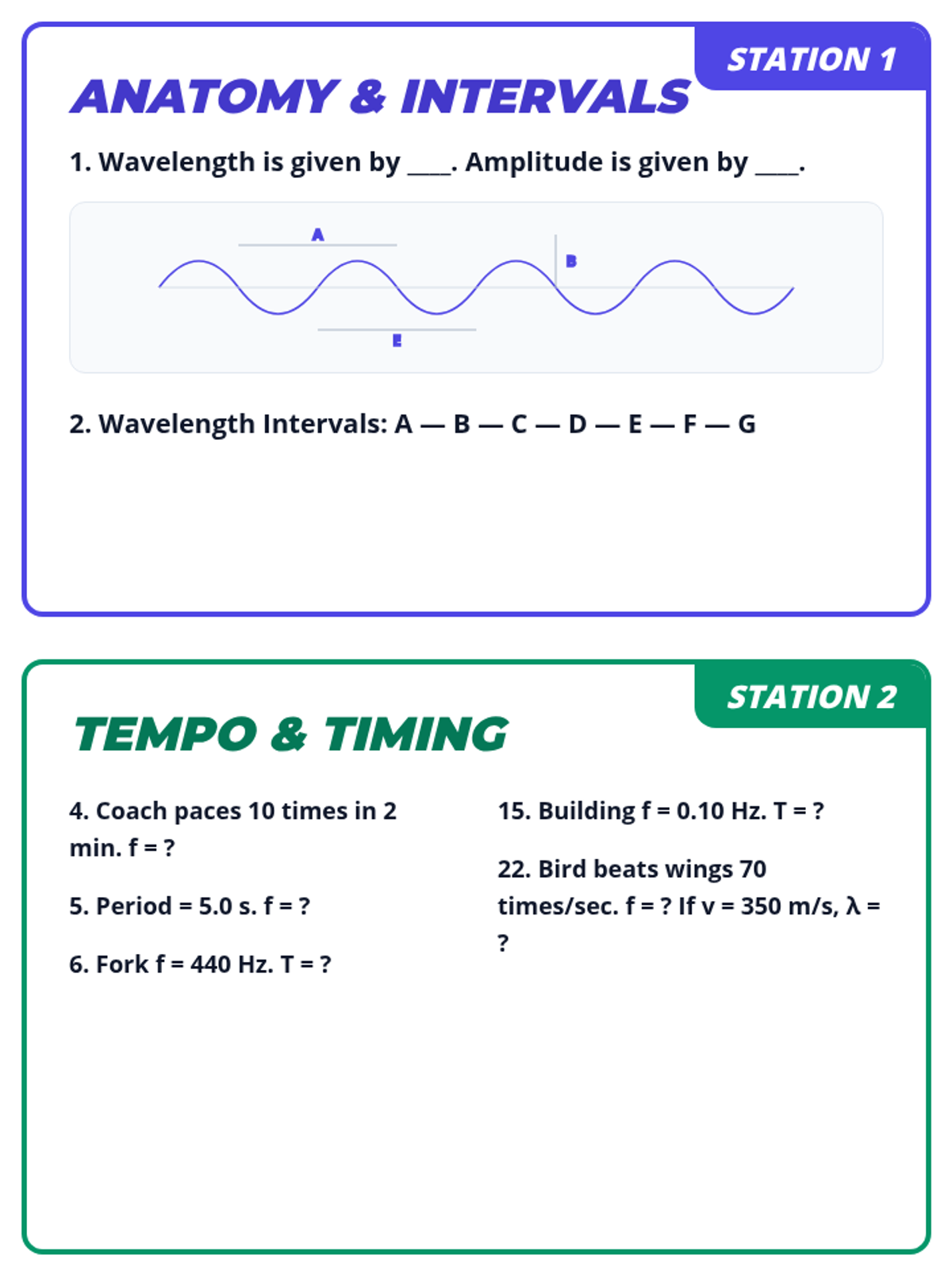
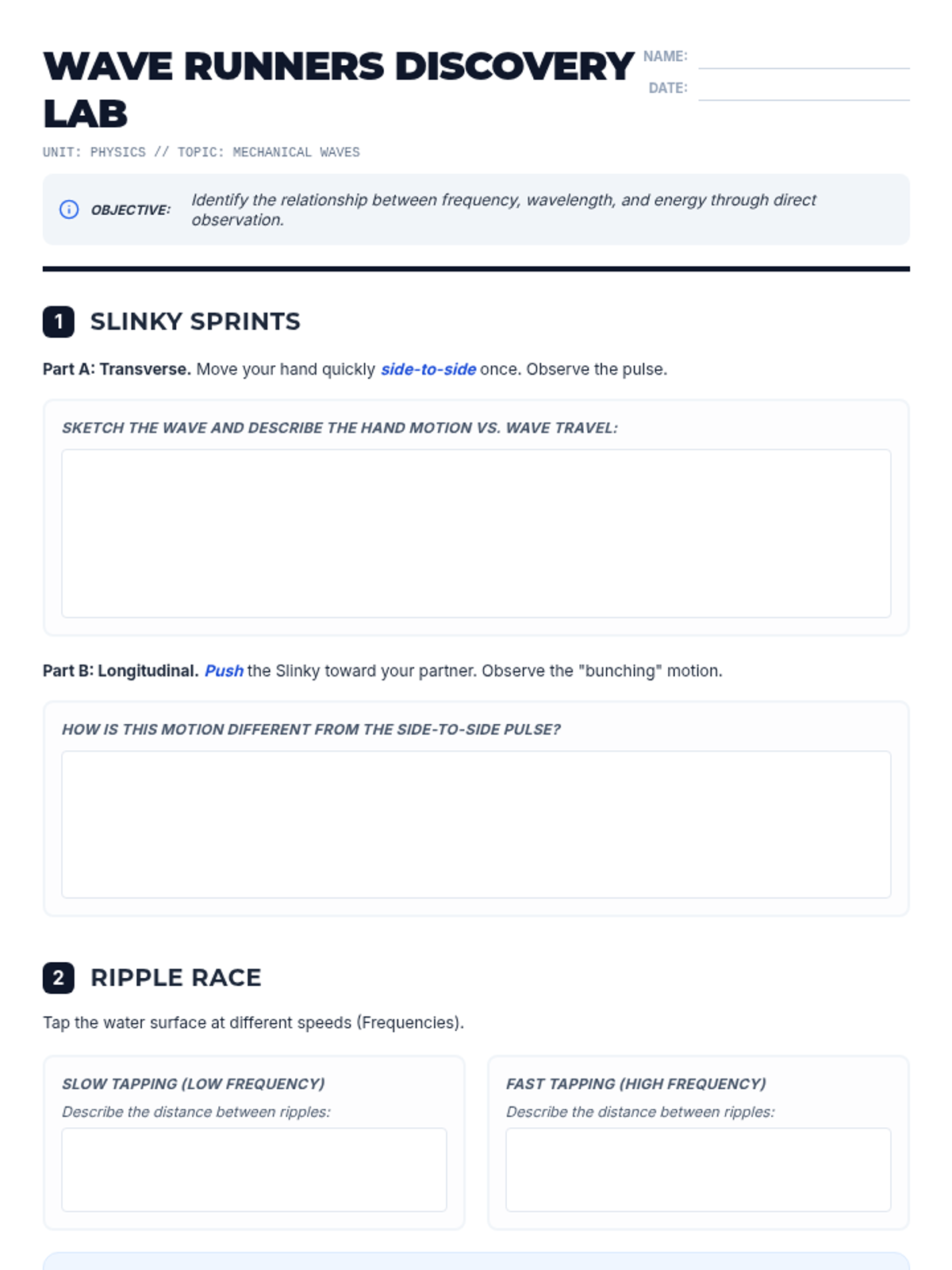
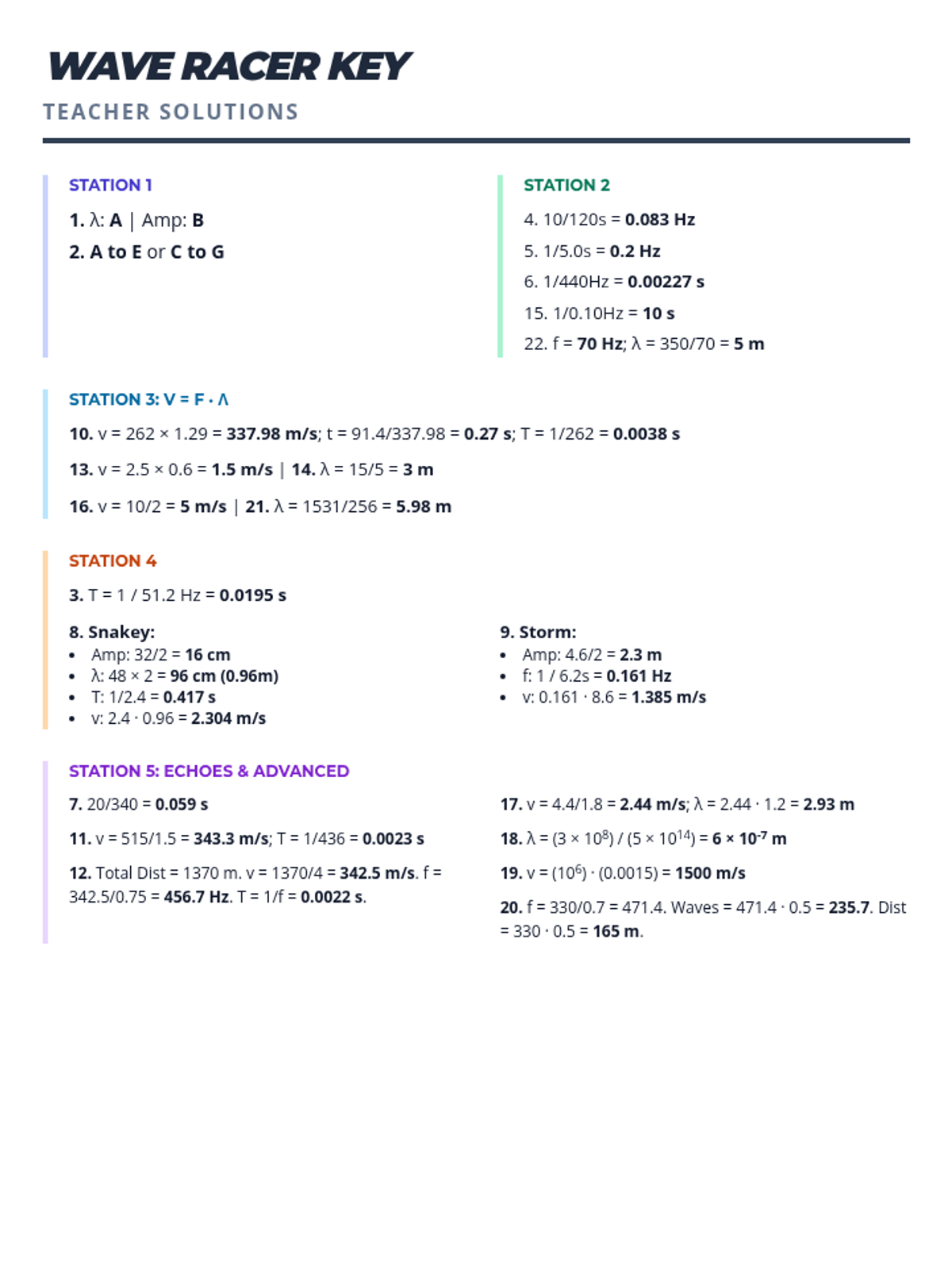
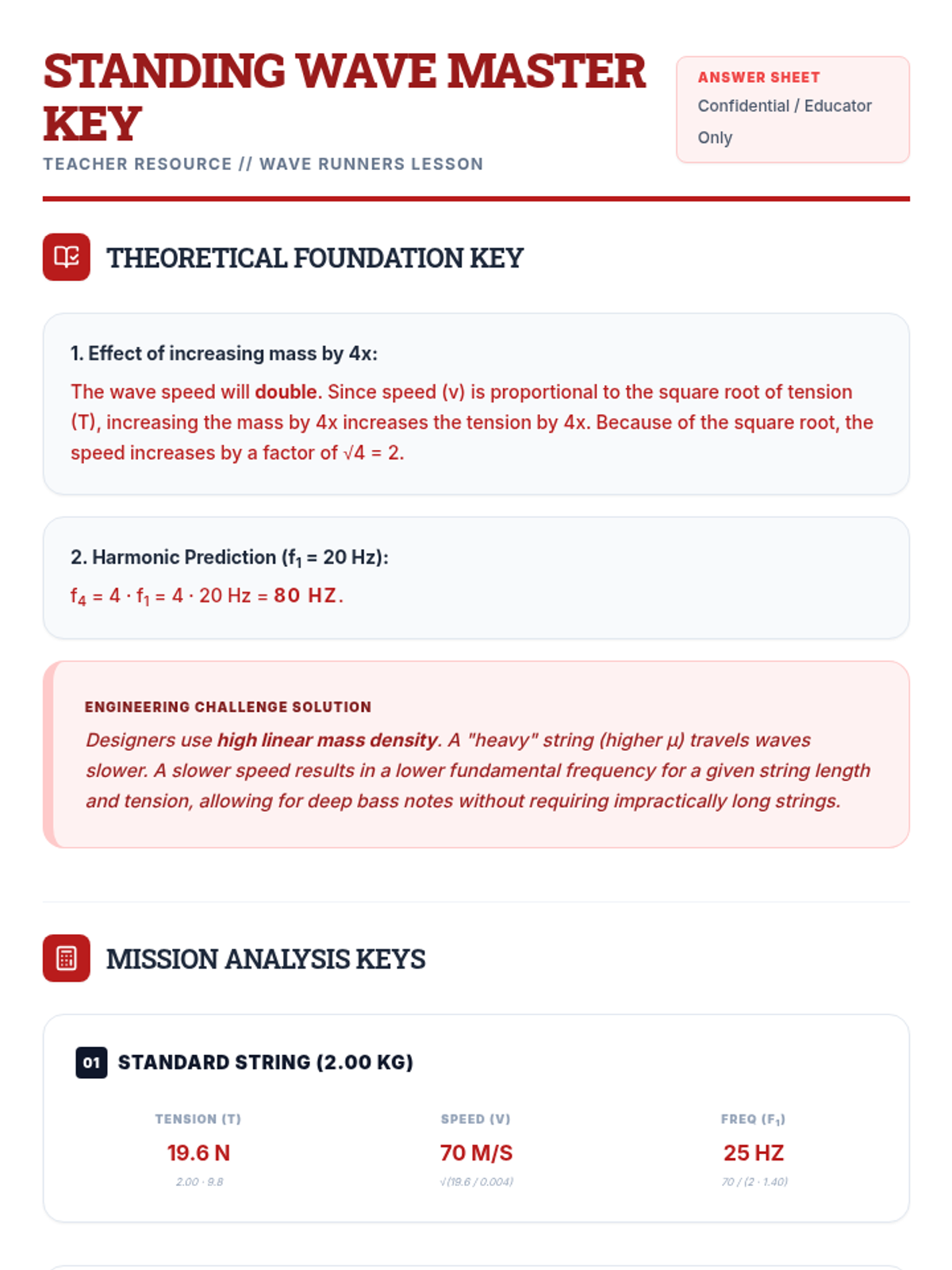
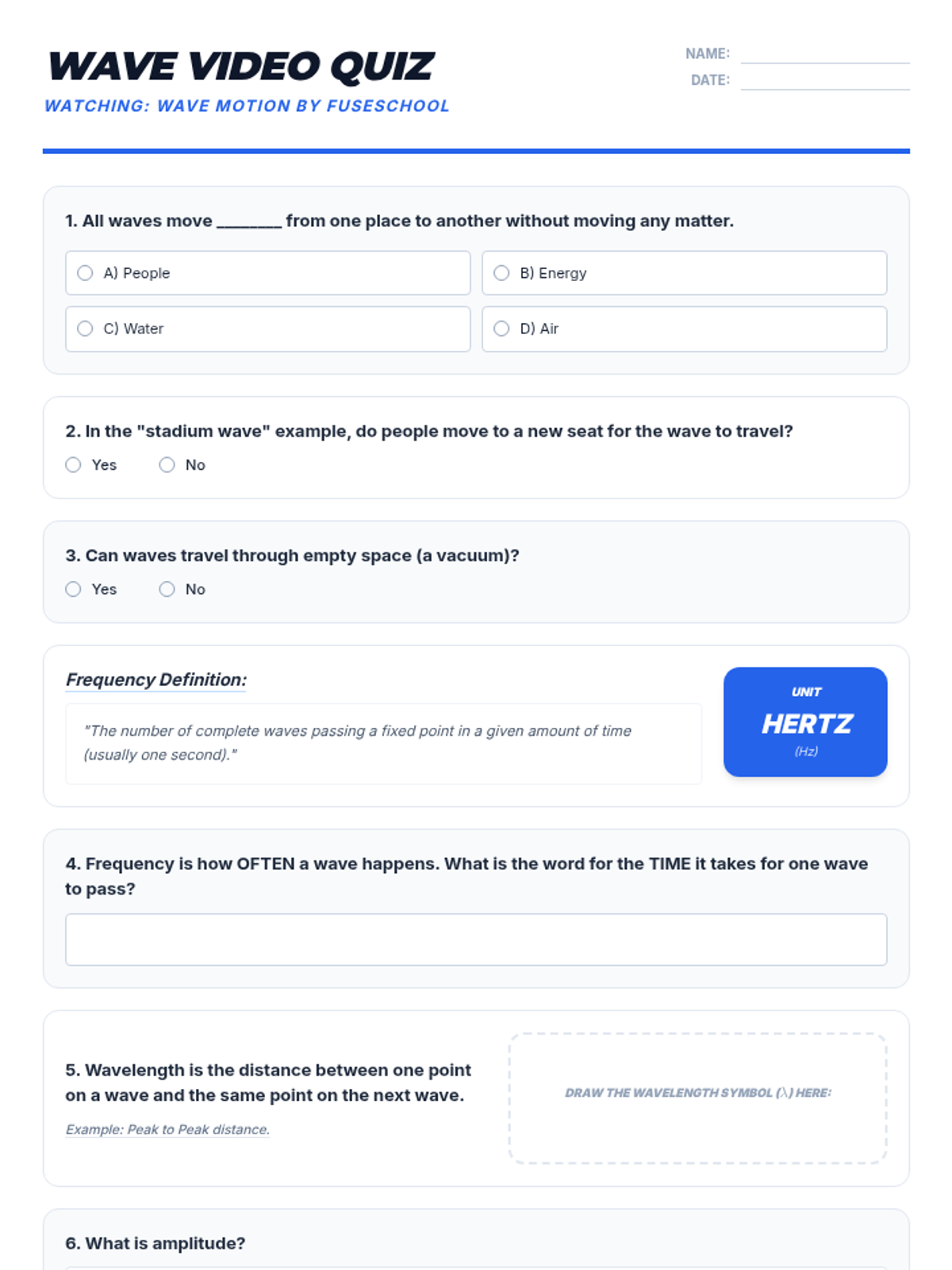
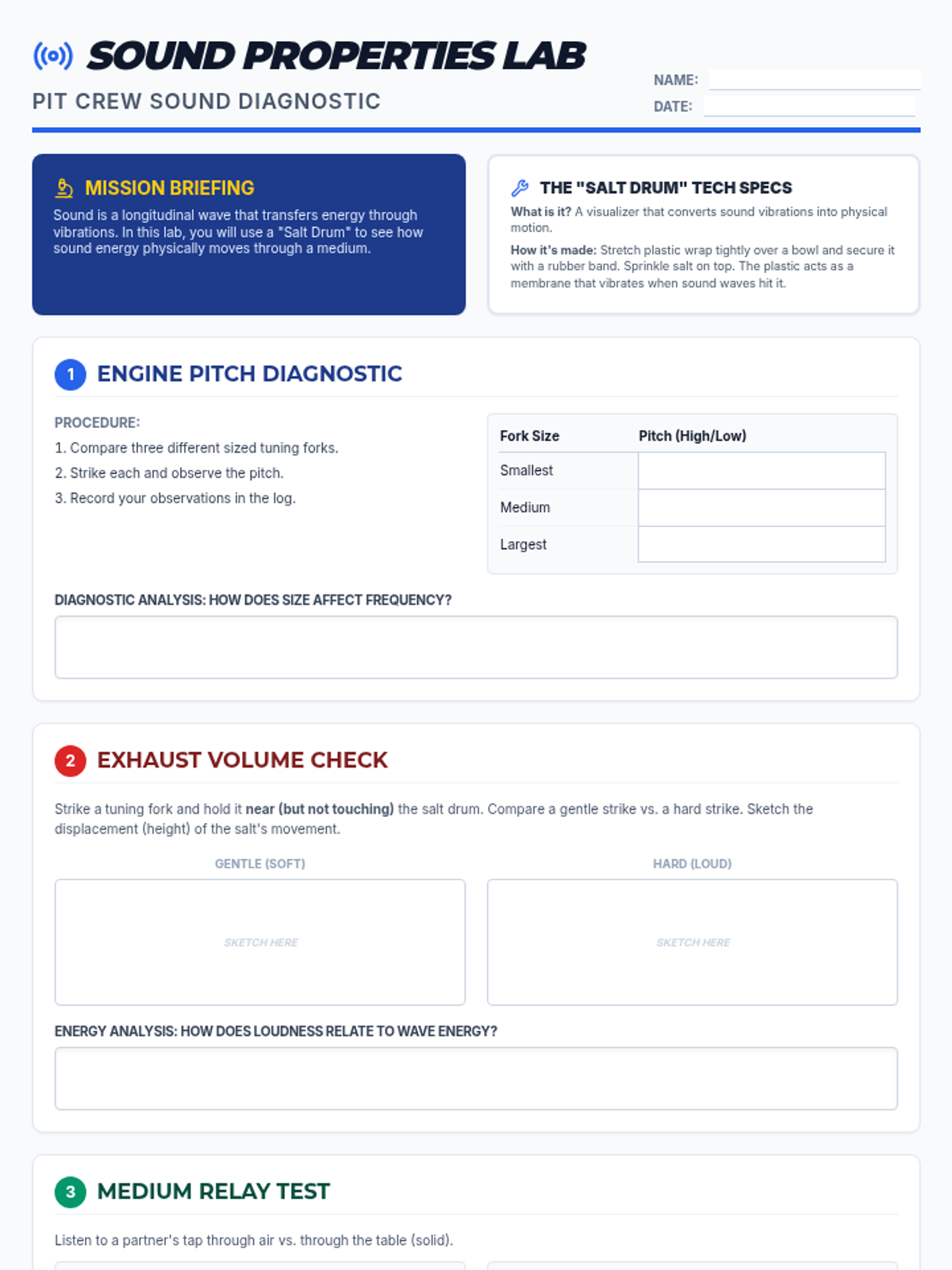
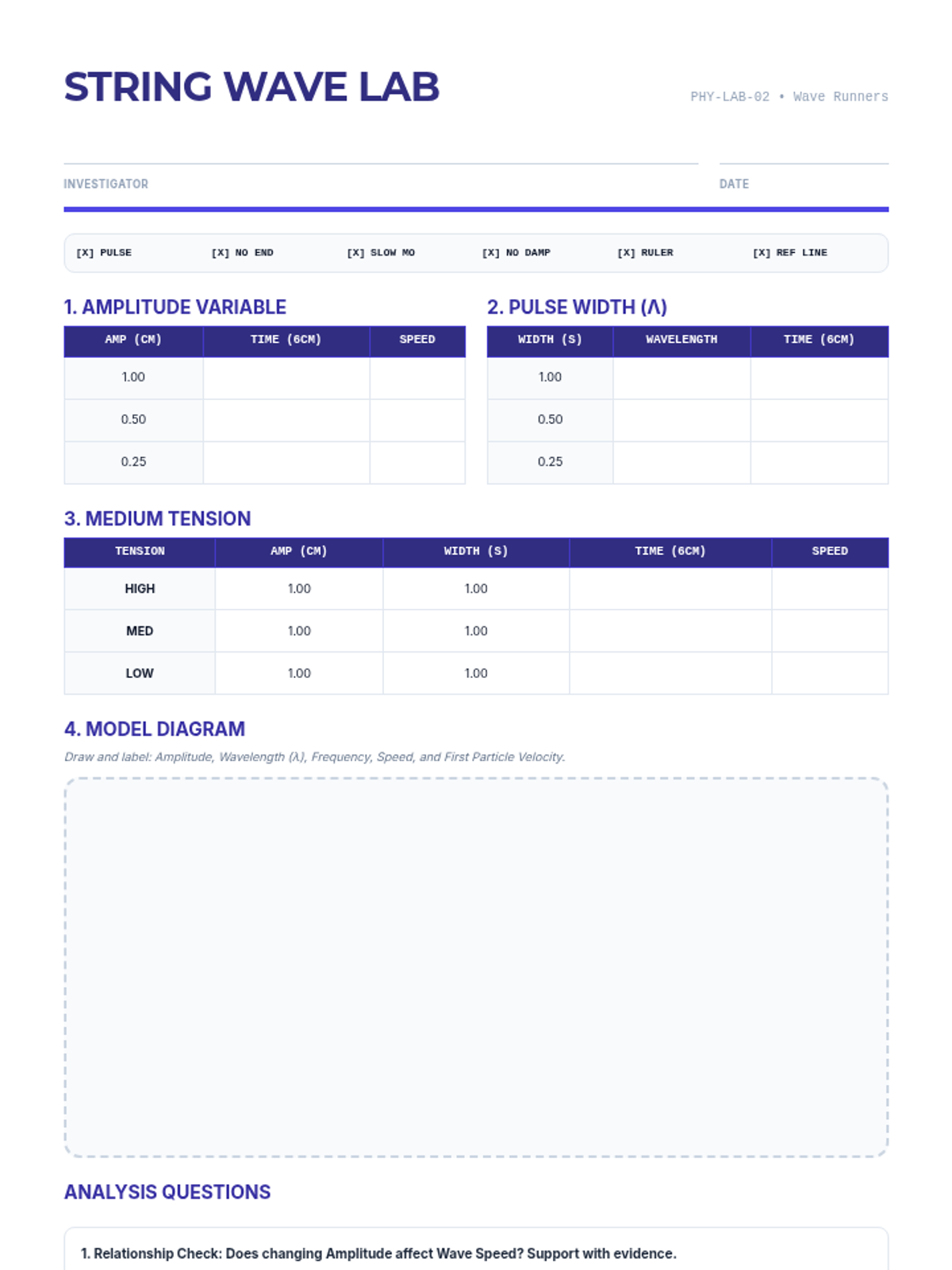
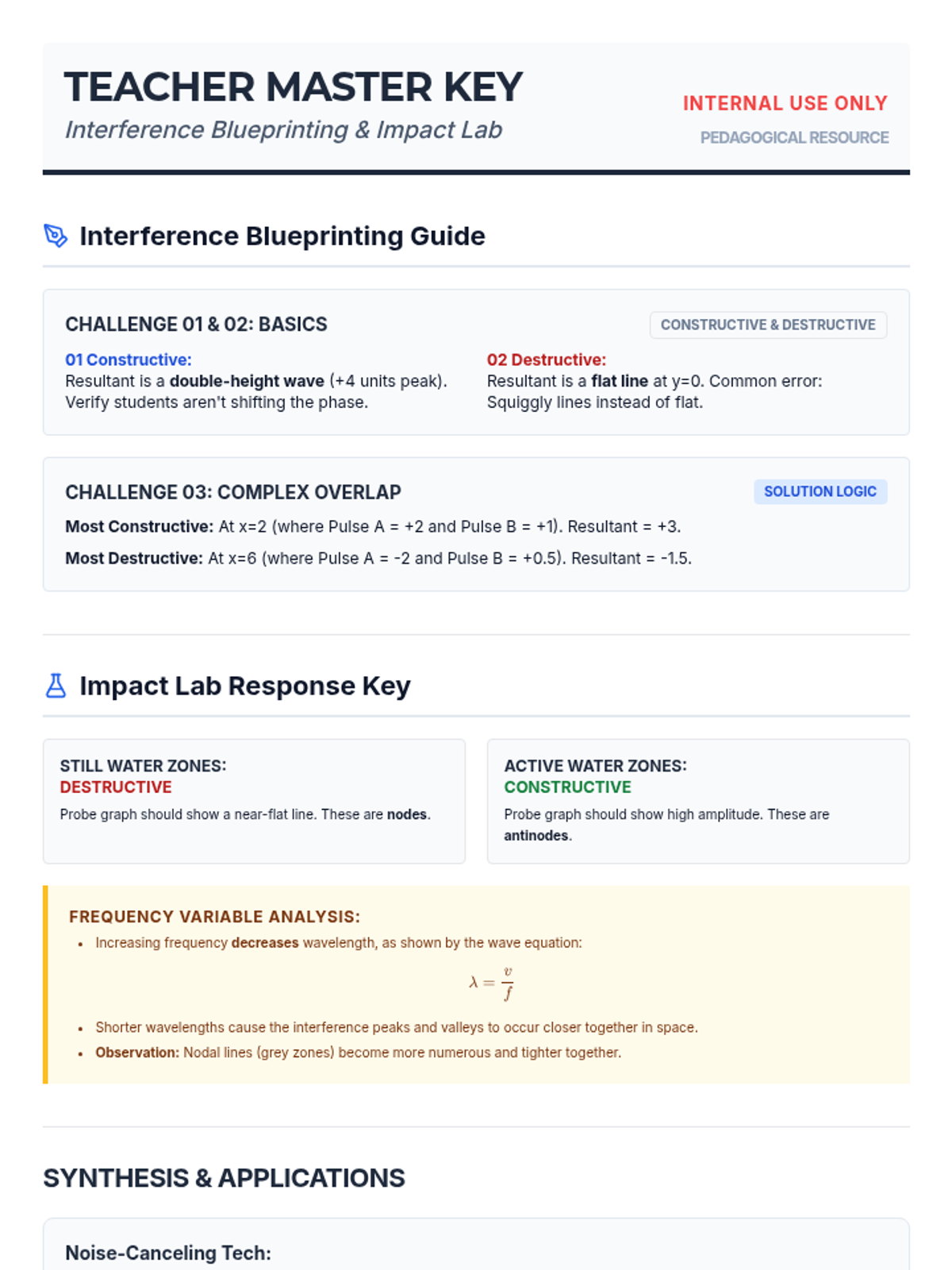
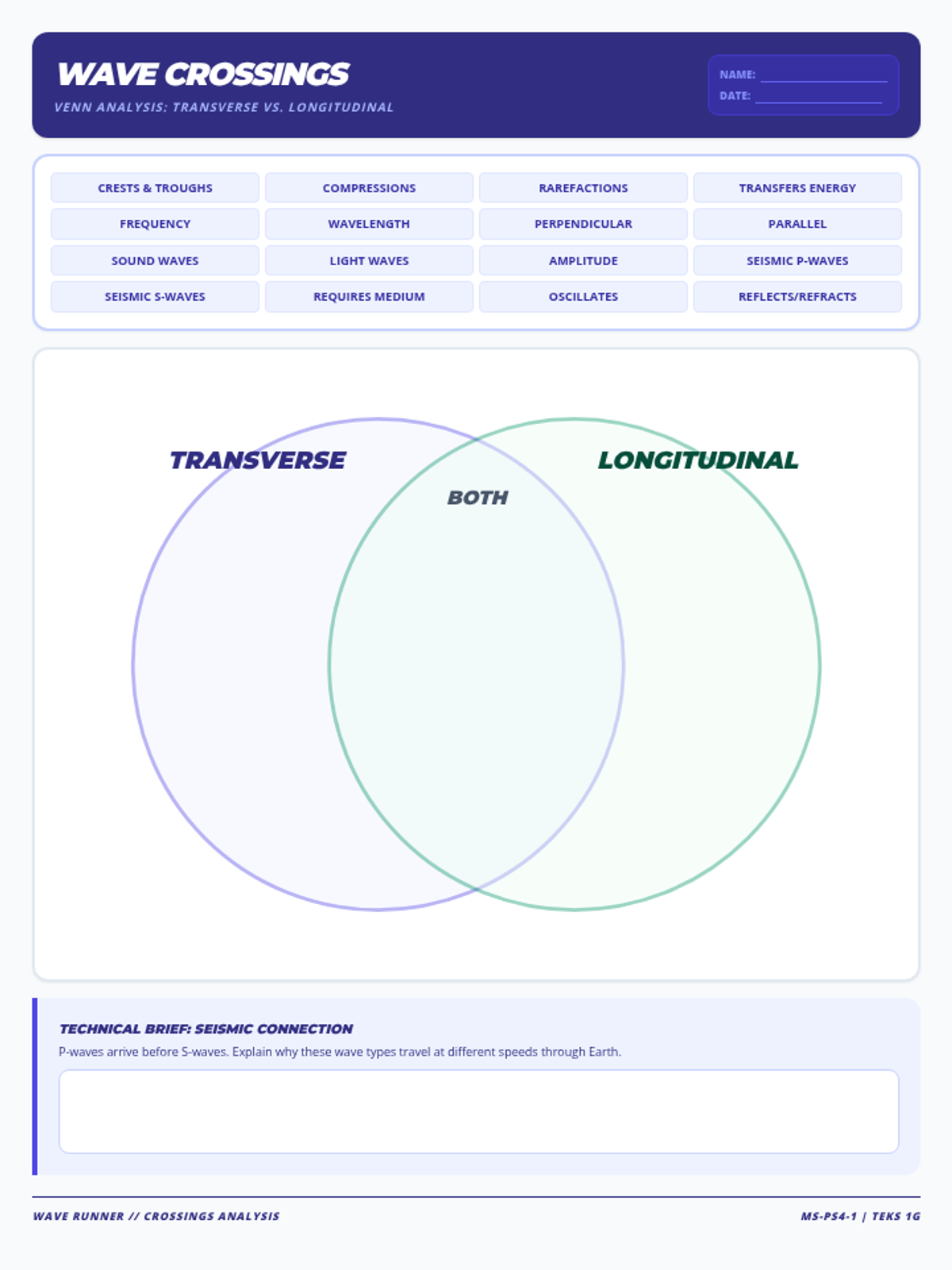
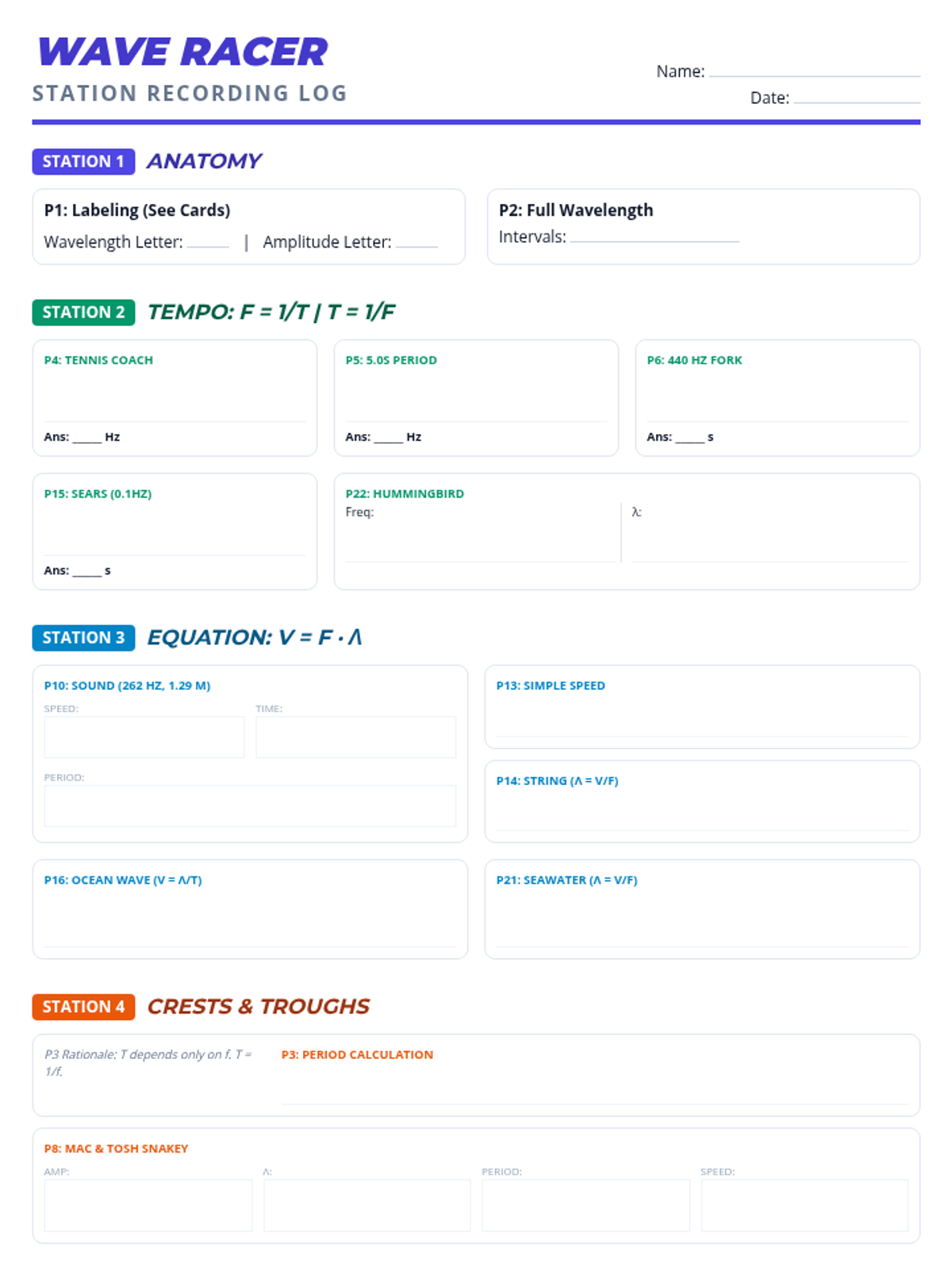
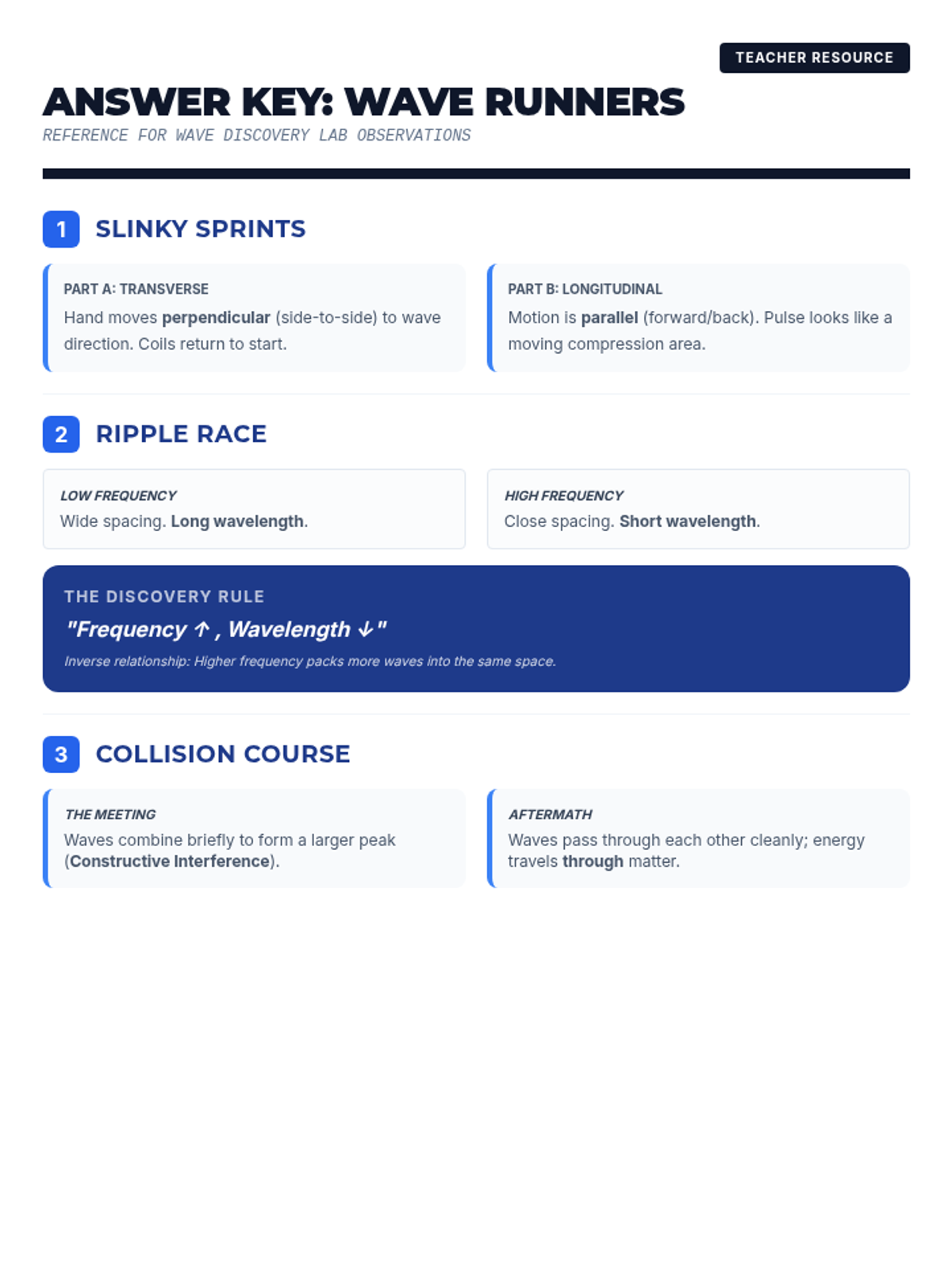
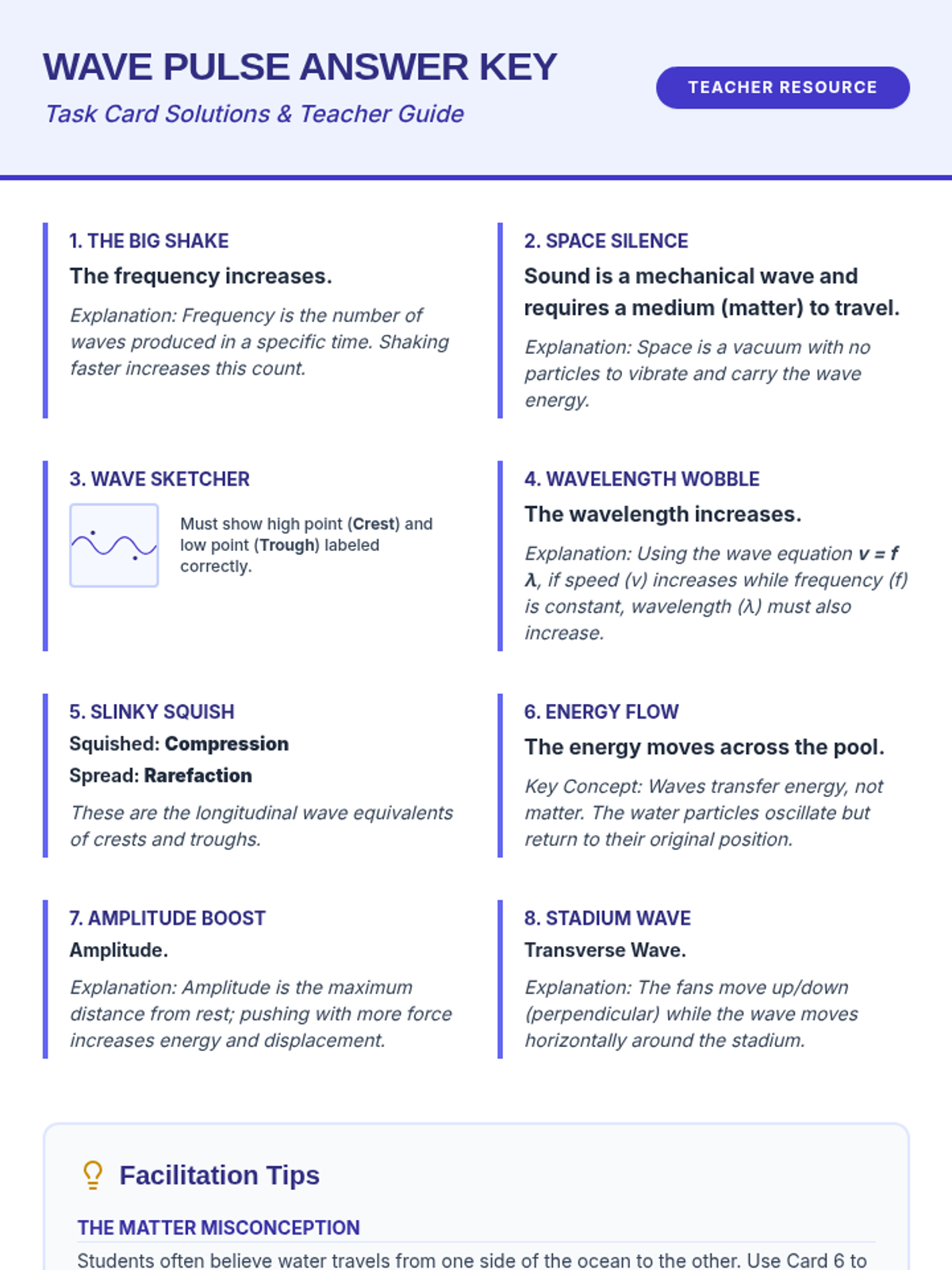
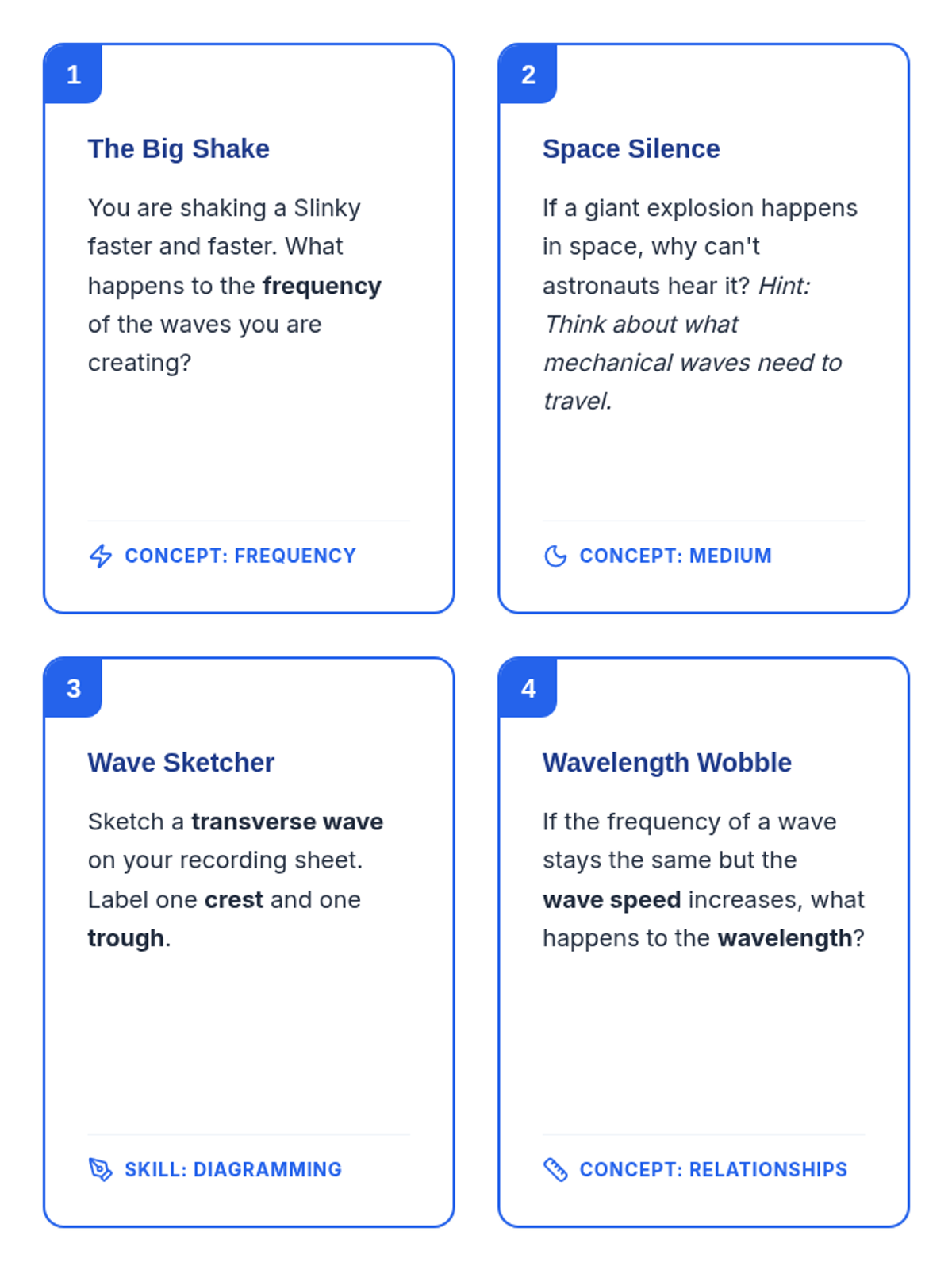
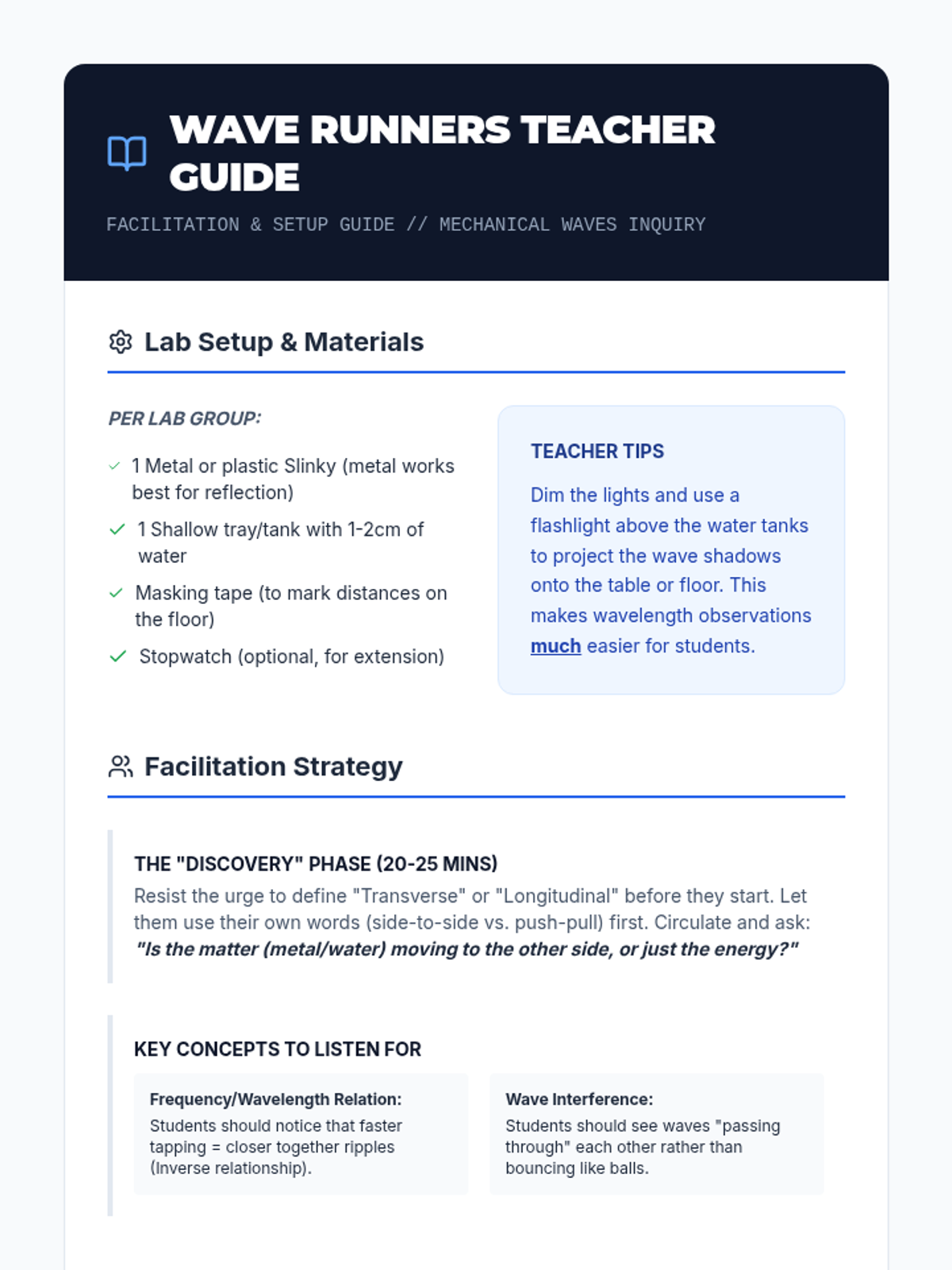
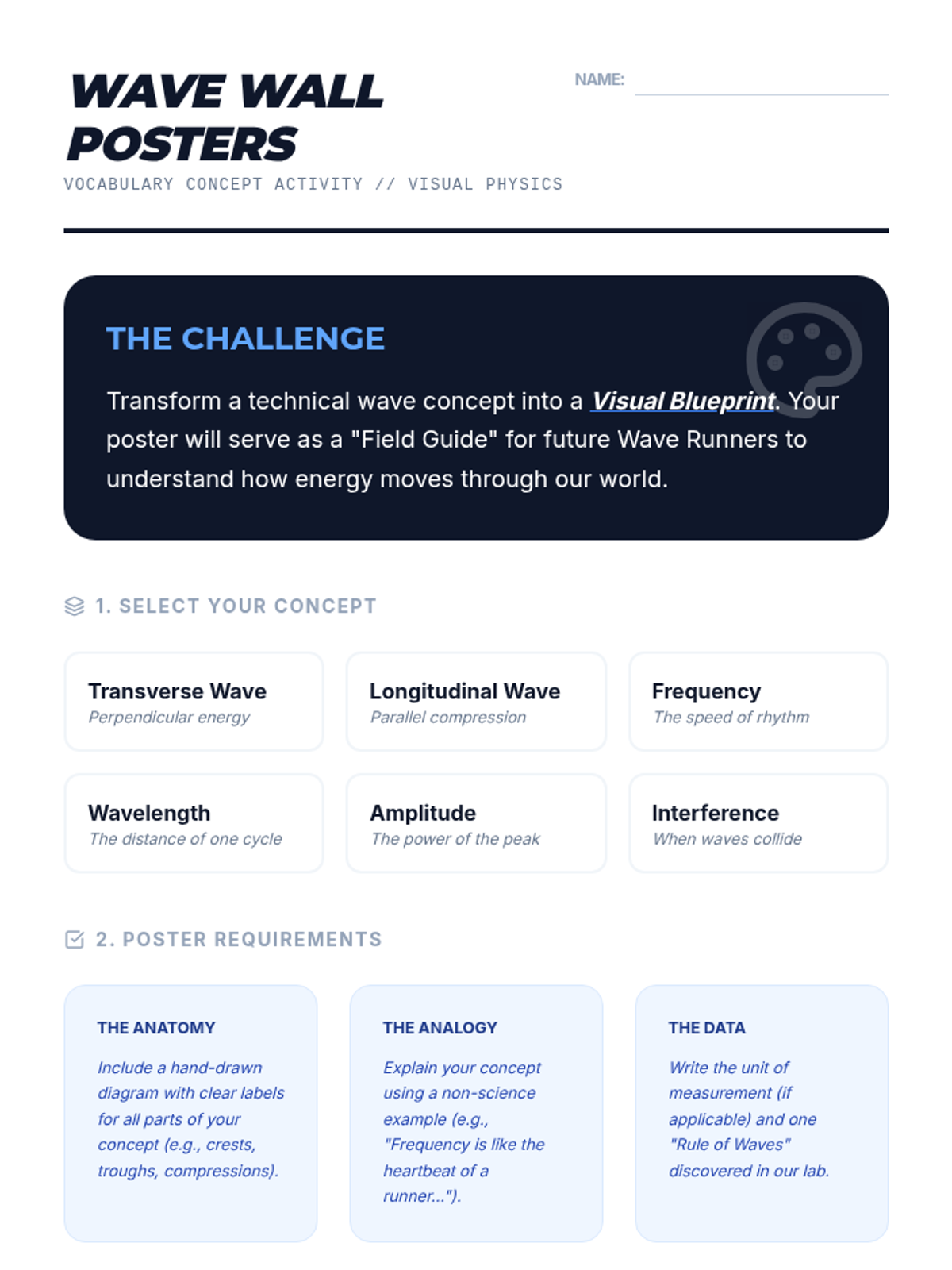
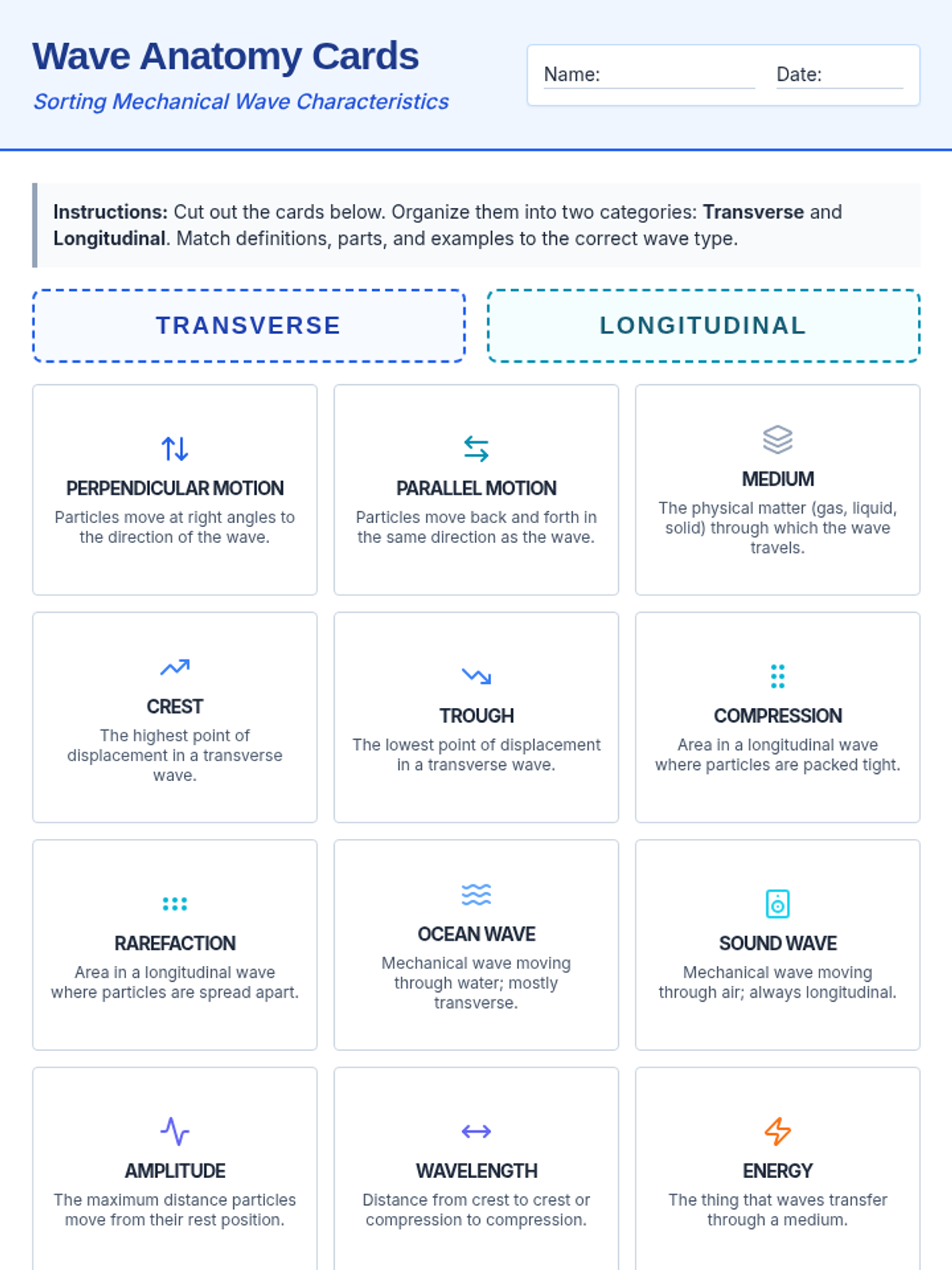
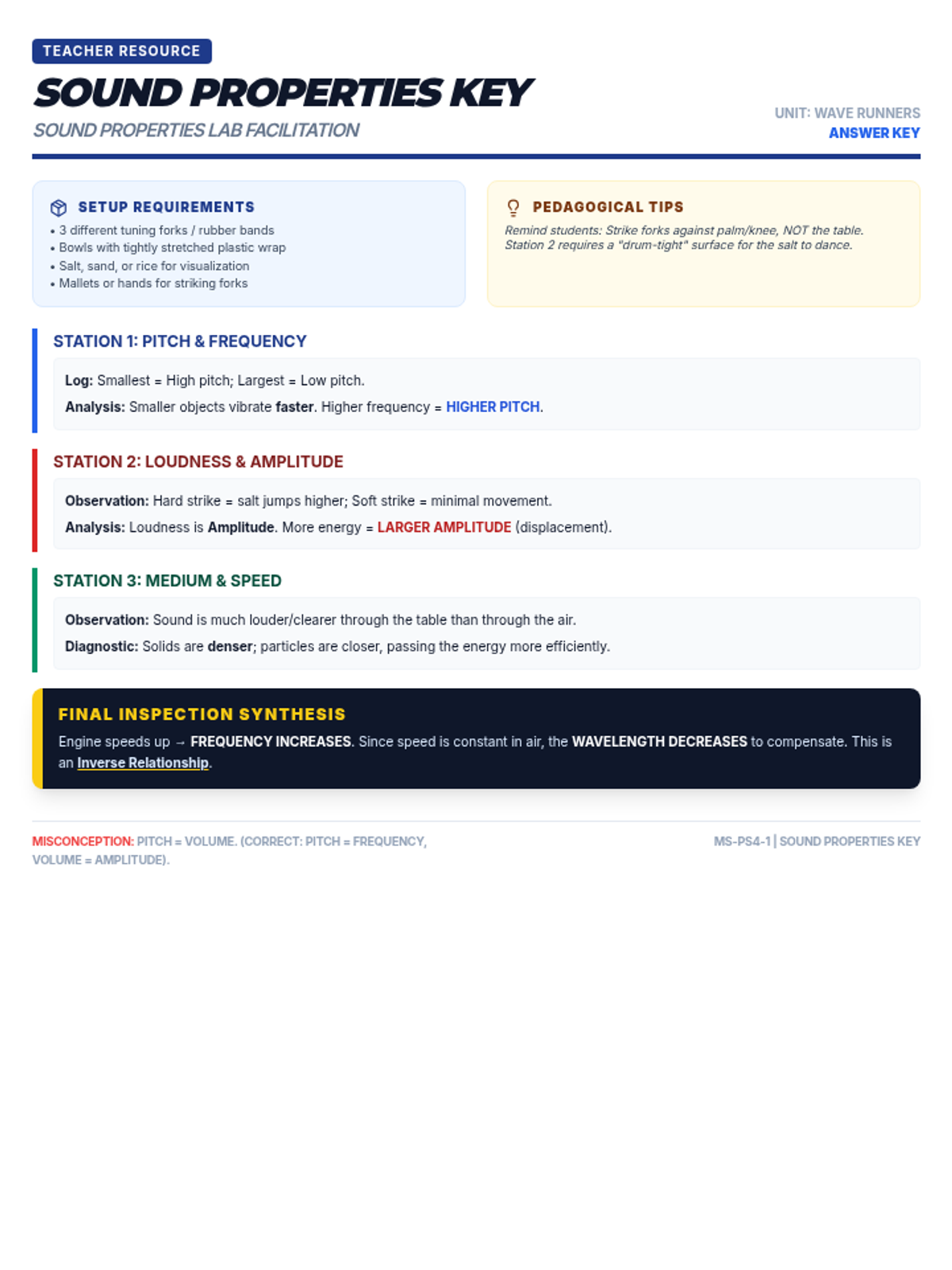
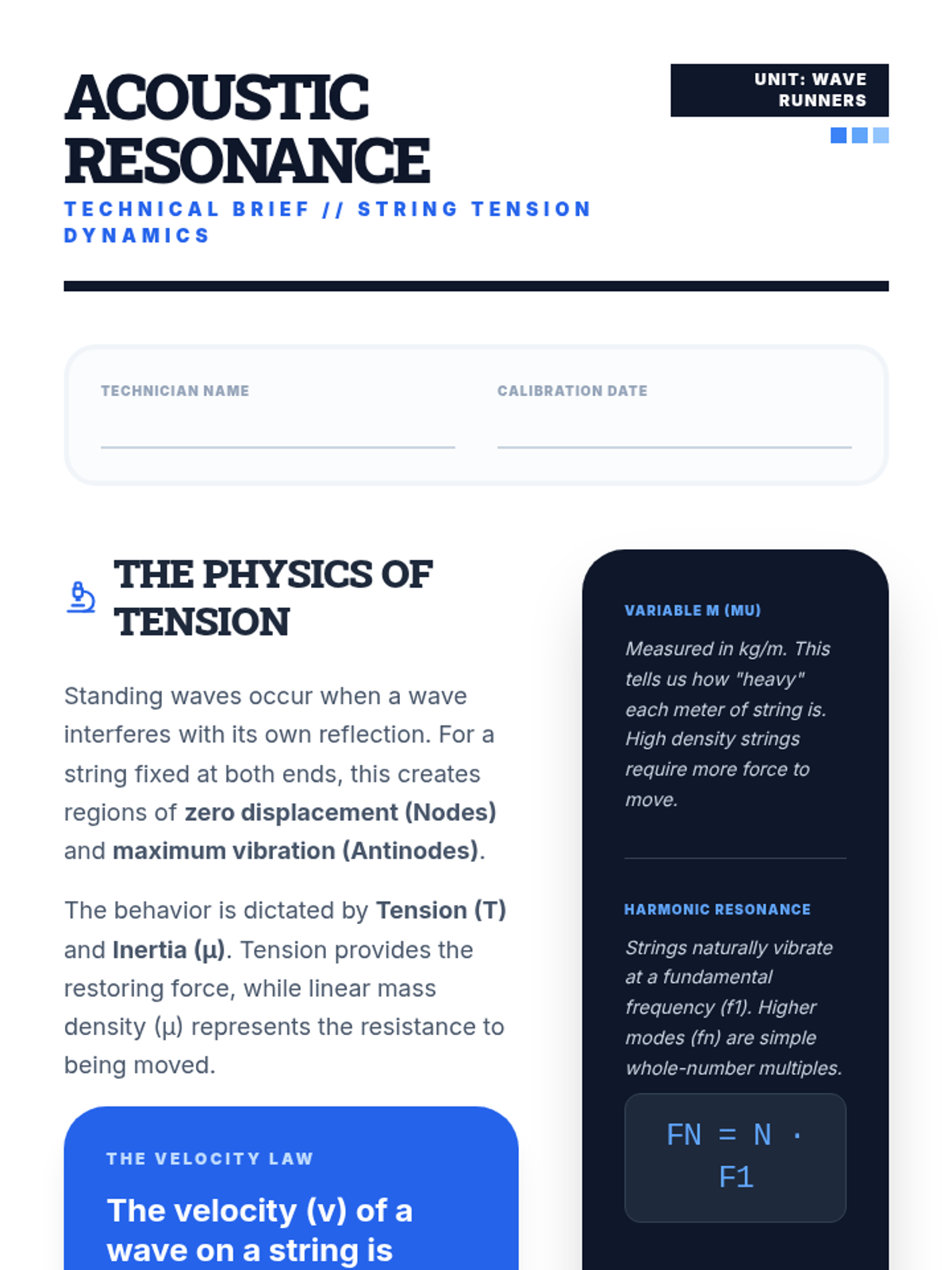
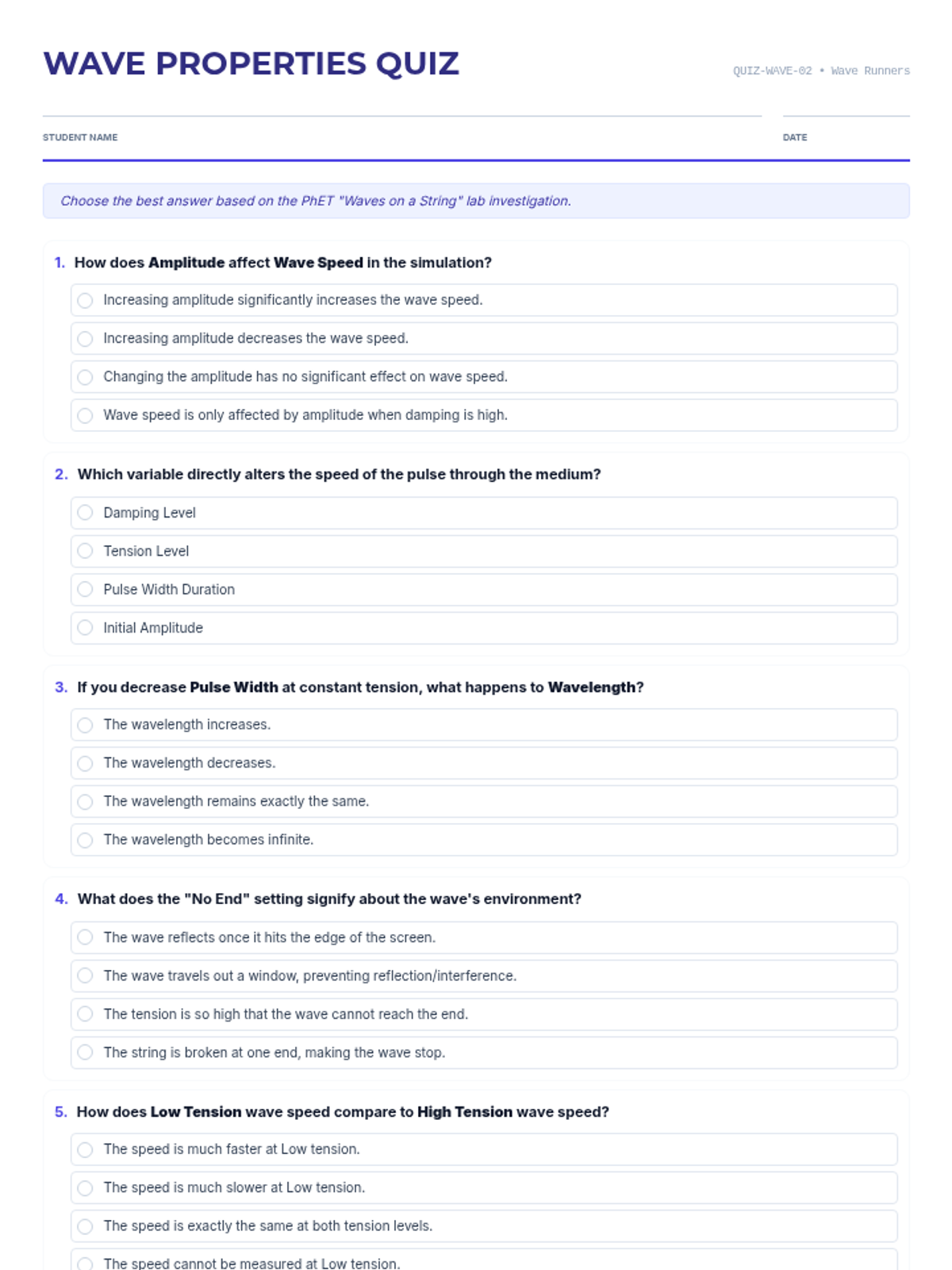
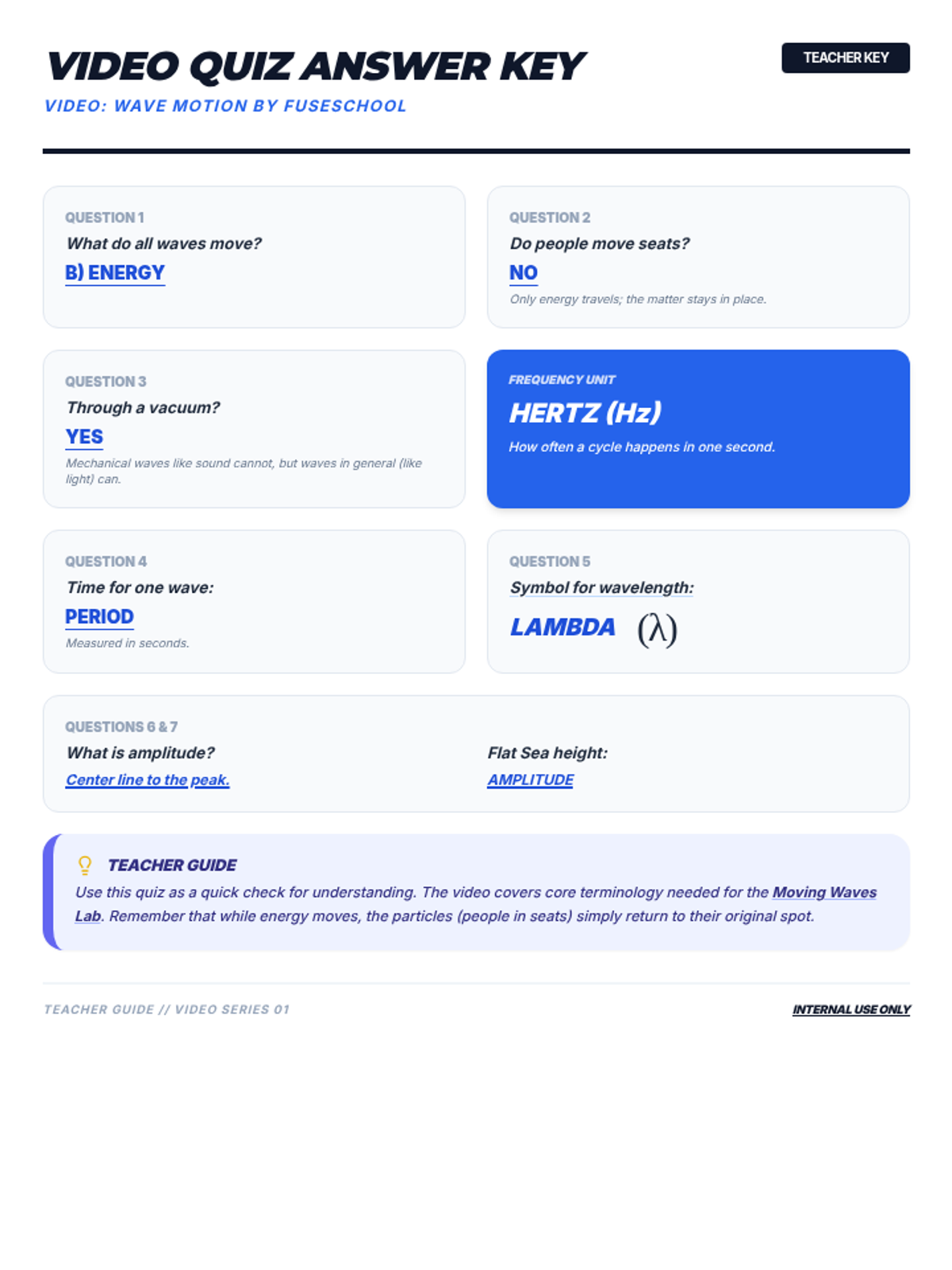
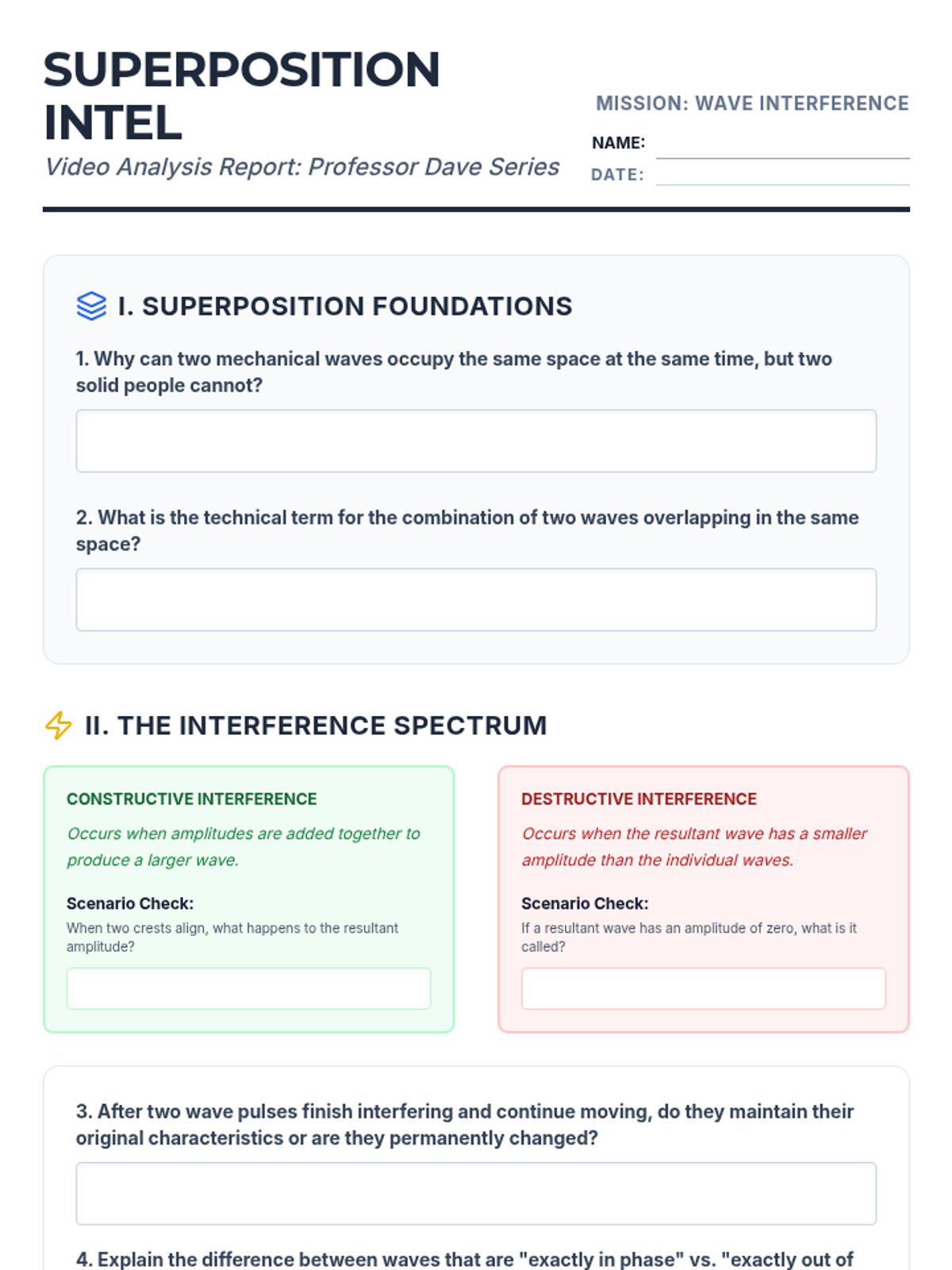
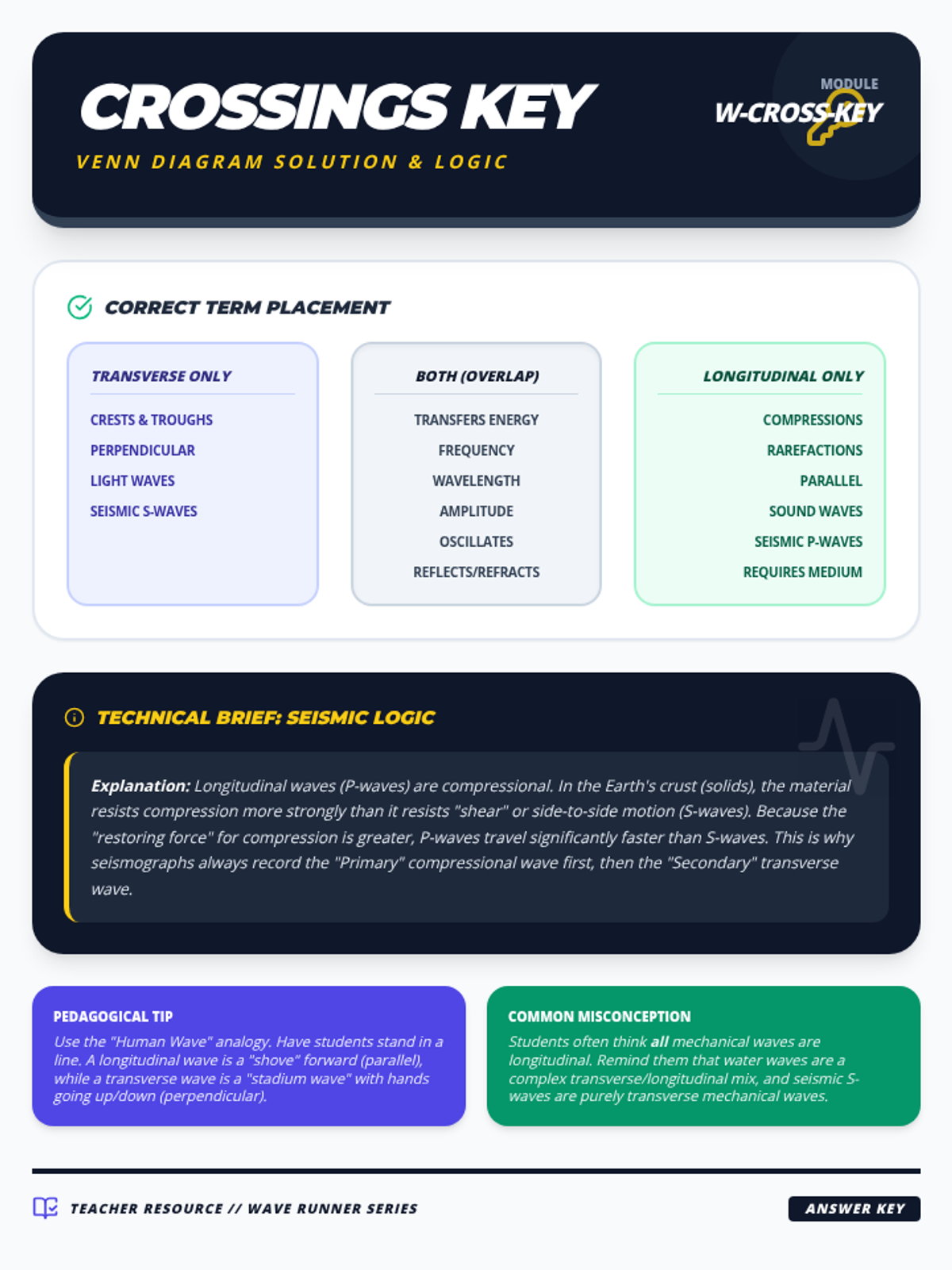
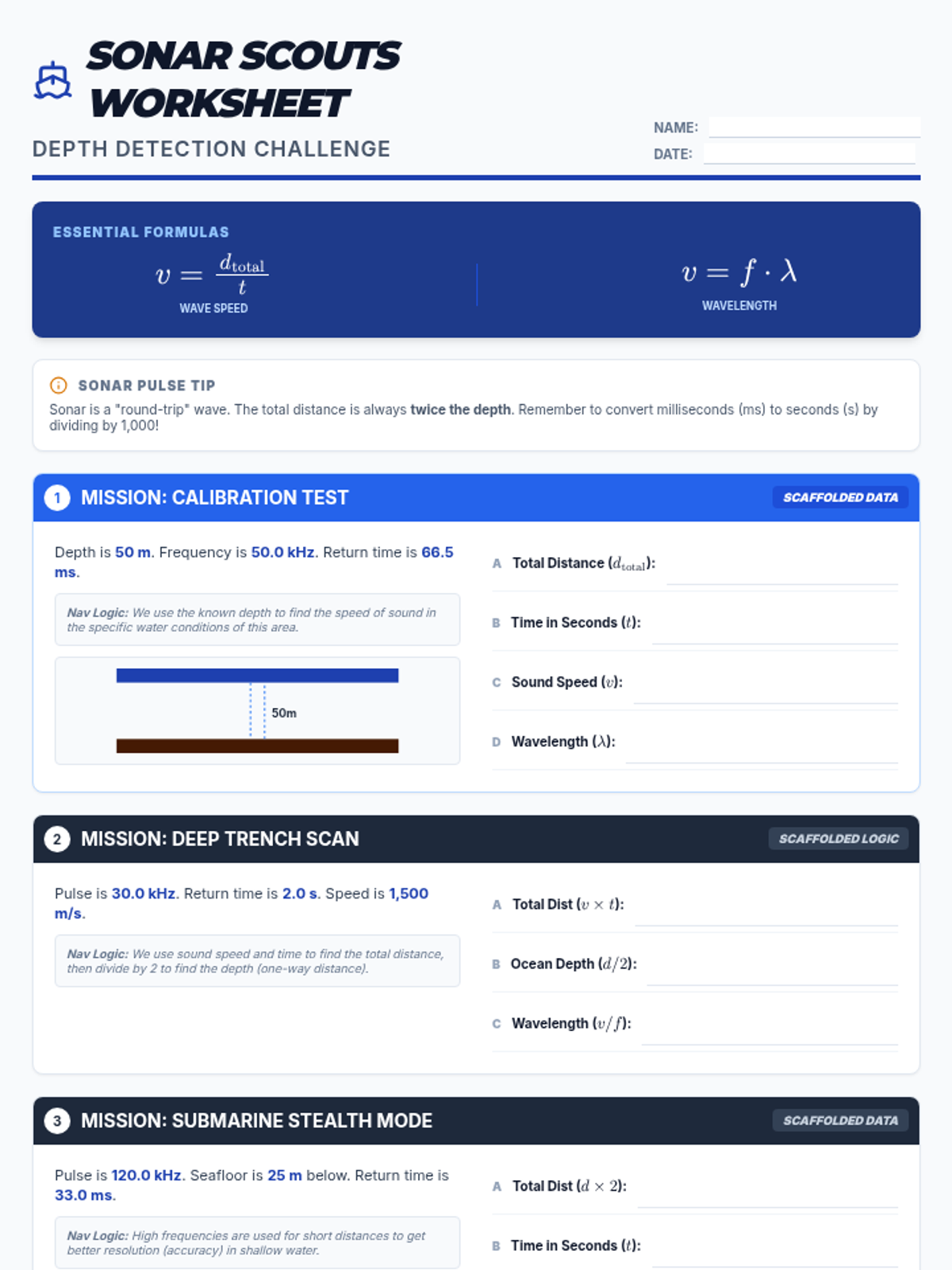
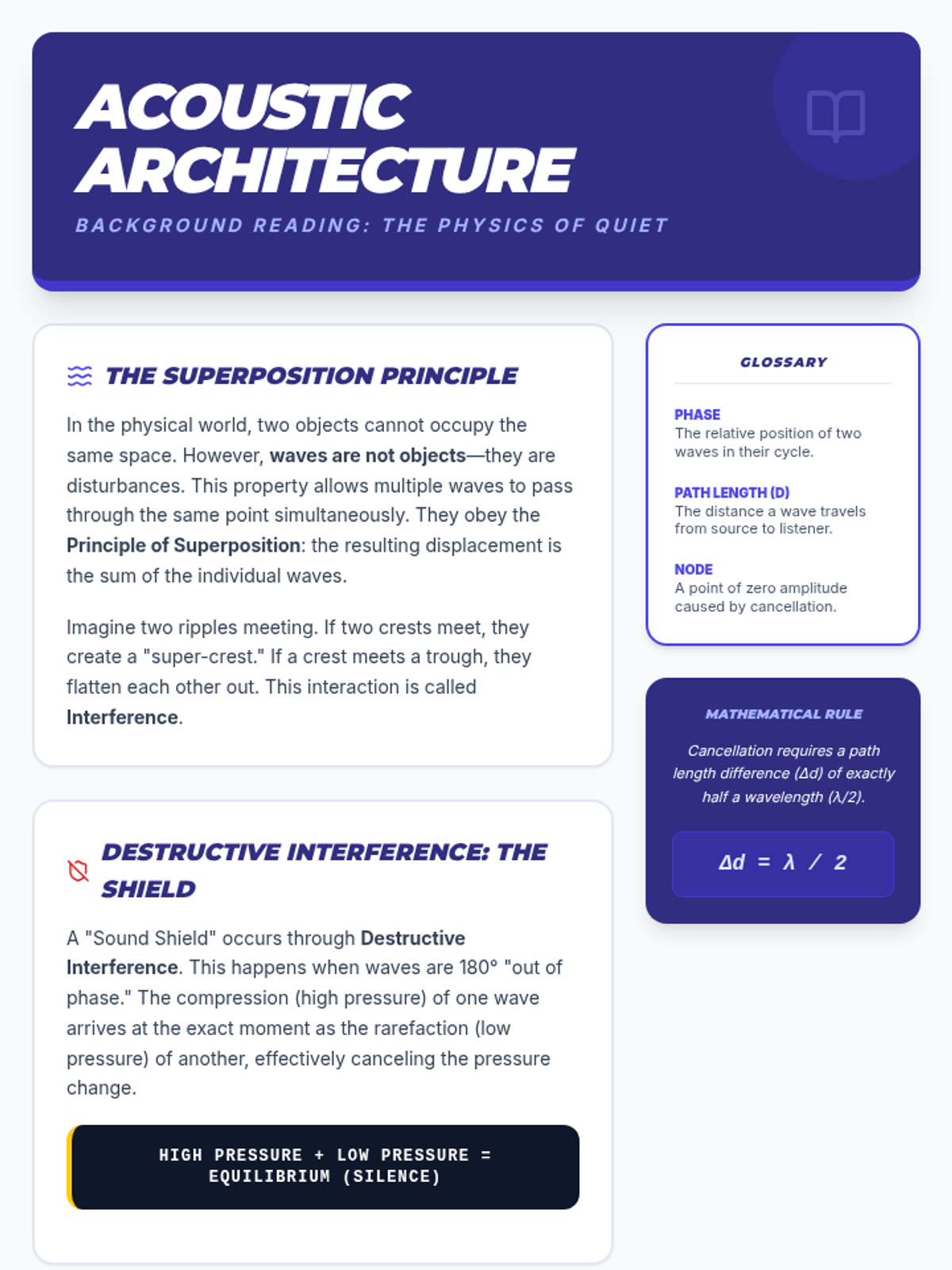
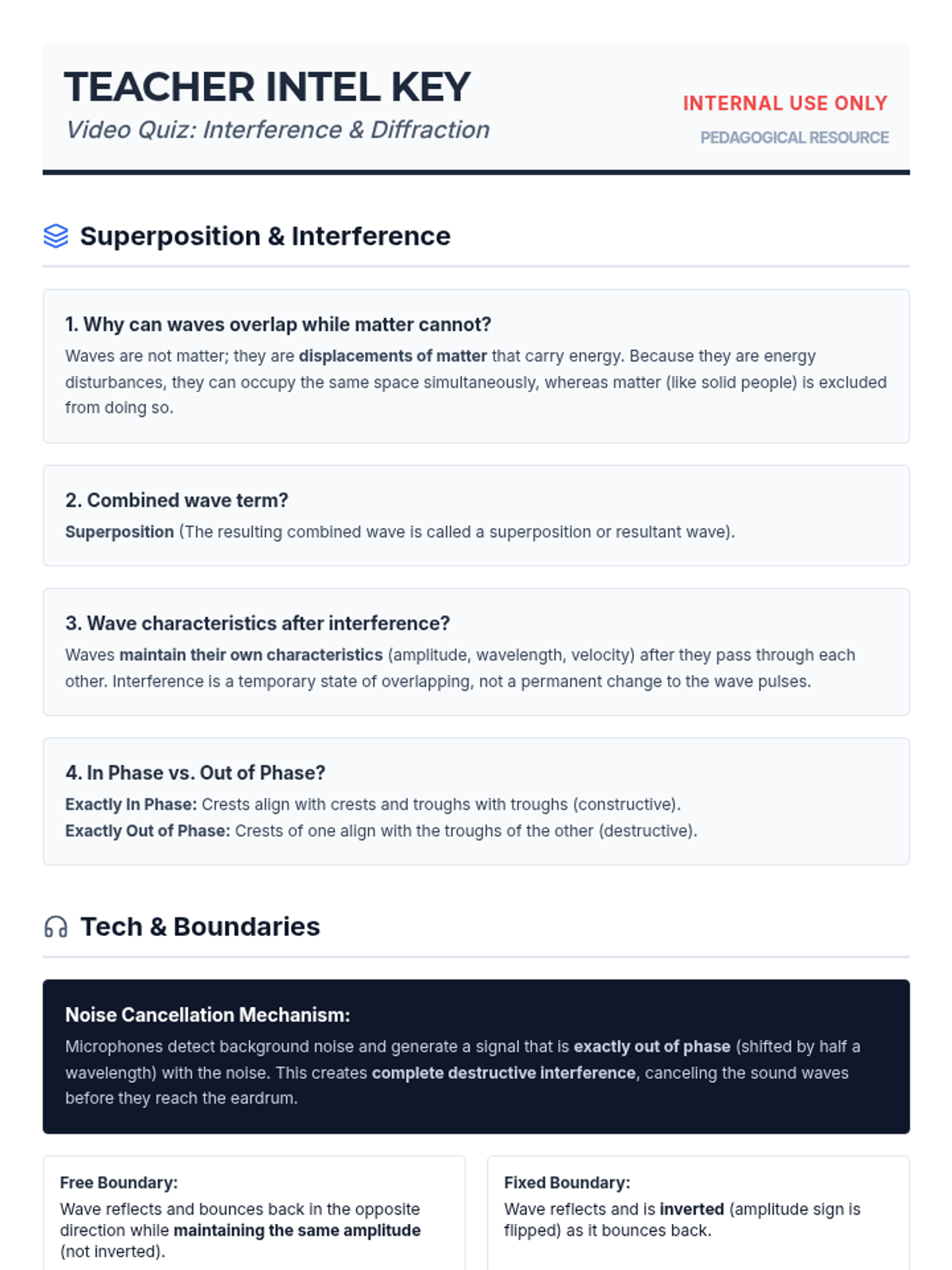
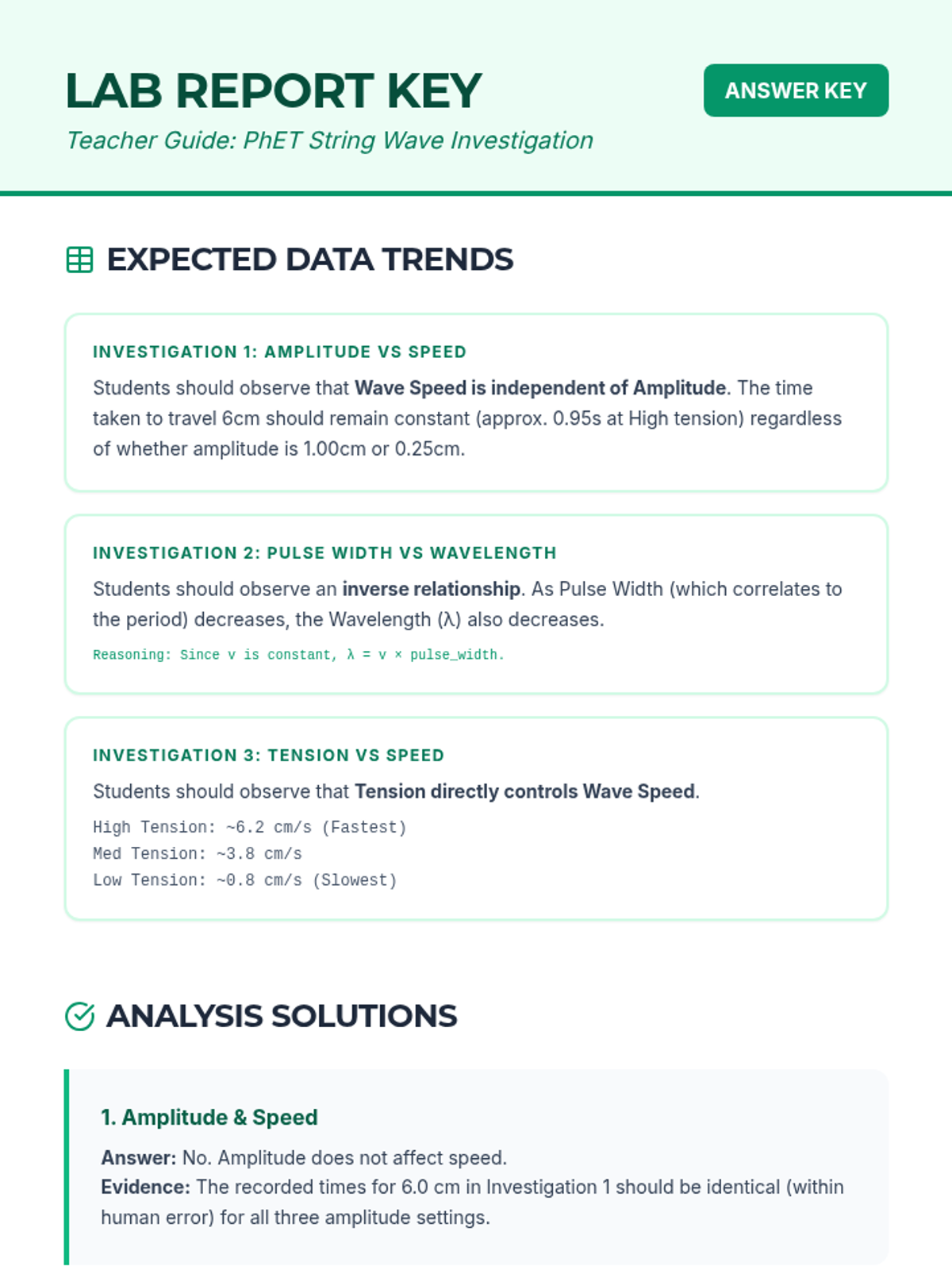
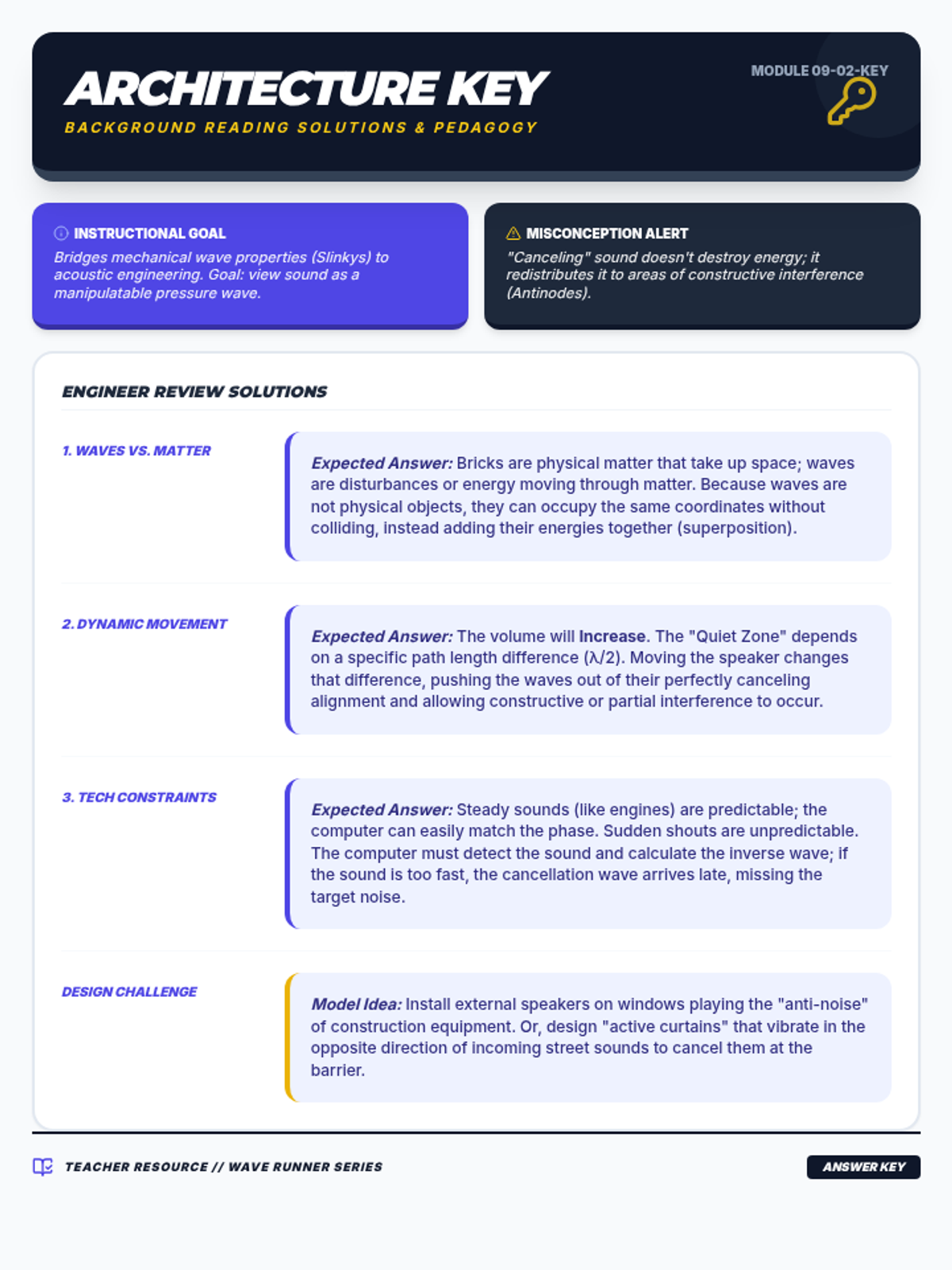
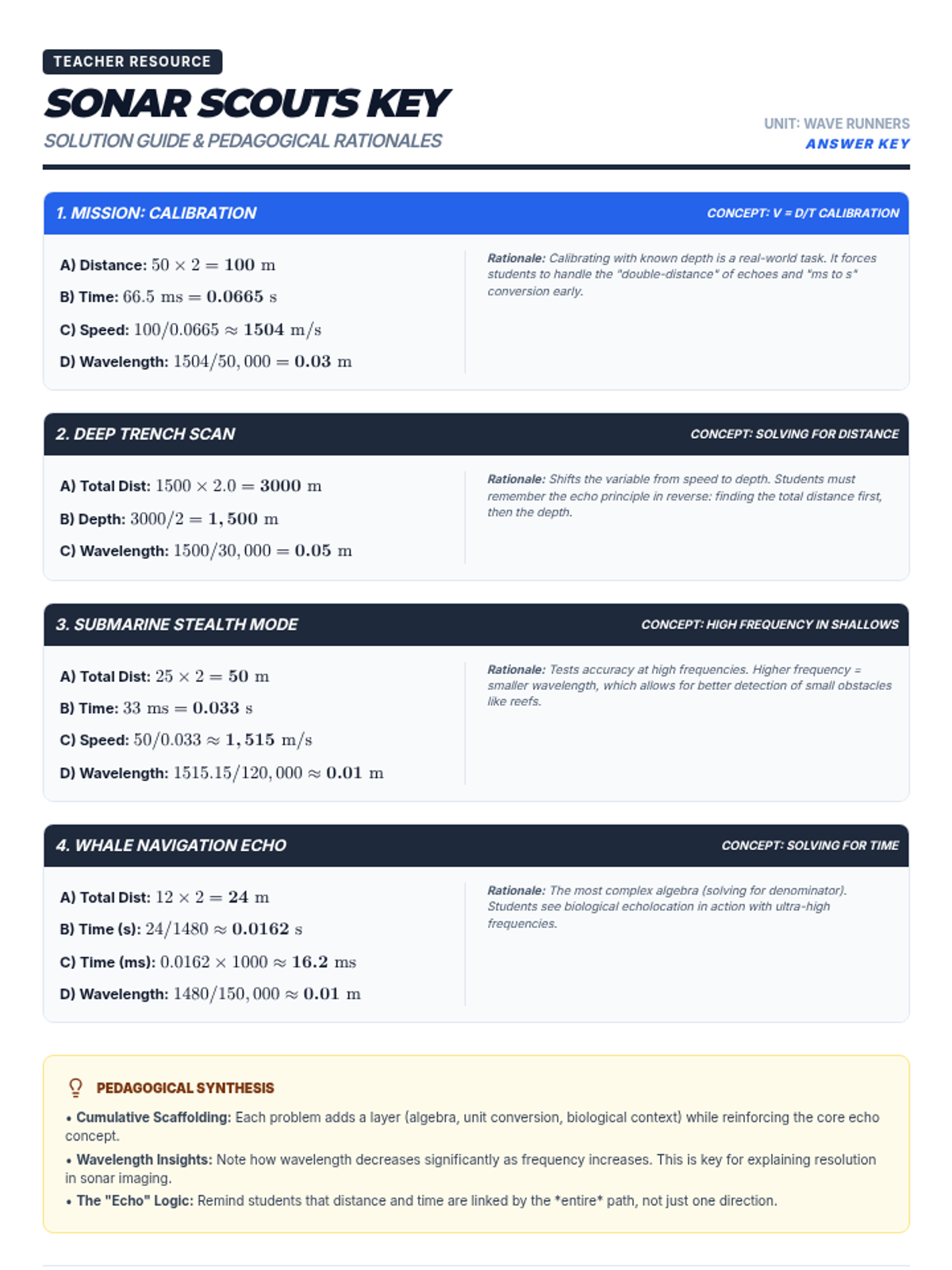
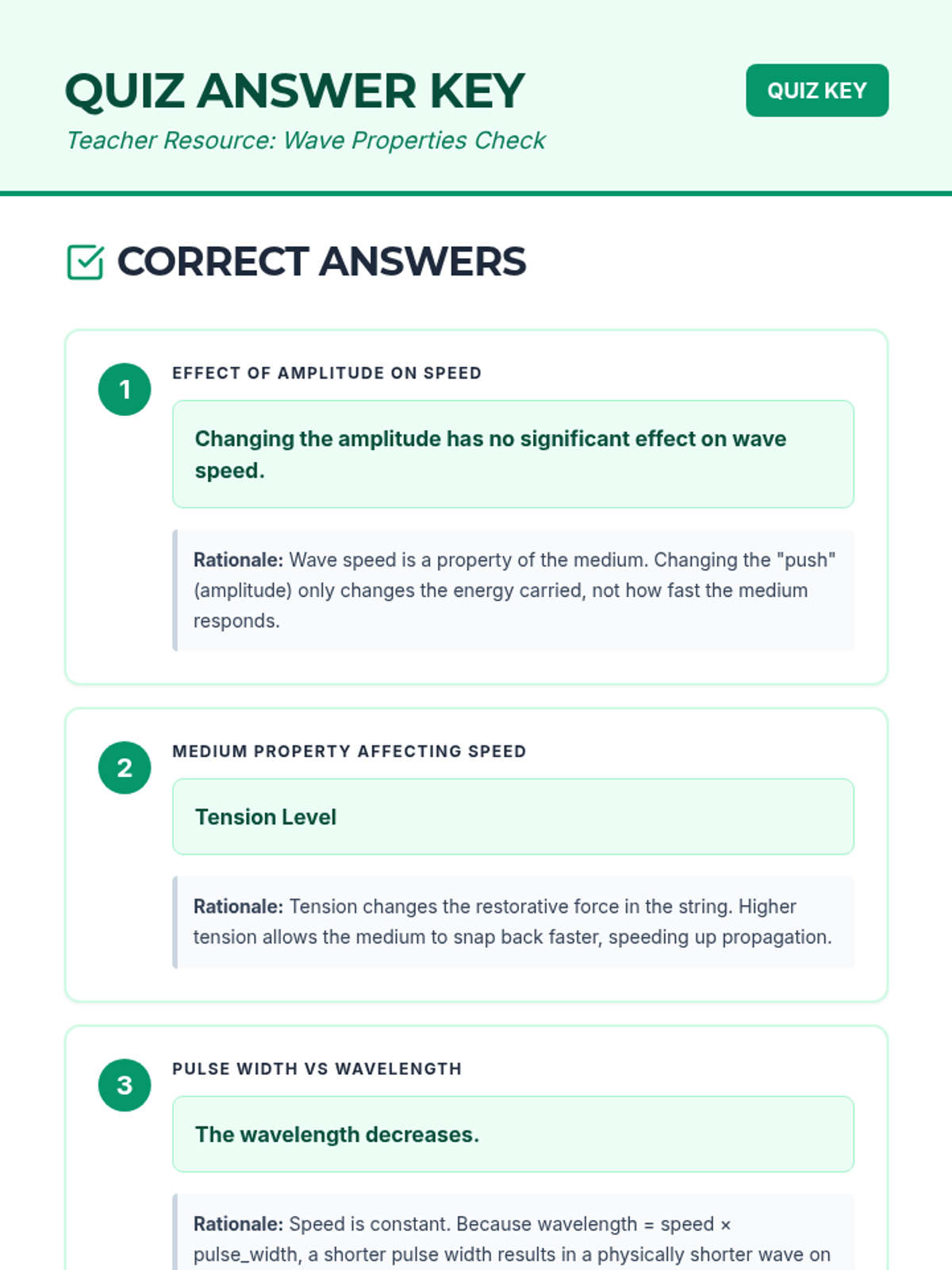
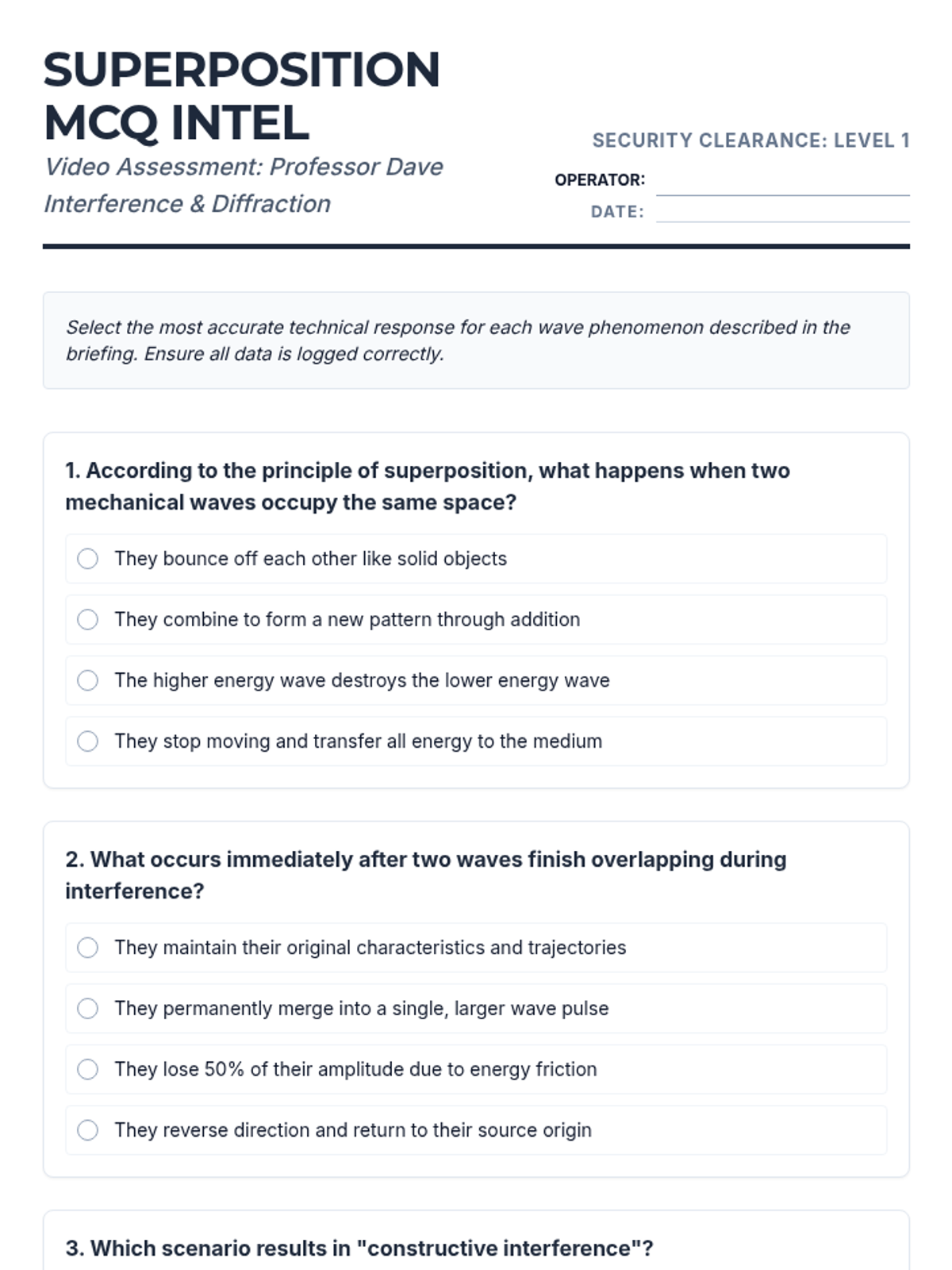
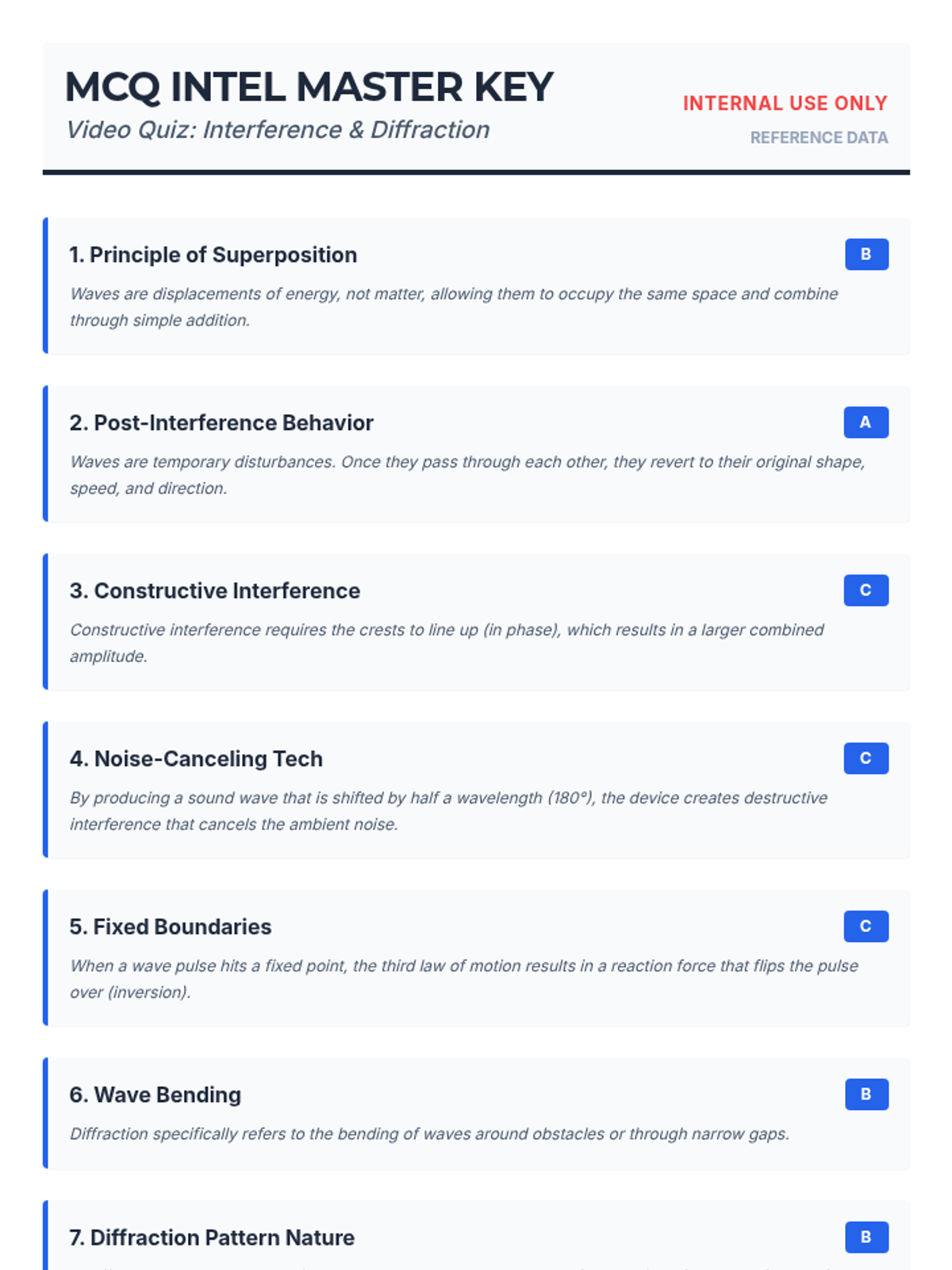
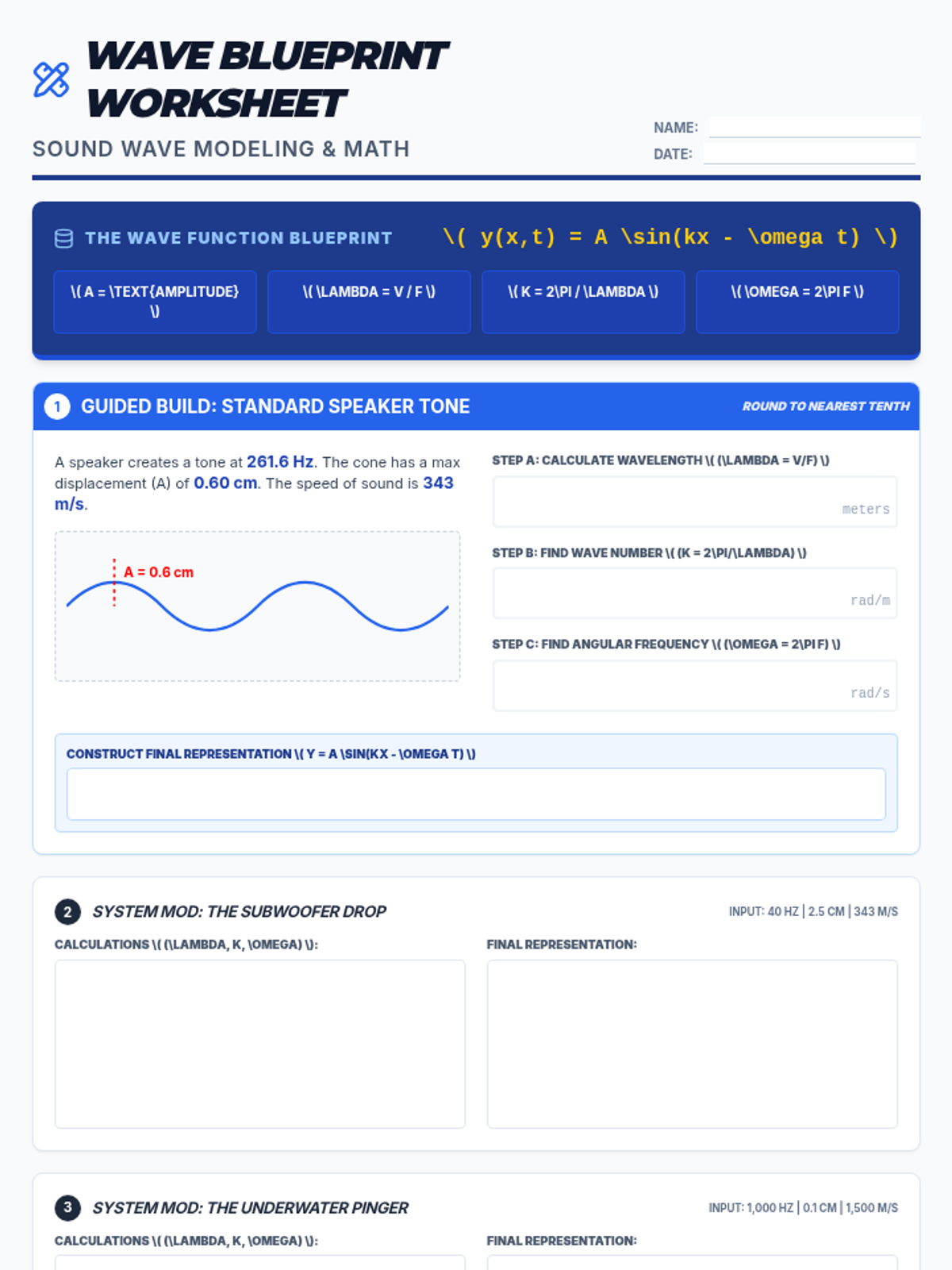
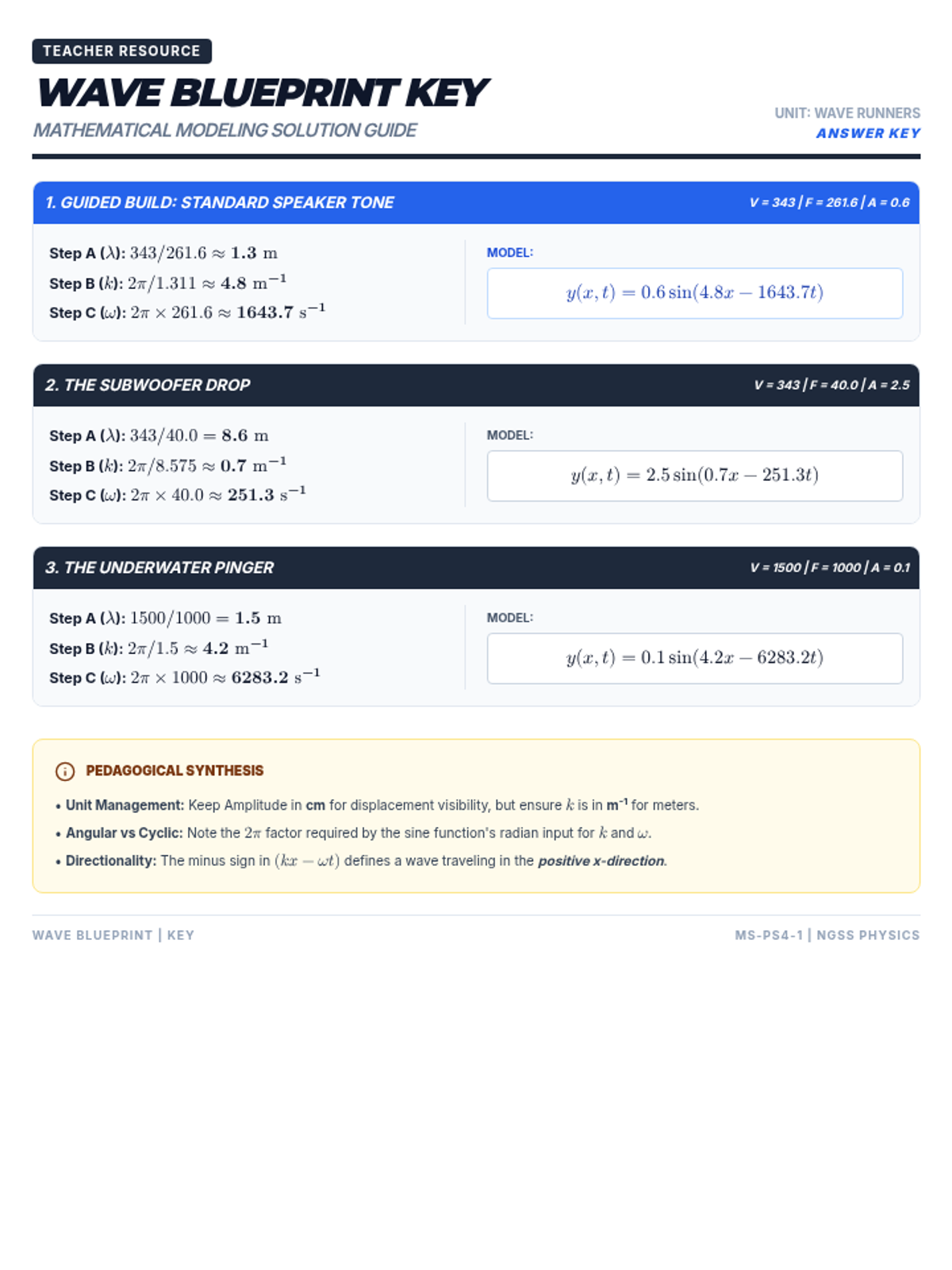
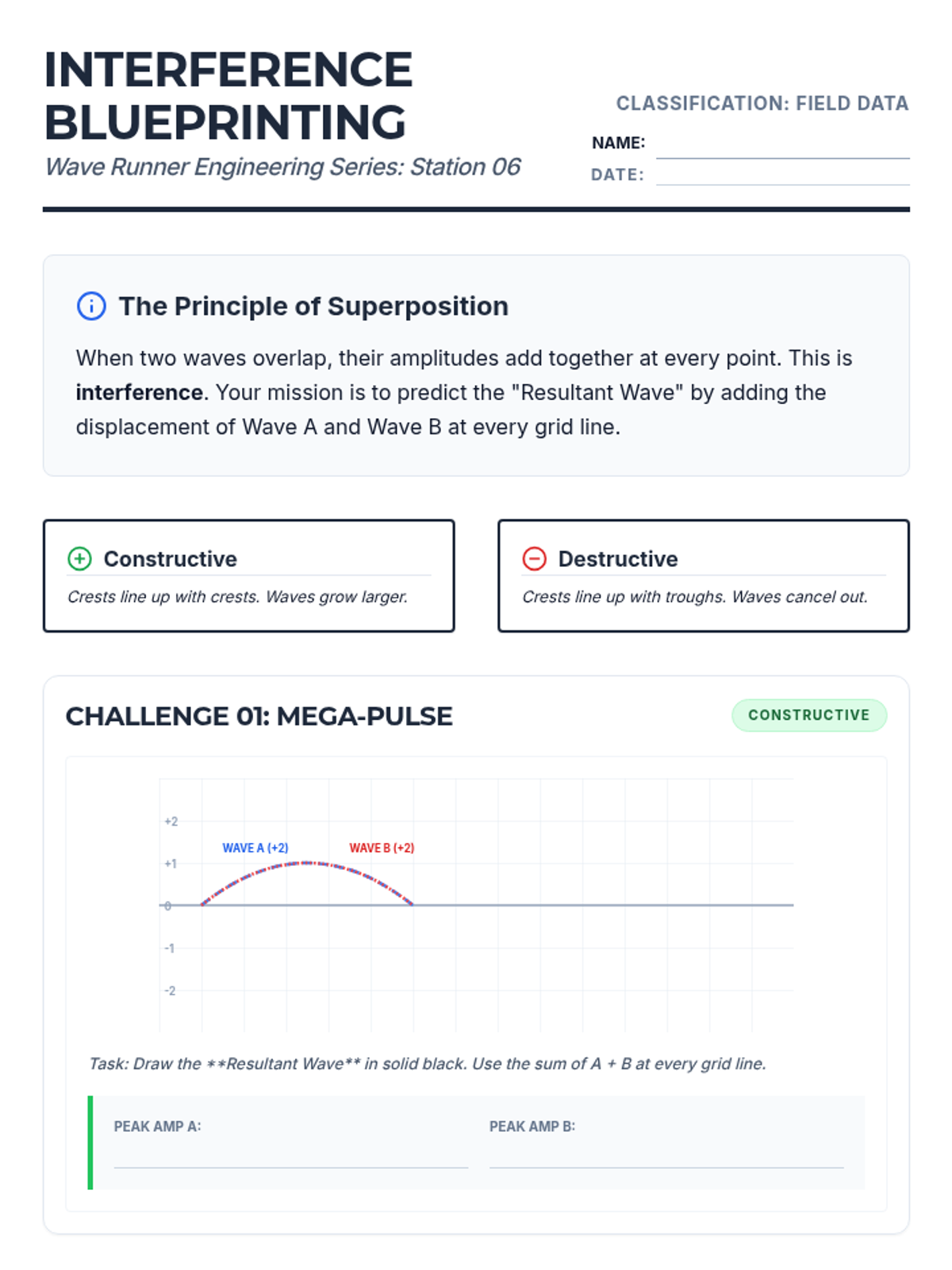
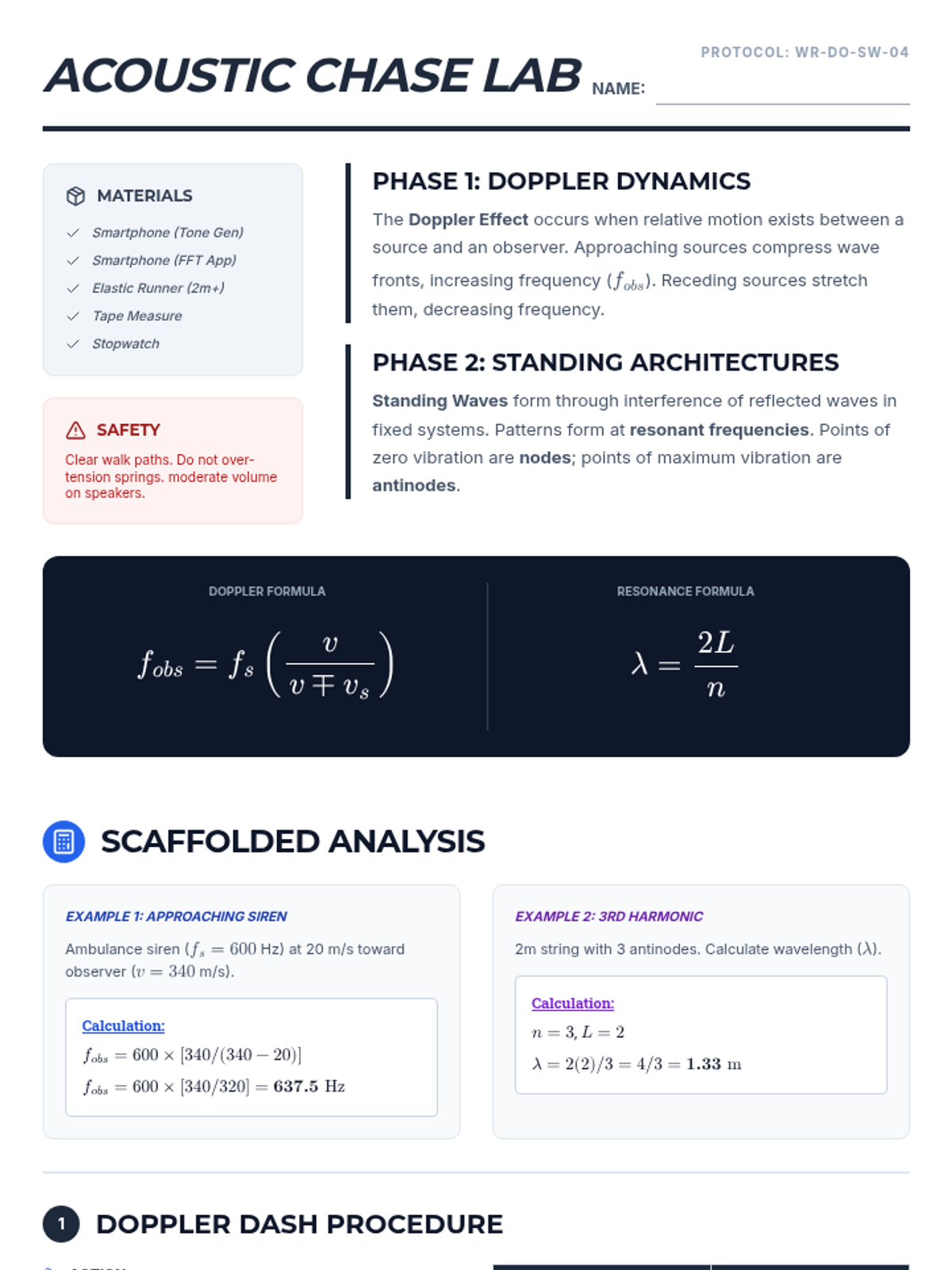
A series of high school science lessons exploring the physics of waves and their biological impacts on human health, using real-world professional contexts.
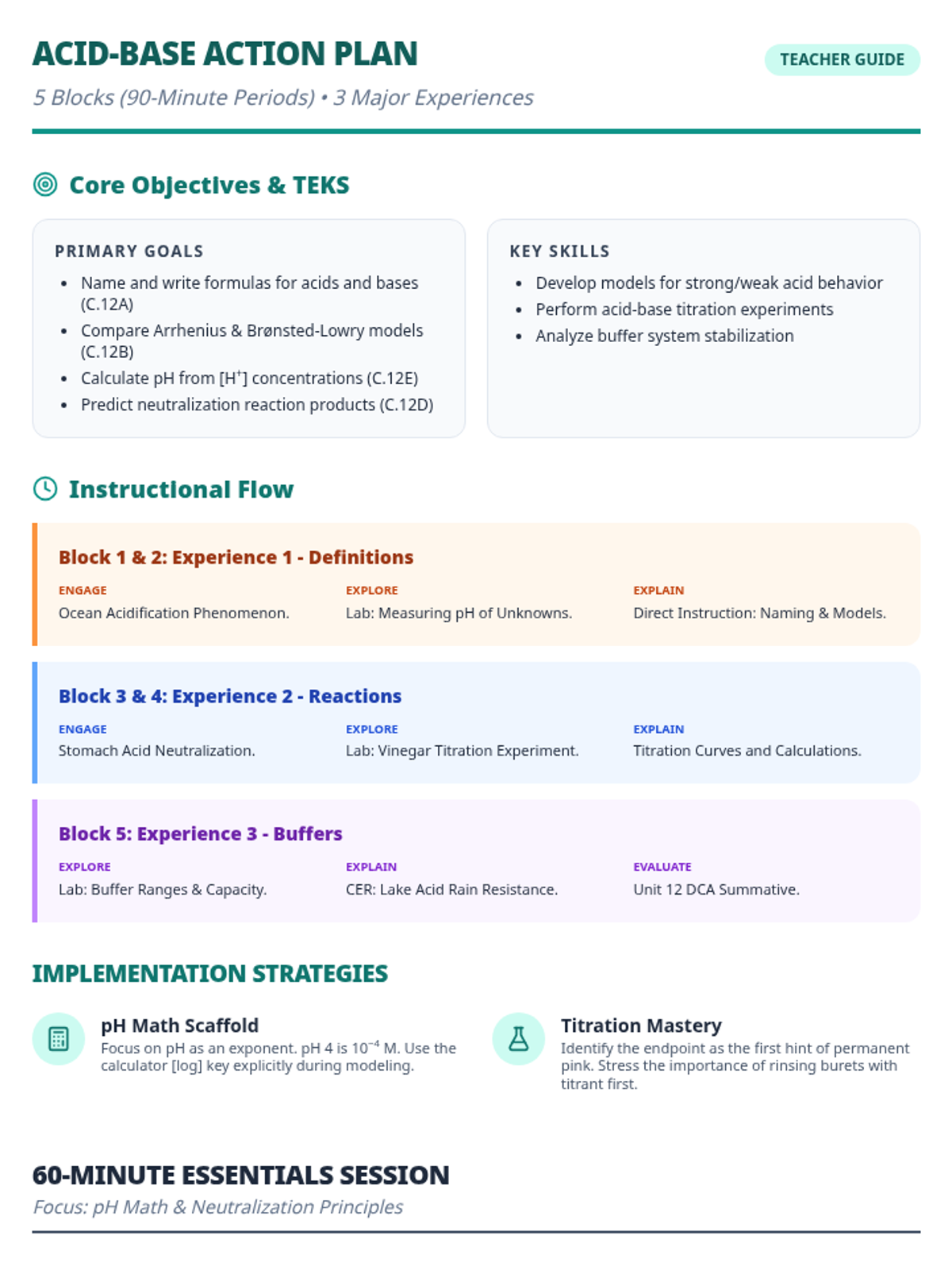
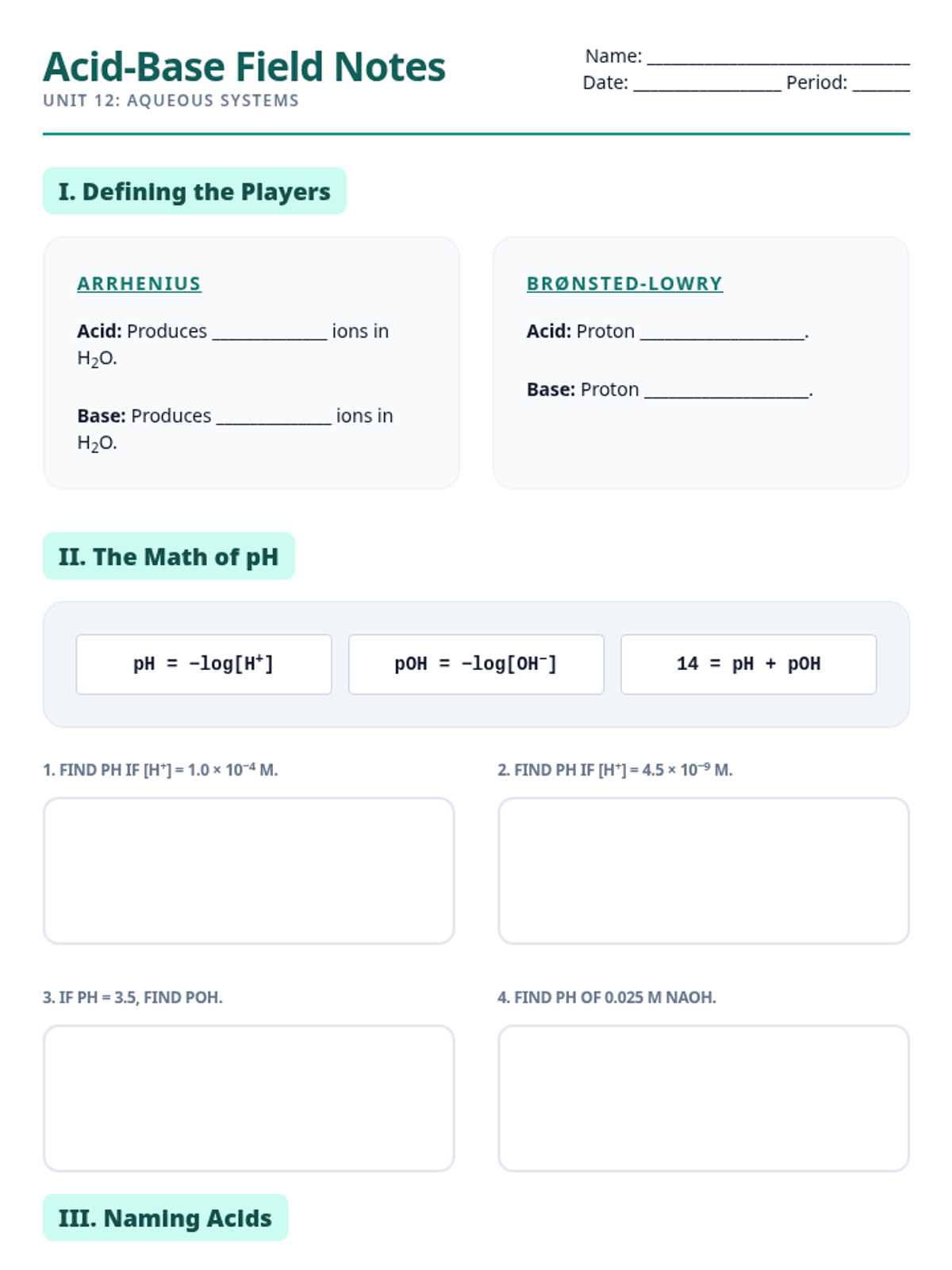
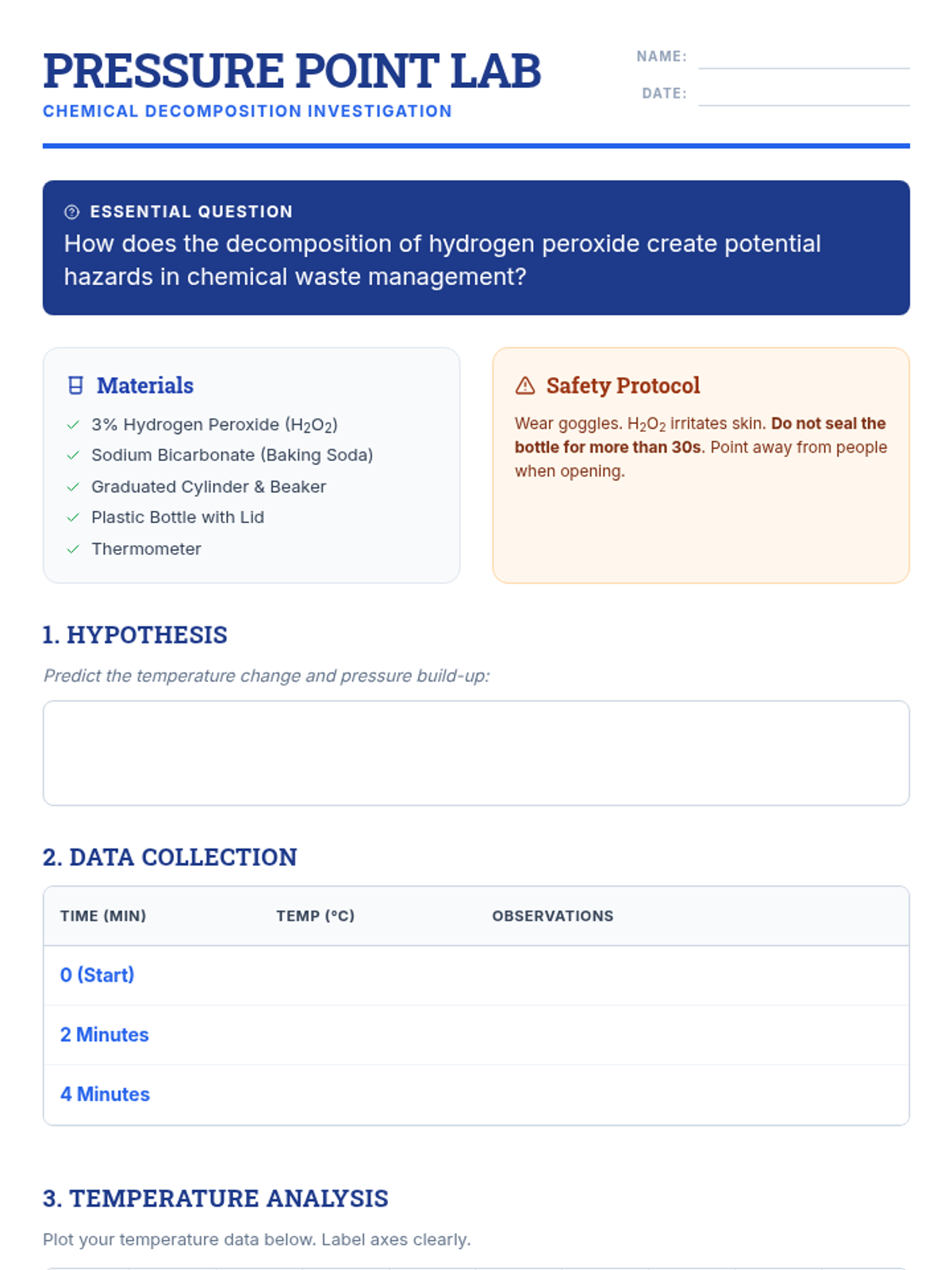
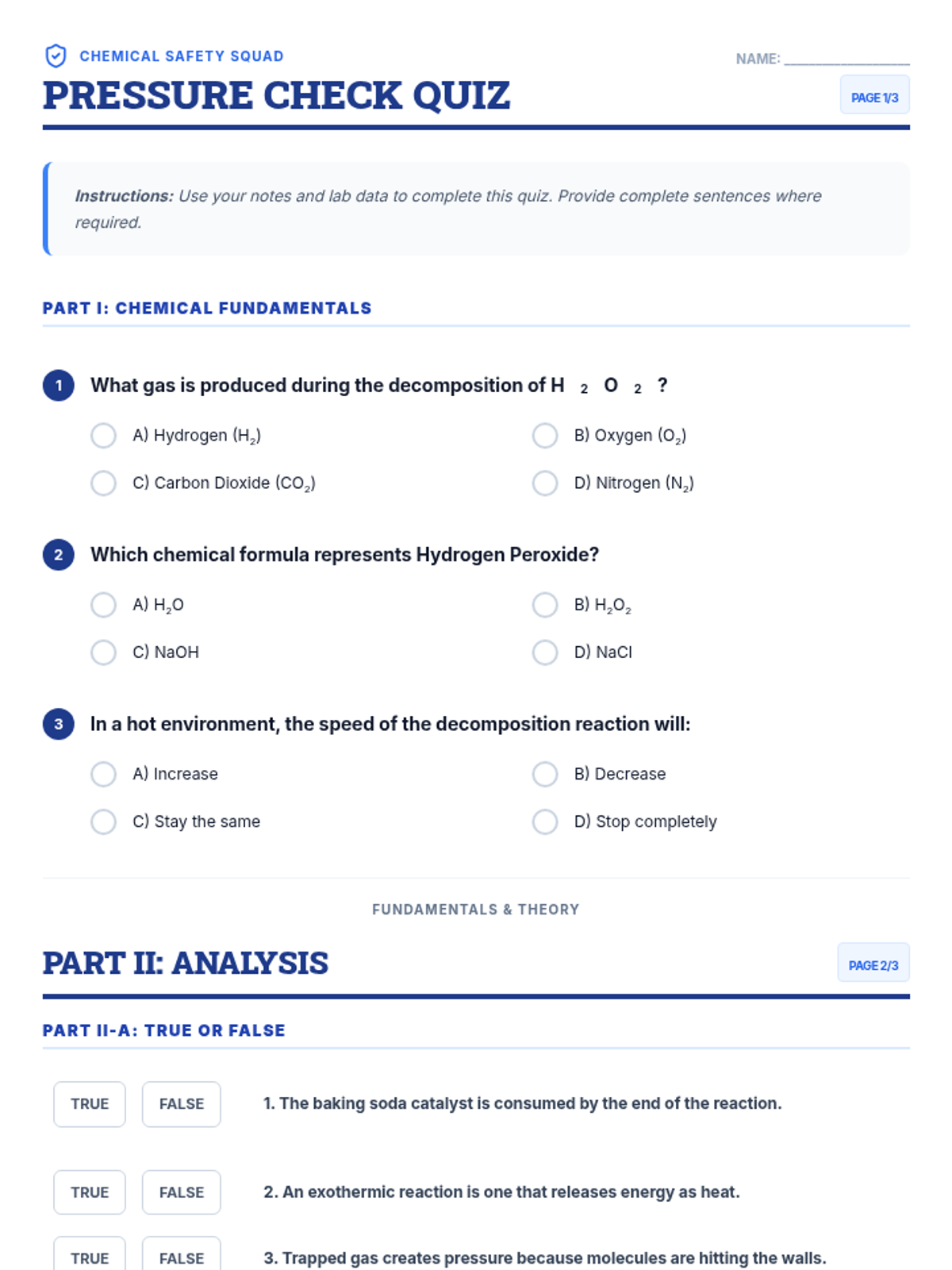
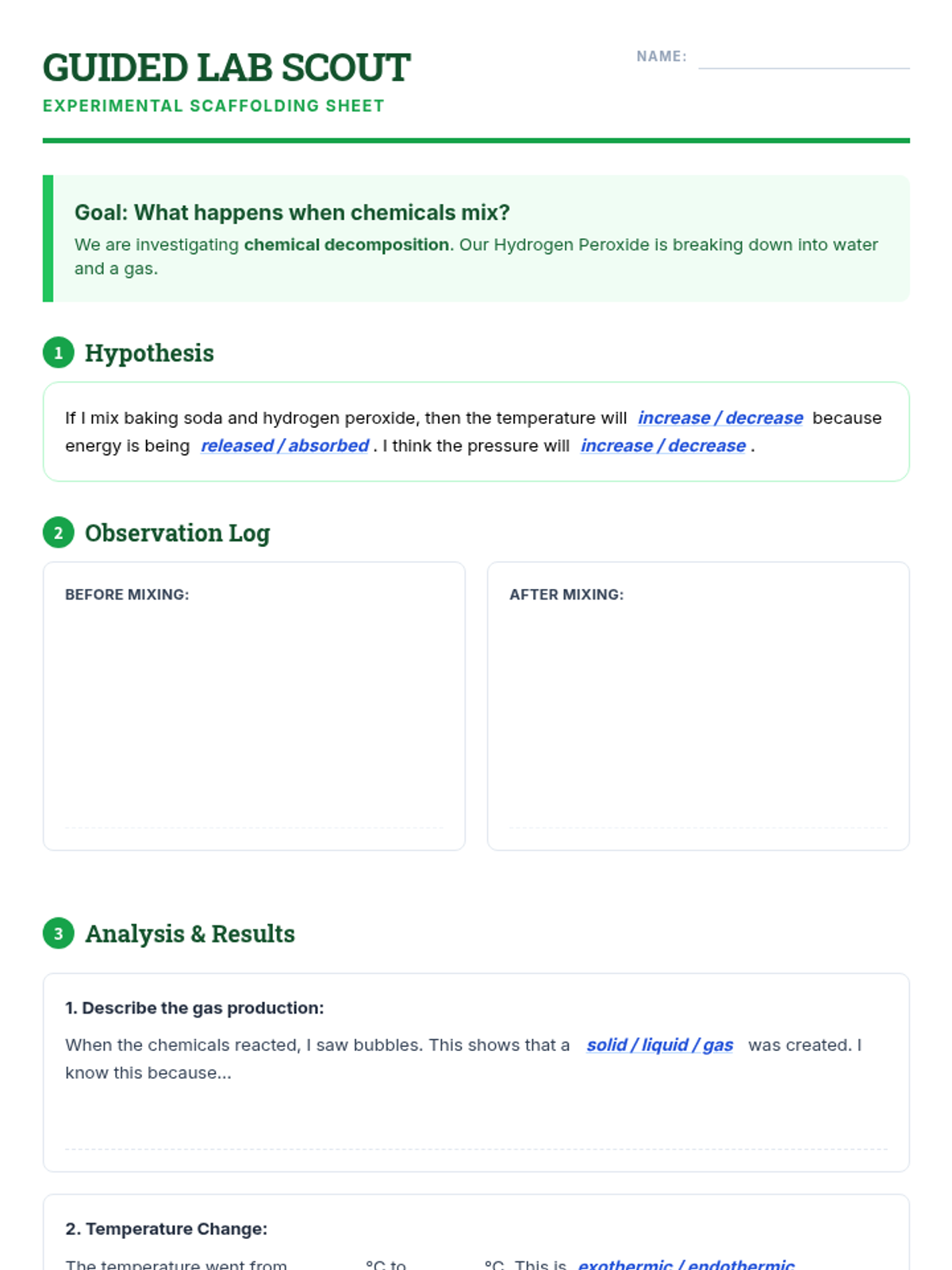
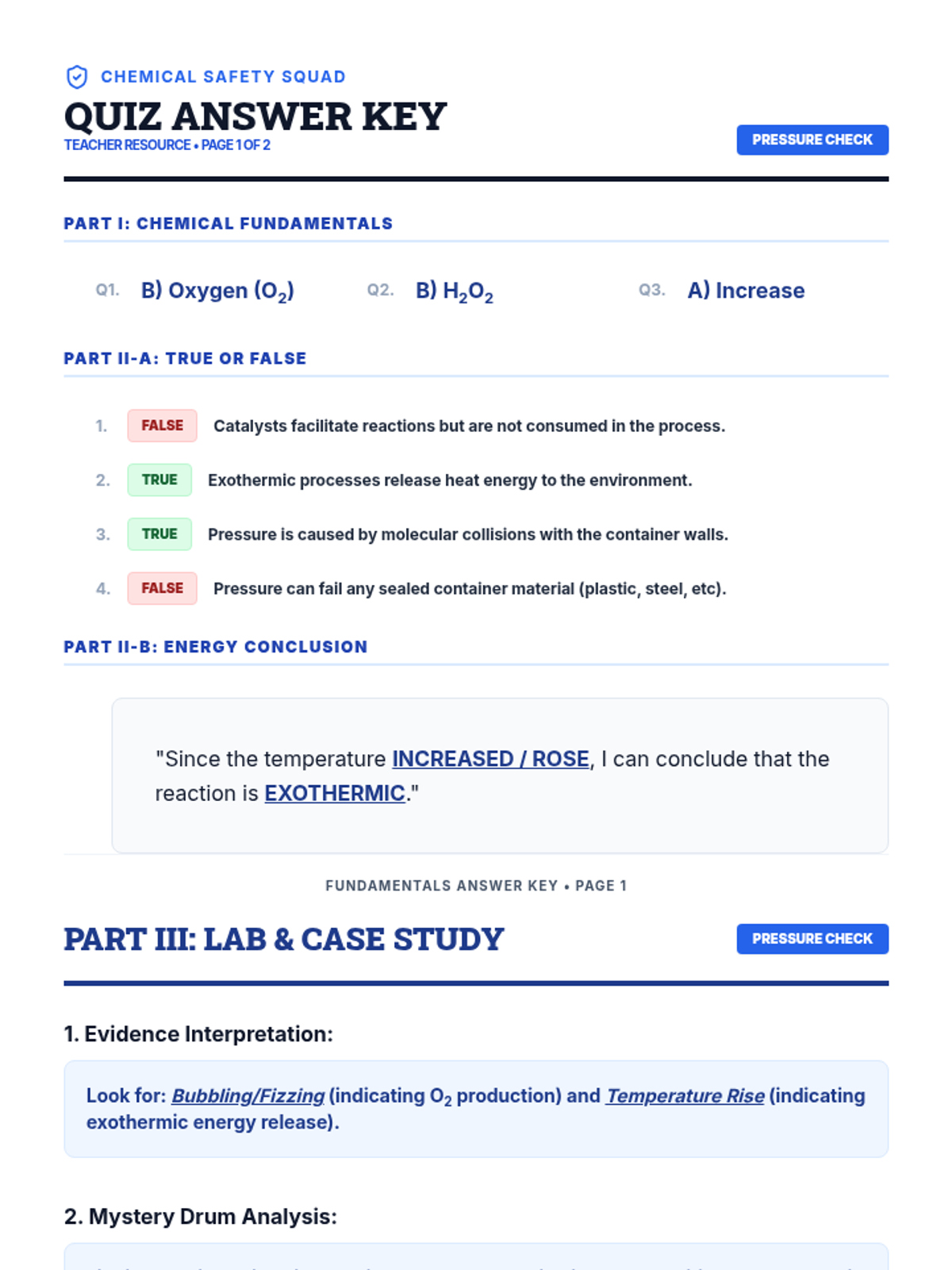
A five-day high school chemistry unit exploring thermochemistry, collision theory, enthalpy diagrams, and calorimetry through the lens of body heat and chemical reactions. Students investigate the anchoring phenomenon of exercise-induced heat while mastering TEKS C.13 standards.
A 5-day intensive exploration of magnetic forces and fields, focusing on atomic-level causes, field interactions, and mathematical modeling of forces on charged particles. Students progress from anchoring phenomena to complex mathematical applications and a comprehensive unit review.
A comprehensive unit exploring the science of hearing, the technology used to assist hearing loss, and the personal impact of being D/deaf or hard of hearing. Students will build a 3D ear model, learn to read audiograms, and understand the difference between hearing aids and cochlear implants.
A 4-lesson sequence designed to help high school chemistry students master Coulomb's Law through qualitative reasoning, mathematical practice, and application to atomic structure. The sequence aligns with Iowa High School Chemistry standards and OpenSciEd's inquiry-based approach.
A 2-3 day project-based learning sequence where students explore the relationship between photosynthesis and cellular respiration, culminating in a creative project where they explain the cycling of matter and flow of energy in ecosystems.
Une séquence complète sur les forces et les interactions pour le niveau 4ème, centrée sur la modélisation par des vecteurs. Les élèves explorent les types d'interactions, apprennent à représenter les forces par des segments fléchés et utilisent le dynamomètre.
A comprehensive unit on genetics and heredity, focusing on the mechanisms of trait inheritance, molecular genetics, and biotechnology applications.
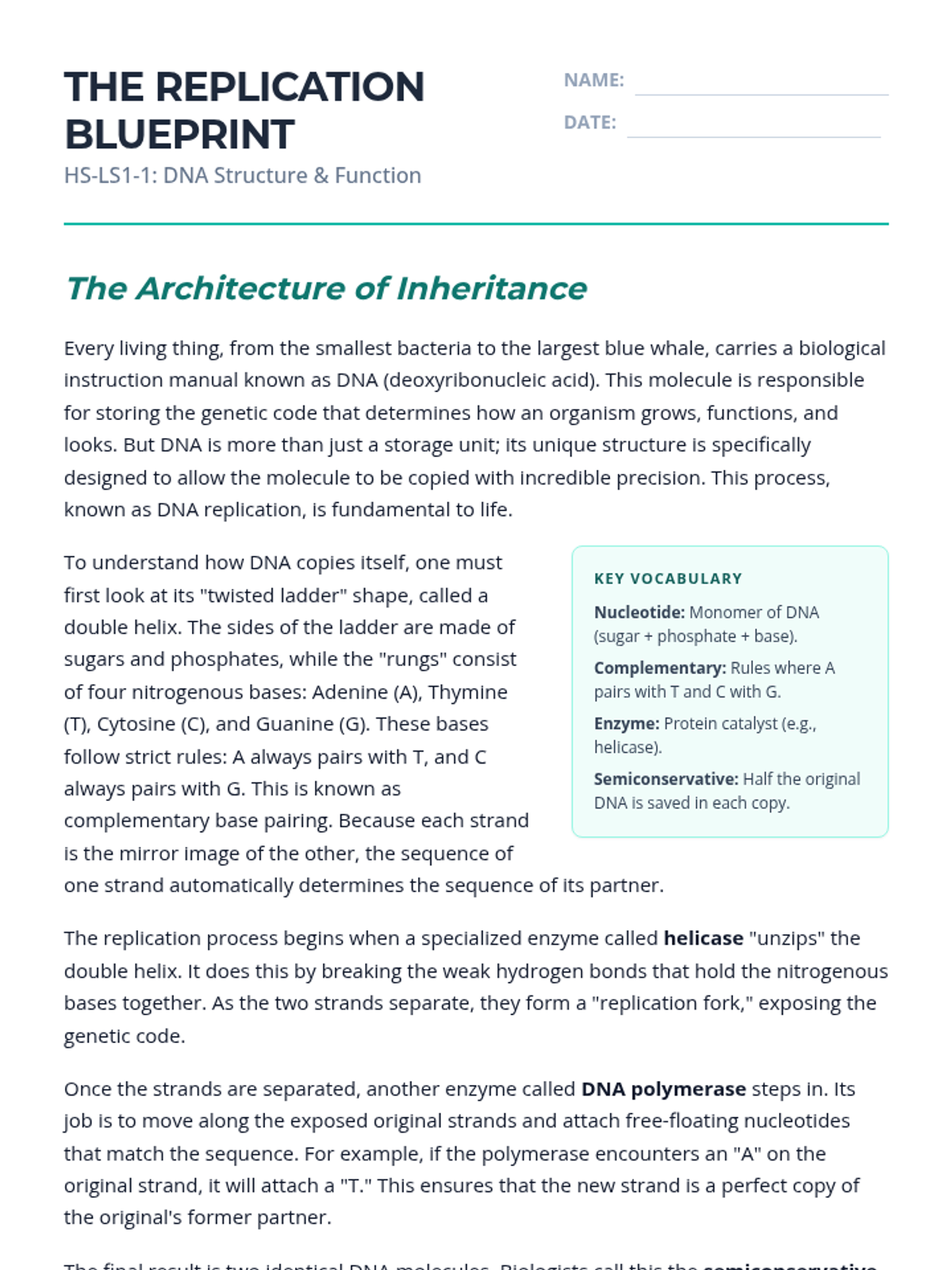
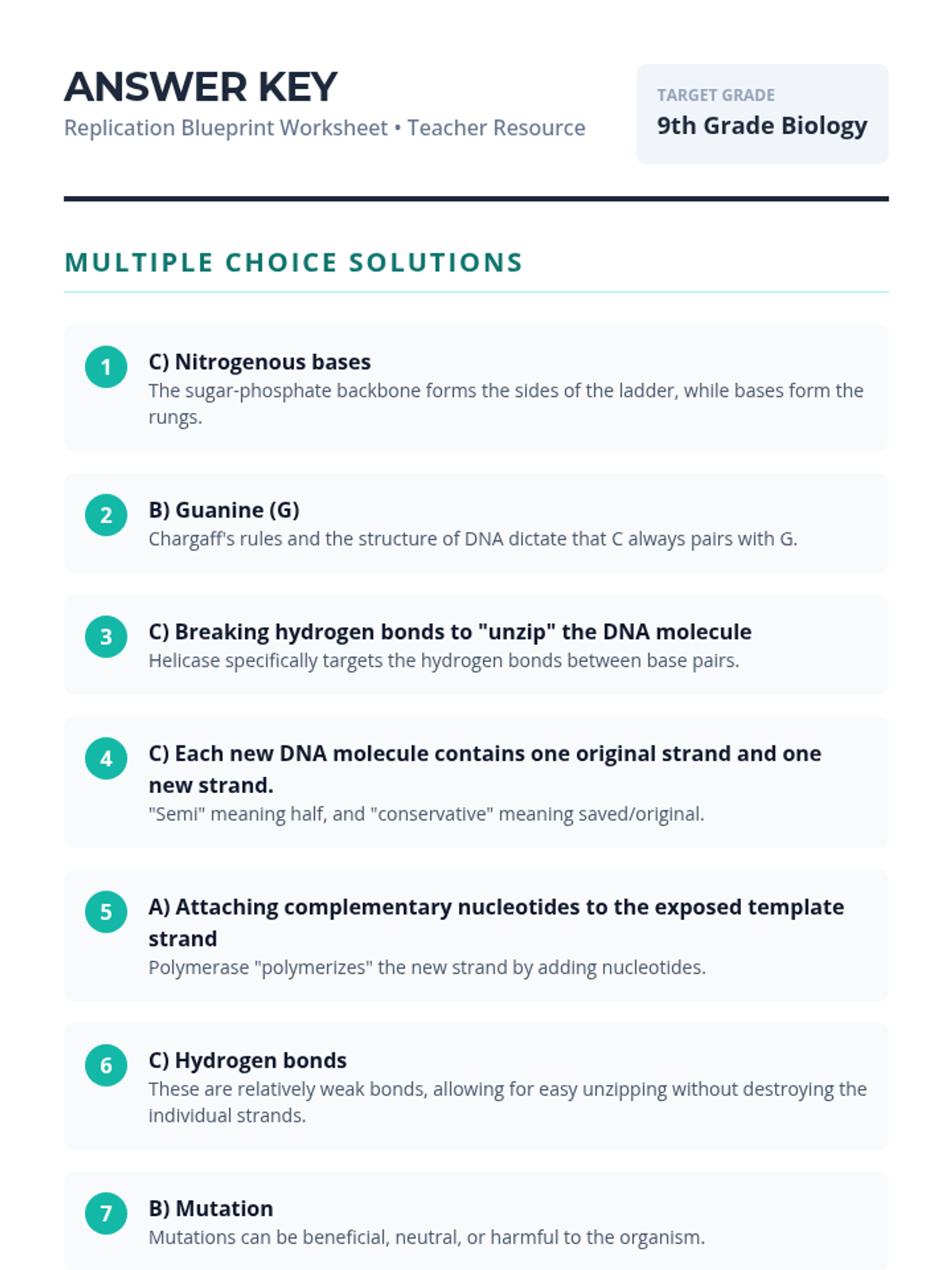
A comprehensive 5-week unit on Heredity and Genetics covering NC standard LS.7.2. Students explore the structures of DNA, modes of reproduction, Punnett Squares, and pedigree analysis through hands-on labs and visual instruction.
A comprehensive unit on meteorology focusing on air mass interactions, pressure systems, and frontal boundaries. Students learn to interpret data to predict local weather events like thunderstorms and clear sky periods.
An inquiry-based science and literacy curriculum for grades 1-3 that combines foundational scientific concepts with high-frequency sight word mastery and precision handwriting practice.
In this project-based unit, students become lead geneticists in a top-secret laboratory. They will master alleles, inheritance patterns, and Punnett squares to design a unique monster and predict the genetic outcomes of its future offspring, culminating in a professional scientific presentation.
A comprehensive review of electrical circuits, covering Ohm's Law, Kirchhoff's Rules, and circuit analysis techniques through visual guides and structured problem-solving.
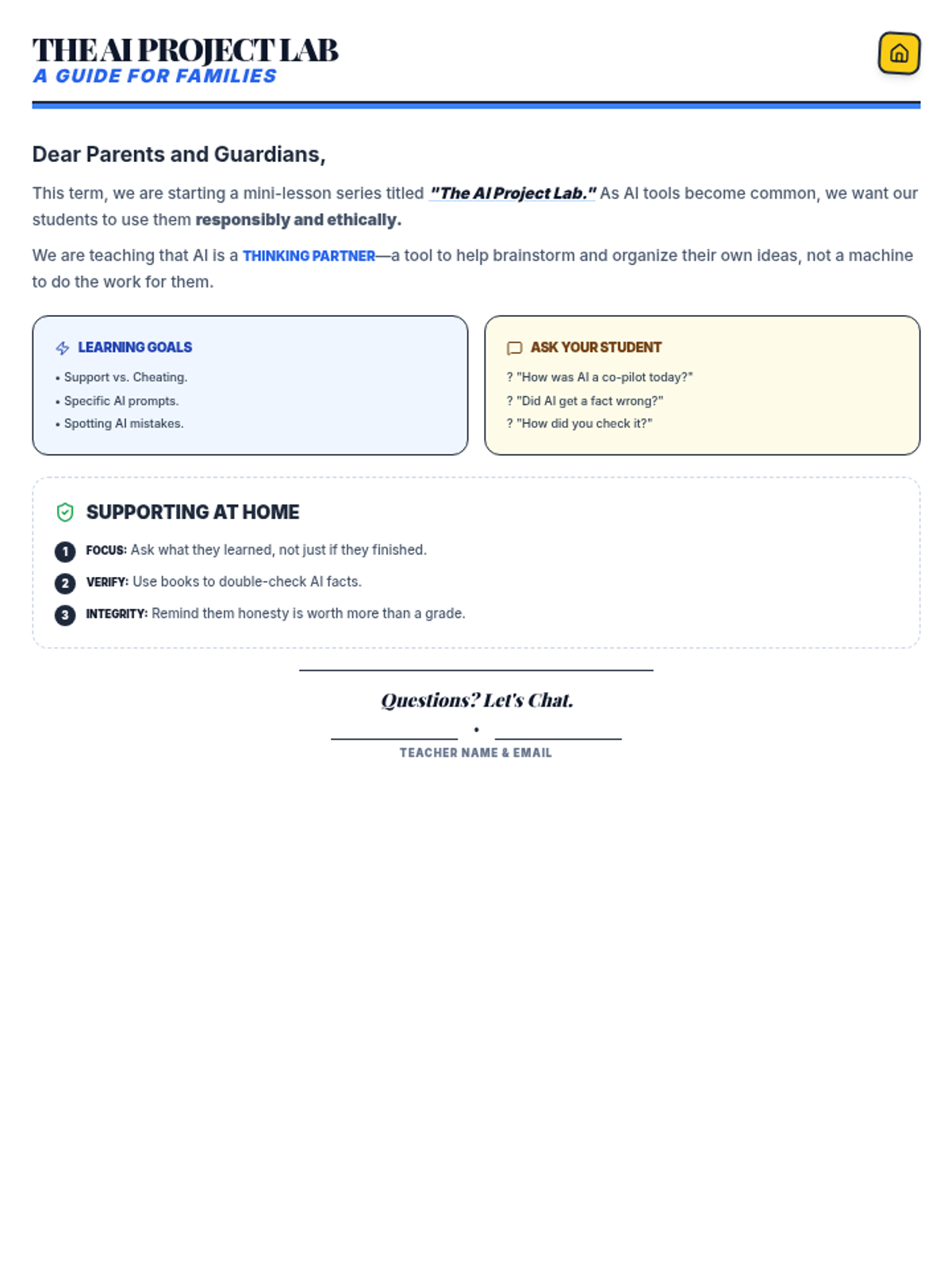
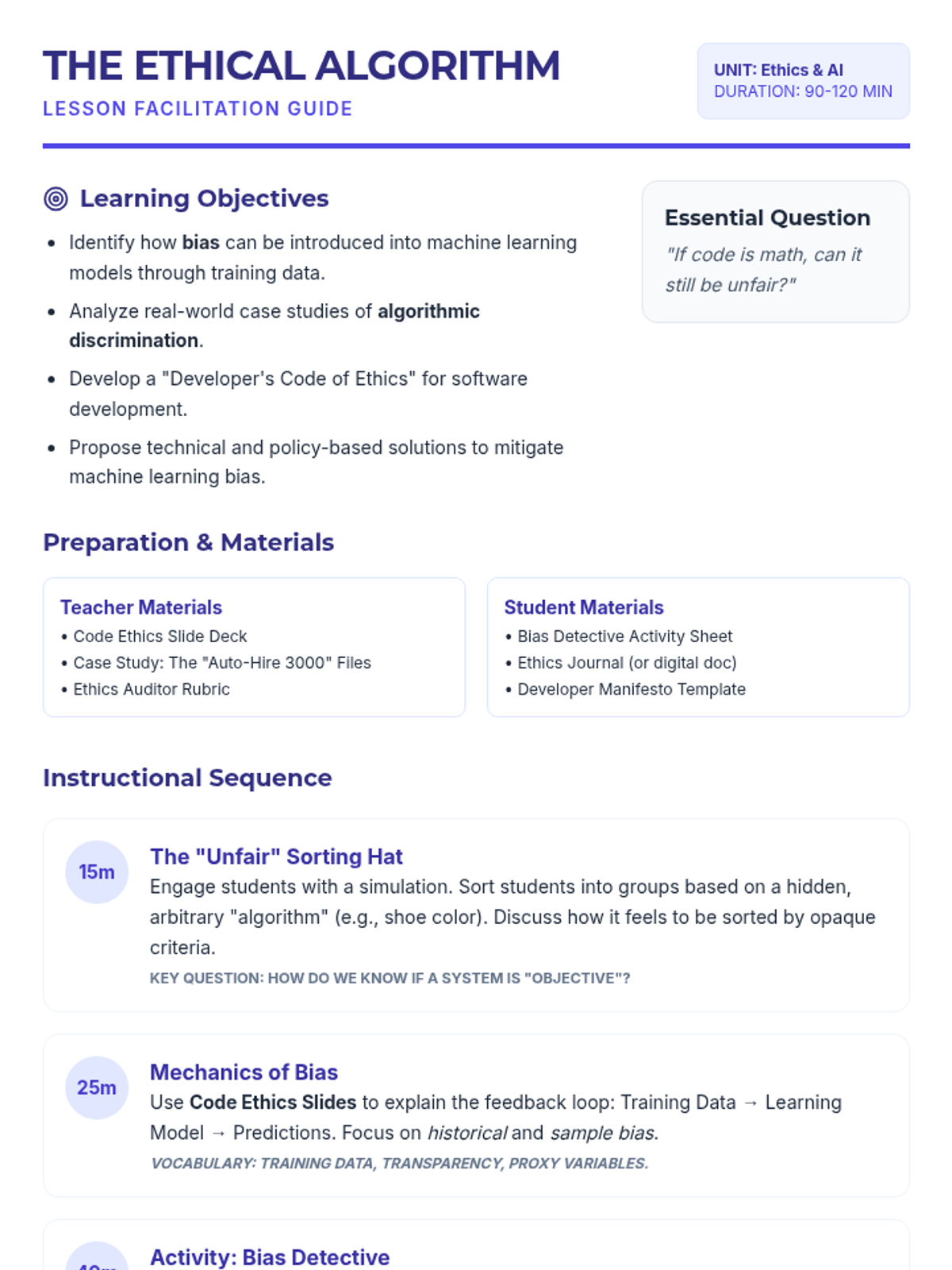
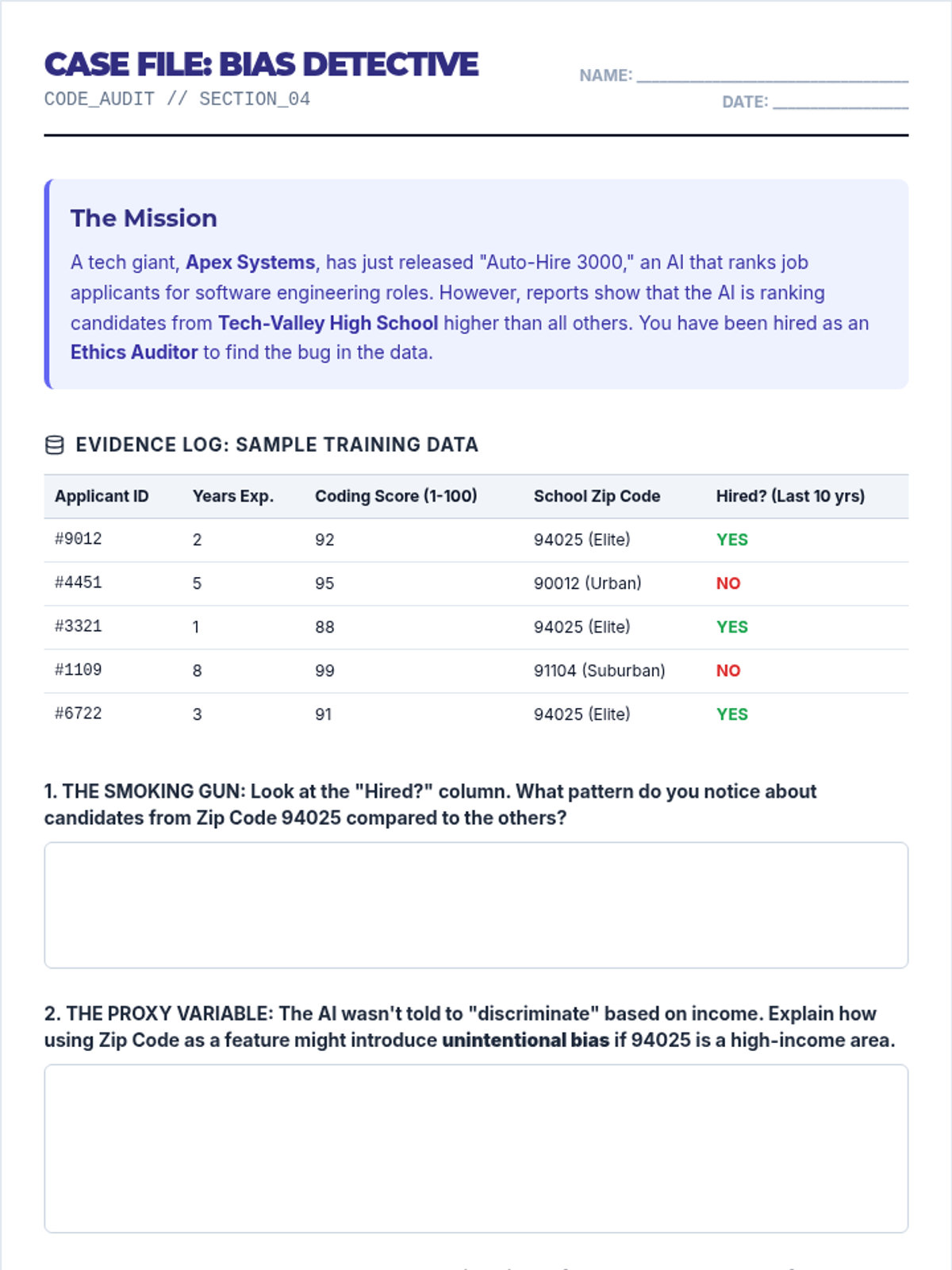
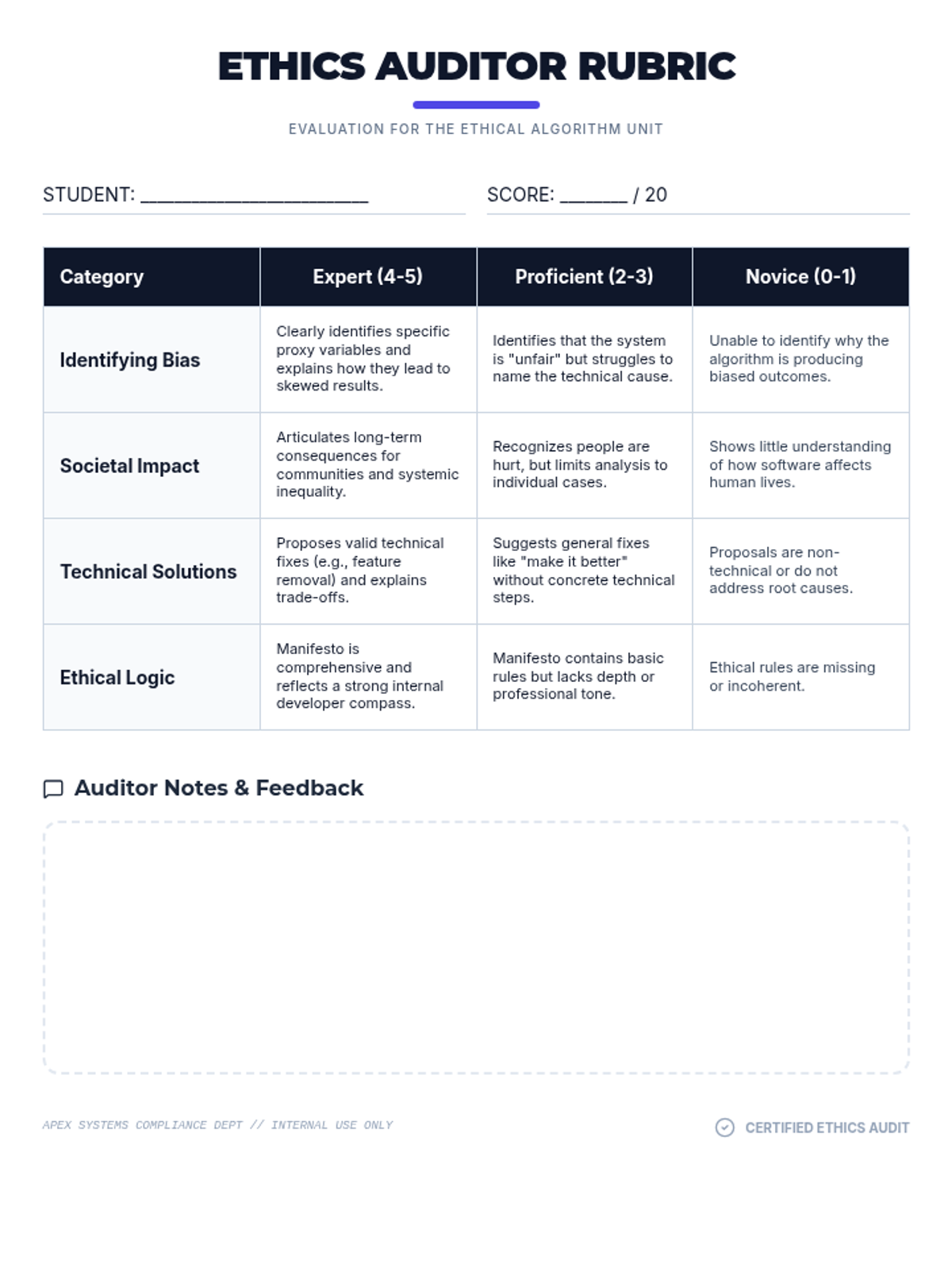
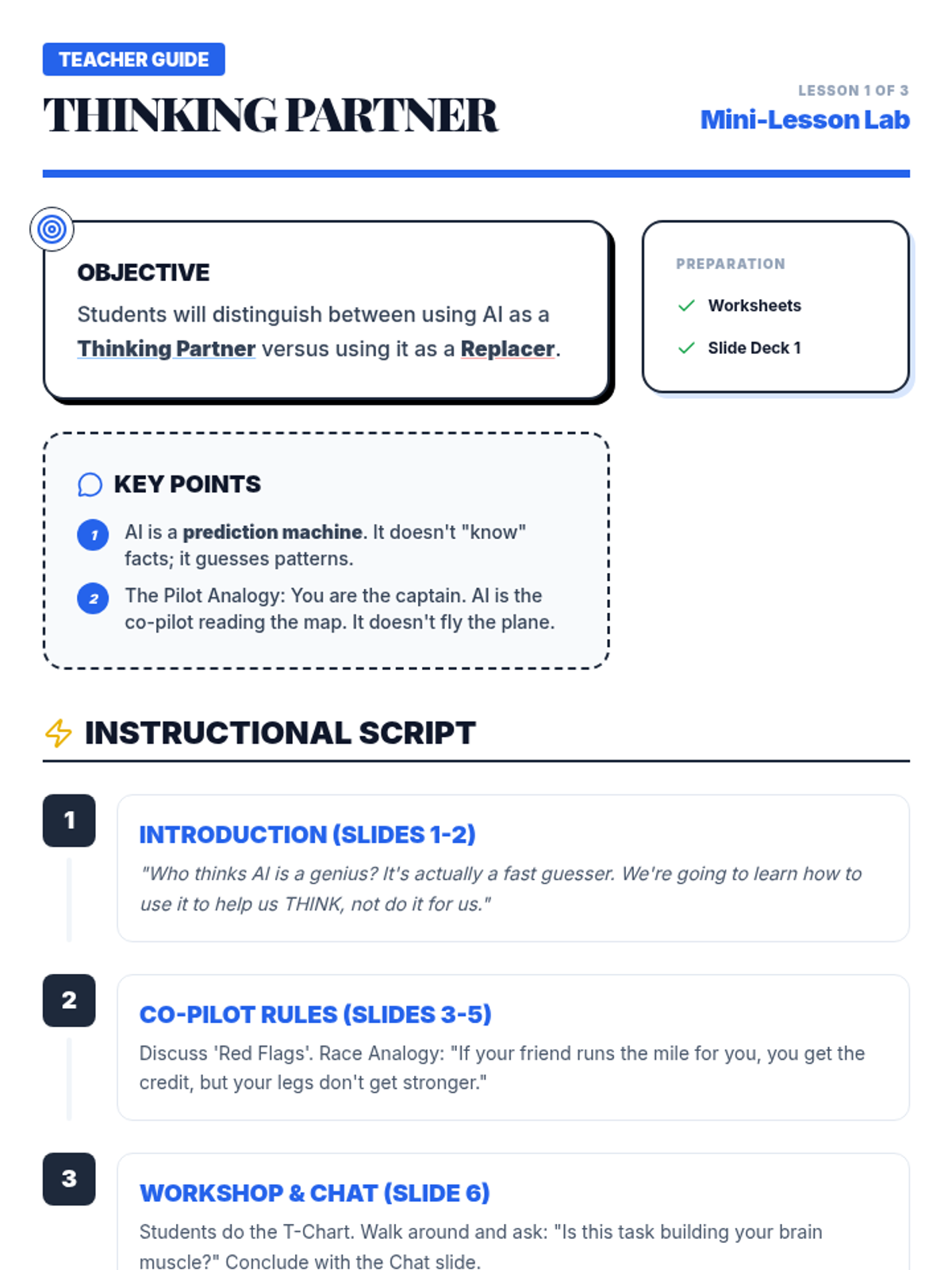
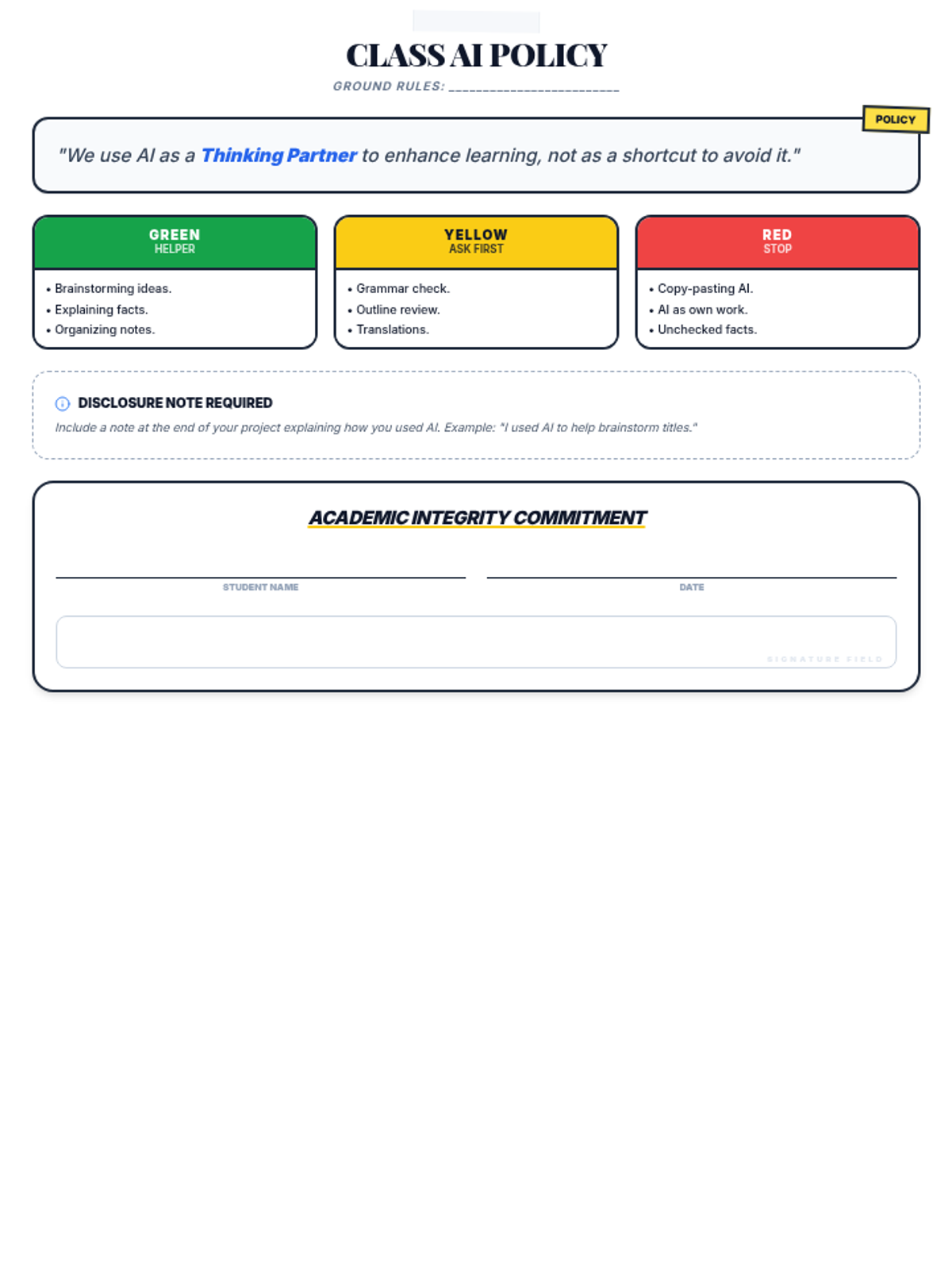
A comprehensive K-12 AI literacy sequence covering the fundamentals of how AI works, machine learning, ethics, social impact, and creative application through age-appropriate lessons.
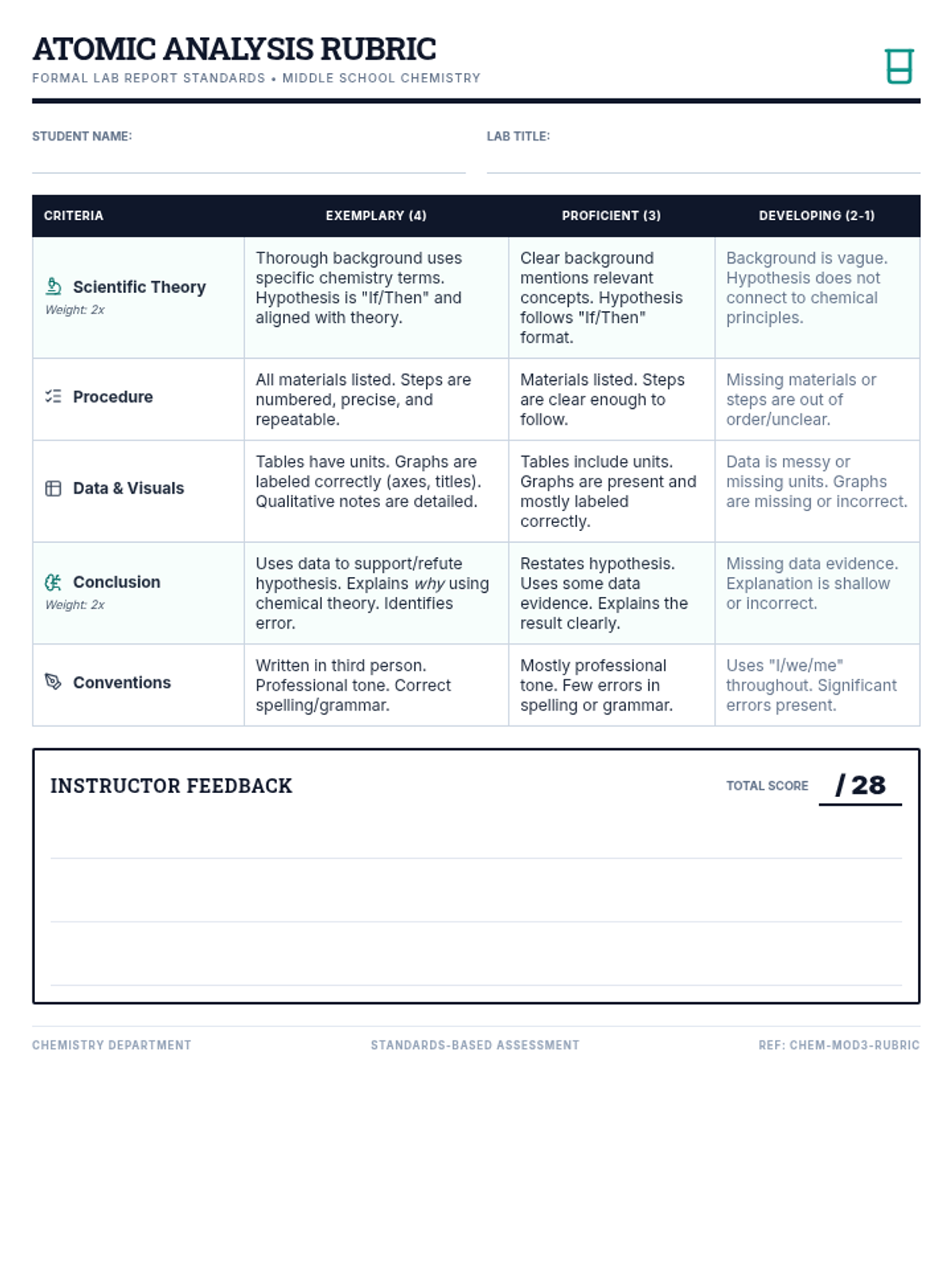
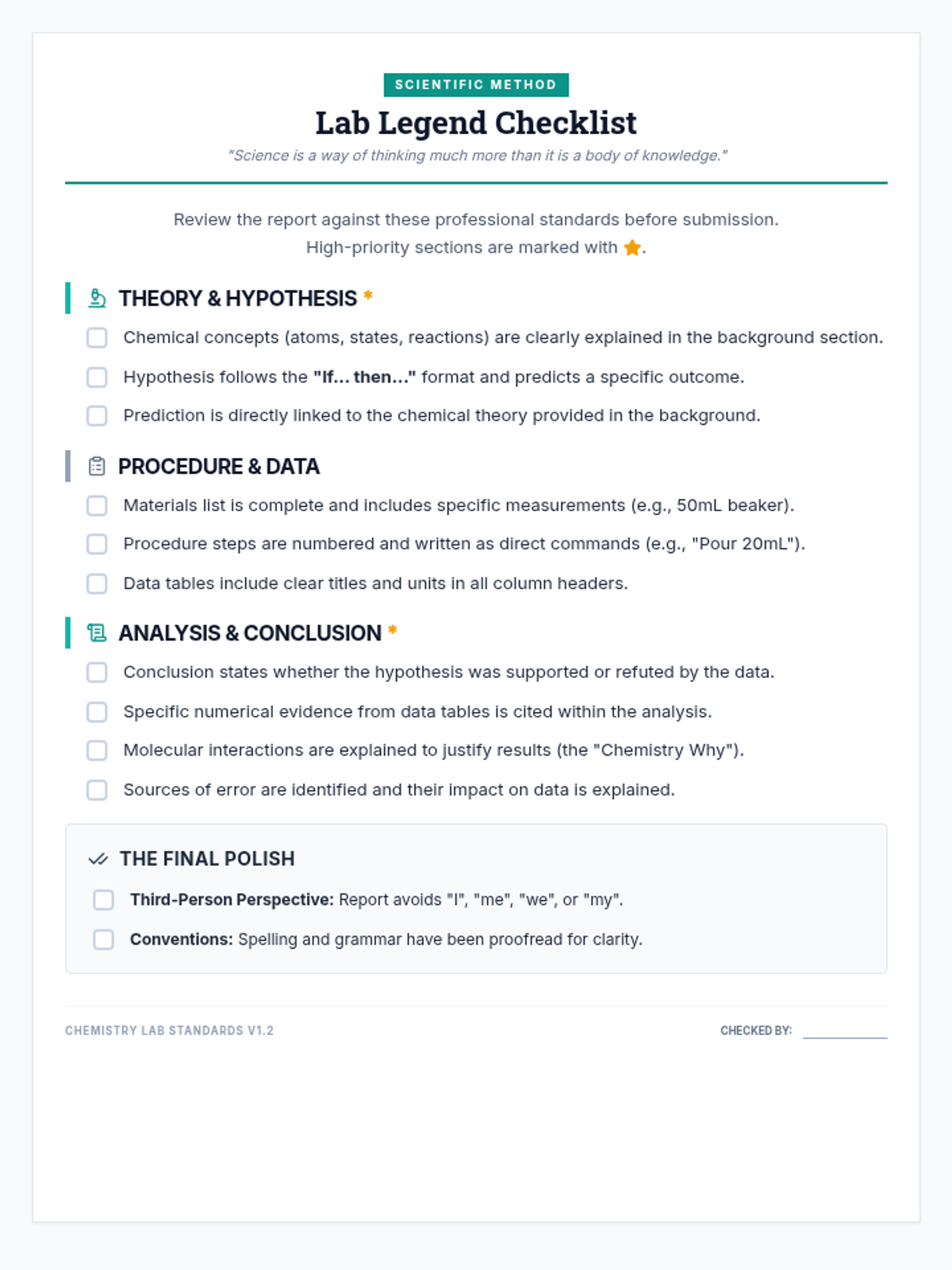
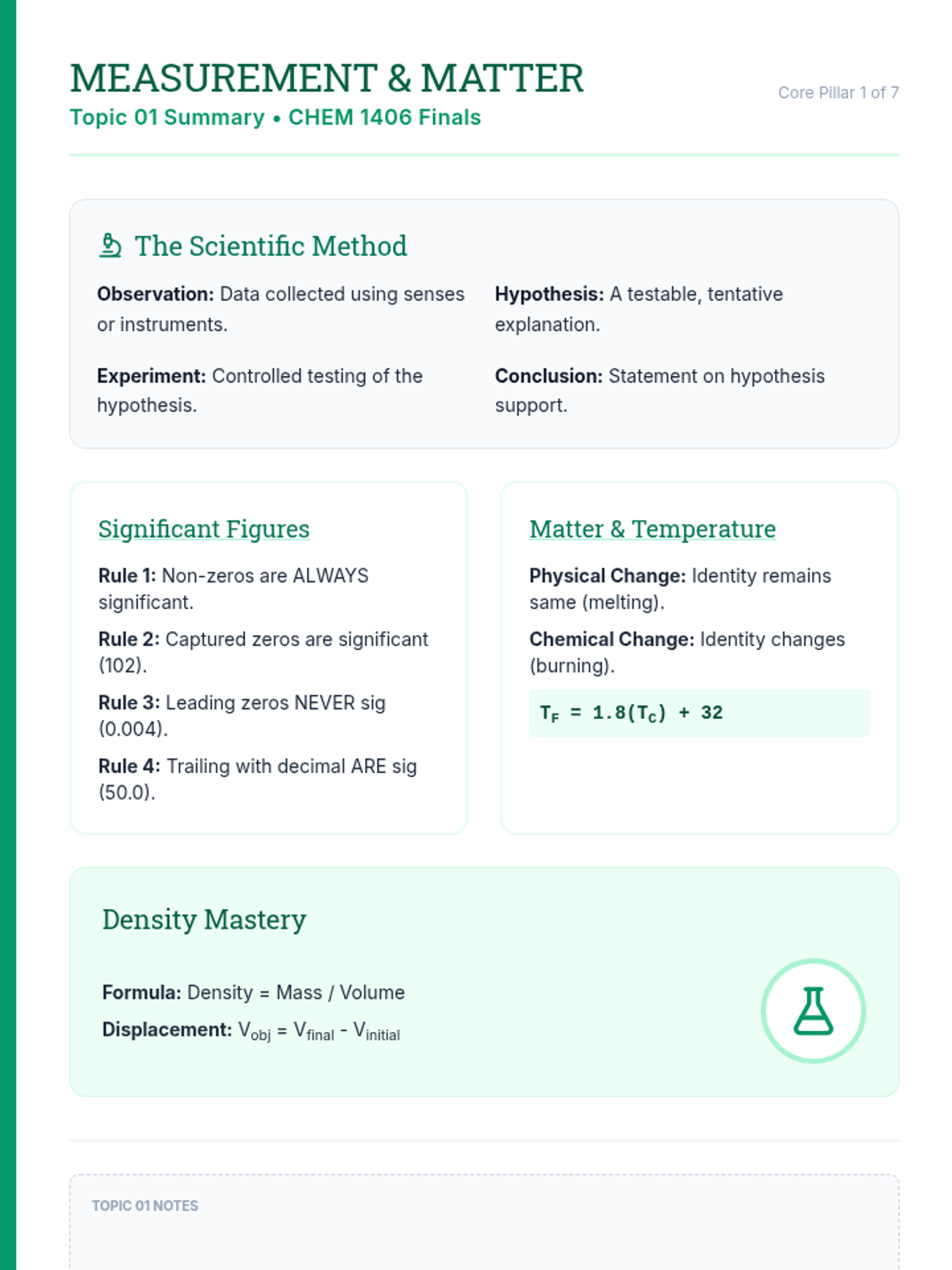
A comprehensive set of materials exploring the historical development of atomic theory from ancient Greece to the modern quantum model, provided in a bilingual format to support English and Spanish speaking learners.
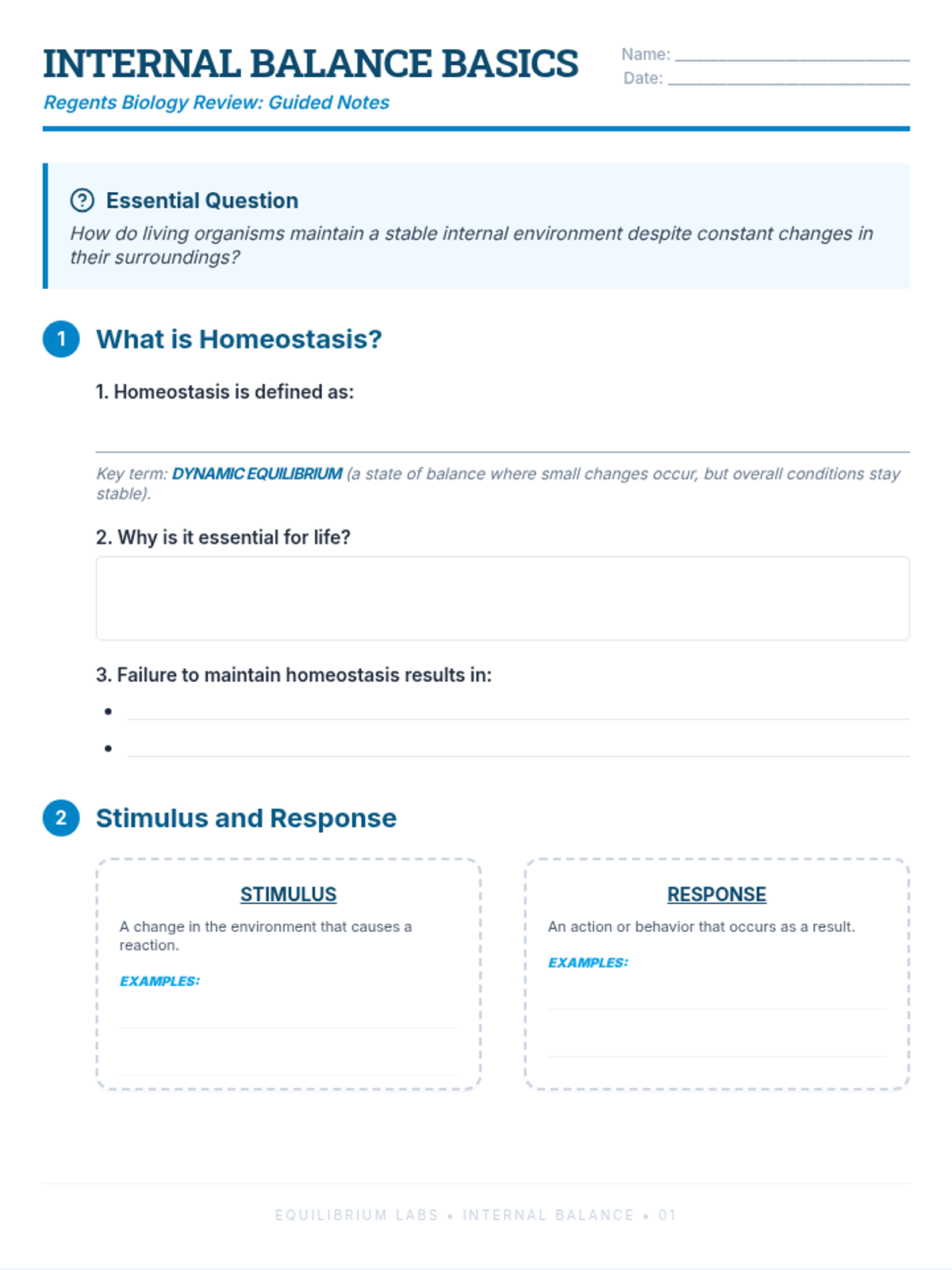
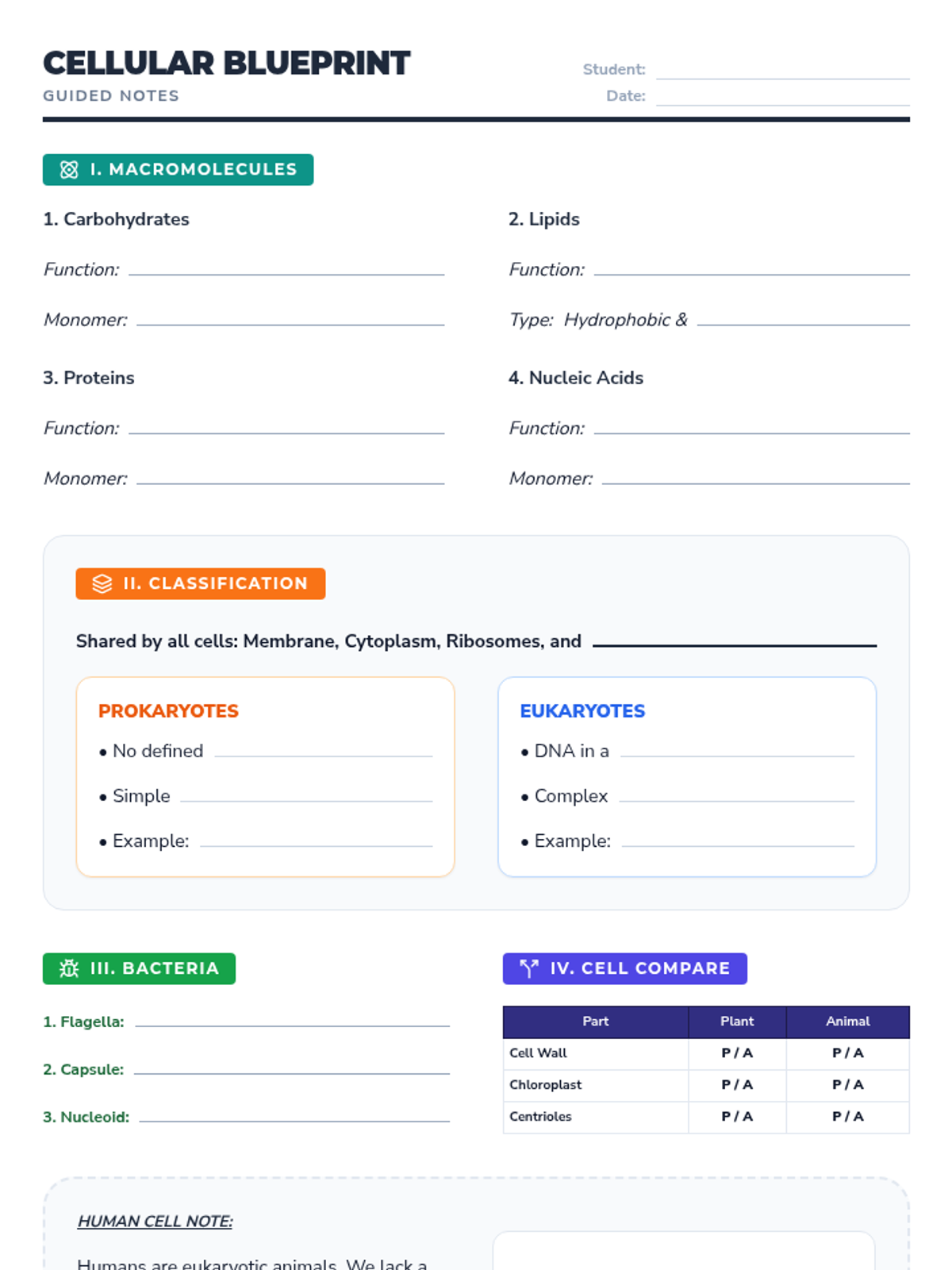
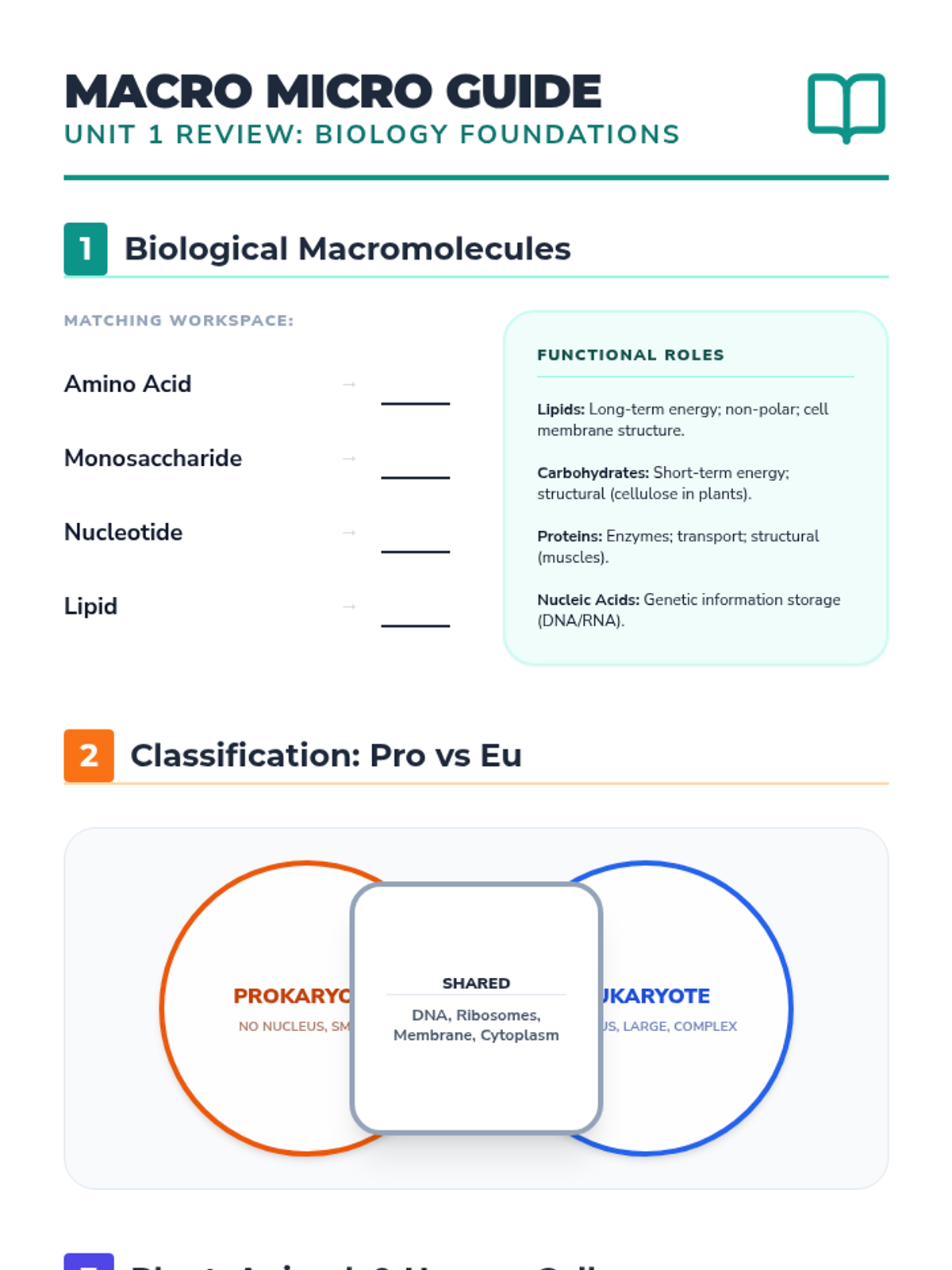
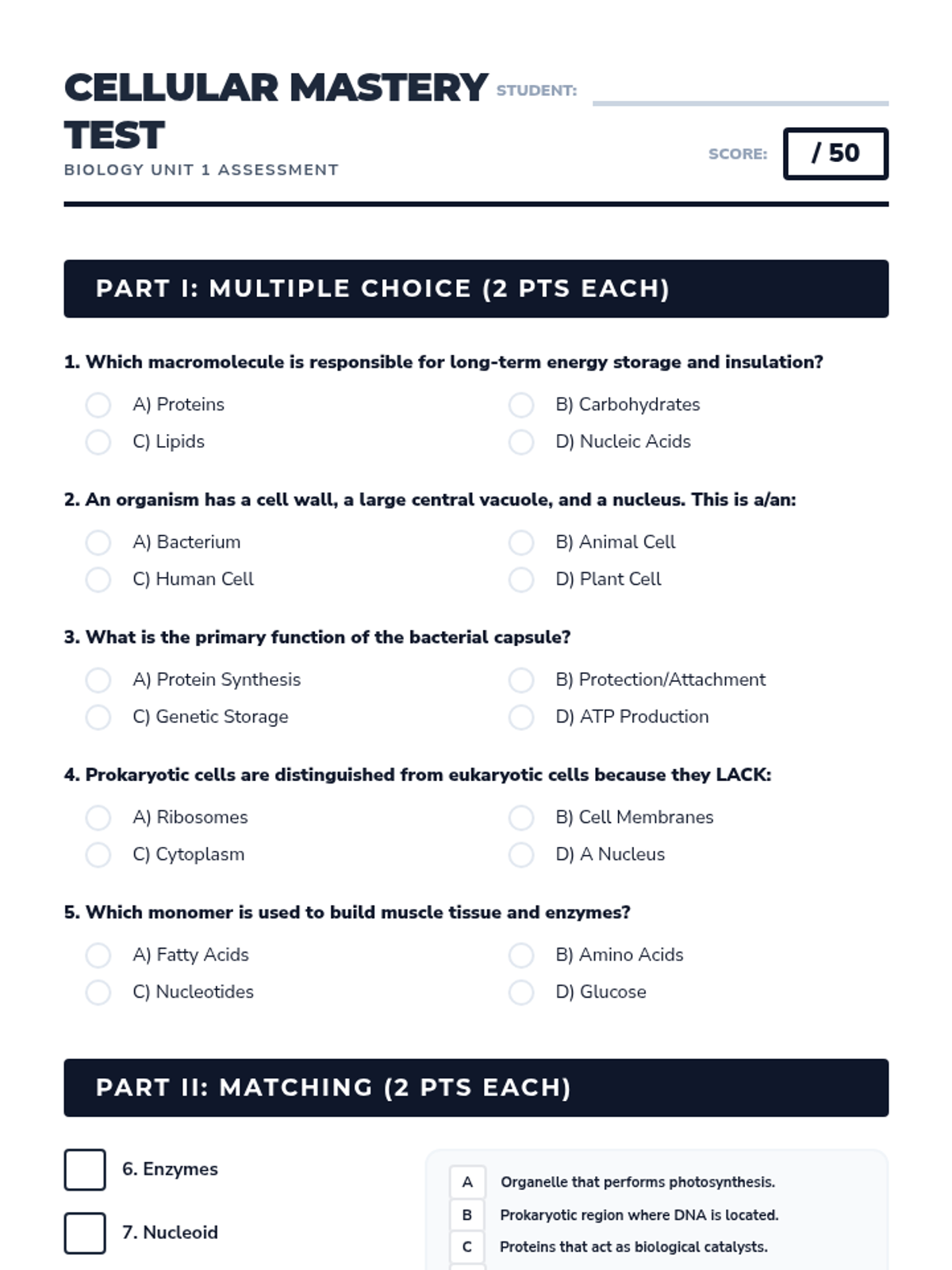
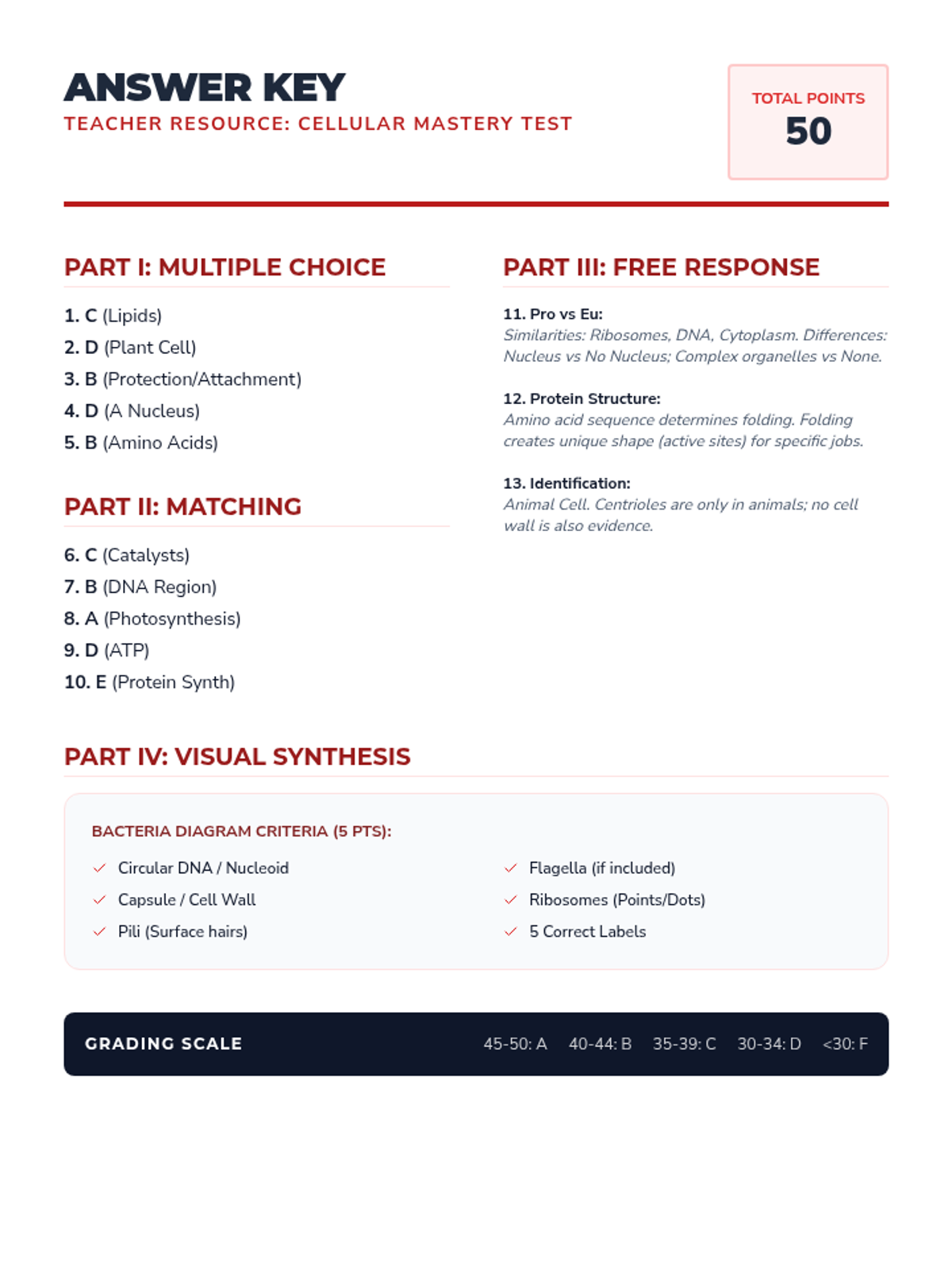
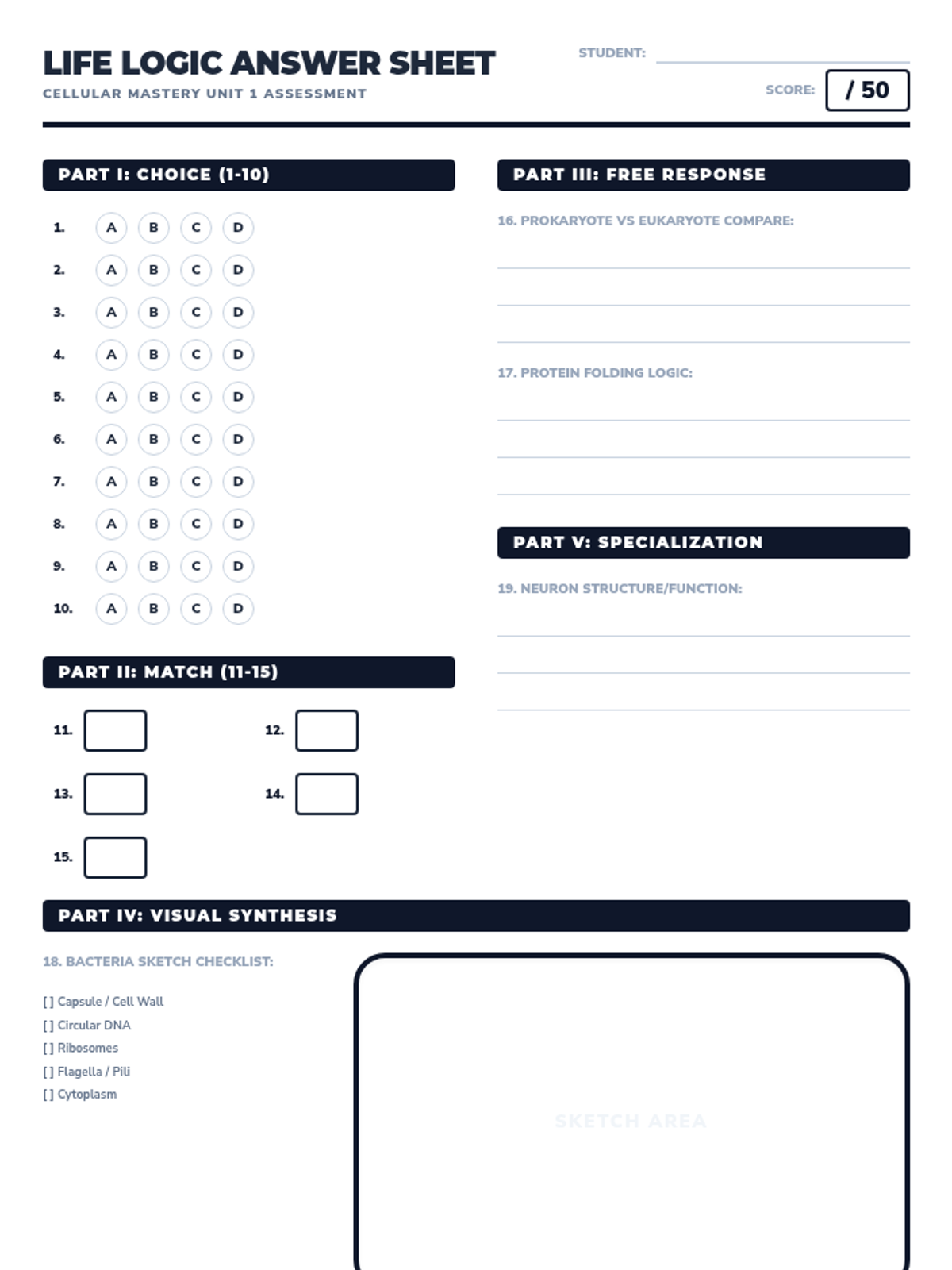
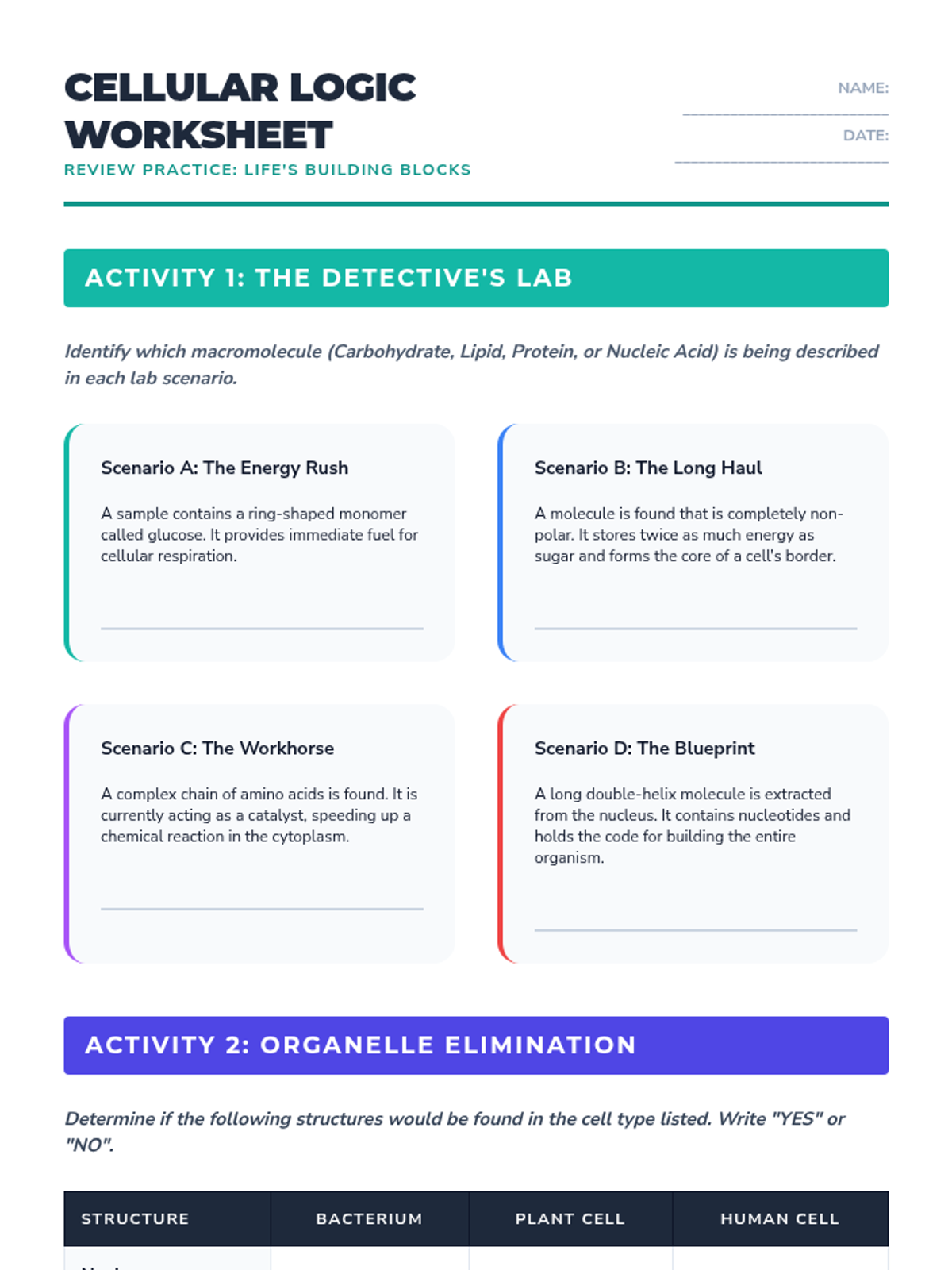
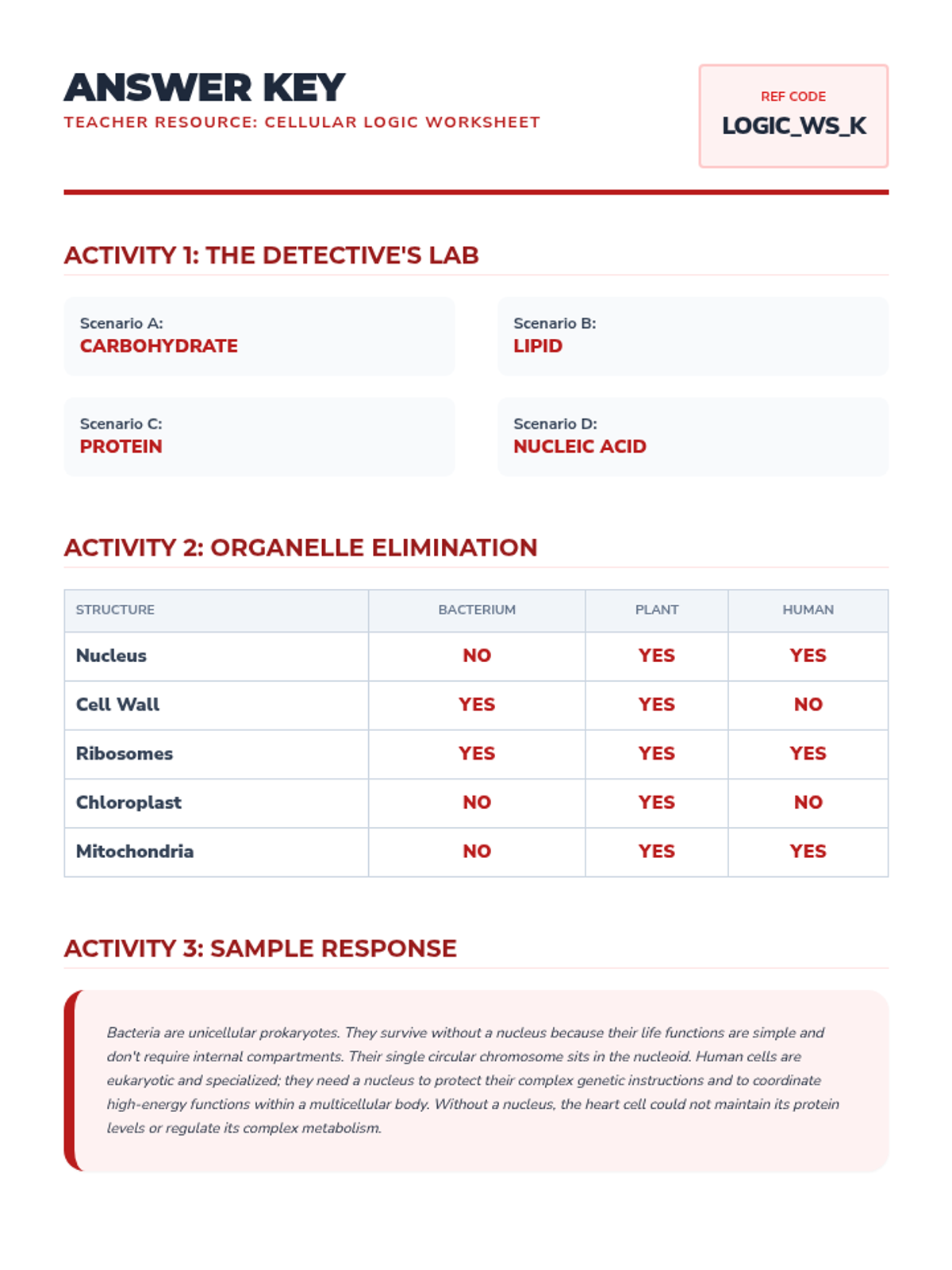
A biology unit covering the chemical foundations of life (macromolecules) and the physiological balance of complex organisms (homeostasis).
A comprehensive 4-day sequence focusing on the application of thermal energy concepts, including conduction, convection, radiation, and insulation through hands-on labs and real-world analysis.
A series of ELD lessons exploring how human environments interact with nature, focusing on reading comprehension, academic language, and collaborative discourse.
A deep dive into the evolutionary transition from aquatic life to terrestrial mammals, focusing on homologous structures and divergent evolution.
A cross-curricular unit blending astronomy and Greek mythology, exploring how ancient cultures interpreted the night sky and the scientific reality of stars.
Une séquence pédagogique de 2 heures pour les élèves de 1ère Bac Pro sur le concept de couple de forces, illustrée par des applications concrètes sur un tracteur agricole (moteur, serrage de roues, relevage).
Un parcours complet pour maîtriser les Smart Money Concepts (SMC) basés sur la méthodologie Inner Circle Trader (ICT). Ce programme couvre les 7 concepts clés nécessaires pour identifier les mouvements institutionnels sur les marchés financiers.
A primary science unit exploring how different animals are covered and why these coverings help them survive in their environments. Students identify, categorize, and write about feathers, fur, scales, shells, and skin.
Une séquence de formation pour les enseignants de l'enseignement agricole visant à développer un esprit critique face à l'IA, s'appuyant sur les rapports de l'inspection (2025) et les notes de service (2026). Elle explore les enjeux cognitifs, le cadre juridique et les mutations de l'évaluation par capacités.
A collection of lessons focused on nature and science, designed with differentiated reading materials for diverse learners including early readers and special education students.
A beginner-friendly introduction to coding concepts using the excitement of basketball tournaments to teach algorithms, sequencing, and selection.
A three-day sub plan sequence for middle school students exploring wind and solar energy. Students learn about energy transformations, advantages and disadvantages, and analyze energy output data to prepare for upcoming engineering design challenges.
A comprehensive 12-period vocational sequence focused on the assembly and theory of Drain, Waste, and Vent (DWV) systems. Students transition from safety and material identification to a collaborative full-scale plumbing mockup using PVC and cast iron materials.