A series of lessons exploring diverse human pathologies, from chronic metabolic disorders like diabetes to acute viral infections like Hantavirus.
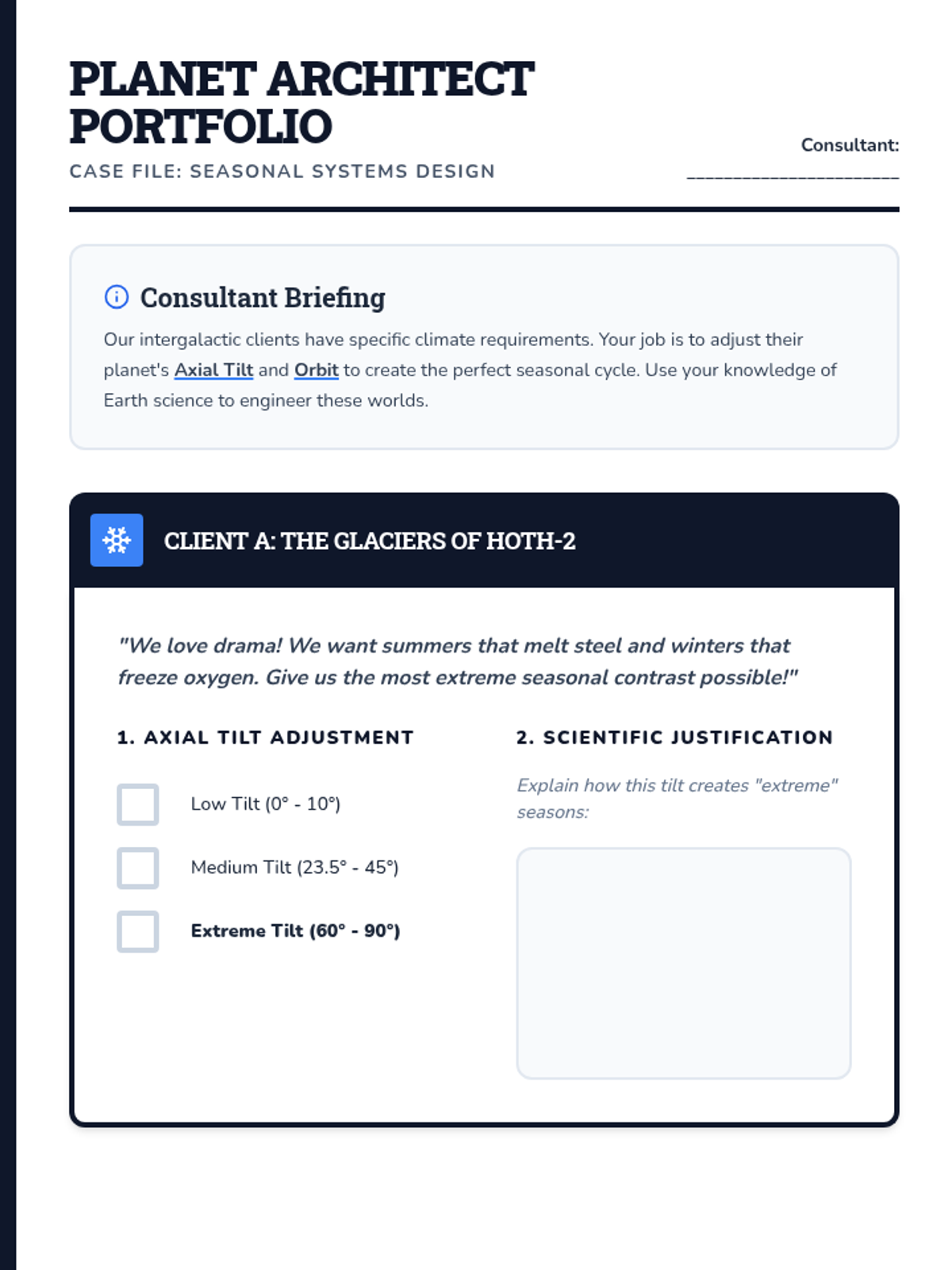
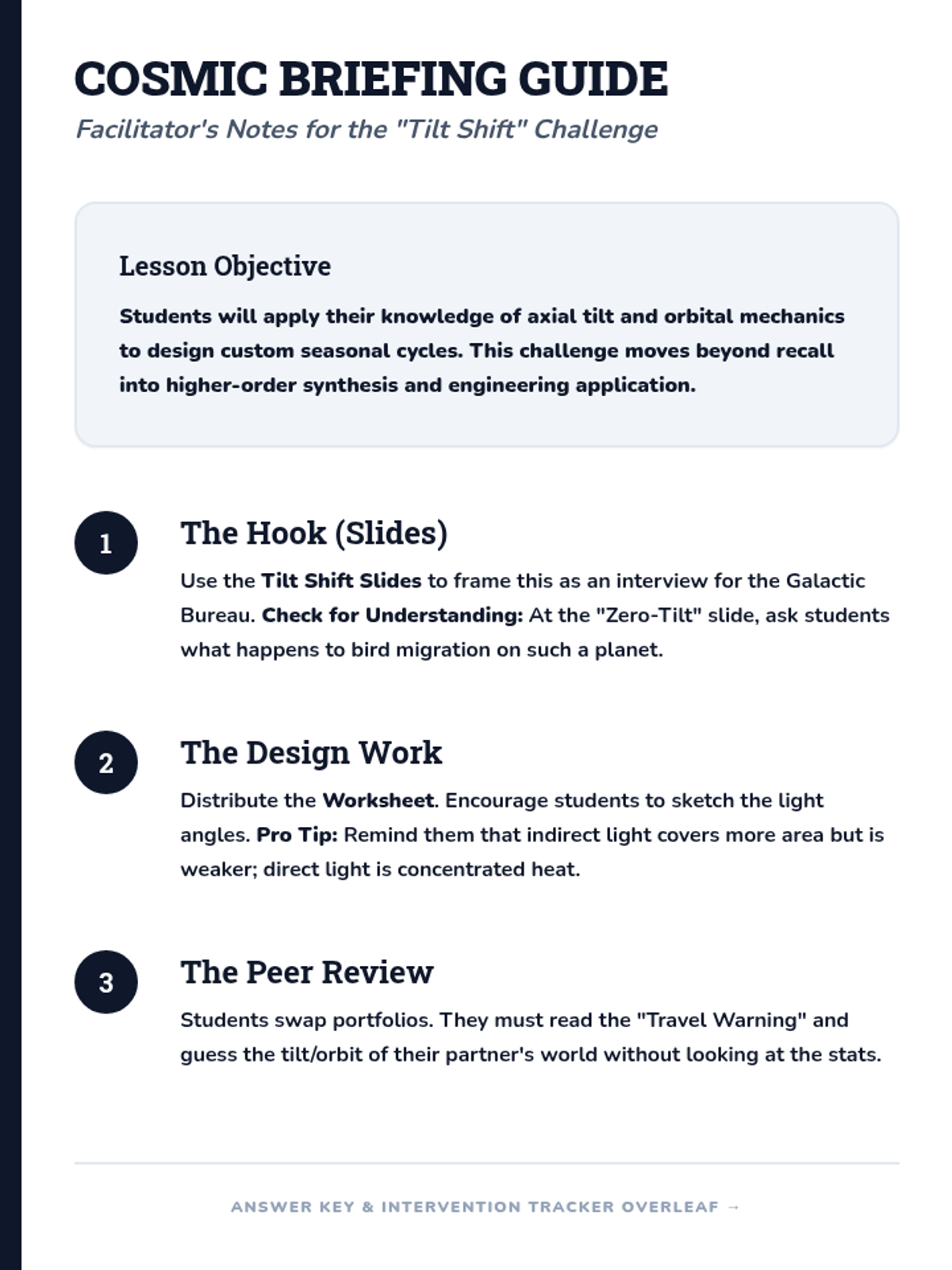
A creative end-of-year science unit where students apply their knowledge of Earth's tilt and orbit to design custom seasonal cycles for fictional planets. This sequence encourages divergent thinking and deep understanding of how axial tilt impacts climate and light.
A comprehensive 42-day collection of class starters for an 8th-grade forensics course, covering foundations, physical evidence, biological evidence, and forensic reasoning.
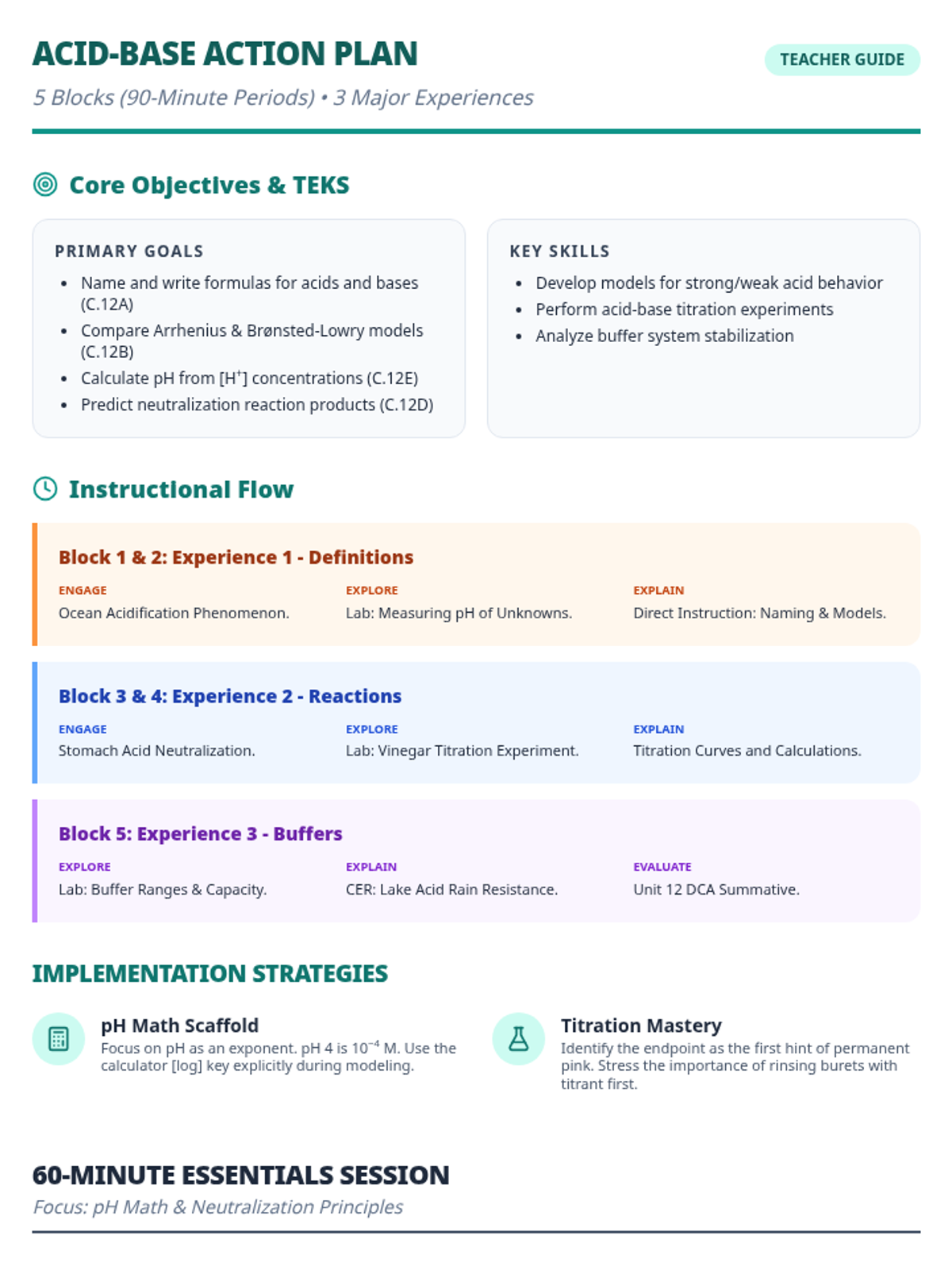
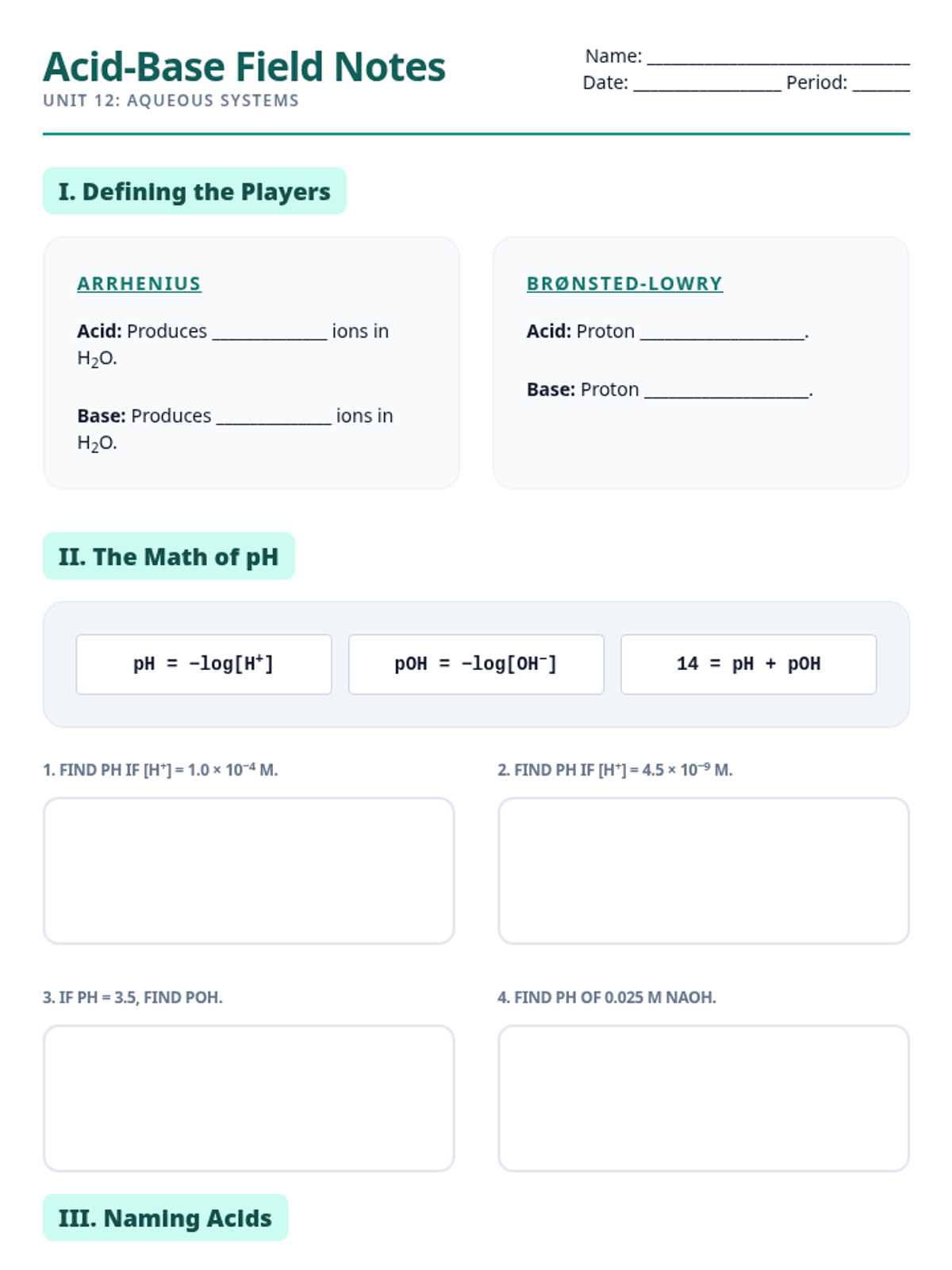
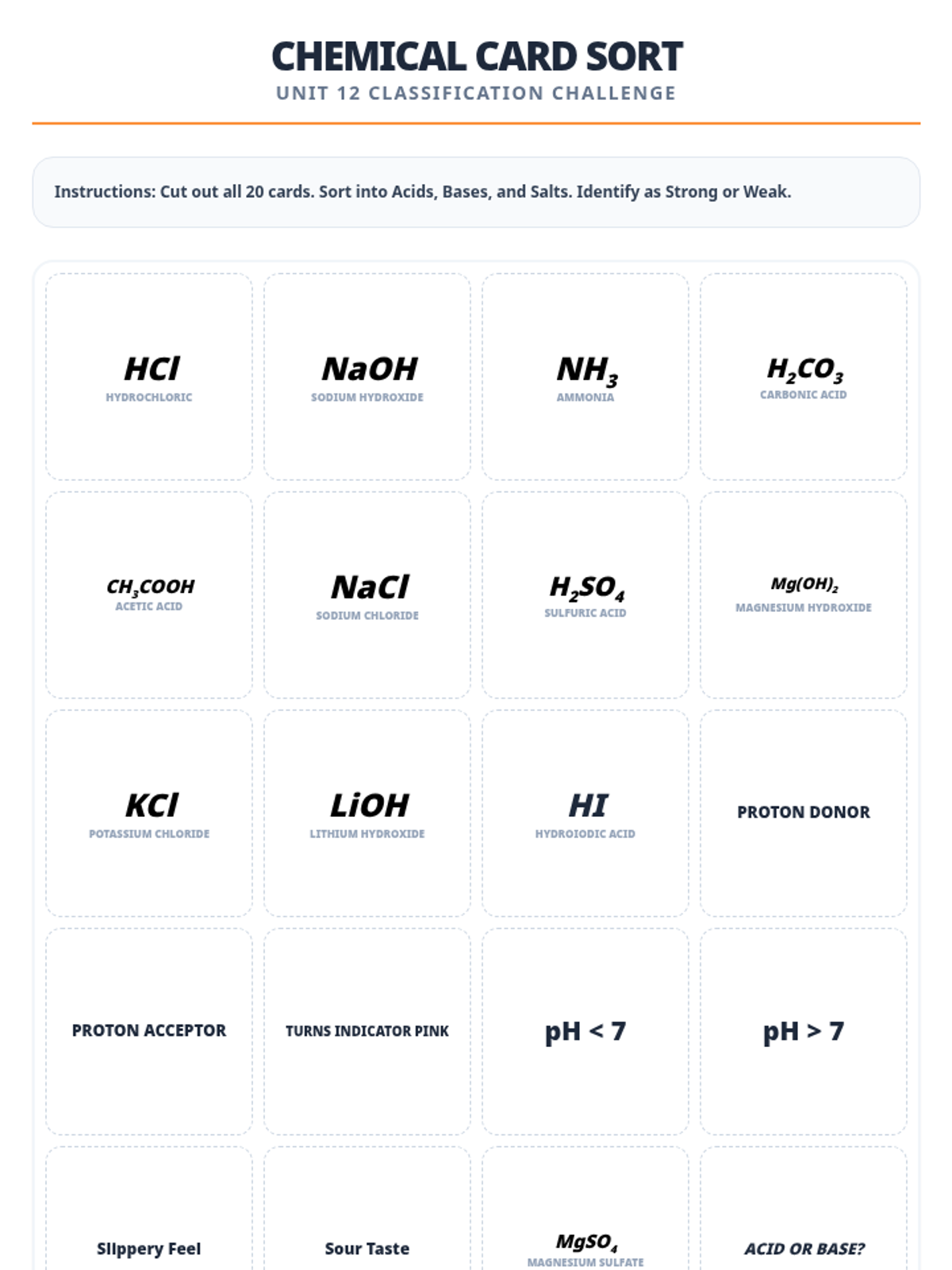
A comprehensive unit exploring the properties, reactions, and mathematical relationships of acids and bases, featuring pH calculations, titrations, and buffer systems.
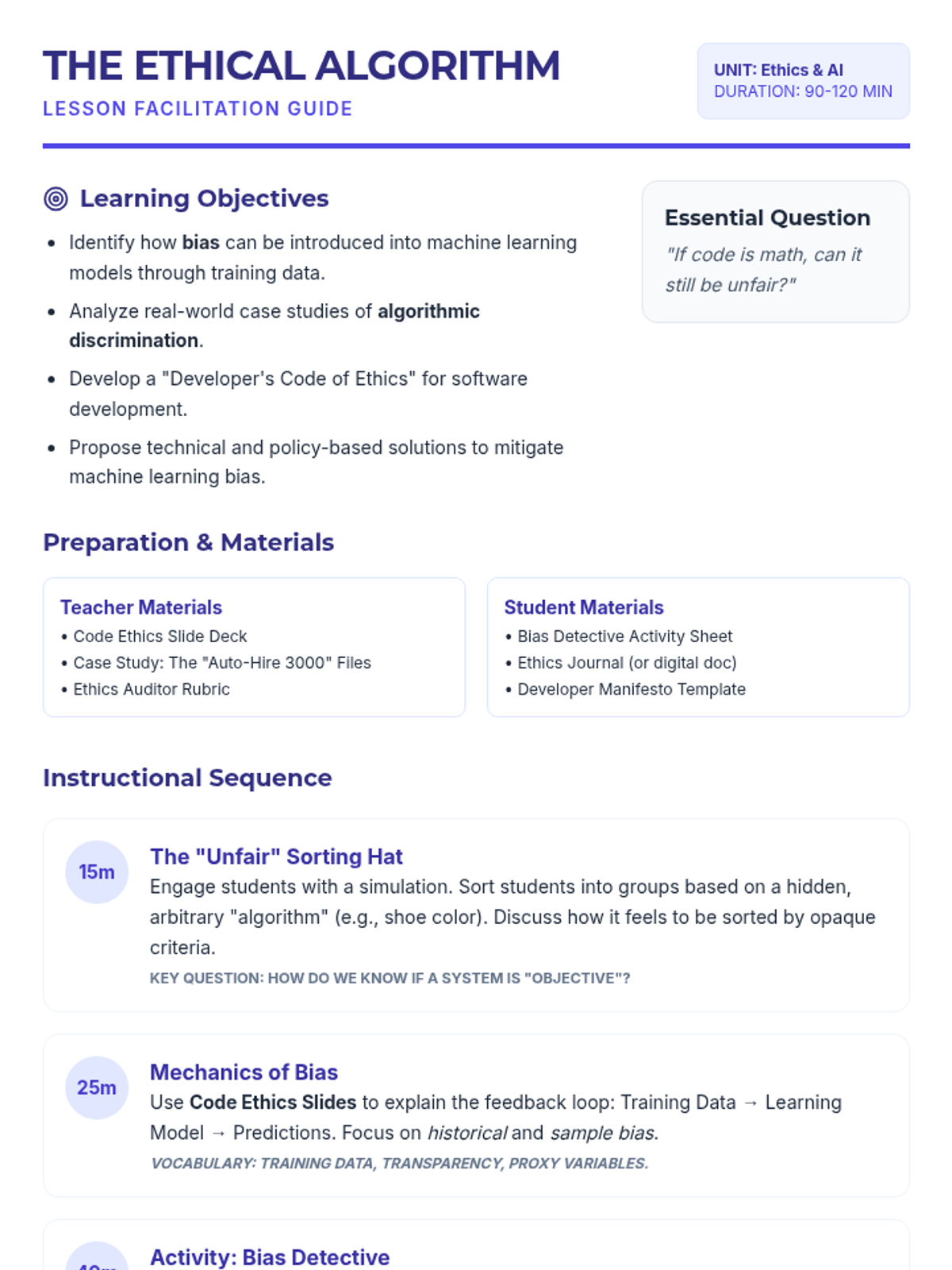
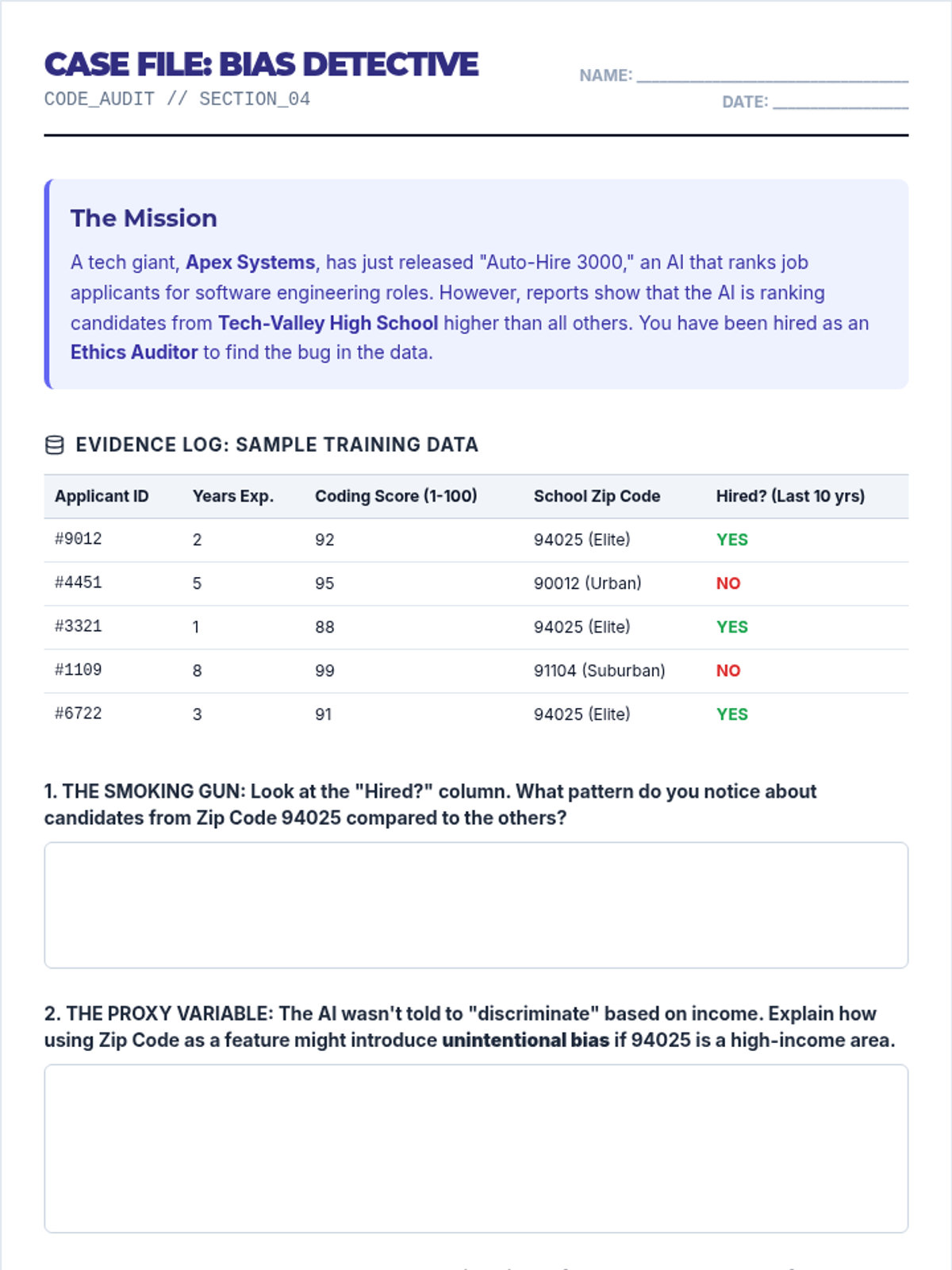
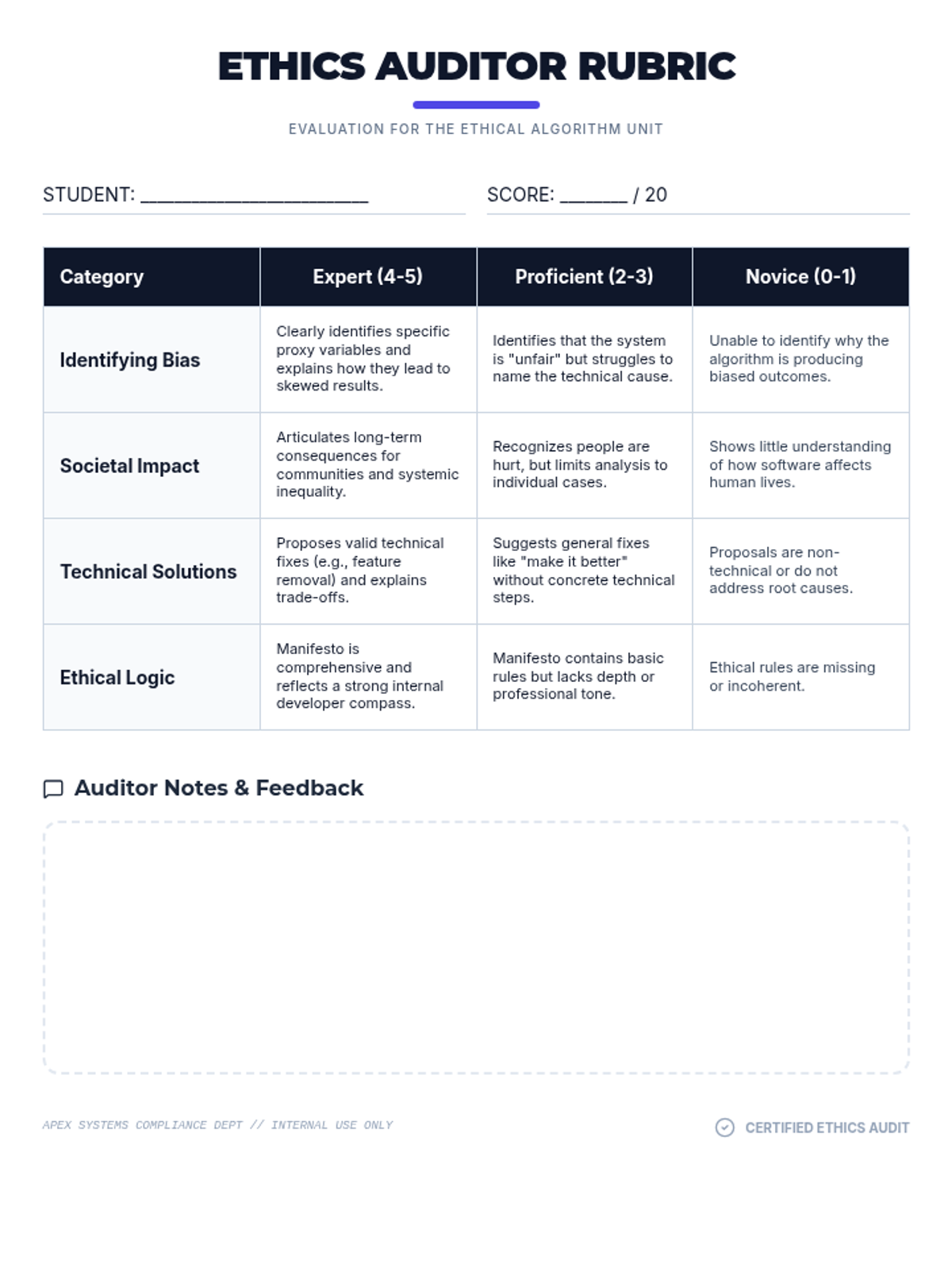
A capstone unit exploring the intersections of machine learning, data ethics, and the societal impact of algorithmic decision-making. Students transition from being technical builders to critical auditors of modern software.
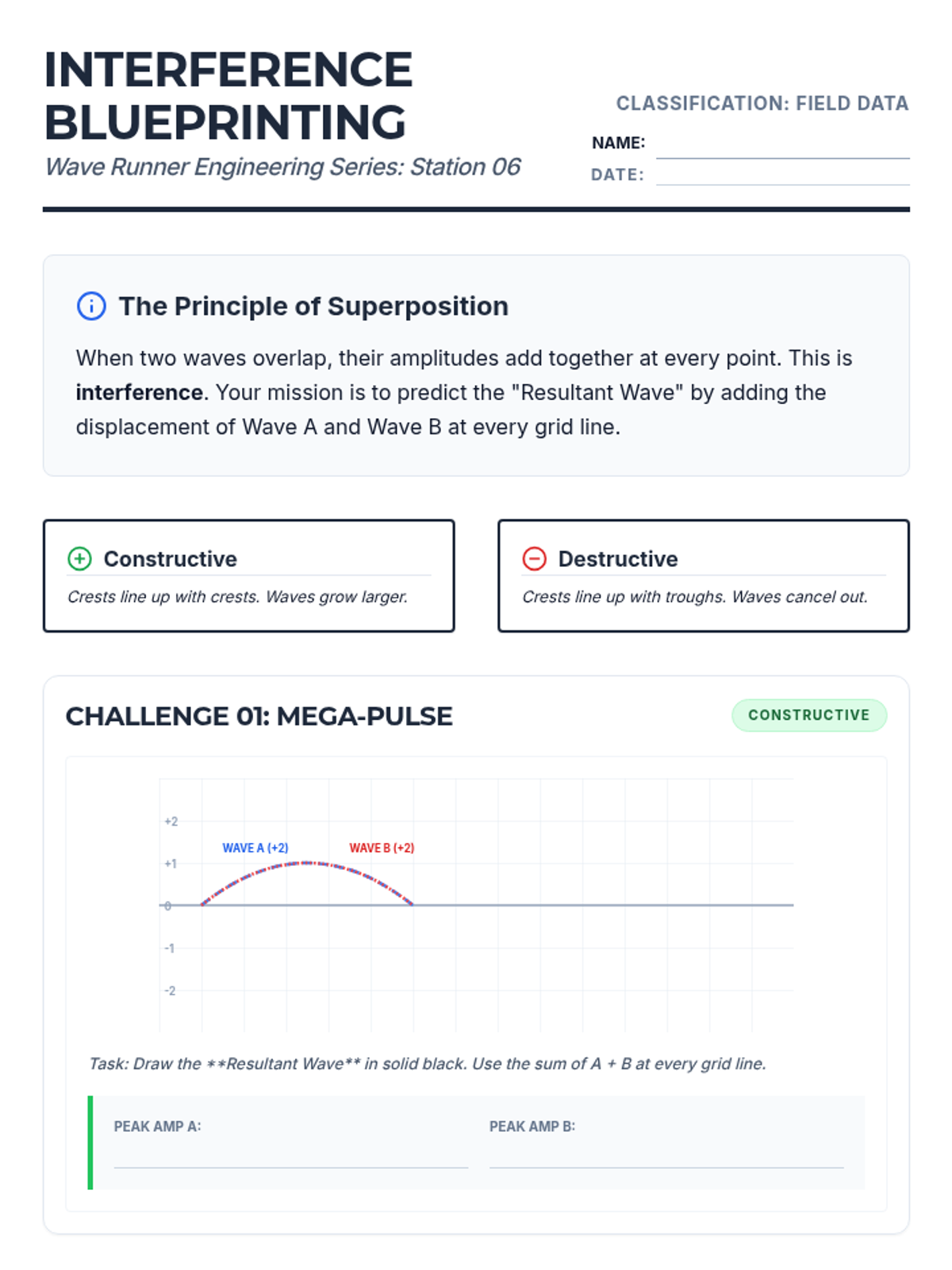
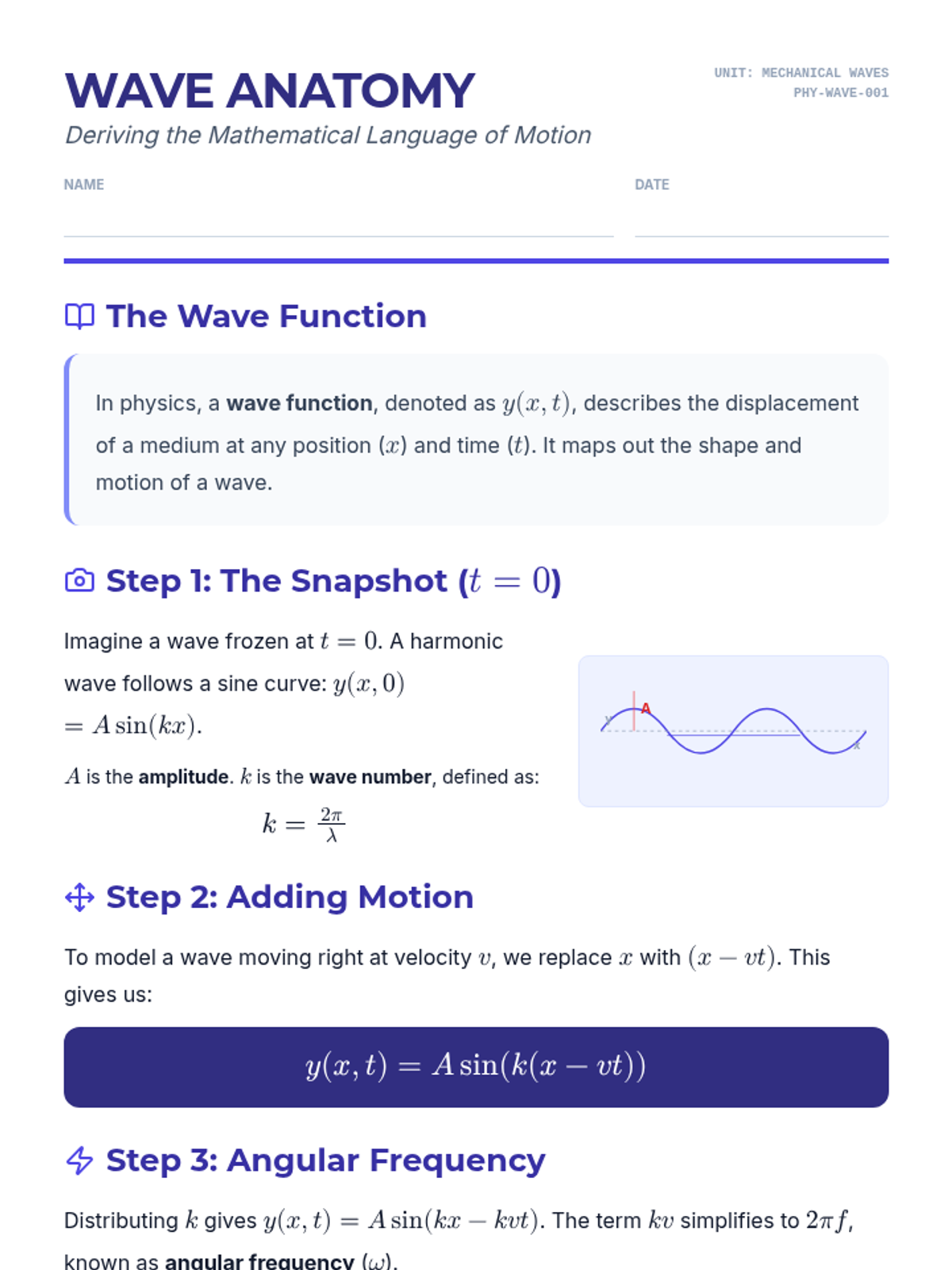
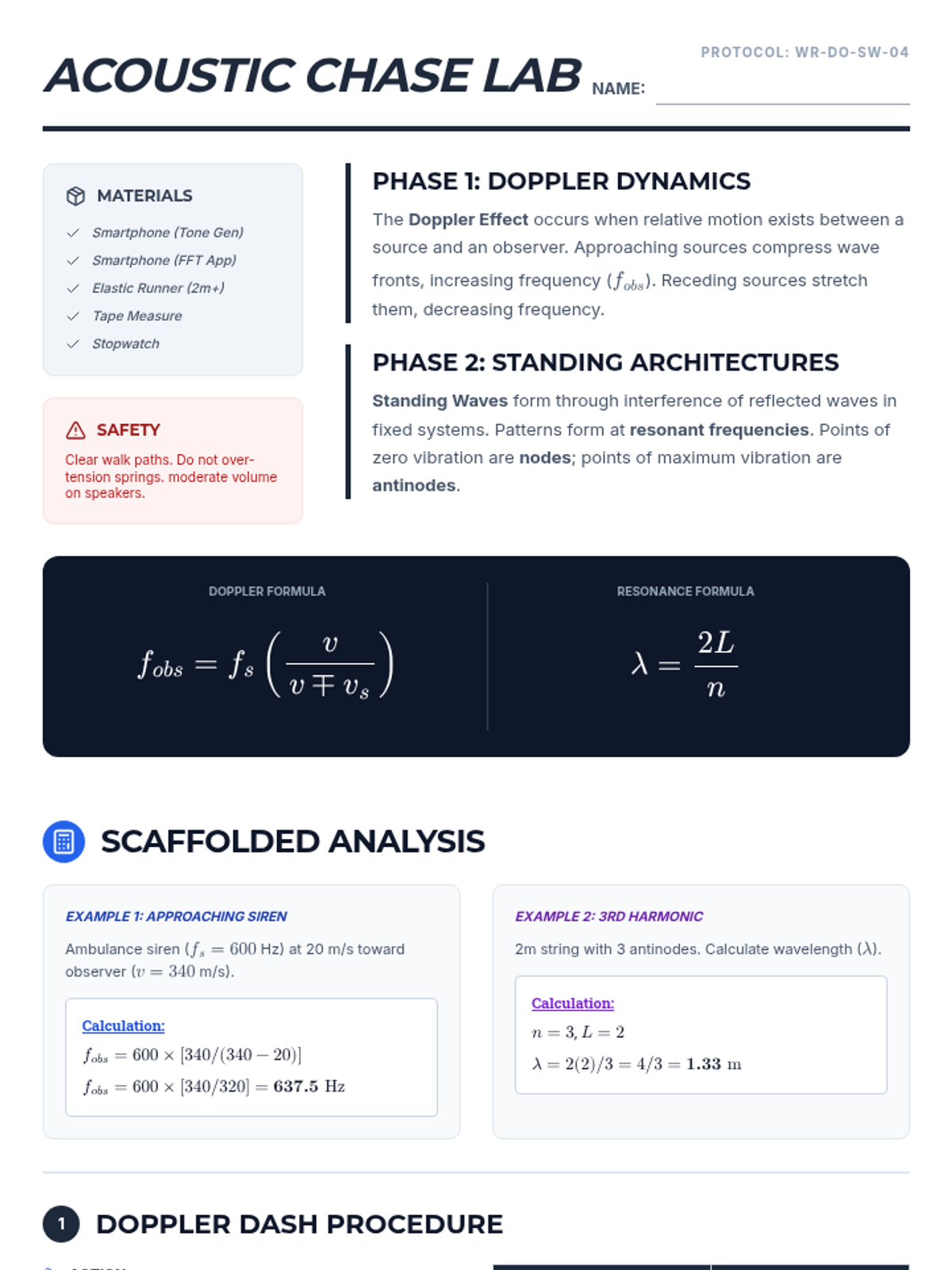
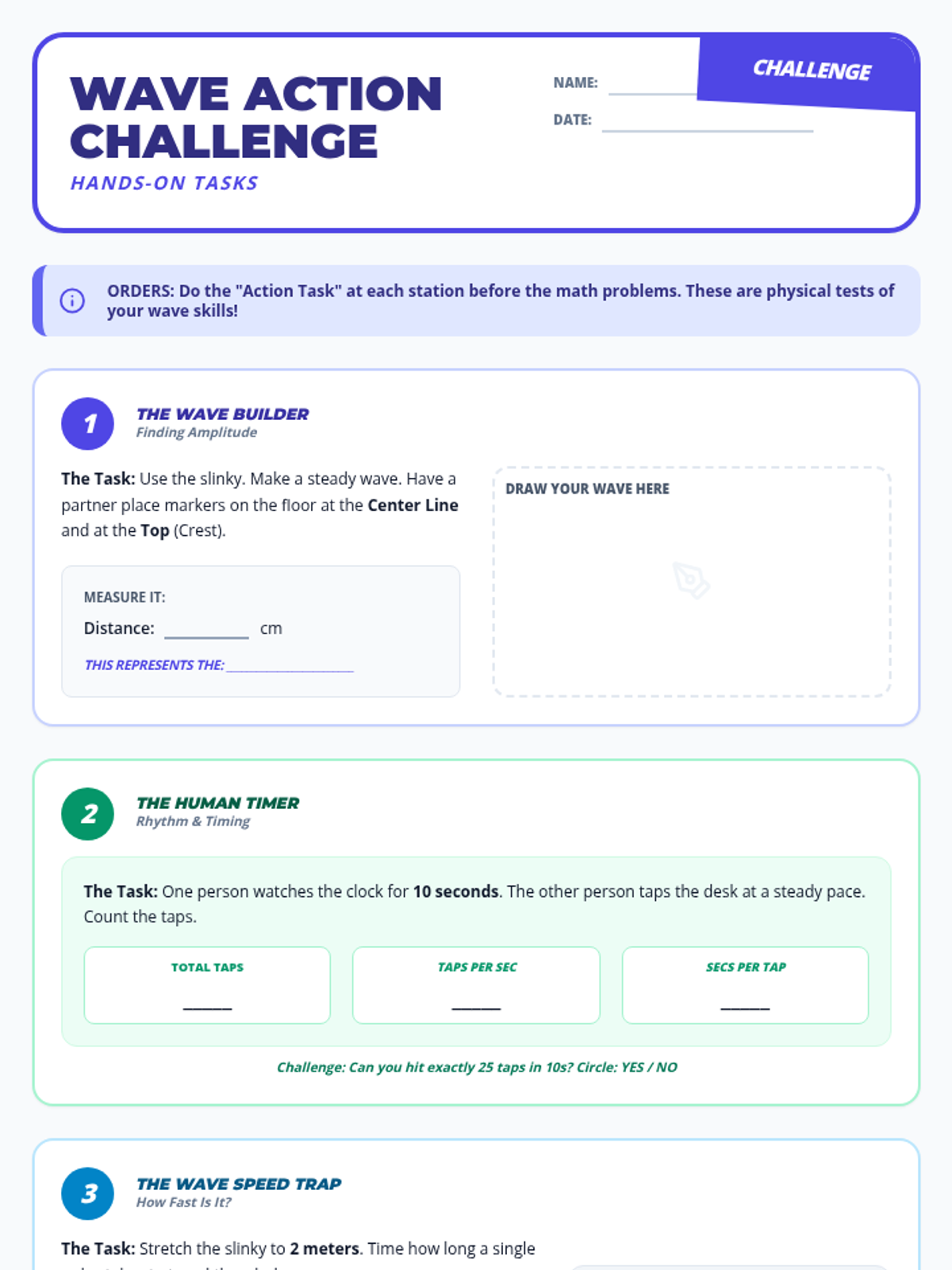
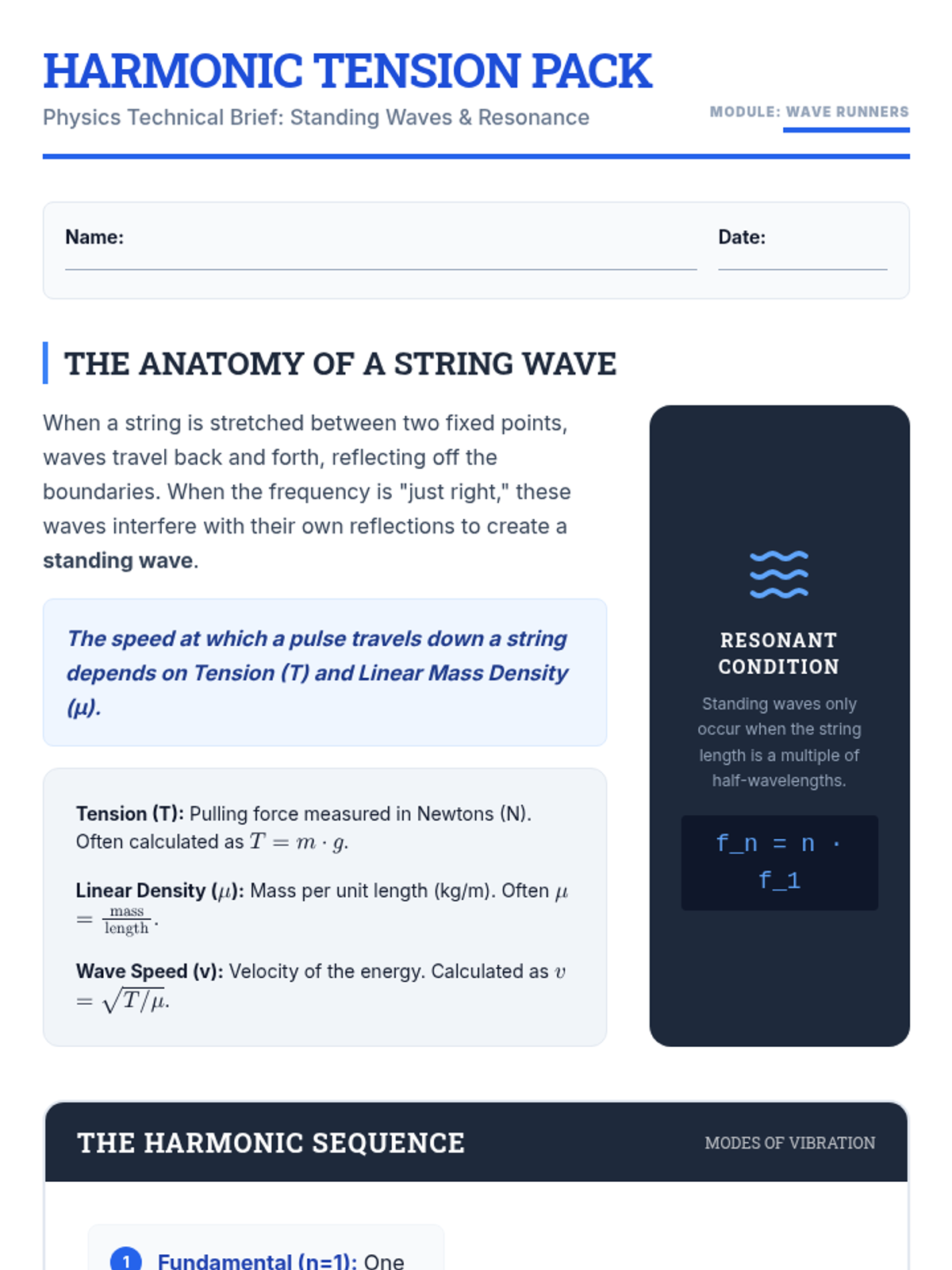
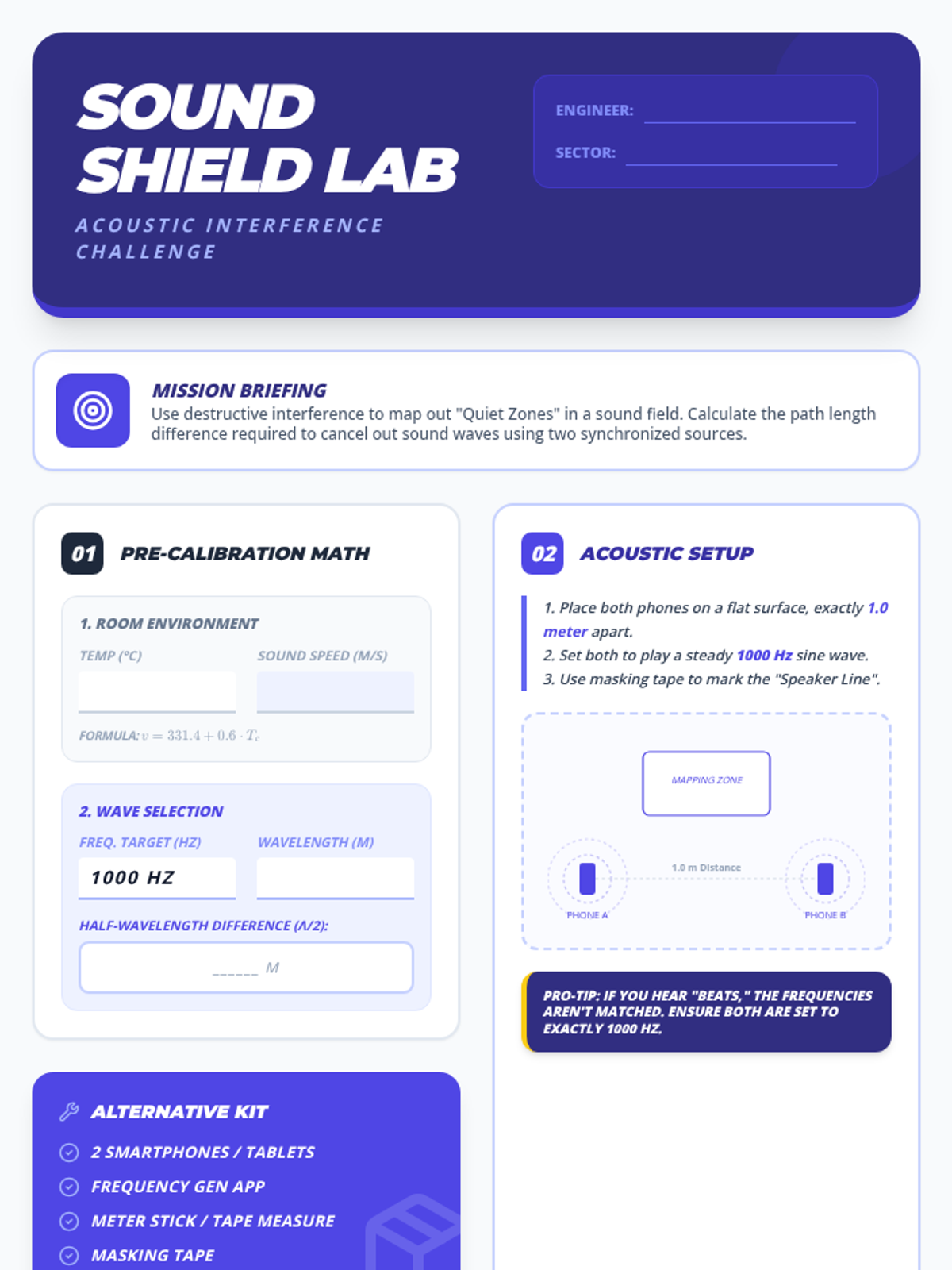
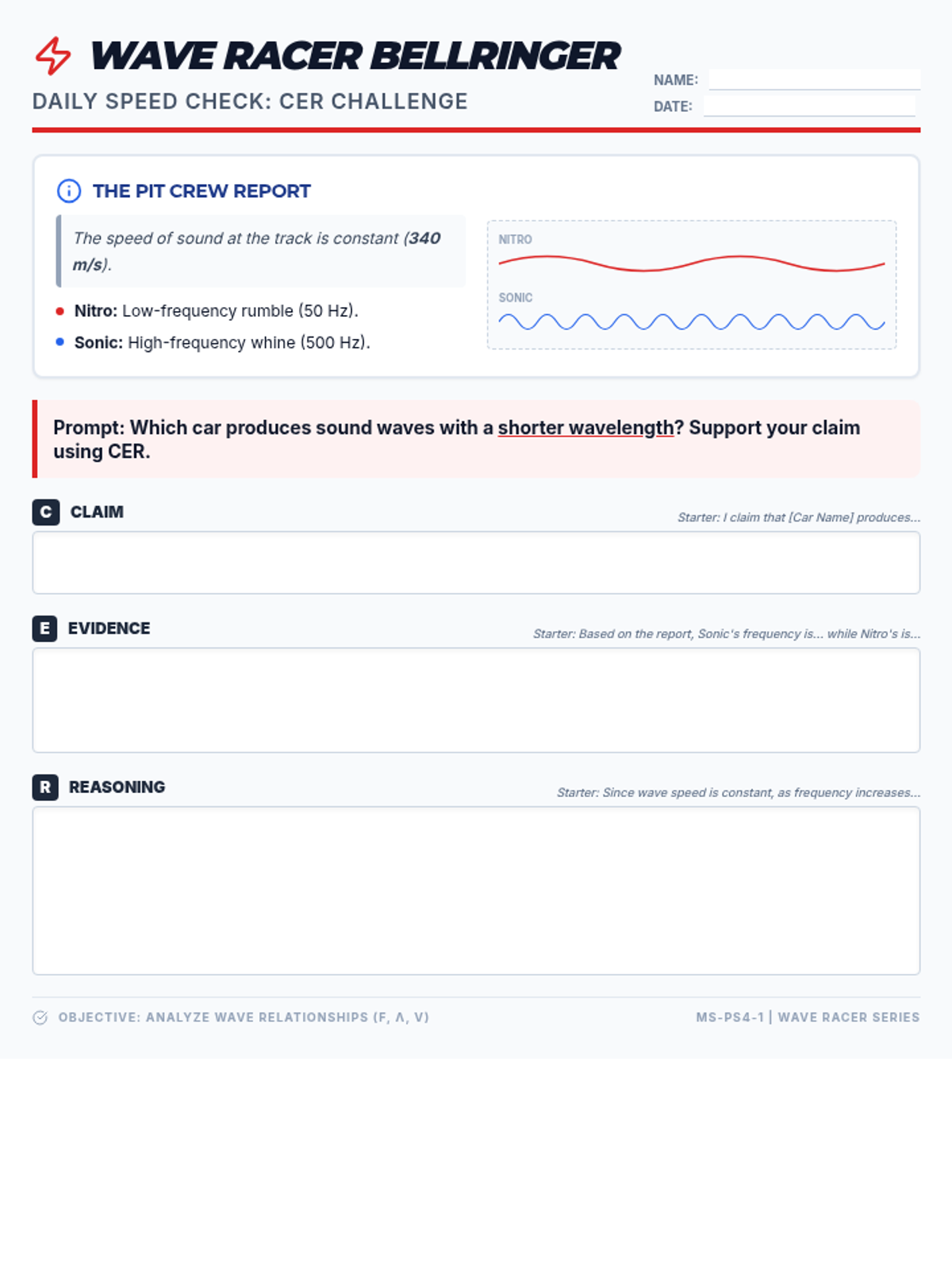
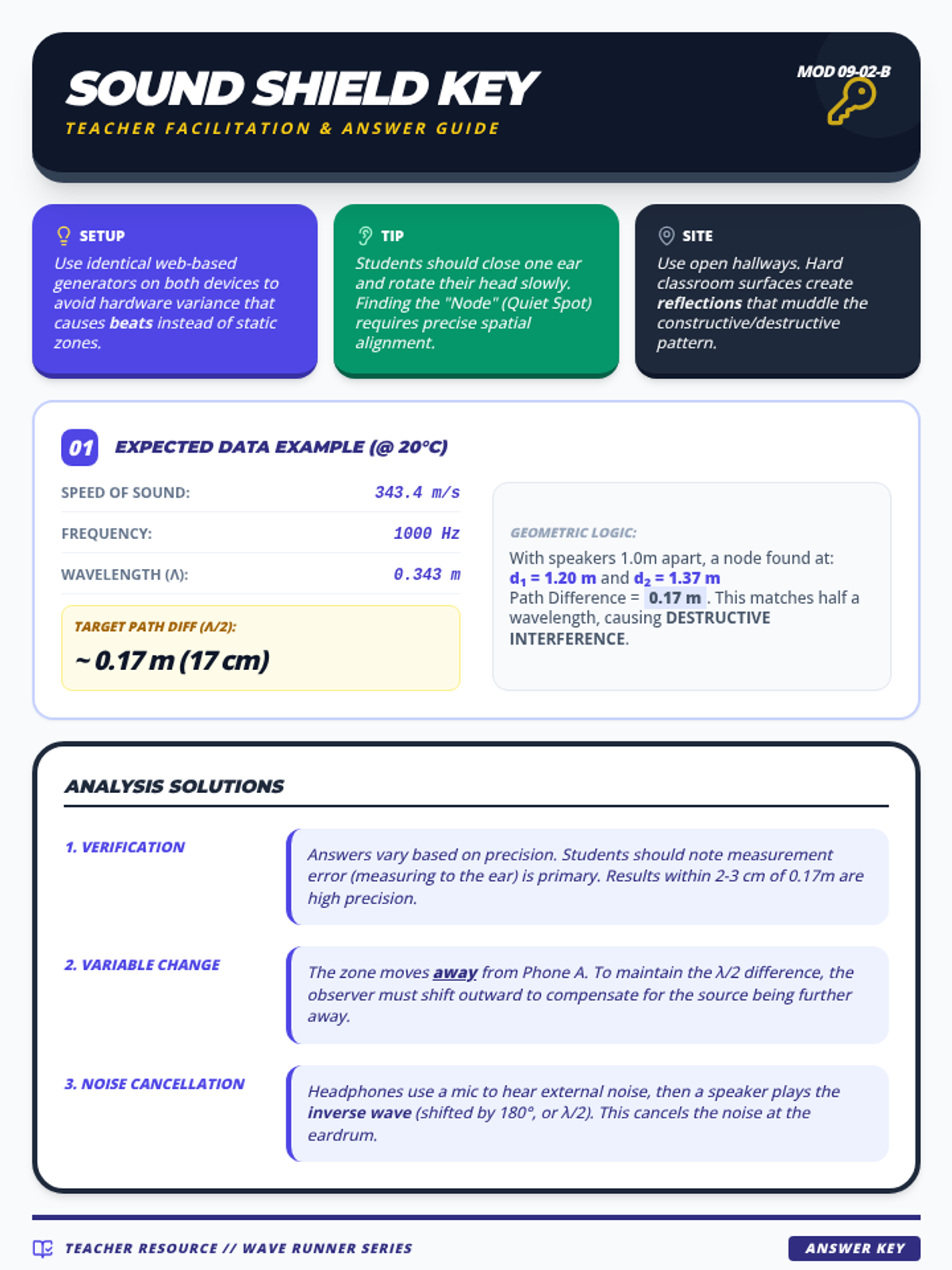
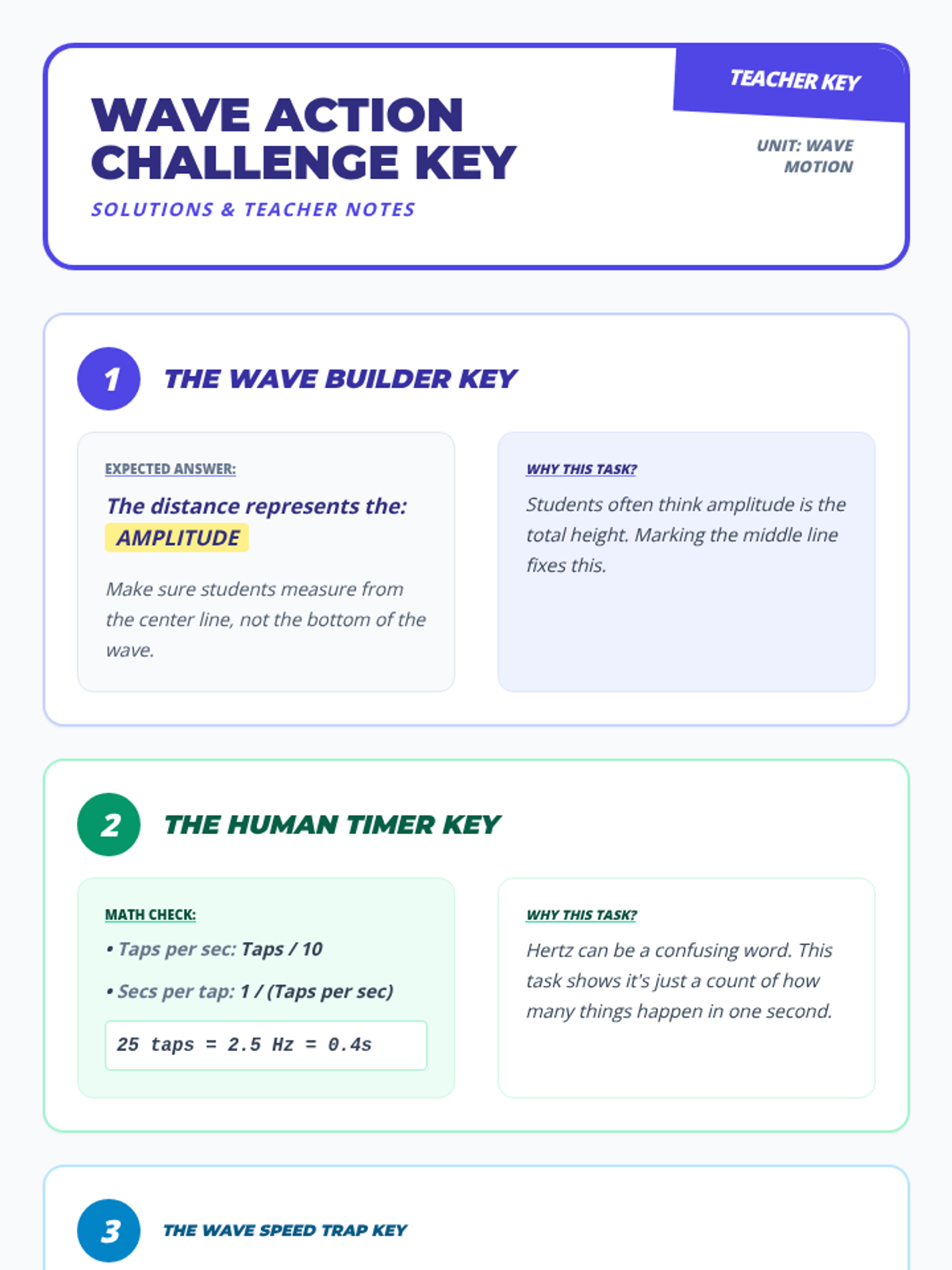
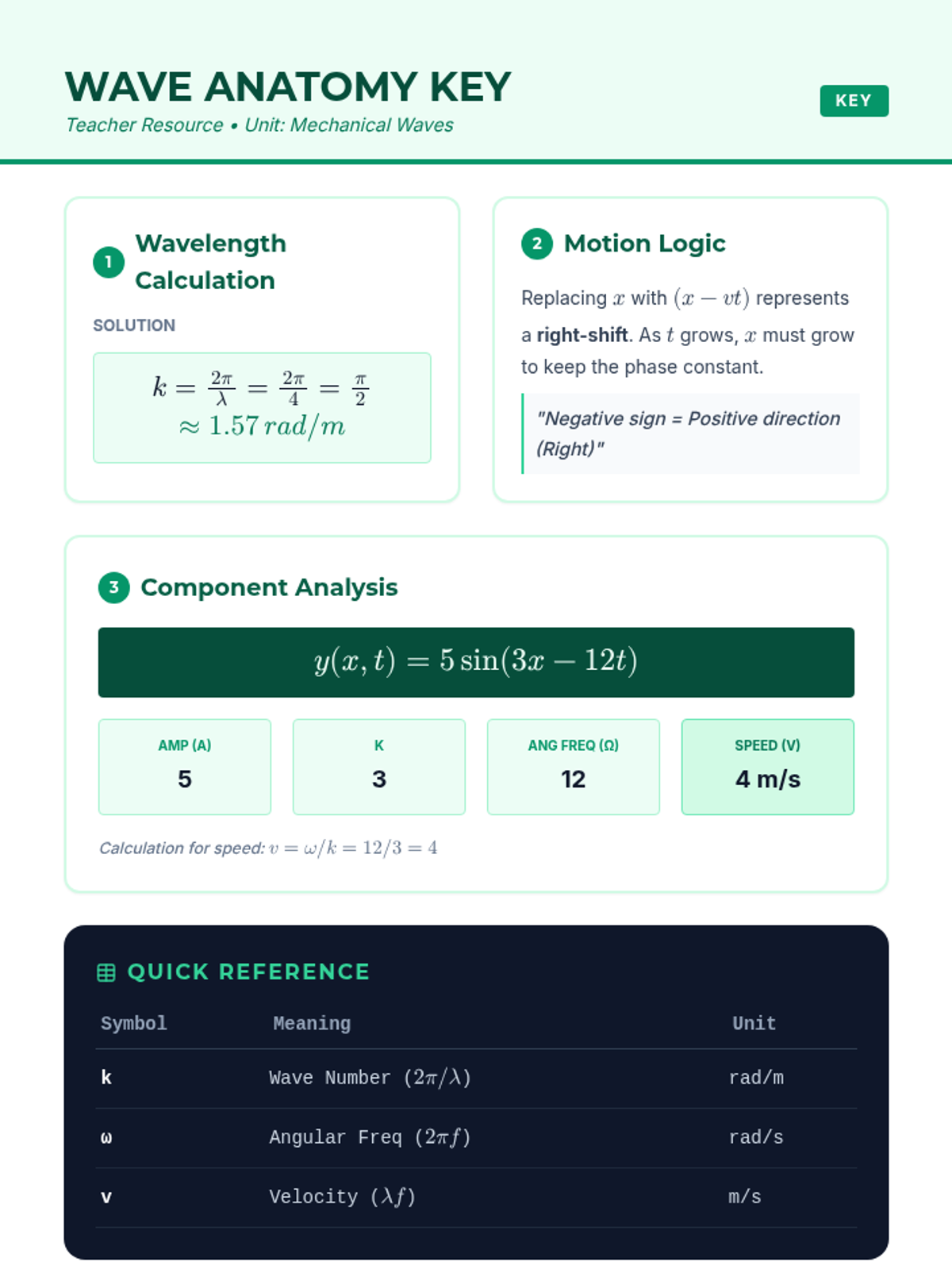
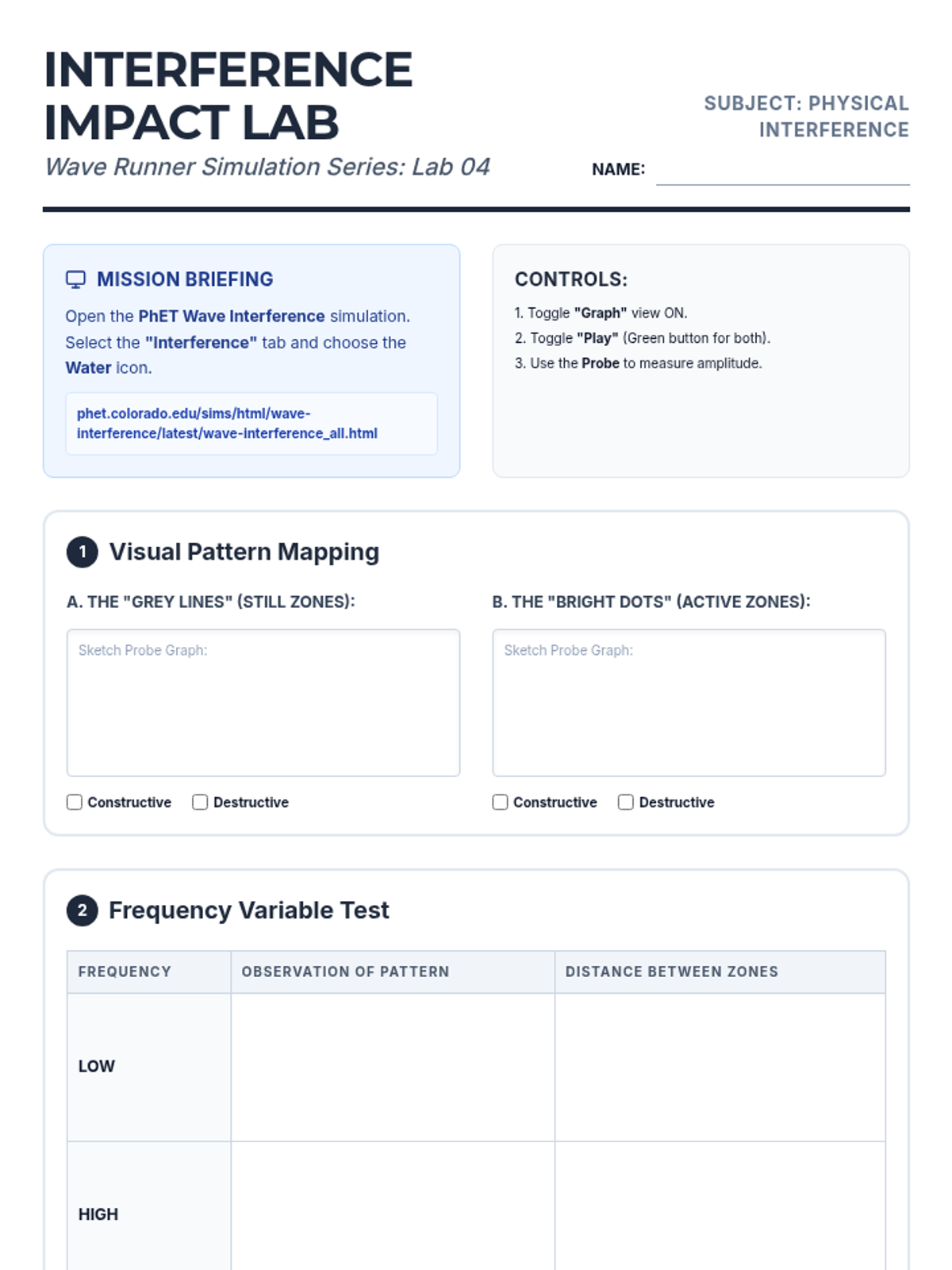
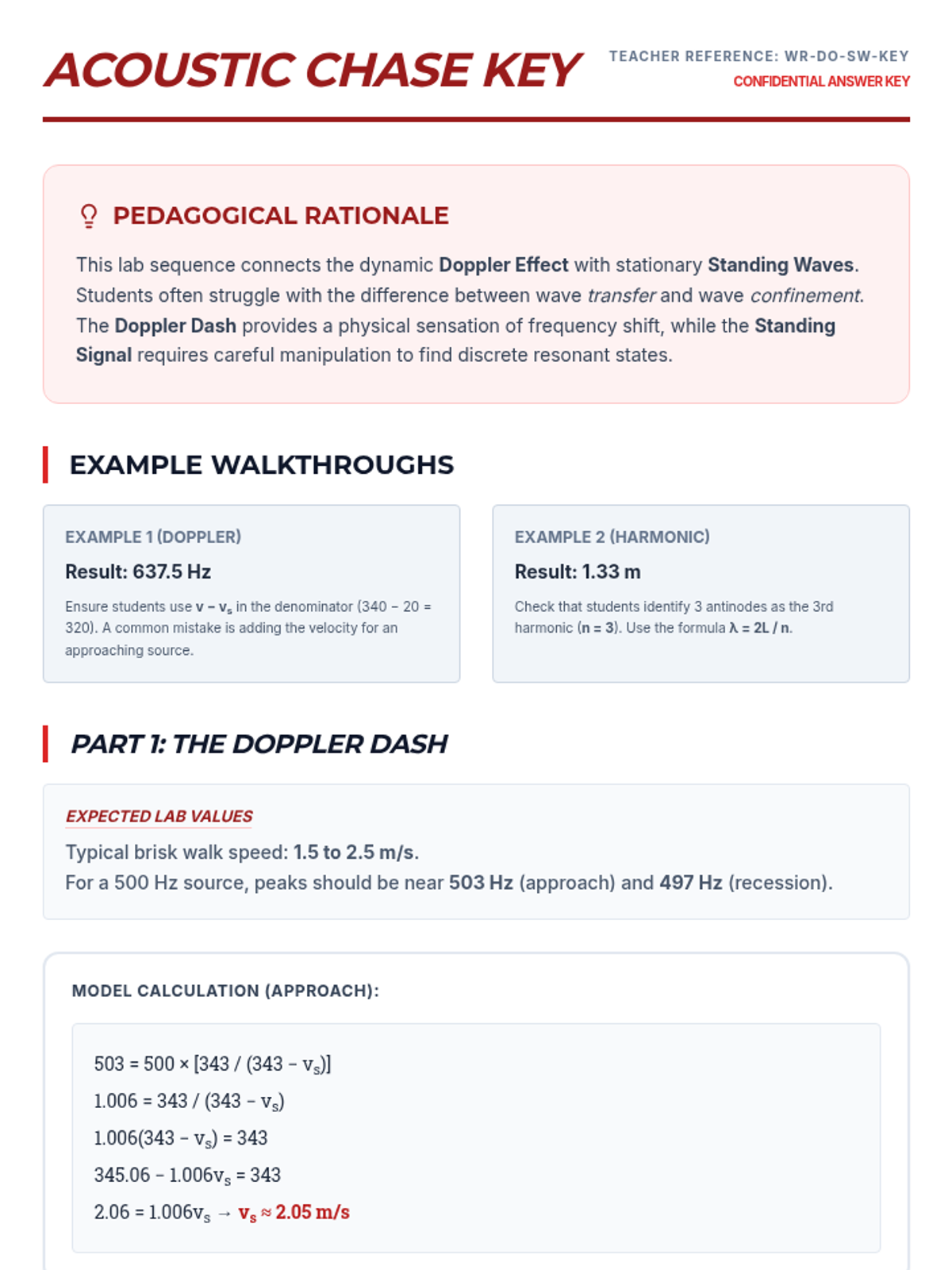
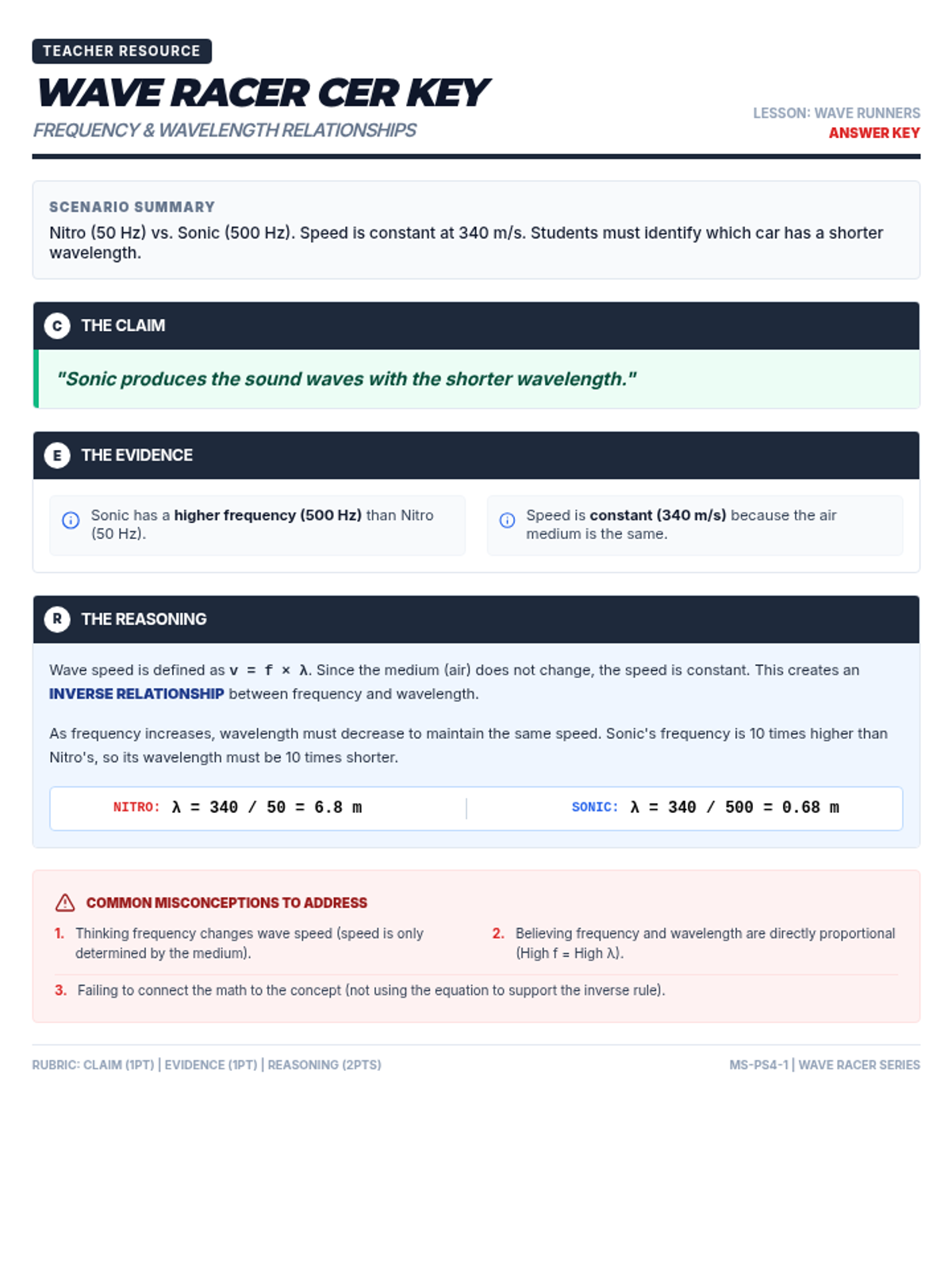
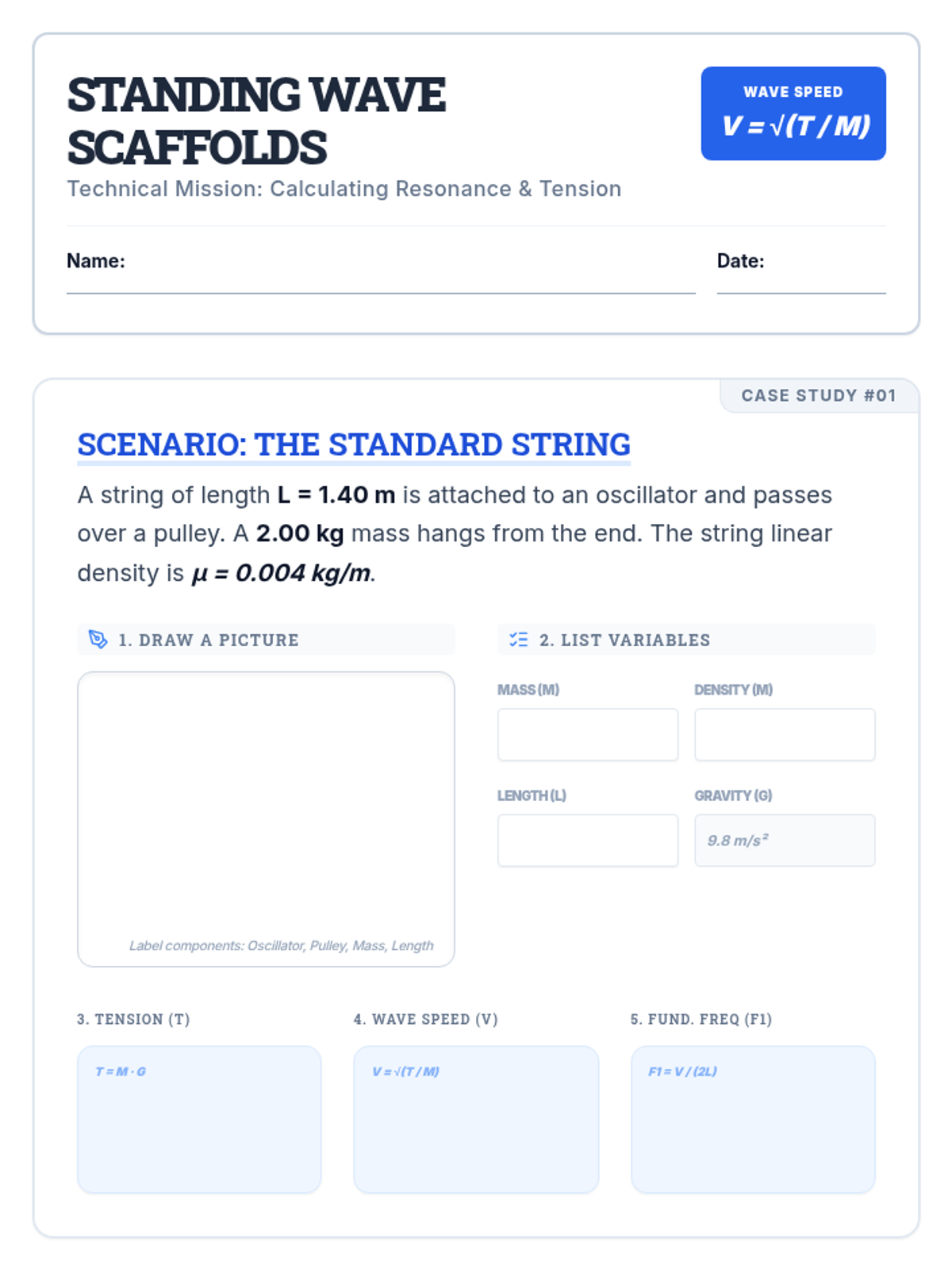
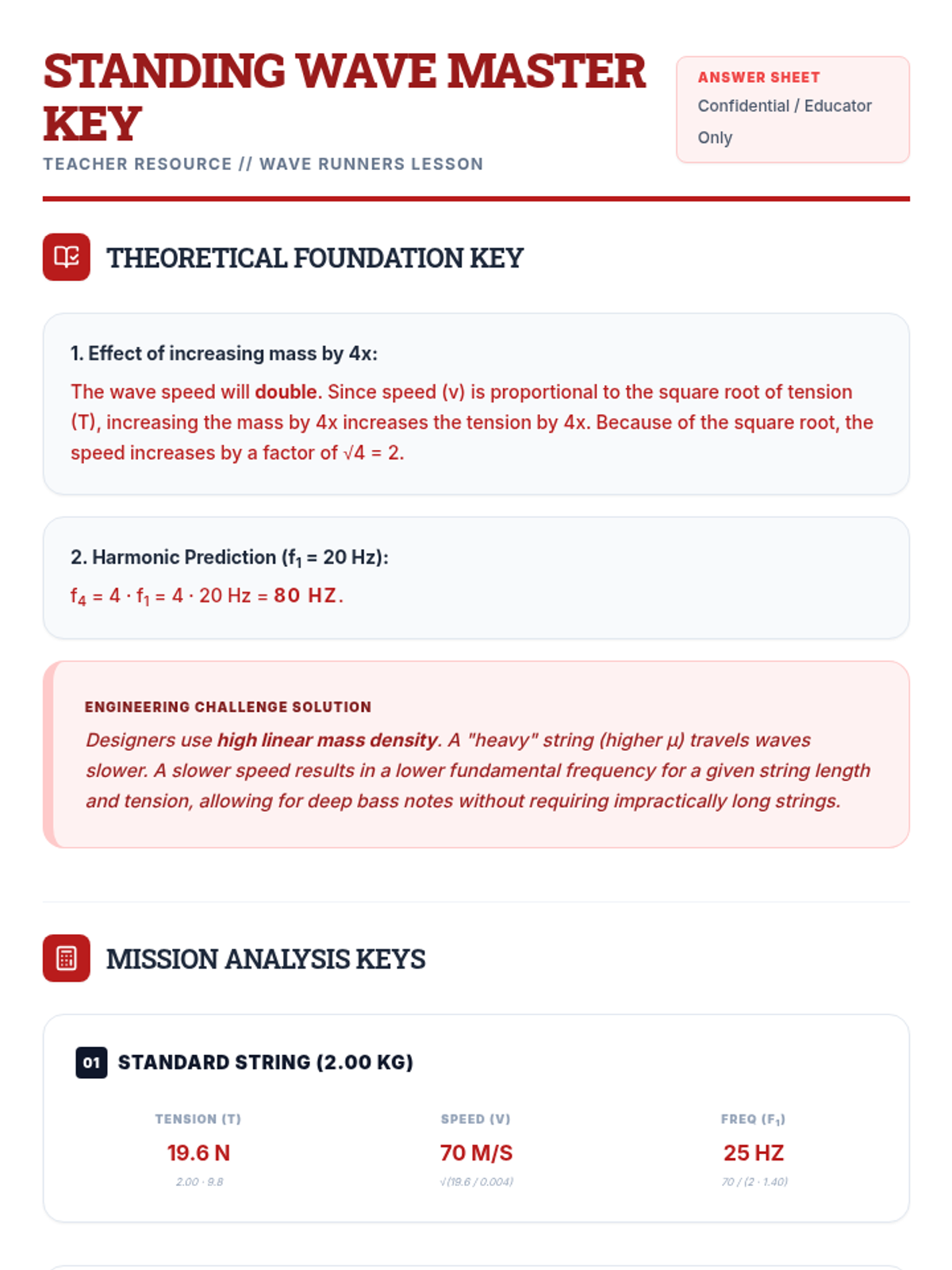
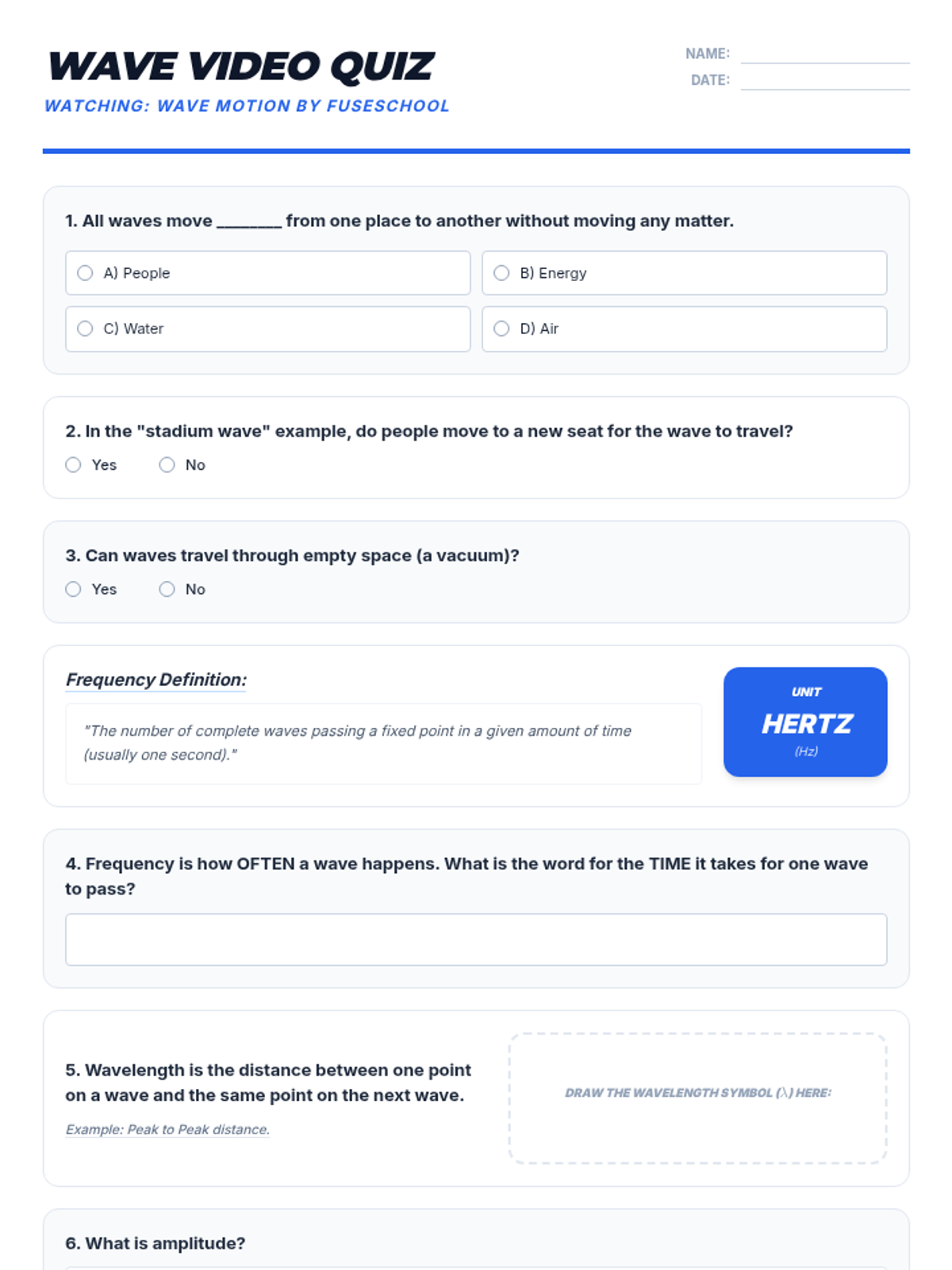
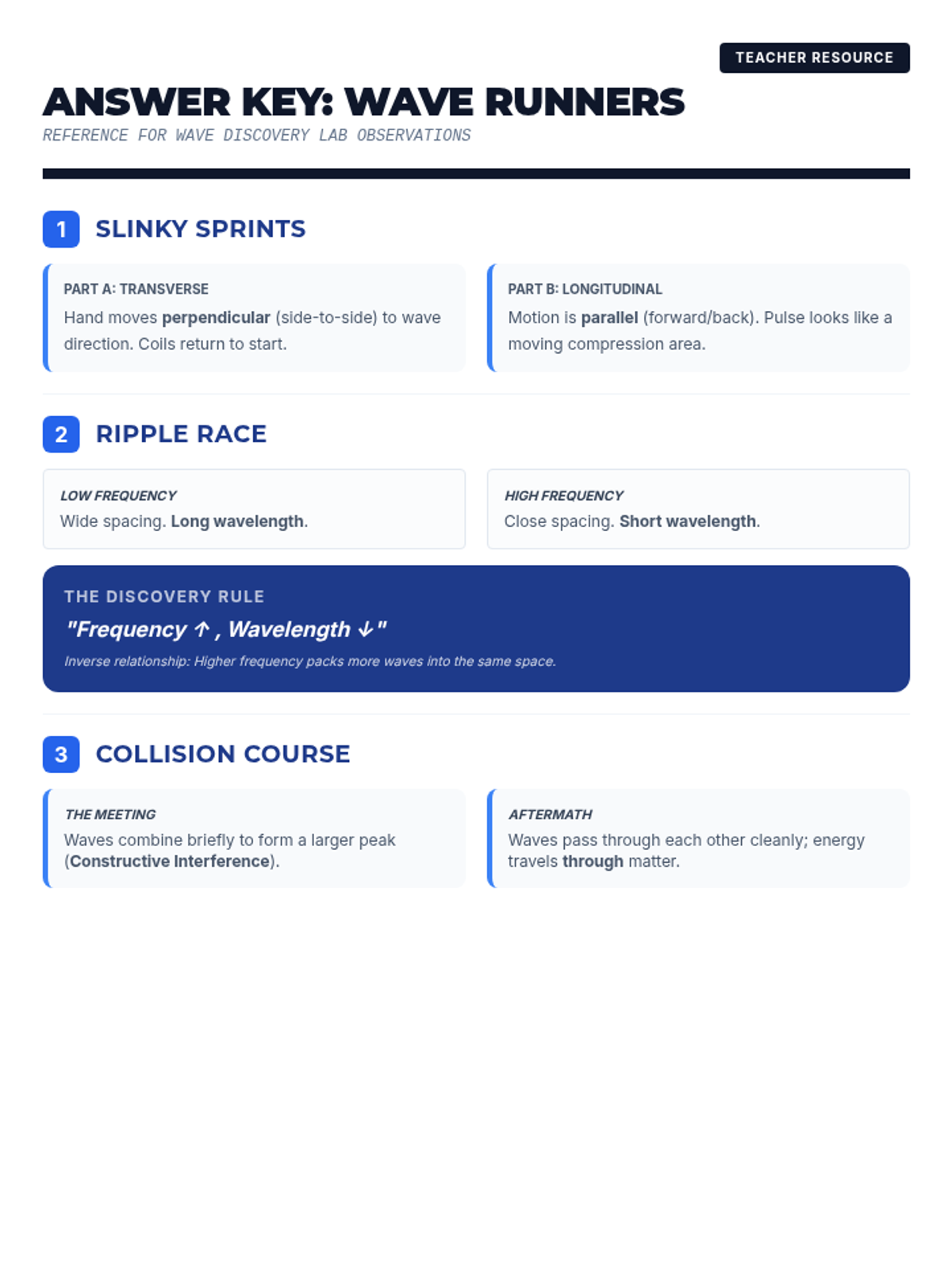
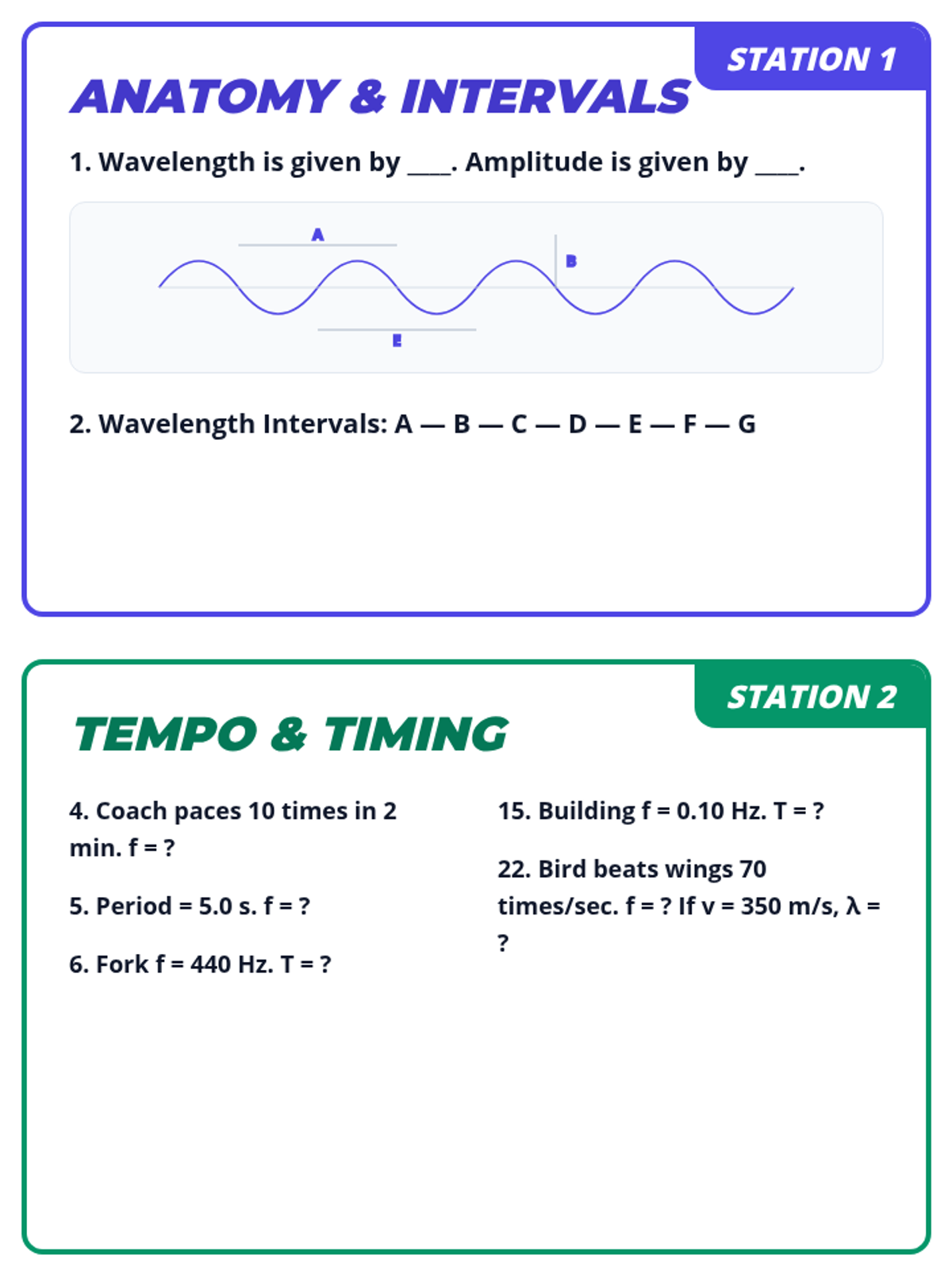
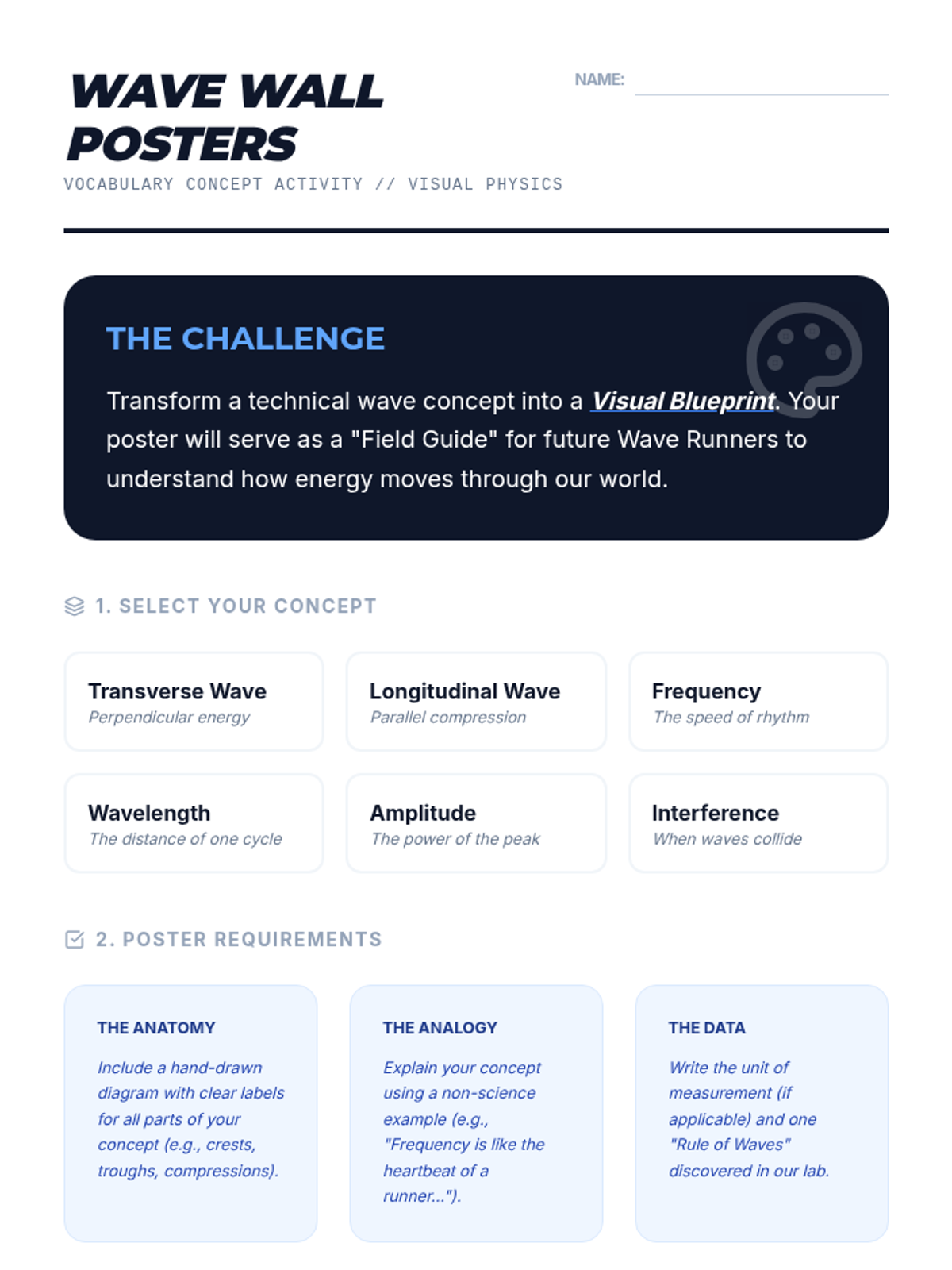
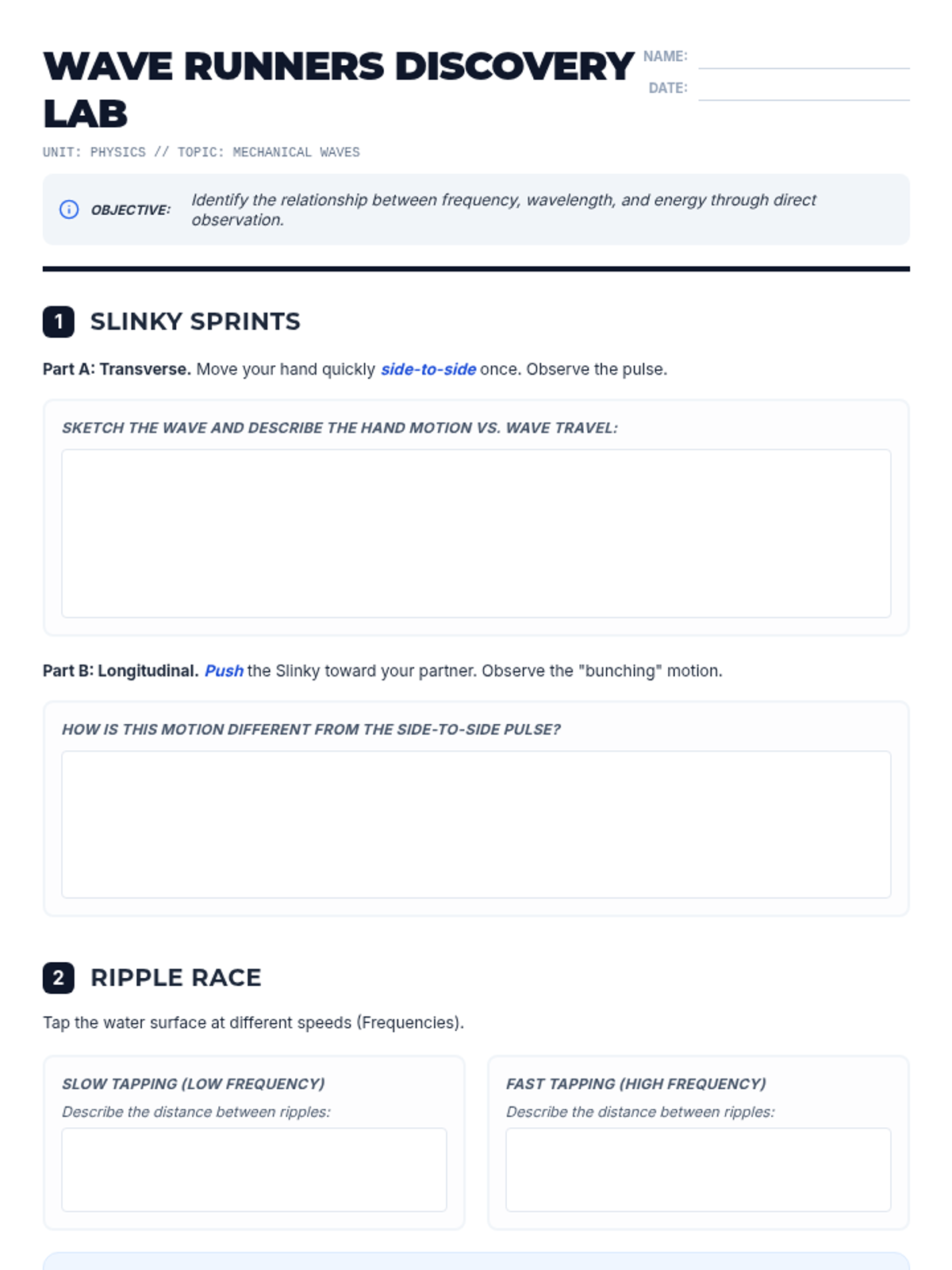
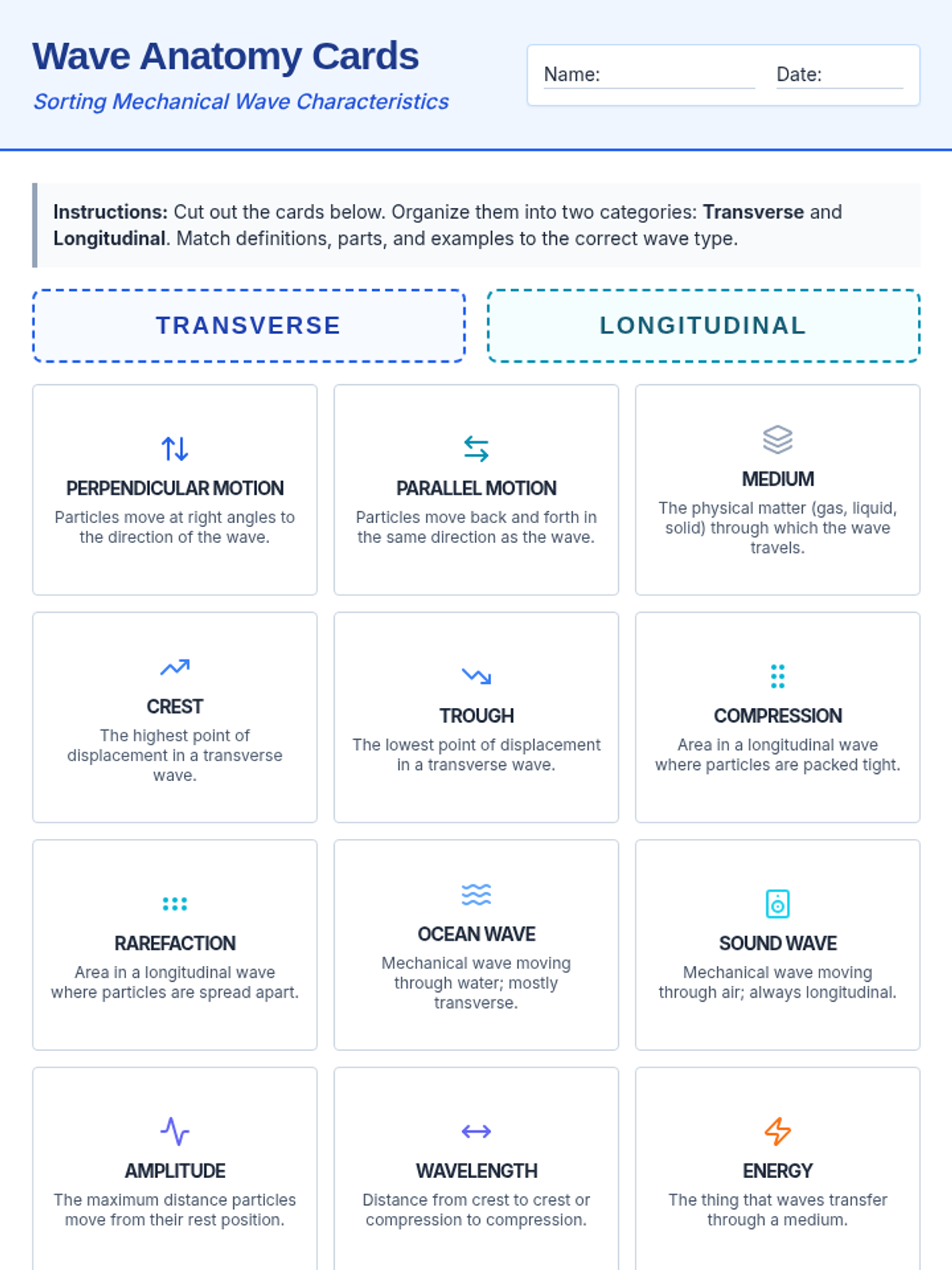
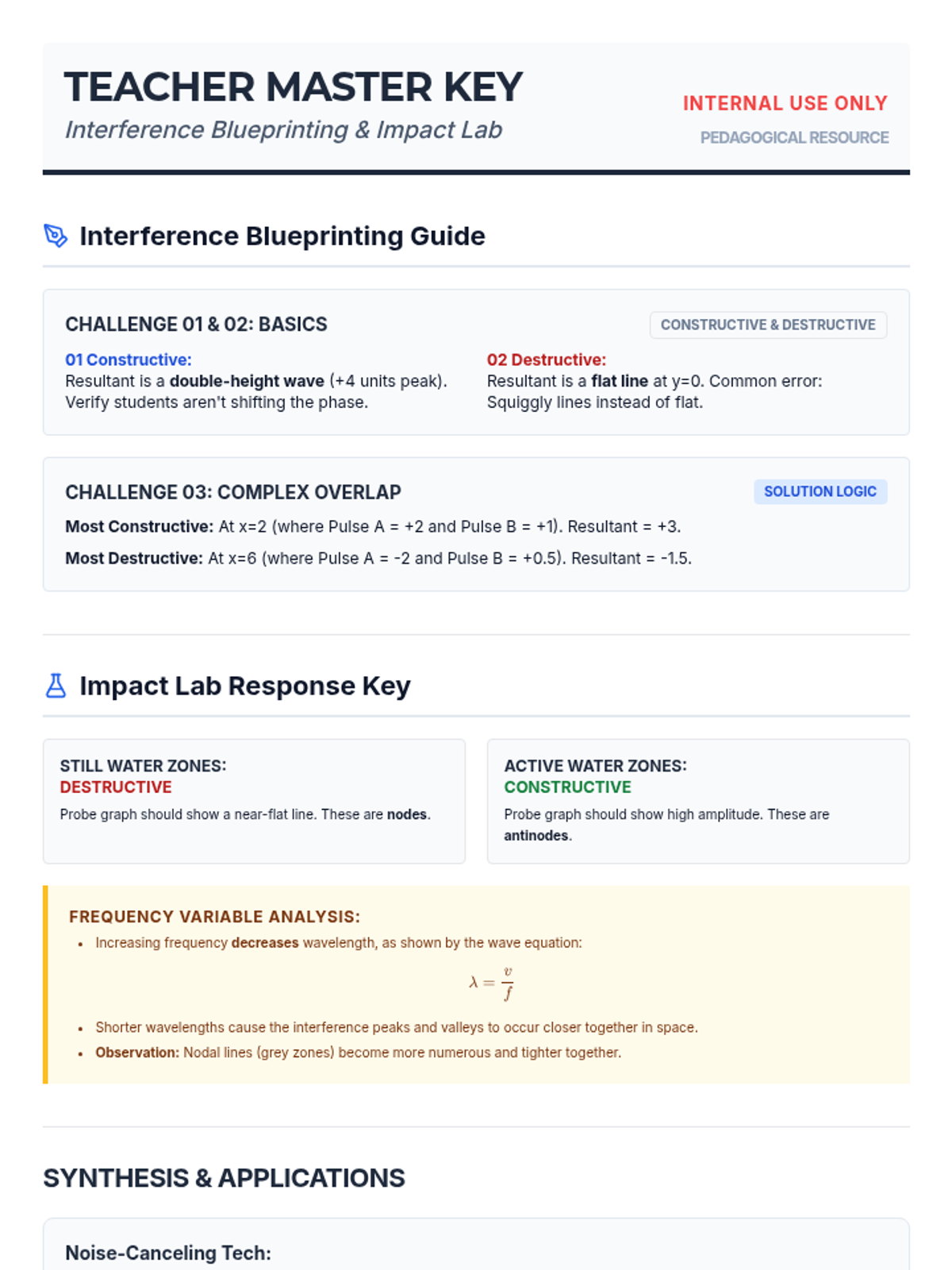
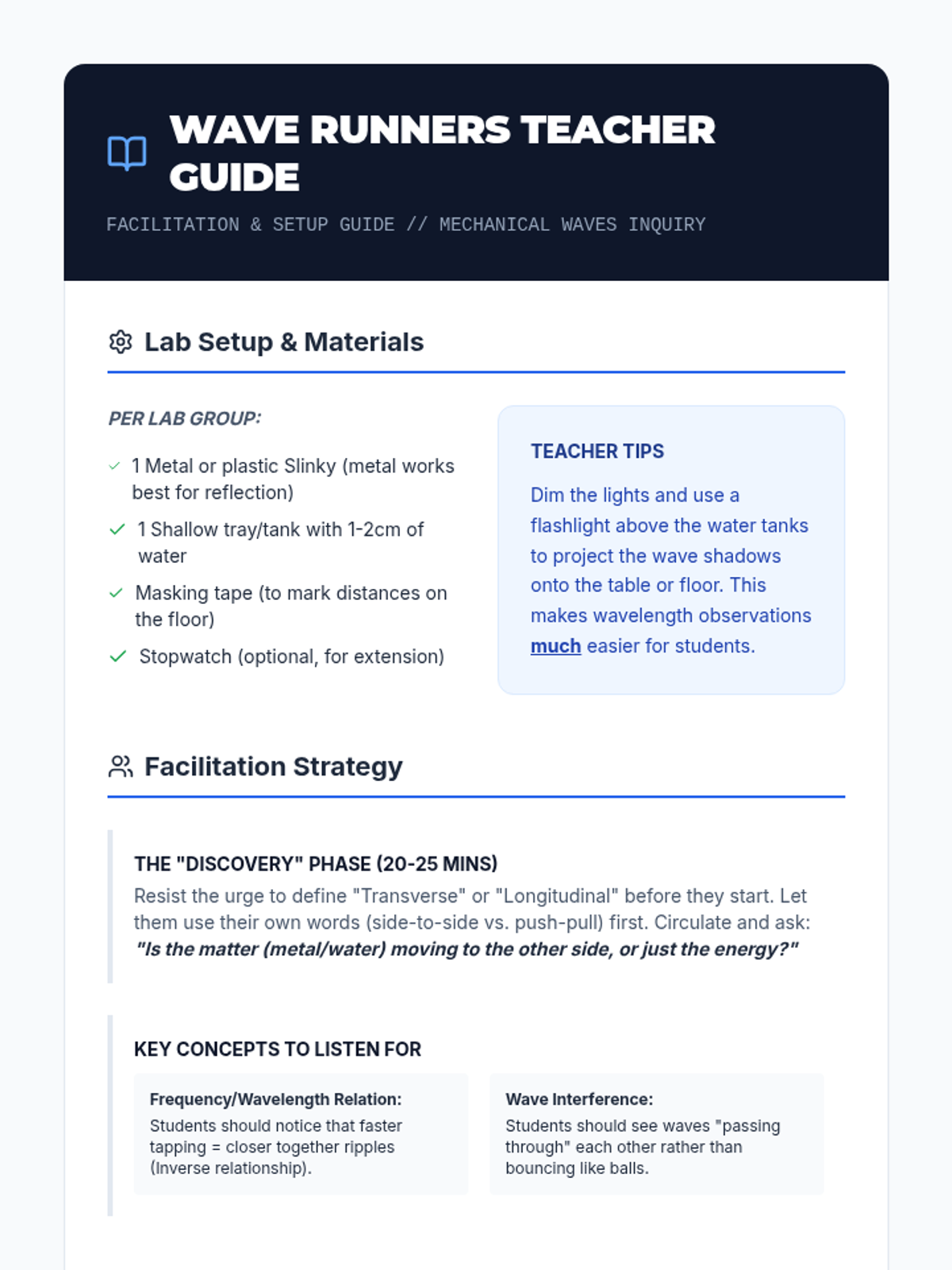
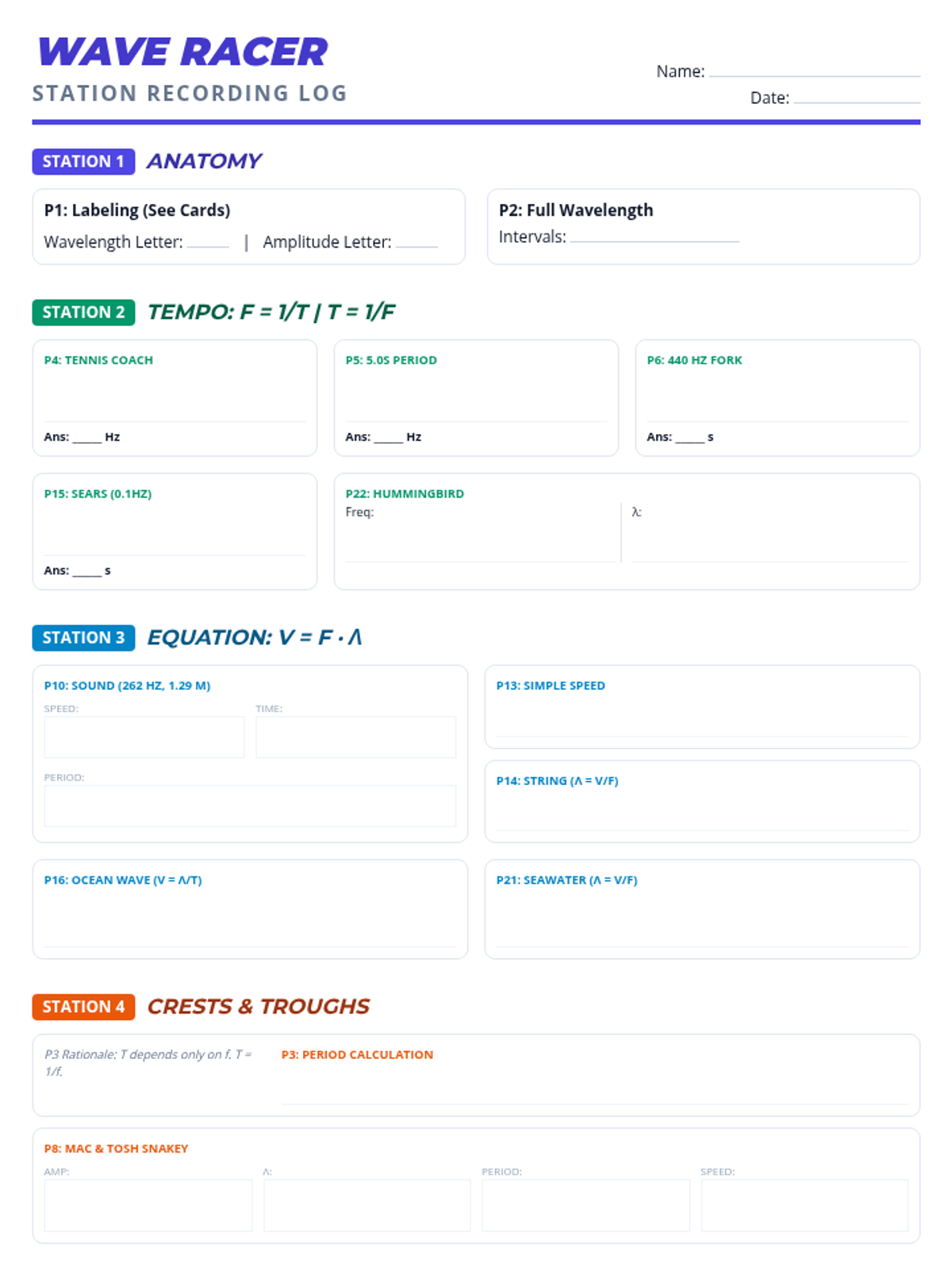
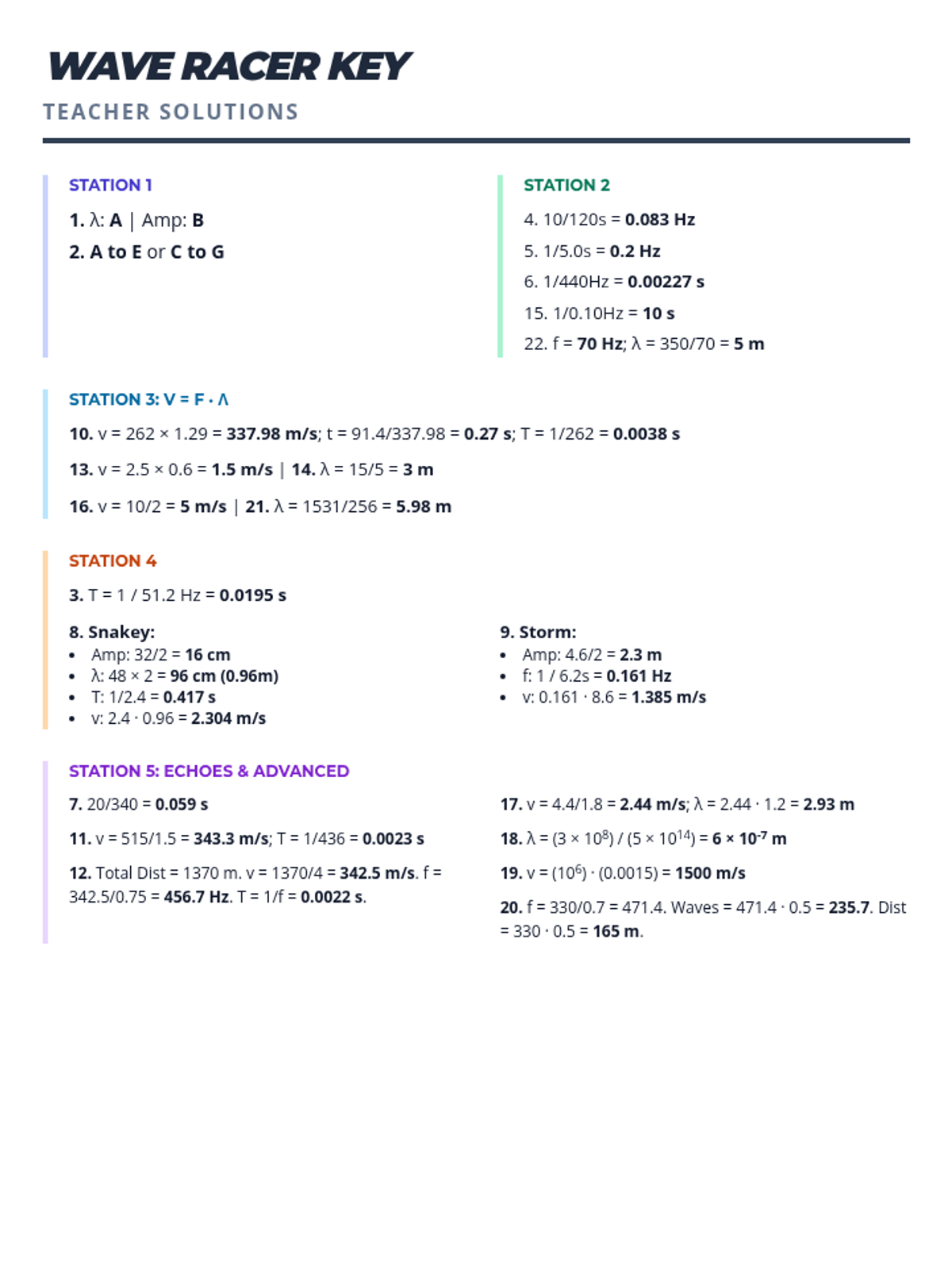
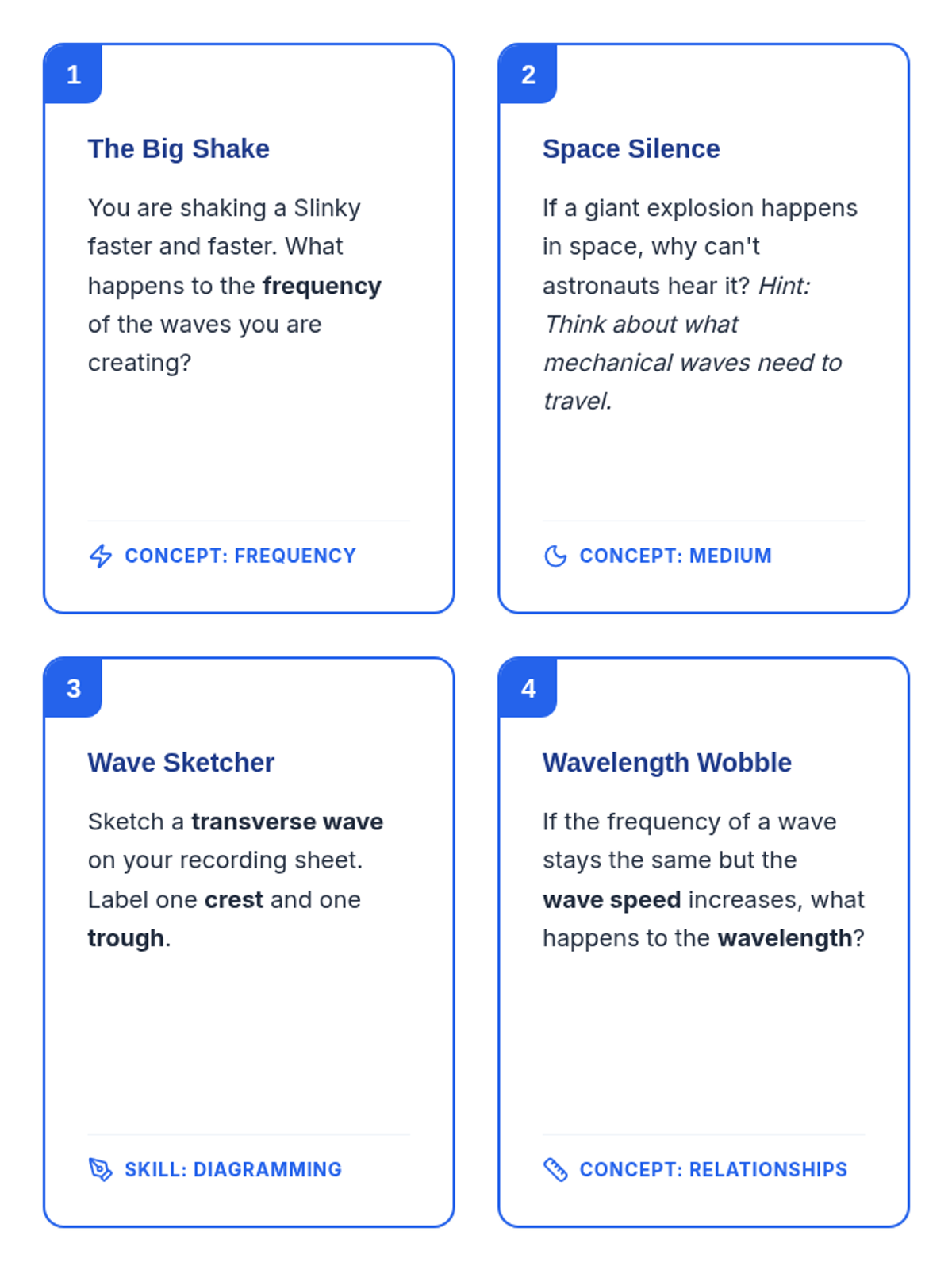
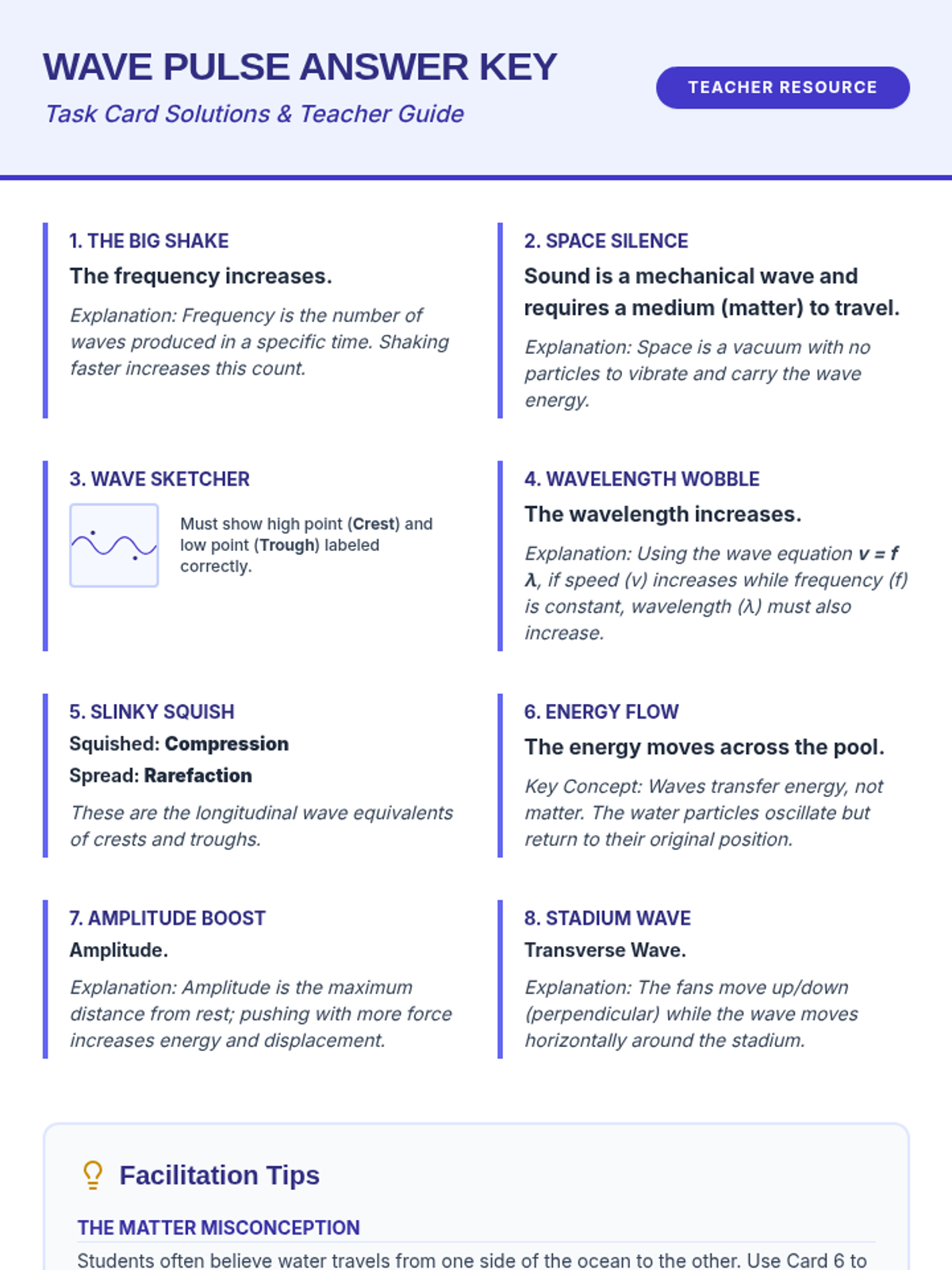
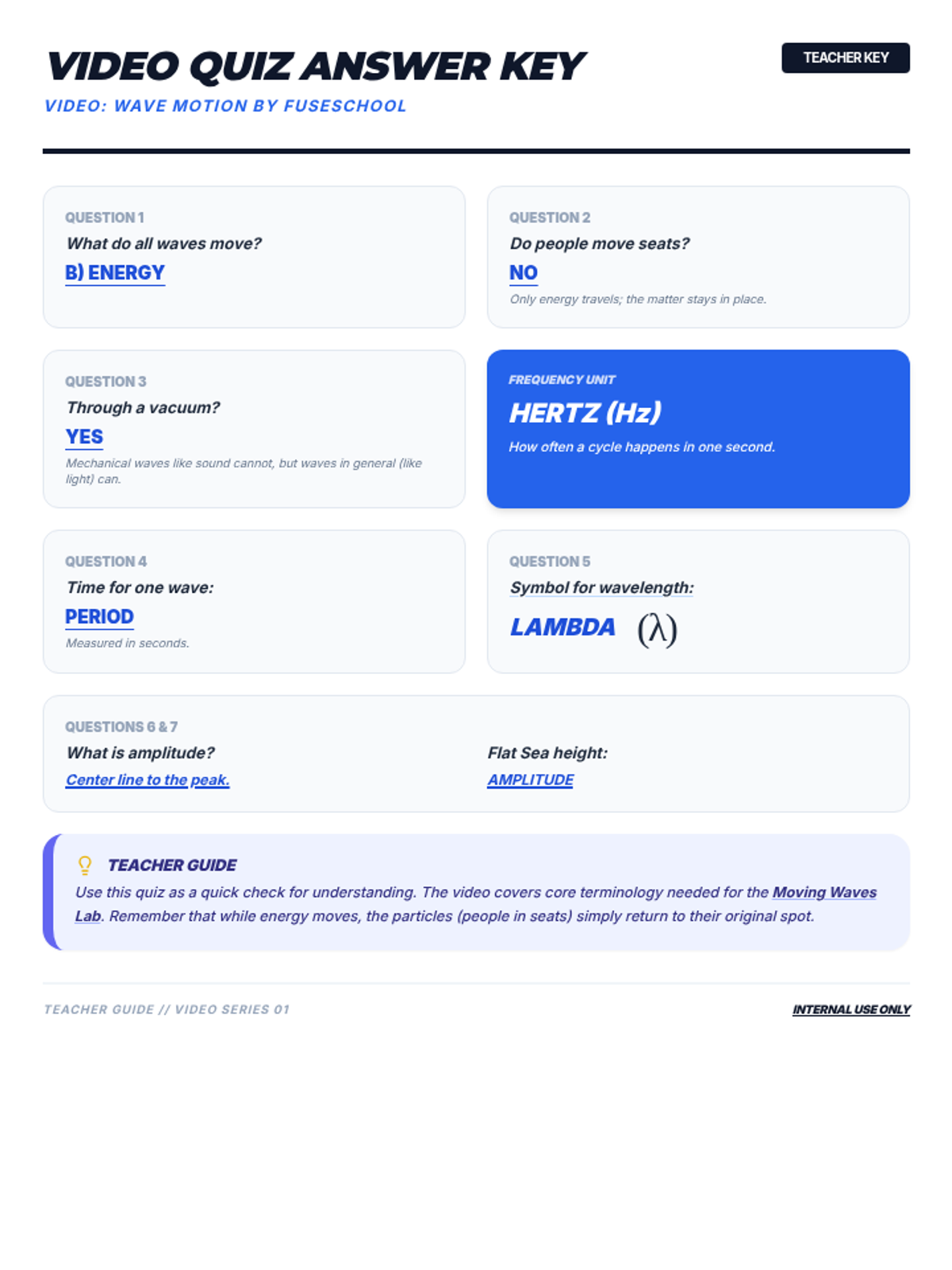
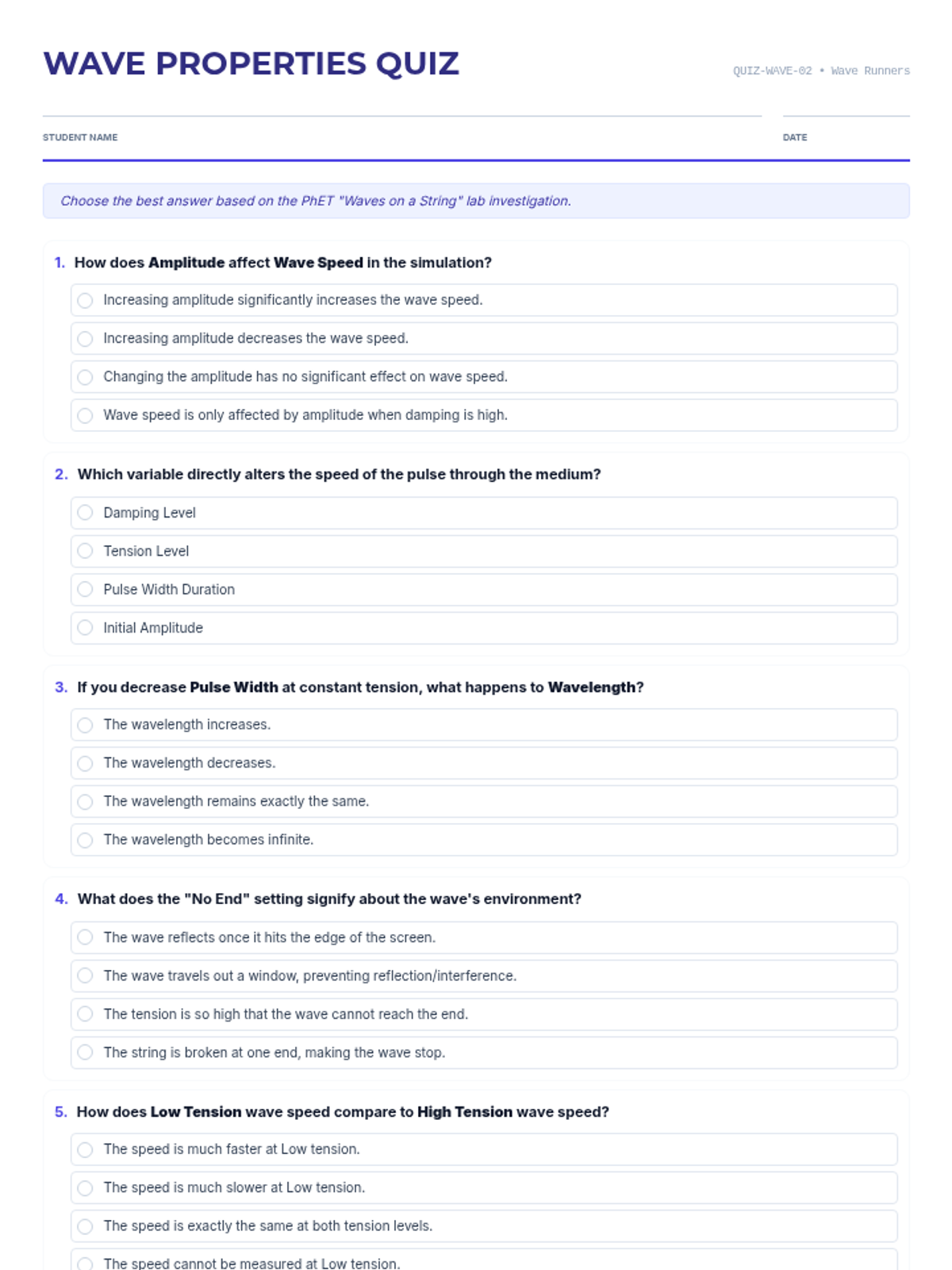
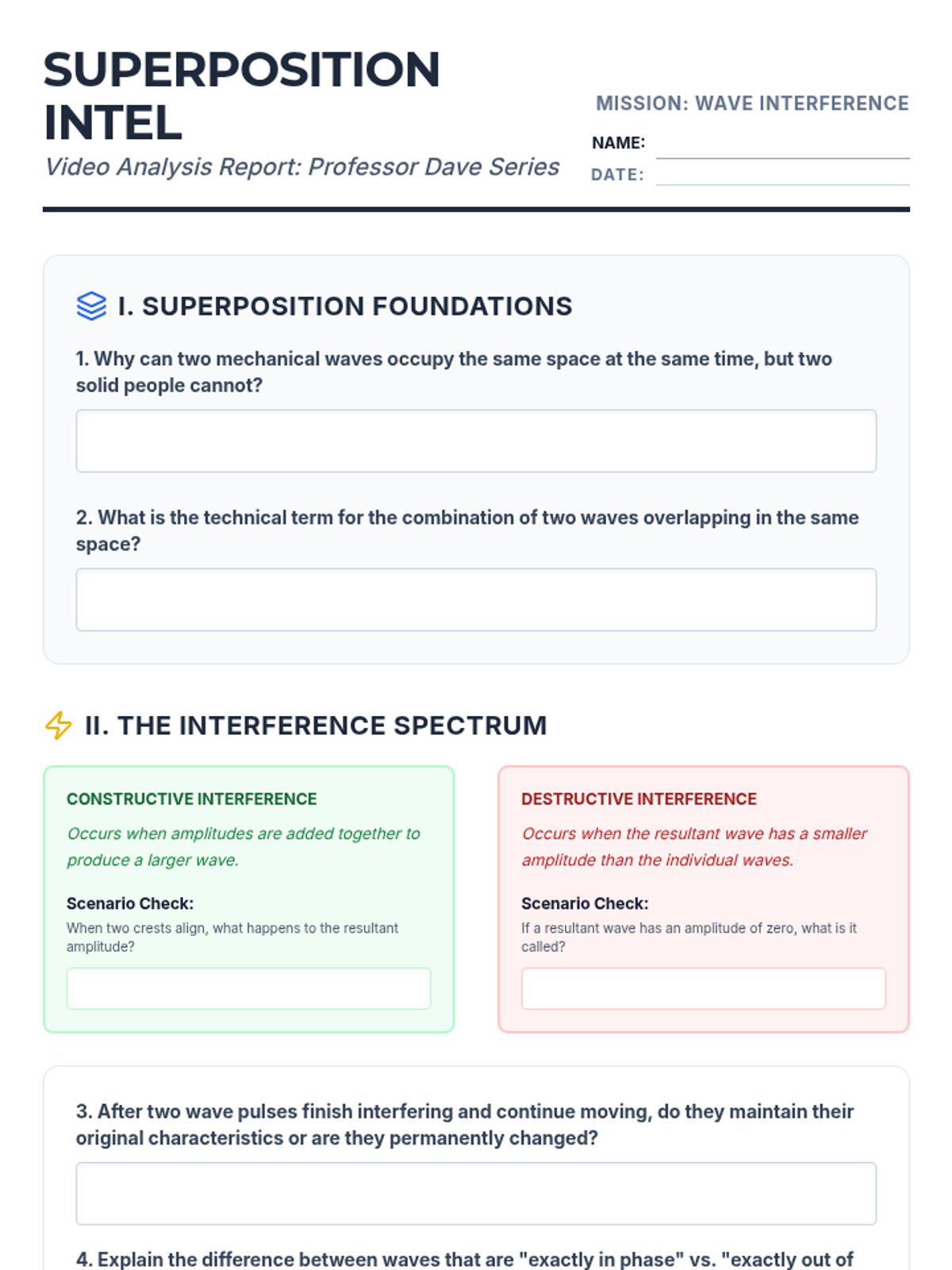
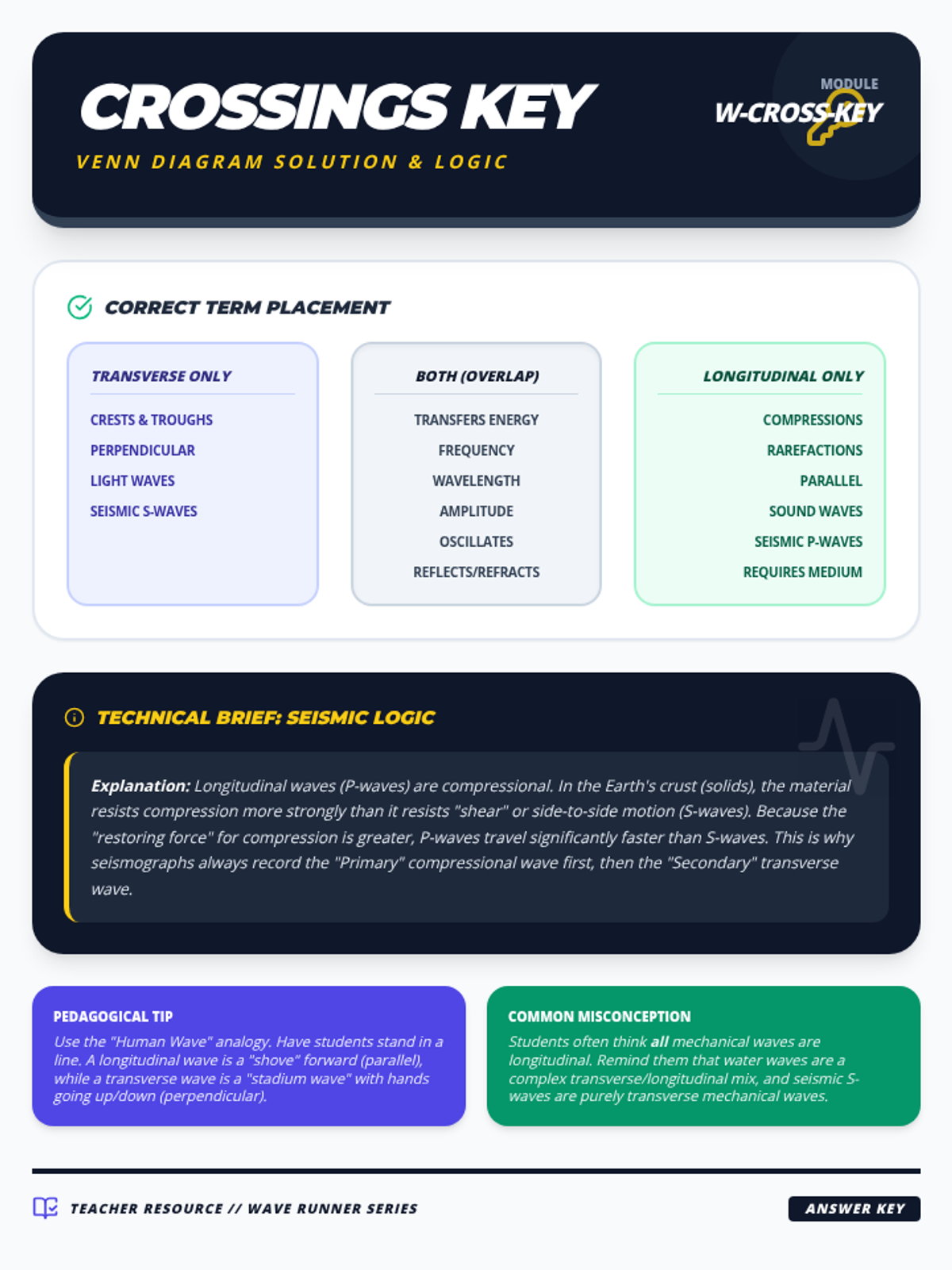
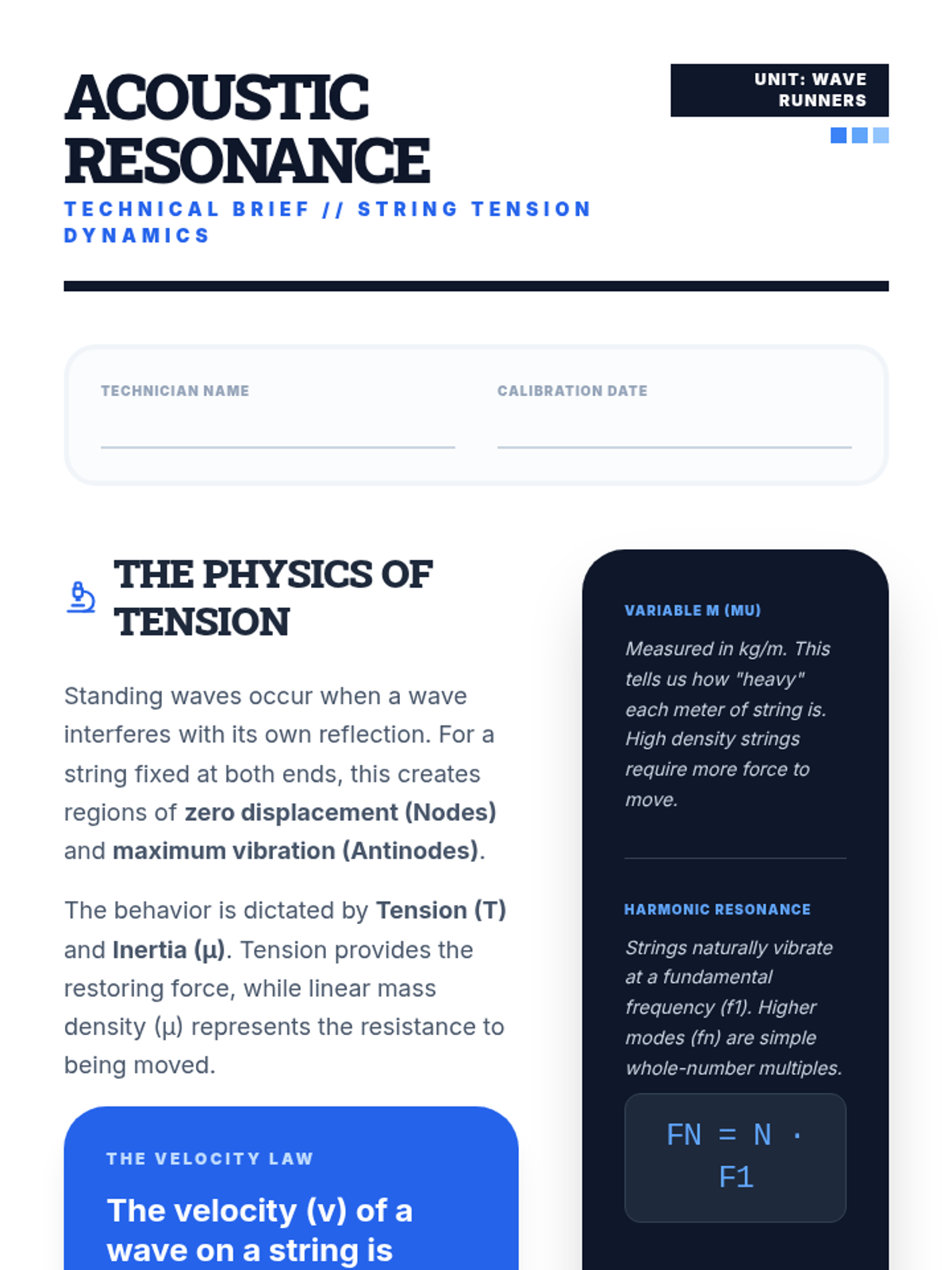
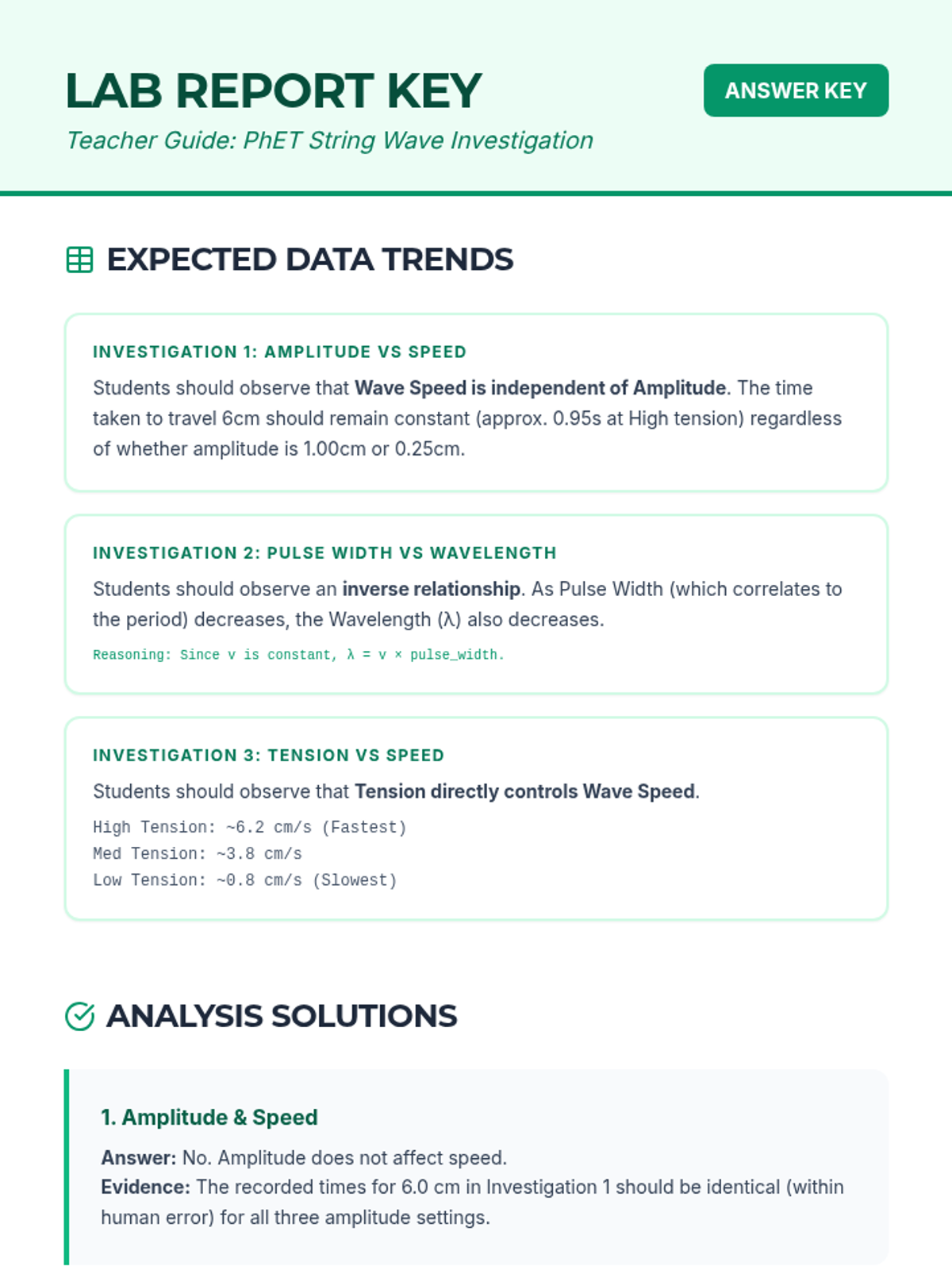
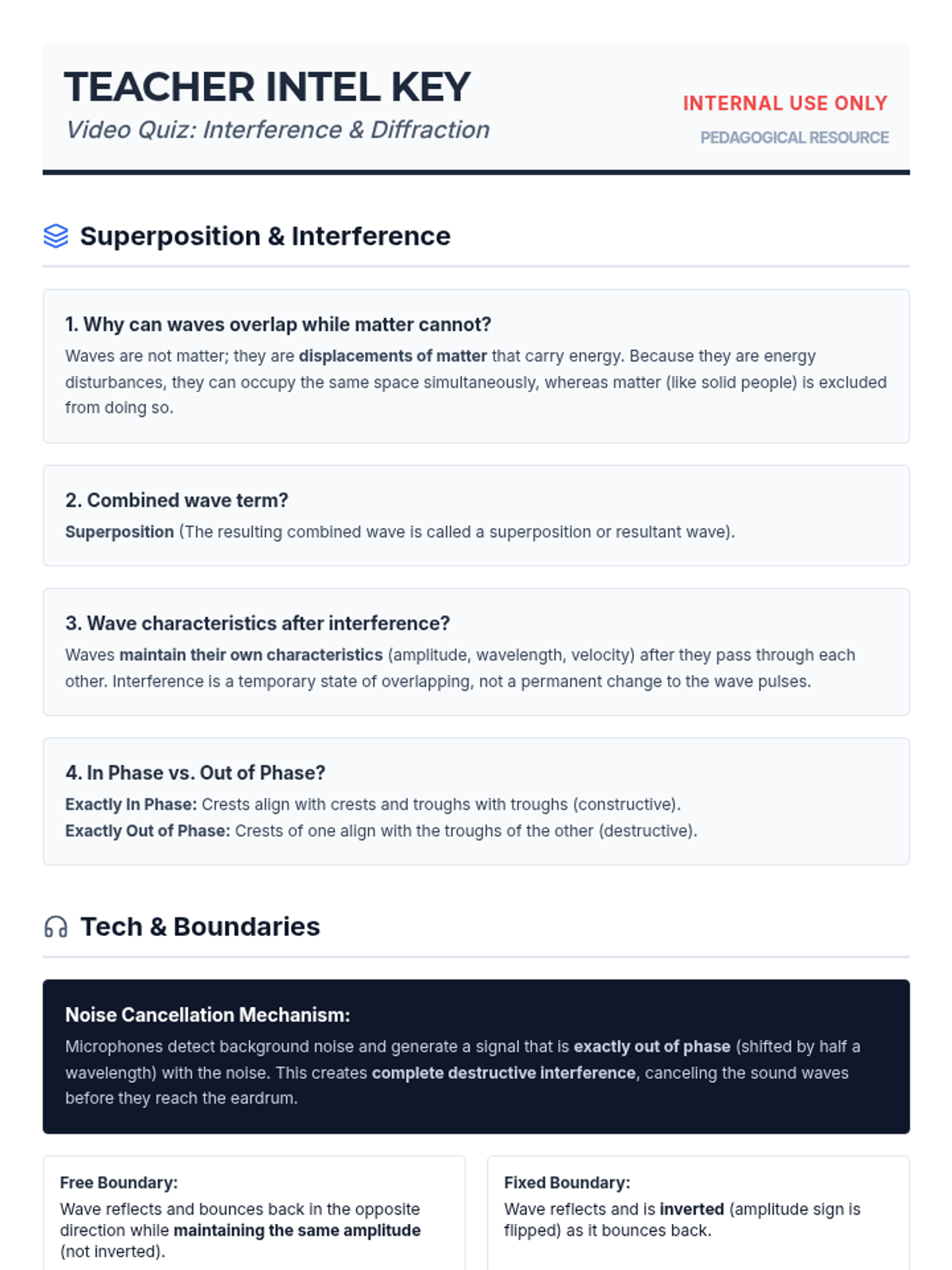
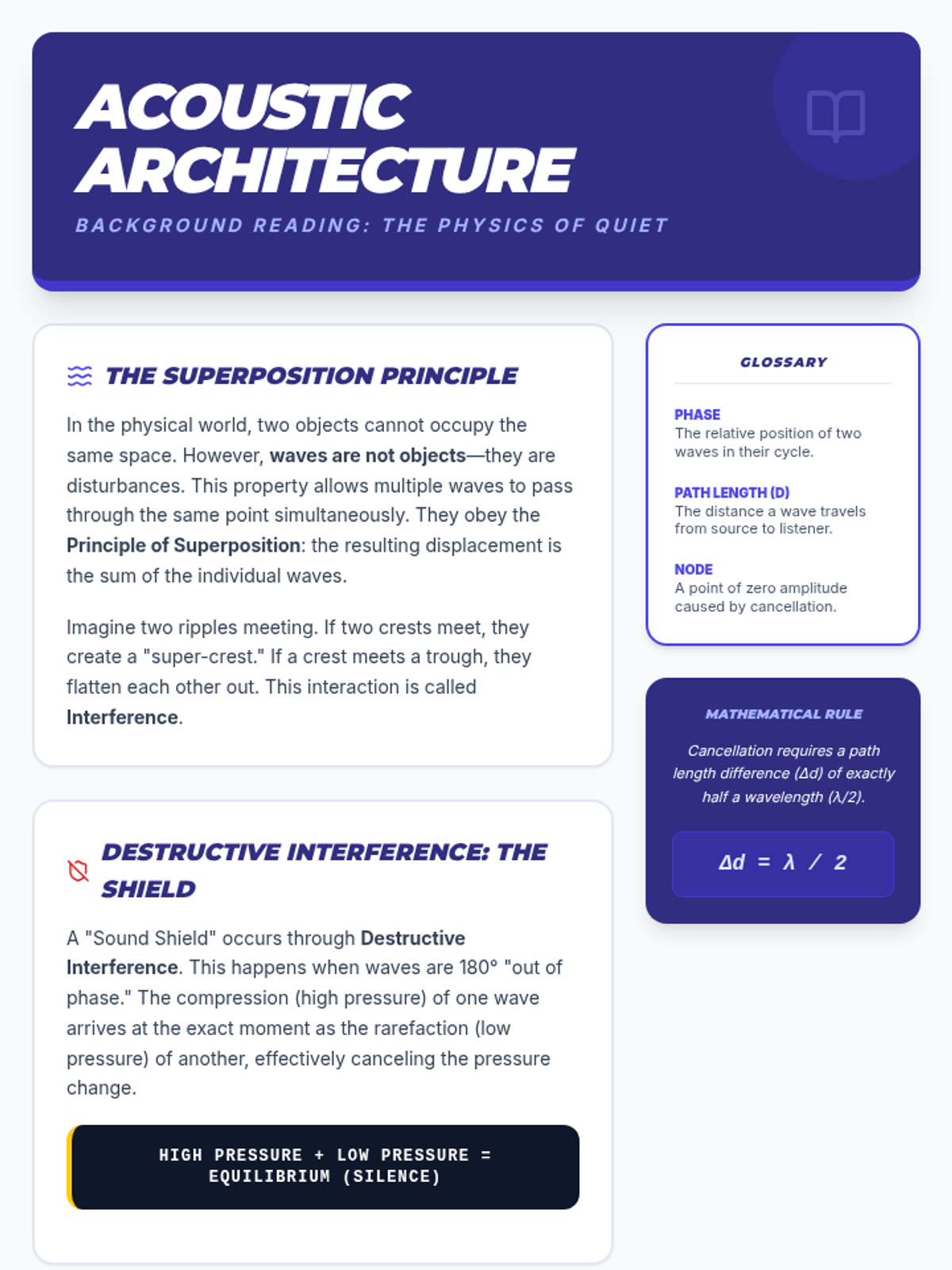
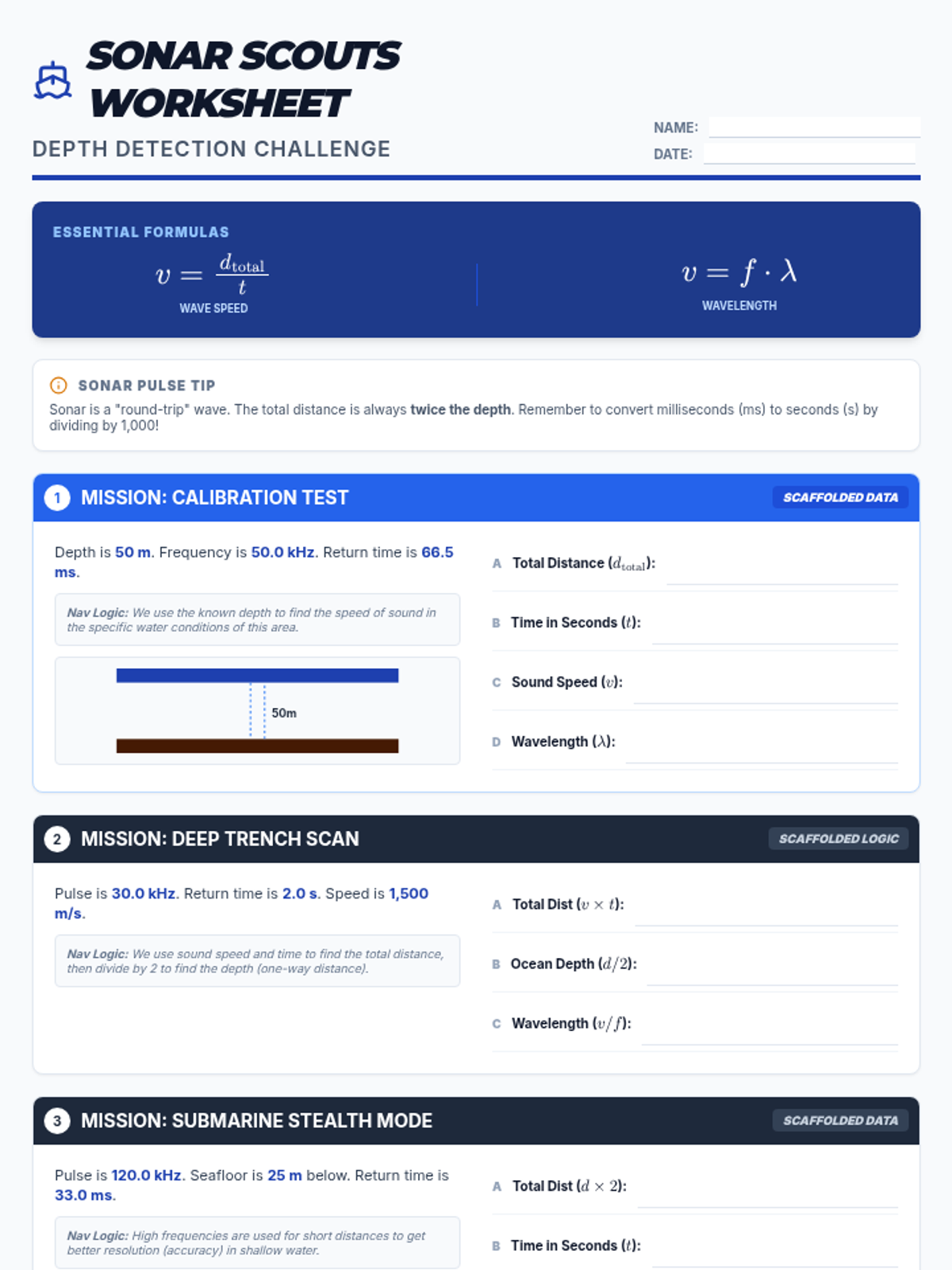
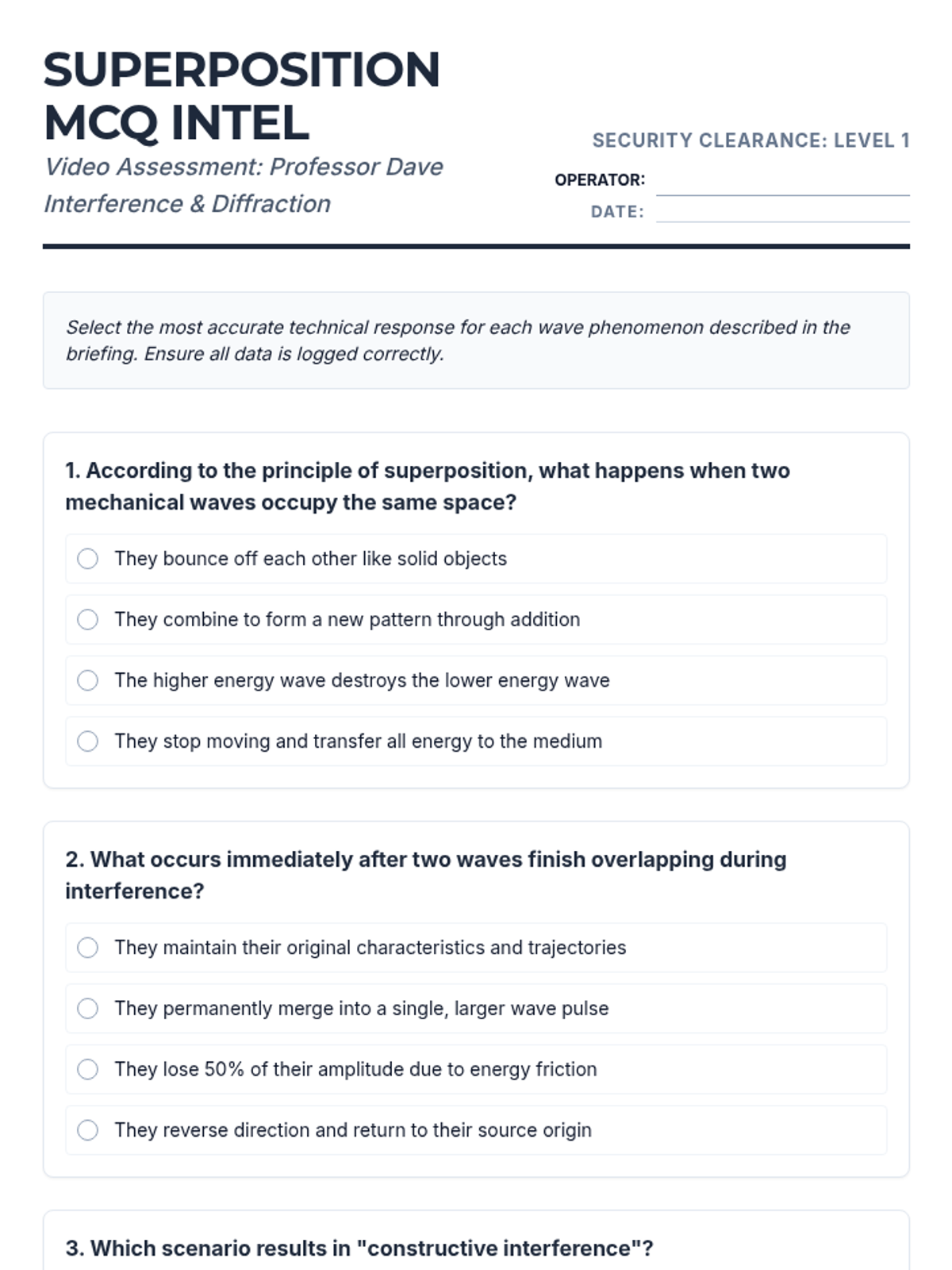
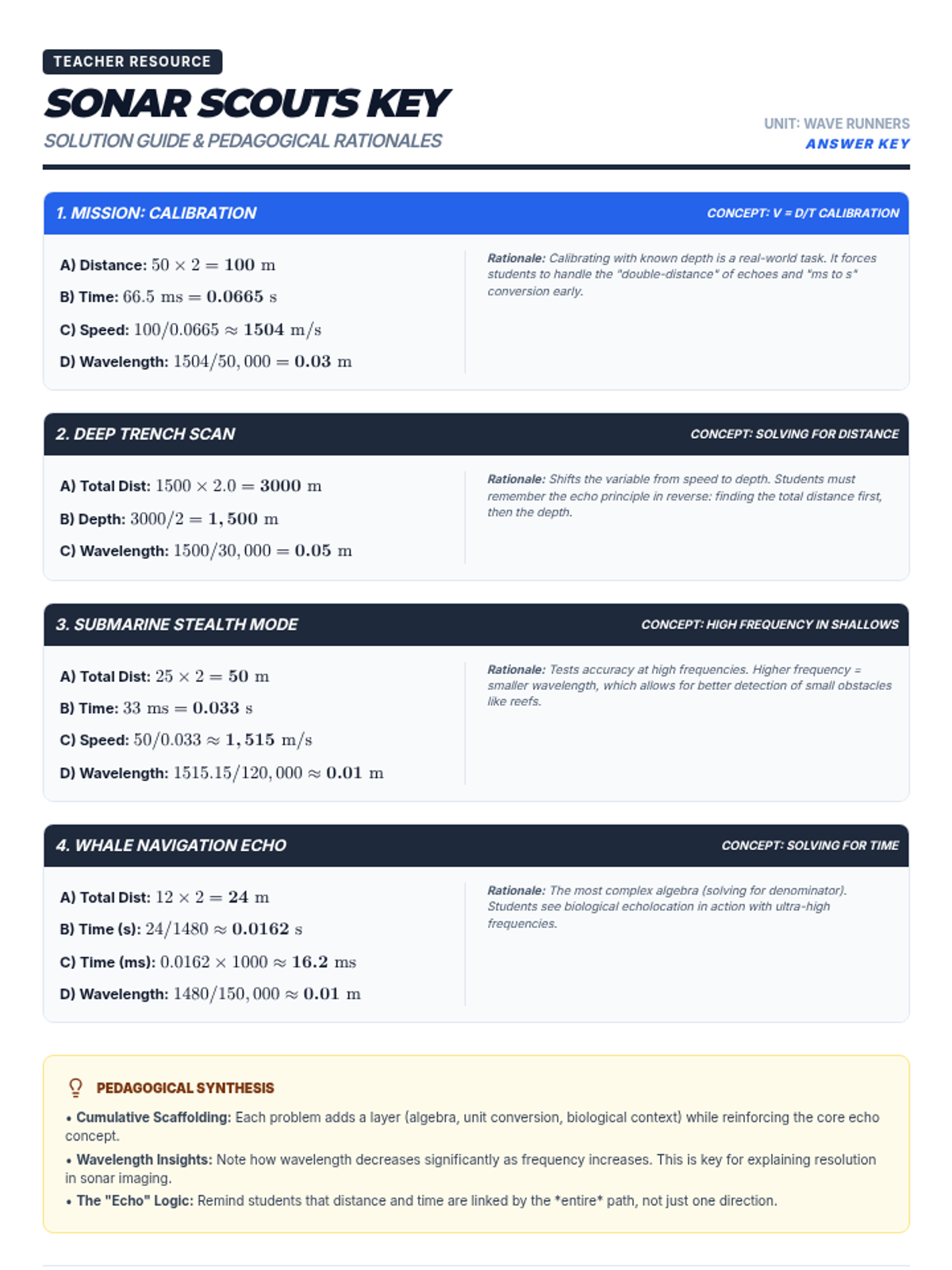
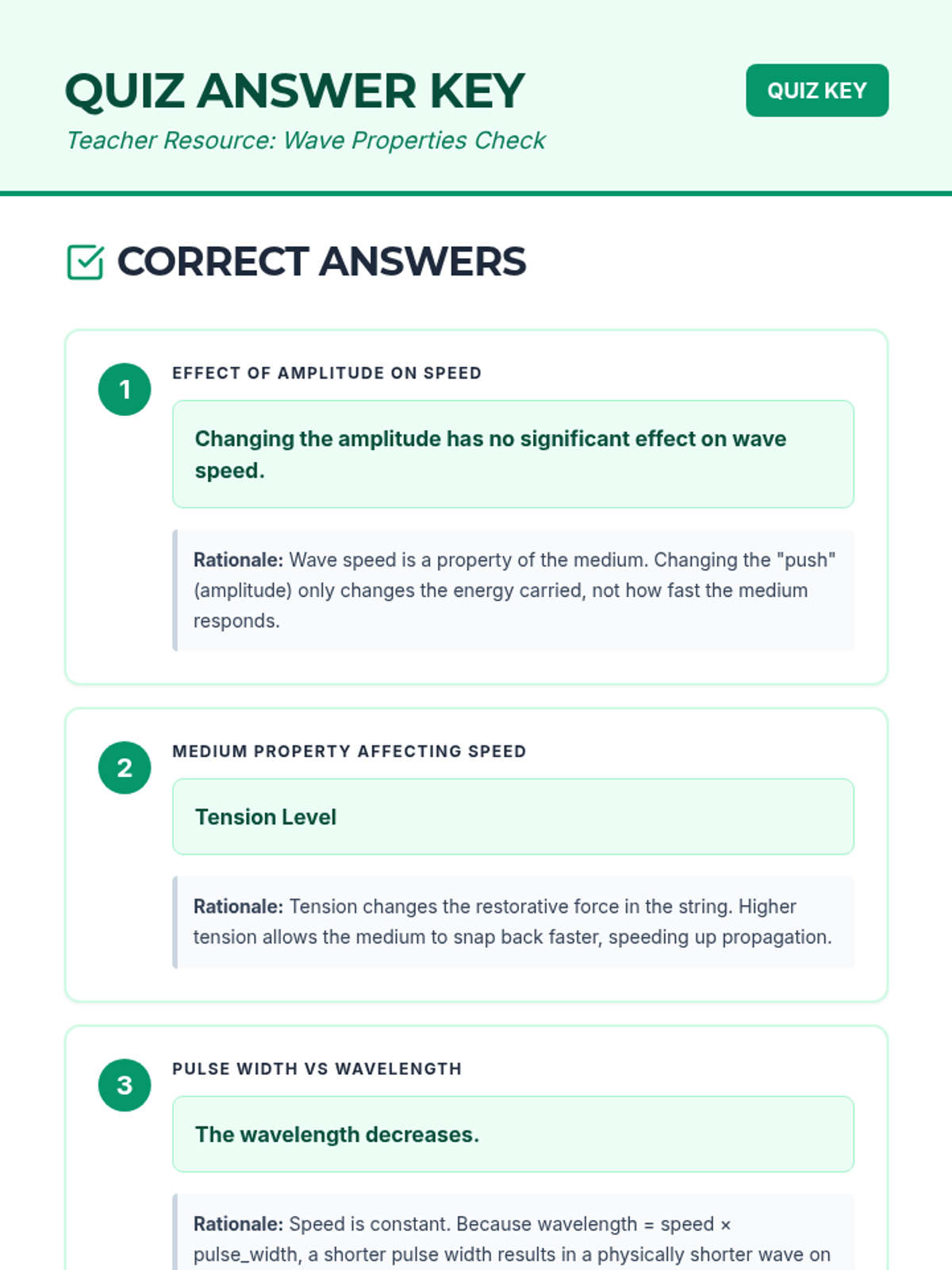
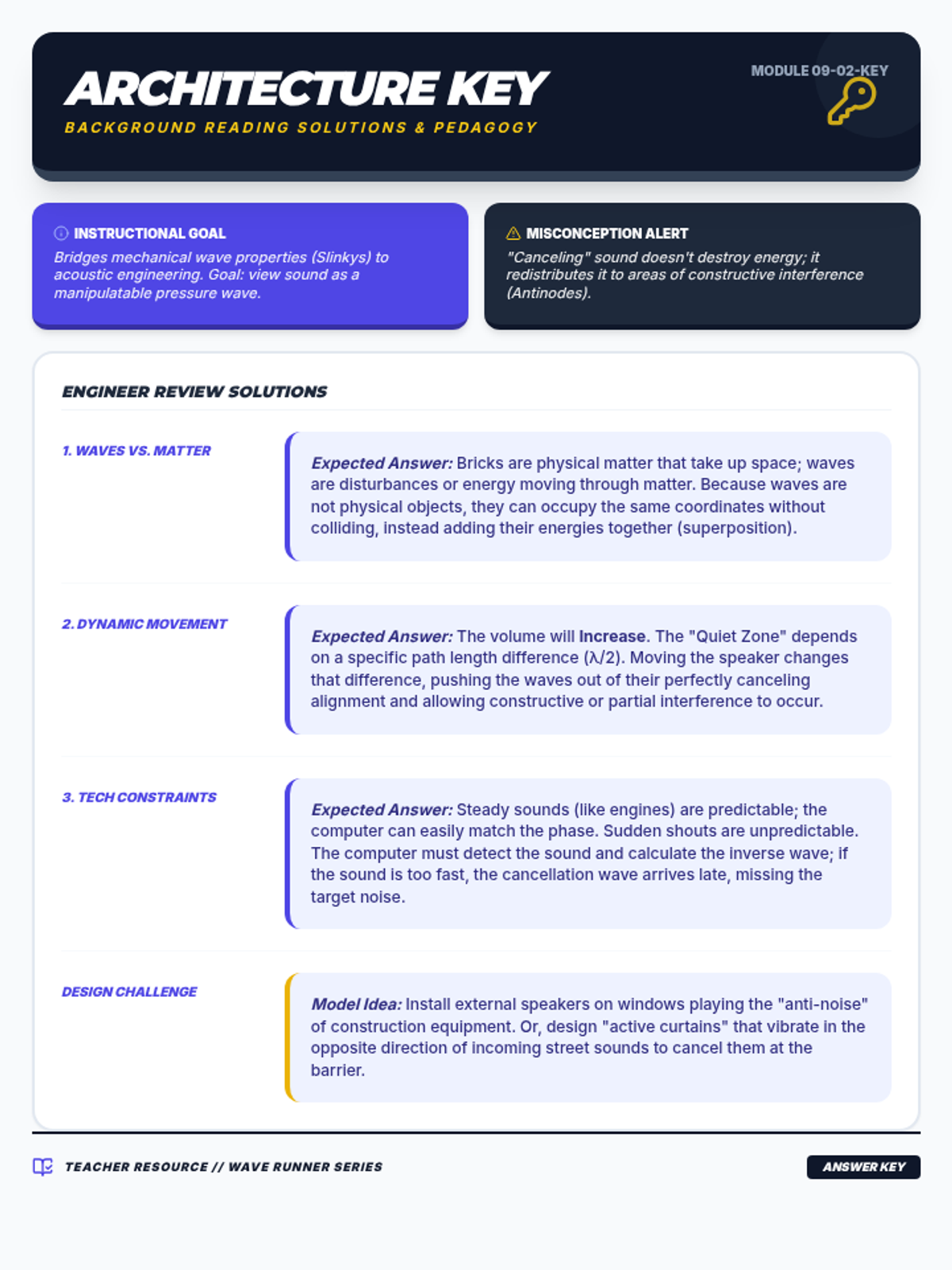
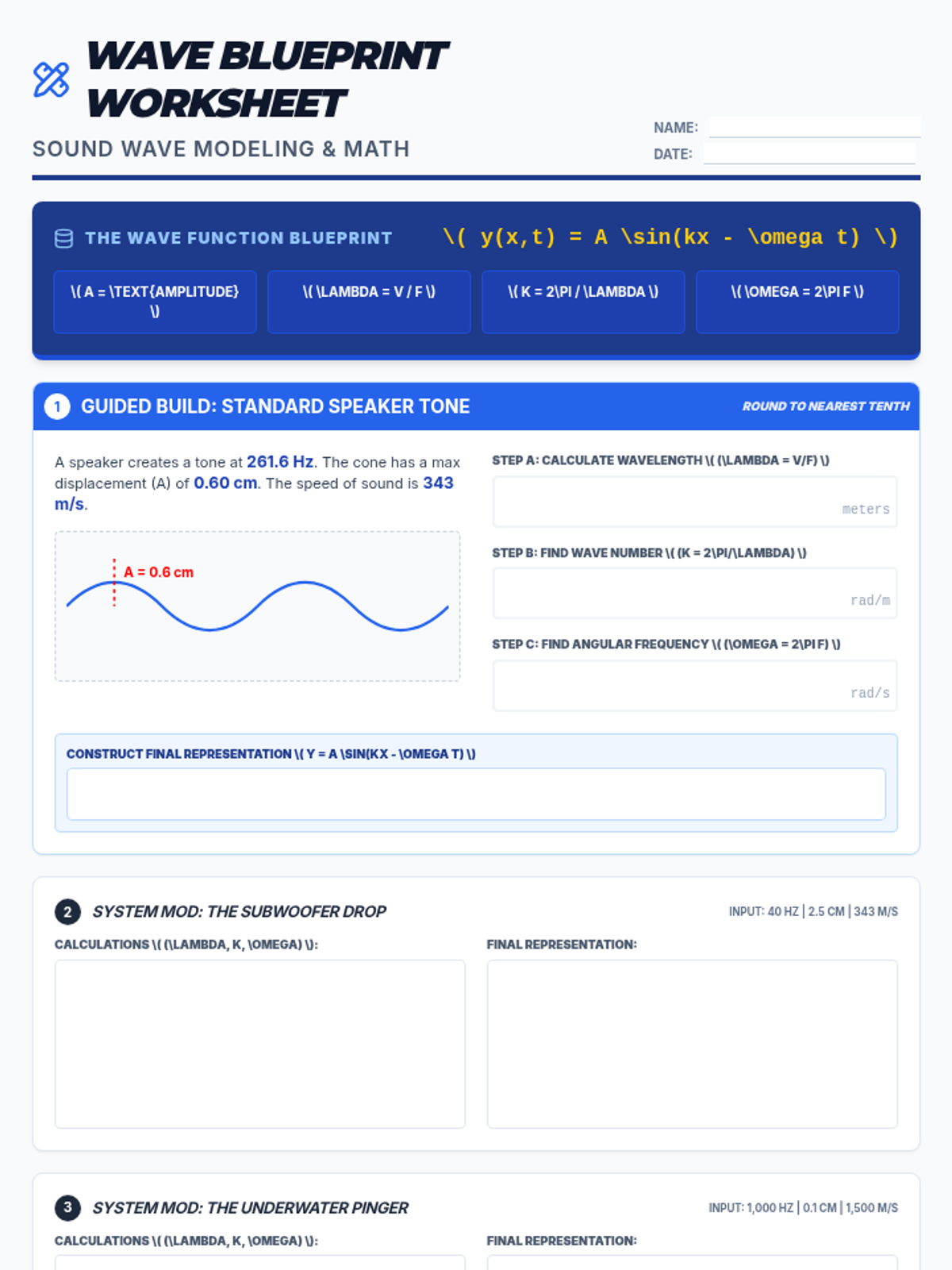
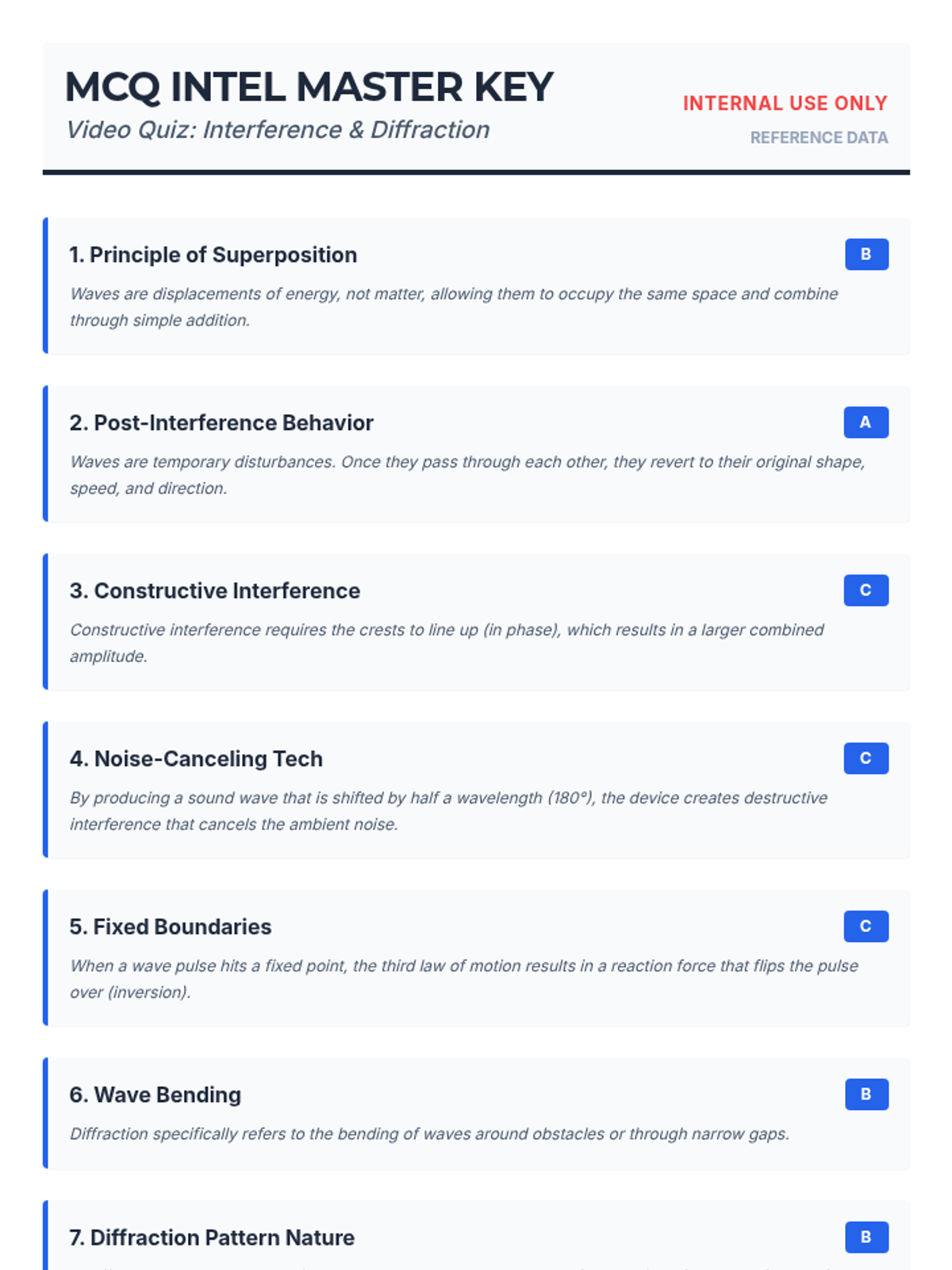
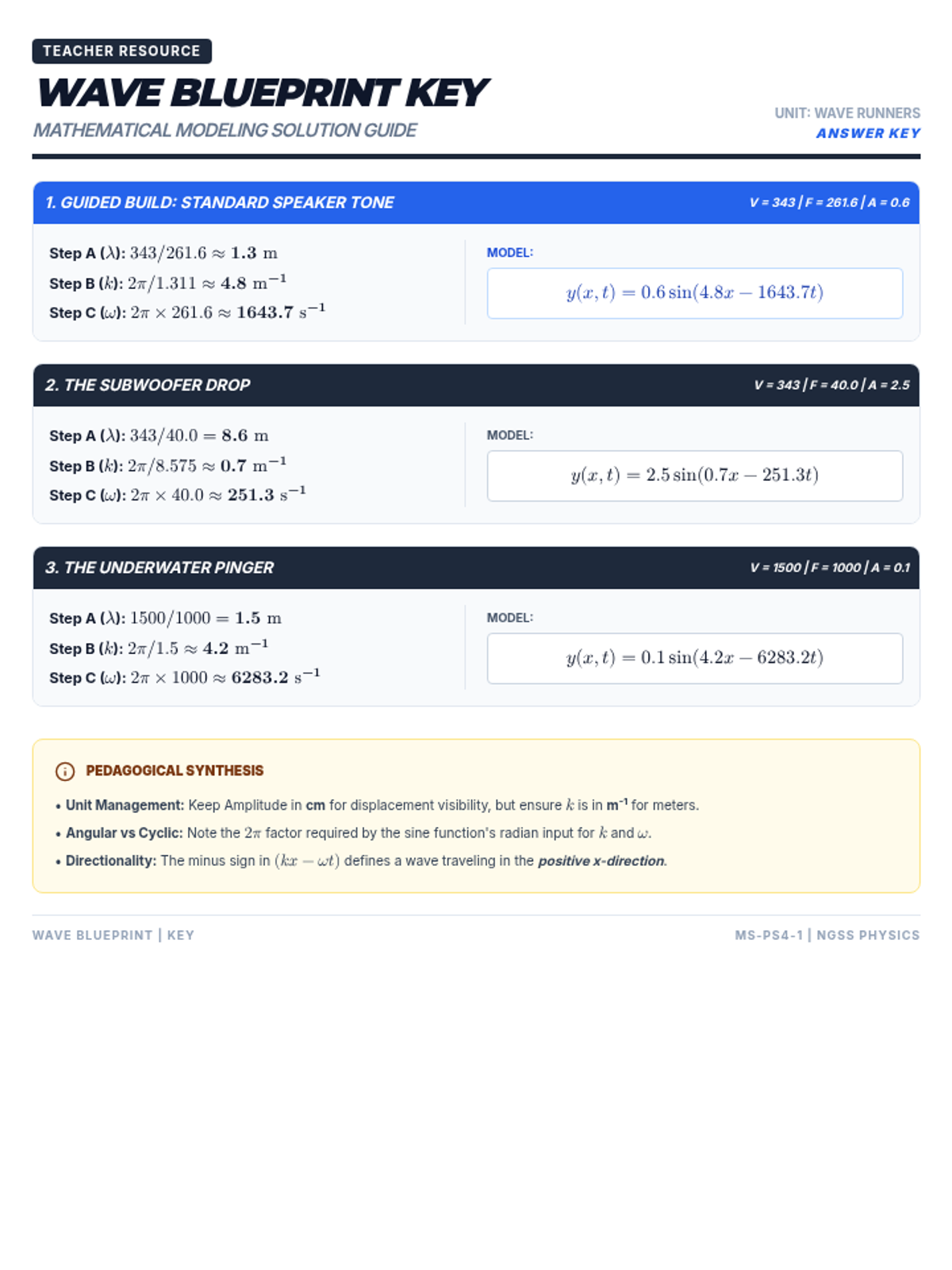
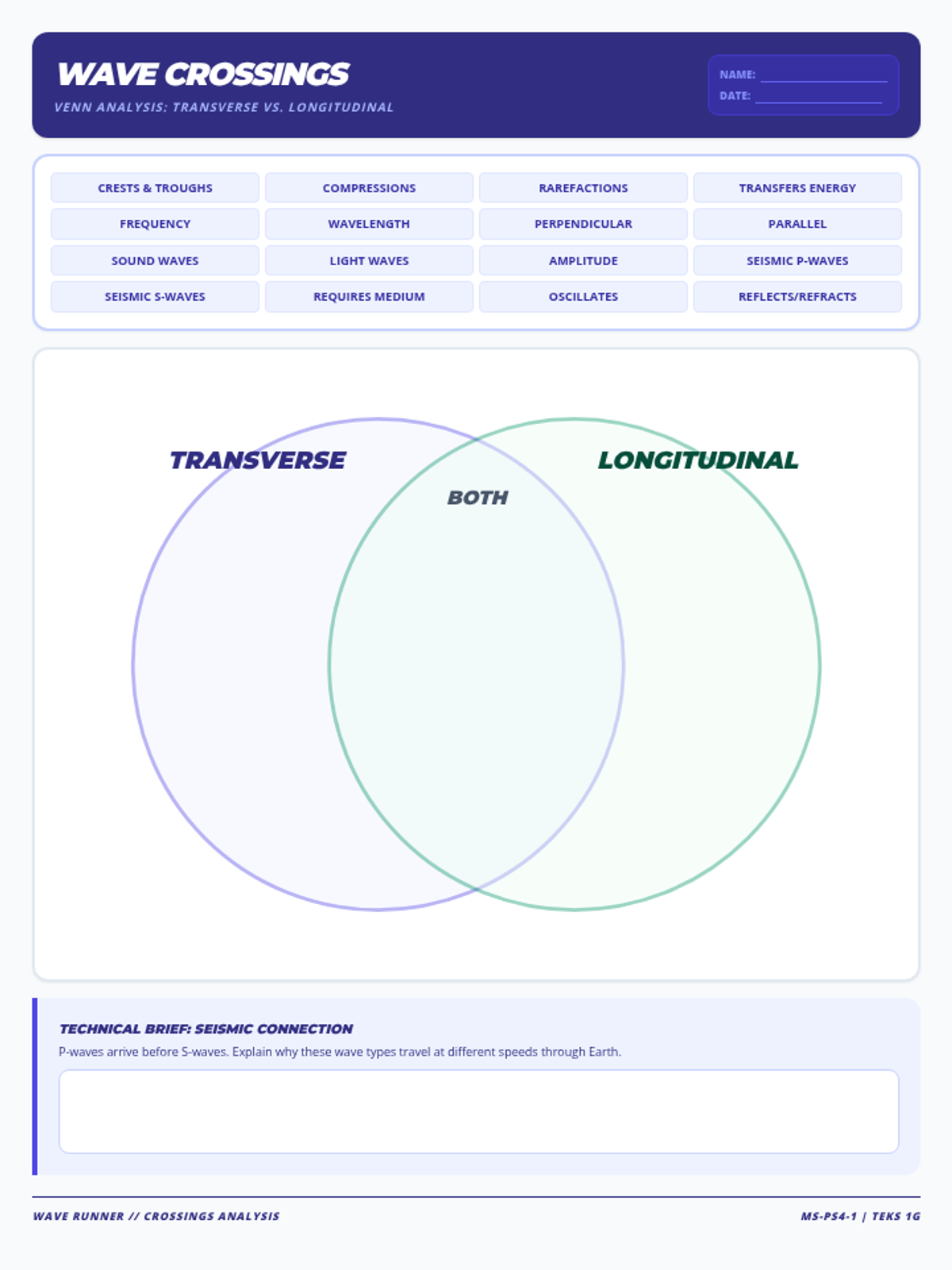
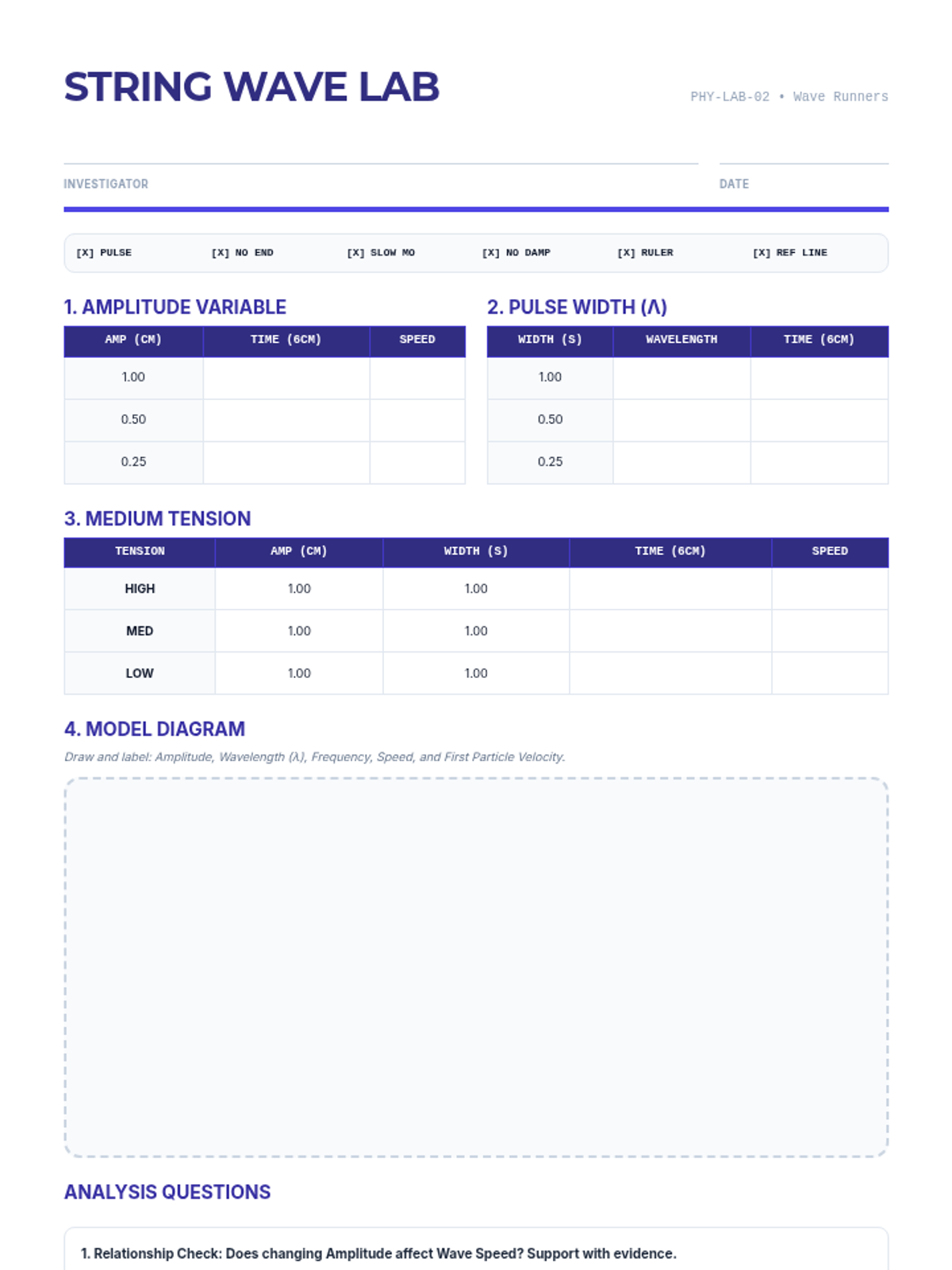
A comprehensive physics unit covering the behavior of mechanical and electromagnetic waves. Students transition from hands-on slinky exploration to advanced optical modeling and mathematical derivations.
A comprehensive series of vocabulary assessments designed to reinforce computer science concepts through repeated exposure and varied questioning.
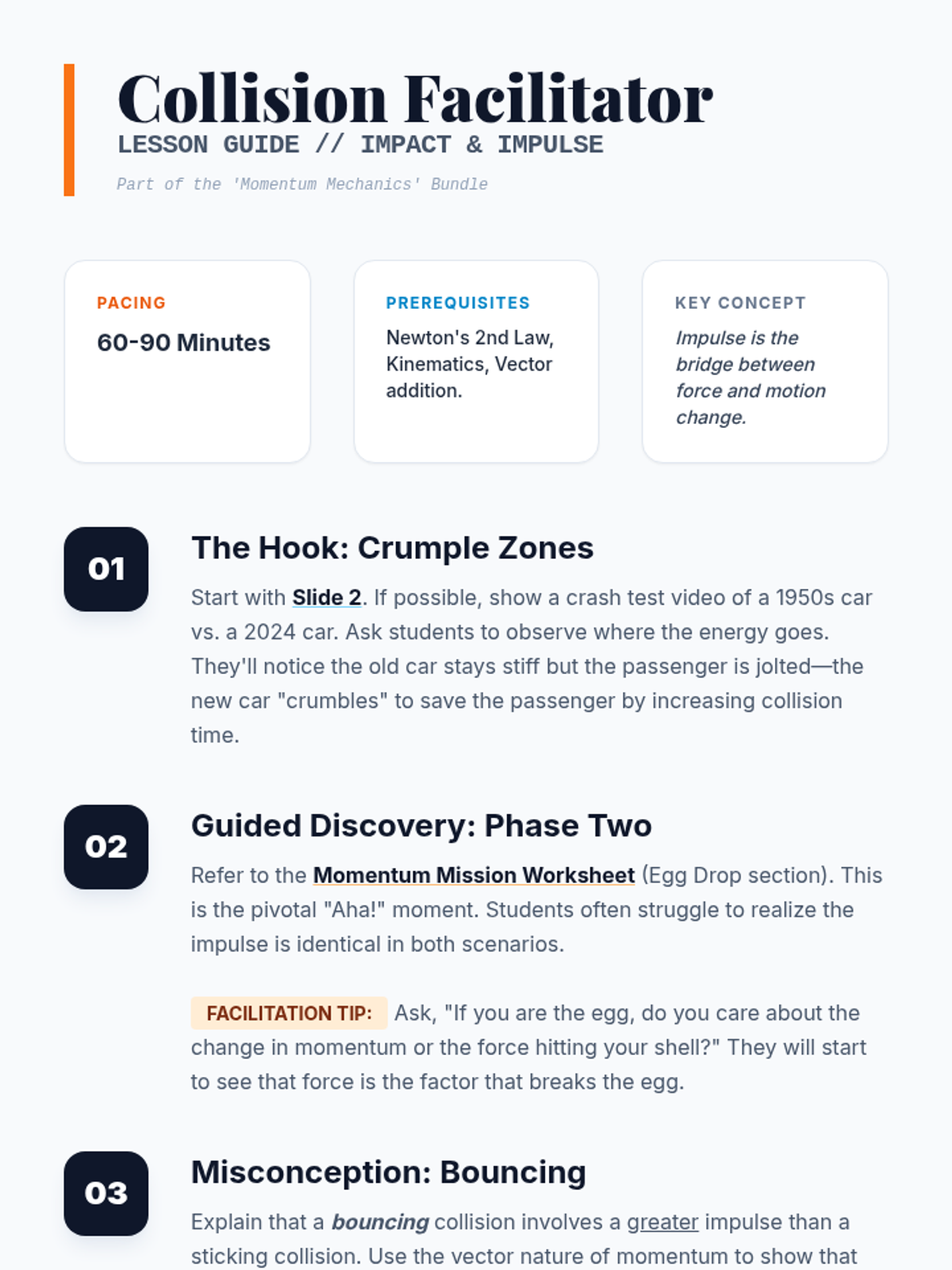
A guided discovery sequence on linear momentum, impulse, and 2D collisions, focusing on inquiry-based learning and vector analysis.
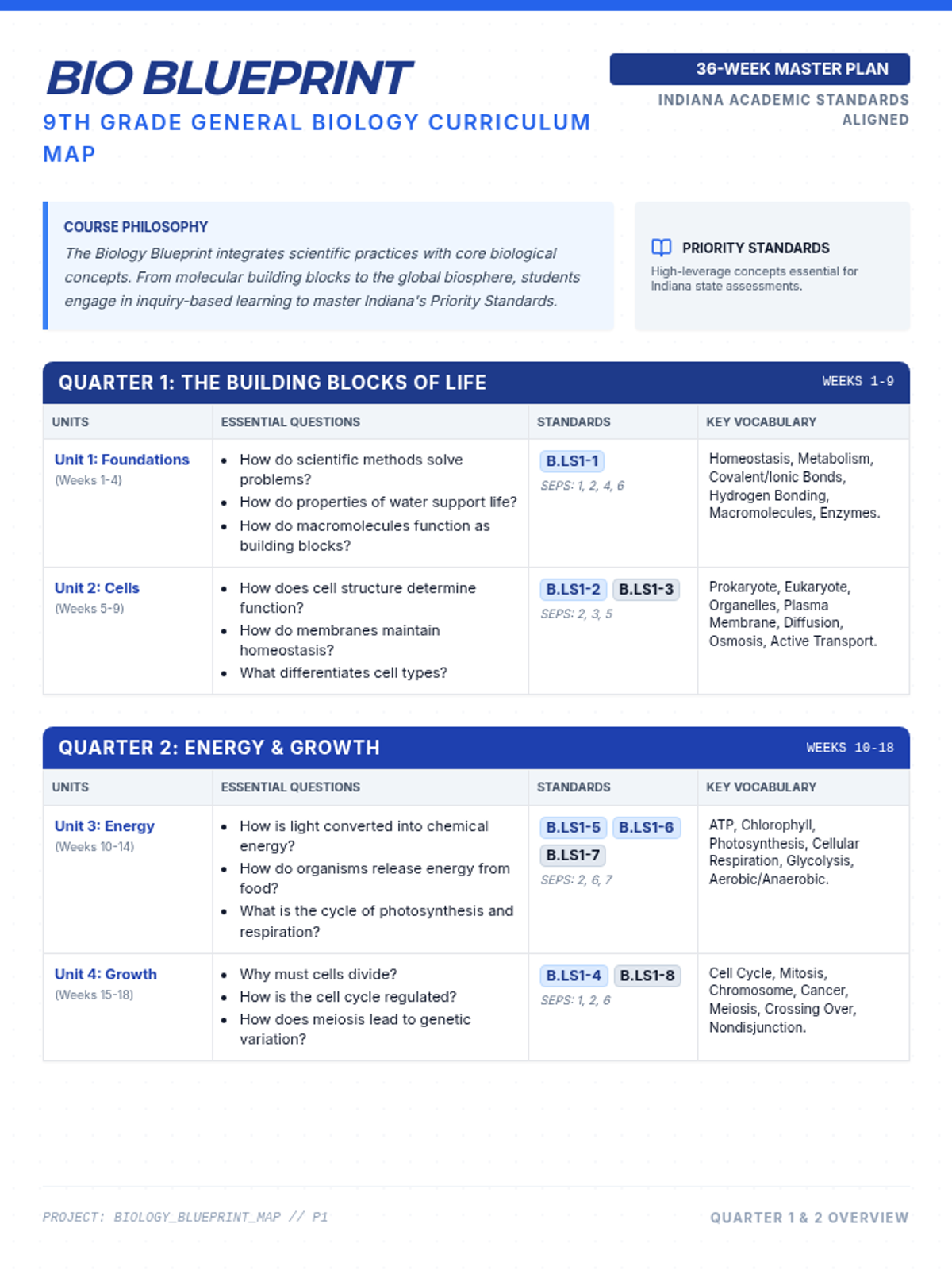
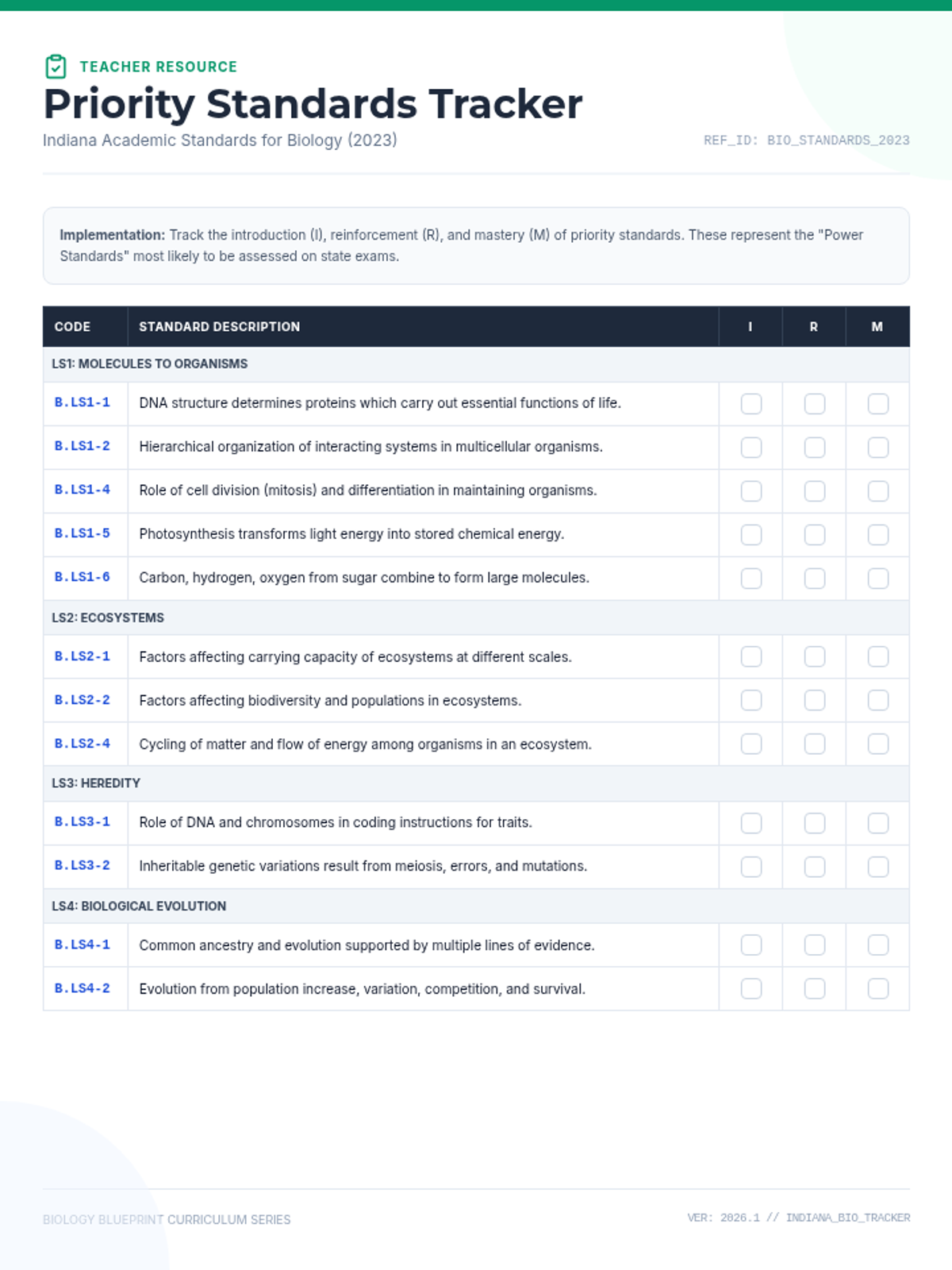
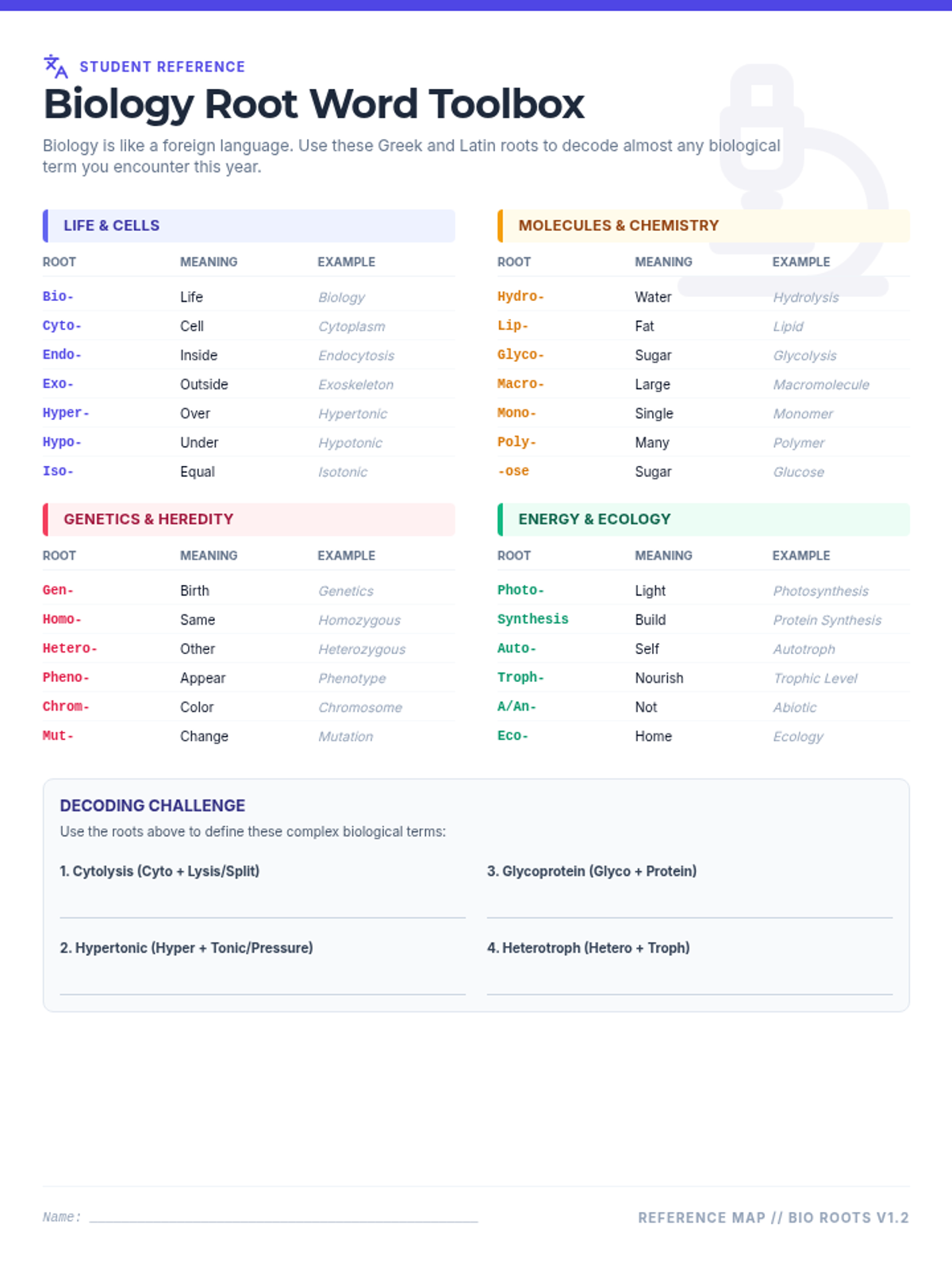
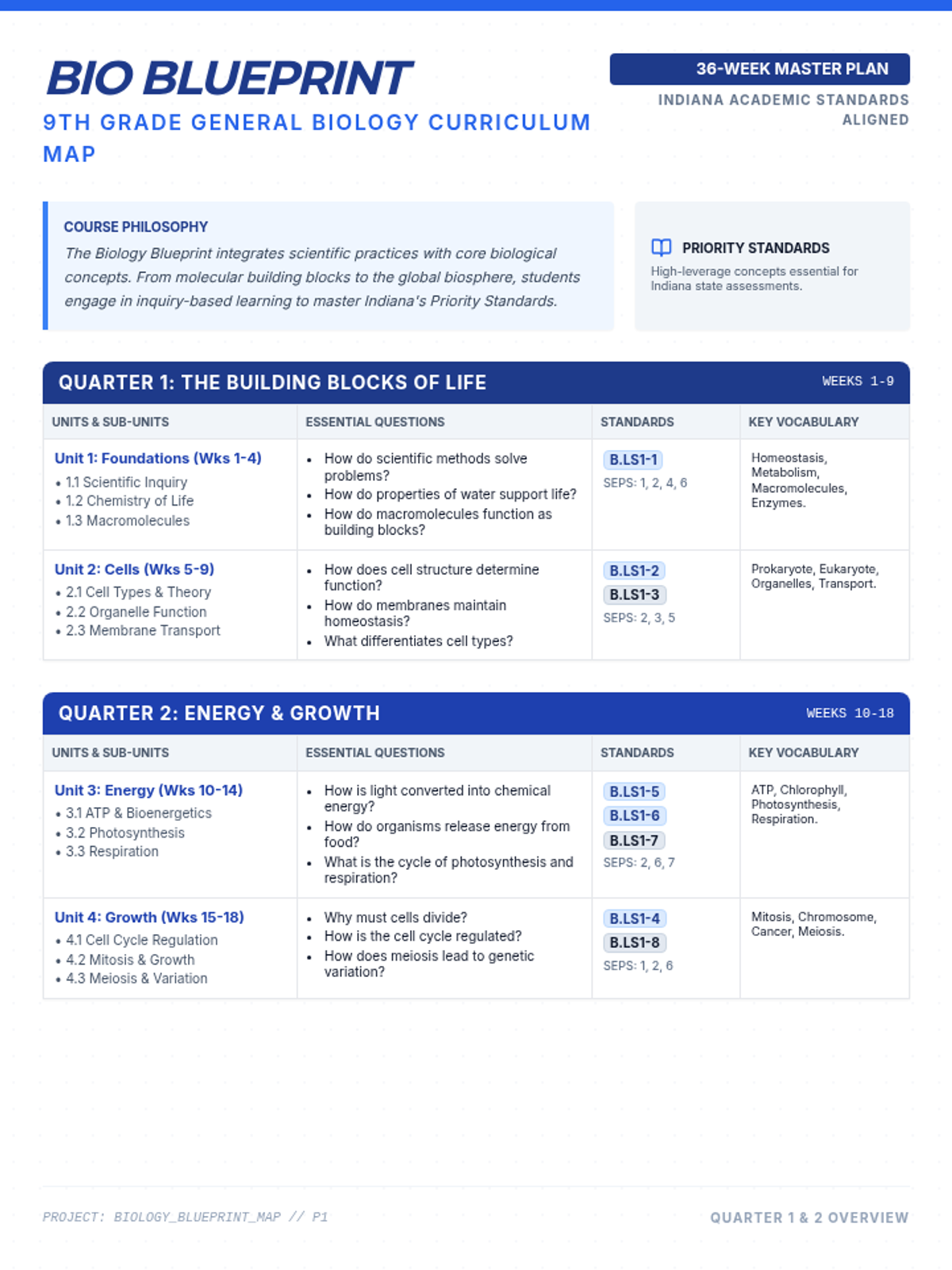
A complete 36-week high school biology curriculum designed for 9th-grade students, aligned with Indiana Academic Standards for Biology. This course progresses from microscopic biochemical foundations to macroscopic ecological systems.
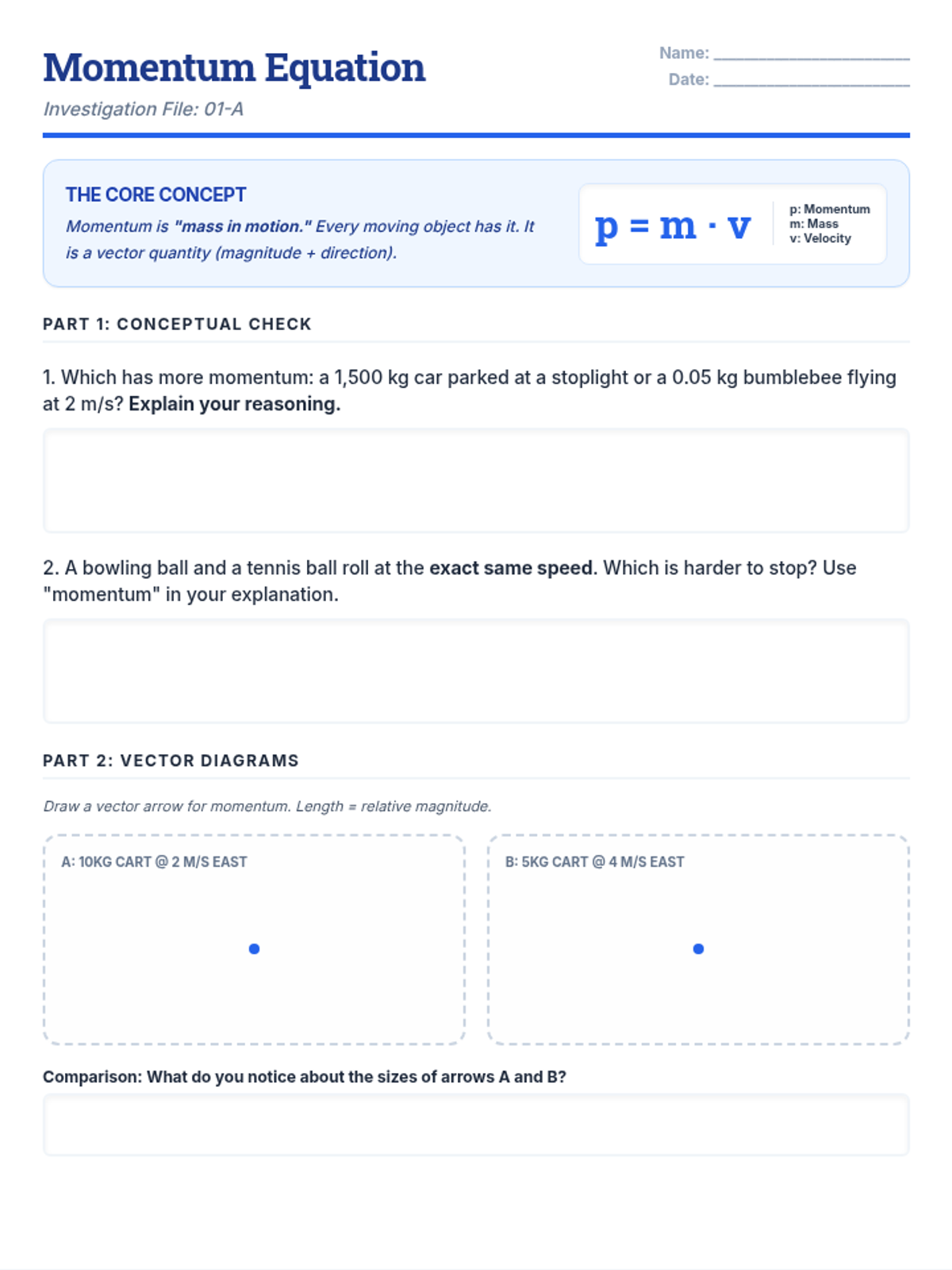
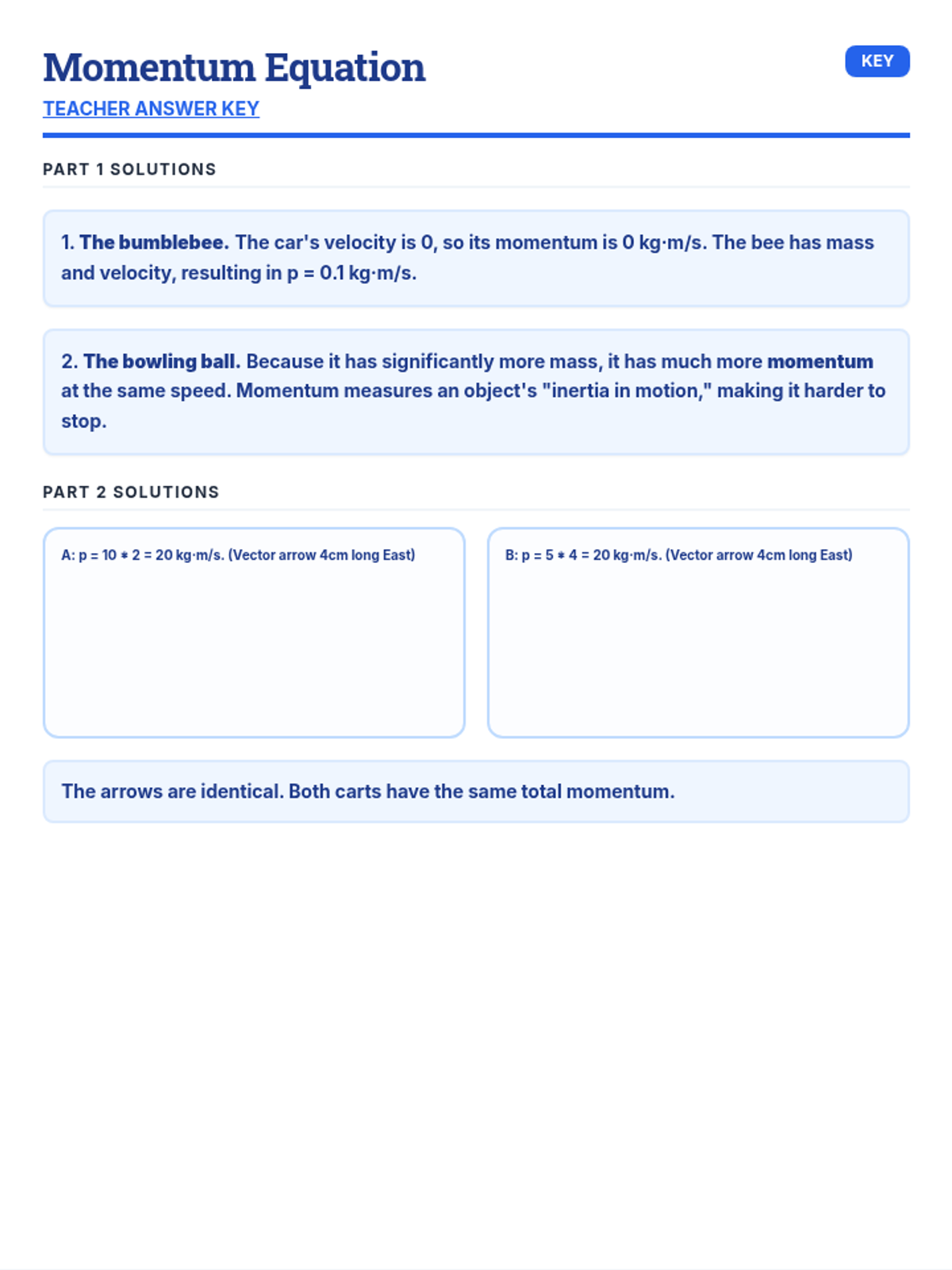
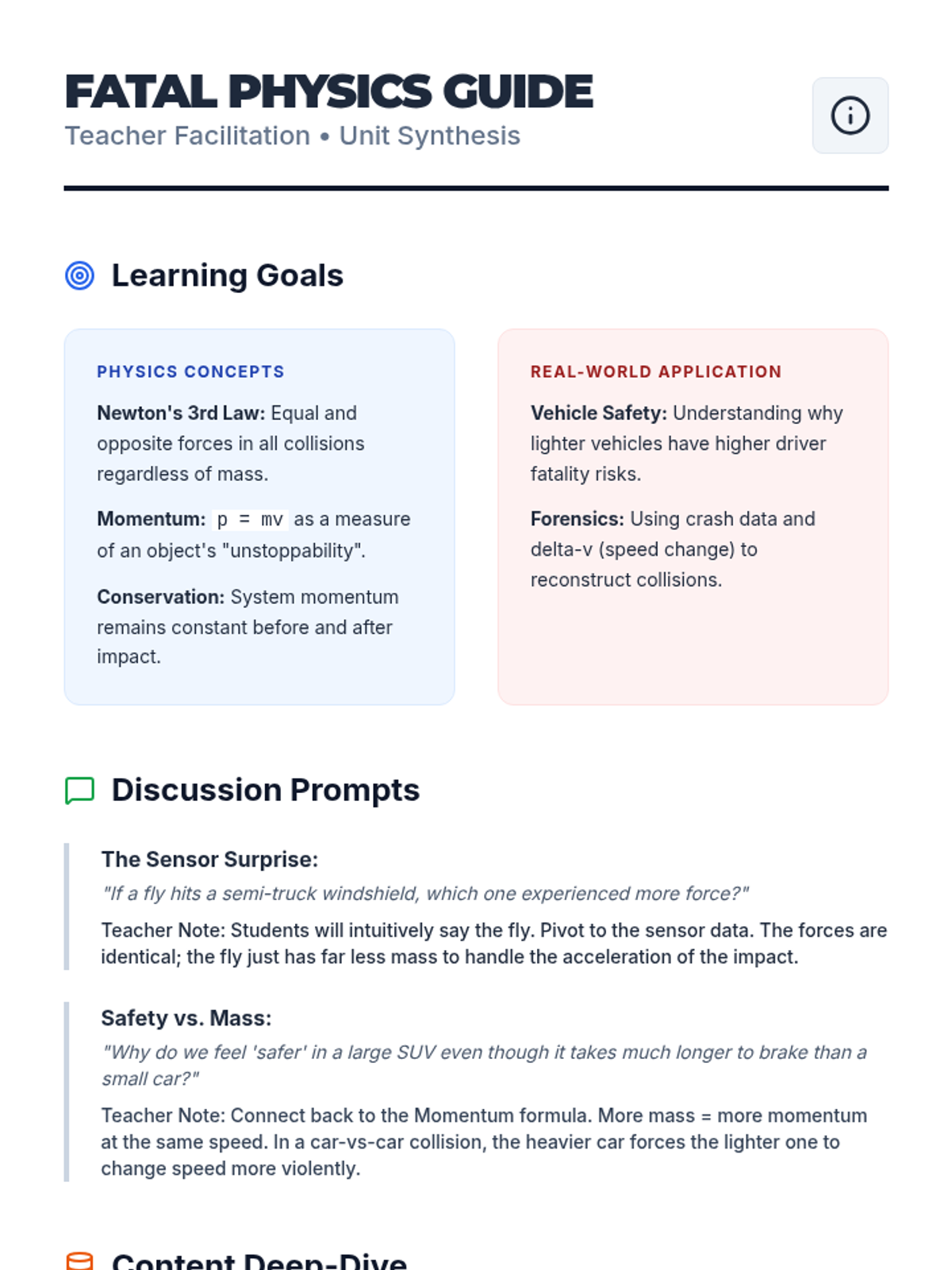
A comprehensive unit on momentum and collisions for 9th grade physics, covering the basic equation, collision types, conservation laws, and Newton's Third Law through real-world examples like vehicle safety and sports.
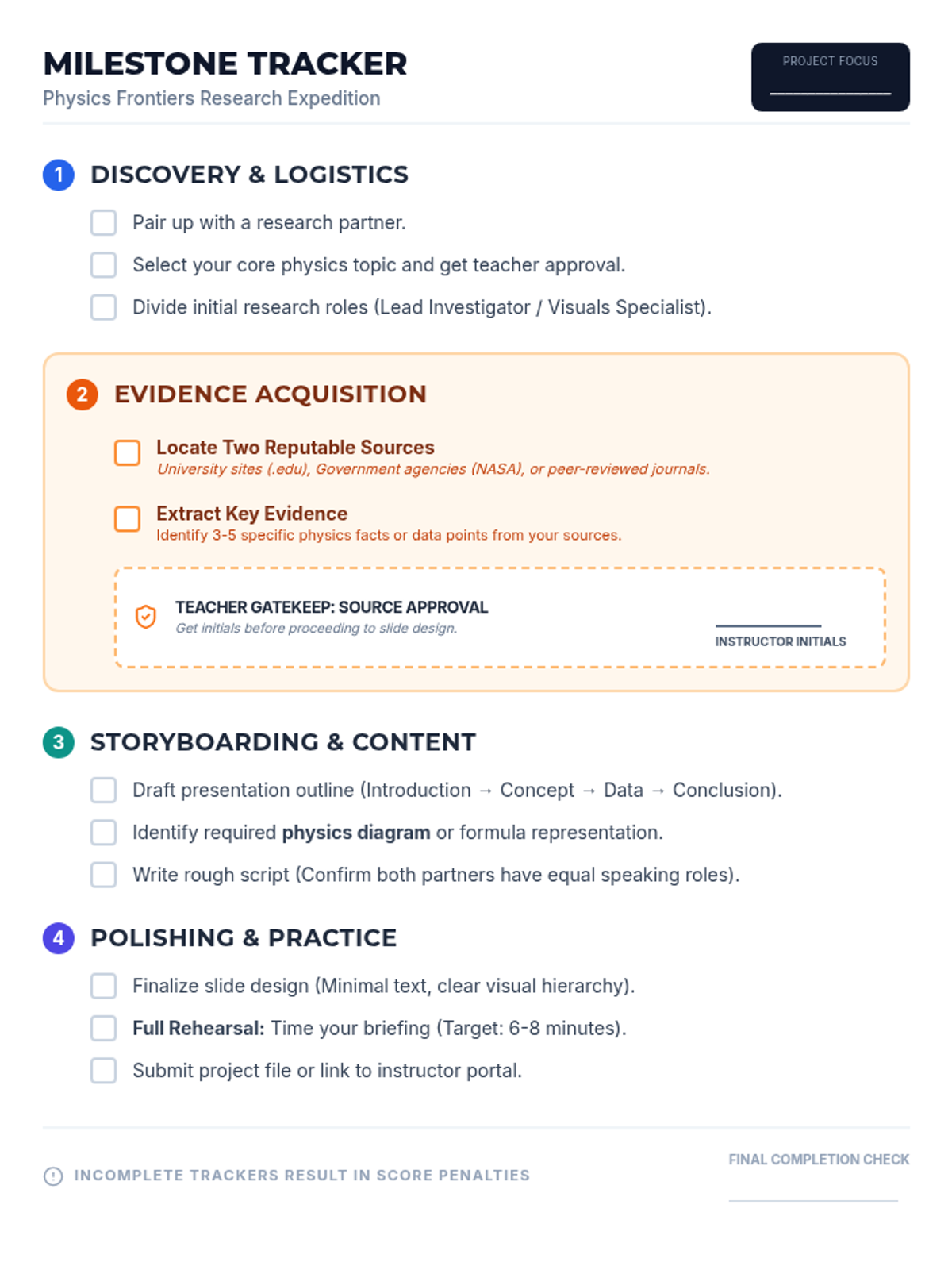
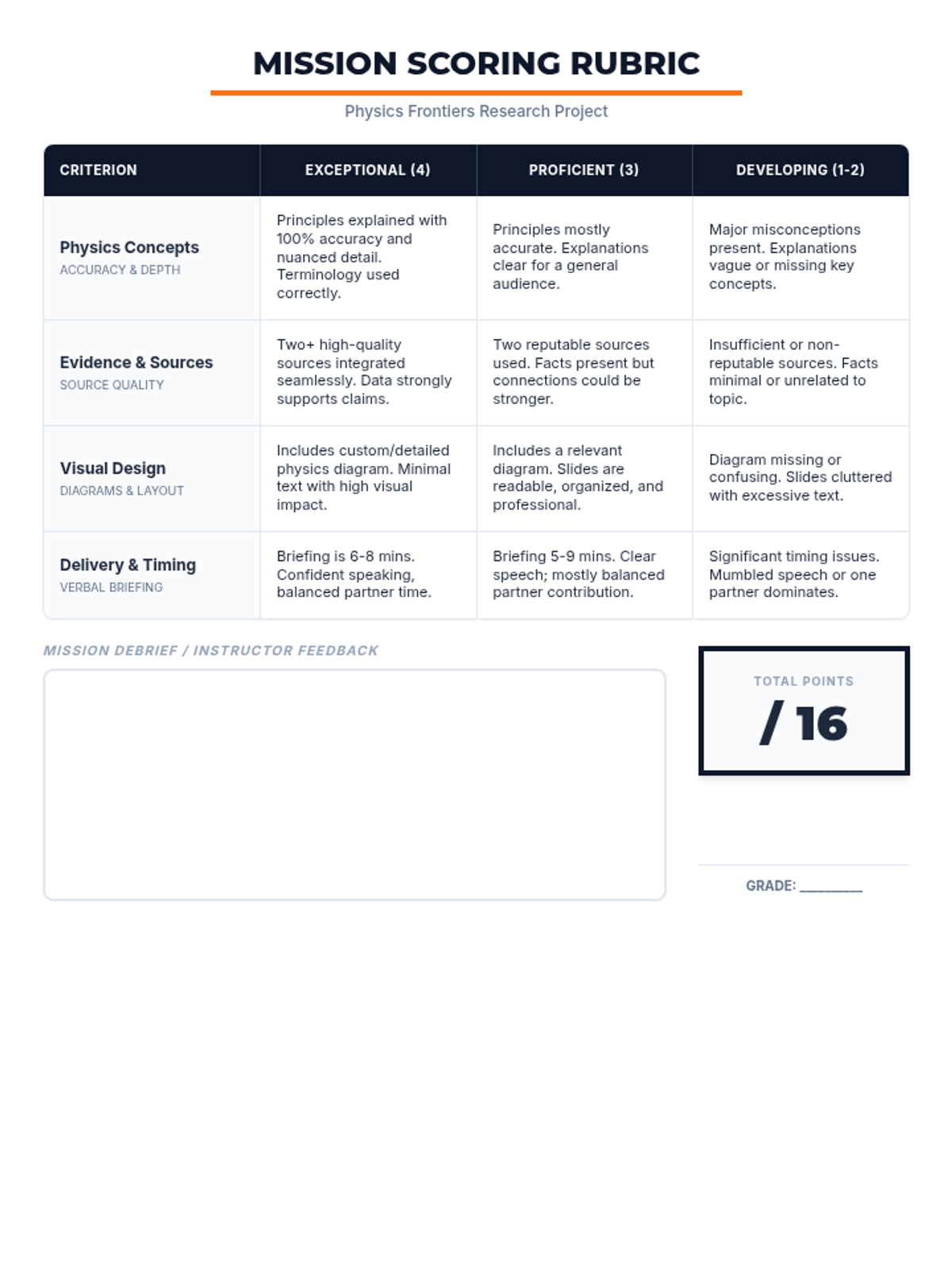
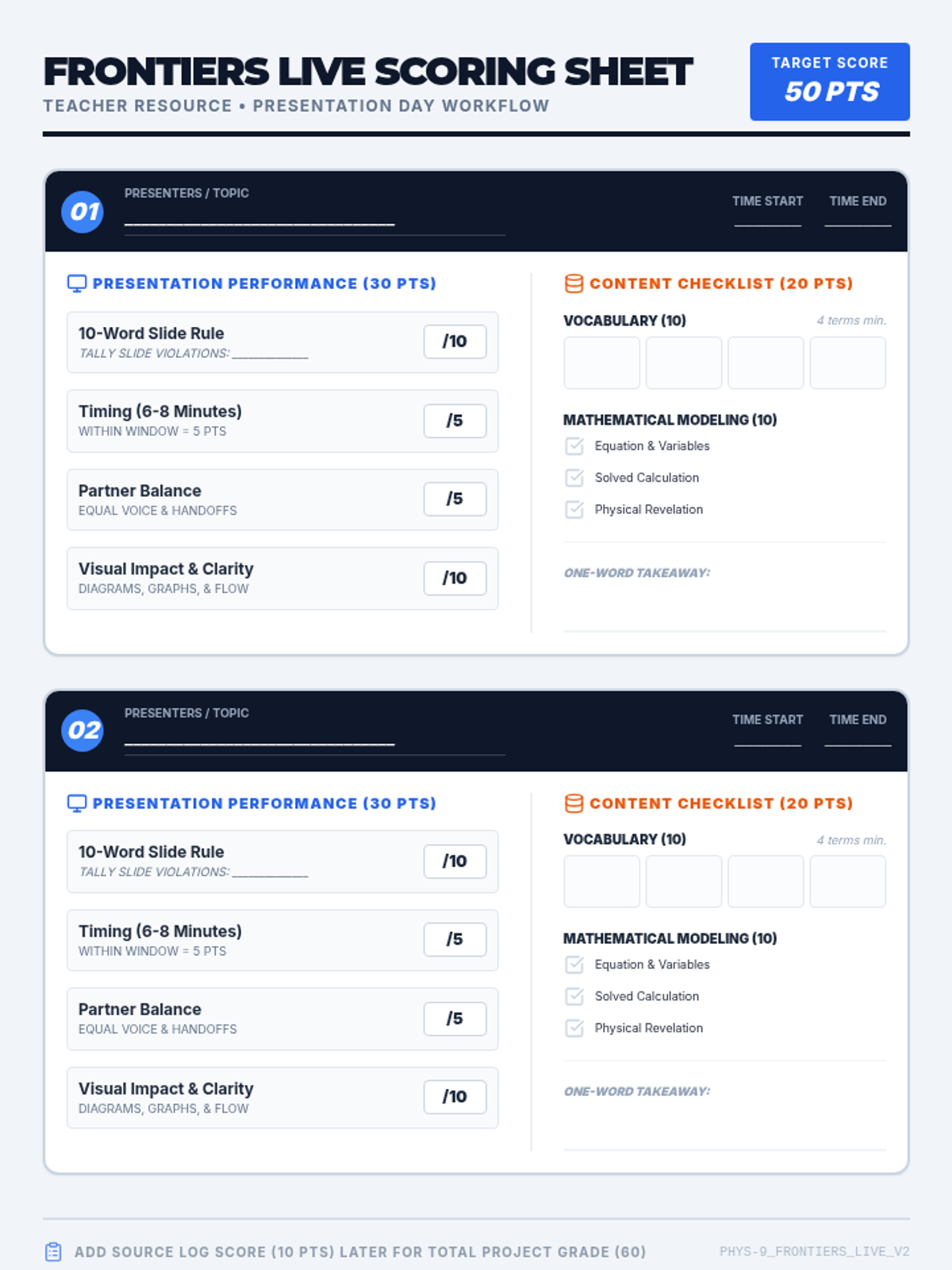
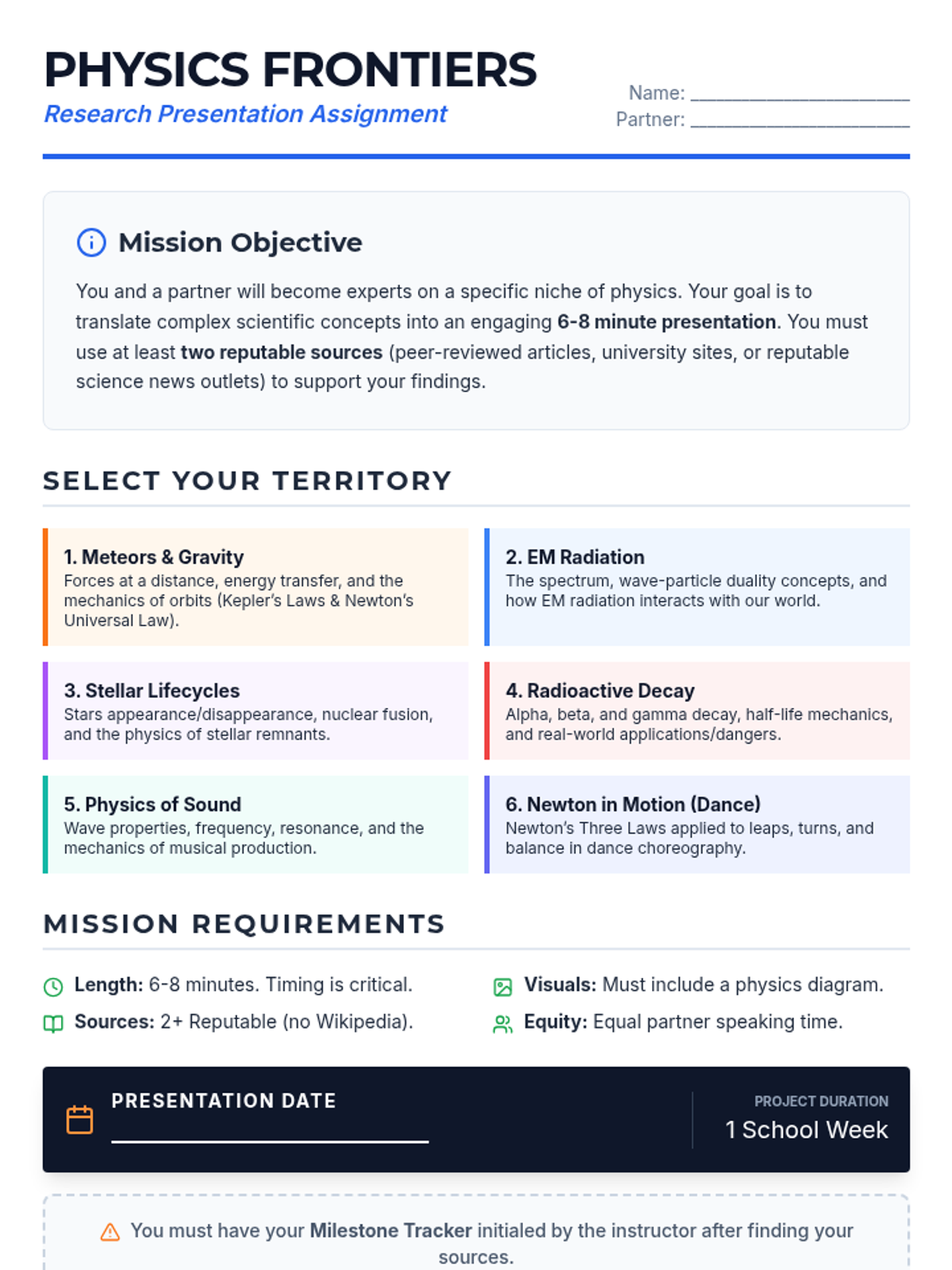
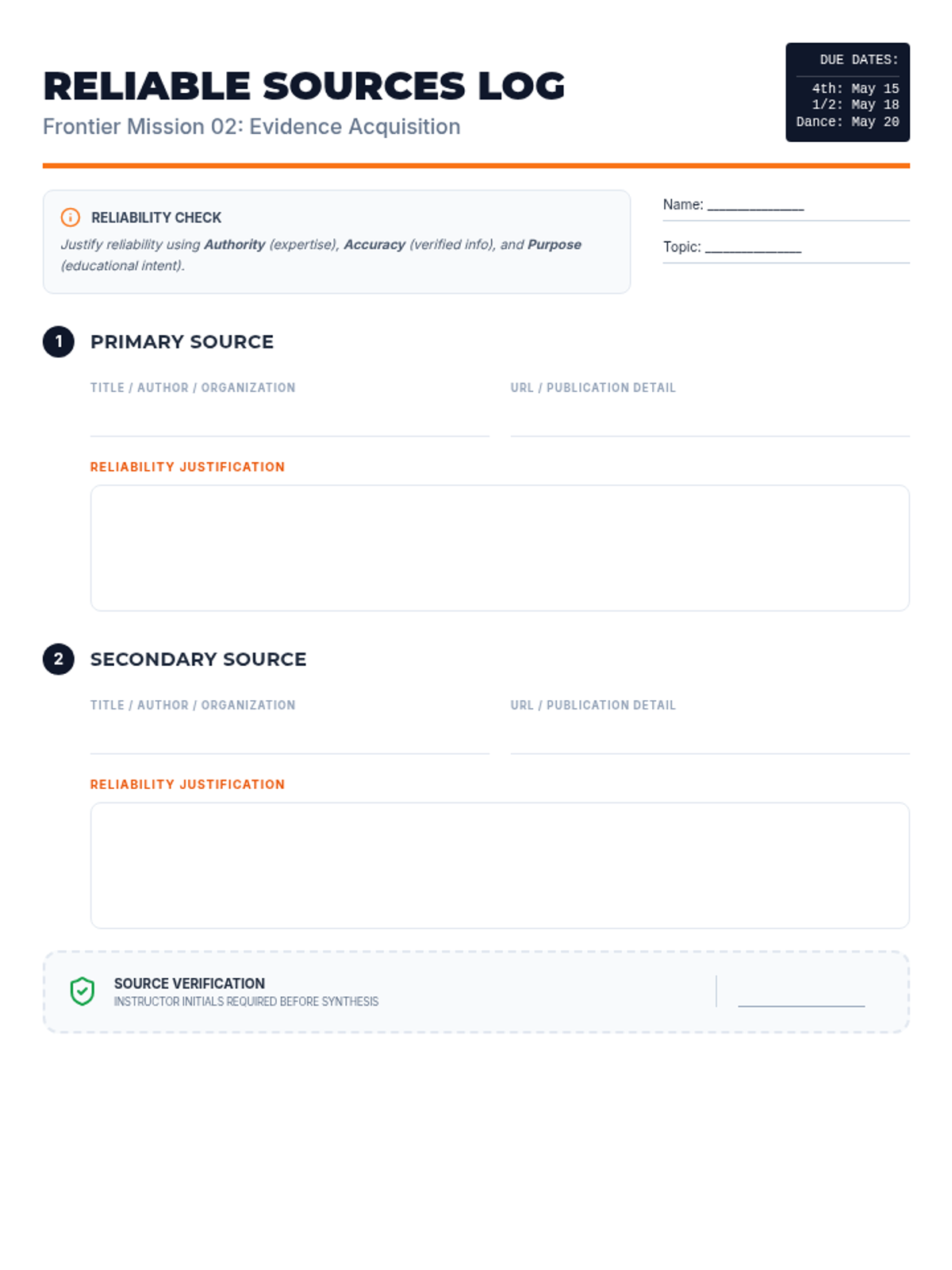
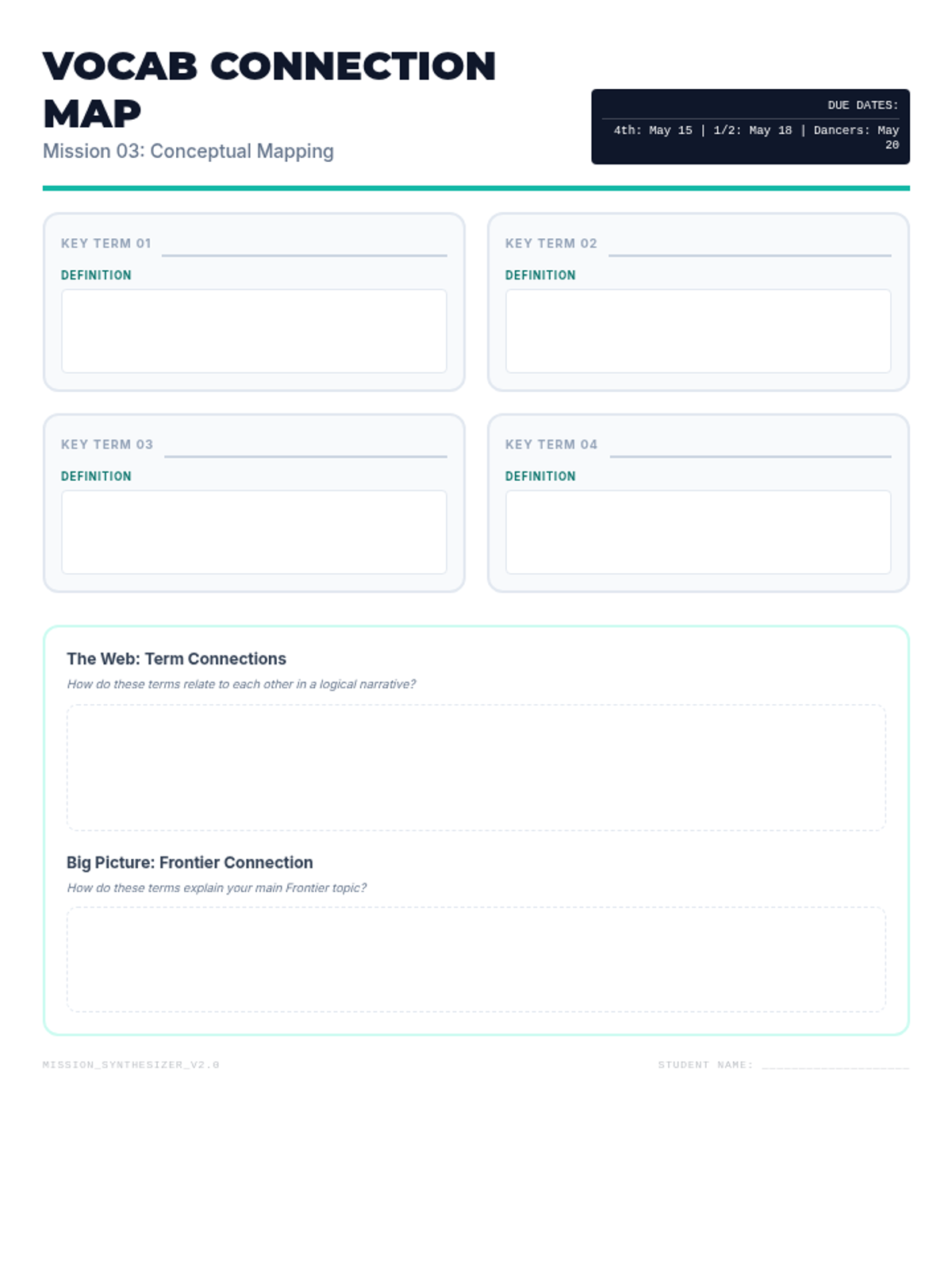
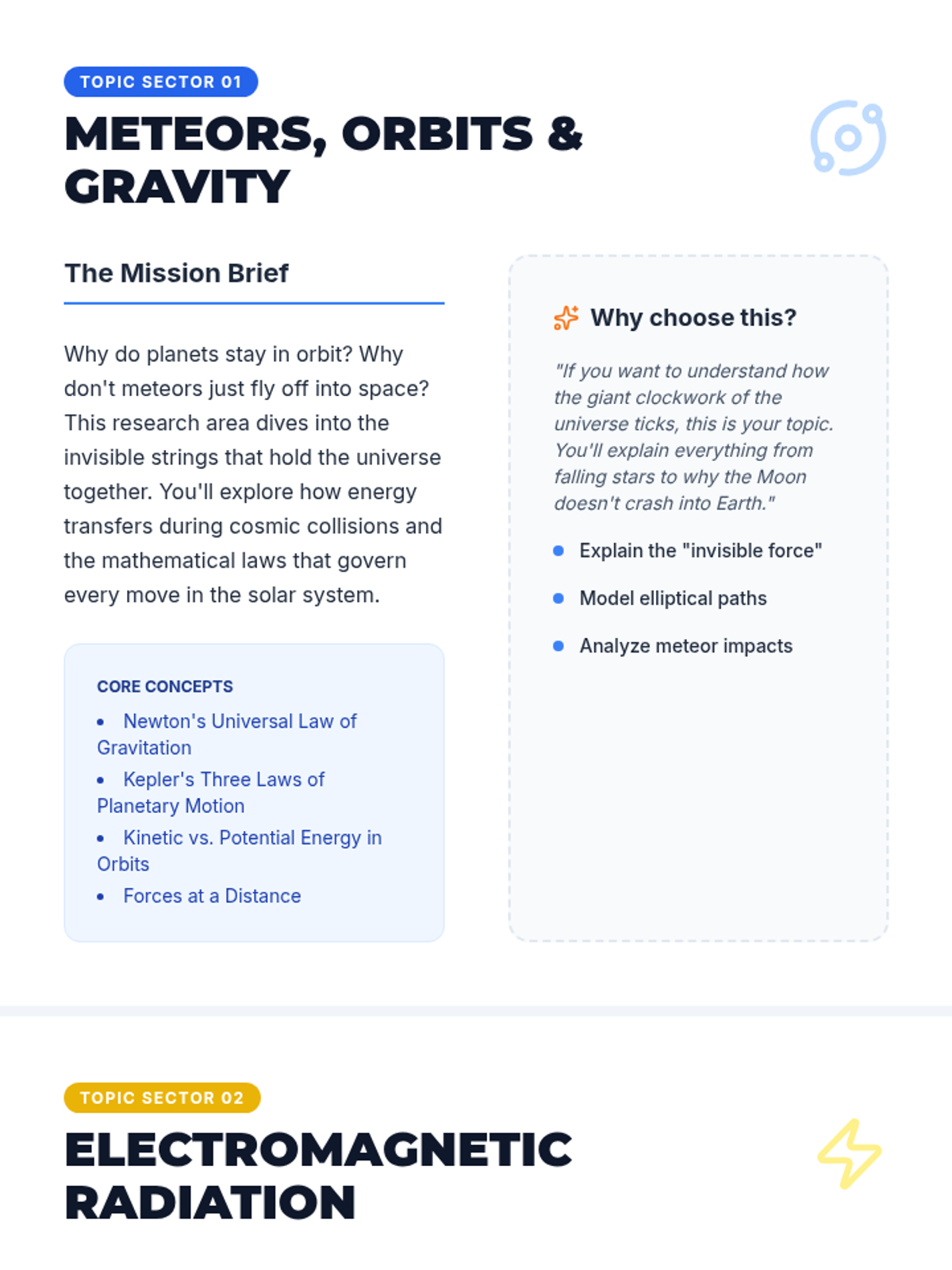
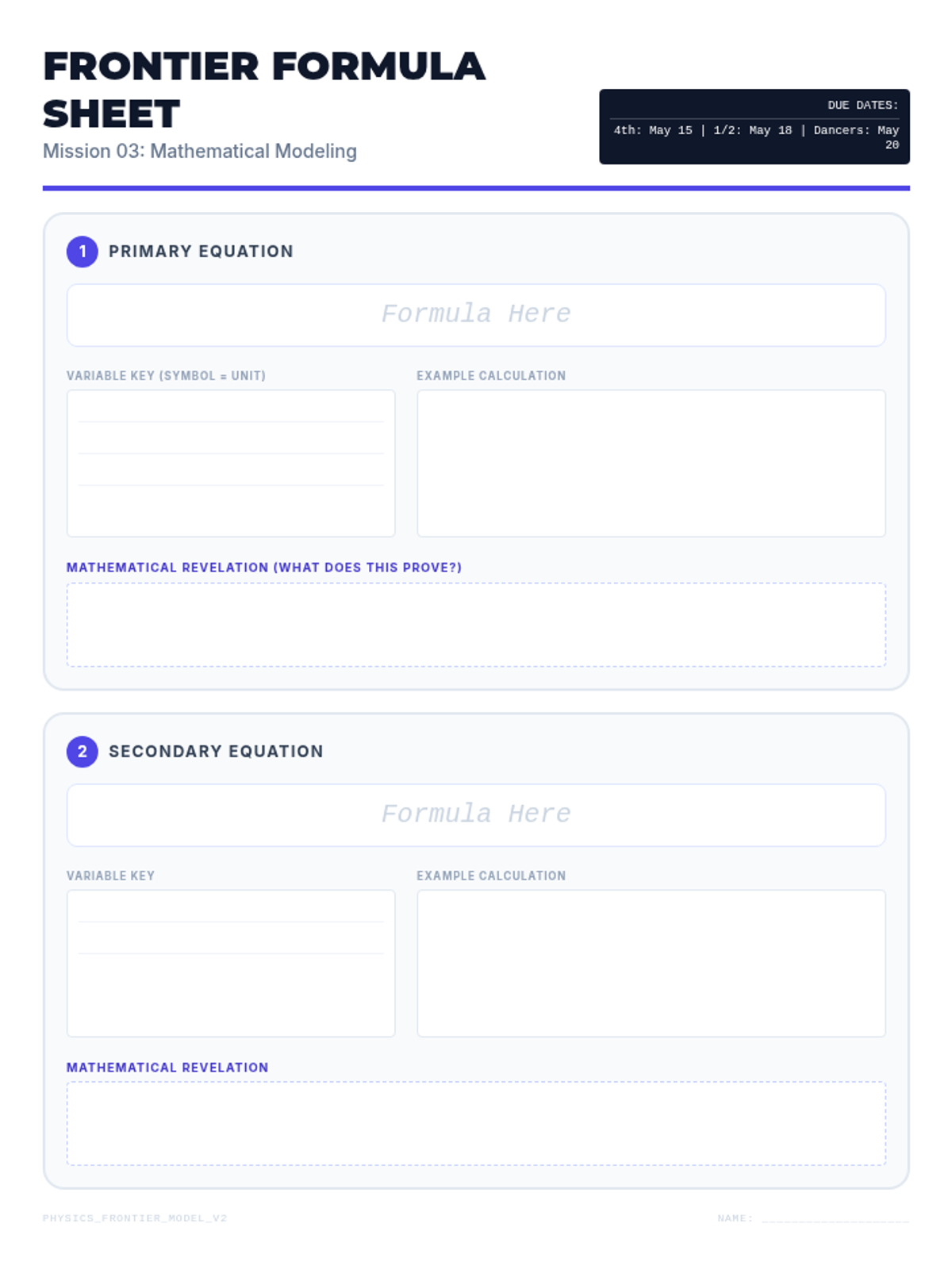
A partner-based research project for 9th-grade conceptual physics students focusing on diverse topics from celestial mechanics to the physics of dance. Students move through a structured research process with mandatory teacher checkpoints for source reliability.
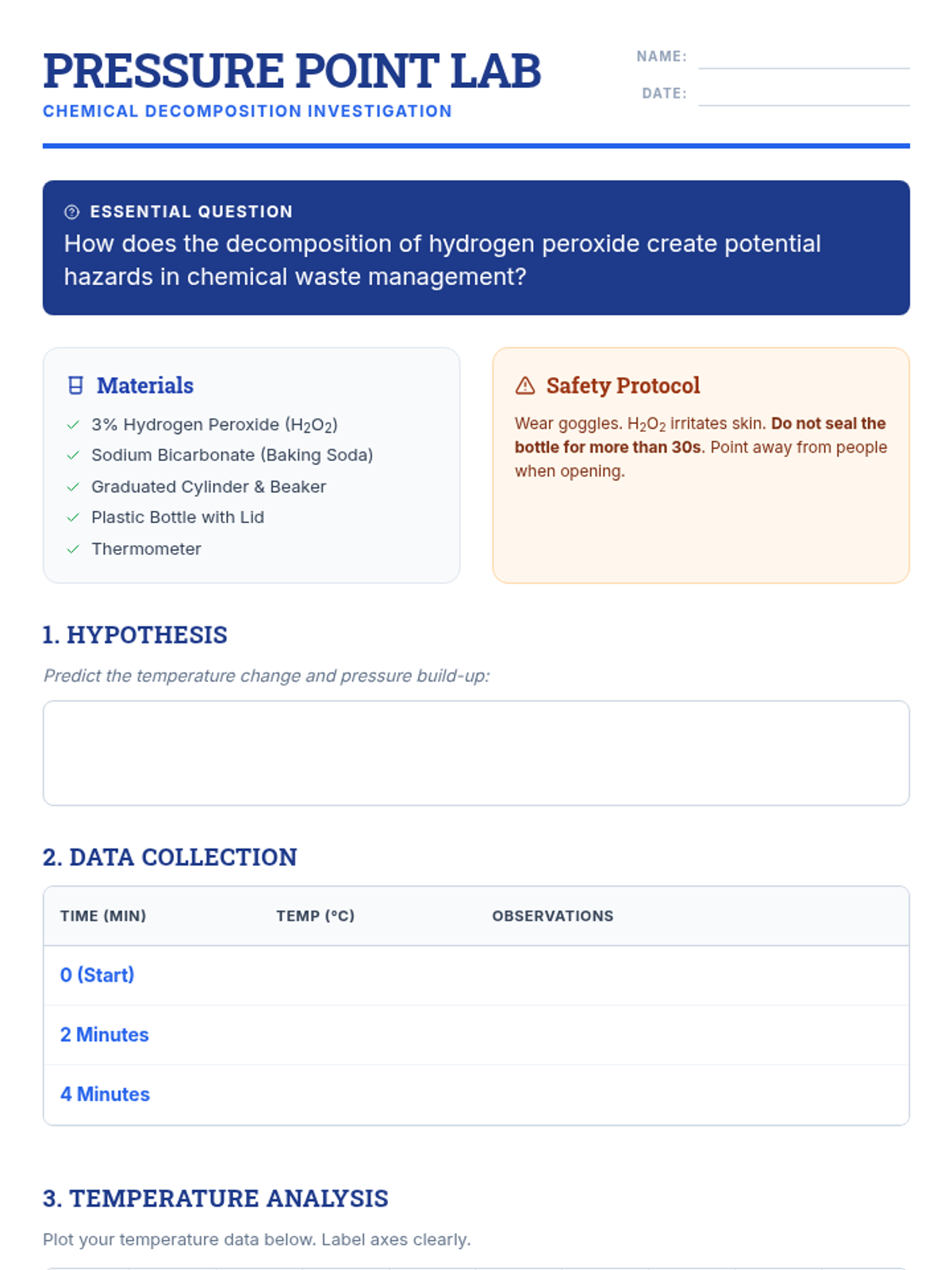
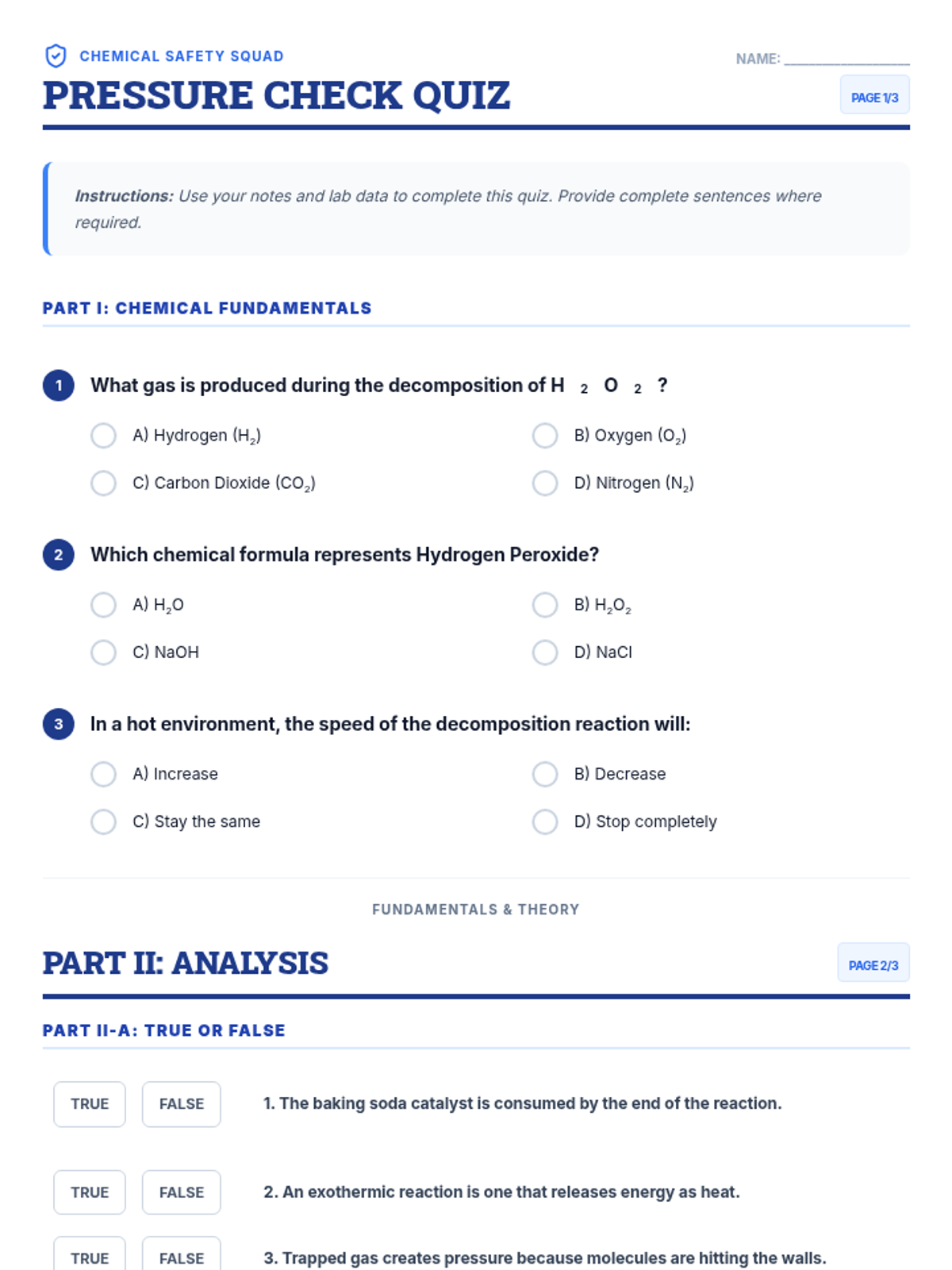
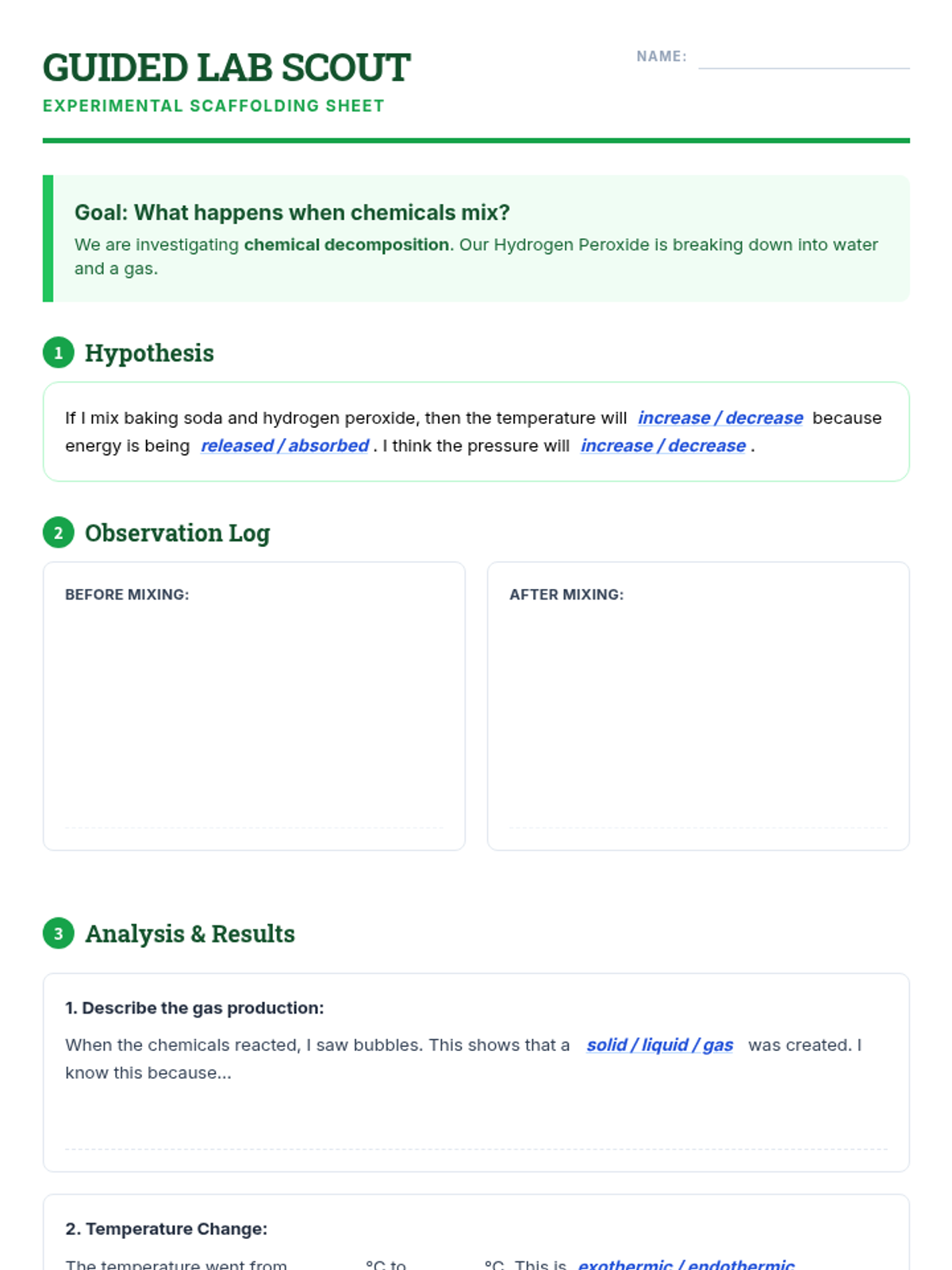
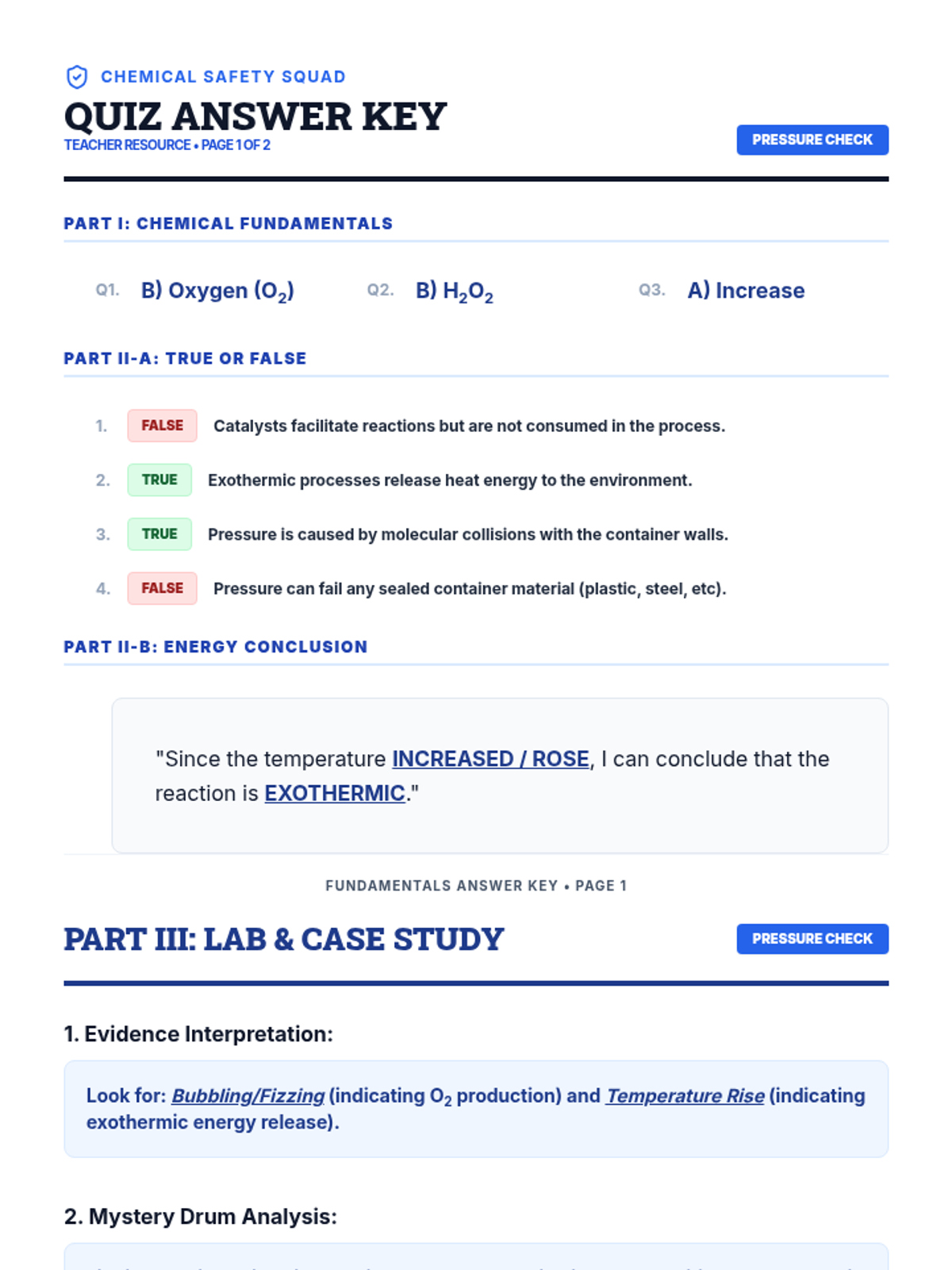
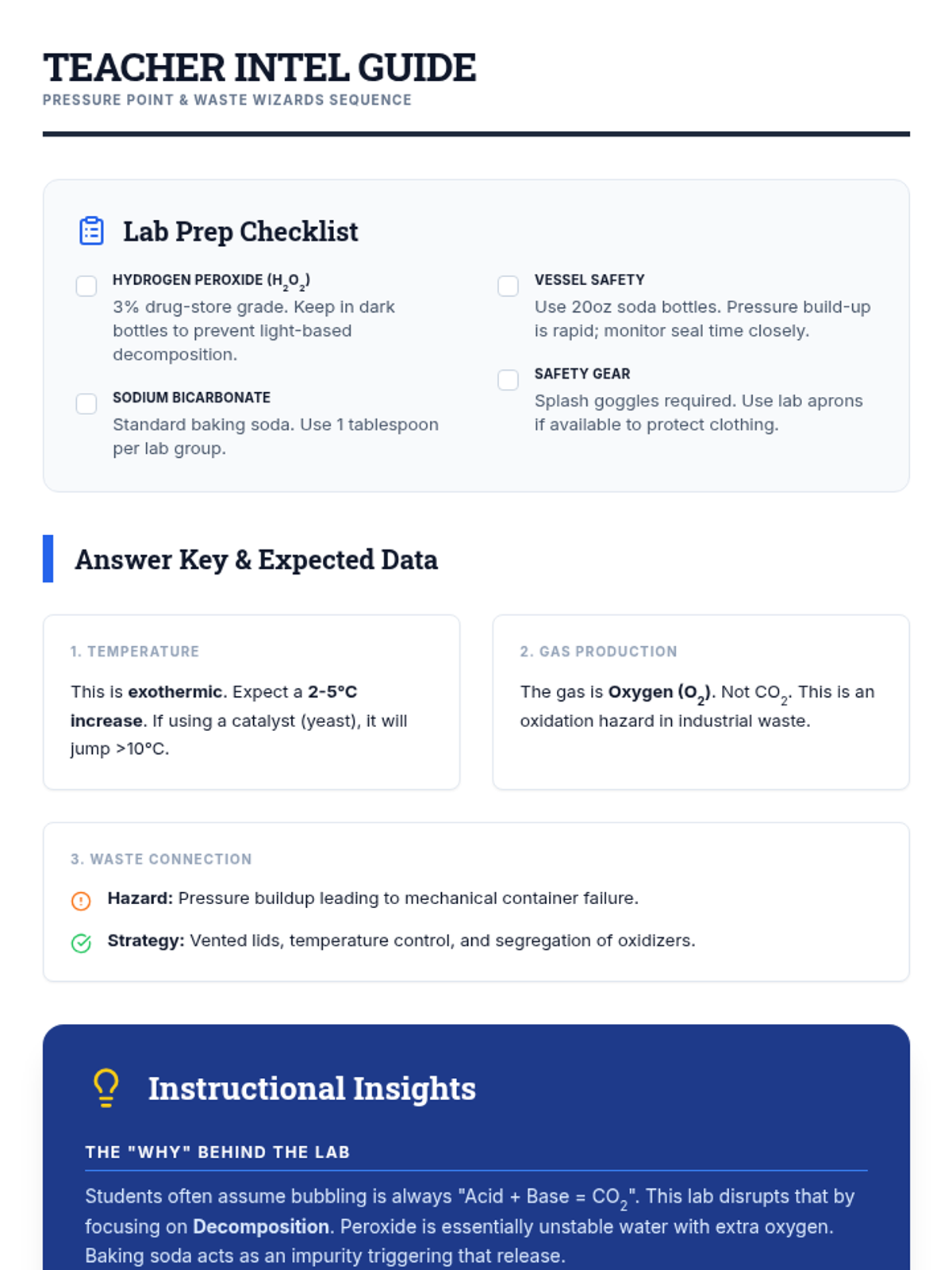
A 2-day science investigation exploring the chemical decomposition of hydrogen peroxide and baking soda, focusing on gas production, pressure, and its real-world implications for waste management and chemical safety.
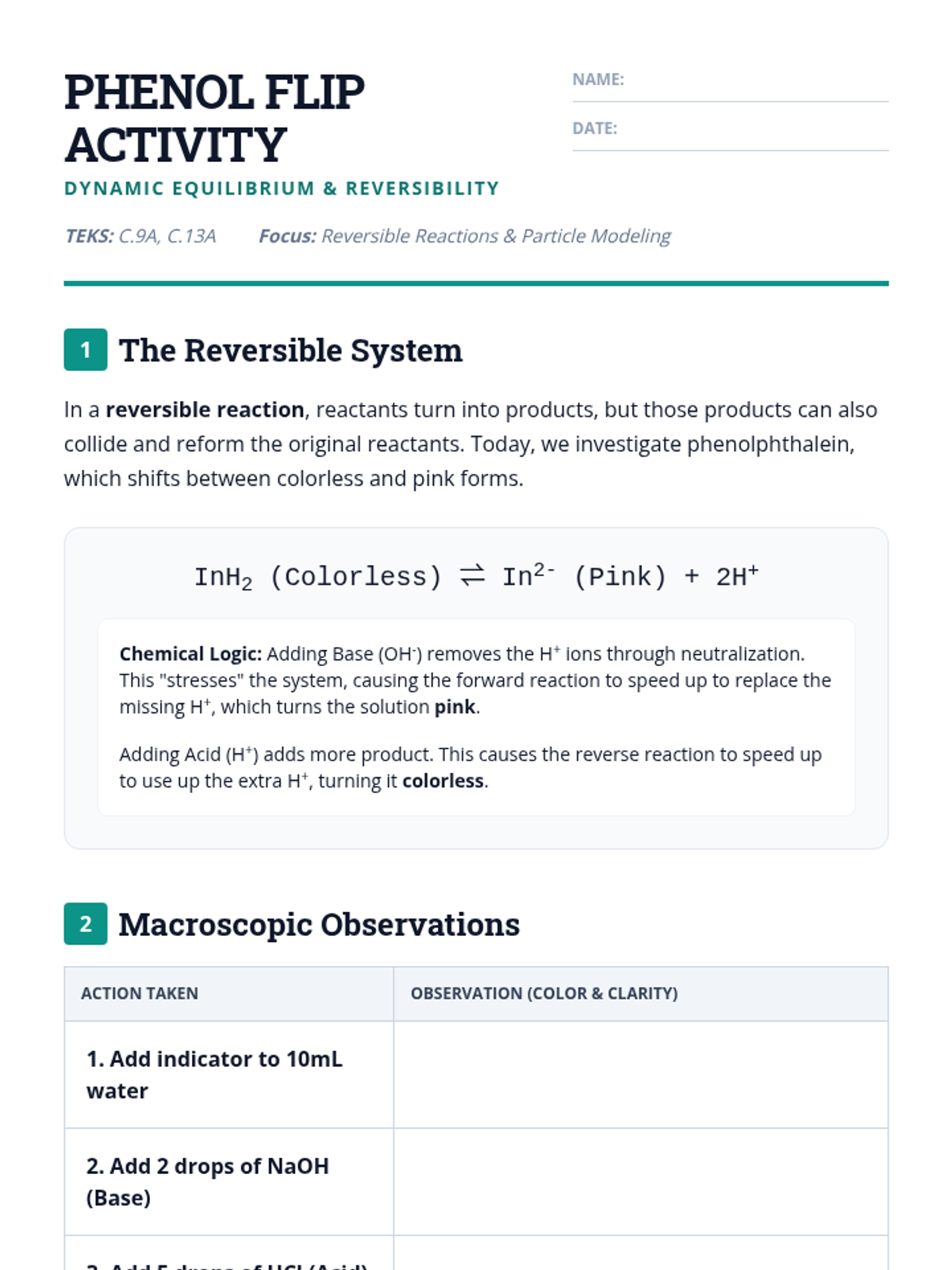
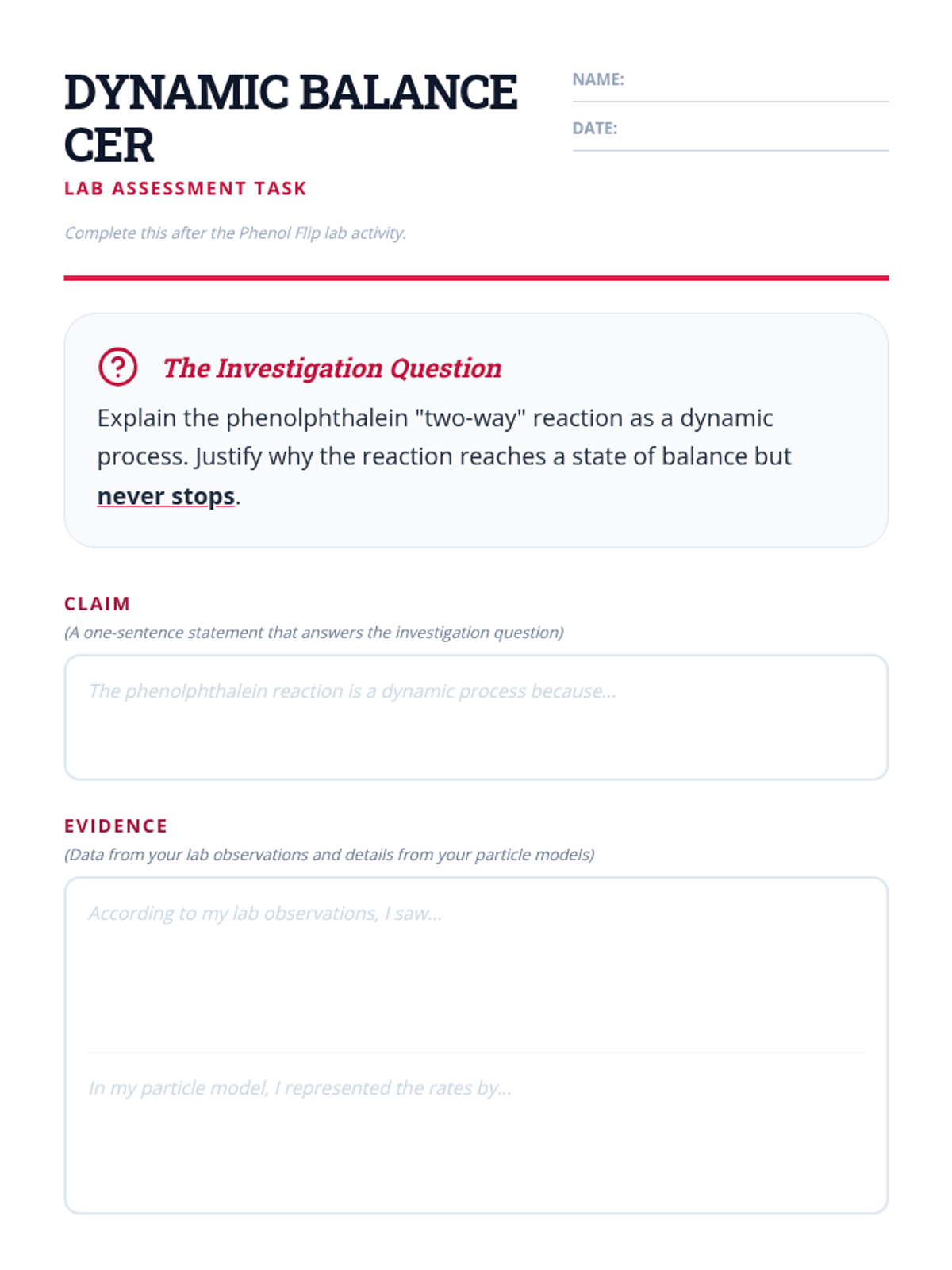
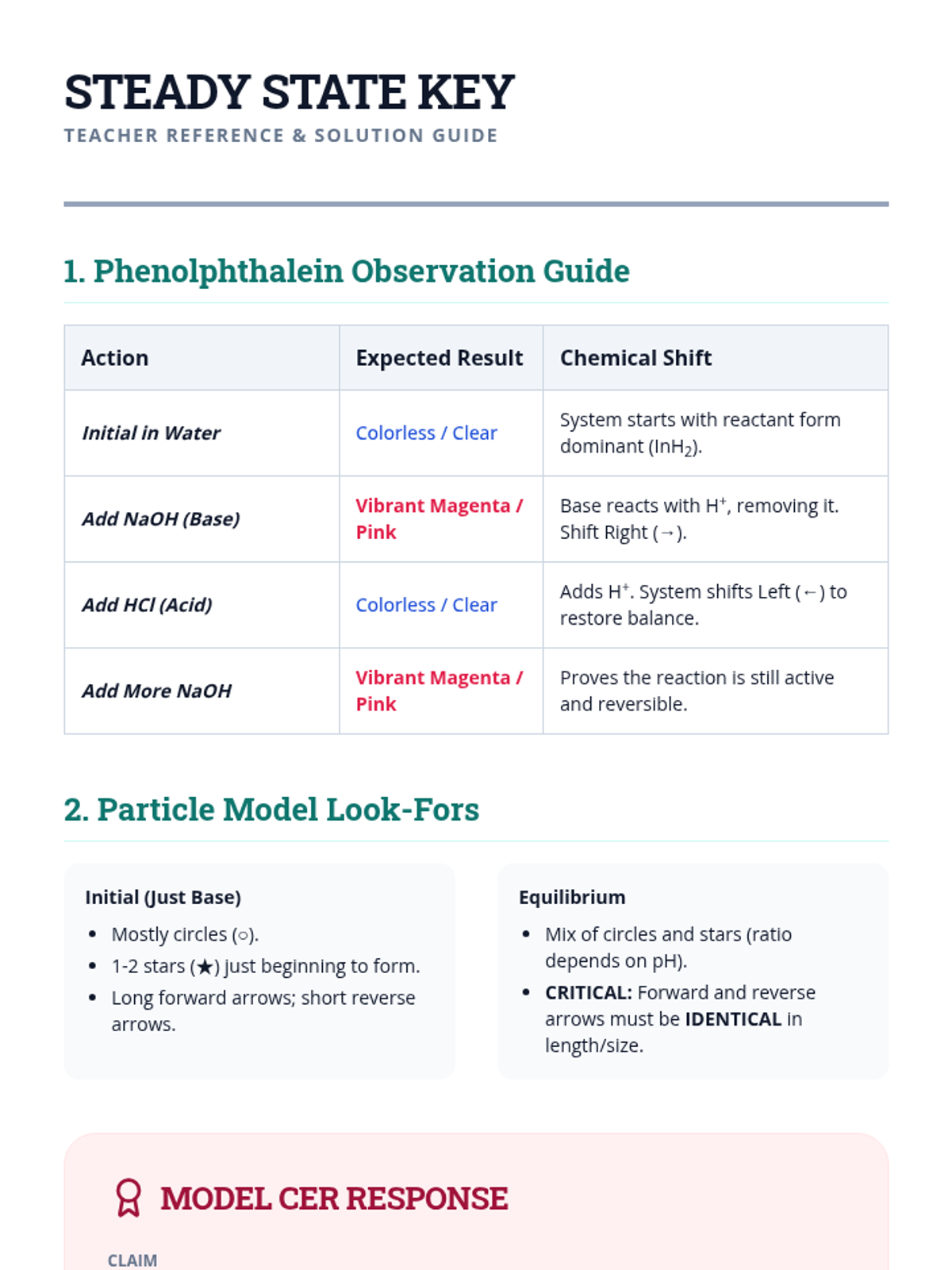
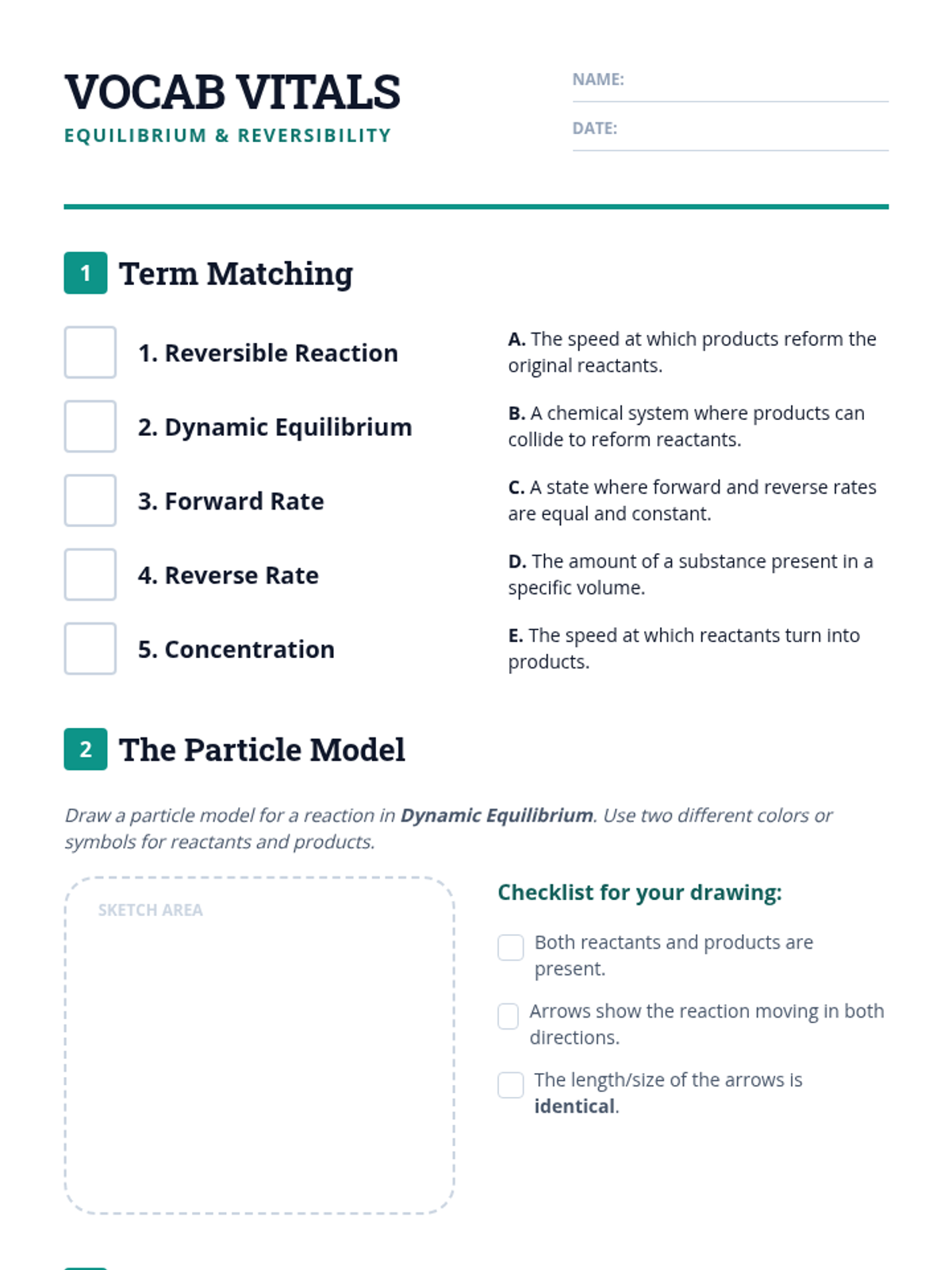
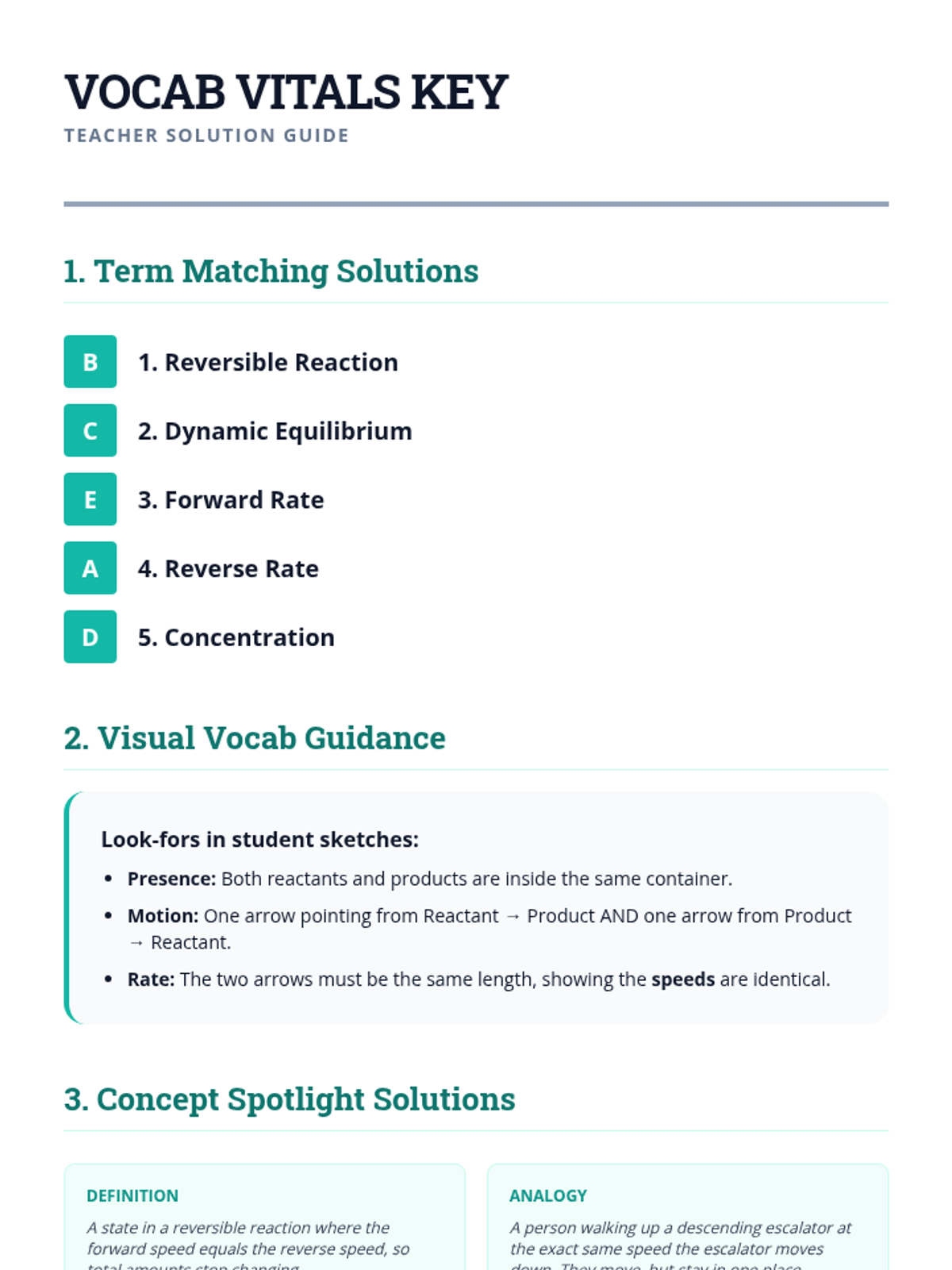
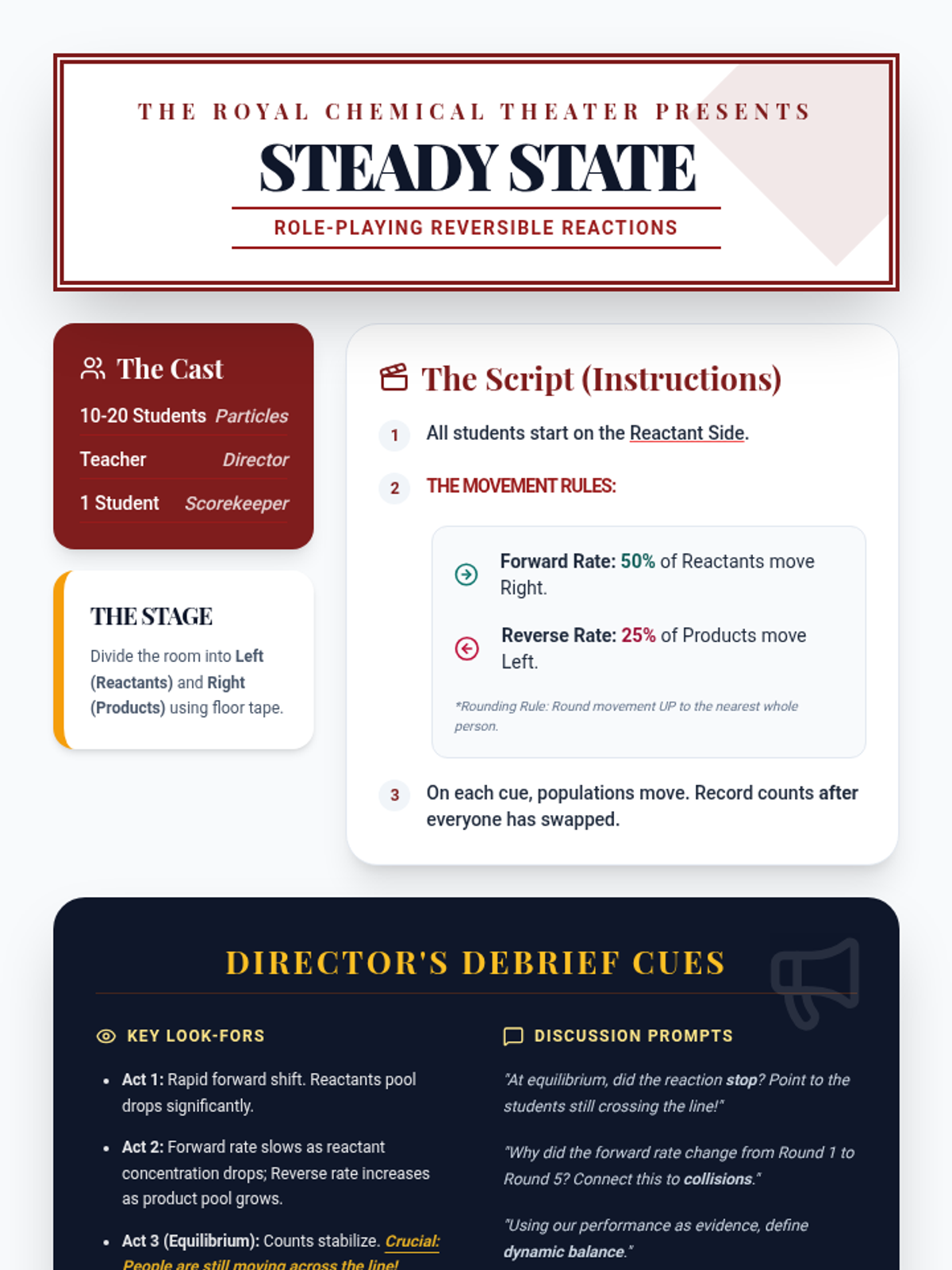
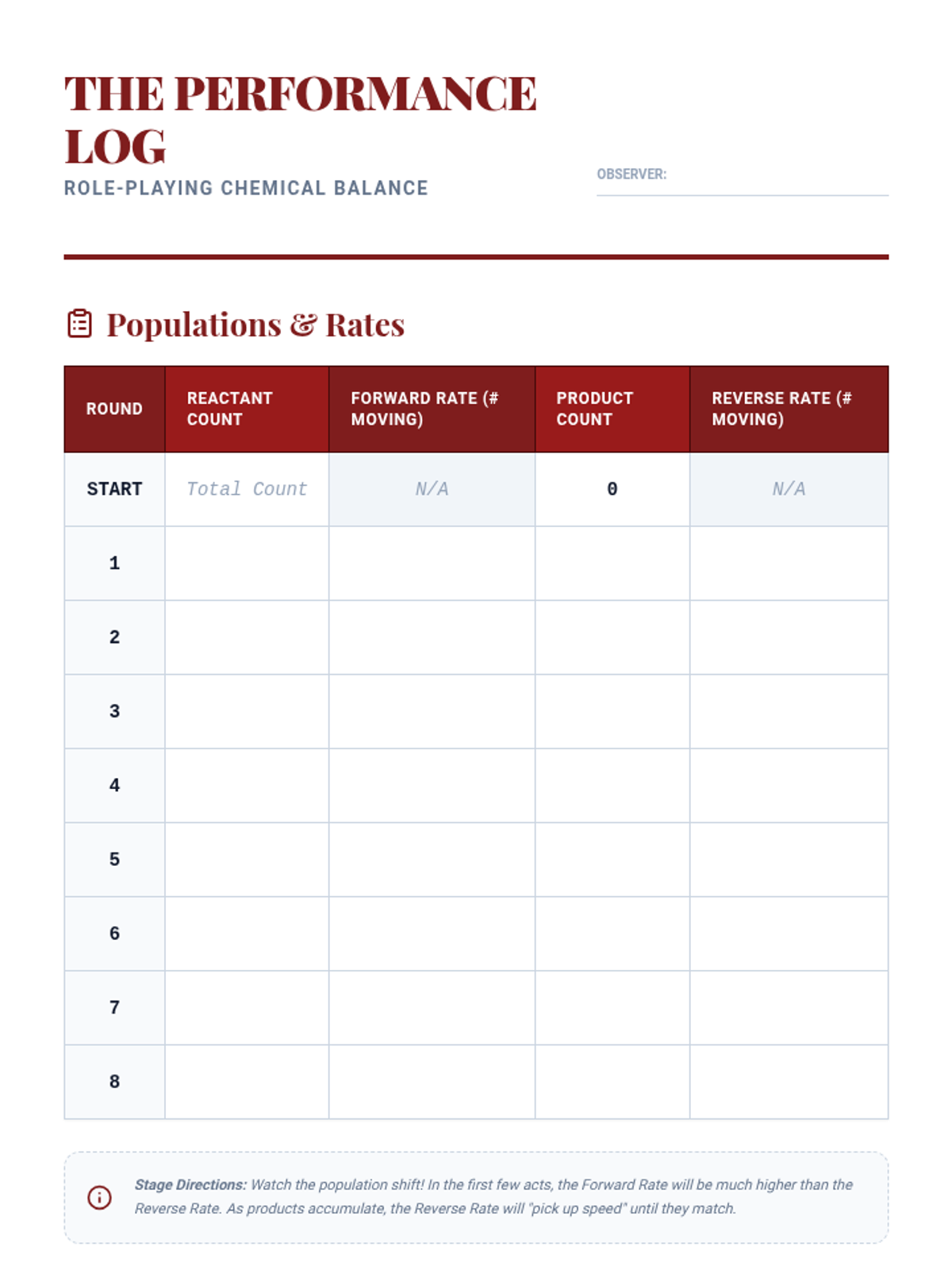
This unit explores how chemical reactions occur and how they reach a state of balance. Students investigate reaction kinetics, energy changes, and the principles of dynamic equilibrium through modeling and laboratory investigation.
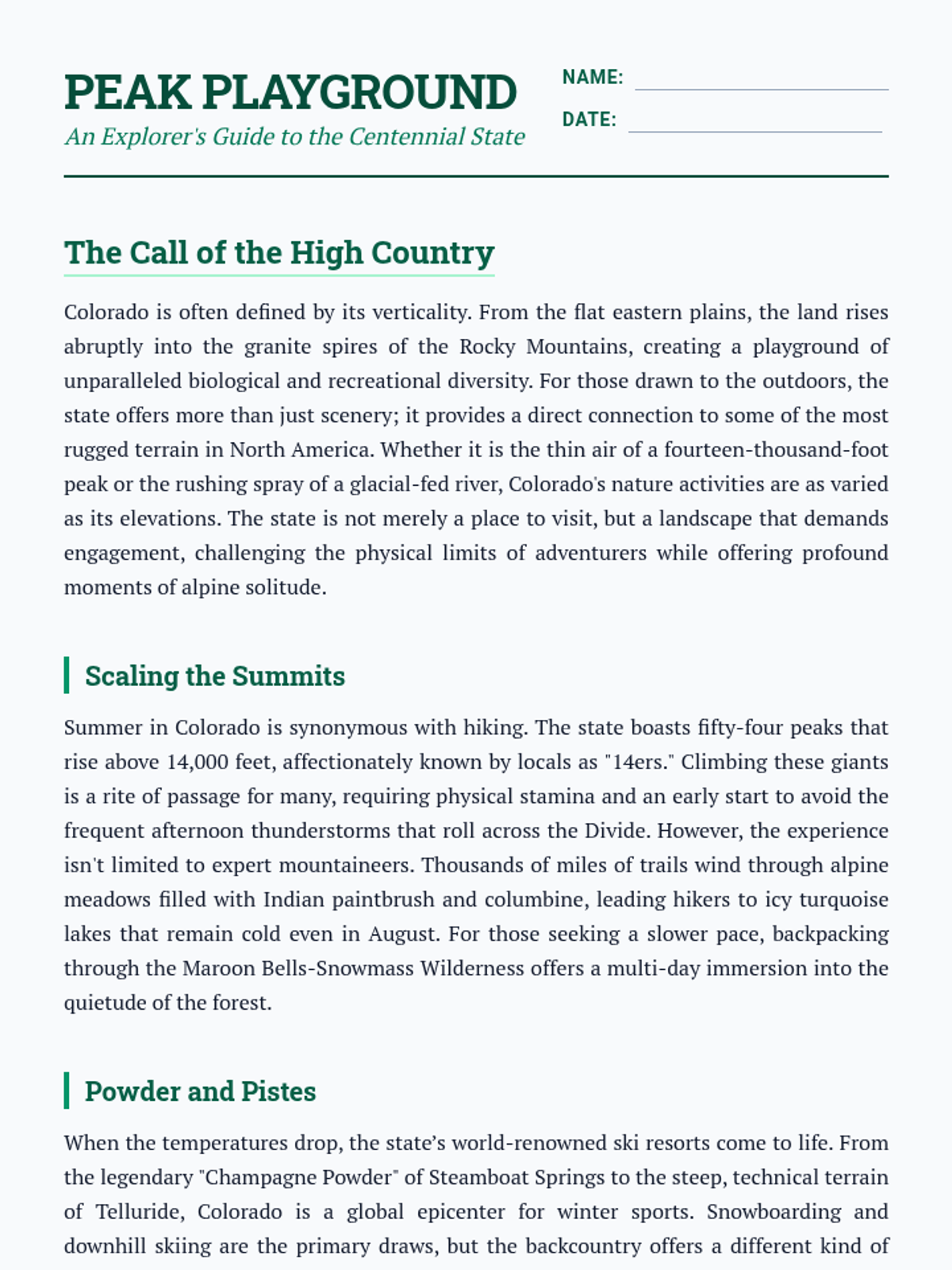
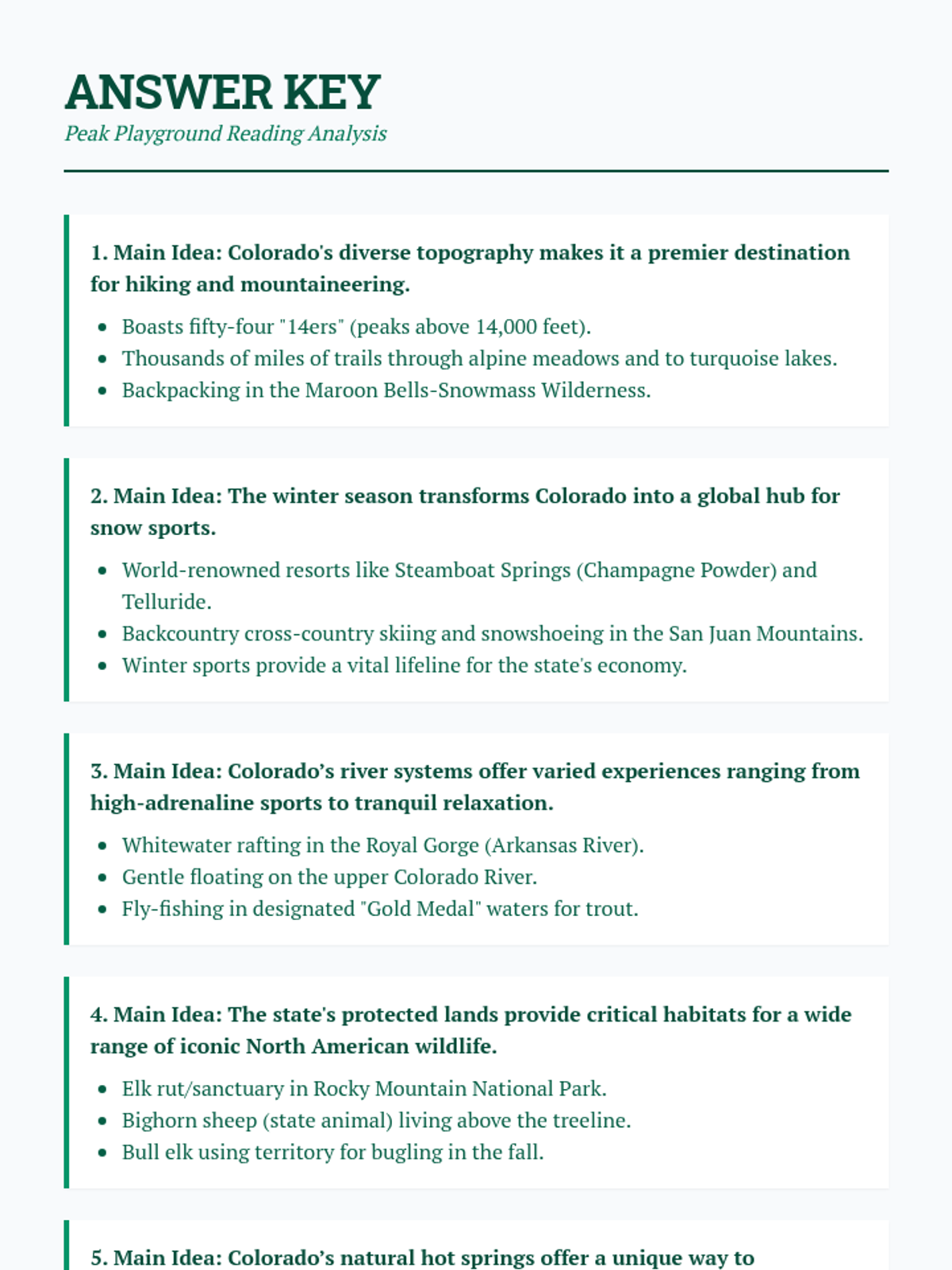
A three-lesson sequence exploring the physical geography, wildlife ecology, and environmental conservation of the Rocky Mountain region, using Colorado as a primary case study.
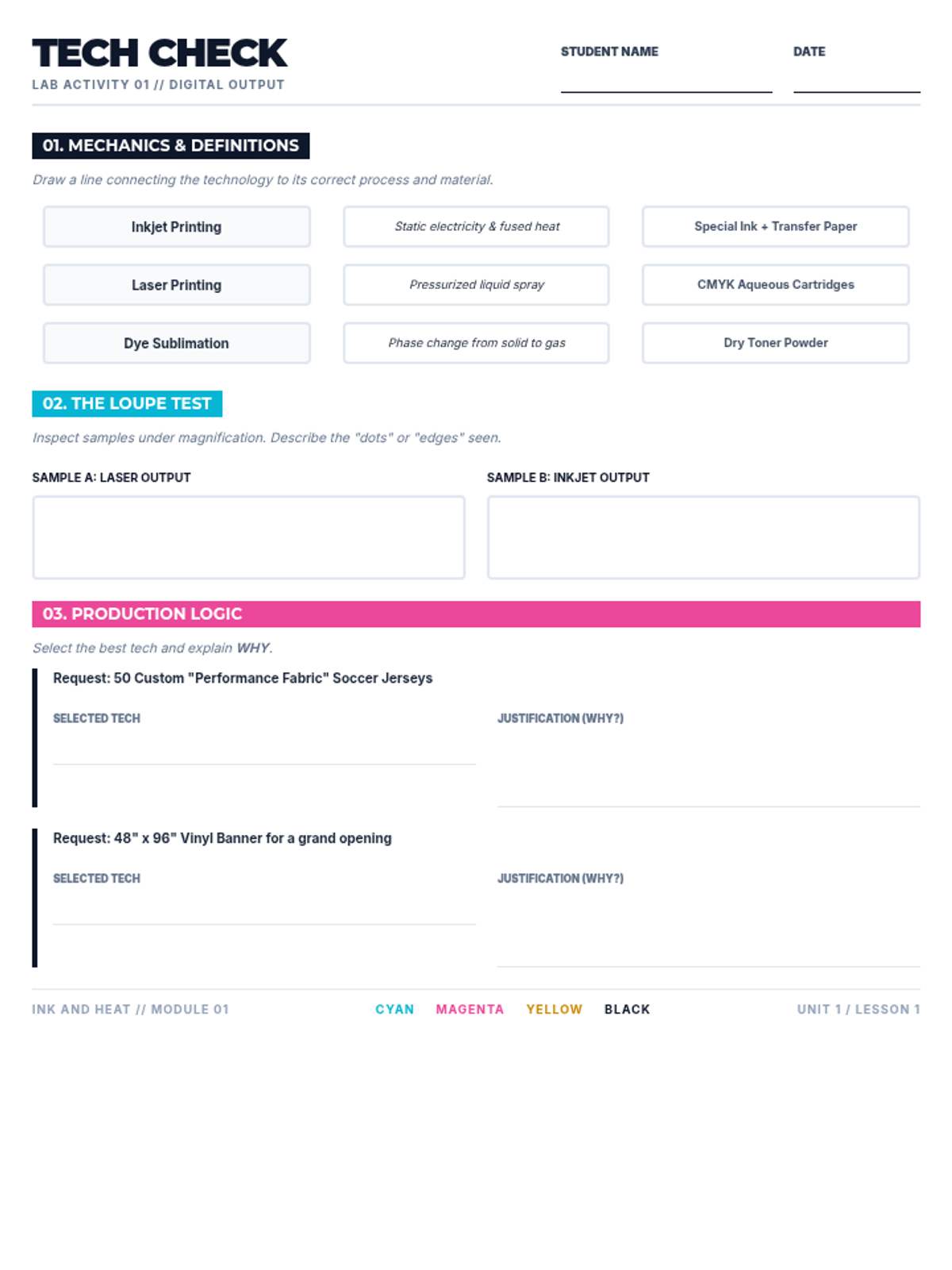
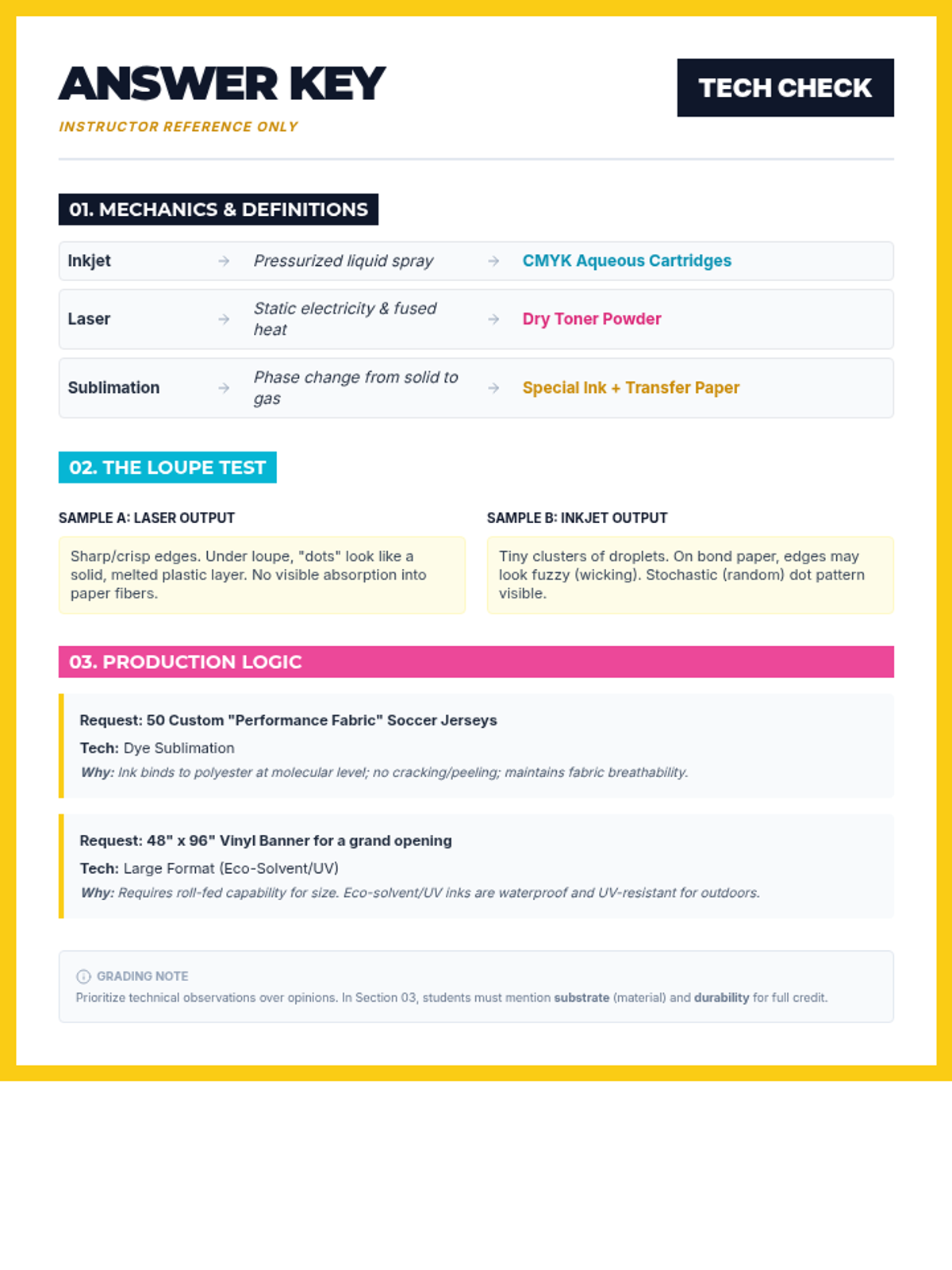
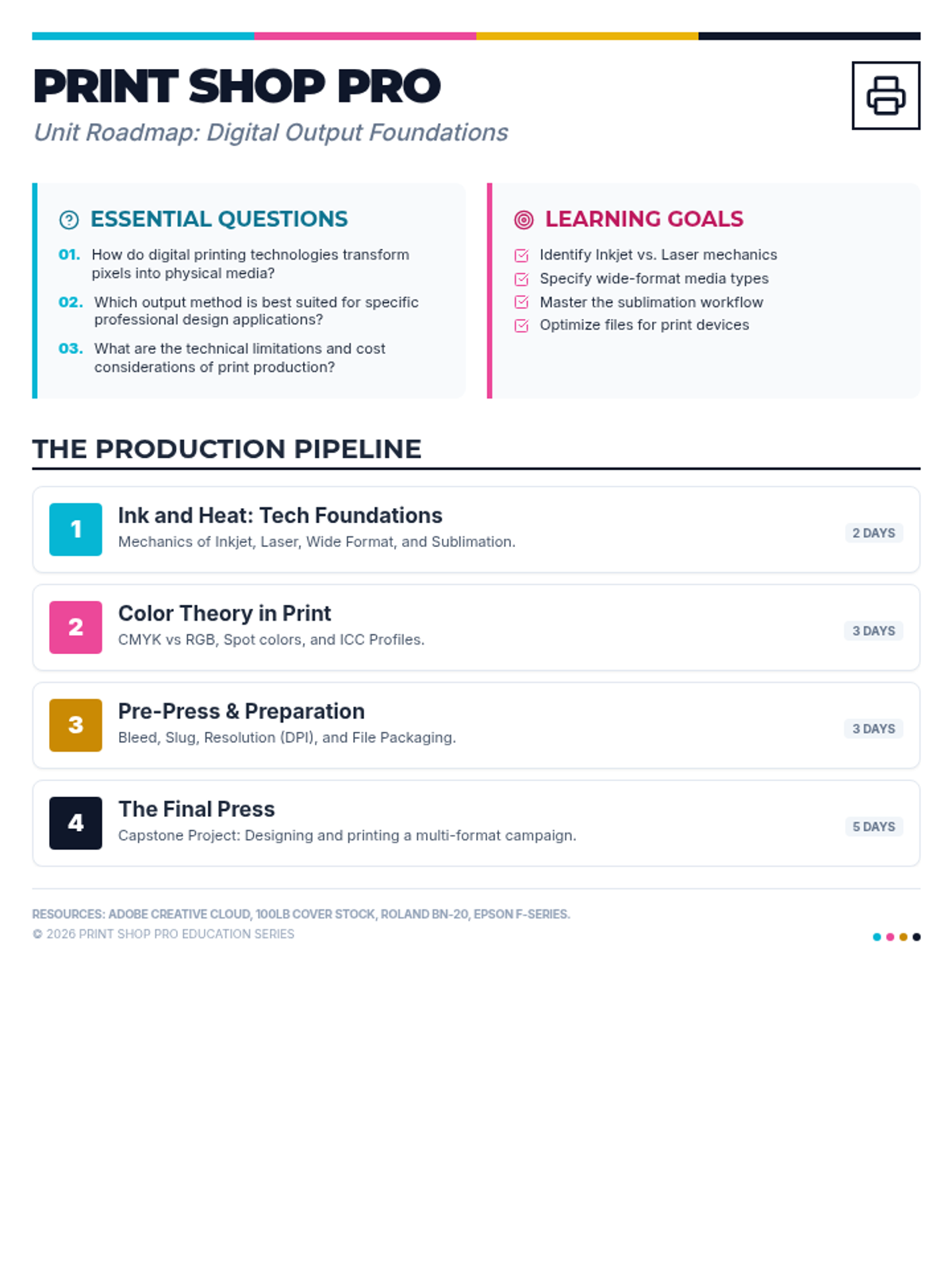
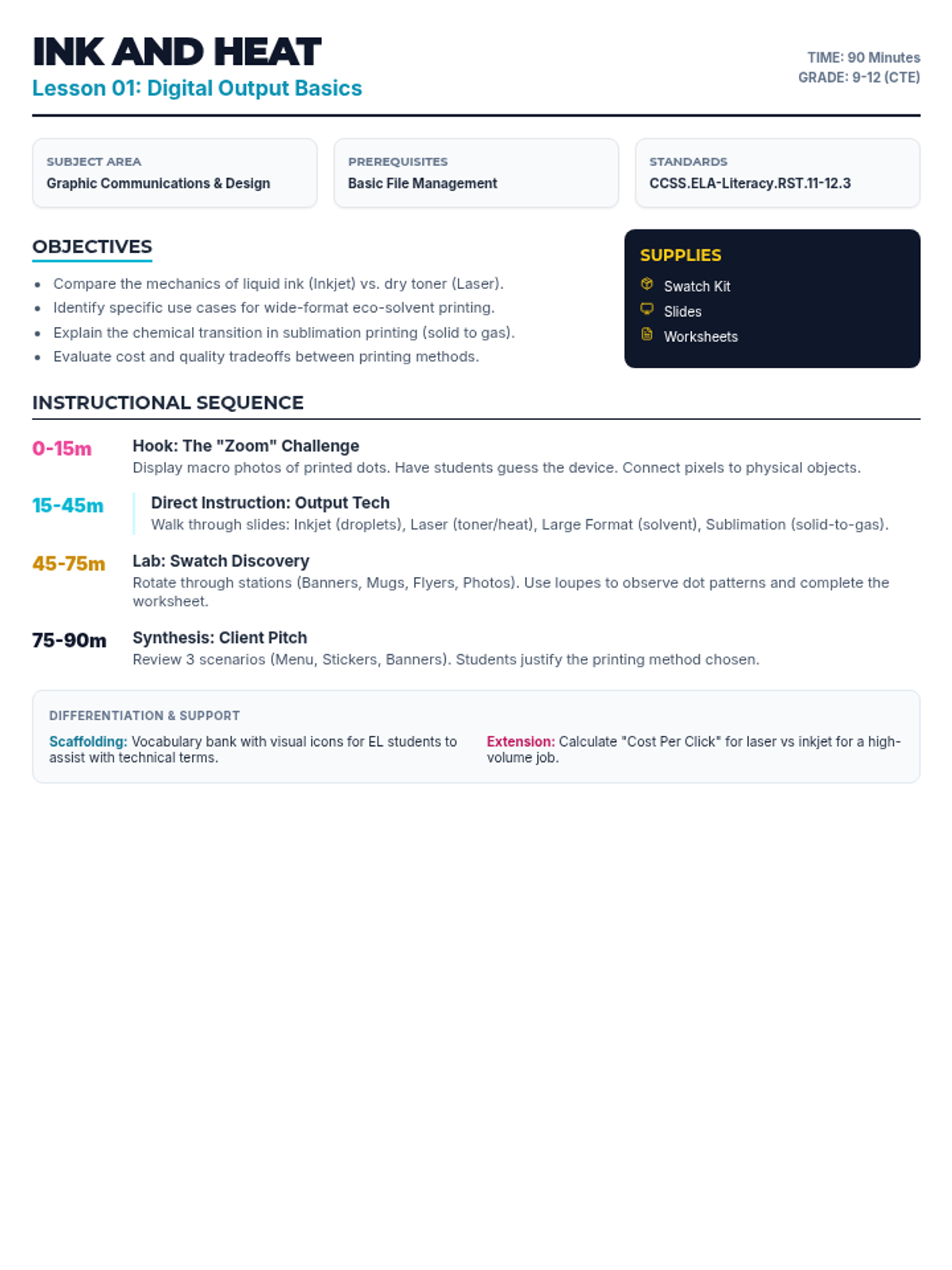
A comprehensive unit exploring the world of digital printing, from desktop publishing to industrial wide-format and specialty sublimation techniques. Students gain technical knowledge and practical design skills for print production.
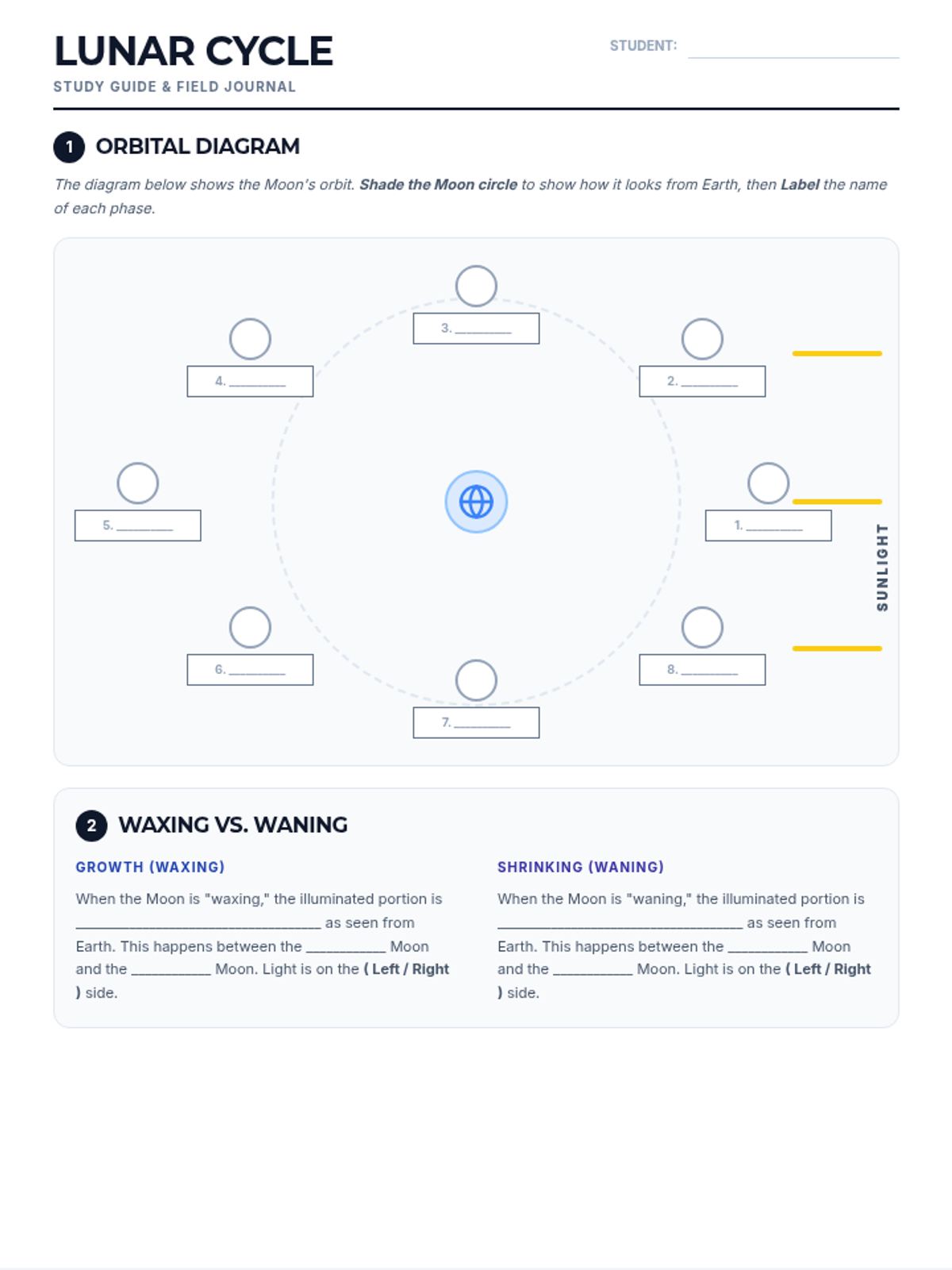
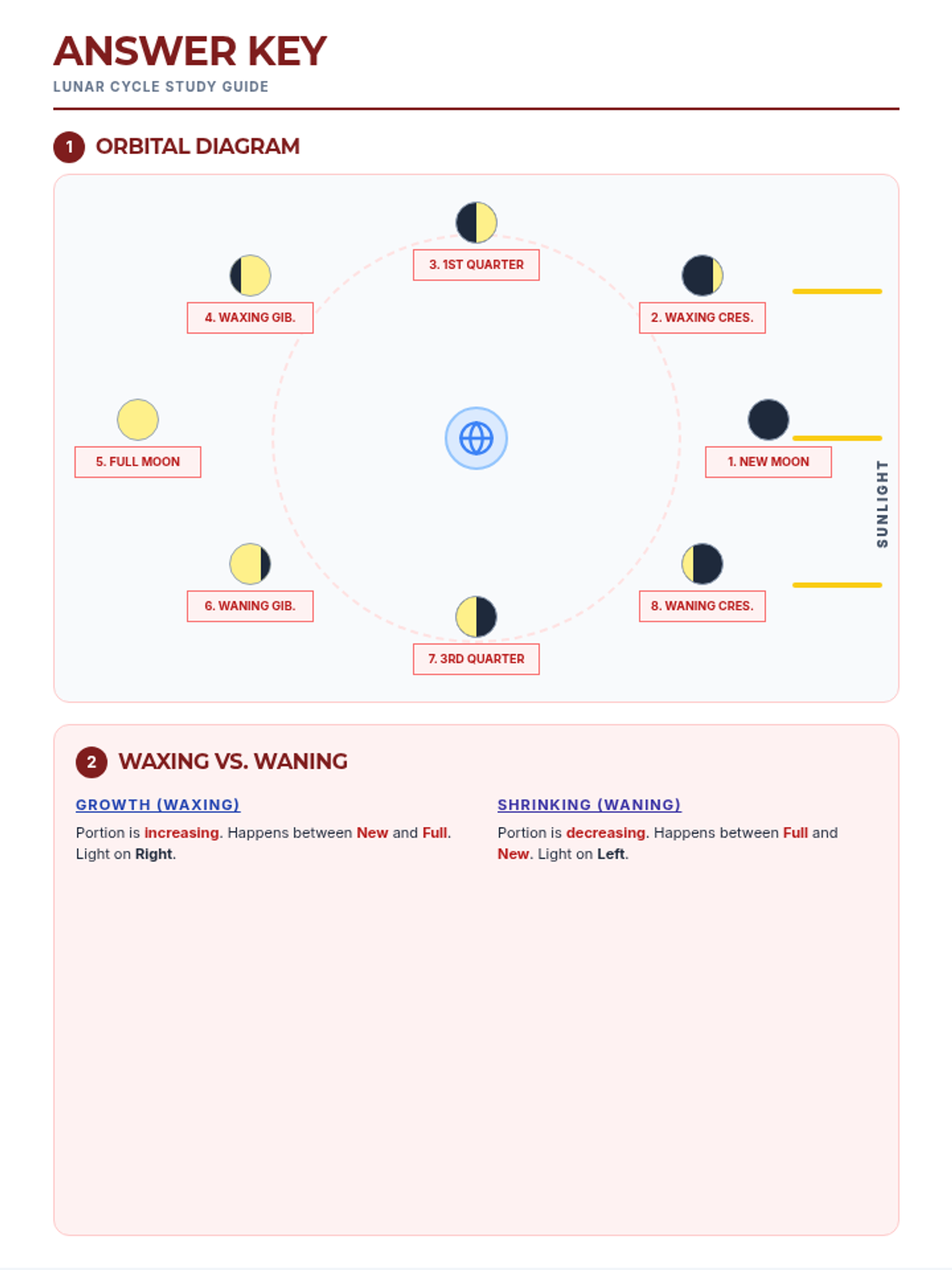
An astronomy unit focused on the Earth-Moon-Sun system and celestial patterns.
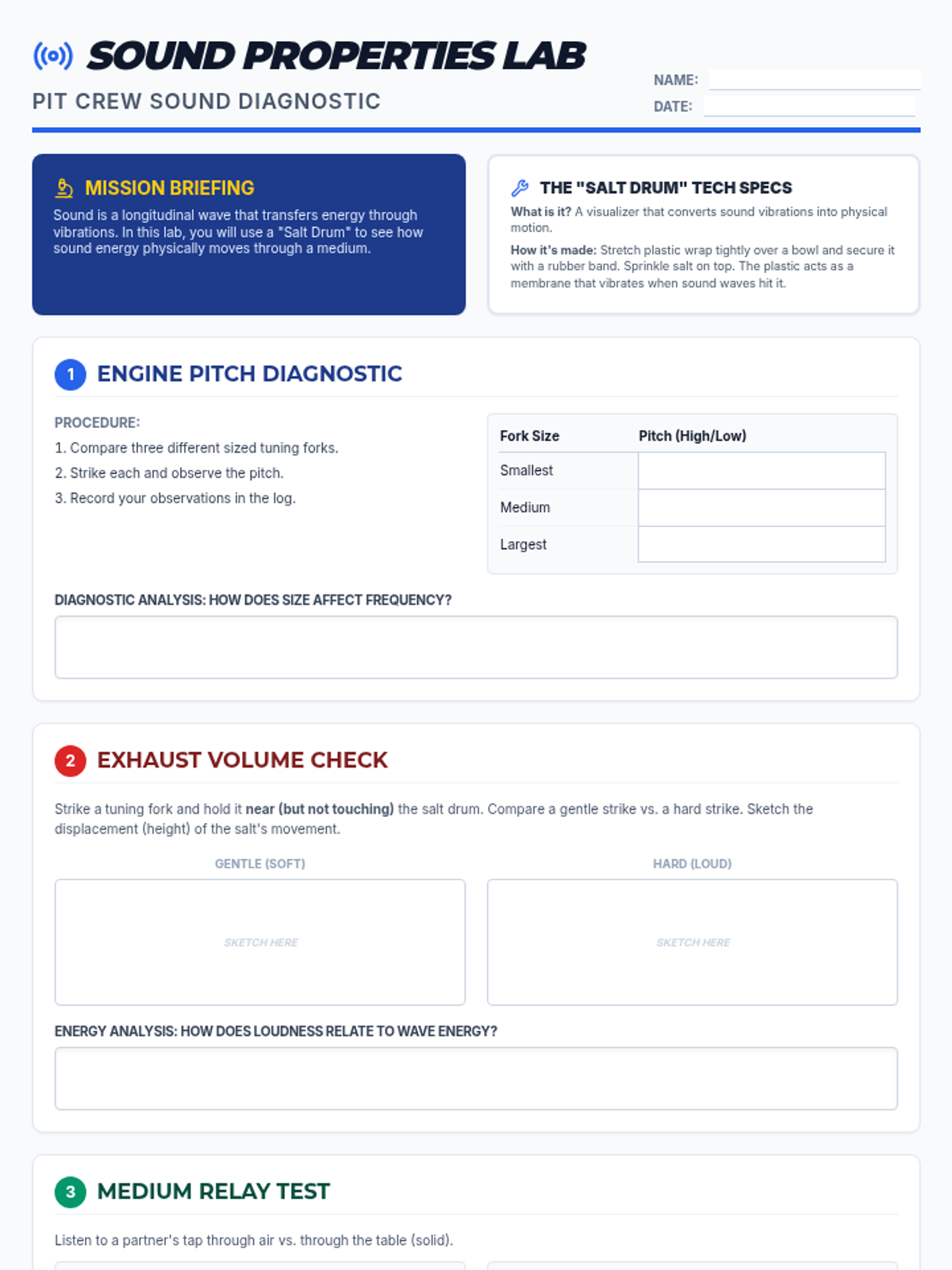
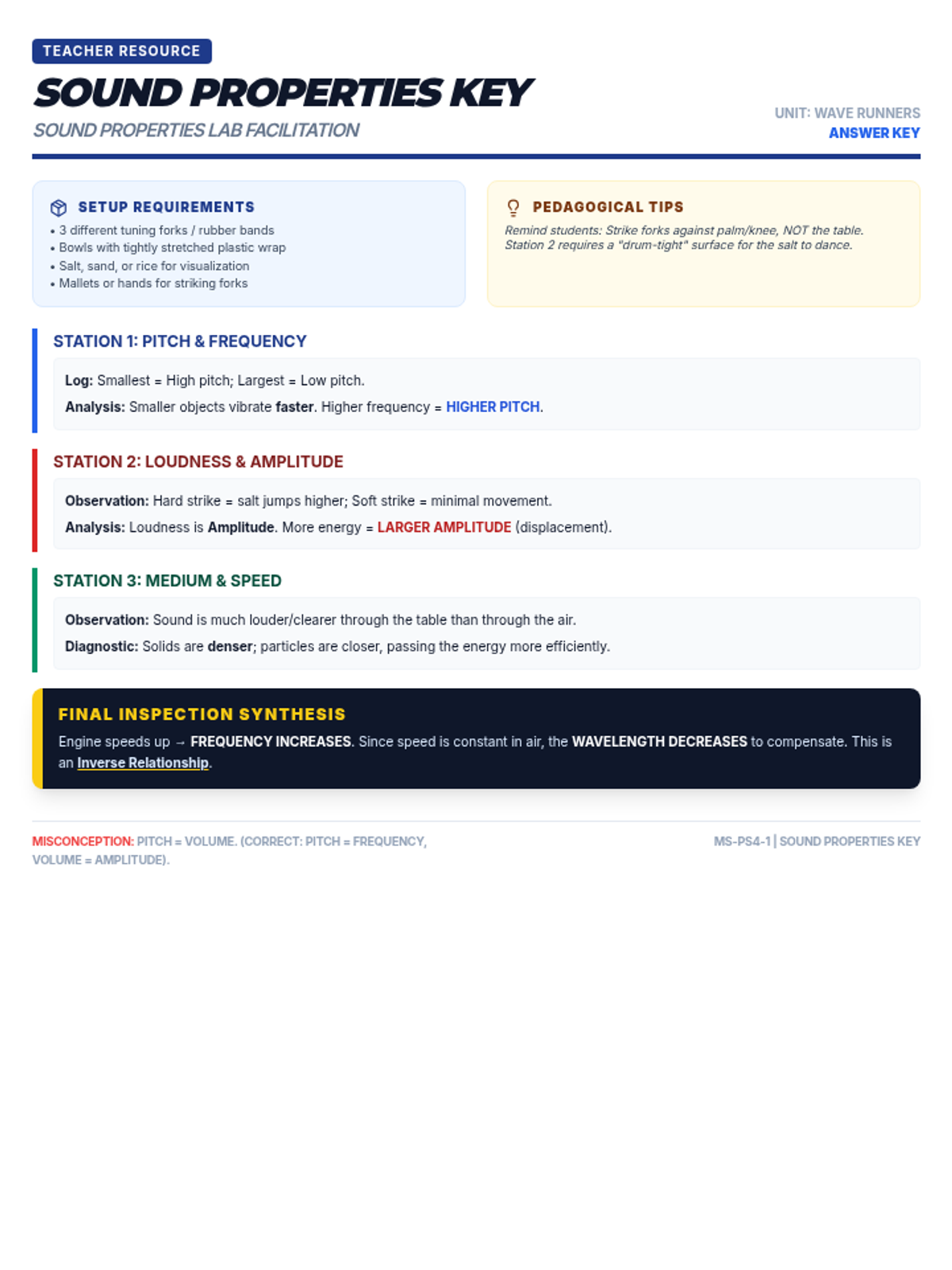
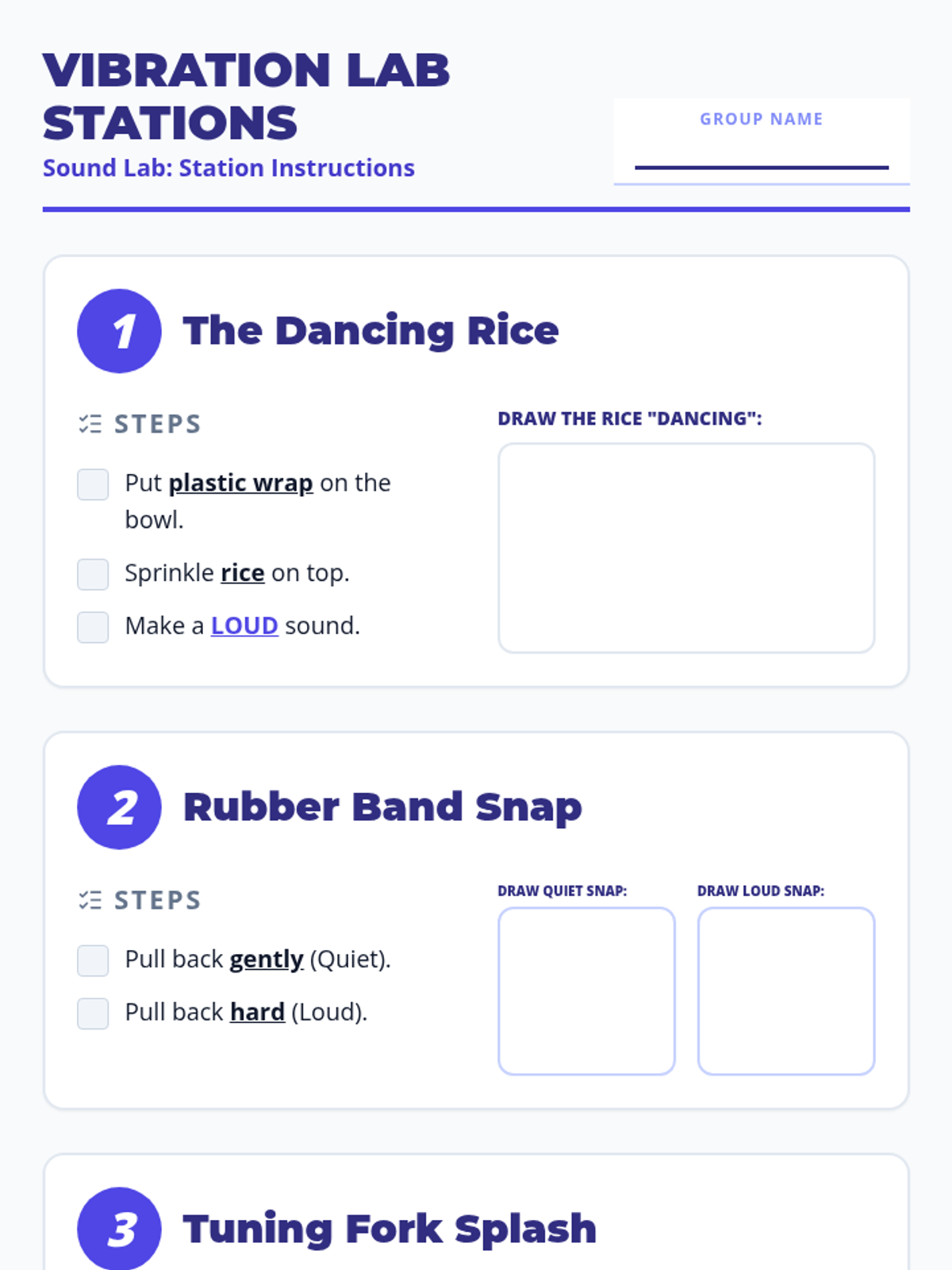
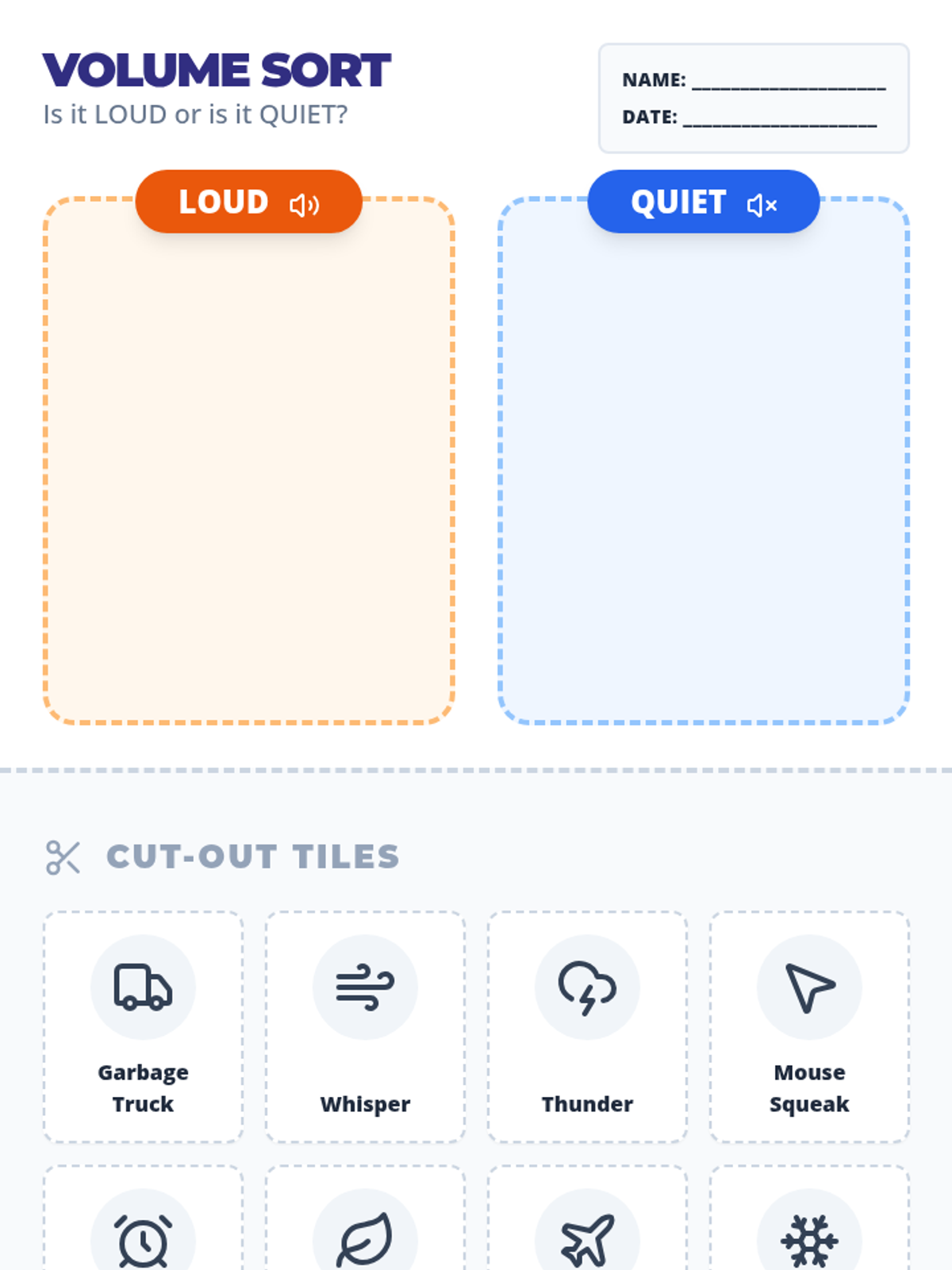
A comprehensive four-lesson unit on sound exploration designed for high school Essential Skills students. This unit covers vibration, volume, source, direction, pitch, and frequency through highly visual and hands-on activities.
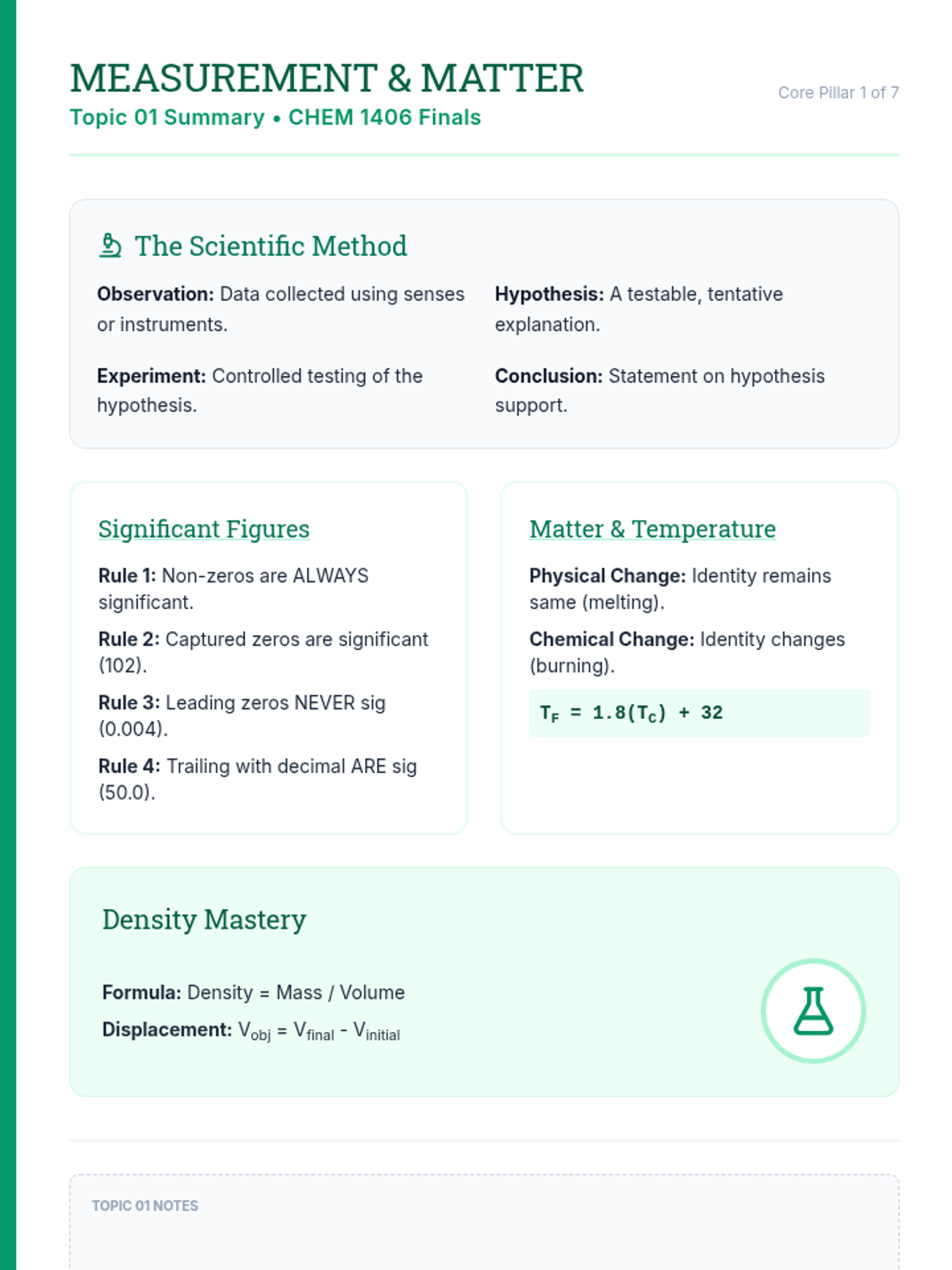
A comprehensive review package for CHEM 1406, featuring in-depth study guides for key topics and a full practice exam with detailed solutions.
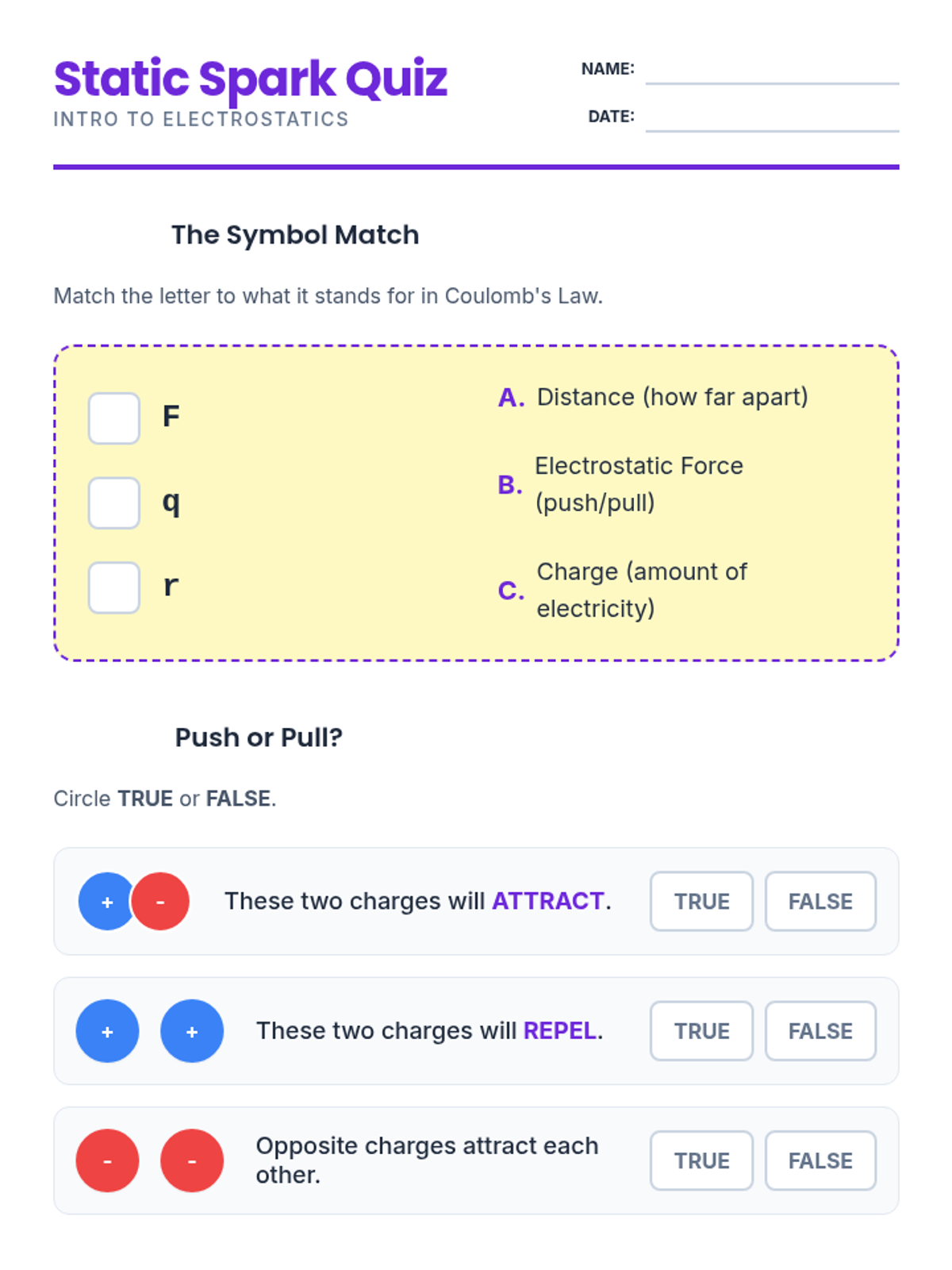
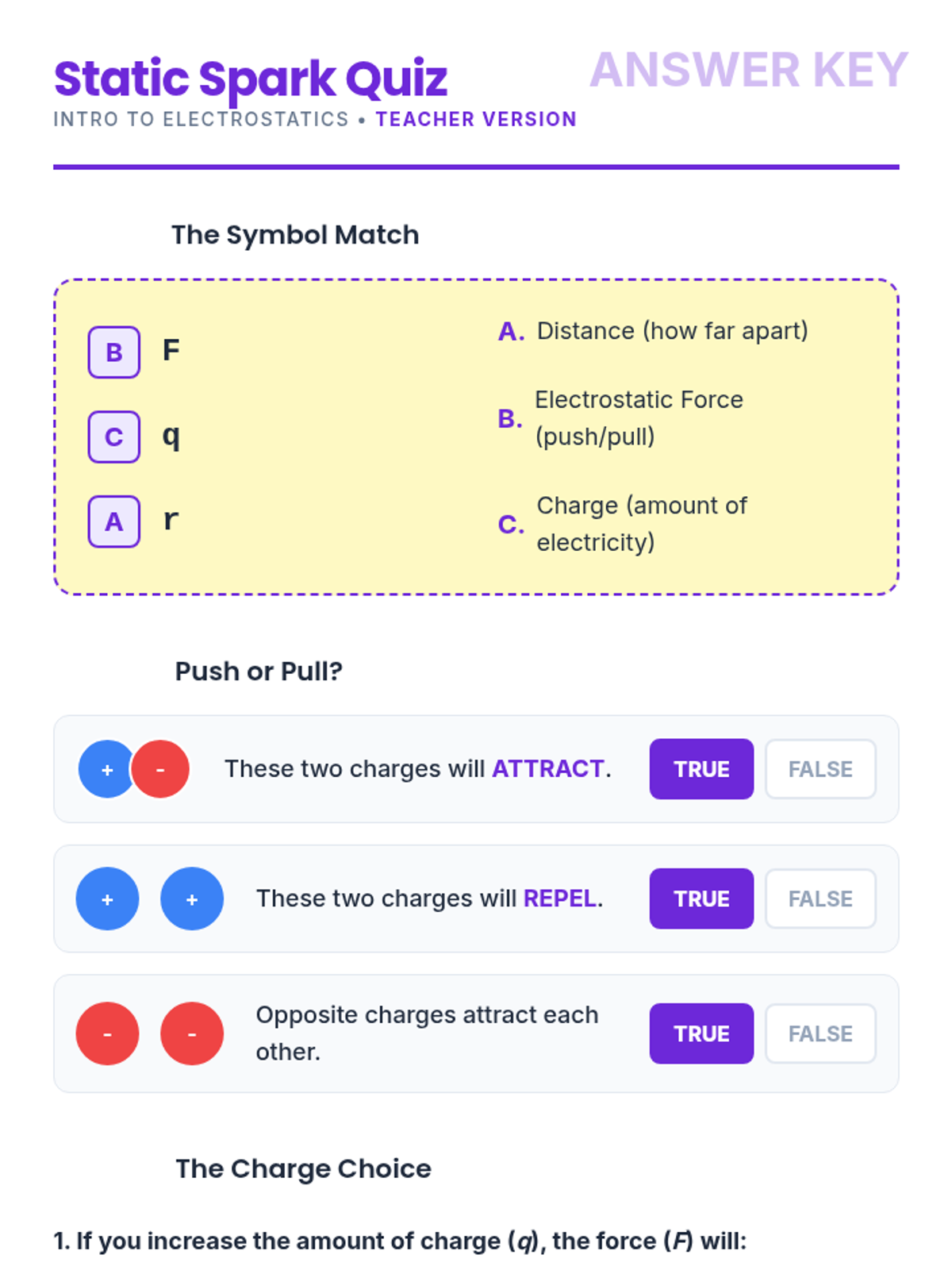
A short sequence introducing students to the fundamental concepts of electricity and magnetism.
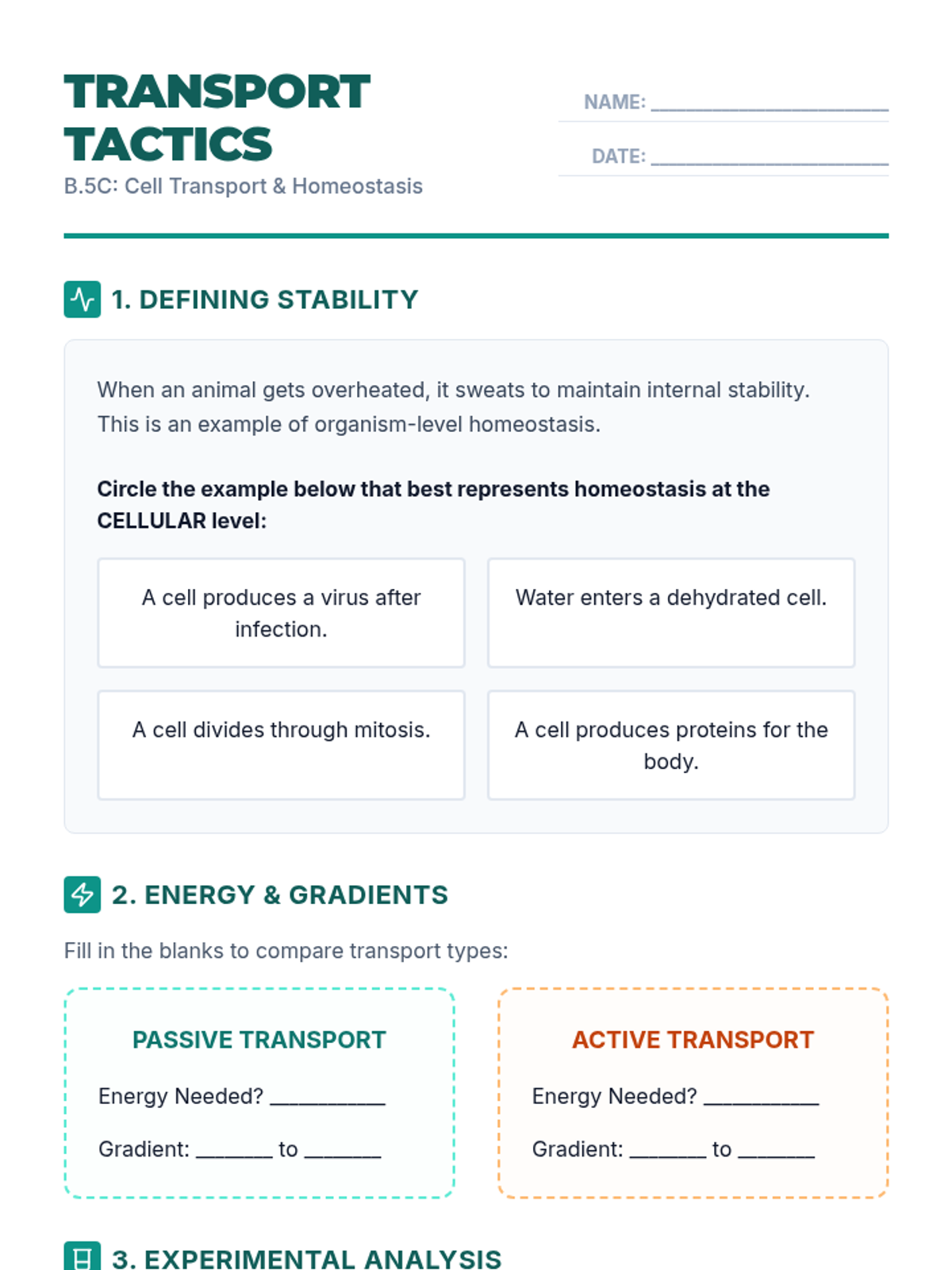
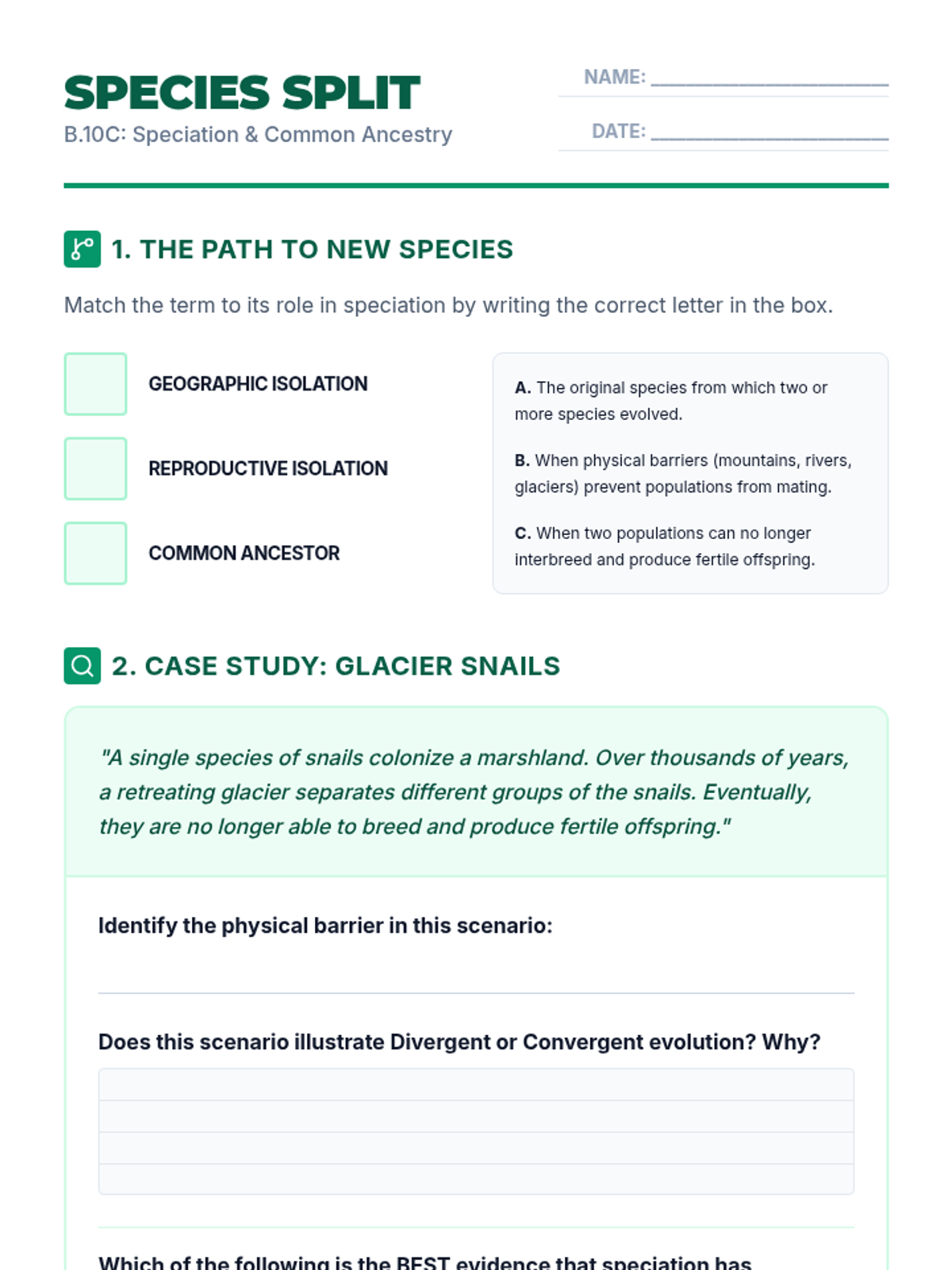
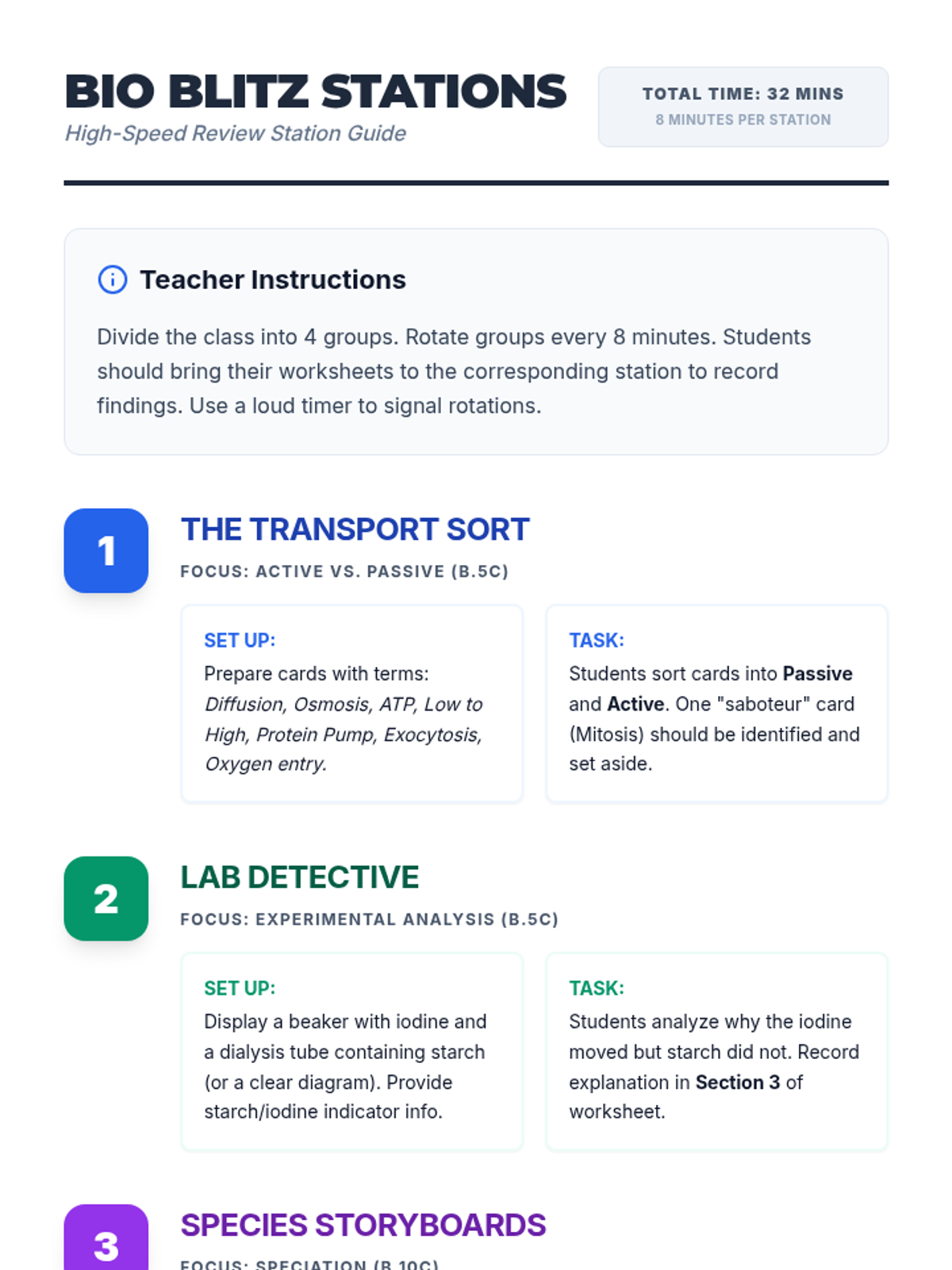
A fast-paced review sequence focused on cell transport, homeostasis, and speciation to prepare students for biology assessments.
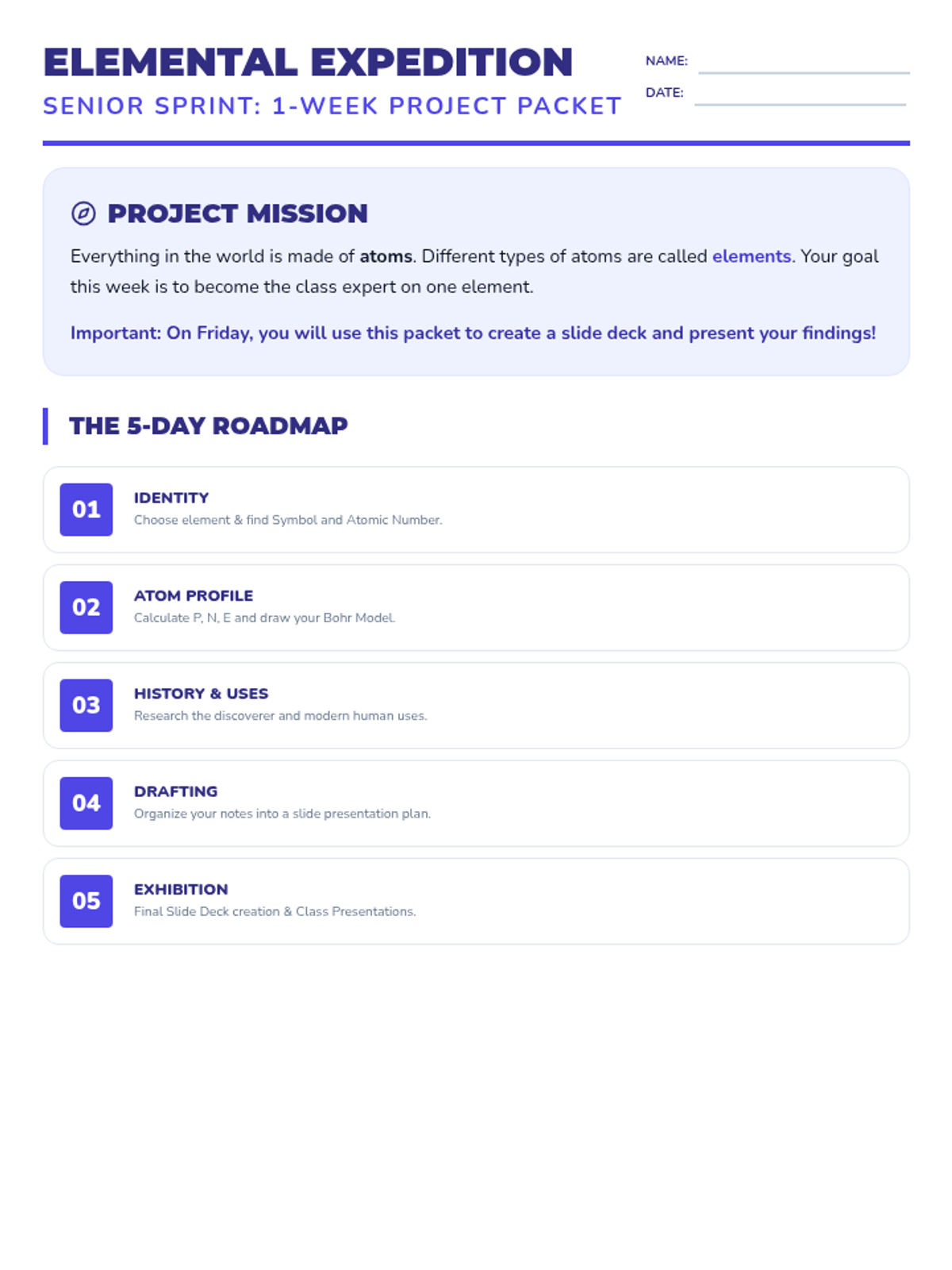
A chemistry research project focused on individual elements of the periodic table, designed for special education students. It includes two tracks: a one-week 'Senior Sprint' for graduating students and a two-week 'Junior Journey' for in-depth exploration.
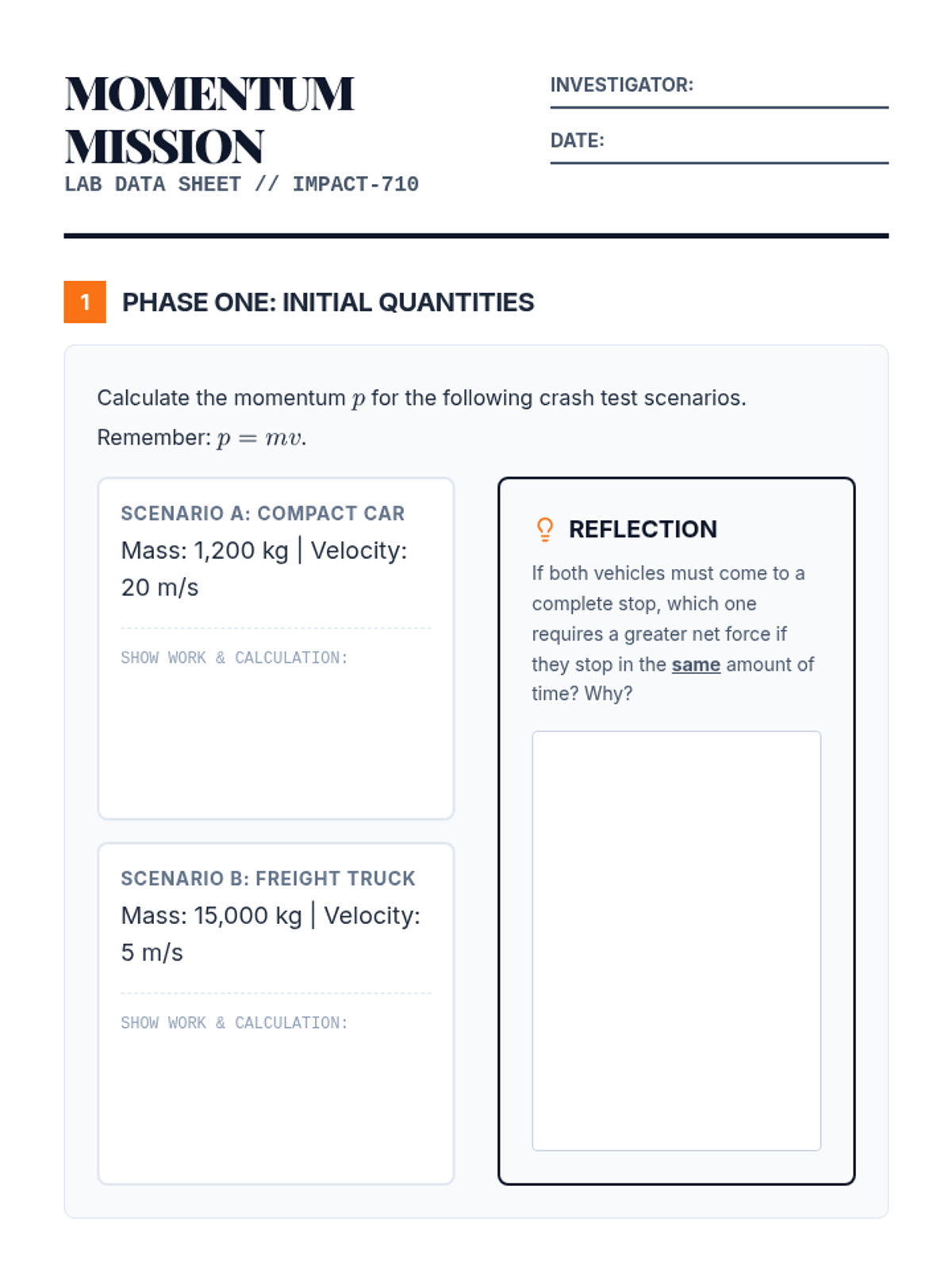
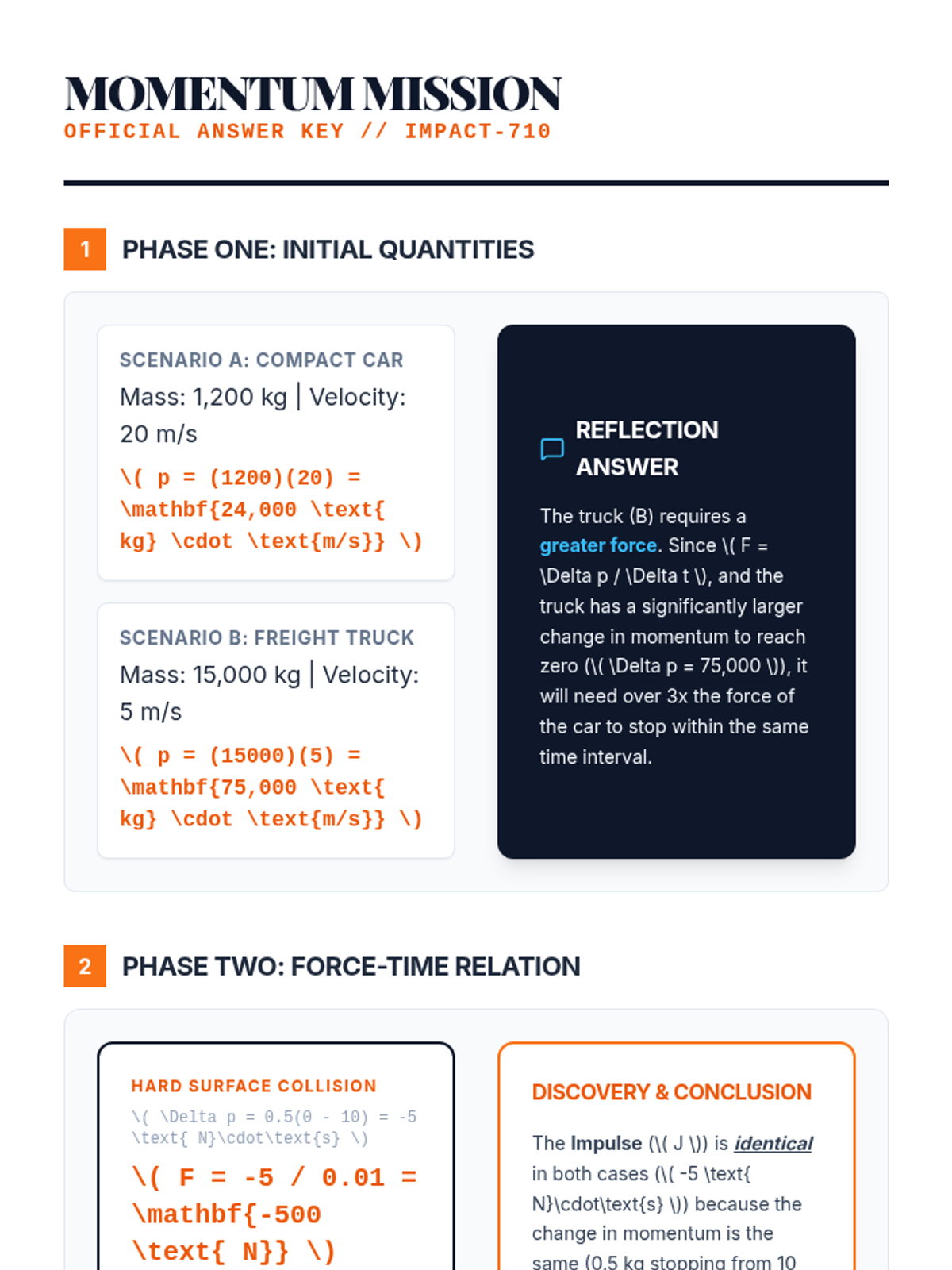
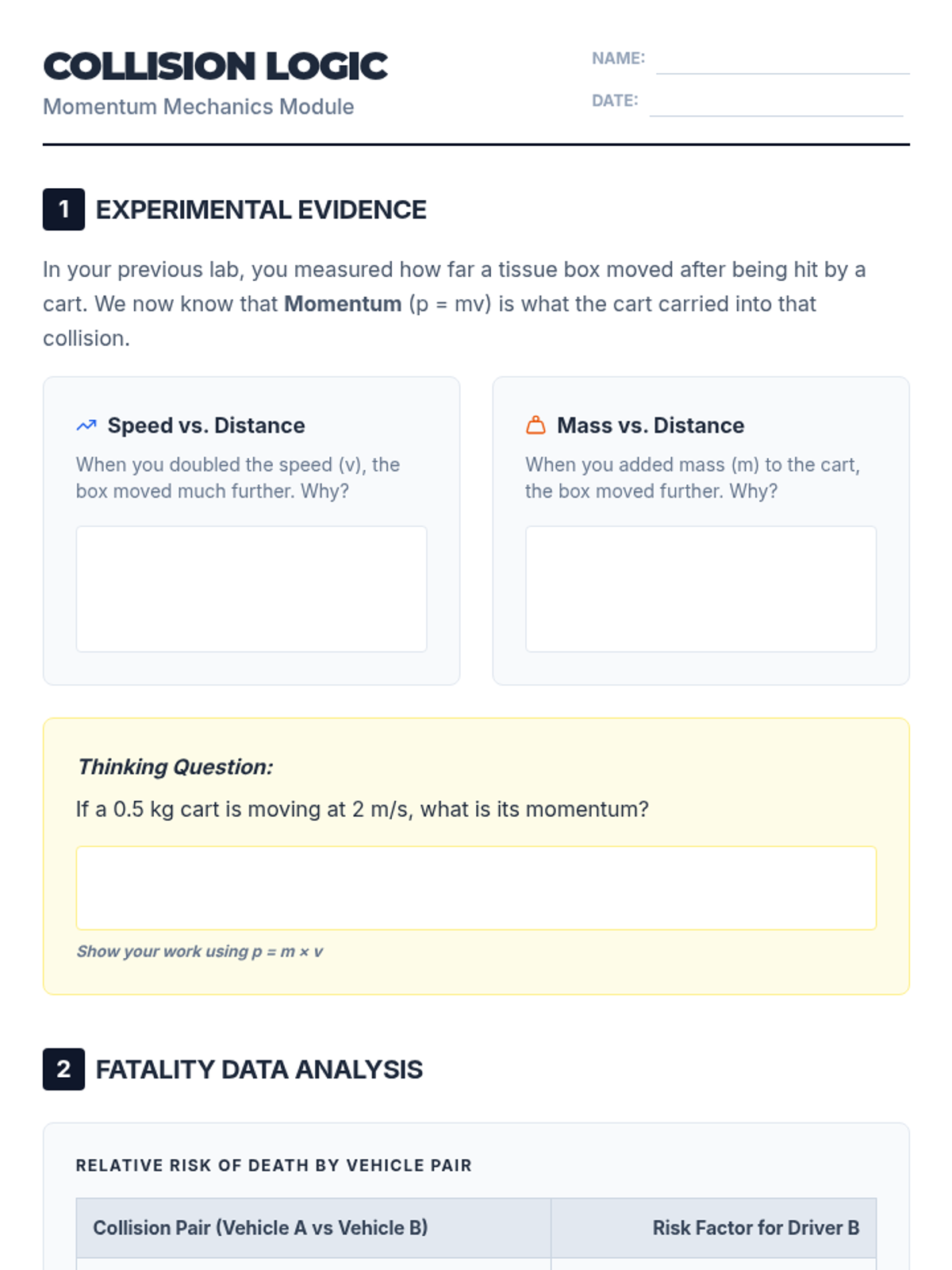
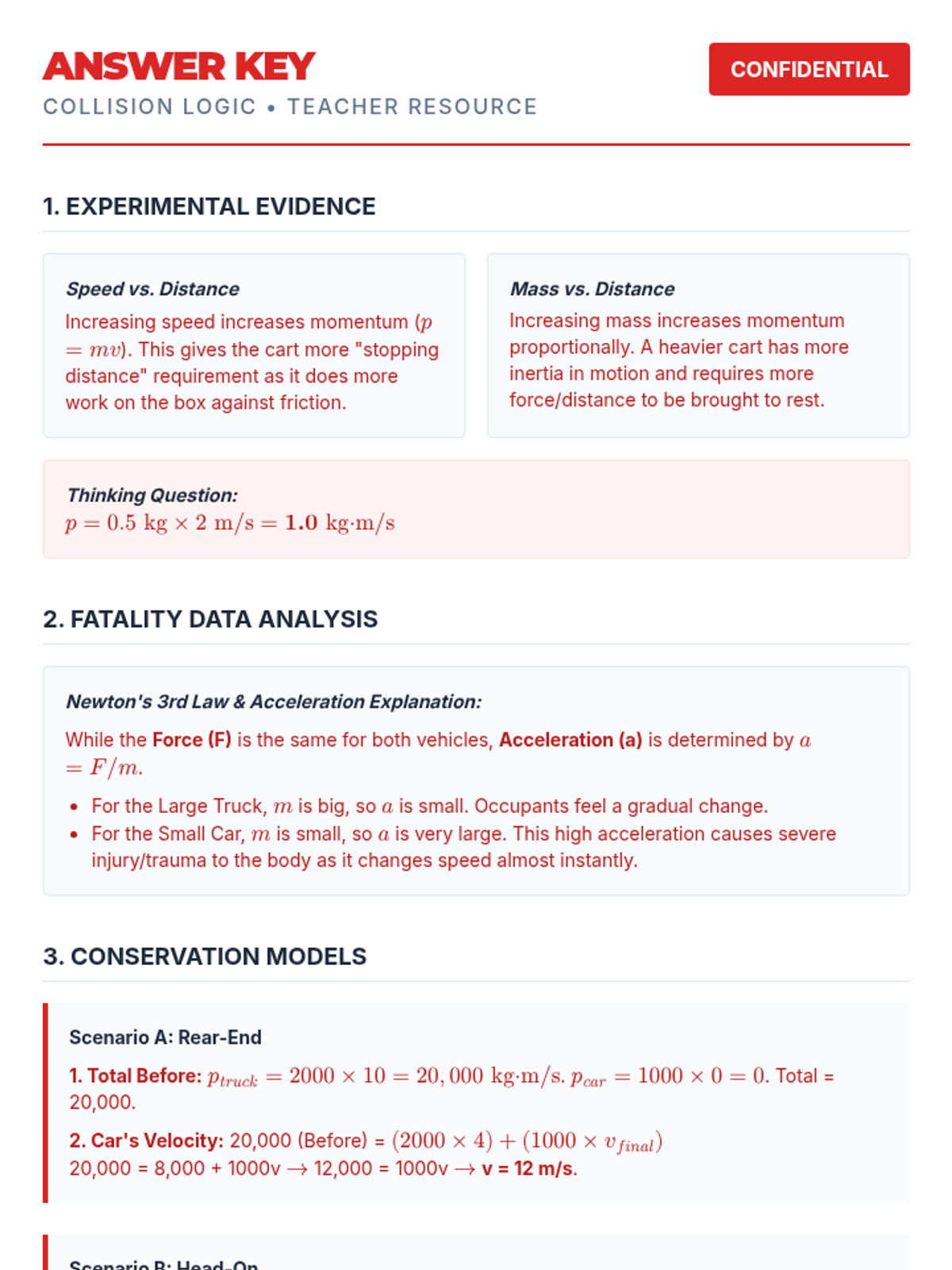
A physics unit wrap-up focusing on collisions, momentum, and vehicle safety engineering. This sequence transitions from hands-on lab investigation to independent data analysis and mathematical modeling.
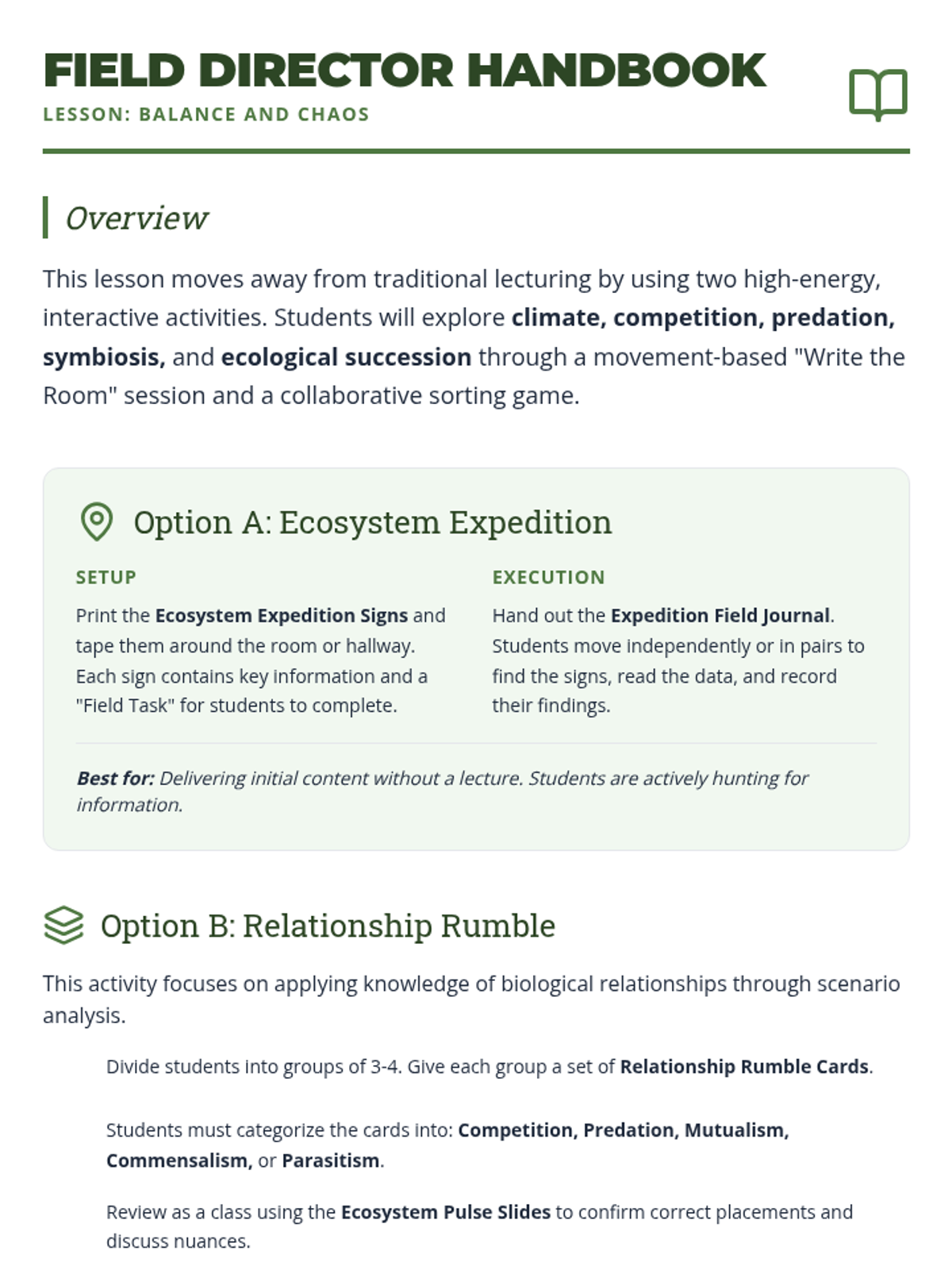
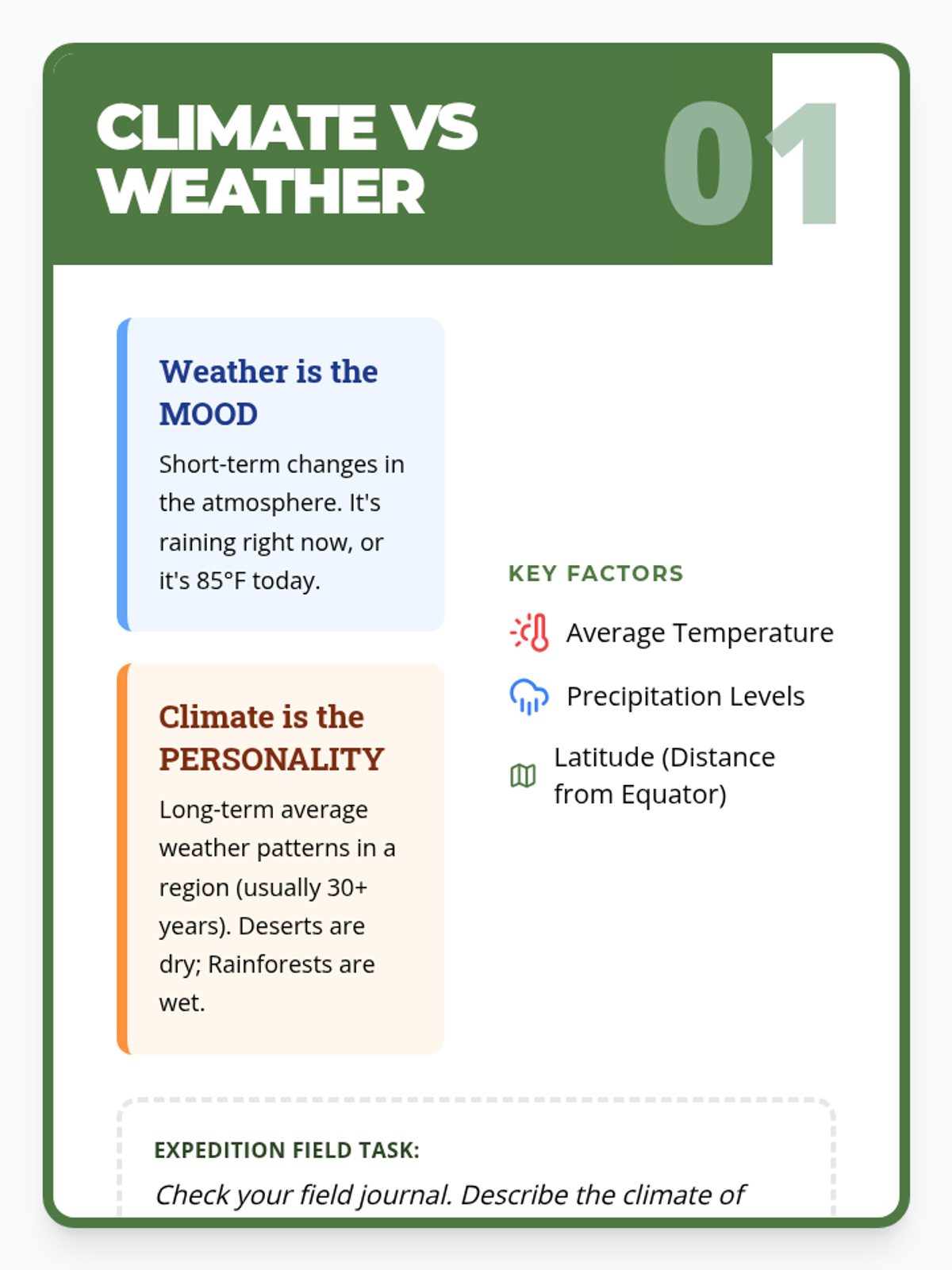
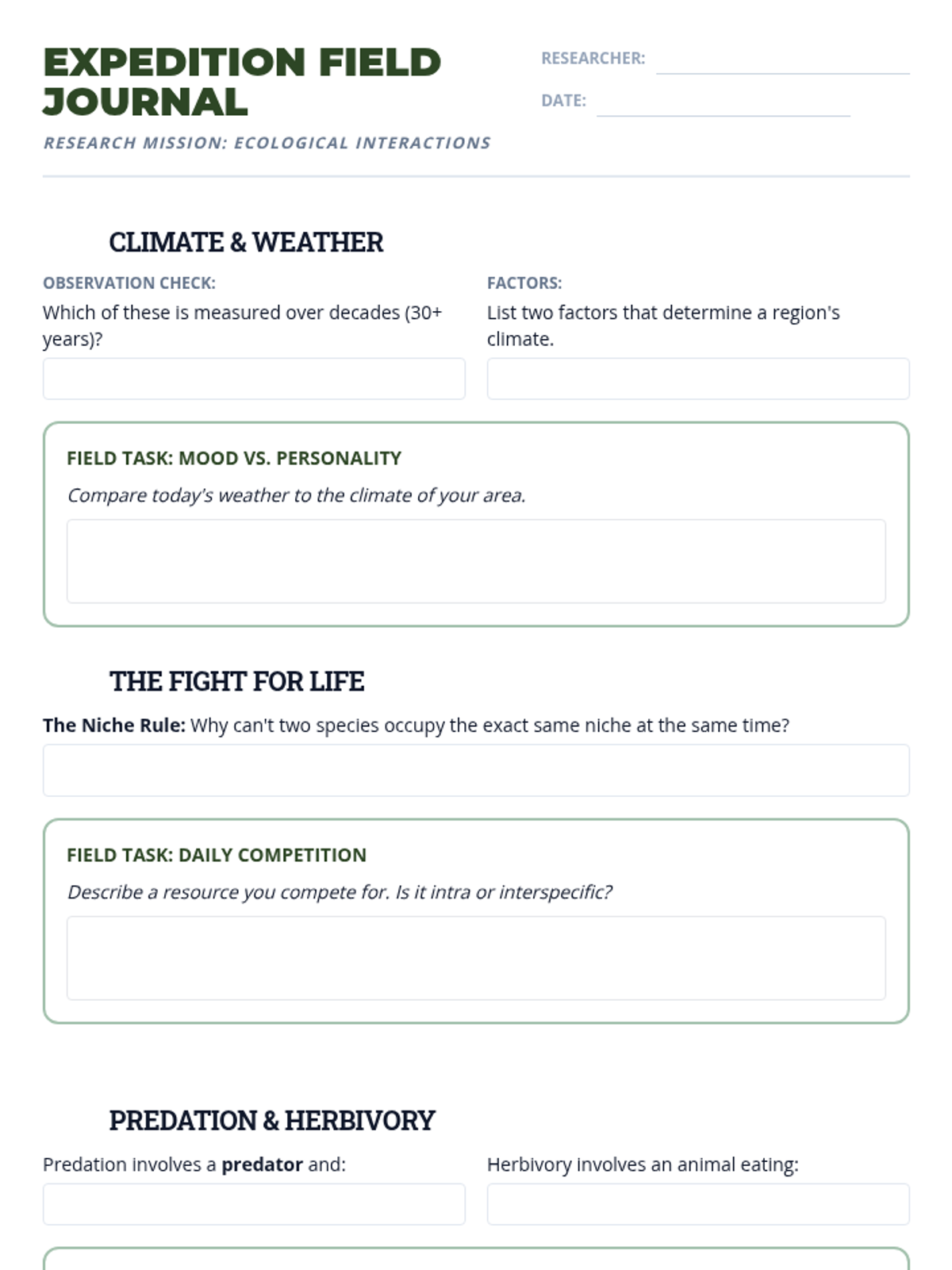
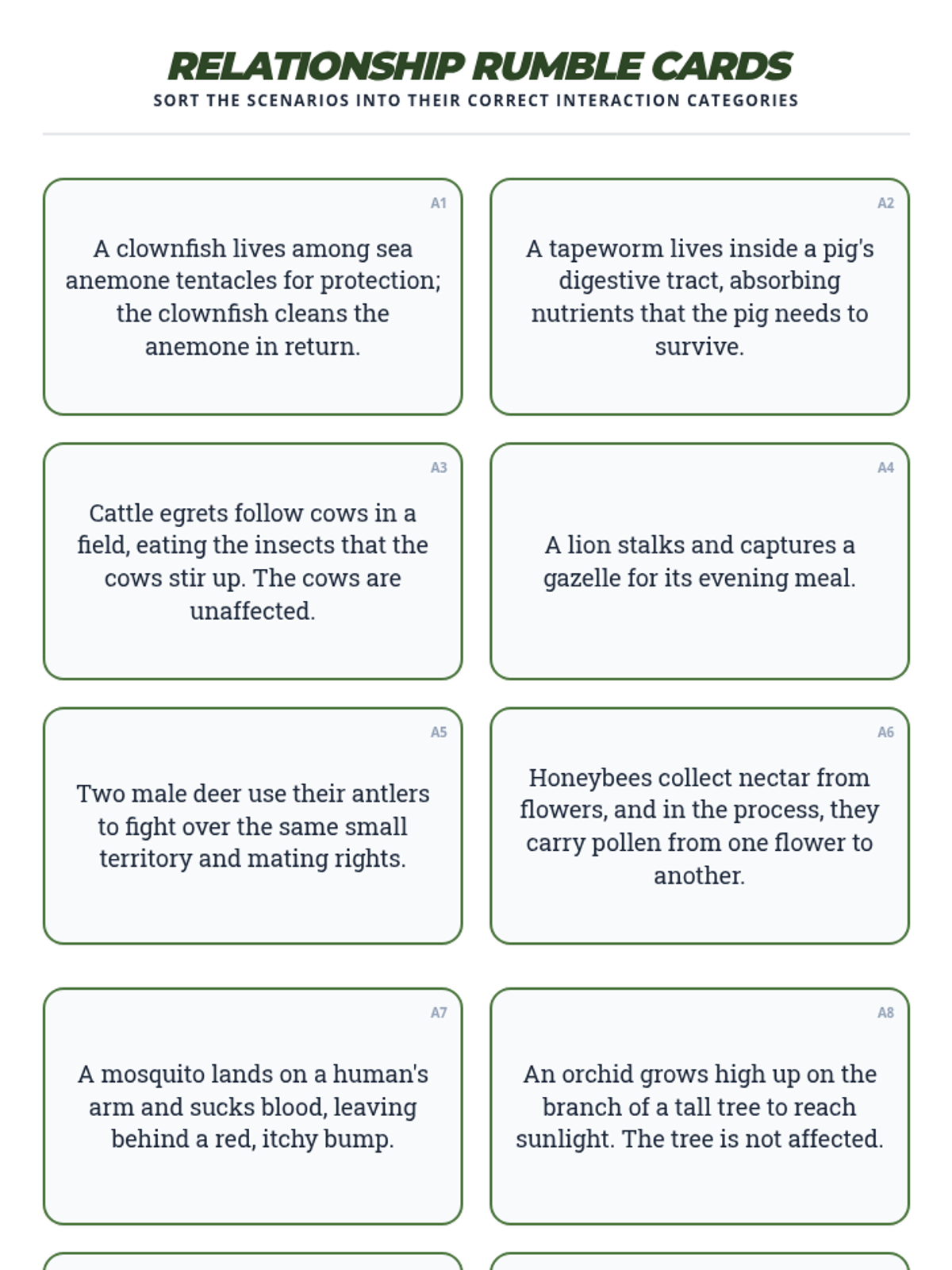
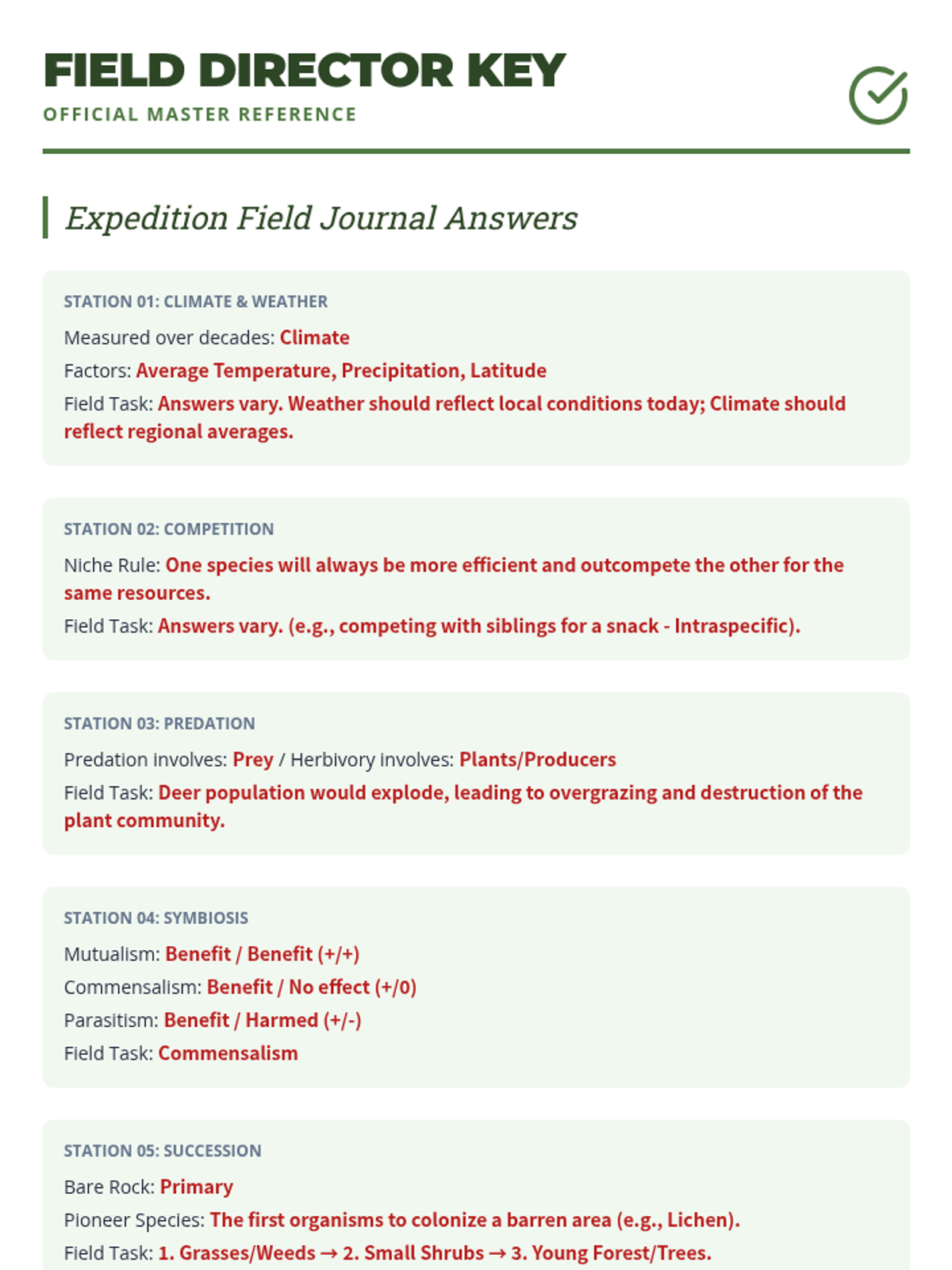
A comprehensive unit exploring the intricate webs of life, focusing on the relationships and environmental factors that shape ecosystems.