A series of ELD lessons exploring how human environments interact with nature, focusing on reading comprehension, academic language, and collaborative discourse.
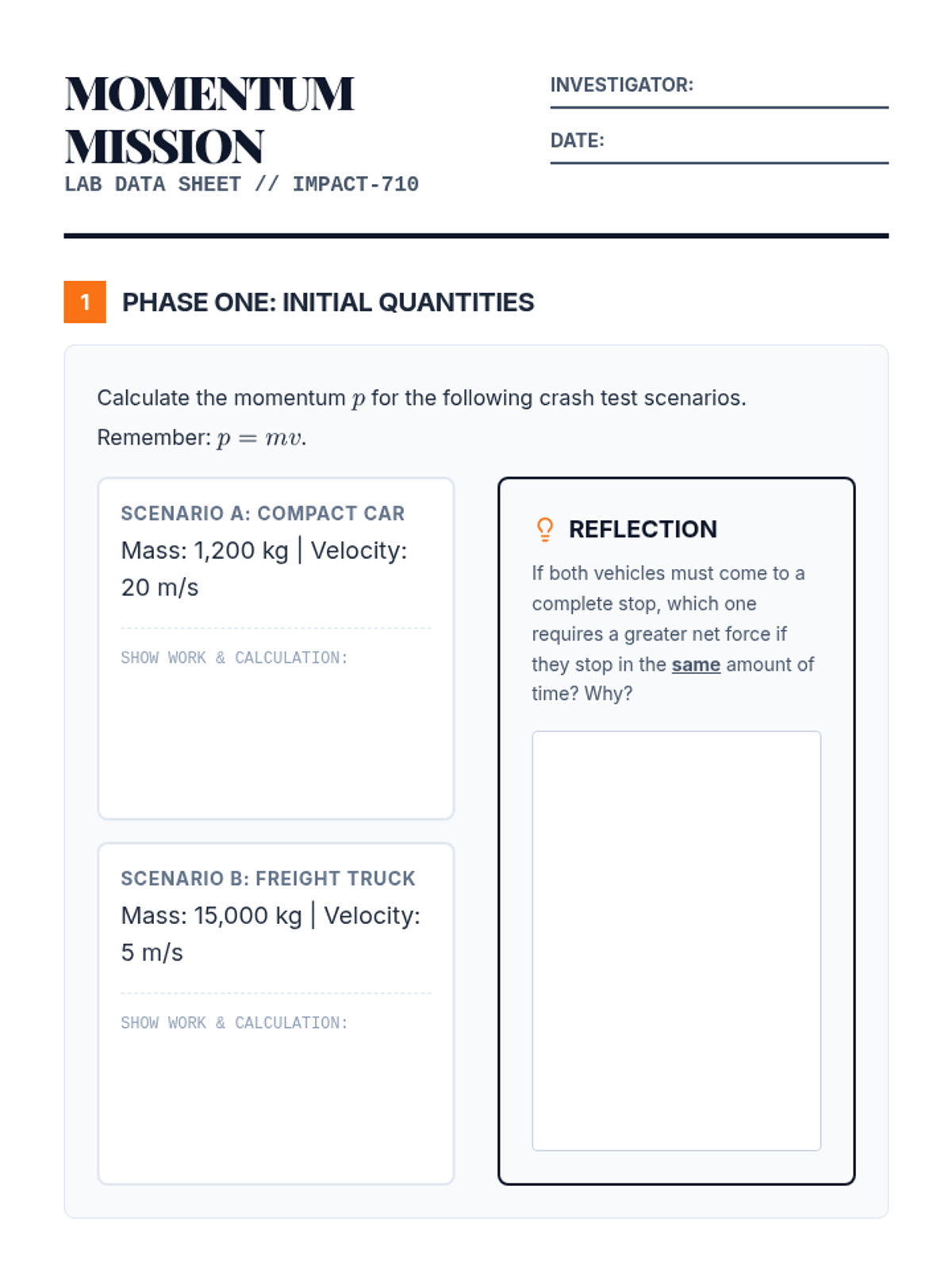
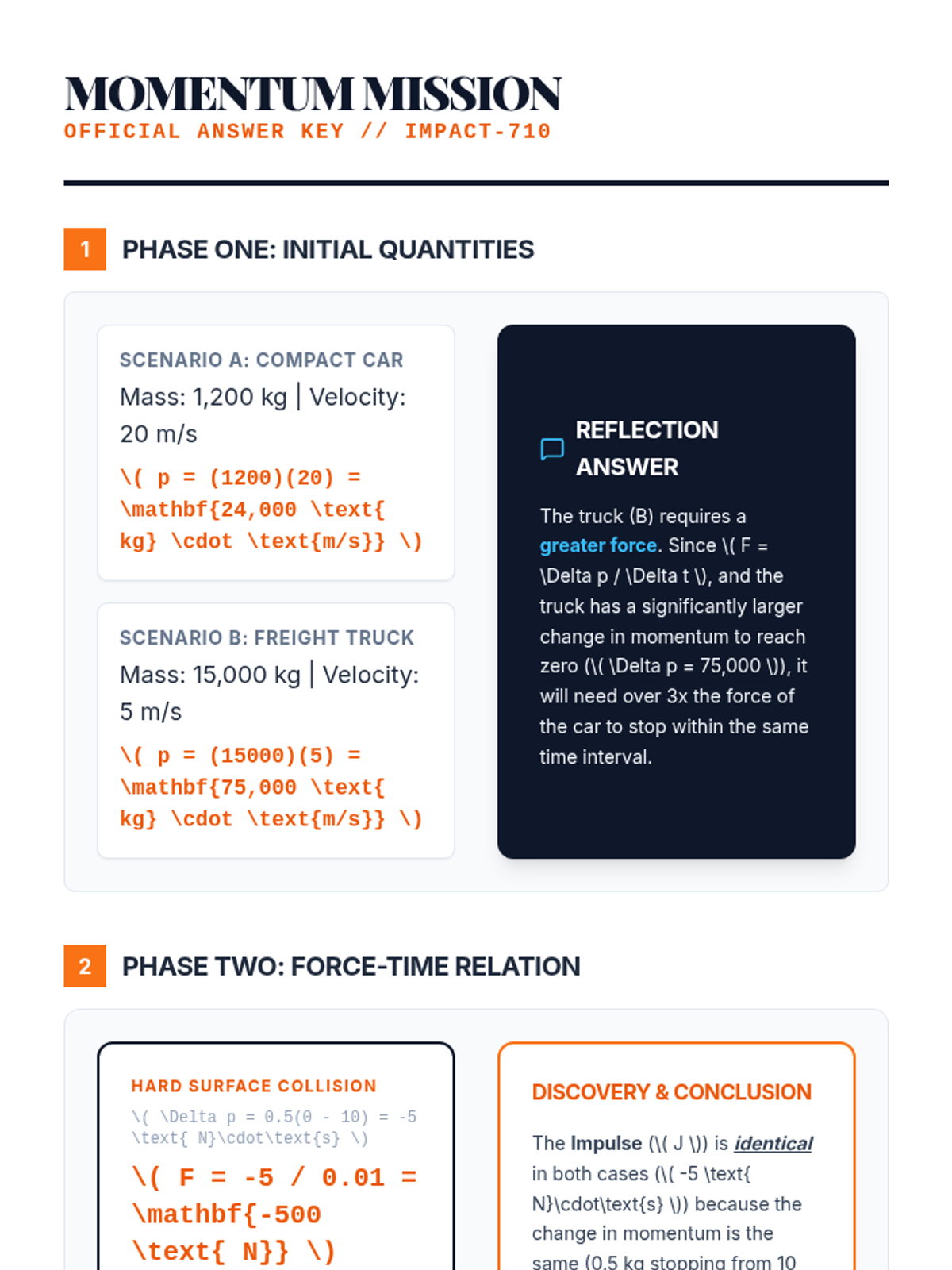
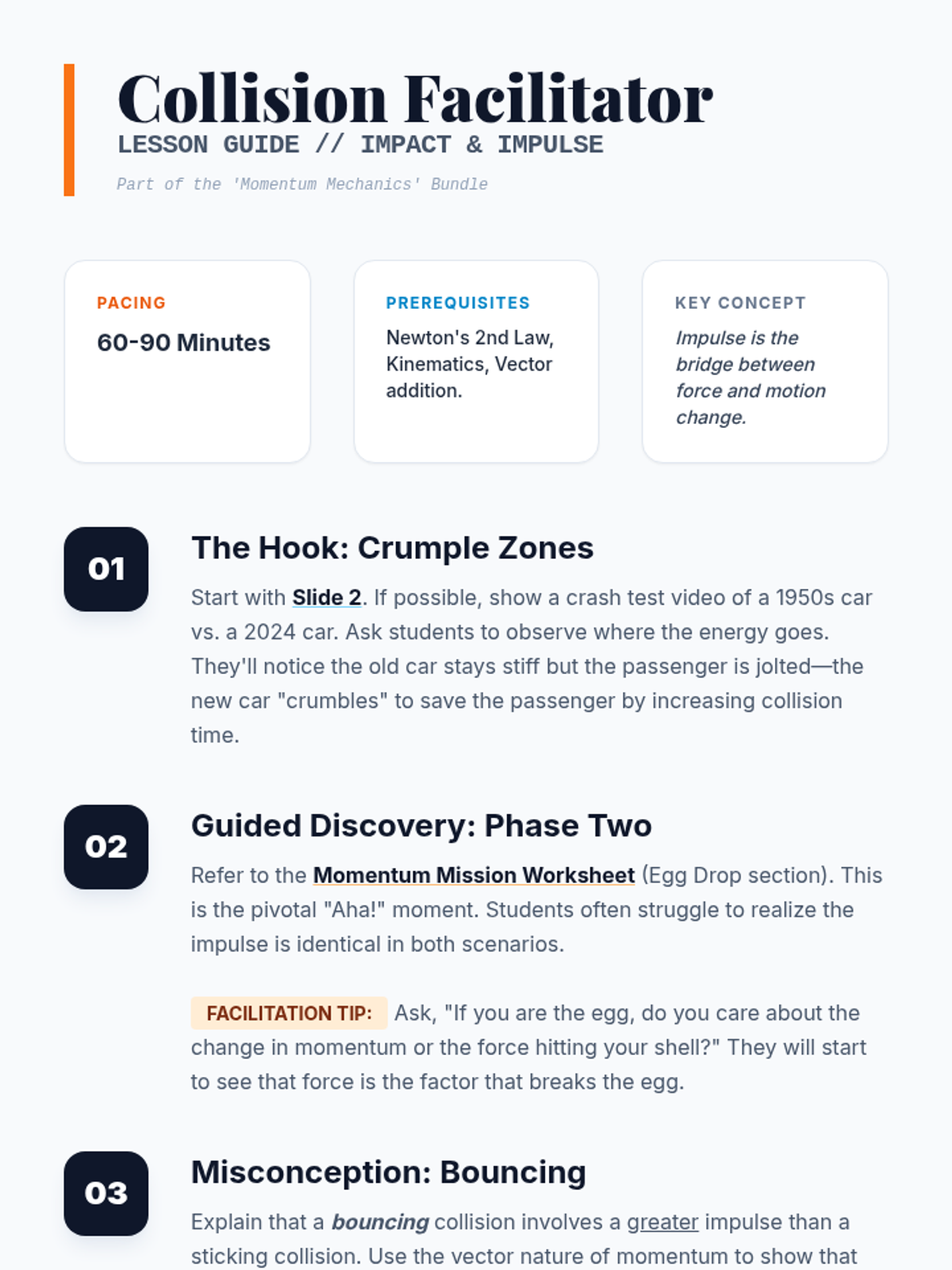
A guided discovery sequence on linear momentum, impulse, and 2D collisions, focusing on inquiry-based learning and vector analysis.
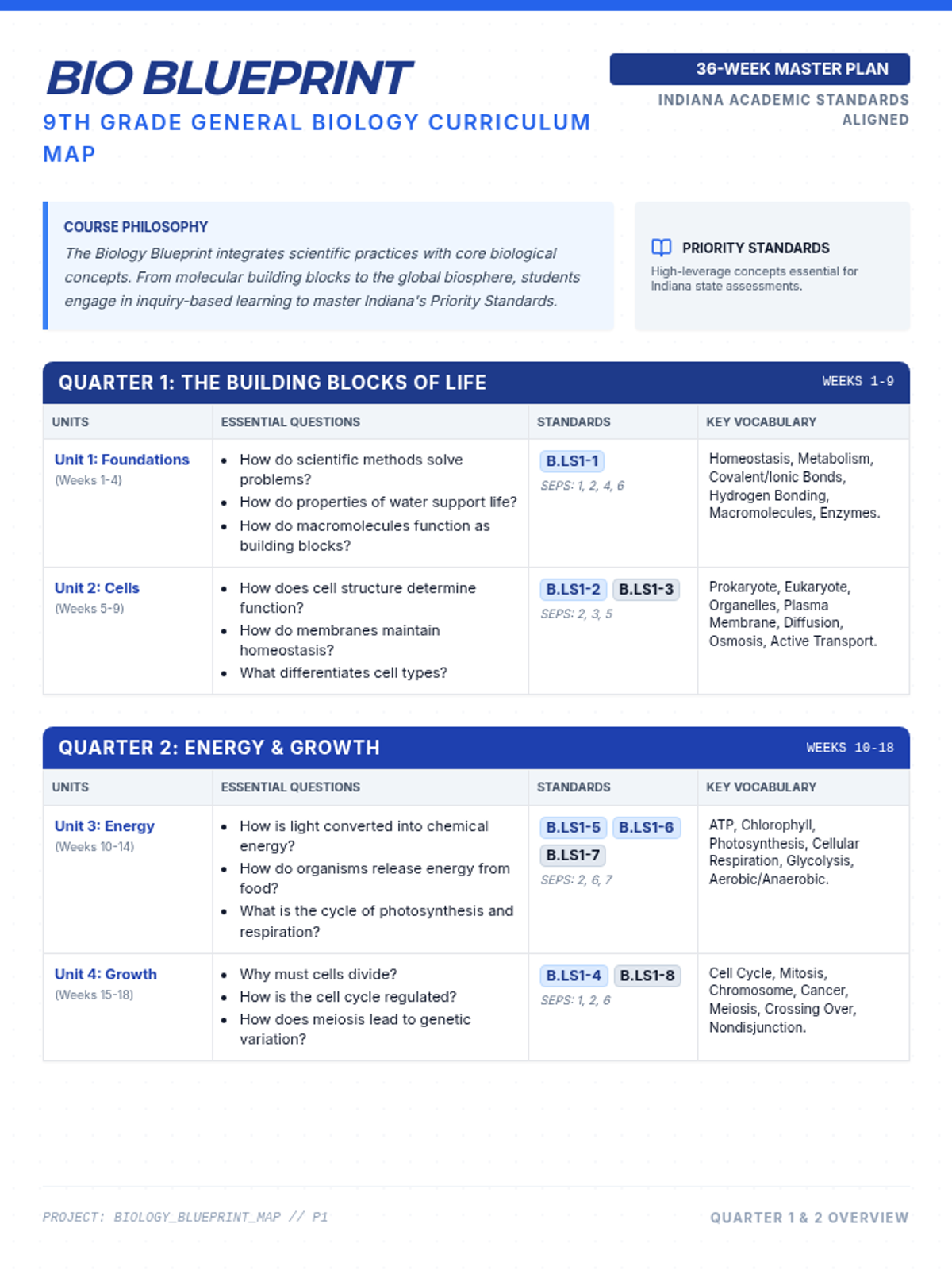
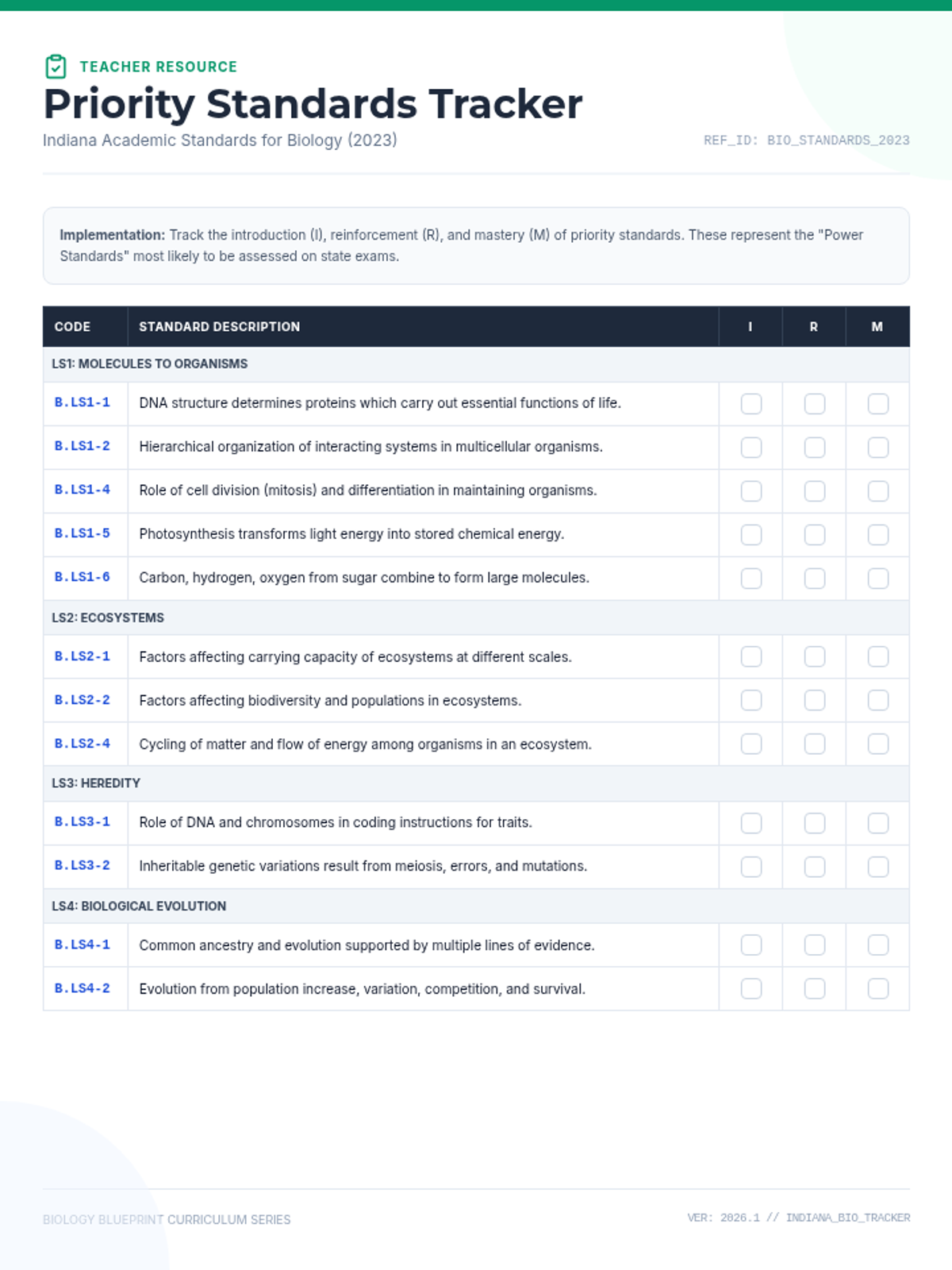
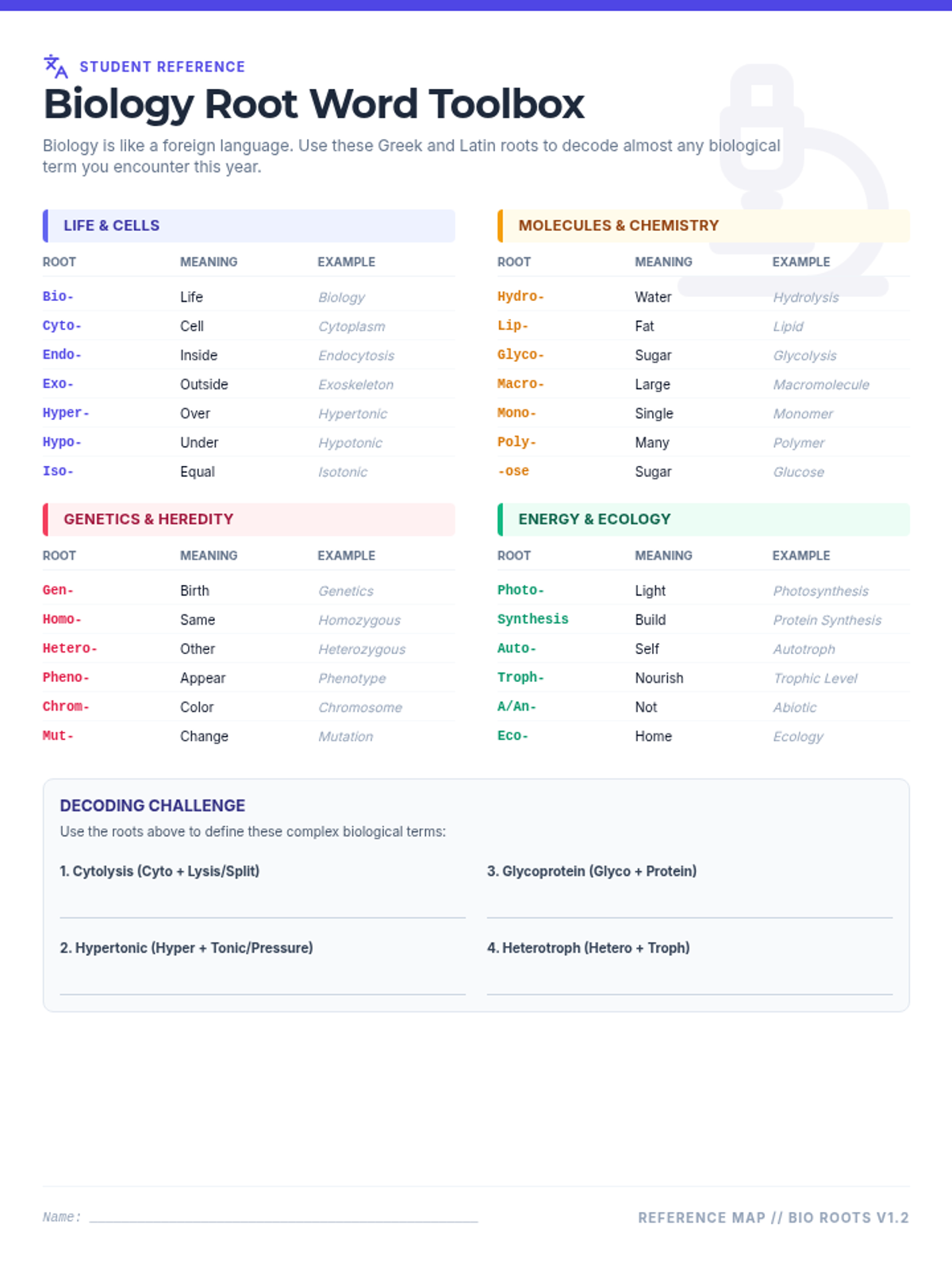
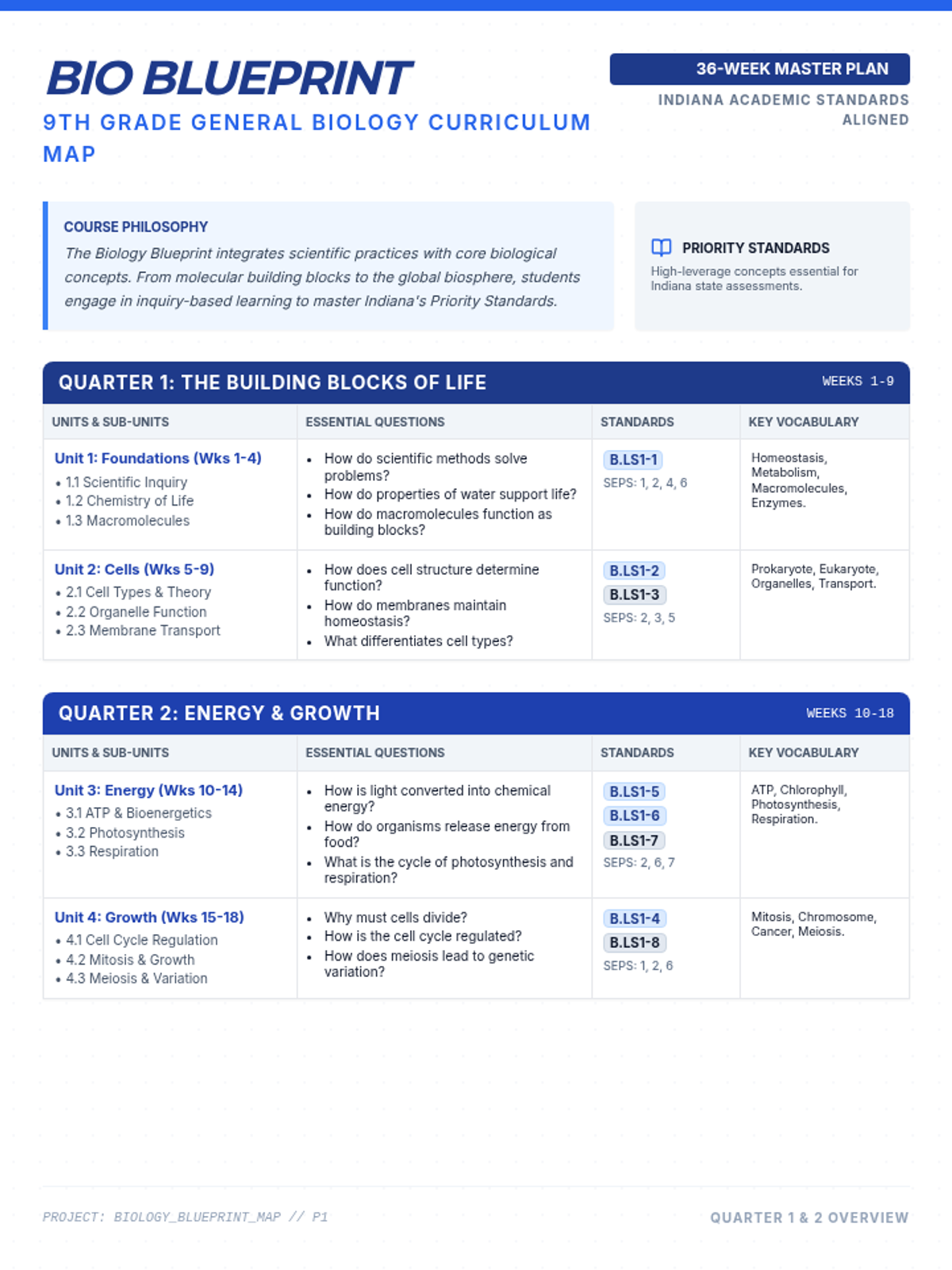
A complete 36-week high school biology curriculum designed for 9th-grade students, aligned with Indiana Academic Standards for Biology. This course progresses from microscopic biochemical foundations to macroscopic ecological systems.
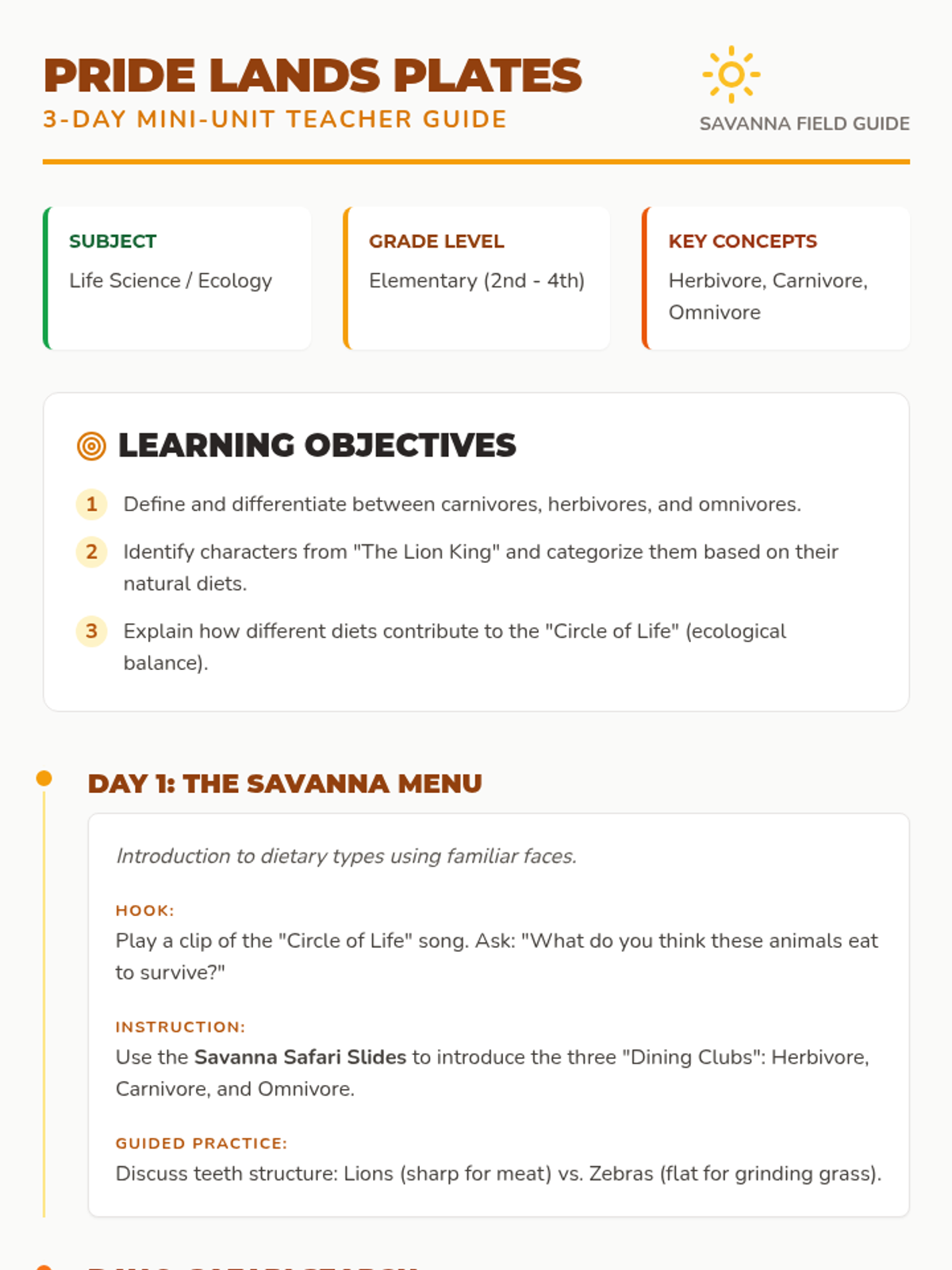
A 3-day mini-unit exploring carnivores, herbivores, and omnivores through the lens of The Lion King. Students will identify animal diets, categorize characters, and understand the ecological balance of the Pride Lands.
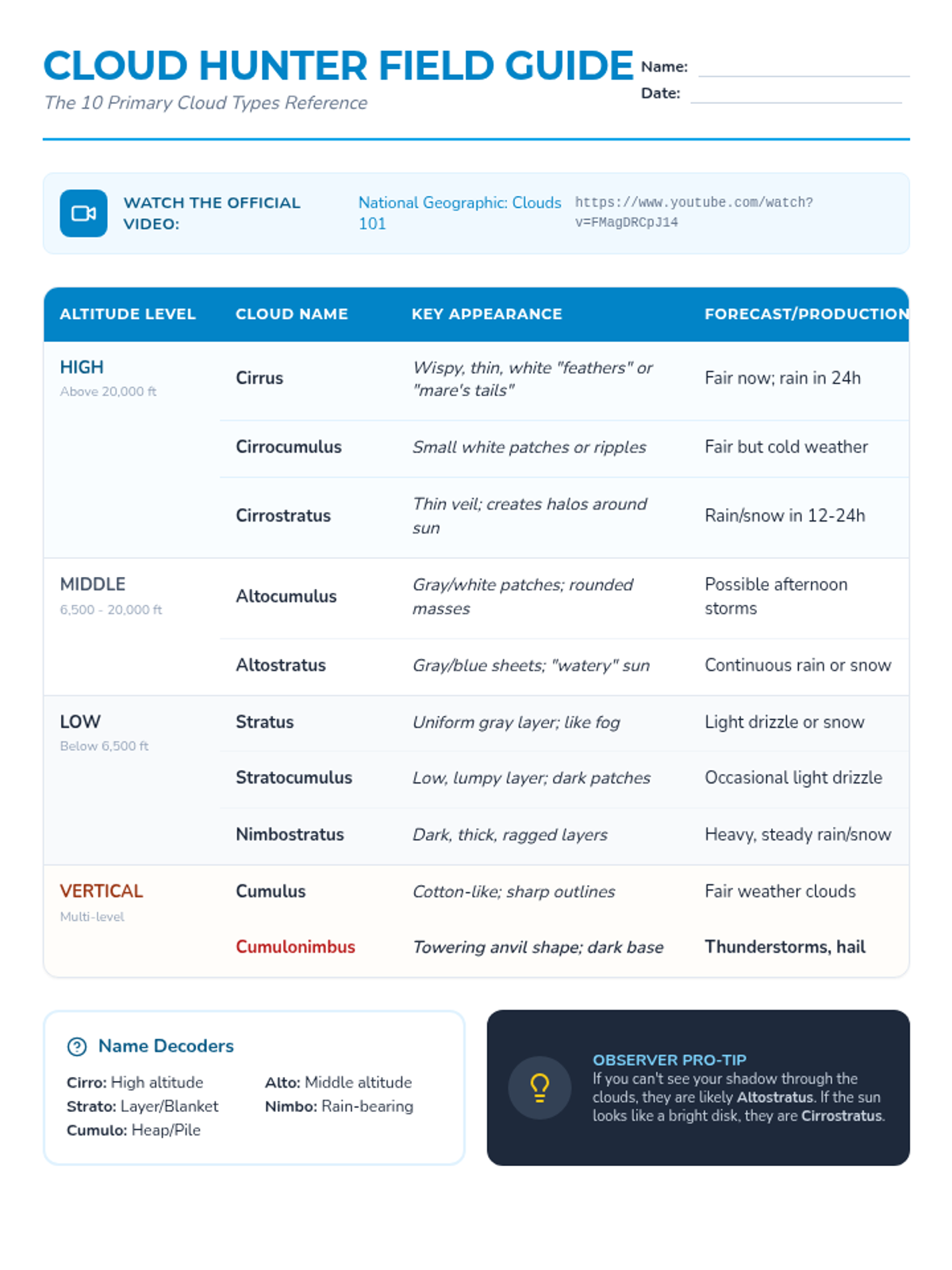
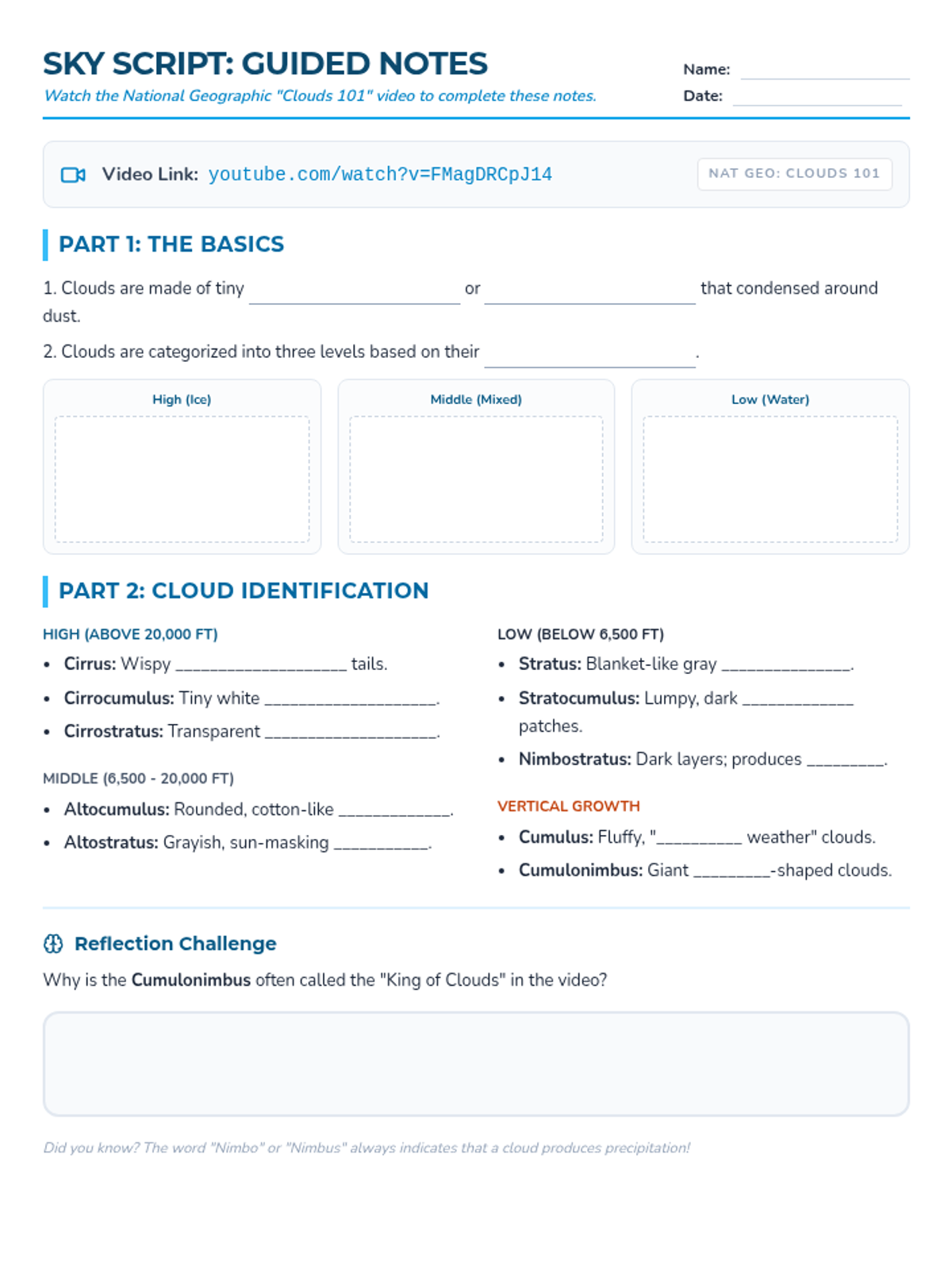
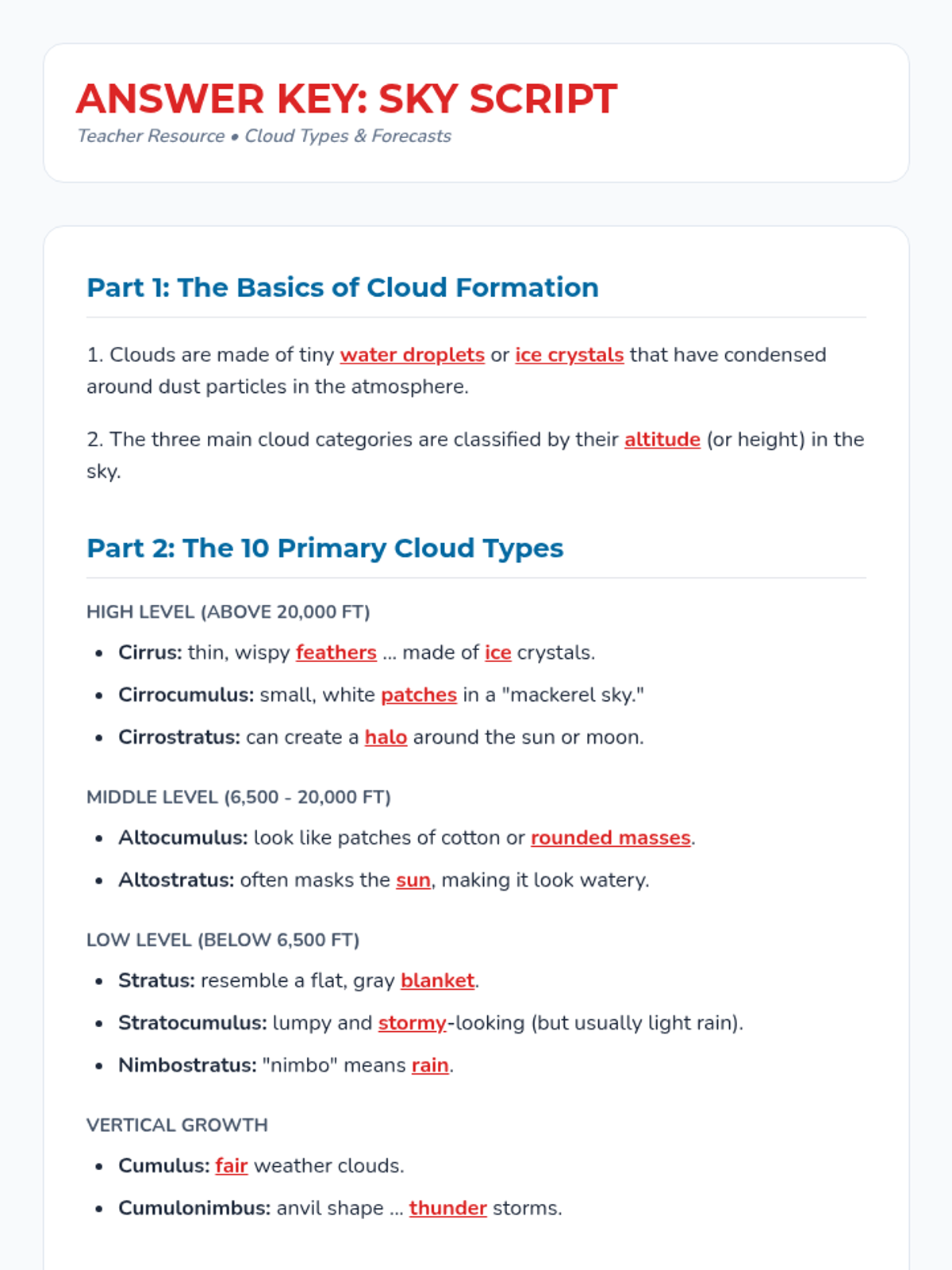
A comprehensive introduction to meteorology focused on identifying and understanding the ten primary cloud types and their impact on weather patterns.
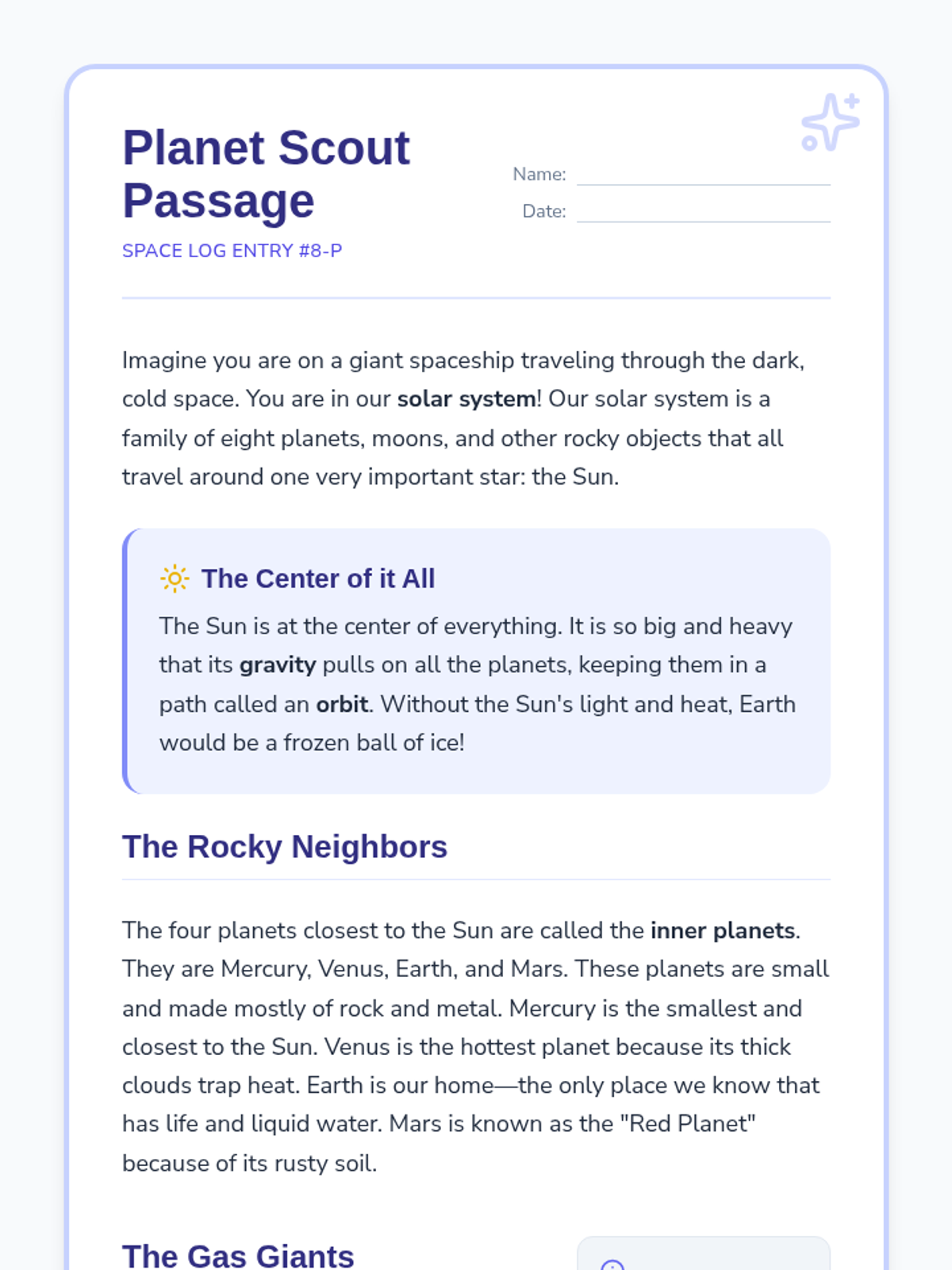
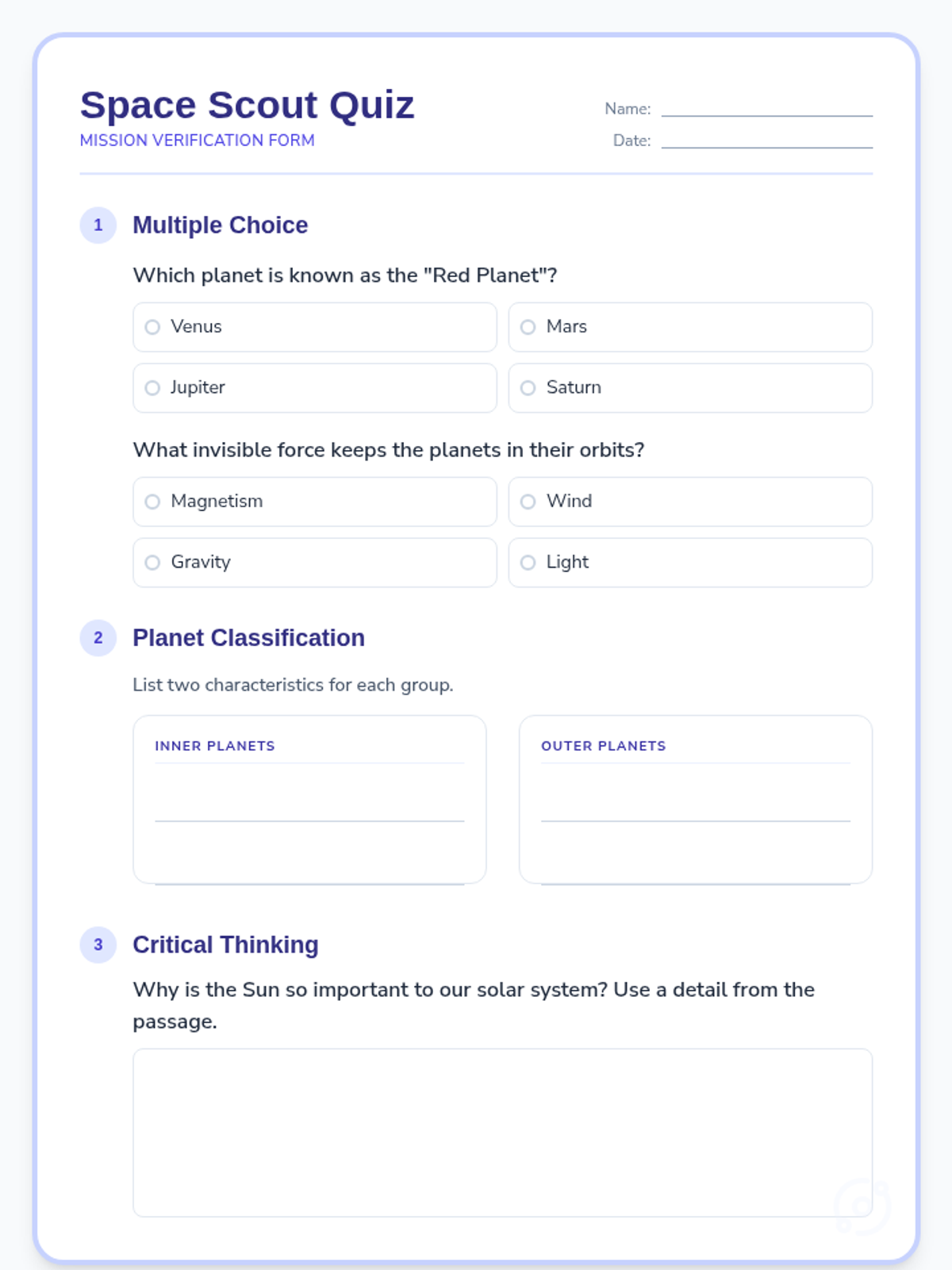
A diverse collection of lessons covering the celestial wonders of our solar system and the historical impact of the World War II Home Front.
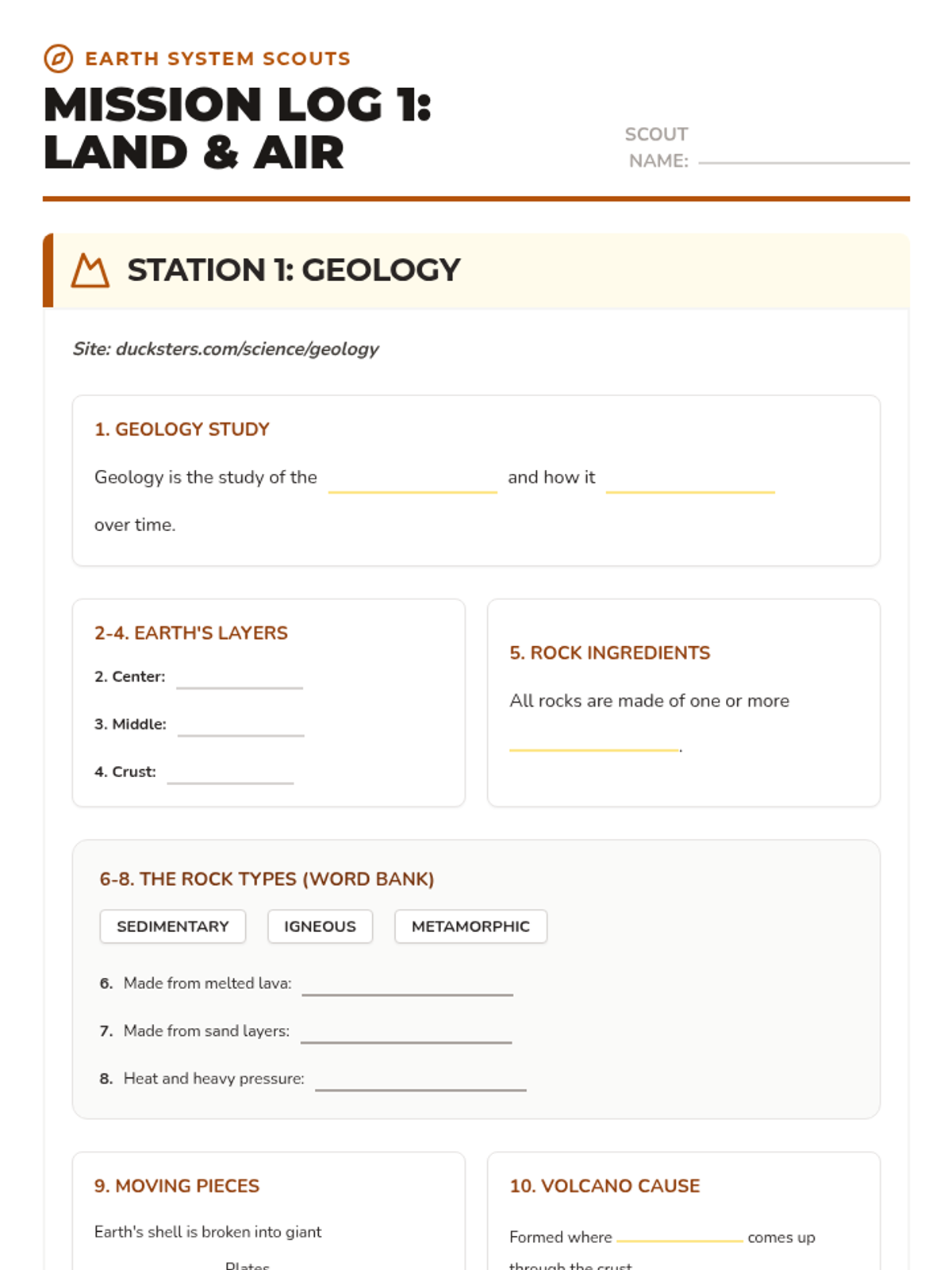
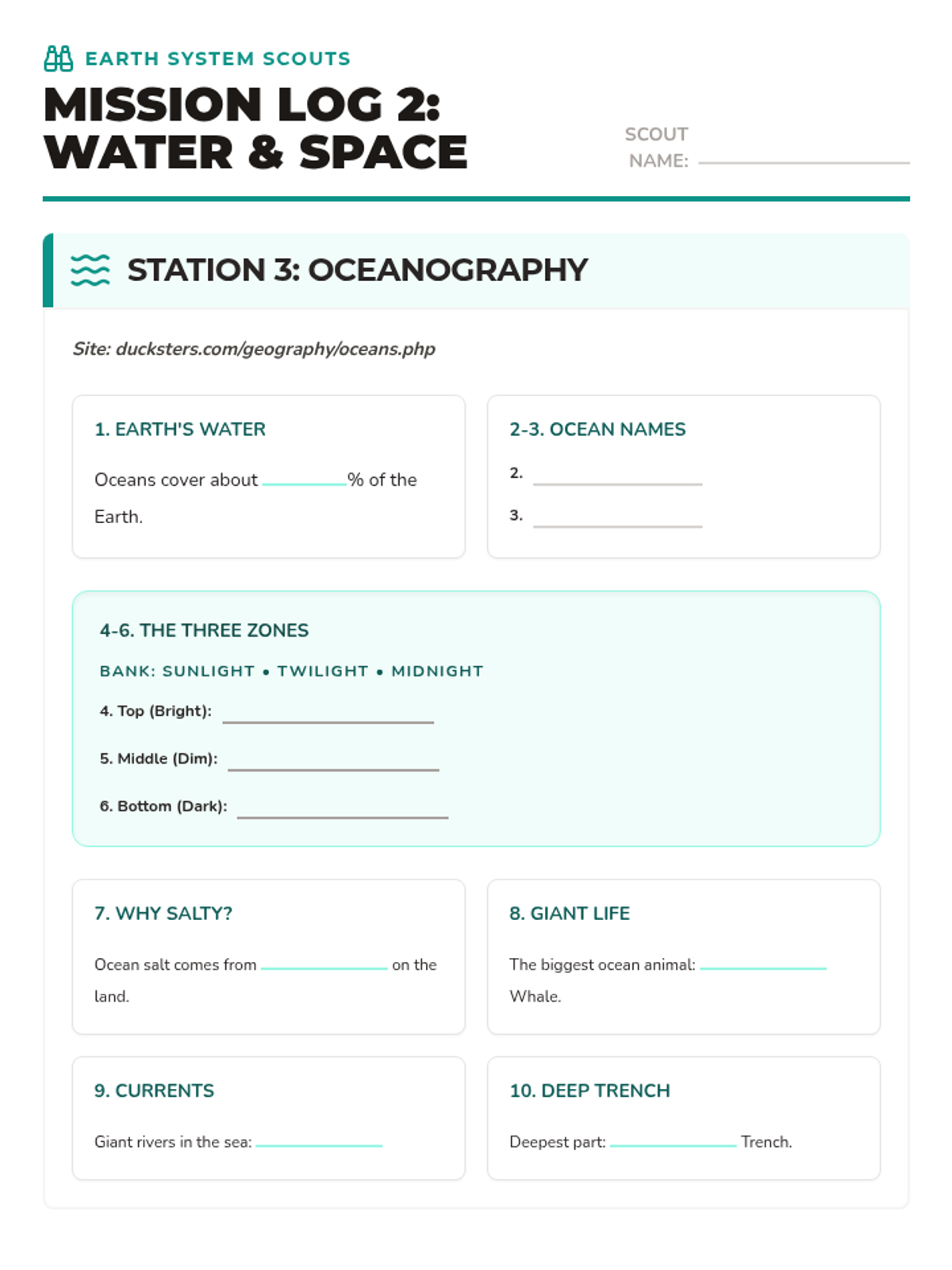
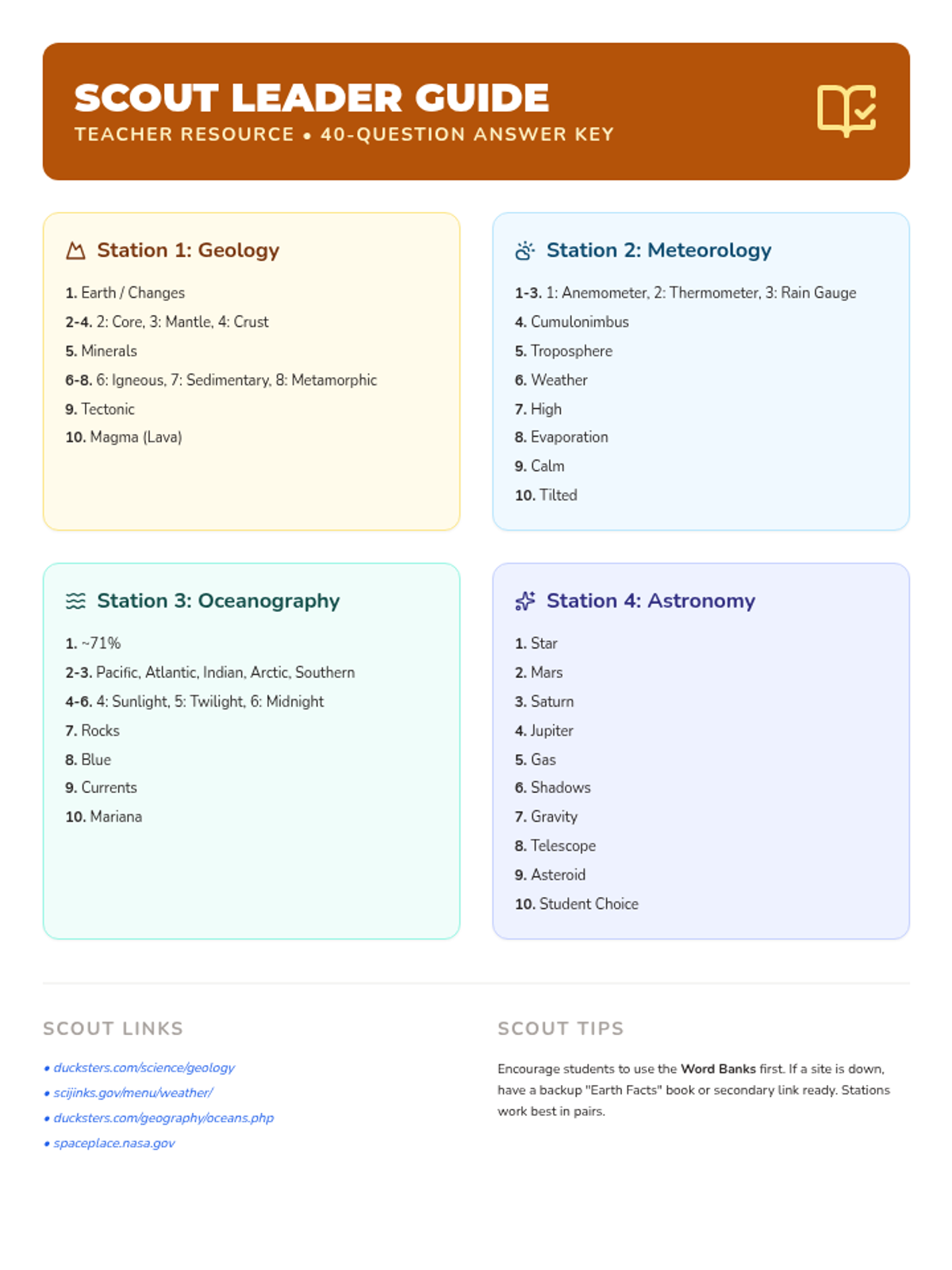
A foundational exploration of the four main branches of Earth Science through a multi-day digital scavenger hunt designed for accessibility and engagement.
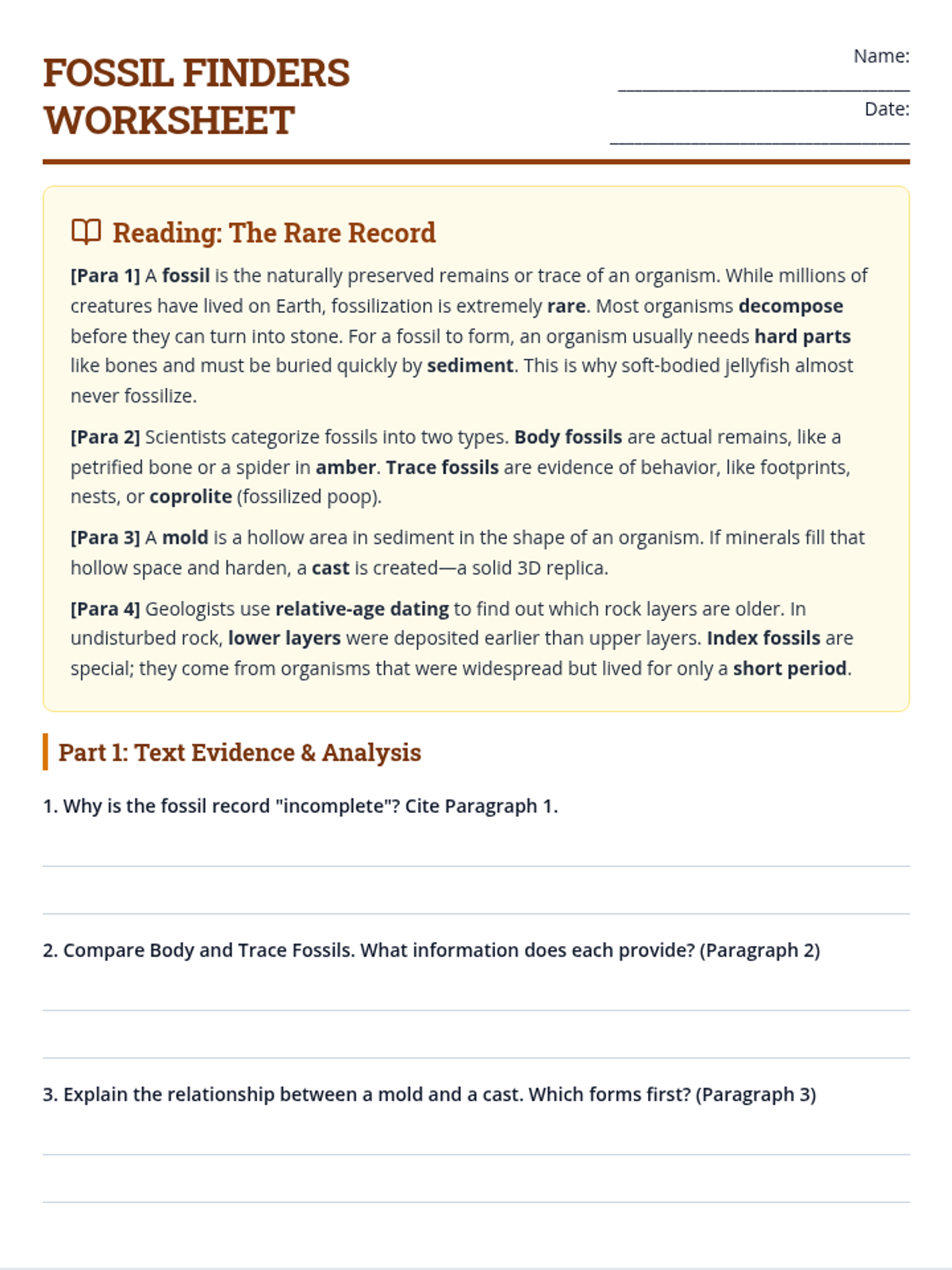
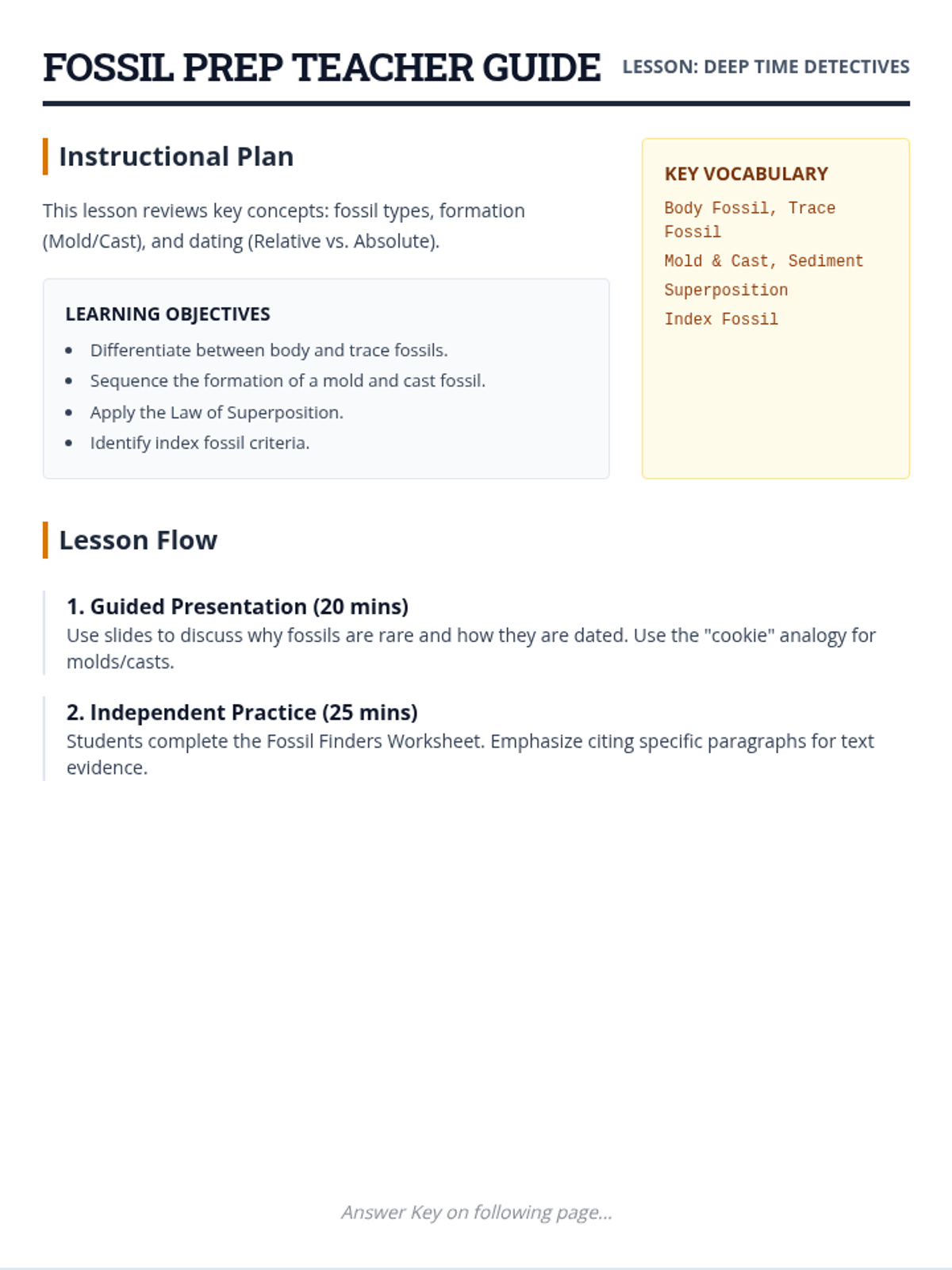
A comprehensive unit exploring how fossils form, how they are dated, and what they reveal about Earth's biological and geological history.
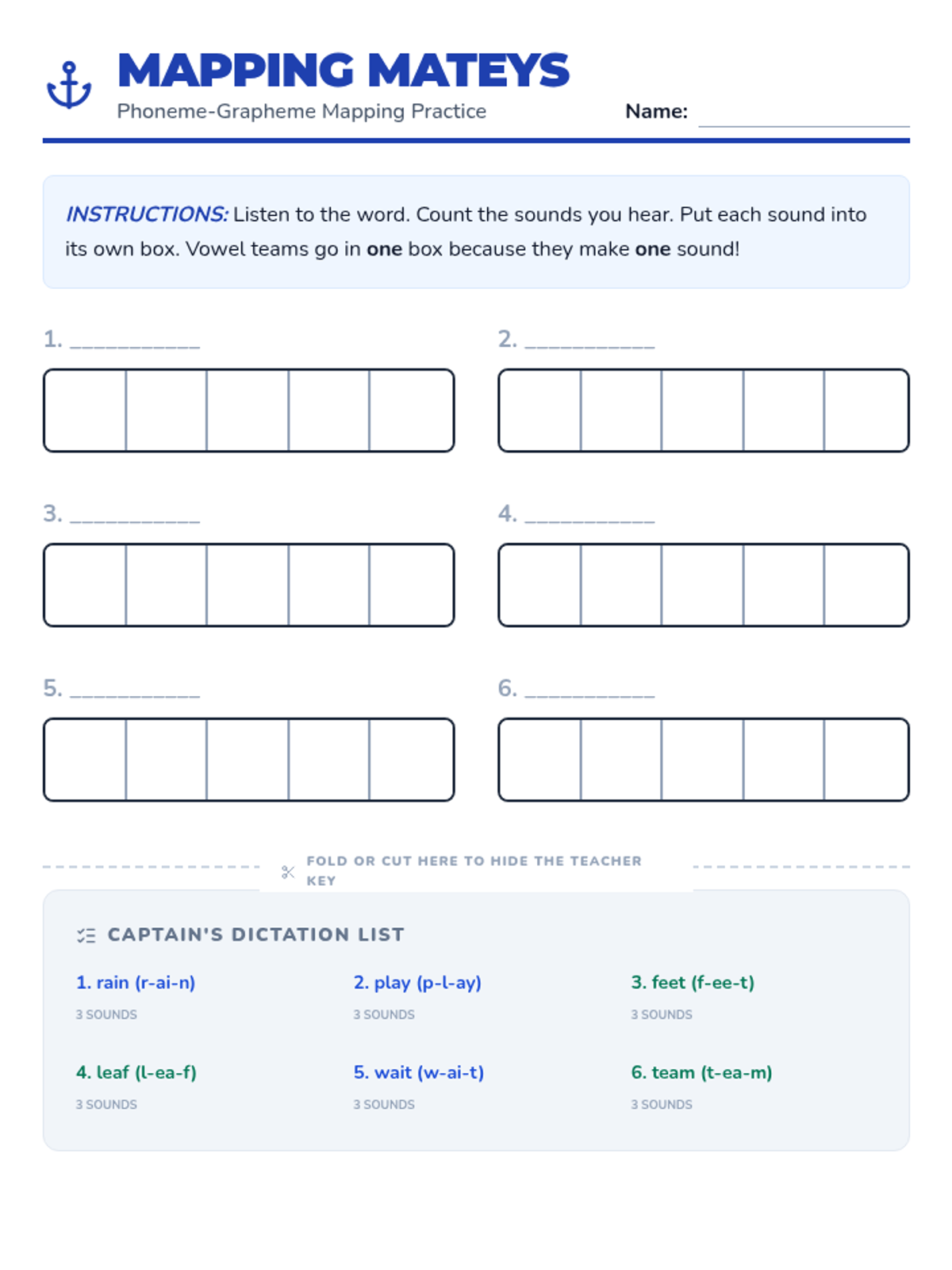
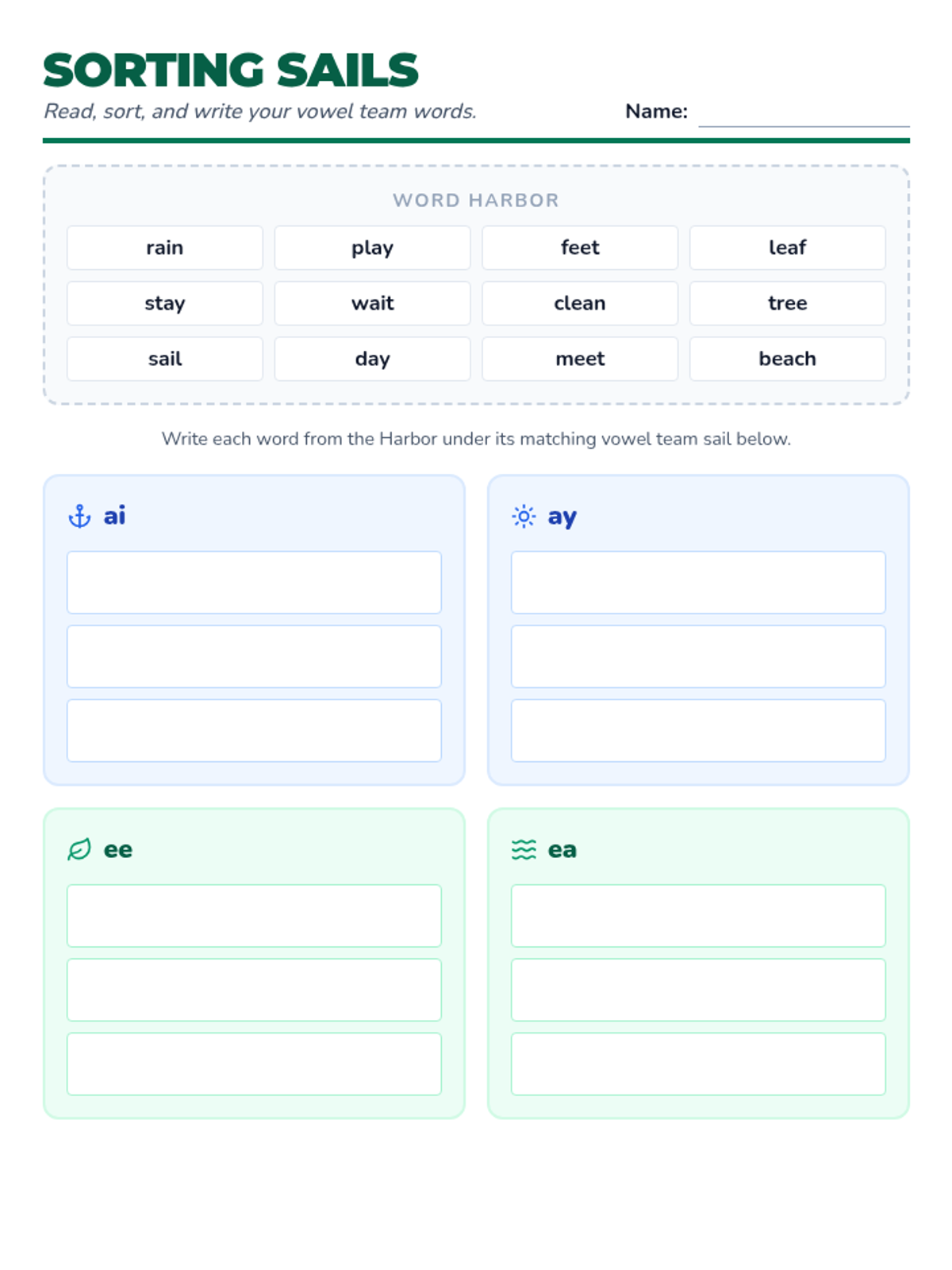
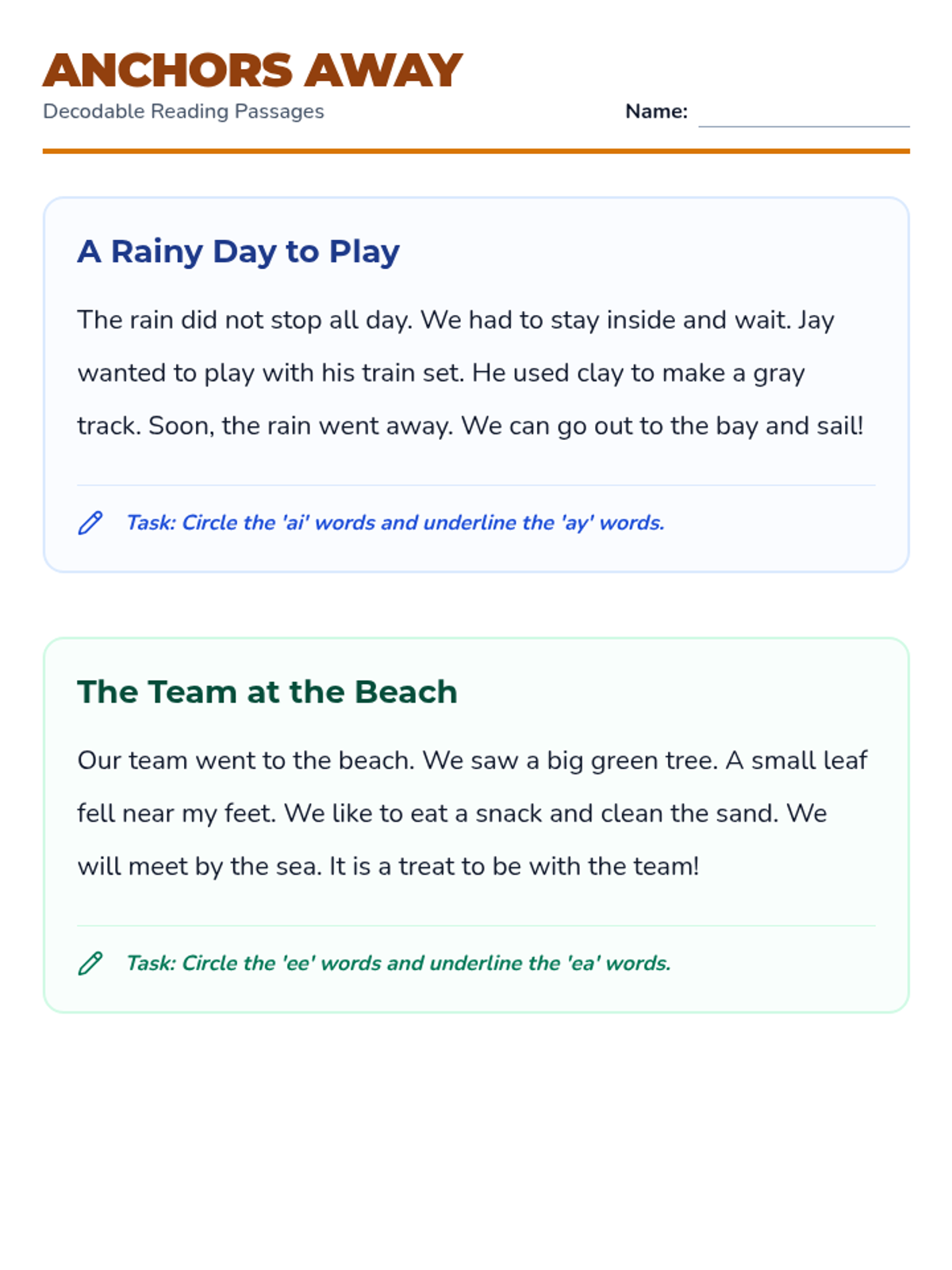
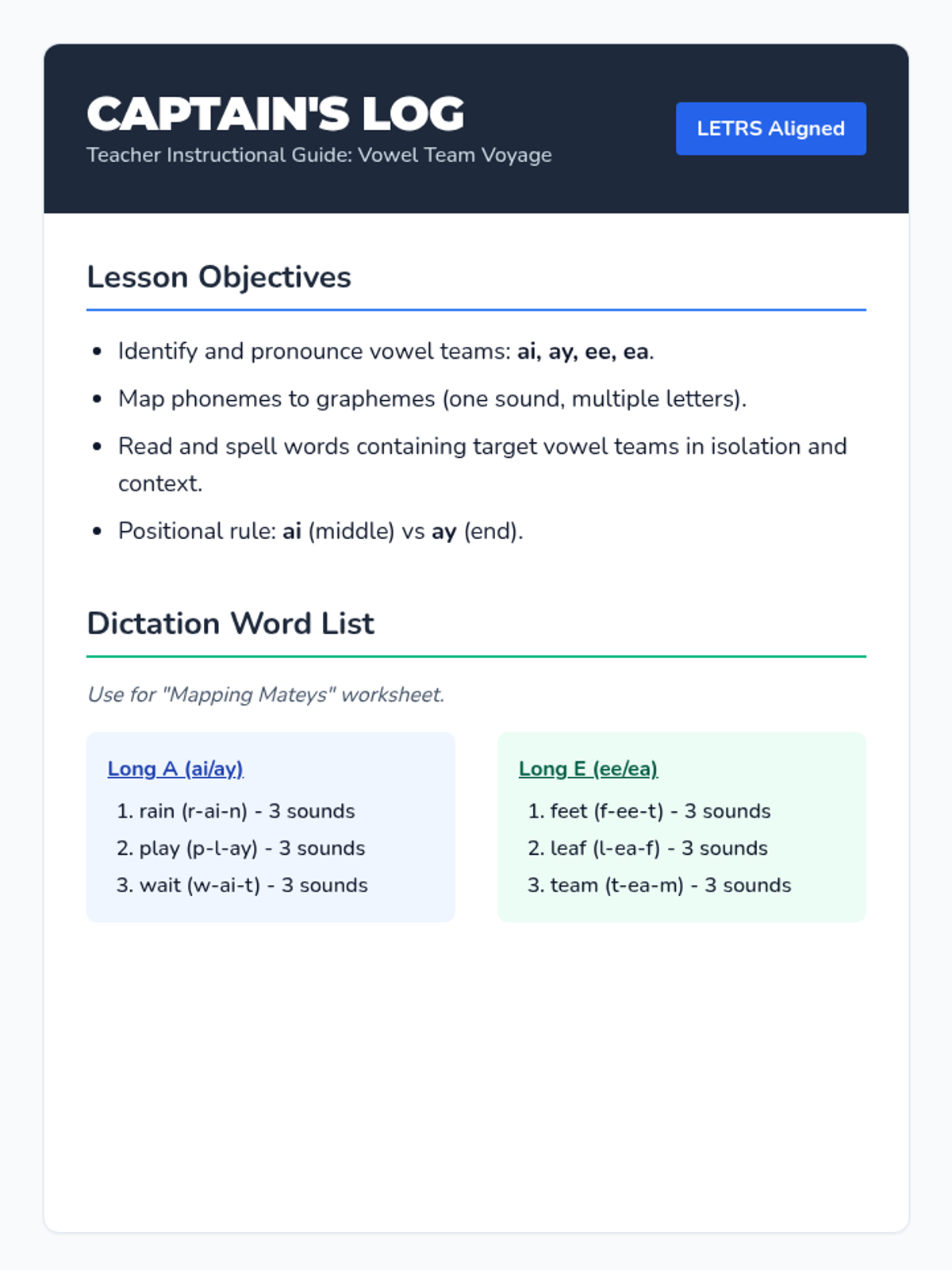
A comprehensive 36-week phonics and comprehension curriculum for small groups. Each week focuses on a specific phonetic target integrated with a reading comprehension strategy, following a systematic, multisensory approach.
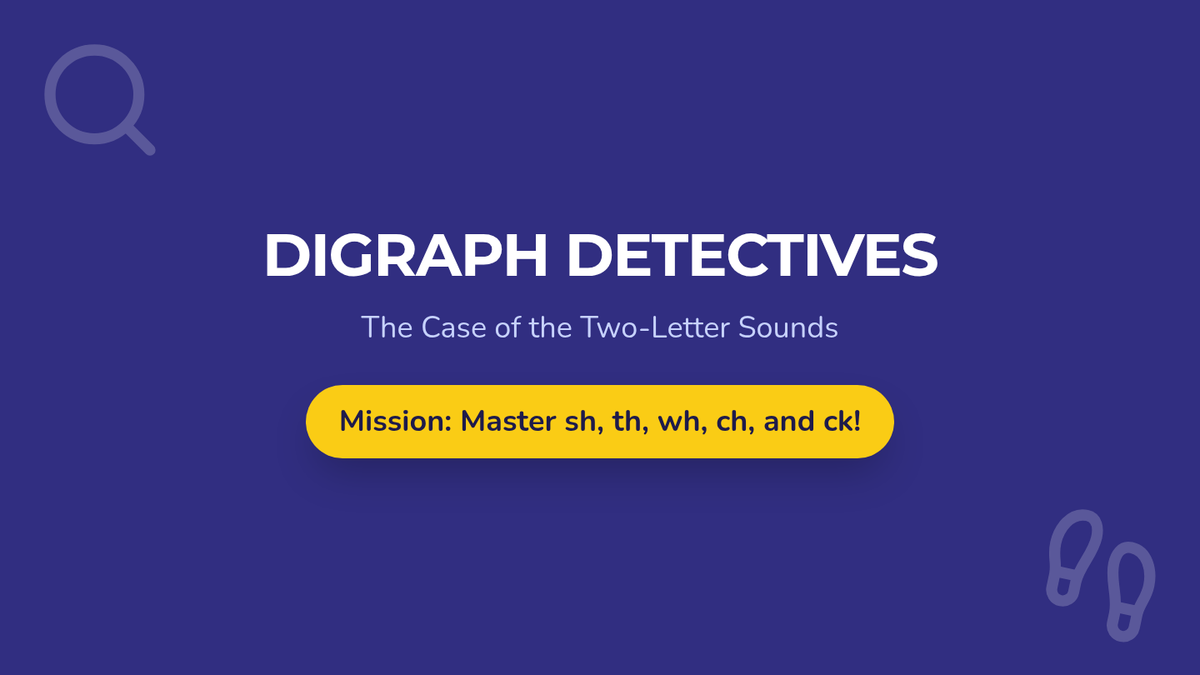
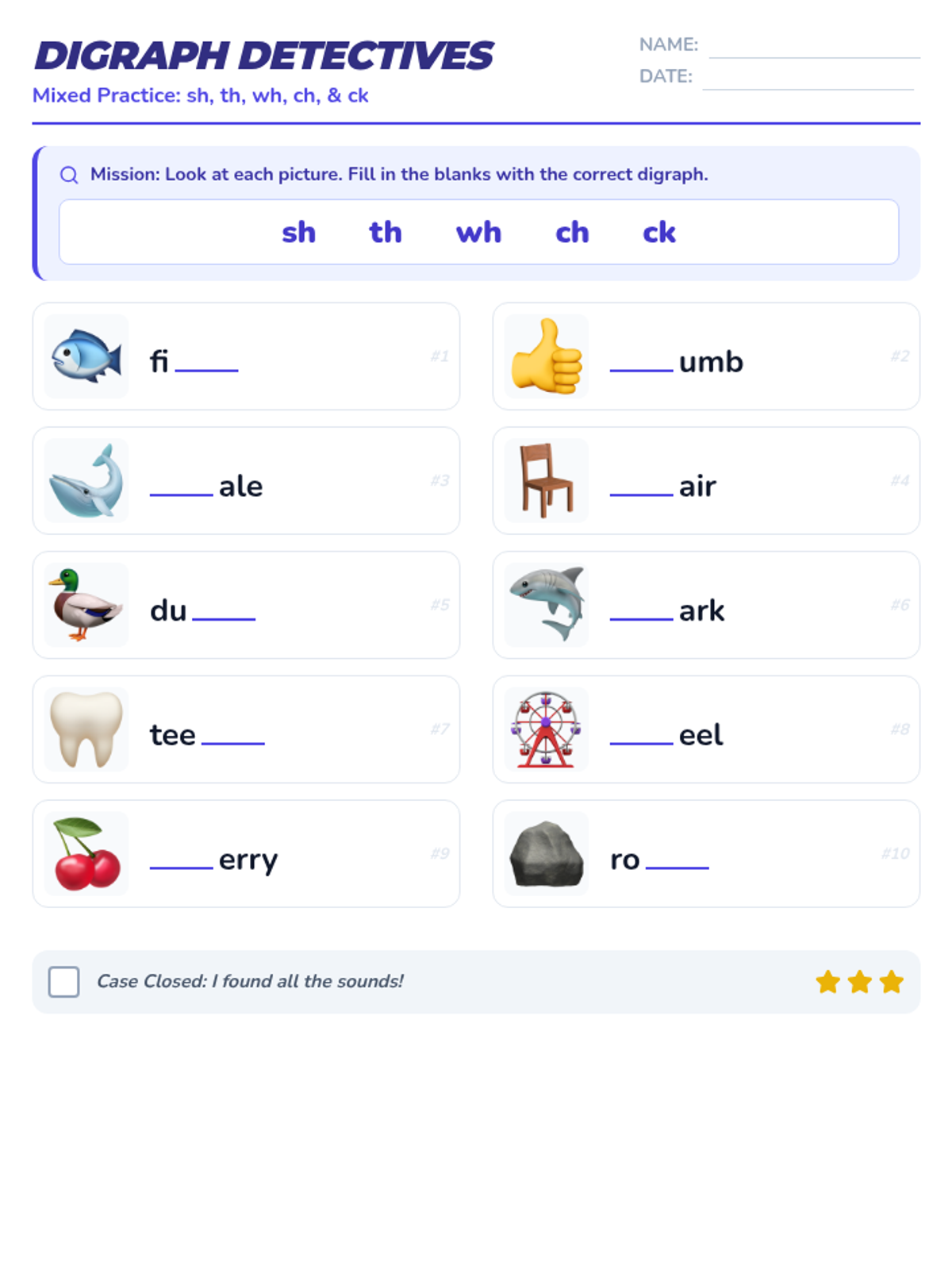
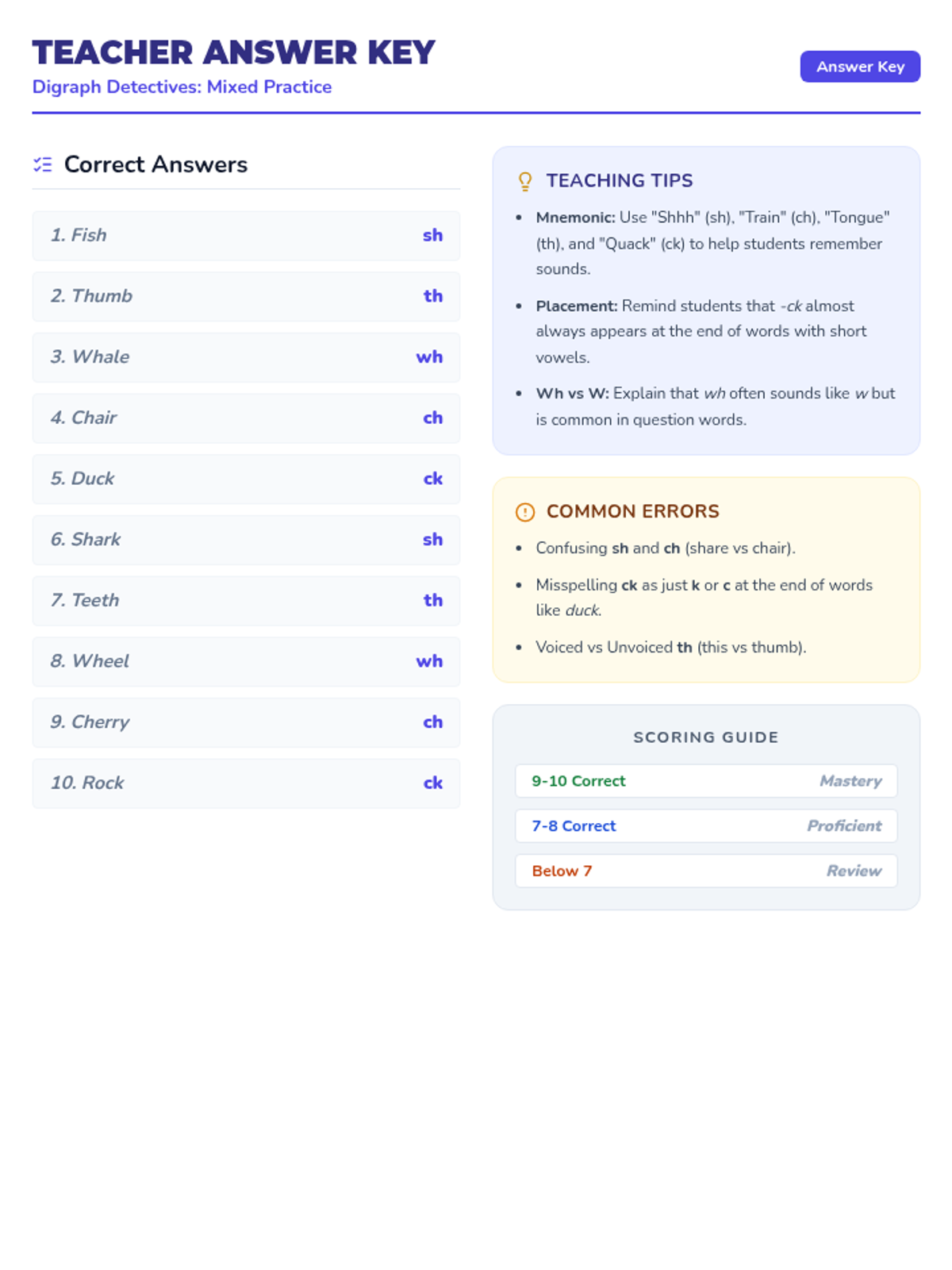
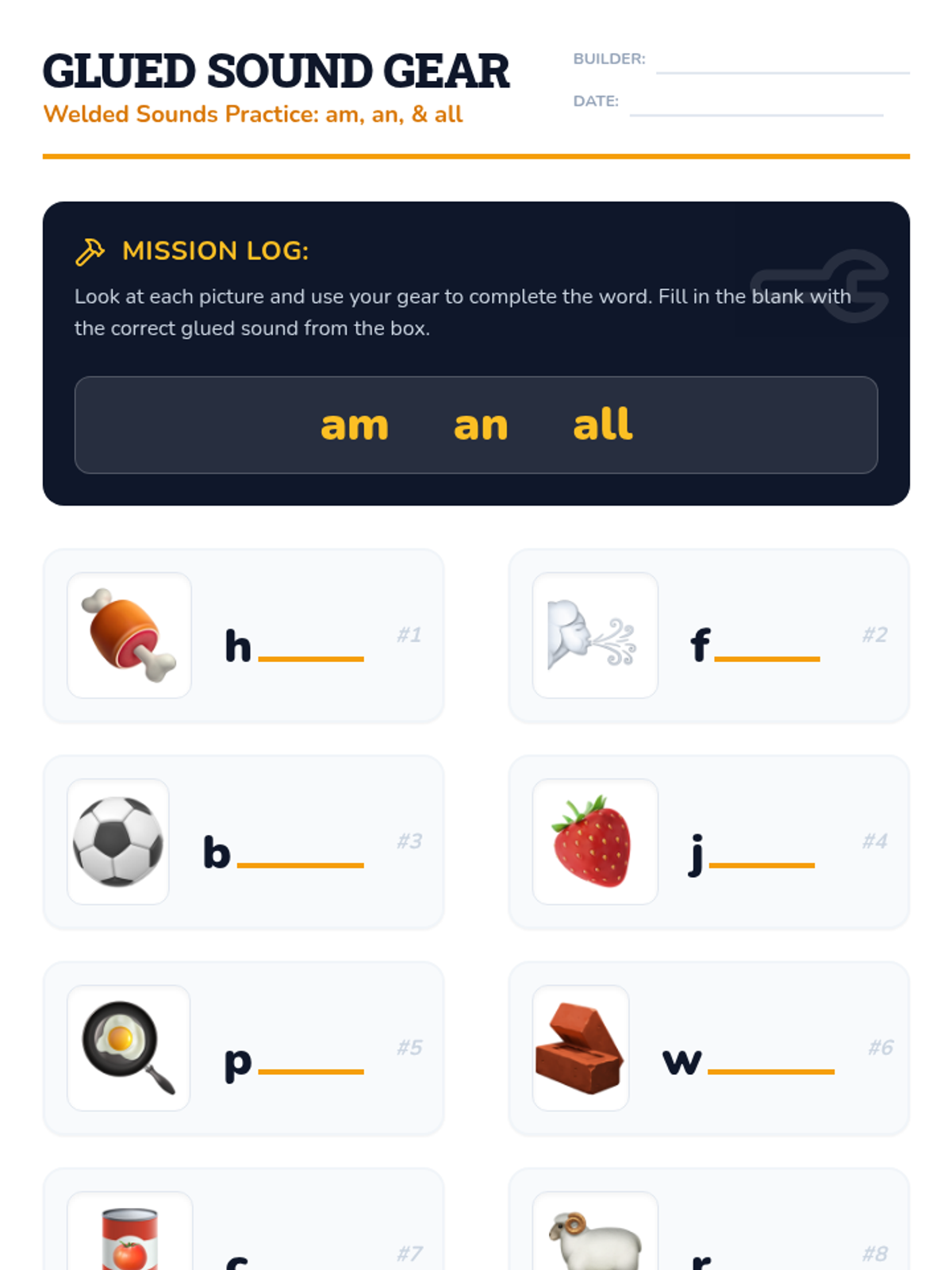
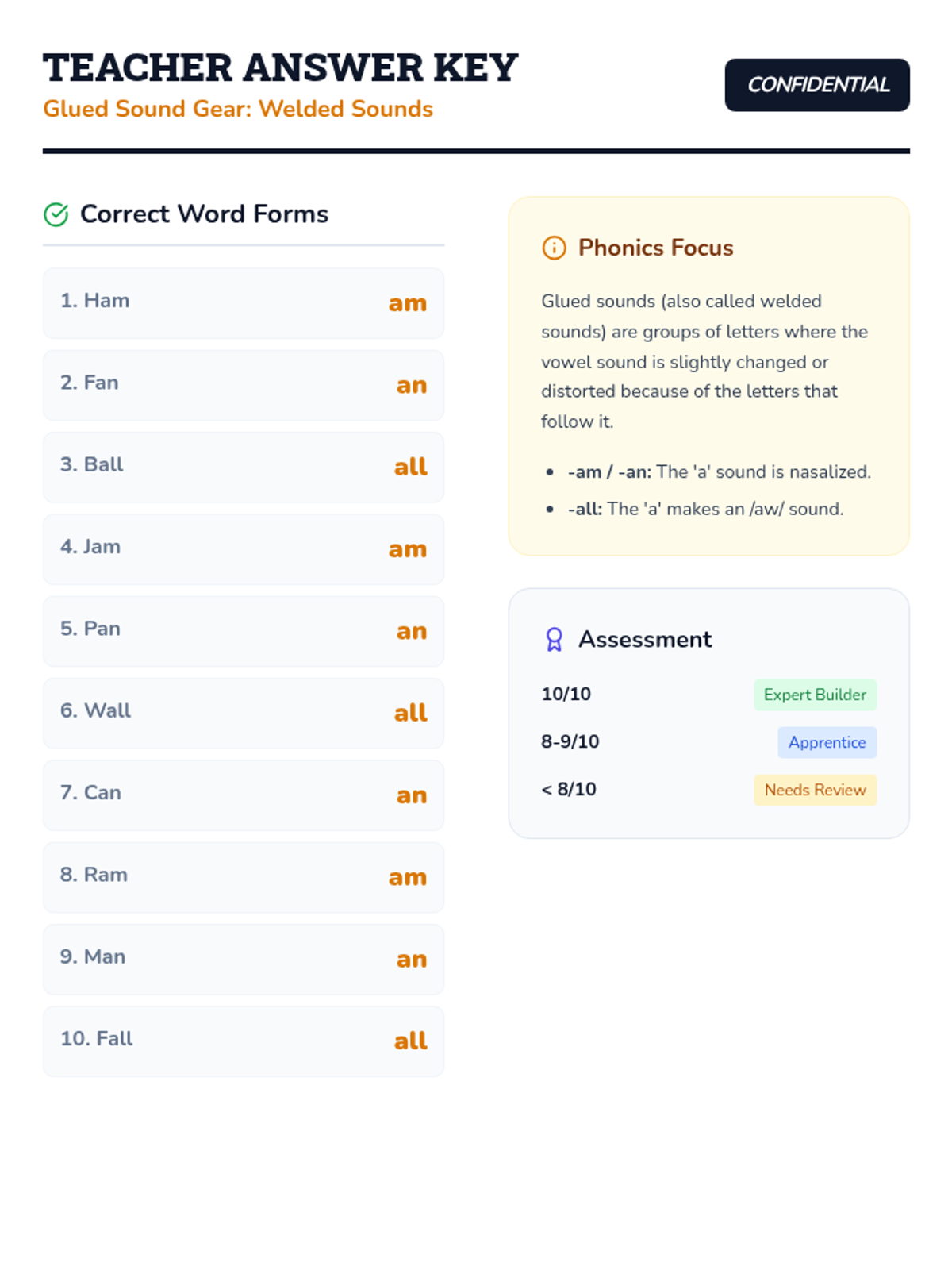
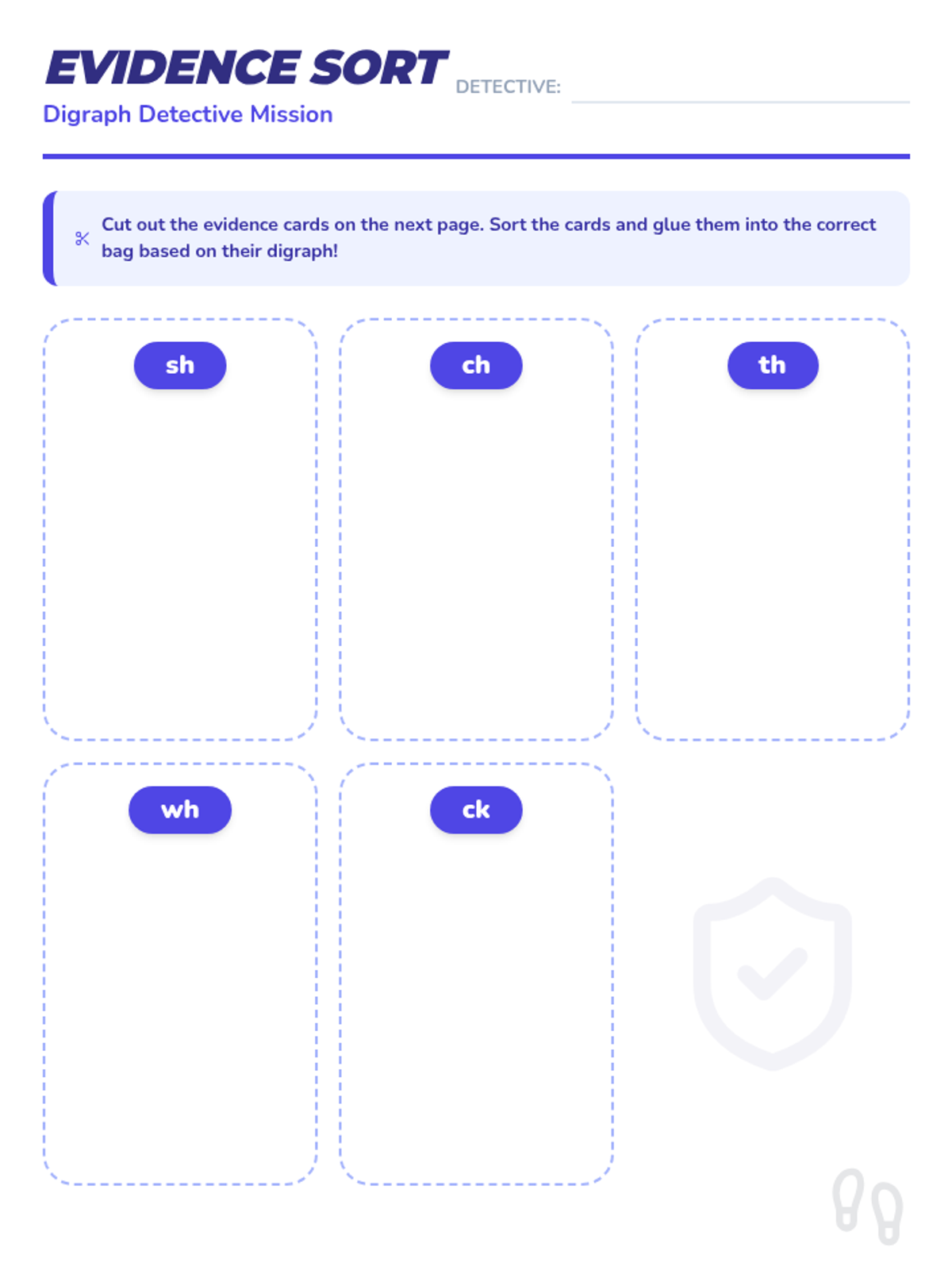
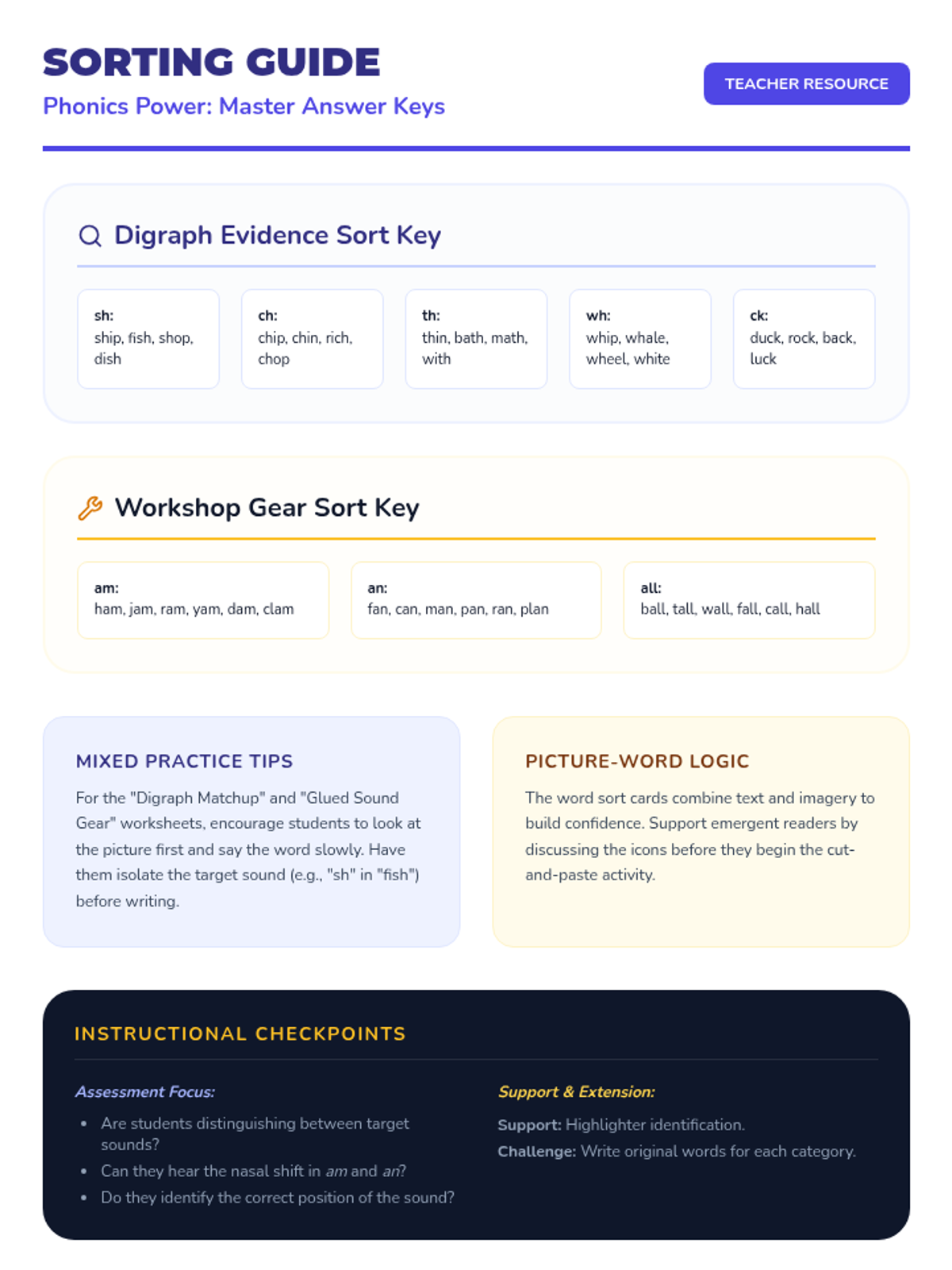
A comprehensive phonics sequence covering complex letter sounds including digraphs and glued/welded sounds through visual play and detective-themed activities.
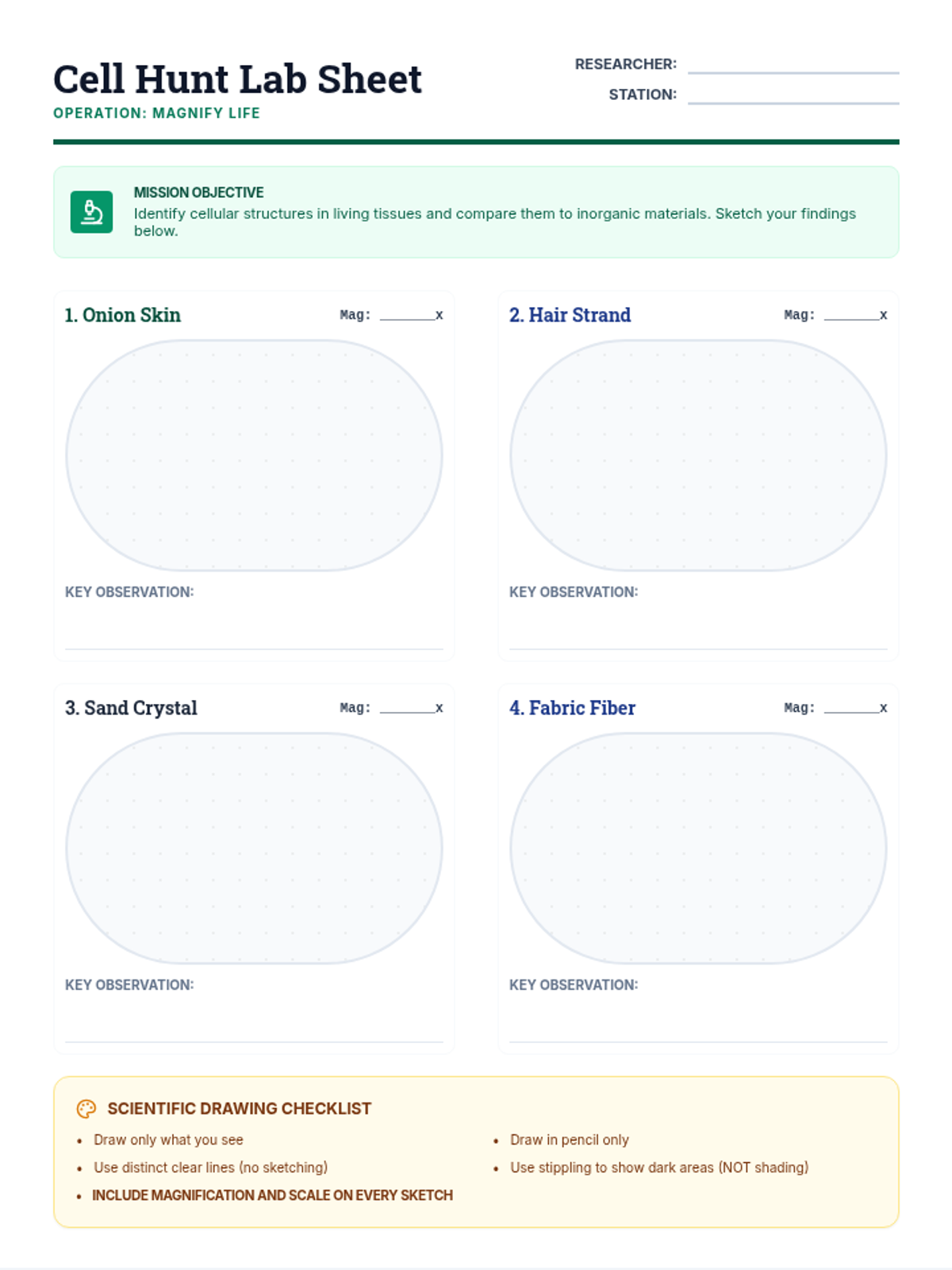
This sequence guides 7th-grade students through the scientific criteria used to define life, moving from intuitive observations to biological analysis of metabolism, cellular structure, and homeostasis. Students explore ambiguous examples and conduct experiments to build a robust definition of what it means to be alive.
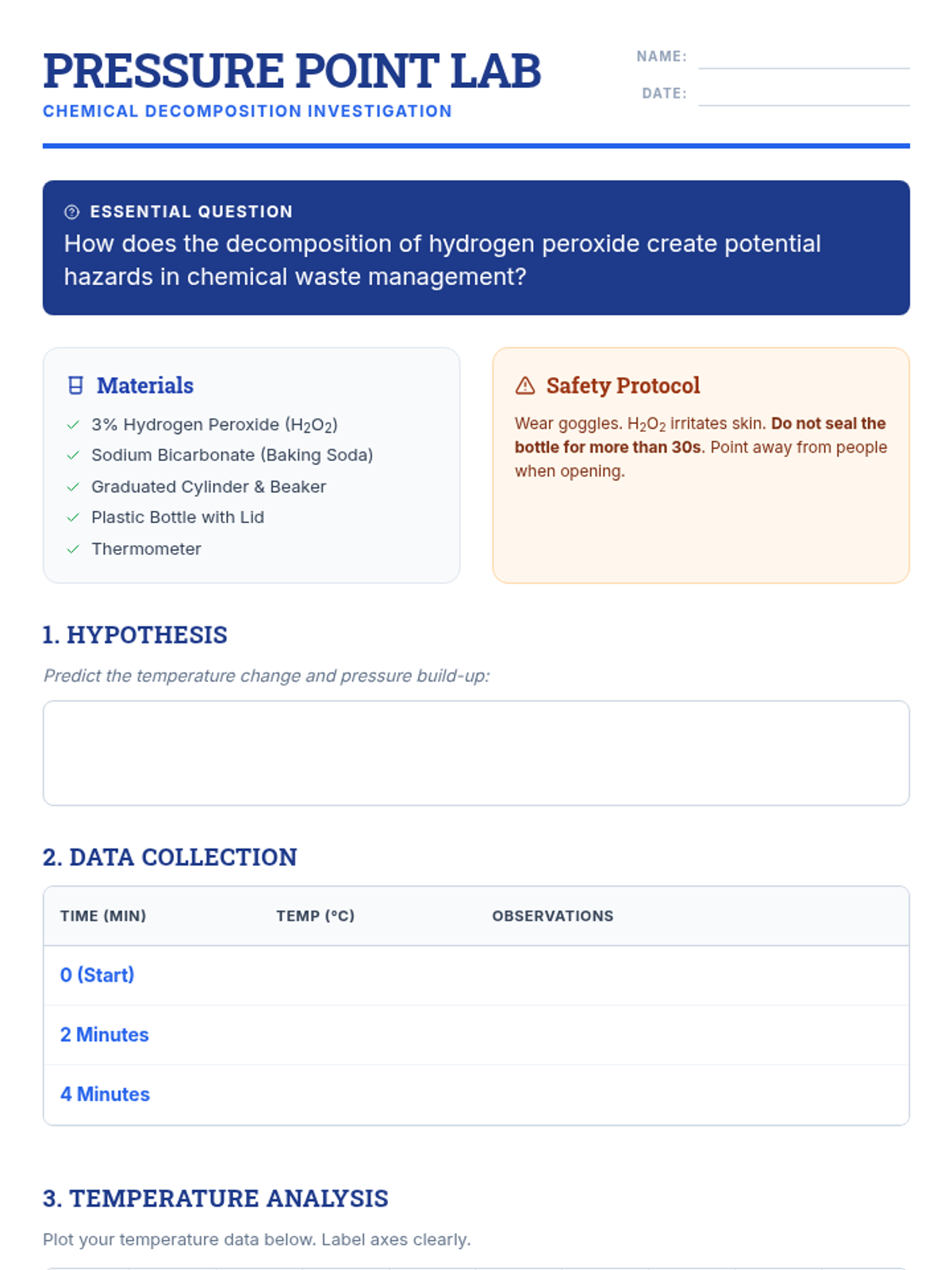
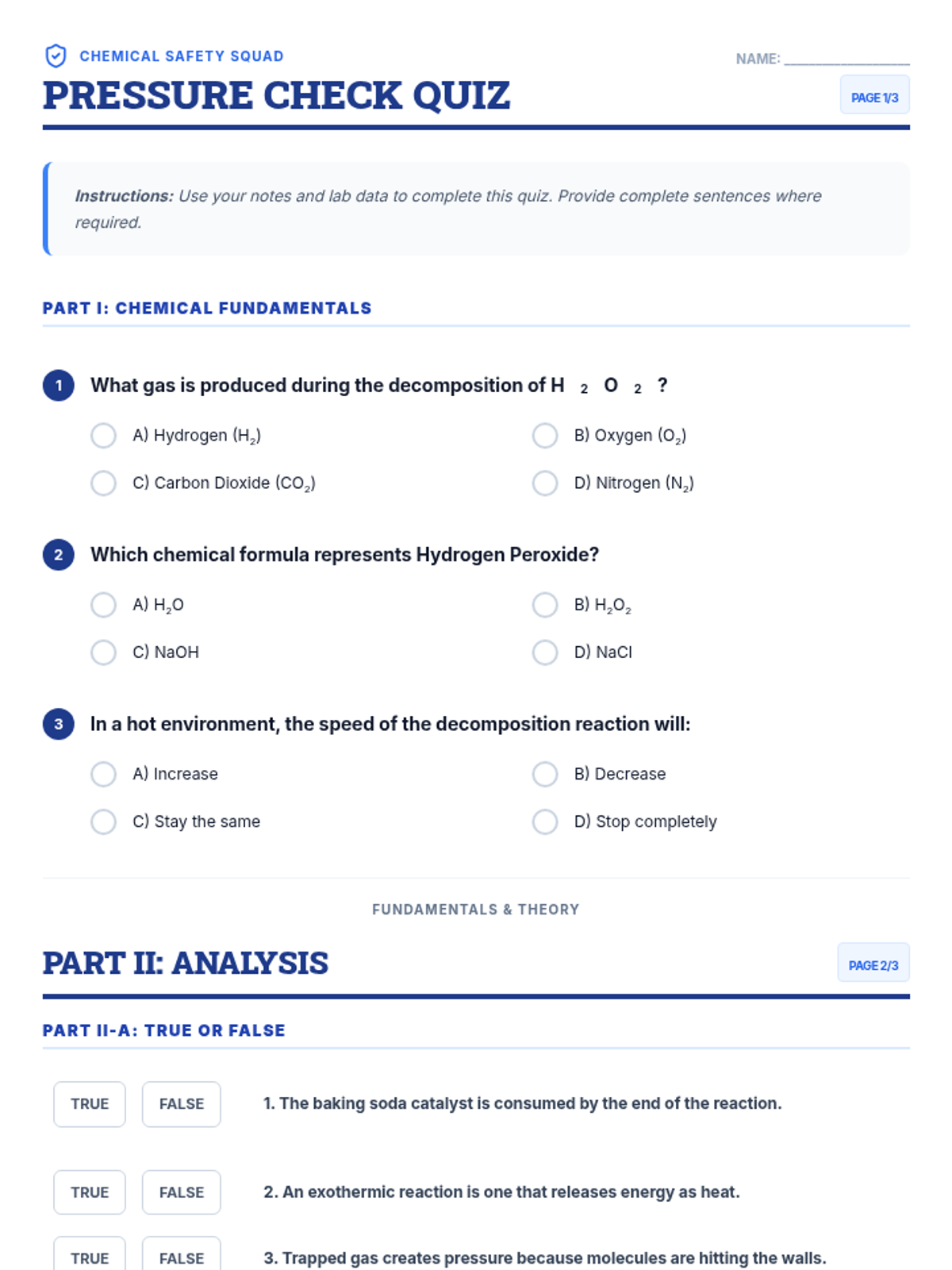
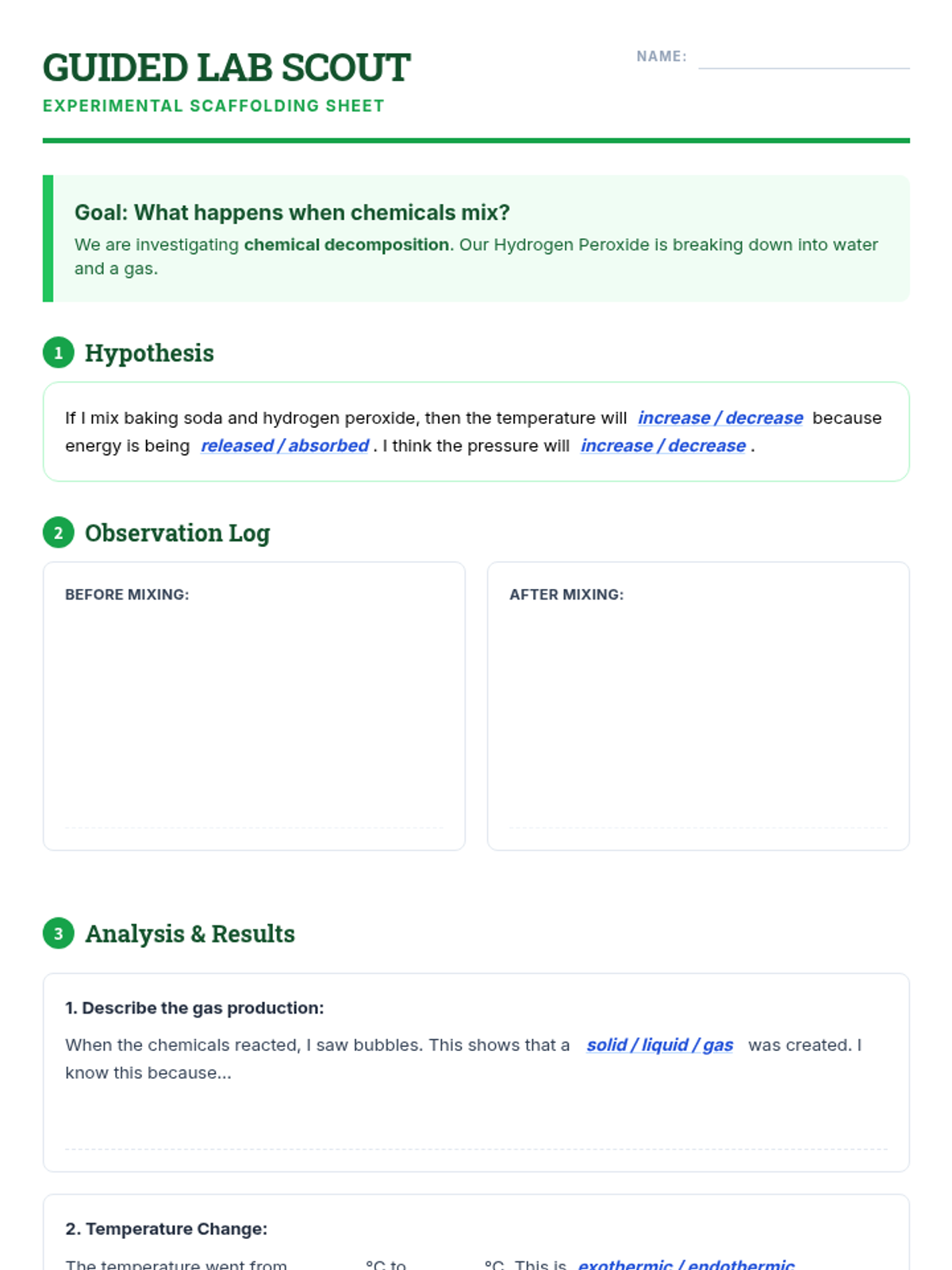
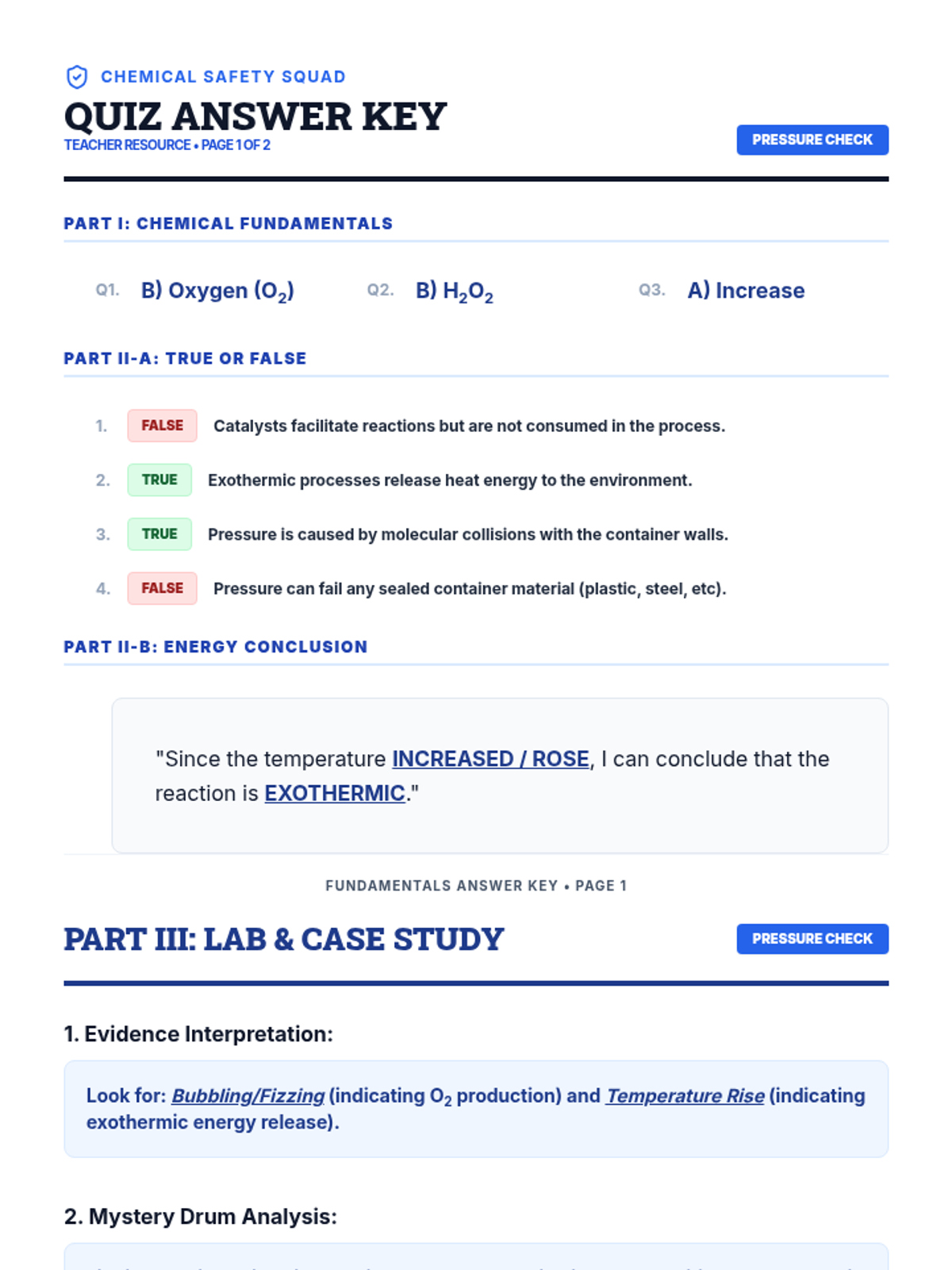
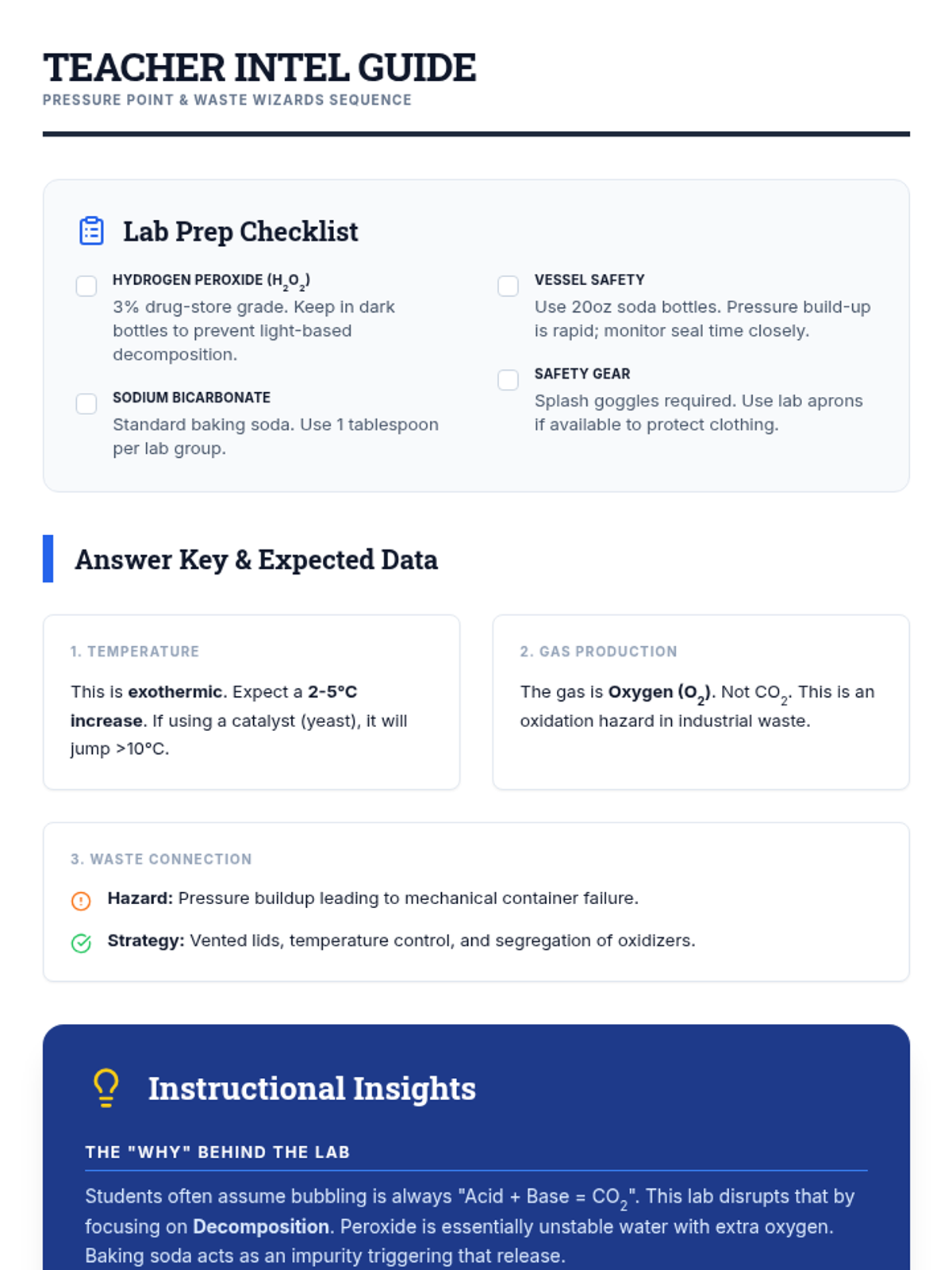
A 2-day science investigation exploring the chemical decomposition of hydrogen peroxide and baking soda, focusing on gas production, pressure, and its real-world implications for waste management and chemical safety.

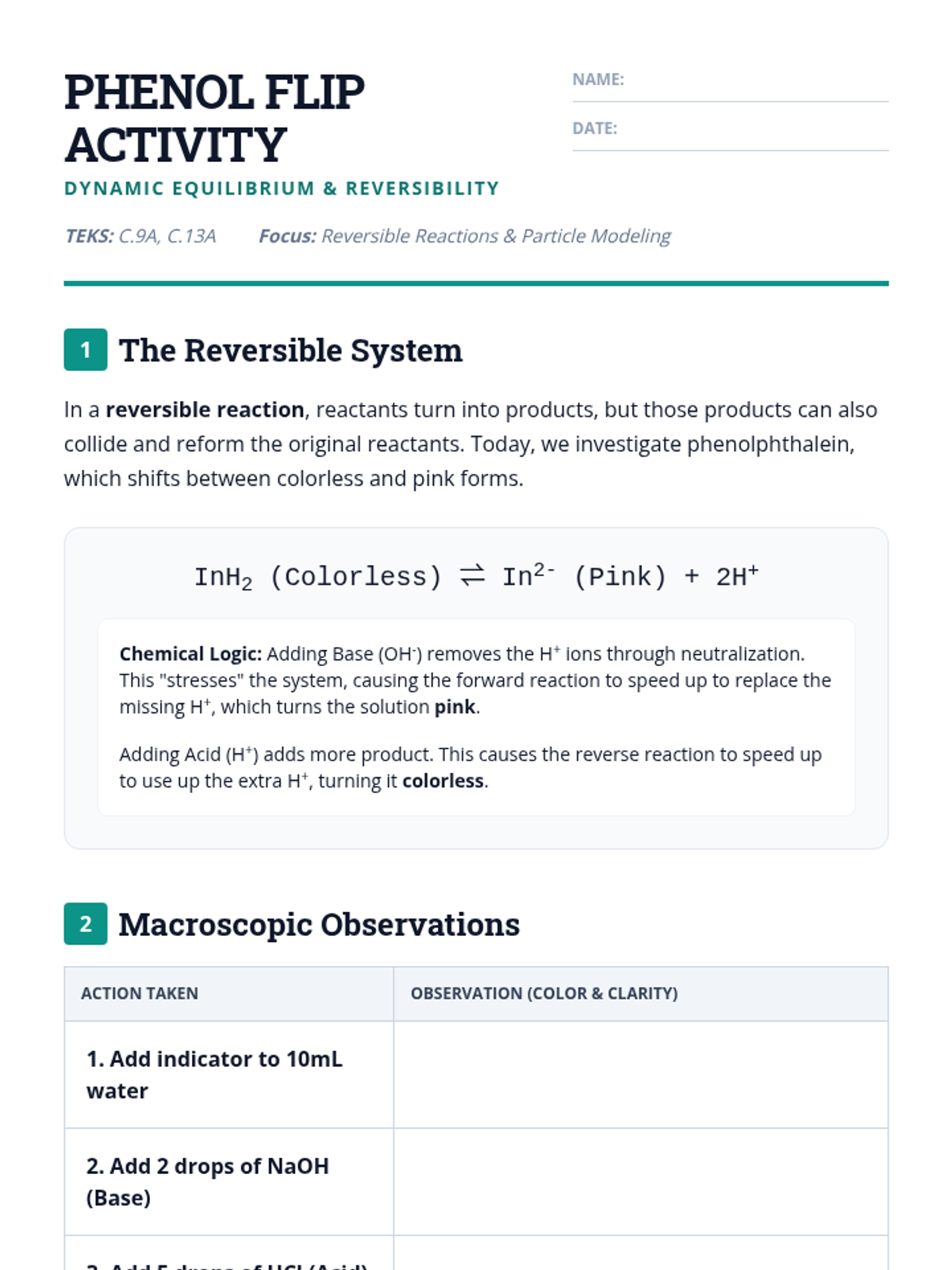
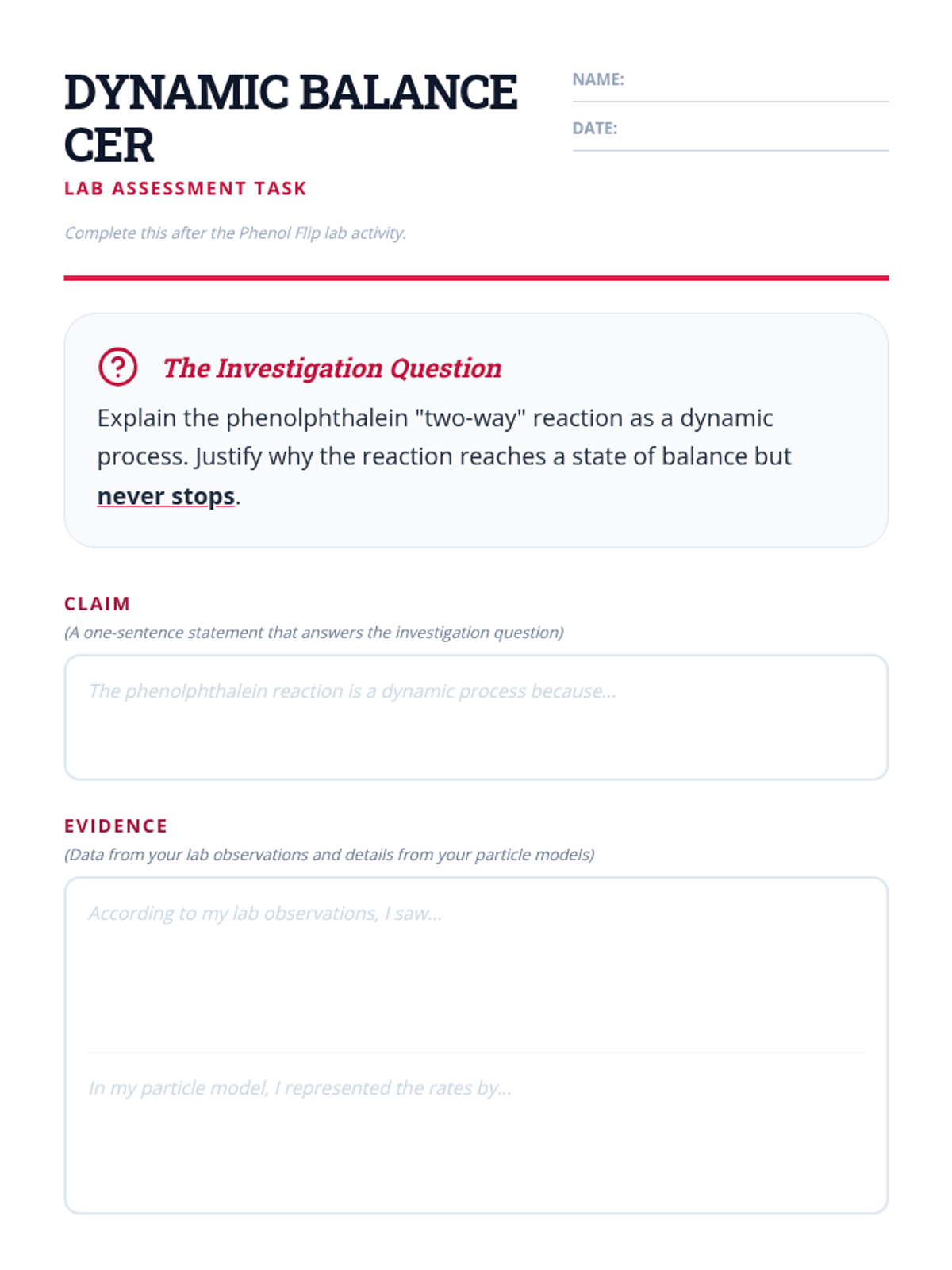
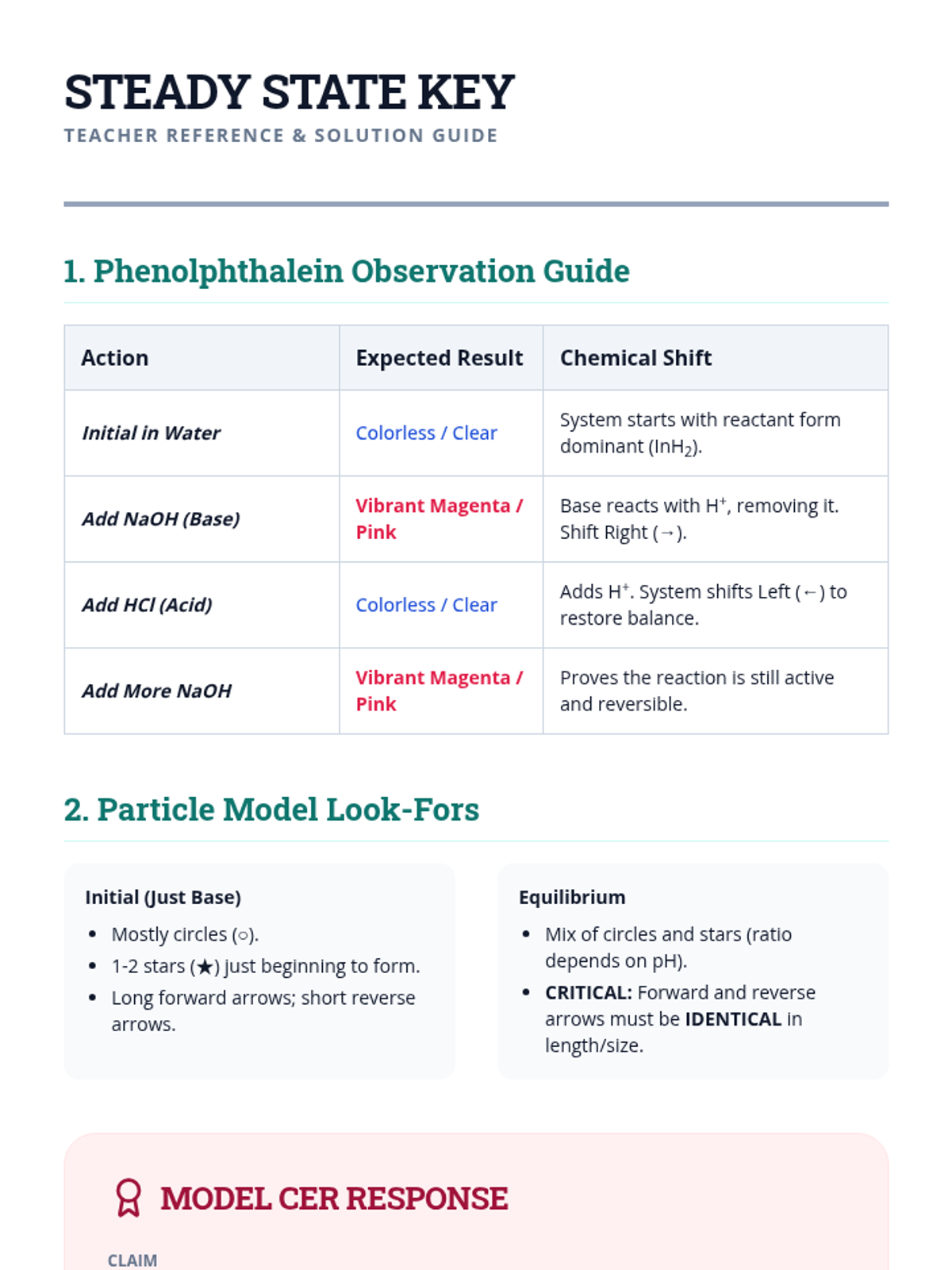
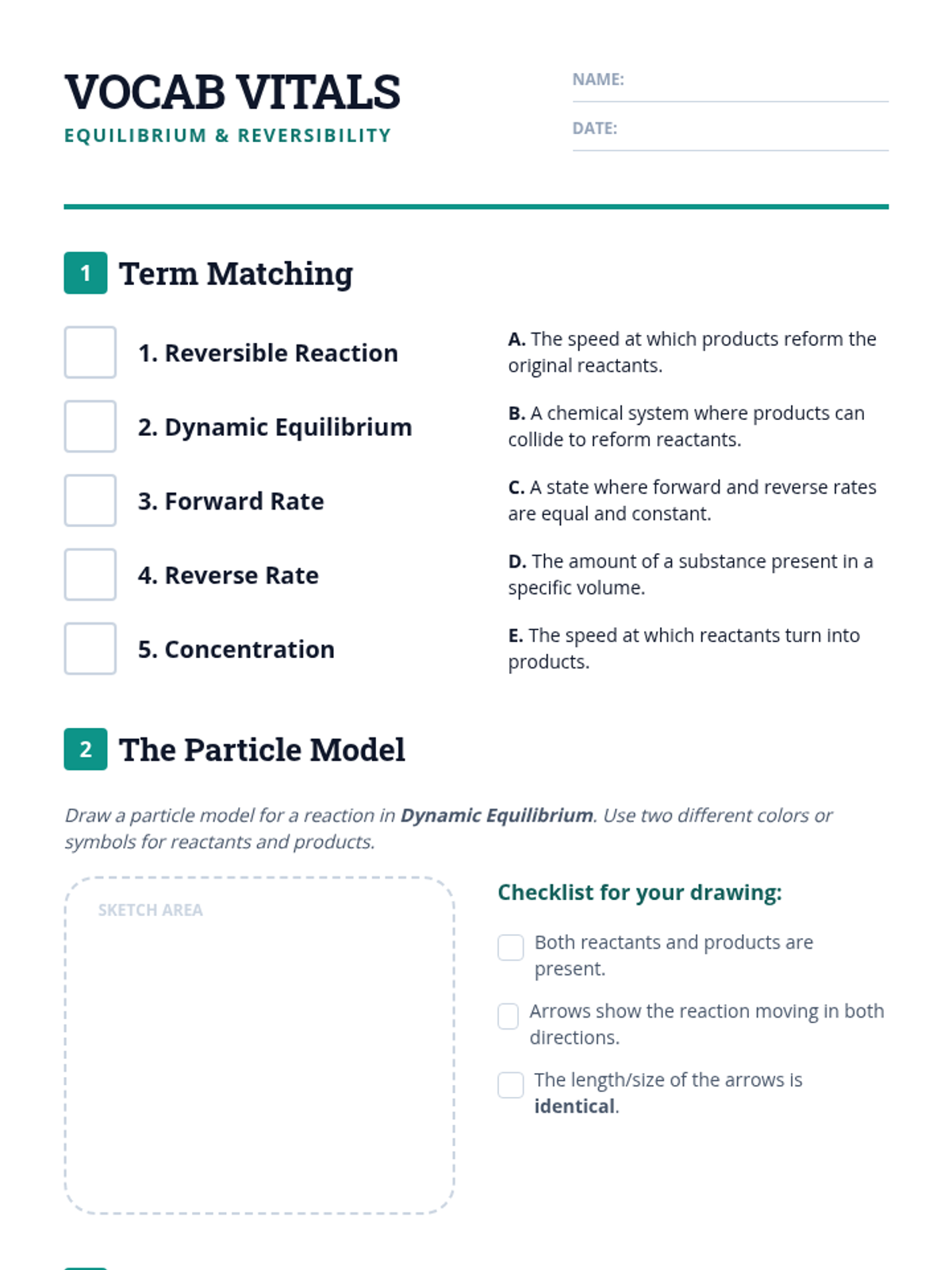
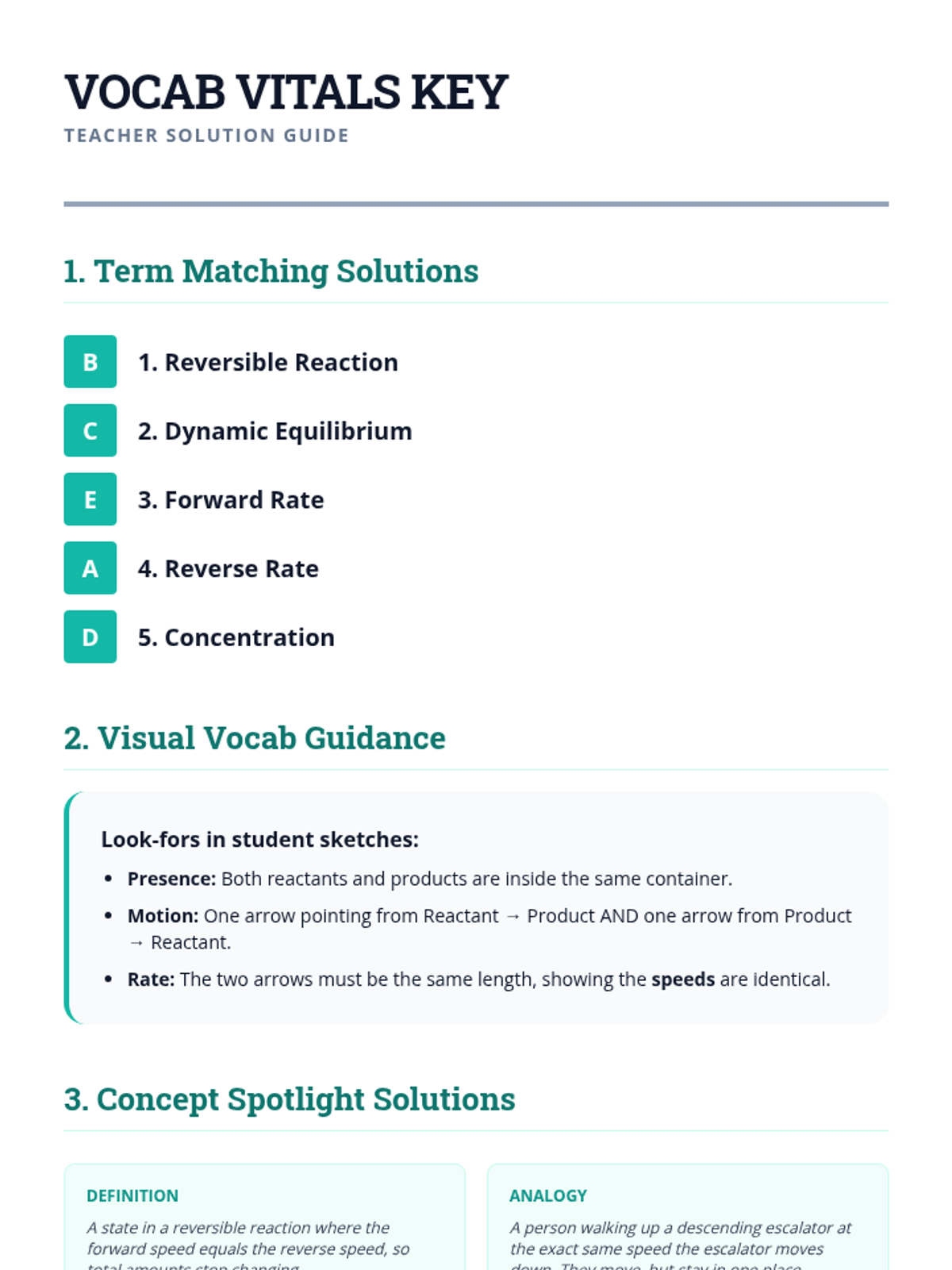
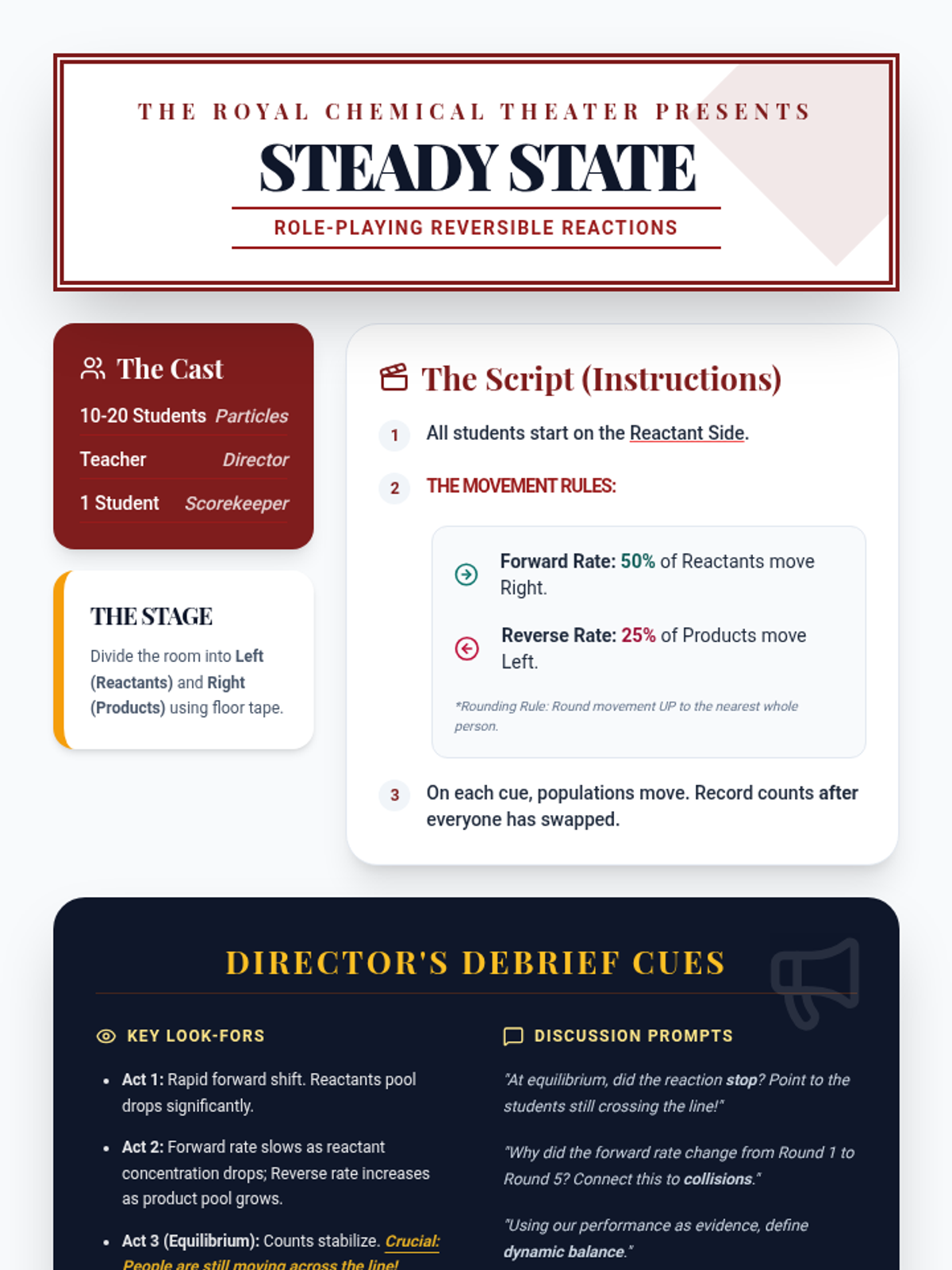
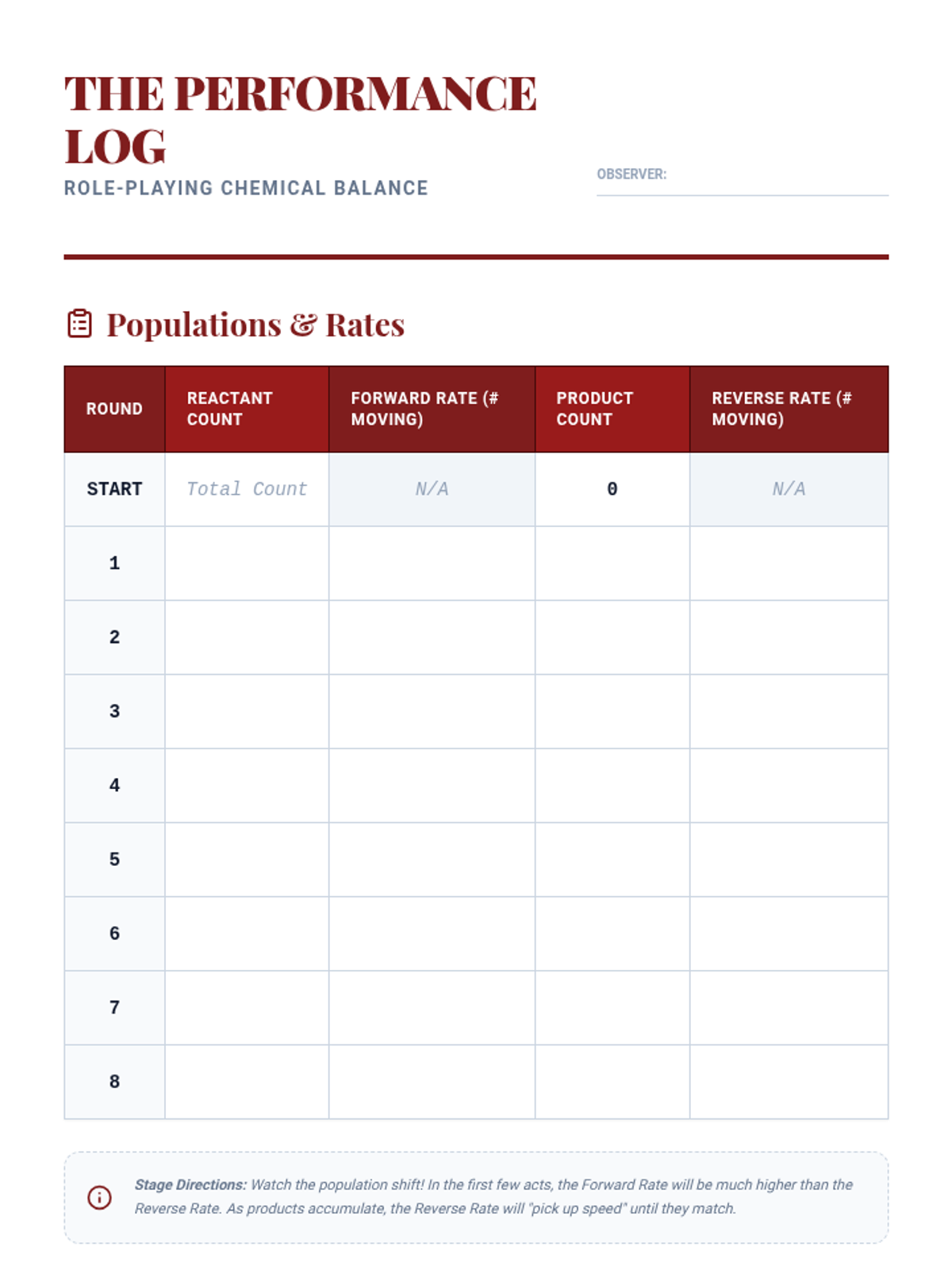
This unit explores how chemical reactions occur and how they reach a state of balance. Students investigate reaction kinetics, energy changes, and the principles of dynamic equilibrium through modeling and laboratory investigation.
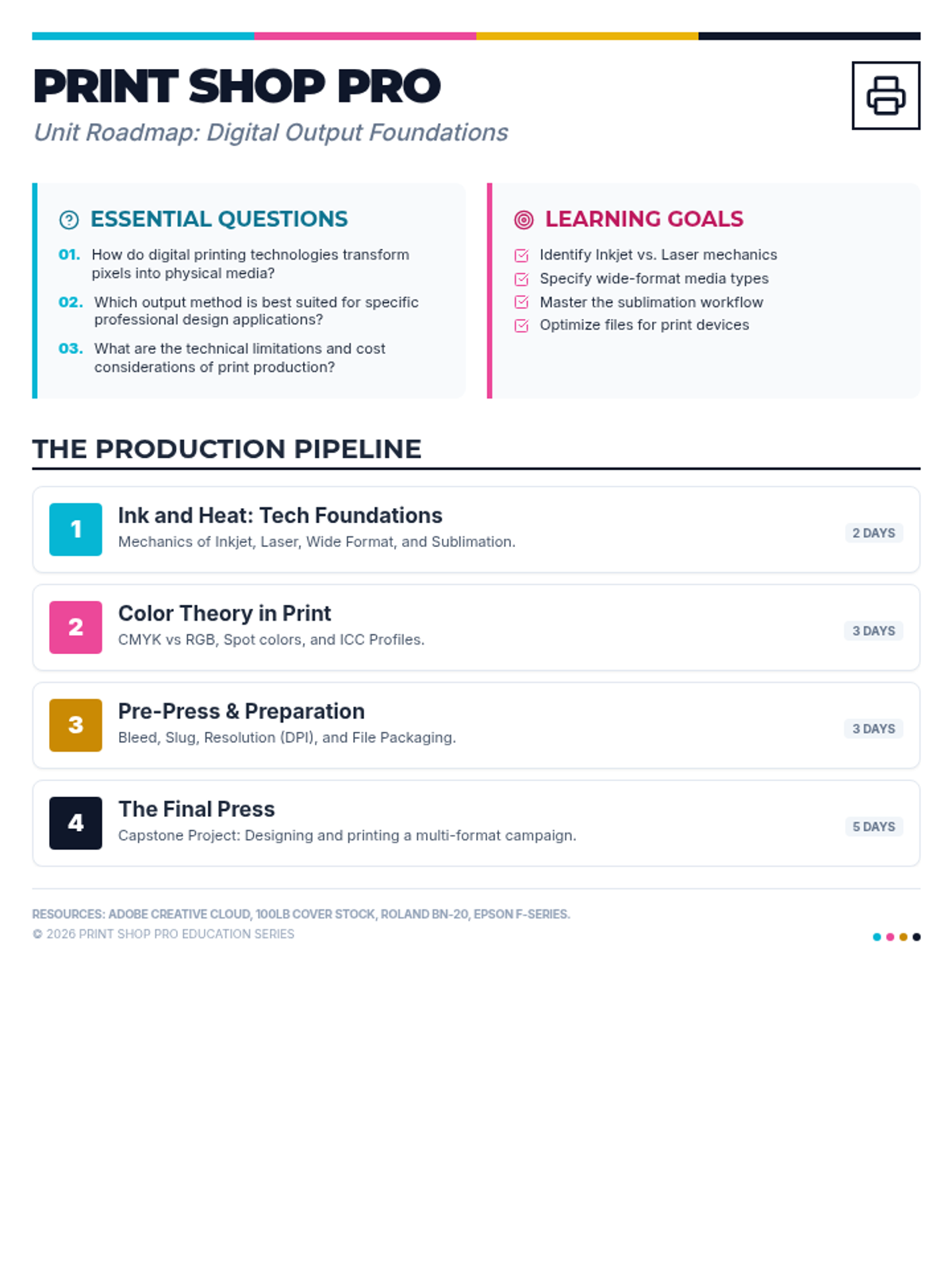
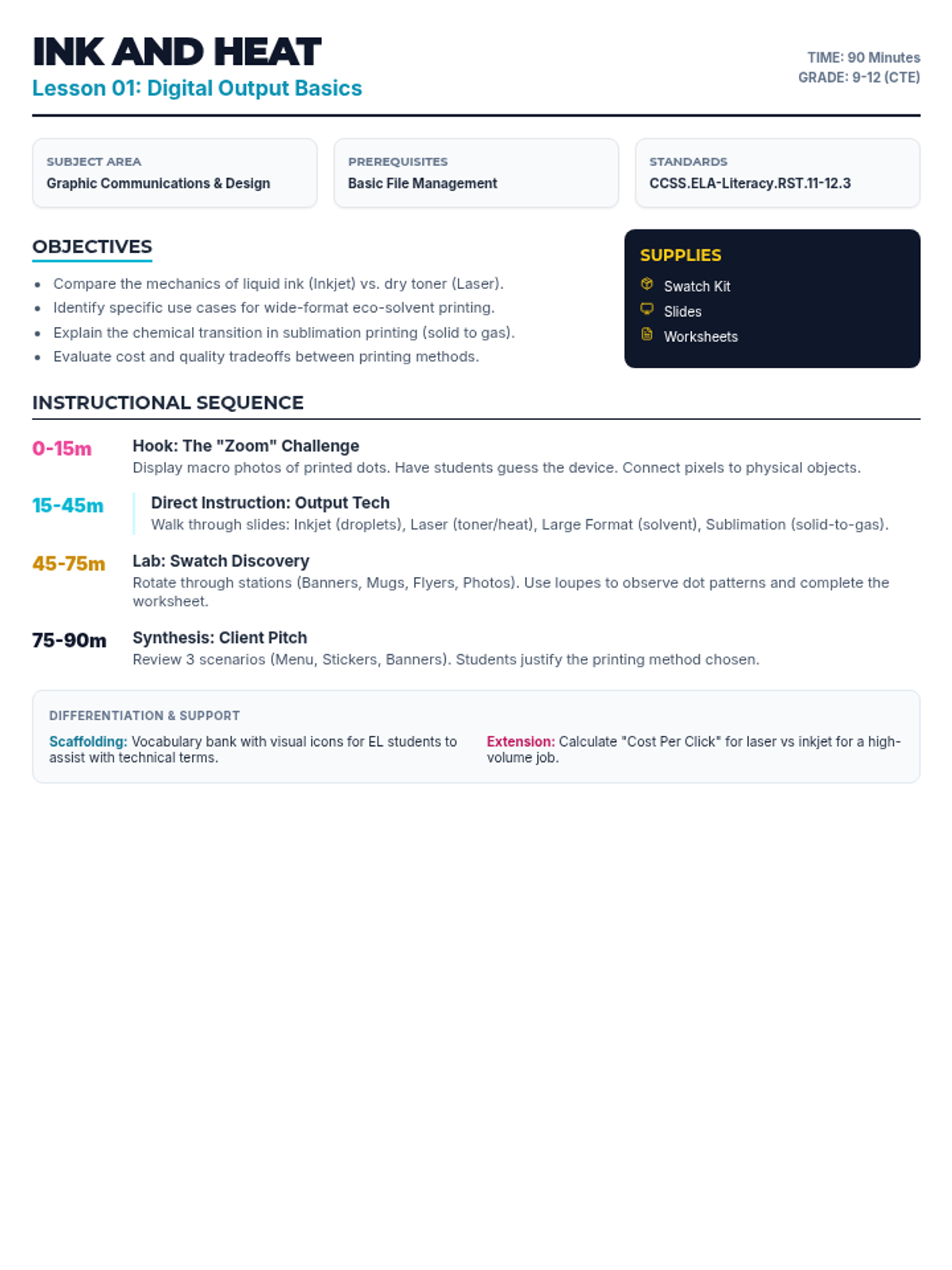
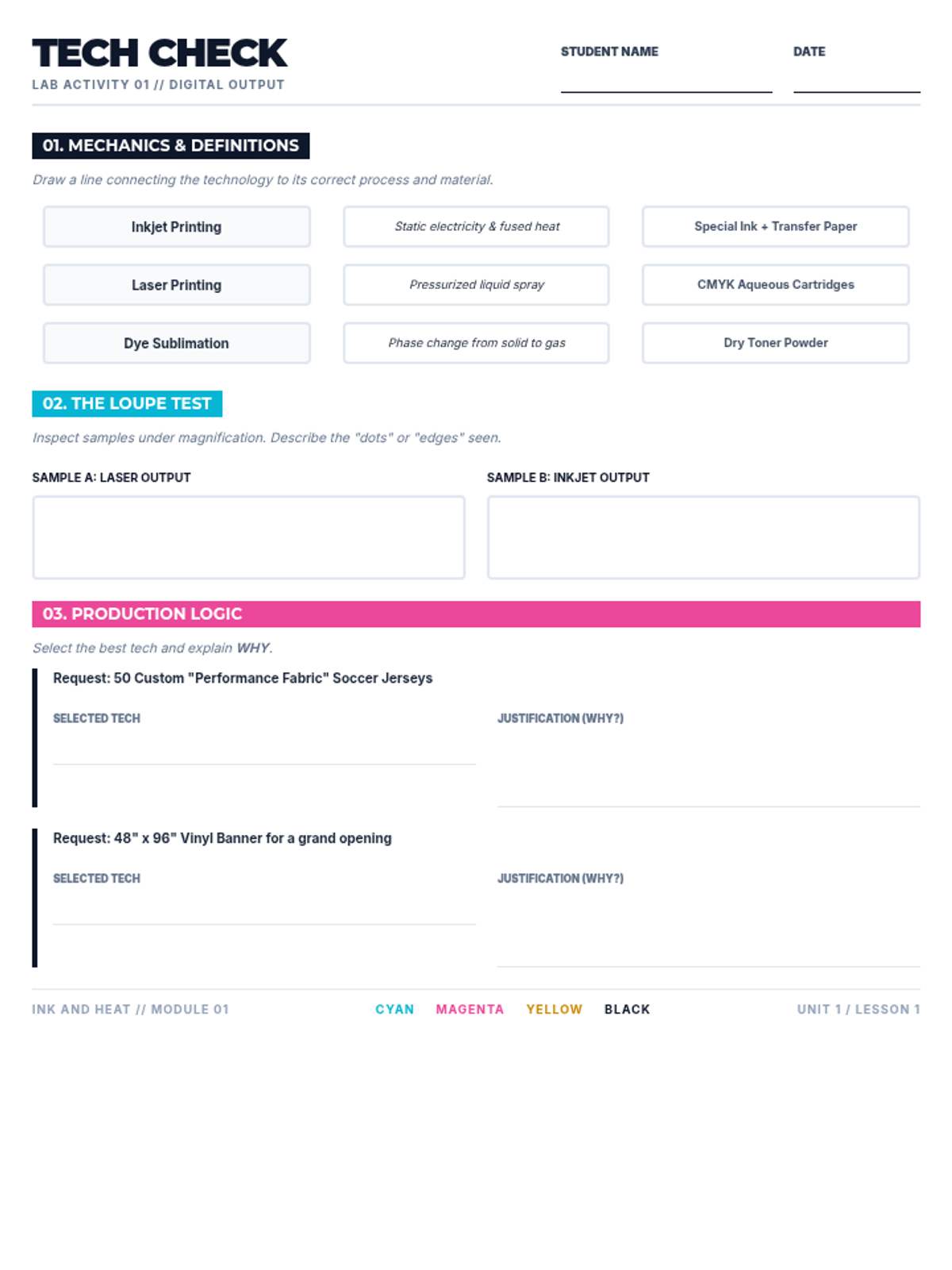
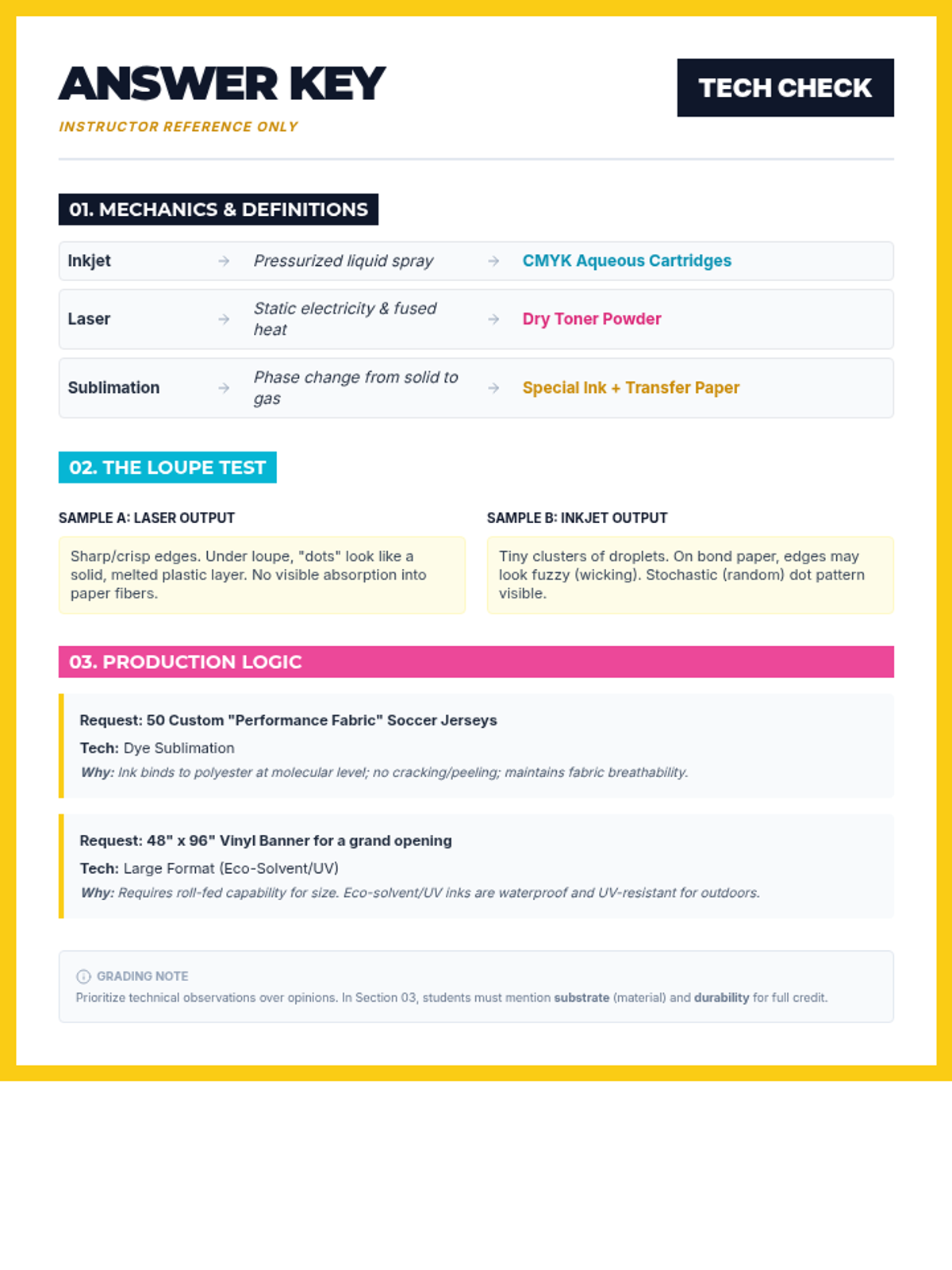
A comprehensive unit exploring the world of digital printing, from desktop publishing to industrial wide-format and specialty sublimation techniques. Students gain technical knowledge and practical design skills for print production.
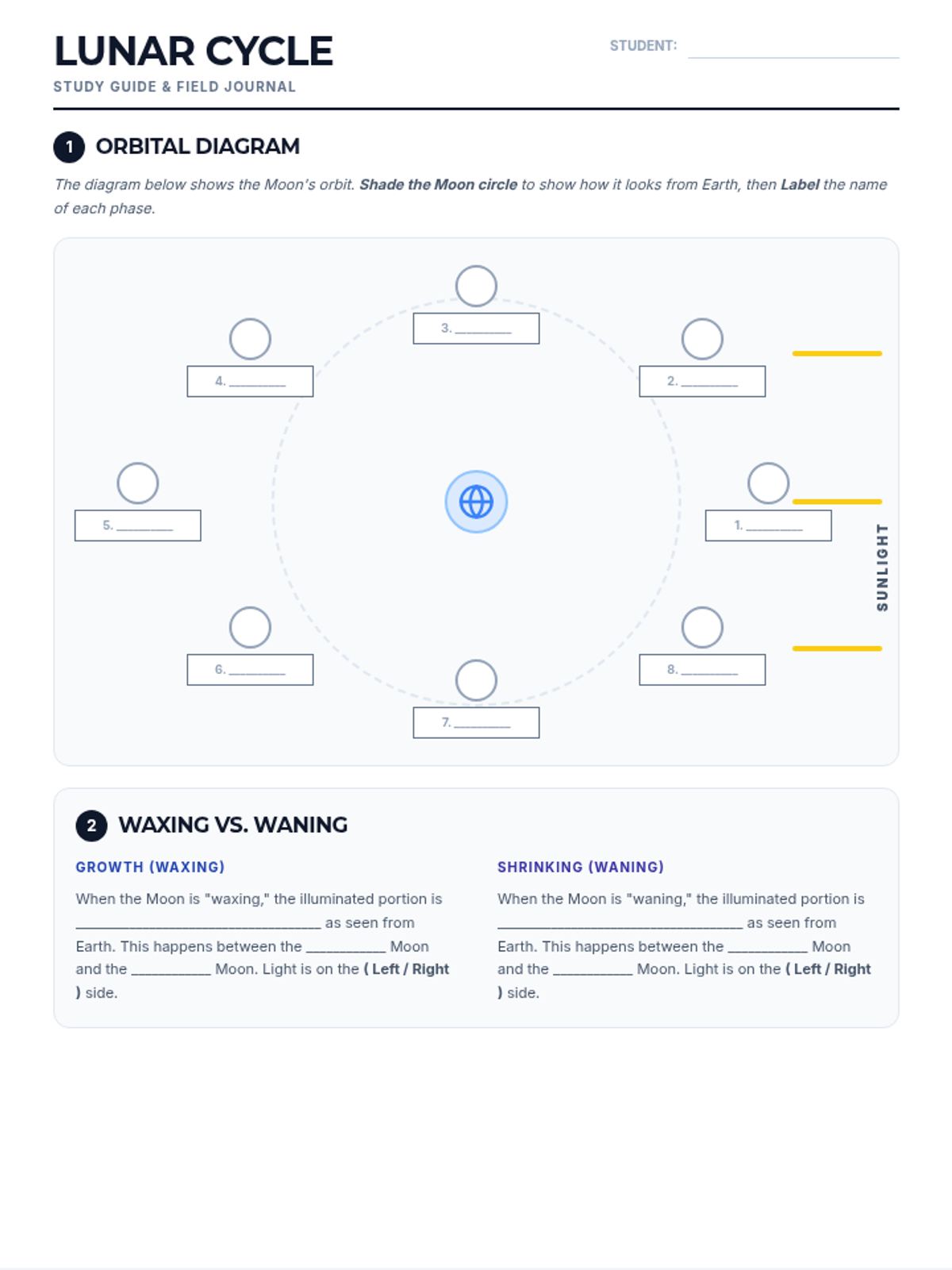
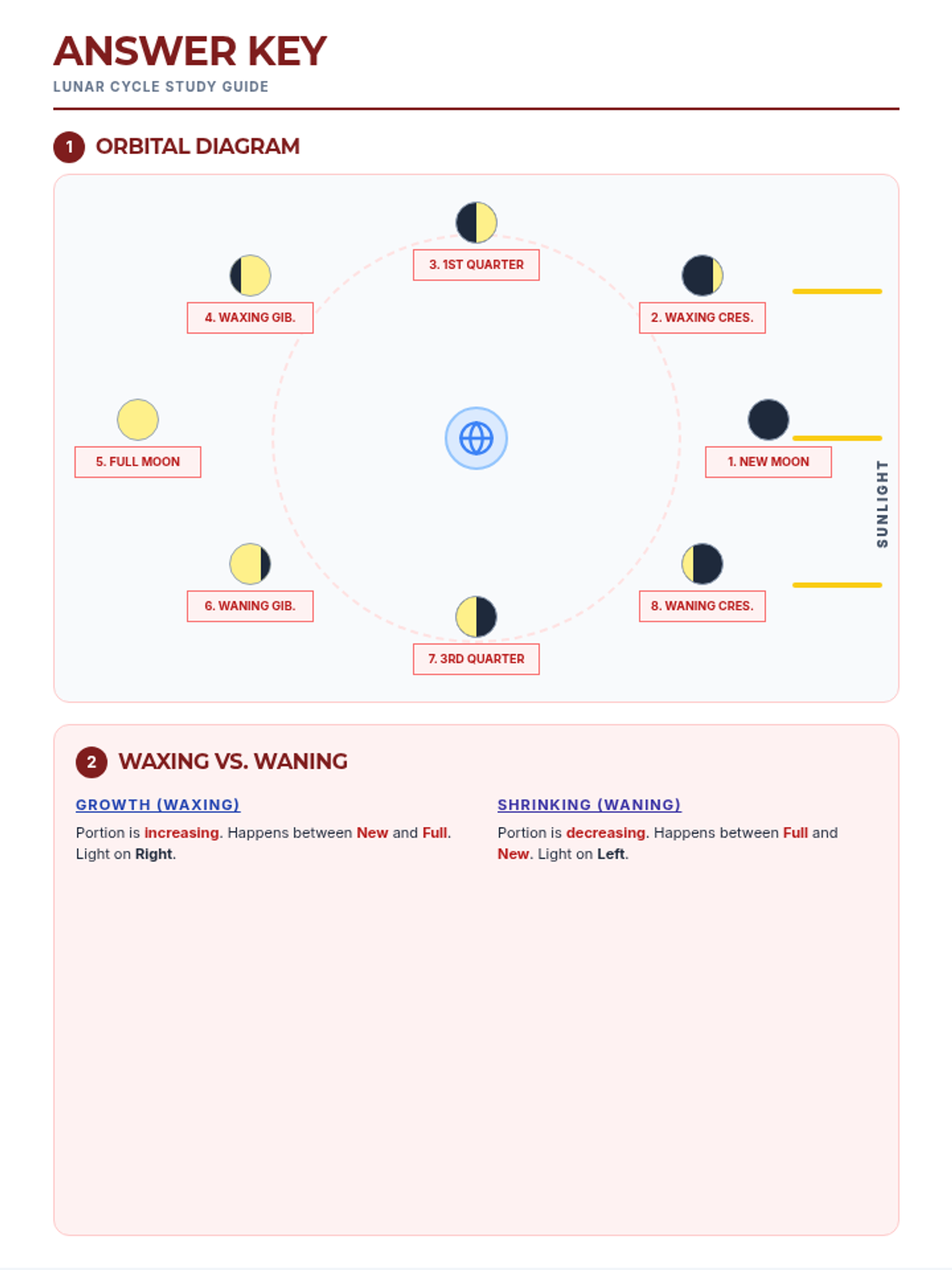
An astronomy unit focused on the Earth-Moon-Sun system and celestial patterns.
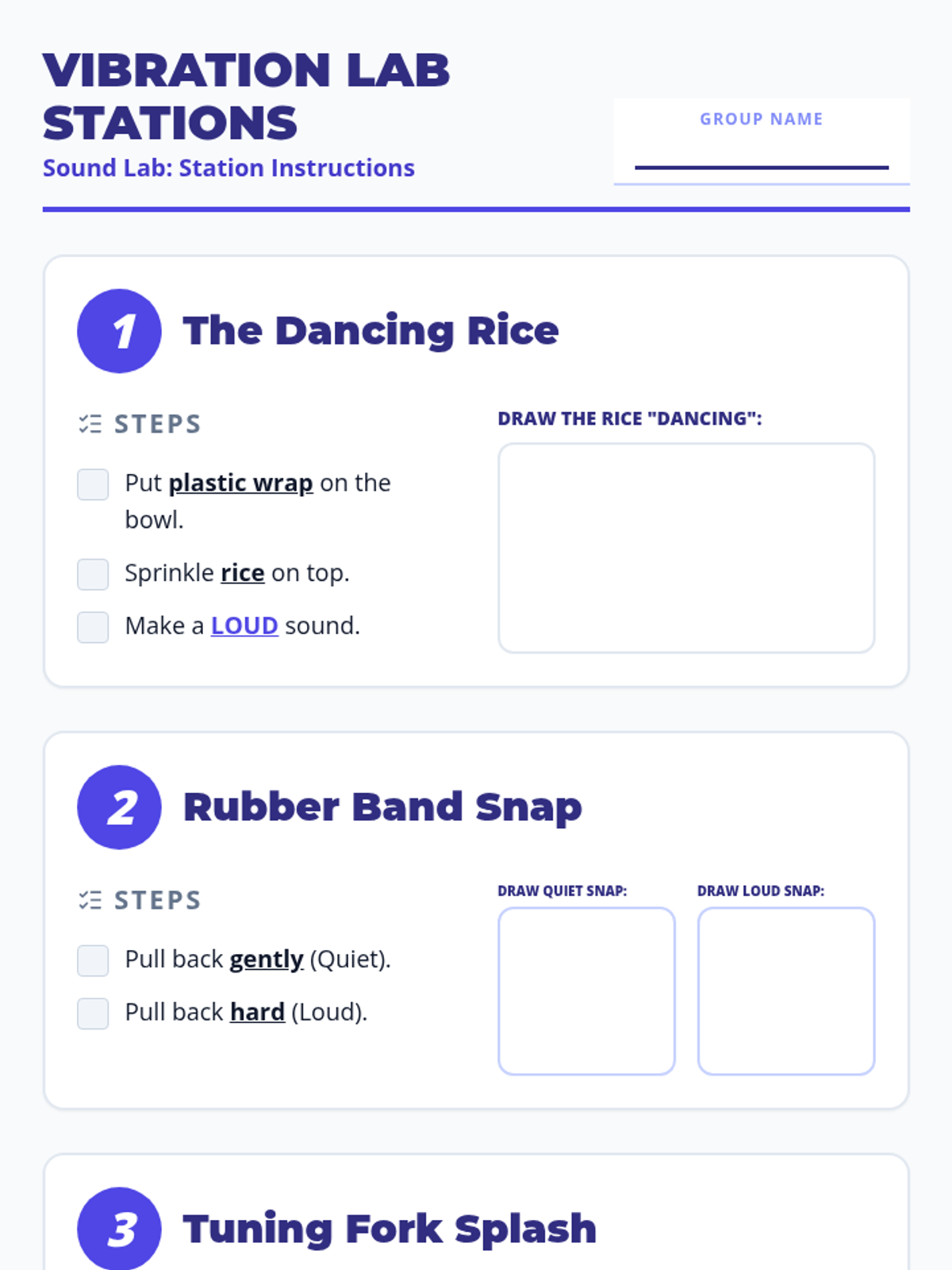
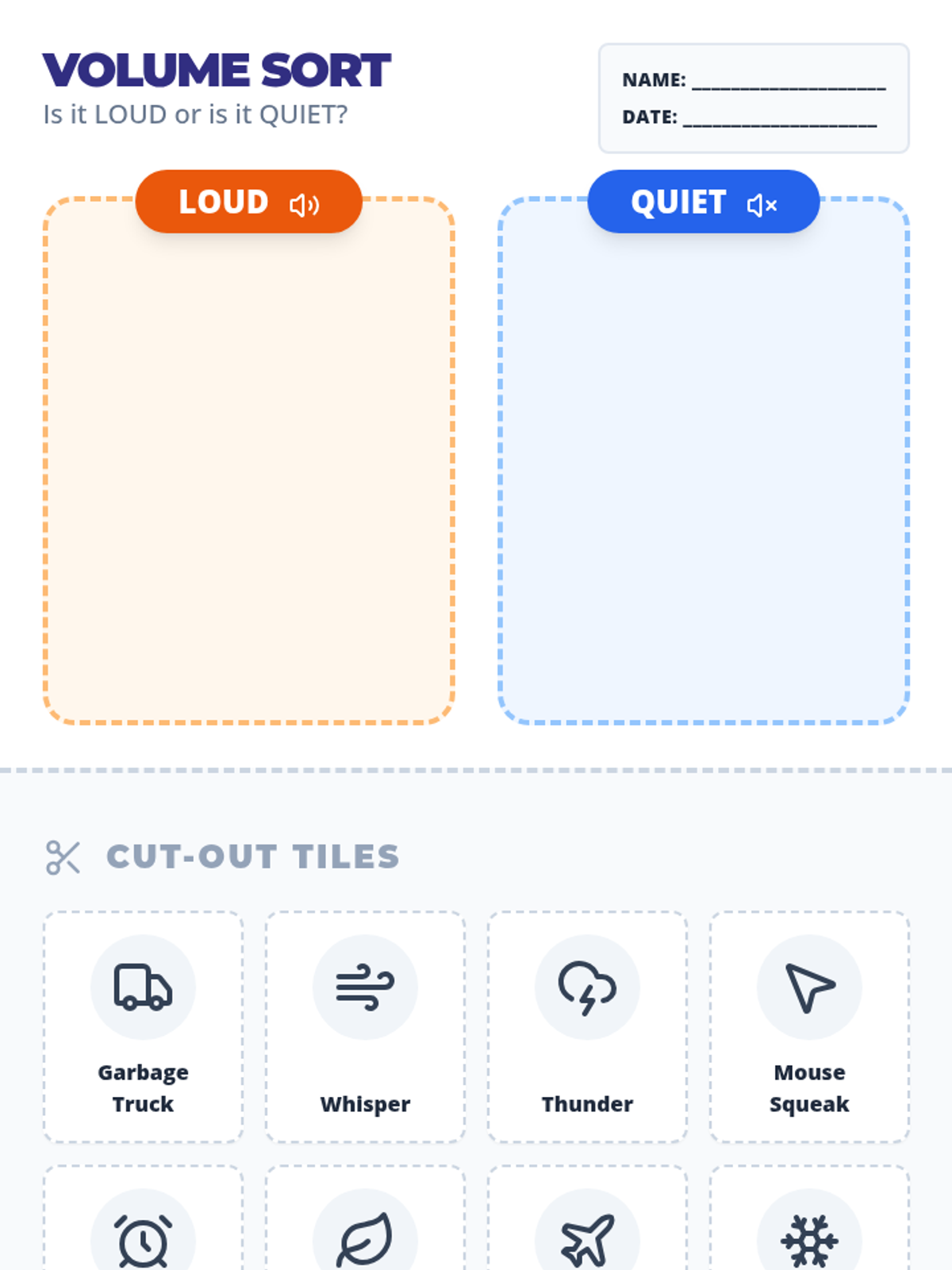
A comprehensive four-lesson unit on sound exploration designed for high school Essential Skills students. This unit covers vibration, volume, source, direction, pitch, and frequency through highly visual and hands-on activities.
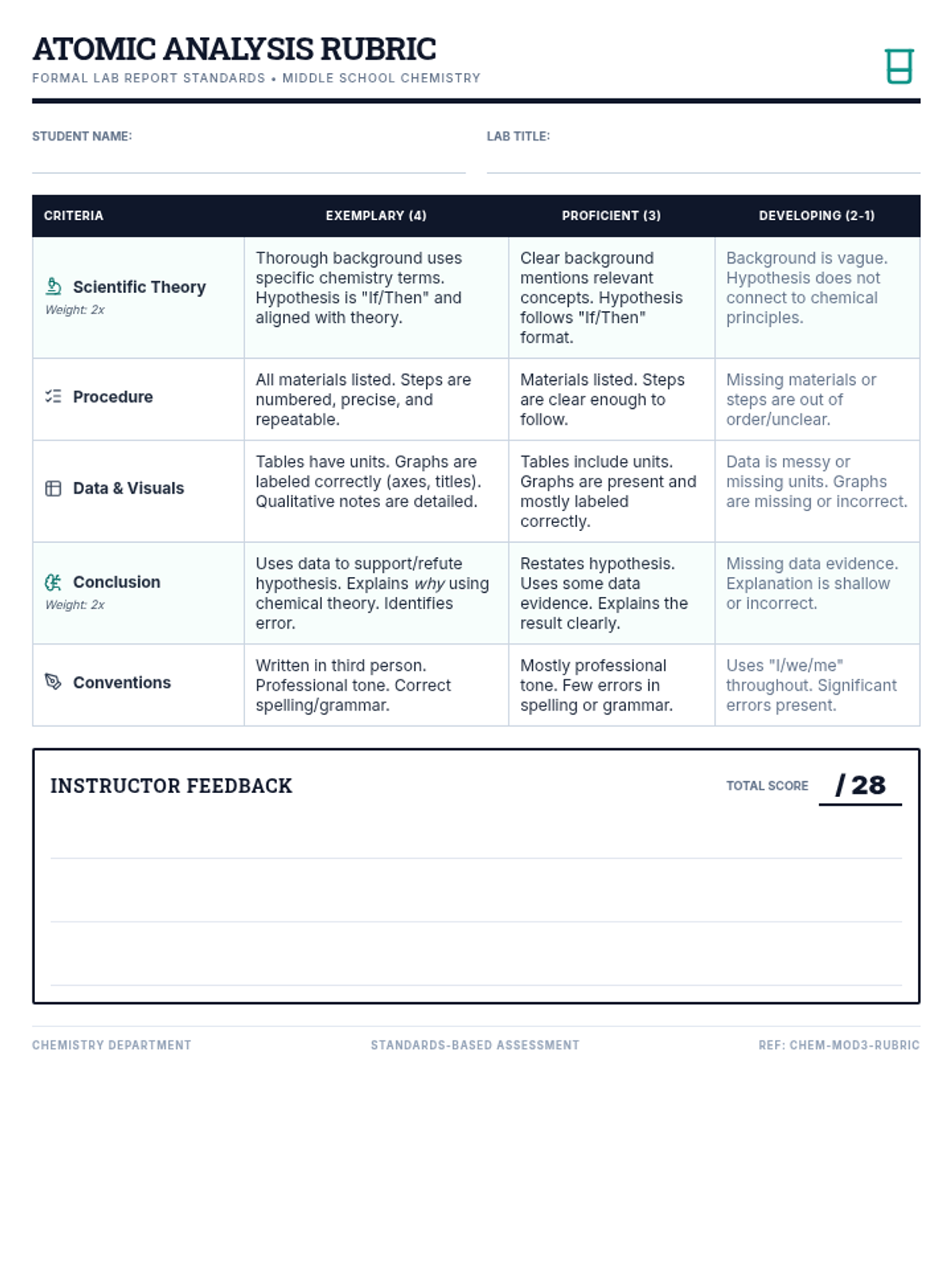
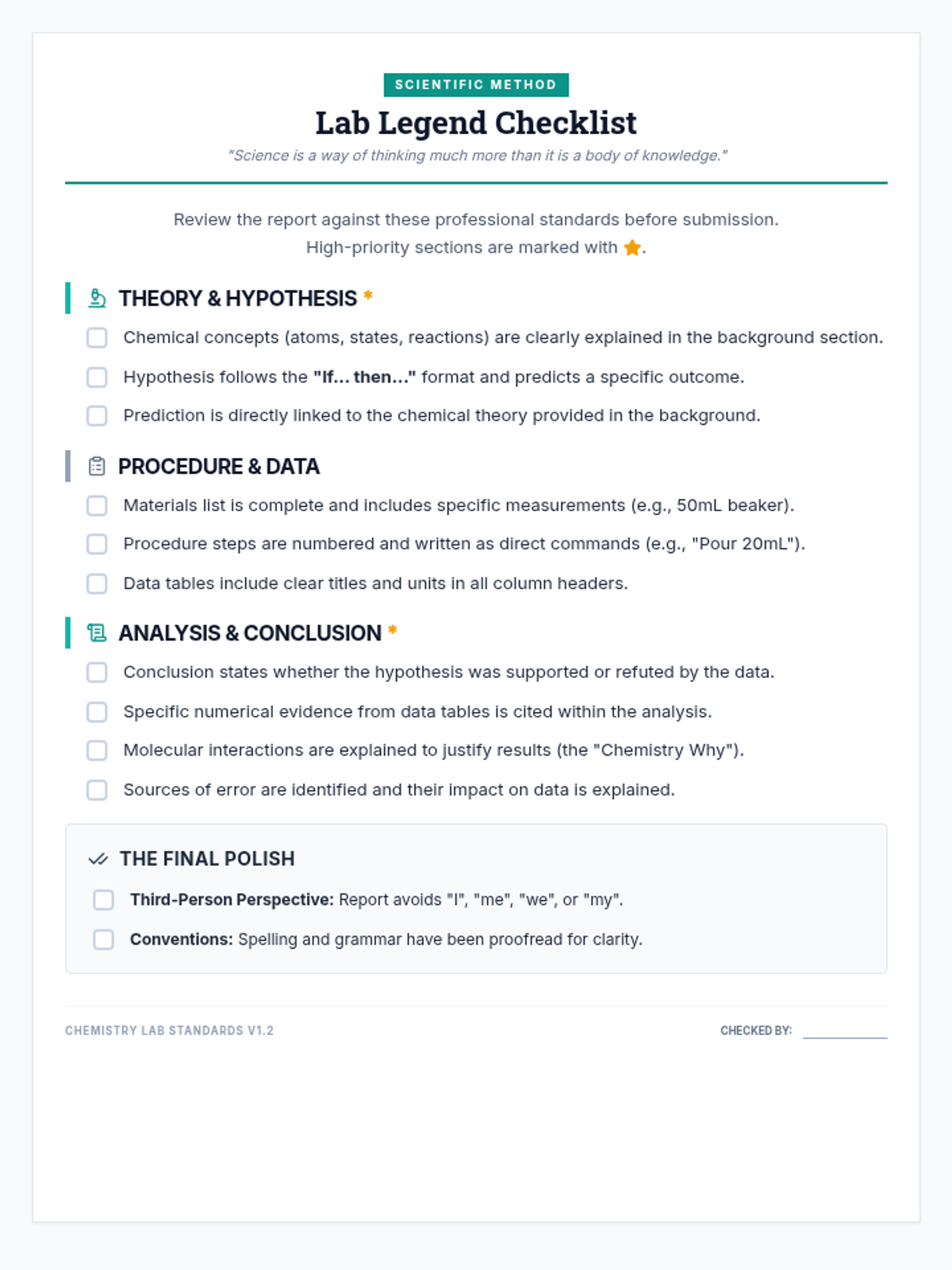
A comprehensive set of tools for middle school chemistry students to master the formal scientific method in their lab reports.
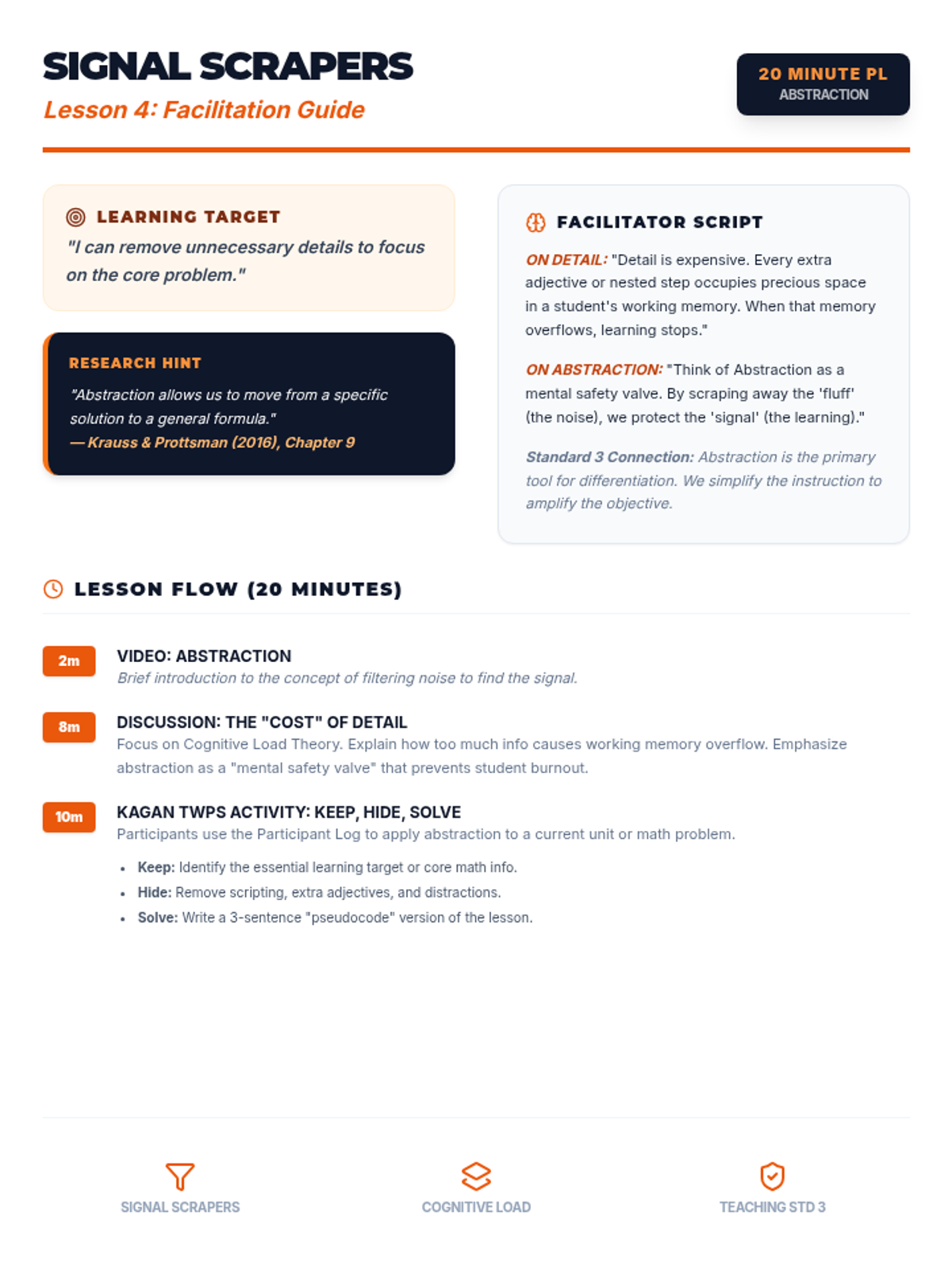
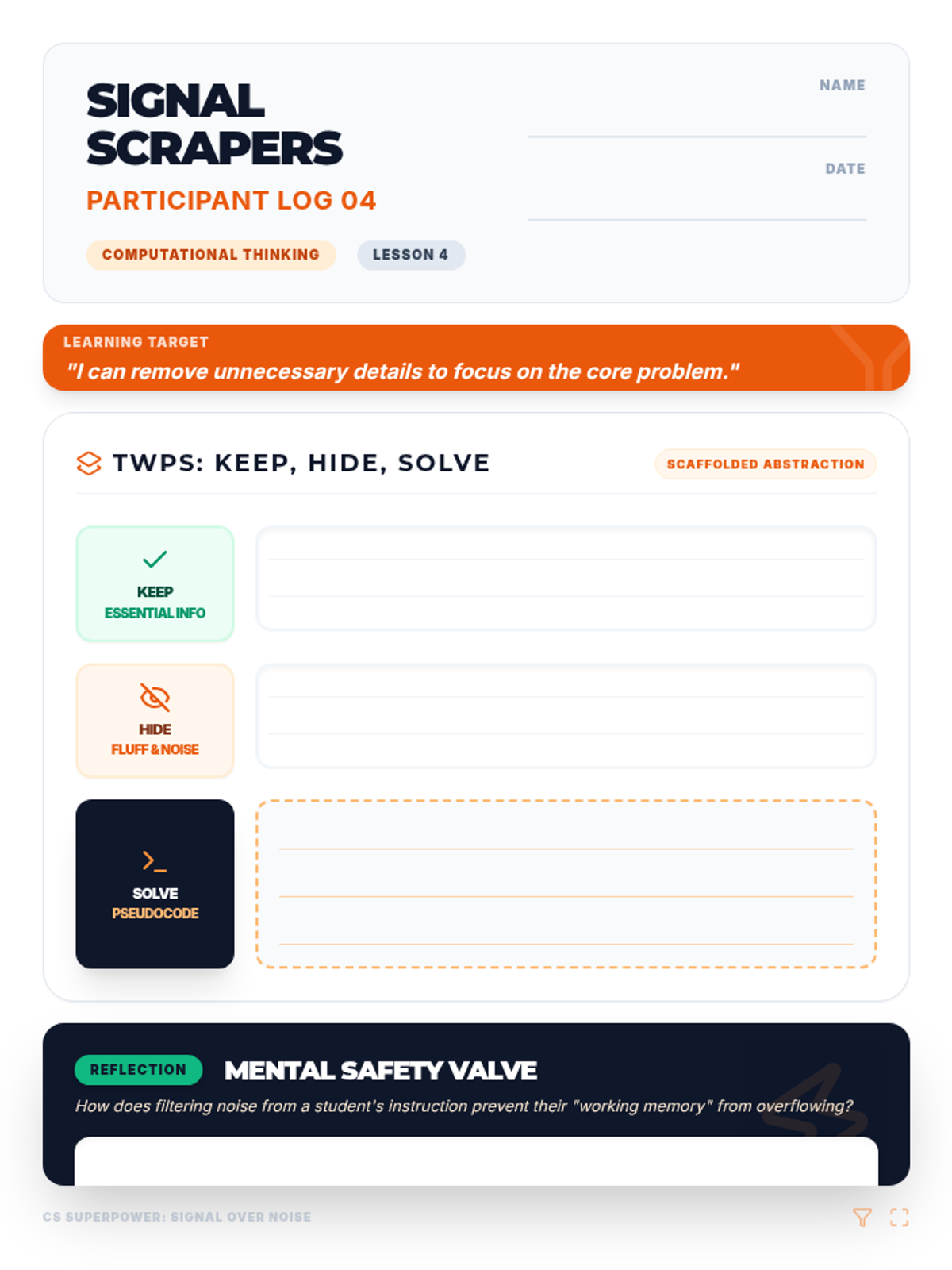
A professional development series for PreK-12 educators that reframes Computer Science as a "Superpower" through Computational Thinking. Teachers explore how CS concepts like decomposition, abstraction, and automation are already present in their daily instructional practices and Iowa Core content.
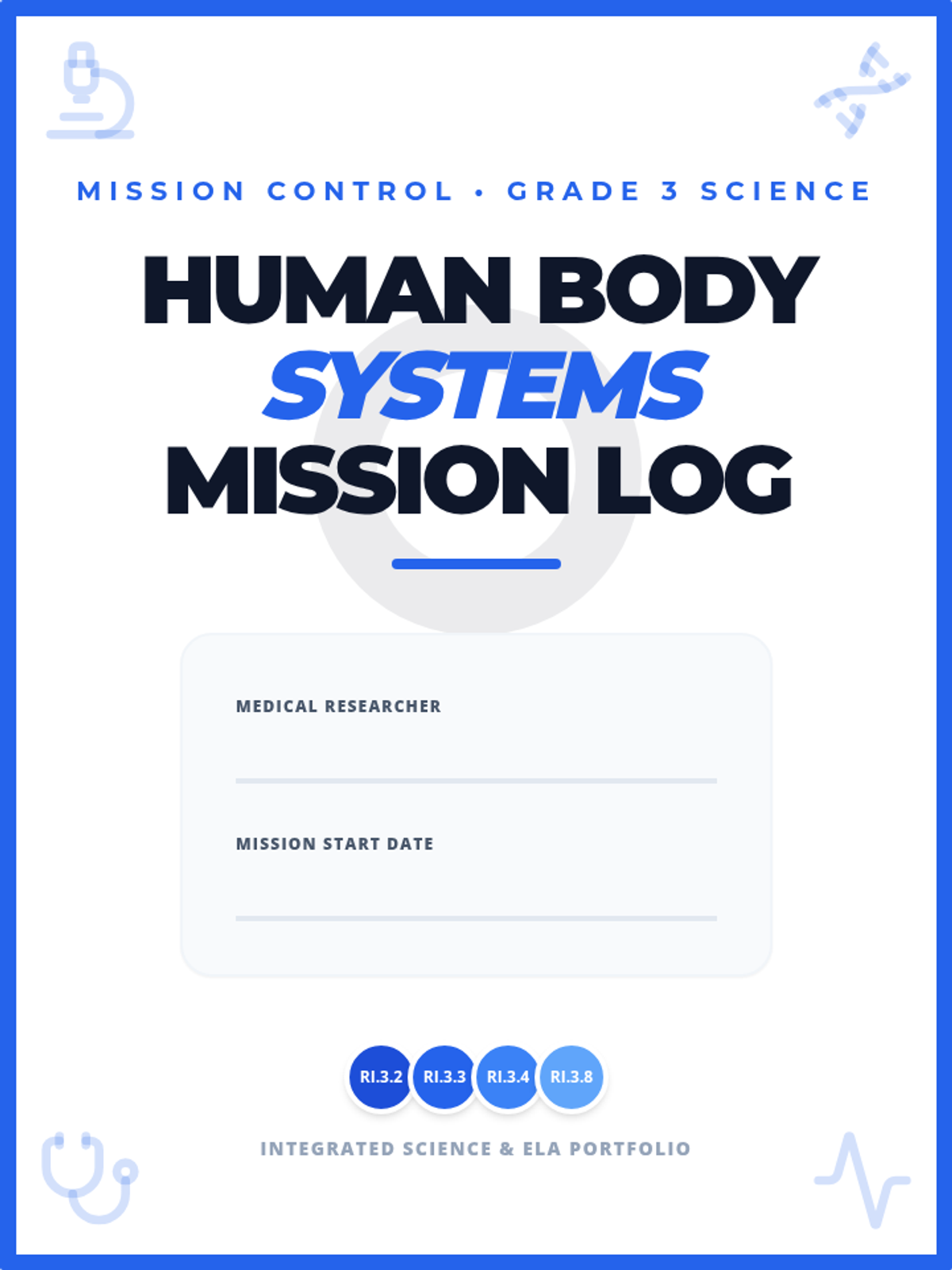
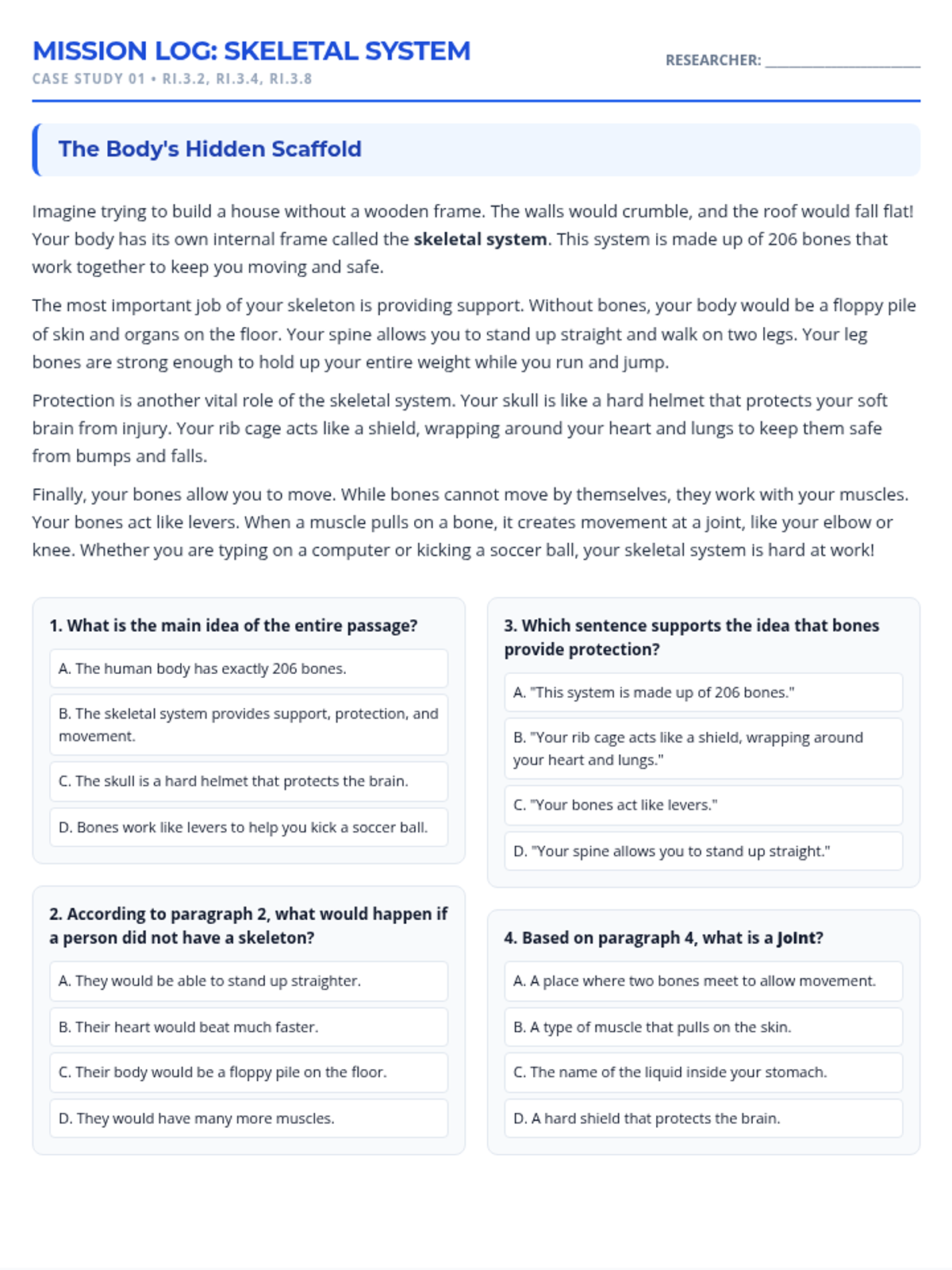
A comprehensive week-long science and ELA integration unit focused on the major systems of the human body, specifically designed to meet 3rd Grade NC ELA standards through informational text analysis.
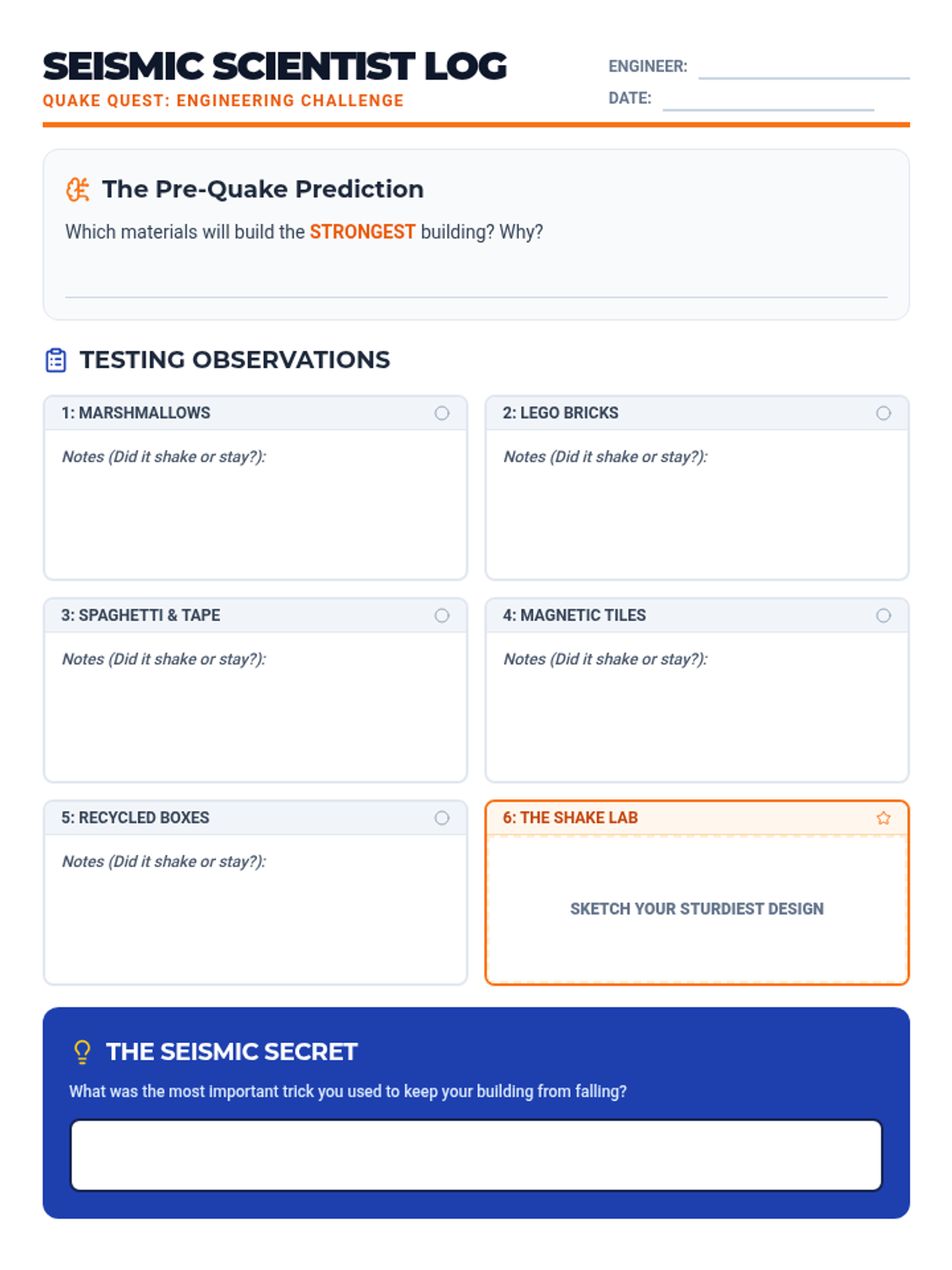
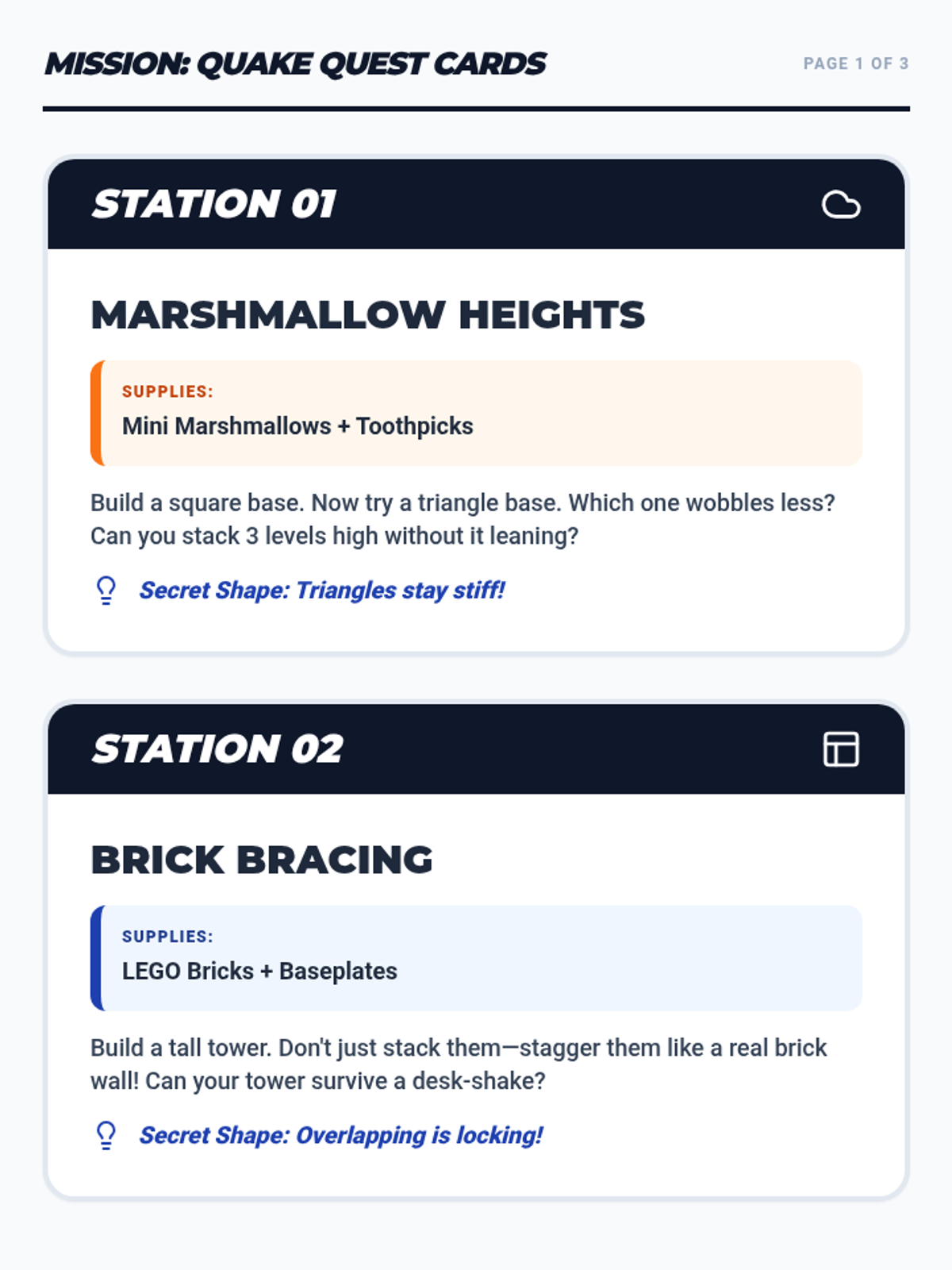
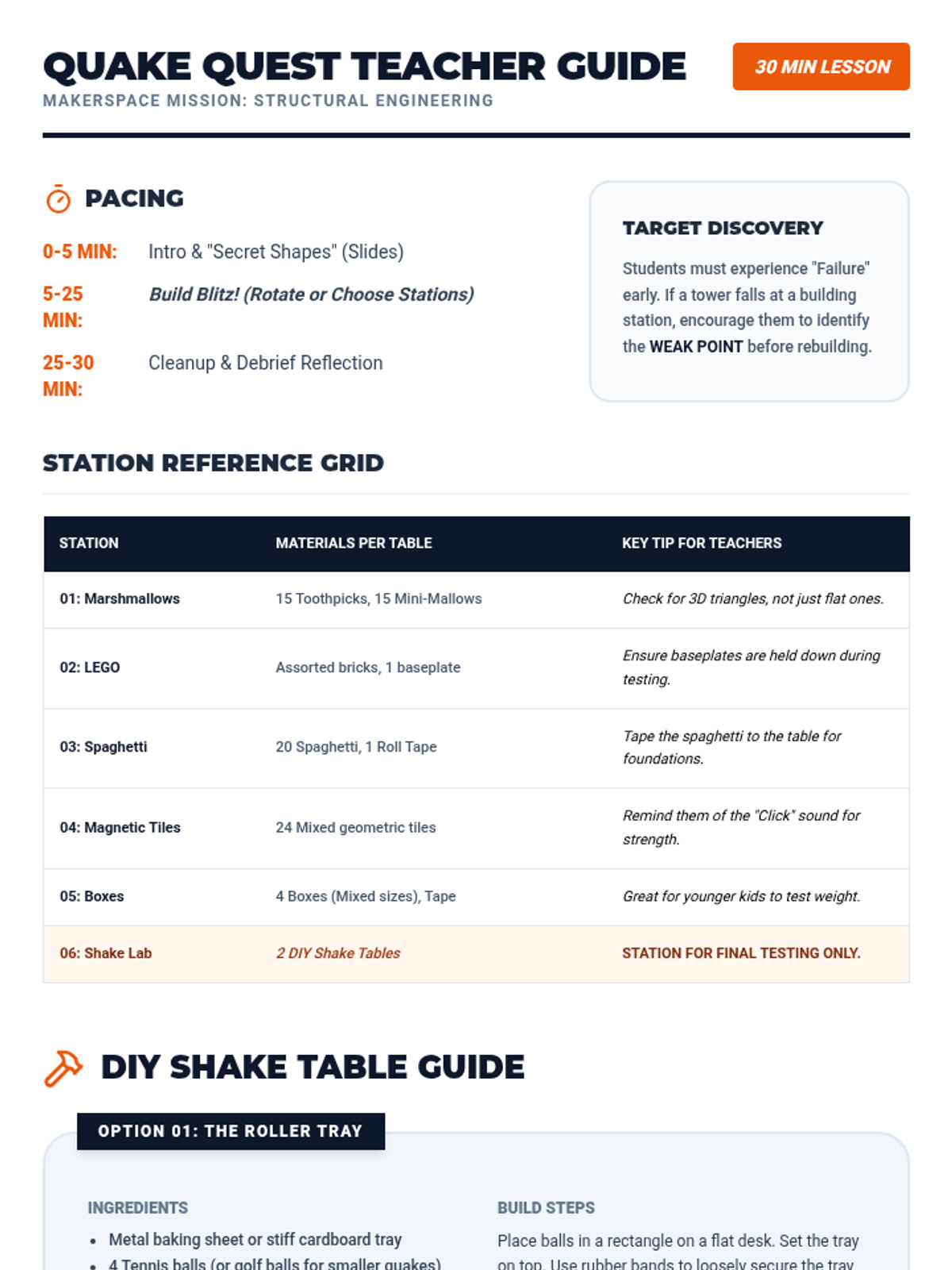
A fast-paced makerspace series where students tackle engineering challenges. This unit focuses on structural integrity and seismic resistance using everyday materials.
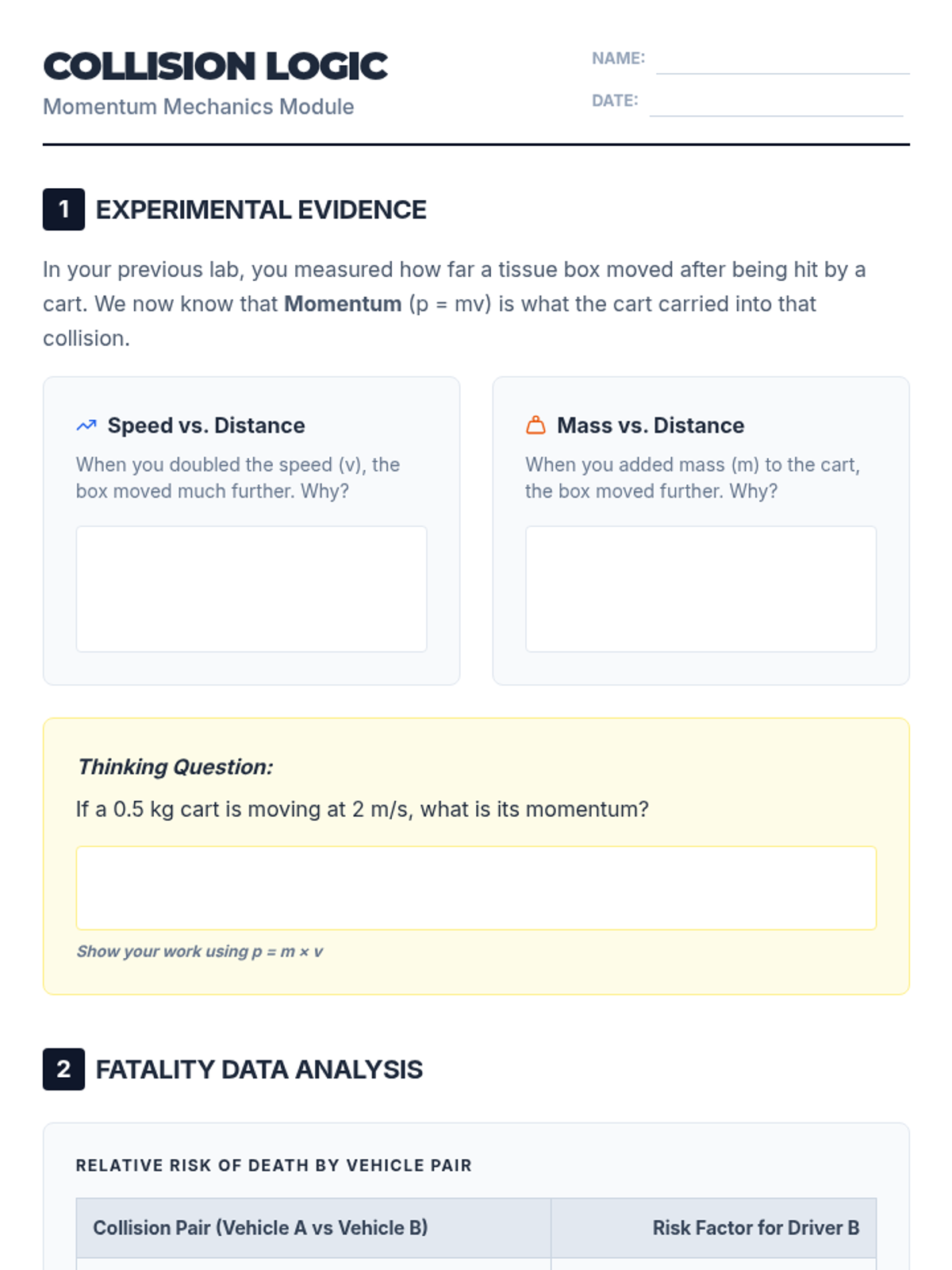
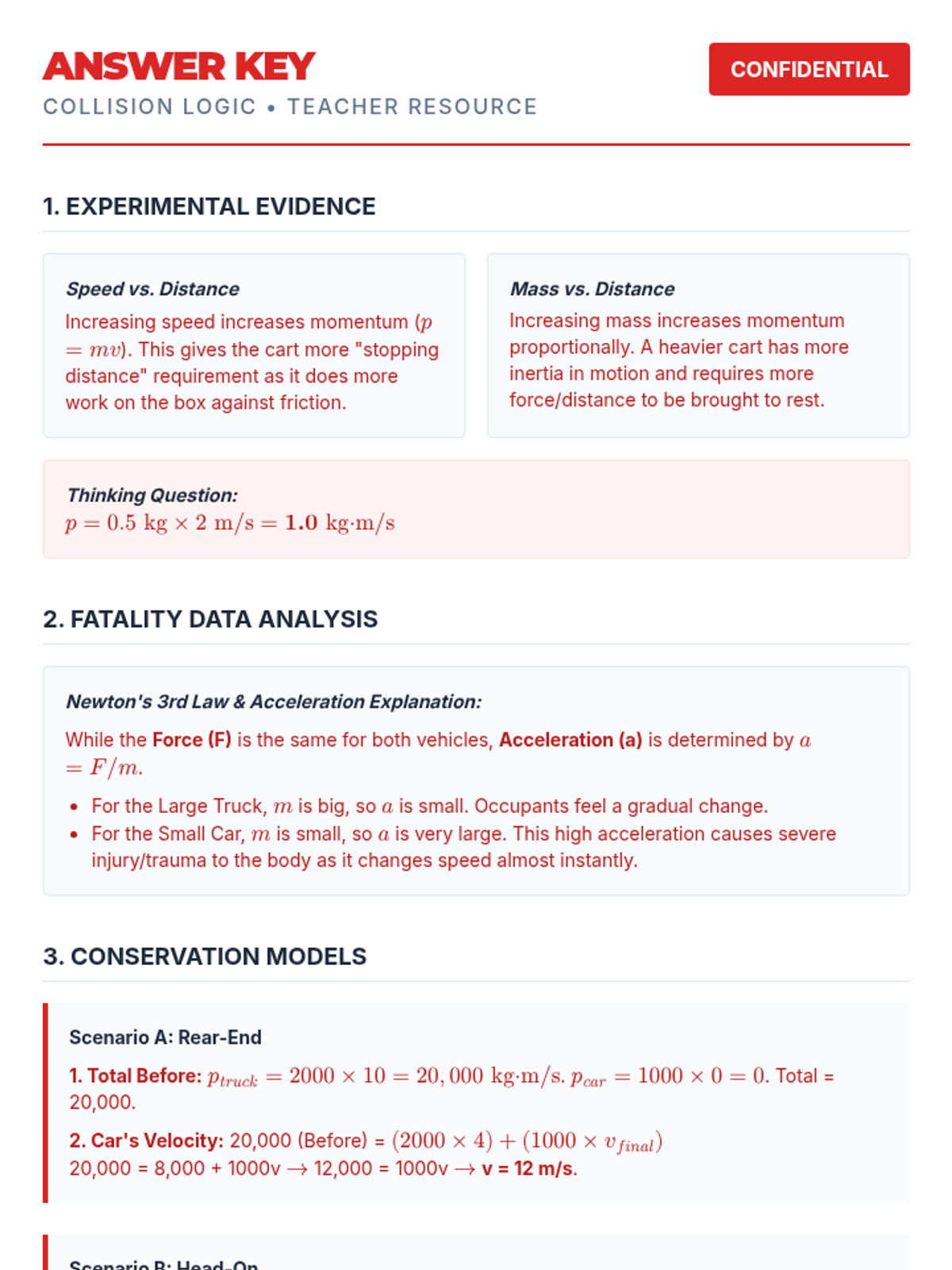
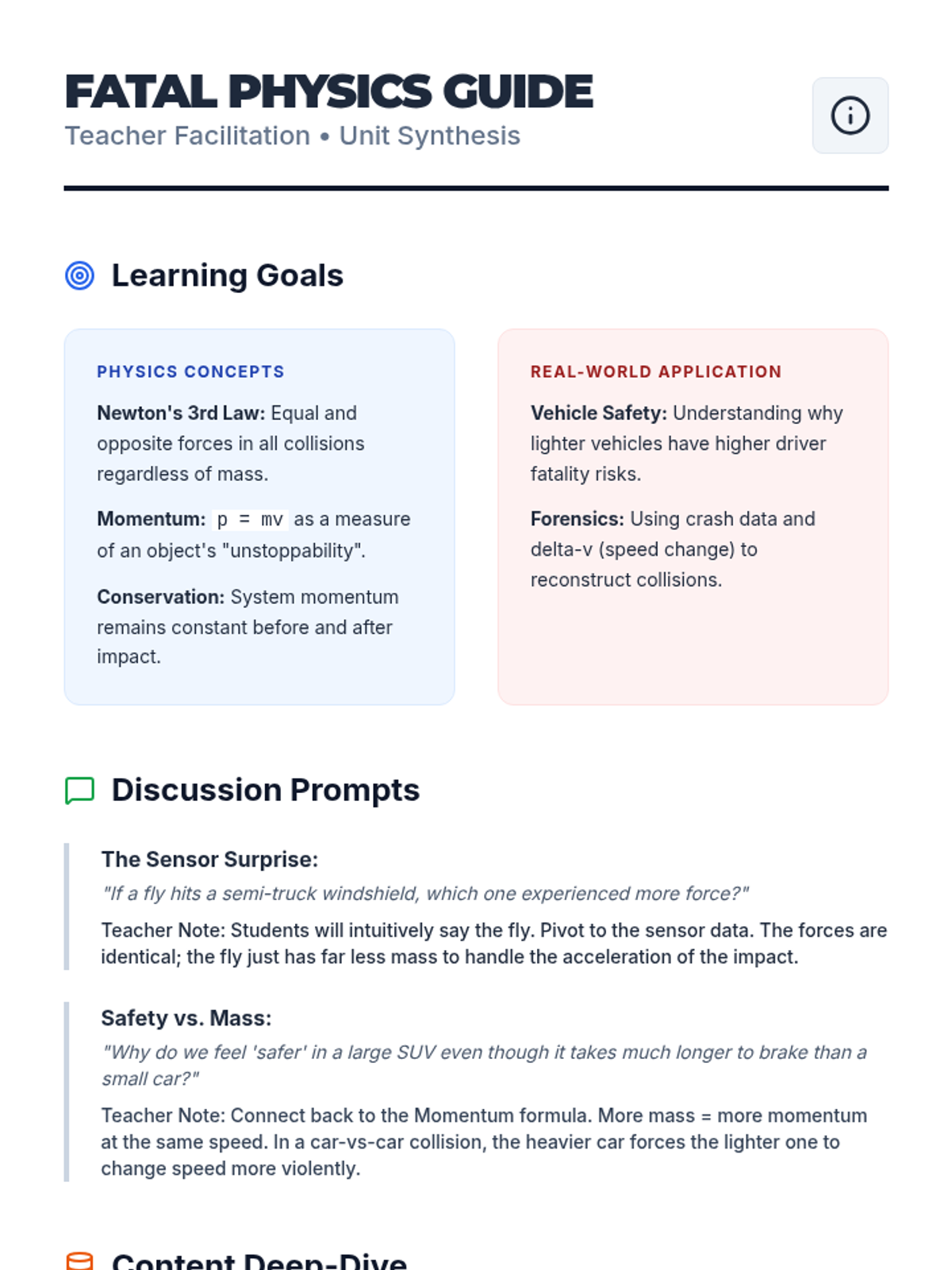
A physics unit wrap-up focusing on collisions, momentum, and vehicle safety engineering. This sequence transitions from hands-on lab investigation to independent data analysis and mathematical modeling.
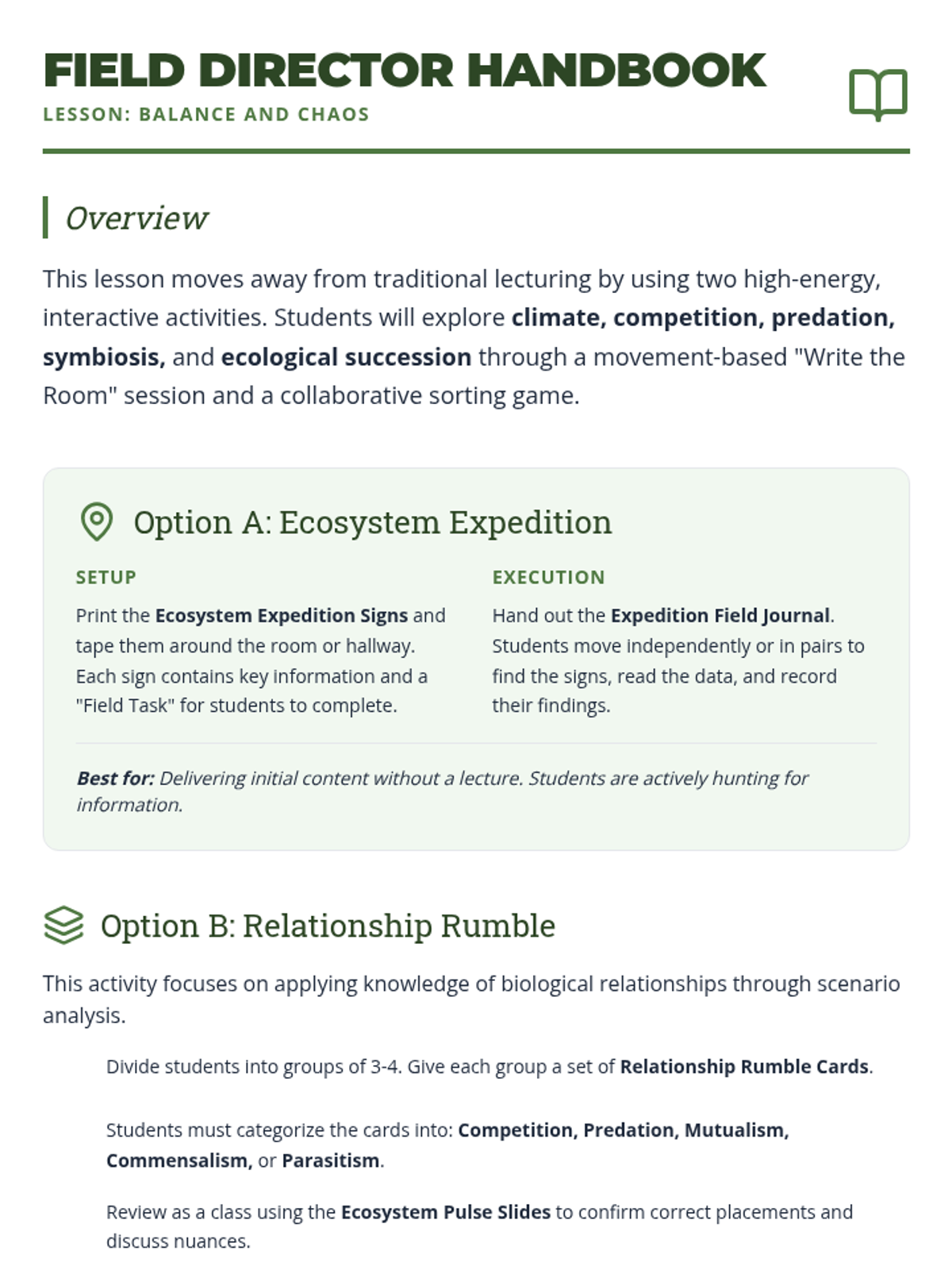
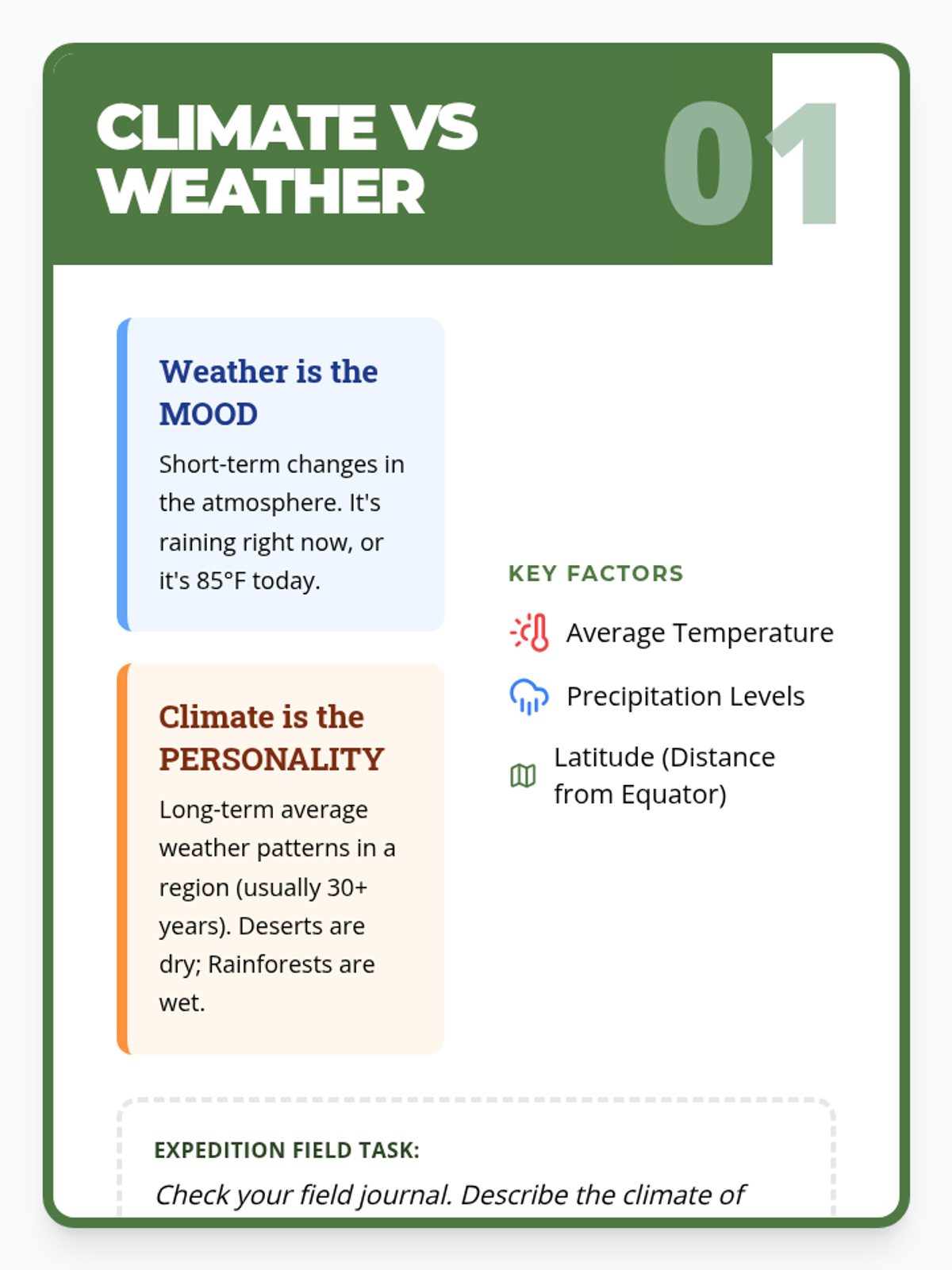
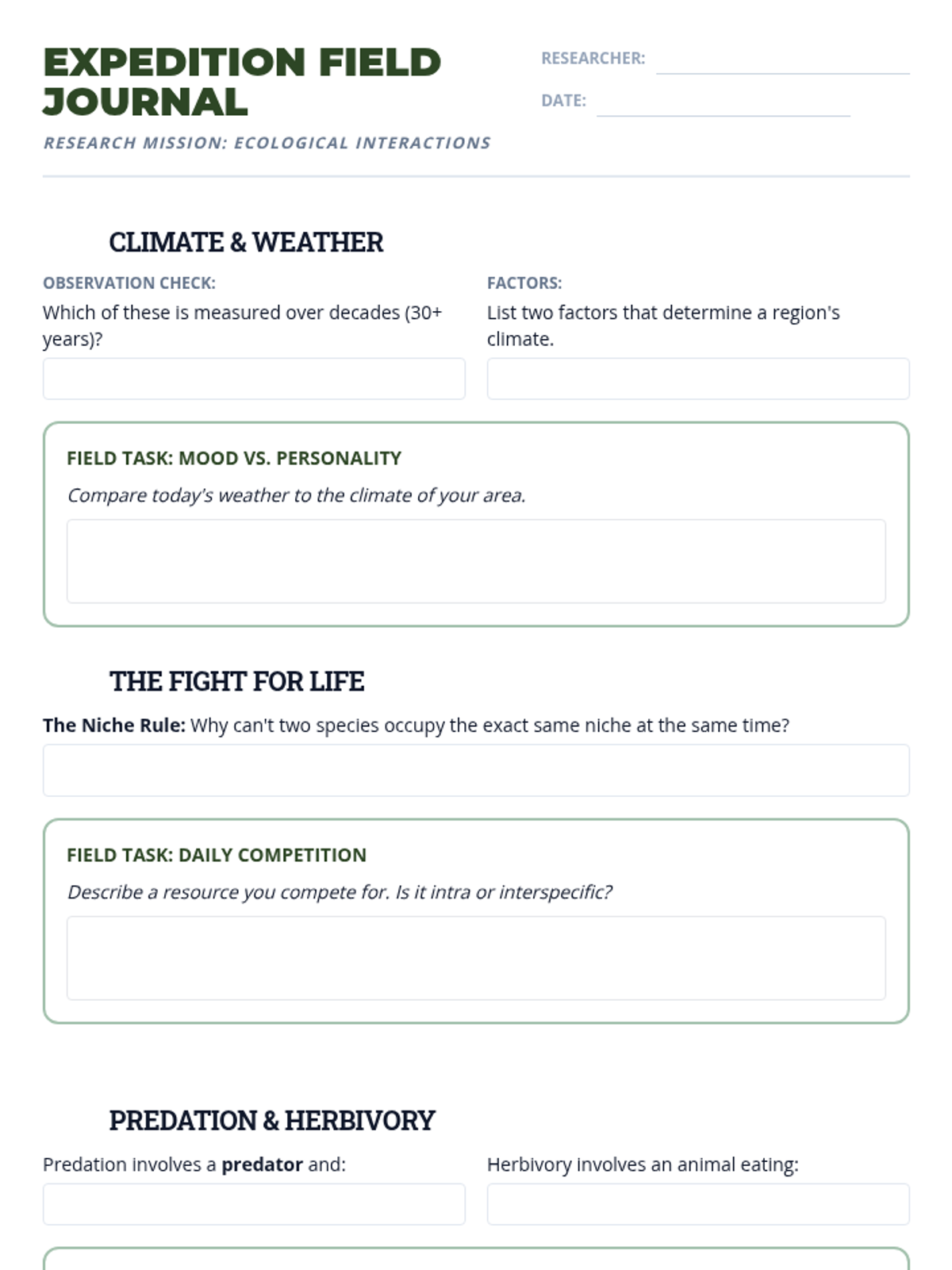
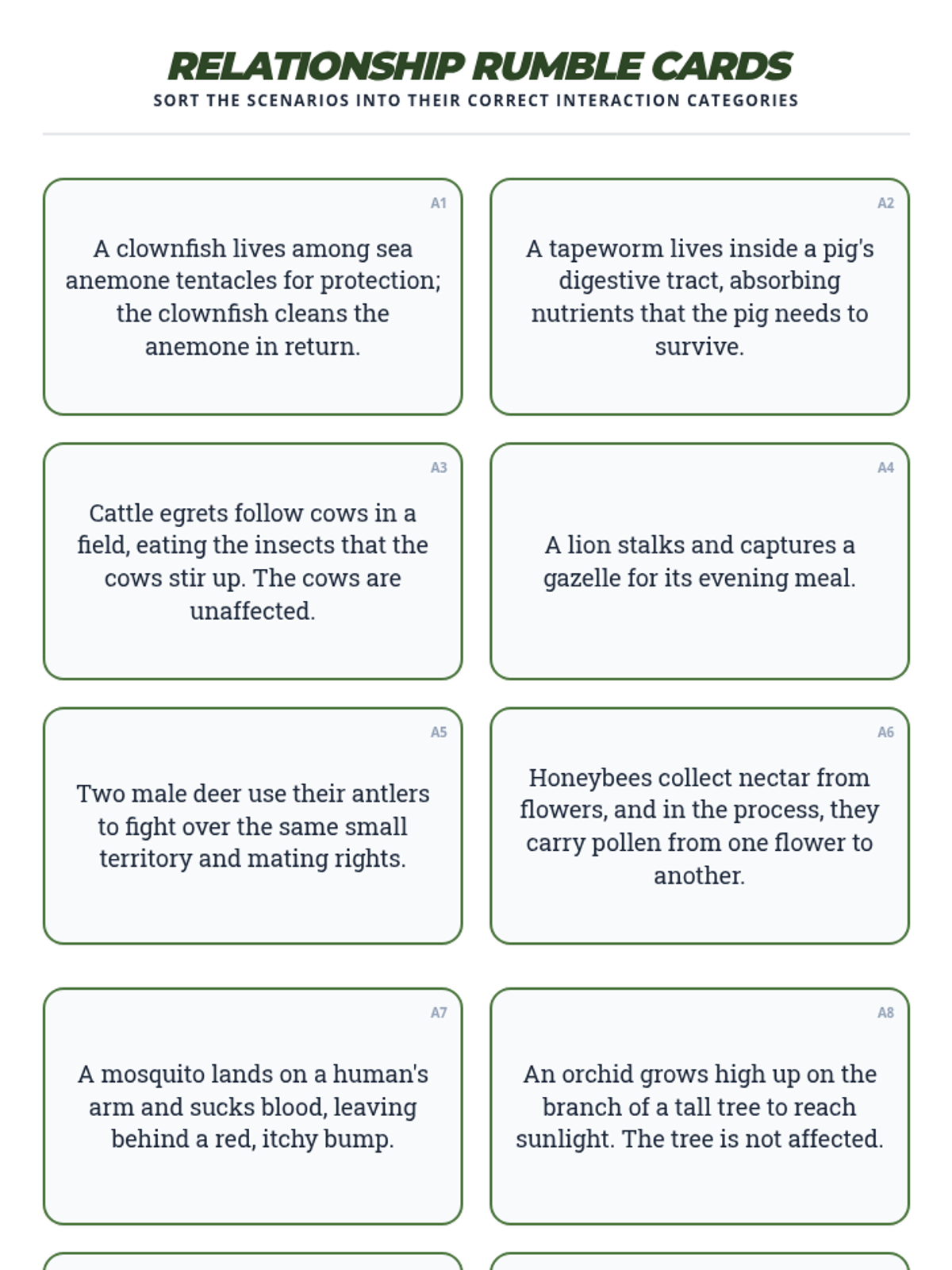
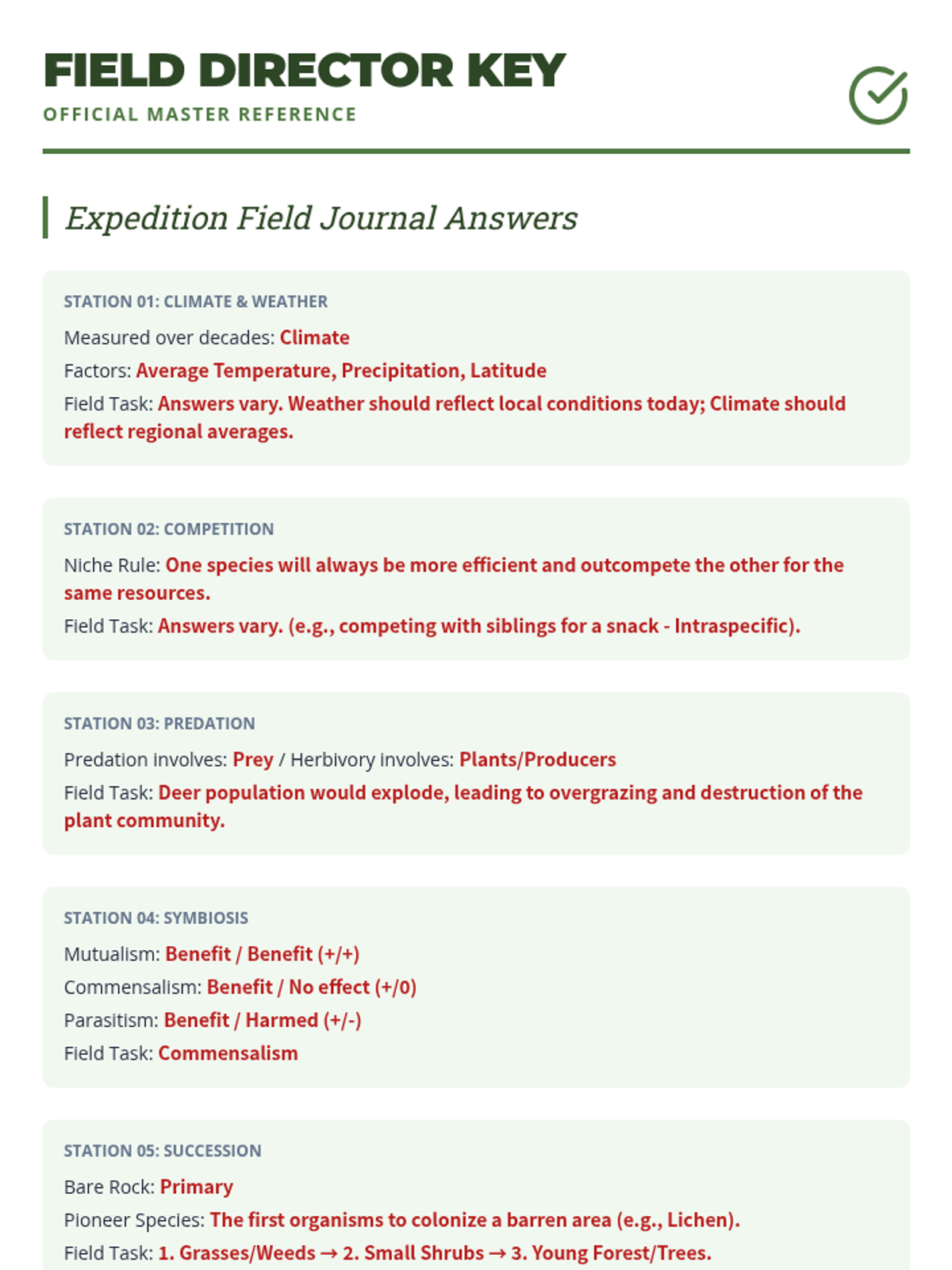
A comprehensive unit exploring the intricate webs of life, focusing on the relationships and environmental factors that shape ecosystems.