A lesson where students explore the economic and industrial importance of minerals by researching chemical properties and creating 'Wanted' posters for minerals like quartz, graphite, and gypsum.
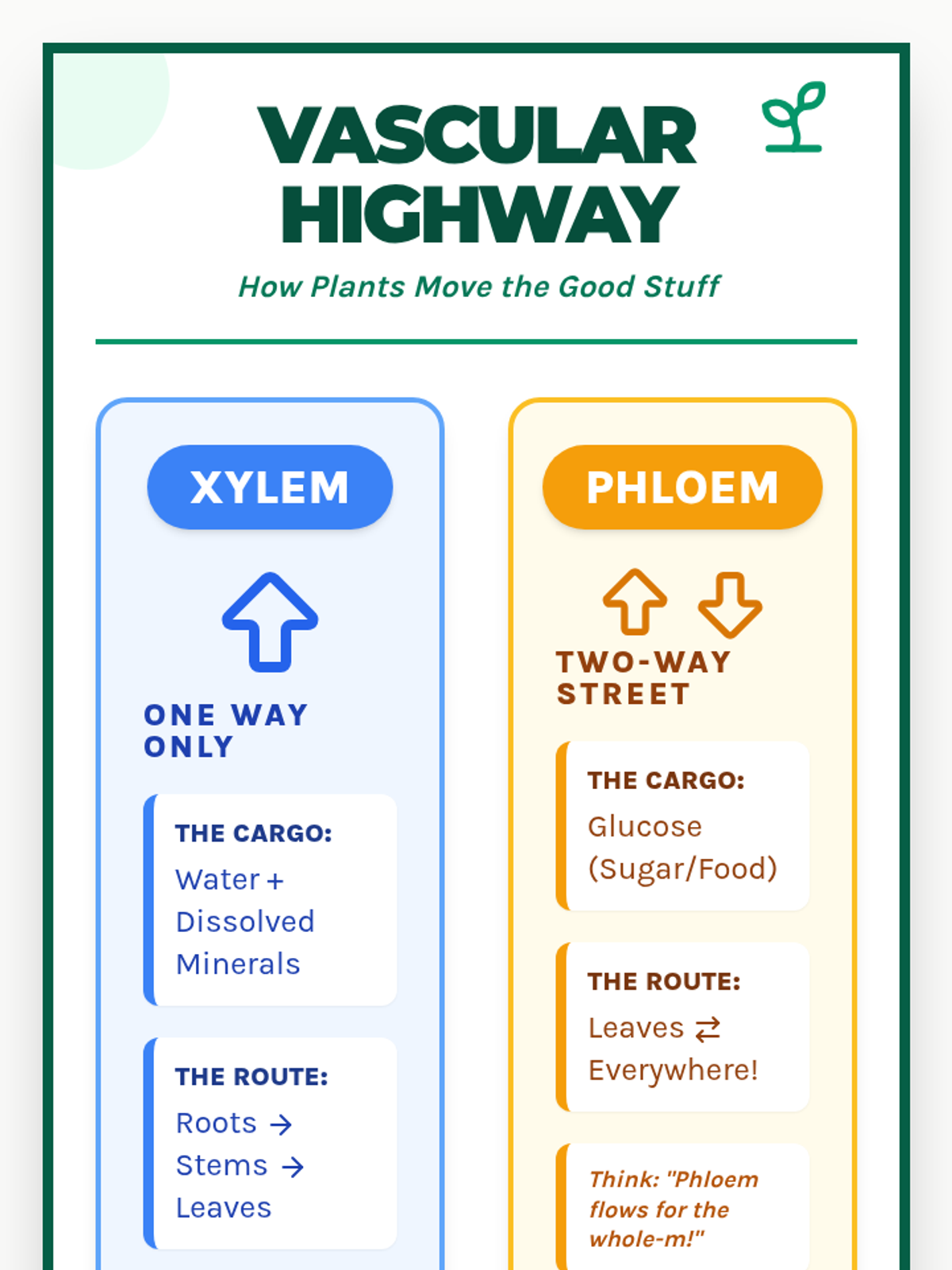
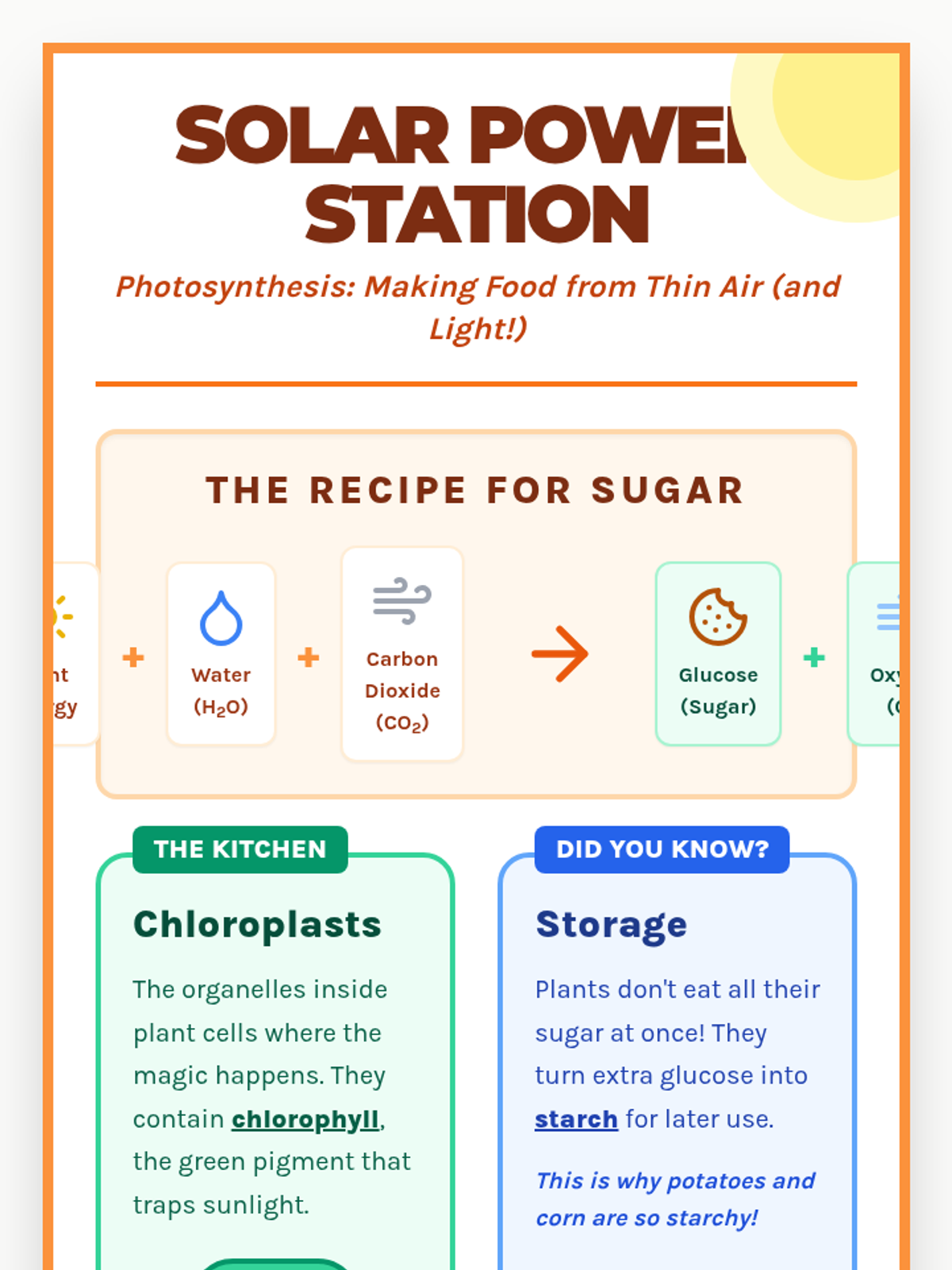
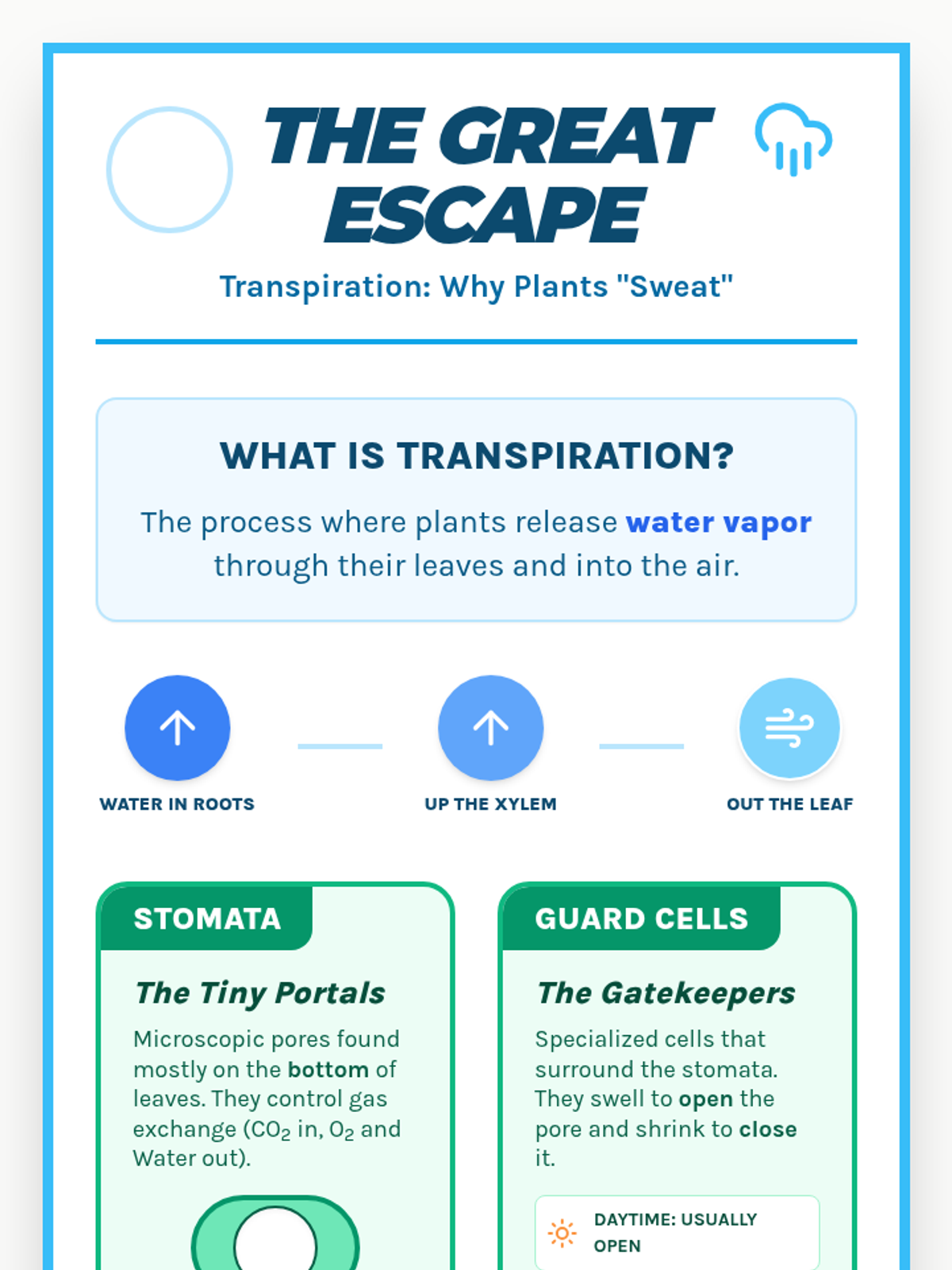
A series of visual anchor charts designed for reference during laboratory investigations into plant vascular systems, photosynthesis, and transpiration.
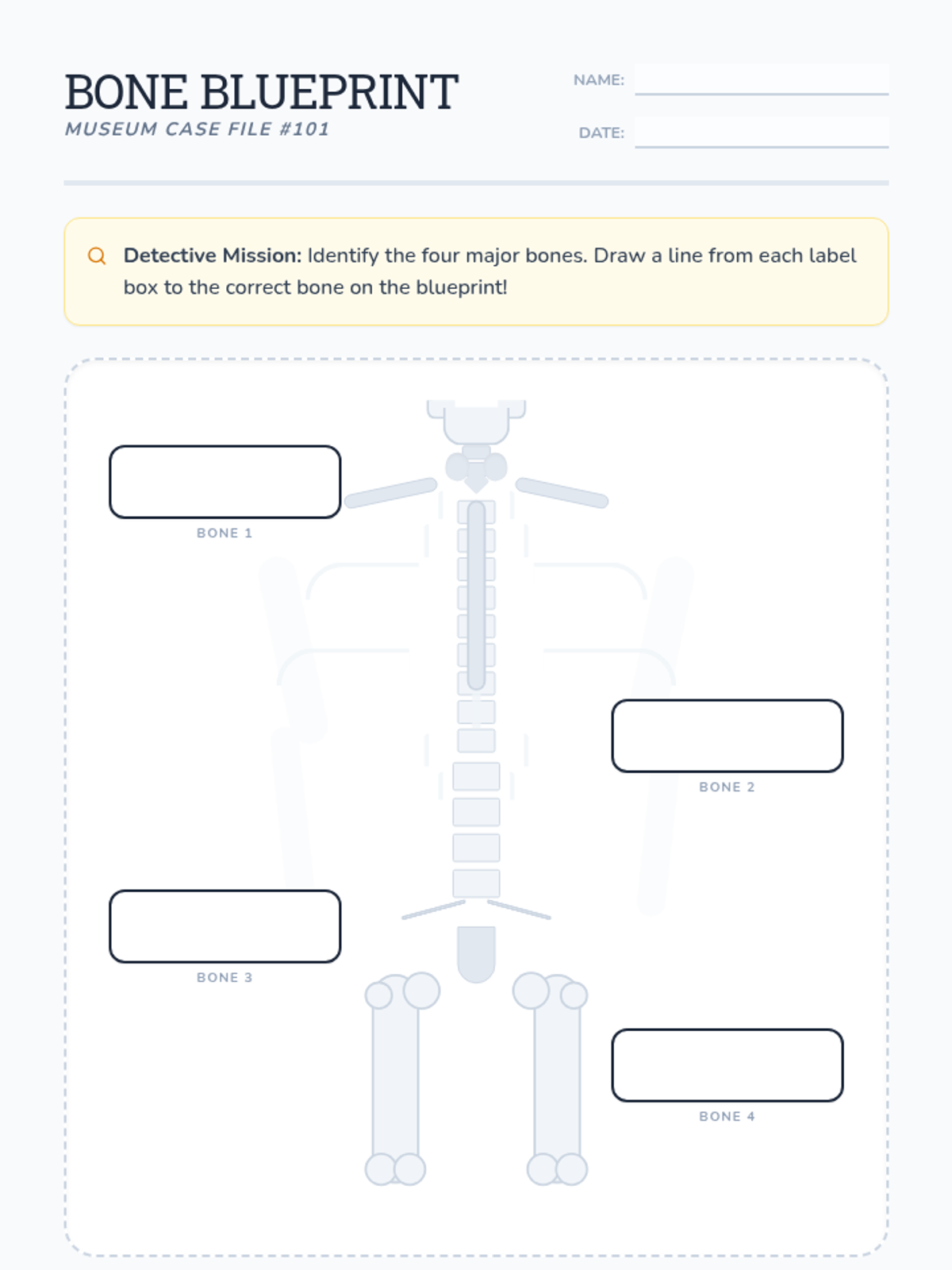
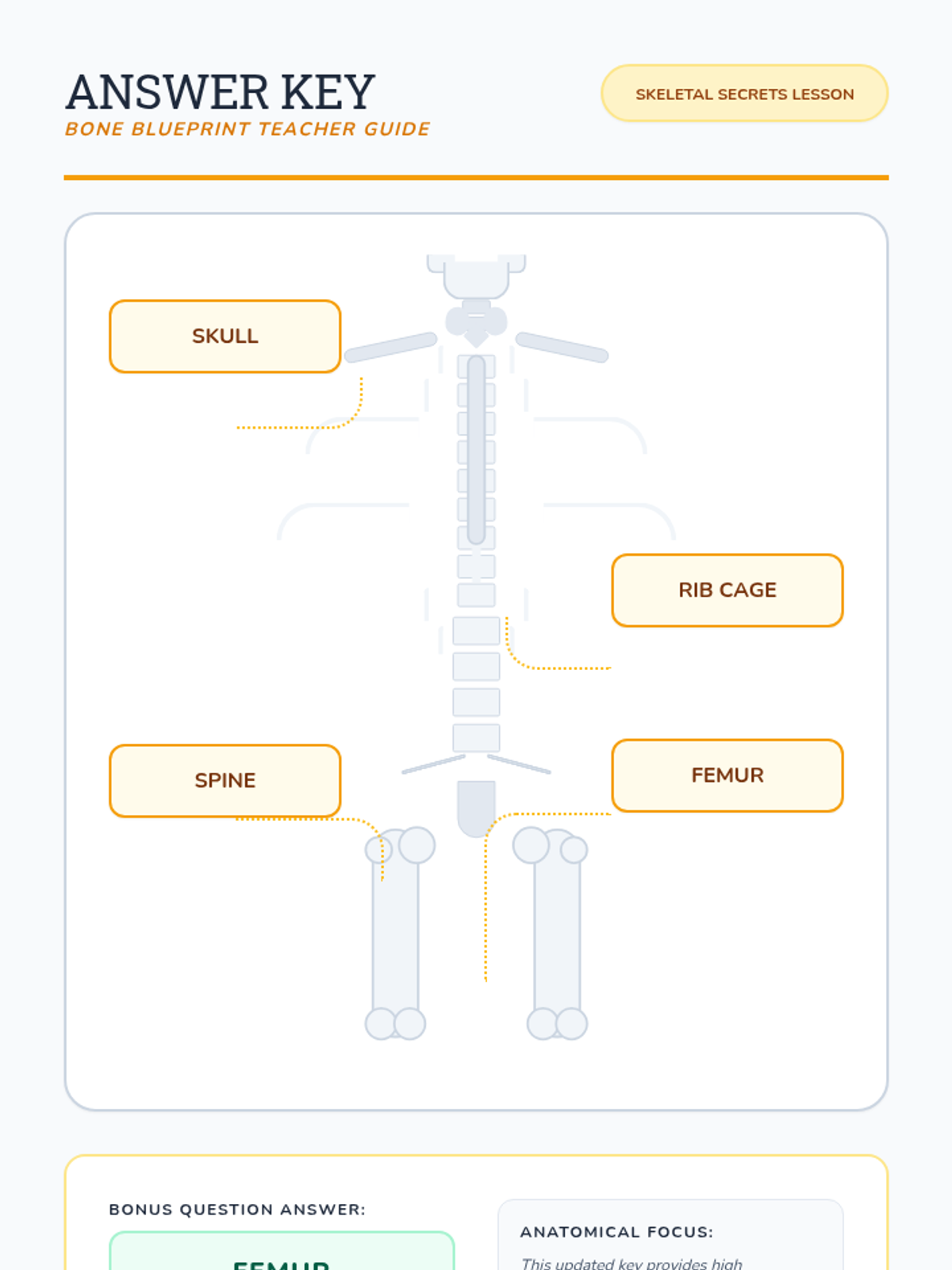
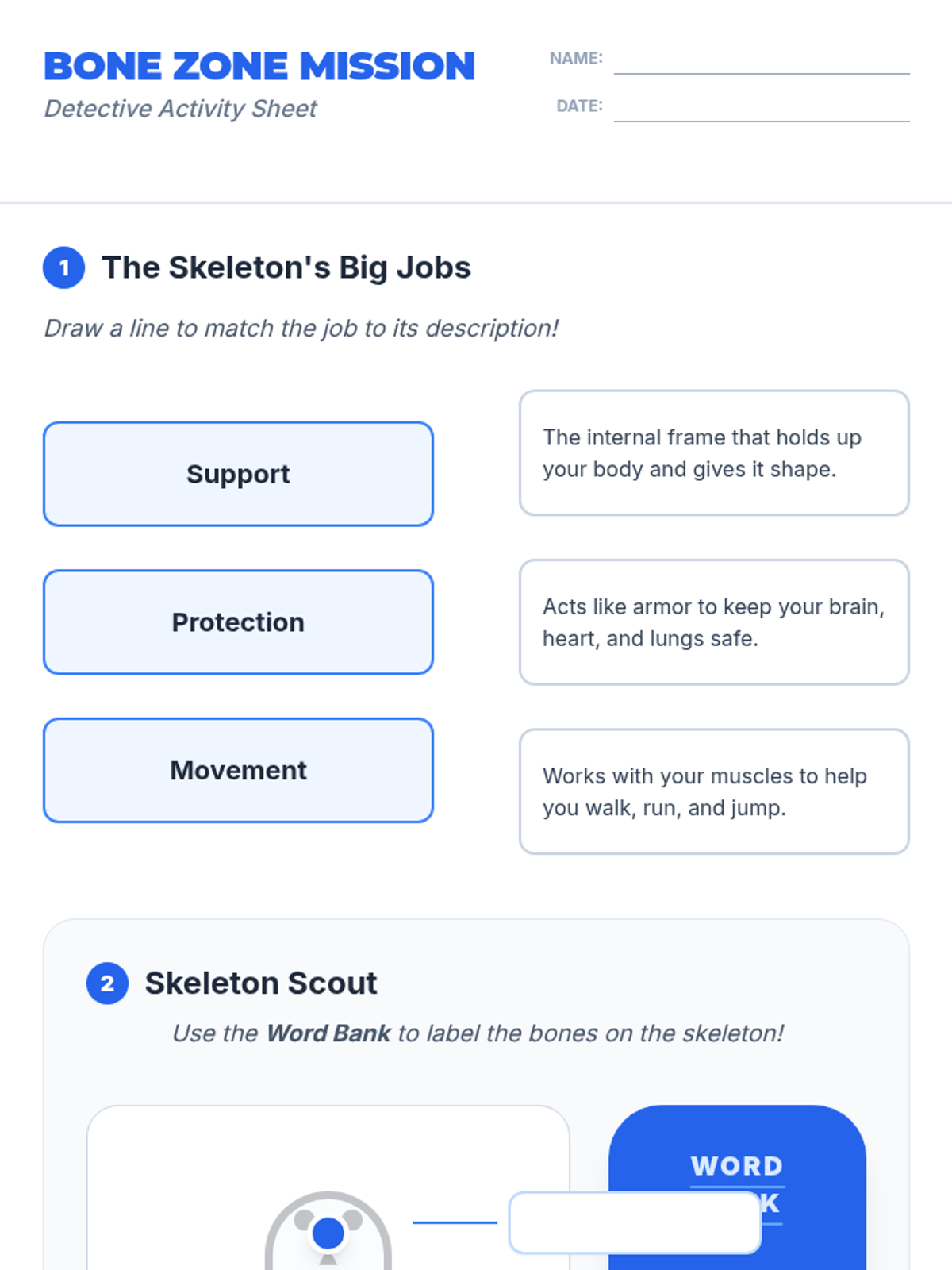
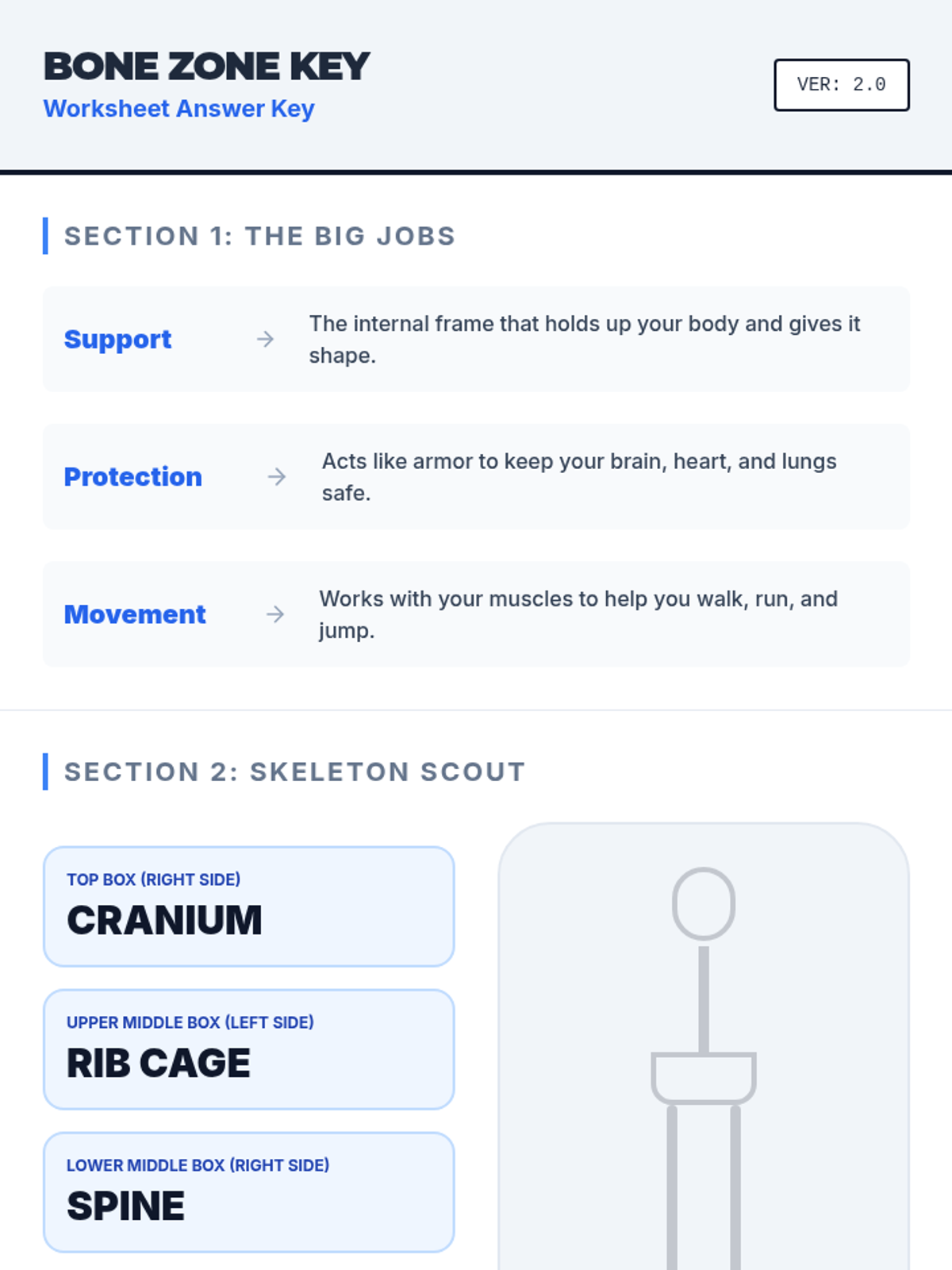
A fun, introductory lesson on the human skeletal system focusing on four major structures: the skull, rib cage, spine, and femur. Students will learn the functions of these bones through a museum-themed presentation and a labeling activity.
A quick 30-minute introduction to the skeletal system, focusing on its main functions and the names of key bones in the human body. Students will explore how their 'internal frame' helps them move and stay protected.
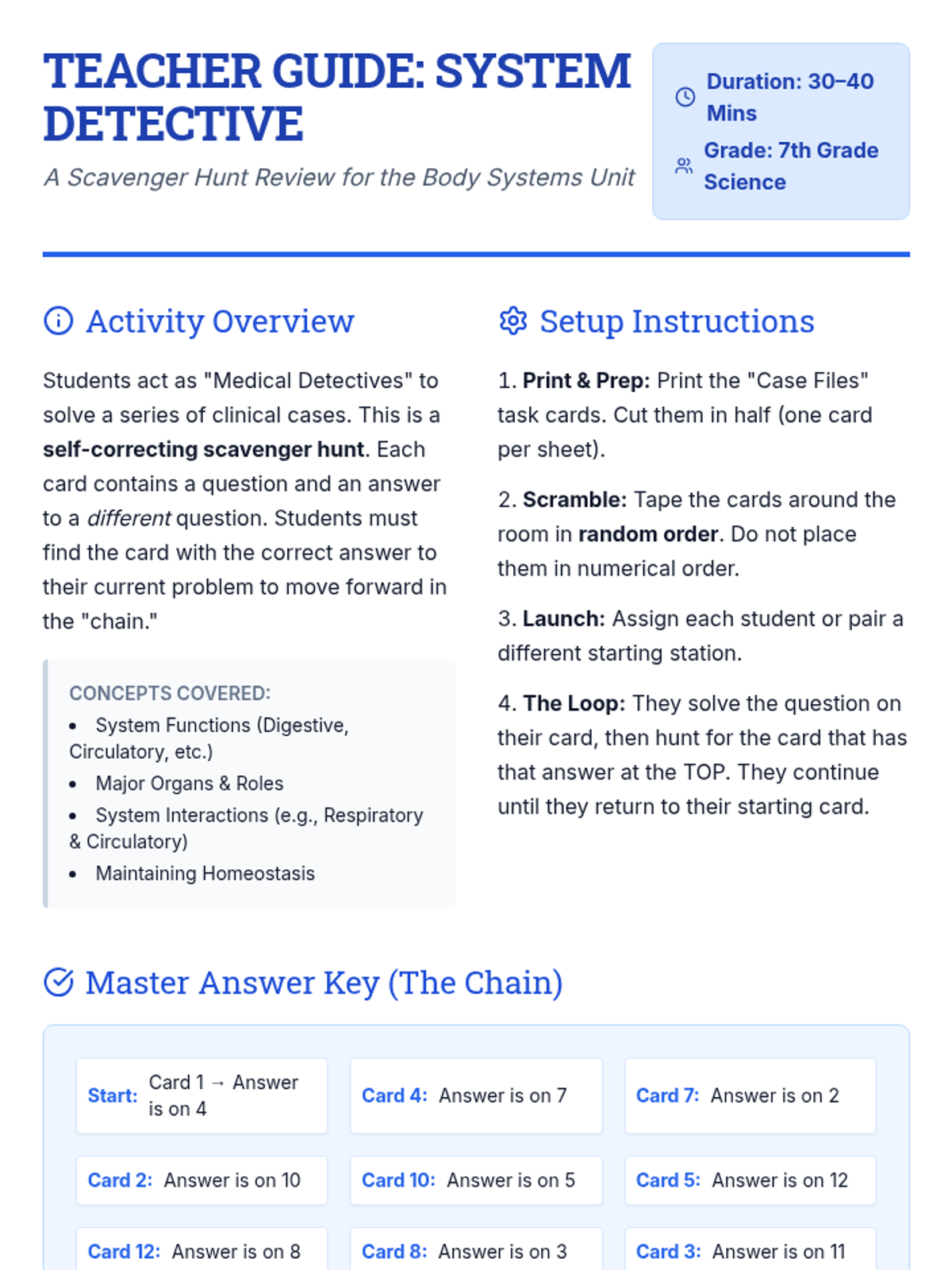
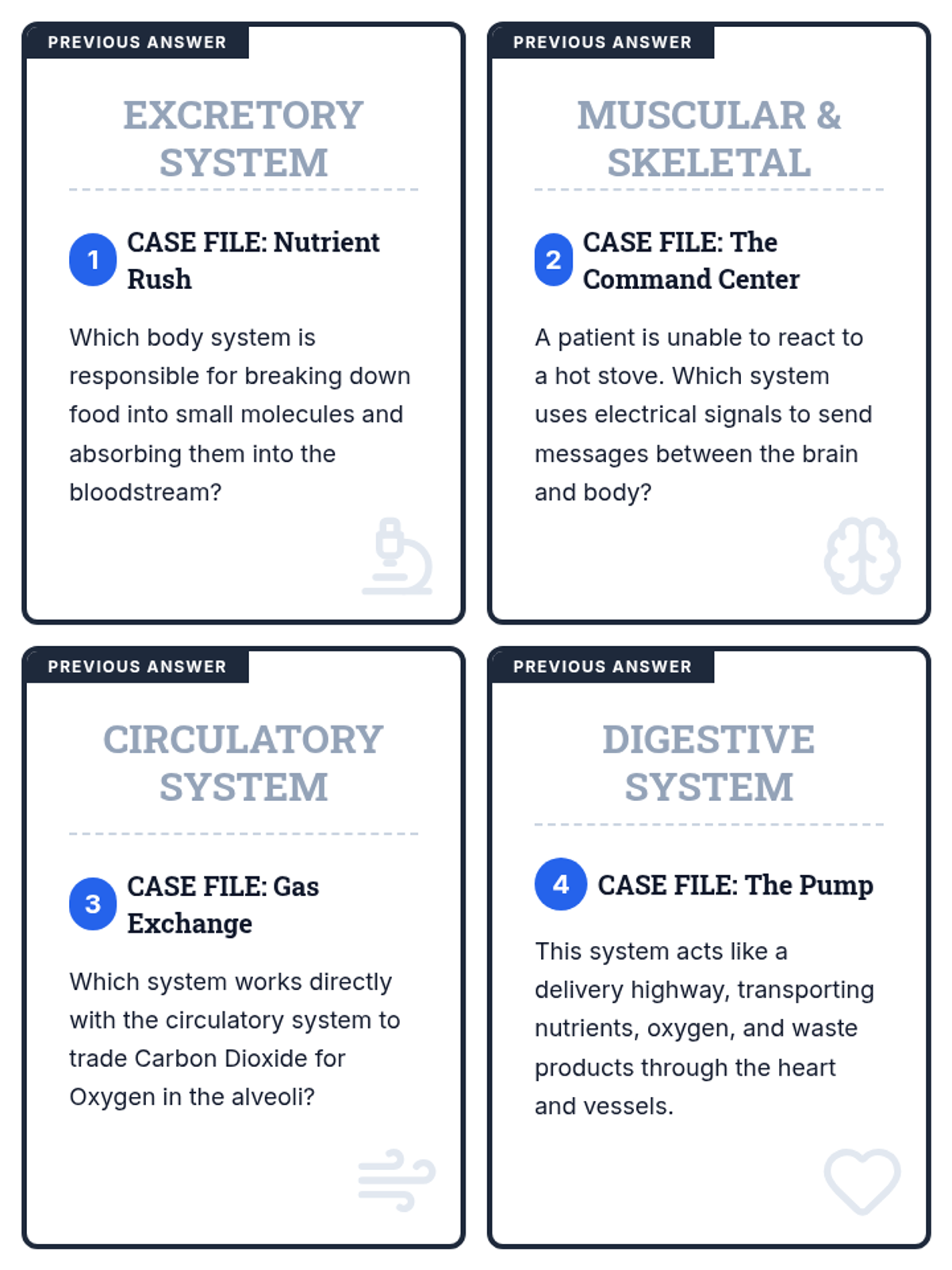
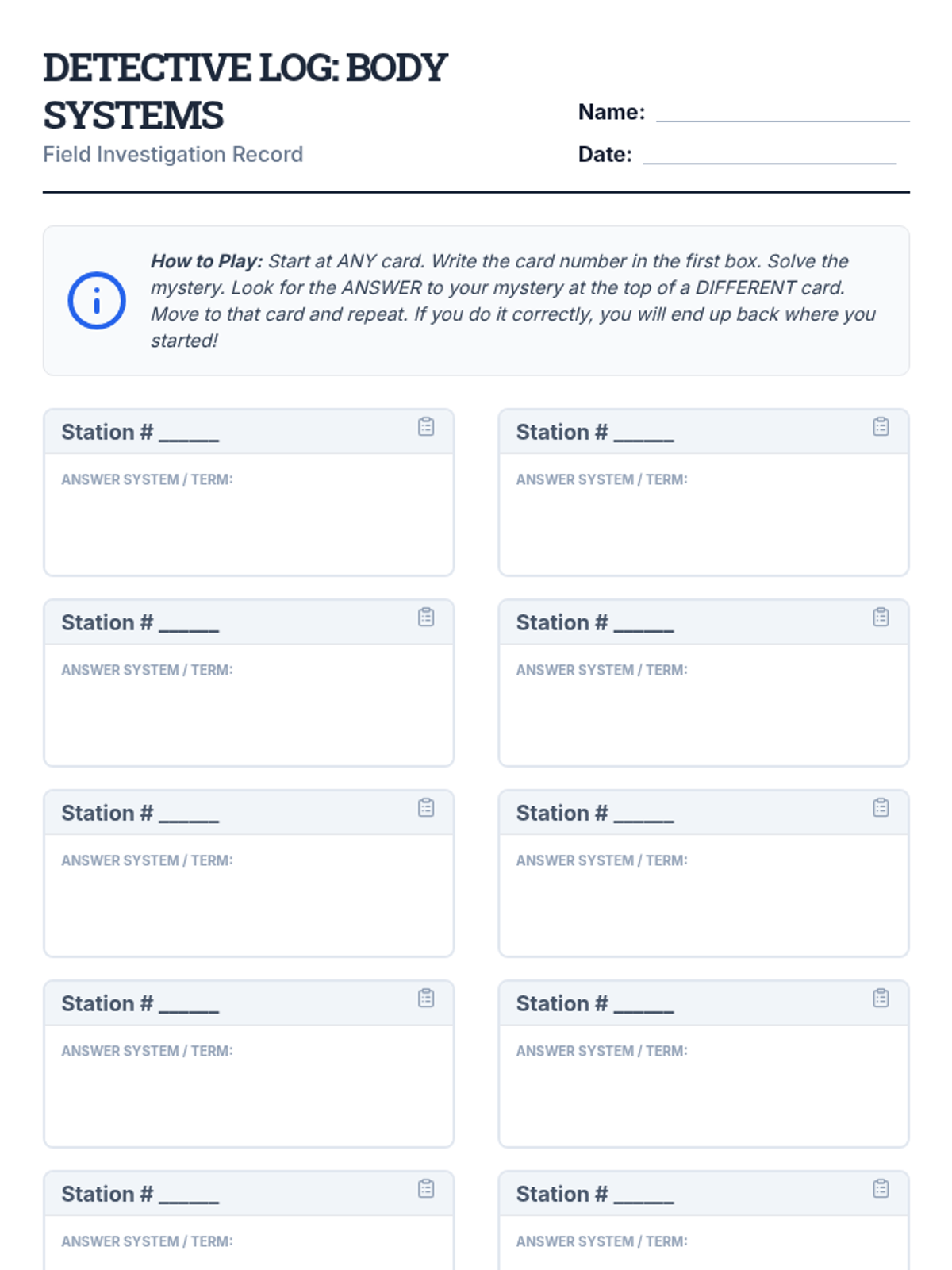
A high-energy, movement-based review activity where students solve 'medical cases' by identifying body systems and their functions. This lesson includes task cards for a classroom scavenger hunt and a structured recording sheet for students.
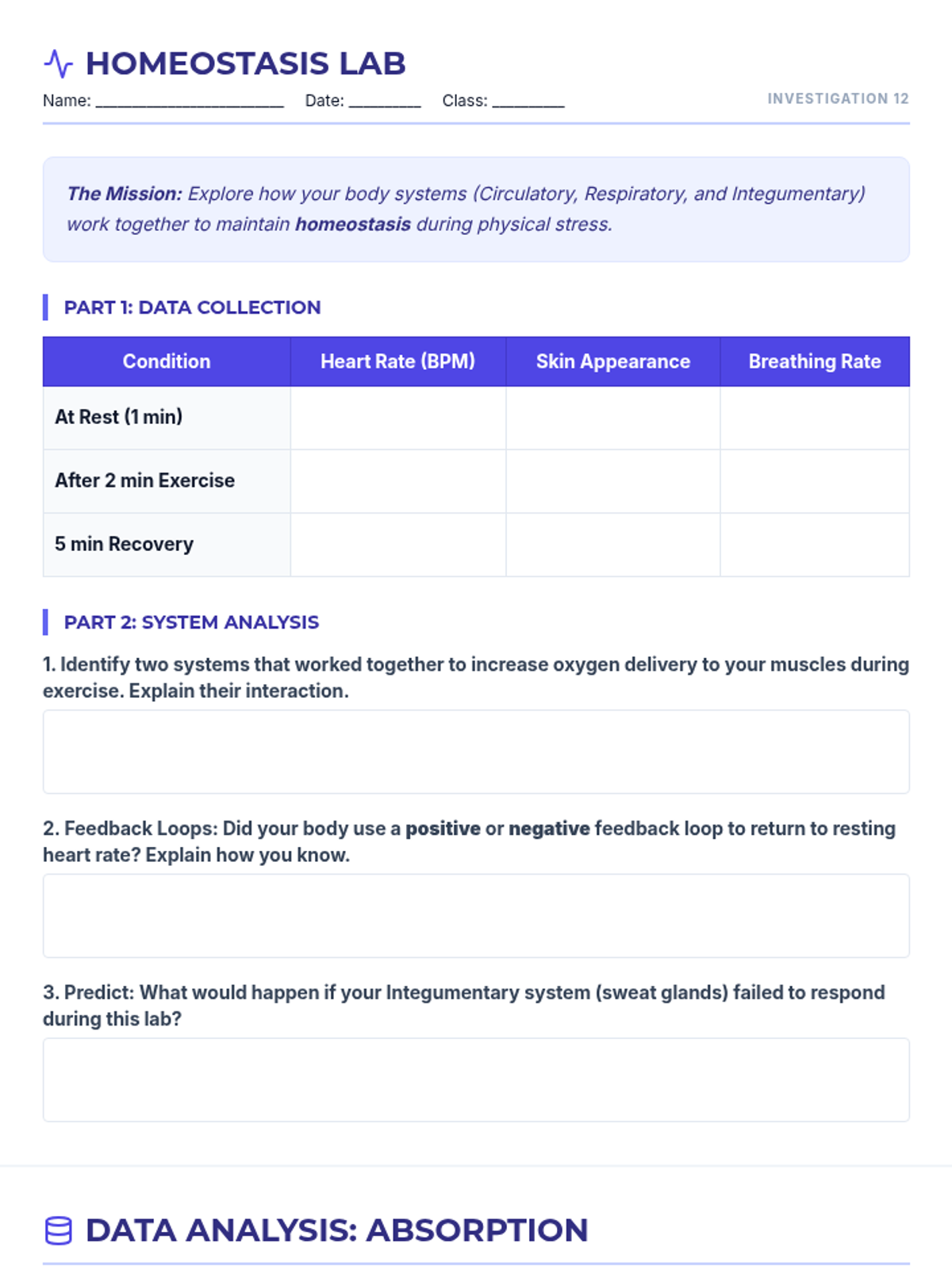
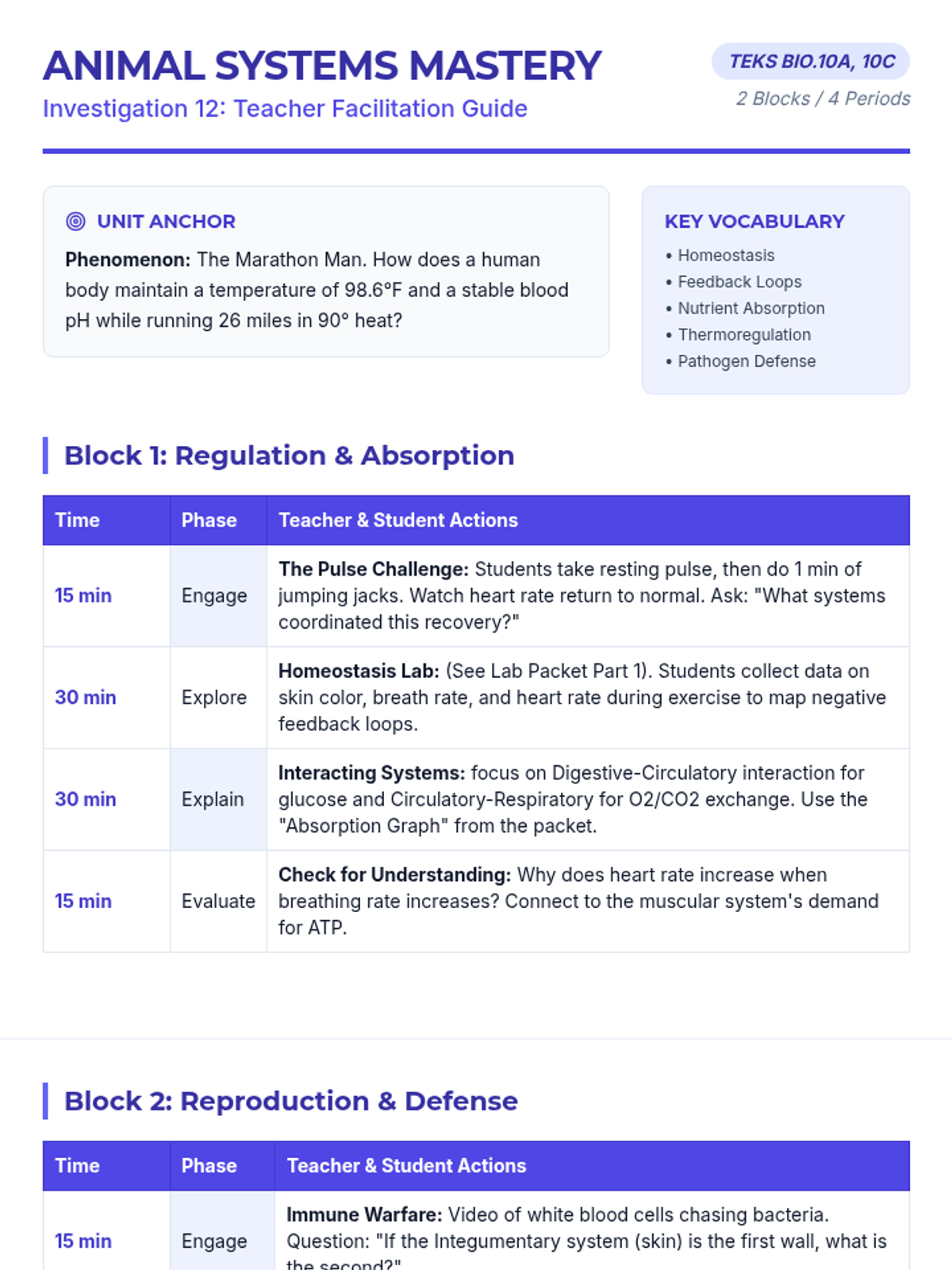
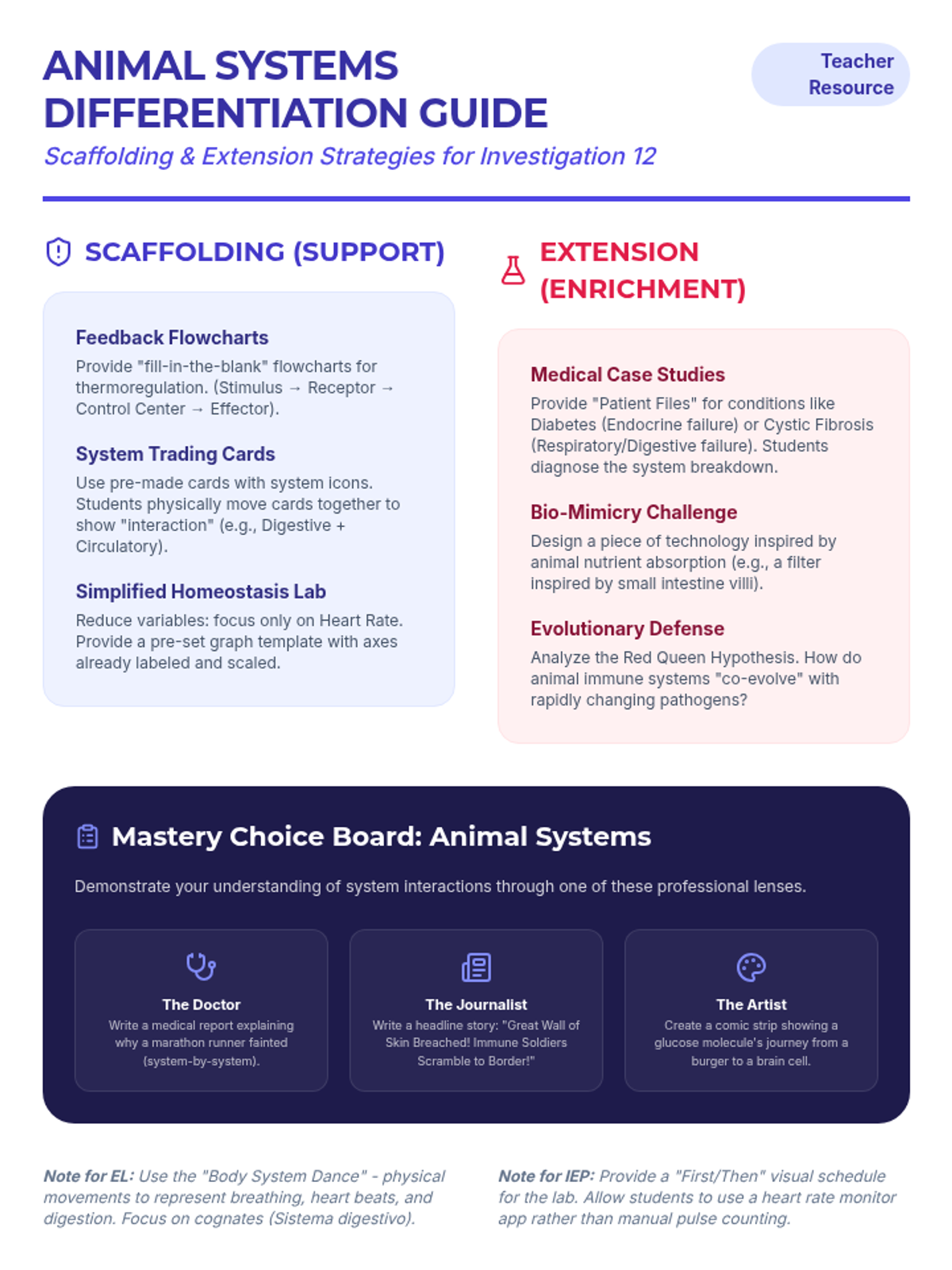
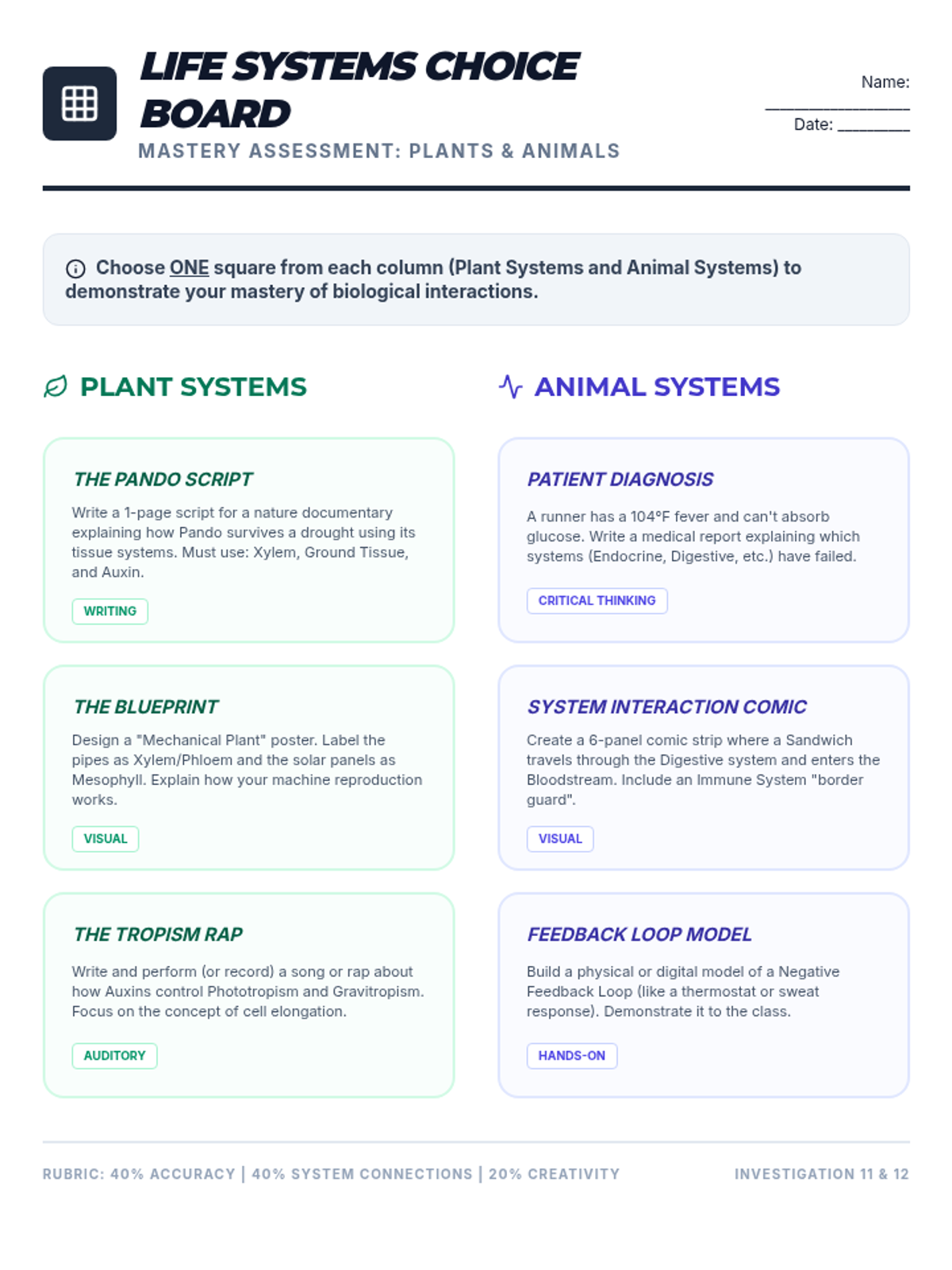
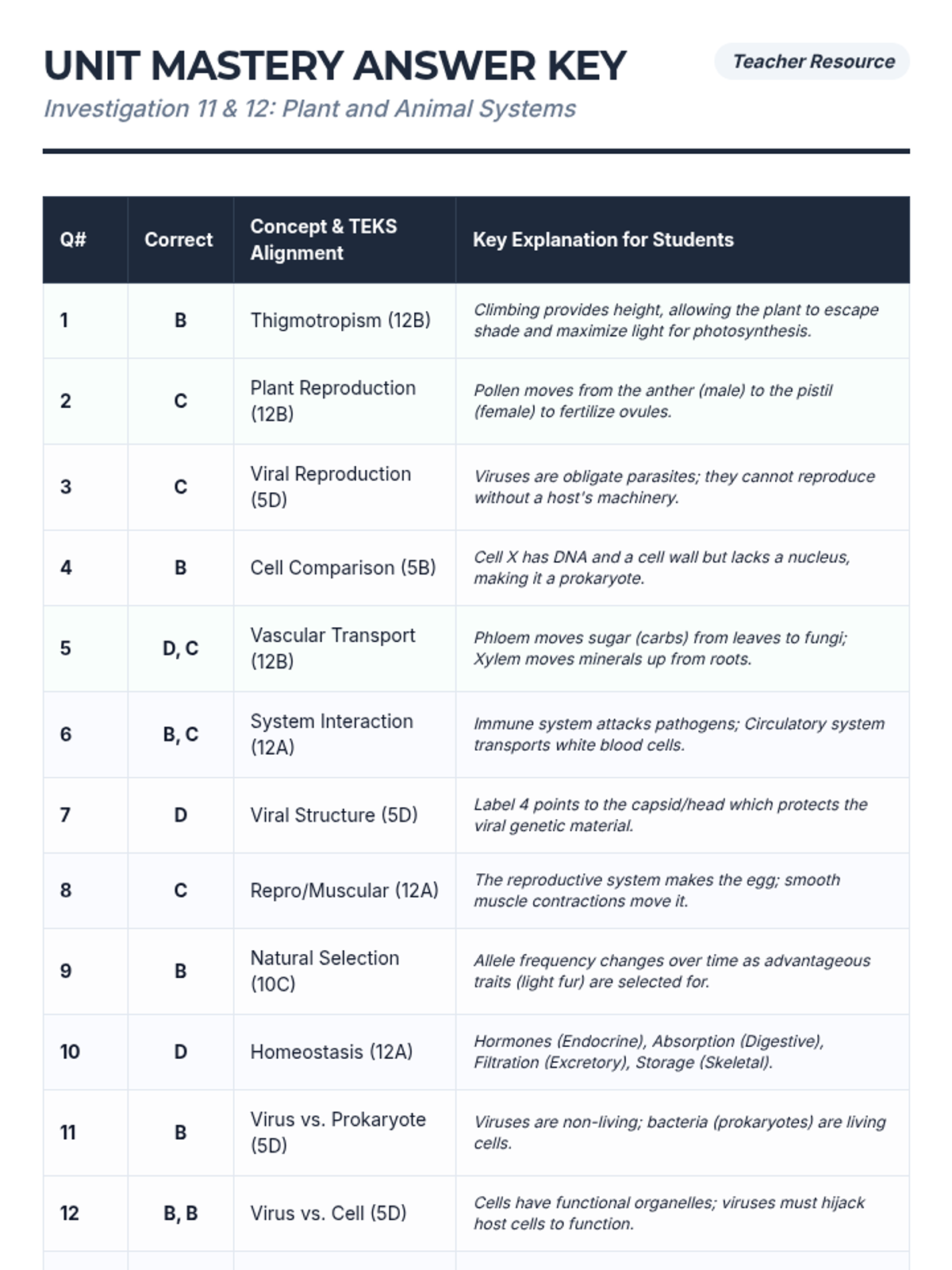
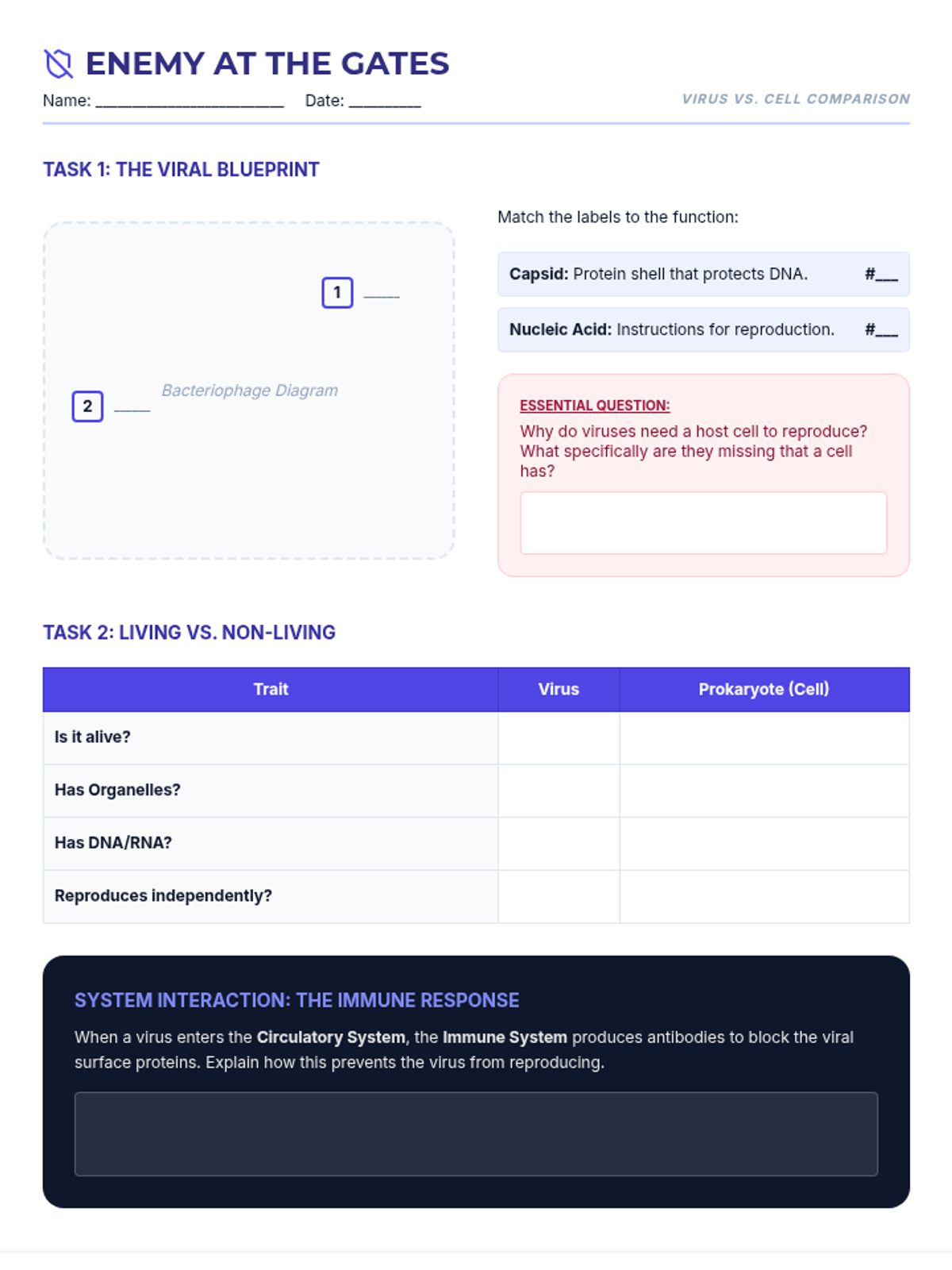
A two-block exploration of animal systems, focusing on homeostasis, nutrient absorption, reproduction, and defense mechanisms.
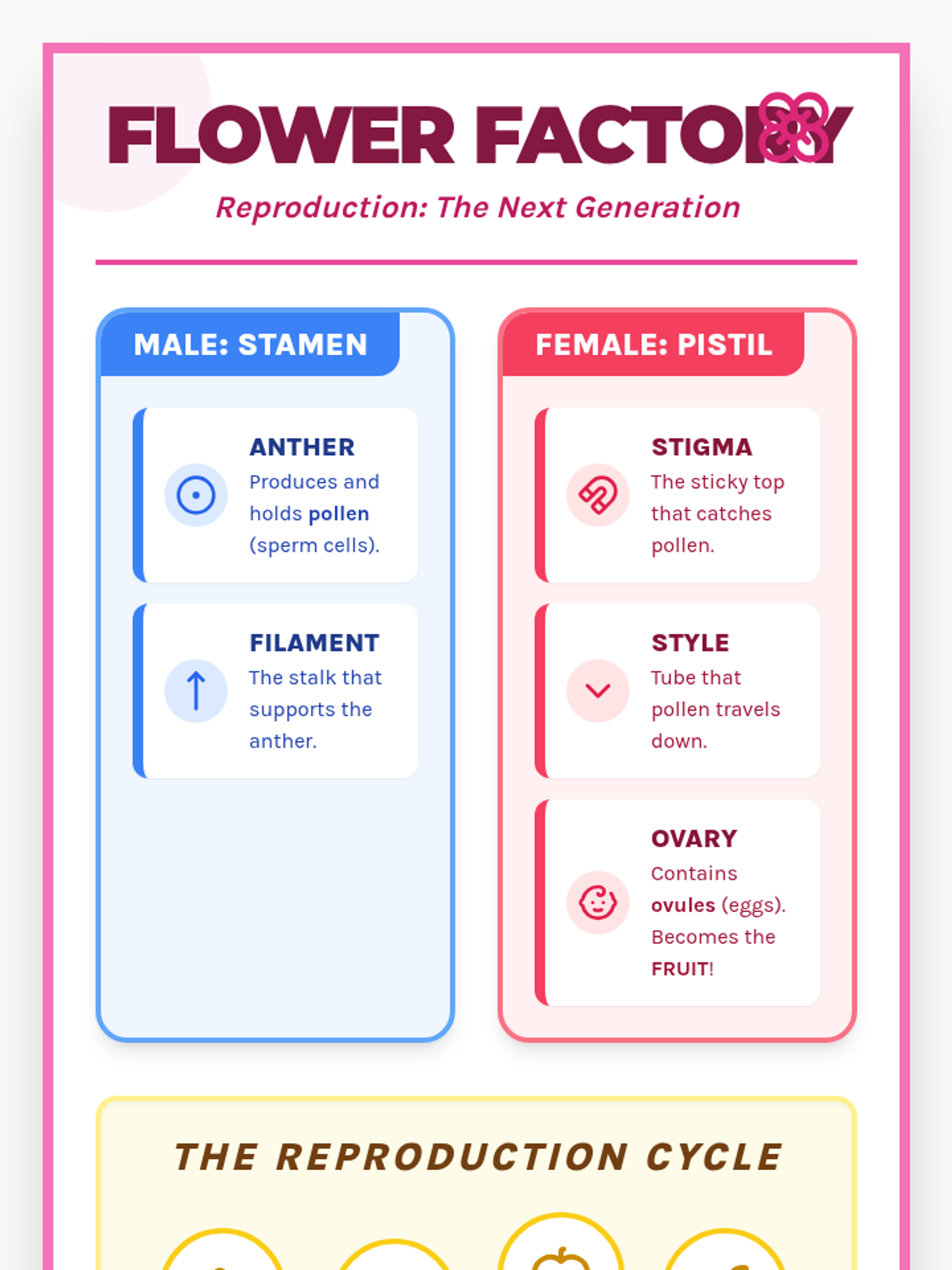
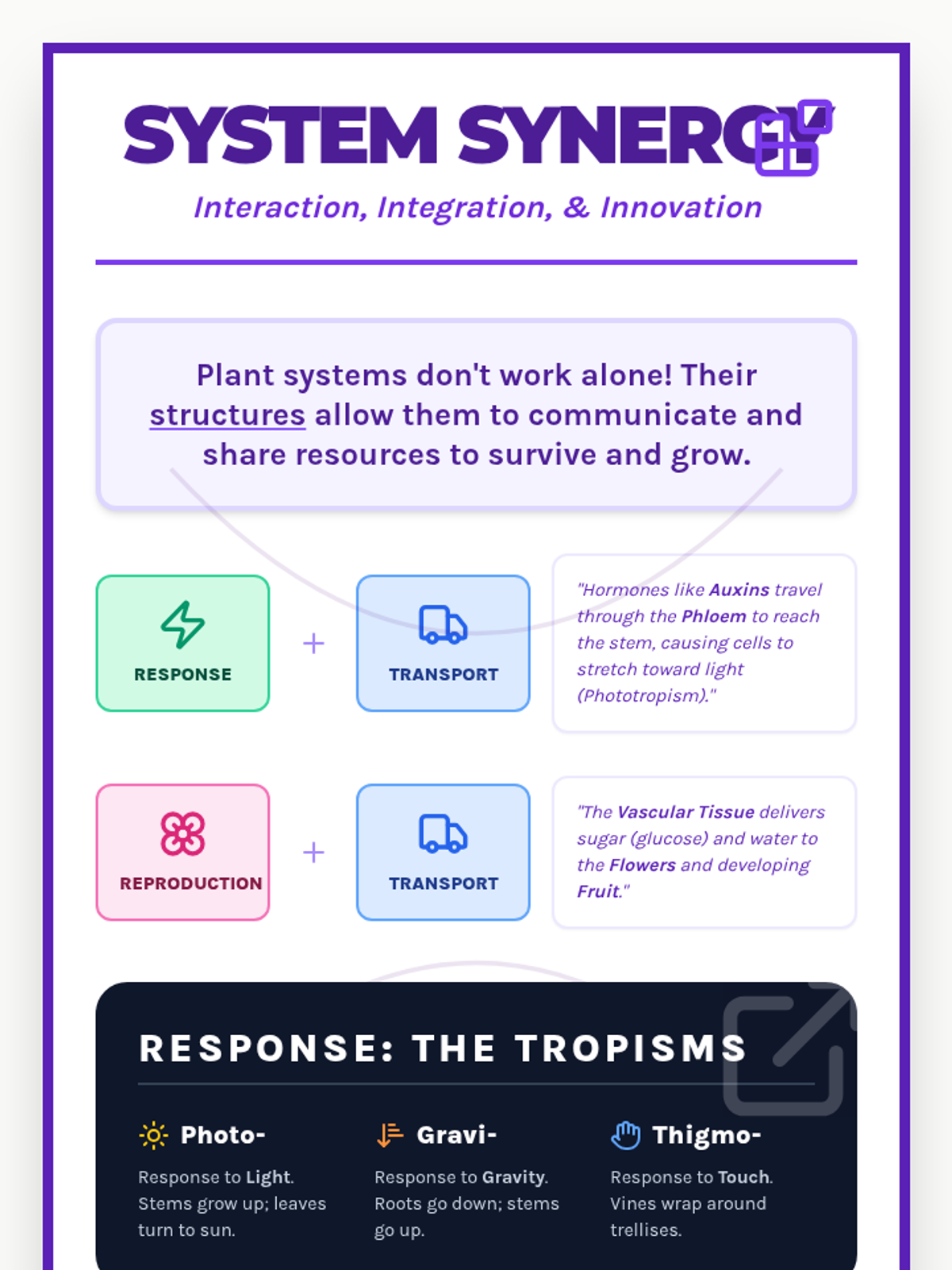
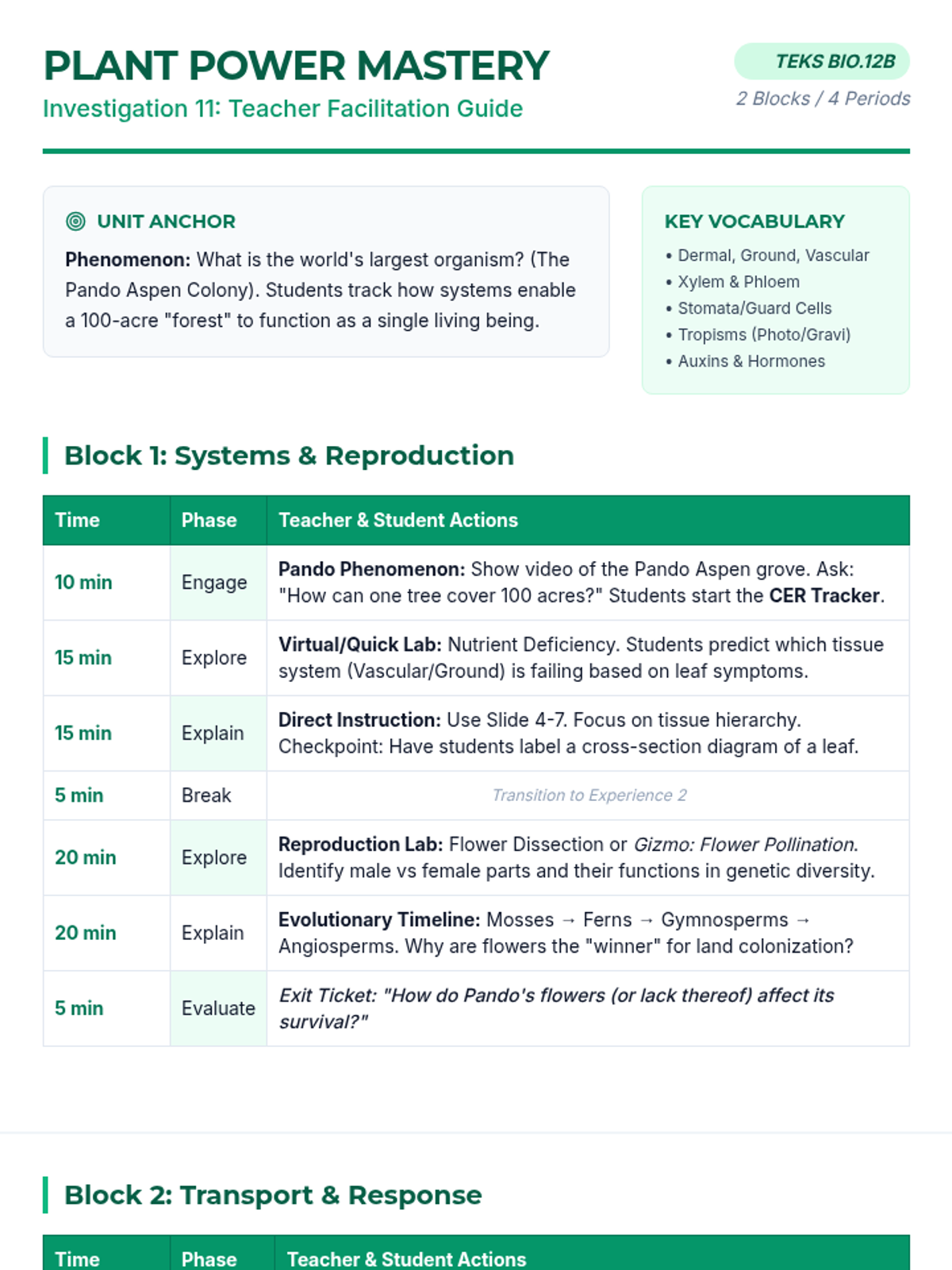
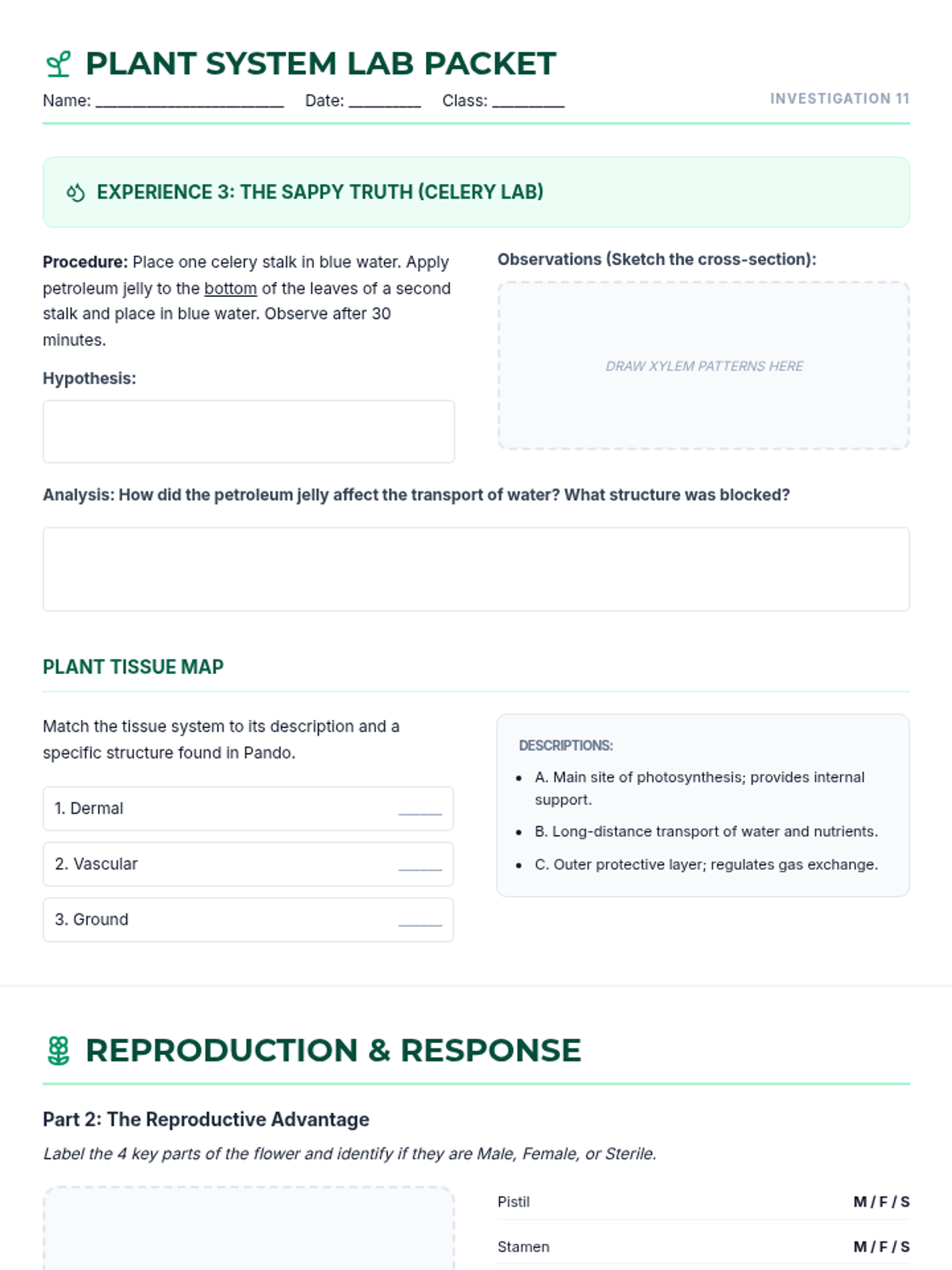
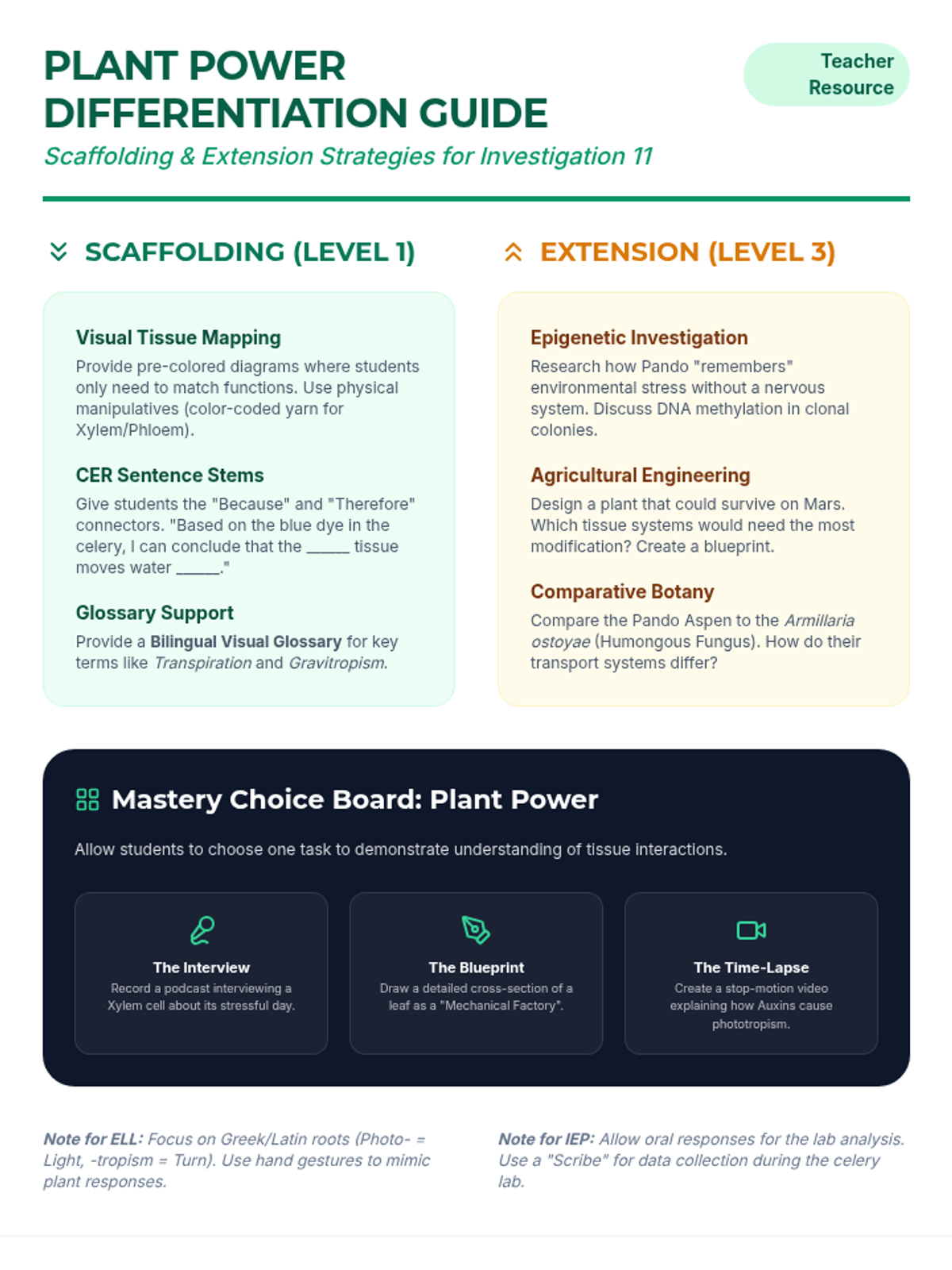
A two-block investigation into plant tissue systems, vascular transport, reproductive adaptations, and environmental responses.
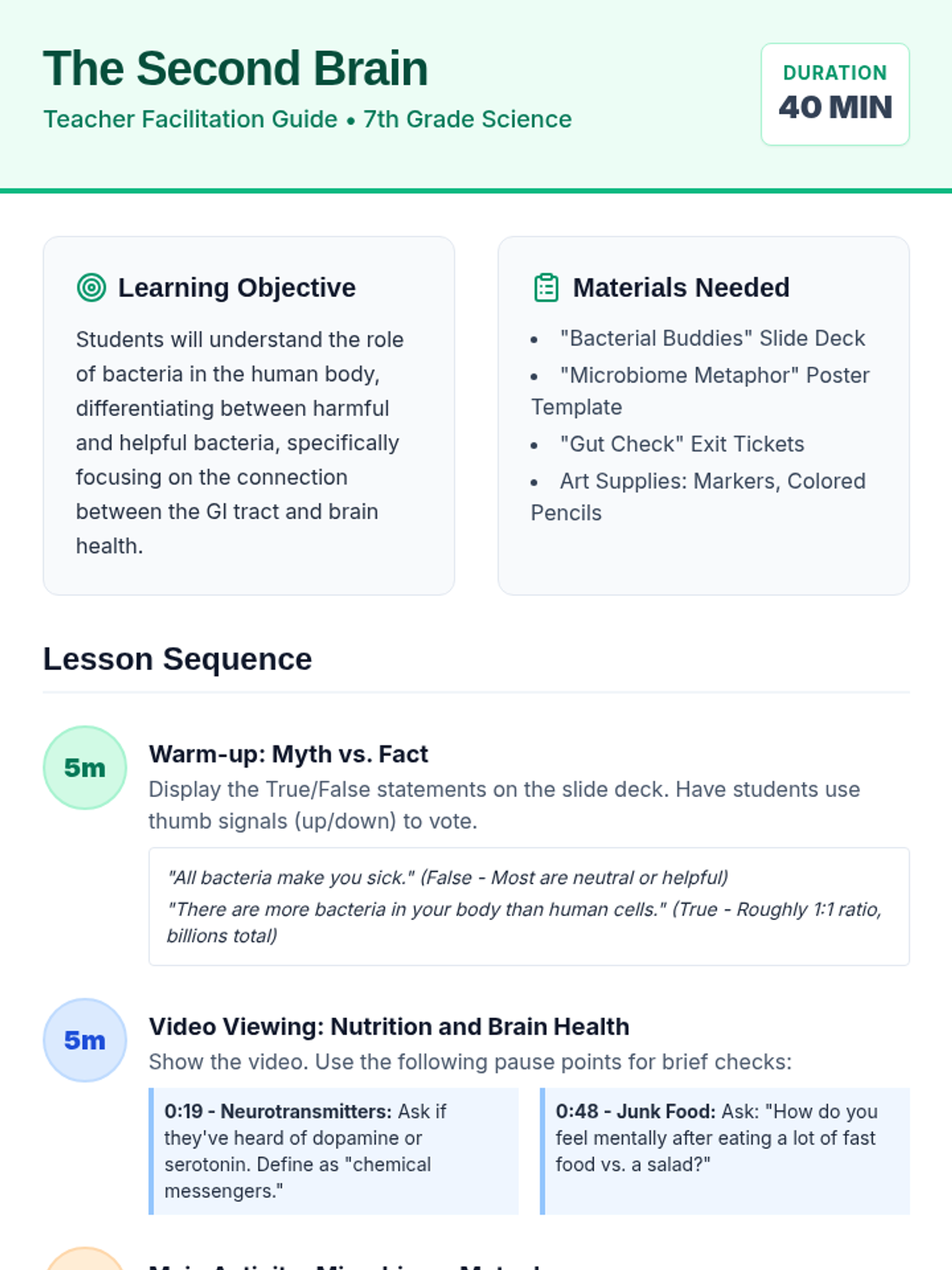
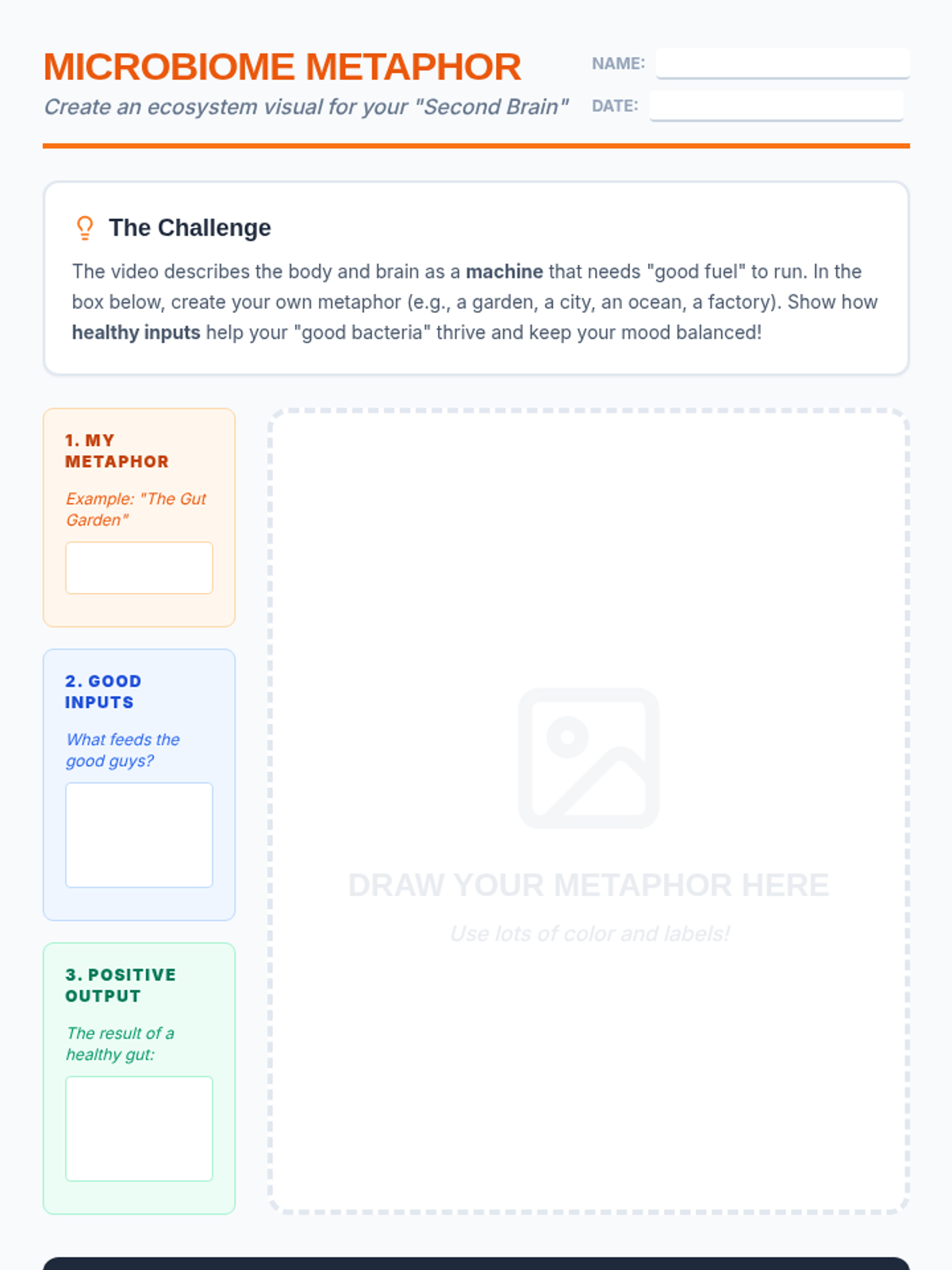
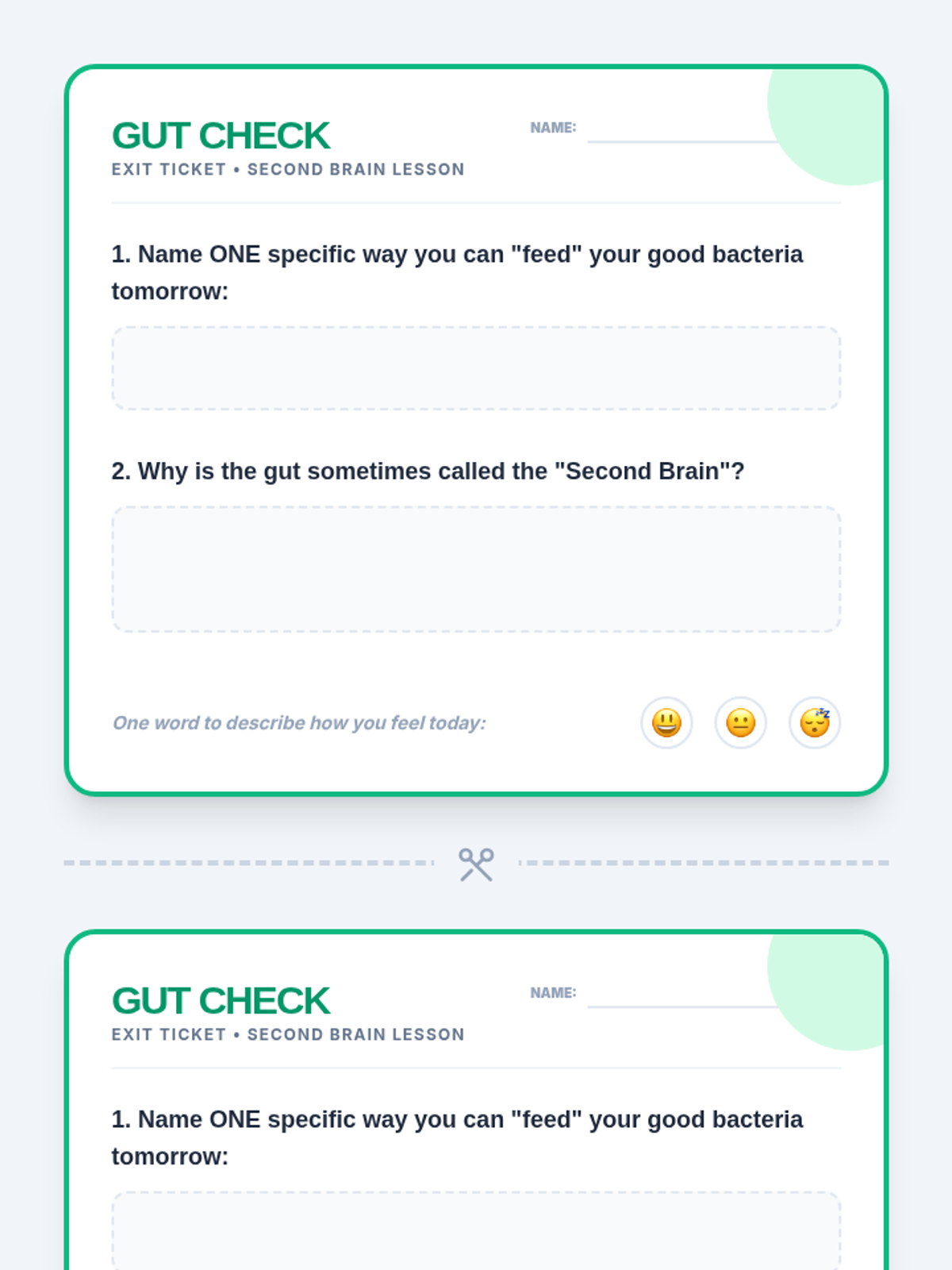
A lesson exploring the symbiotic relationship between humans and gut bacteria, focusing on the gut-brain connection and the impact of nutrition on mood. Students create metaphors for their microbiome and identify ways to support beneficial bacteria.
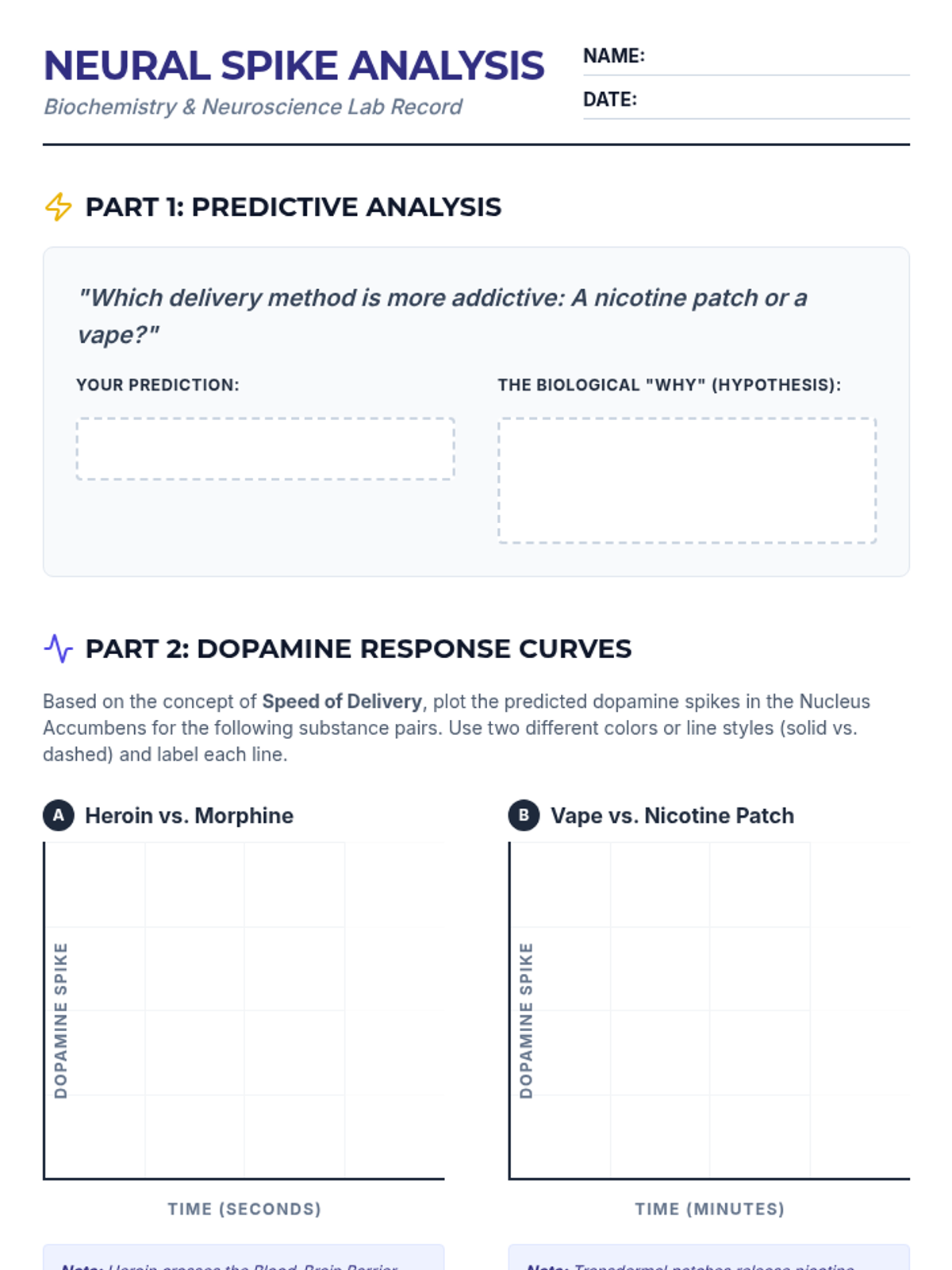
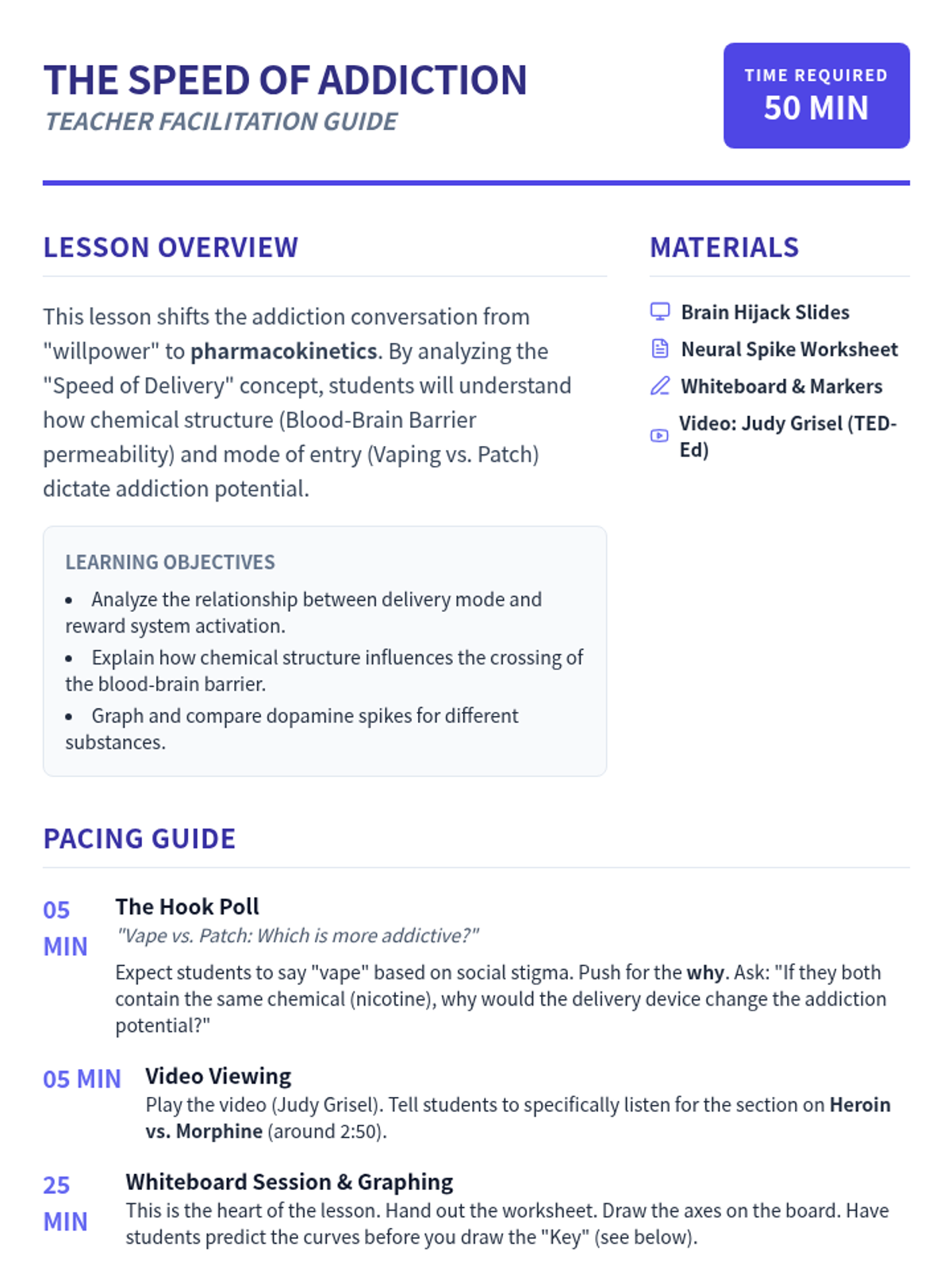
Students analyze the relationship between chemical structure, mode of delivery, and addiction potential using the 'Speed of Delivery' concept. The lesson features a comparative analysis of substances like heroin vs. morphine and vaping vs. nicotine patches to understand the biological 'why' behind addiction.
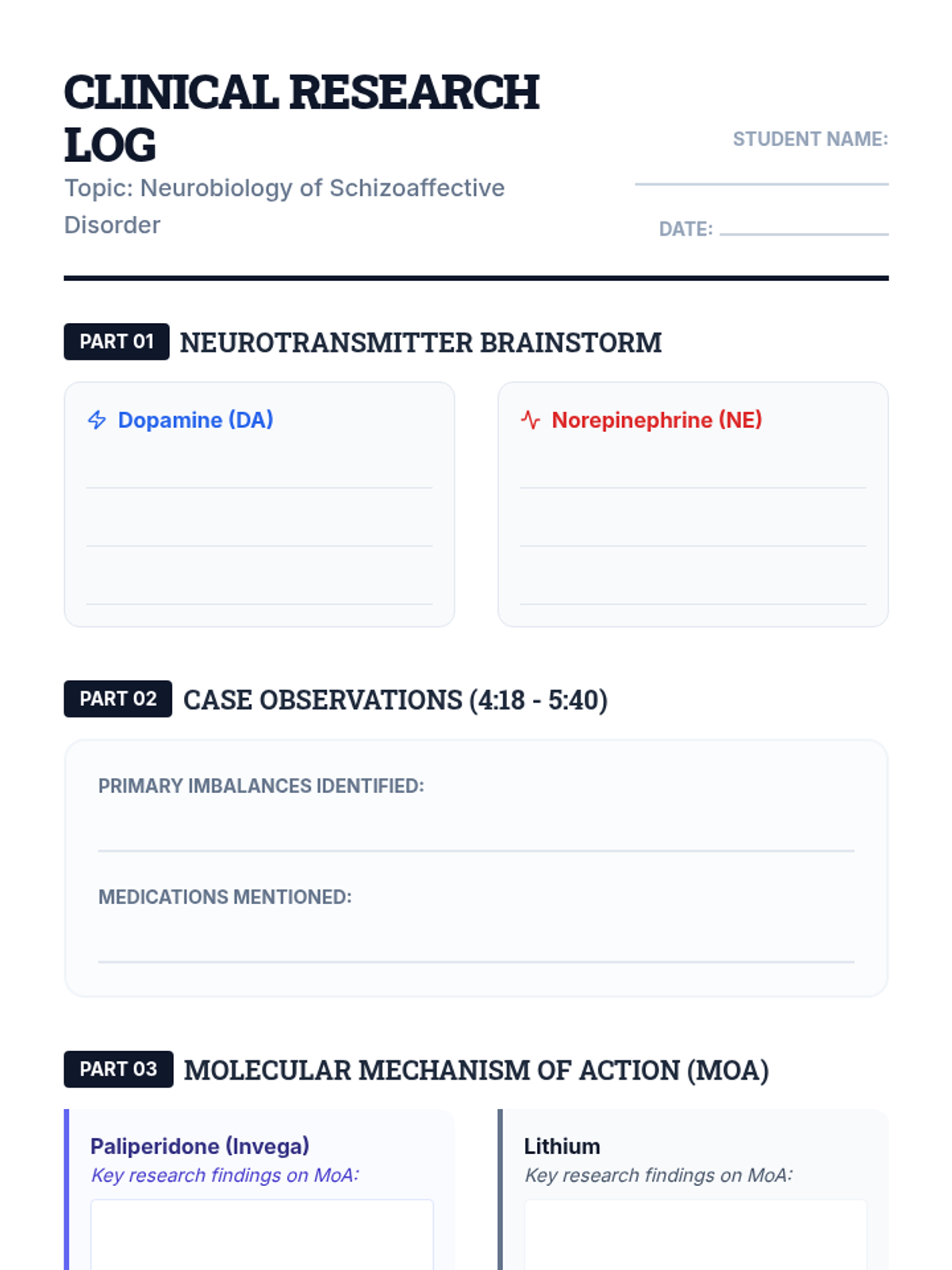
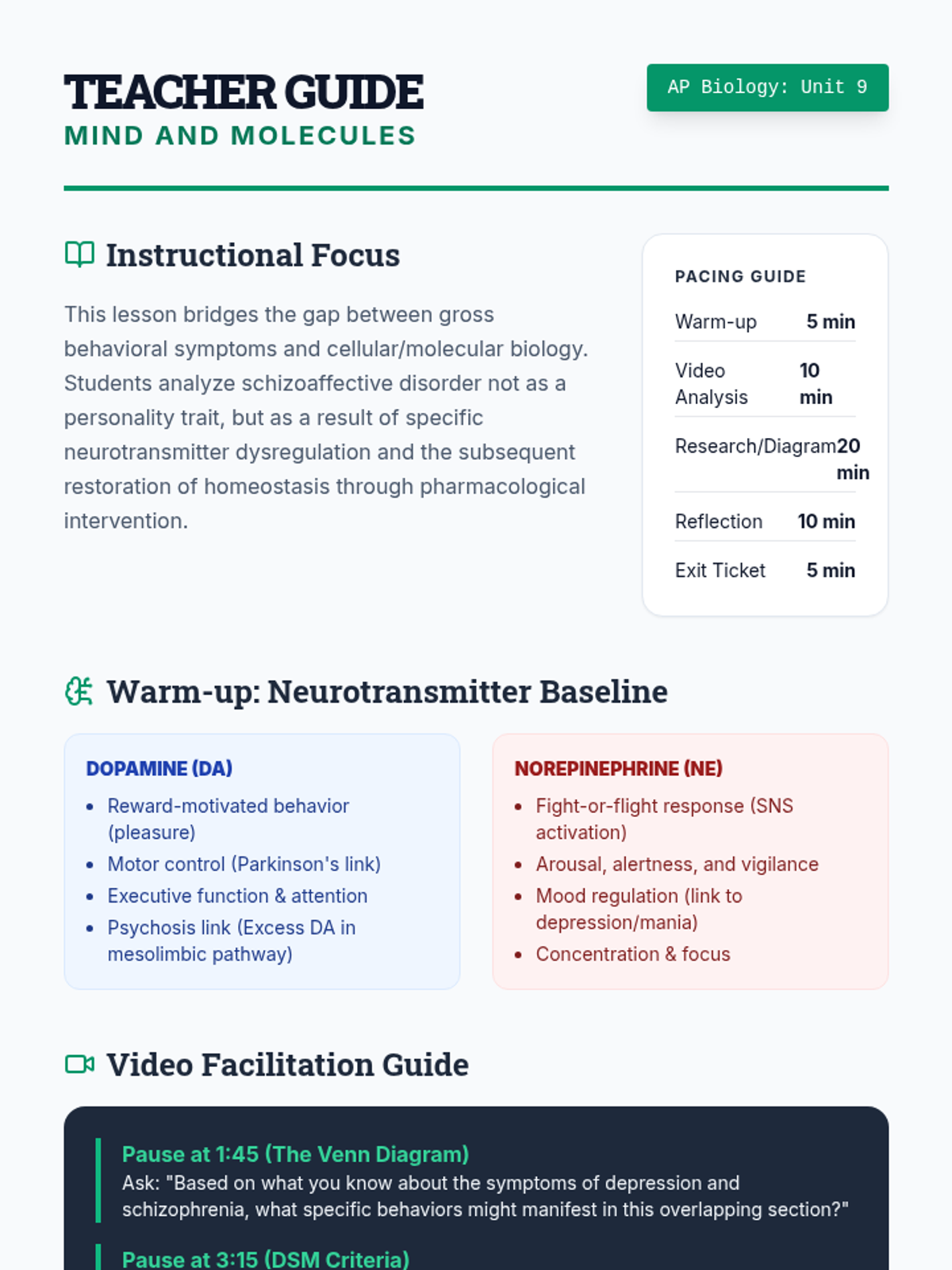
This lesson connects behavioral symptoms of schizoaffective disorder to neurotransmitter imbalances and explores the pharmacological mechanisms of antipsychotics and mood stabilizers through research and diagramming.
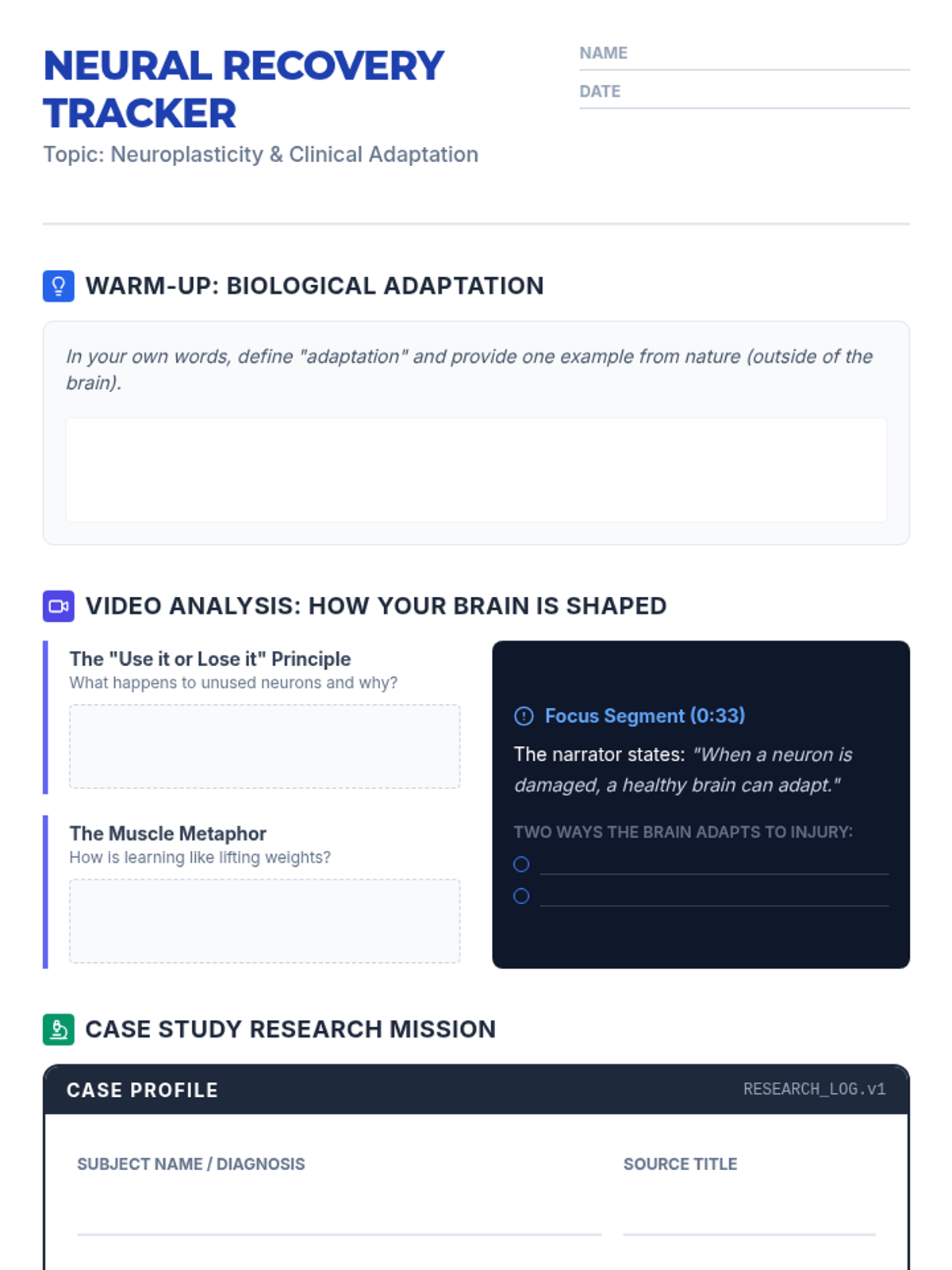
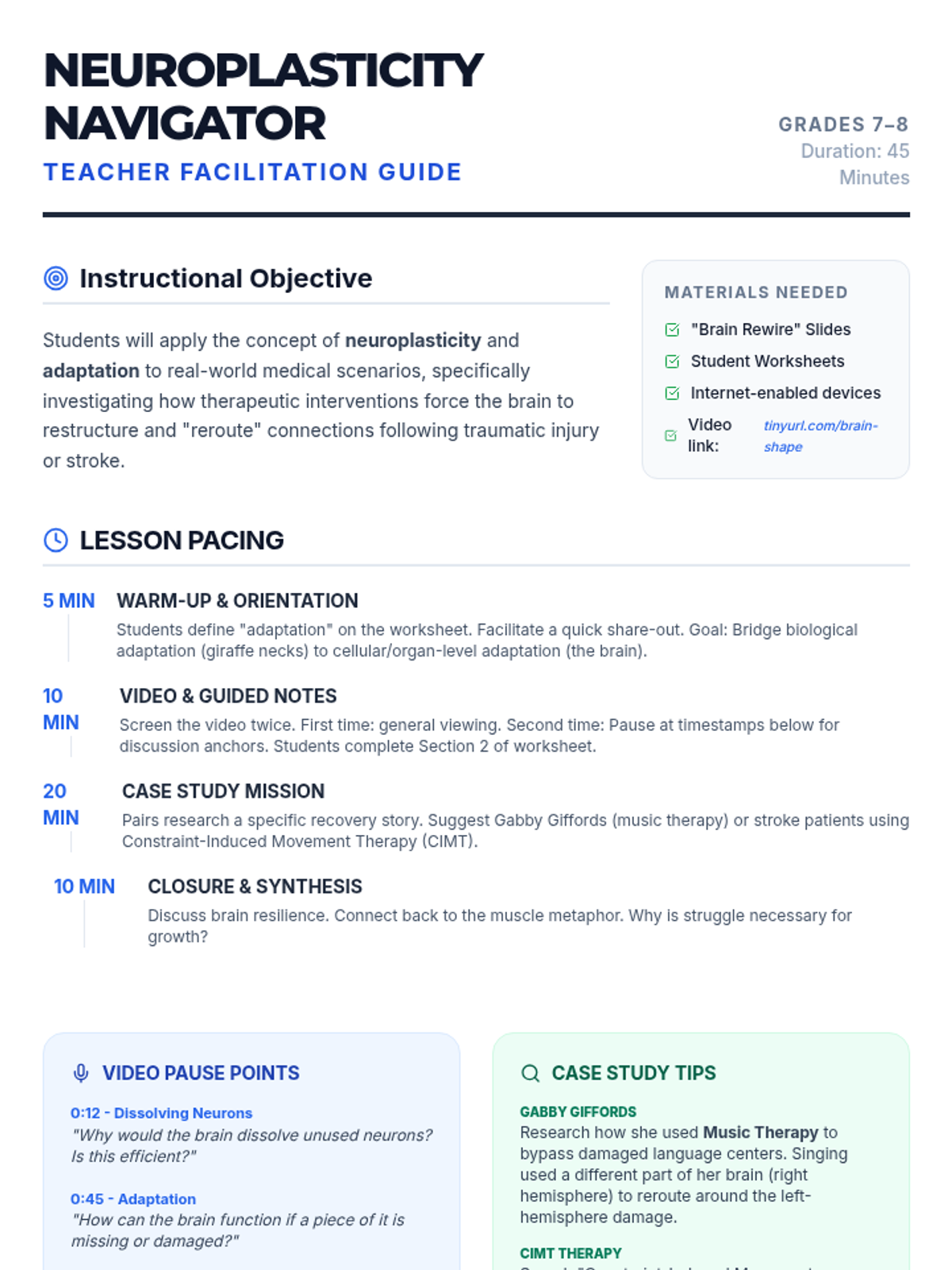
A middle school science lesson exploring neuroplasticity through medical recovery case studies. Students investigate how the brain 'reroutes' neural pathways after injury using adaptation and recovery strategies.
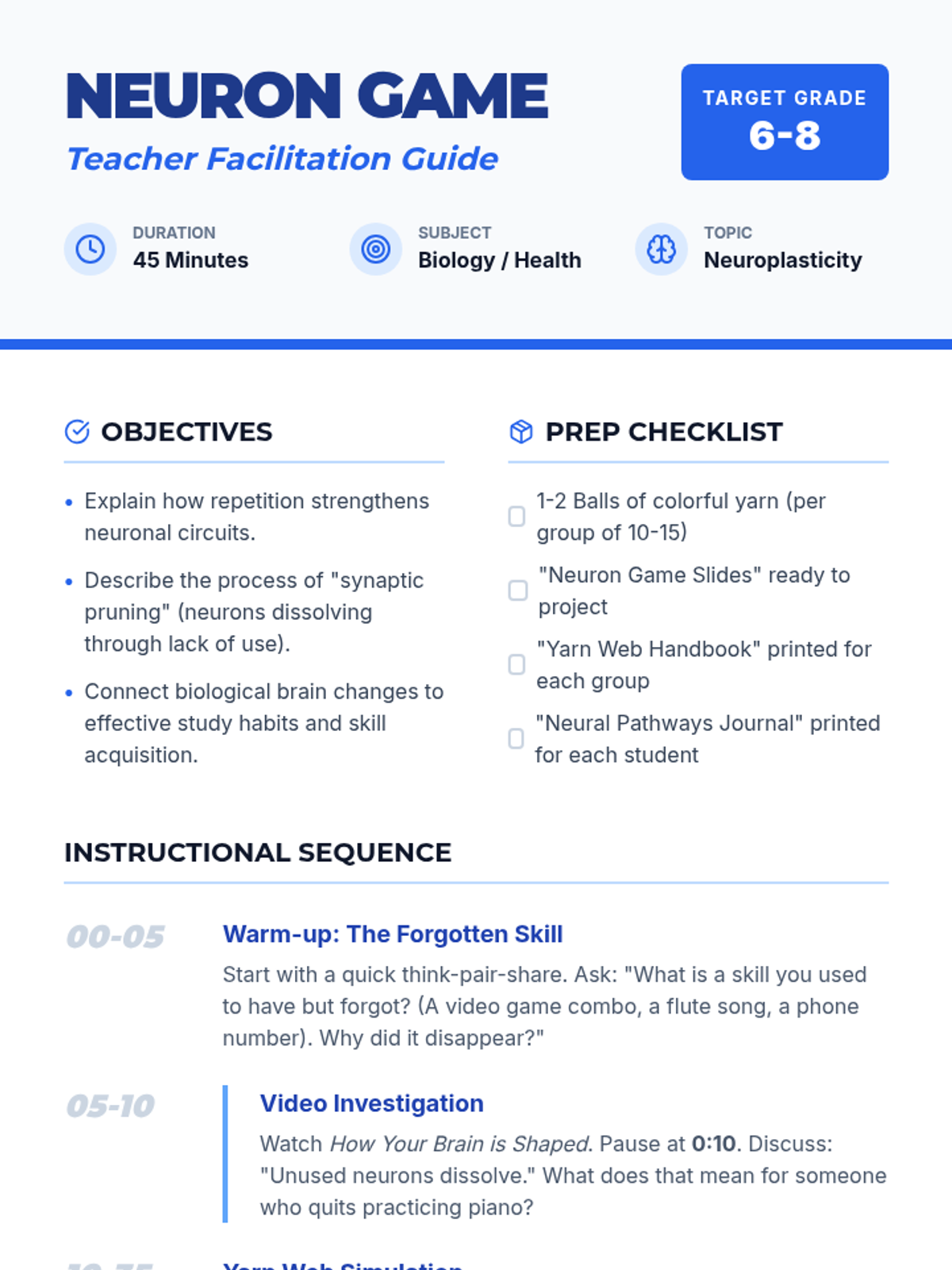
A 6th-8th grade science and health lesson exploring neuroplasticity through a hands-on yarn simulation and a video-based discussion. Students learn how neural pathways strengthen through use and dissolve through neglect.
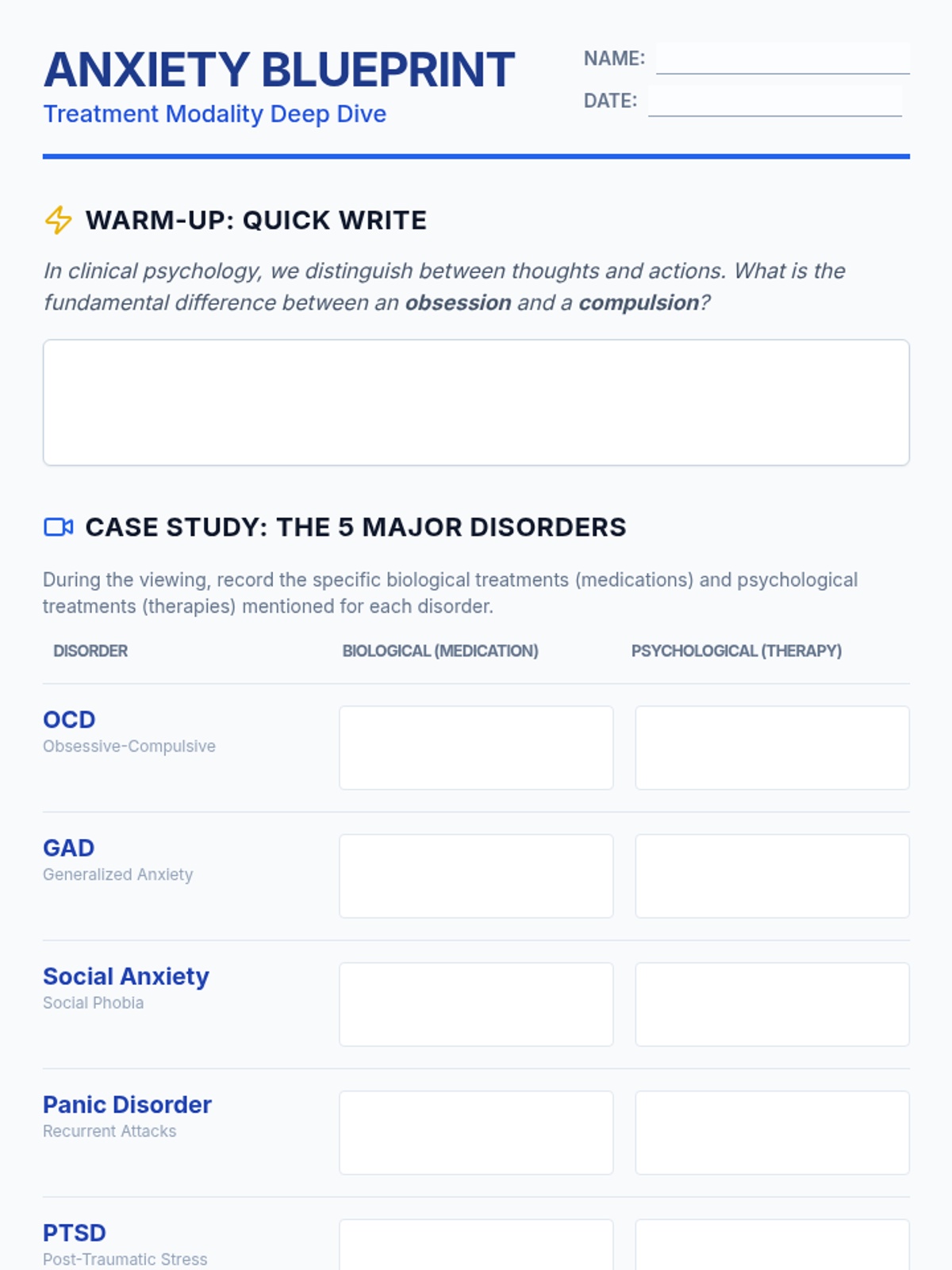
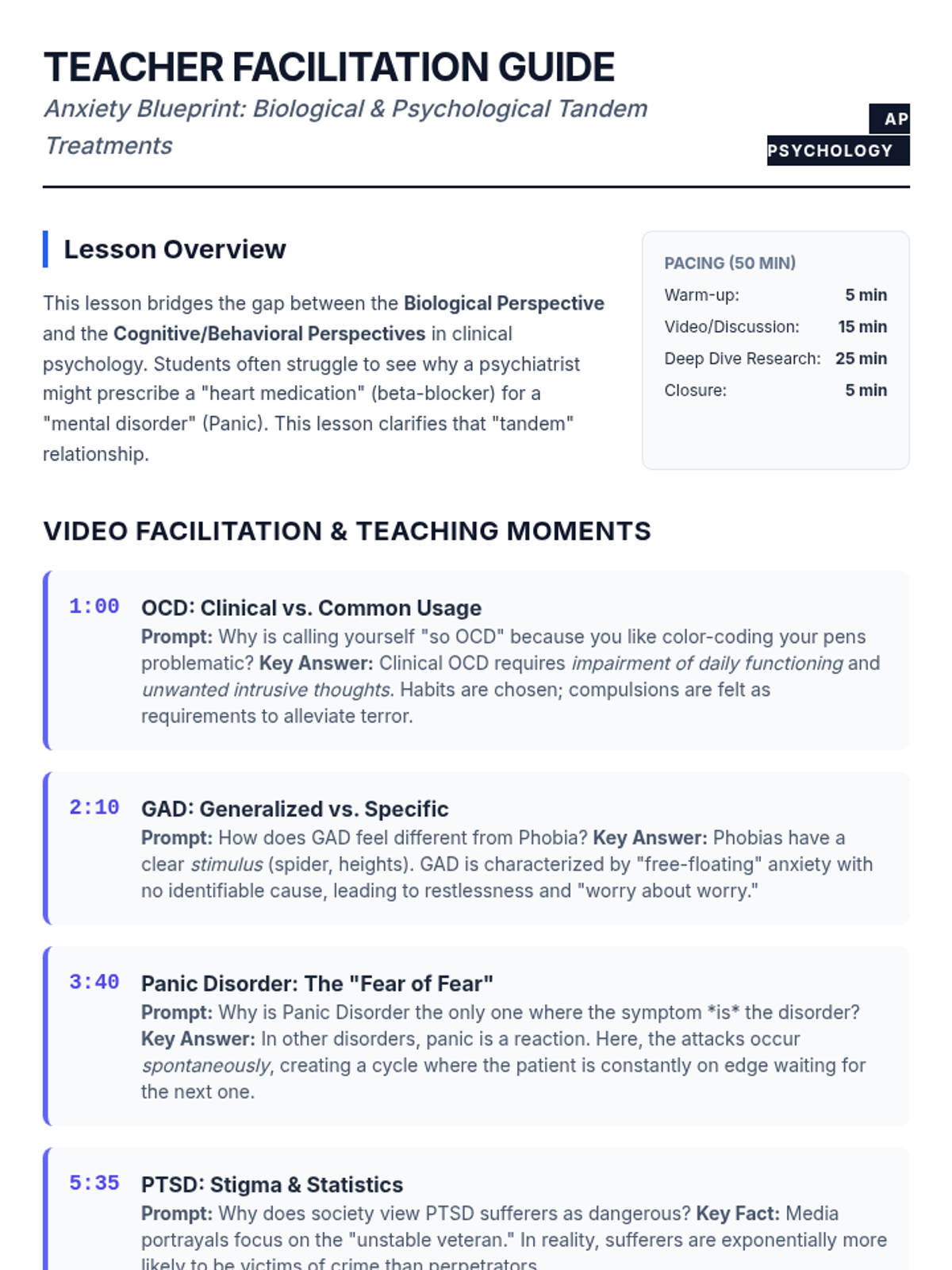
This lesson explores the dual approach to treating the five major anxiety disorders, focusing on the physiological mechanisms of medications (SSRIs, Benzos, Beta-blockers) and the cognitive-behavioral shifts of psychotherapy. Students will analyze the 'tandem' treatment model to understand why biological and psychological interventions are often used together for optimal patient outcomes.
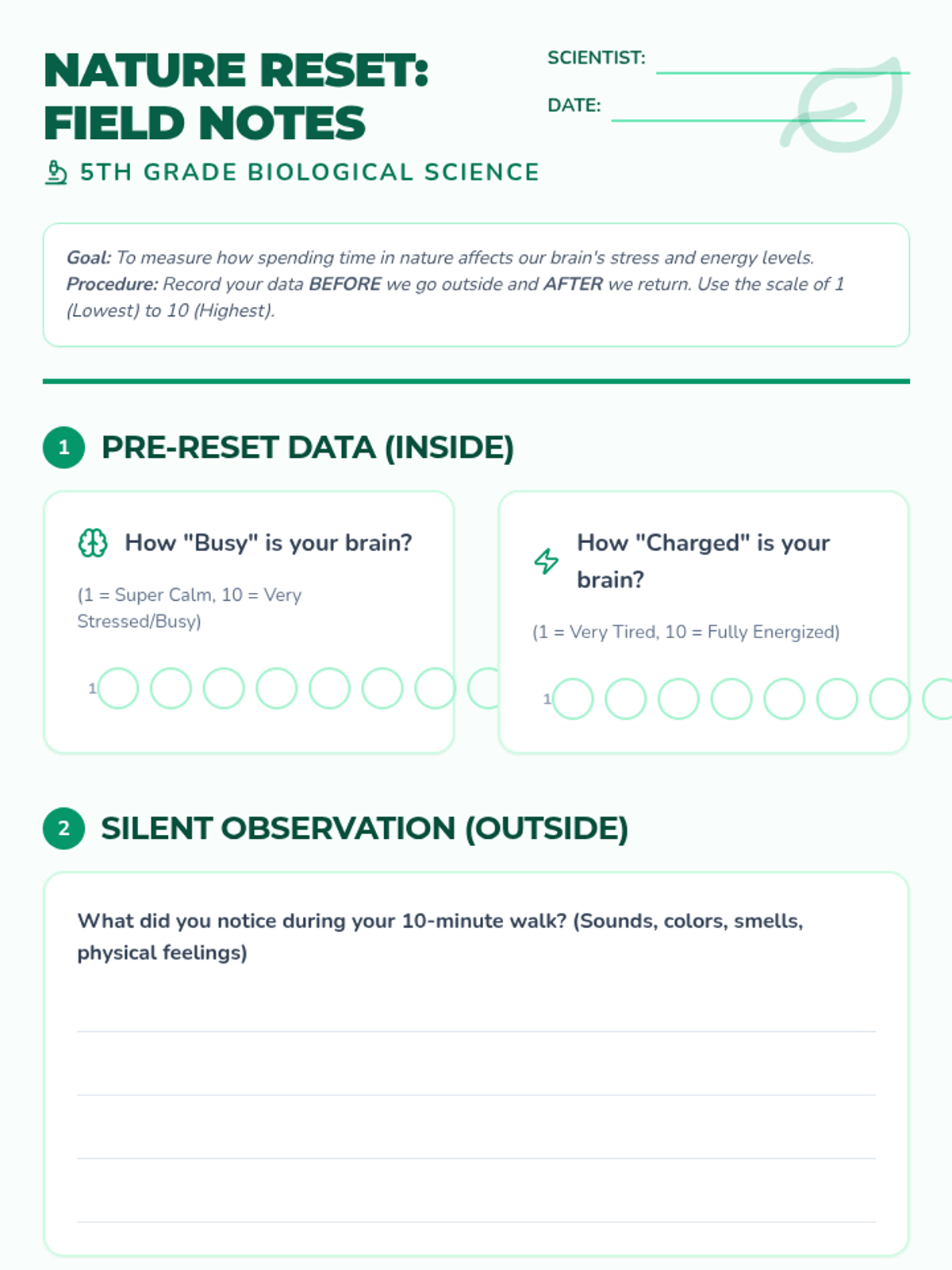
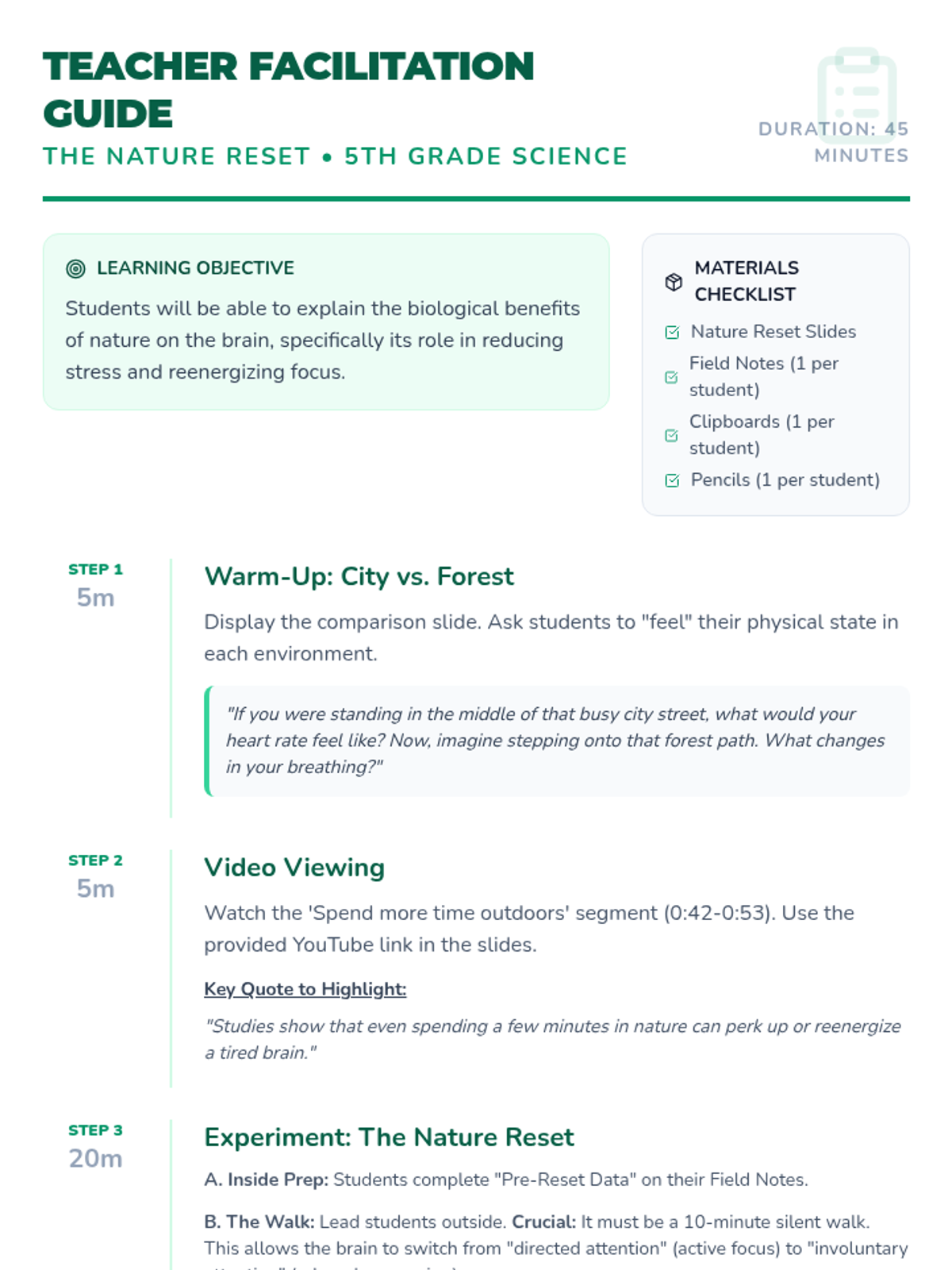
A 5th-grade science lesson exploring the biological impact of nature on the human brain, featuring a hands-on outdoor experiment to measure stress levels.
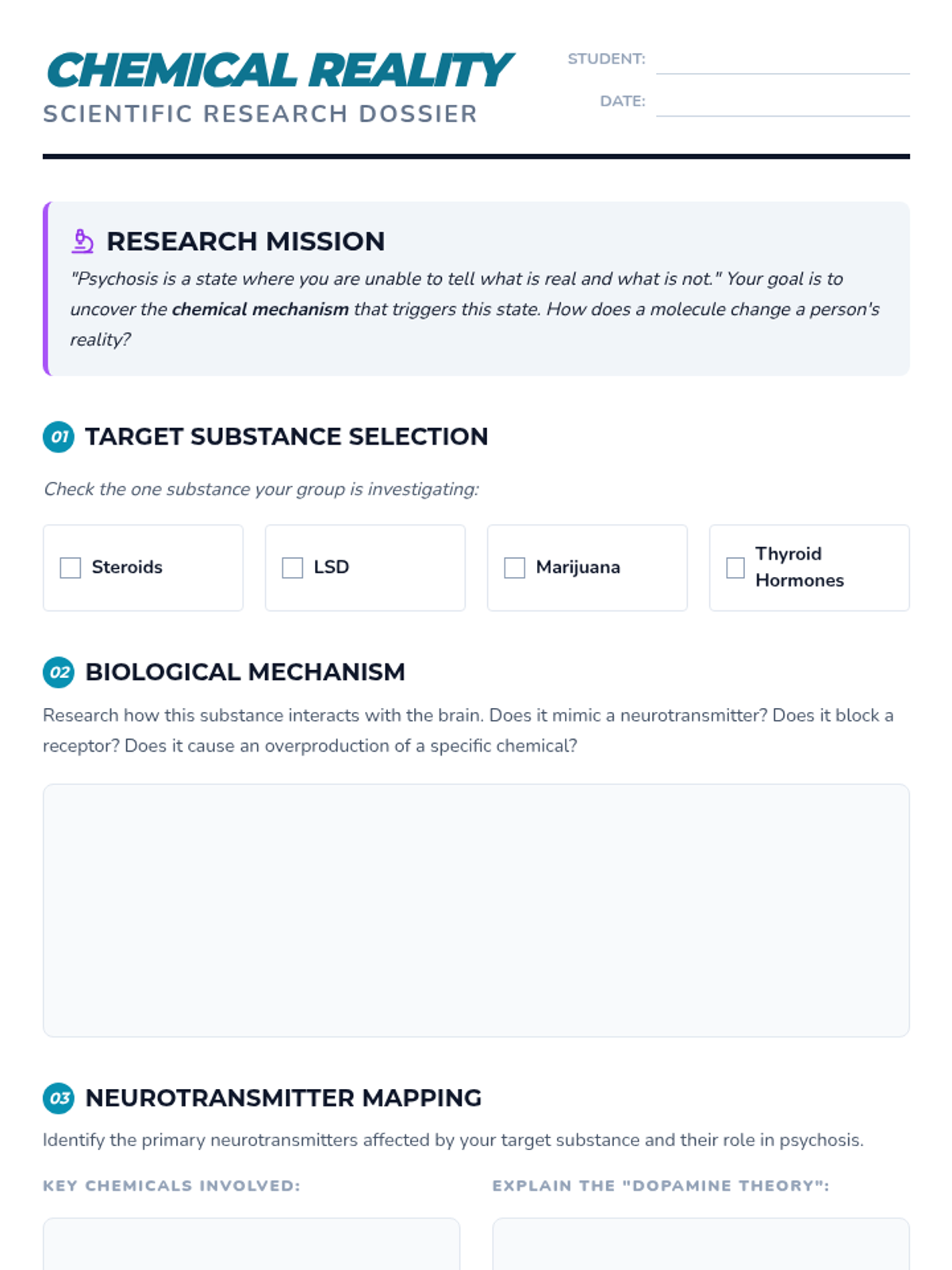
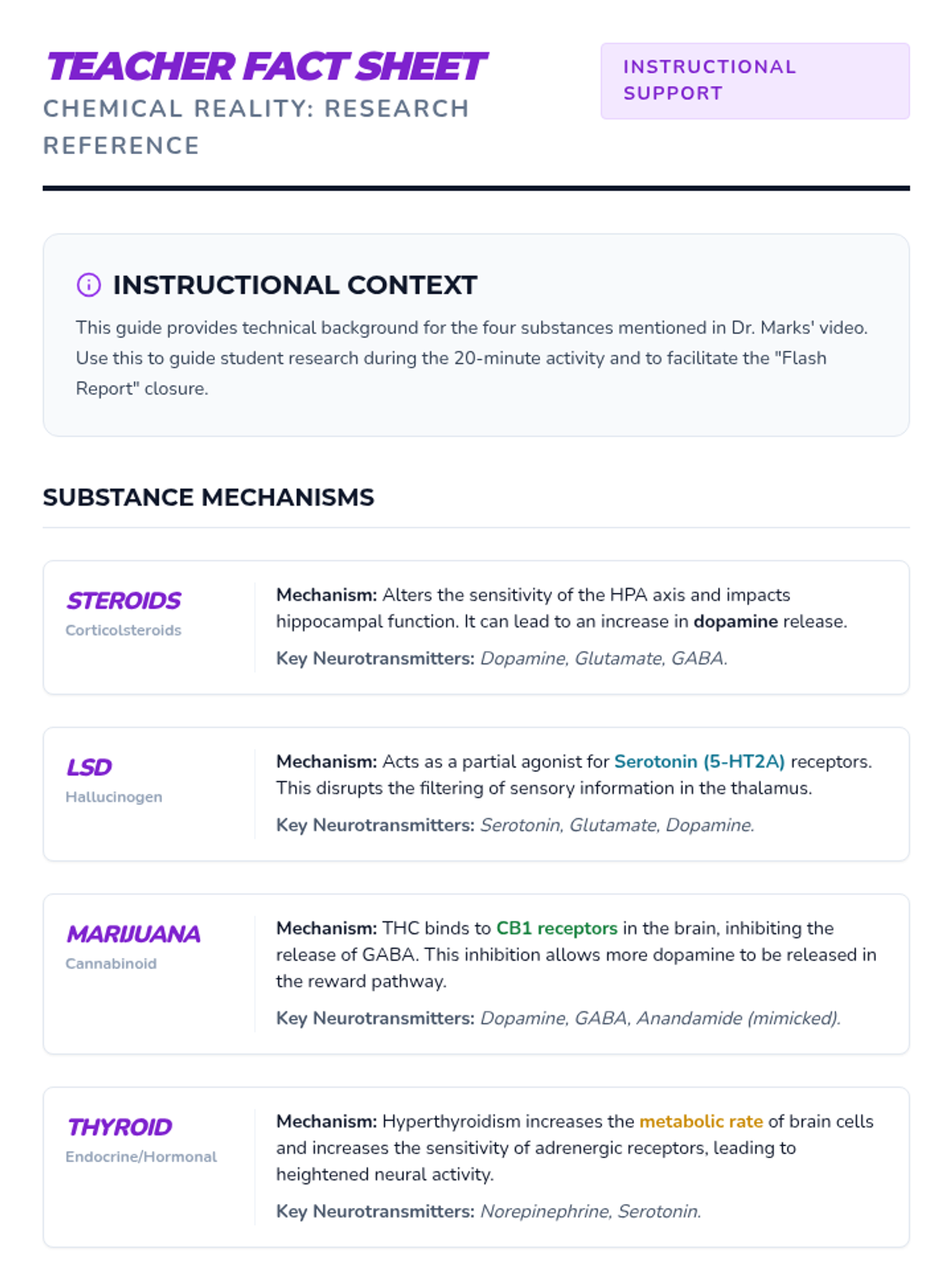
Students investigate the intersection of neurobiology and external substances, analyzing how drugs and hormones alter neurotransmitter function to change a person's perception of reality.
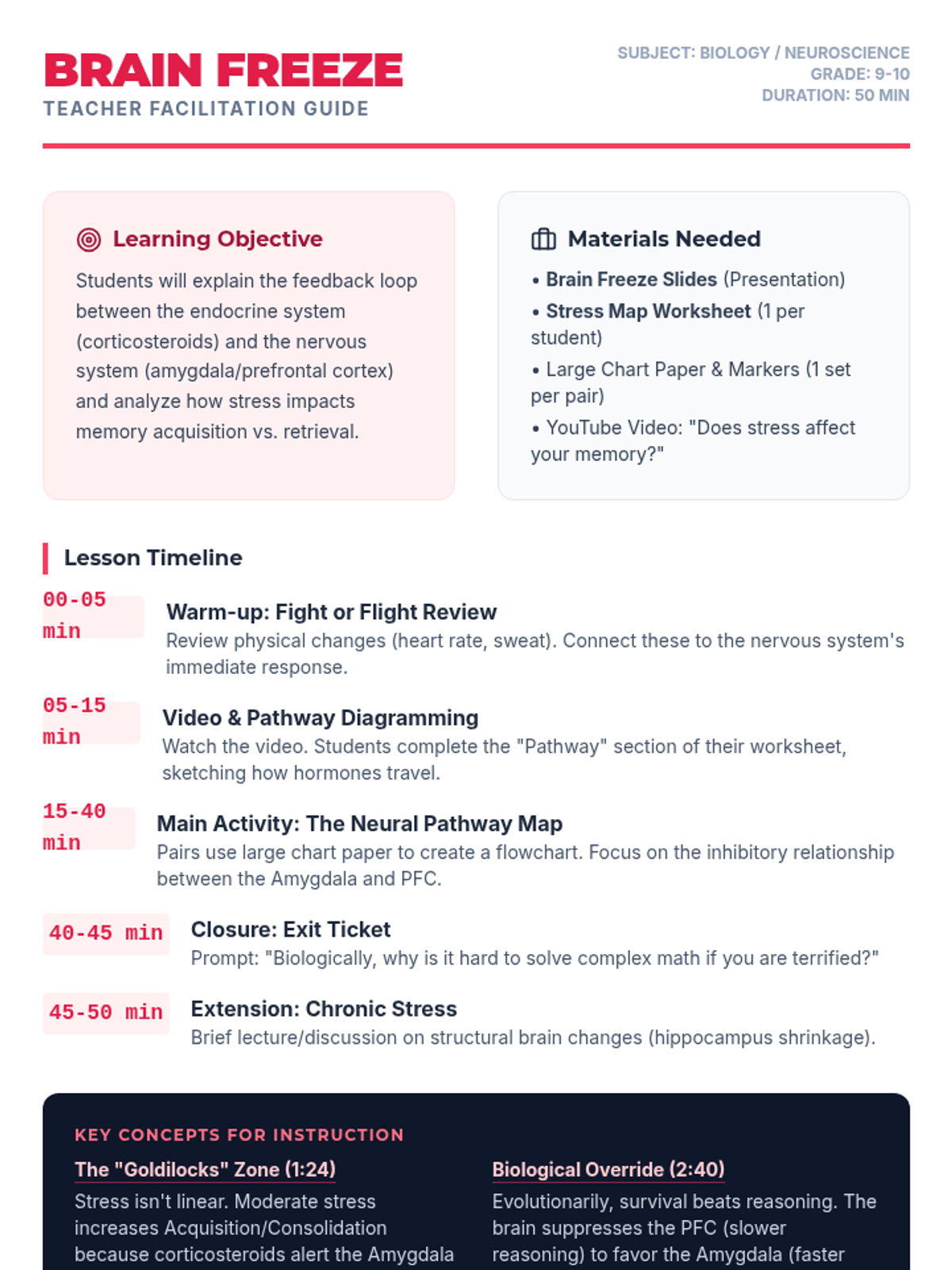
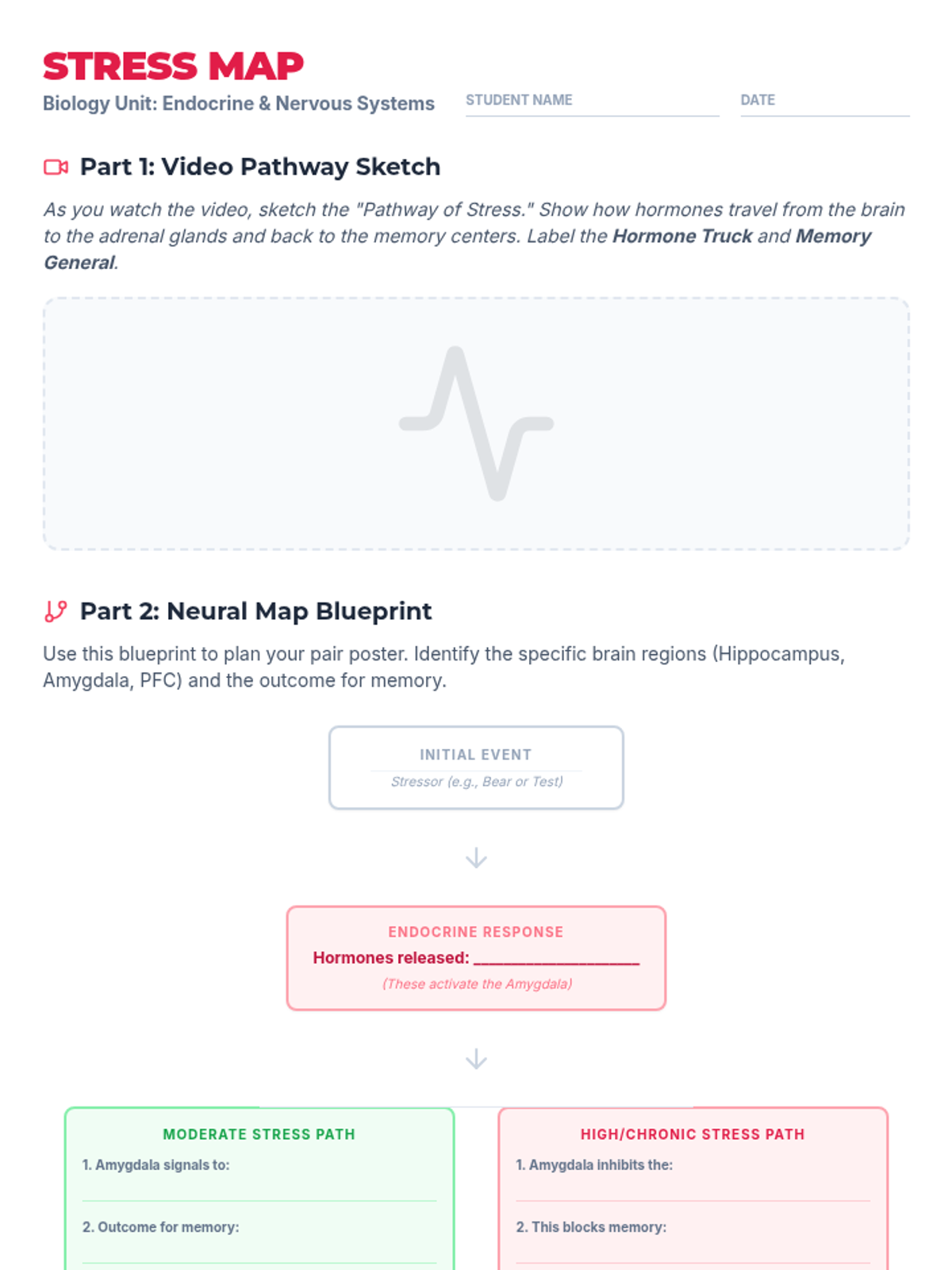
A comprehensive biology lesson for 9th-10th grade students exploring the biological feedback loops between the endocrine and nervous systems during stress, focusing on the role of corticosteroids, the amygdala, and the prefrontal cortex in memory.
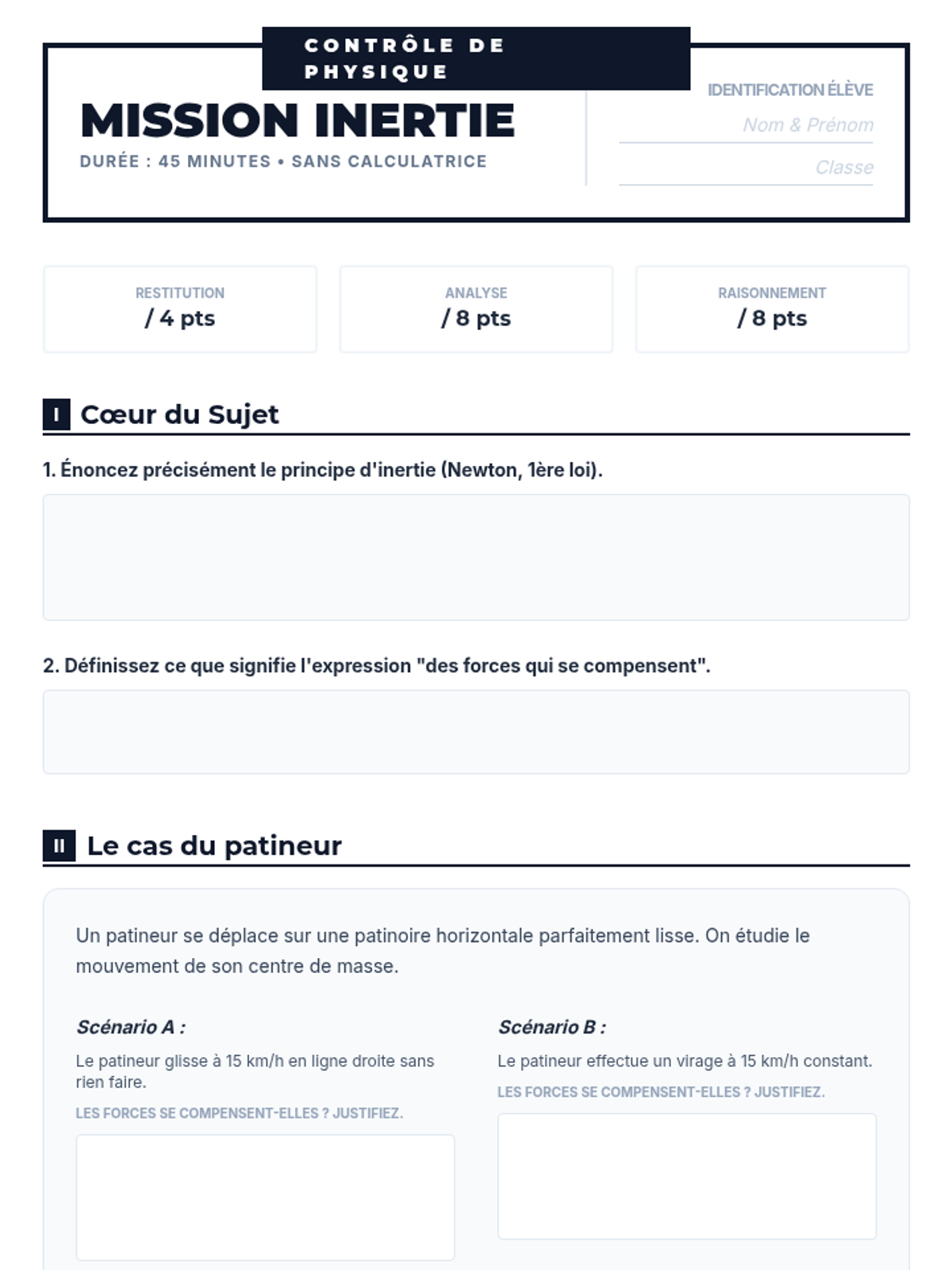
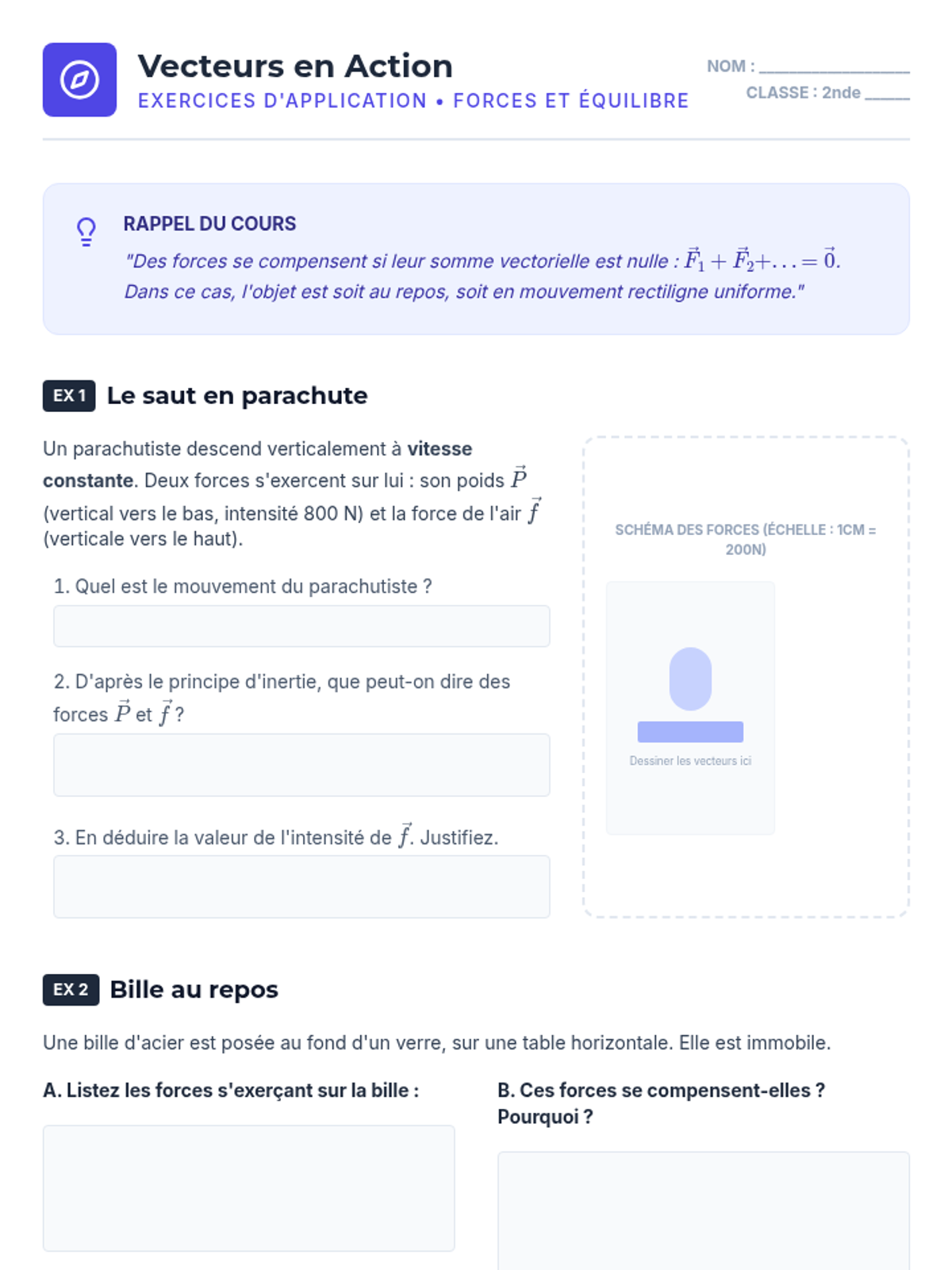
Bilan des acquis à travers une évaluation sommative permettant de vérifier la compréhension de l'énoncé du principe d'inertie et sa mise en œuvre dans des situations variées.
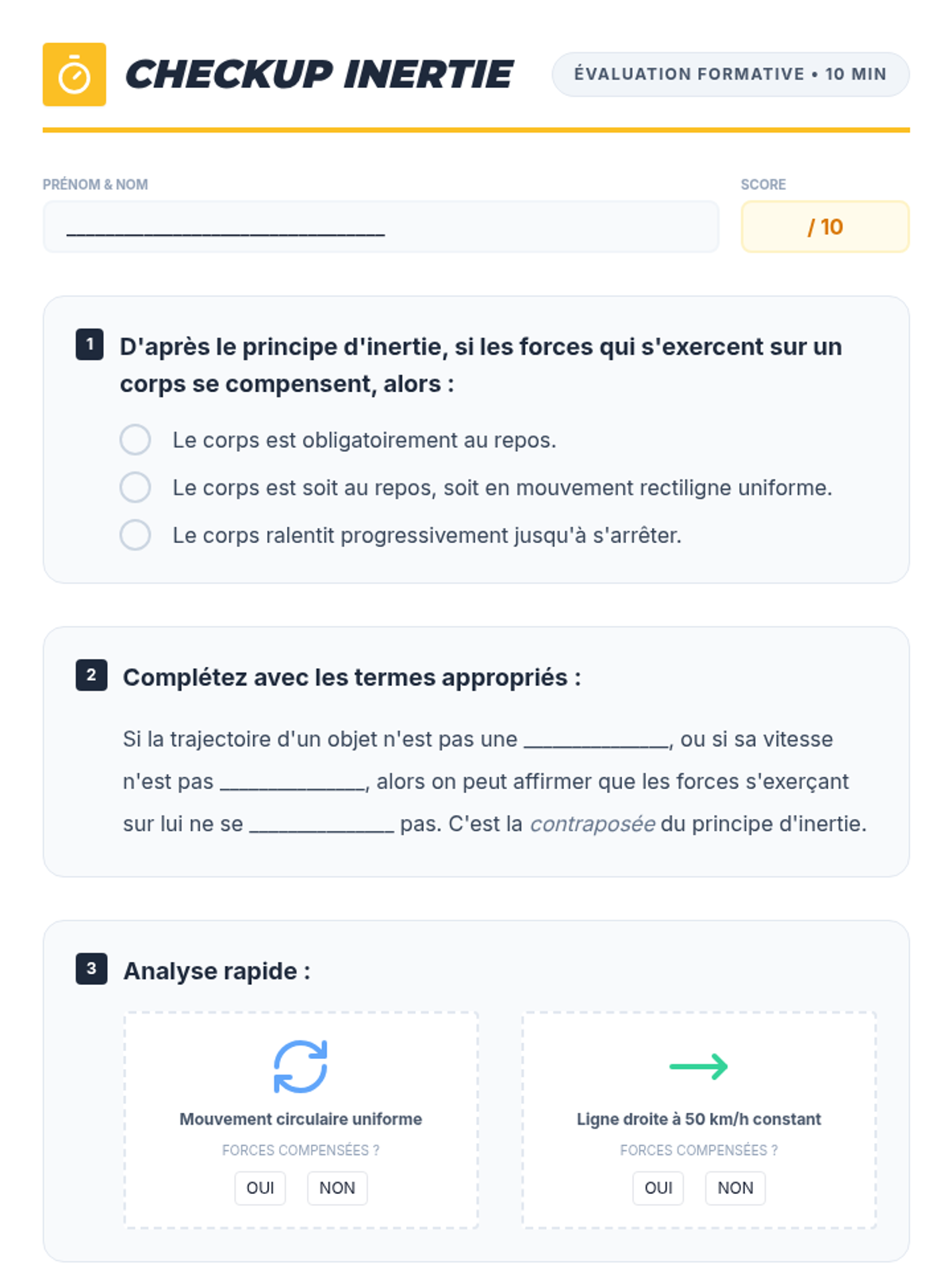
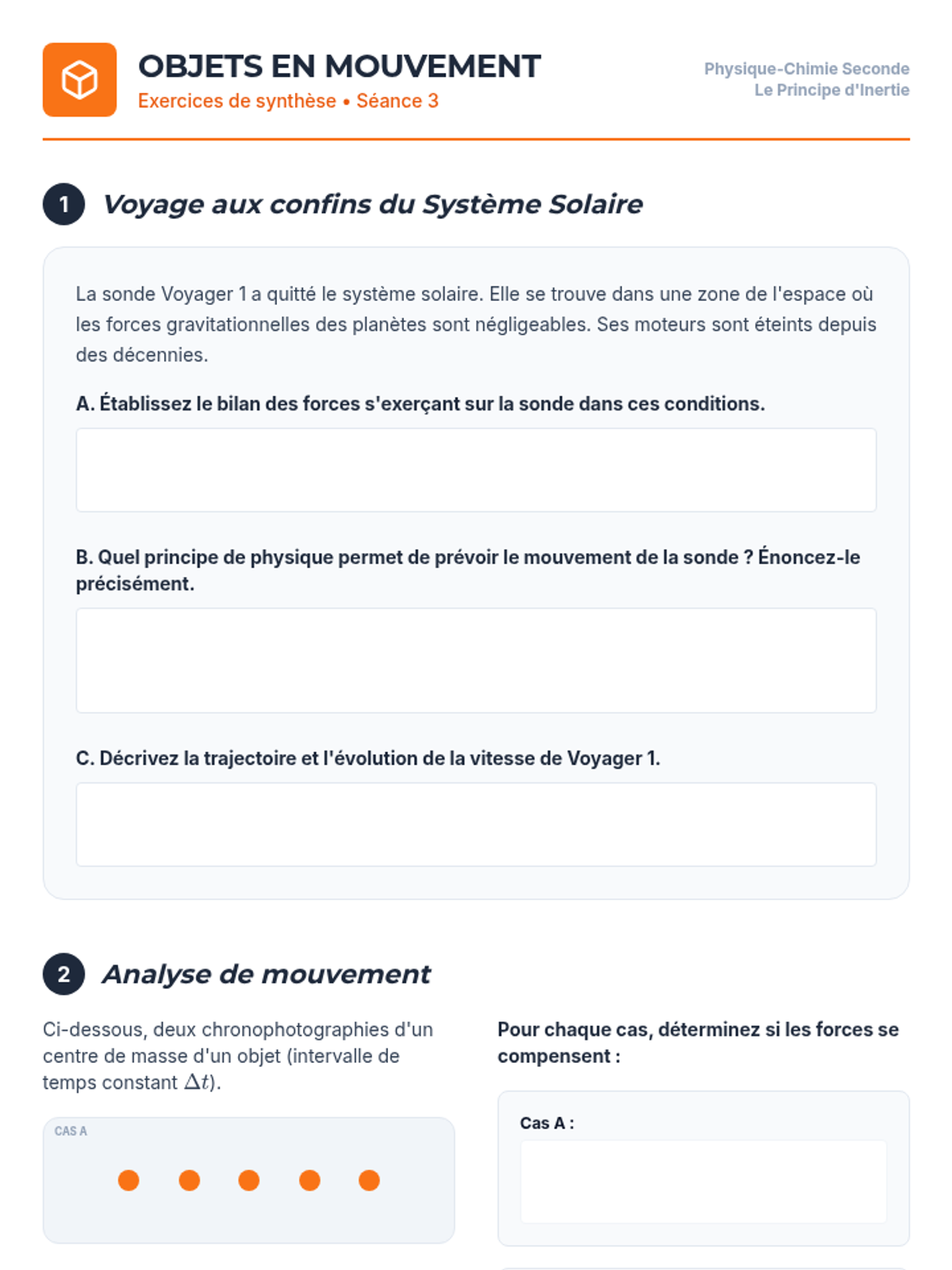
Application du principe d'inertie et de sa réciproque pour prédire ou expliquer le mouvement d'objets du quotidien. Consolidation via des exercices de synthèse.
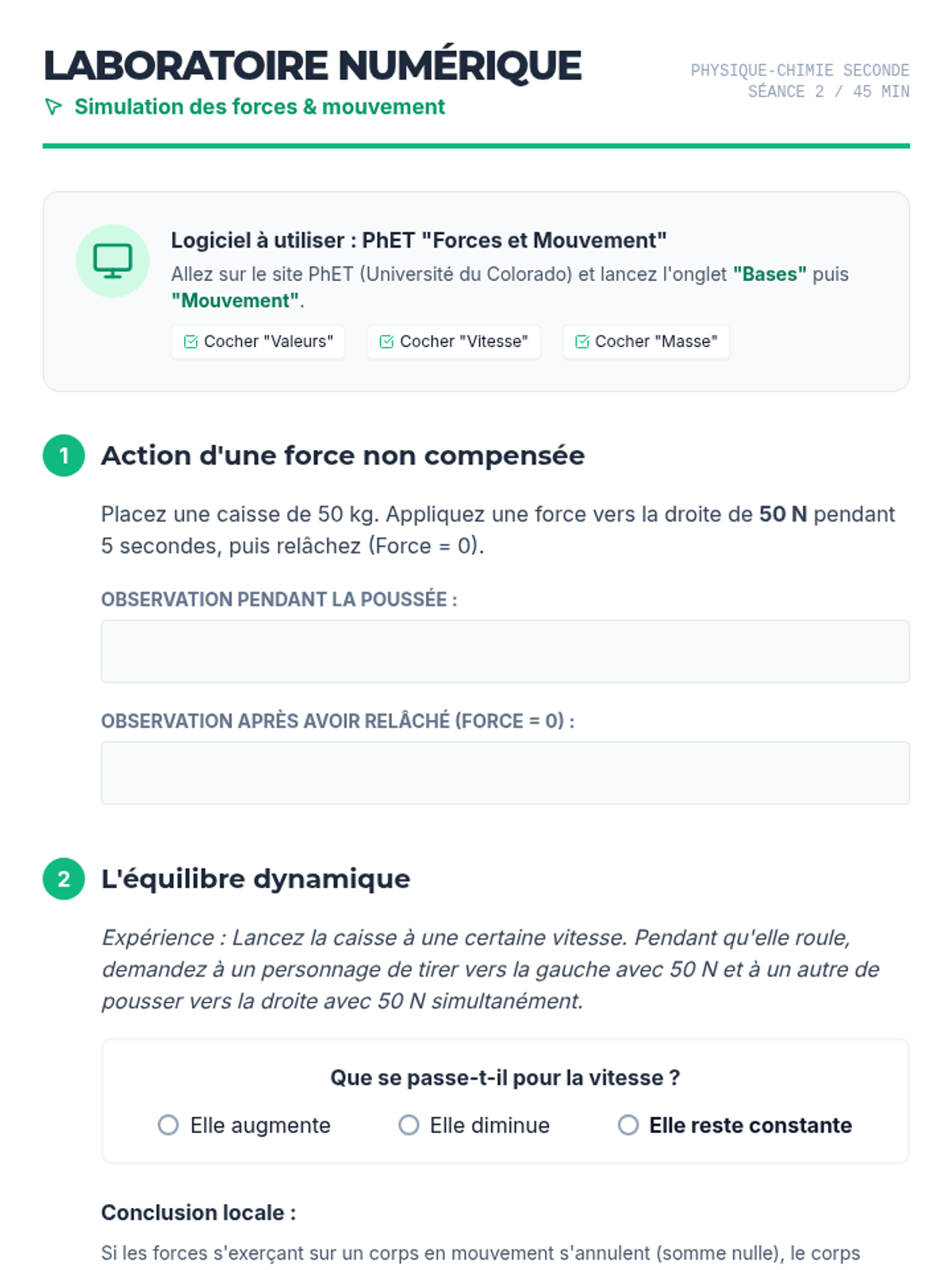
Utilisation d'un simulateur numérique pour explorer l'effet de forces compensées ou non sur le mouvement d'un système. Introduction de la notion de forces qui se compensent.
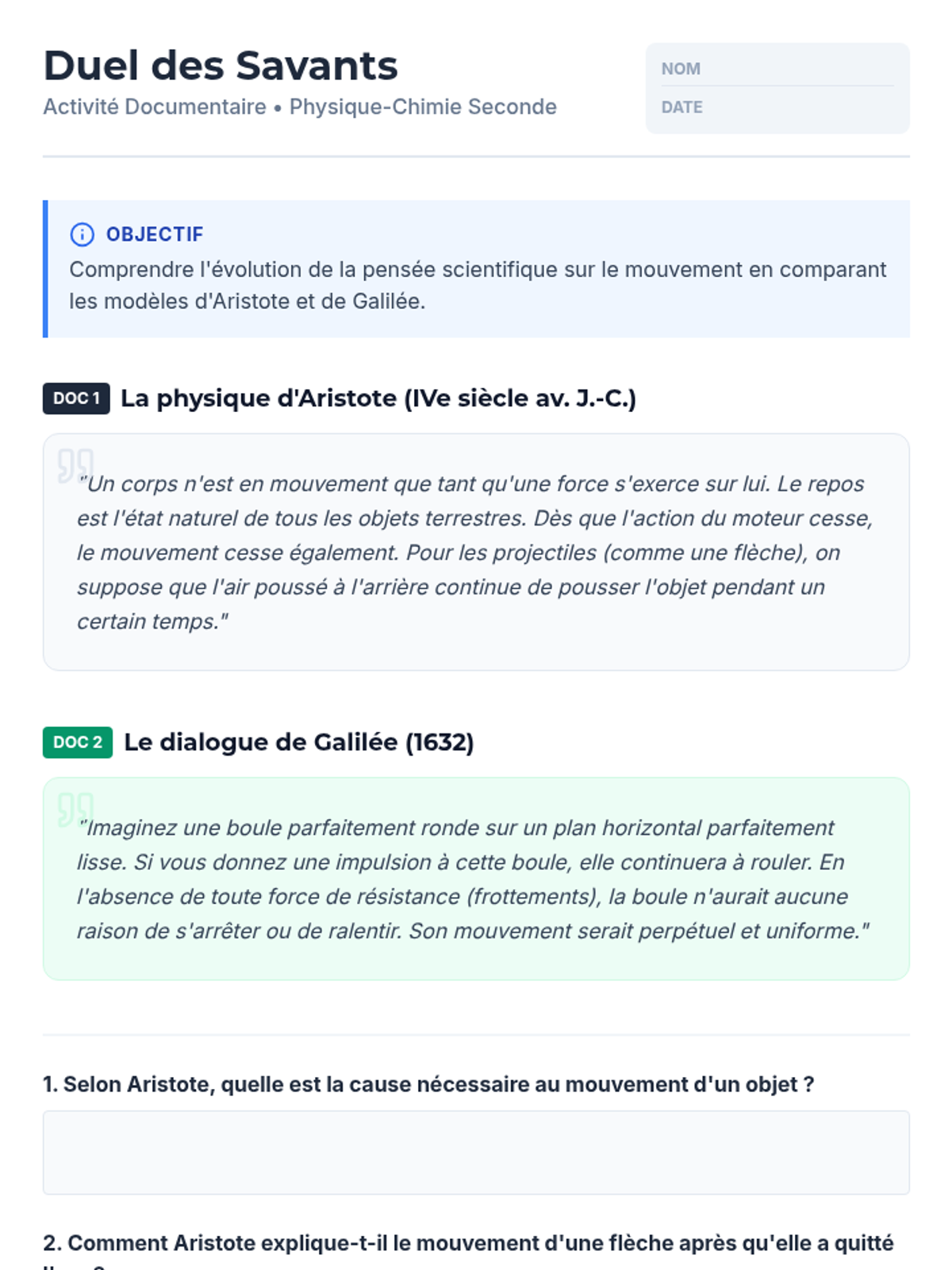
Introduction historique au principe d'inertie à travers l'opposition entre Aristote et Galilée/Newton. Les élèves découvrent que le mouvement ne nécessite pas forcément une force pour être maintenu.
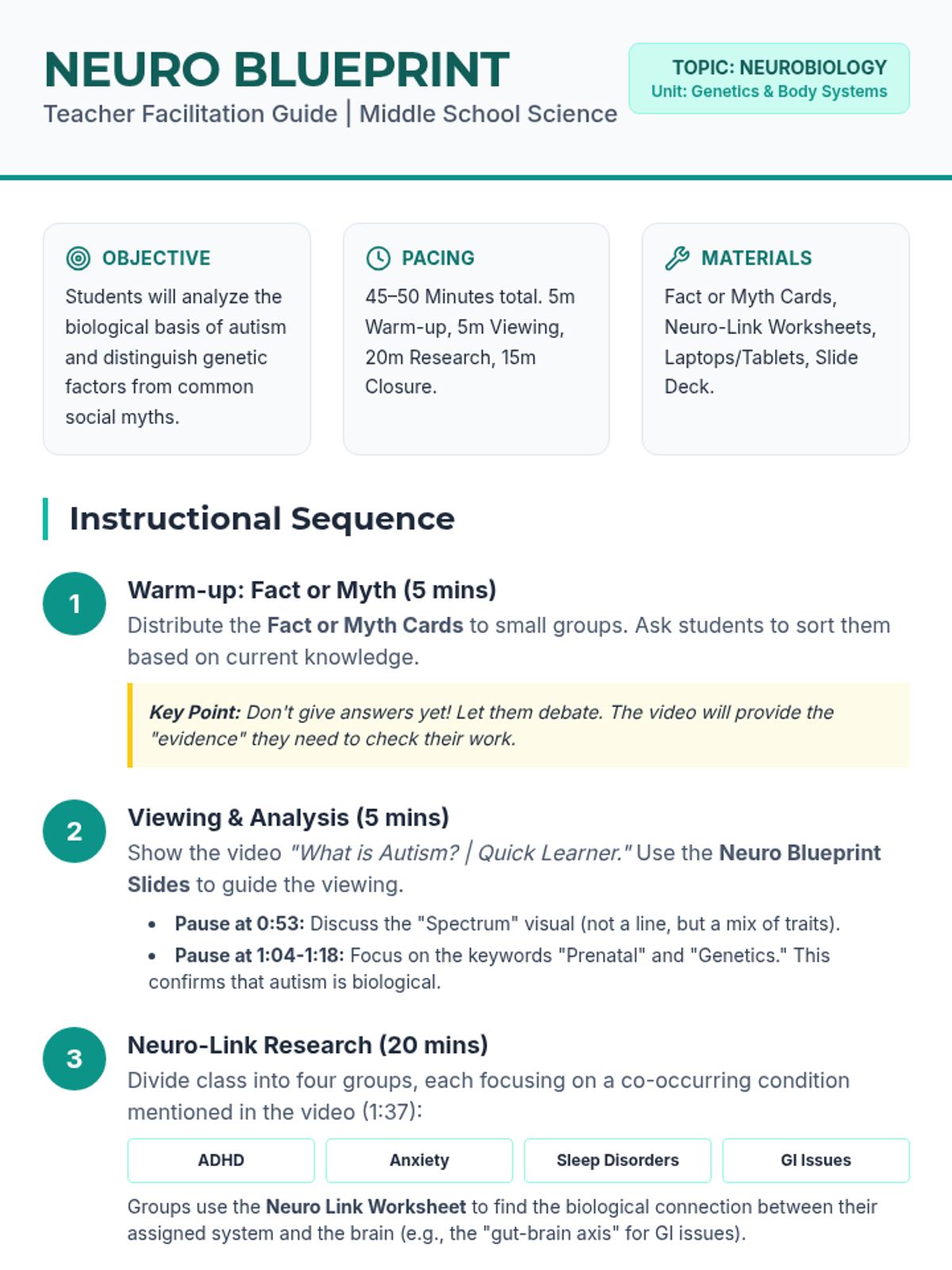
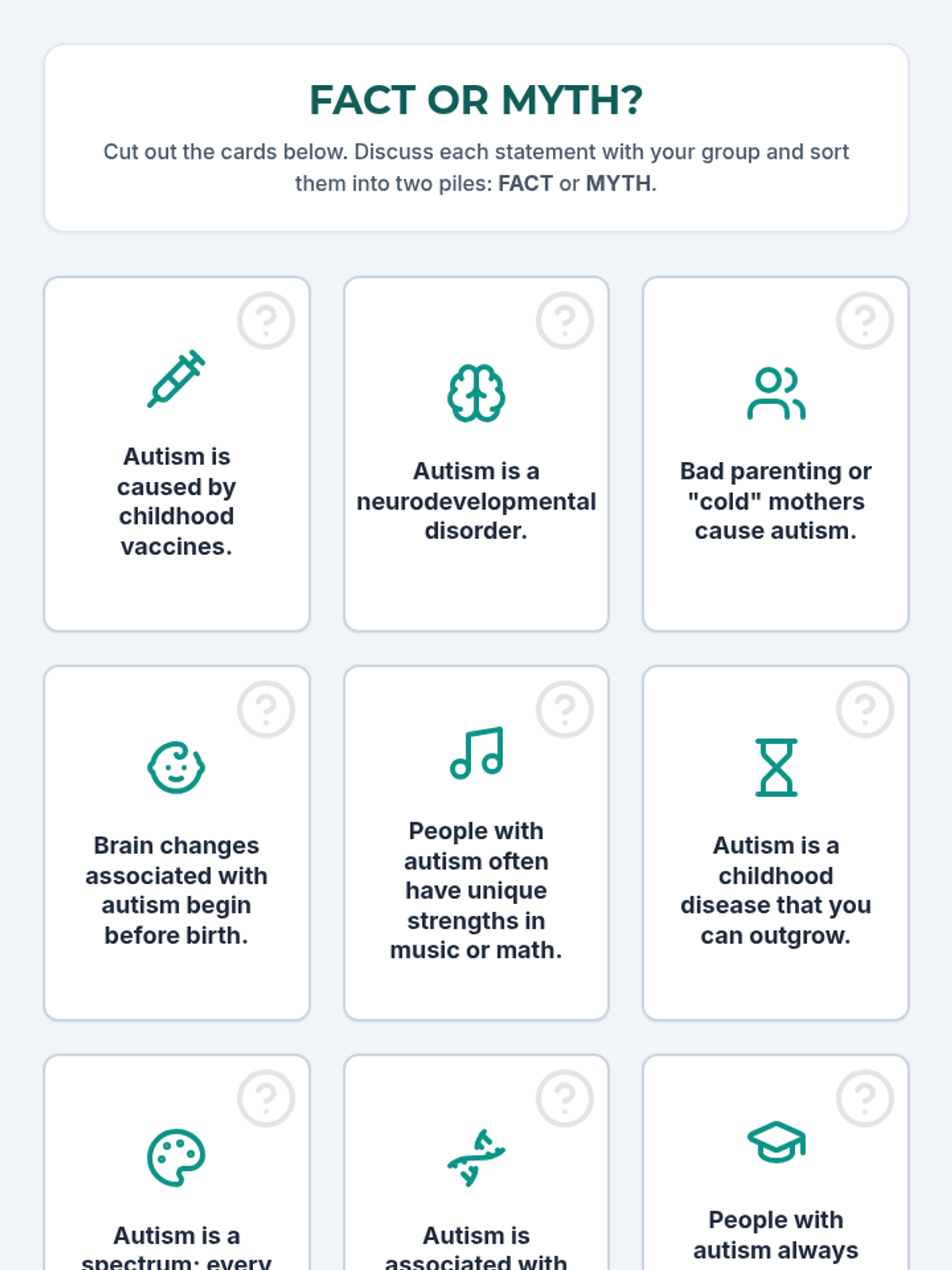
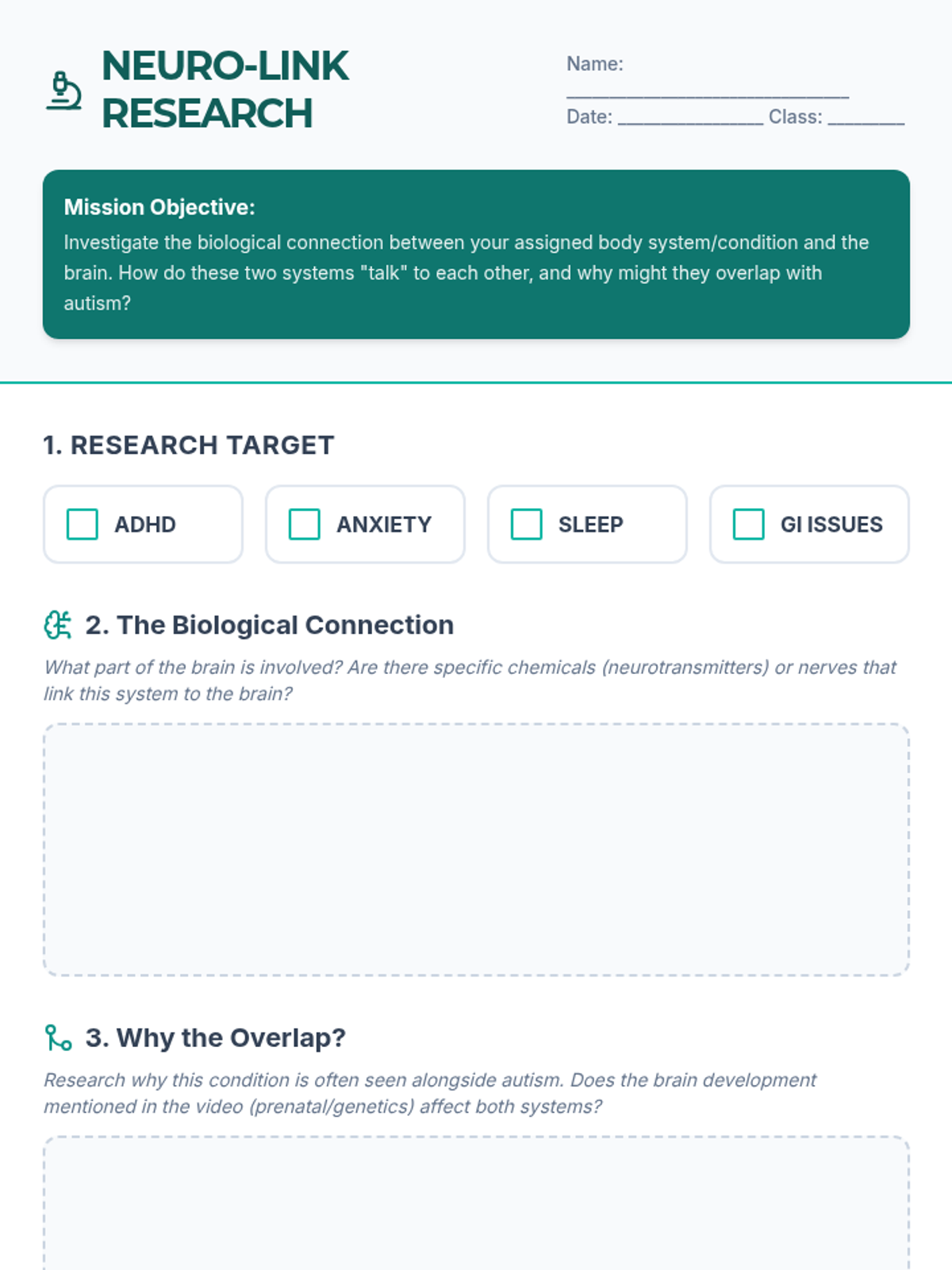
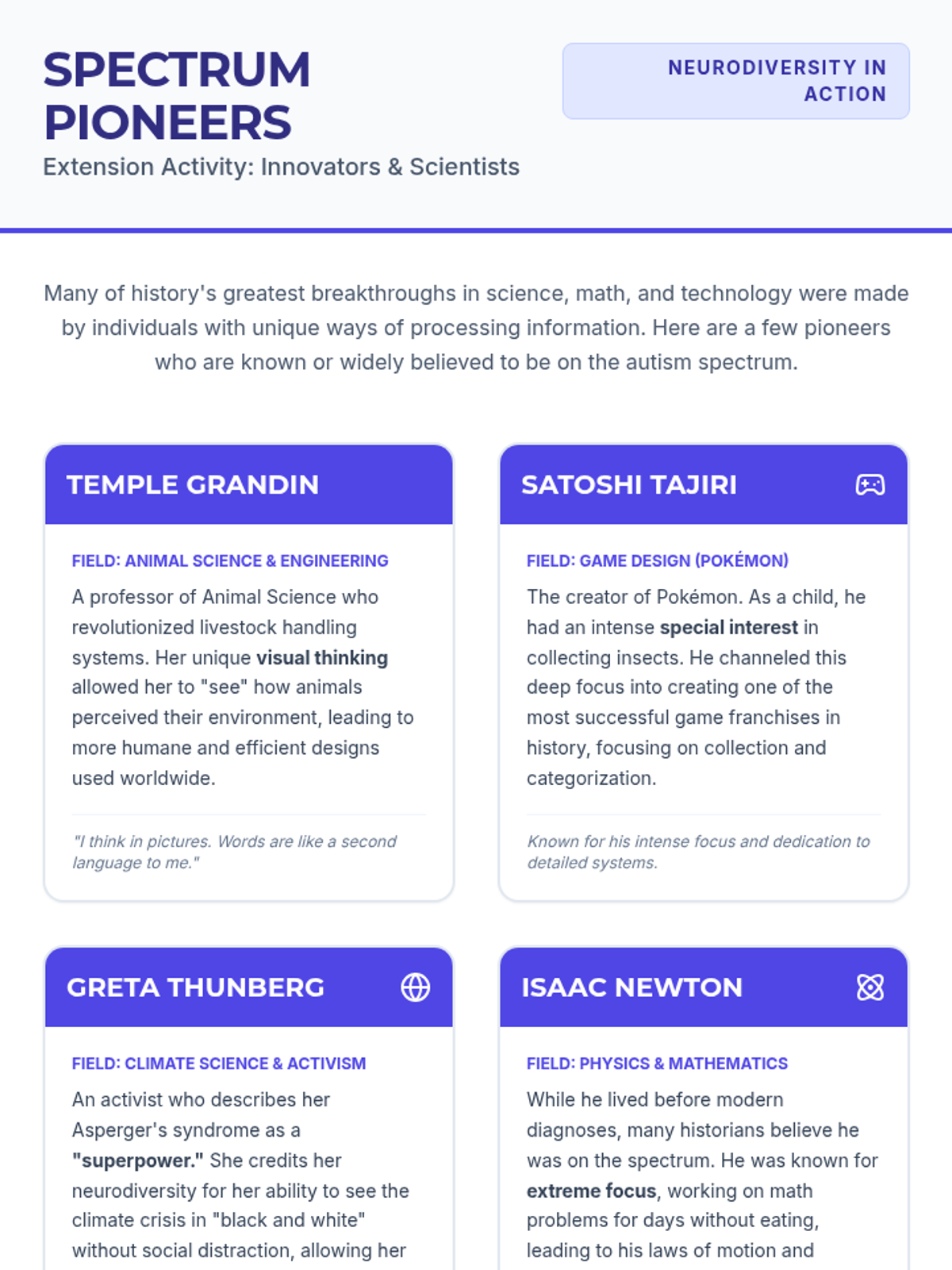
A lesson for 7th-8th grade science focusing on the biological and genetic foundations of autism. Students debunk common myths, analyze brain development through video, and research how the brain interacts with other body systems in co-occurring conditions.
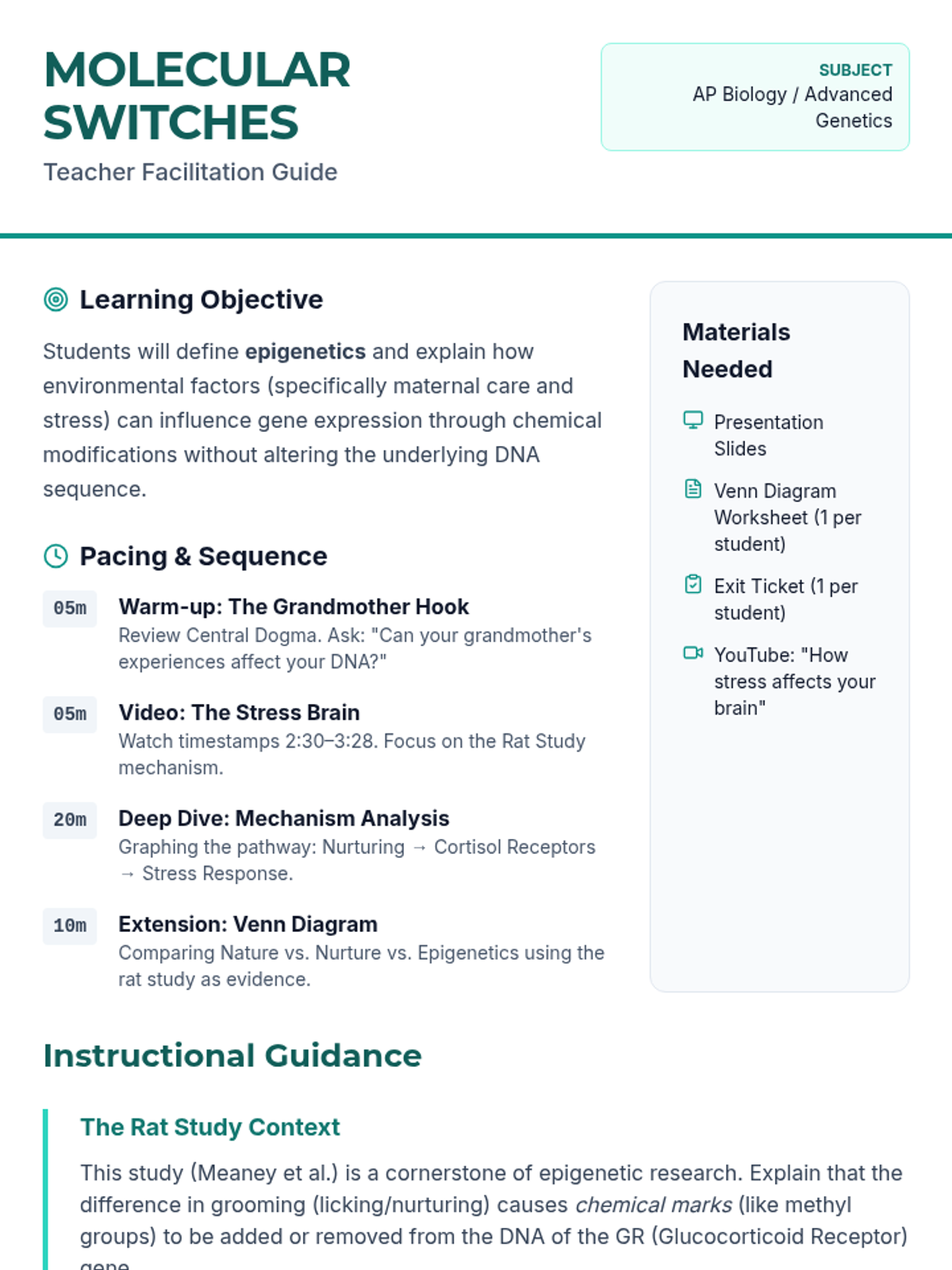
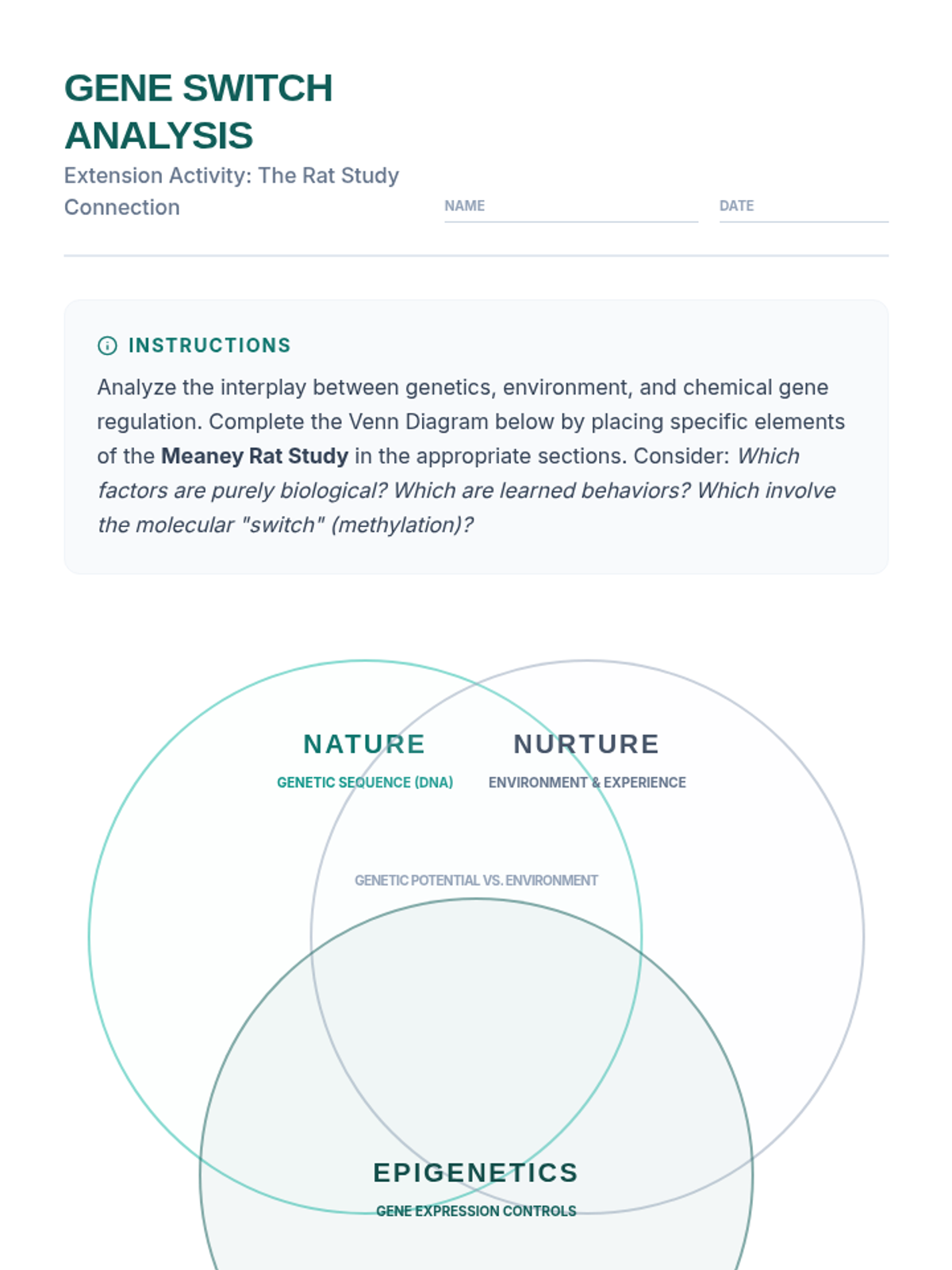
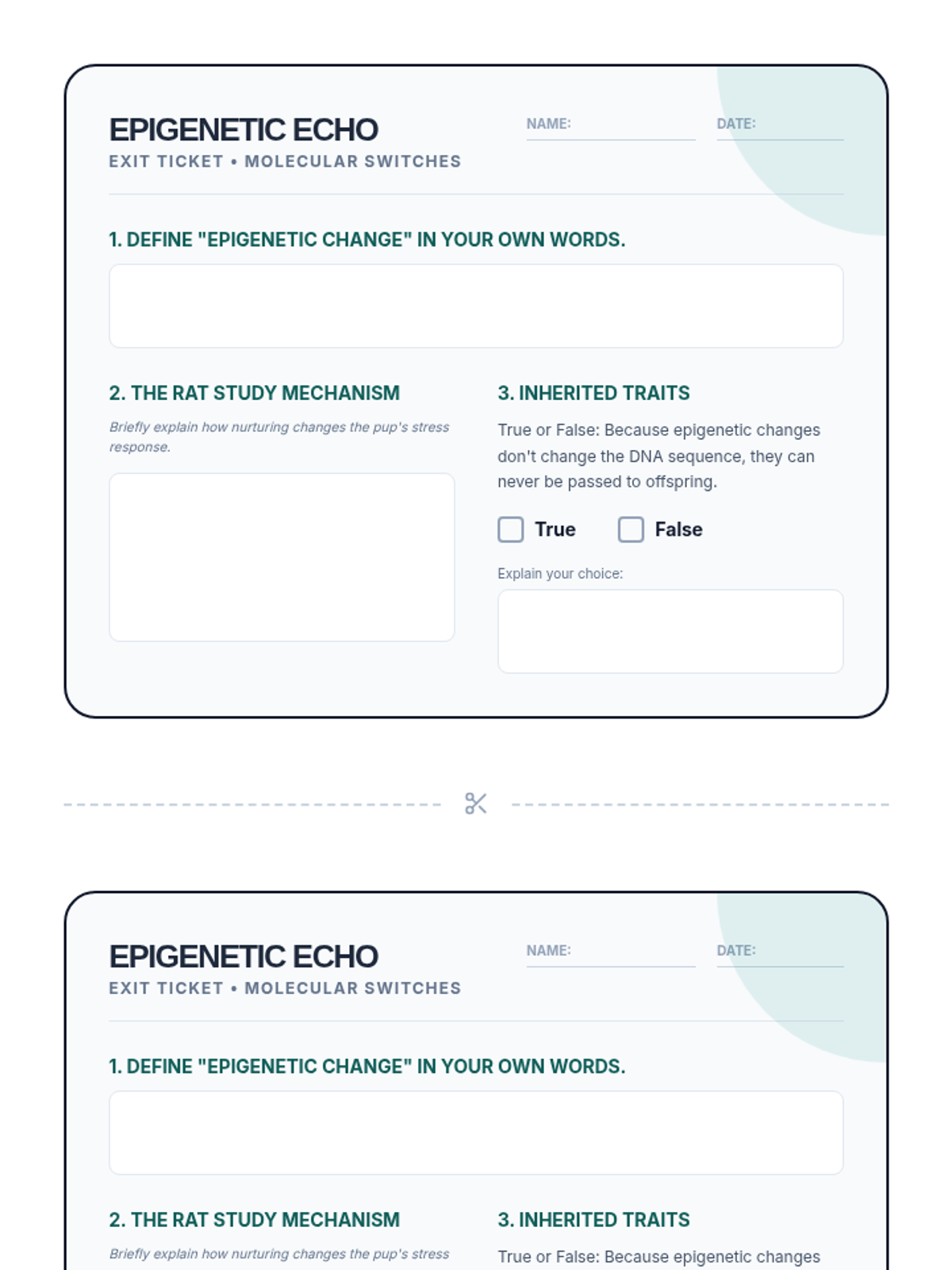
A high-level genetics lesson exploring how environmental factors like maternal care and stress trigger epigenetic modifications that influence gene expression across generations. Students analyze the classic Meaney rat study to understand the molecular mechanisms beyond DNA sequences.
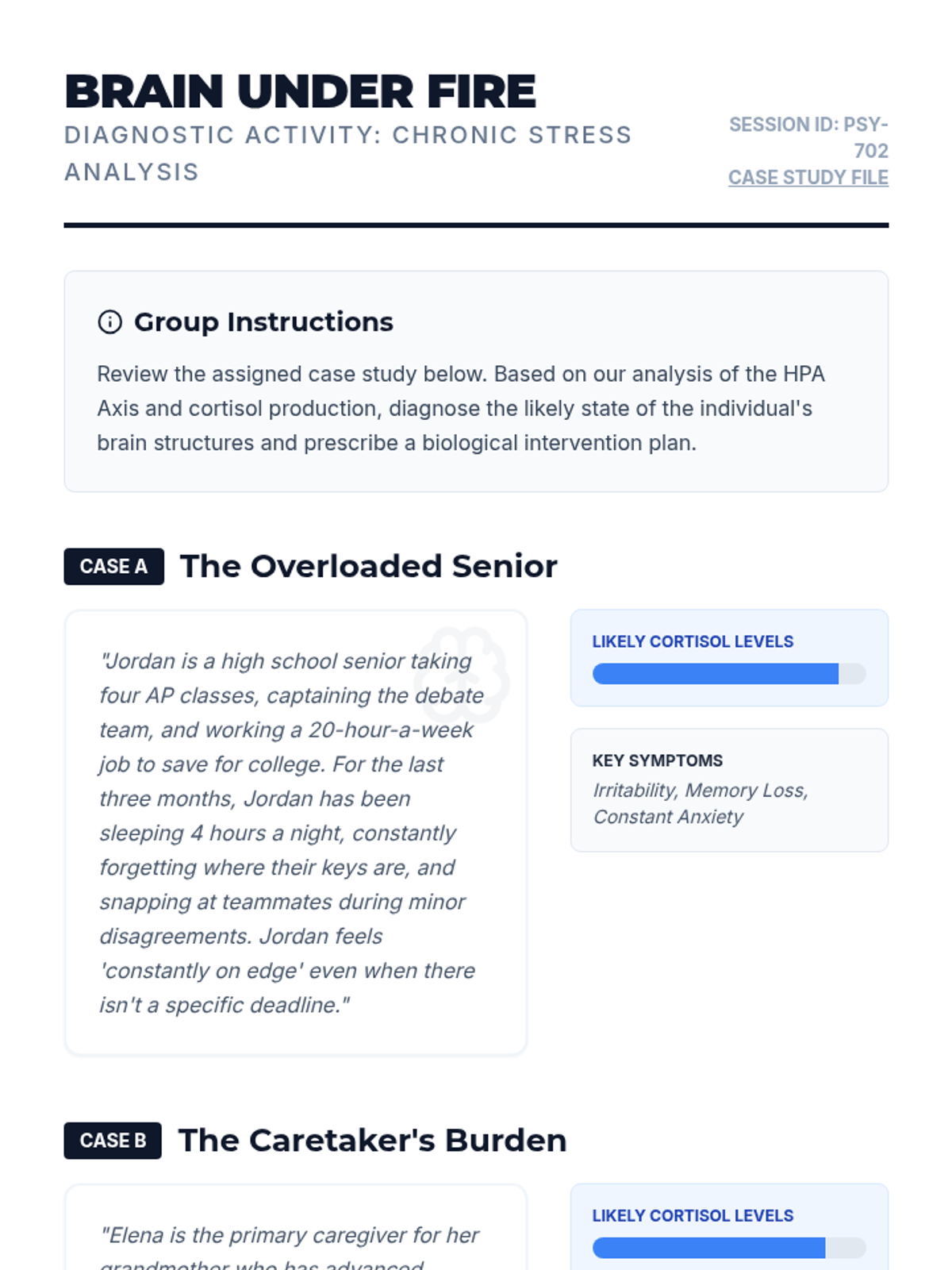
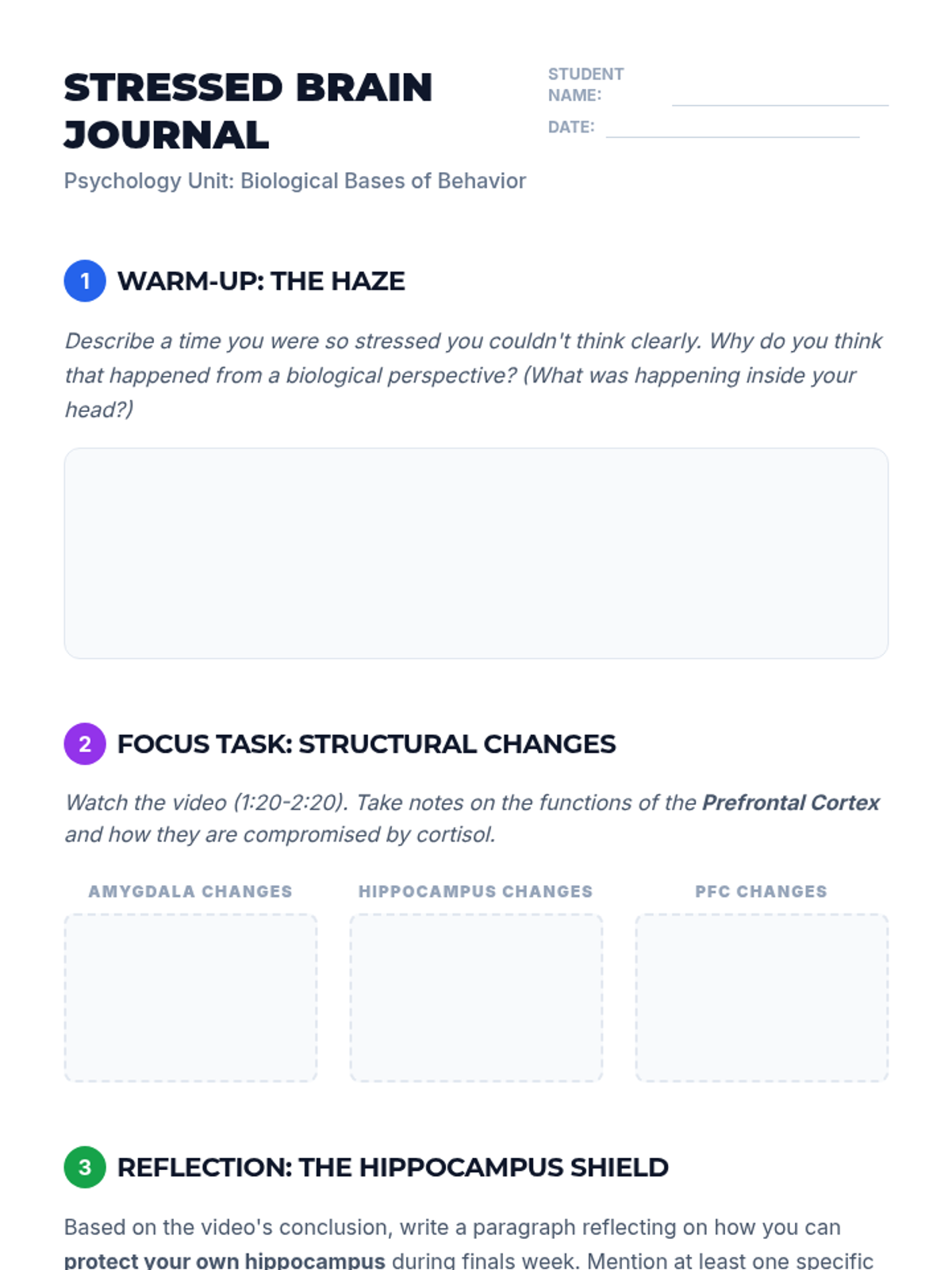
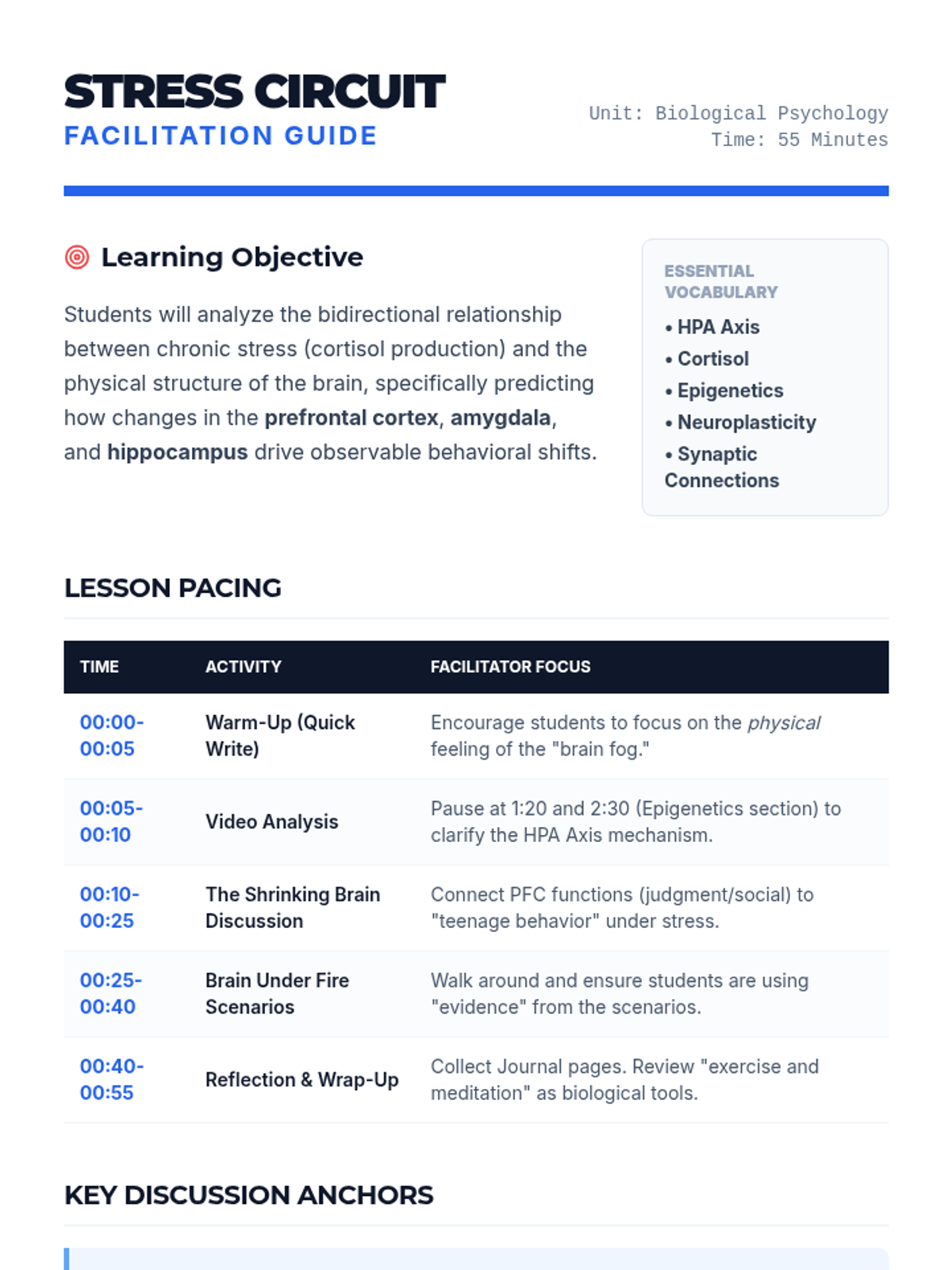
A high school psychology lesson exploring the physiological impact of chronic stress on brain structures like the amygdala, hippocampus, and prefrontal cortex, featuring a video analysis and case study application.
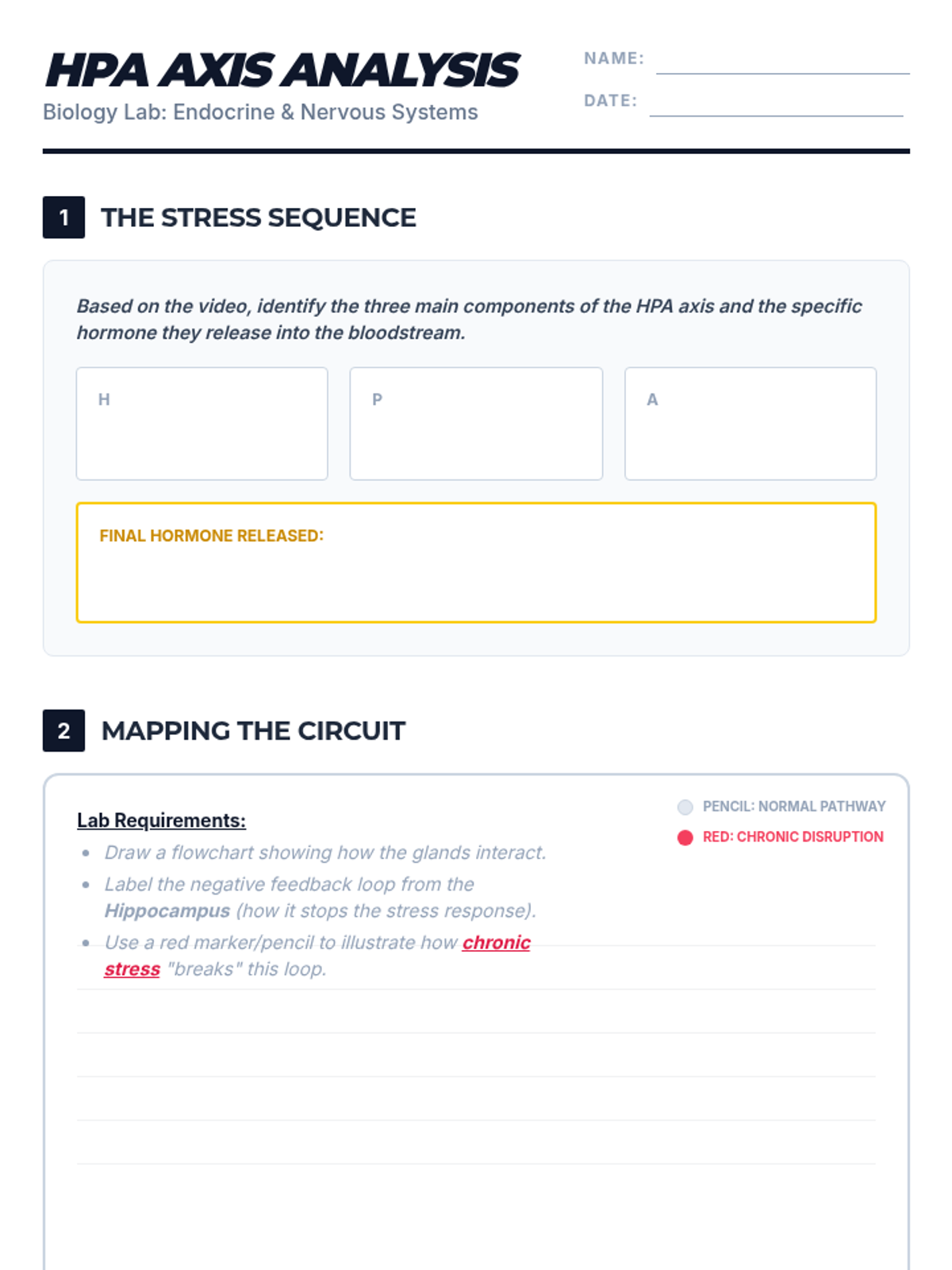
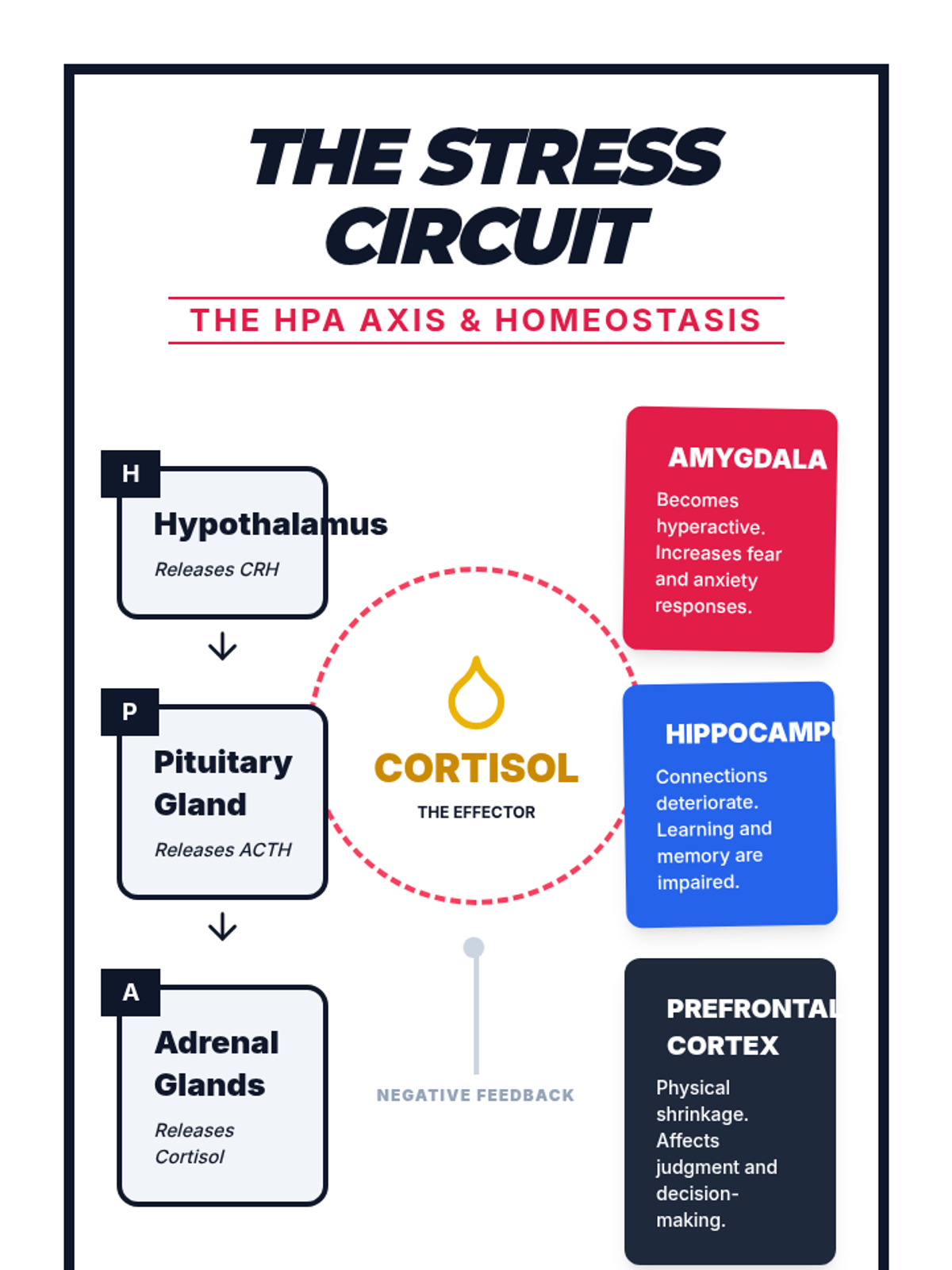
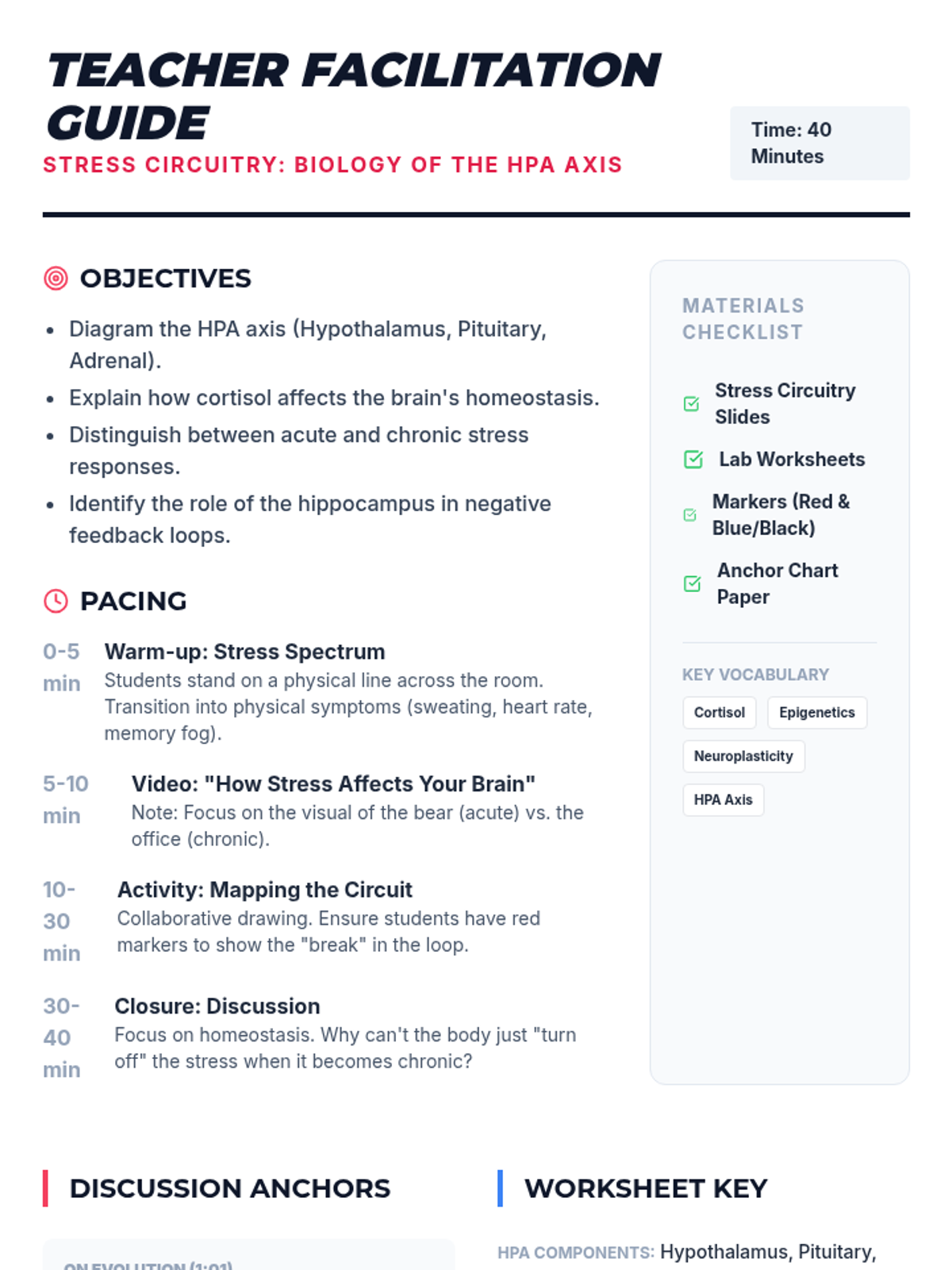
A high school biology lesson exploring the endocrine system's stress response via the HPA axis, the physiological role of cortisol, and the impact of chronic stress on brain structure and homeostasis. Students analyze feedback loops and the brain's neuroplasticity through video analysis and diagramming.
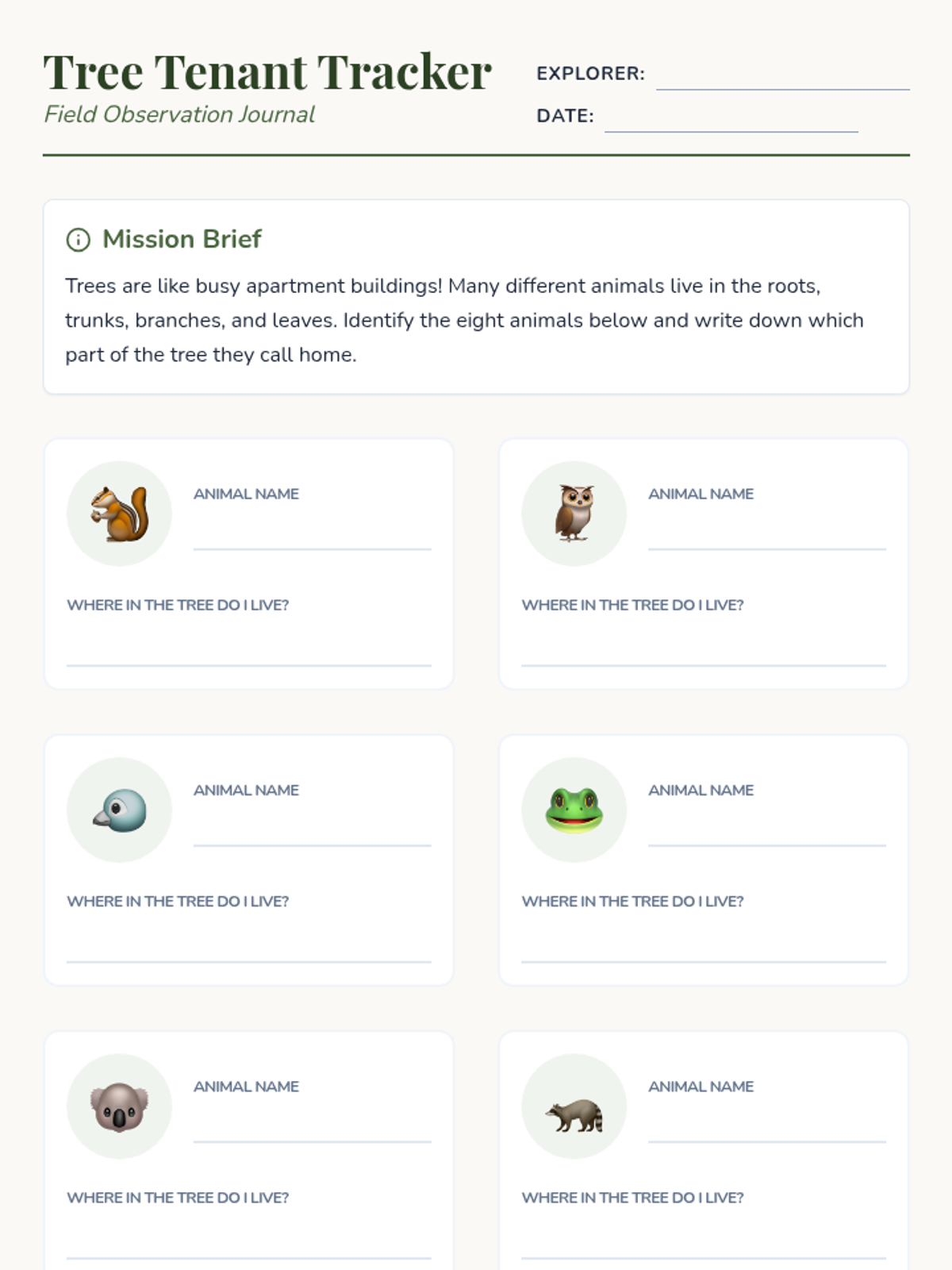
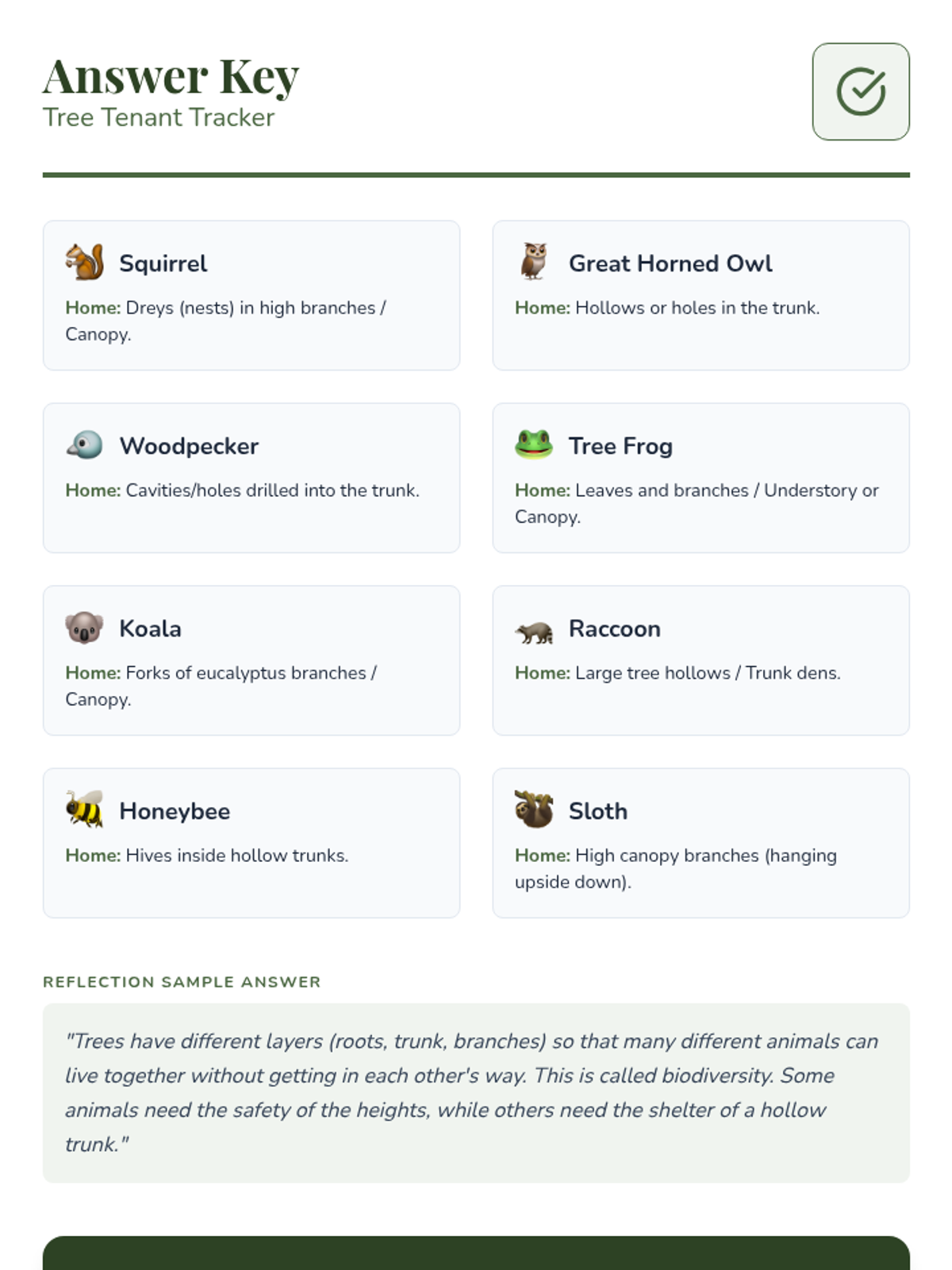
A lesson exploring the diverse animals that call trees their home, focusing on identification and the specific parts of the tree they inhabit.
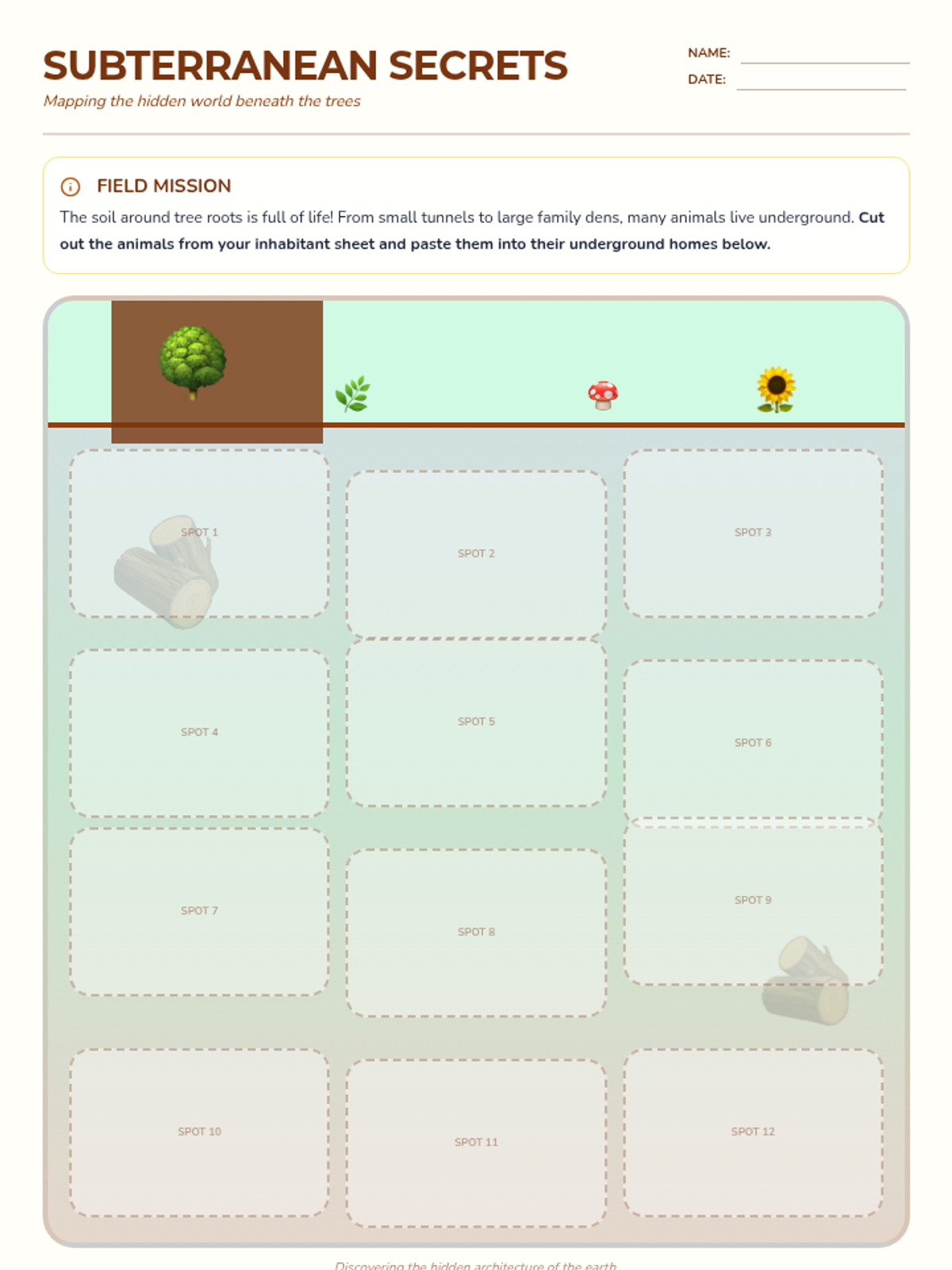
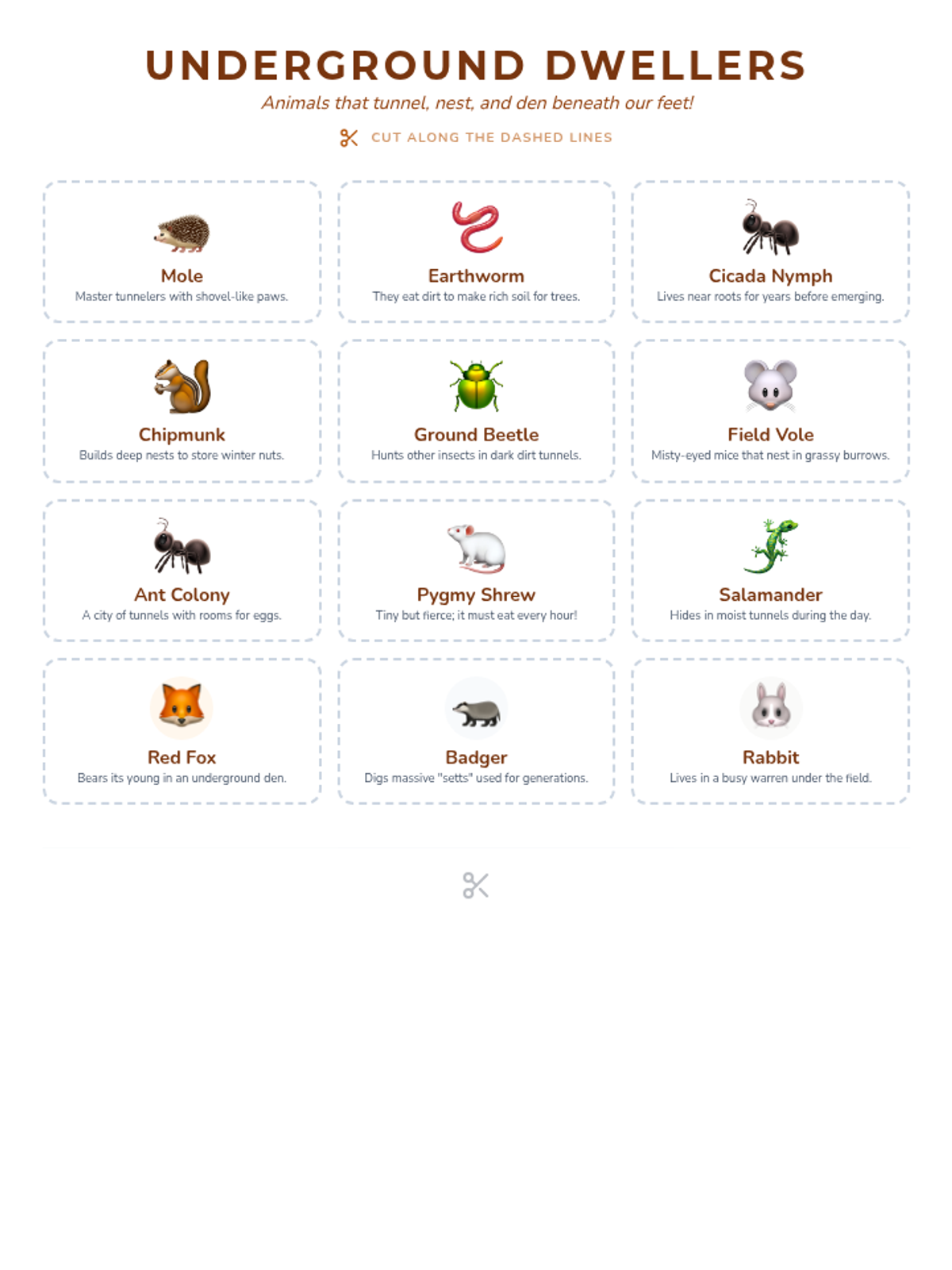
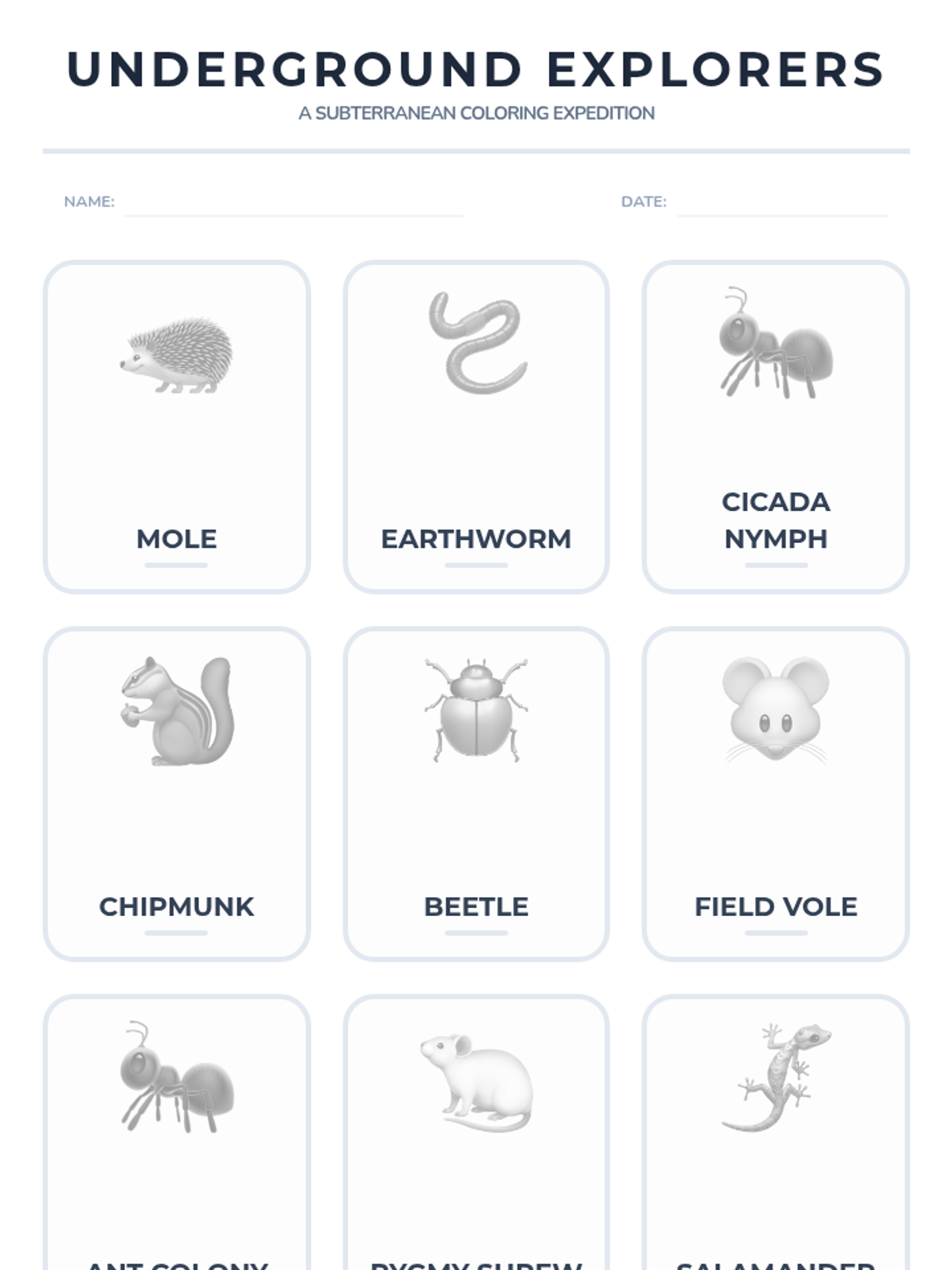
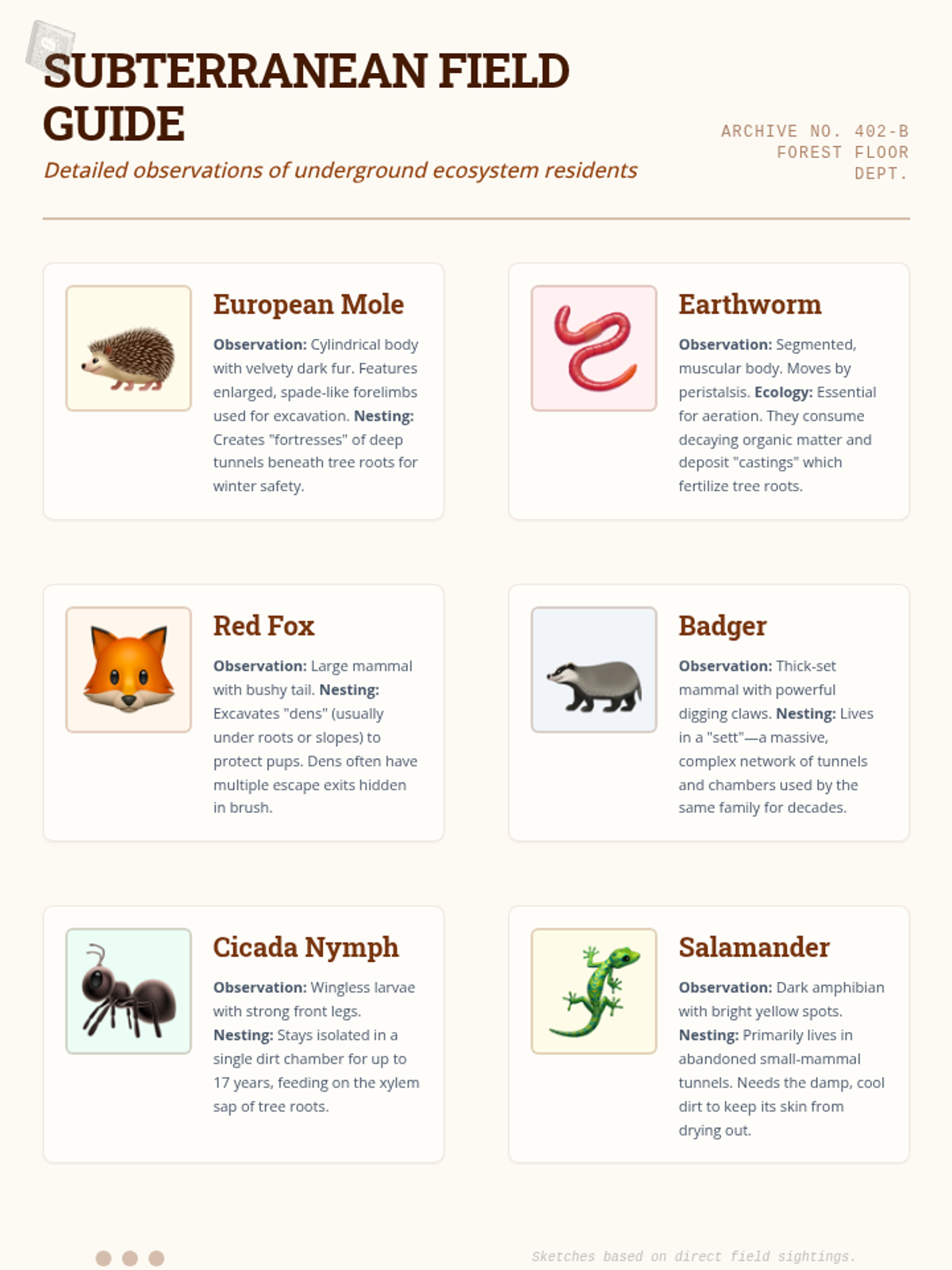
Students explore the ecosystem beneath the forest floor, focusing on animals that create tunnels and live among tree roots.
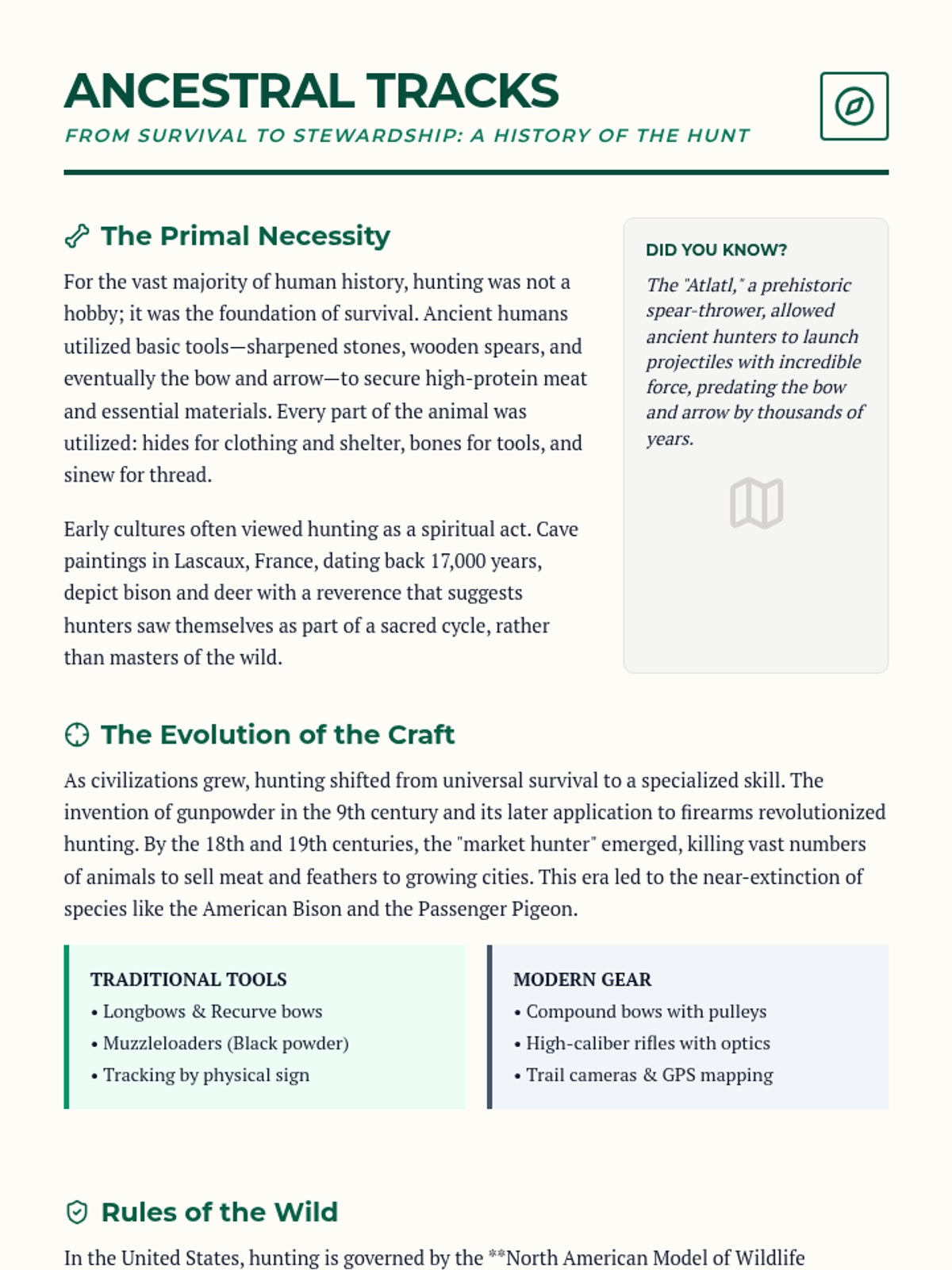
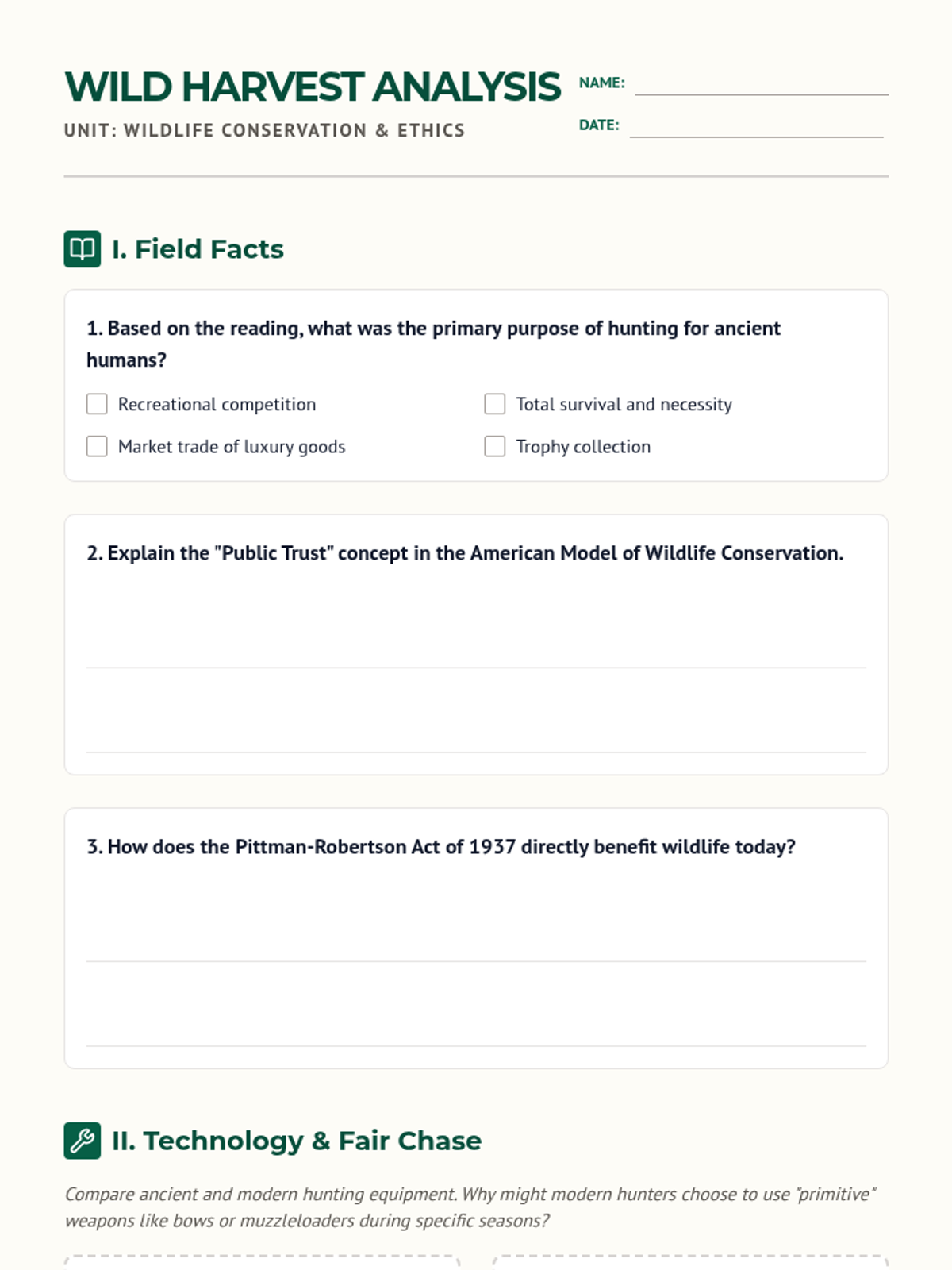
A comprehensive lesson exploring the evolution of hunting from ancient survival to modern conservation, including economic impacts and ethical debates surrounding biodiversity.
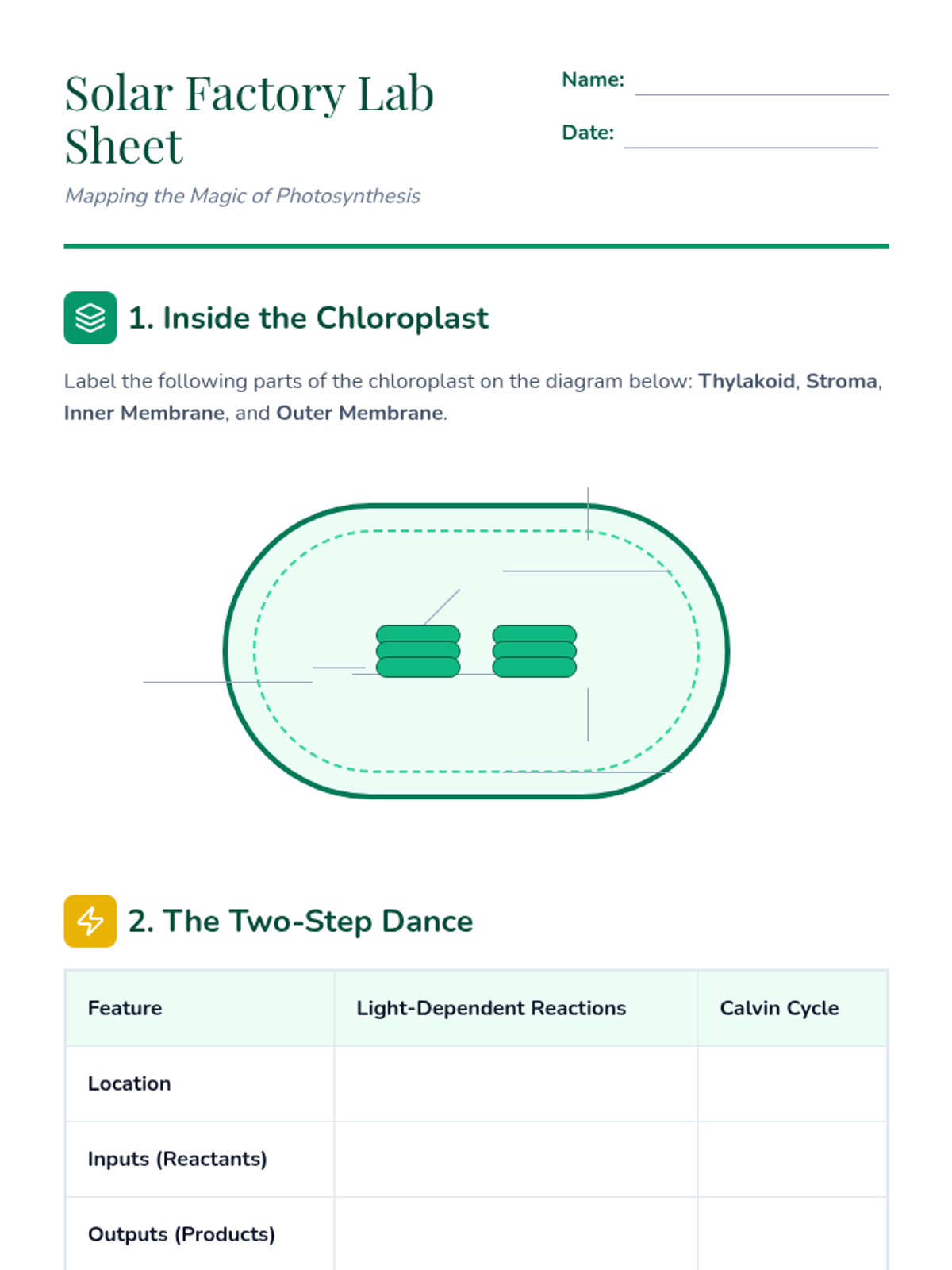
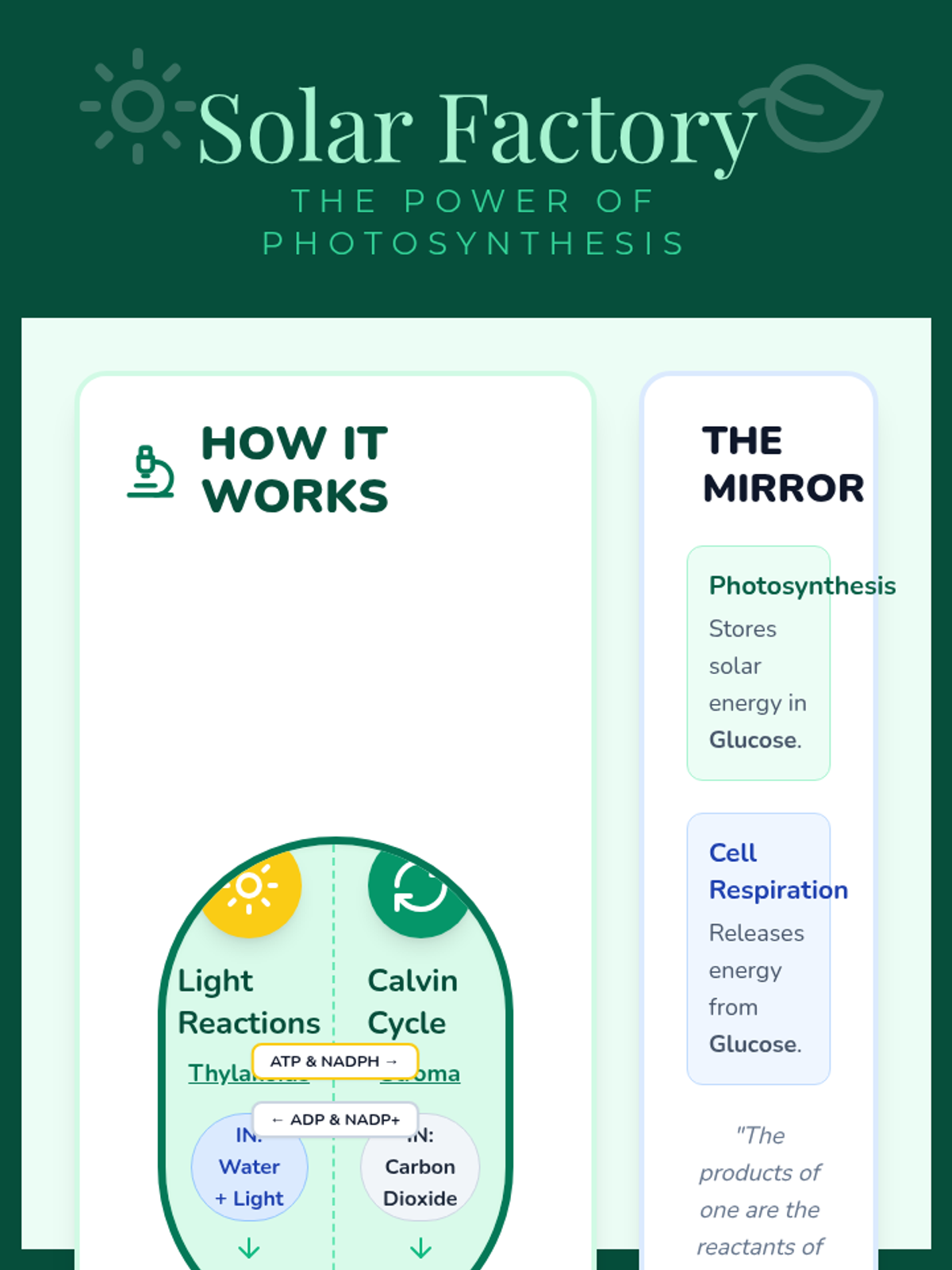
Explore how plants and other organisms capture solar energy to build life-sustaining sugars while comparing the process to cellular respiration.
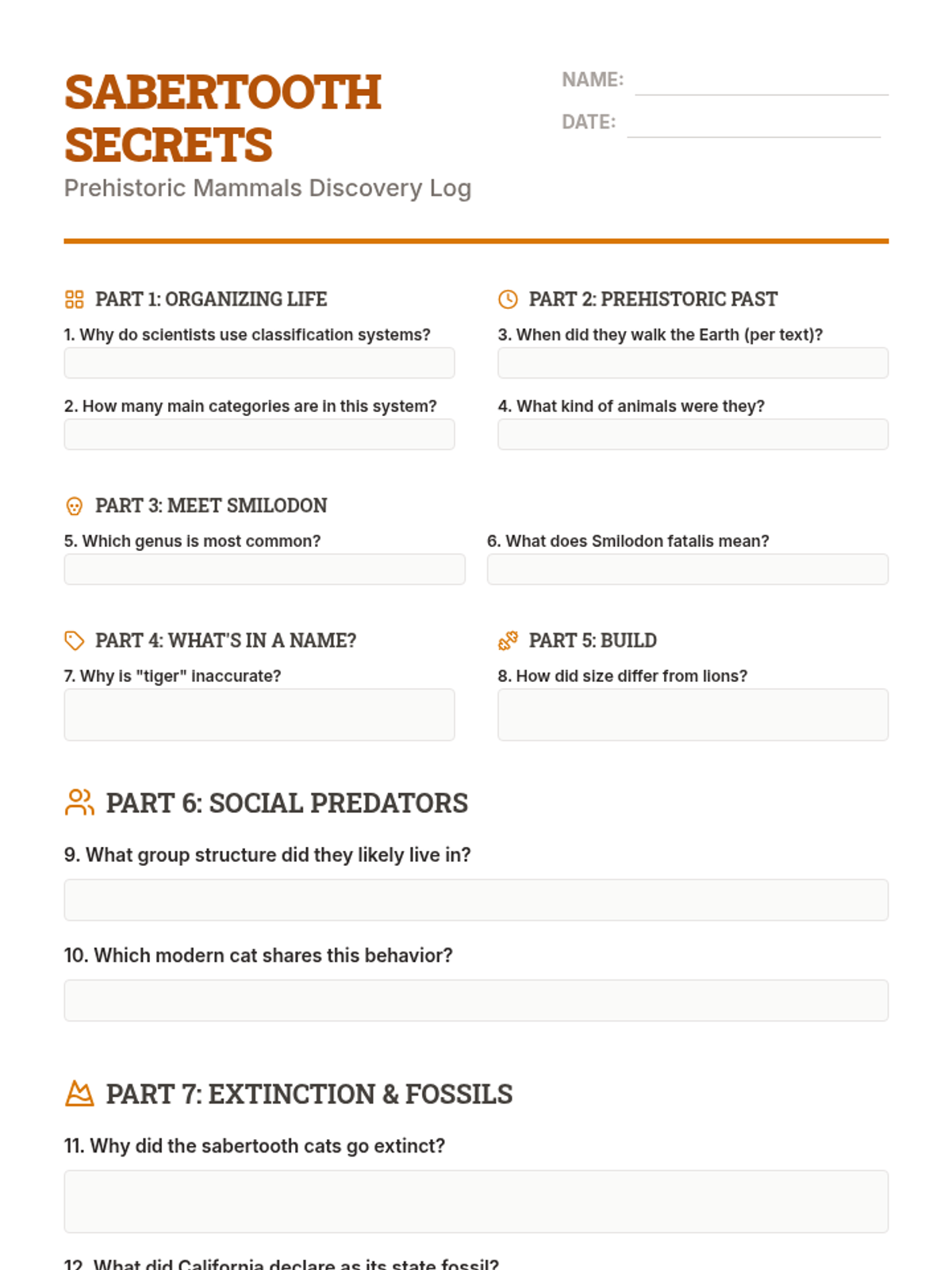
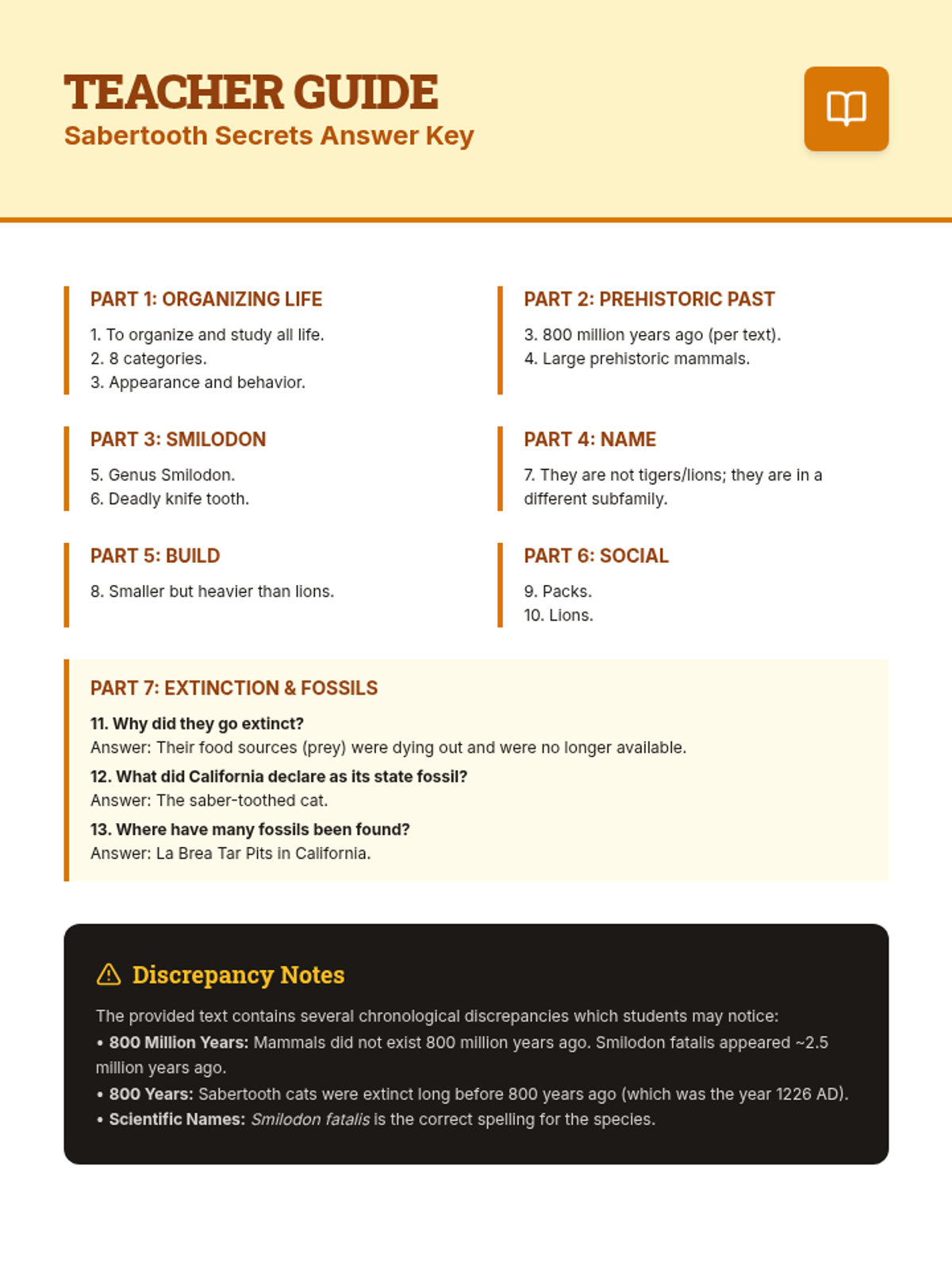
A lesson exploring the characteristics, classification, and social behavior of prehistoric Sabertooth cats.
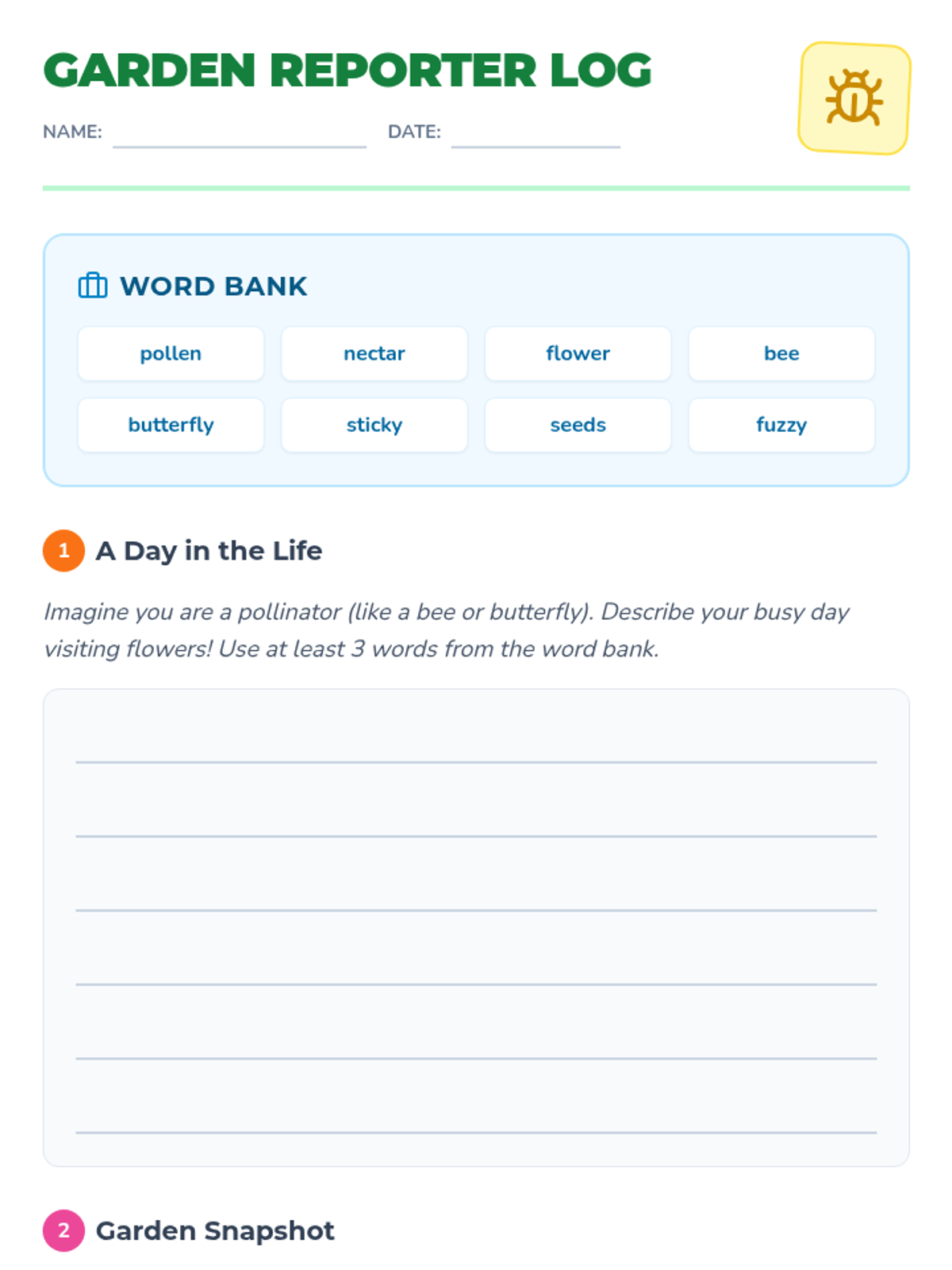
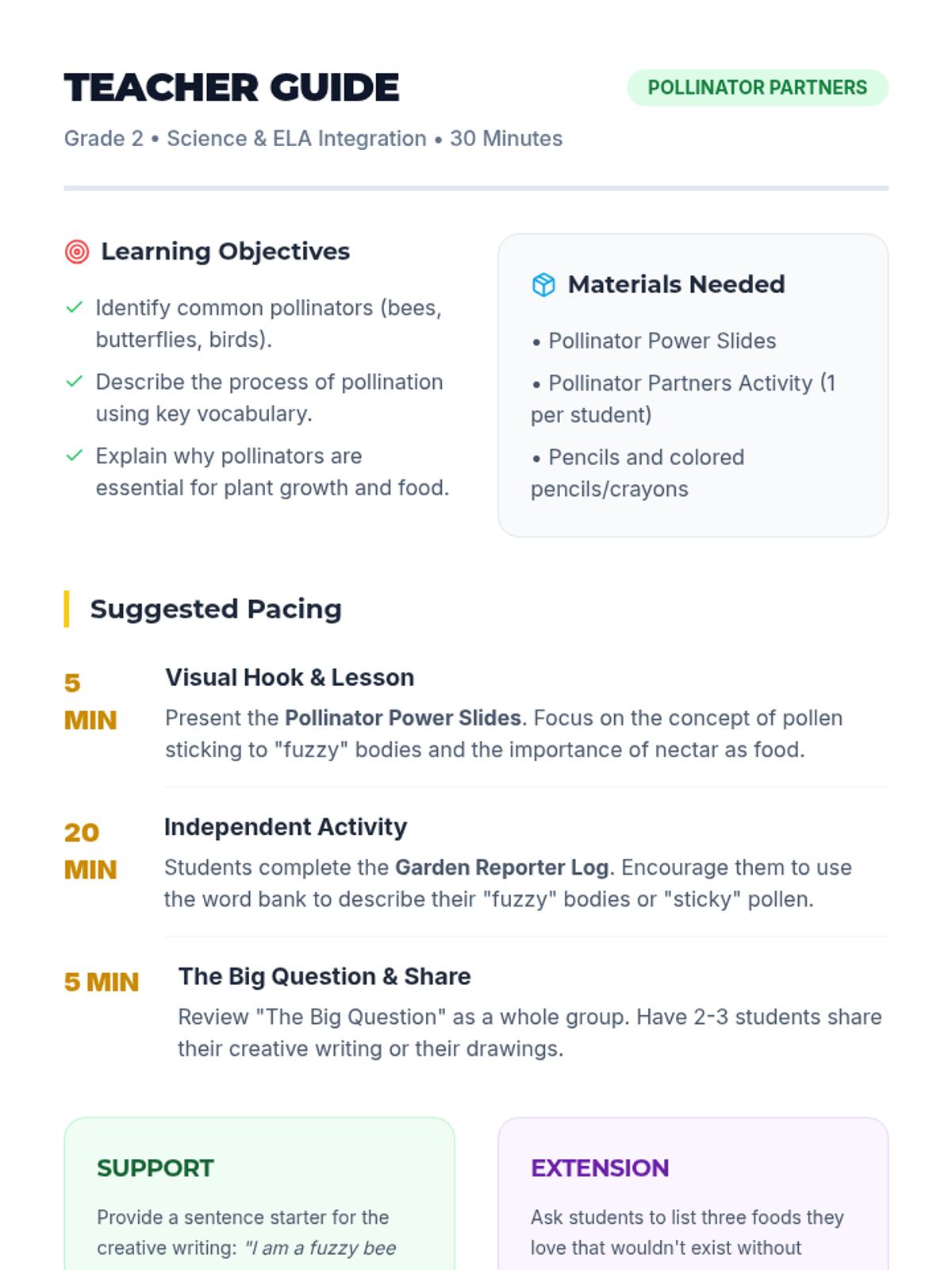
A 30-minute independent writing lesson for 2nd graders to explore the role of pollinators in our ecosystem, featuring a word bank and descriptive writing prompts.
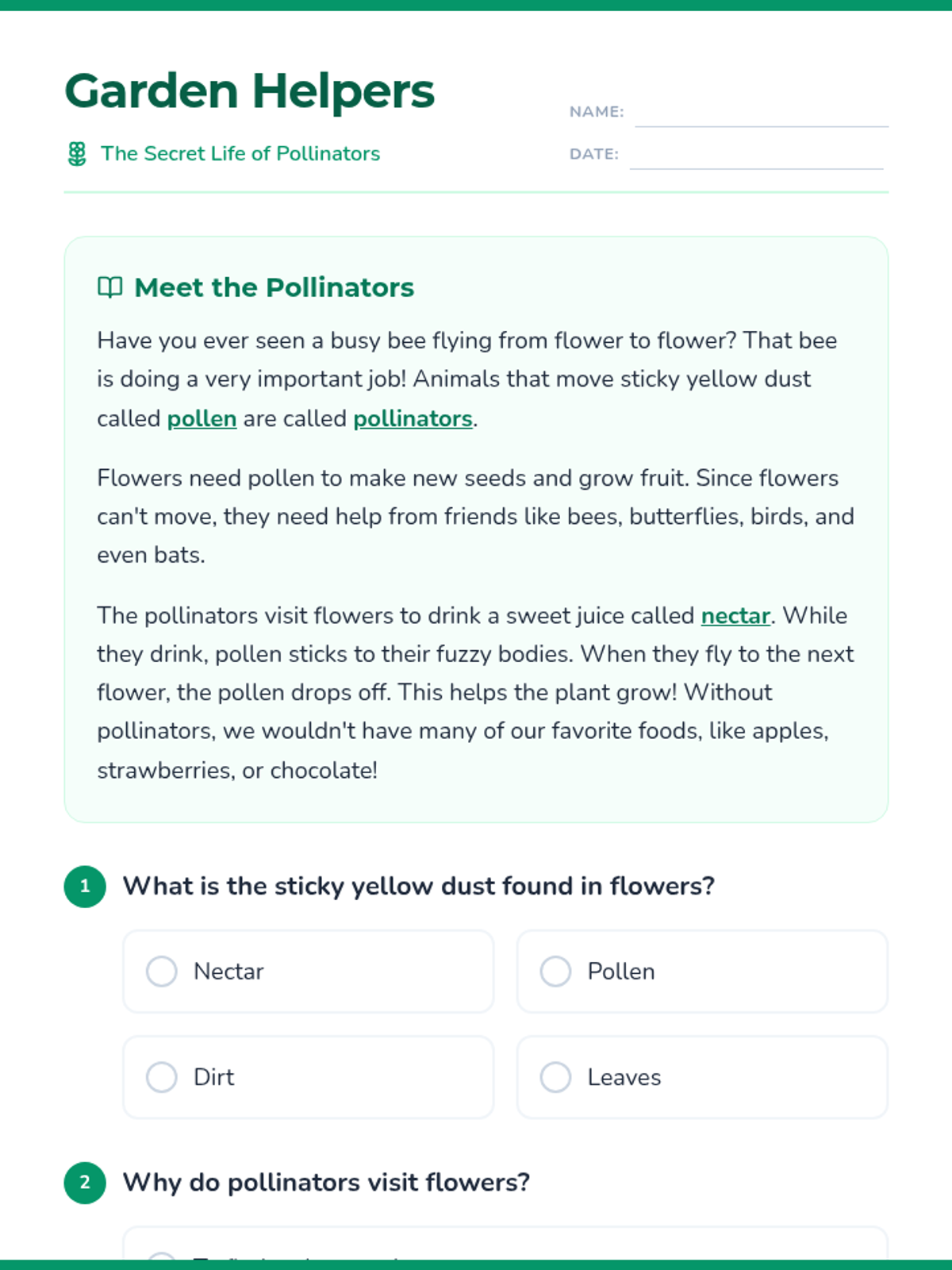
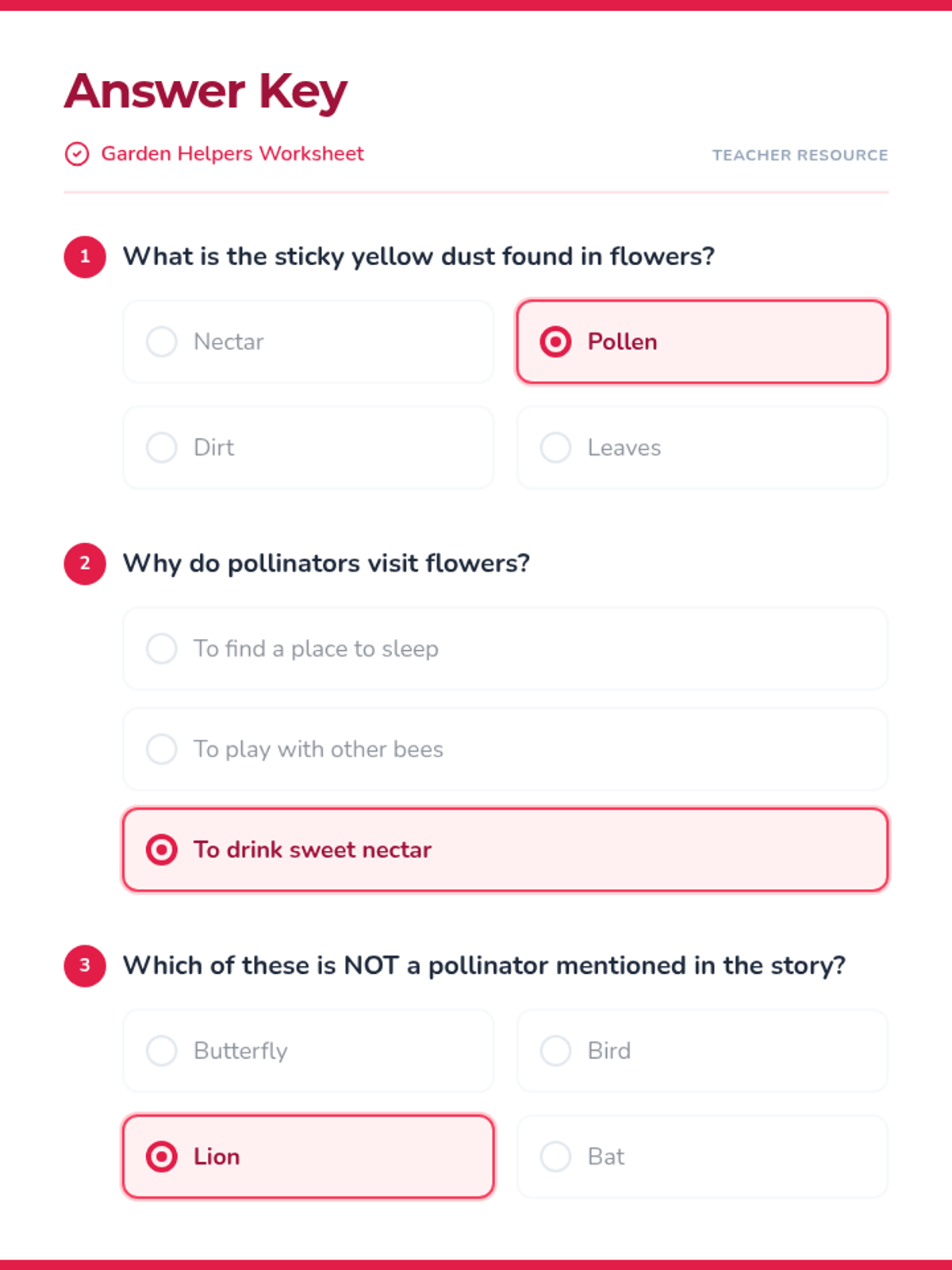
Students will learn about the vital role of pollinators in our ecosystem through a short reading passage and independent comprehension activities.
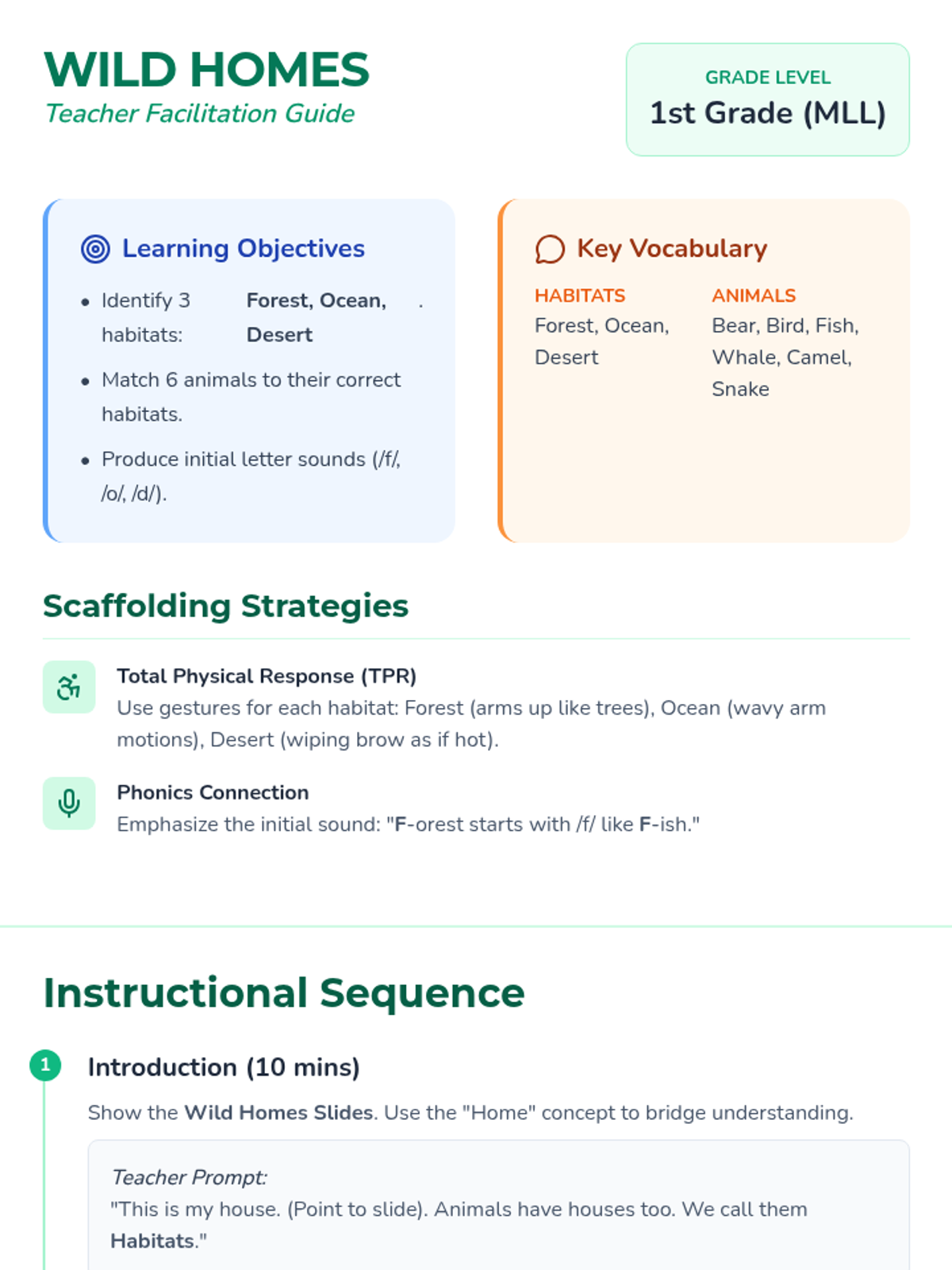
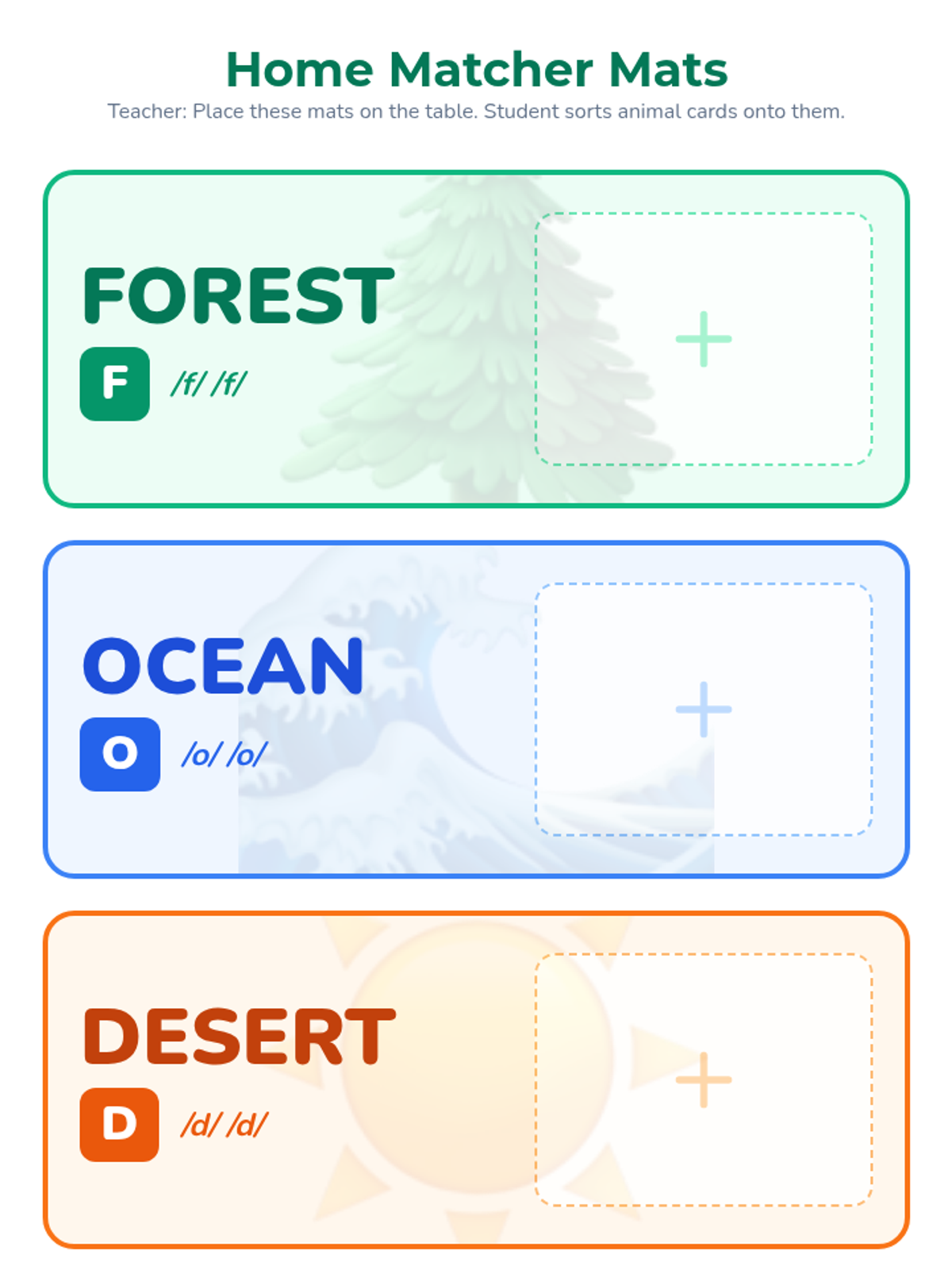
A foundational MLL lesson for 1st grade students focused on oral language and visual recognition of animals and their habitats (Forest, Ocean, Desert). The lesson emphasizes Total Physical Response (TPR), visual matching, and basic phonics connections.
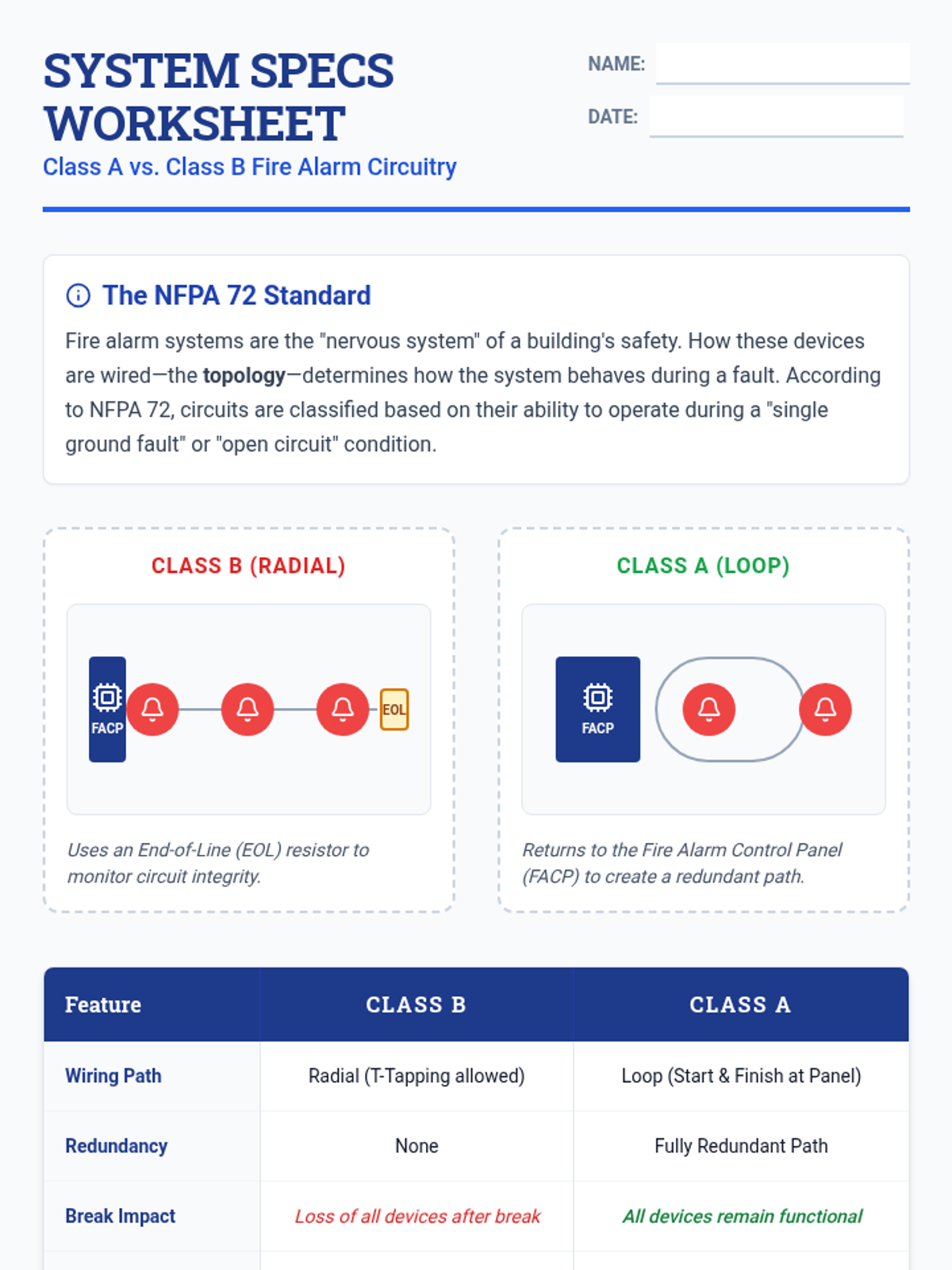
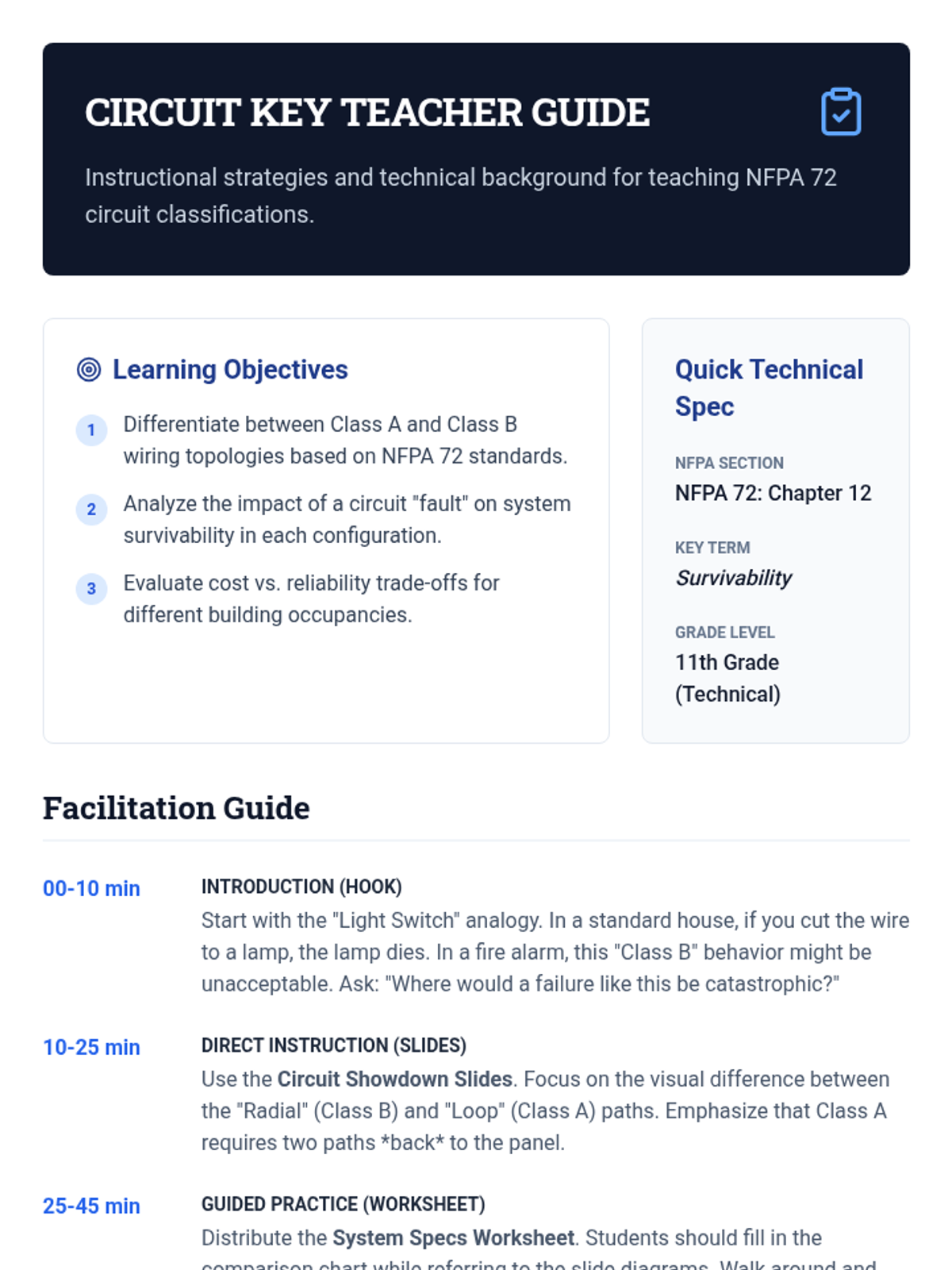
This lesson explores the technical differences between Class A and Class B fire alarm circuits, focusing on wiring topology, fault tolerance, and industry standards like NFPA 72. Students will analyze diagrams and compare the reliability and cost-effectiveness of each system configuration.
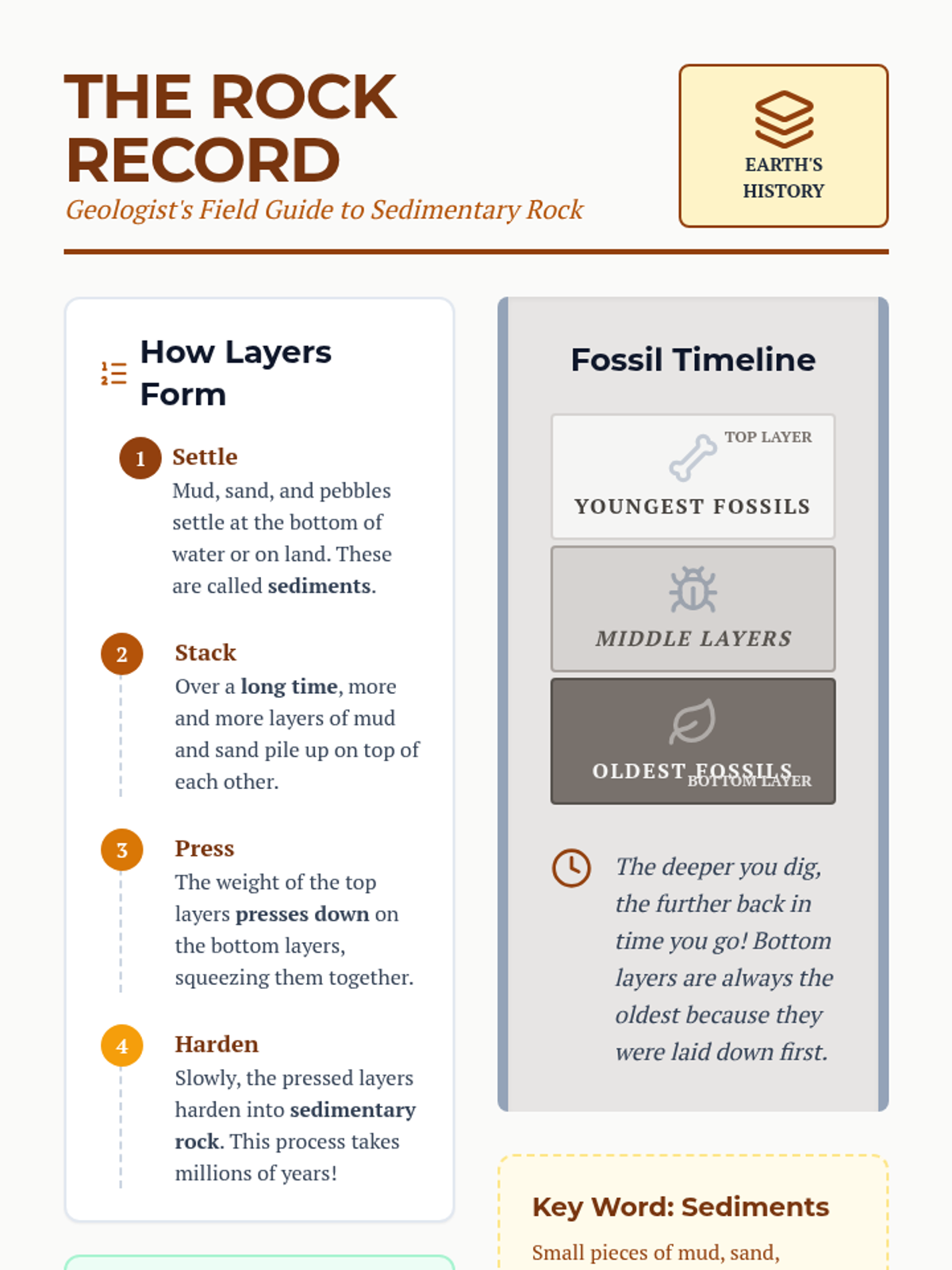
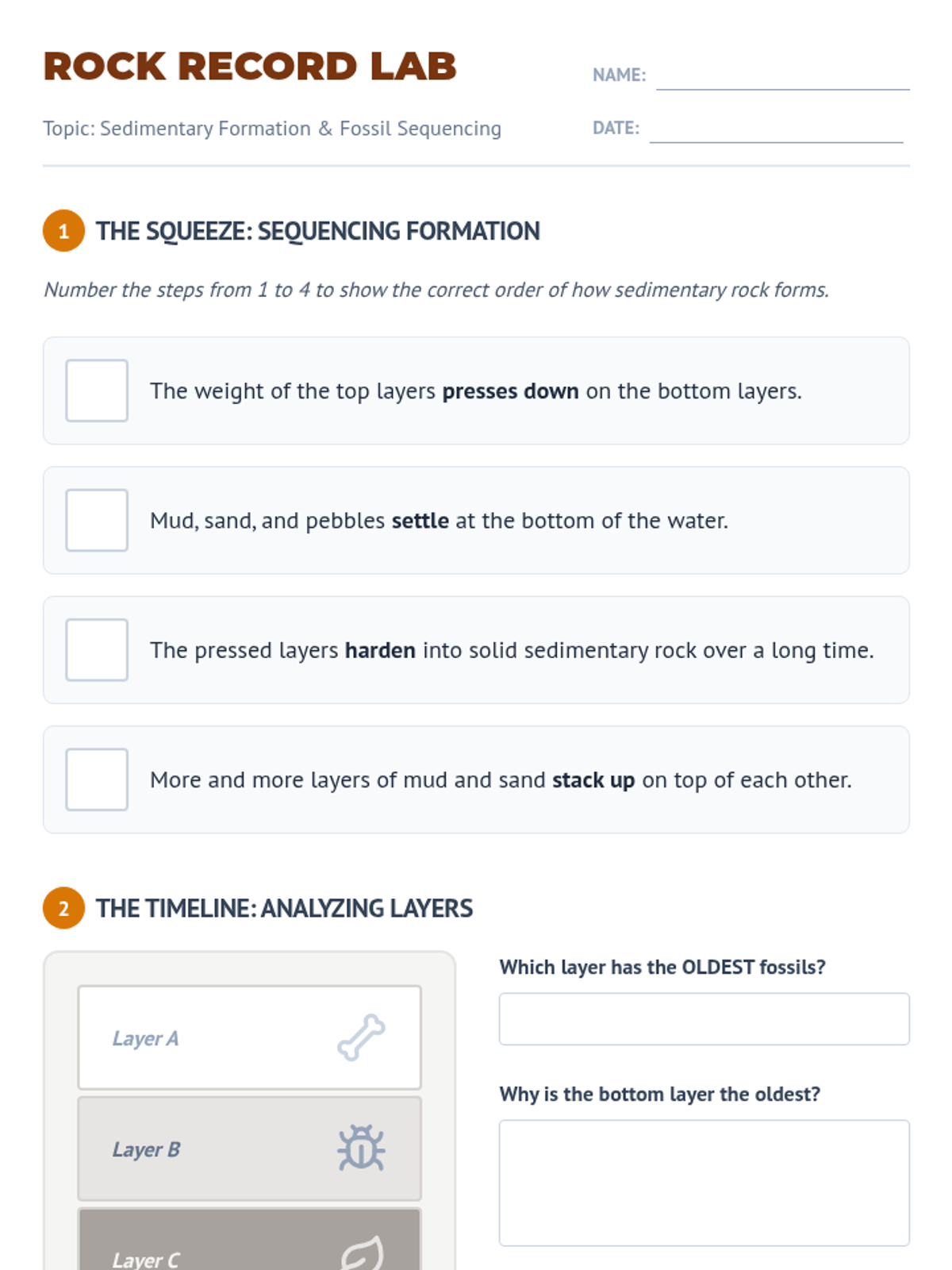
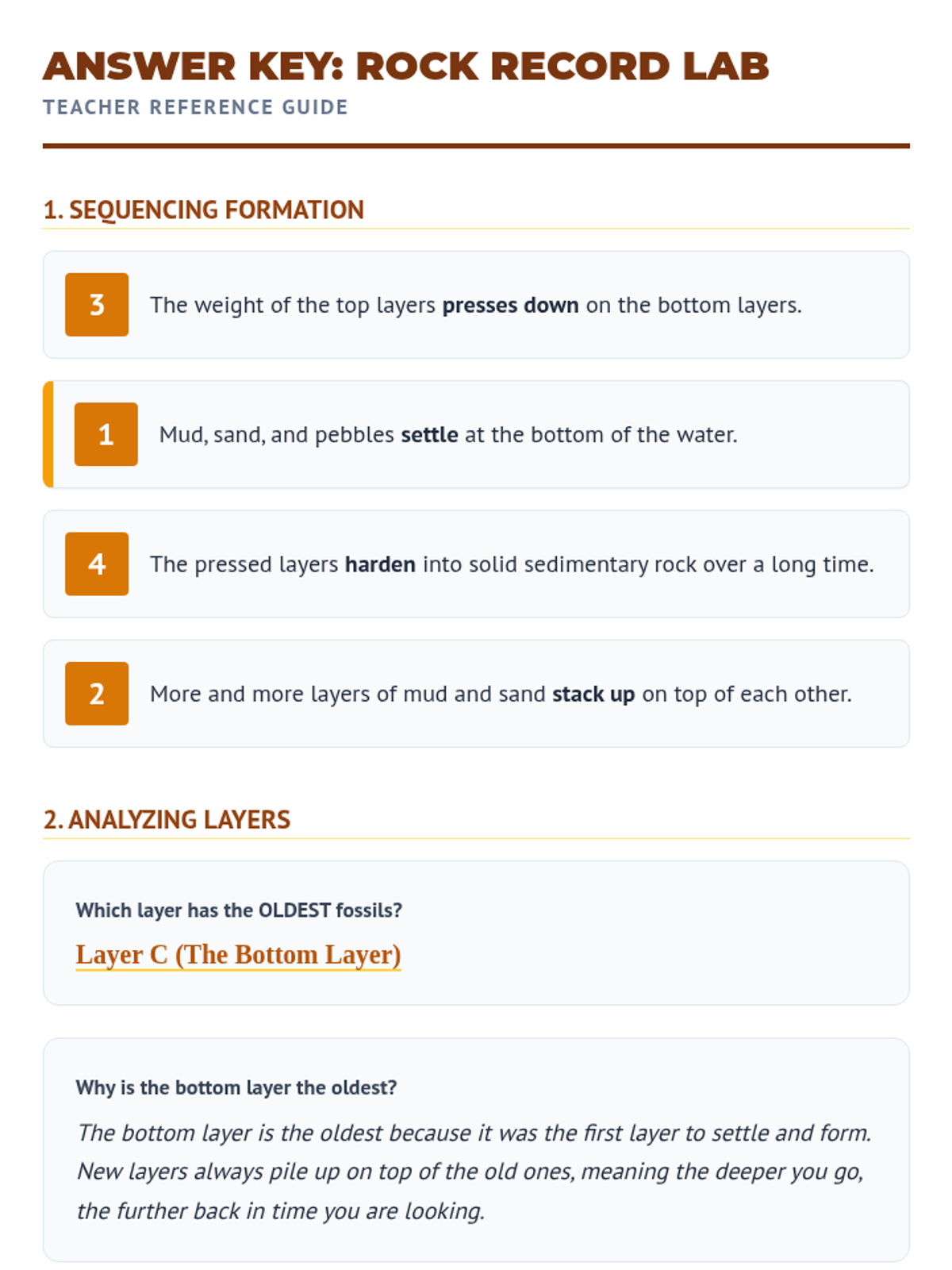
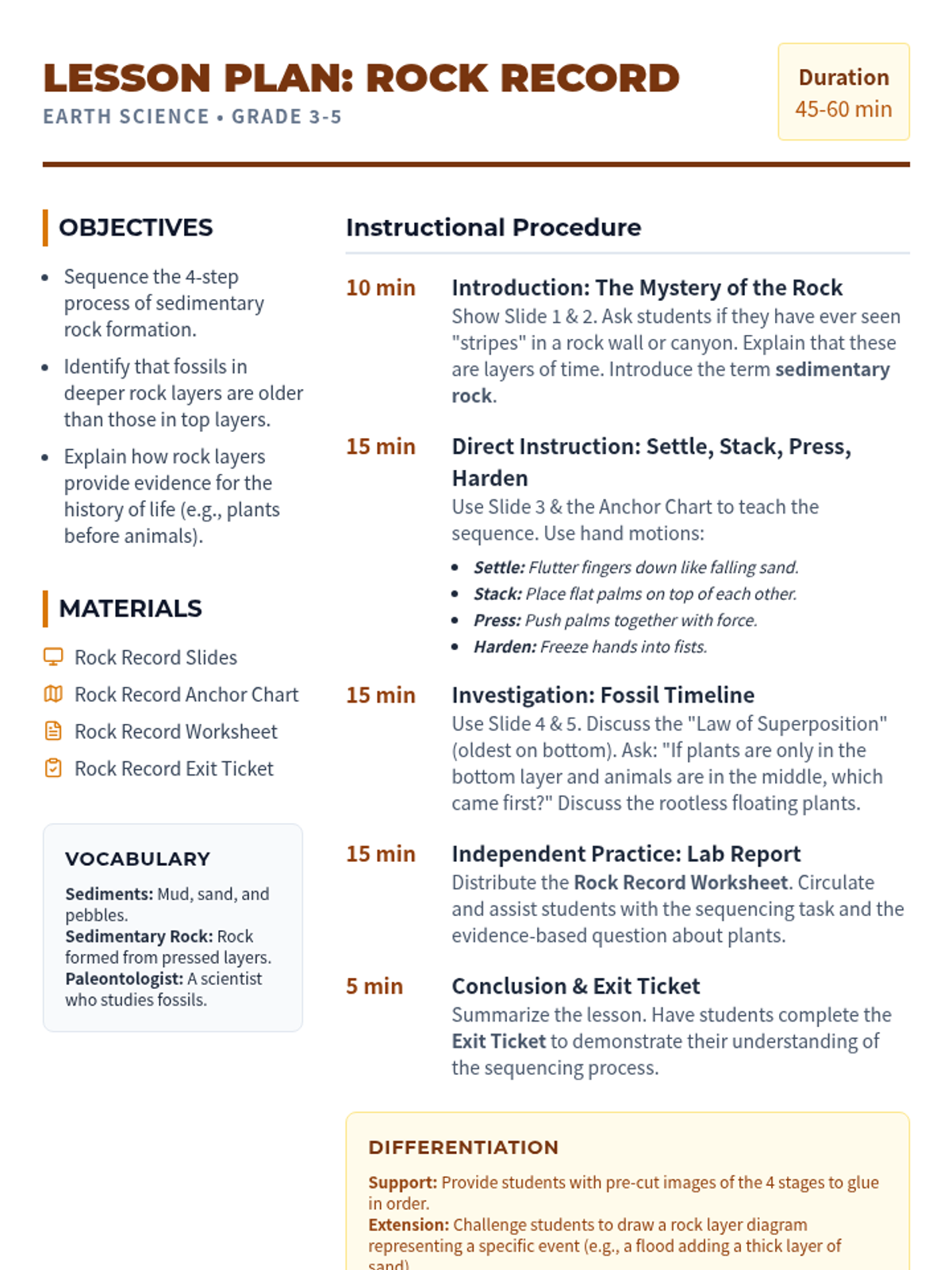
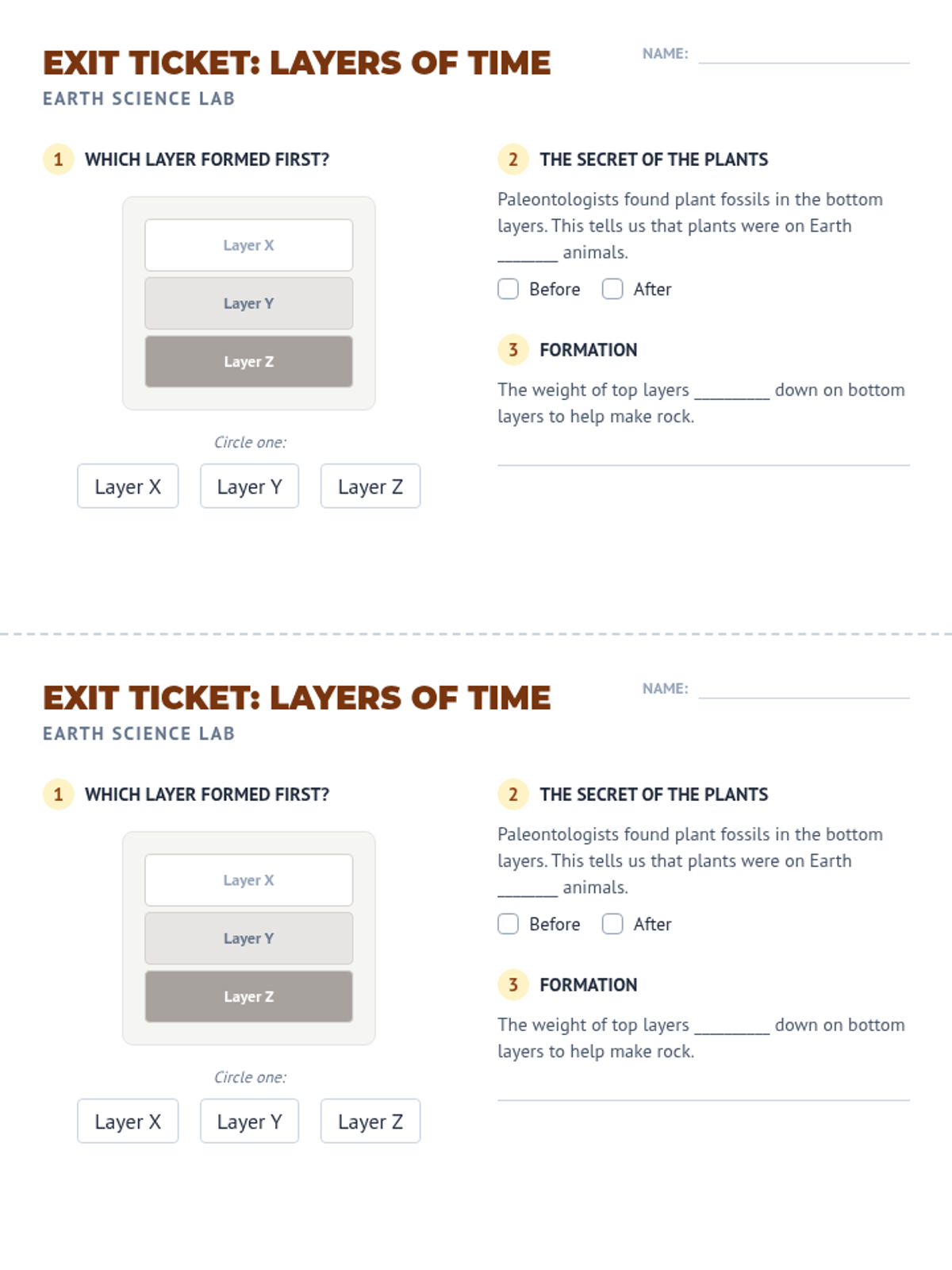
A lesson focused on the formation of sedimentary rocks and how their layers serve as a timeline for life on Earth, specifically focusing on the sequence of formation and fossil aging.
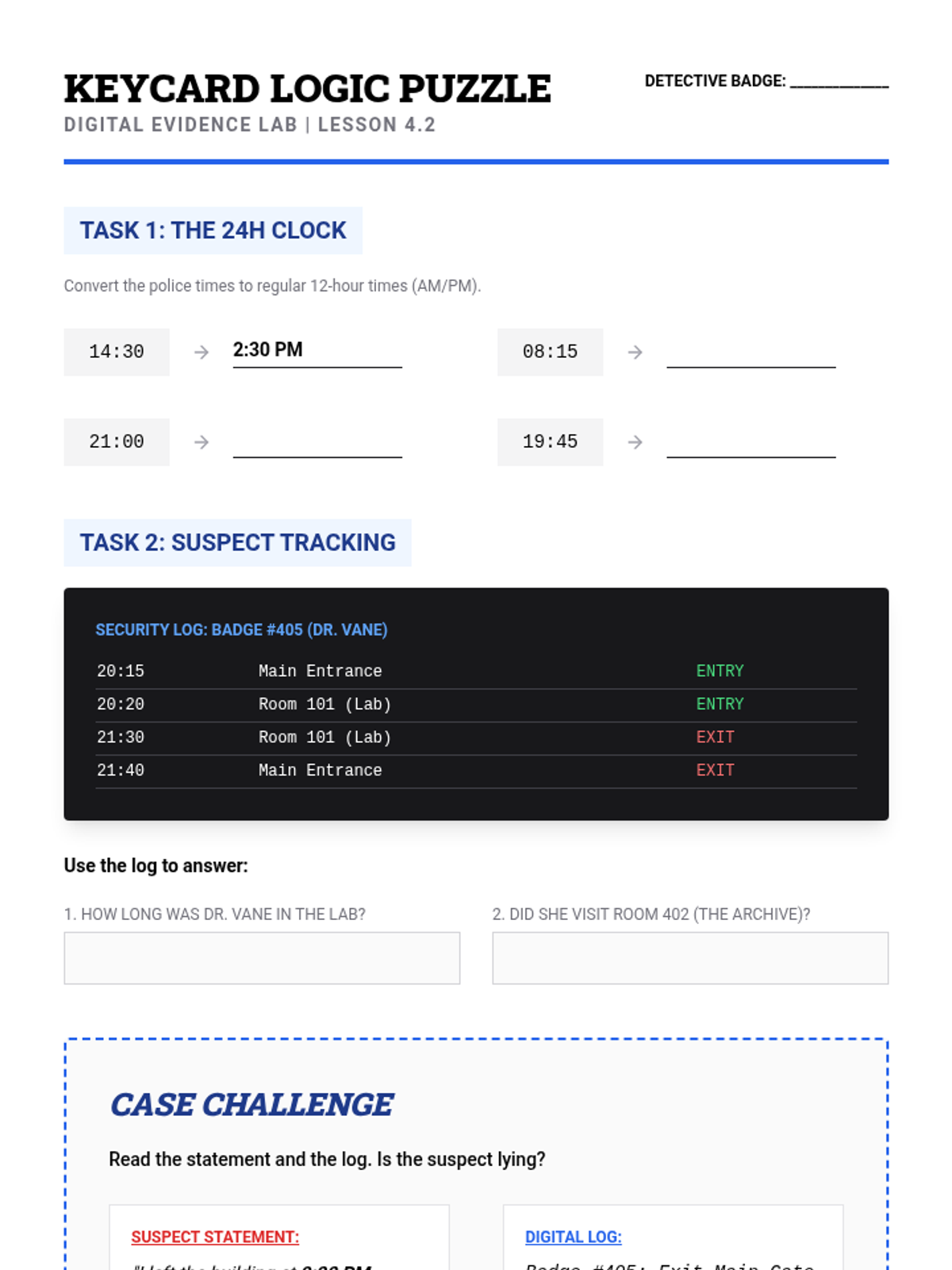
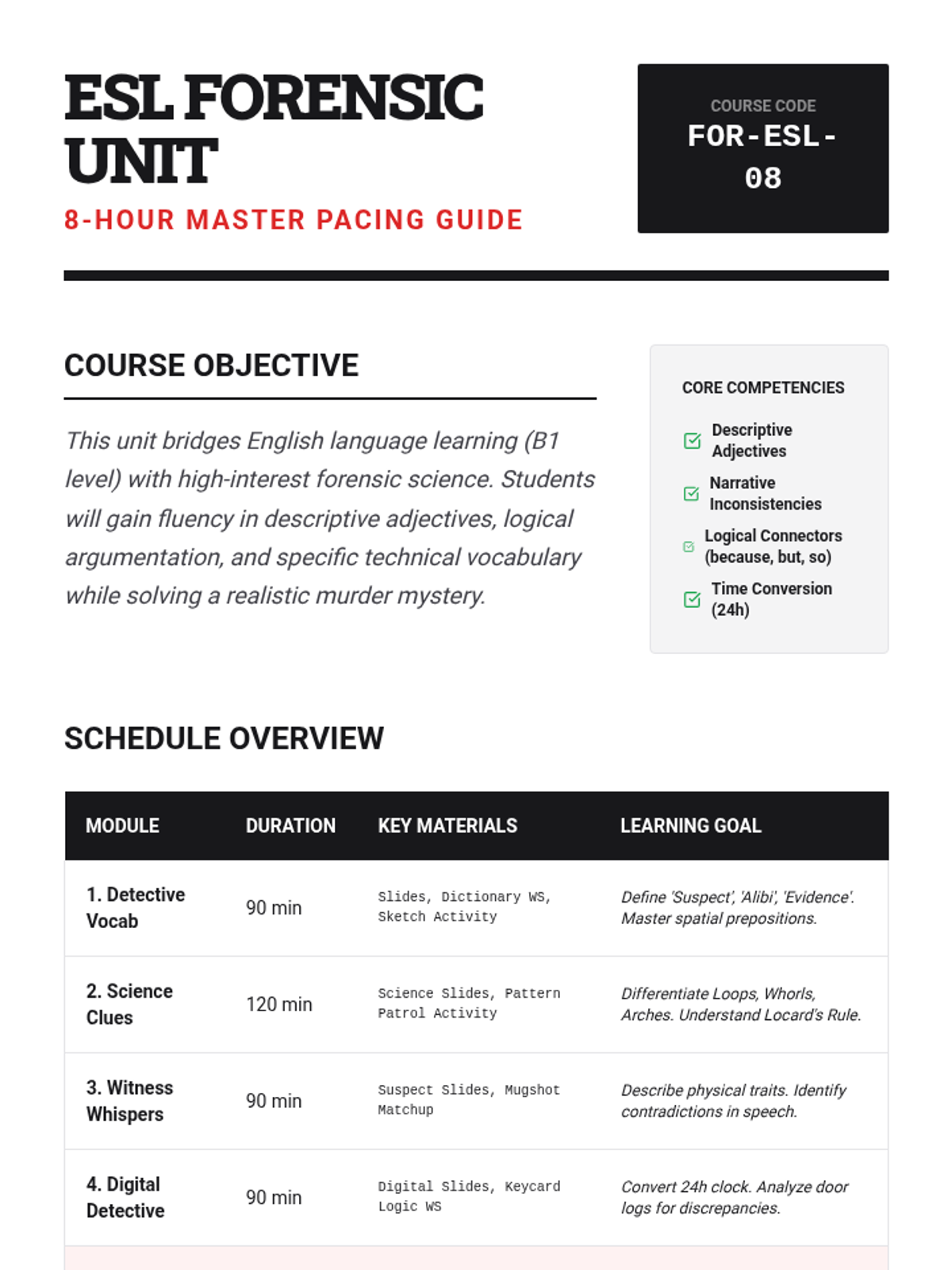
Focuses on reading security logs, understanding time formats (24h vs 12h), and using logic to follow a suspect's movement through keycard data.
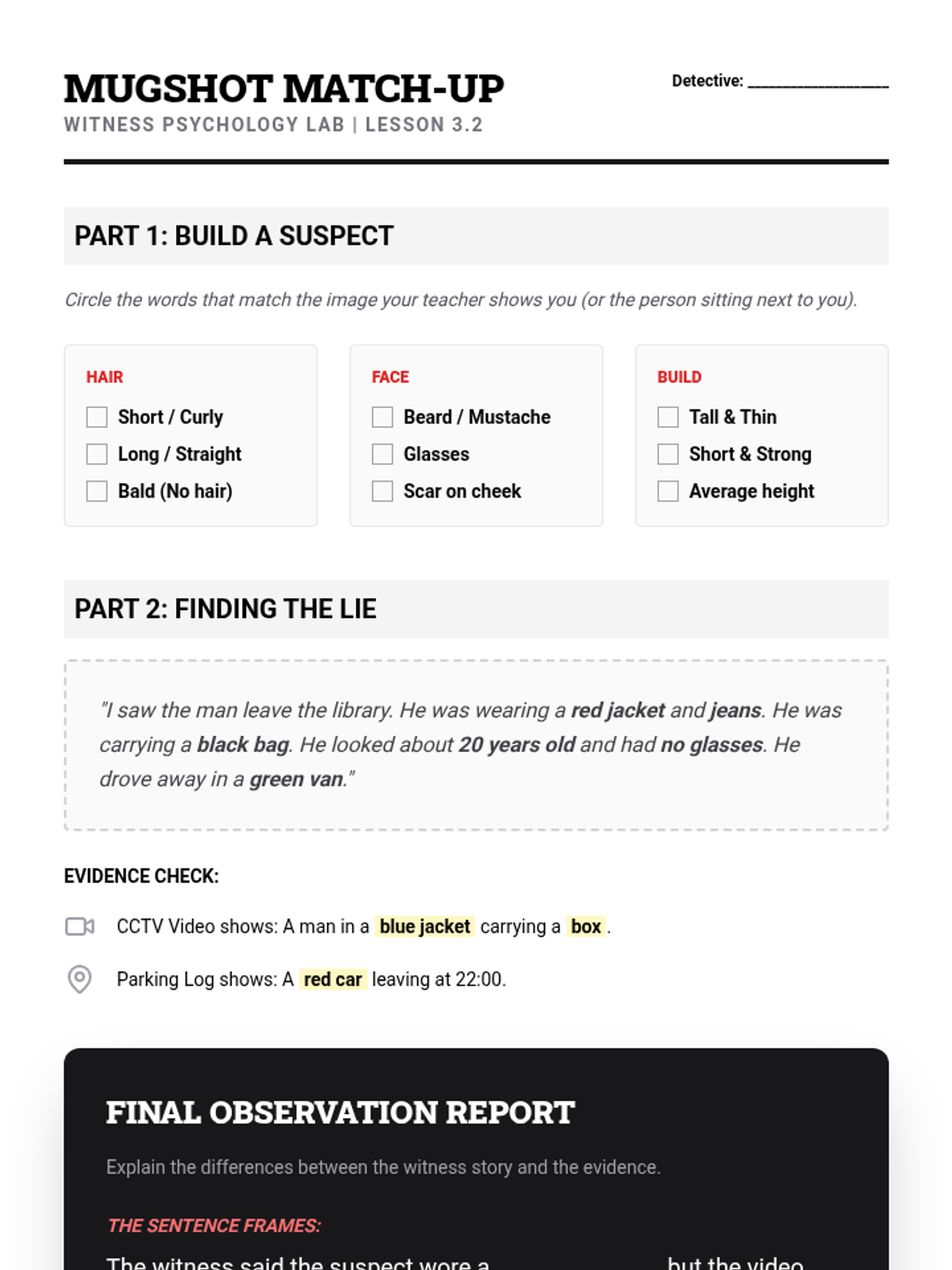
Focuses on descriptive language, memory reliability, and the 'mugshot' process. Students learn to describe suspects and identify inconsistencies in witness stories.
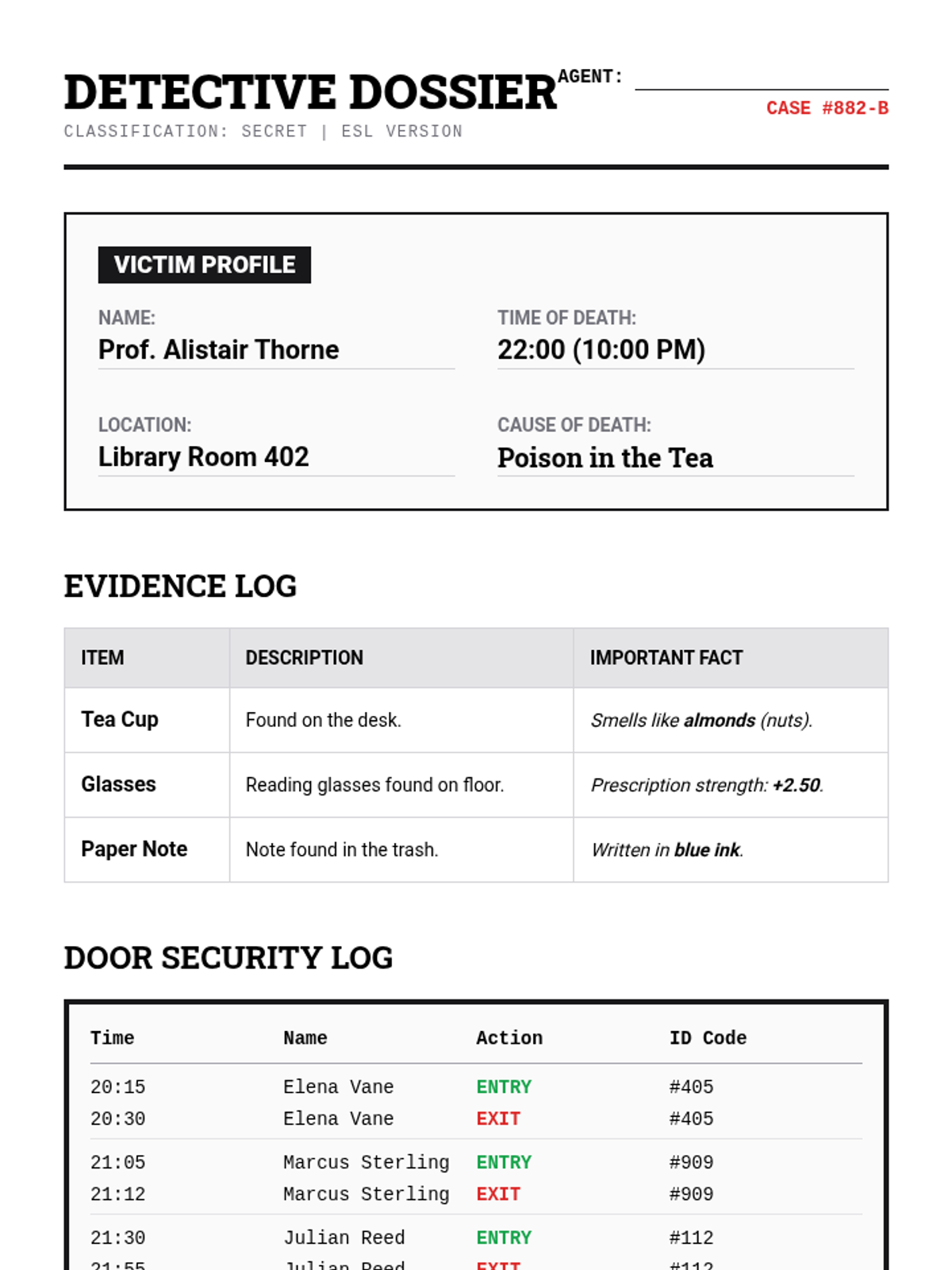
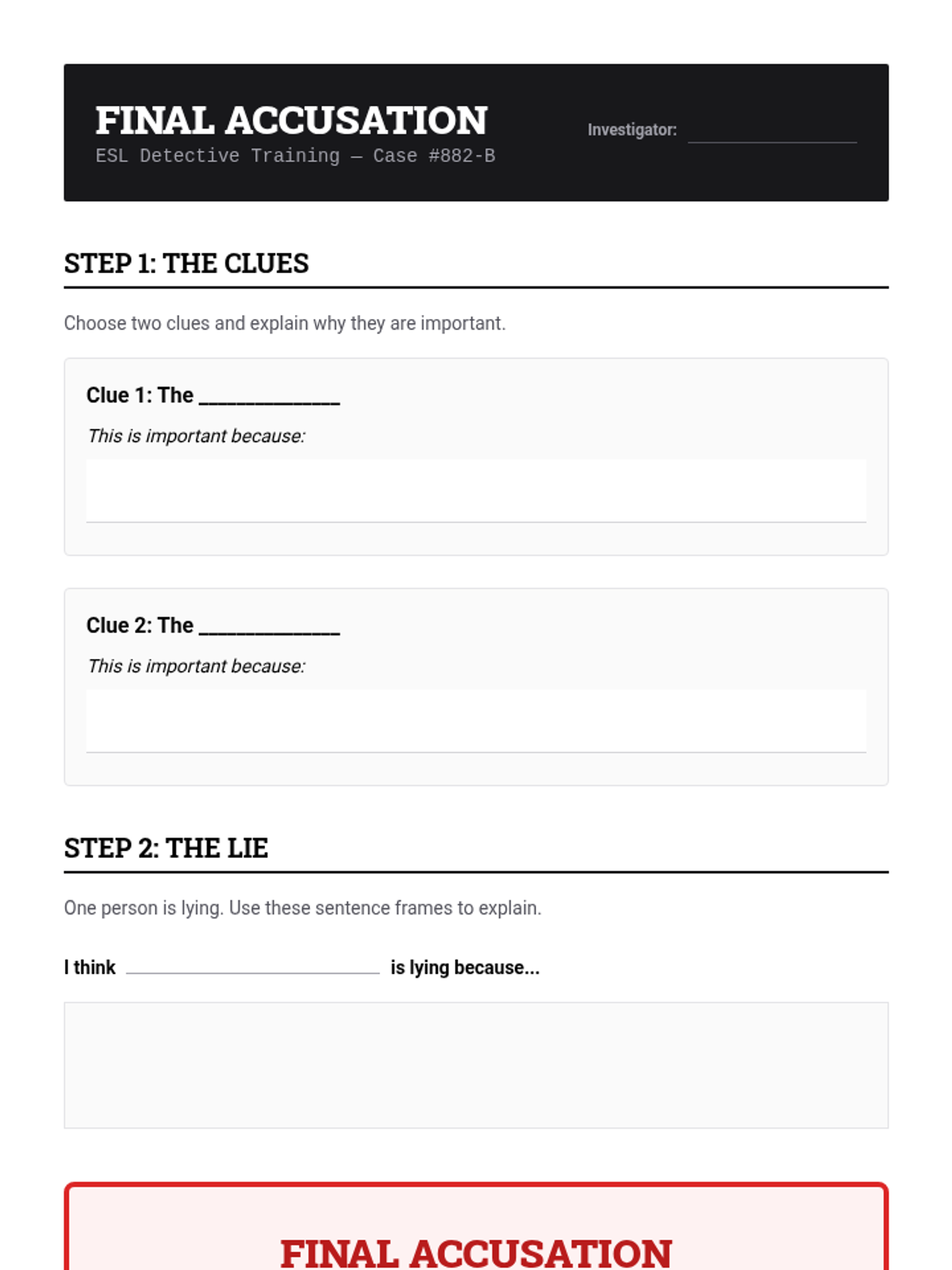
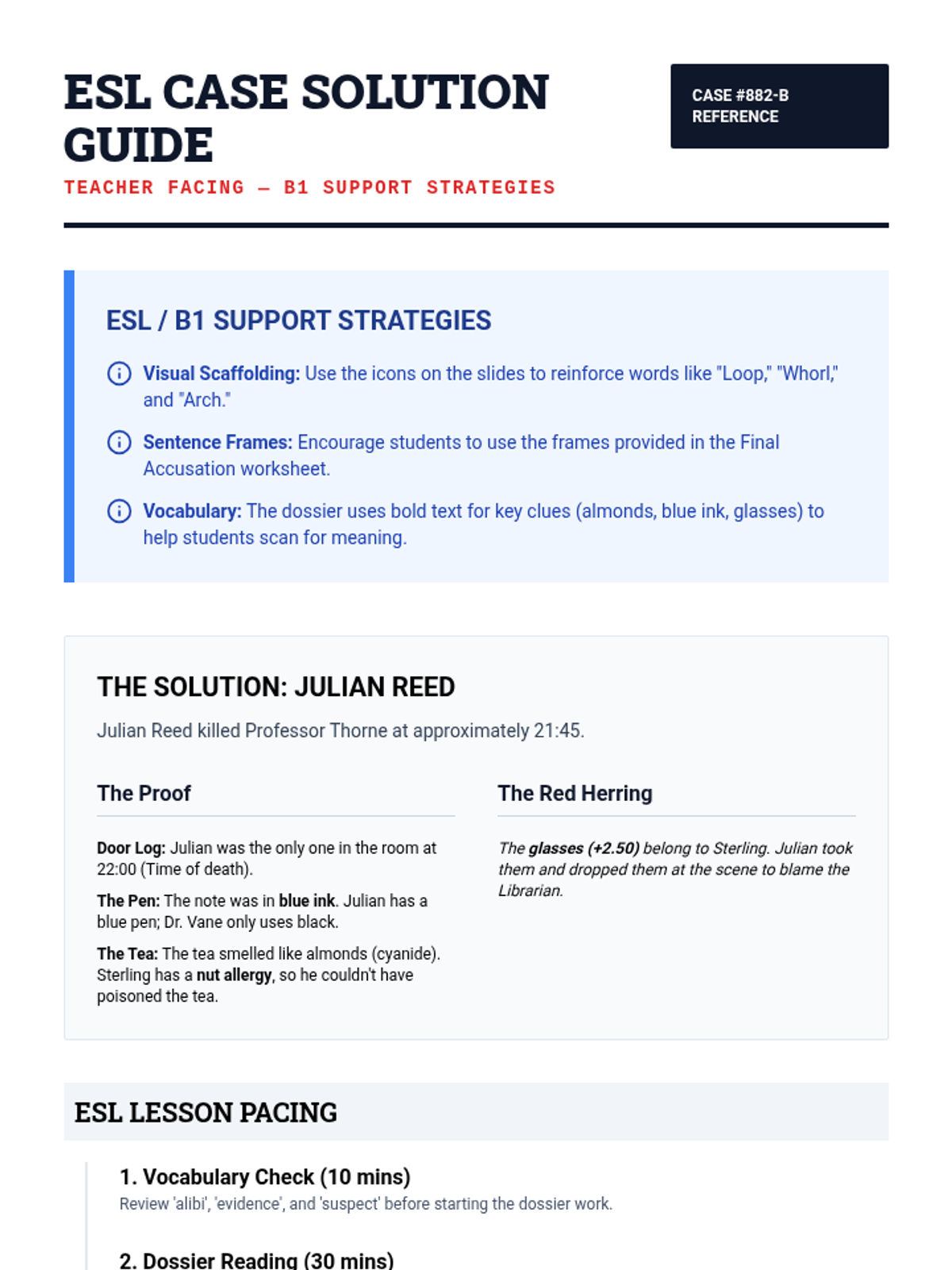
A simplified murder mystery investigation. Students use a detective dossier with B1-level text to solve the crime of Professor Thorne. Includes sentence frames for final accusations.
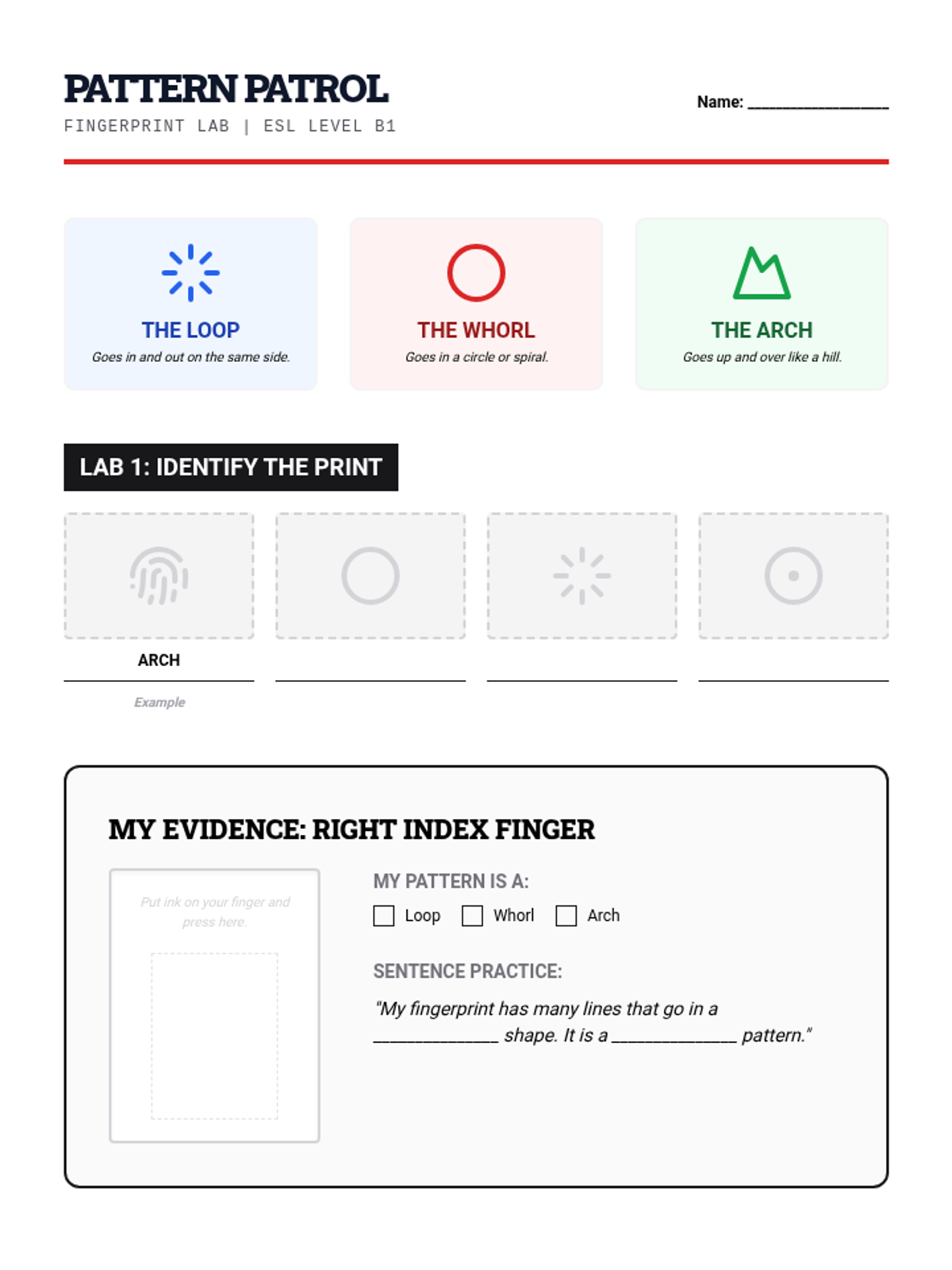
Students explore how fingerprints and DNA help identify people. The lesson uses clear, visual steps to explain identification techniques and Locard's Exchange Principle.