Students compare simple and fractional distillation, focusing on the role of surface area in the fractionating column. They analyze temperature-composition graphs to determine the theoretical number of plates needed for high purity.
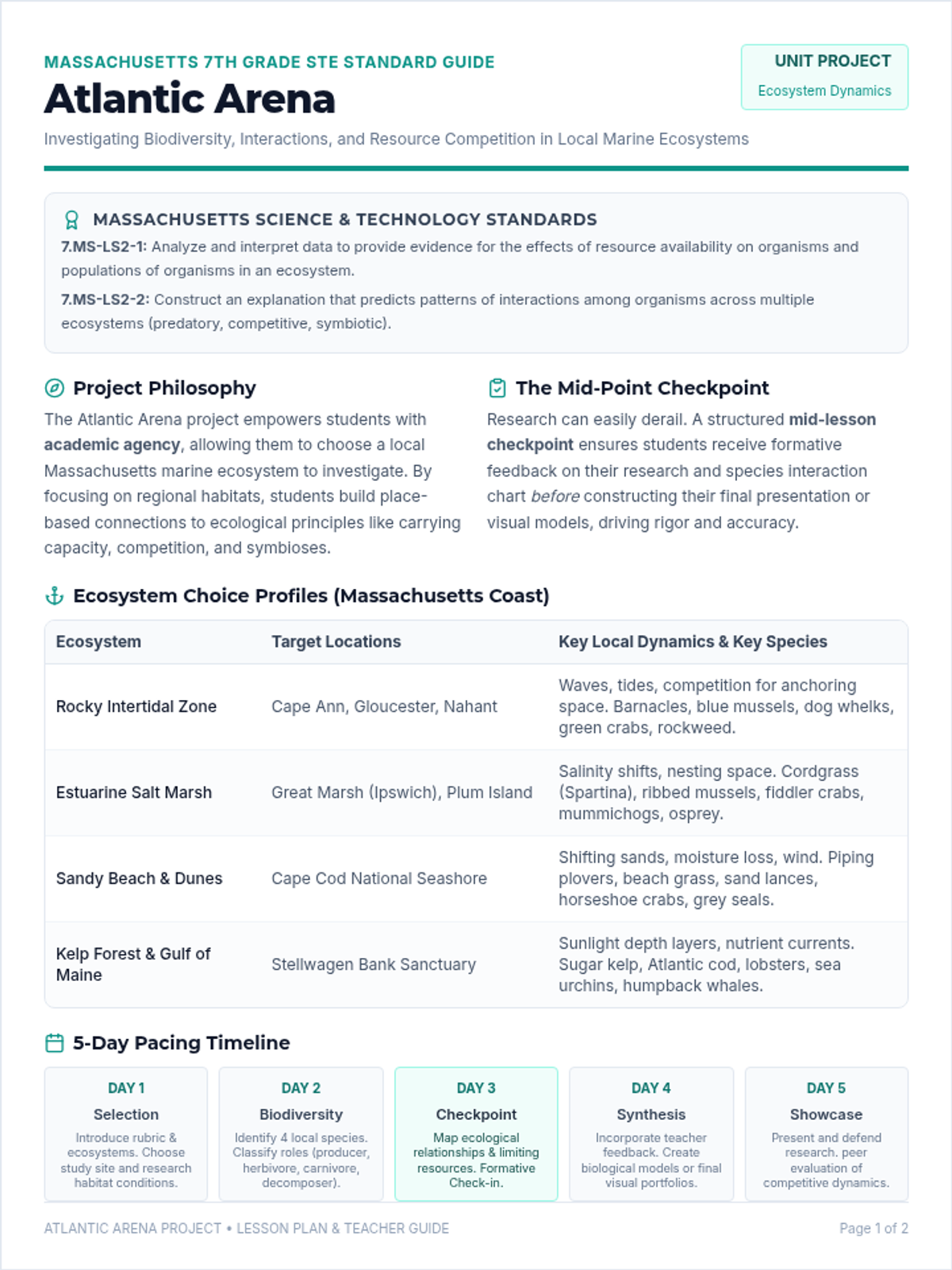
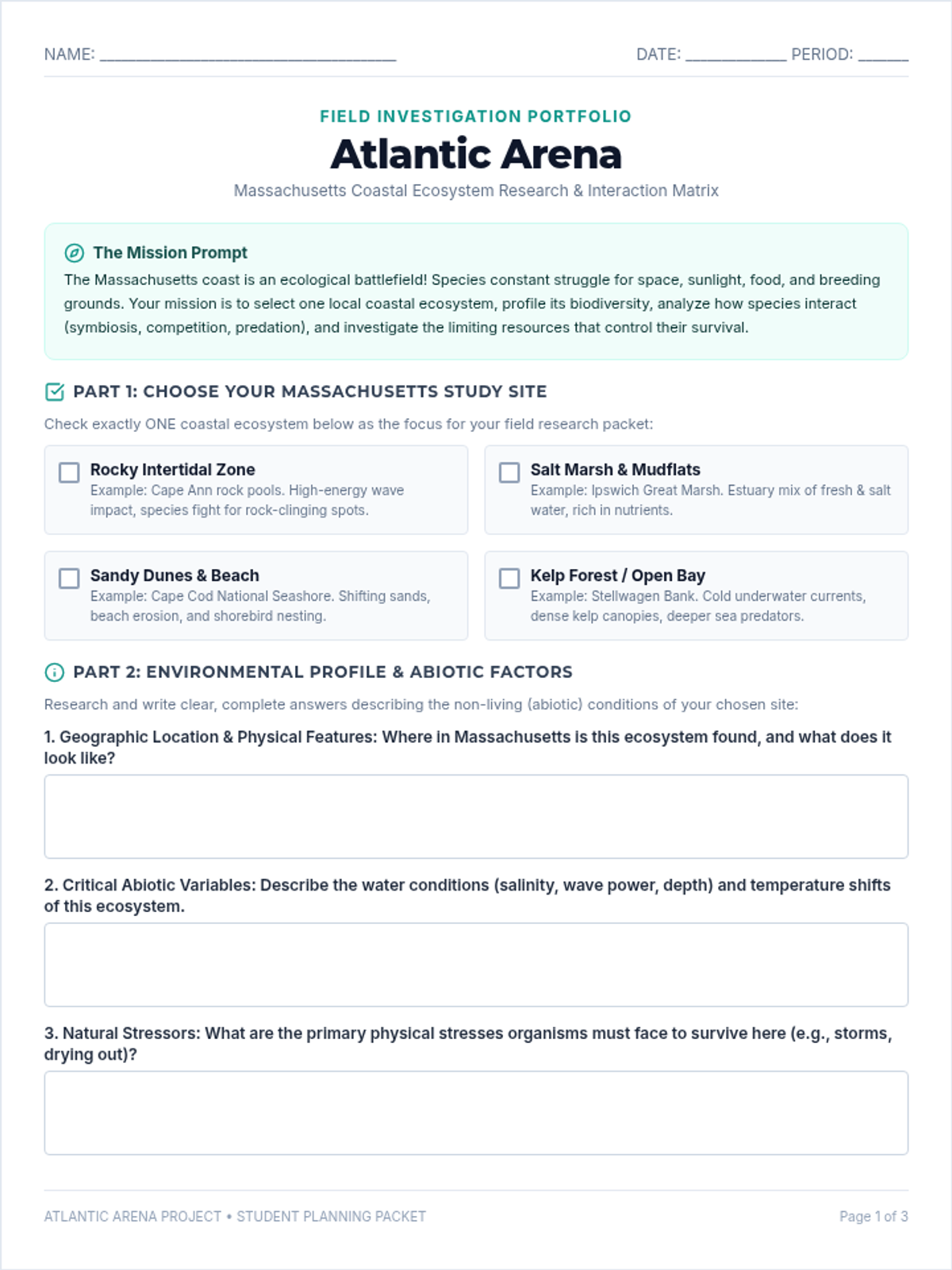
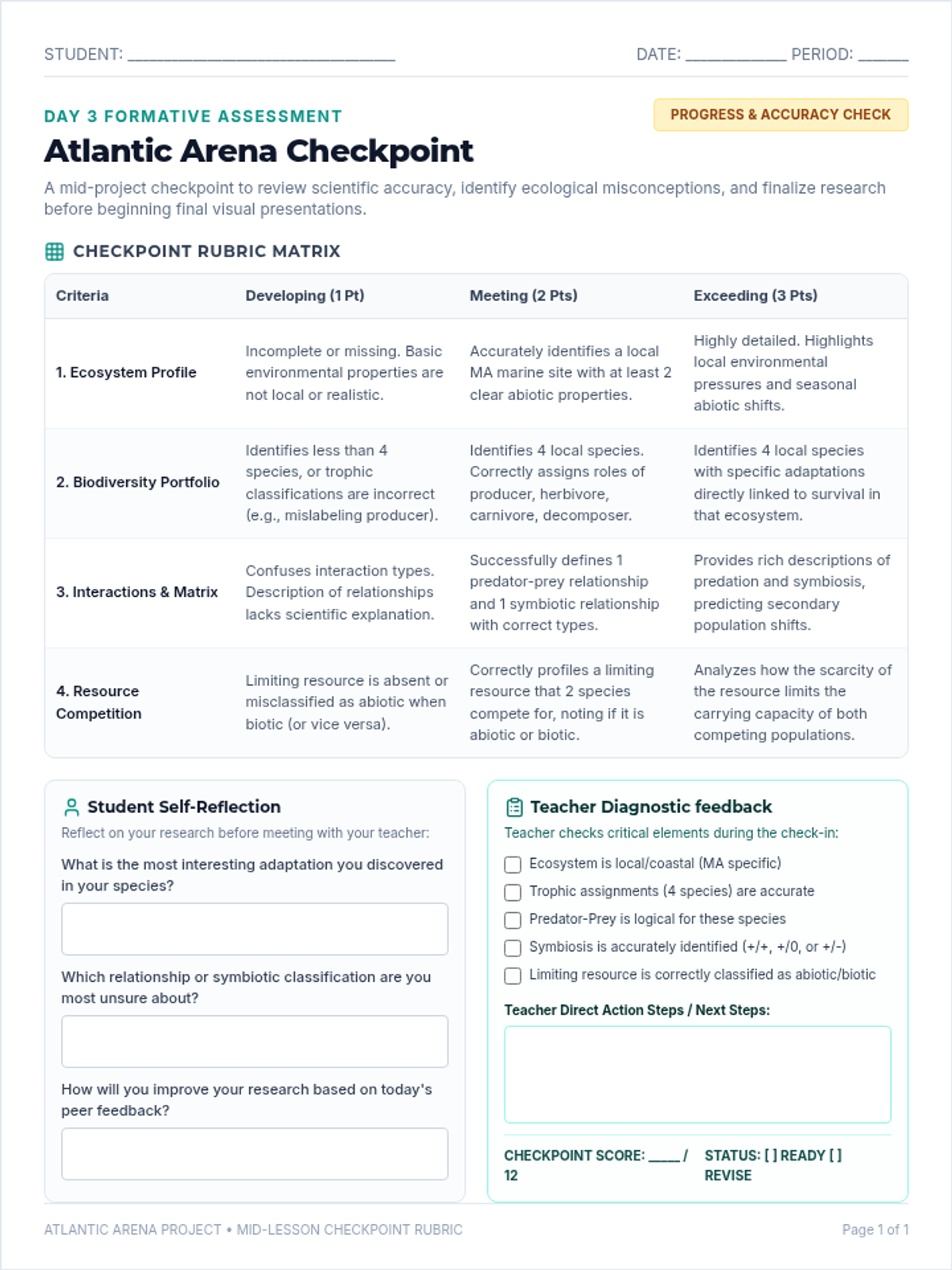
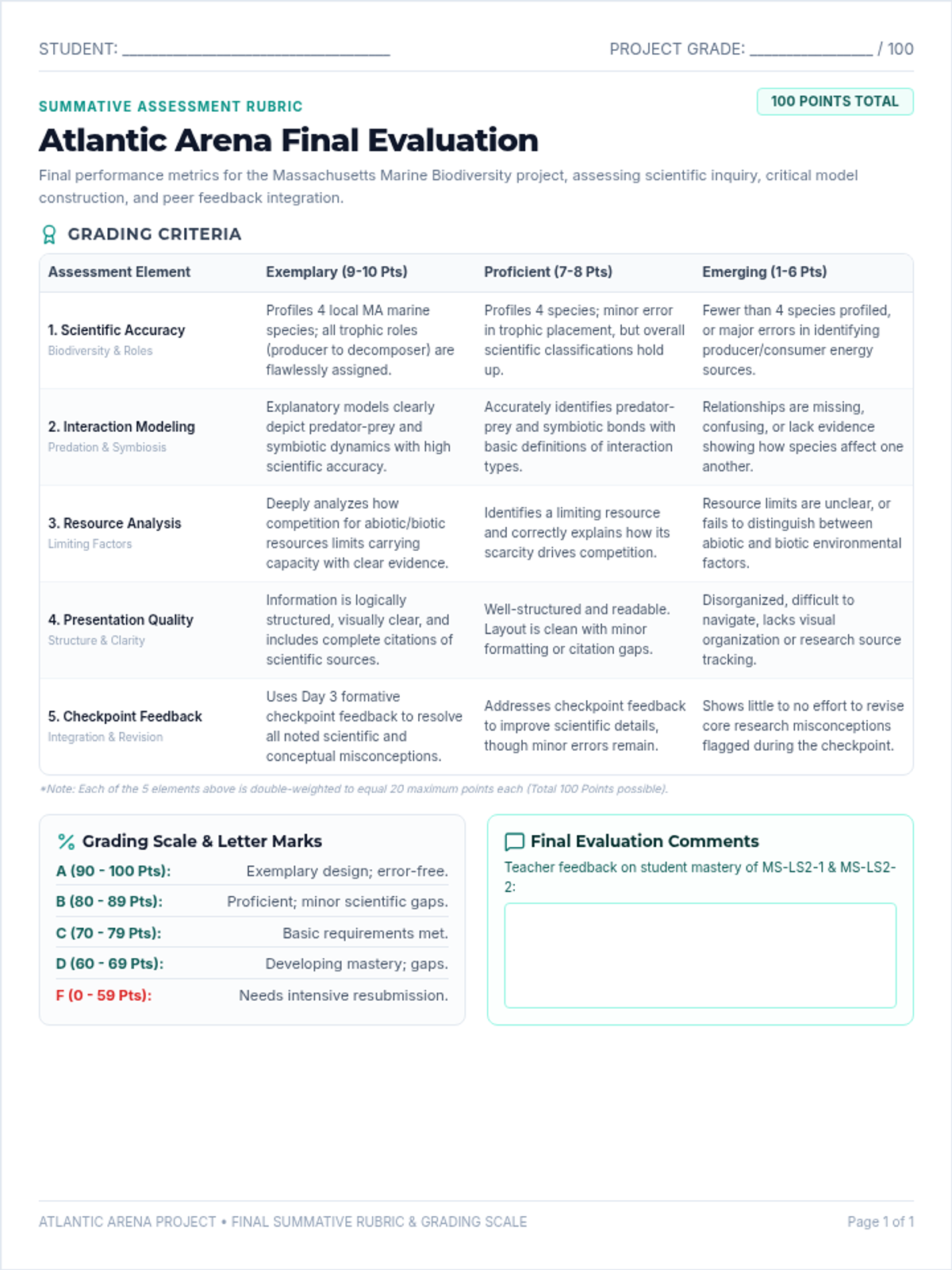
An investigative project-based lesson for 7th-grade students exploring Massachusetts marine ecosystems. Students choose a local coastal ecosystem, research resident species, analyze competitive and symbiotic interactions, and demonstrate understanding of resource availability.
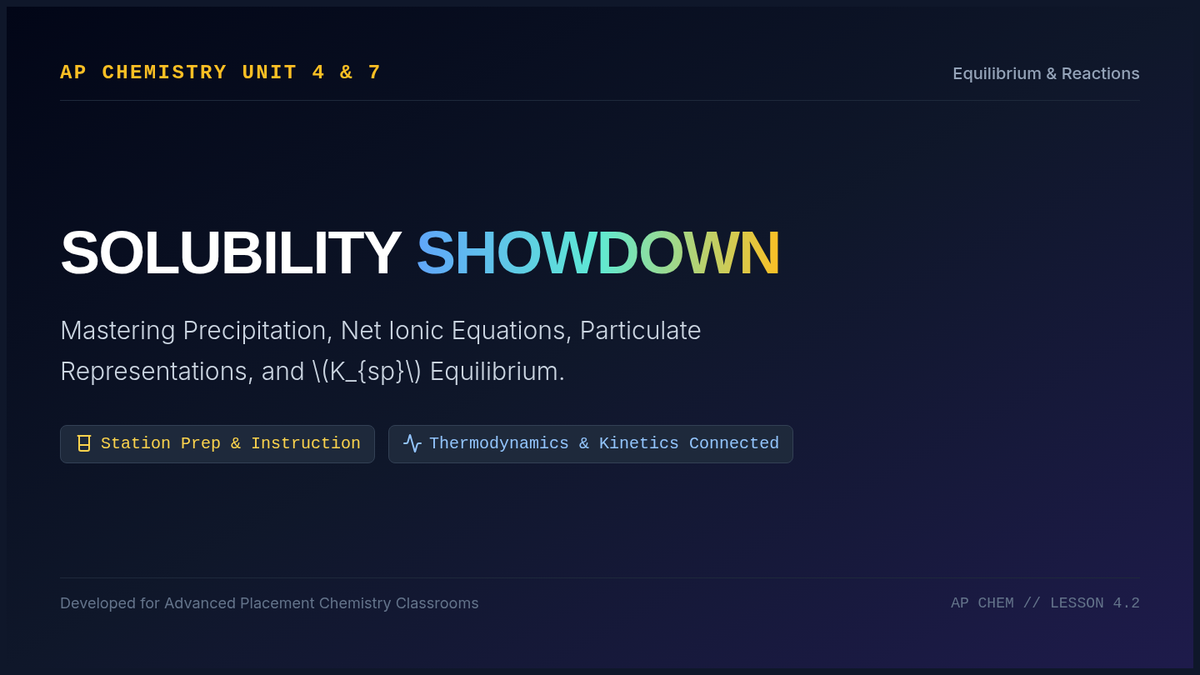
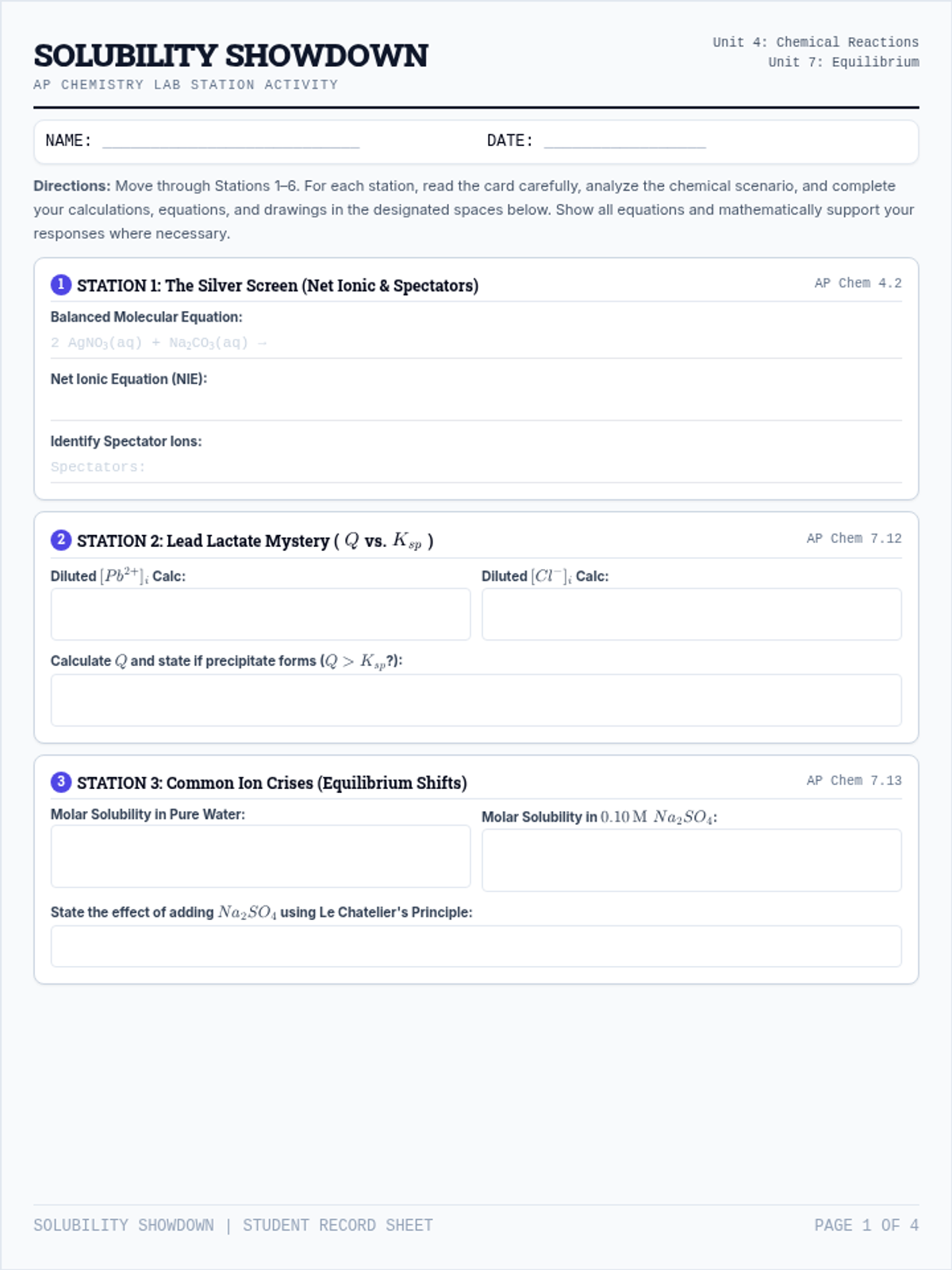
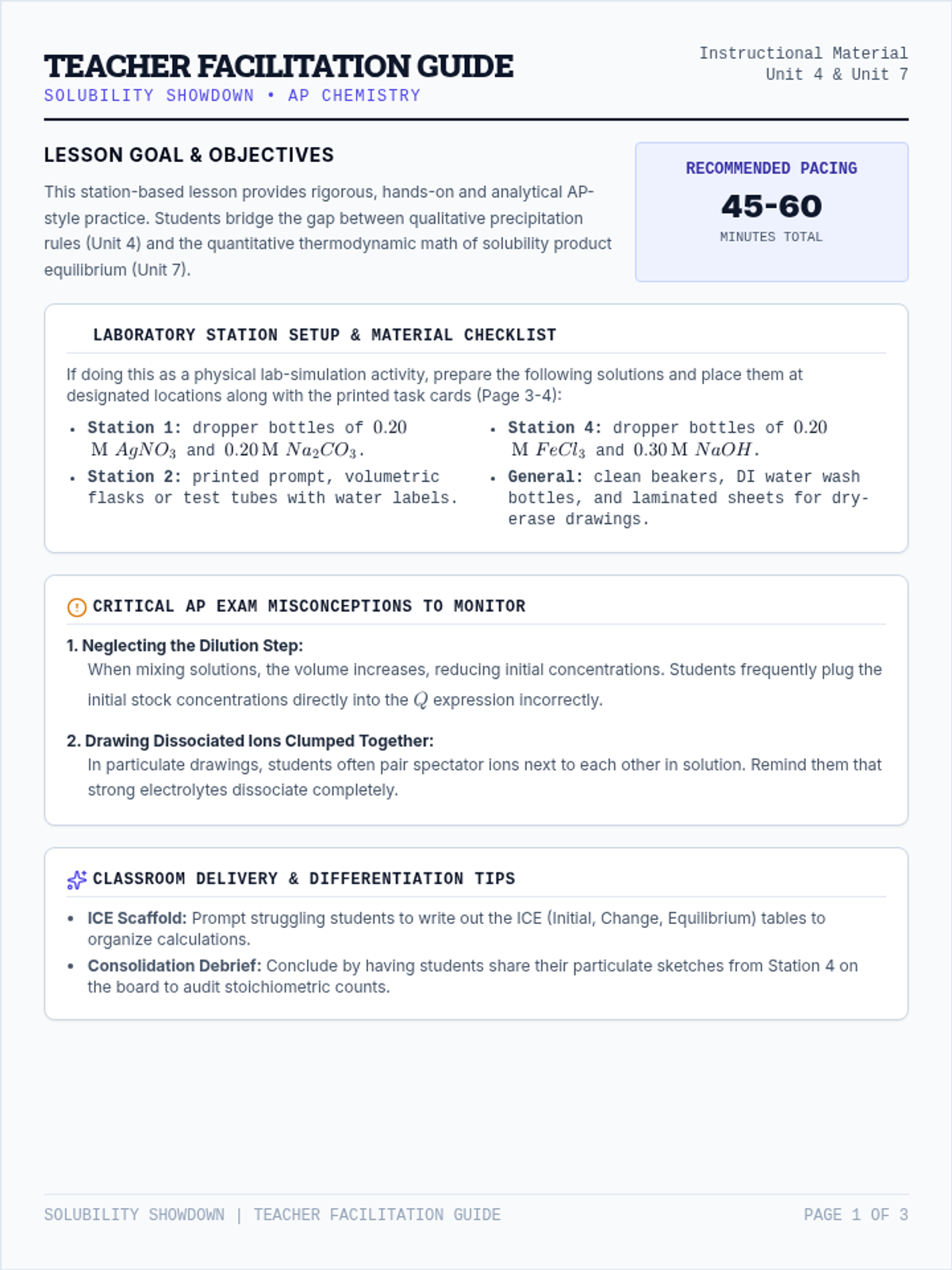
An AP Chemistry lesson exploring solubility rules, net ionic equations, particulate representations, and the mathematical link to Ksp and equilibrium shifts. Students engage with interactive station-based task cards simulating real laboratory precipitates.
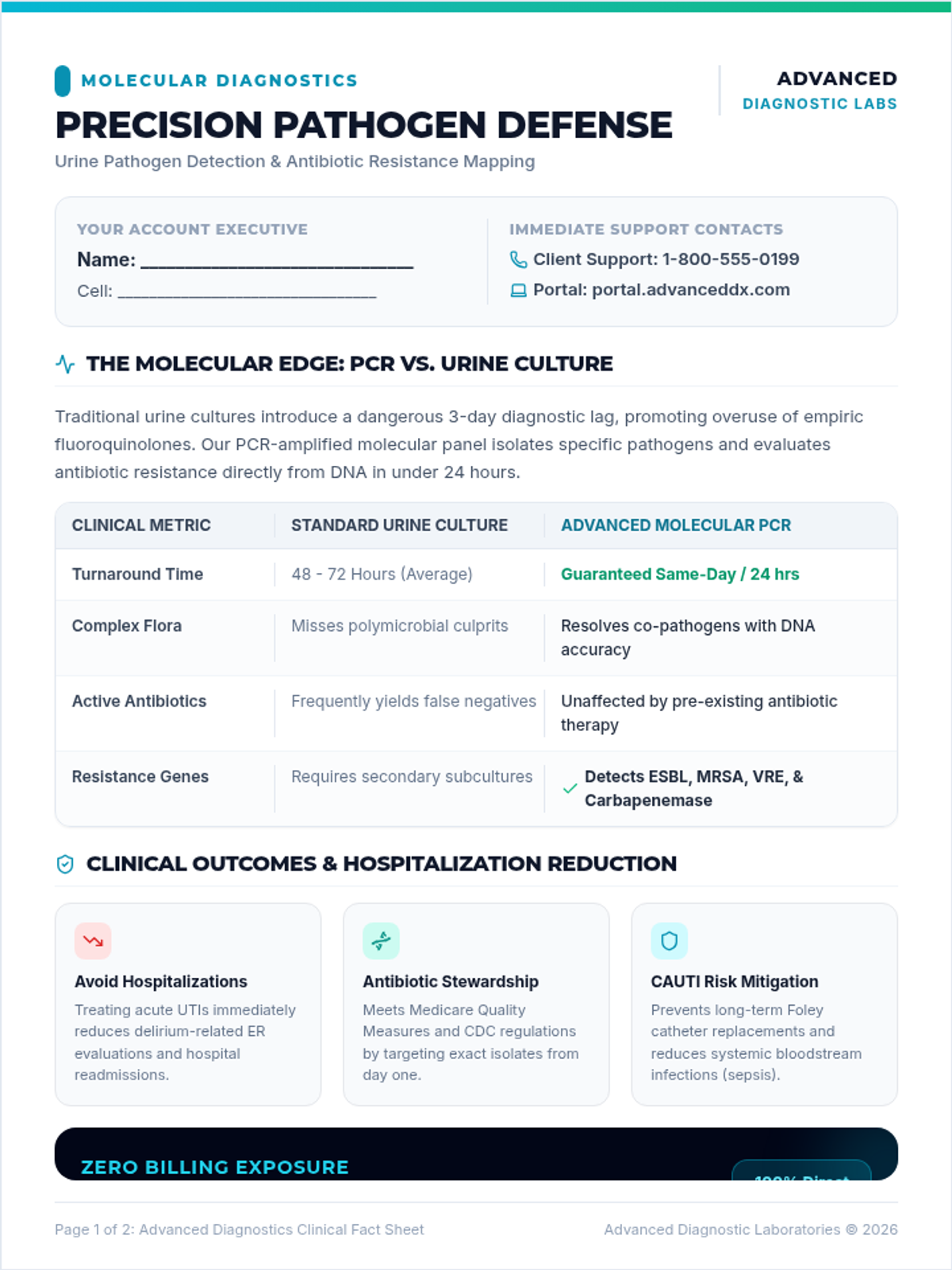
A comprehensive sales and educational package designed to pitch advanced molecular UTI testing services to long-term care and nursing home administrators, highlighting clinical and operational benefits.
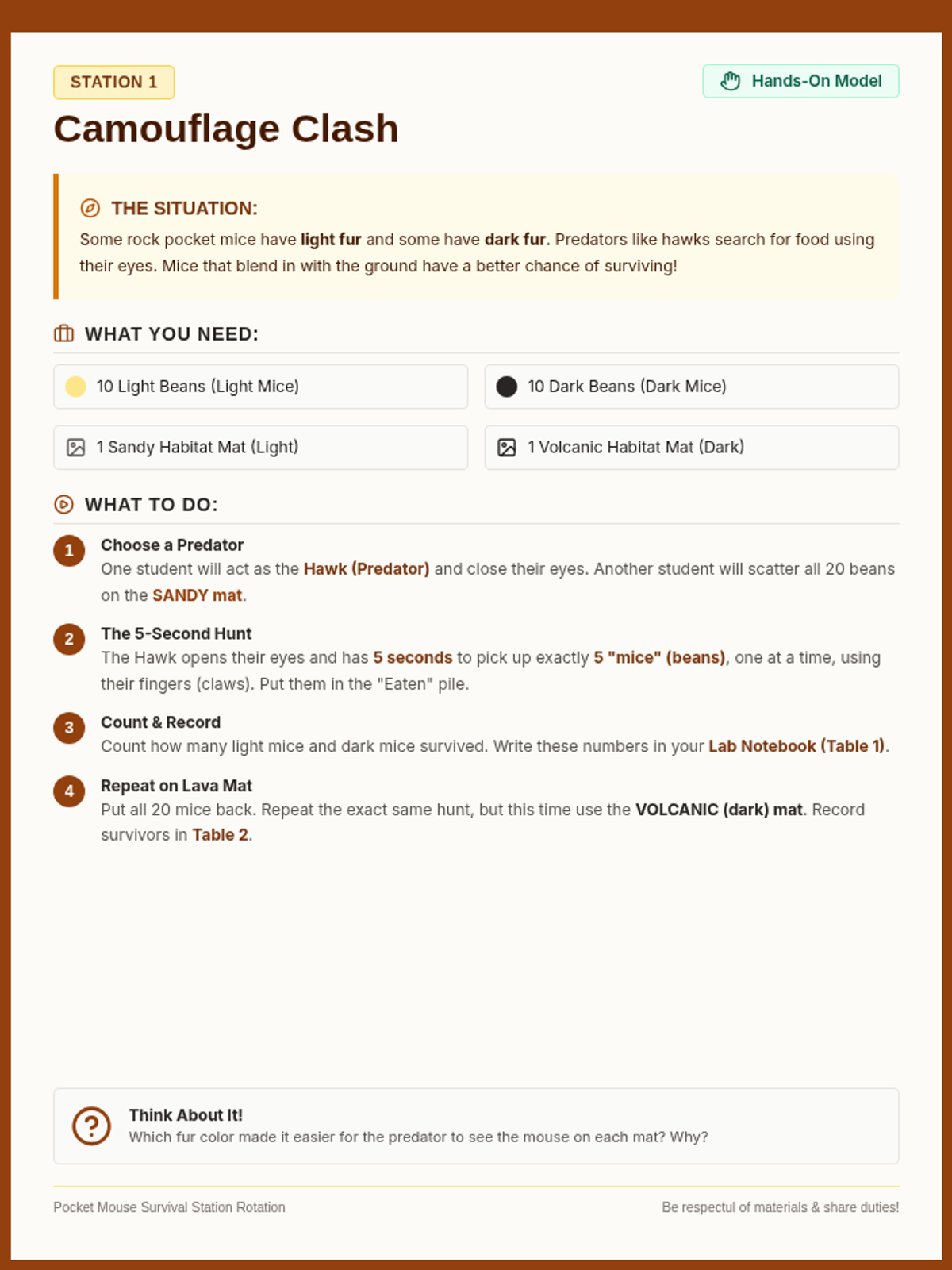
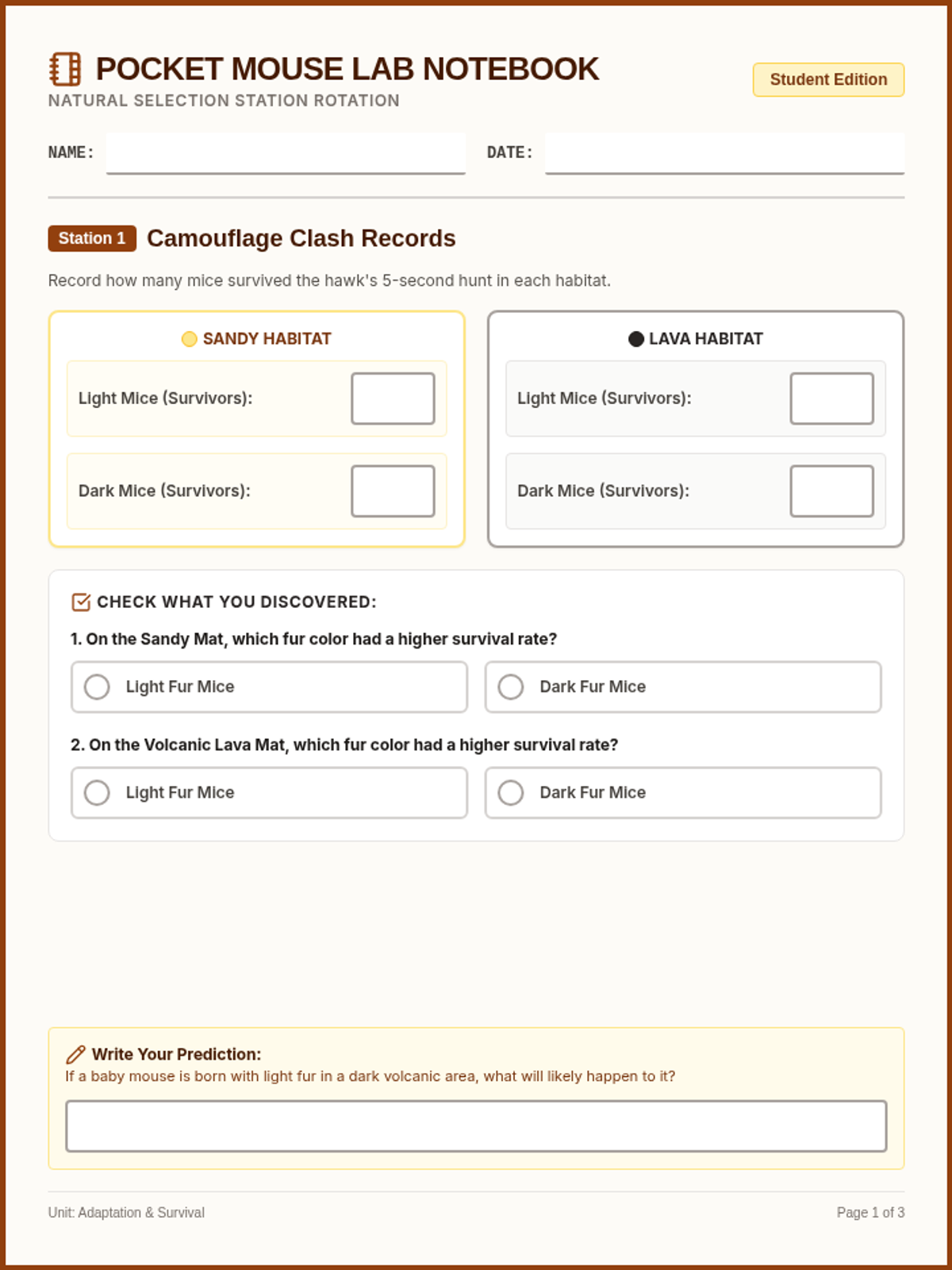
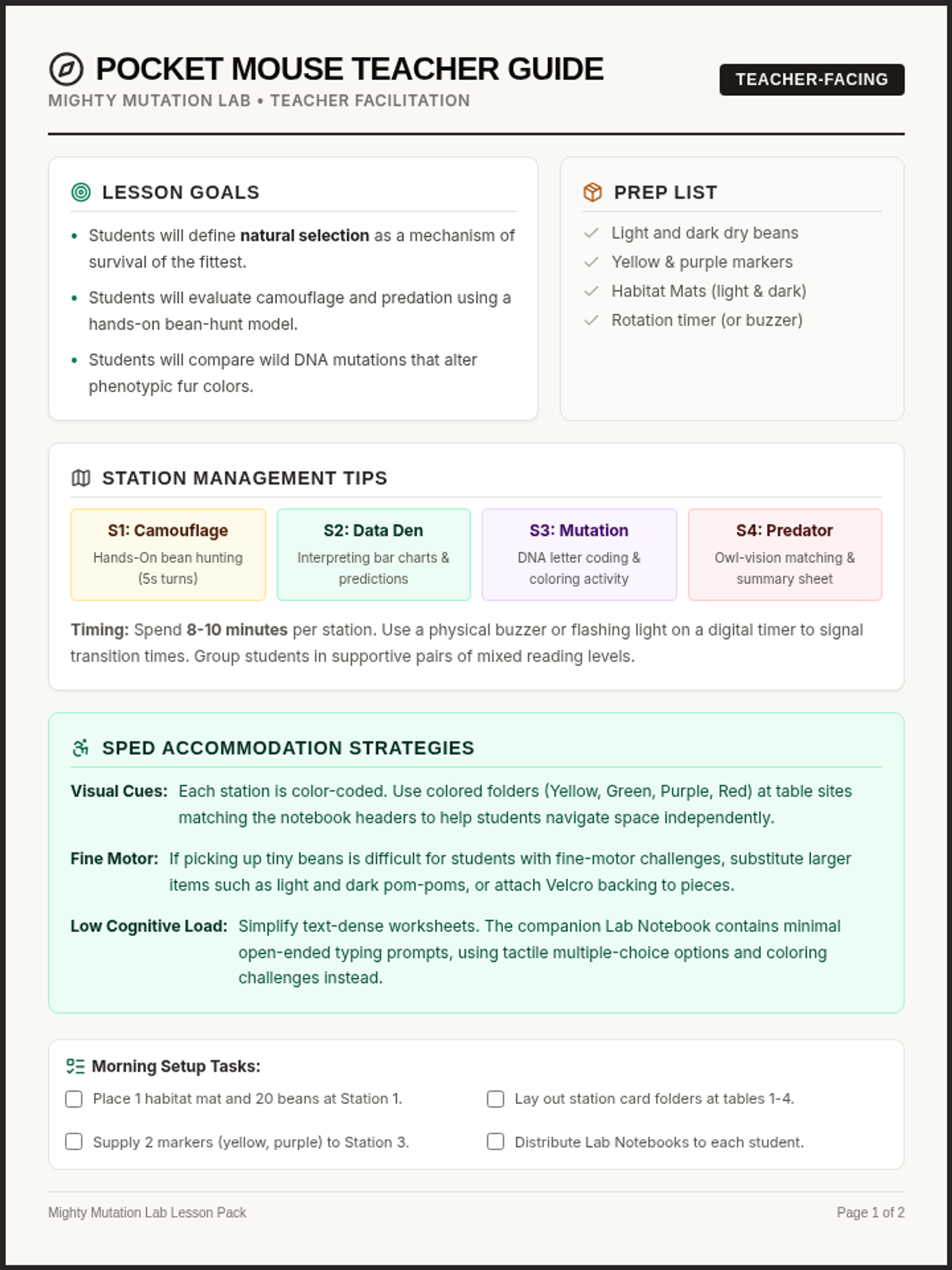
A Station Rotation Lab lesson focusing on natural selection and survival of the fittest using the real-world Rock Pocket Mouse scenario, designed to be high school special education friendly.
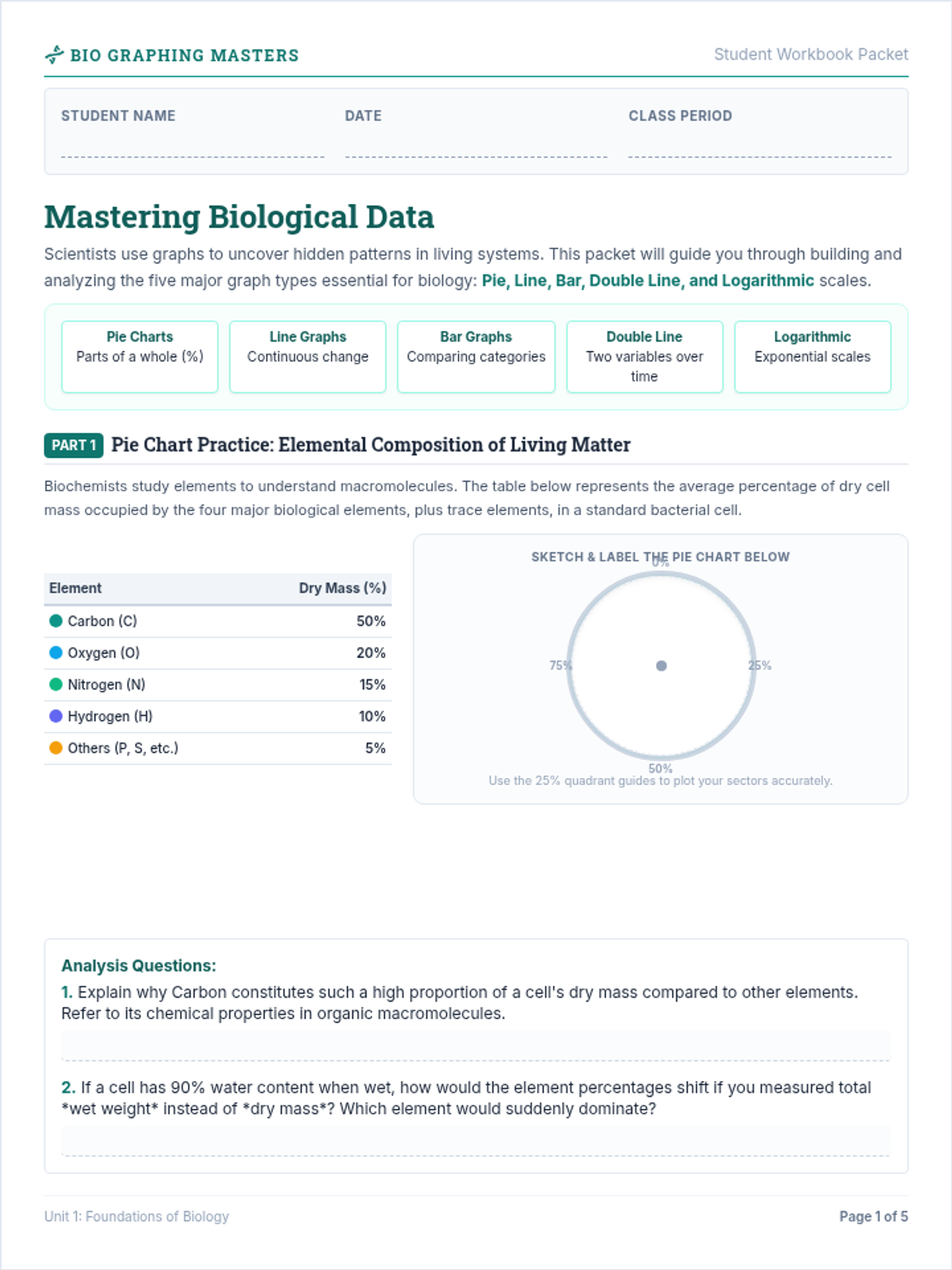
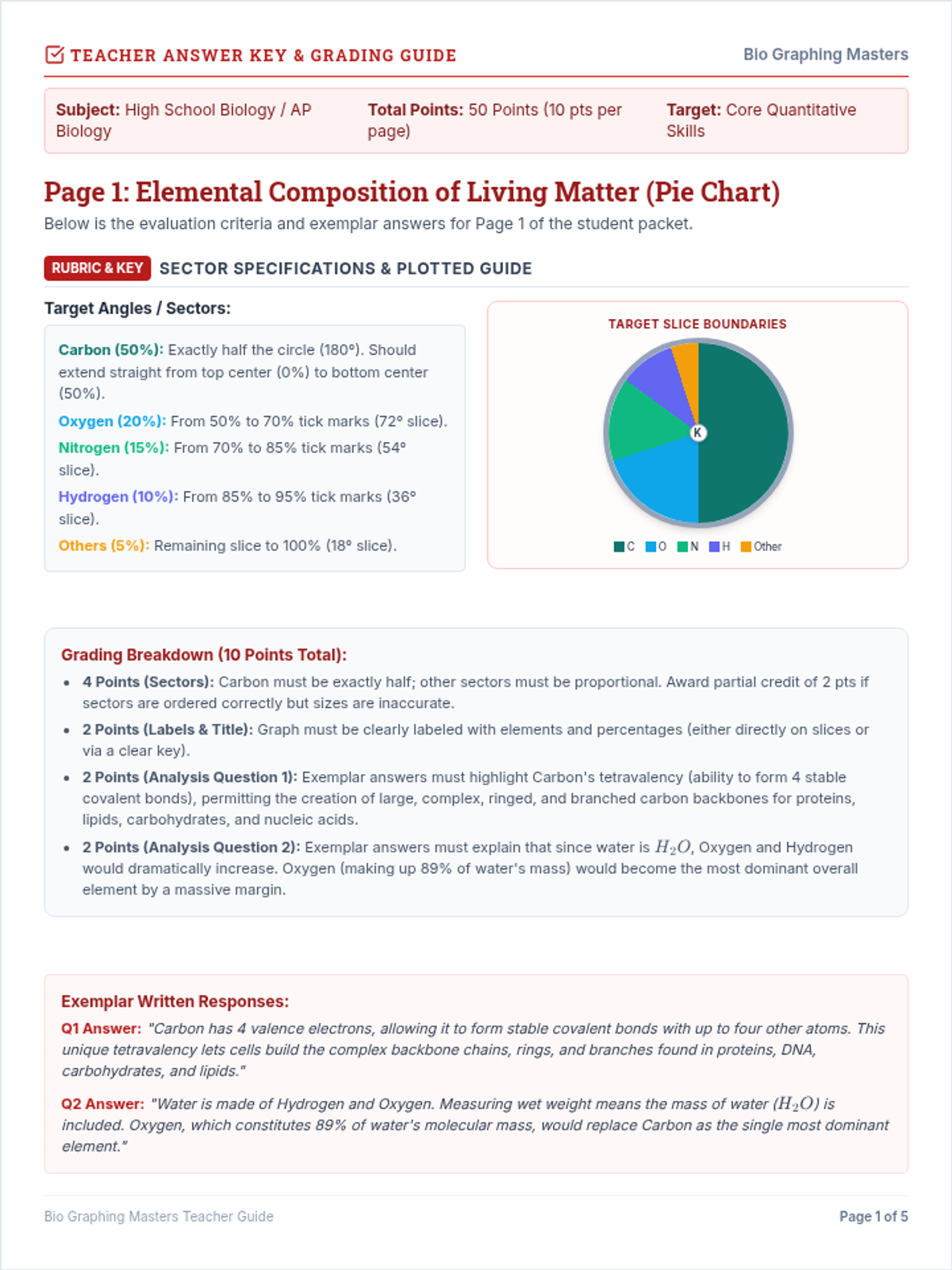
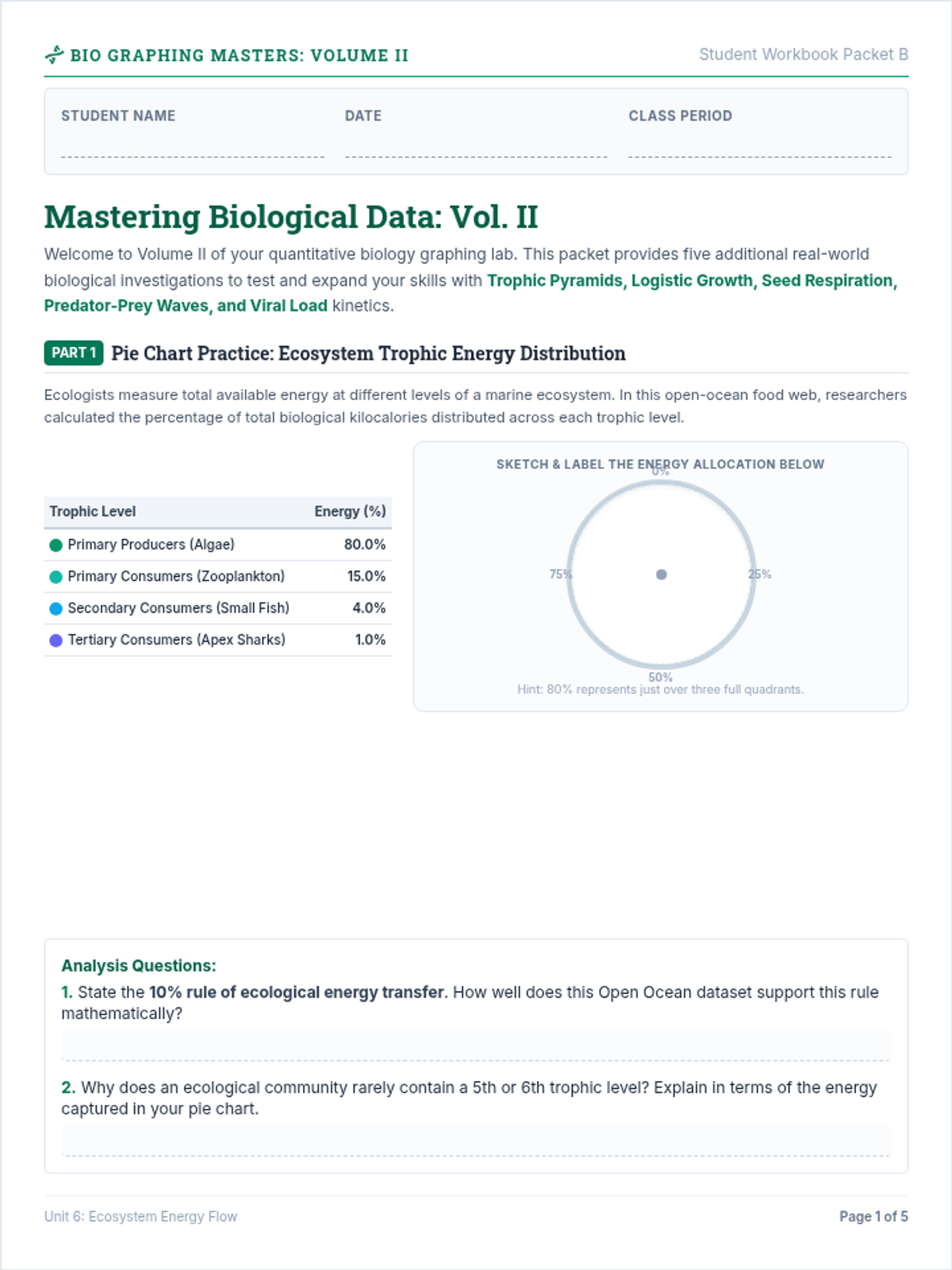
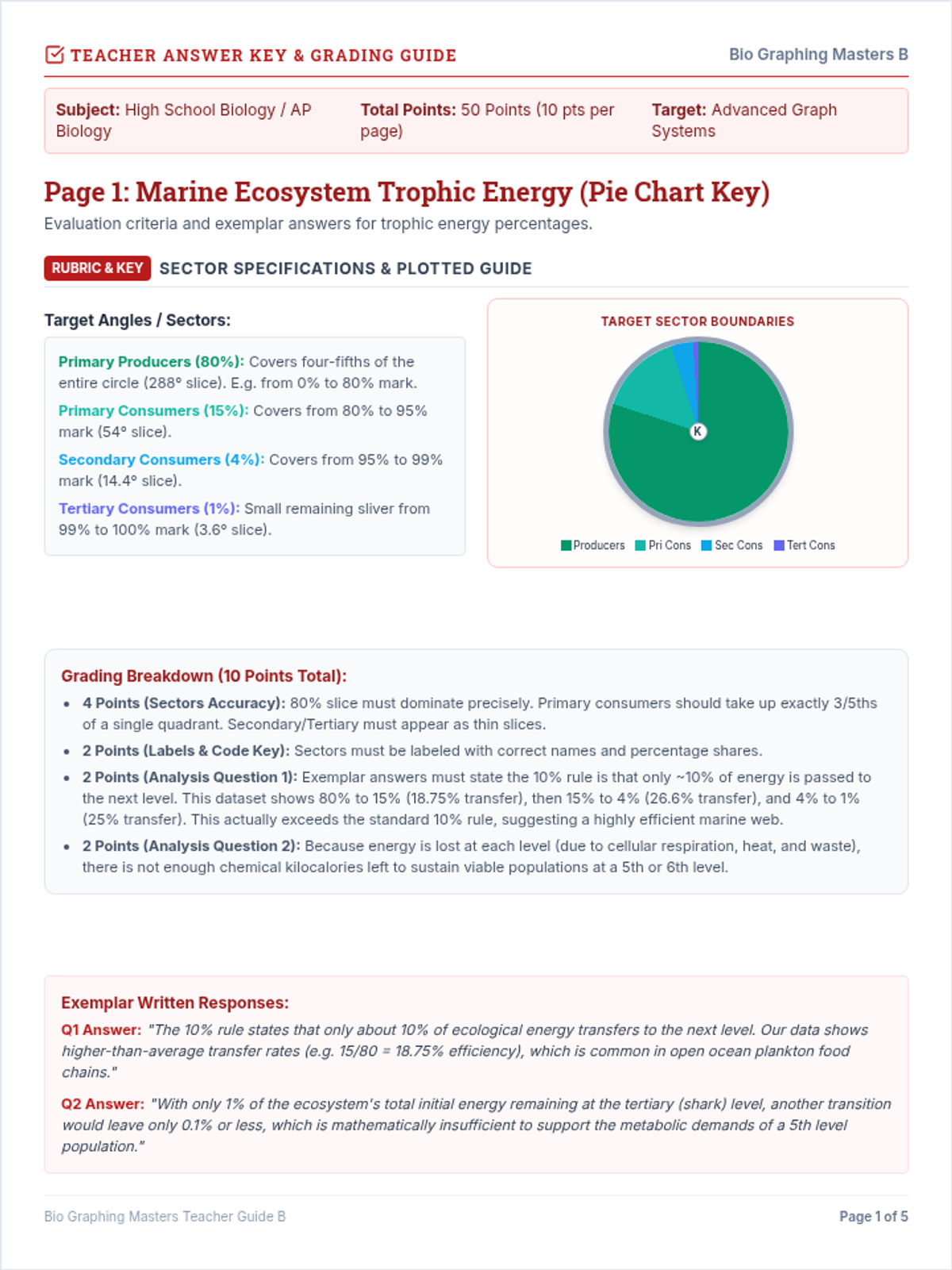
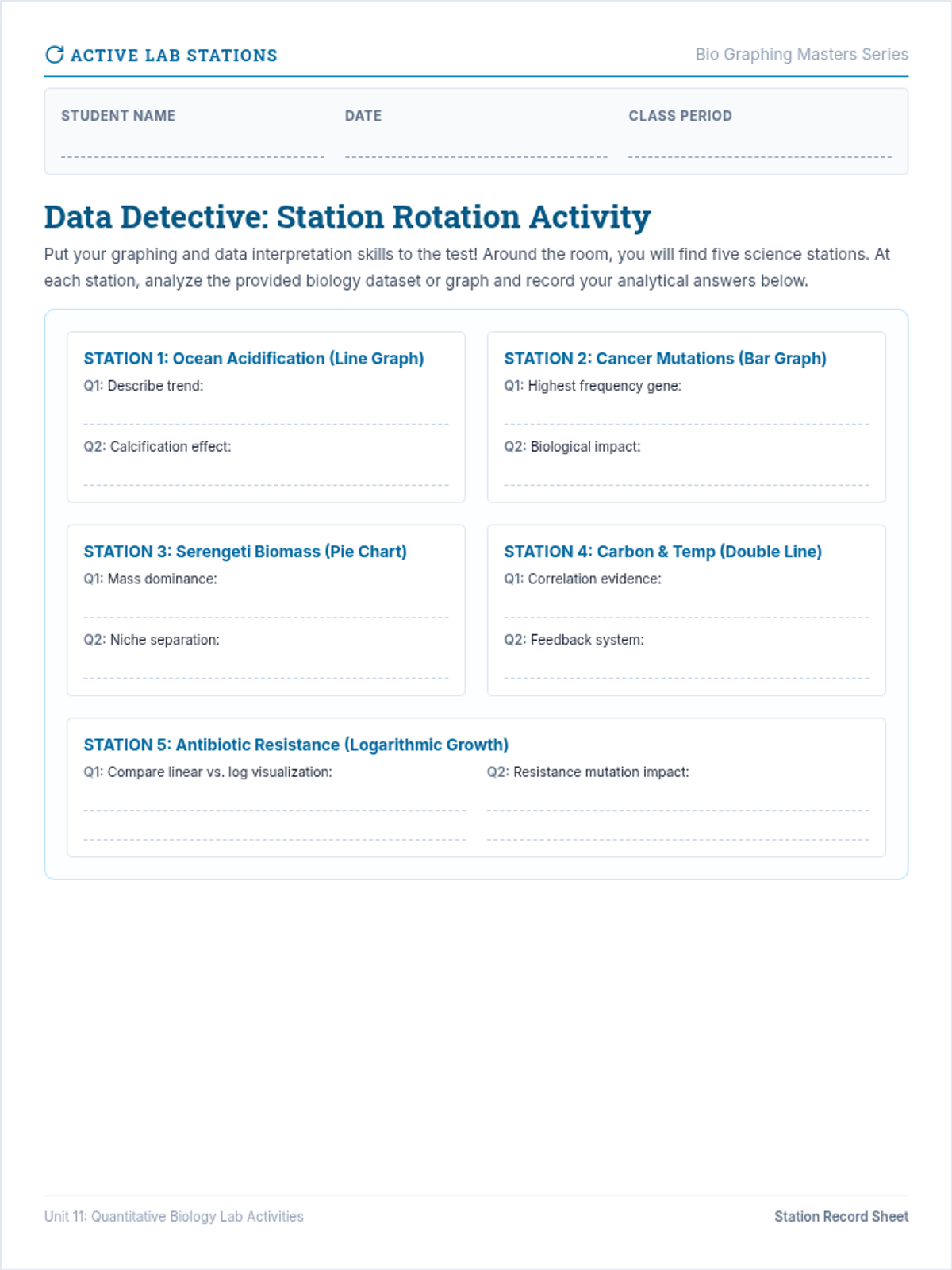
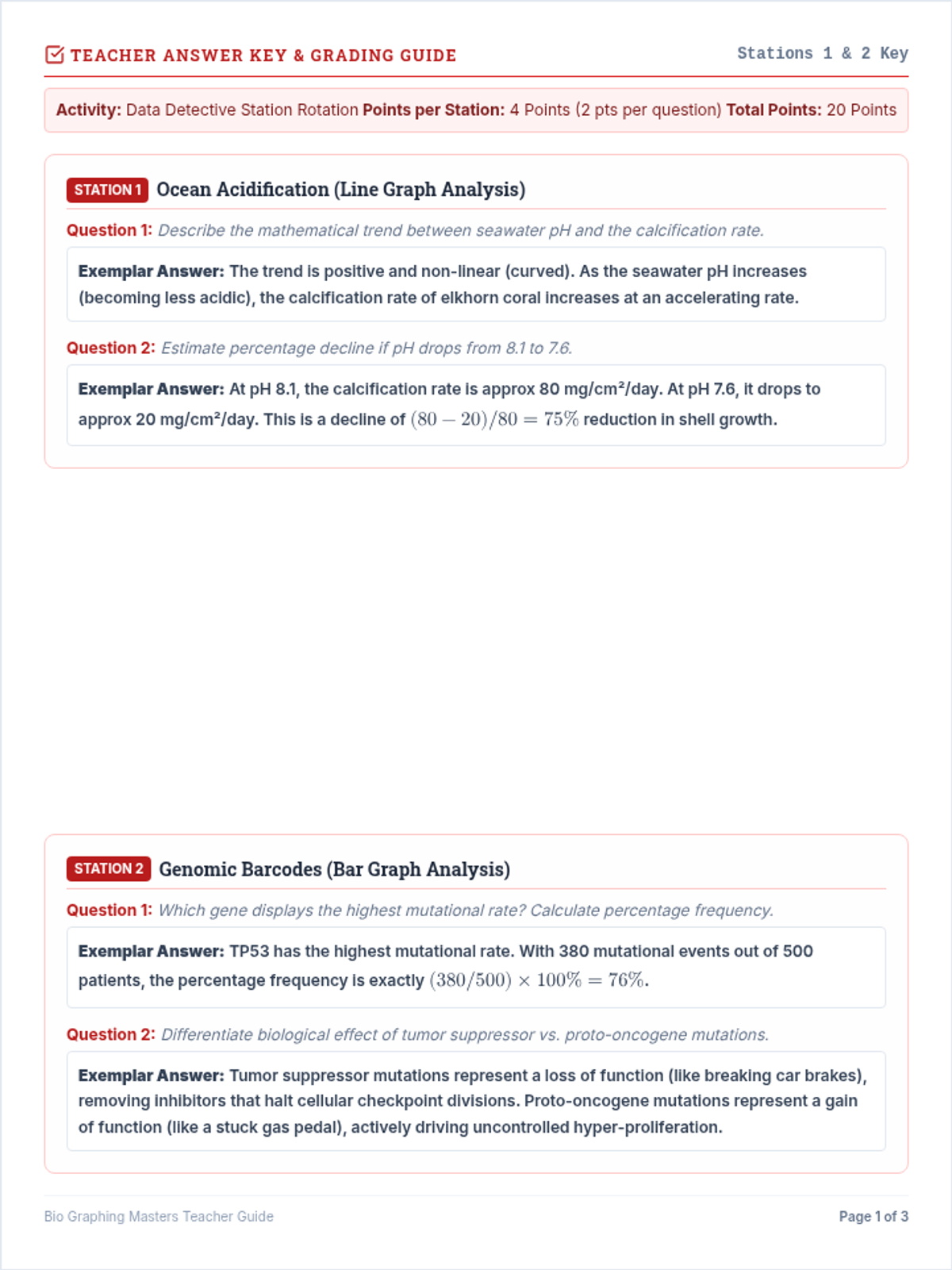
A comprehensive graphing skills lesson in biology. Students will learn how to parse, select, and construct five key graph types (pie, line, bar, double line, and logarithmic graphs) using authentic biological datasets.
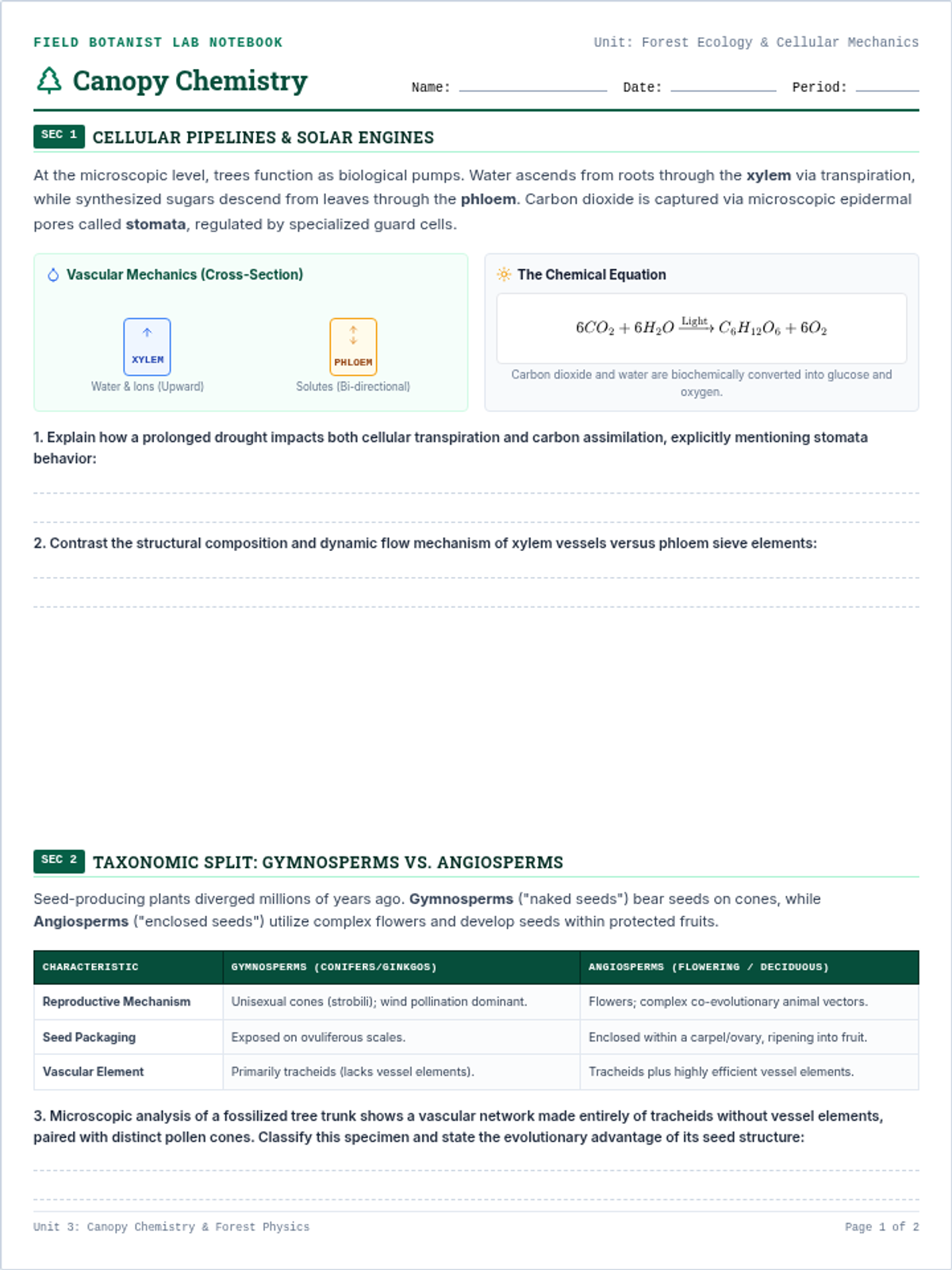
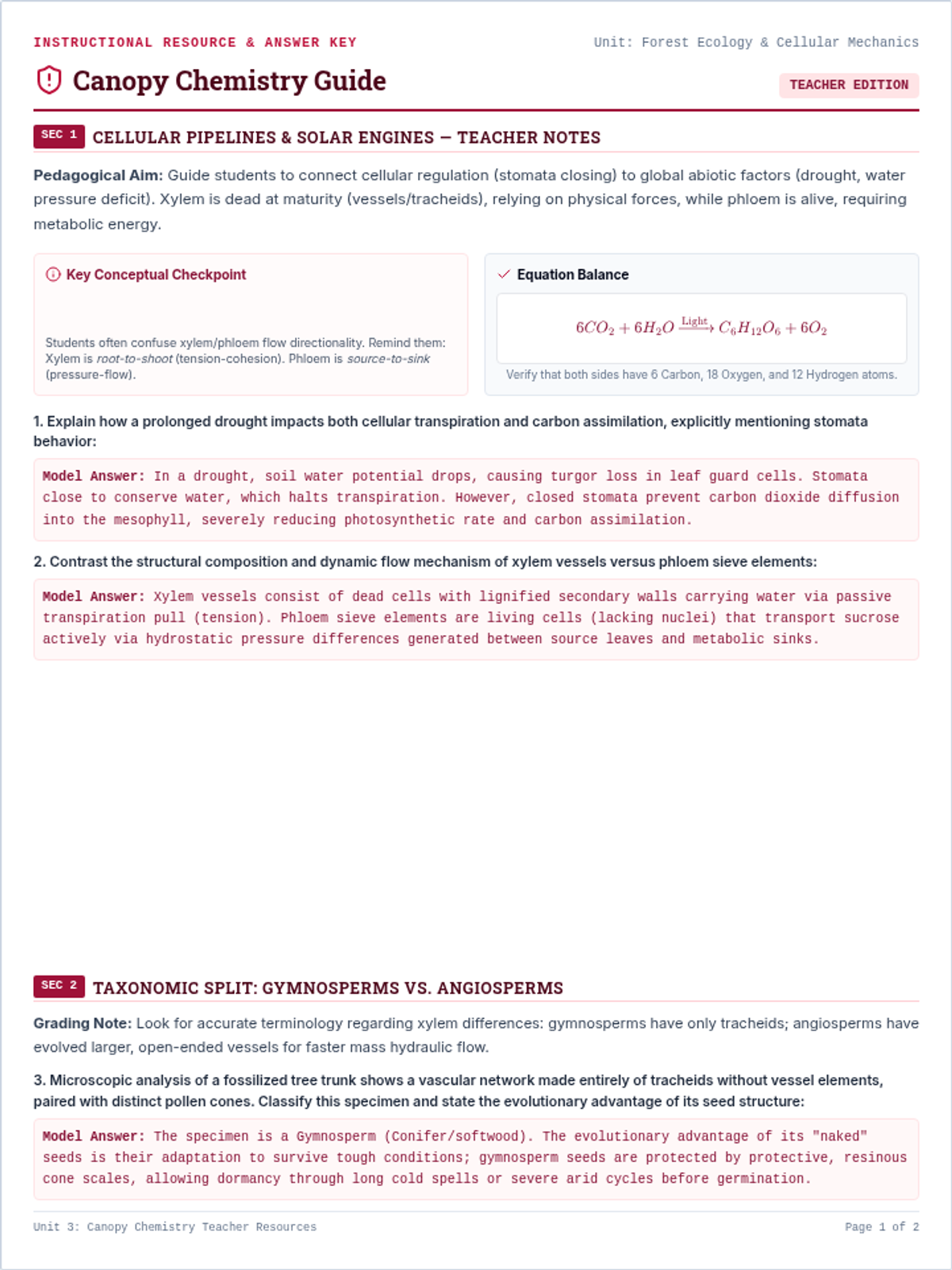
An in-depth investigation into the ecological, cellular, and evolutionary mechanics of trees. Students analyze carbon sequestration, vascular transport, angiosperm vs. gymnosperm taxonomy, and design conservation strategies.
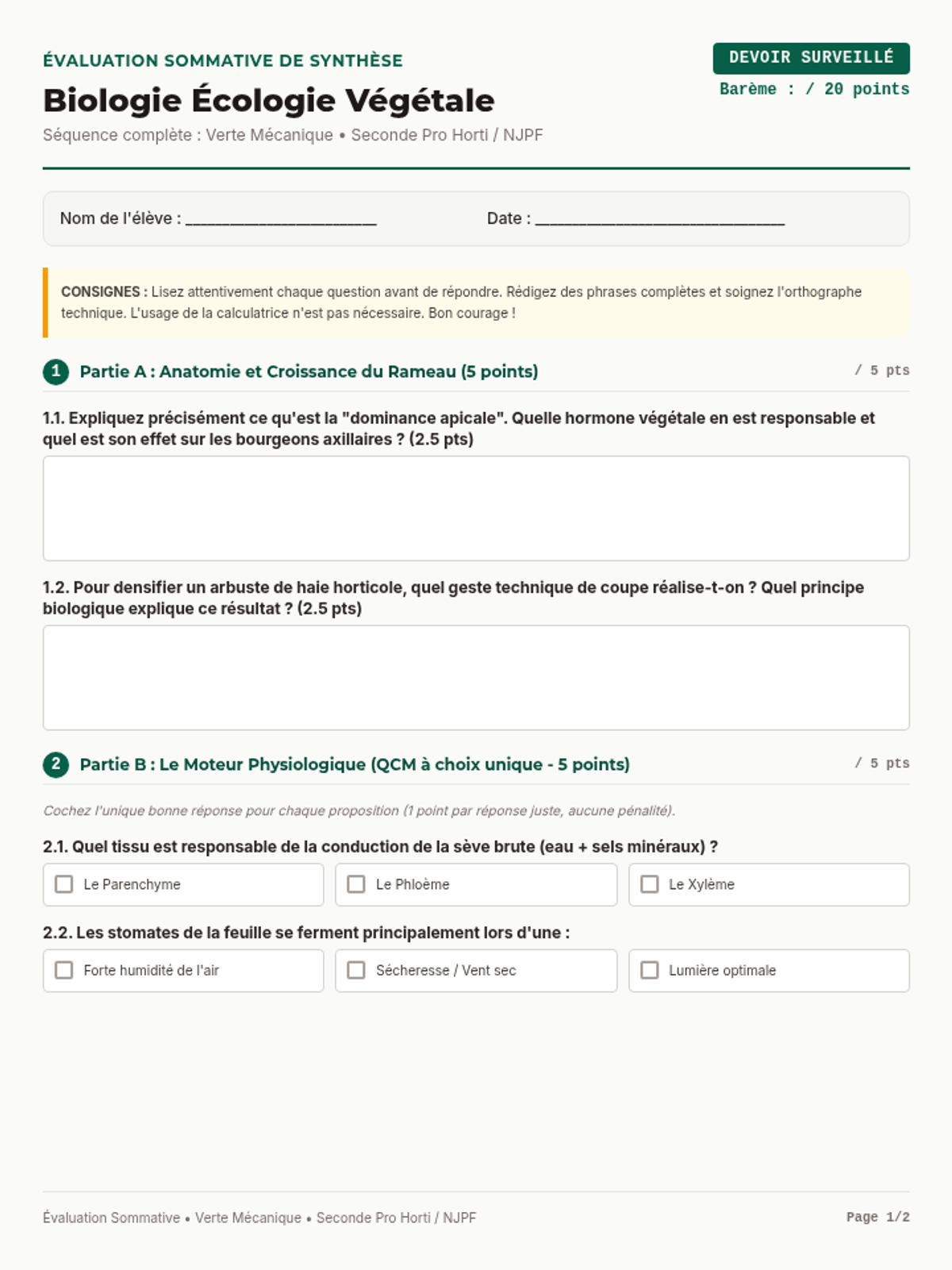
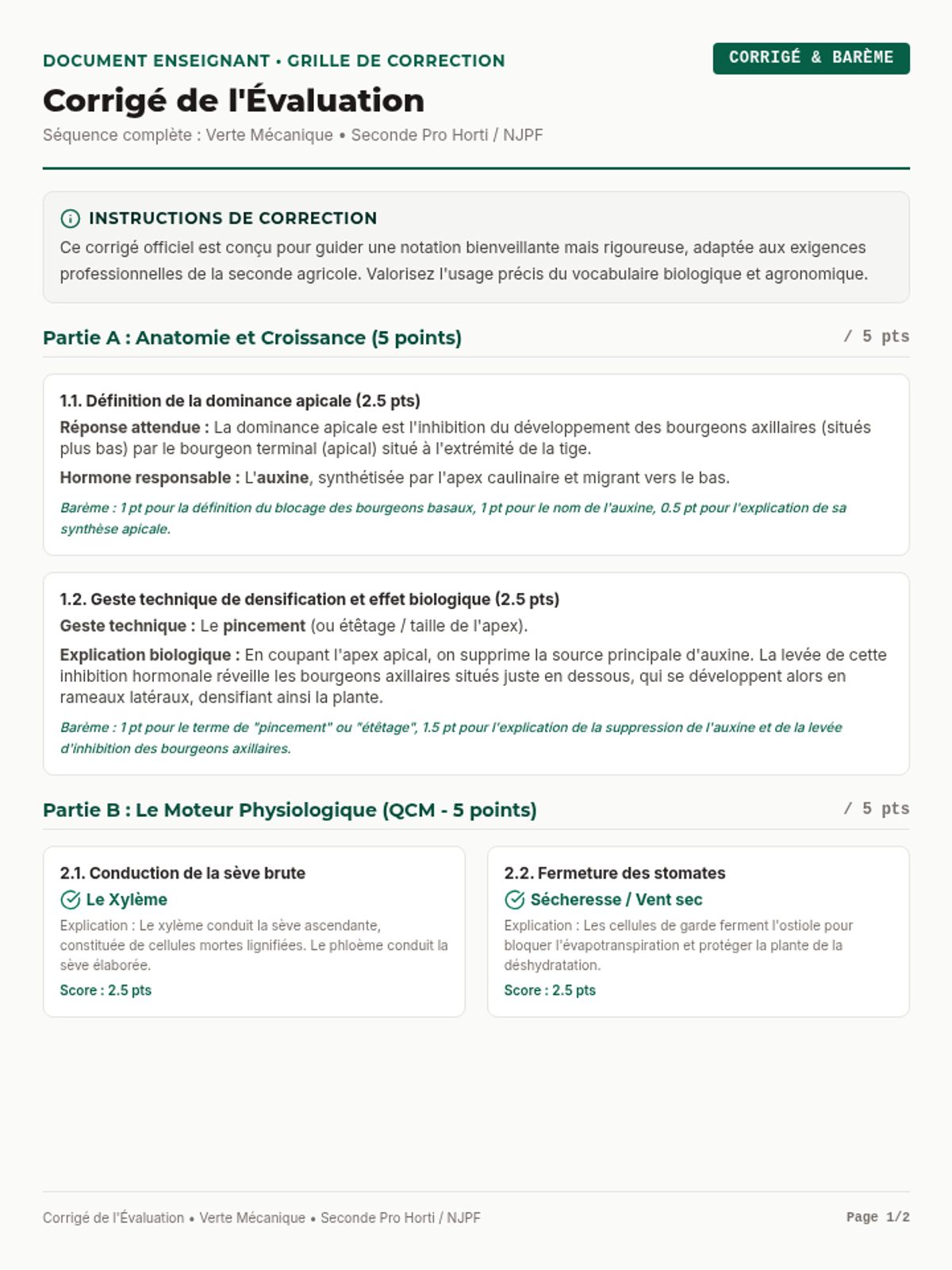
Étude de l'écophysiologie végétale, de la classification et des critères de reconnaissance des végétaux. Ce module montre comment les plantes s'adaptent aux contraintes environnementales (stress hydrique, sol, climat) et comment ces connaissances guident les choix professionnels d'aménagement et de culture.
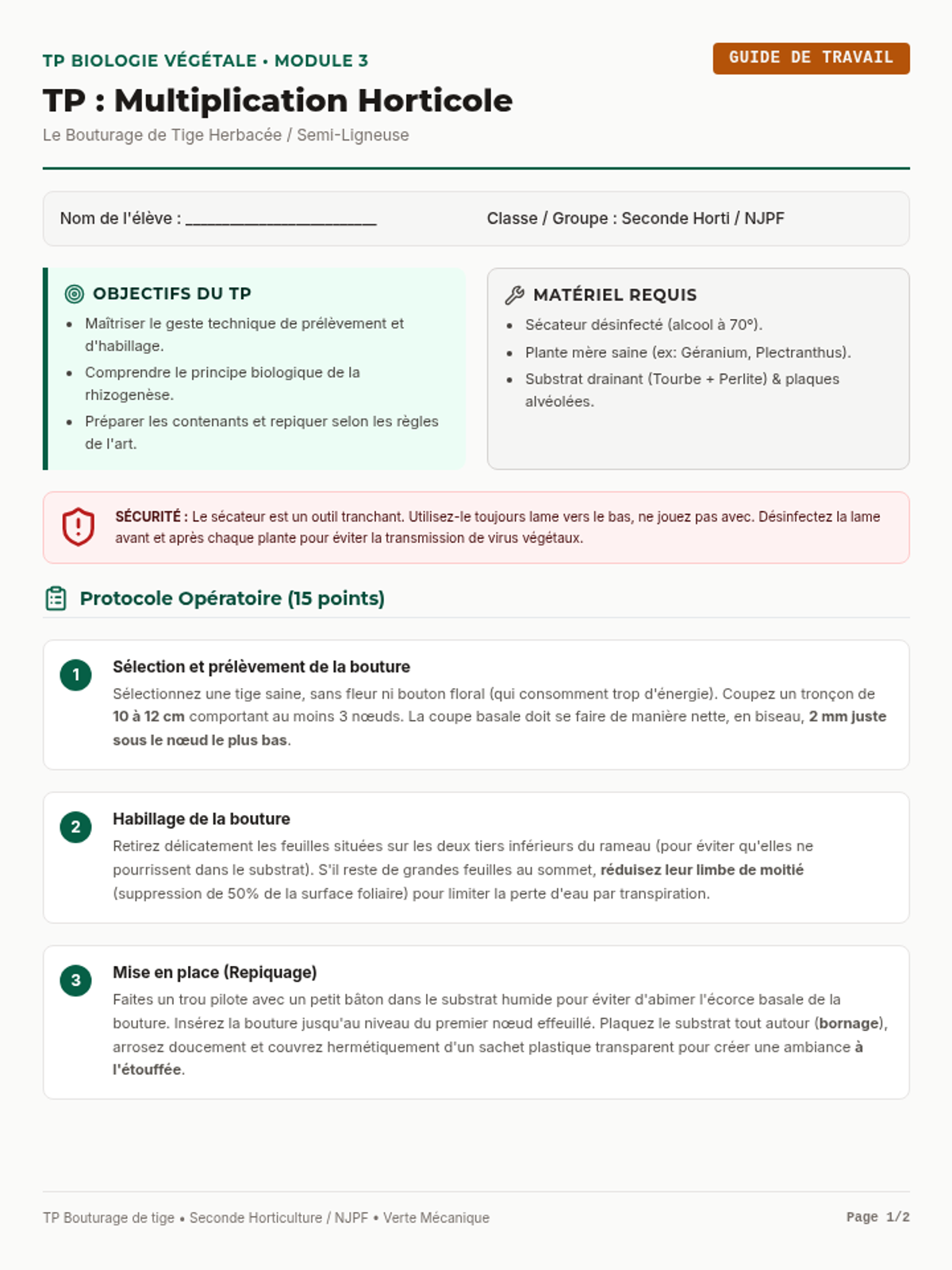
Approche de la biologie de la reproduction végétale (fleur, graines, pollinisation) et des techniques de multiplication horticole. Les élèves étudient l'anatomie florale, les cycles de développement et pratiquent des gestes techniques professionnels (bouturage, greffage).
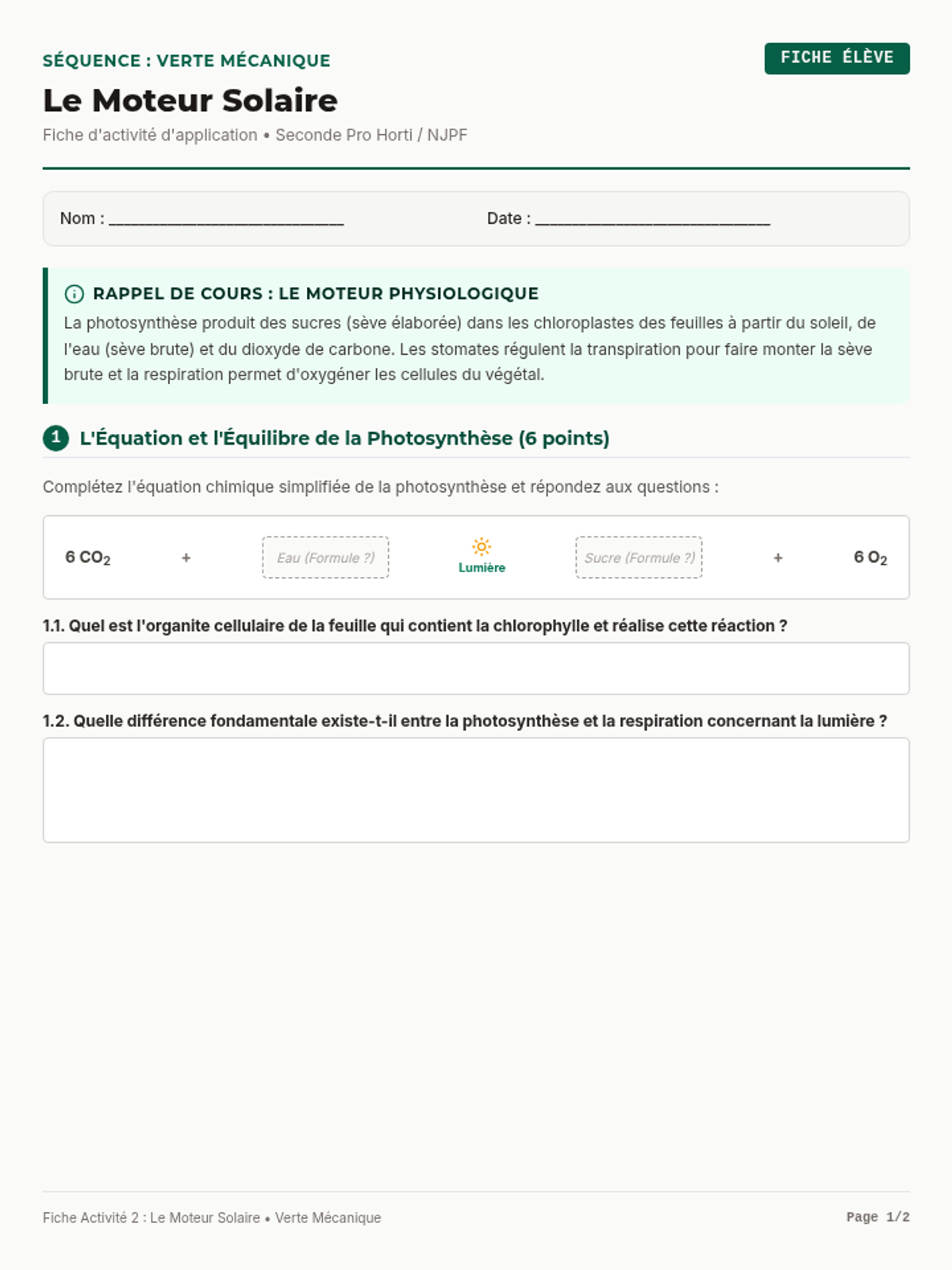
Exploration de la physiologie et de la nutrition végétale. Ce chapitre analyse le processus de photosynthèse, la respiration cellulaire, la transpiration foliaire, l'absorption de l'eau et des minéraux par les racines et la double circulation des sèves.
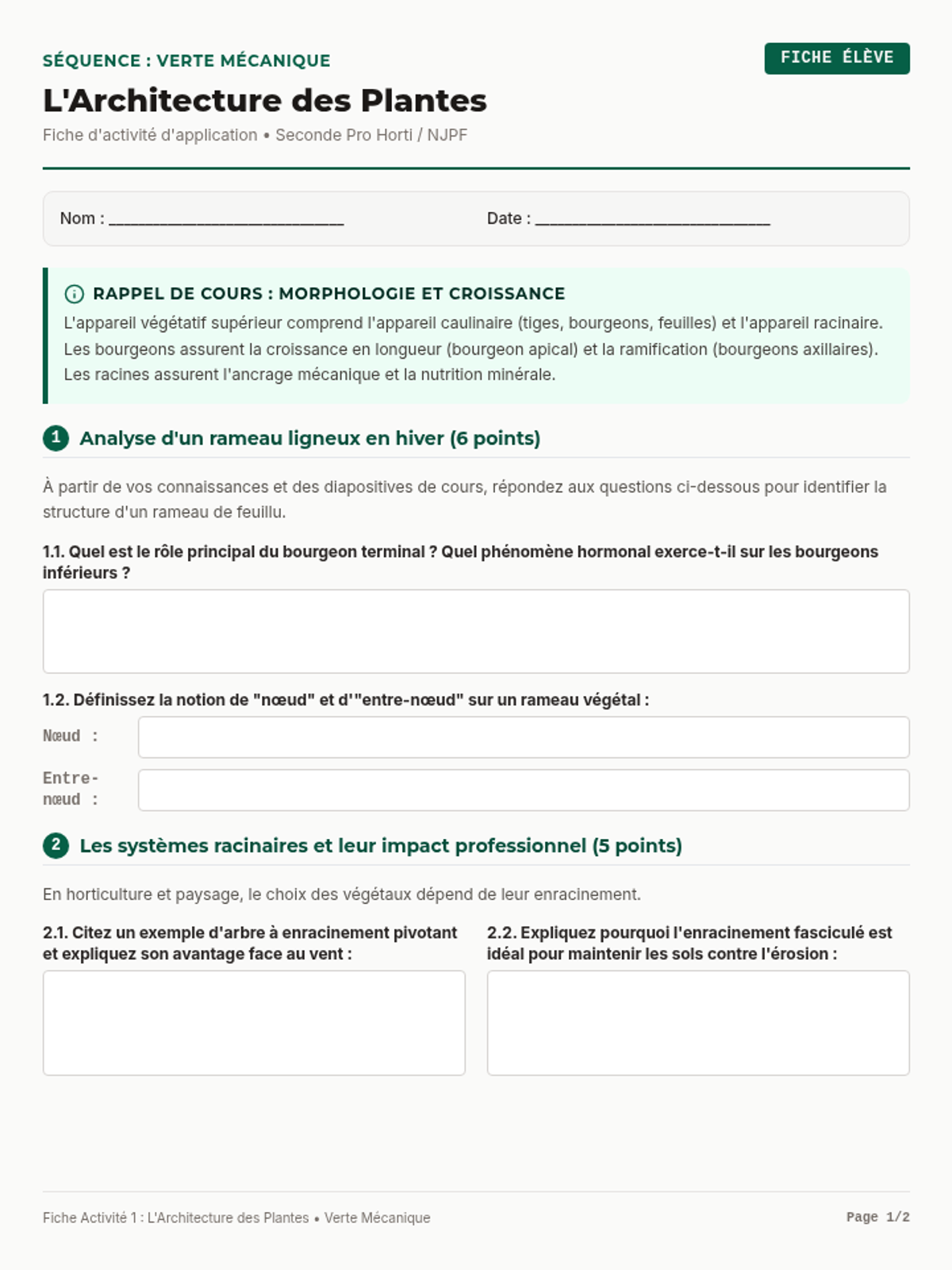
Étude de l'anatomie et de la morphologie des plantes horticoles et forestières. Les élèves apprennent à identifier les organes principaux (racines, tiges, feuilles, bourgeons), la structure des tissus végétaux et leur importance pour les pratiques professionnelles de taille et d'entretien.
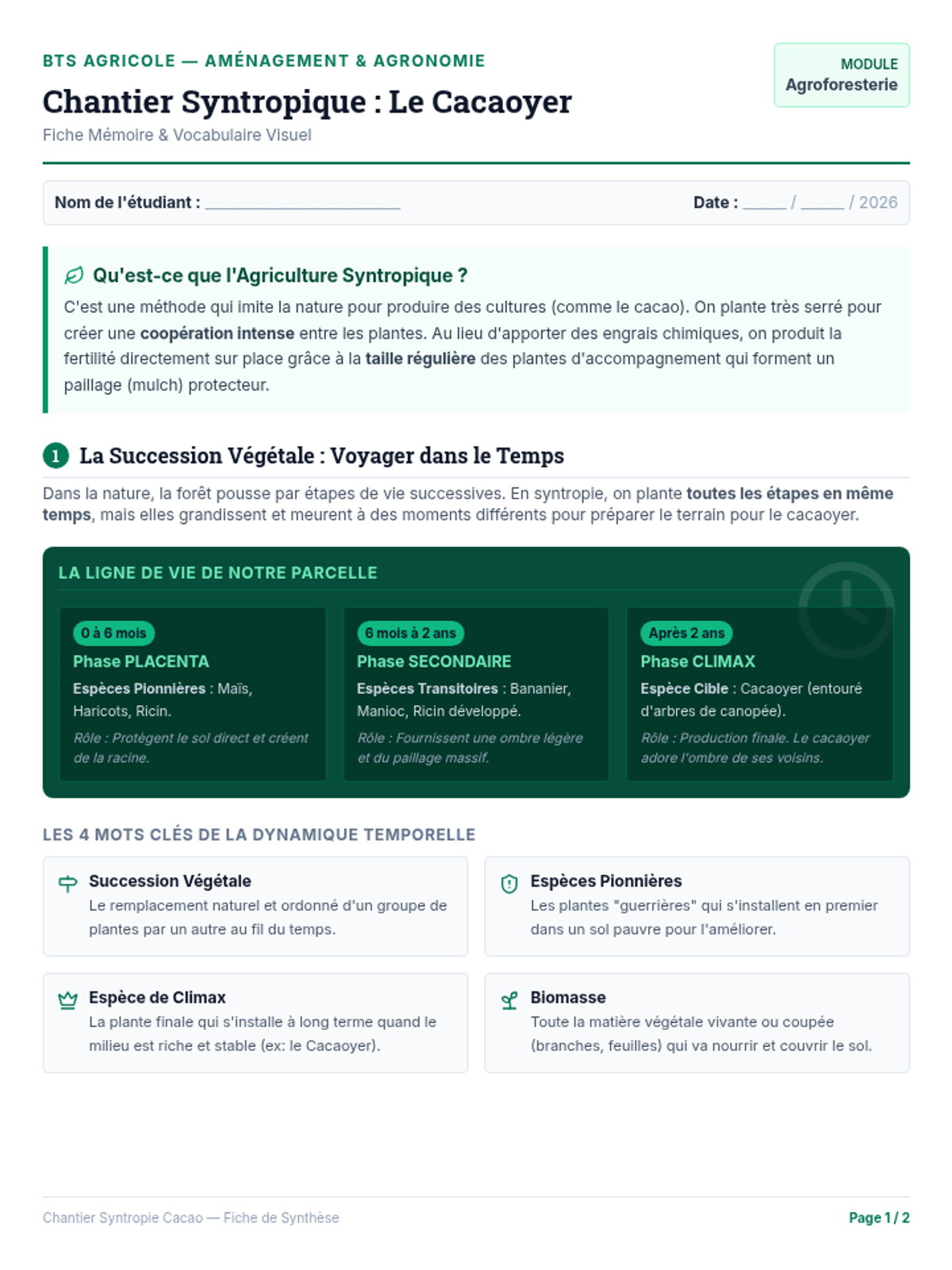
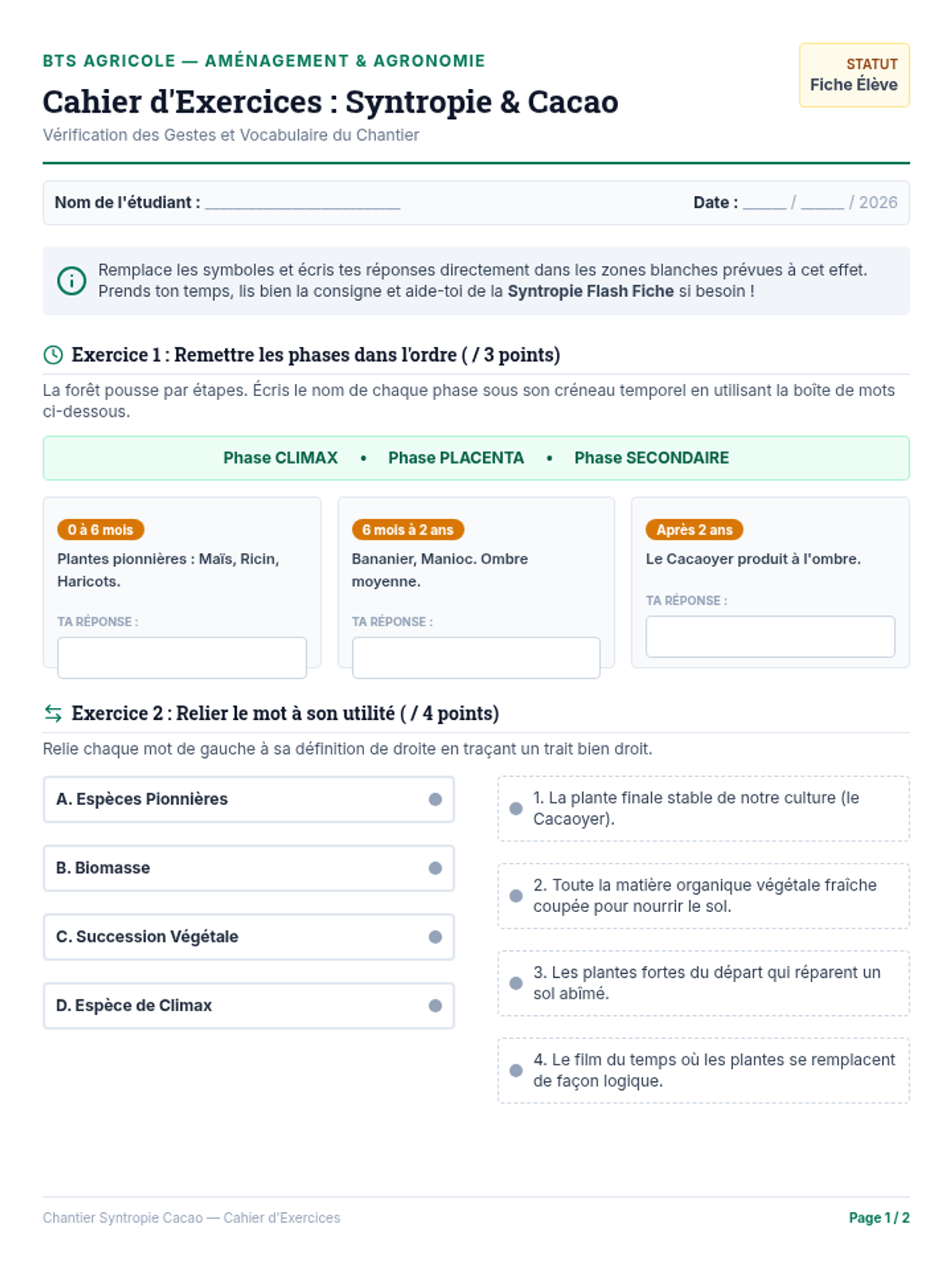
Une leçon adaptée pour maîtriser les bases de la plantation de cacaoyers en agriculture syntropique, spécialement conçue pour les élèves ayant des difficultés de compréhension des consignes. Elle s'articule autour d'une fiche de synthèse illustrée et d'un cahier d'exercices d'assimilation.
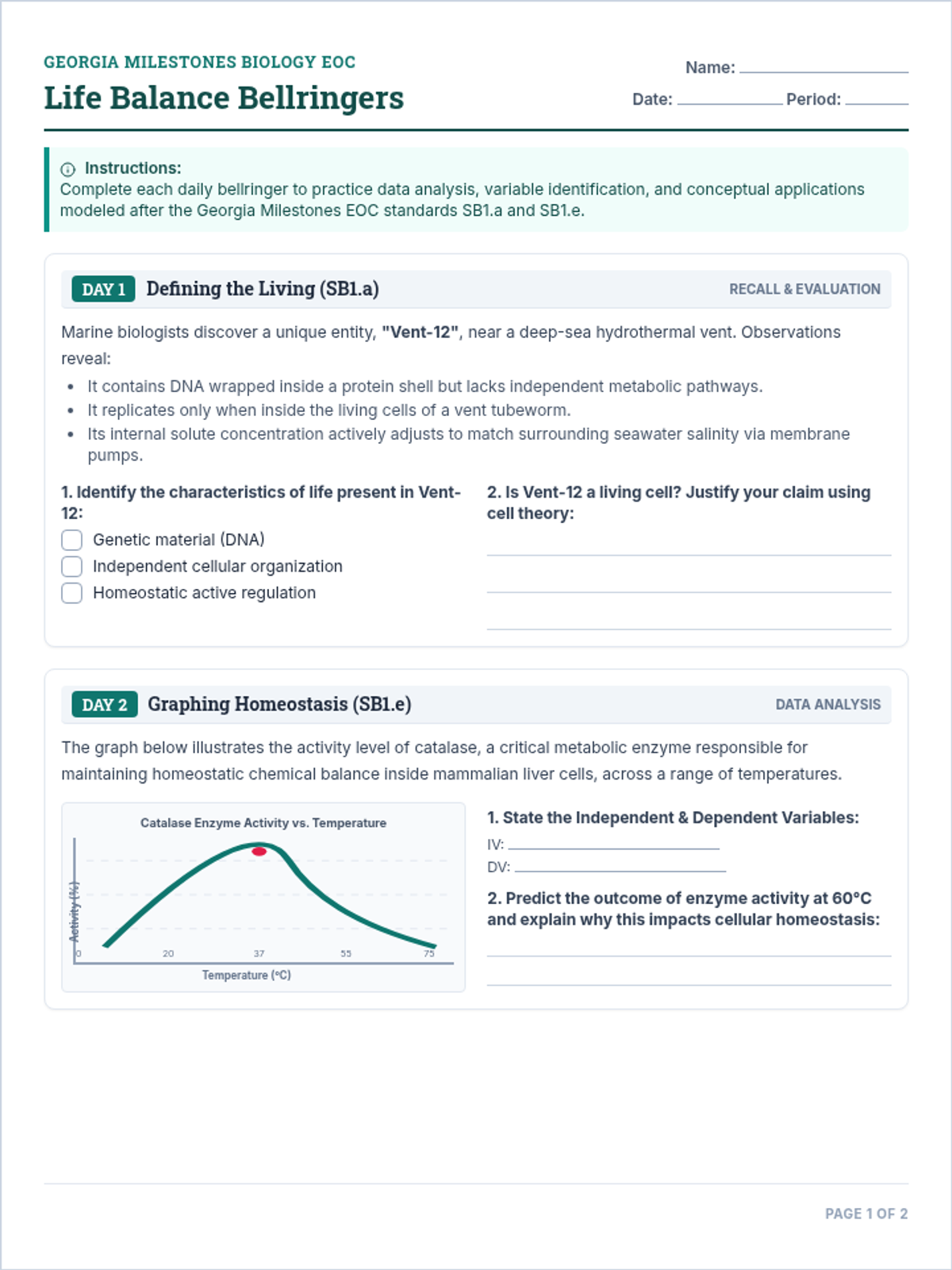
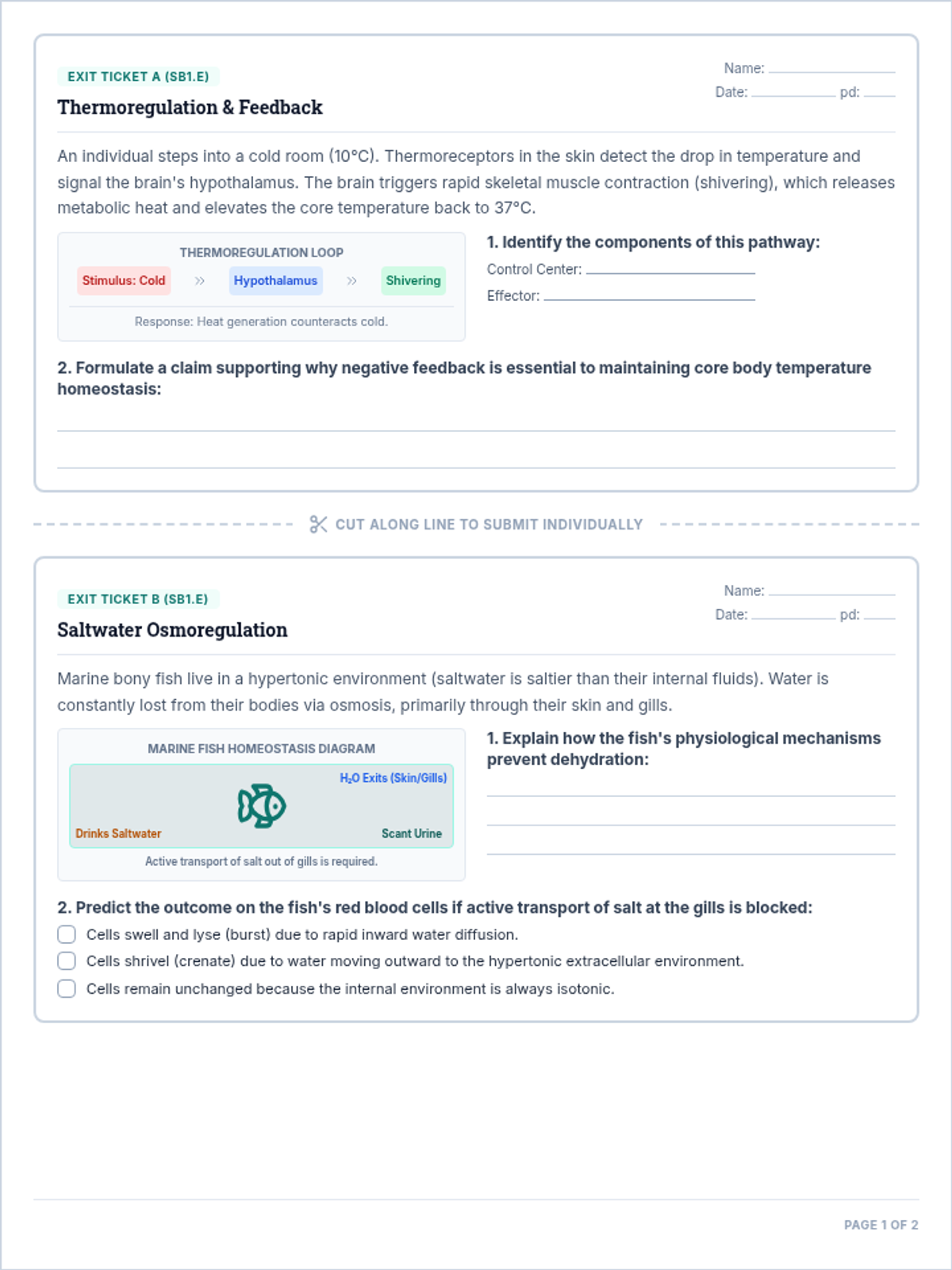
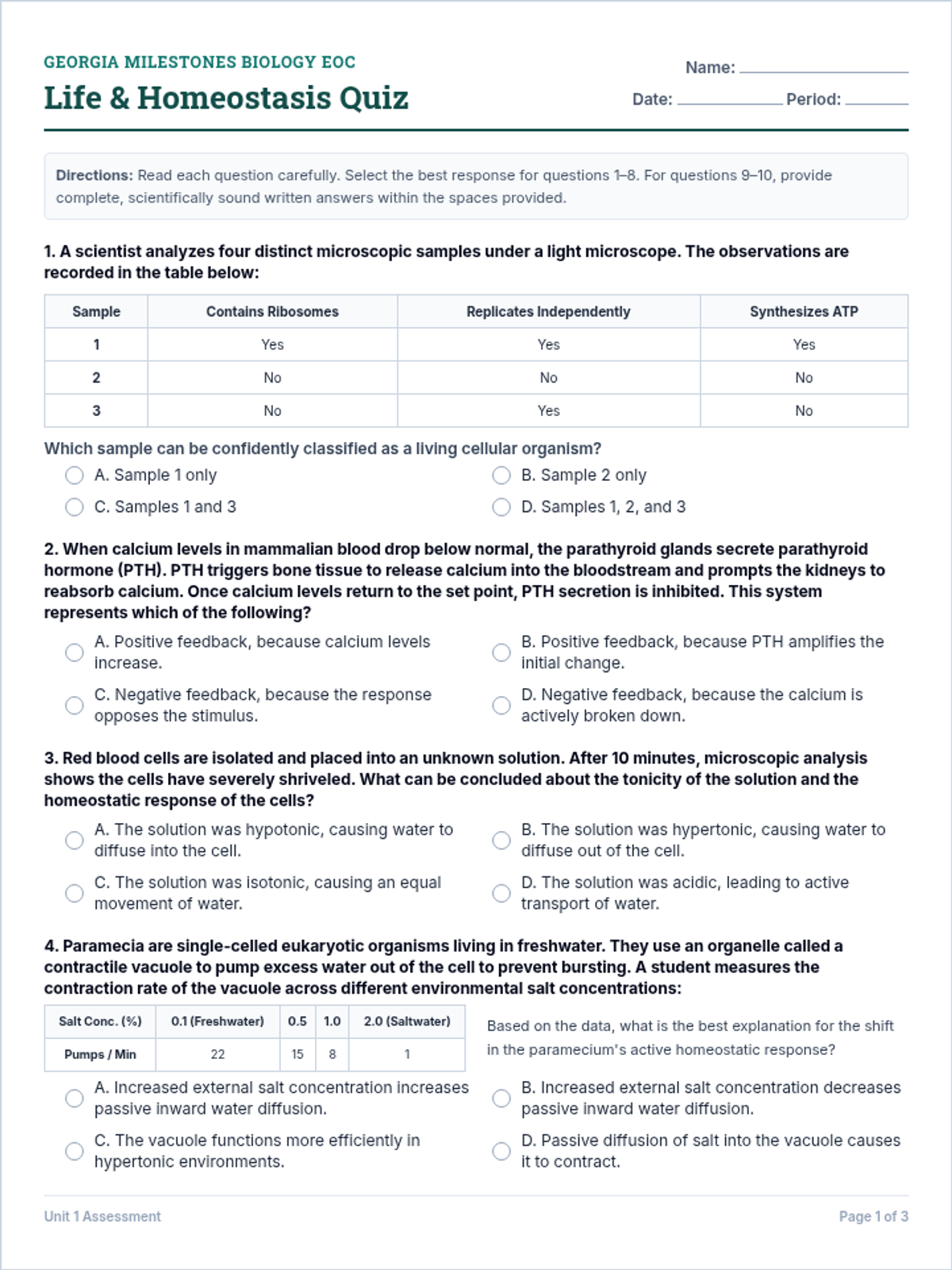
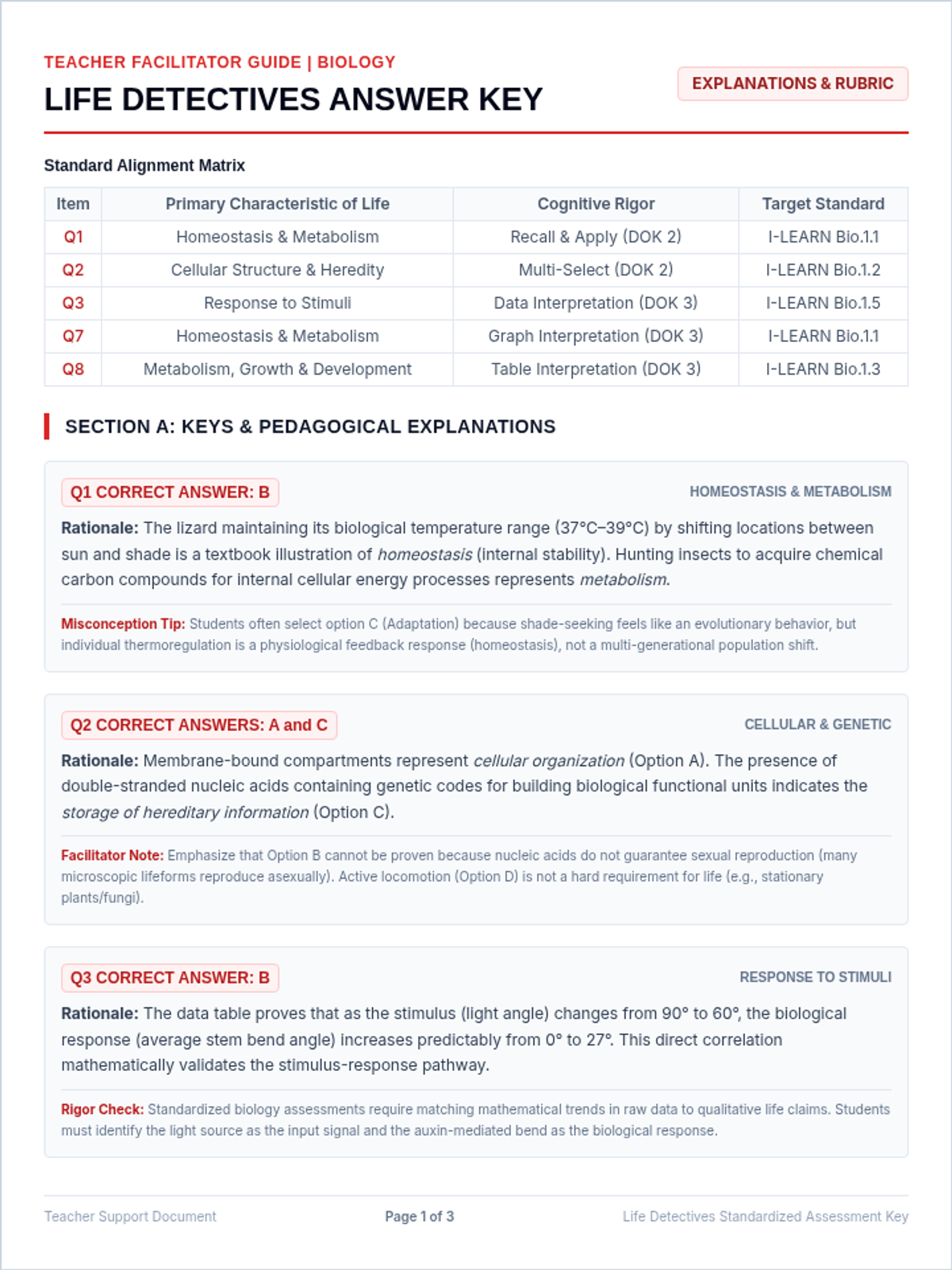
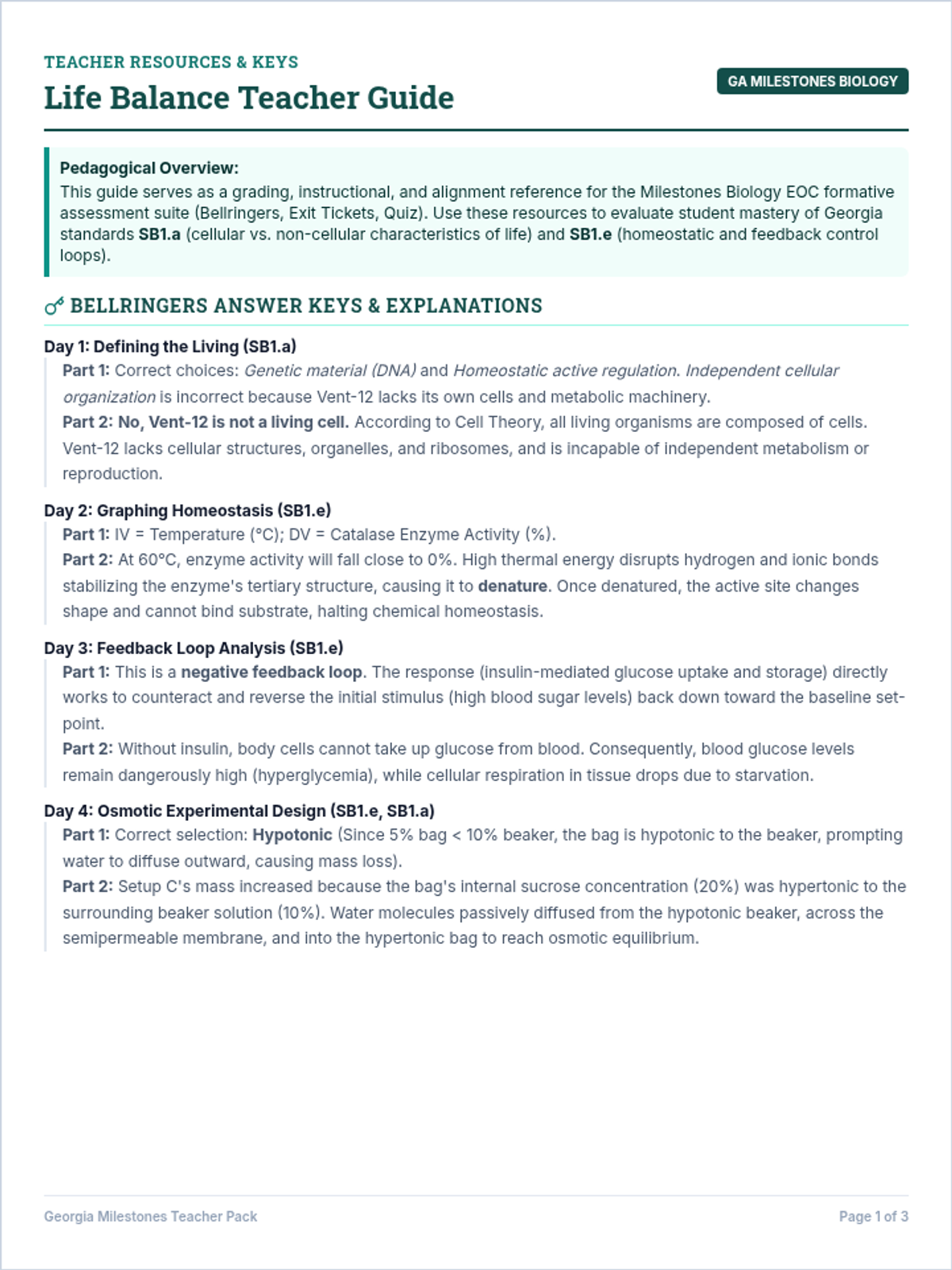
A rigorous, Georgia Milestones Biology EOC-aligned formative assessment pack focusing on the characteristics of life and homeostasis. This lesson contains highly structured bellringers, daily exit tickets, a diagnostic-style quiz, and a comprehensive teacher answer key and guide emphasizing graph, variable, and experimental data analysis.
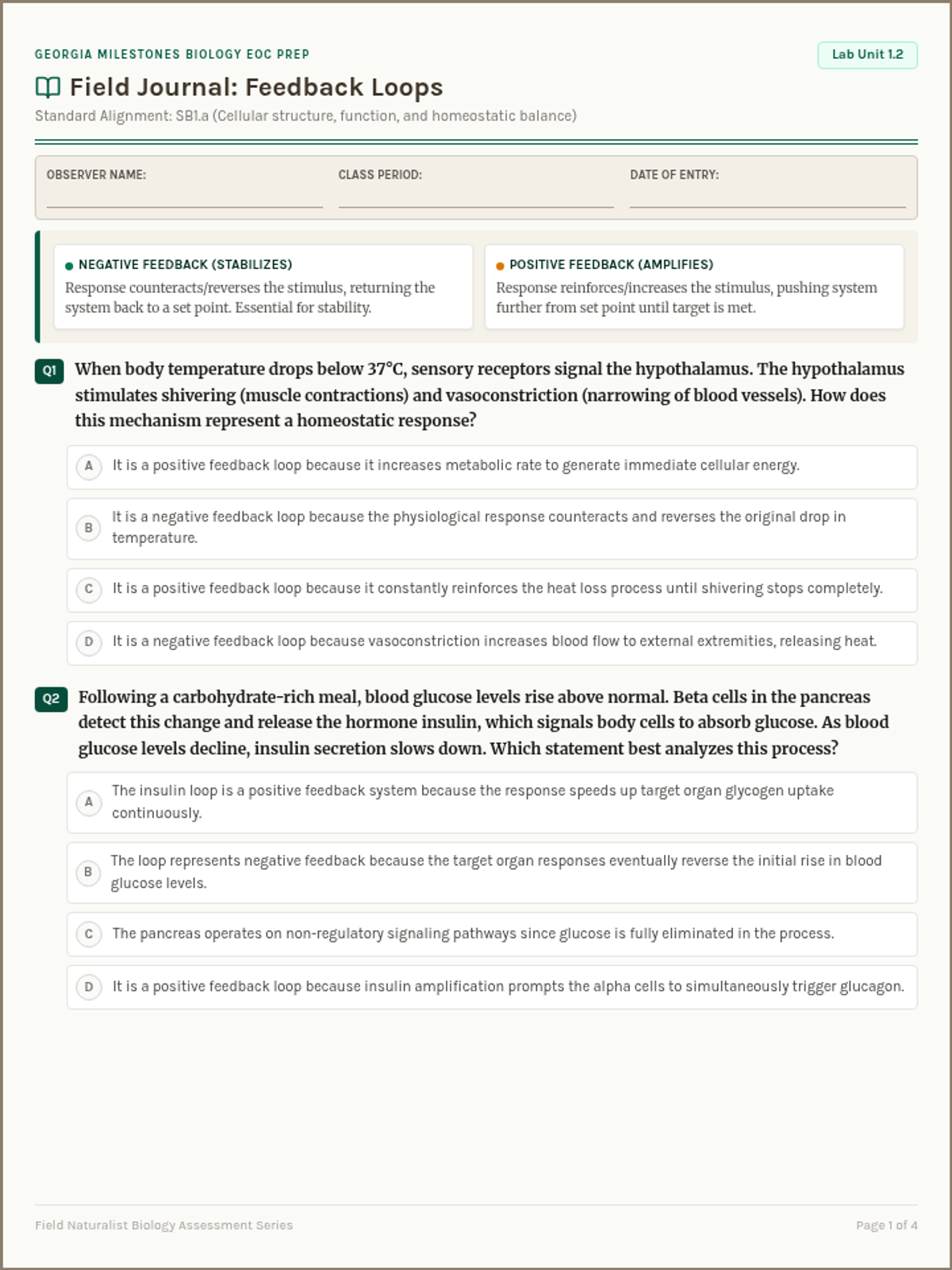
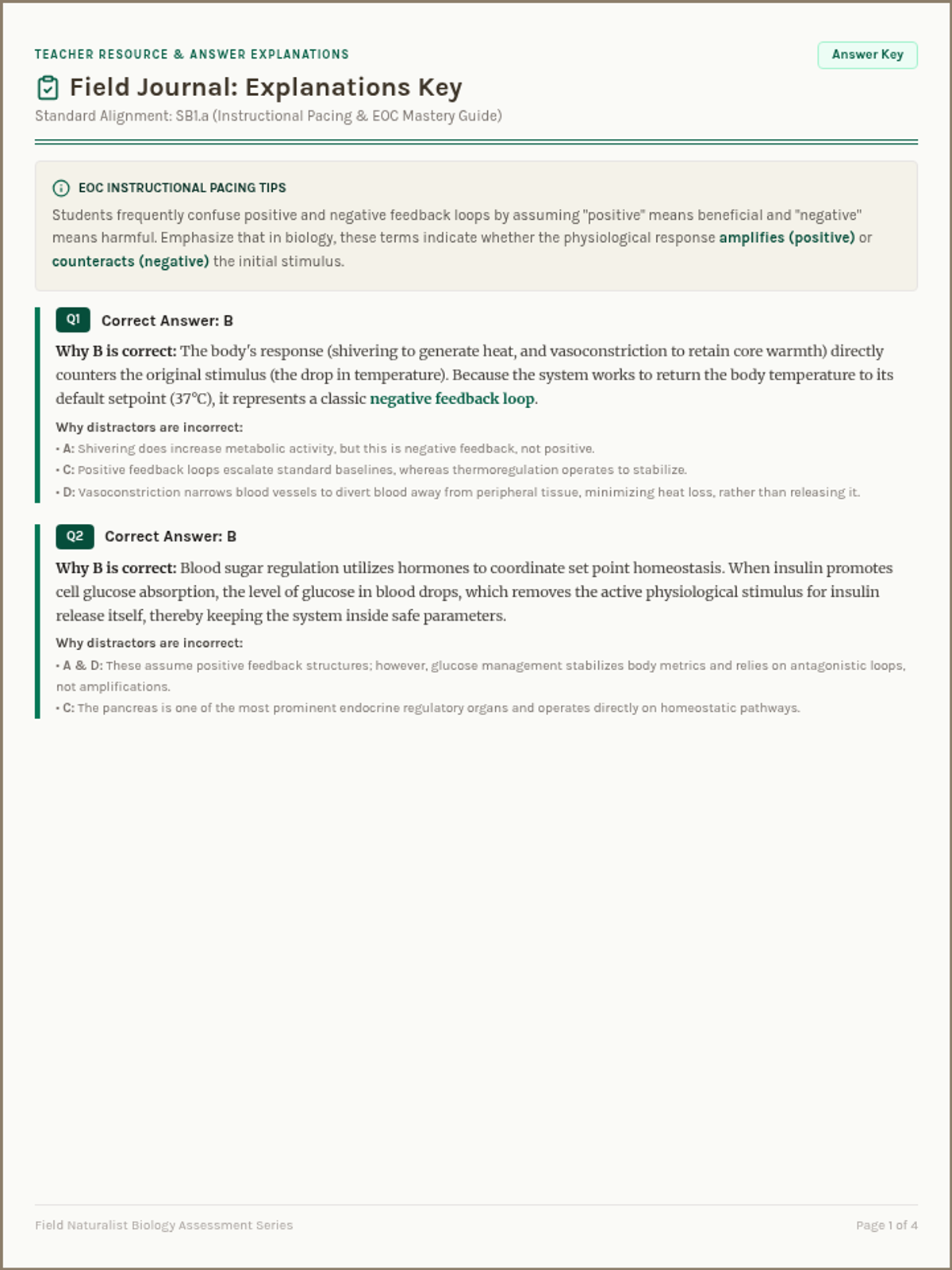
A targeted prep lesson designed to master positive and negative feedback loops for the Georgia Milestones Biology EOC assessment. Includes rigorous, standards-aligned practice questions and a detailed teacher explanation guide.
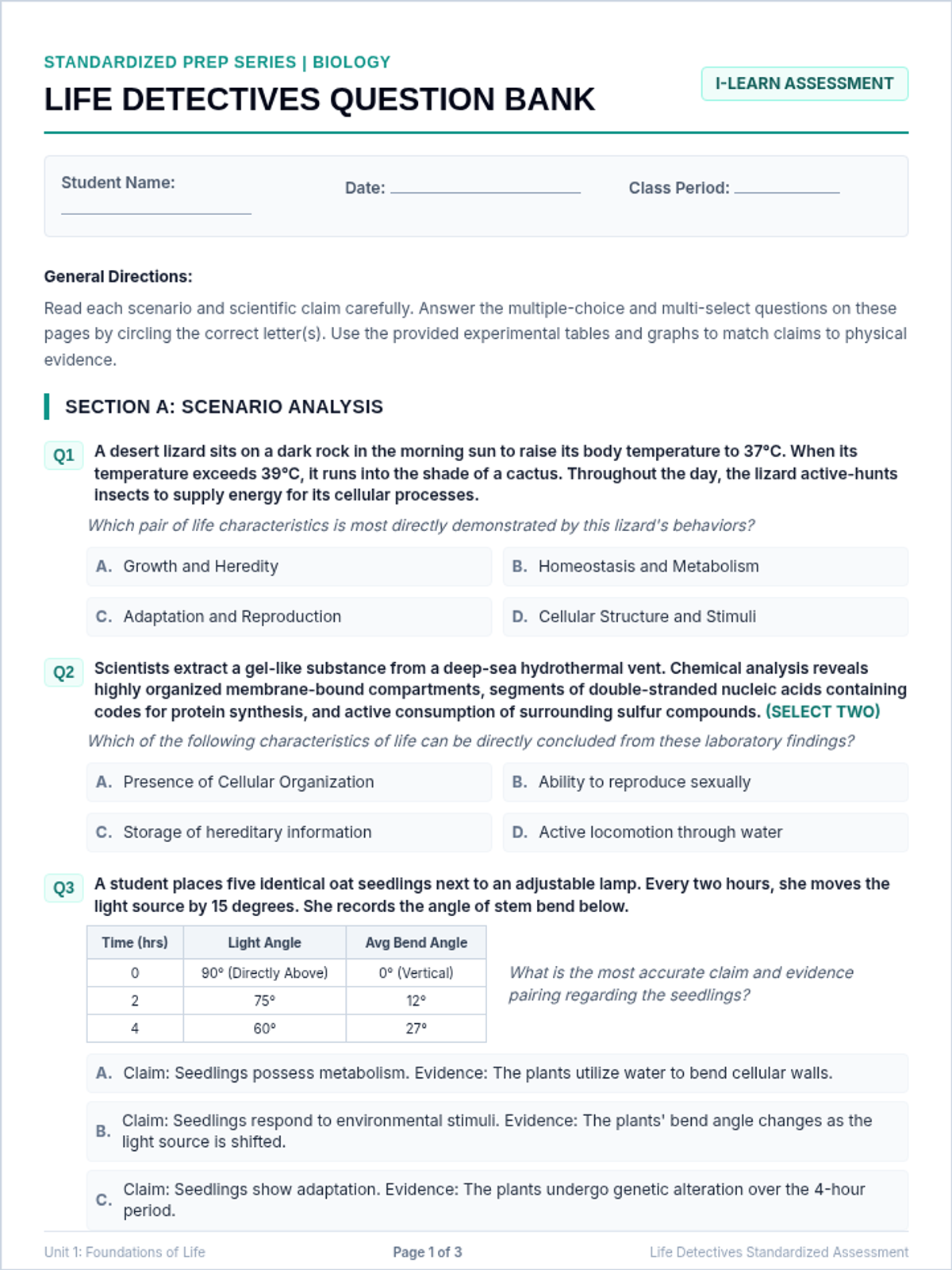
A rigorous assessment and practice suite designed to prepare students for standardized science exams. It focuses on the characteristics of life through scenario-based multiple-choice questions and evidence-based experimental data analysis.
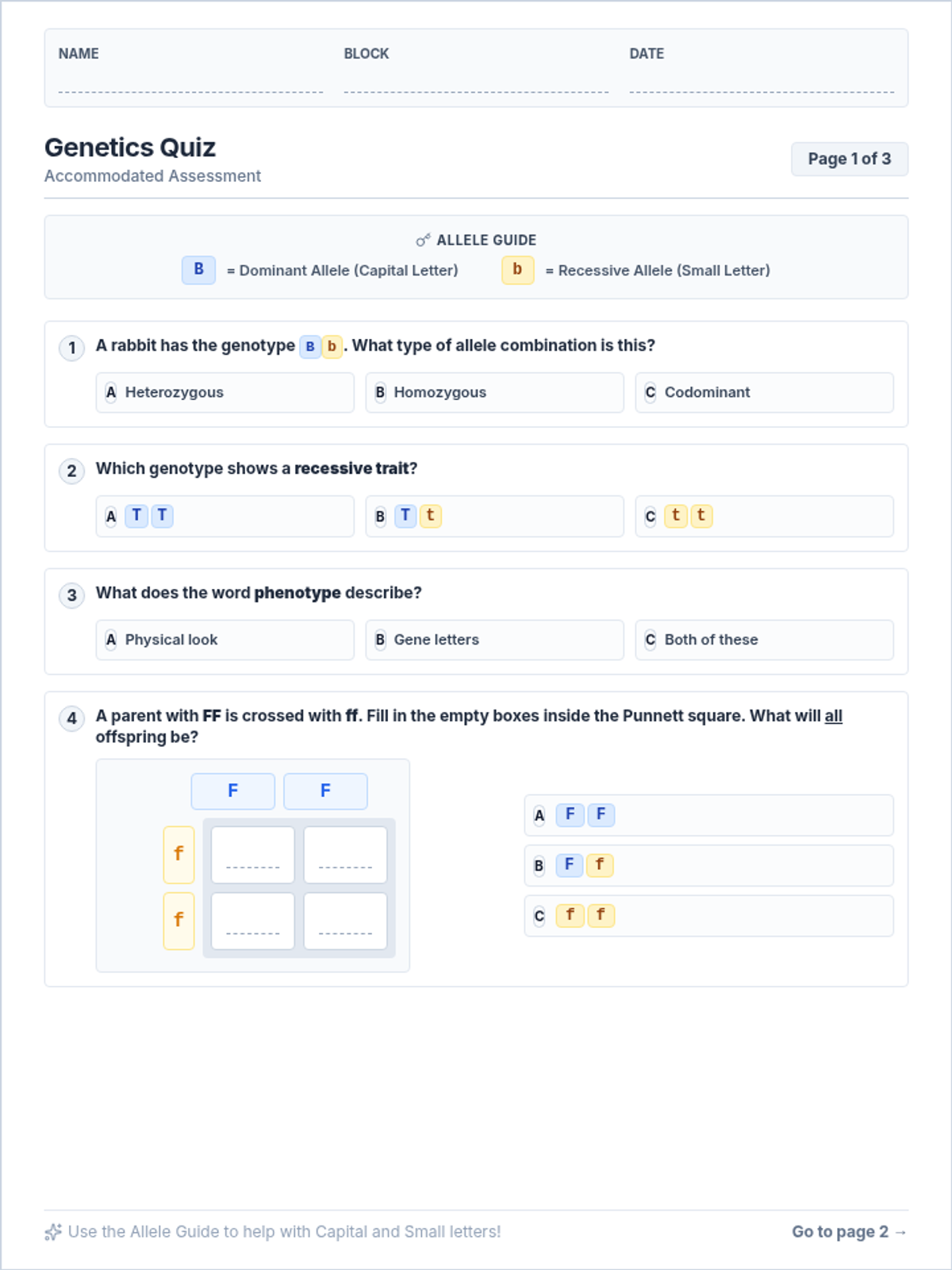
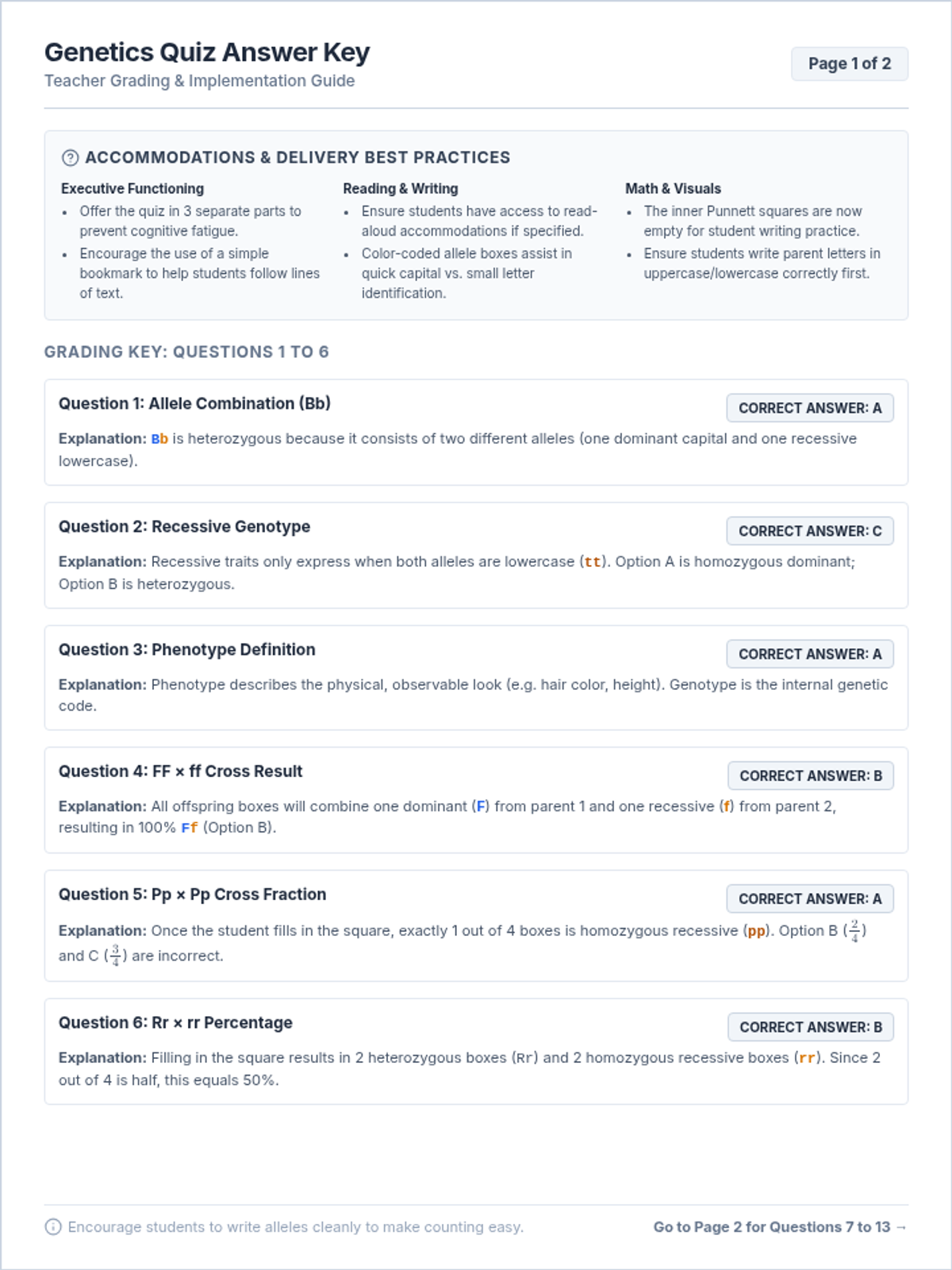
A custom accommodated quiz pack on genetics, designed specifically for students with reading, writing, math, and executive functioning challenges. Includes a highly scaffolded student quiz and a comprehensive teacher answer key with pedagogical guidance.
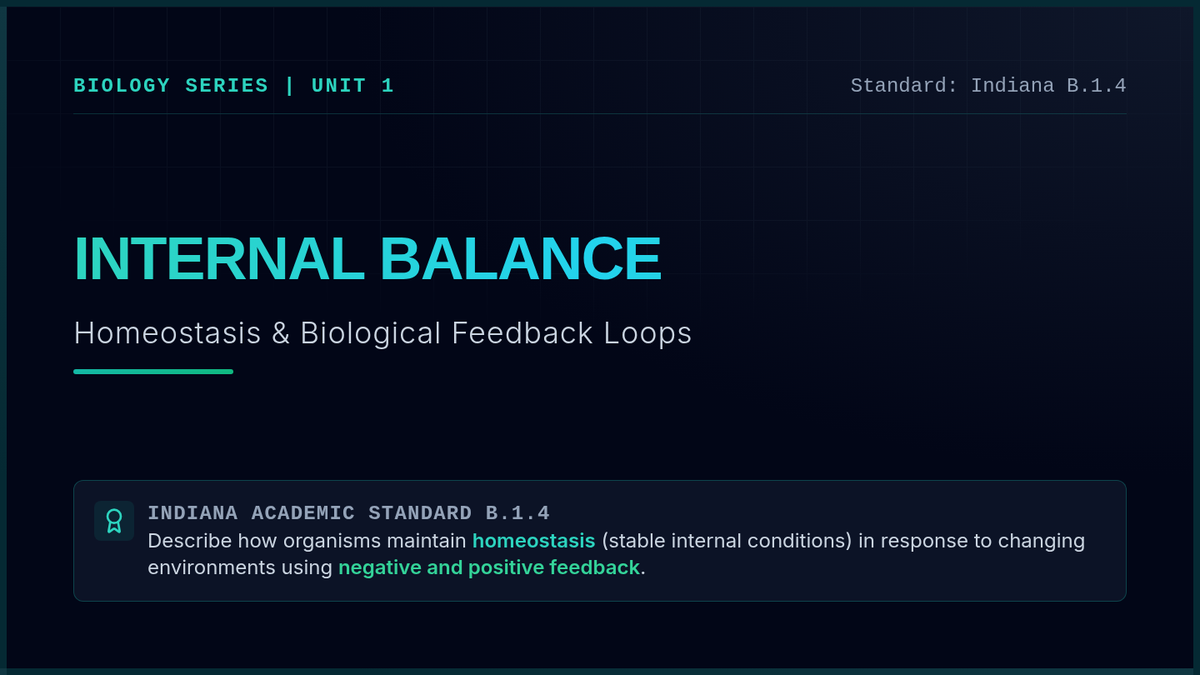
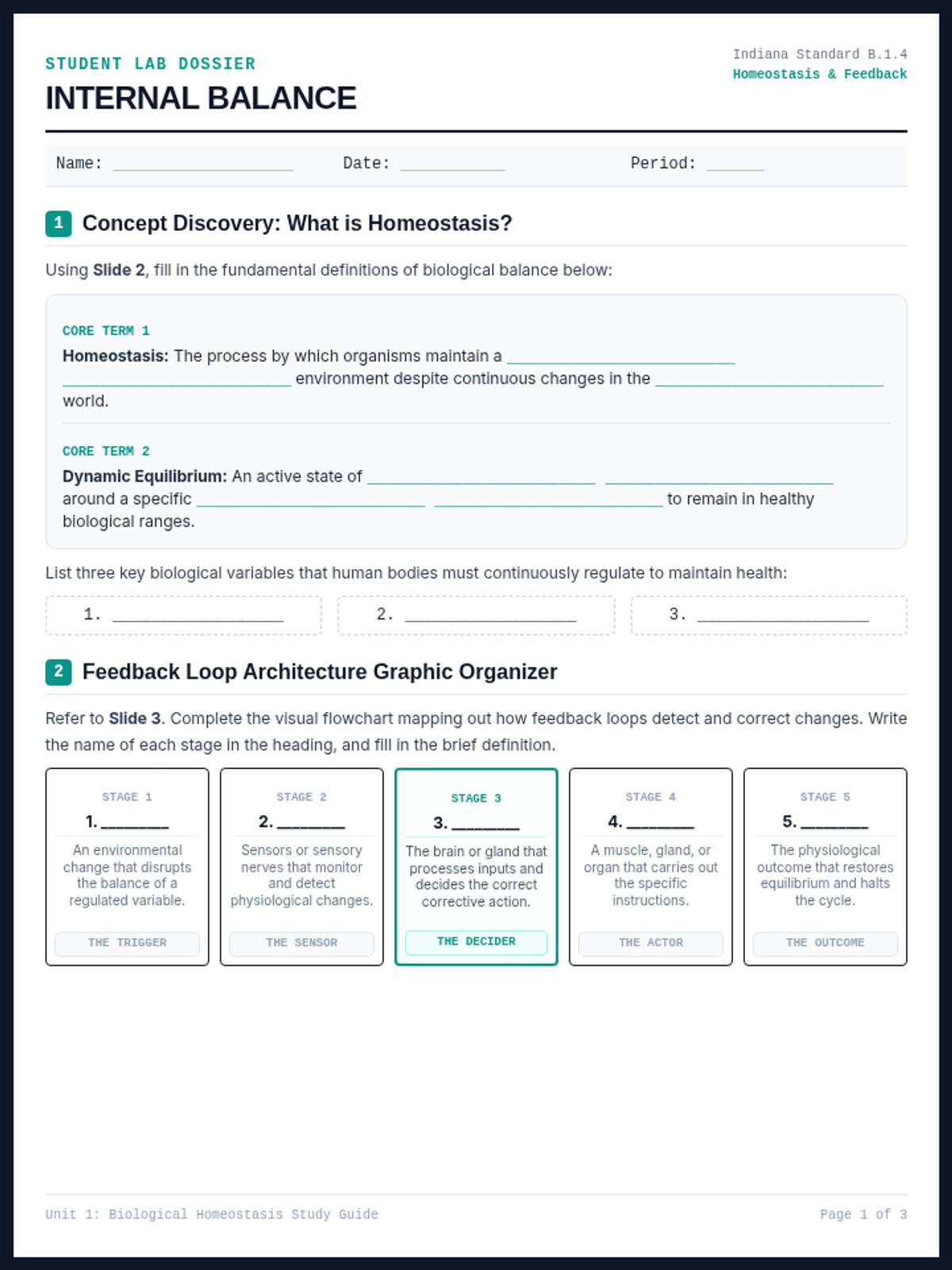
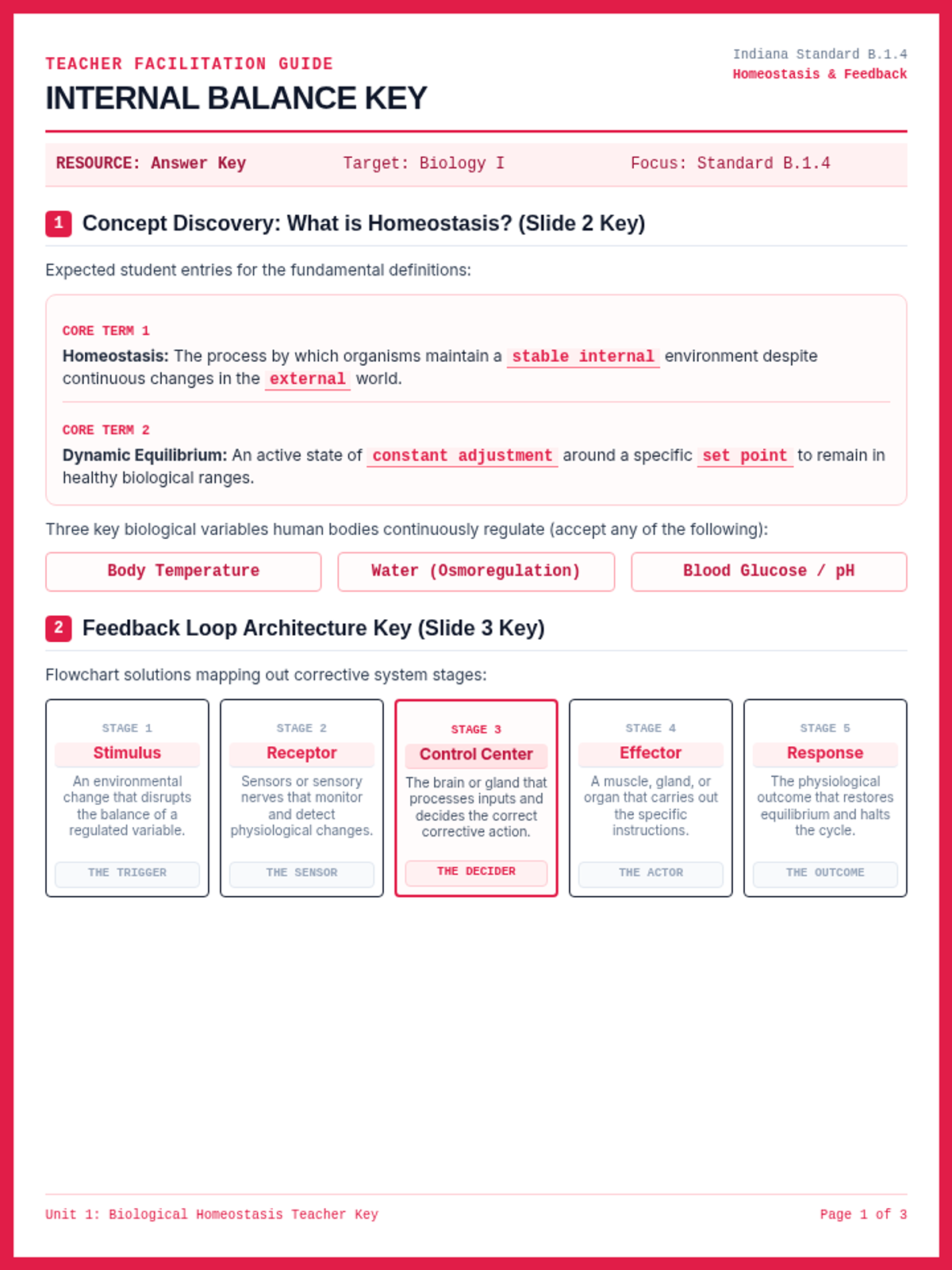
A comprehensive biology lesson on homeostasis and biological feedback mechanisms, aligned with Indiana Academic Standard Biology B.1.4. The lesson includes a highly visual slide deck and matching guided student notesheets with graphic organizers and real-world case studies.
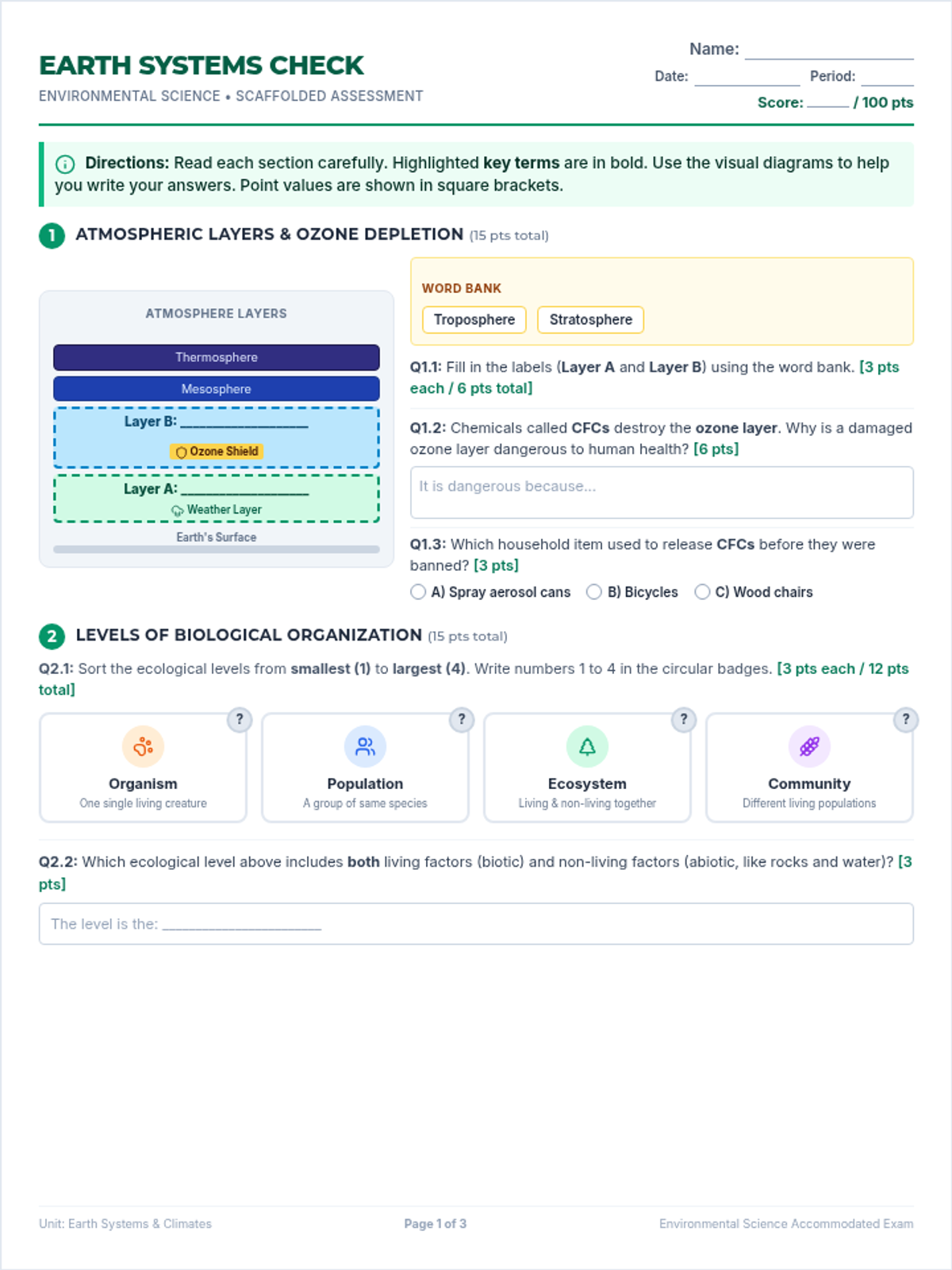
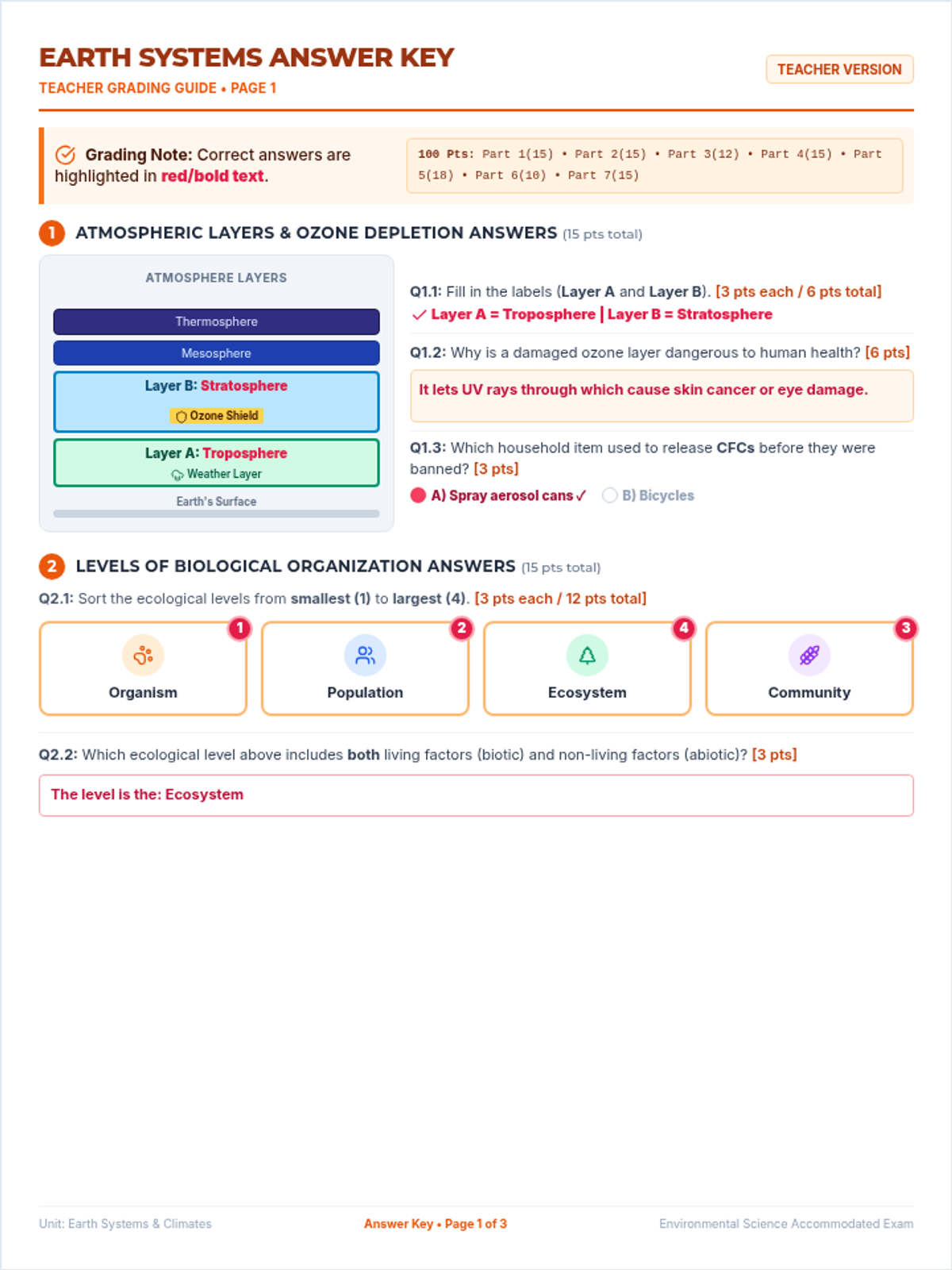
A highly visual, scaffolded assessment and corresponding answer key covering atmospheric layers, resource classification, carbon footprints, biological levels, trophic webs, ice proxies, and photosynthesis.
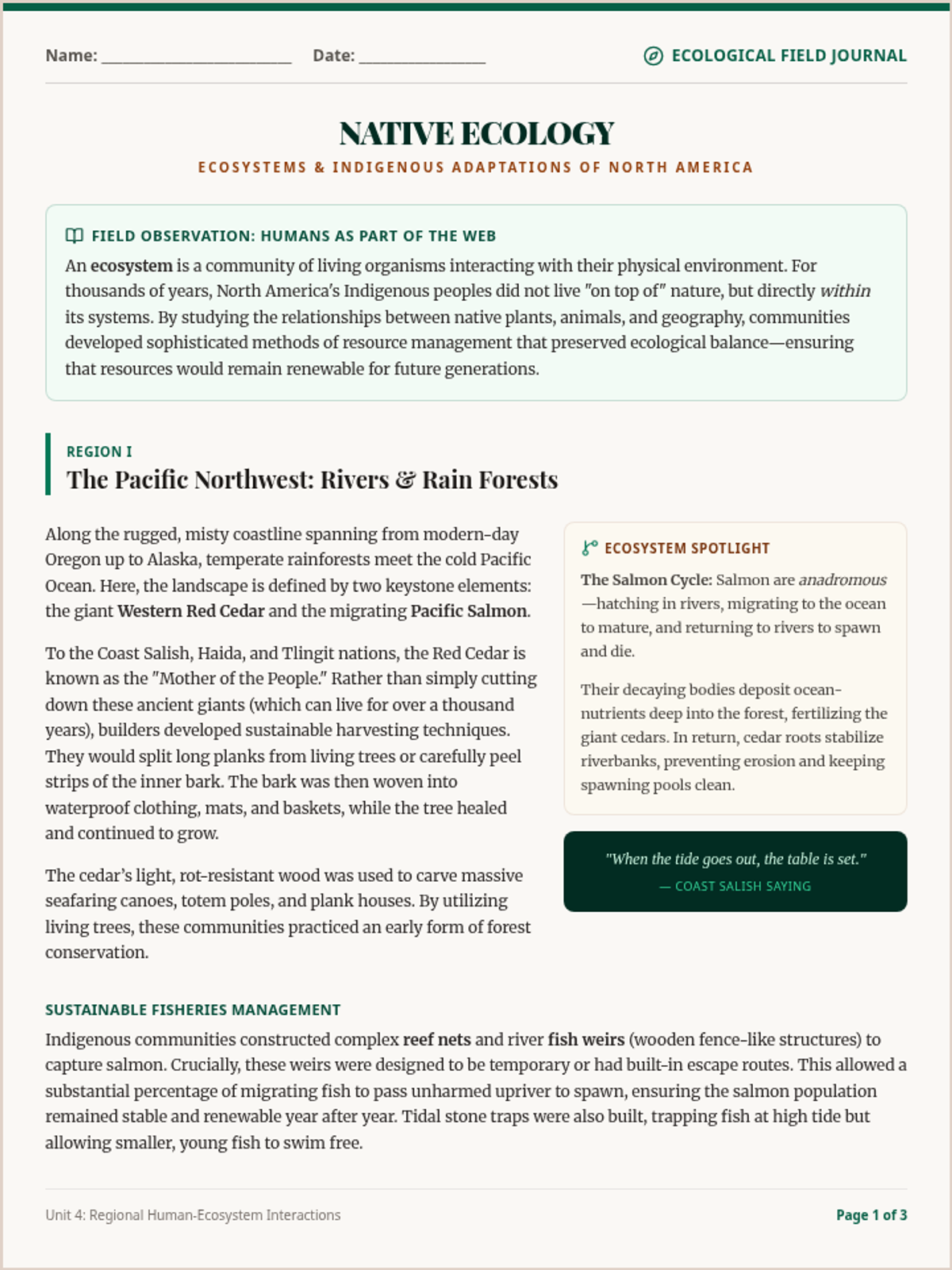
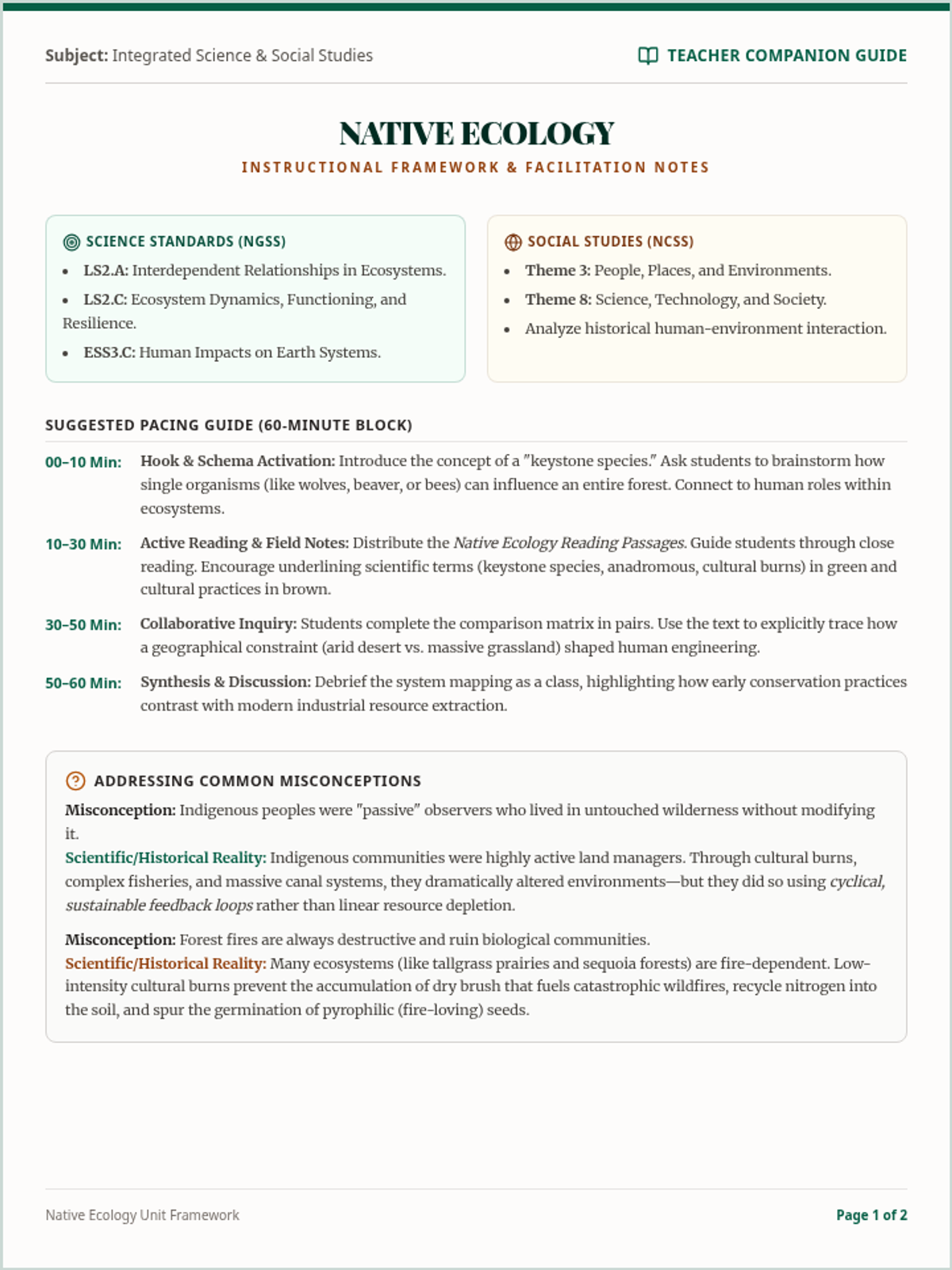
An integrated science and social studies lesson exploring how regional ecosystems and native species supported historical Indigenous communities across North America. Students analyze the ecological relationships and cultural adaptations of three distinct regions.
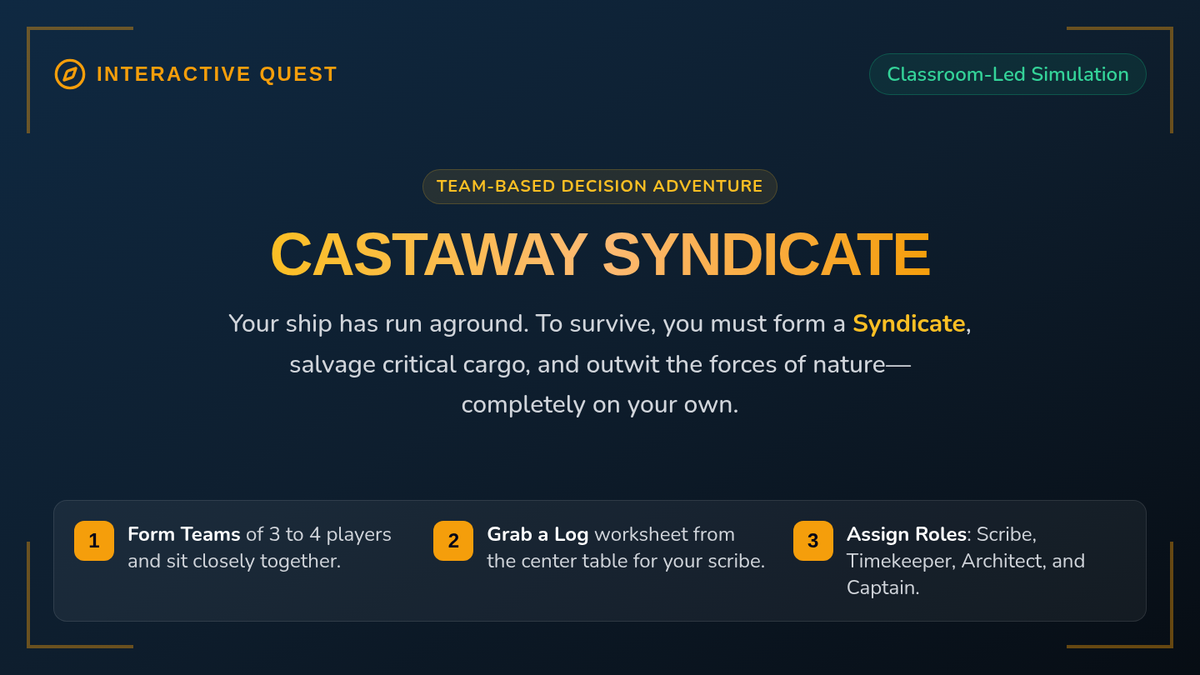
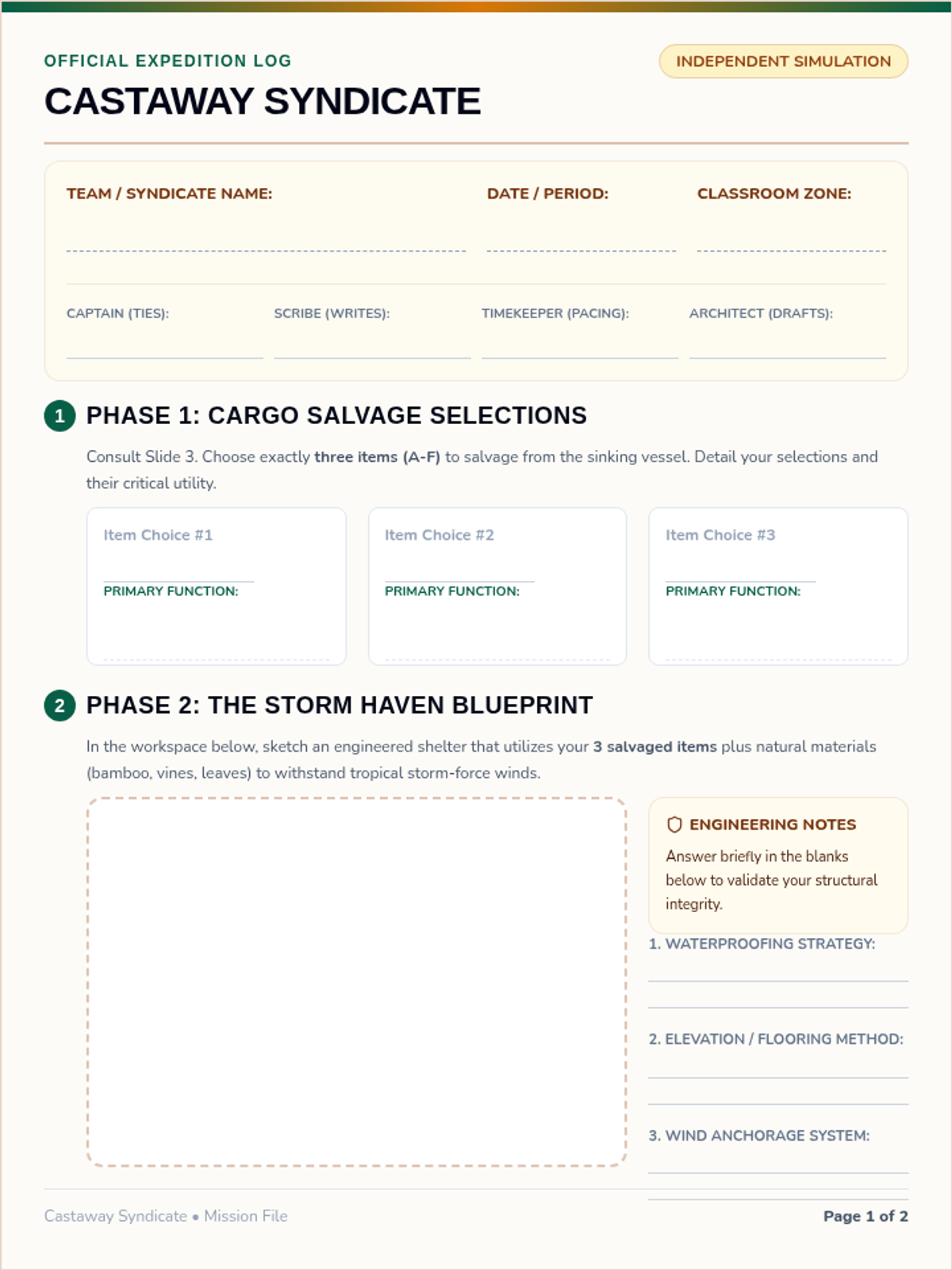
An immersive, self-directed survival simulation where students work in teams to solve creative engineering and resource-management challenges. Designed to keep the entire classroom deeply engaged and collaborative while the teacher conducts one-on-one sessions.
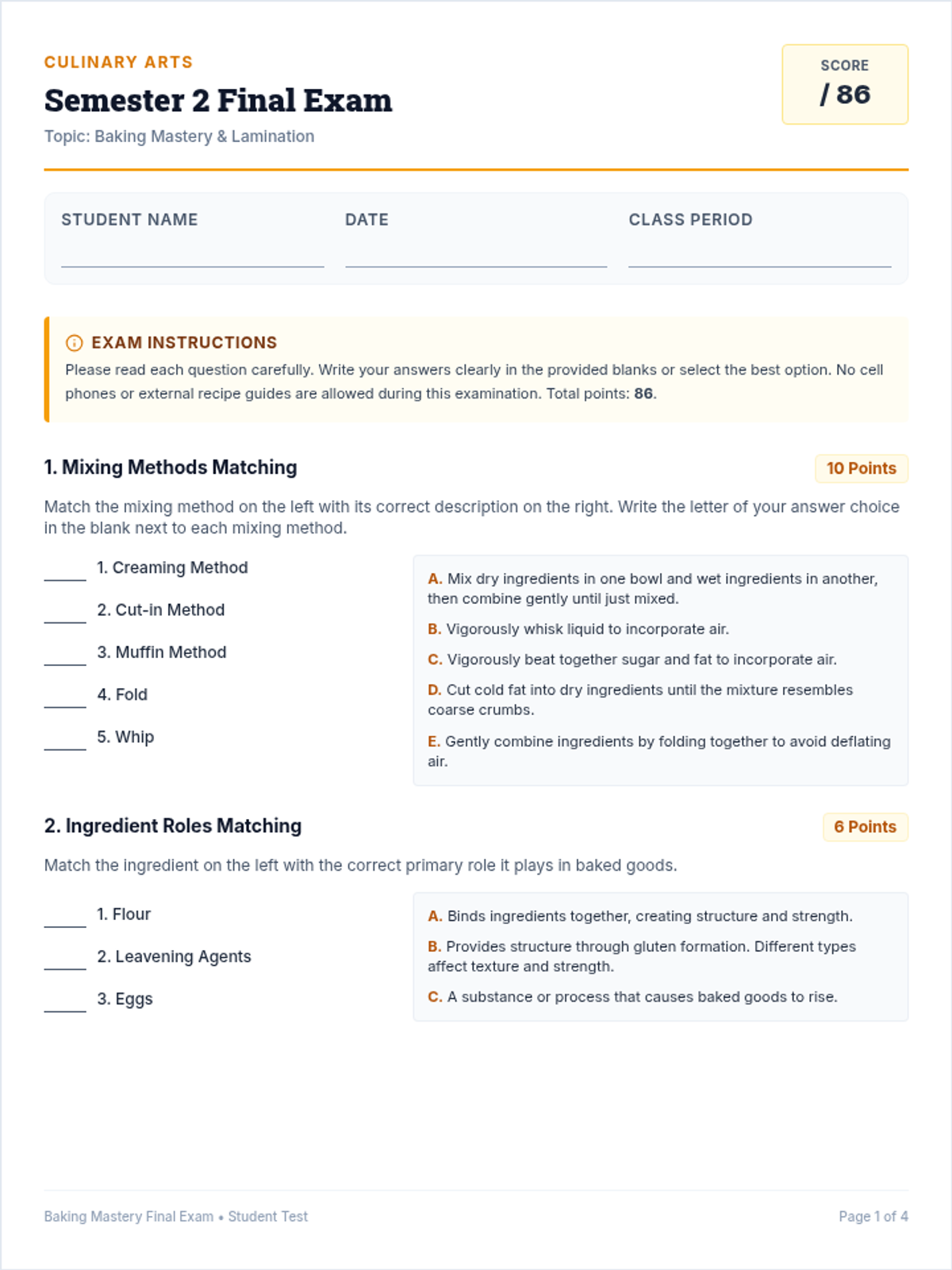
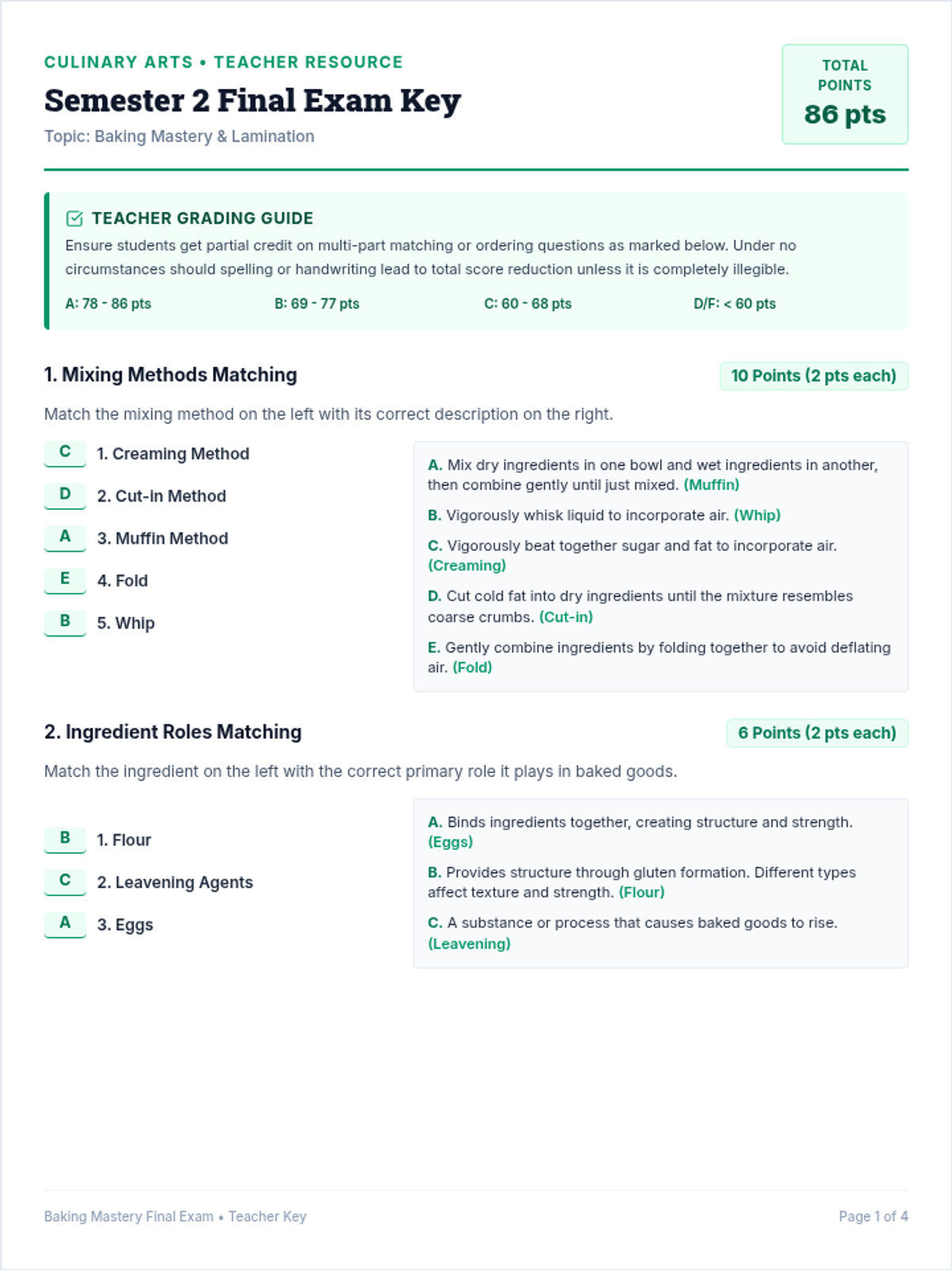
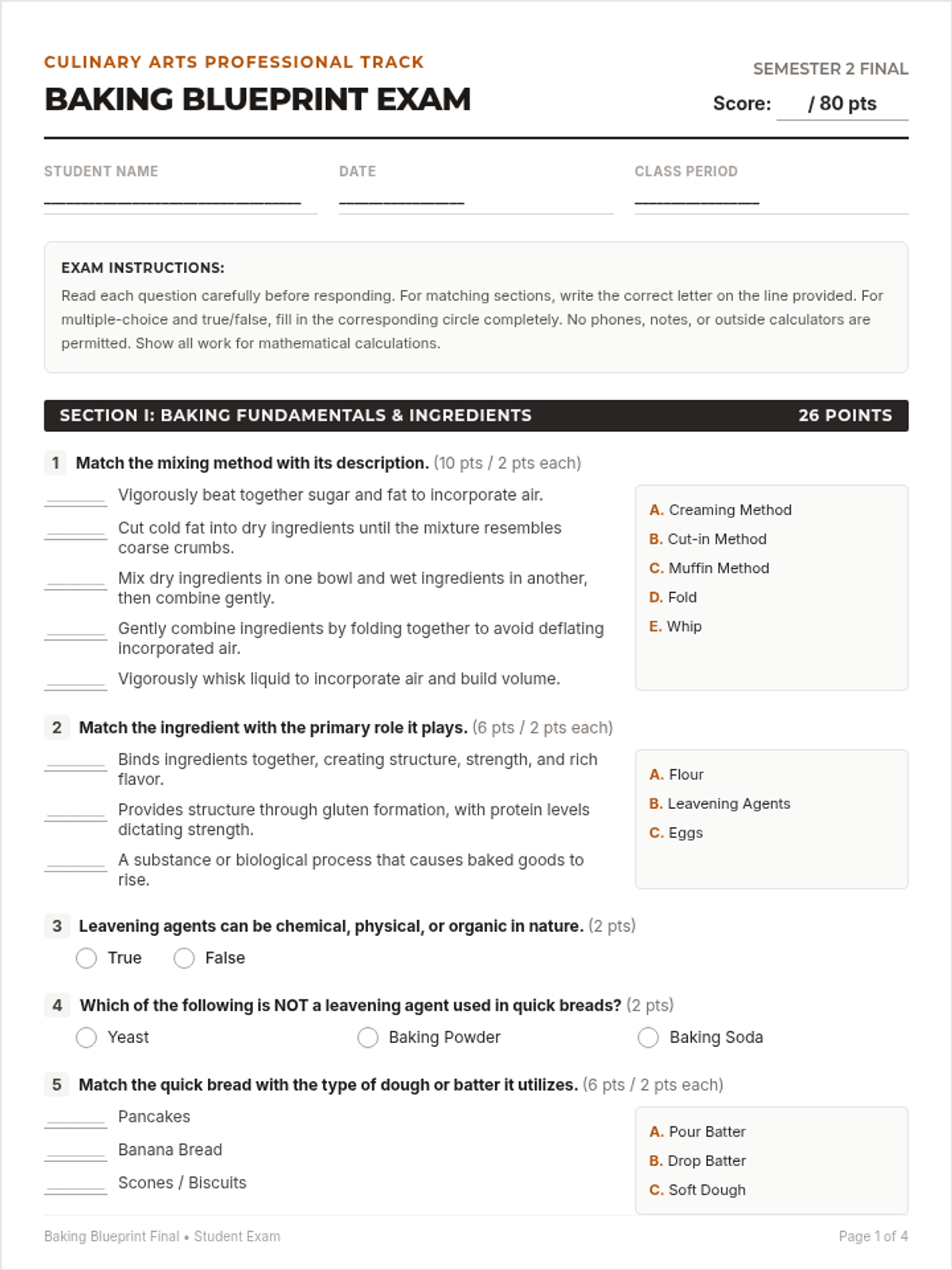
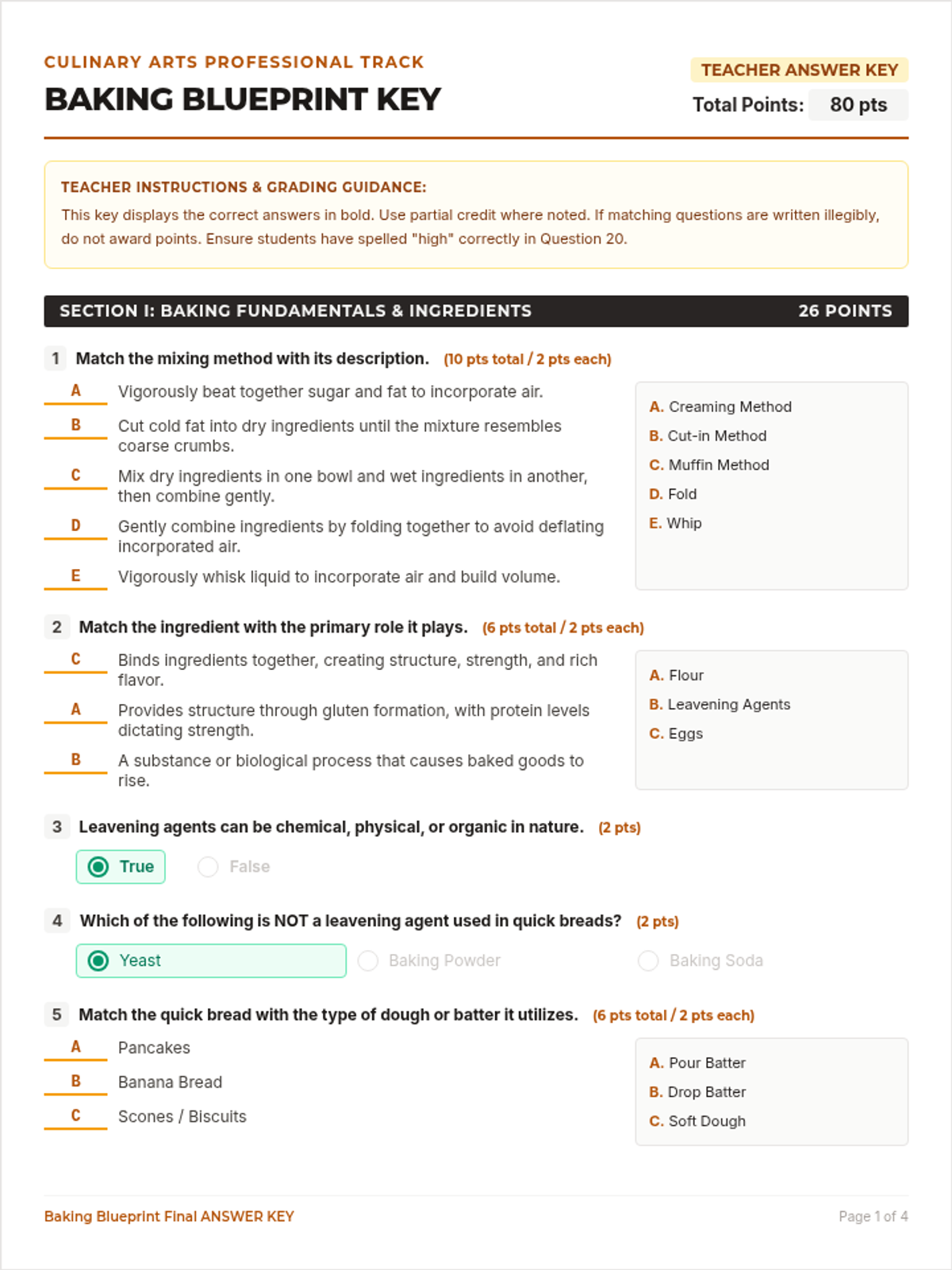
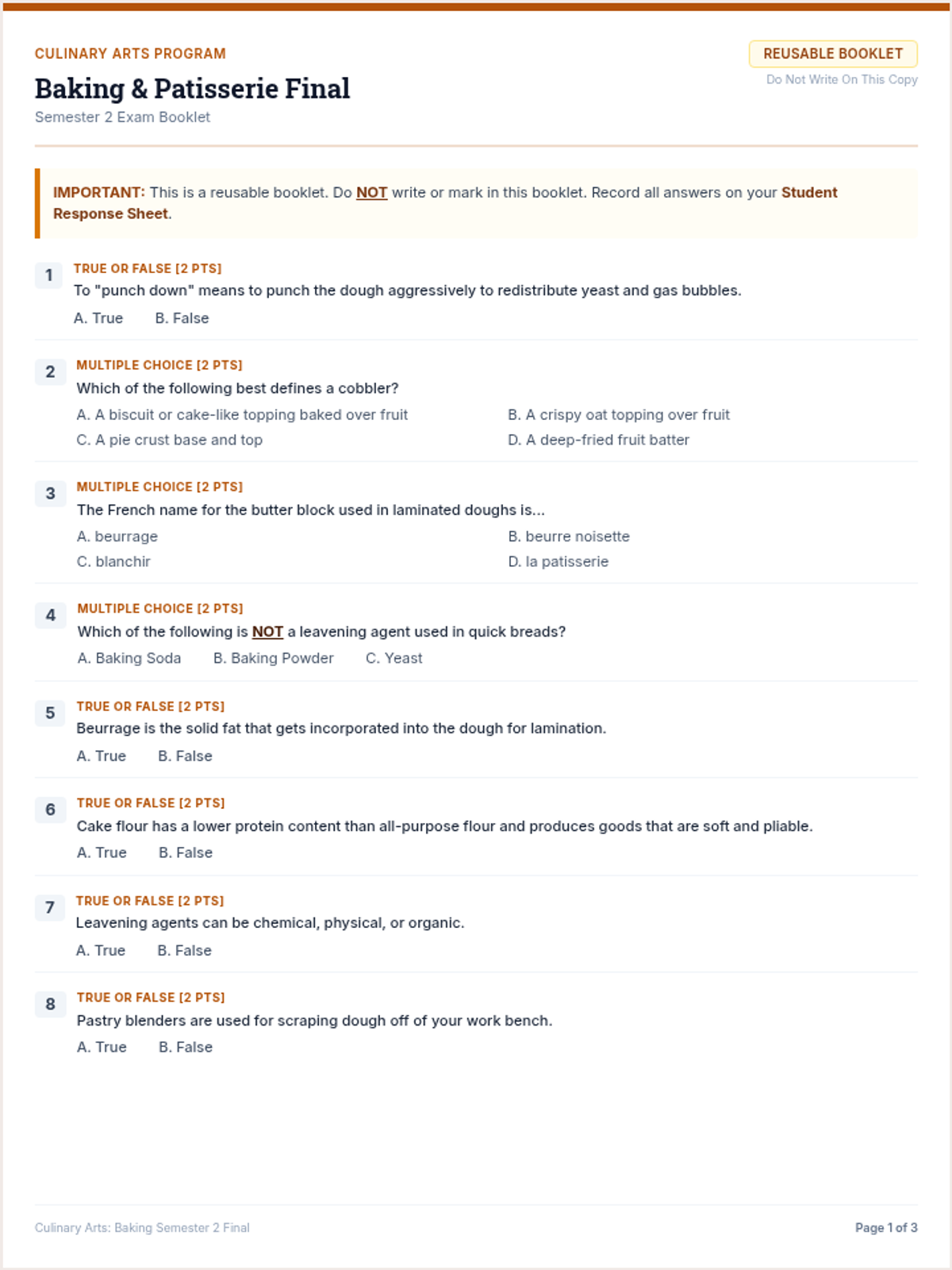
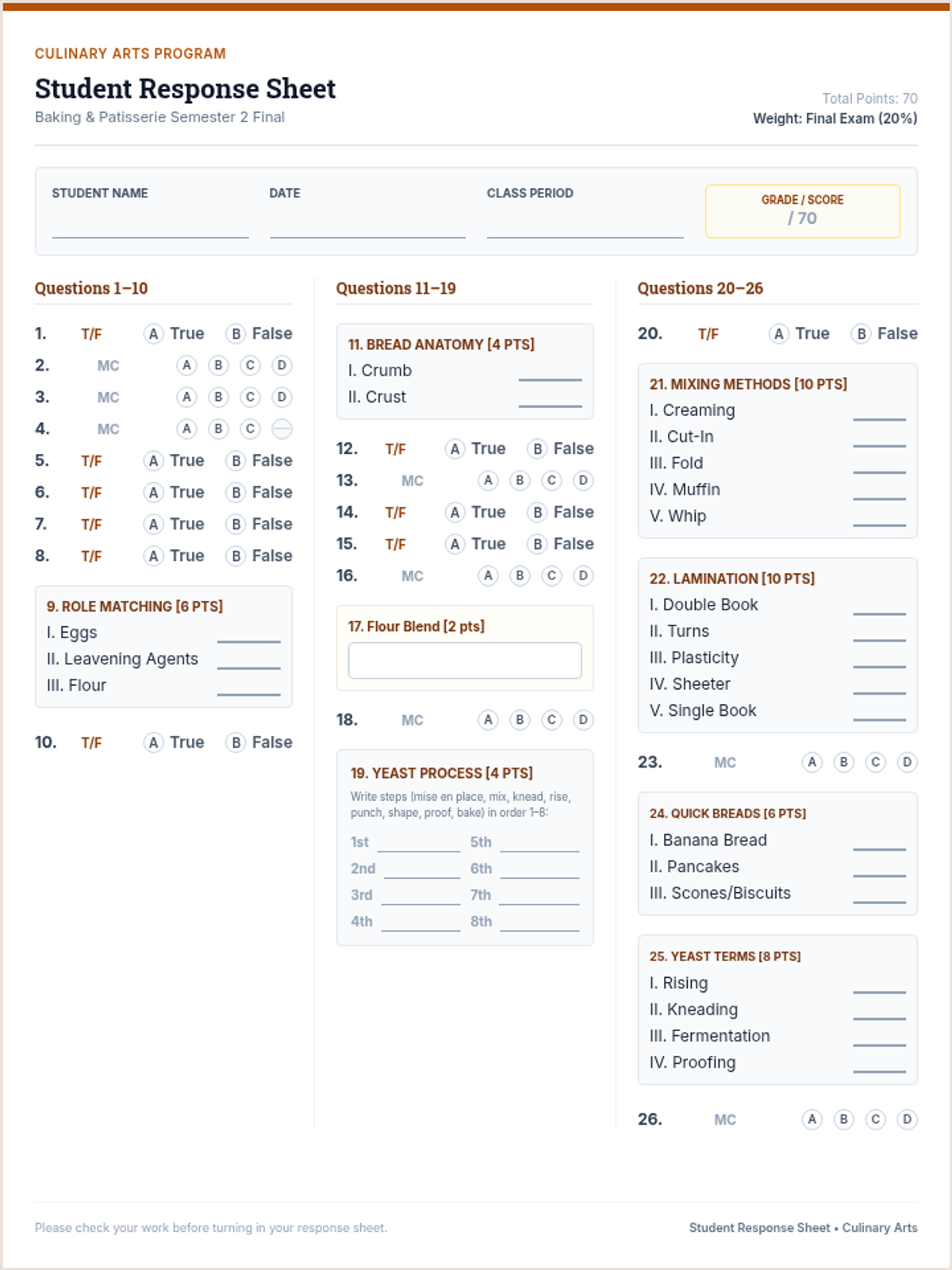
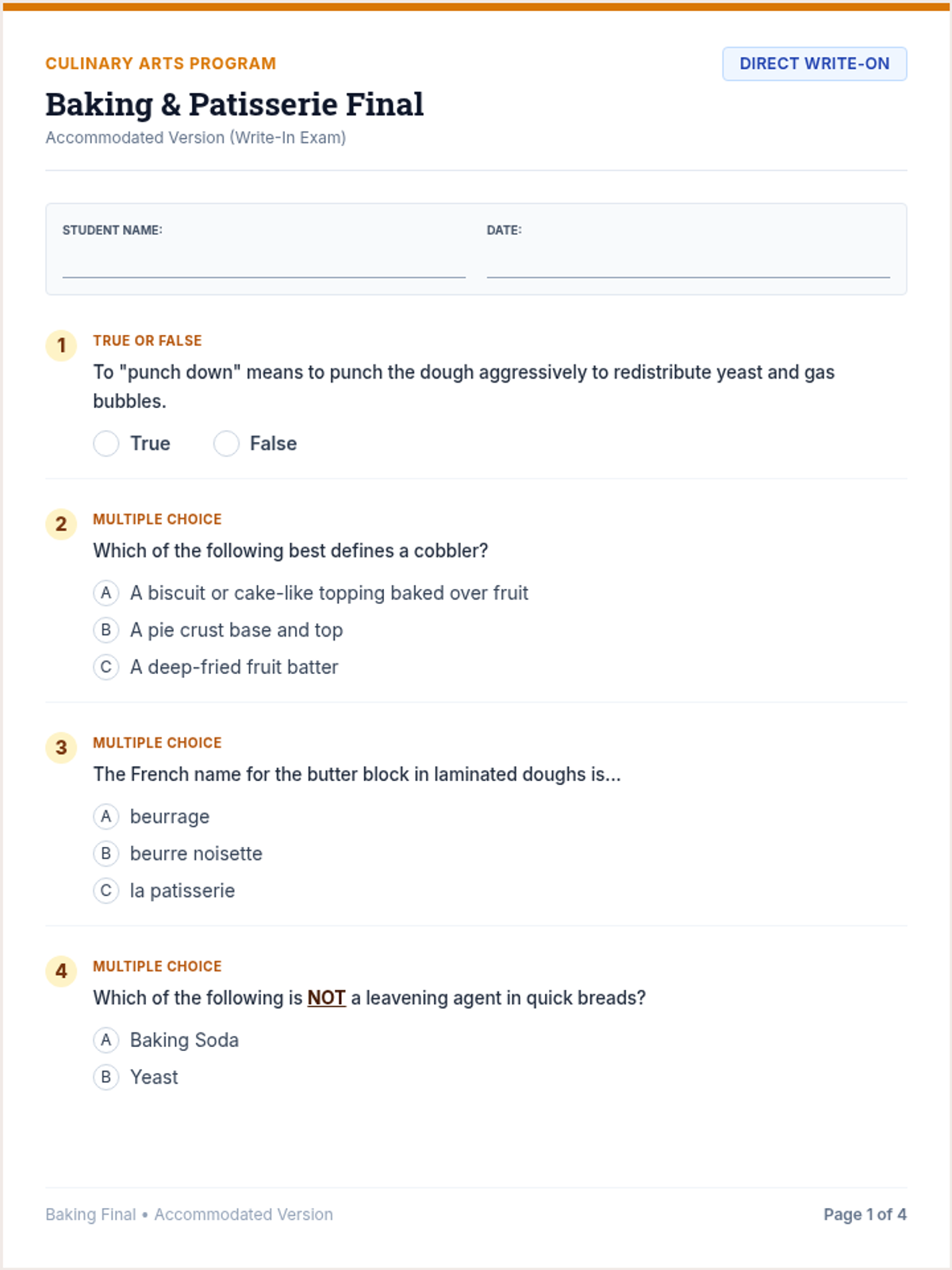
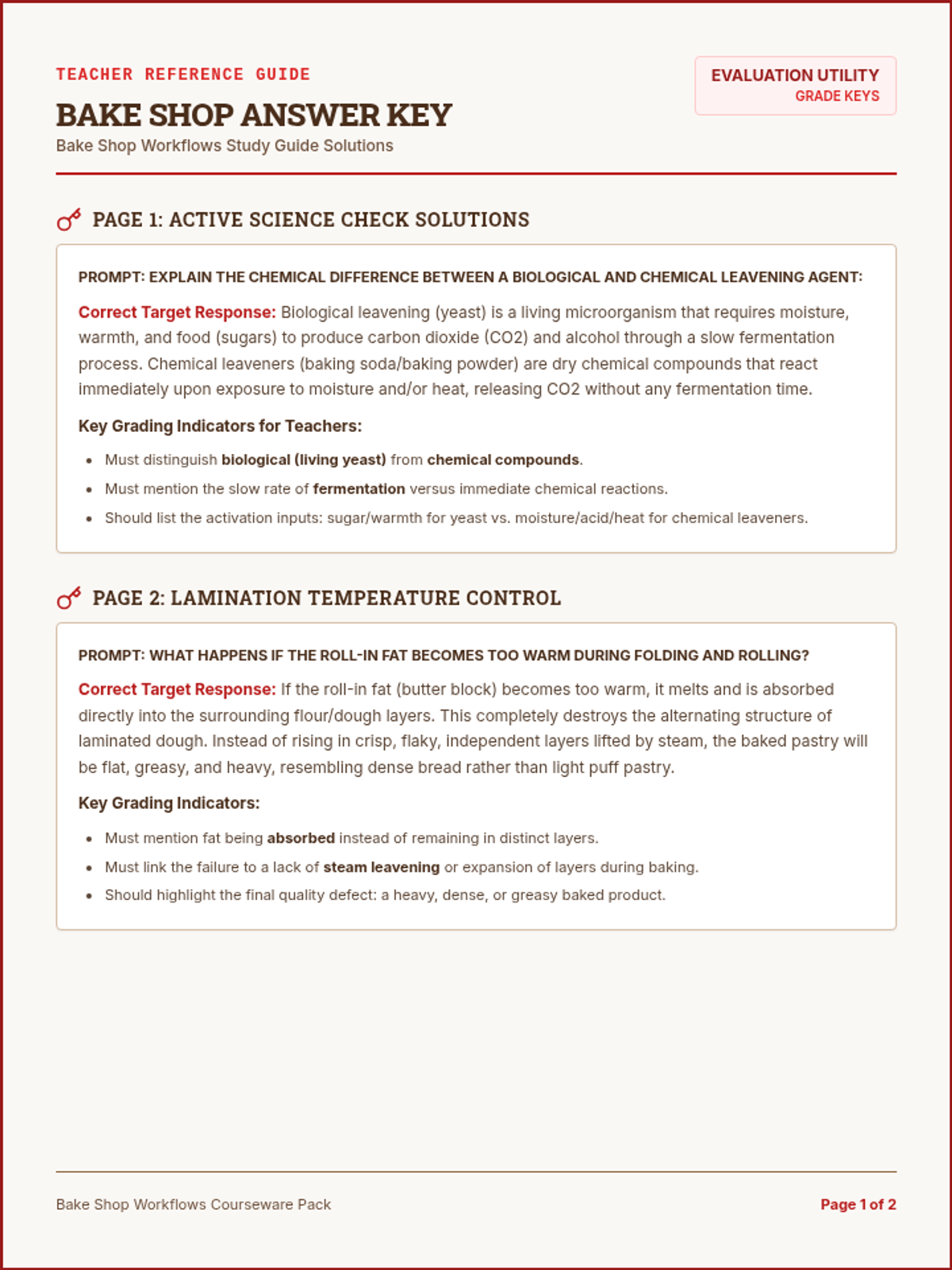
A comprehensive evaluation of baking methods, ingredients, yeast dough preparation, and laminating techniques for Culinary Arts students. Includes a student exam and a matching teacher answer key.
A comprehensive Semester 2 Final Exam for a high school or college Culinary Arts course, covering mixing methods, baking ingredients, leavening agents, quick breads, yeast breads, pies/pastries, lamination, and baker's percentages. Includes a student-ready exam and a fully annotated teacher's answer key.
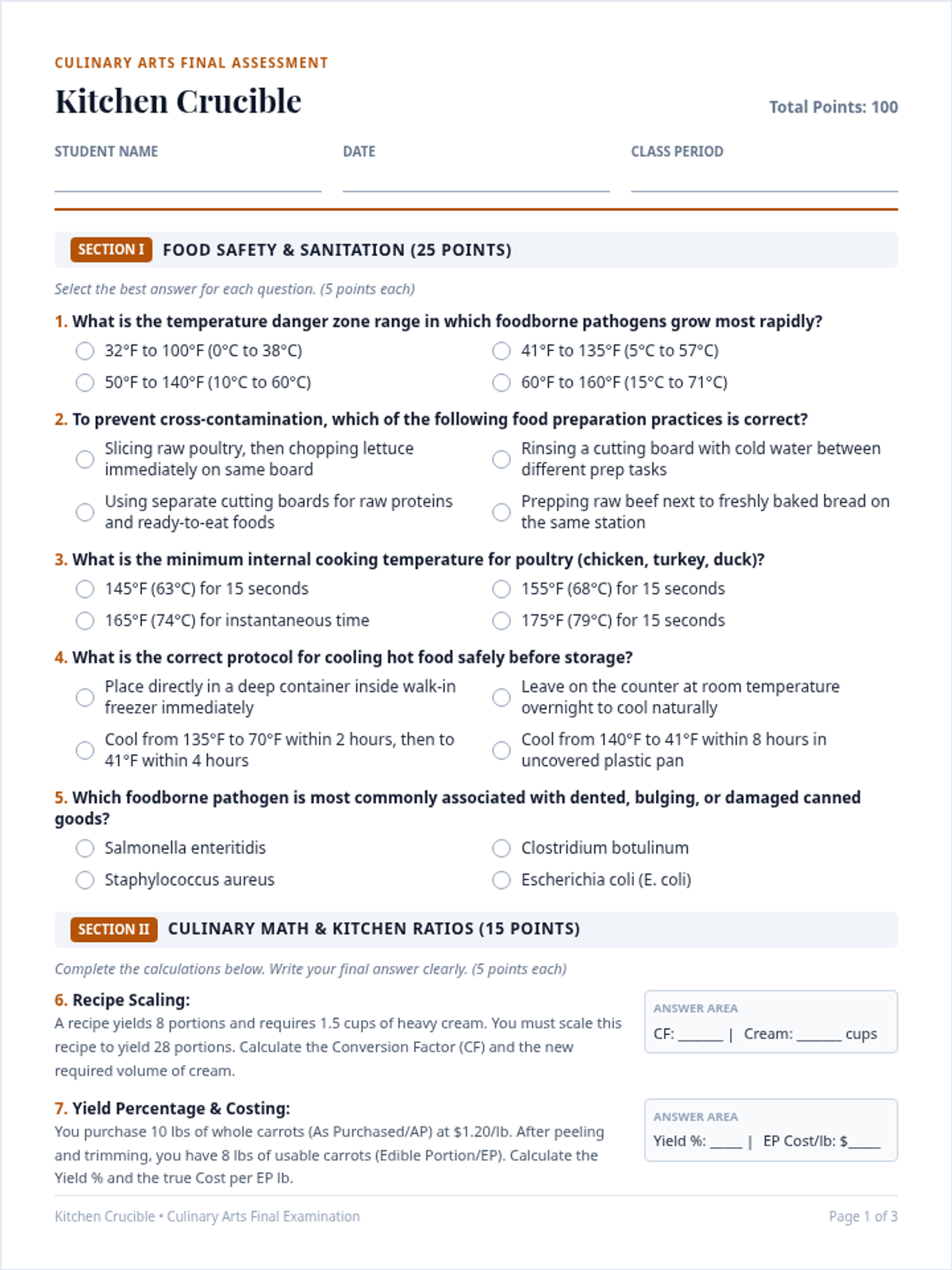
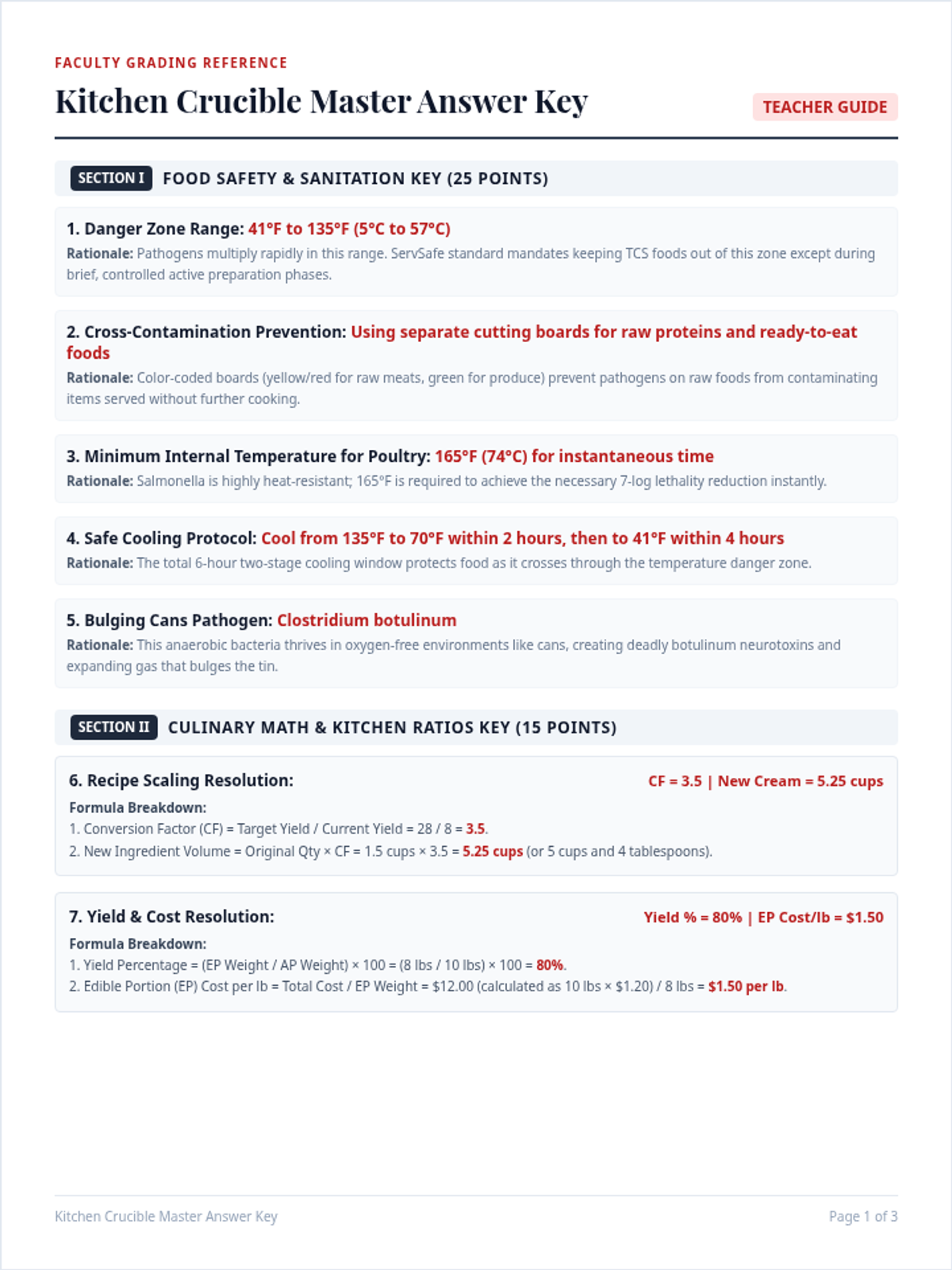
A comprehensive final assessment package for culinary arts students, featuring a multi-page written exam covering food safety, culinary math, cooking techniques, and mother sauces, paired with a complete teacher answer key and rubric.
An active, high-stakes gamified Regents review lesson for Living Environment (Biology), where teams compete to steal or protect tokens by solving rigorous biology questions.
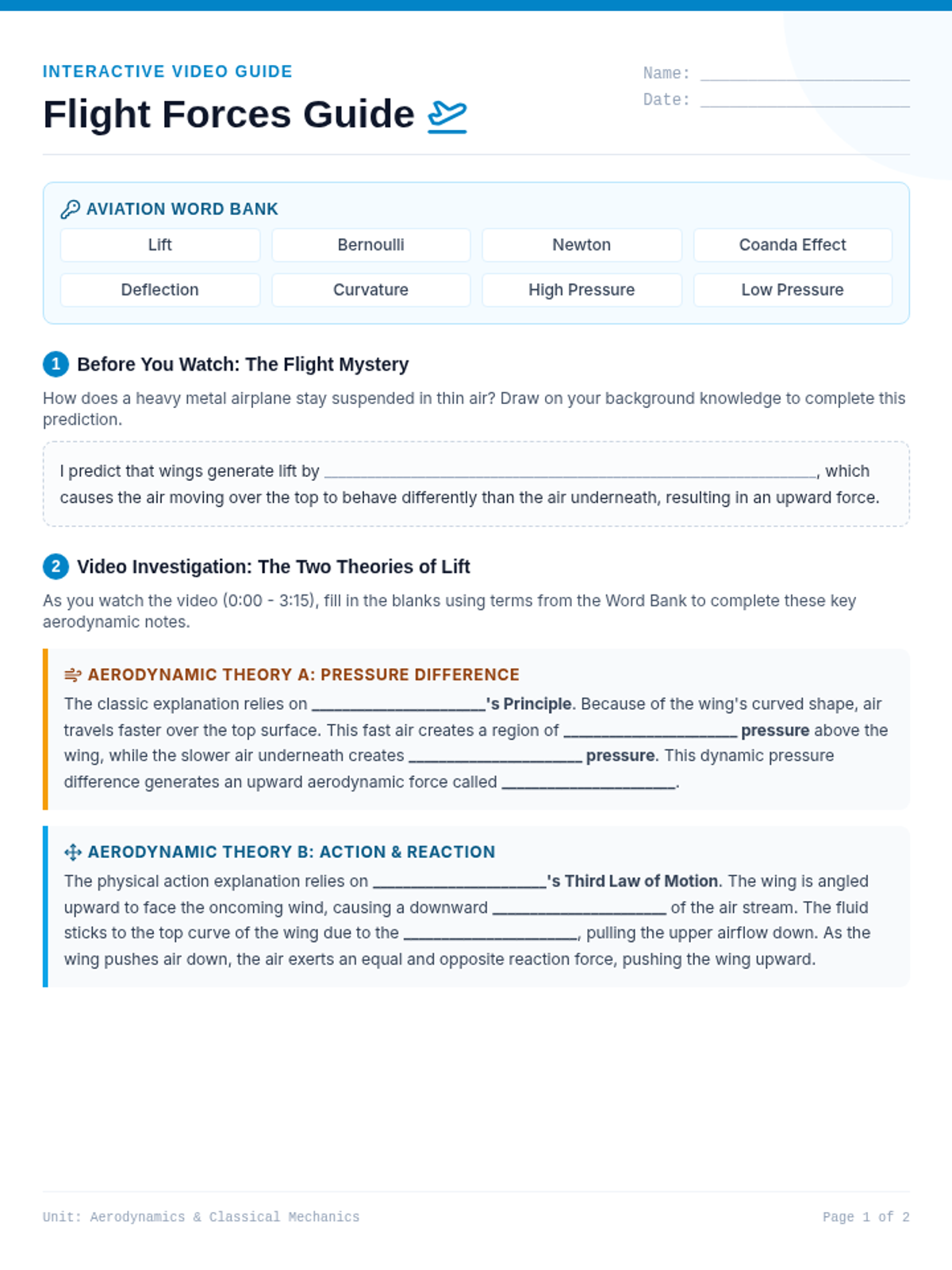
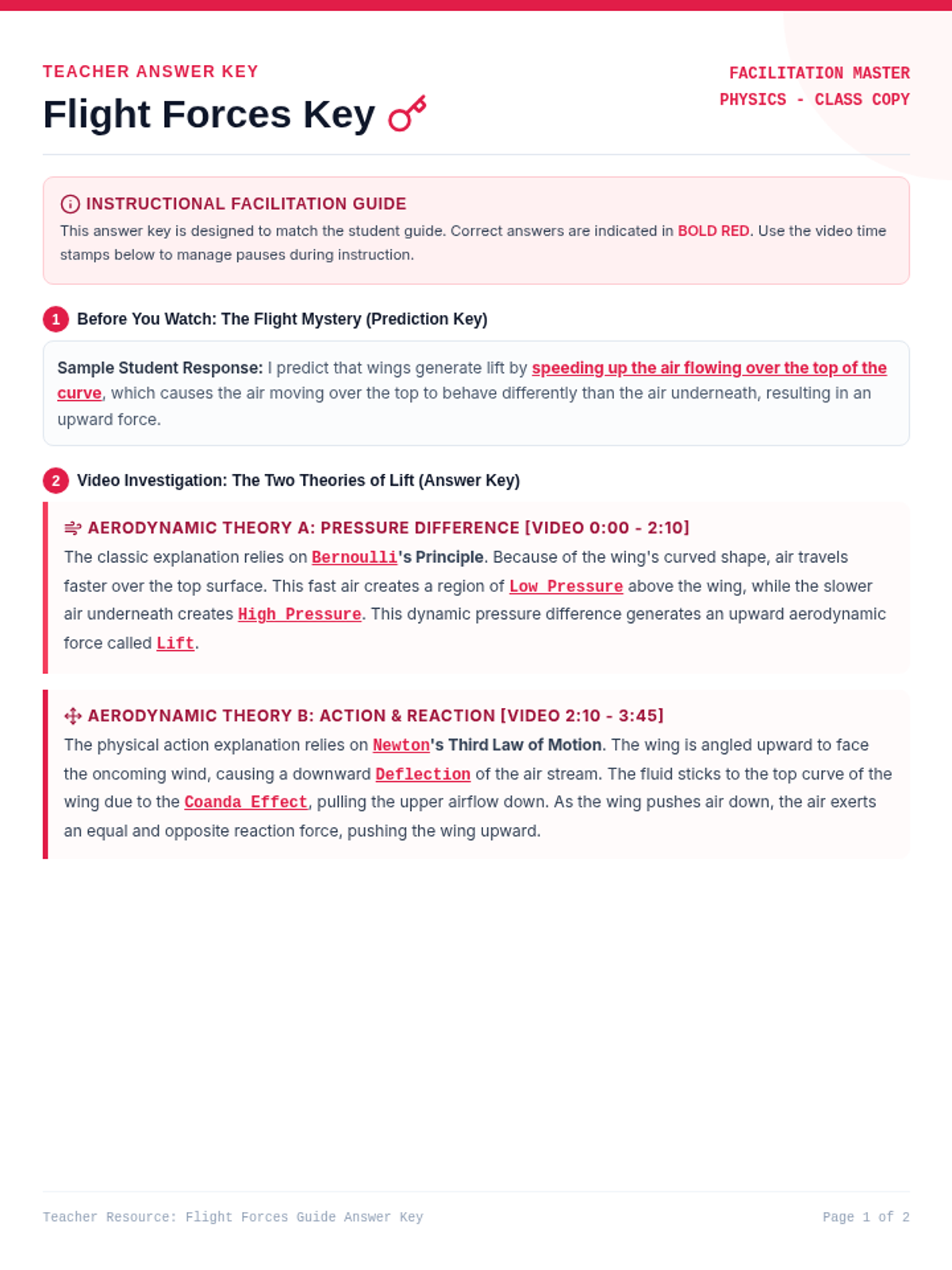
An engaging physics lesson exploring the aerodynamics of flight, centering around an interactive video guide, visual slides, and scaffolded student guided notes with sentence frames.
A comprehensive culinary baking final exam package containing a reusable question booklet, a single-page student response sheet, an accommodated exam booklet with larger text and simplified options, and a master grading key.
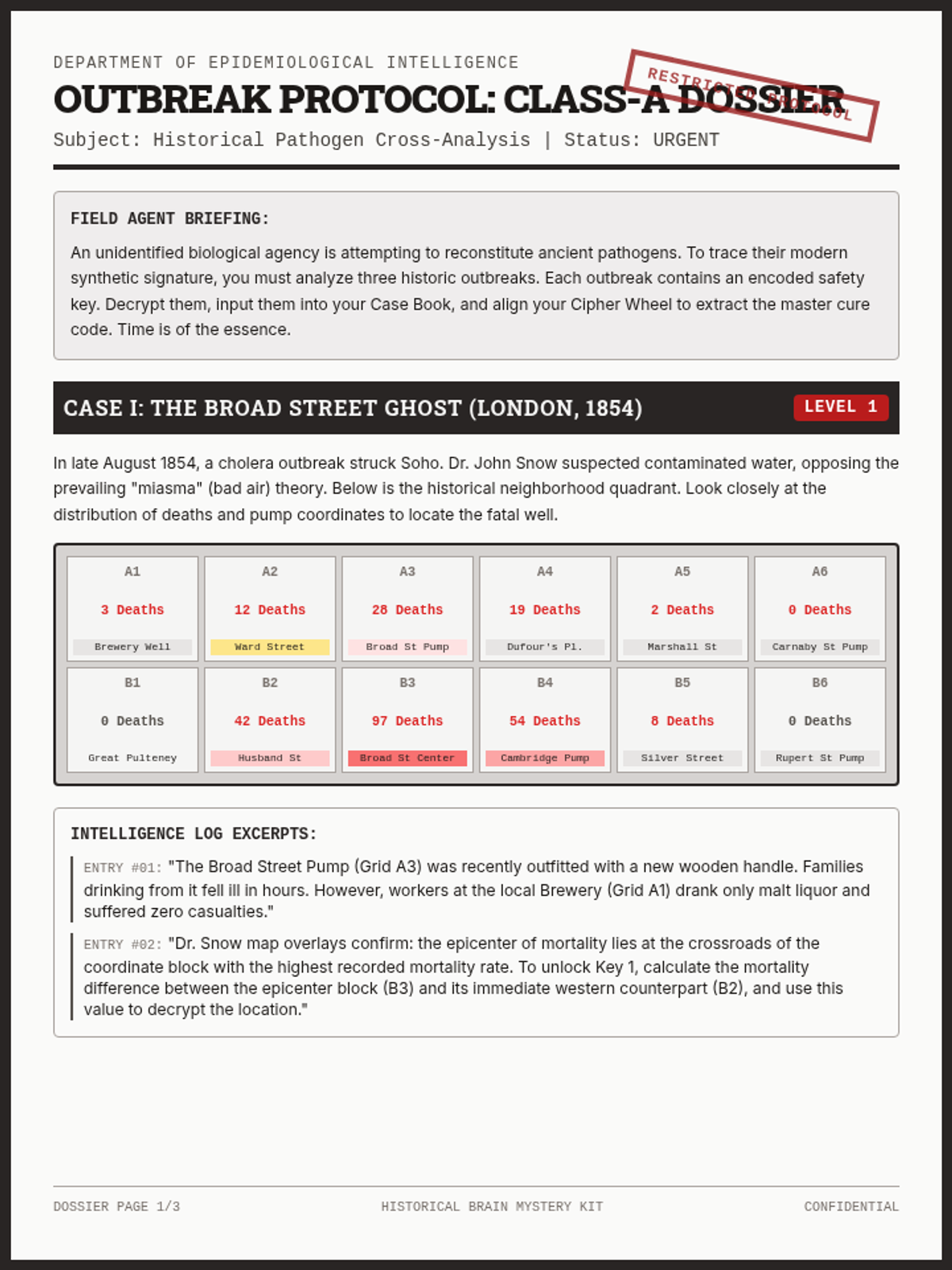
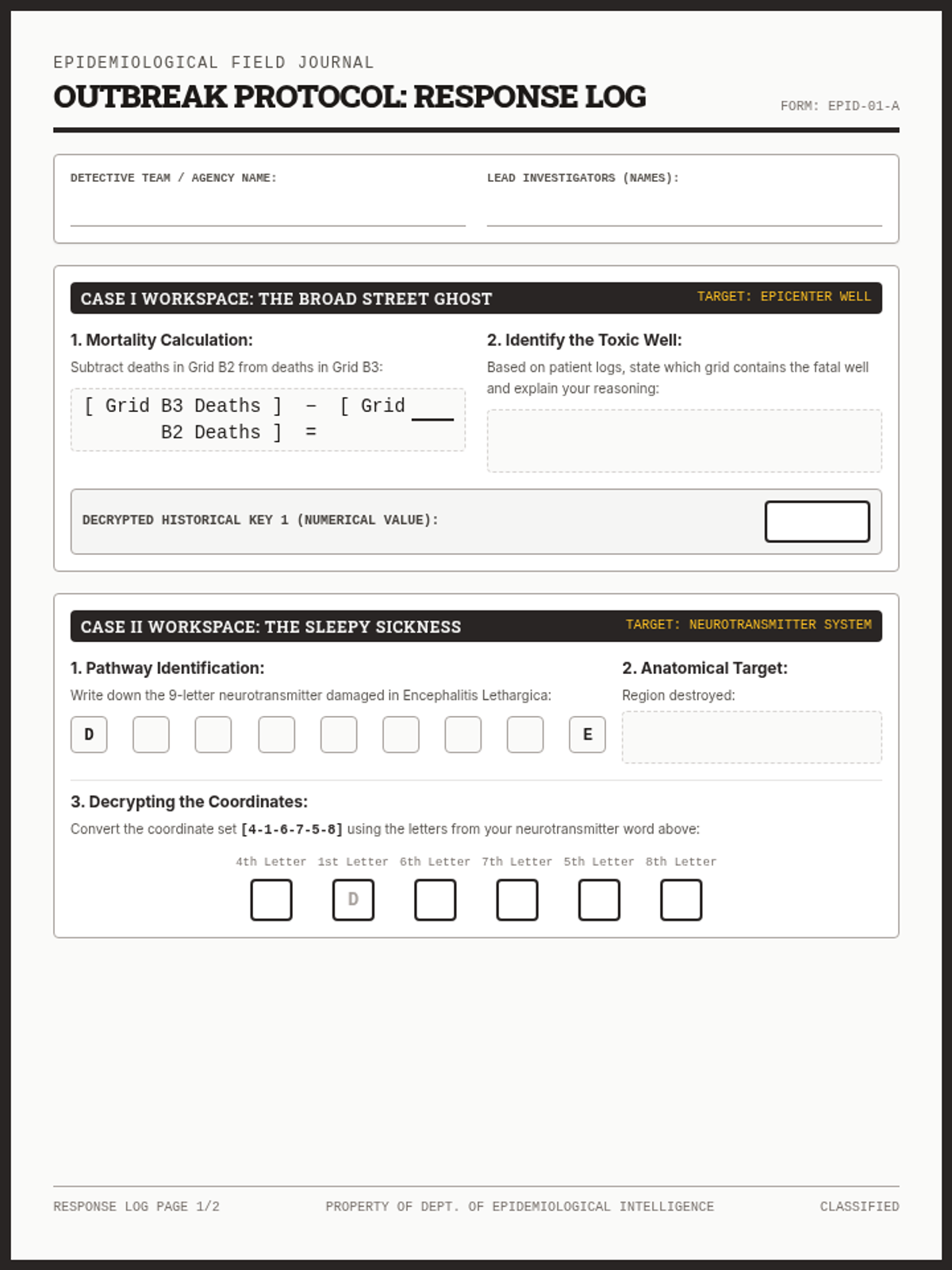
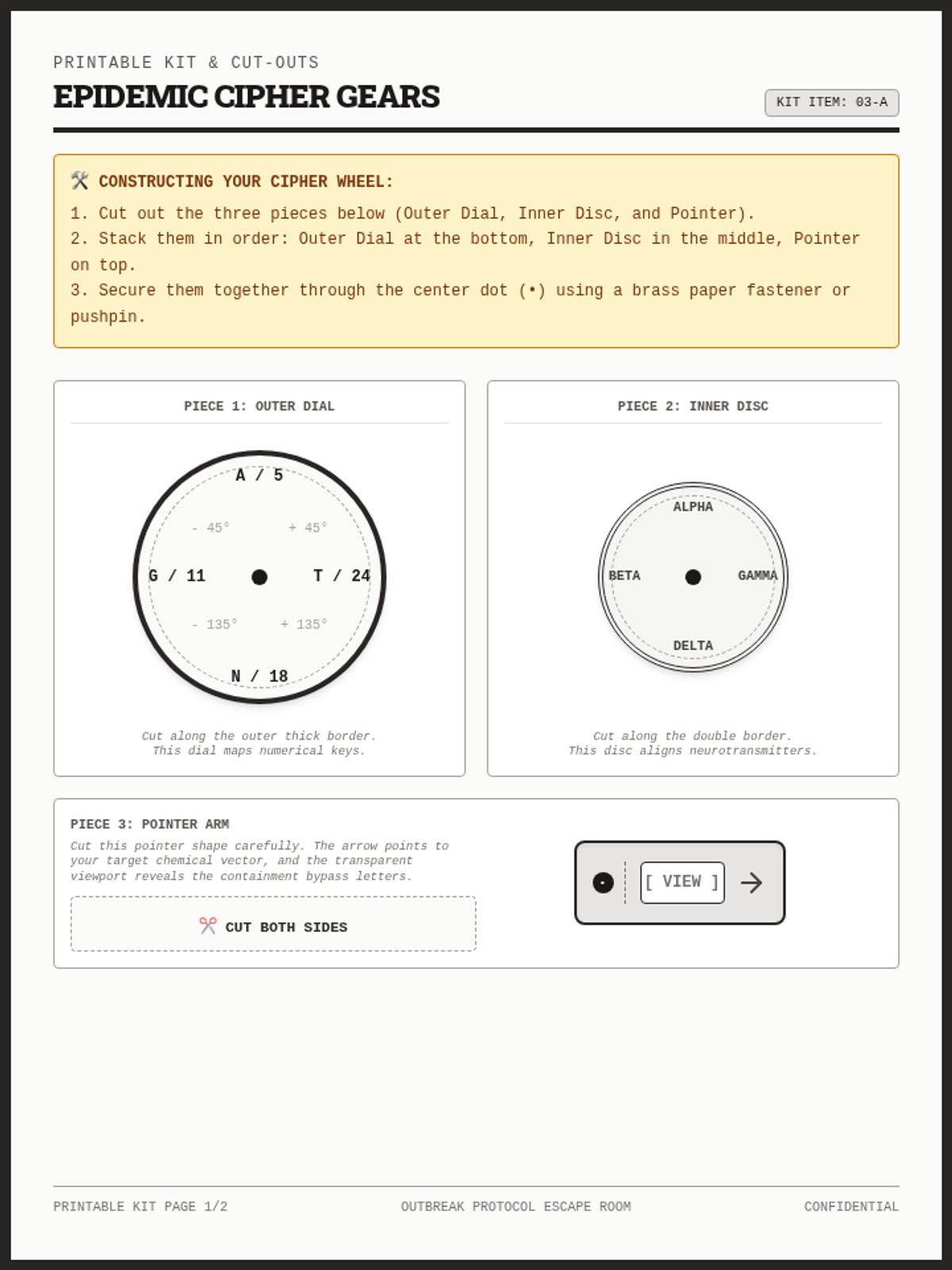
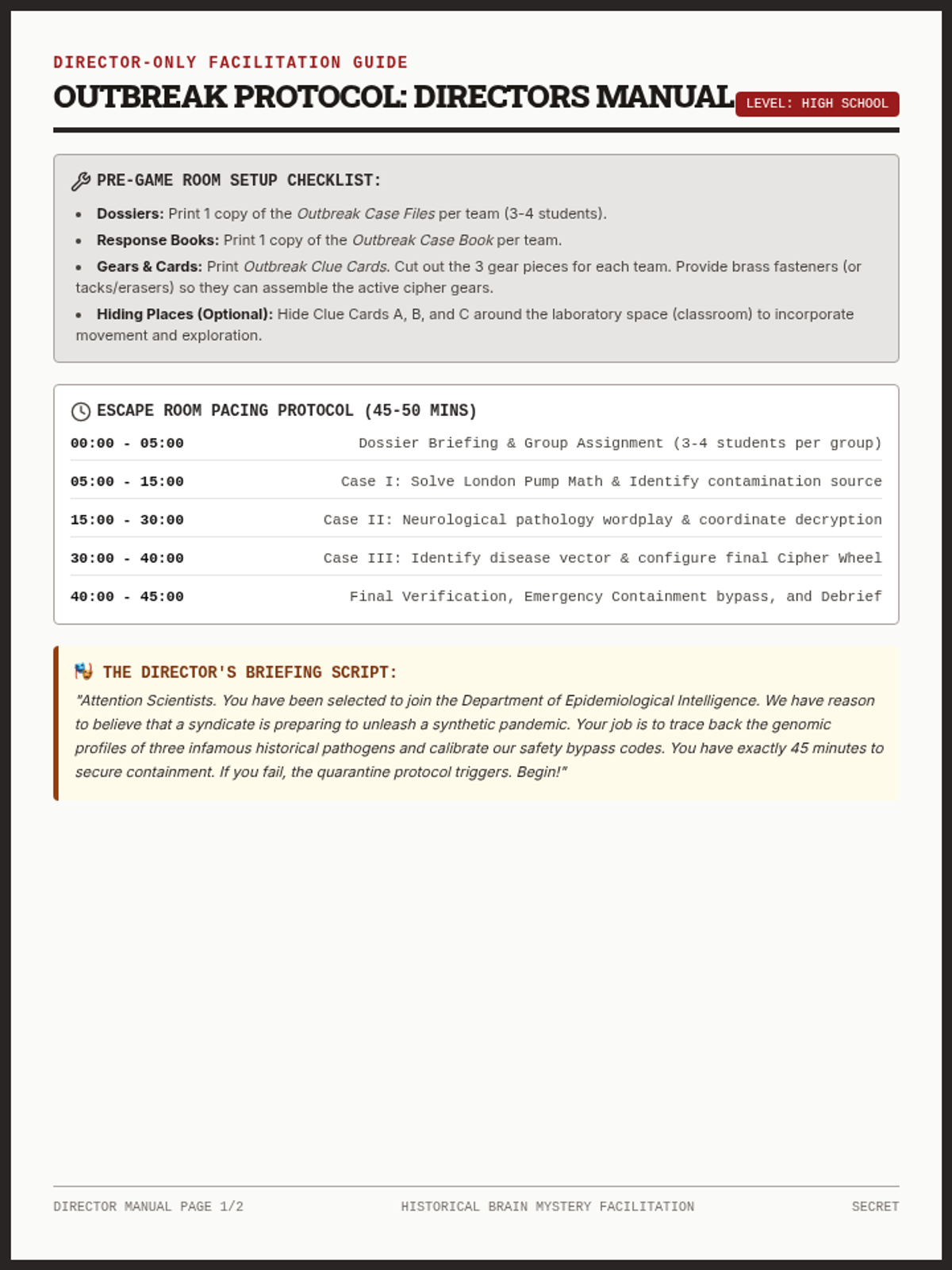
An immersive, teamwork-driven escape room where students act as epidemiological detectives. They decode historical medical mysteries, analyze clinical symptoms, and use cipher keys to prevent a global outbreak.
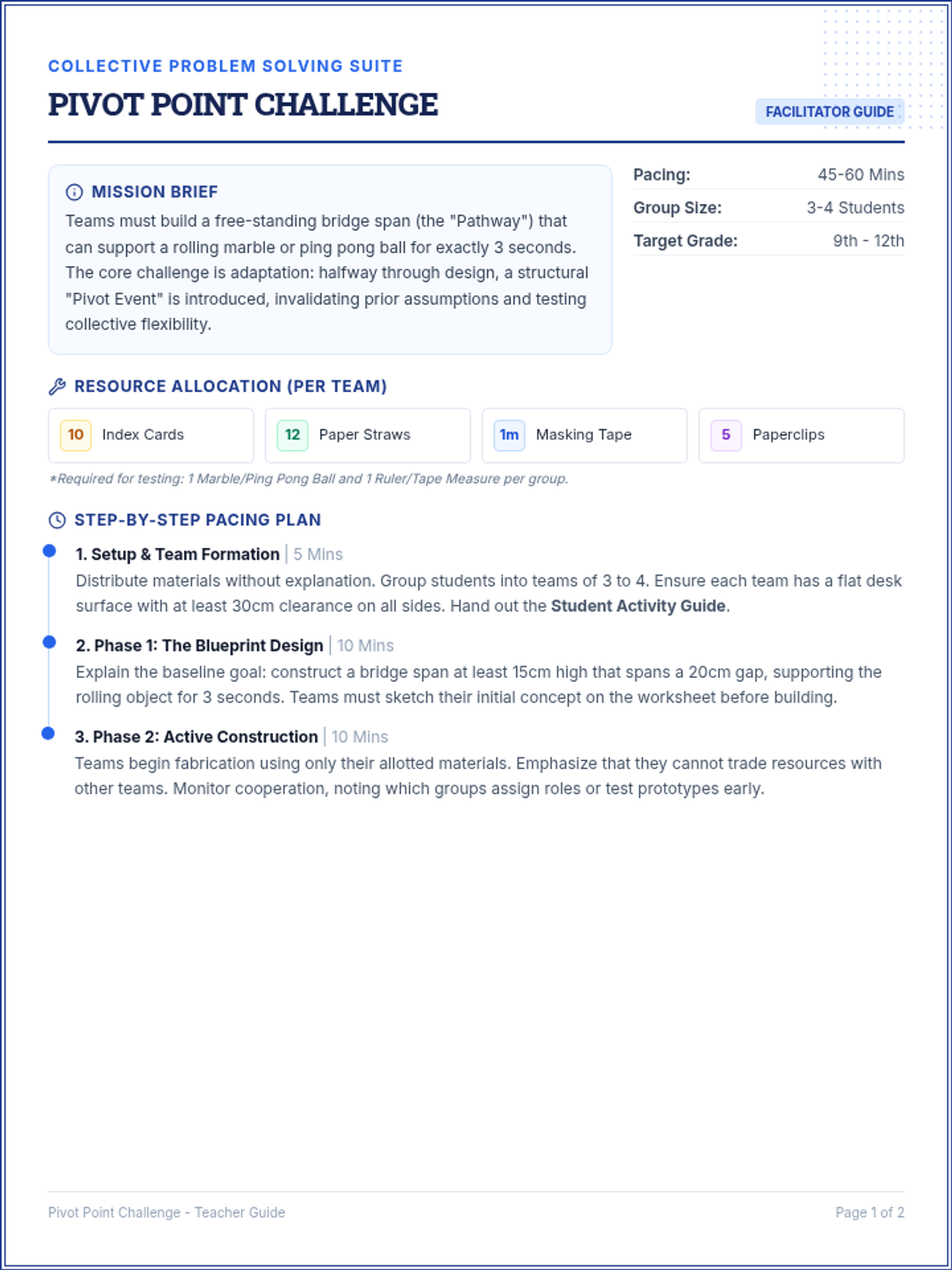
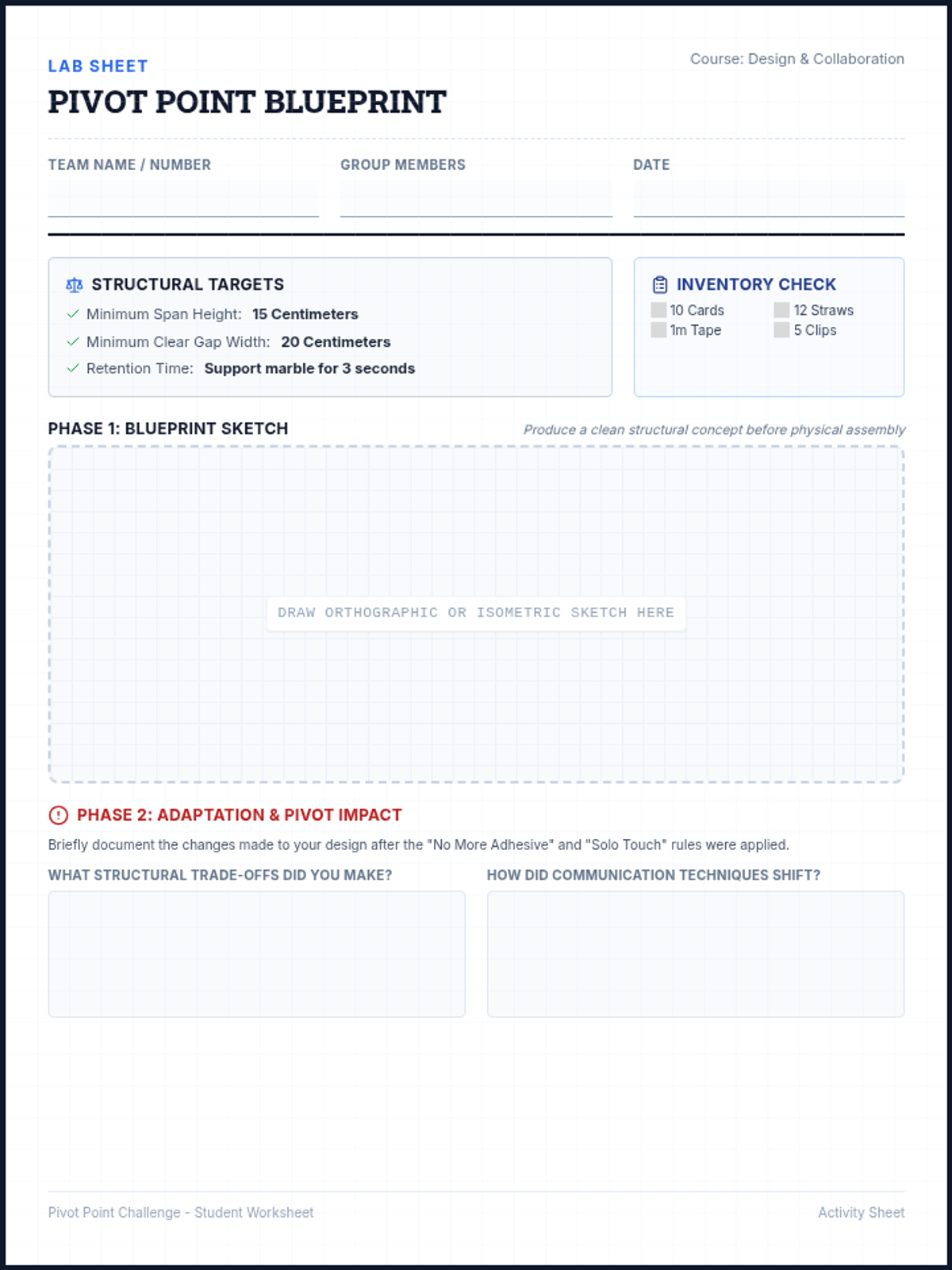
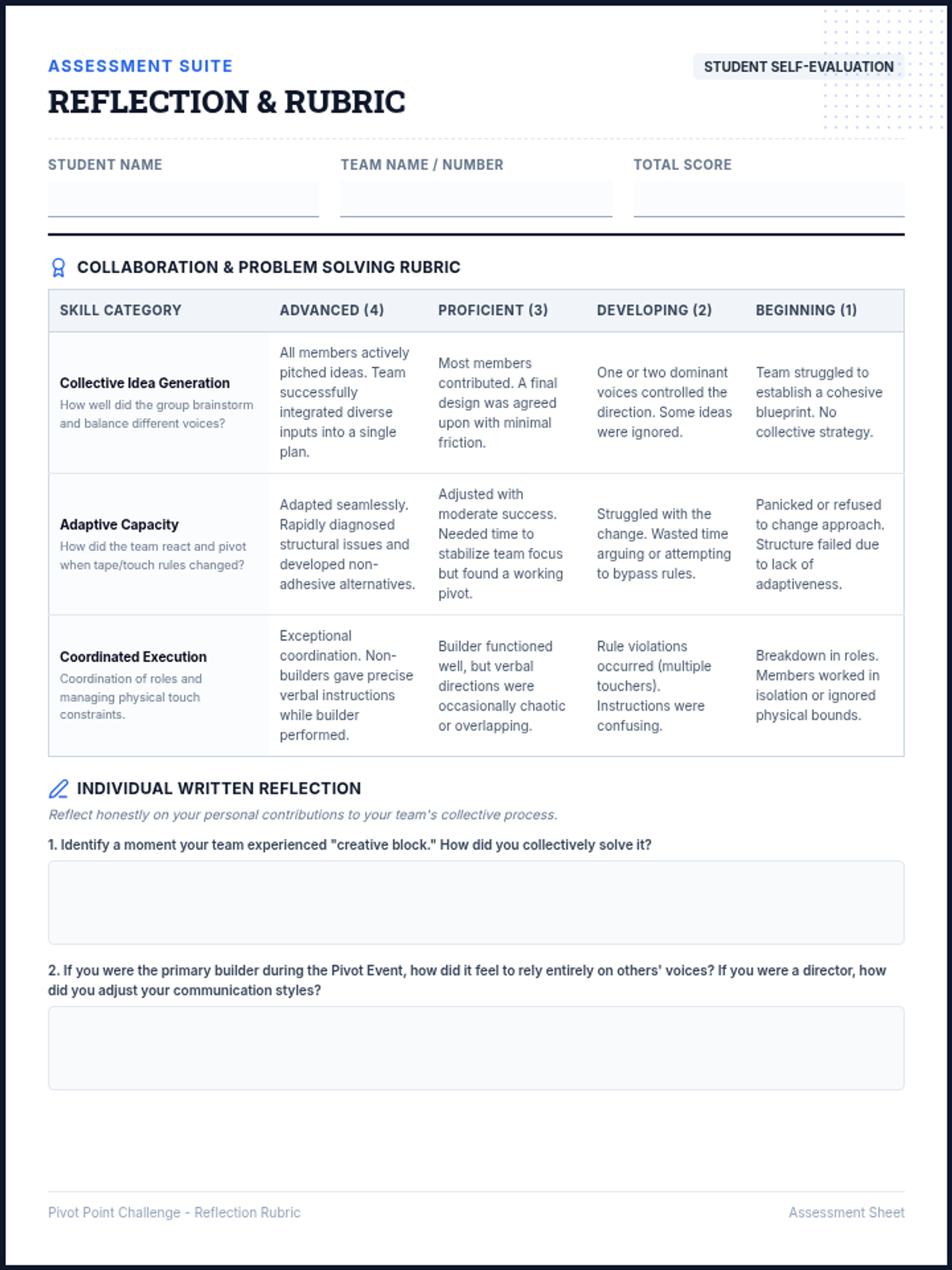
A hands-on engineering and teamwork challenge where high school students collaborate to build a path under tight material constraints, only to face a sudden structural 'pivot' rule that forces them to adapt their strategy mid-game.
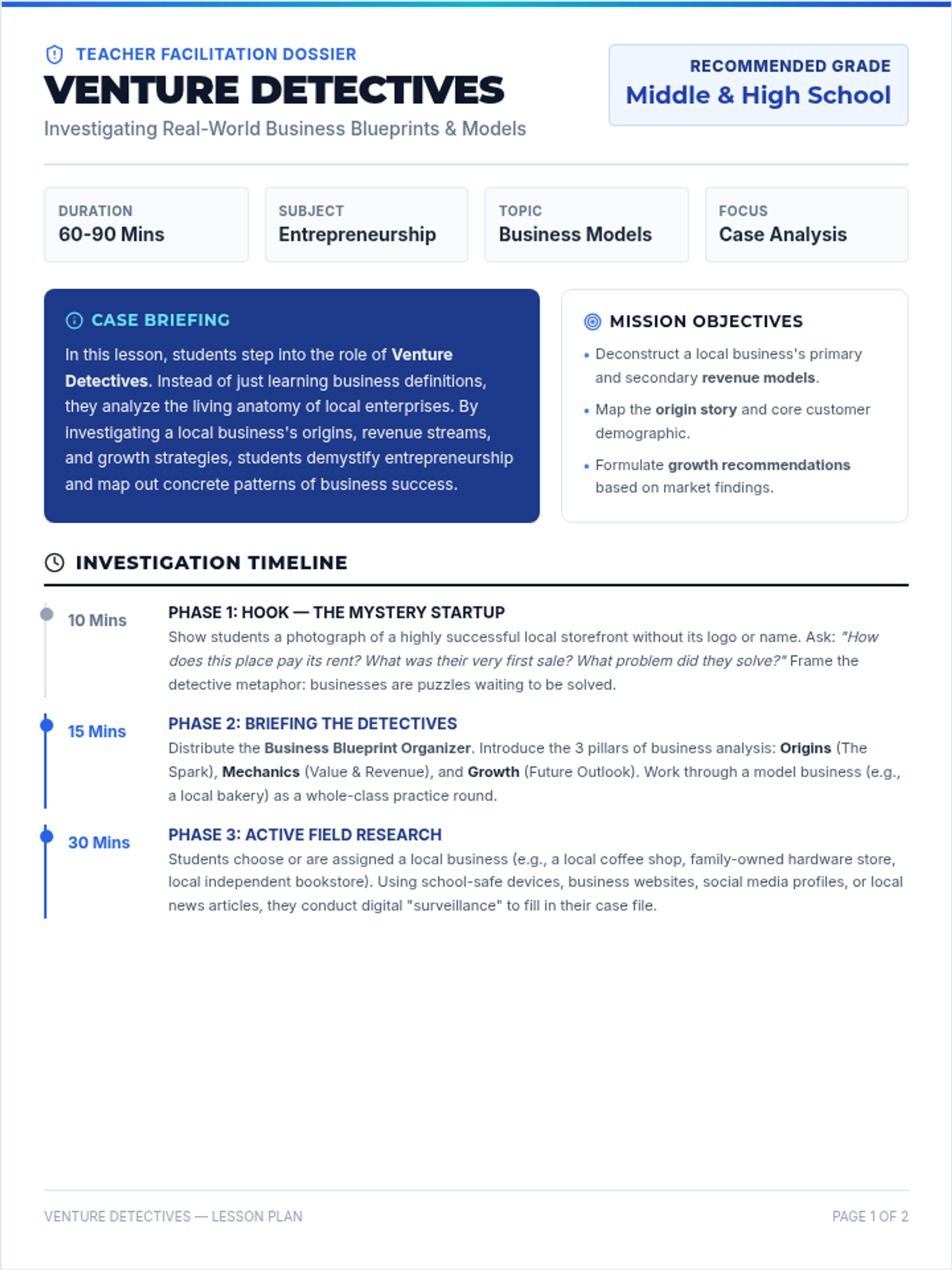
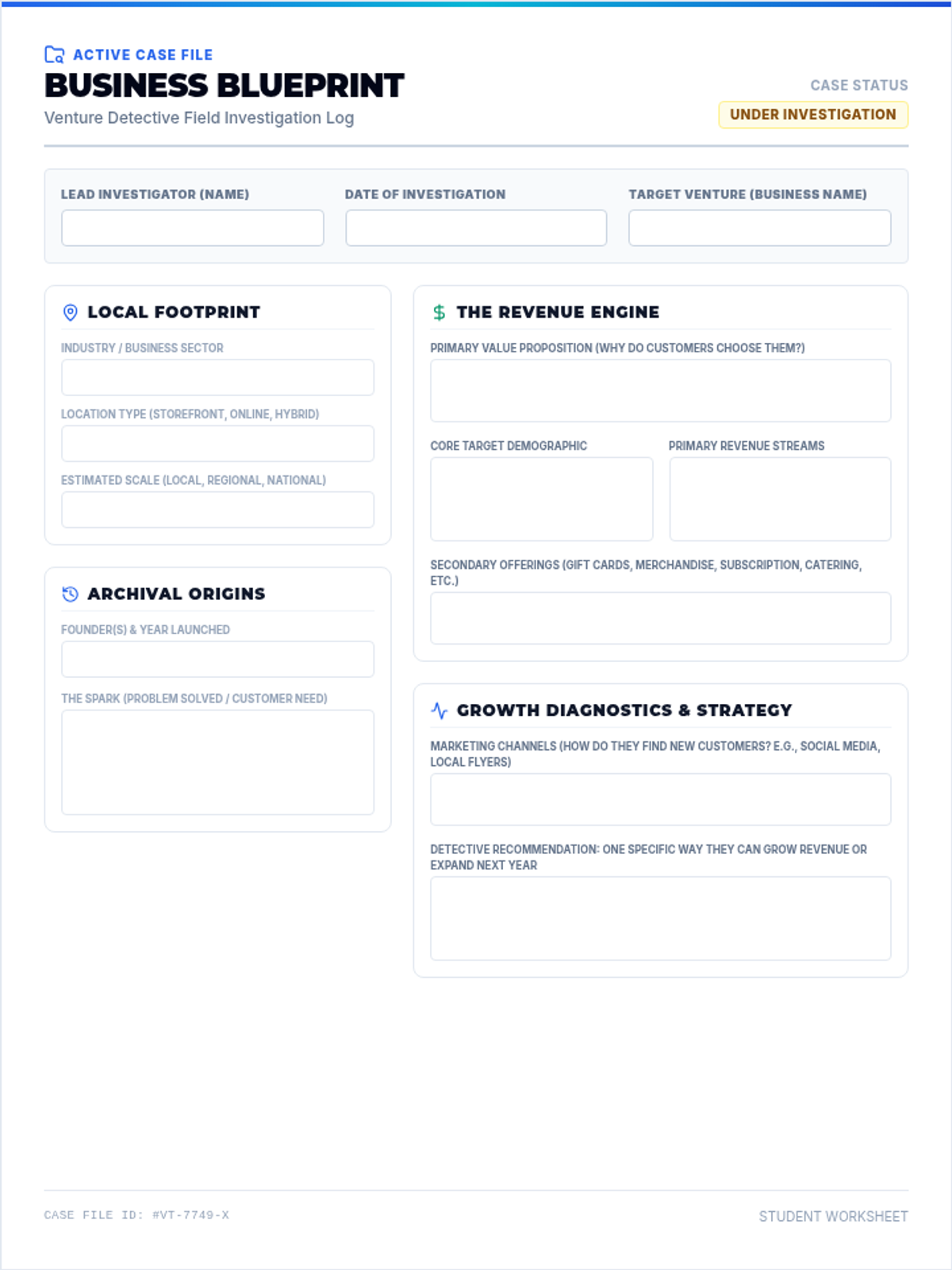
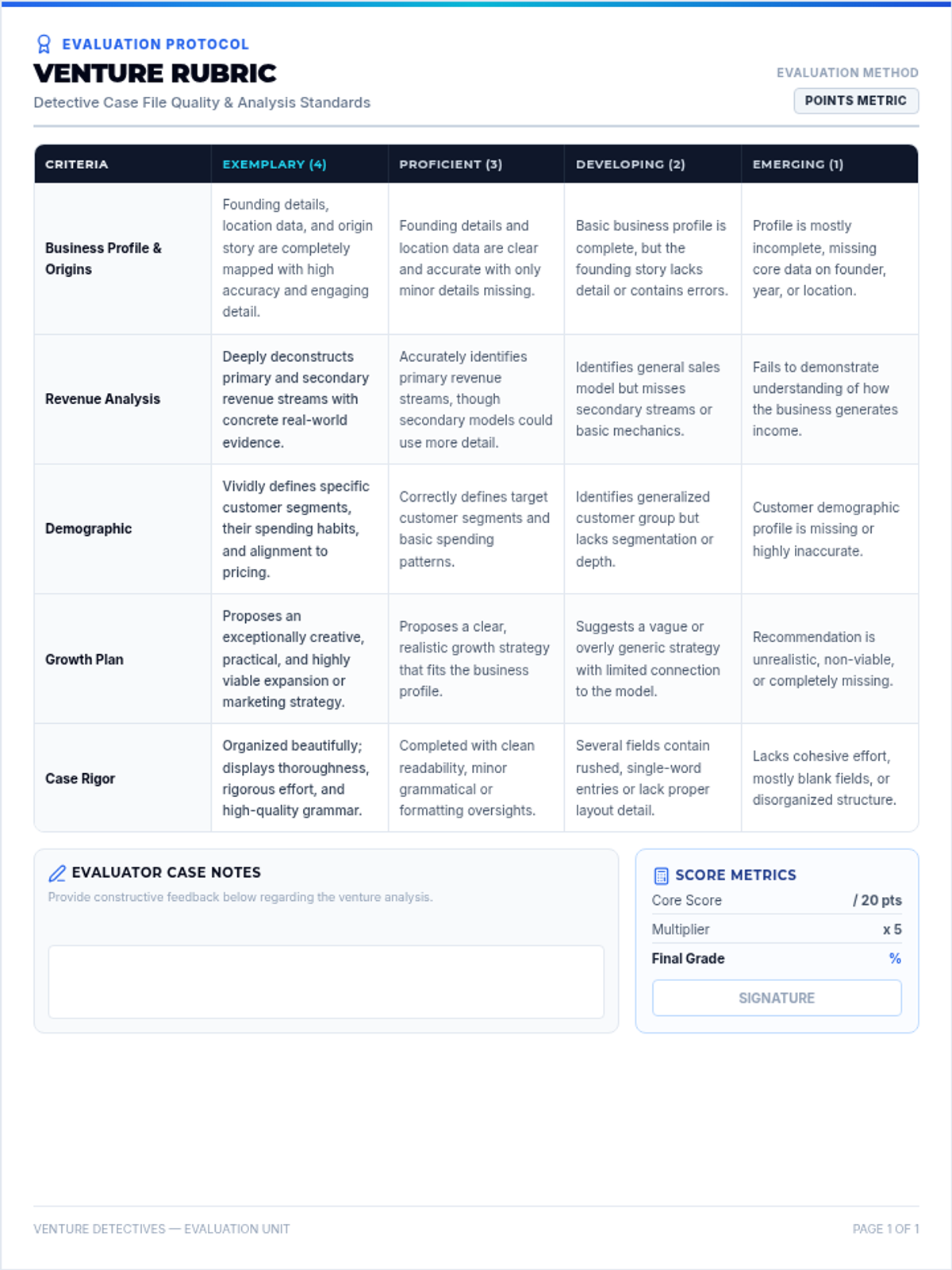
An immersive entrepreneurship lesson where students become 'venture detectives' to investigate local businesses, analyzing how they started, their revenue streams, and their growth strategies.
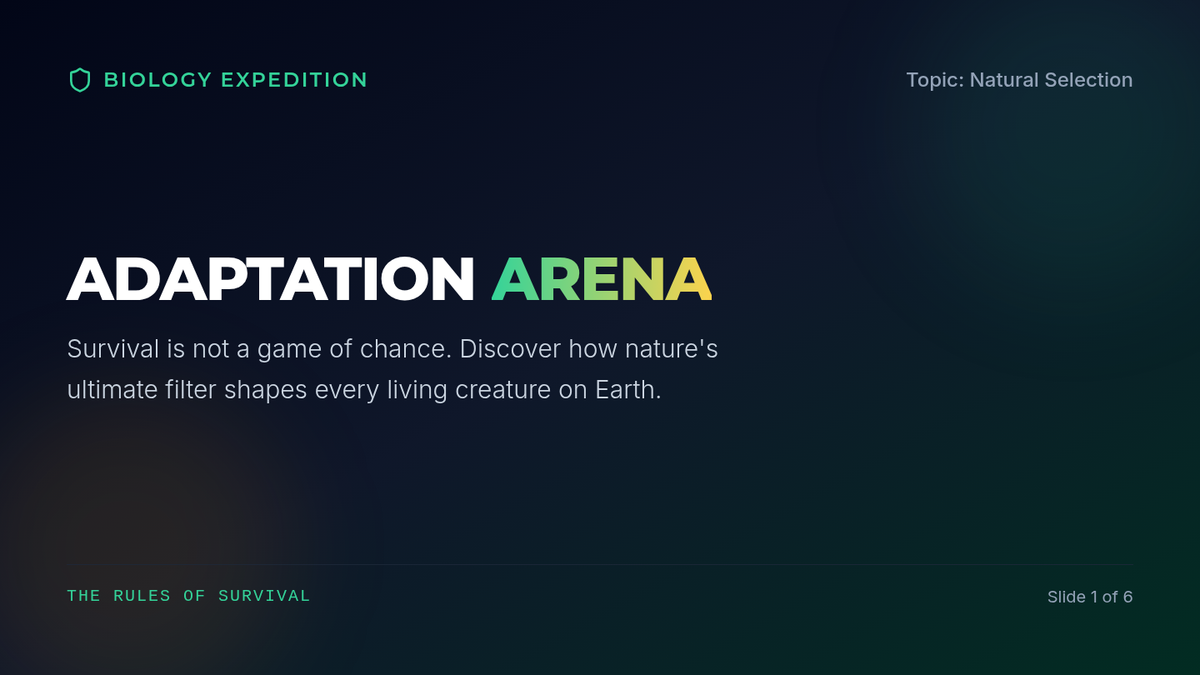
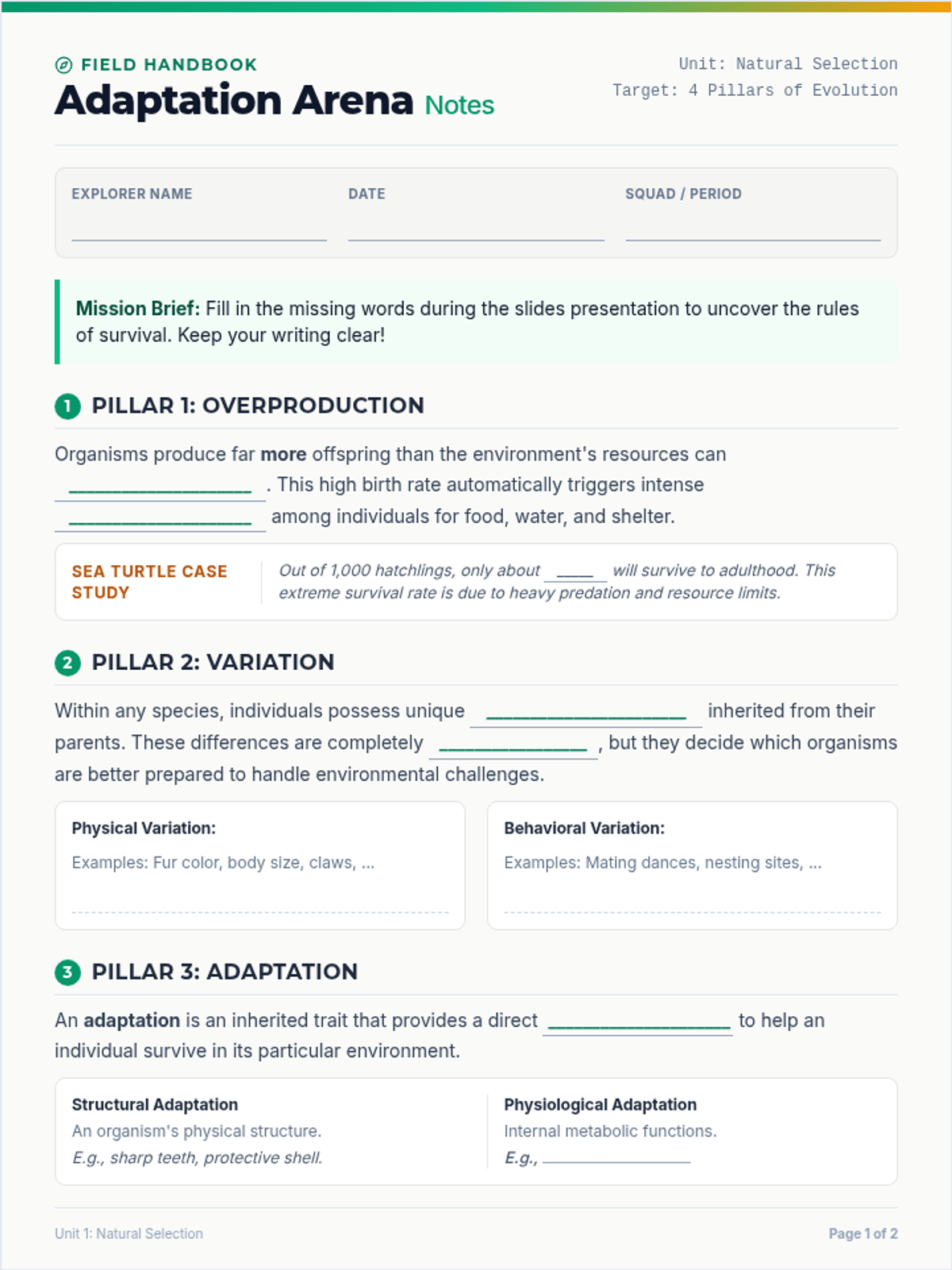
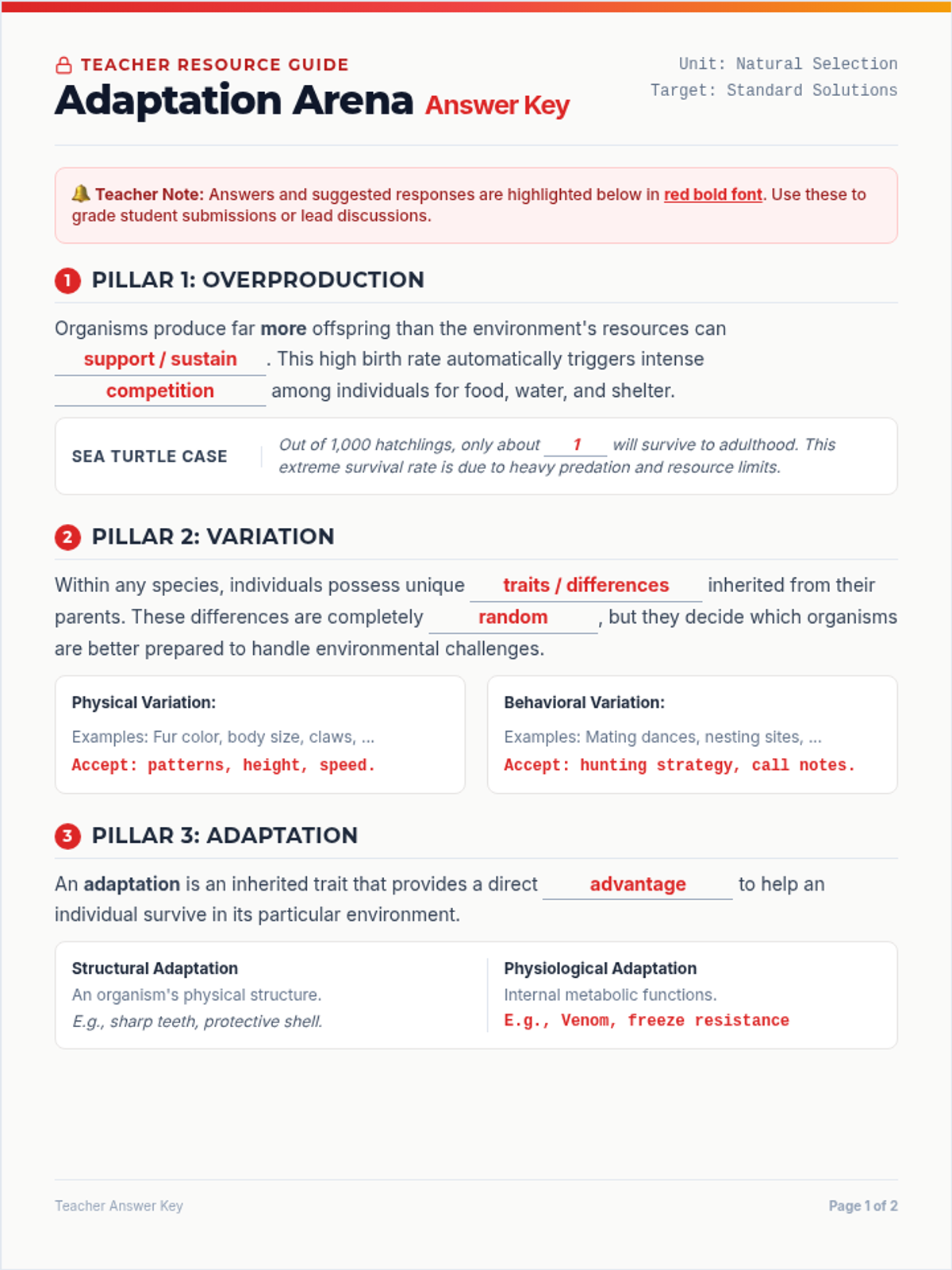
An immersive lesson exploring the core principles of natural selection: variation, overproduction, adaptation, and differential survival. Students engage with visual slides and companion guided notes to understand how populations change over time.
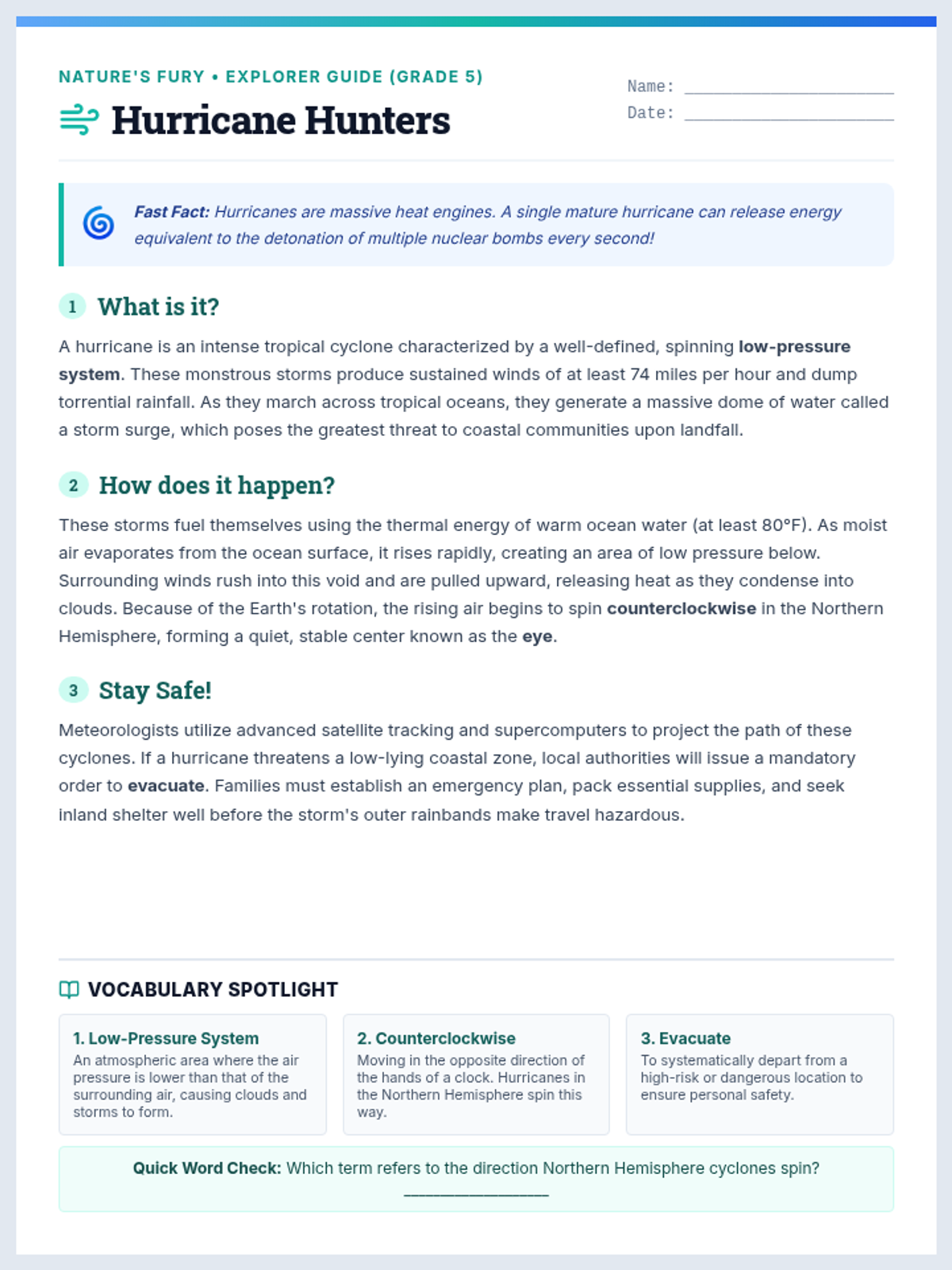
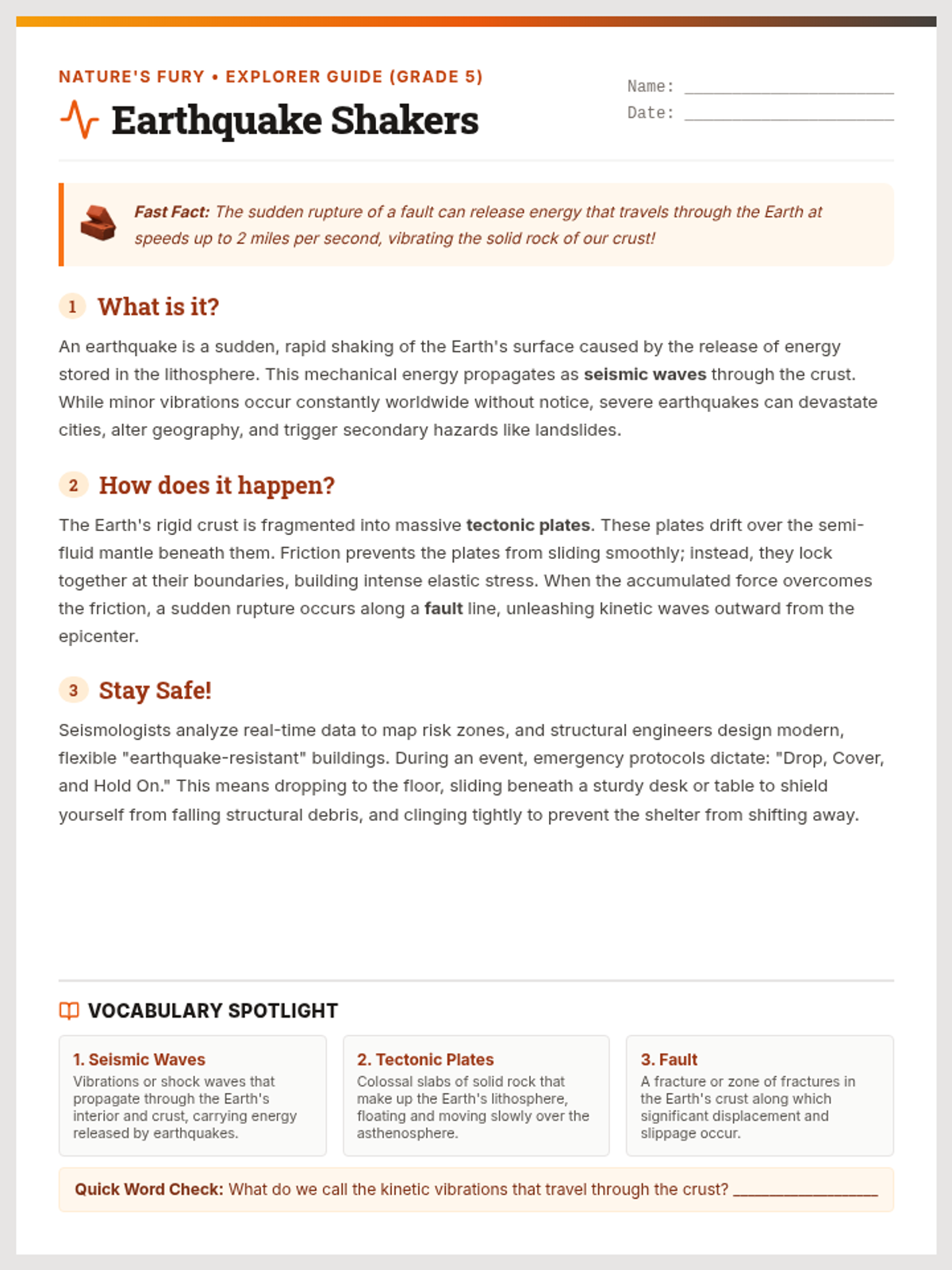
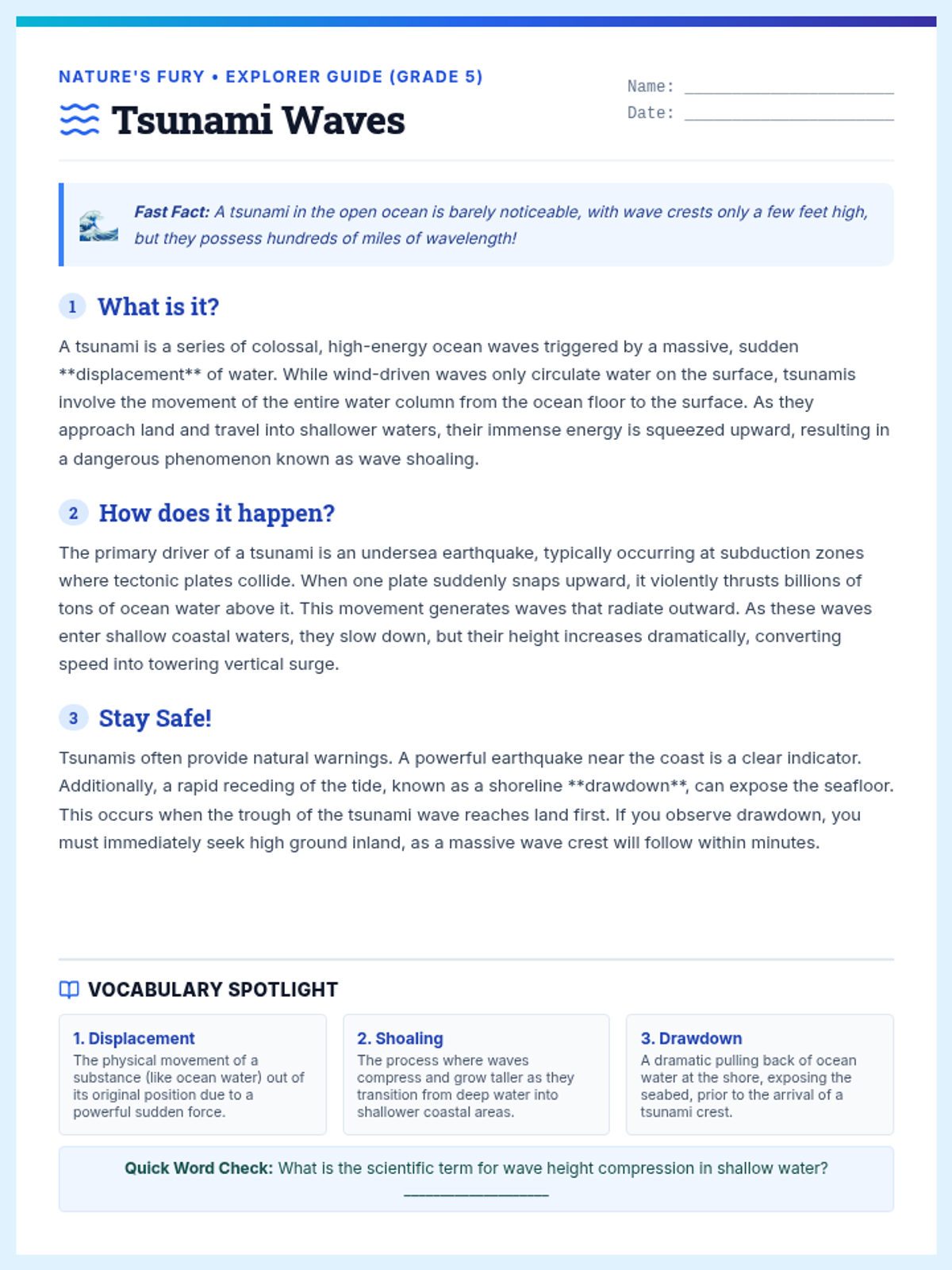
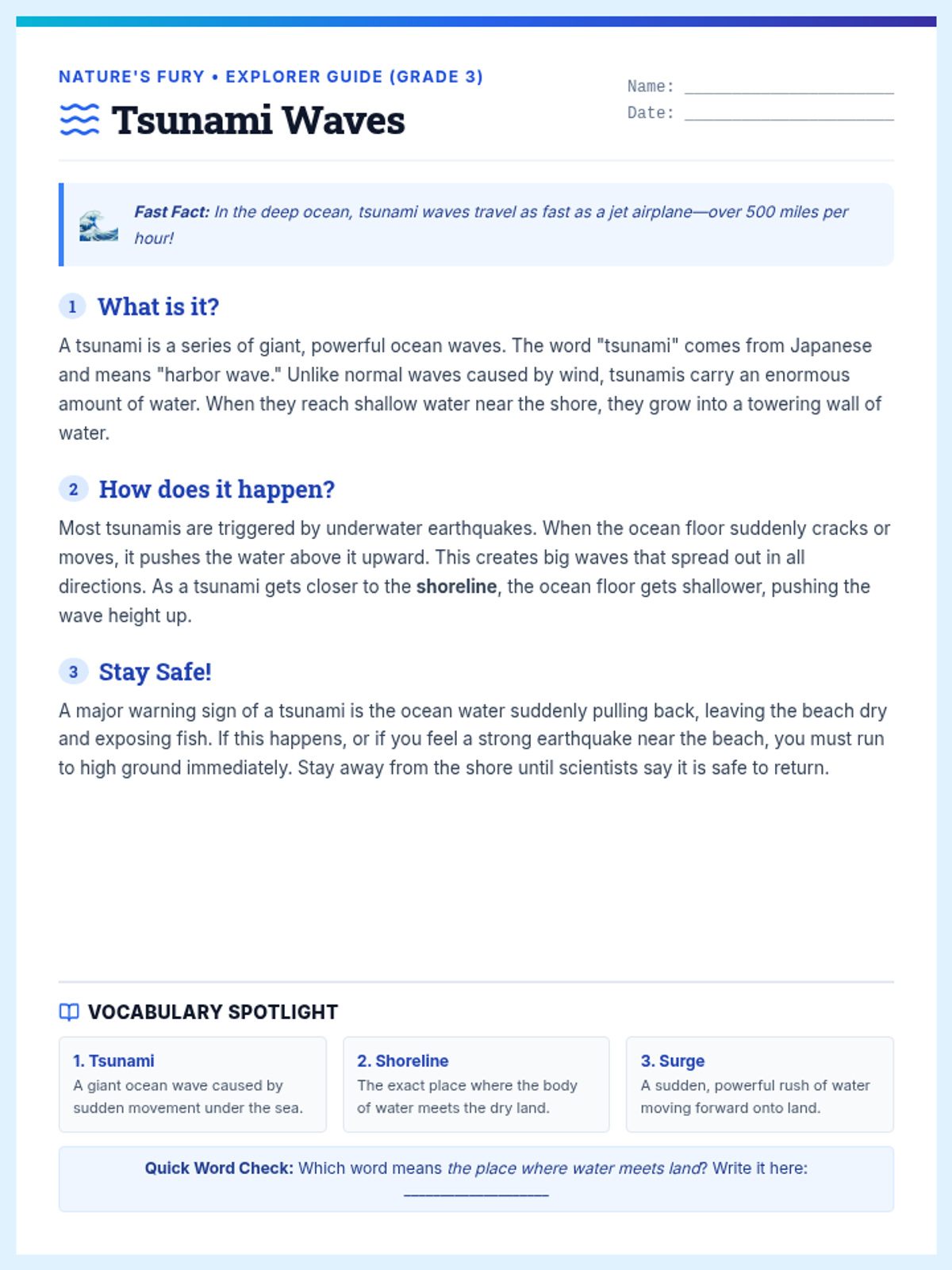
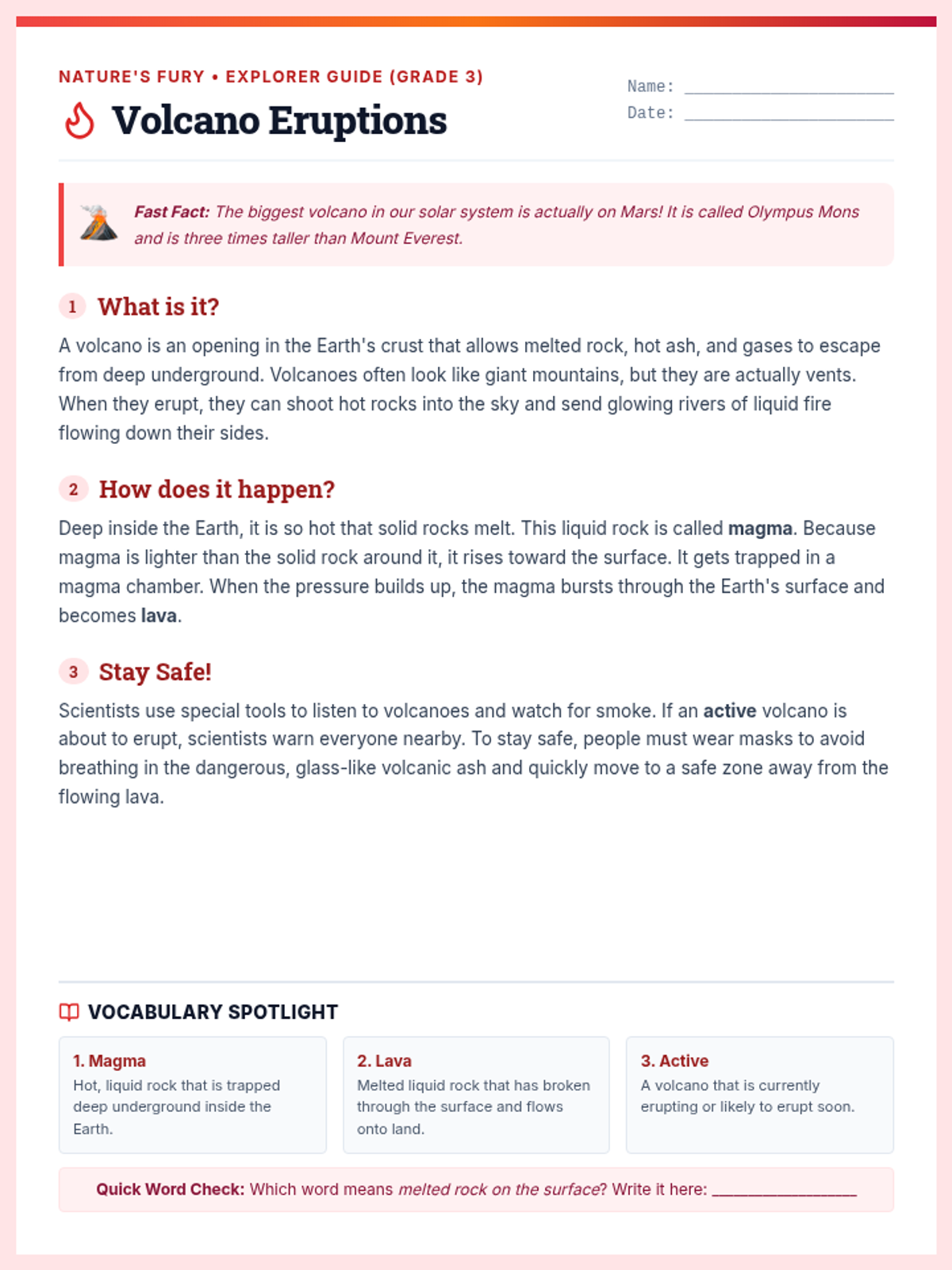
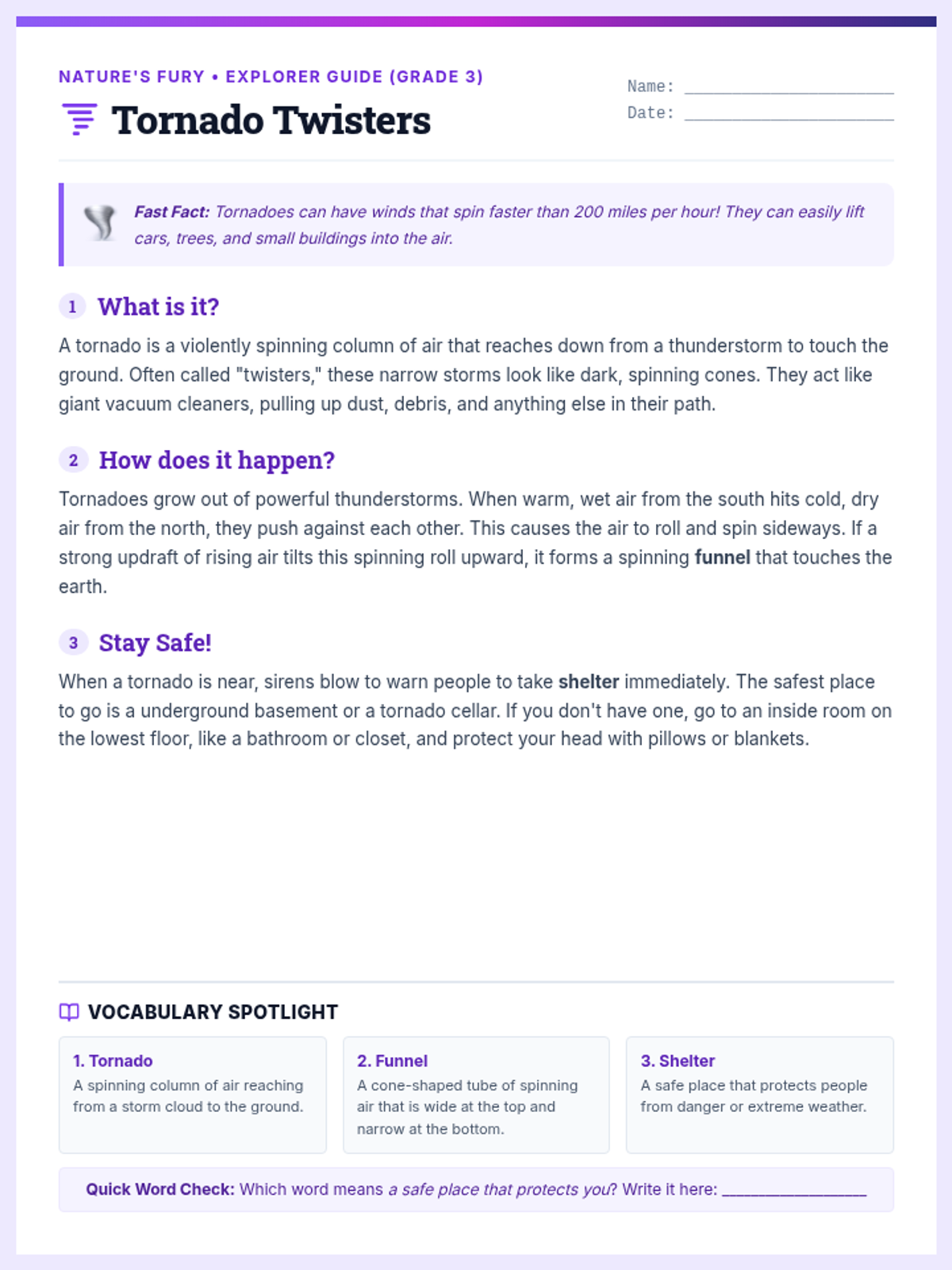
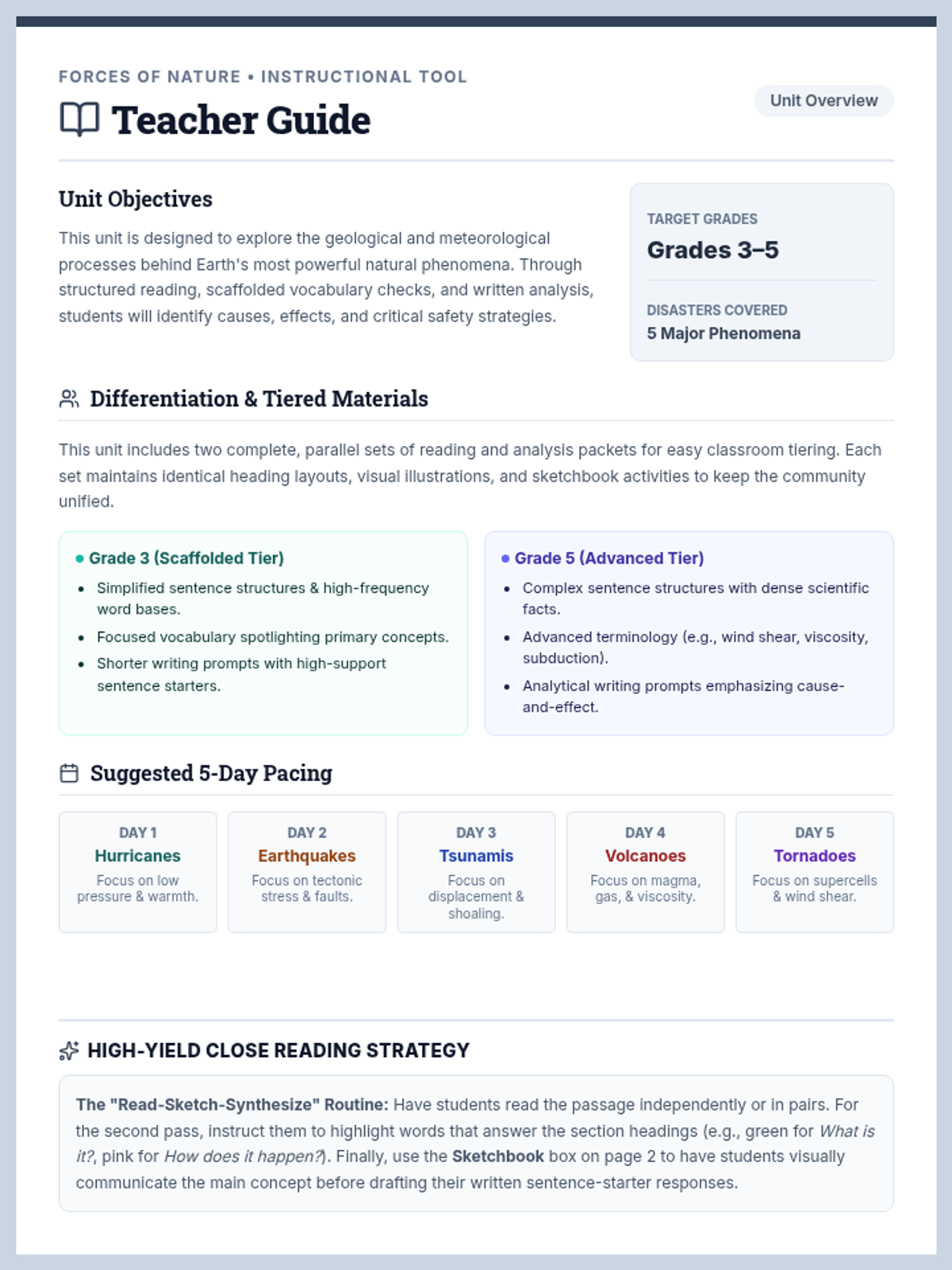
A science unit exploring five powerful natural disasters. Students read highly structured, scaffolded articles at both third-grade and fifth-grade reading levels, practice key vocabulary, and complete comprehension checks with sentence frames and starters.
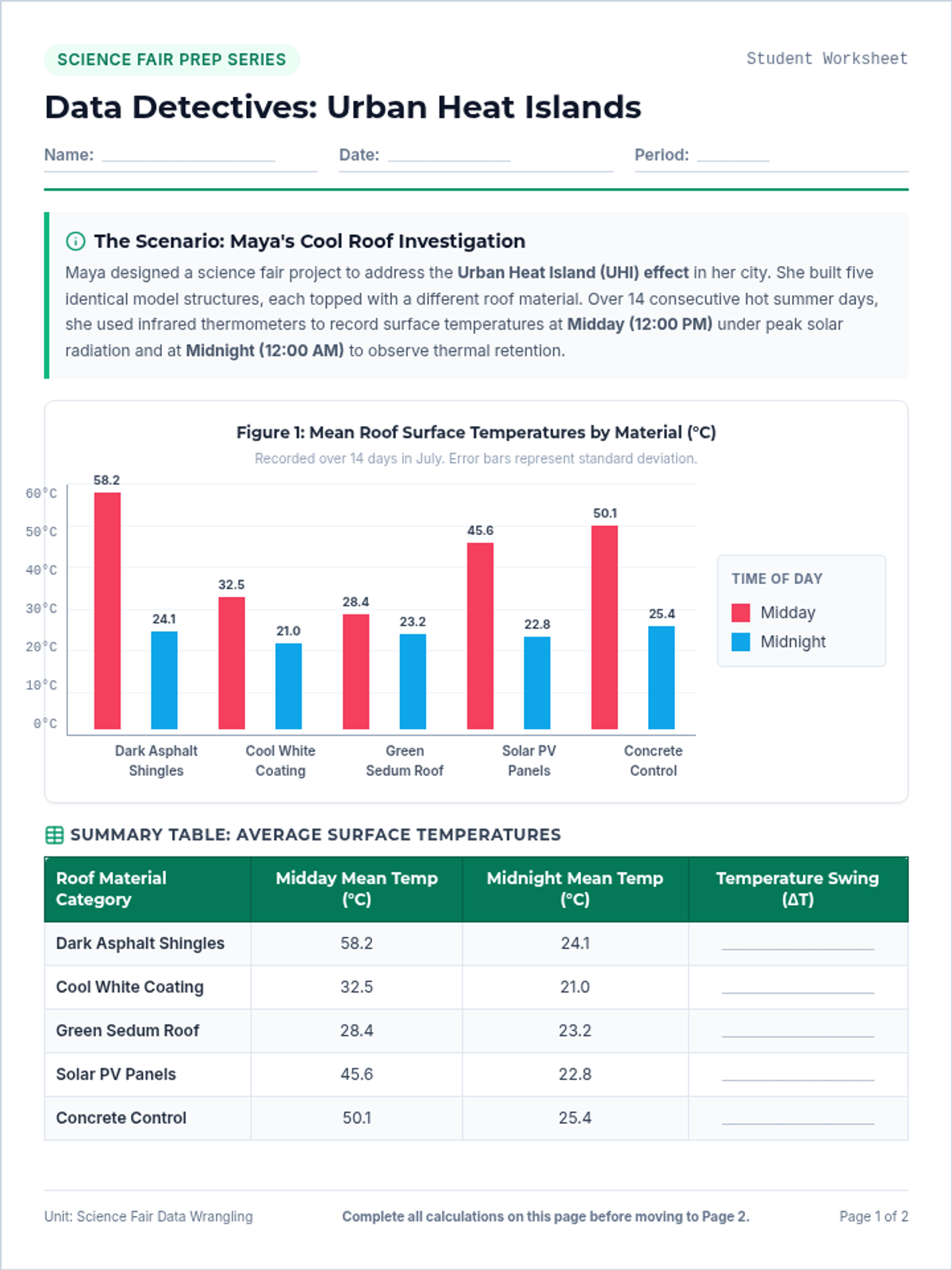
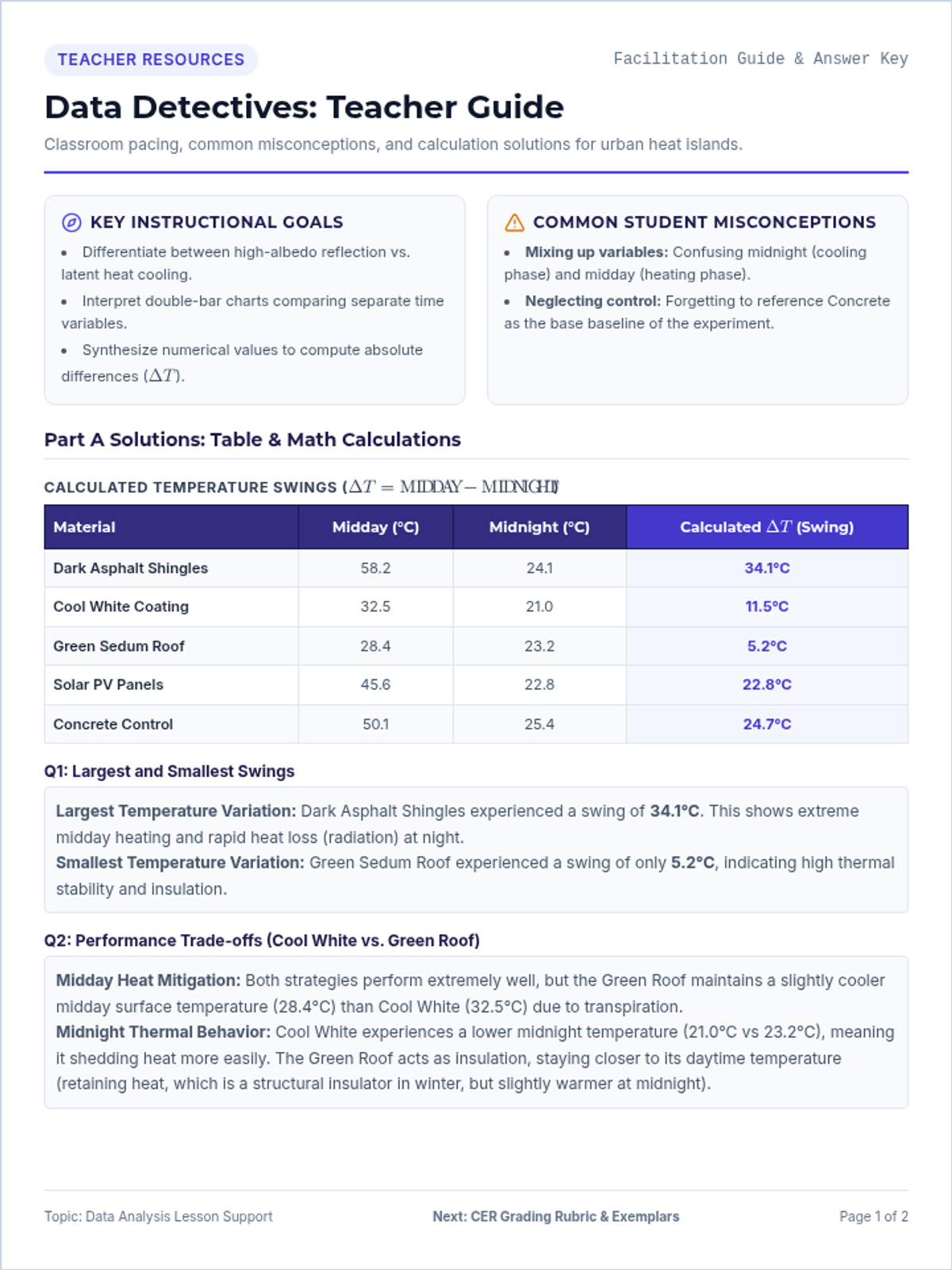
A rigorous high school lesson designed to teach students how to analyze experimental data, interpret bar graphs, and construct scientific arguments using the Claim-Evidence-Reasoning (CER) framework in preparation for their science fair projects.
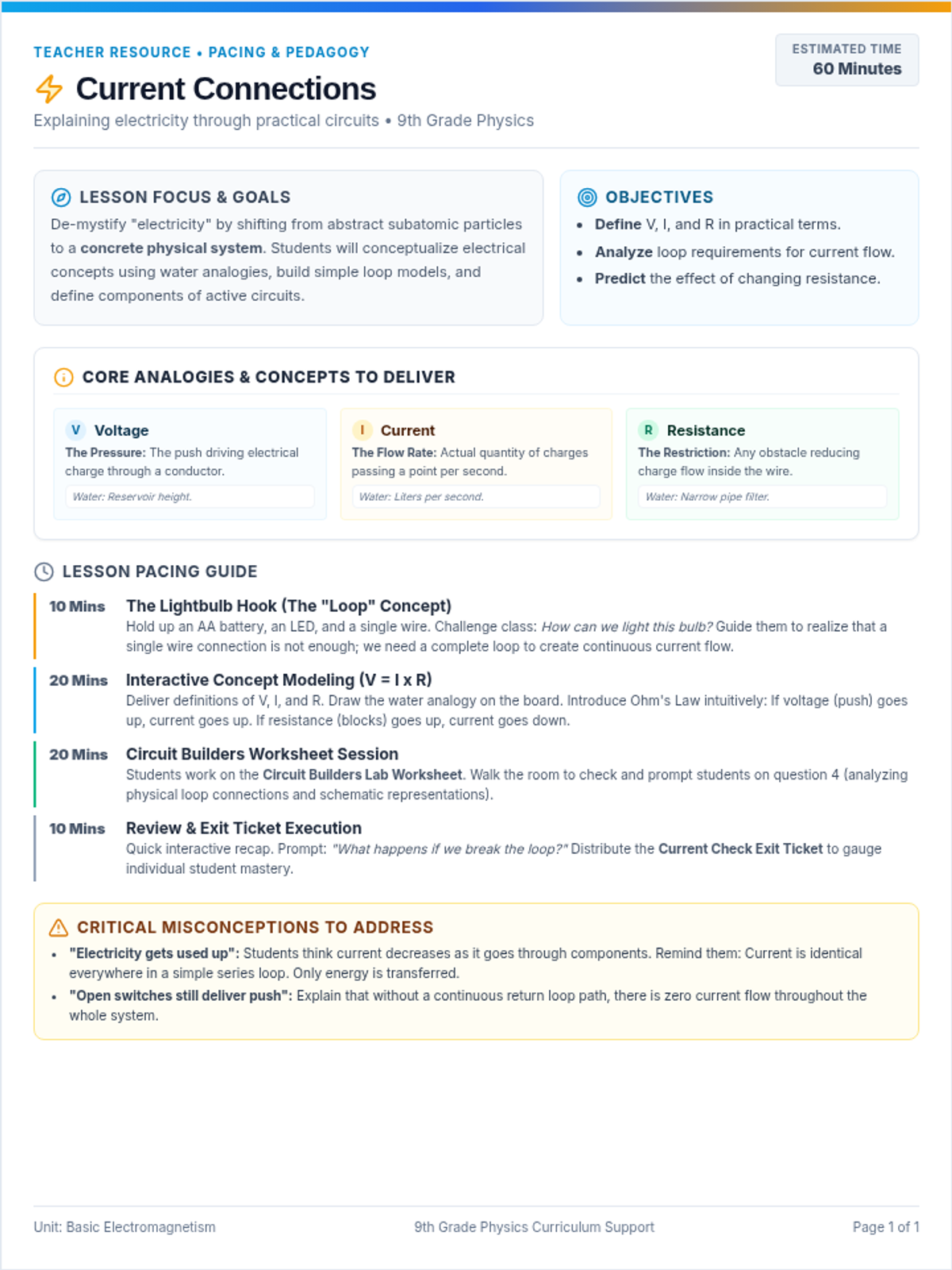
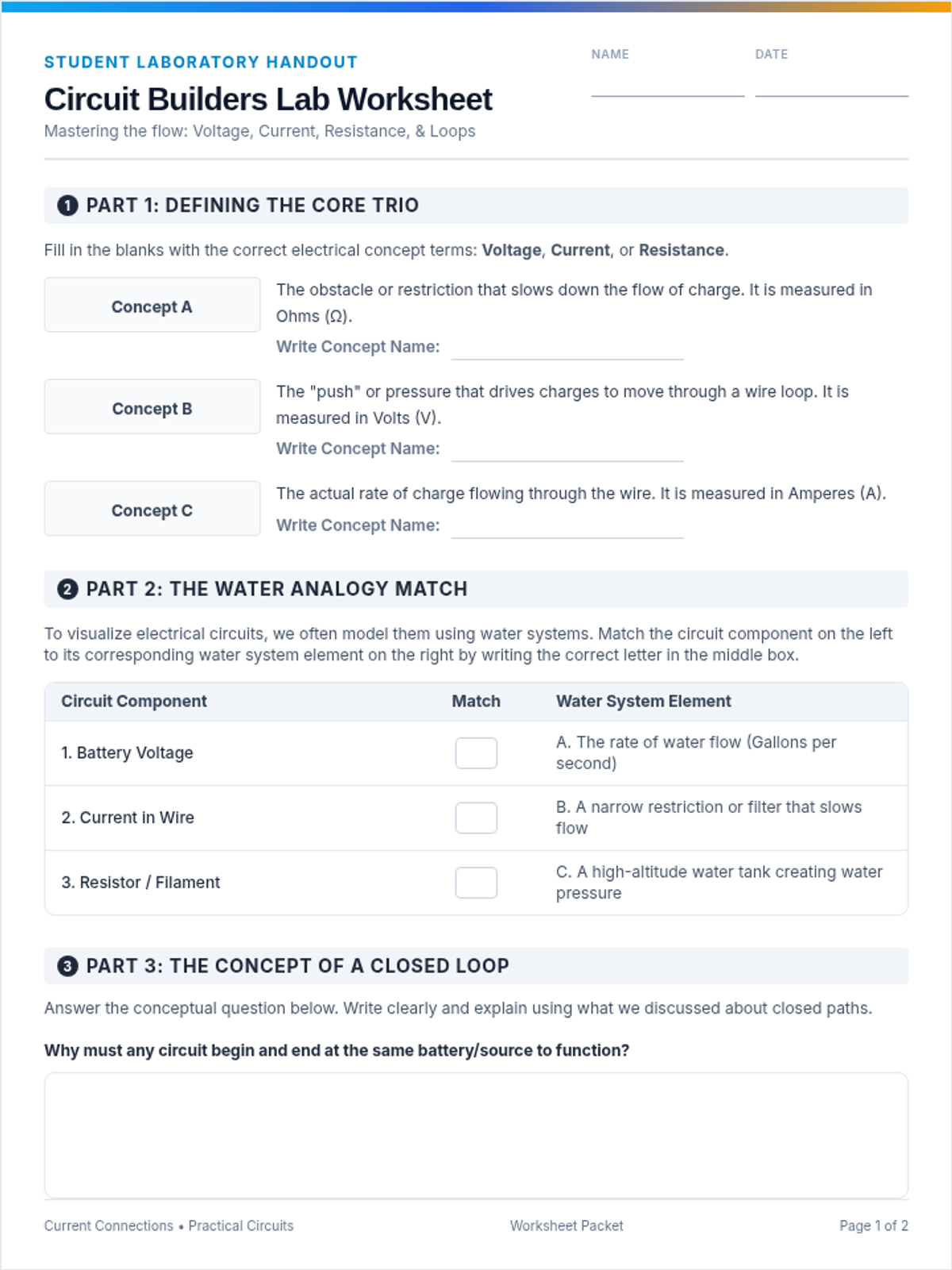
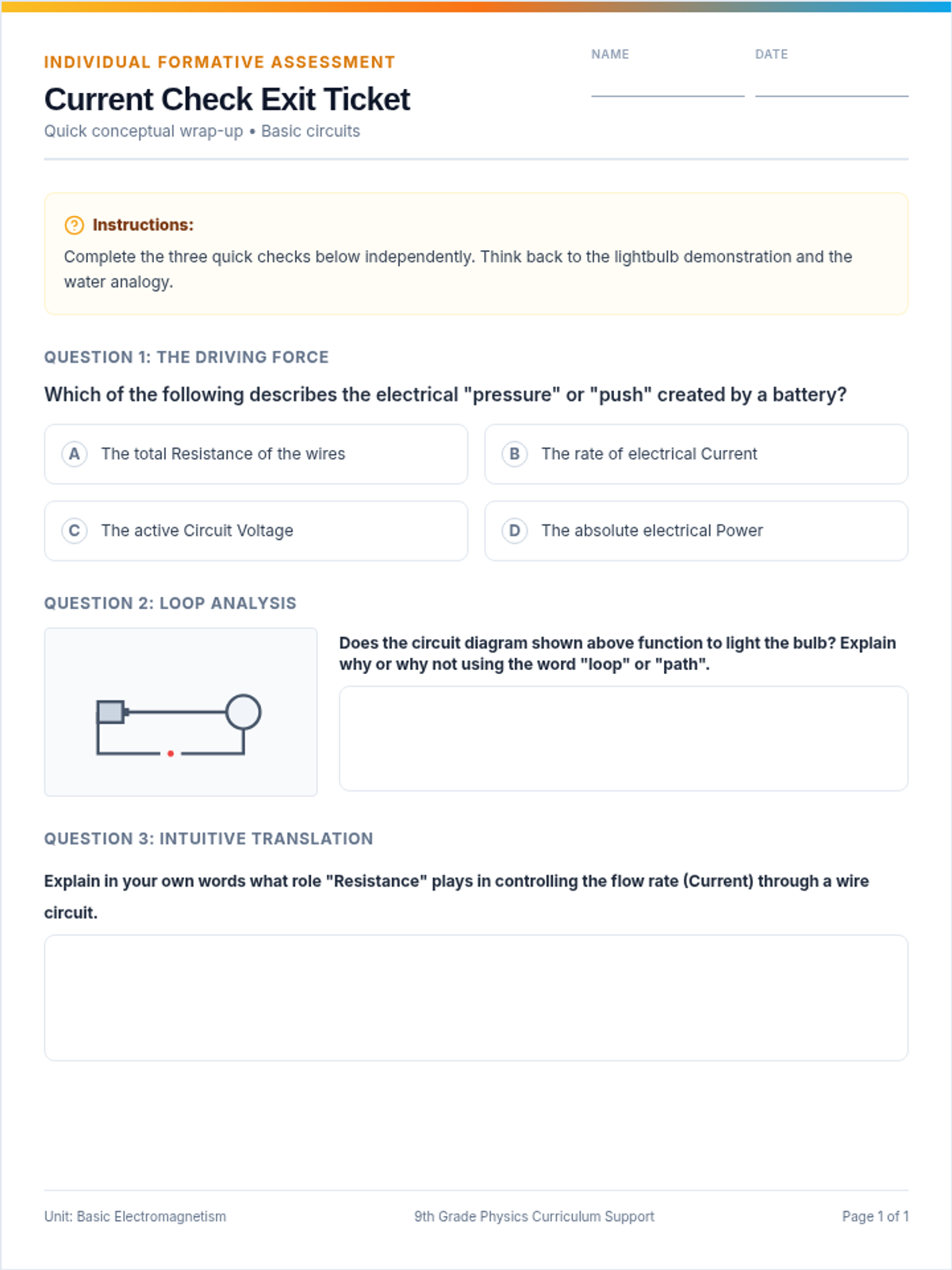
A comprehensive 9th-grade physics lesson exploring electricity through practical circuits, covering voltage, current, resistance, and closed loops with hands-on analysis.
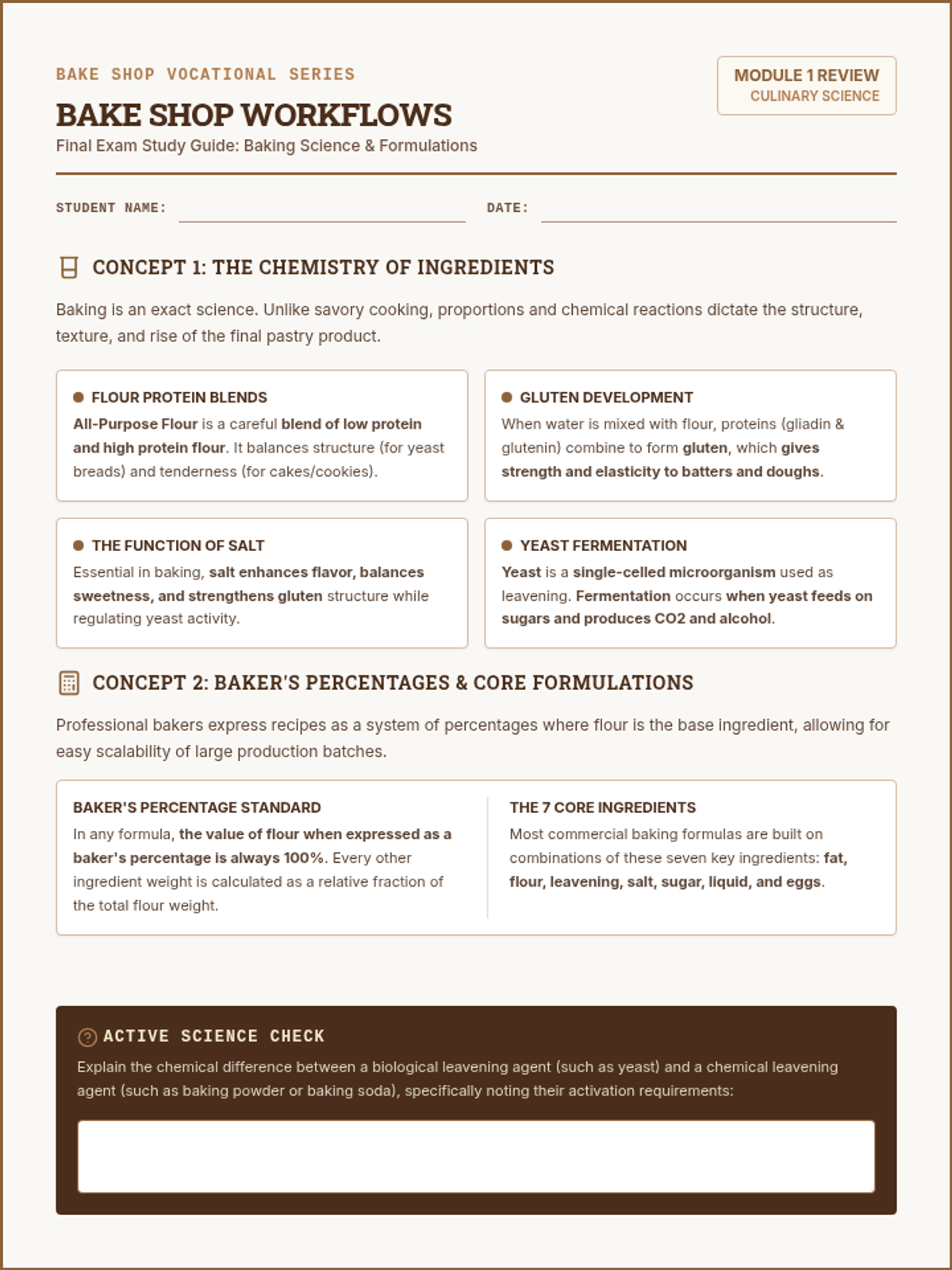
A high-yield vocational lesson focusing on commercial baking science, pastry production techniques, laminated doughs, and professional bake shop workflows.