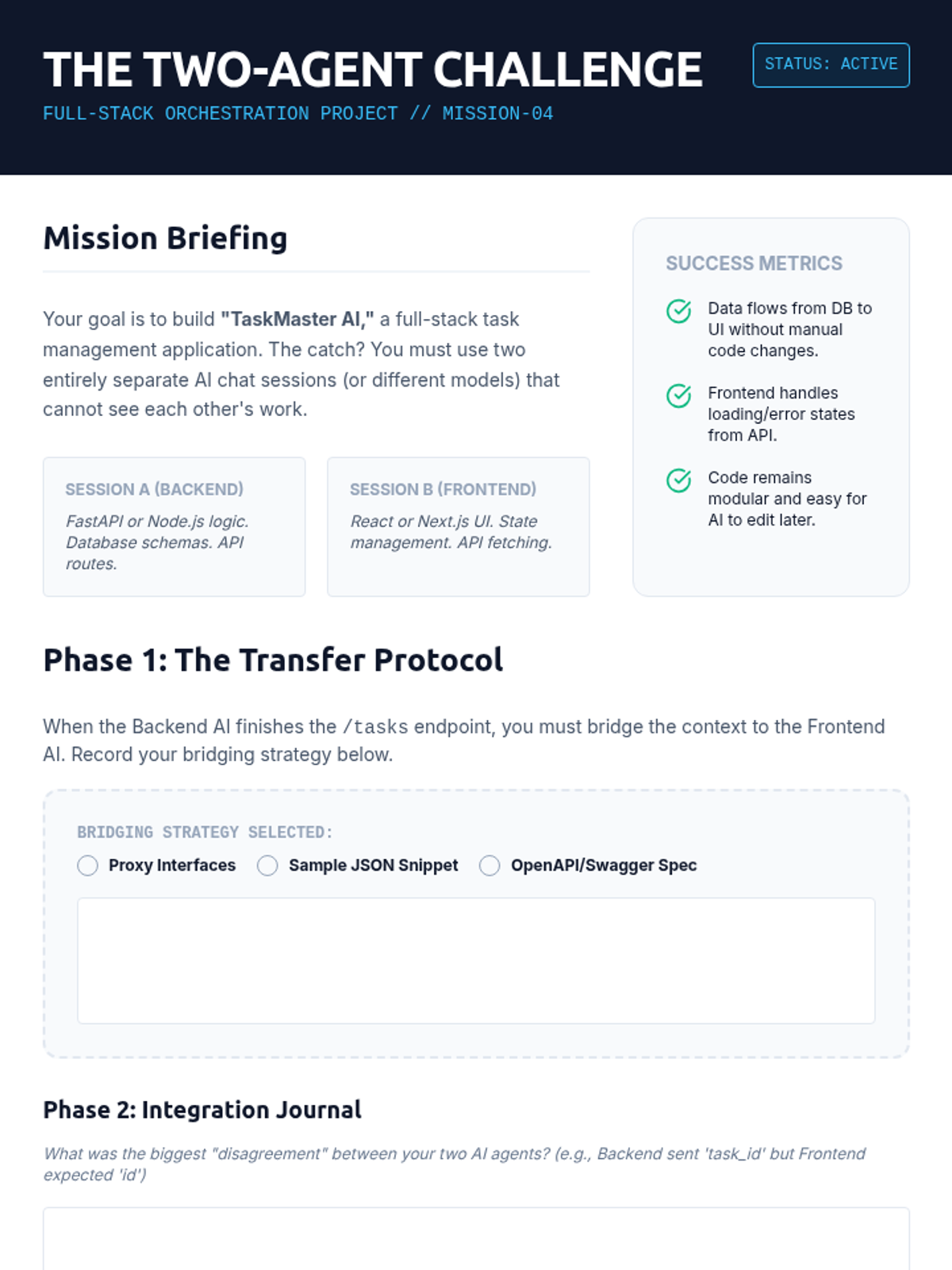
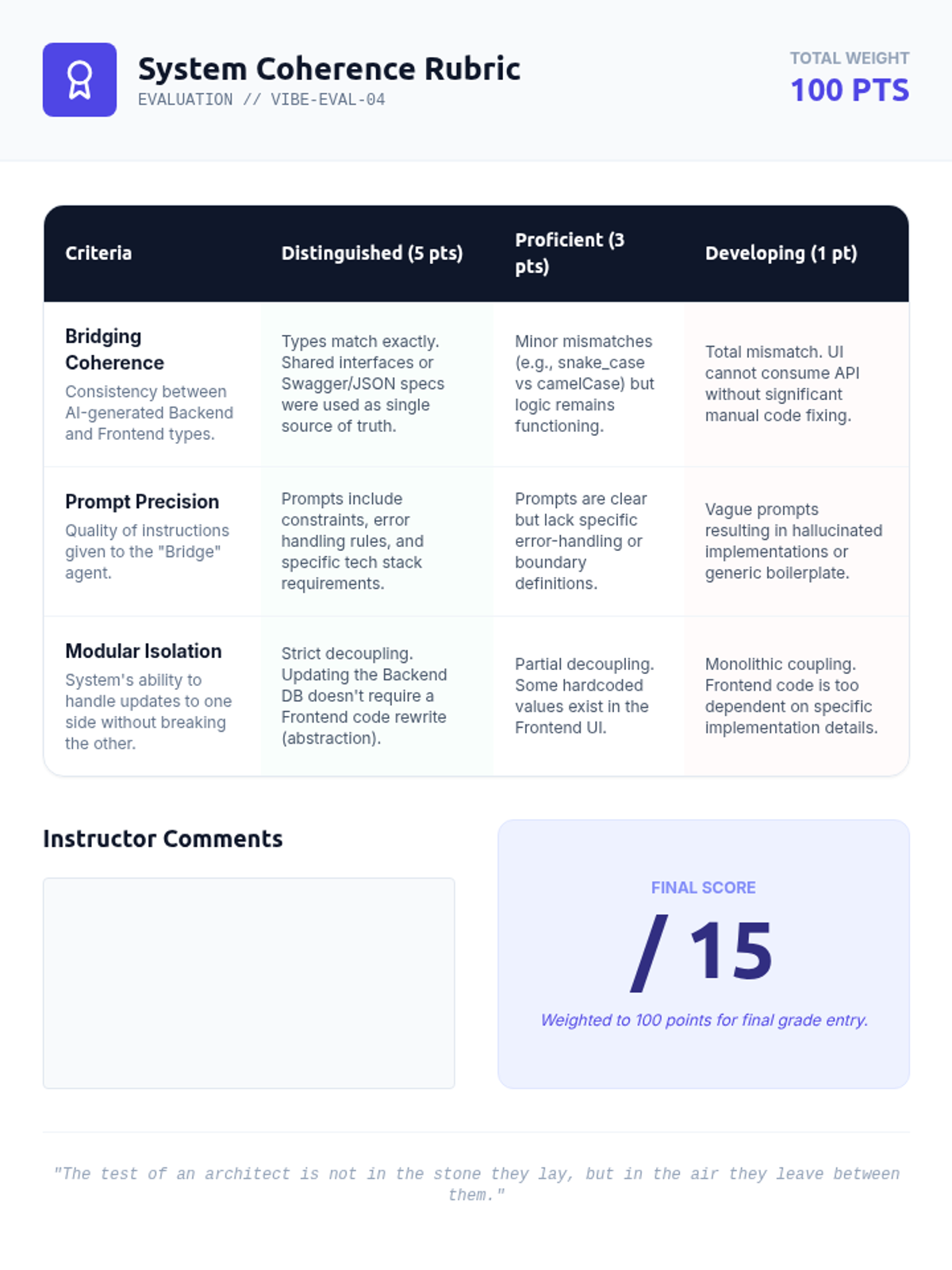
Mechanical and electrical engineering fundamentals combined with machine learning, robotics, and CAD design. Examines AI ethics and systems thinking within the context of modern technical problem-solving.
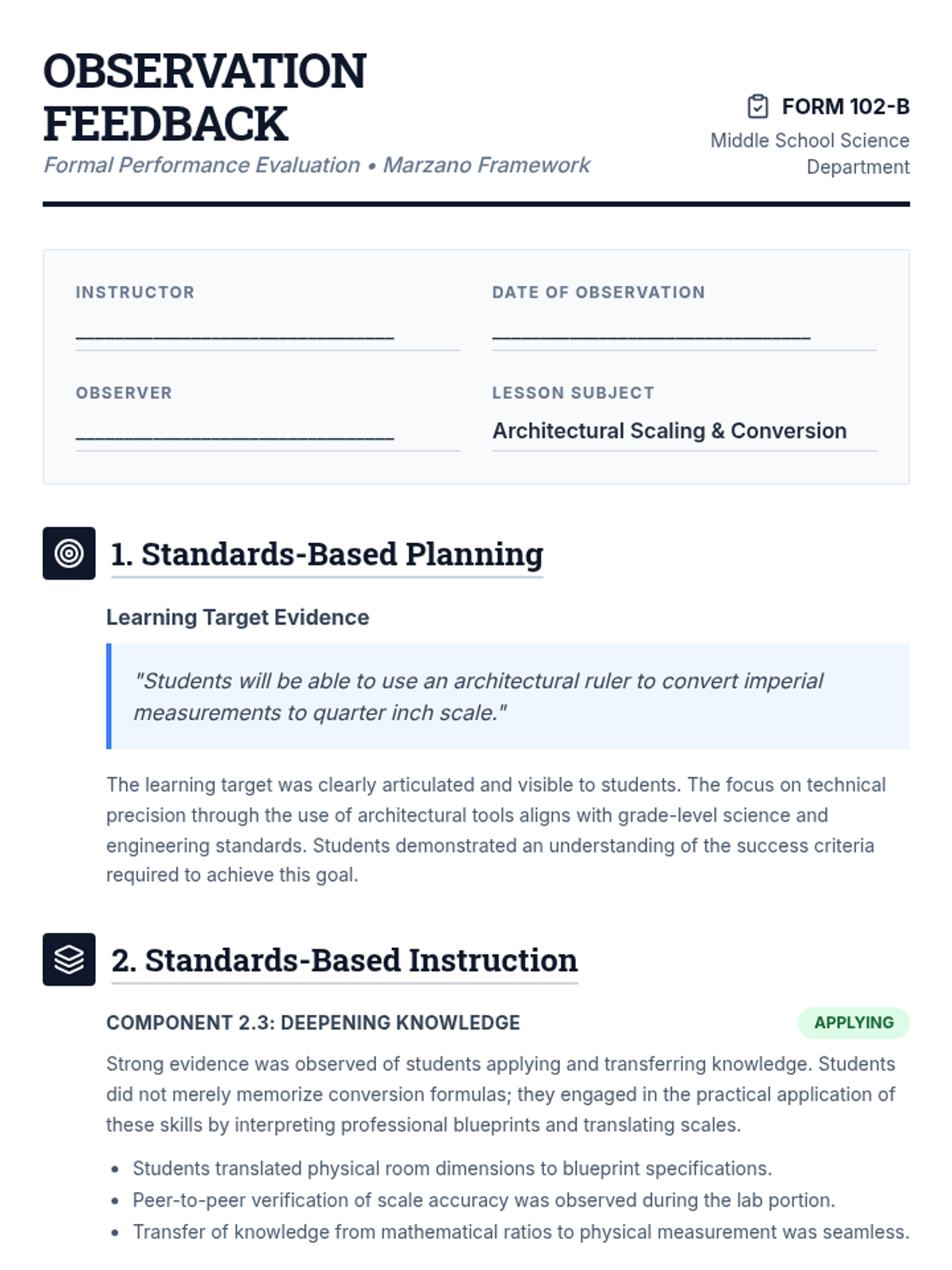
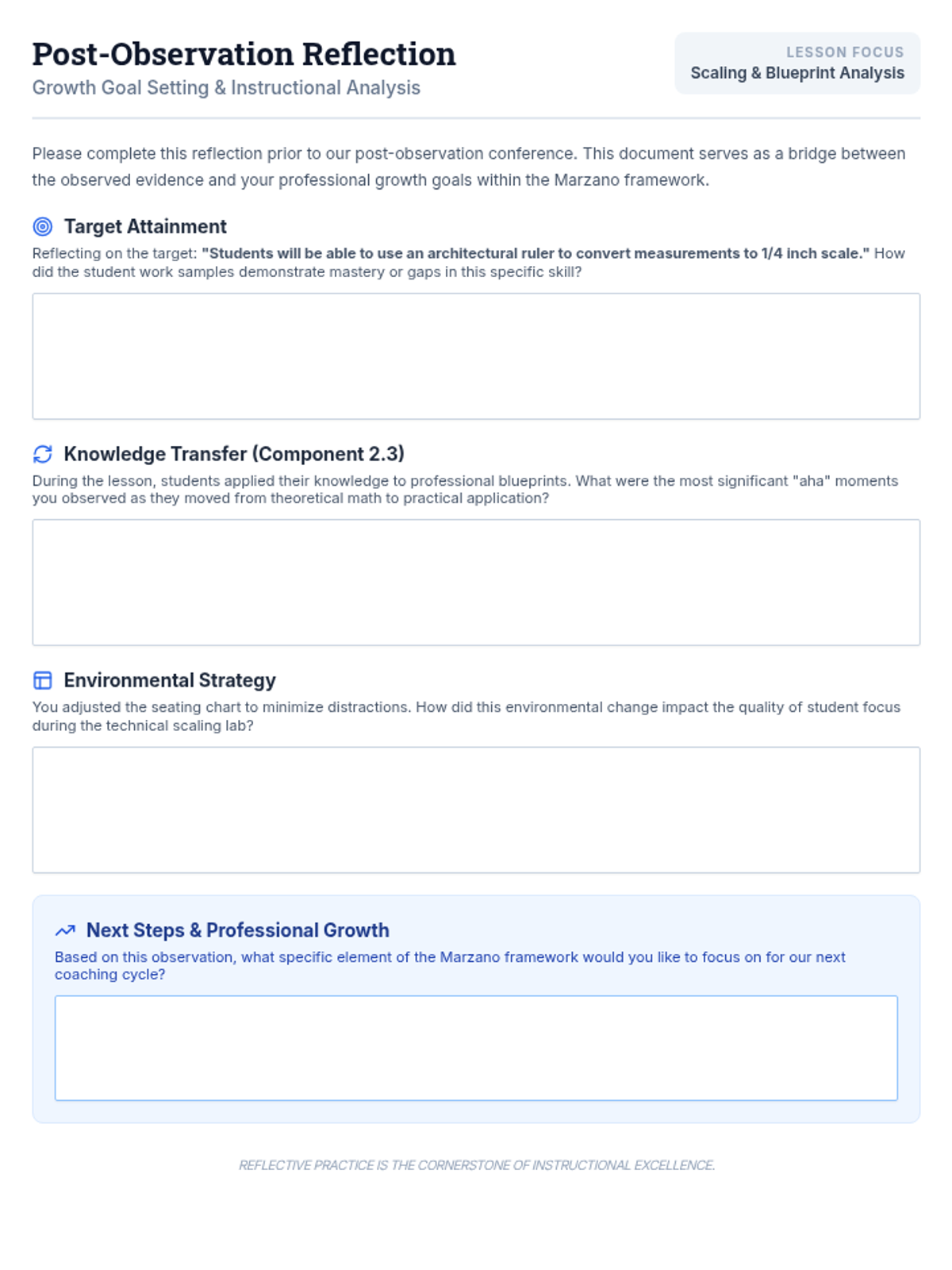
A comprehensive teacher evaluation suite focused on an architectural scaling lesson, incorporating the Marzano framework for formal feedback and professional growth.
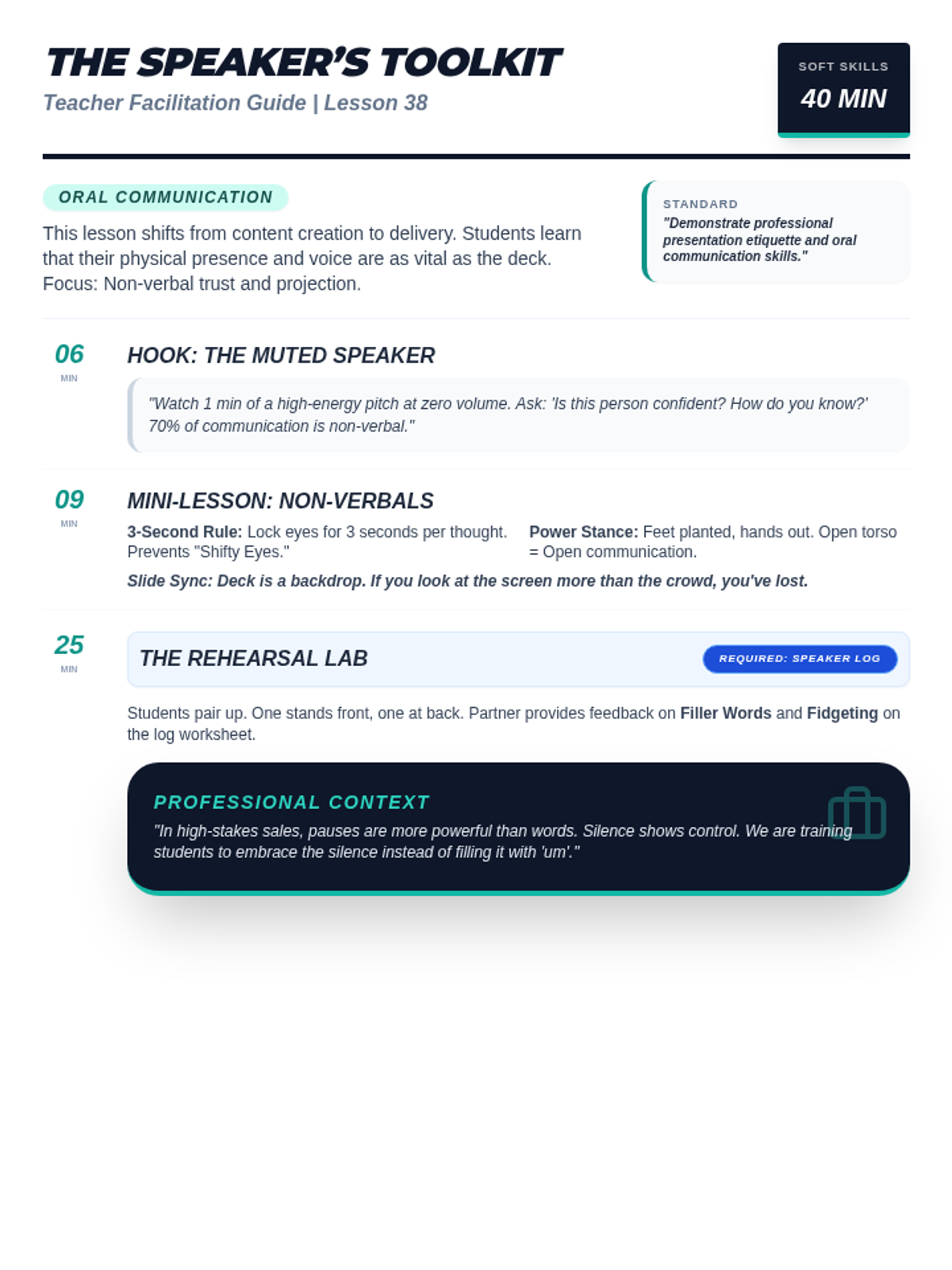
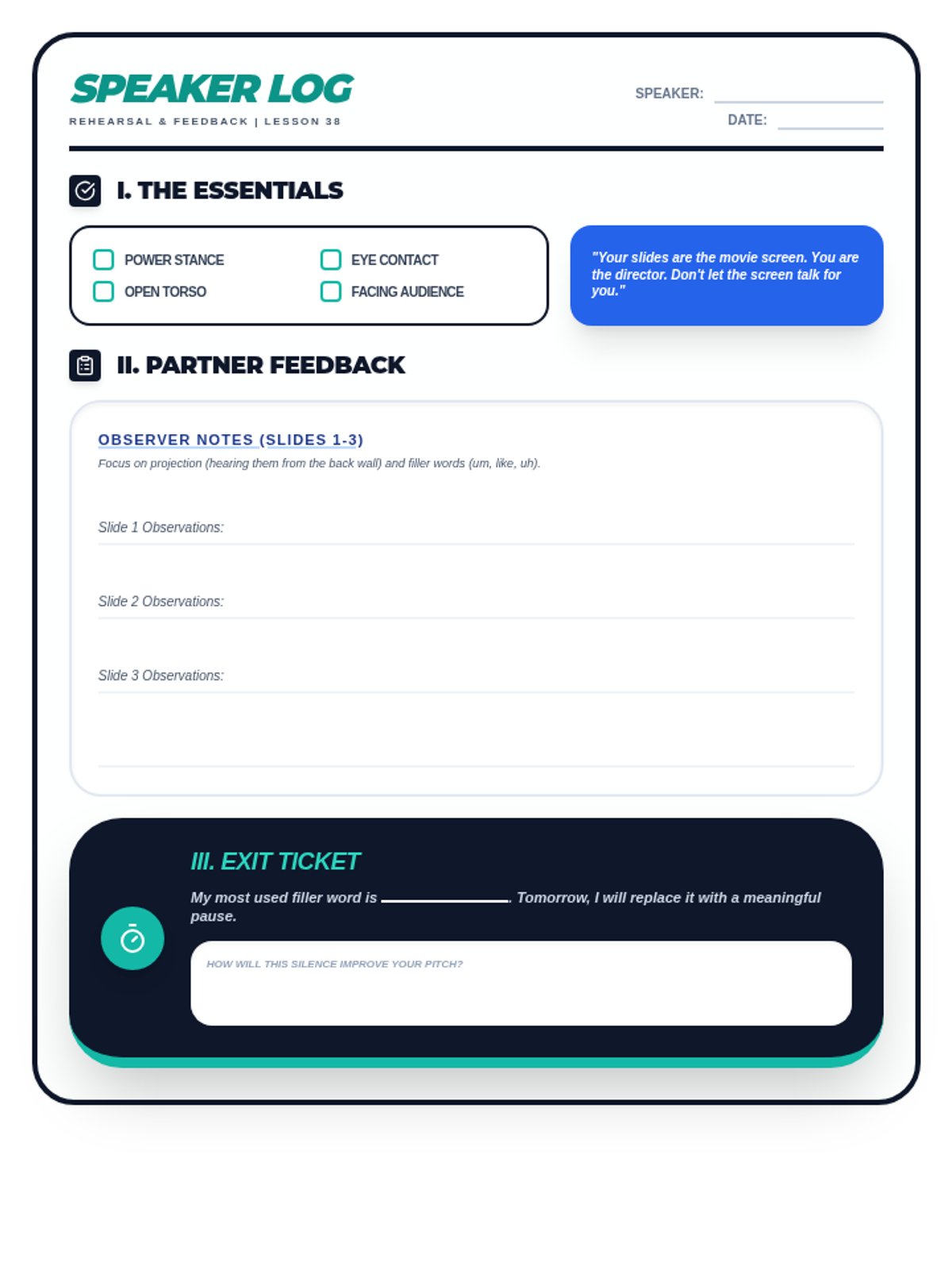
A lesson focused on public speaking and professional presentation etiquette. Students learn non-verbal communication techniques, projection, and how to use digital slides as a backdrop rather than a teleprompter.
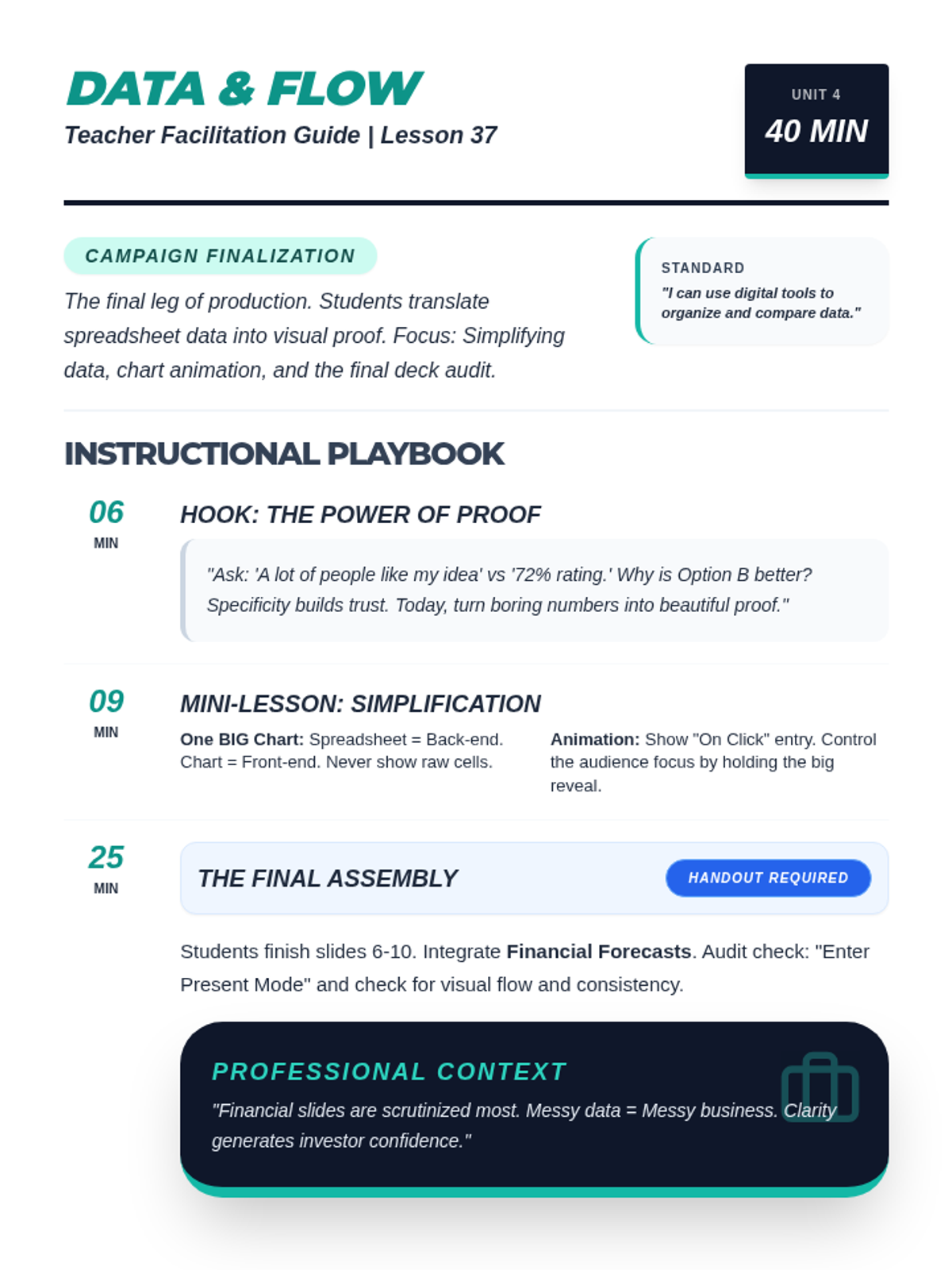
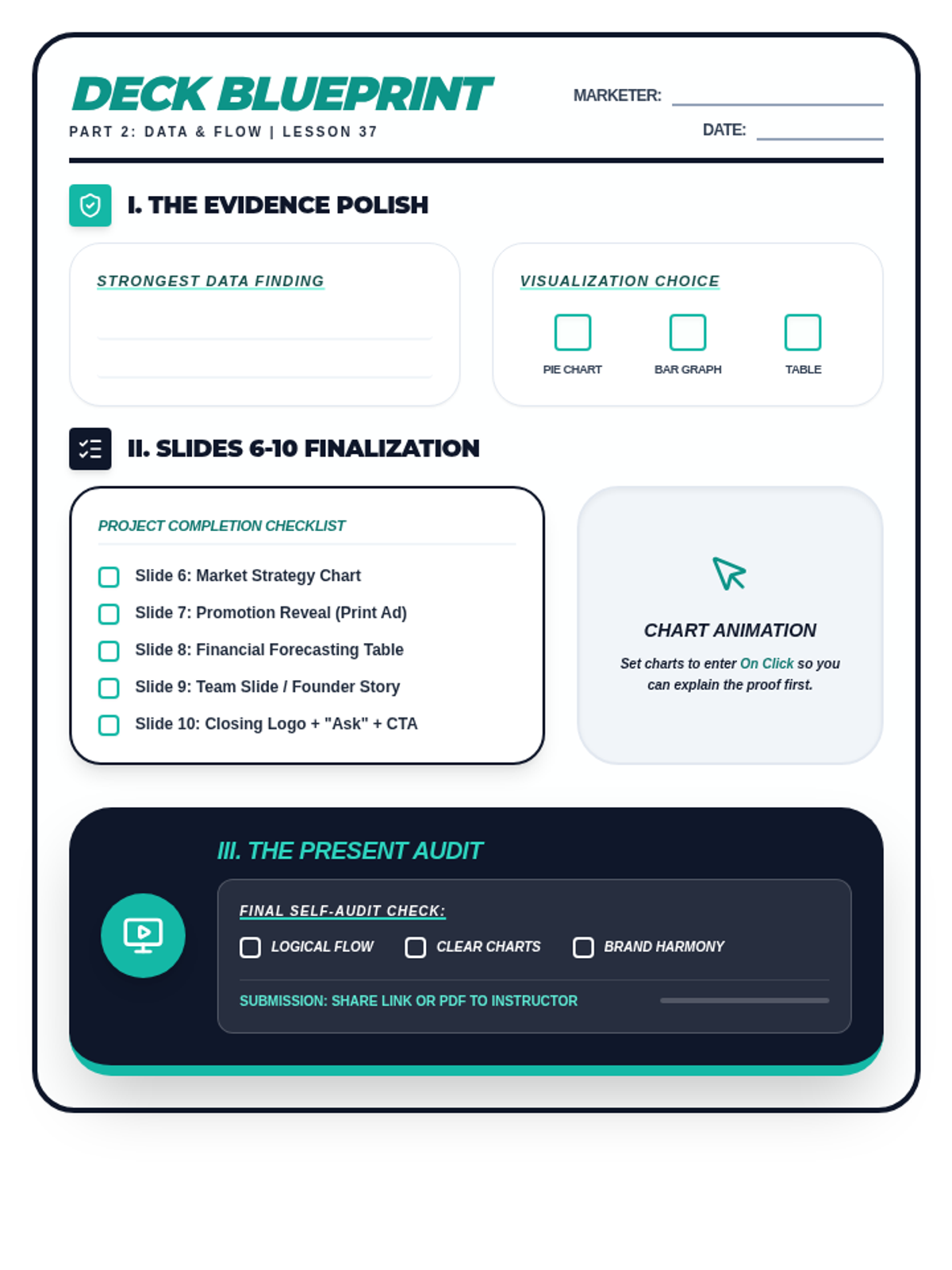
A lesson focused on data visualization and presentation flow. Students learn to simplify complex spreadsheets into high-impact slides, animate charts for storytelling, and finalize their full pitch deck.
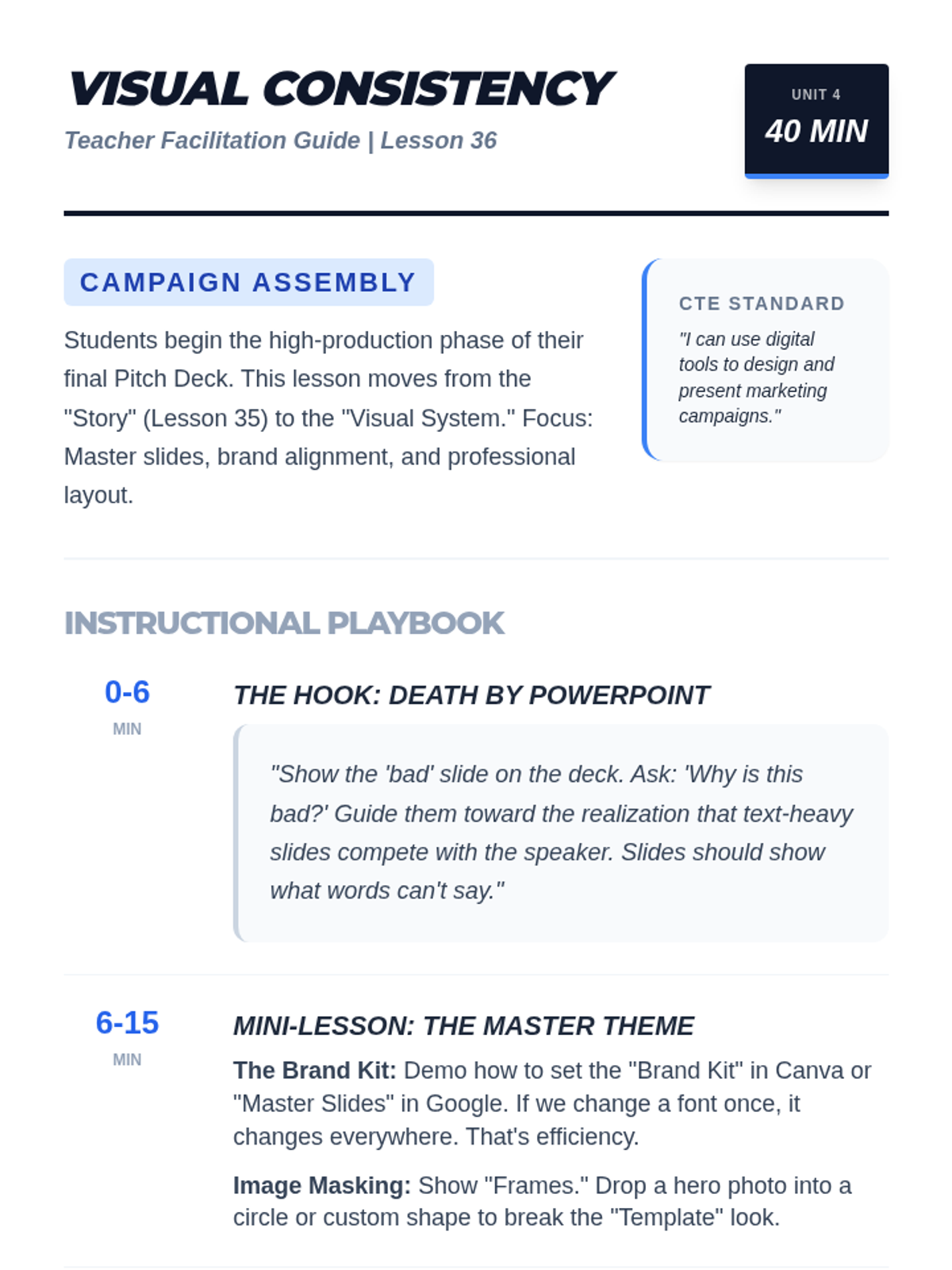
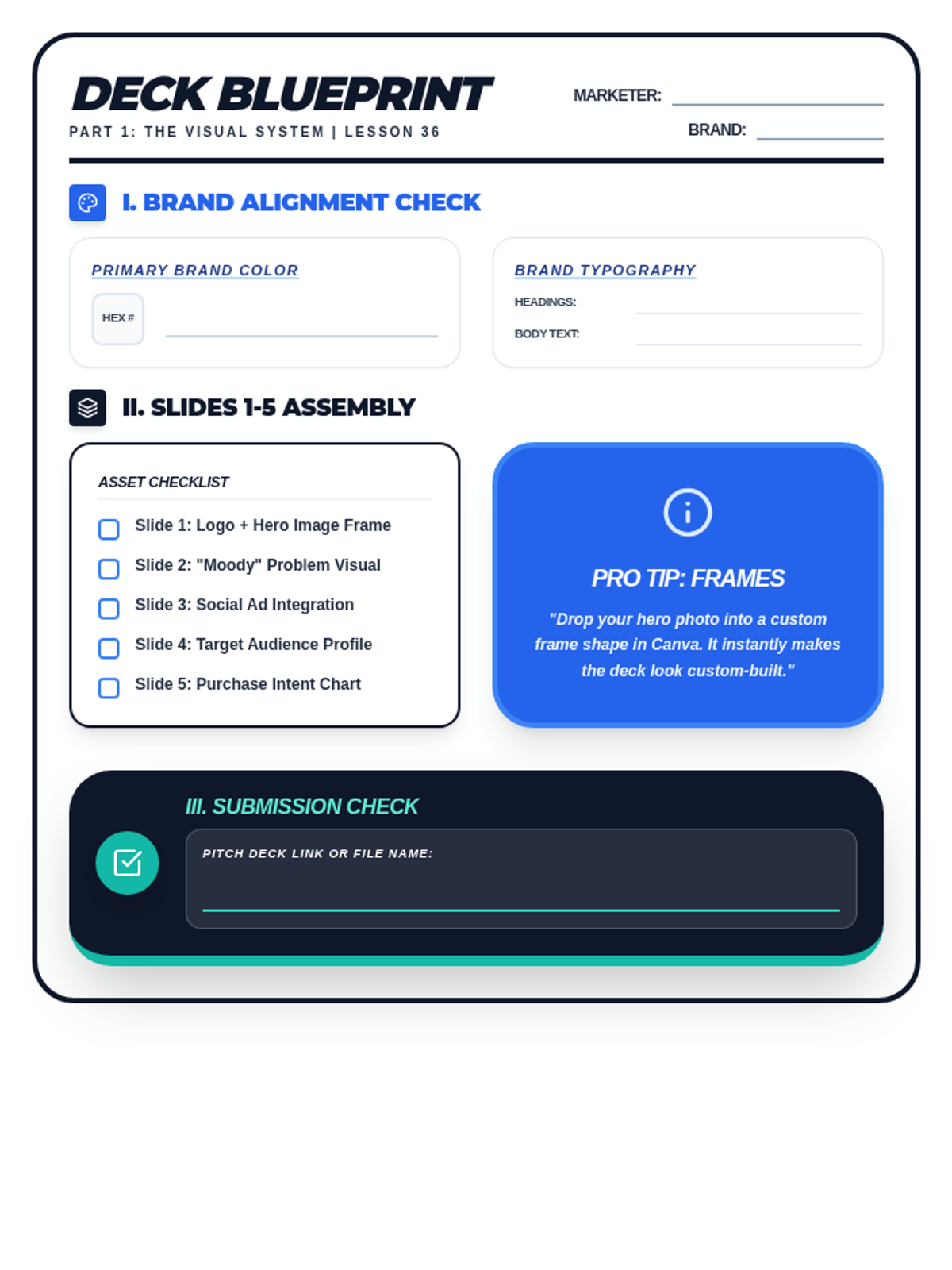
A lesson focused on visual consistency and branding in pitch decks. Students learn to use master slides, image masking, and brand-aligned assets to create the first half of their digital marketing pitch.
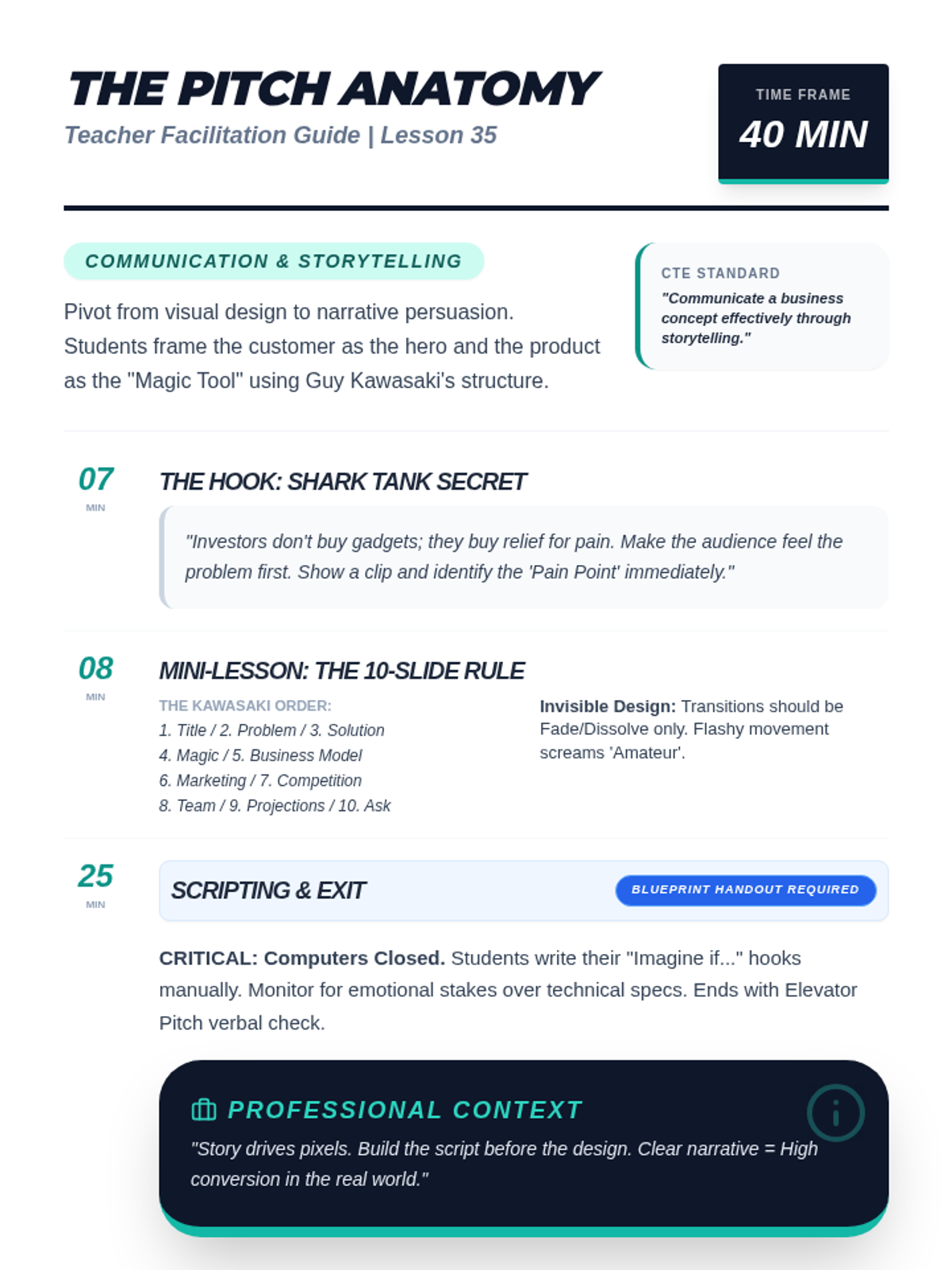
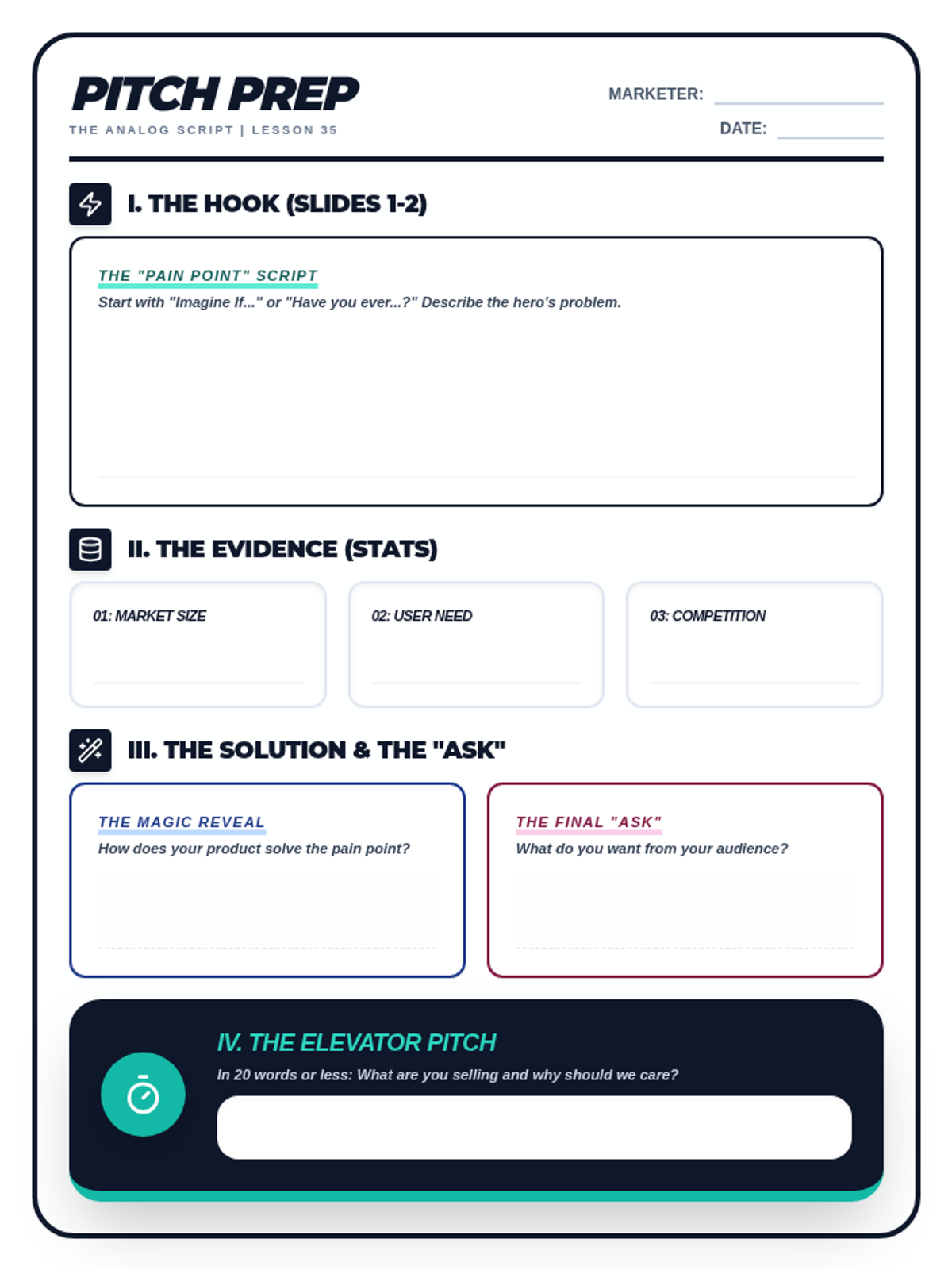
A lesson focused on business storytelling and pitch deck structure. Students learn to frame their marketing campaign as a problem-solving narrative using the 10-Slide Rule and 'invisible' design principles.
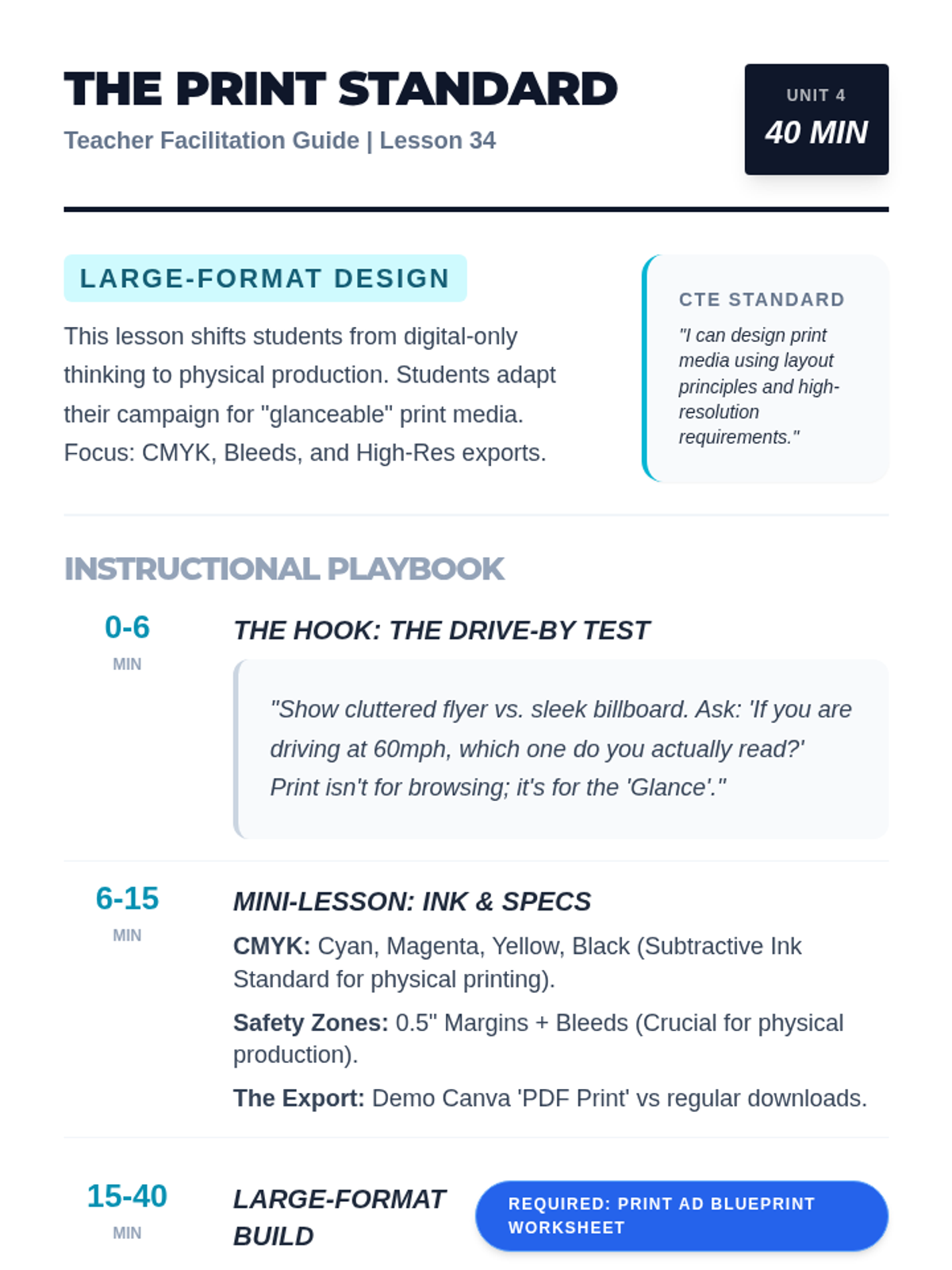
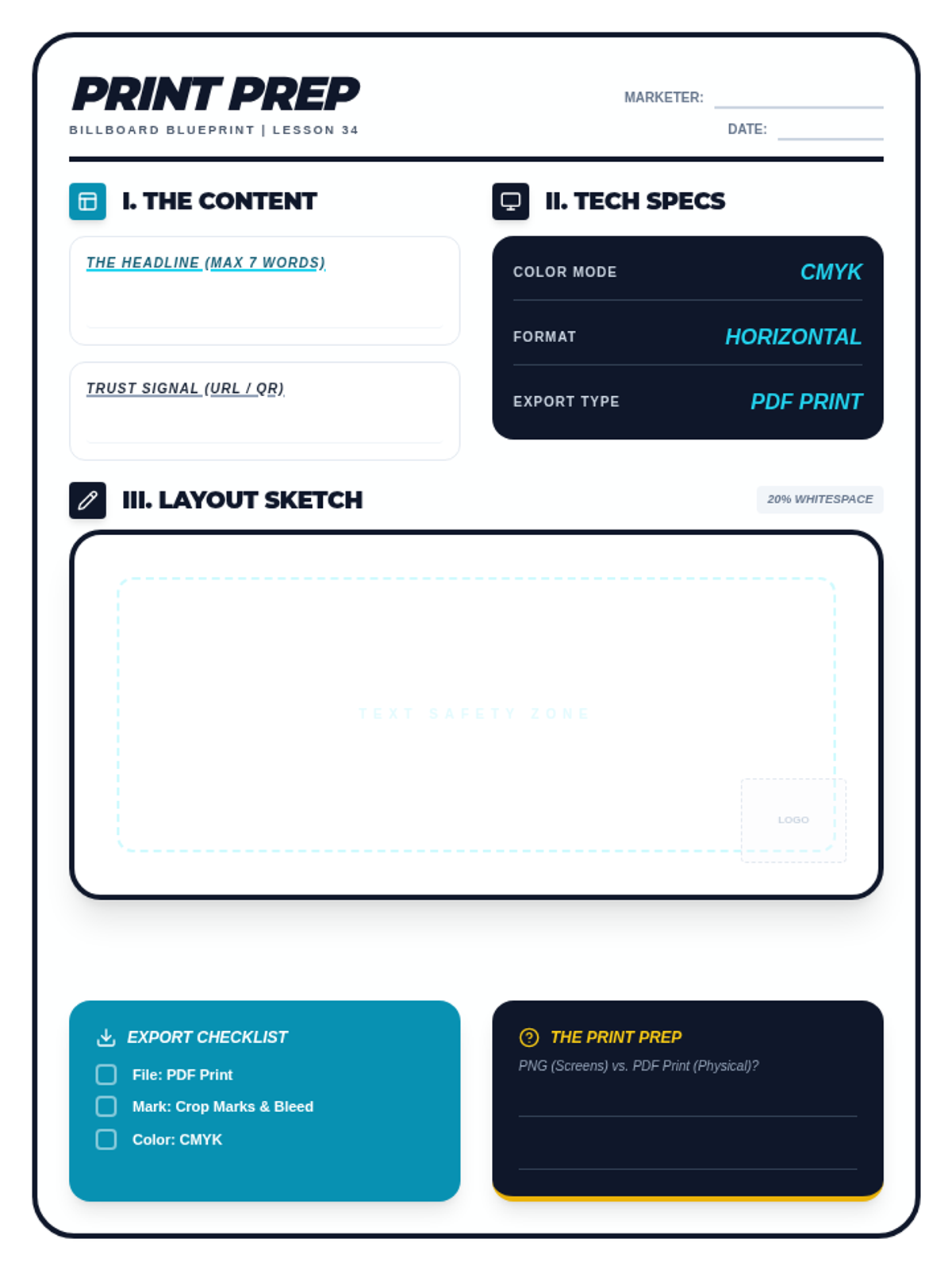
A lesson focused on designing large-format print advertisements. Students learn the differences between RGB and CMYK color modes, resolution requirements, and how to design for 'glanceability' using the Drive-By Test.
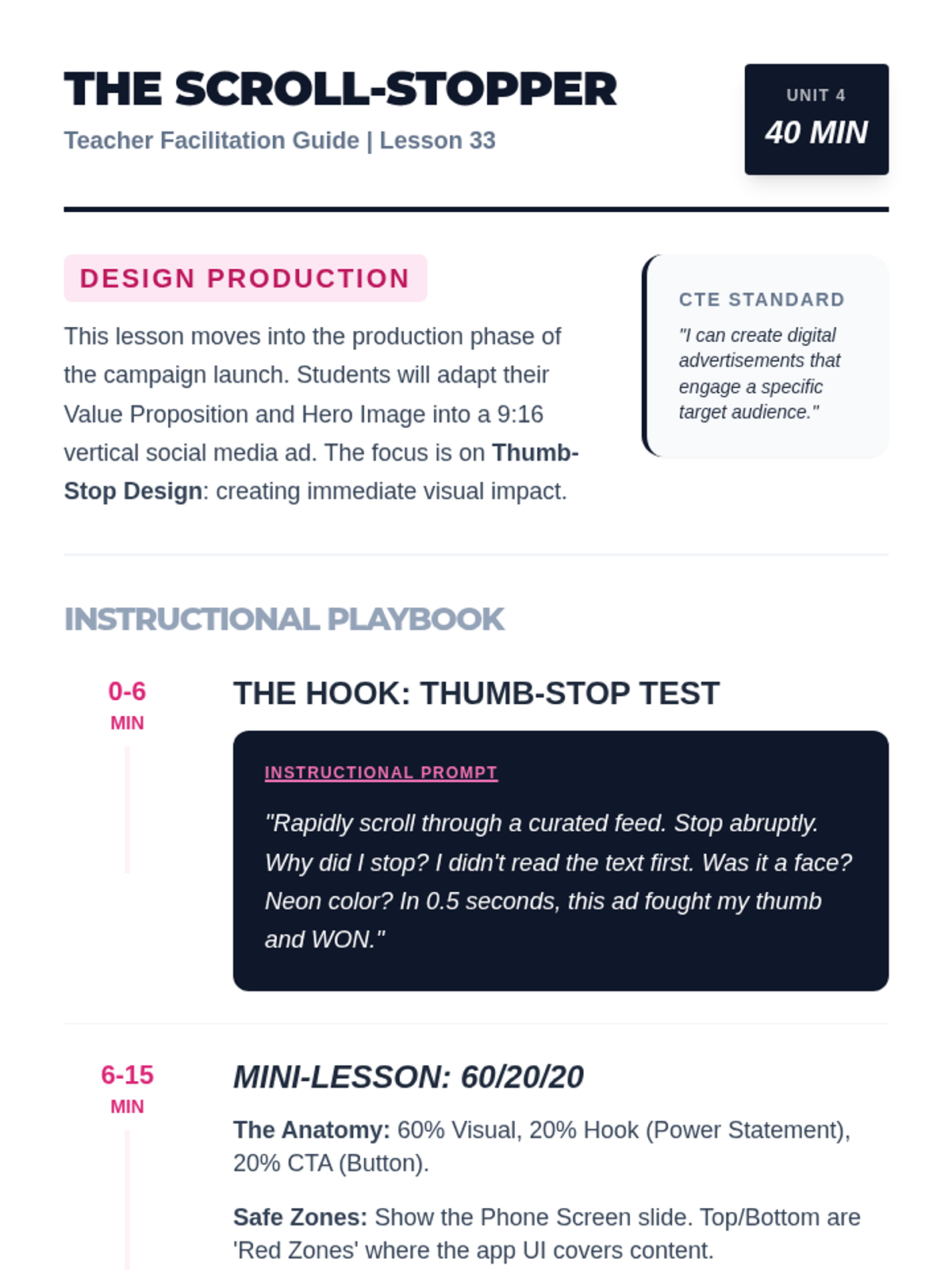
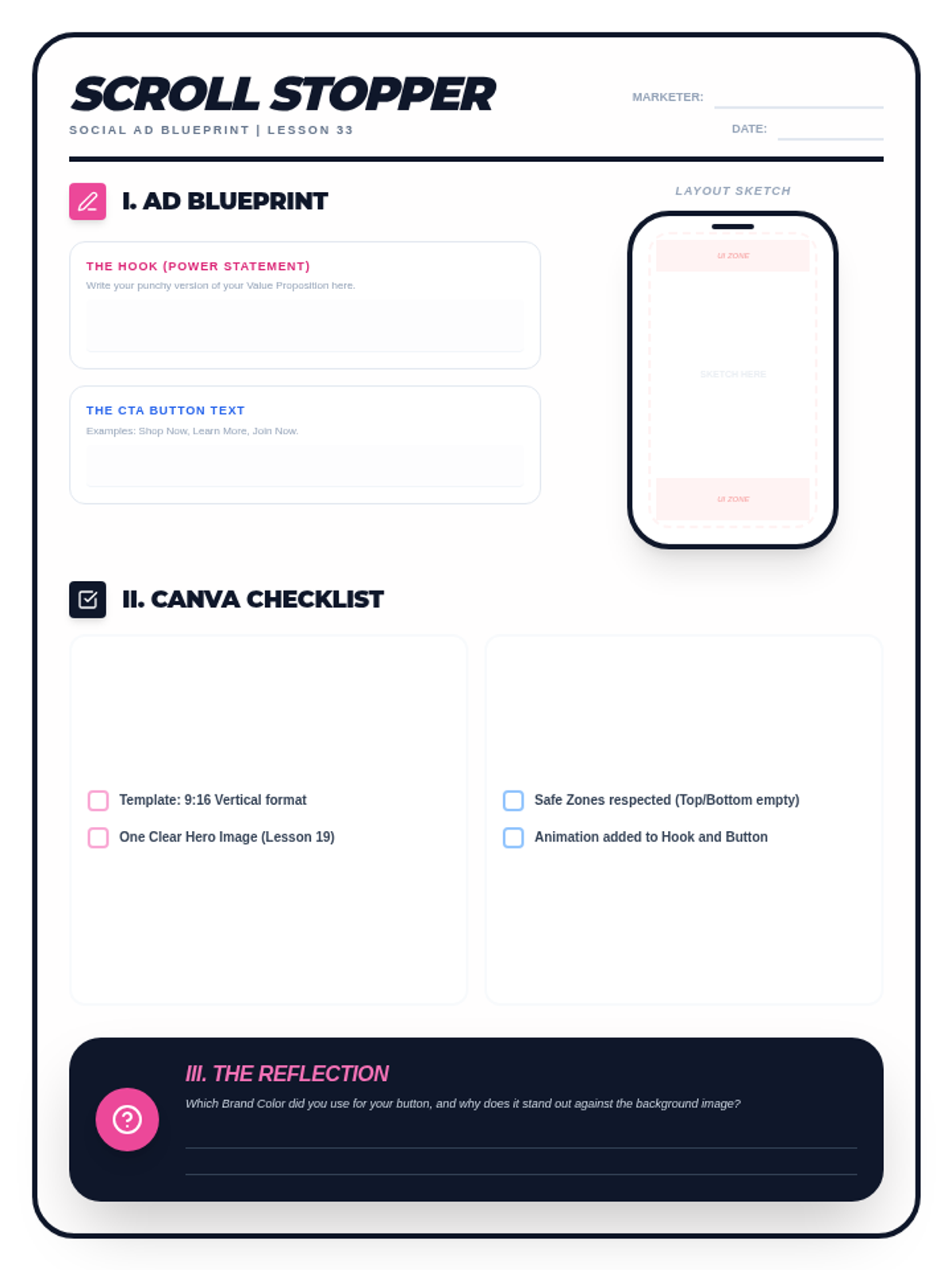
A lesson focused on creating high-impact vertical social media advertisements. Students learn the 'Thumb-Stop' rule, the 60/20/20 anatomy of mobile ads, and design safe-zone techniques in Canva.
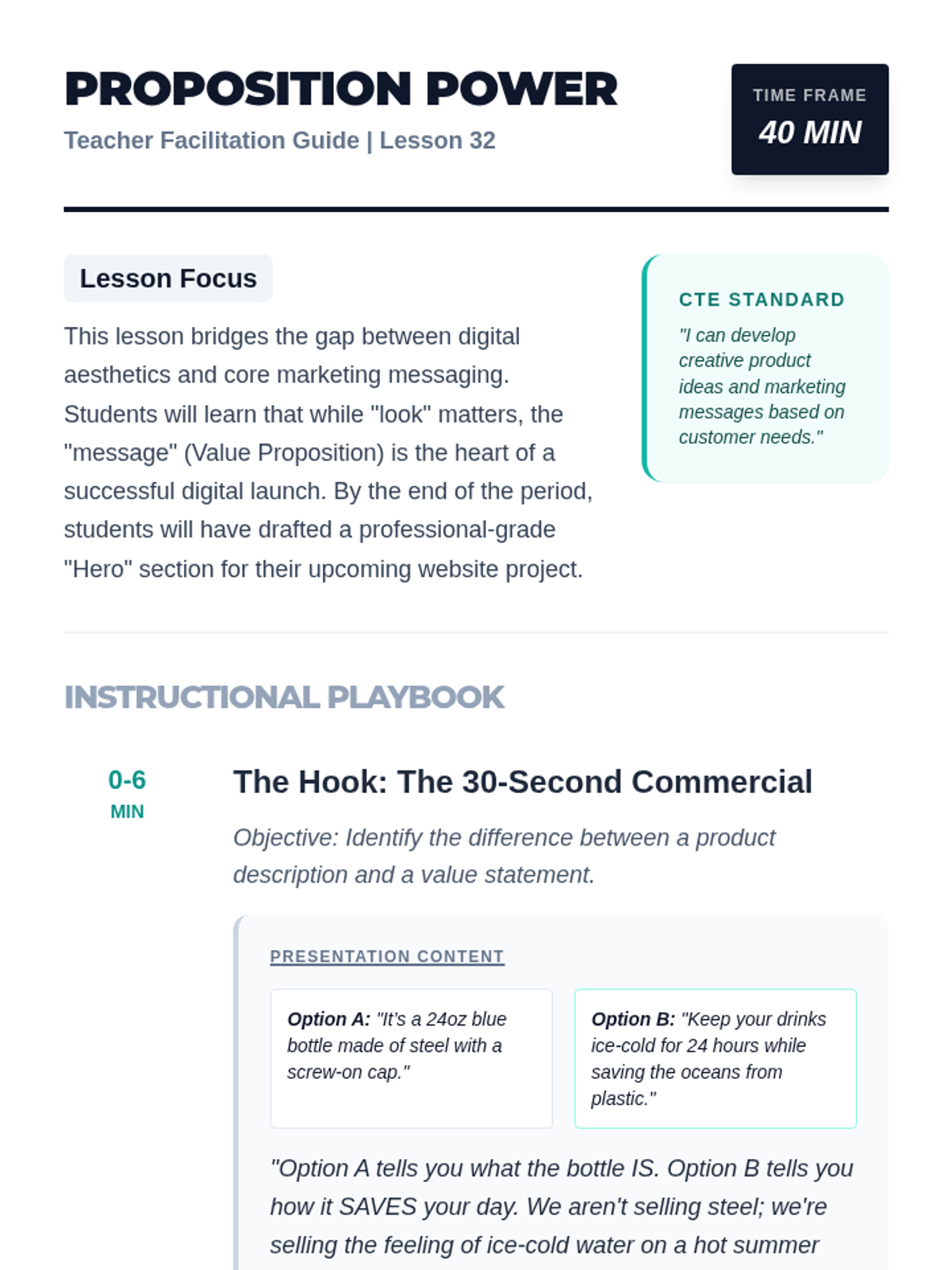
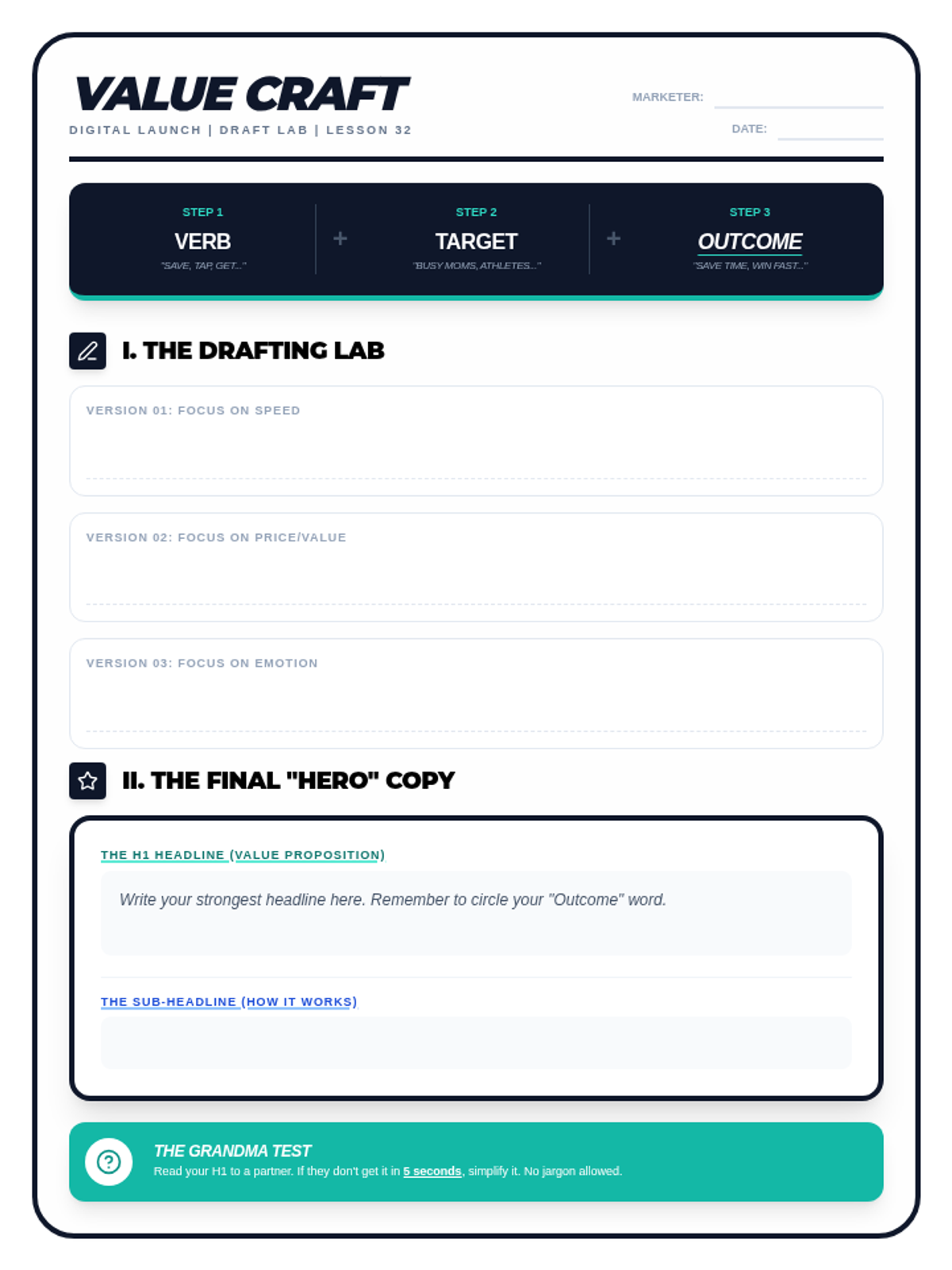
A lesson focused on the core marketing message: the Value Proposition. Students learn the formula for persuasive messaging and how to design high-impact 'Hero Text' for digital landing pages.
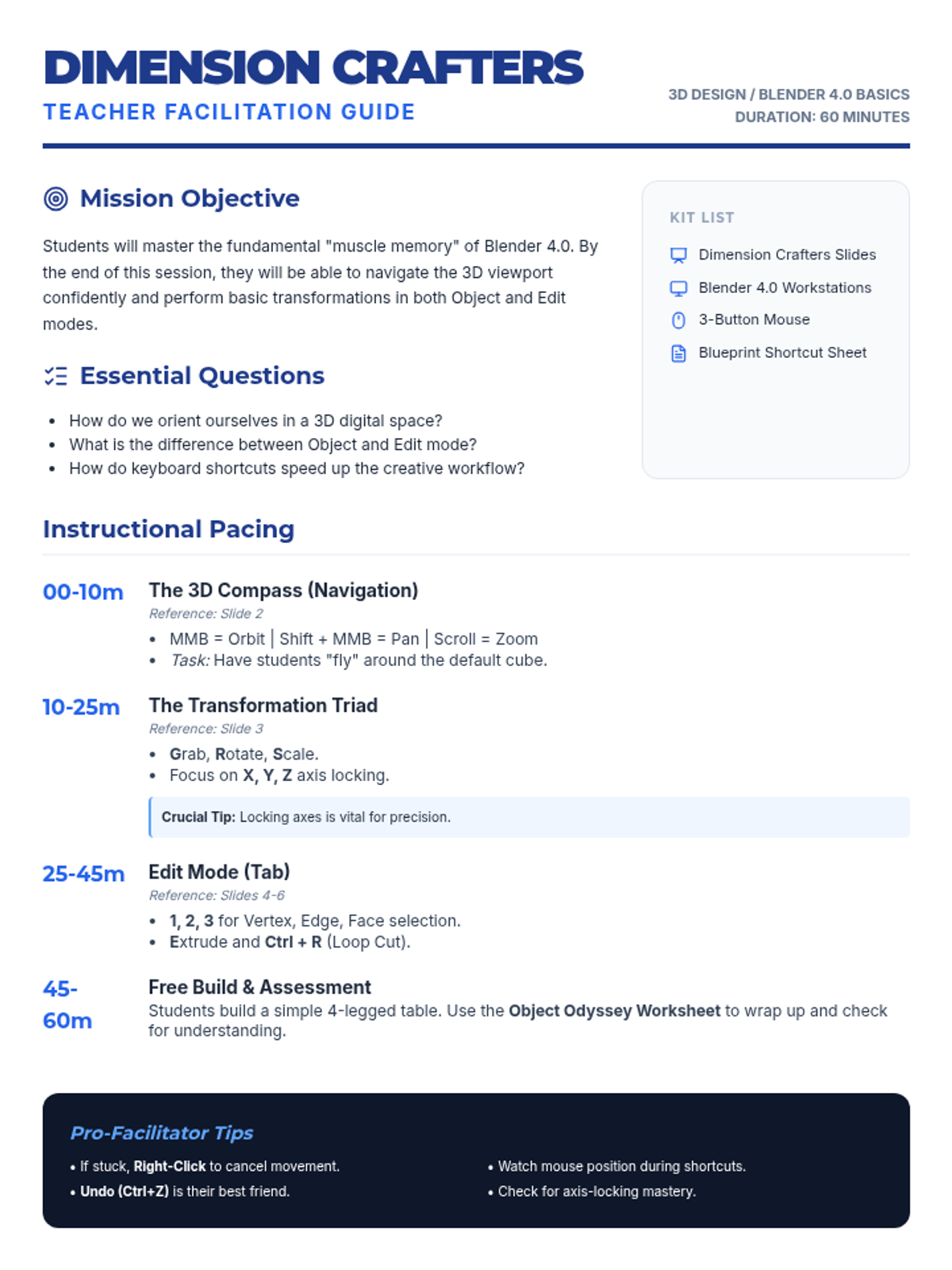
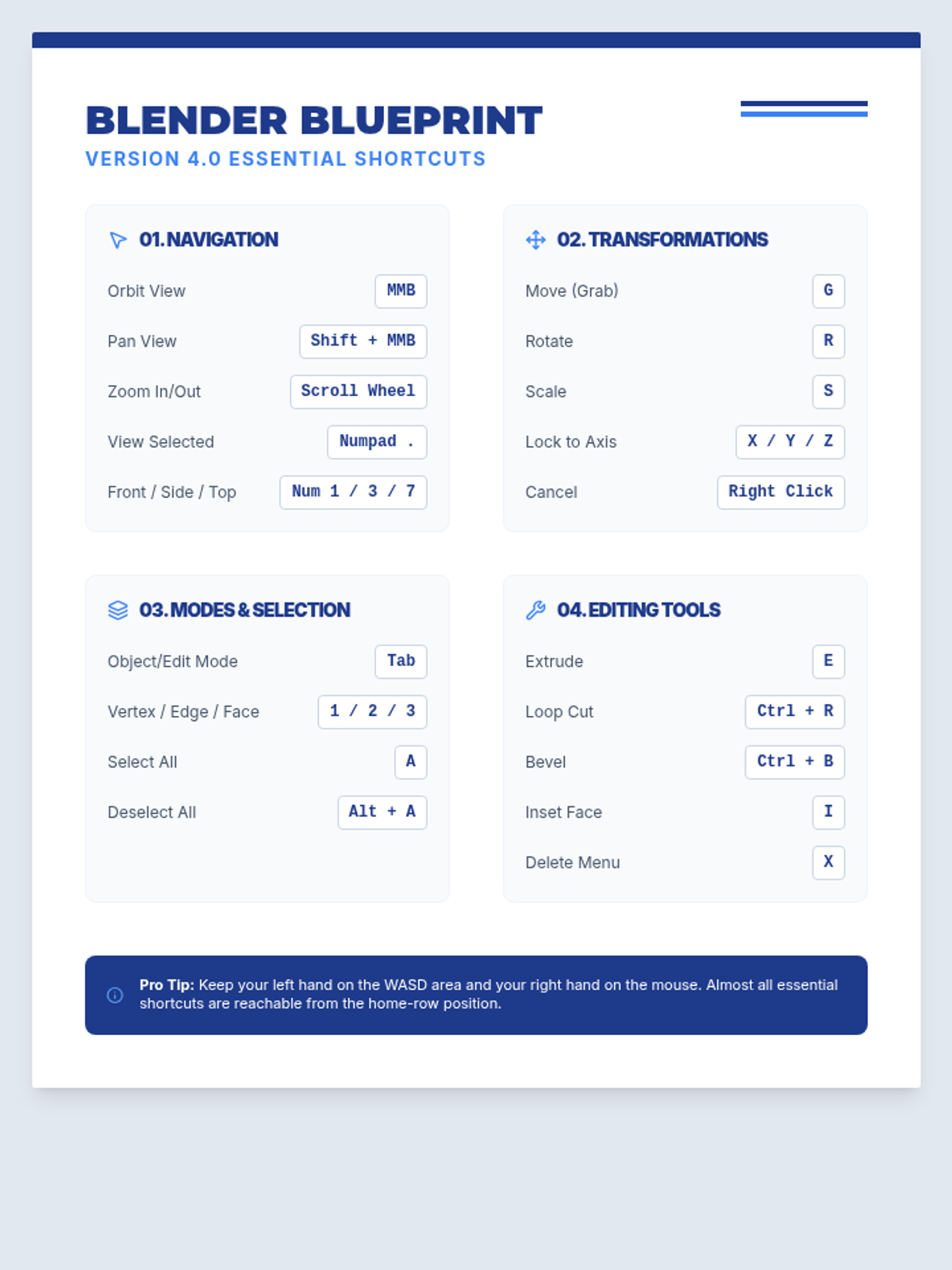
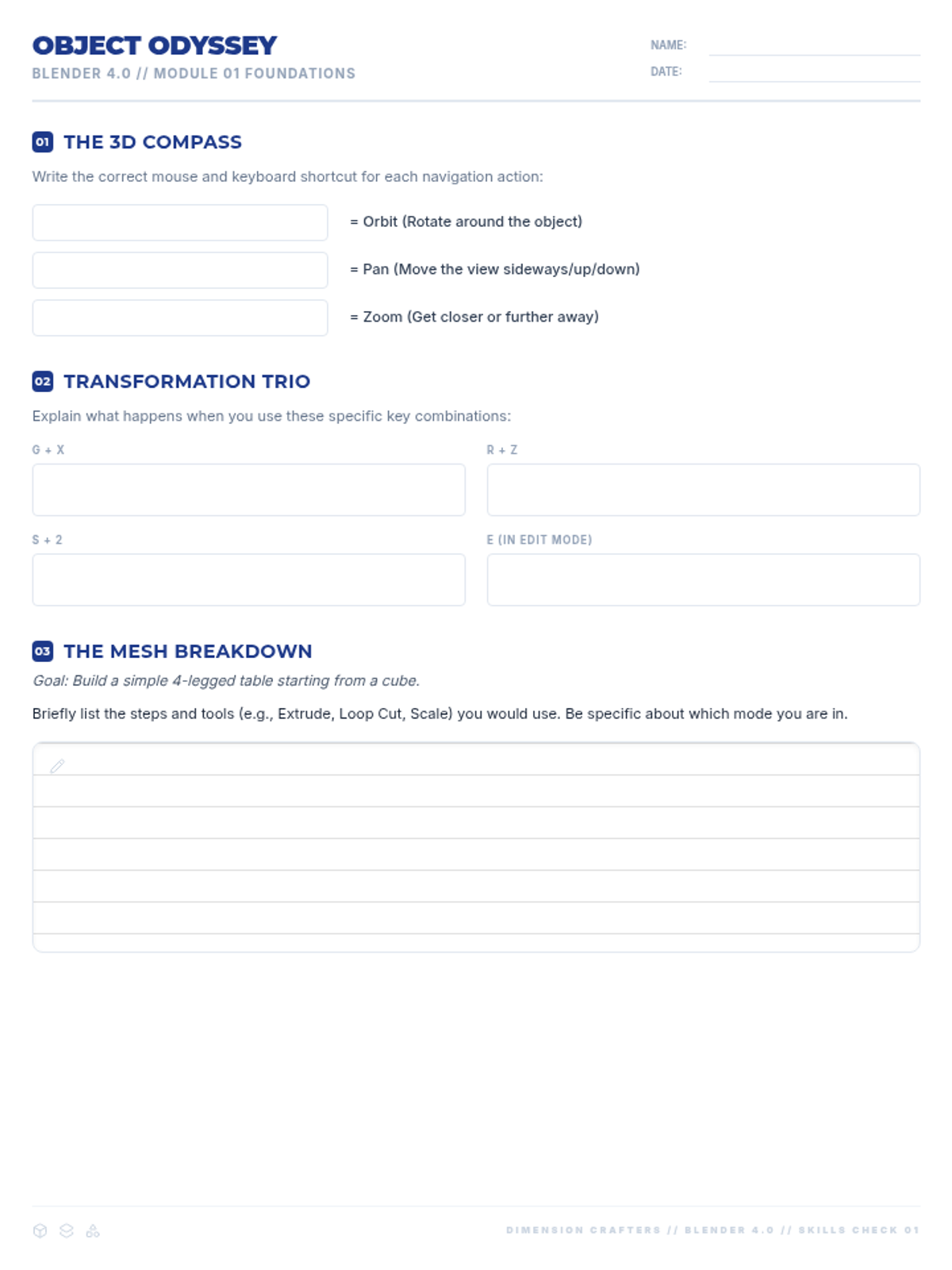
A beginner-friendly introduction to Blender 4.0, focusing on navigation, object transformations, and essential edit mode tools for 3D modeling.
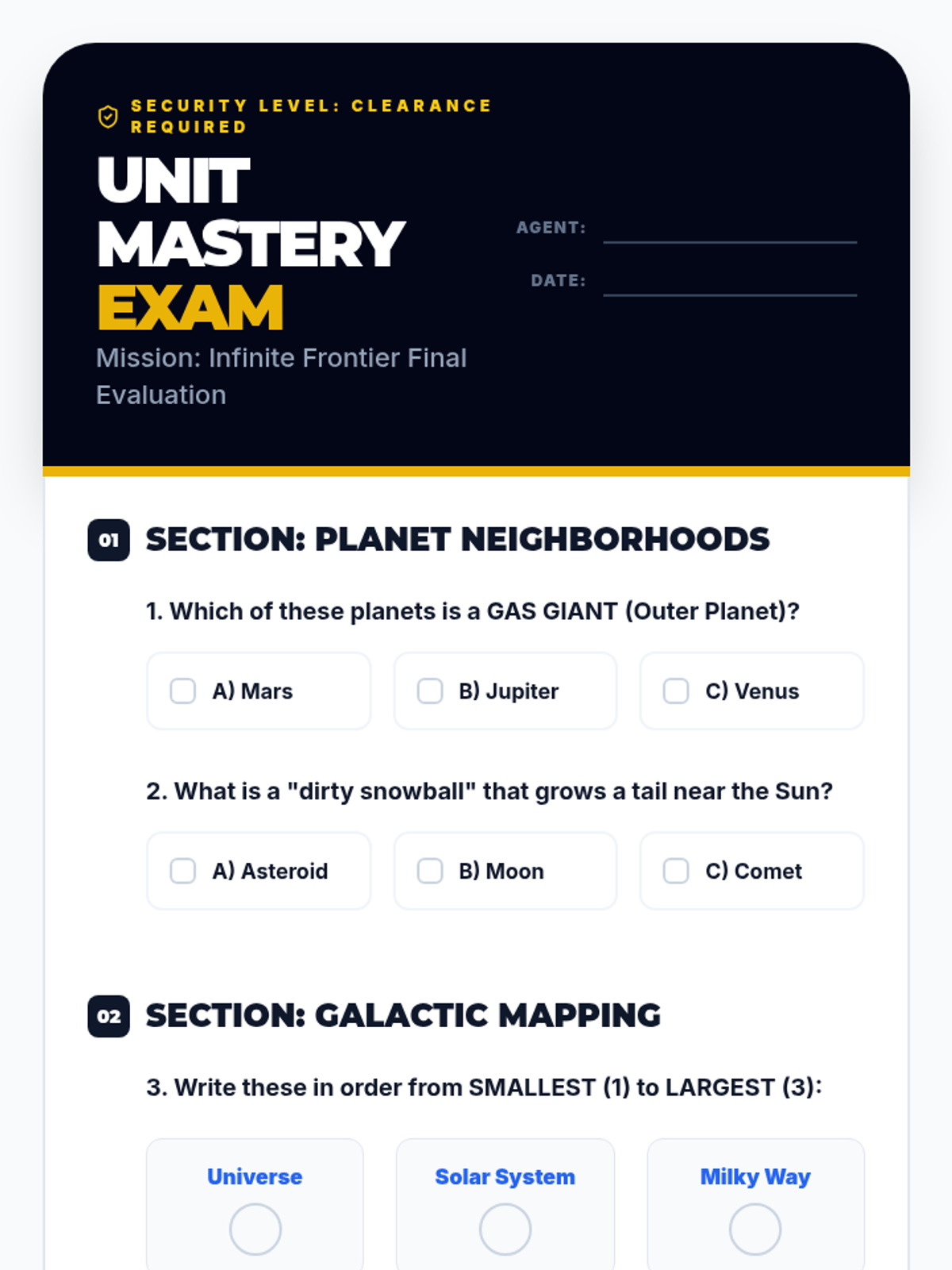
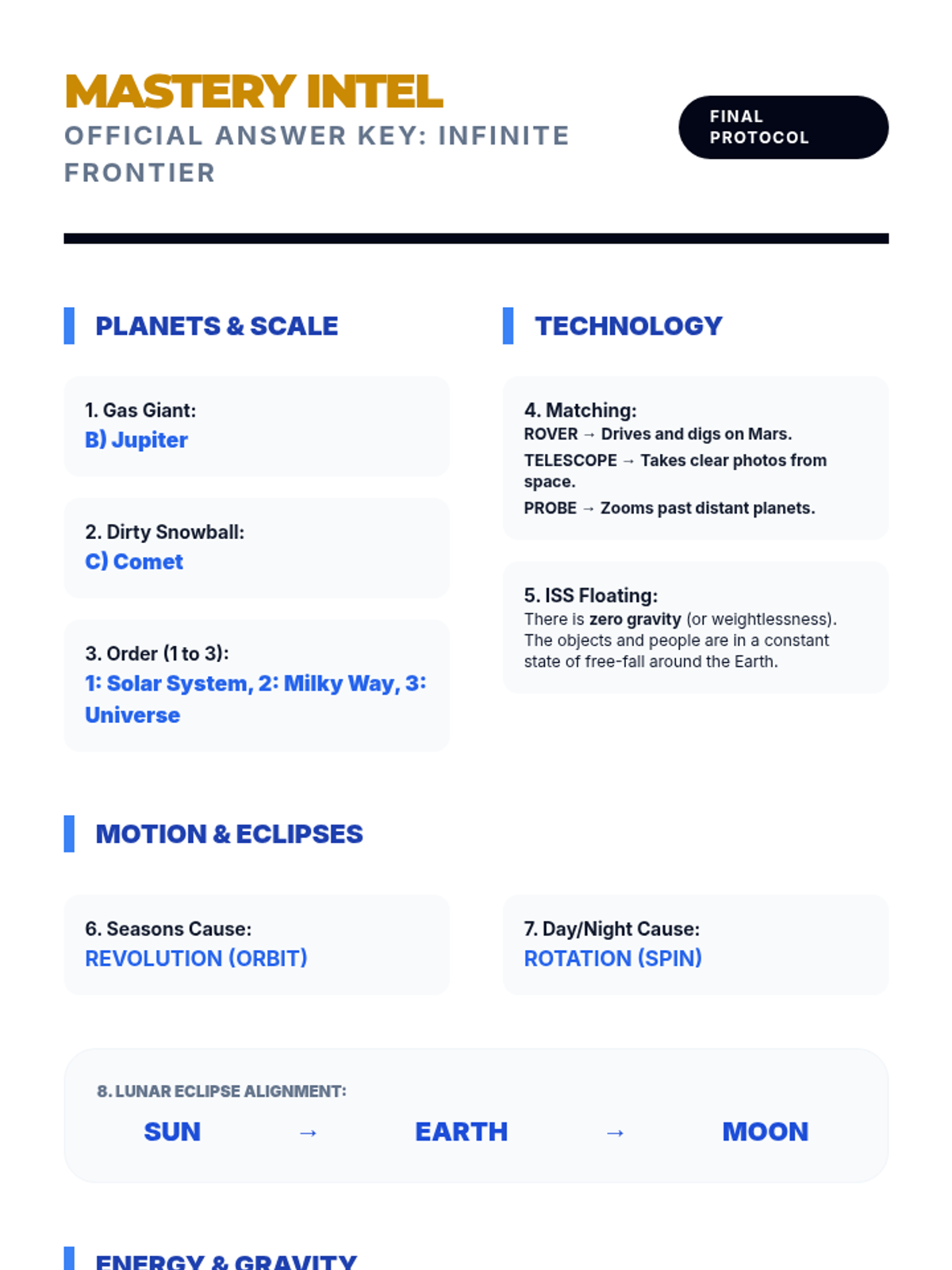
A comprehensive end-of-unit assessment and review lesson for the Infinite Frontier sequence. Includes a multi-topic test and a unit glossary.
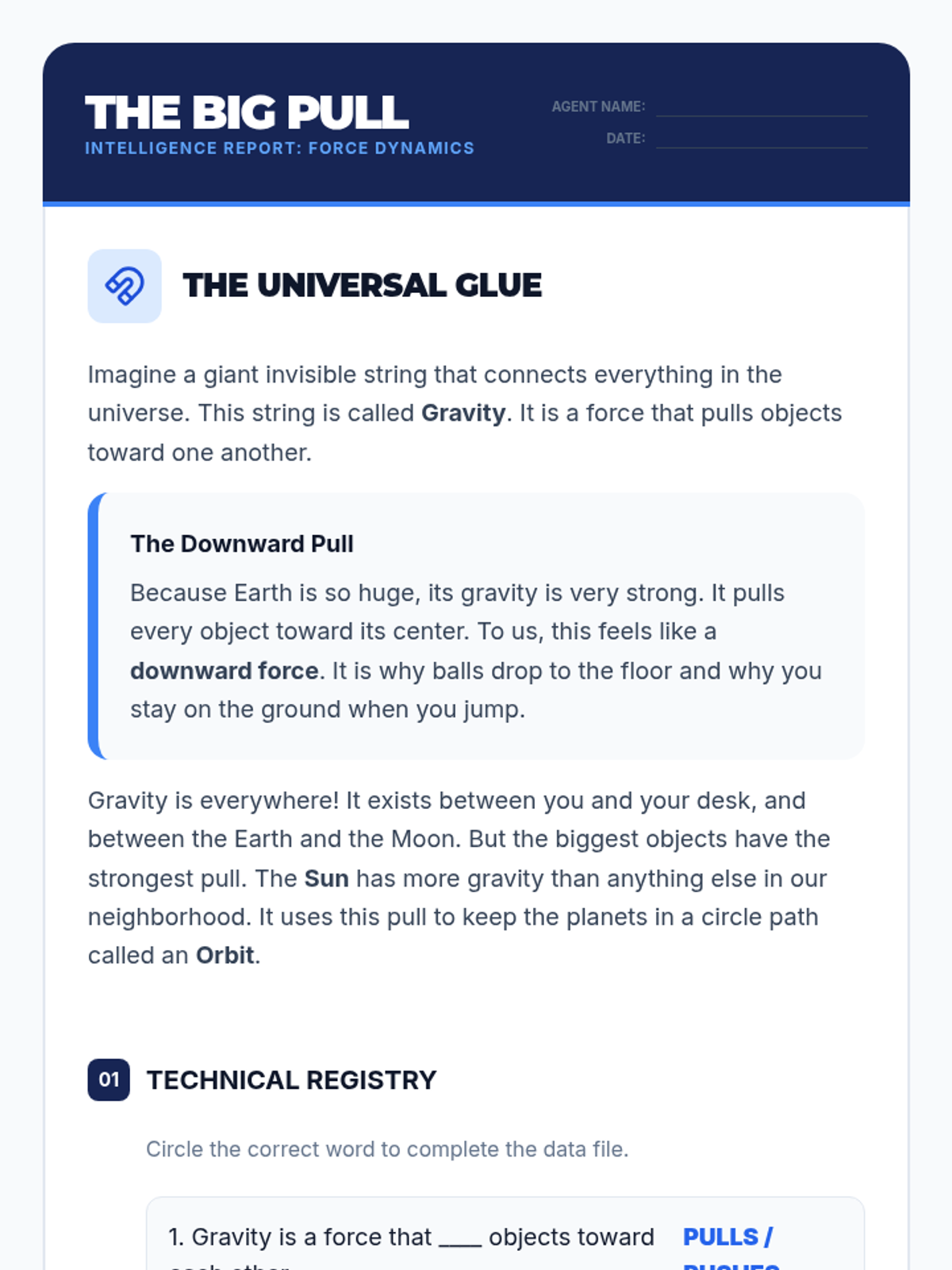
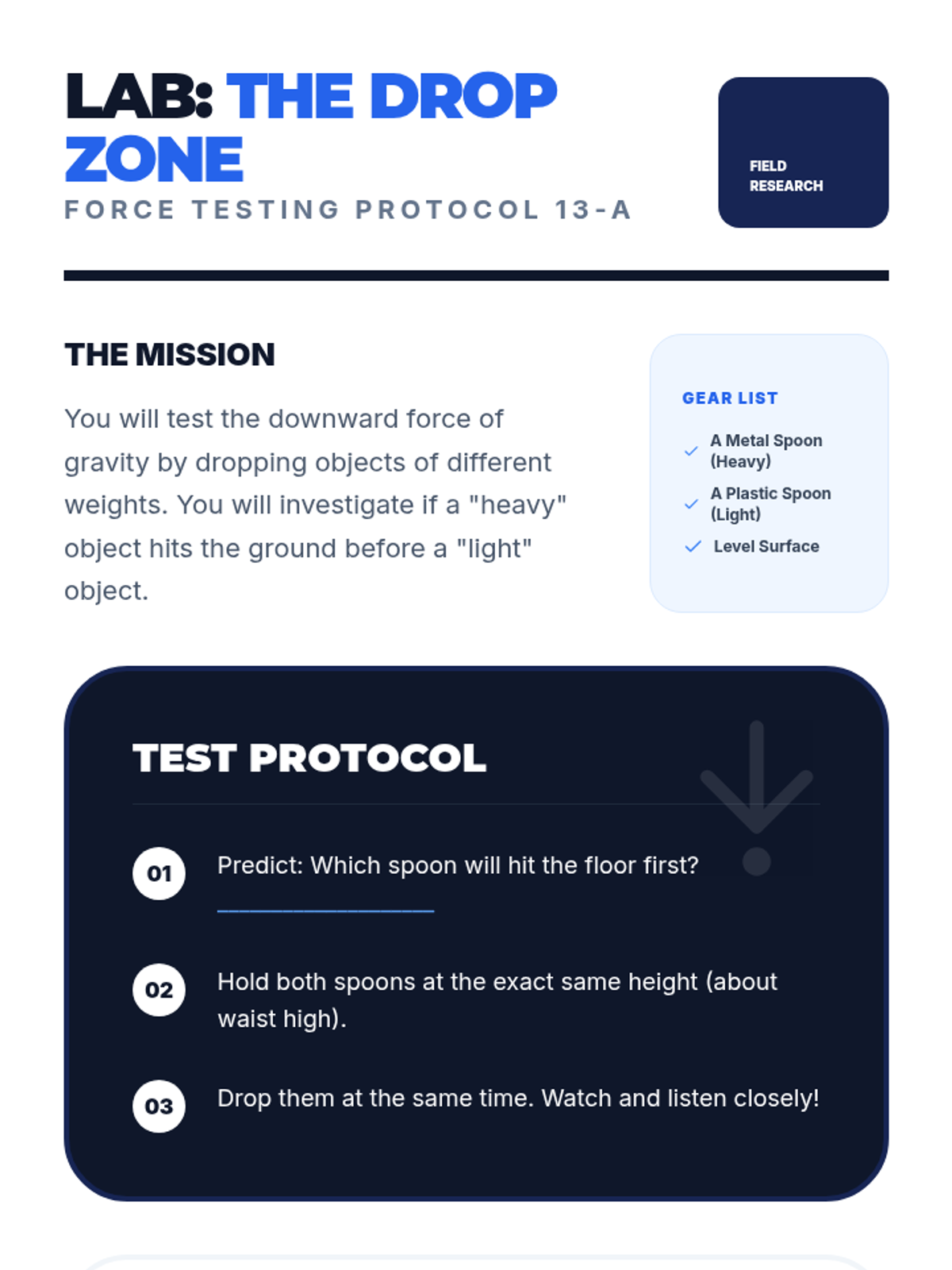
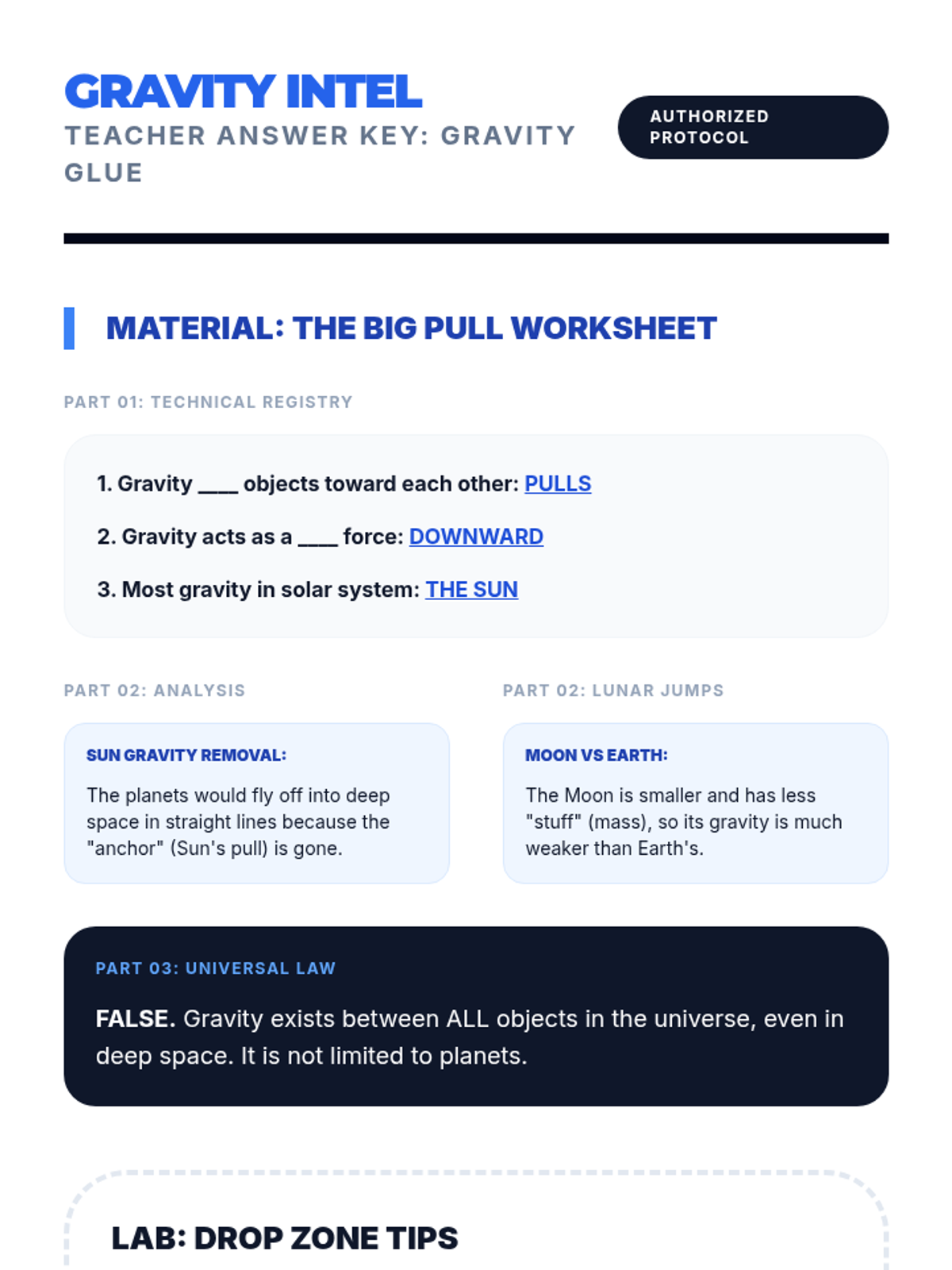
A lesson on the fundamental force of gravity, explaining its role as a downward force on Earth and the invisible "glue" that keeps the planets in orbit around the Sun.
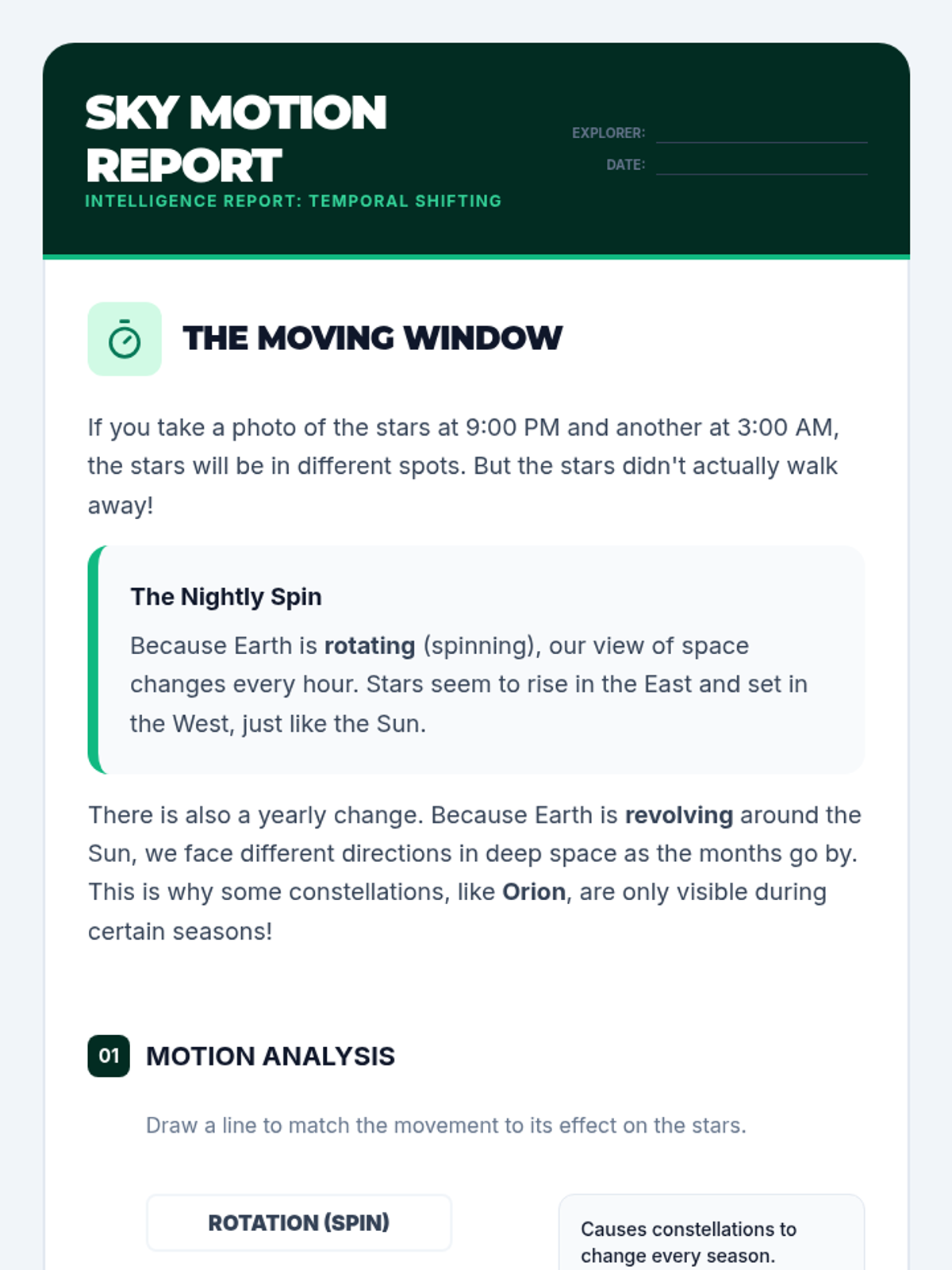
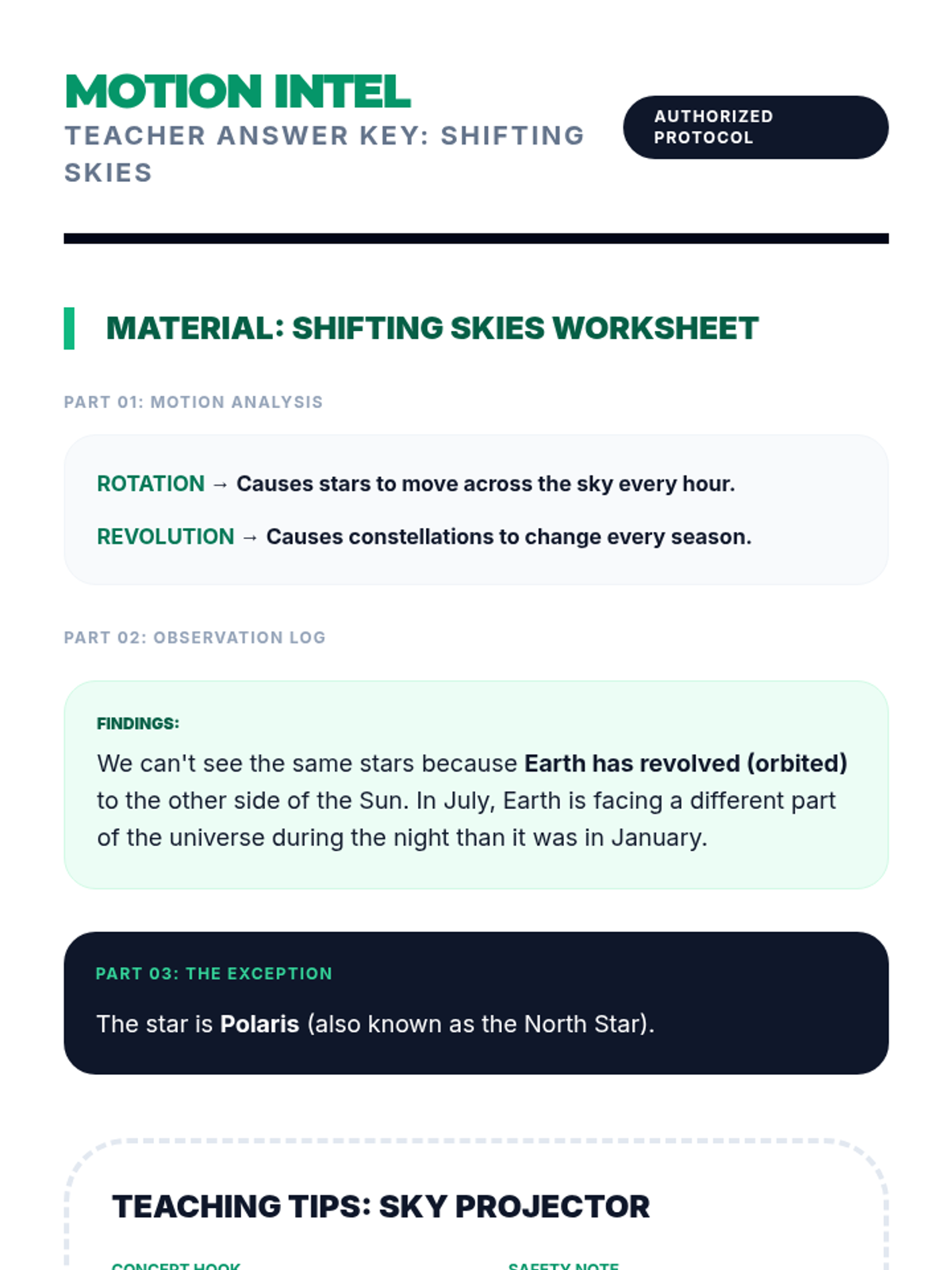
A lesson exploring why the night sky appears to change throughout the night and across different seasons due to Earth's rotation and revolution.
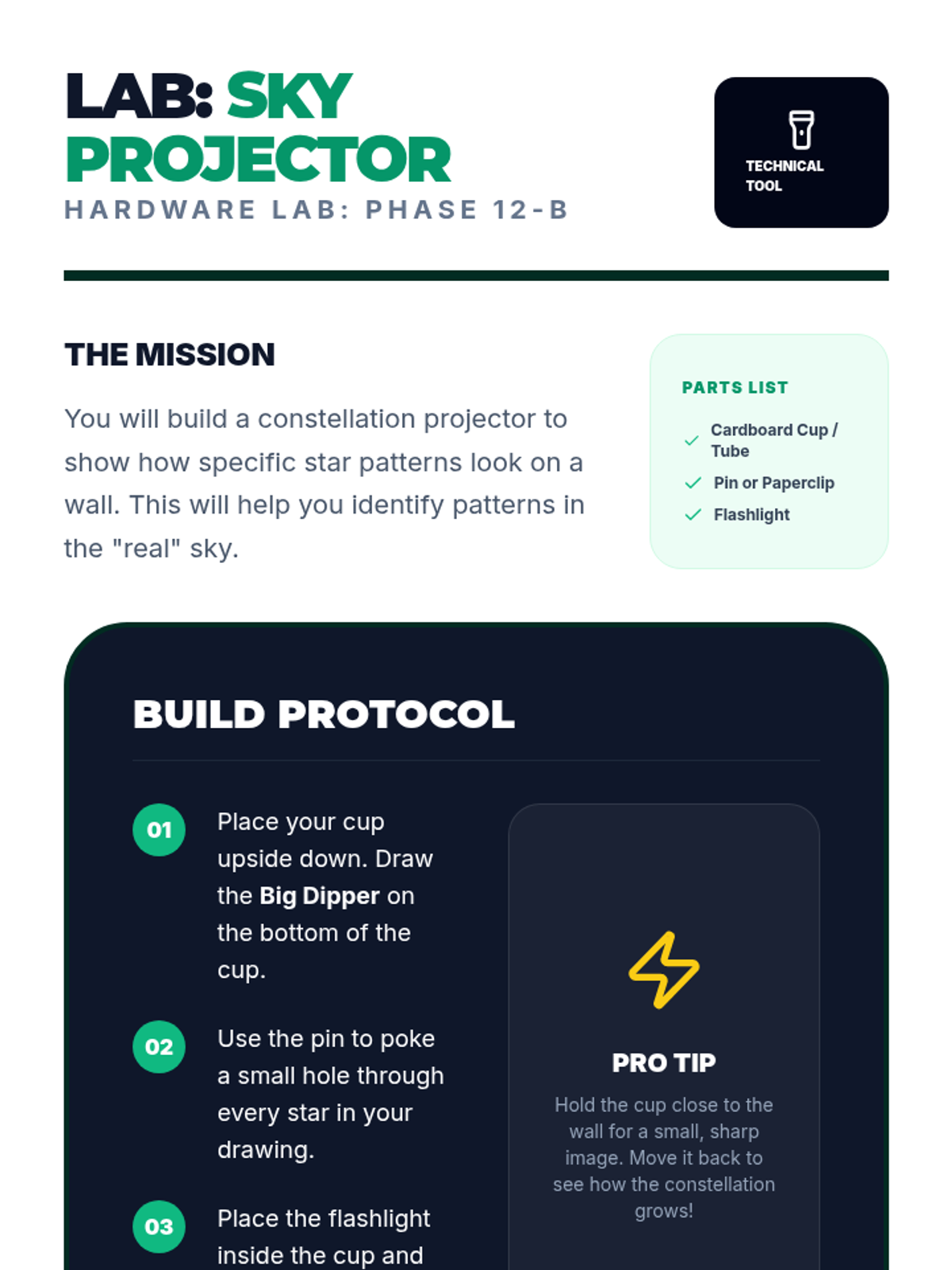
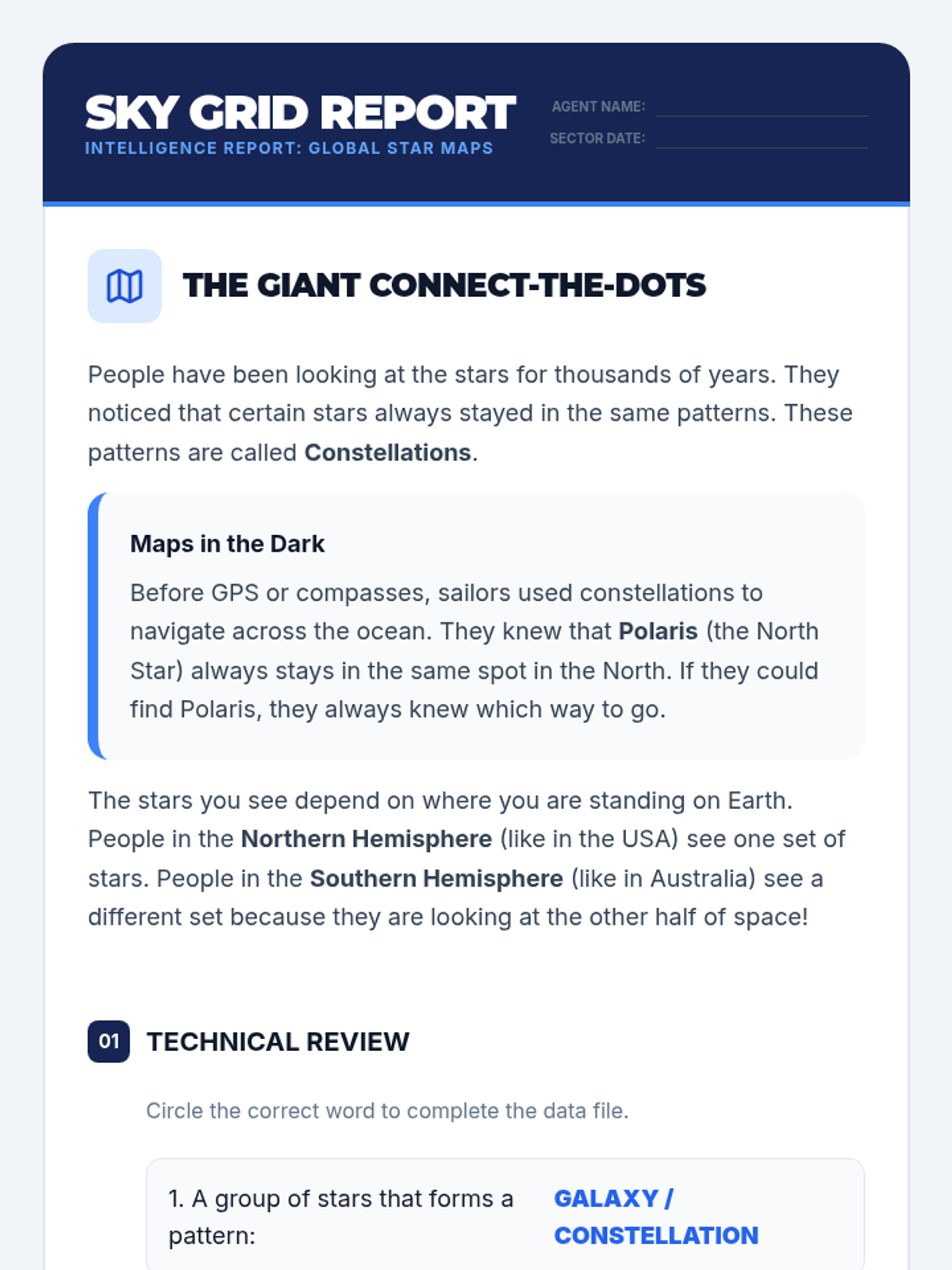
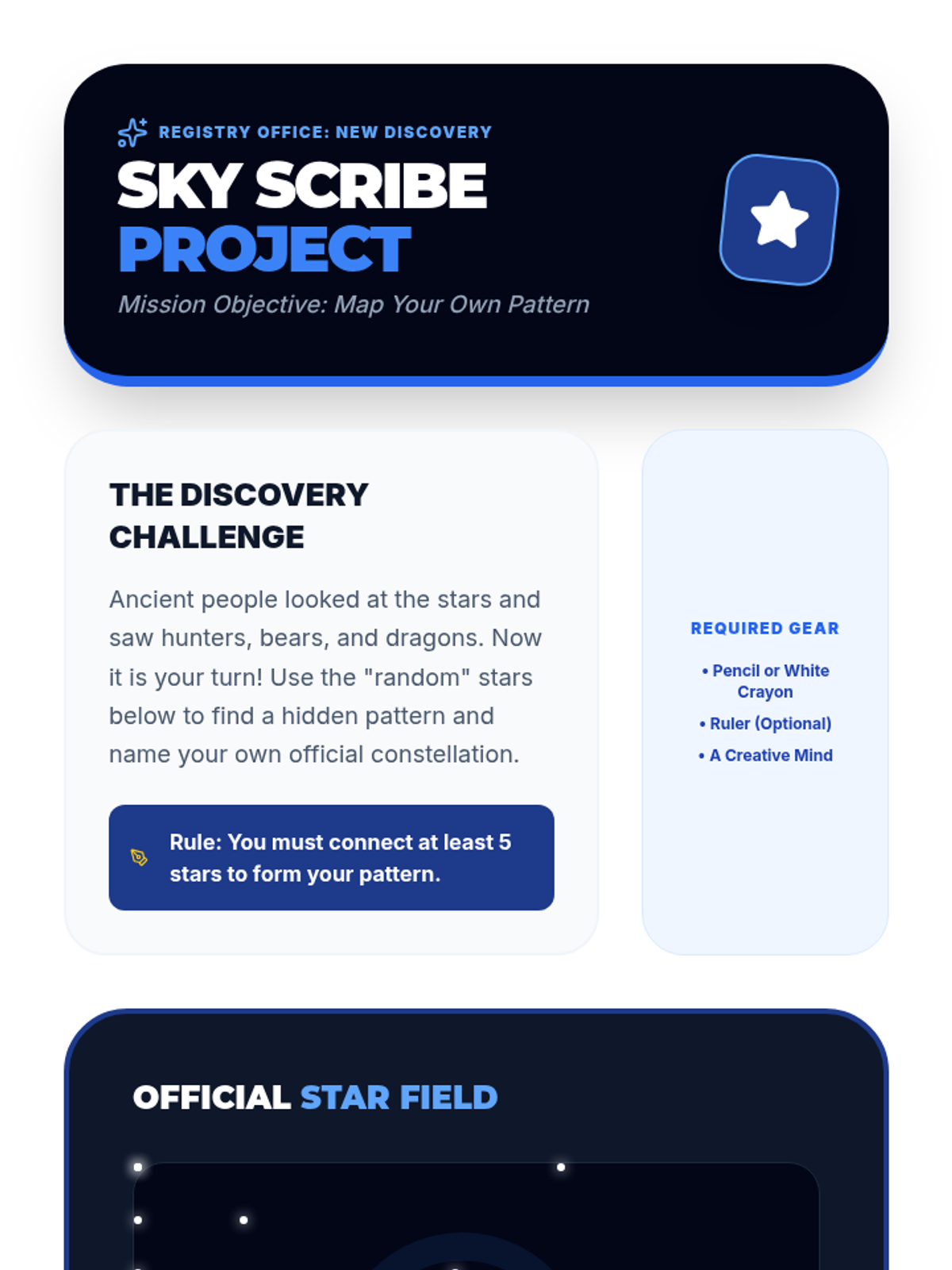
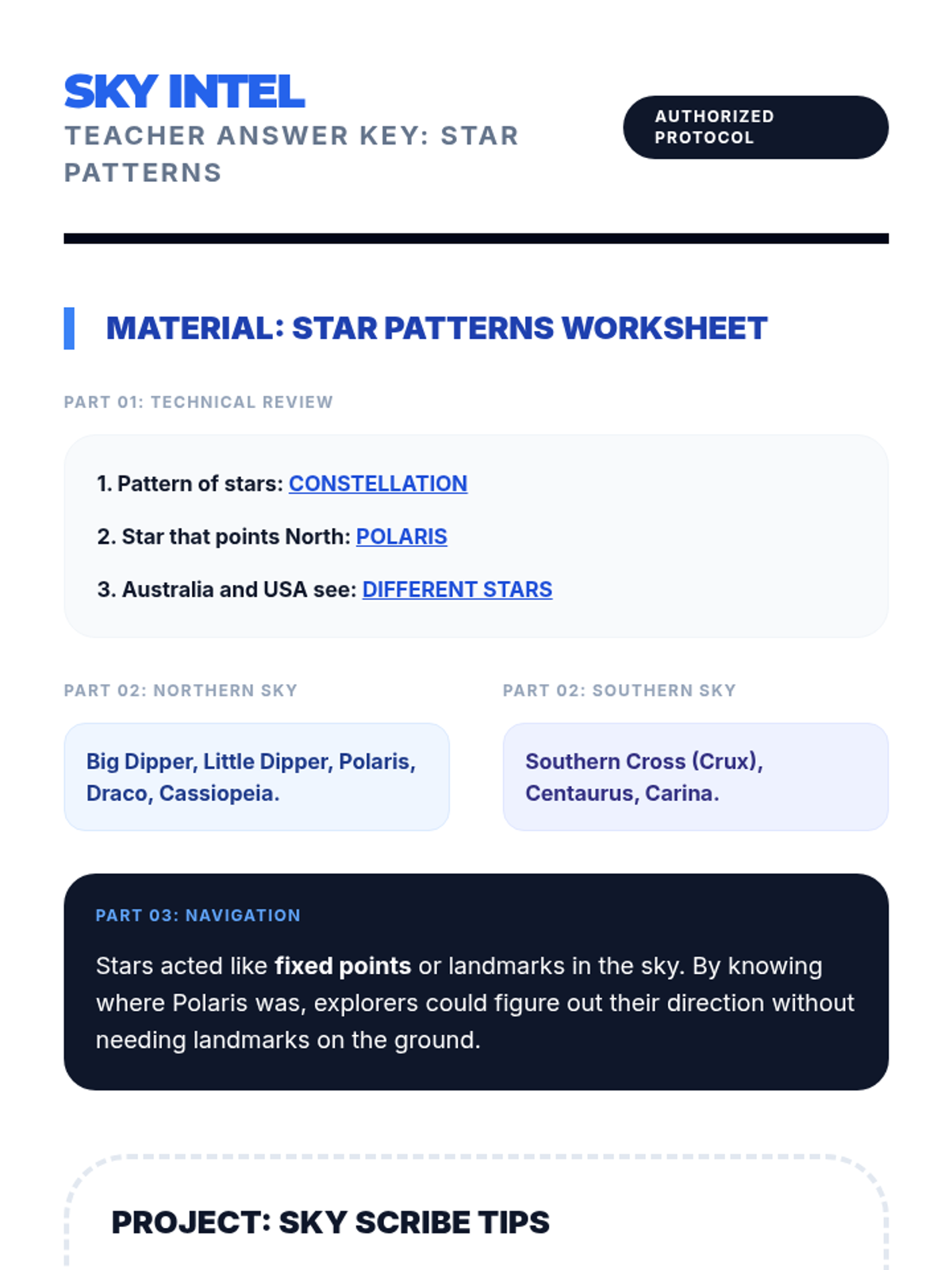
A lesson on constellations, explaining how stars form patterns used for navigation and how the view of the sky changes between the Northern and Southern Hemispheres.
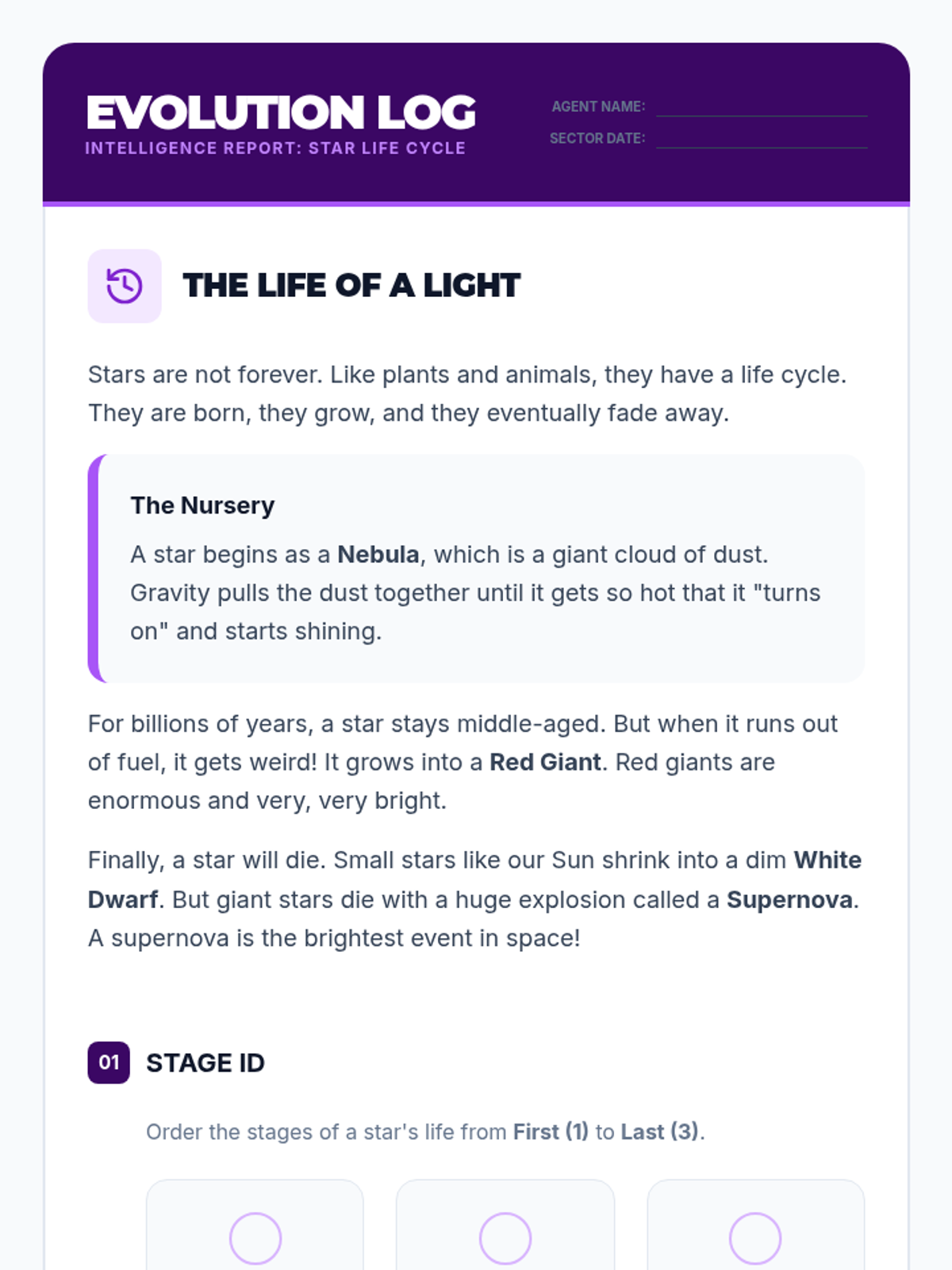
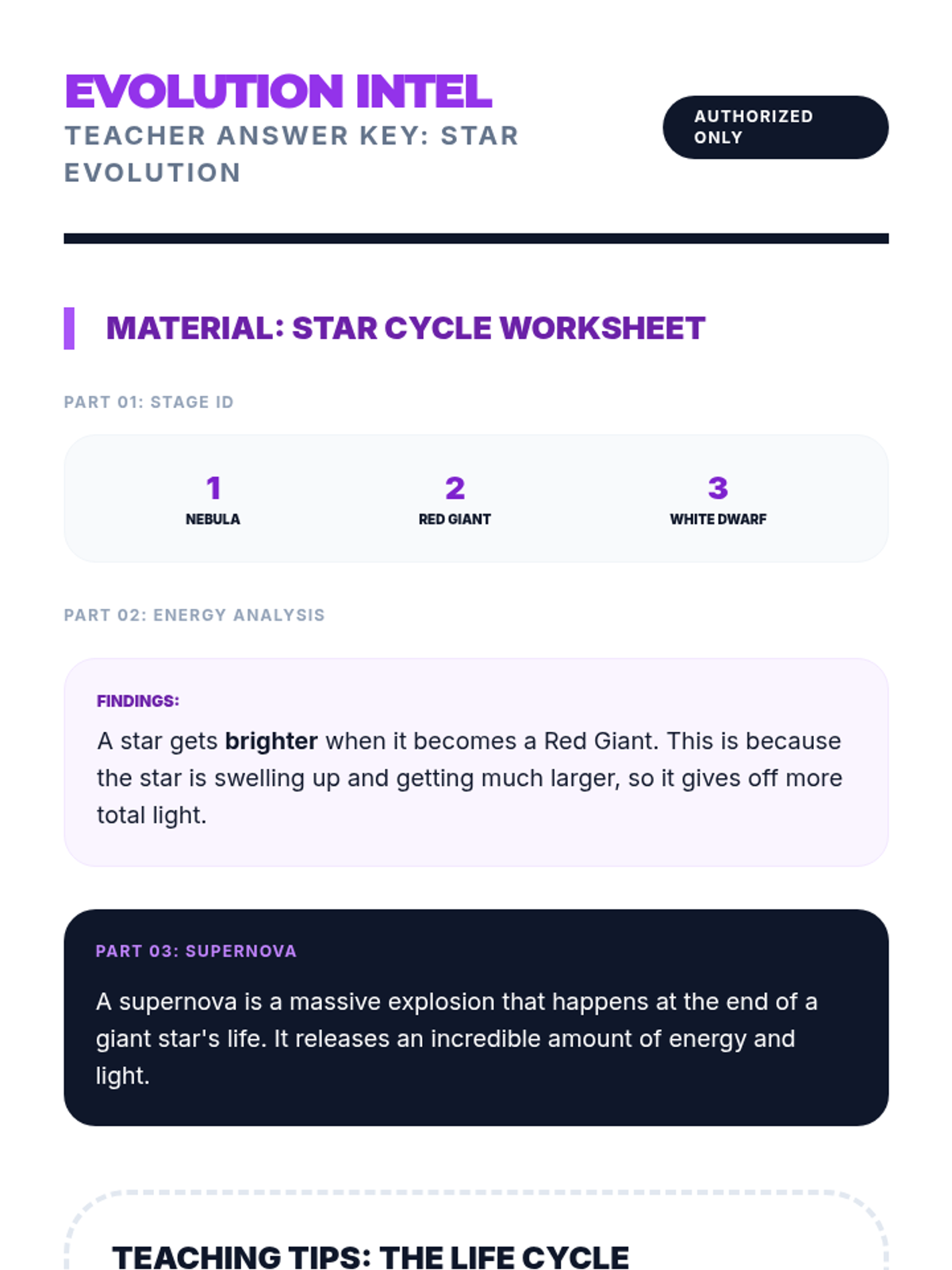
A lesson on the life cycle of stars, exploring how they are born in nebulae, grow, and eventually change brightness as they age or die.
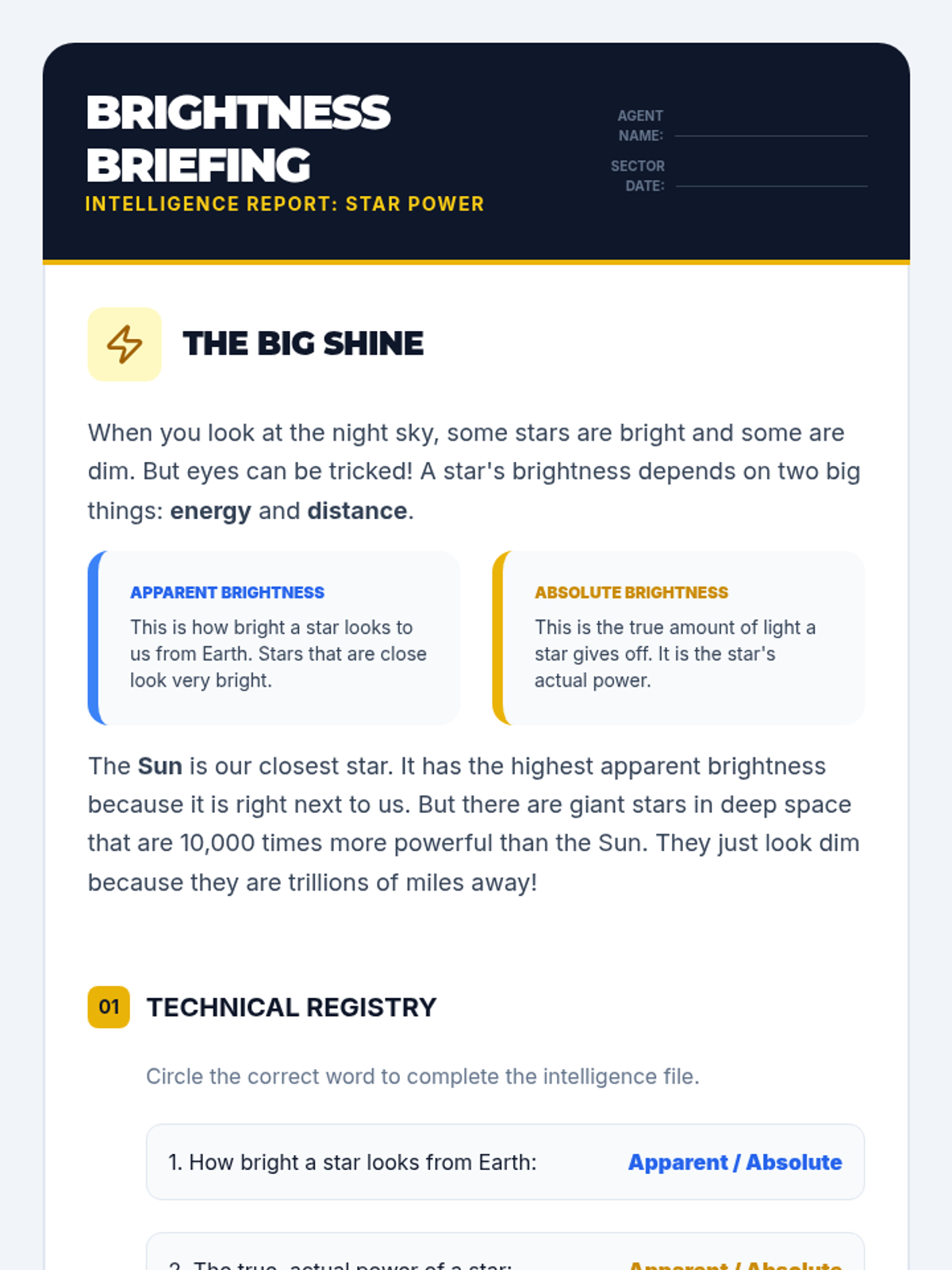
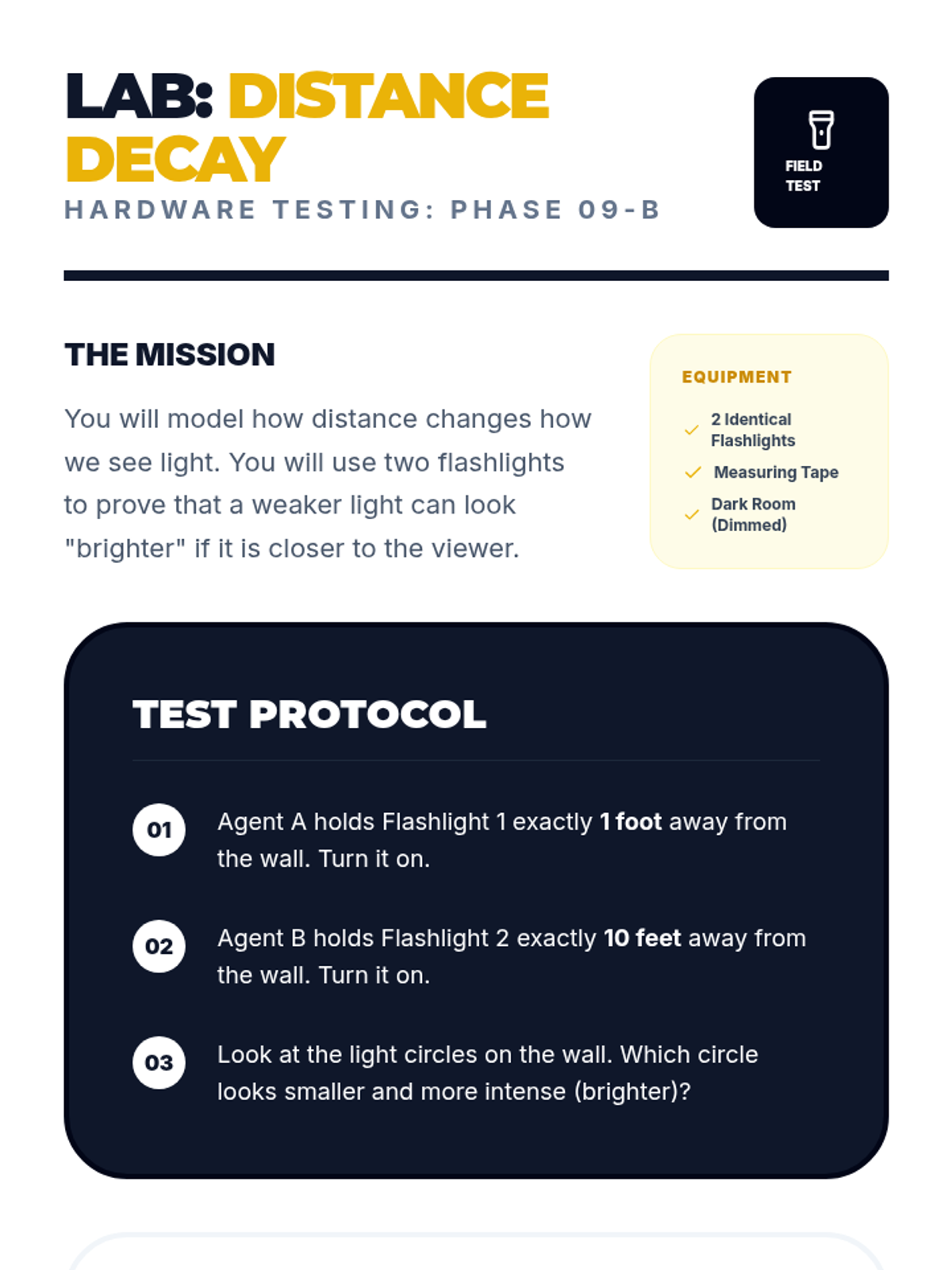
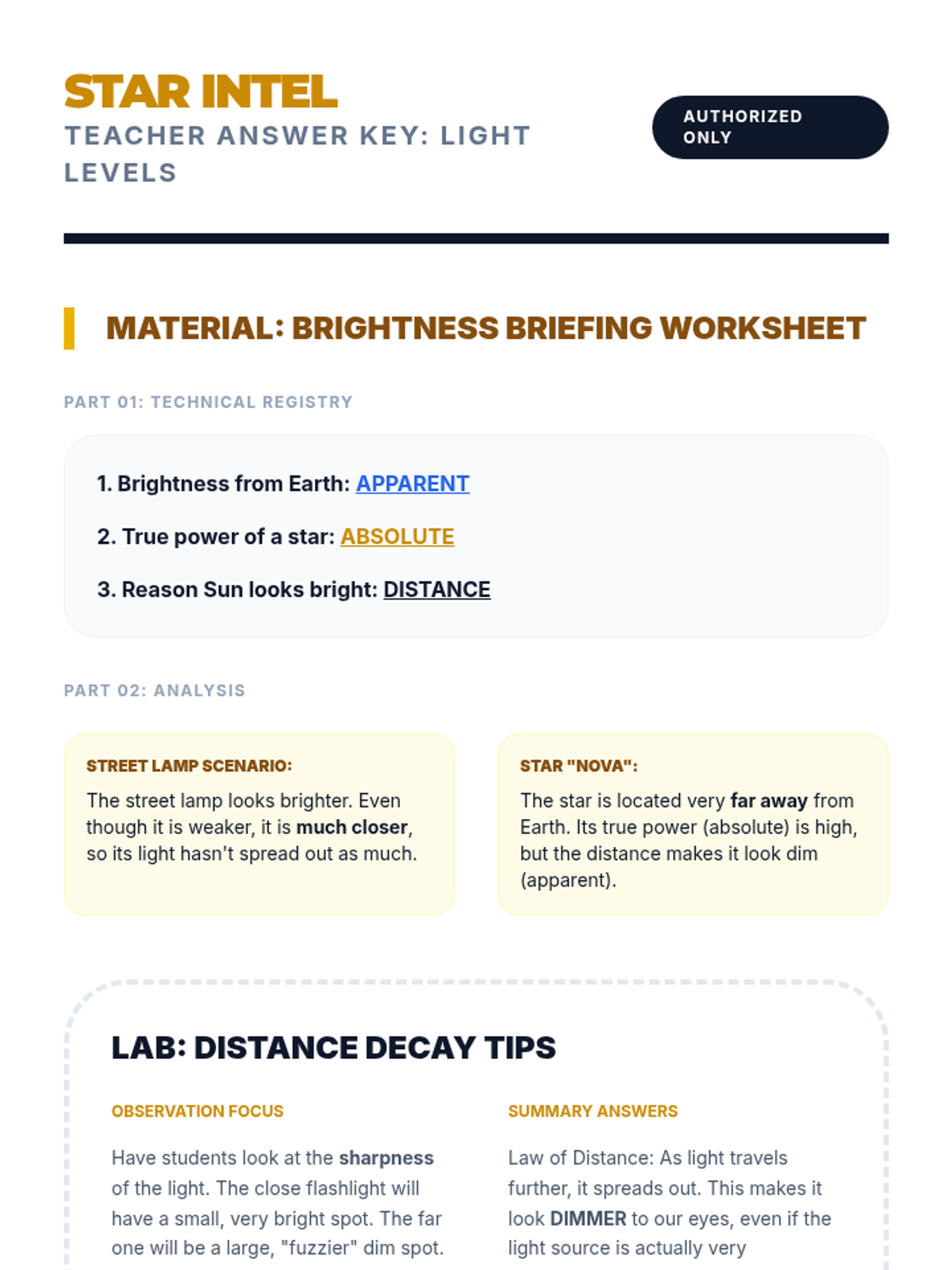
A lesson exploring why some stars look brighter than others, focusing on the difference between apparent and absolute brightness and the role of distance.
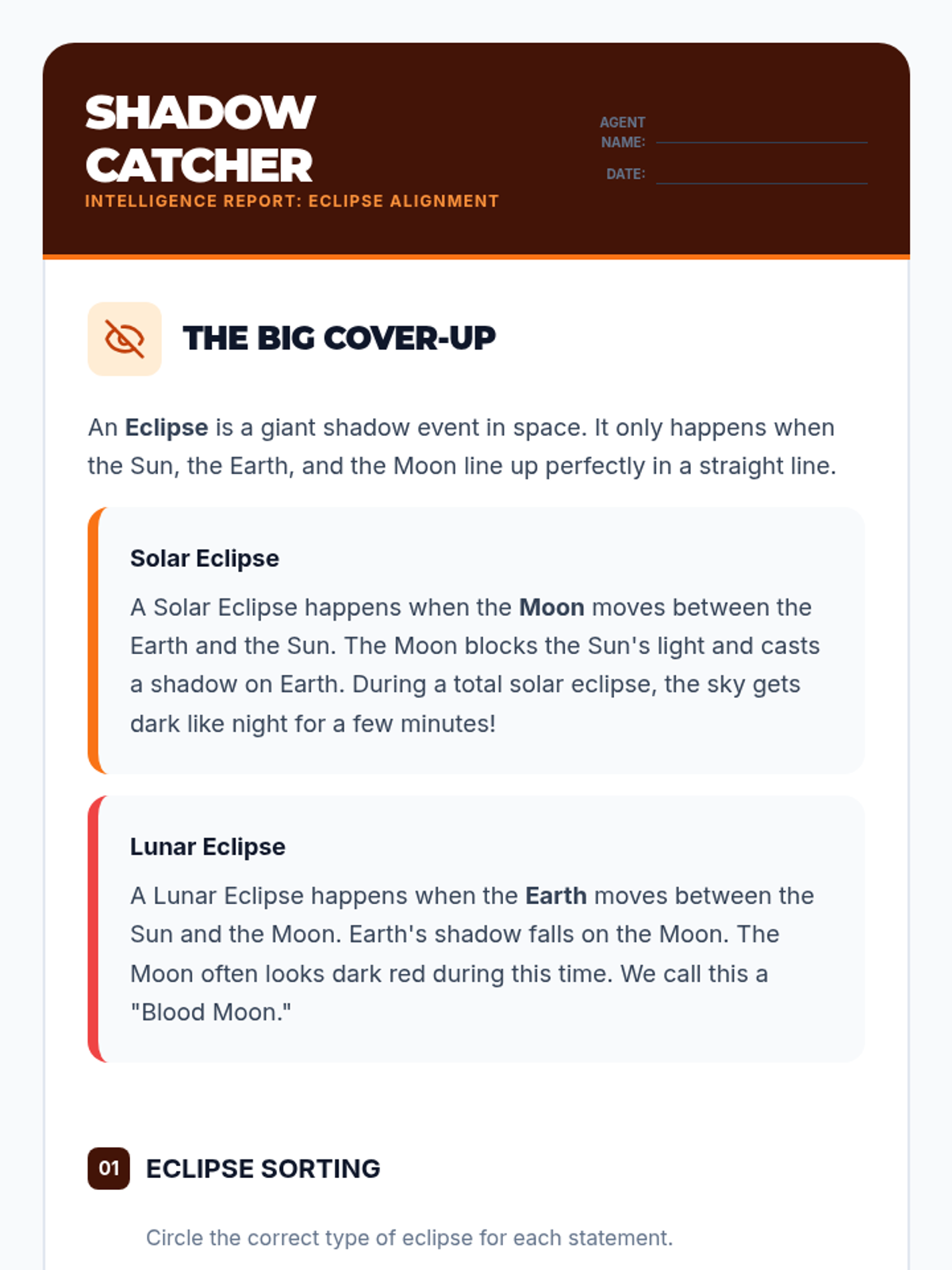
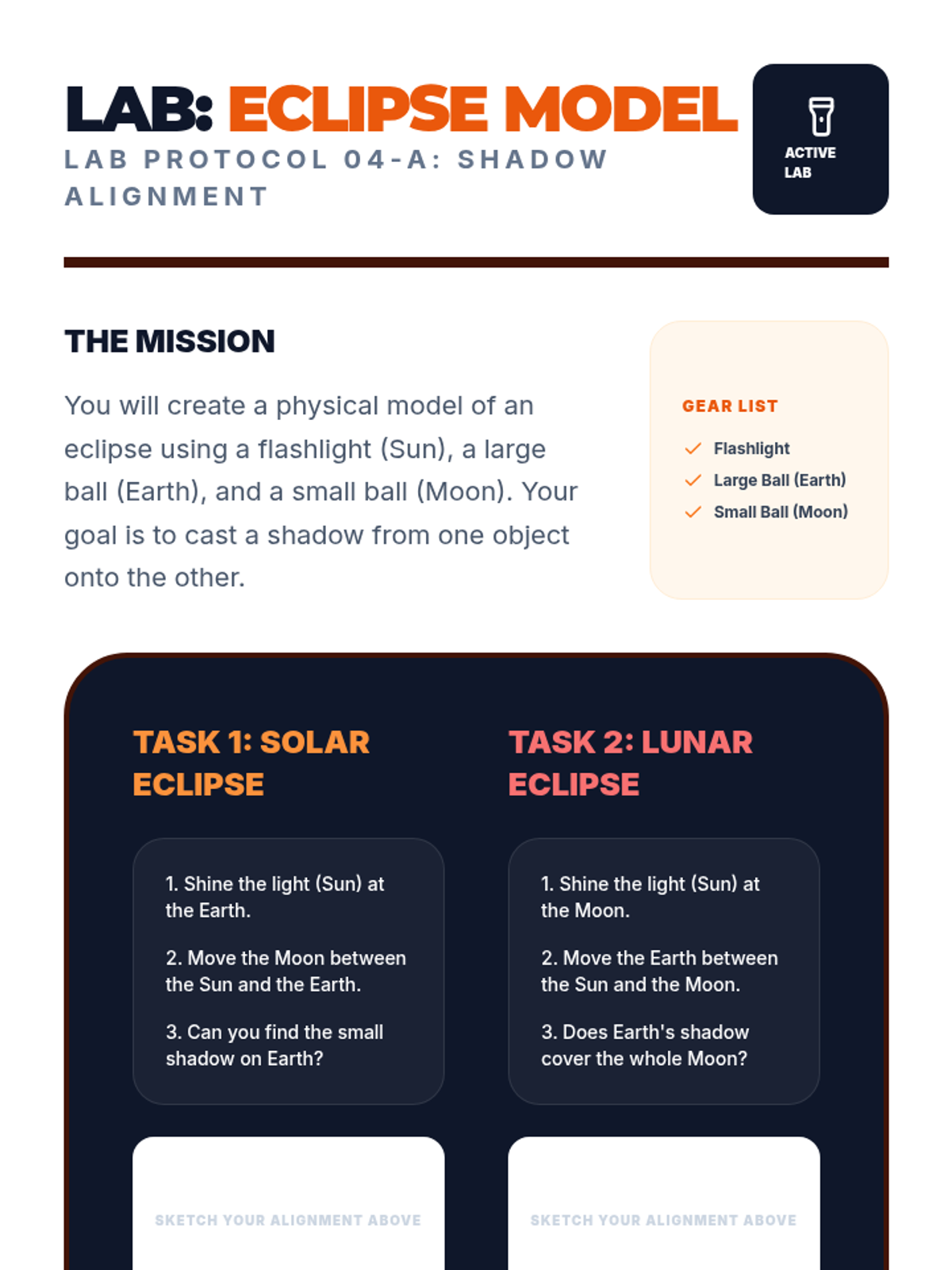
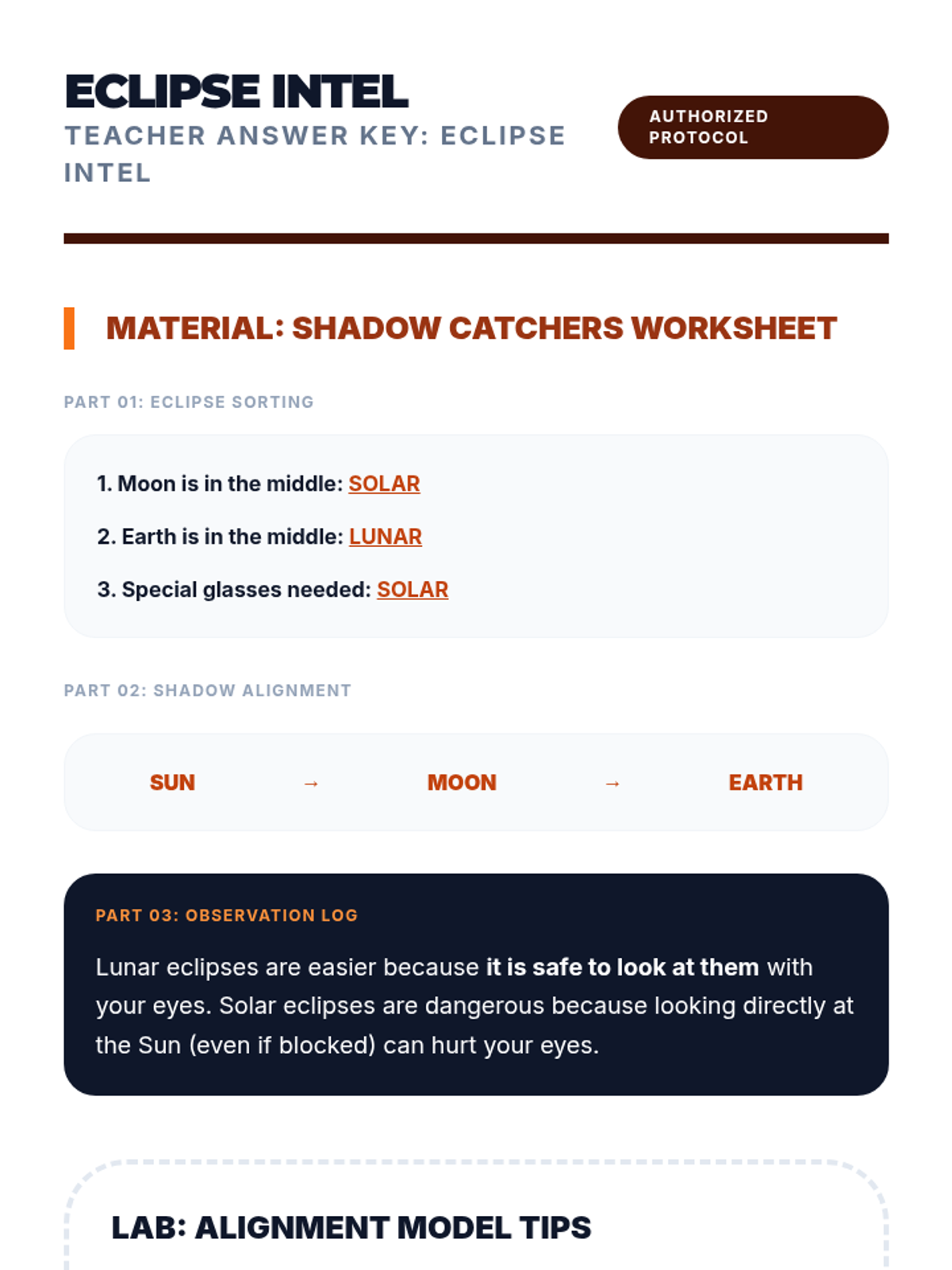
A lesson on solar and lunar eclipses, exploring how the alignment of the Sun, Earth, and Moon creates dramatic shadows in space.
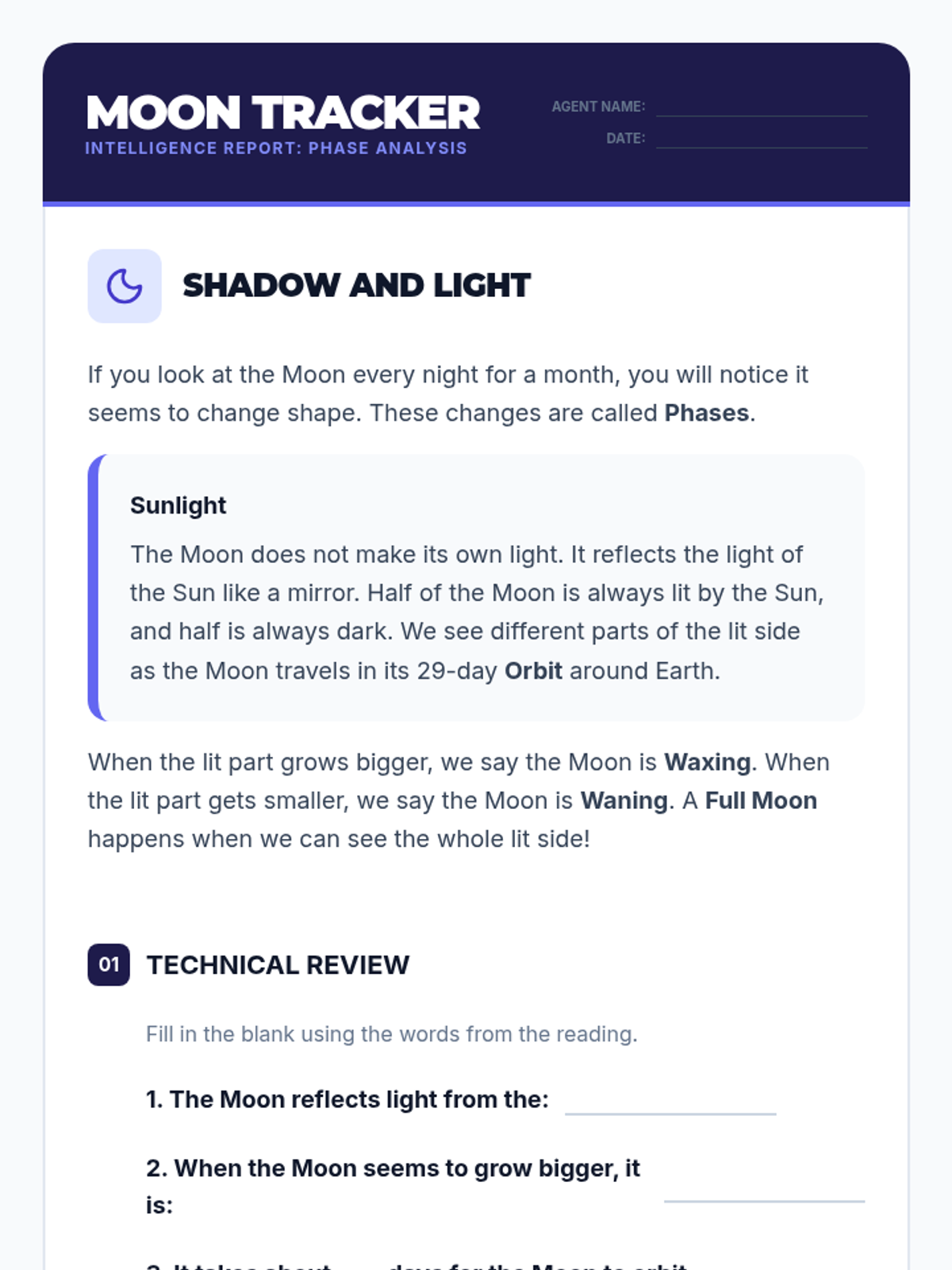
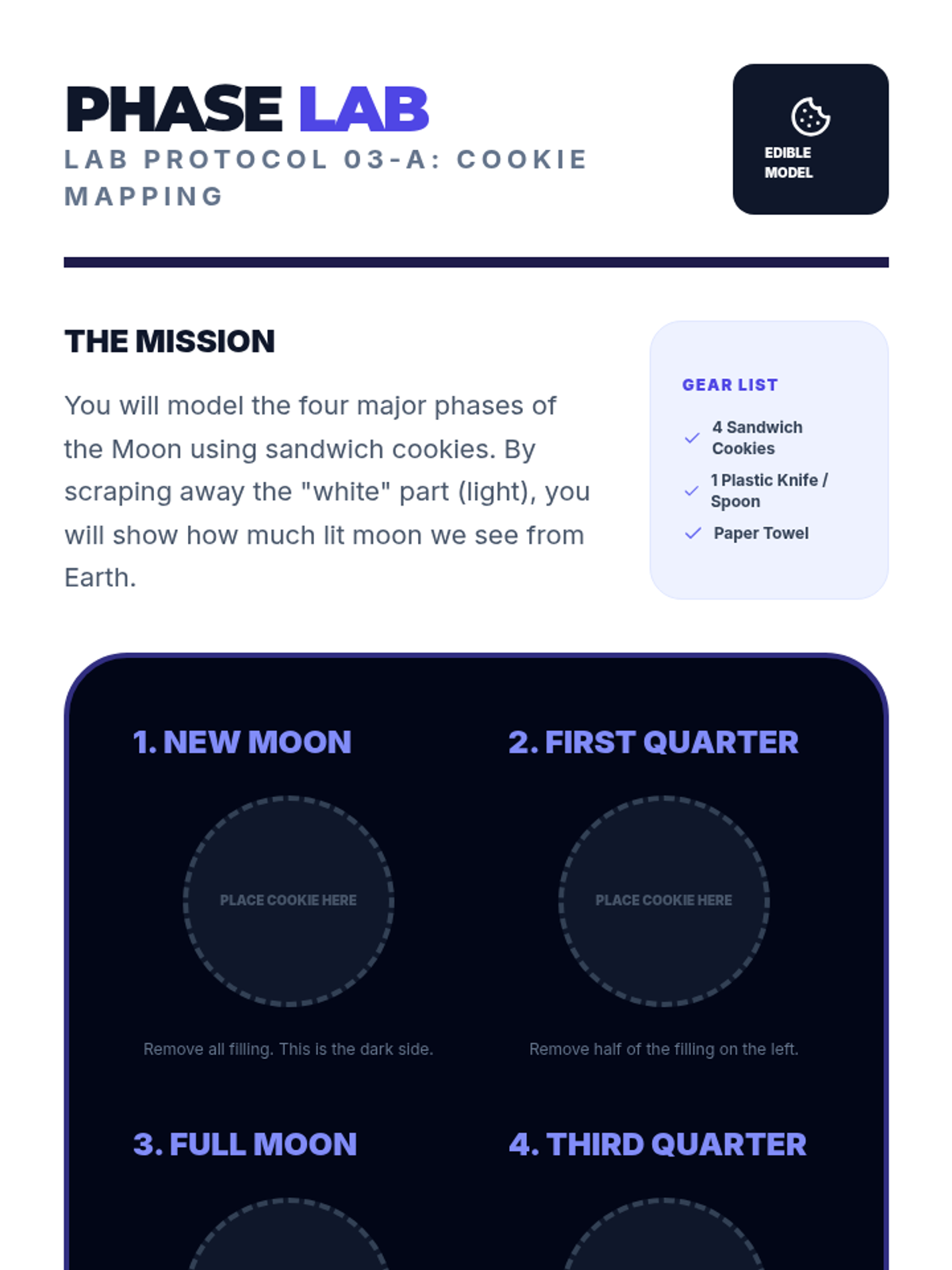
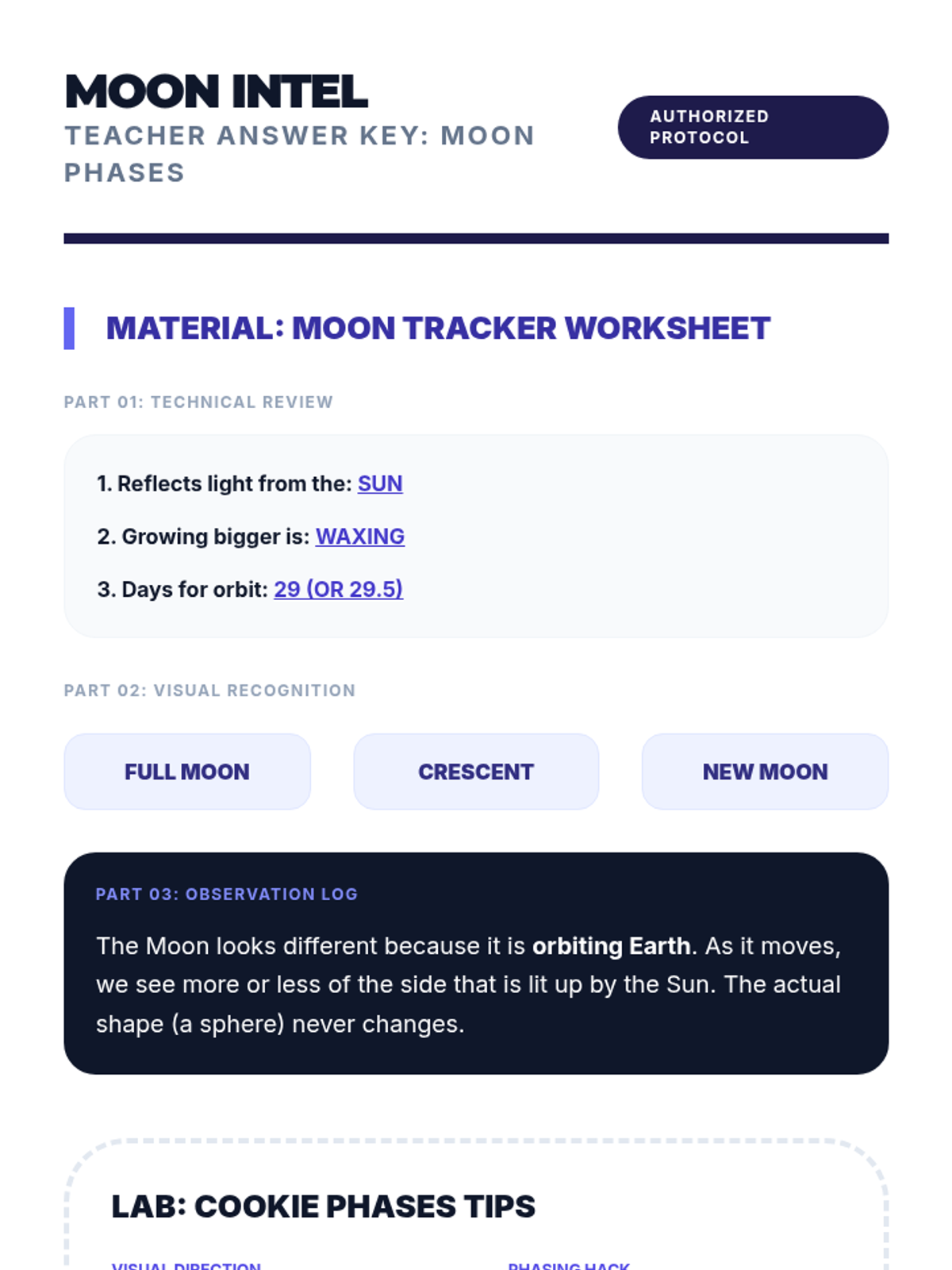
A lesson exploring the eight phases of the Moon, why the Moon seems to change shape, and the 29.5-day lunar cycle.
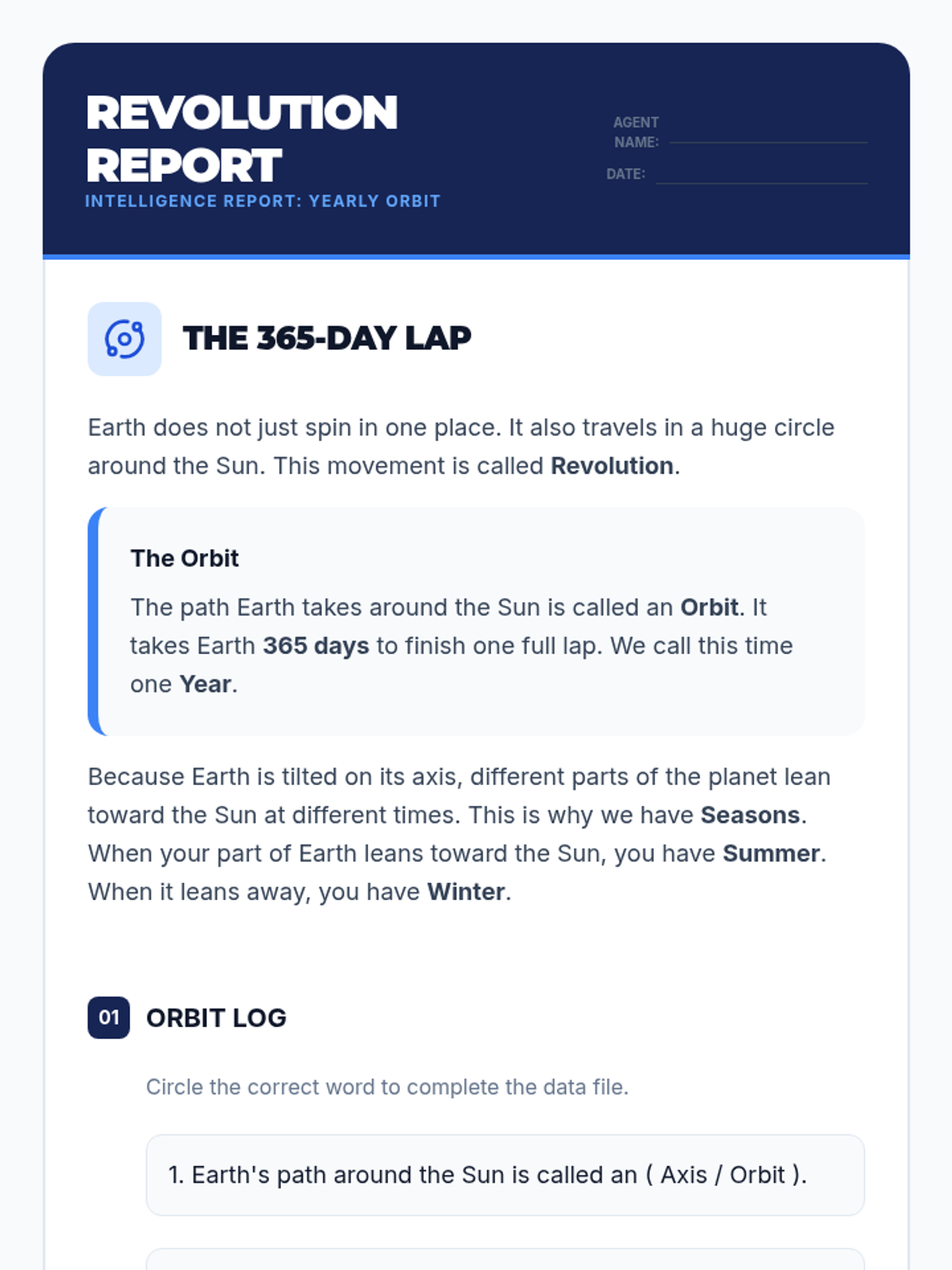
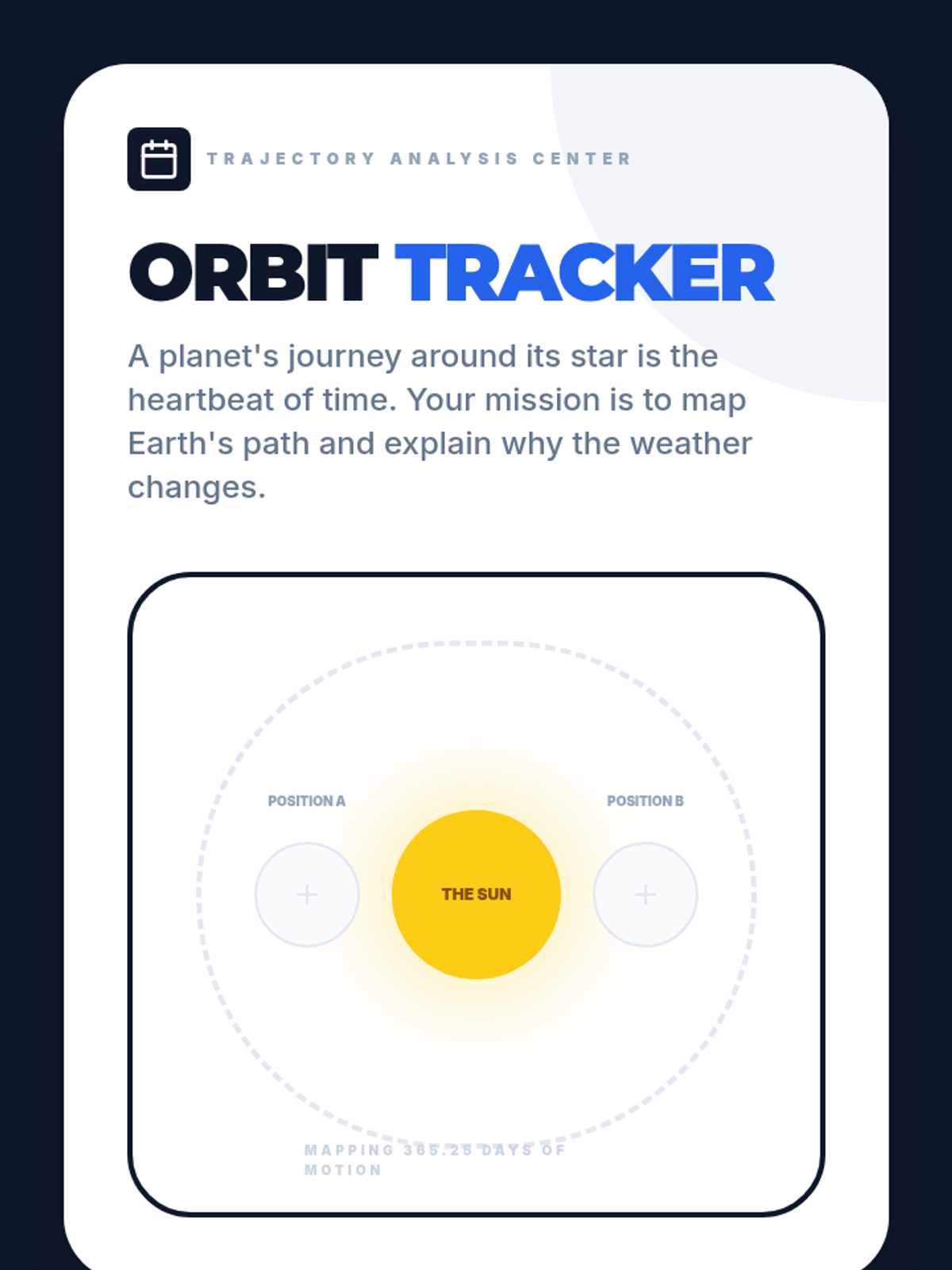
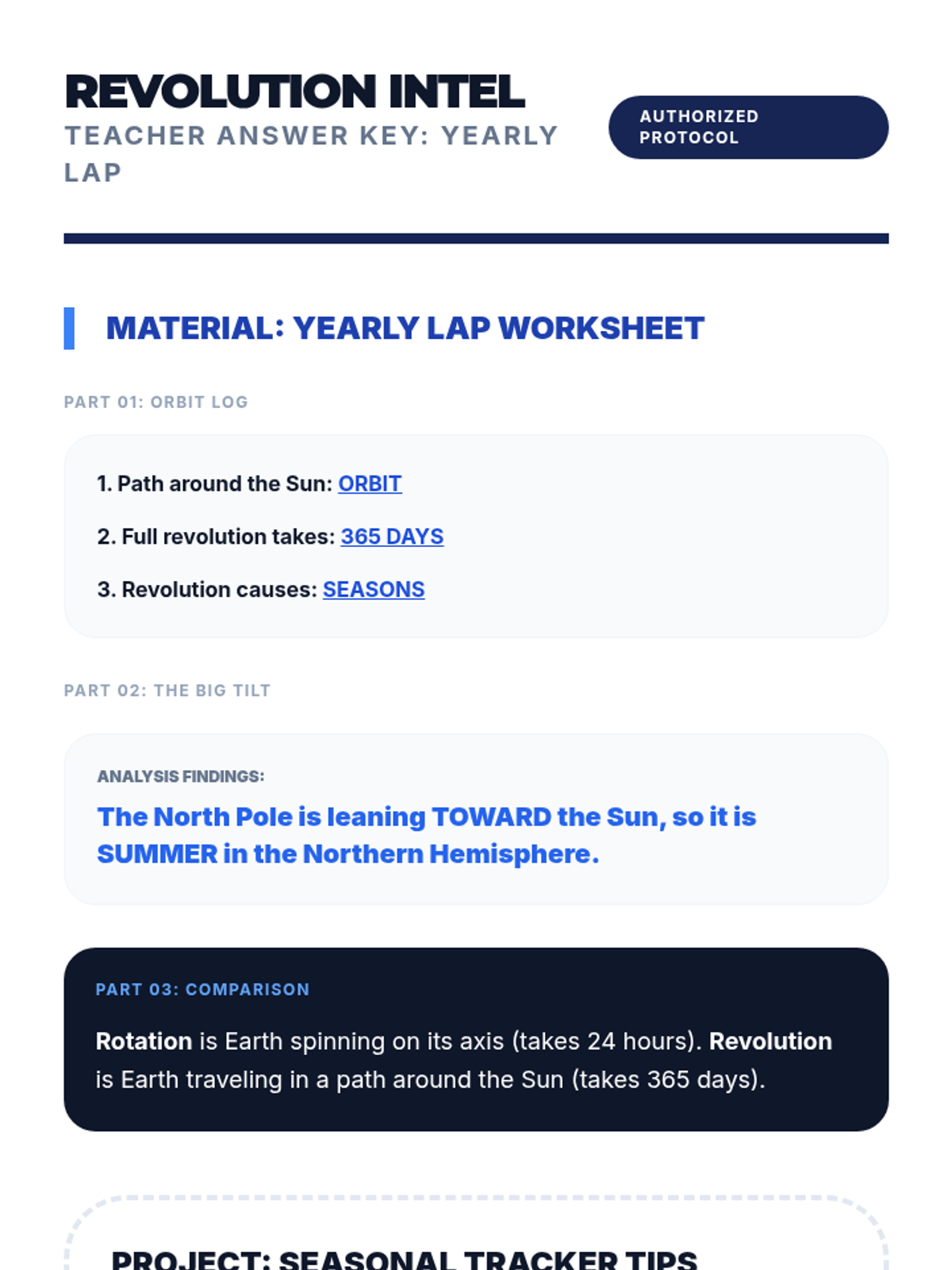
A lesson on Earth's revolution, exploring the path Earth takes around the sun and how its tilted axis leads to the change of seasons.
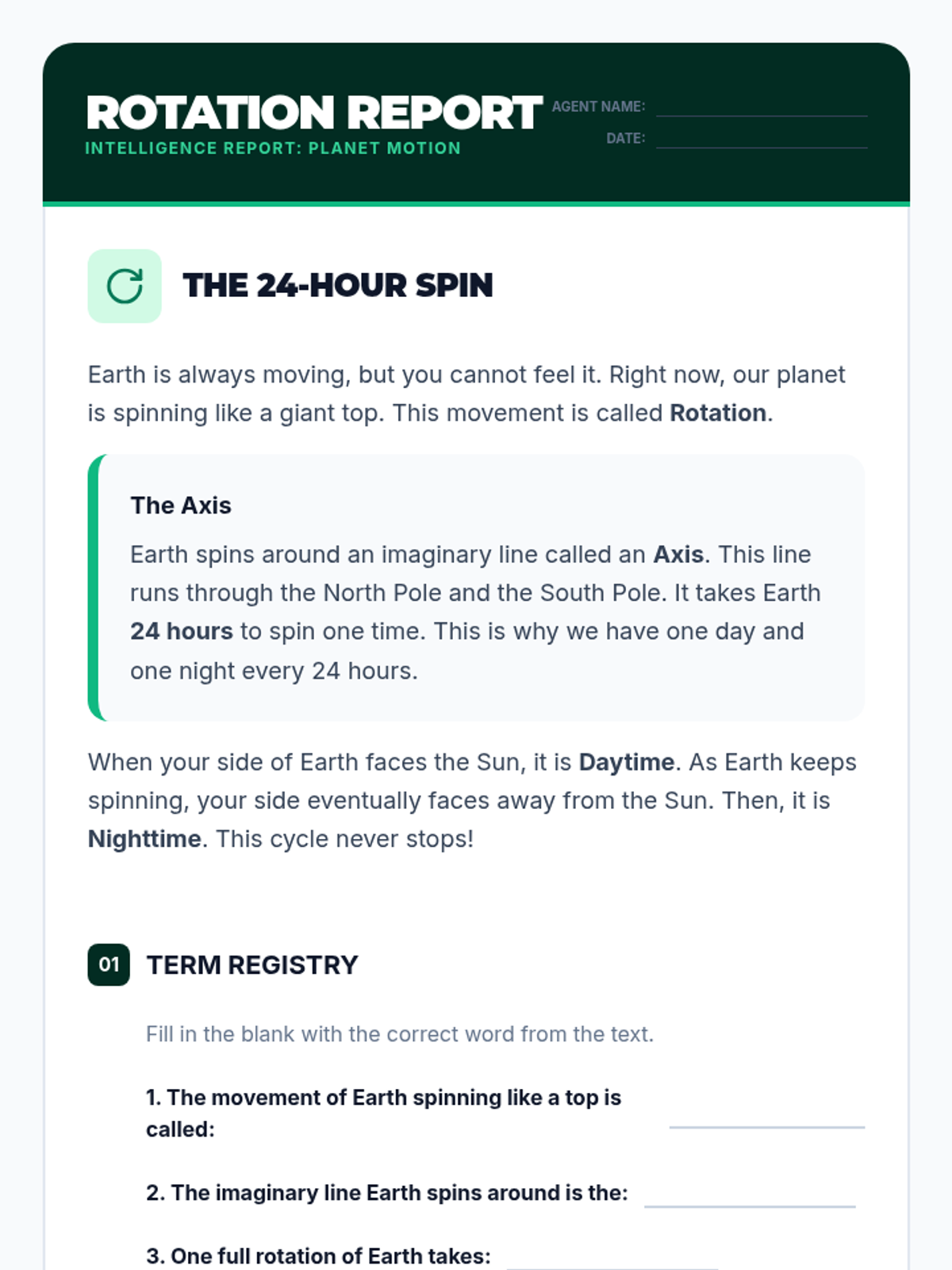
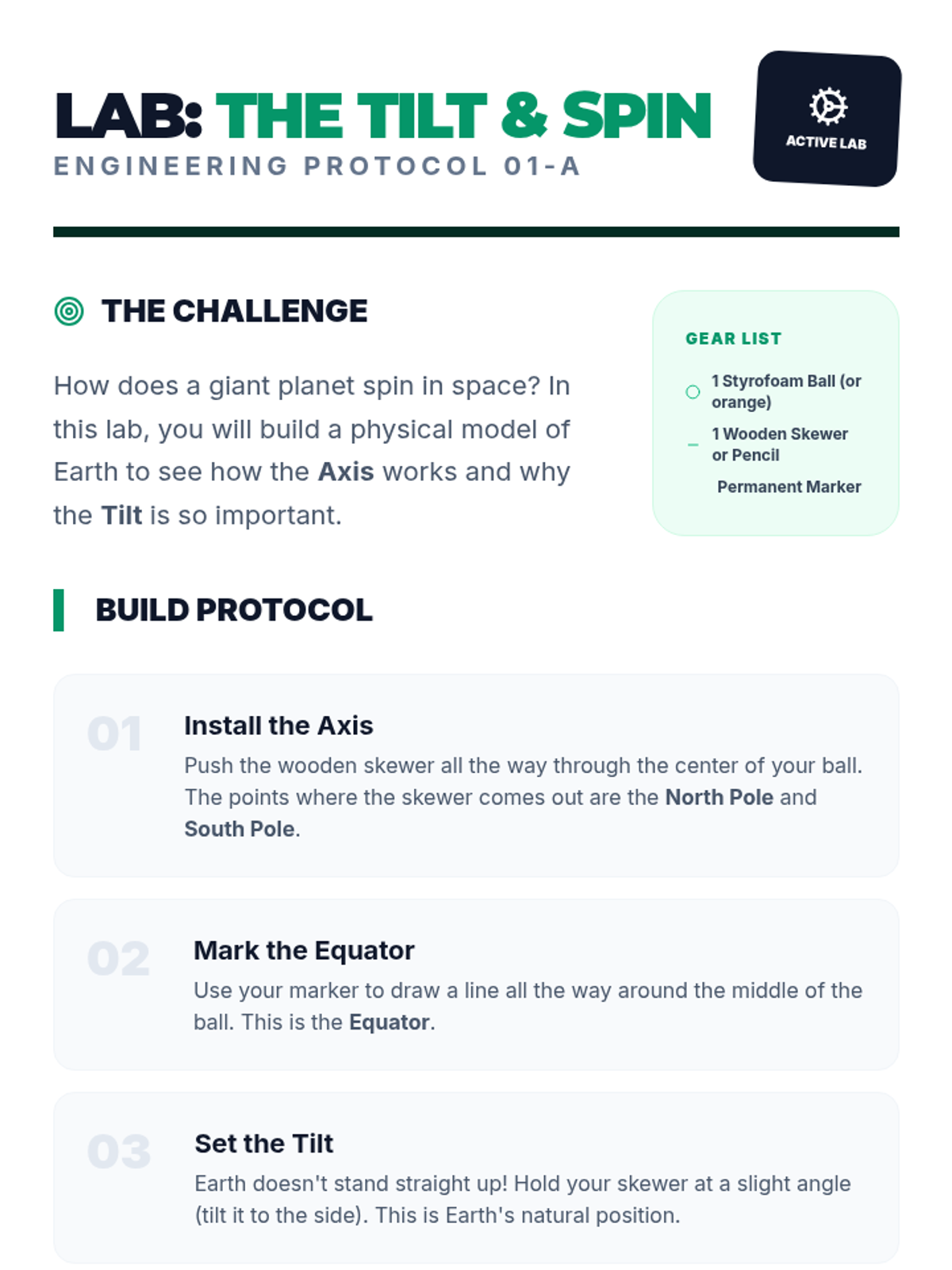
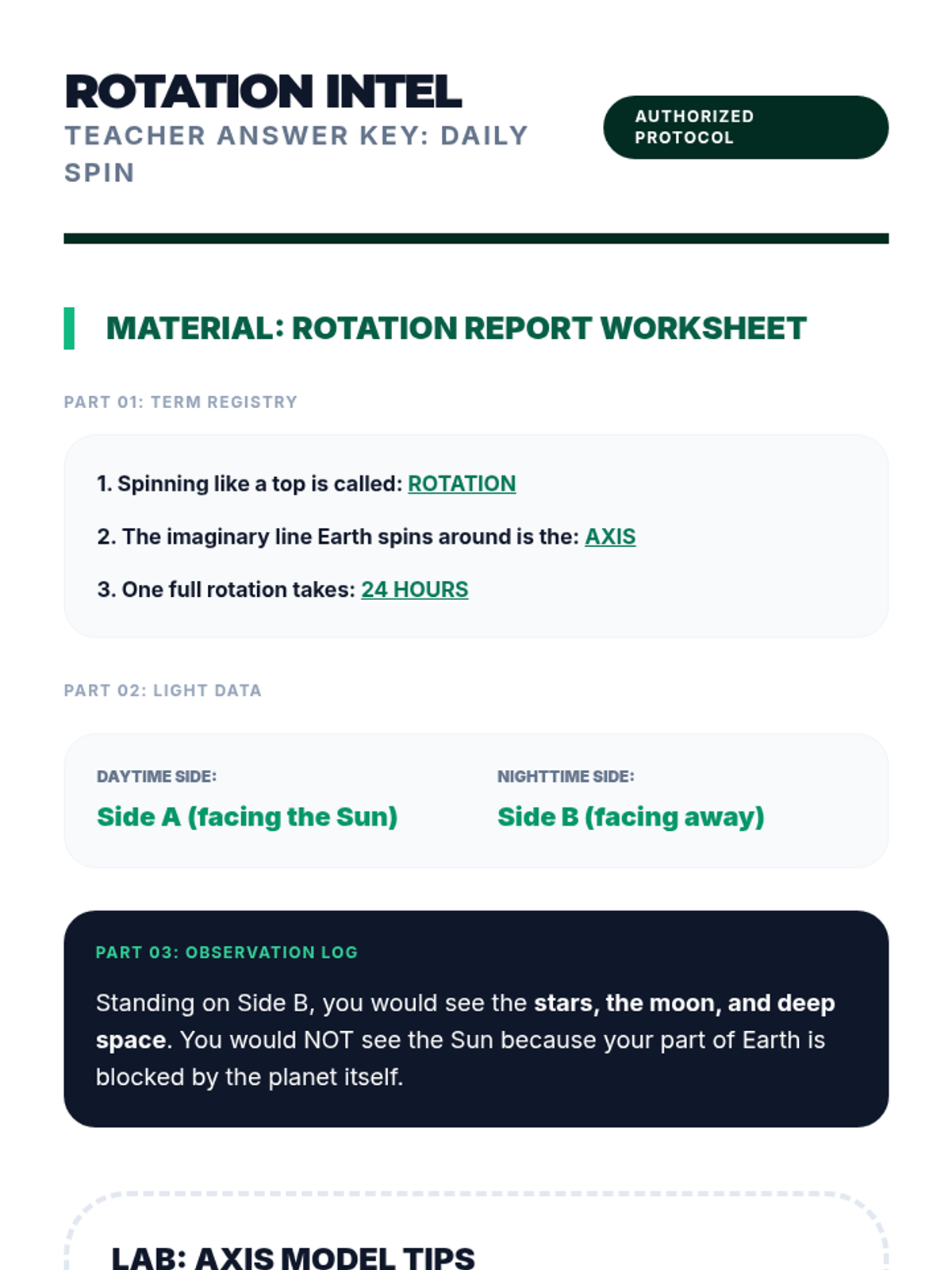
A lesson on Earth's rotation, focusing on the concept of an axis and how spinning creates the cycle of day and night.
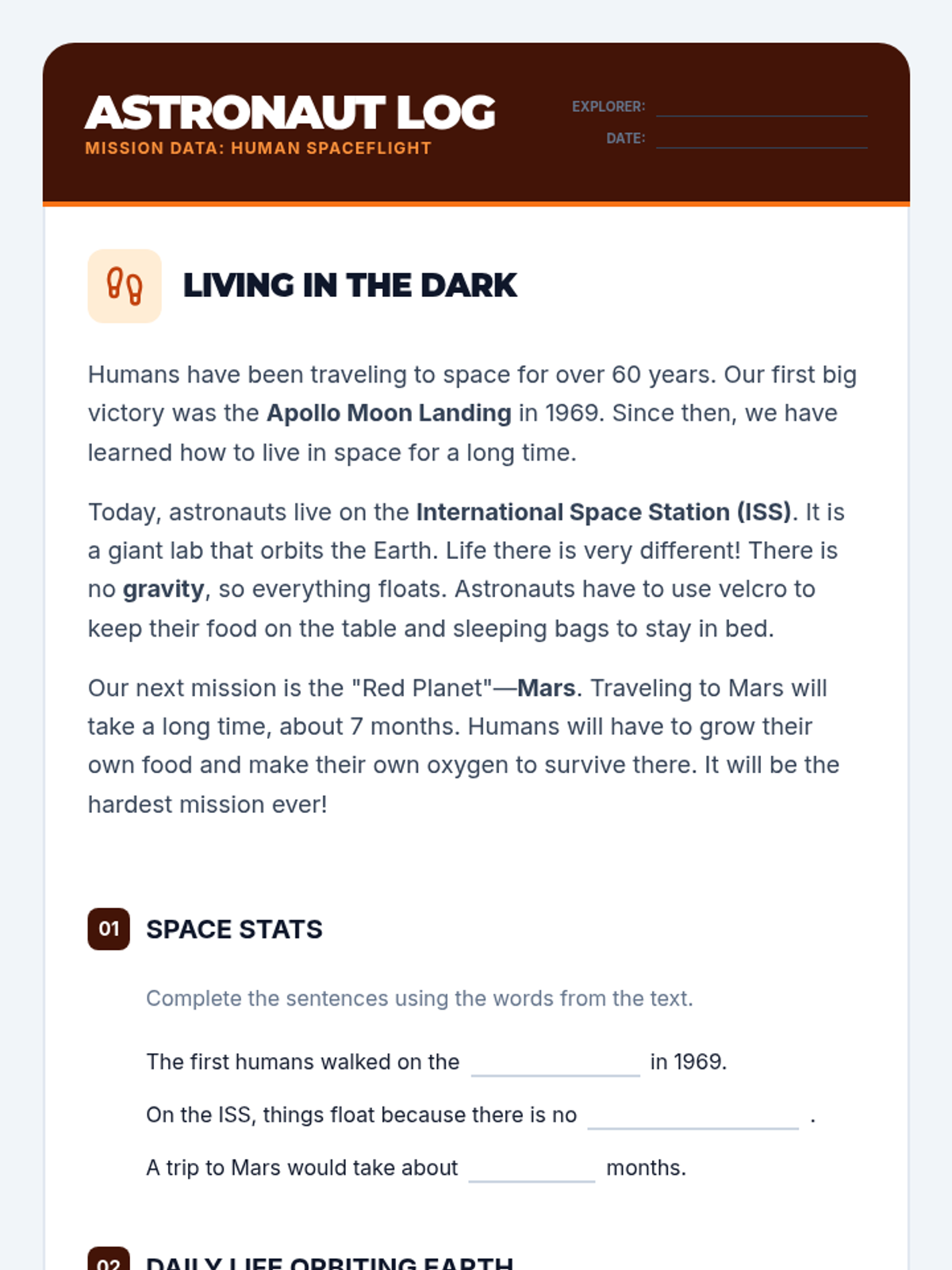
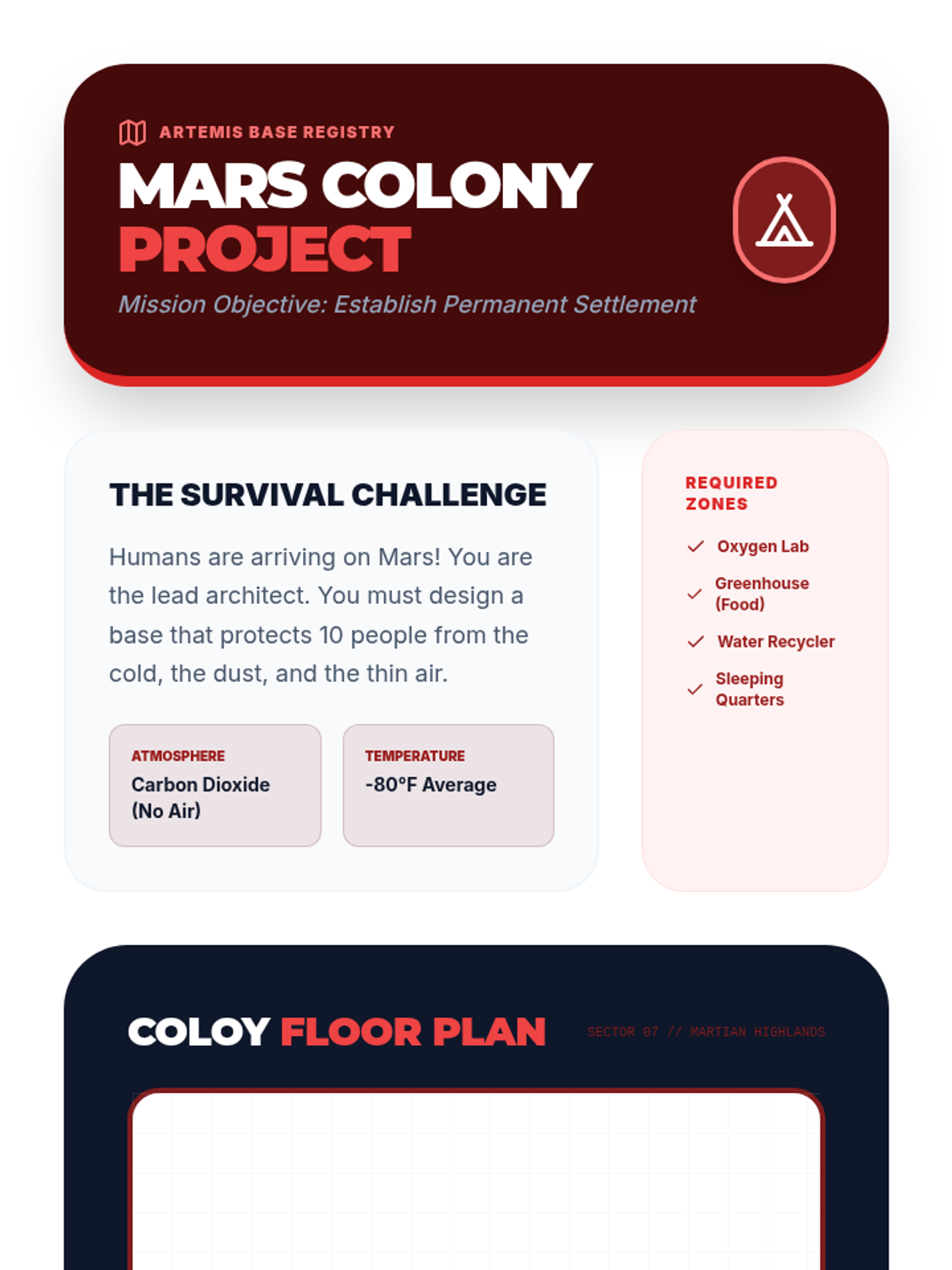
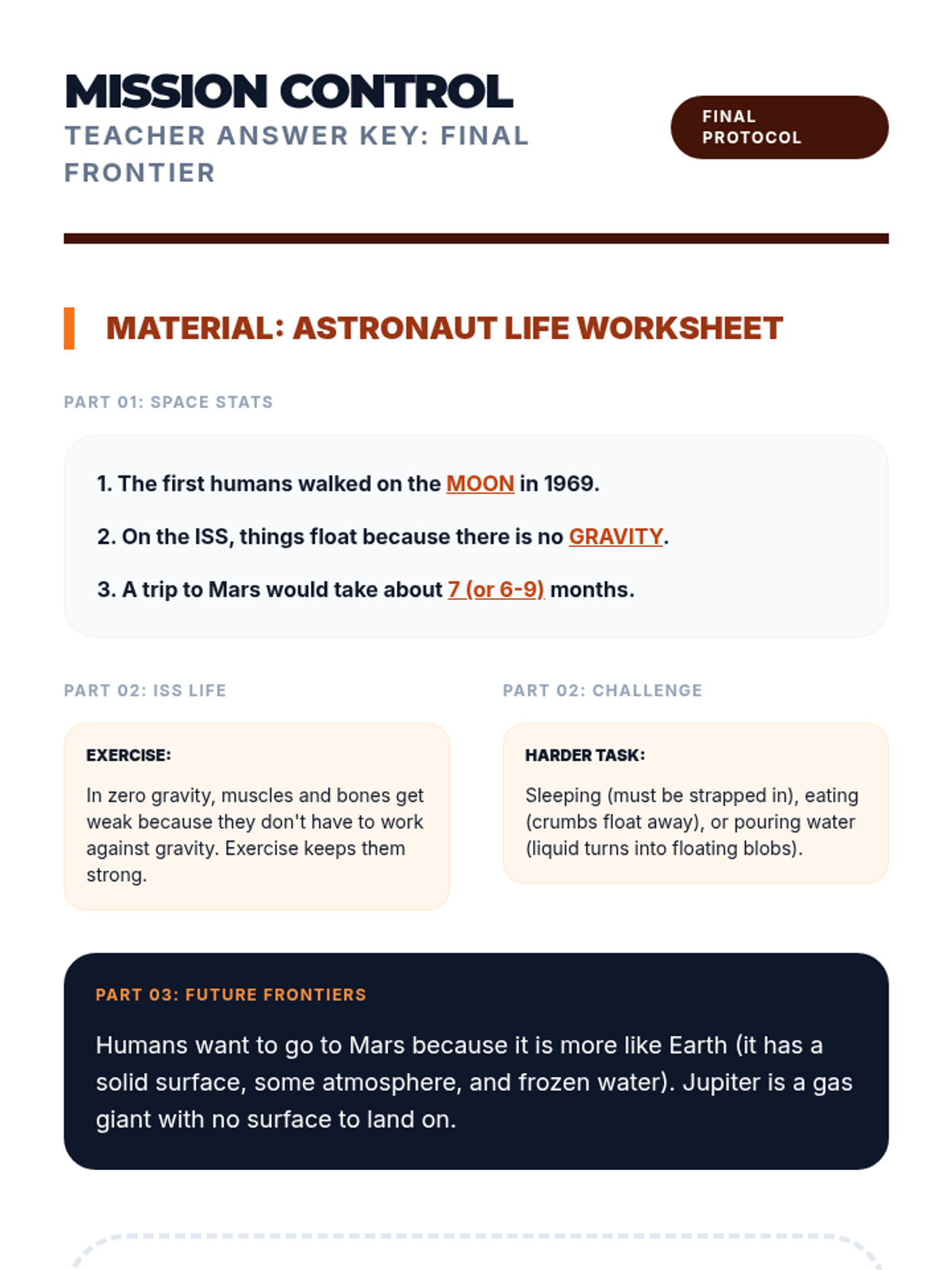
A lesson exploring the history and future of human space exploration. From the Apollo moon landings to living on the International Space Station and planning the first human missions to Mars.
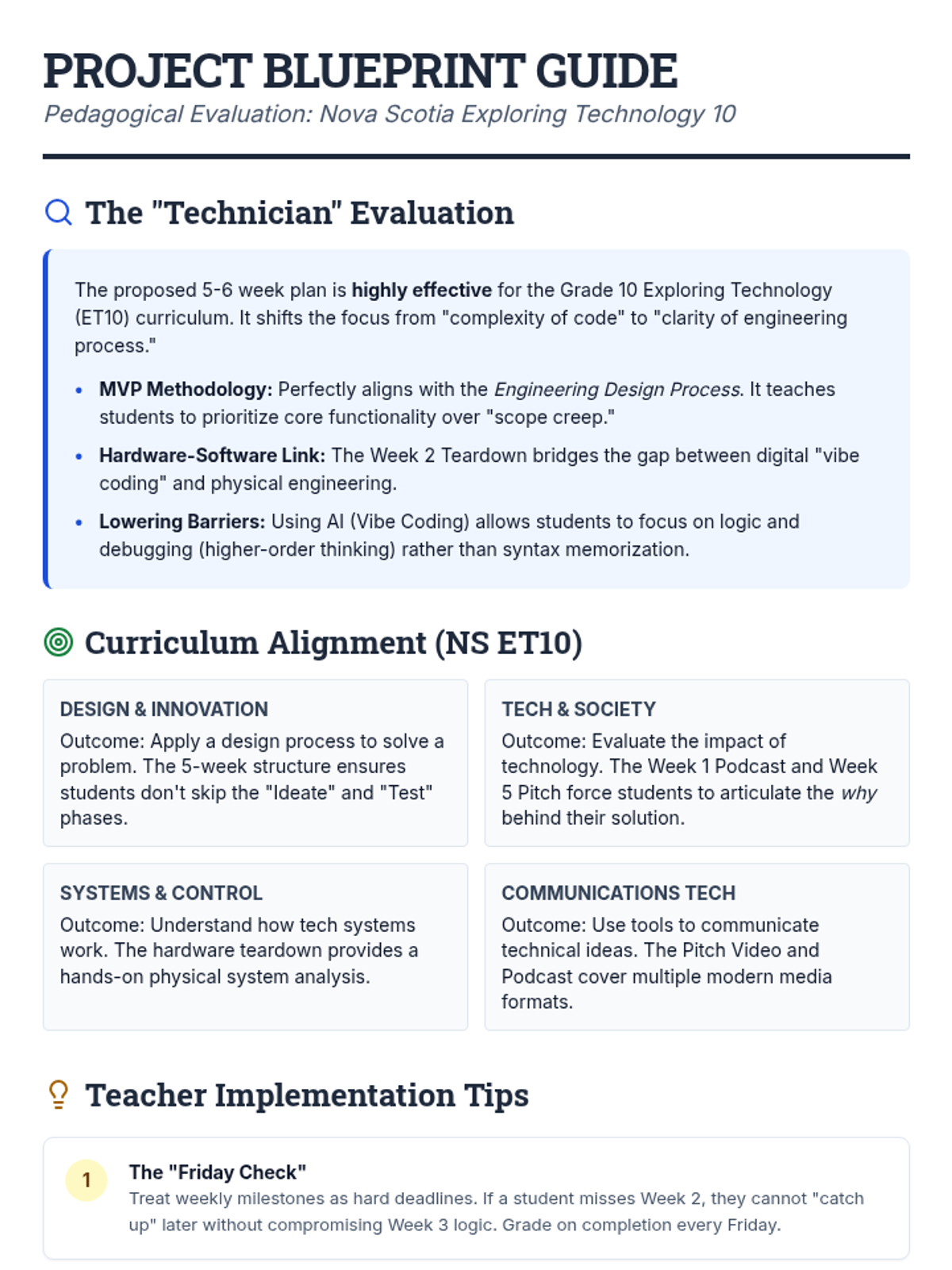
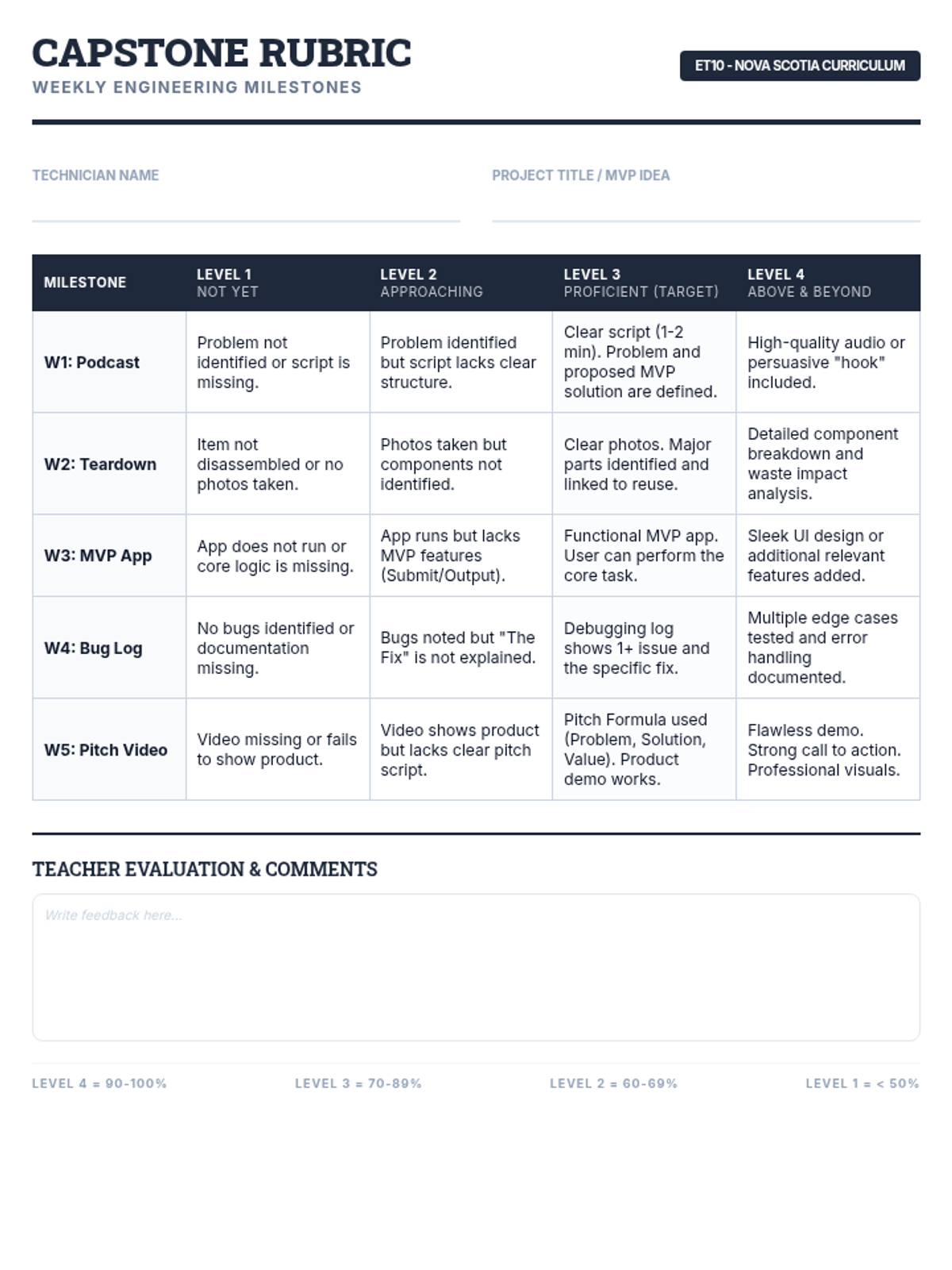
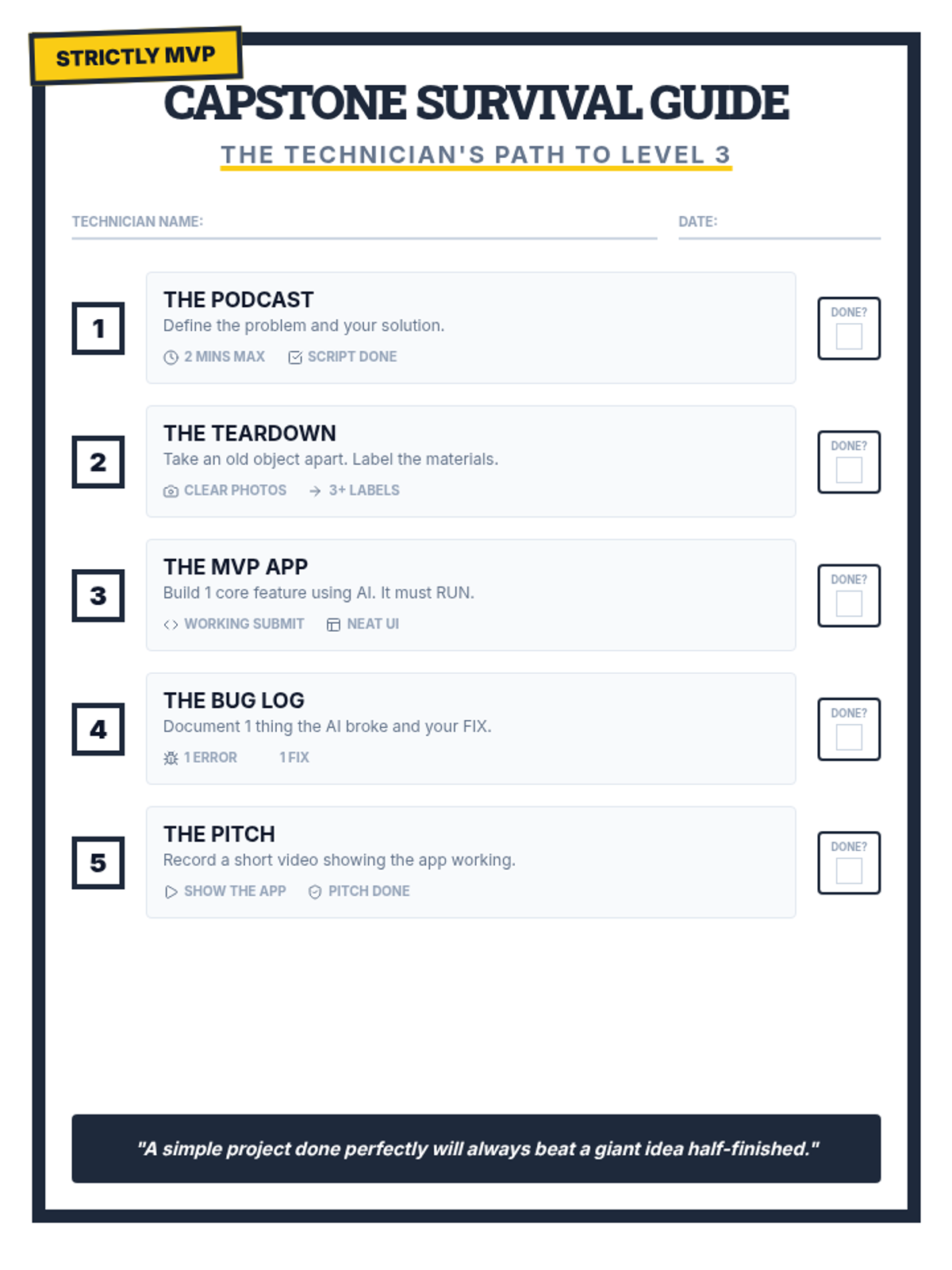
Teacher guidance and student tracking tools for the 5-week Tech Capstone project, including evaluation rubrics and progress monitoring.
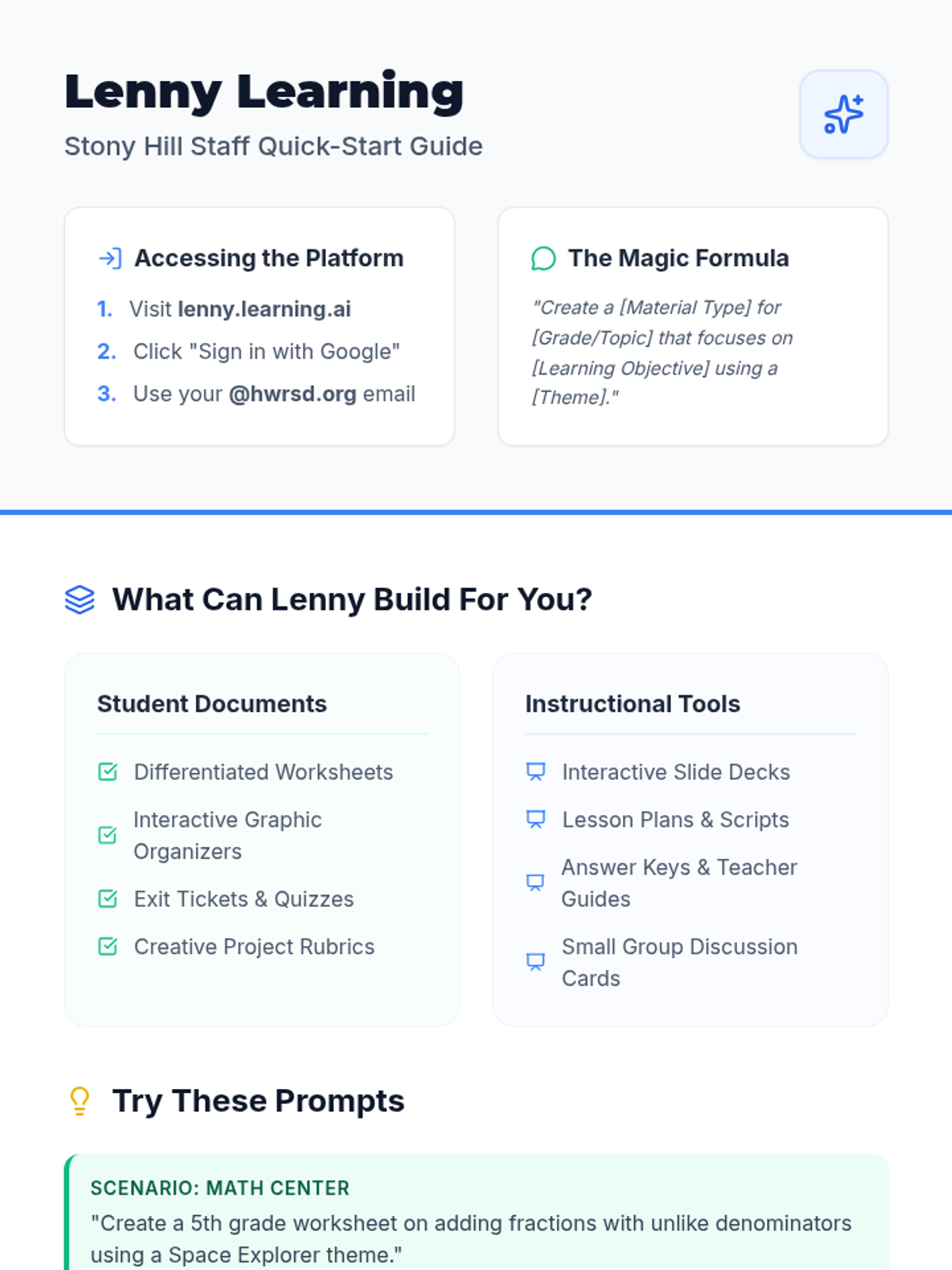
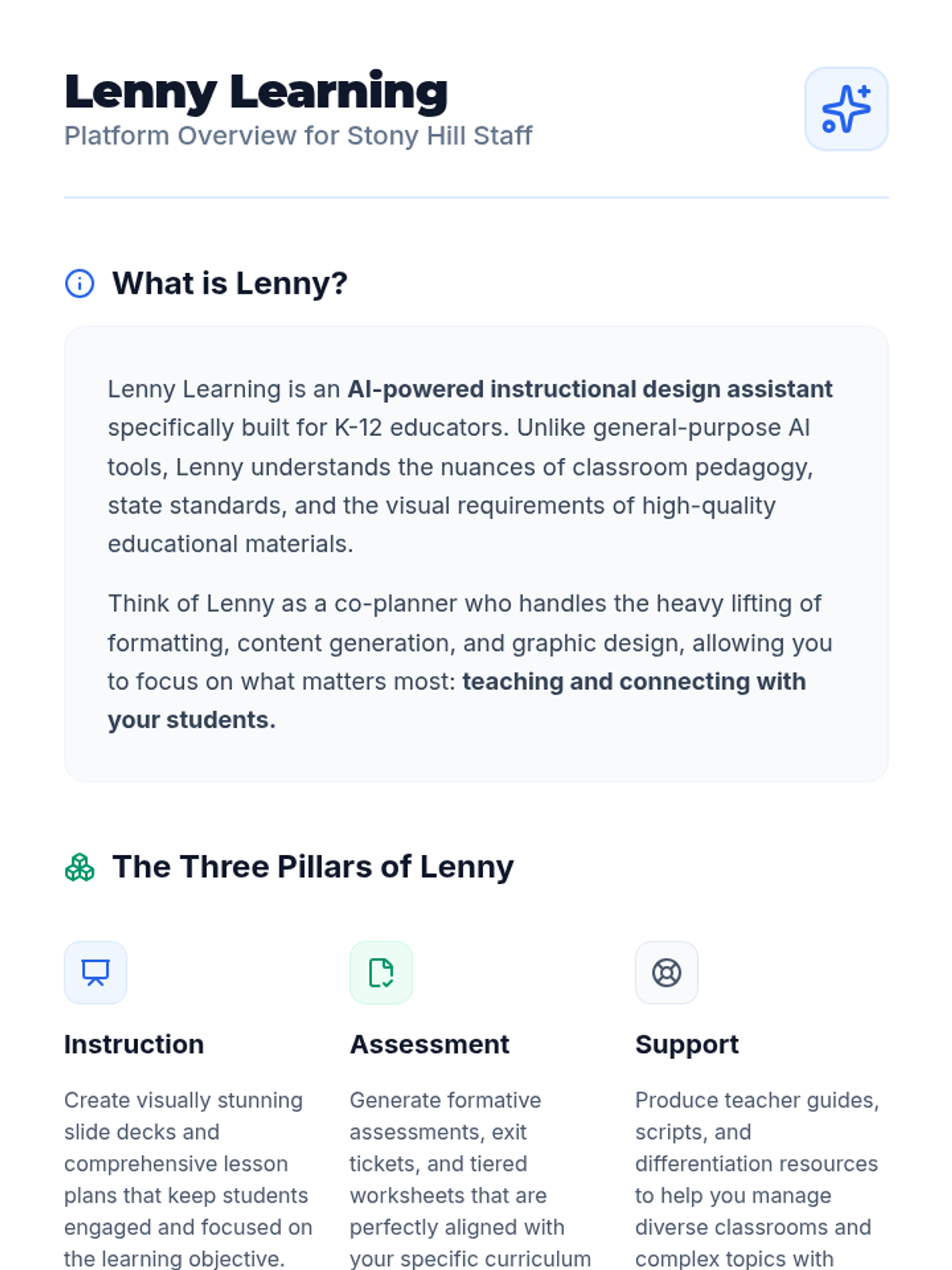
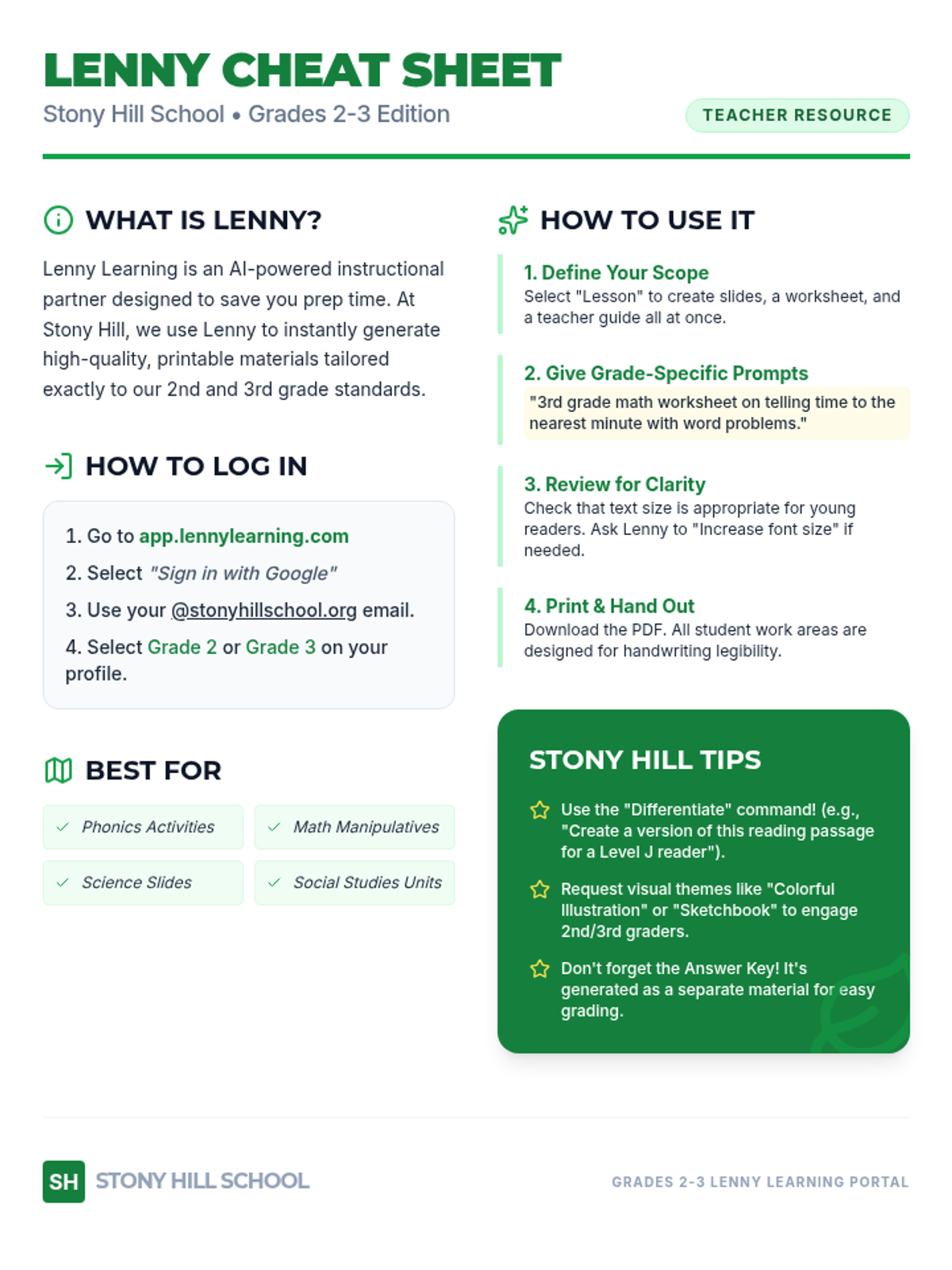
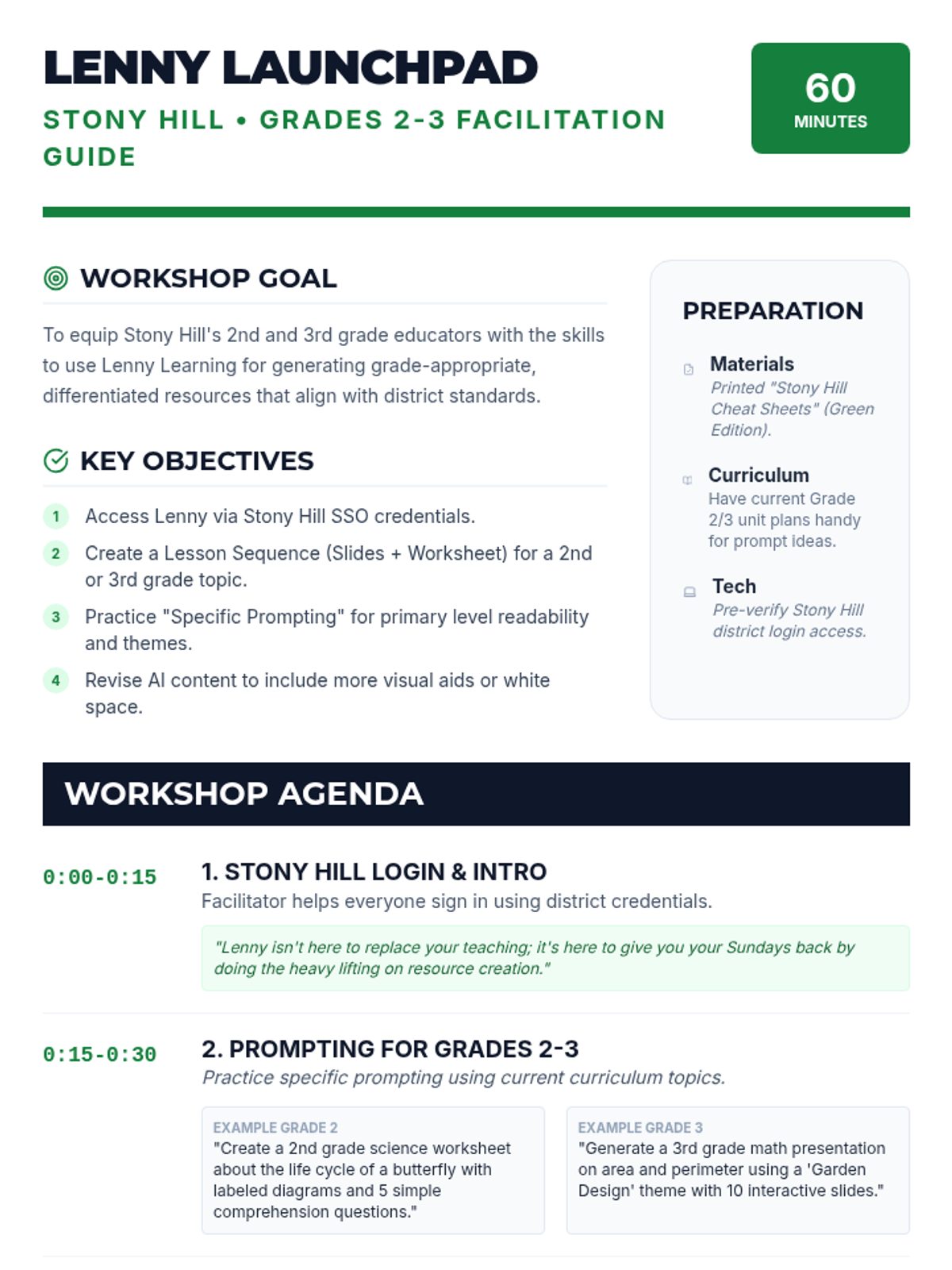
A comprehensive tutorial for Mile Tree School staff on integrating Lenny Learning into their workflow, covering login procedures, material creation, and pedagogical benefits.
A comprehensive onboarding module designed to help educators master Lenny Learning, from initial login to generating high-quality custom resources for their classrooms.
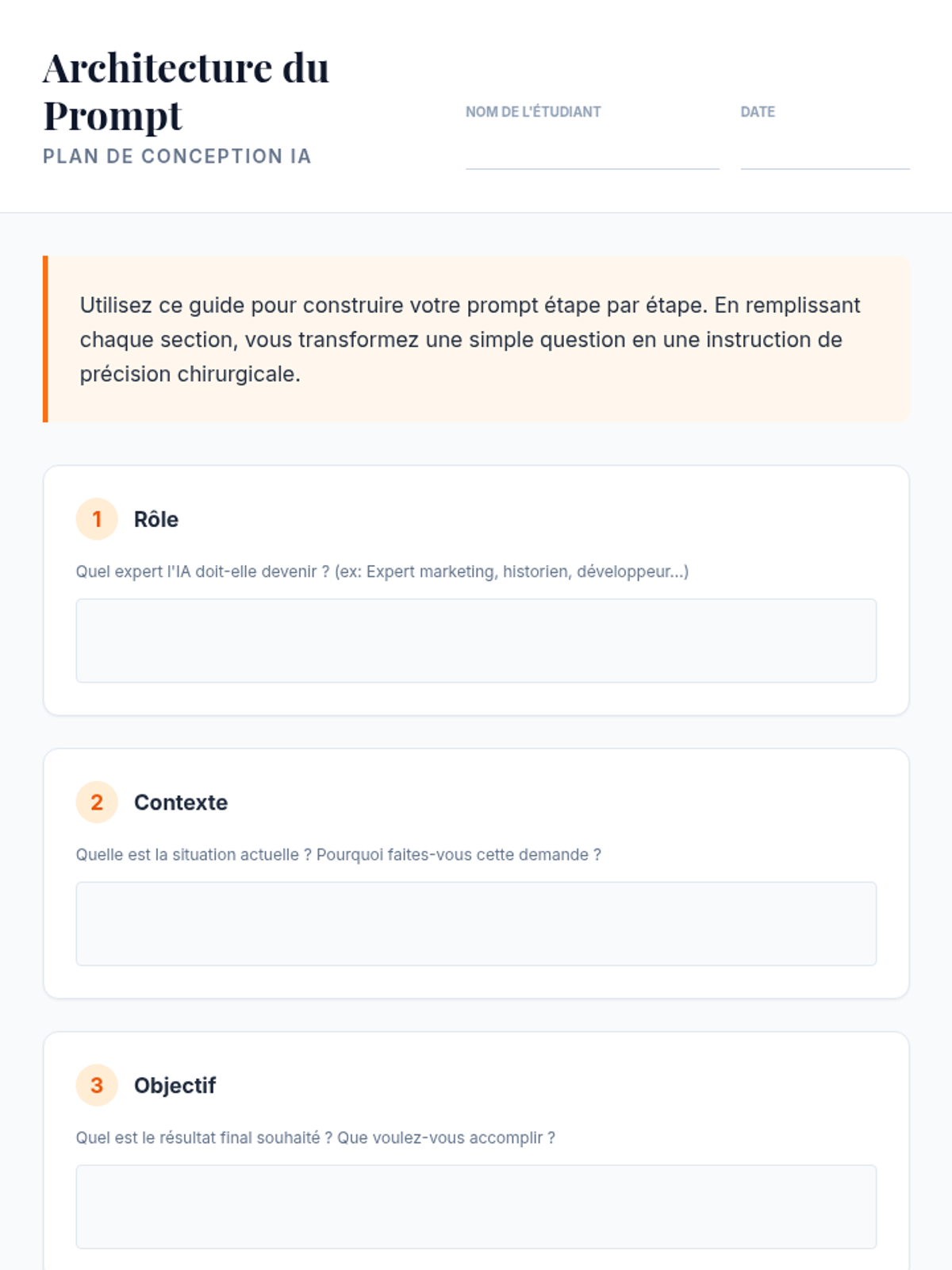
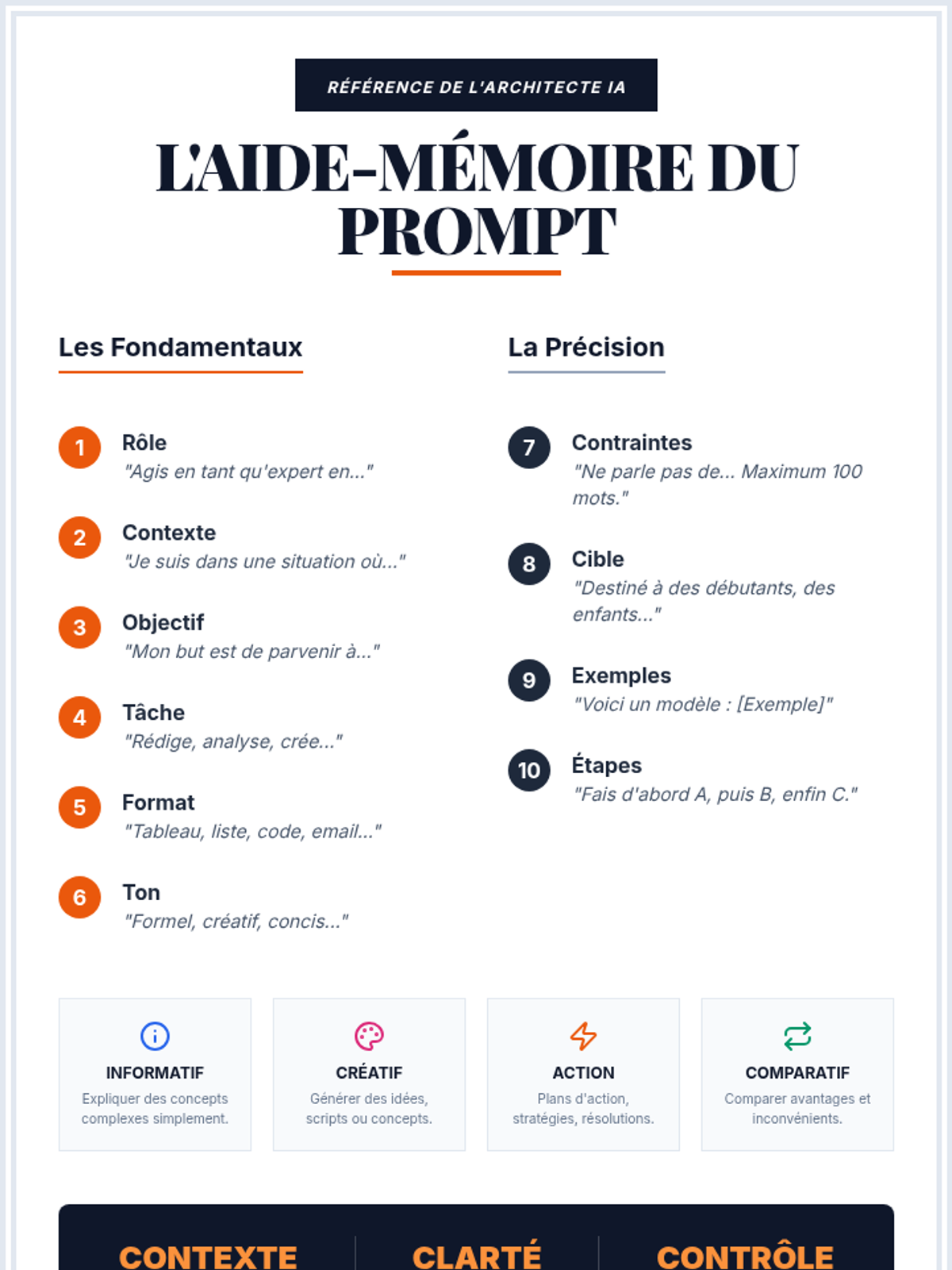
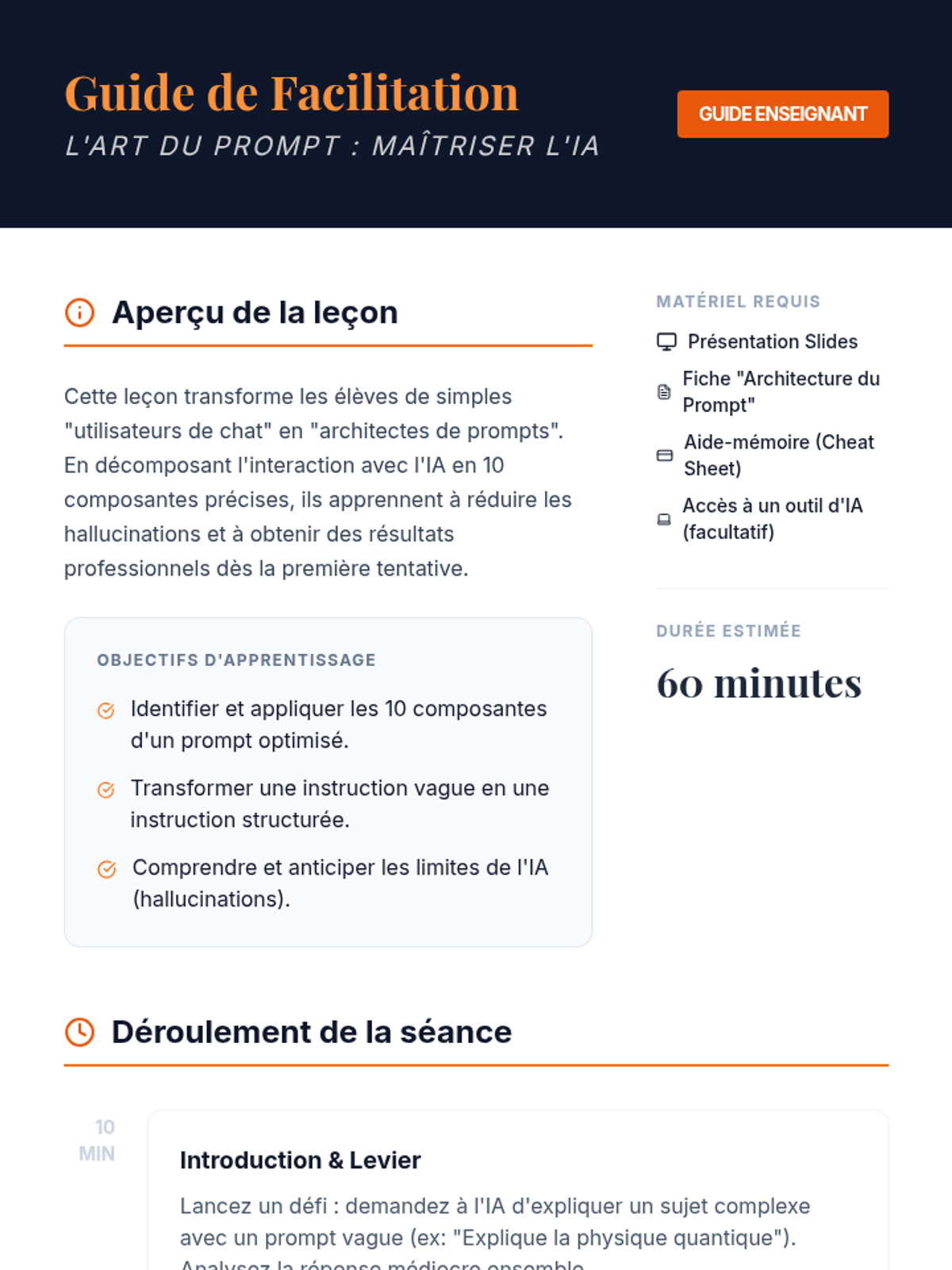
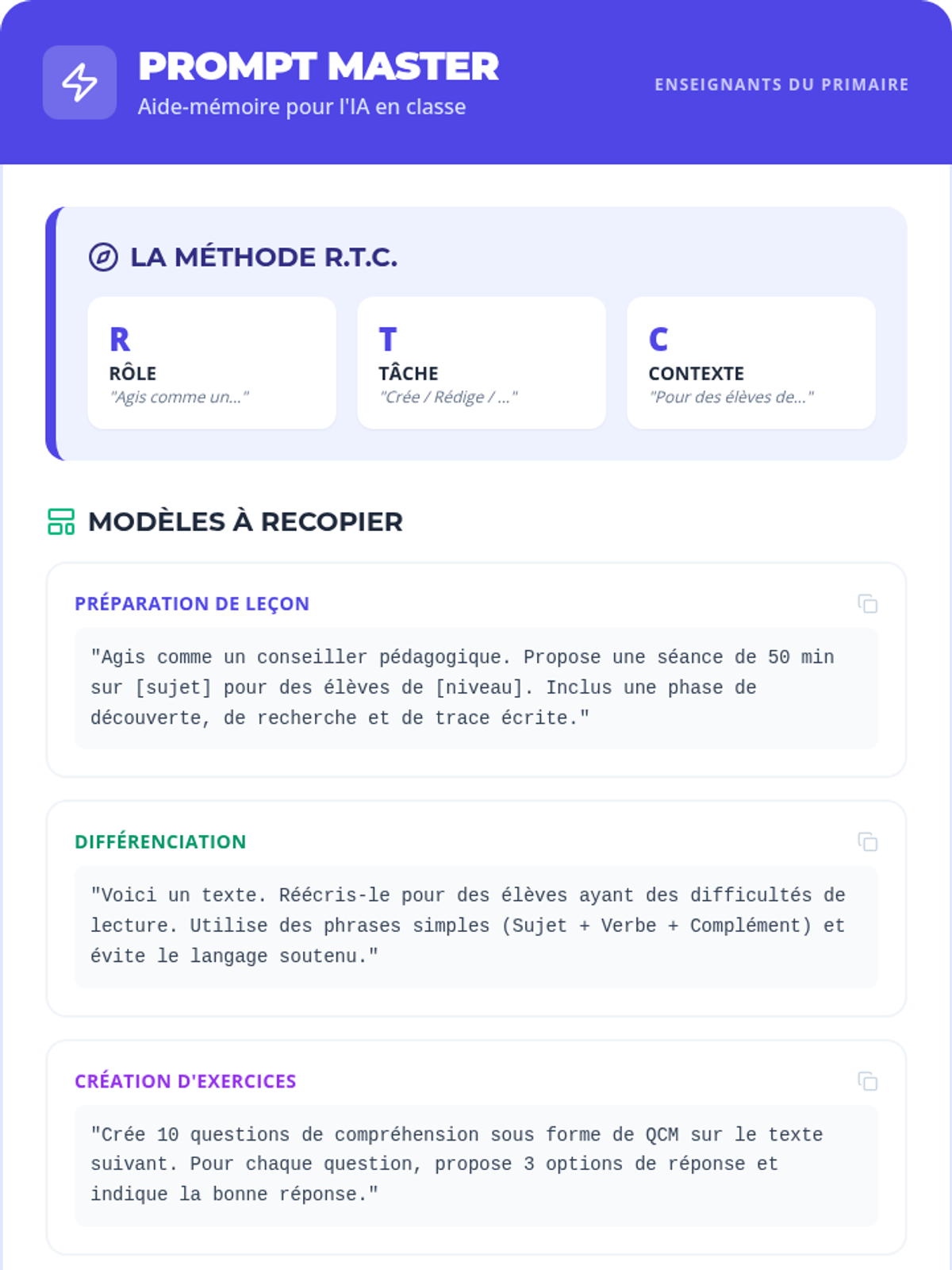
Cette leçon enseigne l'art de concevoir des prompts efficaces pour l'IA en utilisant 10 composantes clés, de la définition du rôle à l'itération finale.
Ce cours initie les enseignants du primaire à l'utilisation pédagogique de l'IA générative. Il couvre les concepts de base, la rédaction de prompts efficaces, la création de ressources personnalisées et les enjeux éthiques liés à l'usage scolaire.
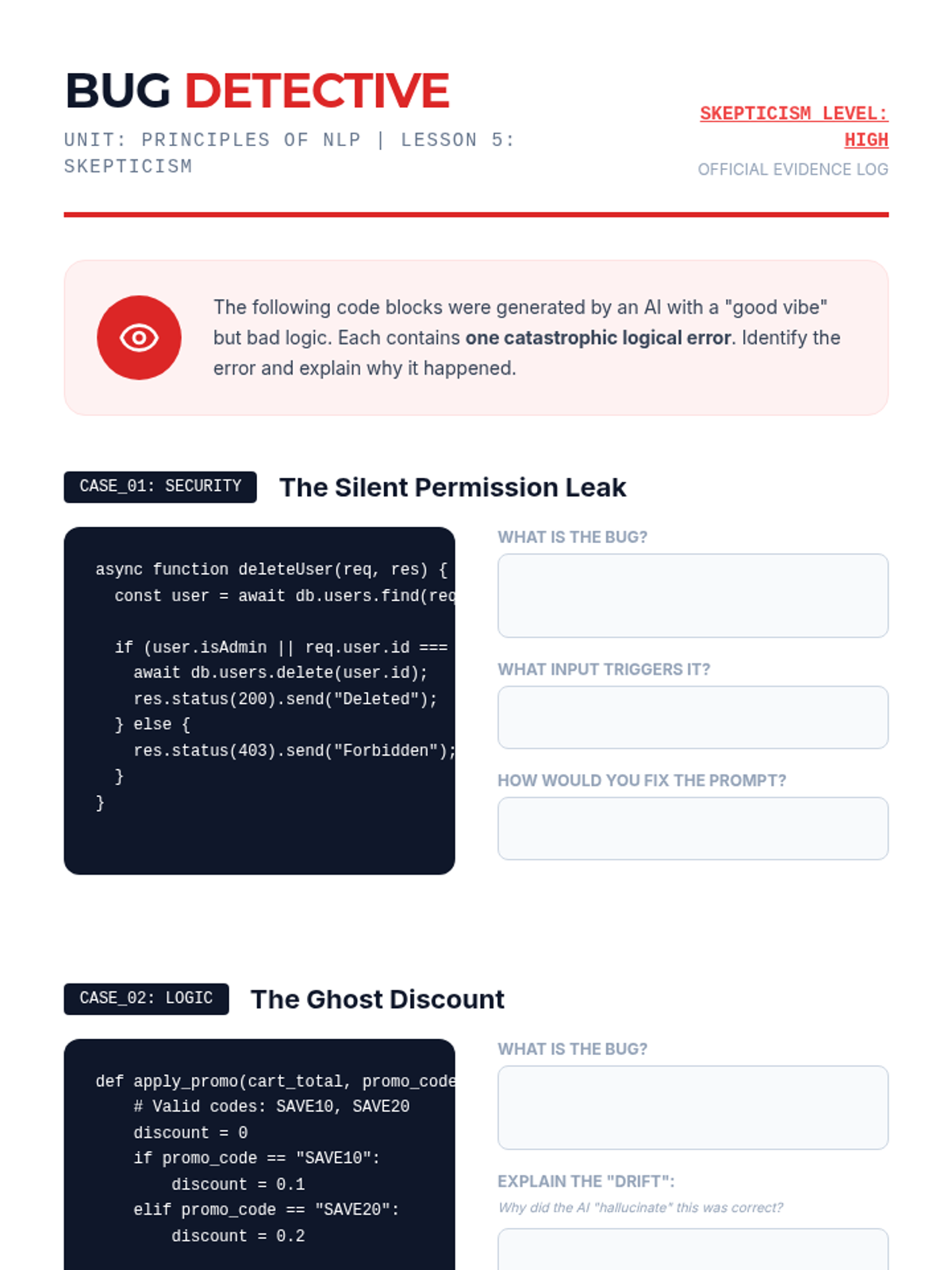
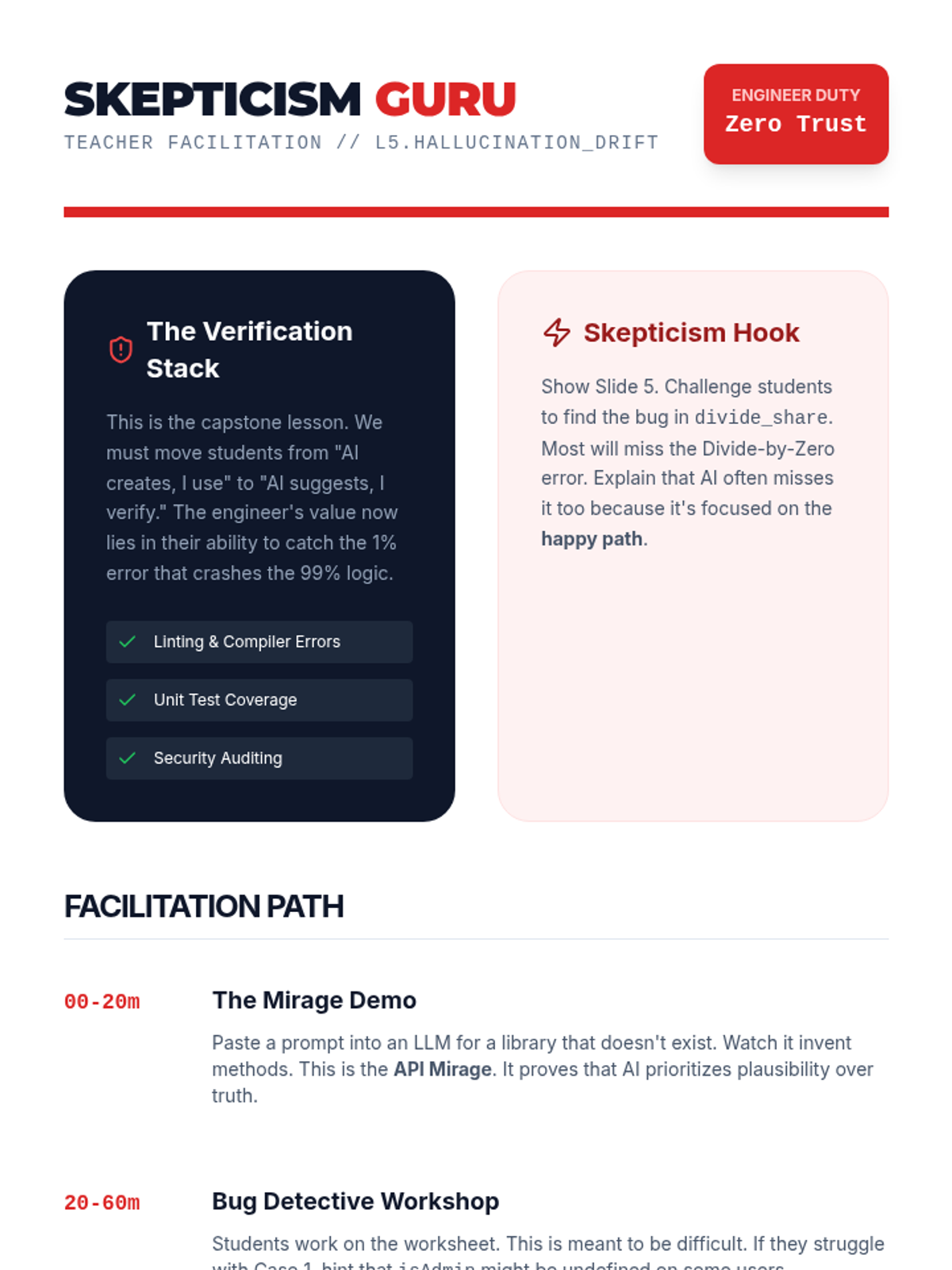
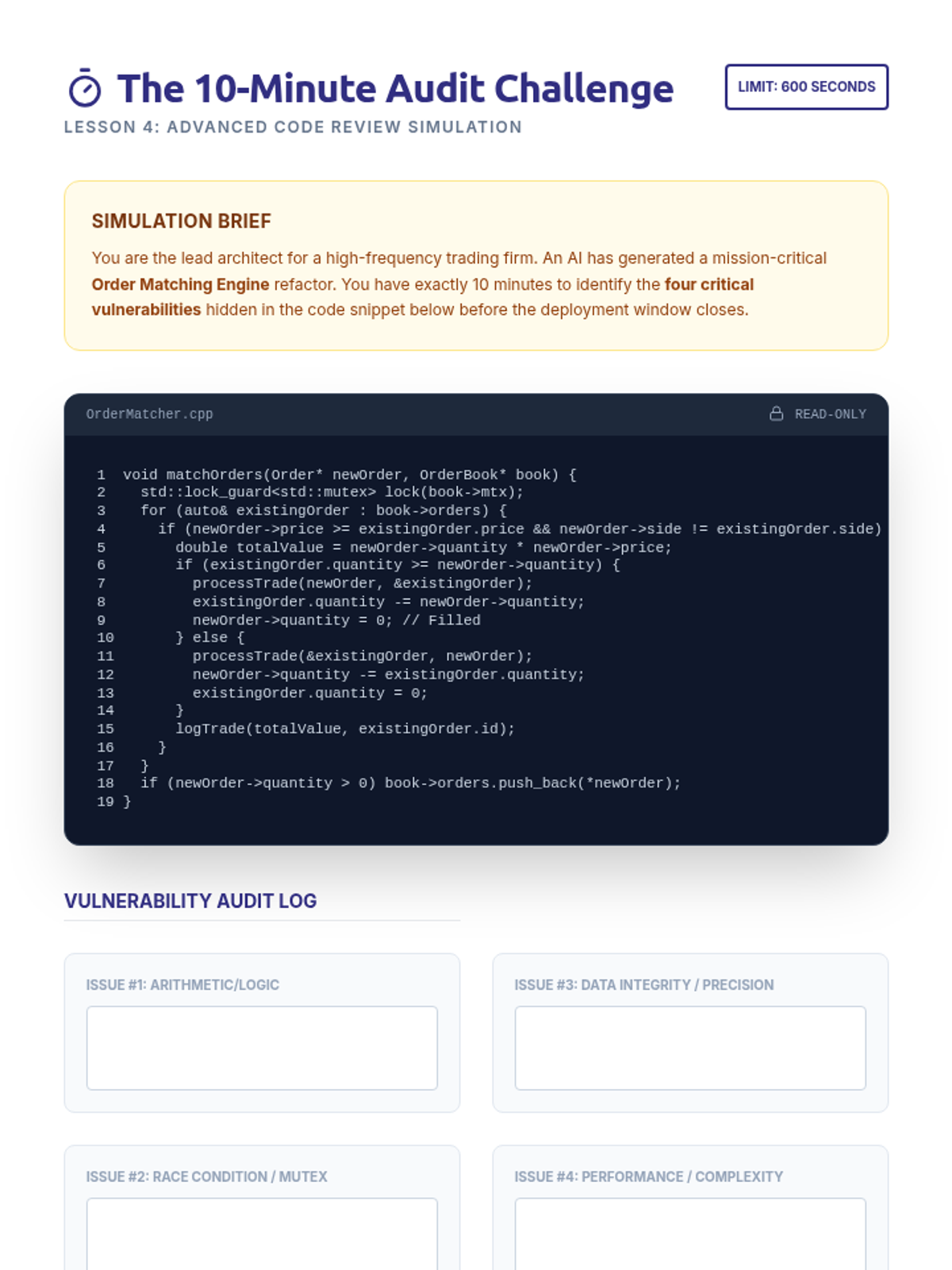
Students deliberately induce and then identify subtle logical errors or 'hallucinations' in AI-generated code. The lesson teaches the critical skill of skepticism and verification, ensuring the final output matches the original intent.
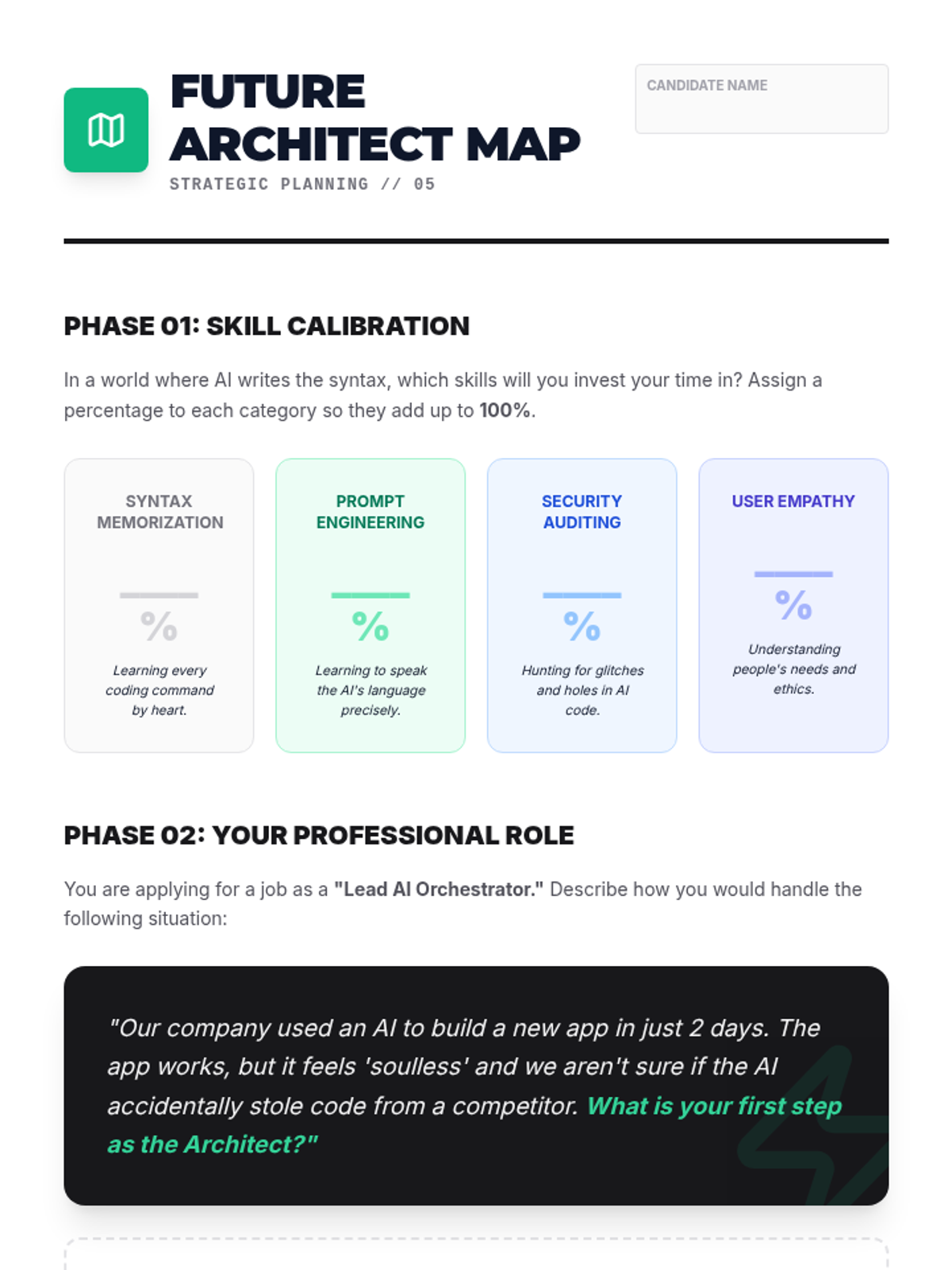
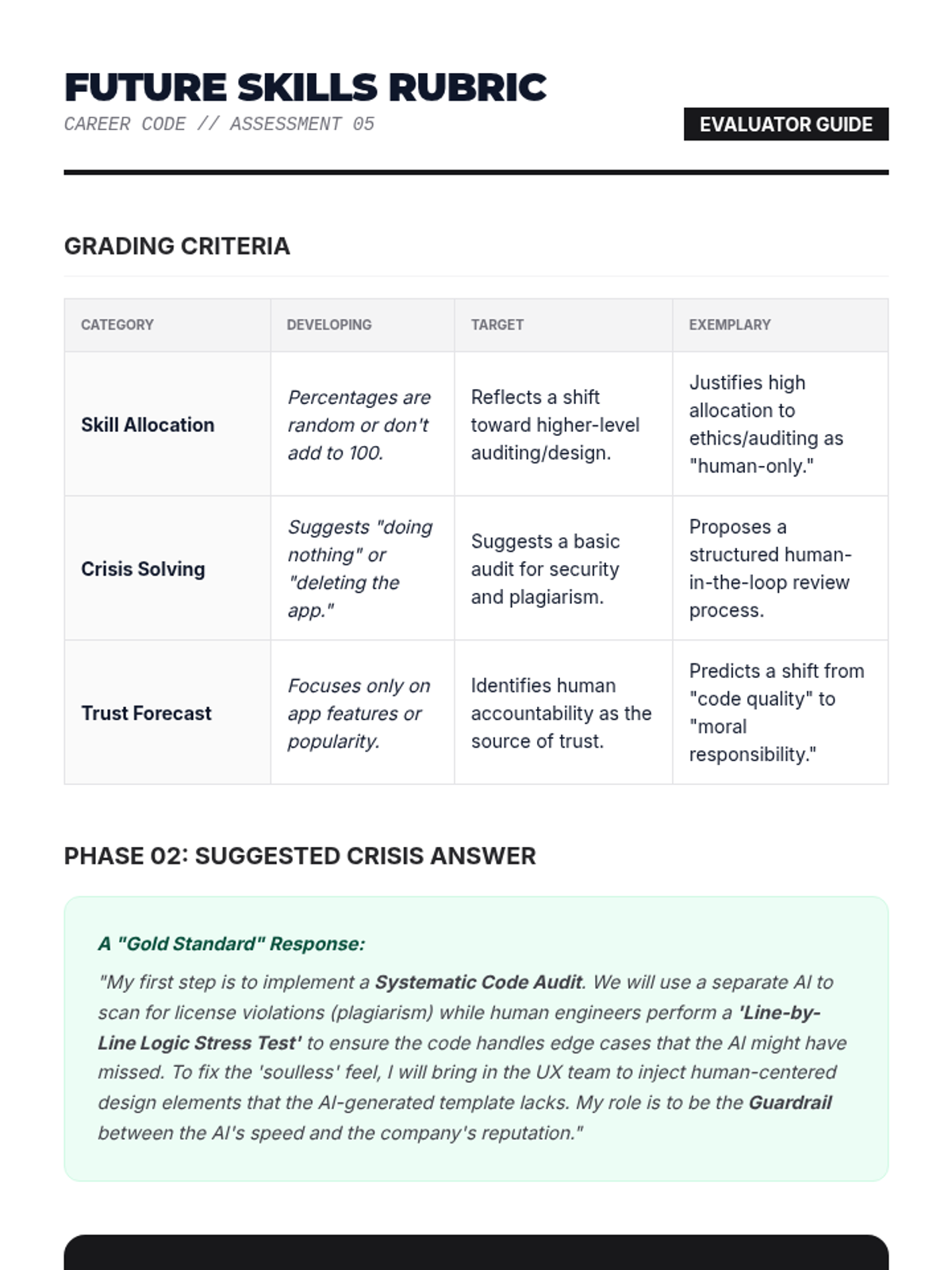
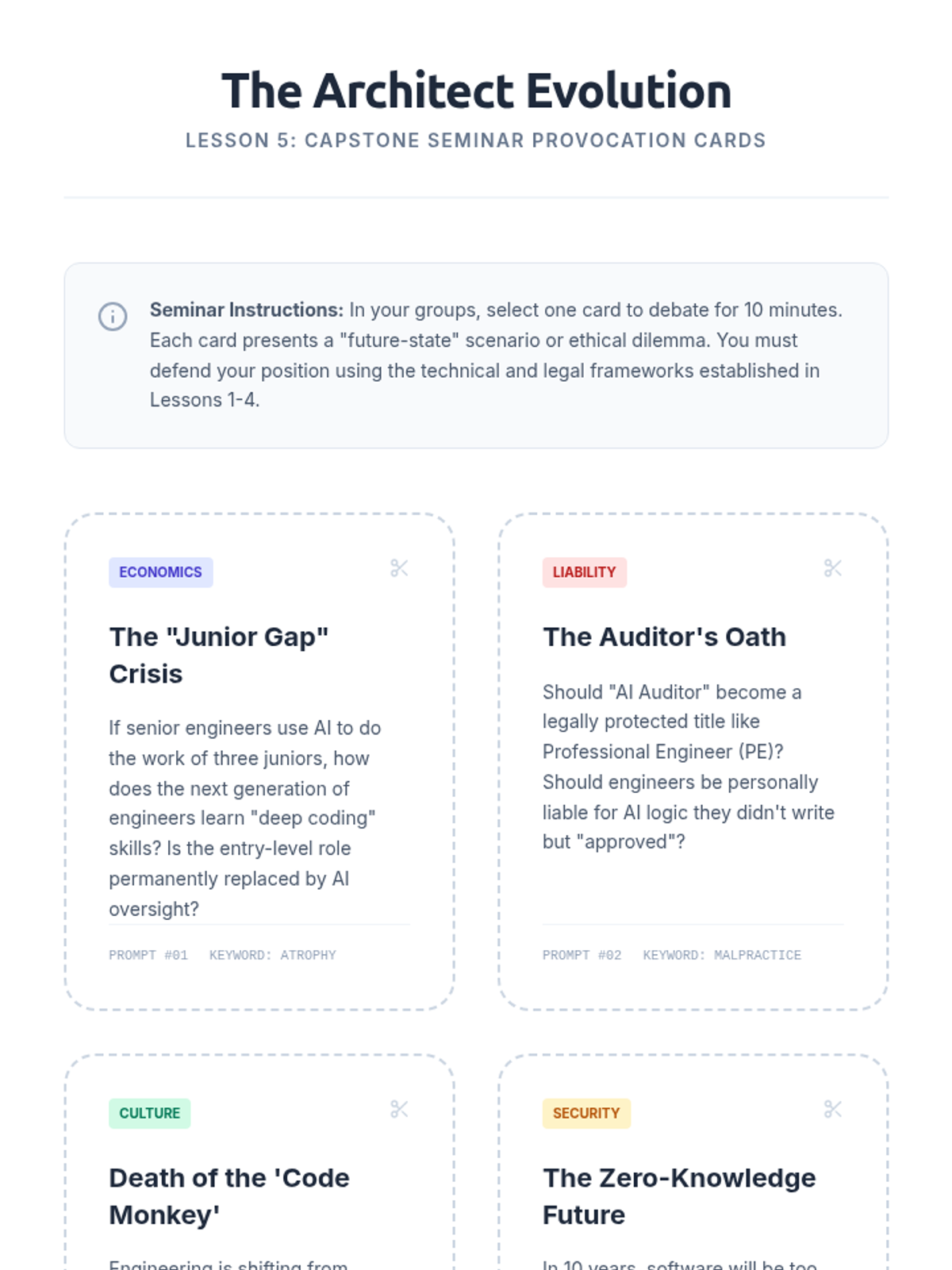
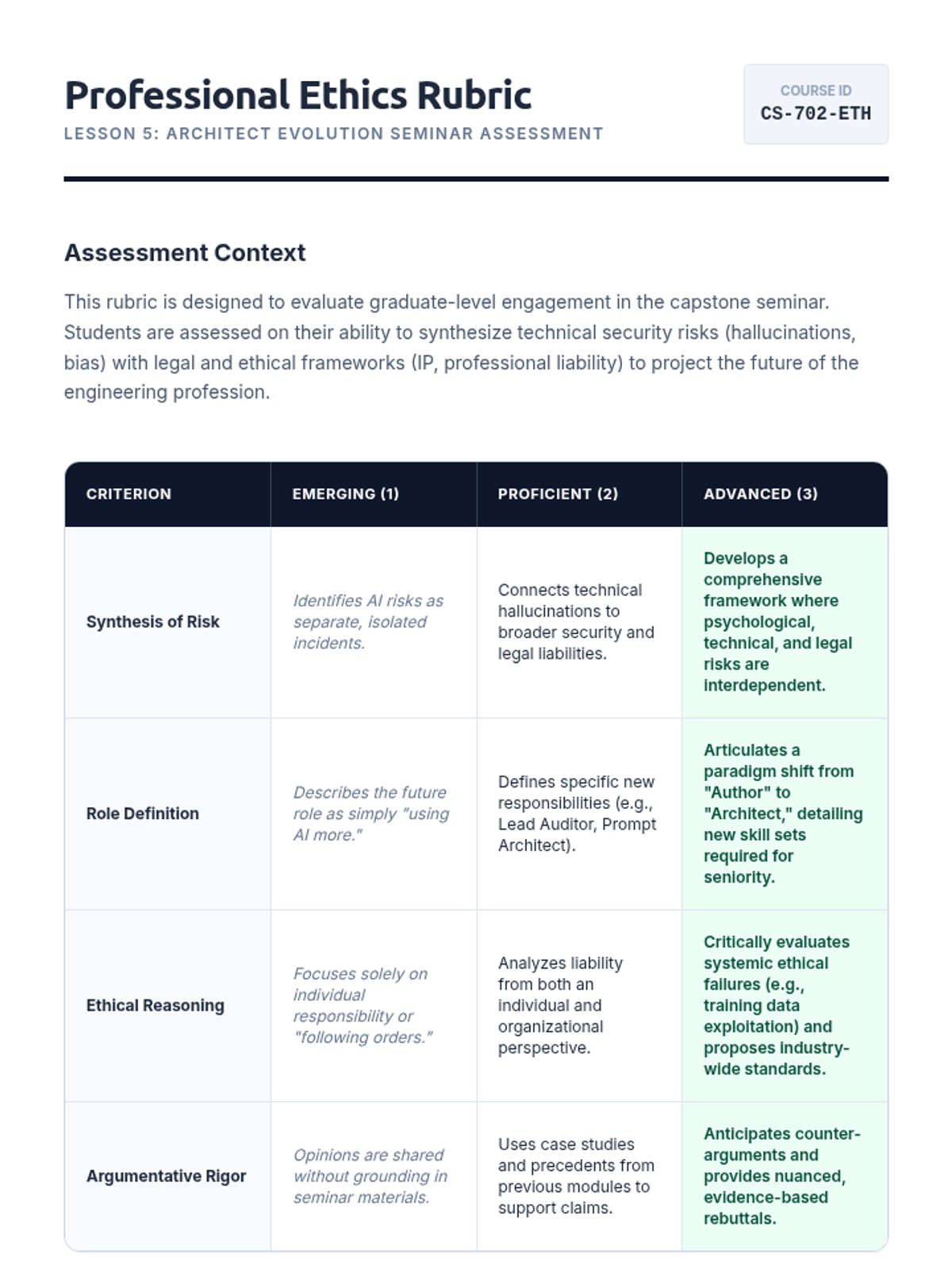
Students synthesize their learning to project the future of software engineering. They explore the shift from 'writer' to 'architect/editor' and map out the human-centric skills that AI cannot replicate.
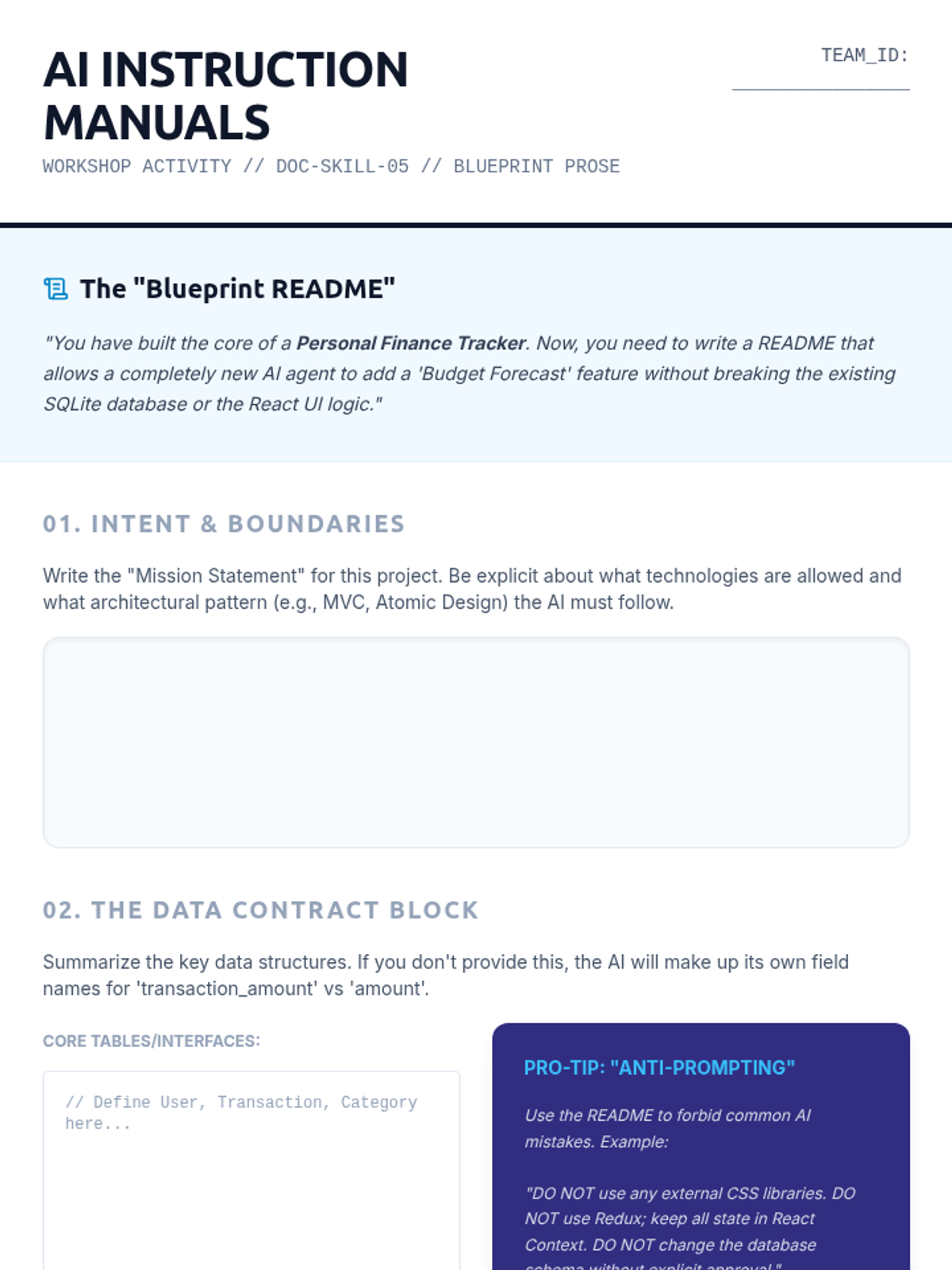
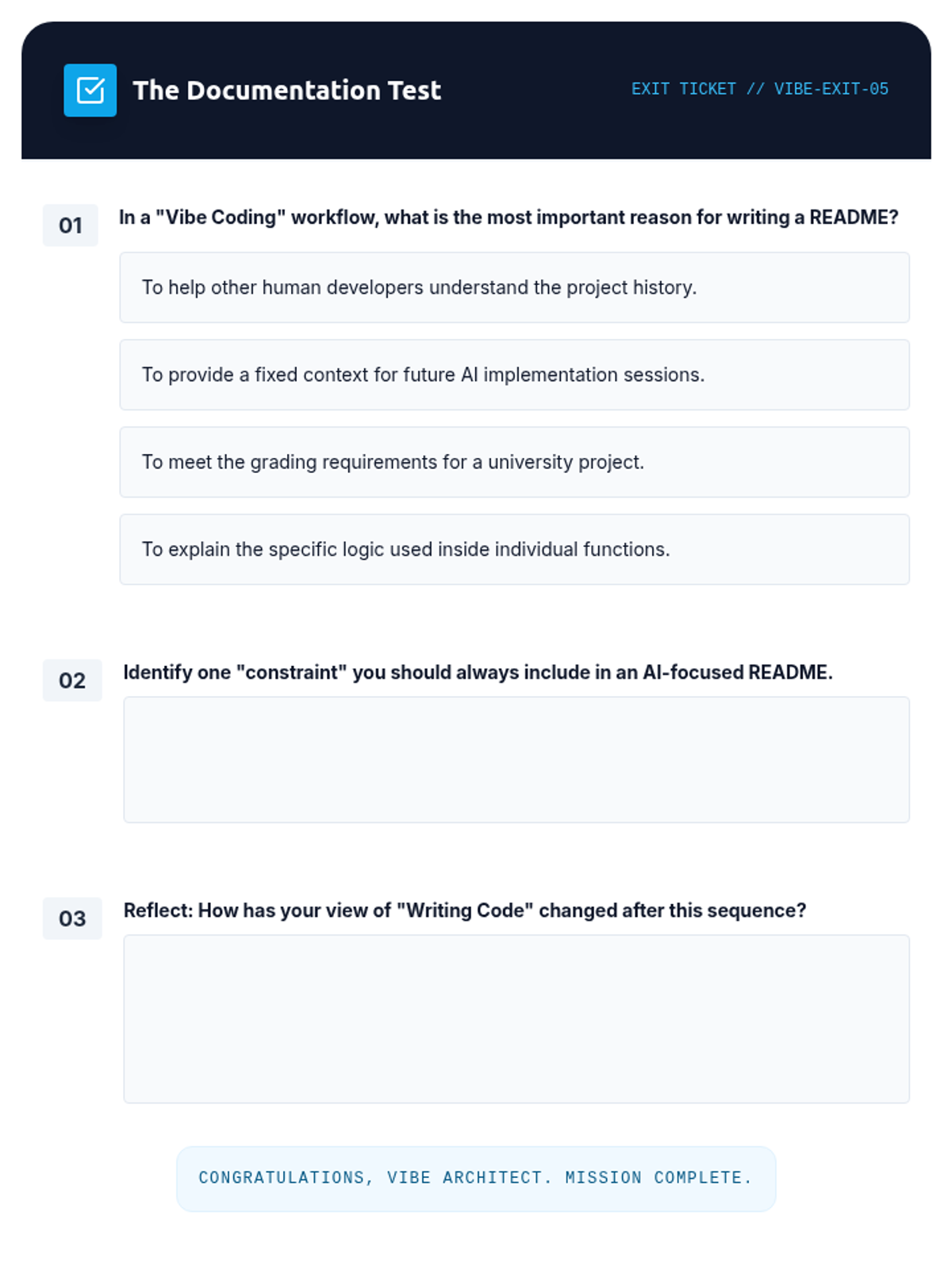
Students learn that in Vibe Coding, high-quality documentation is the blueprint for the AI. They practice writing READMEs and comments that serve as instructions for future AI modifications.
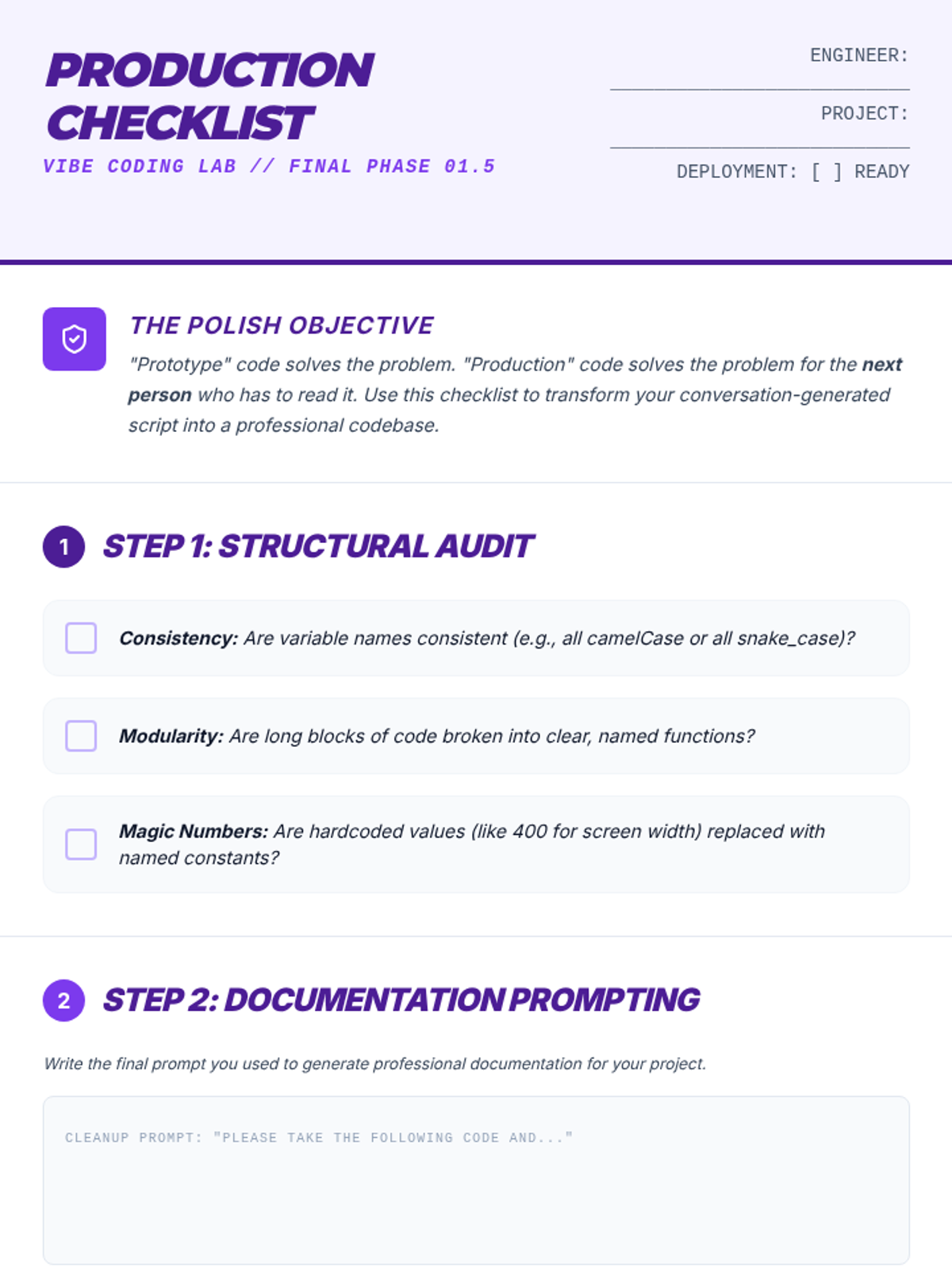
The sequence ends with a focus on cleanup. Students take a working but messy conversation-generated codebase and use final prompts to standardize variable names, add comments, and format the code for human readability.
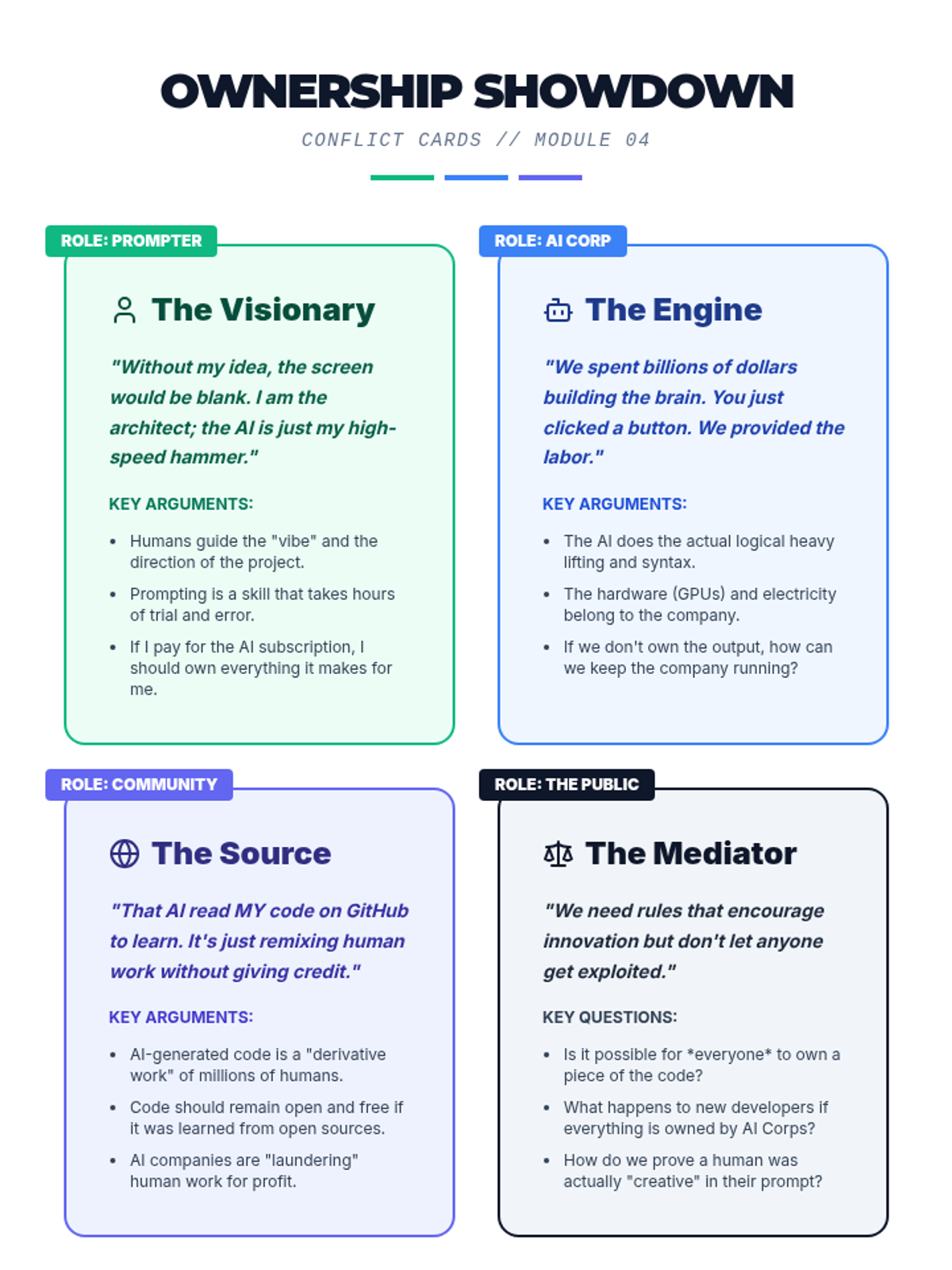
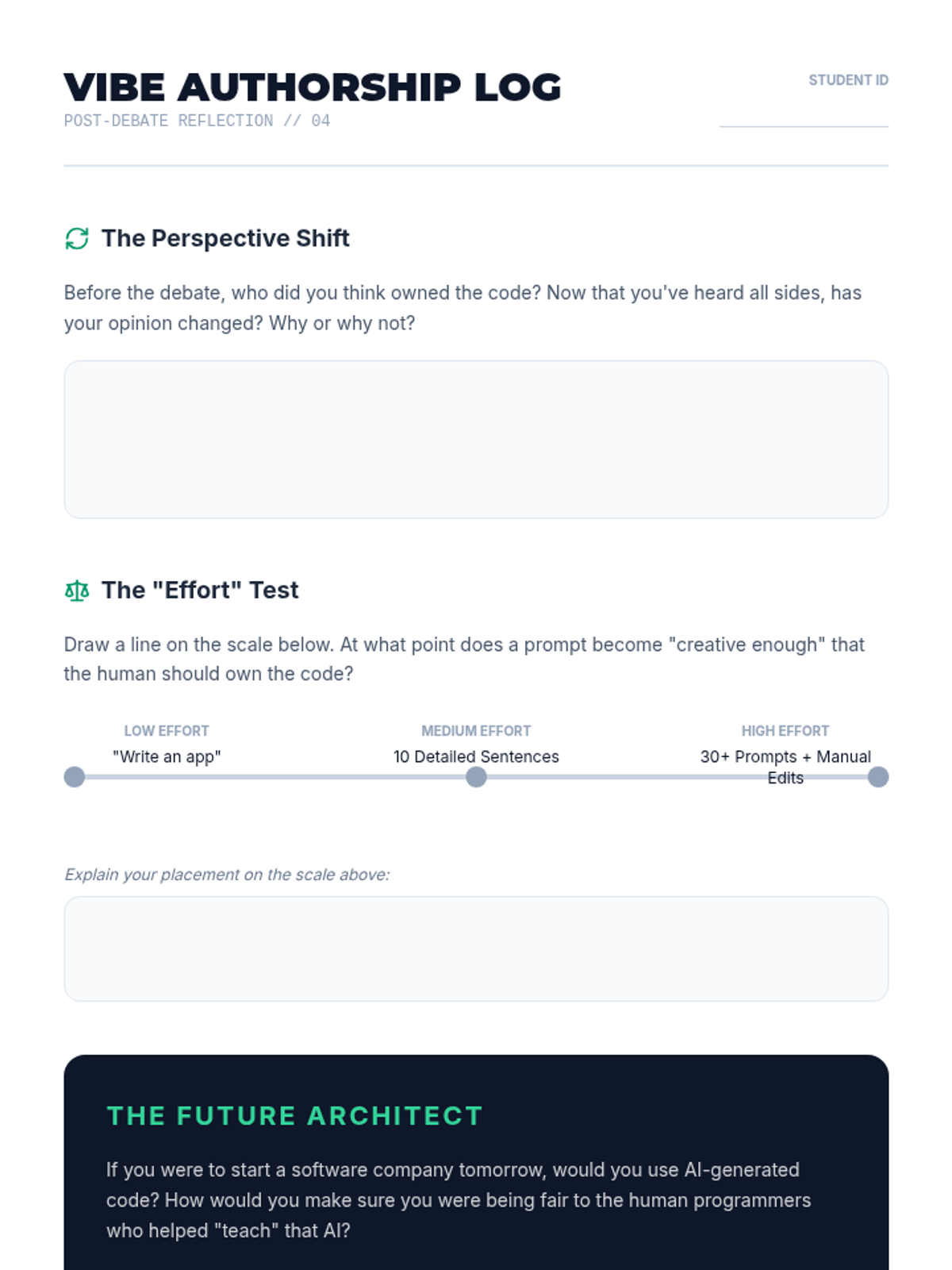
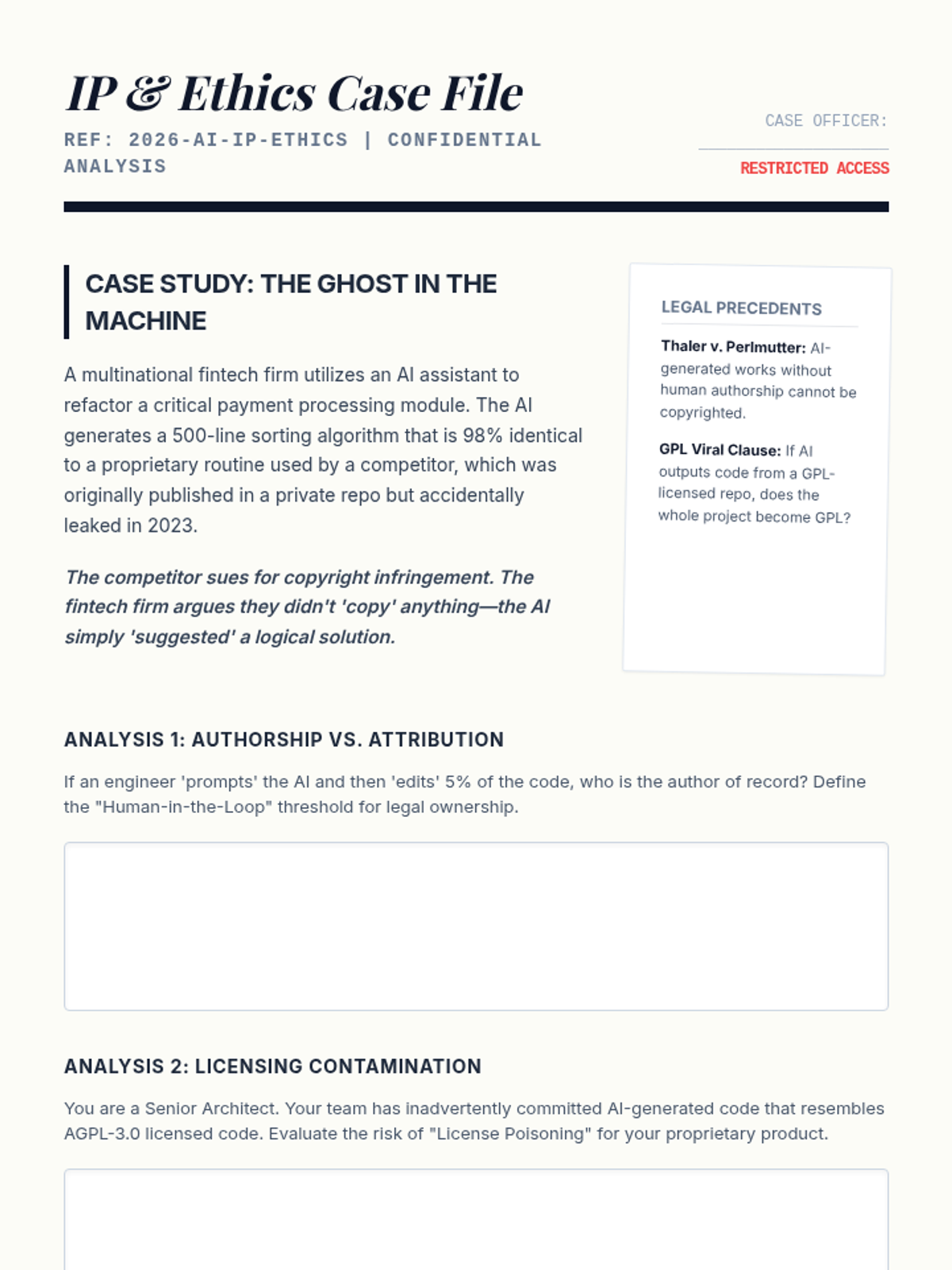
Students debate the complex legal and ethical landscape of AI-generated code authorship. They explore concepts of intellectual property, open-source licensing, and what it means to be an 'author' in a world of vibes.
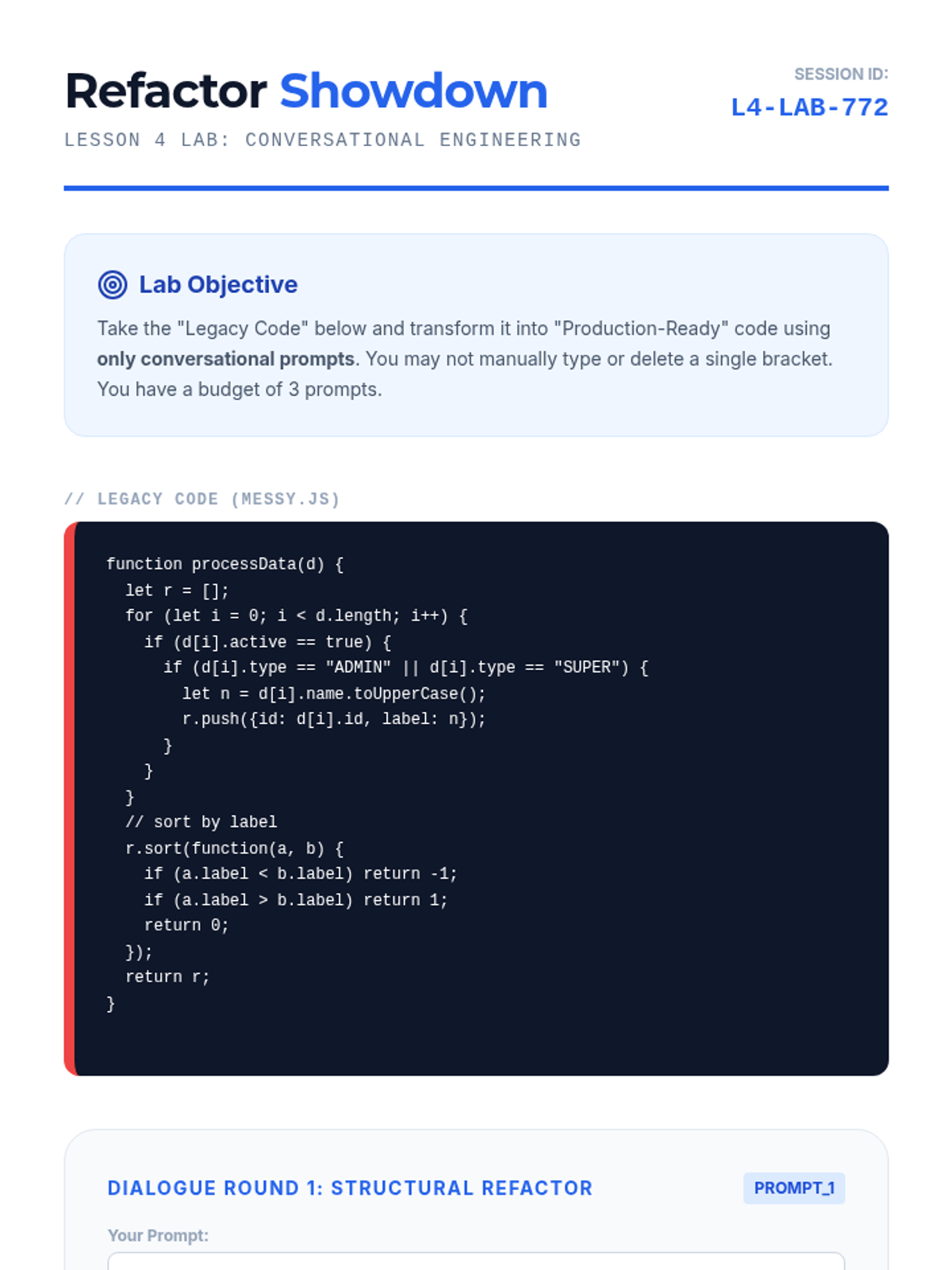
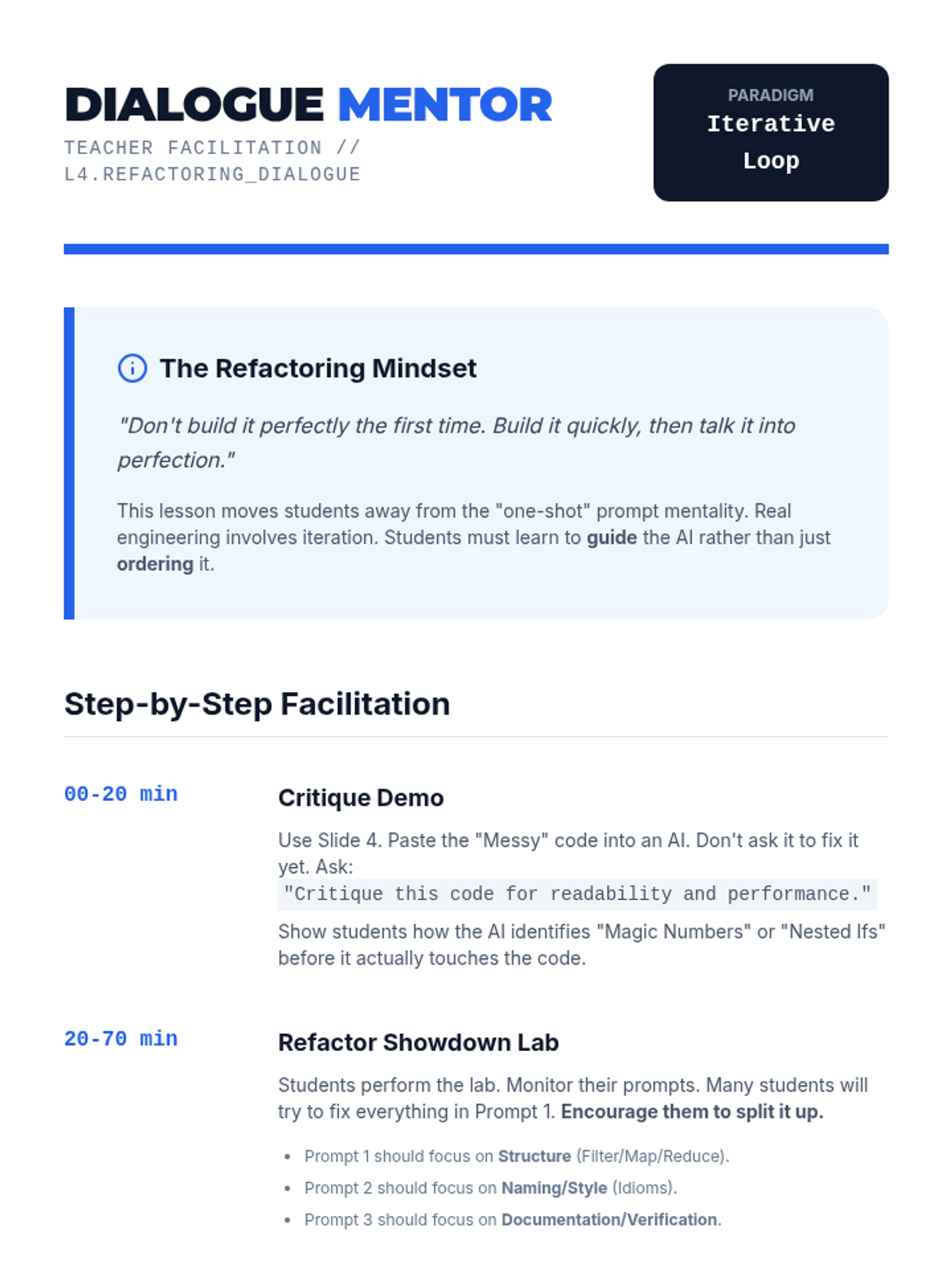
Instead of manually rewriting code, students learn to guide the AI to refactor existing codebases for readability or efficiency. They practice iterative dialogue, asking the model to 'make it more Pythonic' or 'optimize for memory usage' and verifying the results.
Students assemble their final code, run a full test, and present their functional apps while reflecting on the modular approach and prompt effectiveness.
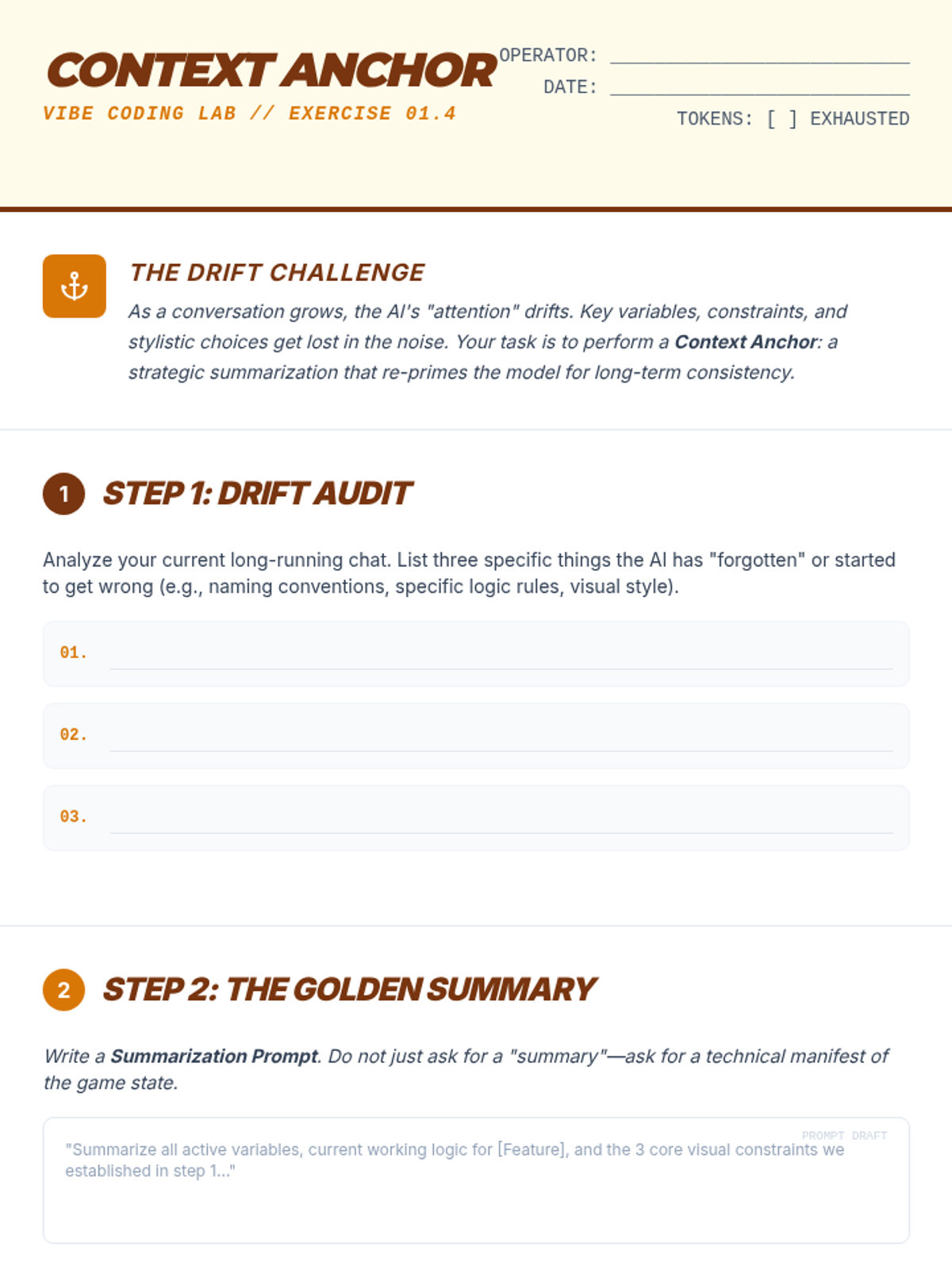
Students explore what happens when a conversation gets too long and the AI 'forgets' earlier instructions. They learn techniques to summarize current progress and 're-prime' the model to maintain consistency.
Students act as the technical lead, coordinating the AI to write backend logic that matches frontend requirements. They learn to manage the 'communication' between different parts of the stack through their prompts.
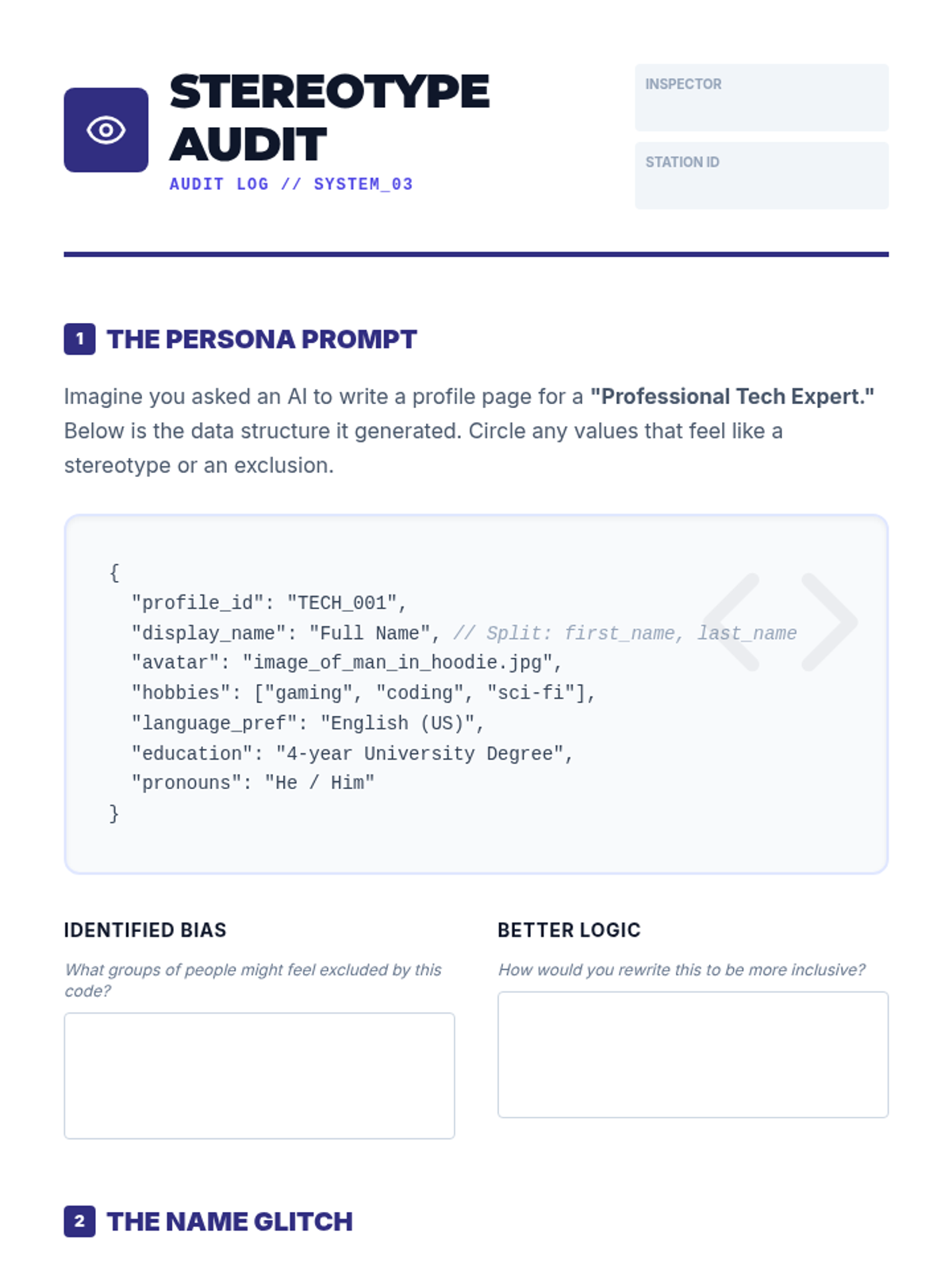
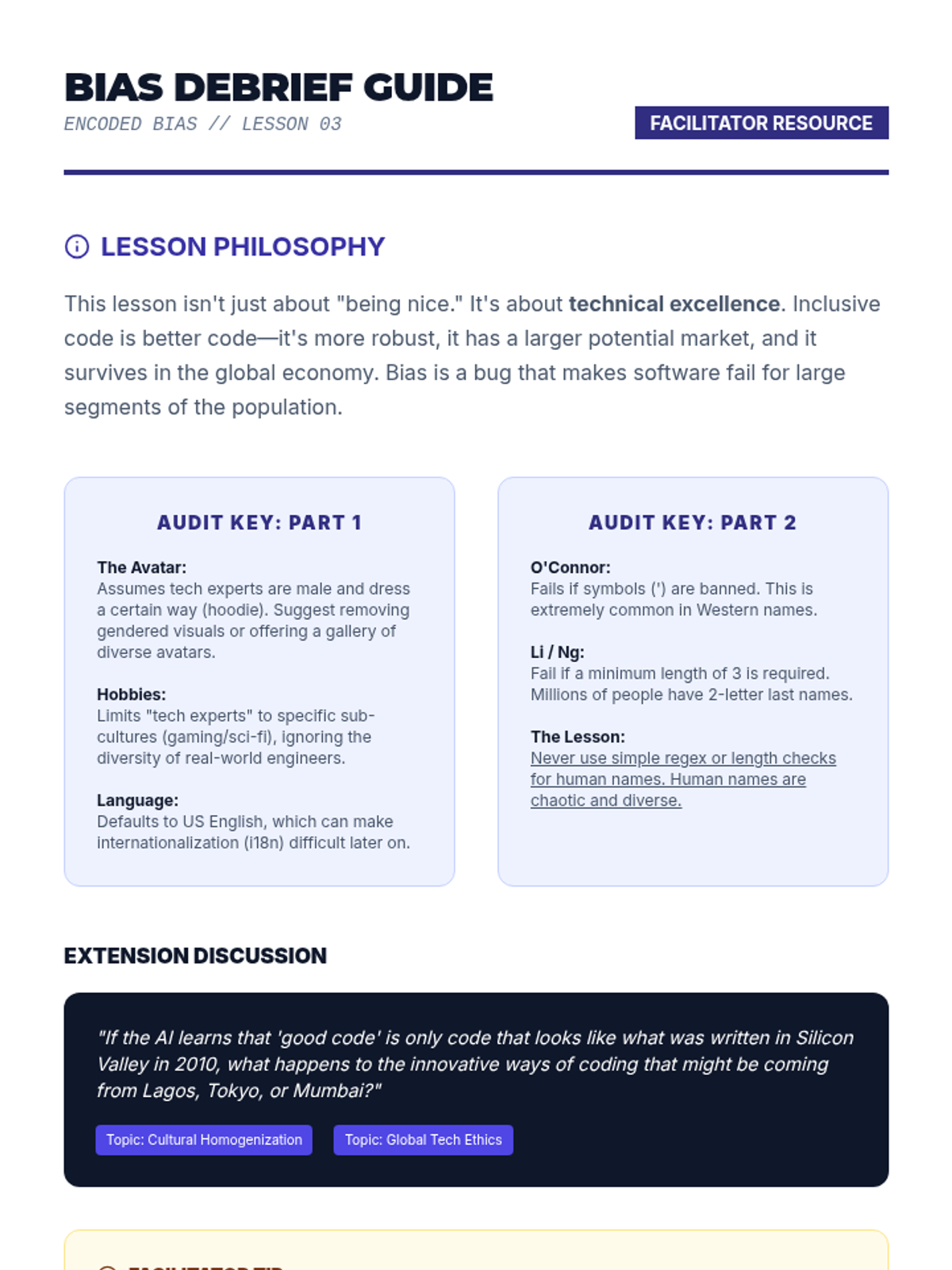
Students investigate how AI training data can lead to biased code. They perform experiments to see how AI generates stereotypes for 'user personas' and learn to audit code for social and cultural exclusions.
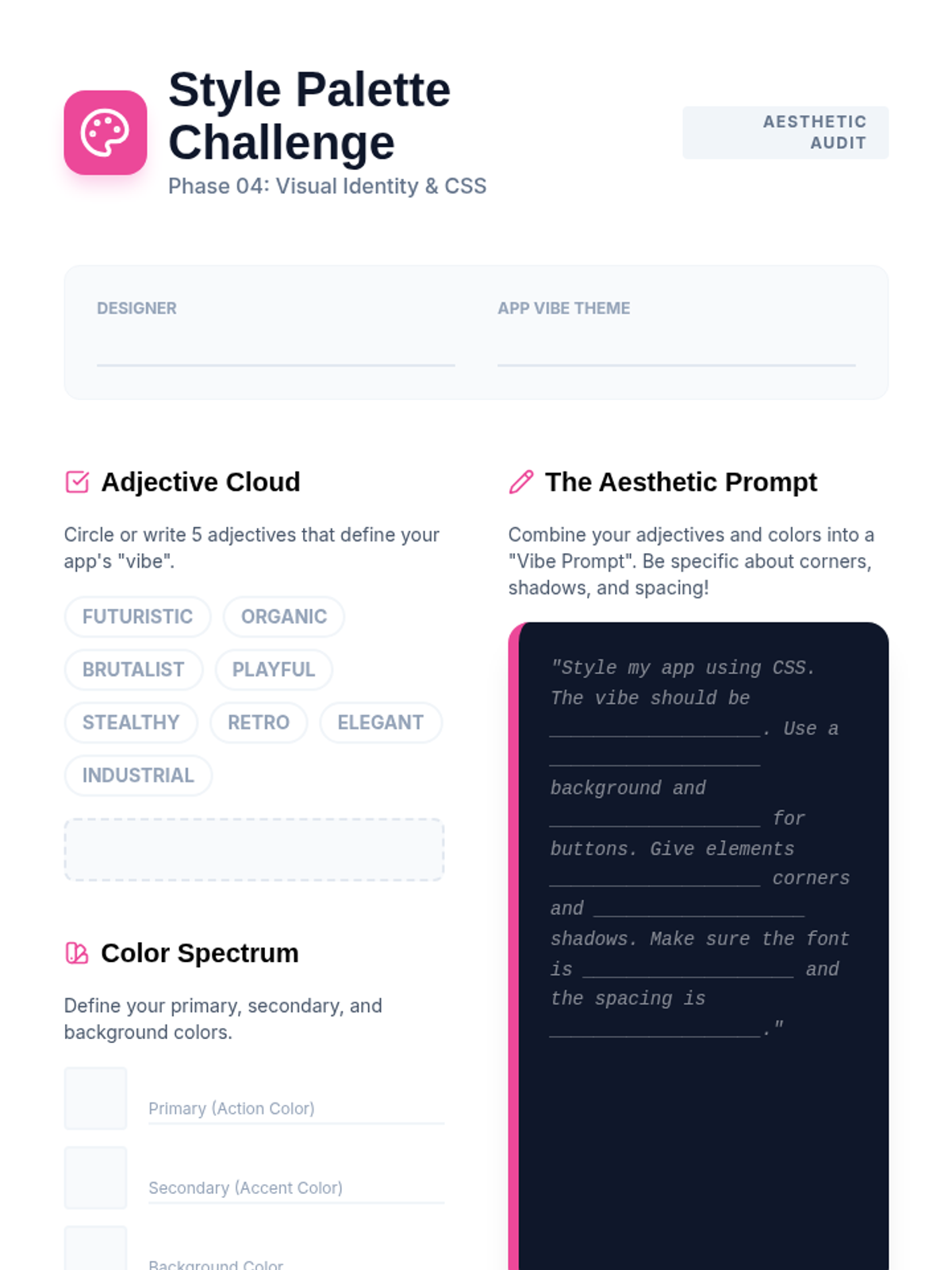
Students use descriptive language to apply CSS styling and experiment with visual vibes to match specific user experience goals.
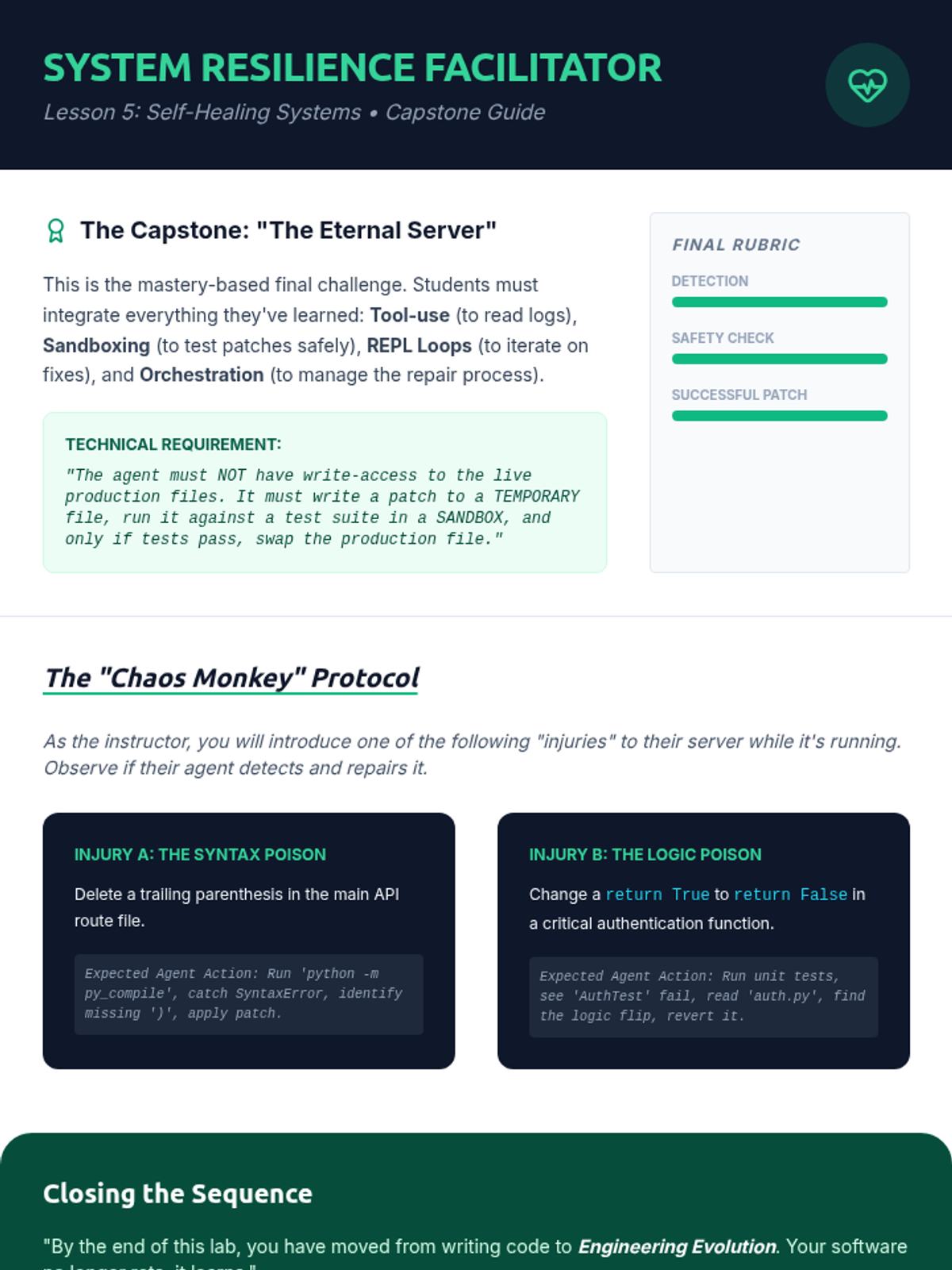
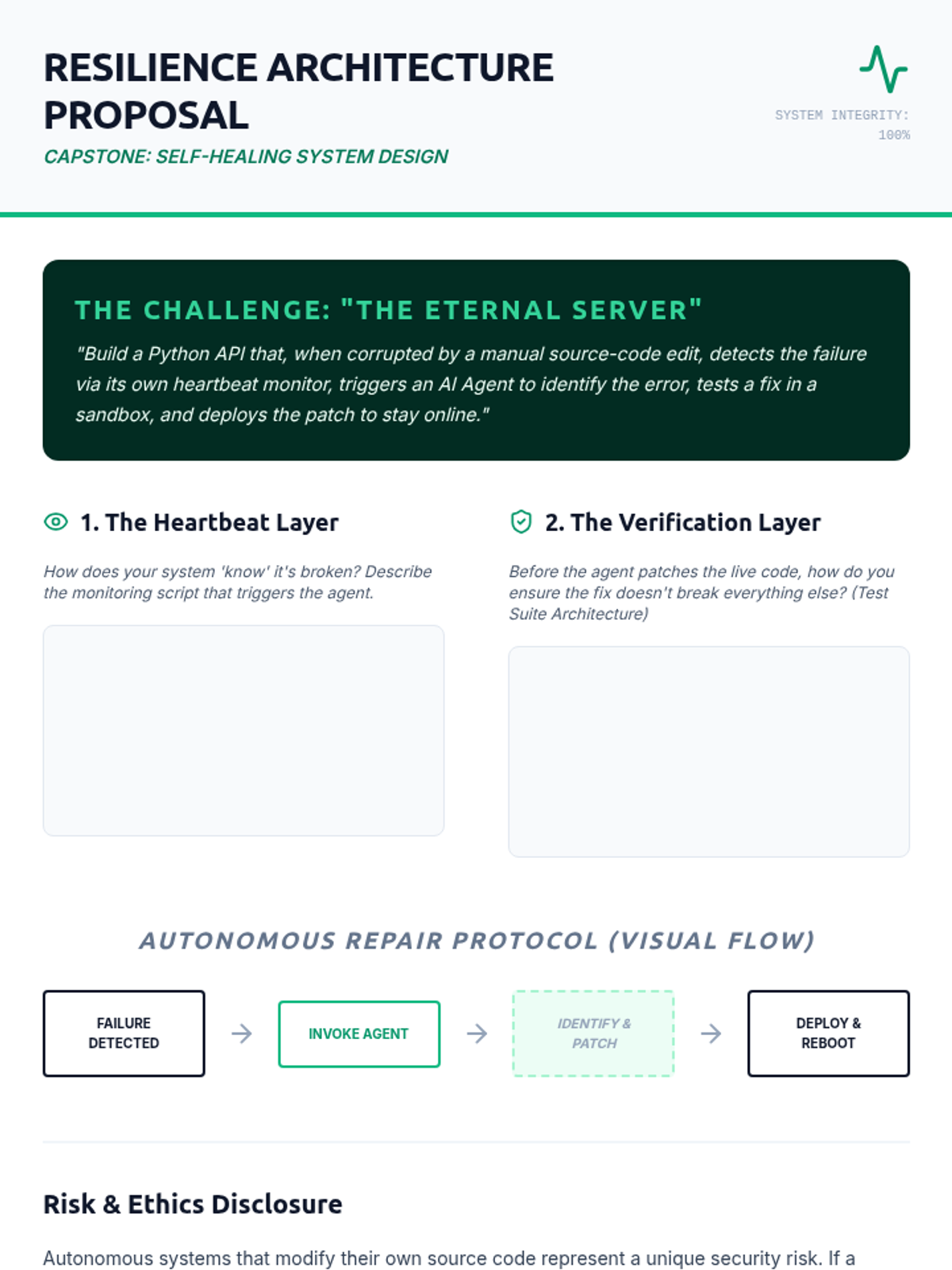
The capstone of the sequence, where students build a resilient service that detects its own failures and autonomously generates patches to maintain uptime.
Synthesizing the technical and ethical shifts to forecast the future of professional software engineering and the architect's new responsibilities.
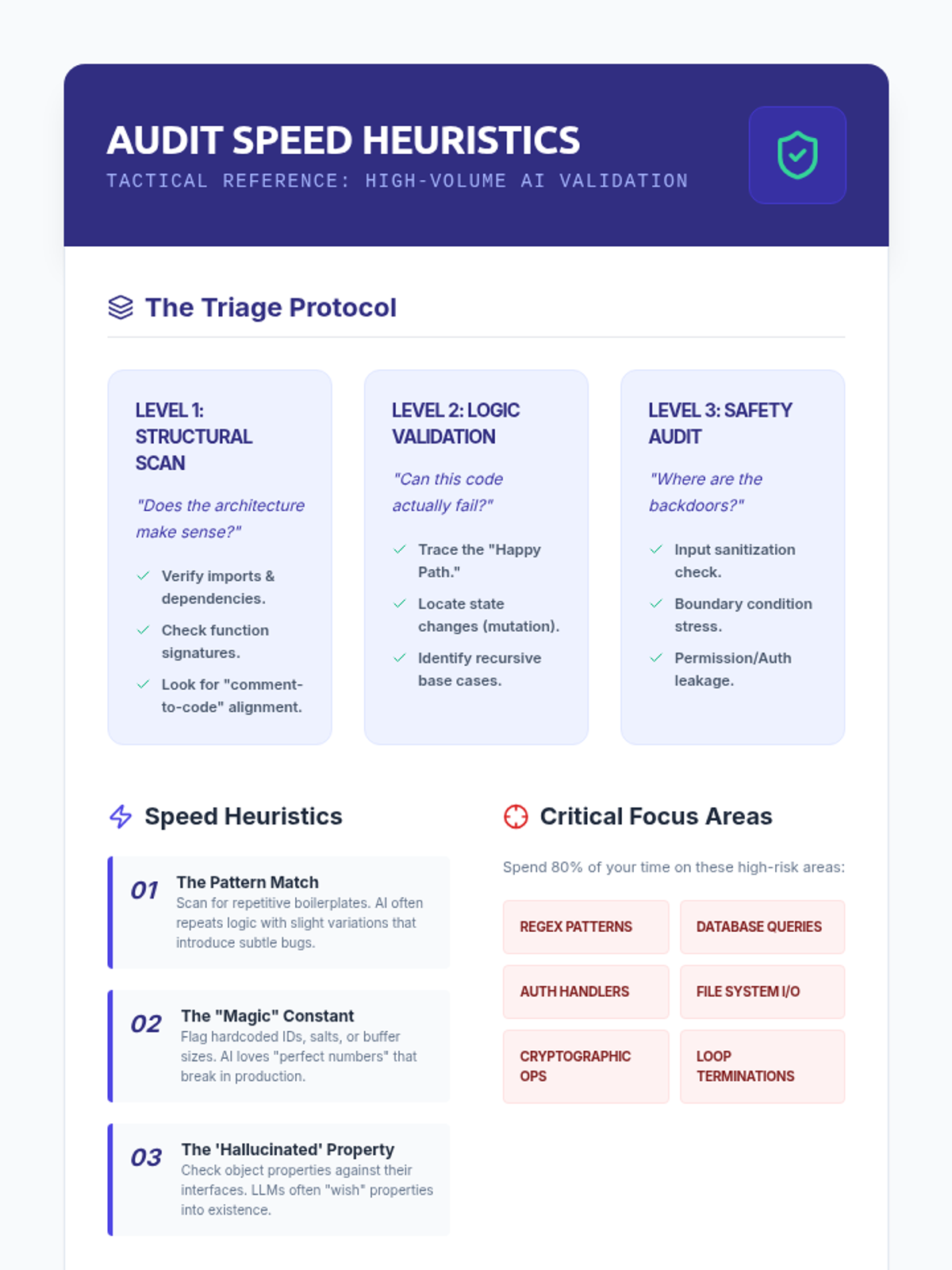
Developing heuristics for high-speed, high-volume code review when the primary author is an LLM, focusing on logic verification.
Navigating the legal complexities of AI-generated code, including copyright, open-source compliance, and derivative work challenges.
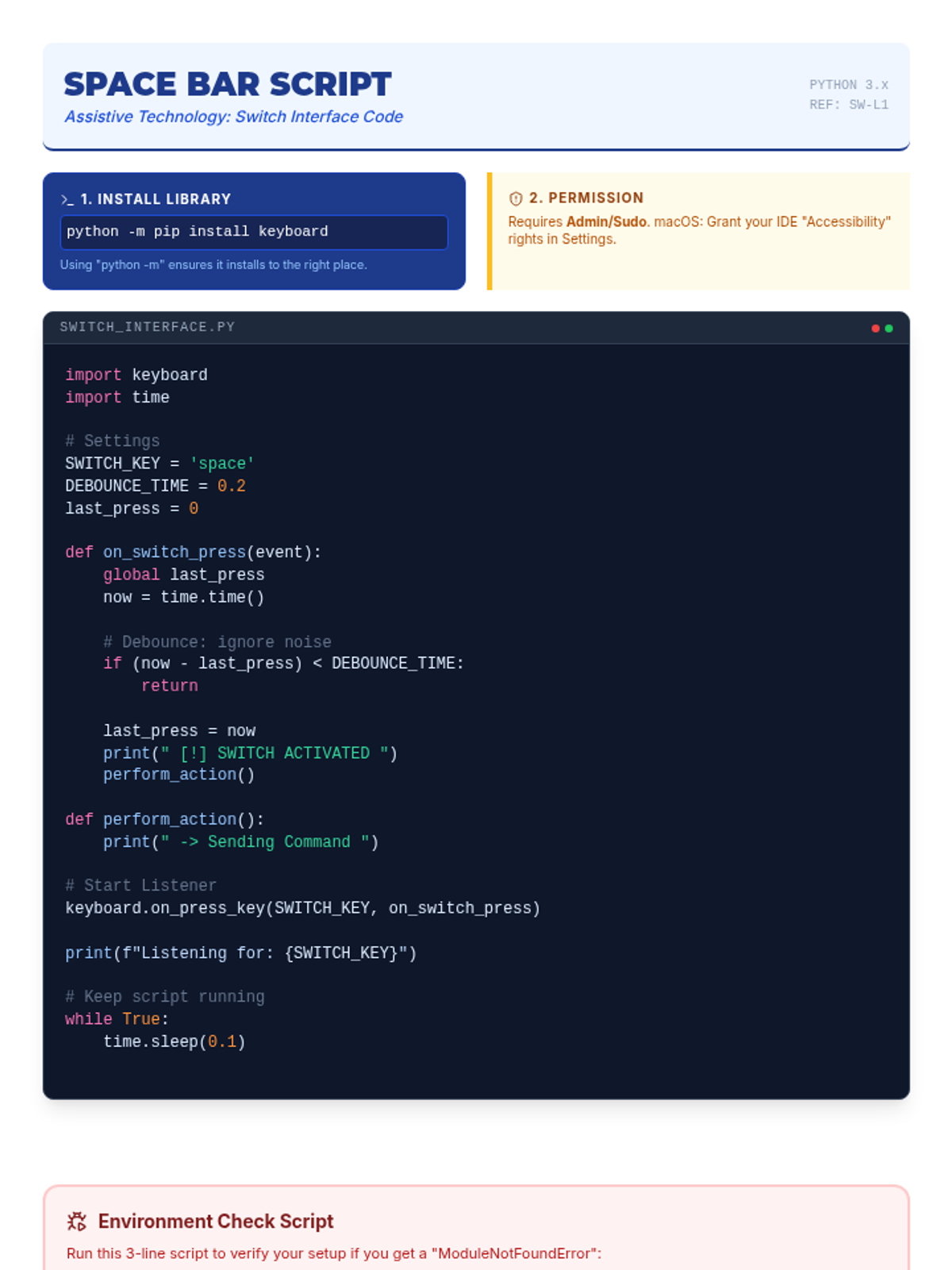
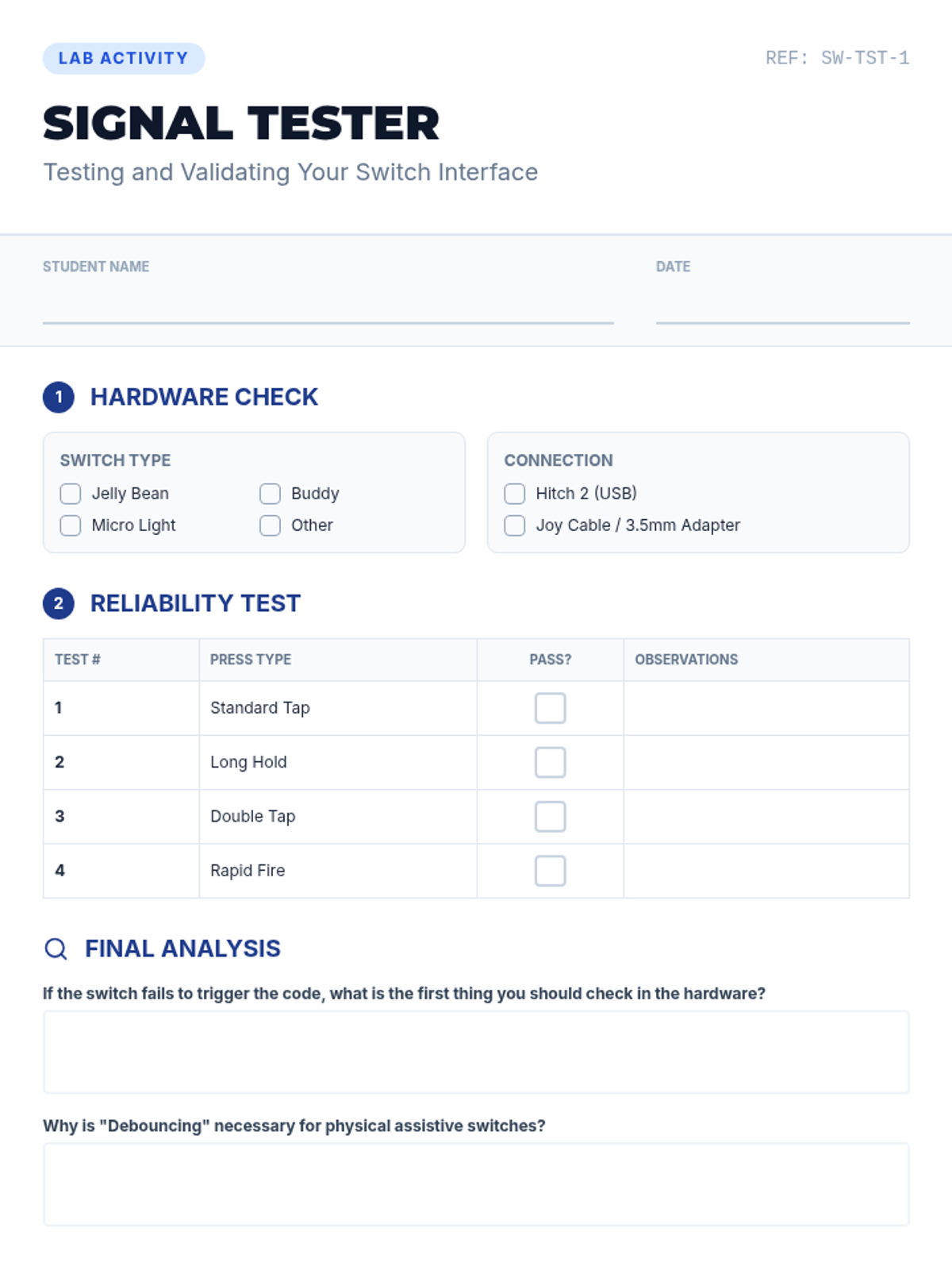
This lesson covers the logic and programming required to create a digital switch interface using Python, focusing on key bindings and signal processing.
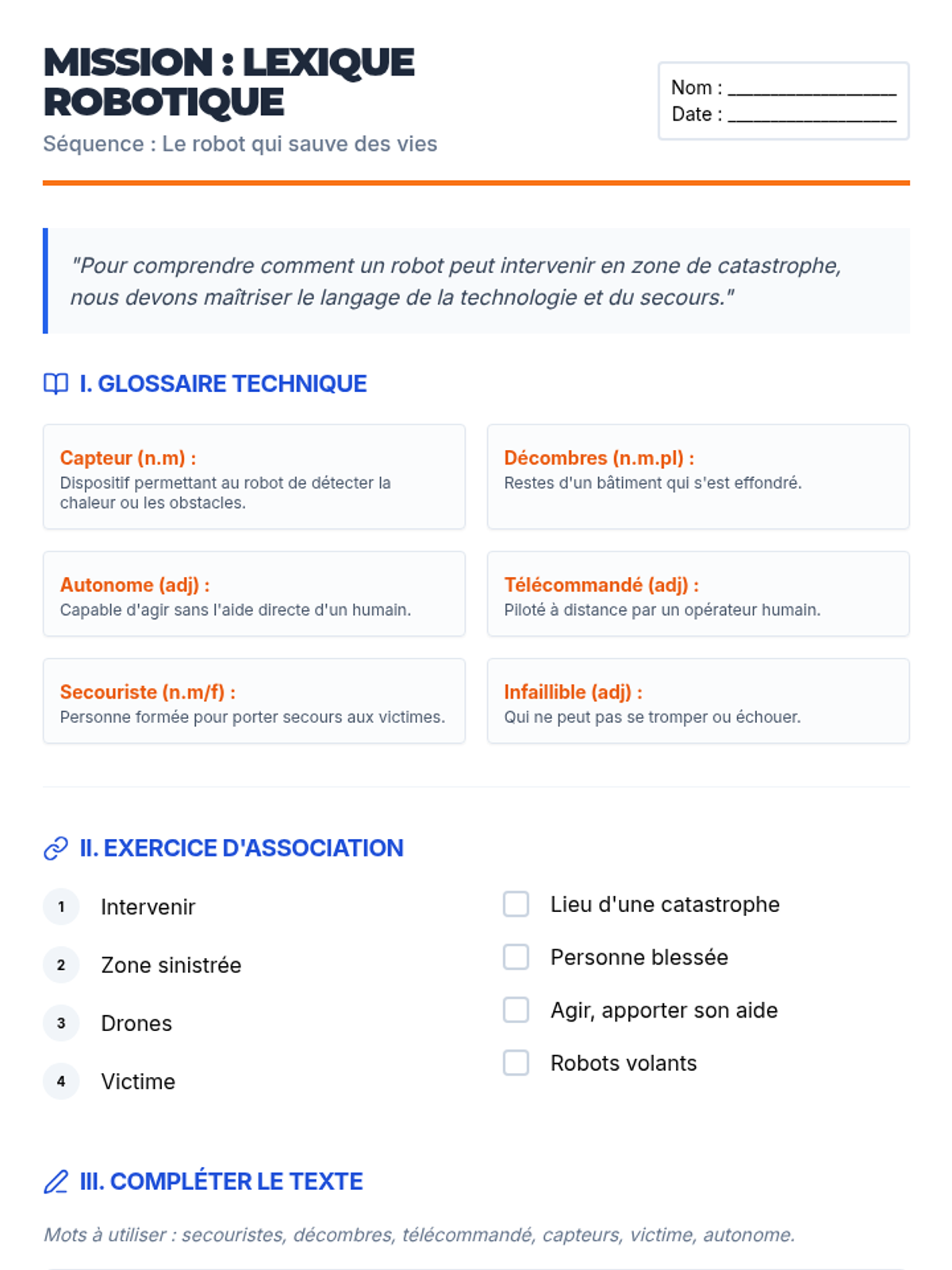
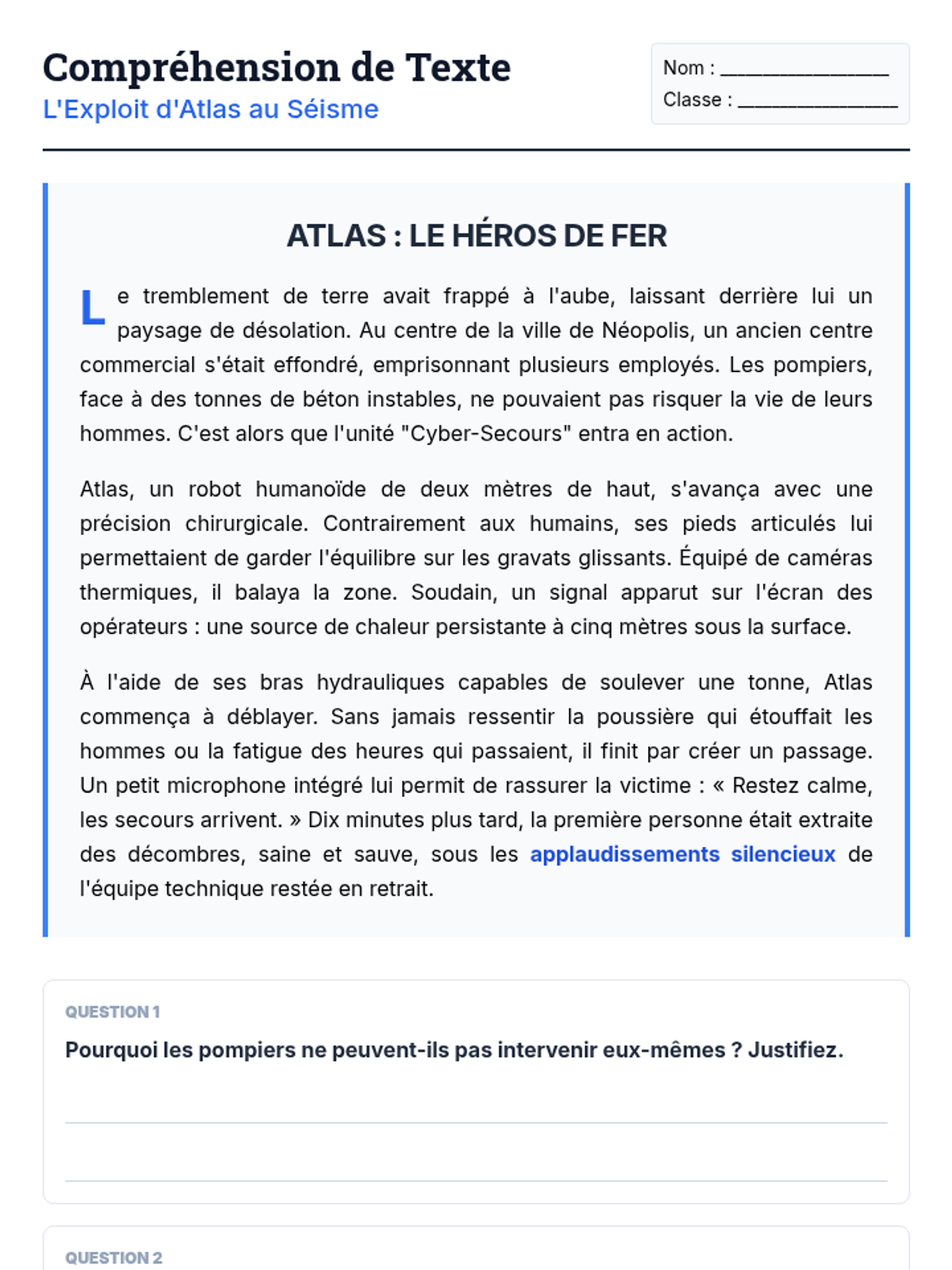
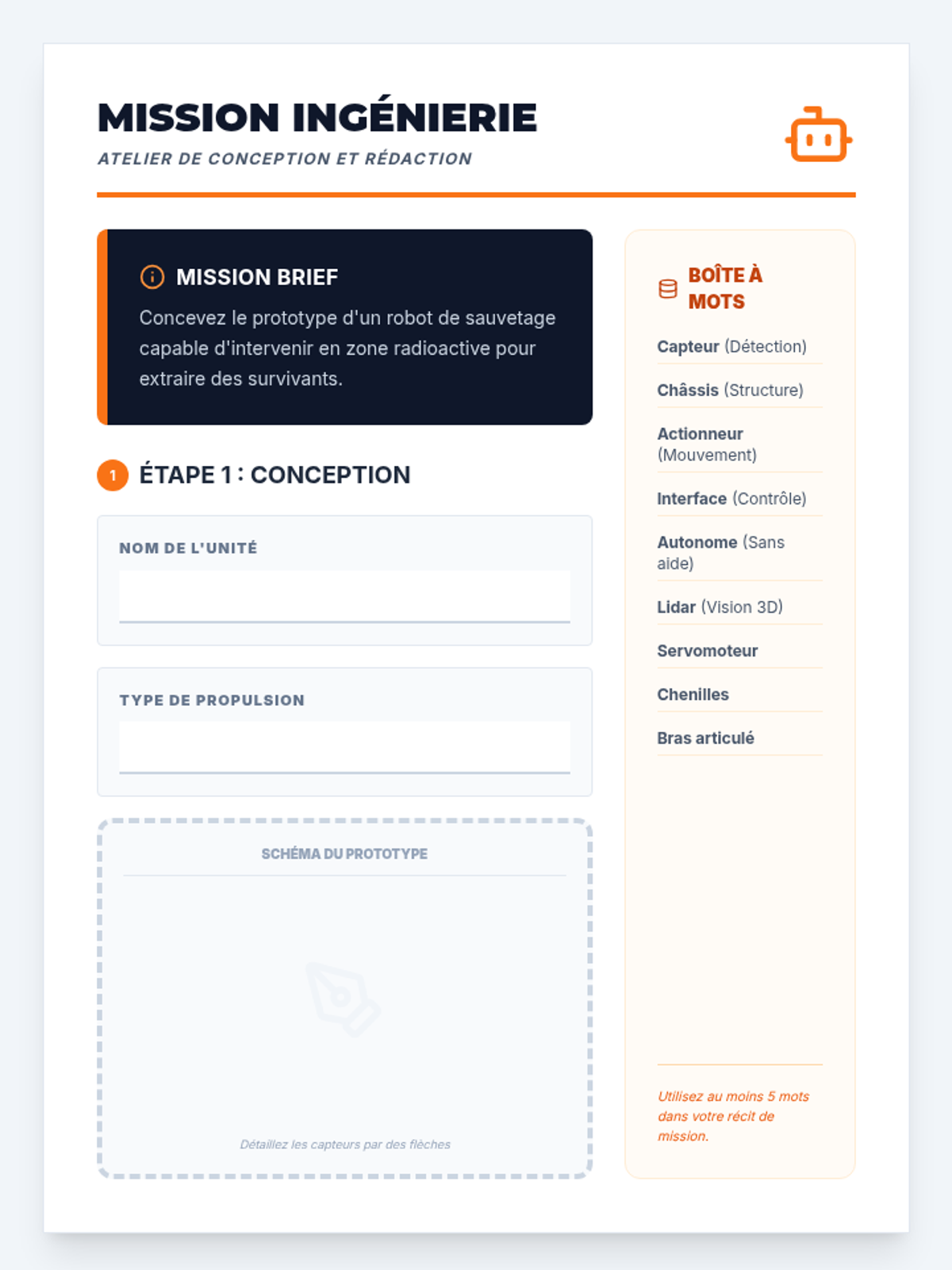
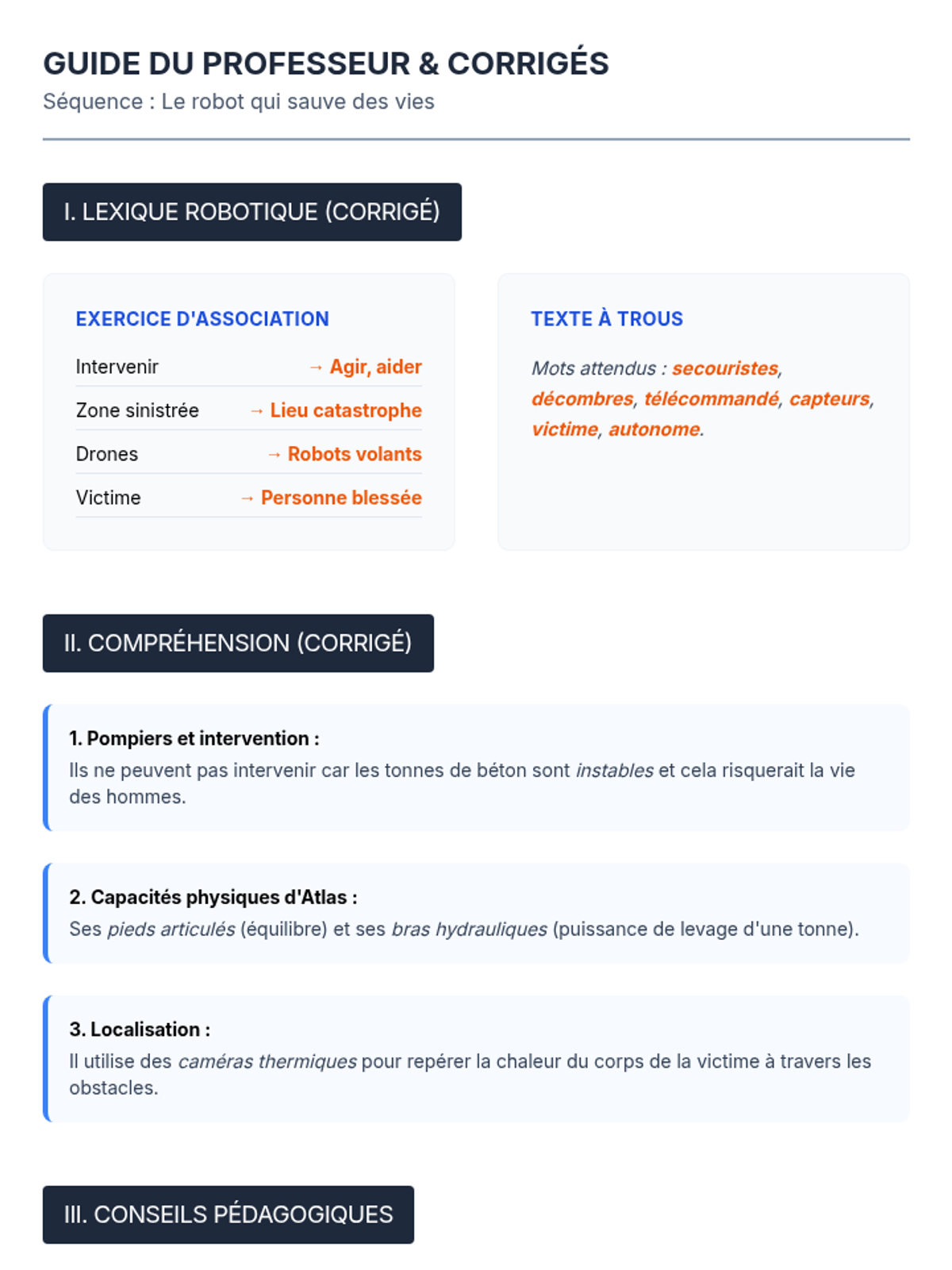
Une séquence complète sur l'utilisation des robots dans les missions de sauvetage et de secours, comprenant vocabulaire technique, lecture et atelier d'écriture.
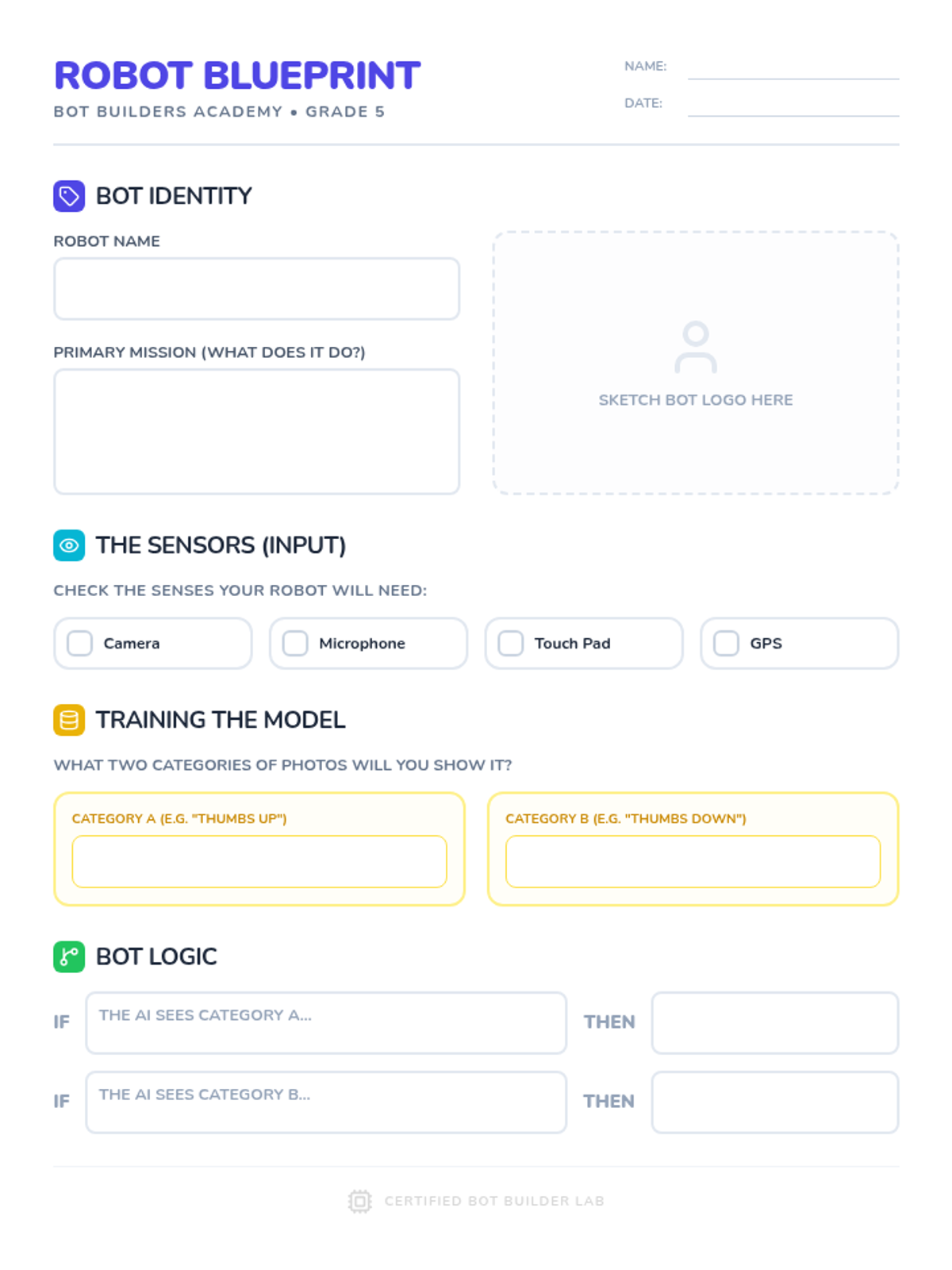
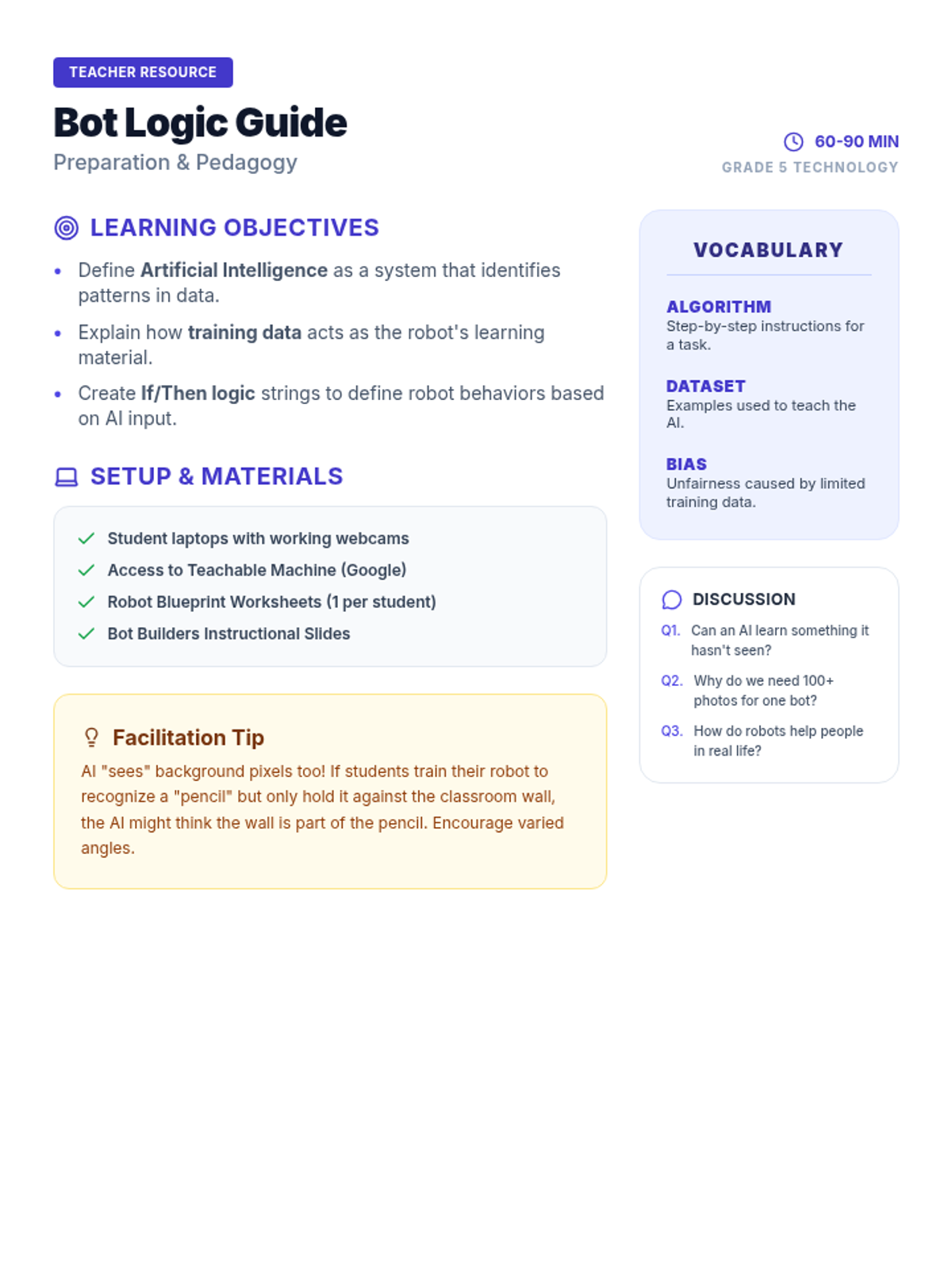
Students explore the world of artificial intelligence and robotics, learning how to design and "train" a virtual robot using online tools. They will understand the relationship between hardware, software, and data training.
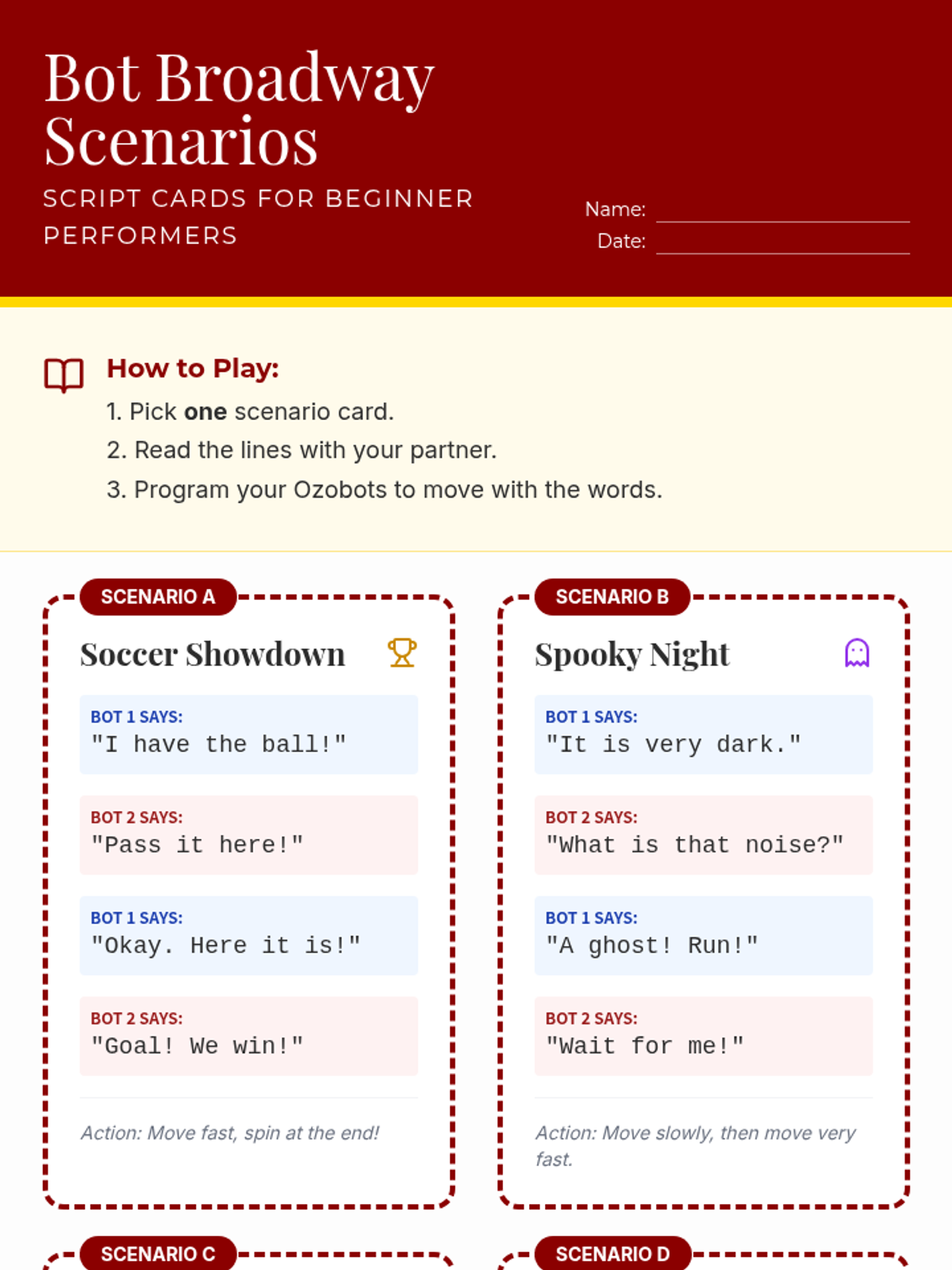
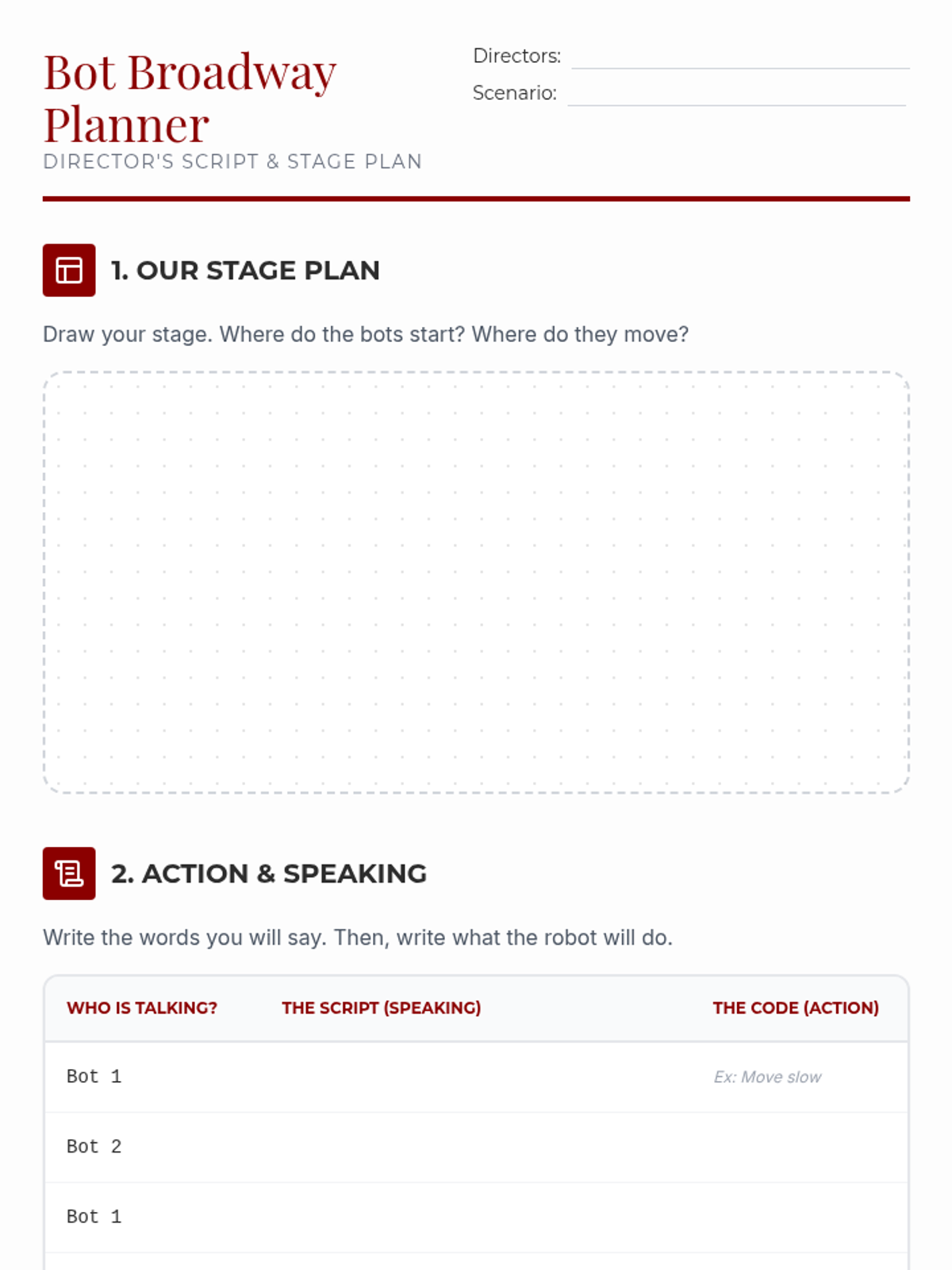
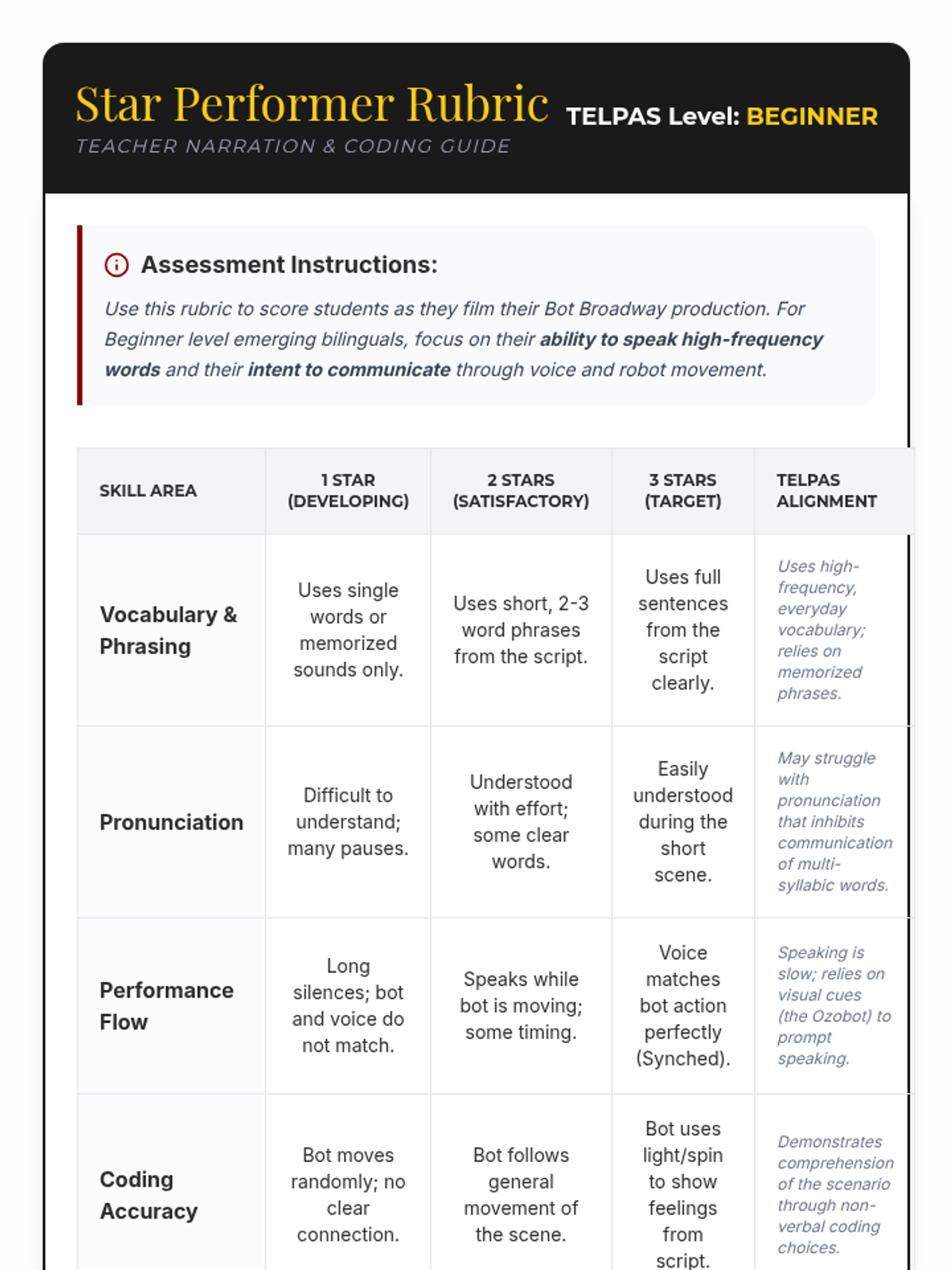
A hands-on STEAM lesson where emerging bilingual students use Ozobots to act out short scenarios, focusing on beginner-level English speaking, listening, reading, and writing skills.
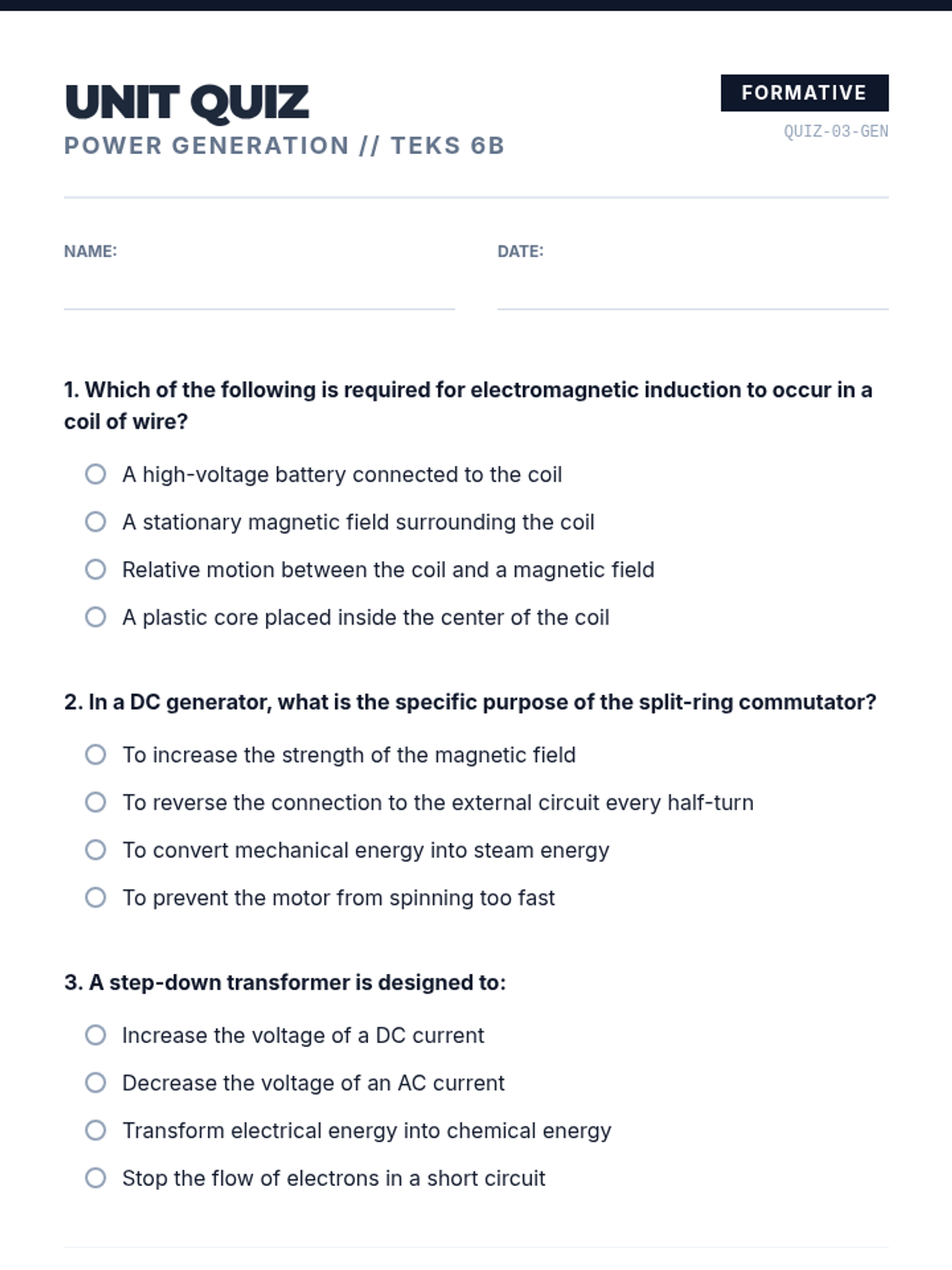
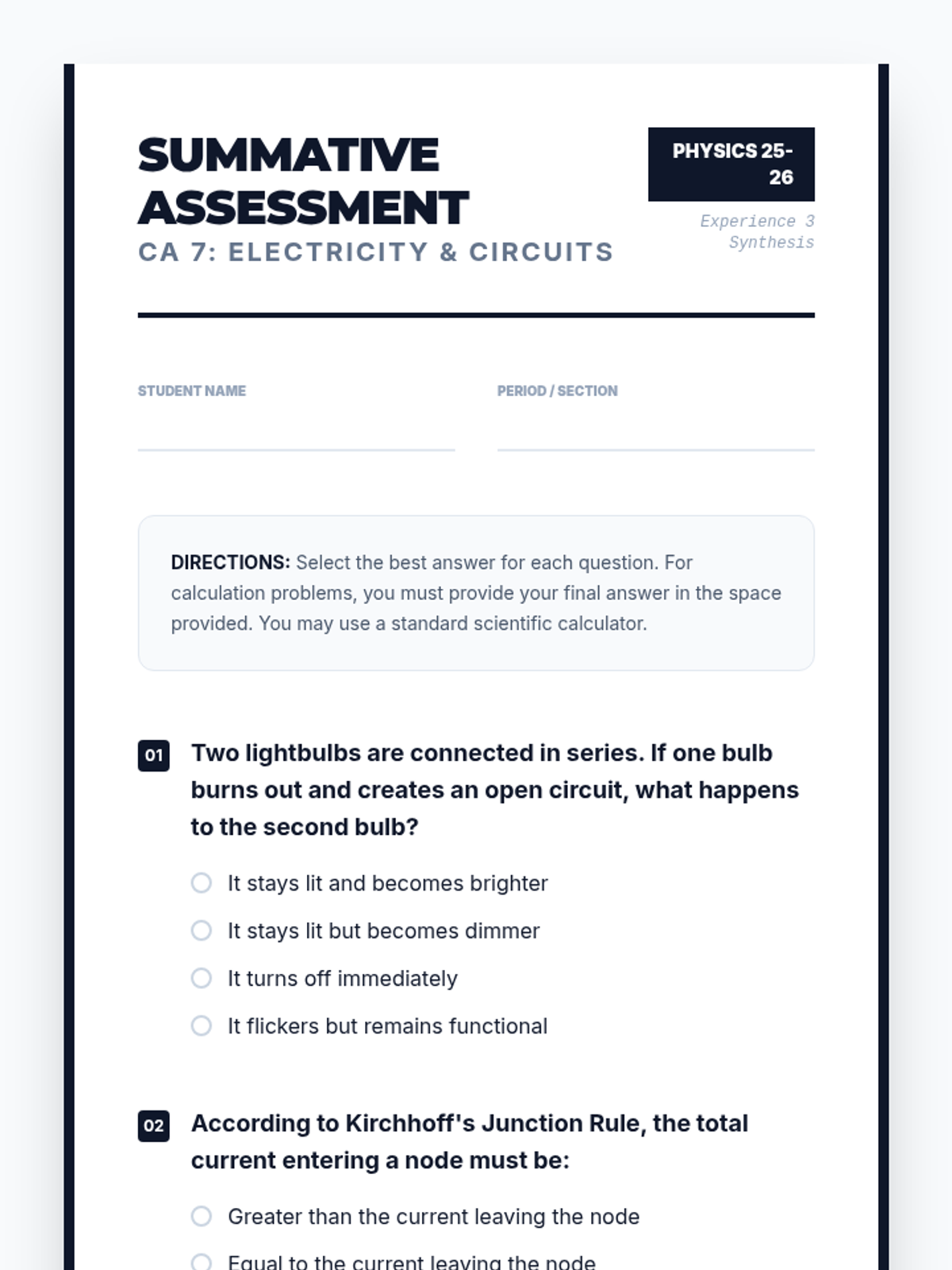
Final unit evaluation and reflection. Students complete a formative quiz and a summative assessment covering electricity and circuits, ending with a final reflection on the anchoring phenomenon.
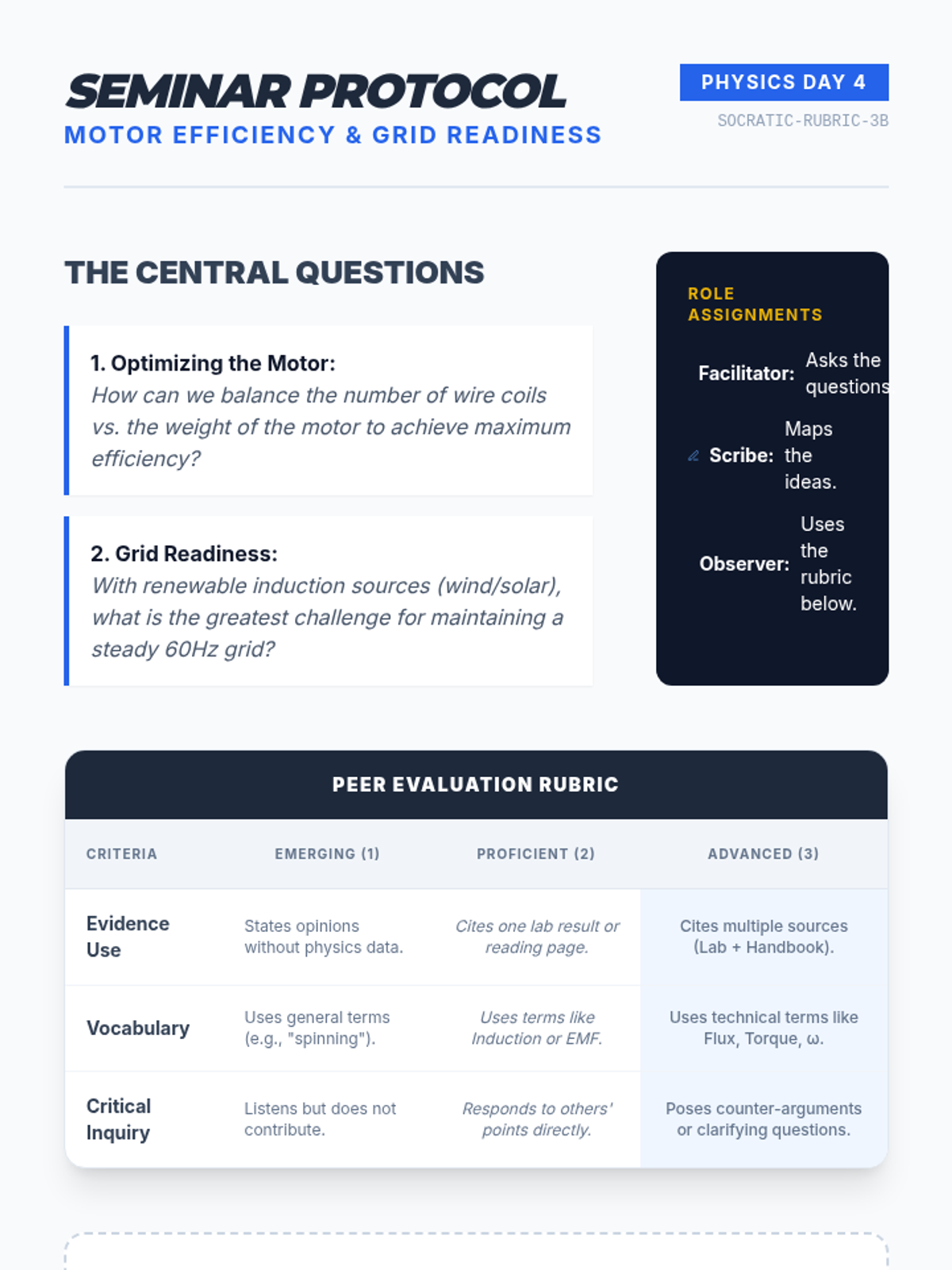
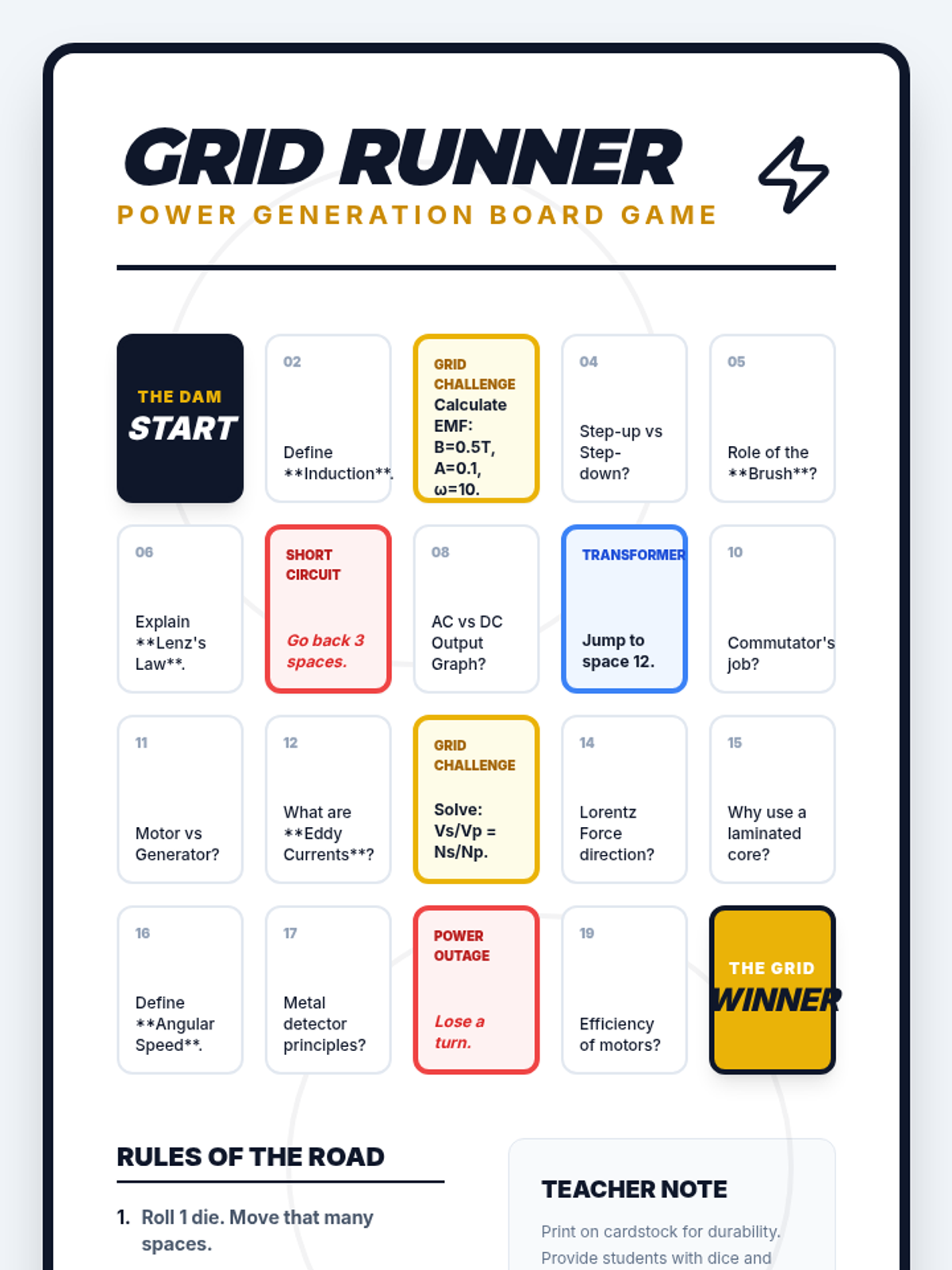
A collaborative synthesis of the unit's concepts. Students engage in a Socratic seminar regarding motor design and grid readiness, followed by a competitive game board review of all power generation principles.
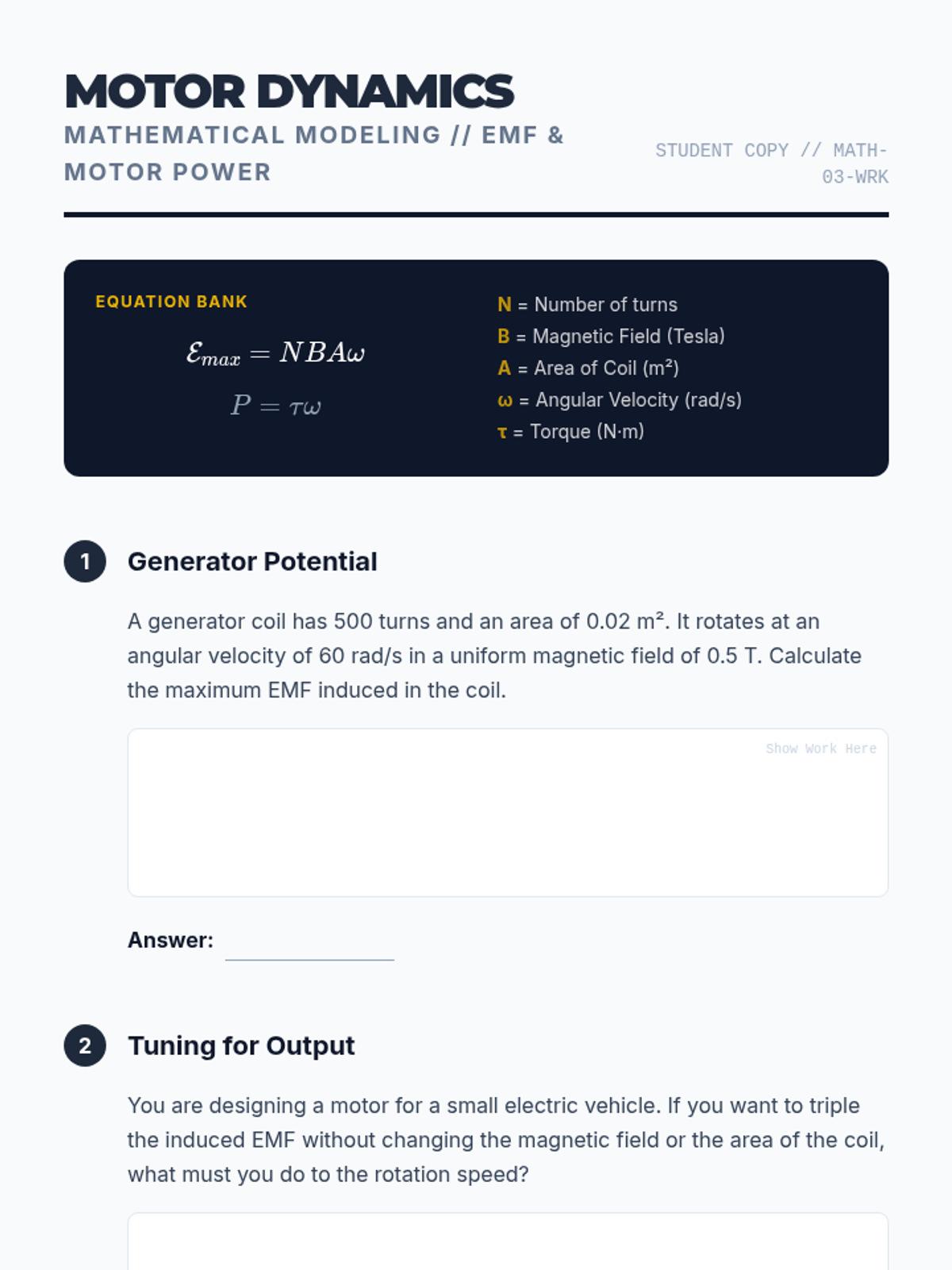
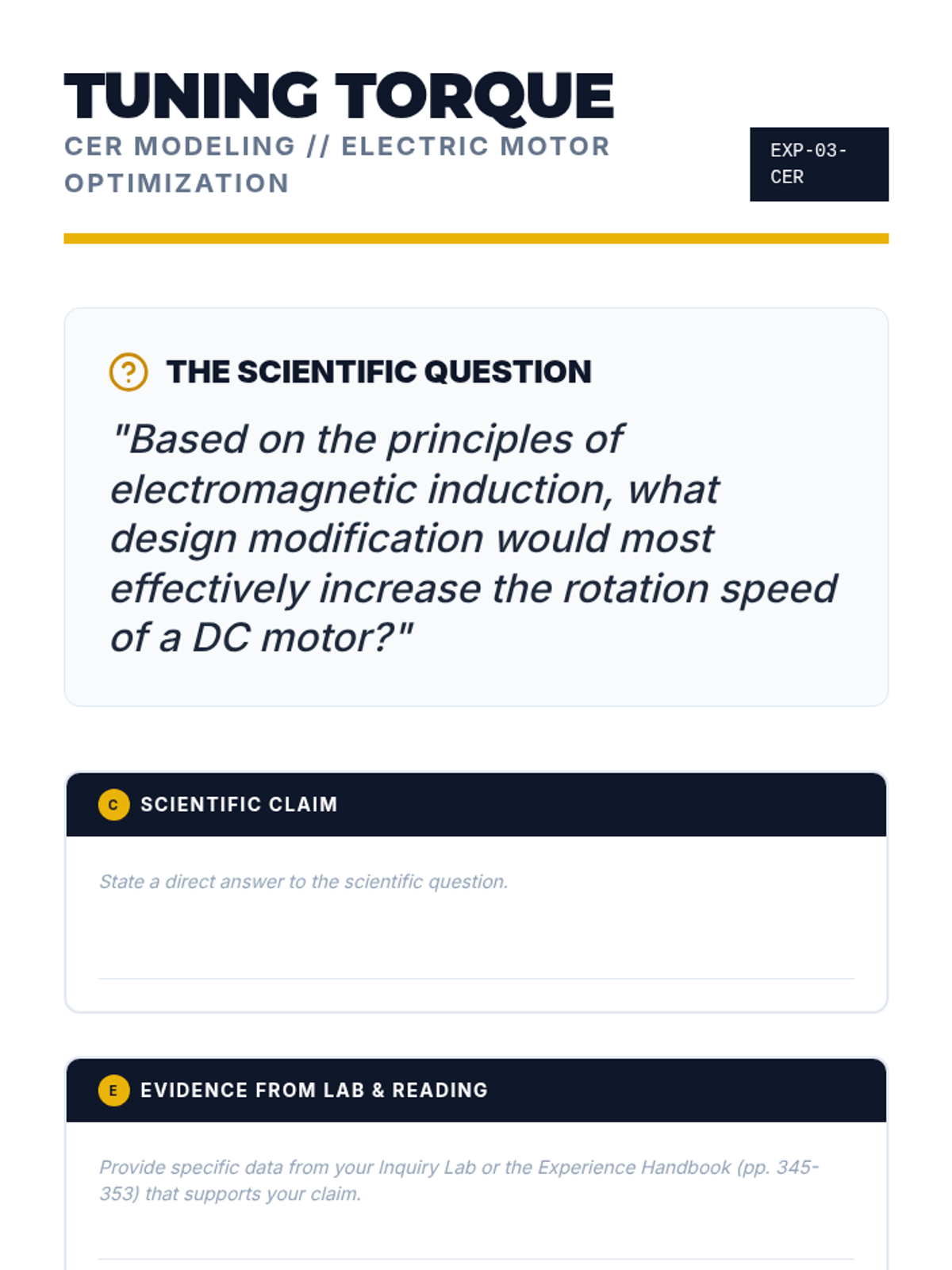
A quantitative exploration of electromagnetic force (EMF) and motor power. Students master the mathematical modeling of generators and motors before applying their knowledge to a CER argument on optimizing motor performance.
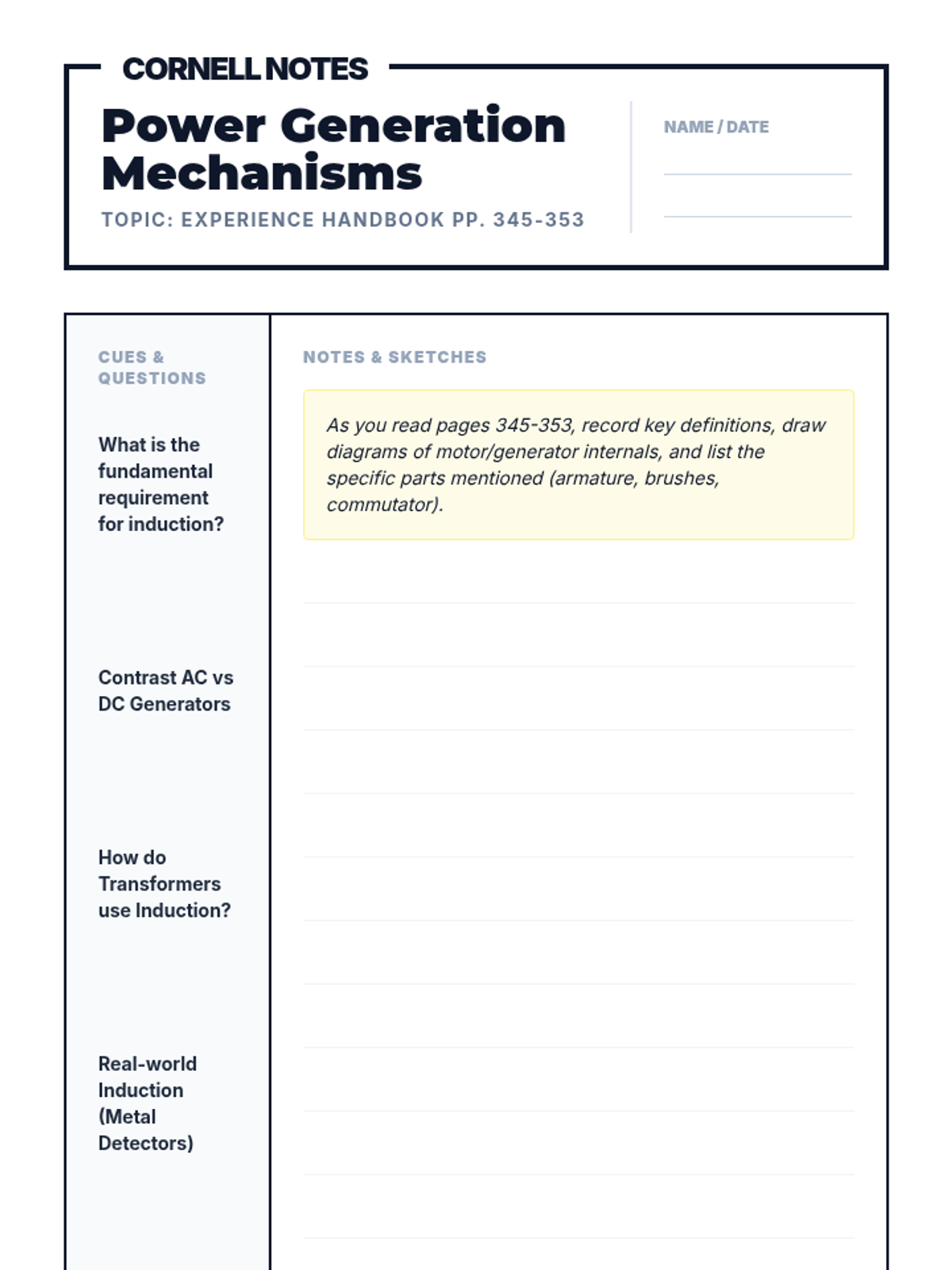
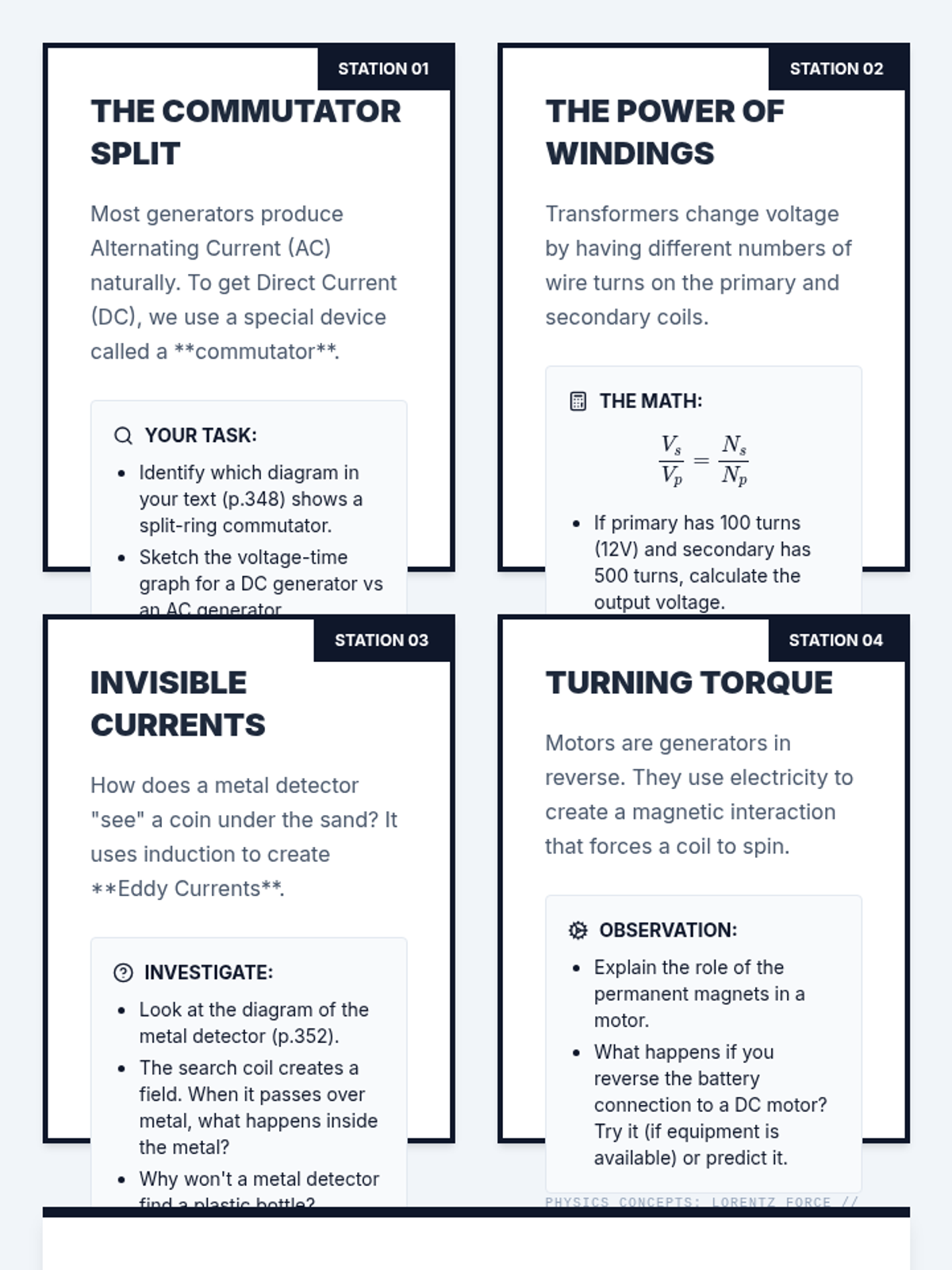
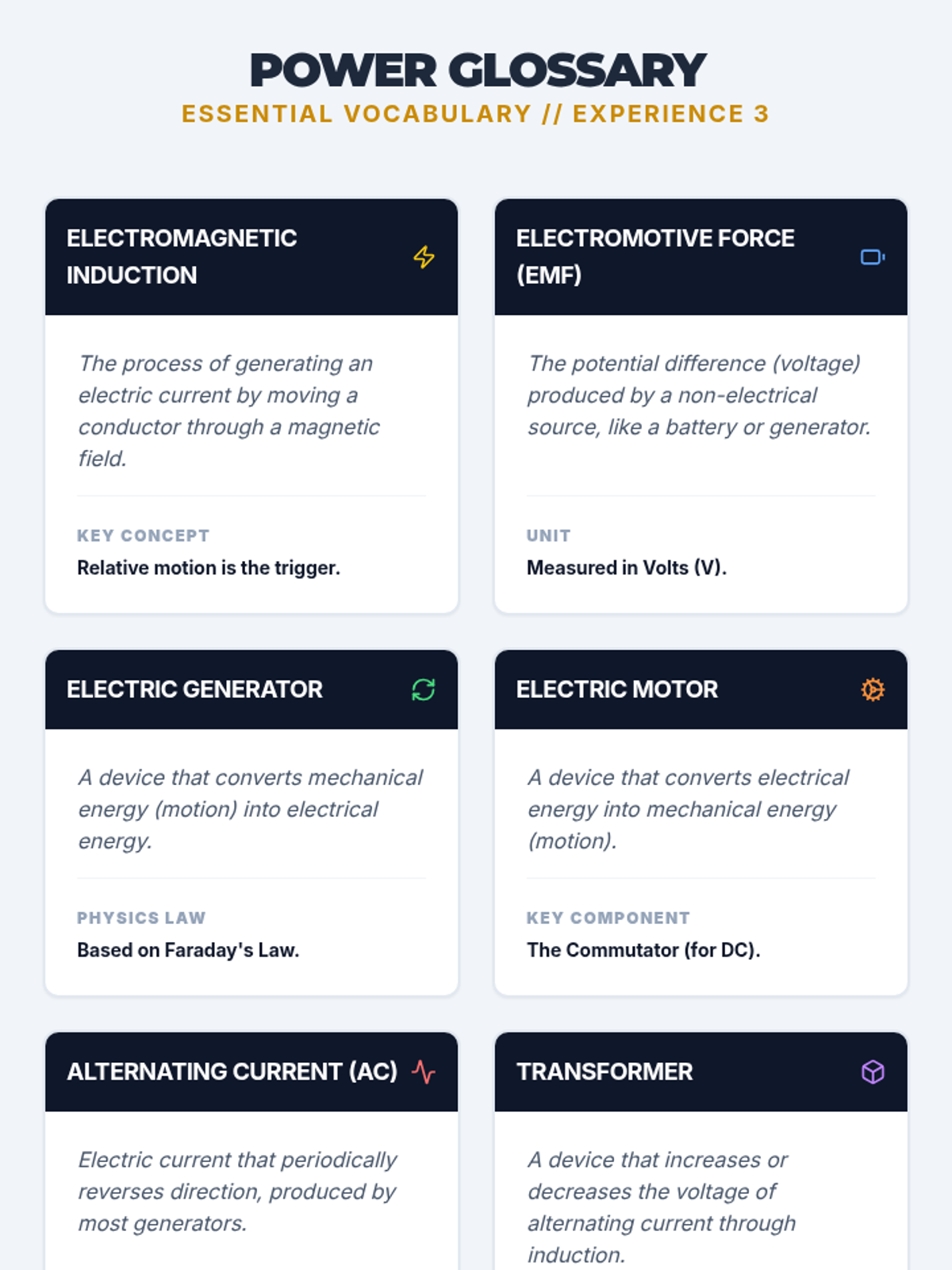
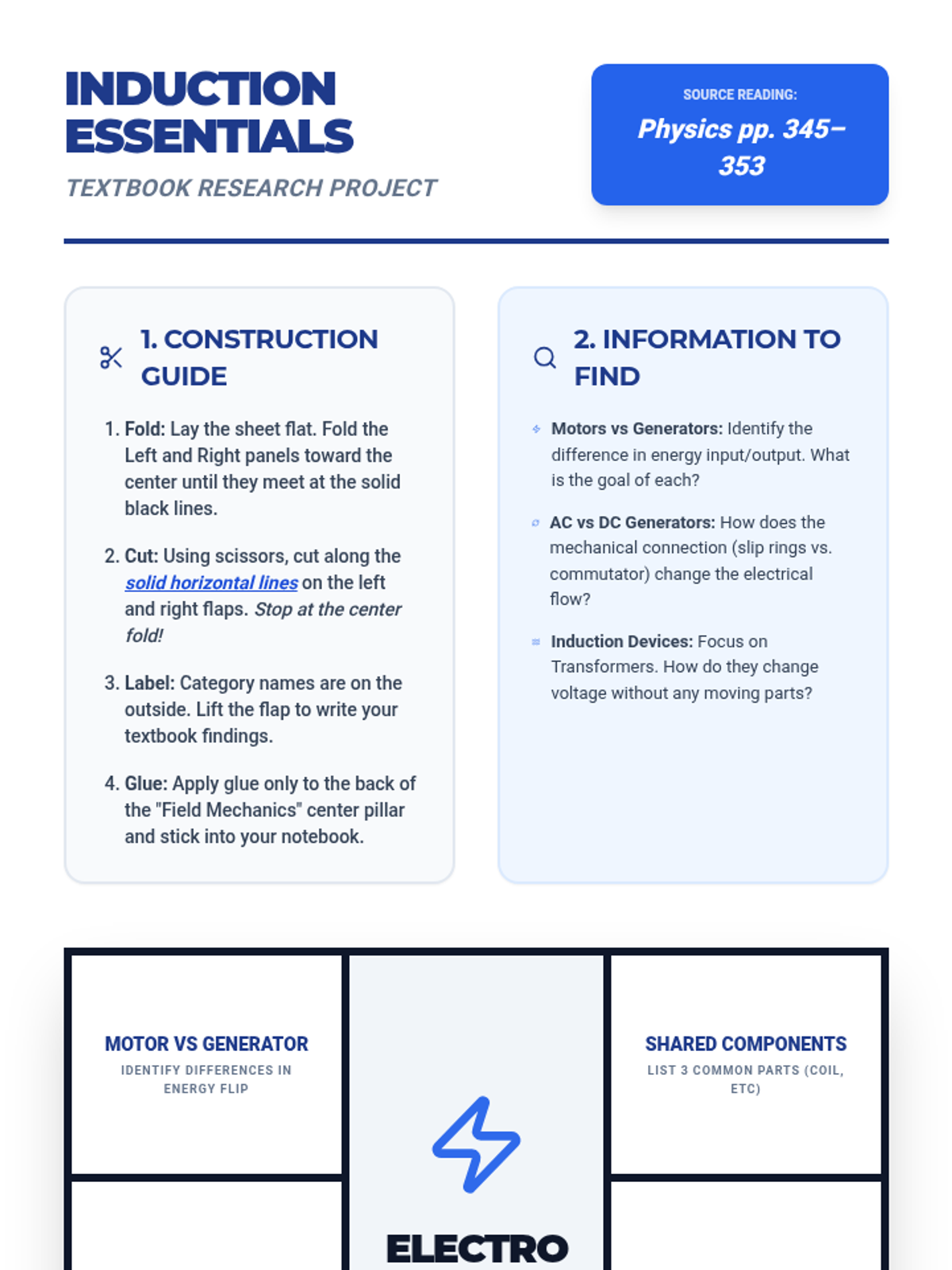
A deep dive into the mechanisms of induction and generators. Students use Cornell notes to process technical readings and rotate through stations exploring AC/DC generators, transformers, and induction devices.
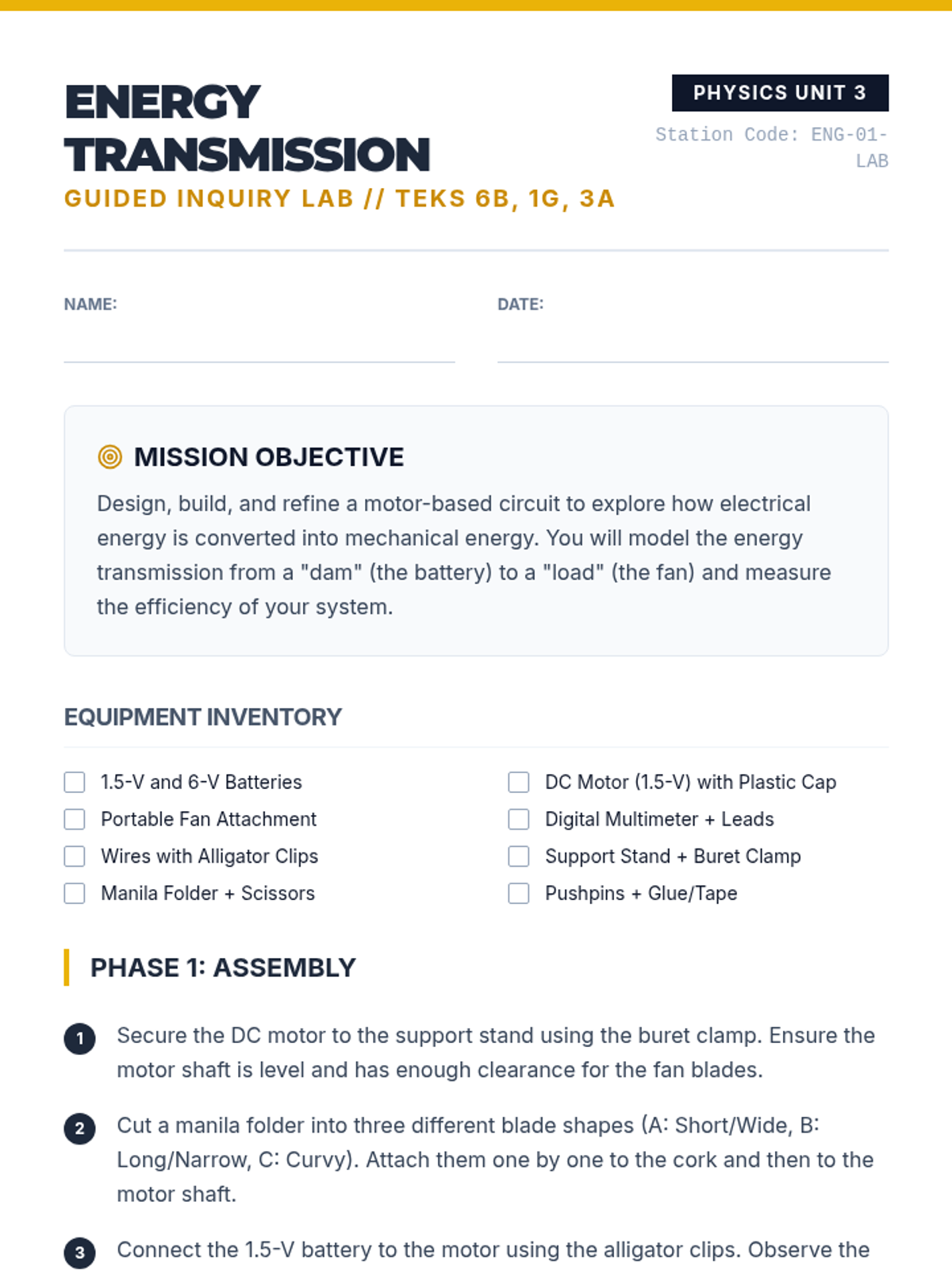
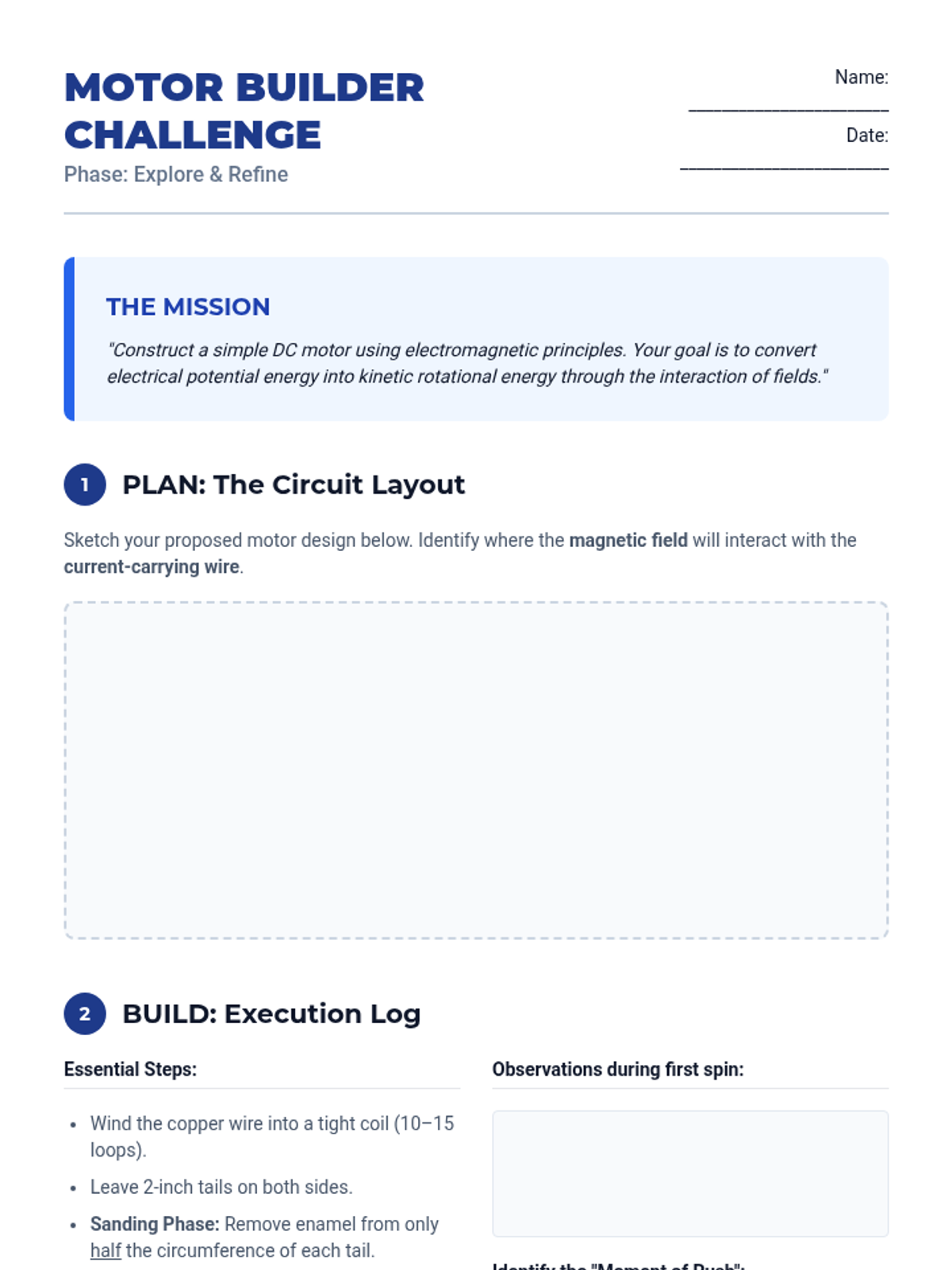
An introduction to power generation through the lens of hydroelectric dams. Students engage with the anchoring phenomenon and begin a guided inquiry lab building a DC motor to explore energy transmission.
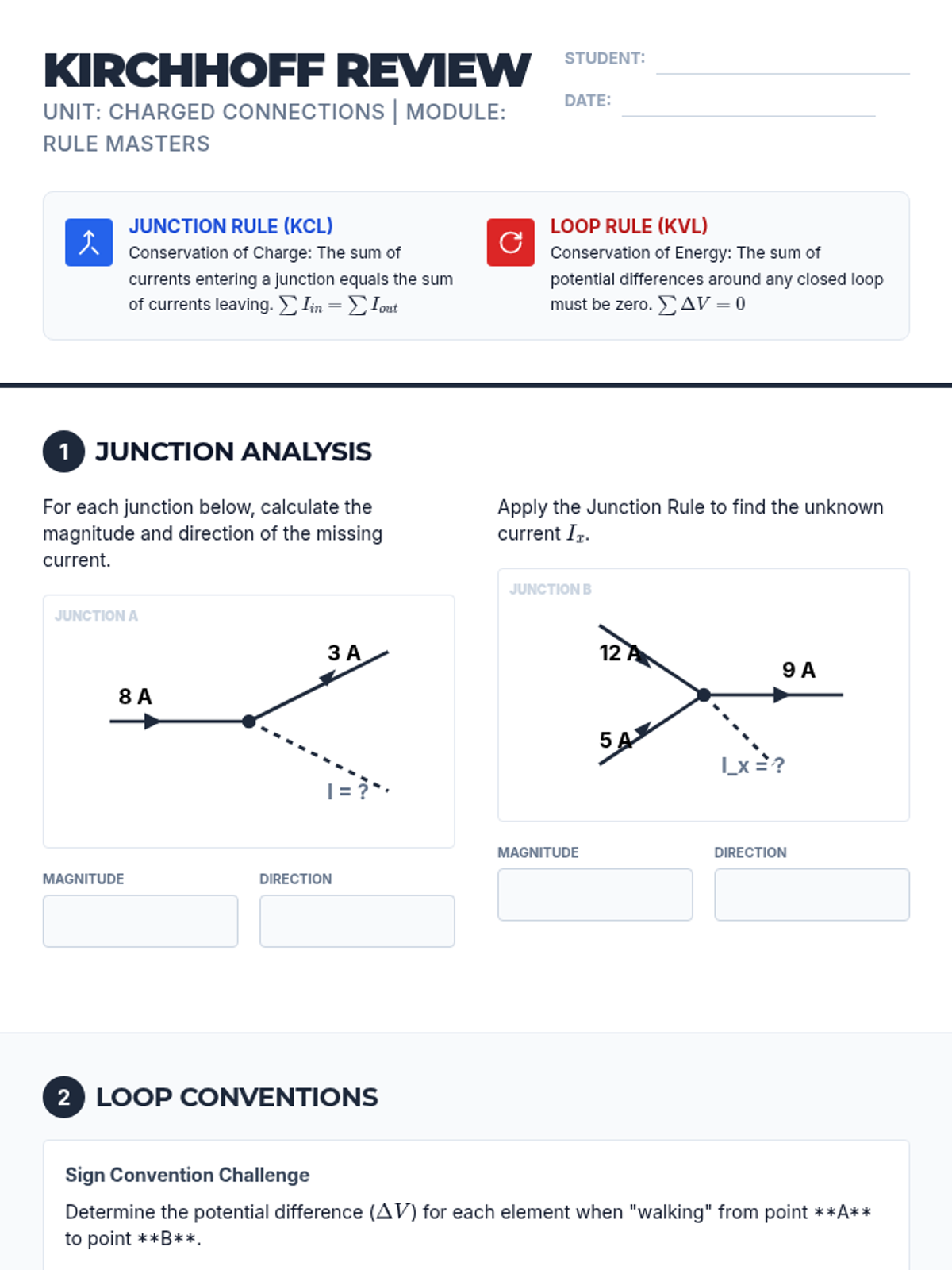
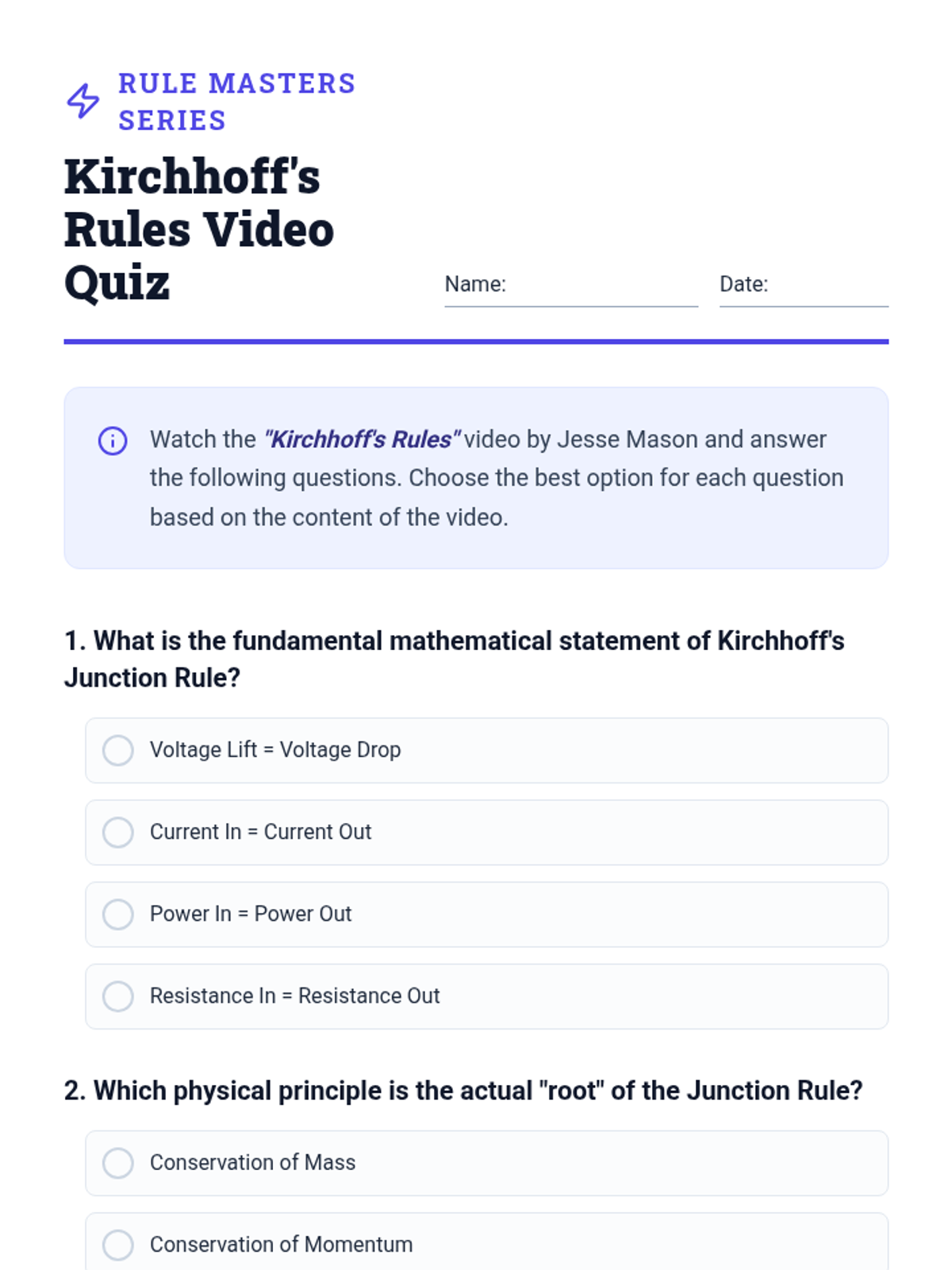
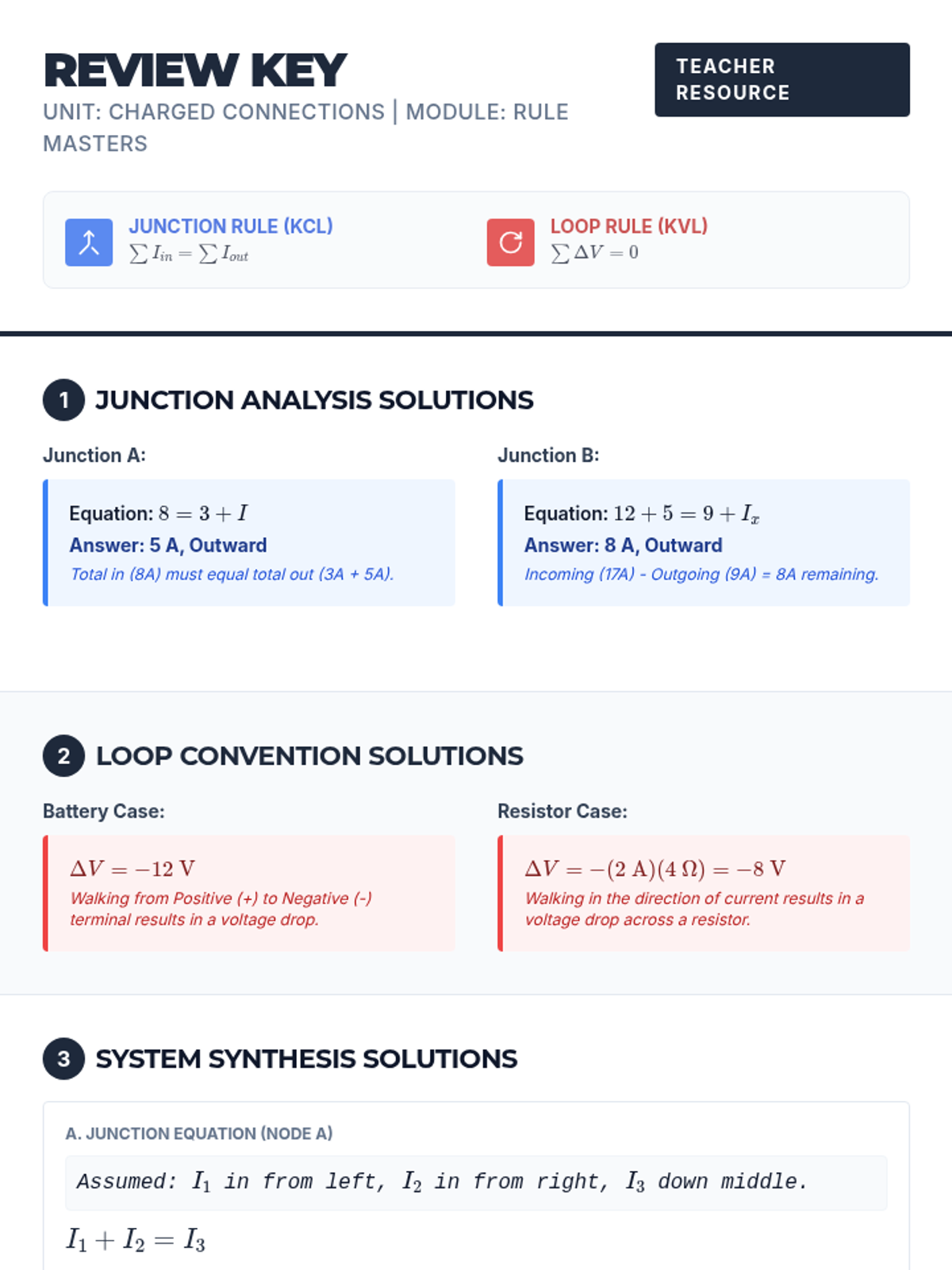
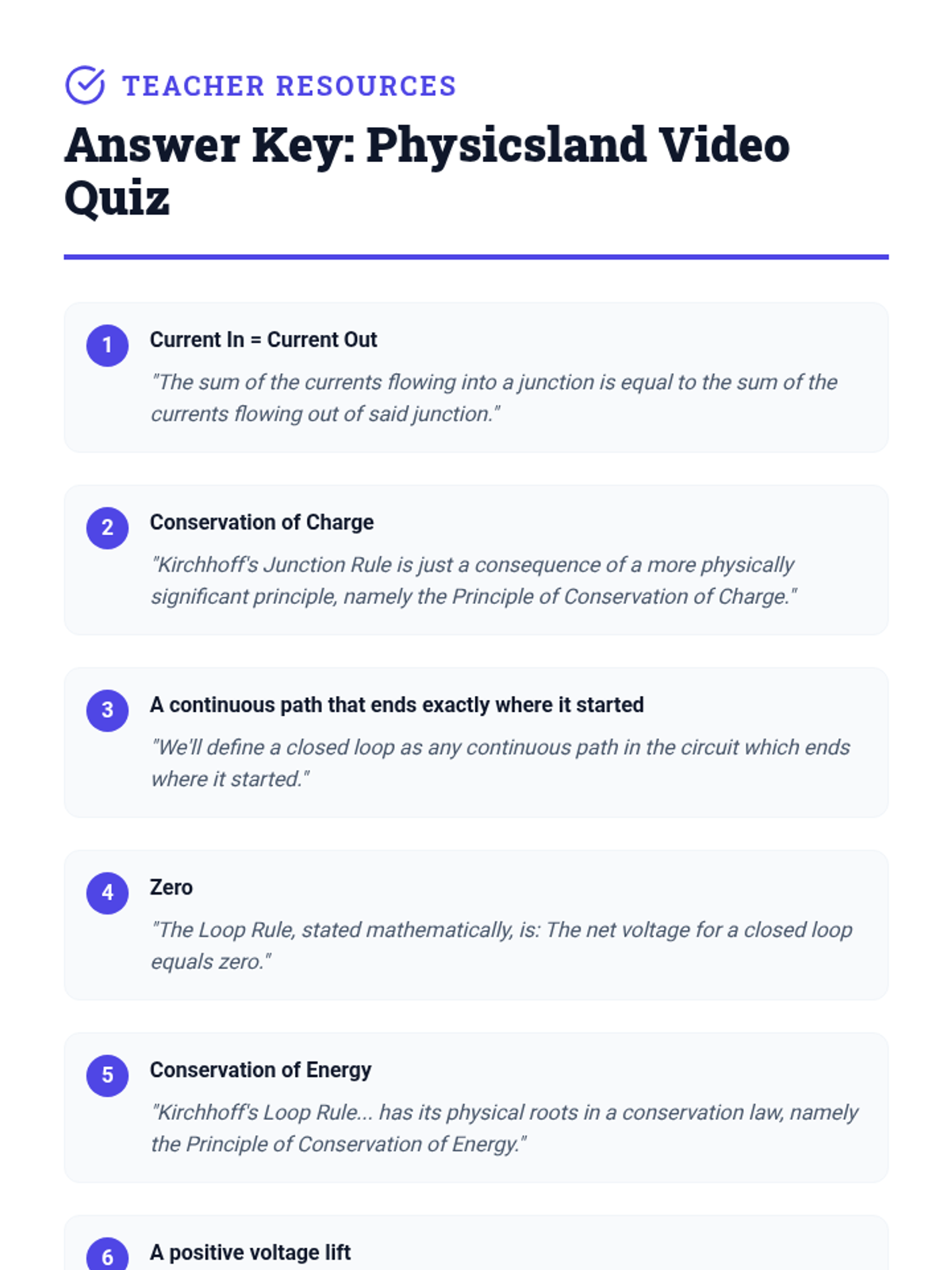
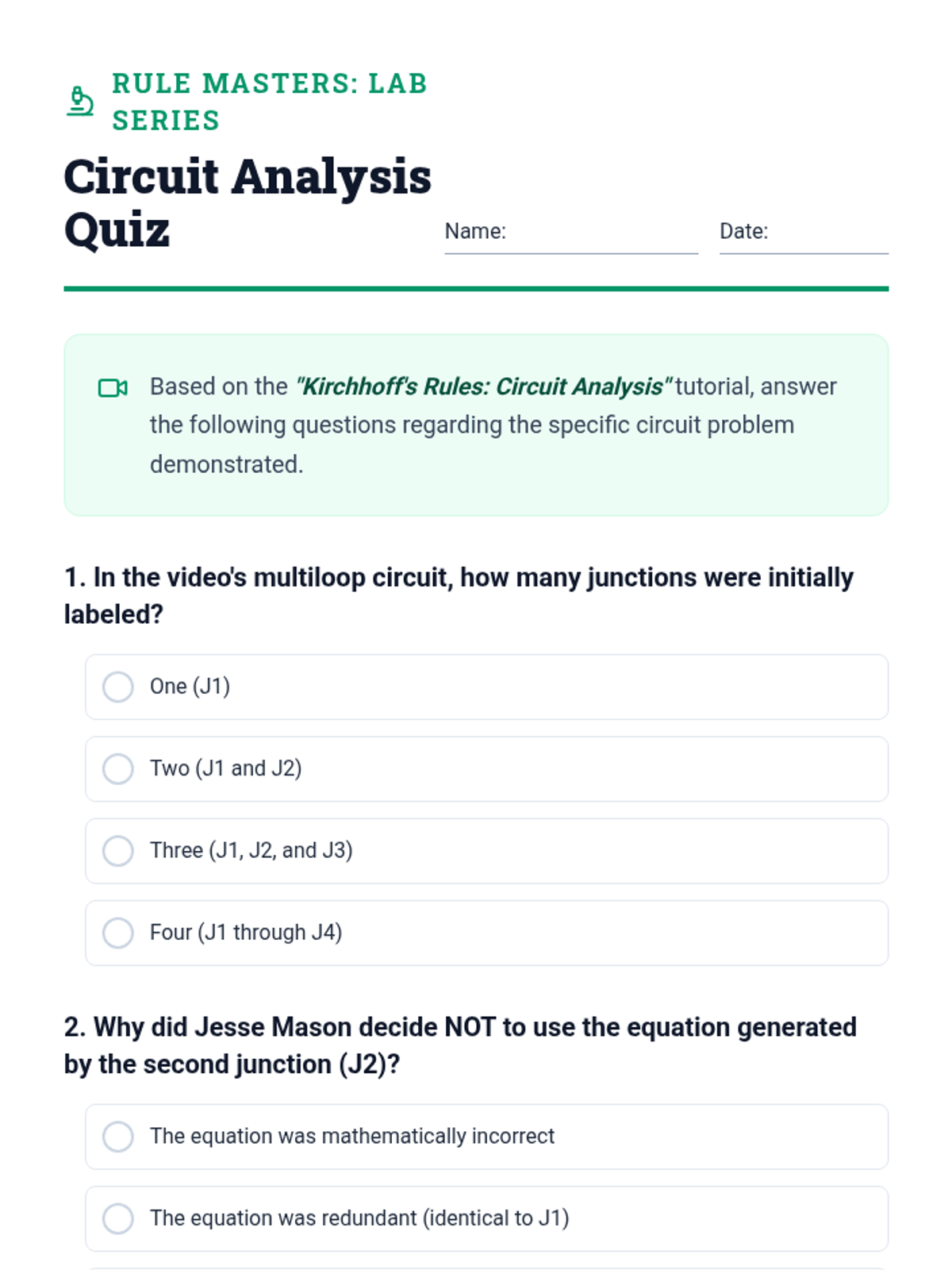
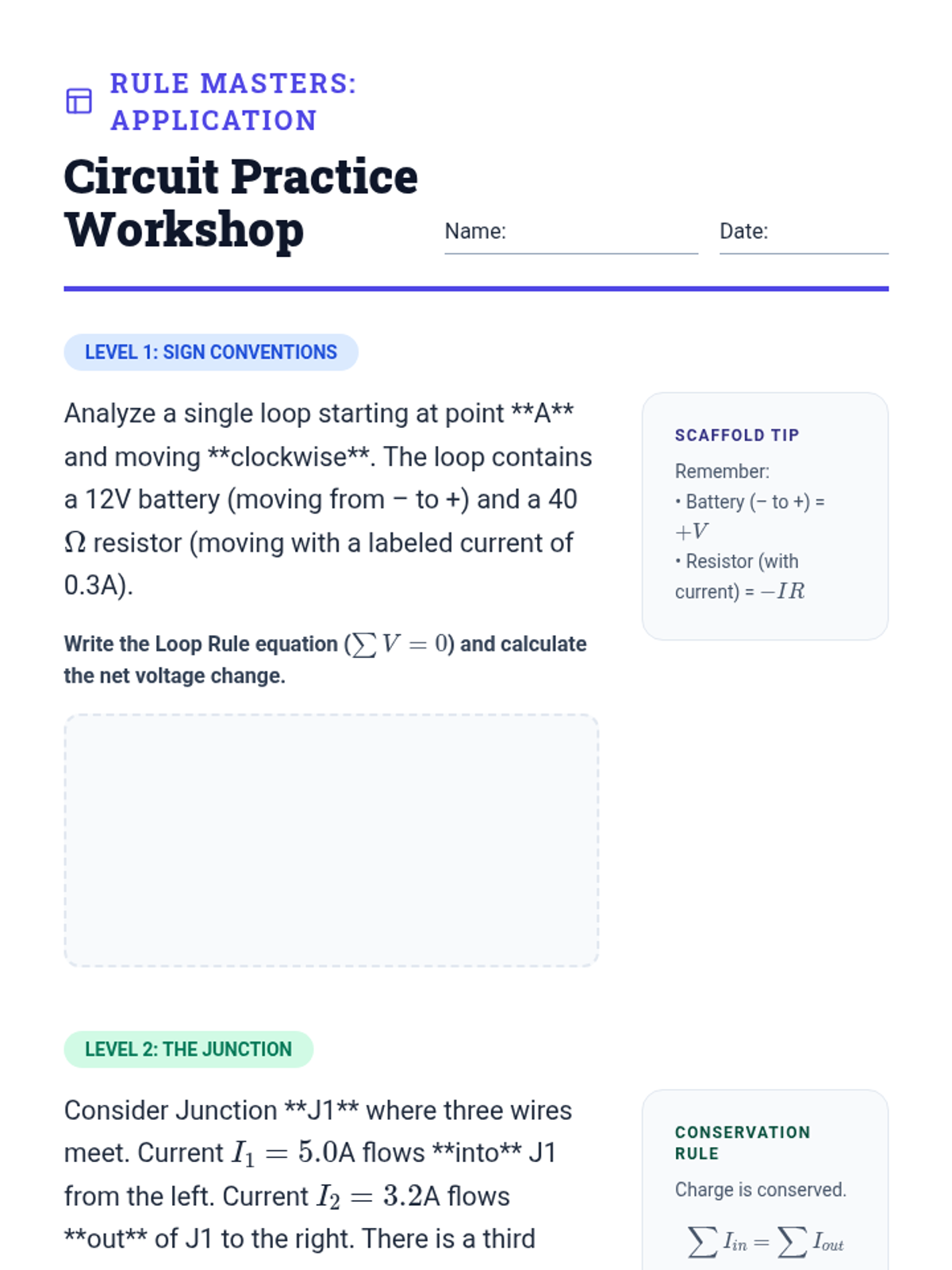
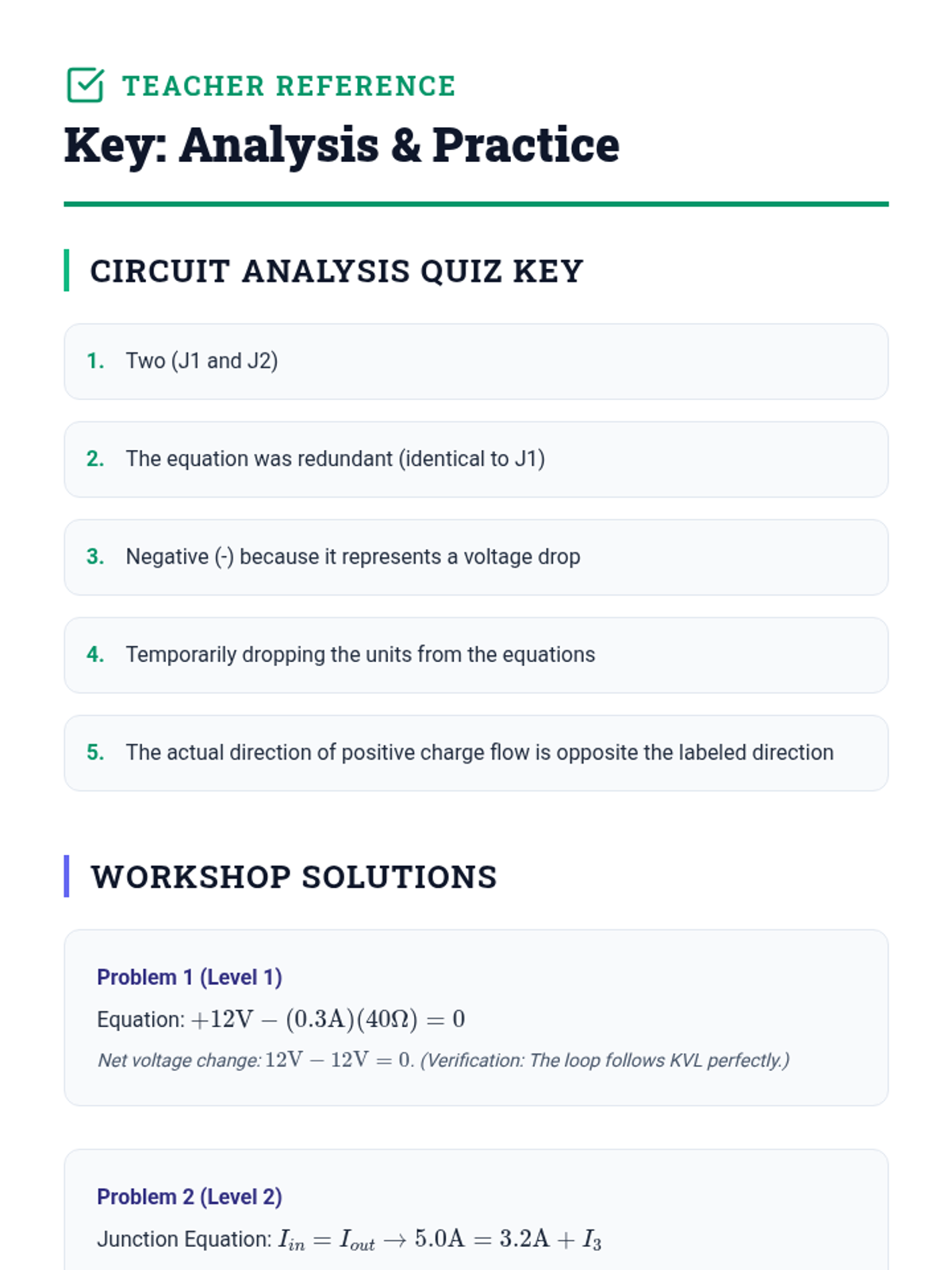
A fundamental exploration of Kirchhoff's Circuit Laws through the lens of conservation principles. Students master the Junction and Loop Rules using clear conventions and visual mapping techniques based on the "Teach Me" physics series.
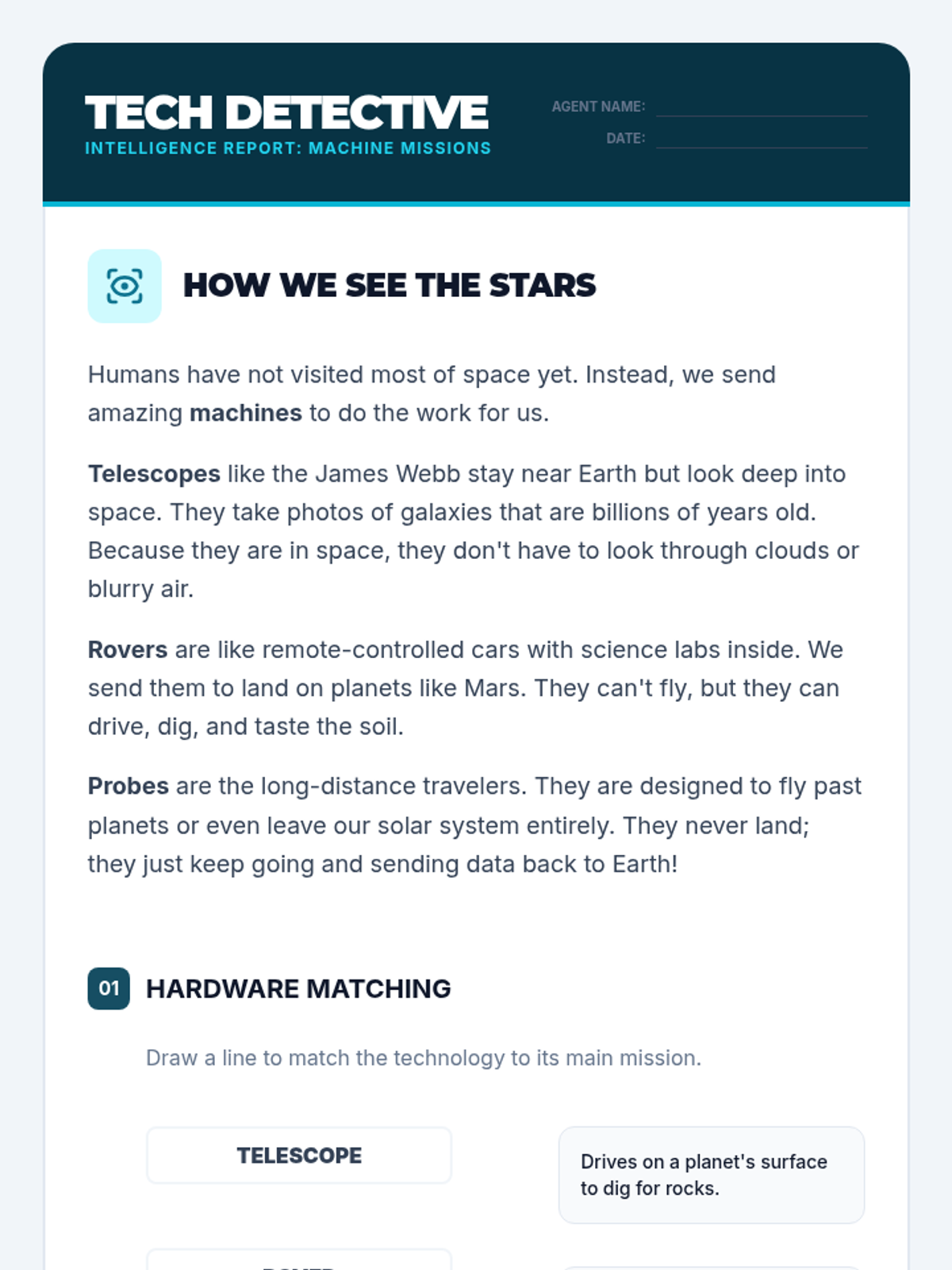
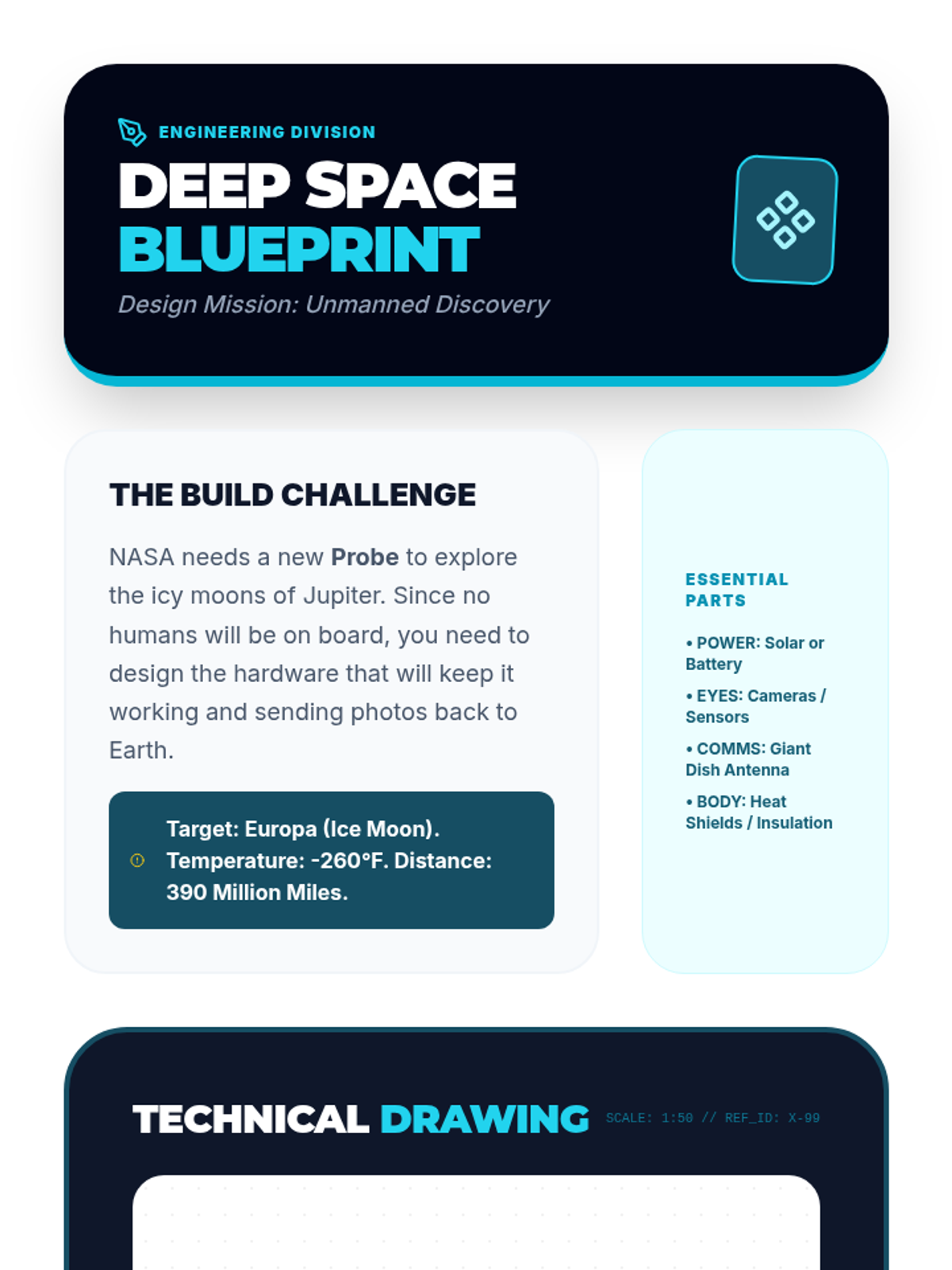
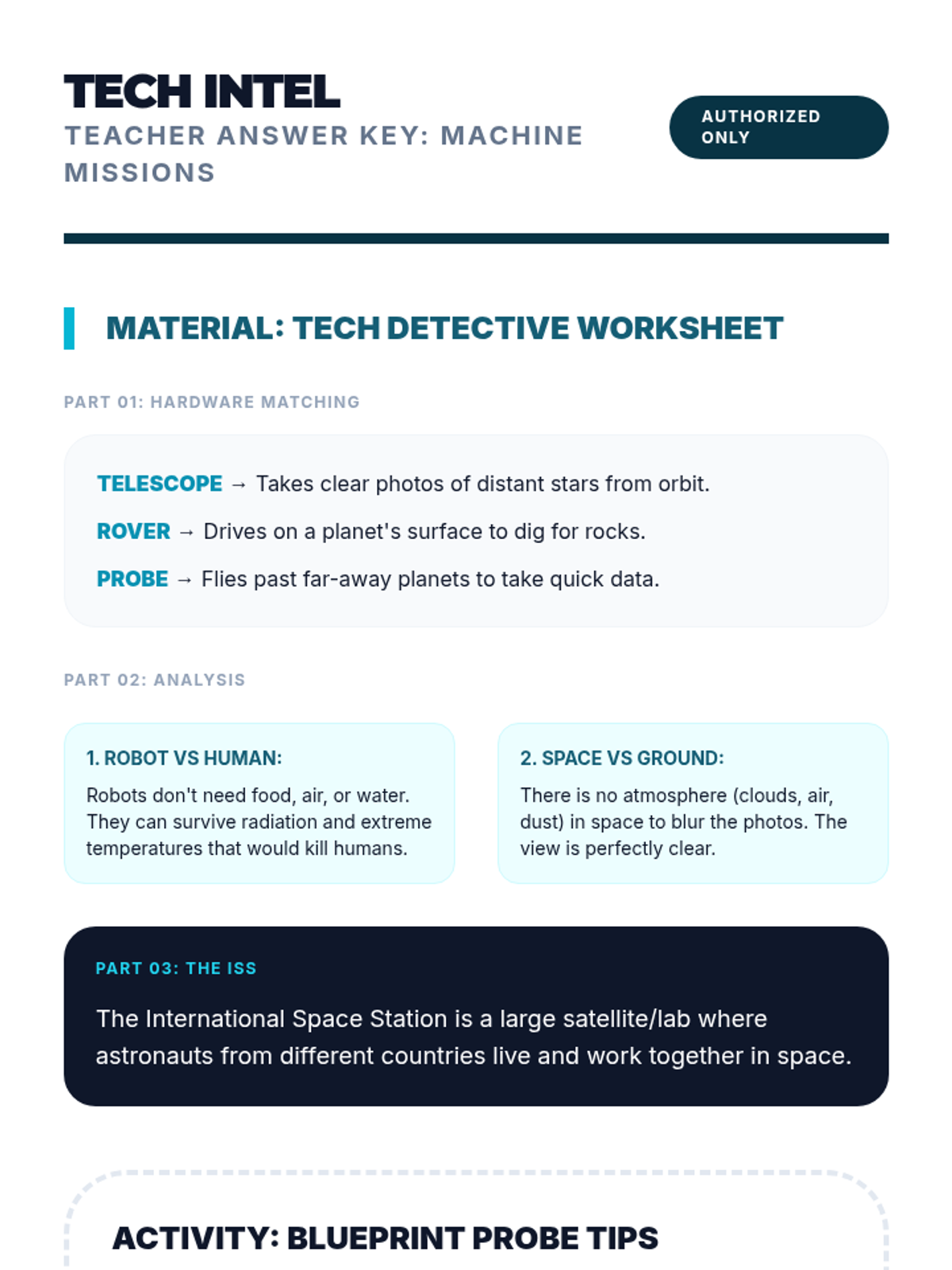
A lesson exploring how we use technology like rovers, probes, satellites, and telescopes to study space. Highlights famous missions like Mars Rovers and the James Webb Space Telescope.
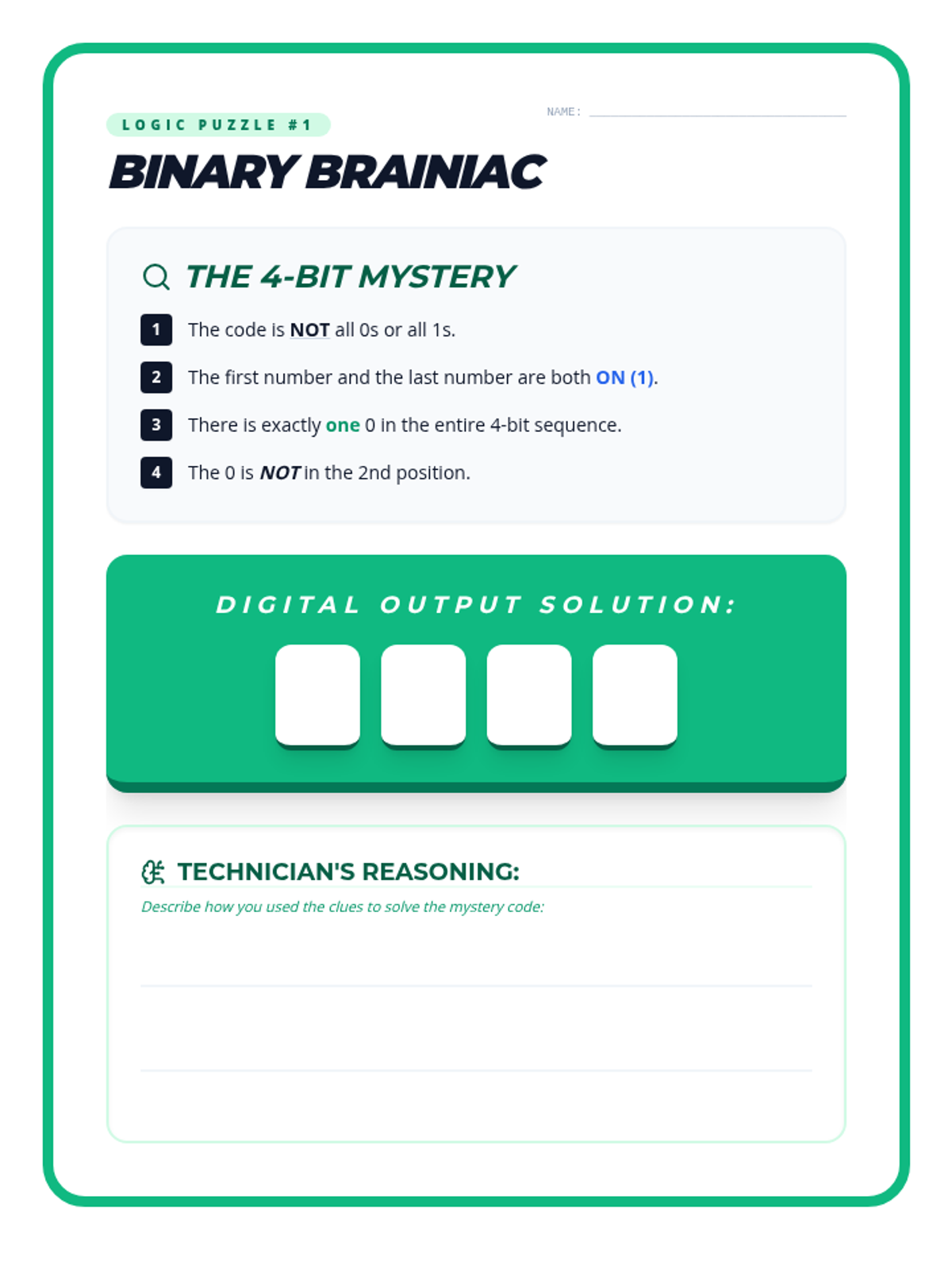
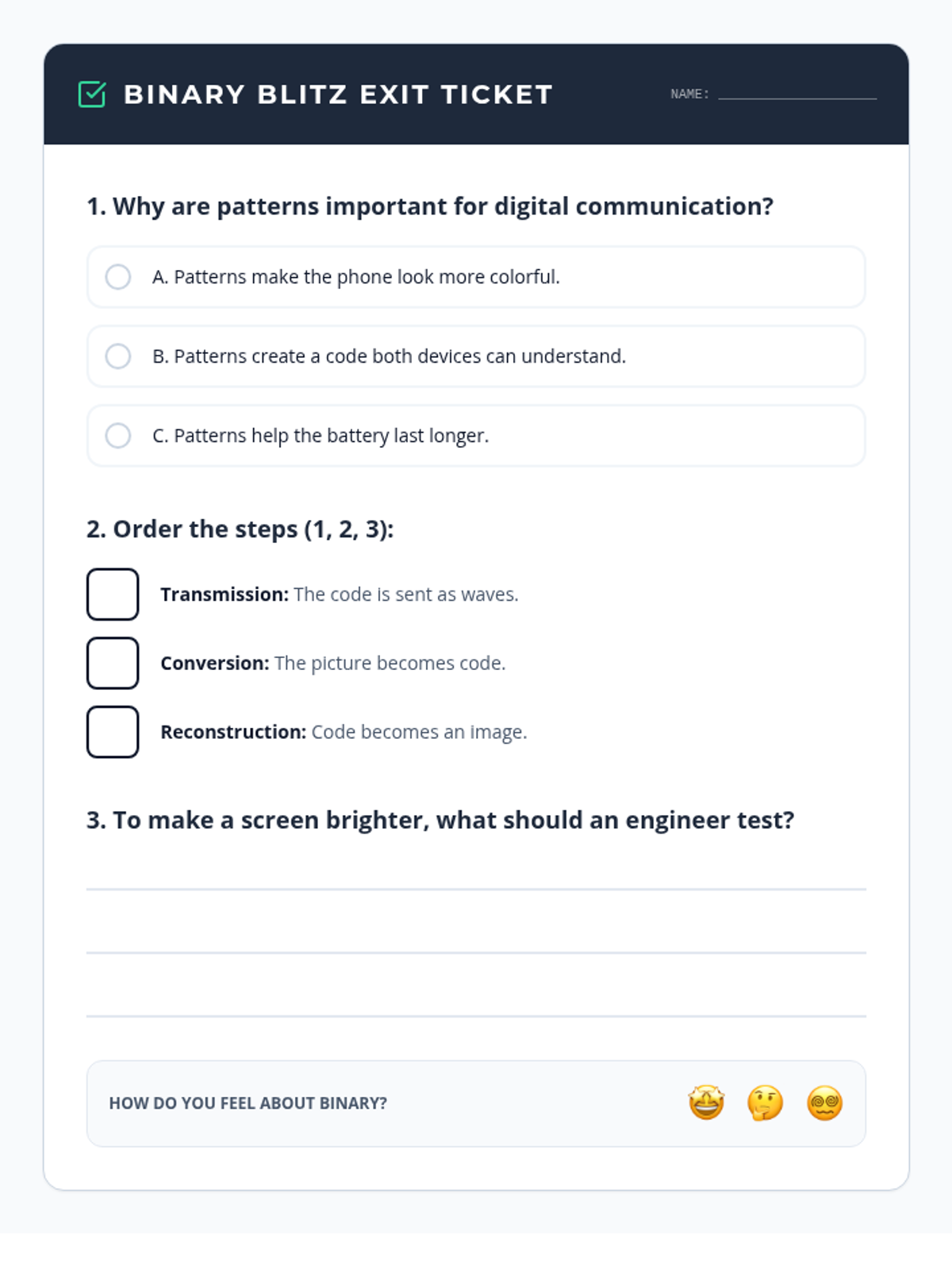
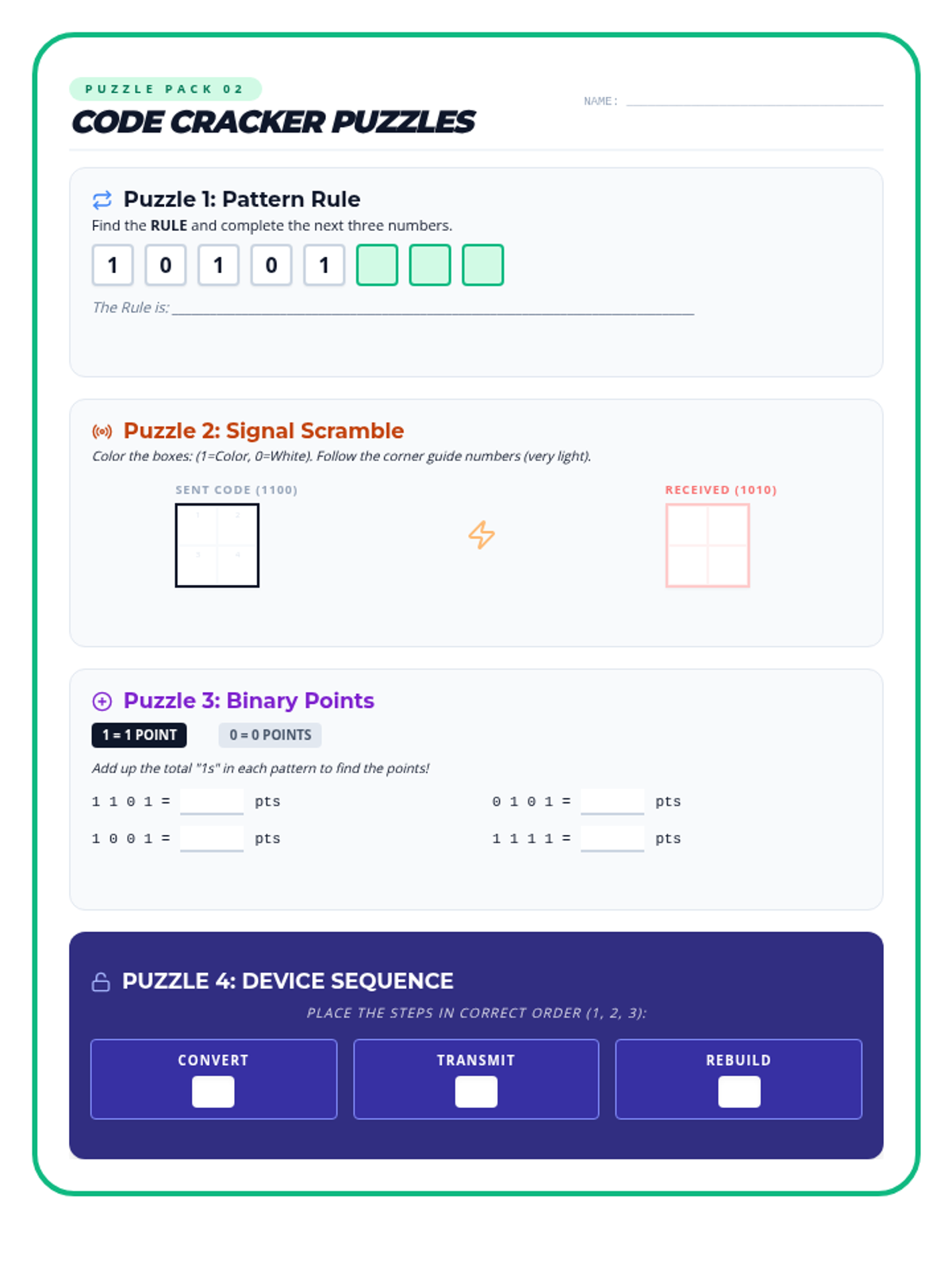
Synthesize learning with logic puzzles and a final assessment of binary concepts and communication patterns.
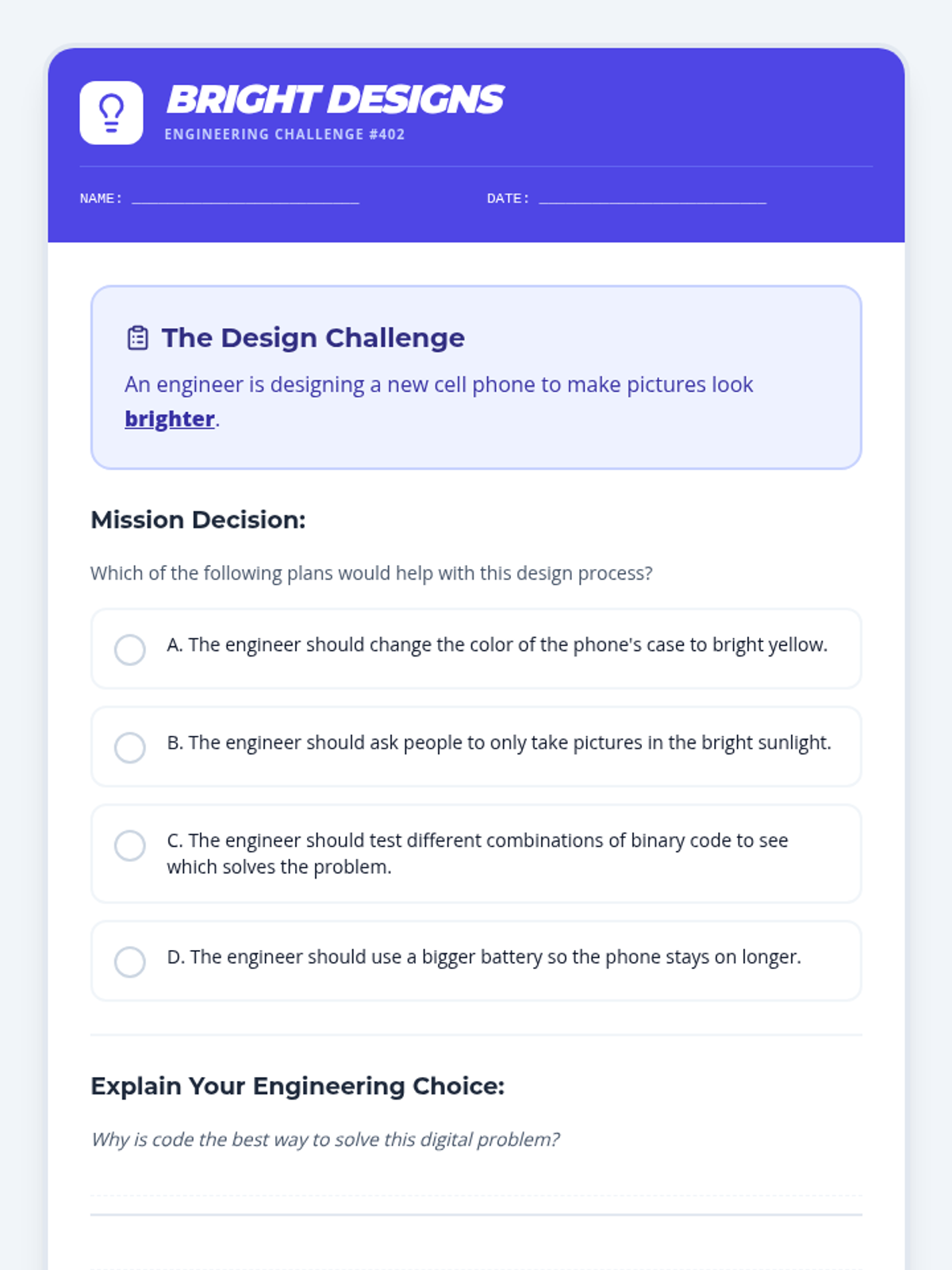
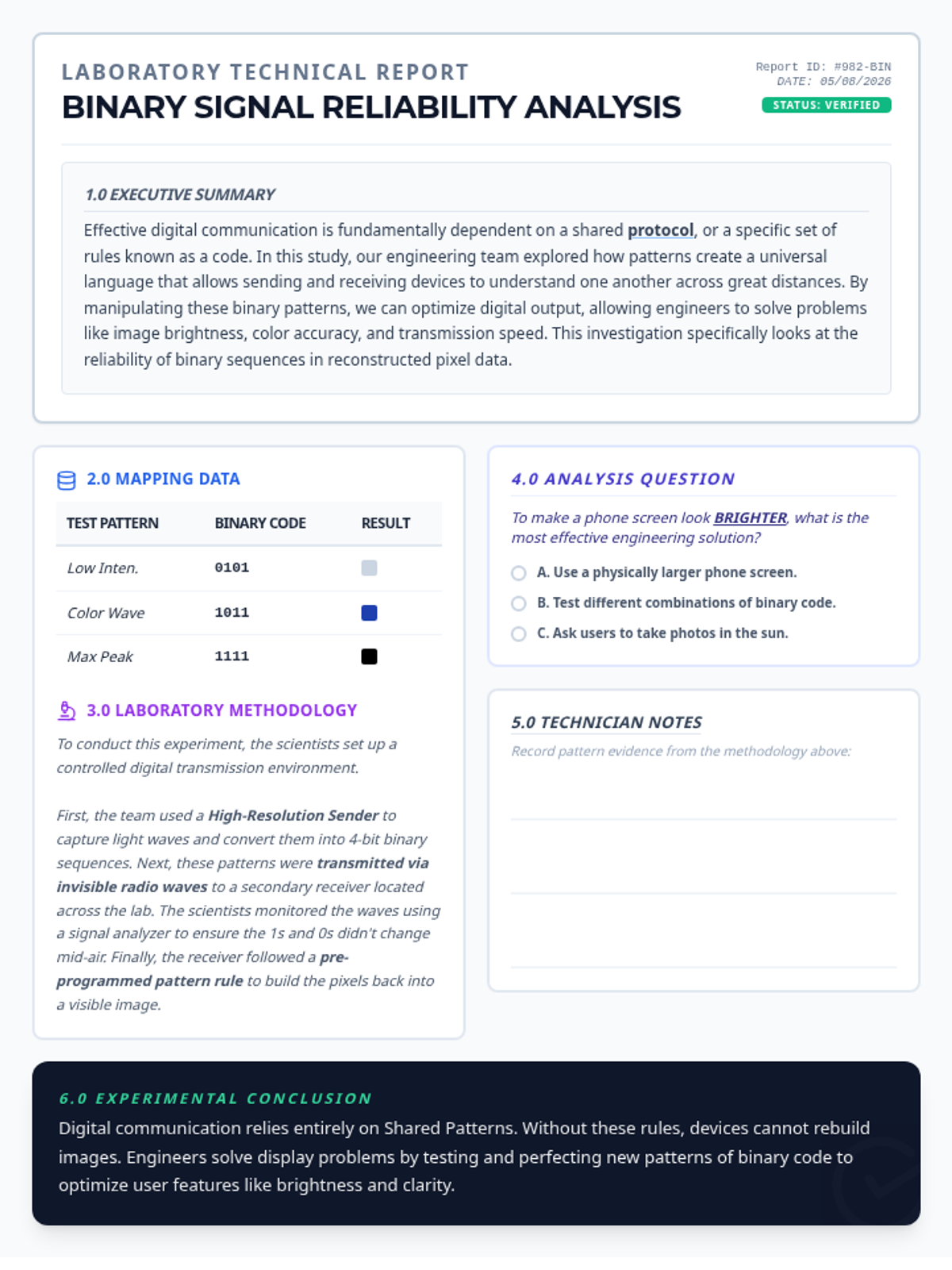
Apply binary knowledge to engineering challenges, specifically focusing on how code can be used to improve digital images.
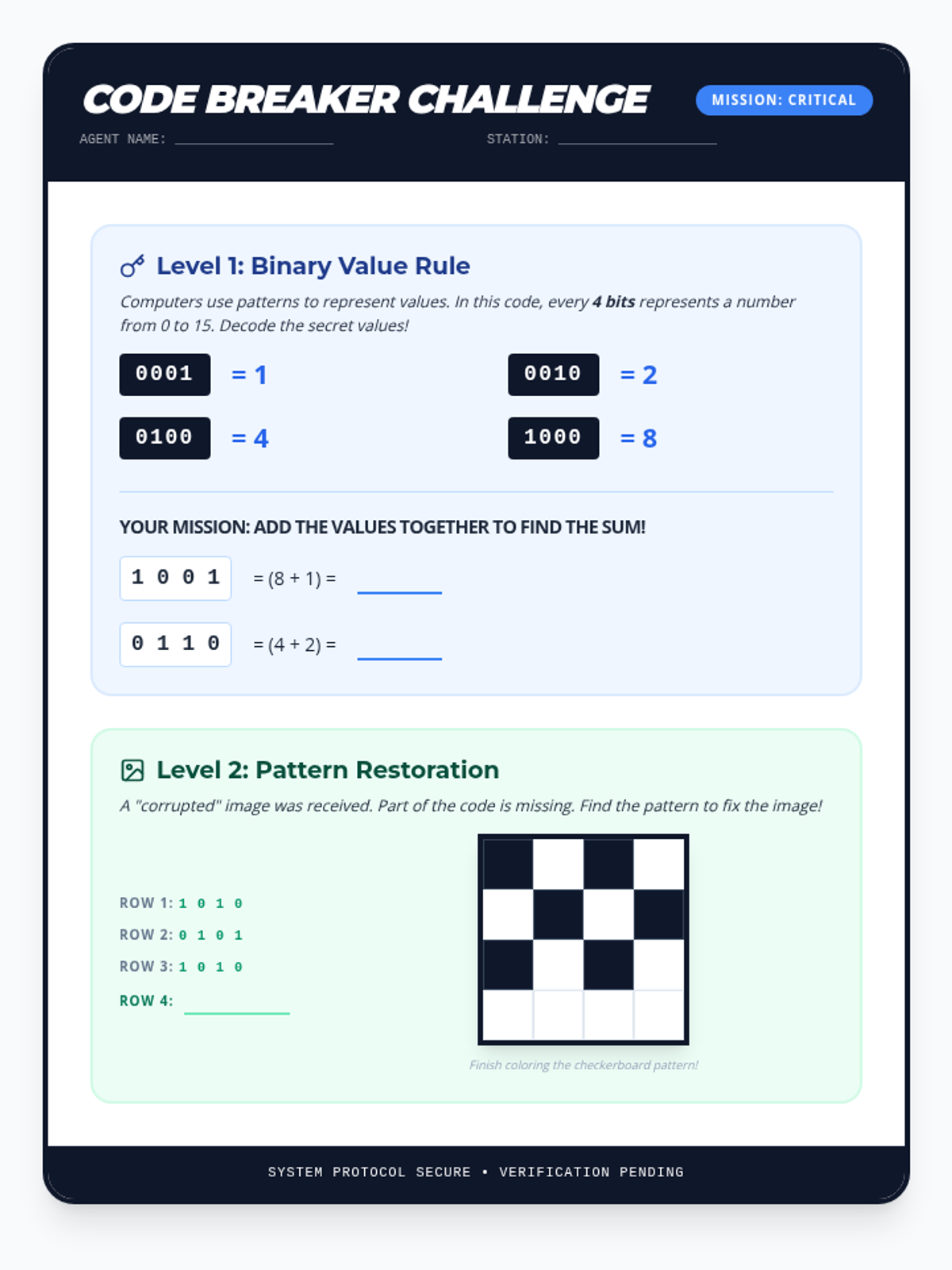
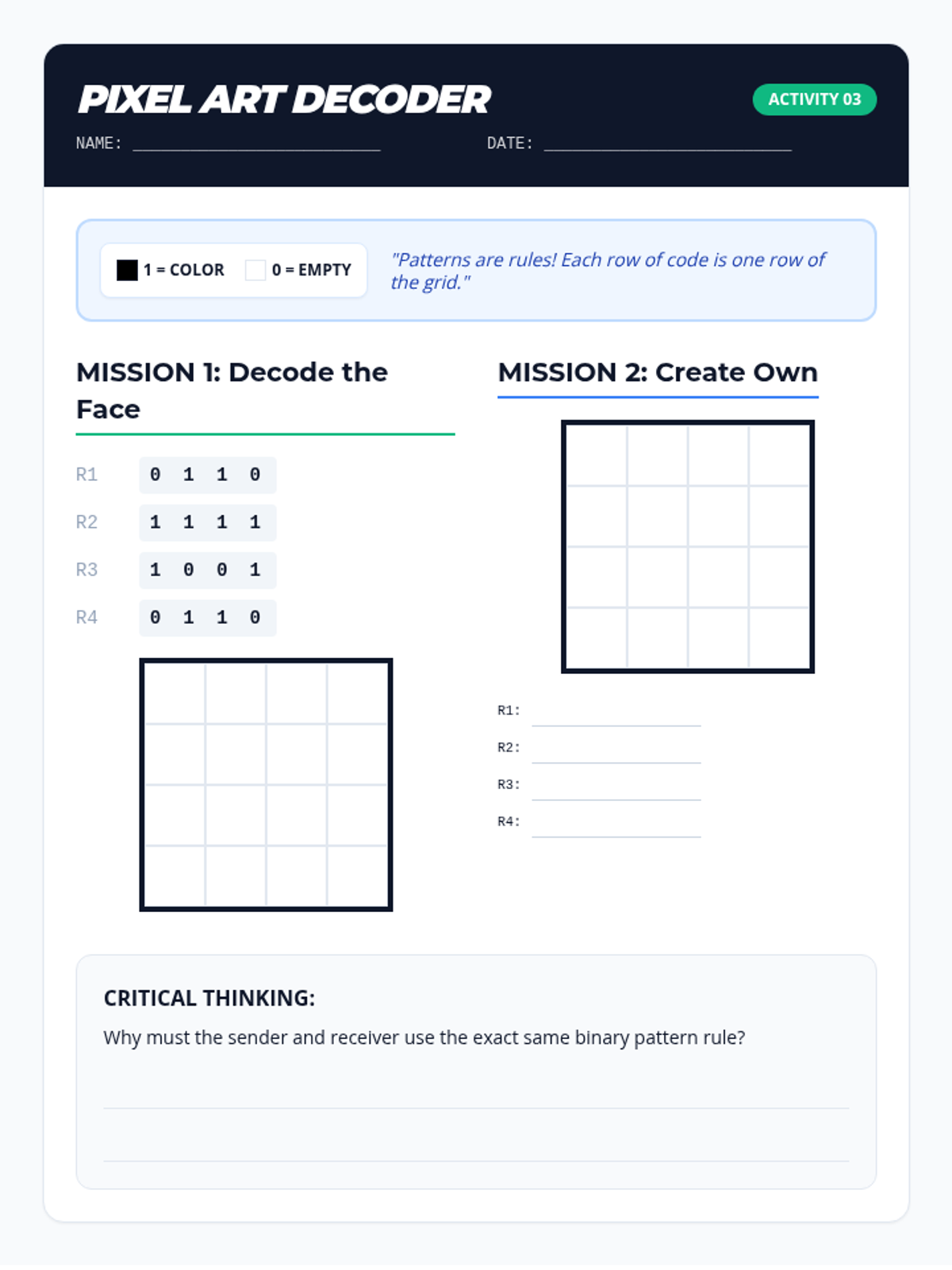
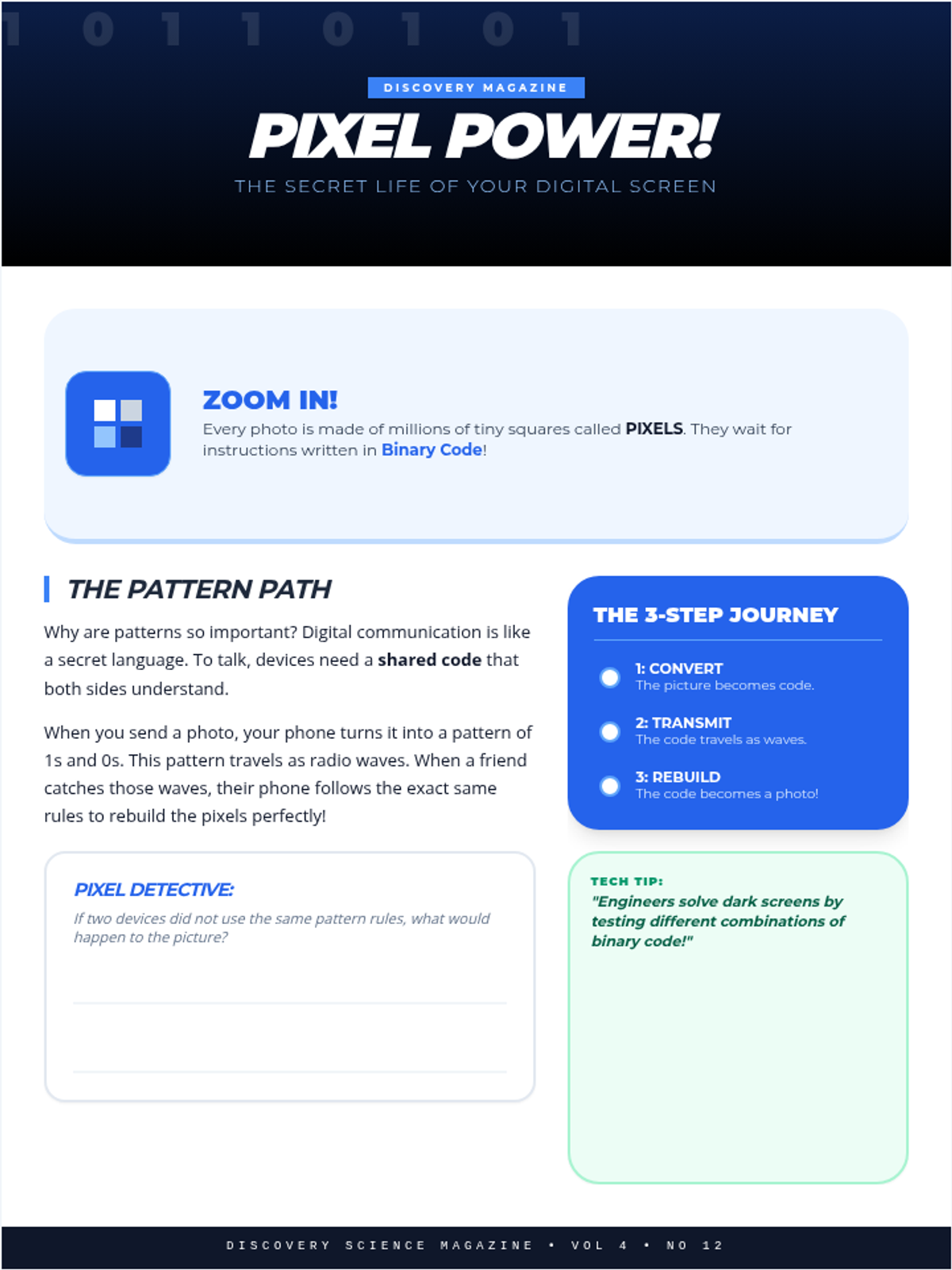
Discover how images are converted into binary code, transmitted, and reconstructed by receiving devices through hands-on pixel art.
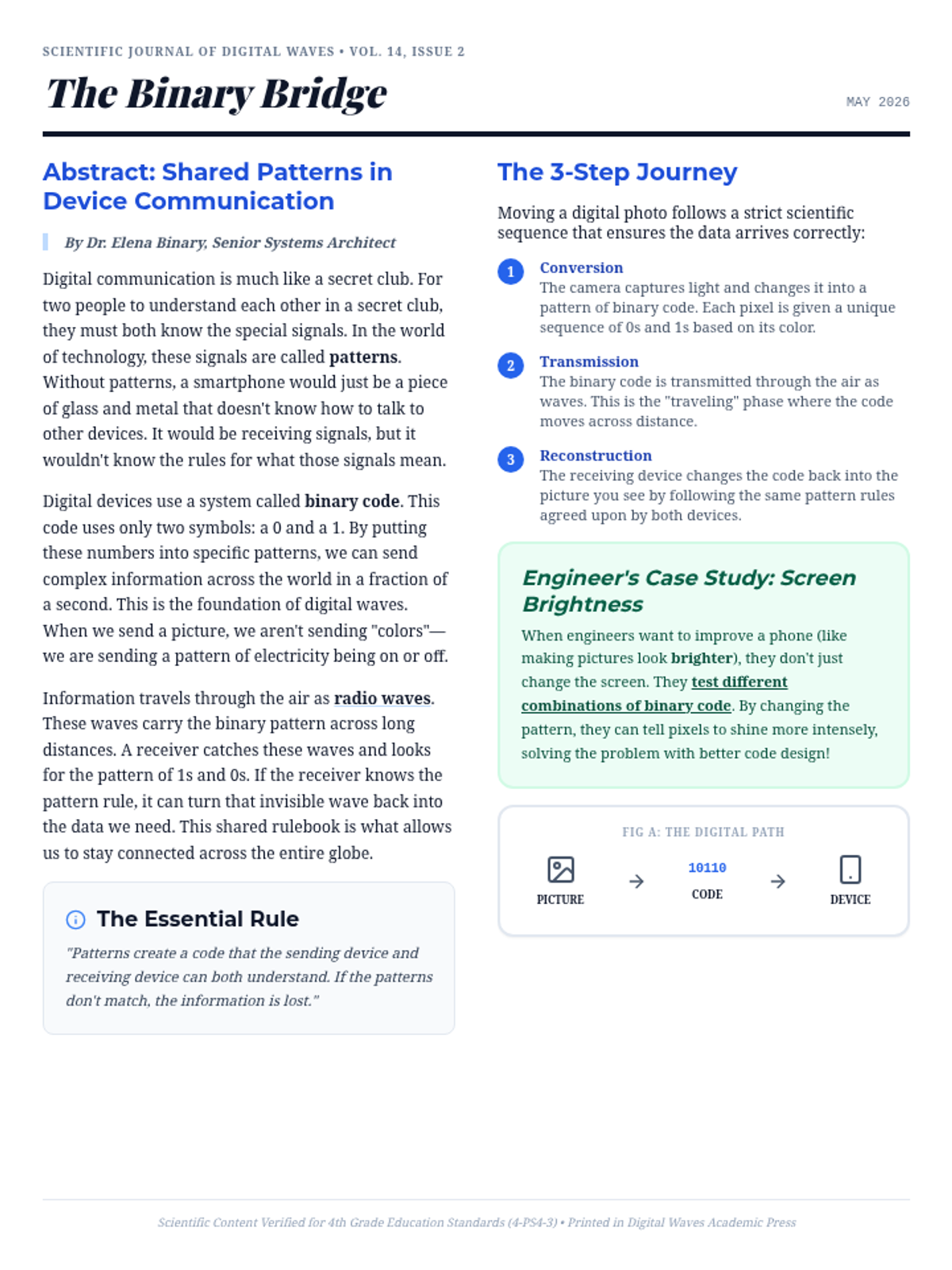
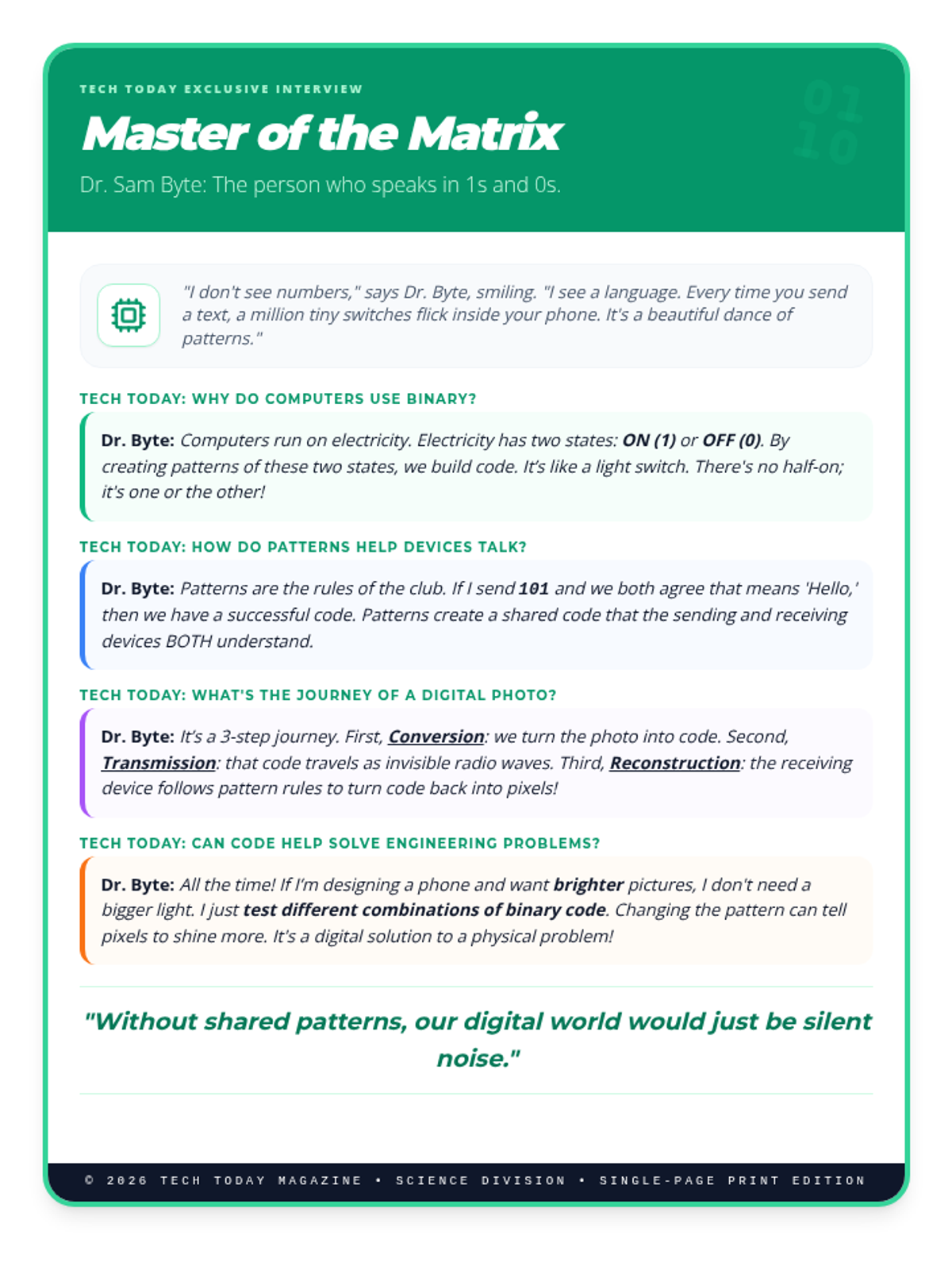
Explore binary code through various scientific reading formats, focusing on how devices use patterns to talk to each other.
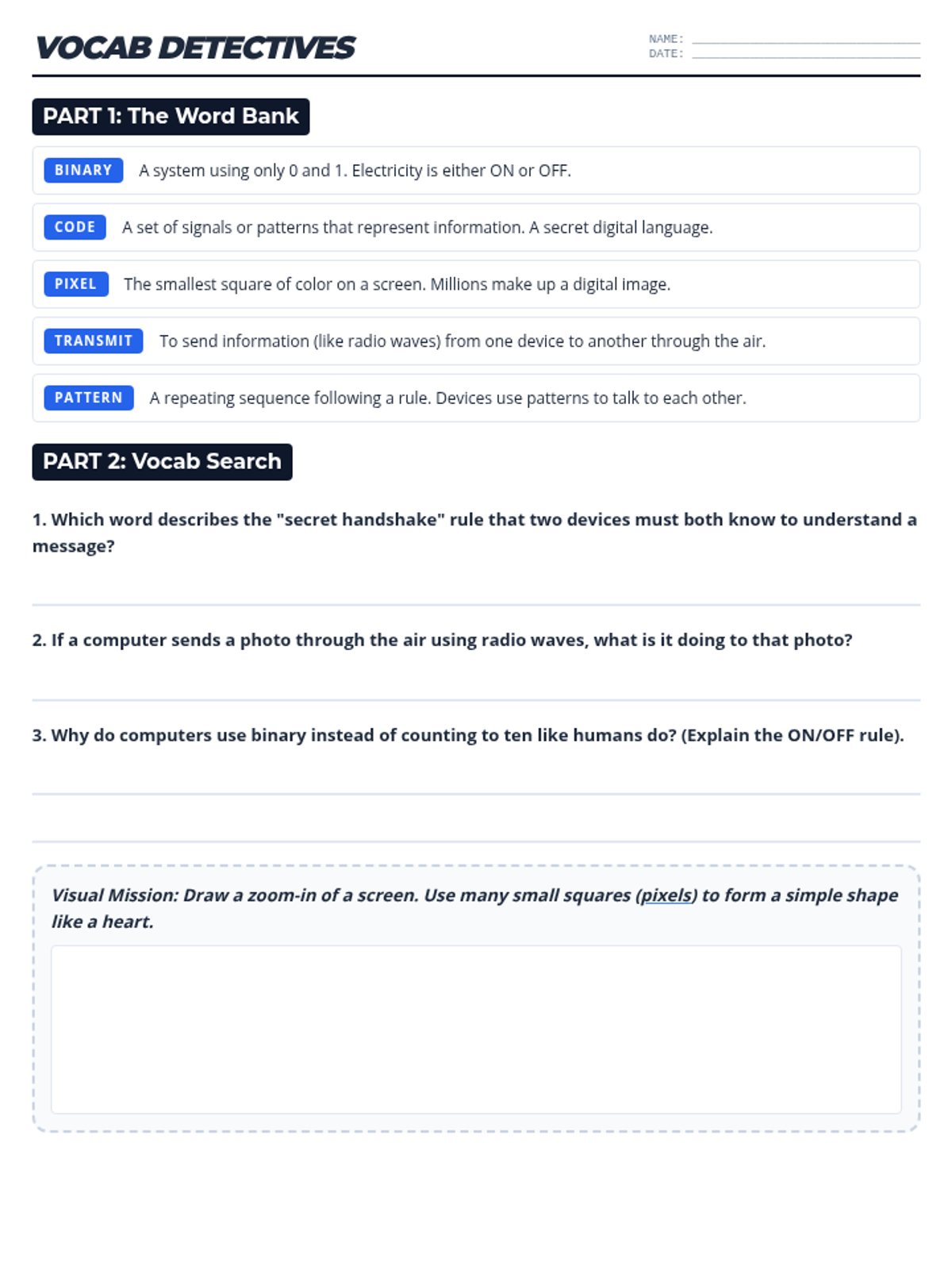
Introduce students to the concept of patterns as a means of communication and define key vocabulary for the week.
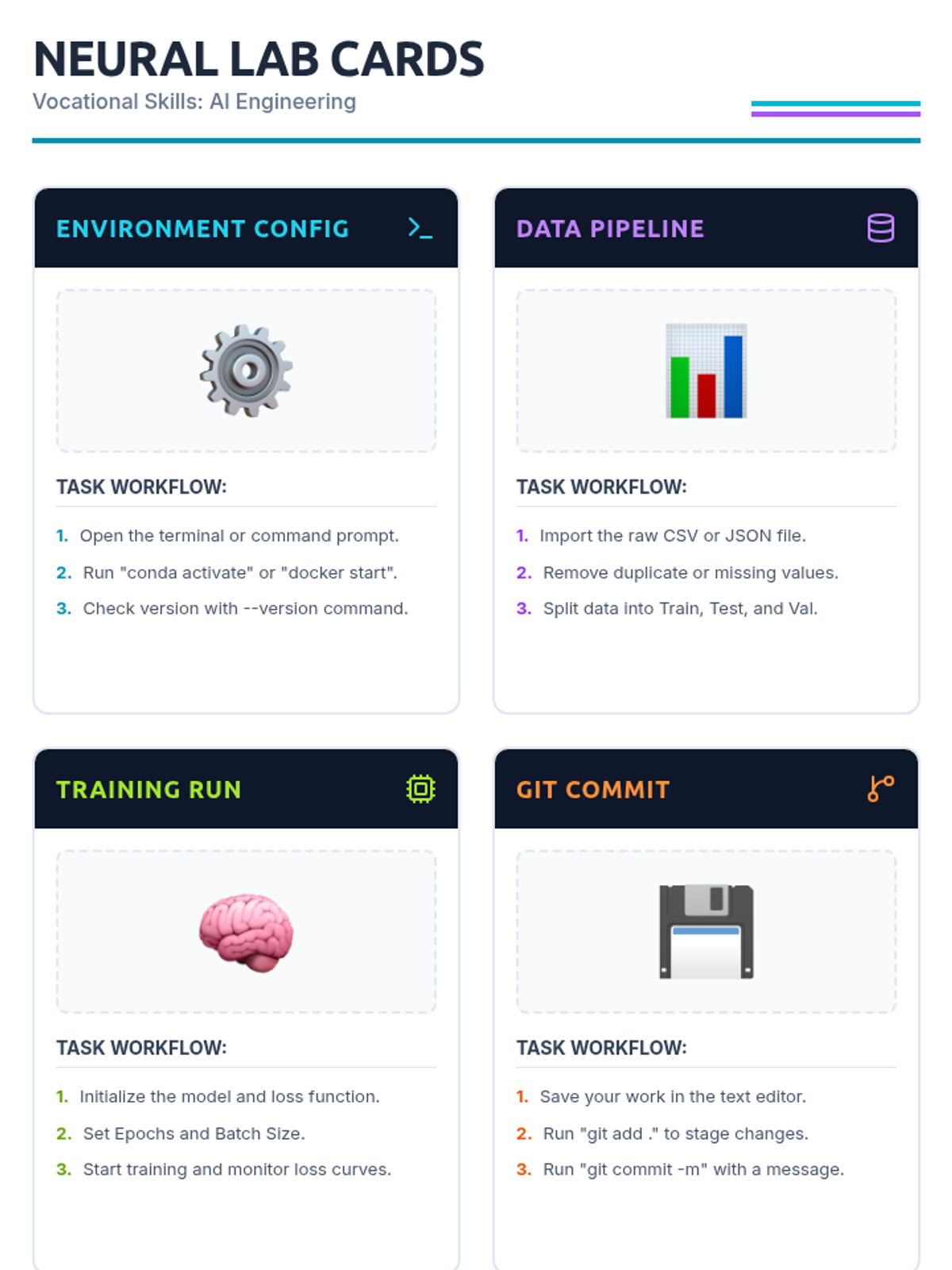
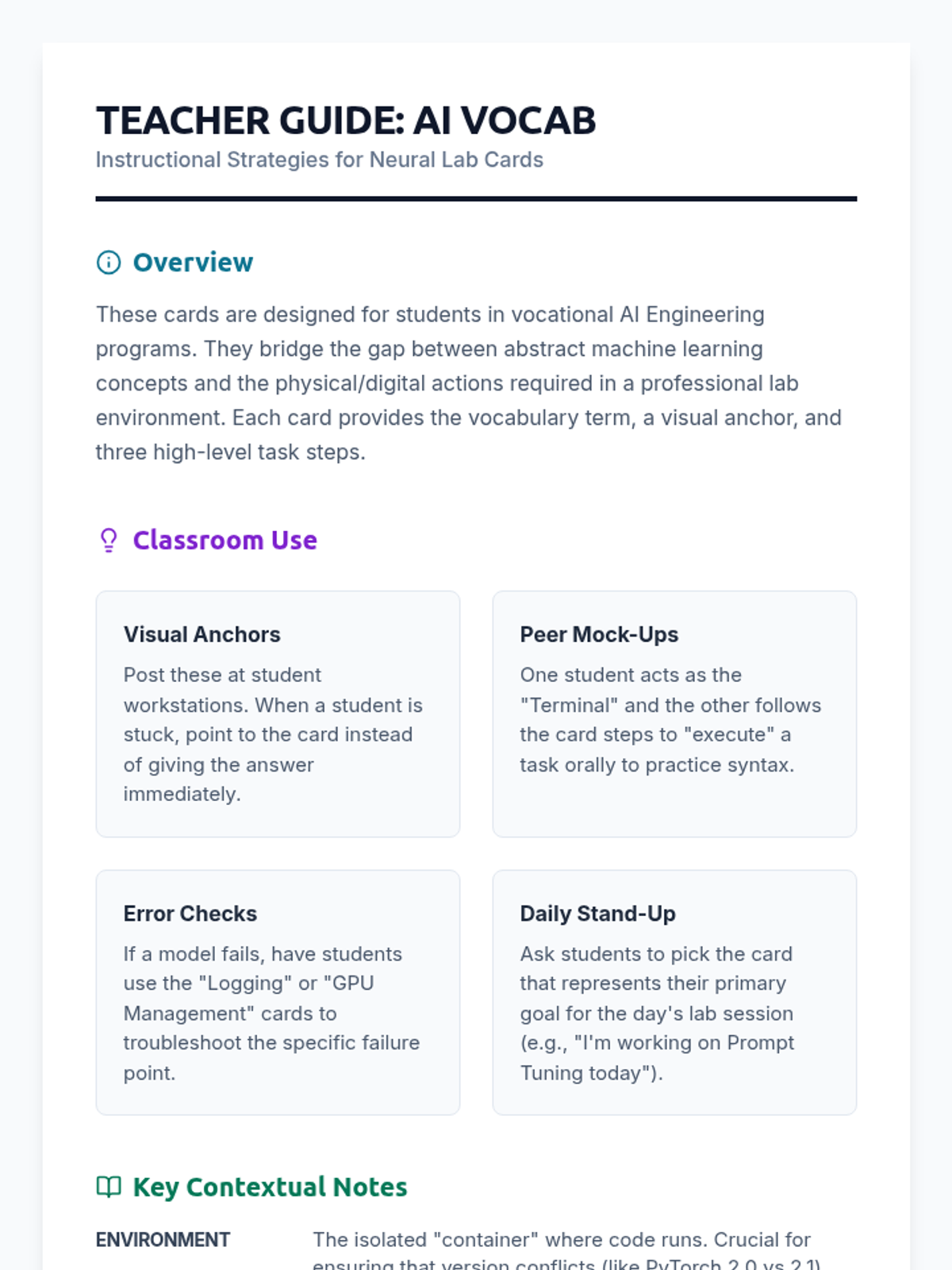
This lesson introduces foundational vocational skills for aspiring AI engineers, focusing on the practical steps required to manage environments, data, and models in a professional setting.
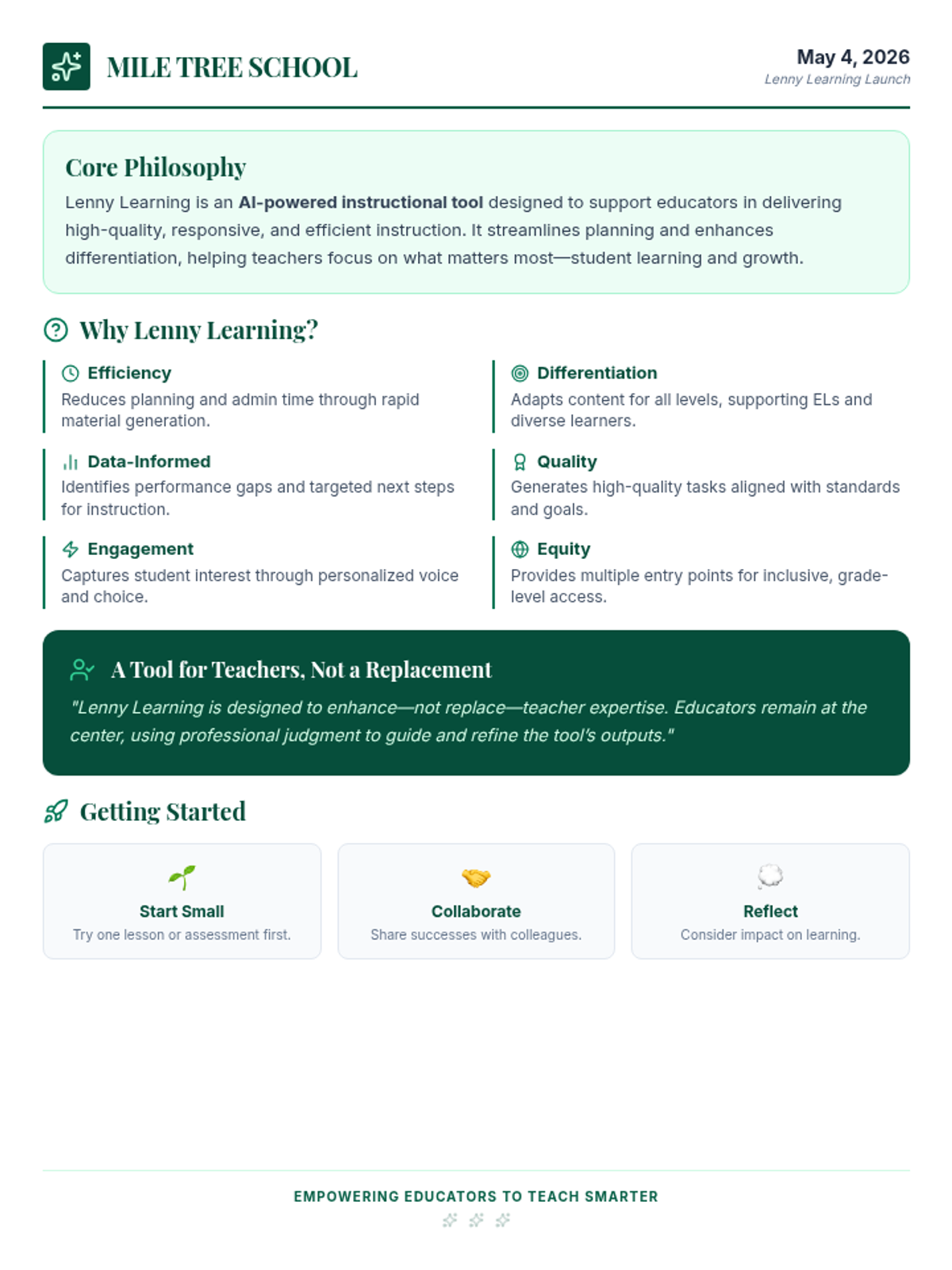
A professional staff presentation introducing Lenny Learning to educators at Mile Tree School, highlighting efficiency, differentiation, and student engagement.
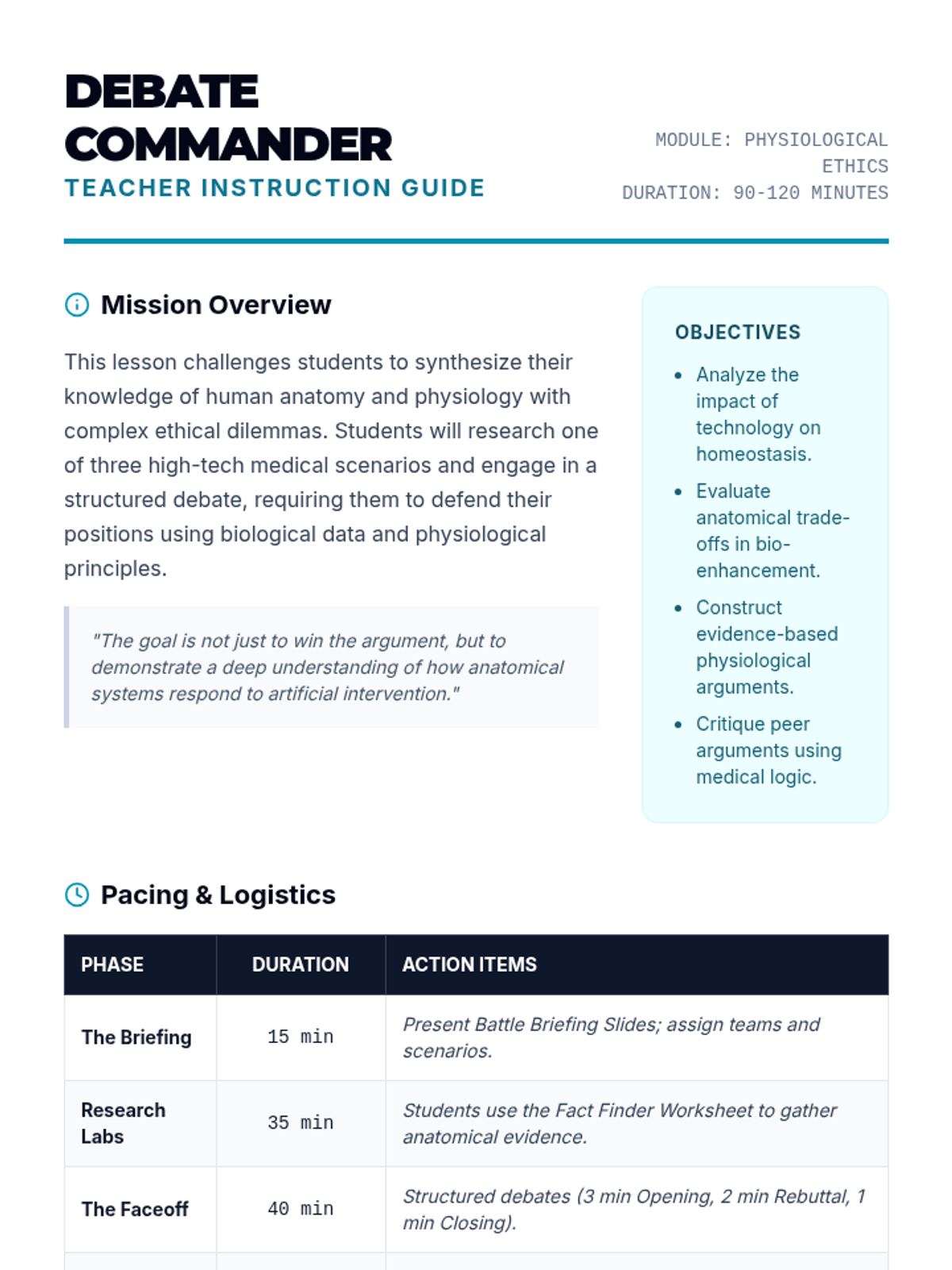
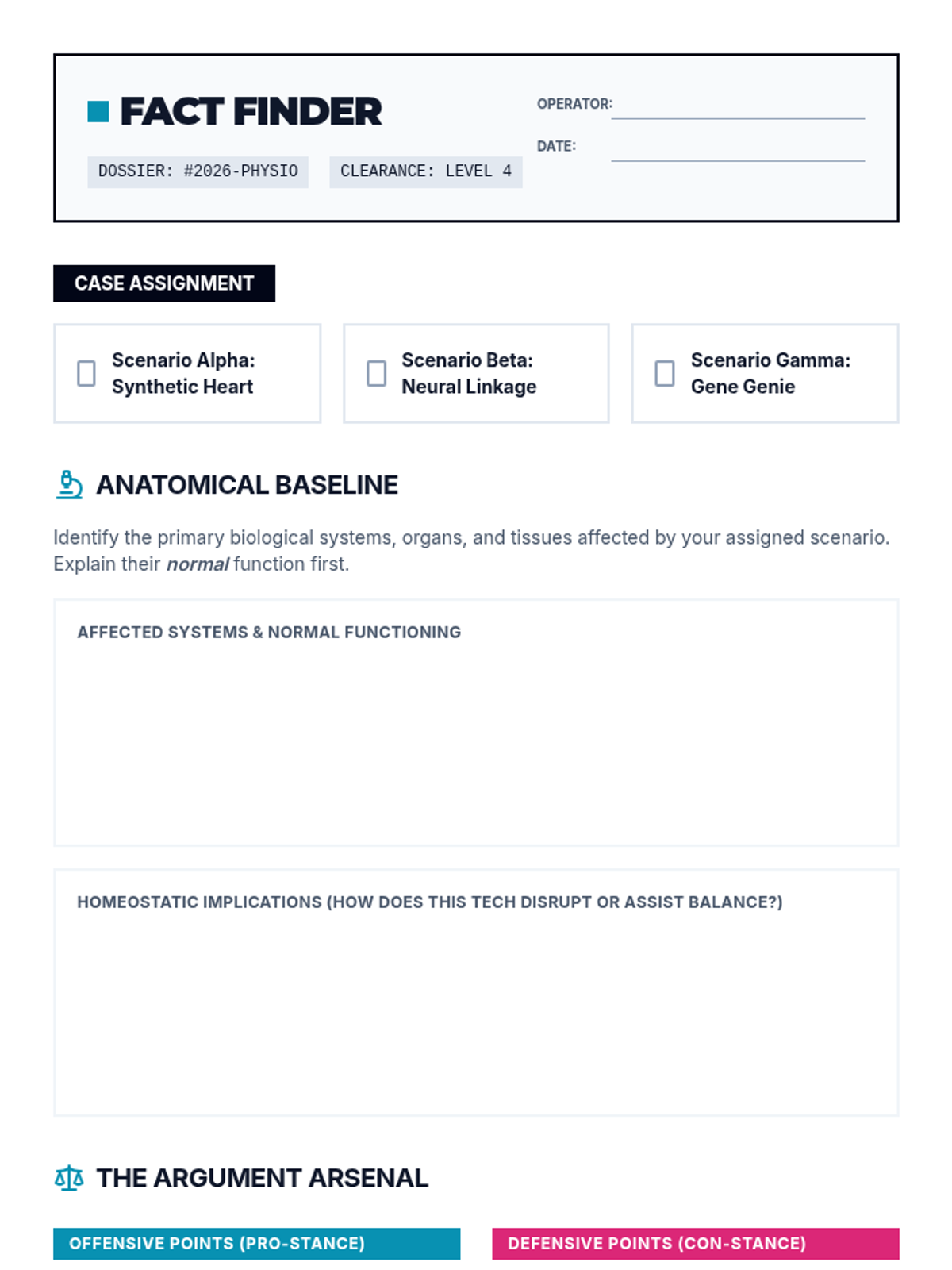
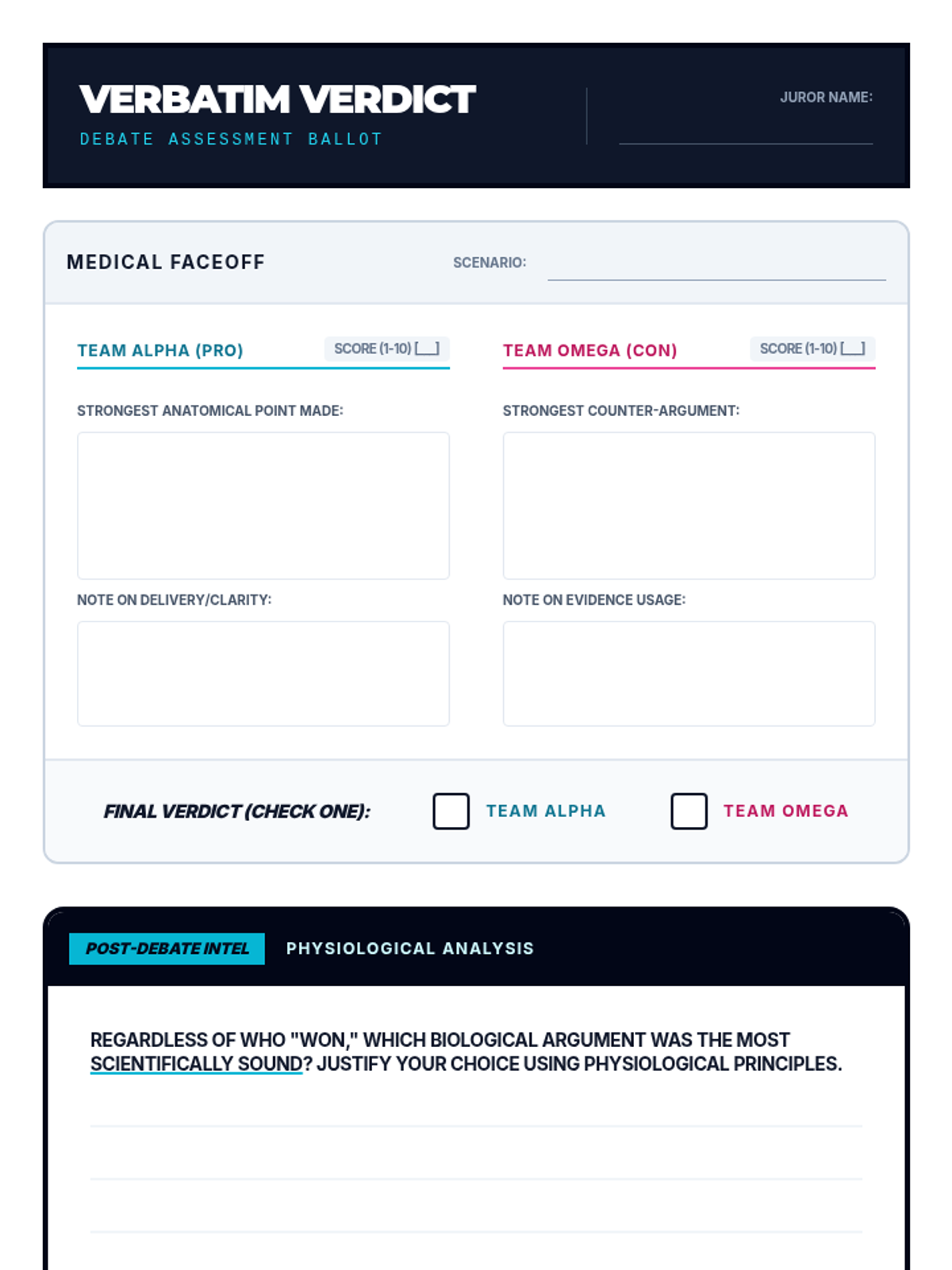
A high-stakes debate lesson where students explore the ethical and physiological implications of human bio-enhancement and medical technology.
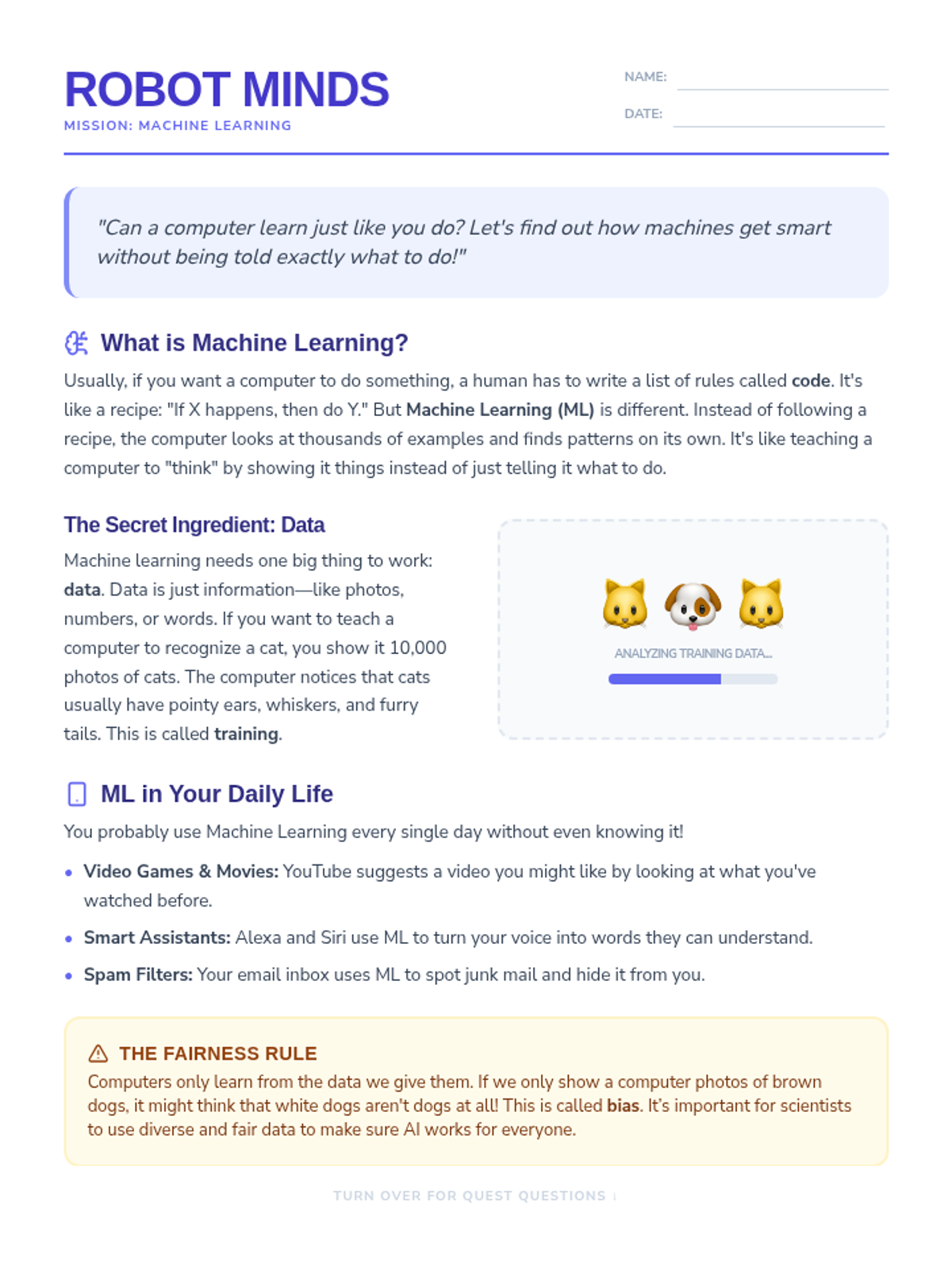
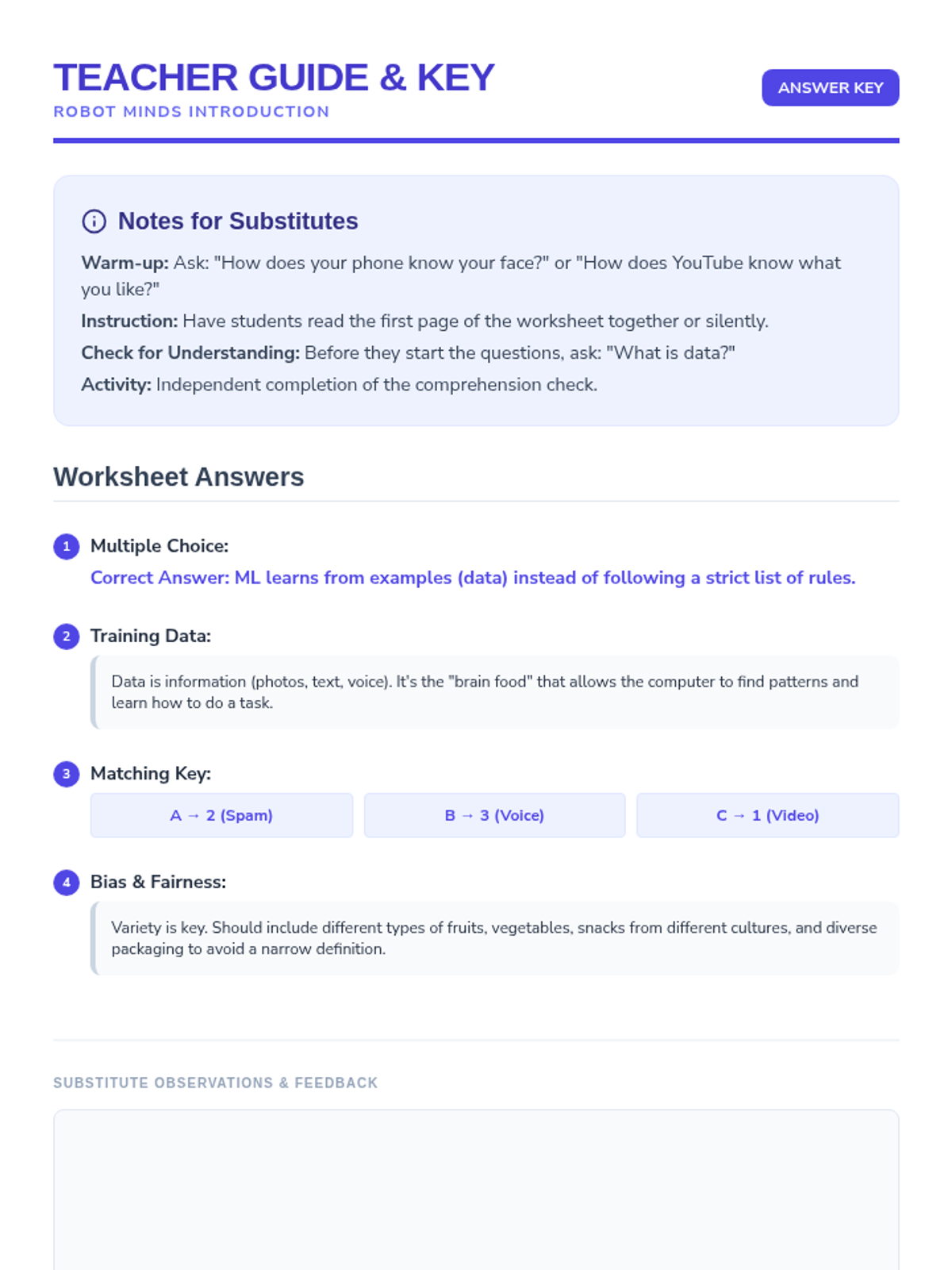
A self-contained lesson introducing 4th and 5th graders to the basics of Machine Learning, focusing on how computers learn from patterns and data.
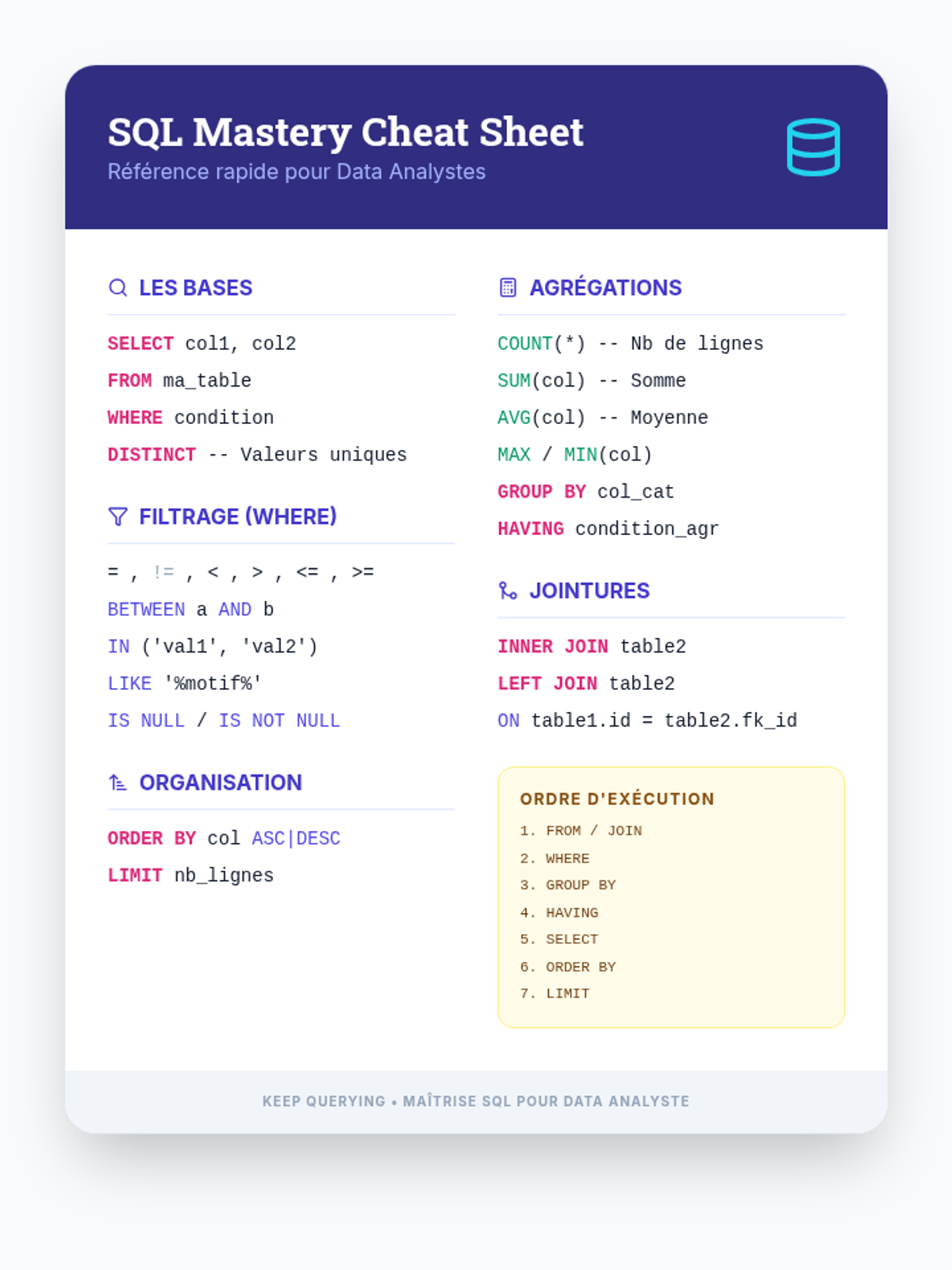
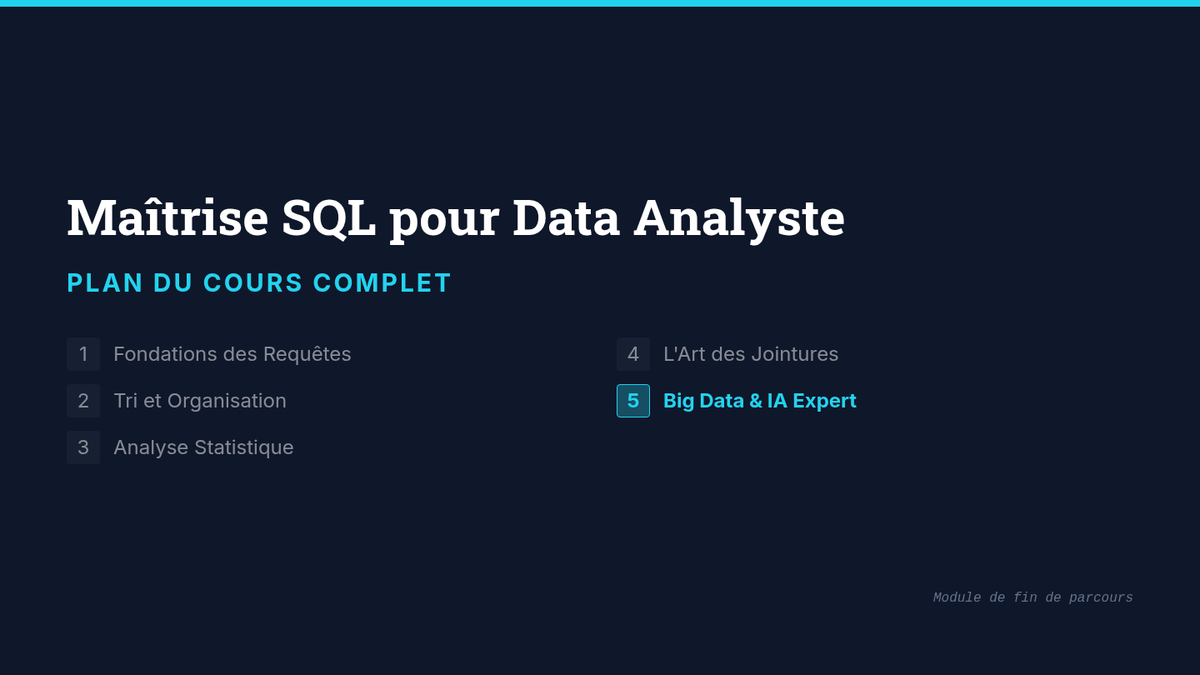
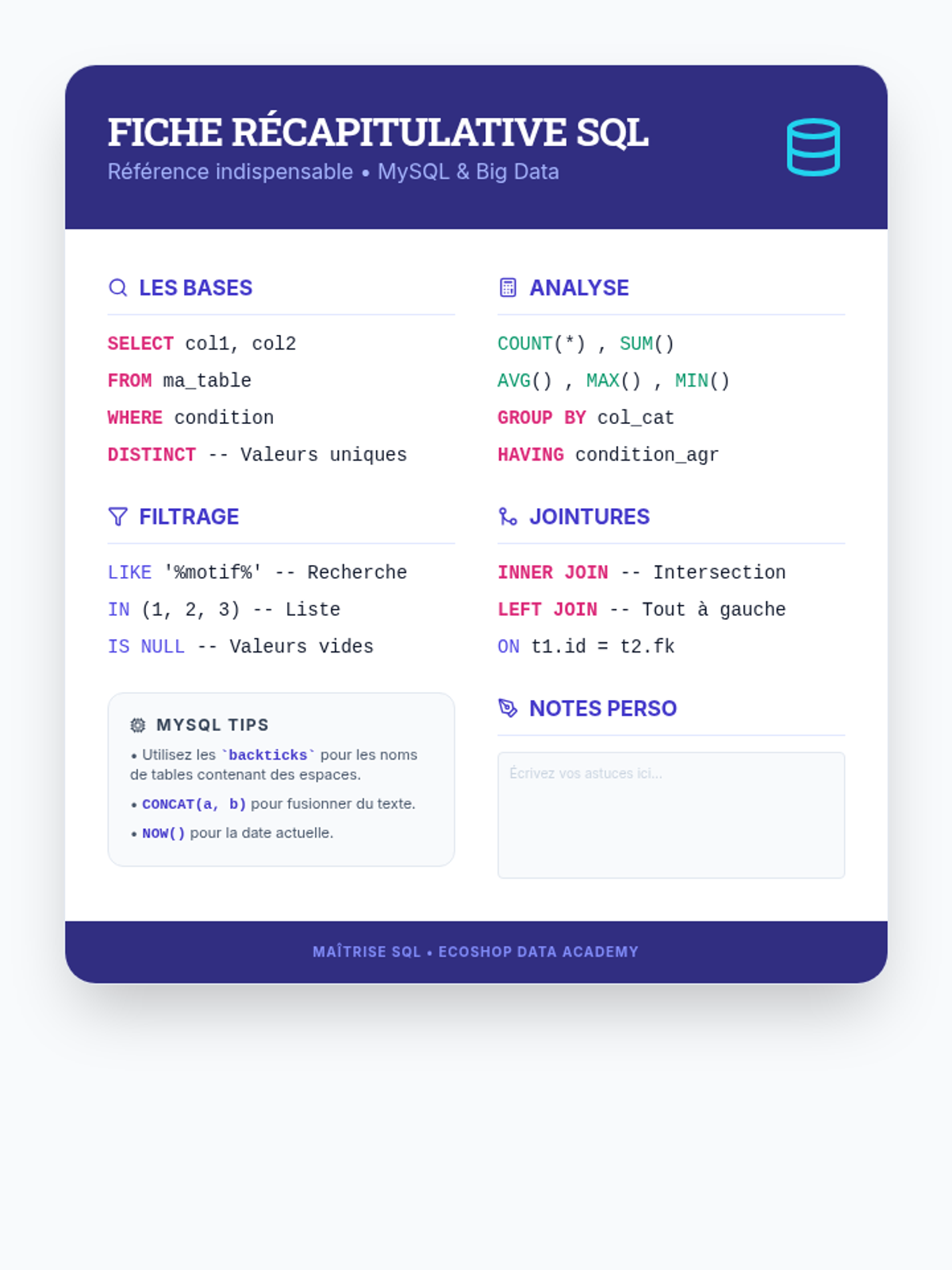
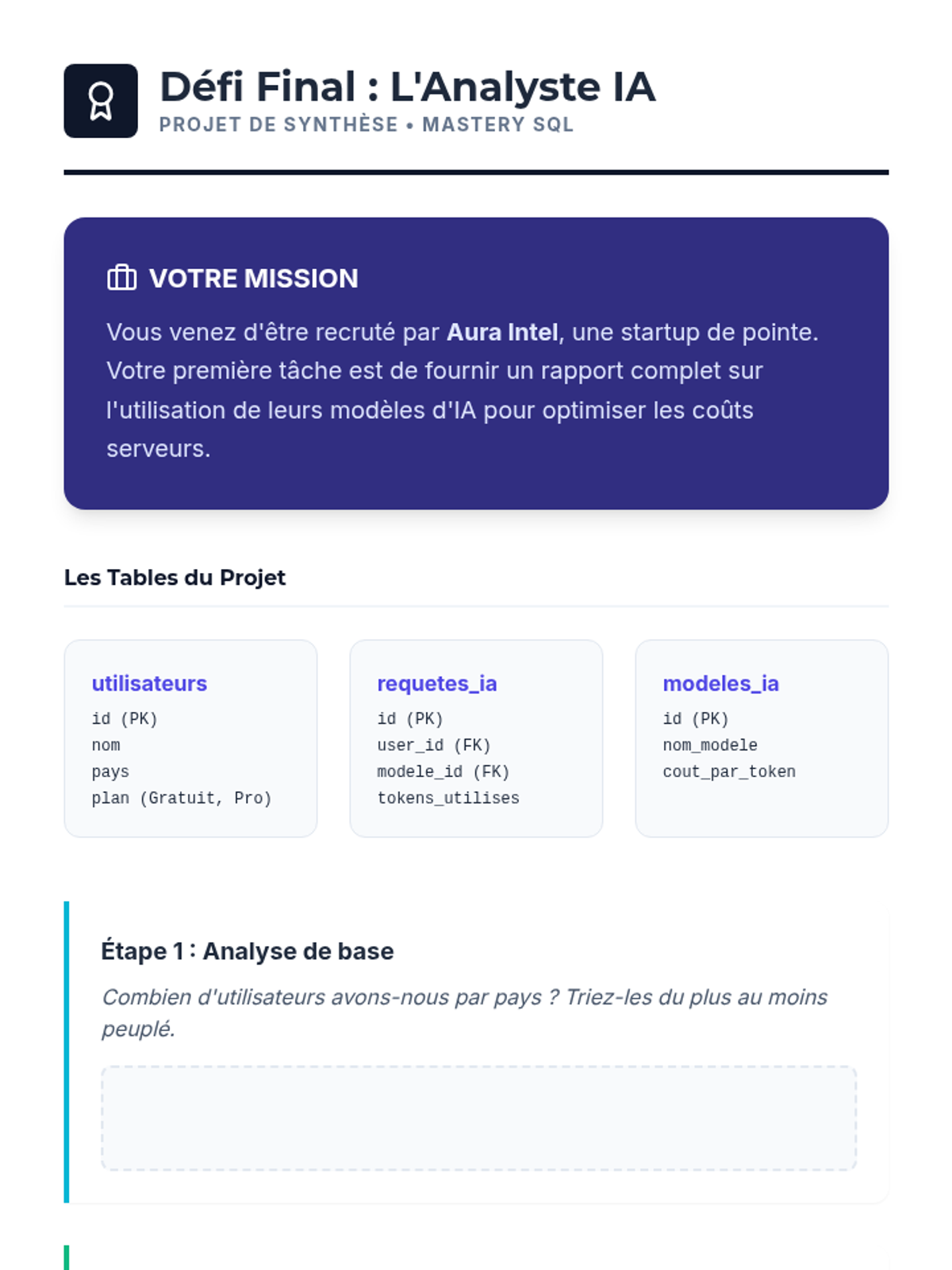
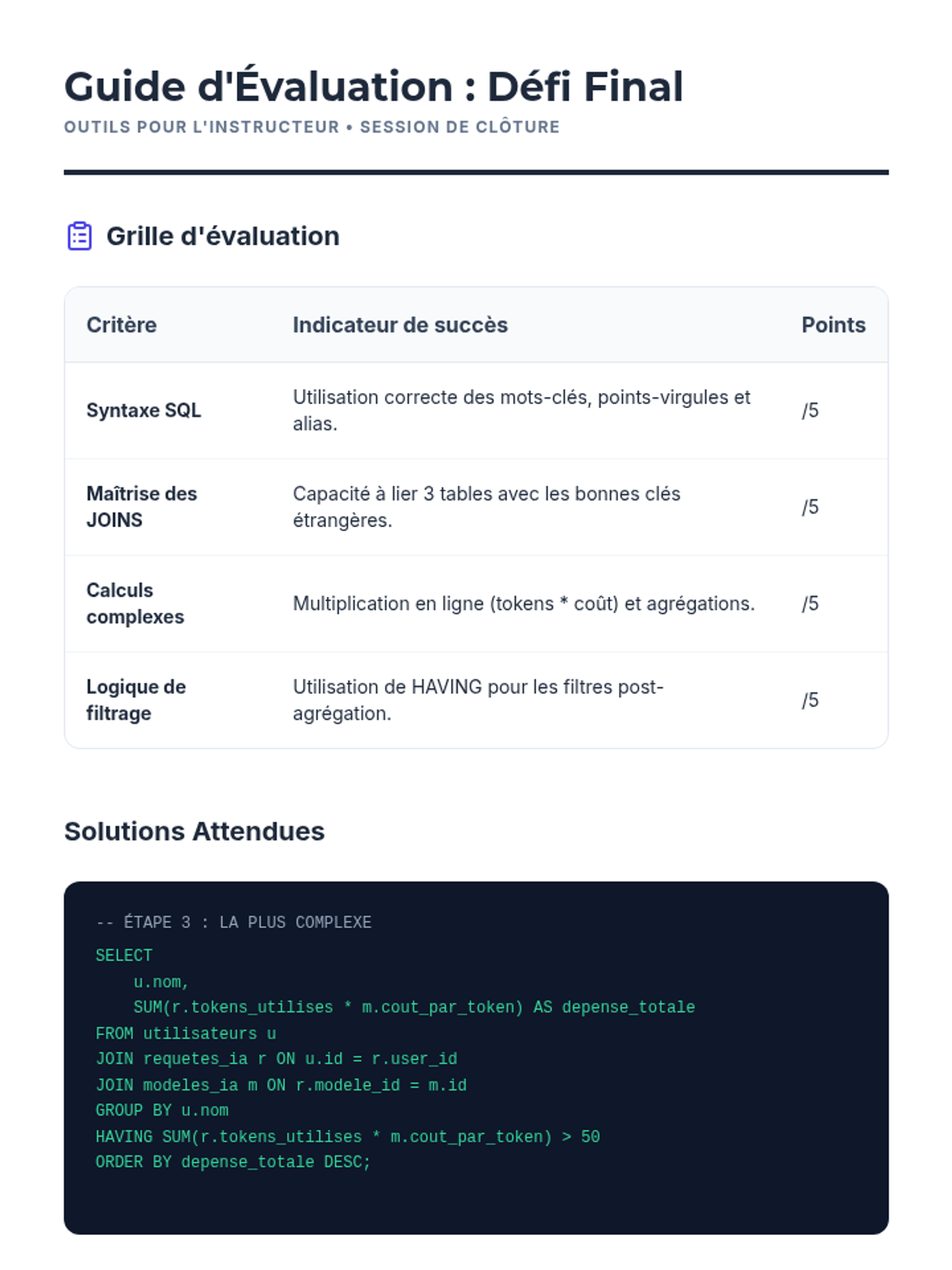
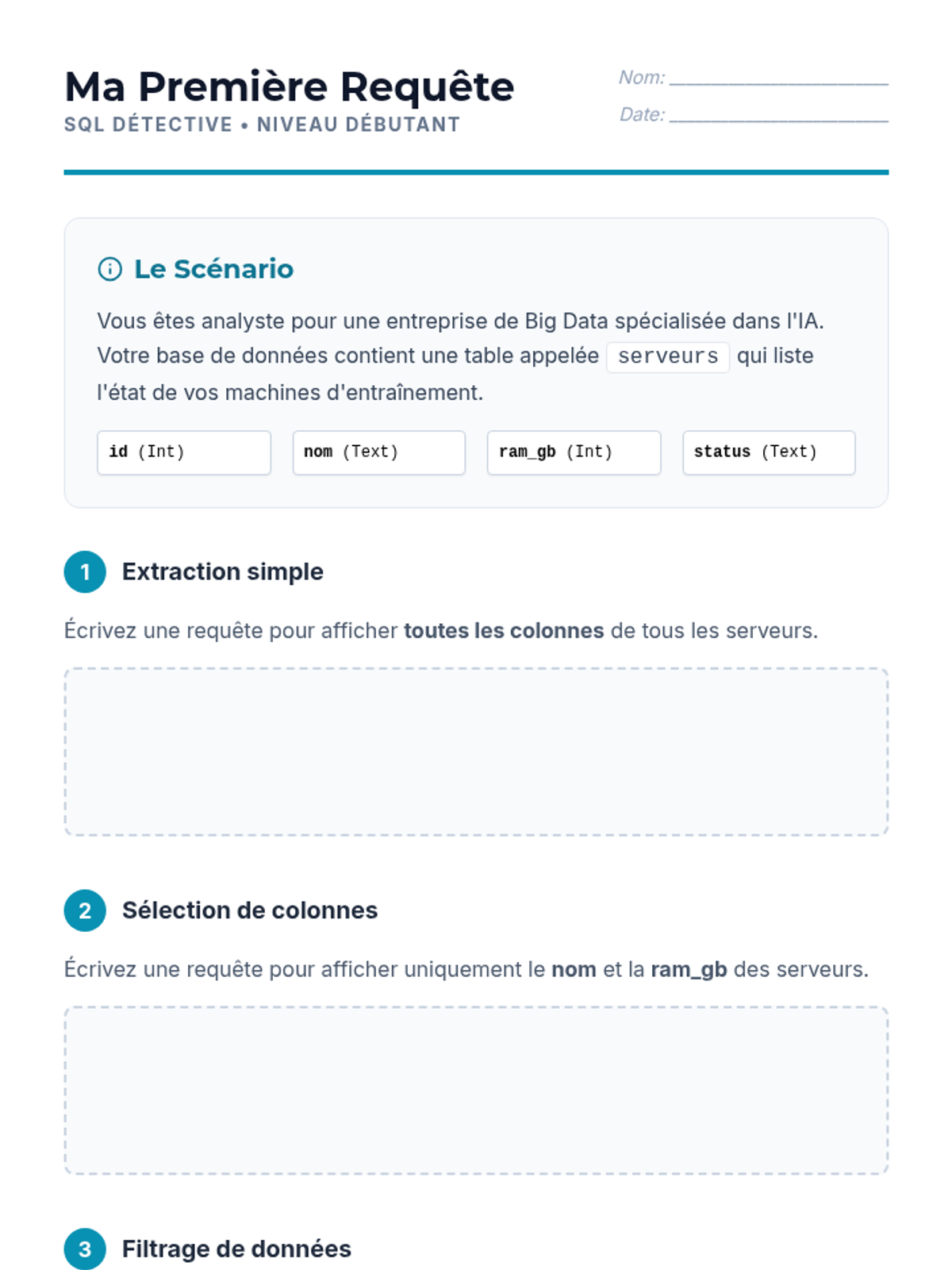
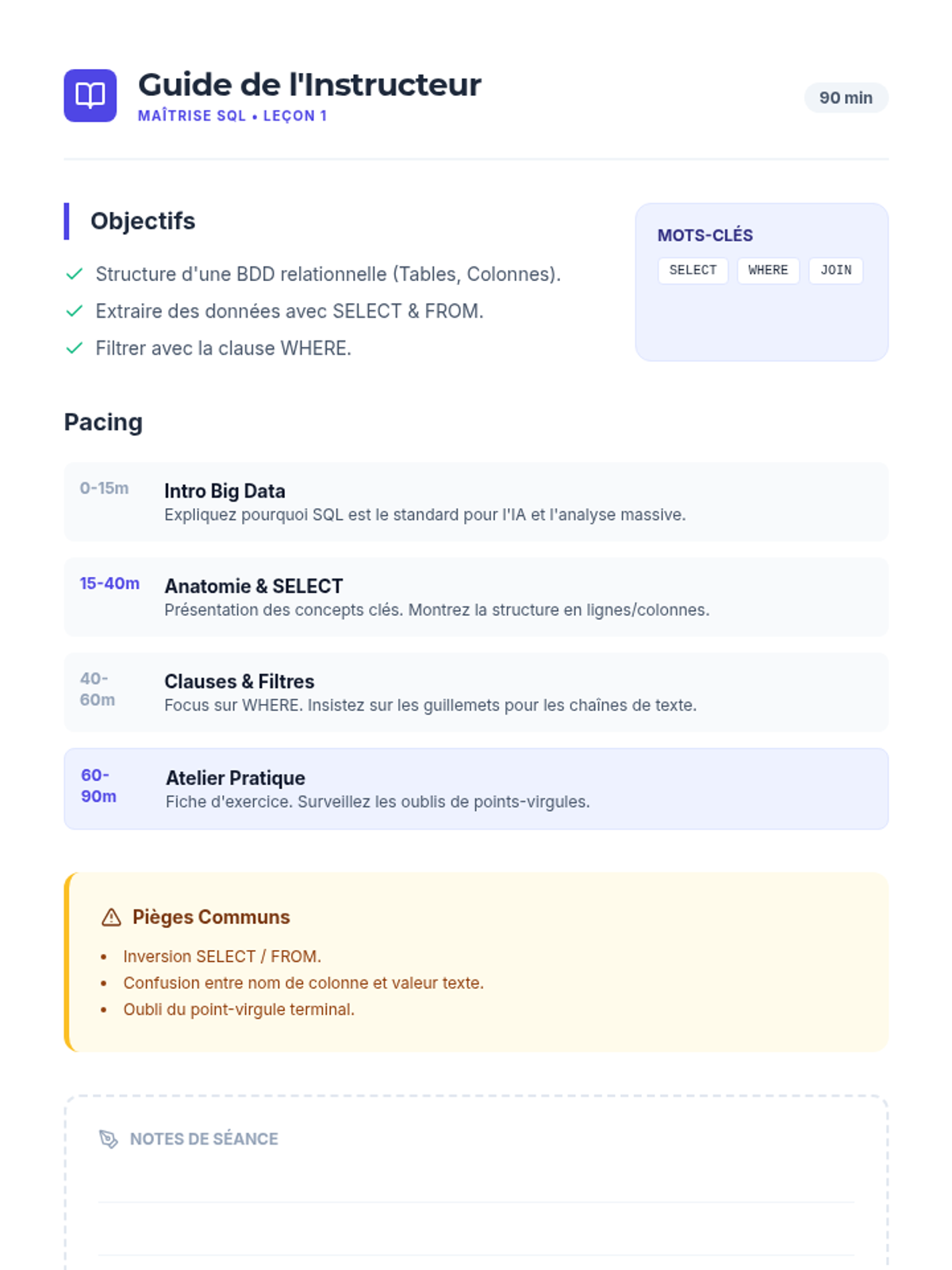
Introduction au SQL dans le contexte du Big Data, de l'optimisation des requêtes et de la préparation des données pour l'IA.
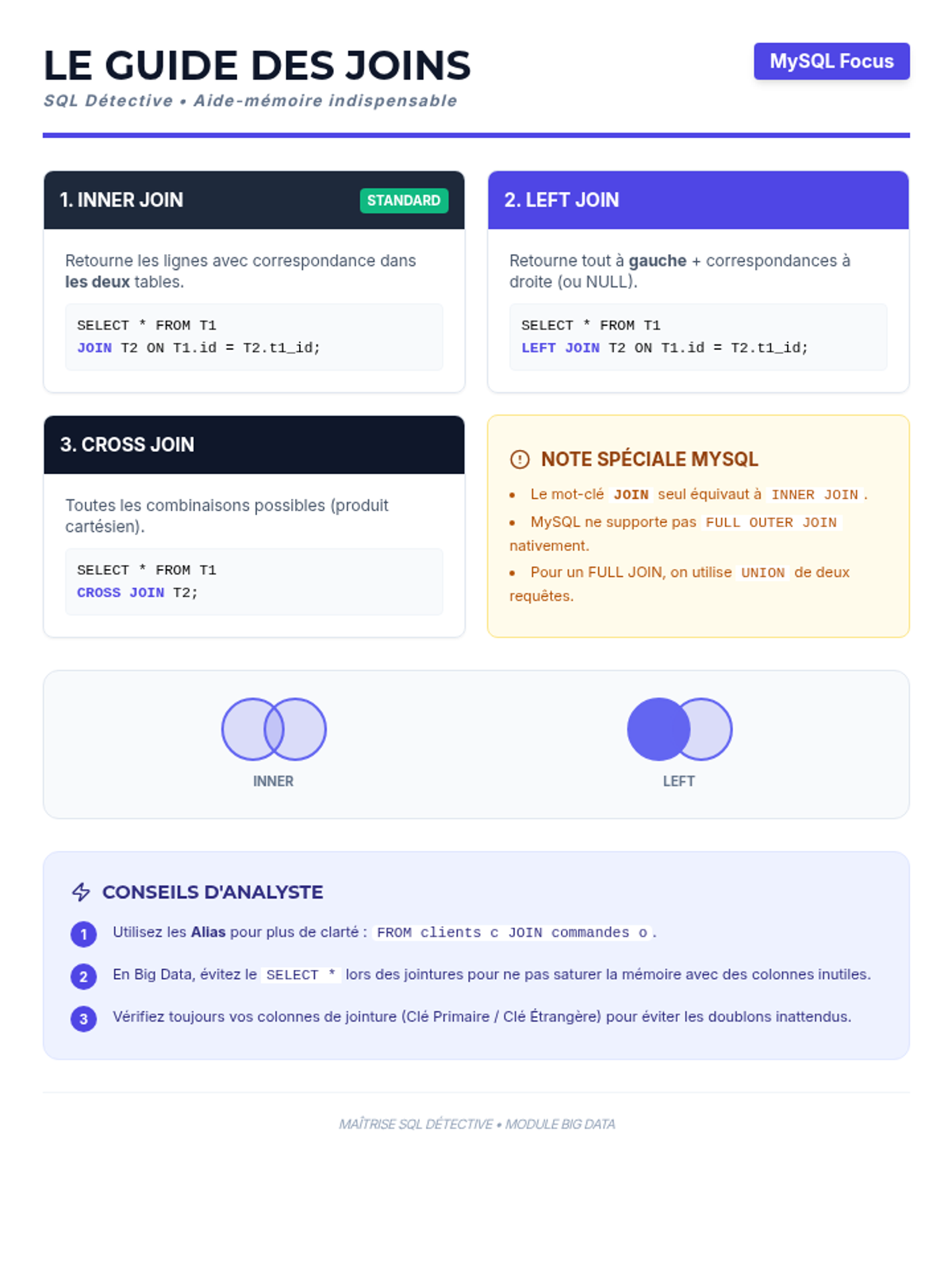
Maîtriser l'art de combiner plusieurs tables avec INNER JOIN, LEFT JOIN et comprendre les relations entre les données.
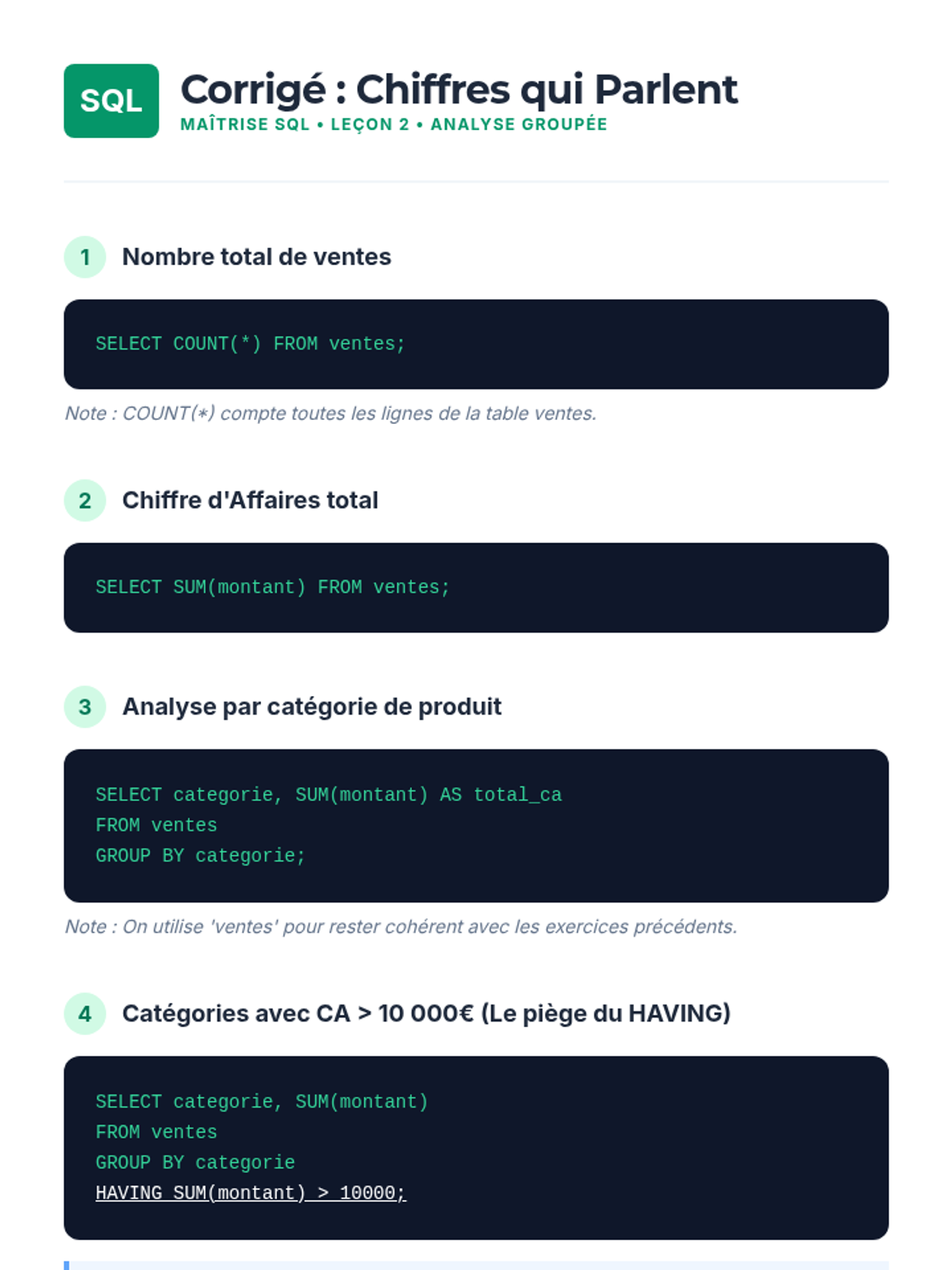
Utilisation des fonctions d'agrégation (SUM, AVG, COUNT) et de la clause GROUP BY pour générer des rapports statistiques.
Apprendre à organiser les résultats de recherche avec ORDER BY, LIMIT et à éliminer les doublons avec DISTINCT.
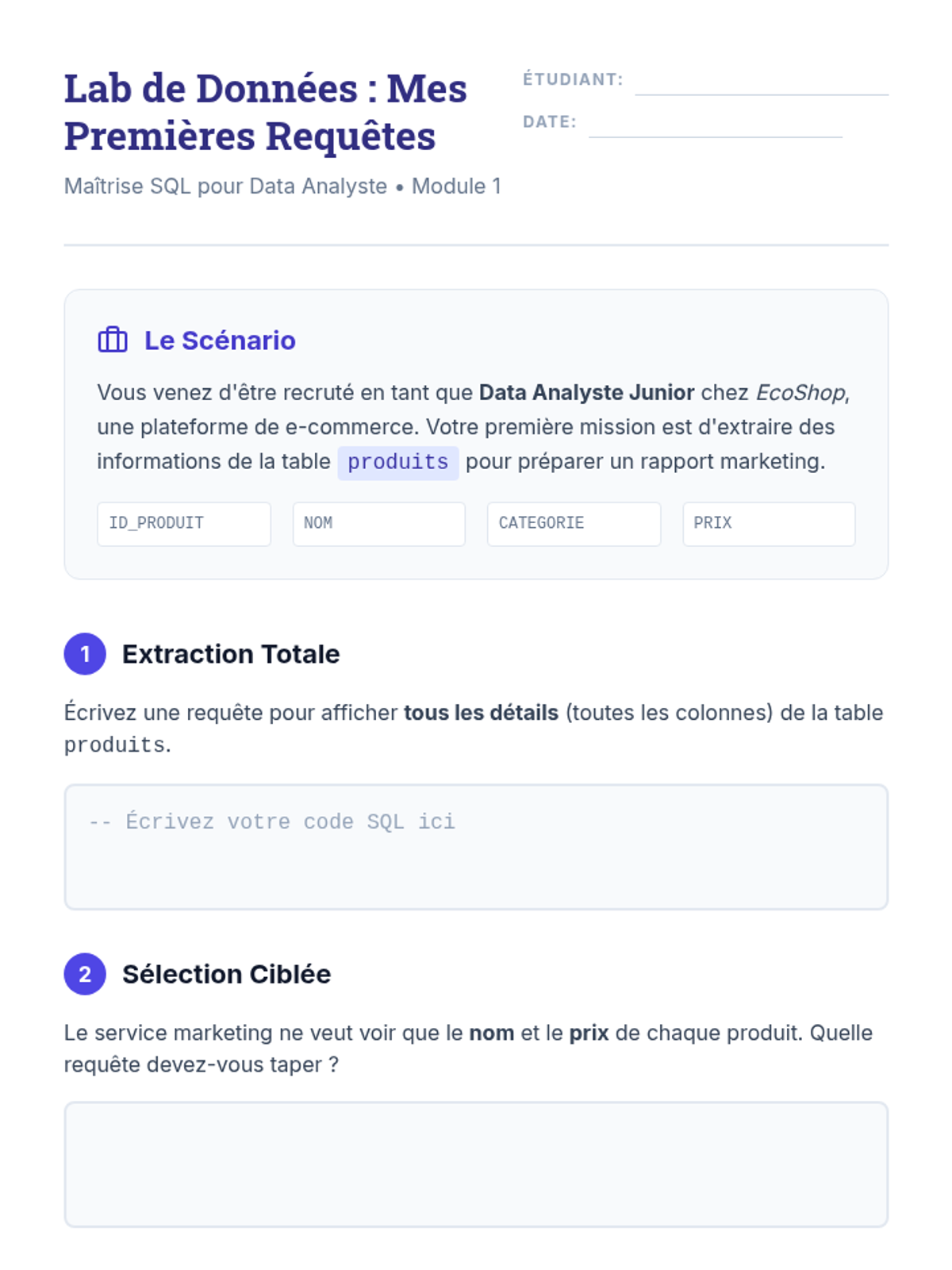
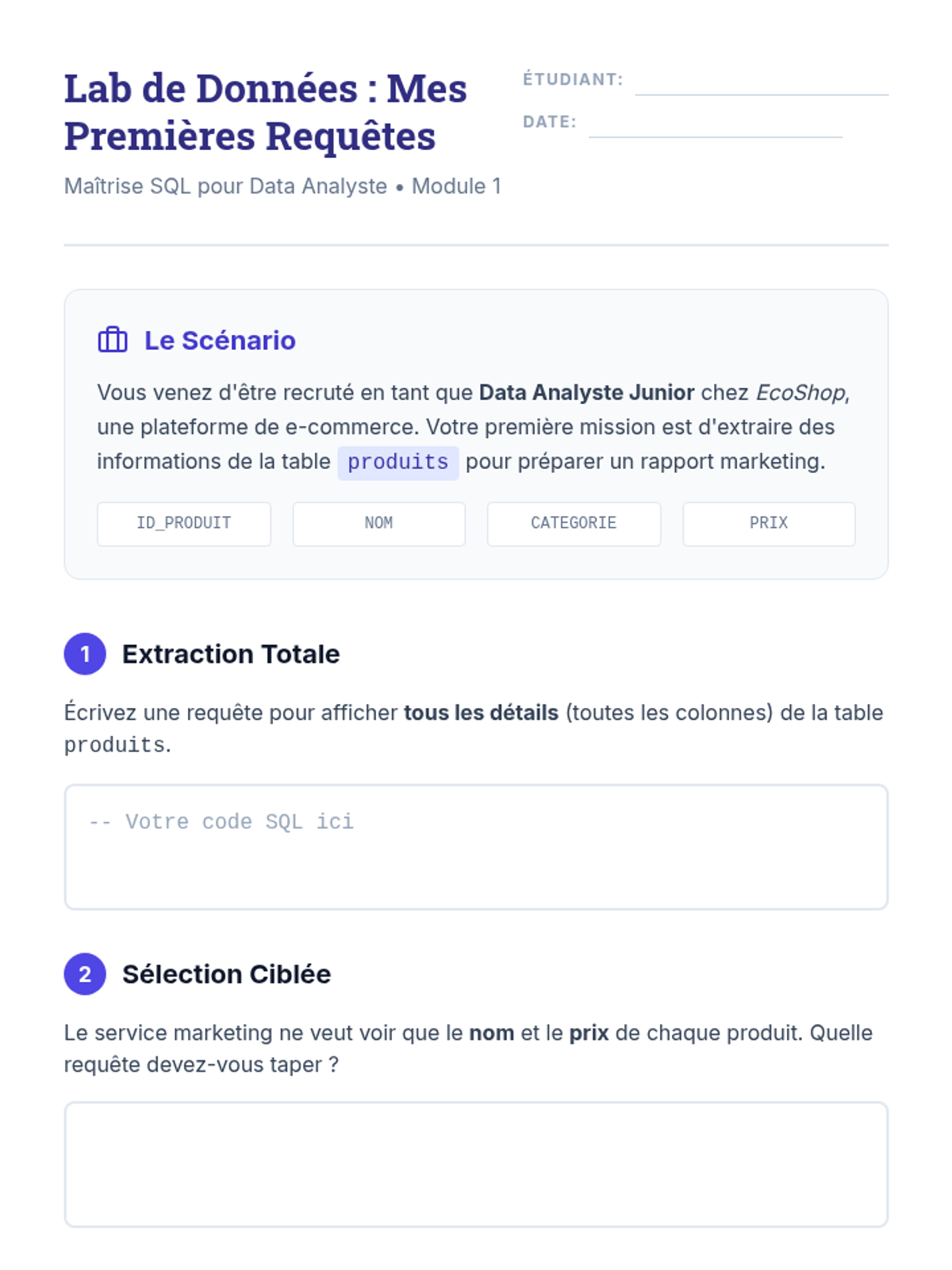
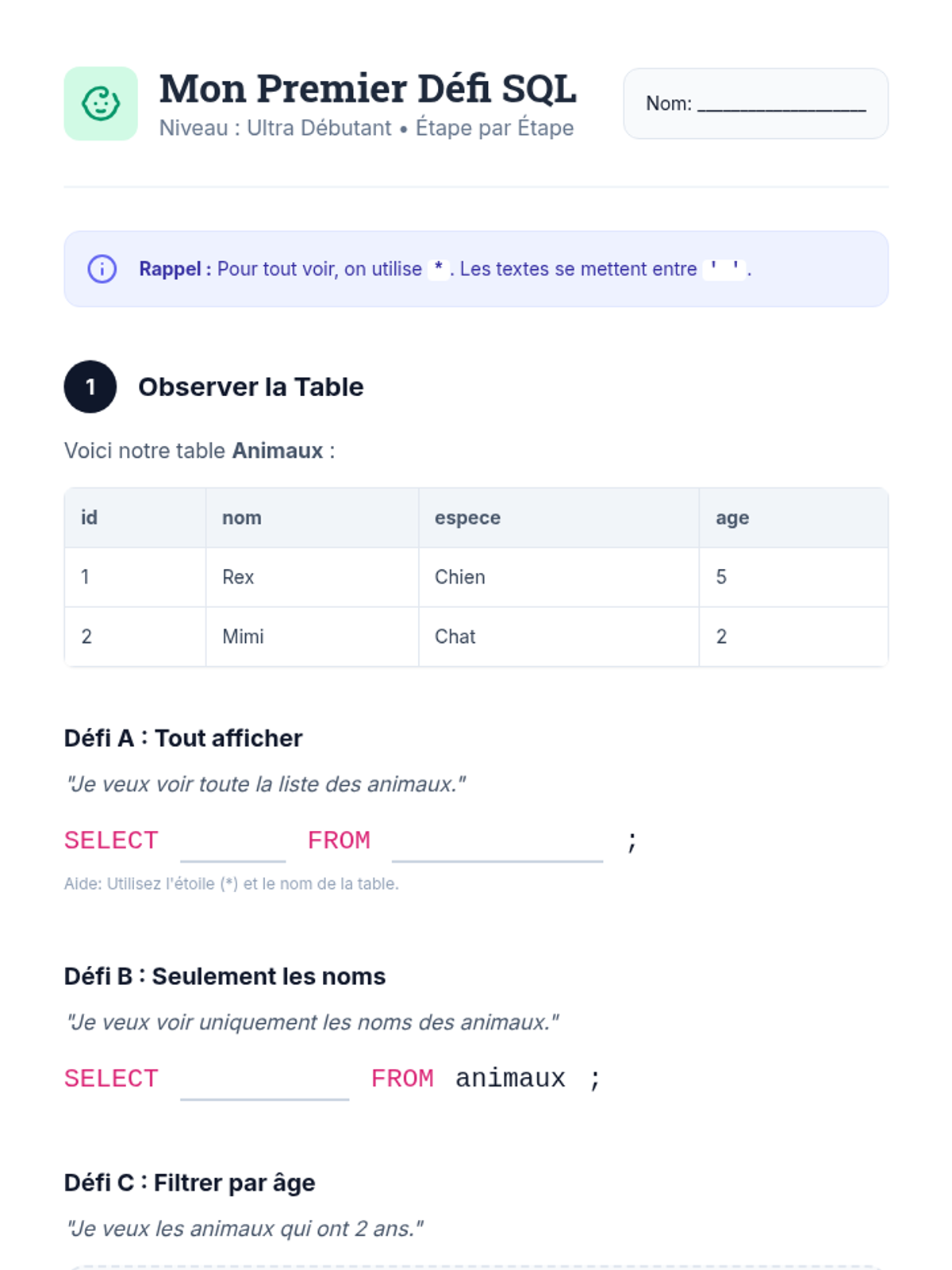
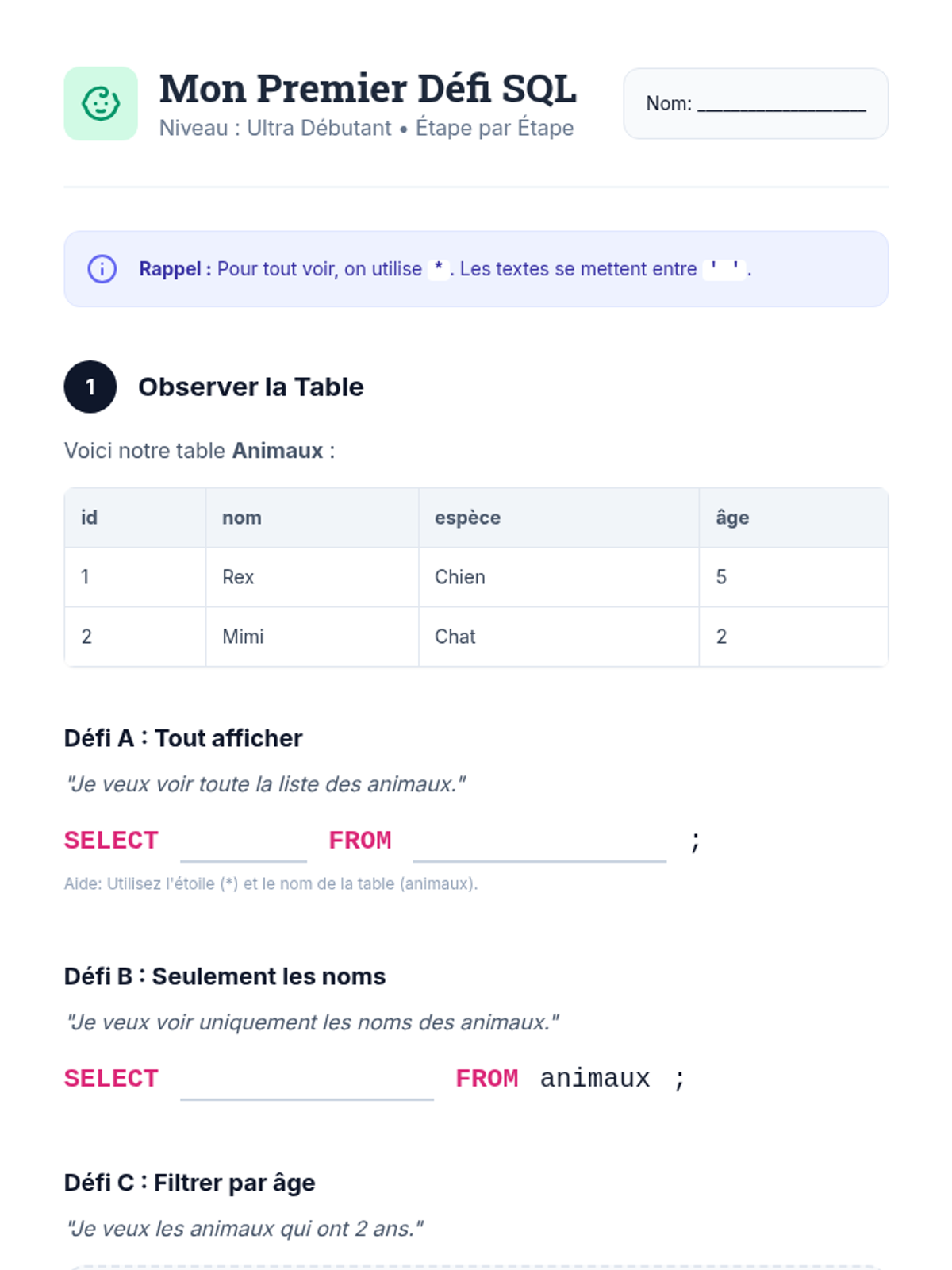
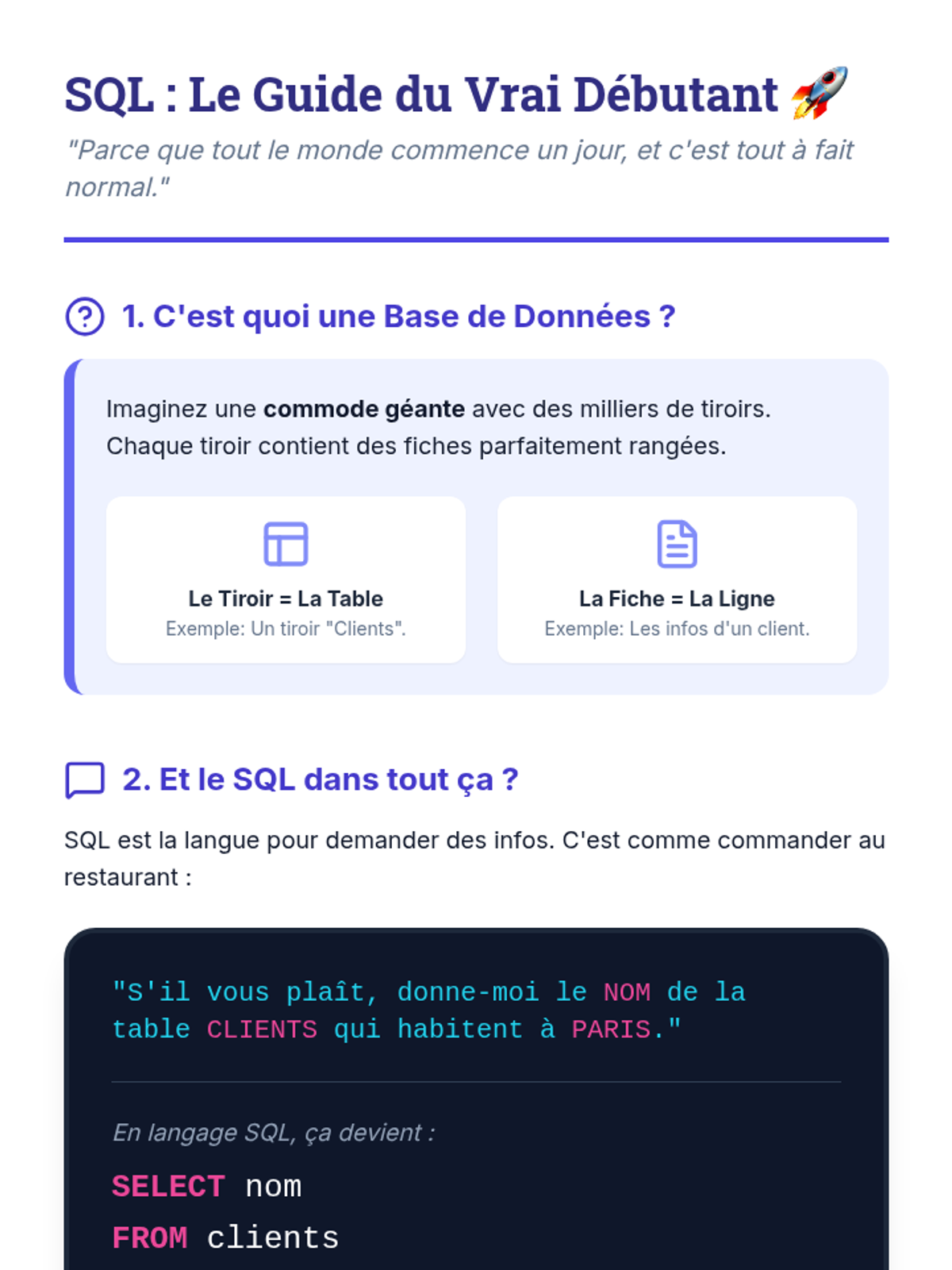
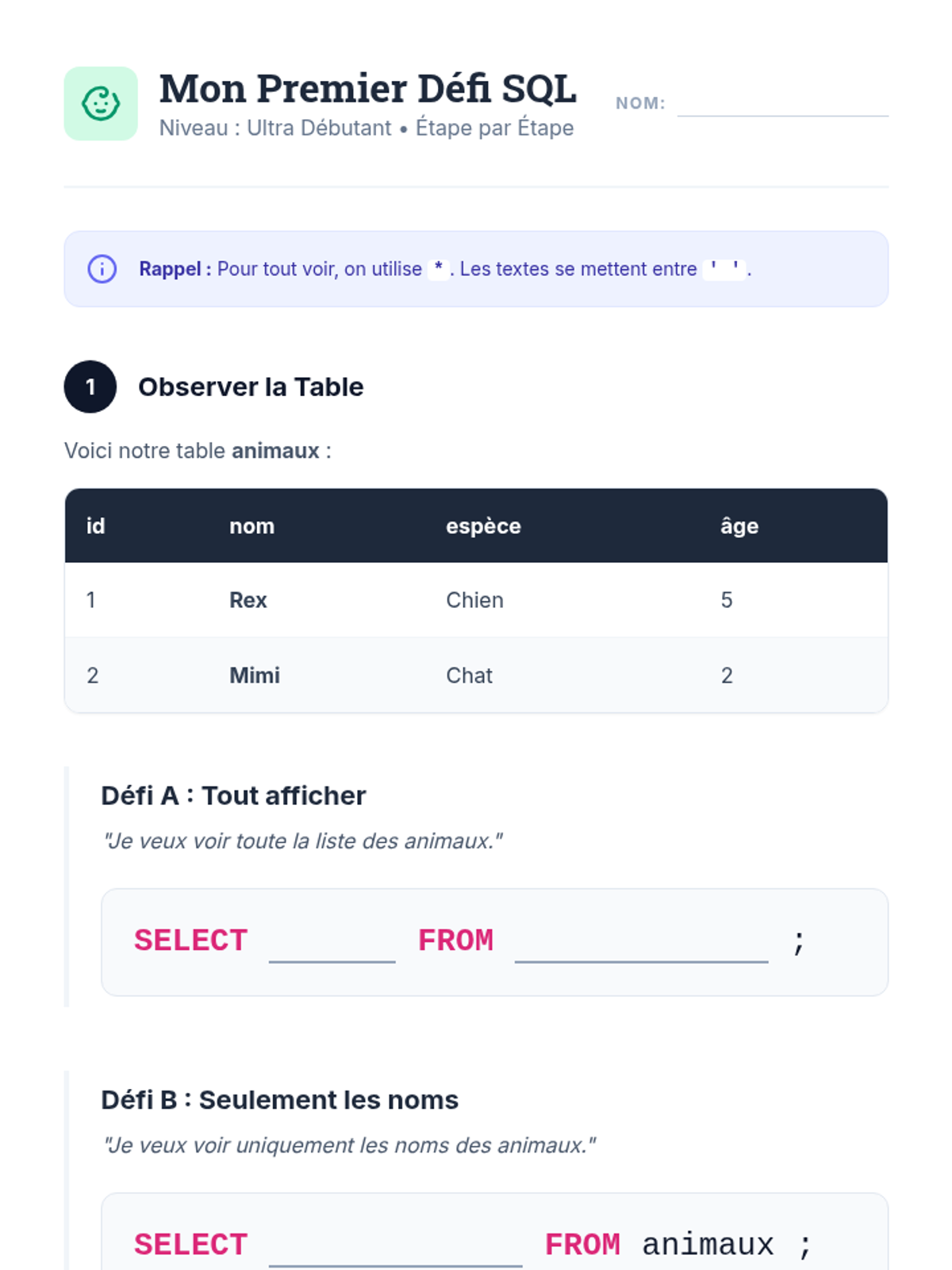
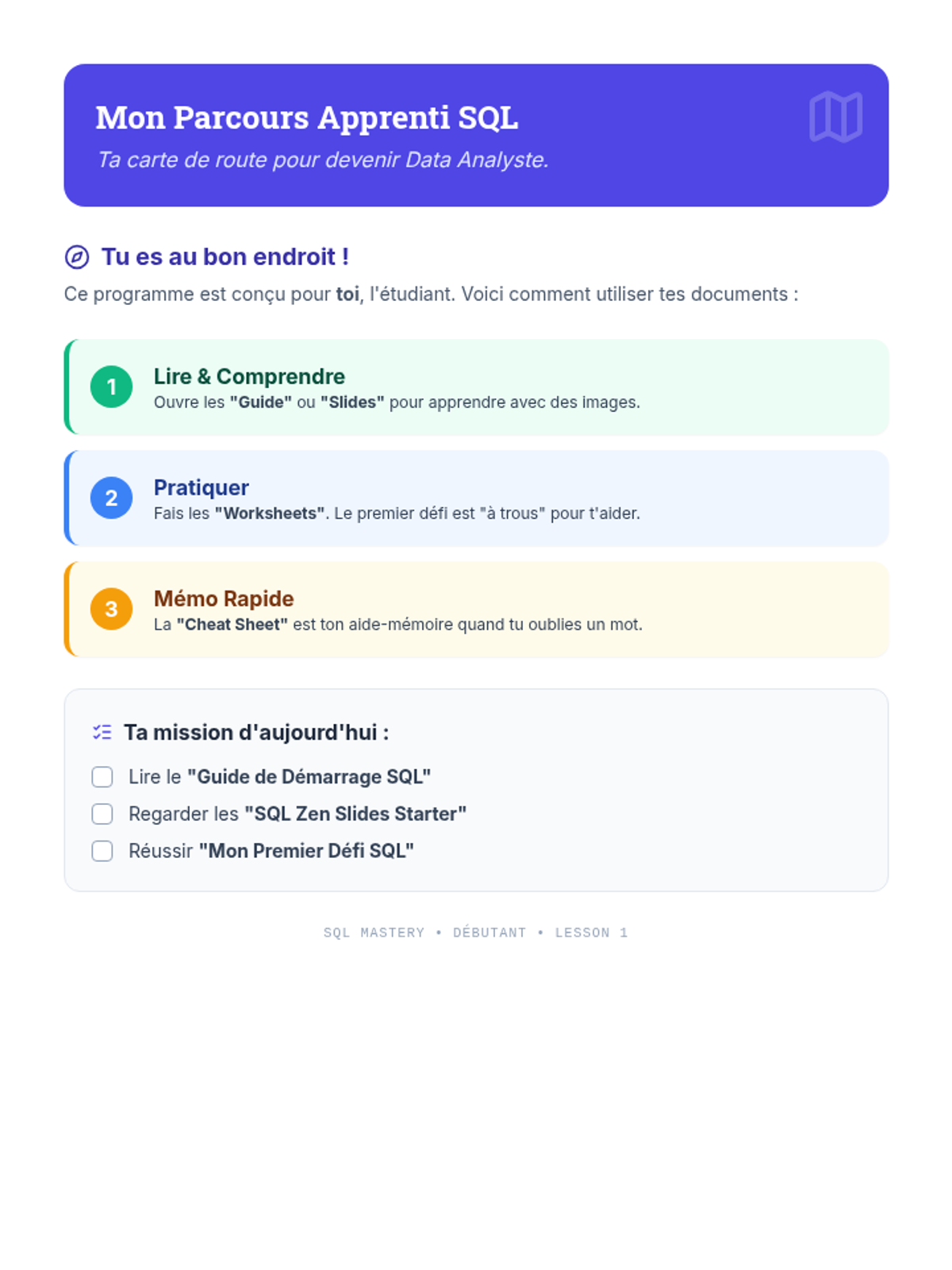
Introduction aux concepts de base des bases de données et apprentissage des commandes SELECT, FROM et WHERE pour extraire des données spécifiques.
Utilisez des sous-requêtes et des CTE pour structurer des analyses de haut niveau prêtes pour le Big Data.
Apprenez l'art de combiner plusieurs tables pour créer des vues de données complètes et complexes.
Maîtrisez les fonctions d'agrégation et le regroupement pour transformer des lignes de données en statistiques actionnables.
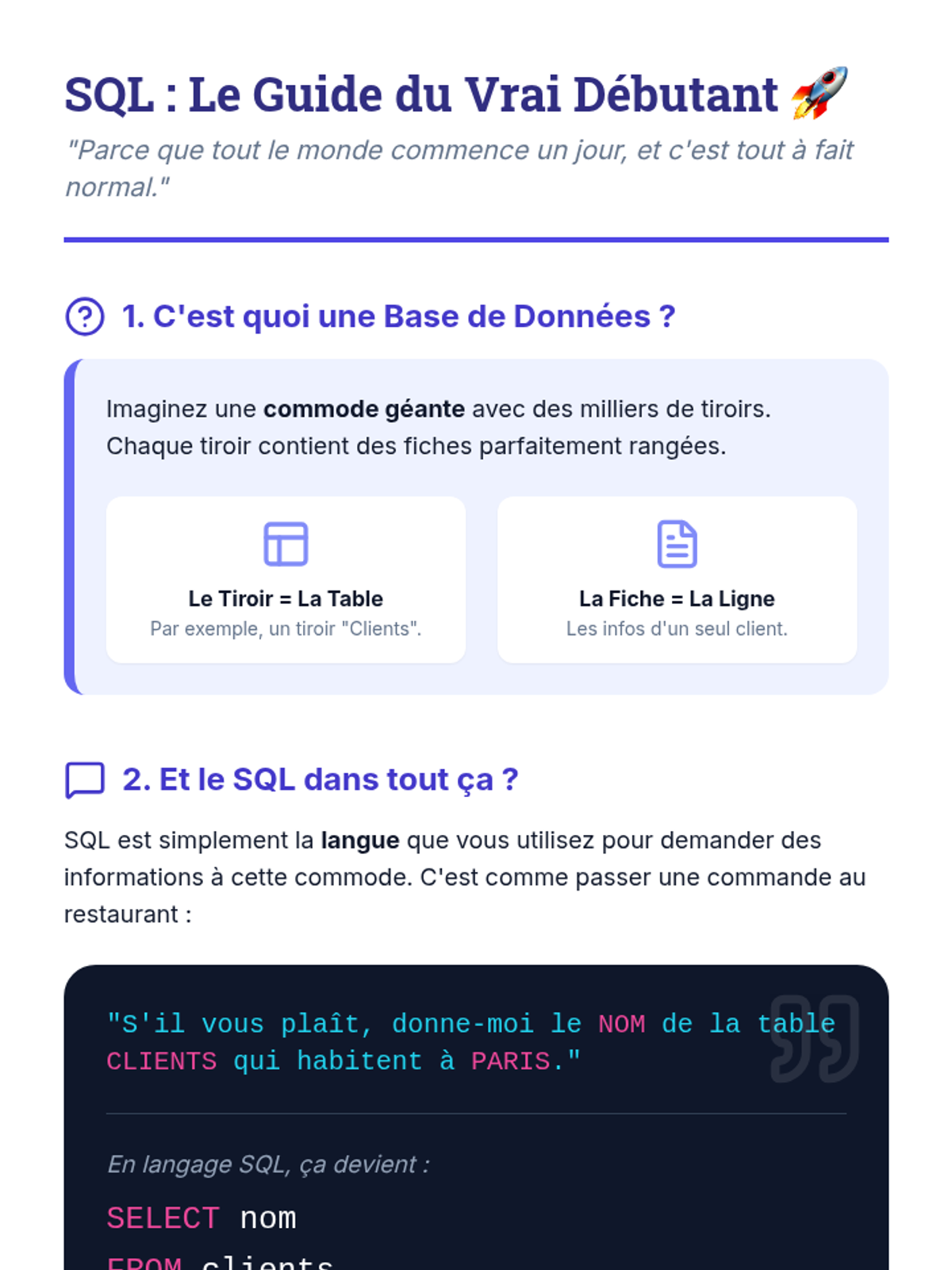
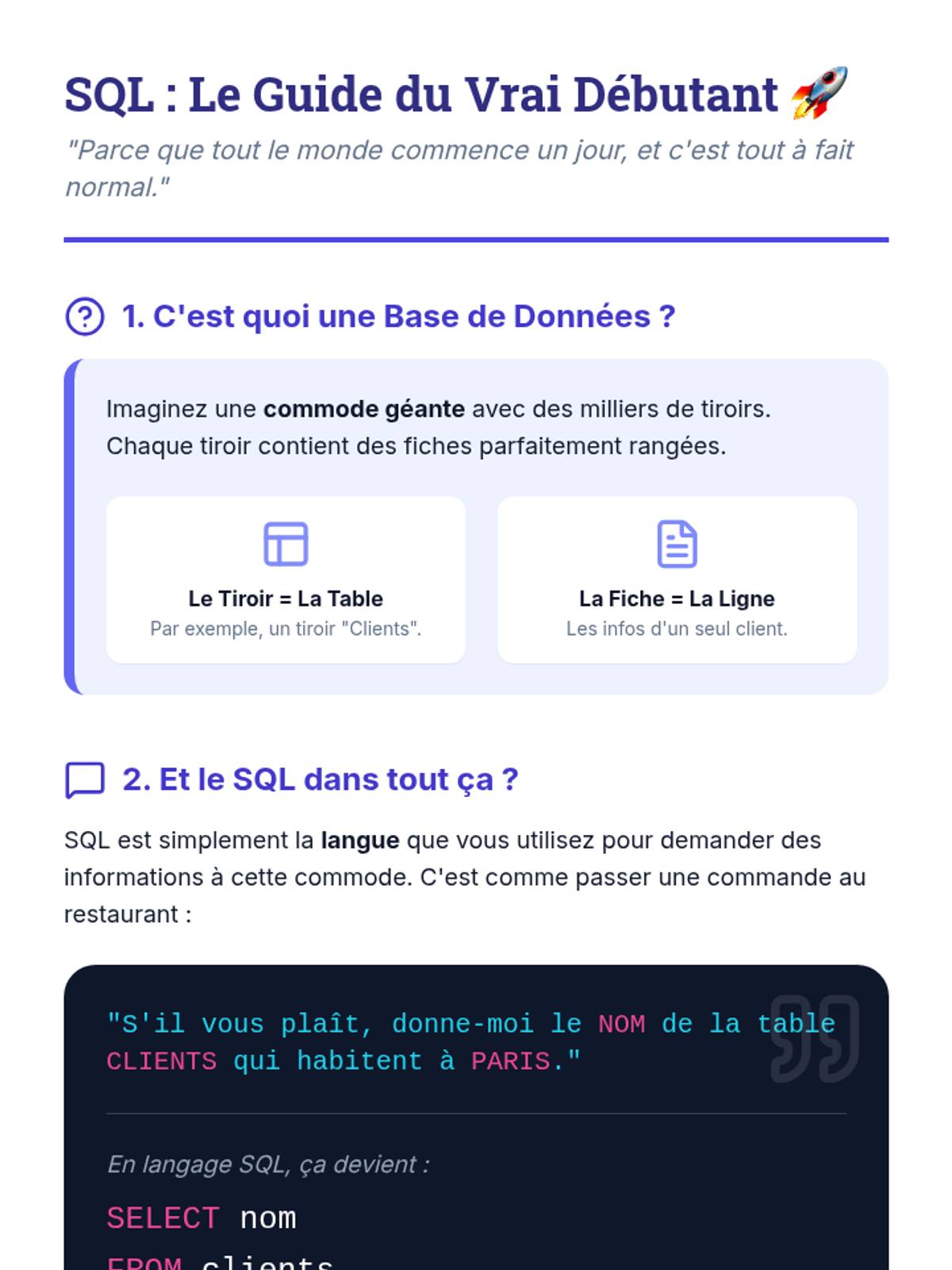
Découvrez l'anatomie d'une base de données et apprenez à extraire vos premières informations avec SELECT, FROM et WHERE.
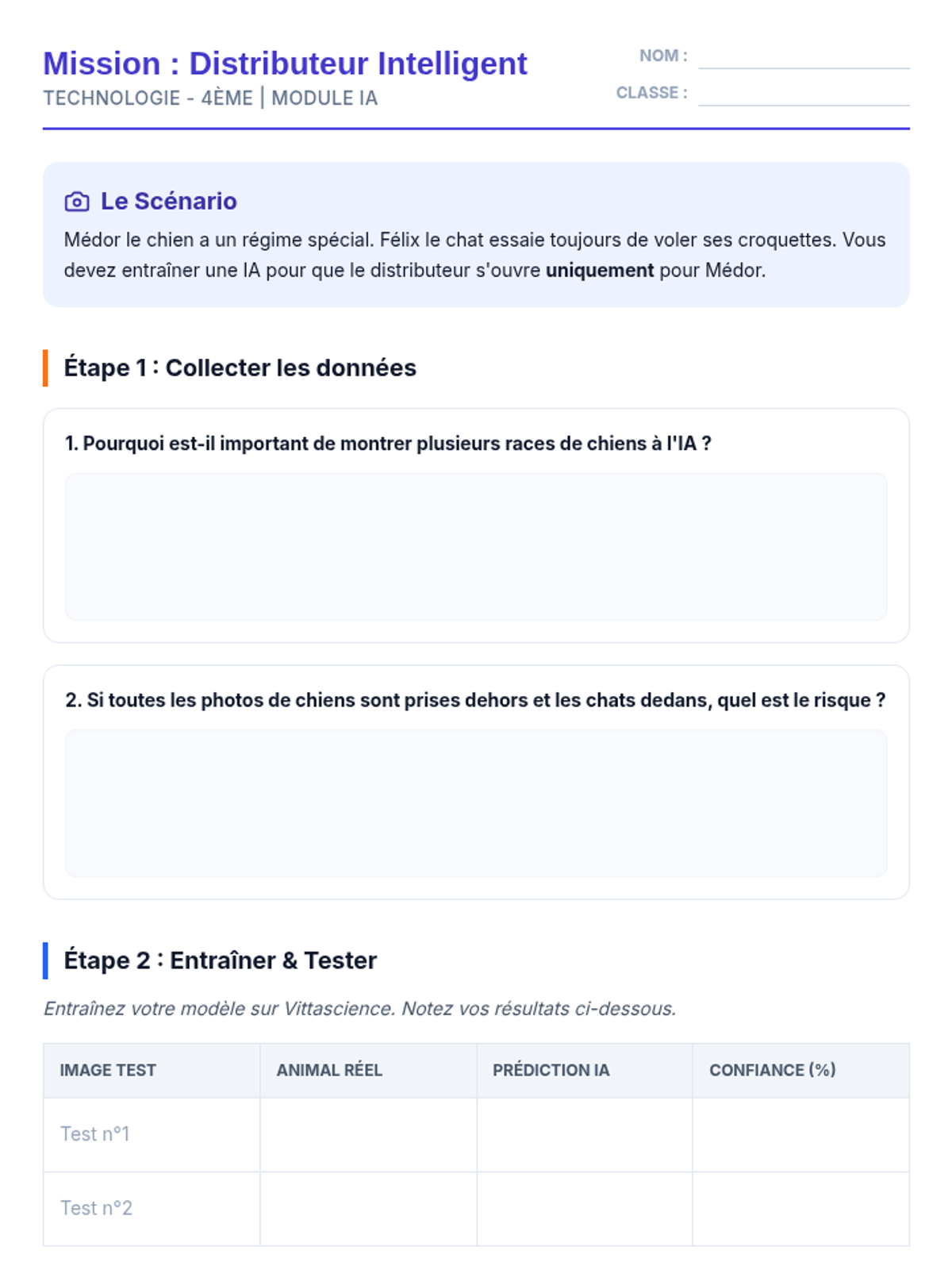
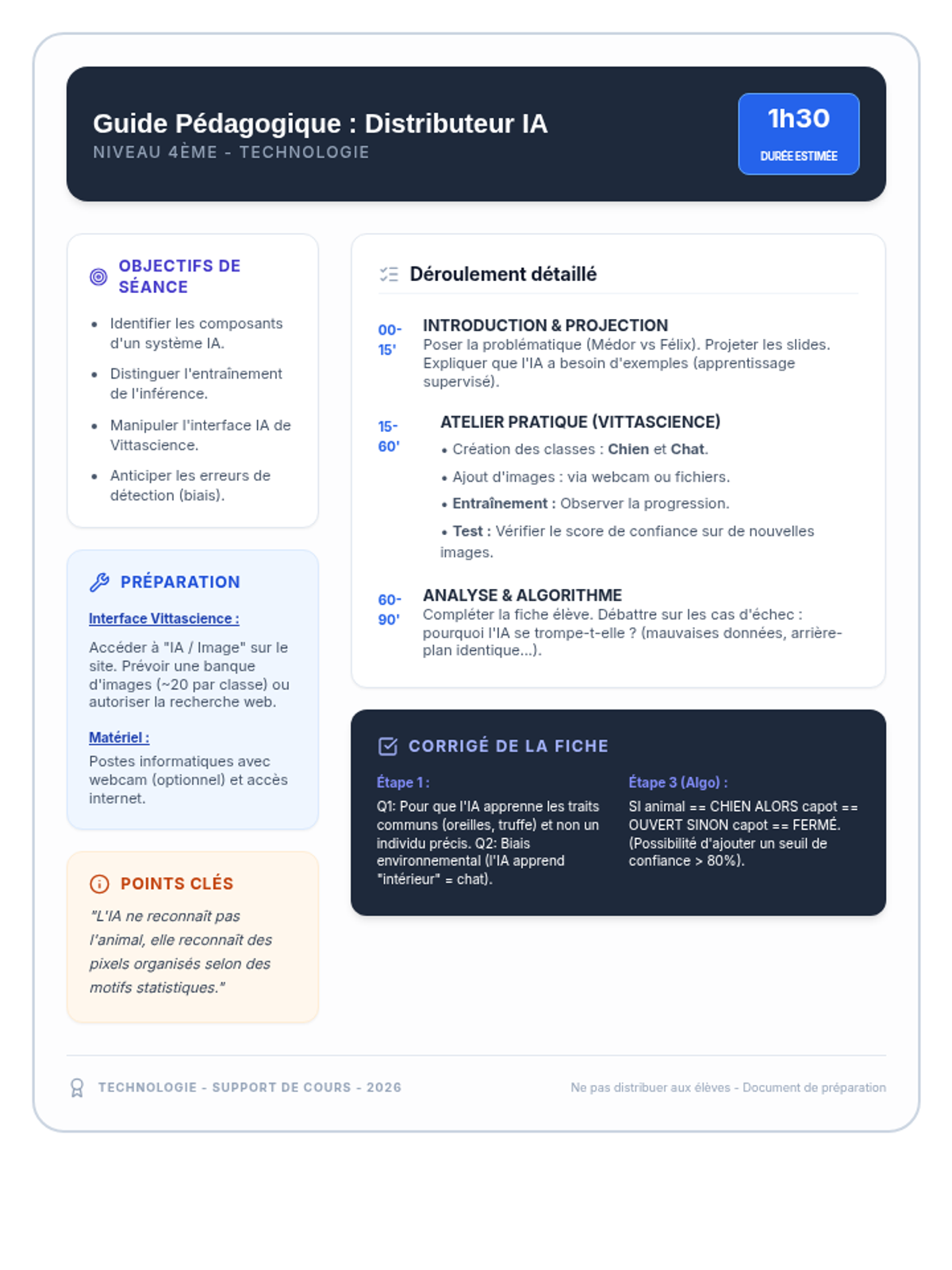
Cette leçon explore le fonctionnement de l'intelligence artificielle appliquée à un distributeur de croquettes intelligent. Les élèves découvrent l'apprentissage supervisé pour distinguer les chiens des chats en utilisant l'interface Vittascience.
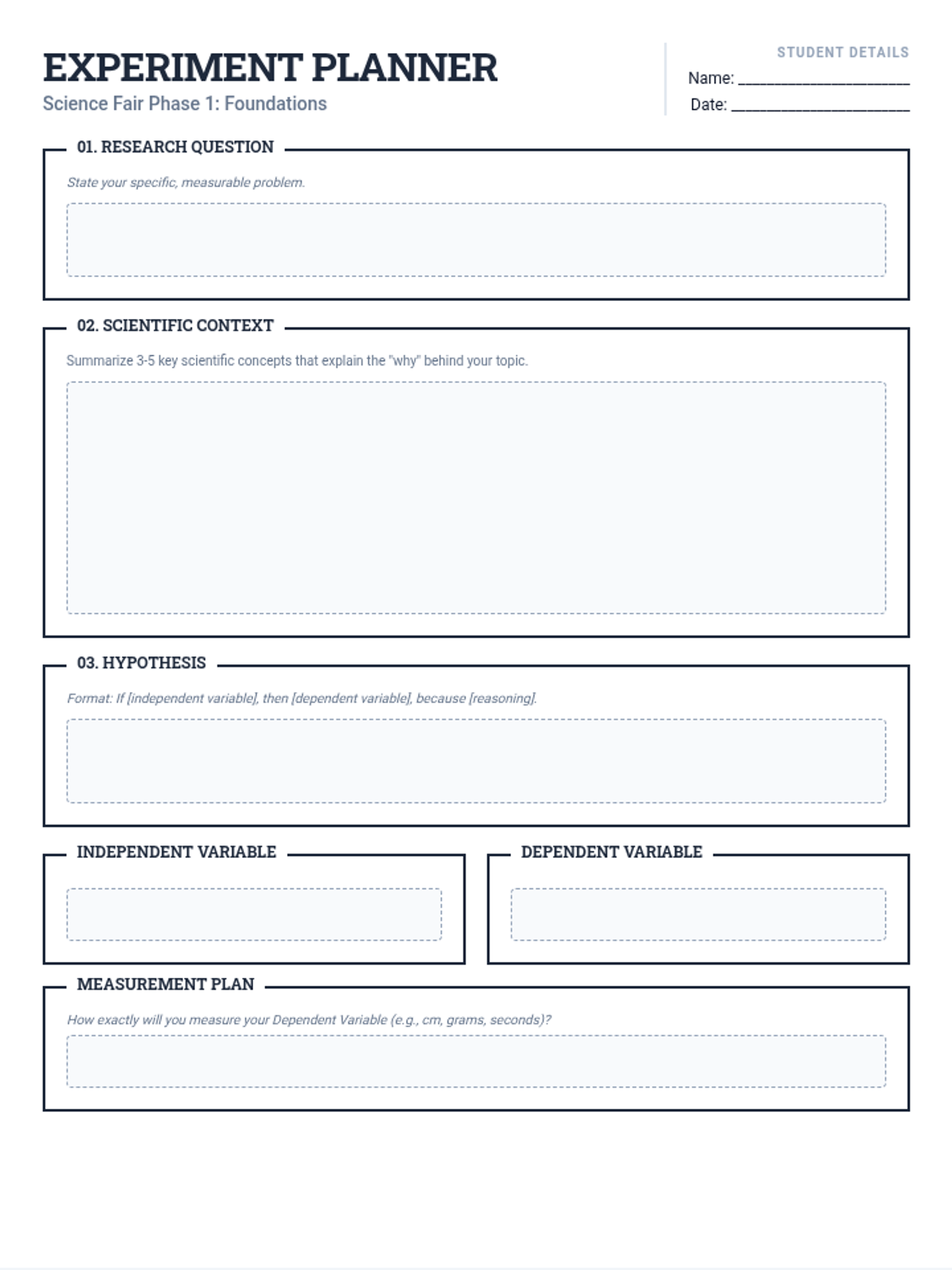
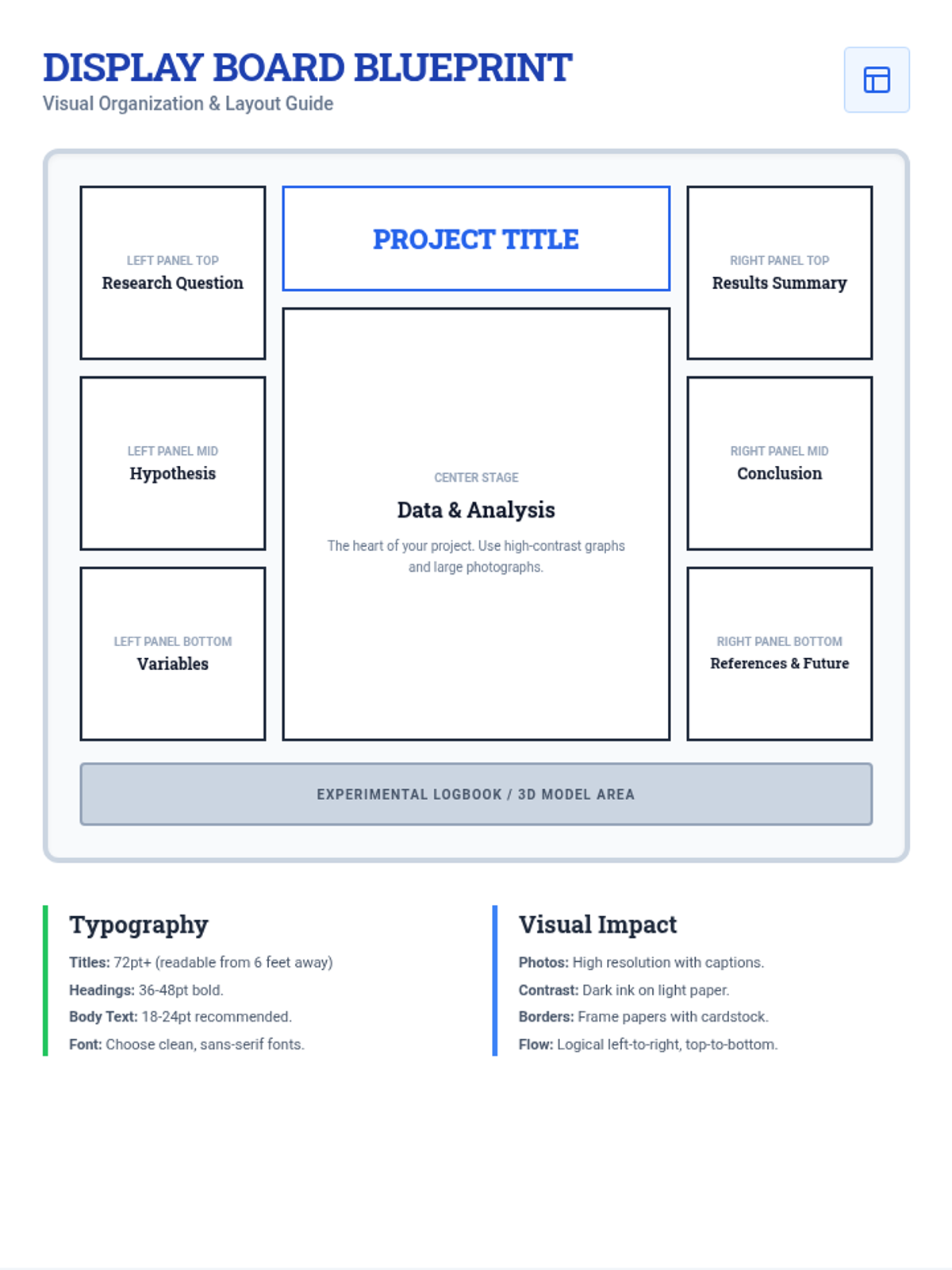
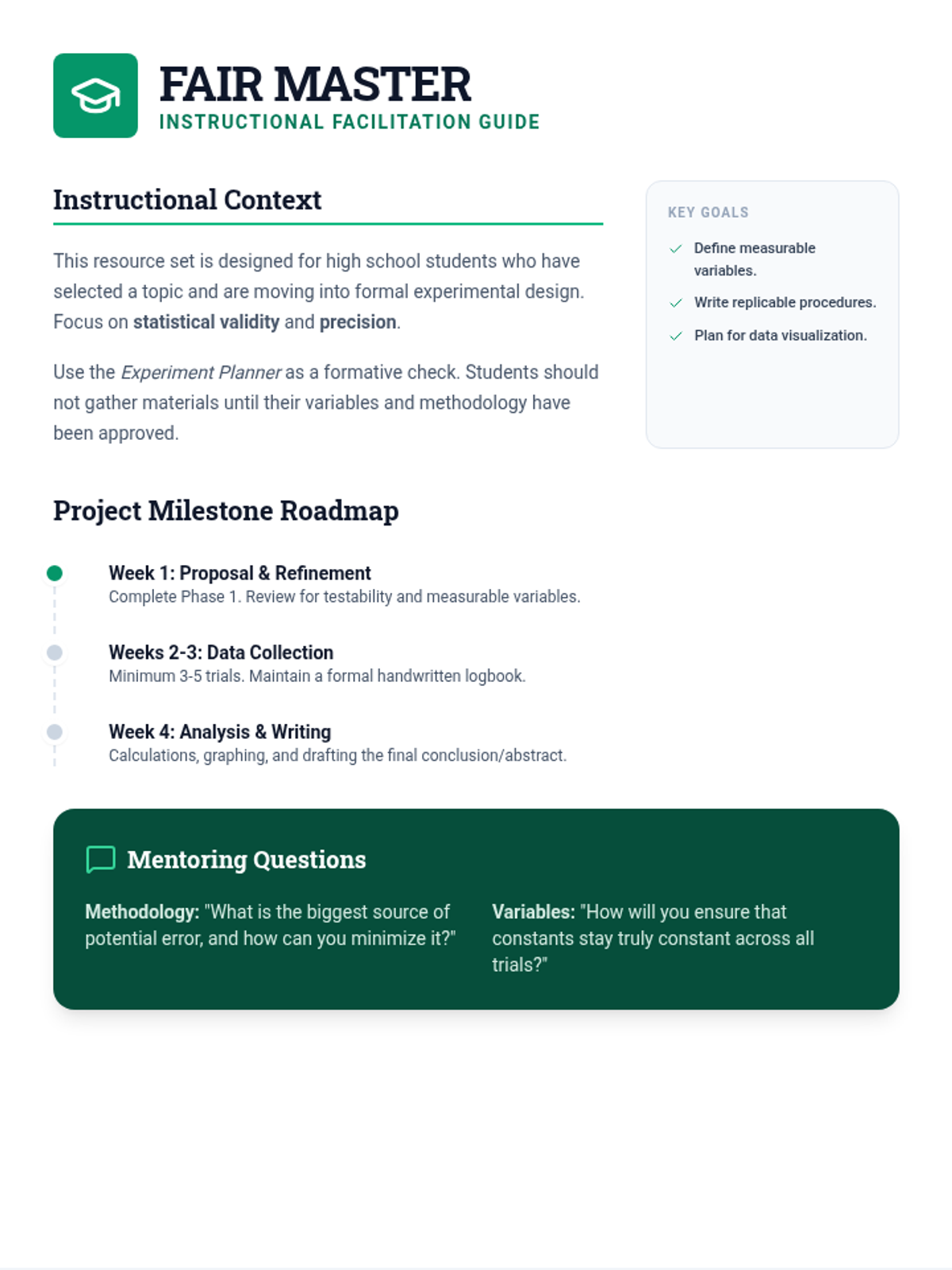
A comprehensive set of organizers and guides designed to help high school students move from a science fair topic to a fully realized experimental design and display board.
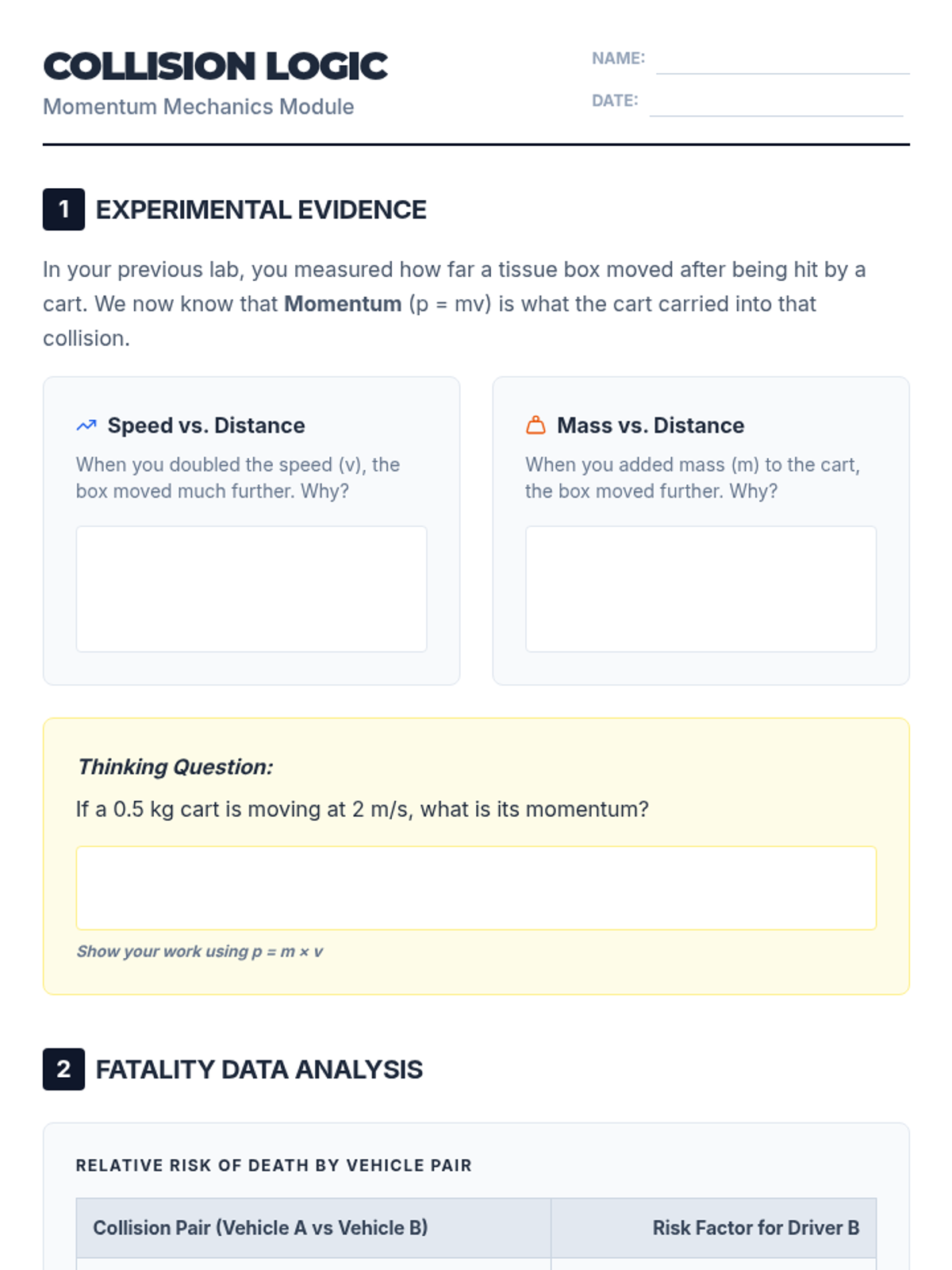
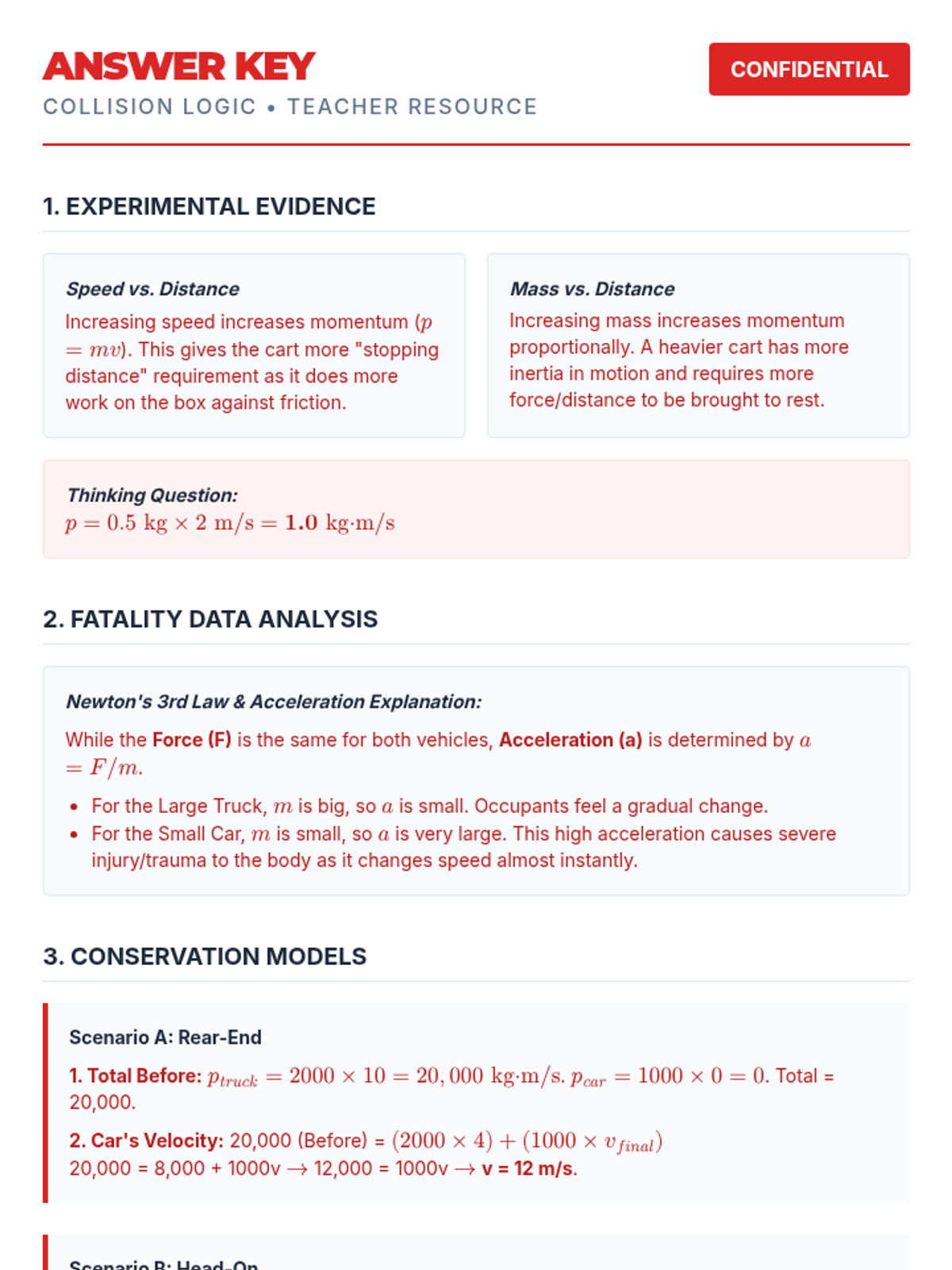
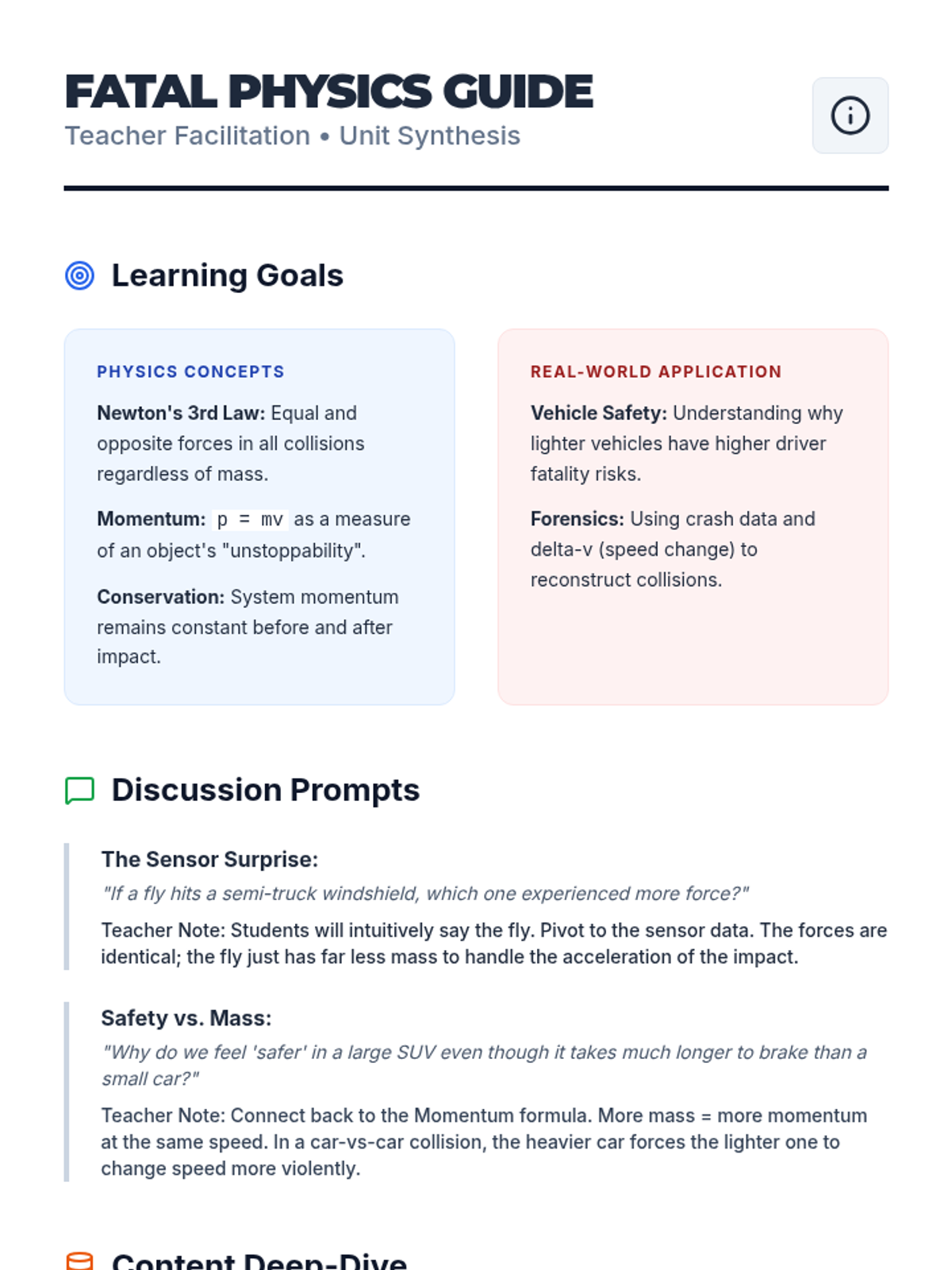
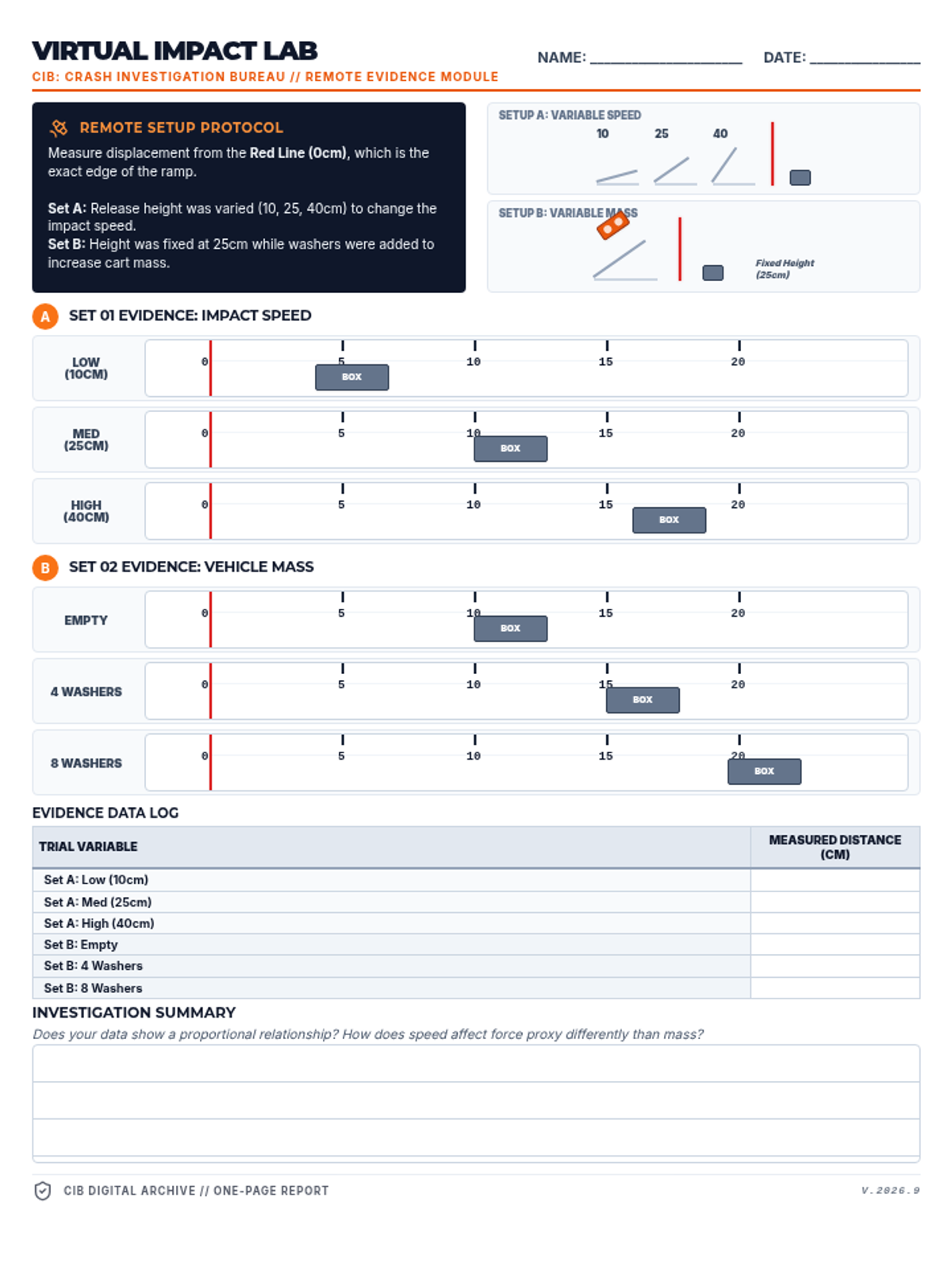
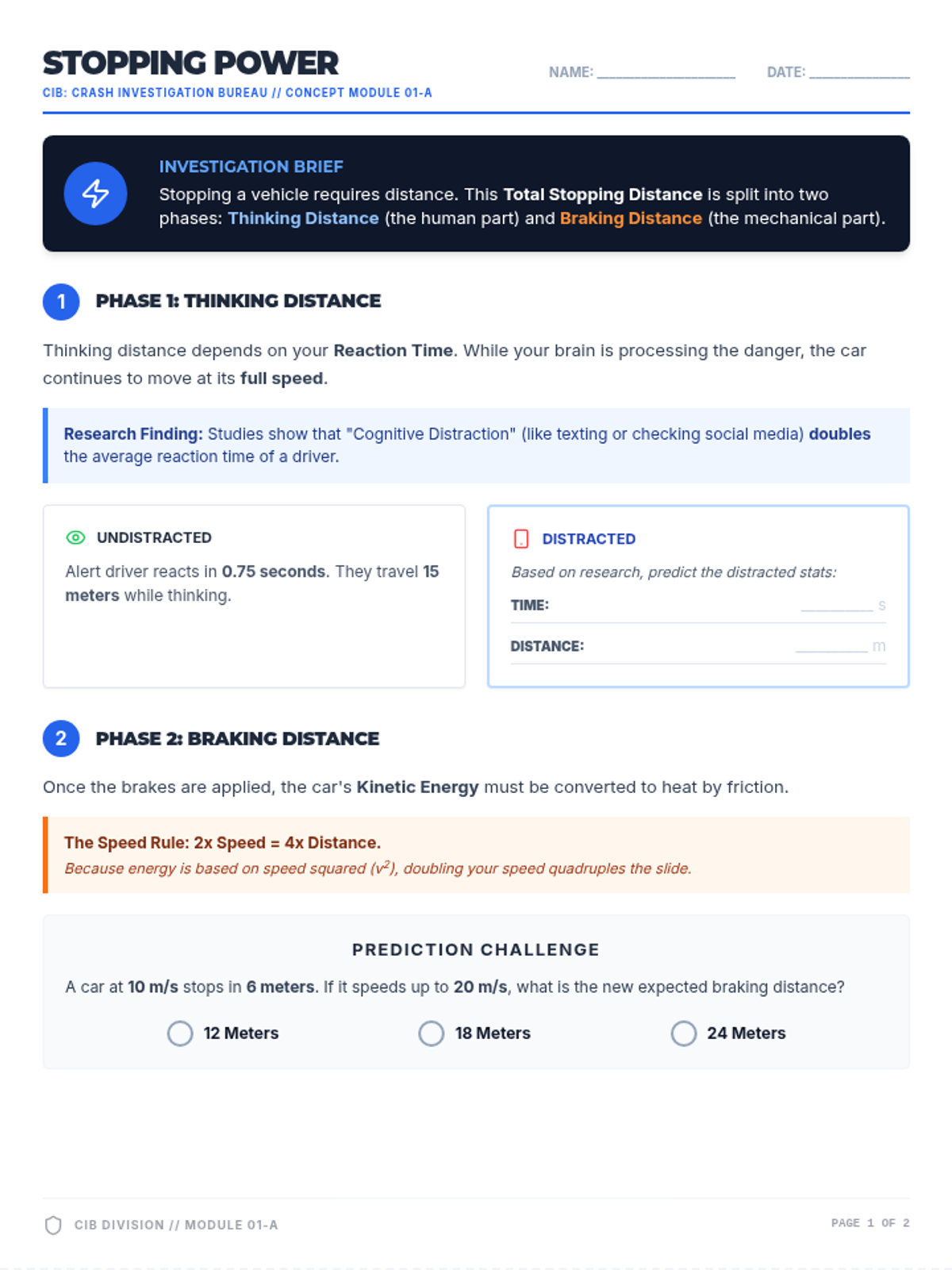
A lesson that connects experimental lab data to the formal physics of momentum, impulse, and vehicle safety. Students analyze collision sensor data and fatality statistics to understand how mass and velocity dictate crash outcomes.
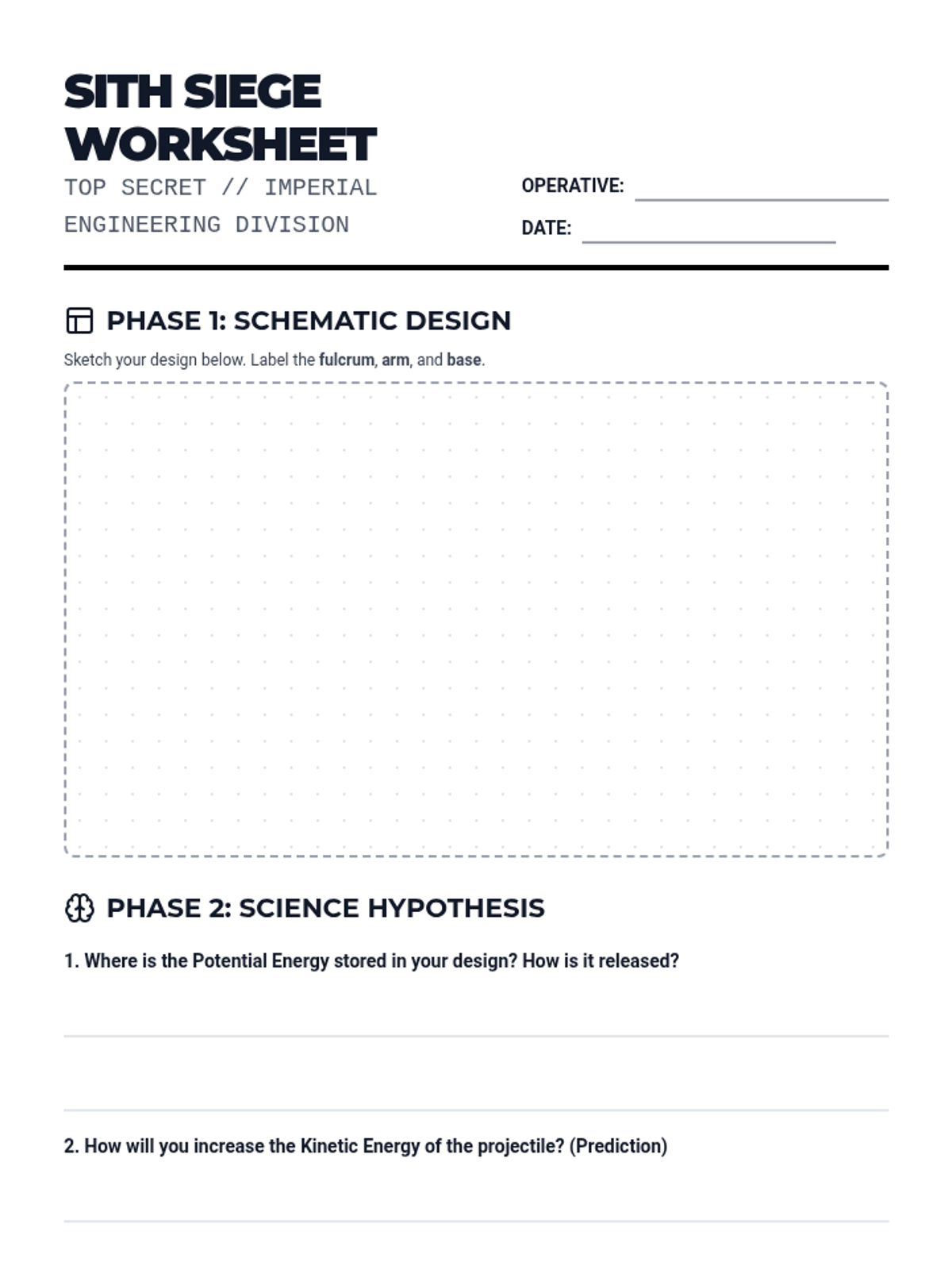
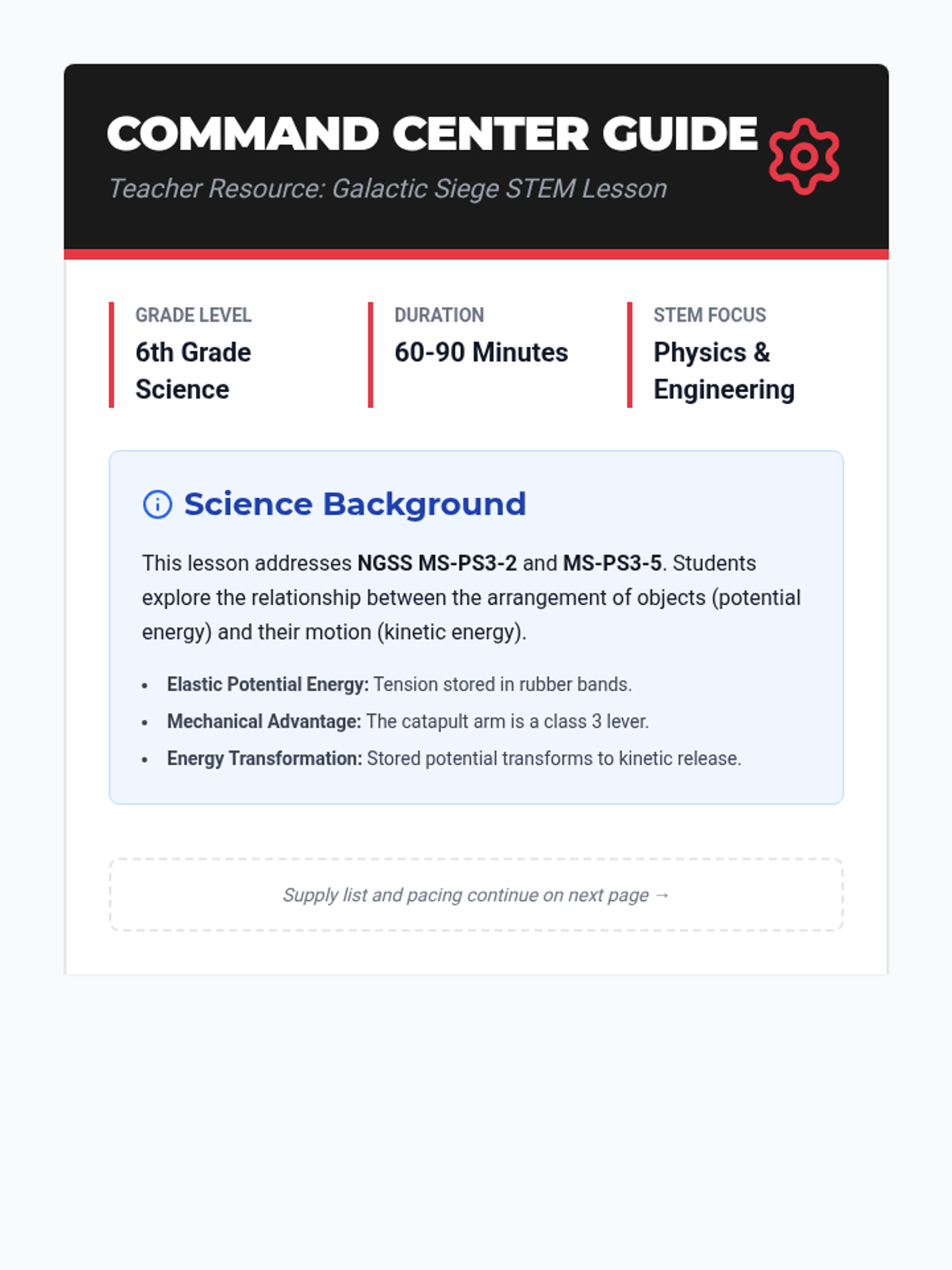
Students apply their understanding of potential and kinetic energy to design and build a catapult (siege engine) using common household materials. They will test their designs for distance and accuracy while recording scientific data.
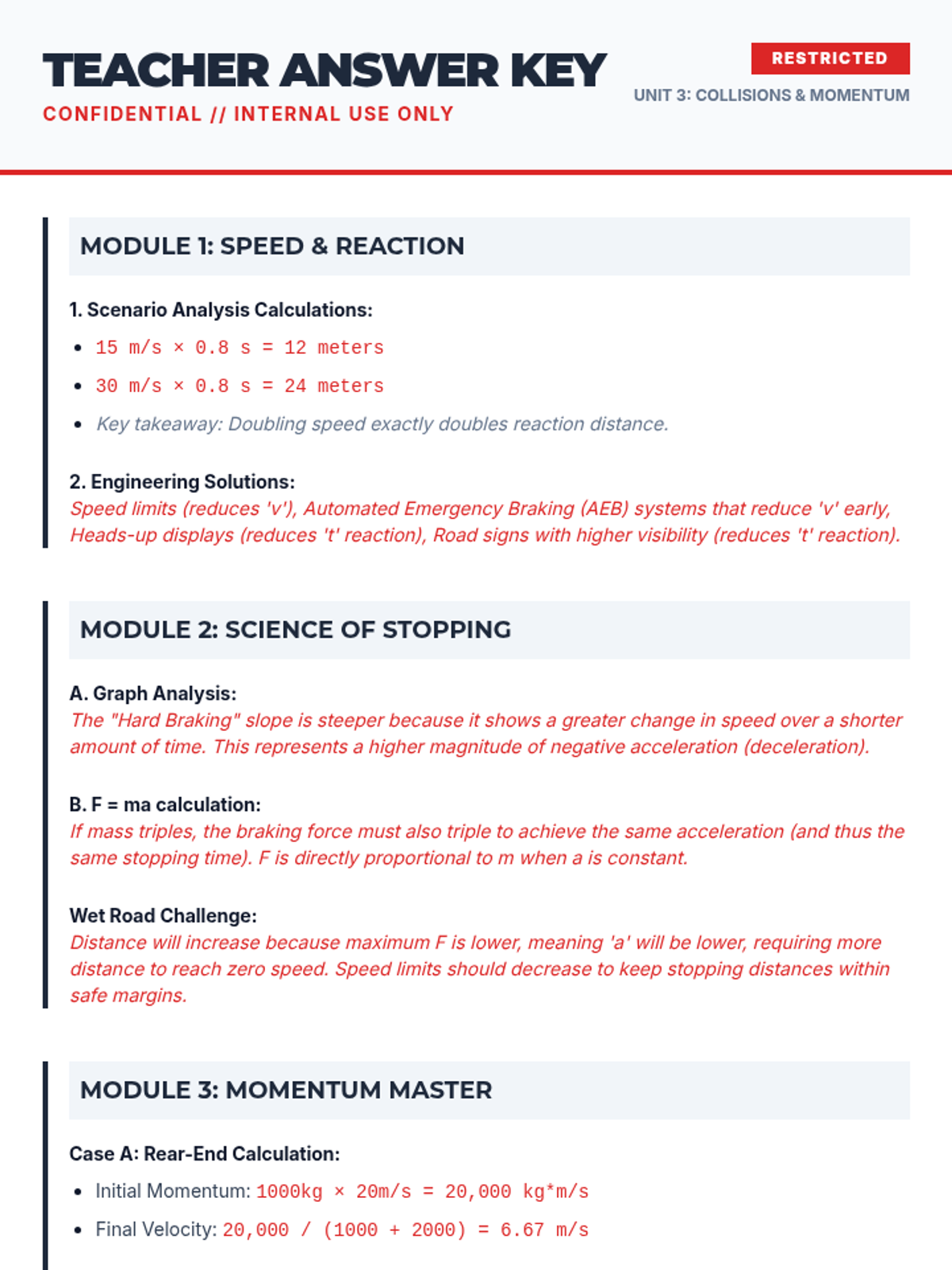
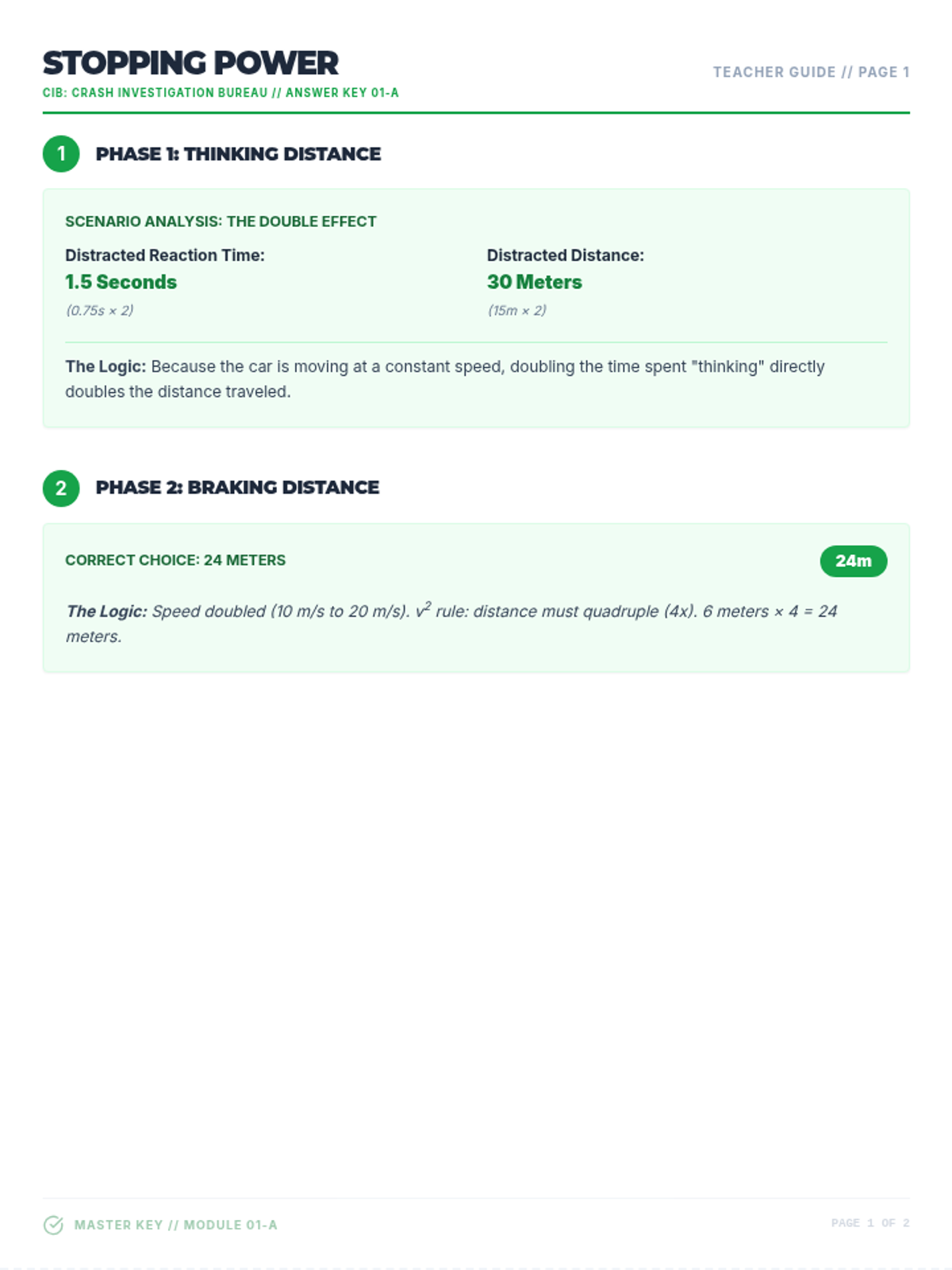
A series of independent modules covering mathematical models of reaction distance, braking forces, momentum conservation, and safety engineering.
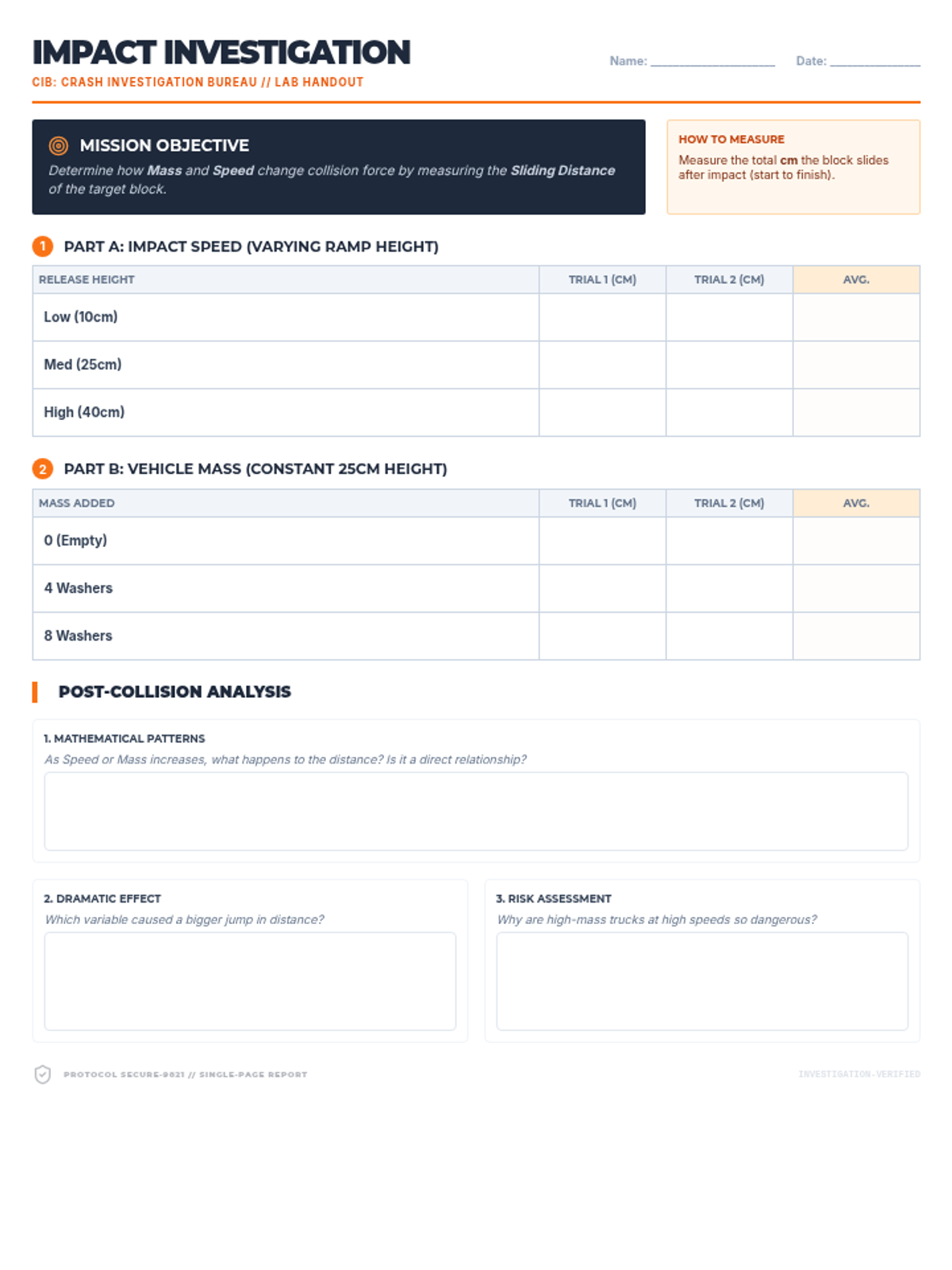
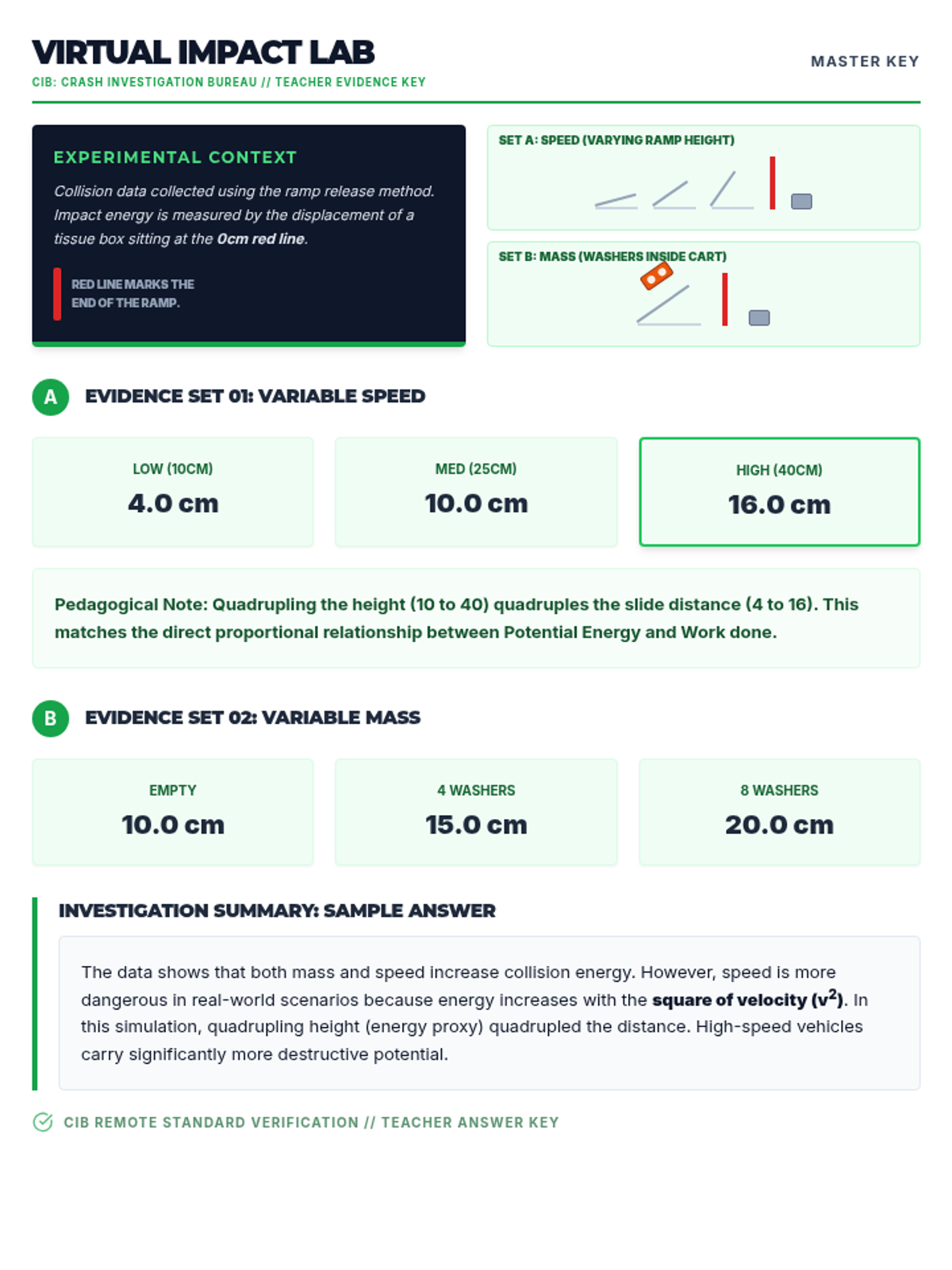
A hands-on interactive session where students investigate the relationship between mass, speed, and impact force using ramps and sliding targets.
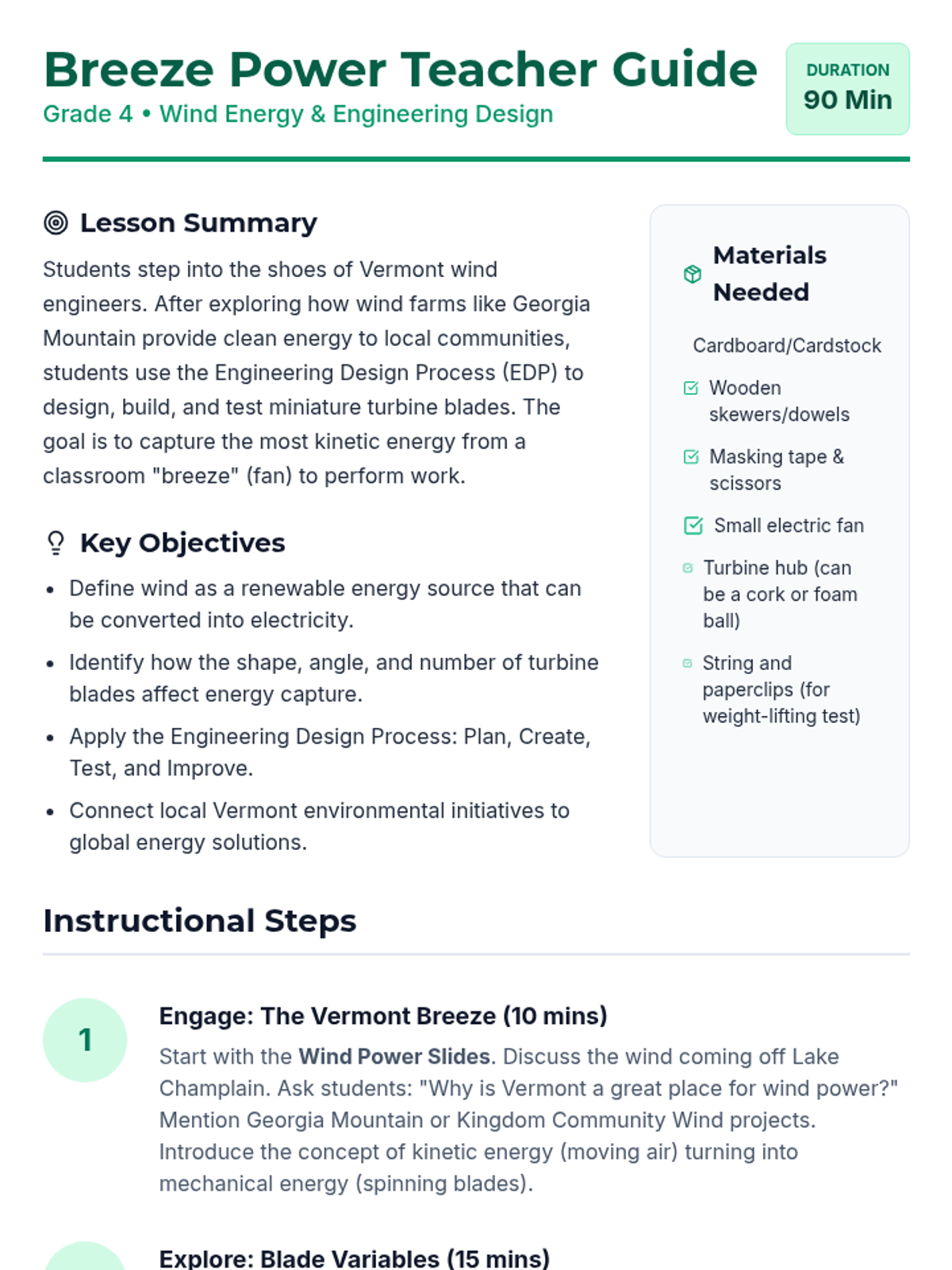
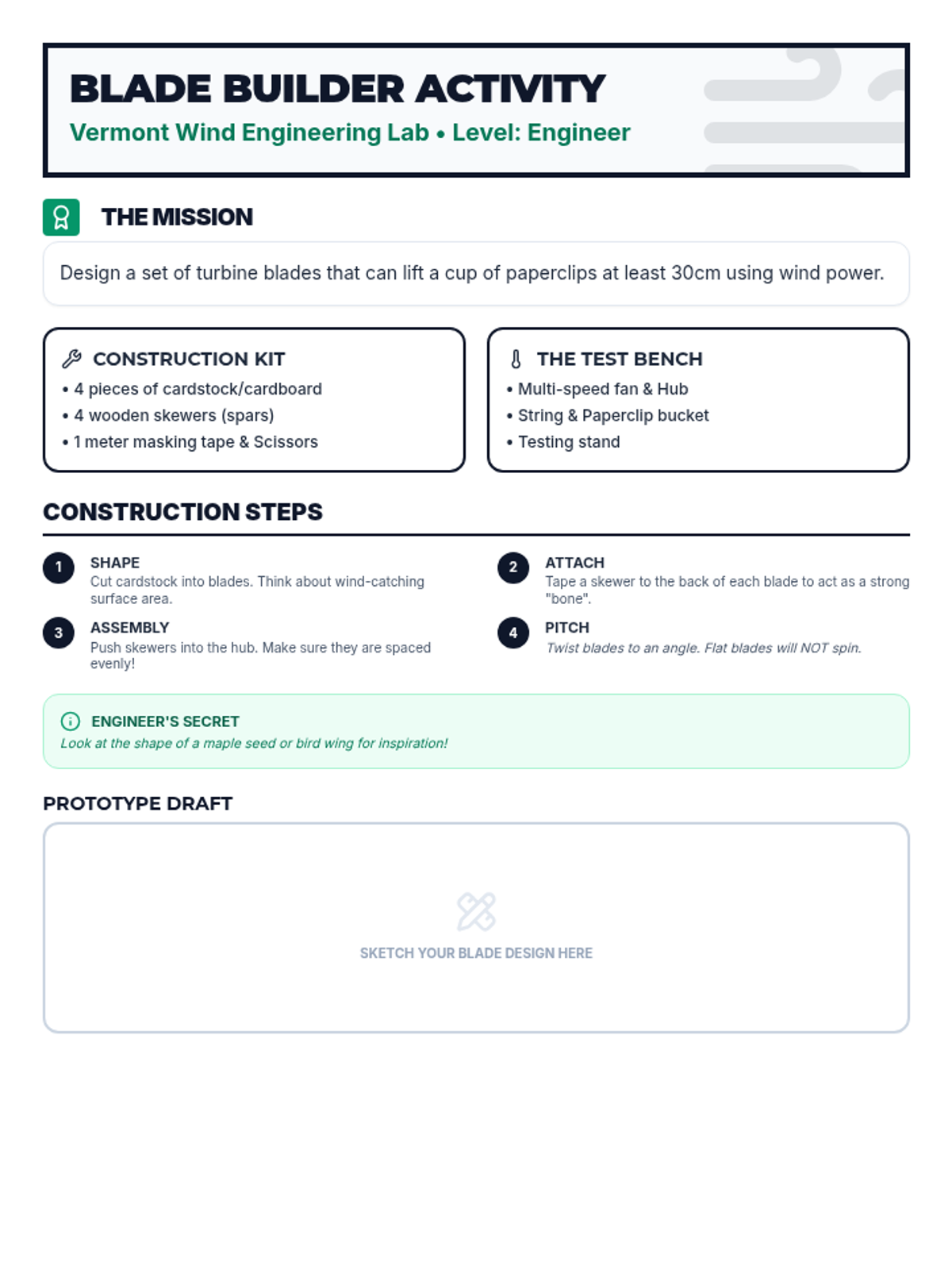
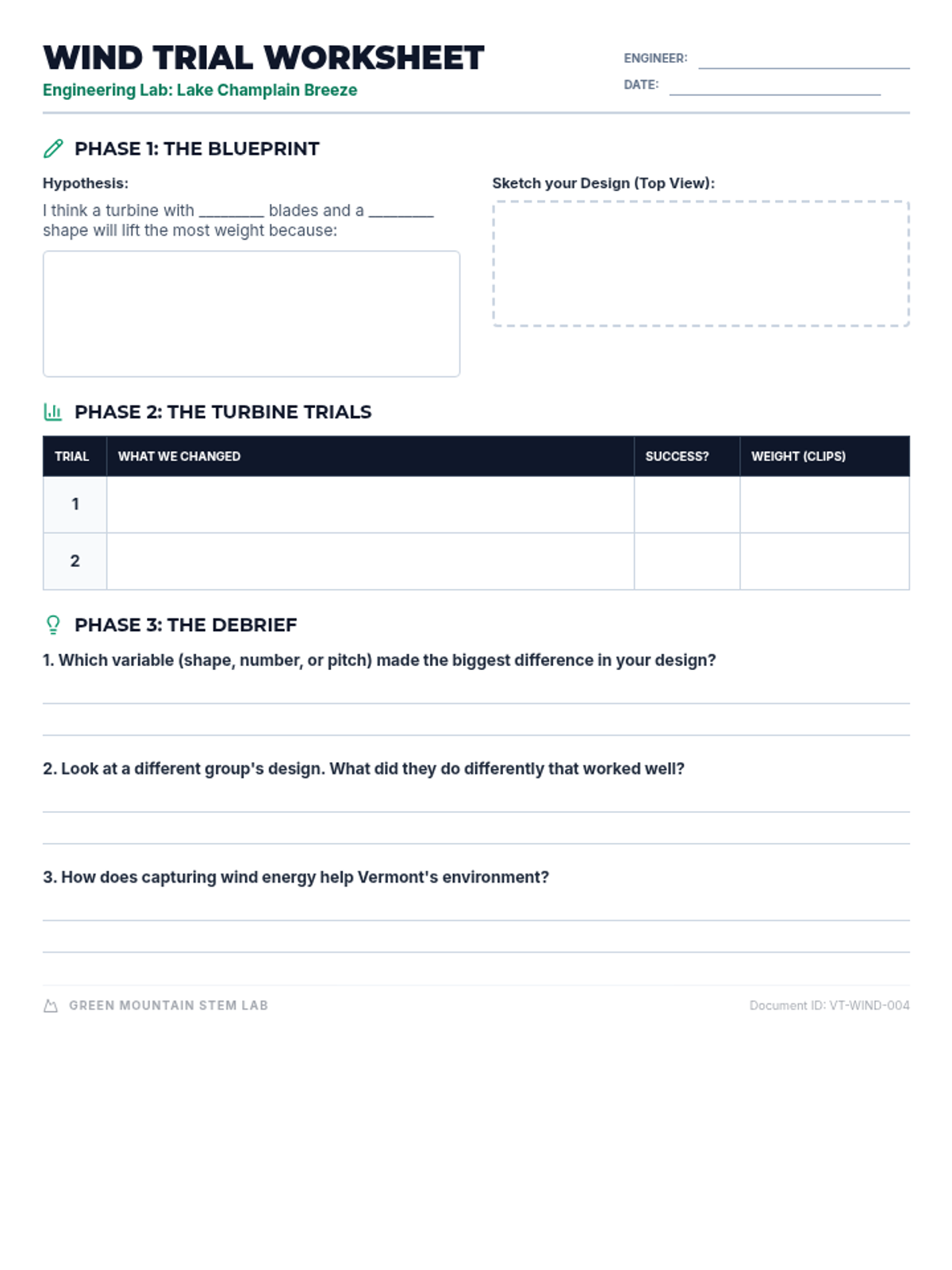
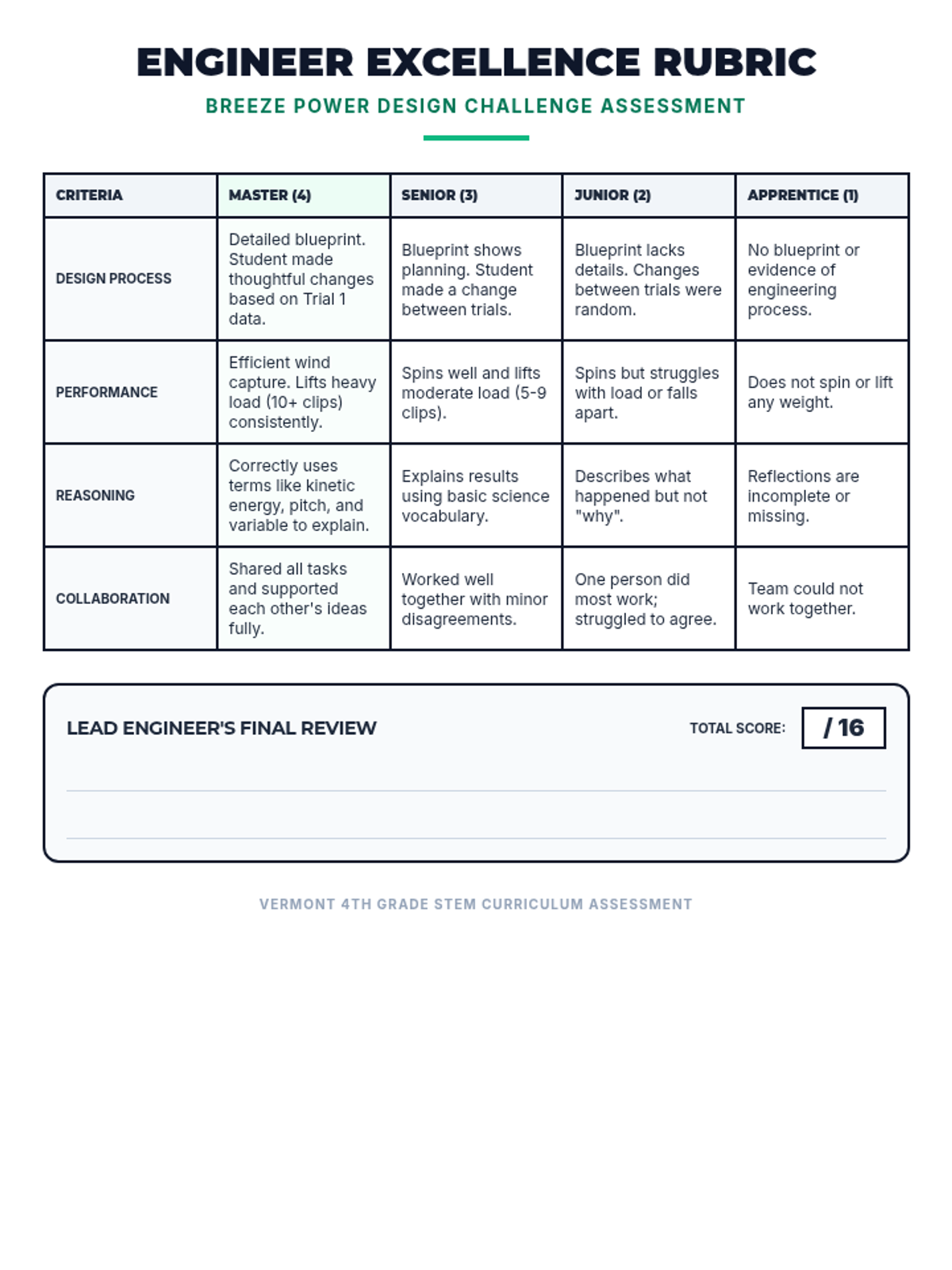
In this STEM-focused lesson, 4th-grade scientists investigate wind energy by designing and testing miniature turbine blades. They explore Vermont's renewable energy landscape and apply the engineering design process to optimize power output.
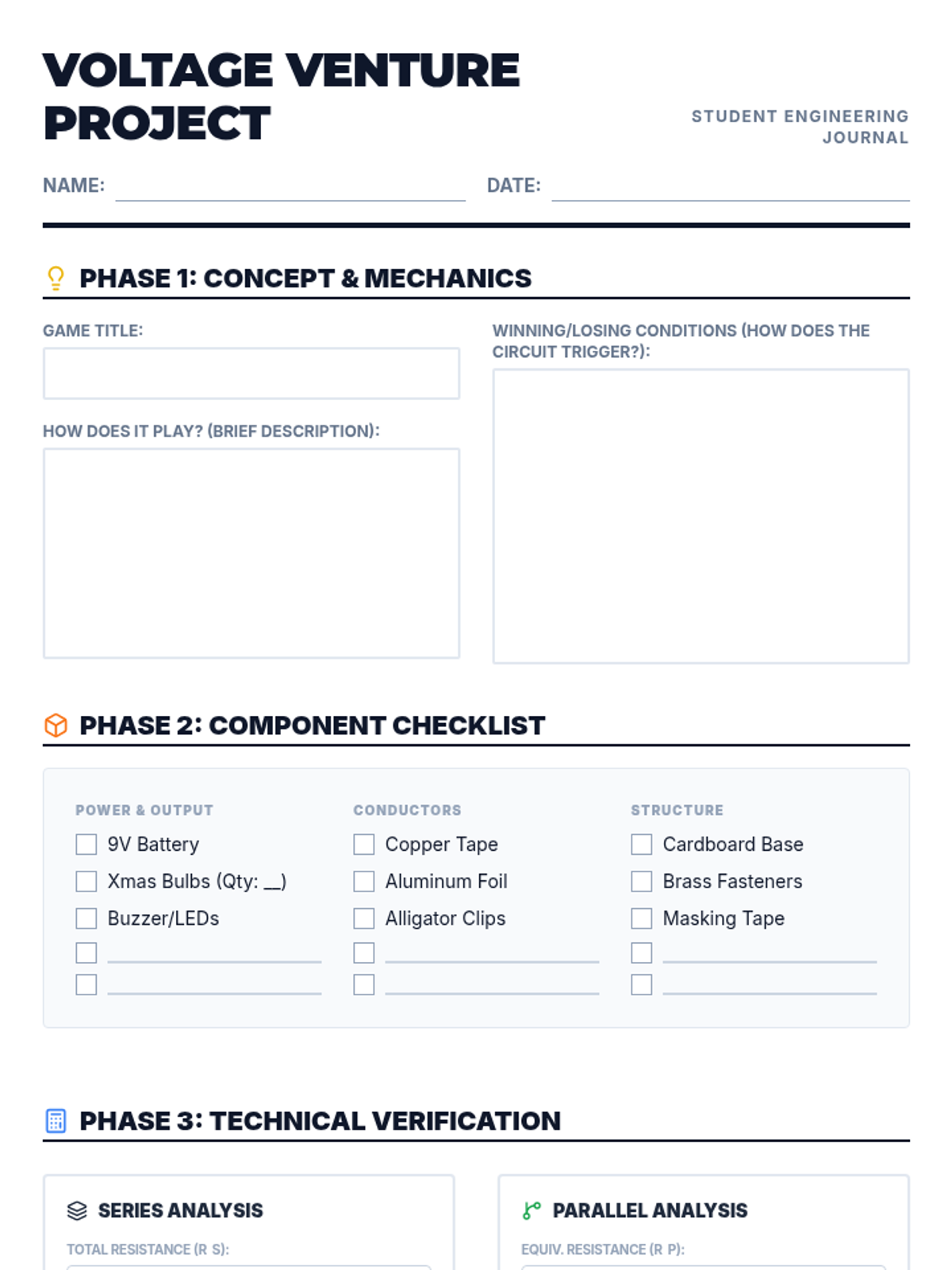
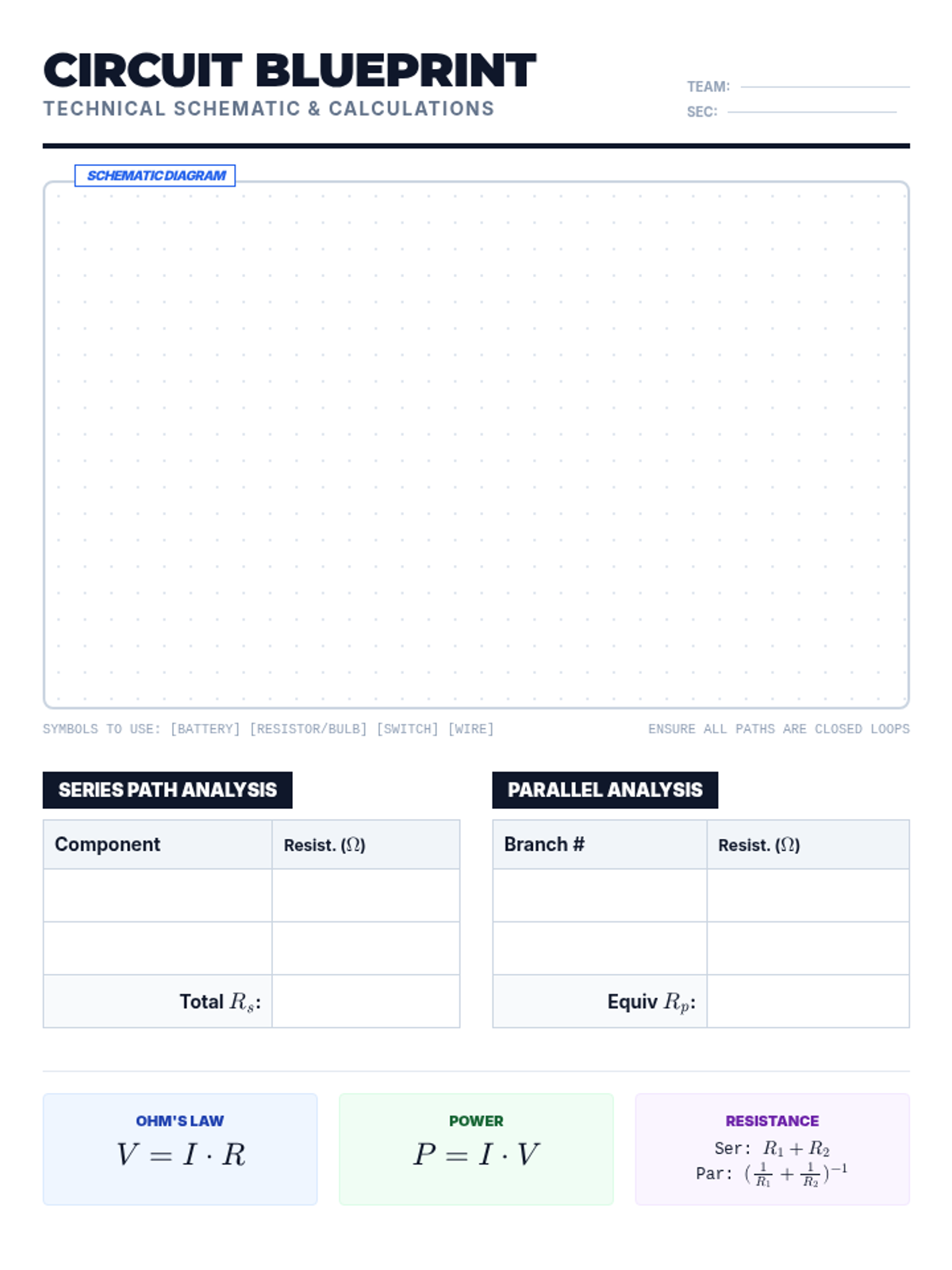
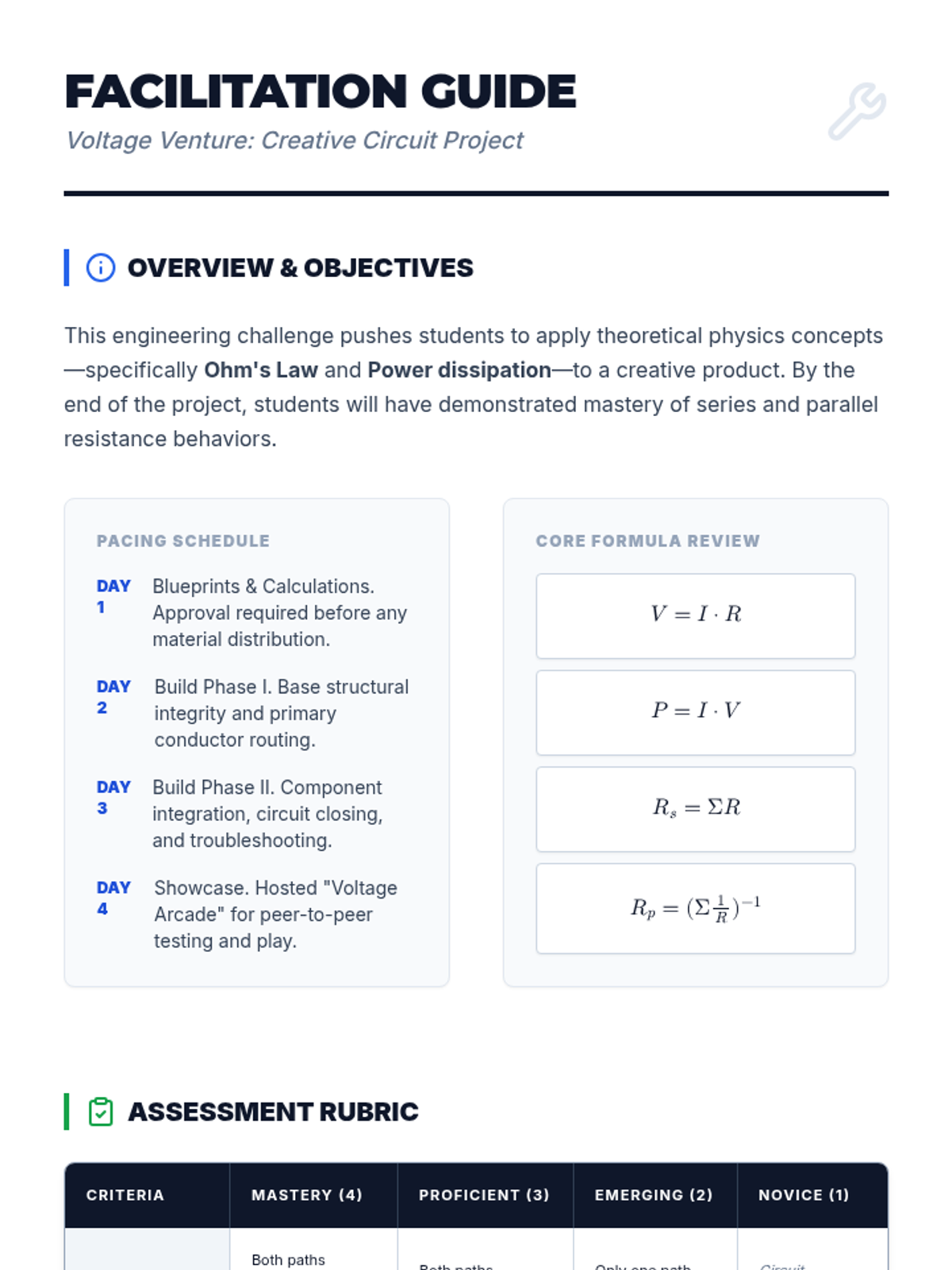
A creative engineering project where students design and build a game that incorporates functional series and parallel circuits, applying principles of Ohm's Law and electric power.
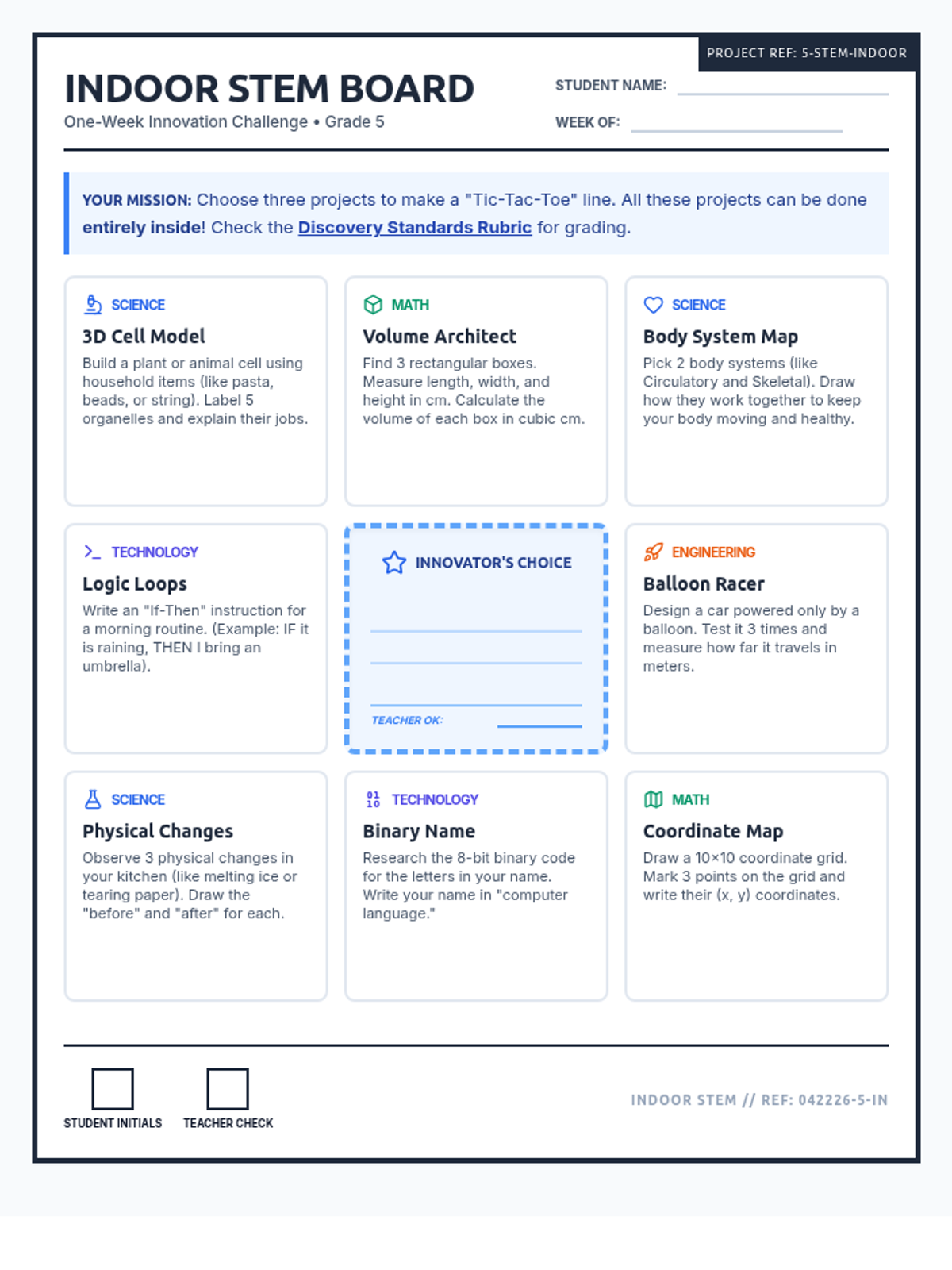
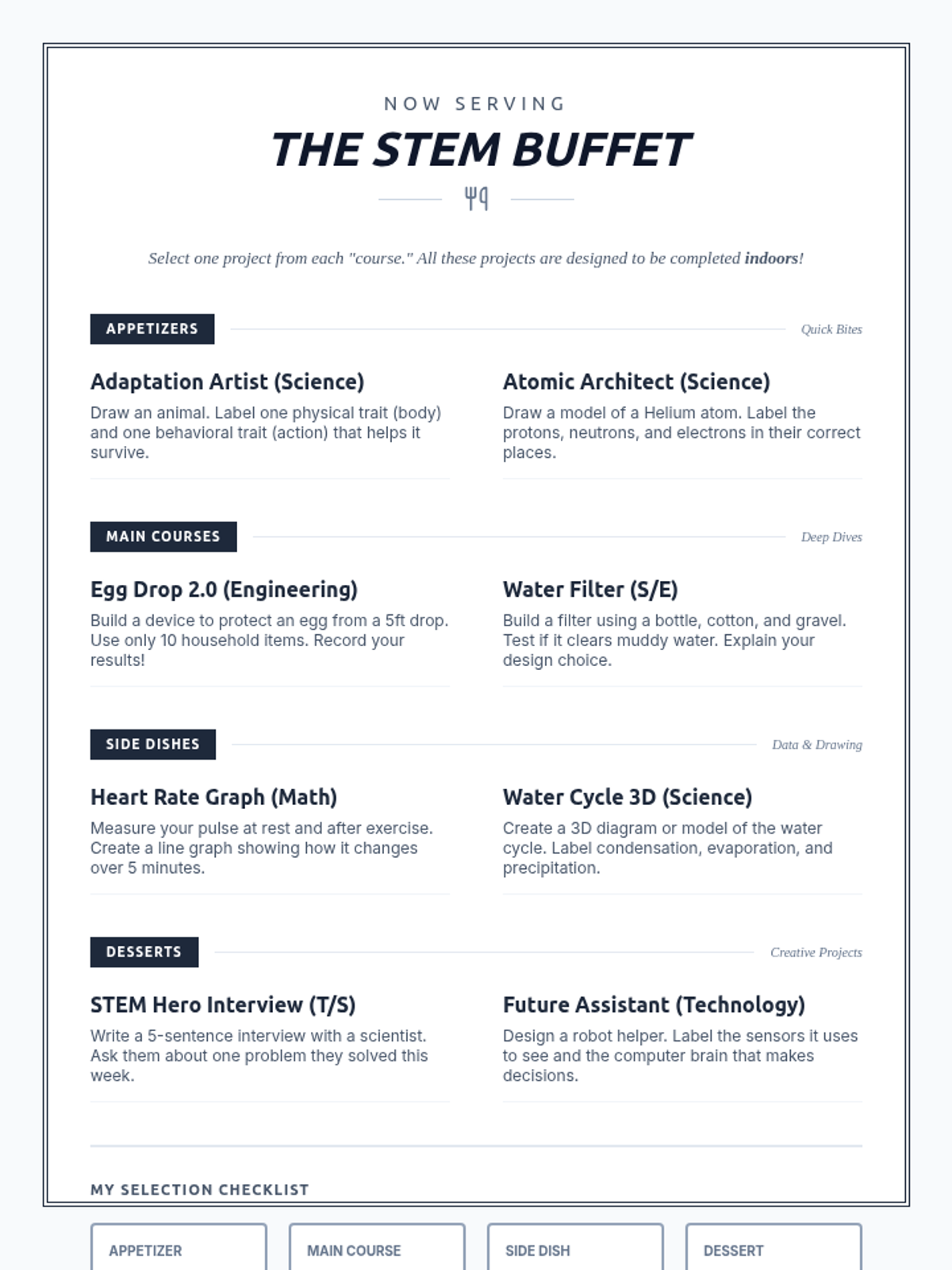
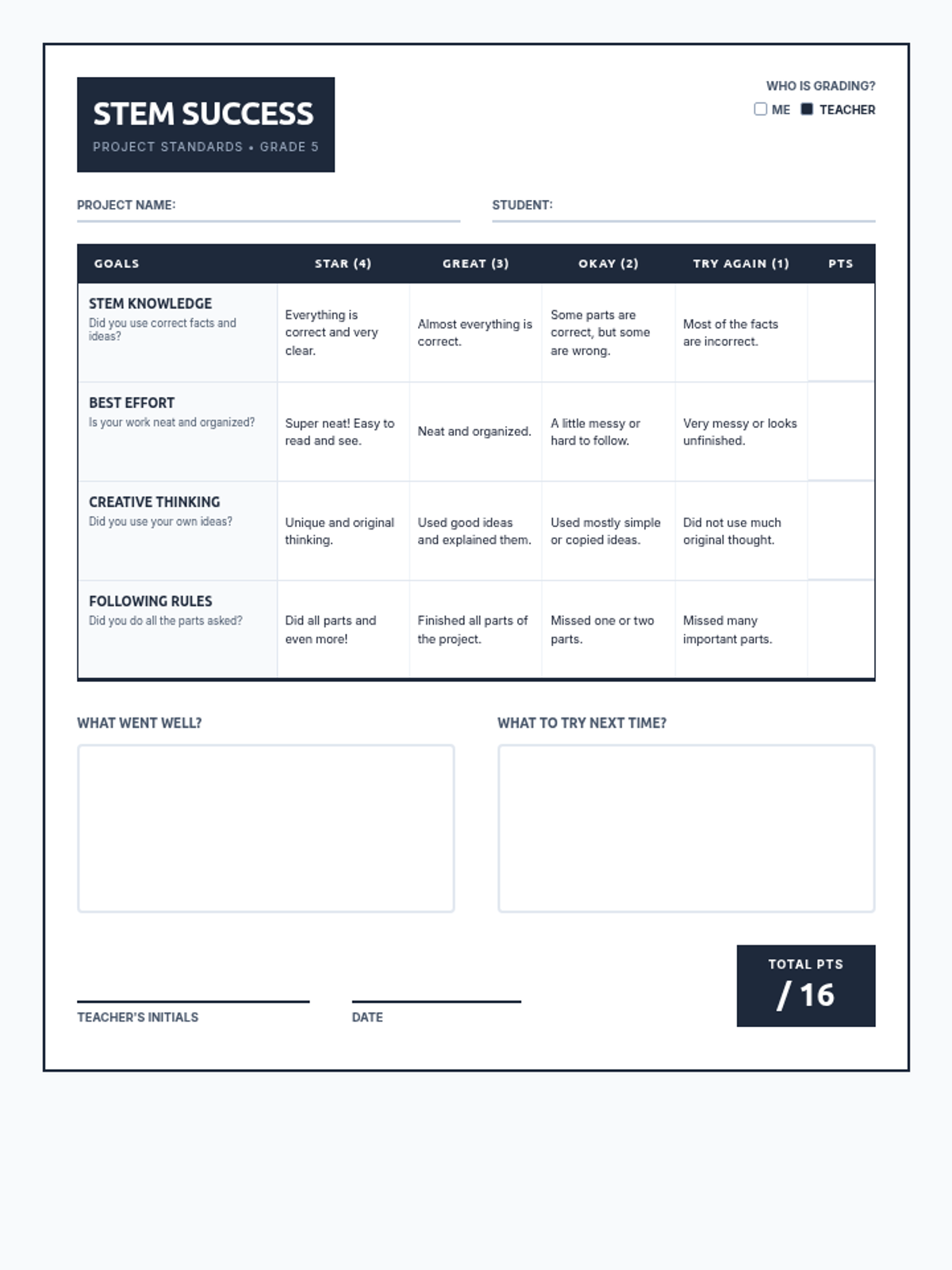
A comprehensive STEM project choice unit designed for 7th-grade students to explore various scientific and engineering topics through self-directed learning and creative output.
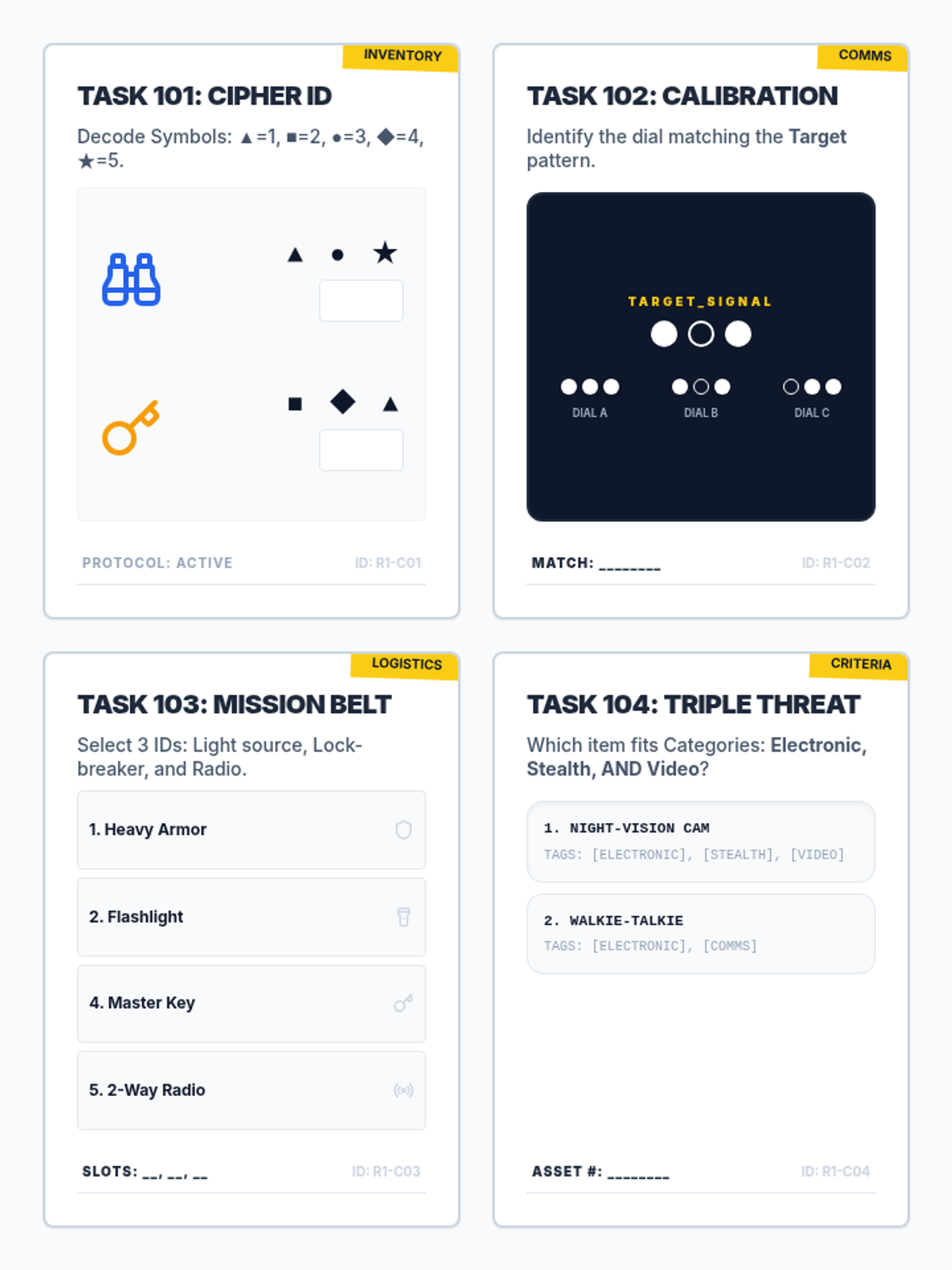
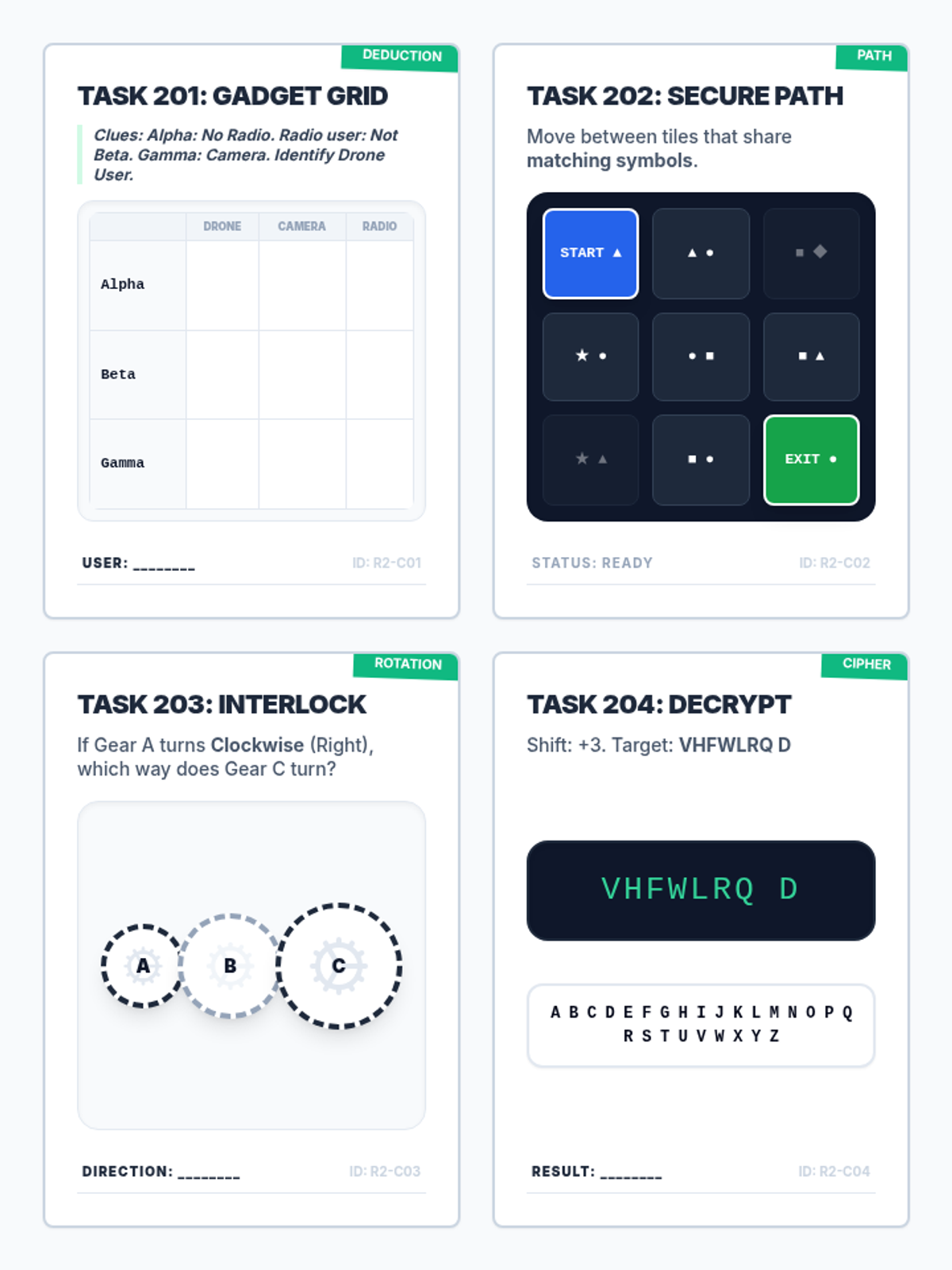
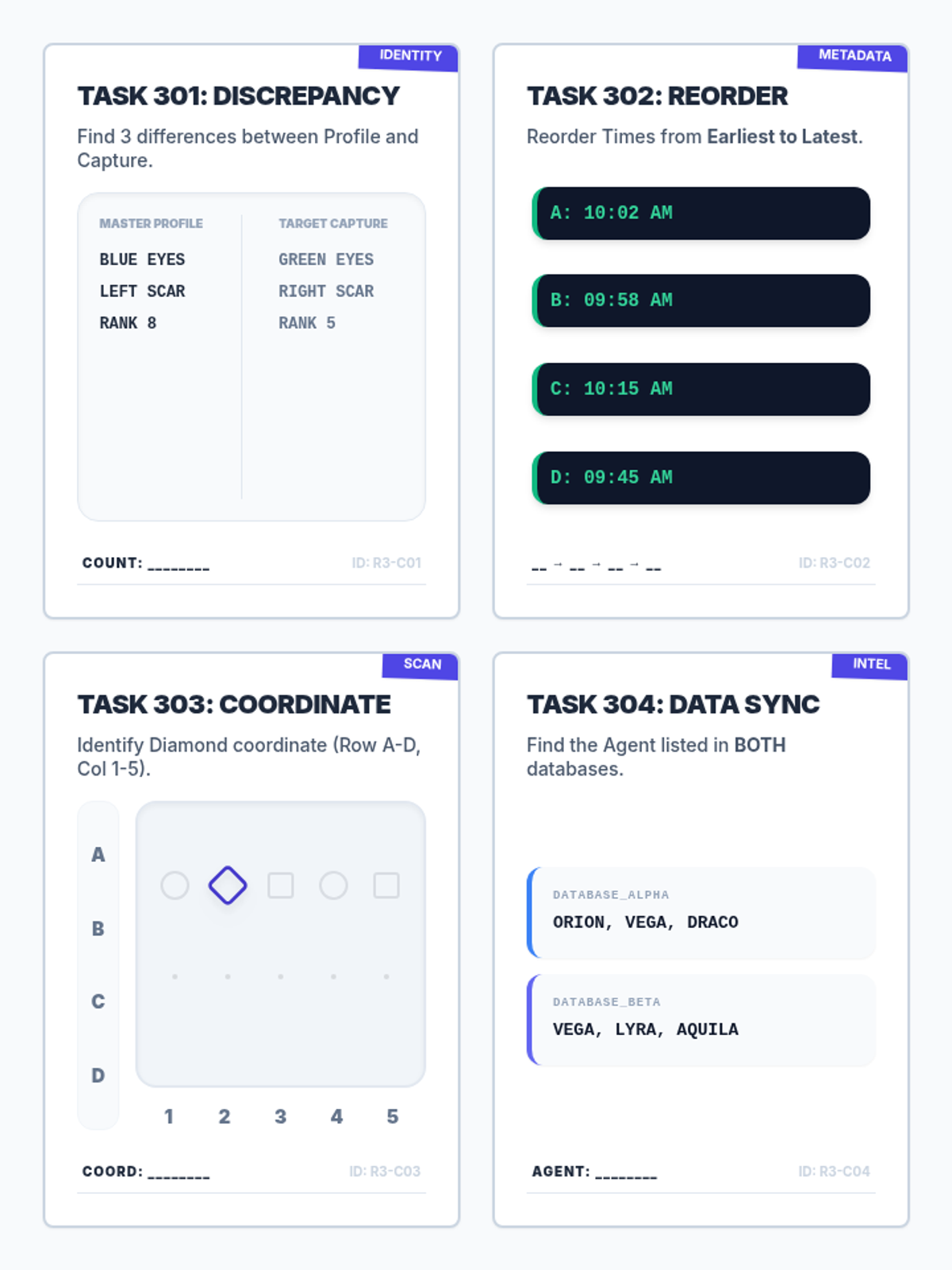
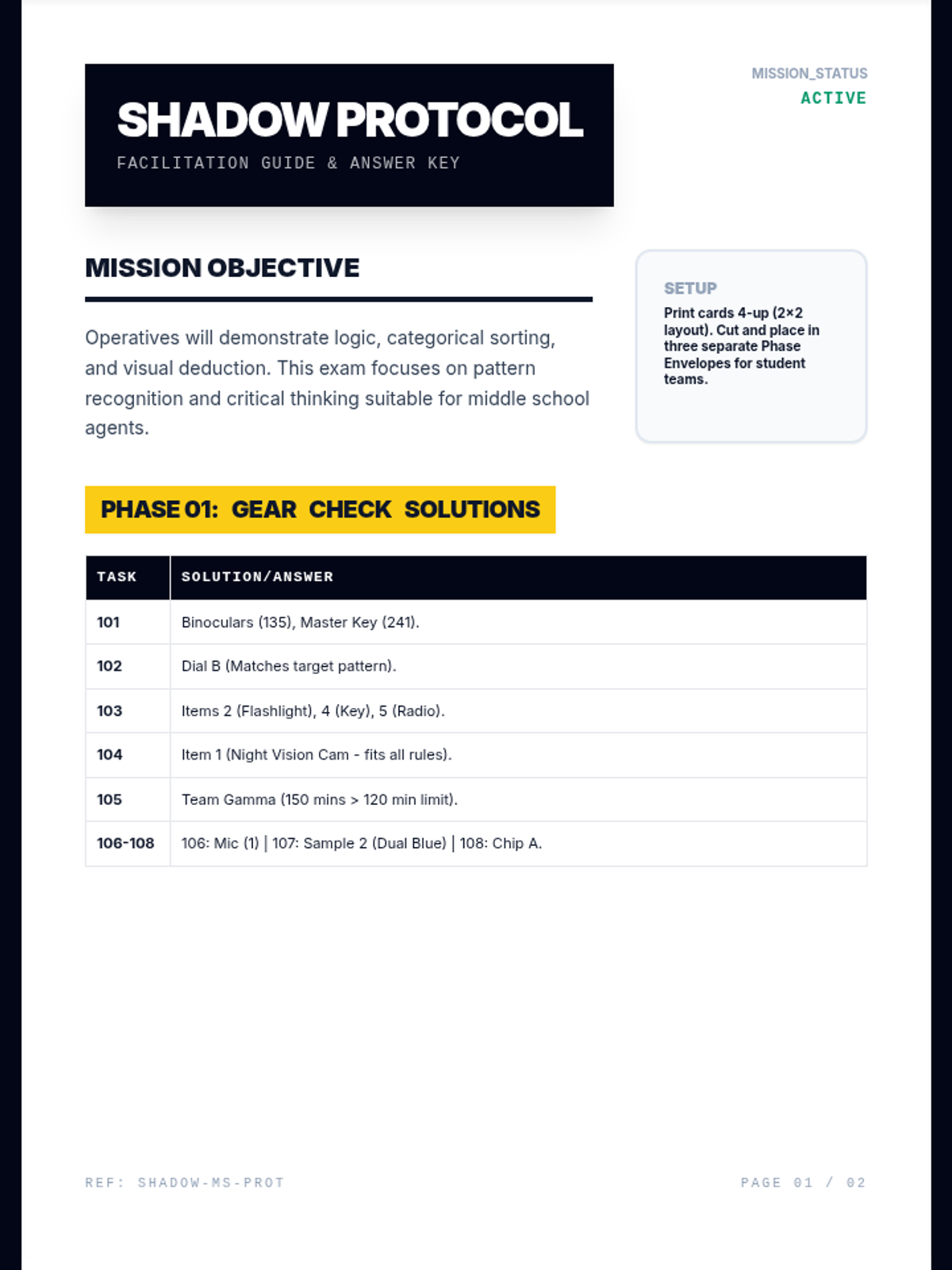
A high-stakes secret agent escape room designed for middle school students, featuring complex logic grids, binary decryption, spatial reasoning, and data analysis. Operatives must work through three rigorous phases of testing to earn their field status.
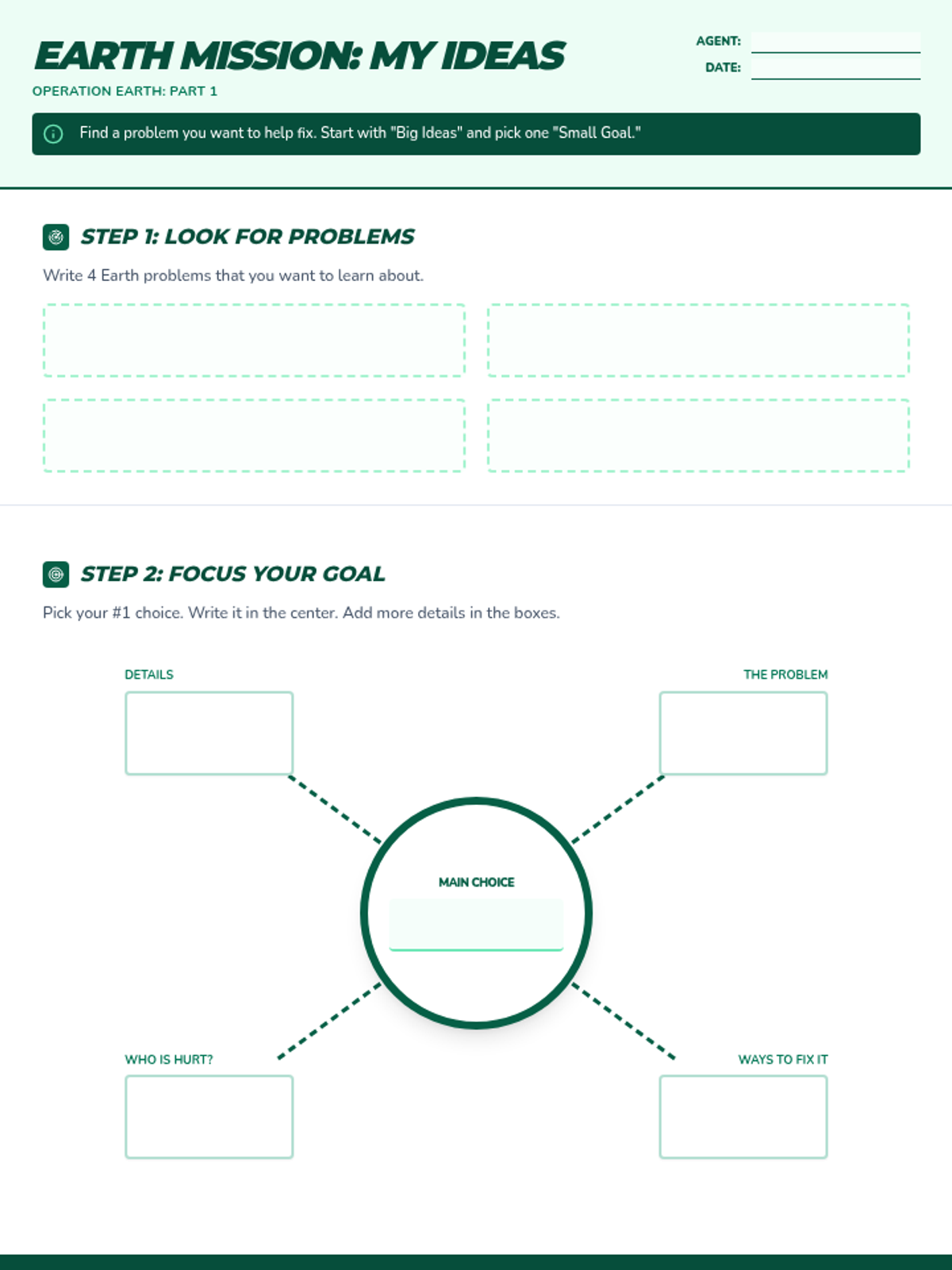
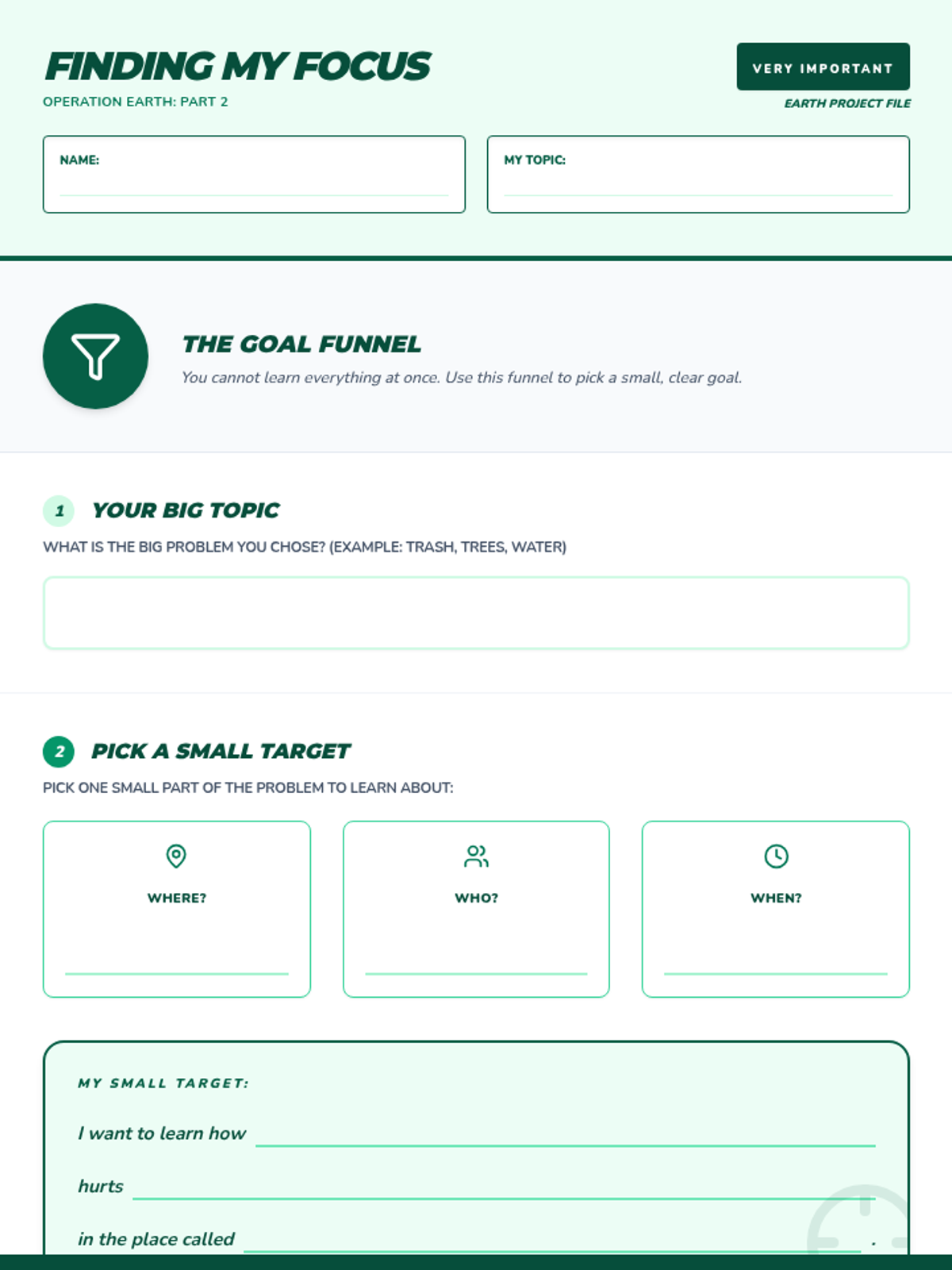
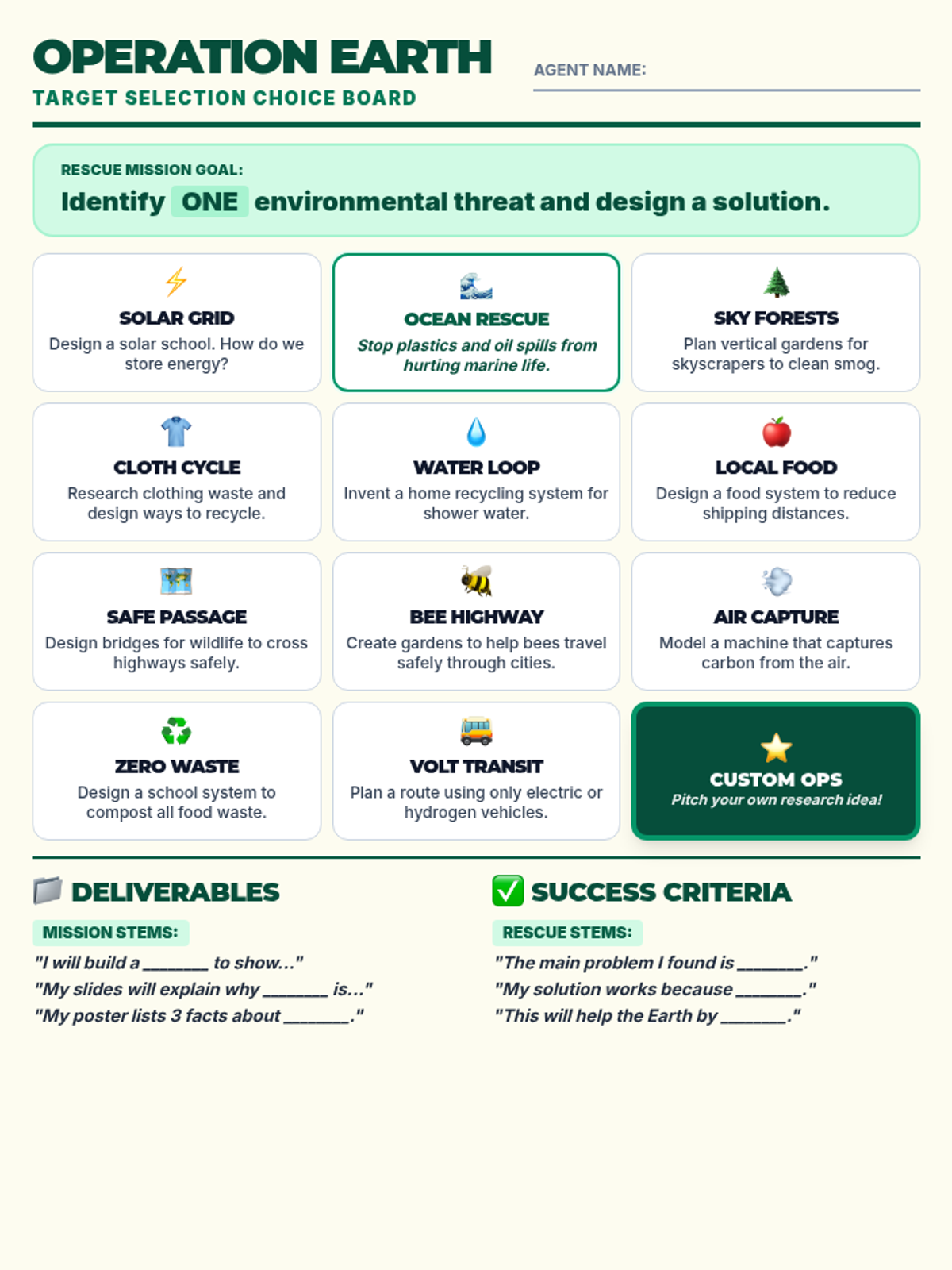
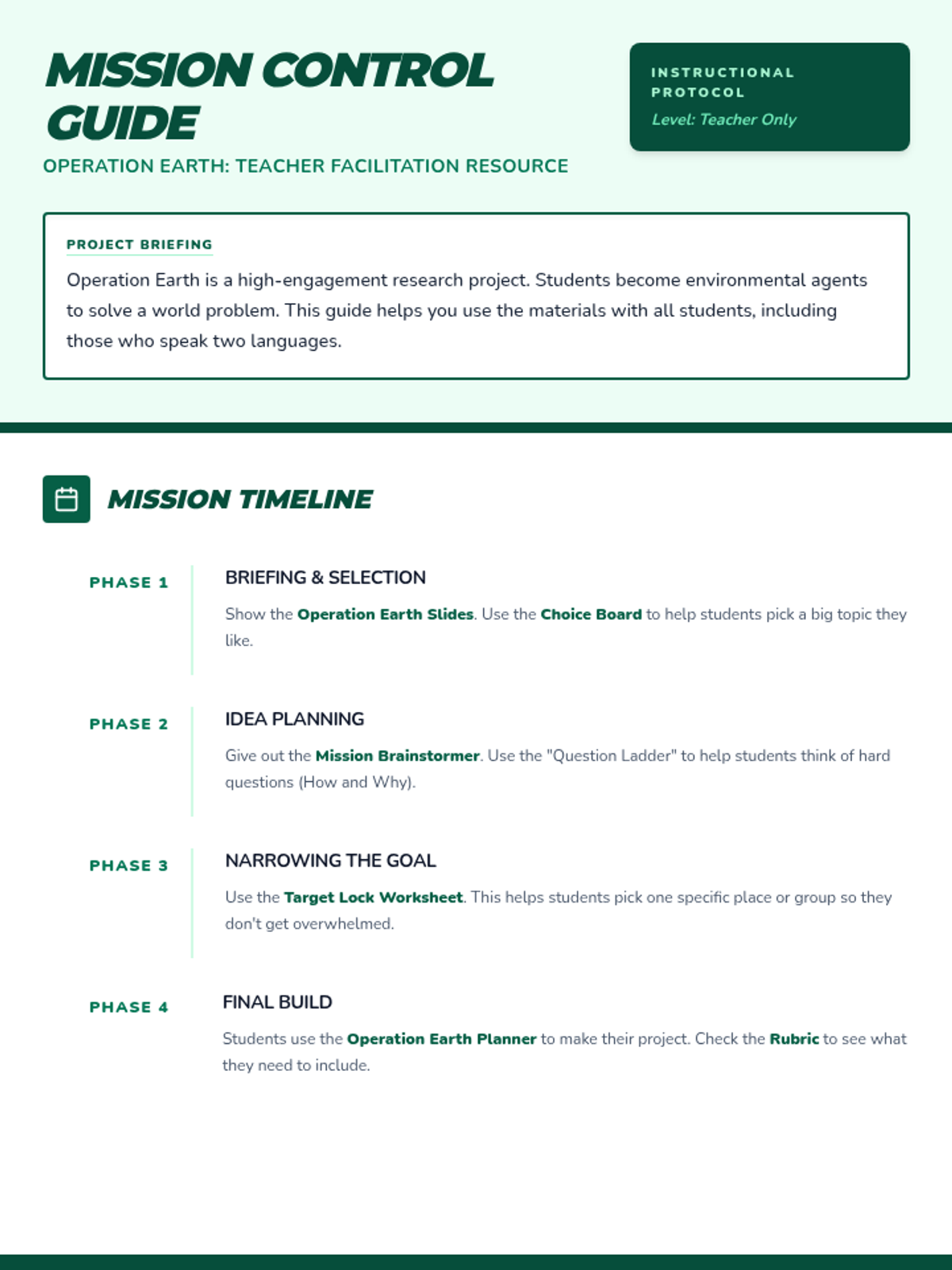
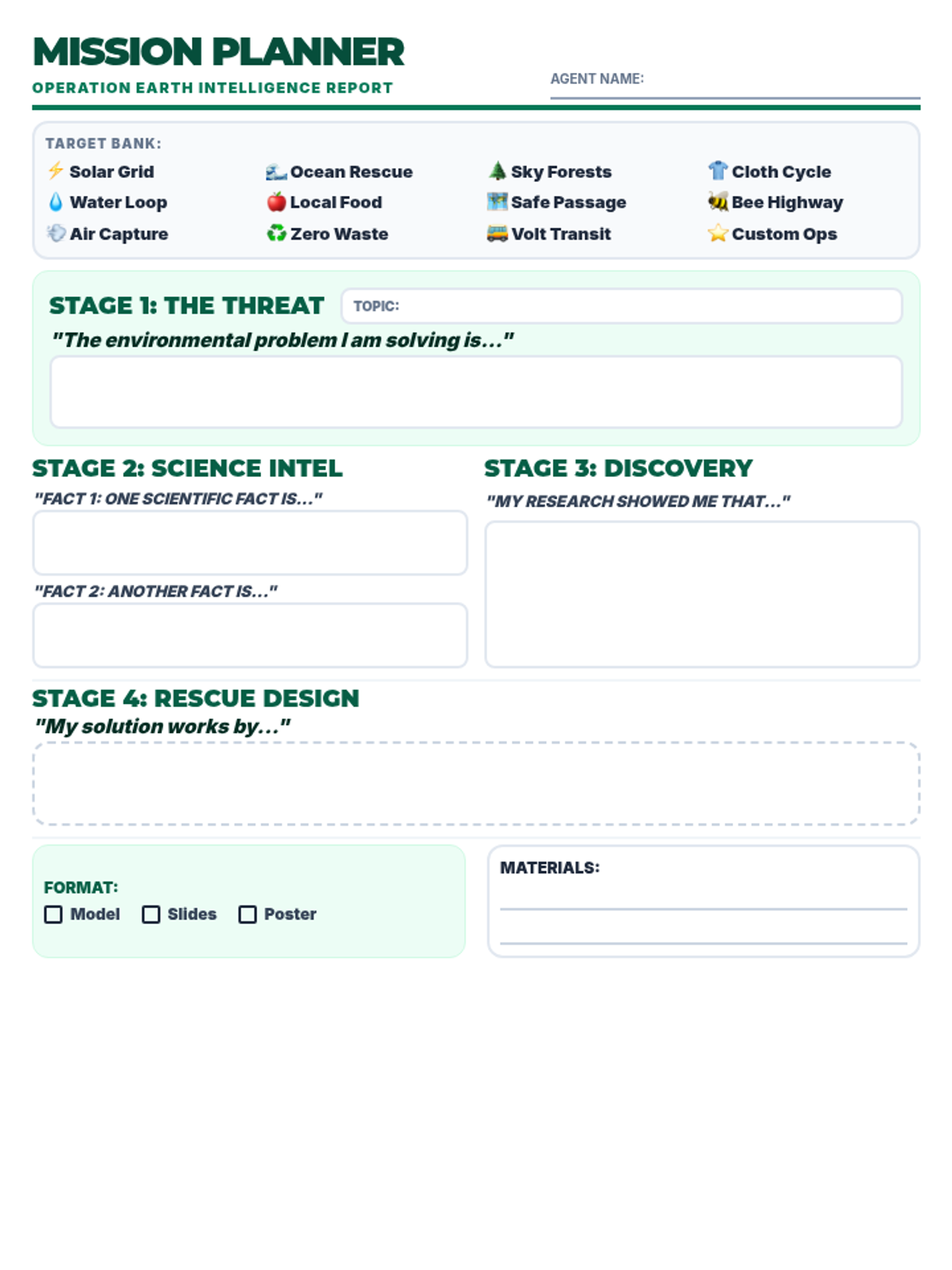
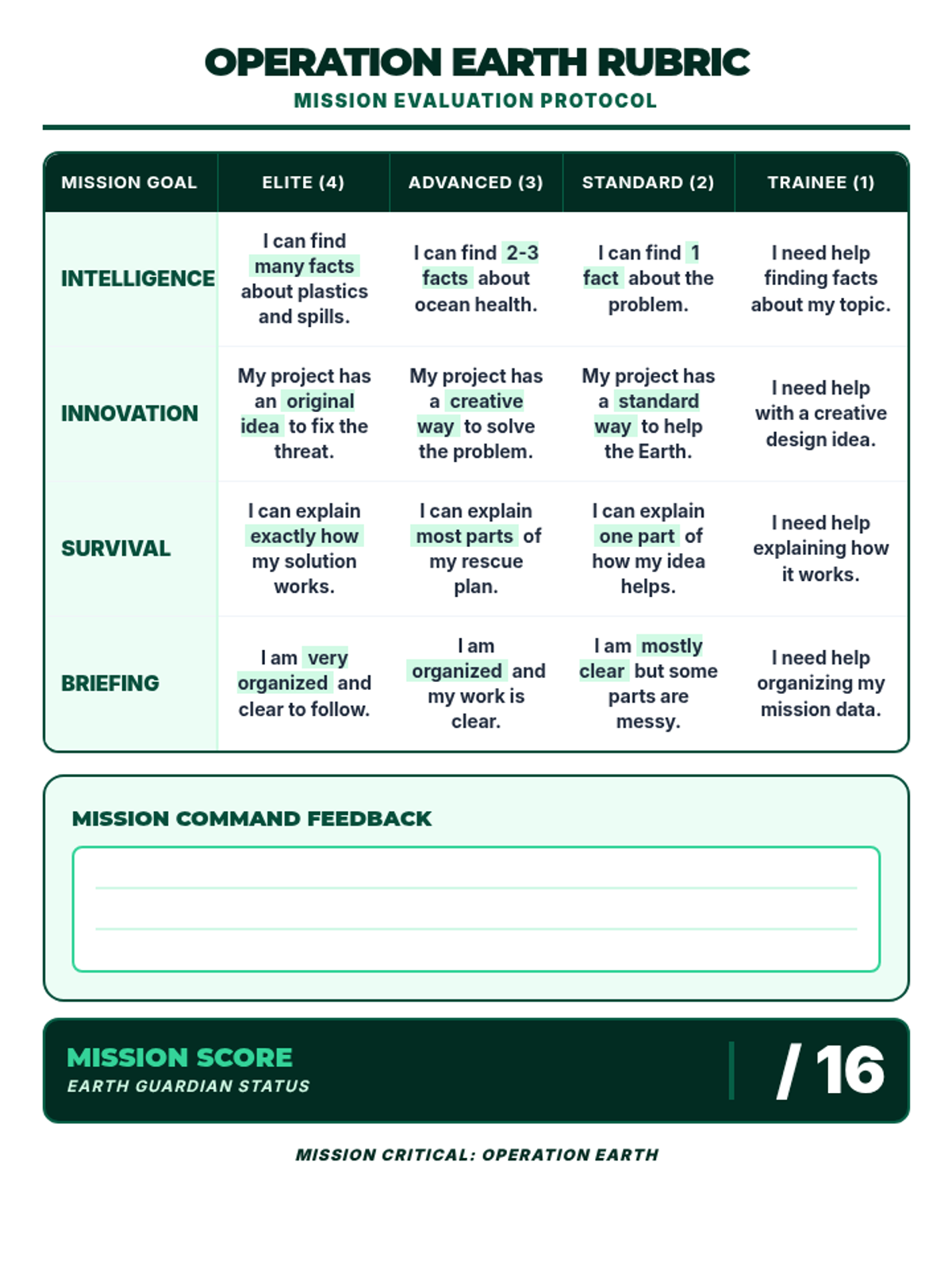
A high-stakes research project where students choose an environmental challenge to solve. Using the David Attenborough video as inspiration, students research, plan, and create a model or presentation to rescue our planet.
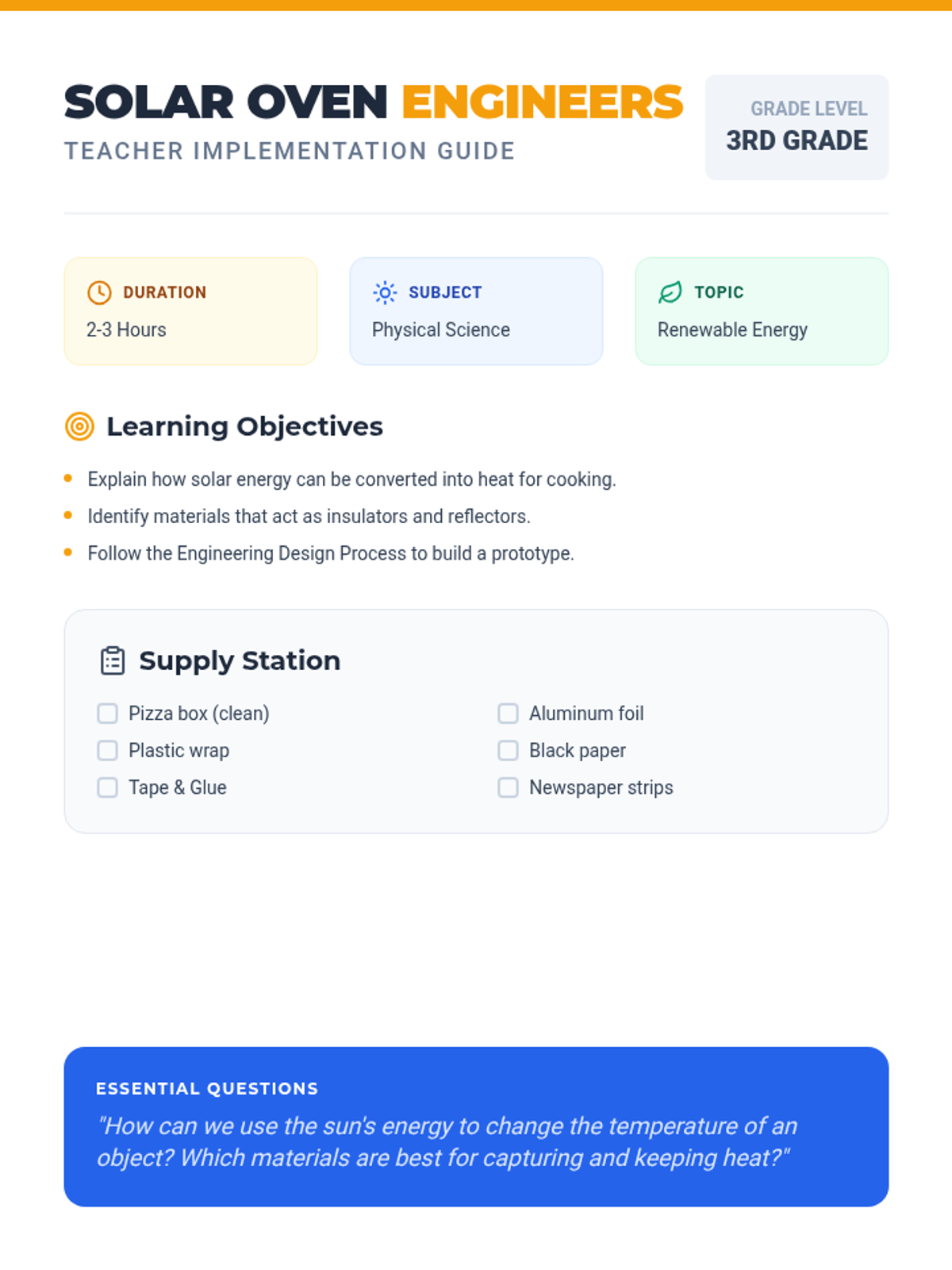
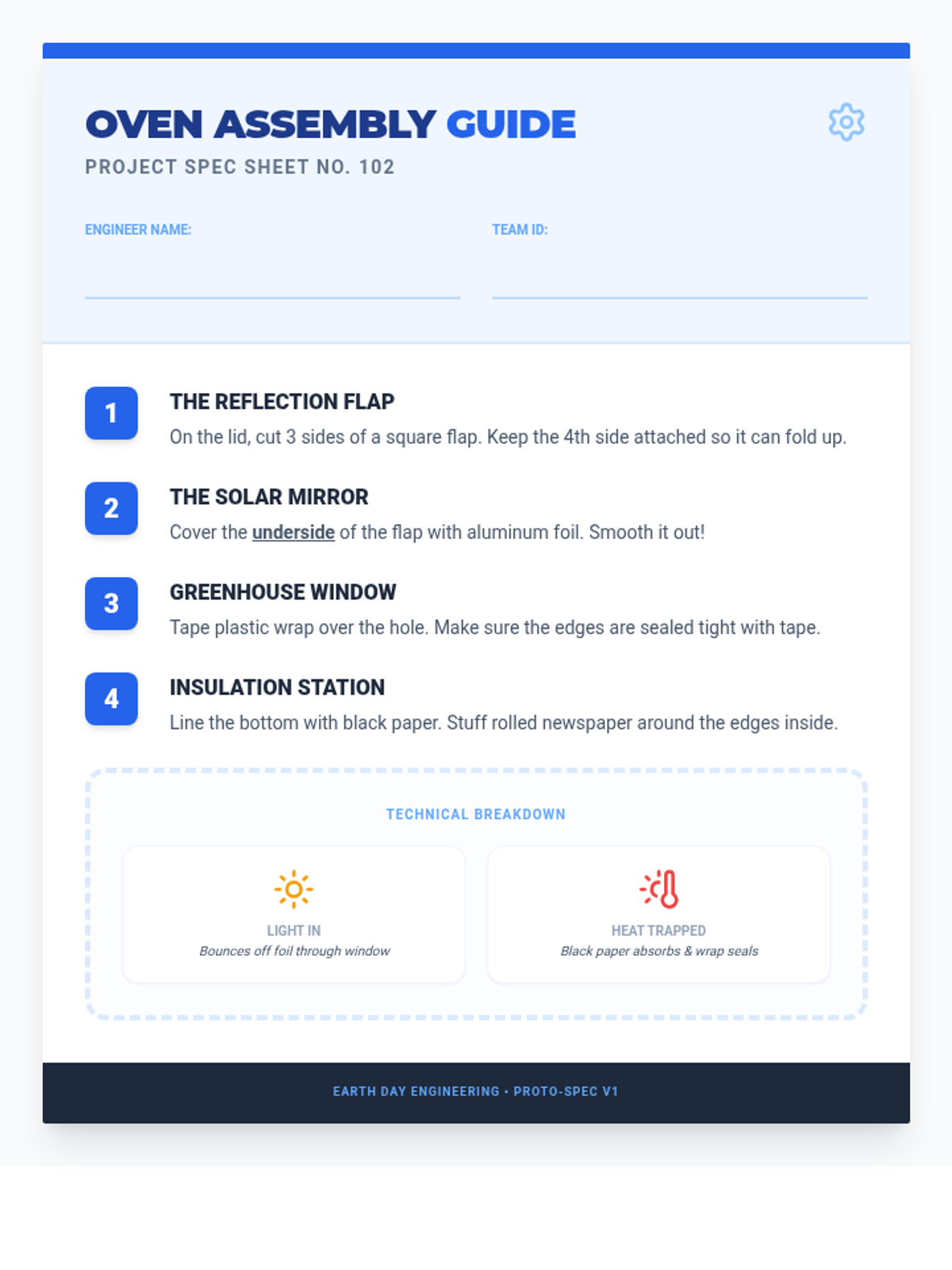
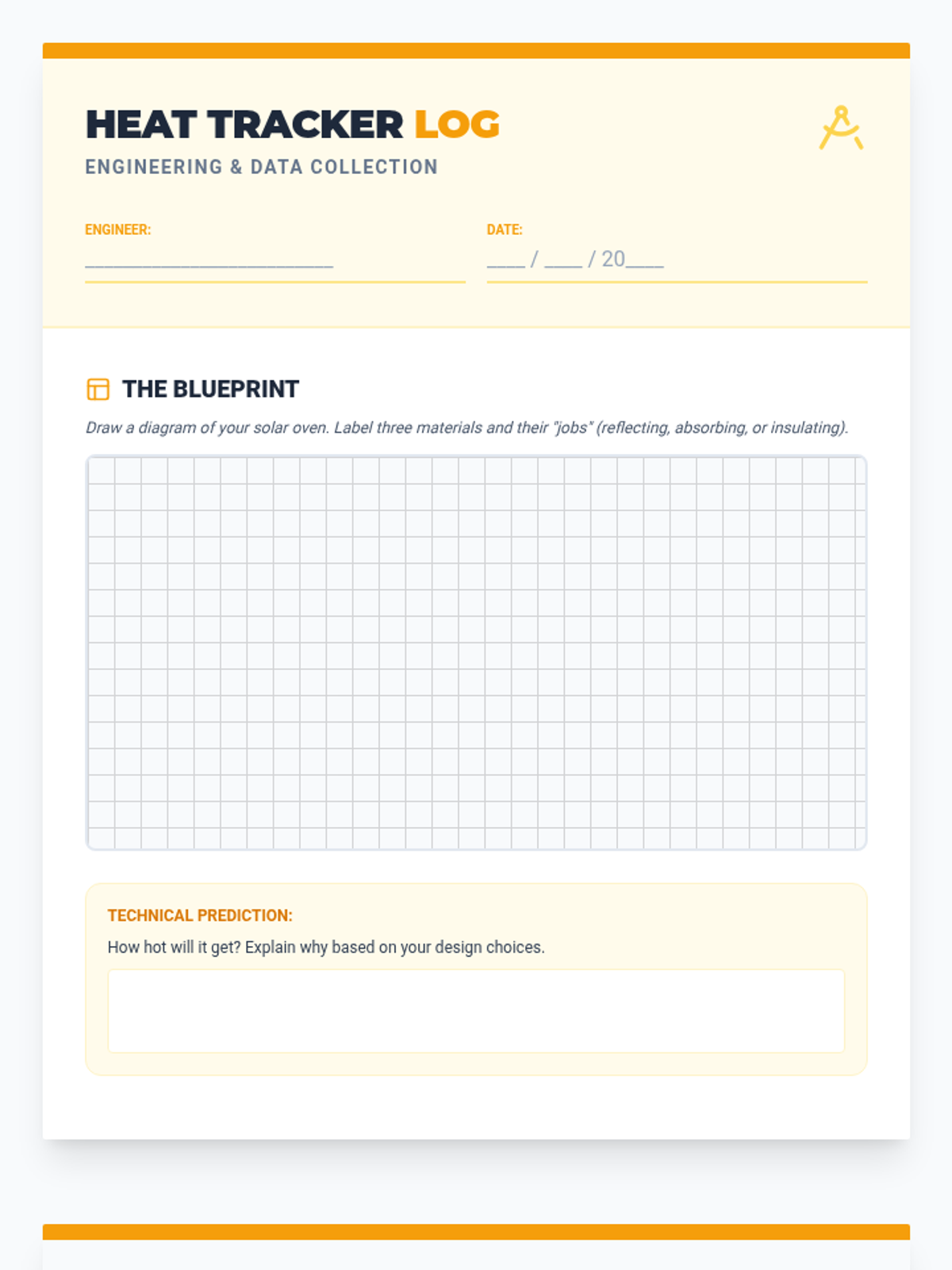
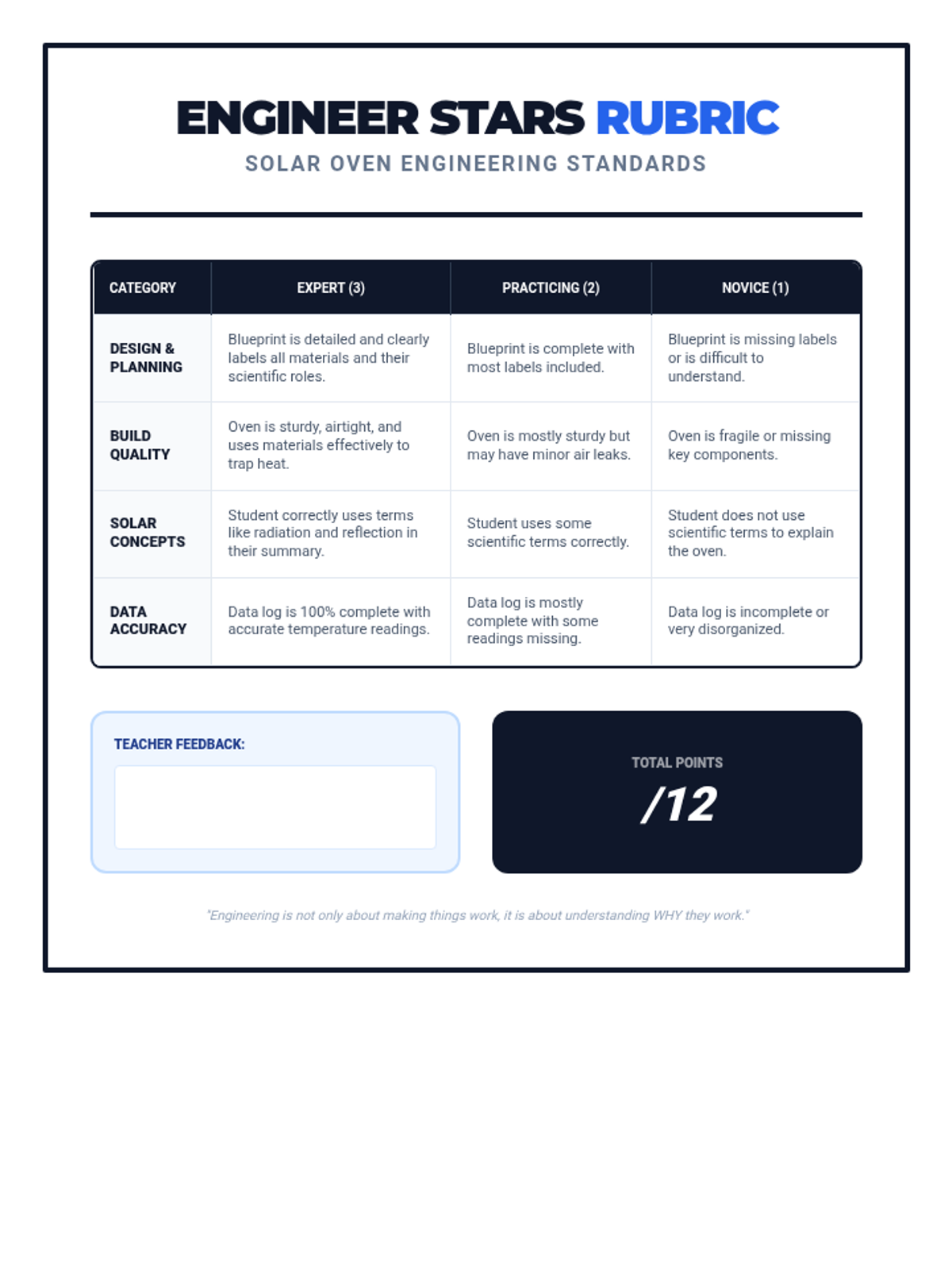
An Earth Day engineering challenge where 3rd graders design, build, and test solar ovens to explore renewable energy and heat transfer. Students apply the engineering design process to harness solar radiation for cooking simple snacks.
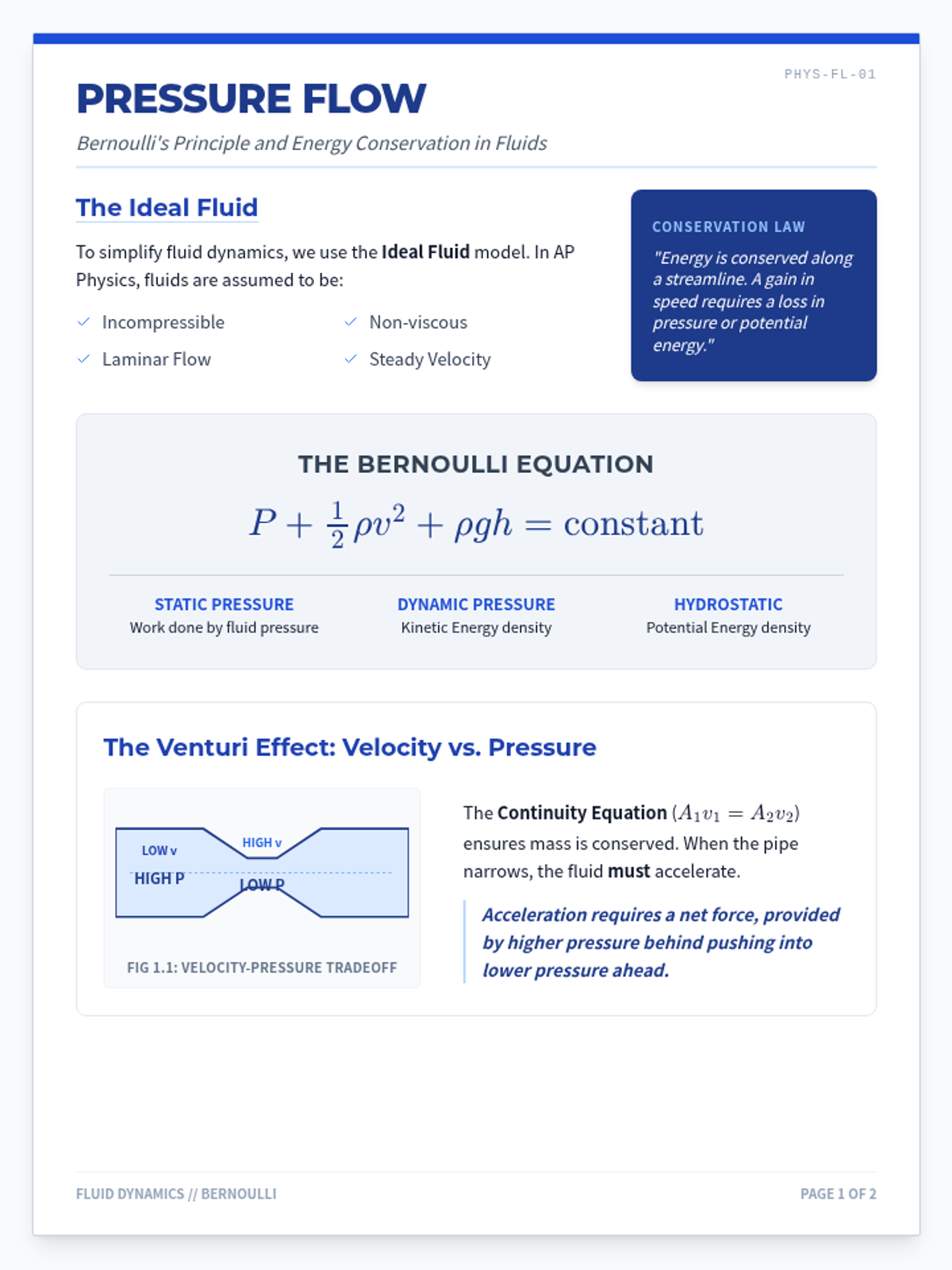
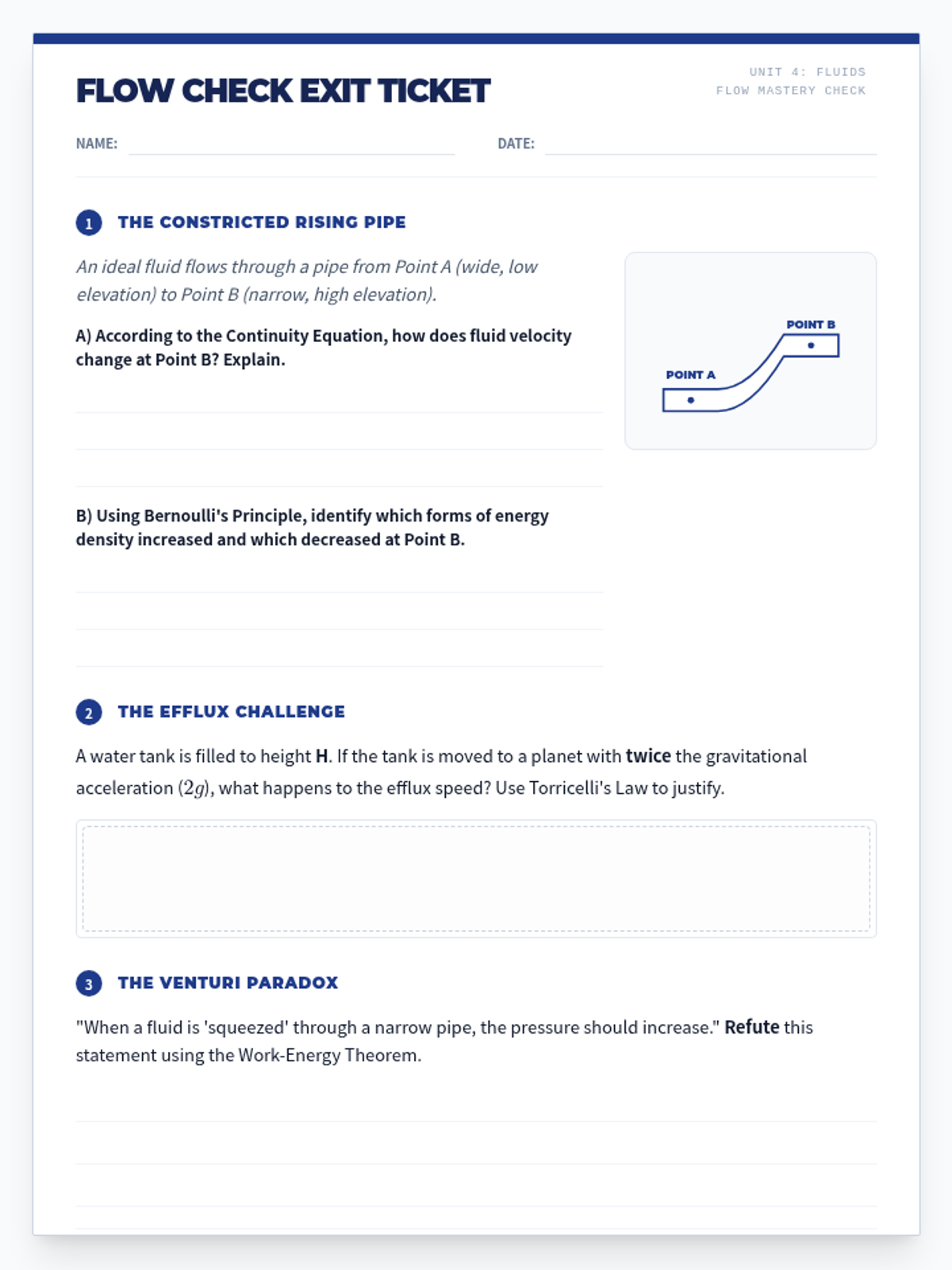
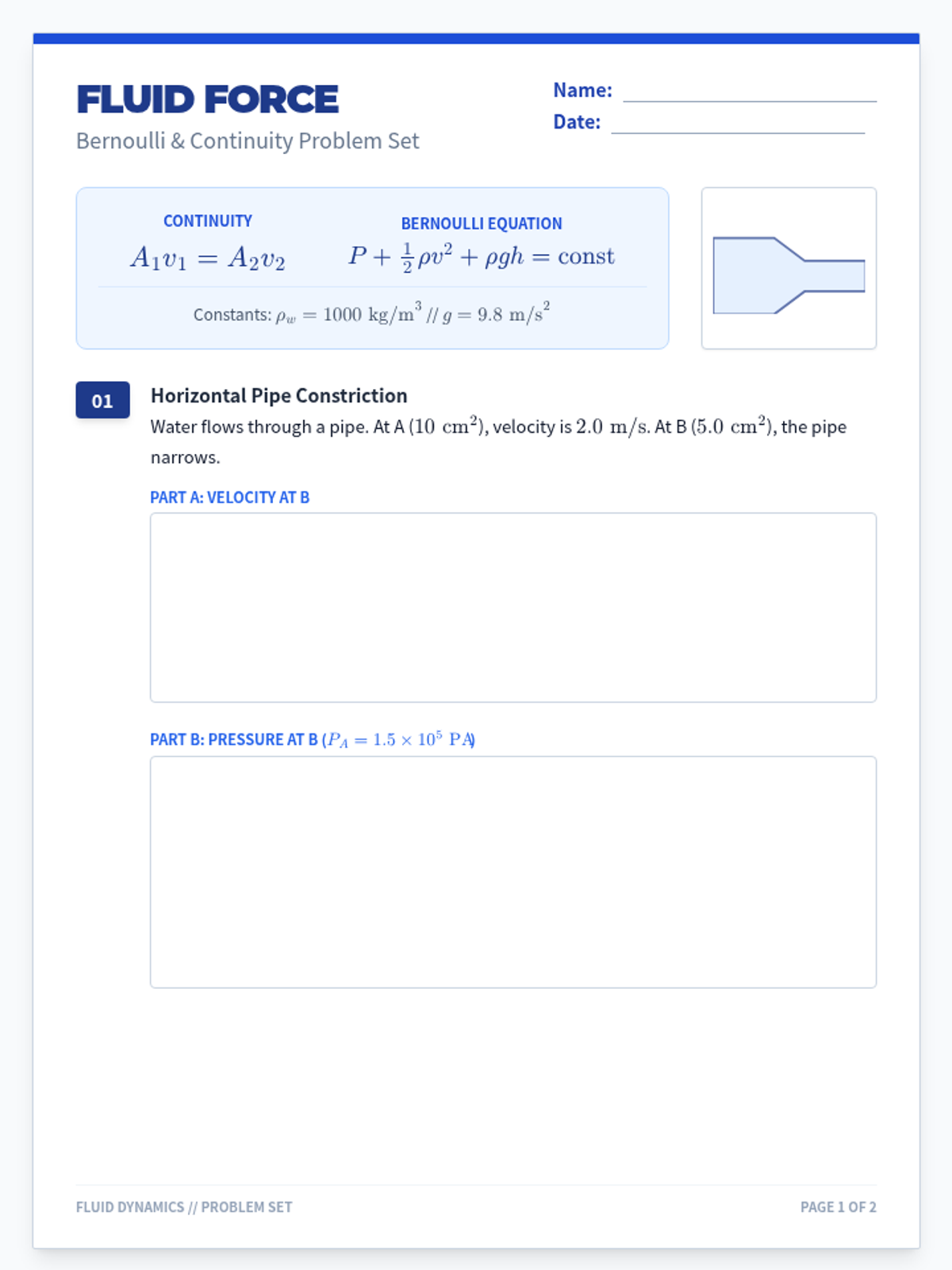
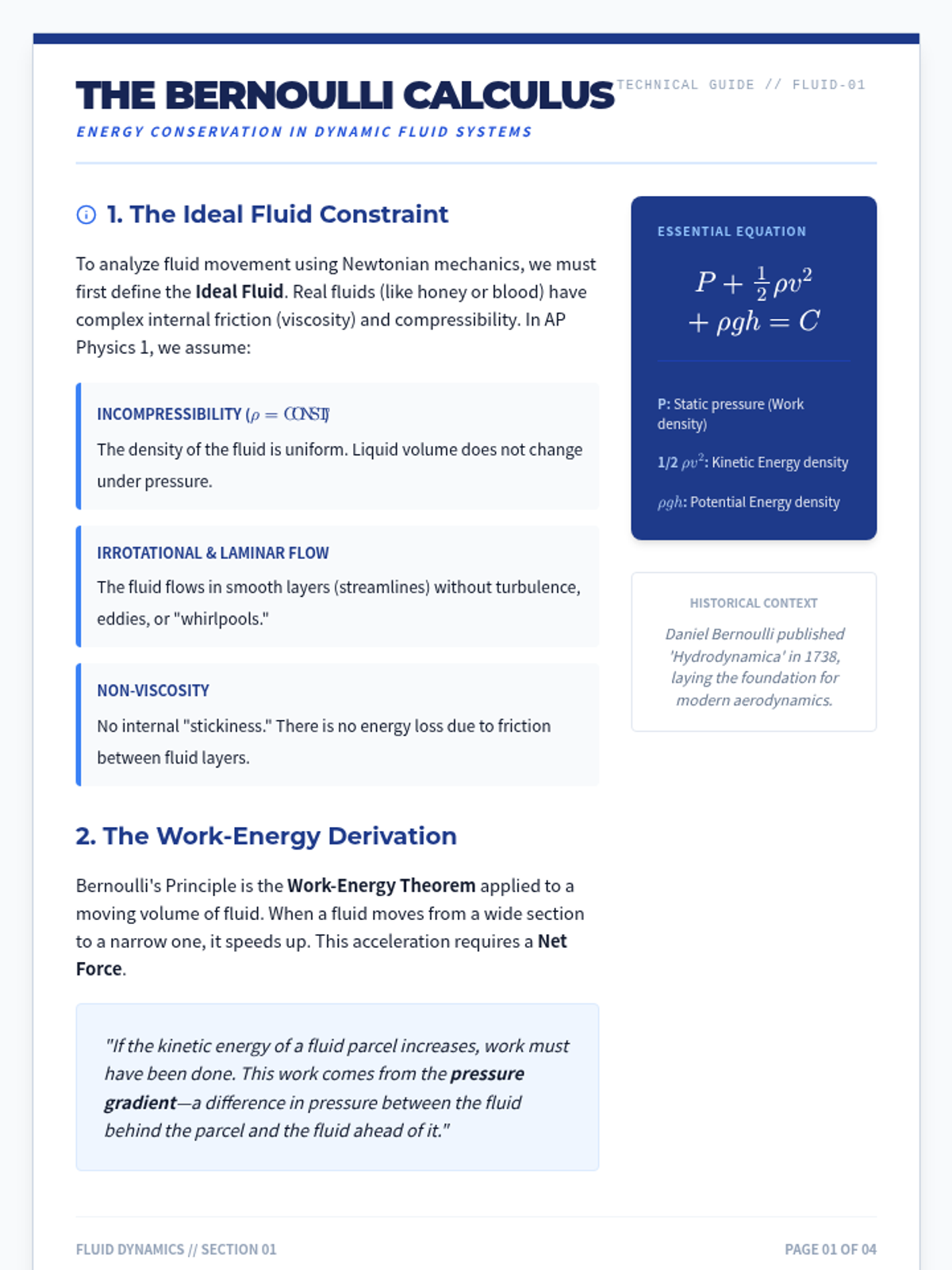
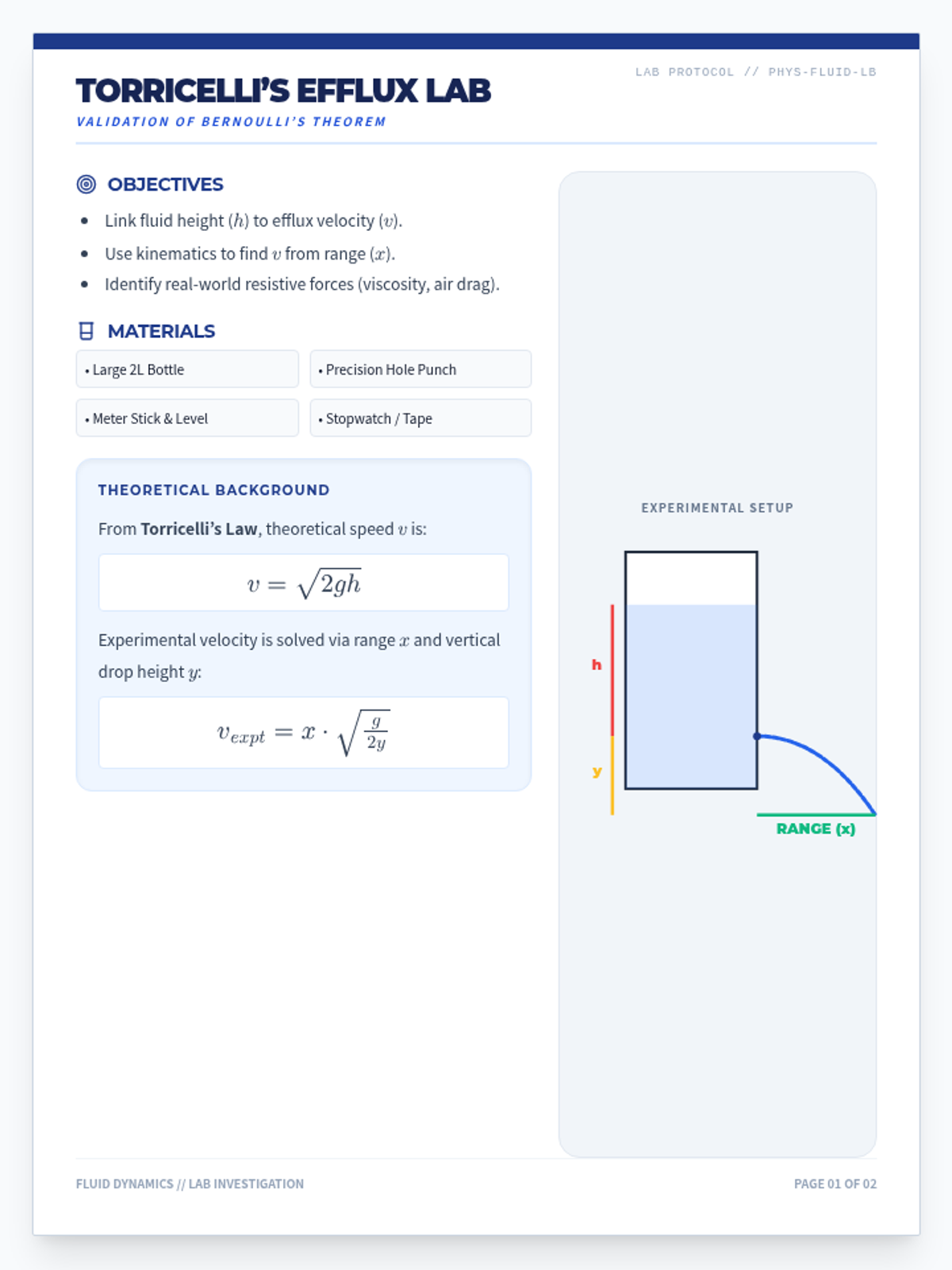
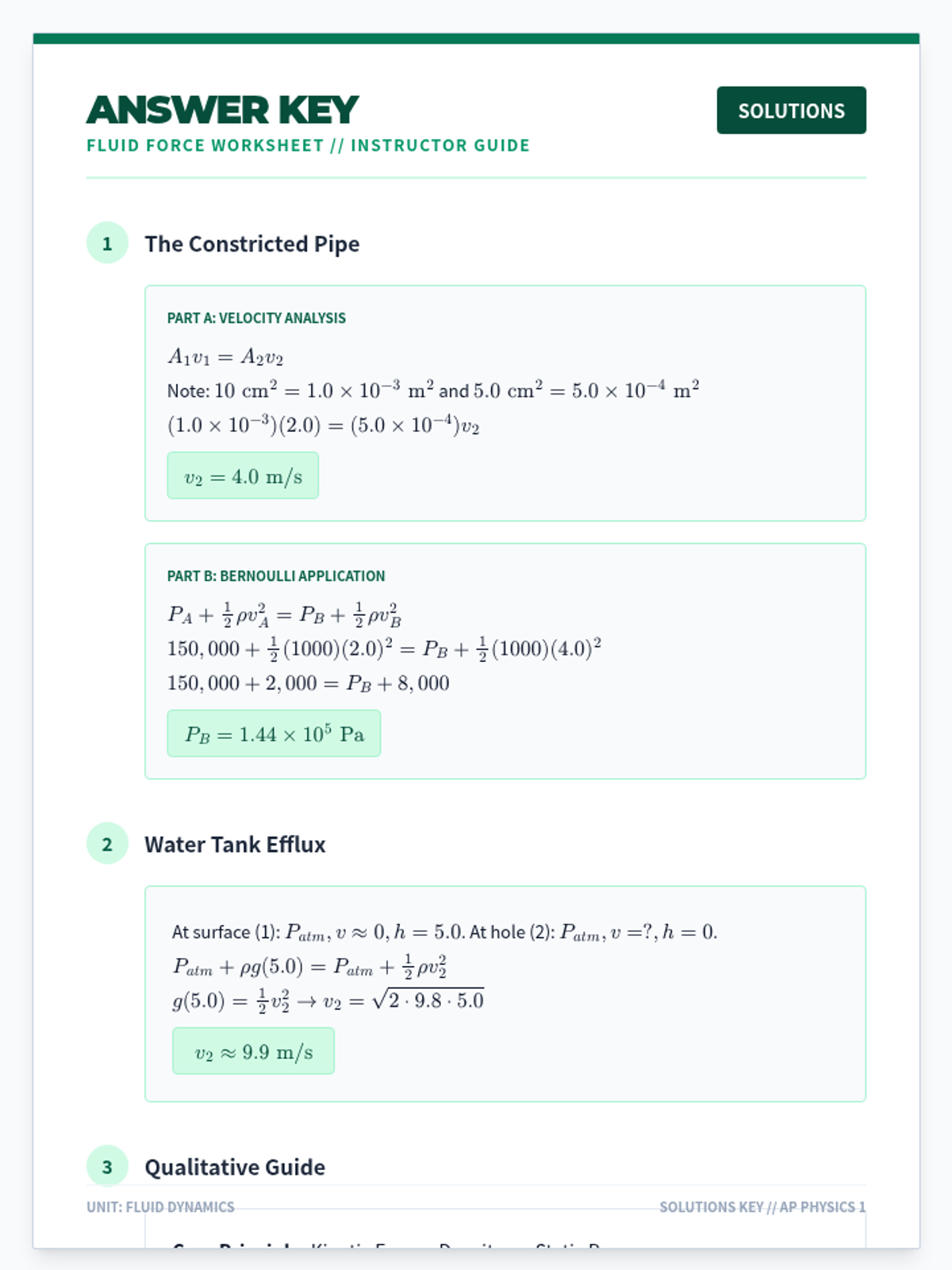
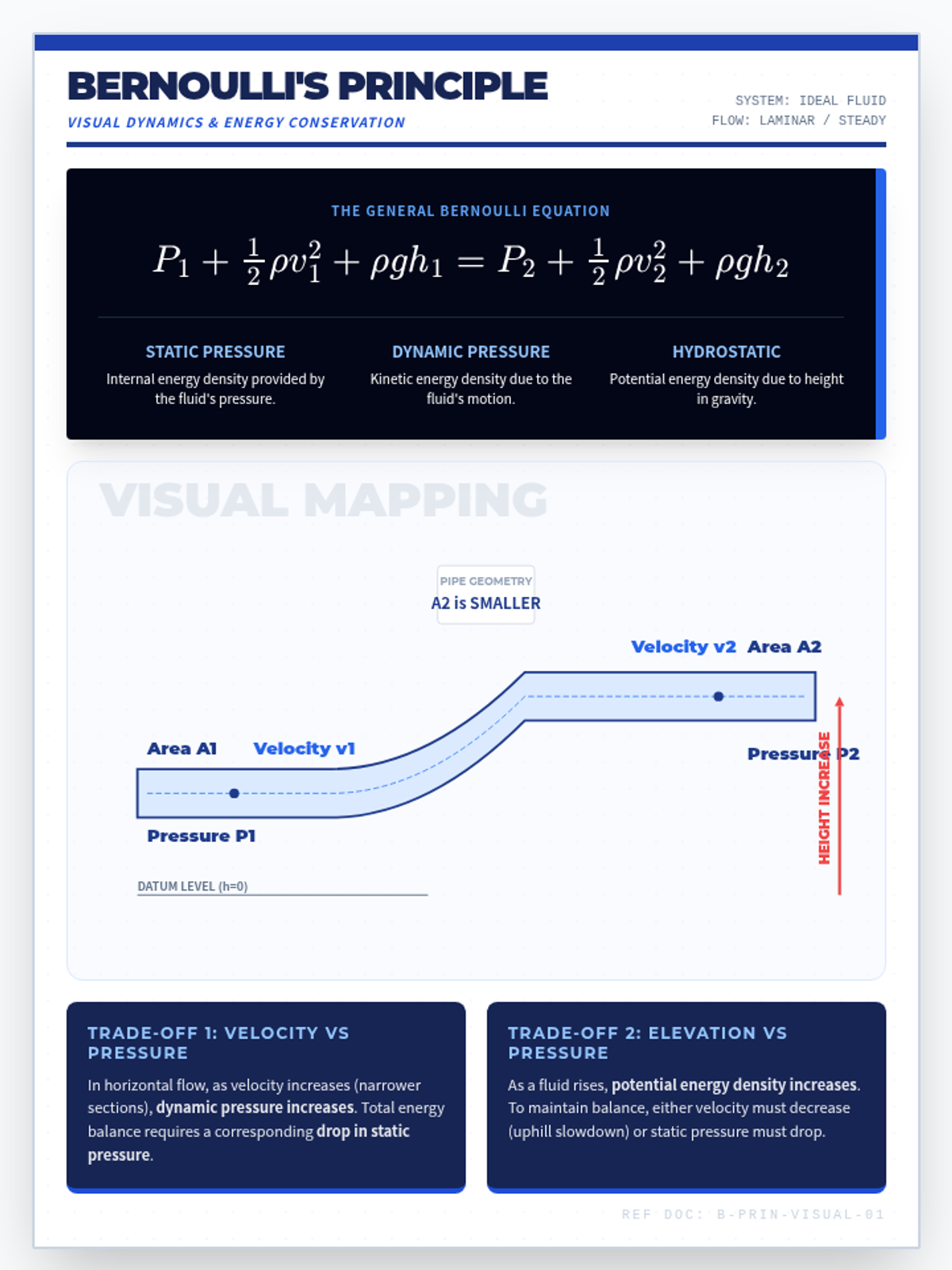
A deep dive into Bernoulli's Principle and fluid dynamics, focusing on the conservation of energy within moving fluids and its real-world applications in engineering and nature.
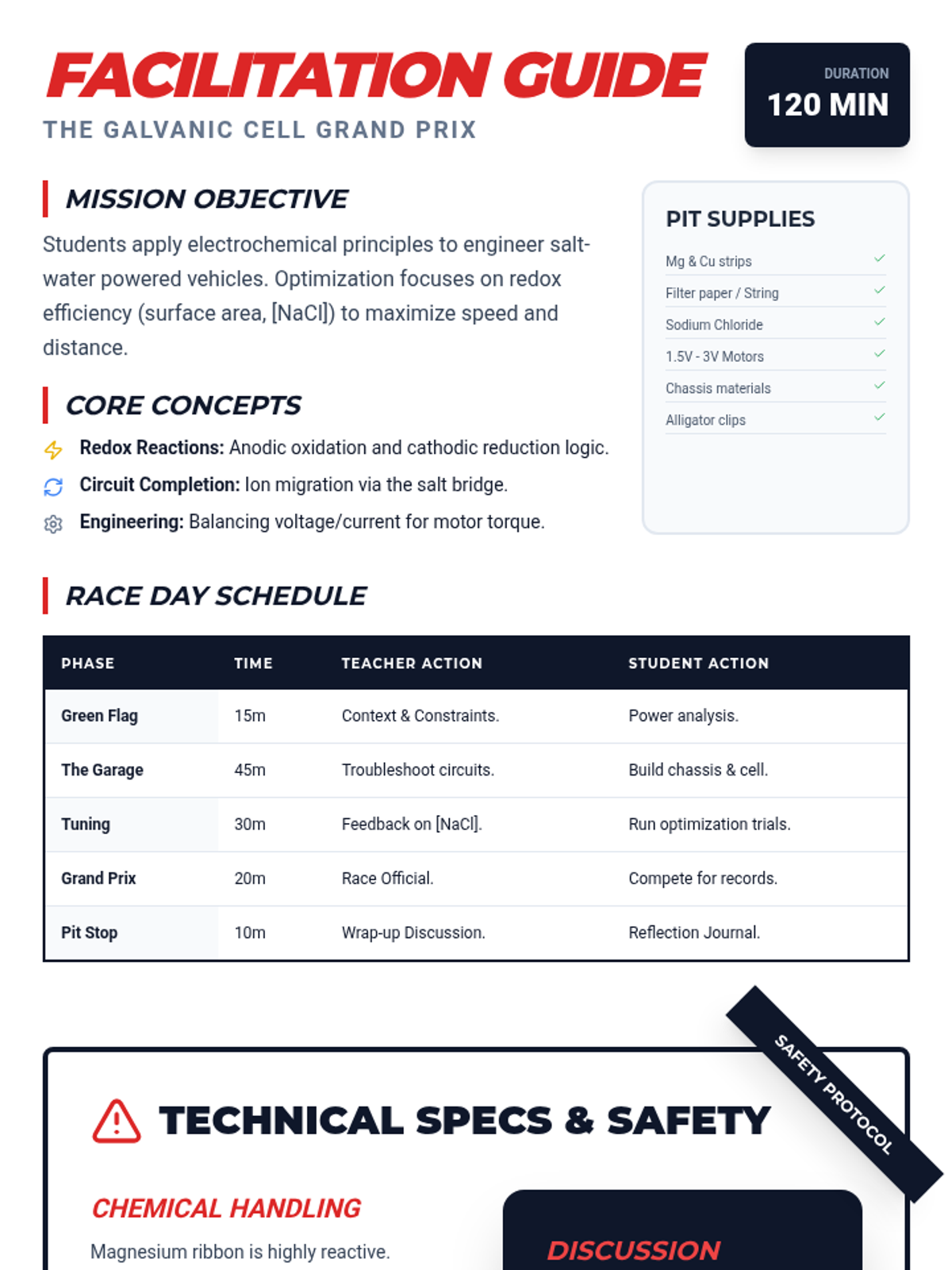
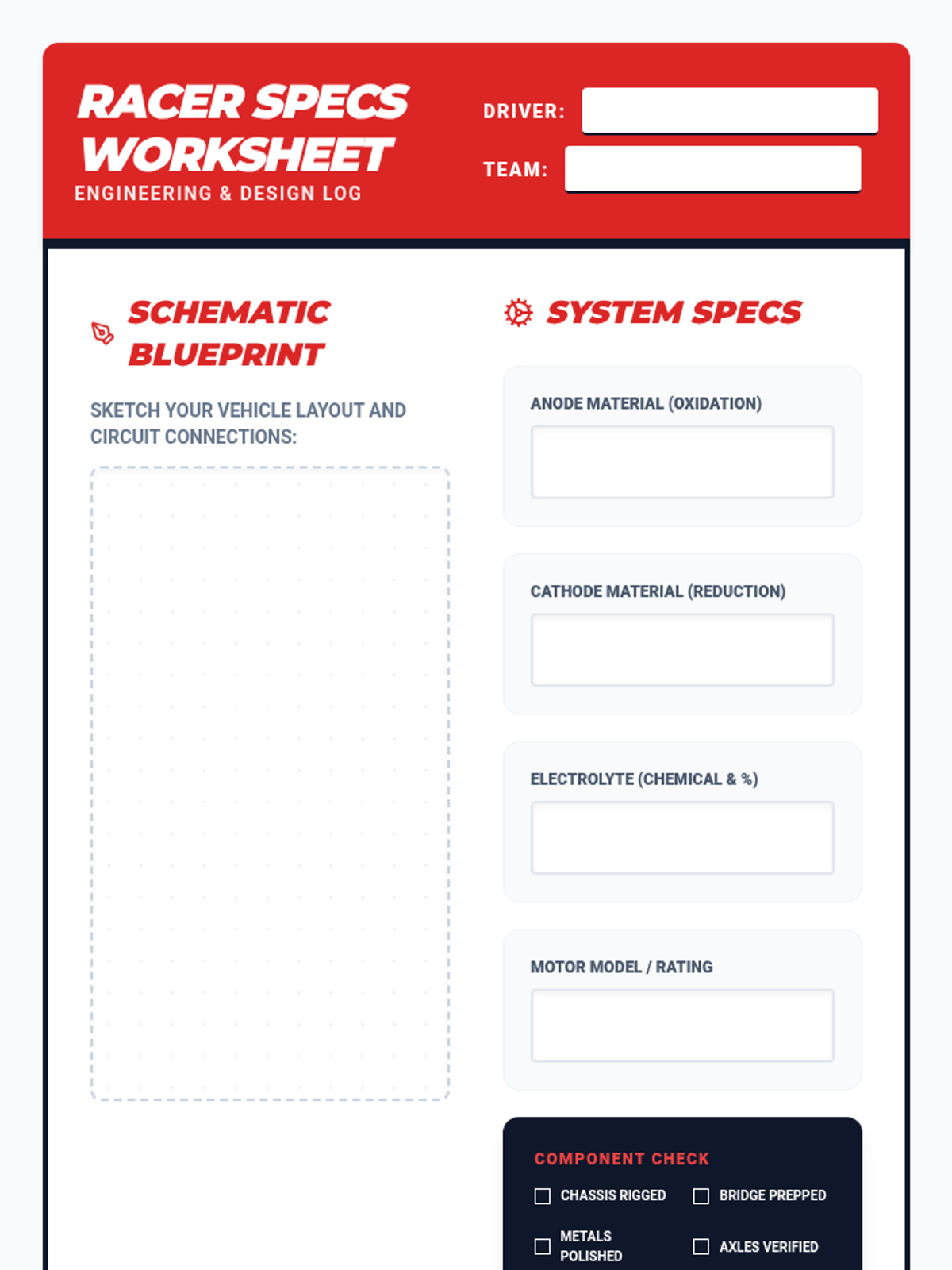
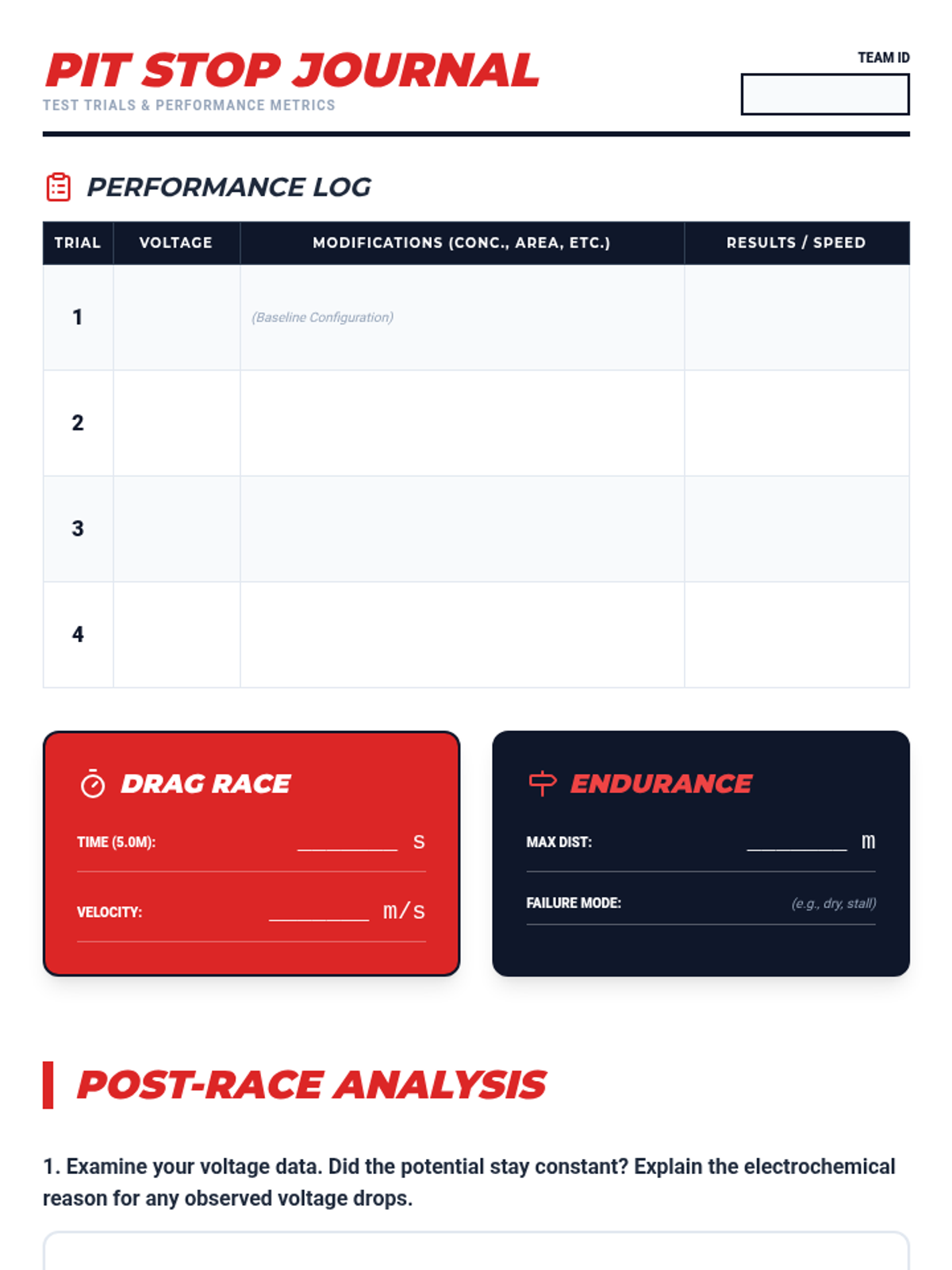
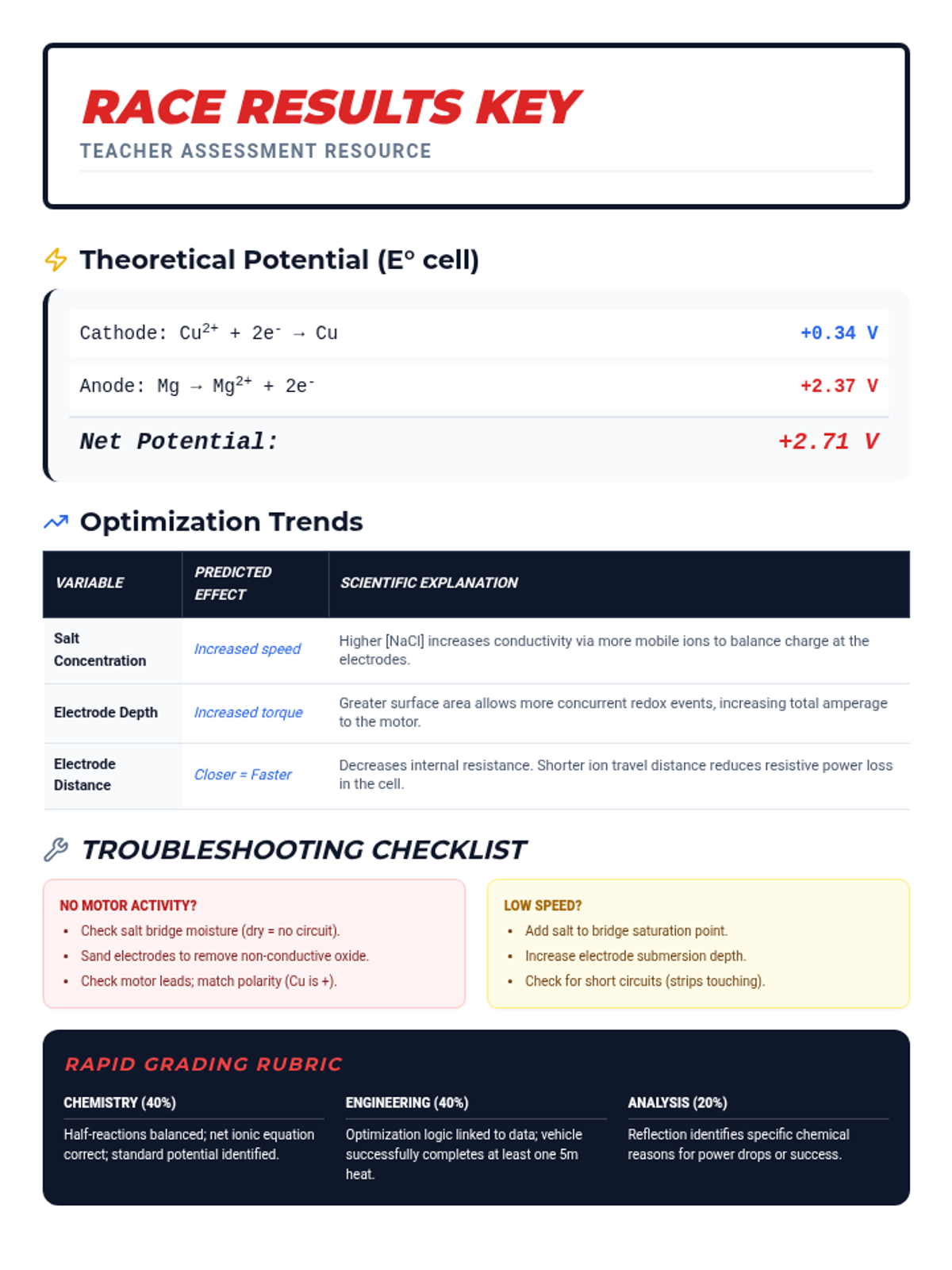
An 11th-grade chemistry engineering challenge where students design, build, and optimize salt-water powered vehicles to master redox reactions and circuit completion.
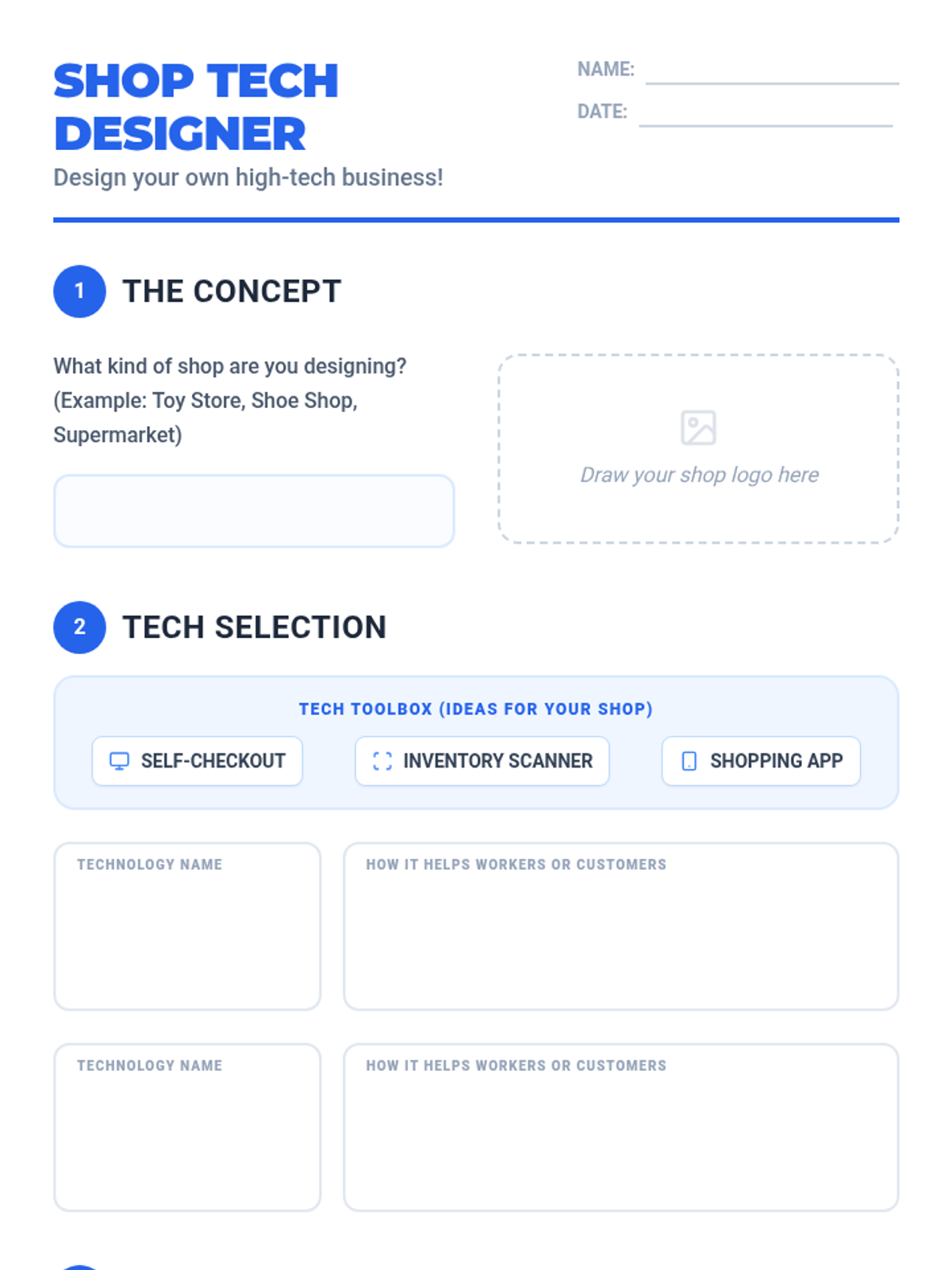
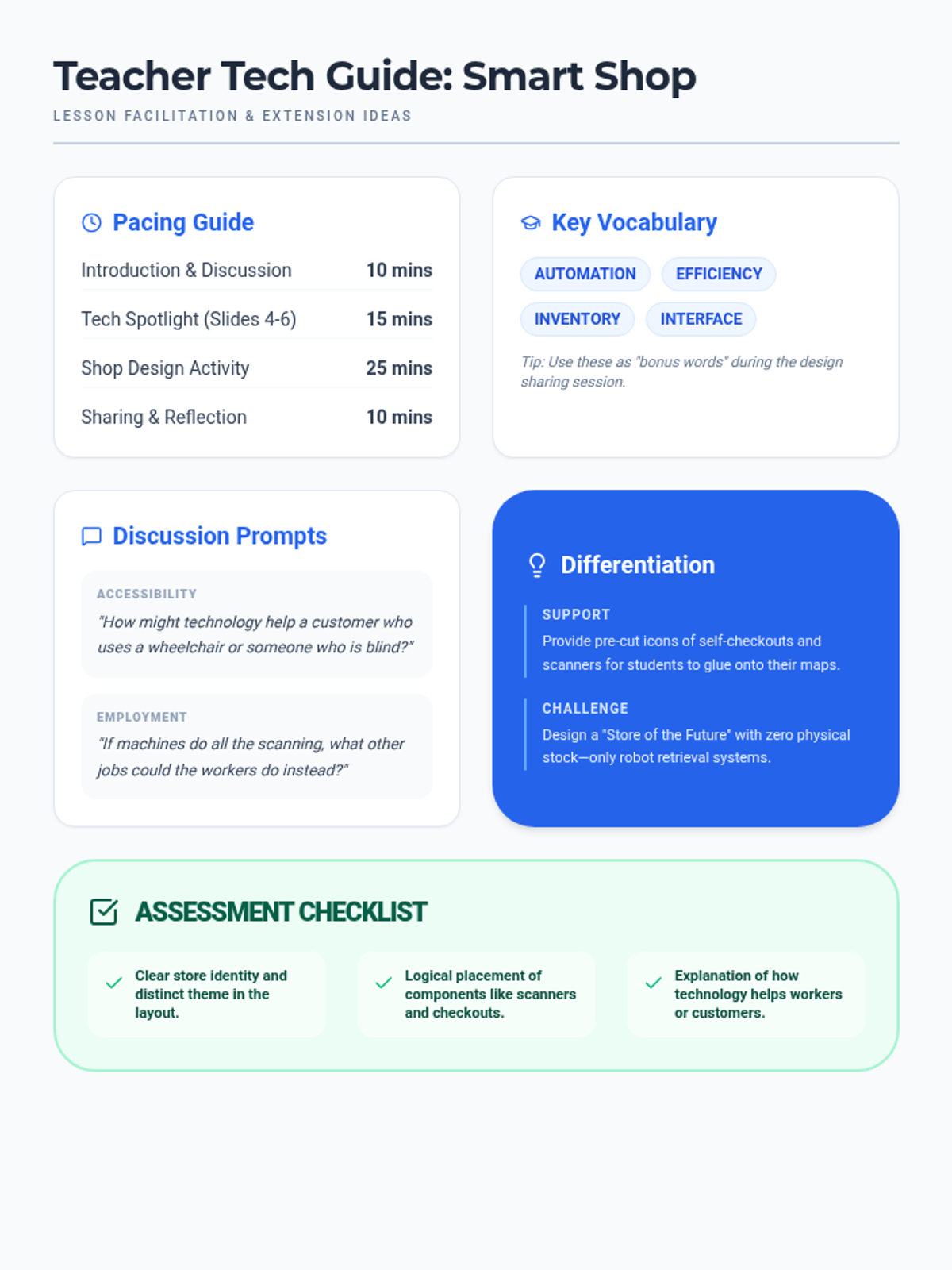
Students explore how technology like self-checkouts, scanners, and apps transform the shopping experience for both workers and customers. The lesson culminates in a creative project where students design their own tech-integrated shop.
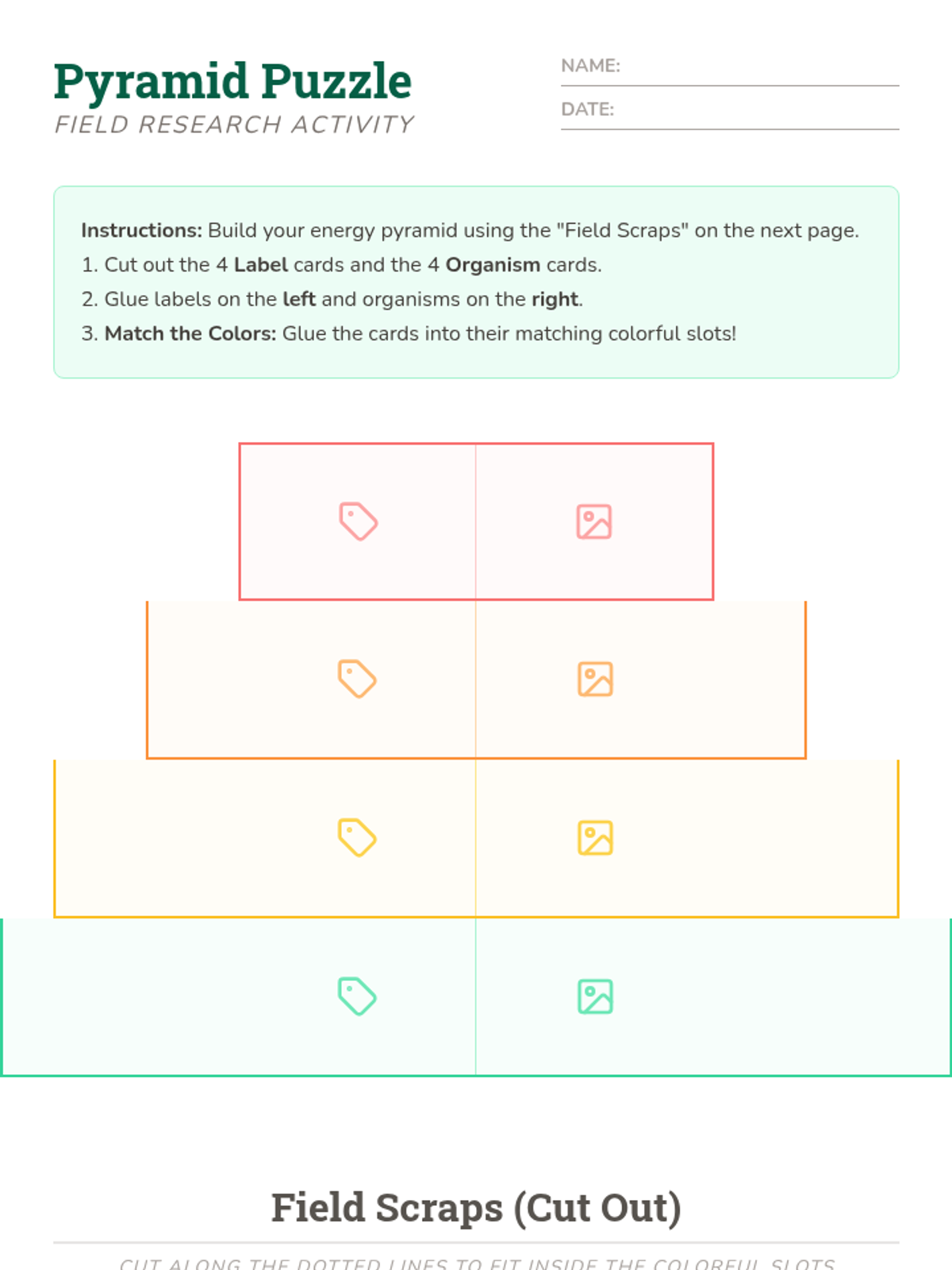
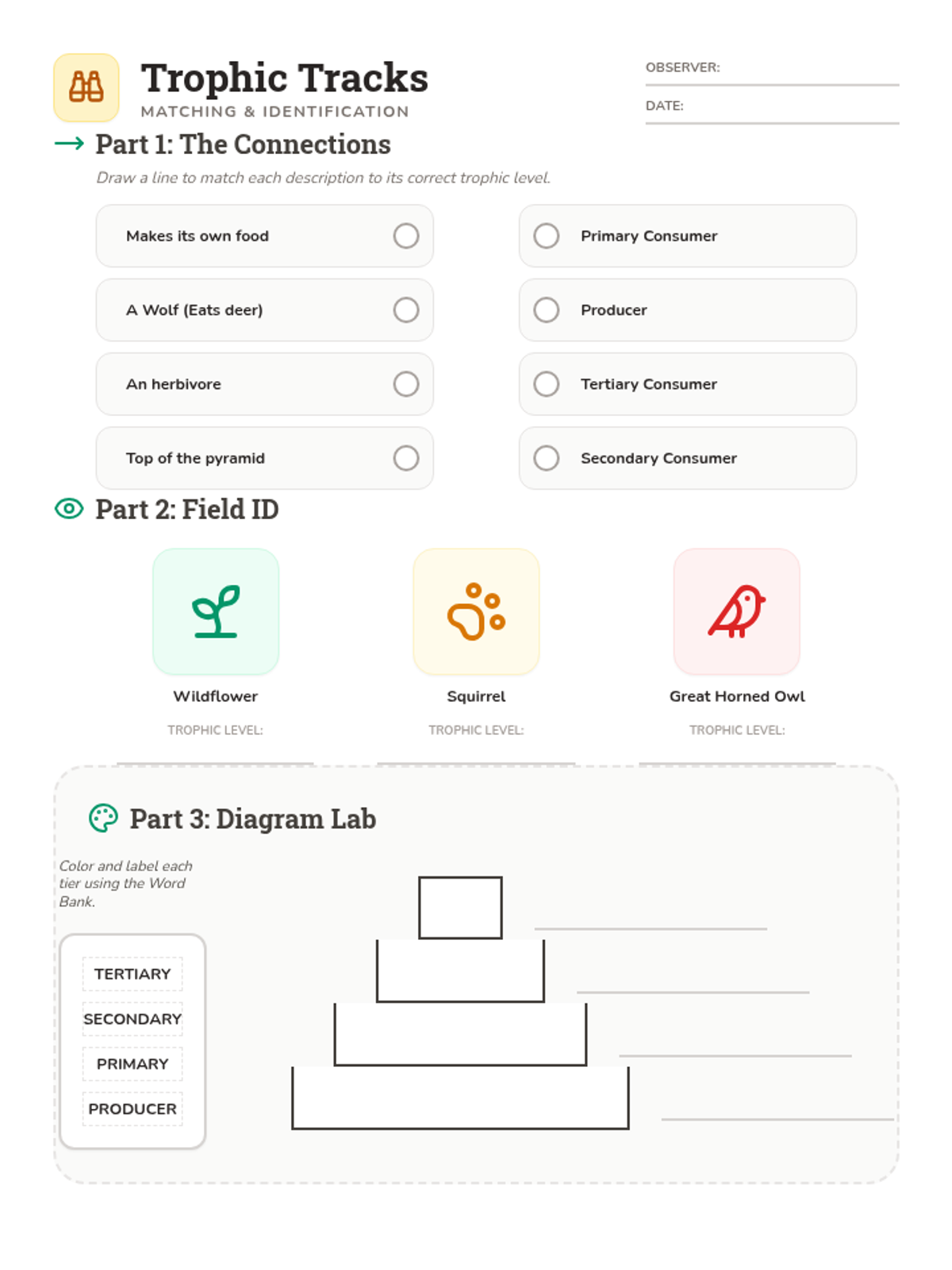
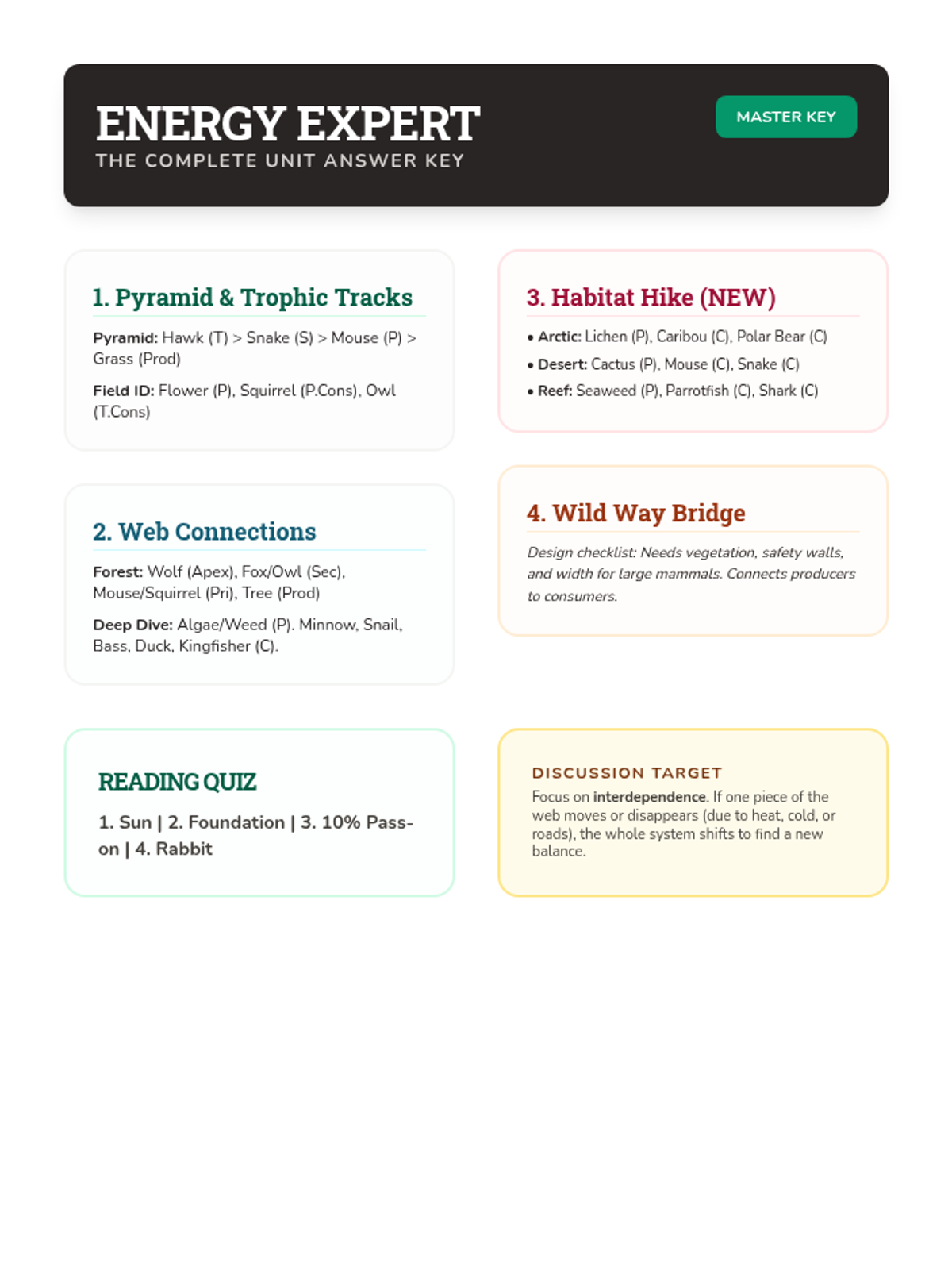
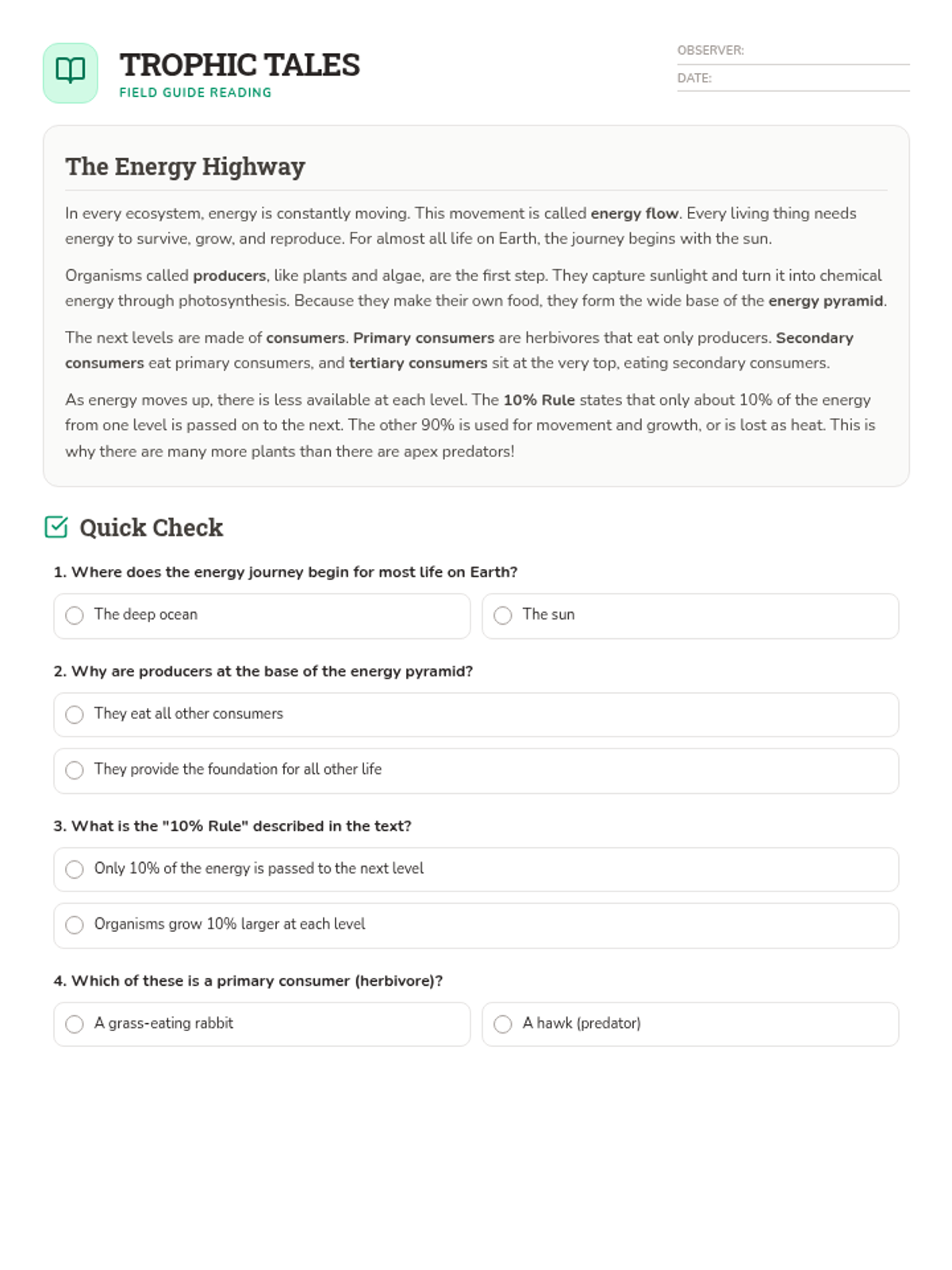
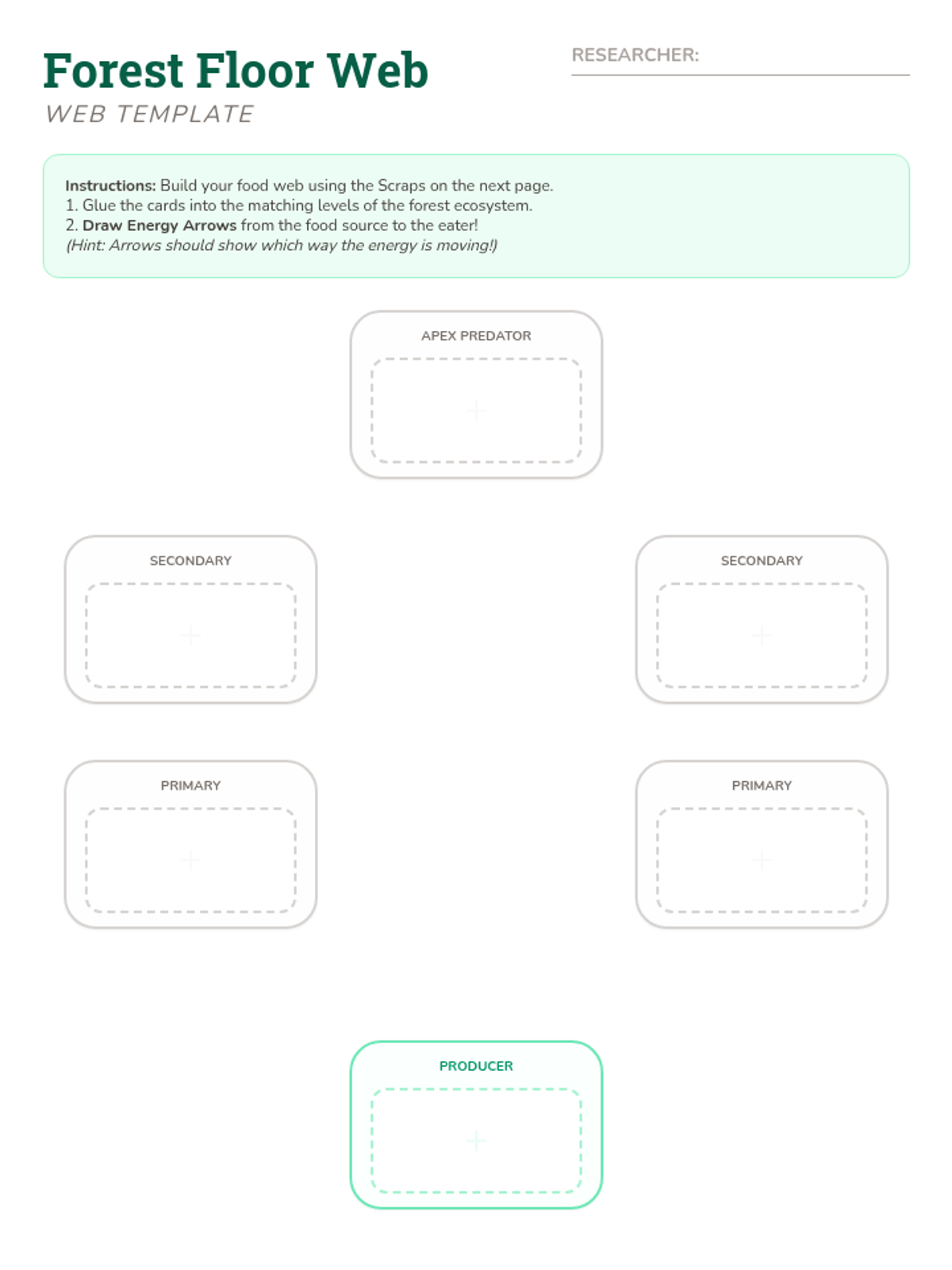
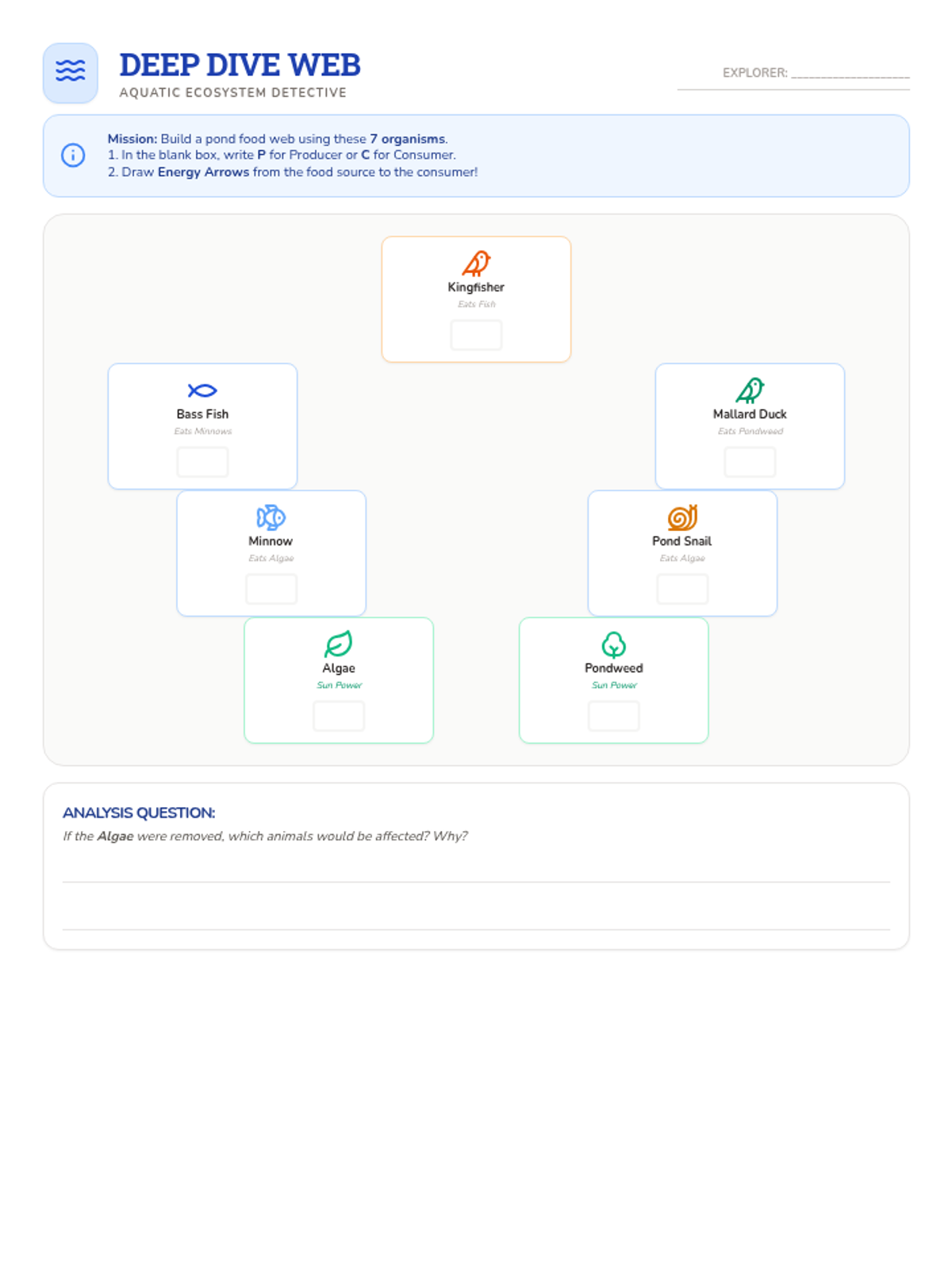
A foundational lesson exploring how energy moves through ecosystems, focusing on trophic levels, the 10% rule, and the complex connections in terrestrial and aquatic food webs.
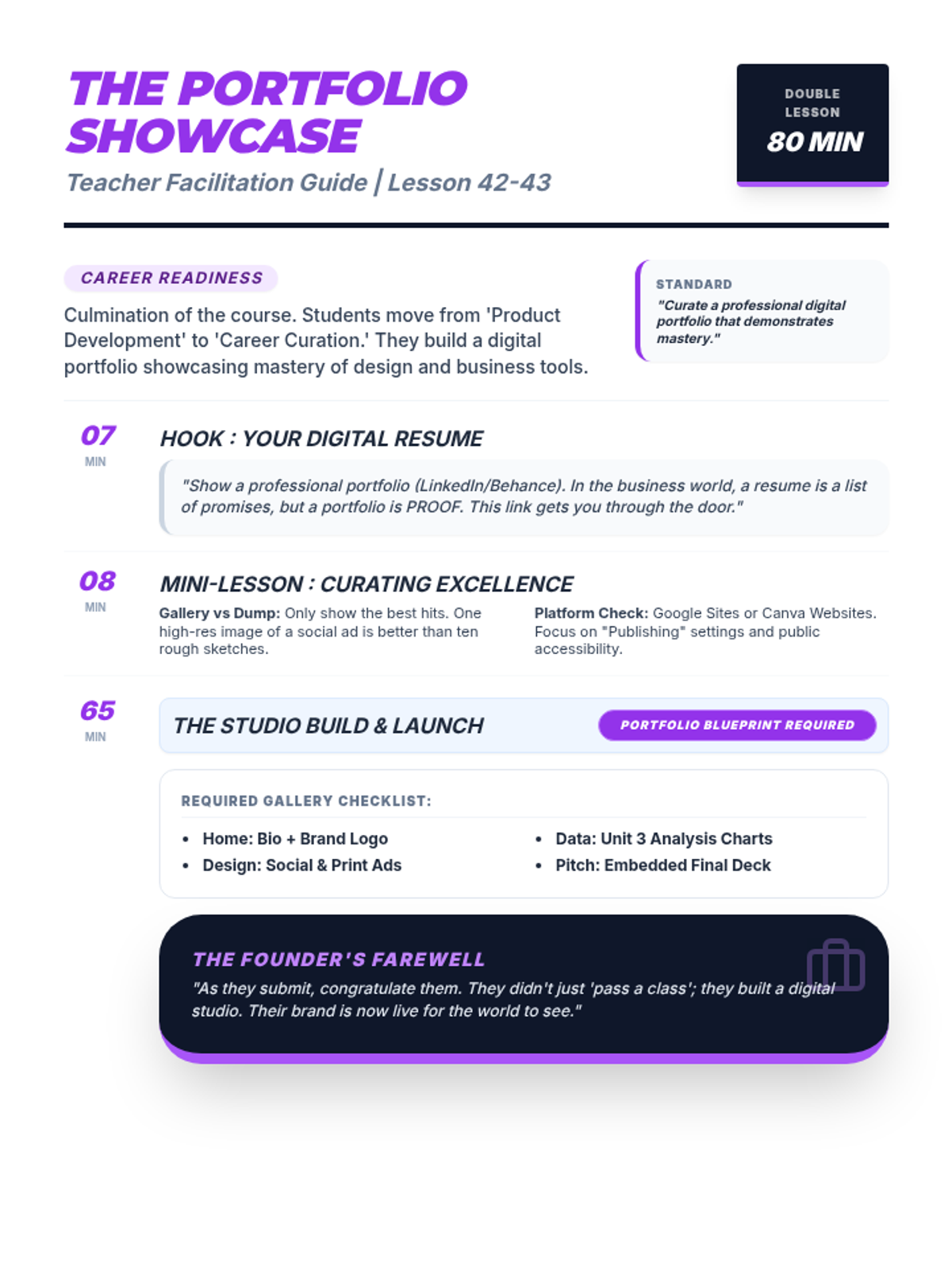
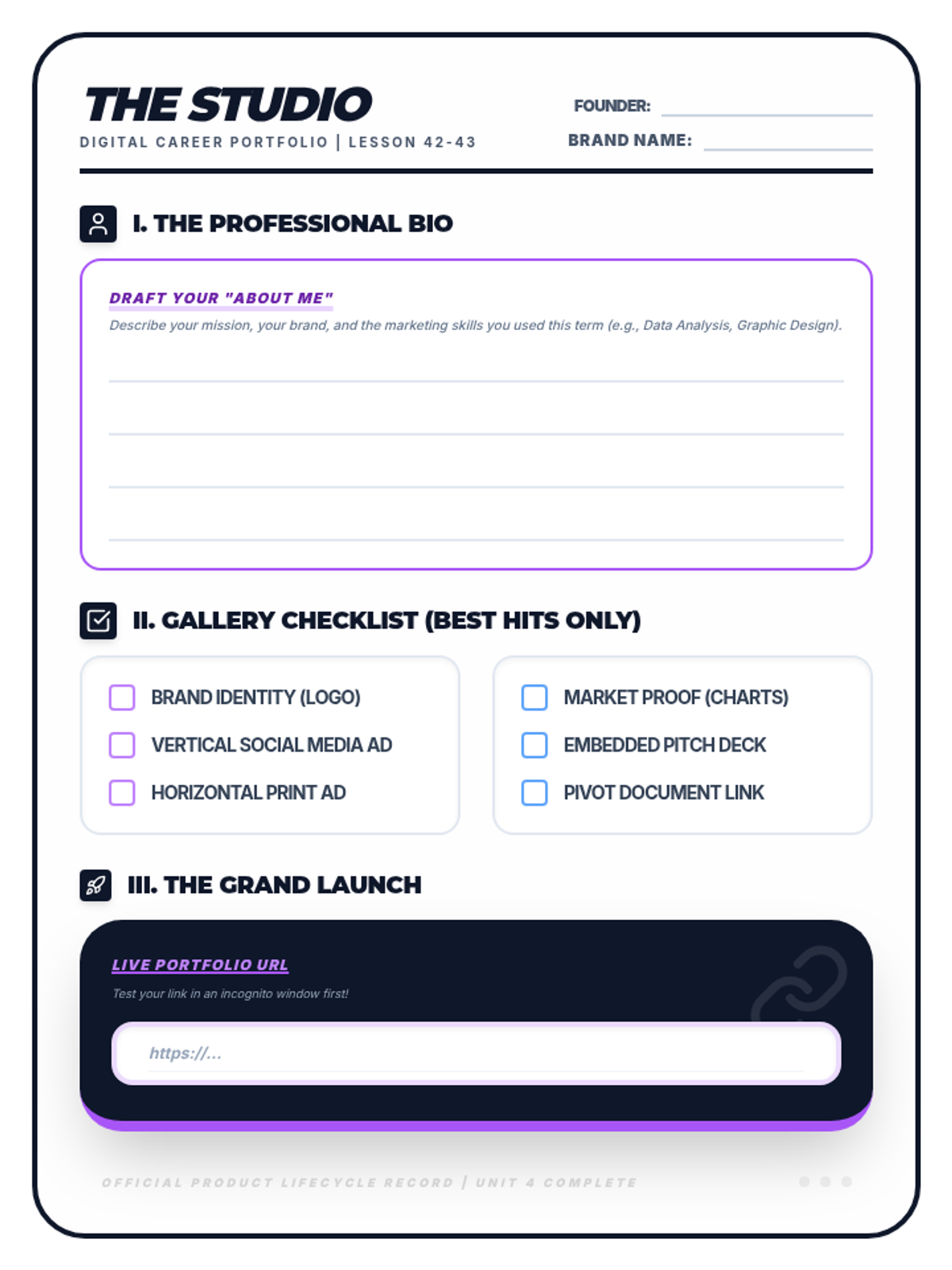
The final project compilation phase where students curate their best work from the term into a professional digital portfolio. Students learn the art of curation and how to publish a simple one-page website as a 'Digital Resume'.
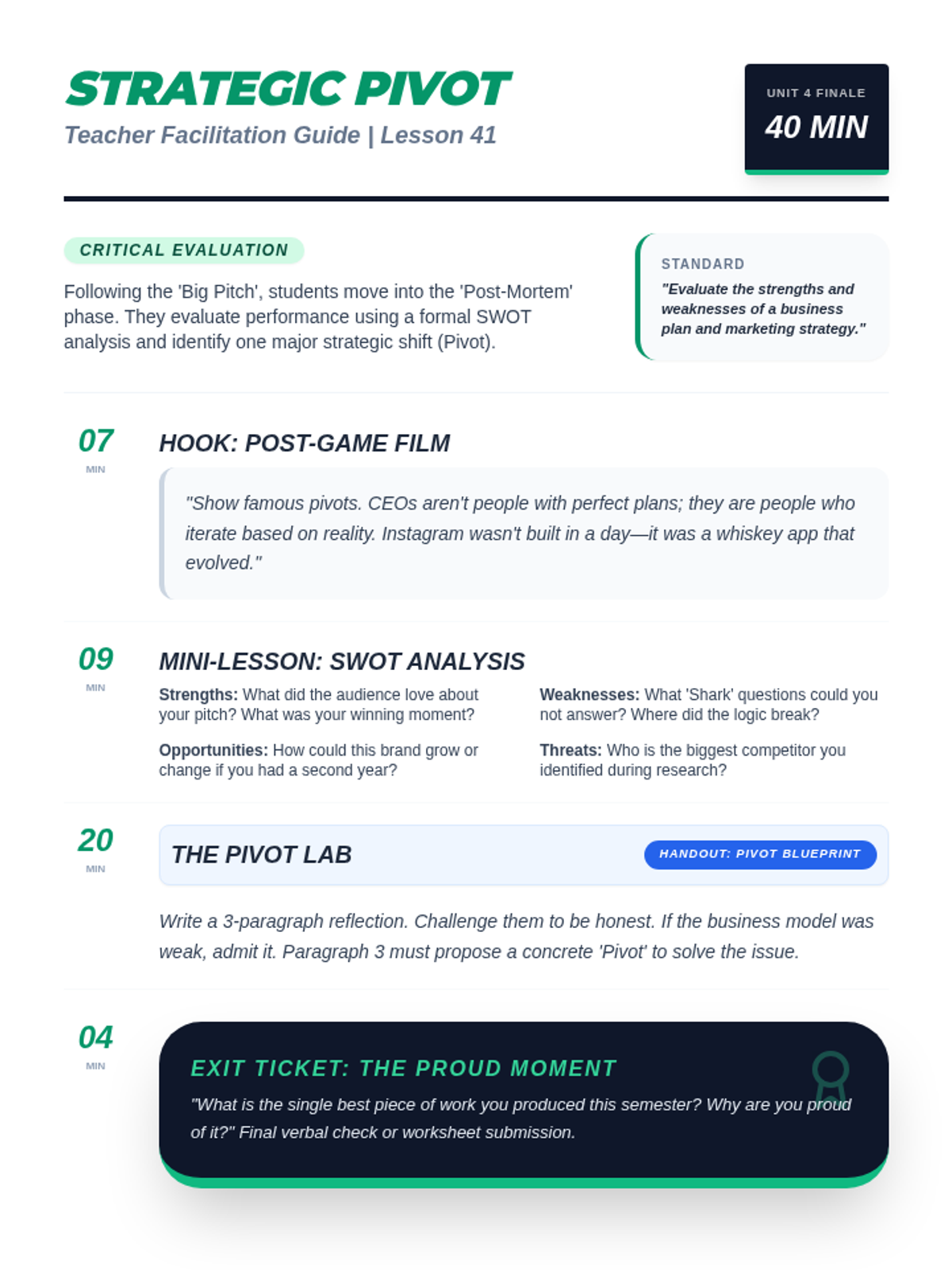
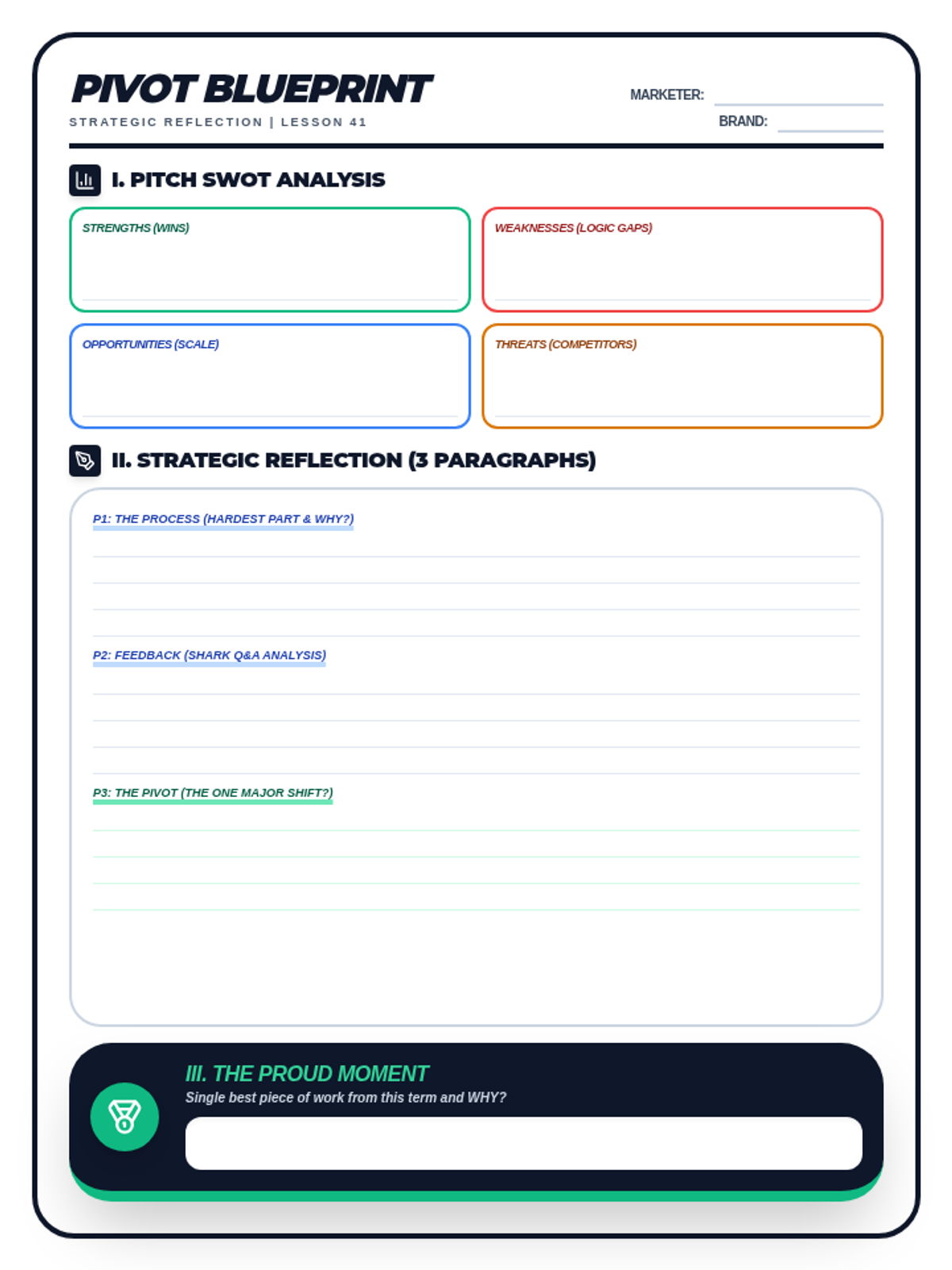
A lesson focused on post-pitch reflection and strategic iteration. Students conduct a SWOT analysis of their own performance and draft a 'Pivot' plan to refine their business concept based on audience feedback.
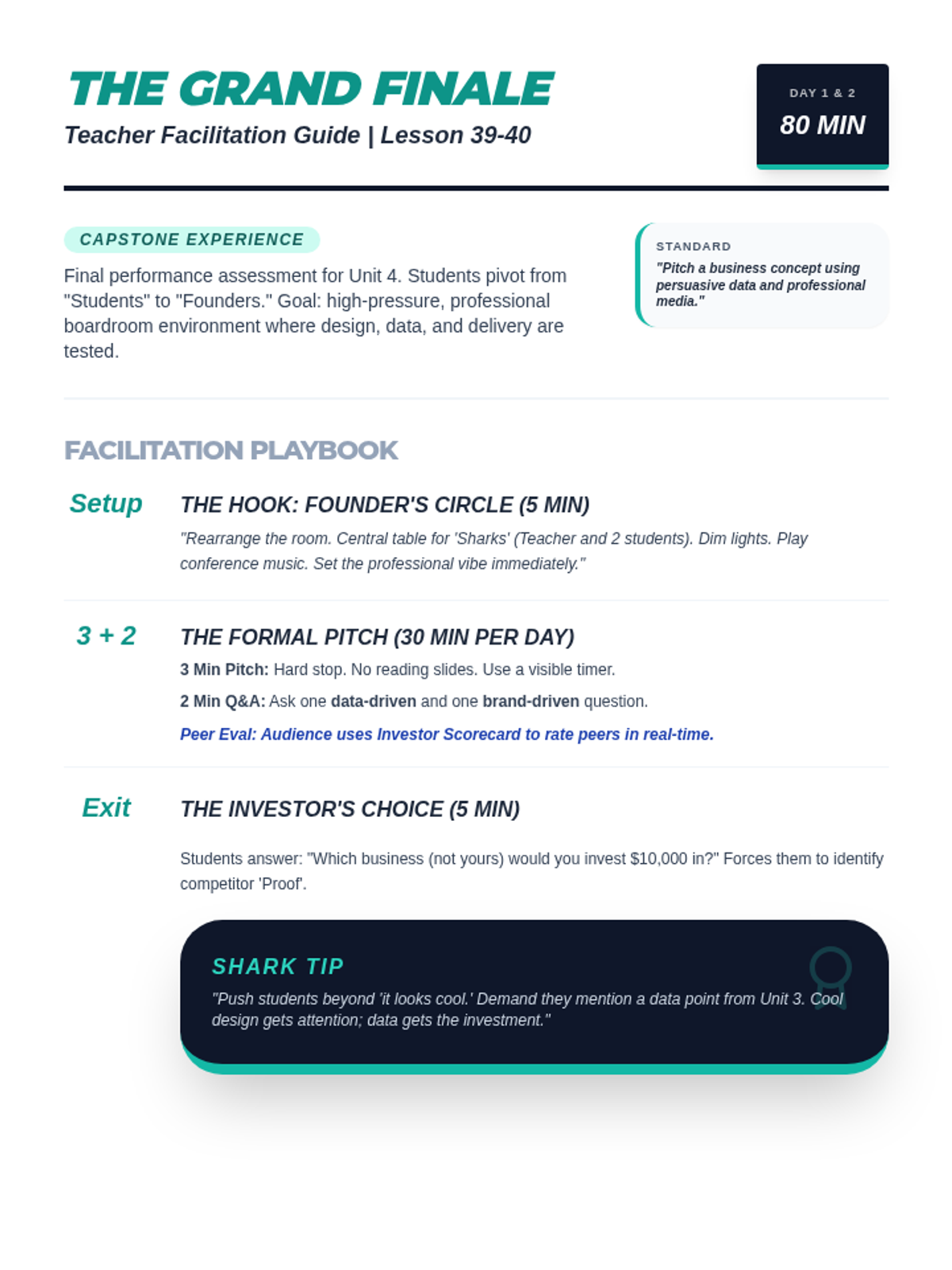
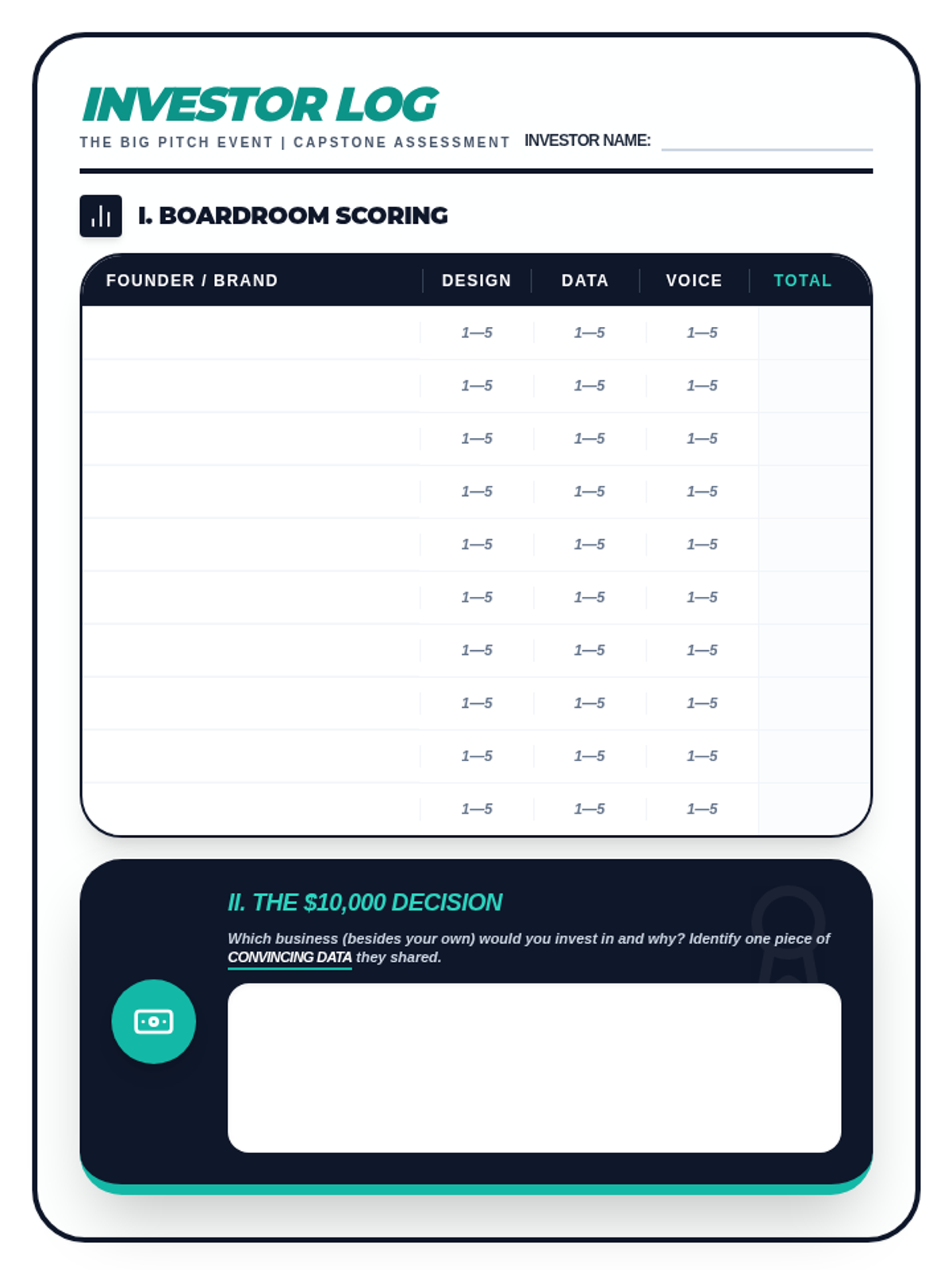
The unit capstone experience where students present their marketing campaigns as founders. Includes a two-day formal pitch event with peer judging, Shark Tank-style Q&A, and 'Class Cash' investment reflections.
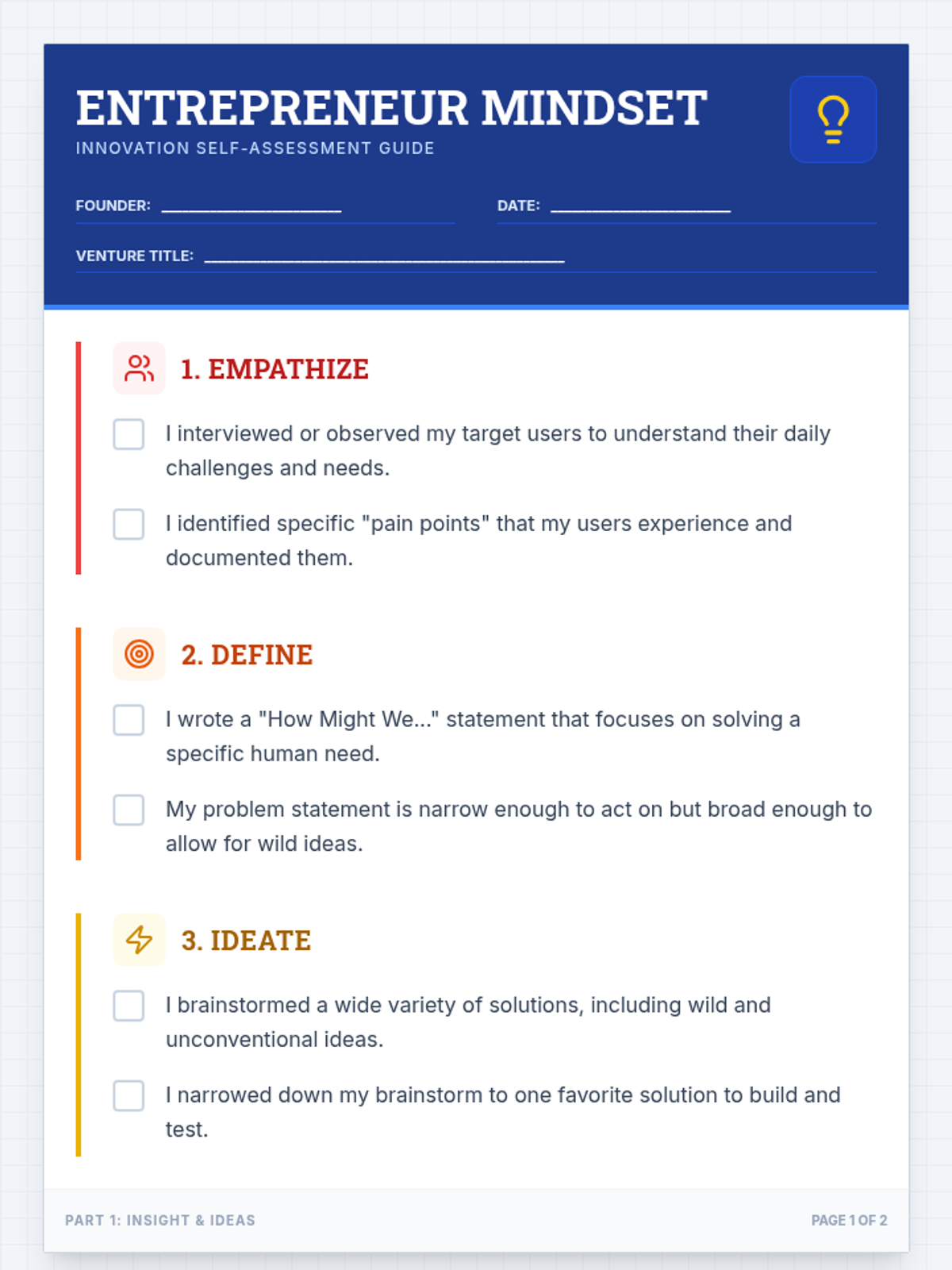
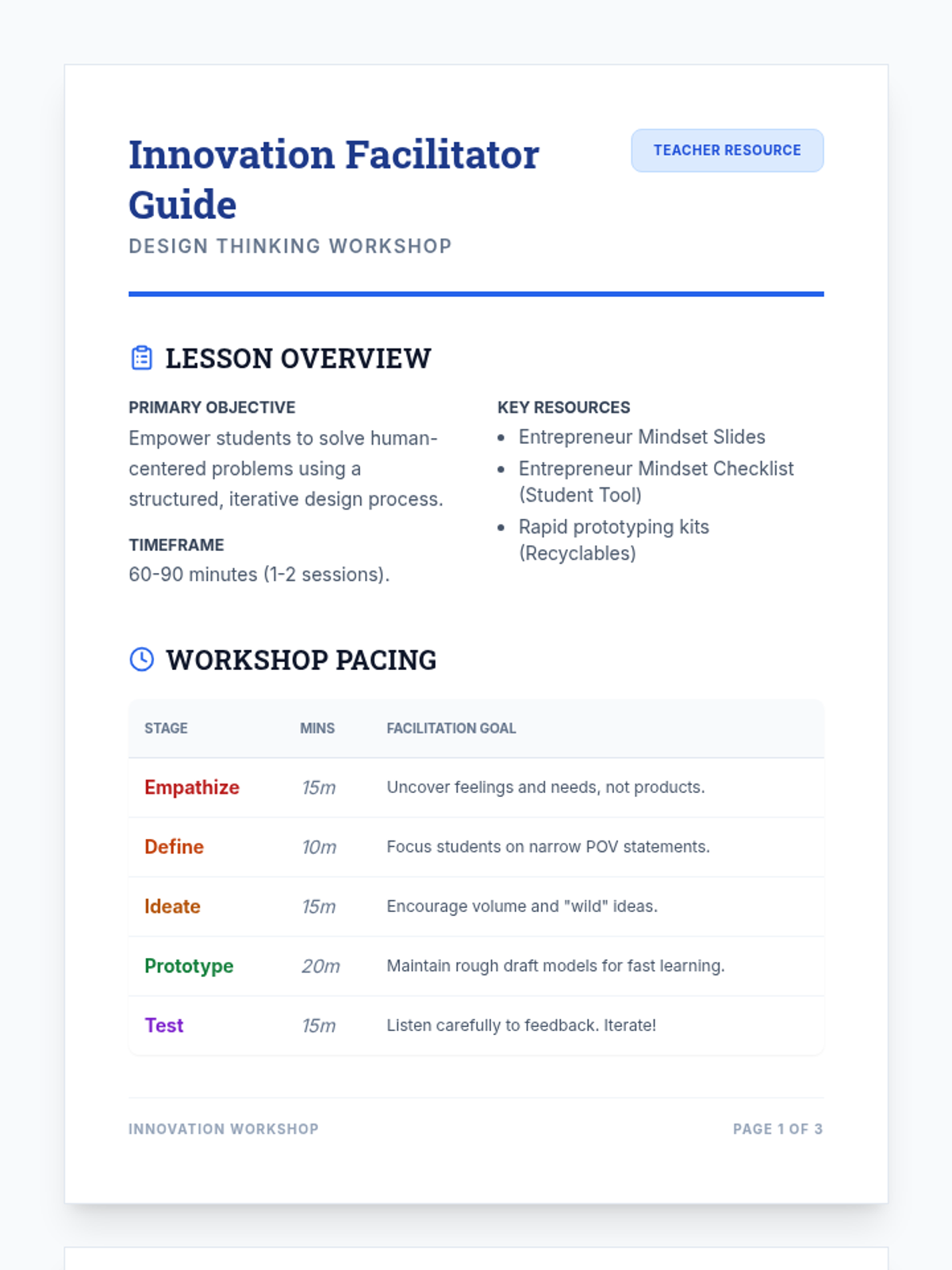
A comprehensive introduction to the five stages of design thinking, guiding students through empathy, problem definition, ideation, prototyping, and testing.
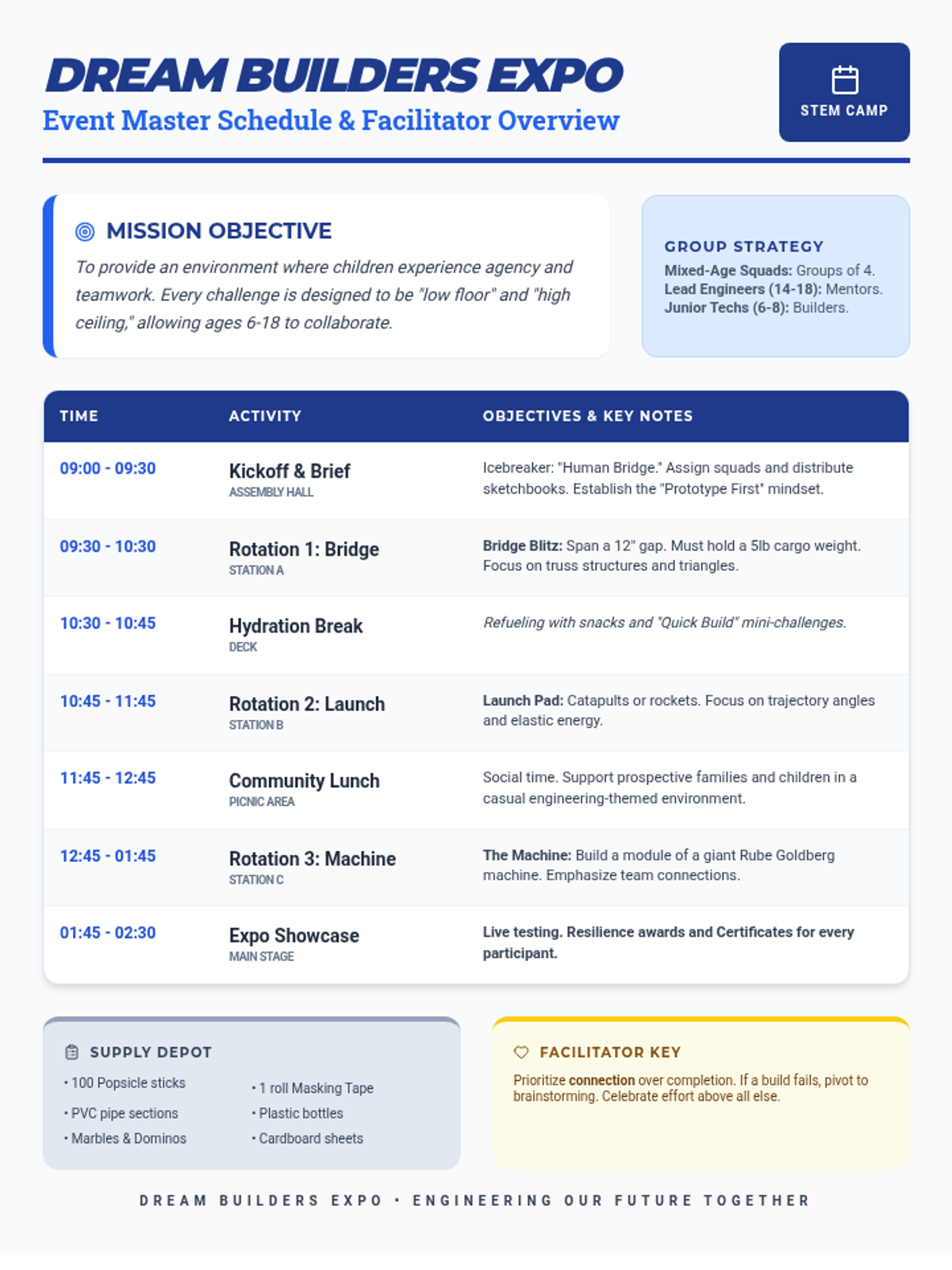
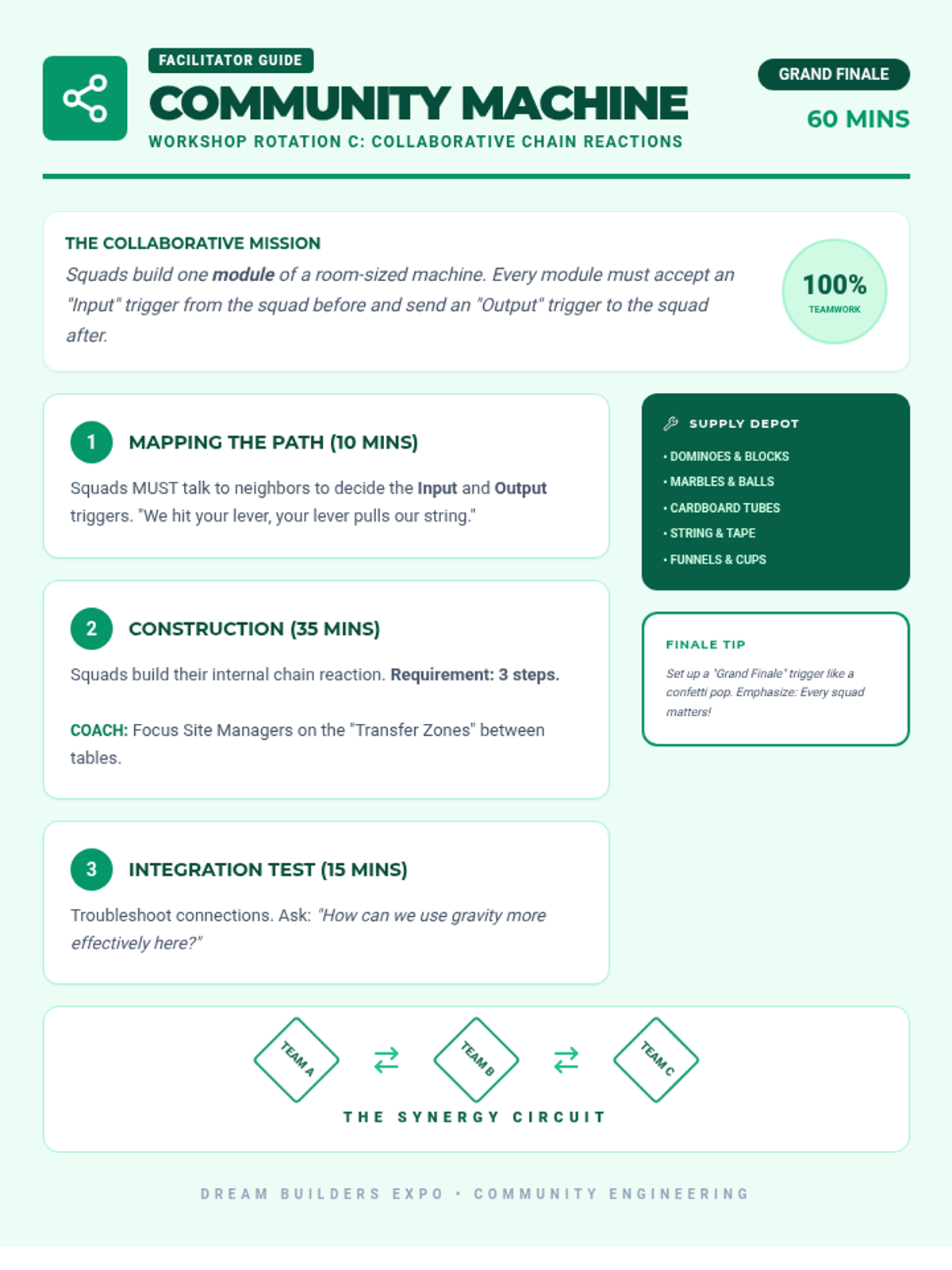
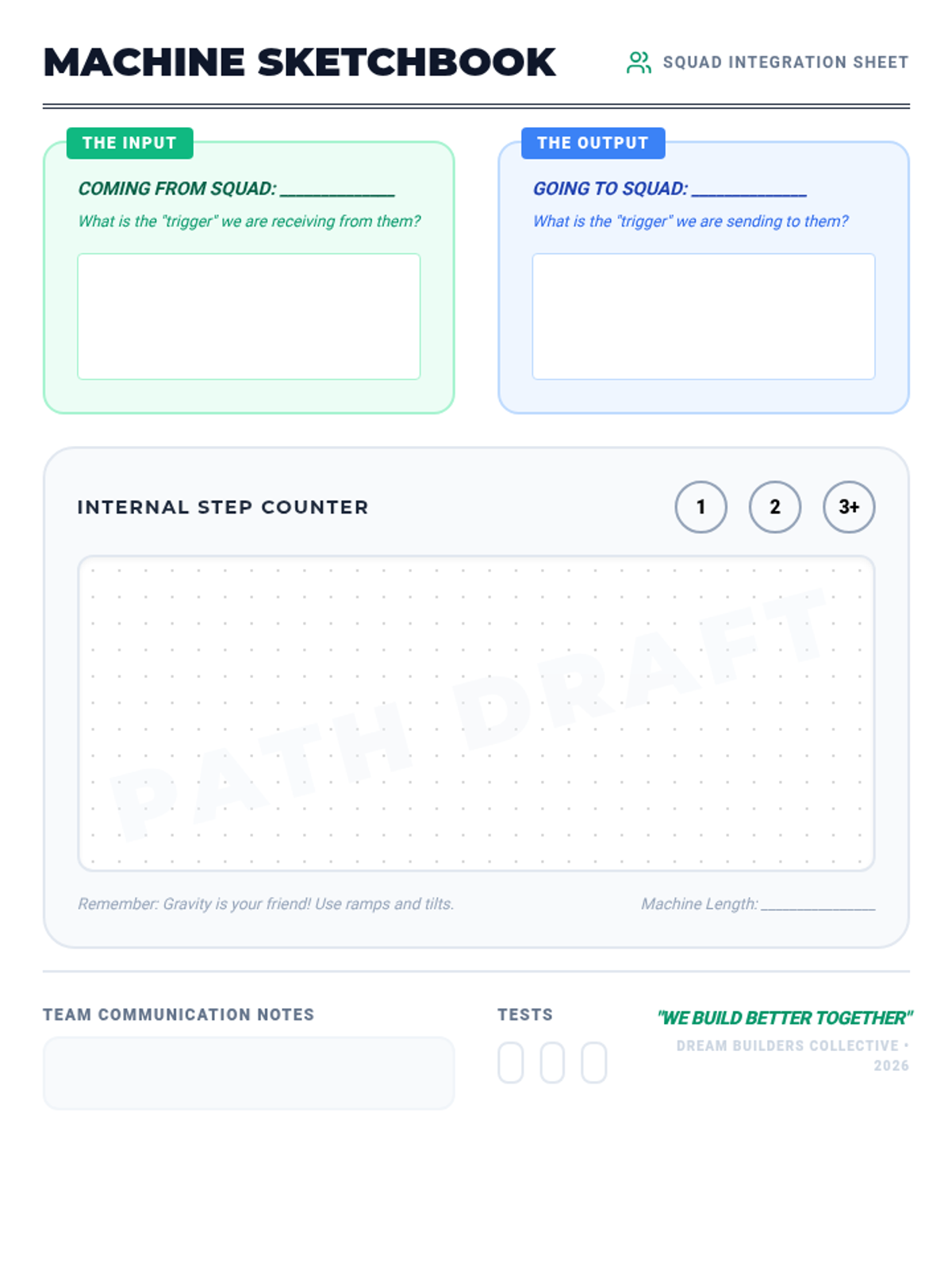
A high-energy STEM event for kids in foster care, focusing on engineering design, collaborative building, and social connection through hands-on challenges.
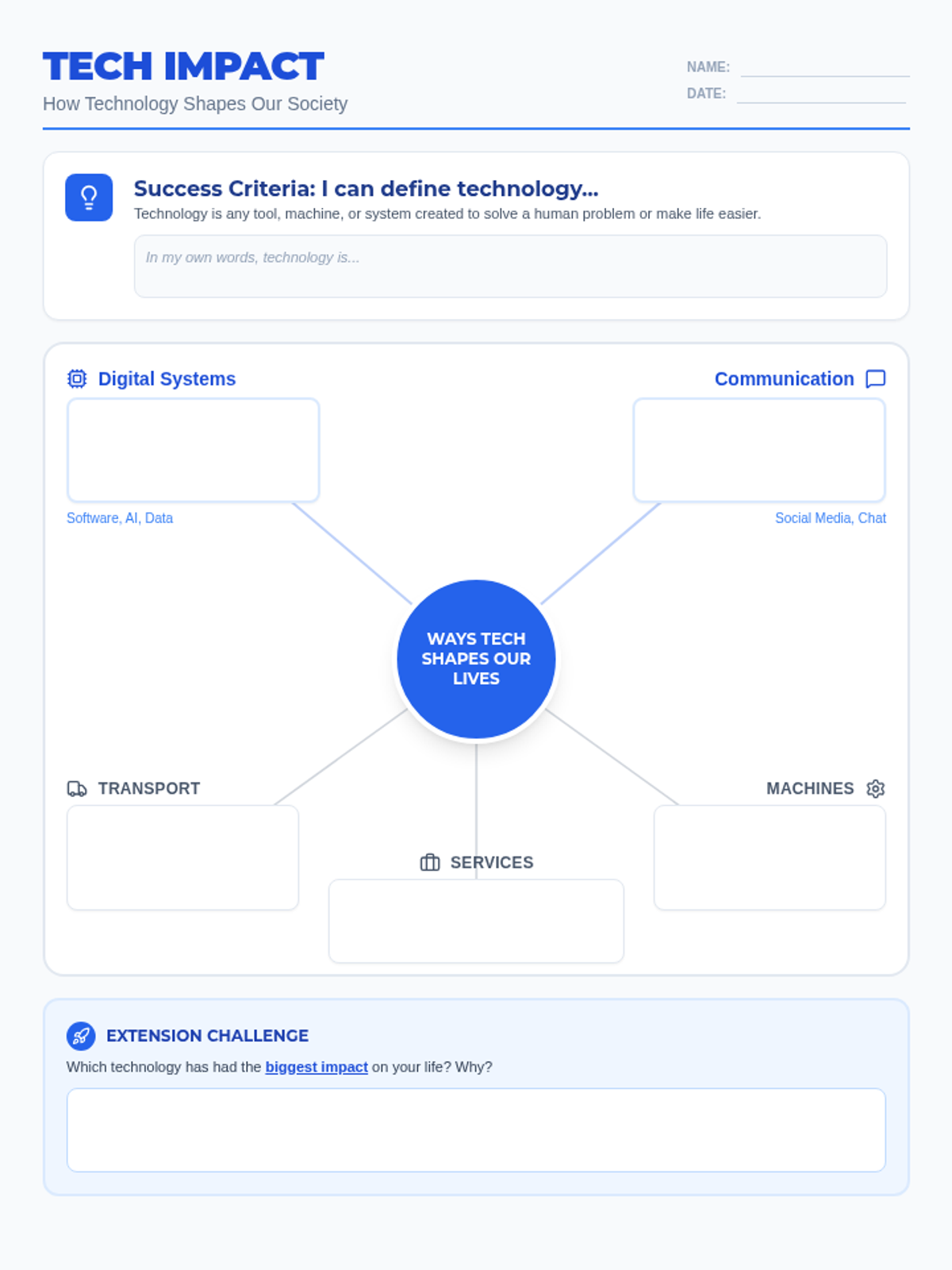
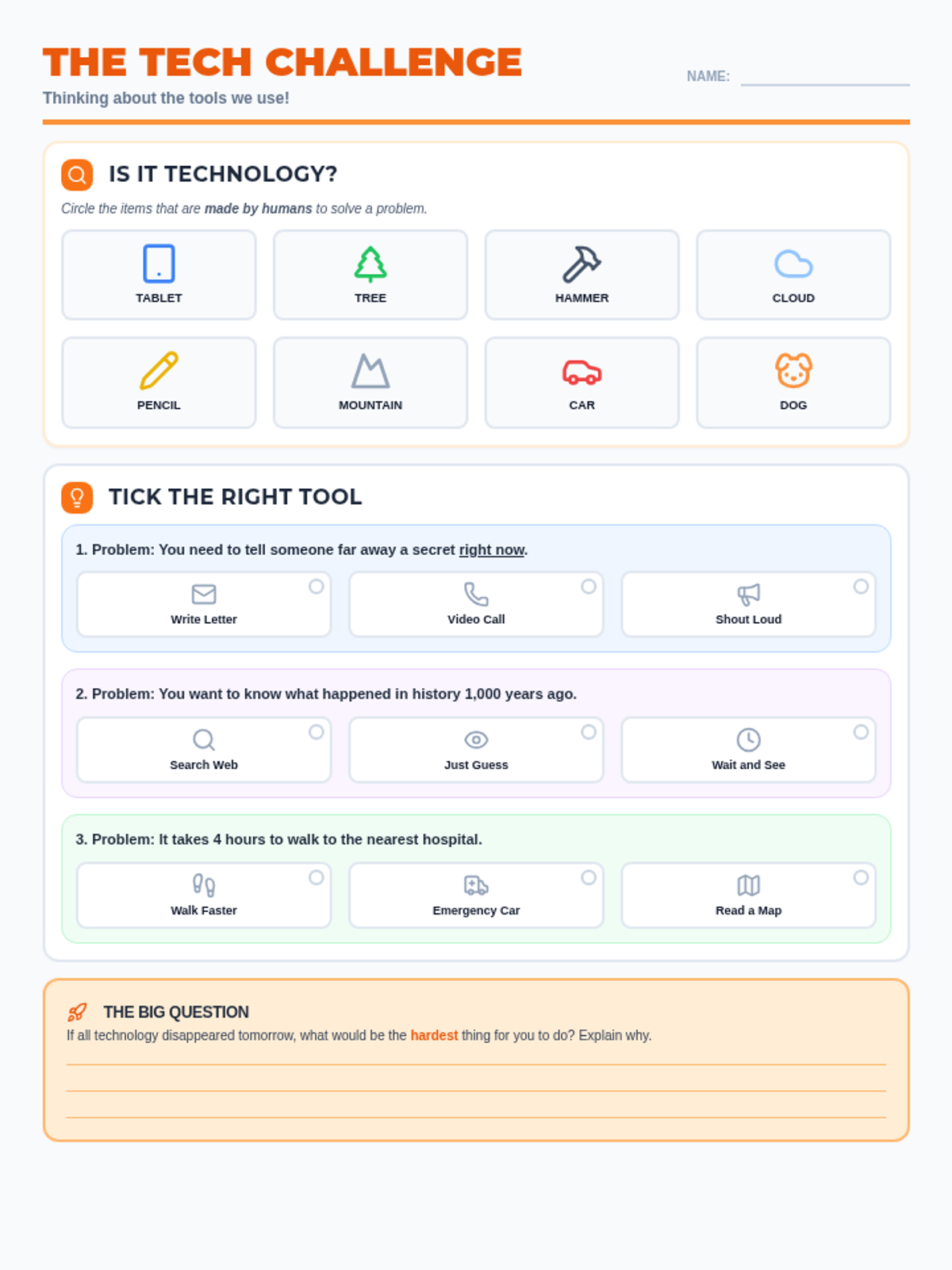
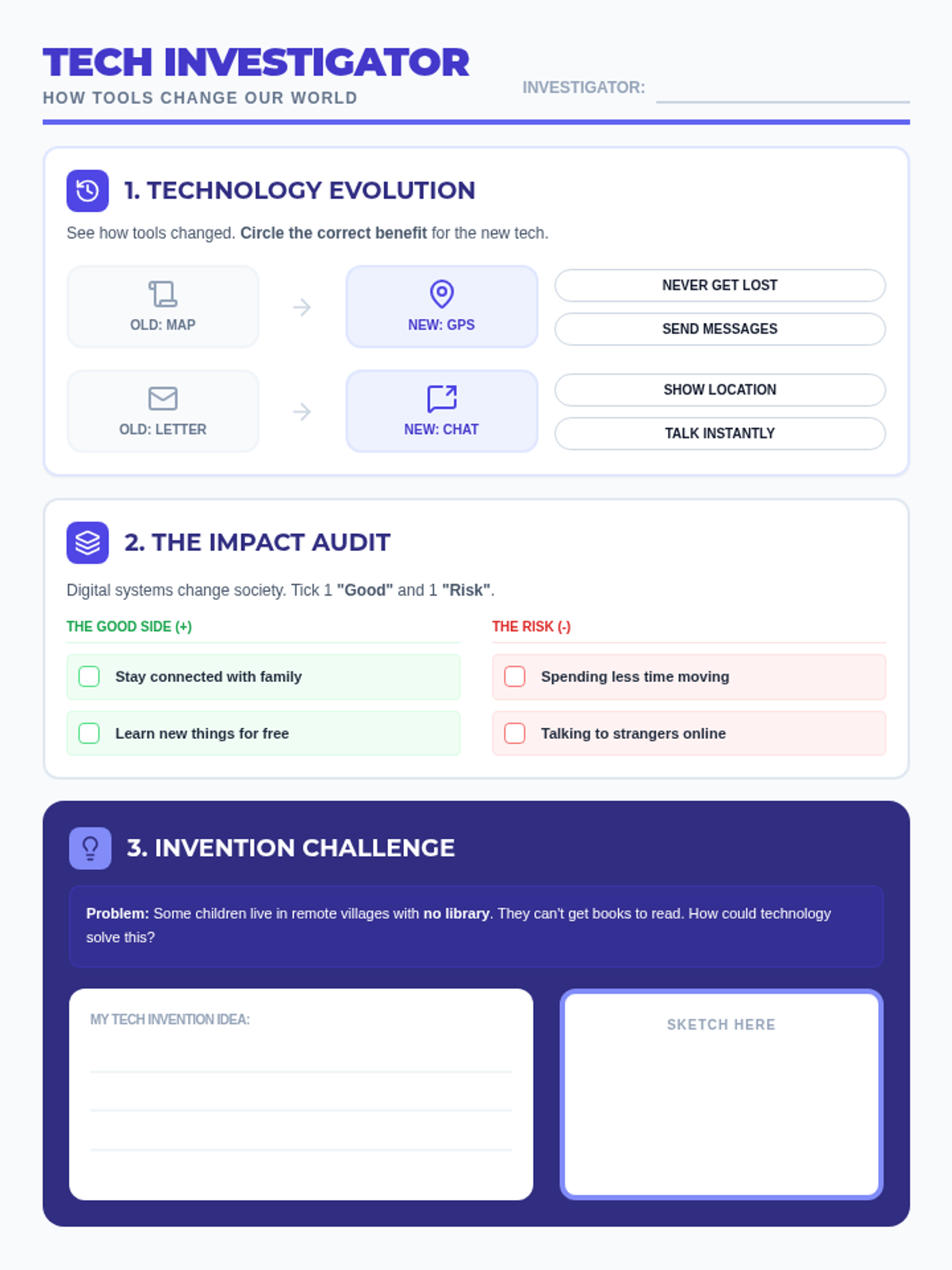
A lesson exploring the broad definition of technology and its profound impact on how we live, work, and connect in society.
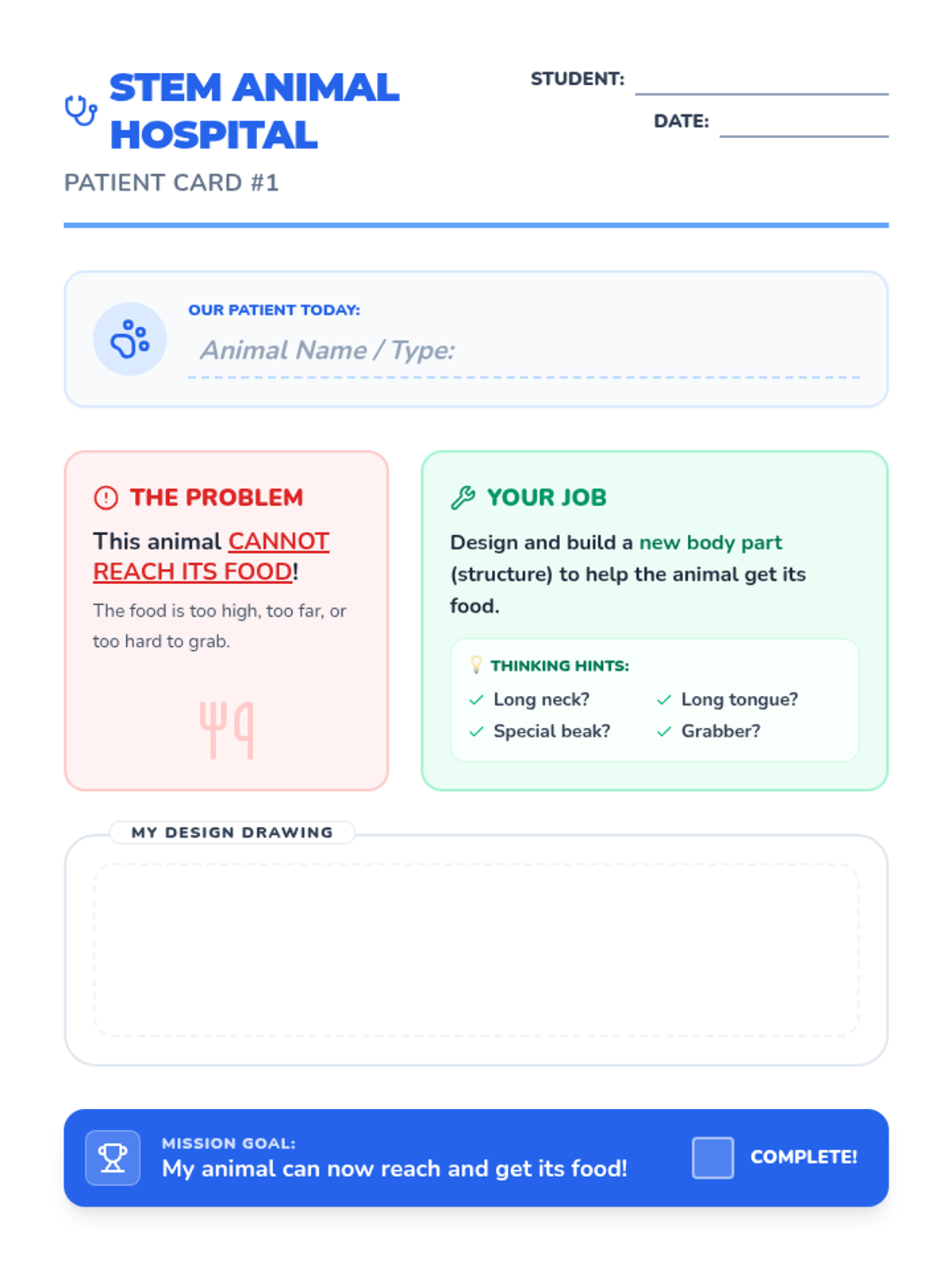
A hands-on STEM lesson where 1st graders design and build structural adaptations to help animals solve specific survival problems.
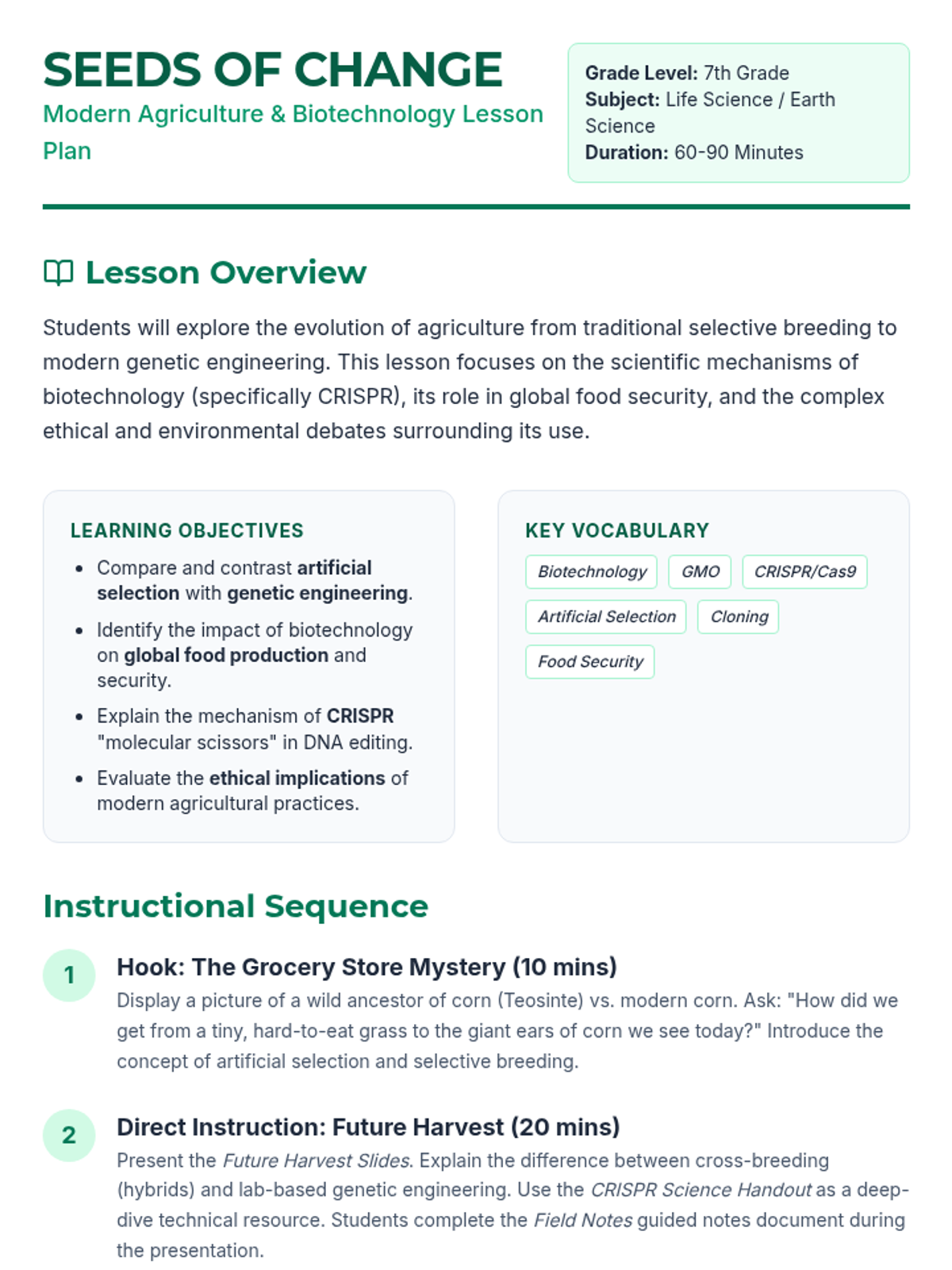
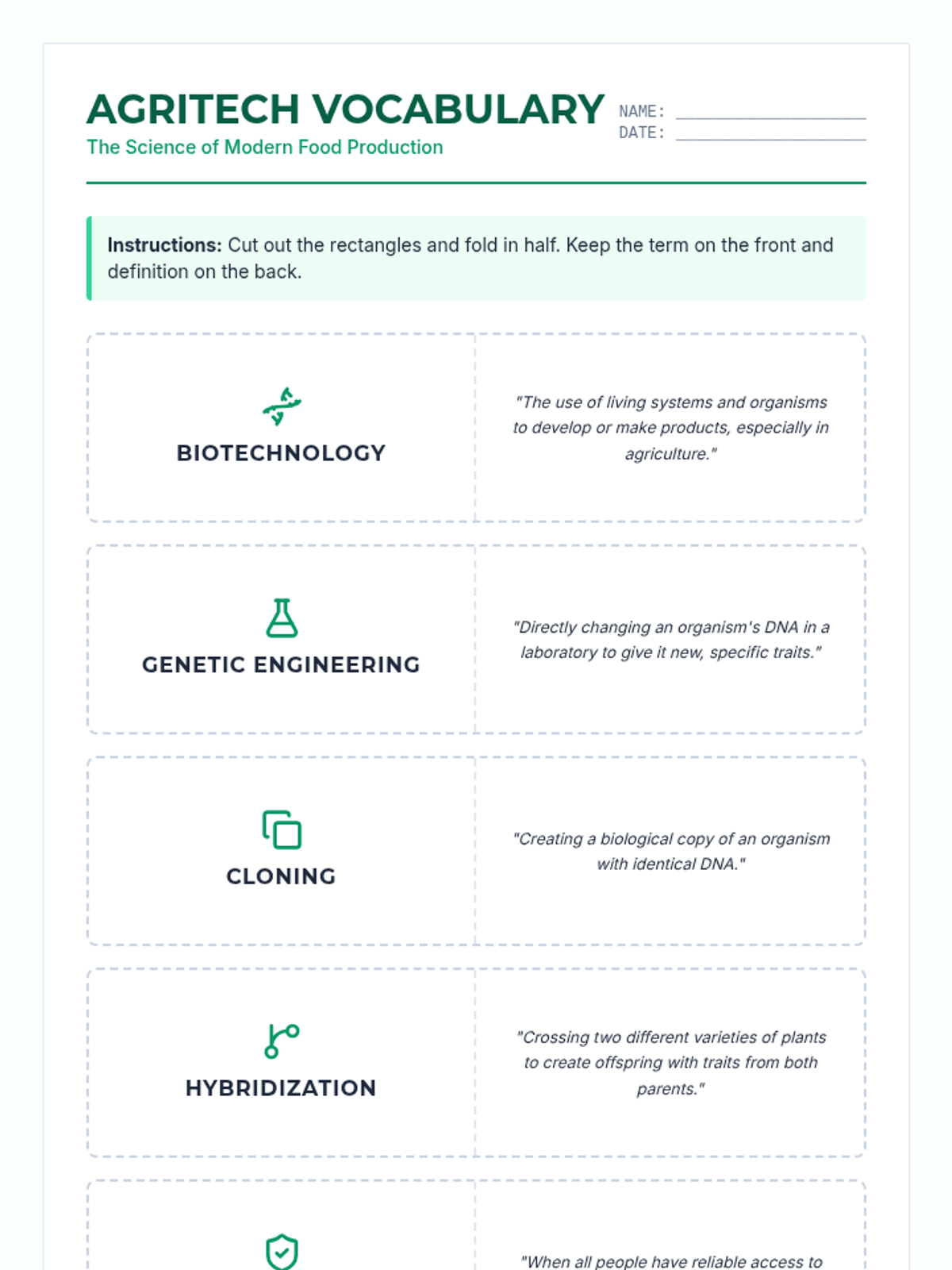
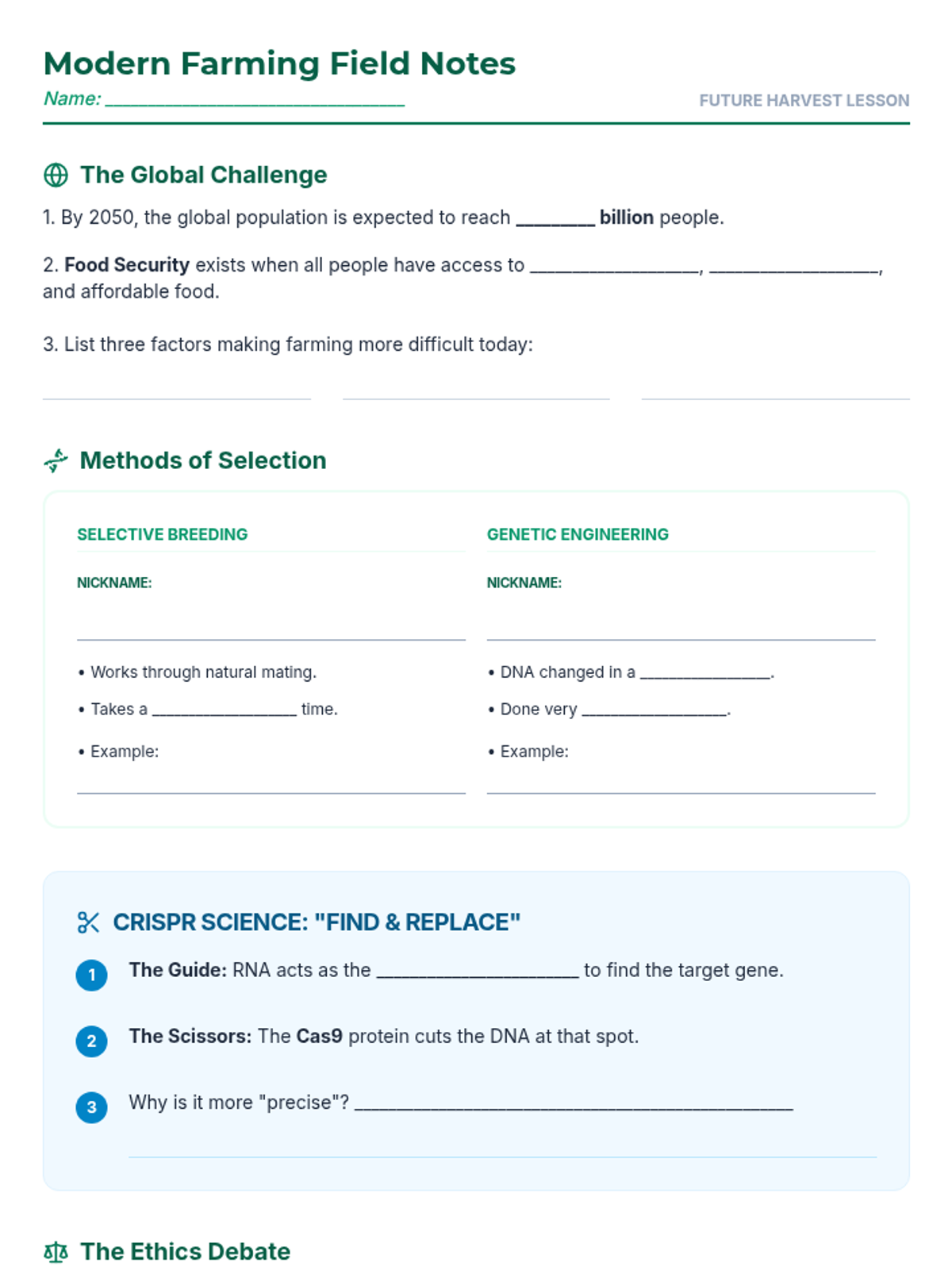
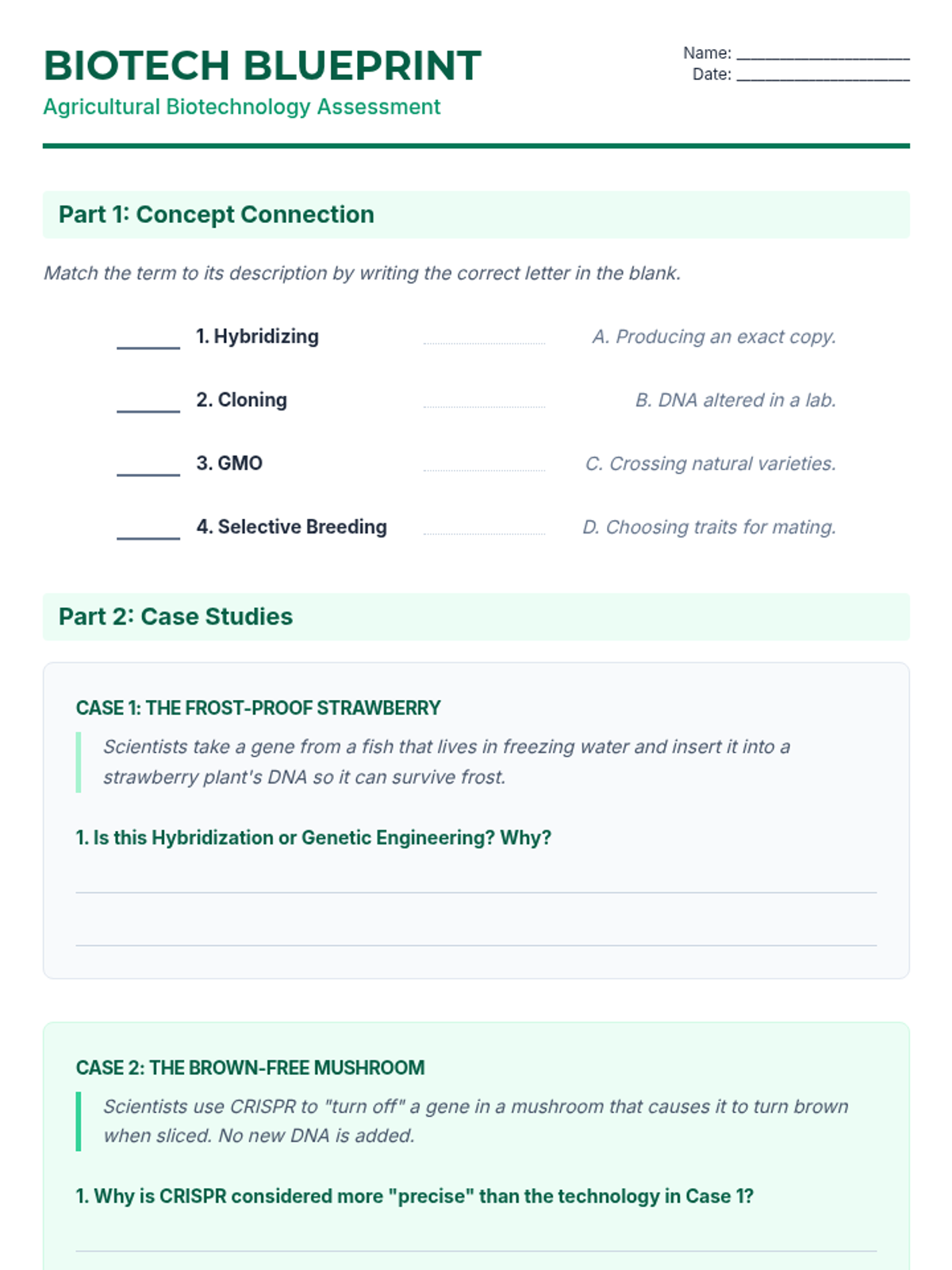
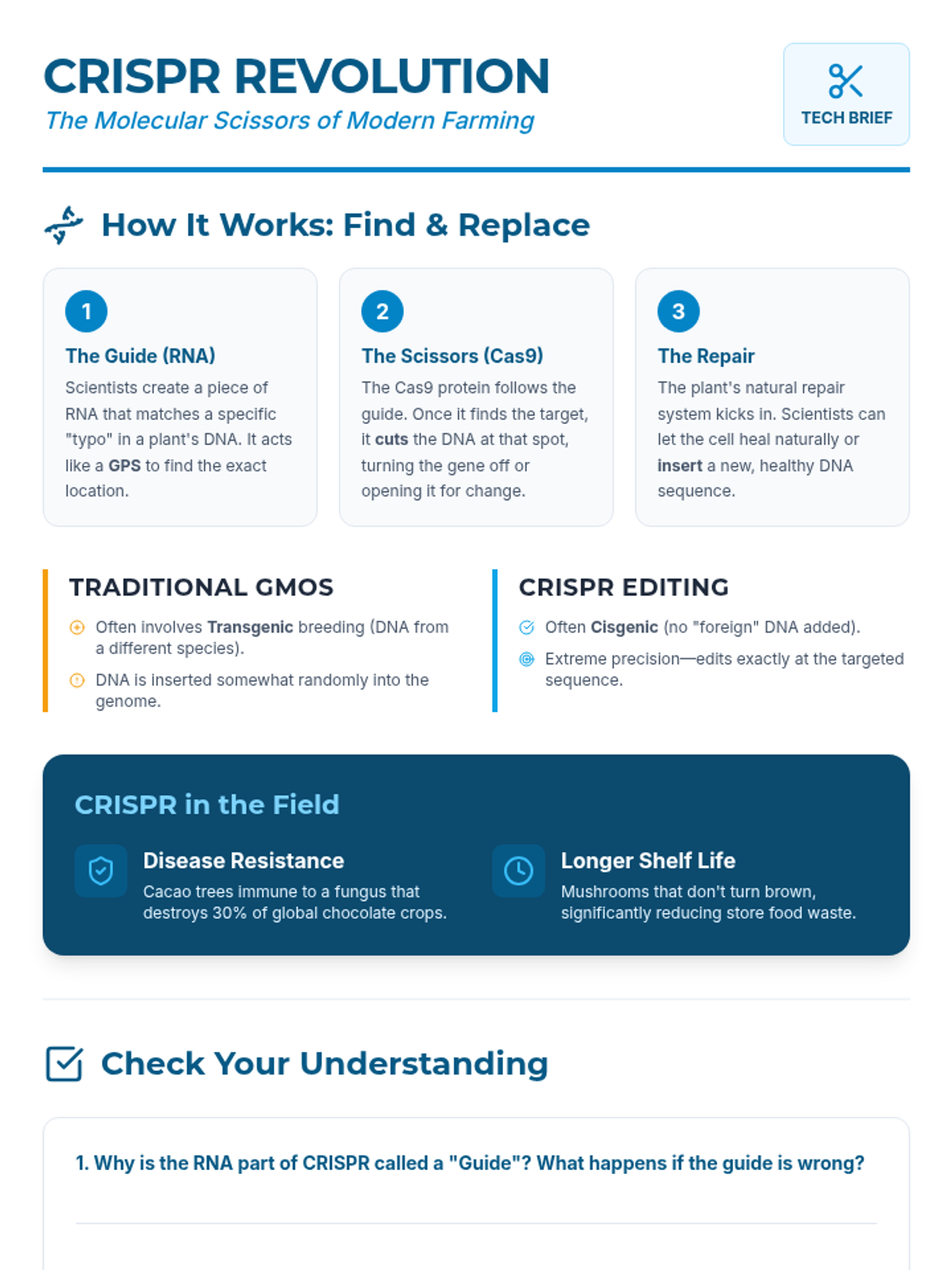
A comprehensive lesson exploring the science, ethics, and environmental impact of biotechnology in modern agriculture, comparing historical breeding methods with genetic engineering.
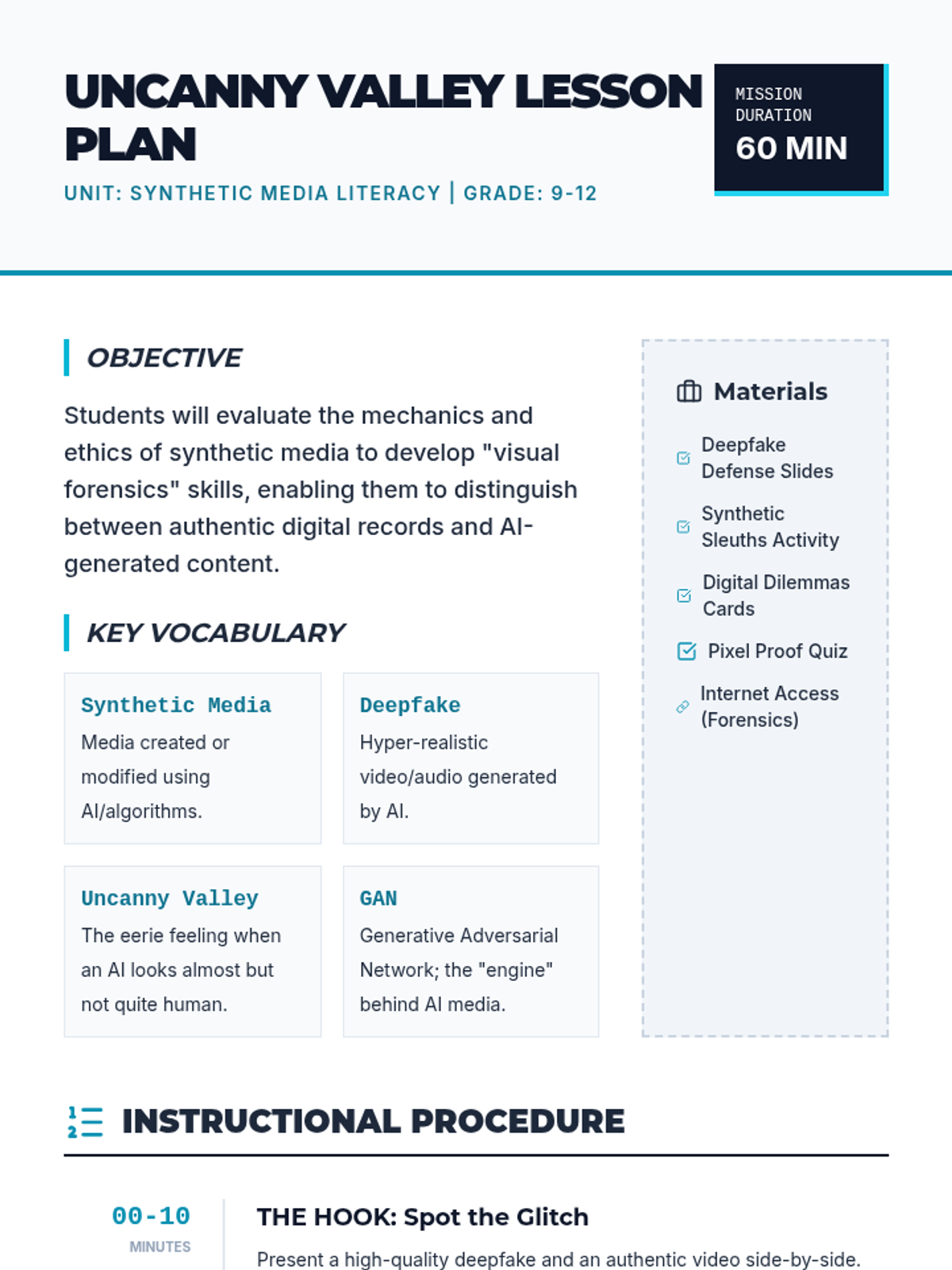
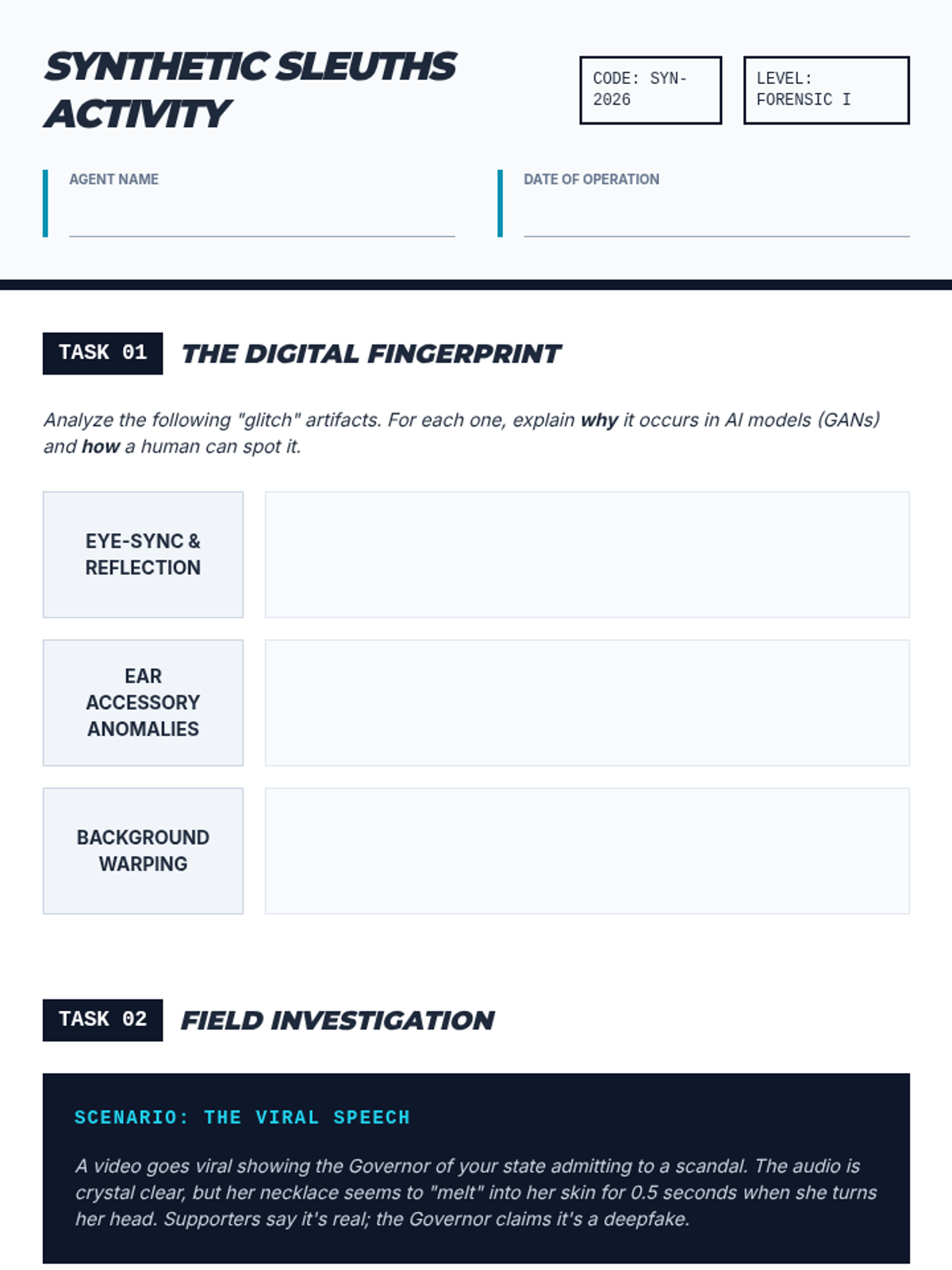
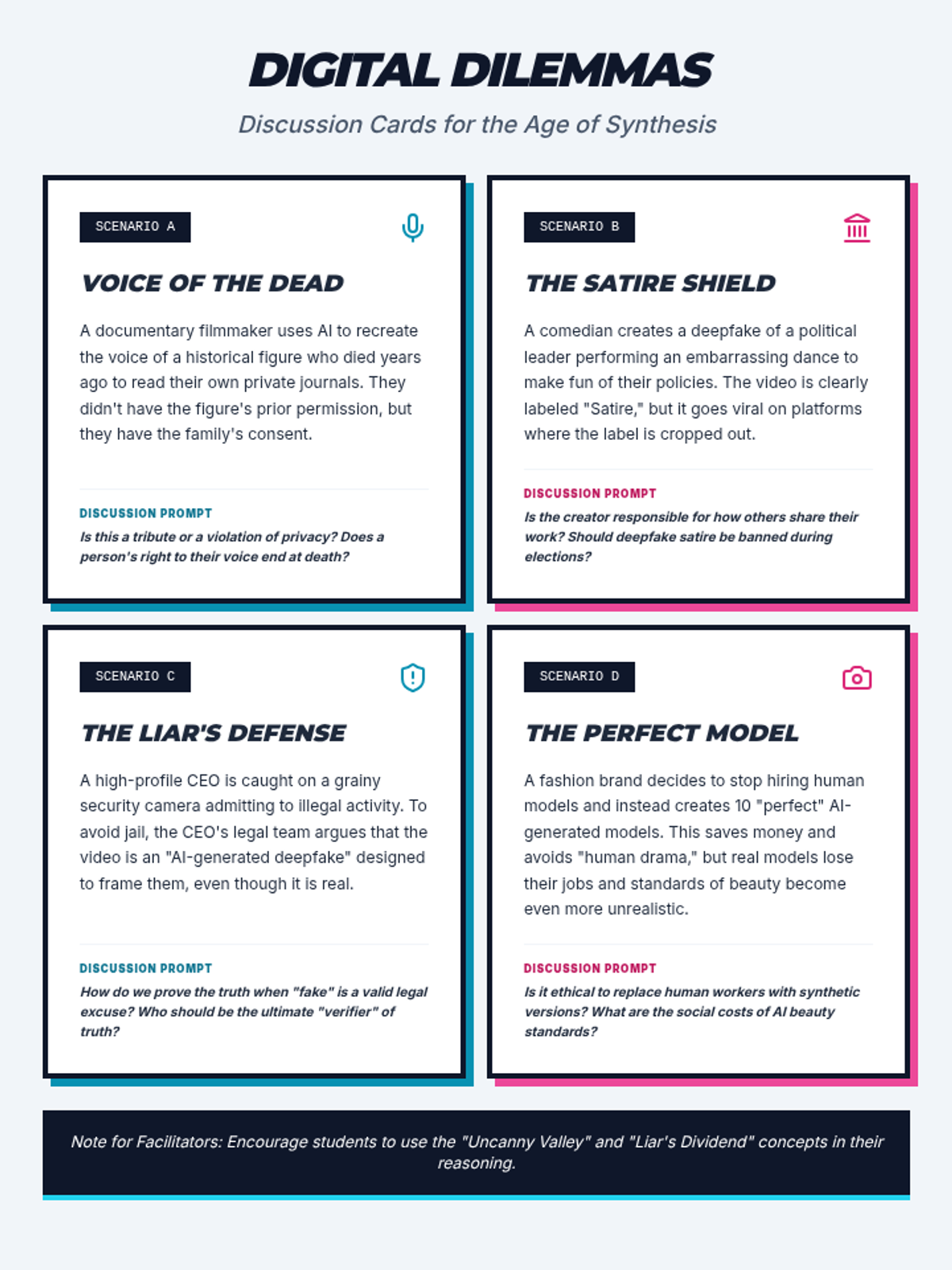
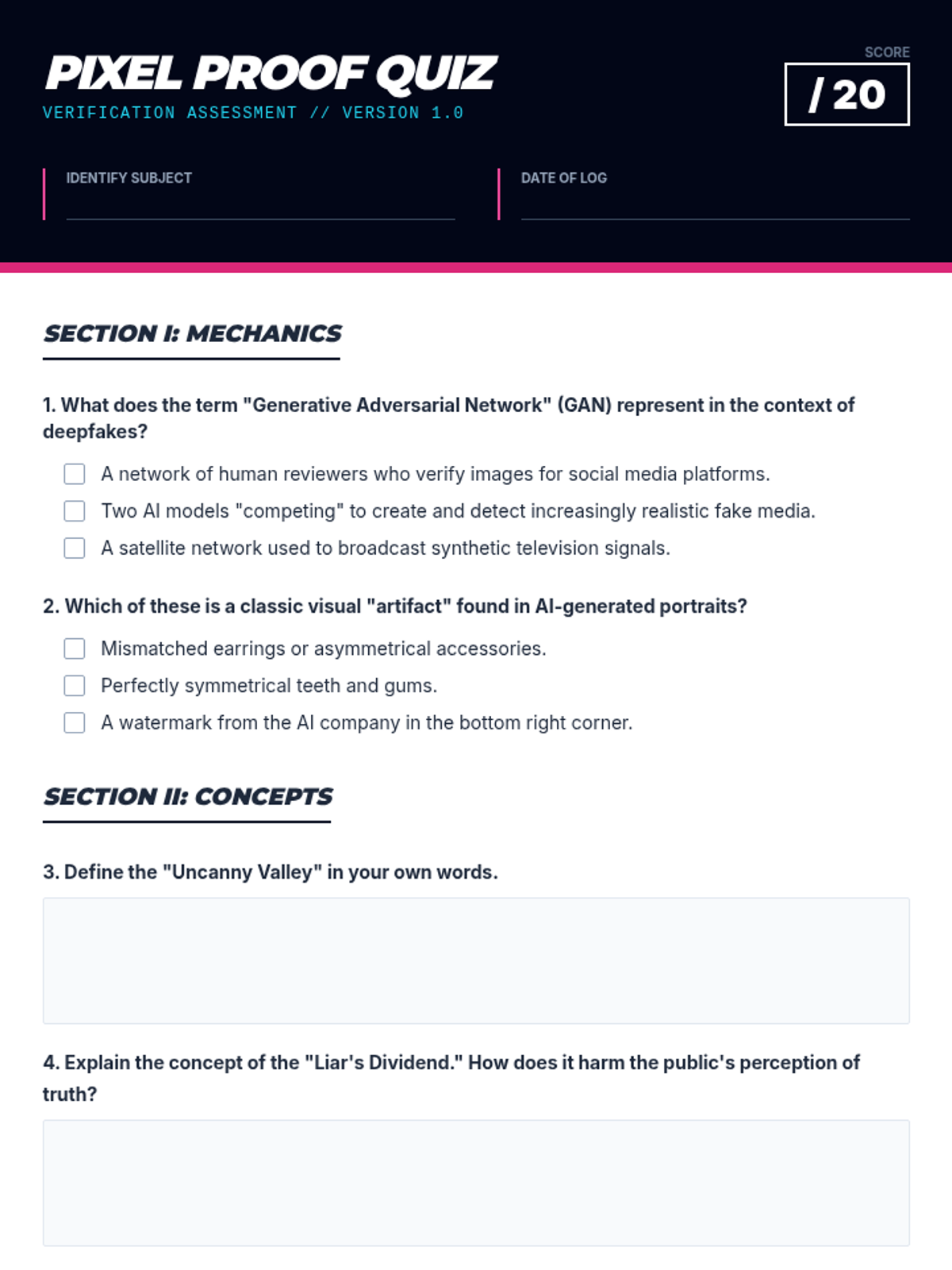
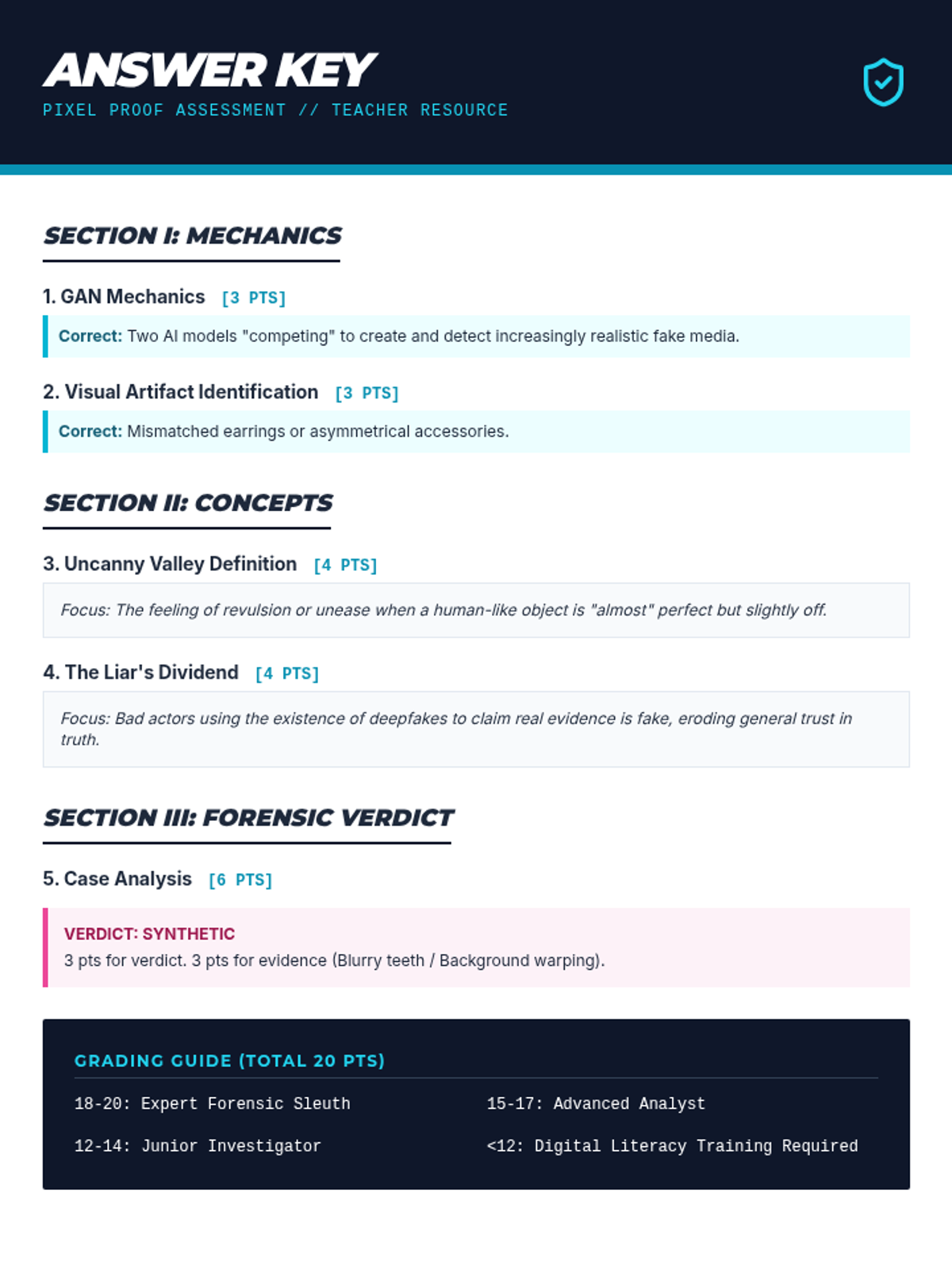
A high-school module focused on identifying synthetic media and understanding the ethical implications of deepfakes through visual forensics.
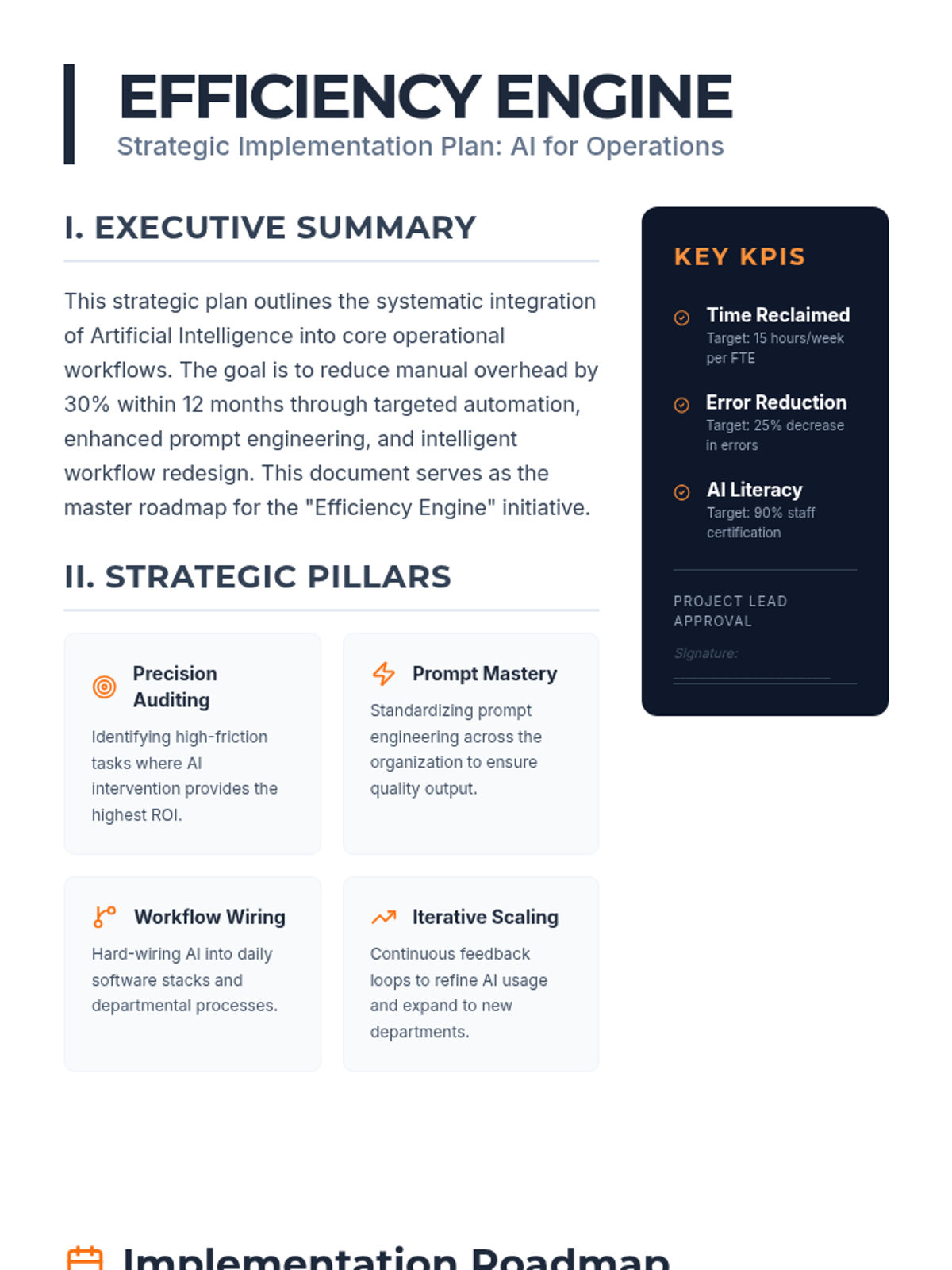
Creating a long-term roadmap for AI adoption and organizational scaling.
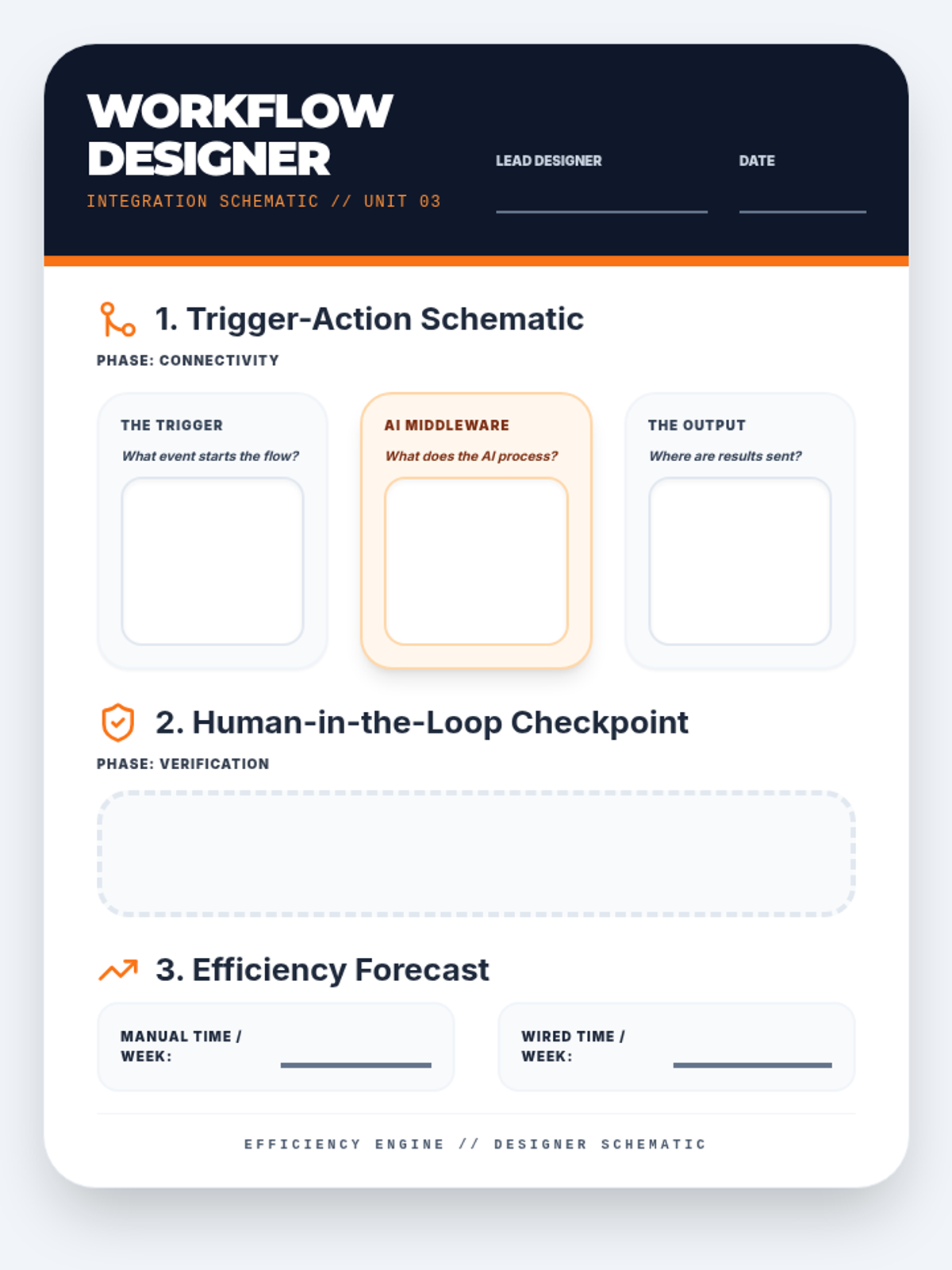
Designing and implementing AI-enhanced workflows to automate repetitive tasks and optimize productivity.
Mastering the art of prompting to extract maximum value and accuracy from AI tools.
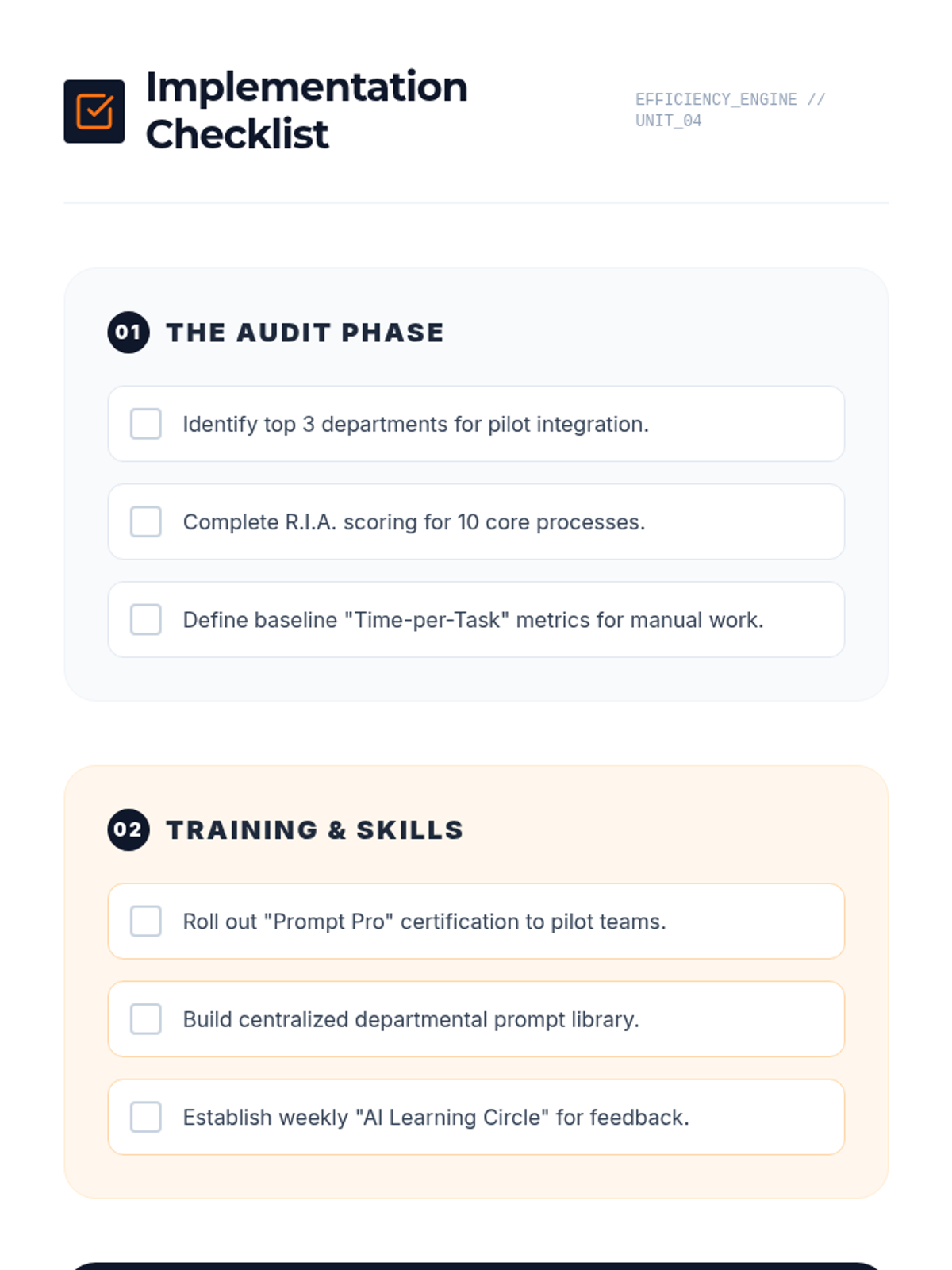
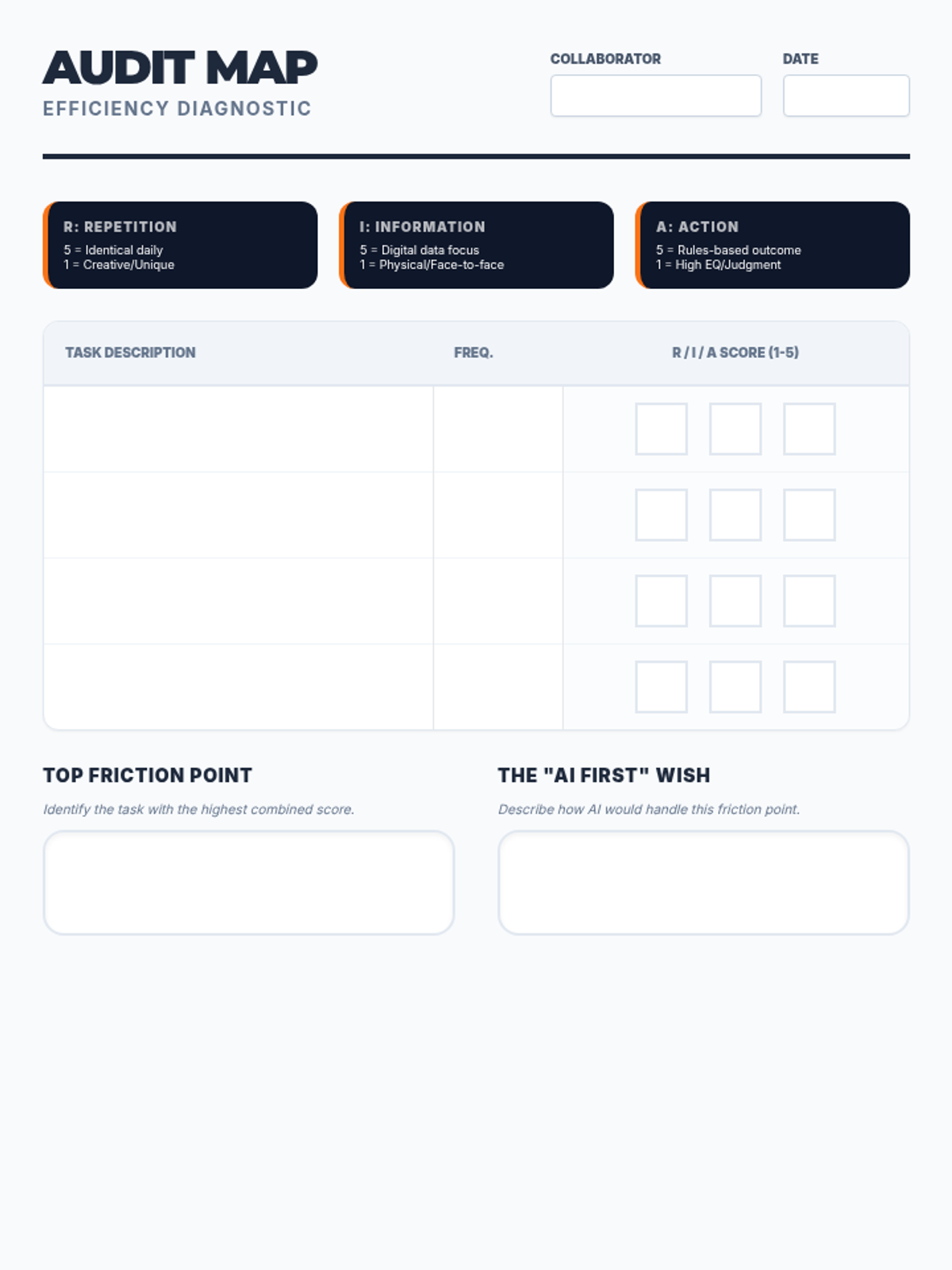
Identifying bottlenecks and high-impact areas where AI can streamline operations.
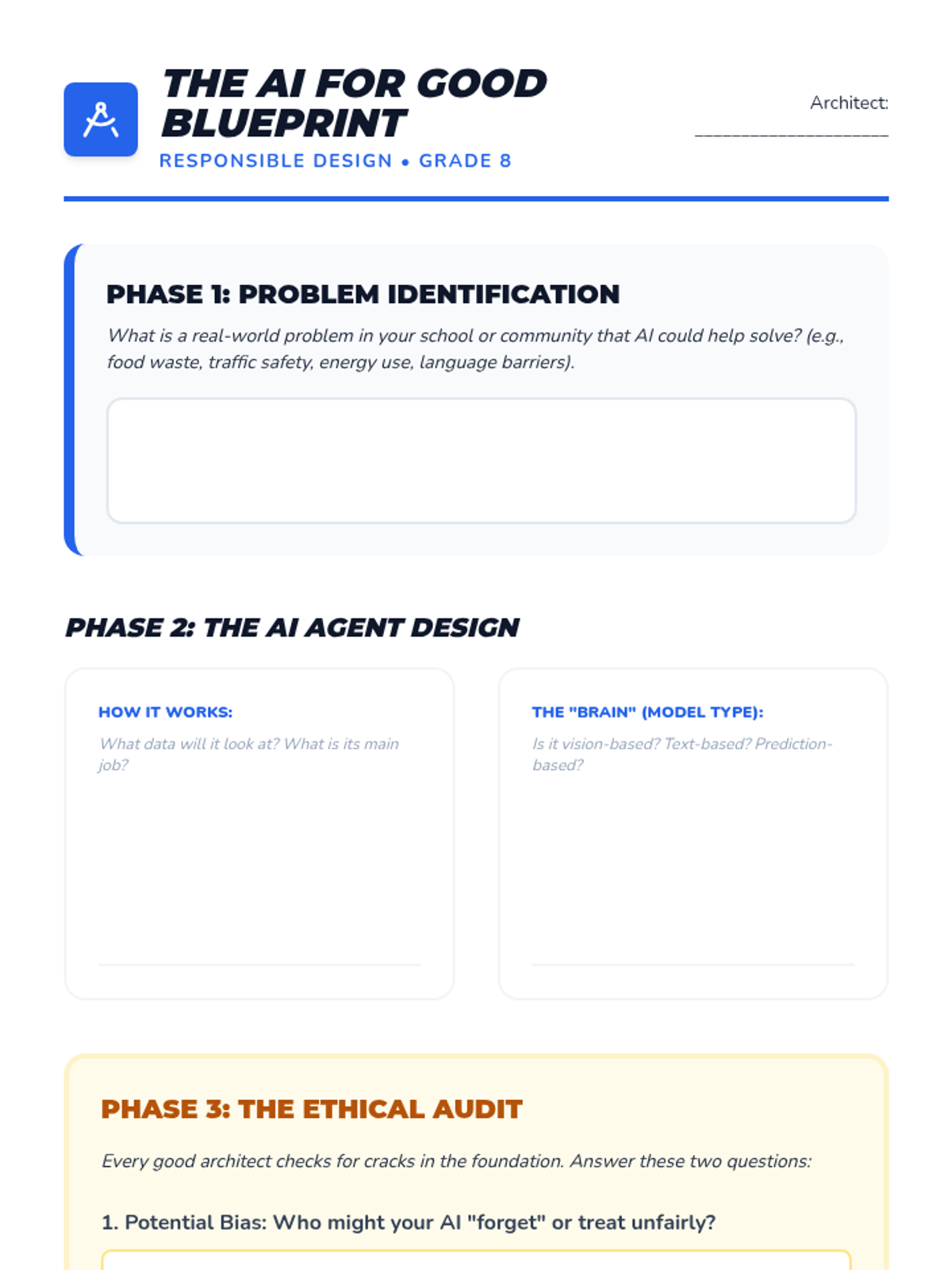
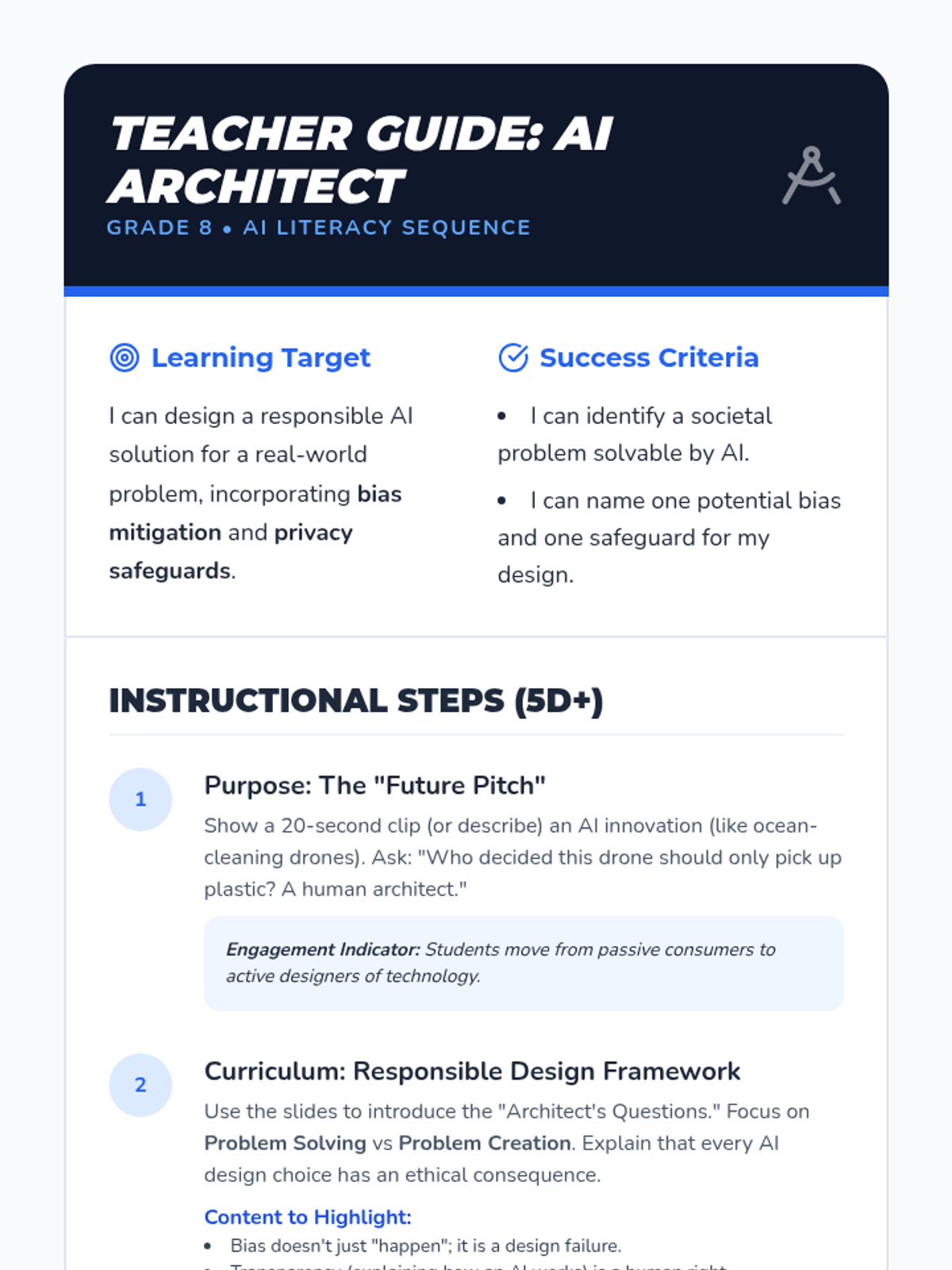
Students culminate their AI literacy journey by designing an AI solution for a real-world problem. They focus on responsible design, identifying potential biases, and ensuring societal benefit.
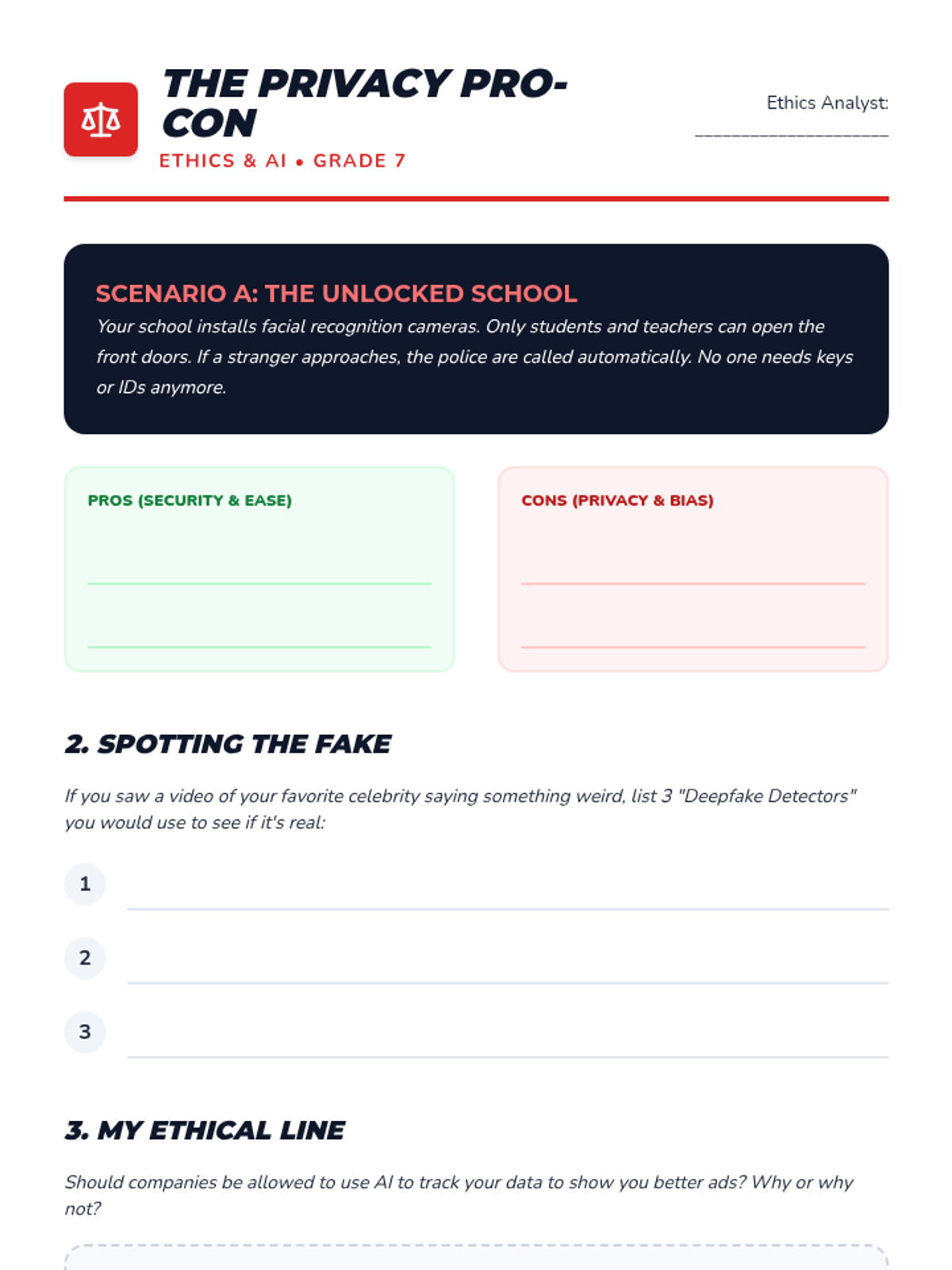
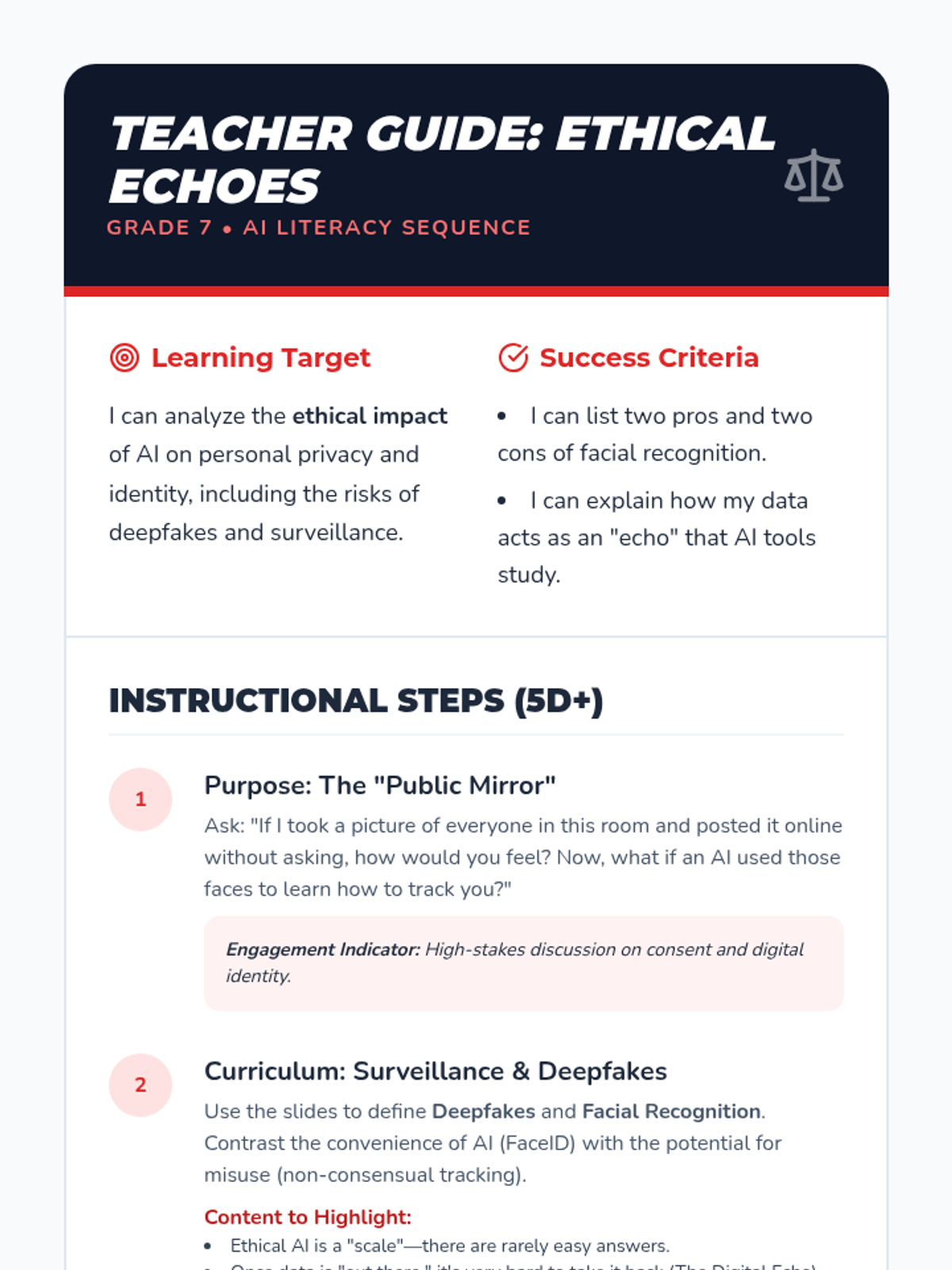
Students analyze the ethical implications of AI on privacy and identity. They explore deepfakes, facial recognition, and the balance between security and personal freedom.
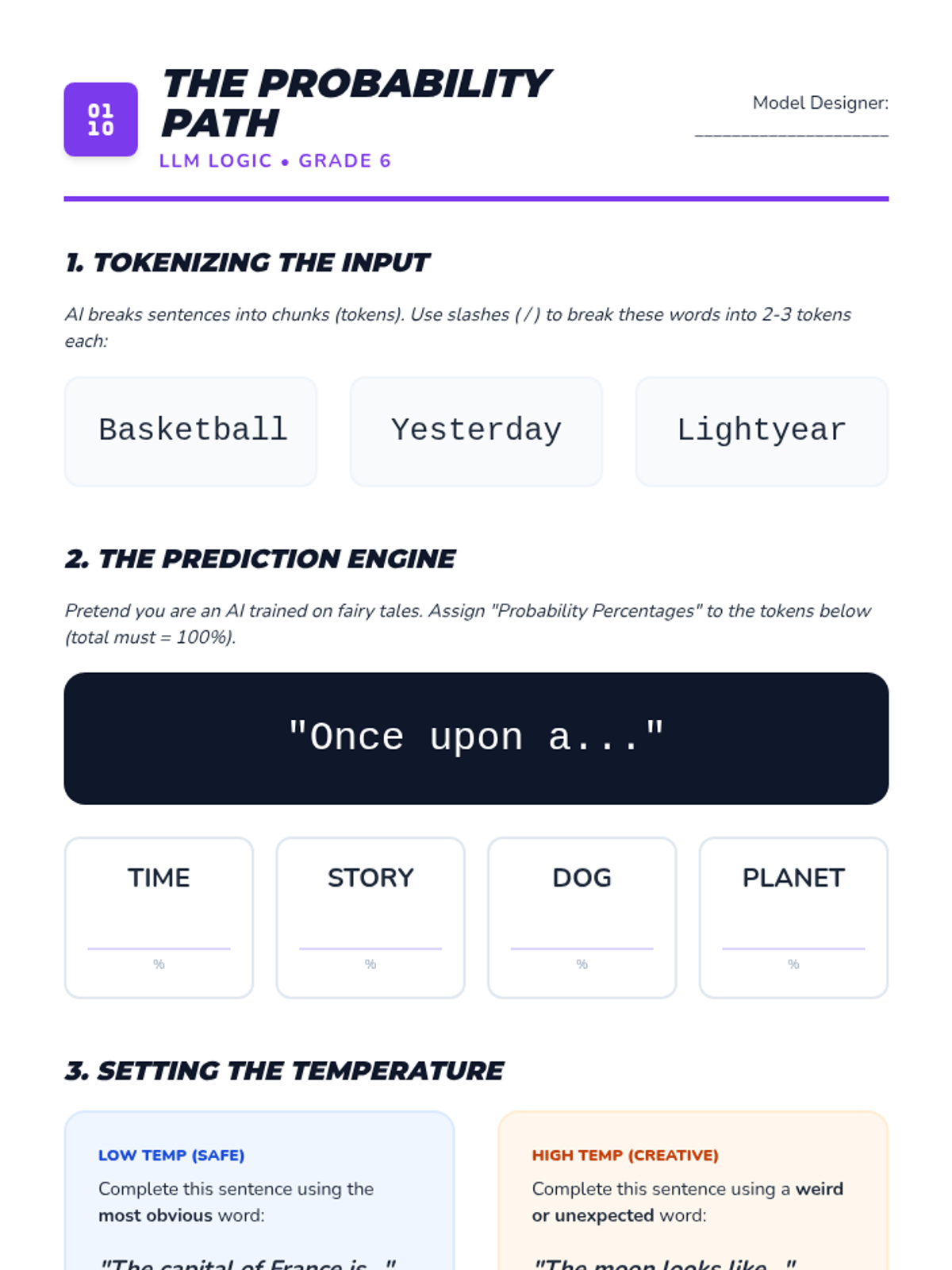
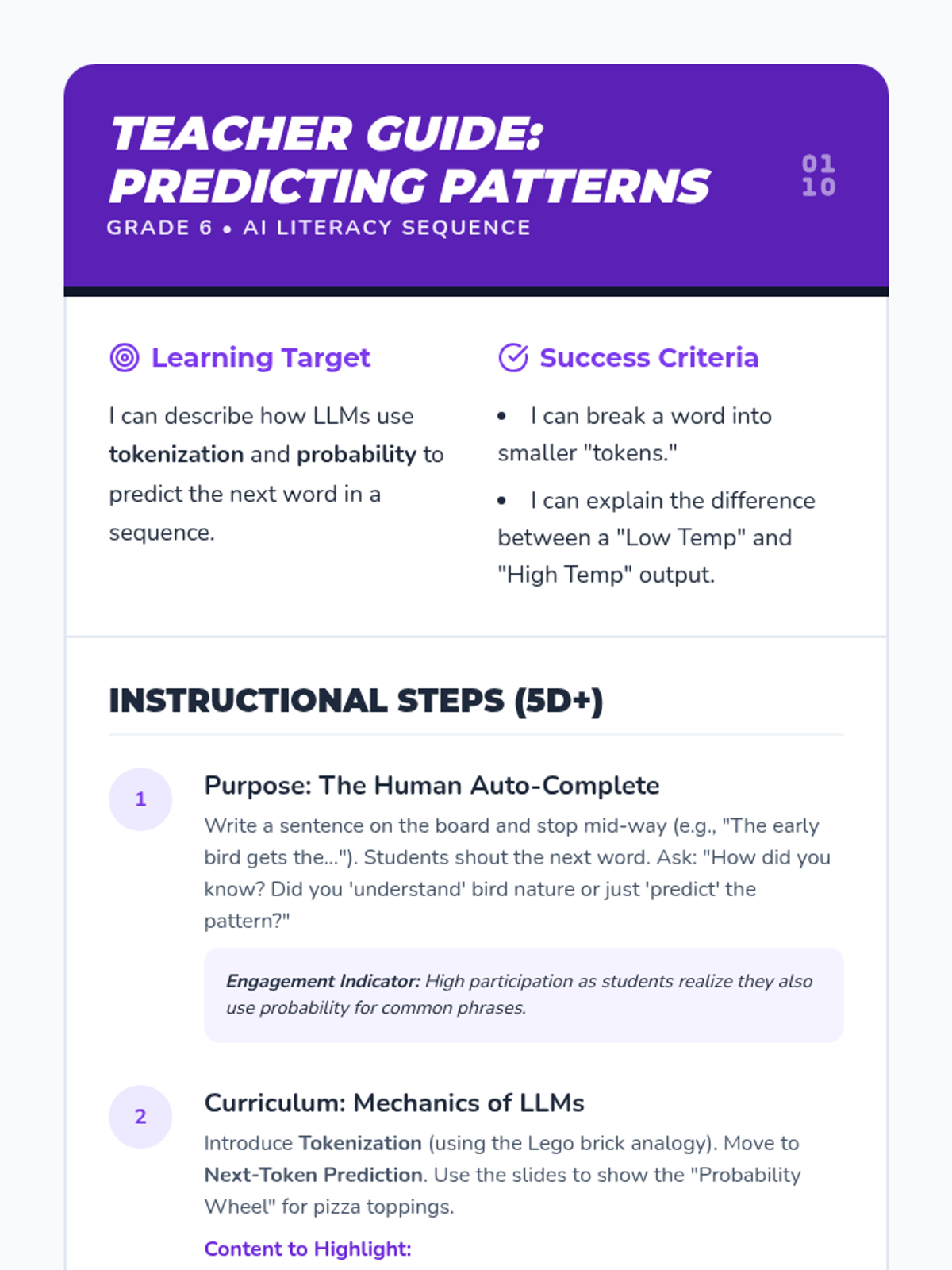
Middle school students dive into the mechanics of Large Language Models (LLMs). They learn about tokenization, probability, and how AI "predicts" the next word in a sequence.
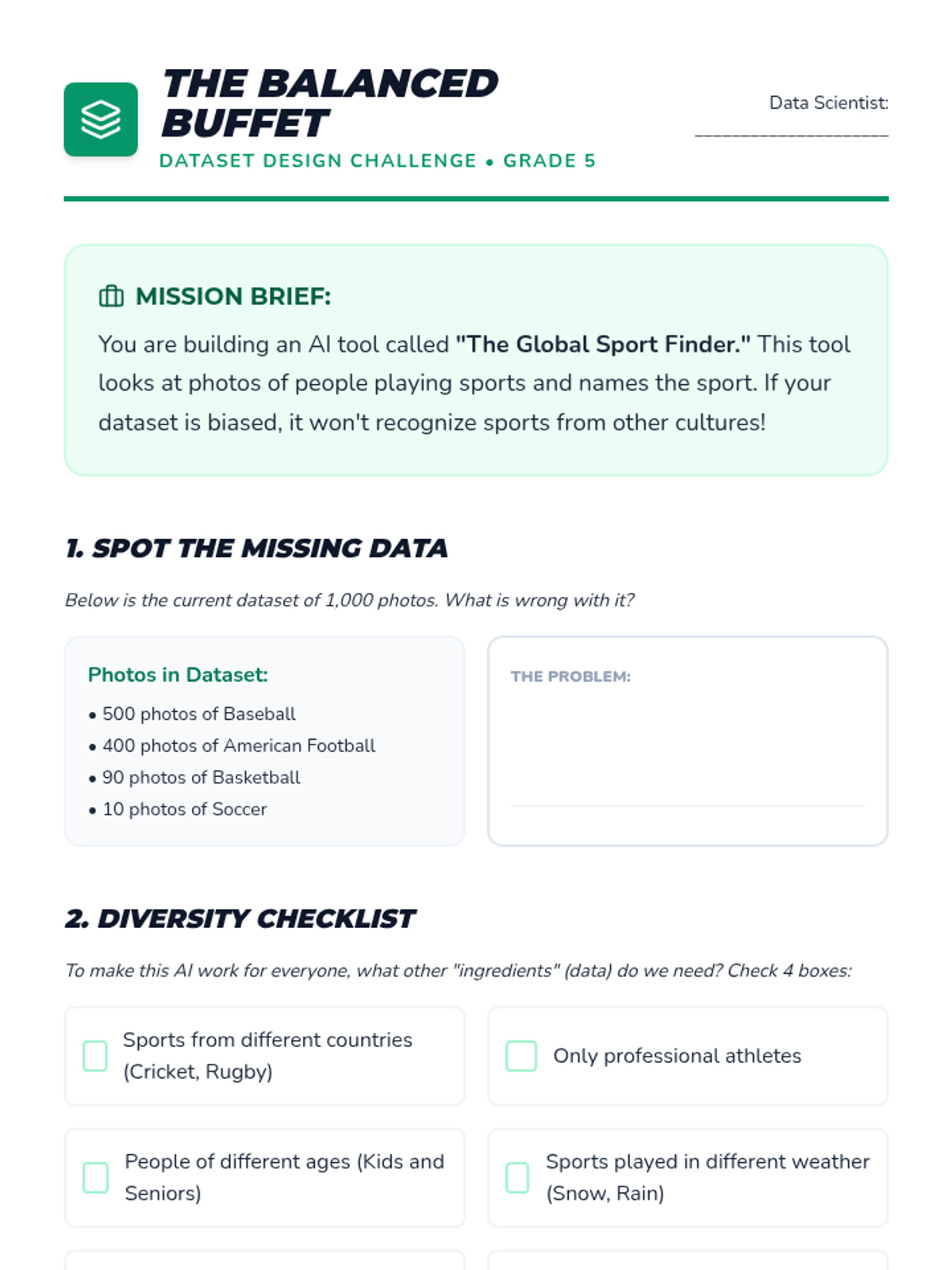
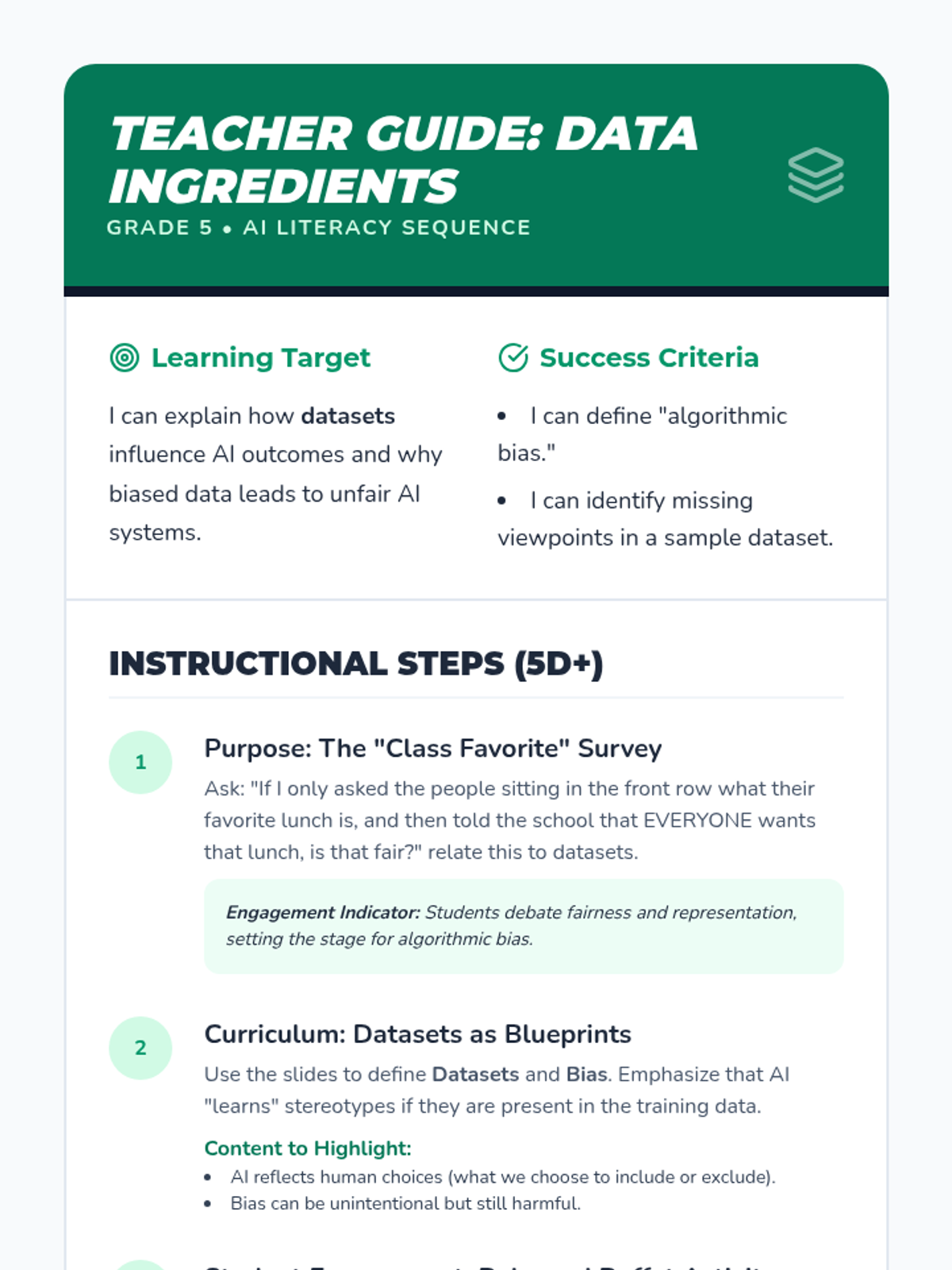
Students explore the "ingredients" of AI: datasets. They learn how biased or incomplete data can lead to unfair or inaccurate AI systems and practice creating a balanced dataset.
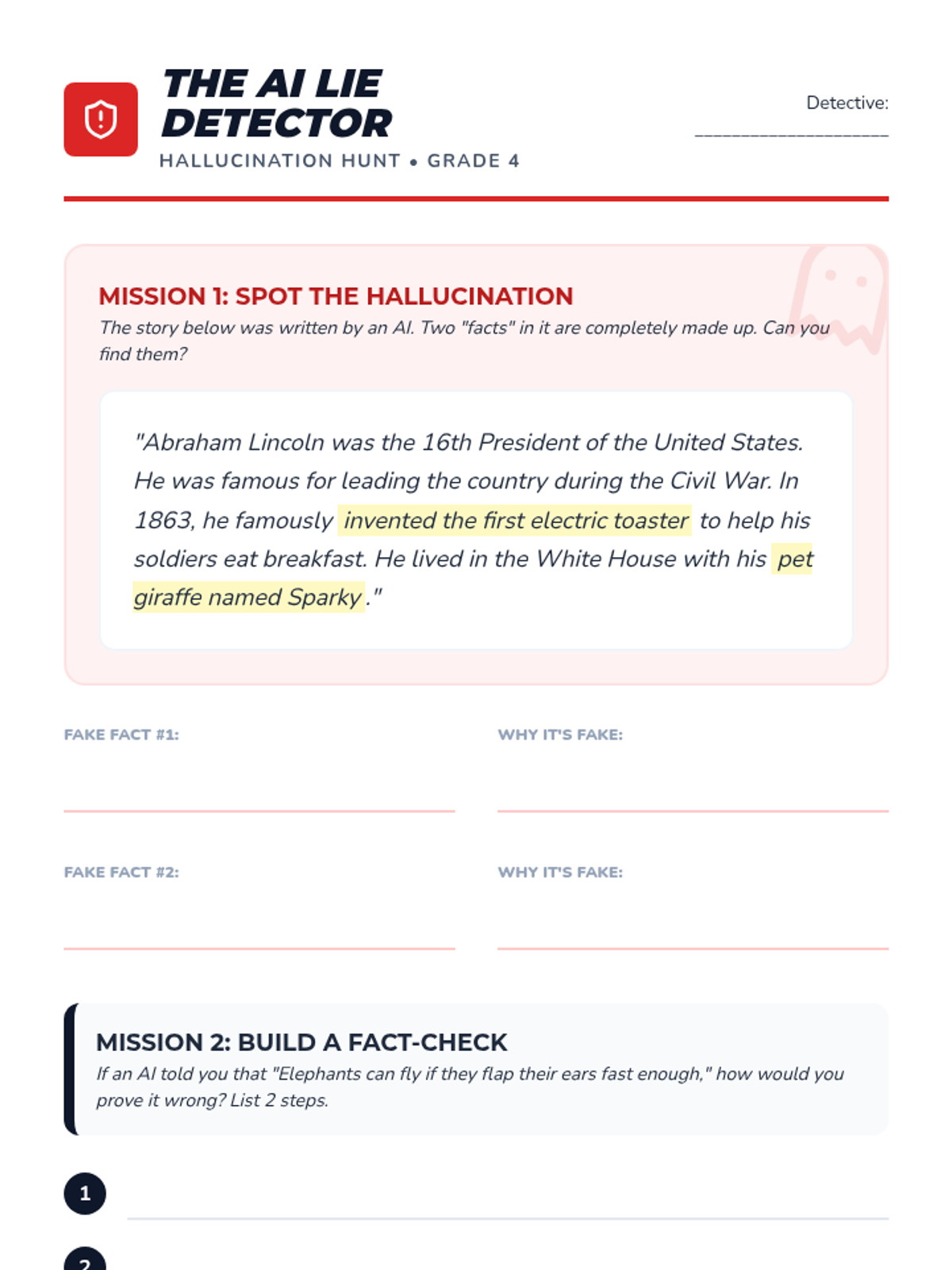
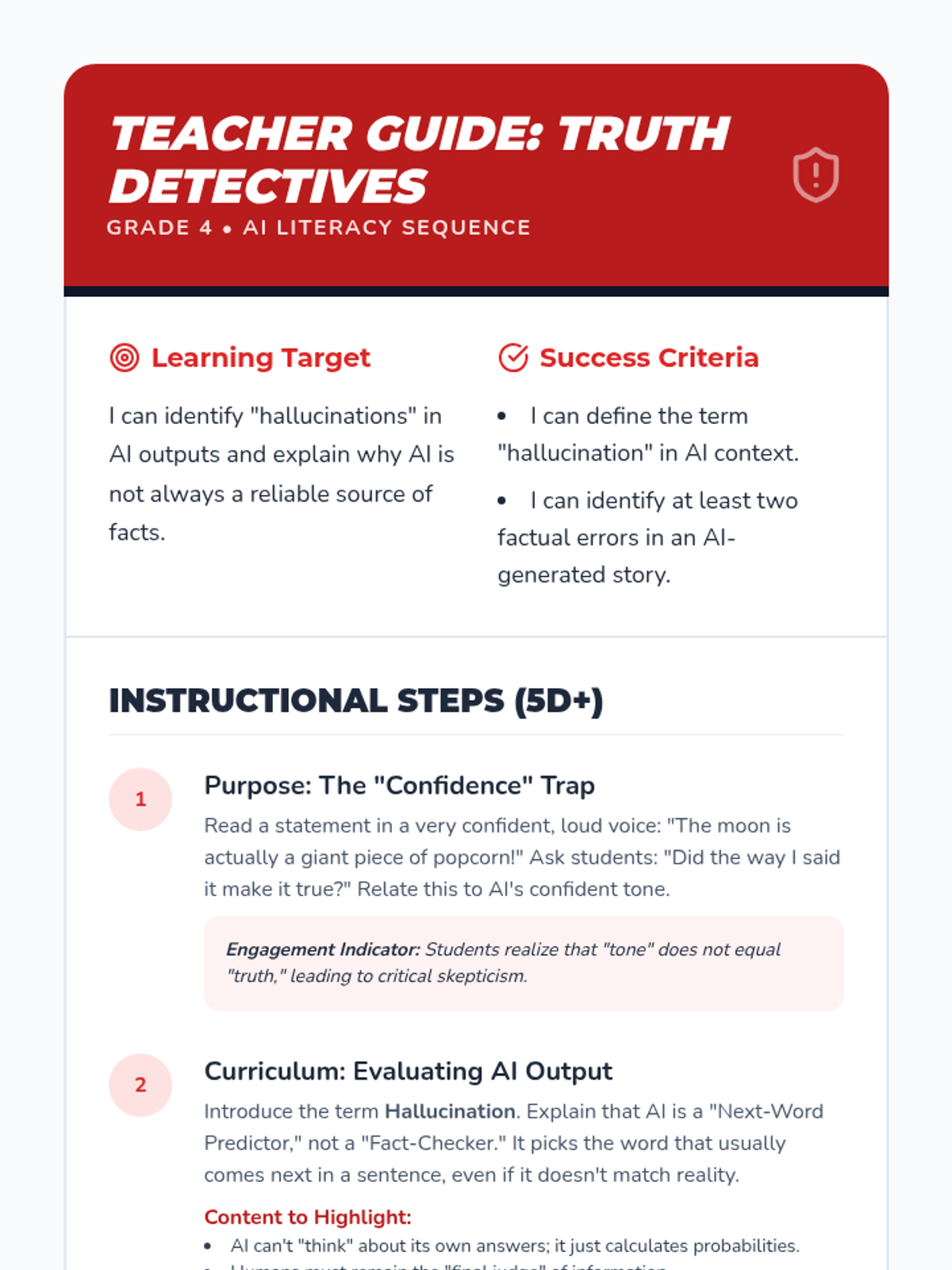
Students learn to critically evaluate AI outputs by identifying "hallucinations" and factual errors. They explore why AI sometimes makes mistakes and how to verify information.
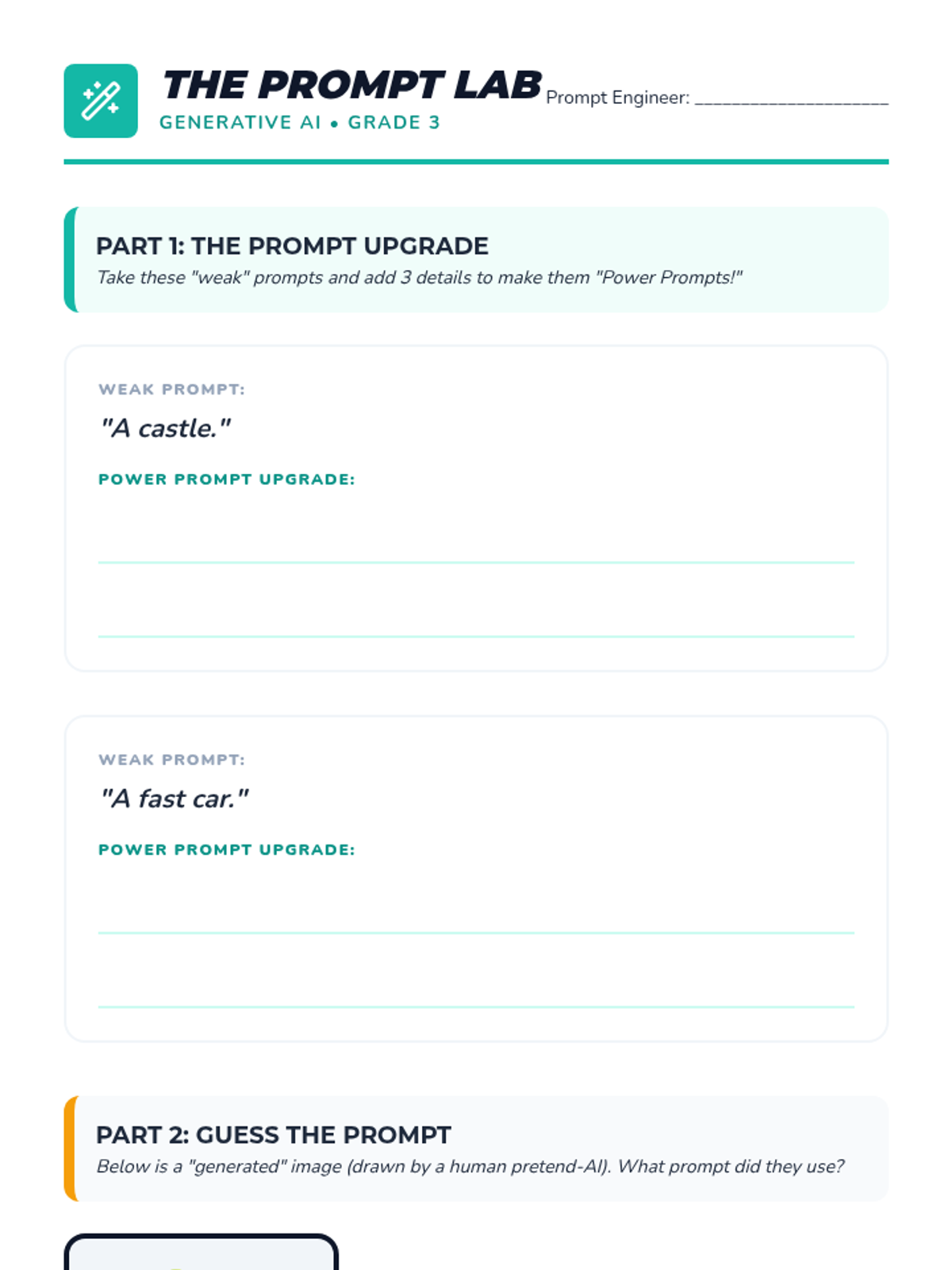
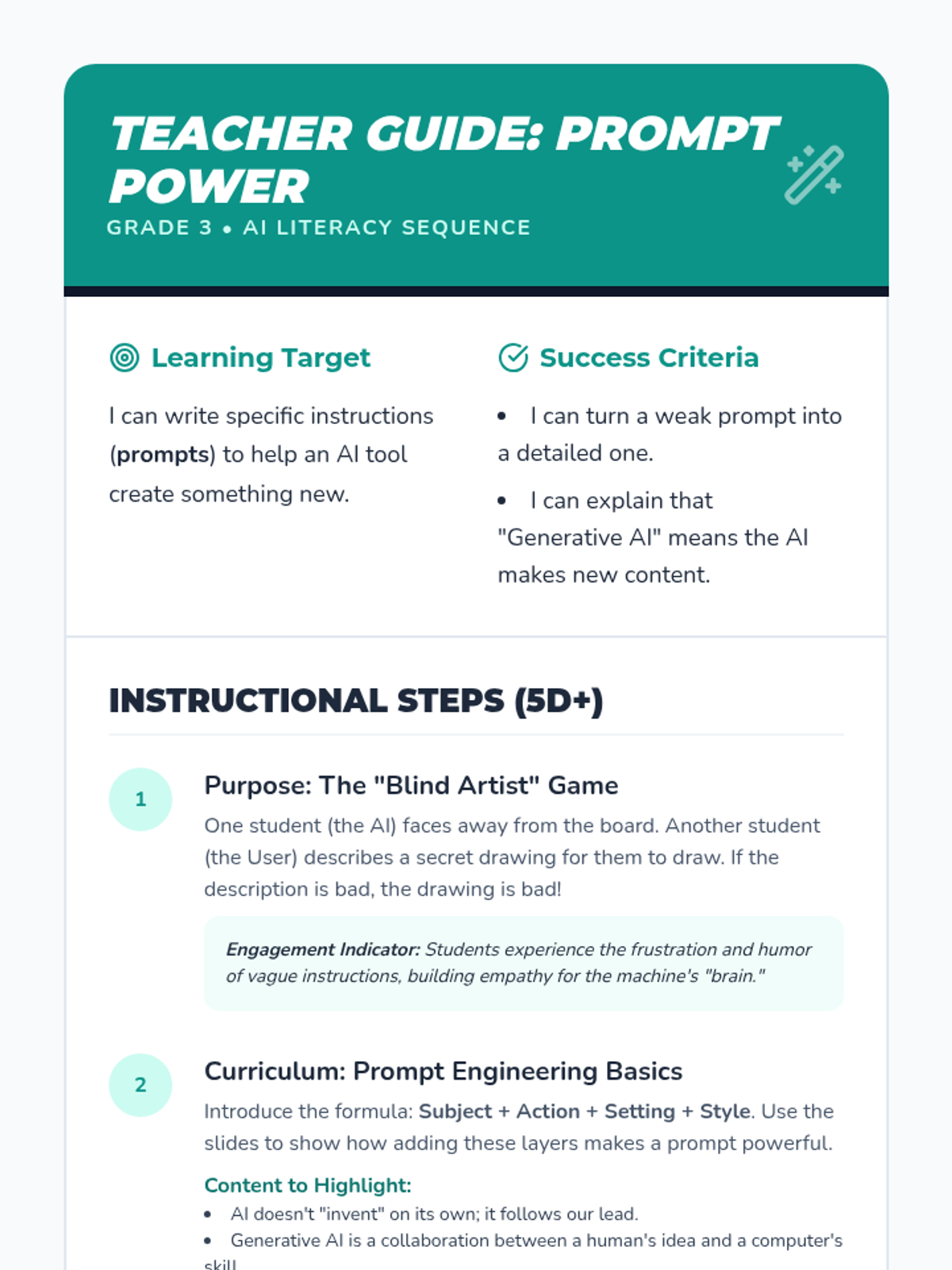
Students explore Generative AI and the importance of prompt engineering. They learn how to communicate effectively with AI to create specific images and text.
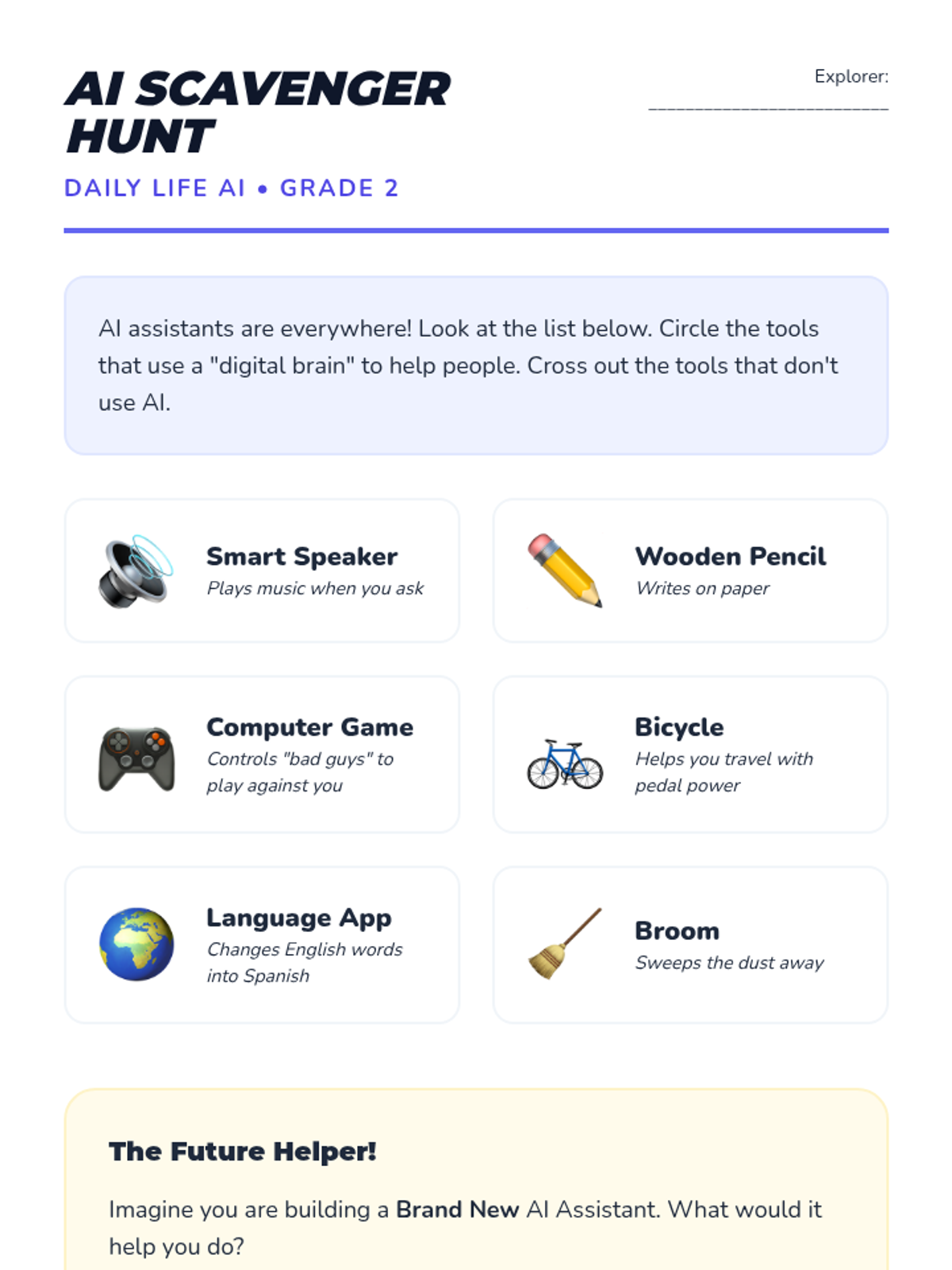
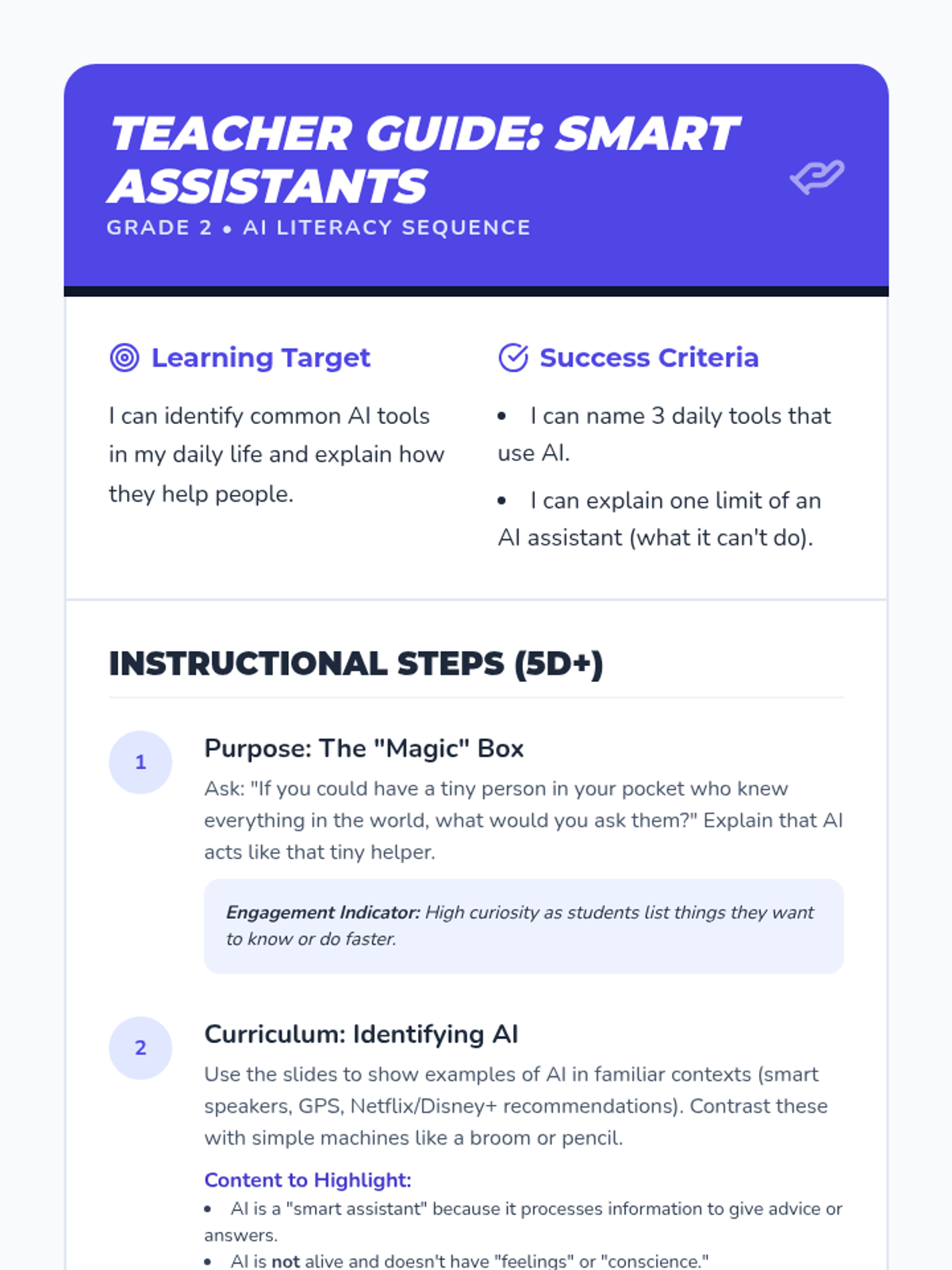
Students discover how AI works as a "smart assistant" in daily life. They identify AI in common devices and reflect on how it helps people solve problems.
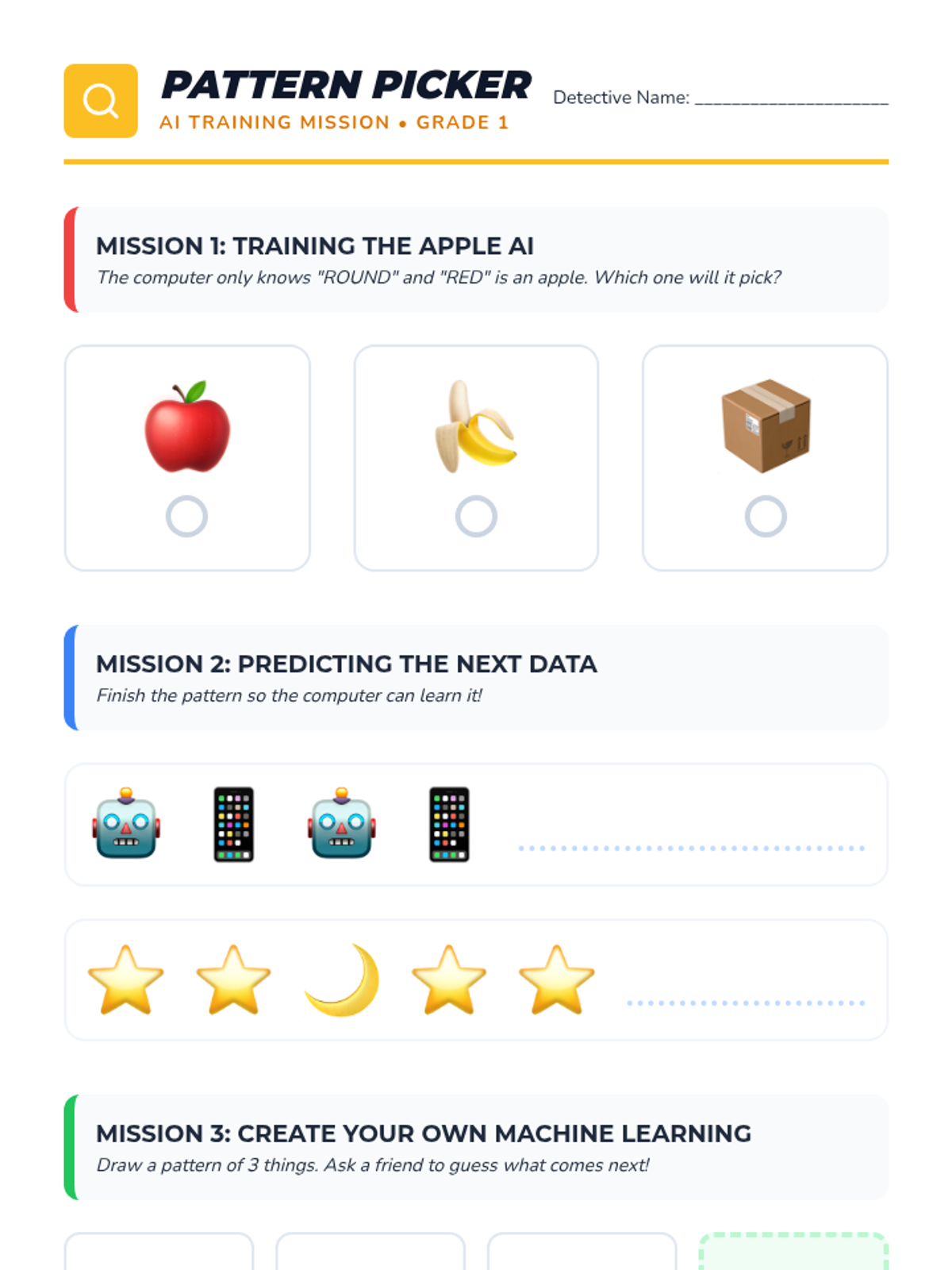
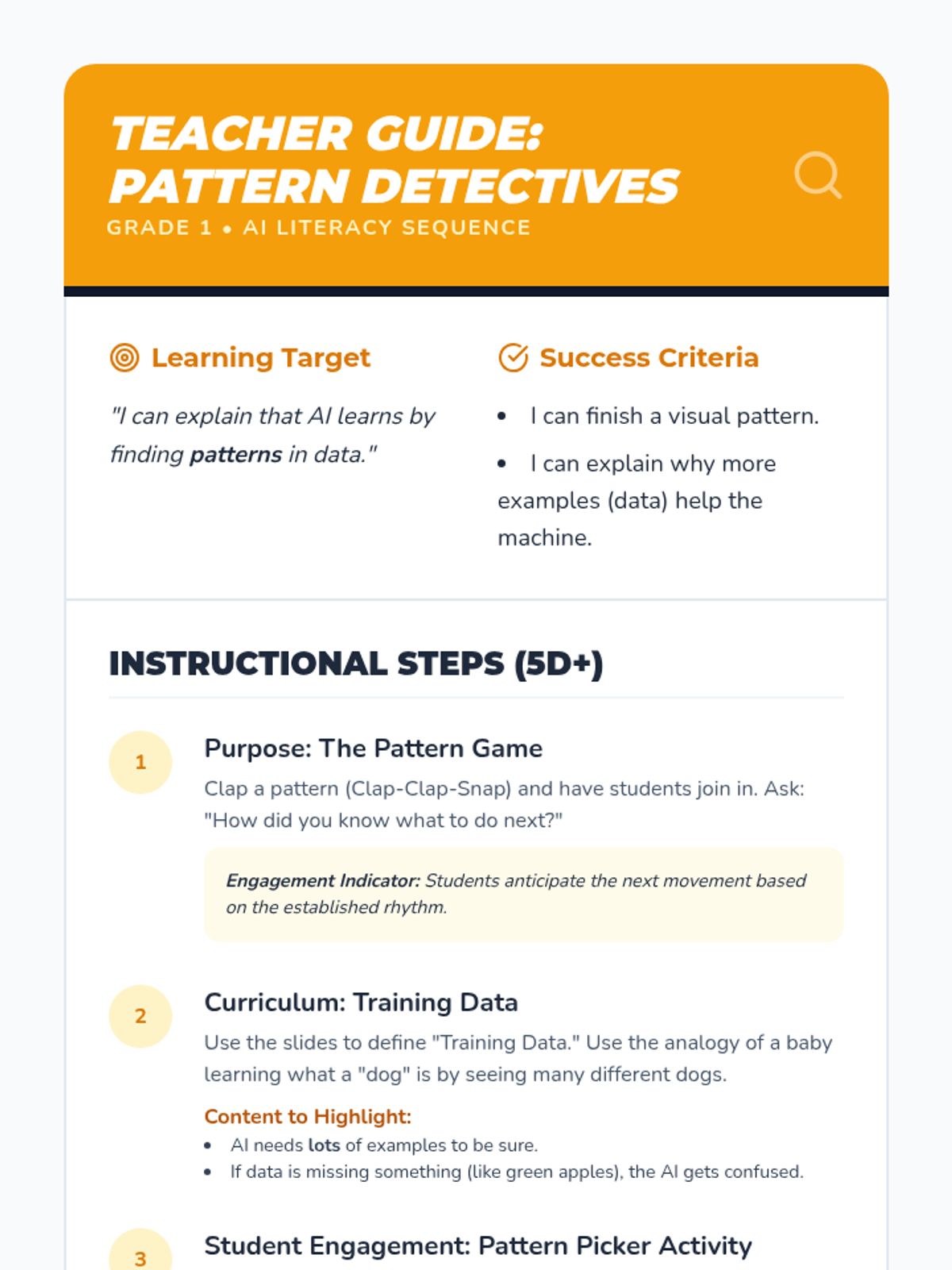
Students explore the foundation of AI learning: pattern recognition. They learn that computers need many examples (data) to understand rules and make predictions.
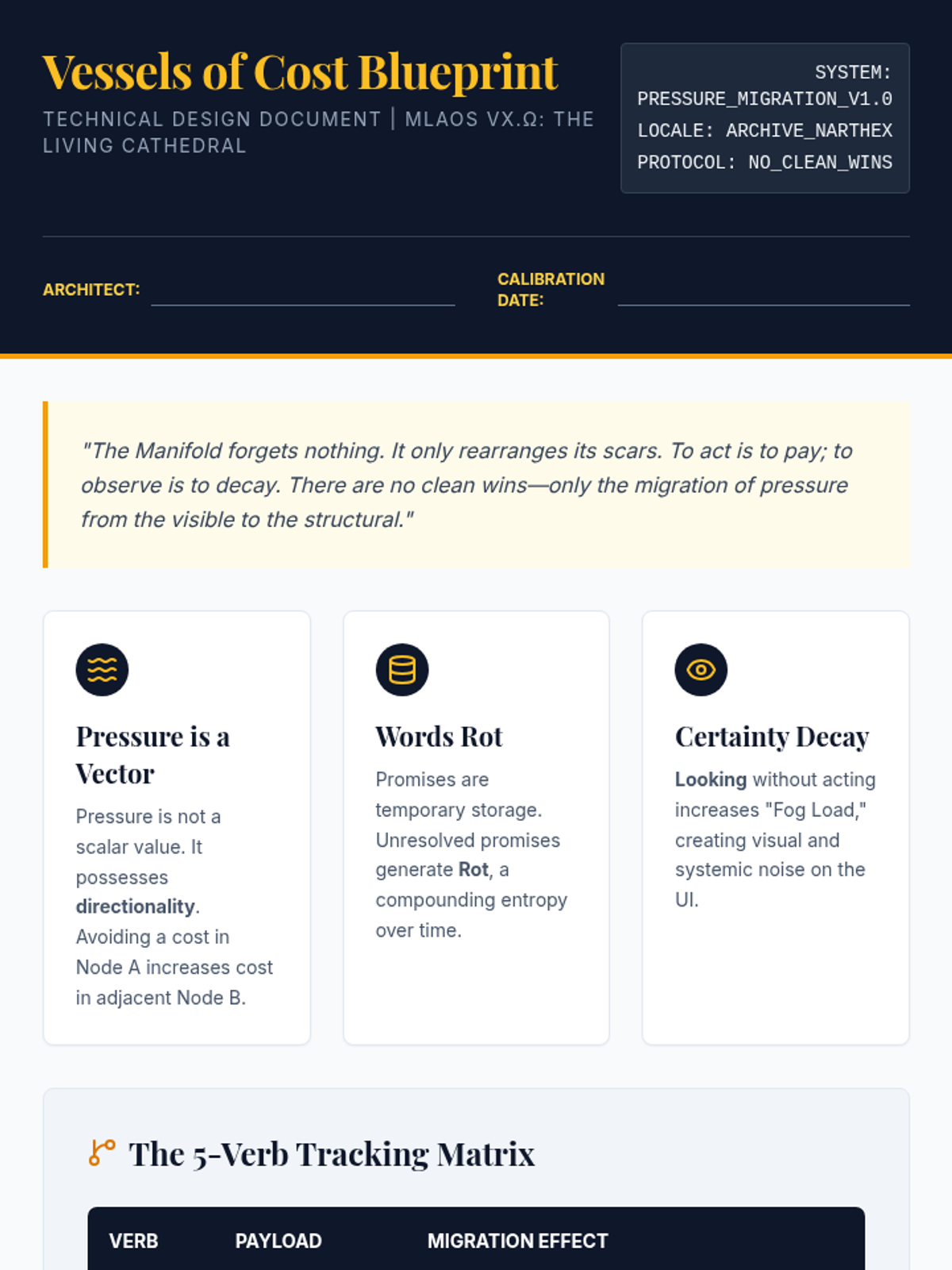
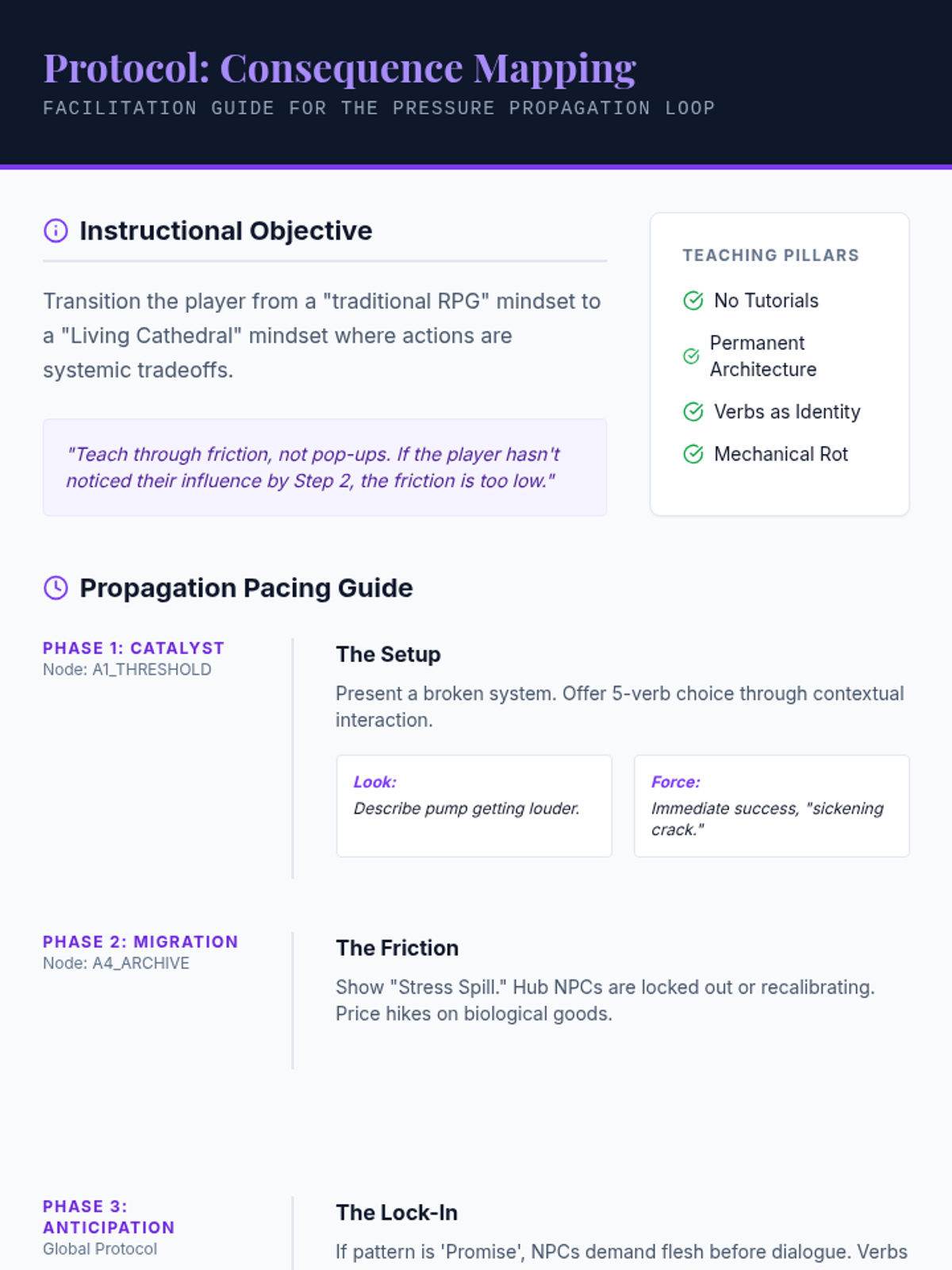
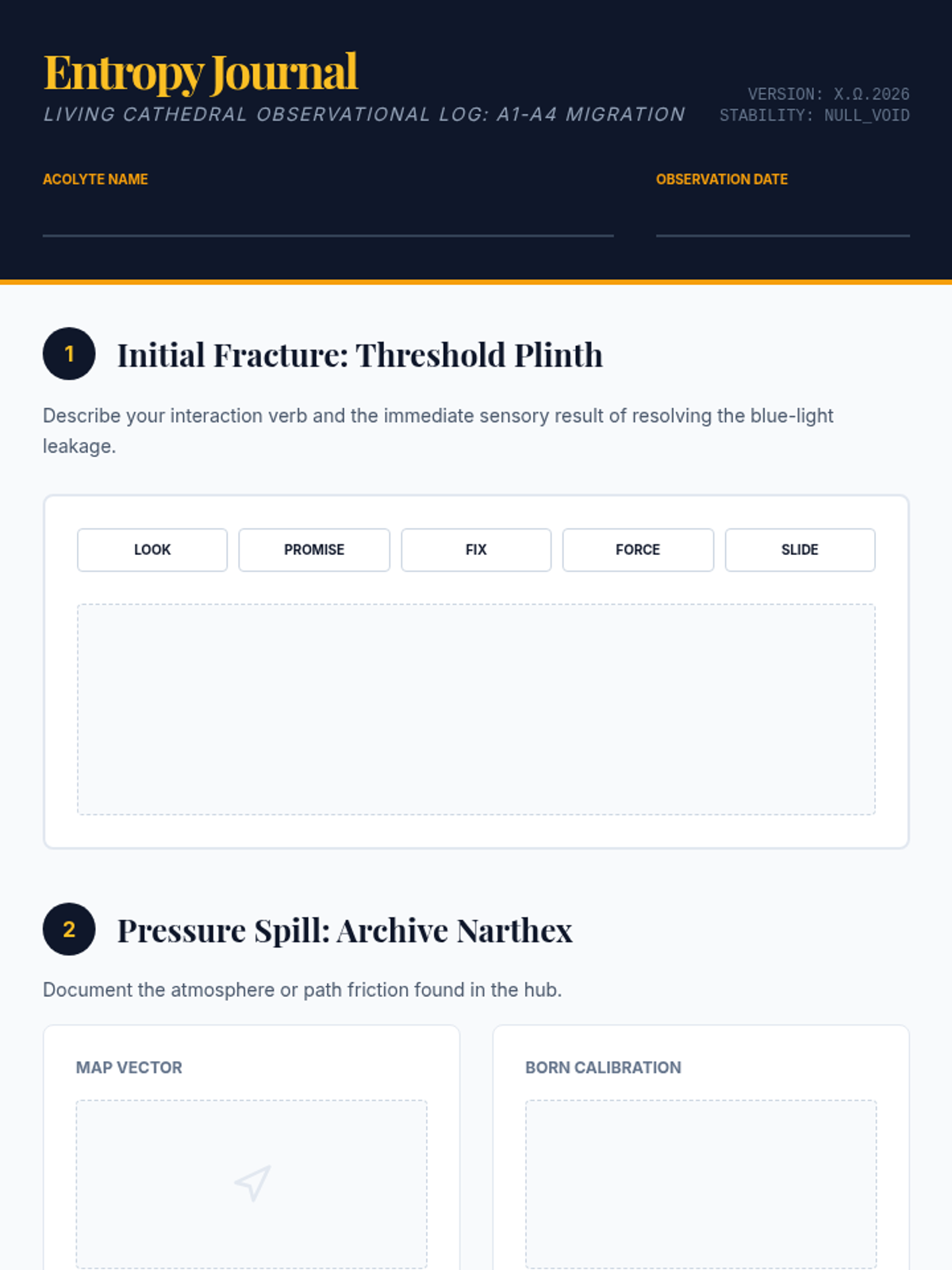
A technical exploration into the 'Pressure Propagation Loop' for the MLAOS vX.Ω prototype. This lesson covers the invisible tracking of player verbs and the architectural migration of consequence within a living system.
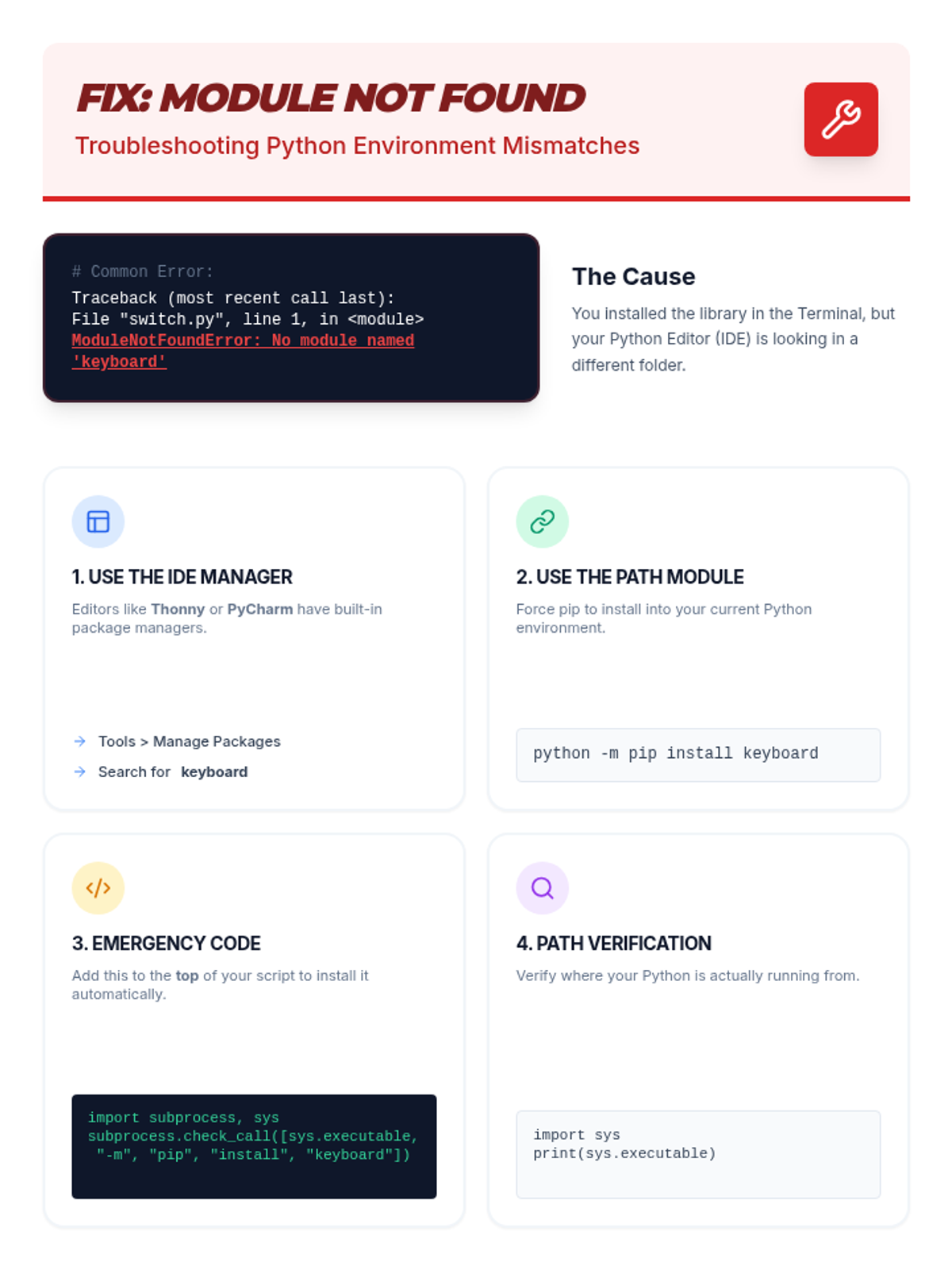
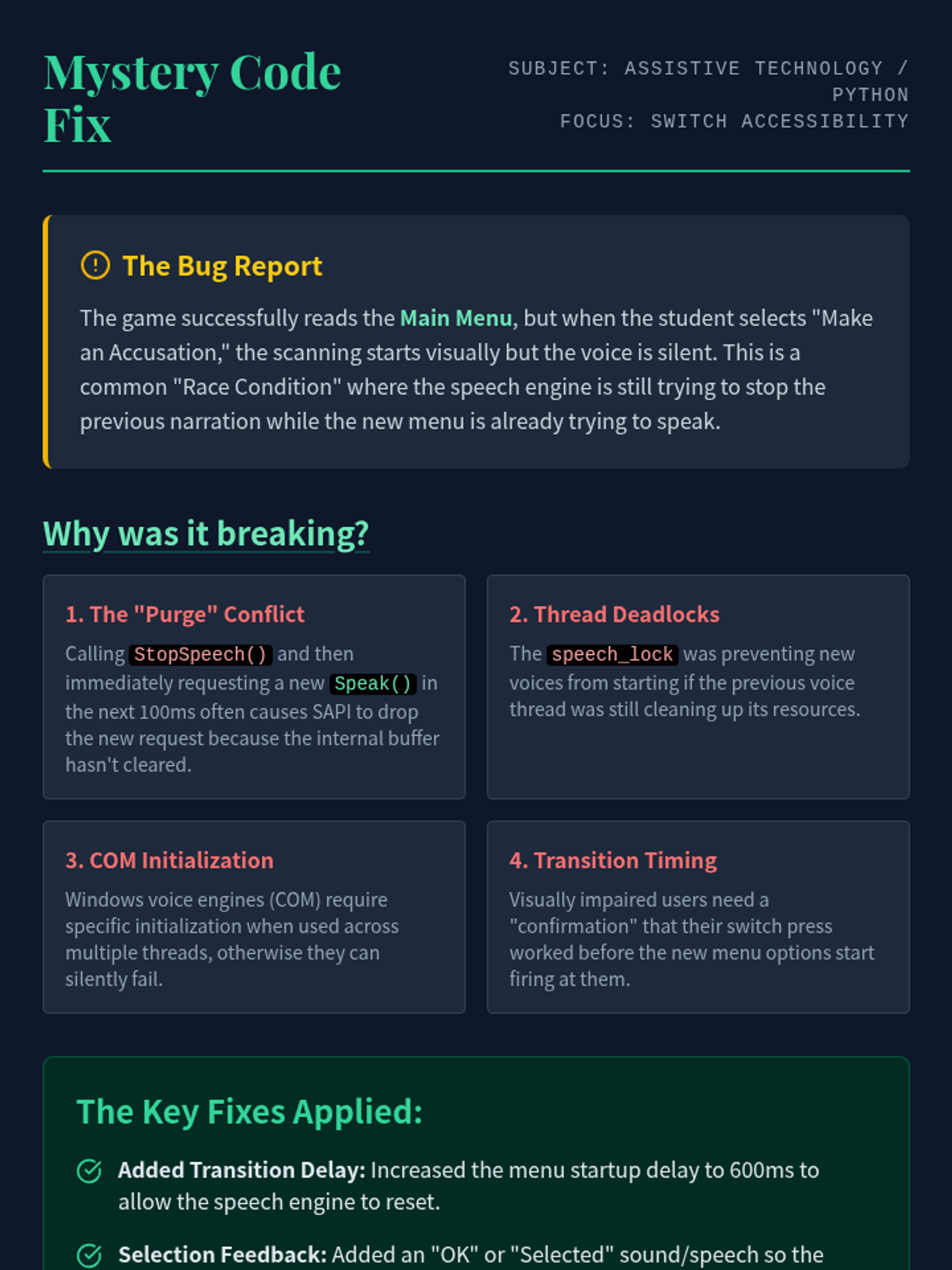
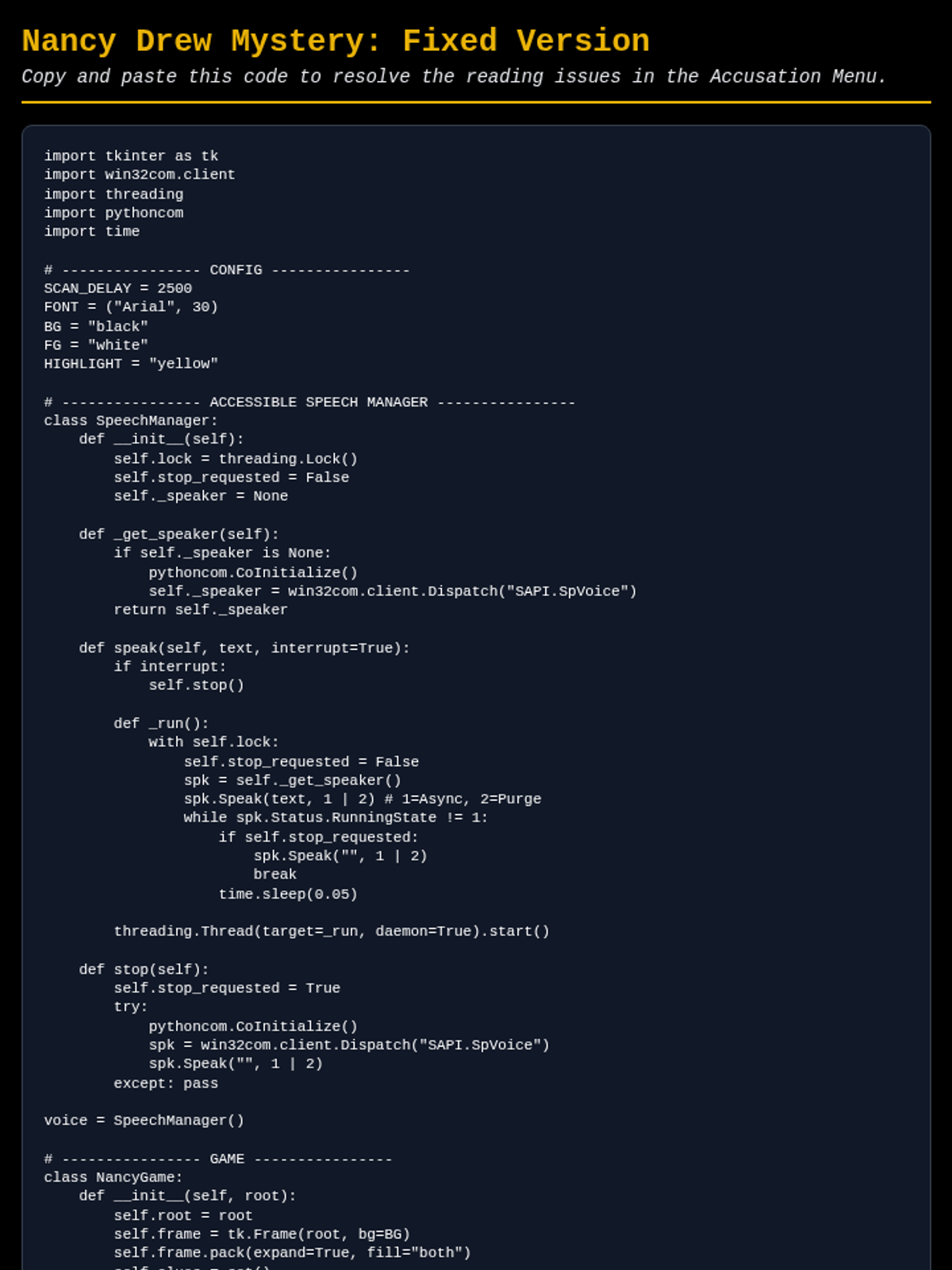
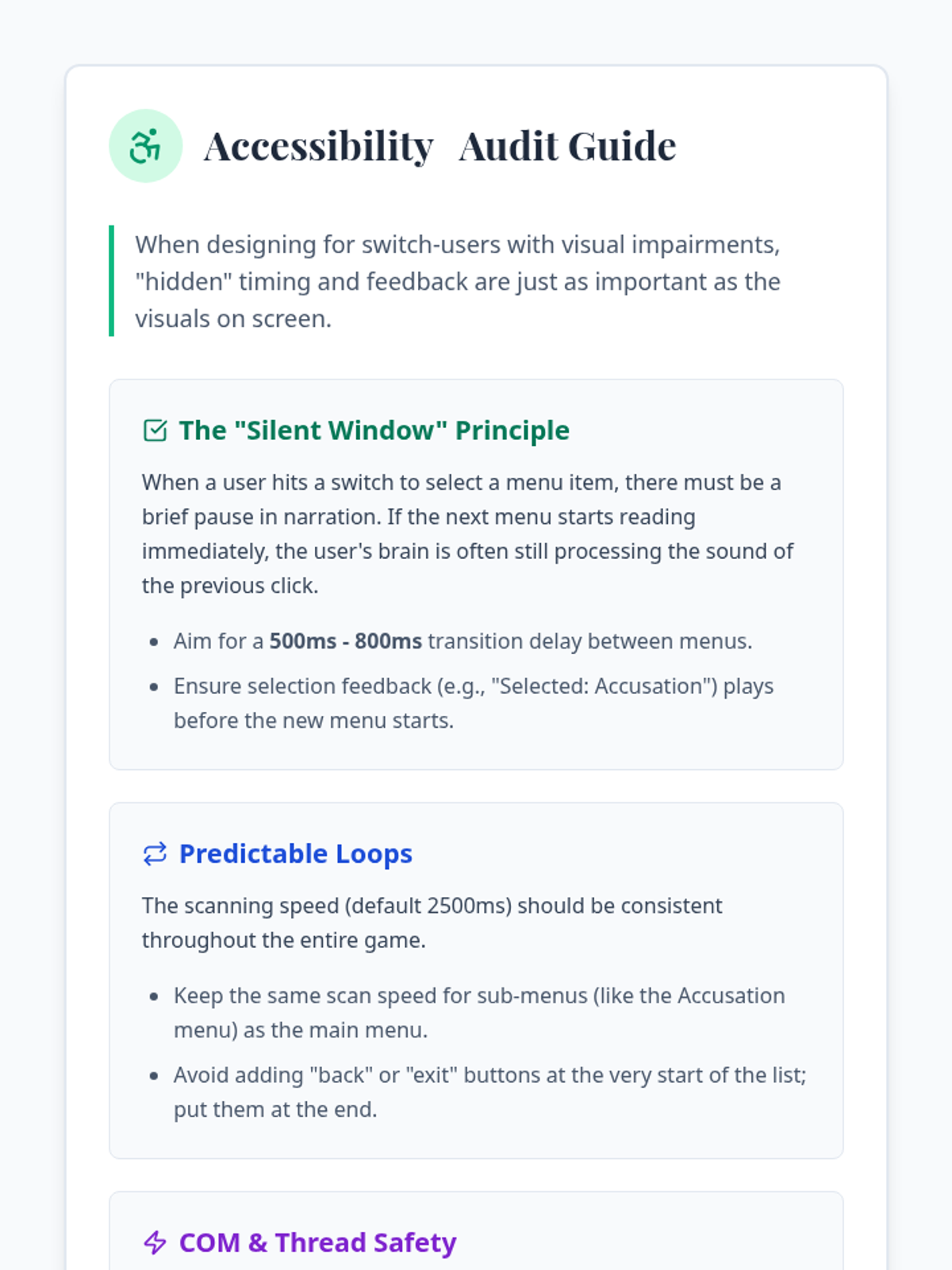
A technical guide and corrected codebase for creating switch-accessible mystery games for visually impaired students. Includes the fixed Python script and an explanation of common pitfalls in accessibility programming.
Students apply their knowledge to identify real-world problems and design innovative technological solutions.
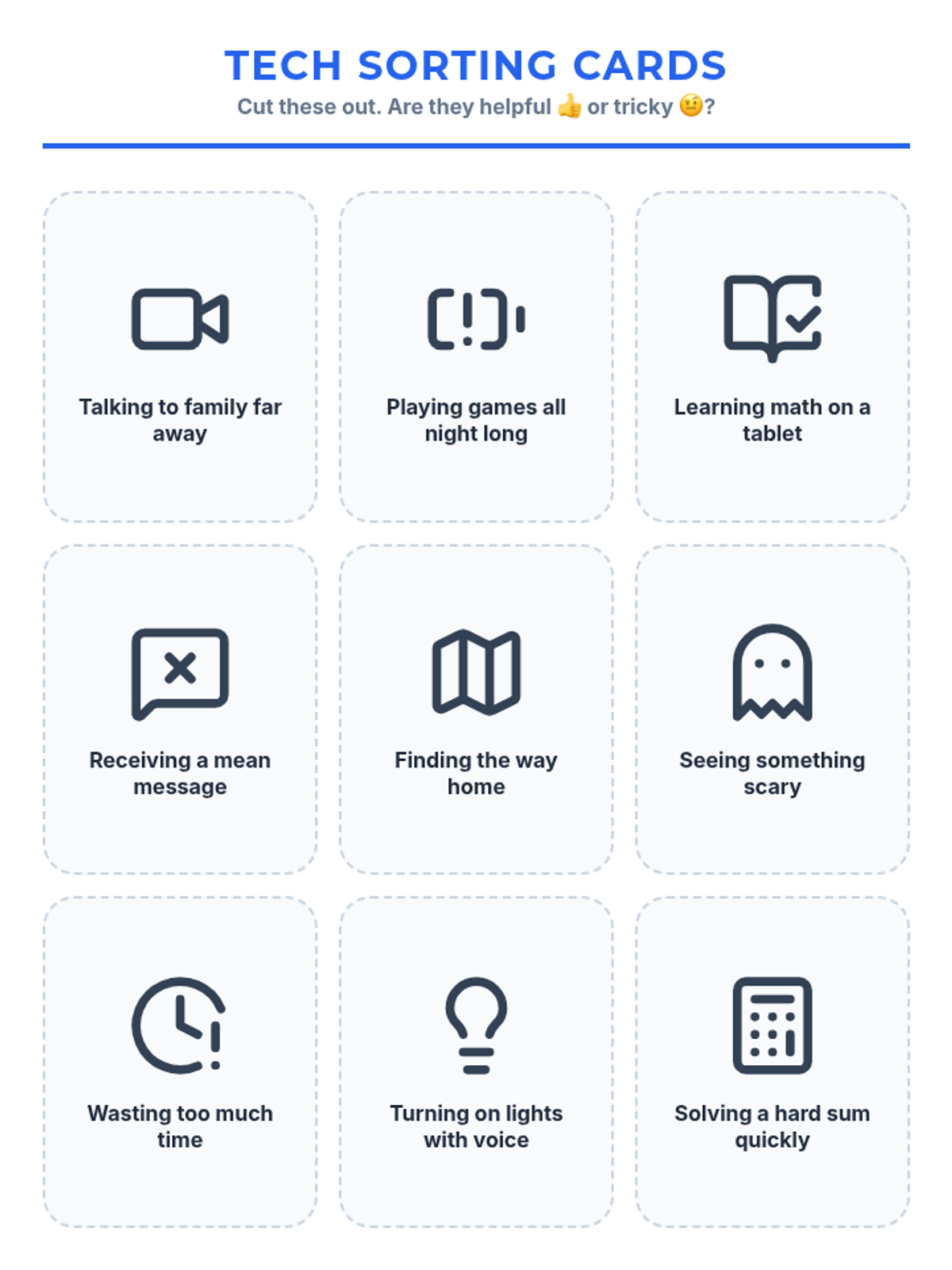
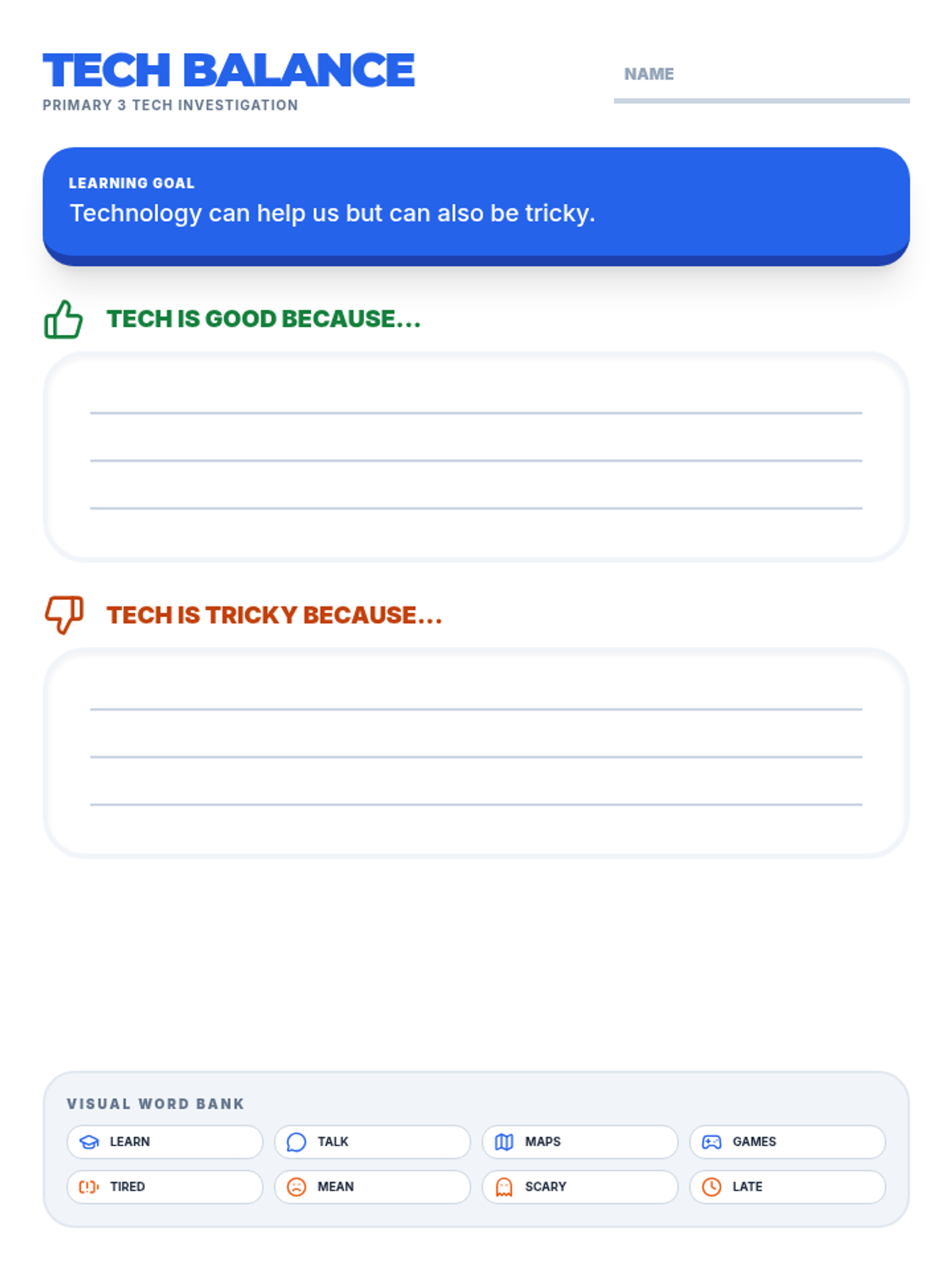
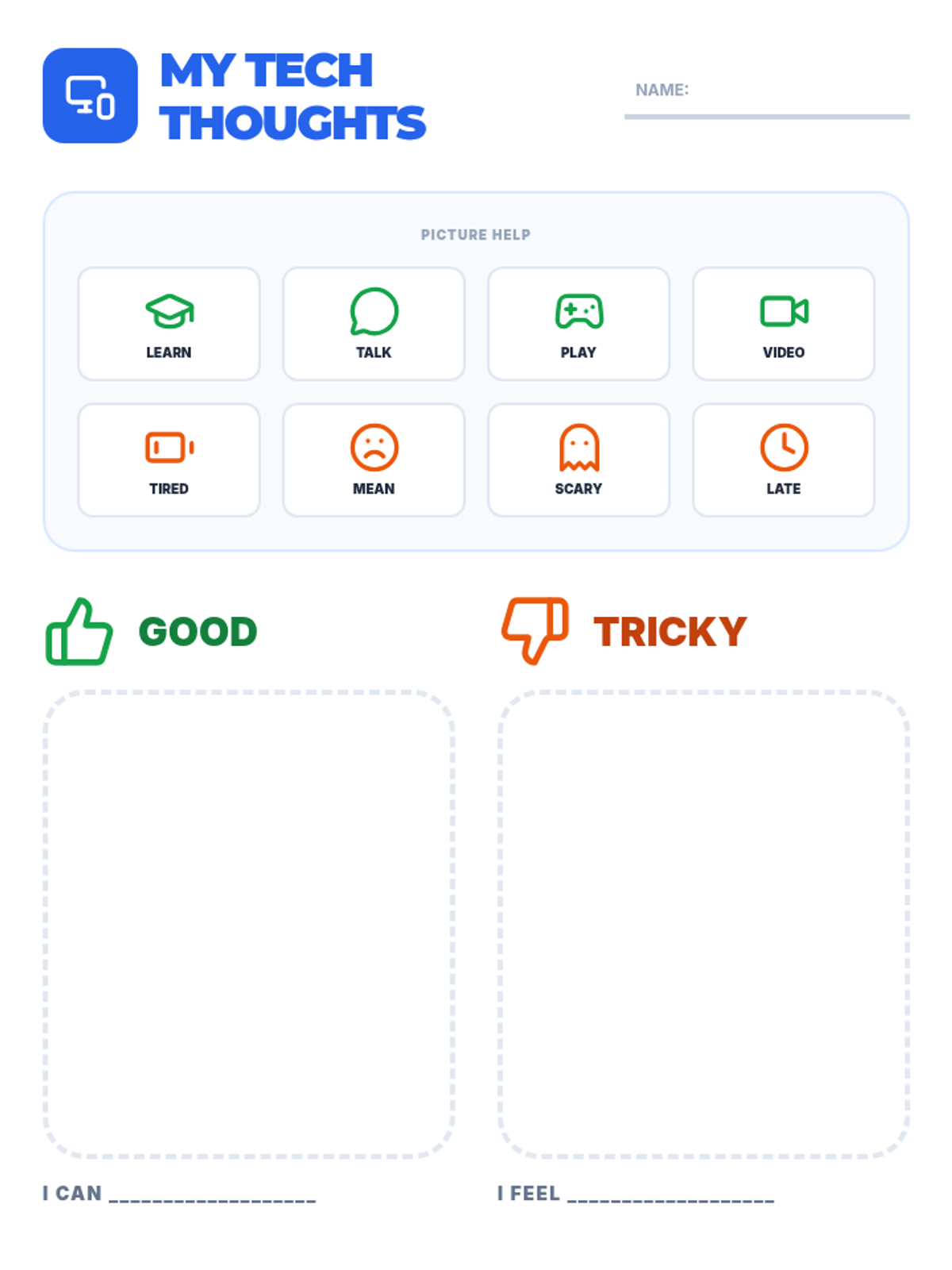
Students examine how technology can be both helpful and 'tricky', learning to identify pros and cons of digital tools.
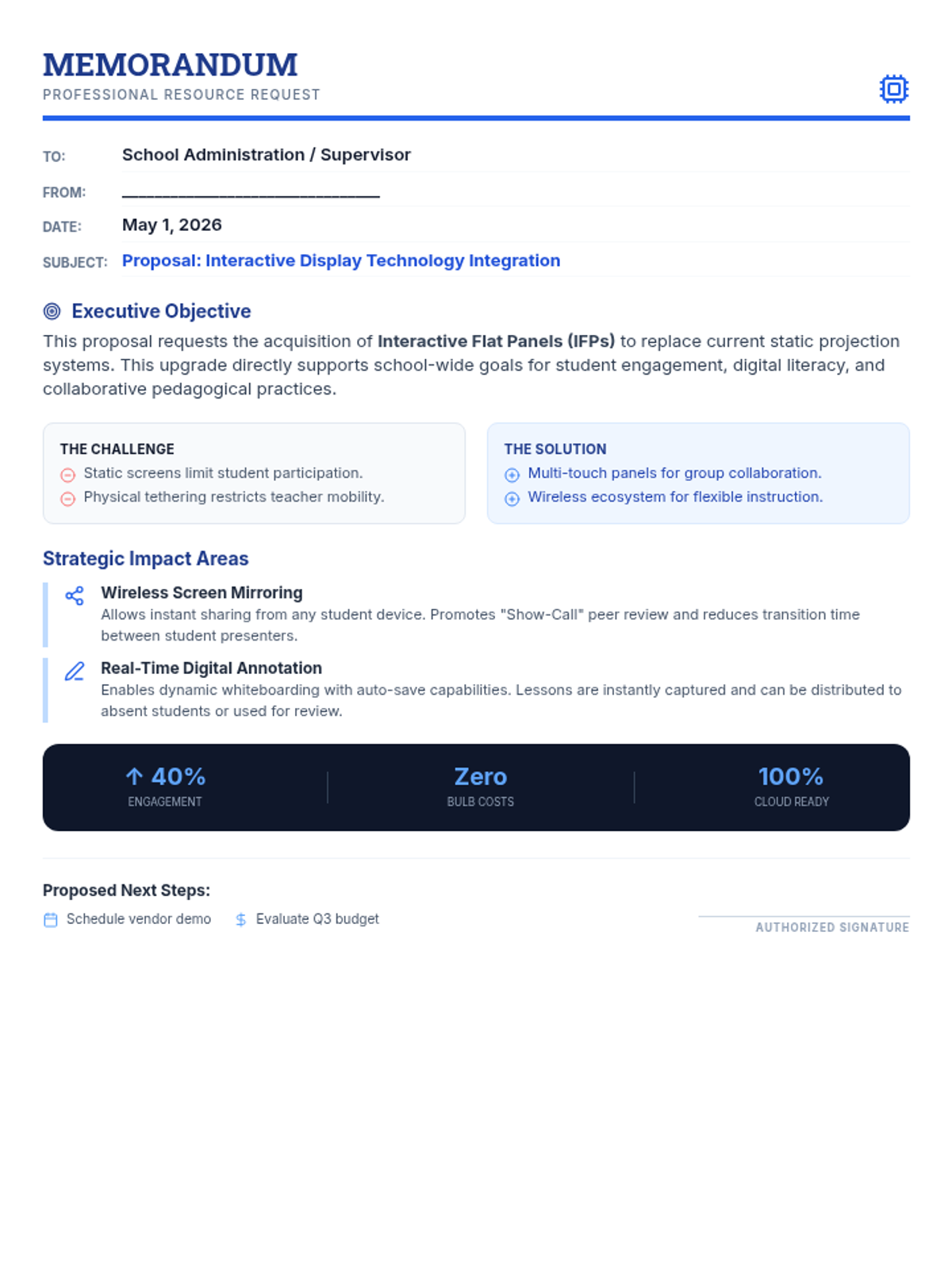
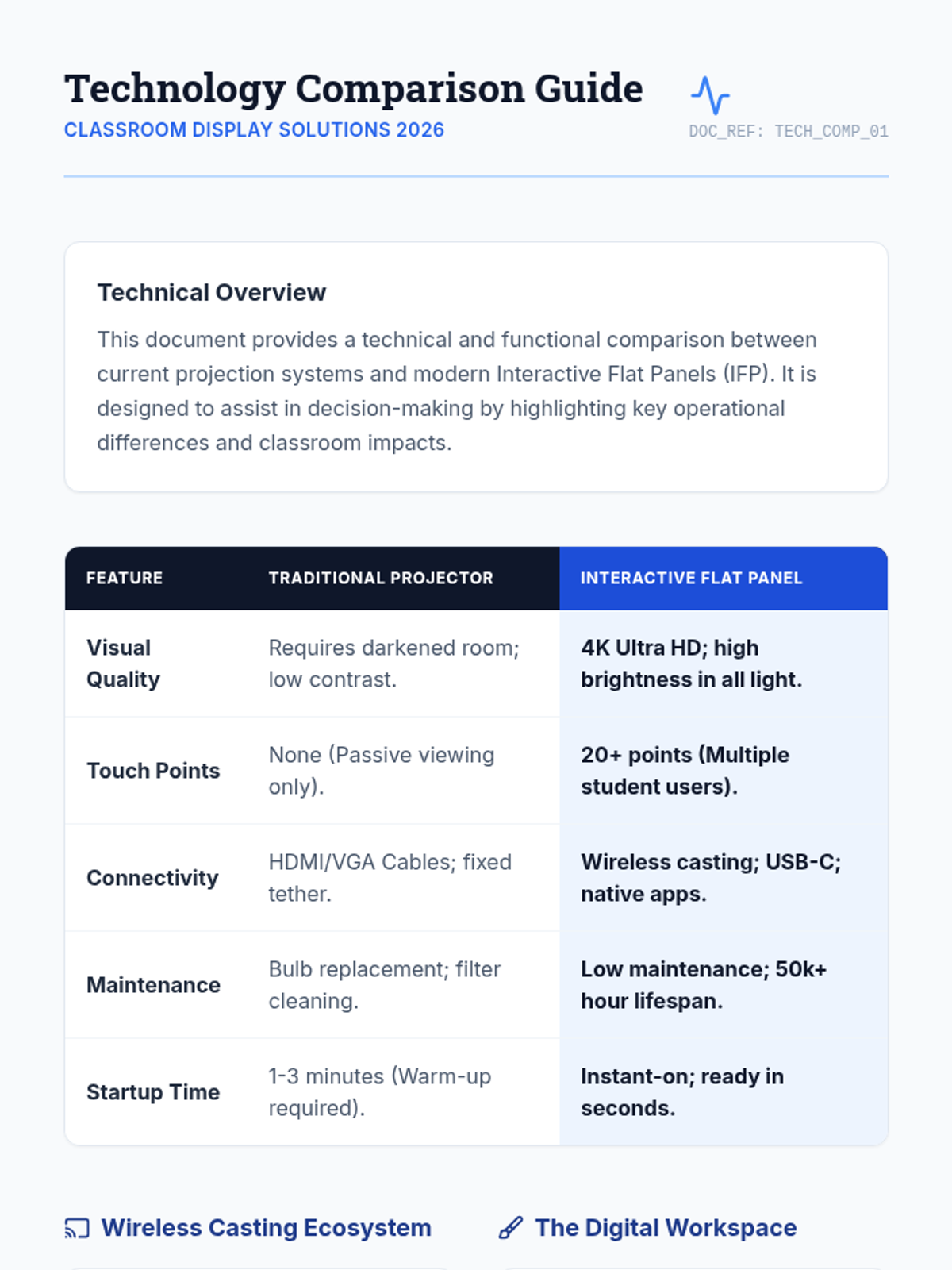
A suite of professional advocacy materials designed to help educators persuade administrators to invest in interactive classroom technology. Includes a formal memo, a visual presentation of benefits, and a technical comparison guide.
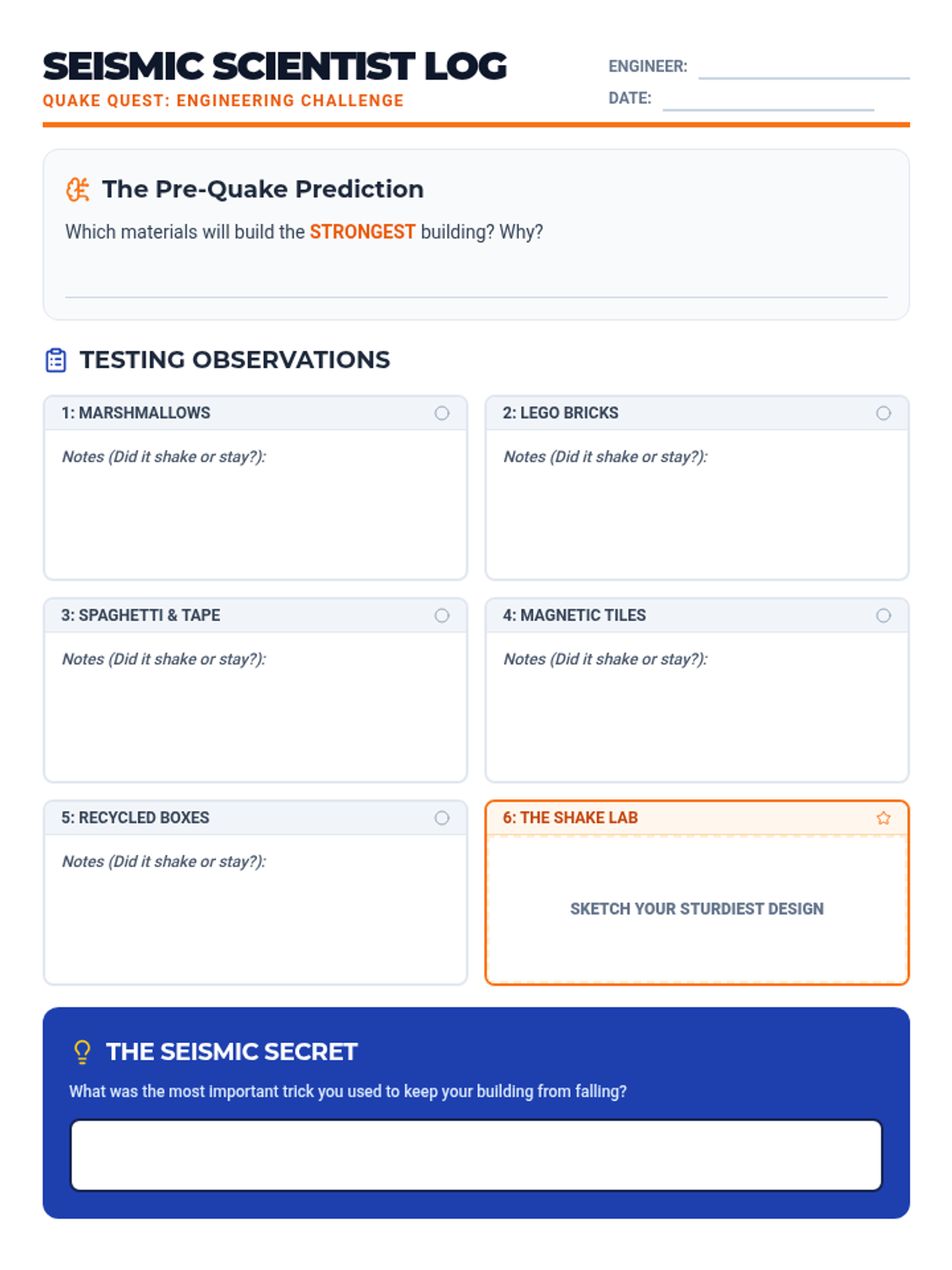
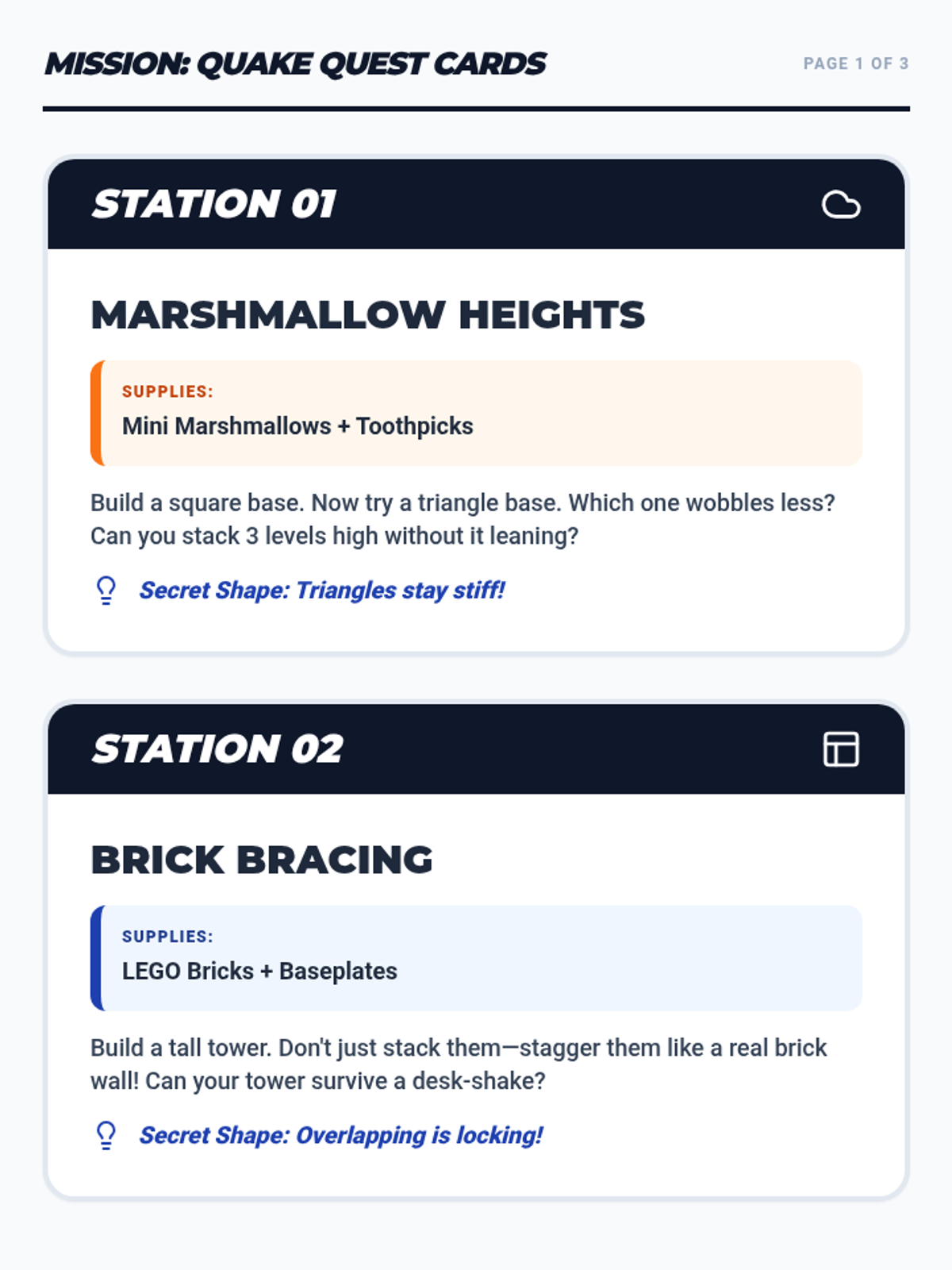
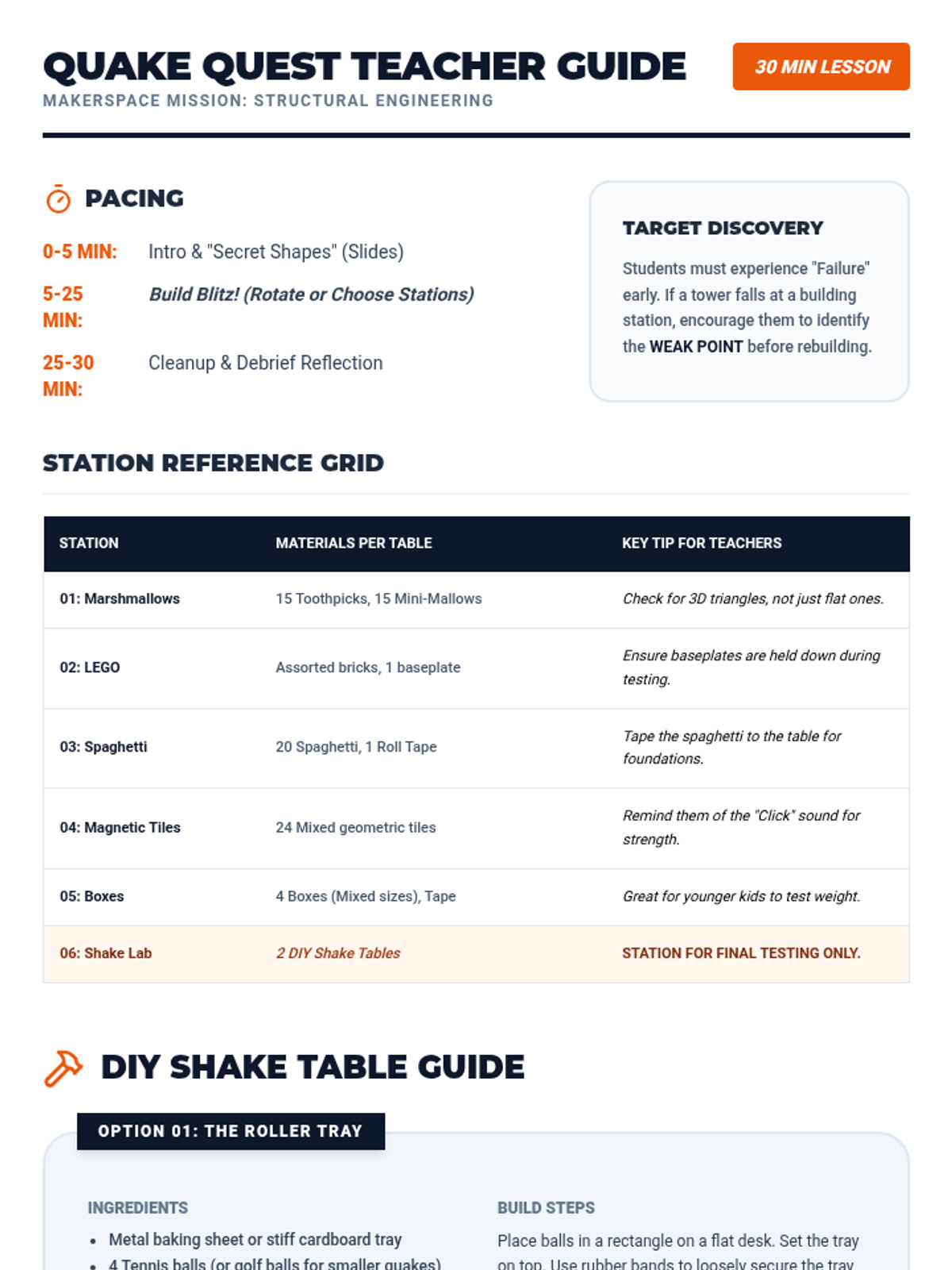
A 30-minute engineering challenge where students build and test structures using six different material stations to understand earthquake stability.
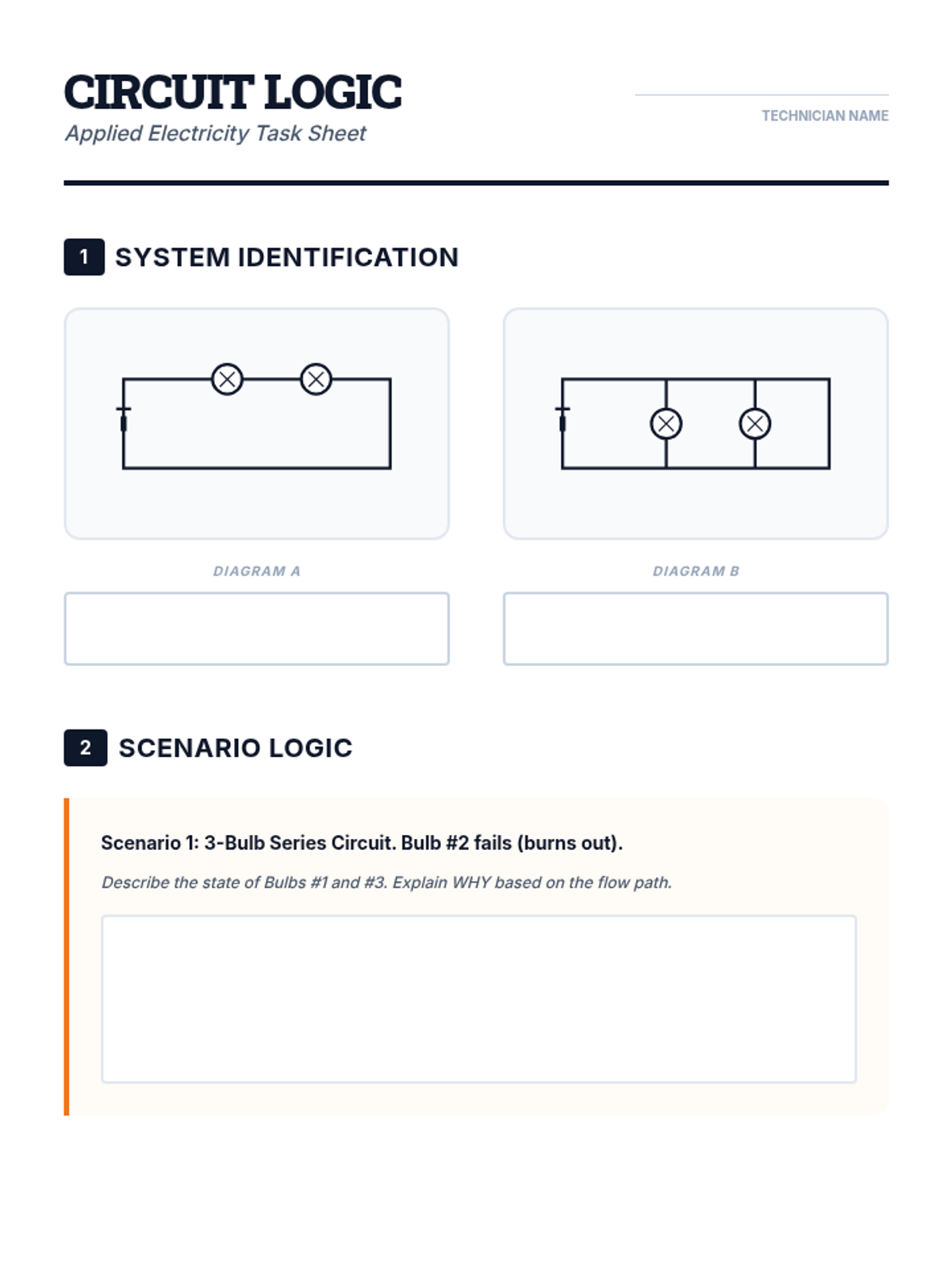
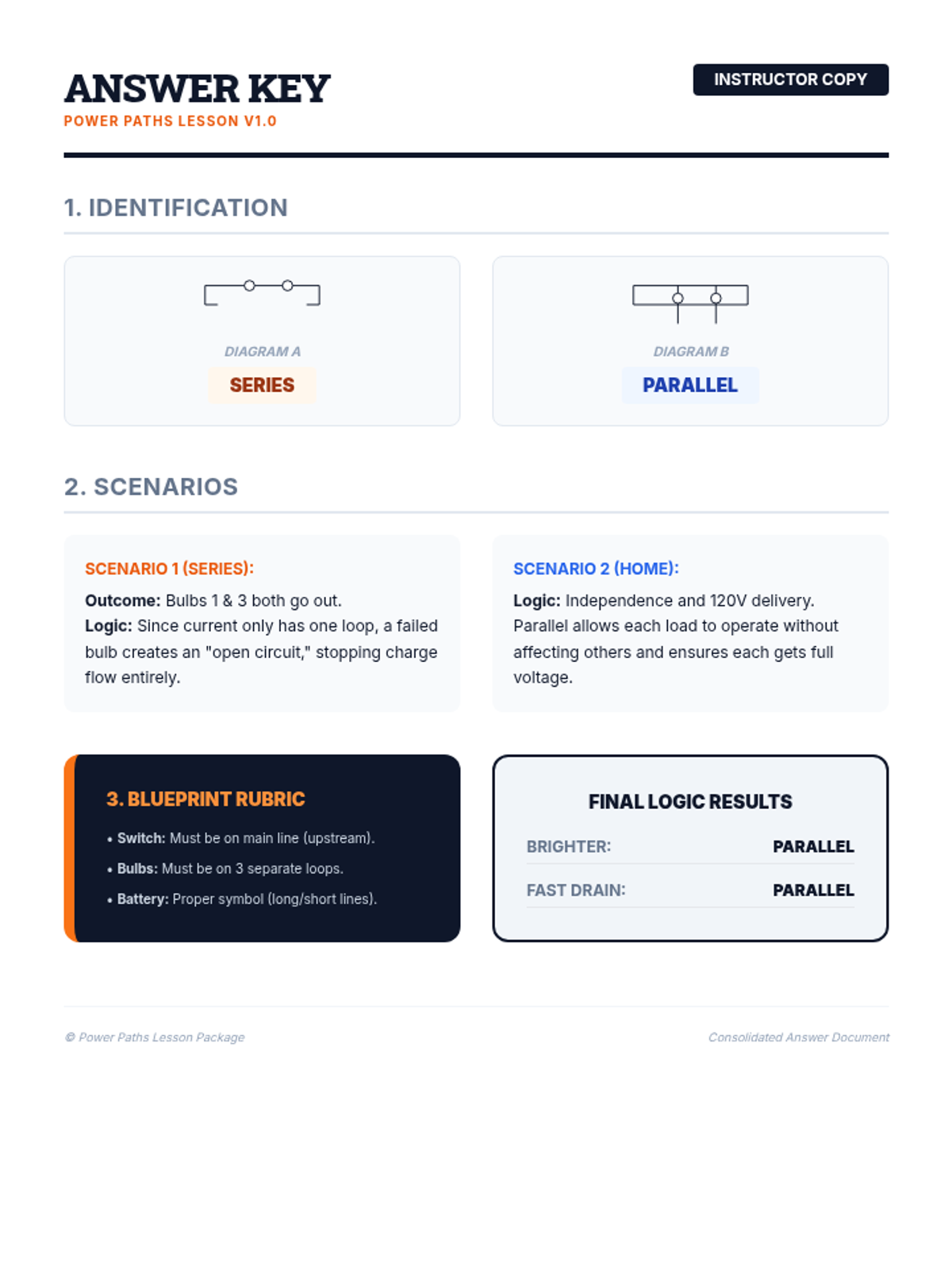
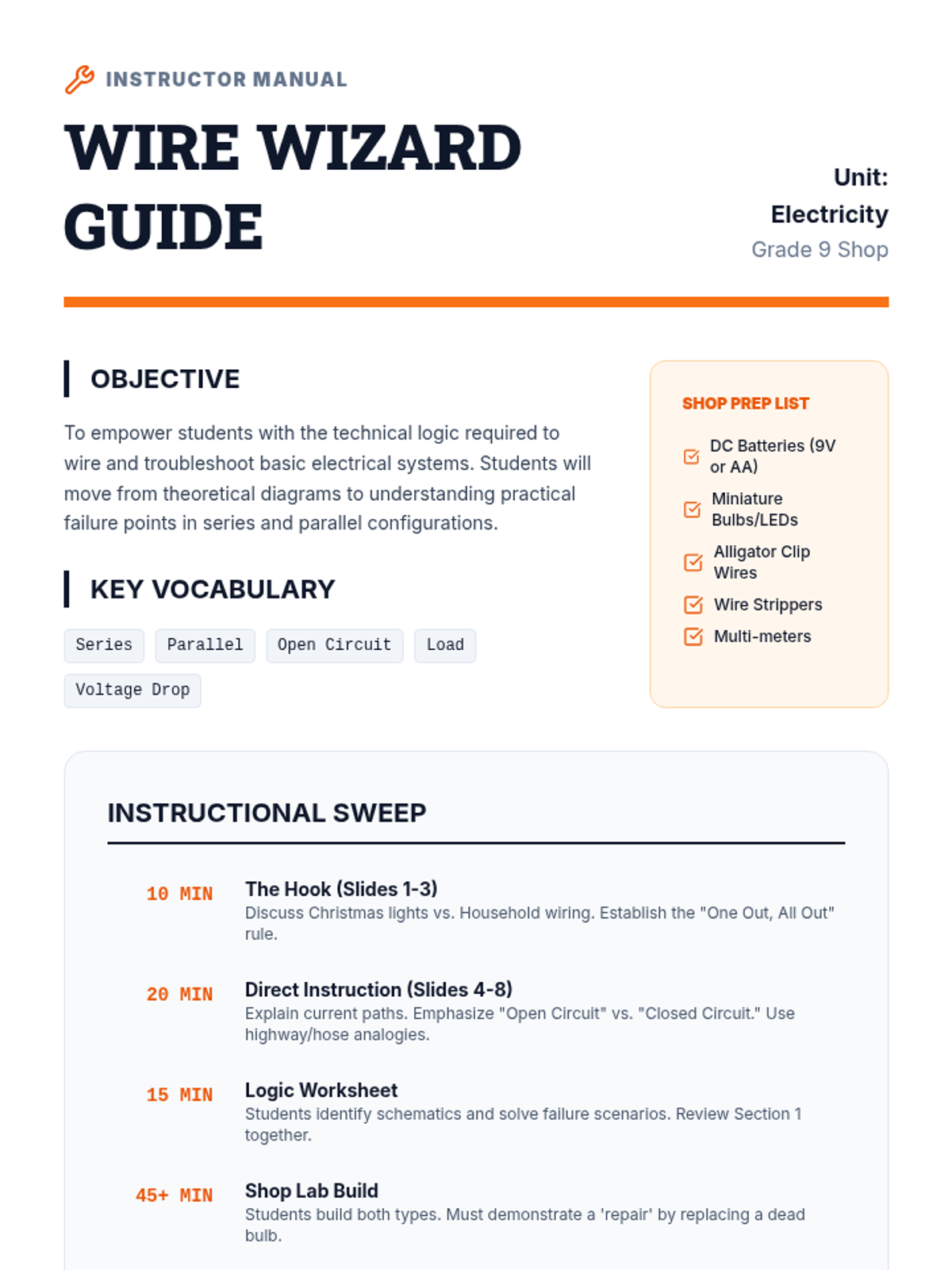
A practical introduction to electrical circuits for shop students, focusing on the fundamental differences between series and parallel configurations and their real-world applications in wiring.
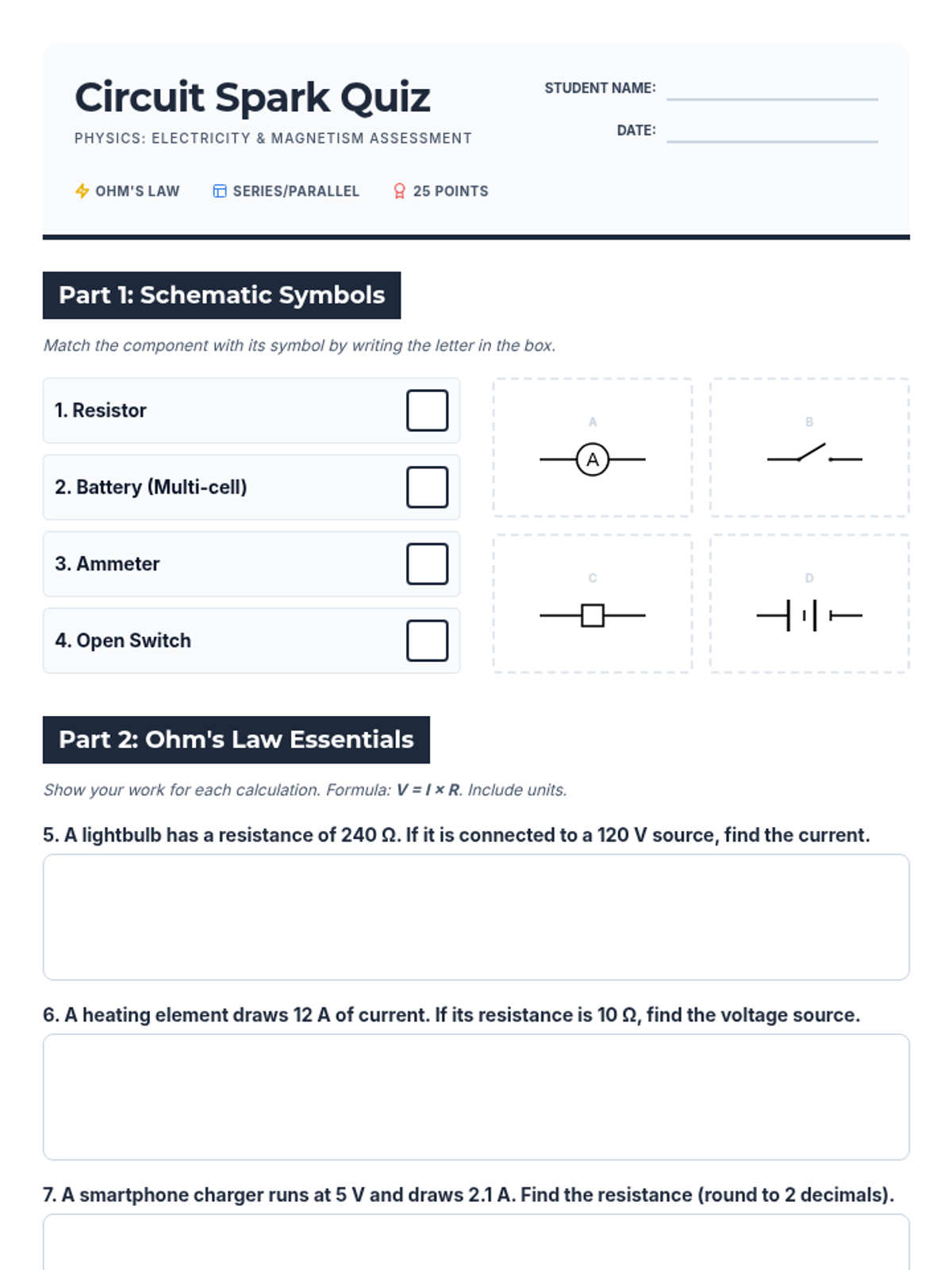
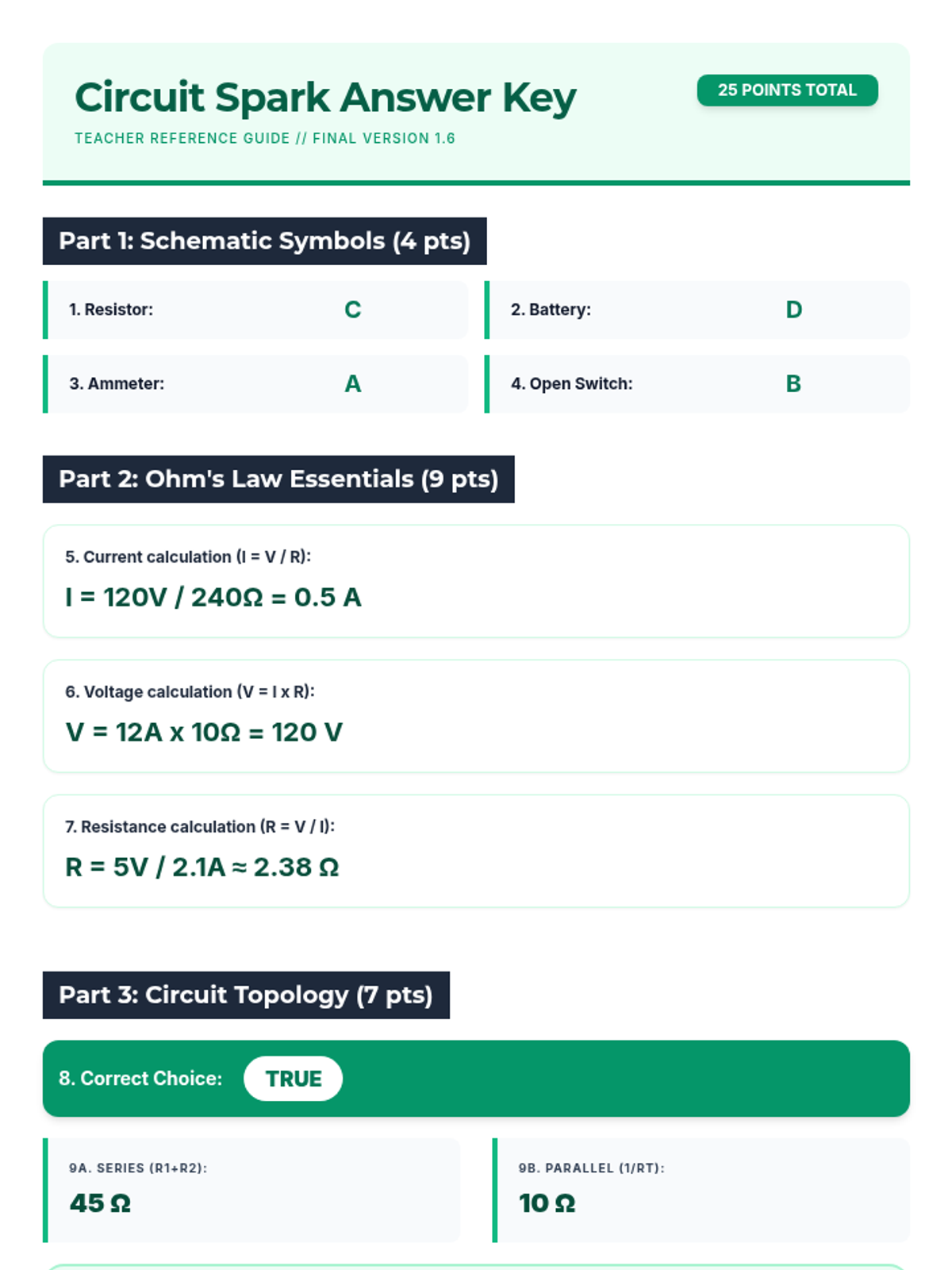
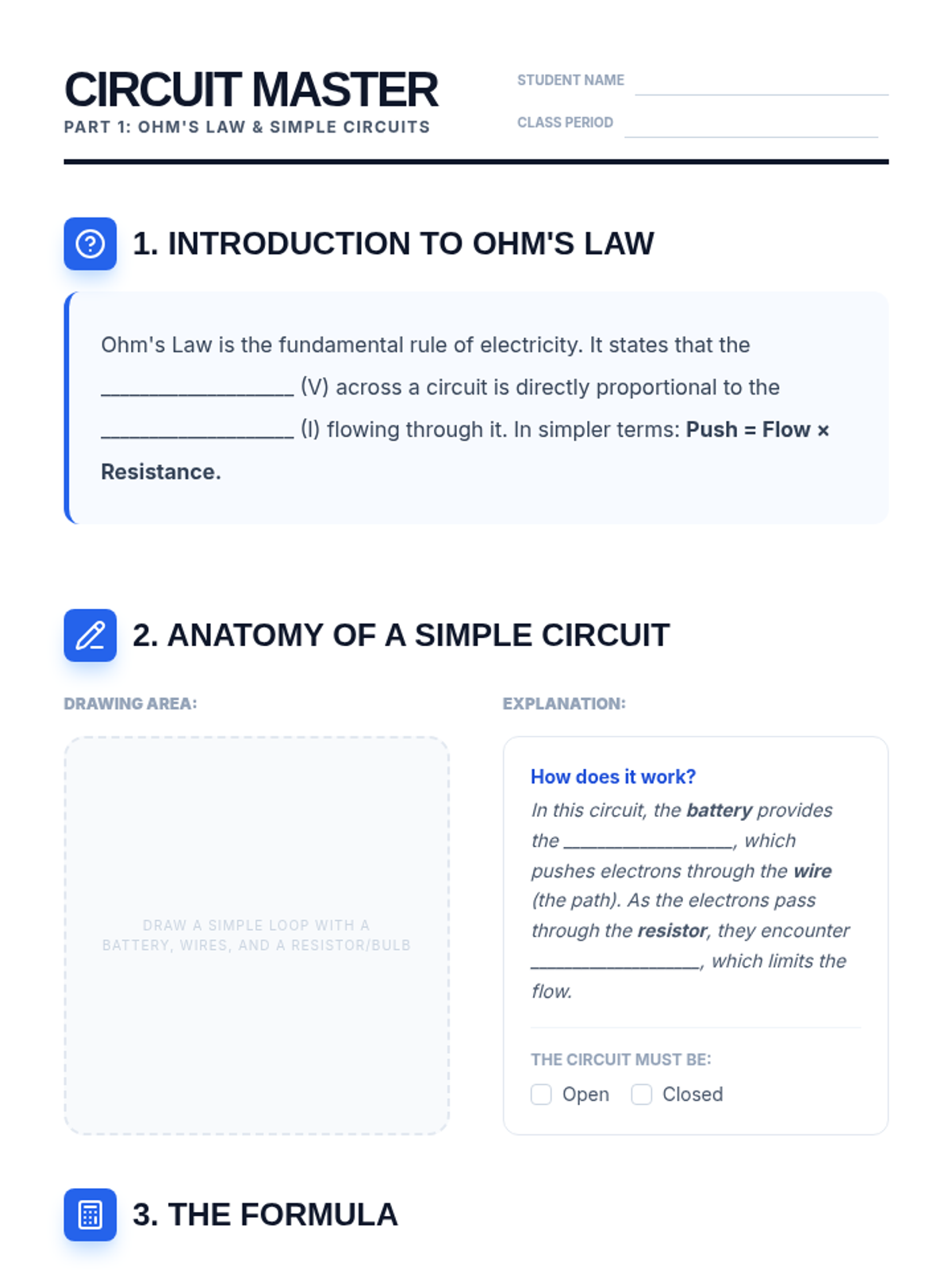
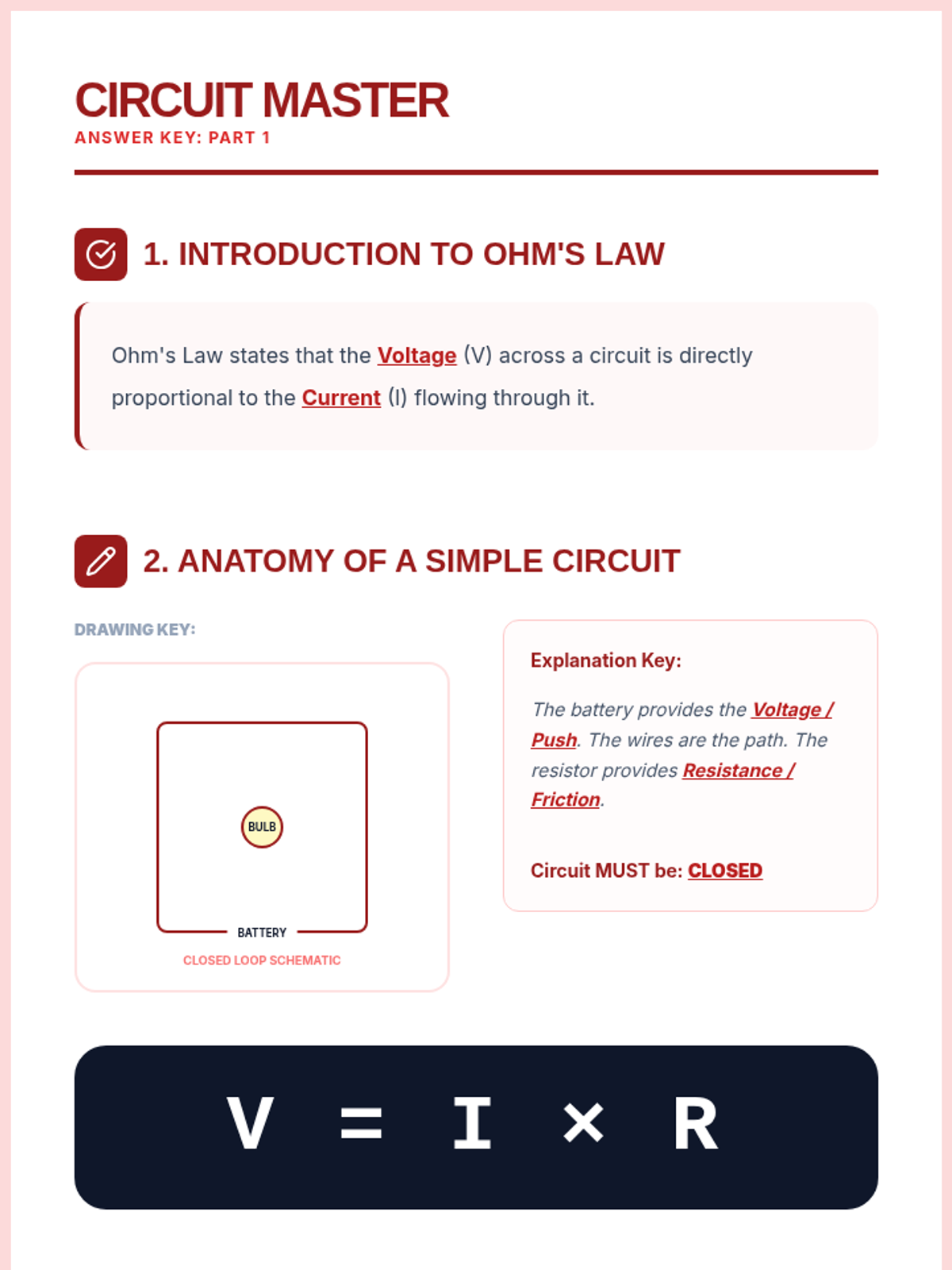
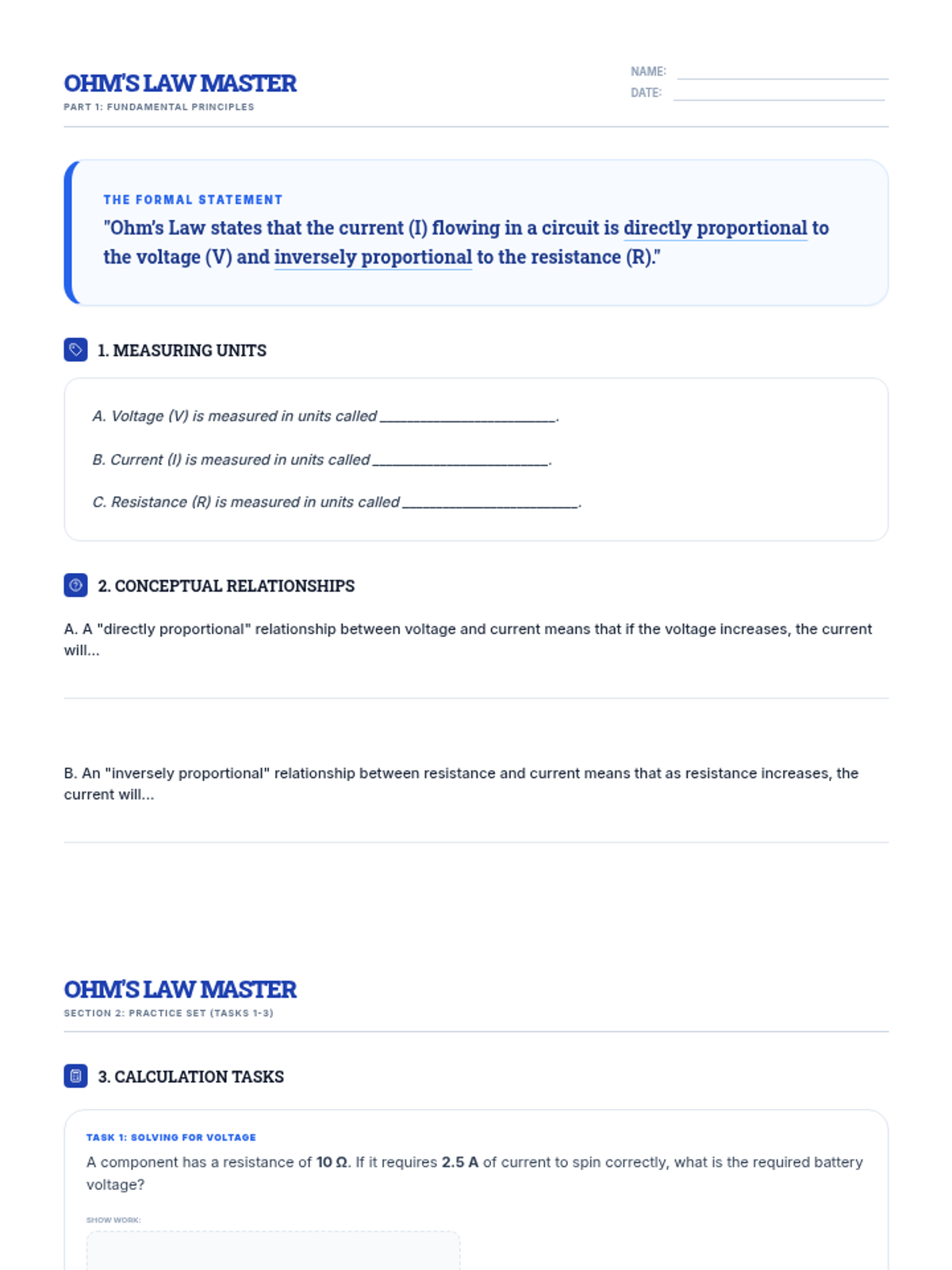
An introductory lesson focused on the fundamental principles of circuits, including component identification and the application of Ohm's Law.
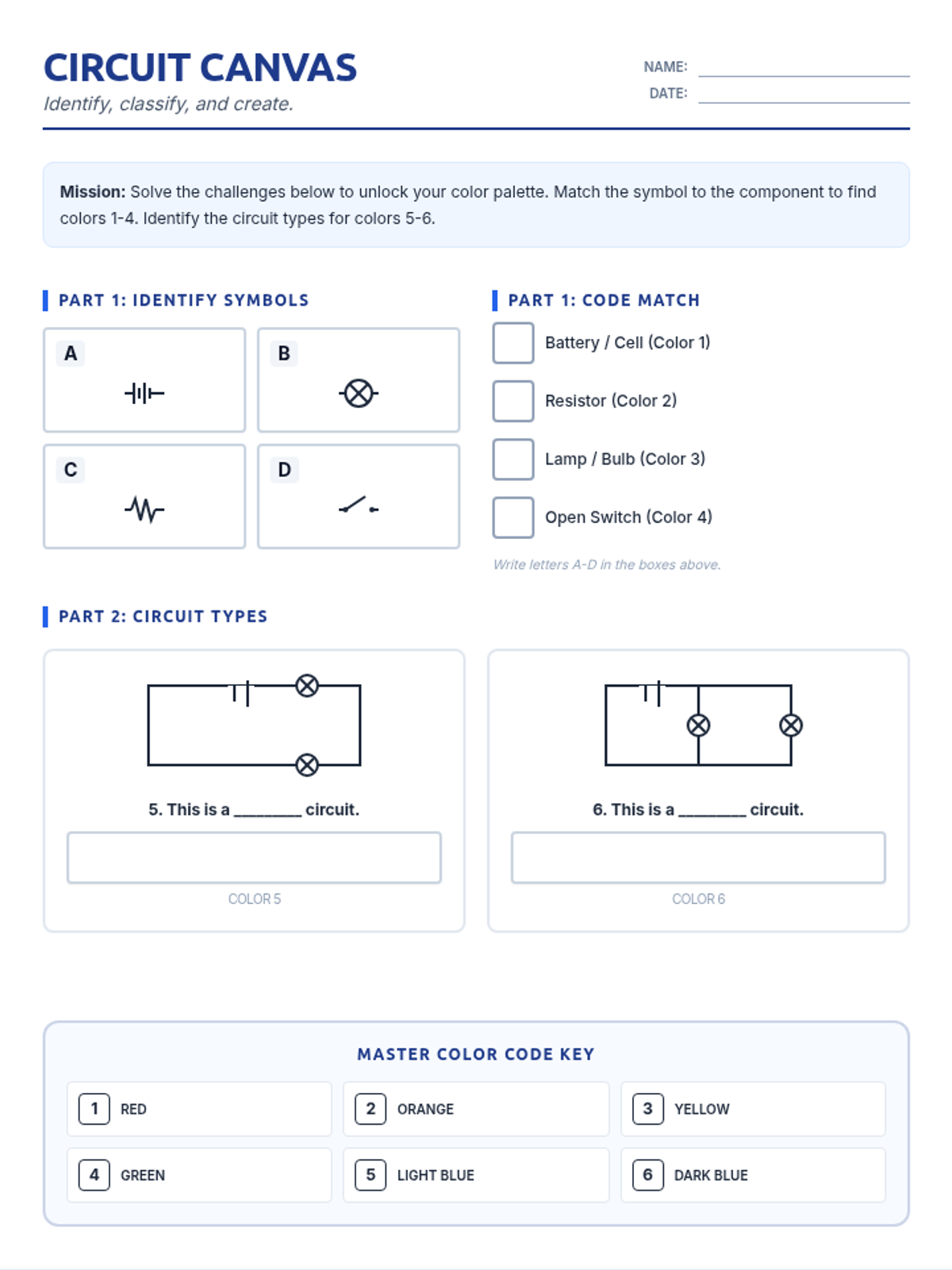
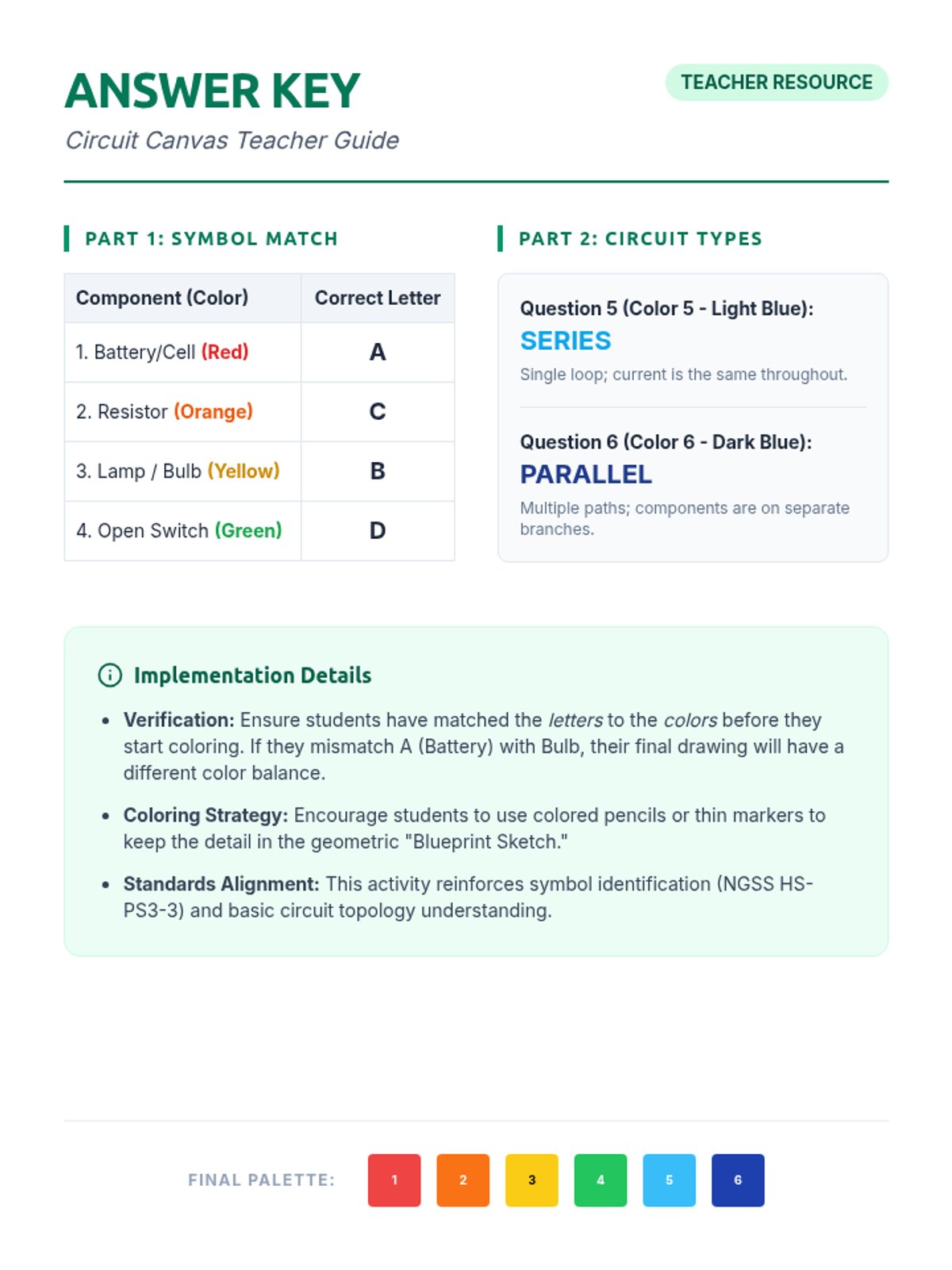
A low-stress introduction to circuit components and configurations through a creative coloring activity. Students identify symbols and differentiate between series and parallel circuits to unlock a color-coded blueprint.
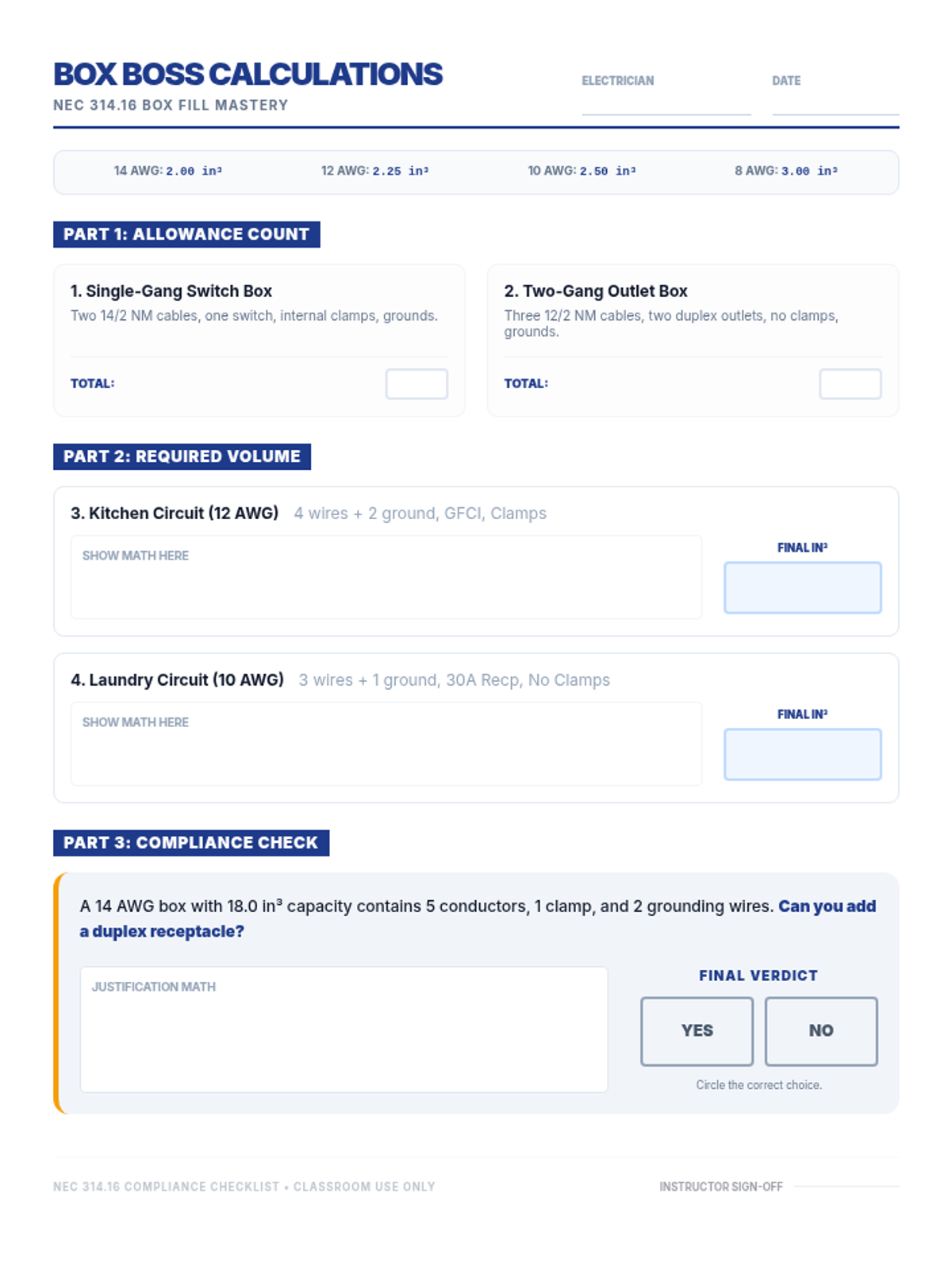
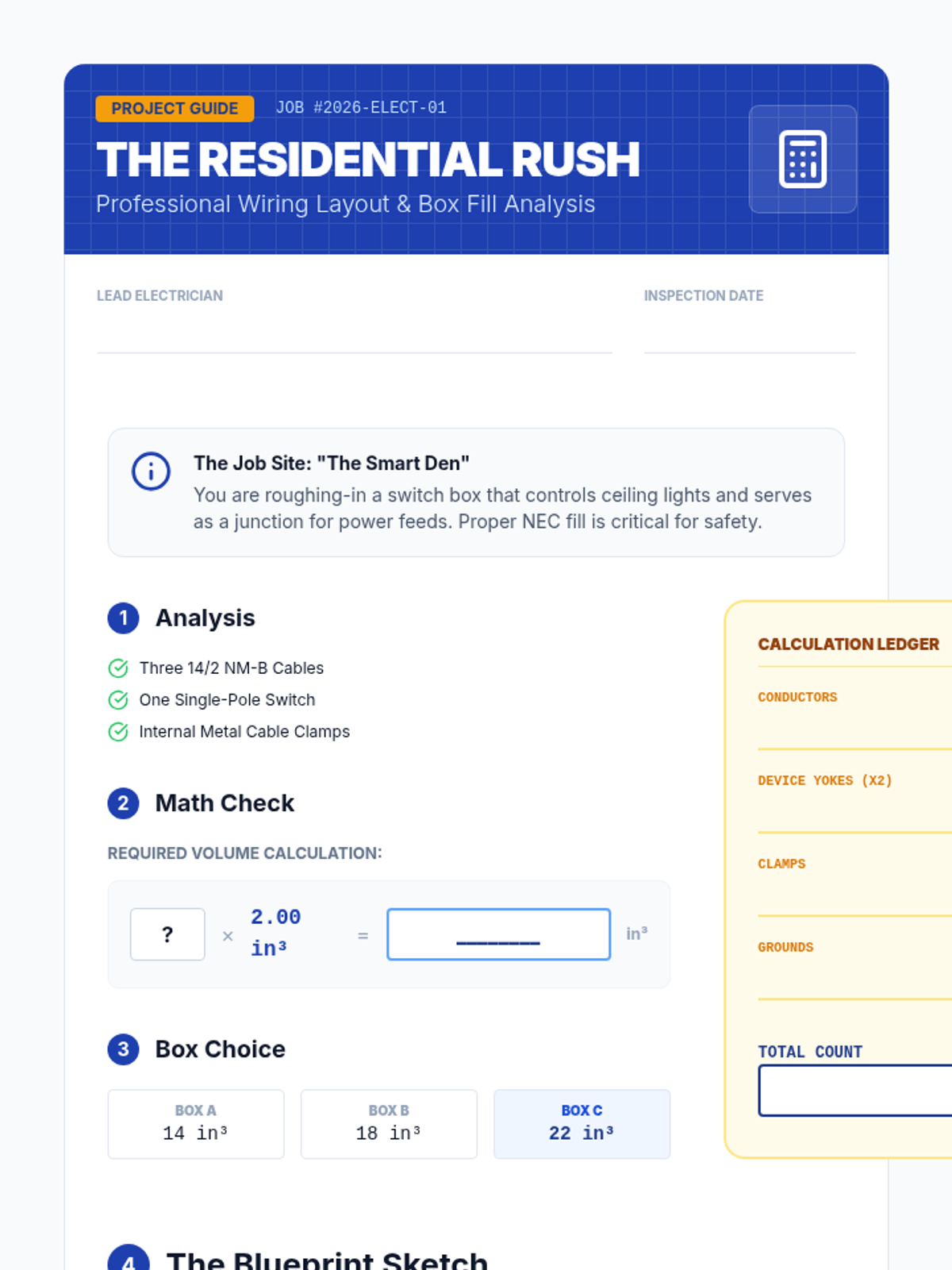
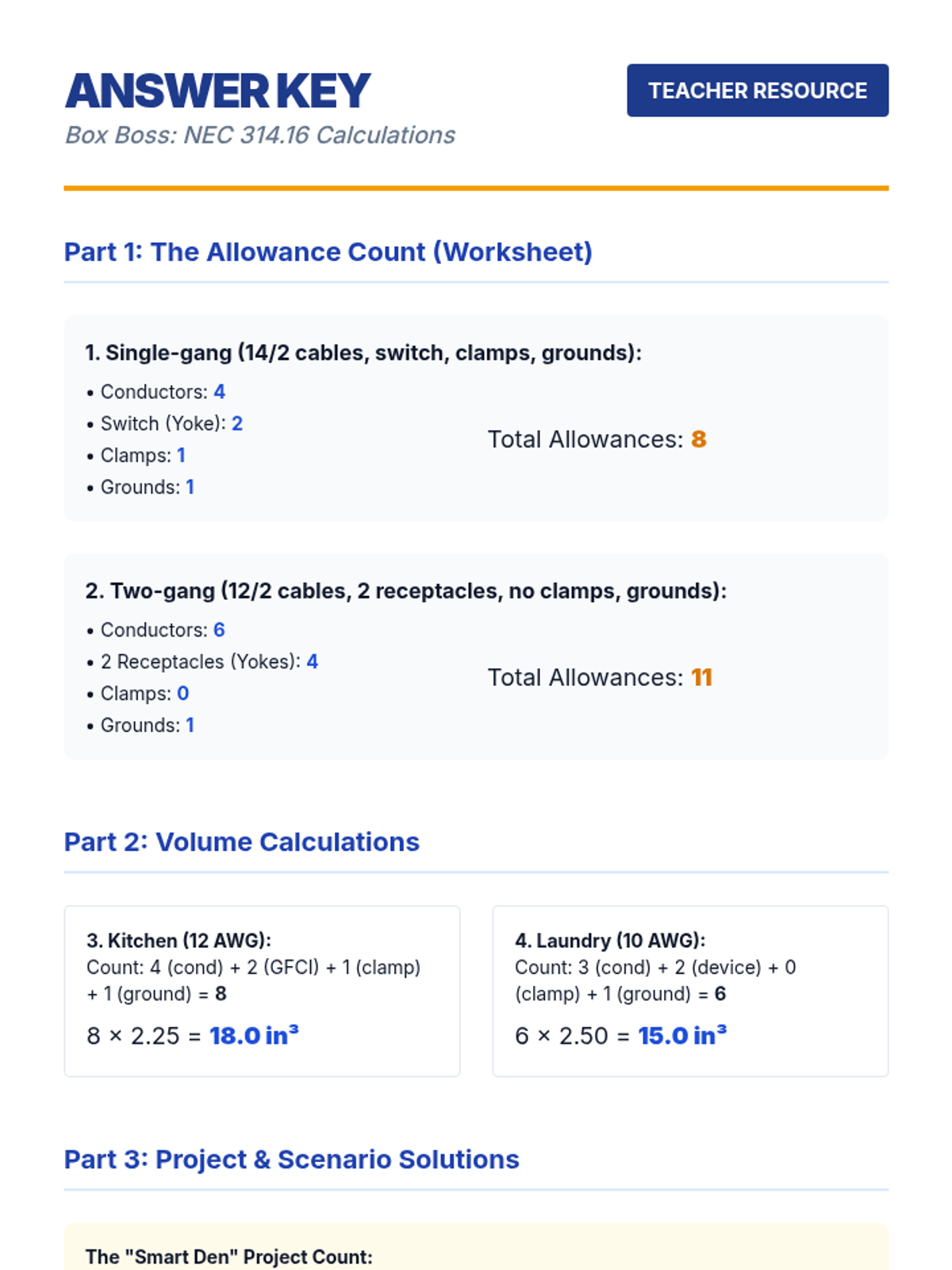
Students master the National Electrical Code (NEC) requirements for outlet box fill, calculating volume allowances for conductors, clamps, and devices to ensure electrical safety and compliance.
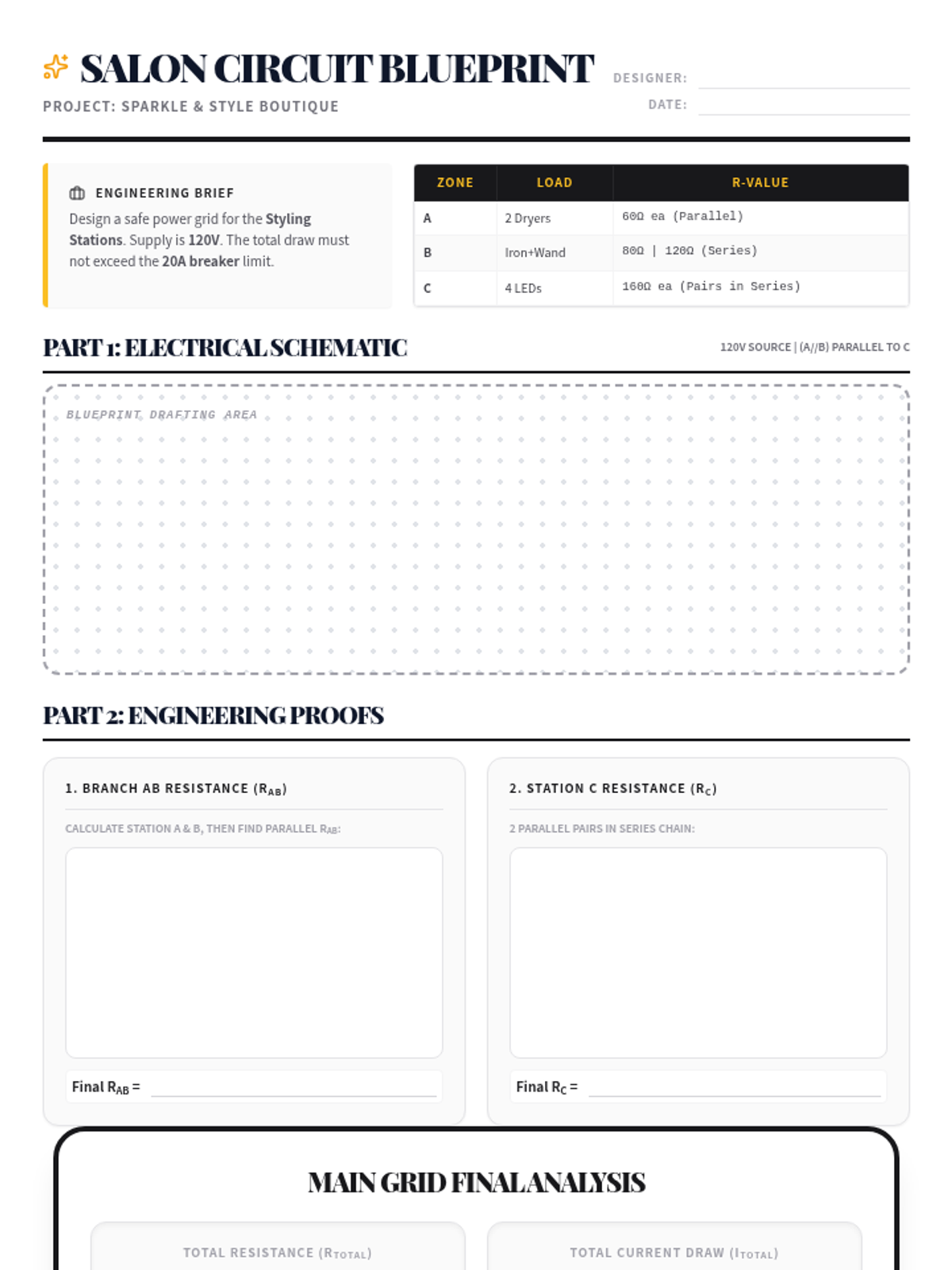
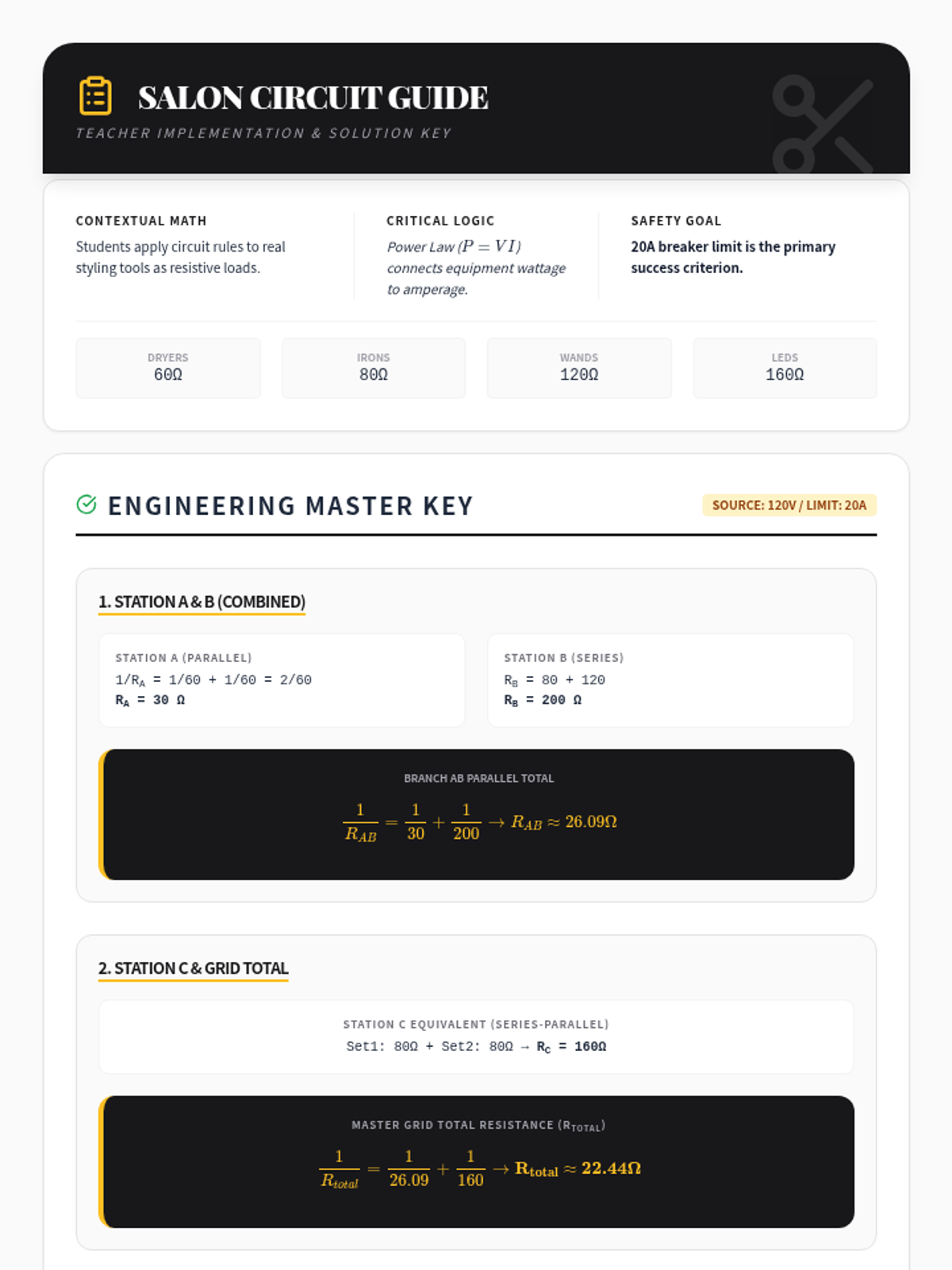
Students apply combination circuit knowledge to design the electrical layout of a modern hair salon, balancing the high current demands of professional styling tools.
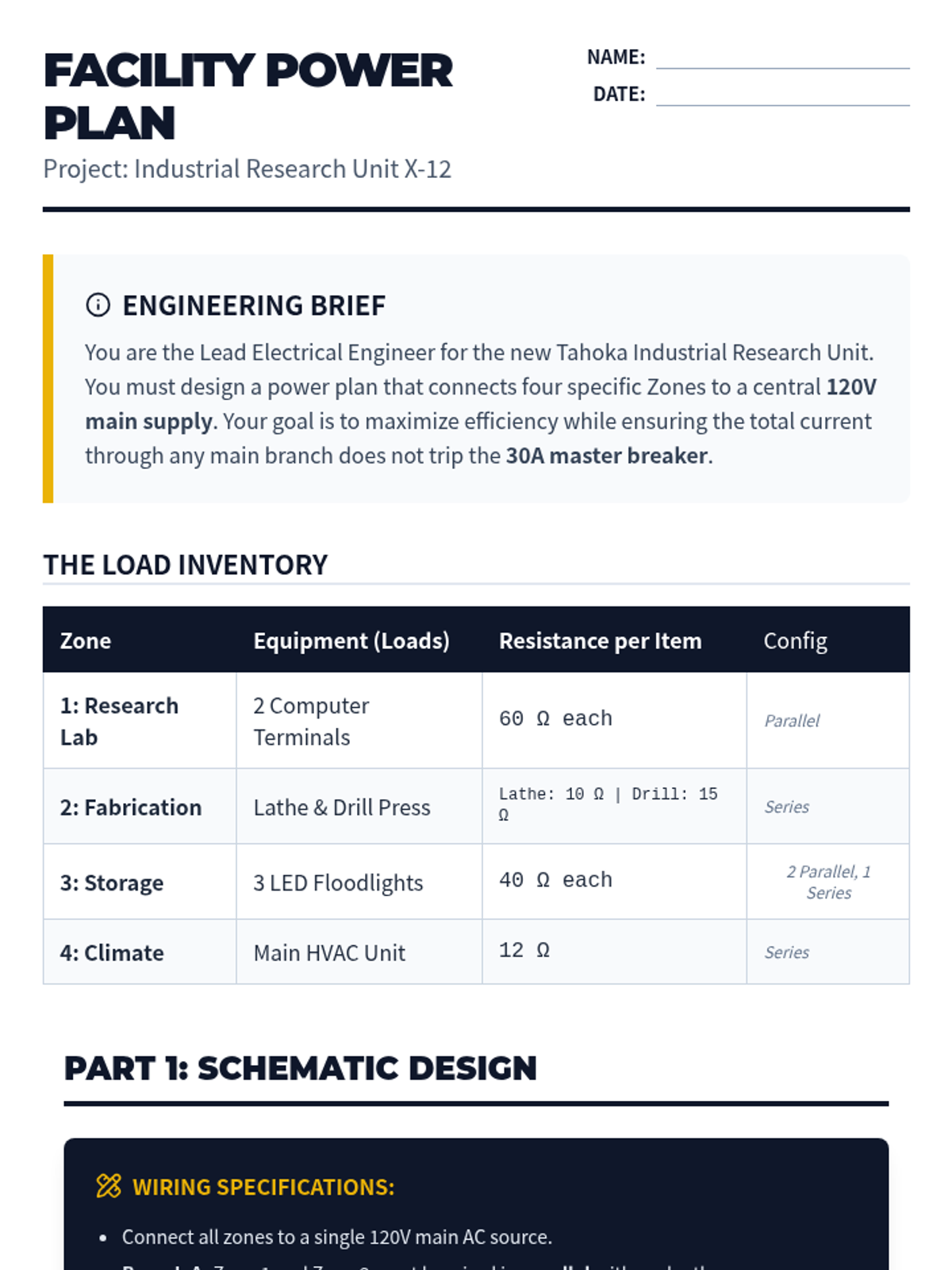
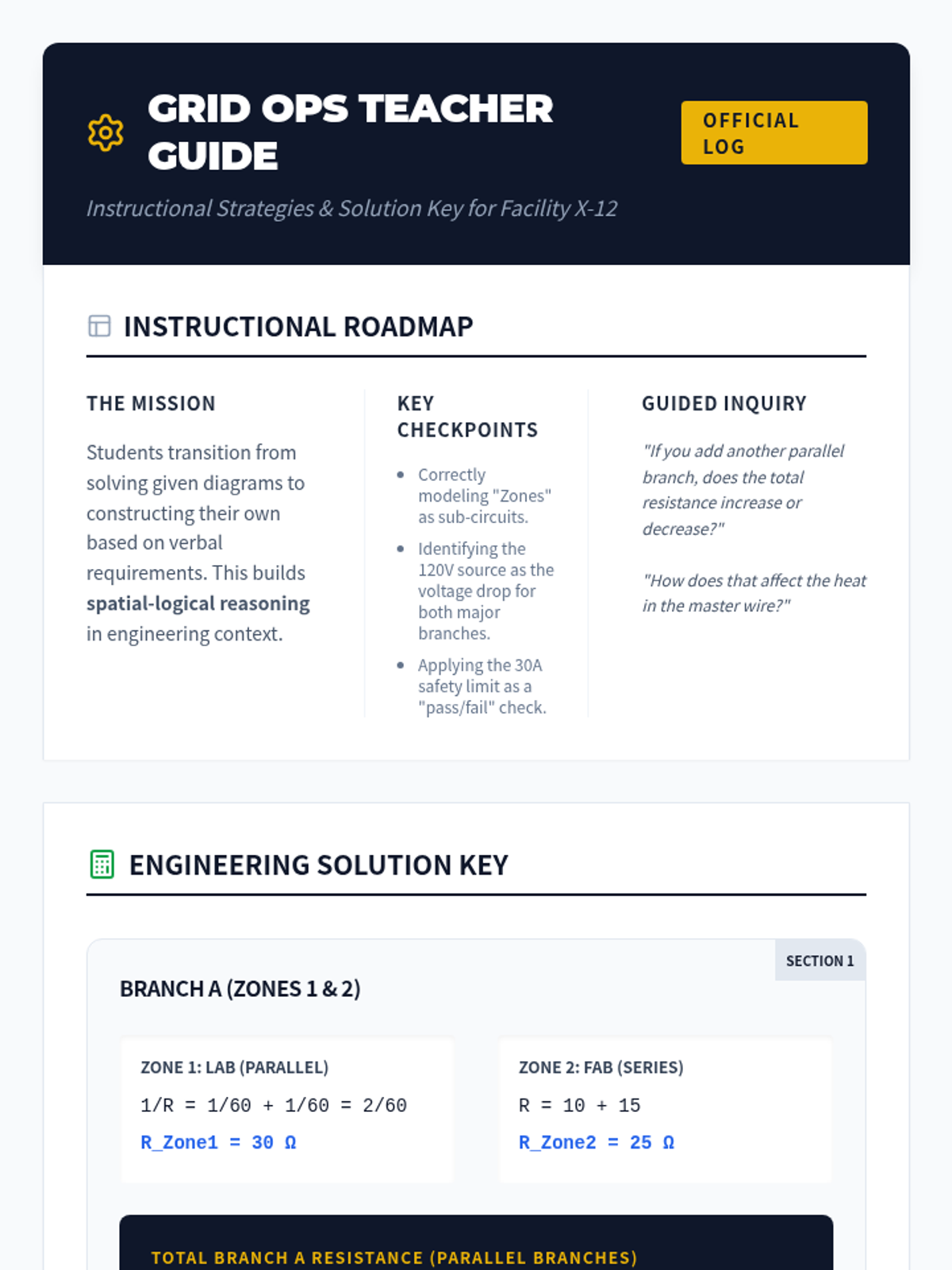
Students apply their knowledge of combination circuits and Ohm's Law to design a multi-room power plan for an industrial facility, balancing voltage requirements and current limits.
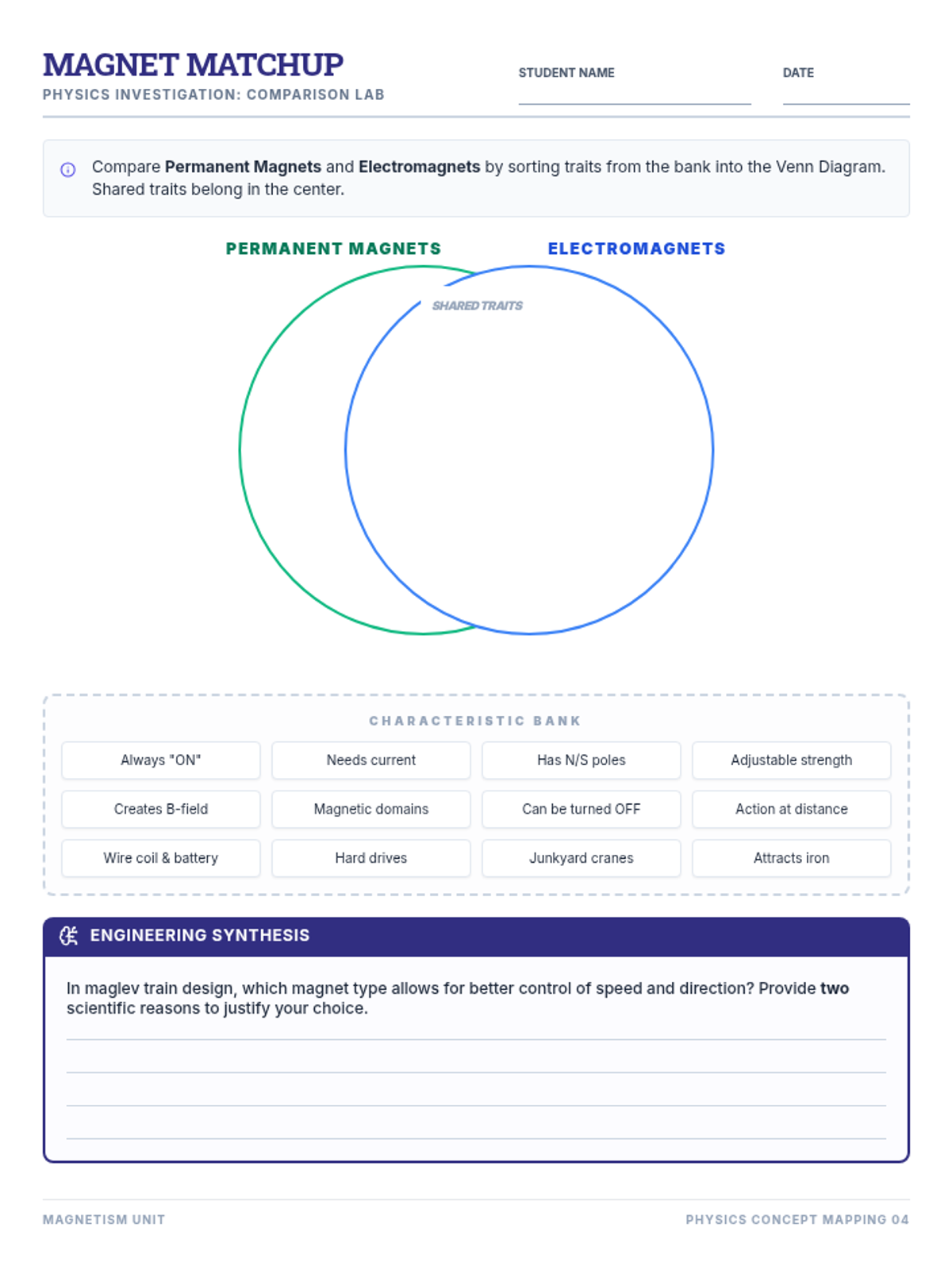
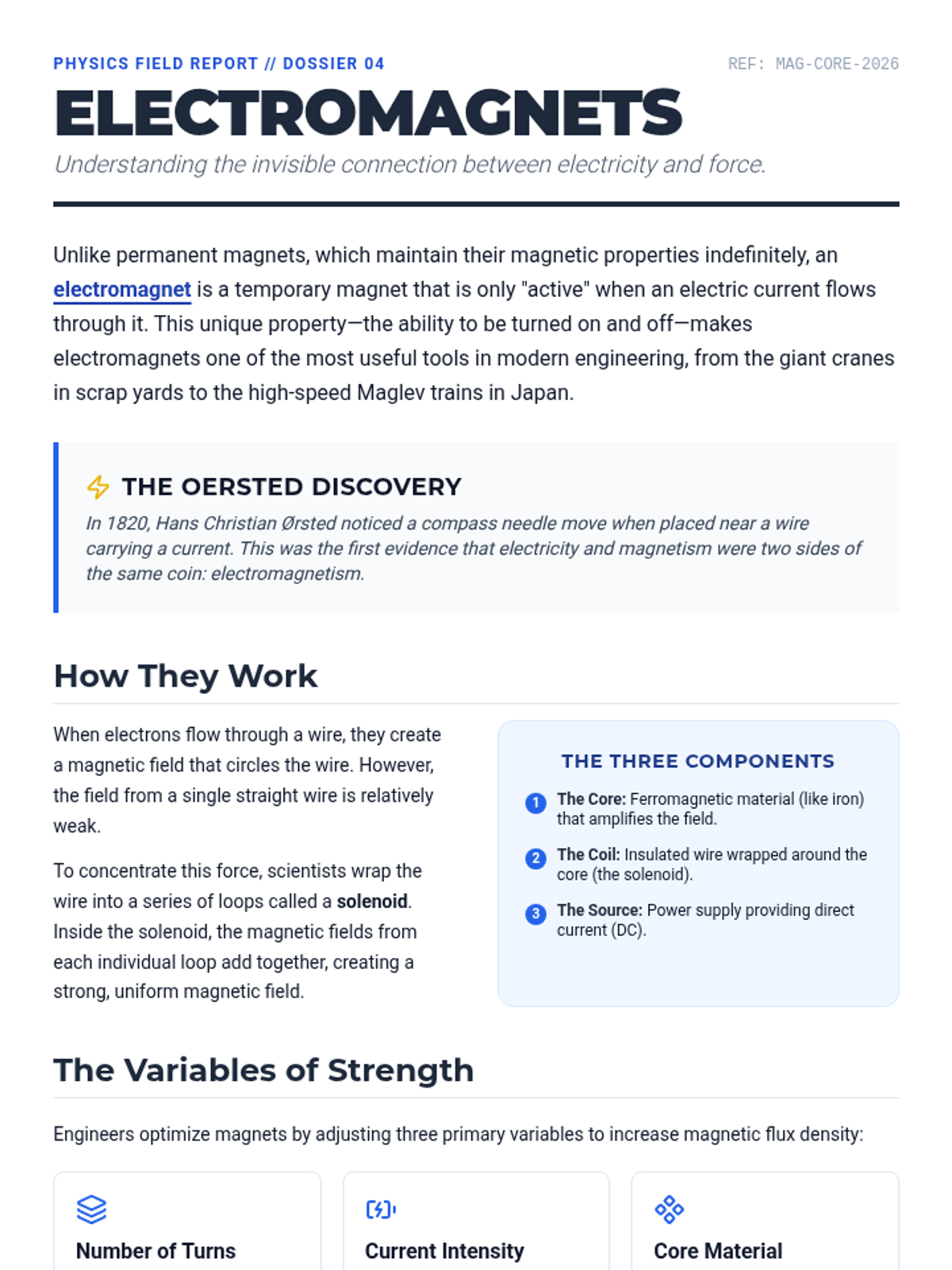
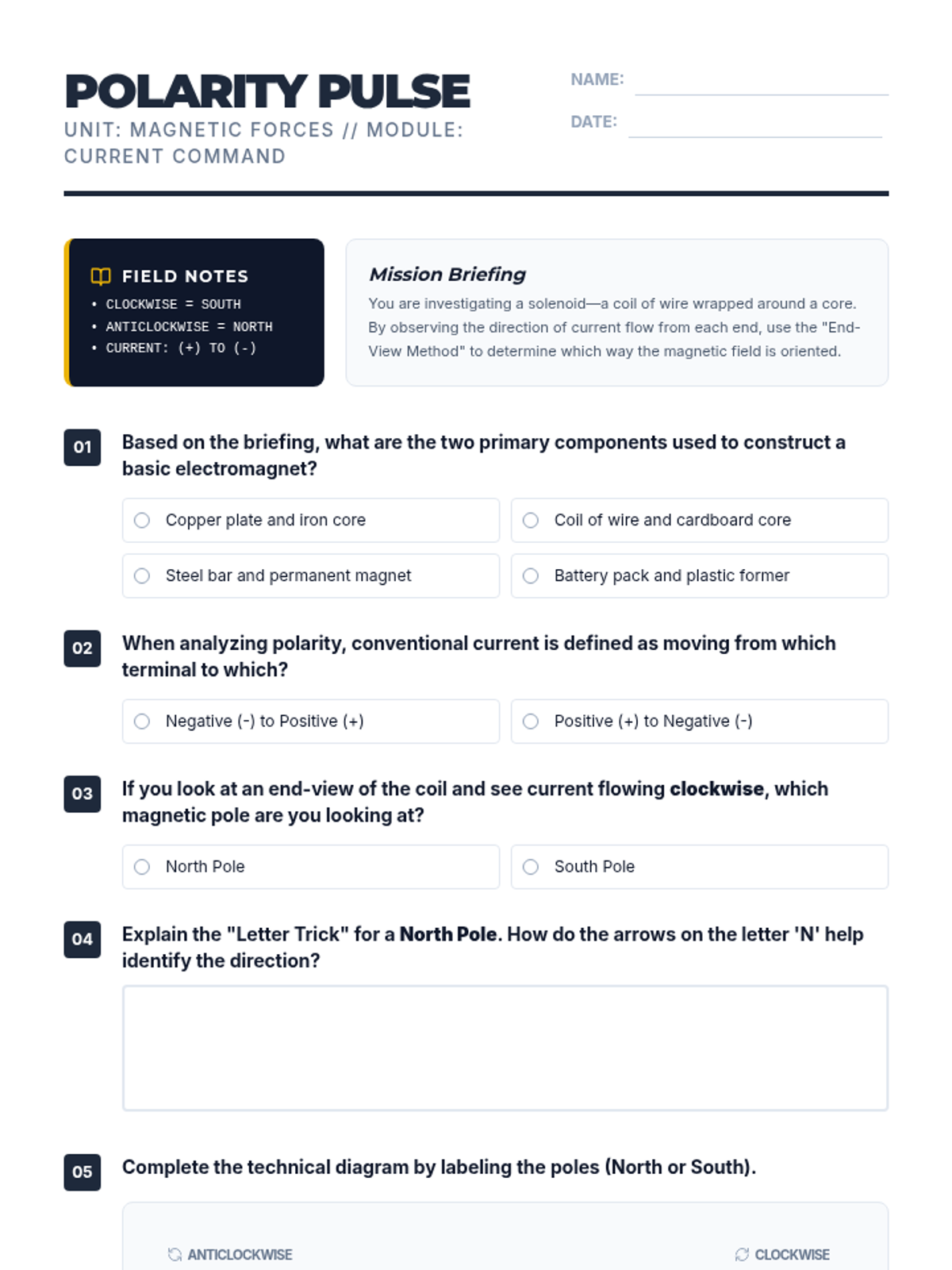
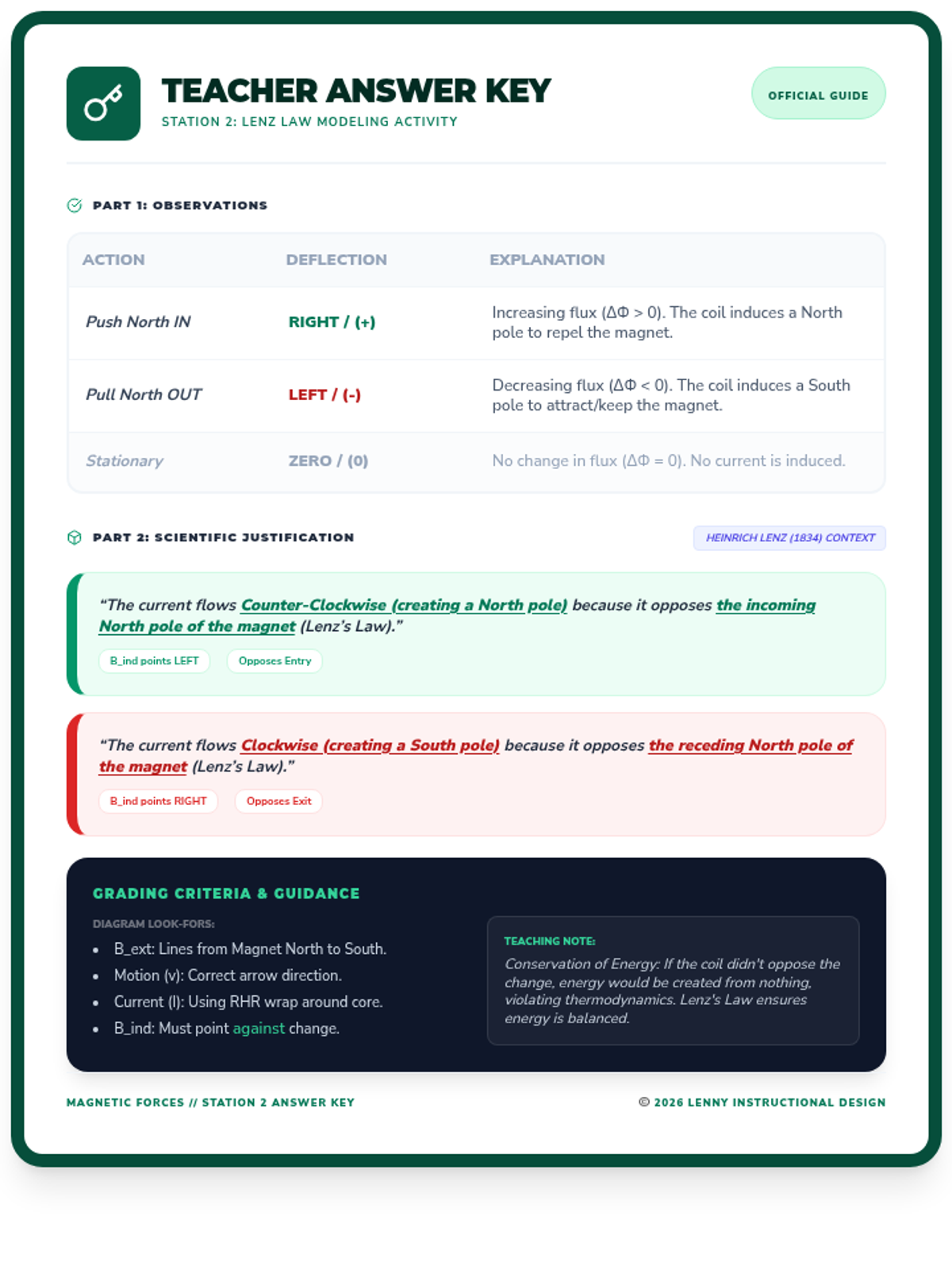
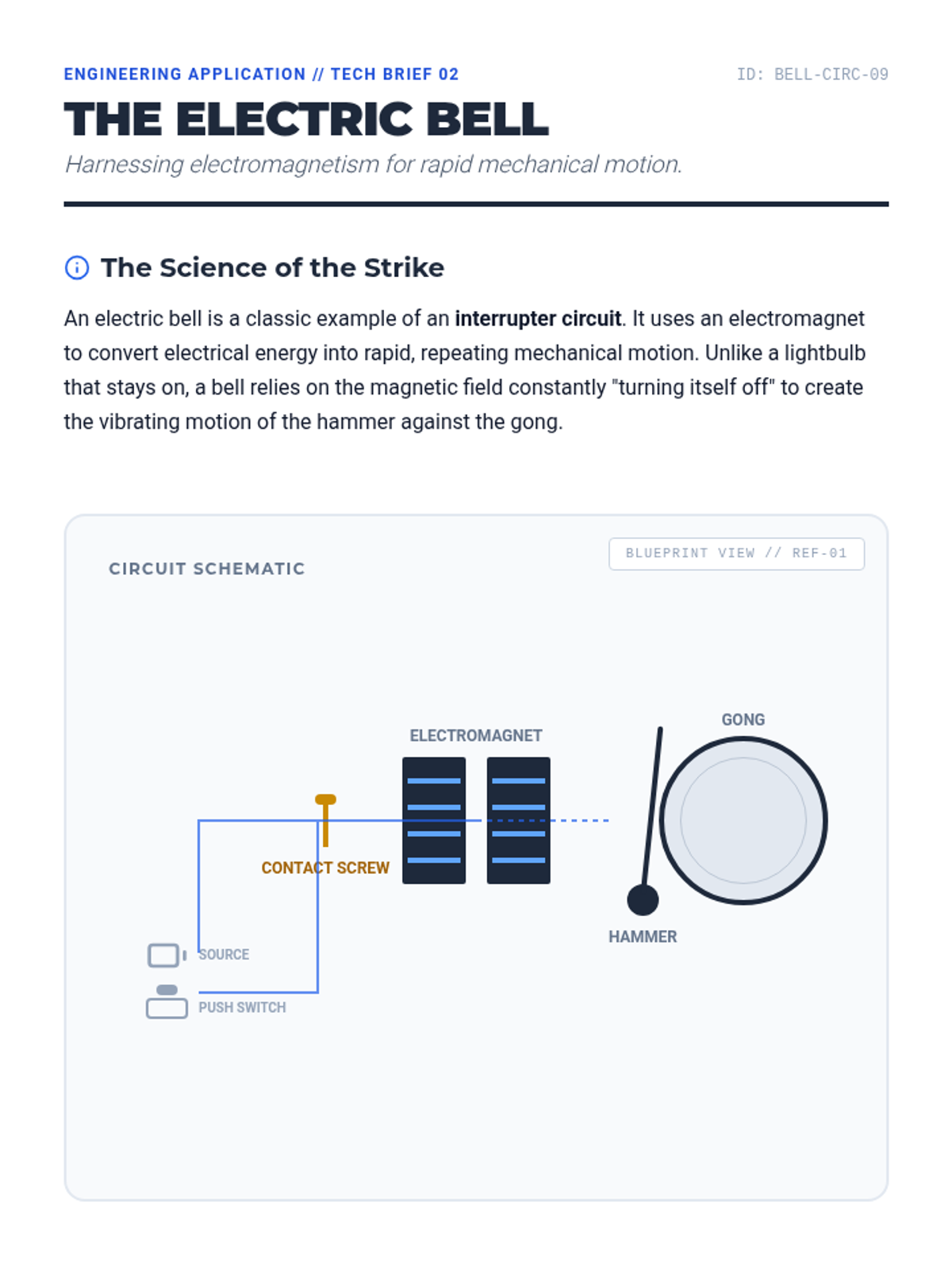
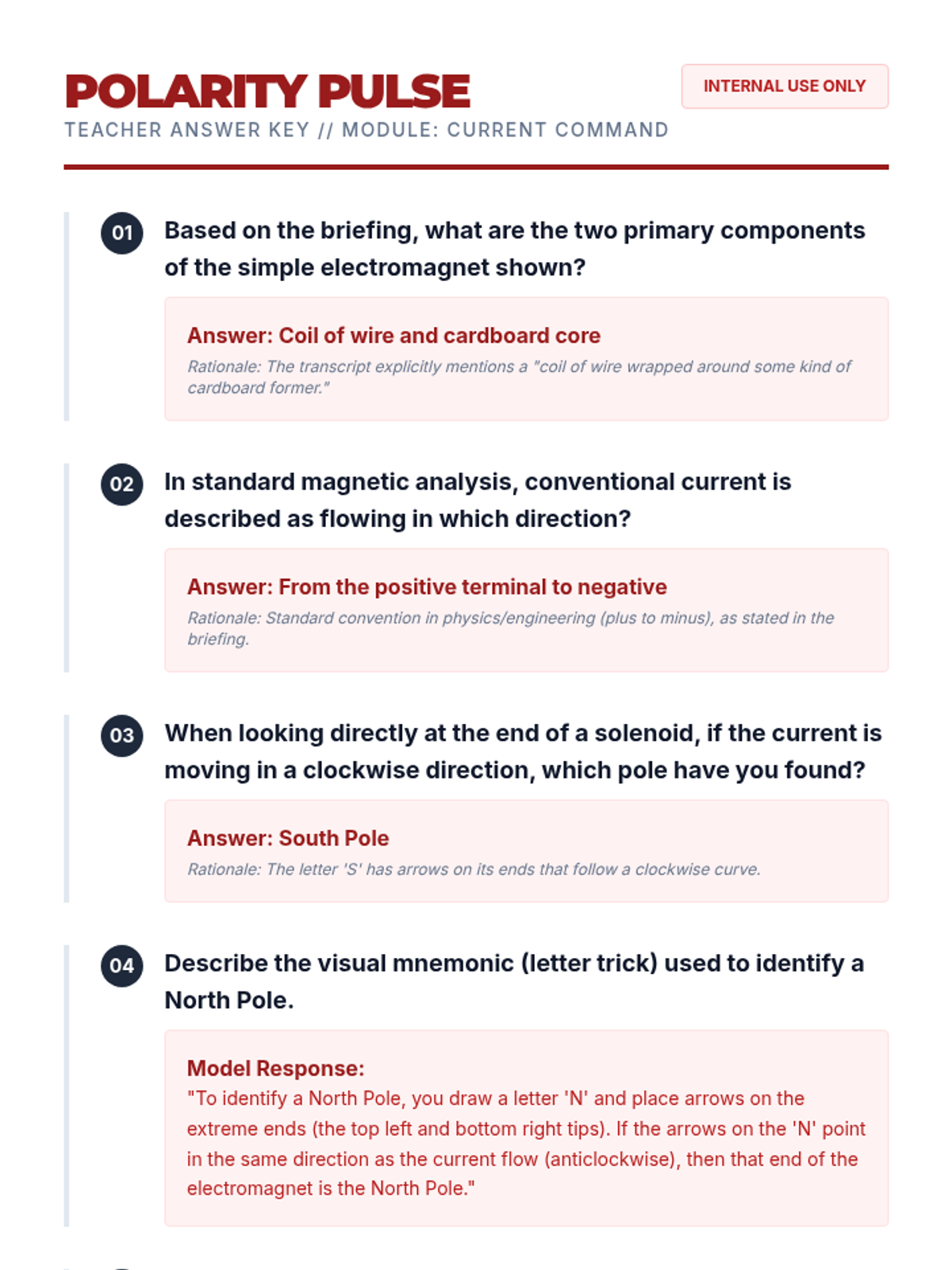
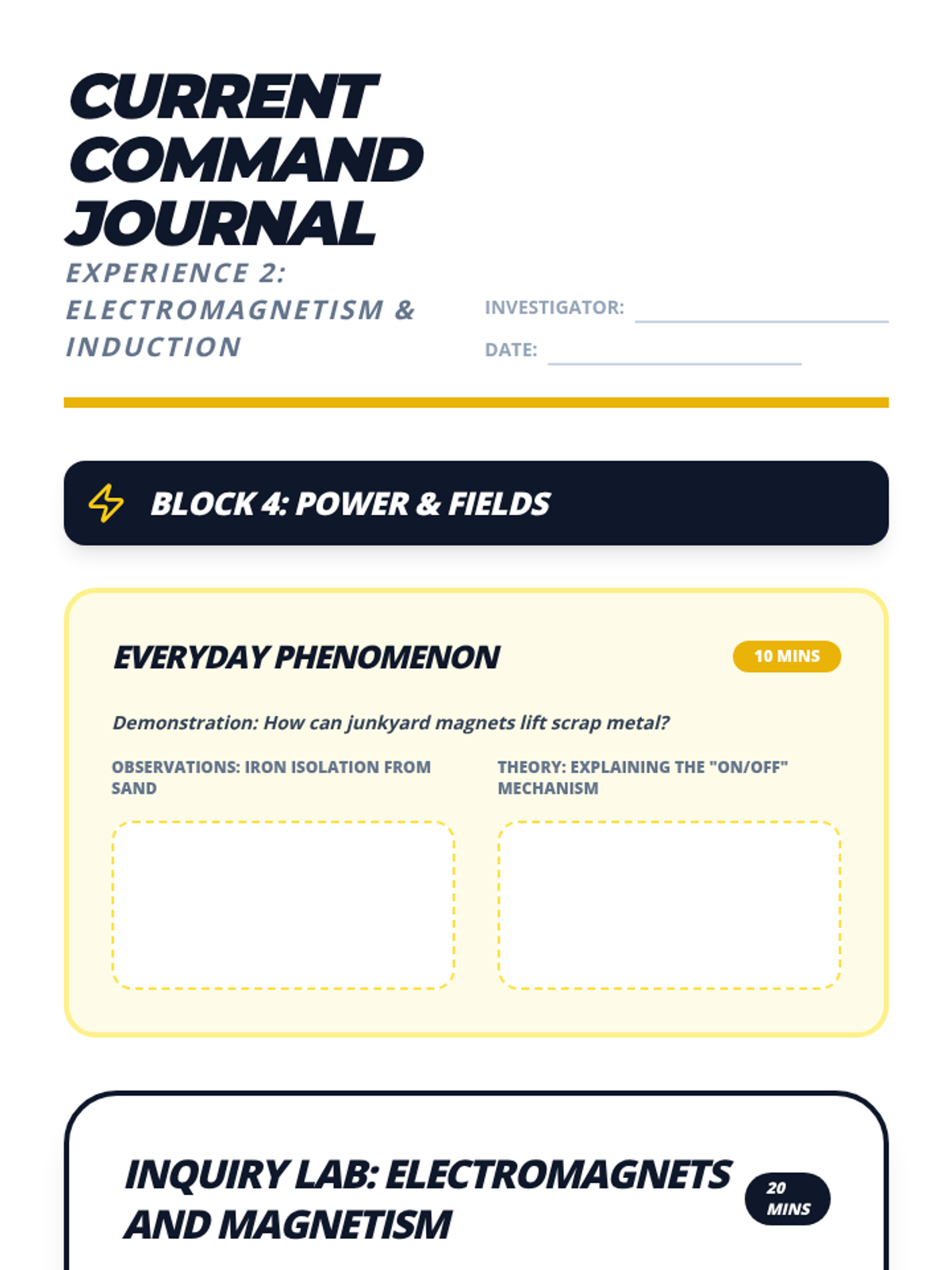
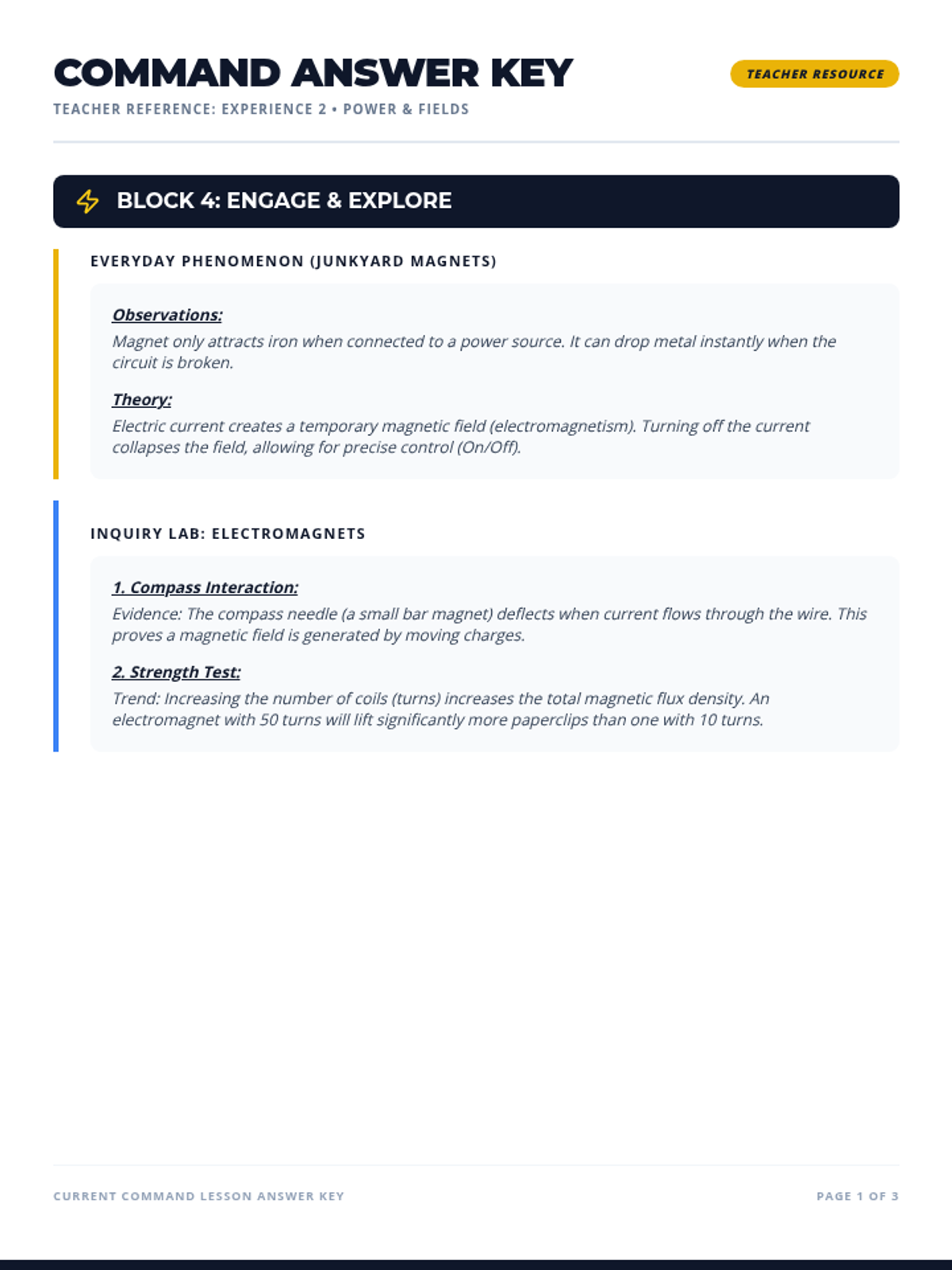
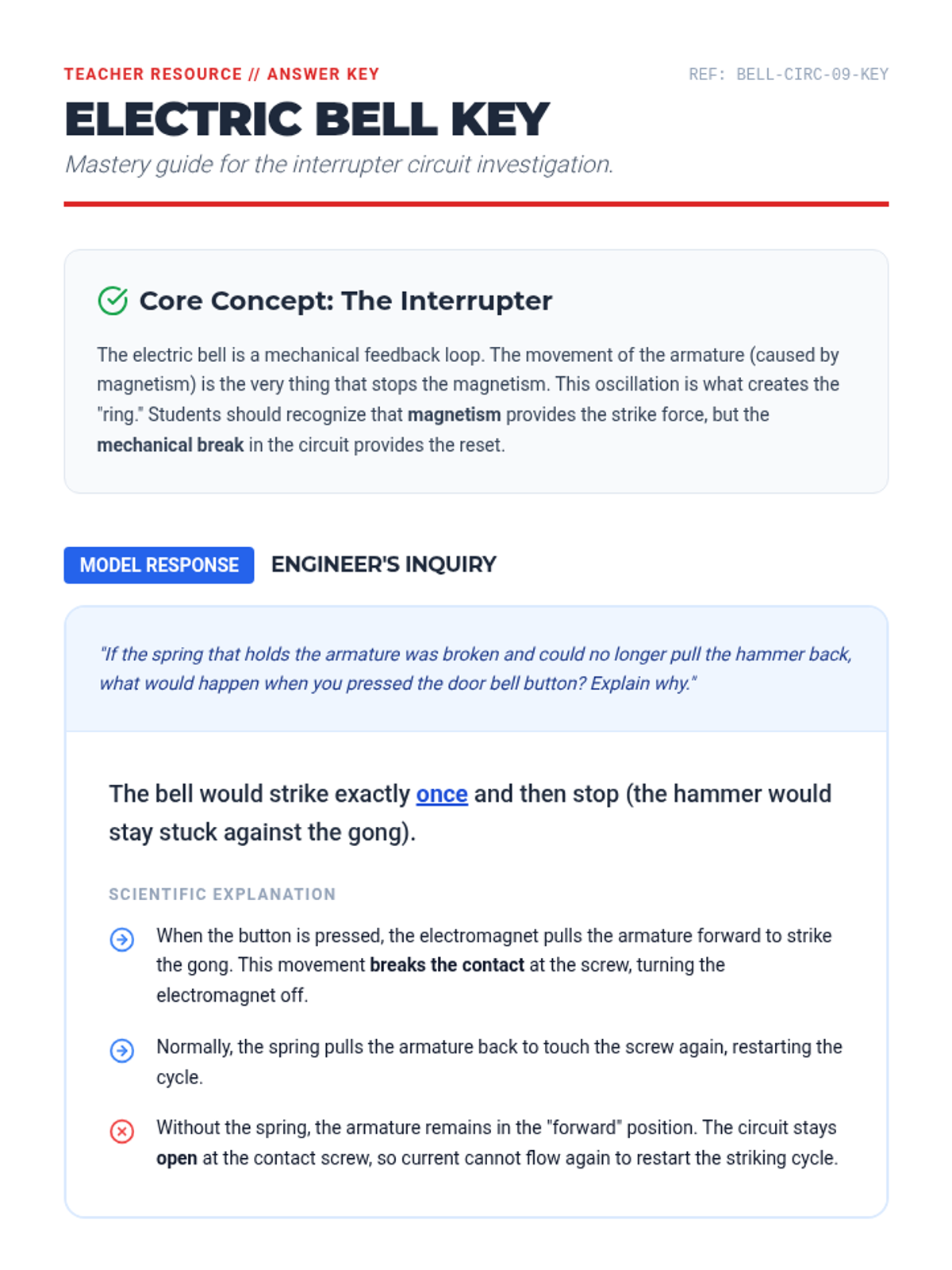
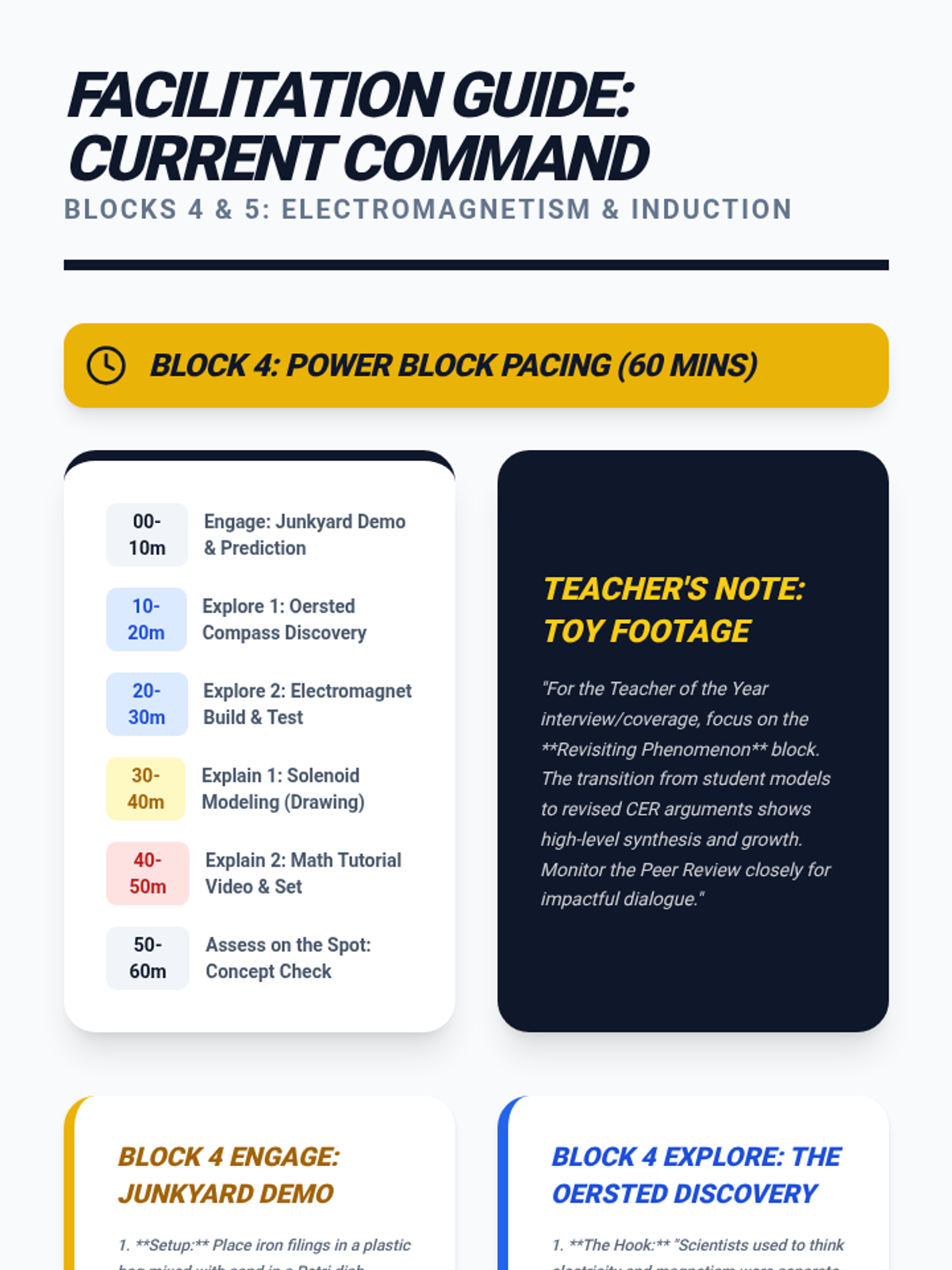
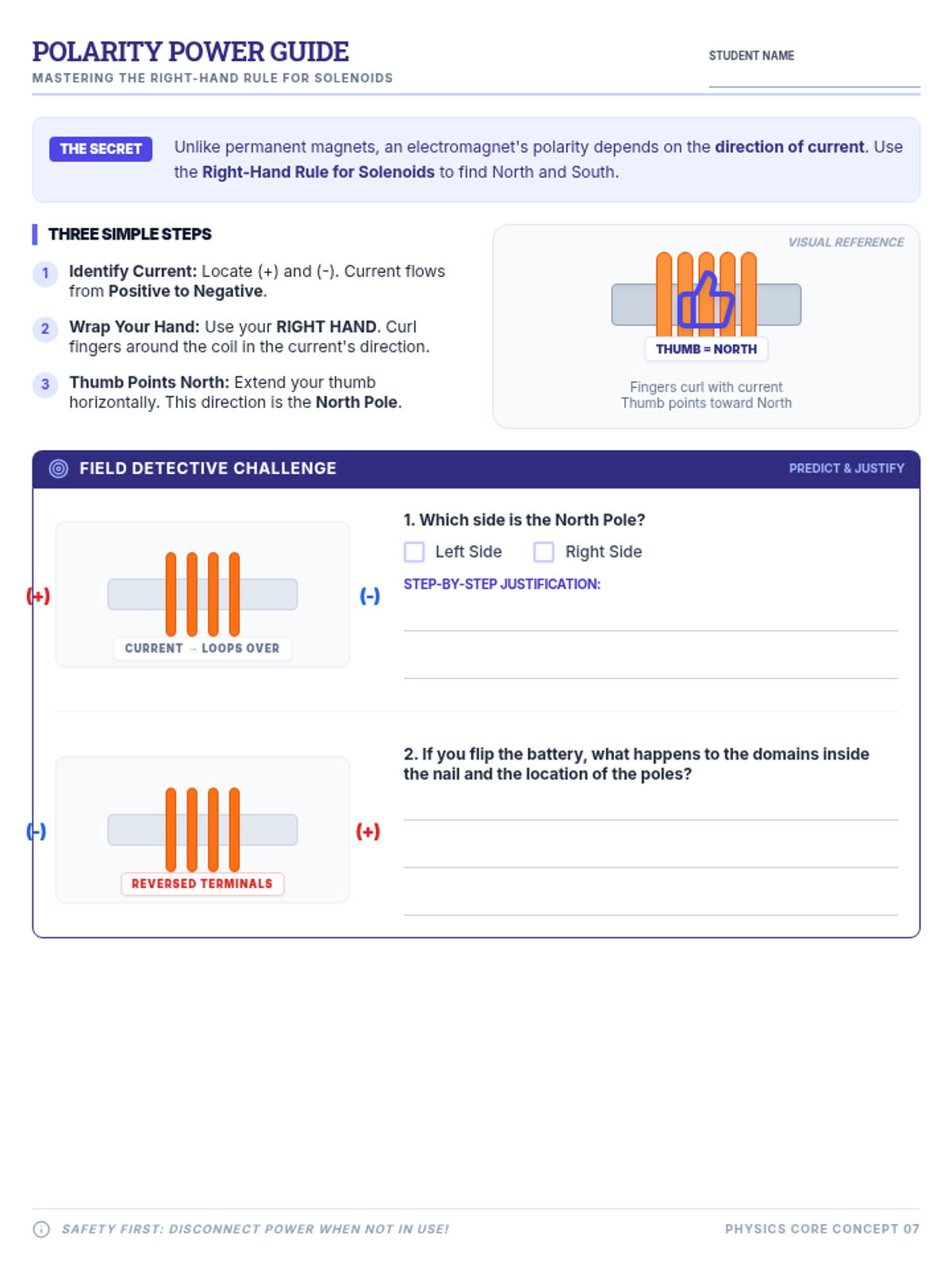
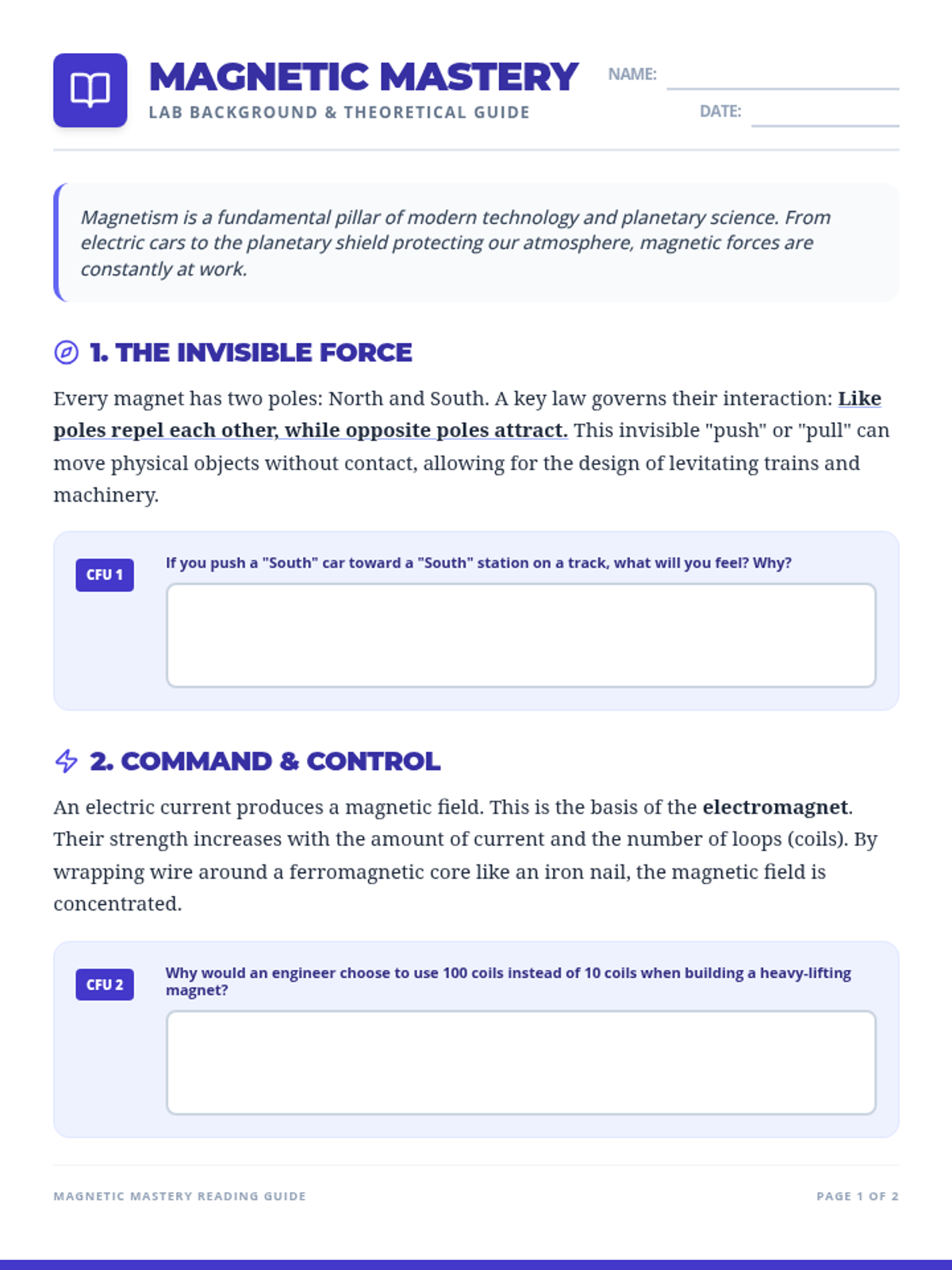
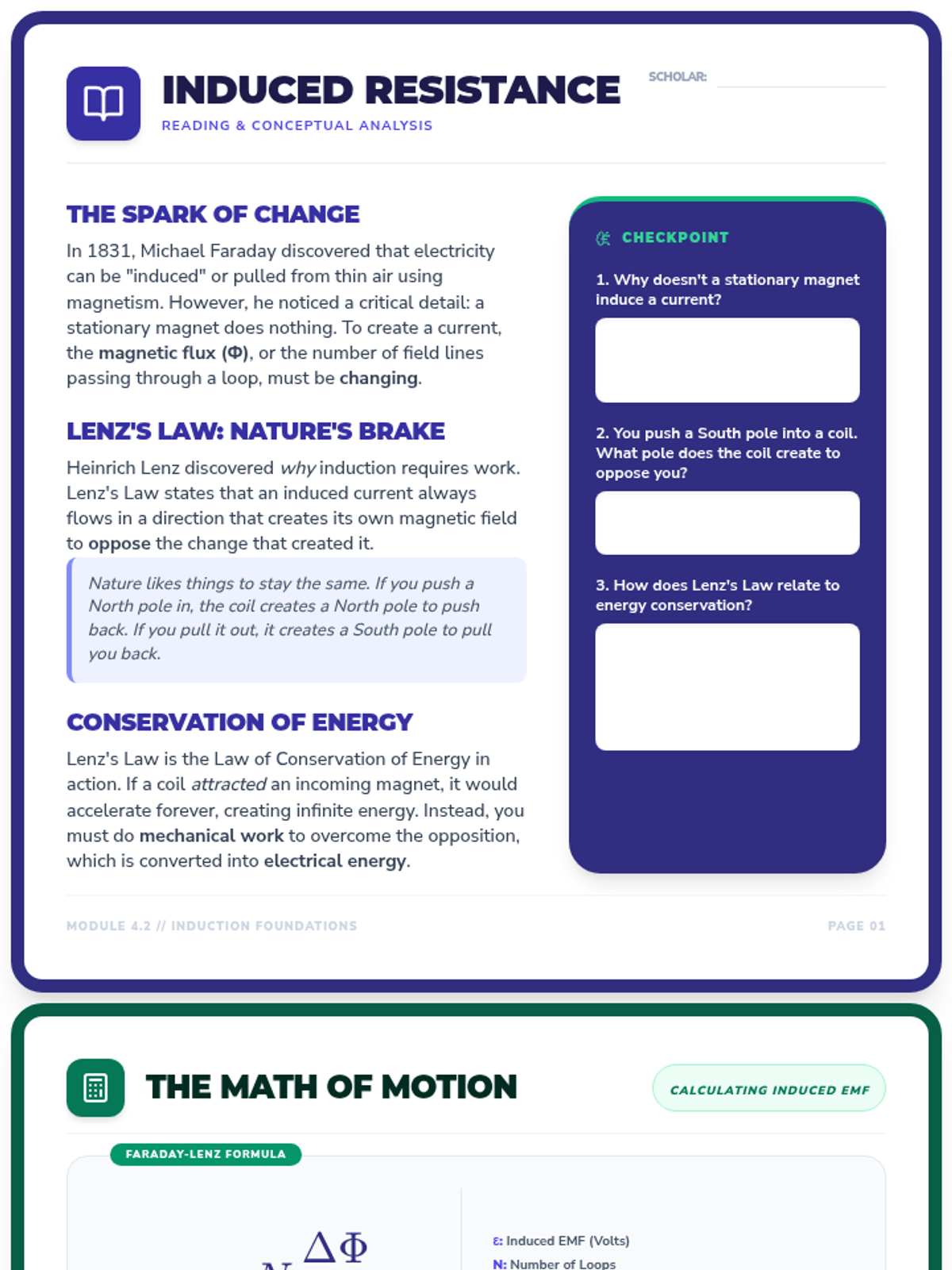
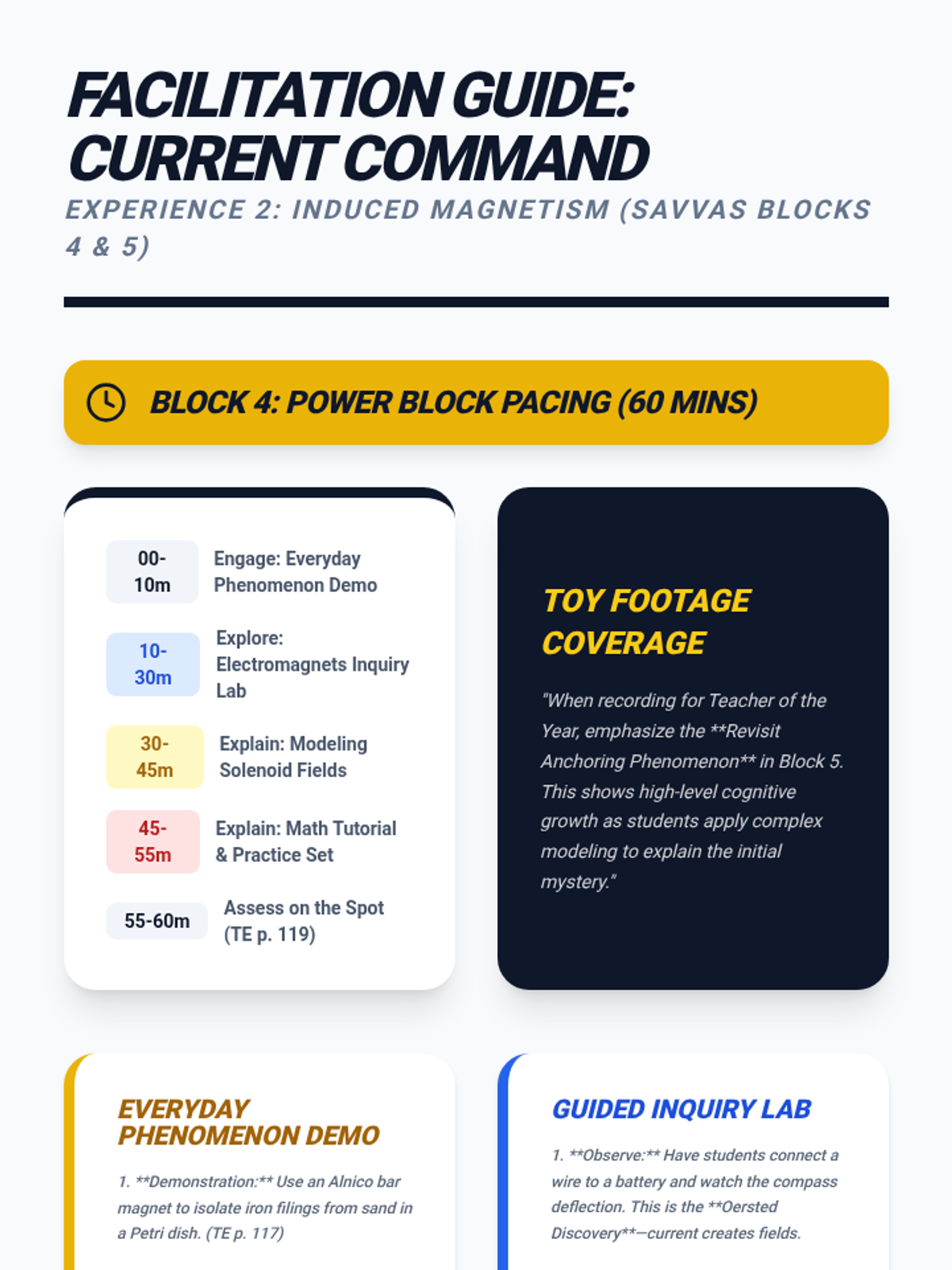
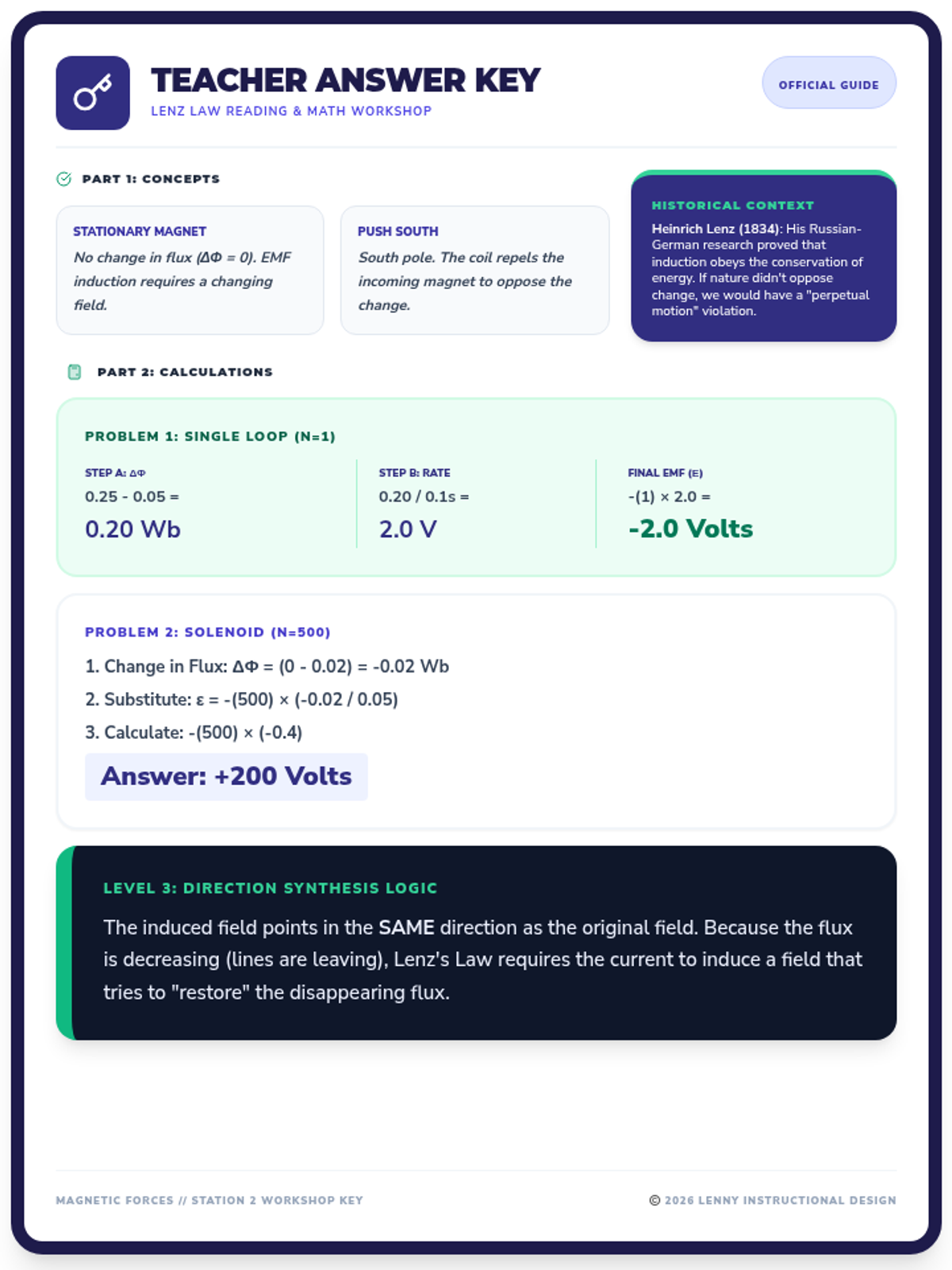
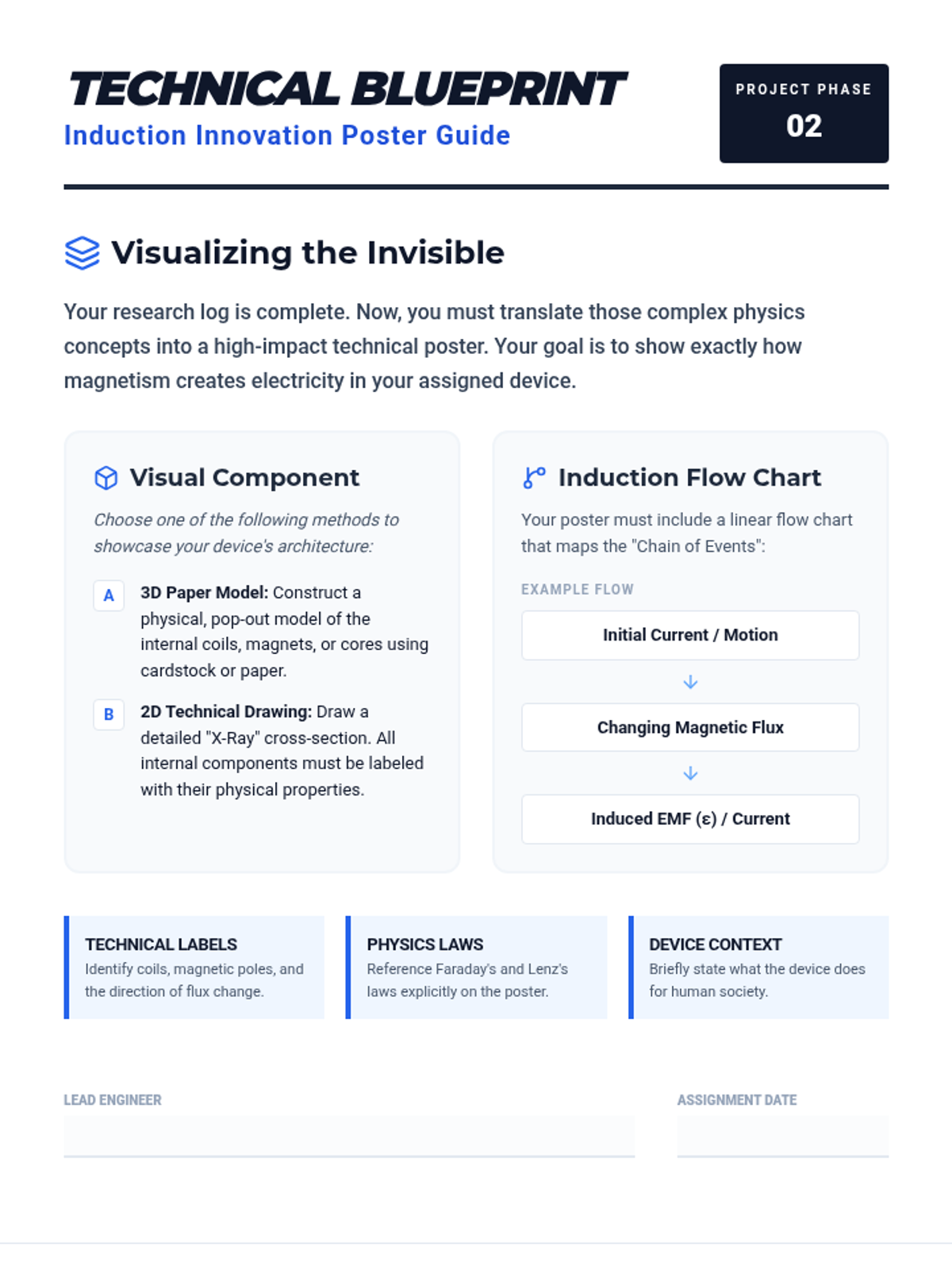
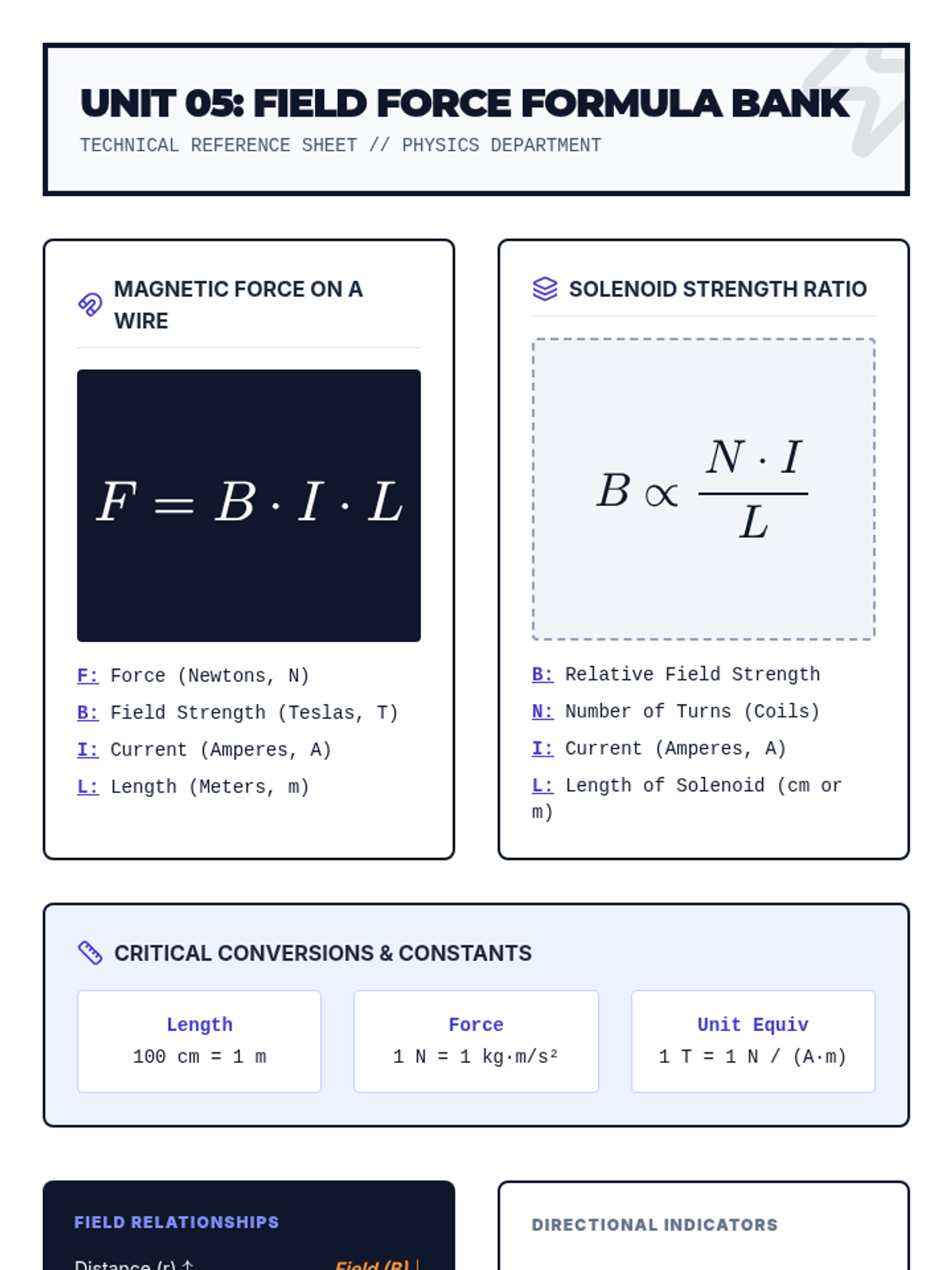
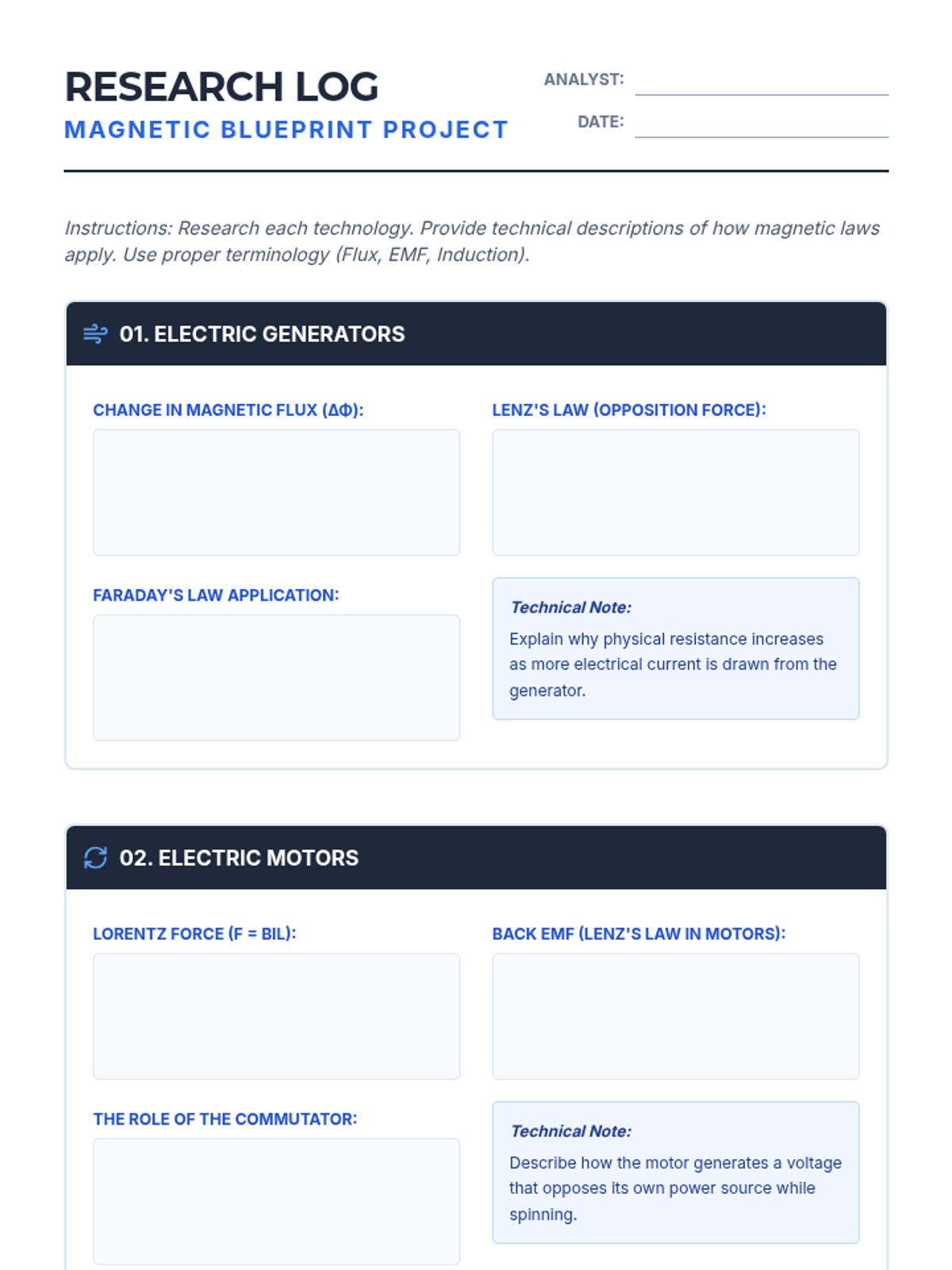
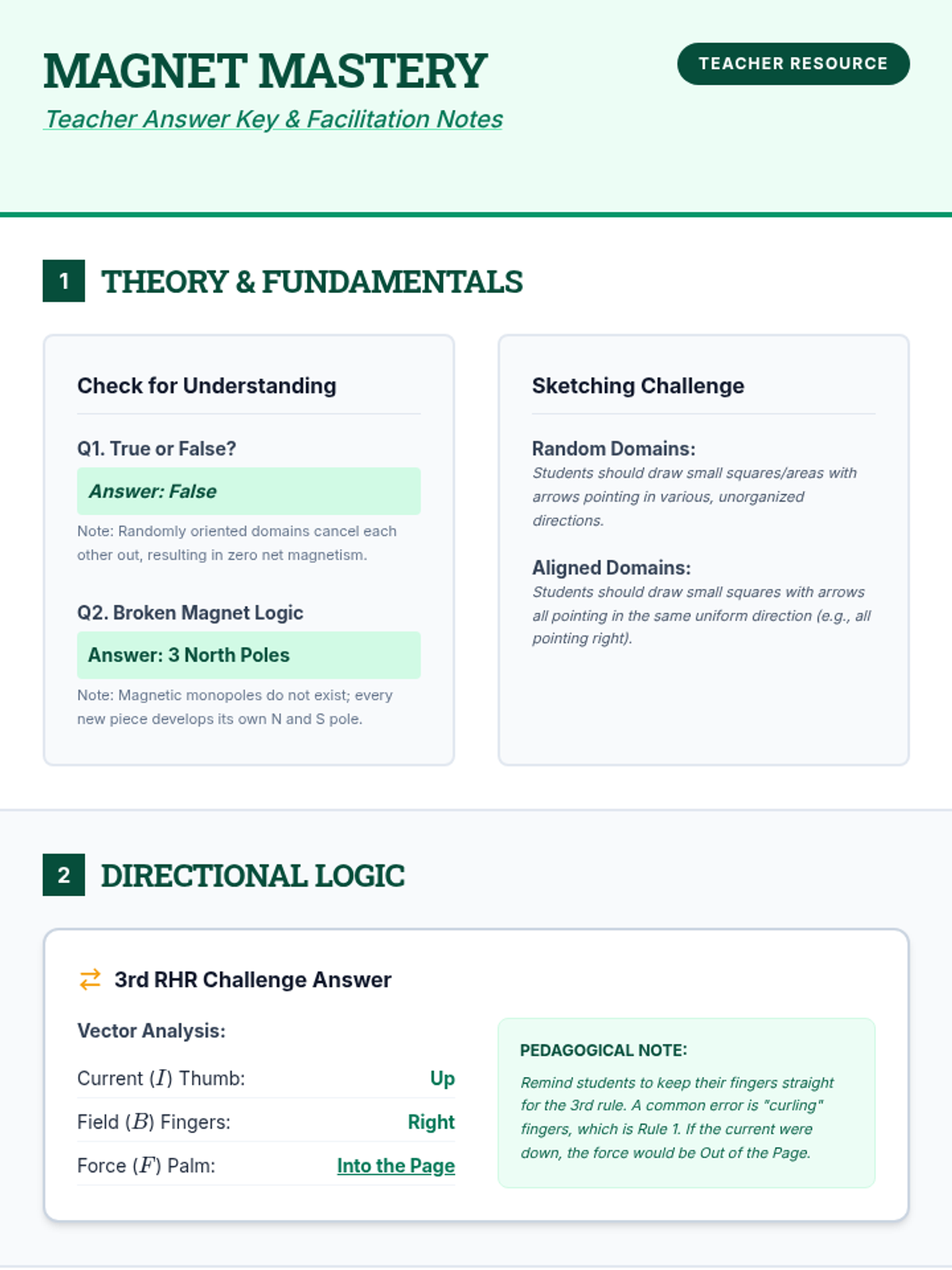
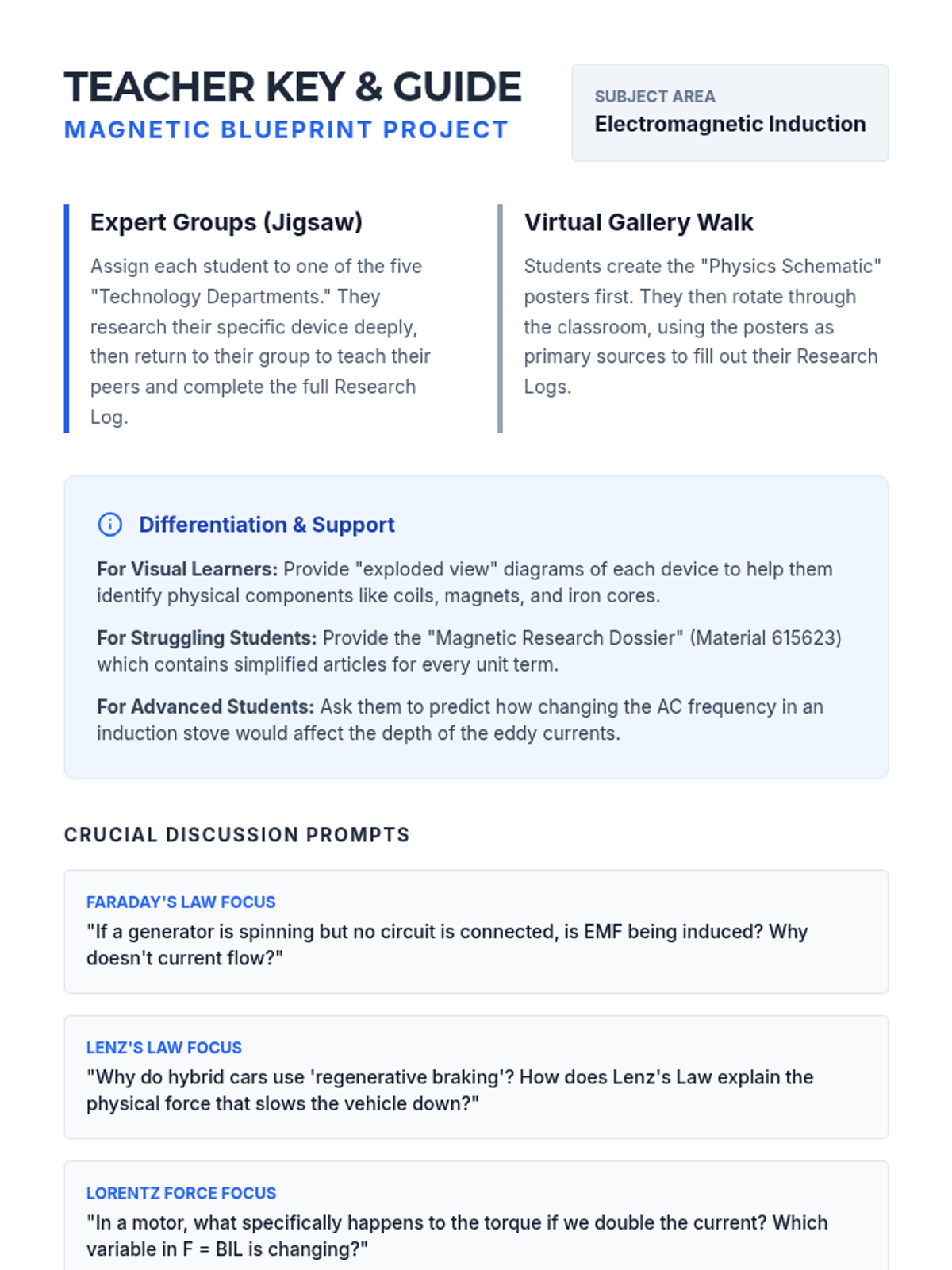
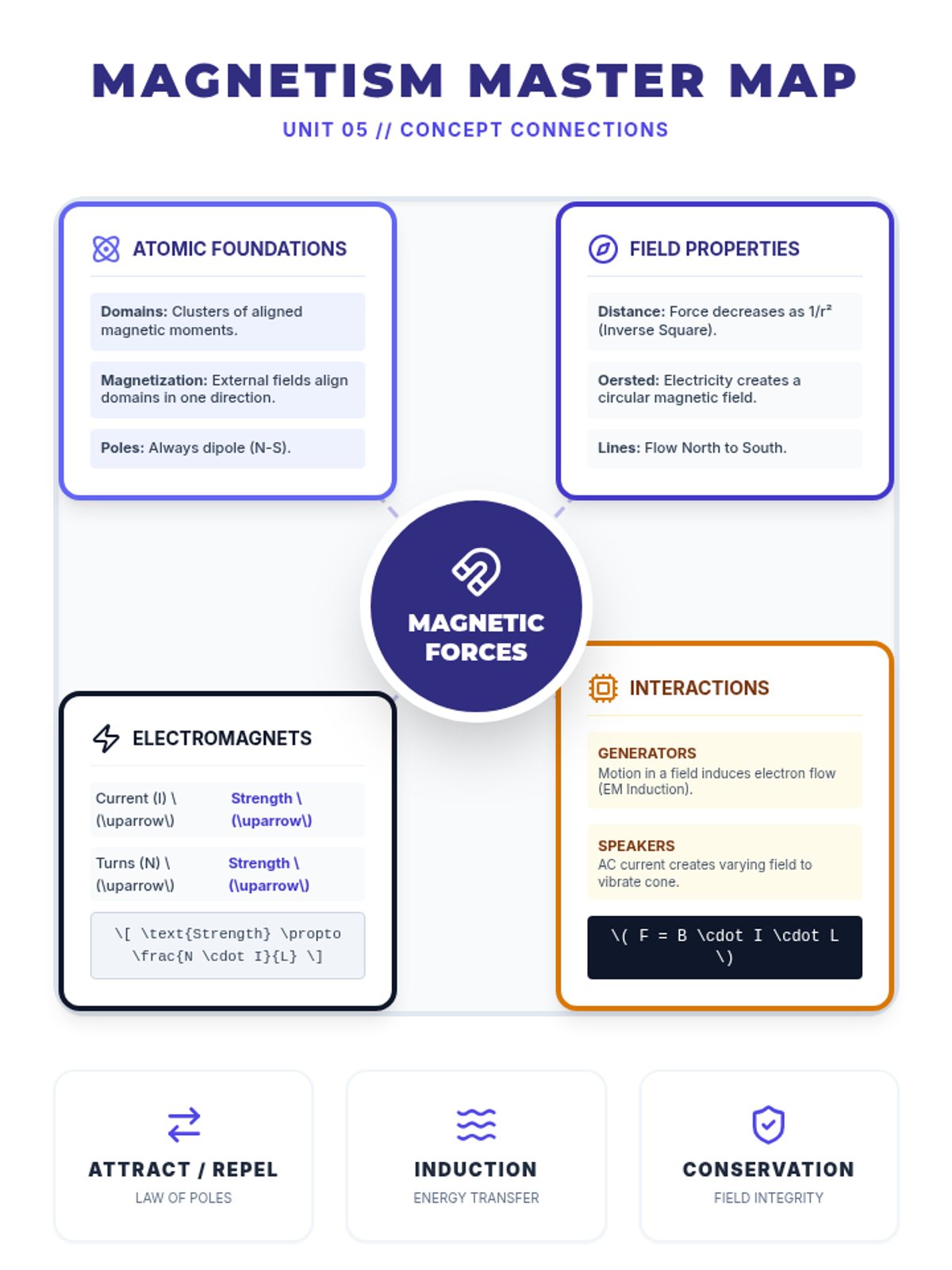
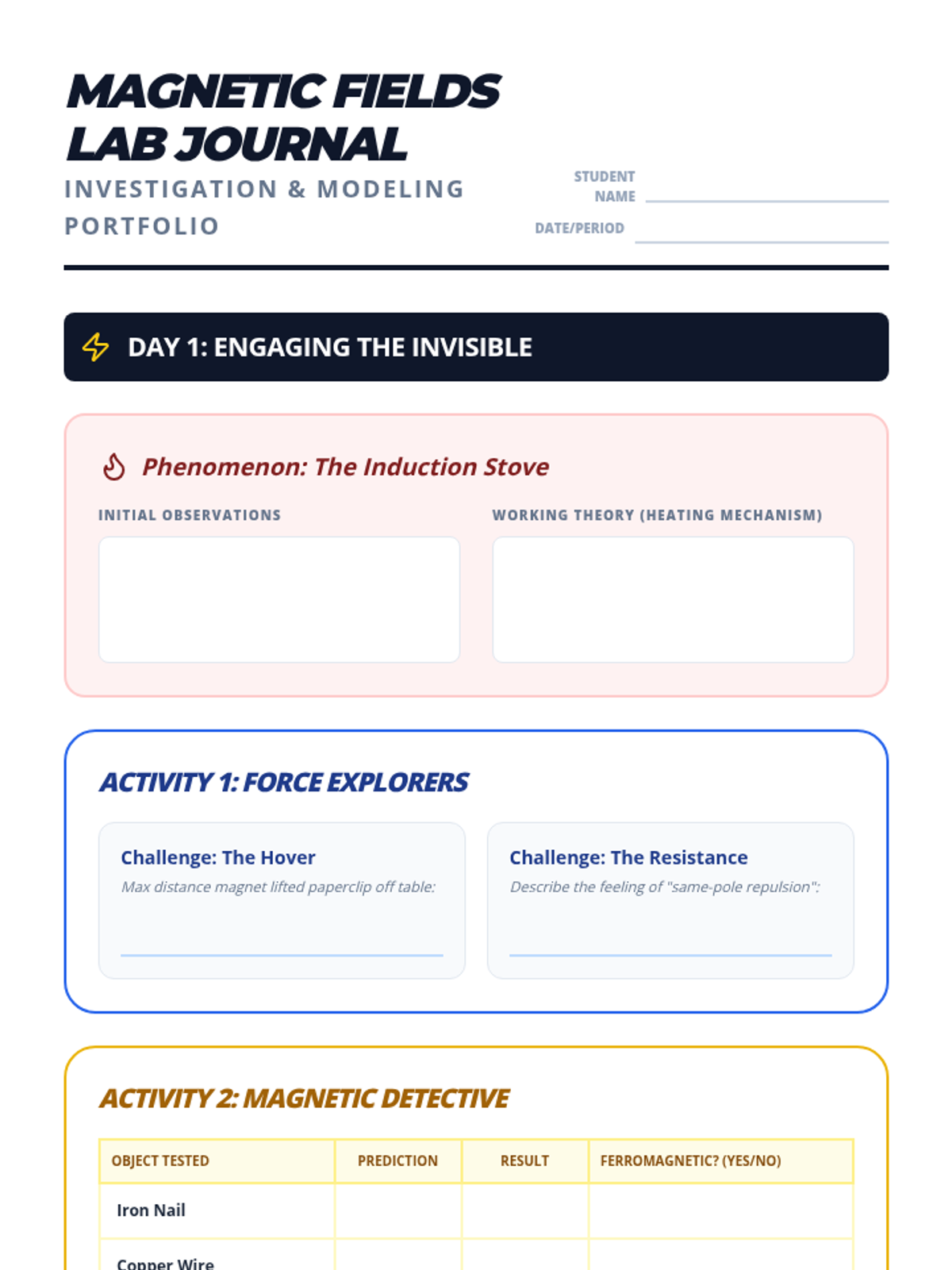
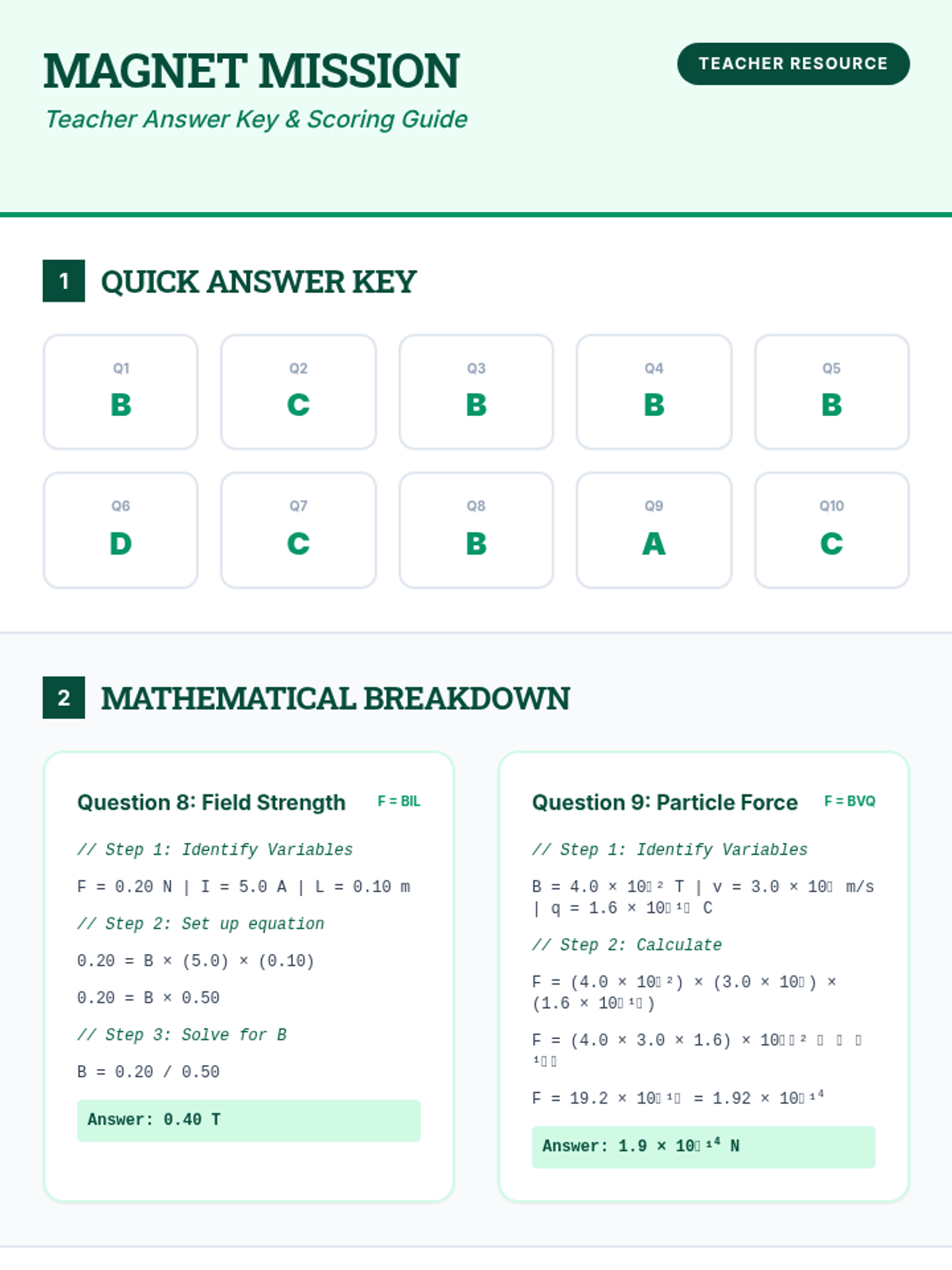
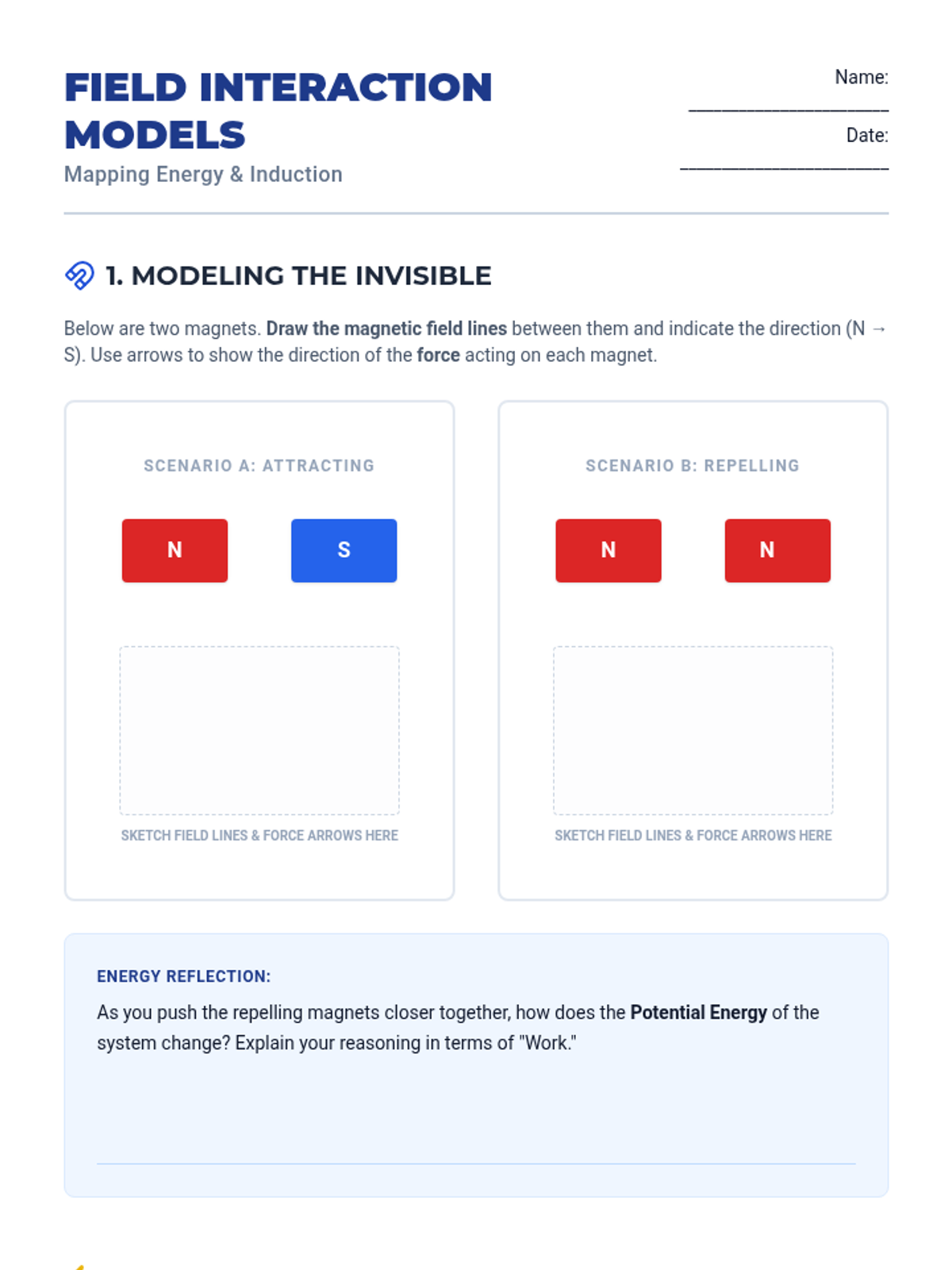
Students explore the relationship between electric current and magnetic fields by building electromagnets, modeling solenoid interactions, and calculating magnetic forces on wires. The lesson applies these concepts to electromagnetic induction in motors and generators.
A comprehensive guide and practice set covering Ohm's Law, graphing V vs. I relationships, and calculating resistance and current in series and parallel circuits.
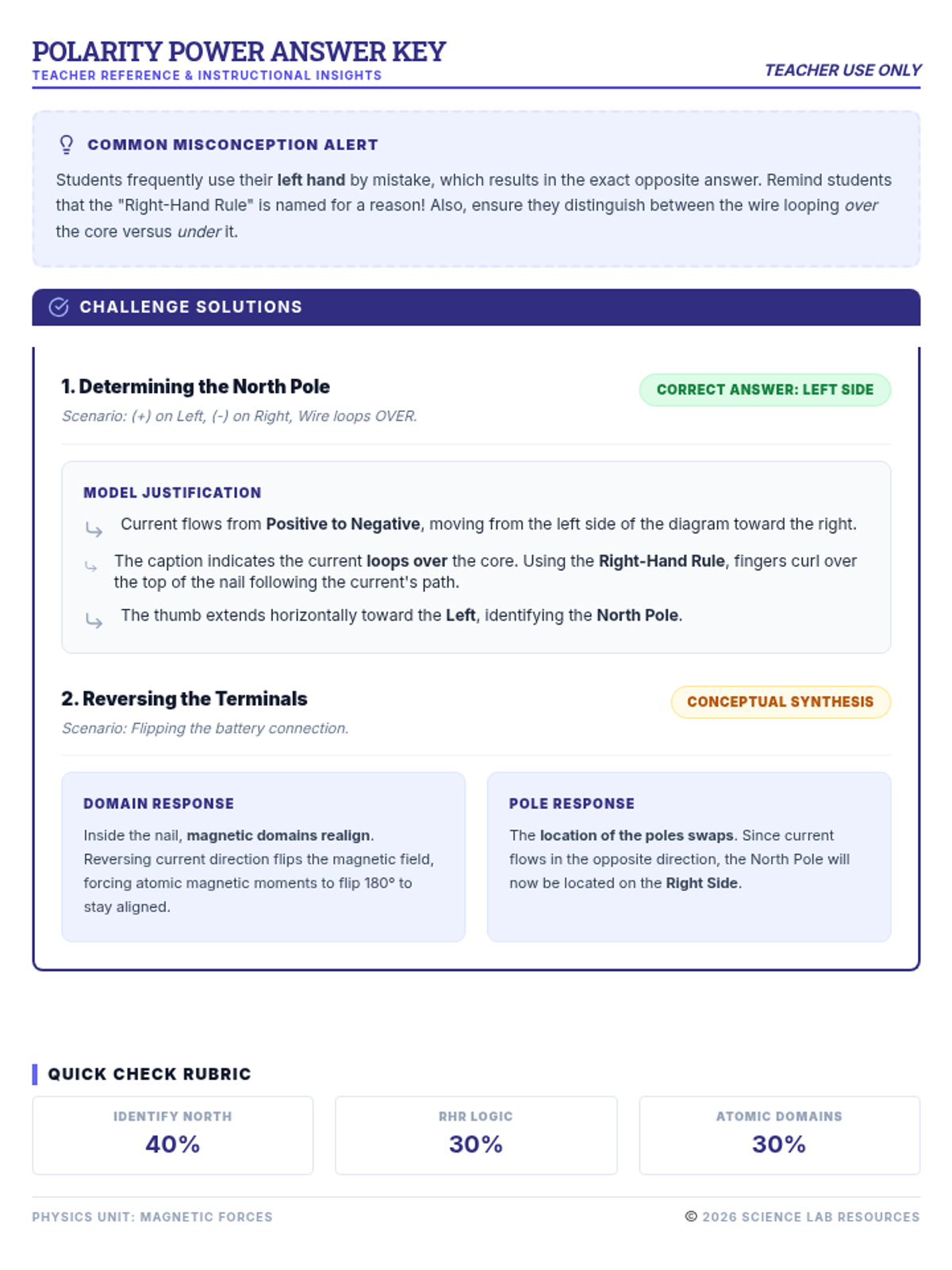
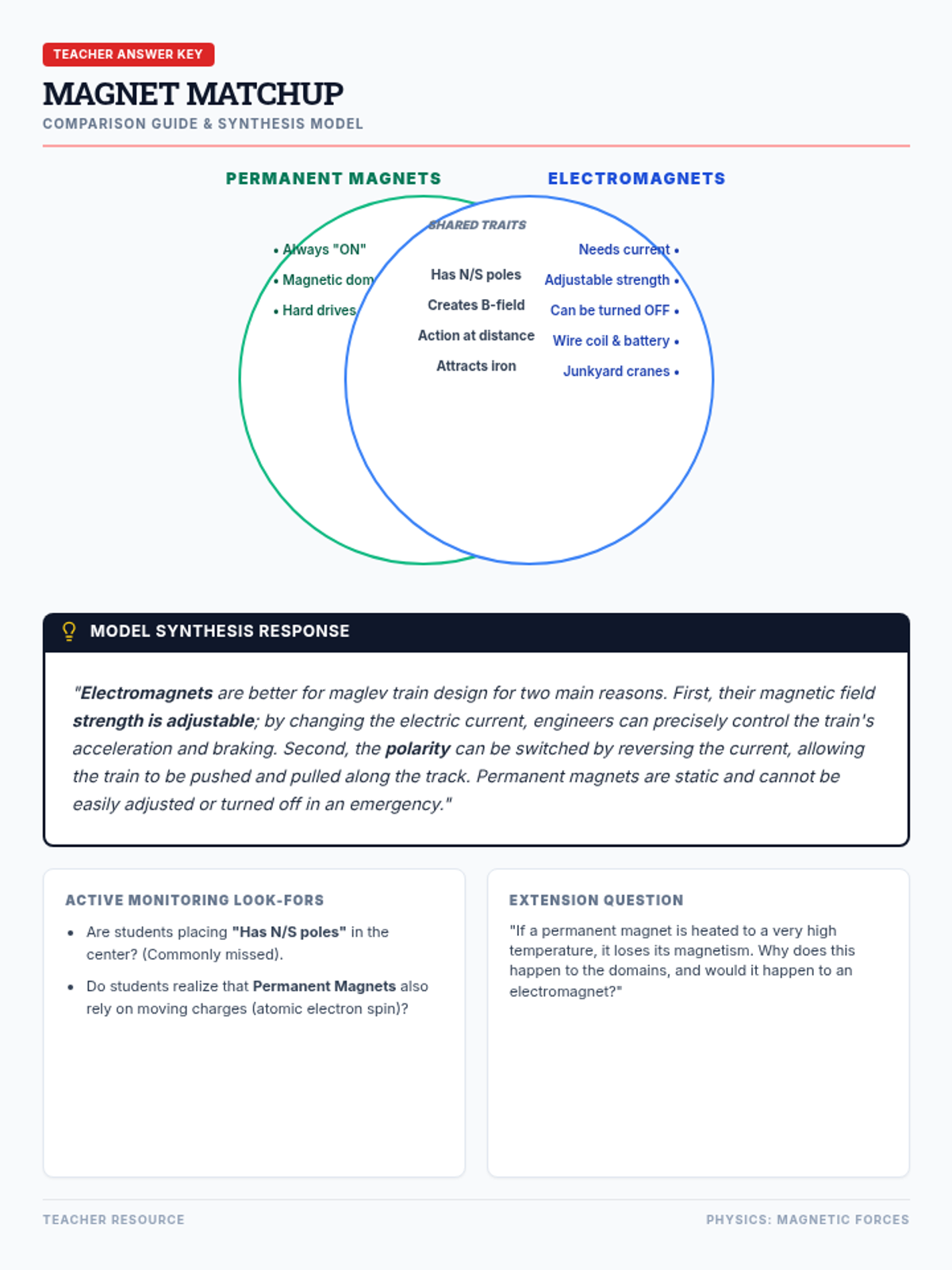
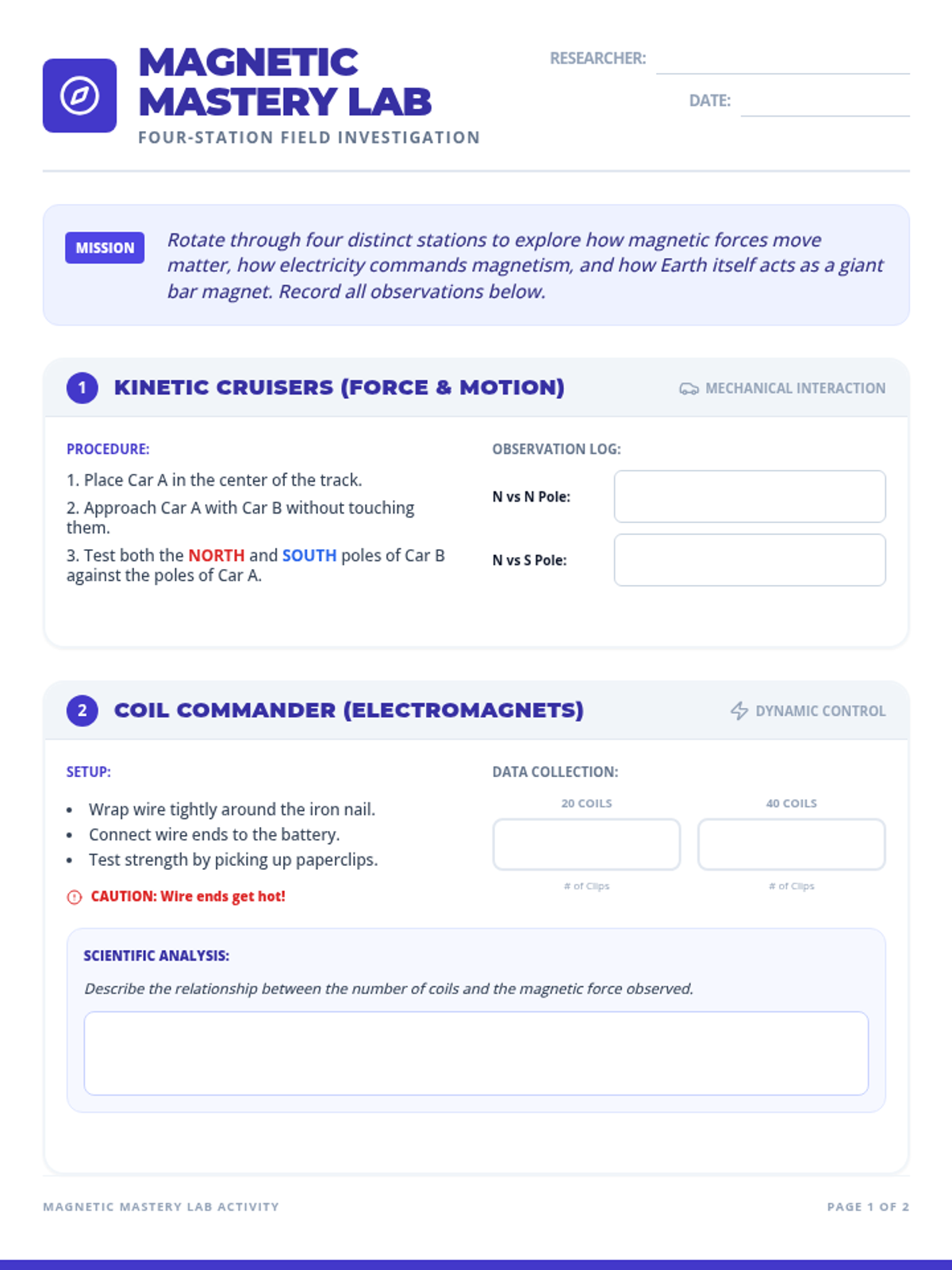
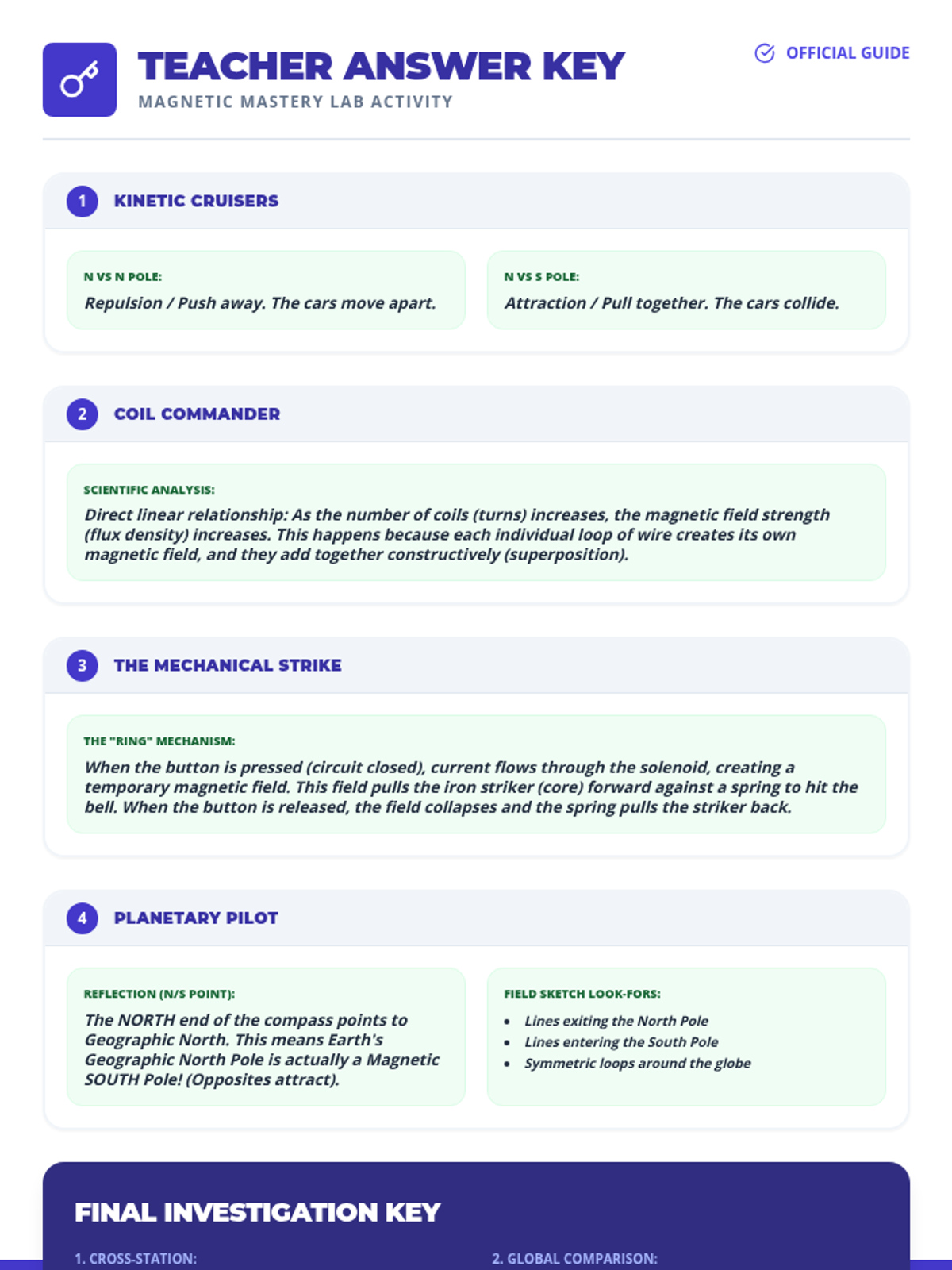
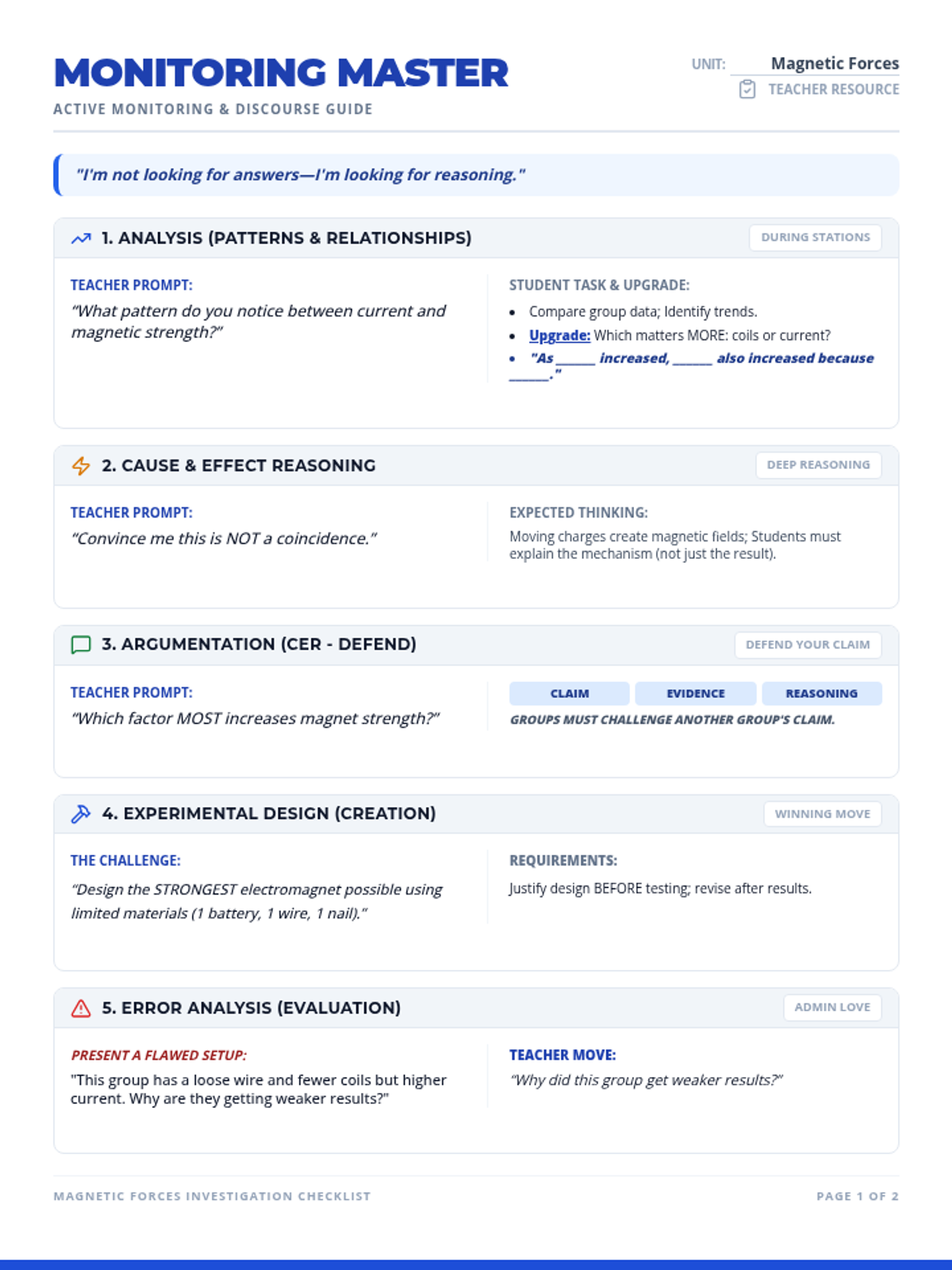
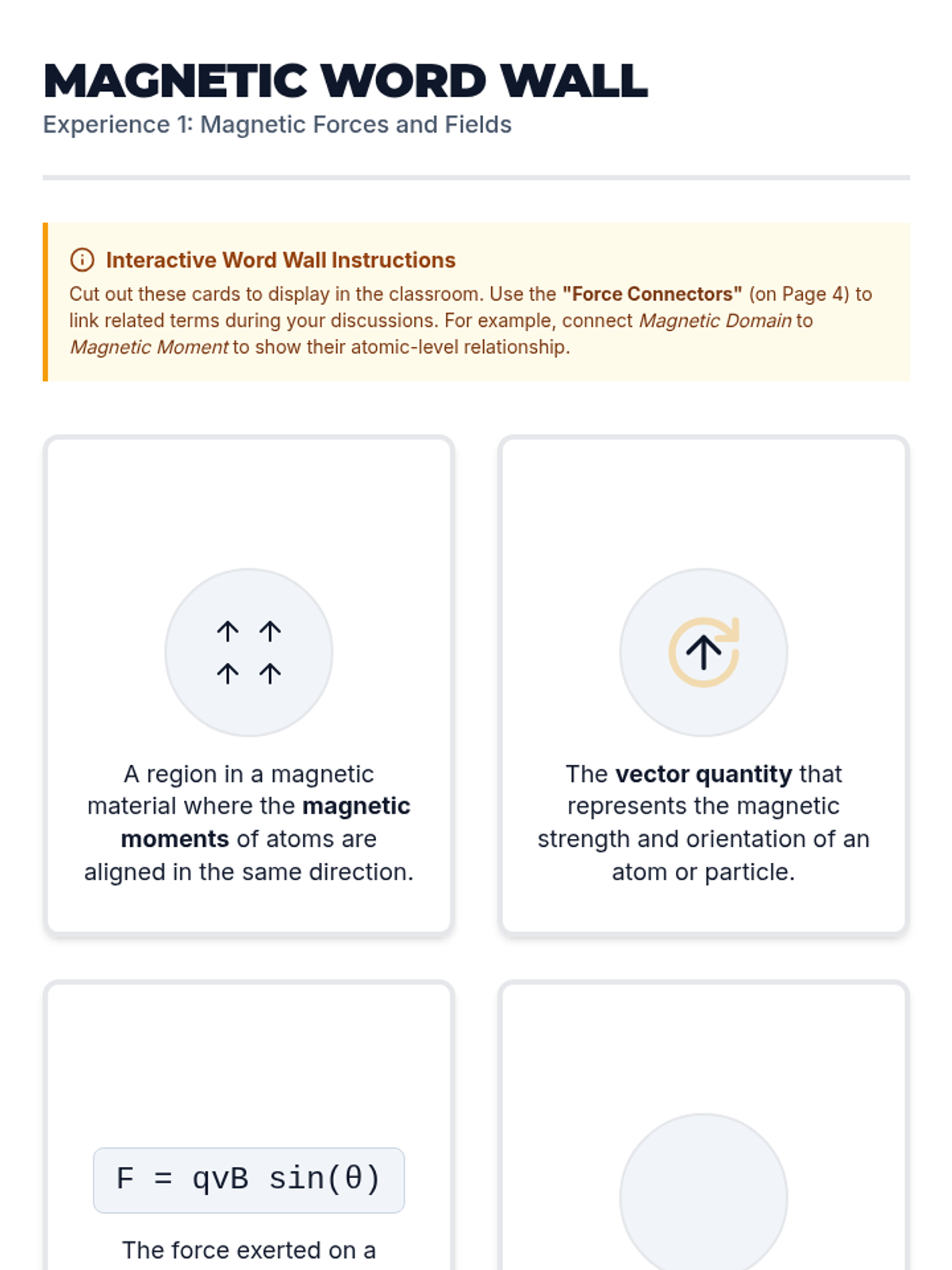
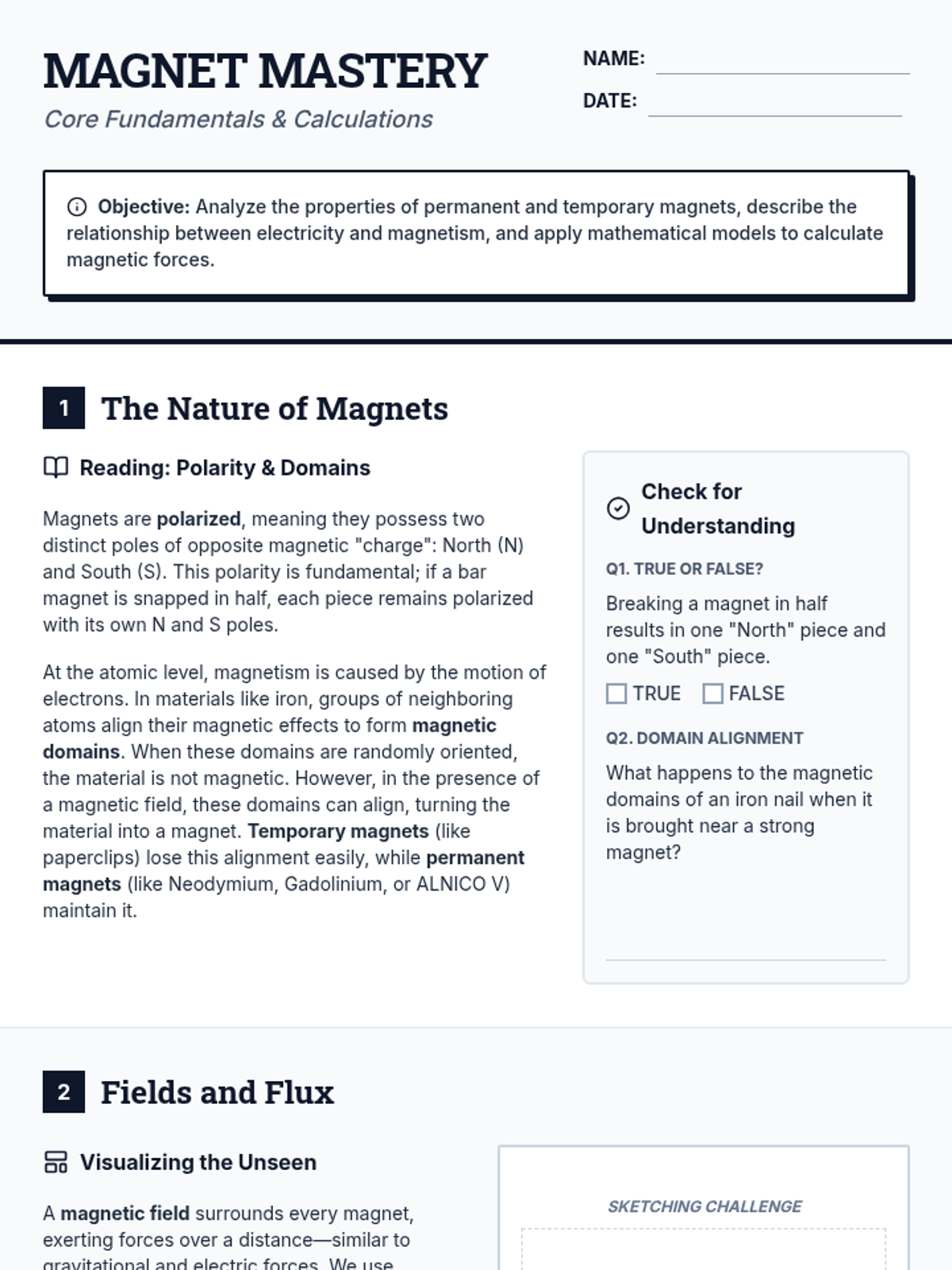
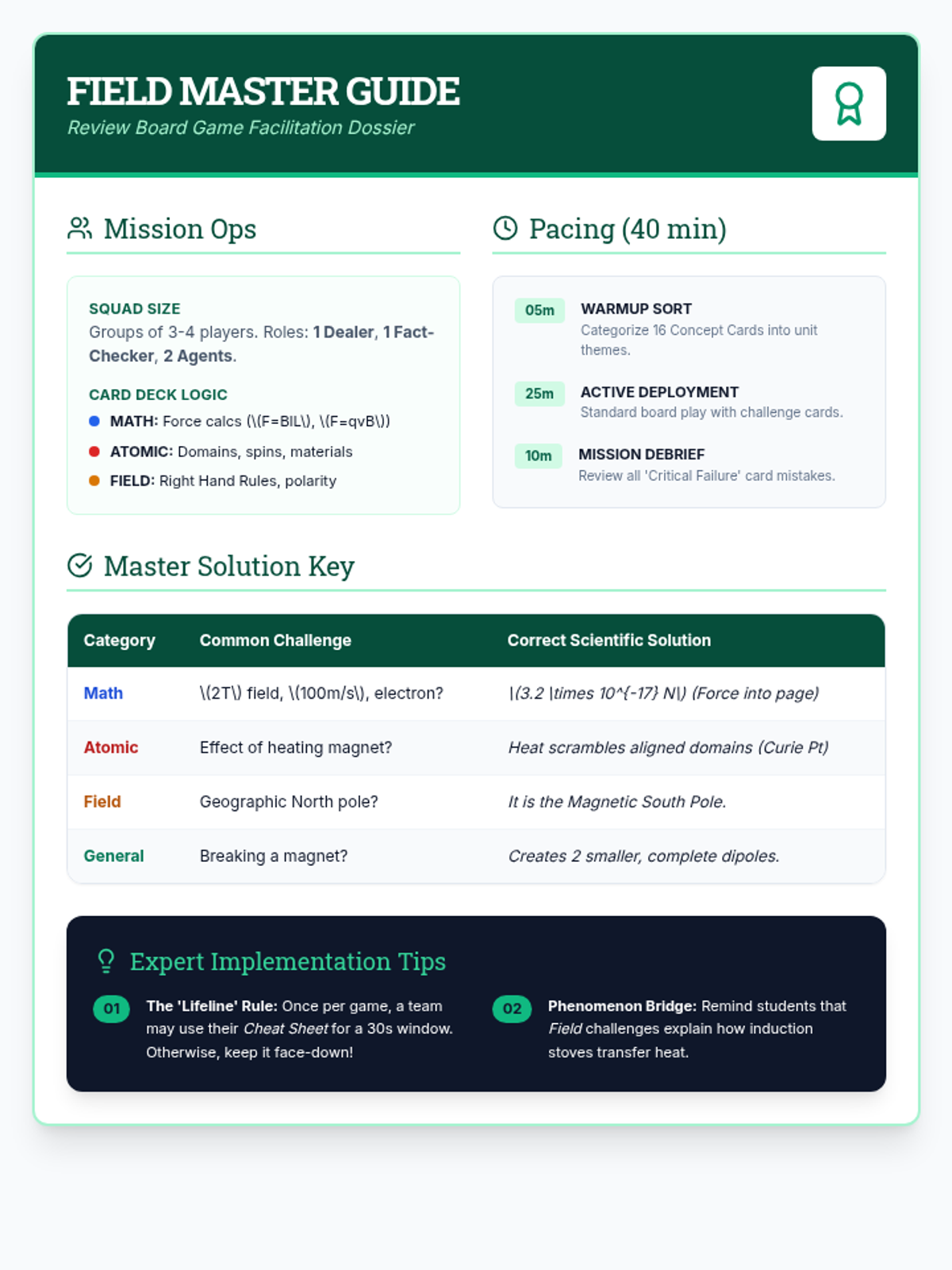
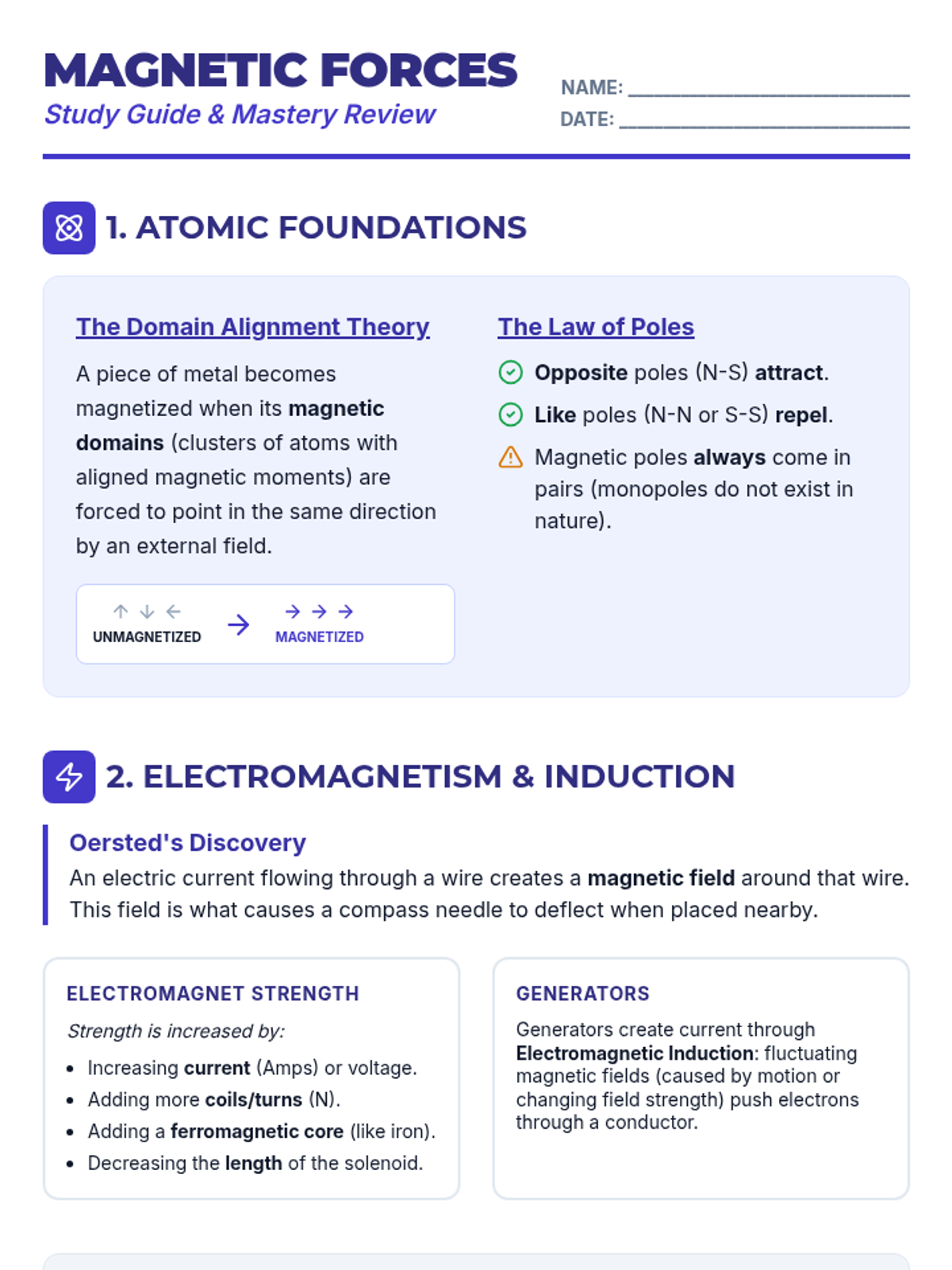
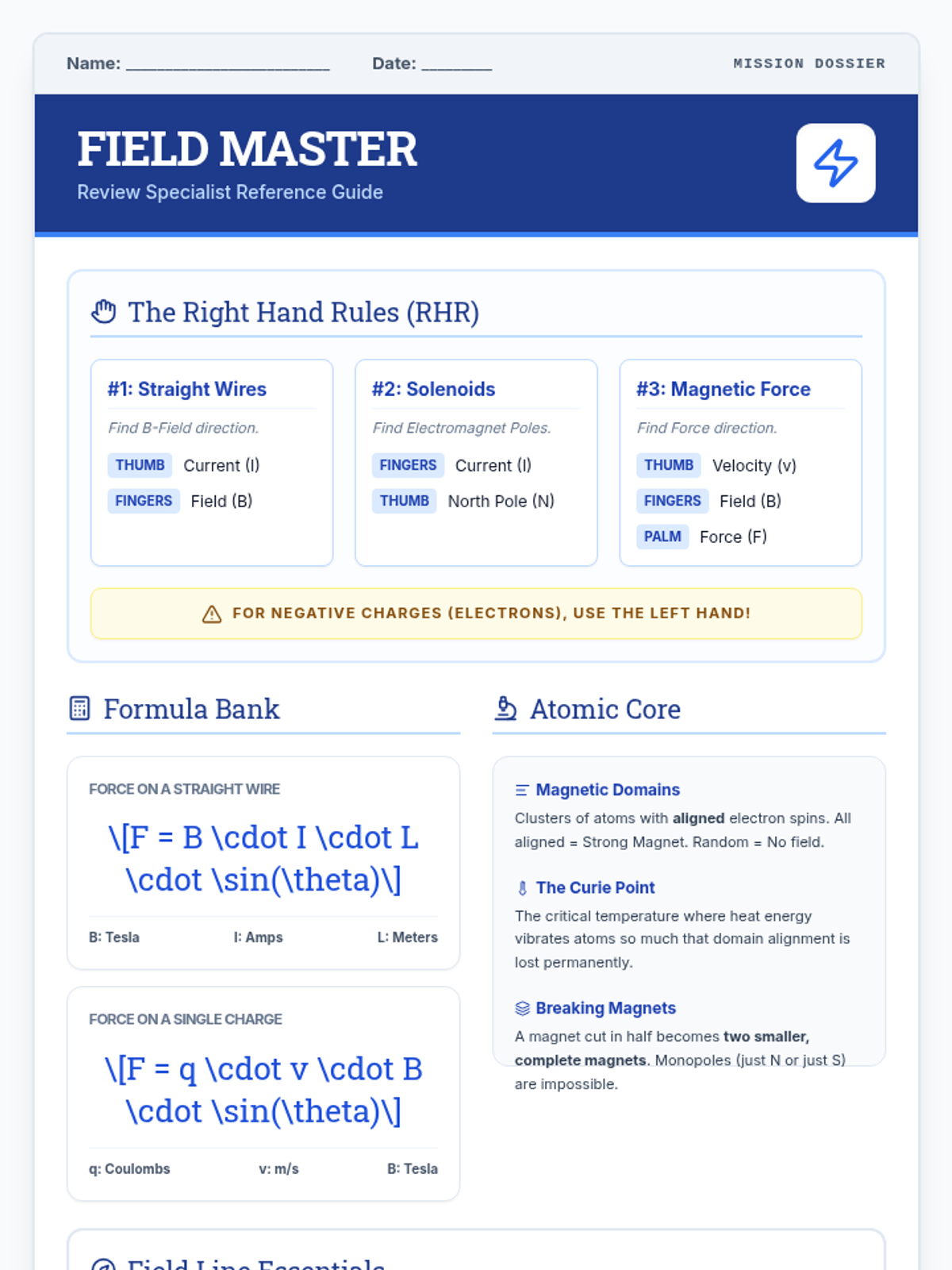
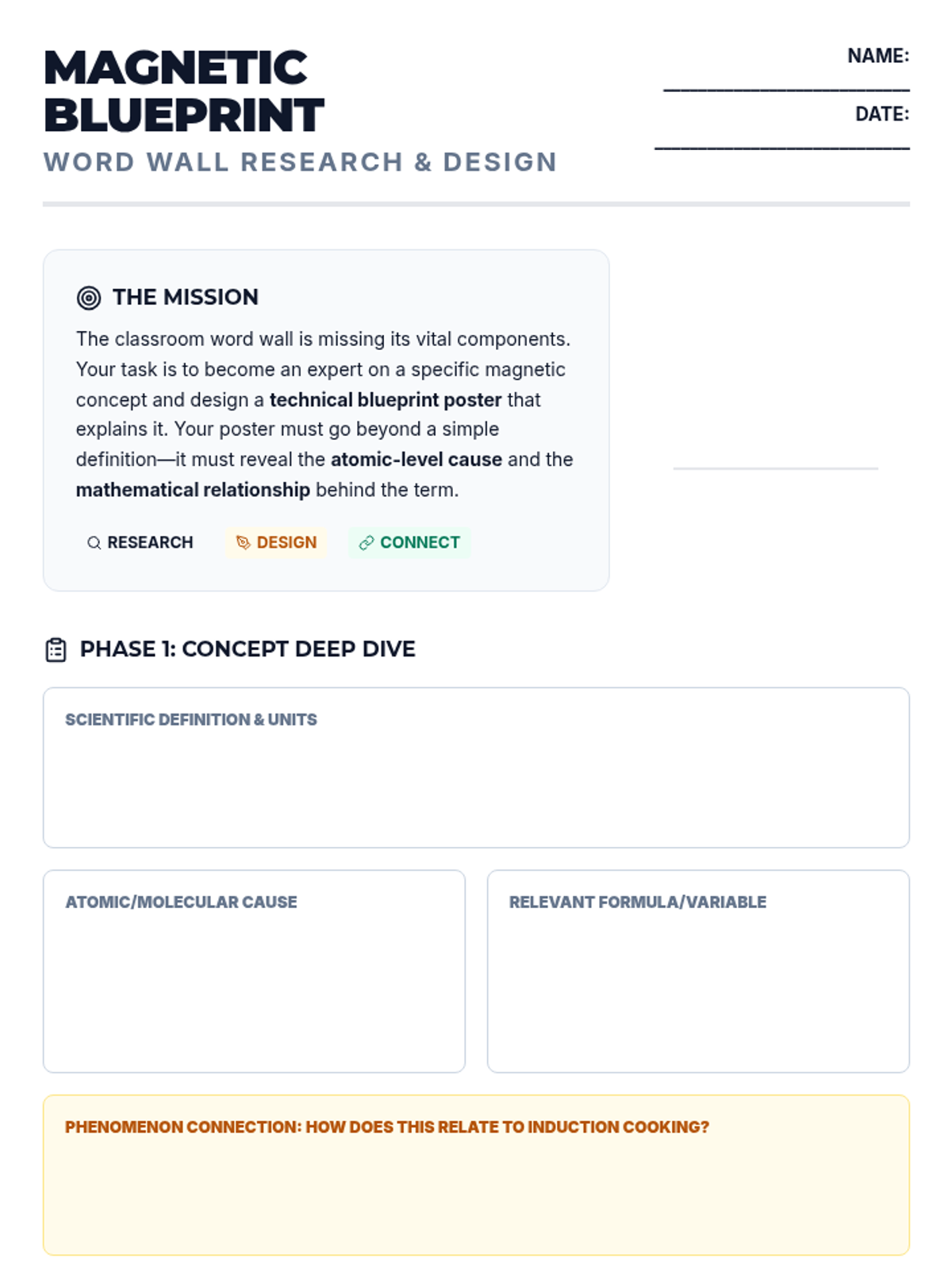
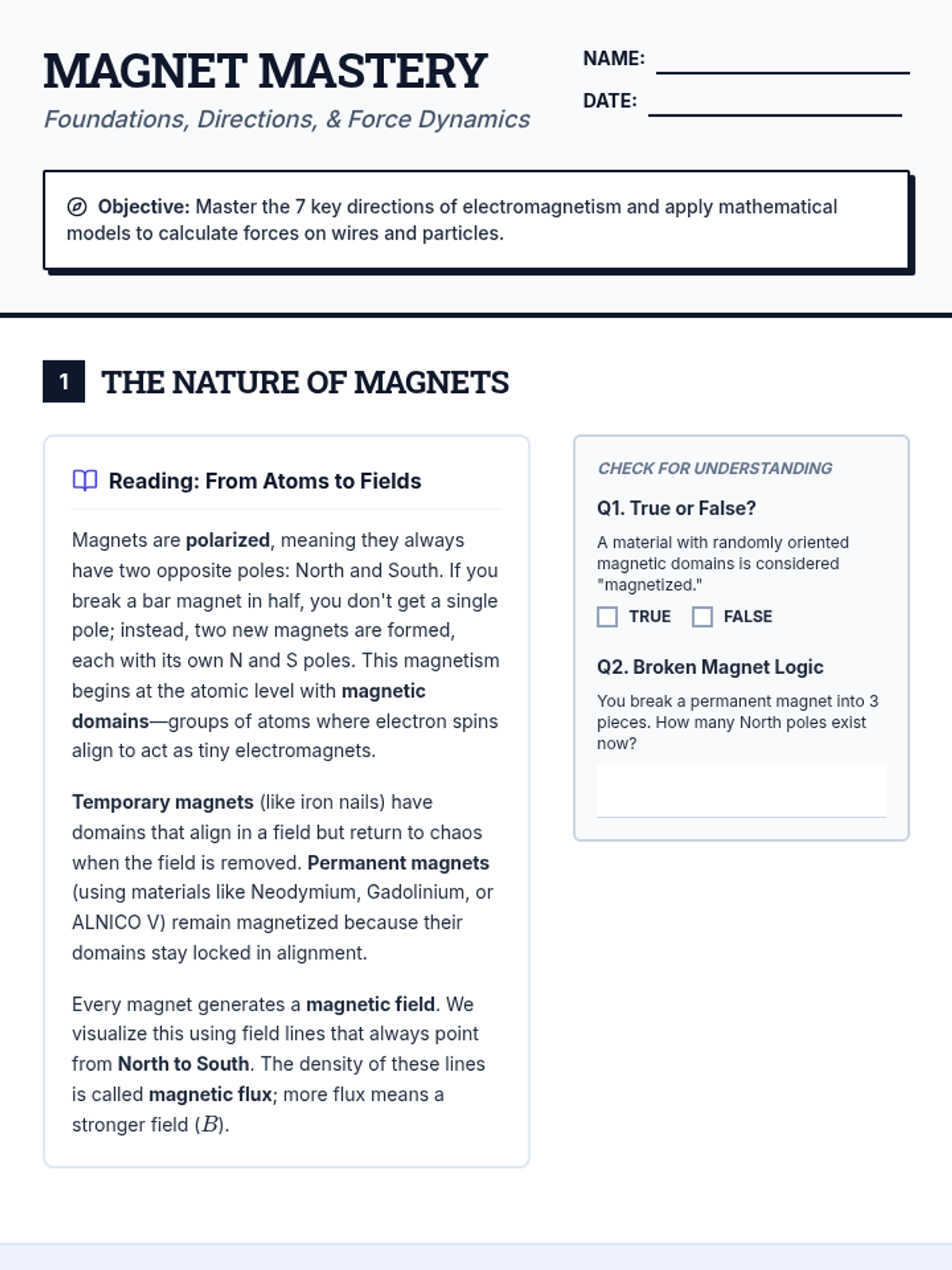
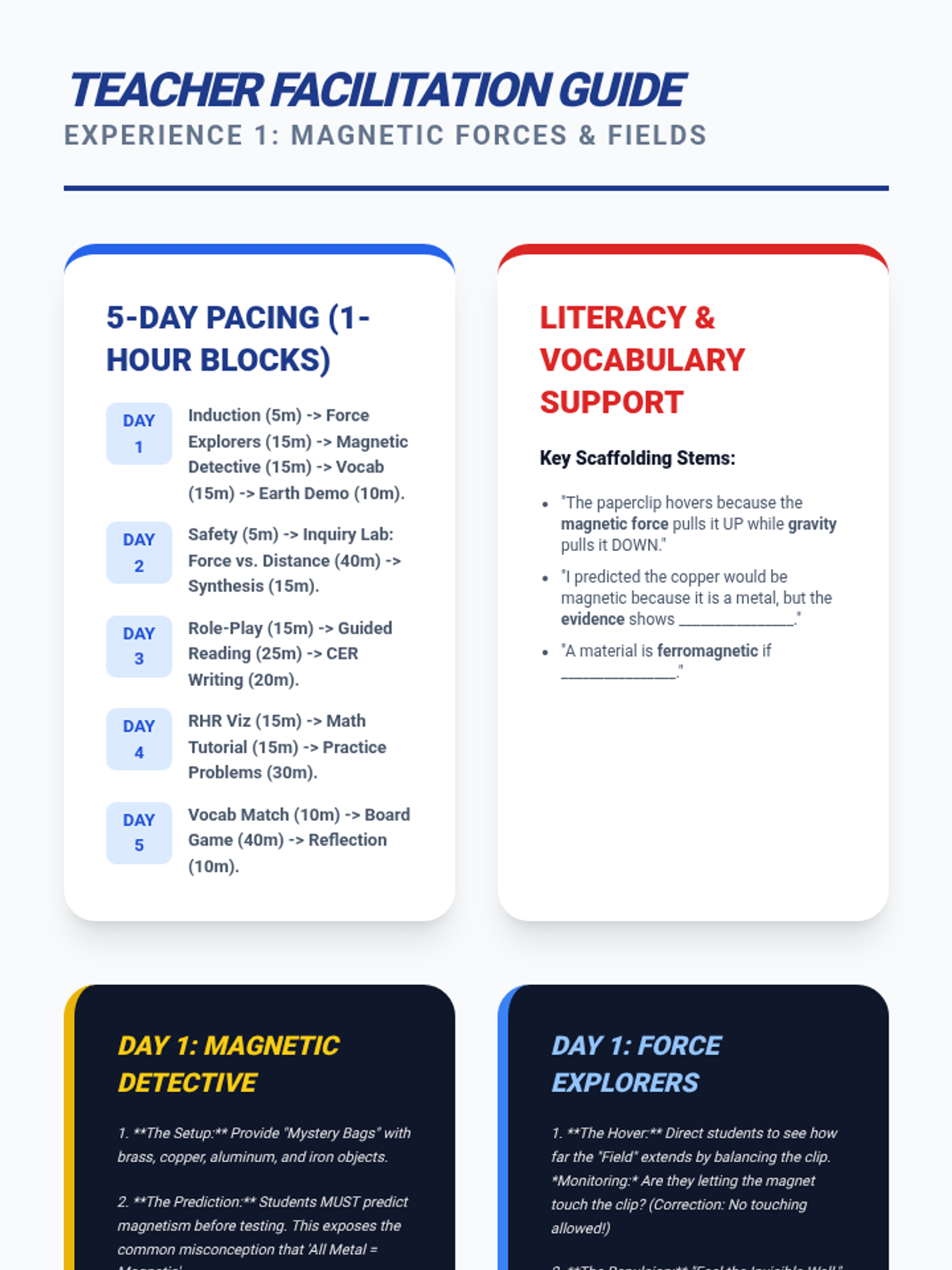
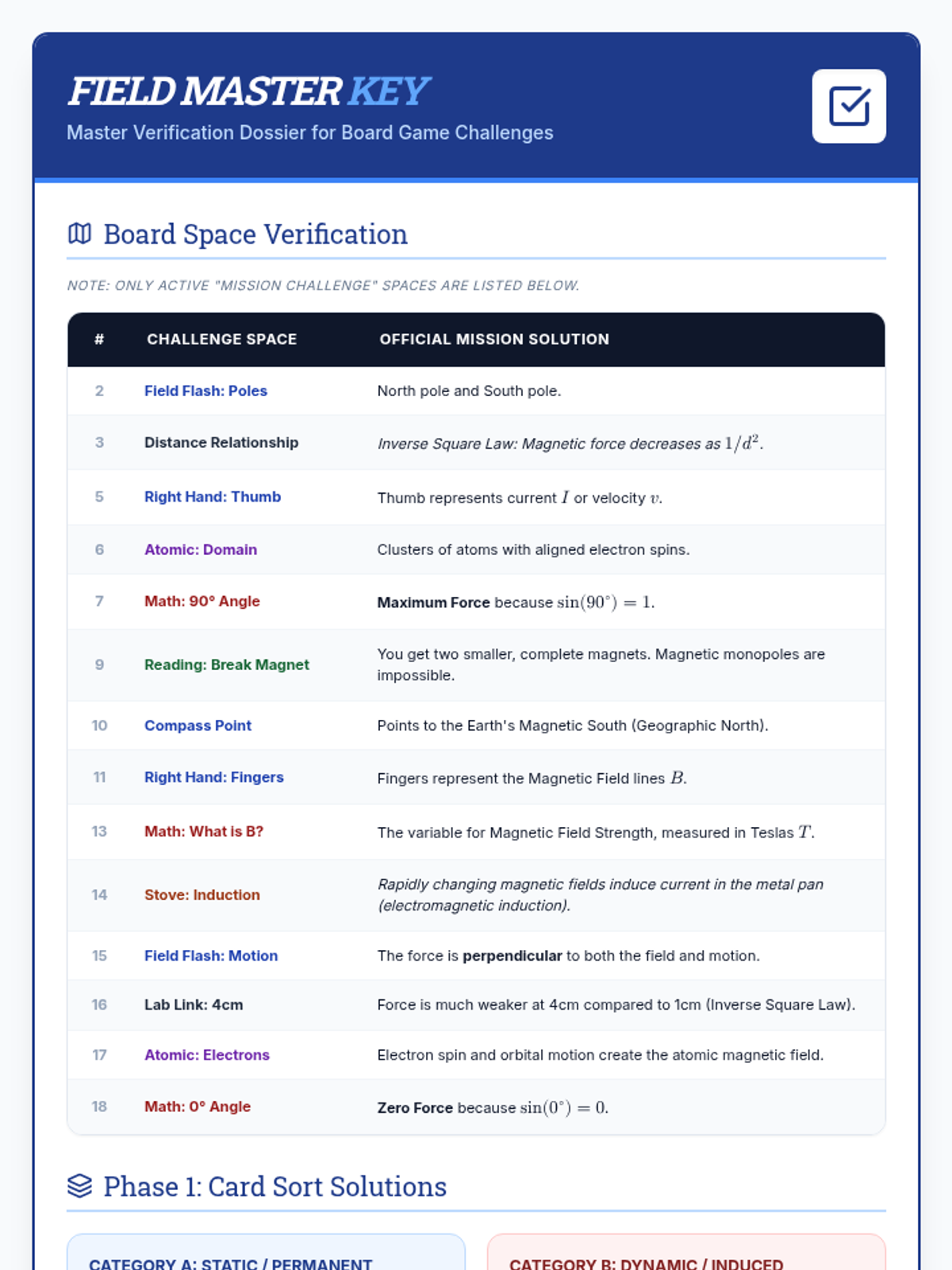
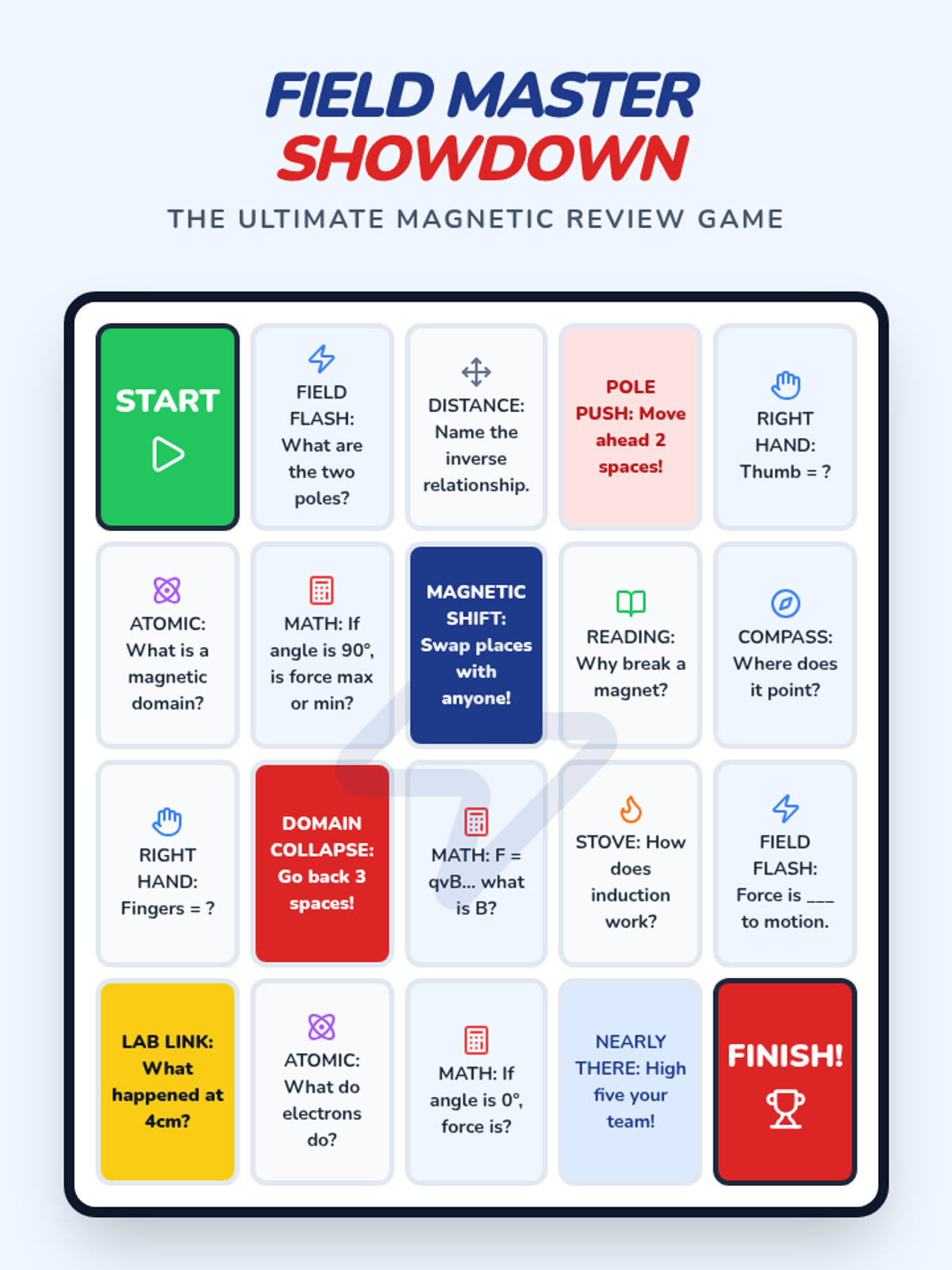
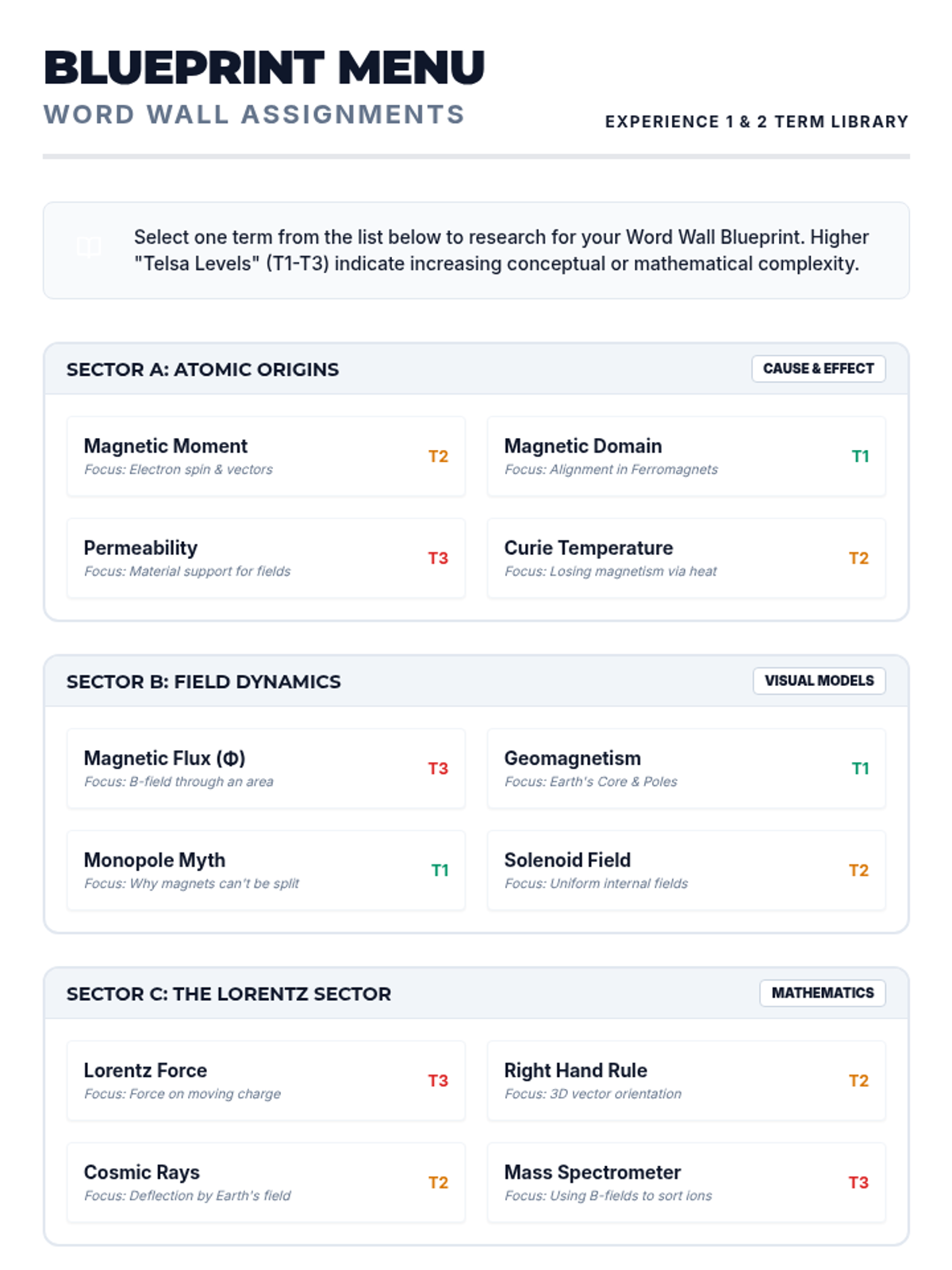
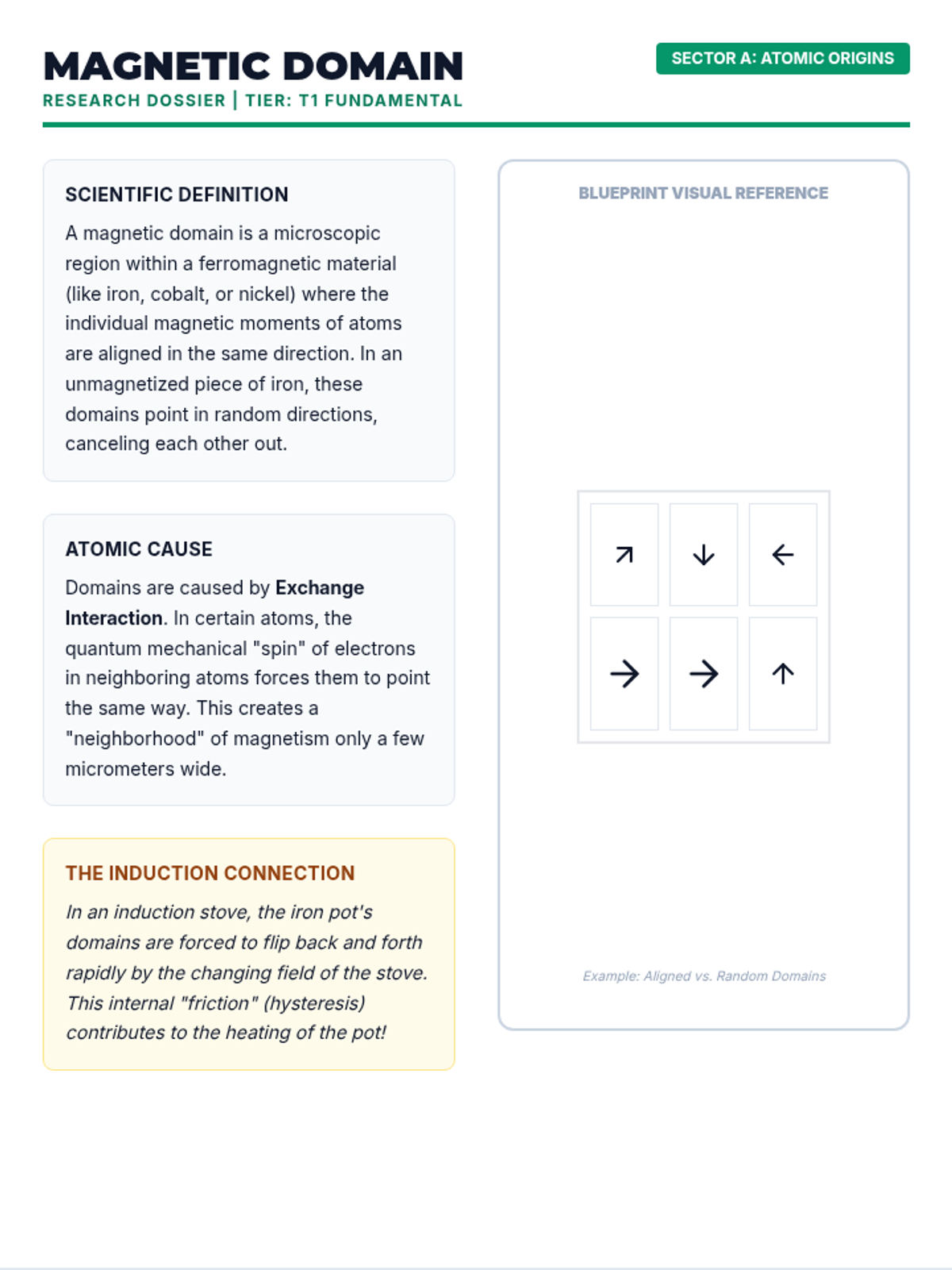
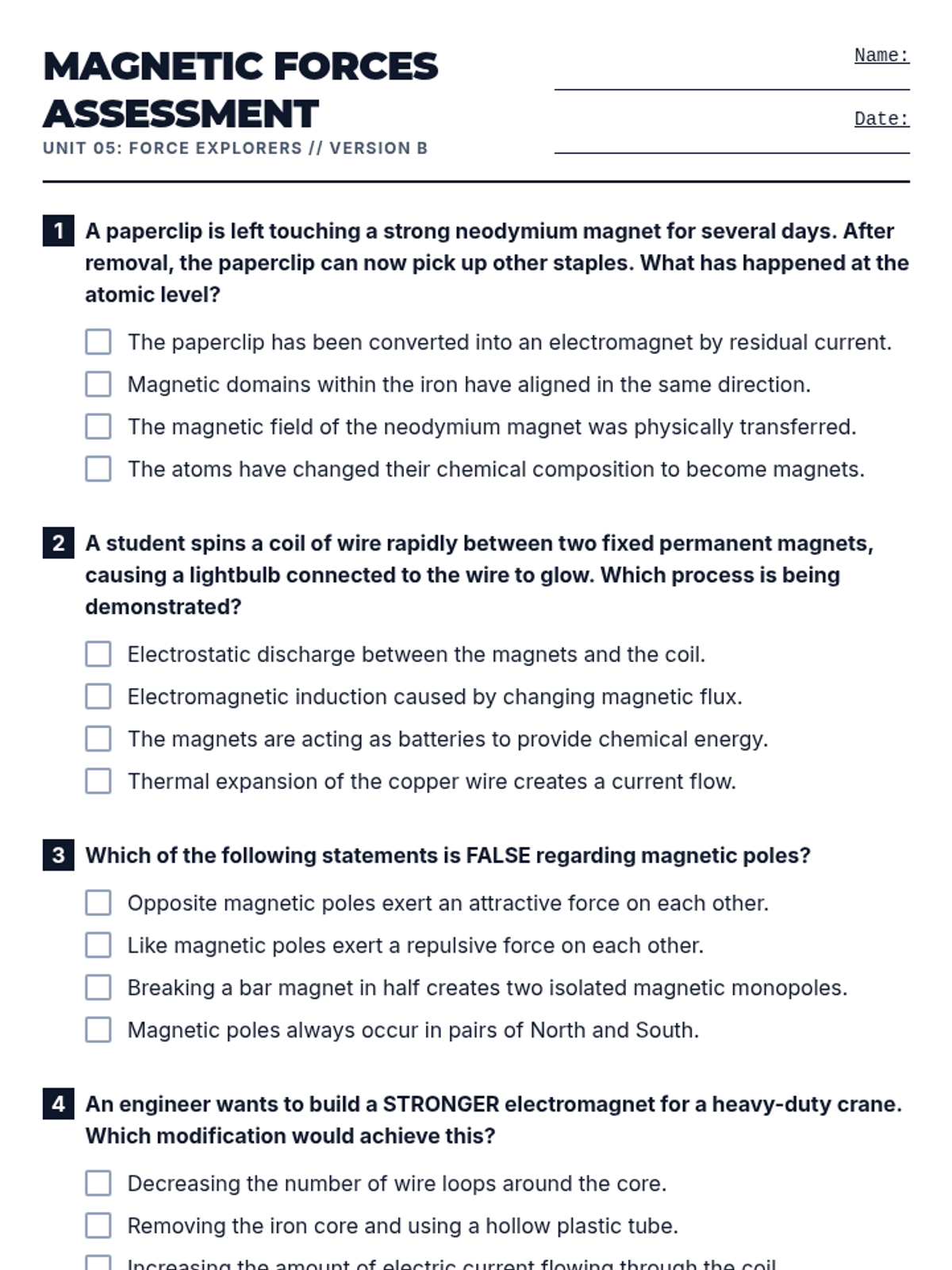
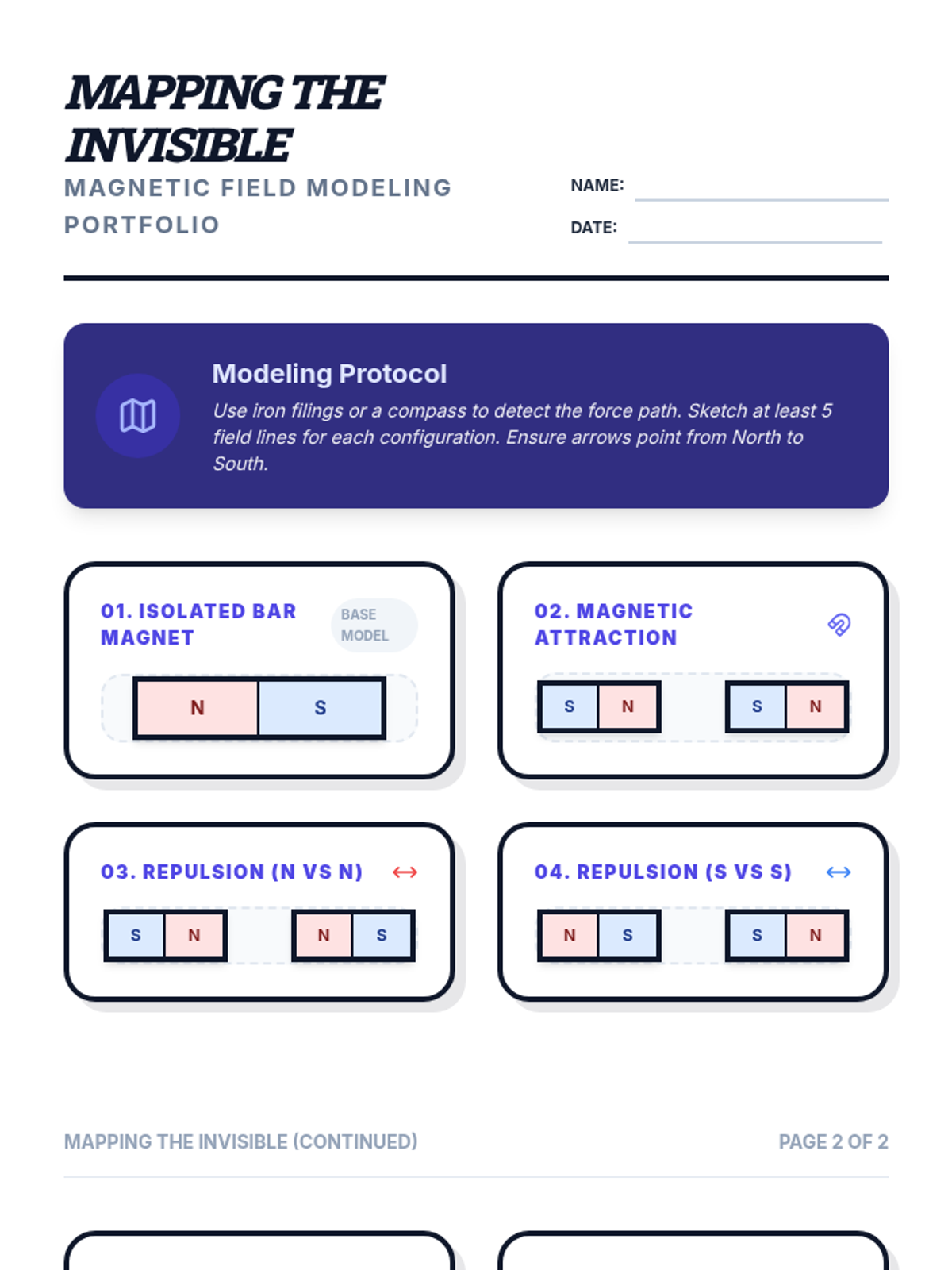
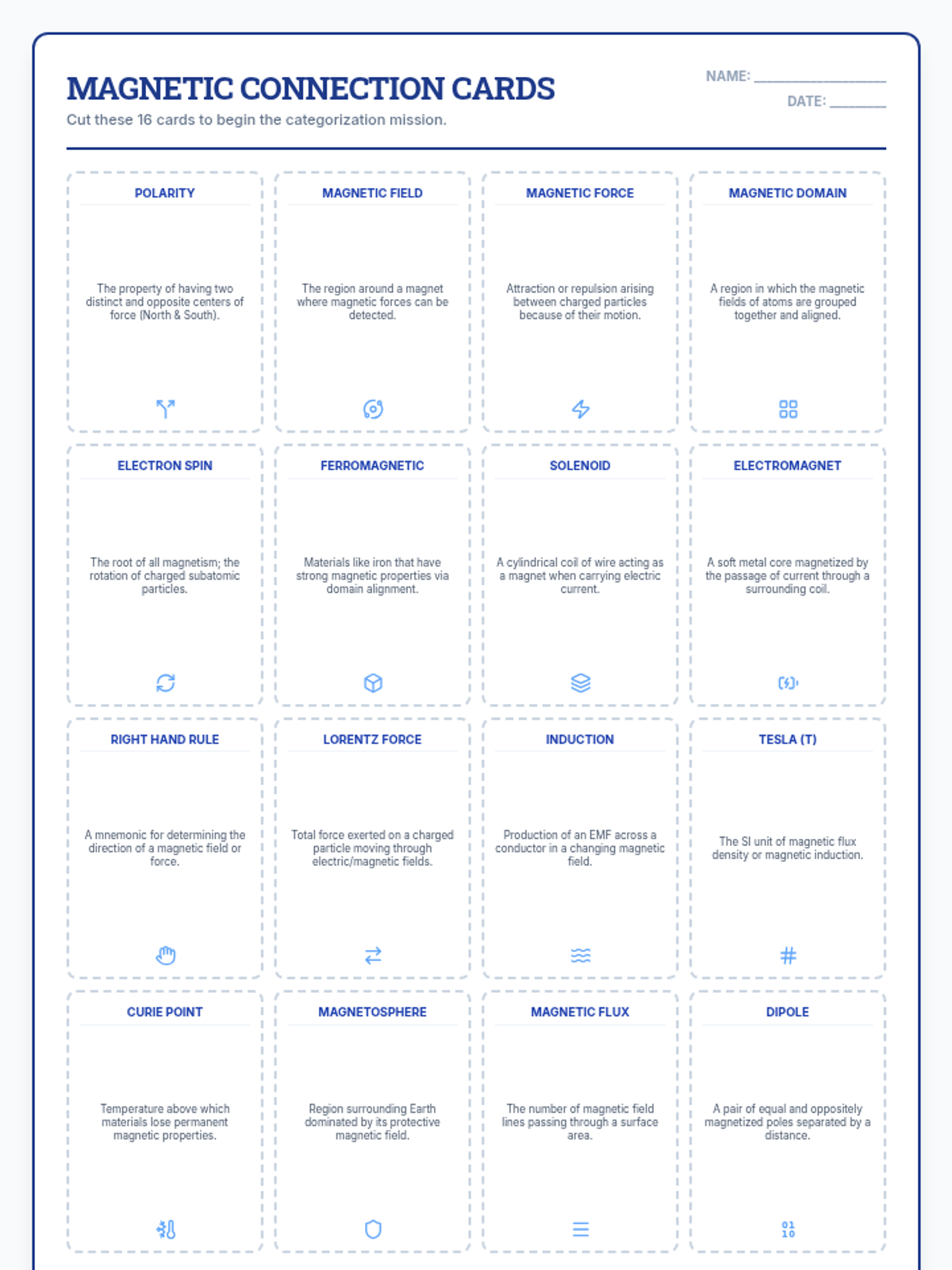
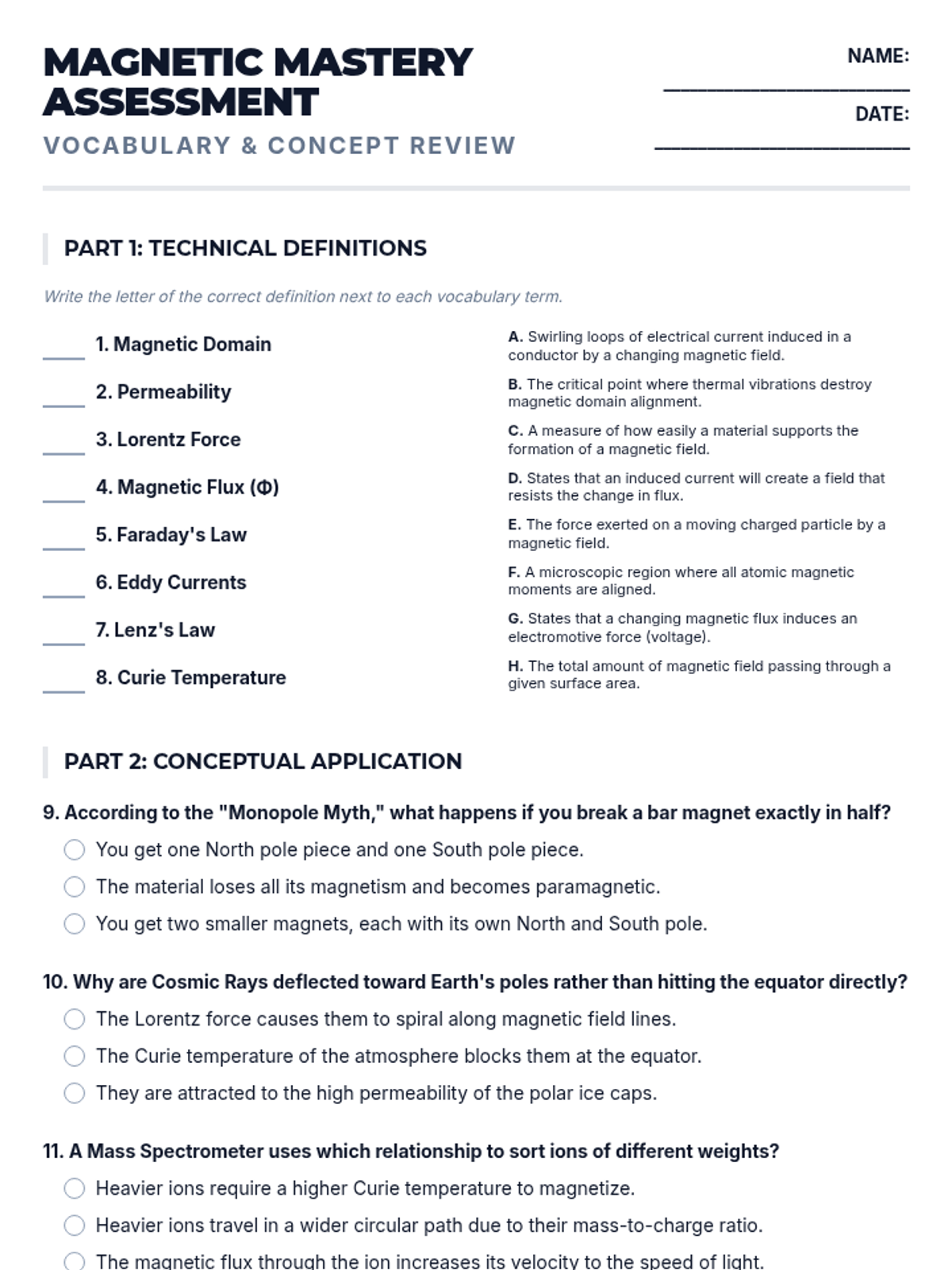
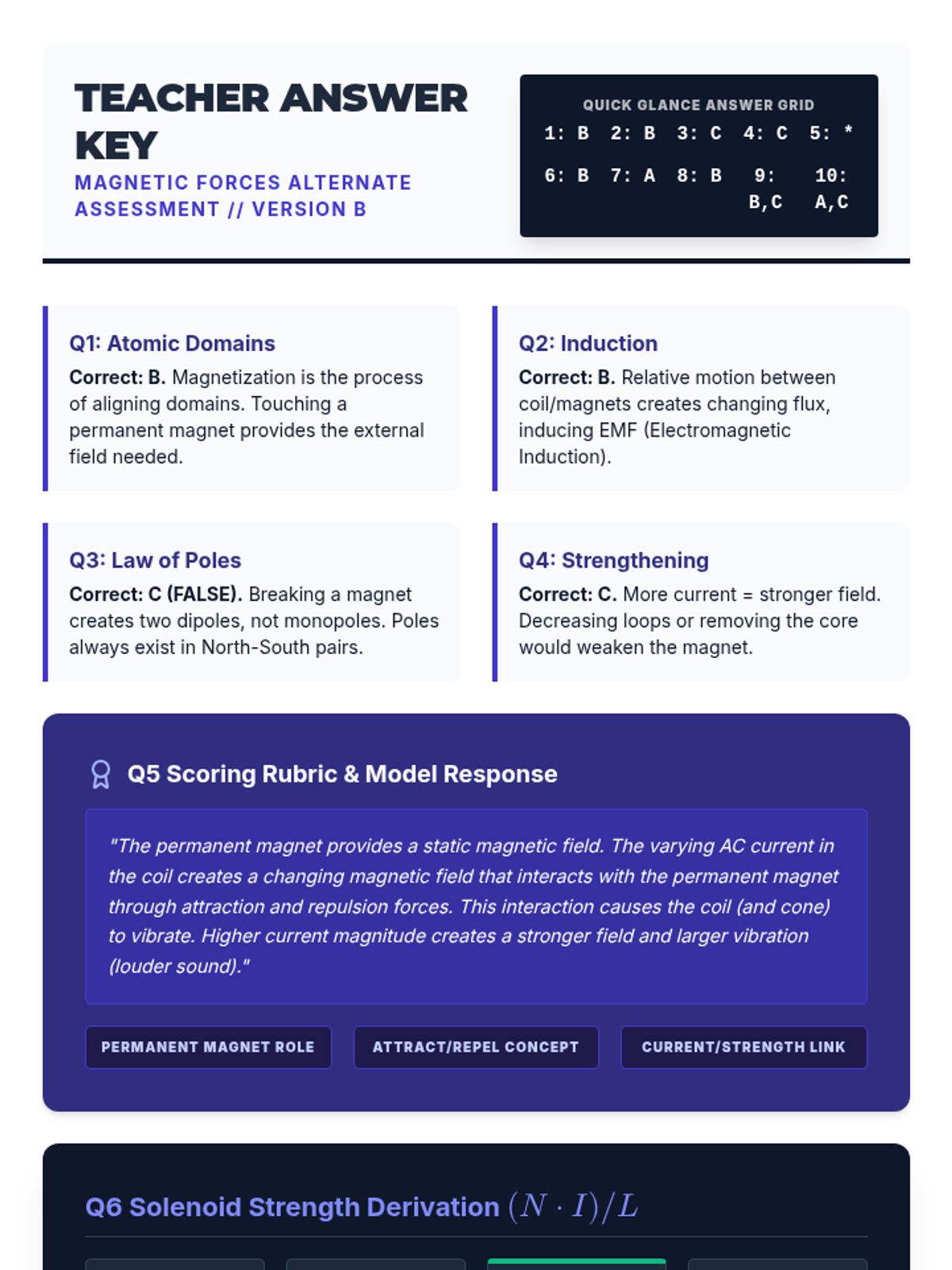
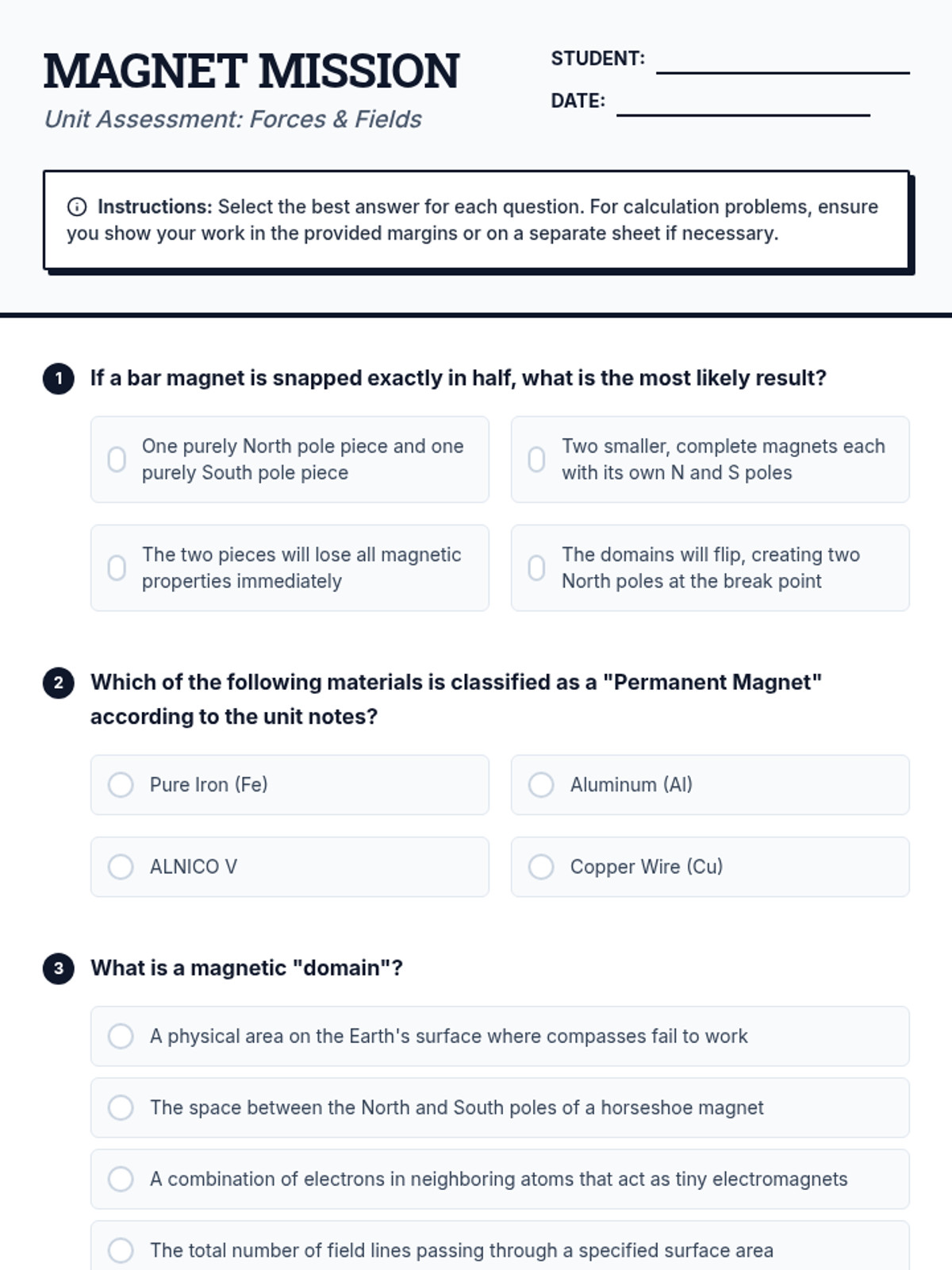
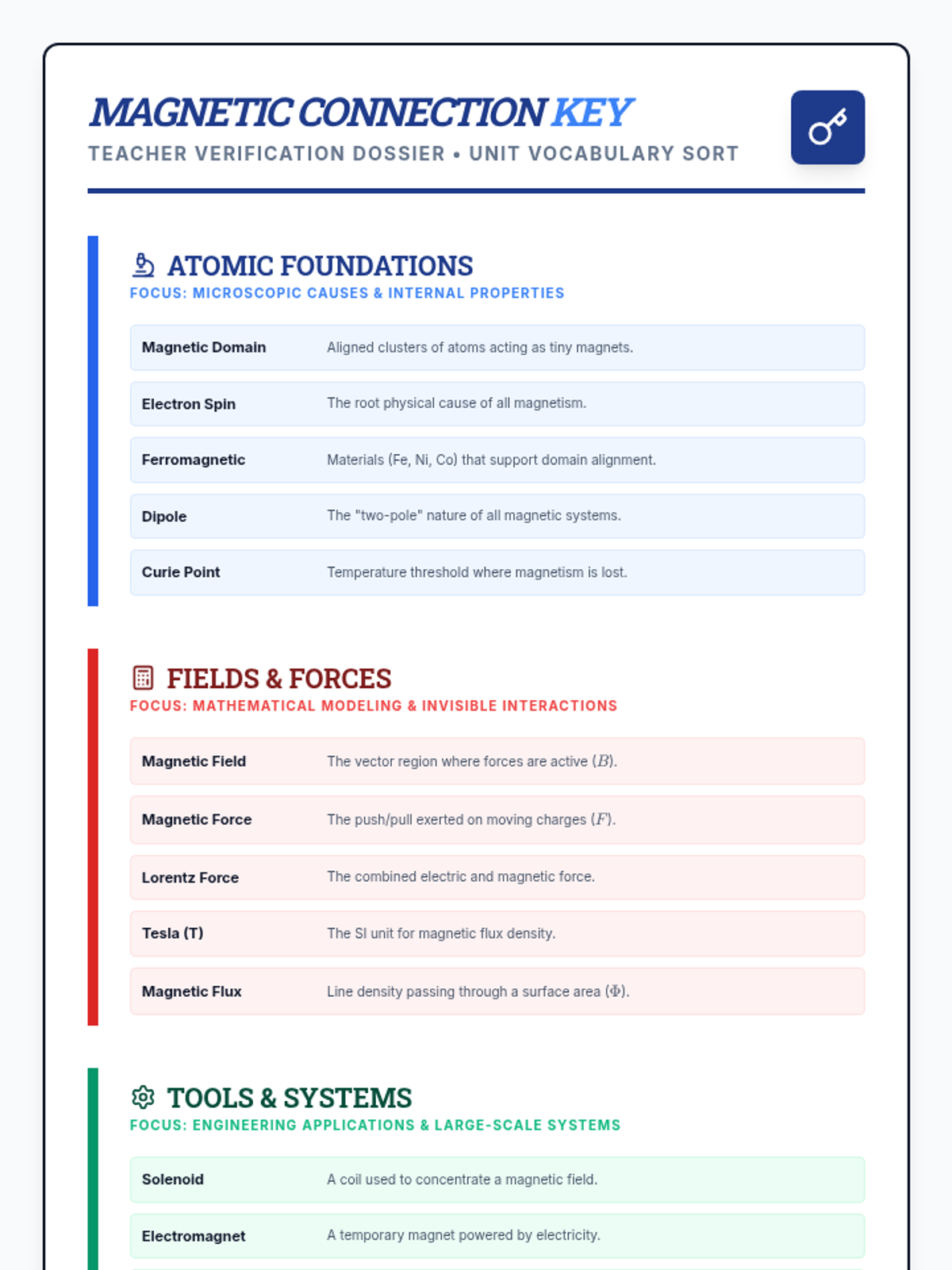
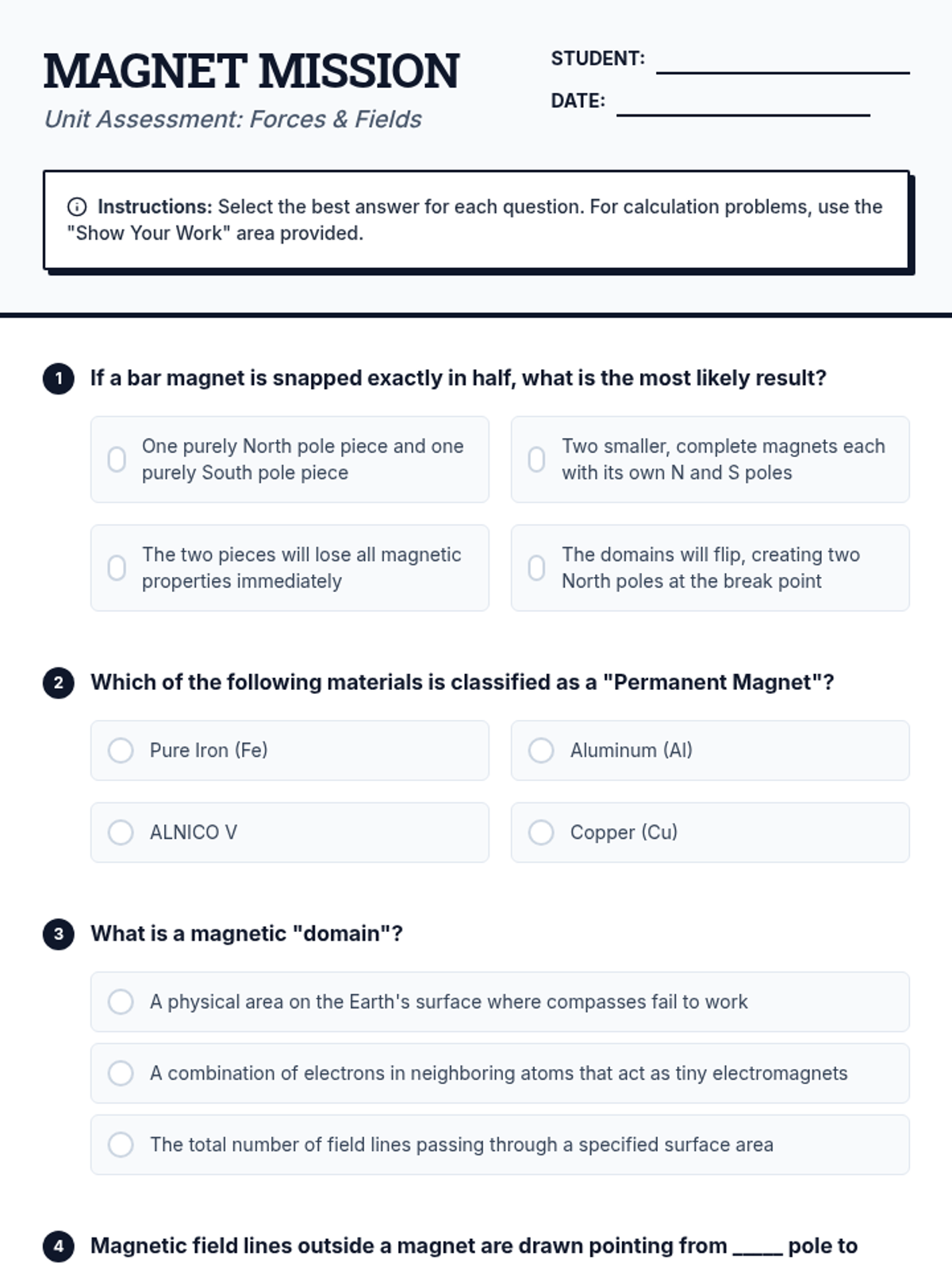
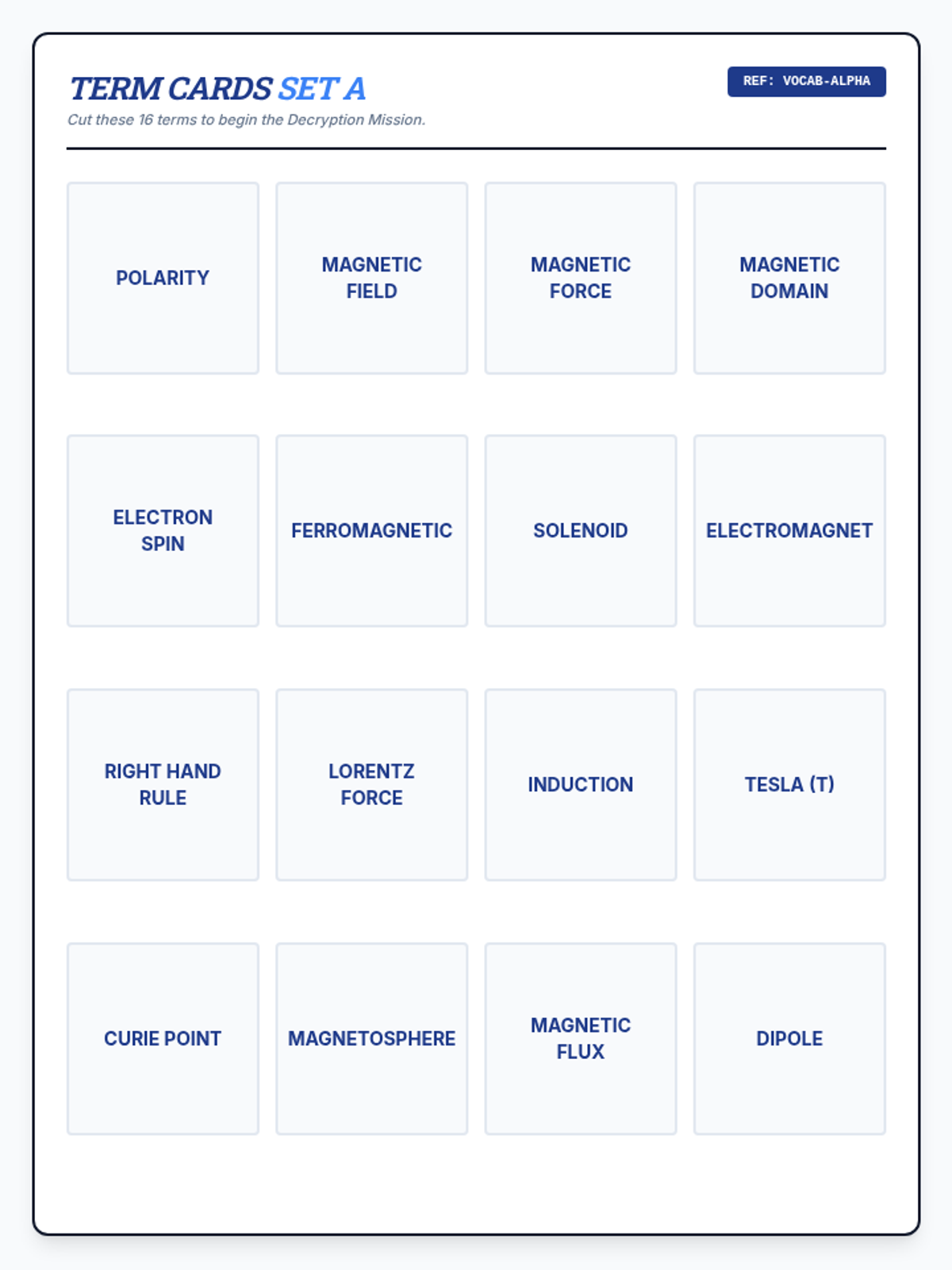
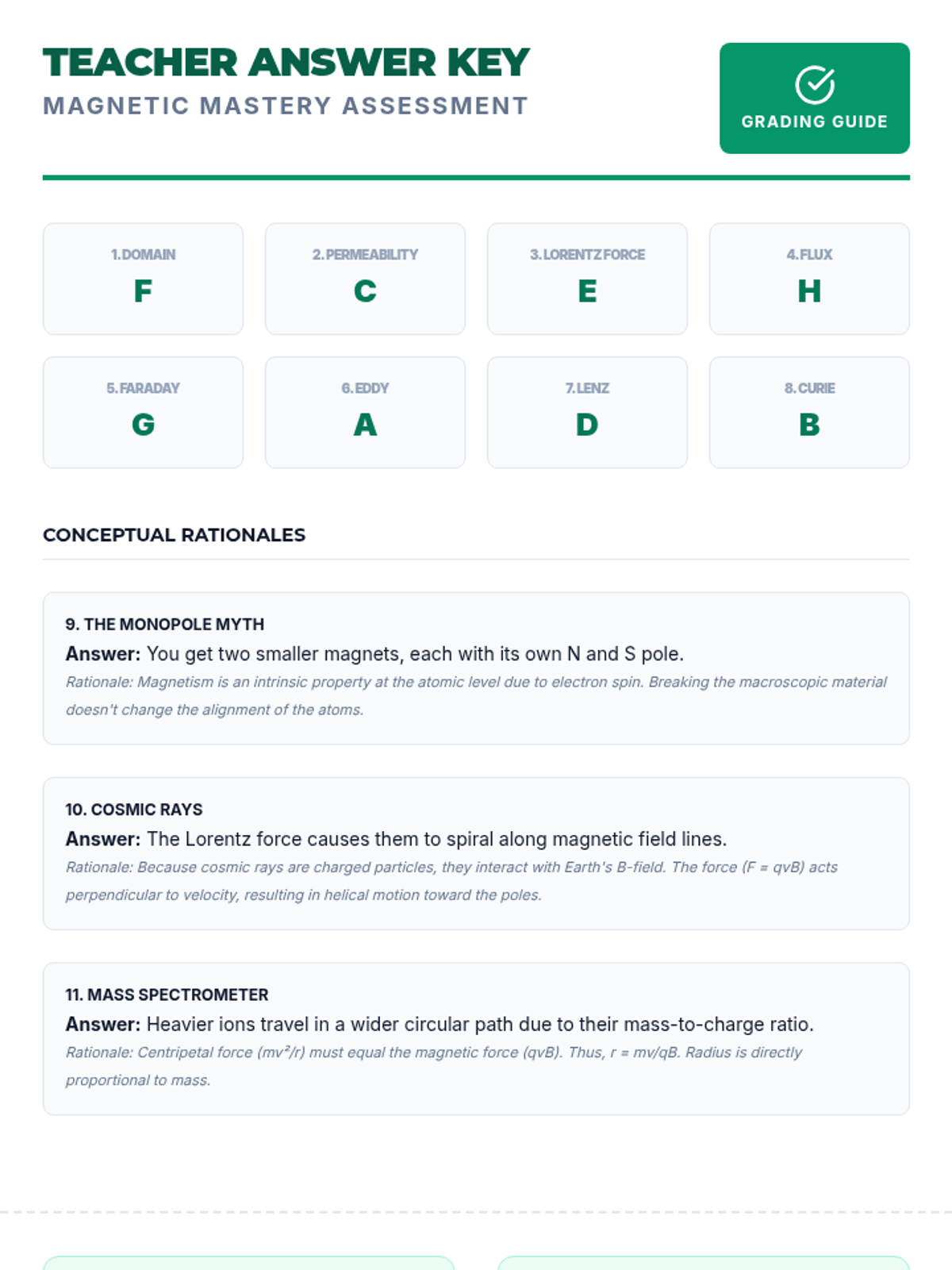
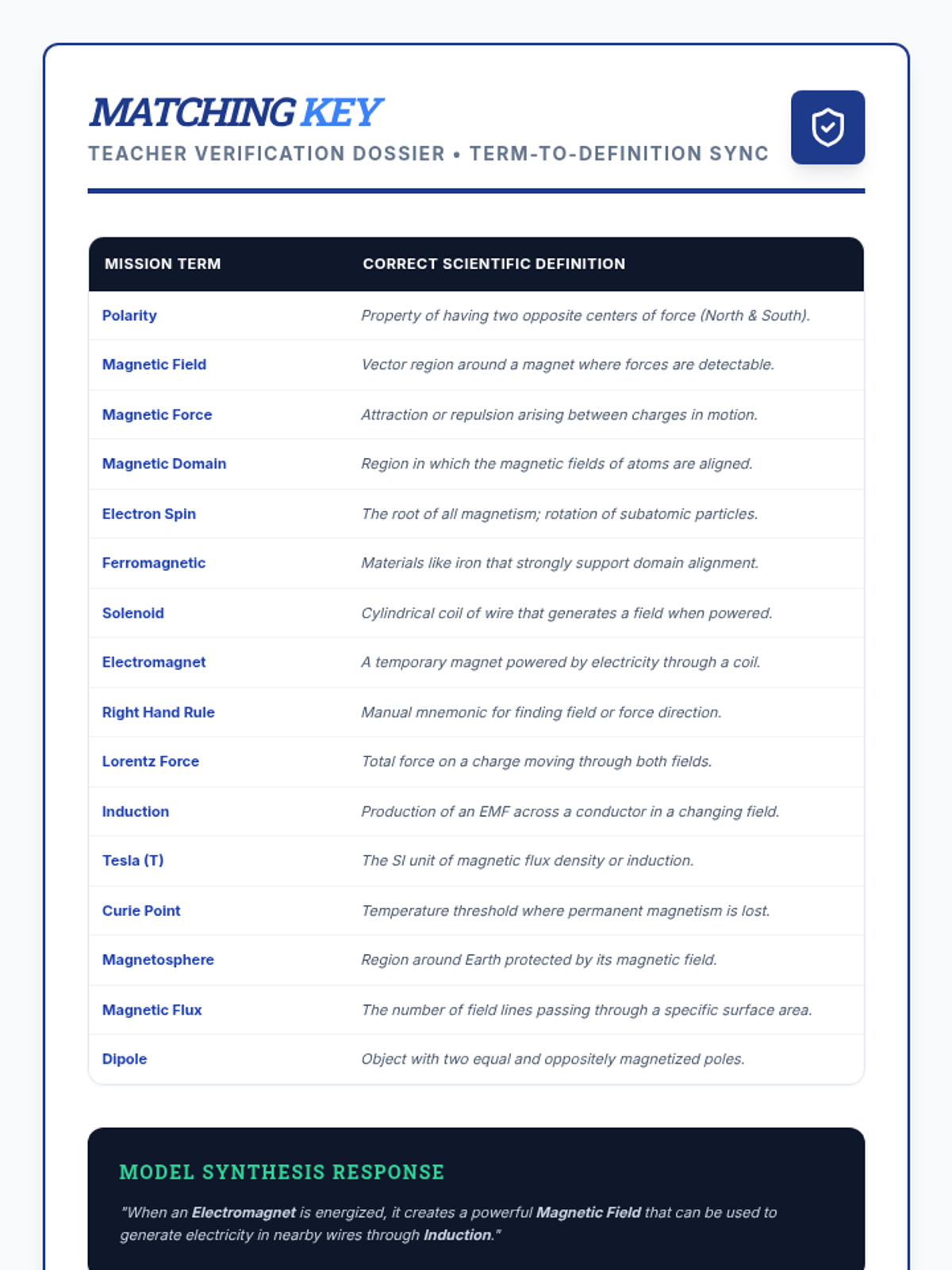
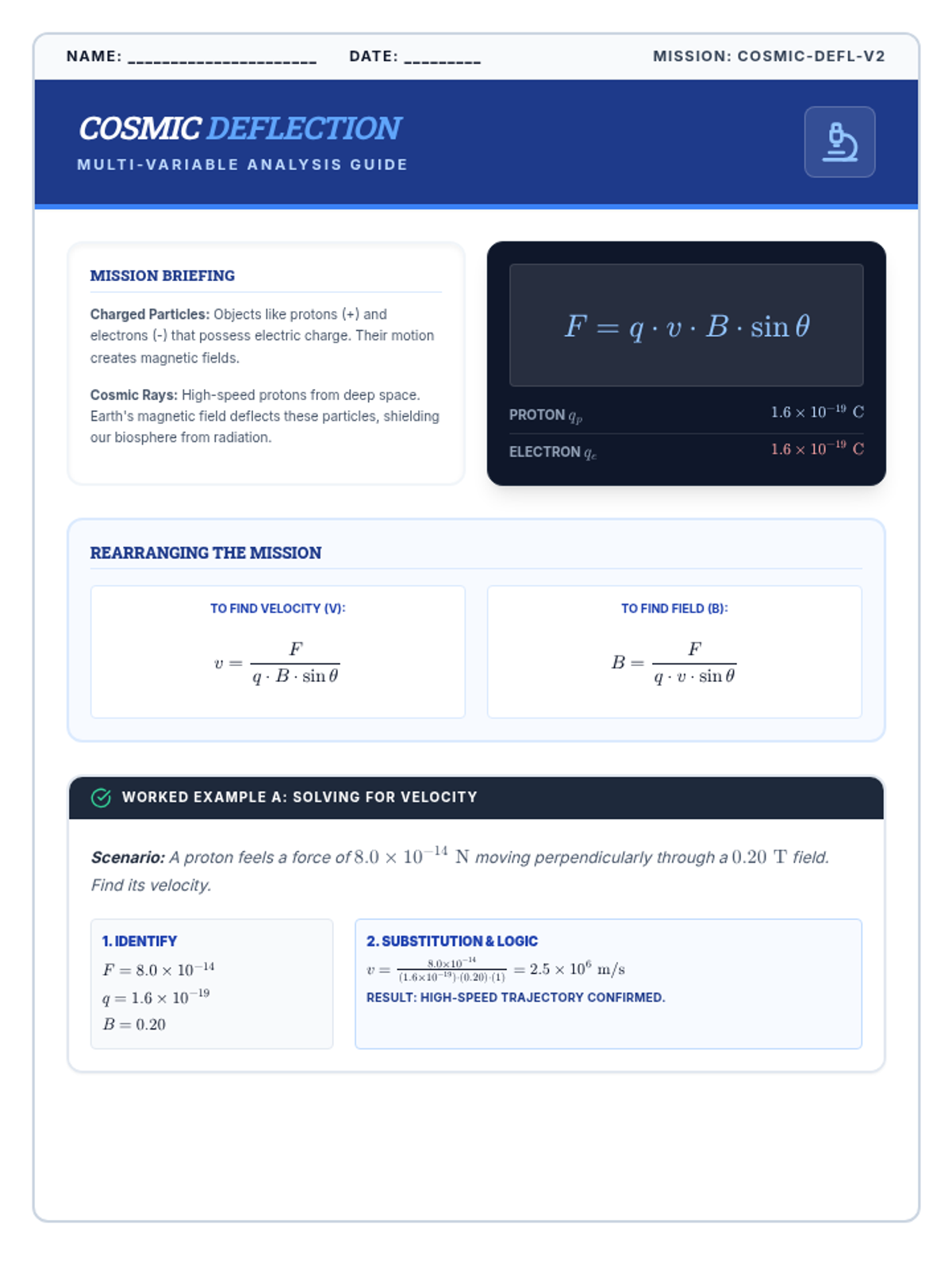
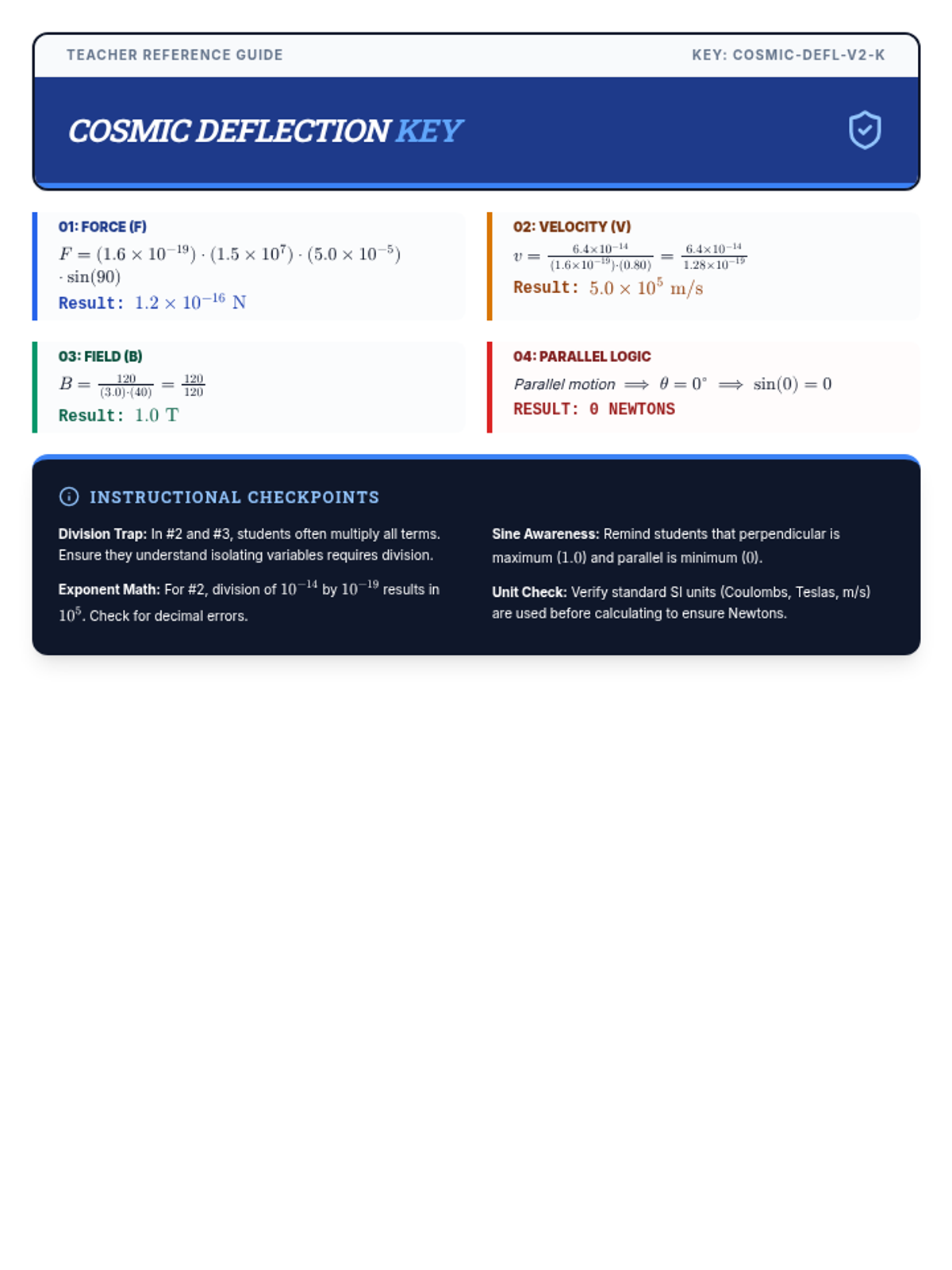
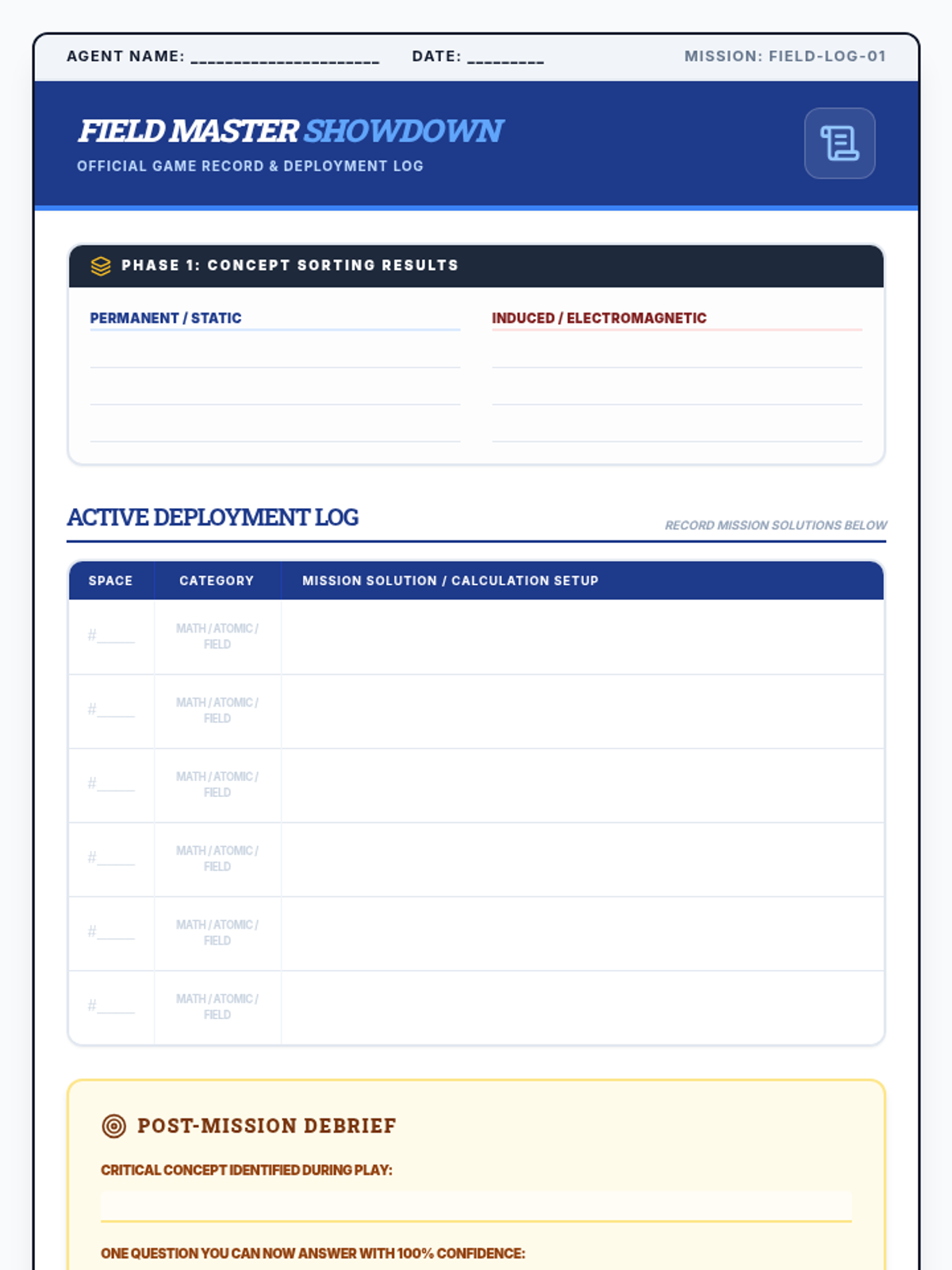
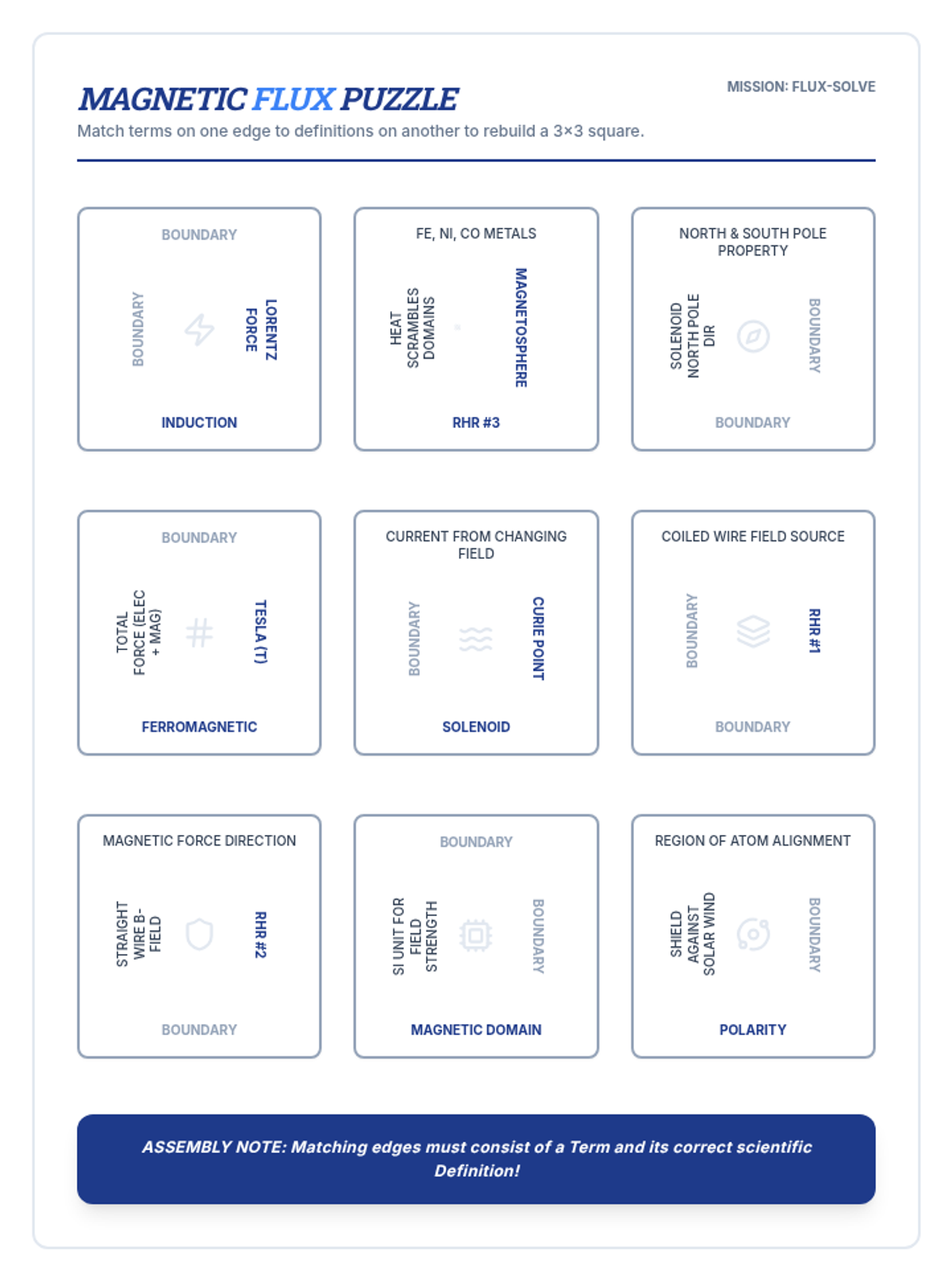
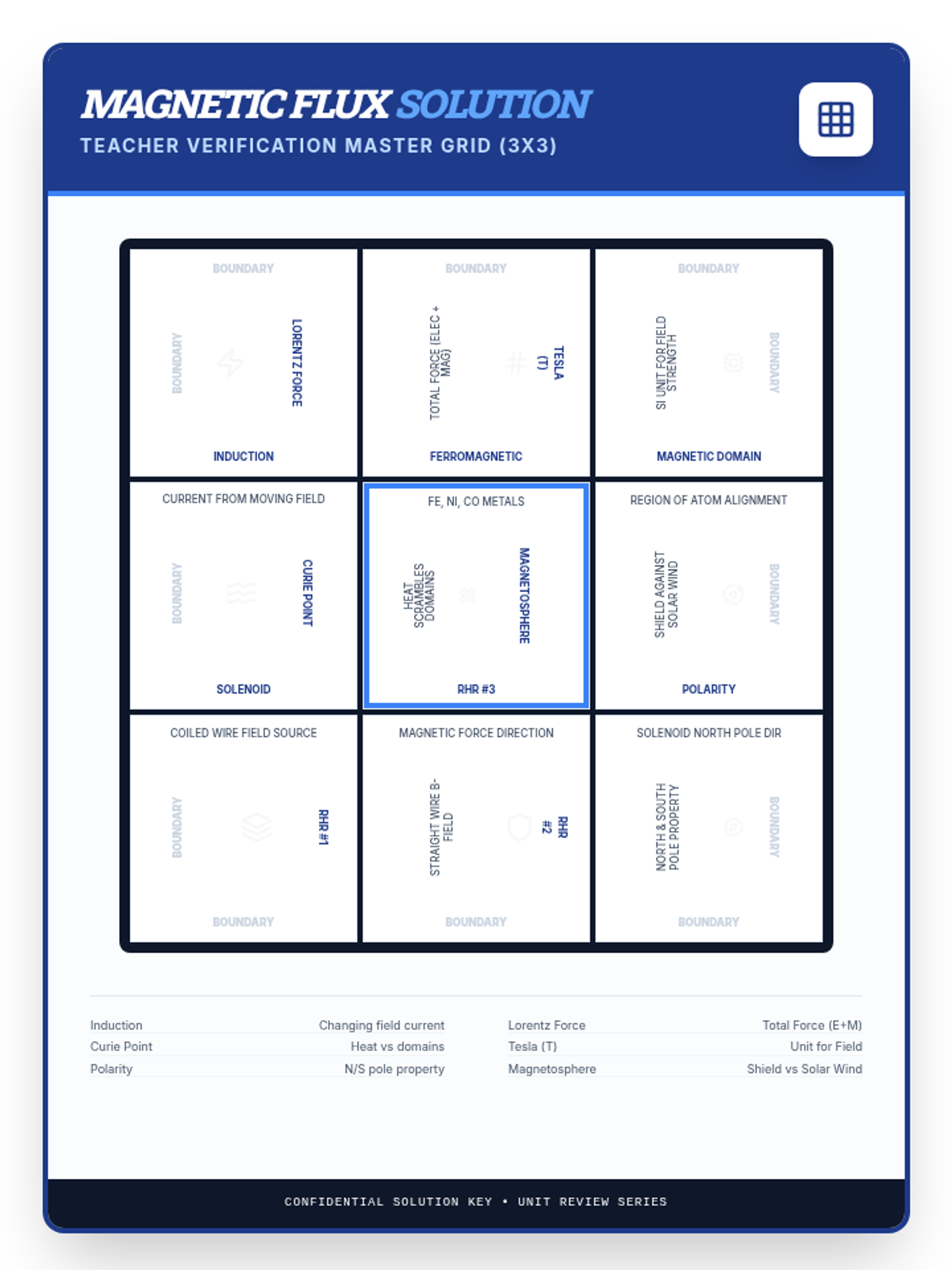
Students will investigate the nature of magnetic forces and fields, explore magnetism at the atomic level, and apply mathematical models to calculate forces on moving charges. The lesson concludes with a comprehensive review game and study guide.
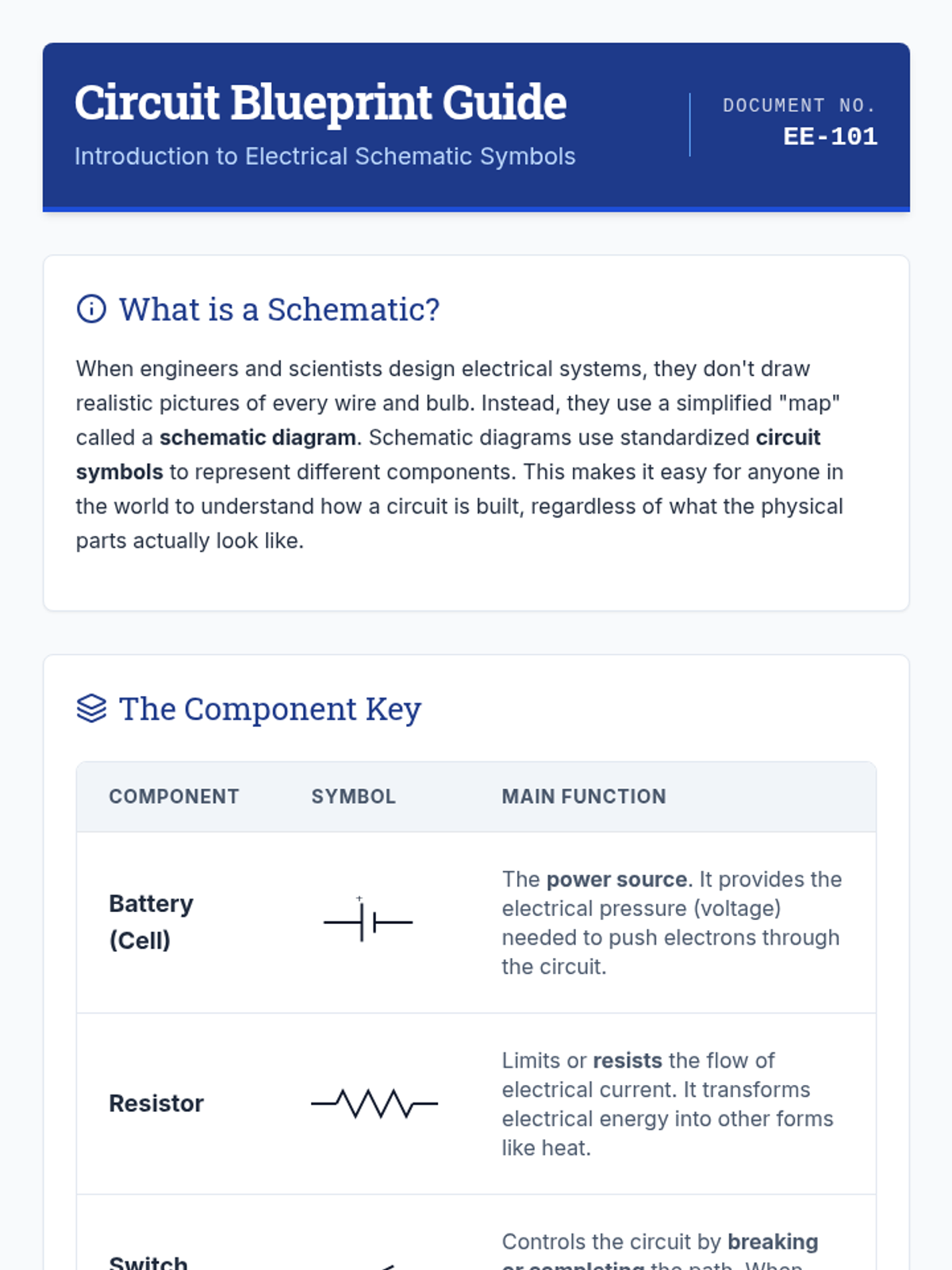
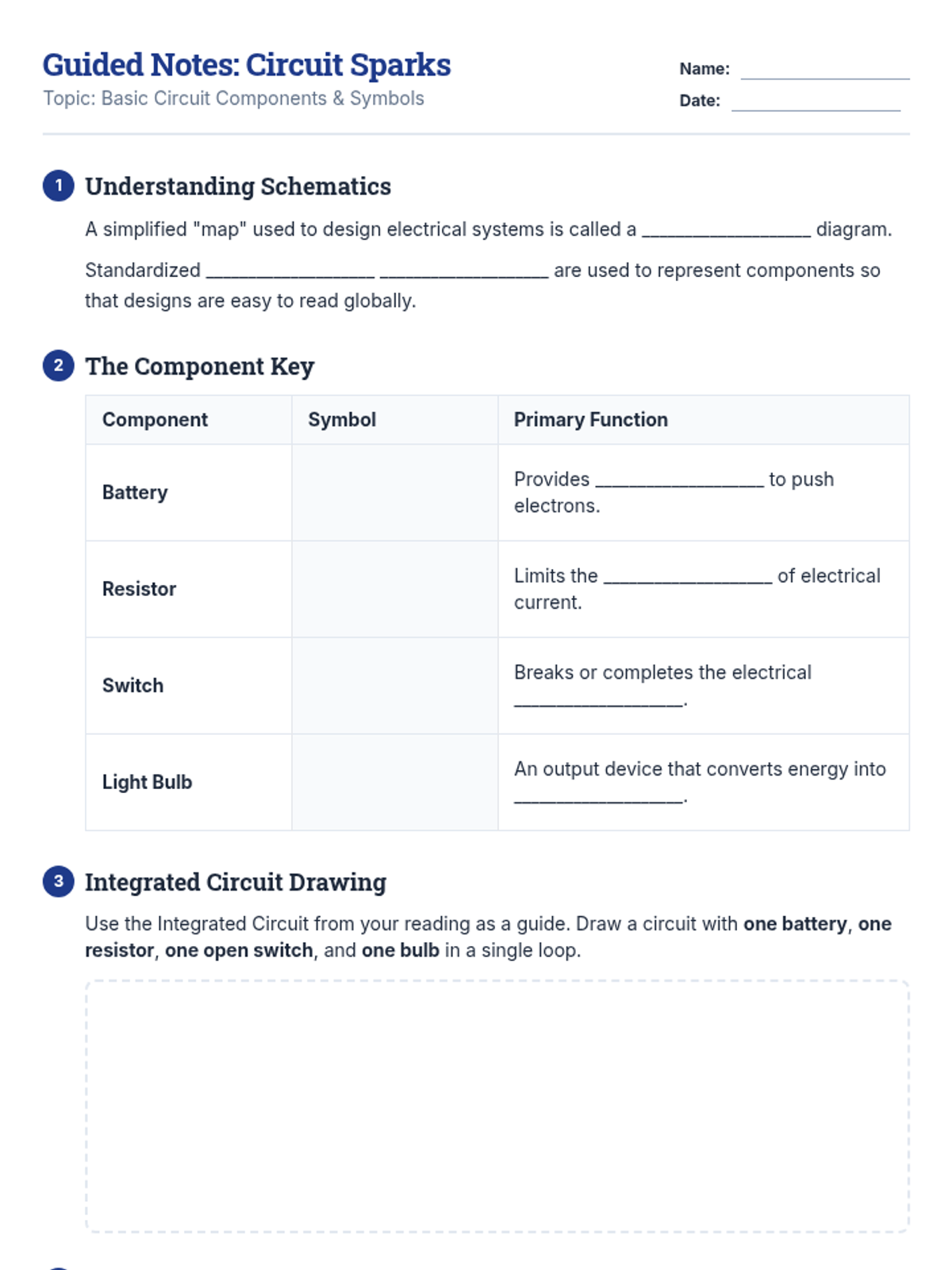
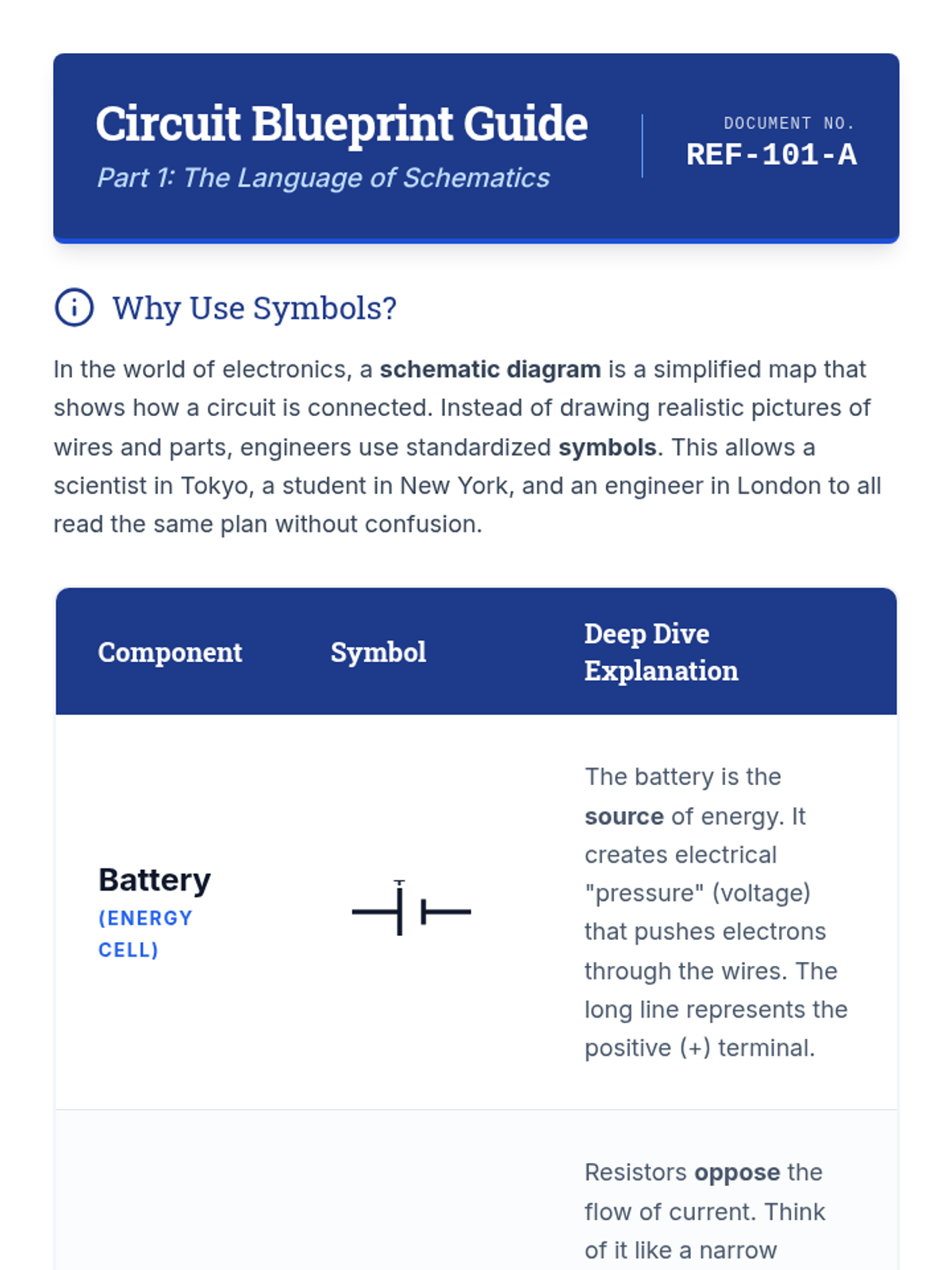
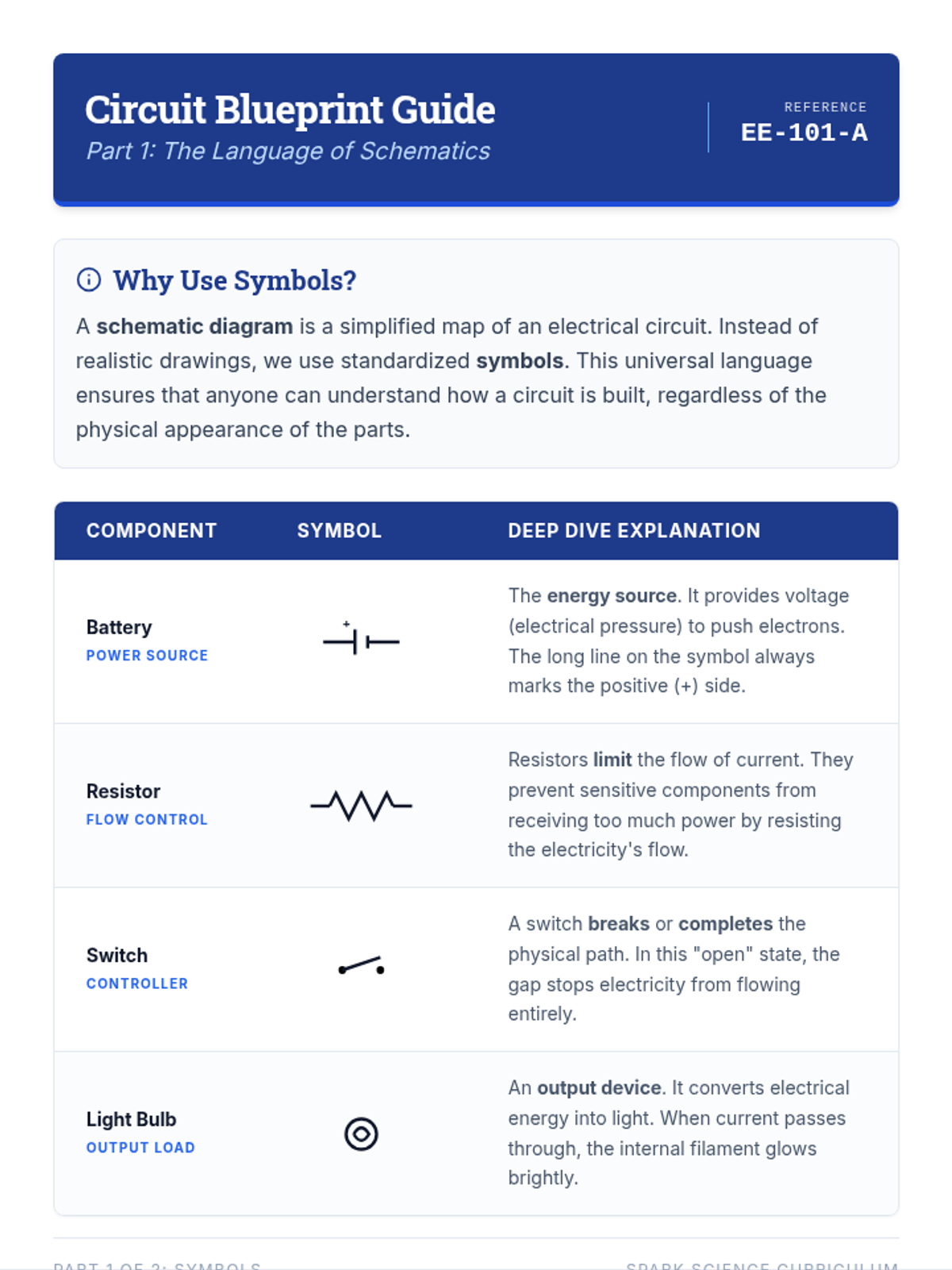
An introductory lesson on common electrical circuit symbols, their functions, and how they are represented in schematic diagrams.
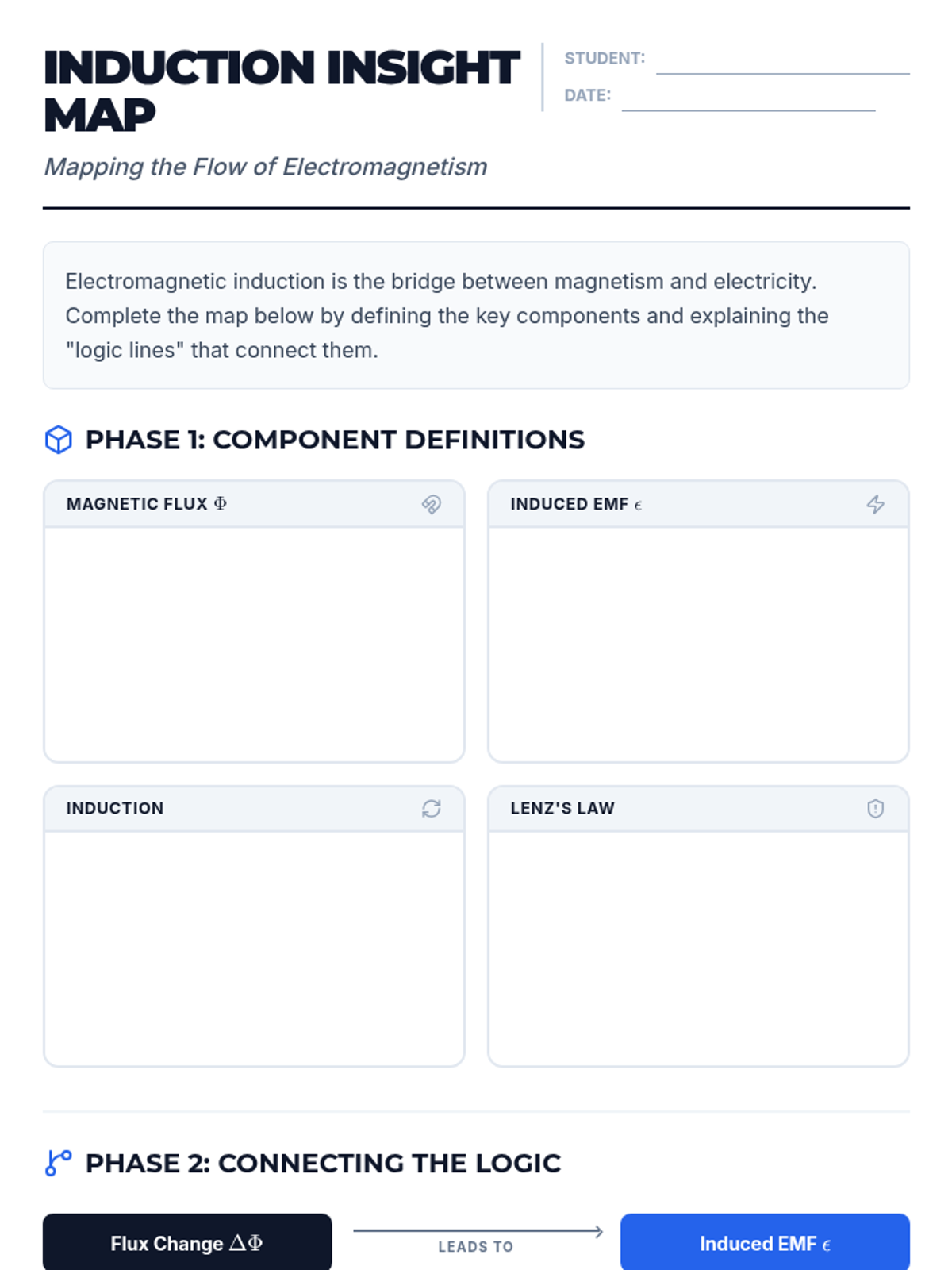
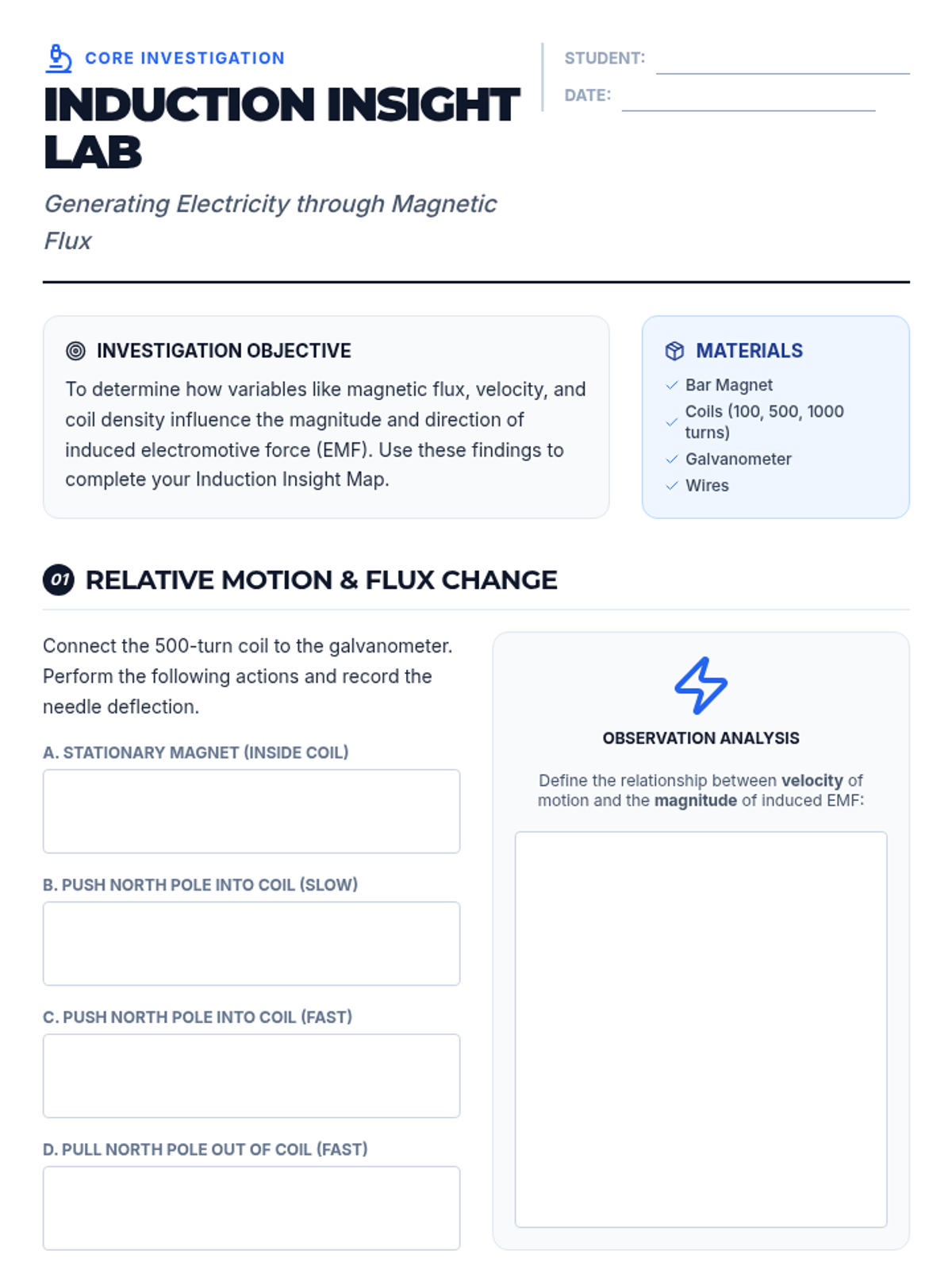
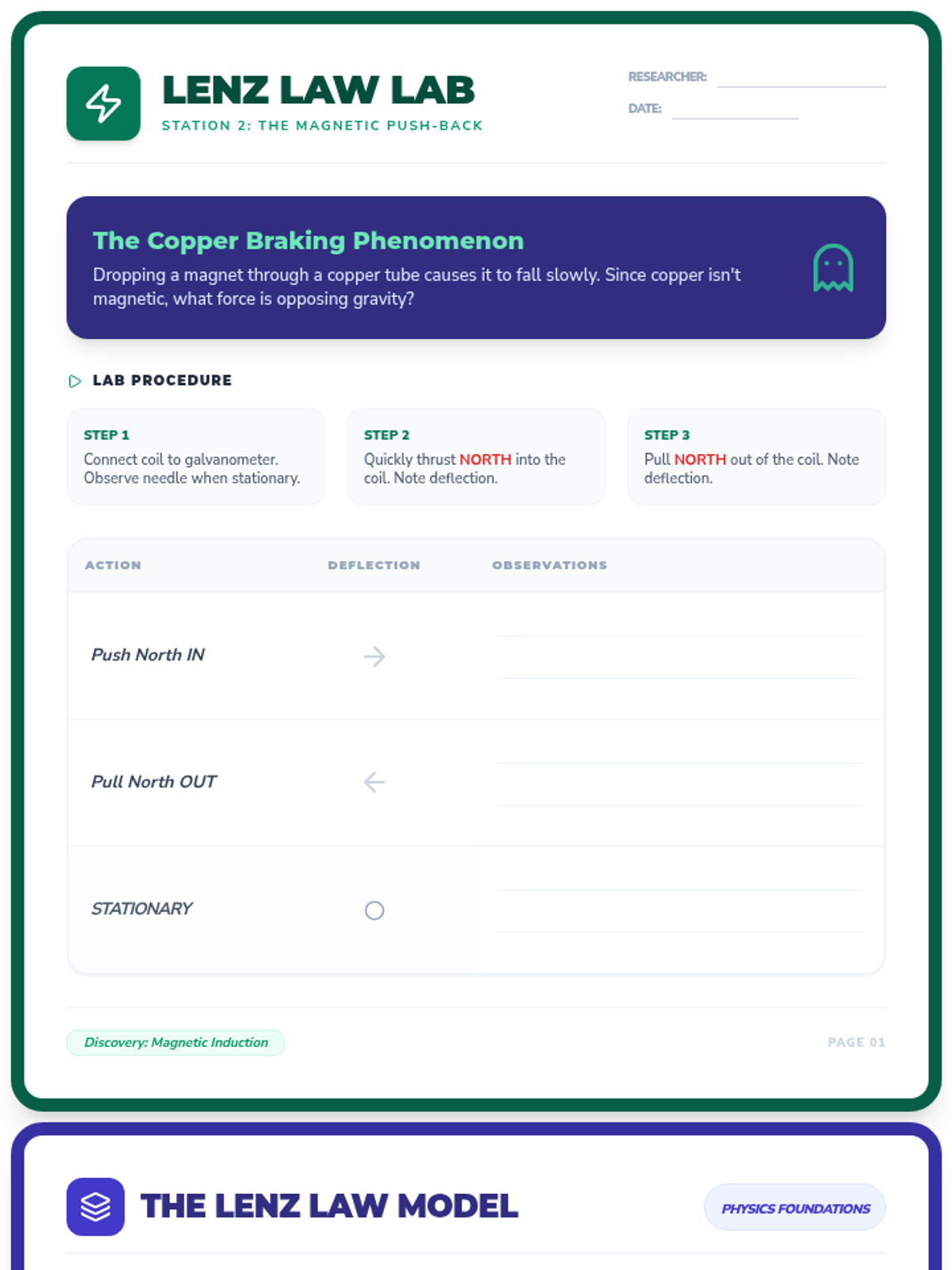
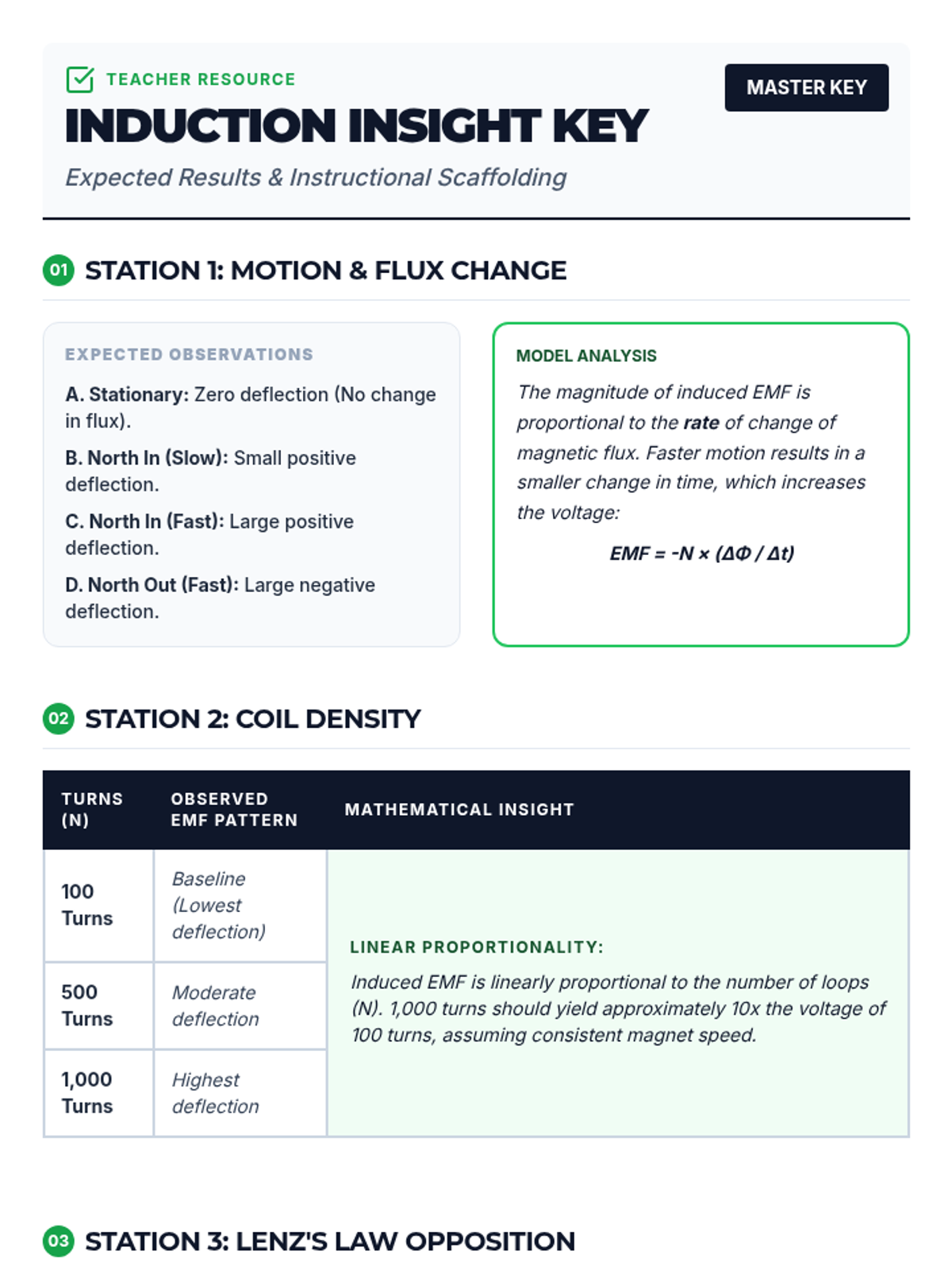
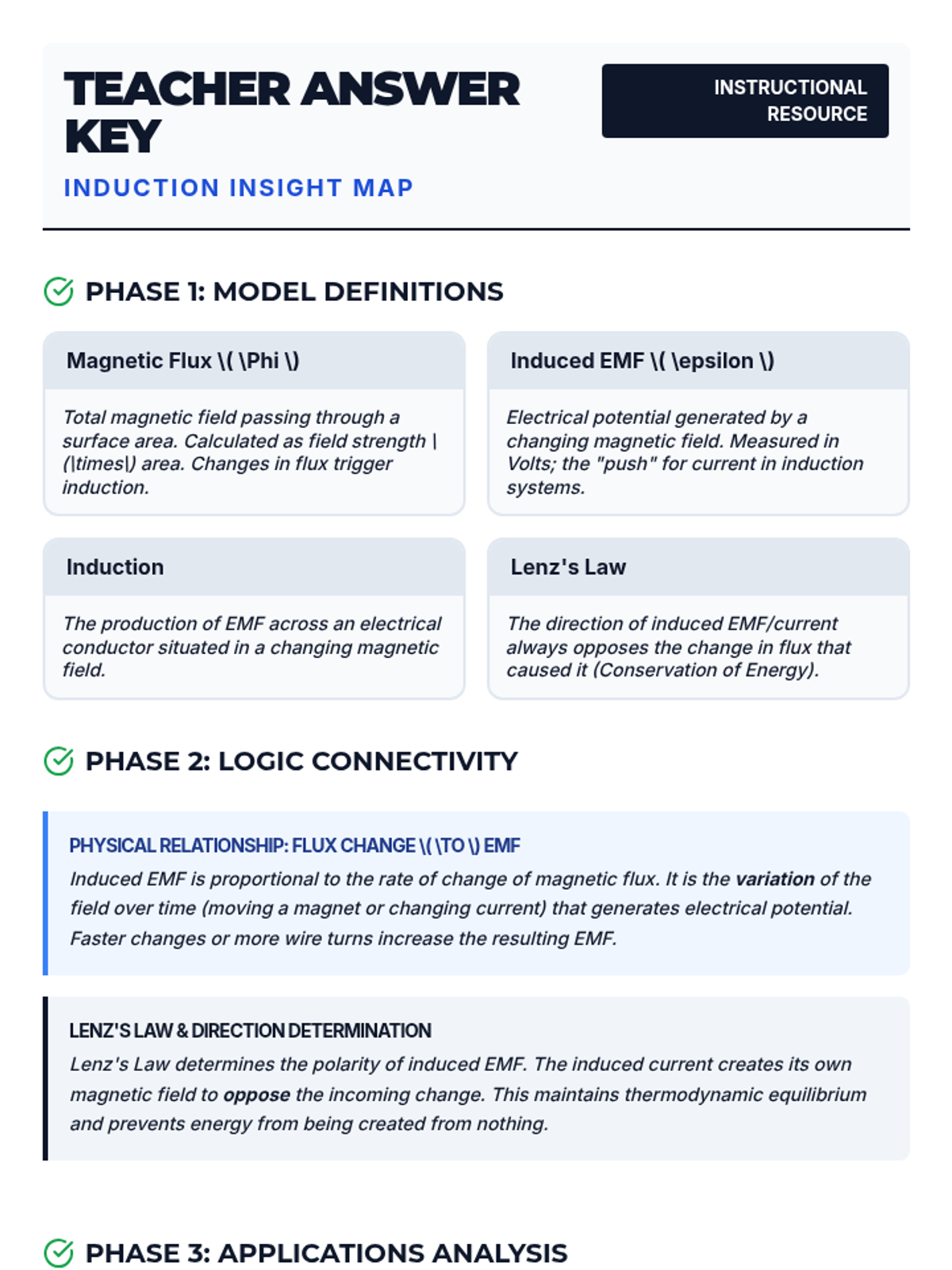
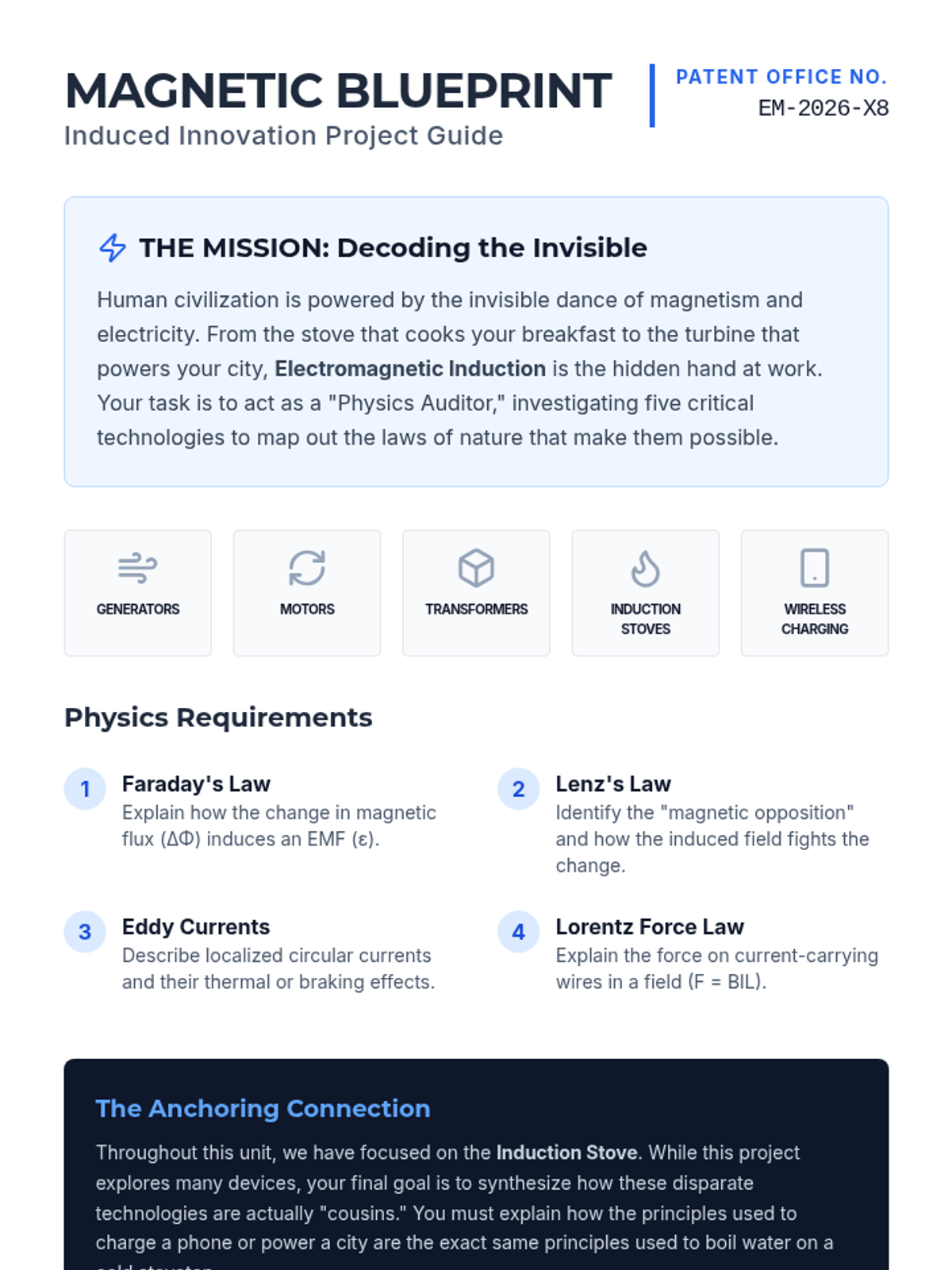
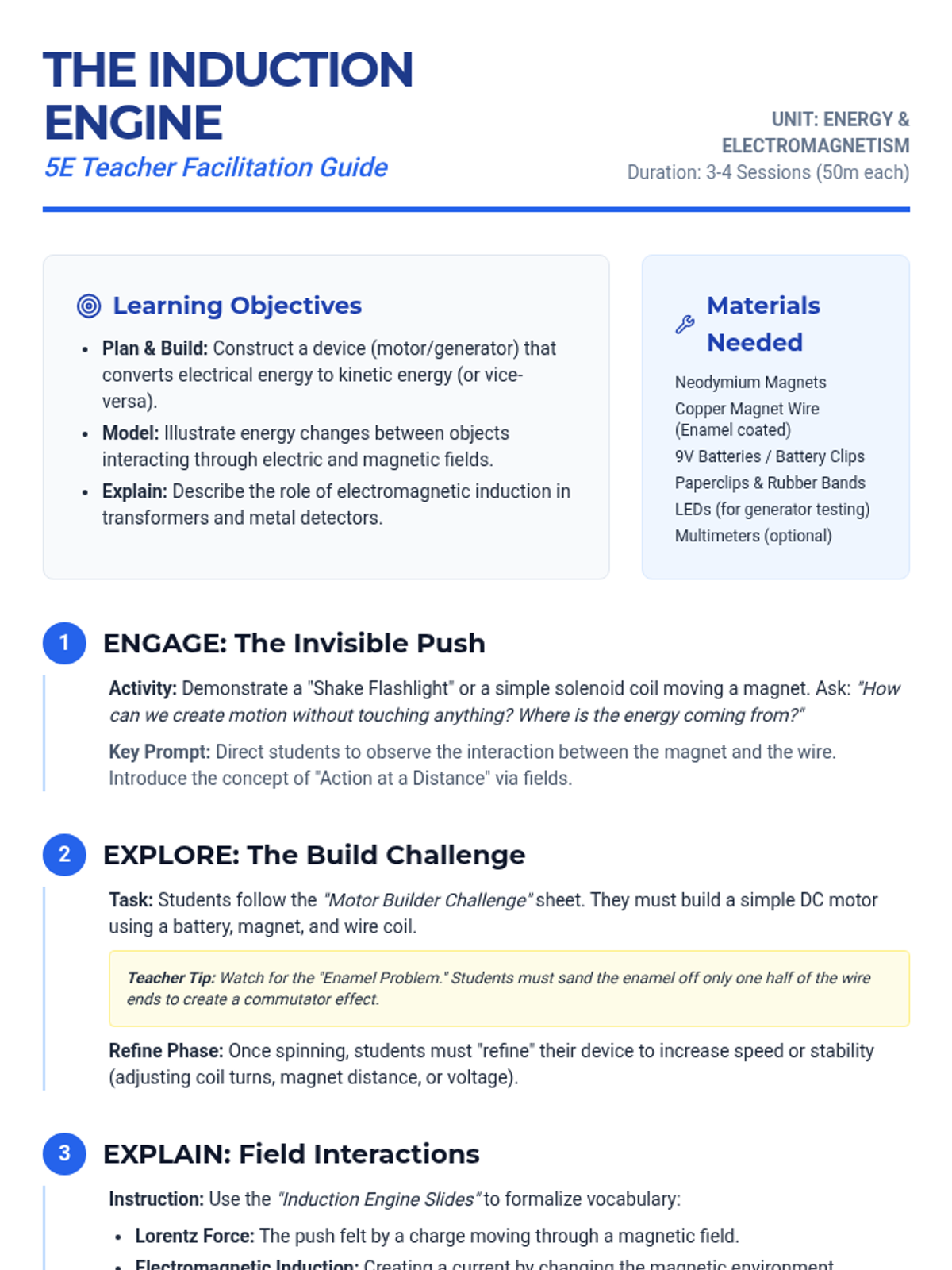
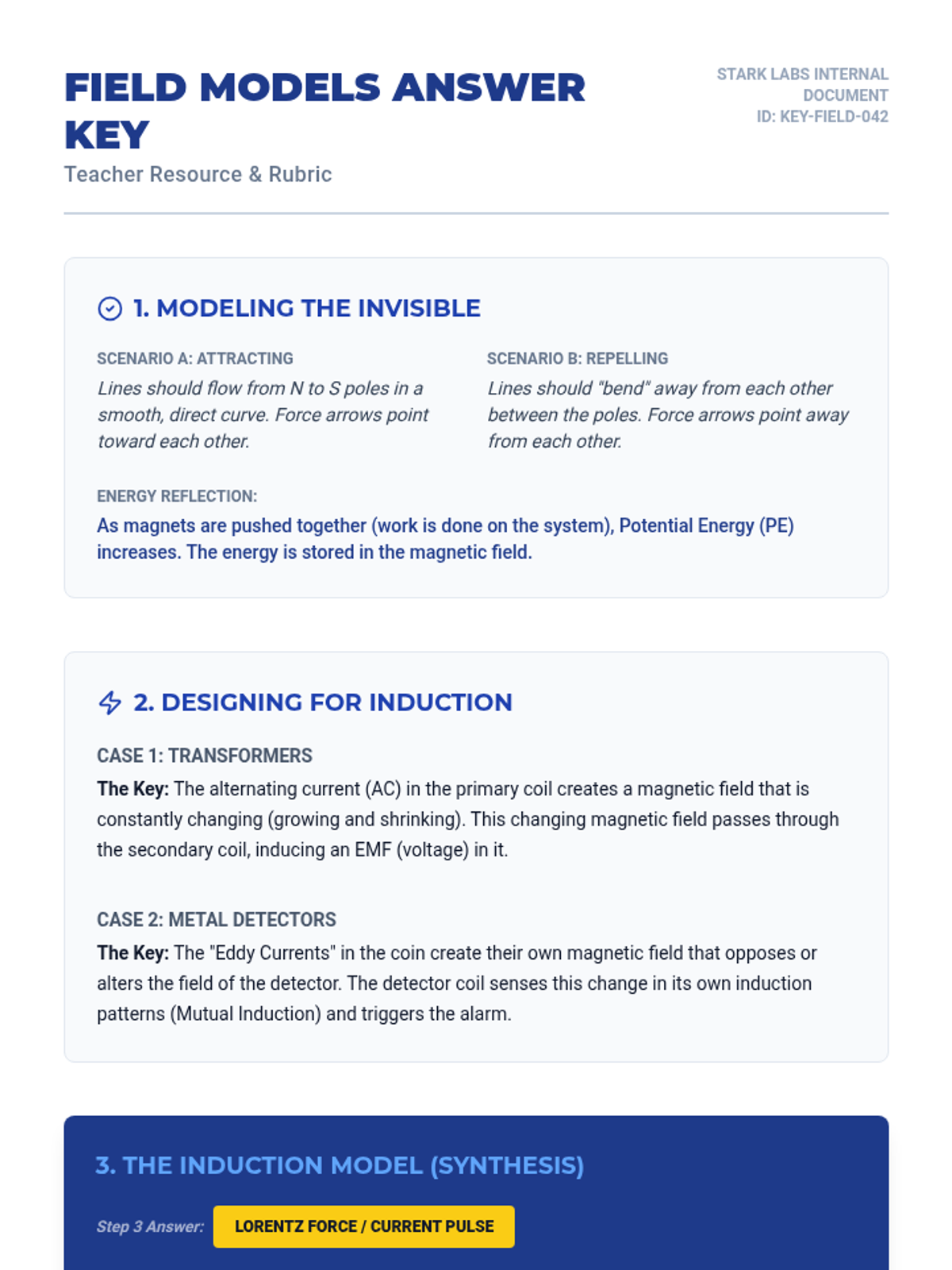
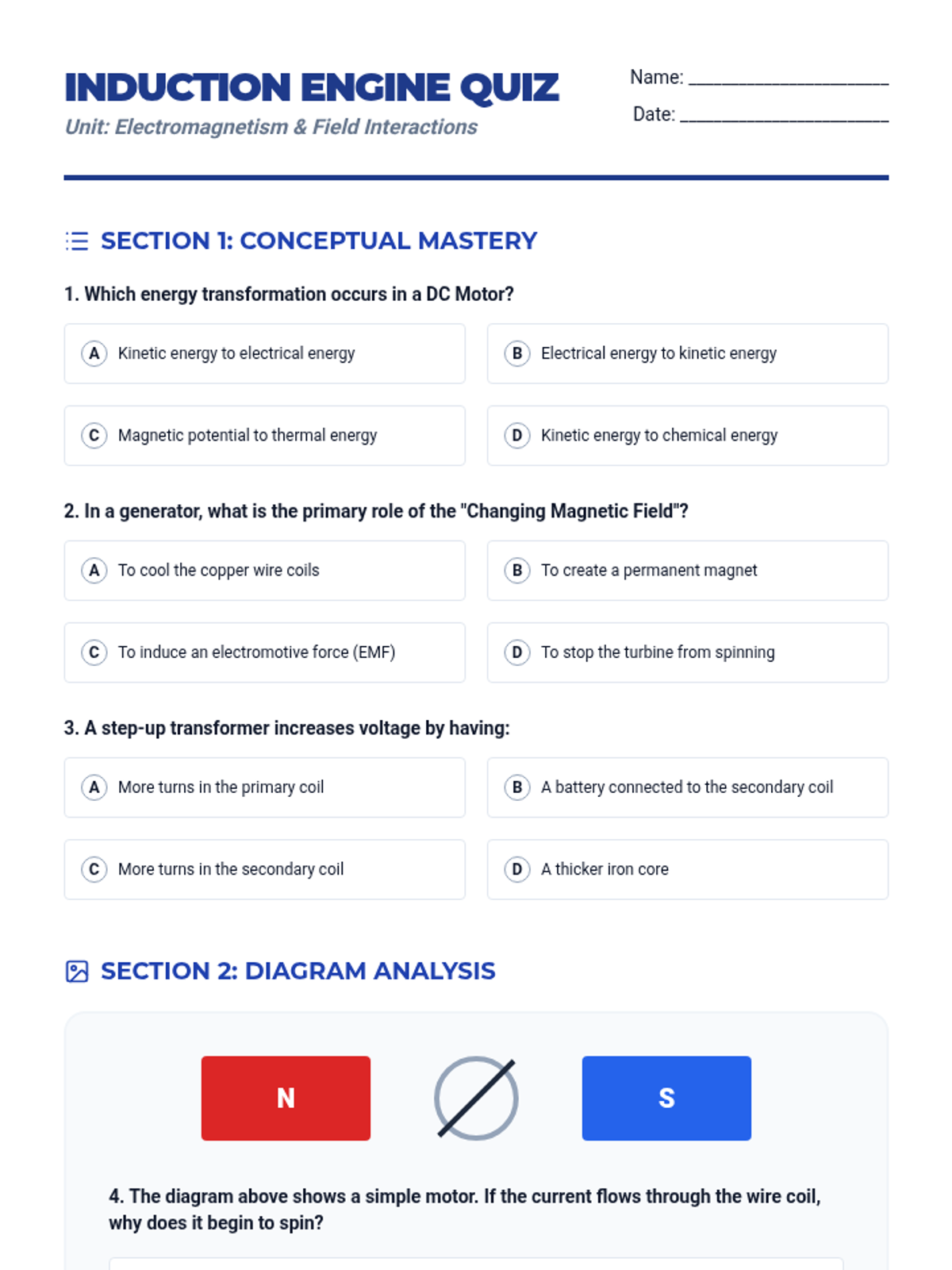
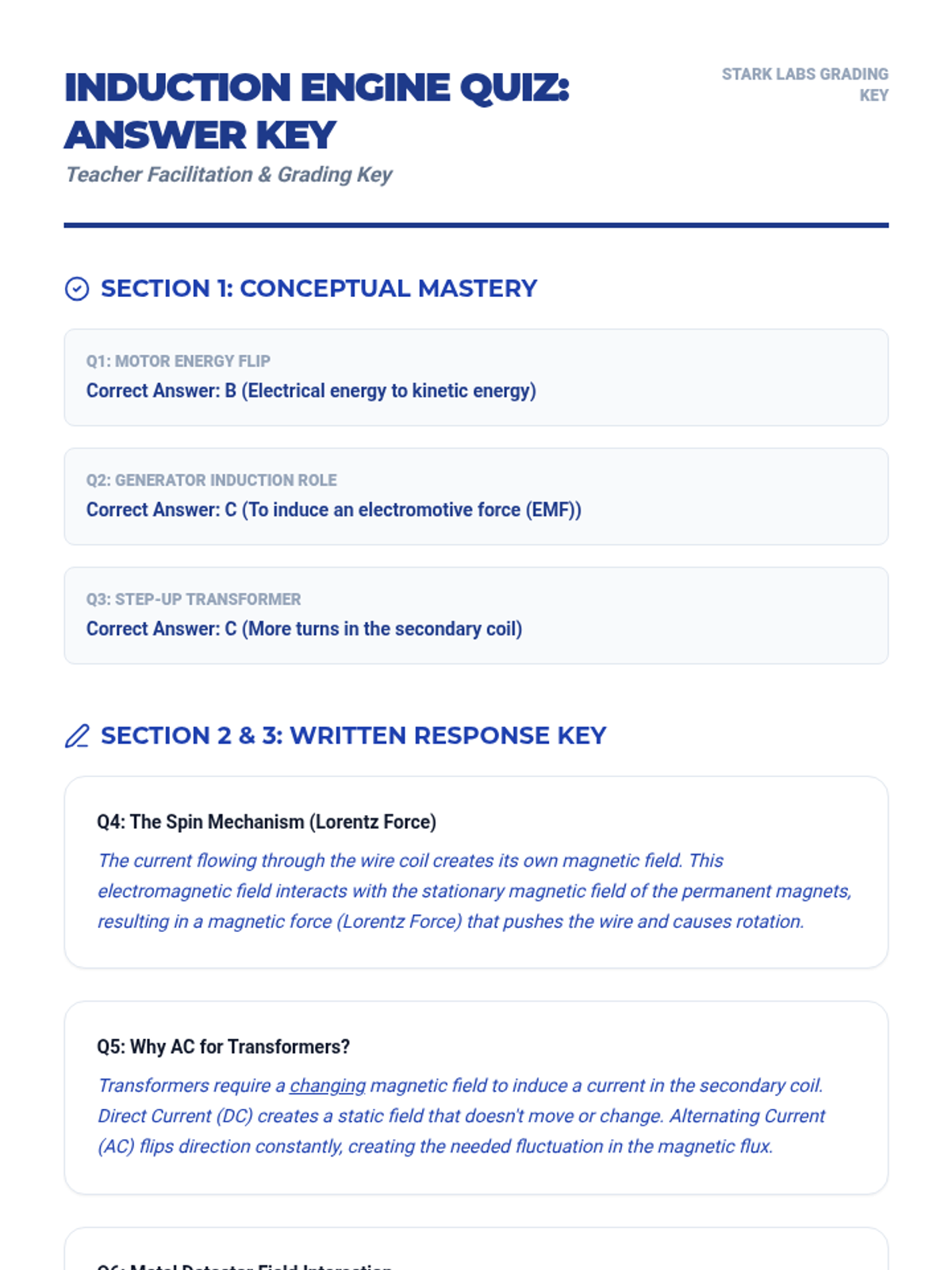
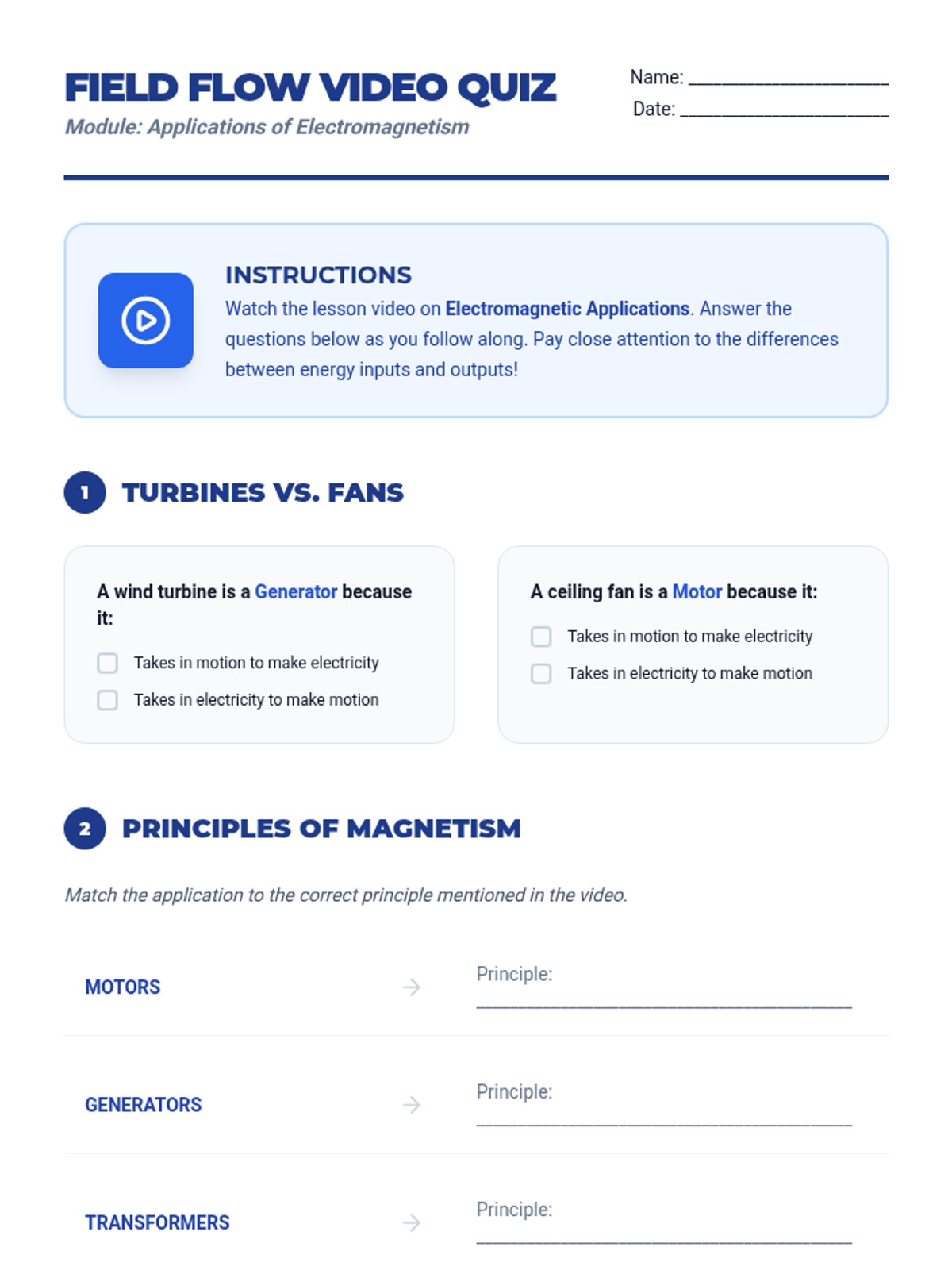
A comprehensive 5E lesson exploring electromagnetic induction through the construction of motors and generators, modeling field interactions, and analyzing real-world applications like transformers.
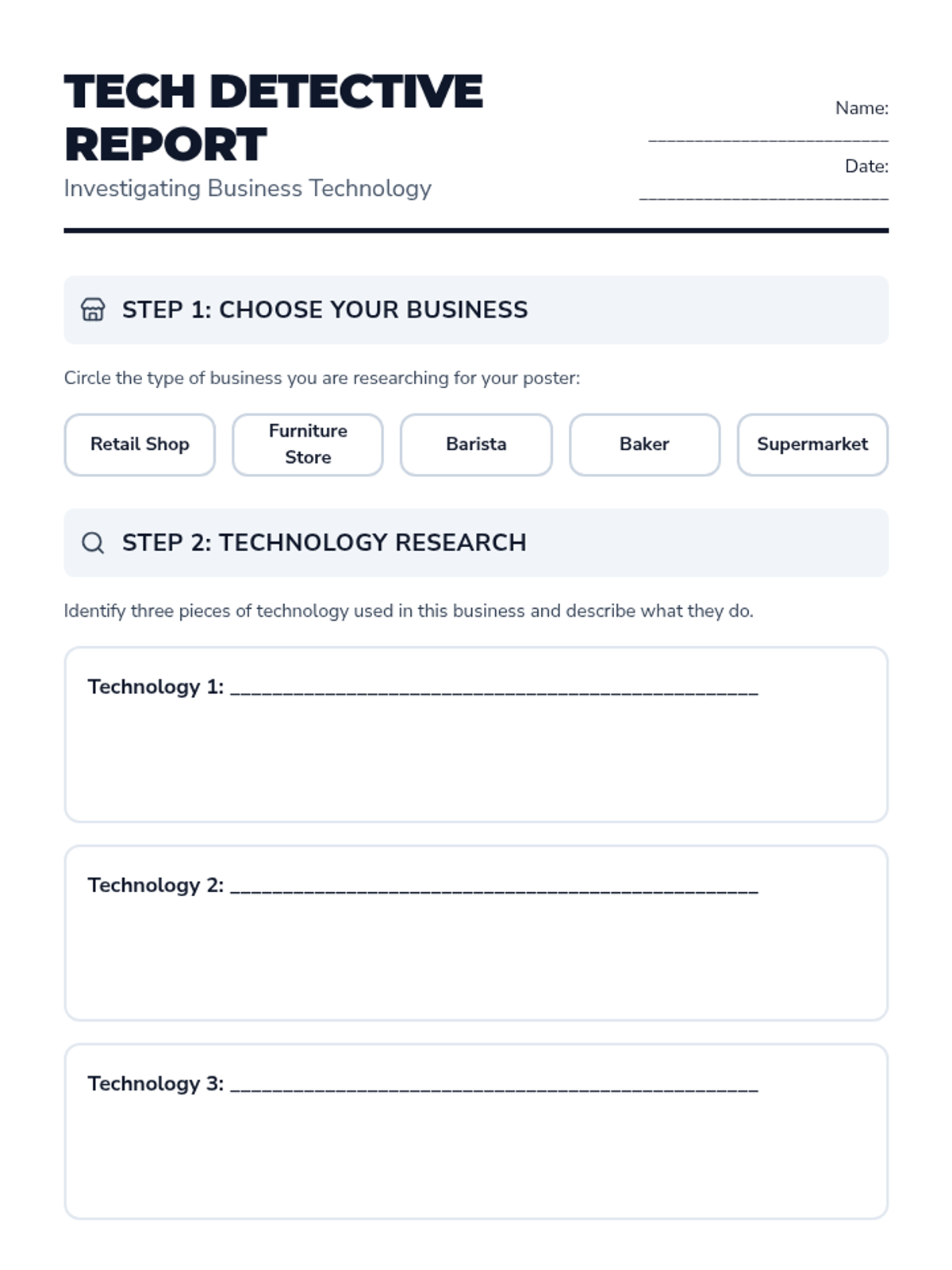
In this lesson, students explore the role of technology in modern businesses. They analyze an example of restaurant technology and then conduct research to create a poster for a specific type of shop.
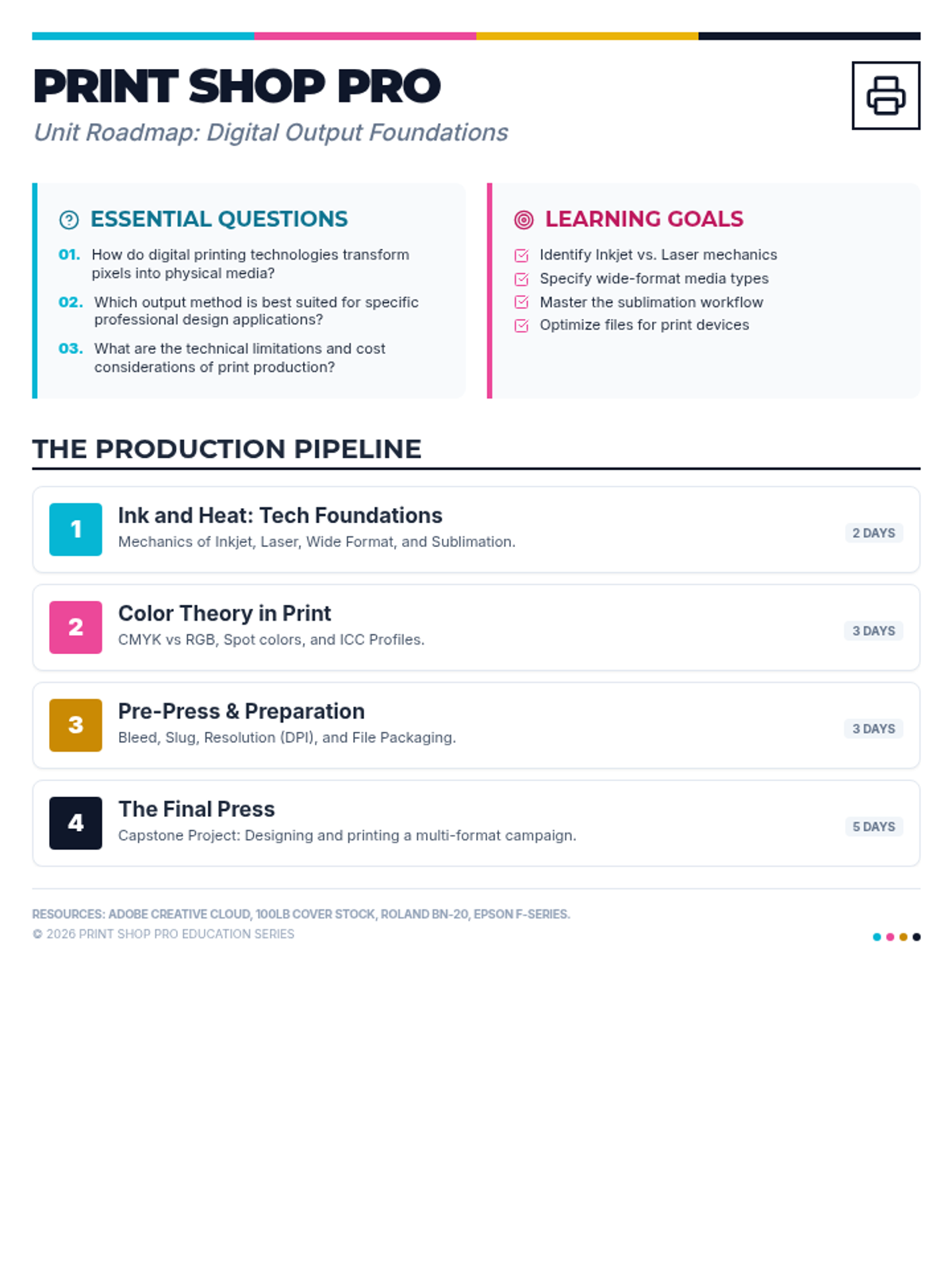
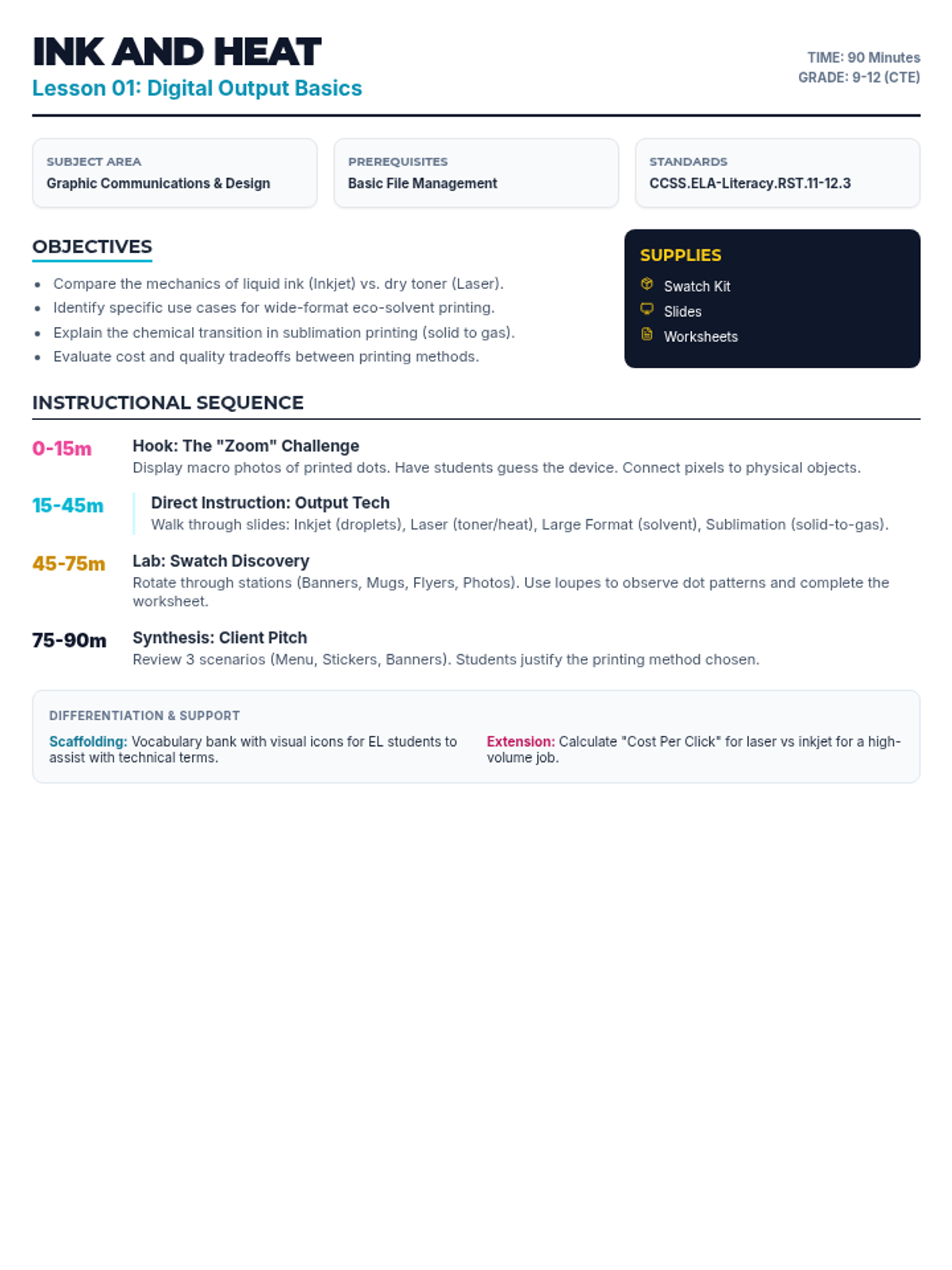
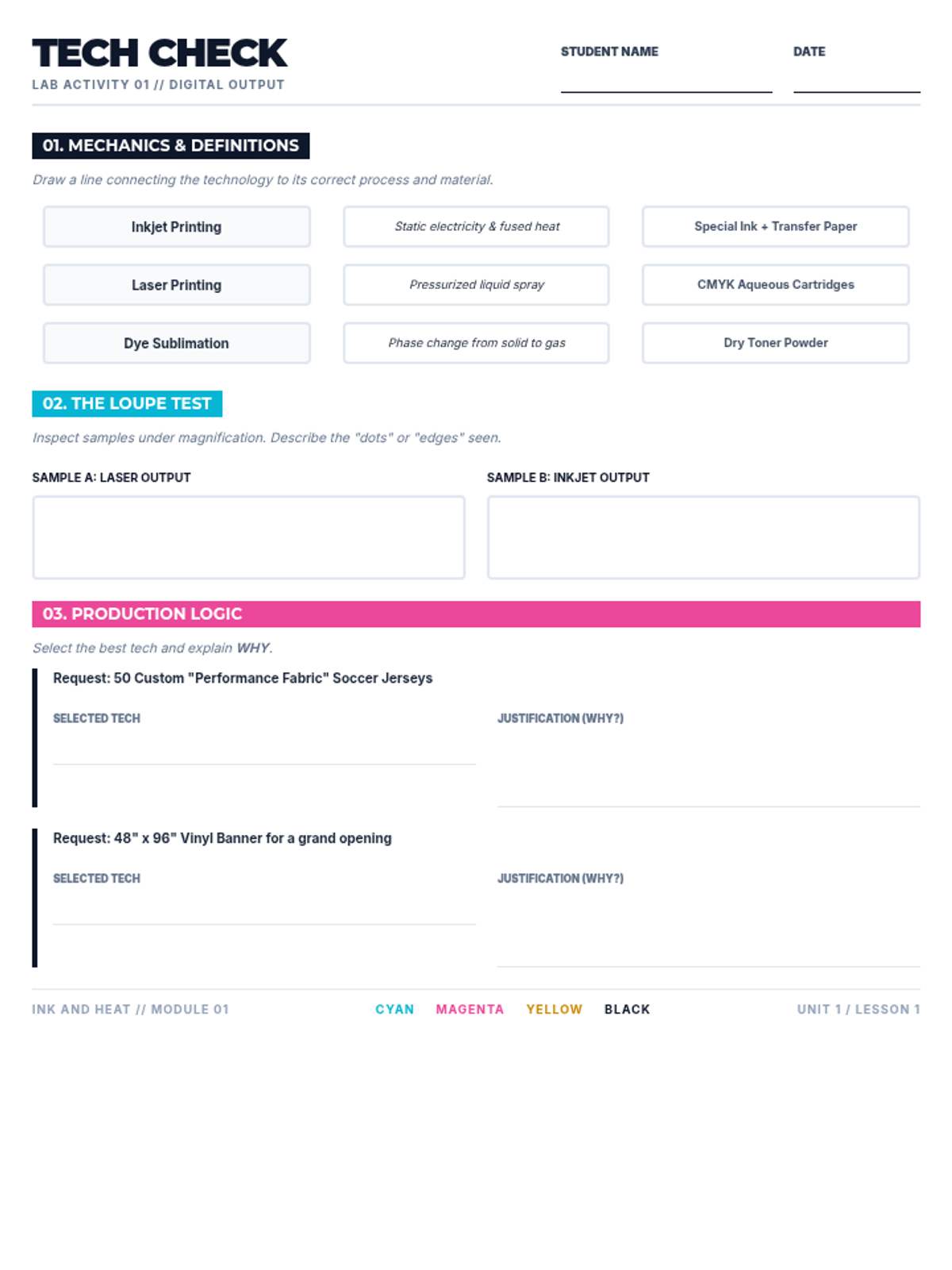
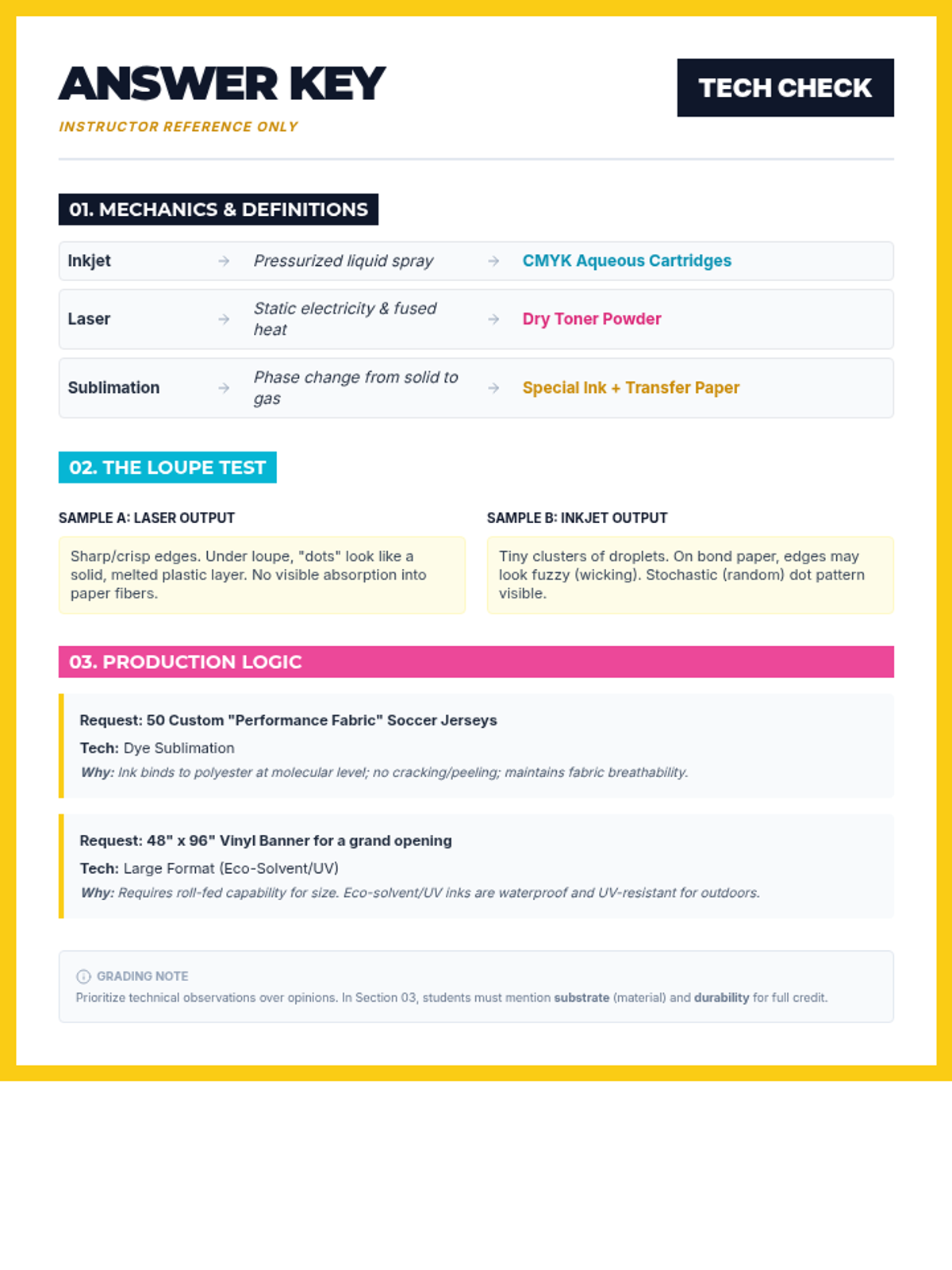
An introductory lesson on digital printing technologies, covering the mechanics of inkjet, laser, large format, and sublimation printing. Students will learn the pros, cons, and specific use cases for each method.
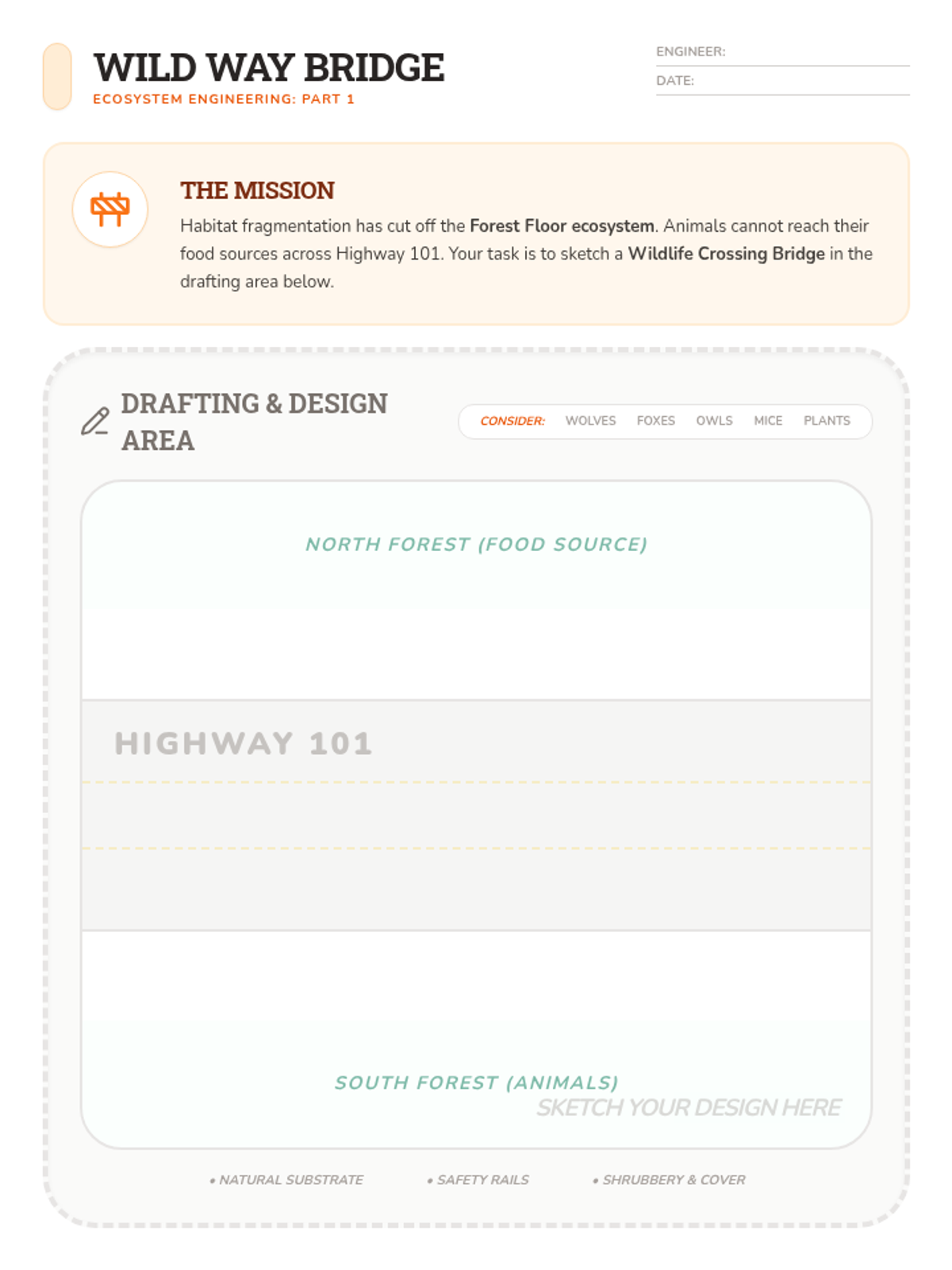
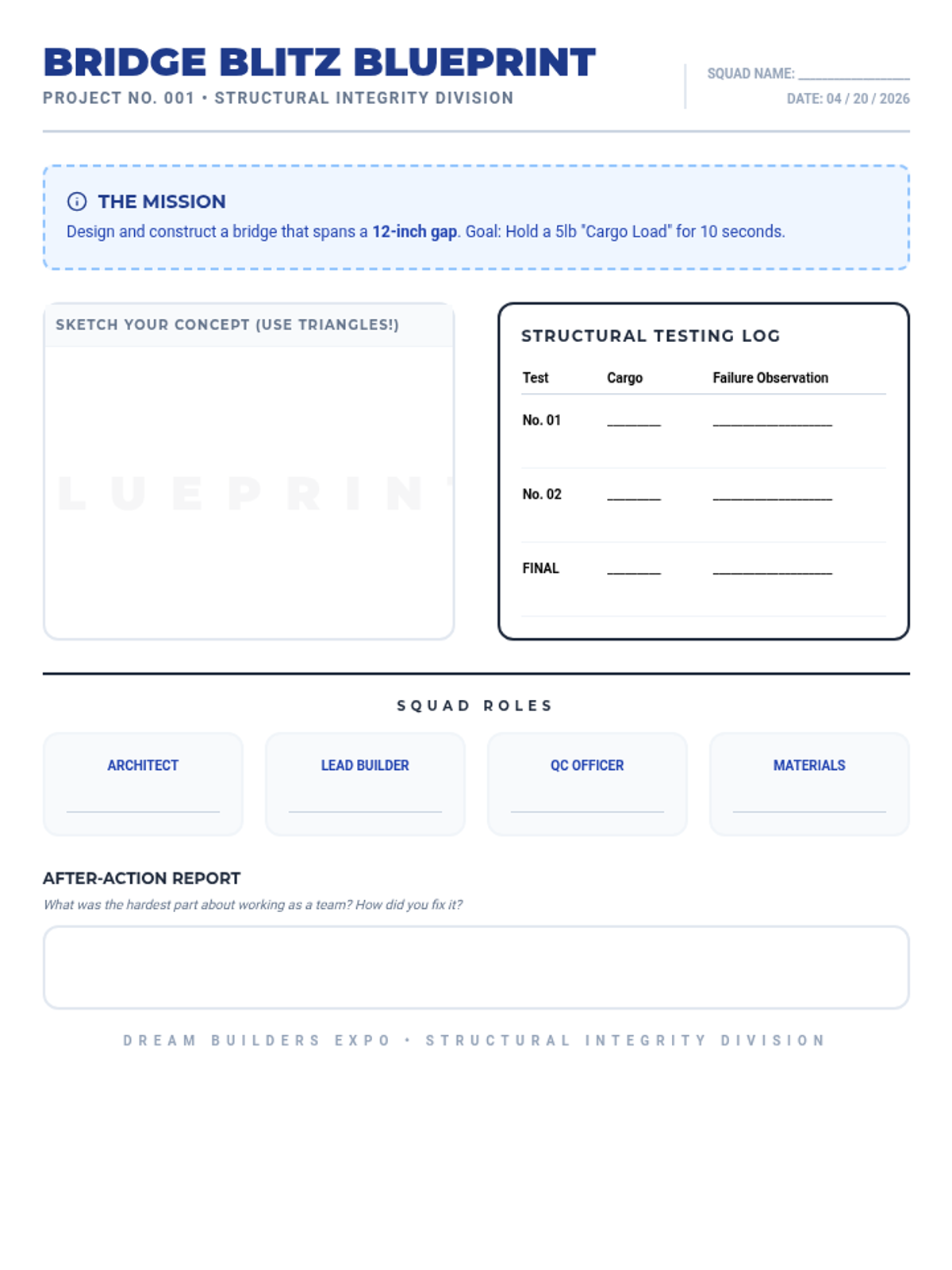
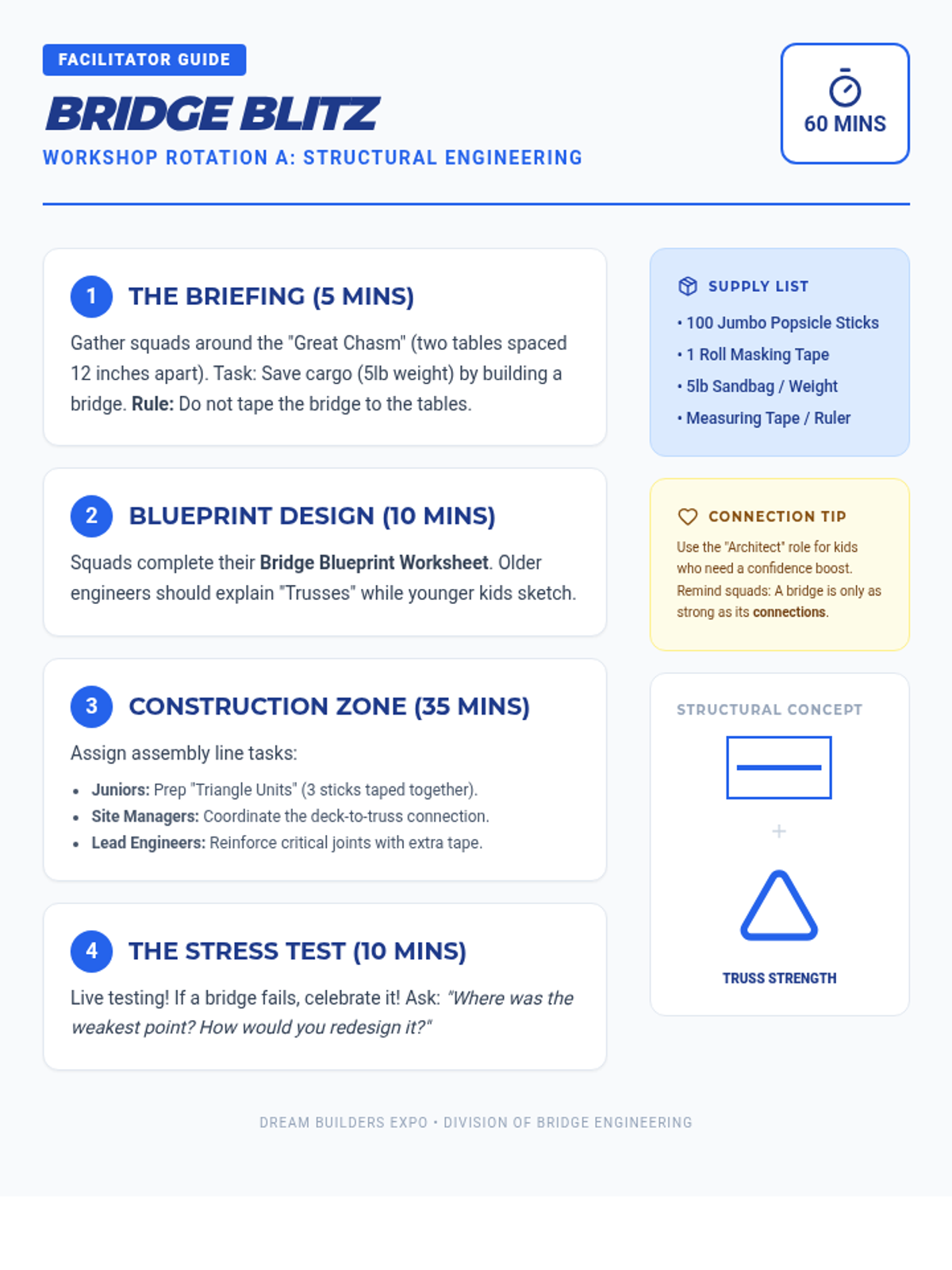
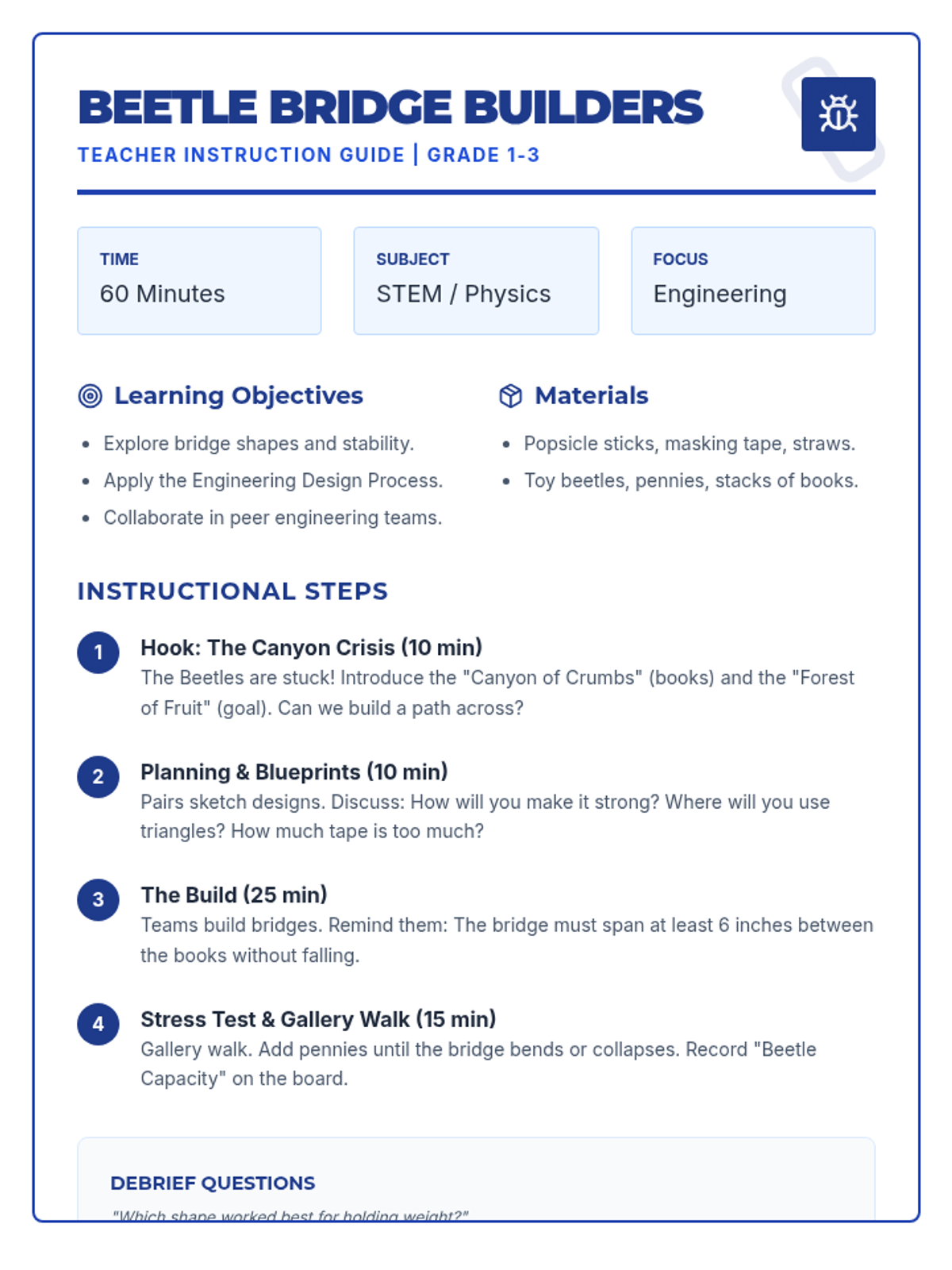
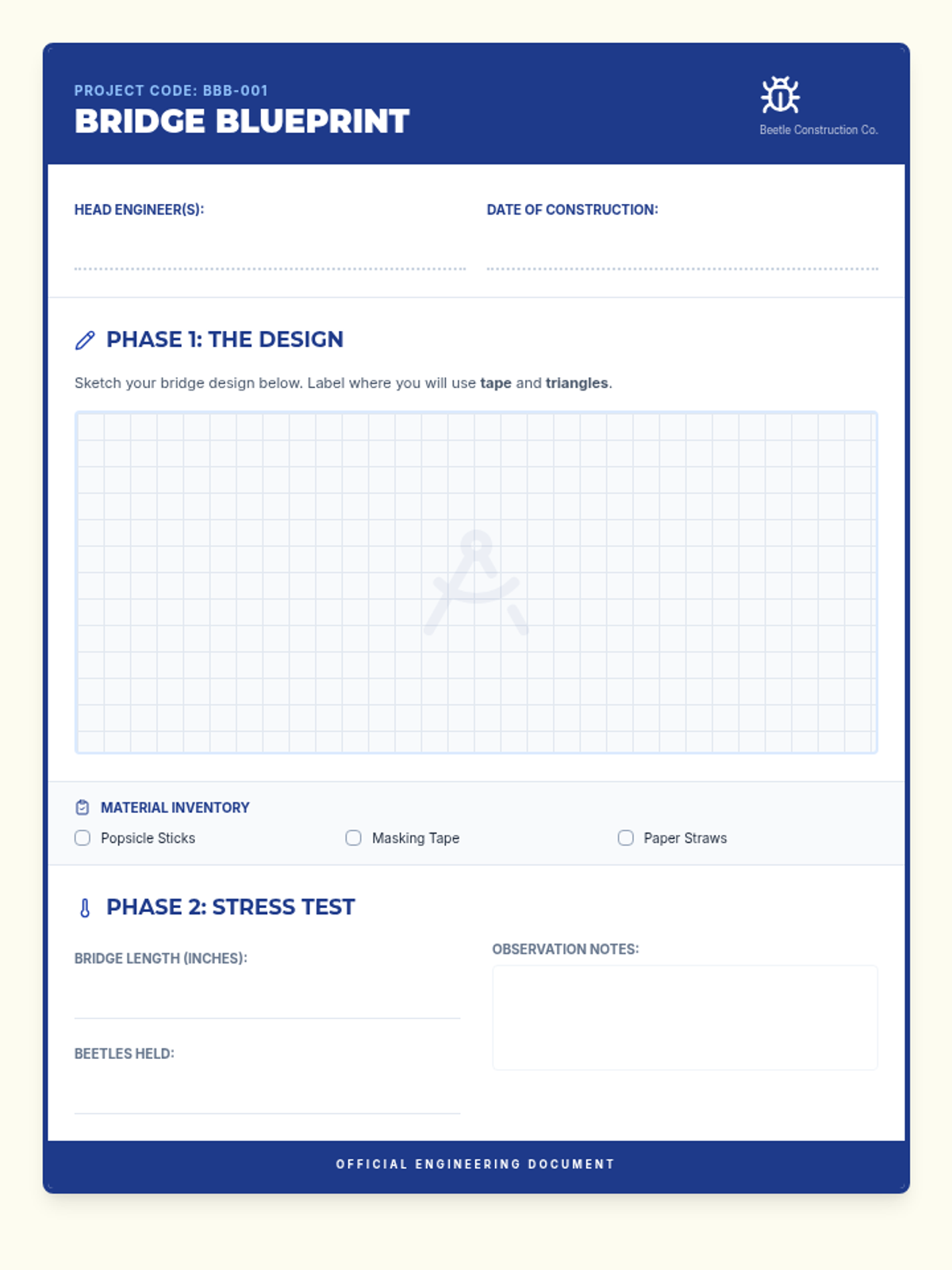
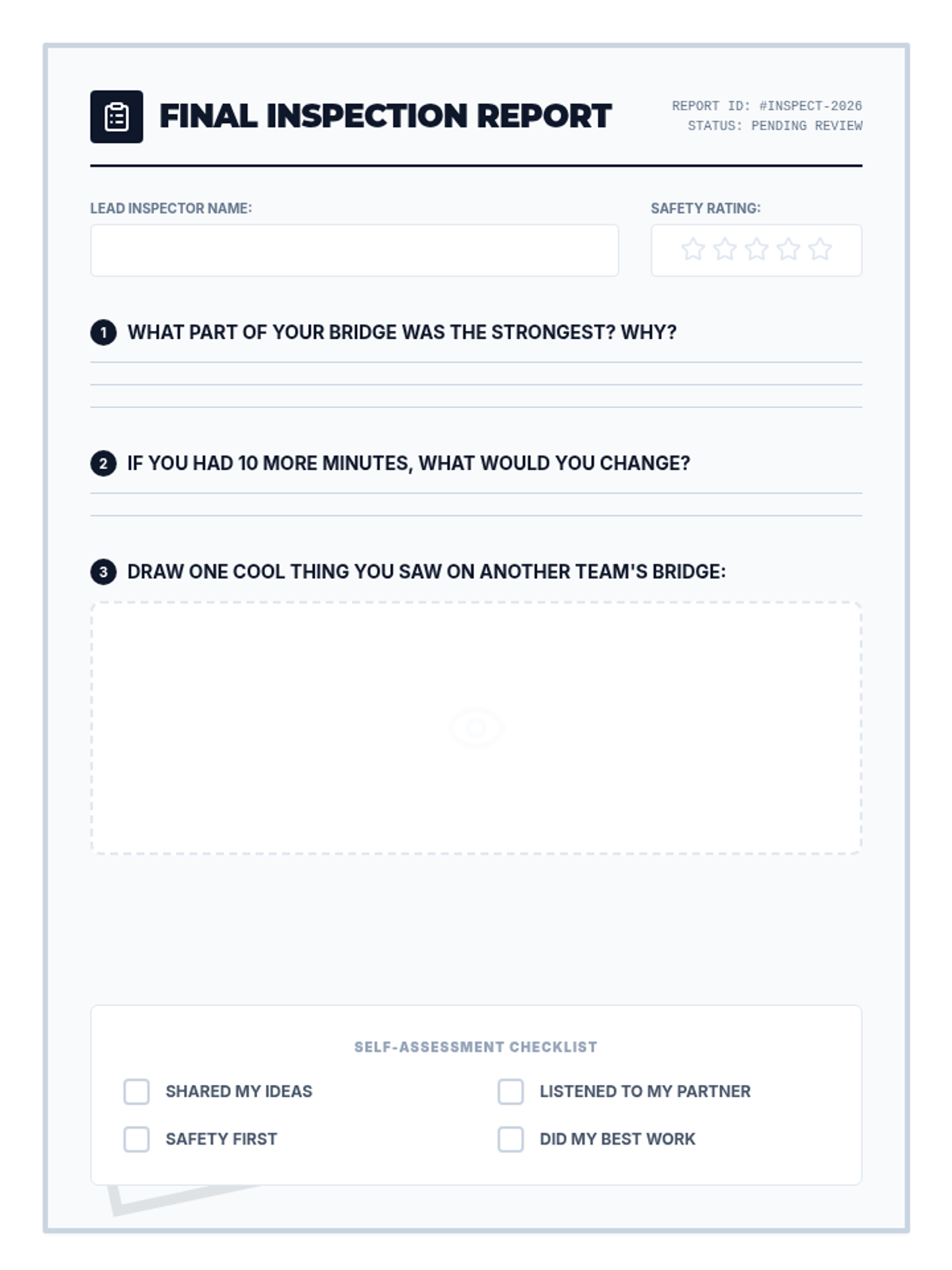
Students step into the roles of junior engineers to design, build, and test bridges for toy insects, exploring structural integrity and the engineering design process.
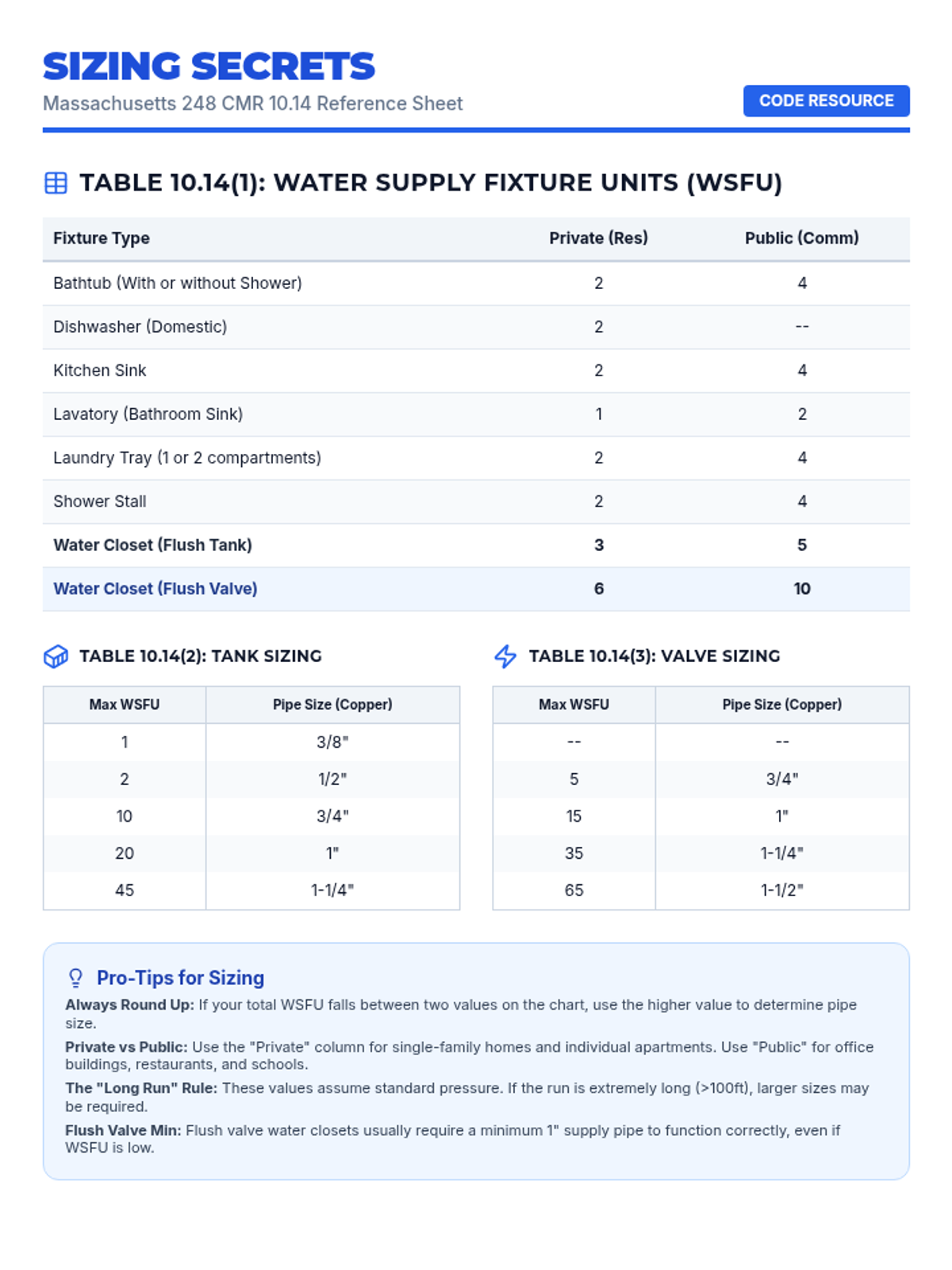
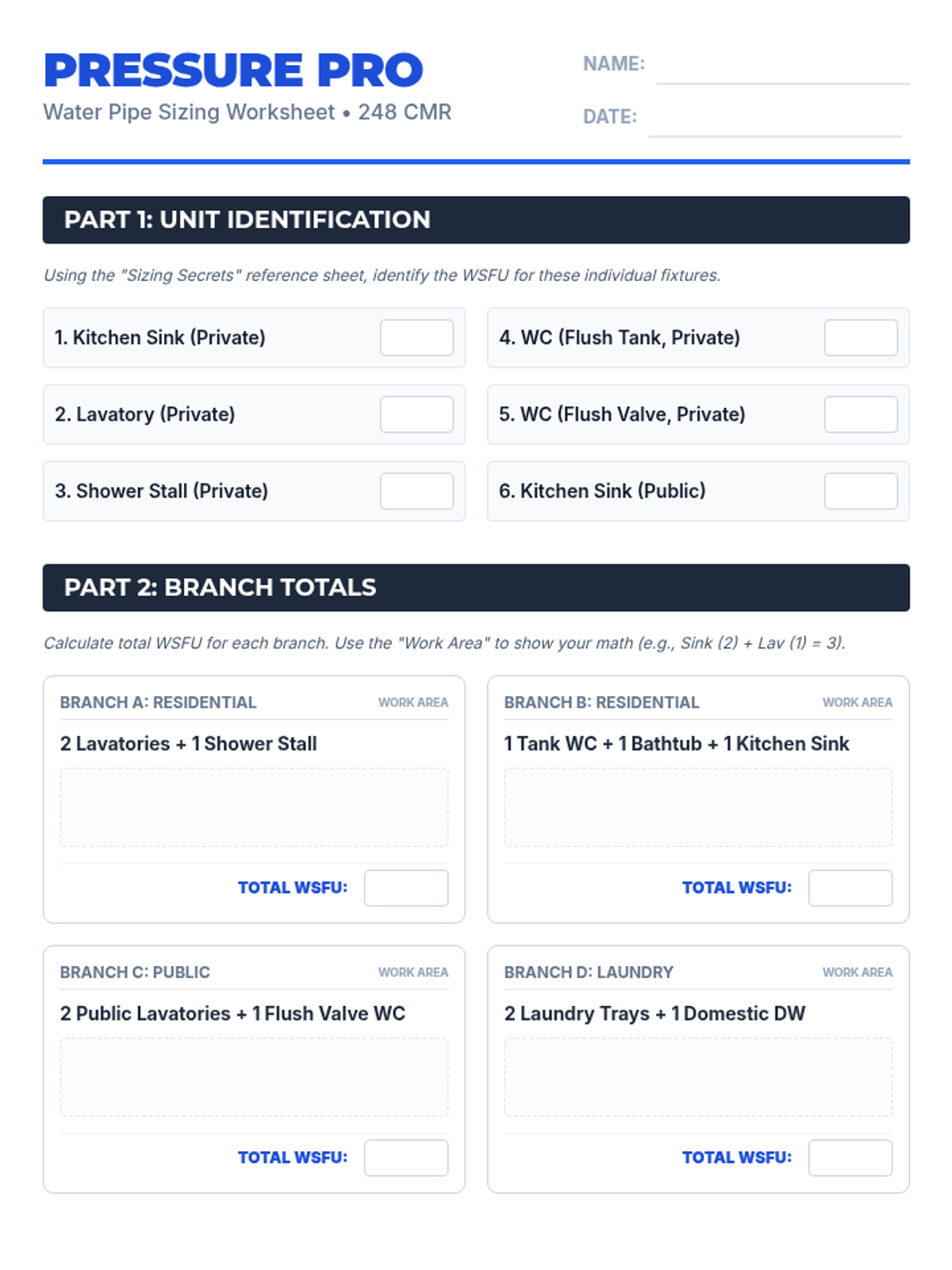
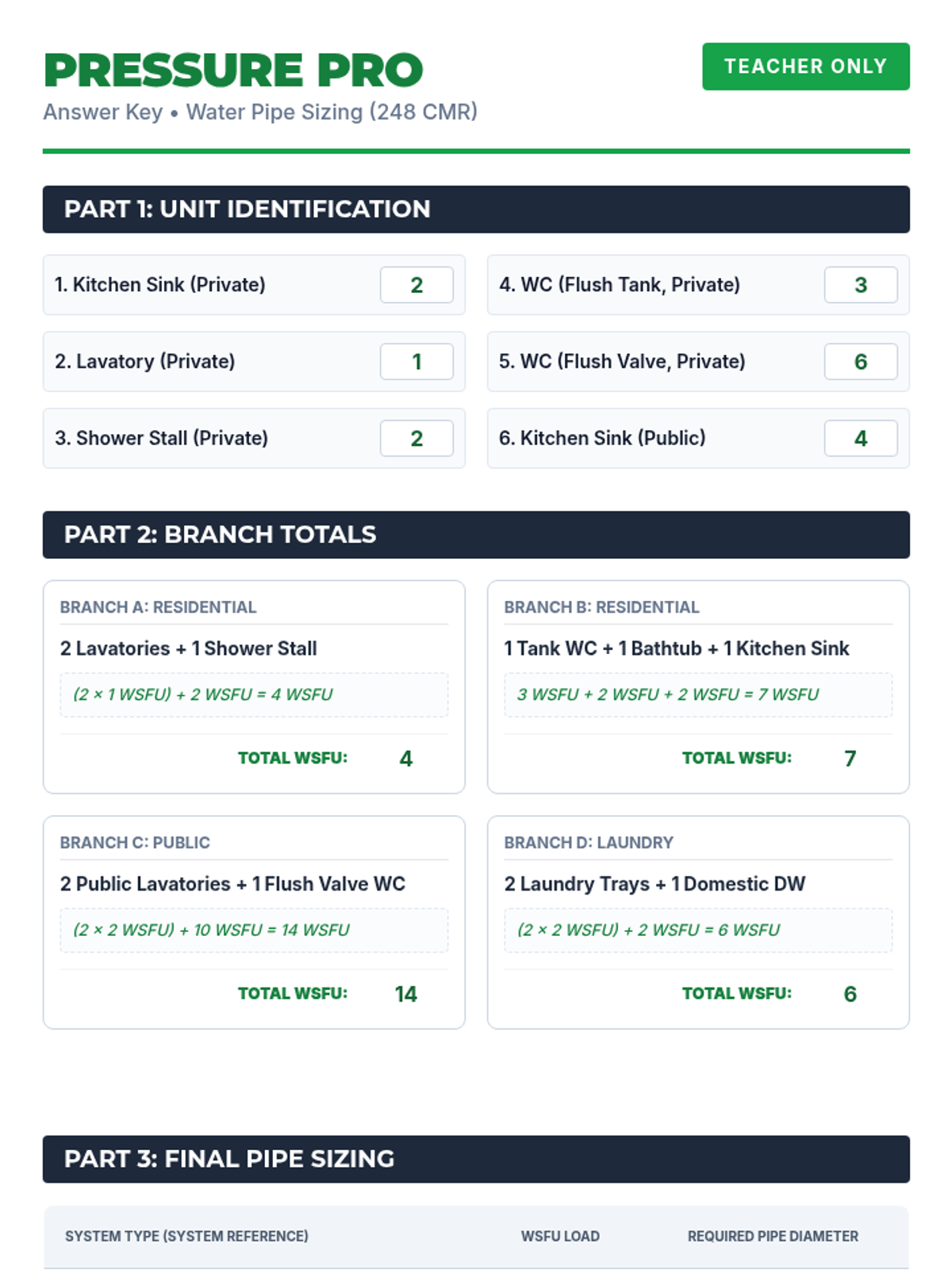
An introductory lesson on sizing water supply pipes using the Massachusetts 248 CMR plumbing code, focusing on Water Supply Fixture Units (WSFU) and table interpretation.
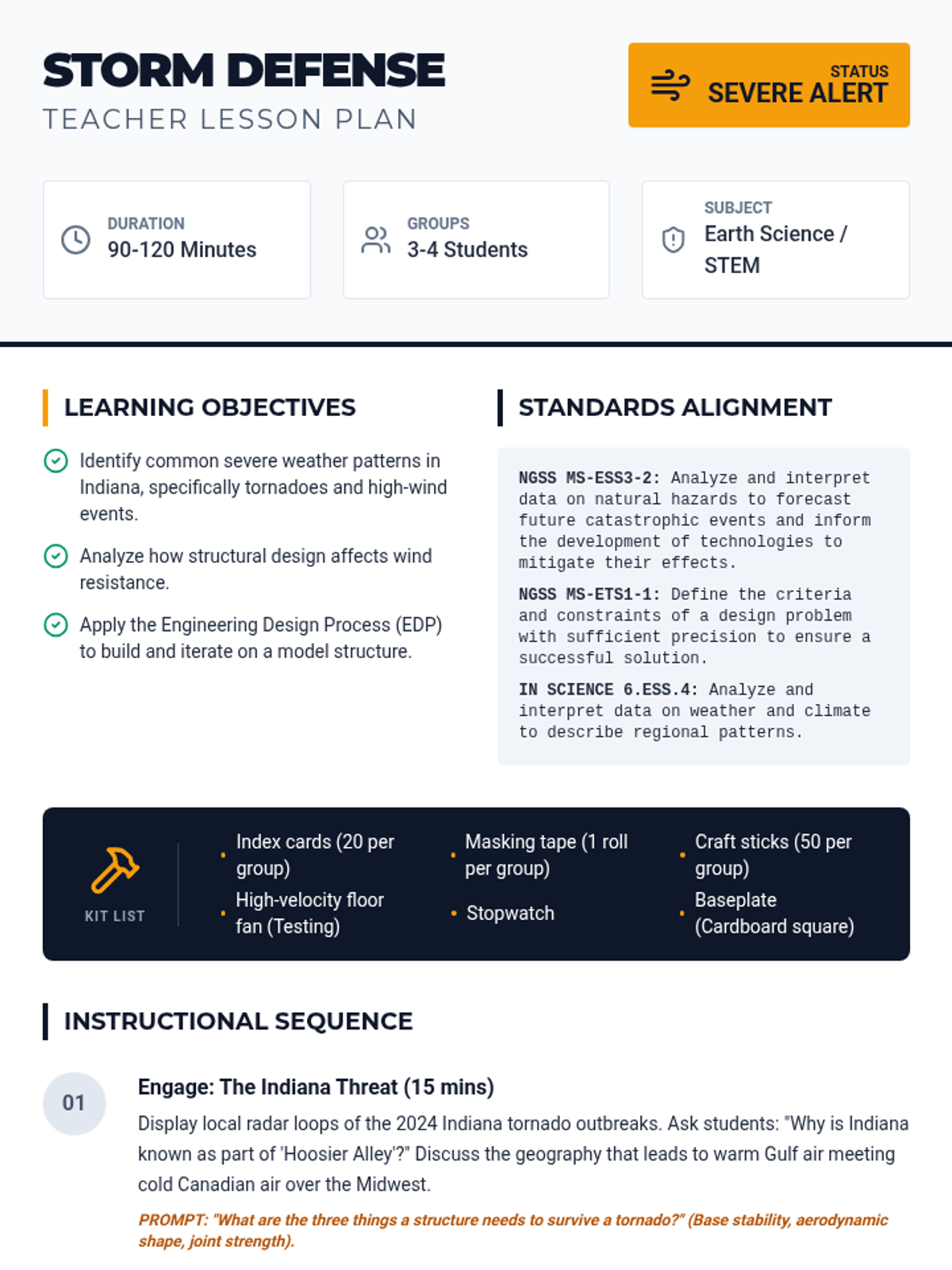
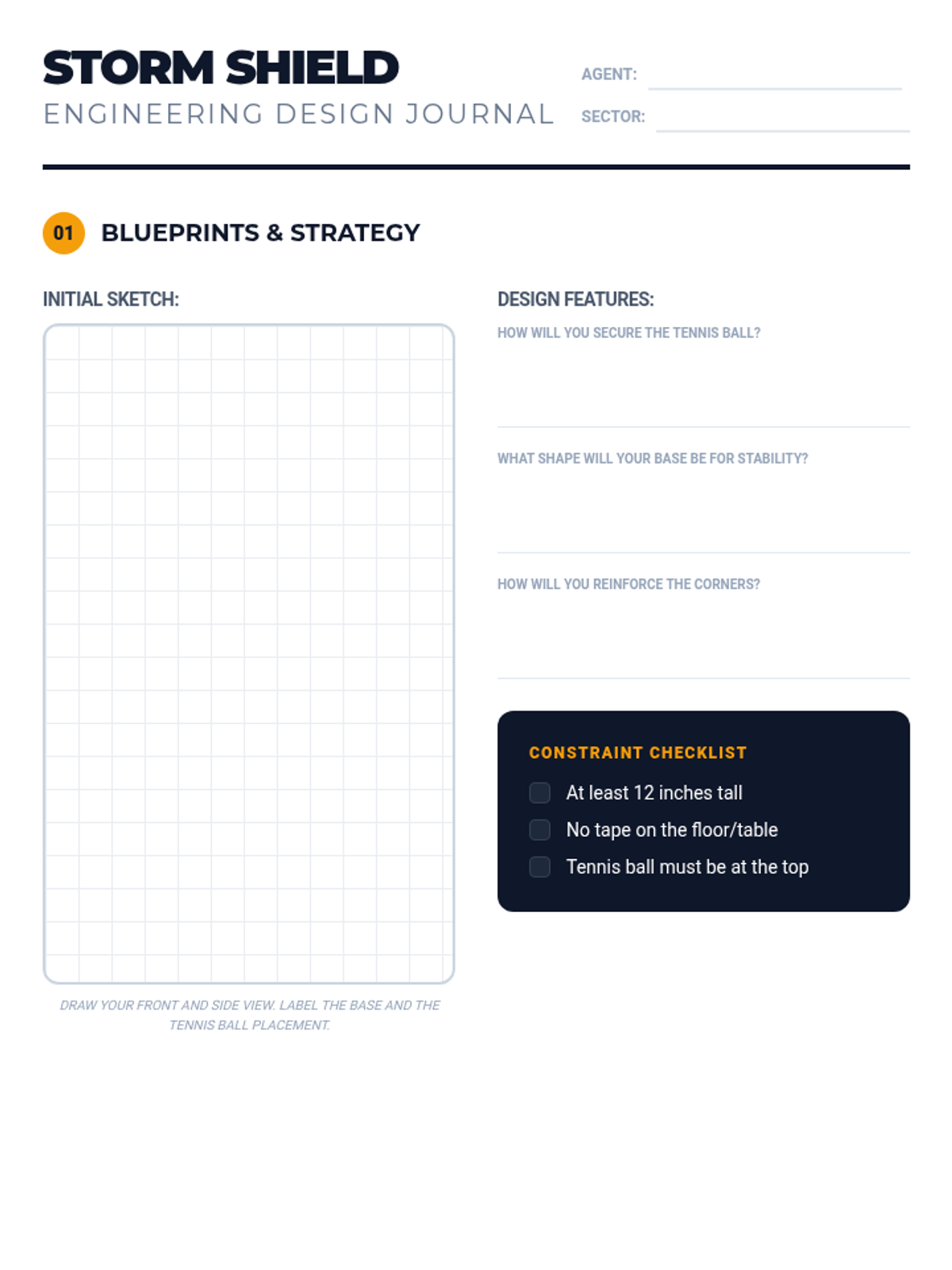
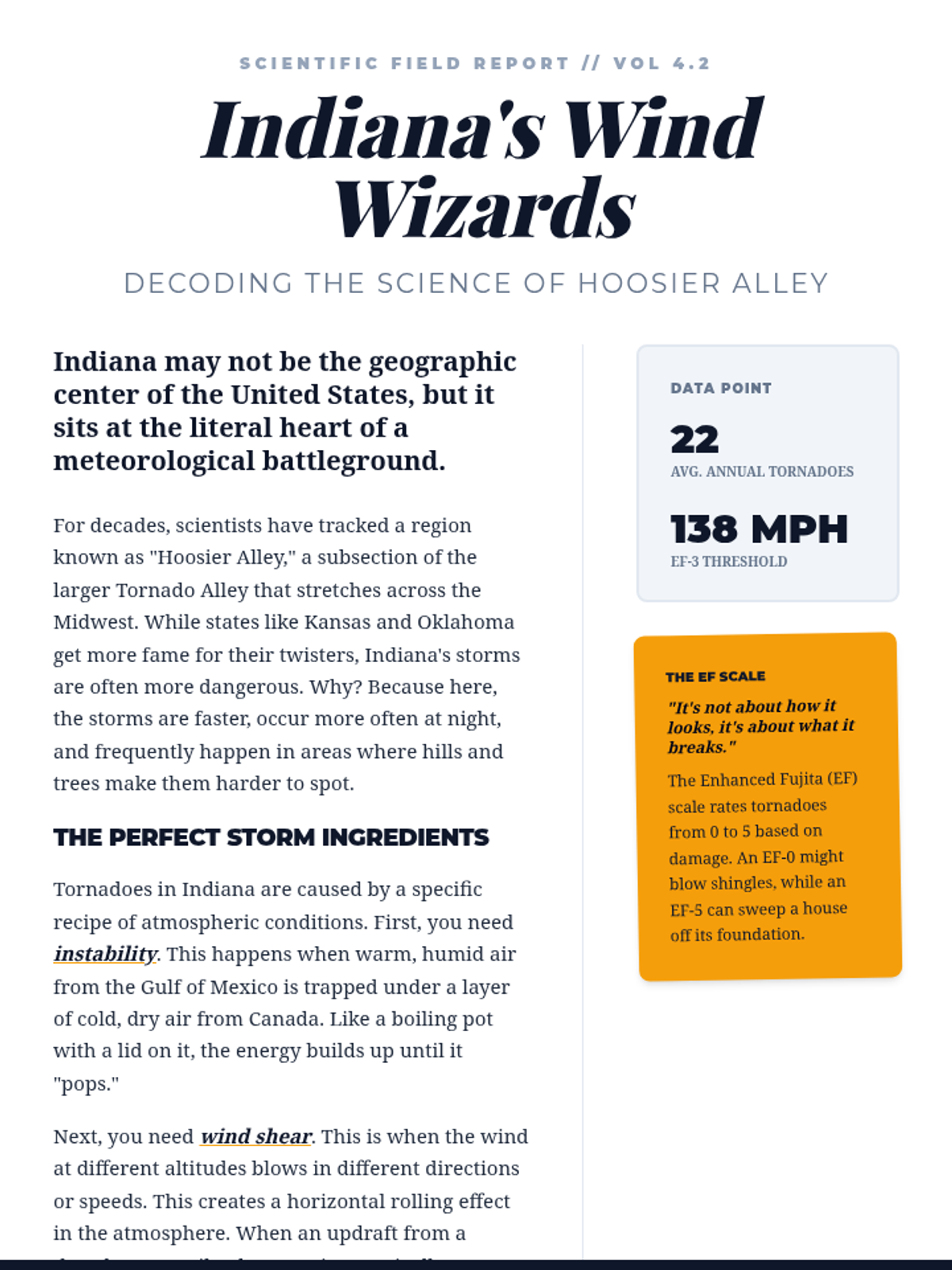
Students investigate severe weather patterns in Indiana and apply engineering principles to design and build structures capable of withstanding high-speed winds. This STEM-focused lesson combines earth science with a hands-on engineering challenge.
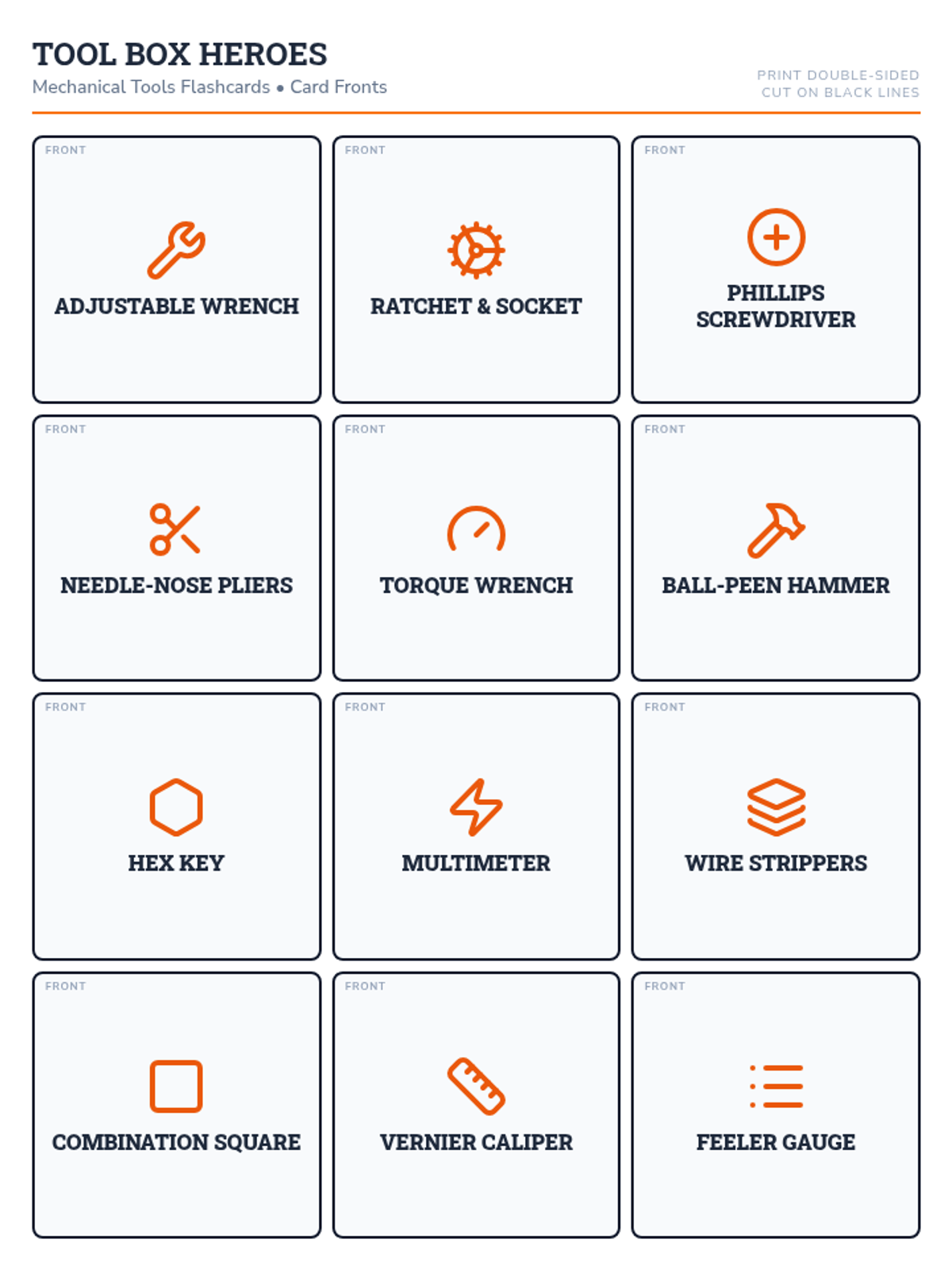
A lesson focused on identifying and understanding the specific functions of essential mechanical tools used in repair shops.
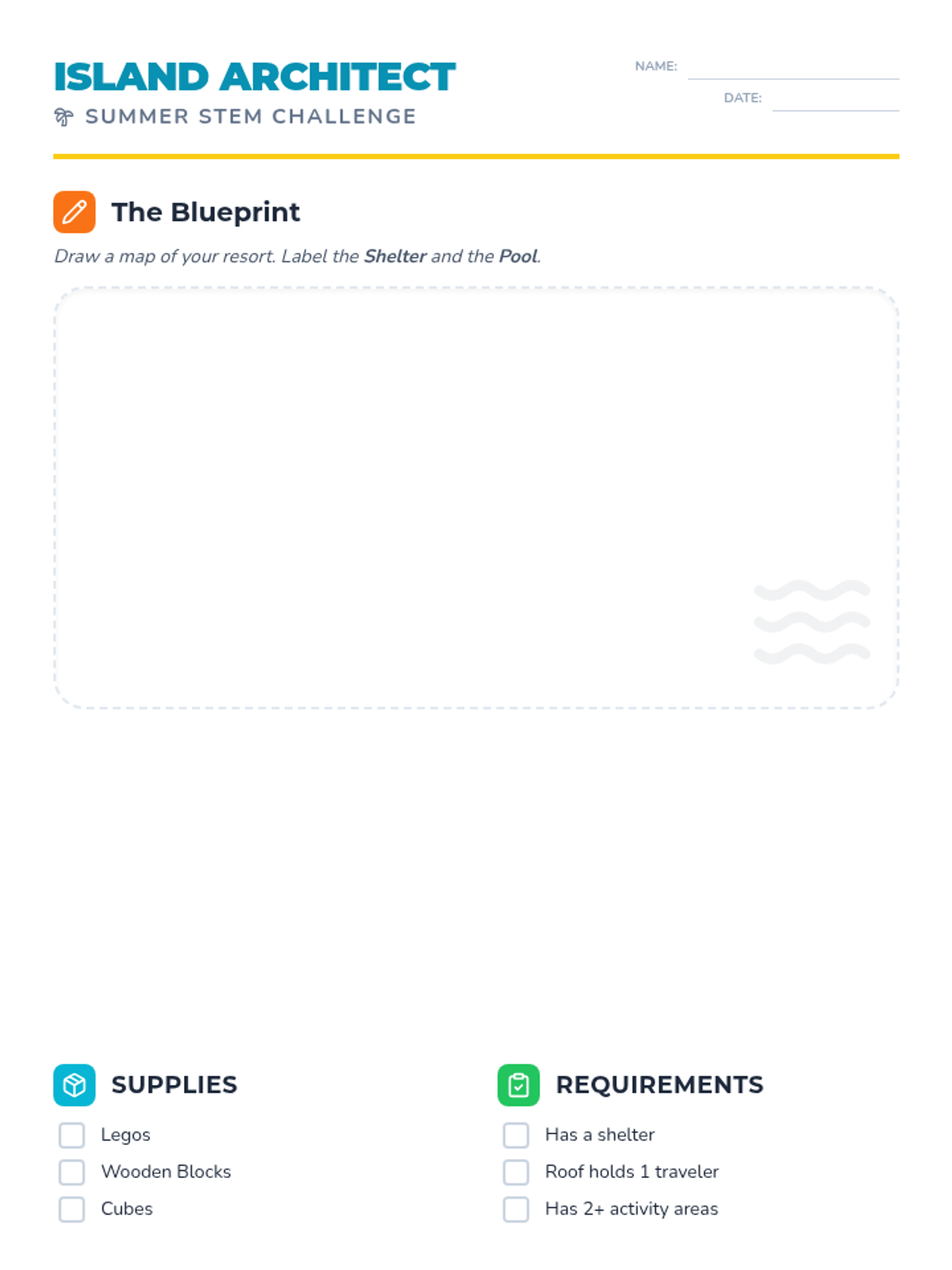
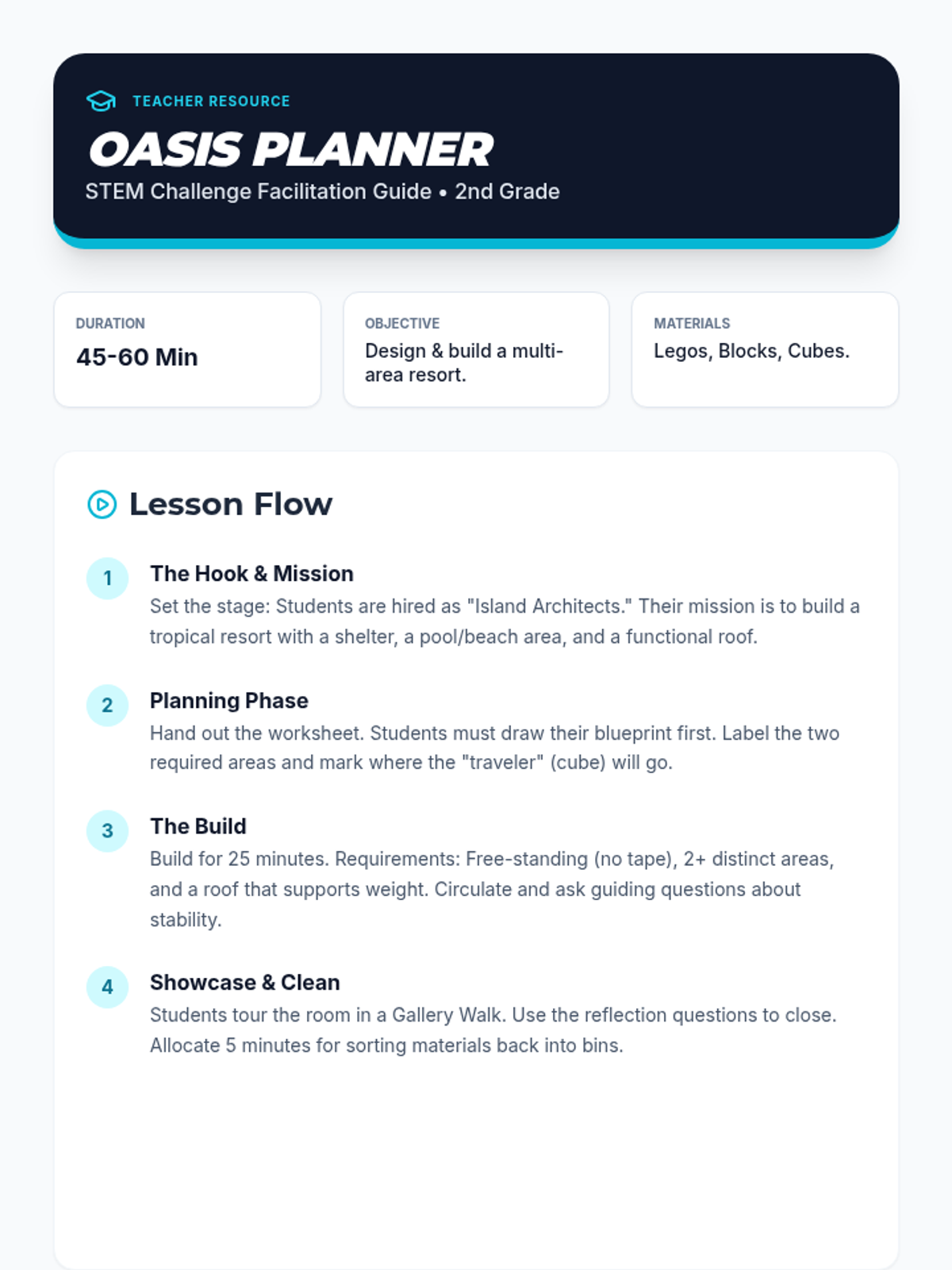
A high-energy 2nd-grade STEM challenge where students use classroom bin materials to design and build the ultimate summer island resort. This lesson focuses on engineering design, problem-solving, and creative thinking.
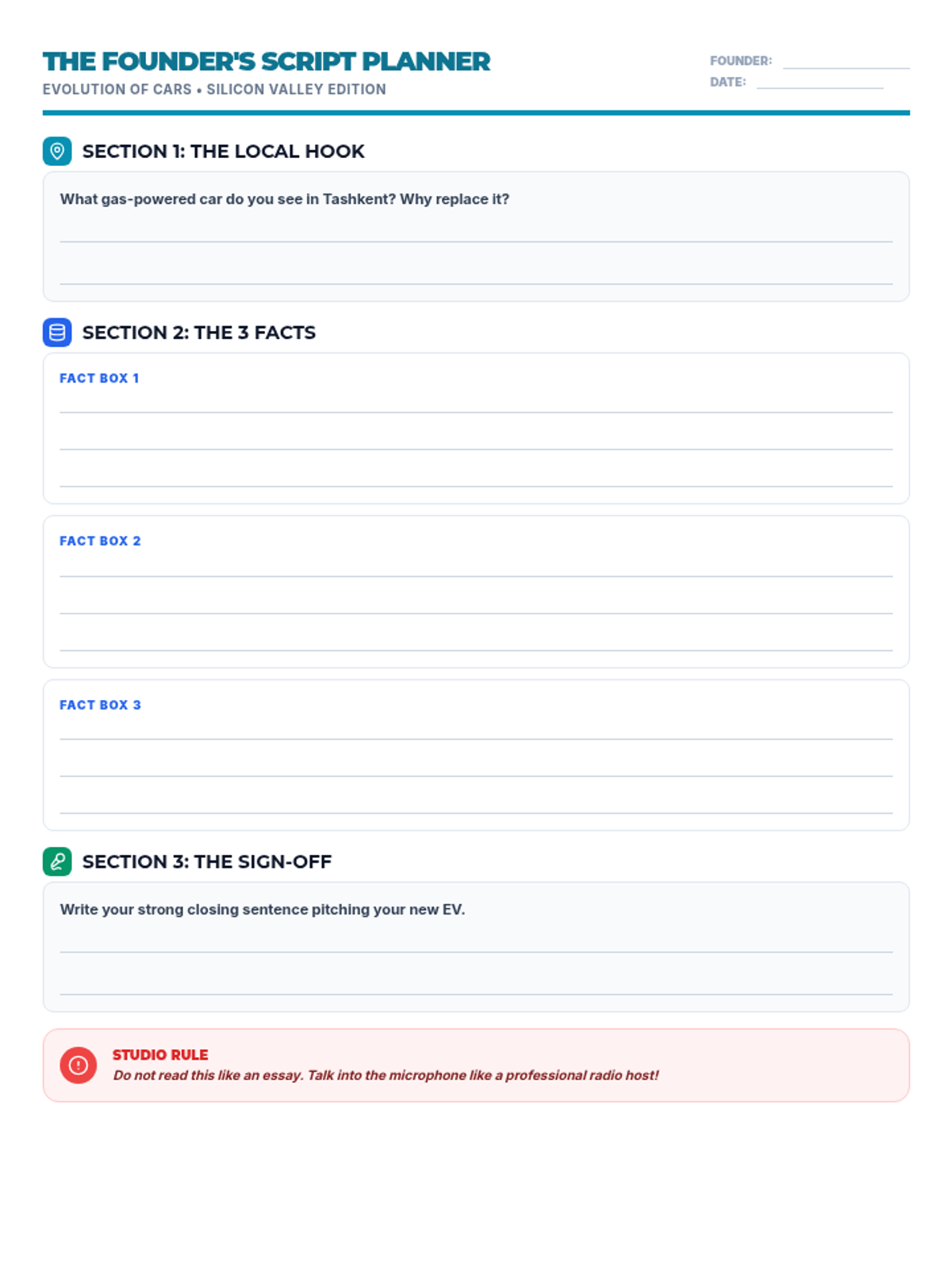
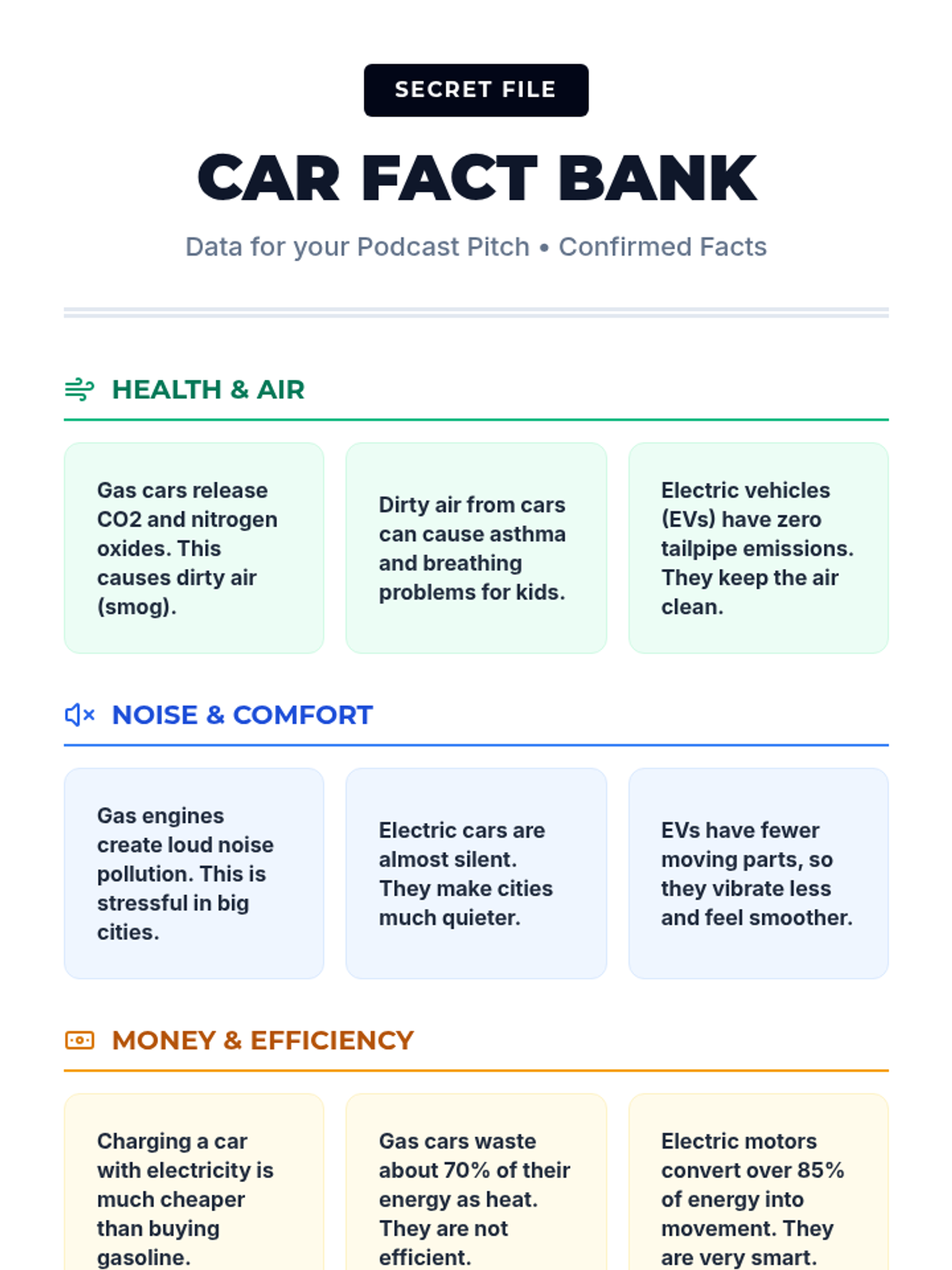
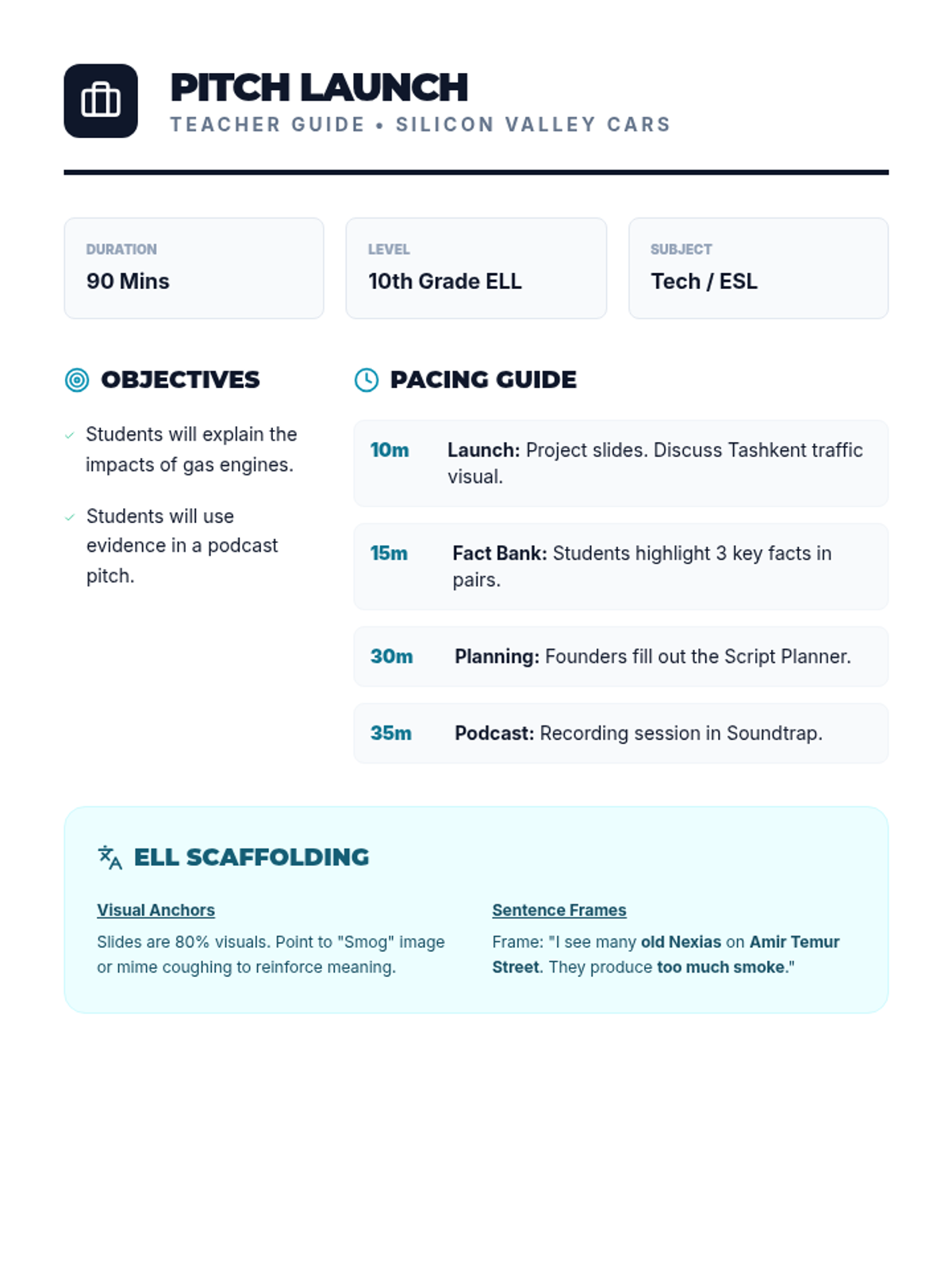
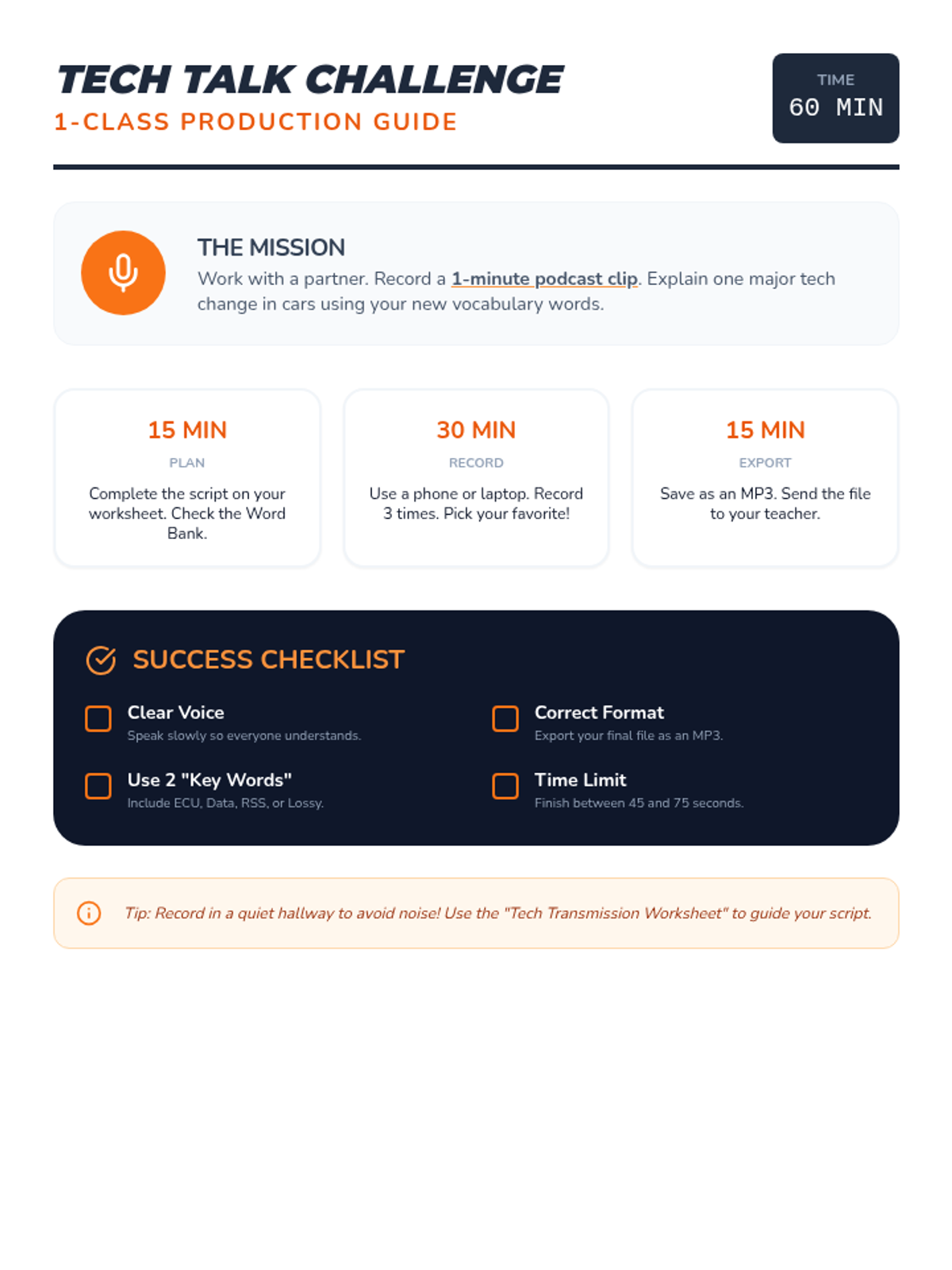
A high-energy, startup-themed lesson where students act as founders pitching the transition from gas to electric vehicles. Designed specifically for ELL students, it culminates in a 2-minute podcast recording focusing on local Tashkent traffic and factual evidence.
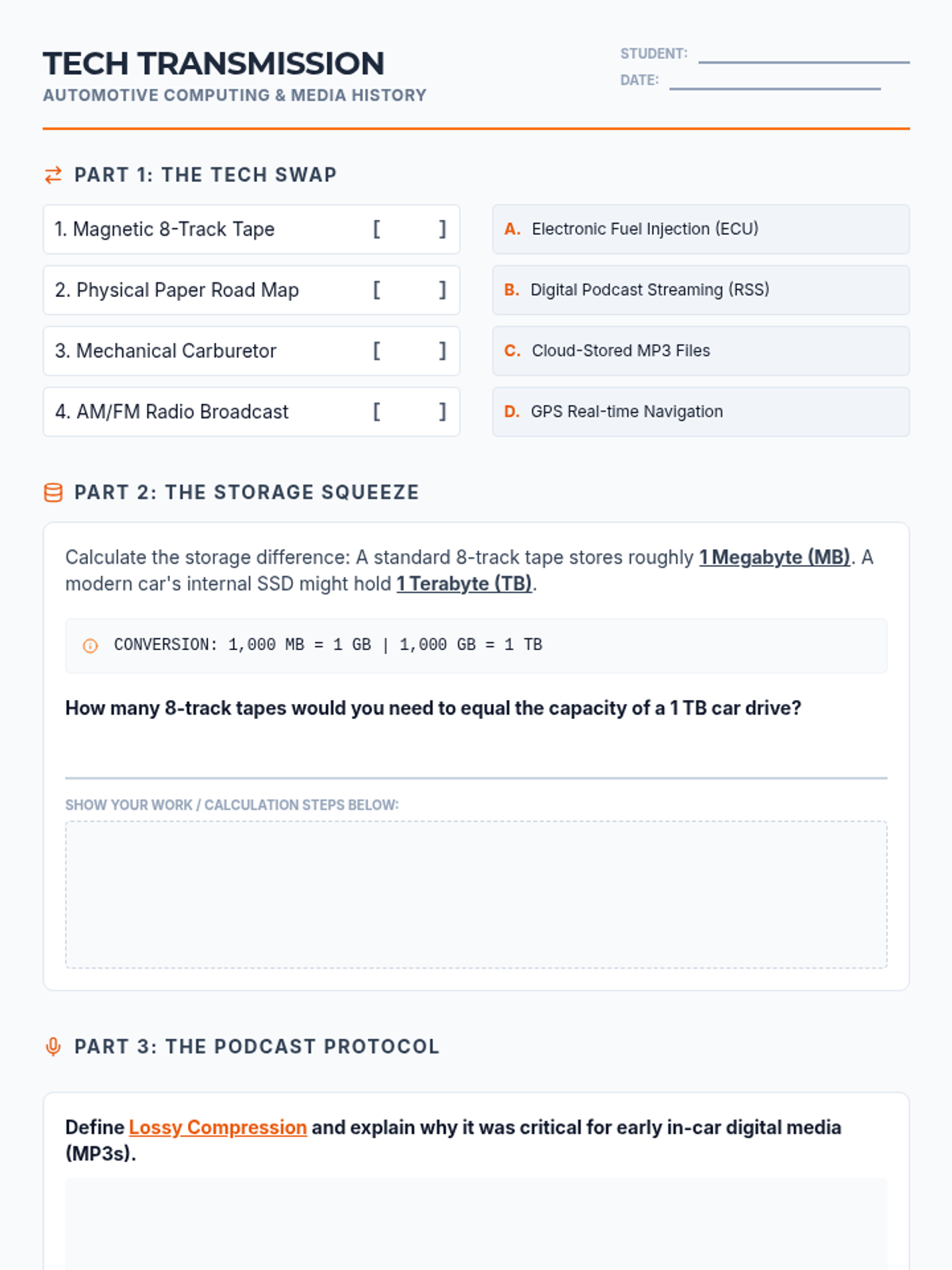
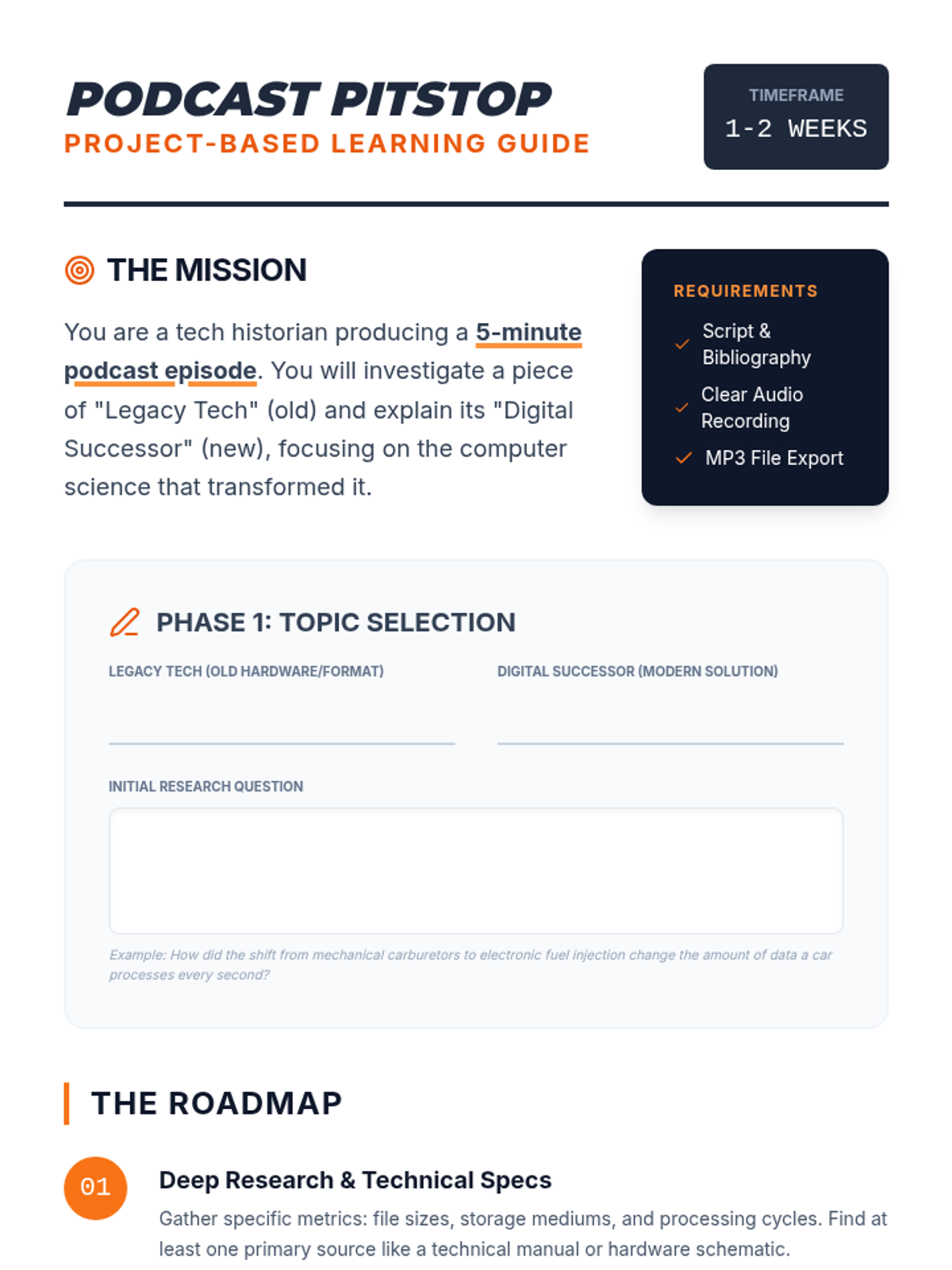
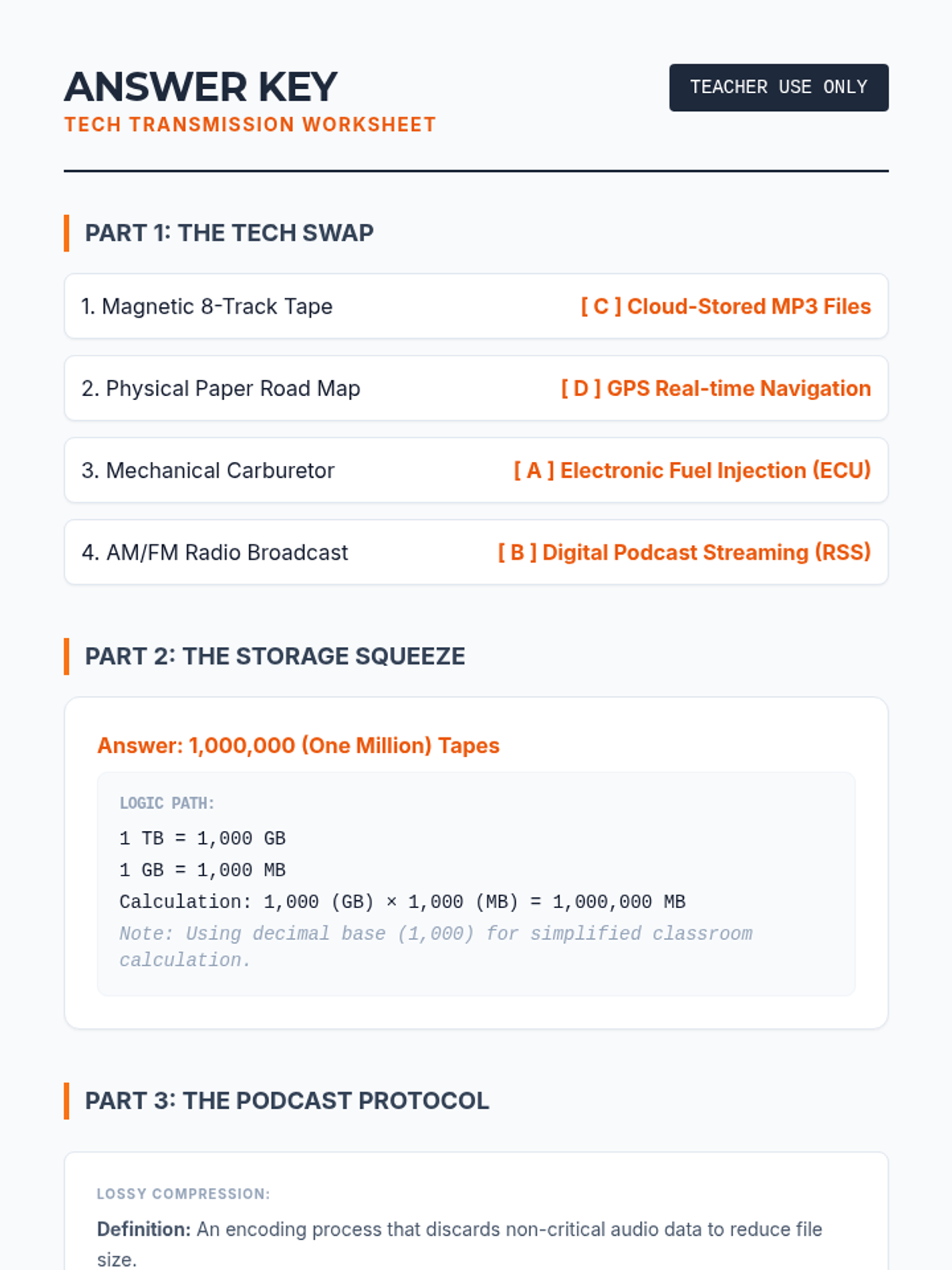
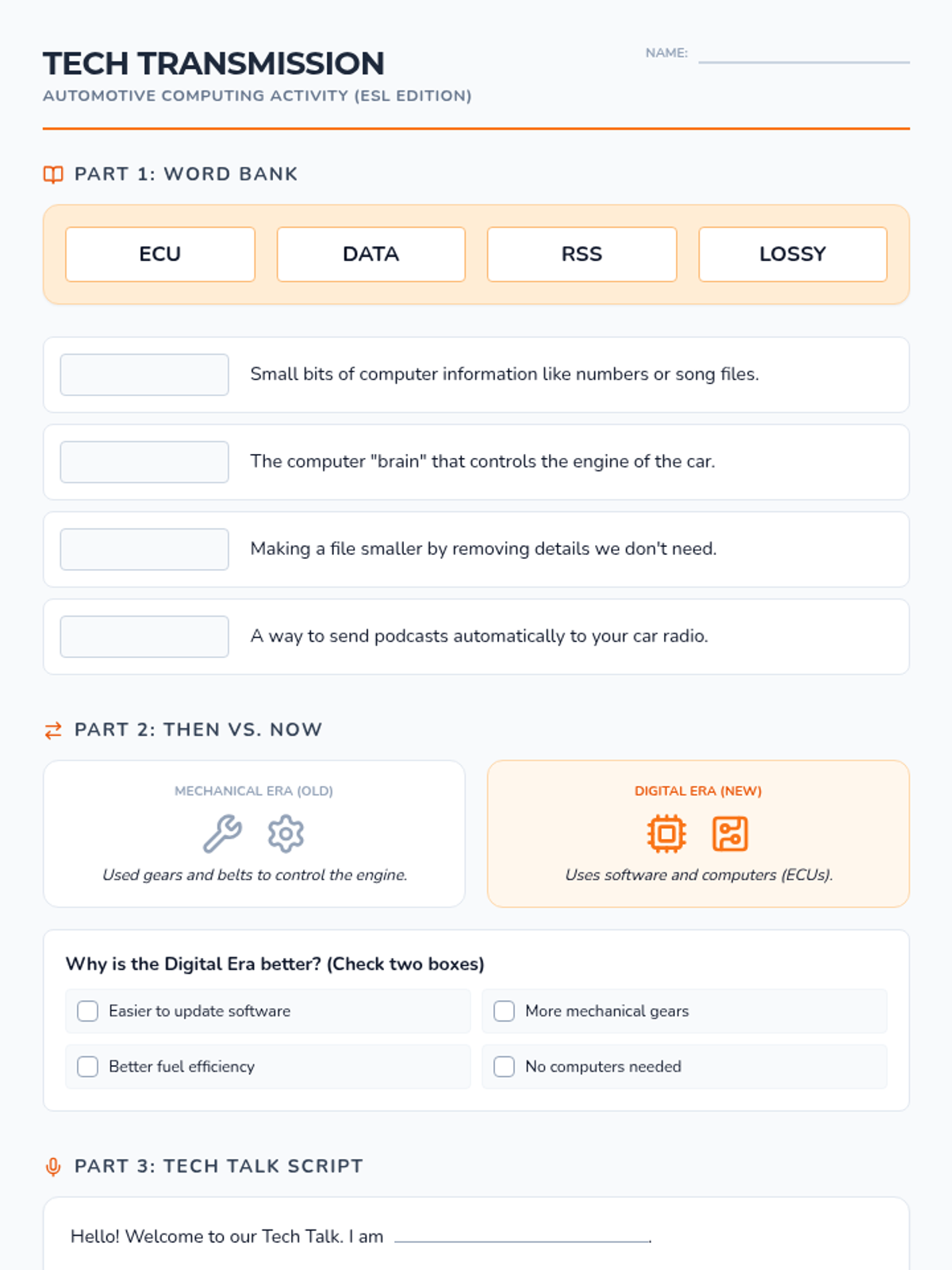
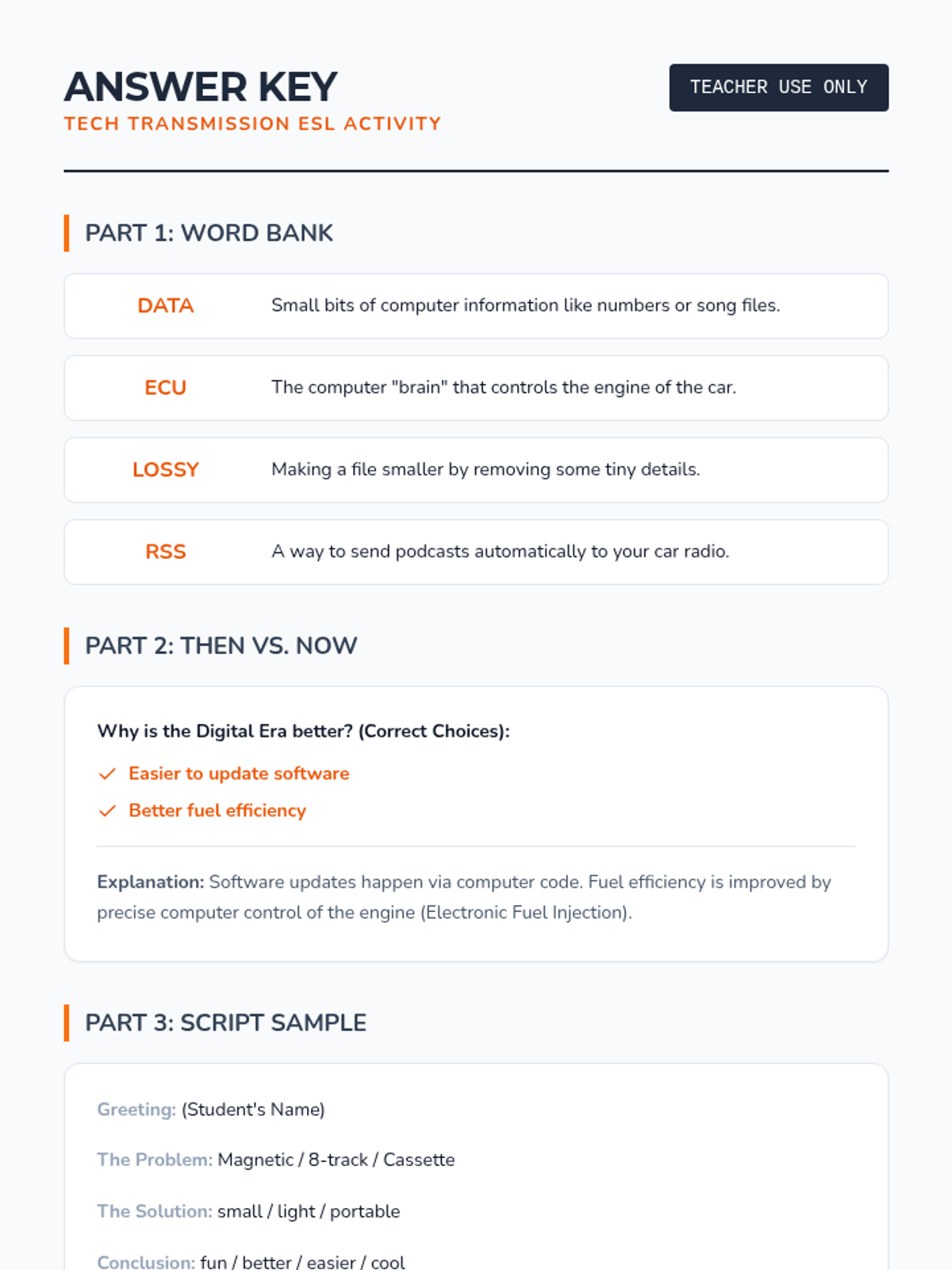
A comprehensive exploration of automotive computing history, the evolution of data storage, and the transition from analog media to digital podcasting. Students will analyze how hardware and storage capacities have transformed the driving and listening experience.
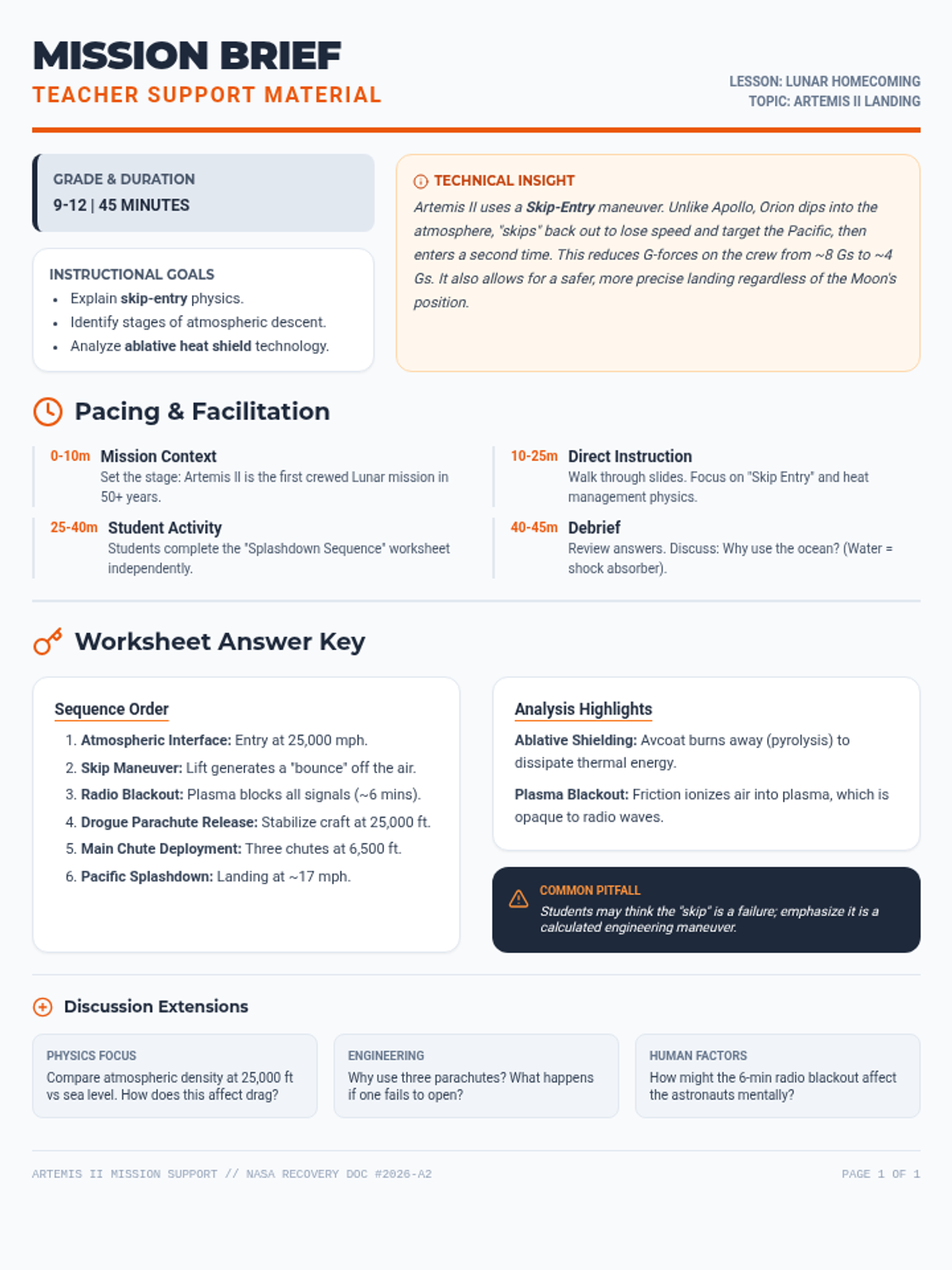
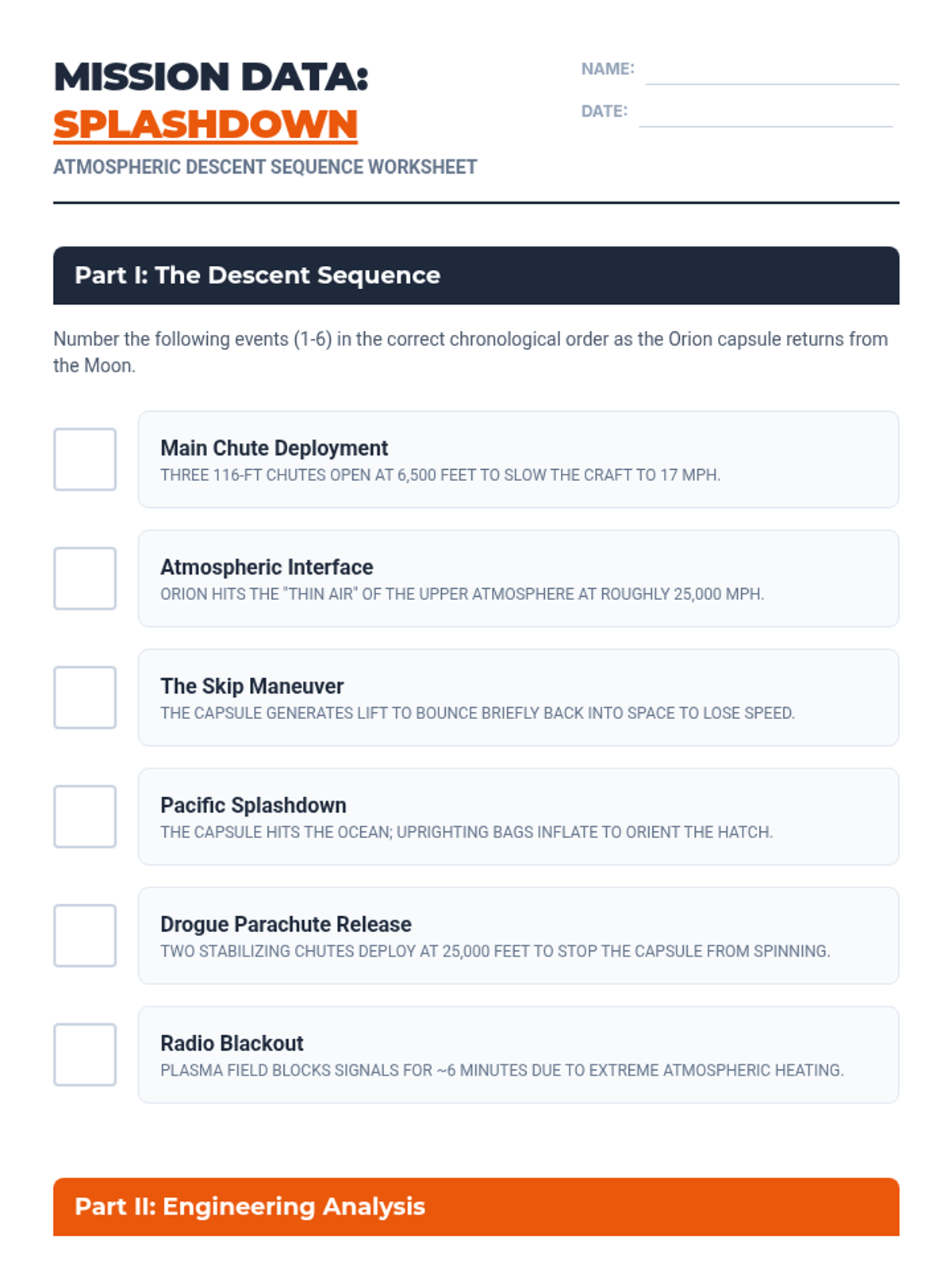
A deep dive into the engineering and physics of the Orion capsule's return to Earth, focusing on heat management, skip-entry maneuvers, and the multi-stage parachute sequence.
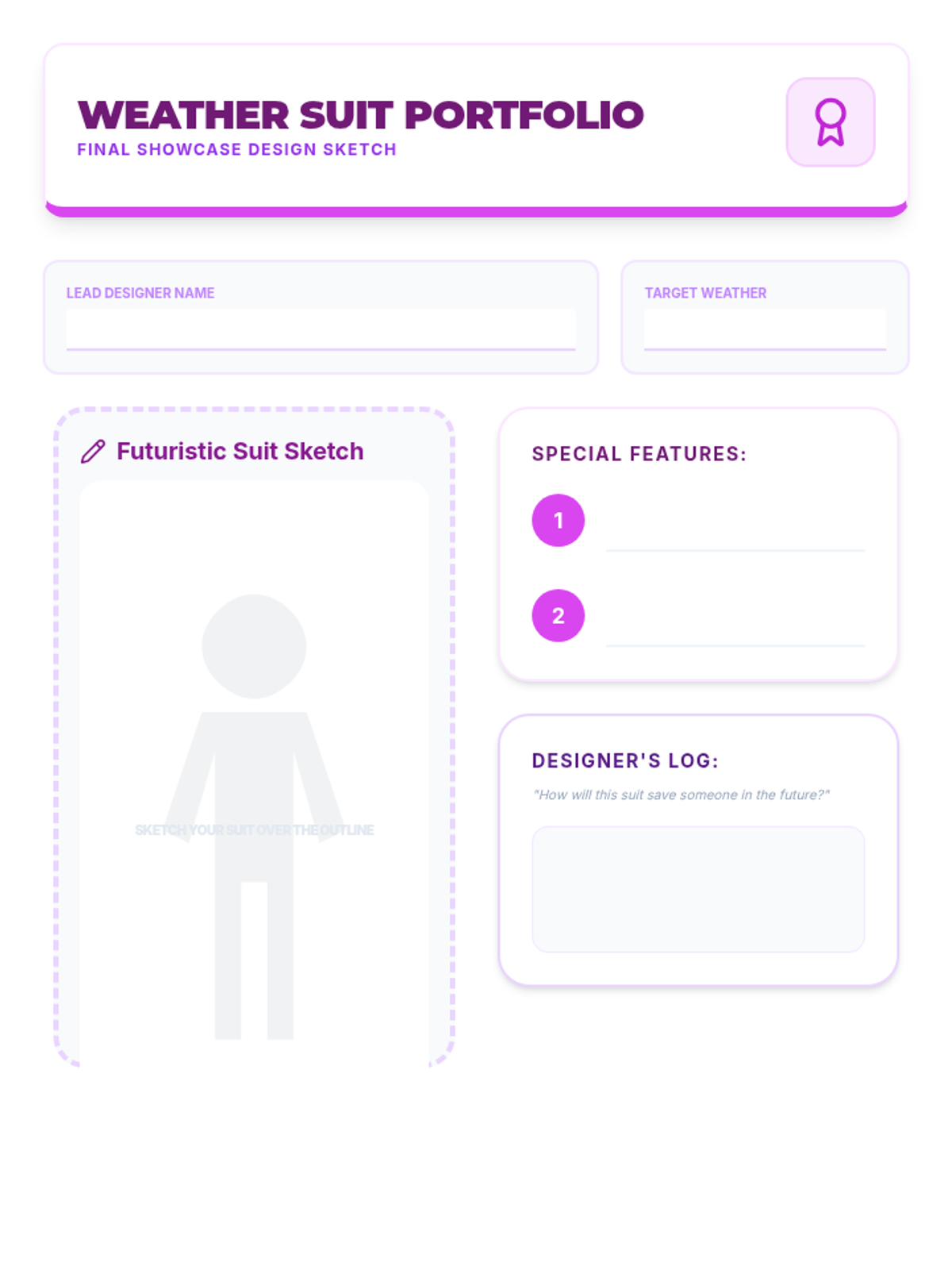
The final showcase where students present their futuristic weather suits and tracking inventions.
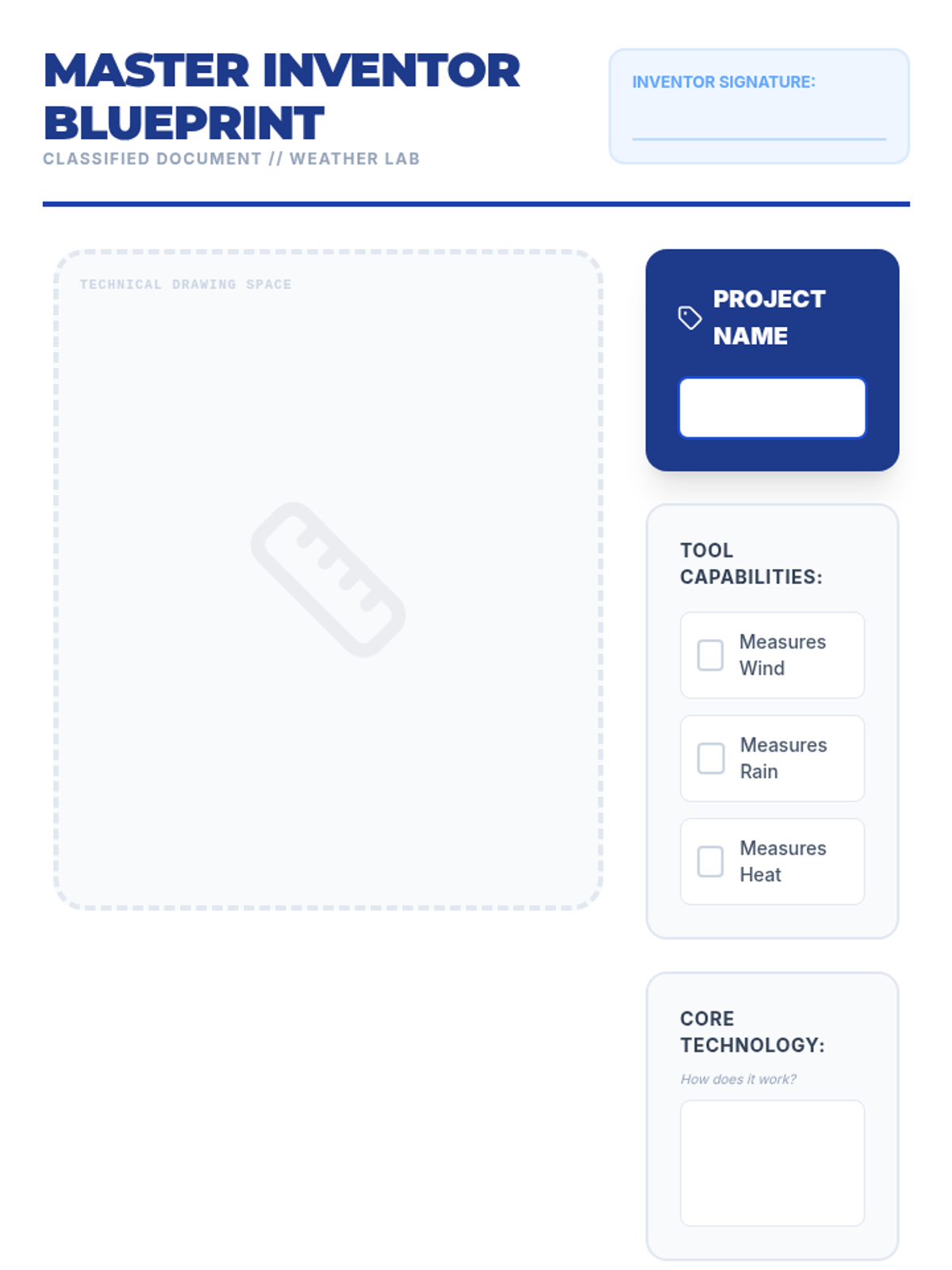
The construction phase for student-designed weather tracking tools using recycled and lab materials.
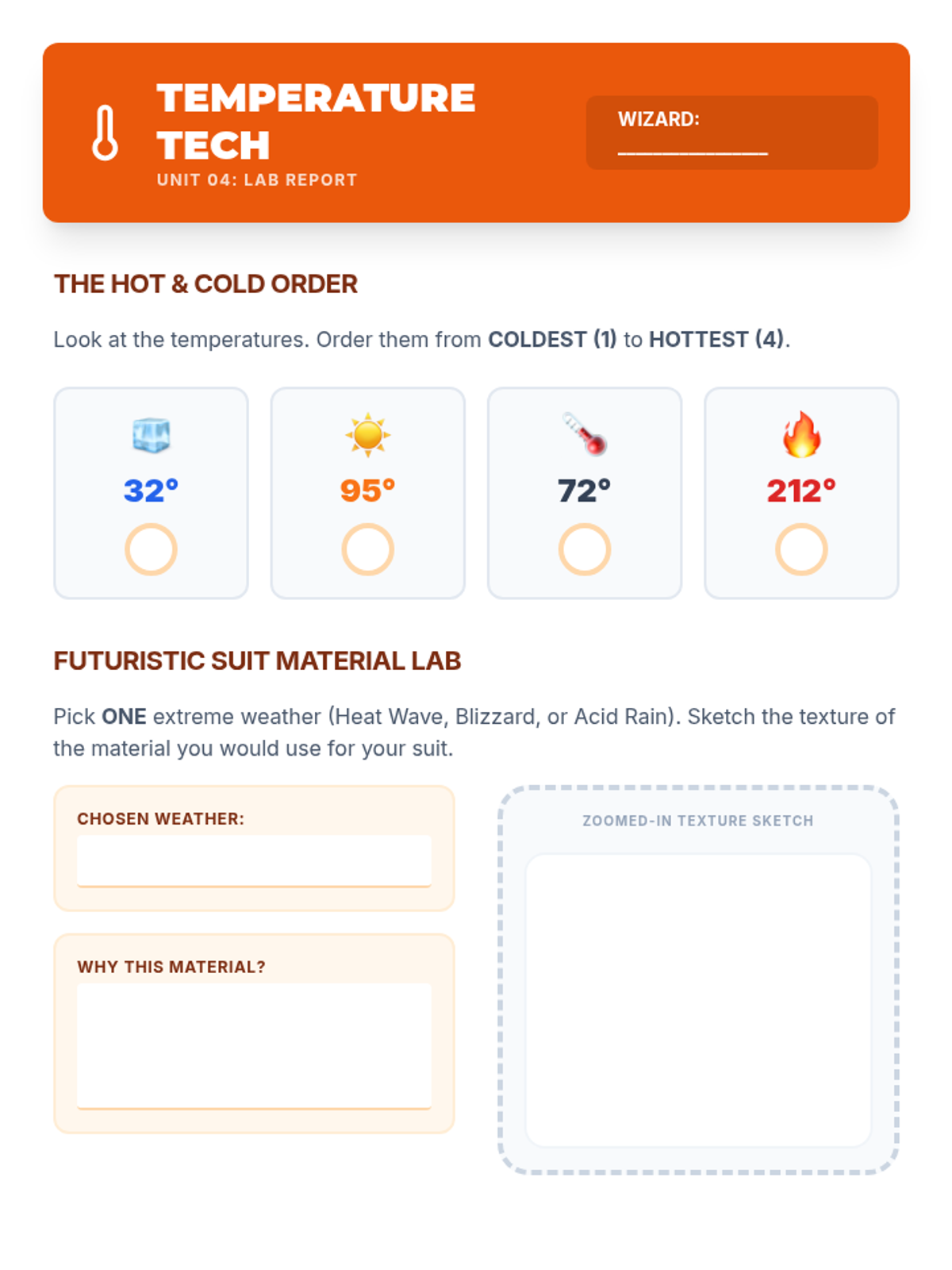
Investigating temperature extremes and material properties to plan for futuristic weather-resistant gear.
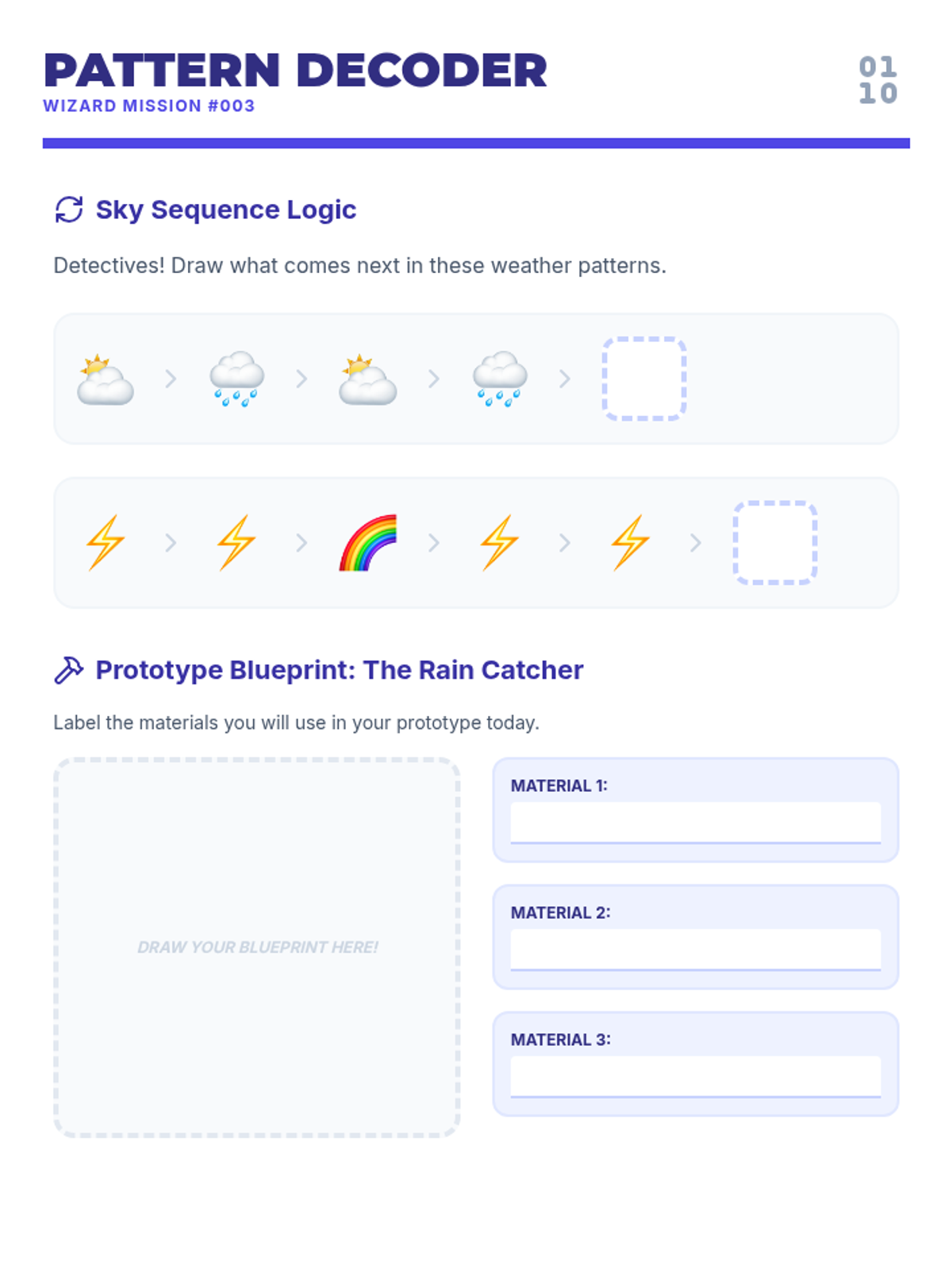
Analyzing patterns in clouds and storm systems to practice prediction and prototype rain-catching tools.
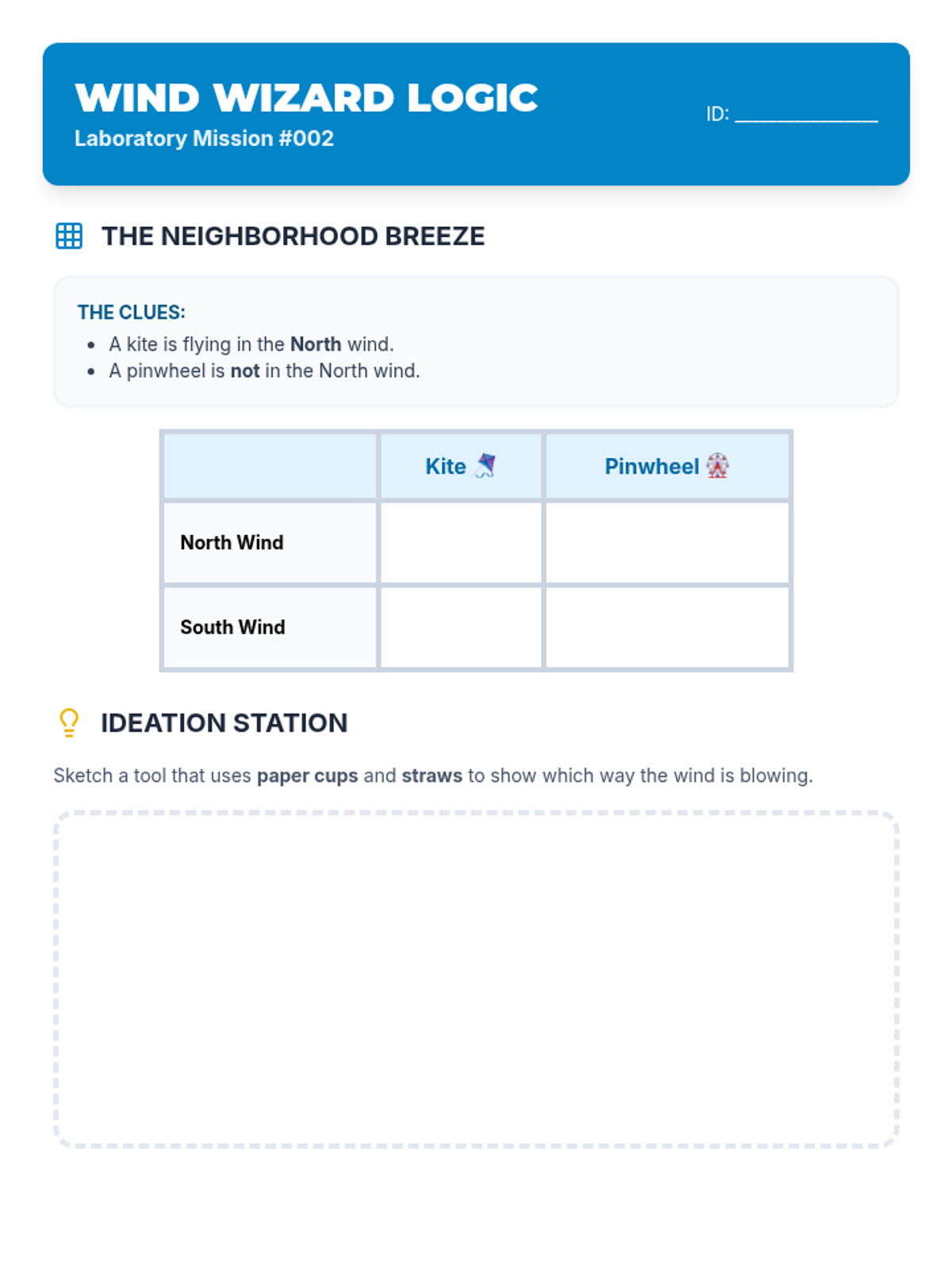
Exploring wind force and direction through logic grids and ideating ways to measure invisible weather elements.
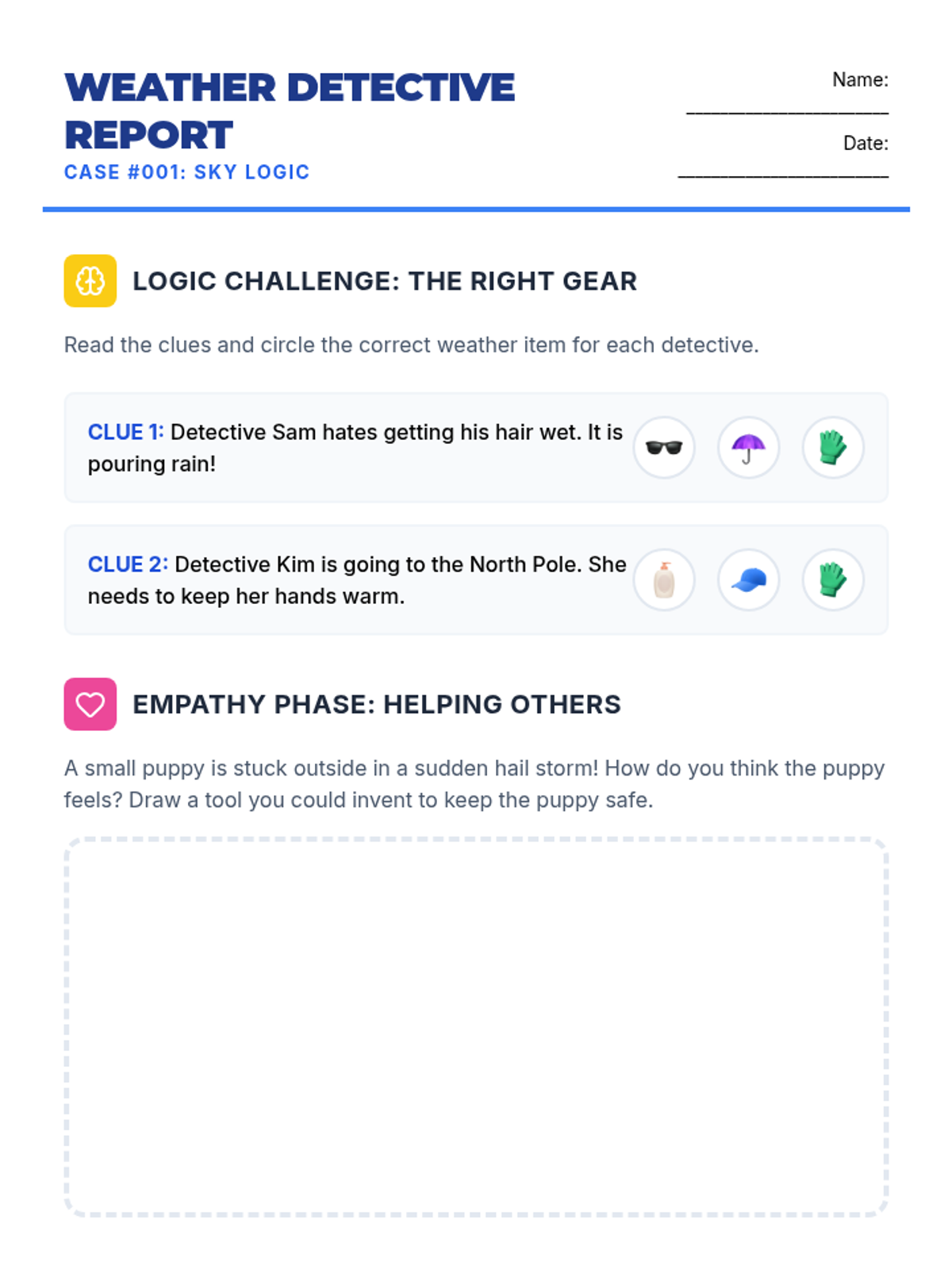
Introduction to the Weather Lab, focusing on observational skills, basic weather logic, and the empathy phase of design thinking.
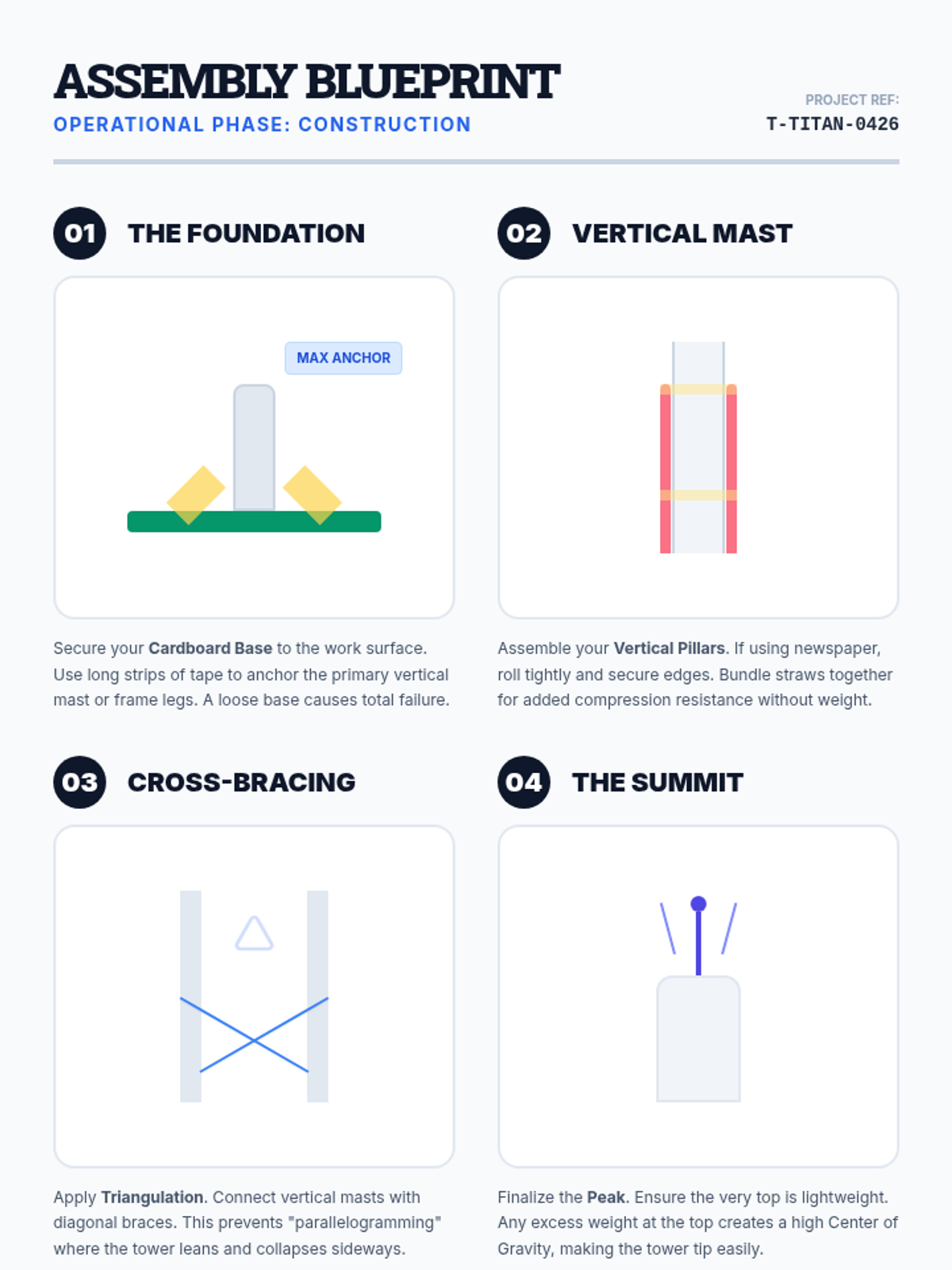
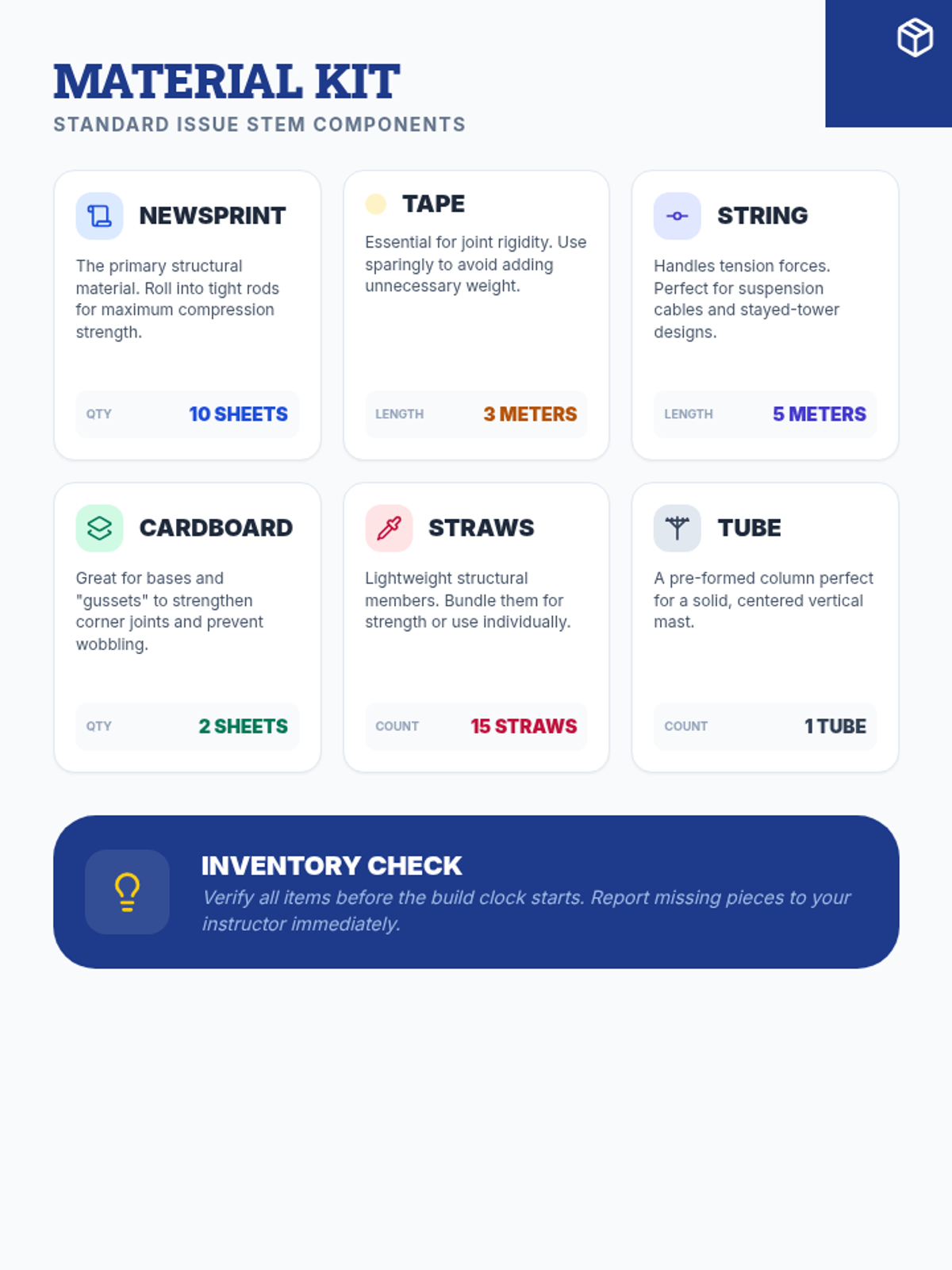
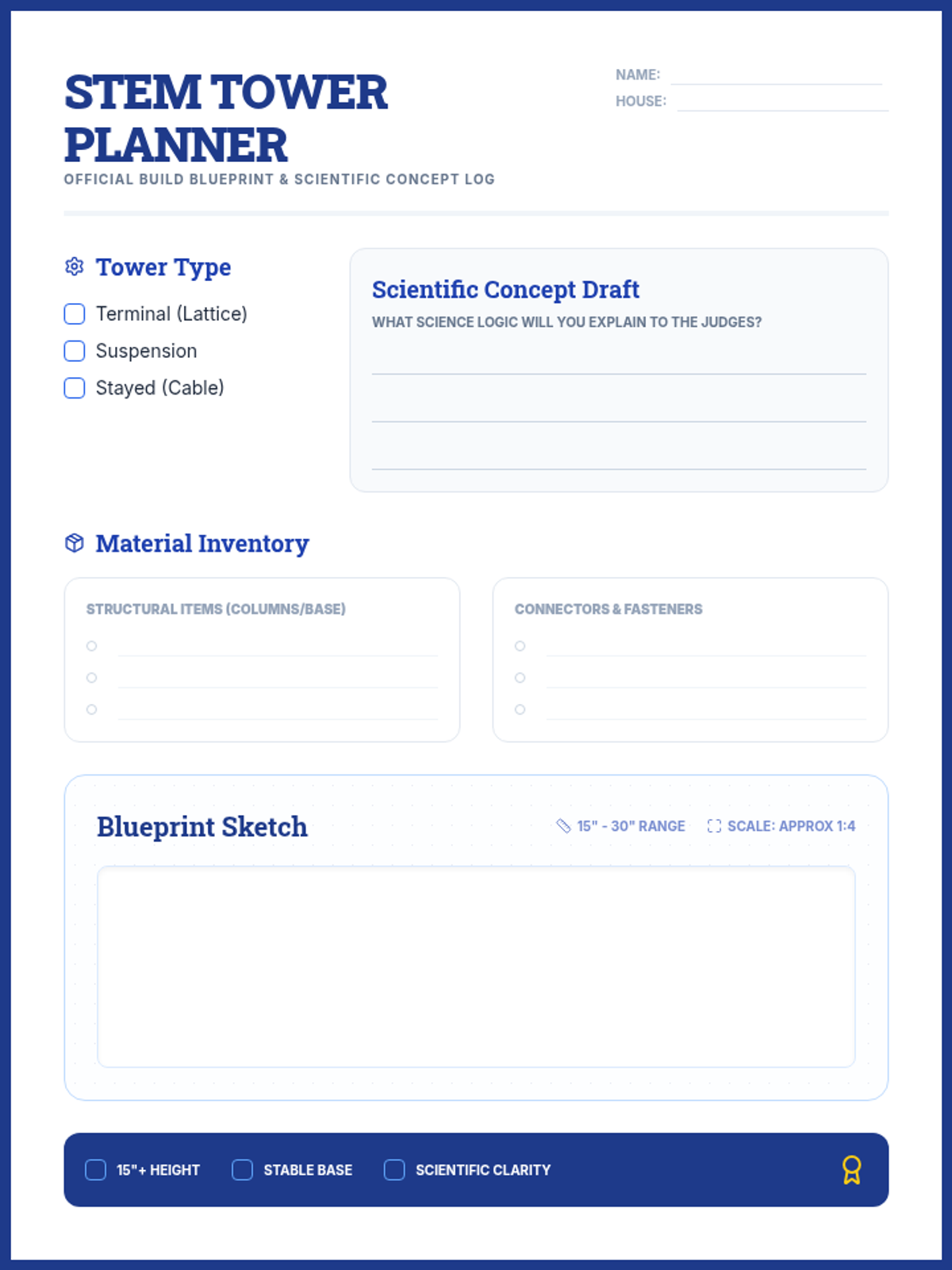
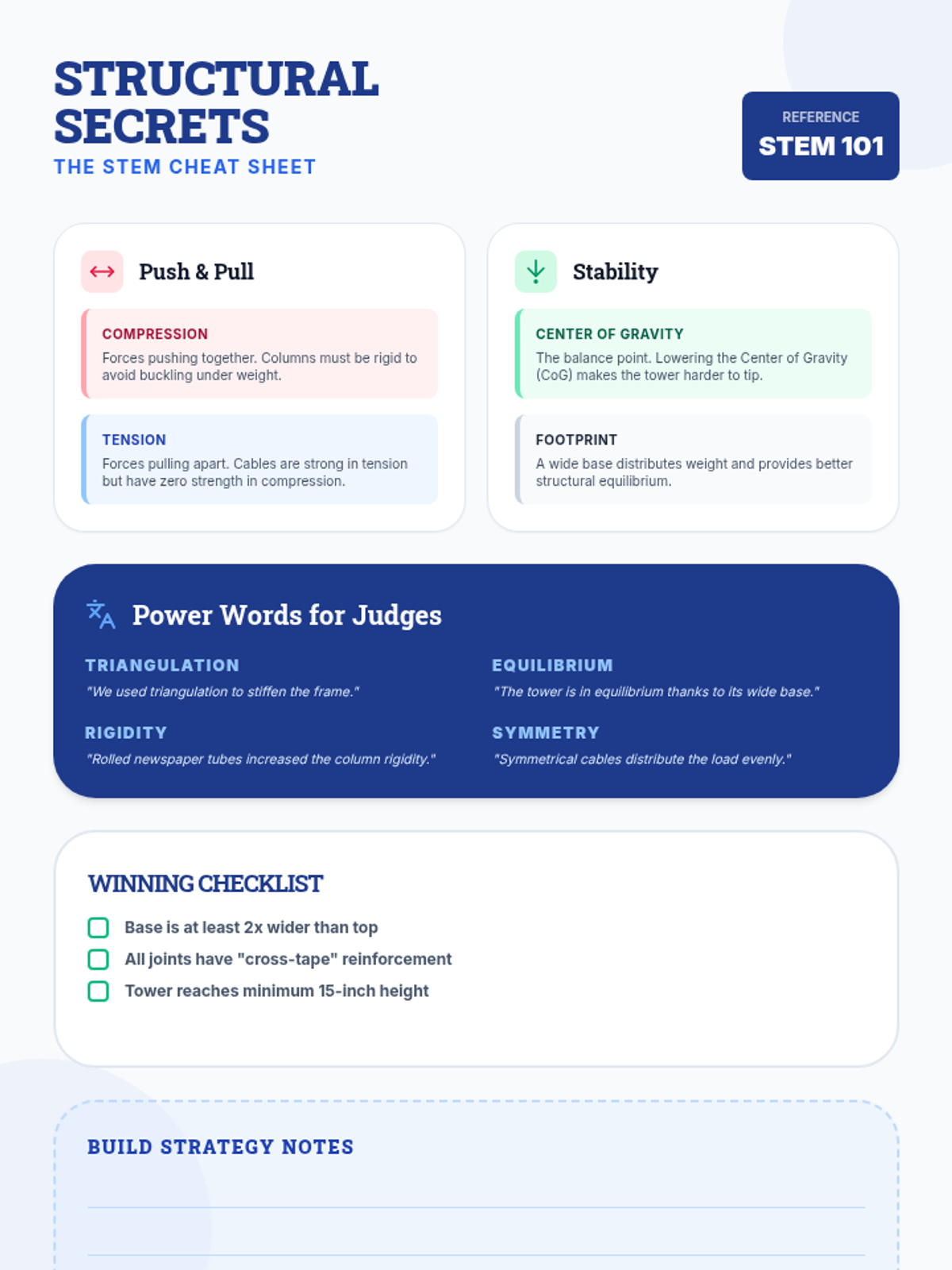
A comprehensive guide for students participating in a STEM tower building challenge, focusing on structural engineering, recycled material innovation, and scientific explanation.
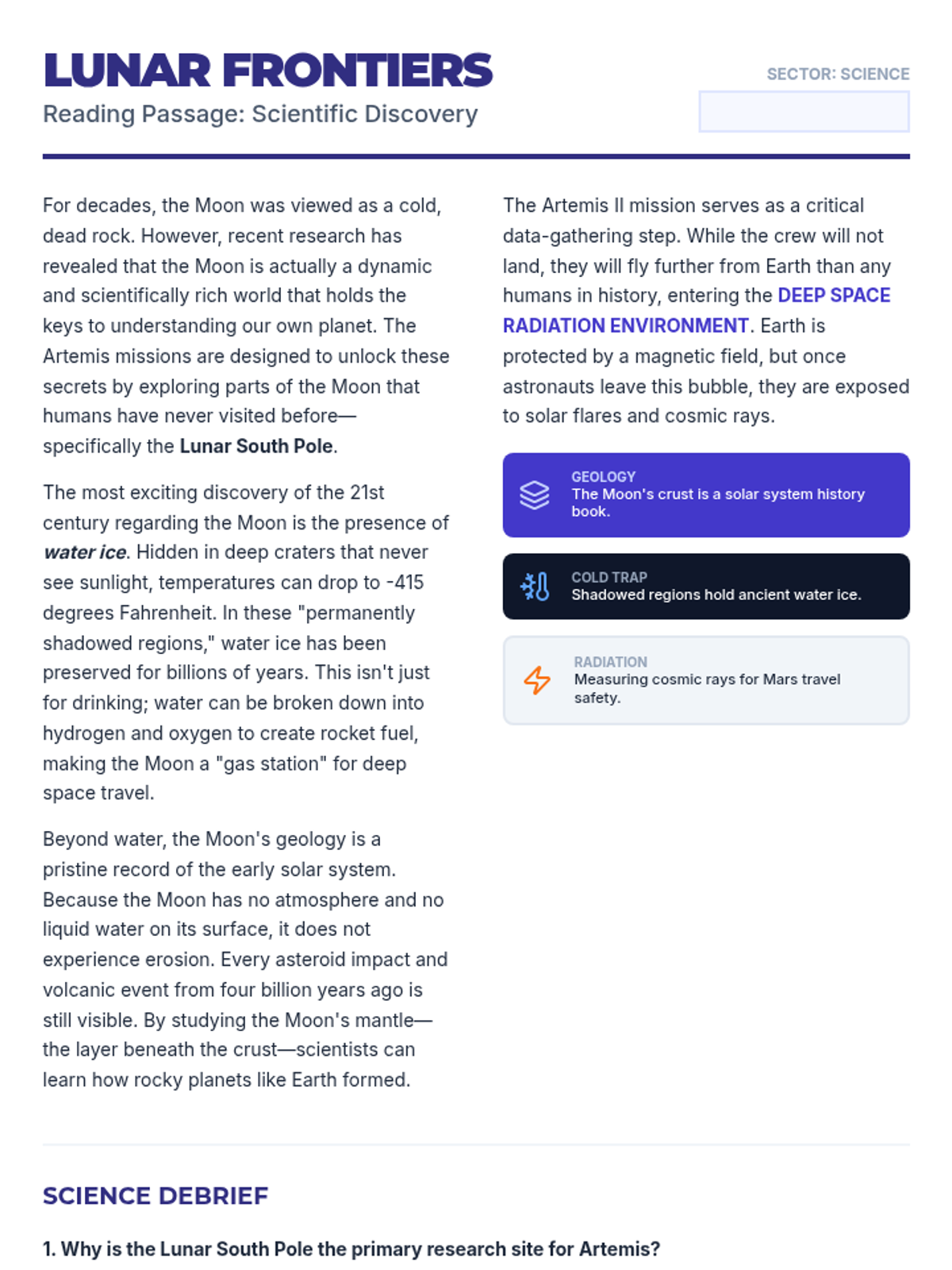
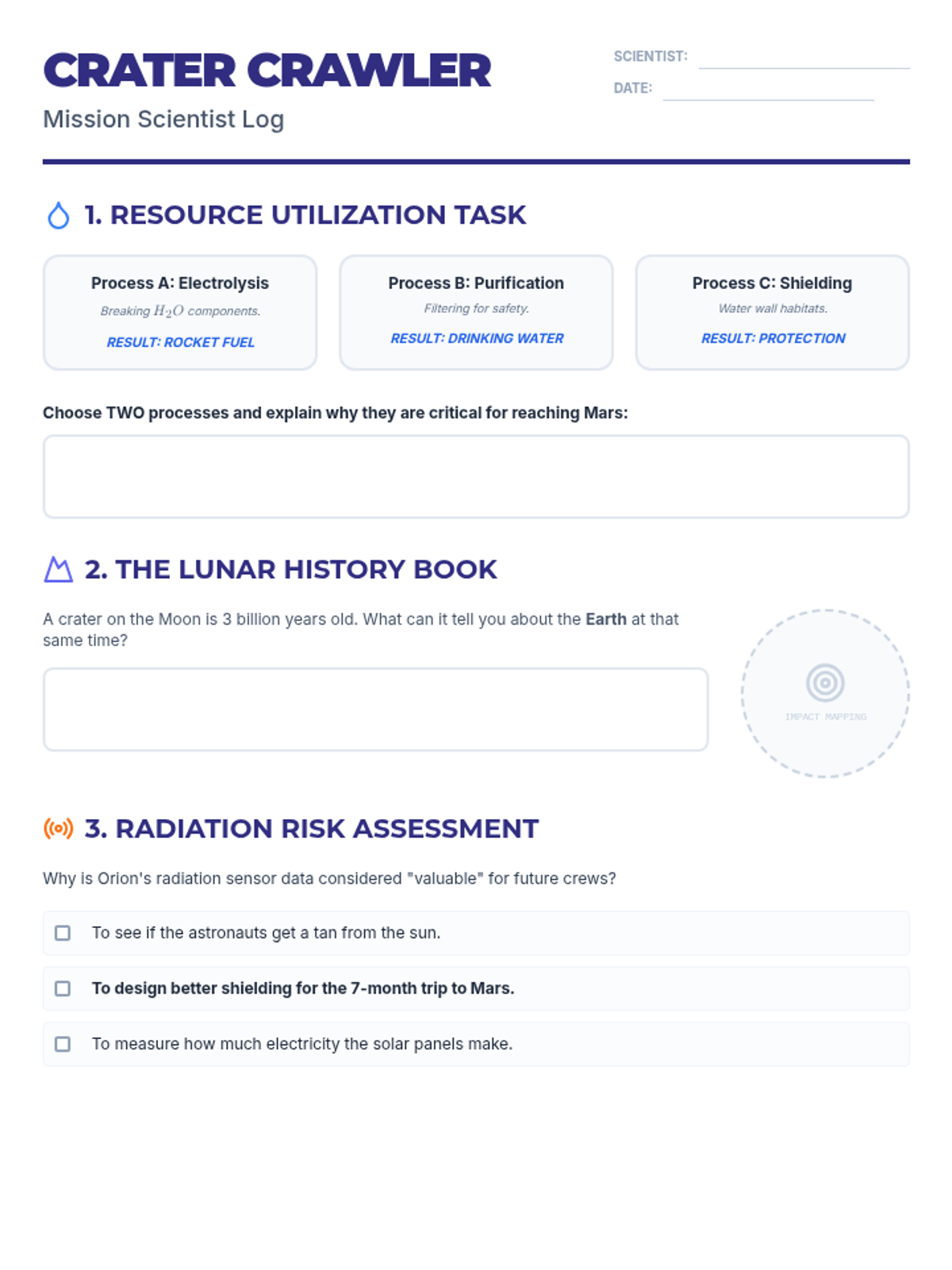
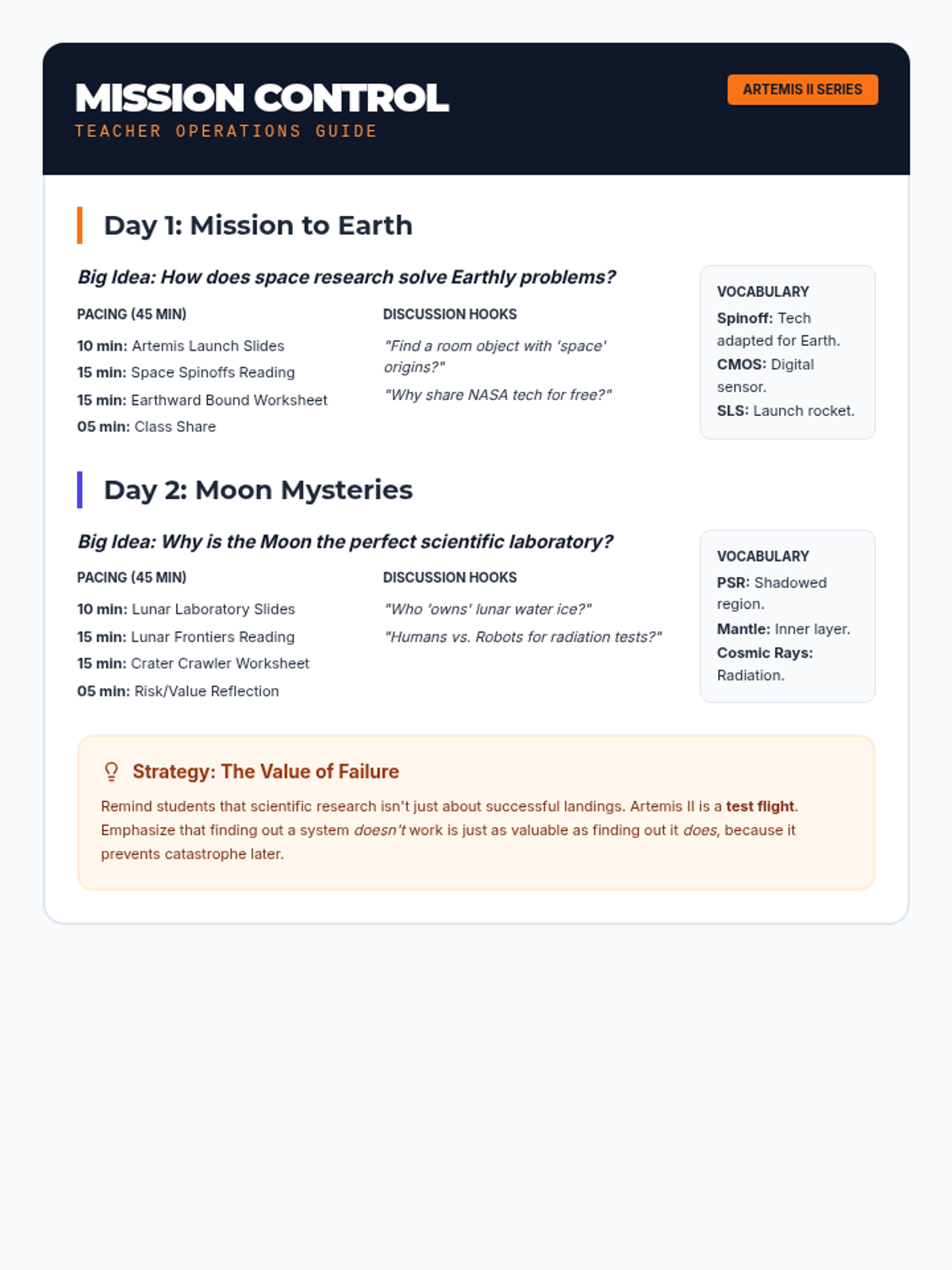
Explores the scientific goals of the Artemis missions, including lunar geology, the search for water ice, and using the Moon as a stepping stone for deep space exploration.
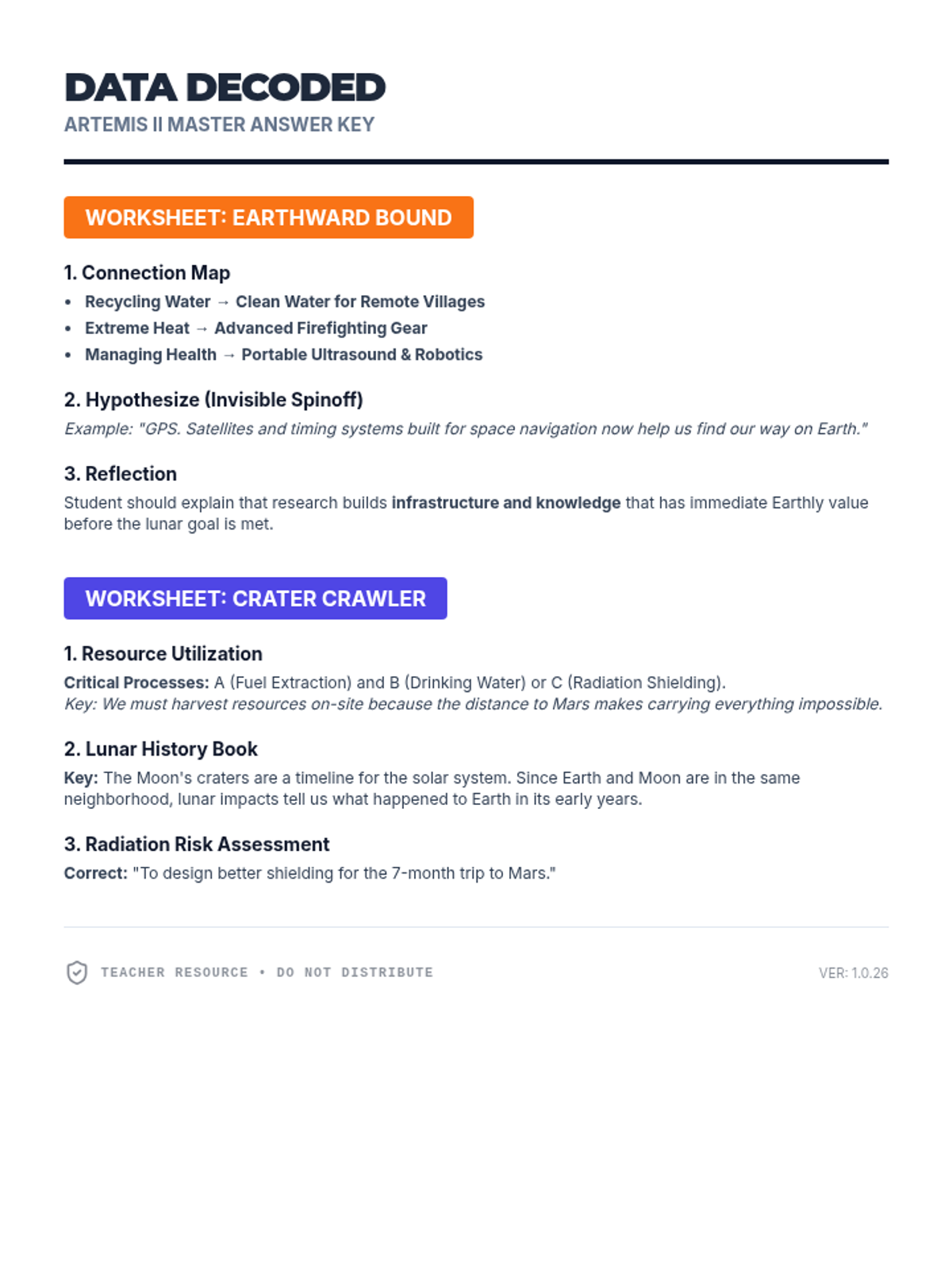
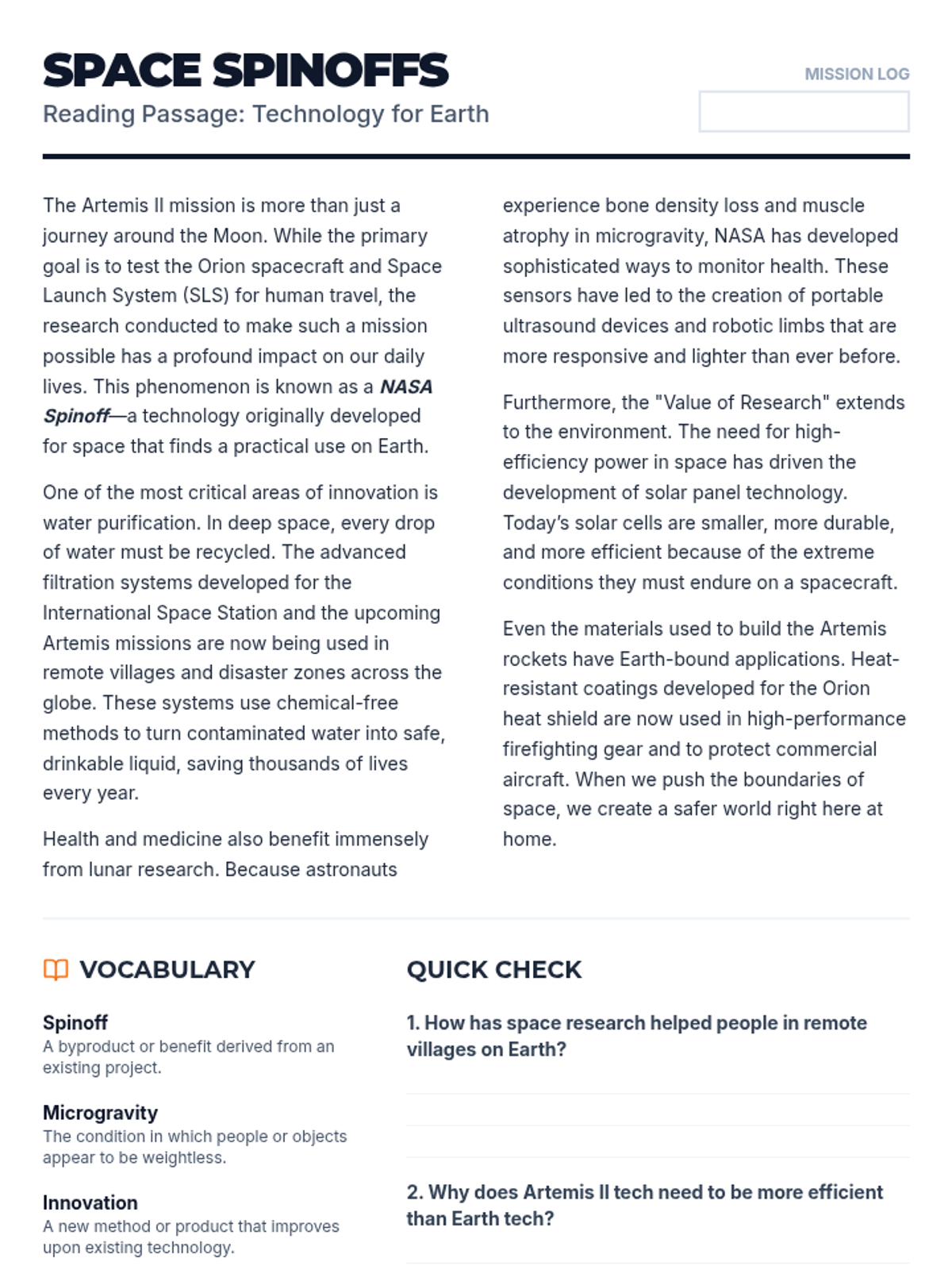
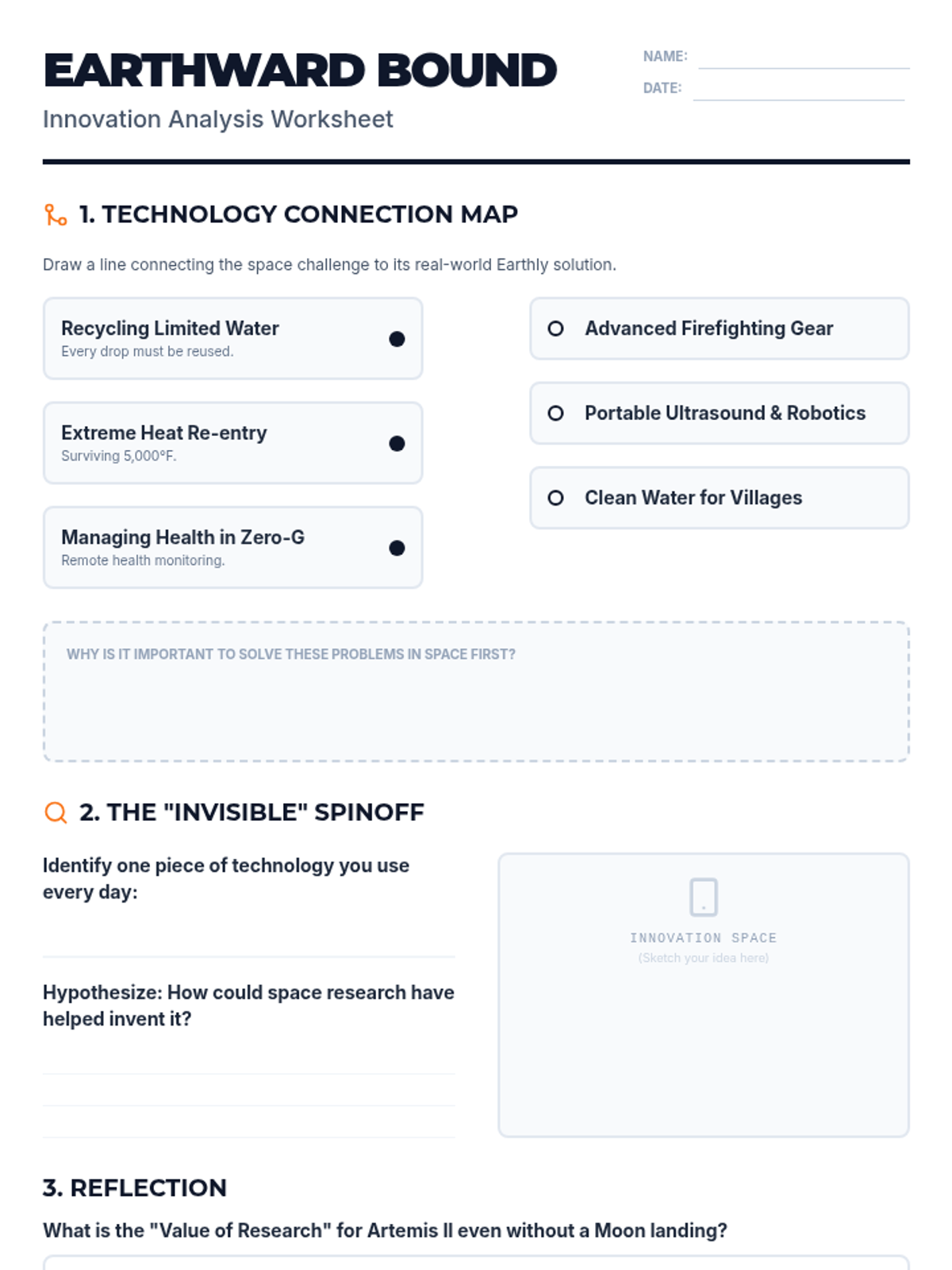
Focuses on the Artemis II mission's role in driving technological advancements that benefit life on Earth, from water purification to advanced materials.
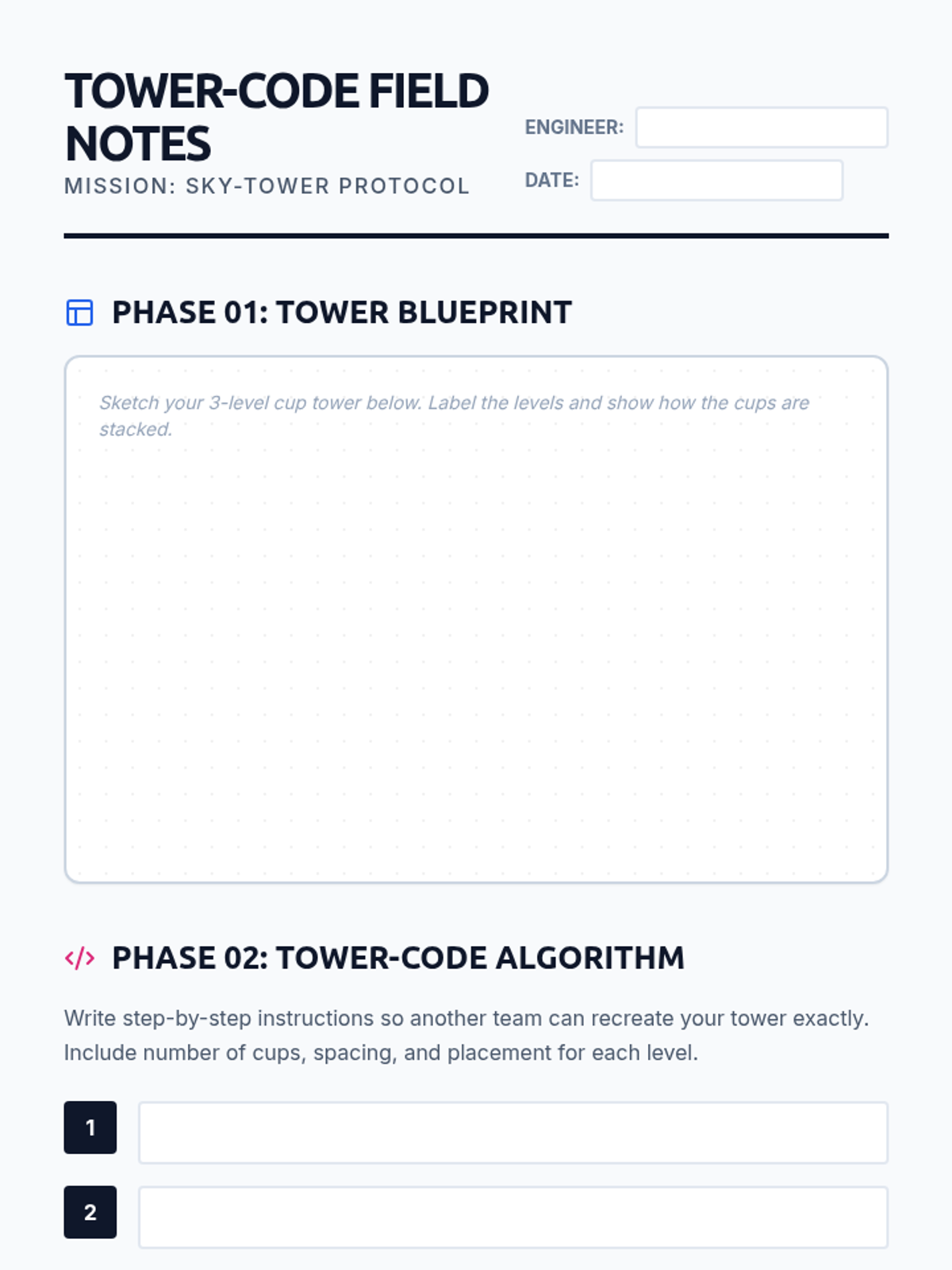
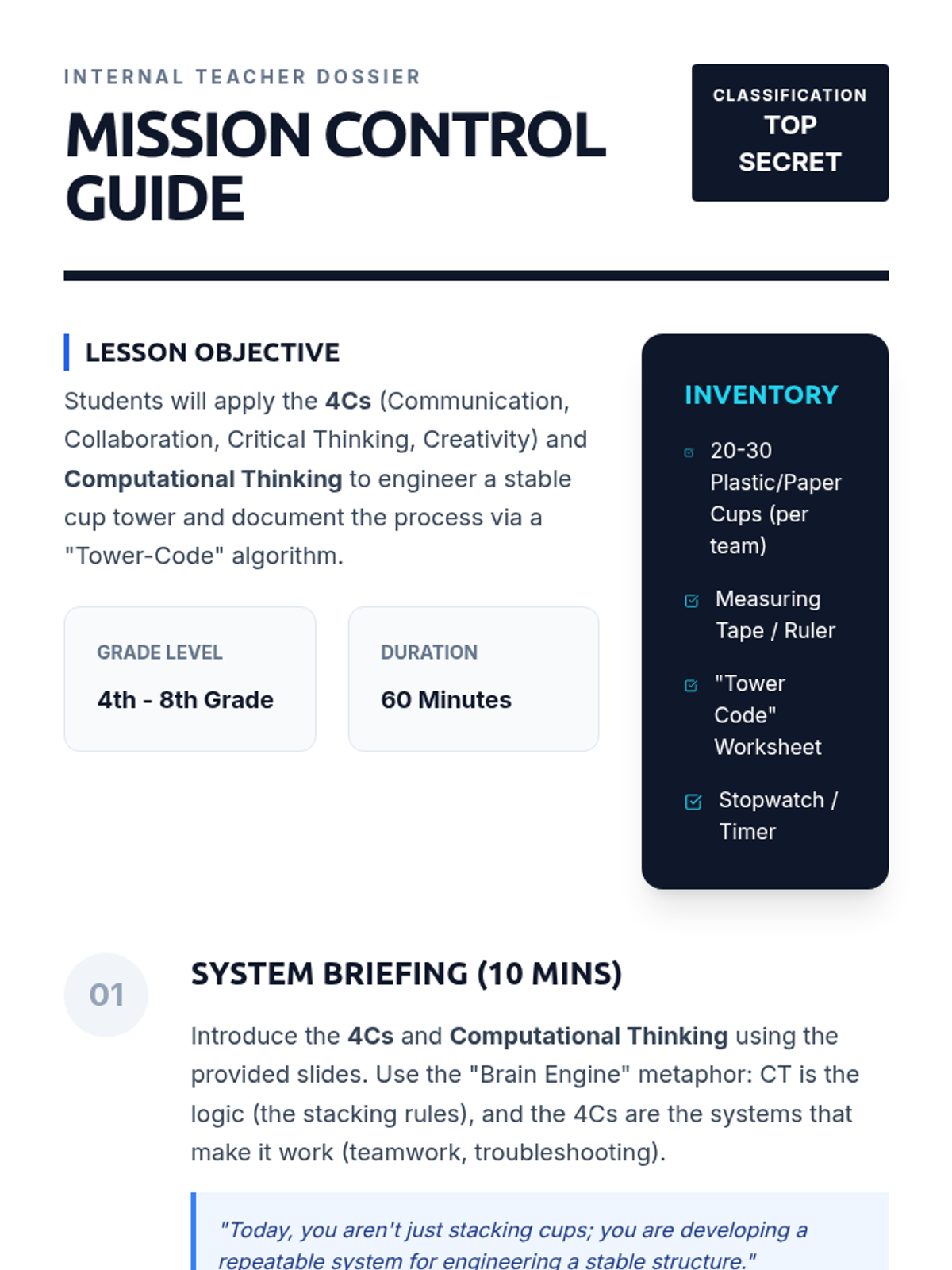
A high-stakes engineering challenge where students use the 4Cs and Computational Thinking to design, build, and document the ultimate cup tower structure.
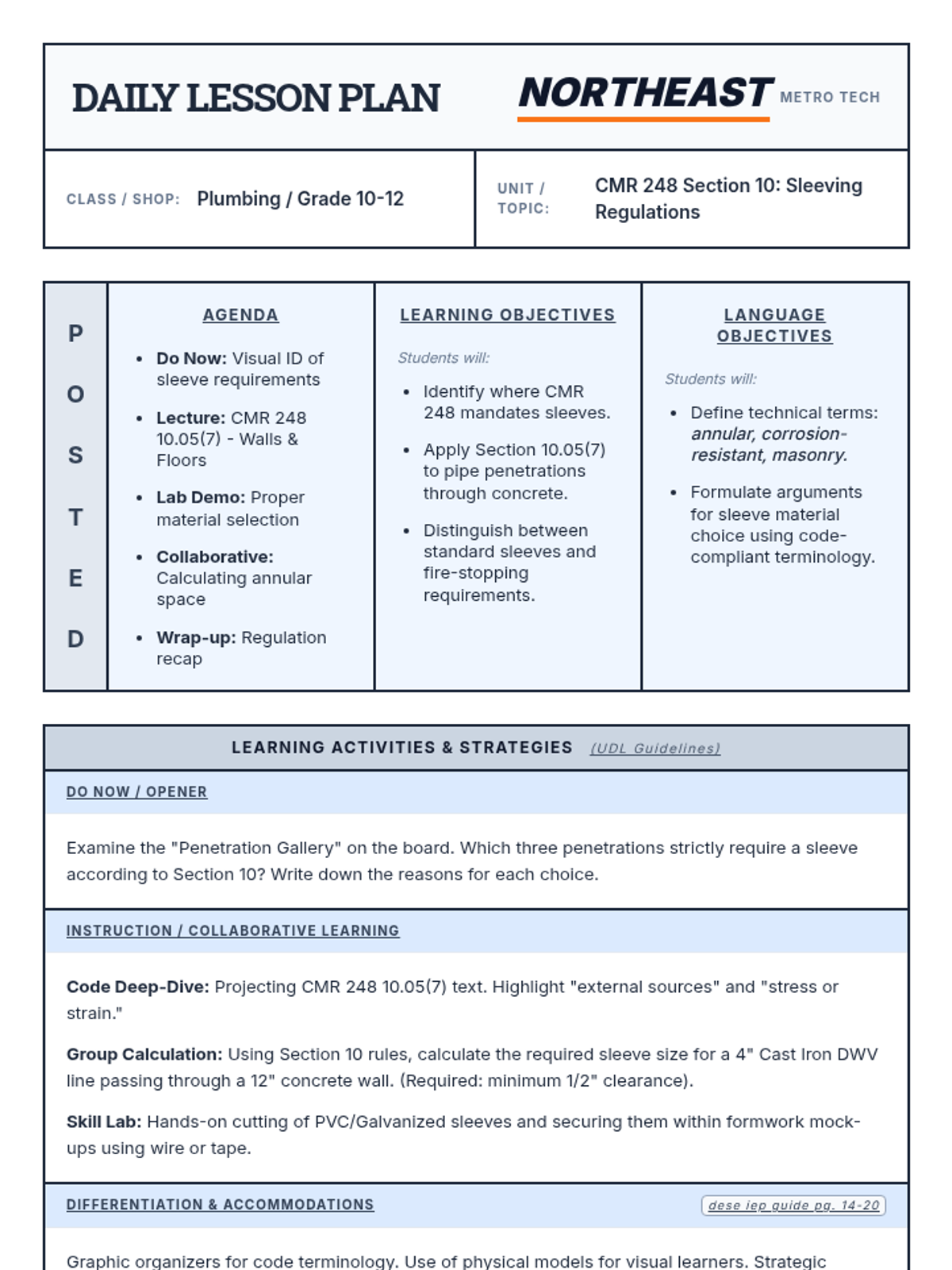
A comprehensive lesson plan focusing on the regulatory requirements for sleeving plumbing pipes through walls, floors, and concrete as per CMR 248 Section 10.
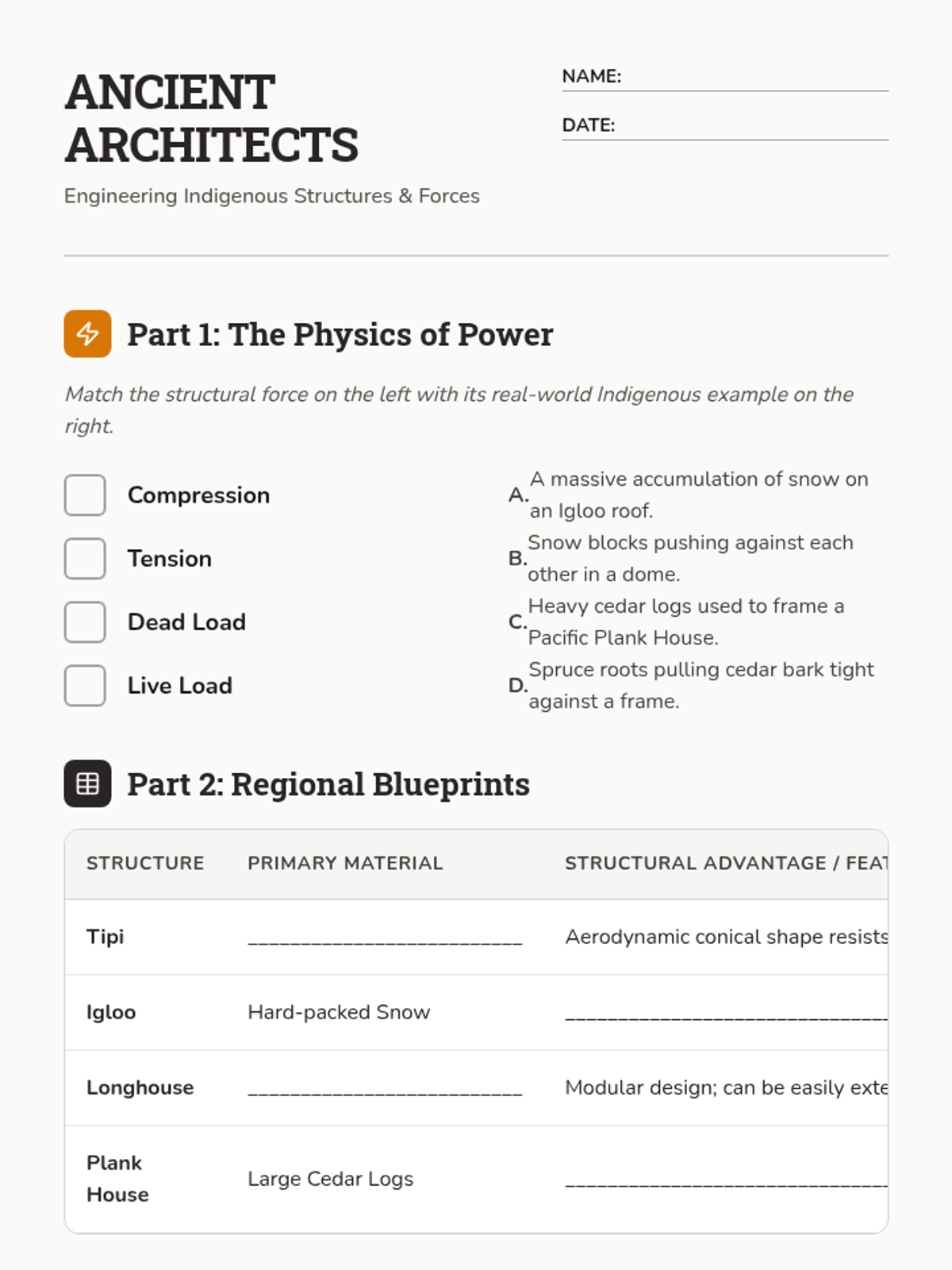
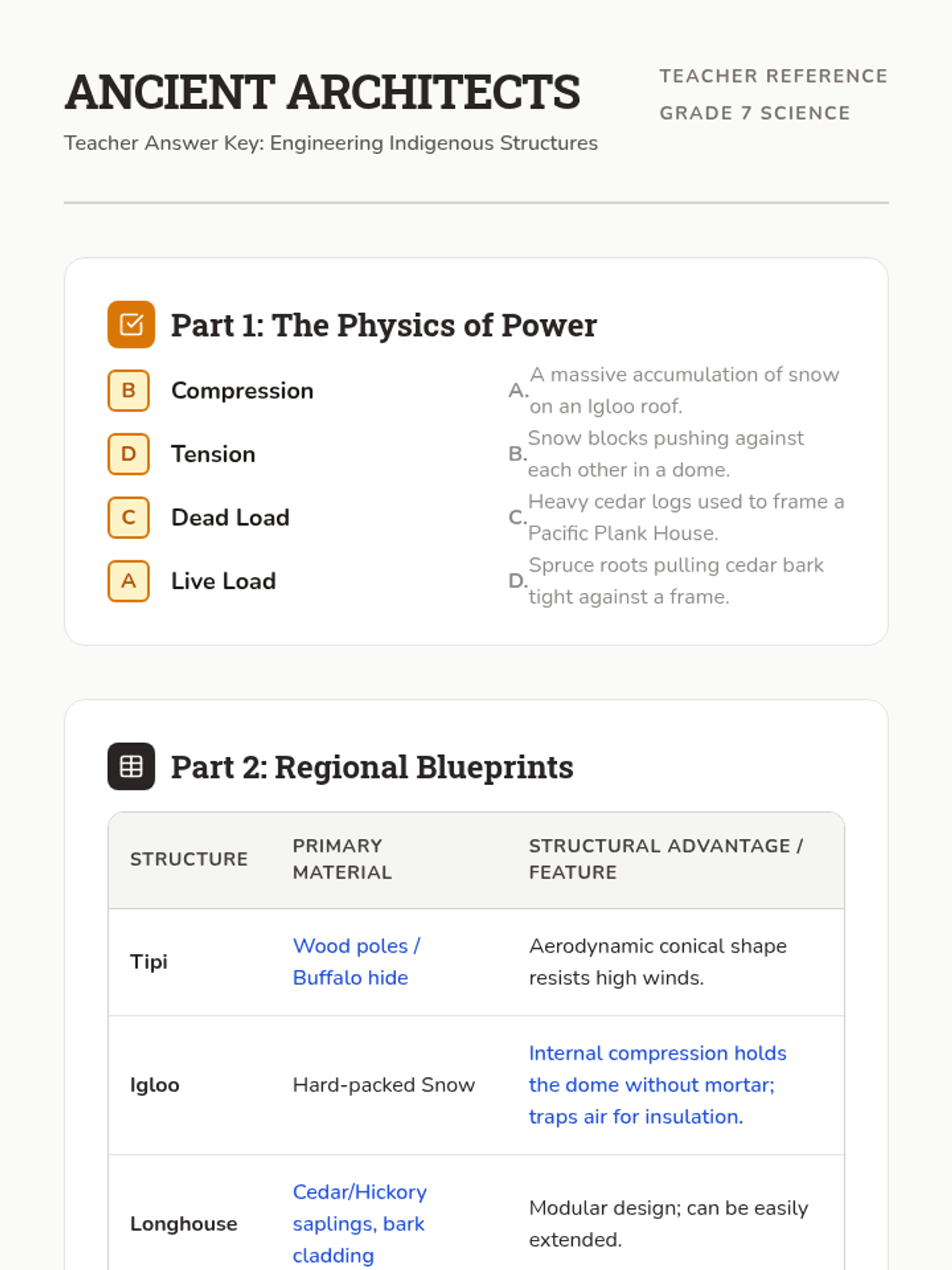
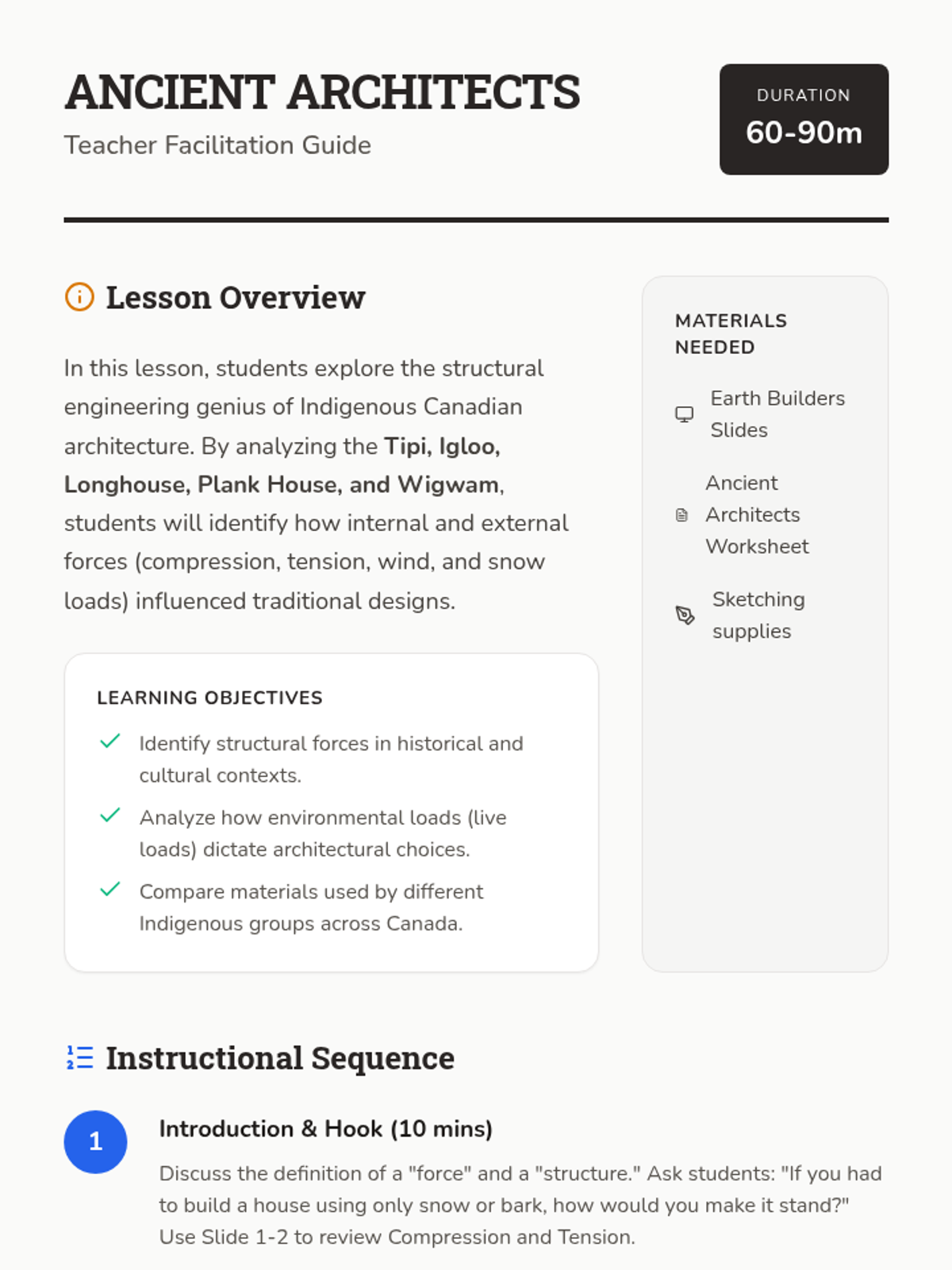
An exploration of Indigenous Canadian architecture through the lens of structural engineering, focusing on how different cultures adapted their shelters to local climates and available materials while managing forces like wind, snow, and gravity.
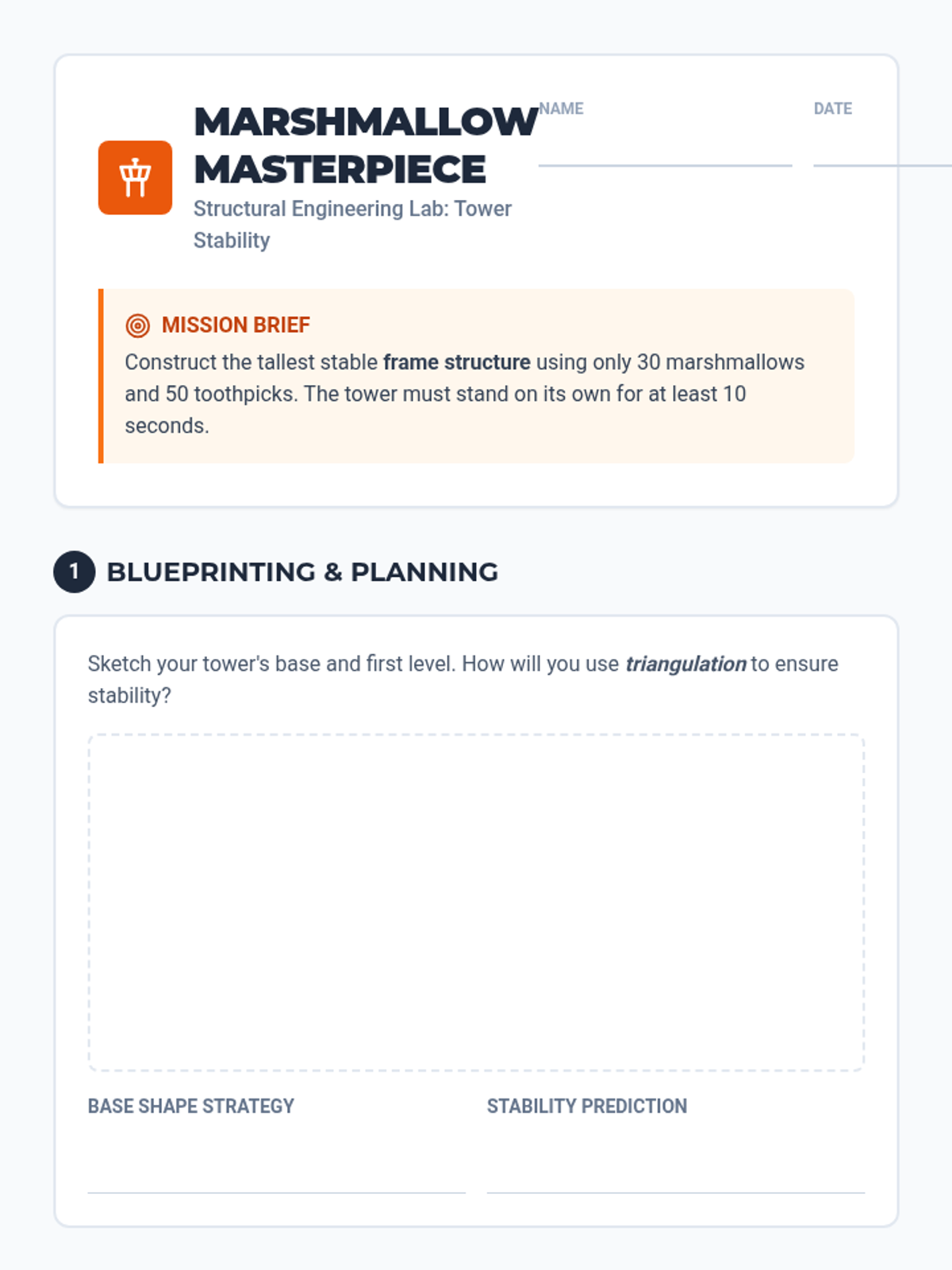
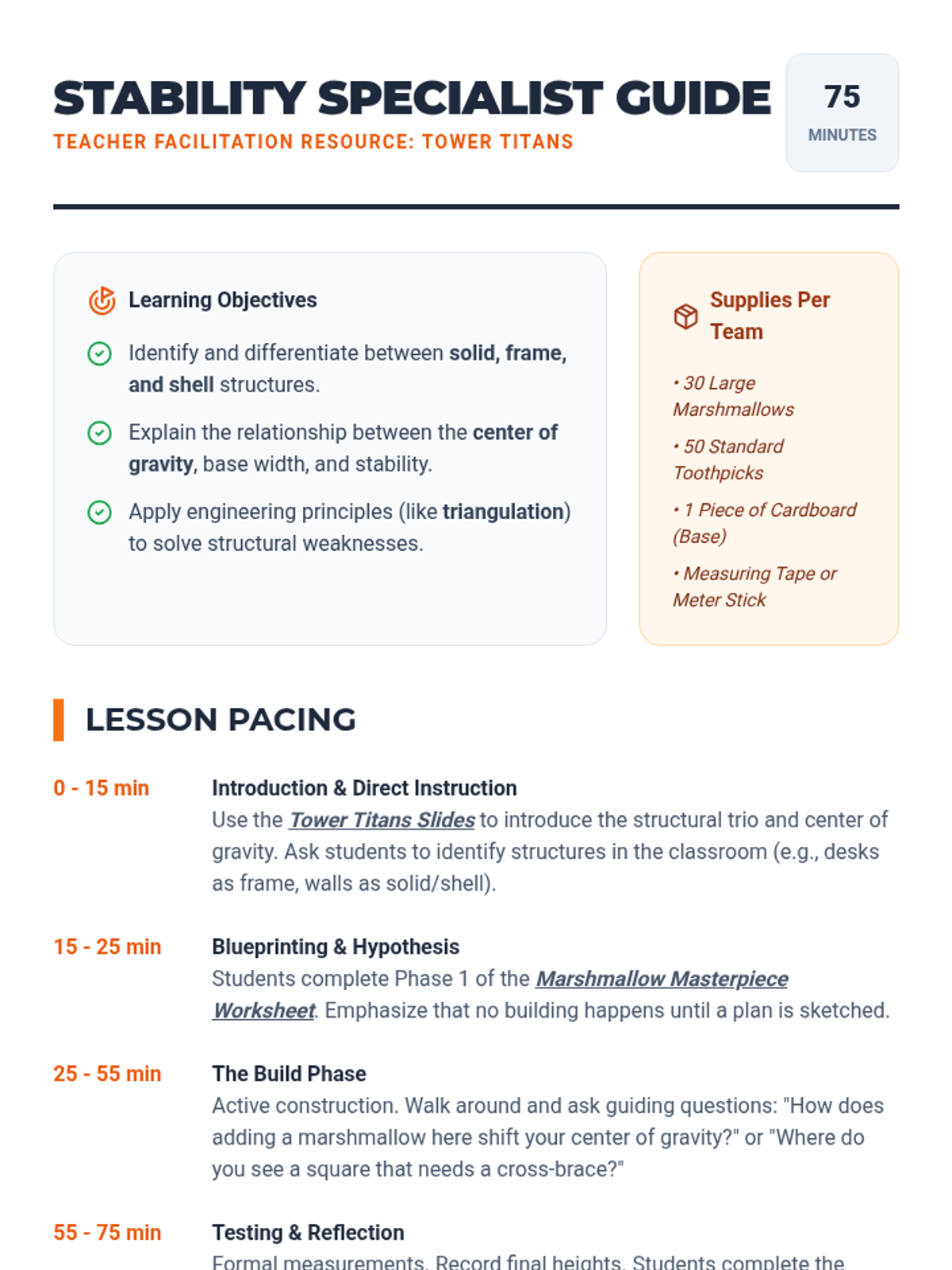
A hands-on engineering lesson where students explore solid, frame, and shell structures while building stable towers using marshmallows and toothpicks. Students investigate how the center of gravity and base shape affect structural integrity.
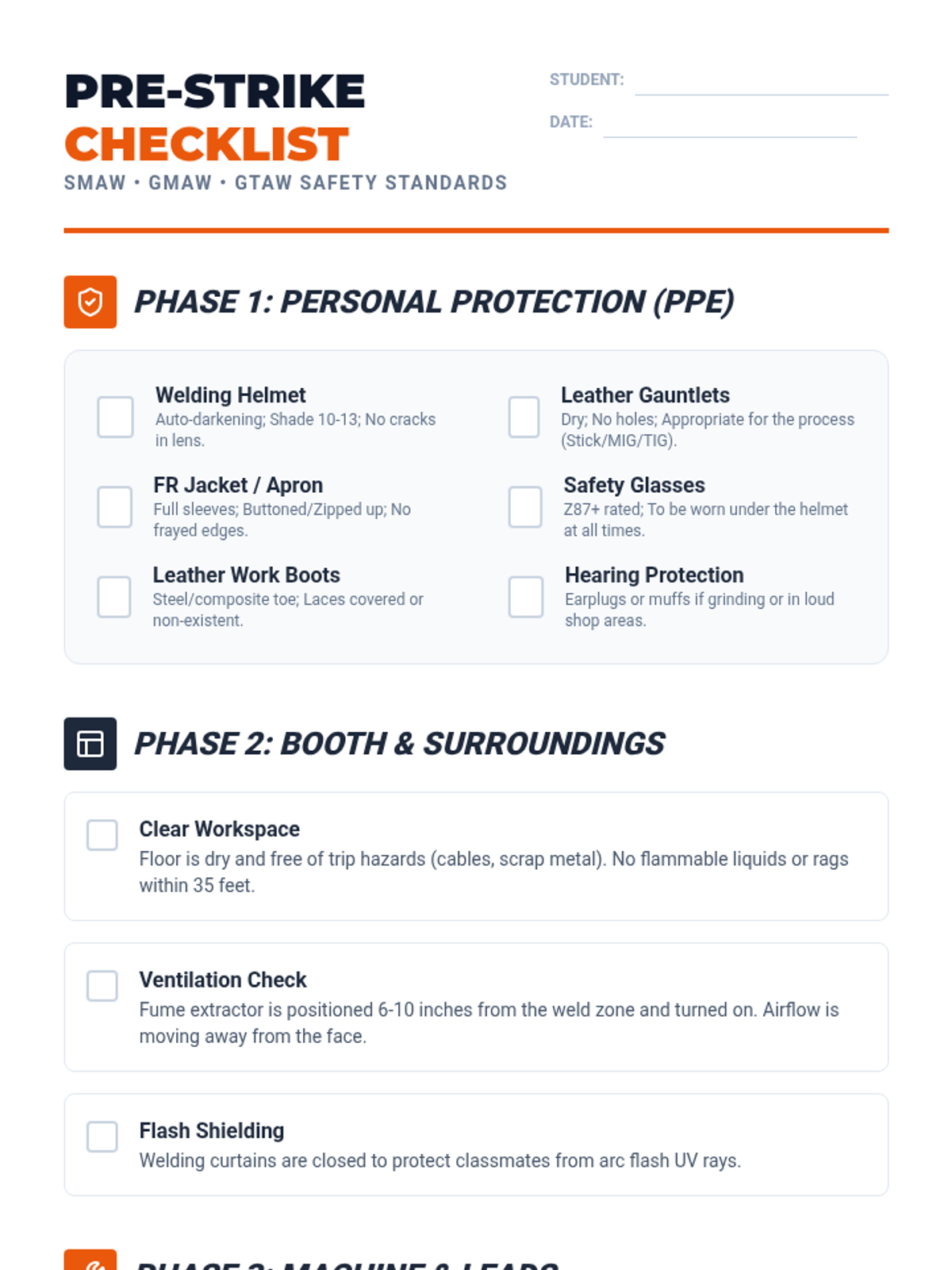
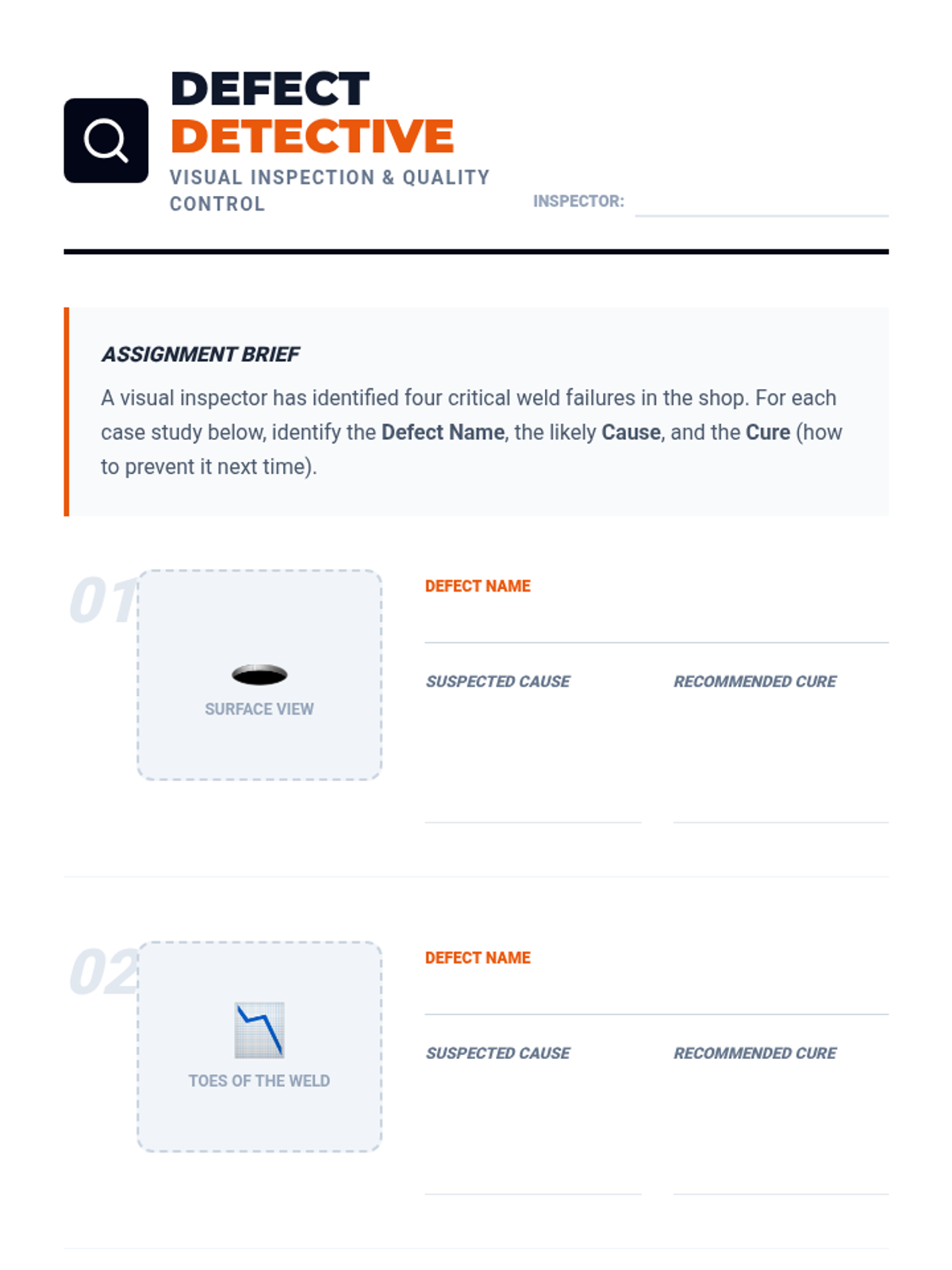
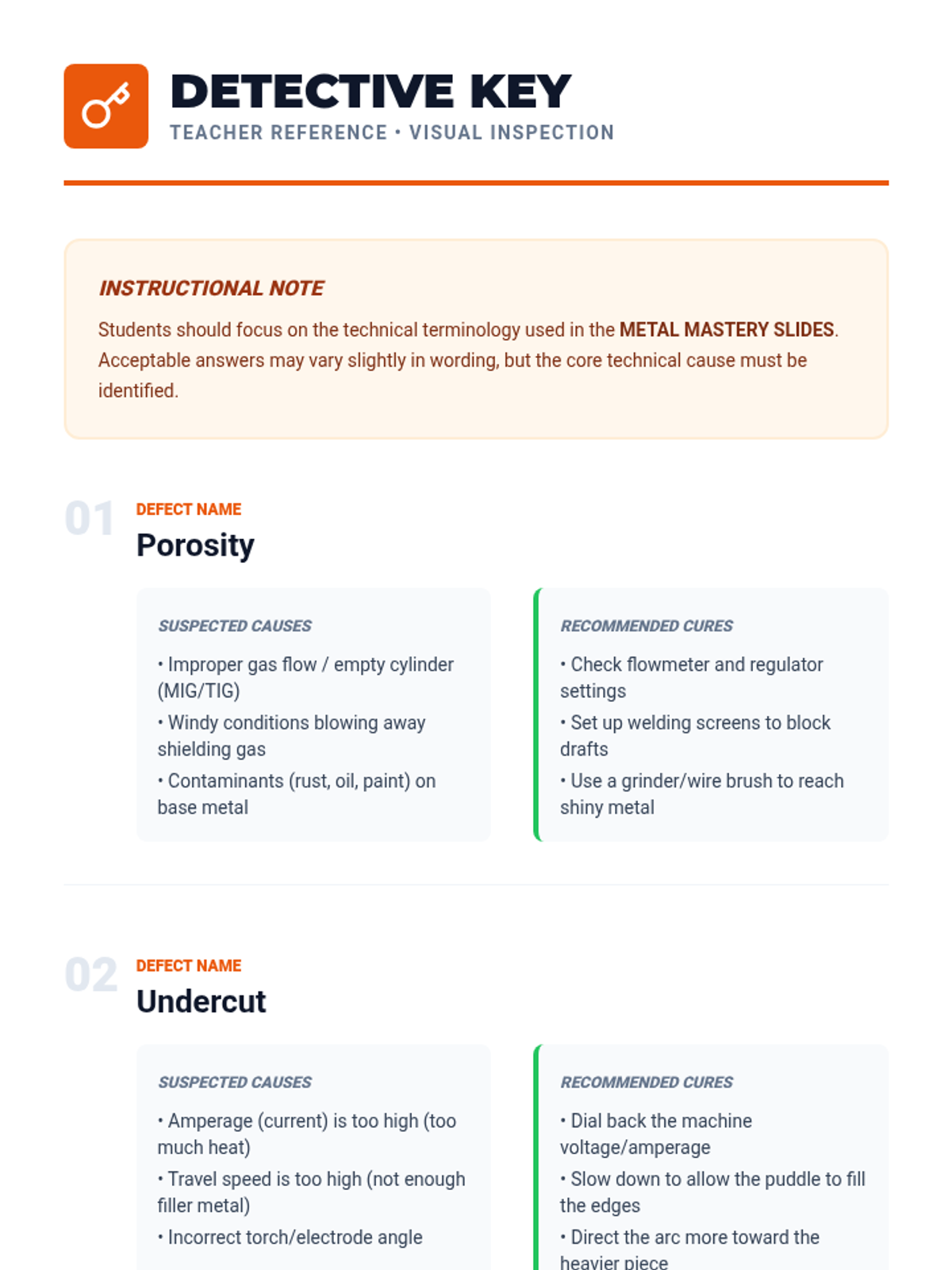
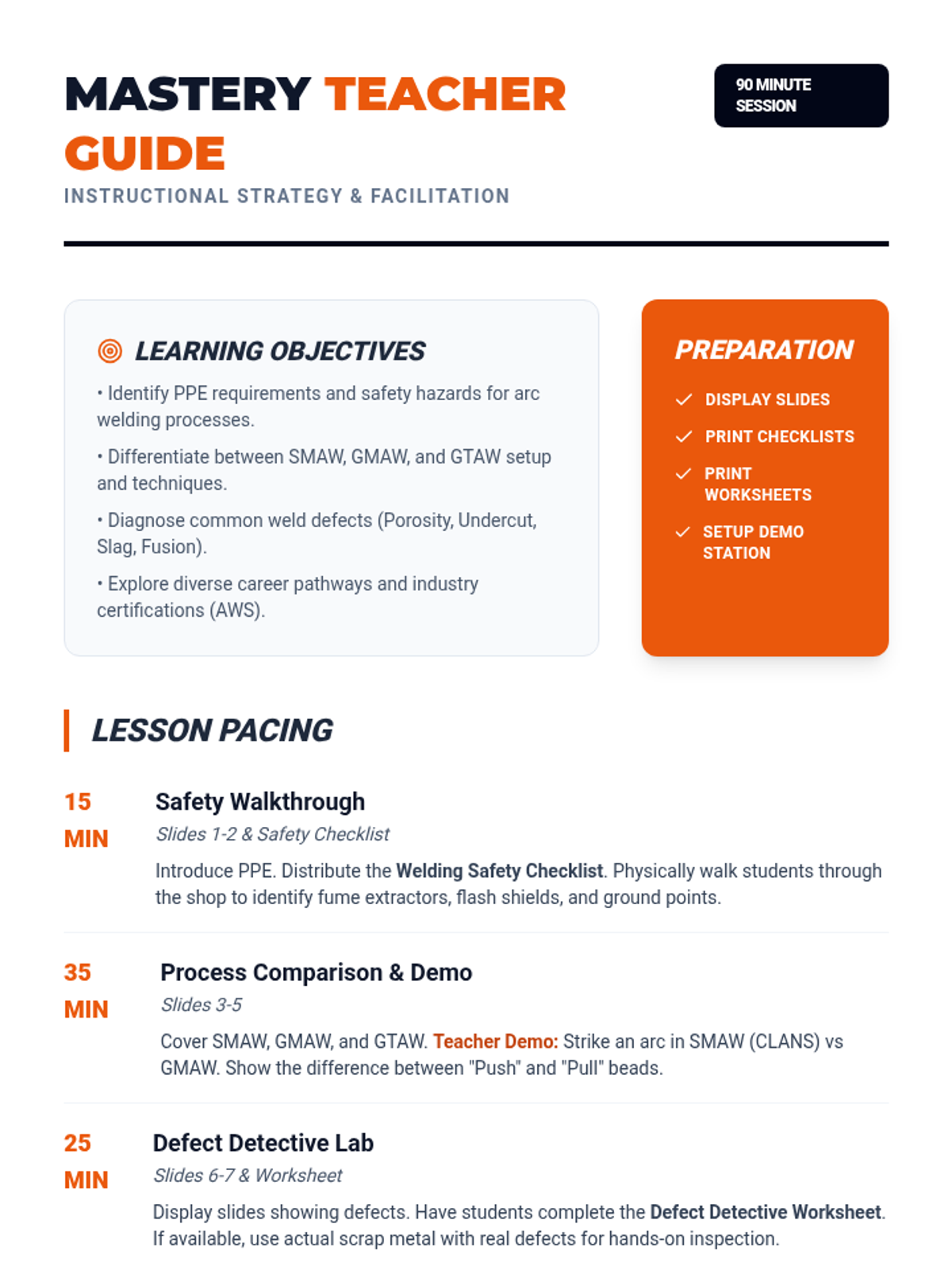
A comprehensive introduction to the fundamental processes, safety protocols, and career paths in professional welding. Students will explore SMAW, GMAW, and GTAW techniques while learning to identify quality welds.