Students participate in a physical sorting game to understand the difference between explicit instructions (coding) and learning from examples (machine learning). They analyze how humans learn new skills versus how calculators perform tasks.
A series of visual anchor charts designed for reference during laboratory investigations into plant vascular systems, photosynthesis, and transpiration.
A fun, introductory lesson on the human skeletal system focusing on four major structures: the skull, rib cage, spine, and femur. Students will learn the functions of these bones through a museum-themed presentation and a labeling activity.
A quick 30-minute introduction to the skeletal system, focusing on its main functions and the names of key bones in the human body. Students will explore how their 'internal frame' helps them move and stay protected.
A high-energy, movement-based review activity where students solve 'medical cases' by identifying body systems and their functions. This lesson includes task cards for a classroom scavenger hunt and a structured recording sheet for students.
A lesson exploring the symbiotic relationship between humans and gut bacteria, focusing on the gut-brain connection and the impact of nutrition on mood. Students create metaphors for their microbiome and identify ways to support beneficial bacteria.
A middle school science lesson exploring neuroplasticity through medical recovery case studies. Students investigate how the brain 'reroutes' neural pathways after injury using adaptation and recovery strategies.
A 6th-8th grade science and health lesson exploring neuroplasticity through a hands-on yarn simulation and a video-based discussion. Students learn how neural pathways strengthen through use and dissolve through neglect.
A 5th-grade science lesson exploring the biological impact of nature on the human brain, featuring a hands-on outdoor experiment to measure stress levels.
A lesson for 7th-8th grade science focusing on the biological and genetic foundations of autism. Students debunk common myths, analyze brain development through video, and research how the brain interacts with other body systems in co-occurring conditions.
A lesson exploring the diverse animals that call trees their home, focusing on identification and the specific parts of the tree they inhabit.
Students explore the ecosystem beneath the forest floor, focusing on animals that create tunnels and live among tree roots.
A comprehensive lesson exploring the evolution of hunting from ancient survival to modern conservation, including economic impacts and ethical debates surrounding biodiversity.
Explore how plants and other organisms capture solar energy to build life-sustaining sugars while comparing the process to cellular respiration.
A lesson exploring the characteristics, classification, and social behavior of prehistoric Sabertooth cats.
A lesson focused on the formation of sedimentary rocks and how their layers serve as a timeline for life on Earth, specifically focusing on the sequence of formation and fossil aging.
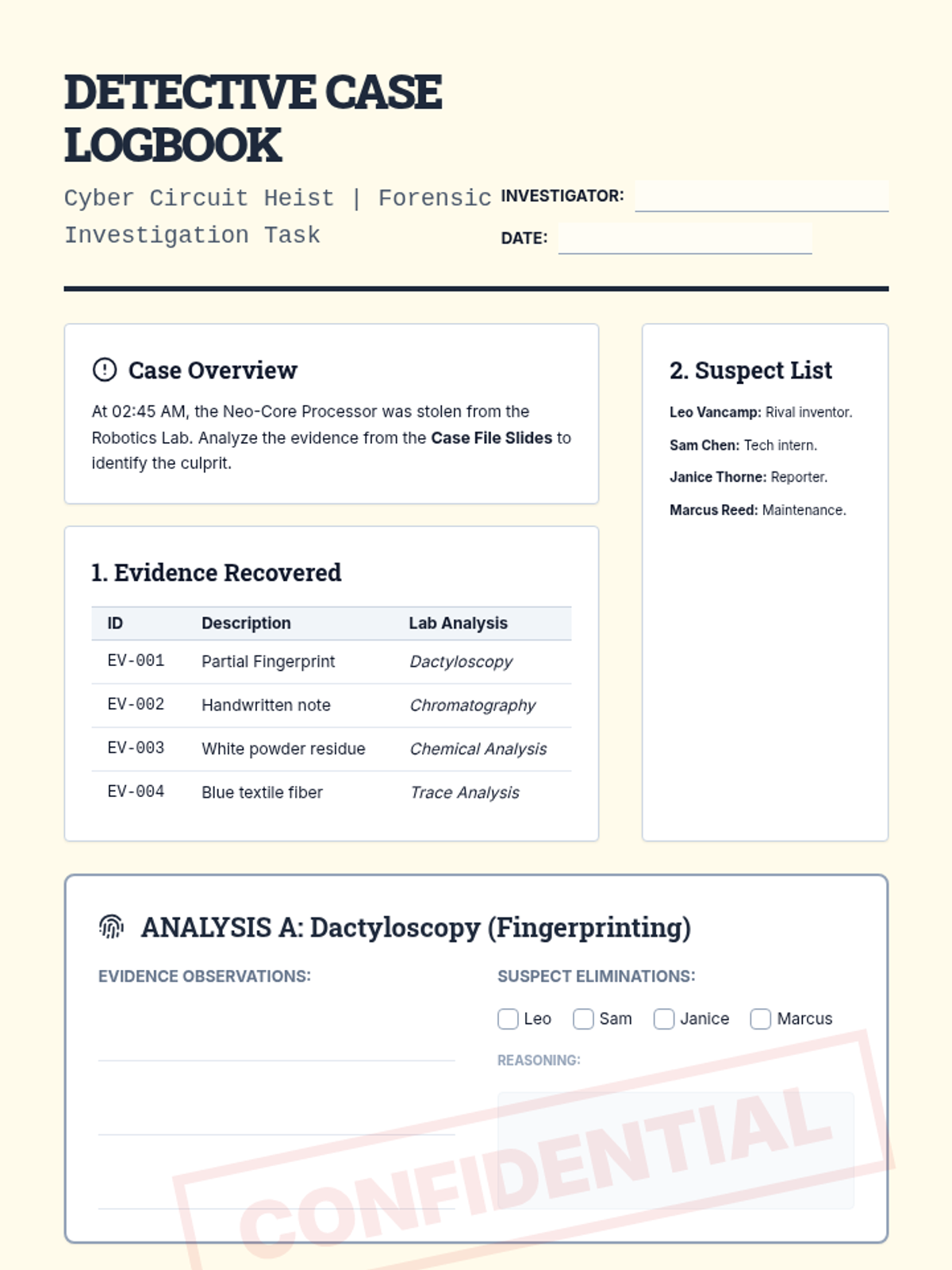
Focuses on reading security logs, understanding time formats (24h vs 12h), and using logic to follow a suspect's movement through keycard data.
Focuses on descriptive language, memory reliability, and the 'mugshot' process. Students learn to describe suspects and identify inconsistencies in witness stories.
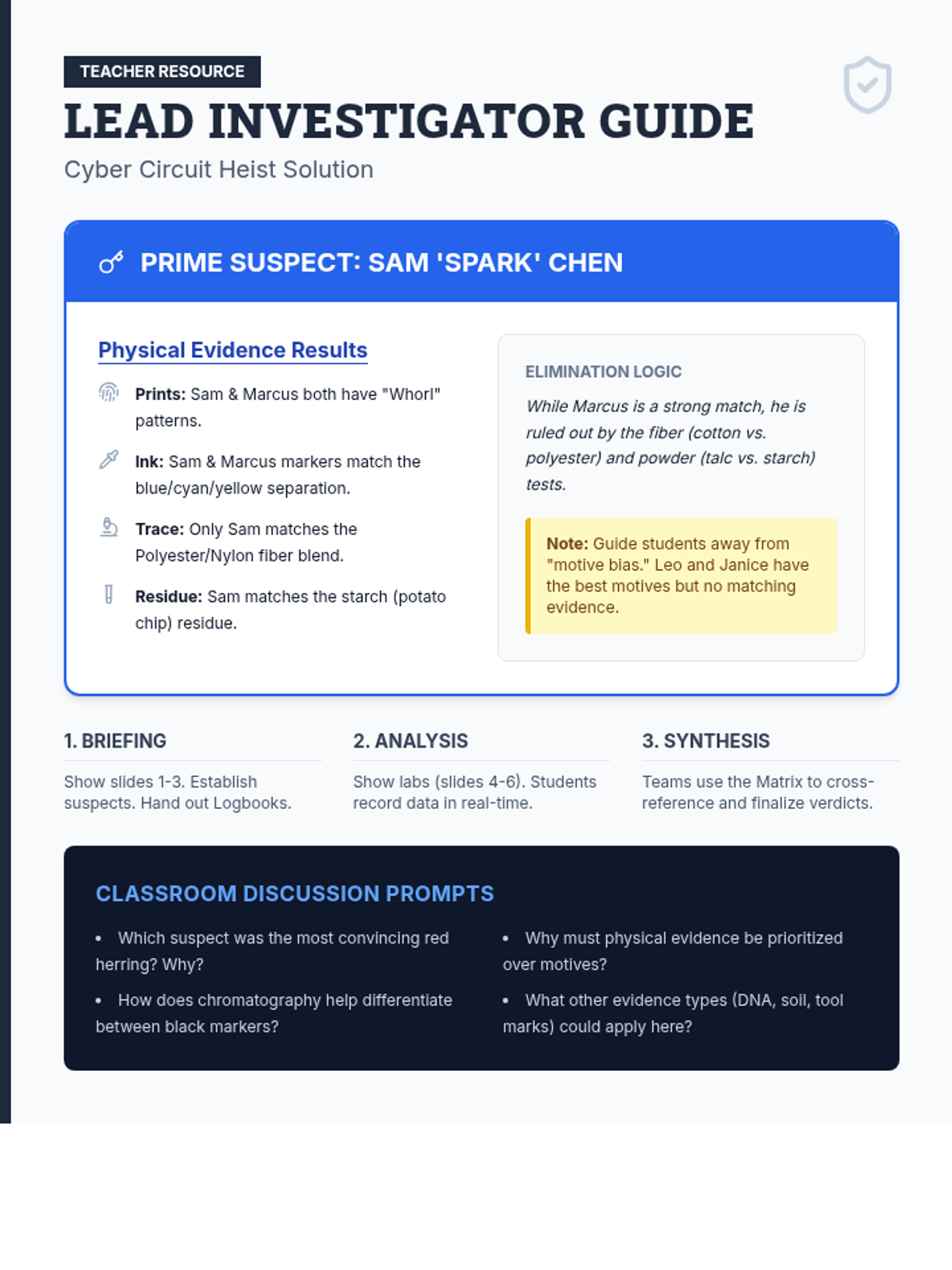
A simplified murder mystery investigation. Students use a detective dossier with B1-level text to solve the crime of Professor Thorne. Includes sentence frames for final accusations.
Students explore how fingerprints and DNA help identify people. The lesson uses clear, visual steps to explain identification techniques and Locard's Exchange Principle.
Students learn essential crime-solving vocabulary (alibi, evidence, suspect) and practice categorizing physical vs. testimonial clues using simplified English and visual supports.
An exploration of specialized forensic techniques, focusing on fingerprint classification, DNA profiling basics, and the microscopic analysis of hair and fibers to connect suspects to a scene.
Students master the foundational vocabulary of forensic science, including terms like alibi, chain of custody, and trace evidence, while learning to categorize different types of physical and testimonial evidence.
A 90-minute immersive murder mystery experience where students apply forensic techniques to solve the death of a prominent professor. They will analyze evidence, evaluate witness statements, and build a case based on deductive reasoning.
A lesson exploring the unique life cycle of periodical cicadas and how their emergence patterns help them survive and reproduce.
Students explore the fascinating life cycle of periodical cicadas, focusing on their unique 13 and 17-year schedules and how this behavior helps them survive against predators.
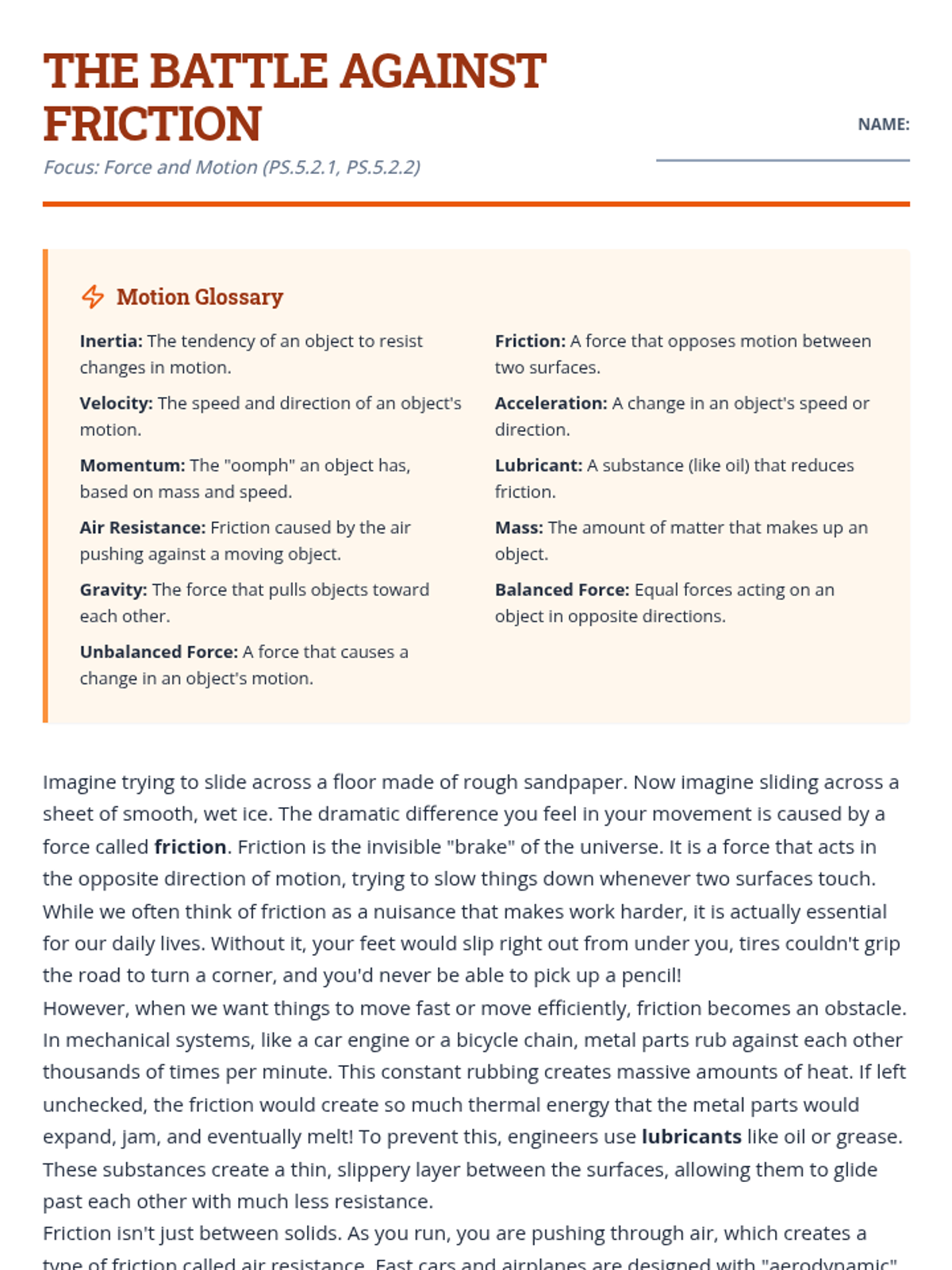
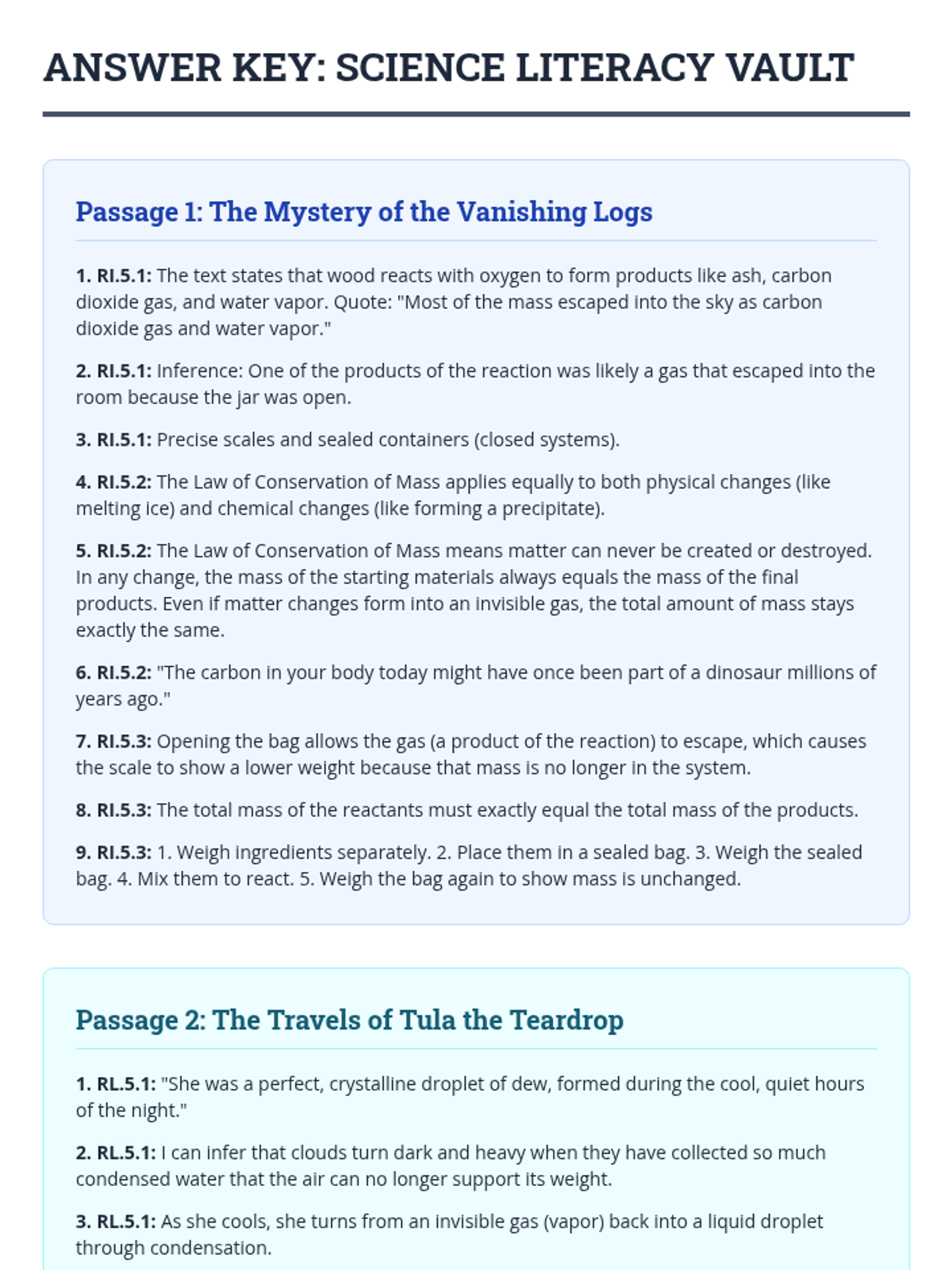
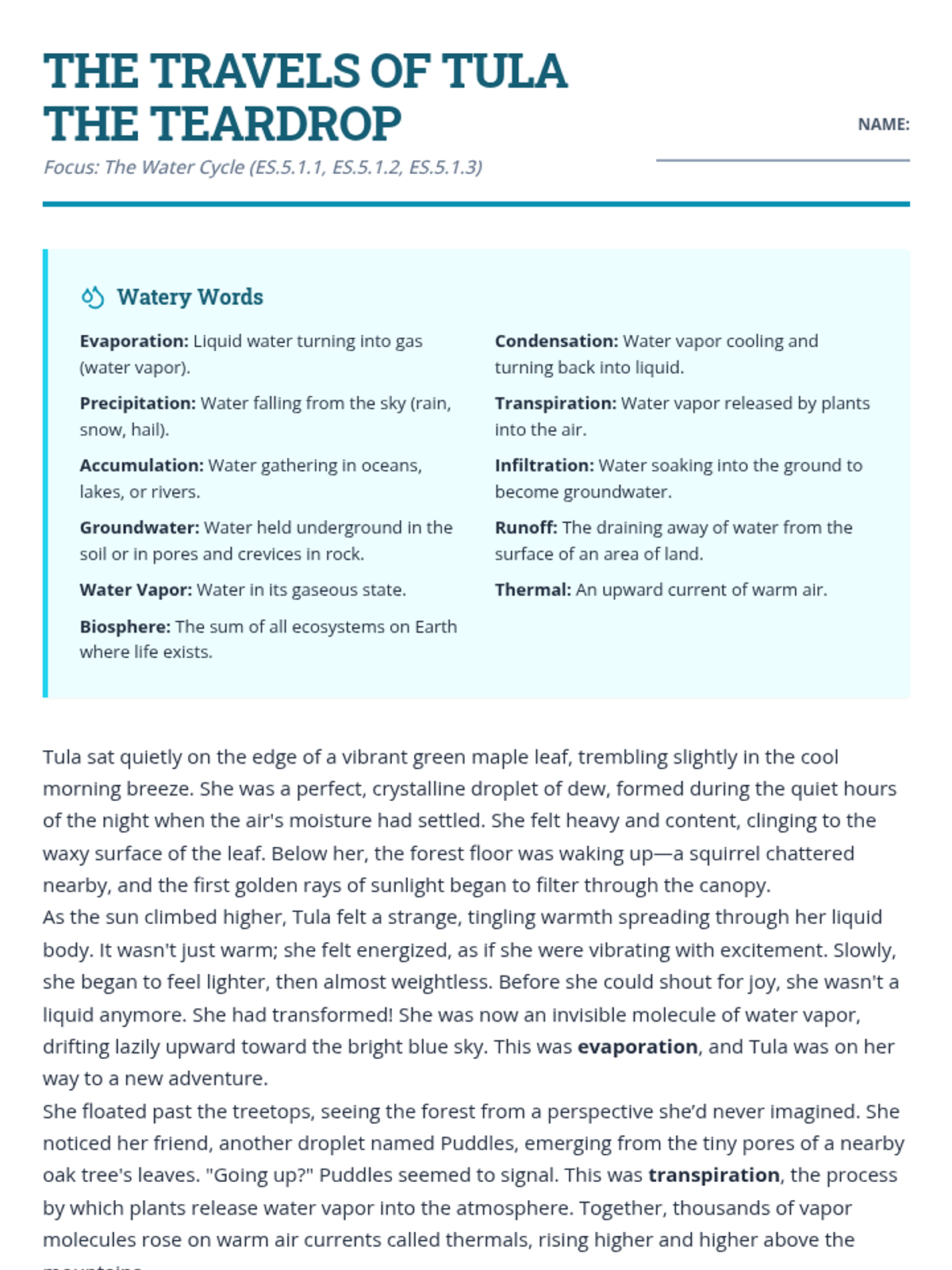
A hands-on science lab using crackers, water, and plastic bags to simulate the digestive process, with differentiated materials for various learner needs.
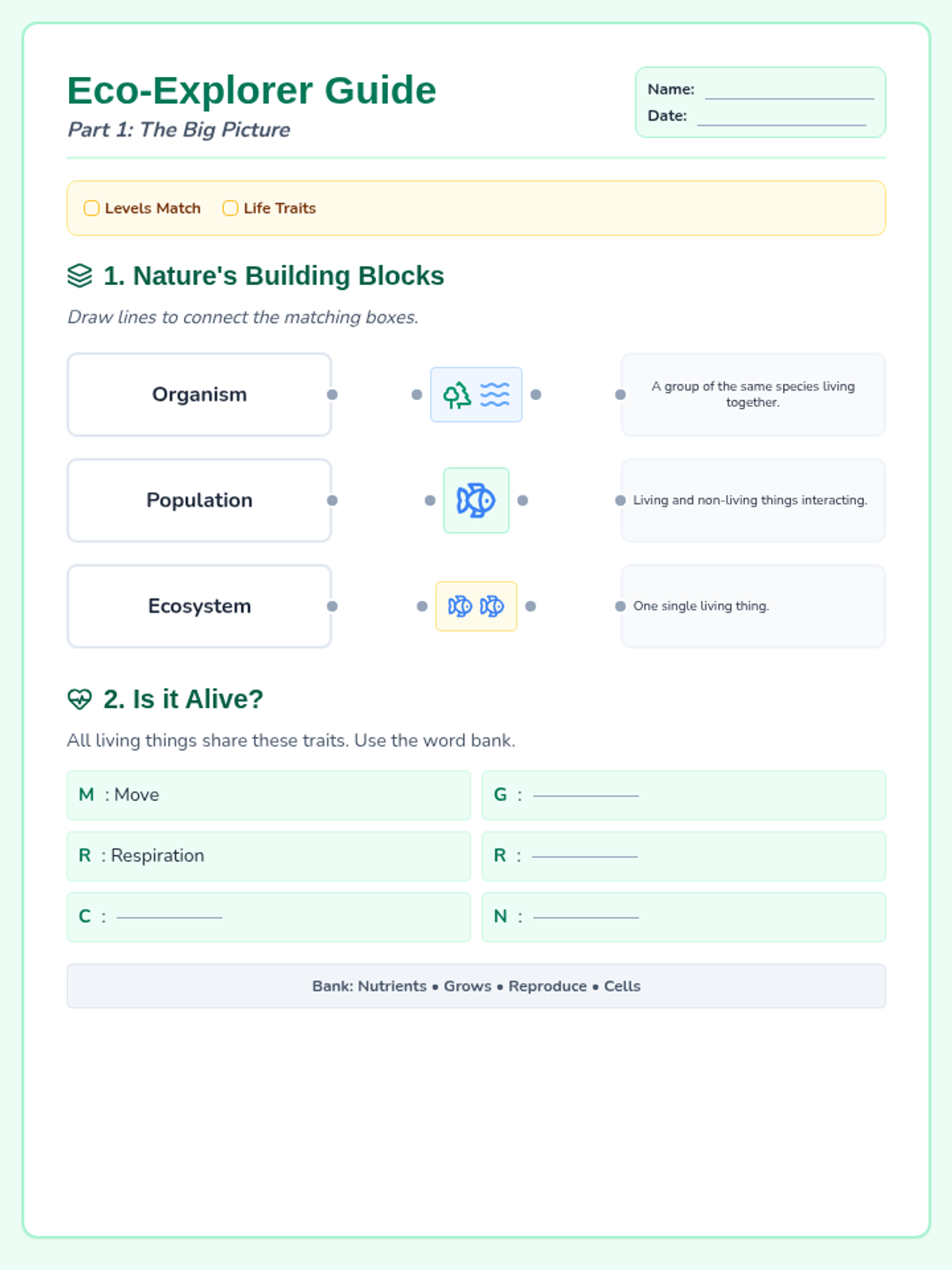
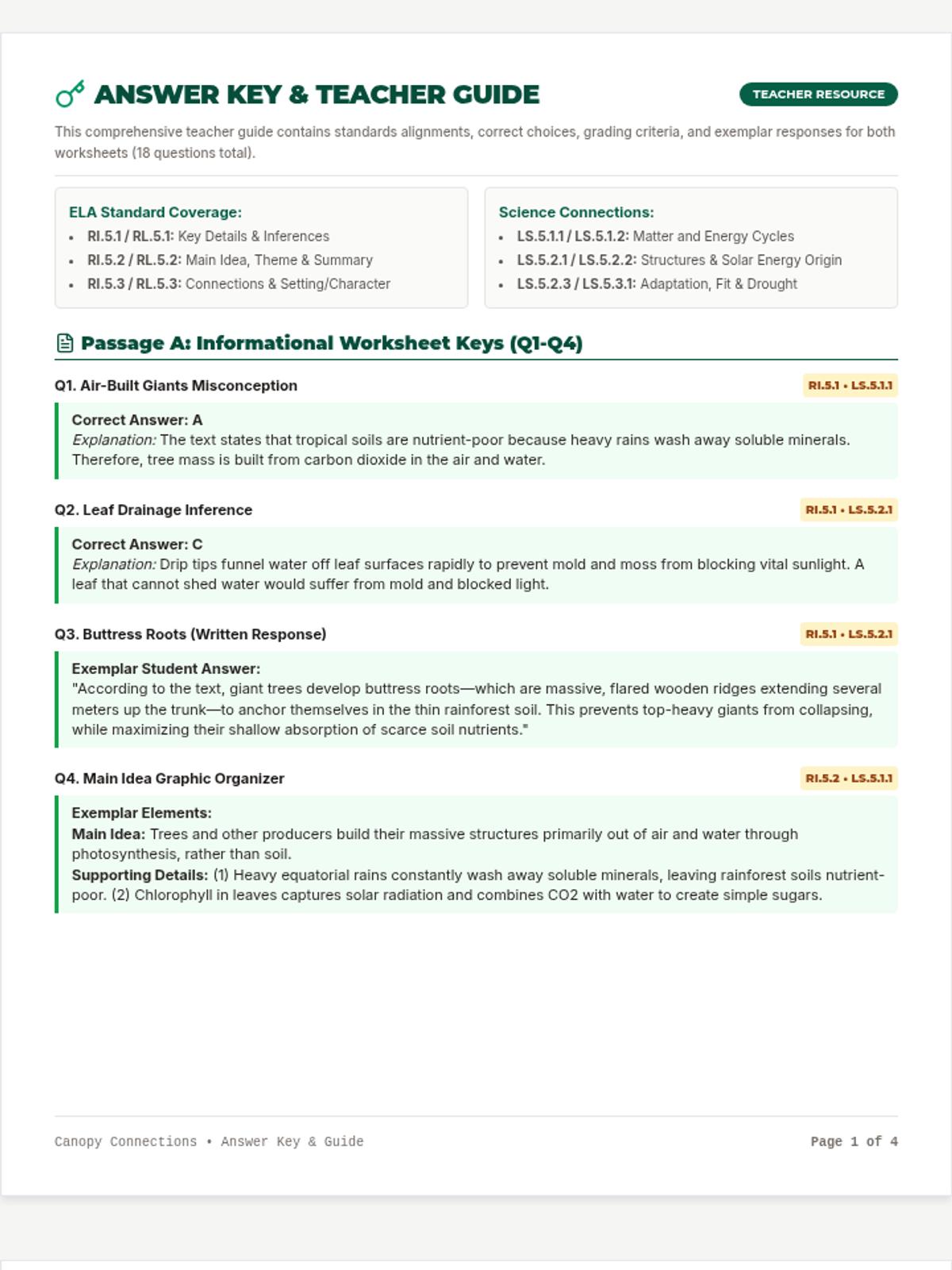
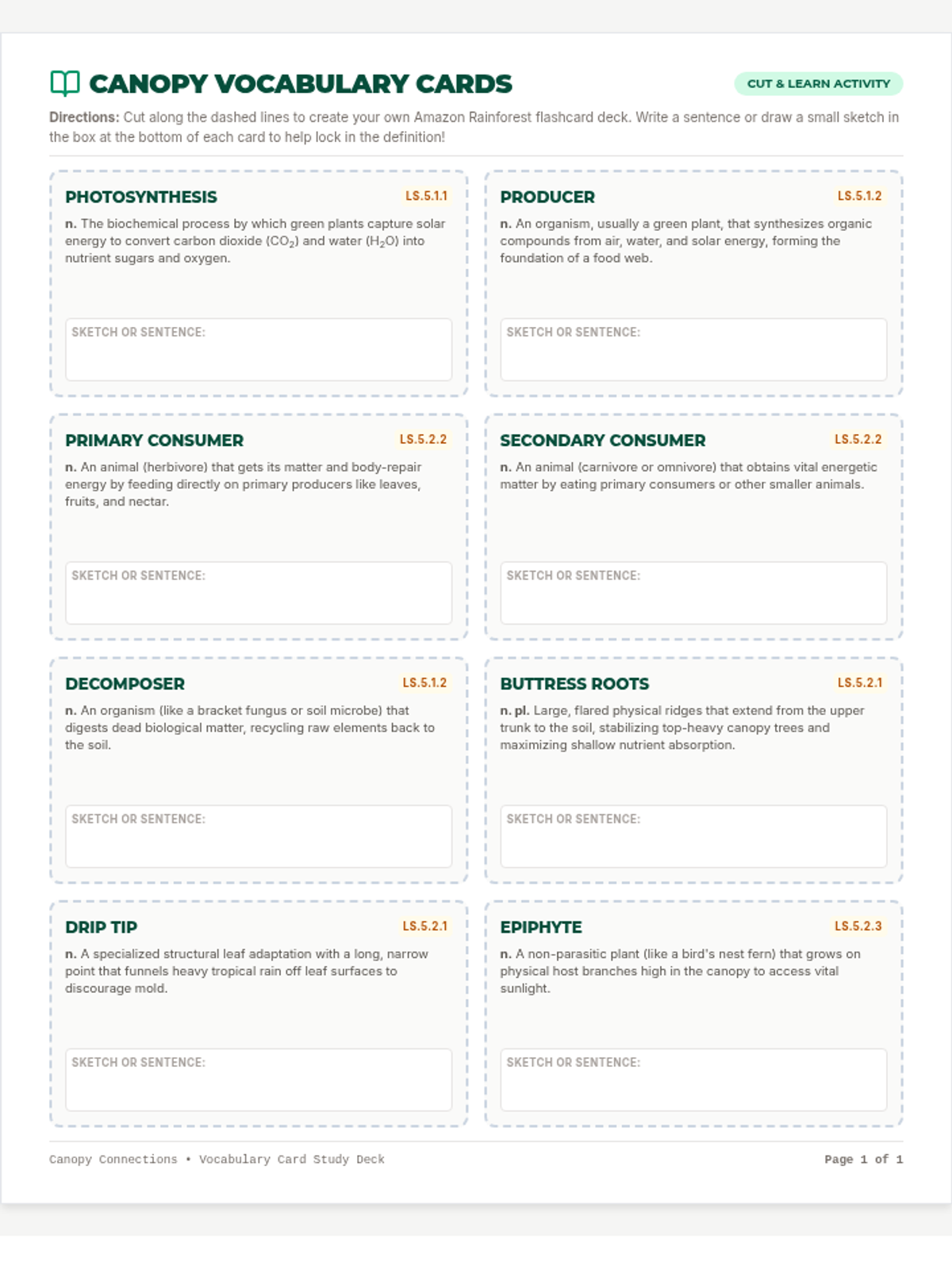
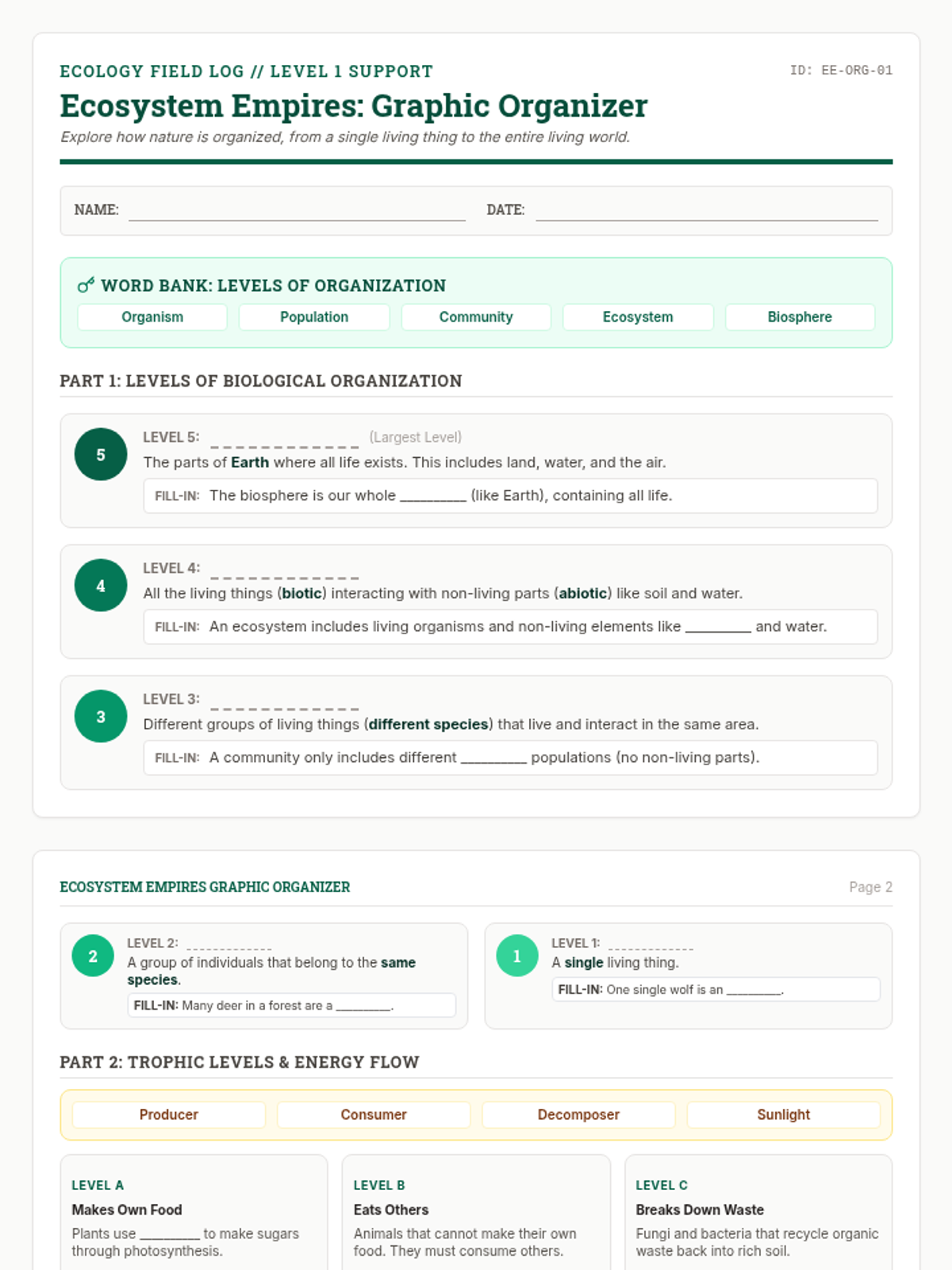
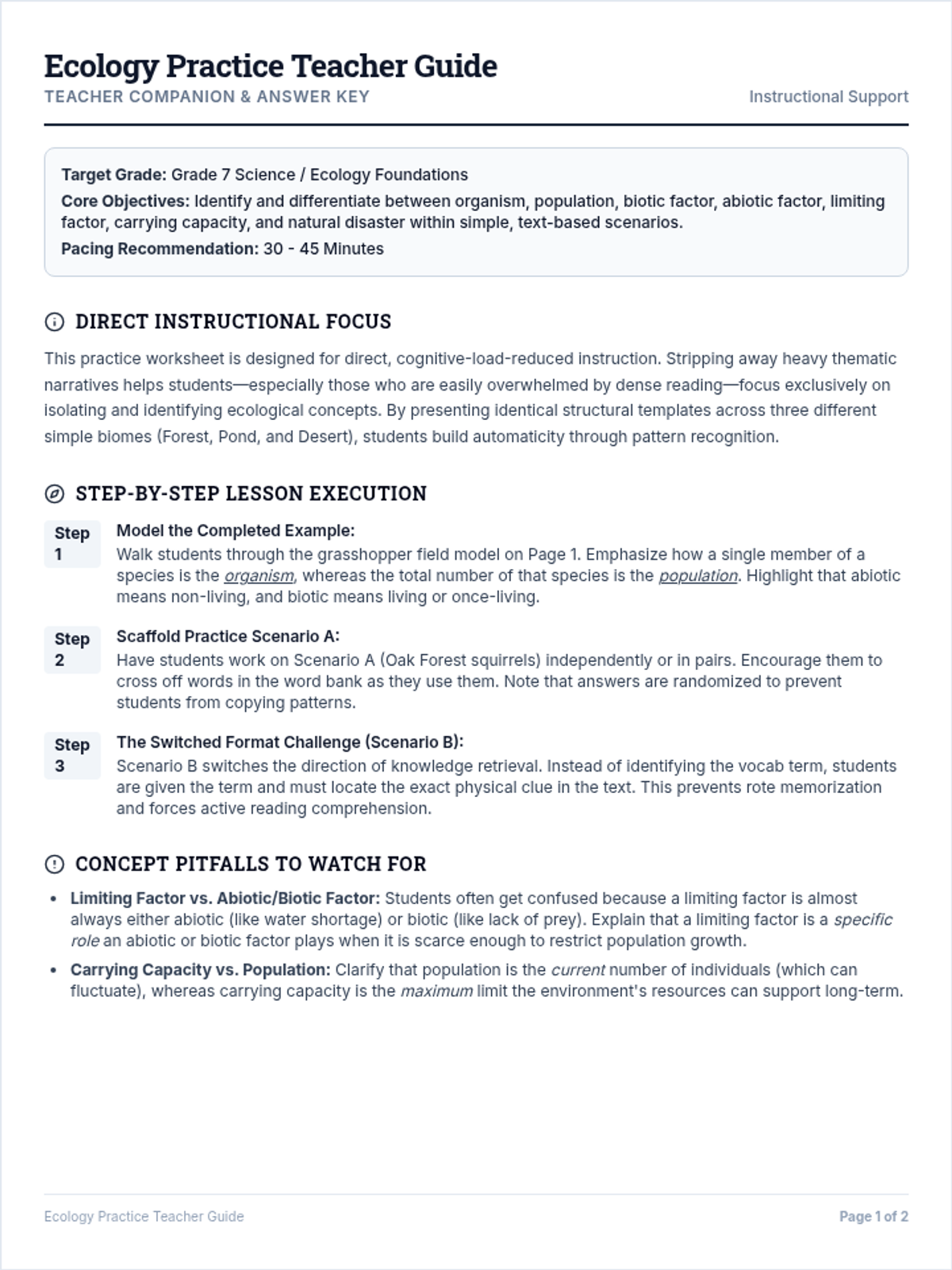
A lesson introducing students to various ecosystems through vocabulary and visual identification. Students will learn the key characteristics of different biomes including forests, deserts, and oceans.
A lesson that uses a 'mystery drink' metaphor to teach students about computer viruses and the critical importance of asking for permission before downloading files from the internet.
A 5th-grade STEM lesson where students explore the concept of neurodiversity and engineering through the lens of Jack and Jill's creative solution to a water transport problem. Students will design and build their own aqueducts to move water without carrying it, reflecting on how 'thinking outside the box' leads to innovation.
A 90-minute chemistry lab focused on the precipitation reaction between copper (II) chloride and sodium hydroxide, featuring a complete lab guide and instructional slides.
A fun, interactive phonics lesson centered around a 'Battleship' style game where Grade 3 students identify and read multisyllabic words containing the schwa sound. Students practice decoding and identifying the unstressed vowel sound in a nautical-themed setting.
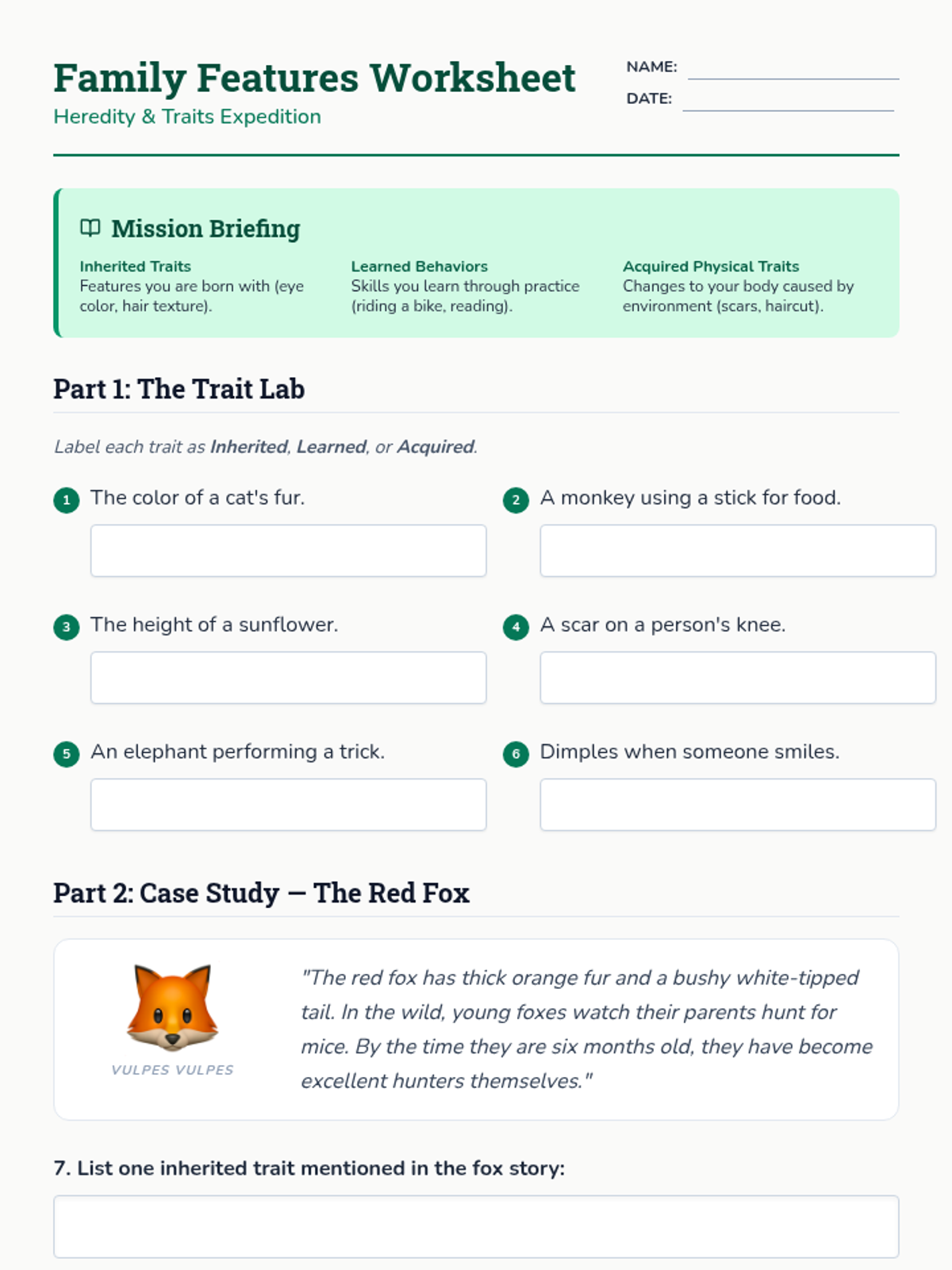
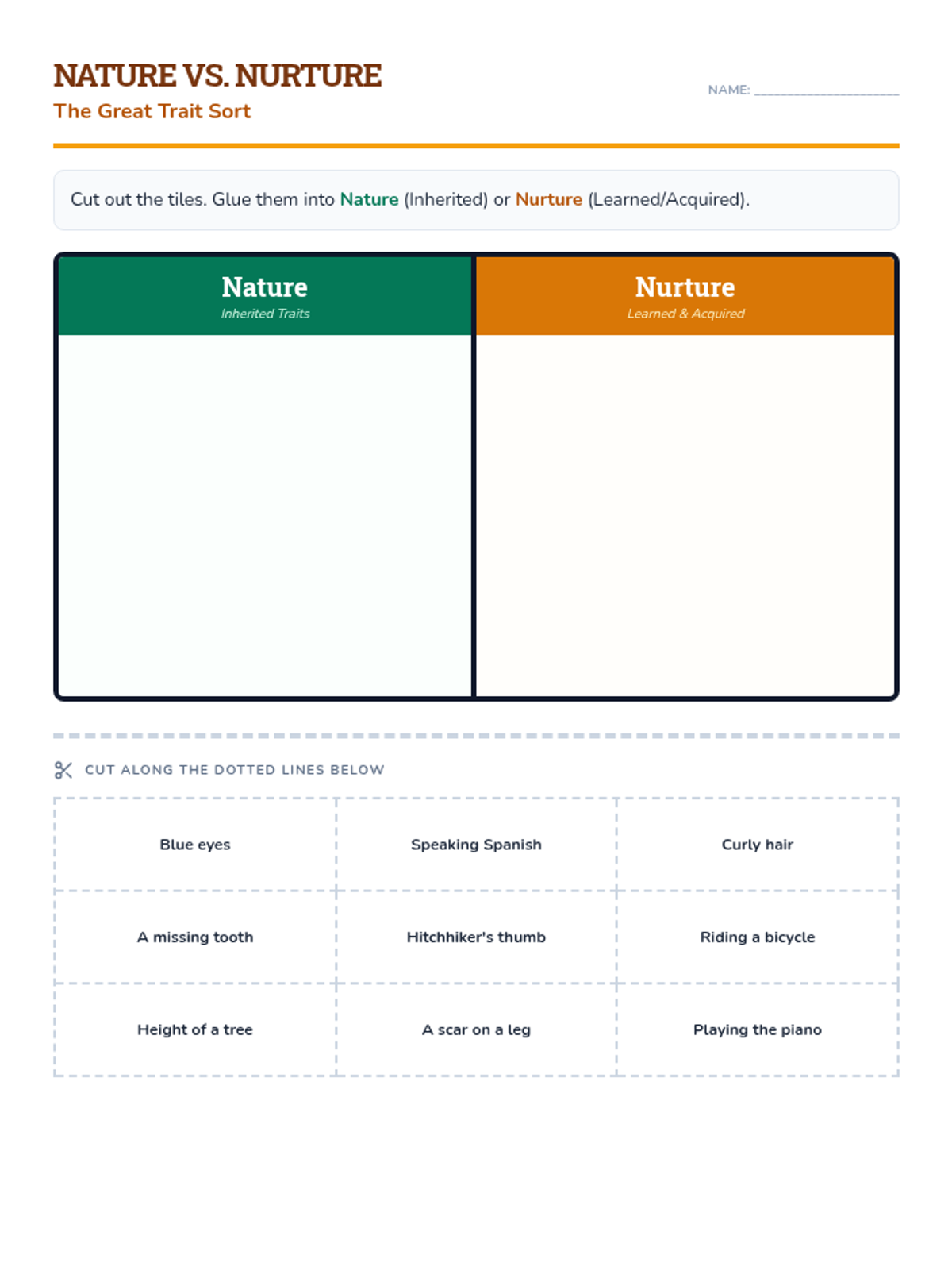
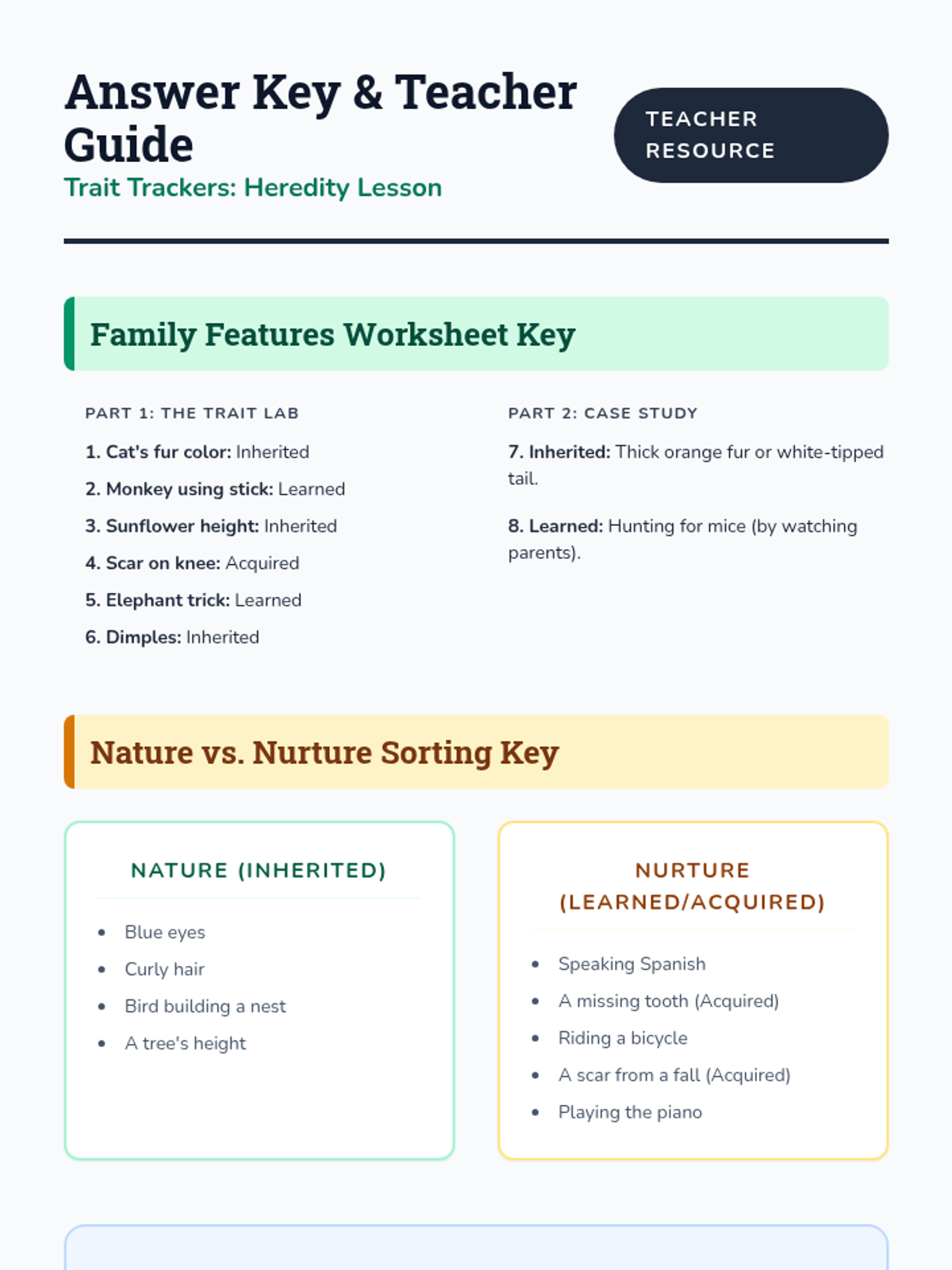
Students explore the relationship between gene versions, proteins, and physical traits, focusing on heterozygous and homozygous genotypes using the context of muscle proteins in runners.