An engaging third-grade lesson where students act as canine talent scouts, observing physical and behavioral traits to predict and match dogs with specialized jobs.
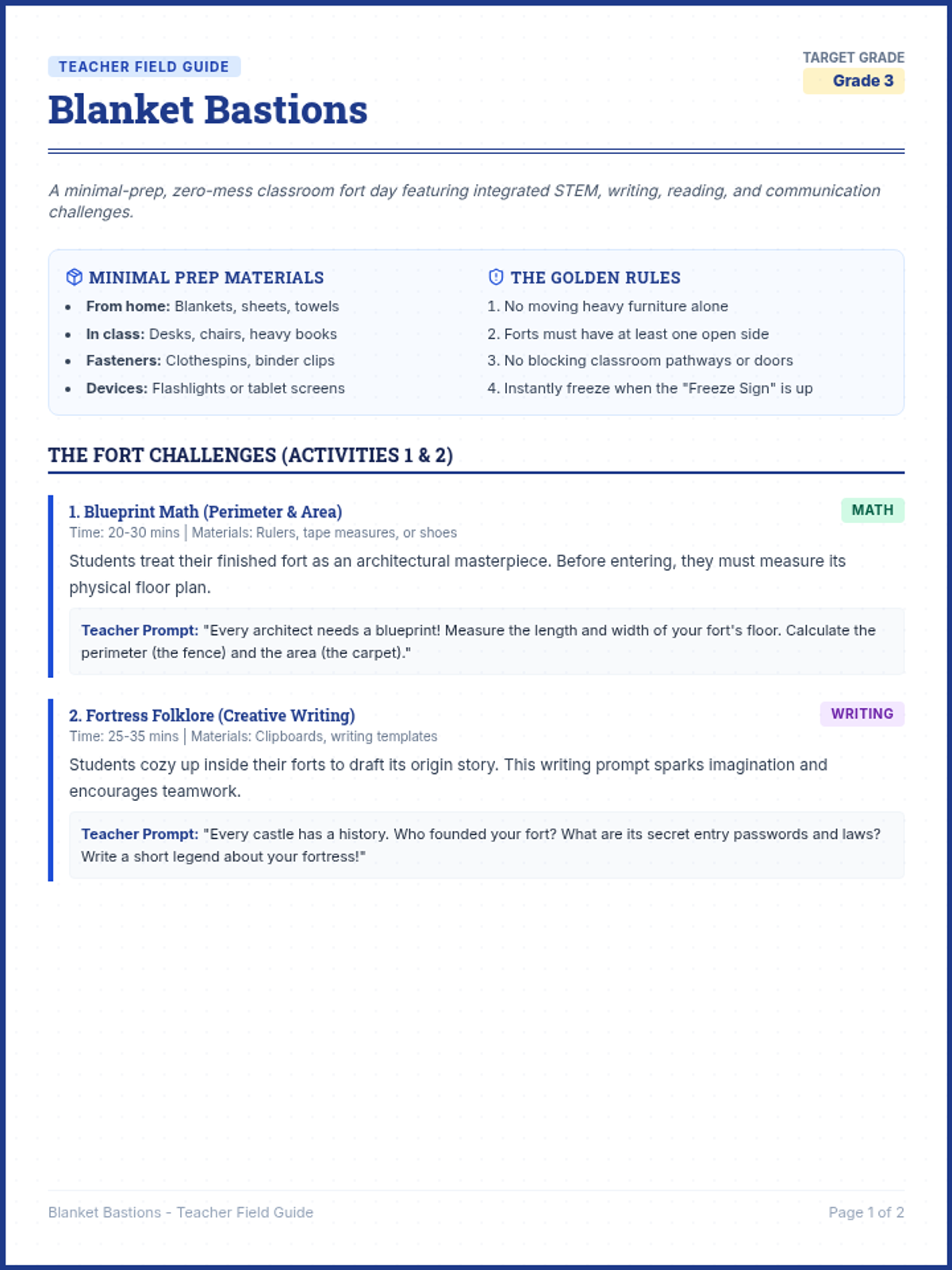
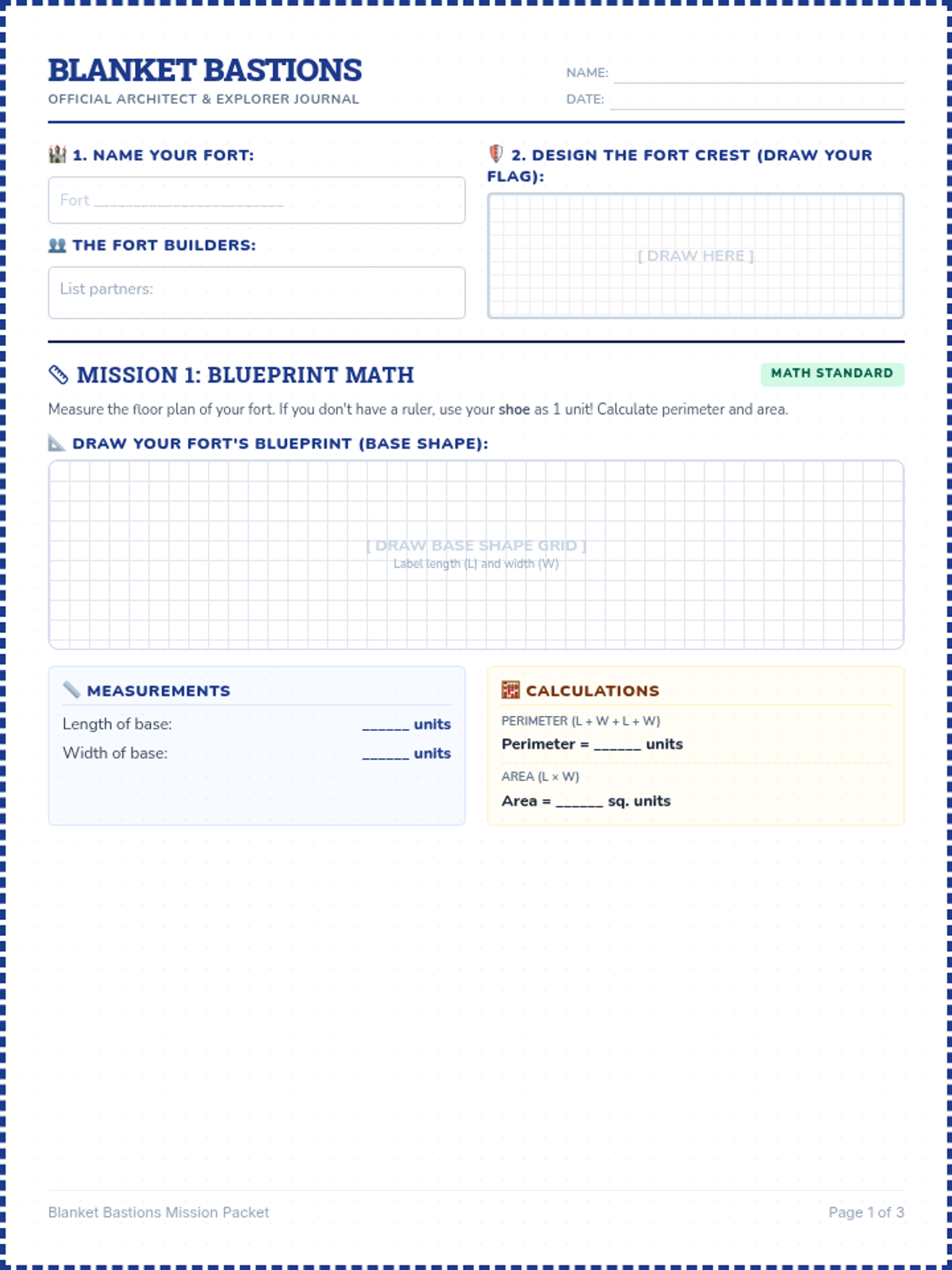
A multi-subject activity suite for third graders centered around building and playing in classroom blanket forts. Includes math, science, creative writing, reading, and team communication challenges that require minimal prep and create zero mess.
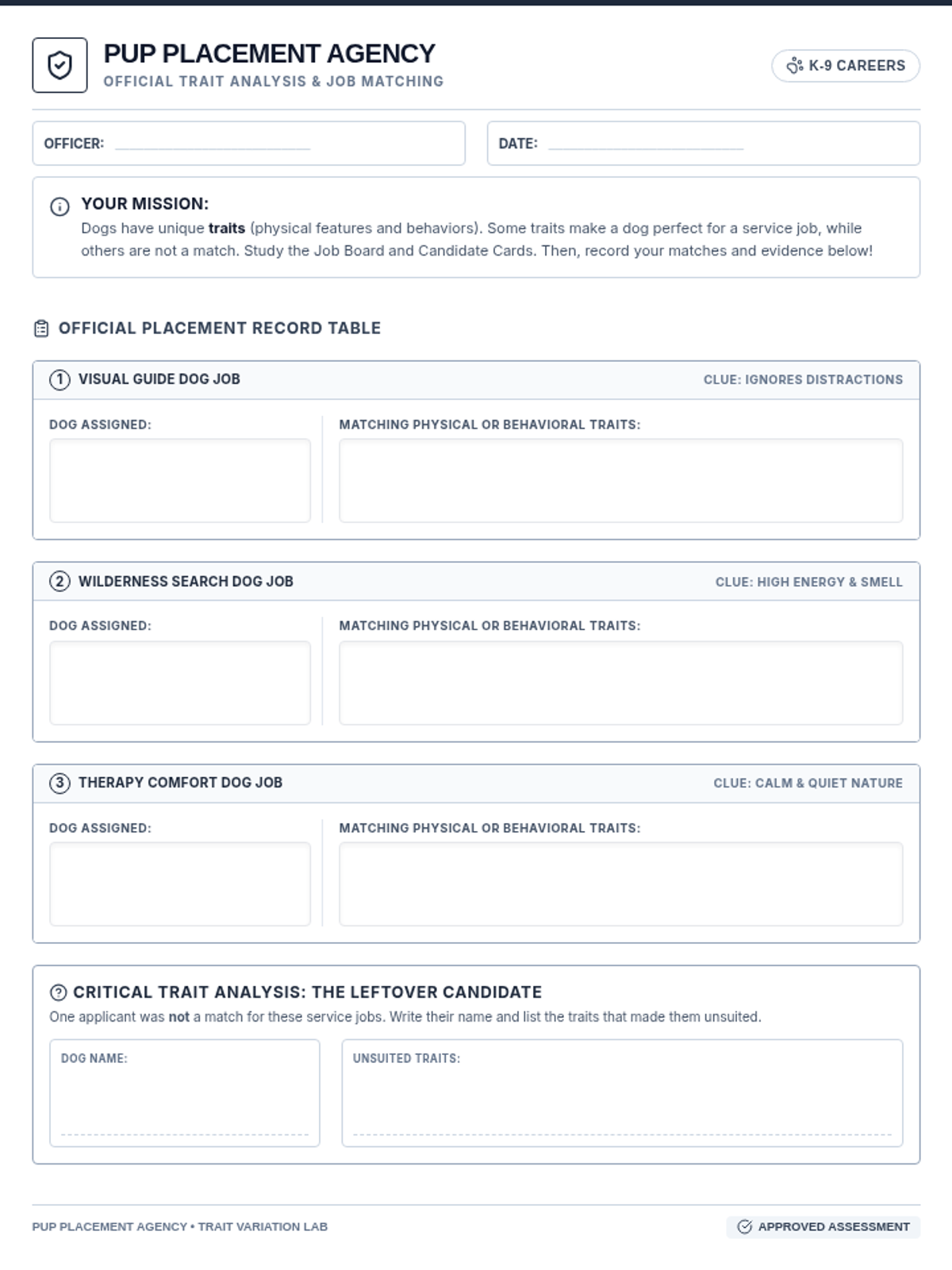
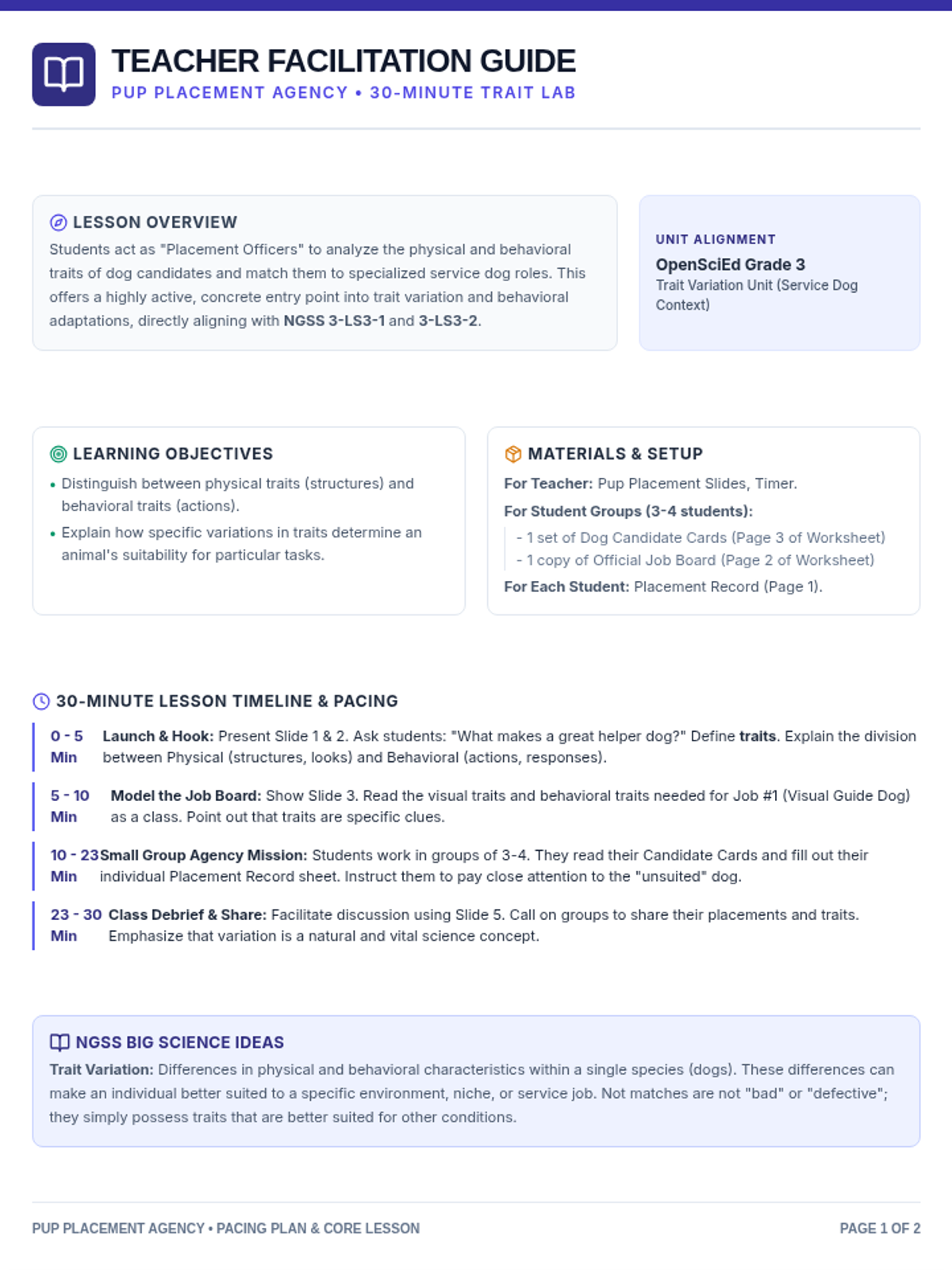
A highly differentiated 30-minute lesson where students act as 'Placement Officers' for the Pup Placement Agency. They analyze physical and behavioral traits of dog candidates and match them with appropriate service dog jobs, aligning with the OpenSciEd Grade 3 Trait Variation unit.
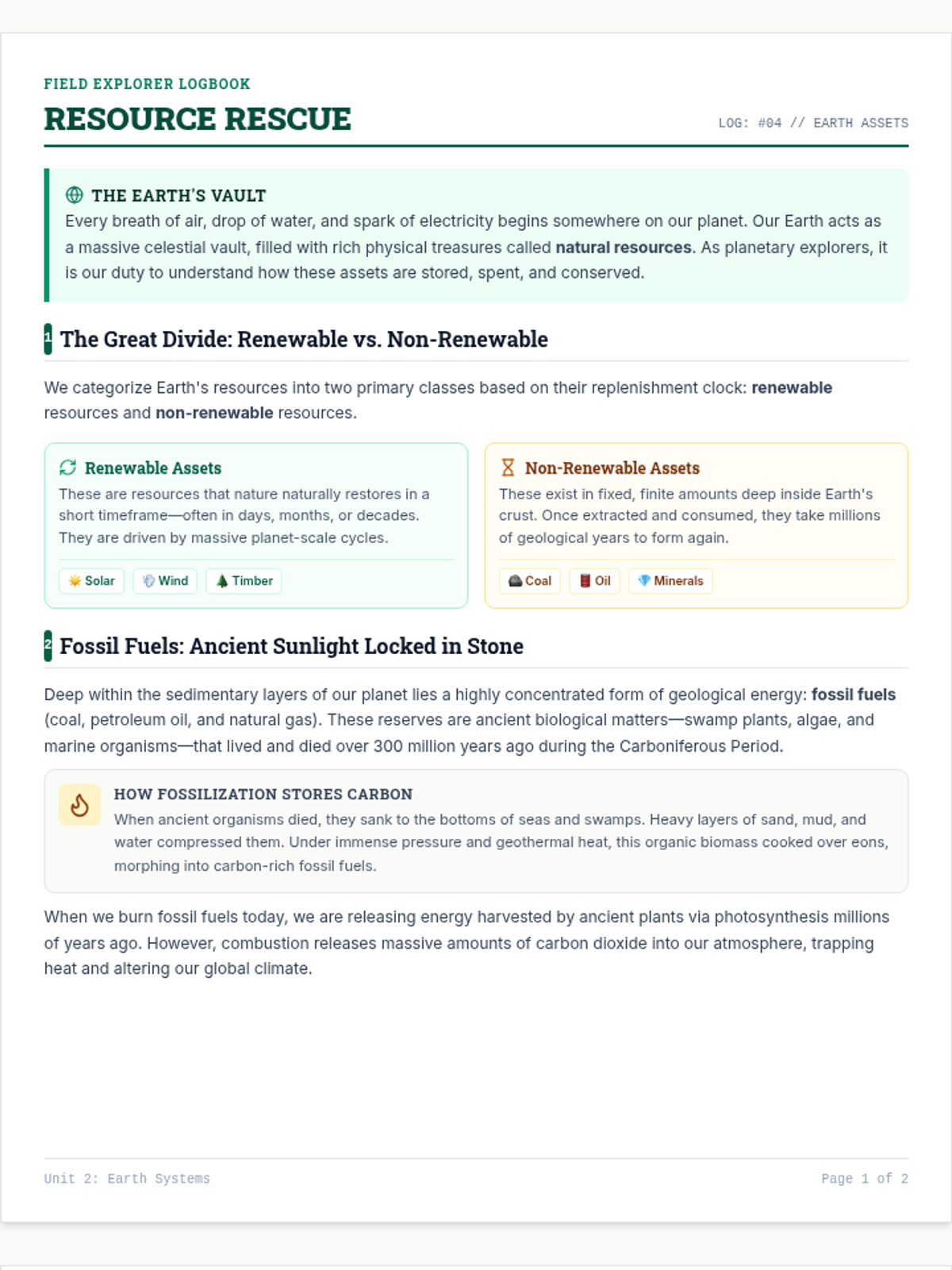
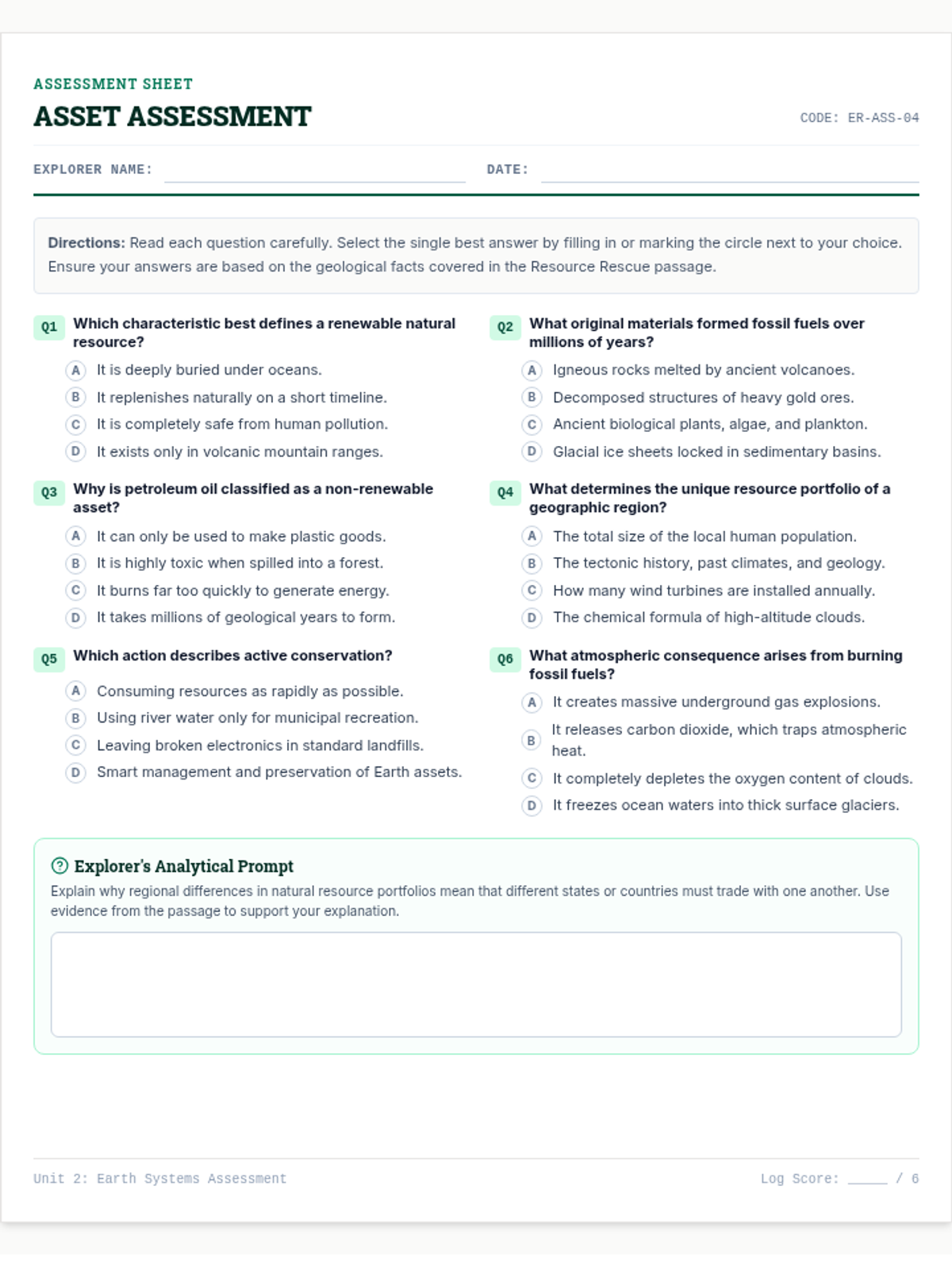
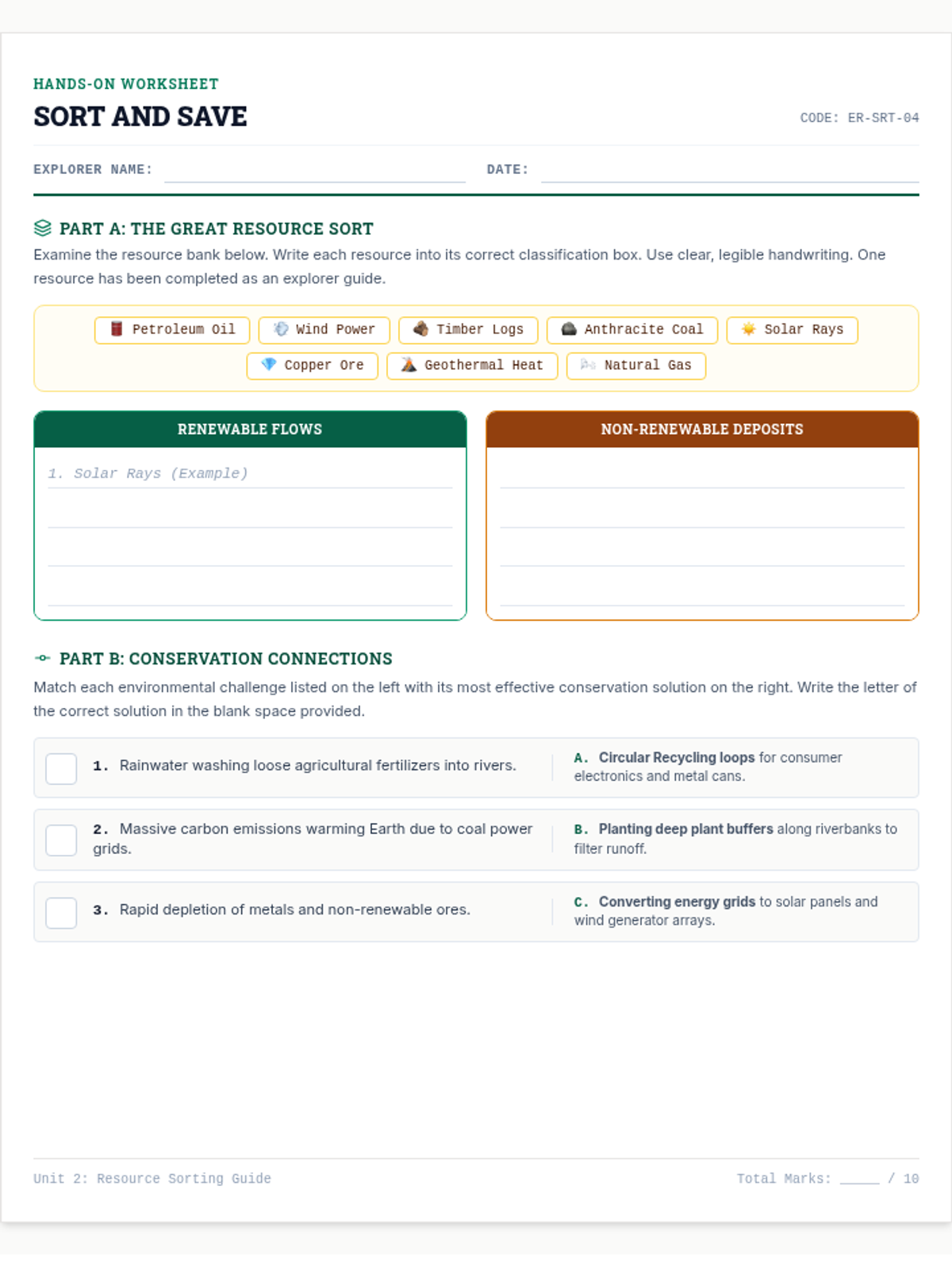
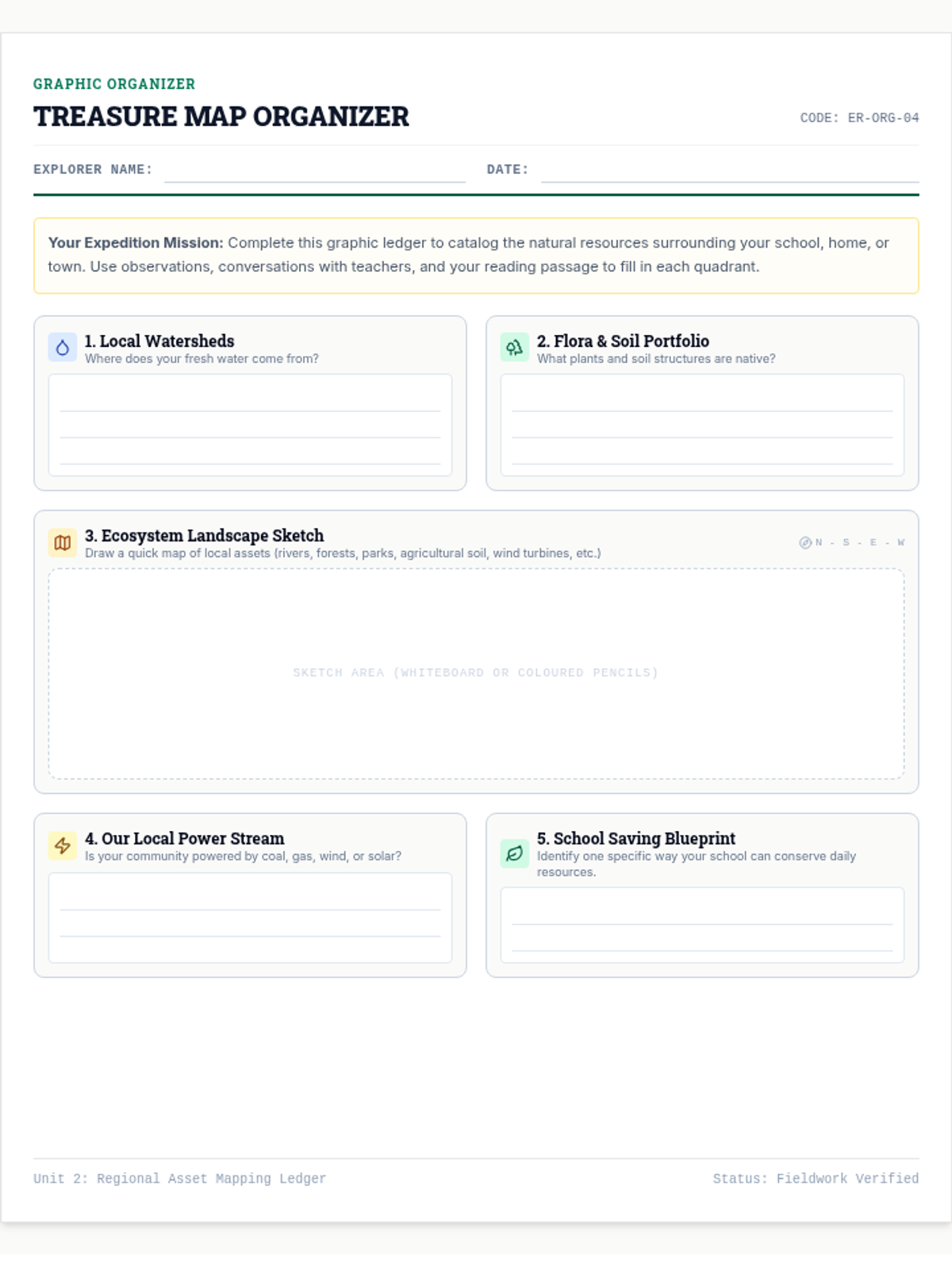
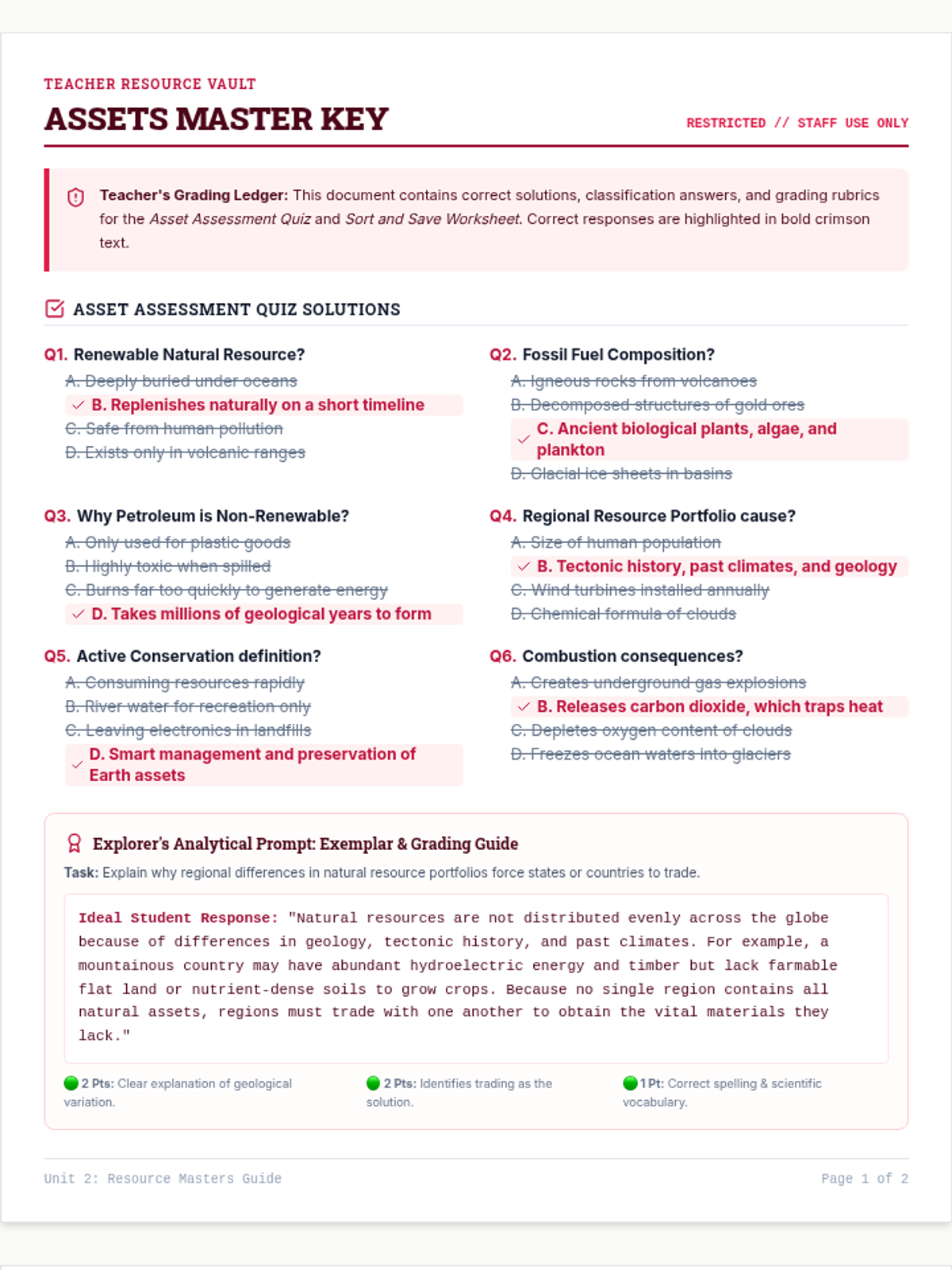
An engaging exploration of renewable and non-renewable natural resources, fossil fuels, and local conservation efforts through field-guide inspired readings, assessments, interactive sorting, and local mapping exercises.
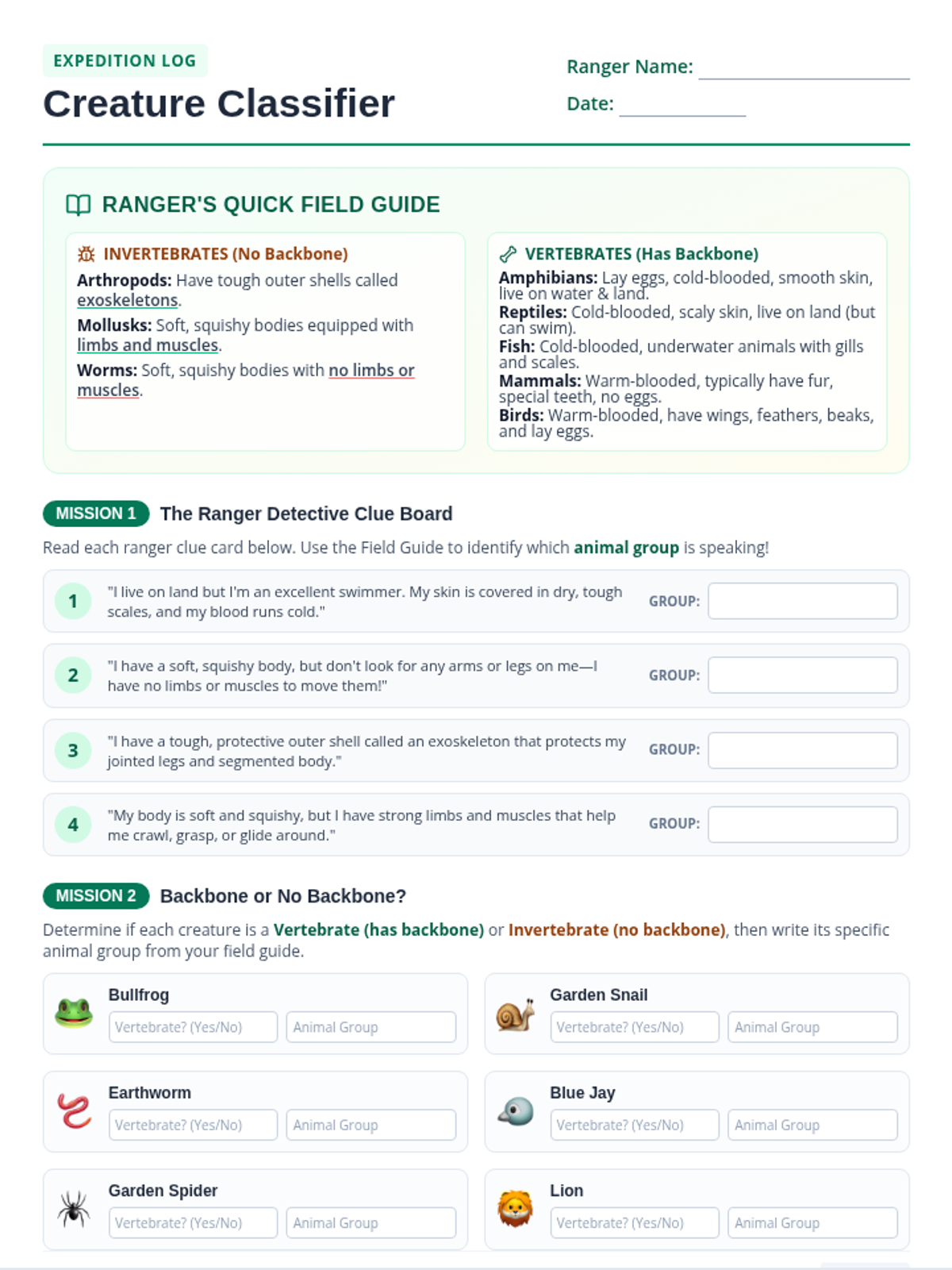
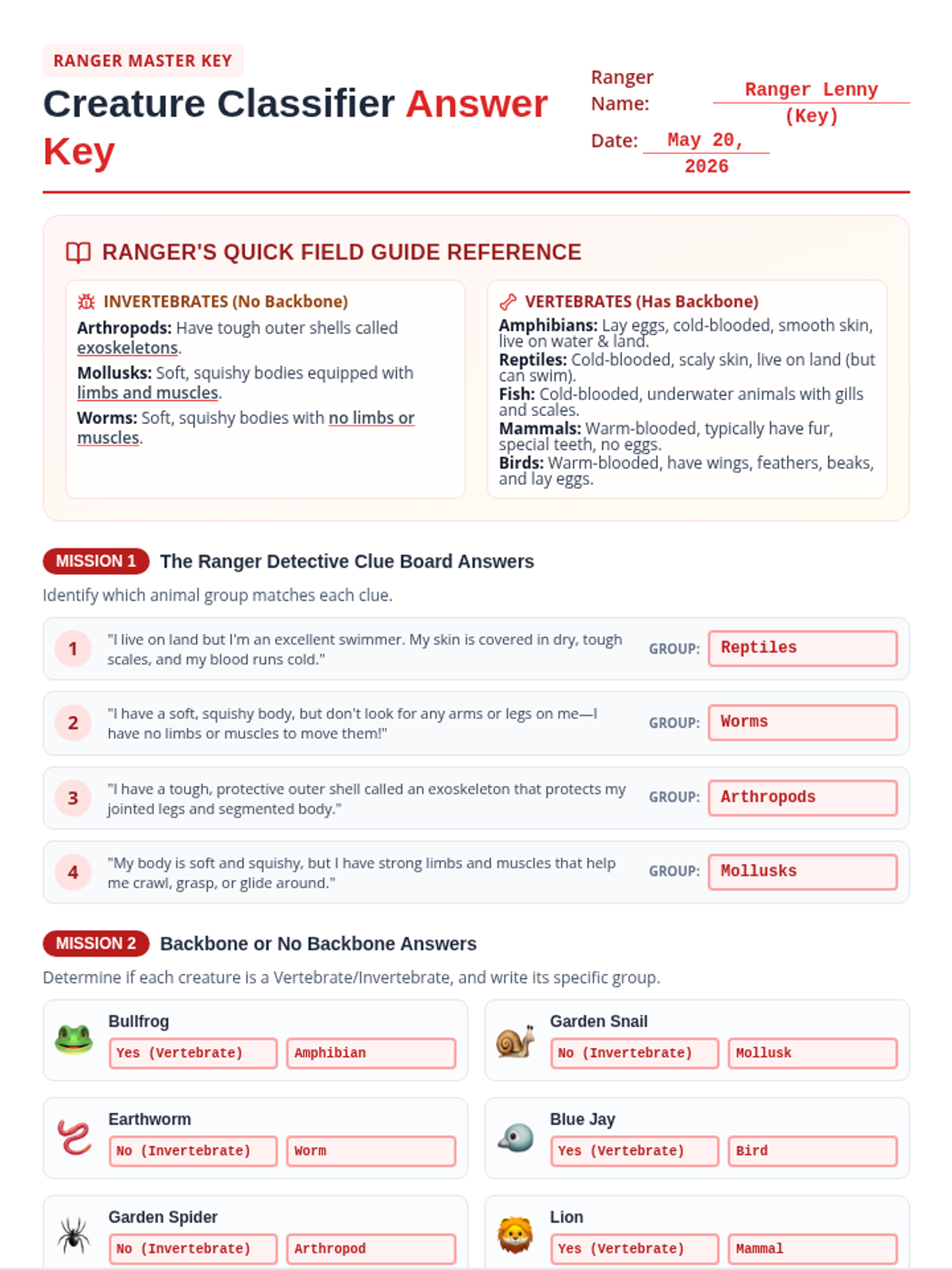
A hands-on science lesson for 3rd and 4th grade students focused on classifying animals into vertebrates and invertebrates. Students learn to distinguish between arthropods, mollusks, worms, amphibians, reptiles, fish, mammals, and birds using key physical characteristics.
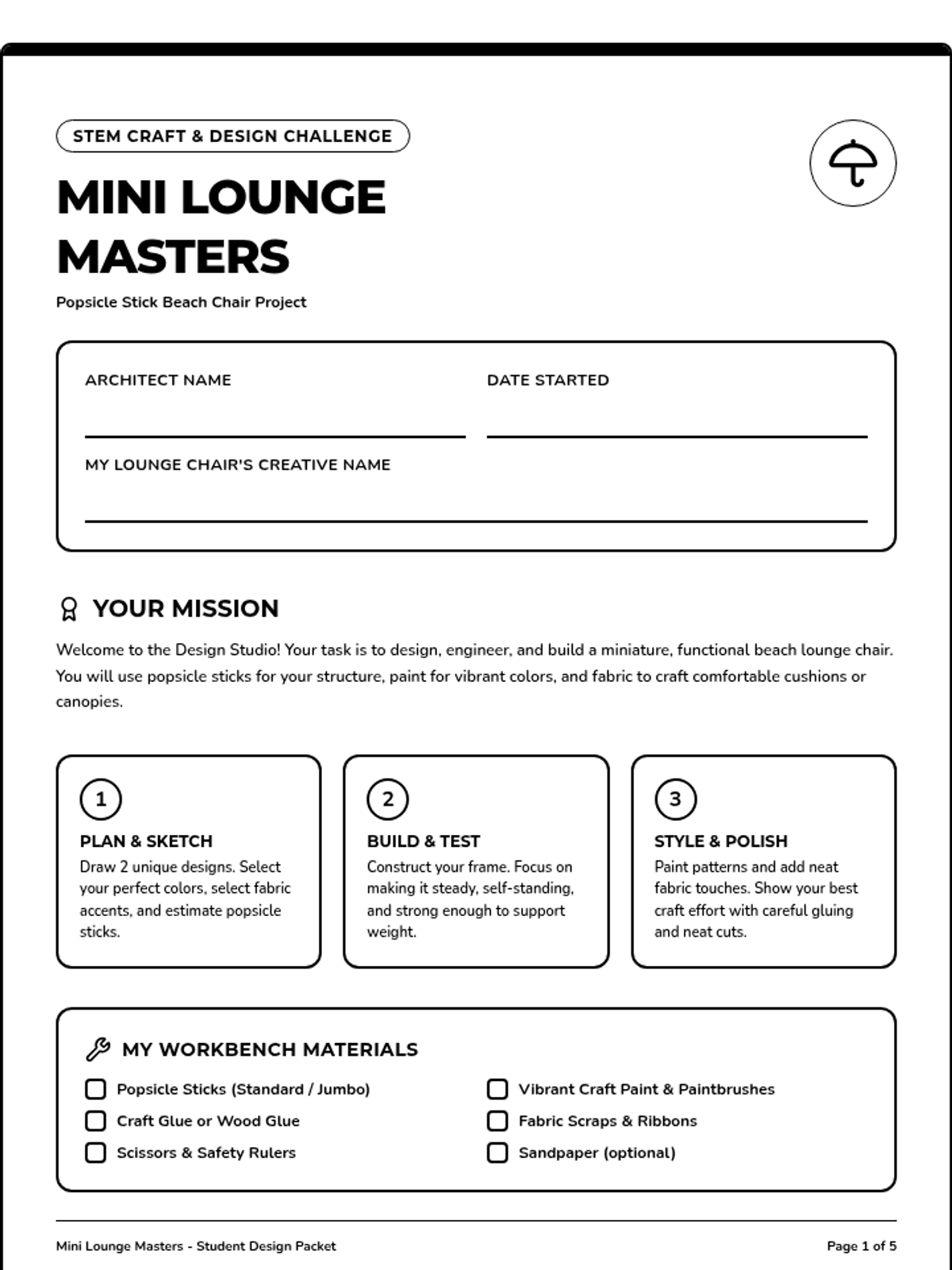
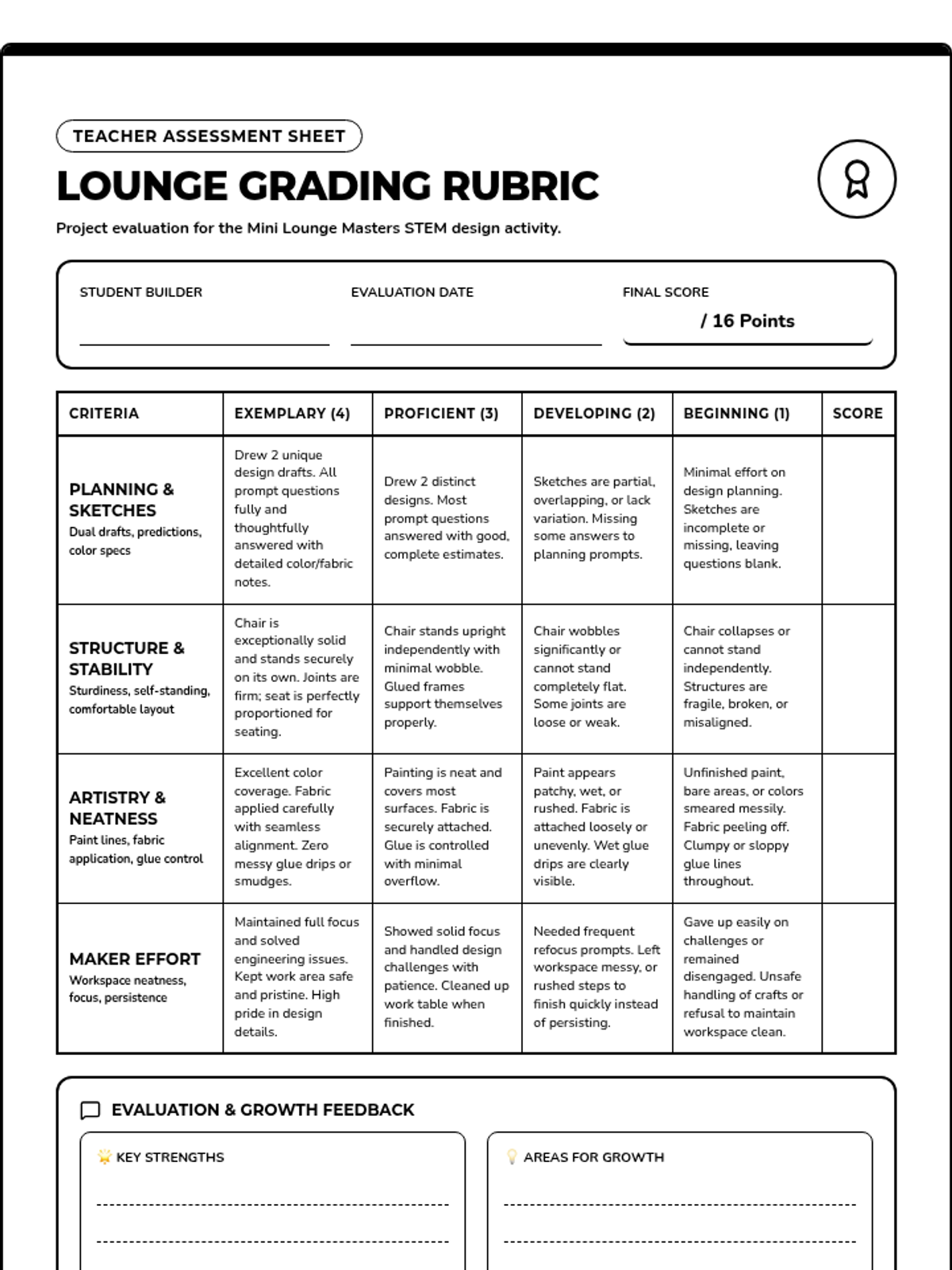
A hands-on engineering and design project where students sketch, build, and decorate a miniature beach chair using popsicle sticks, fabric, and paint. Includes a comprehensive student-facing project packet with milestone checklist and a teacher grading rubric.
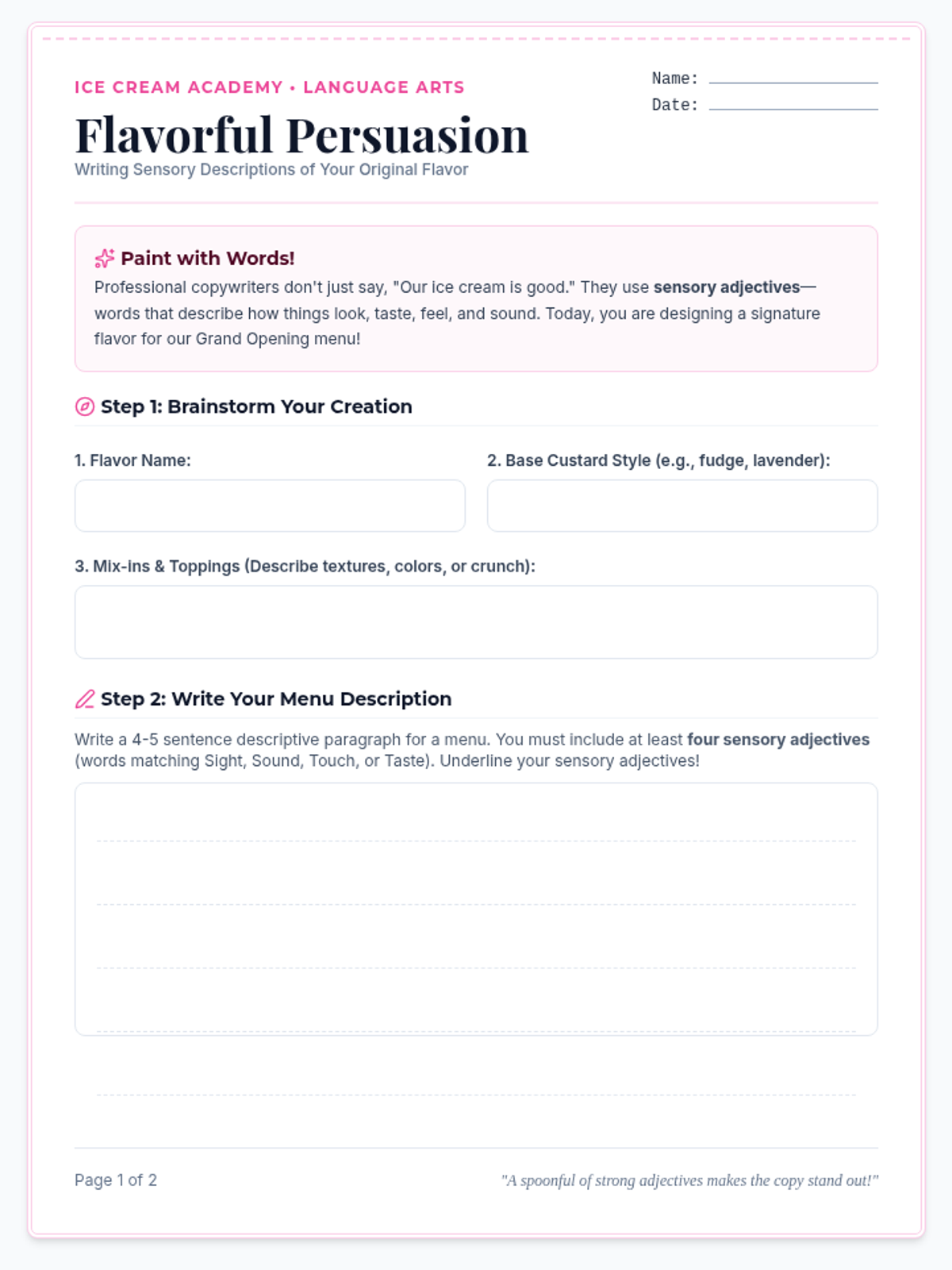
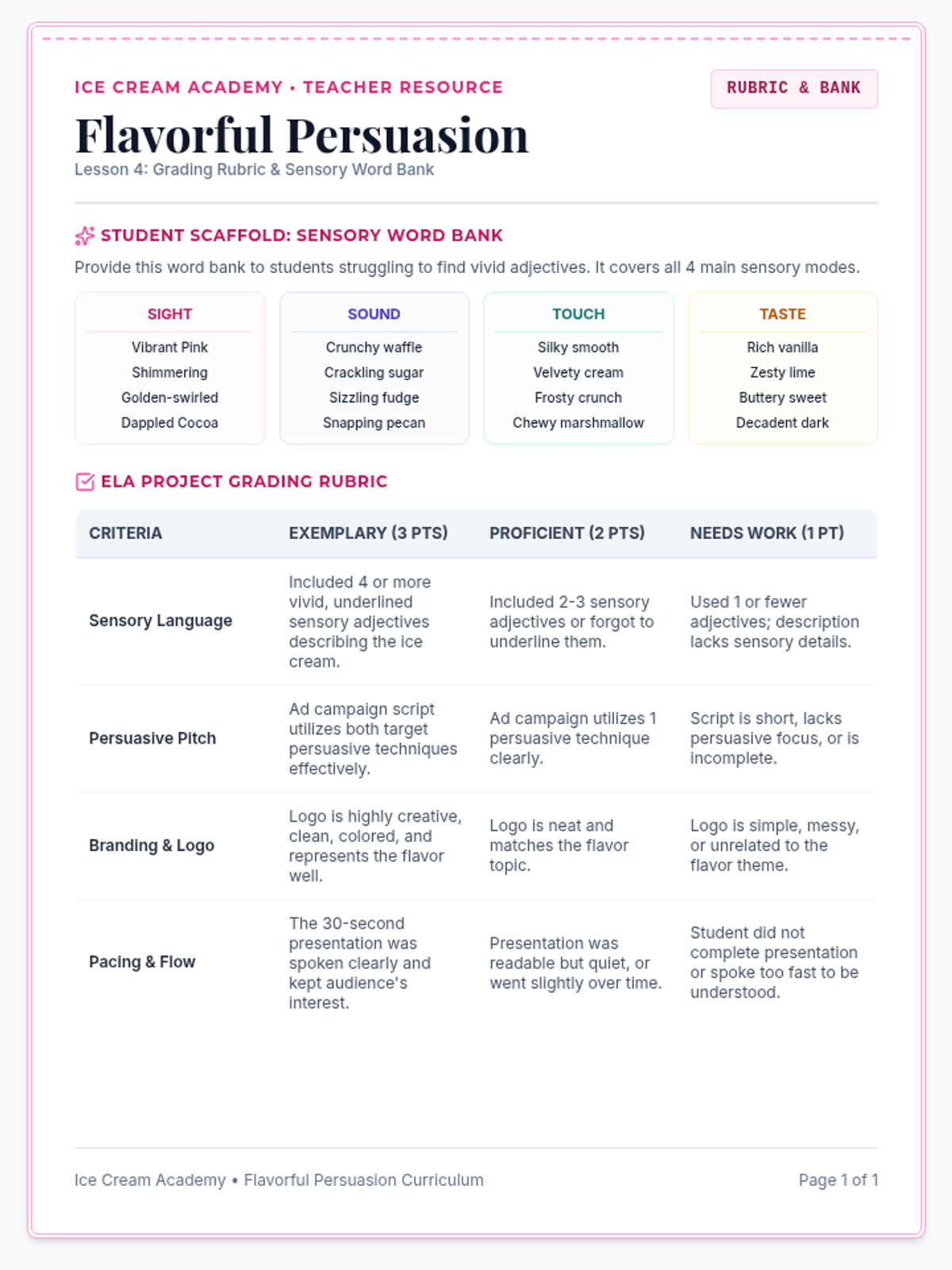
Master sensory language and persuasive advertising techniques by designing an original ice cream flavor, brand logo, and marketing pitch.
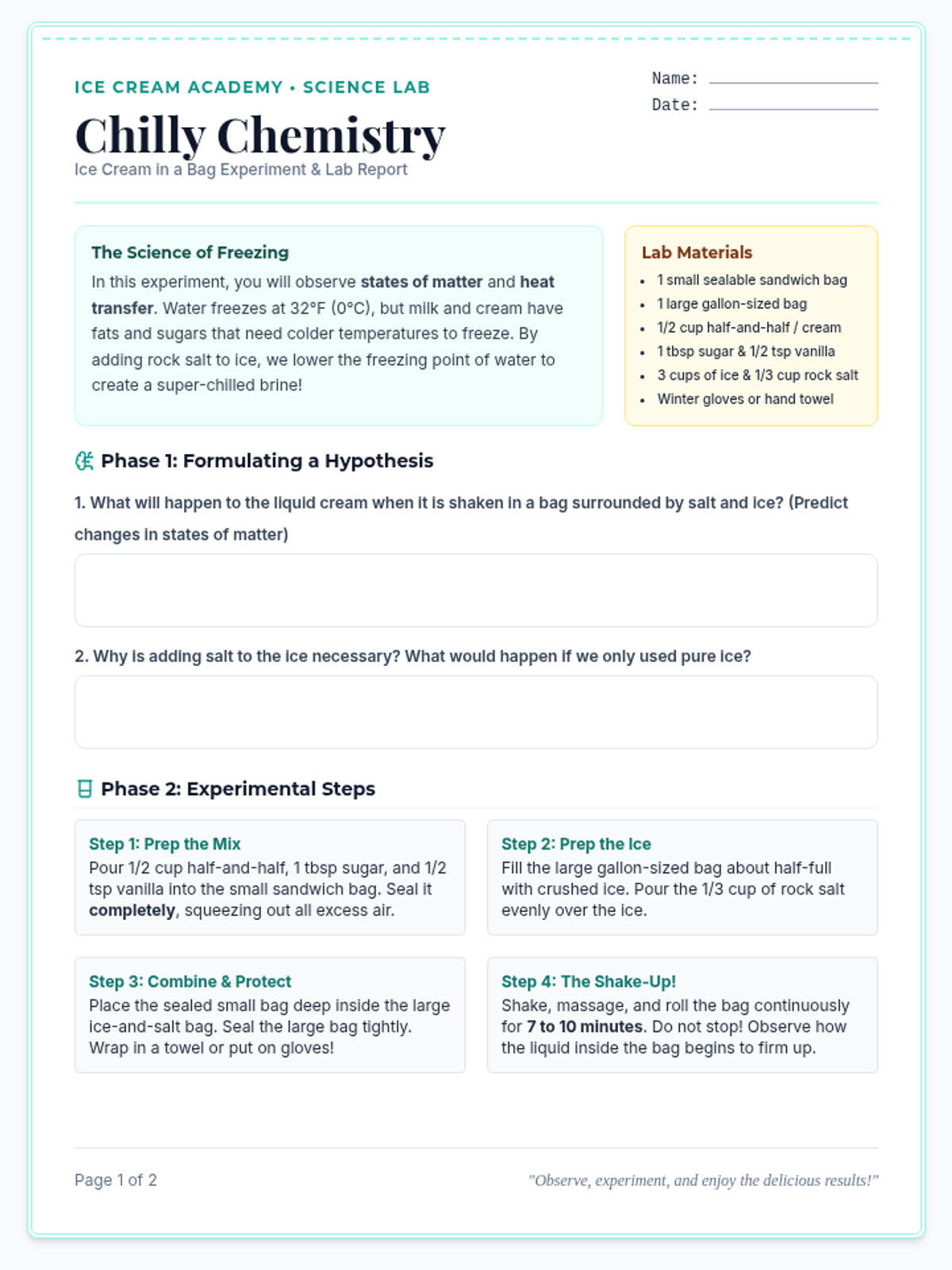
Explore states of matter, heat transfer, and freezing-point depression by making homemade ice cream in a bag using ice, salt, and cream.
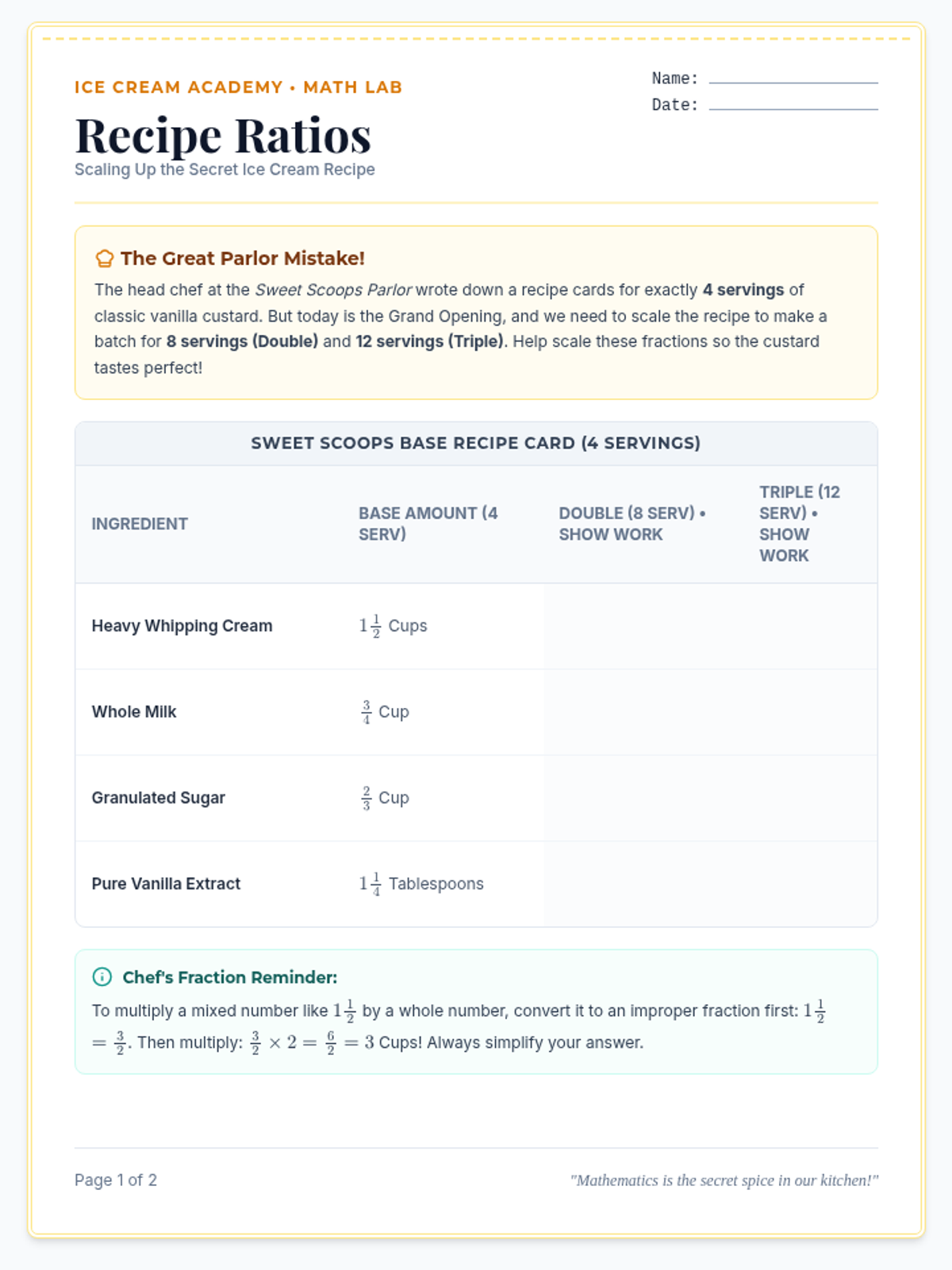
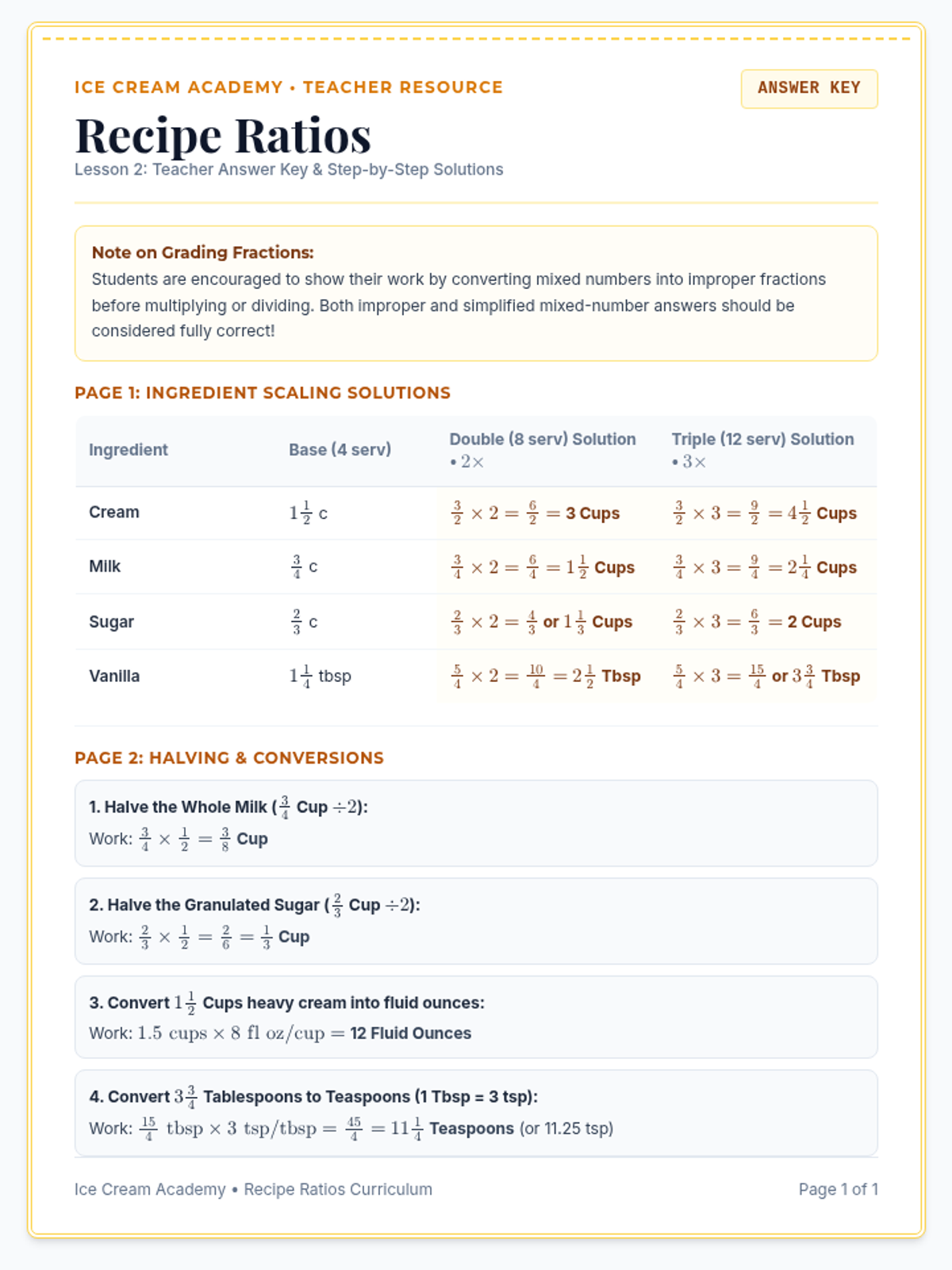
Apply fraction multiplication and division to scale ice cream recipes up and down, converting fluid ounces, cups, and tablespoons.
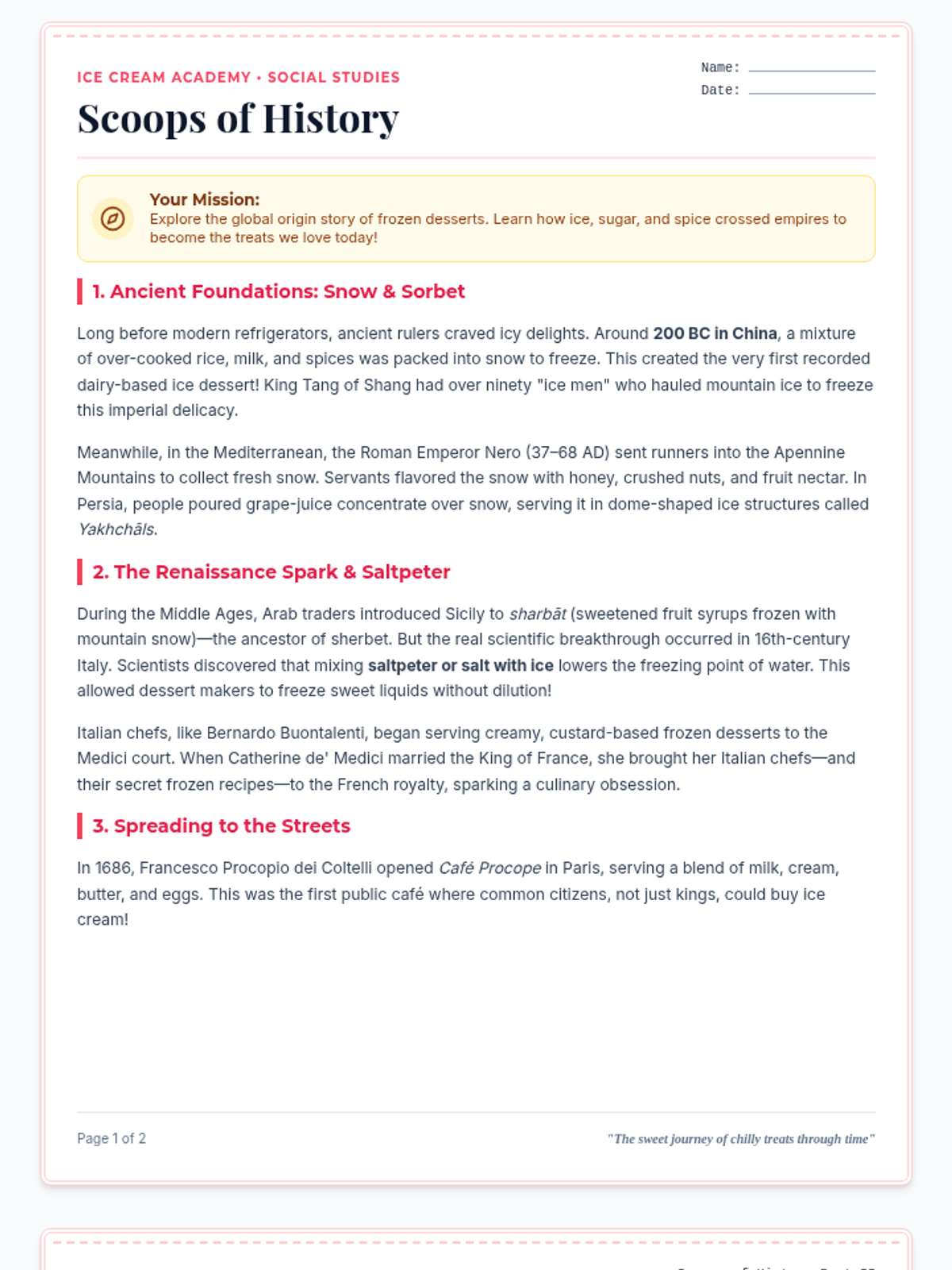
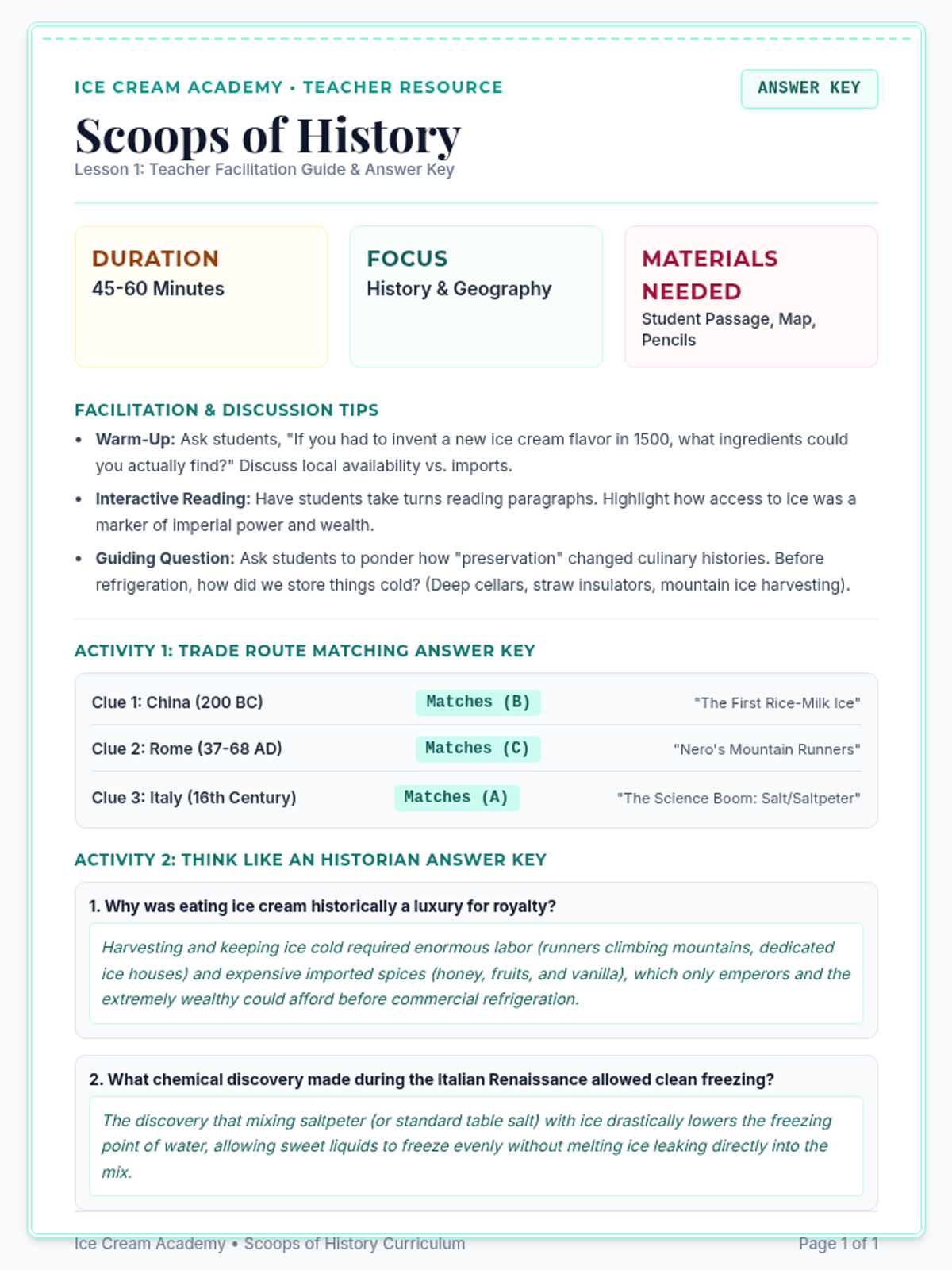
Trace the historical origins of frozen desserts from ancient China and Rome to modern day, mapping how ingredients like vanilla, sugar, and cacao traveled globally.
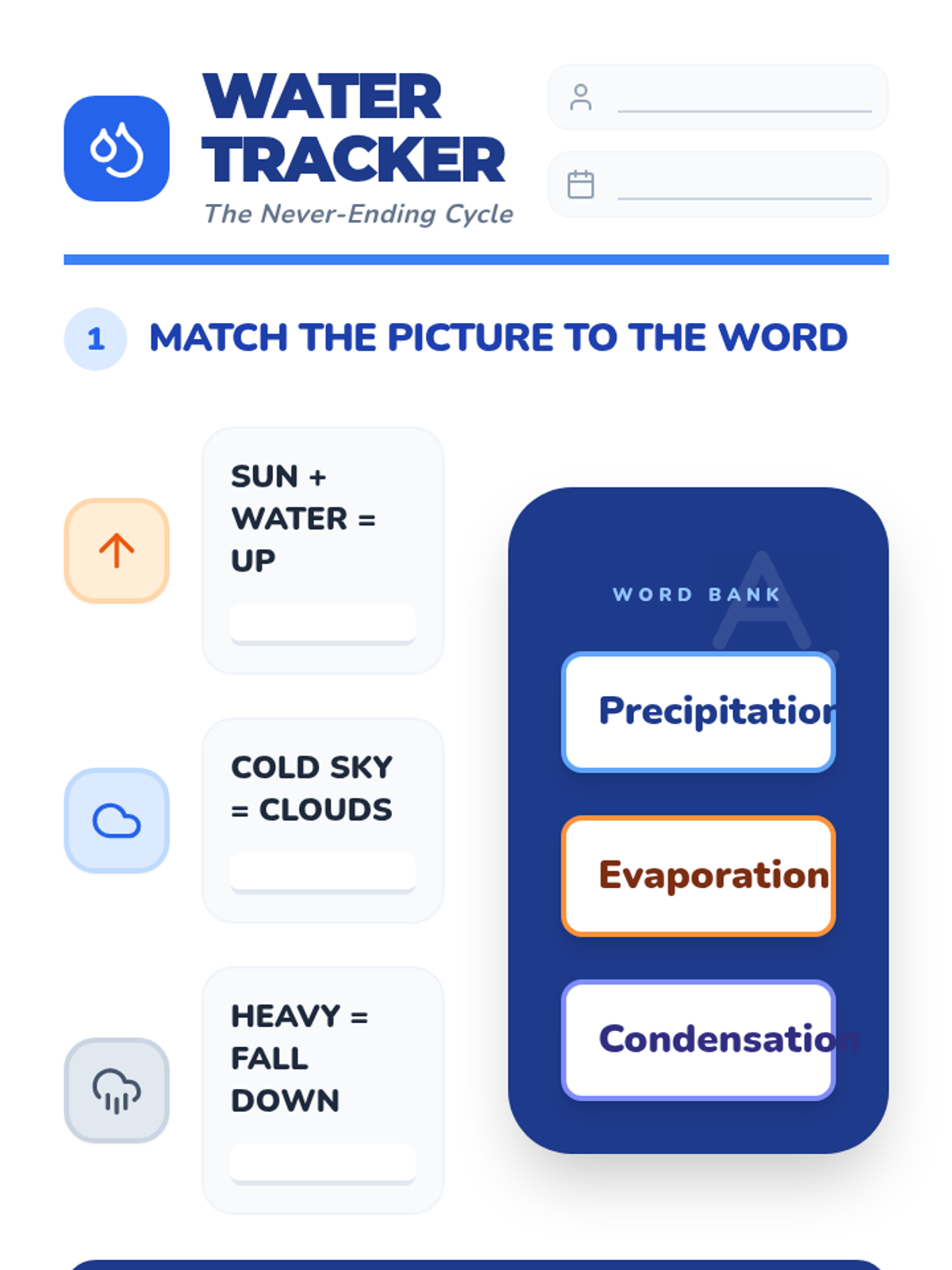
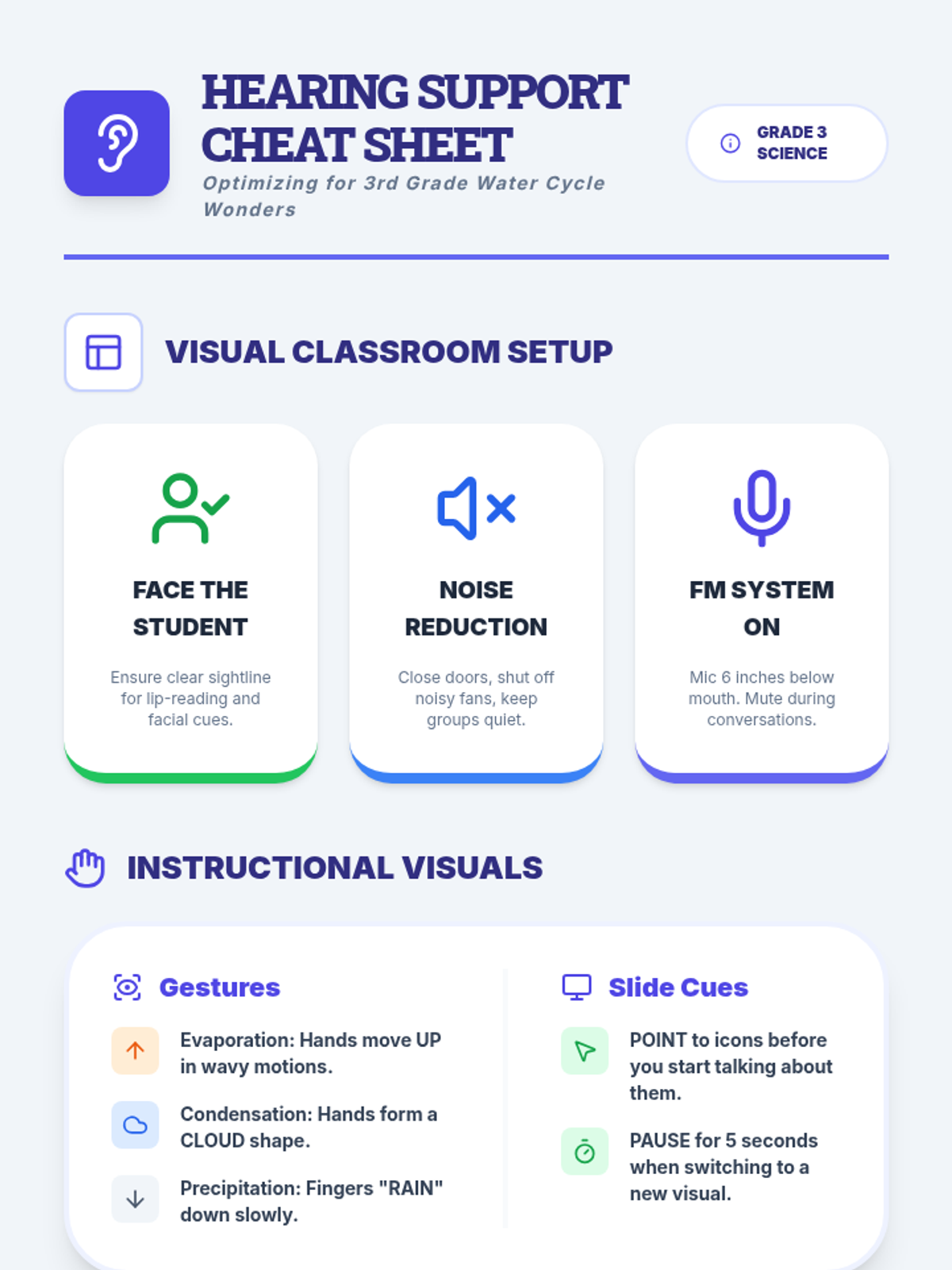
A visual-first exploration of the water cycle designed for 3rd-grade students, featuring clear step-by-step instructions and comprehension checks optimized for students with hearing loss.
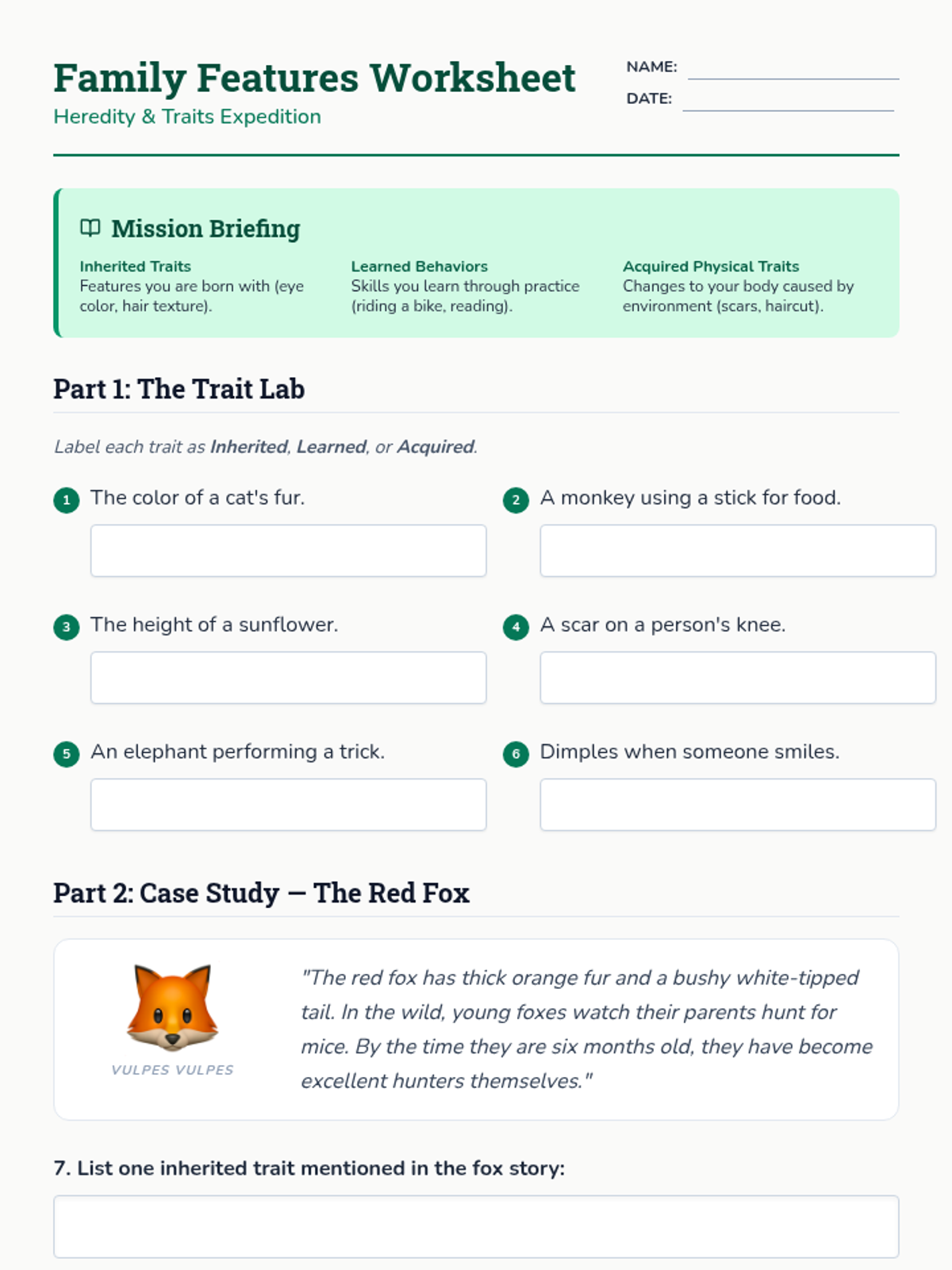
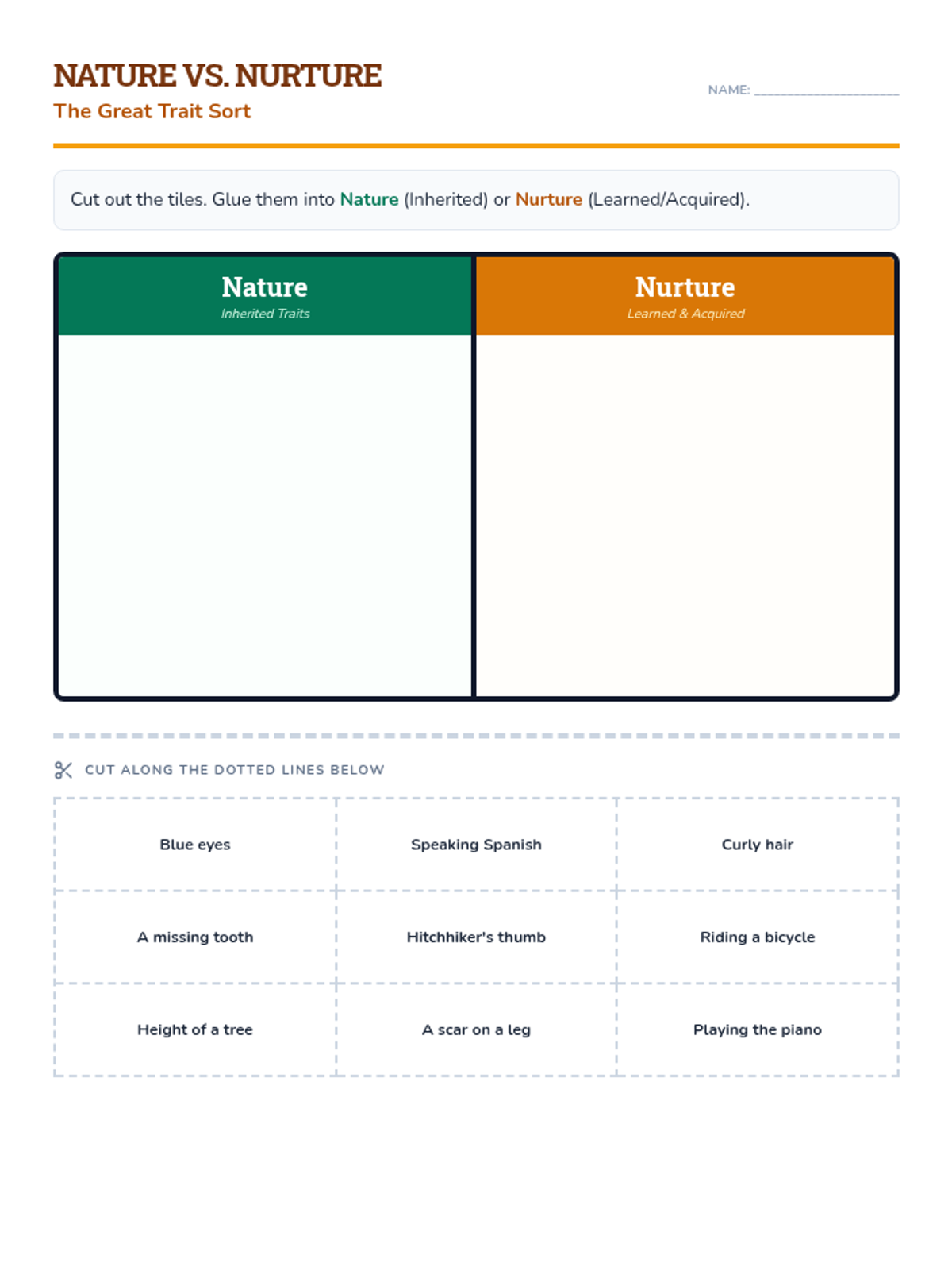
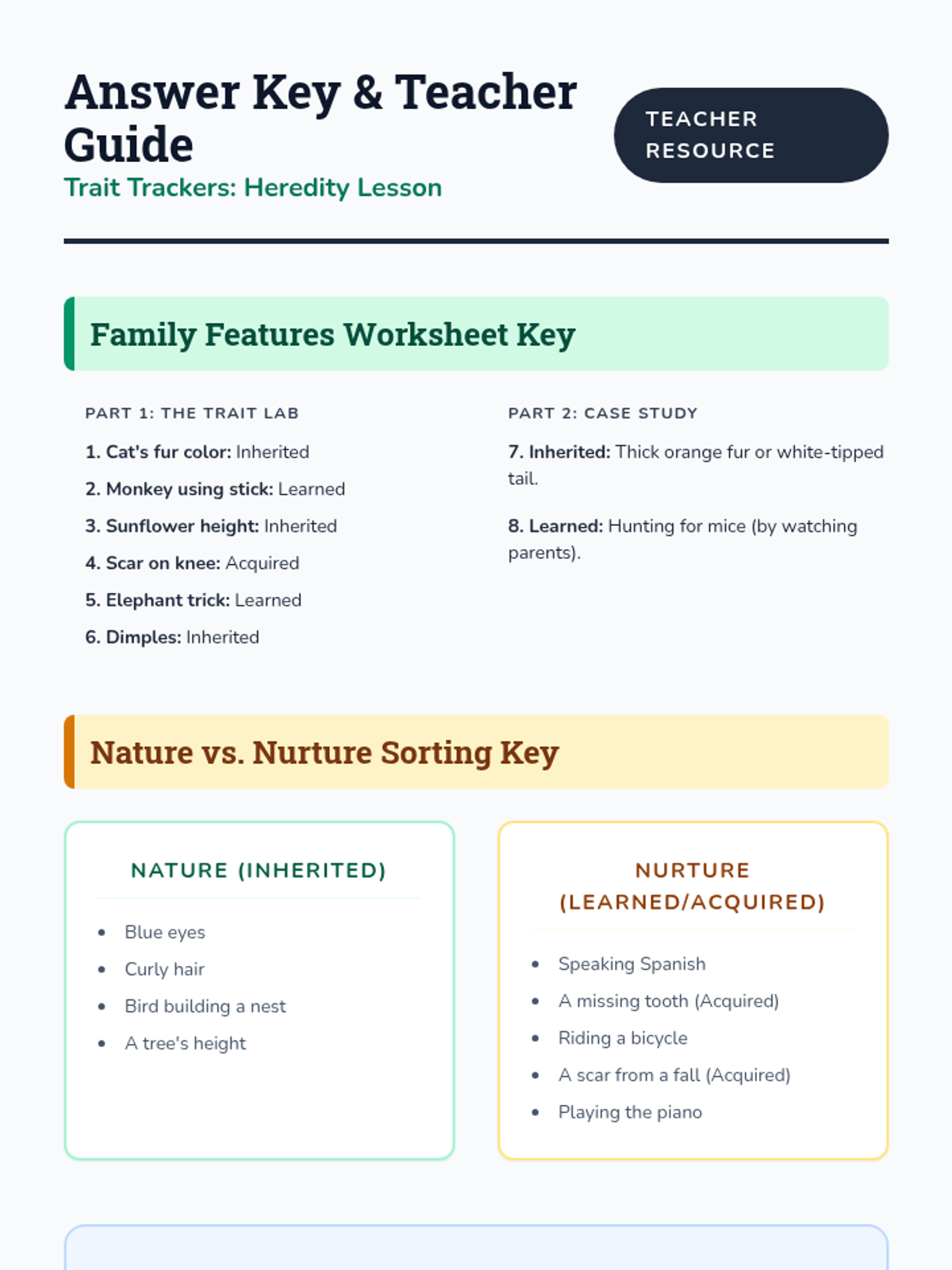
Students explore the fundamentals of heredity by distinguishing between inherited traits and learned behaviors. This lesson uses real-world examples from the plant and animal kingdoms to illustrate how traits are passed down through generations.
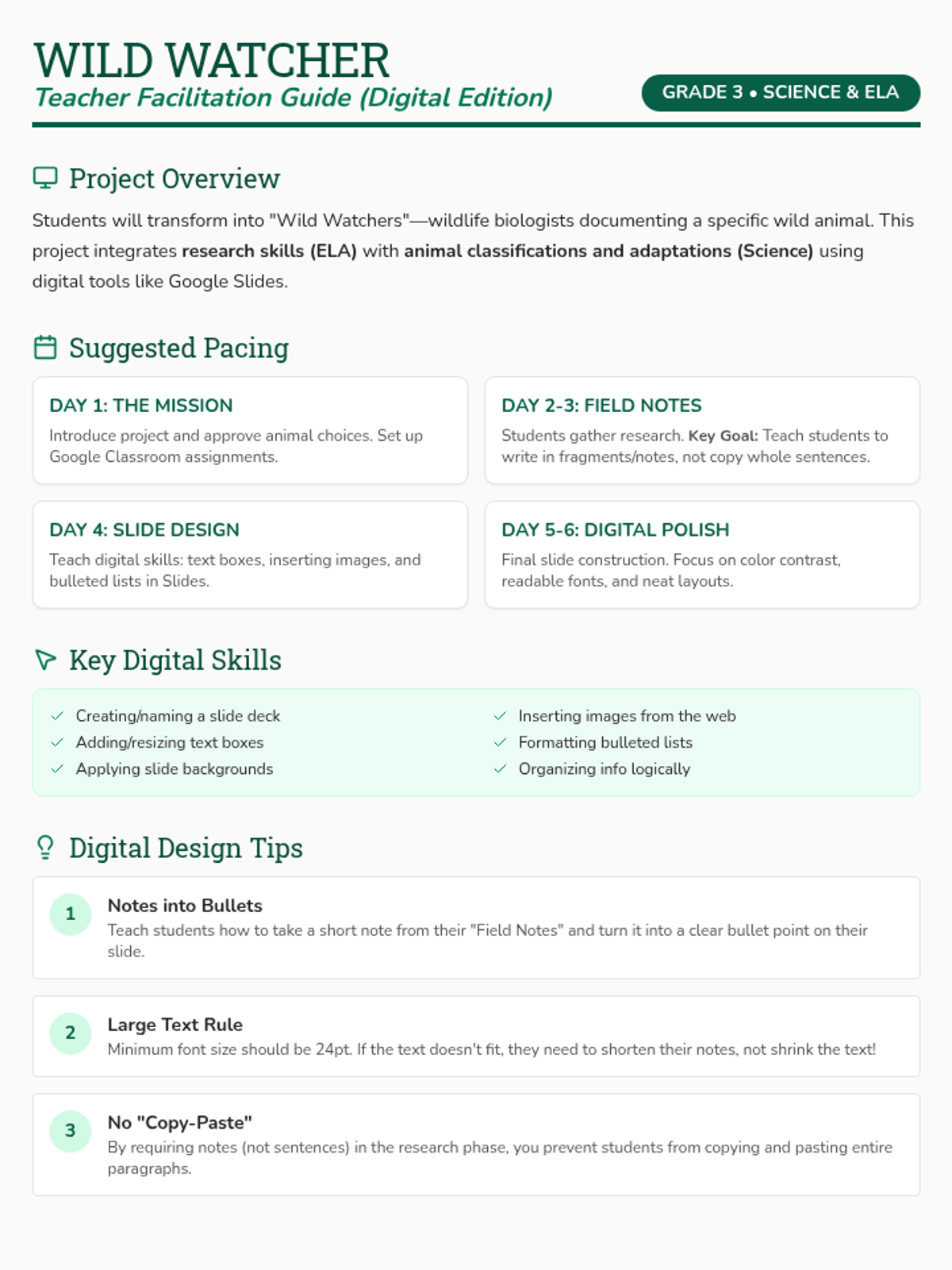
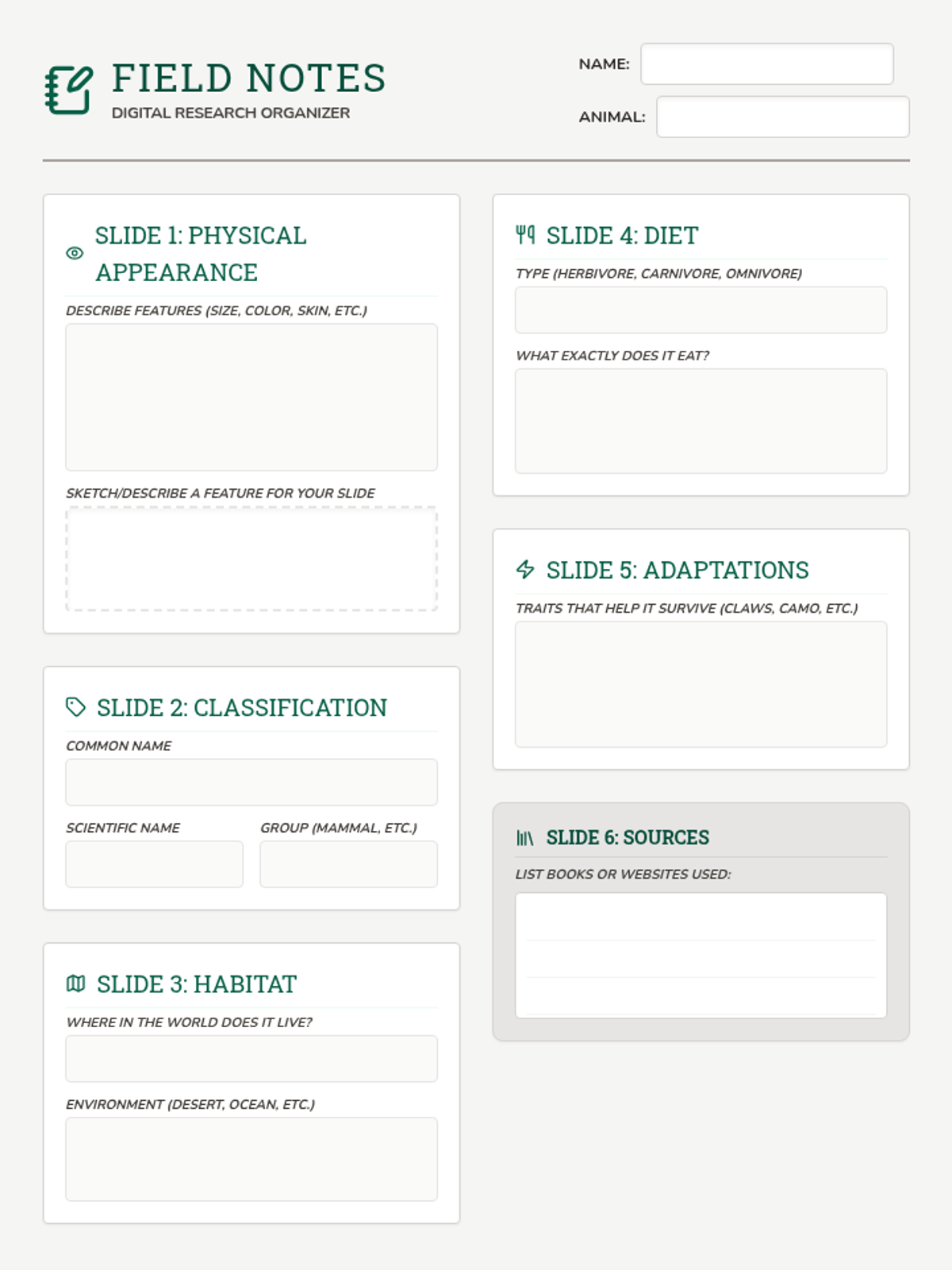
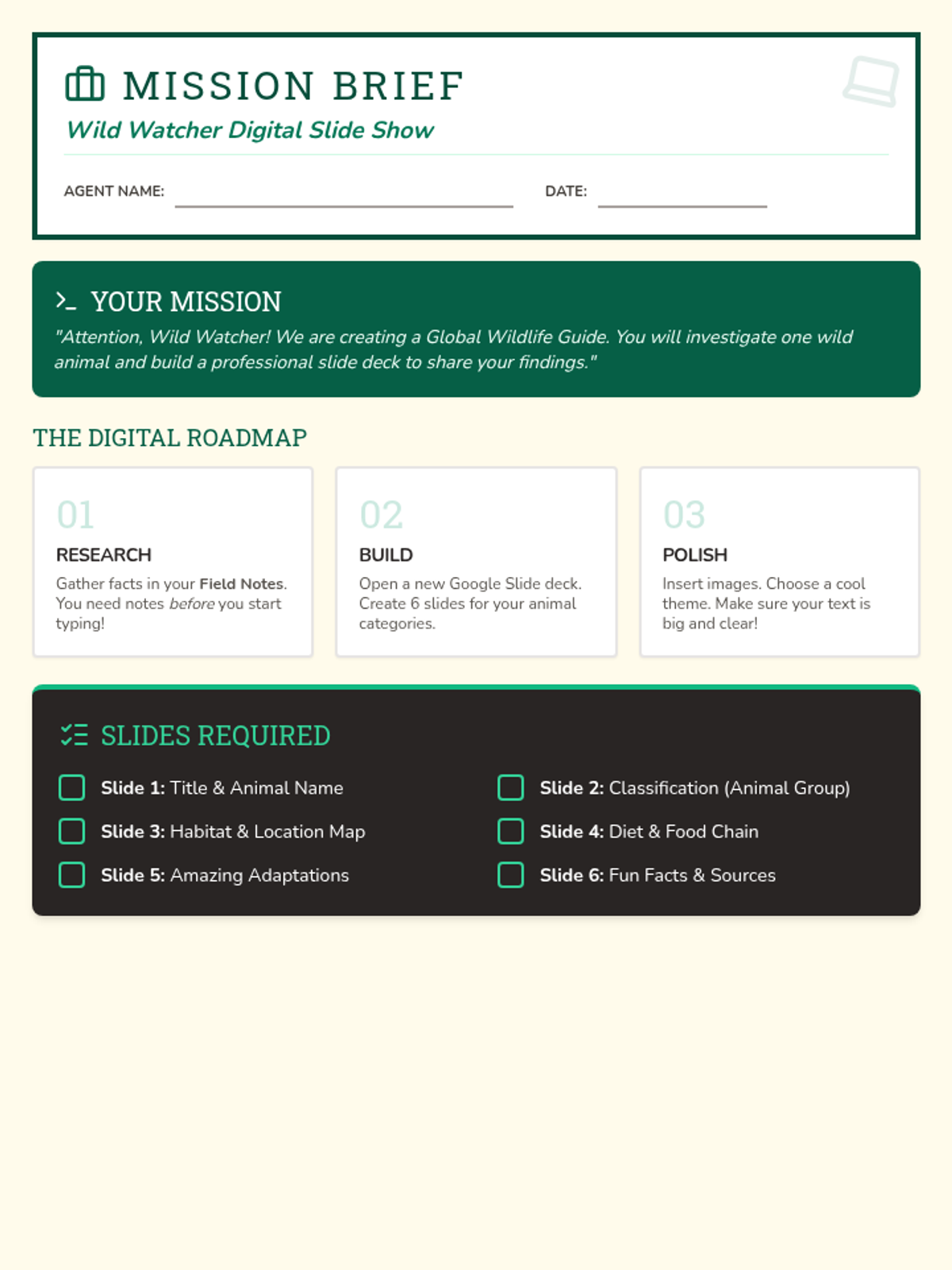
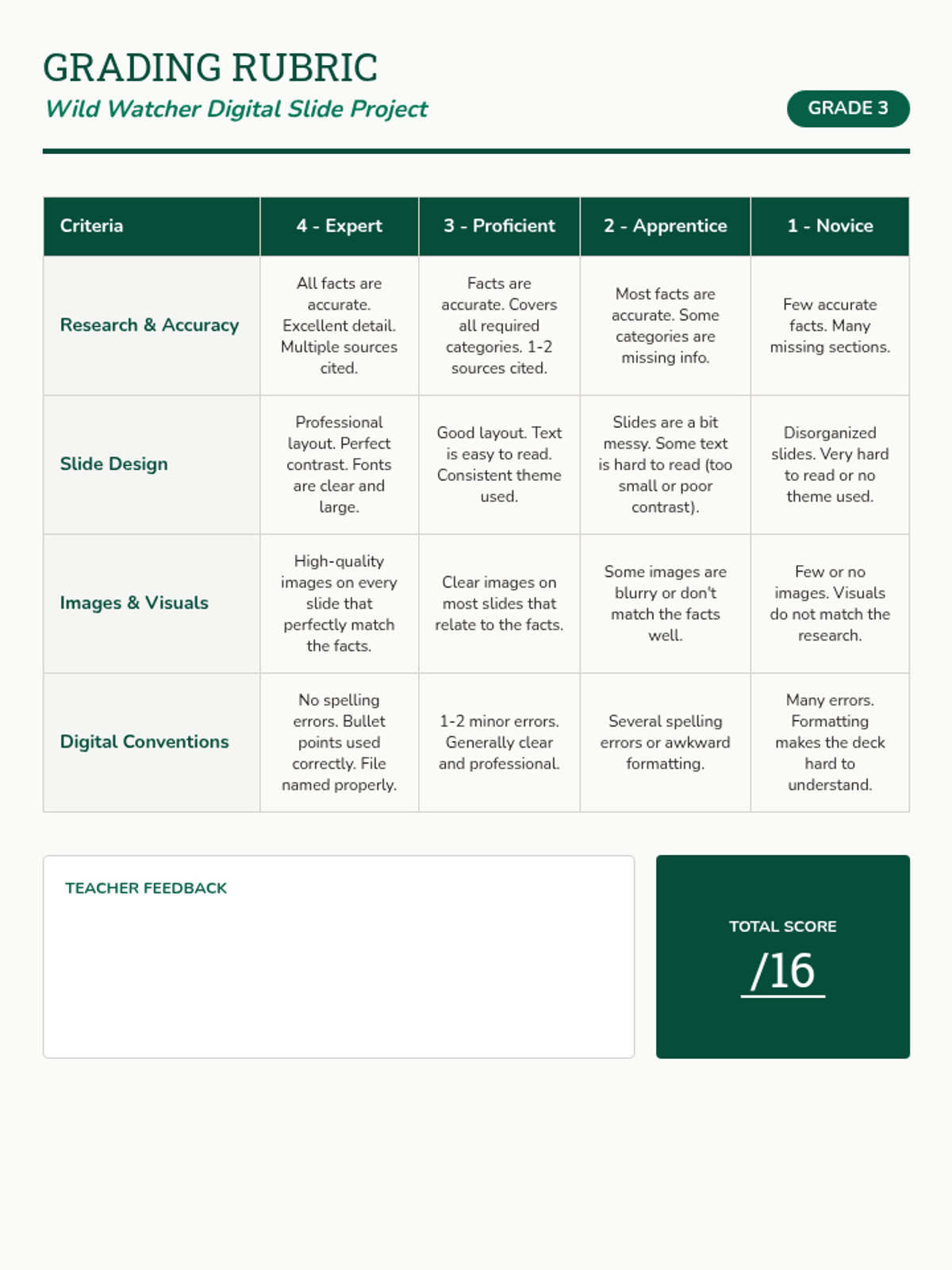
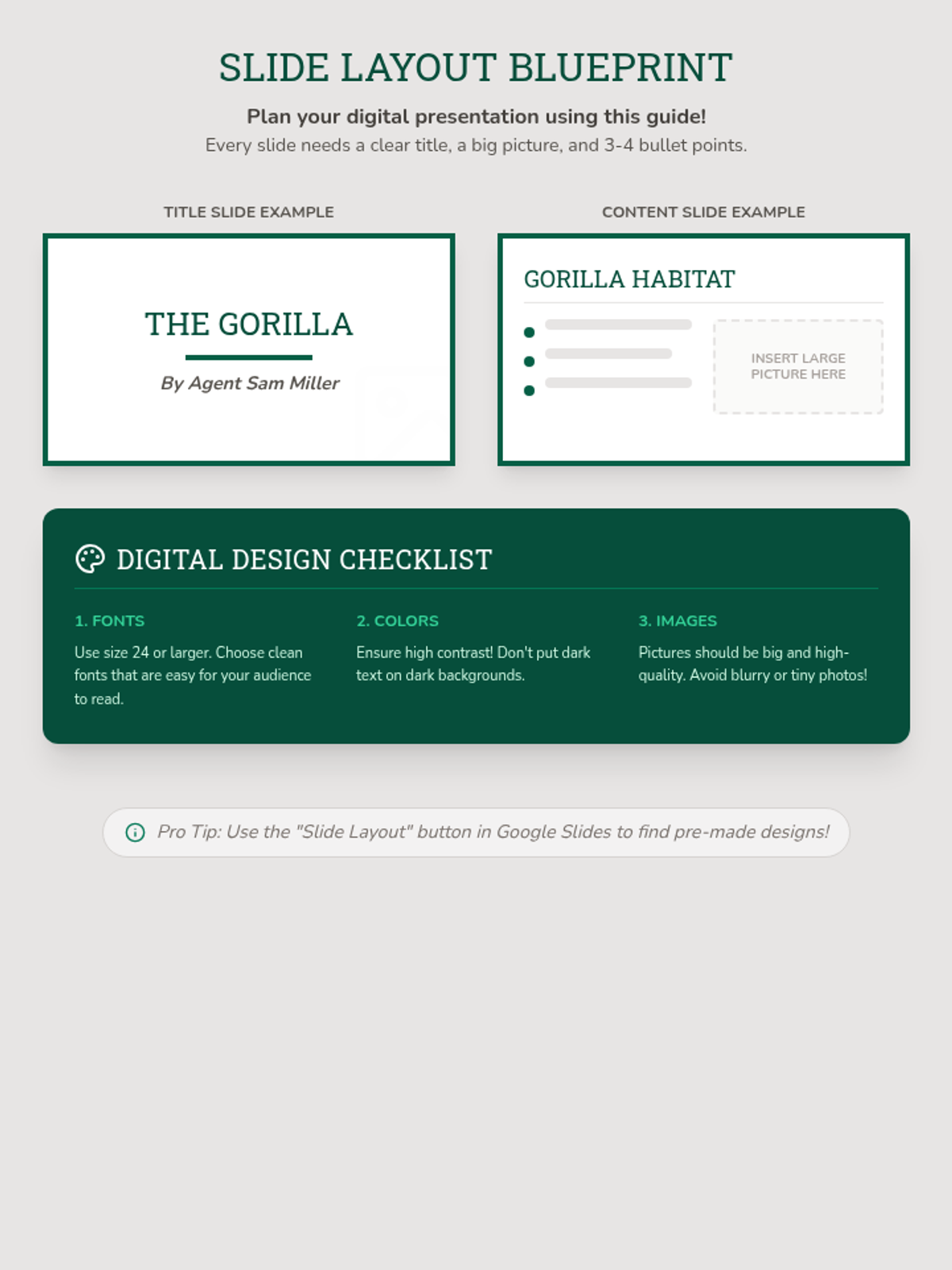
A comprehensive research and presentation project where students become wildlife experts, investigating a wild animal of their choice and creating a digital slide deck to share their findings.
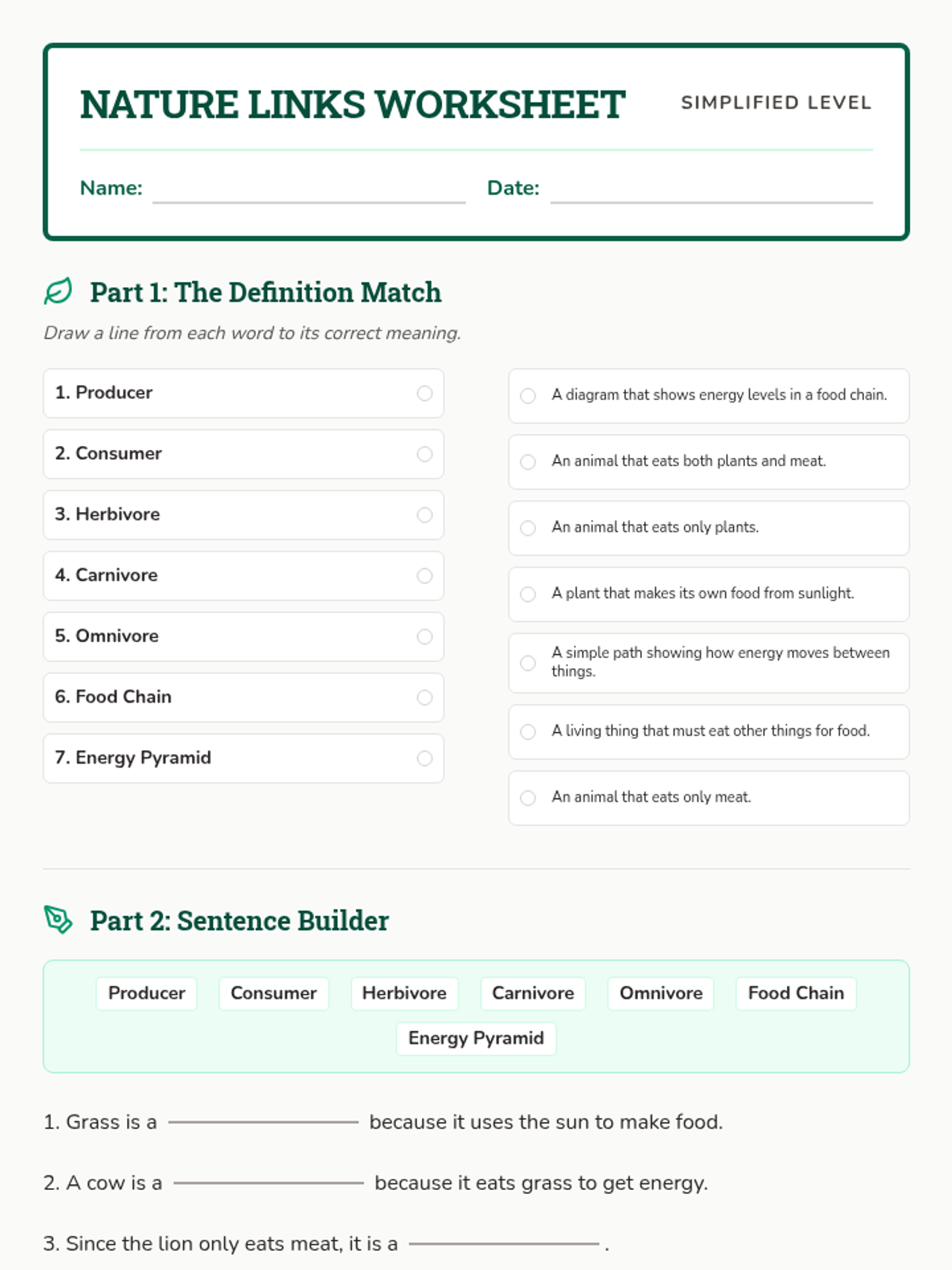
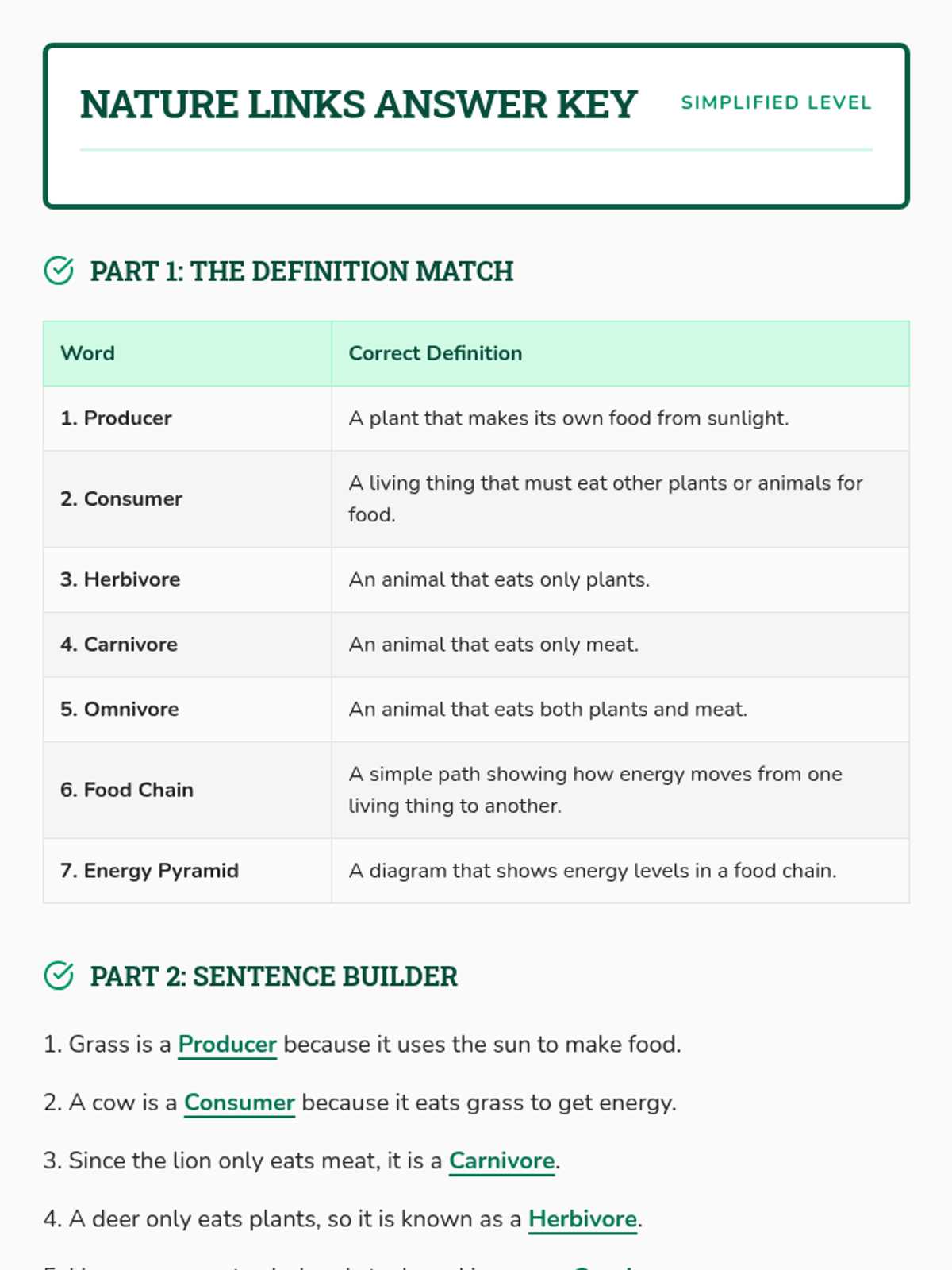
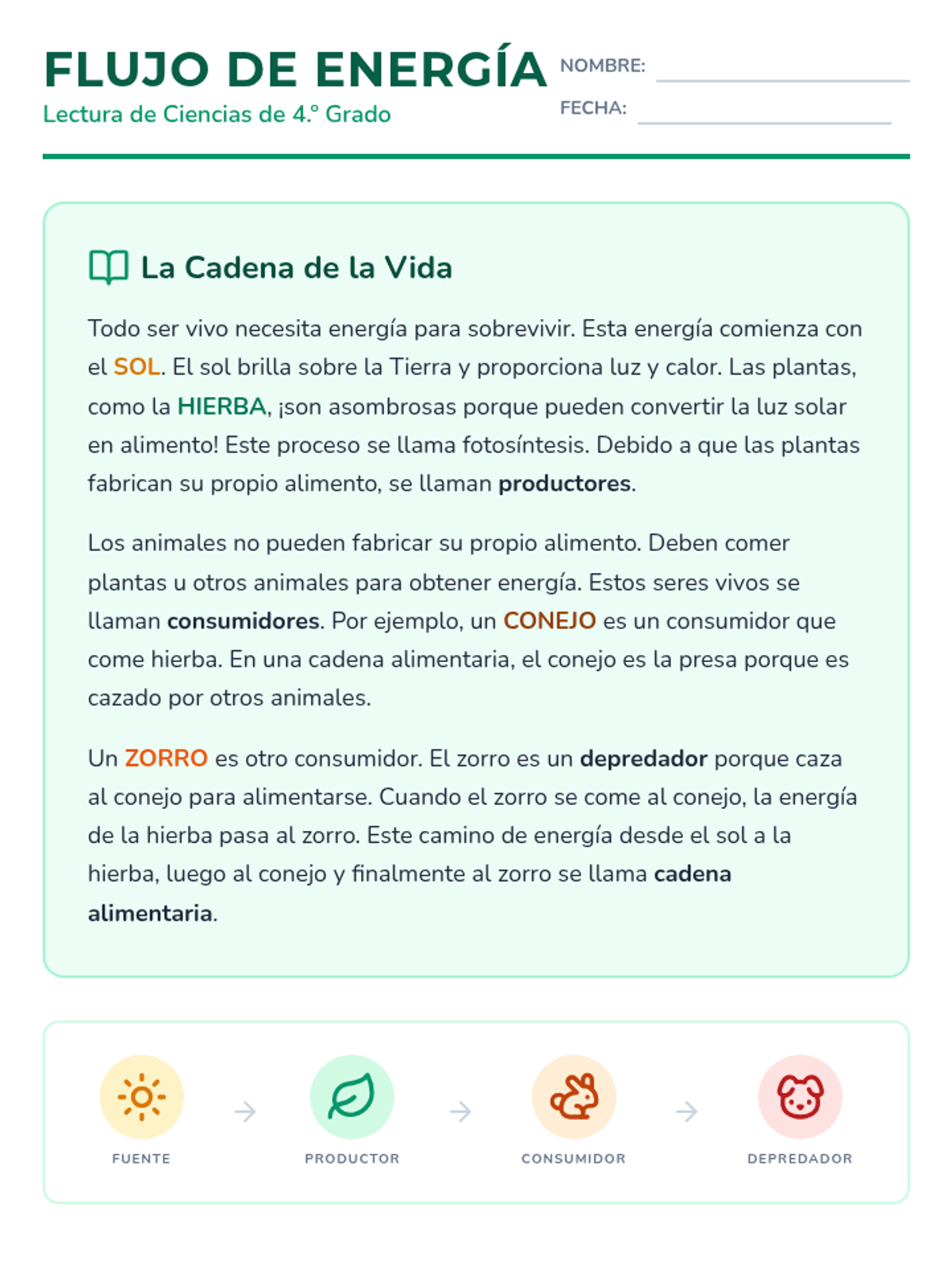
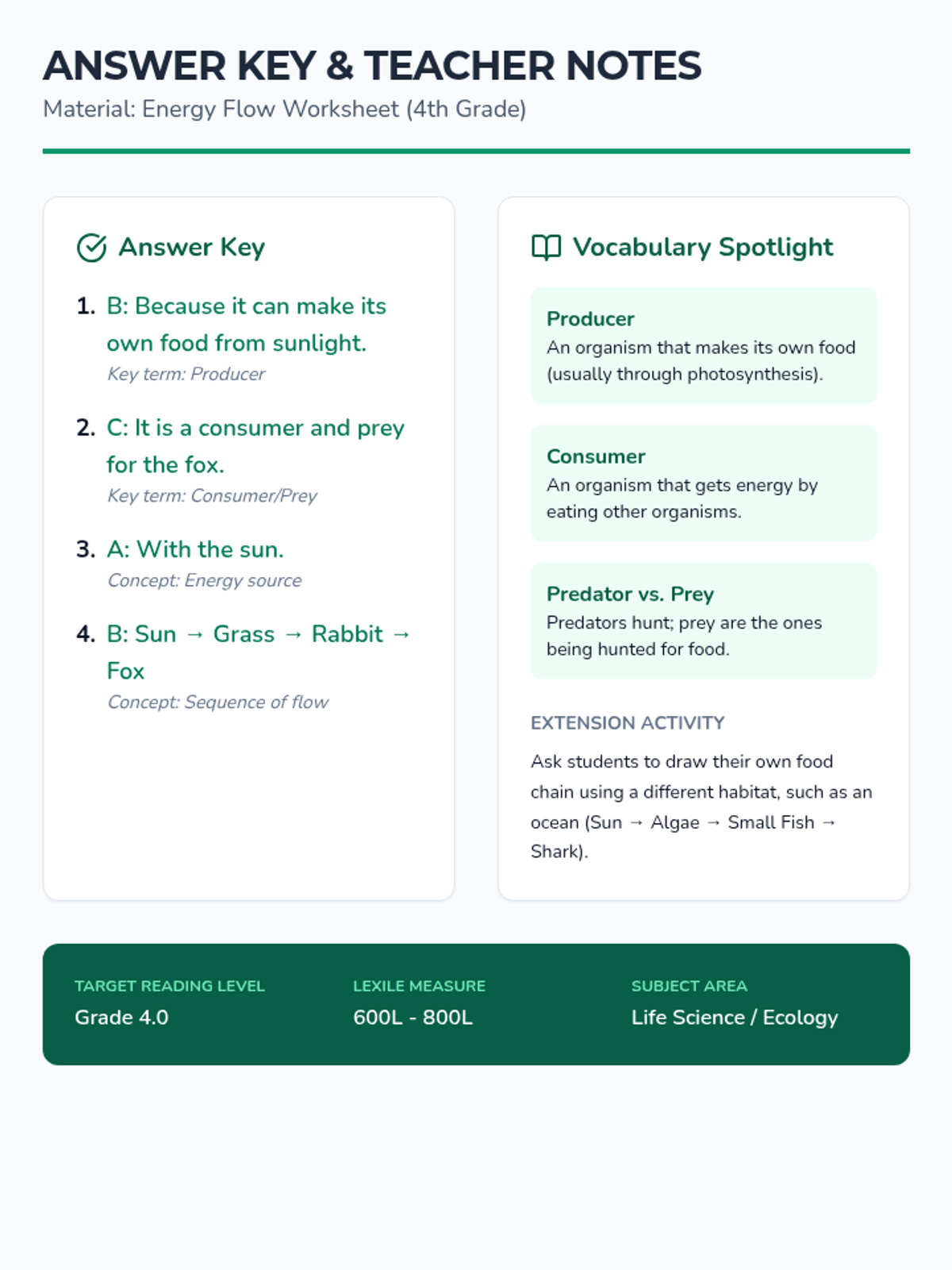
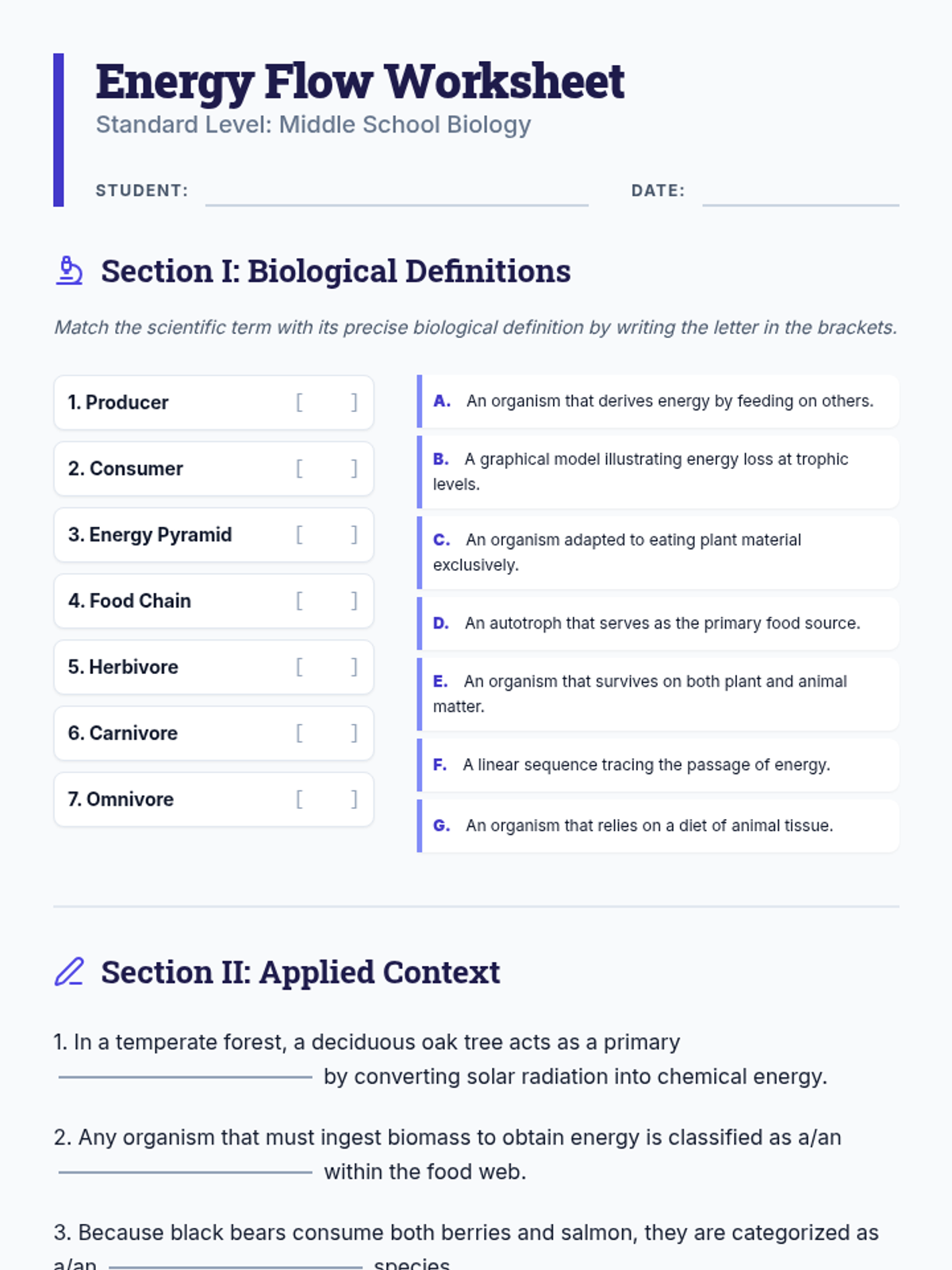
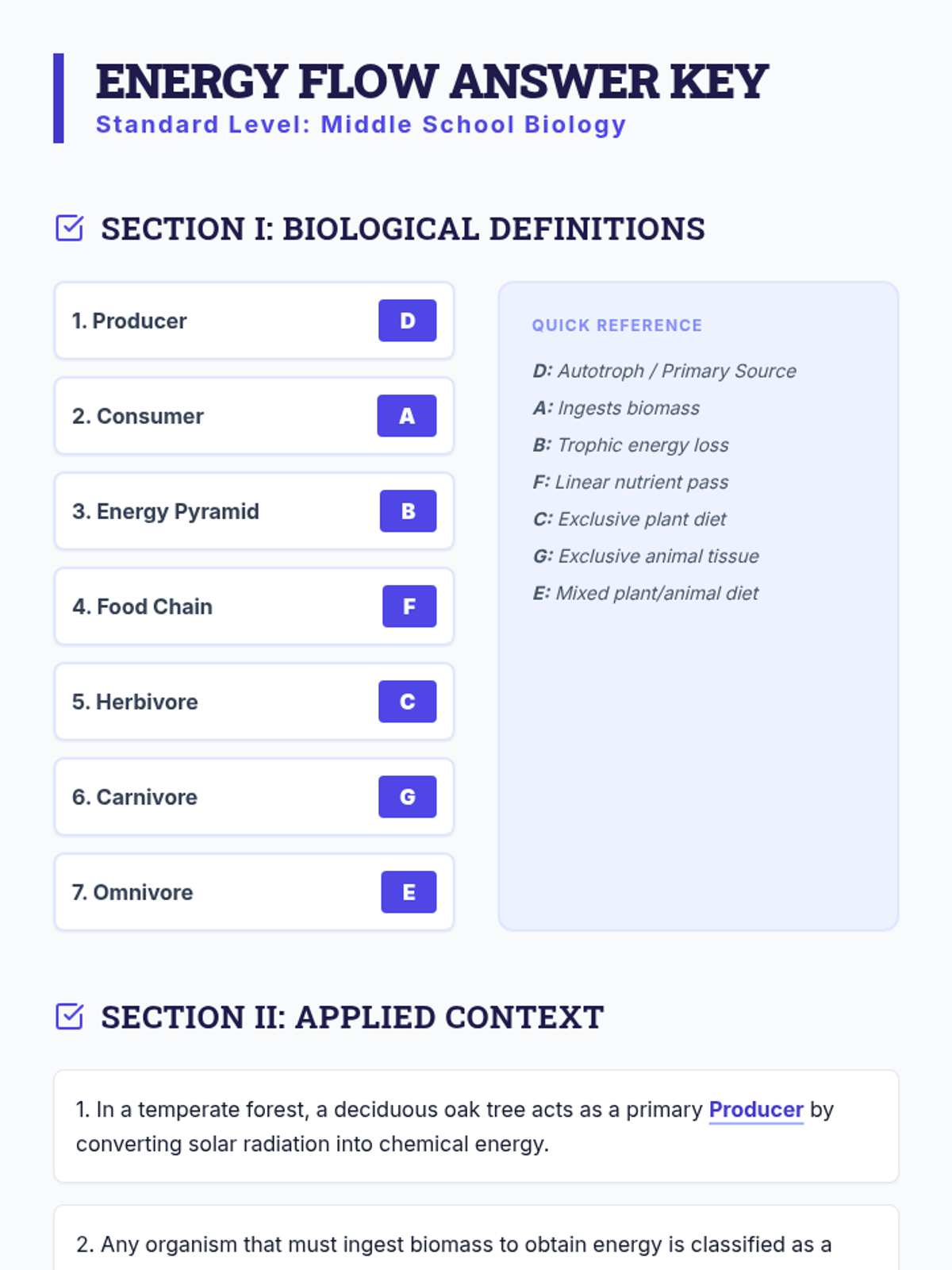
A lesson focusing on ecosystem vocabulary including producers, consumers, and energy flow through food chains and pyramids. Includes tiered materials for elementary and middle school levels.
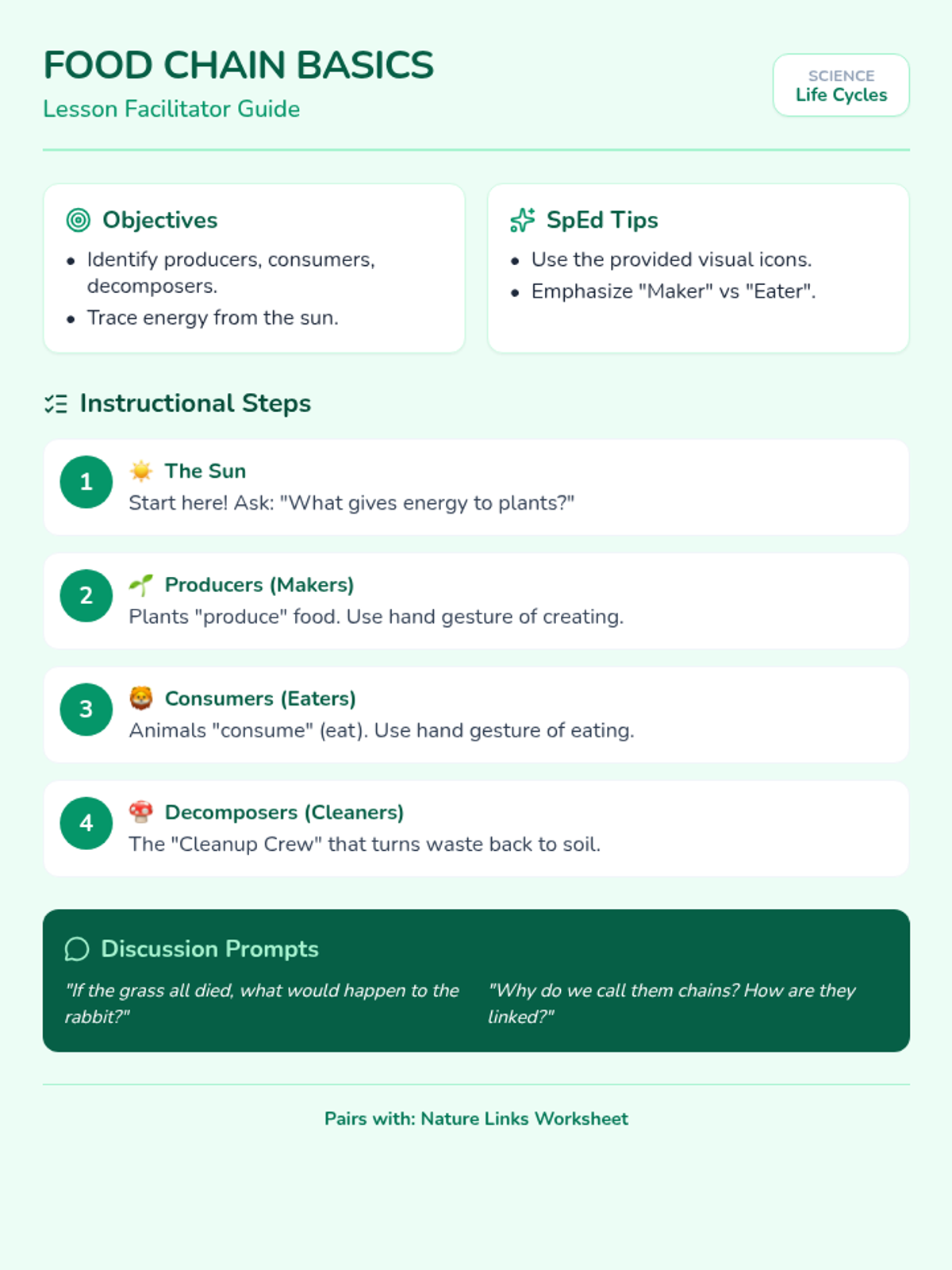
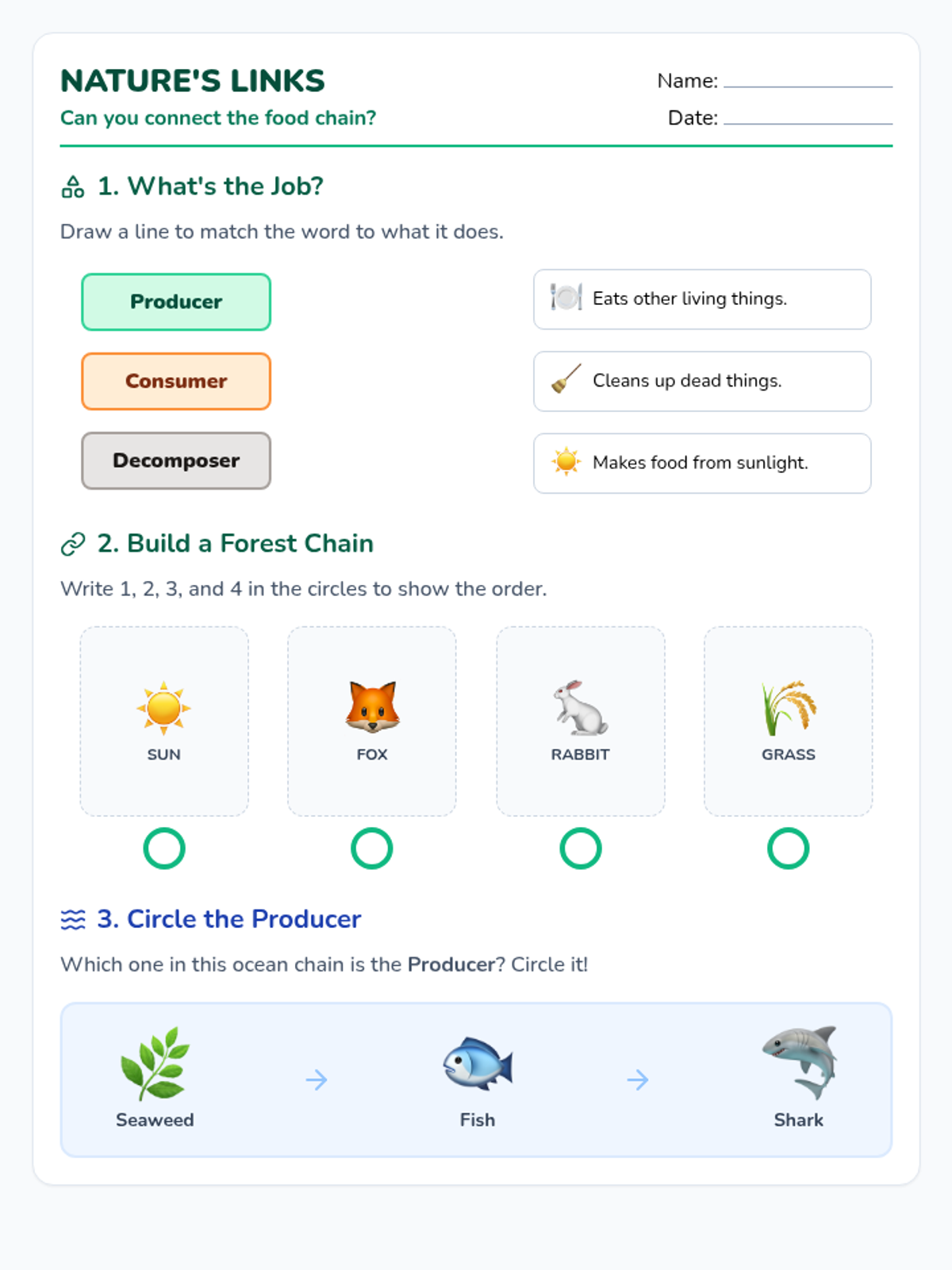
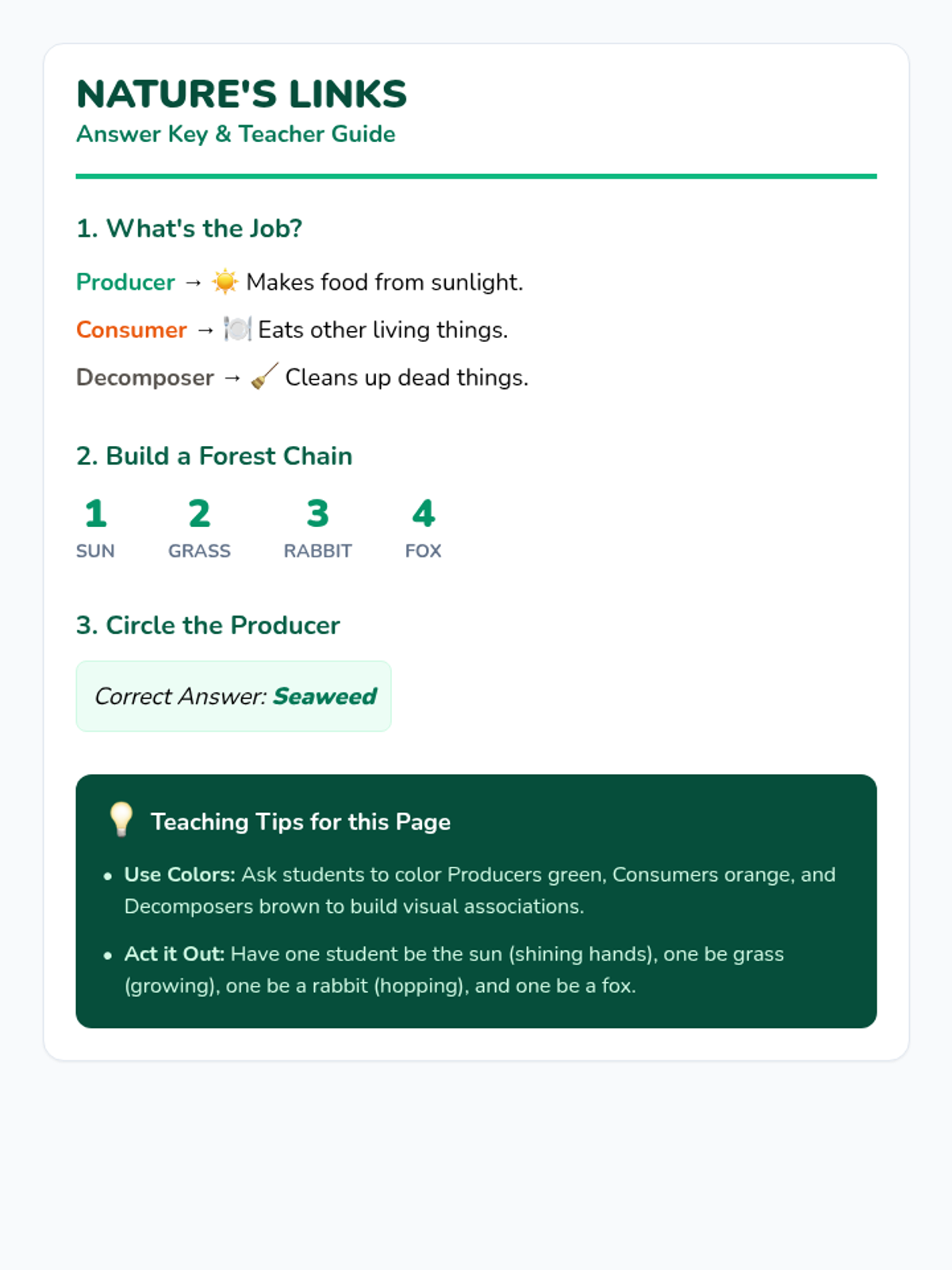
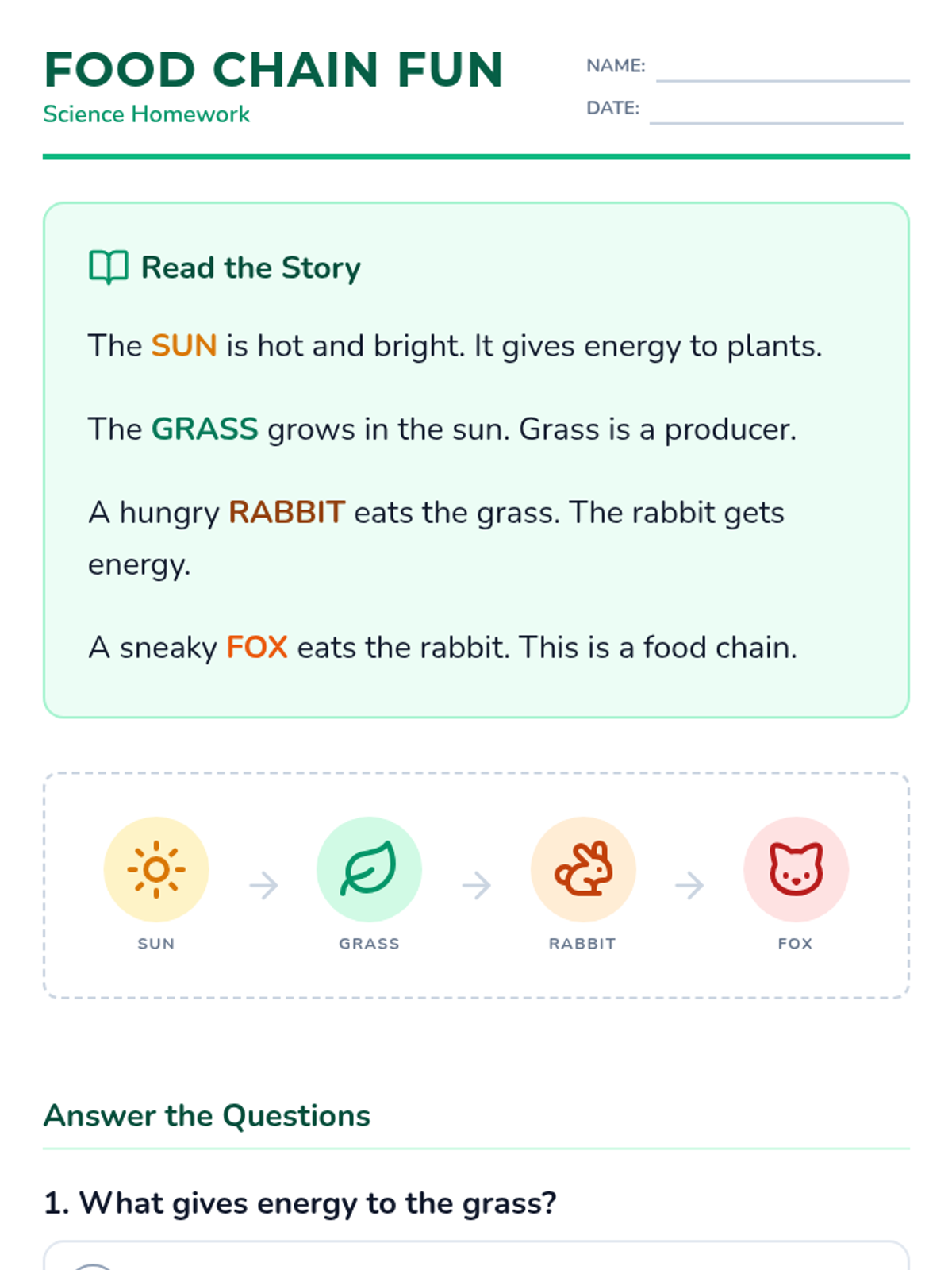
A foundational lesson on food chains across various ecosystems, specifically designed for special education students. Includes visual-heavy instruction on producers, consumers, and decomposers.
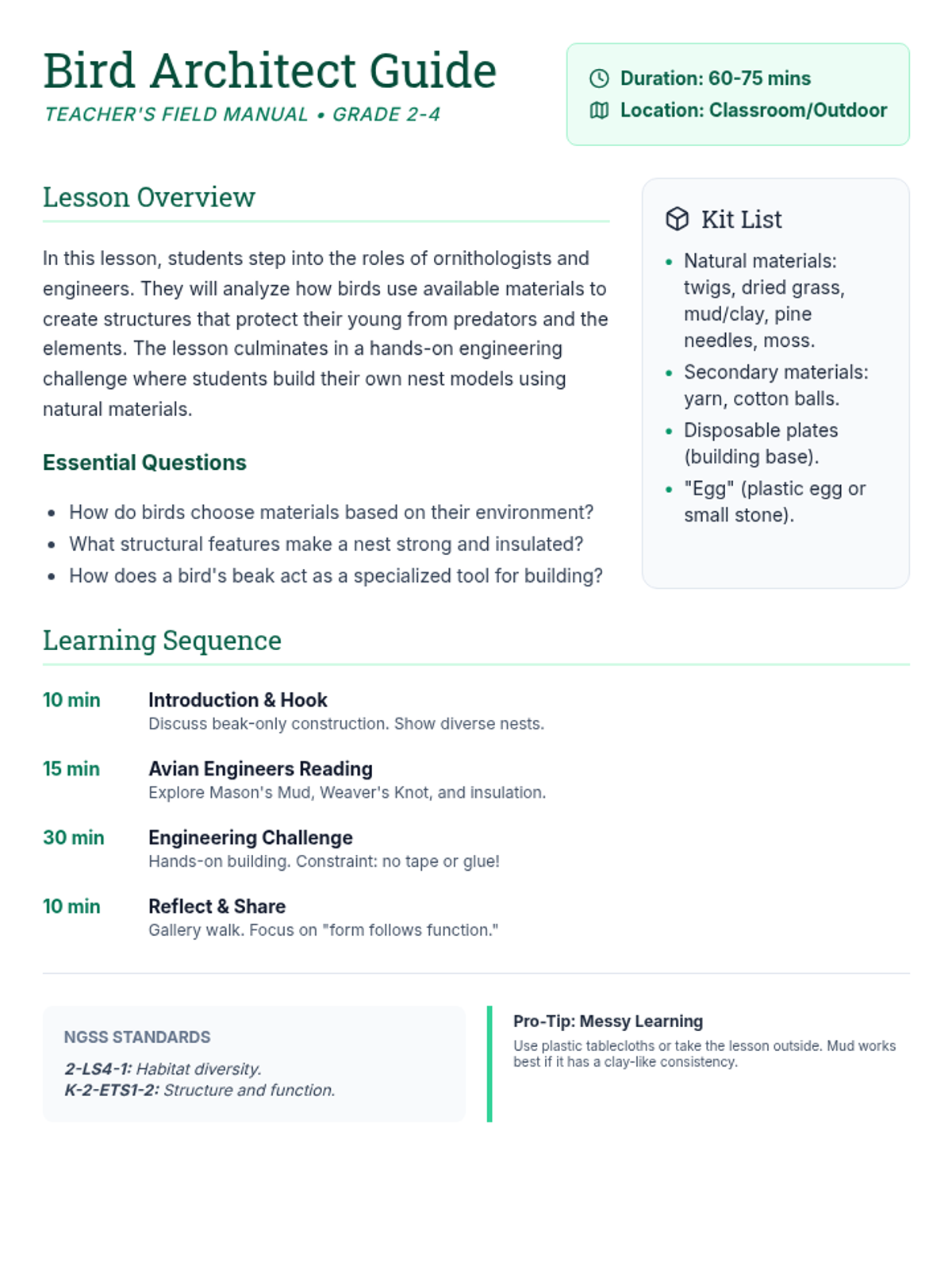
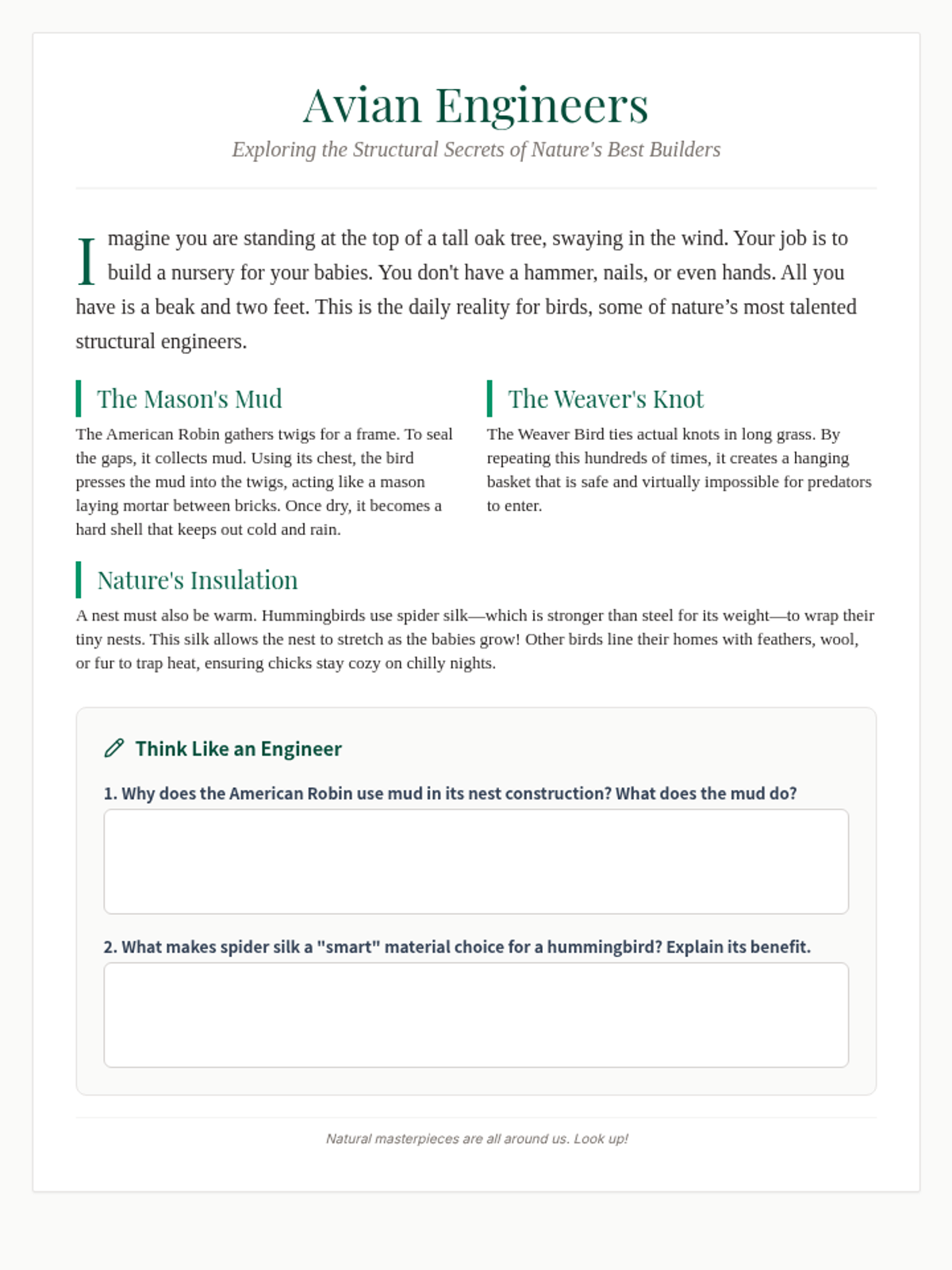
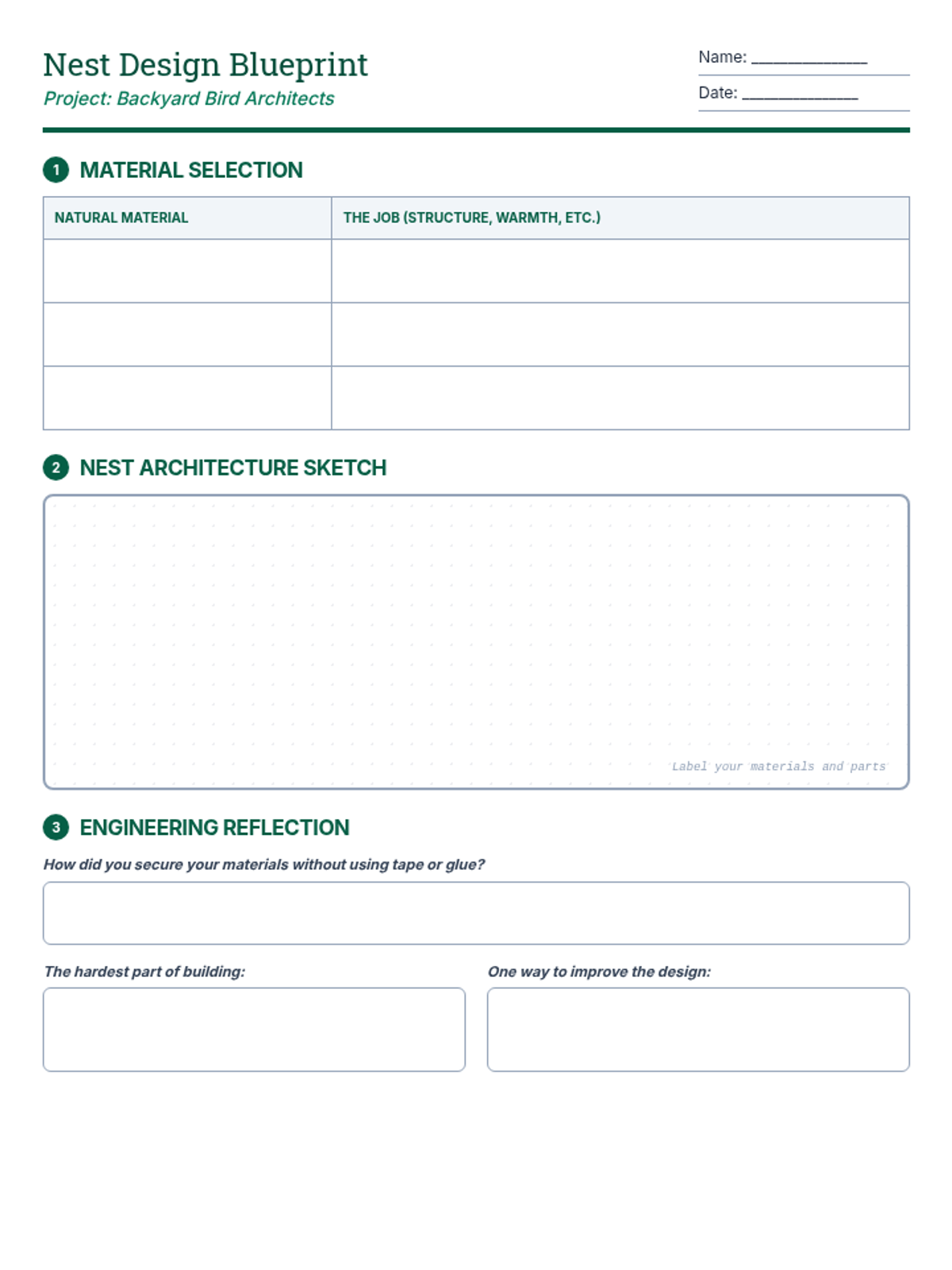
Students explore the engineering wonders of bird nests, observing local bird behavior and designing their own nest models using natural materials to understand animal adaptations and structural design.
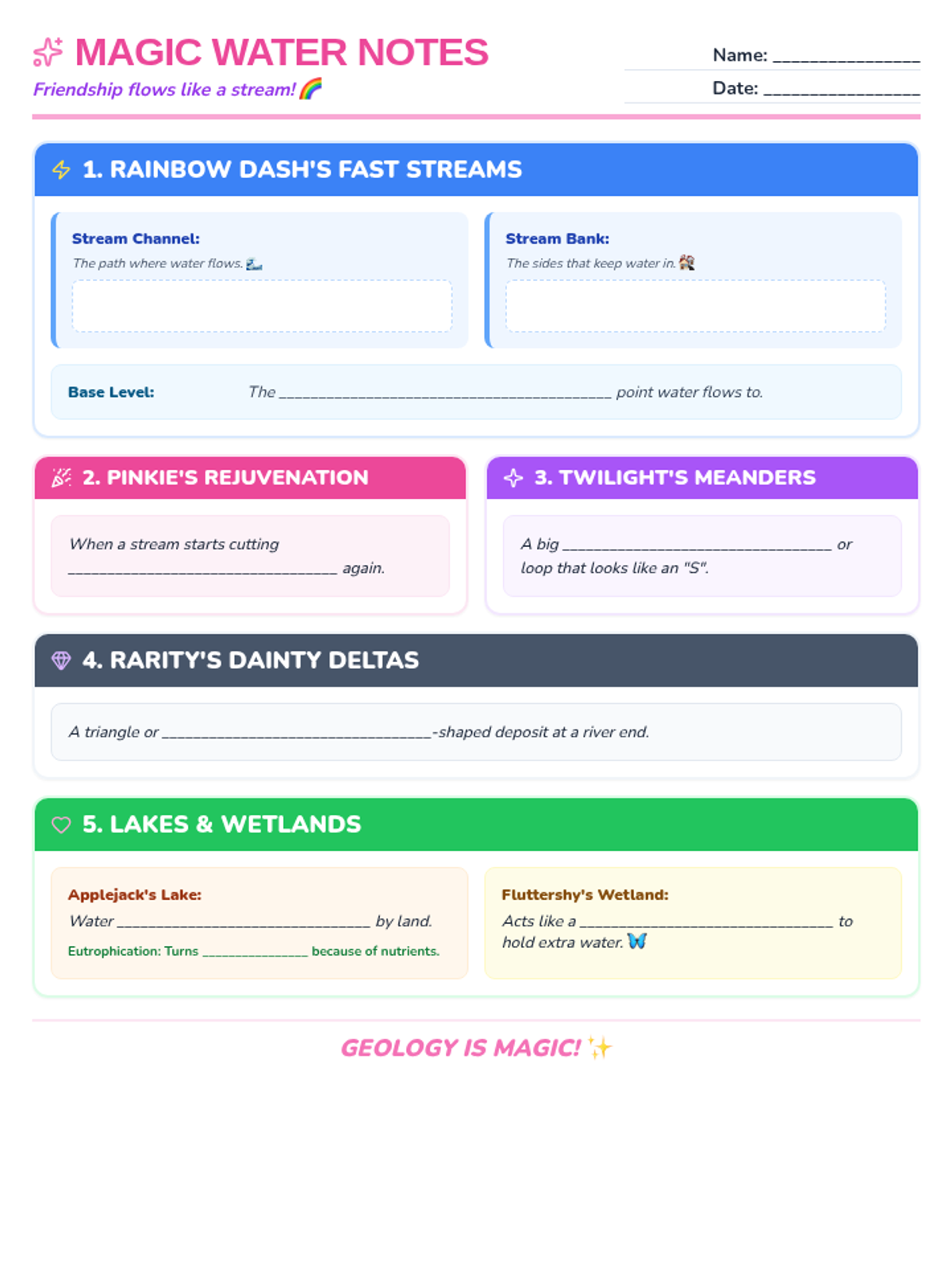
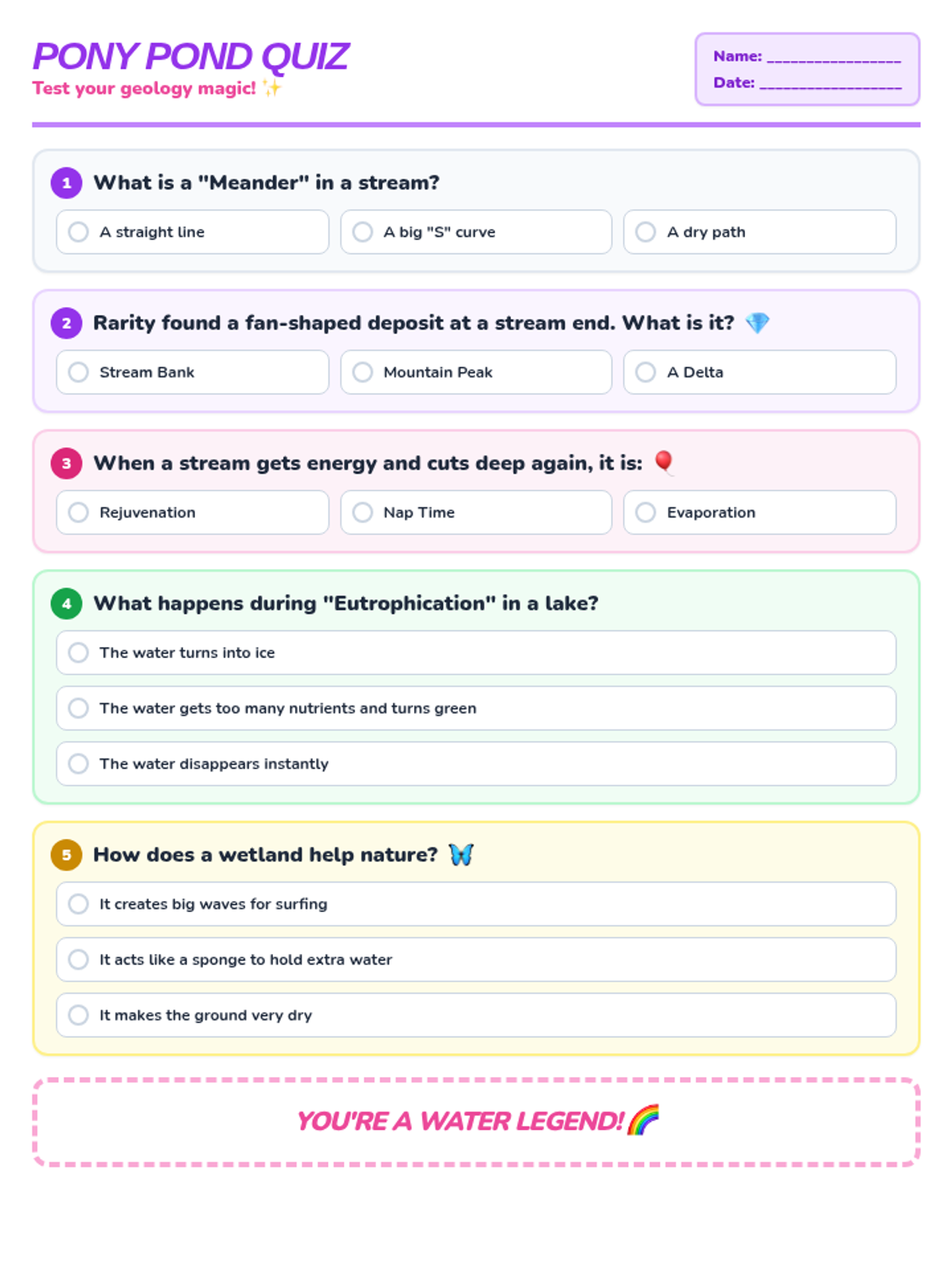
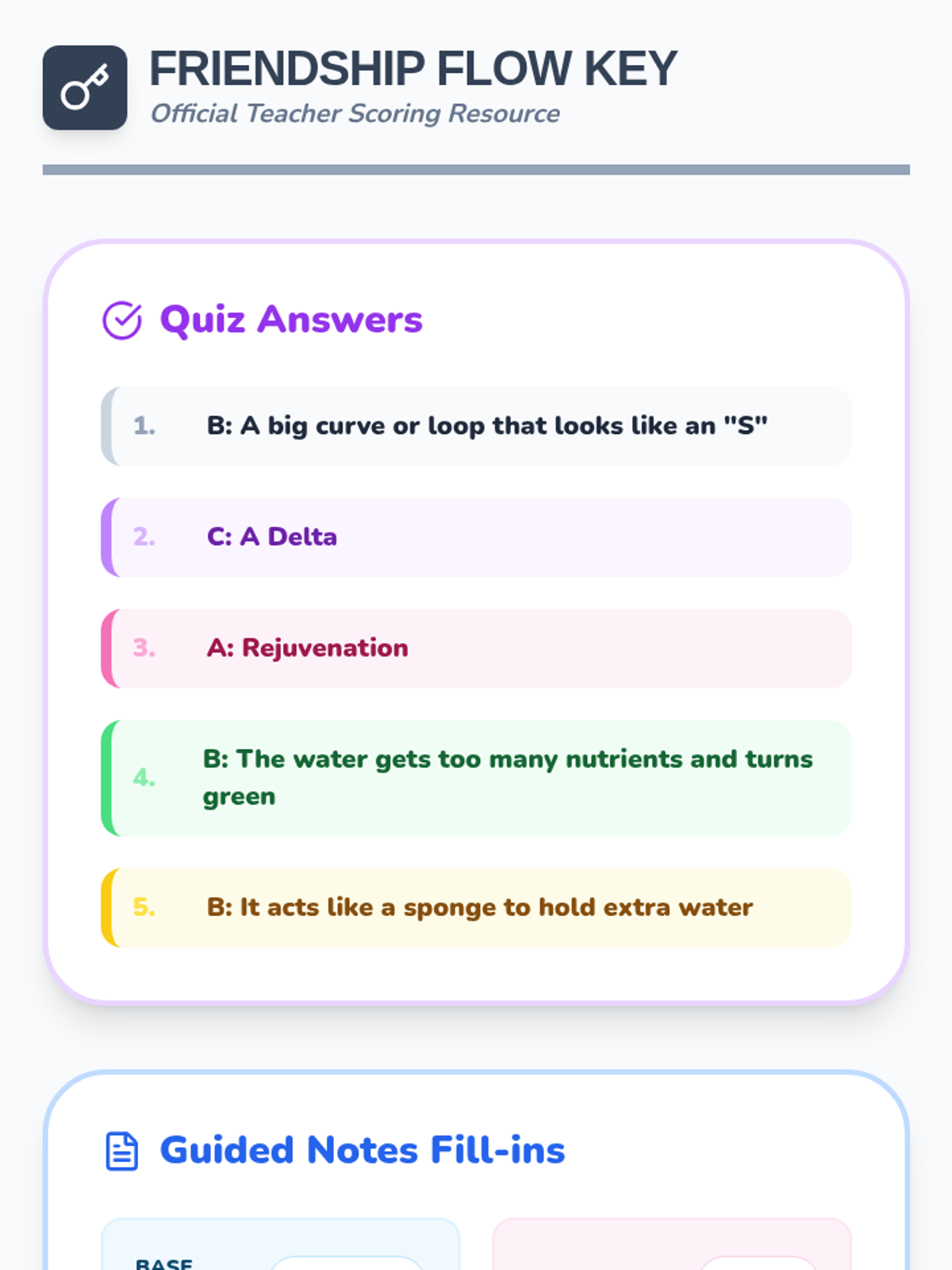
A lesson on surface water interactions with land, featuring My Little Pony characters to explain streams, lakes, and wetlands. Students learn key geological terms through simple bullet points and visual support.
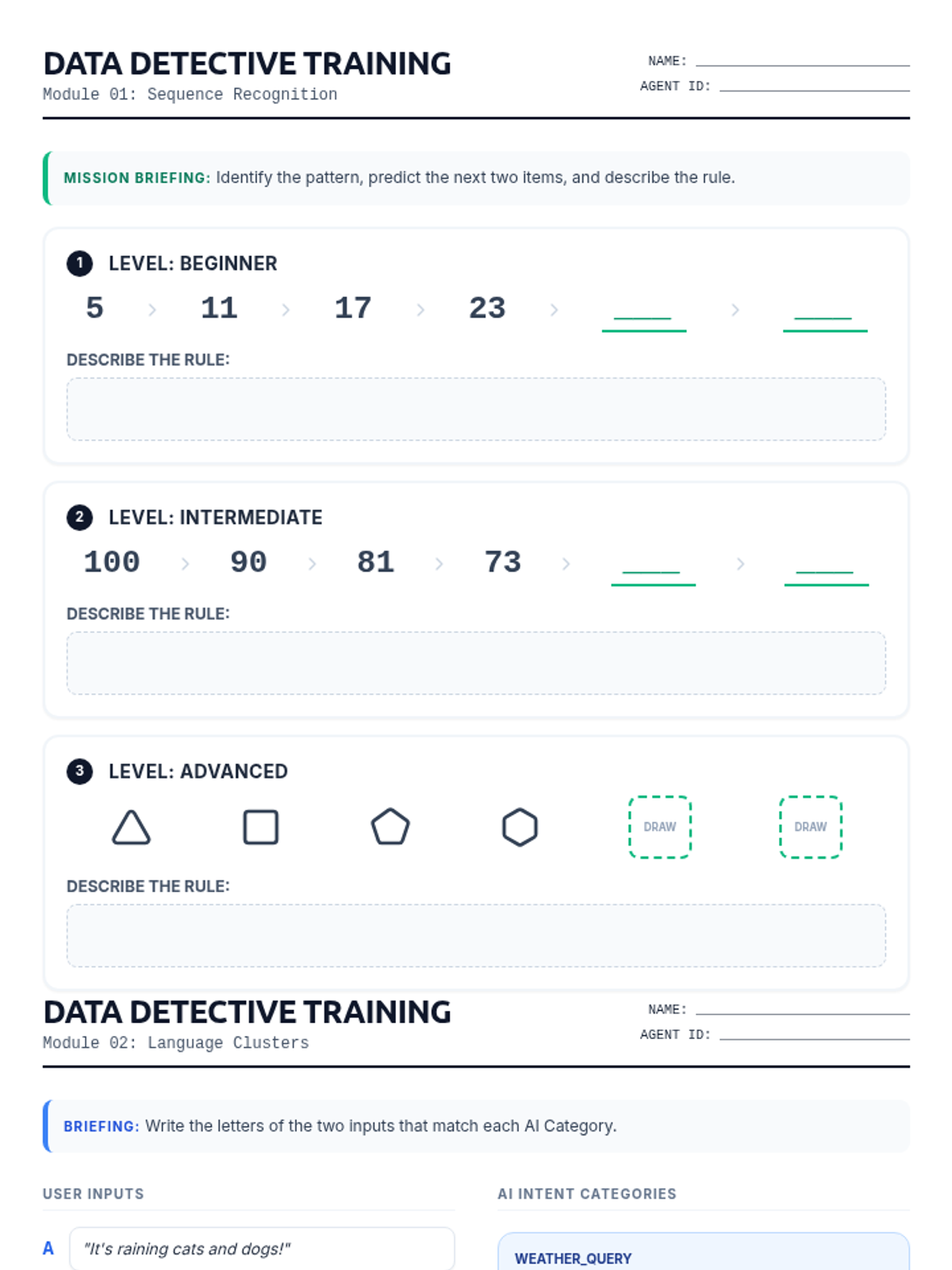
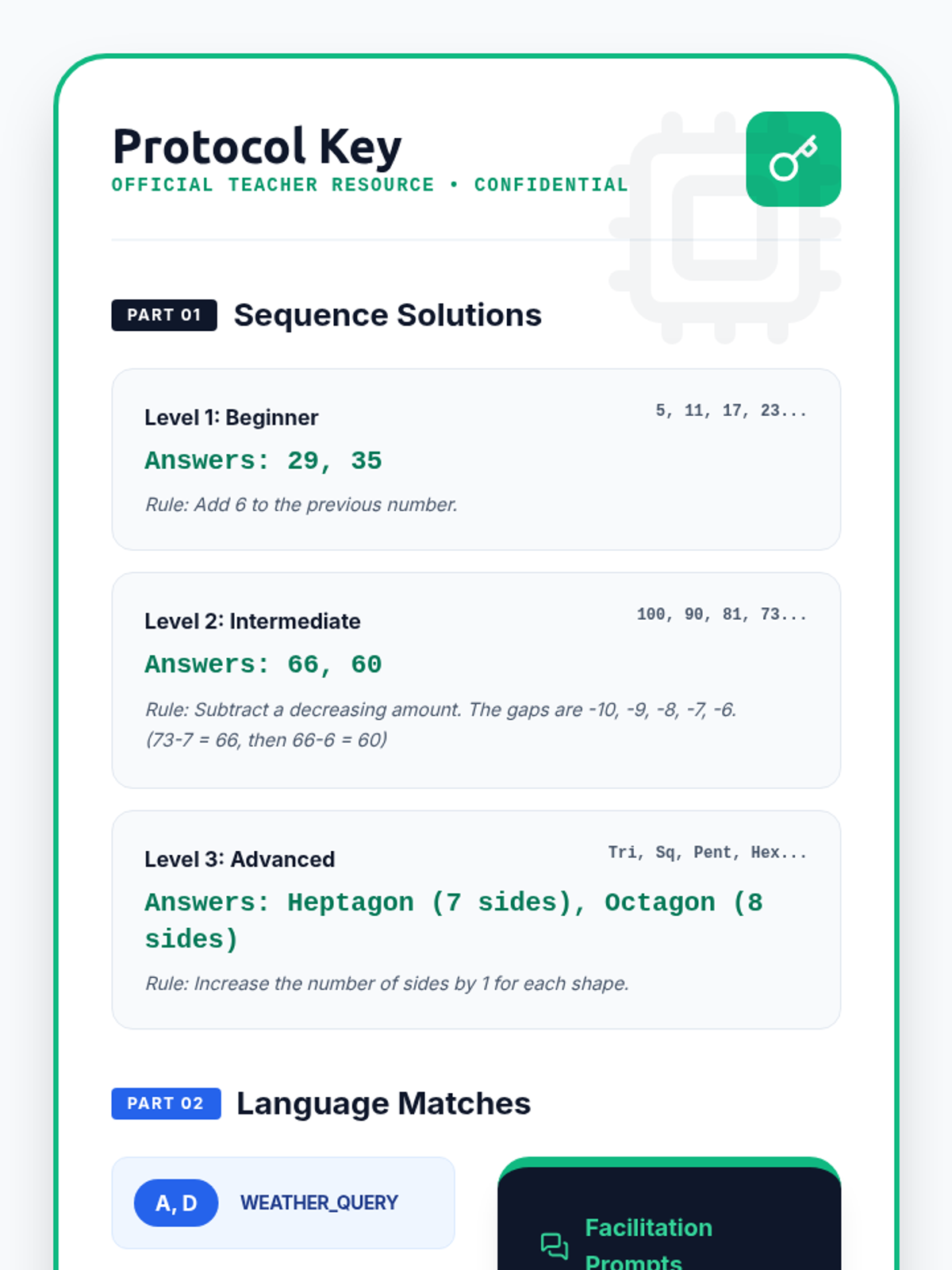
Students explore how AI uses pattern recognition to predict sequences and understand human language through hands-on logic puzzles and guided discussion.
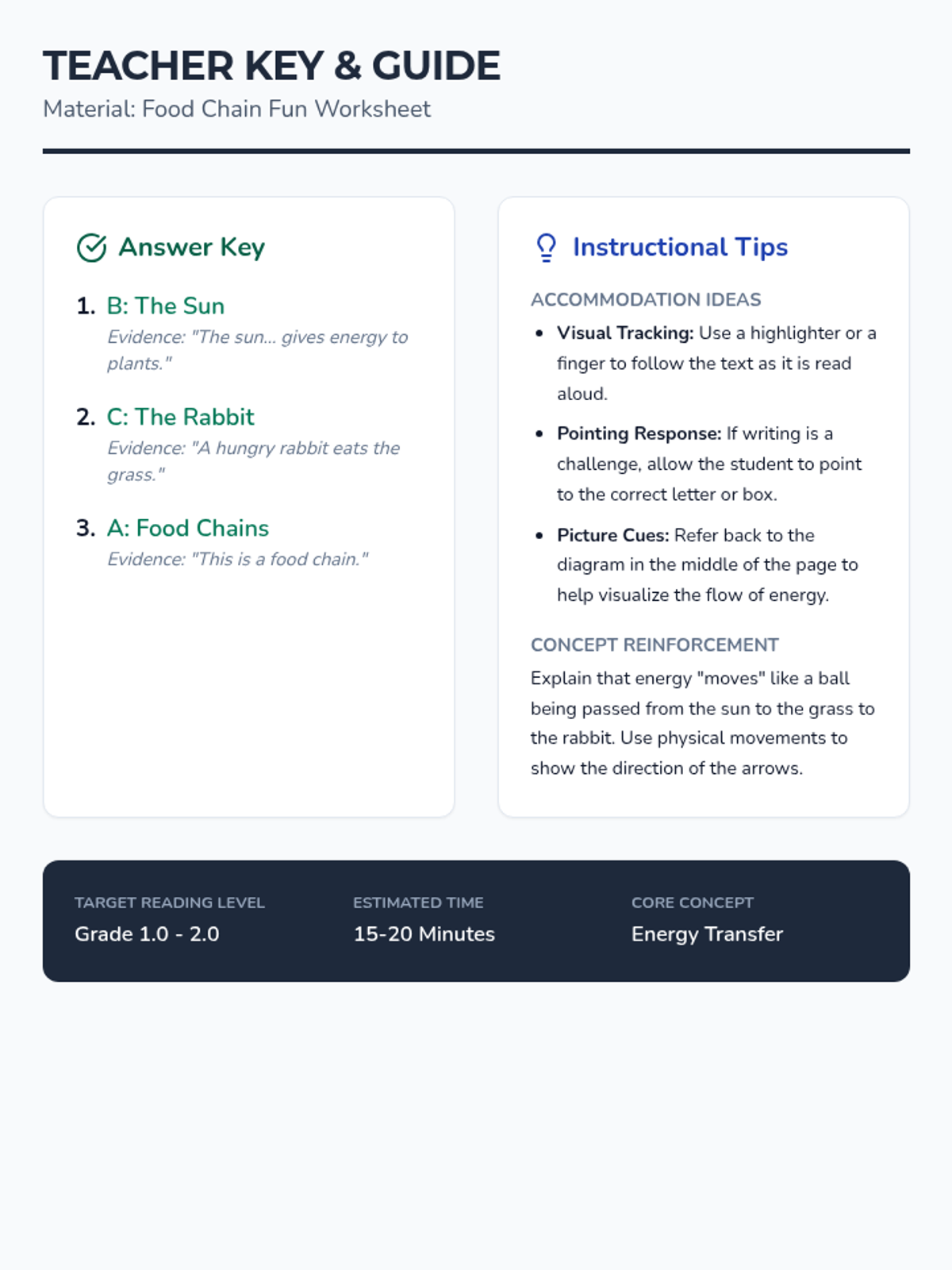
A simplified science lesson on food chains designed for 8th-grade students with severe disabilities, focusing on basic energy flow from sun to predator.