Students explore the fundamentals of heredity by distinguishing between inherited traits and learned behaviors. This lesson uses real-world examples from the plant and animal kingdoms to illustrate how traits are passed down through generations.
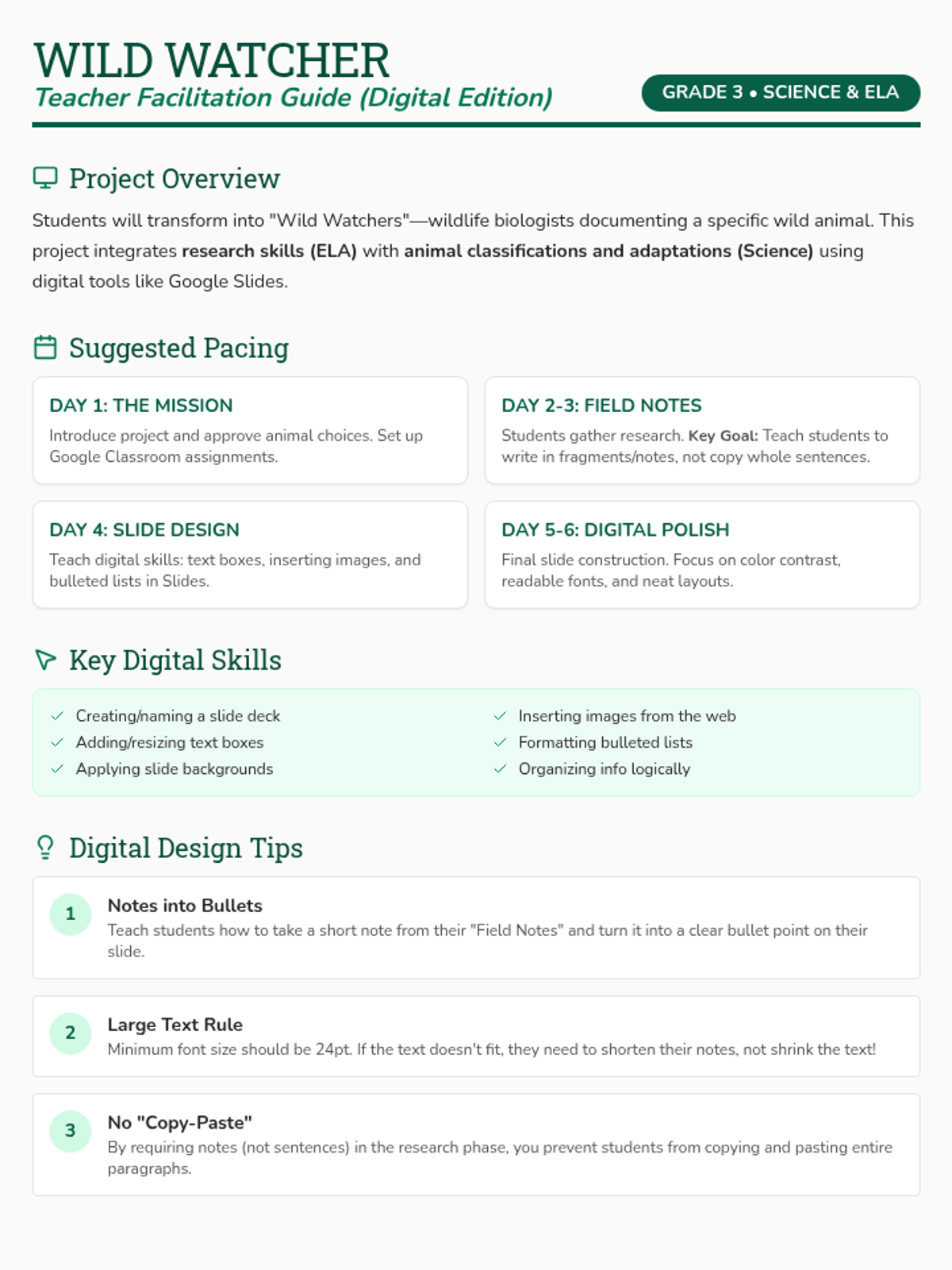
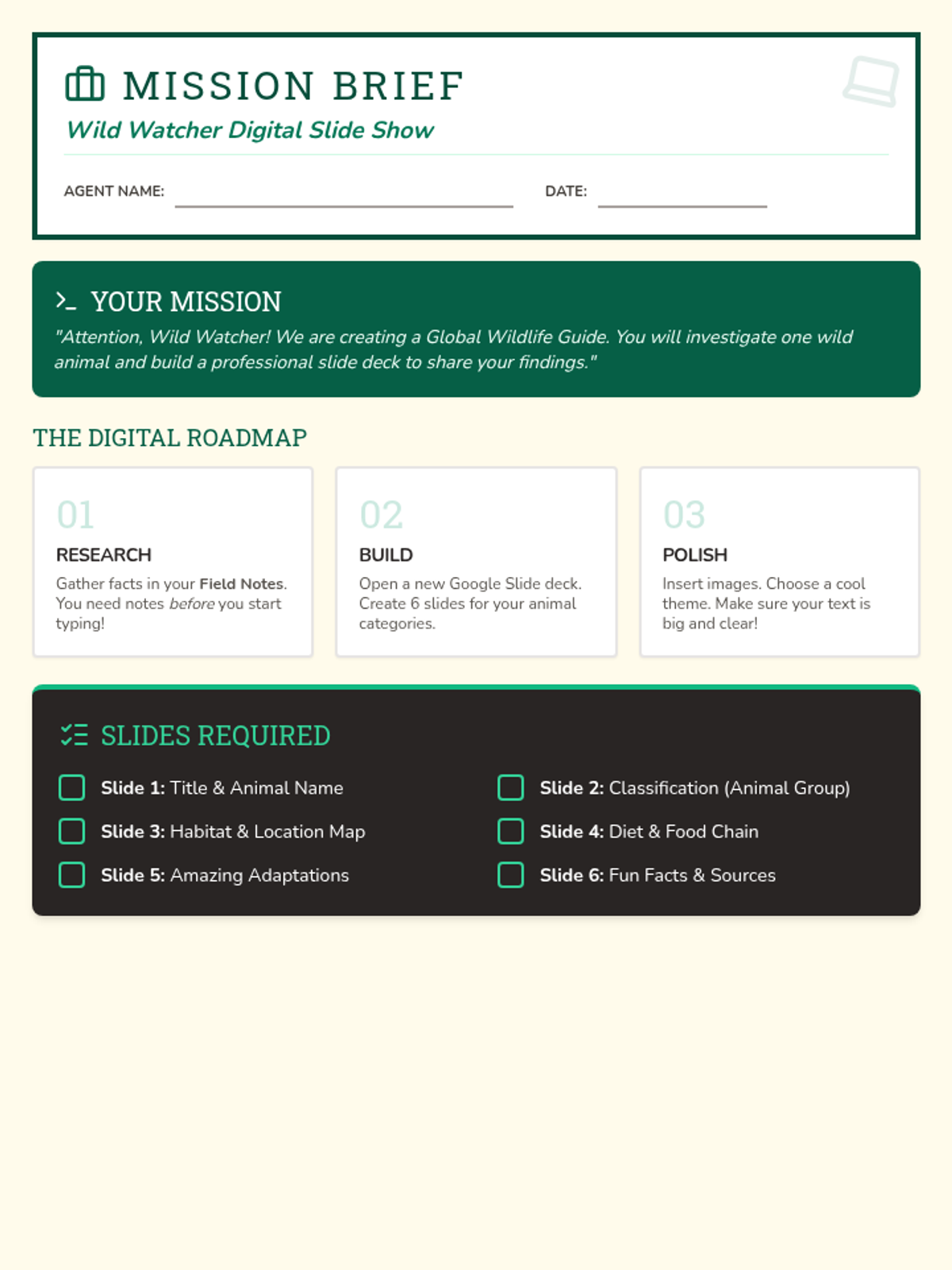
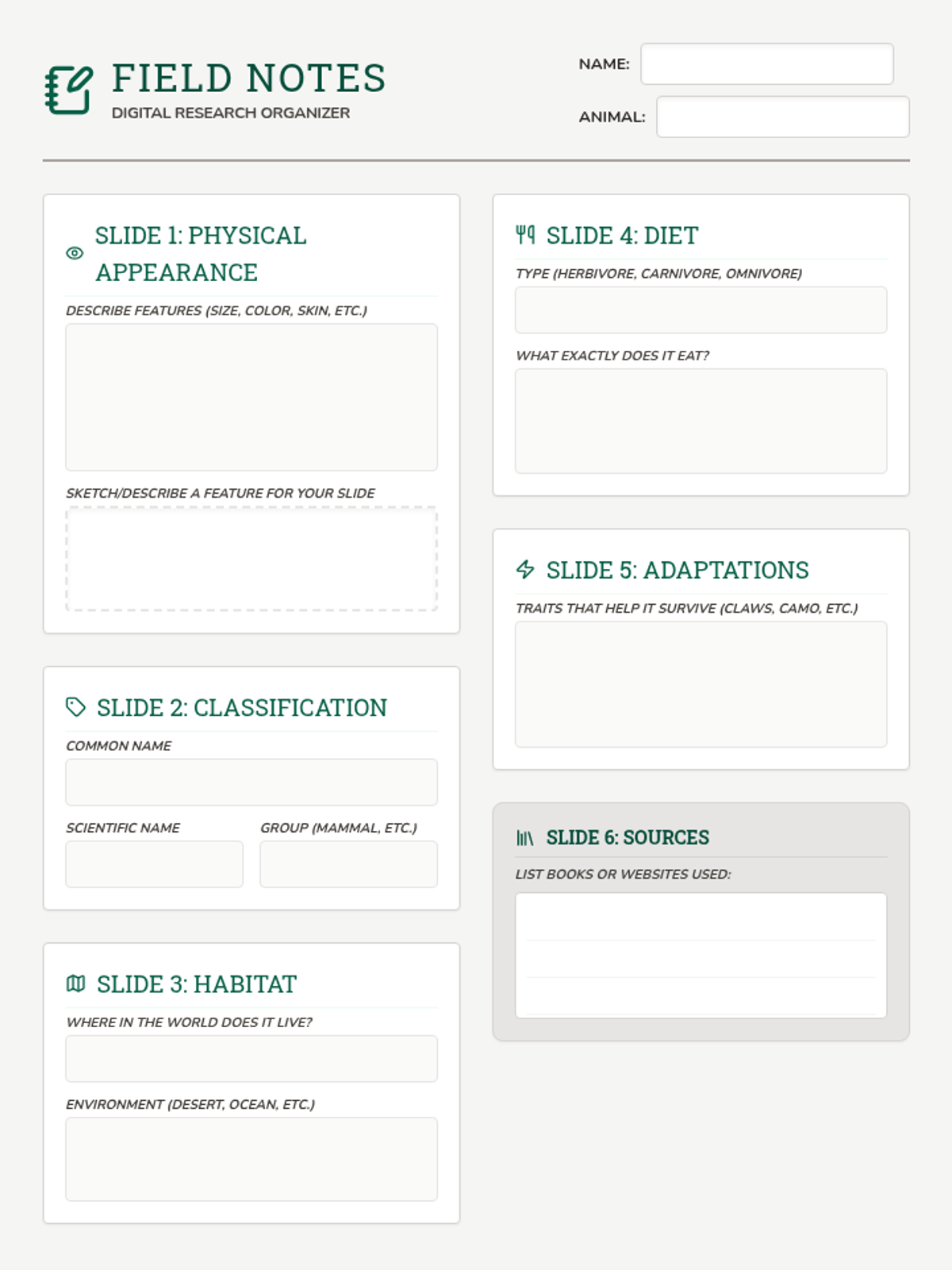
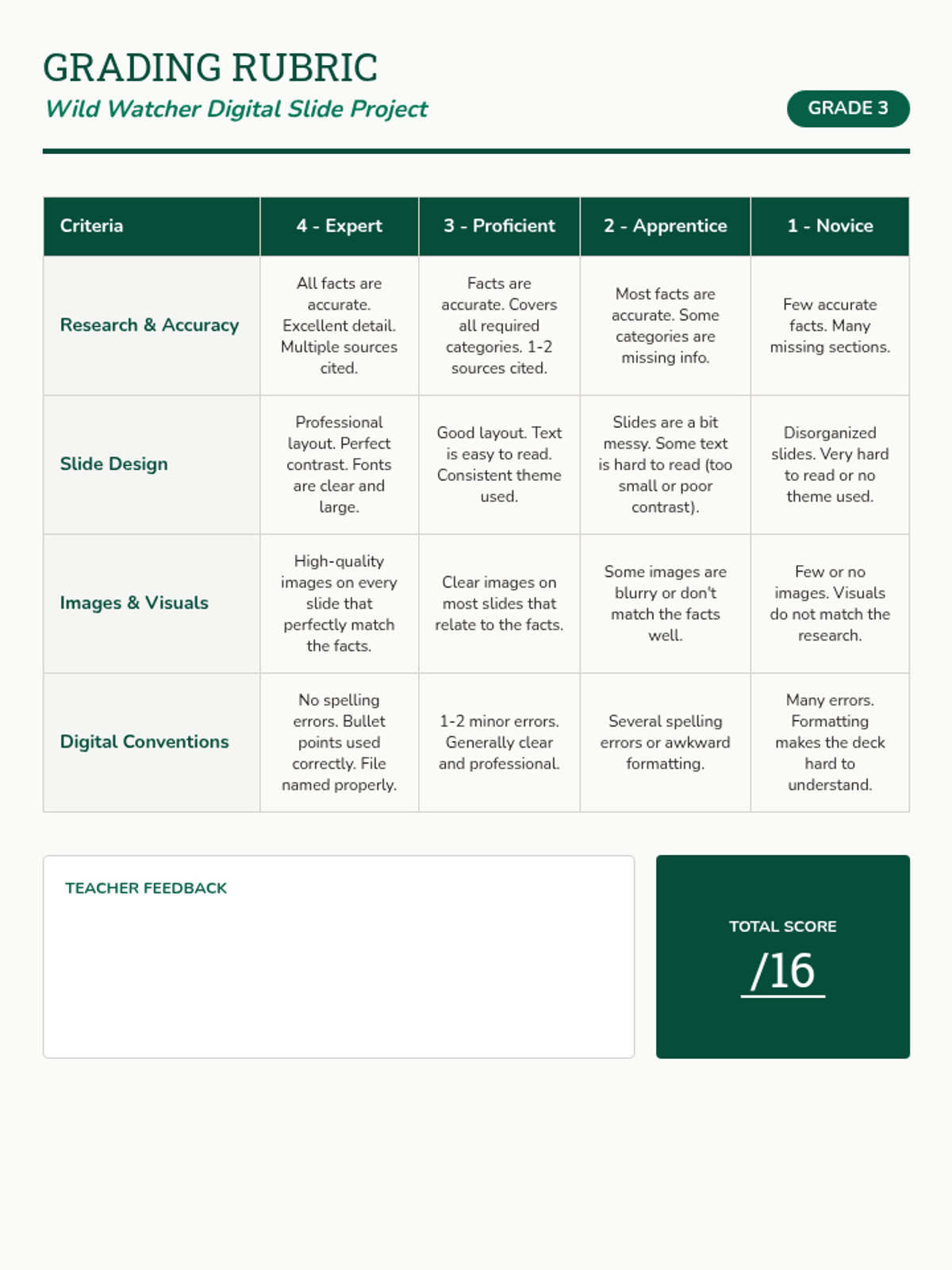
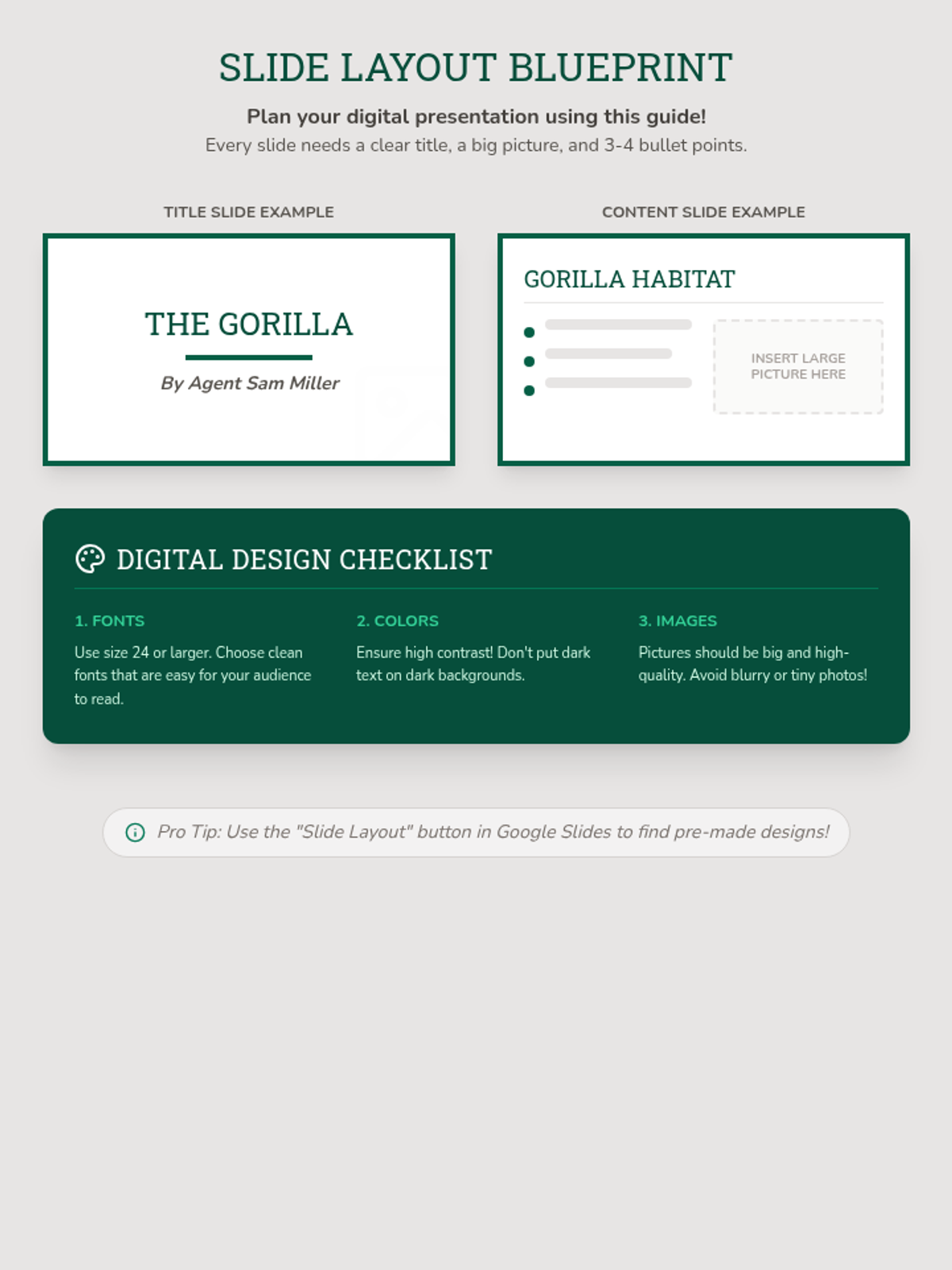
A comprehensive research and presentation project where students become wildlife experts, investigating a wild animal of their choice and creating a digital slide deck to share their findings.
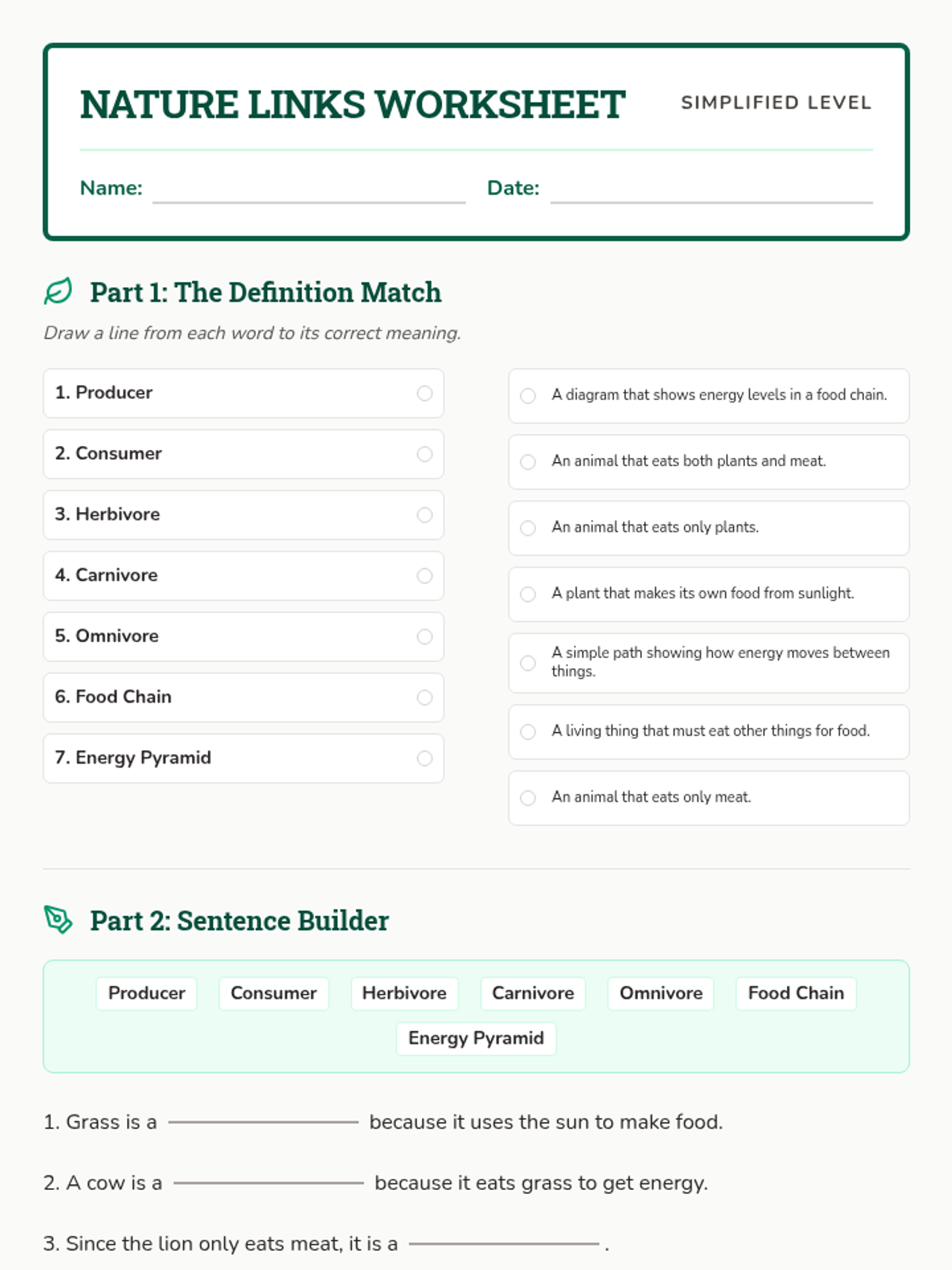
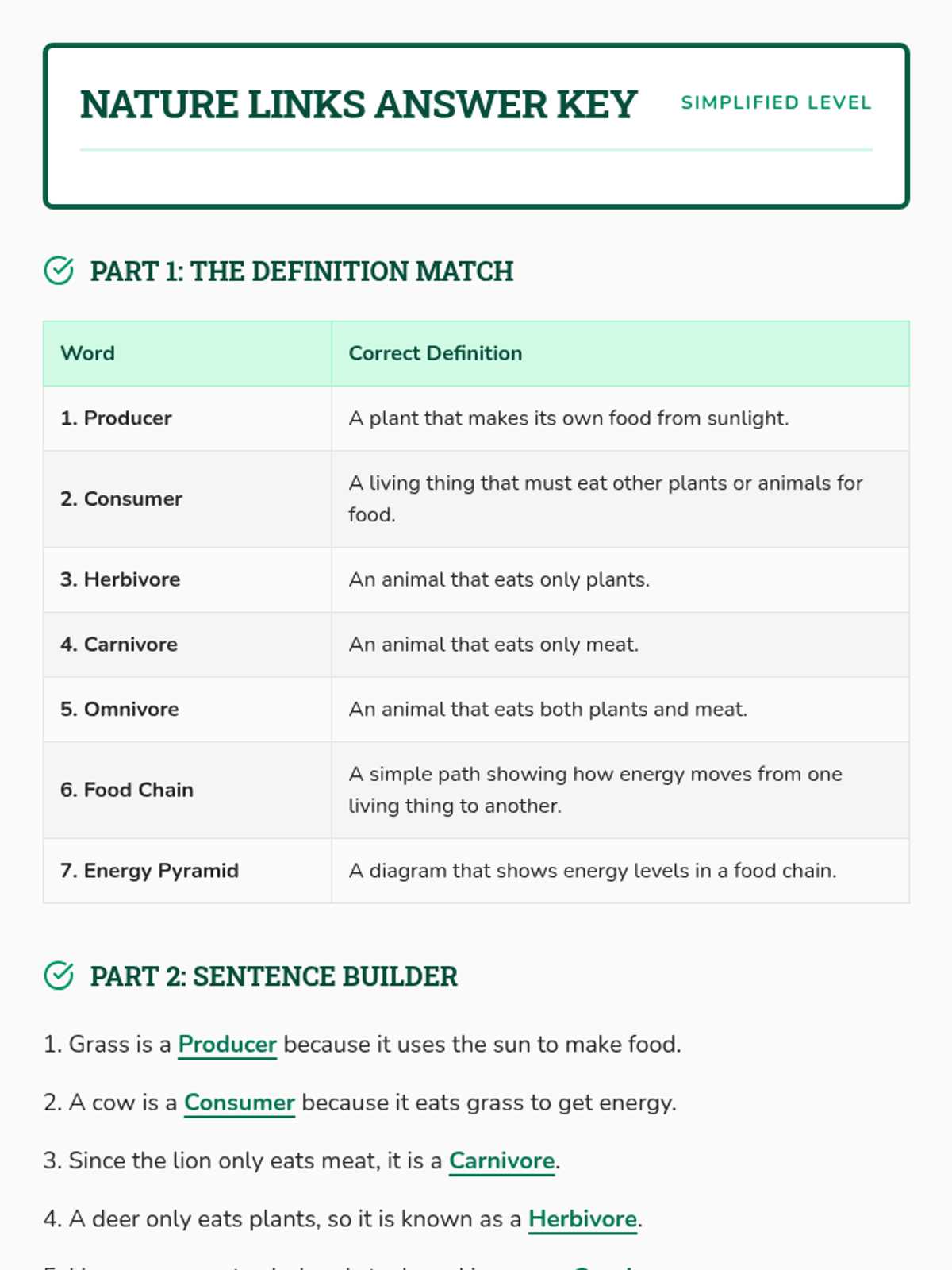
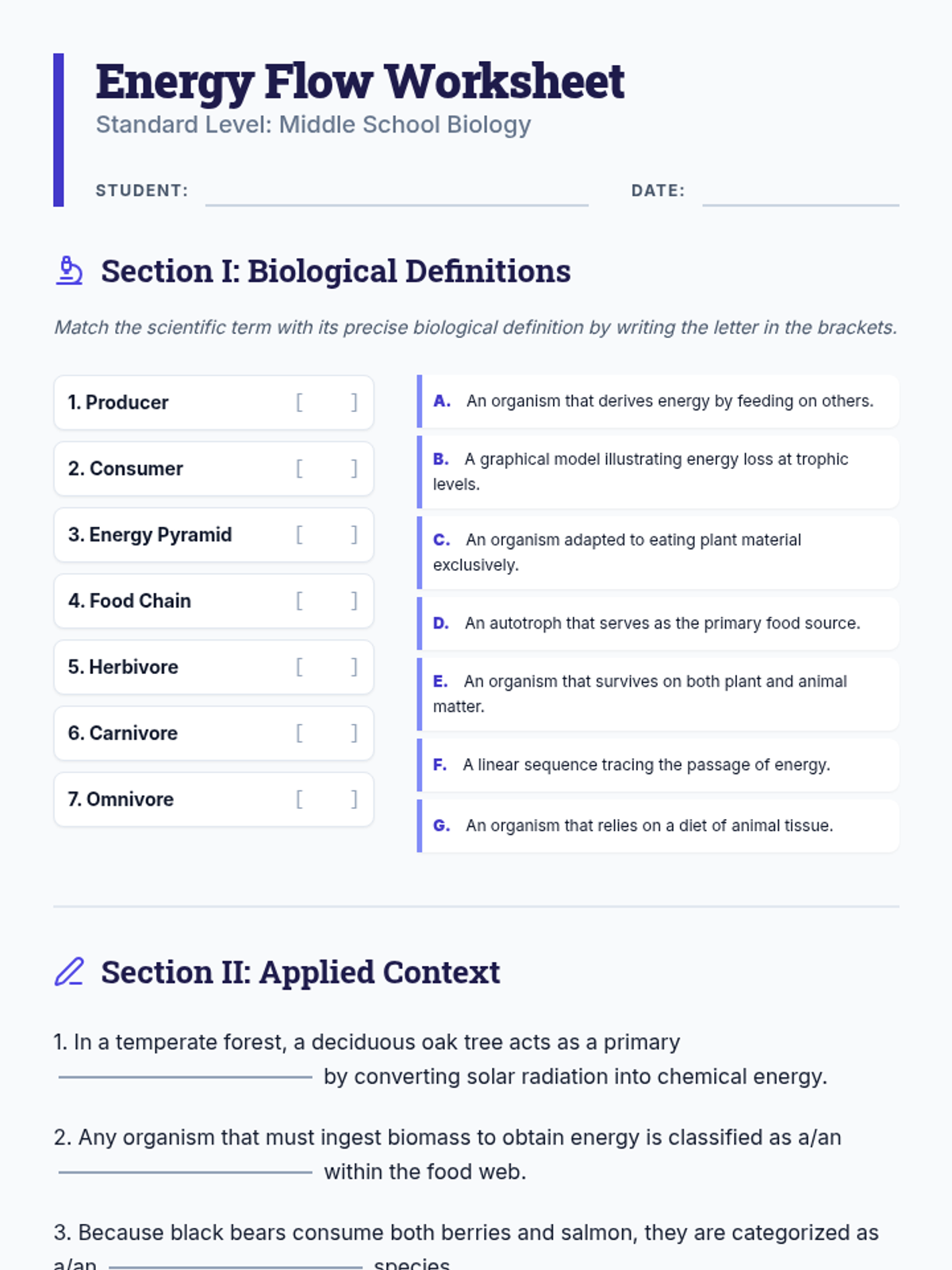
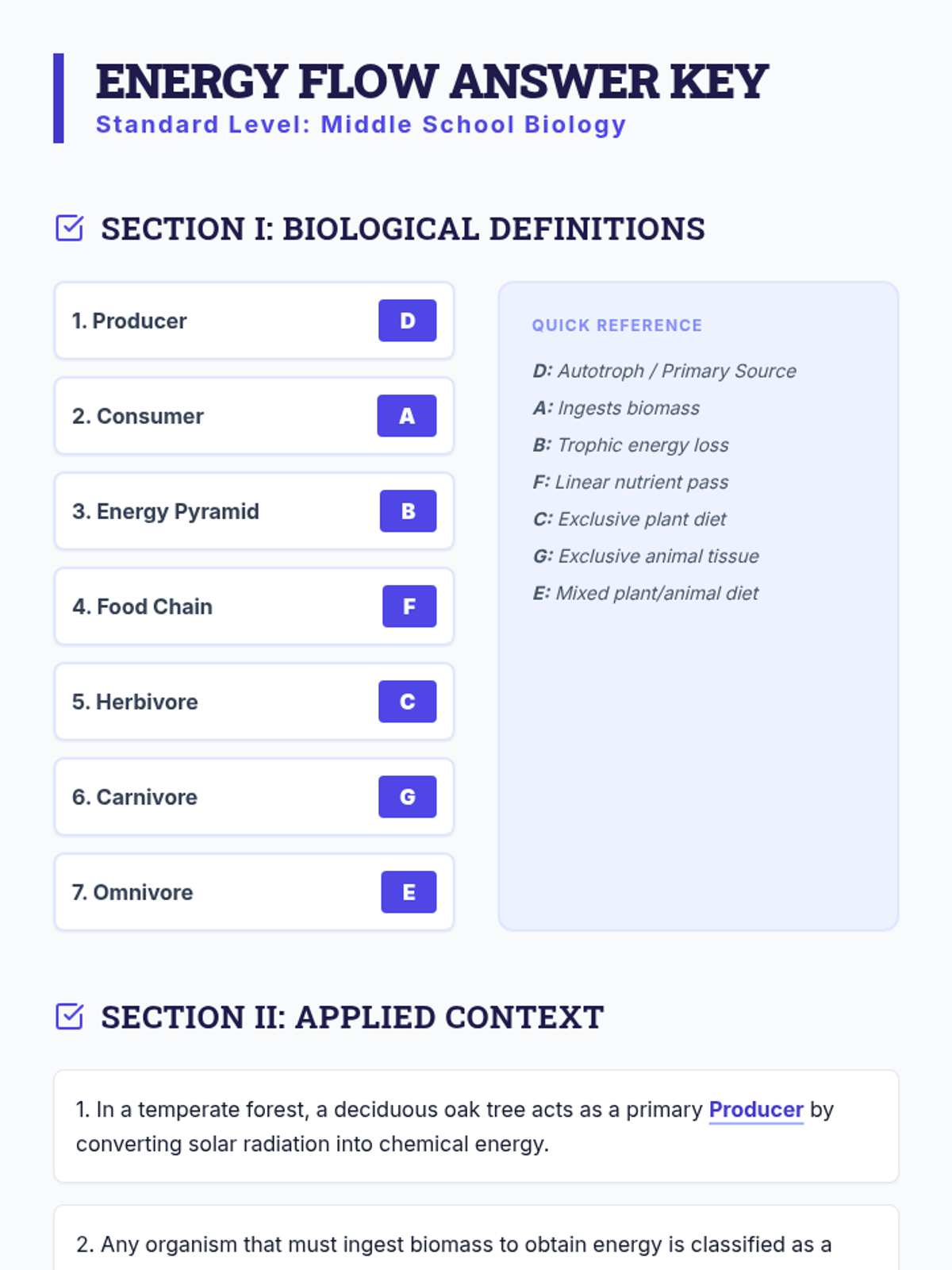
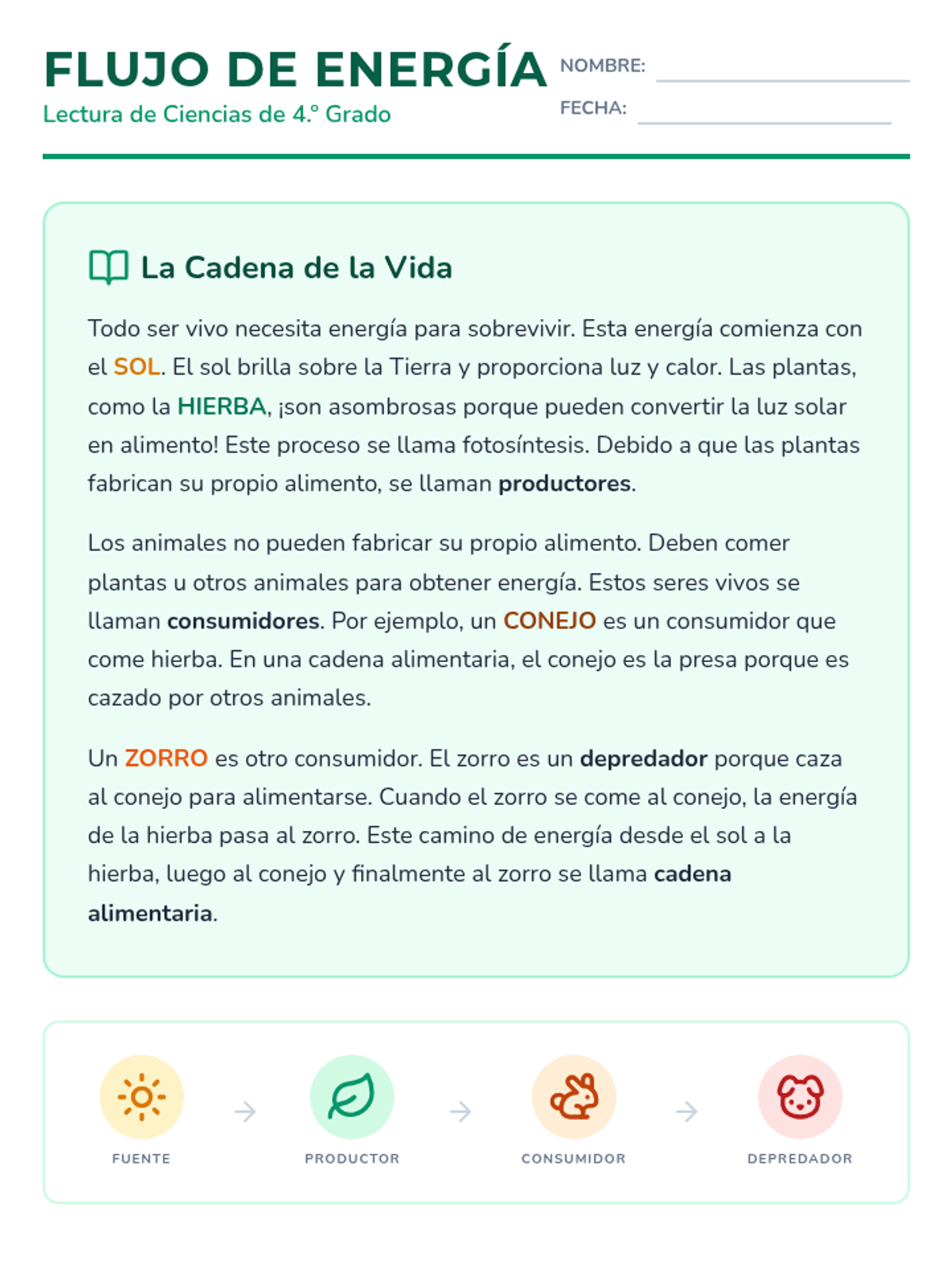
A lesson focusing on ecosystem vocabulary including producers, consumers, and energy flow through food chains and pyramids. Includes tiered materials for elementary and middle school levels.
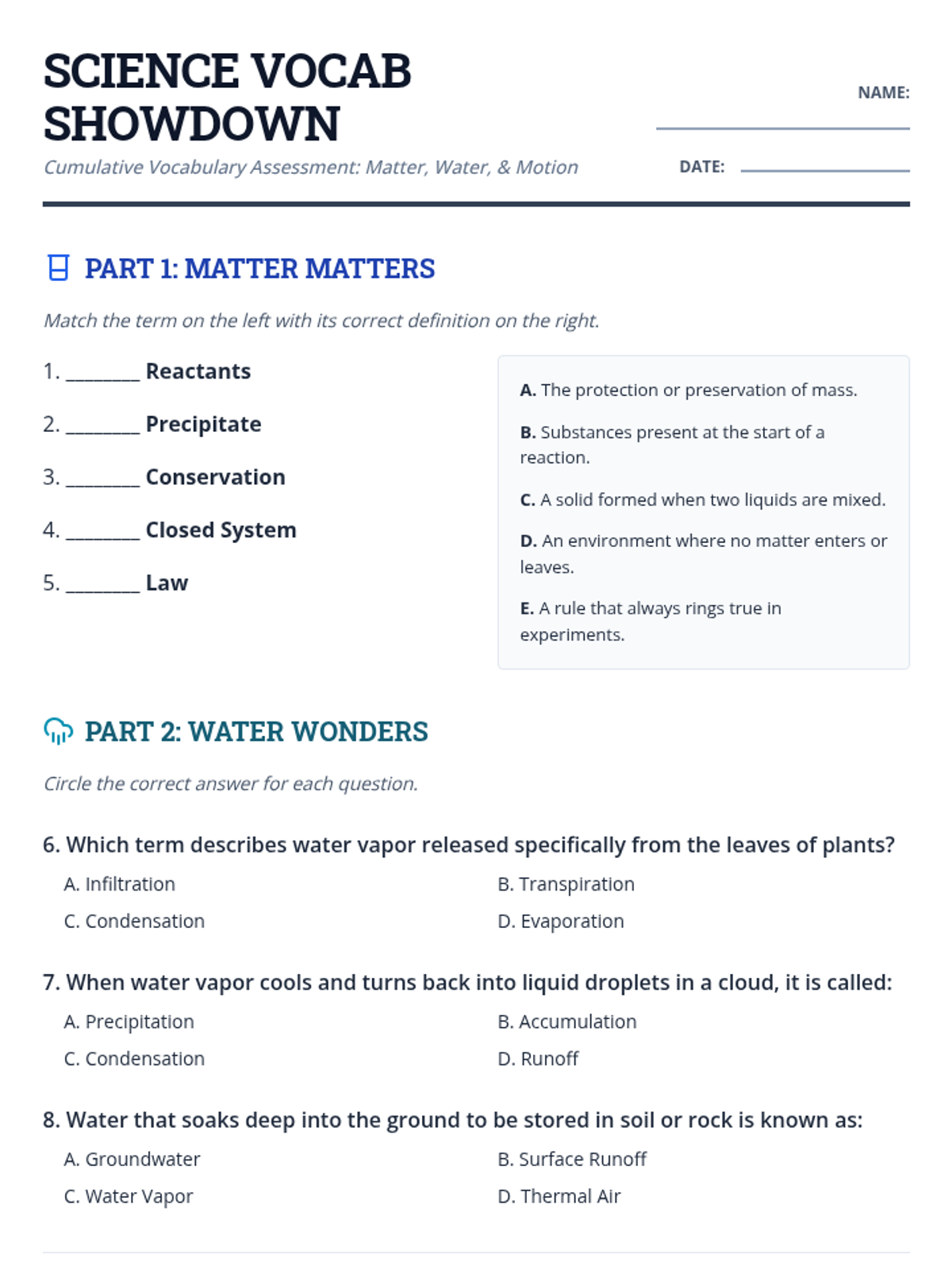
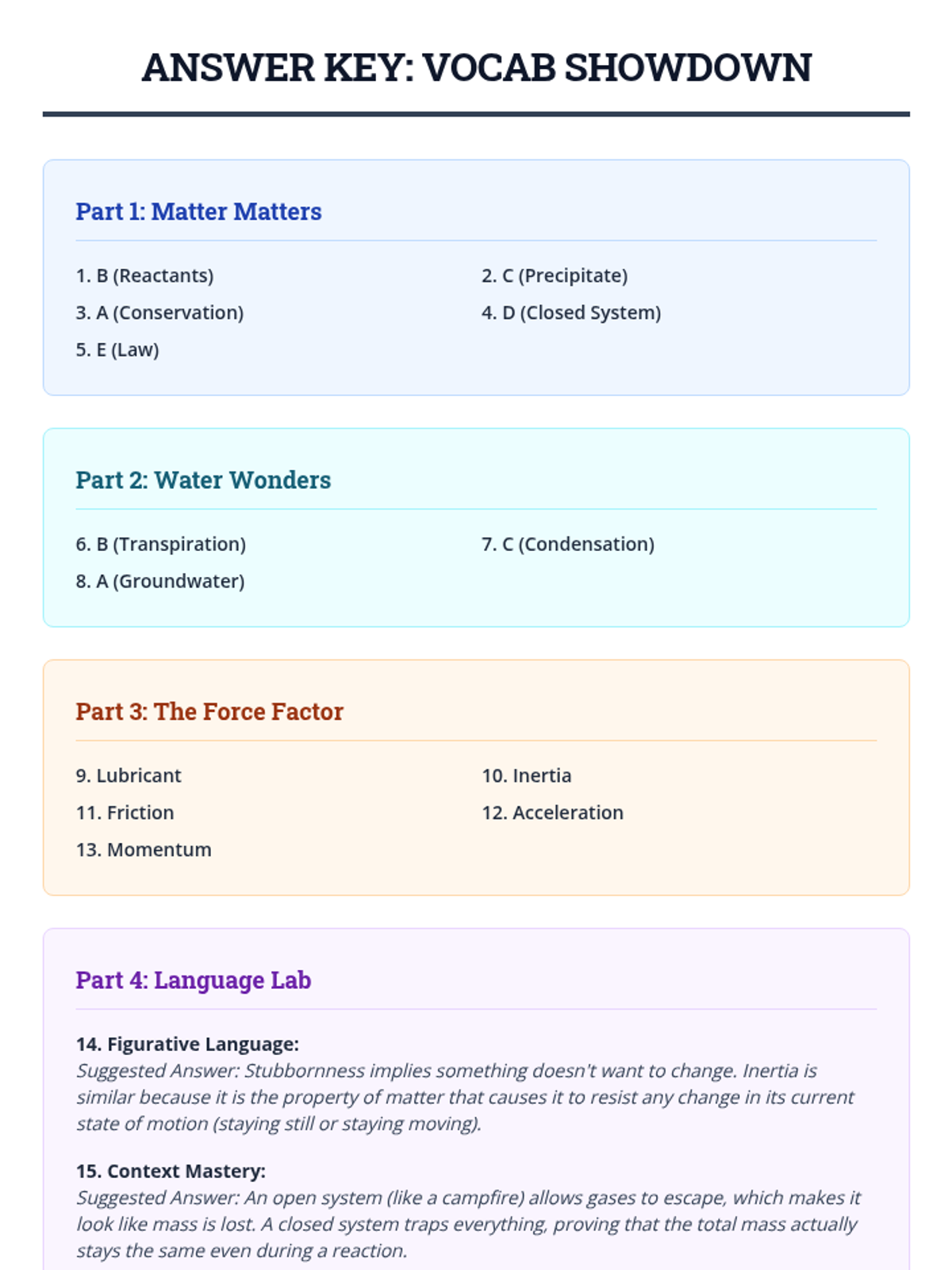
A cumulative review lesson covering the vocabulary and core concepts from all three science literacy units.
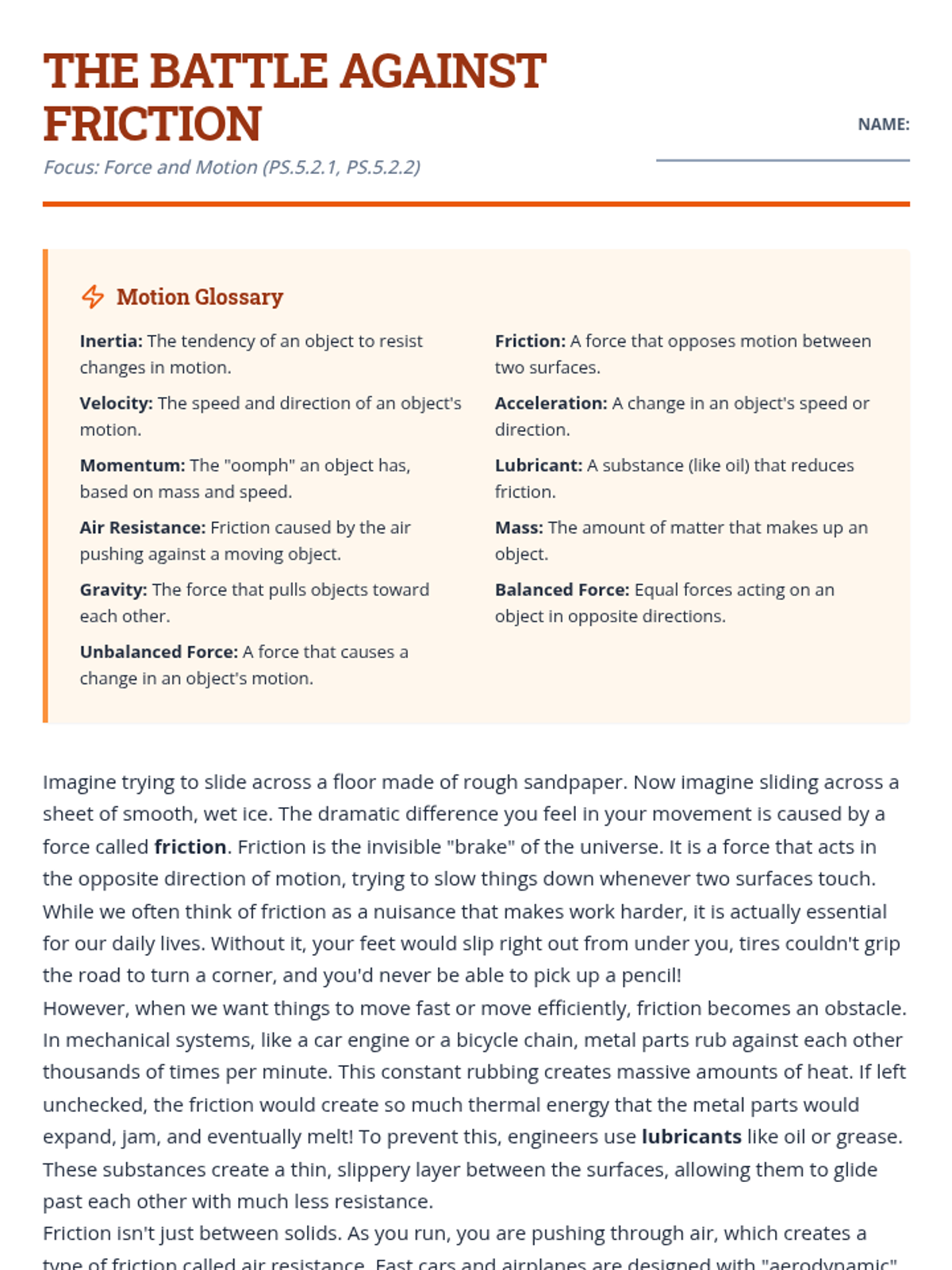
An investigation into force, motion, and friction, focusing on an author's use of evidence and the nuances of language.
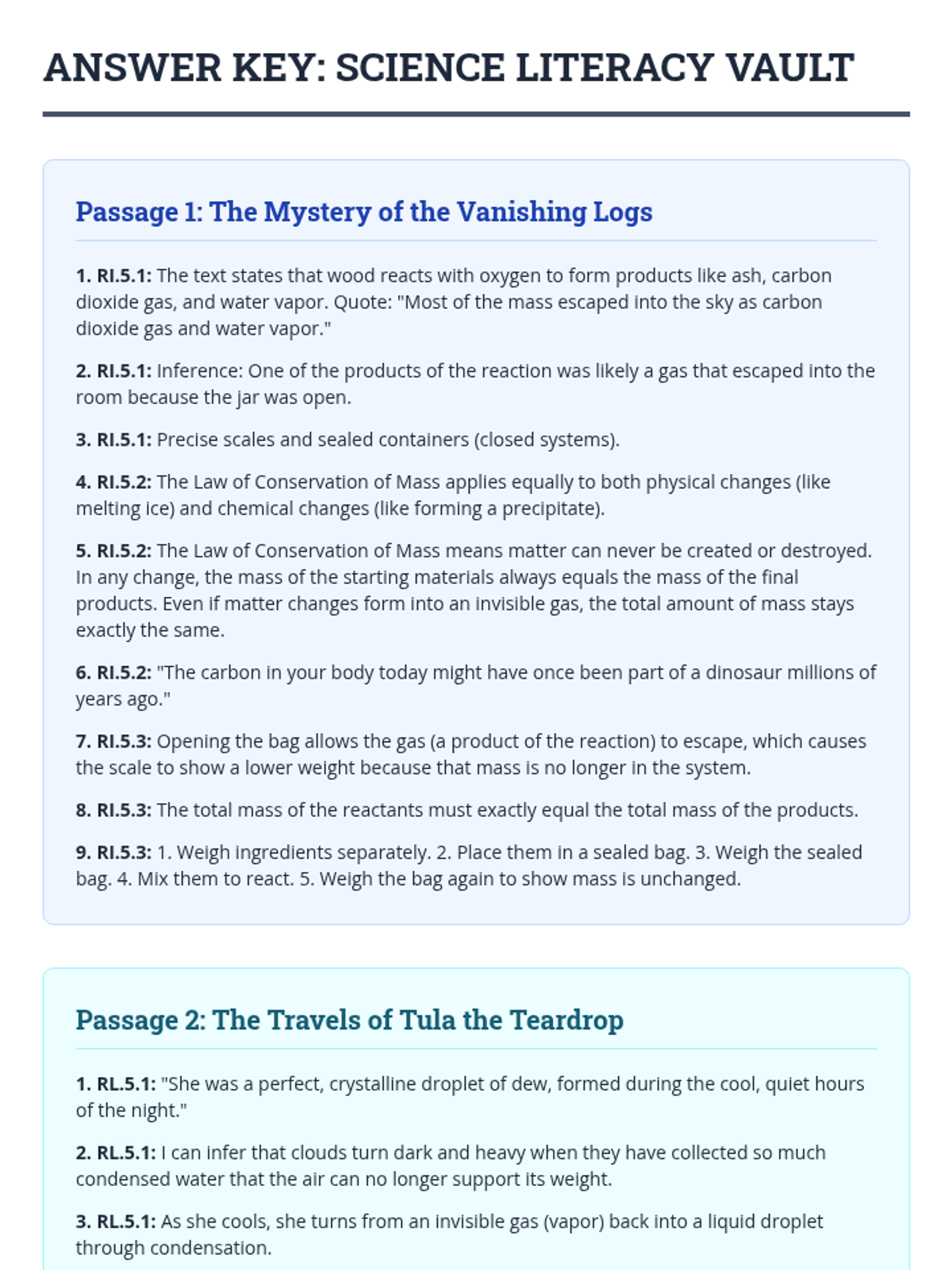
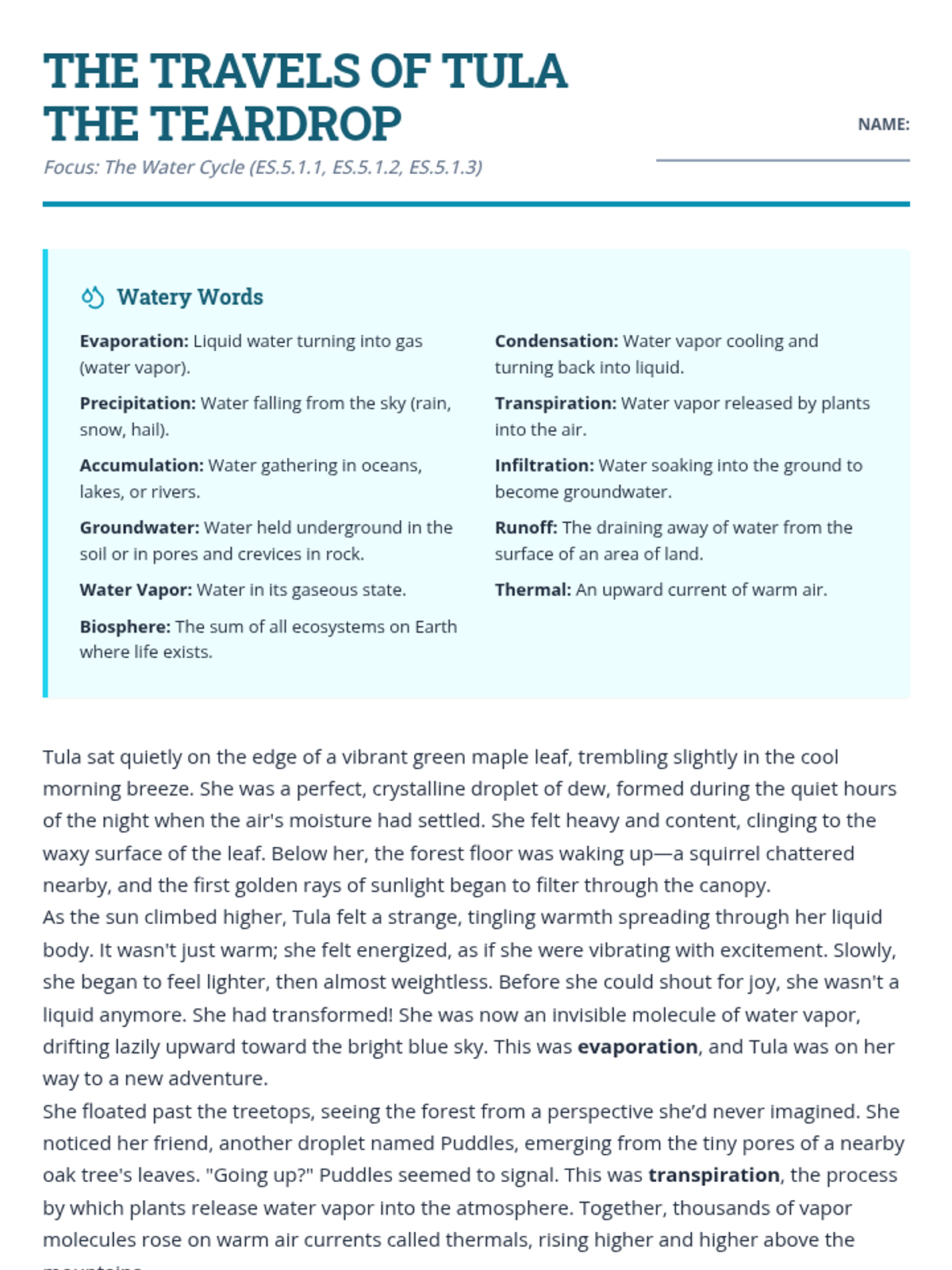
A narrative exploration of the water cycle, focusing on character interaction, theme, and plot development within a scientific context.
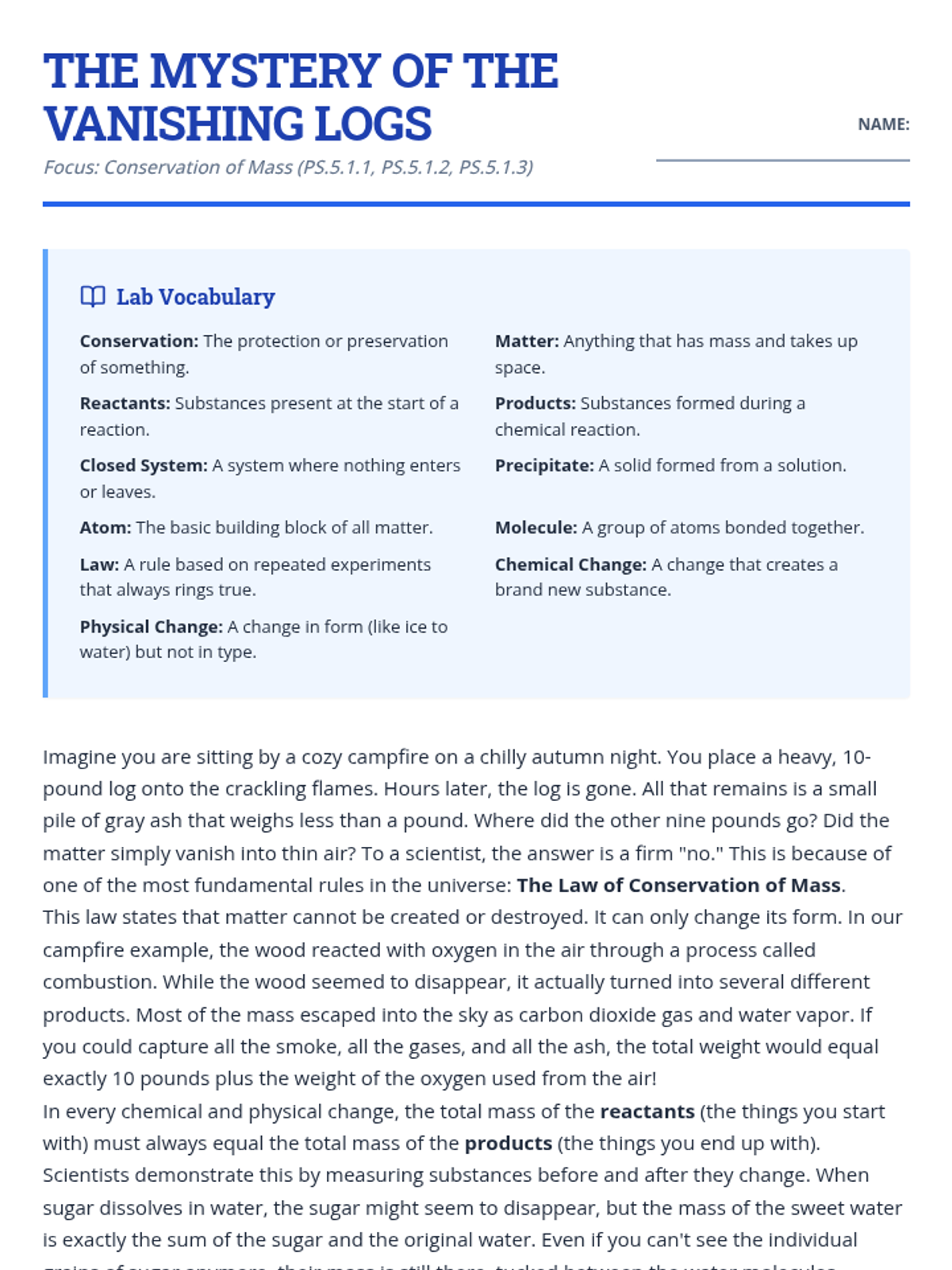
An exploration of the law of conservation of mass through informational text, focusing on reading for details, main ideas, and relationships between concepts.
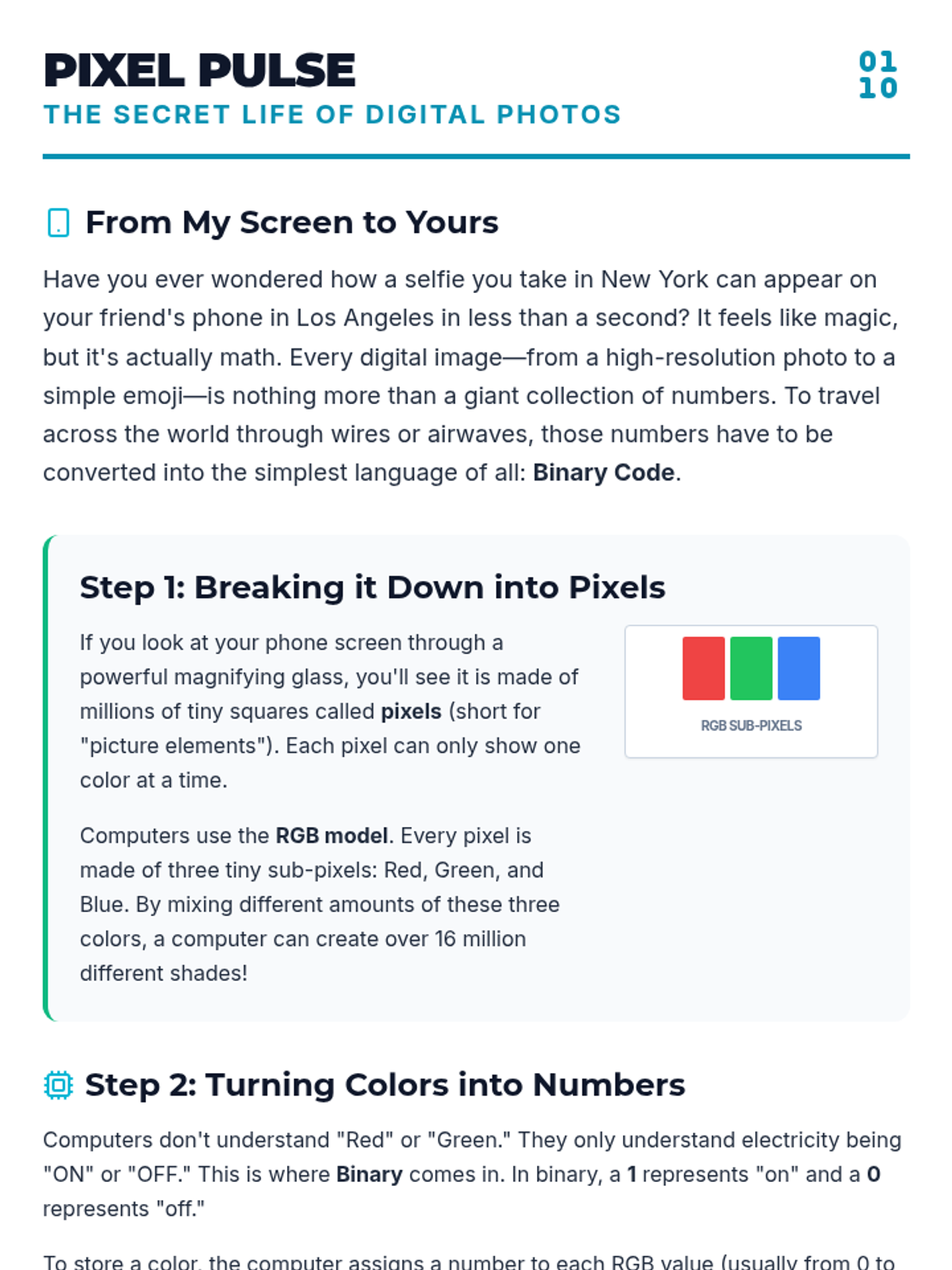
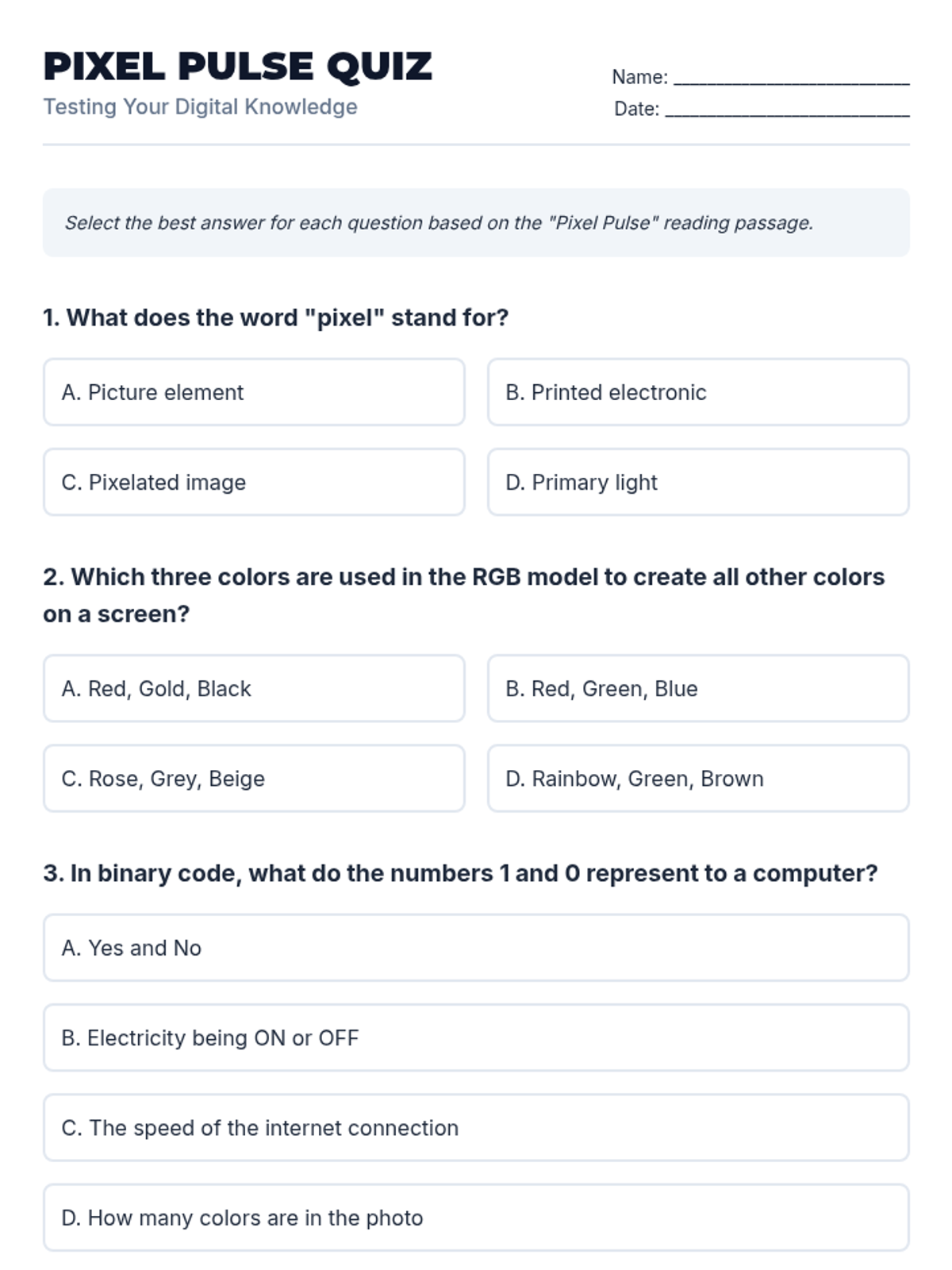
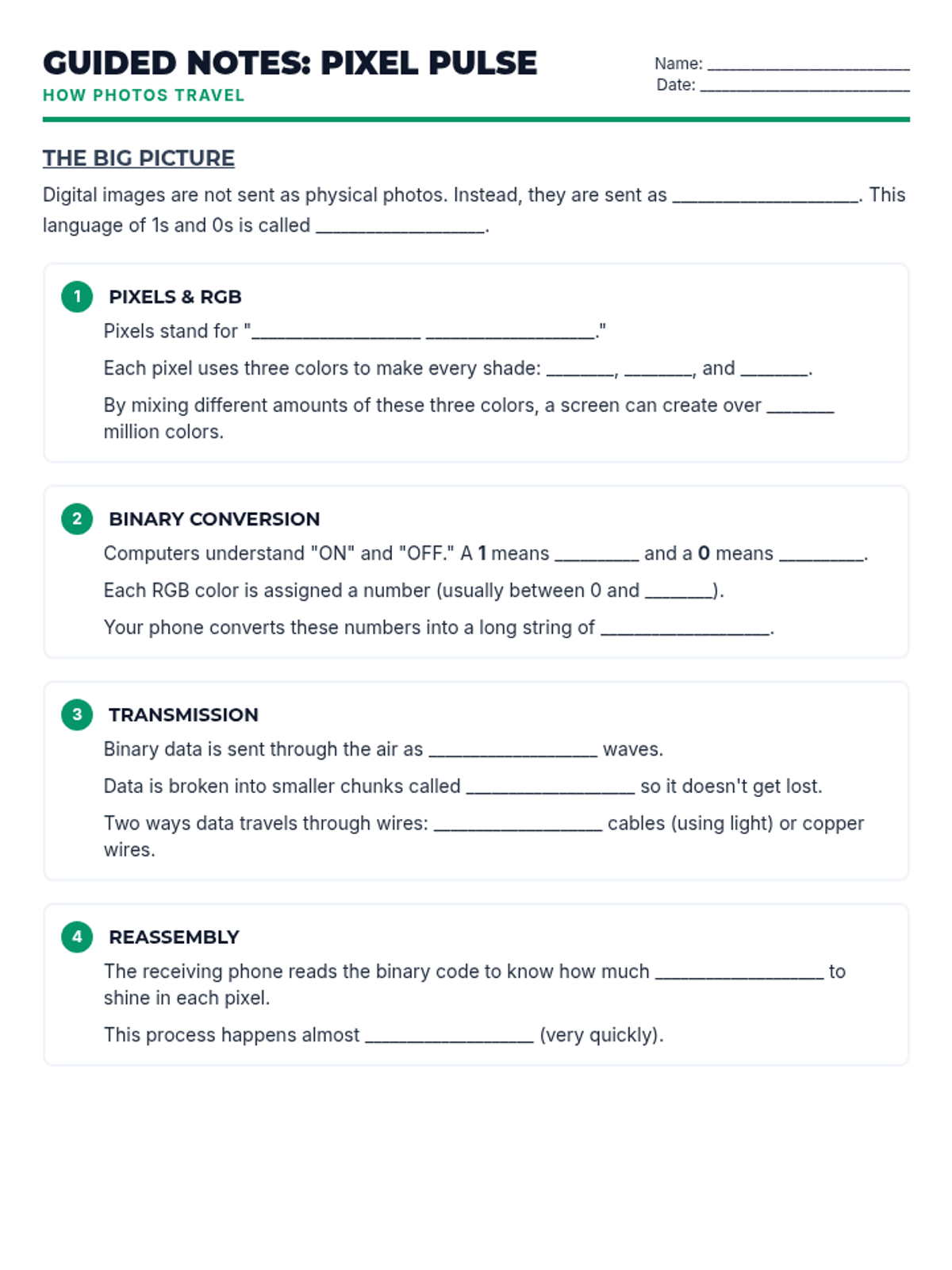
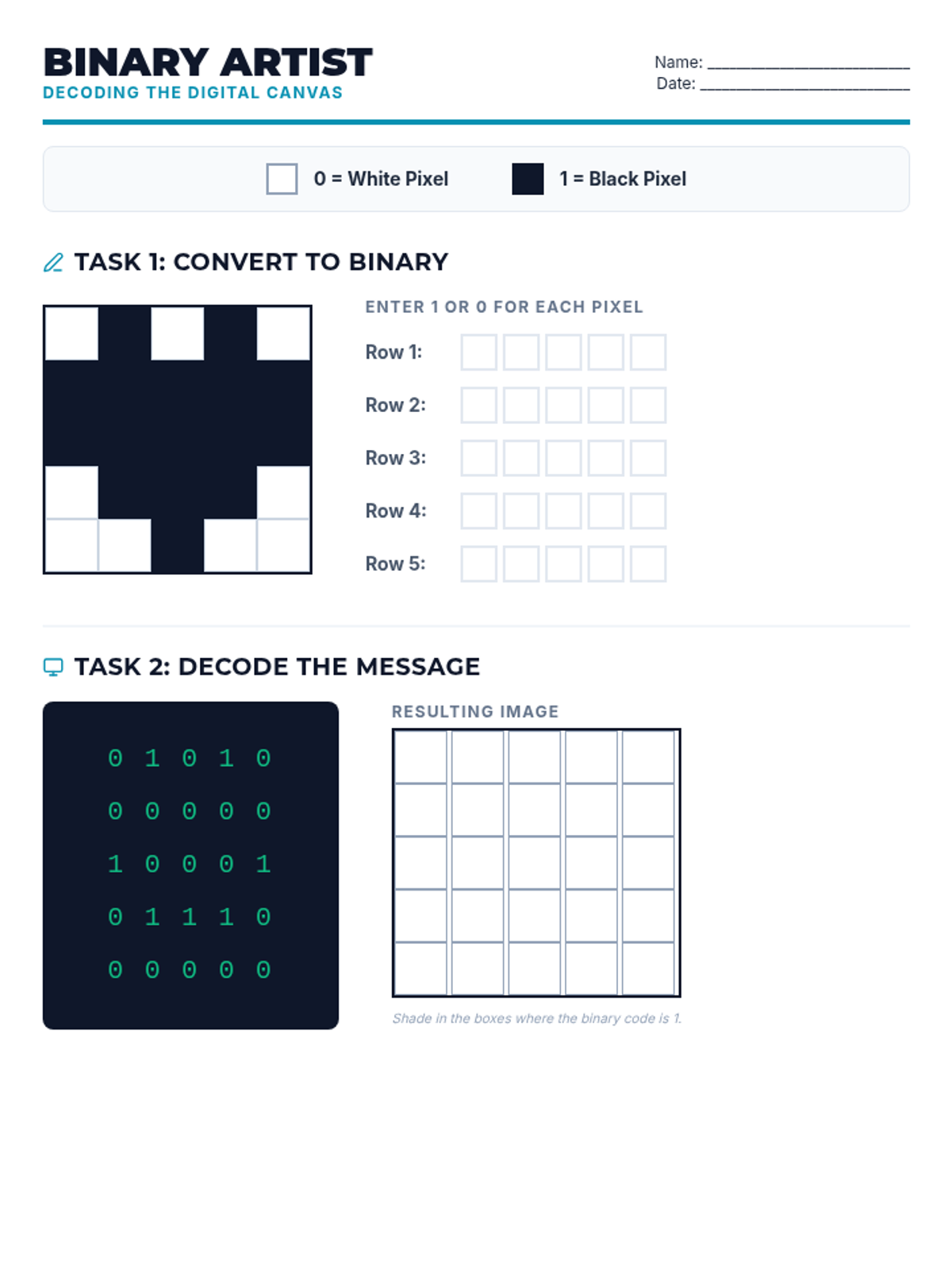
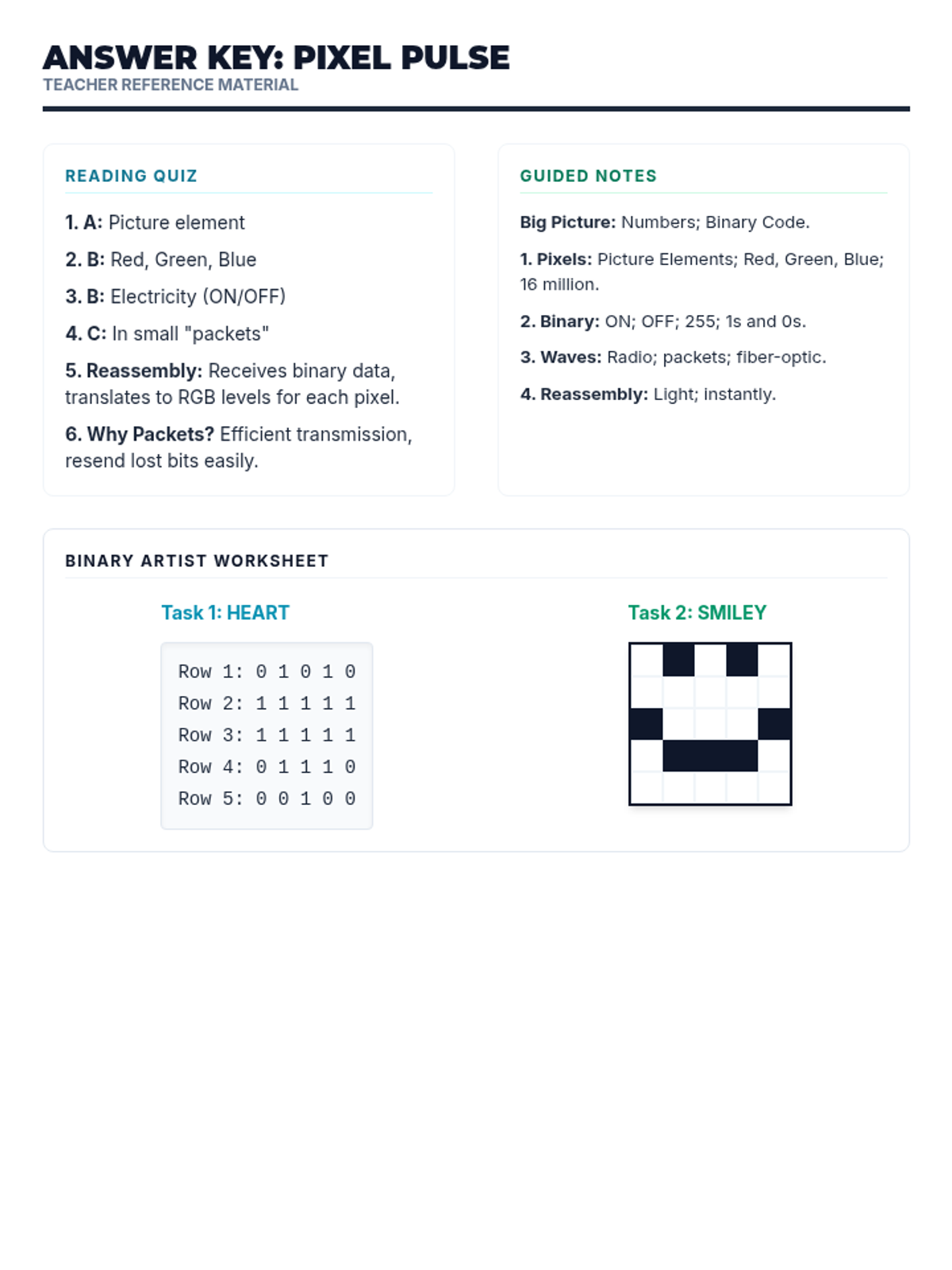
This lesson explores how digital images are broken down into pixels, converted into binary code (1s and 0s), transmitted across distances, and reassembled on another device. Students will learn about the RGB color model and the fundamentals of digital communication.
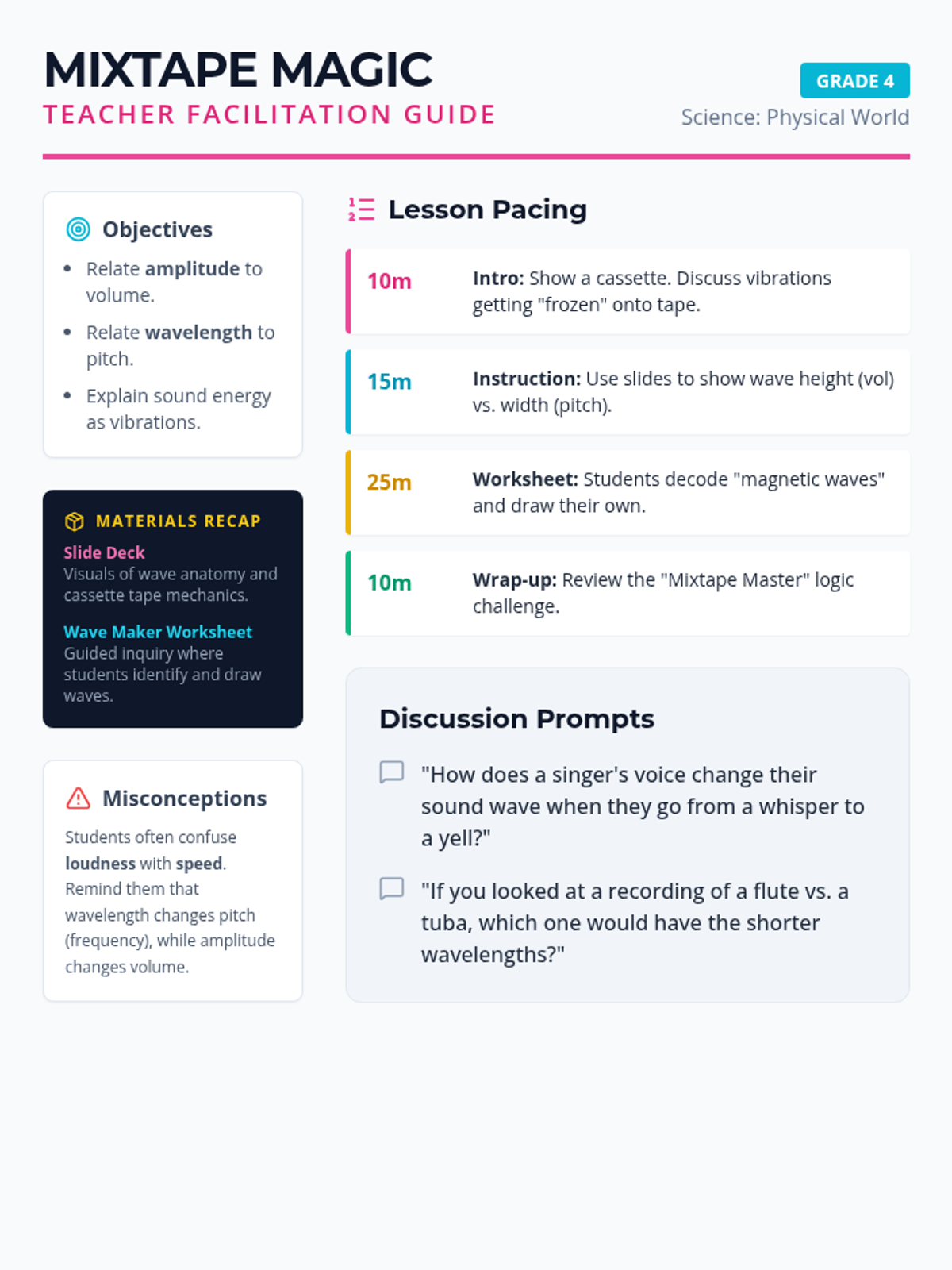
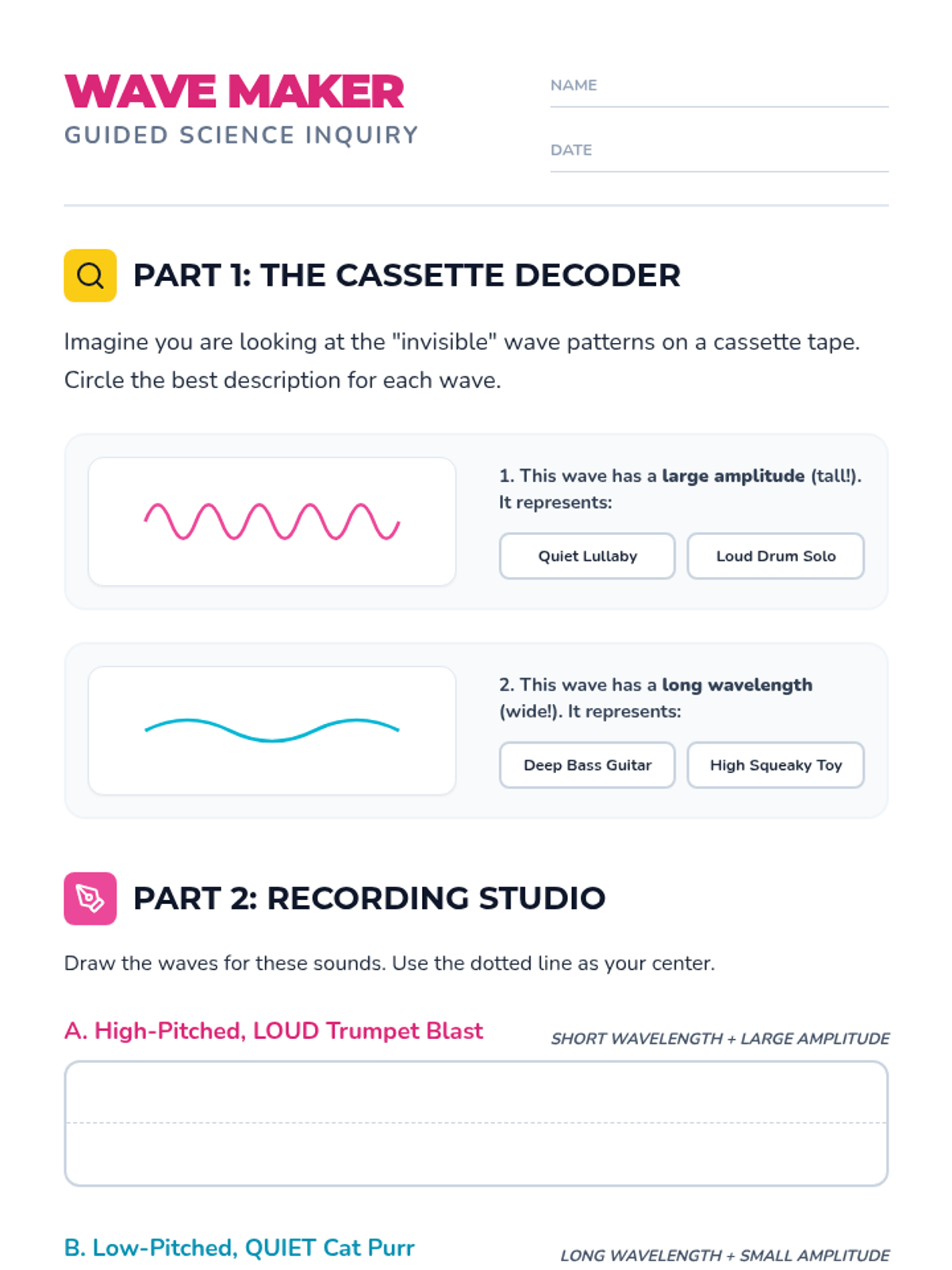
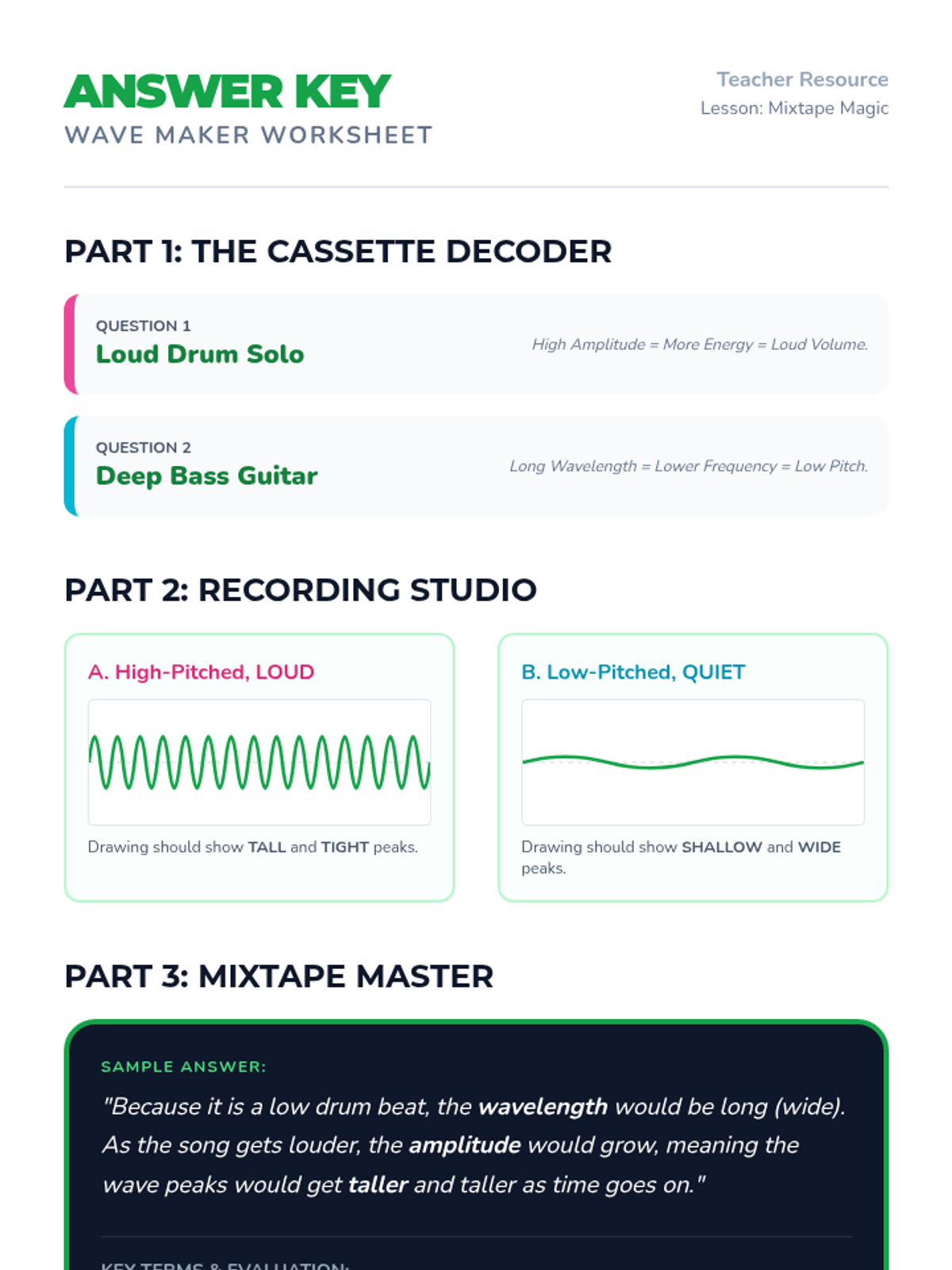
A 45-60 minute science lesson for 4th graders exploring sound waves through the lens of retro cassette tapes and music. Students will investigate how amplitude and wavelength relate to volume and pitch.
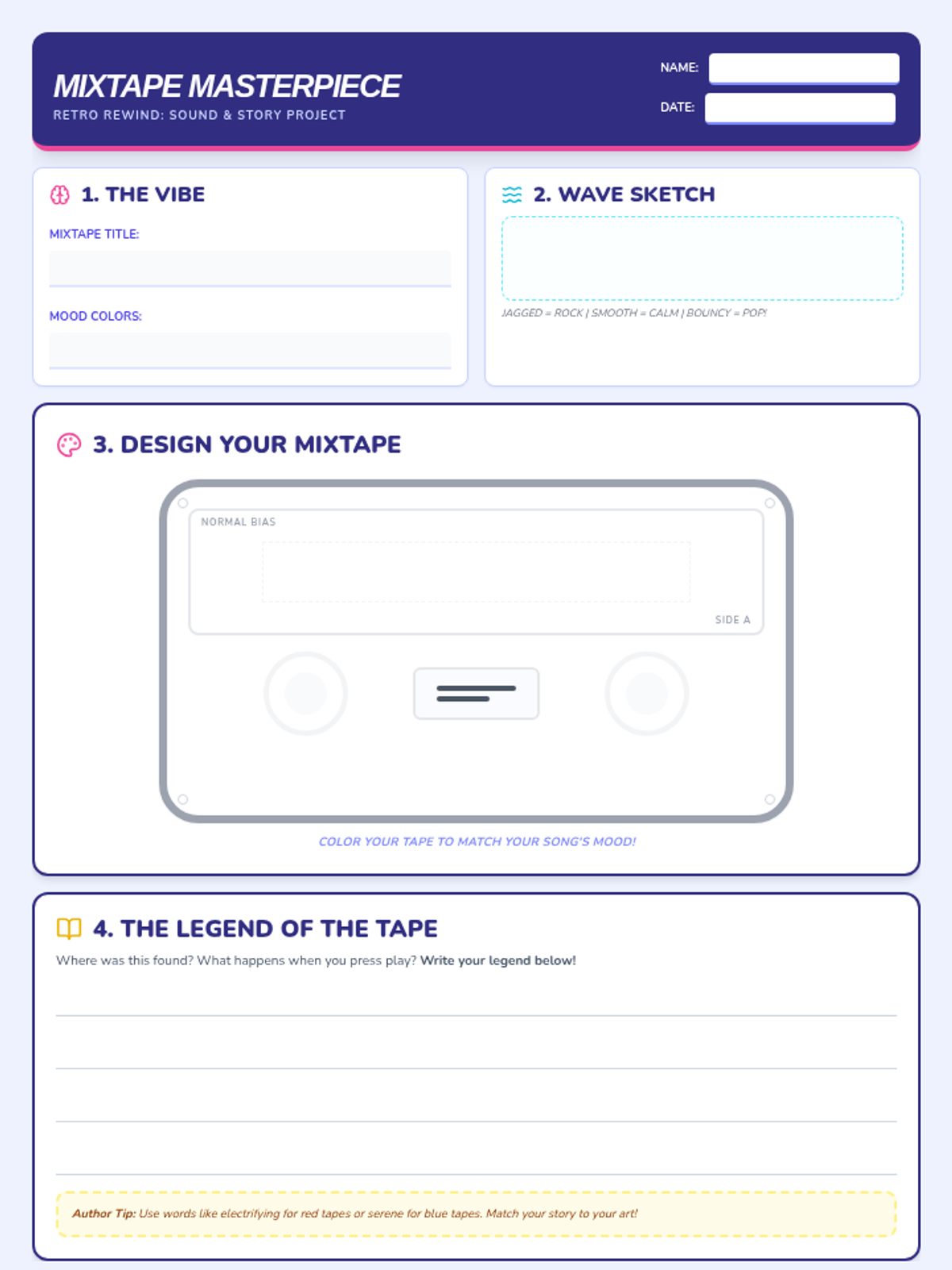
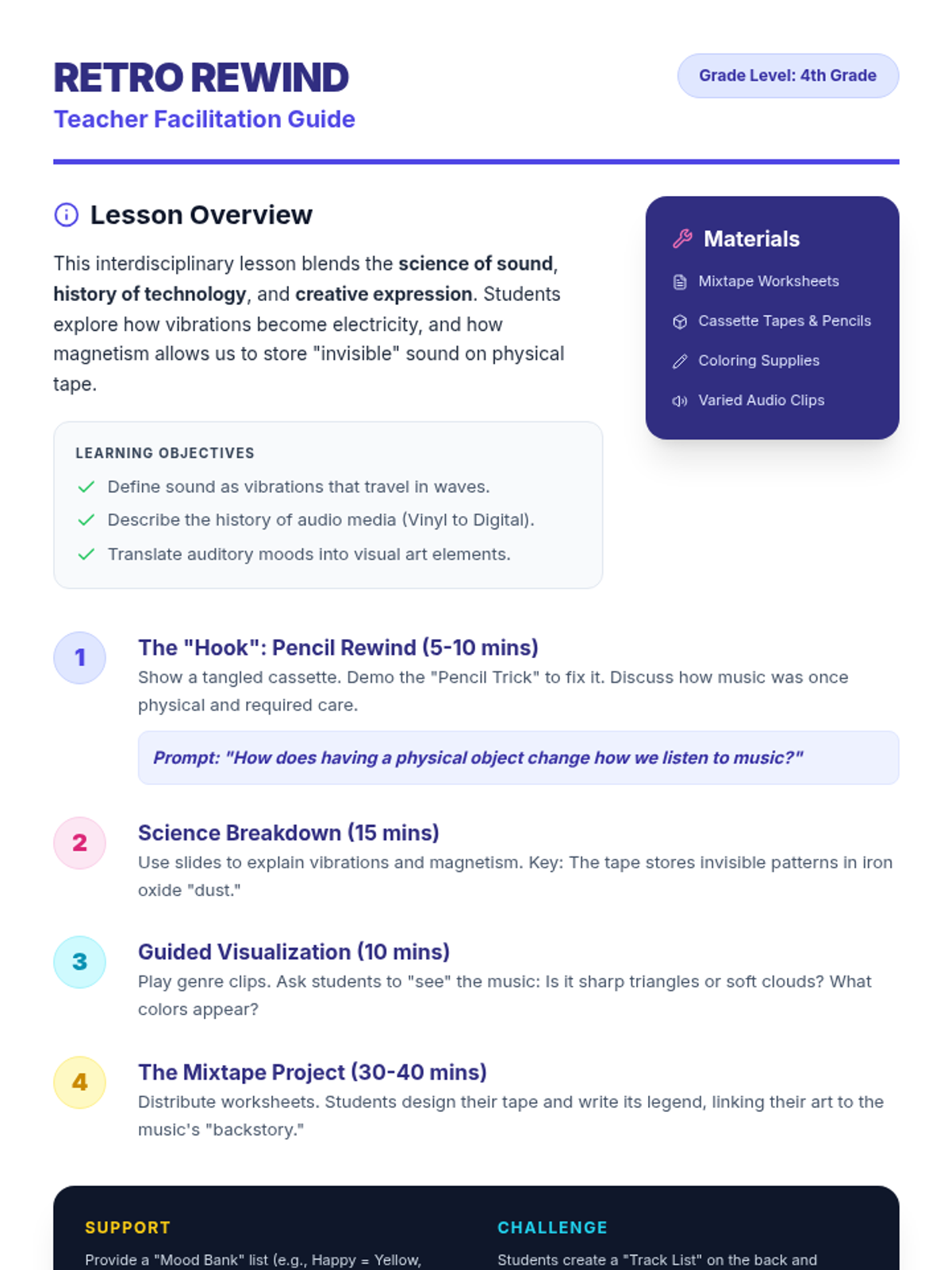
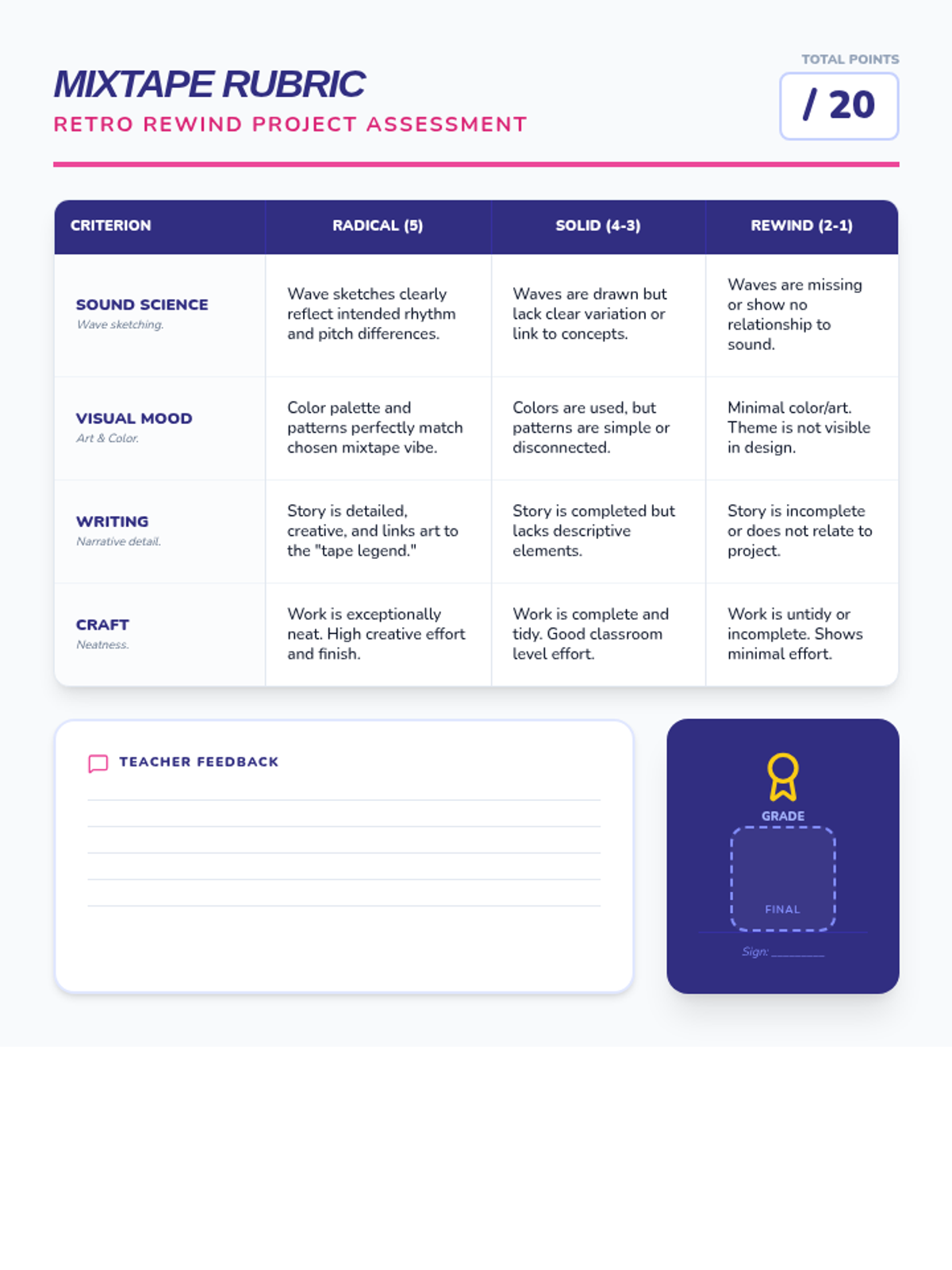
A multi-sensory lesson exploring the science of sound and the history of music technology through the lens of the classic cassette tape. Students will learn how sound is recorded, visualize music through art, and craft a creative story behind their own 'mixtape'.
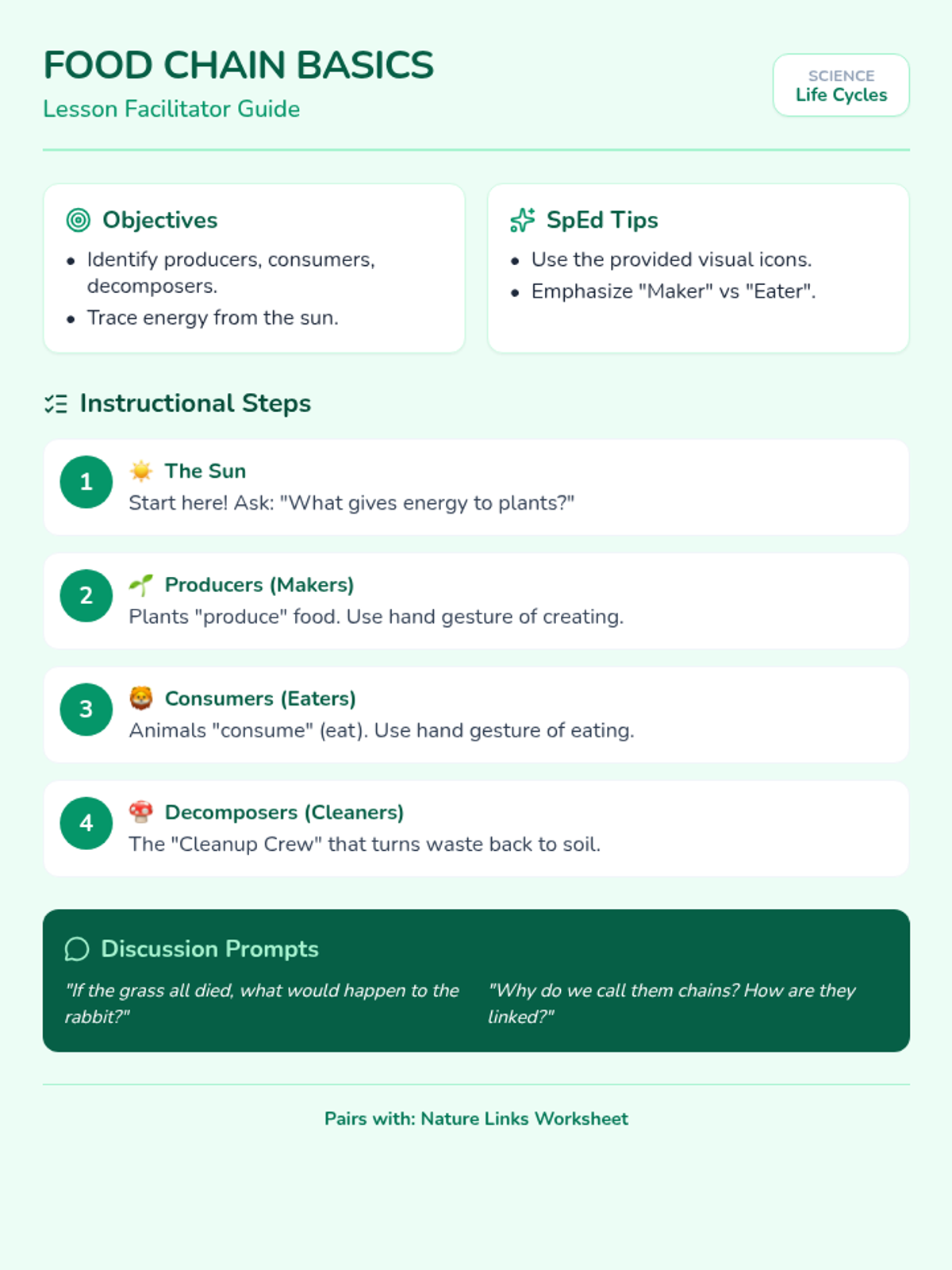
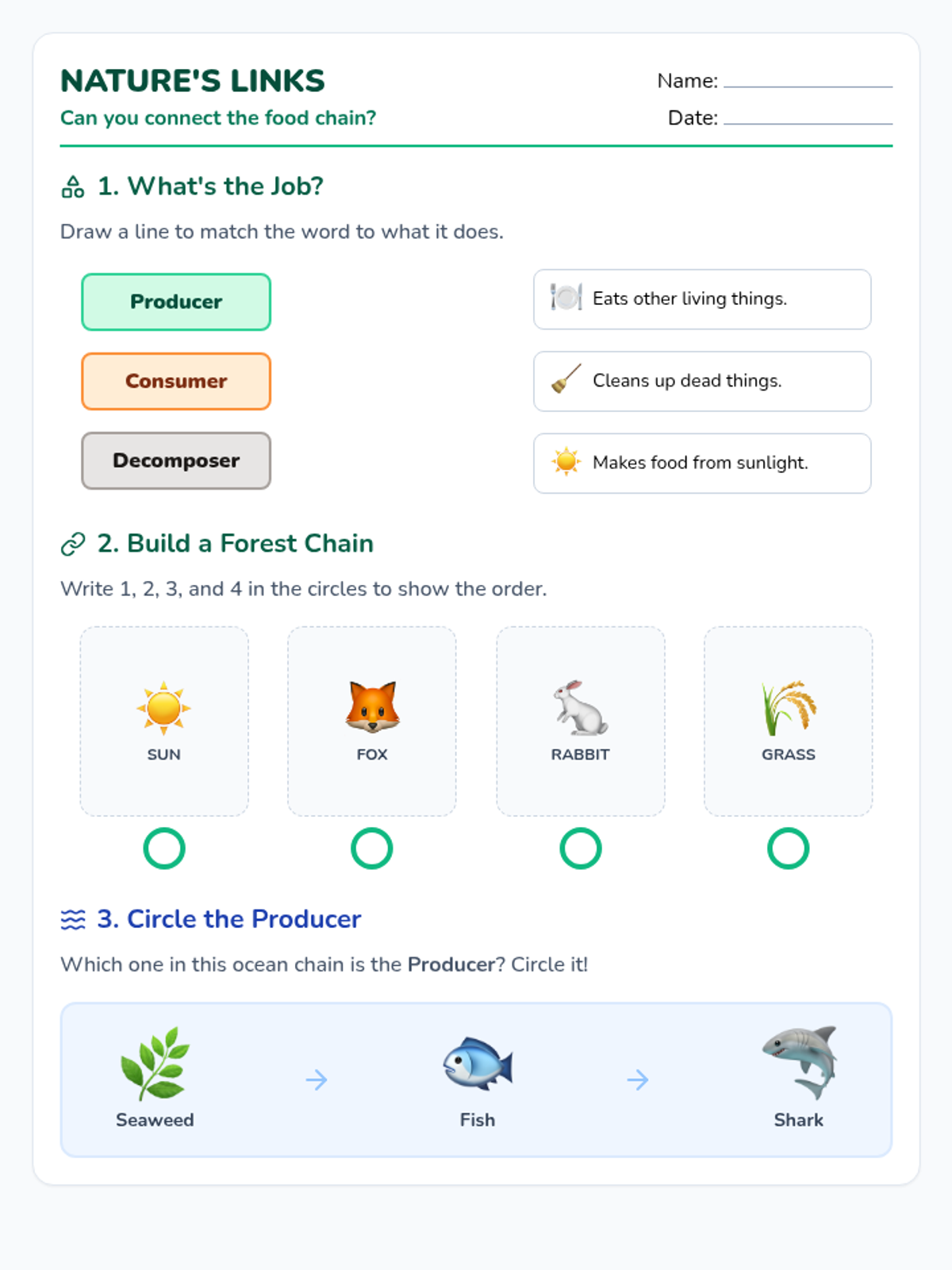
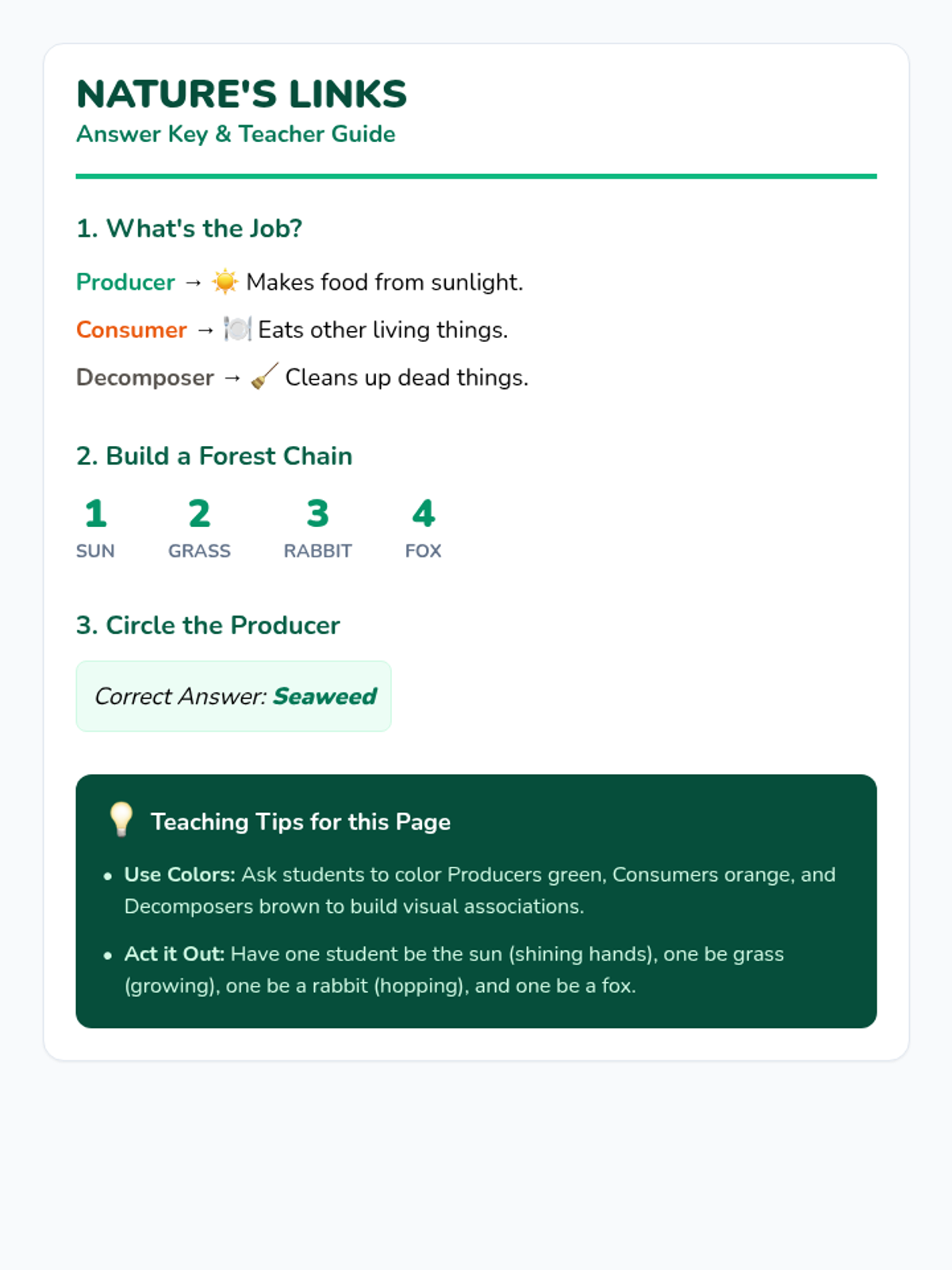
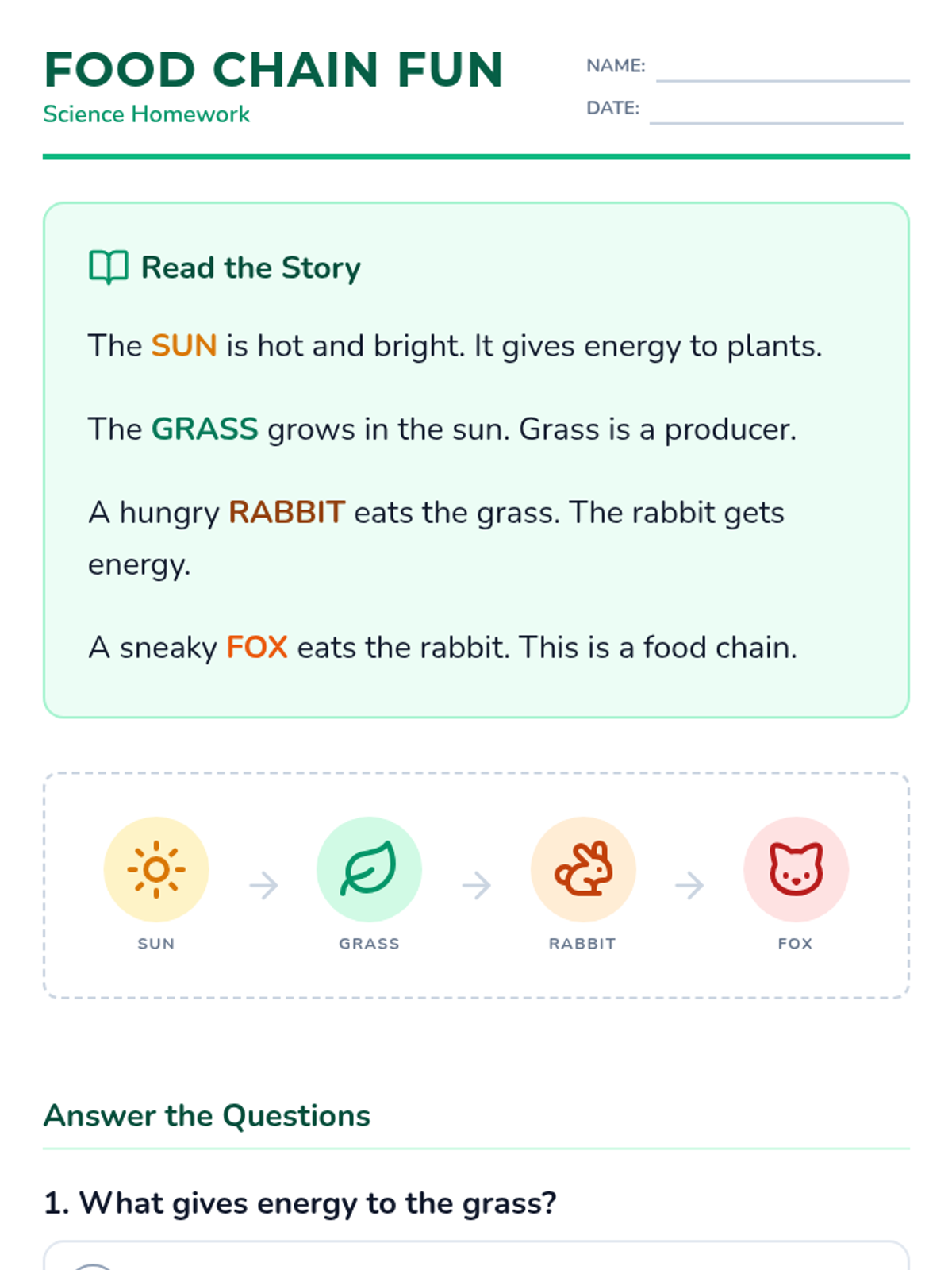
A foundational lesson on food chains across various ecosystems, specifically designed for special education students. Includes visual-heavy instruction on producers, consumers, and decomposers.
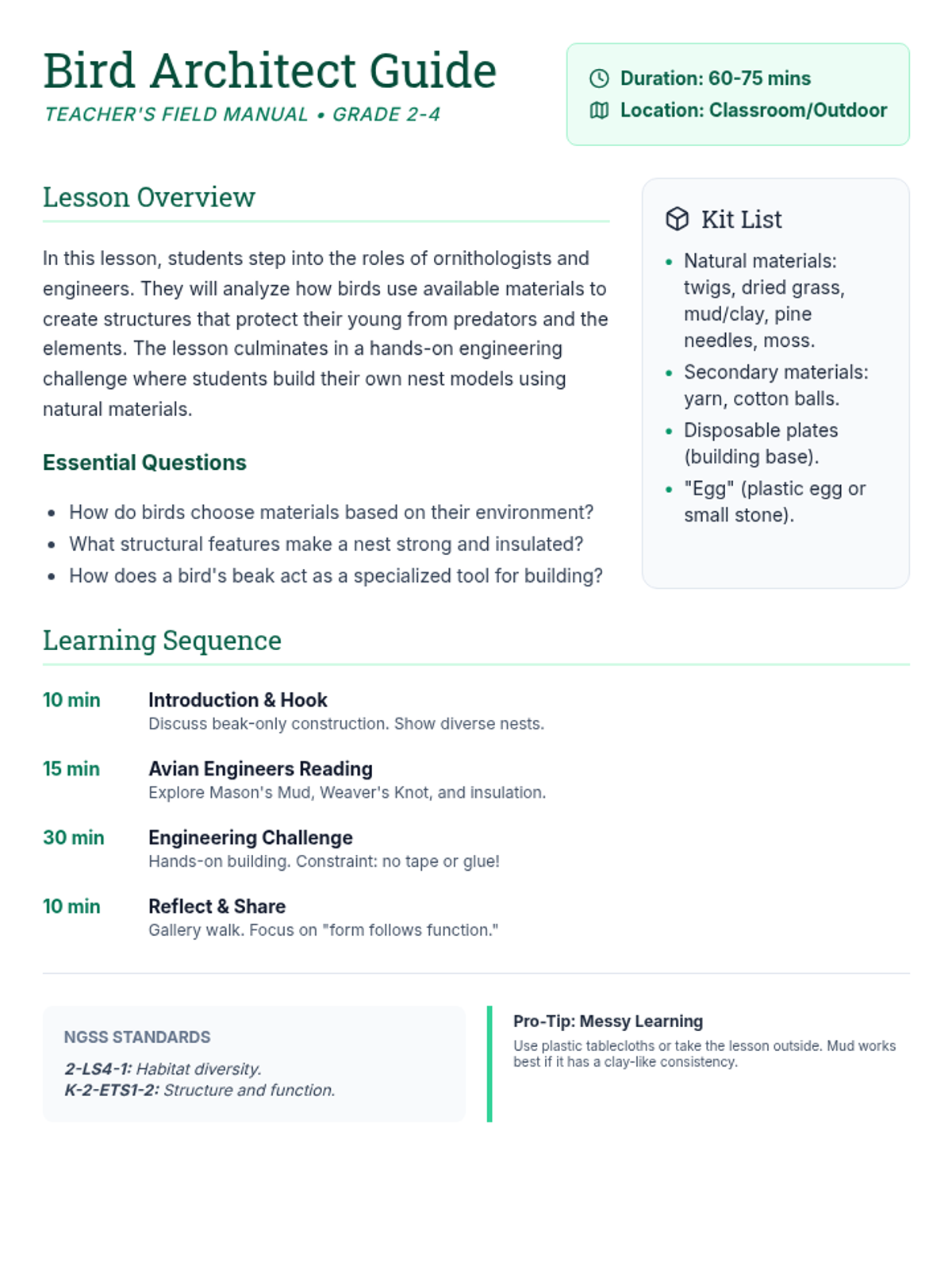
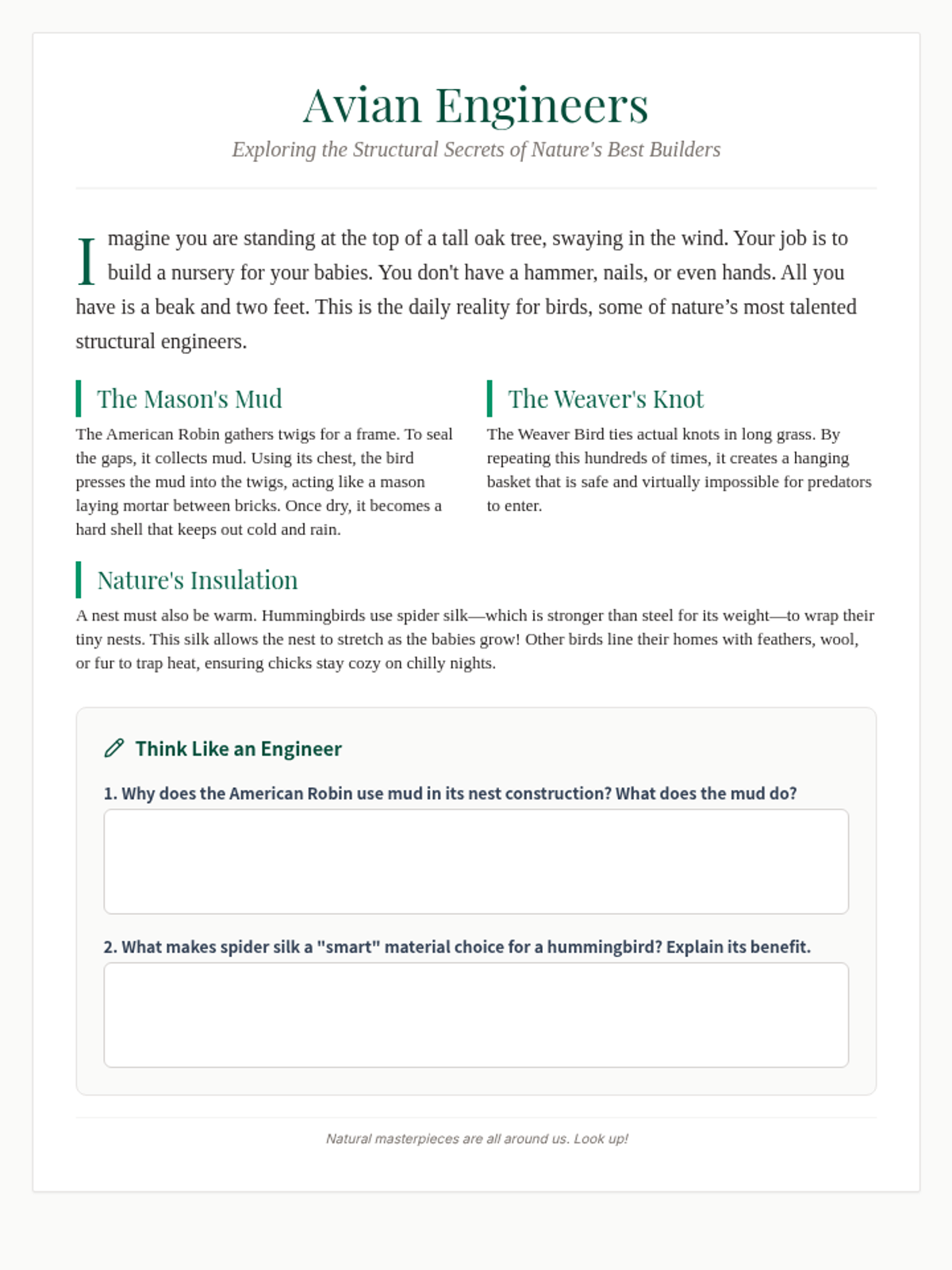
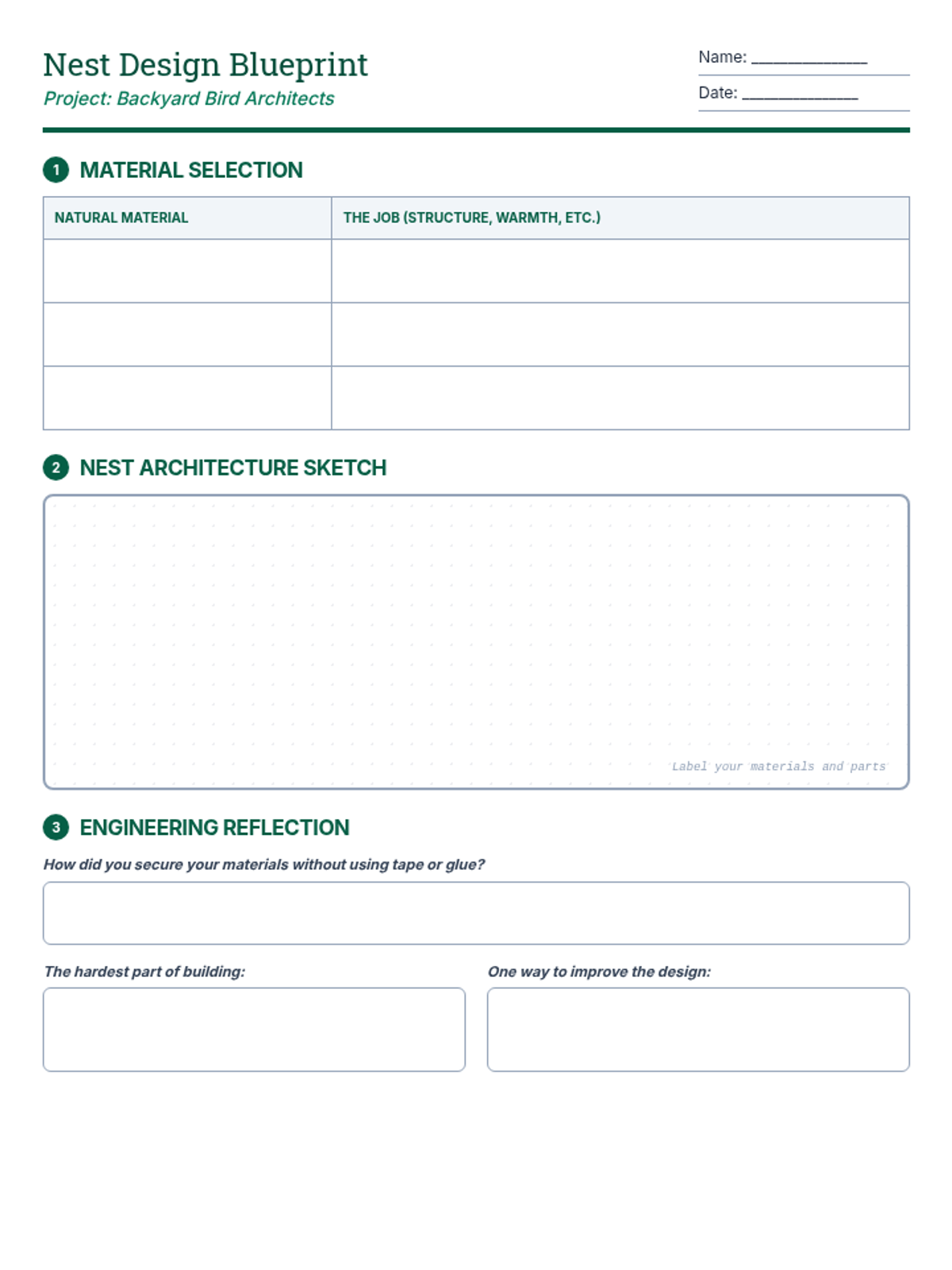
Students explore the engineering wonders of bird nests, observing local bird behavior and designing their own nest models using natural materials to understand animal adaptations and structural design.
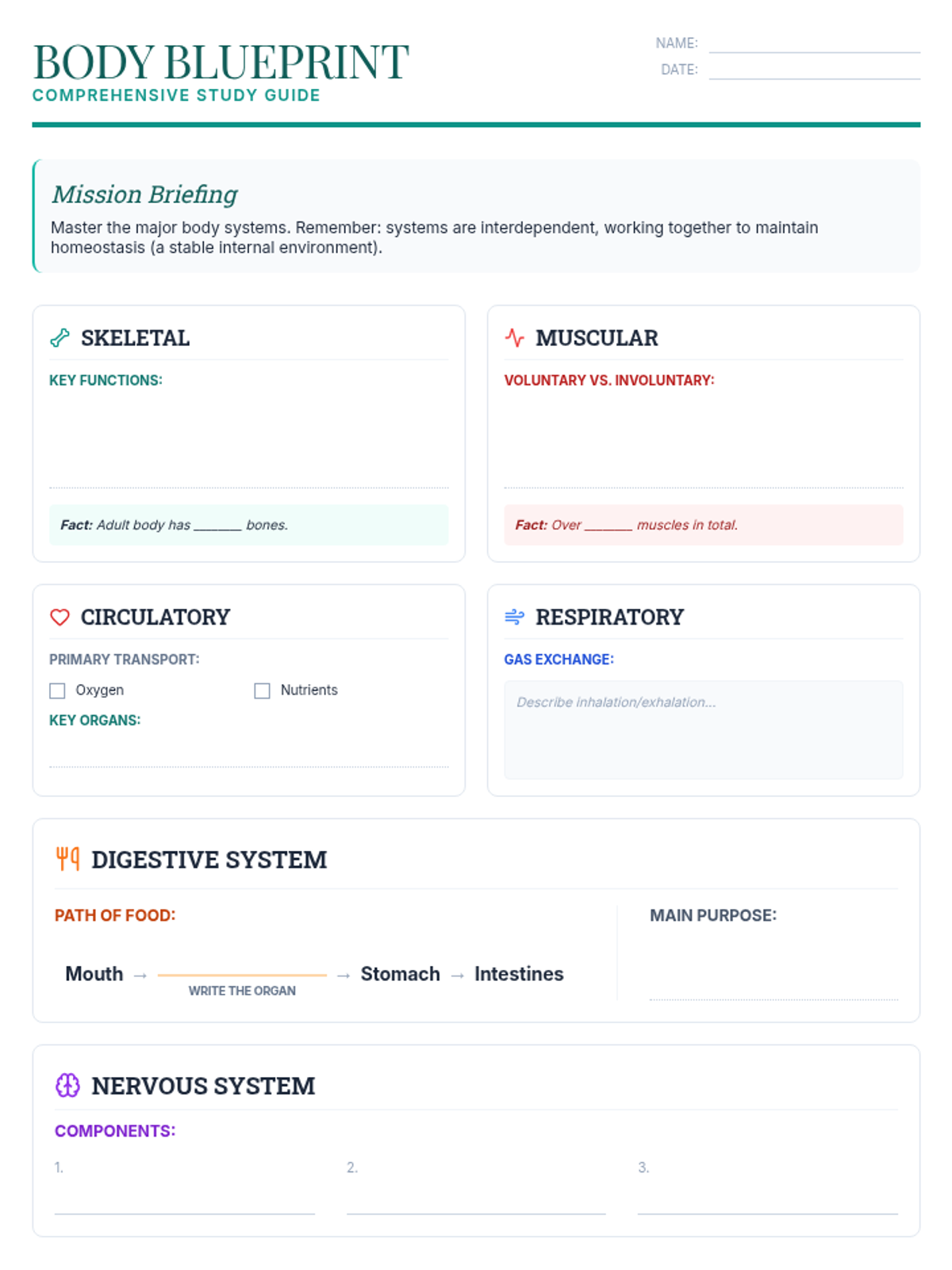
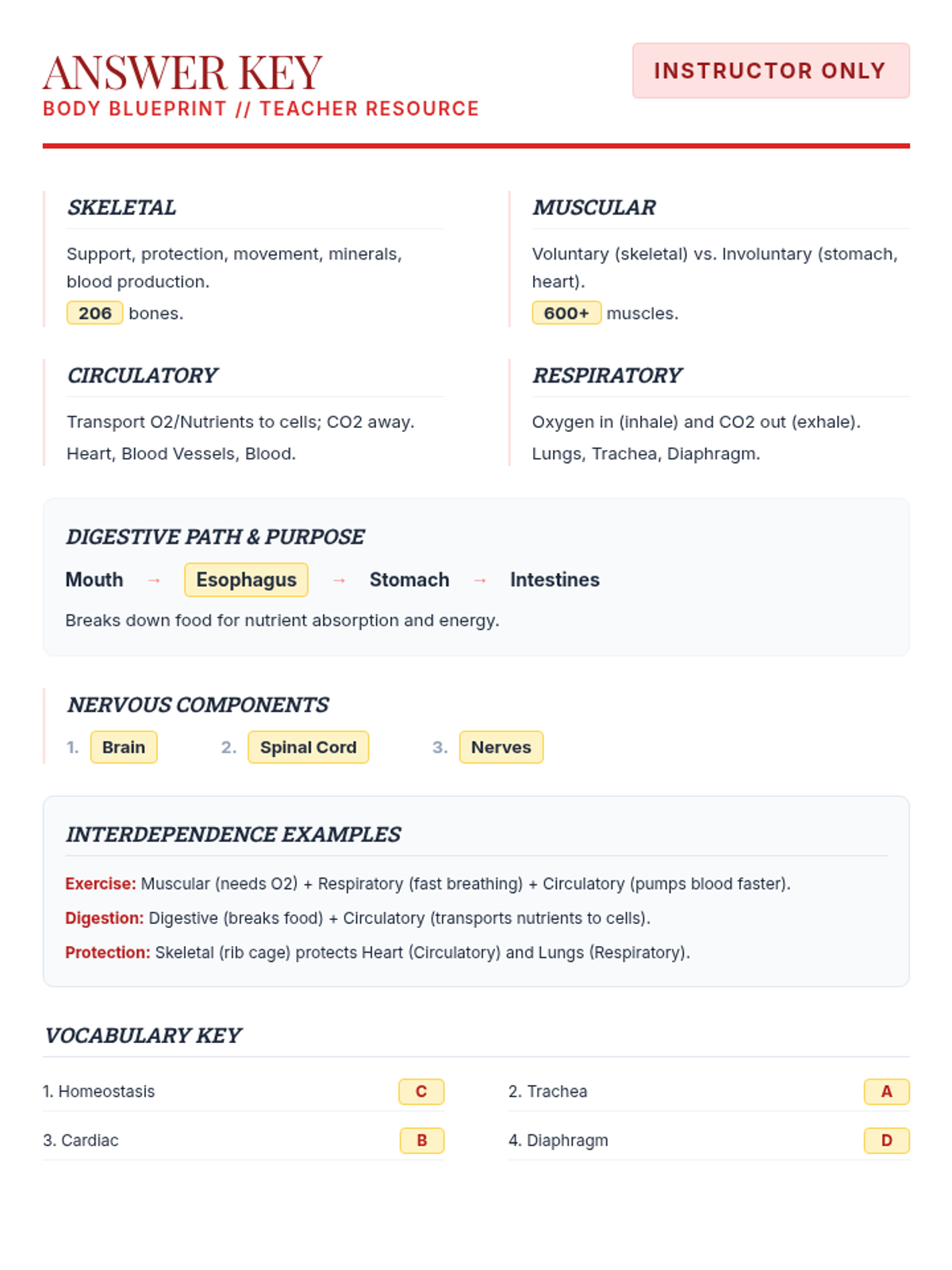
A comprehensive review of the major human body systems, focusing on their primary functions, key organs, and how they work together to maintain homeostasis.
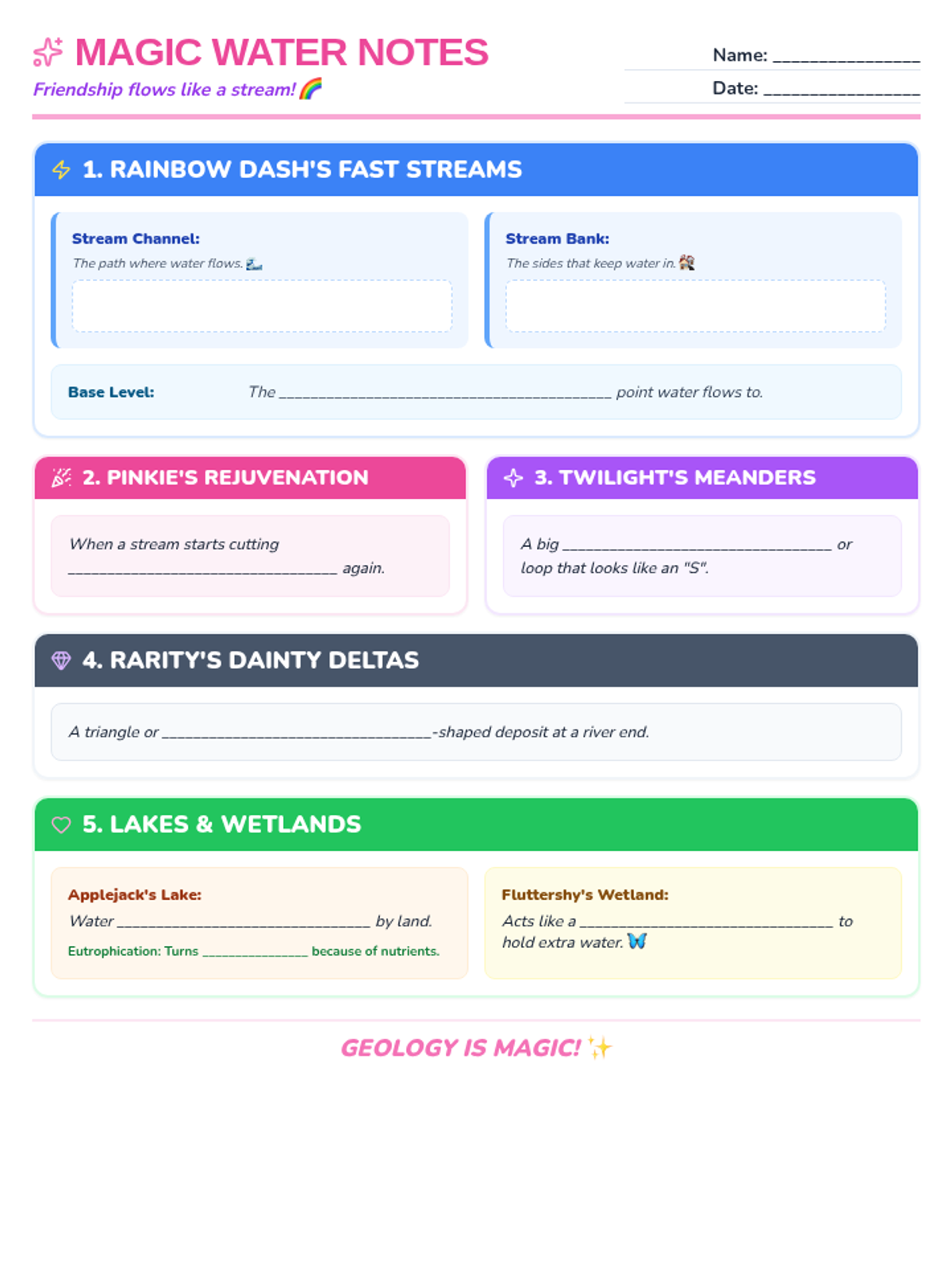
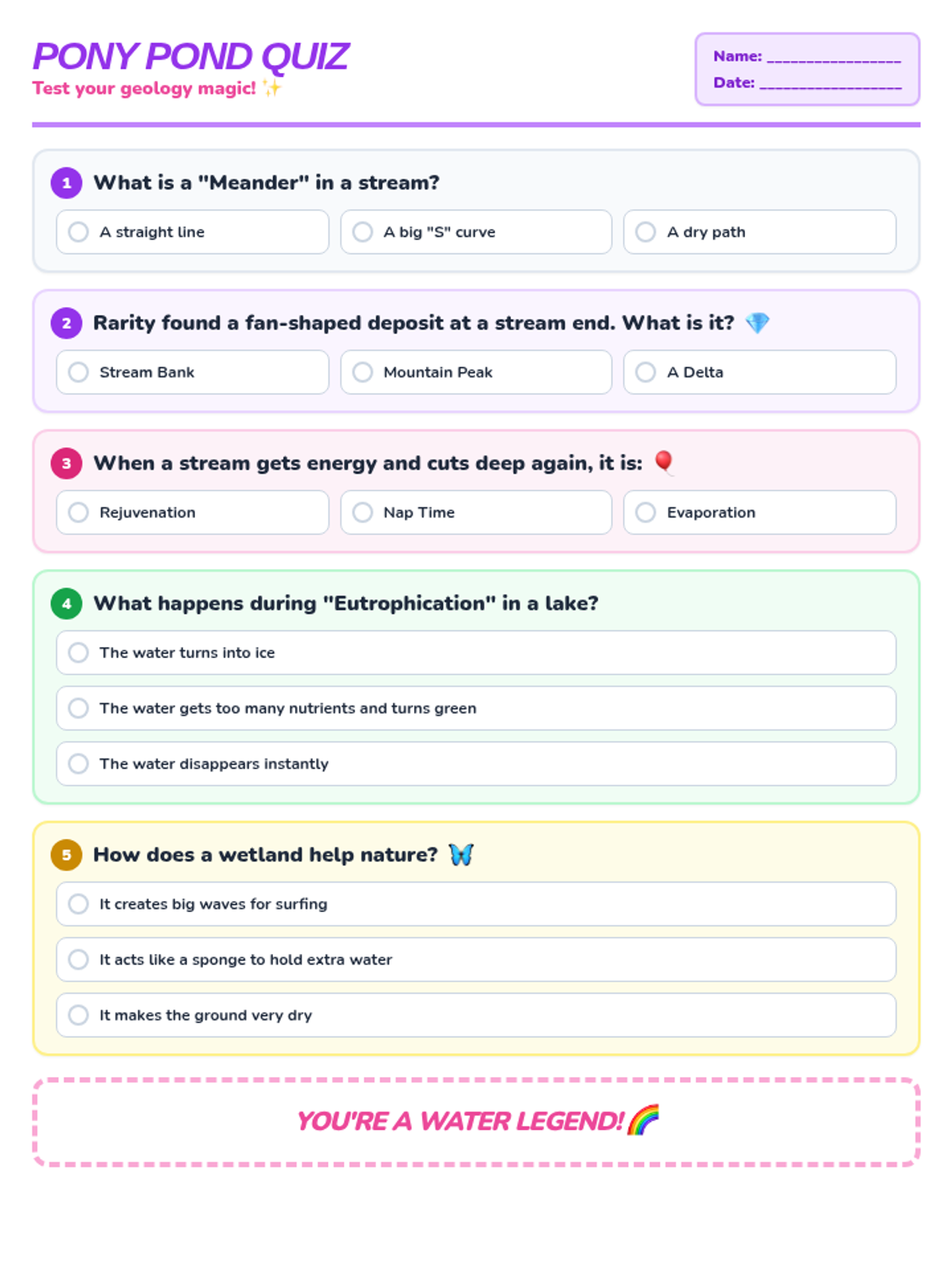
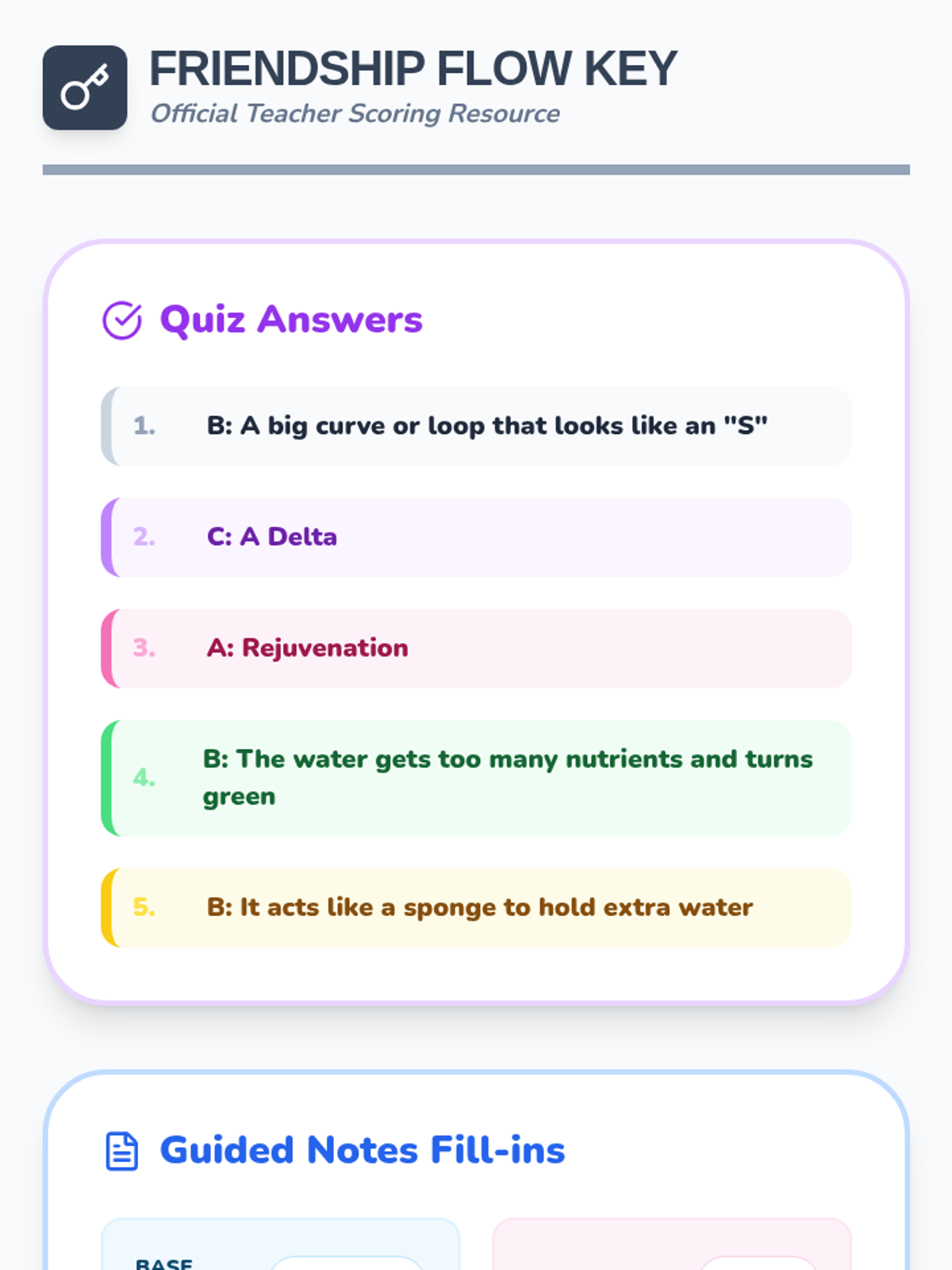
A lesson on surface water interactions with land, featuring My Little Pony characters to explain streams, lakes, and wetlands. Students learn key geological terms through simple bullet points and visual support.
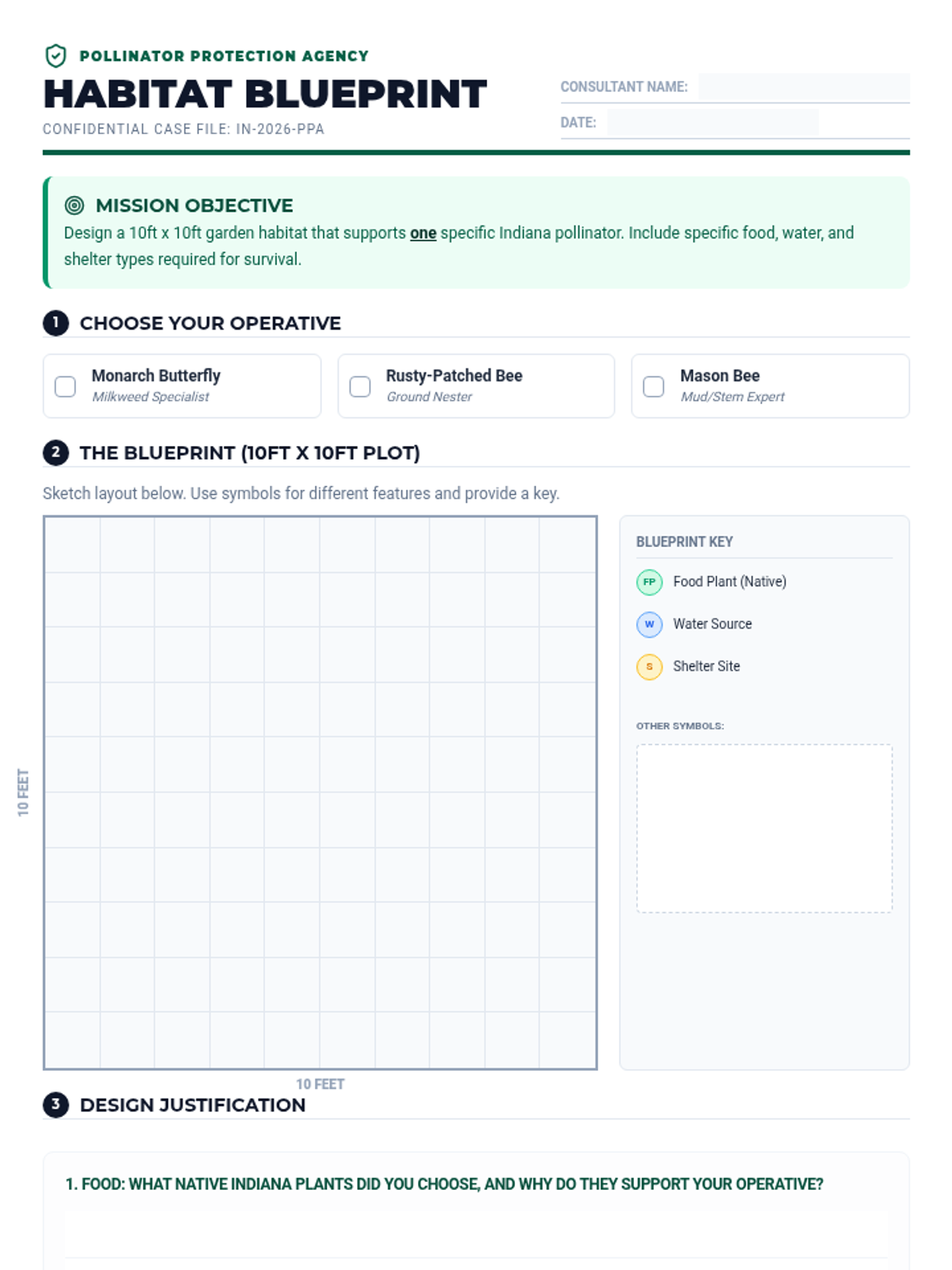
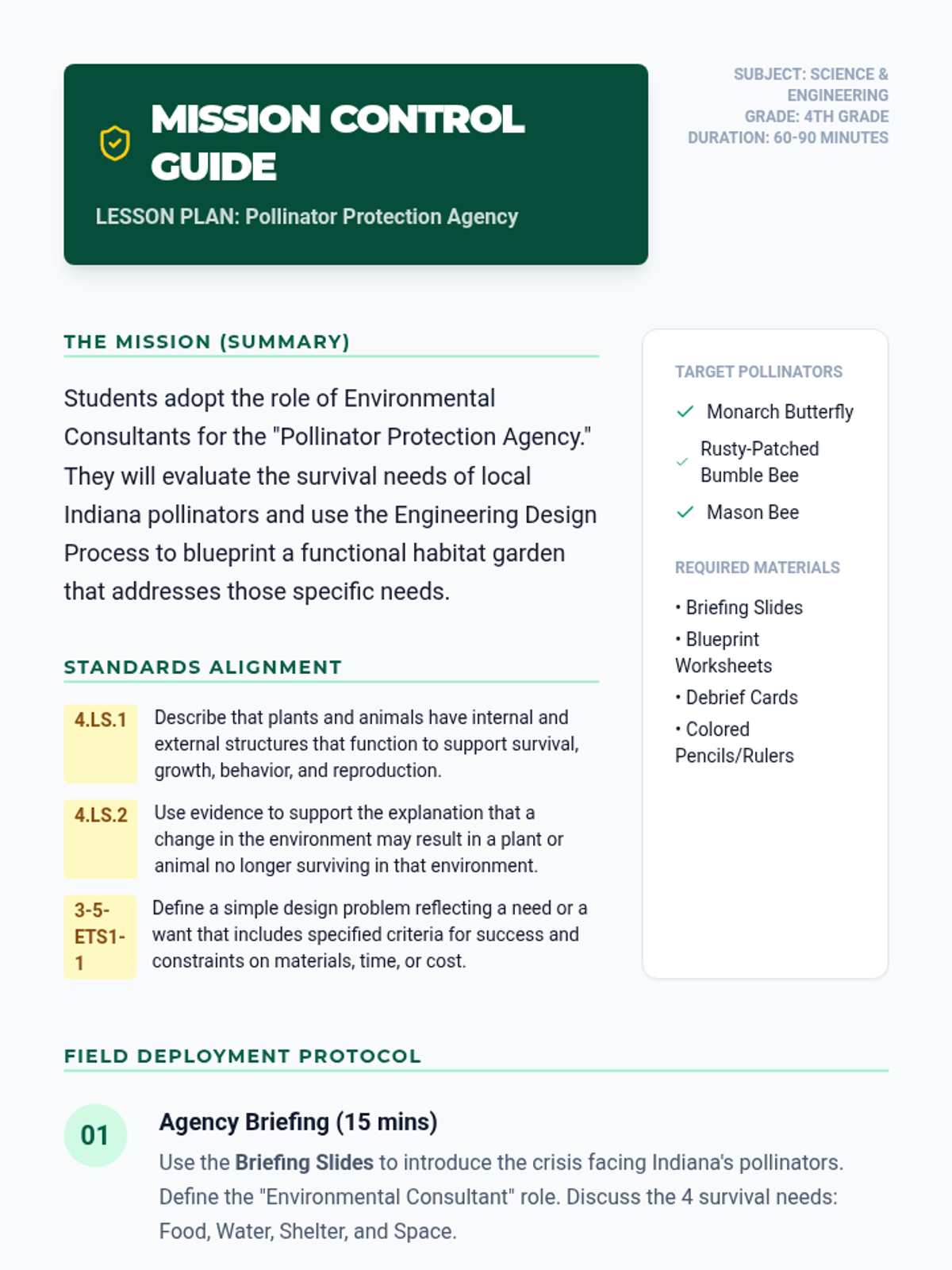
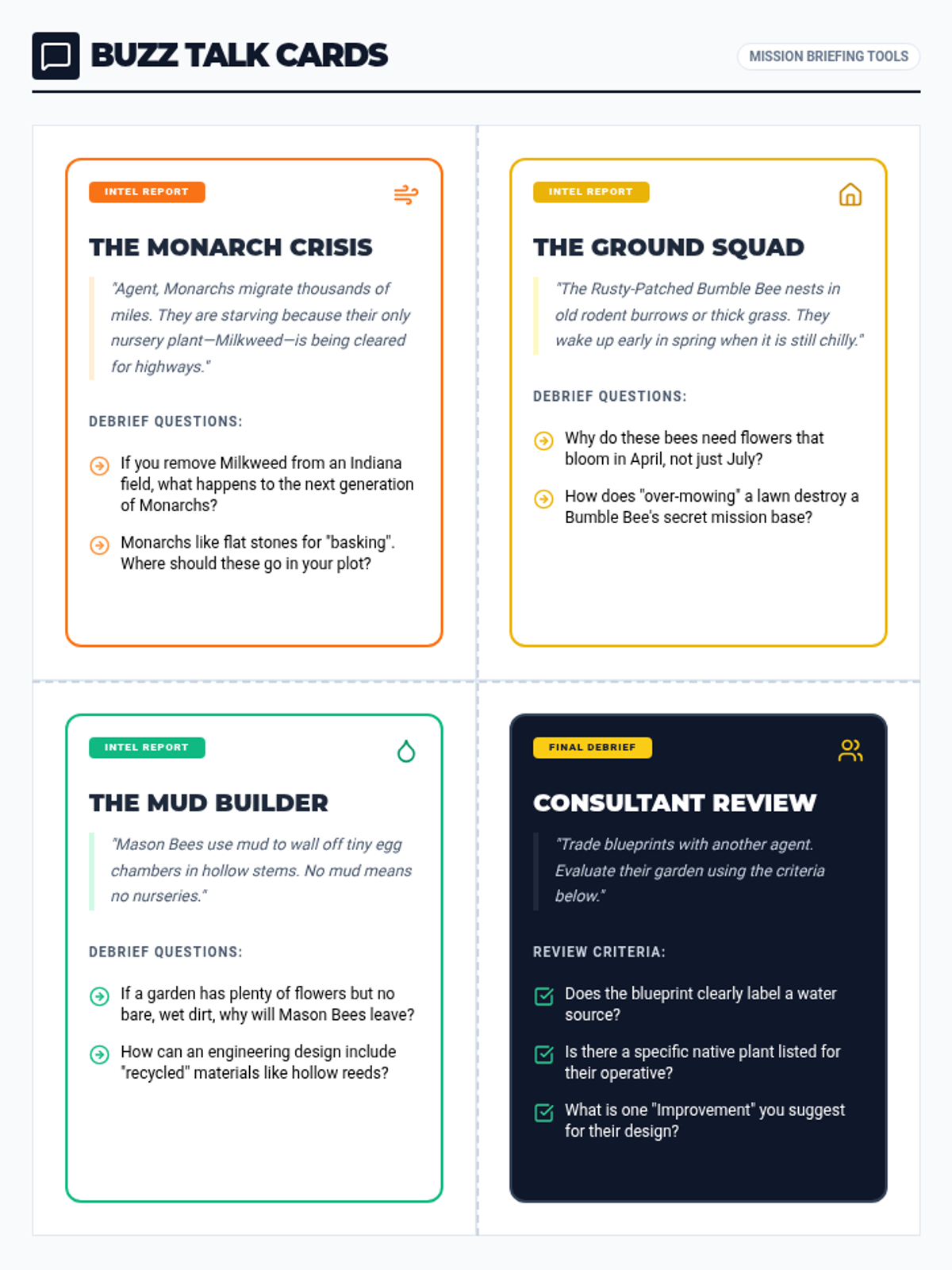
A 4th-grade science and engineering lesson where students become environmental consultants for the 'Pollinator Protection Agency' to design habitats for native Indiana bees and butterflies.
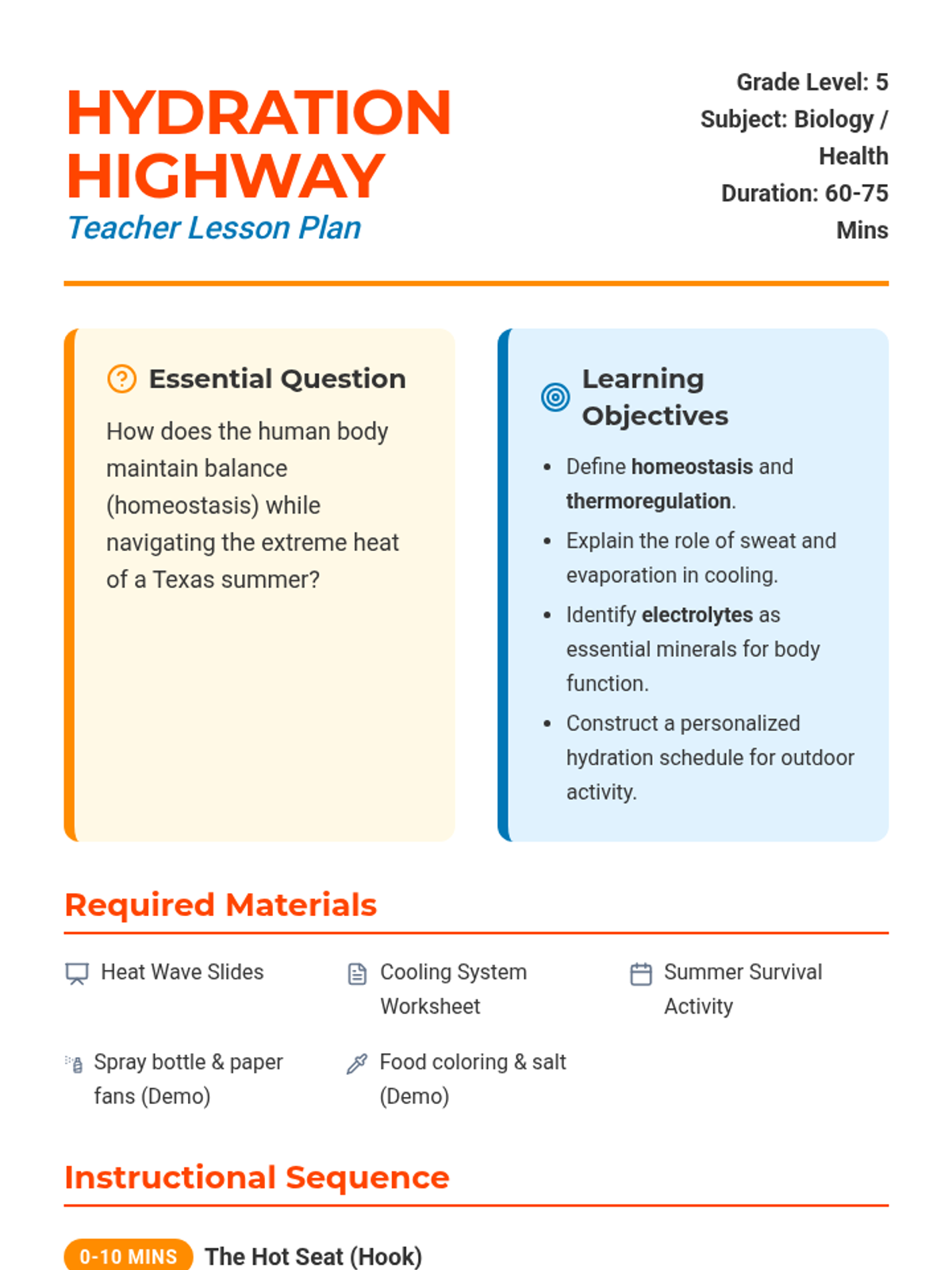
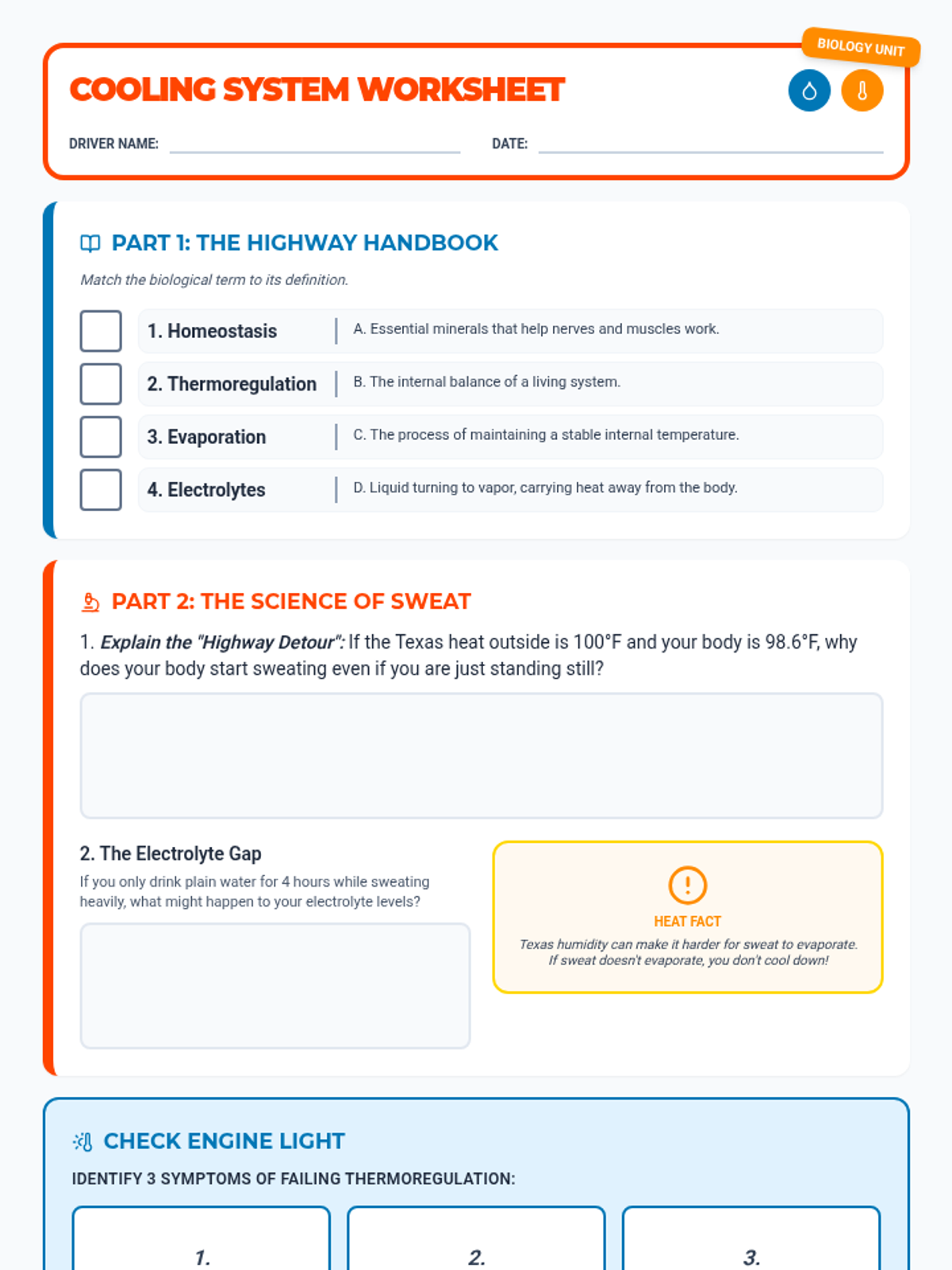
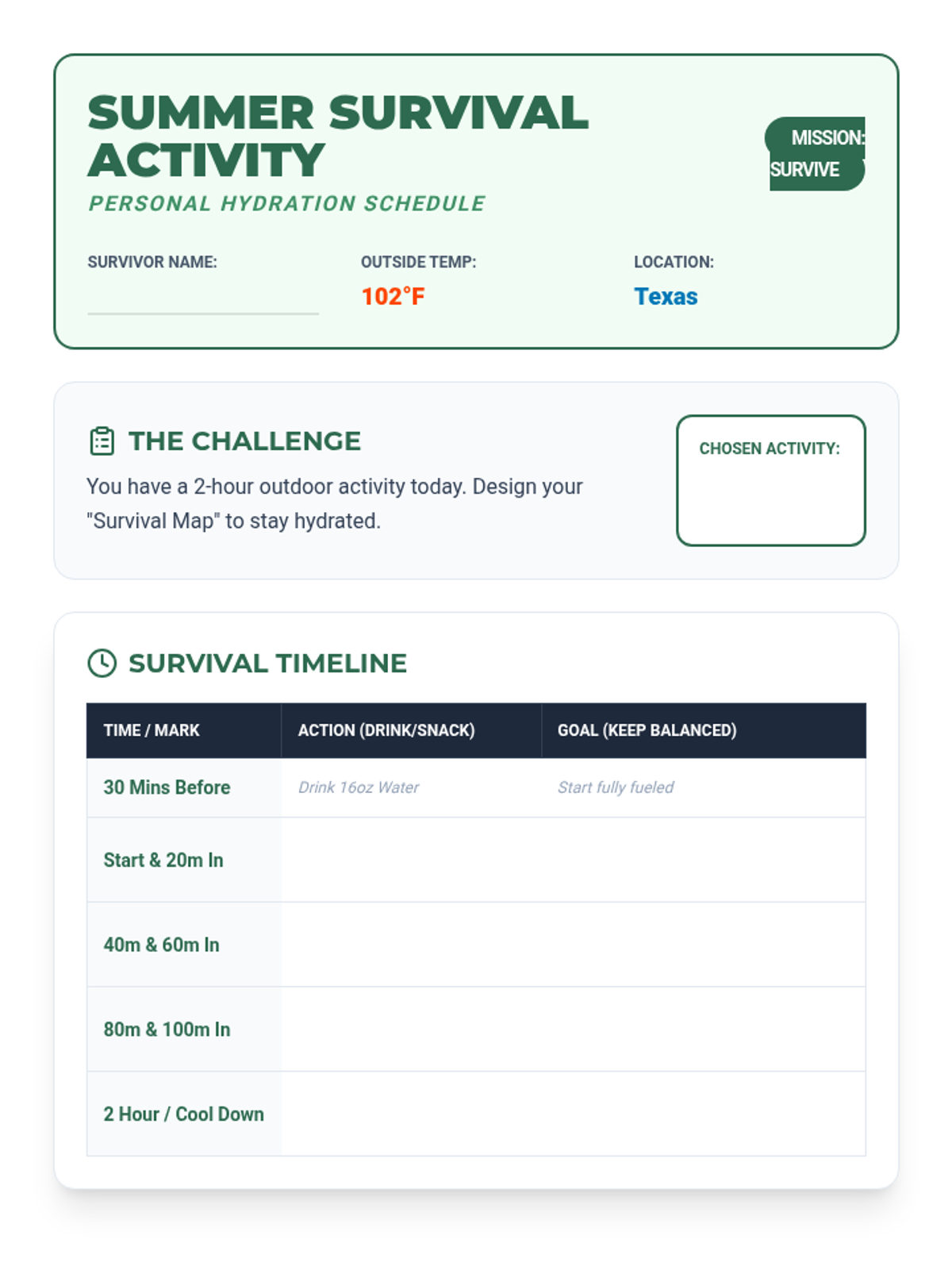
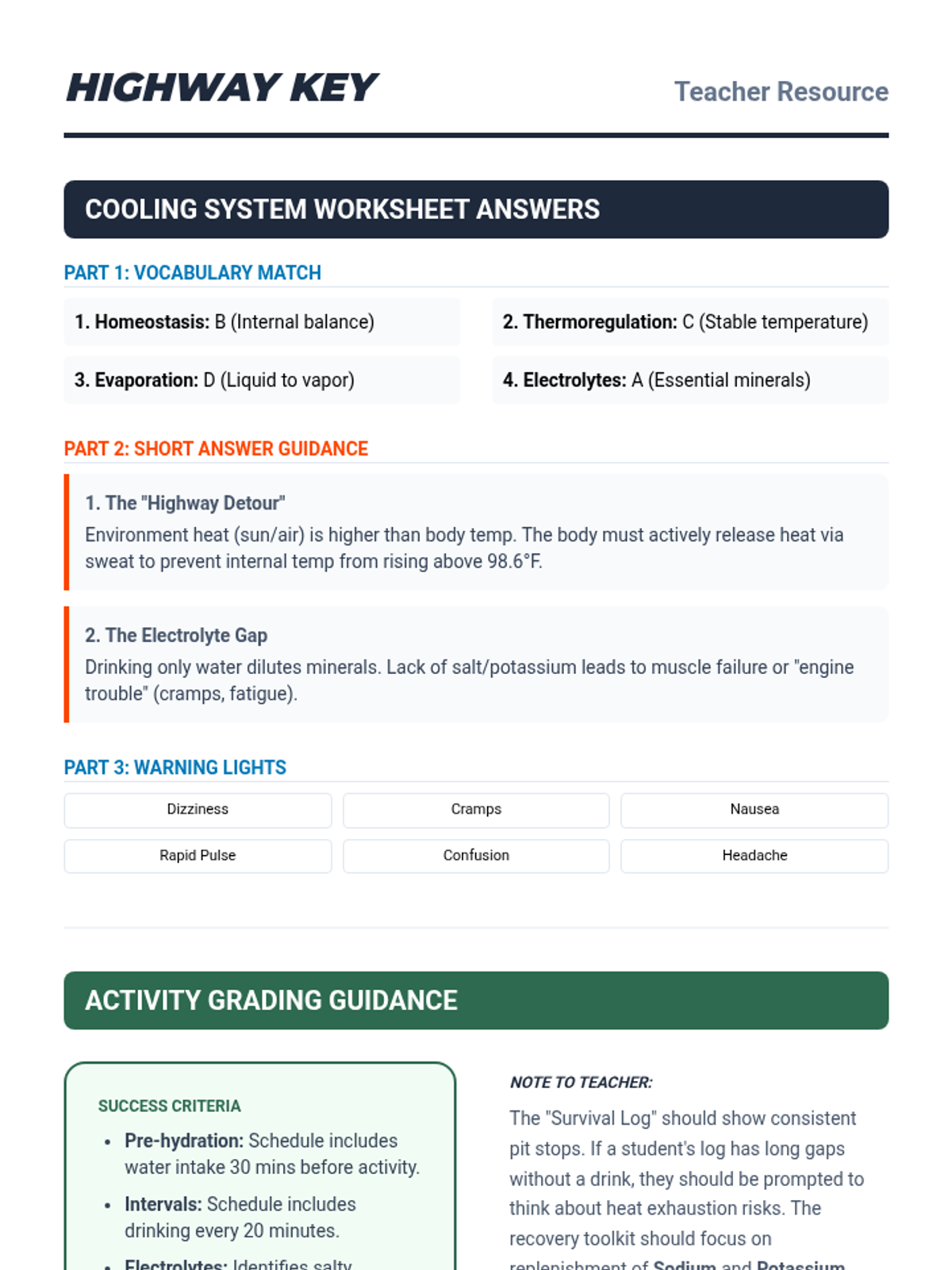
A biology and health lesson where students explore thermoregulation and hydration. They learn how the body stays cool in the Texas heat and design personal hydration plans to maintain homeostatic balance.
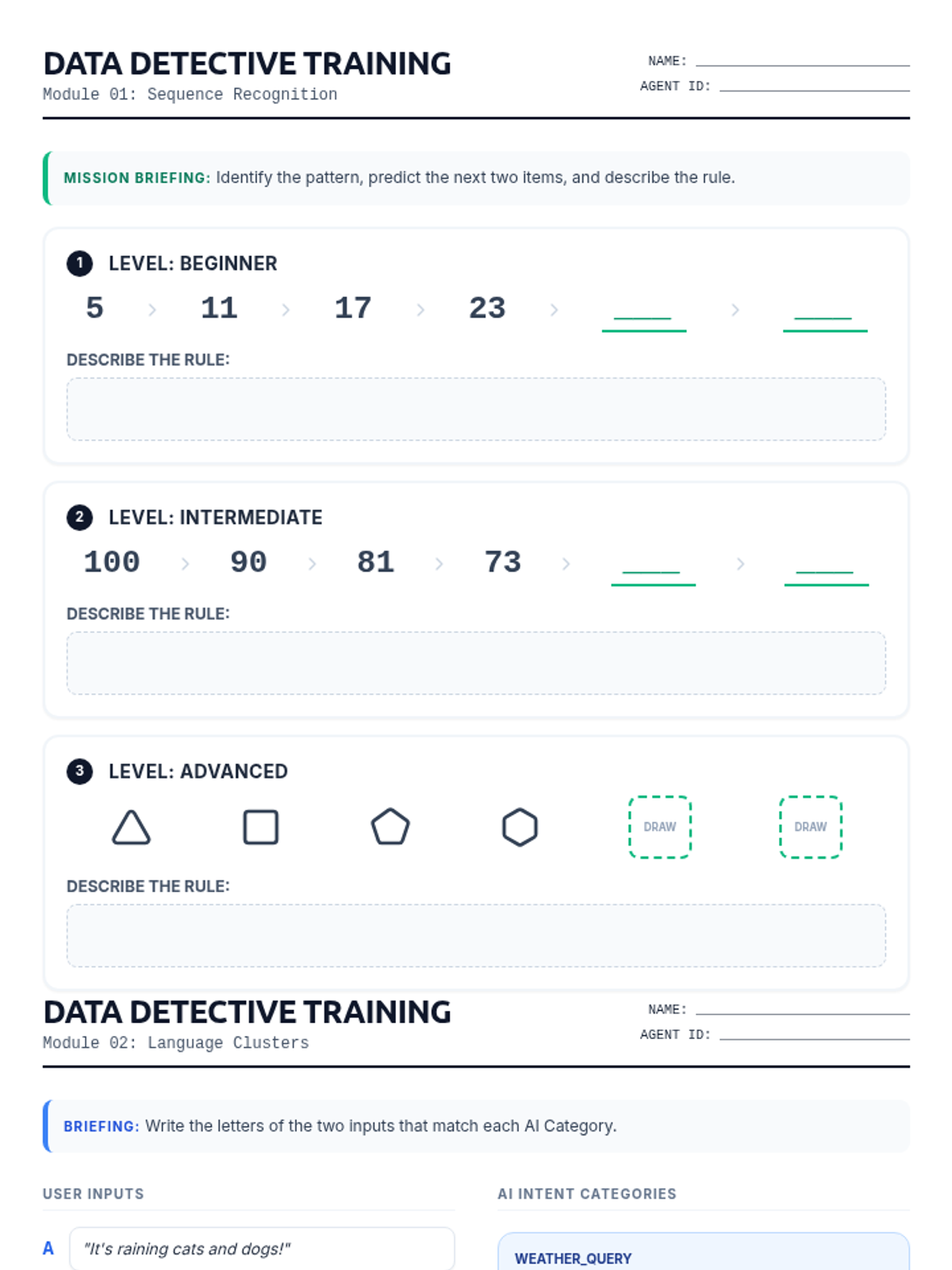
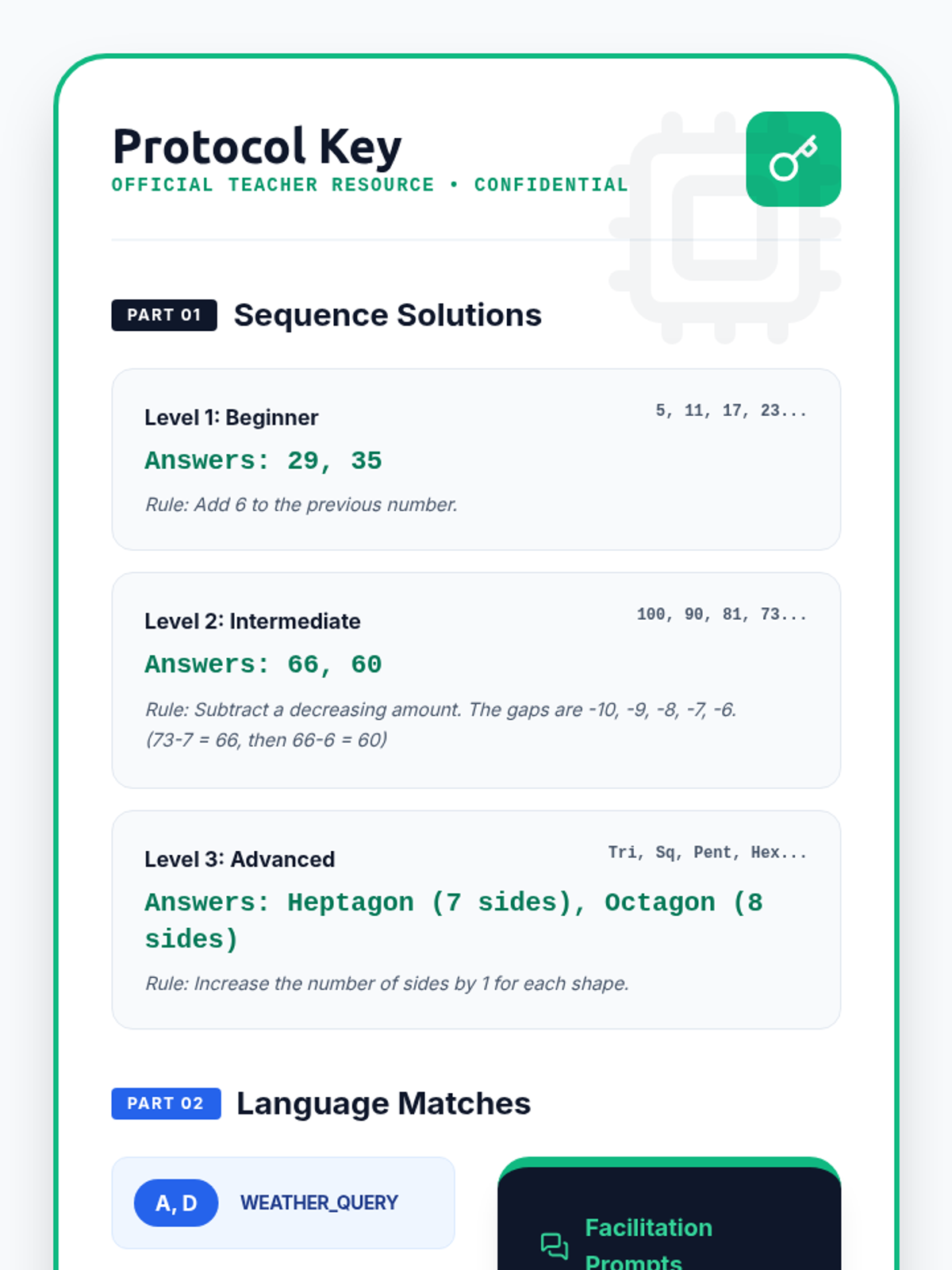
Students explore how AI uses pattern recognition to predict sequences and understand human language through hands-on logic puzzles and guided discussion.
A simplified science lesson on food chains designed for 8th-grade students with severe disabilities, focusing on basic energy flow from sun to predator.
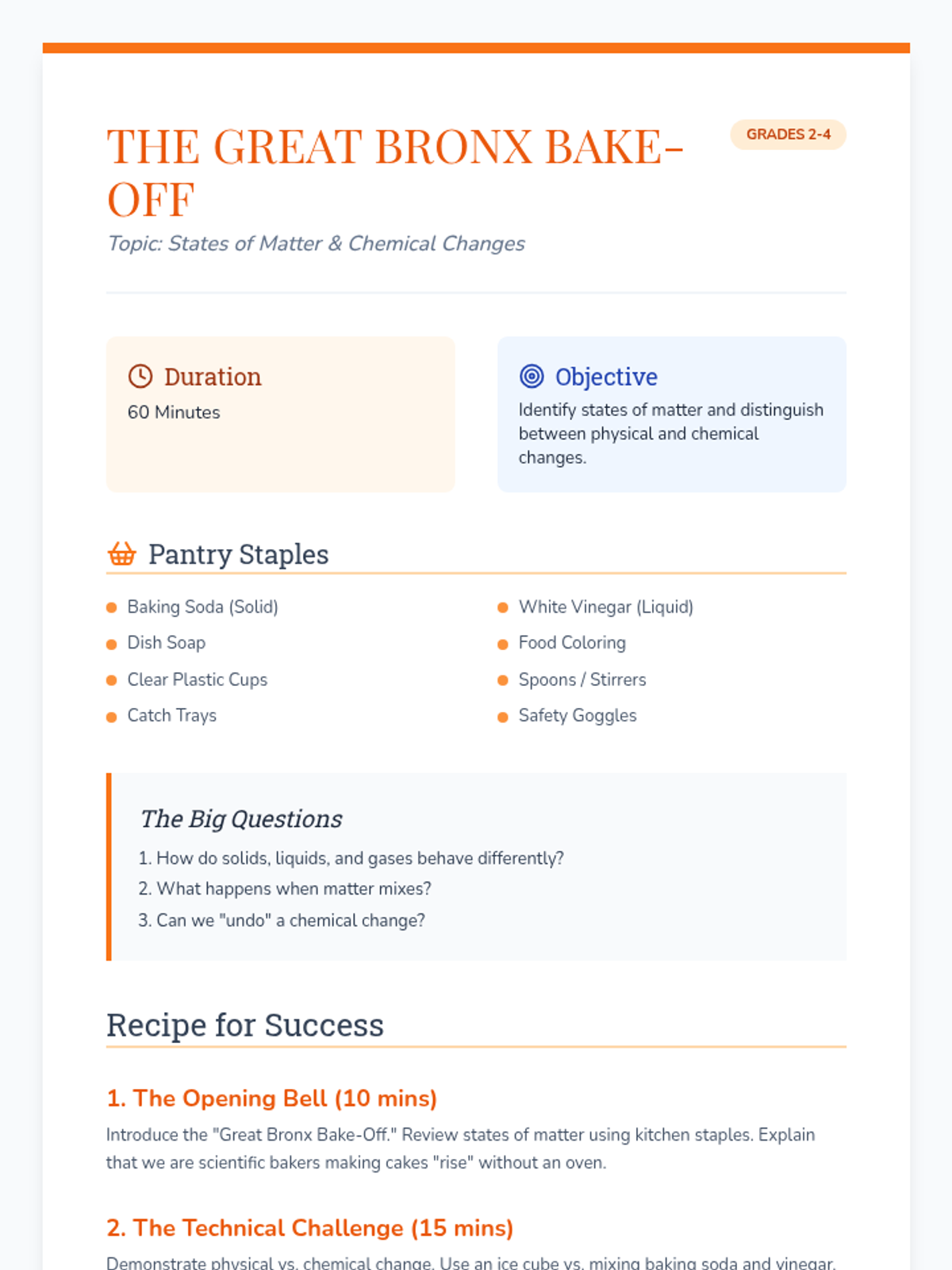
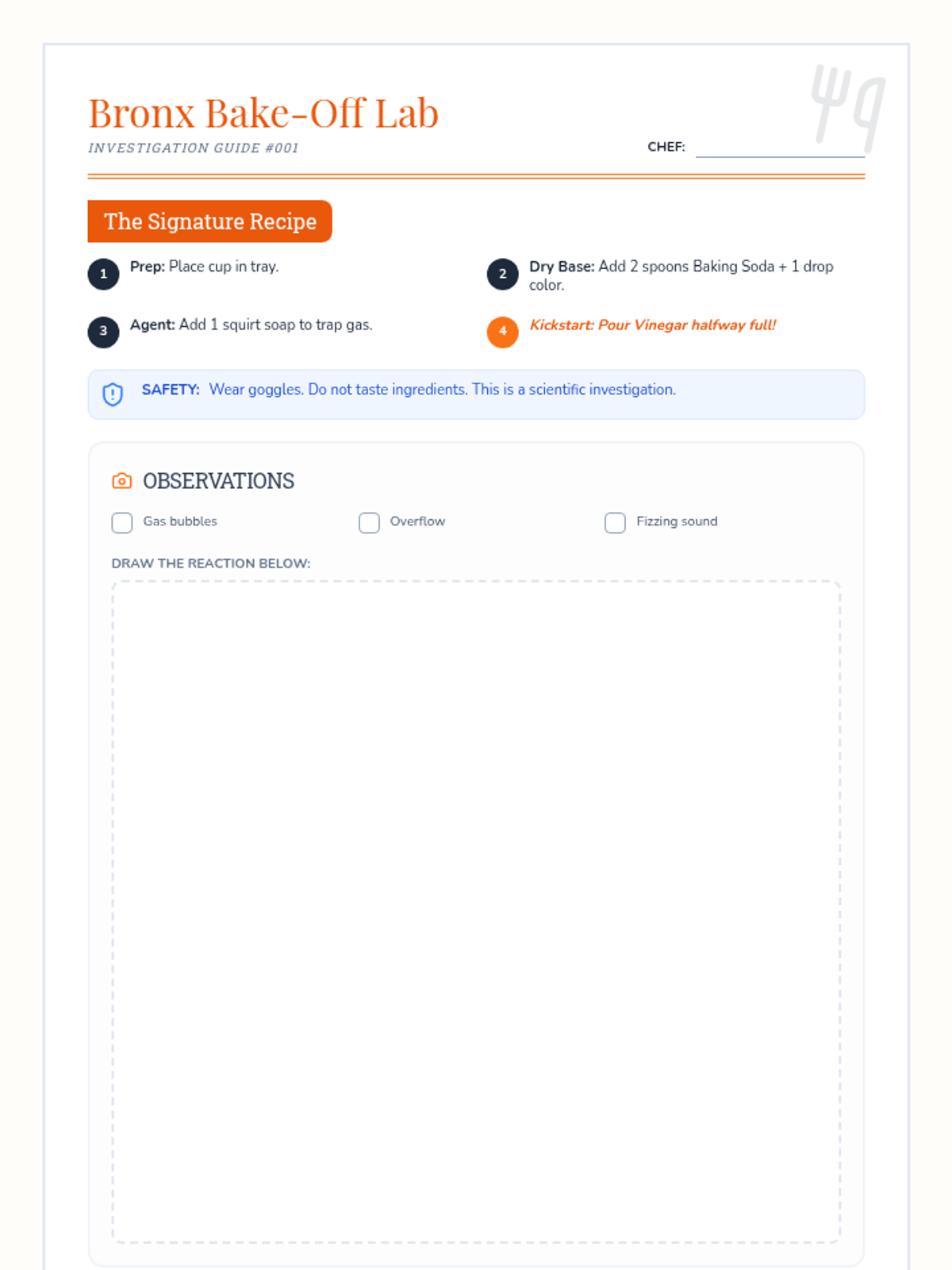
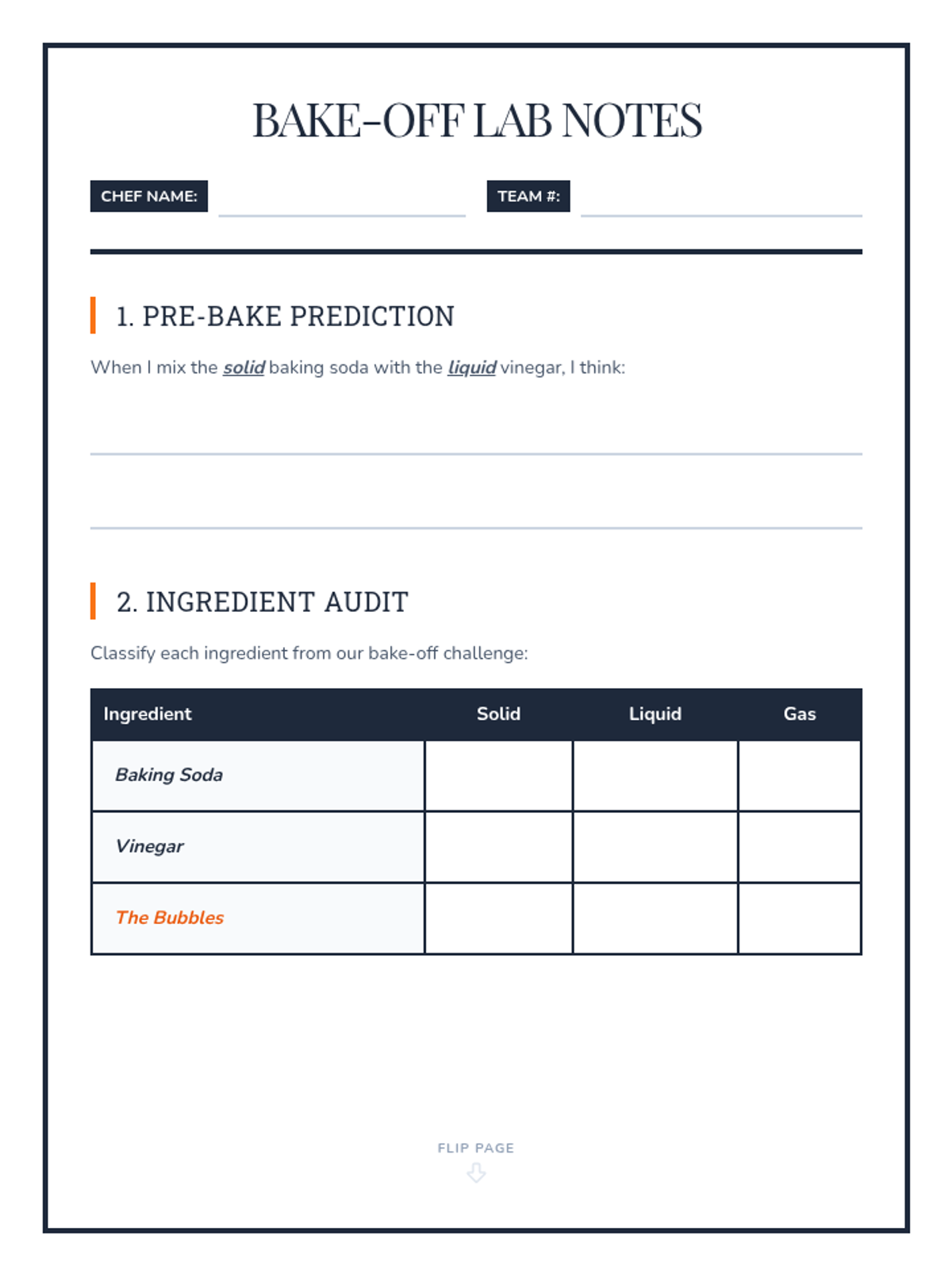
In this kitchen science inquiry, students investigate the three states of matter and observe chemical reactions by creating 'fizzing cakes' using baking soda and vinegar. They explore reversible and irreversible changes while competing in a simulated Bronx-style bake-off challenge.
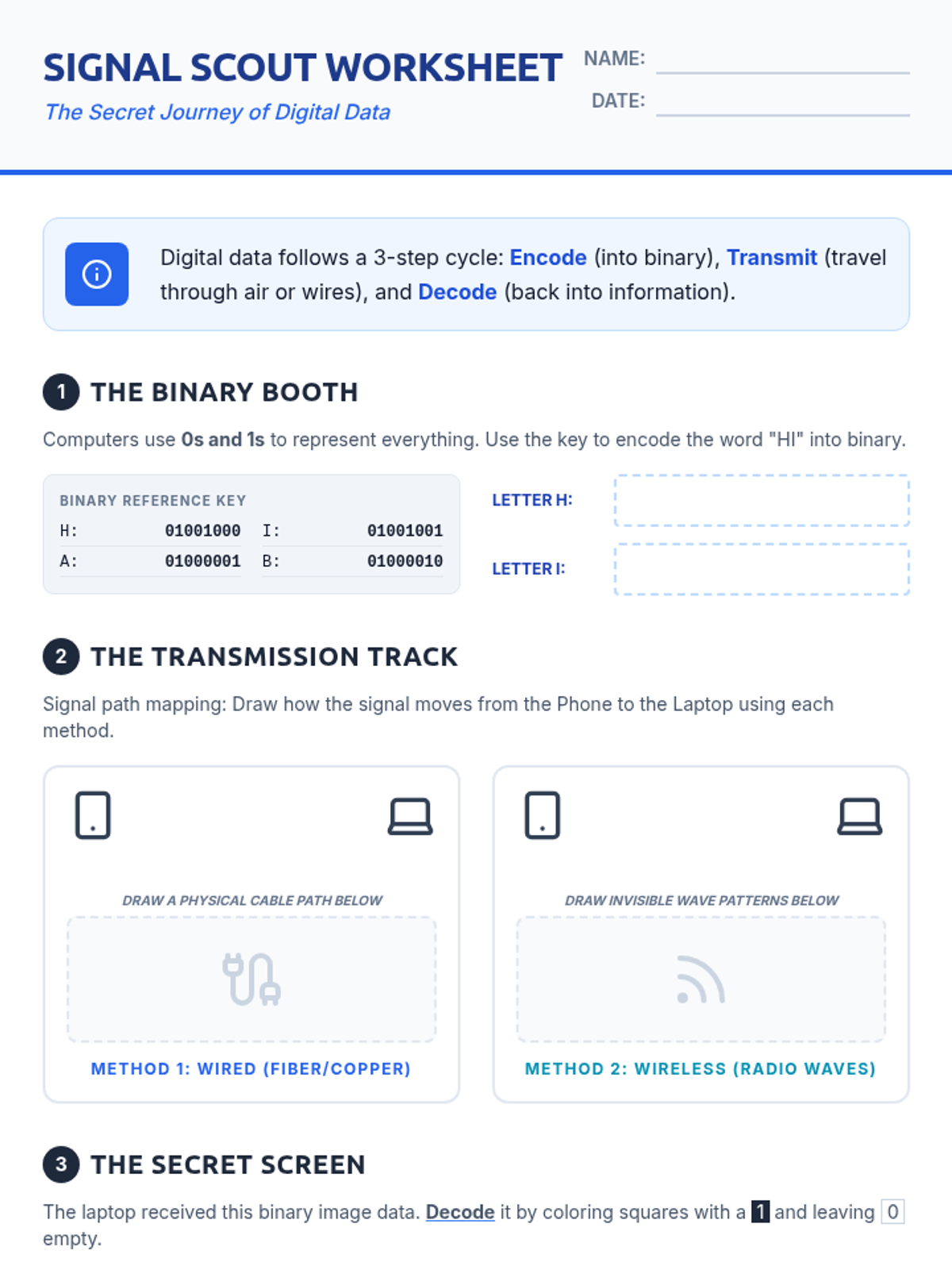
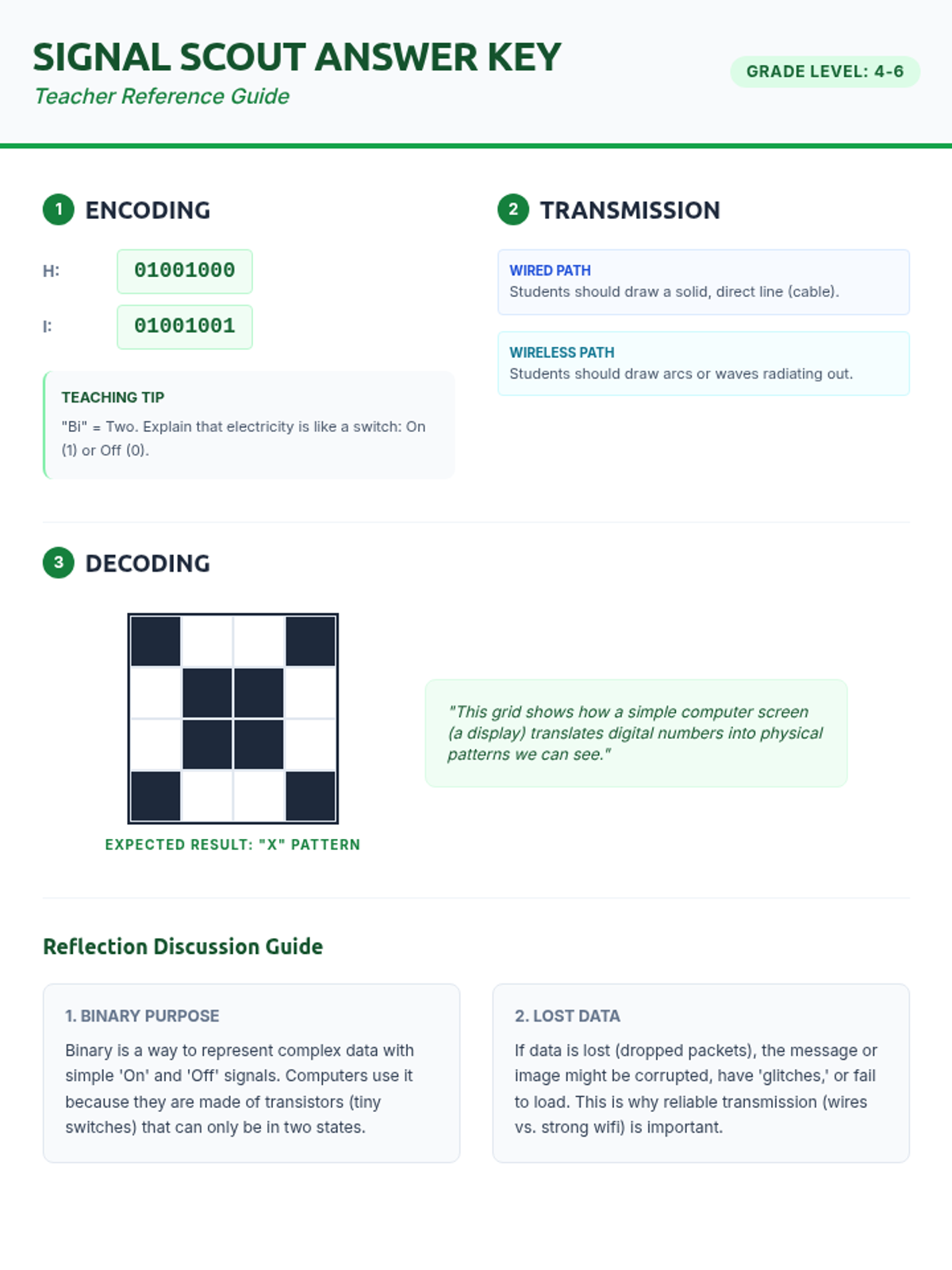
A hands-on lesson where students explore the journey of digital data, from encoding letters into binary to transmitting signals through wires or air, and finally decoding them back into information.
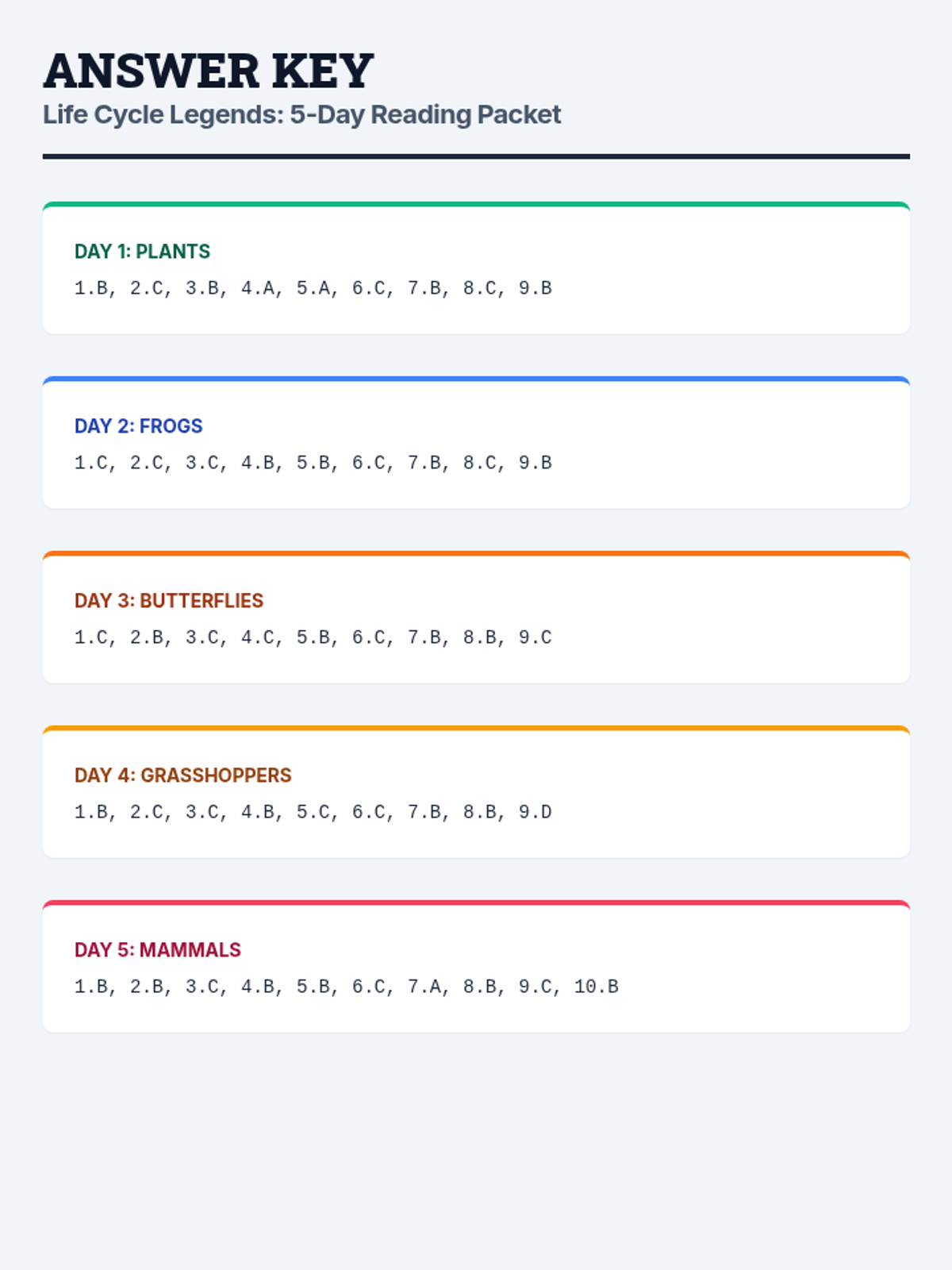
The answer key for all five days of the life cycle reading packet.
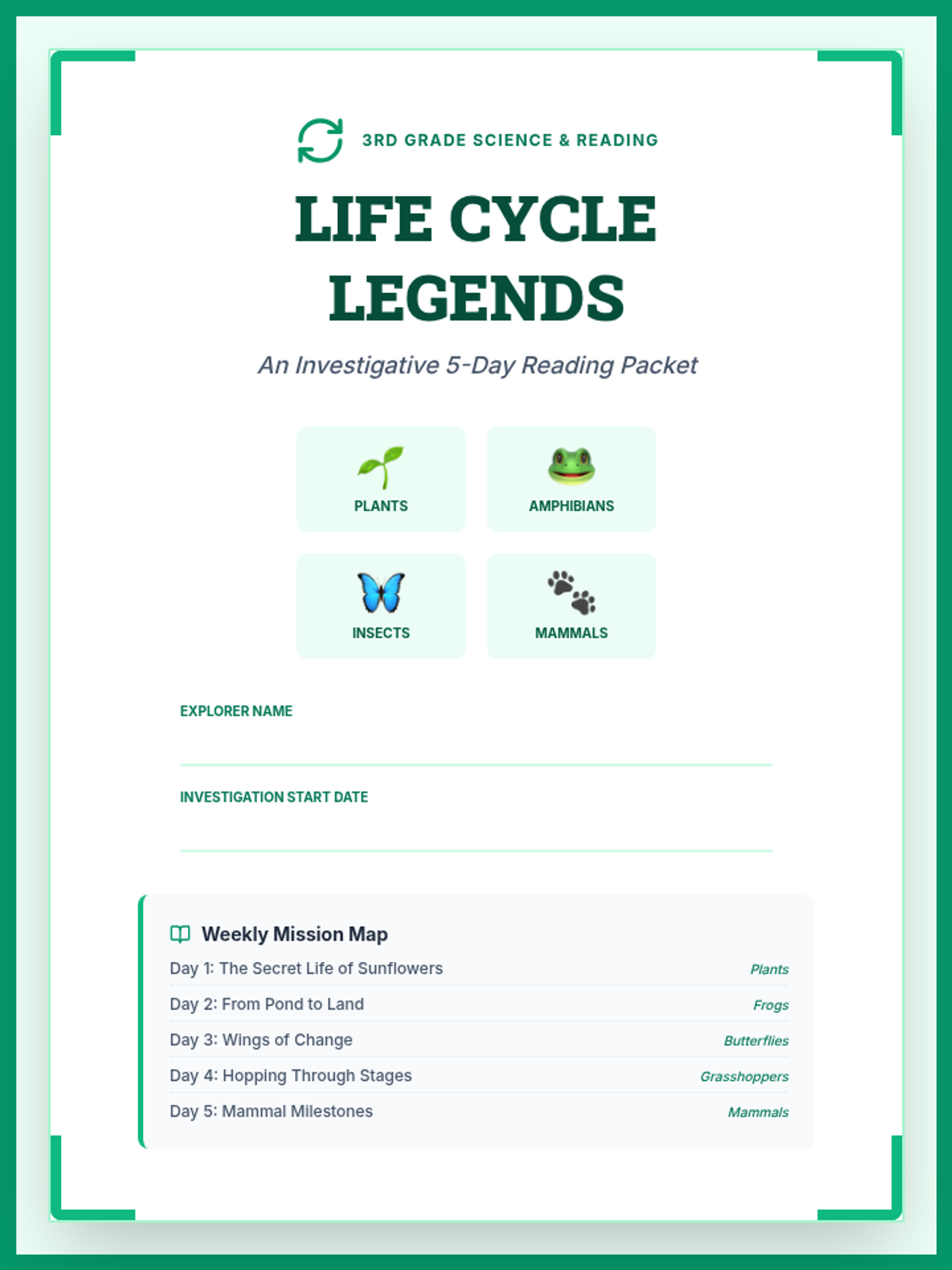
Introduction and reference materials for the Life Cycle Legends packet.
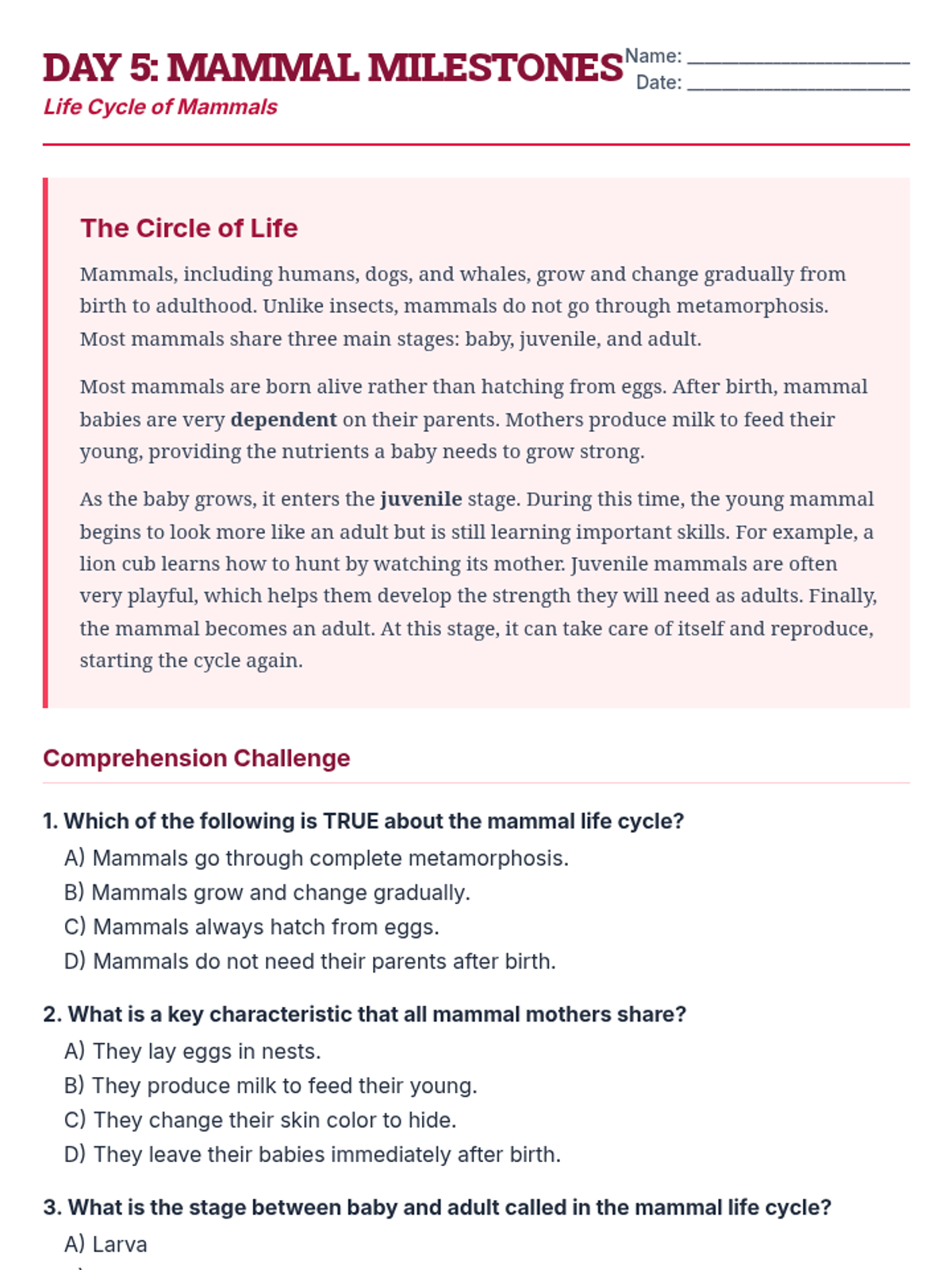
Day 5 examines the life cycle of mammals, focusing on birth, growth, and reproduction.
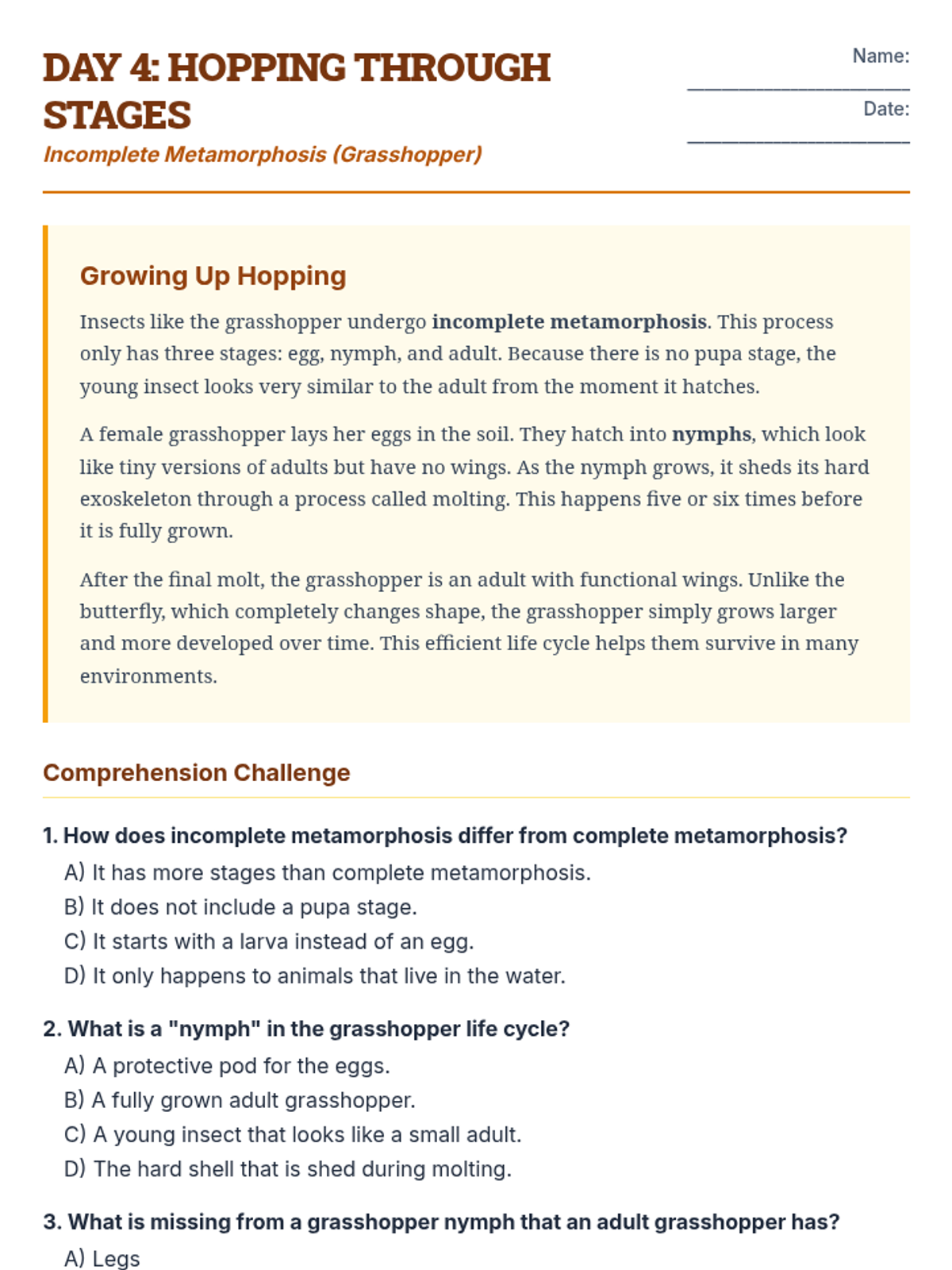
Day 4 compares incomplete metamorphosis using the grasshopper's life cycle.
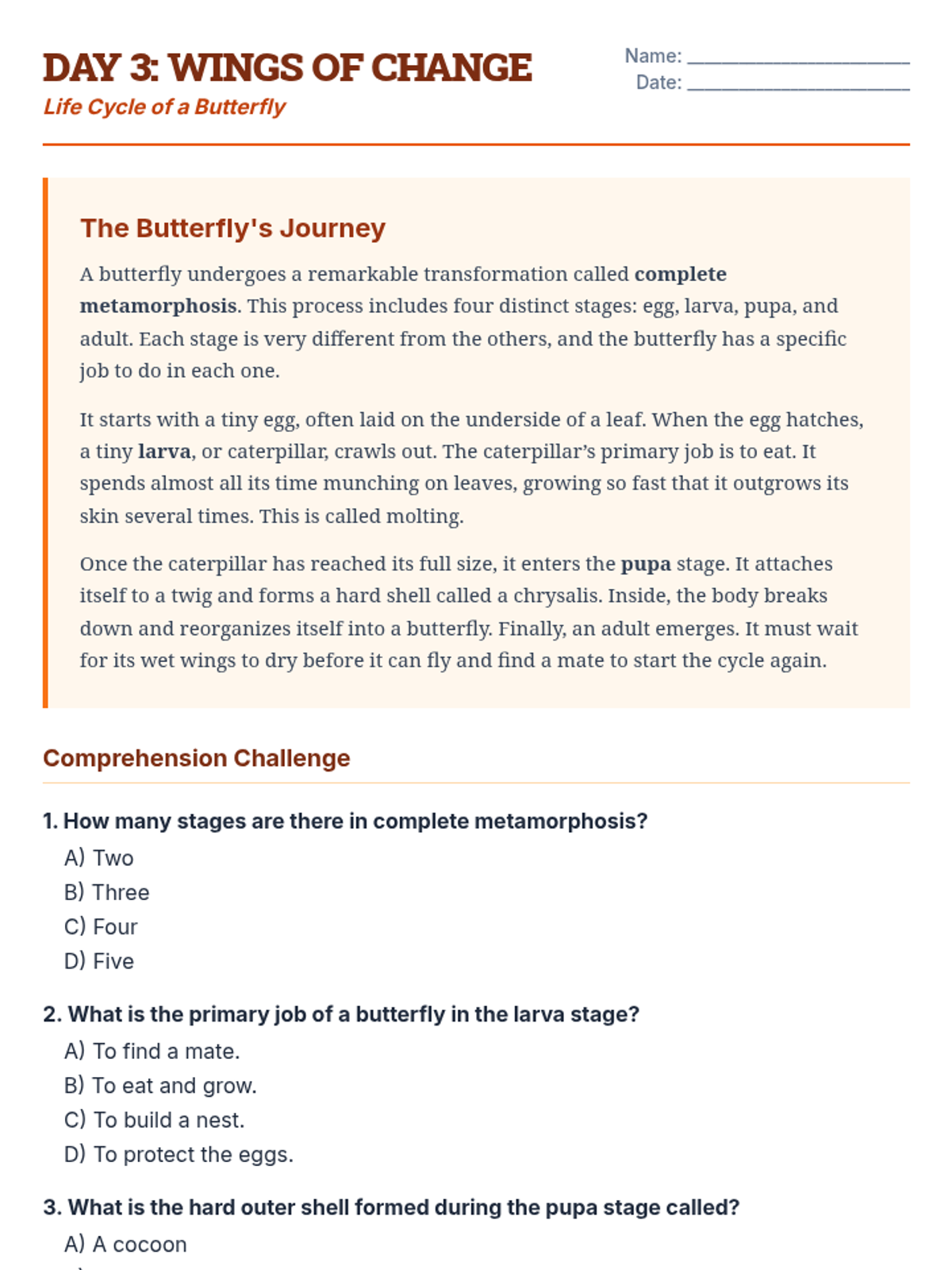
Day 3 covers complete metamorphosis through the life cycle of a butterfly.
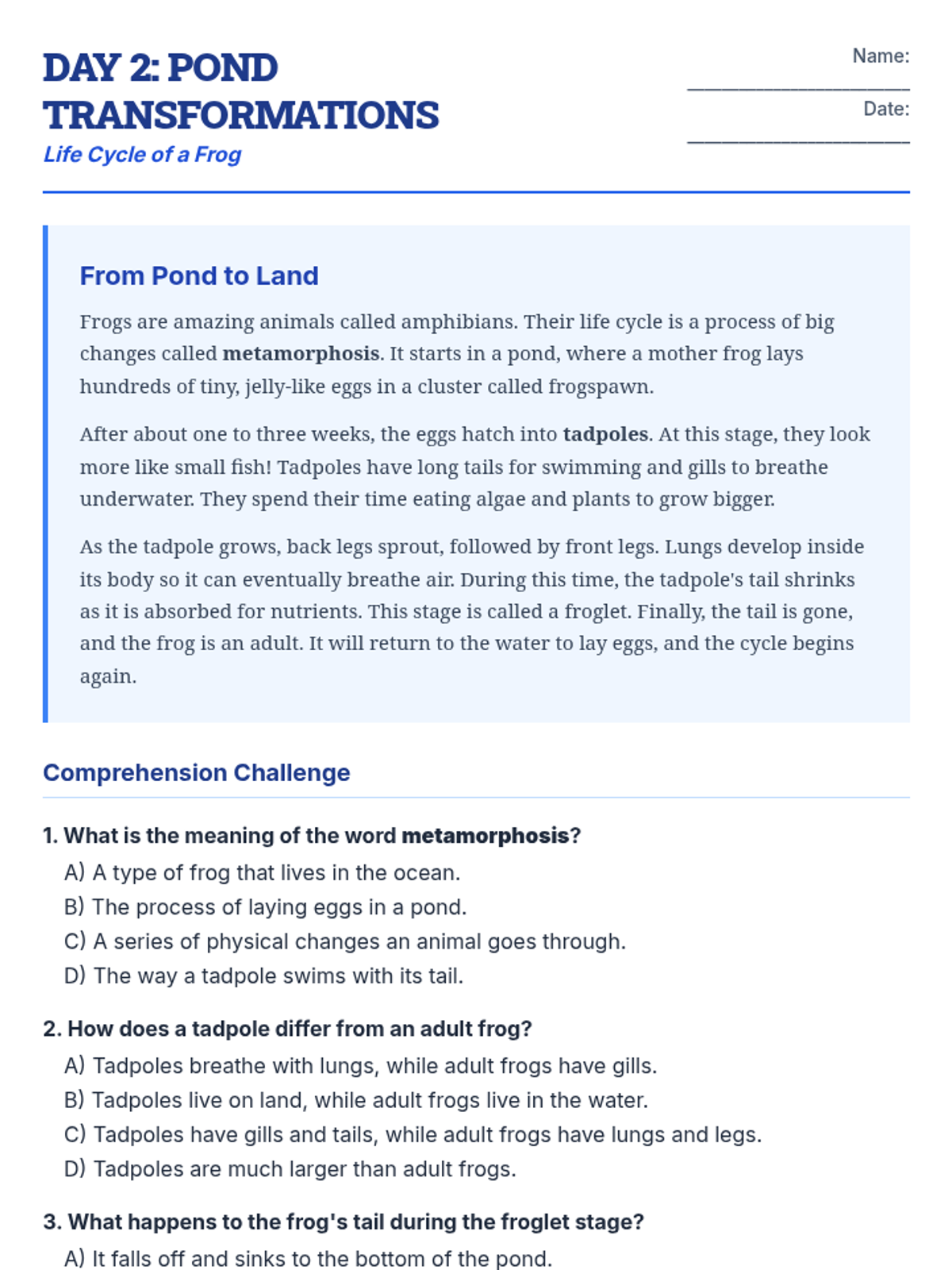
Day 2 explores the transformation of amphibians, specifically the frog's journey from egg to adult.