A comprehensive review of the major human body systems, focusing on their primary functions, key organs, and how they work together to maintain homeostasis.
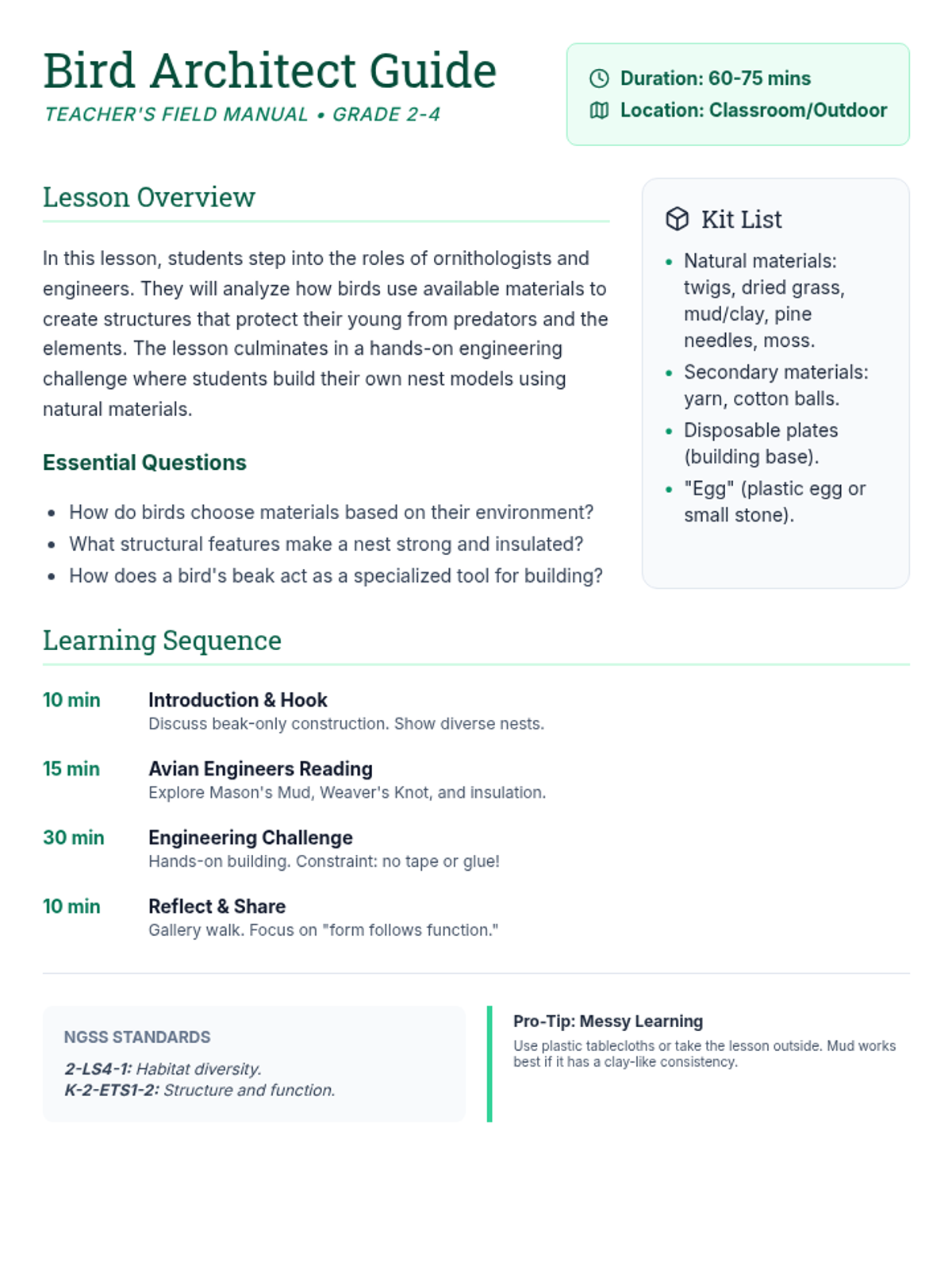
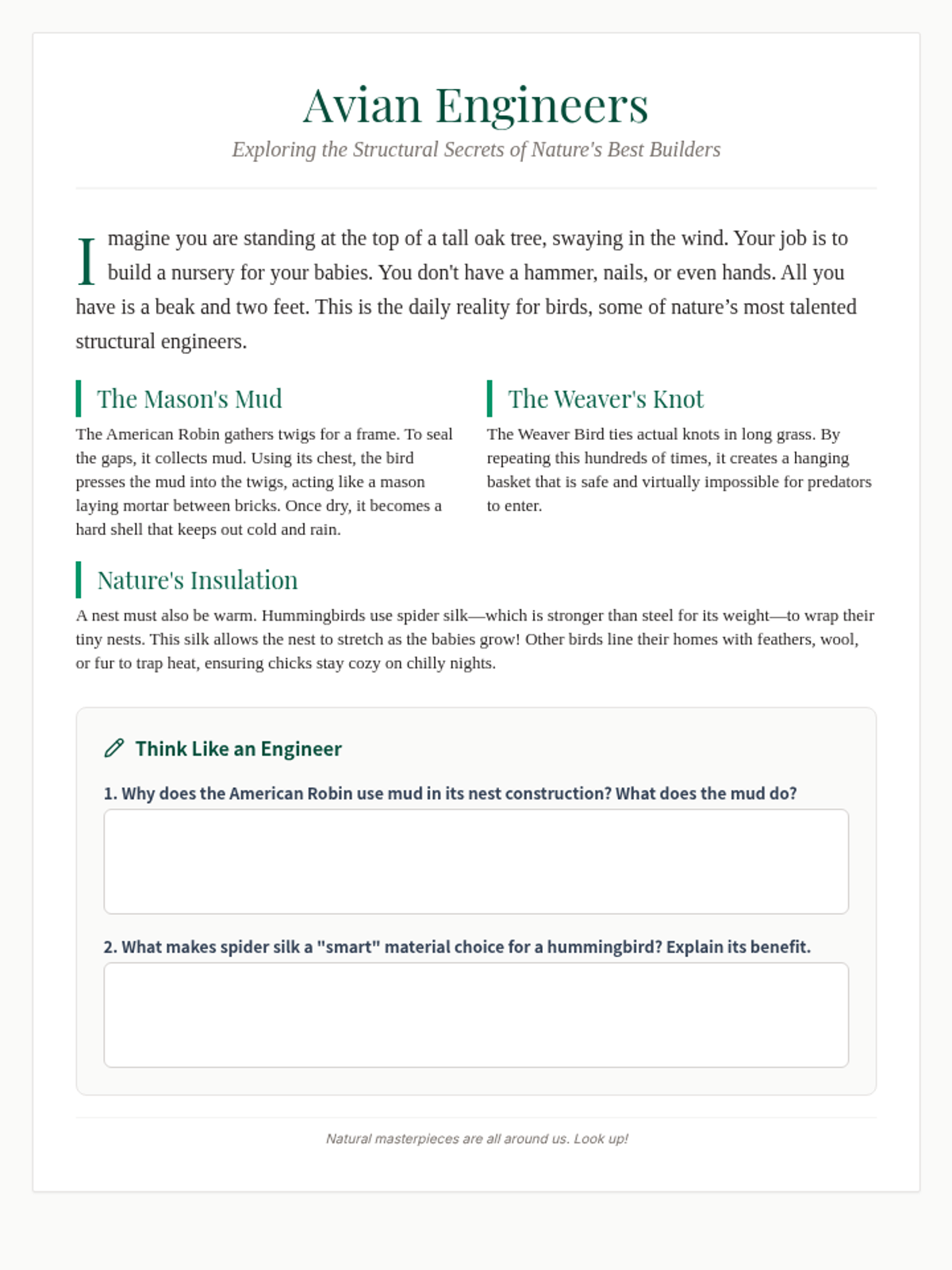
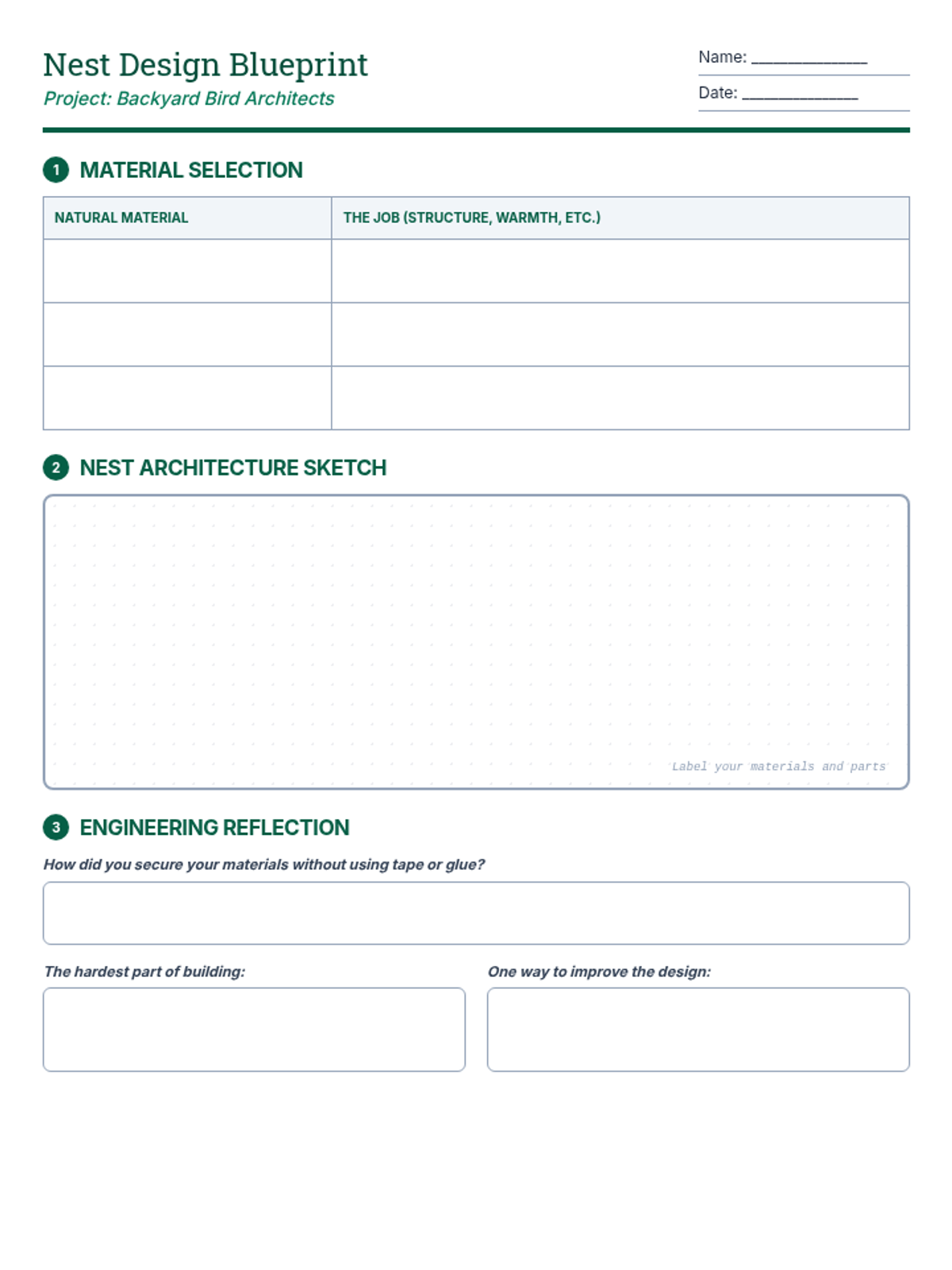
Students explore the engineering wonders of bird nests, observing local bird behavior and designing their own nest models using natural materials to understand animal adaptations and structural design.
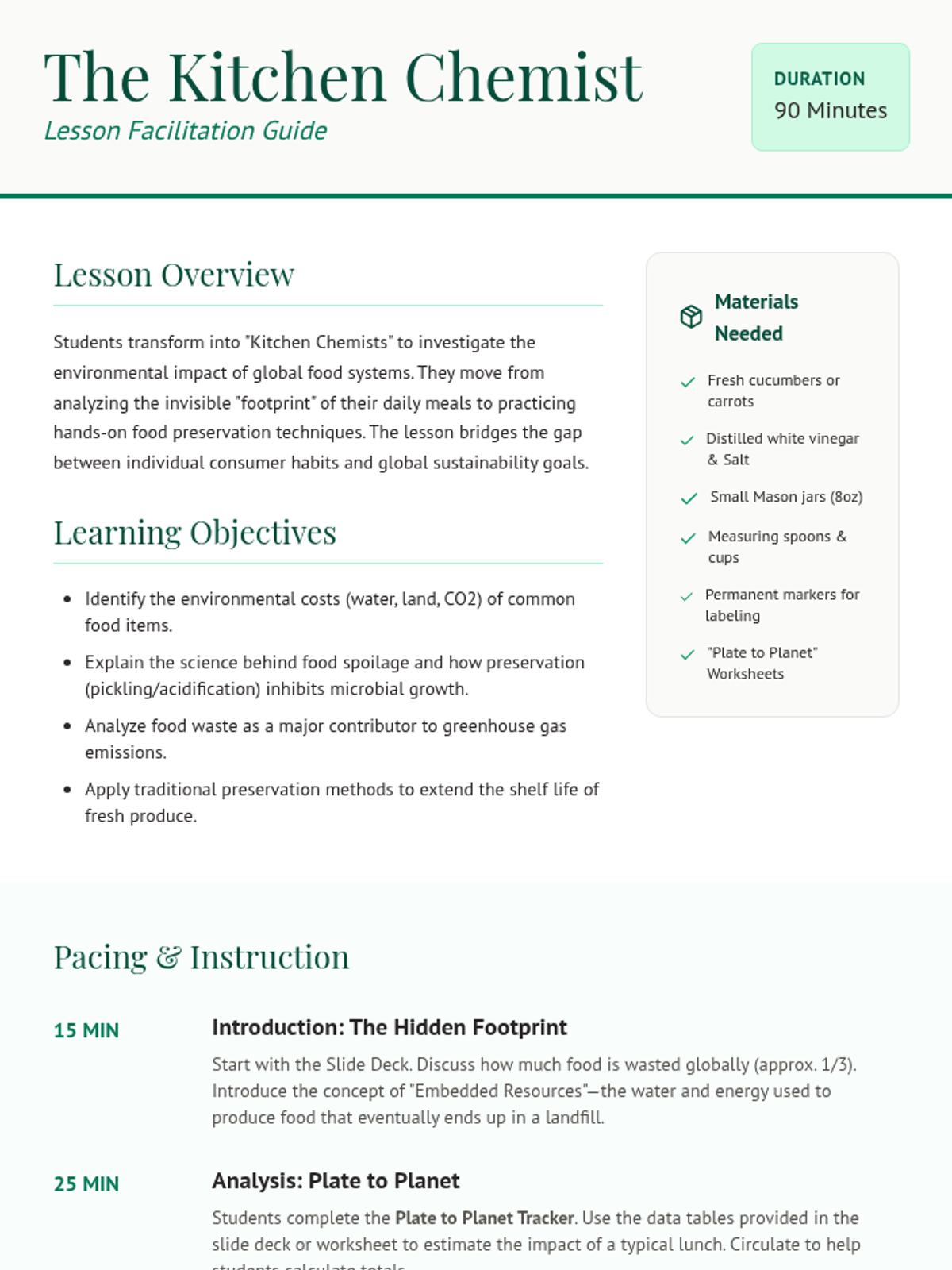
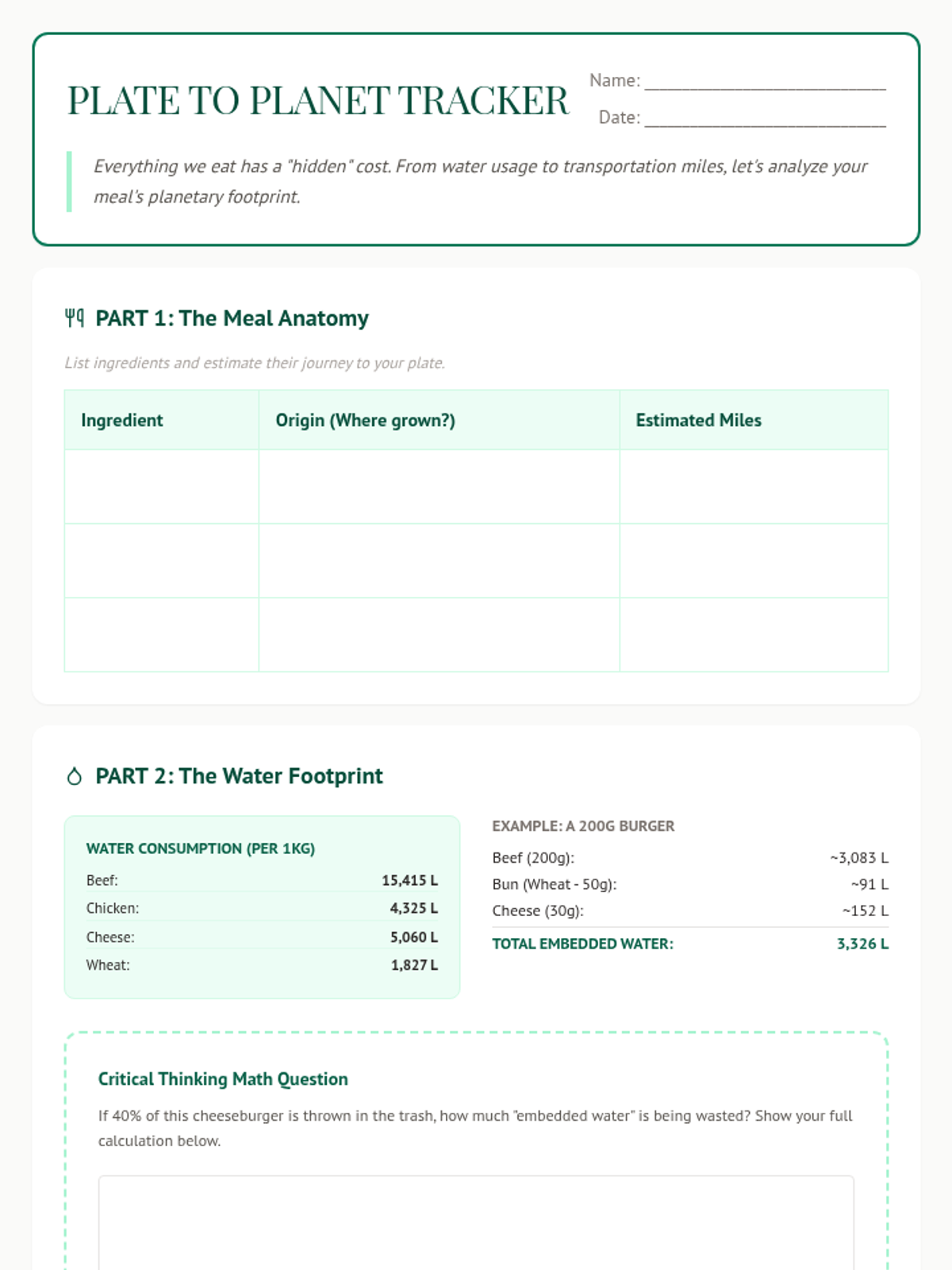
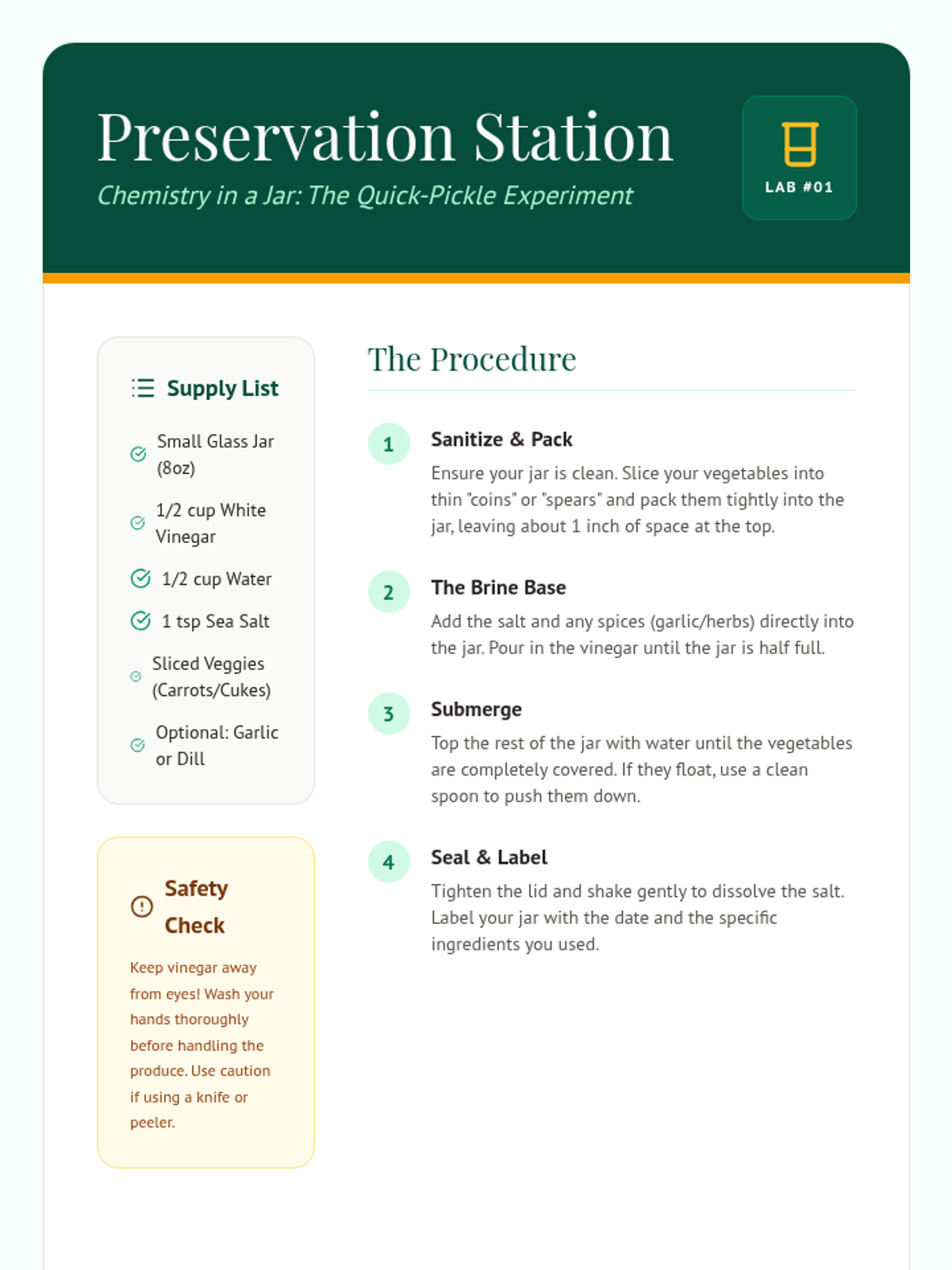
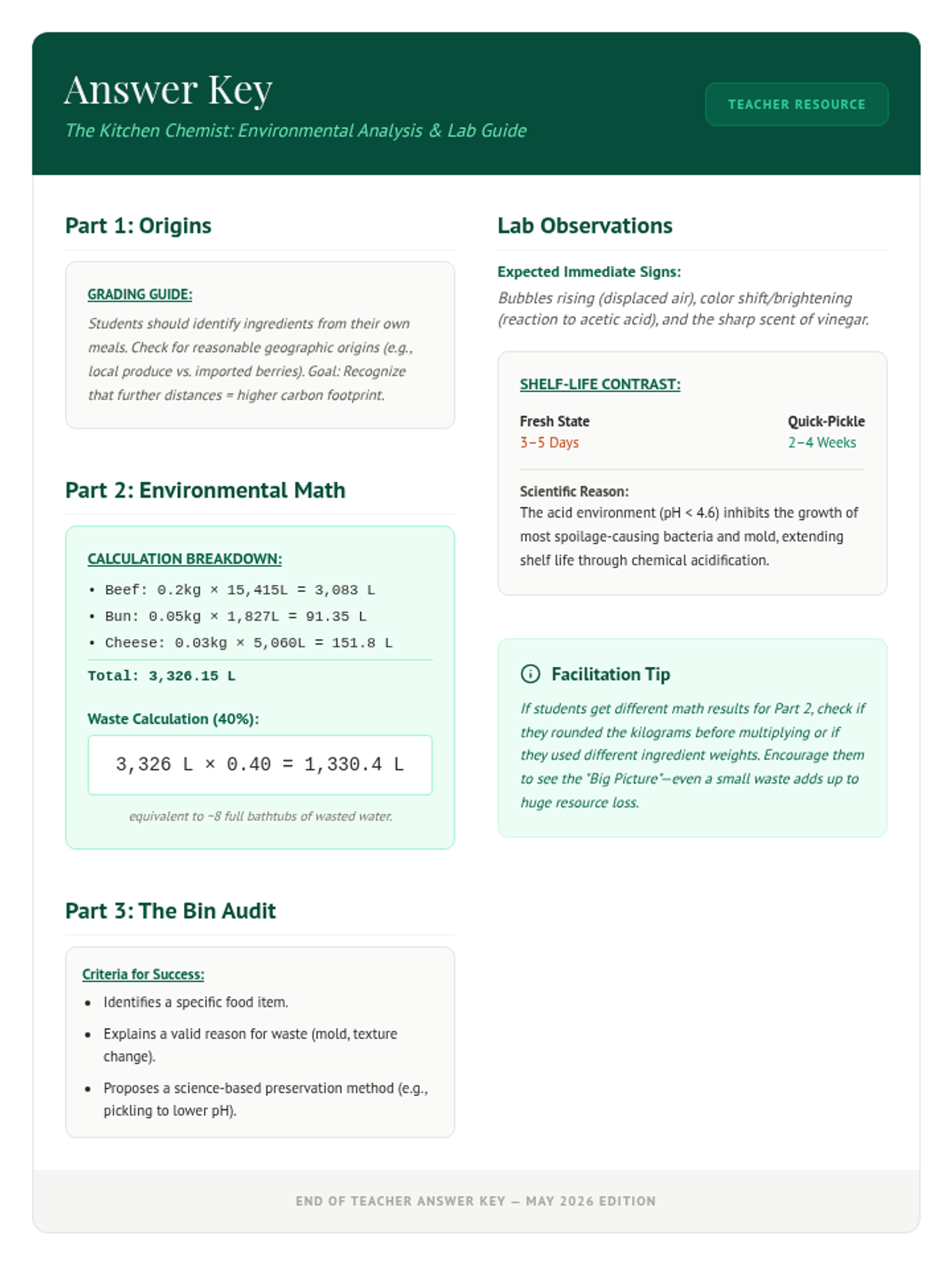
A comprehensive workshop where students explore the intersection of food science and environmental sustainability, focusing on food waste reduction and traditional preservation techniques.
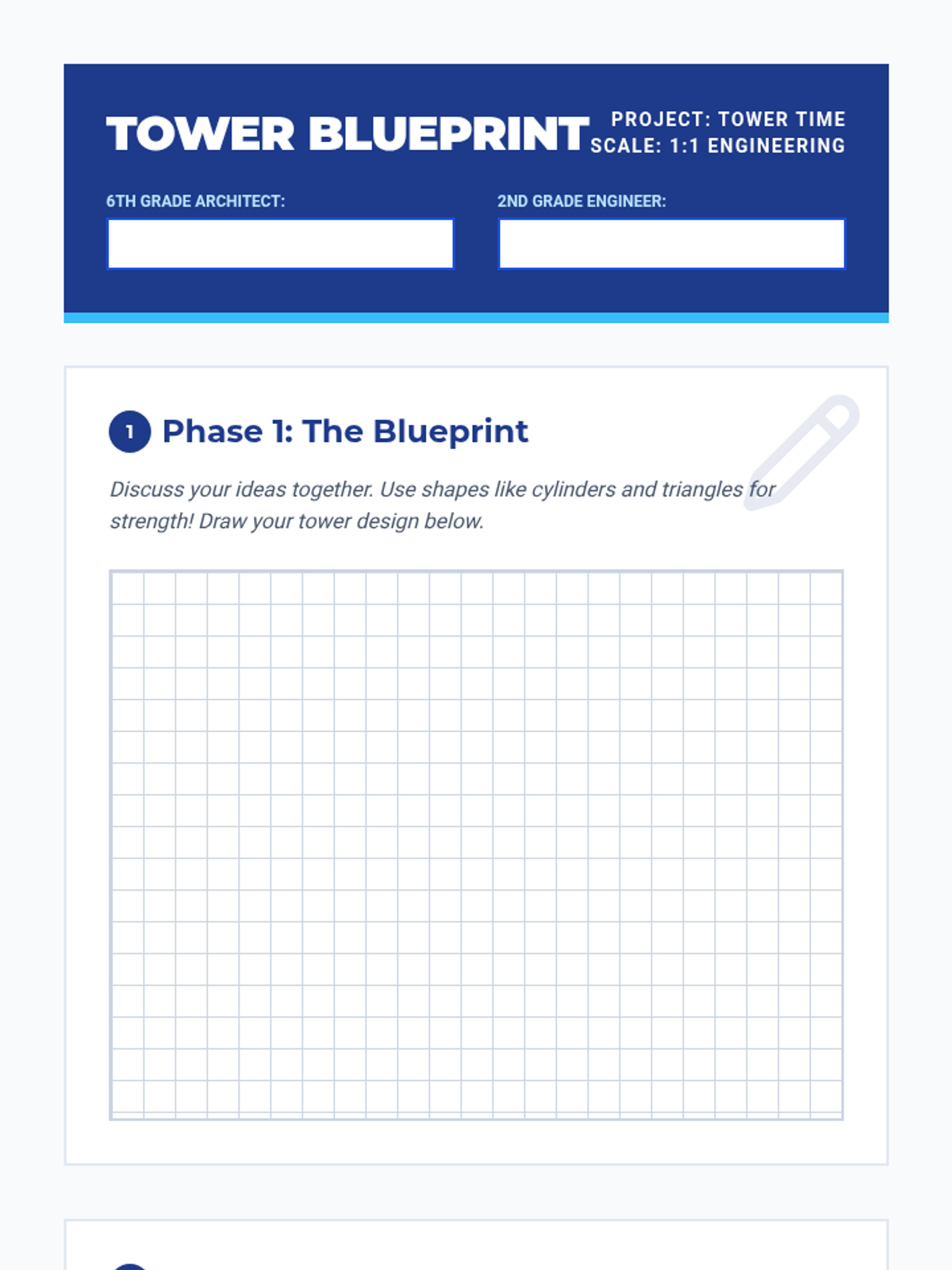
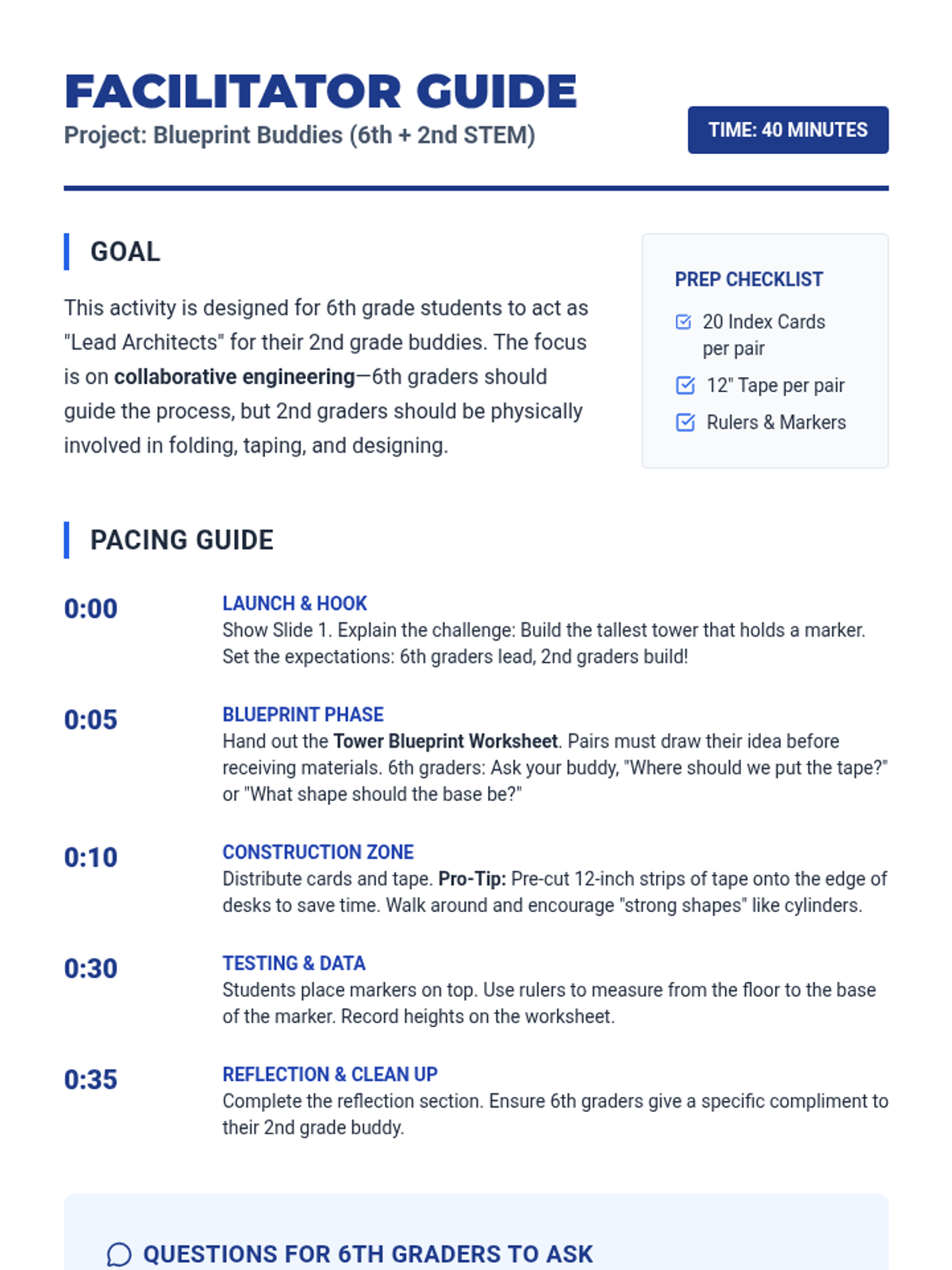
A collaborative STEM challenge where 6th grade mentors guide 2nd grade buddies to design and build the tallest possible tower using only index cards and tape. This lesson focuses on teamwork, engineering design principles, and measurement skills within a 40-minute window.
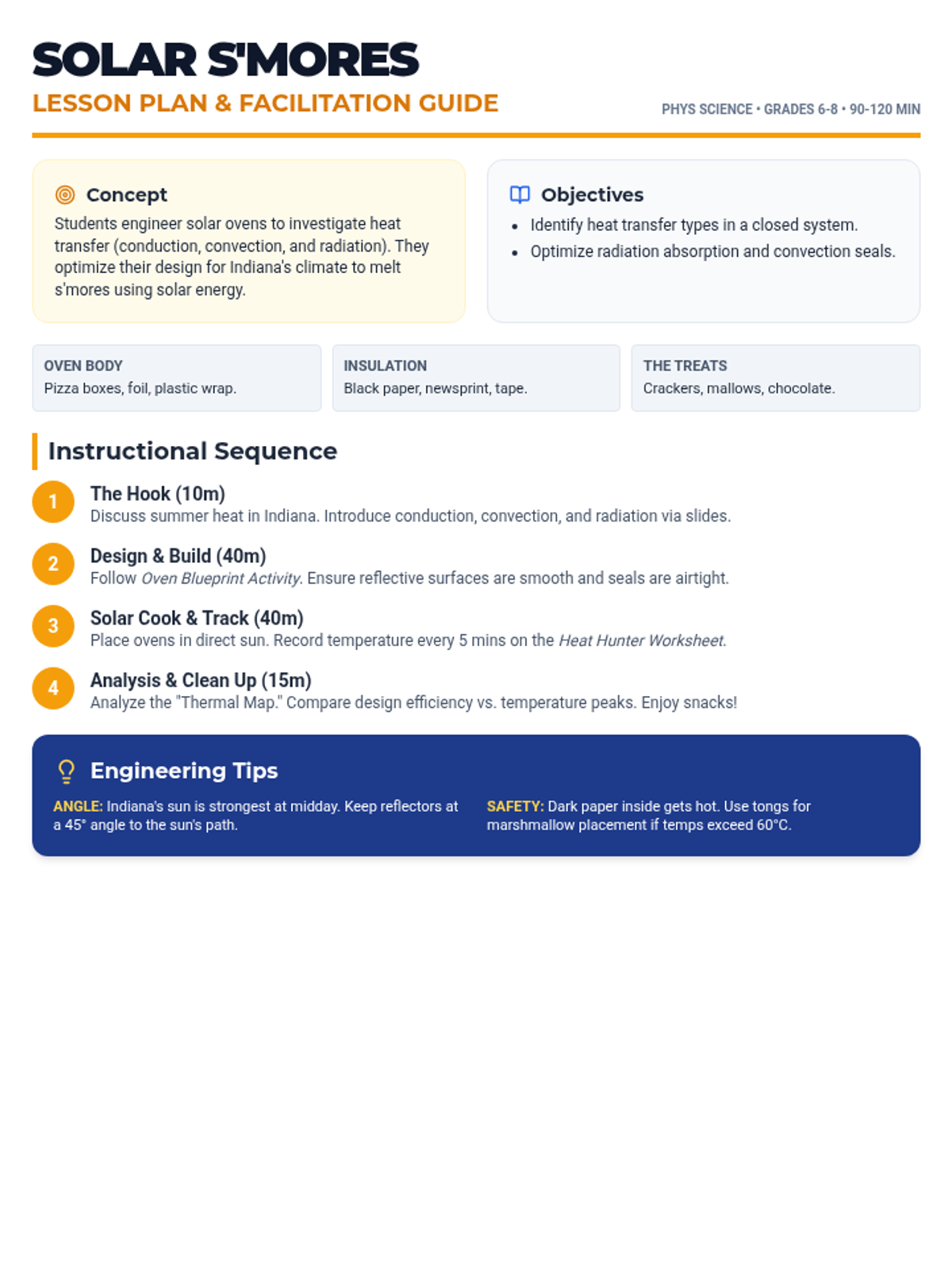
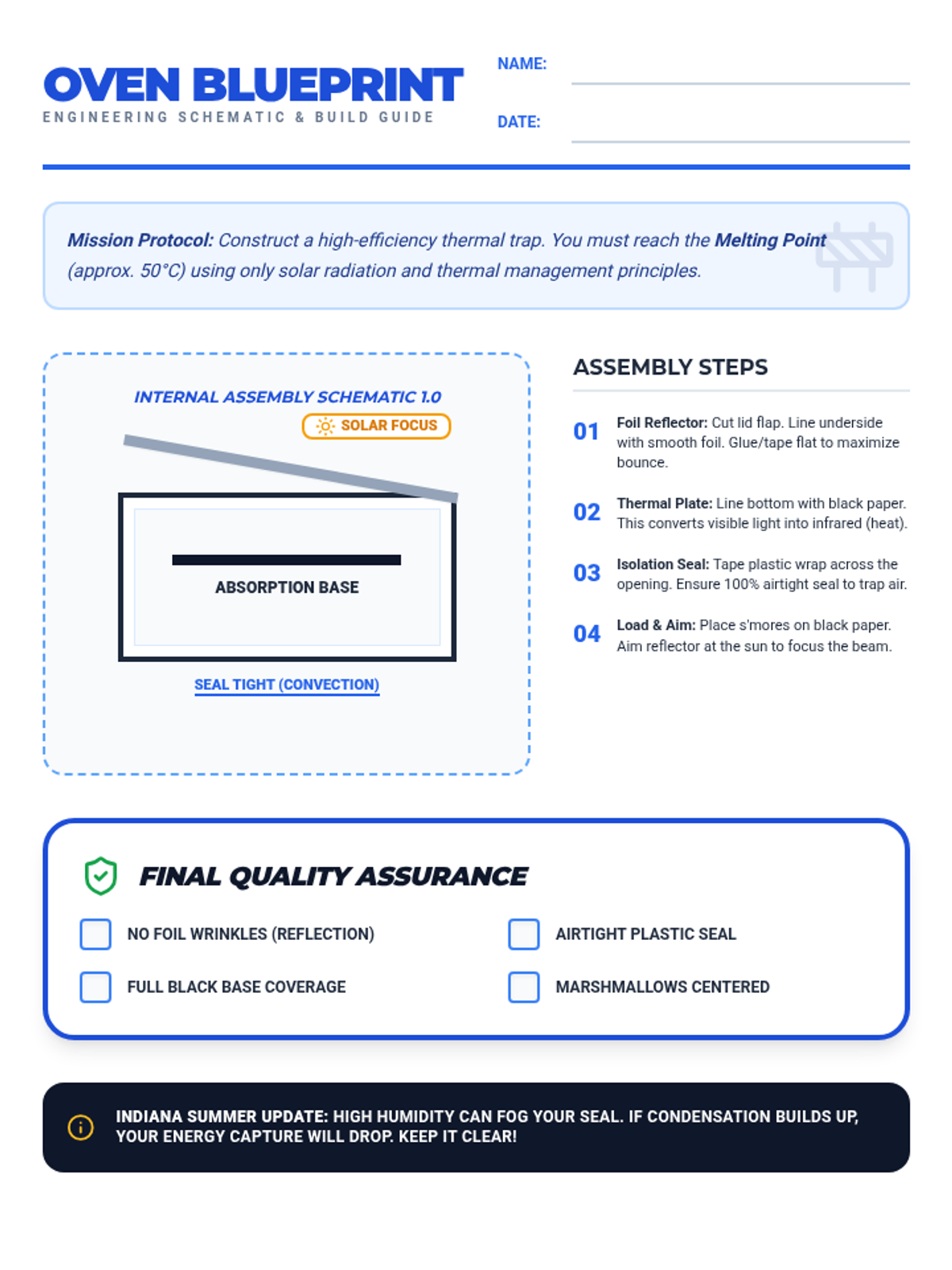
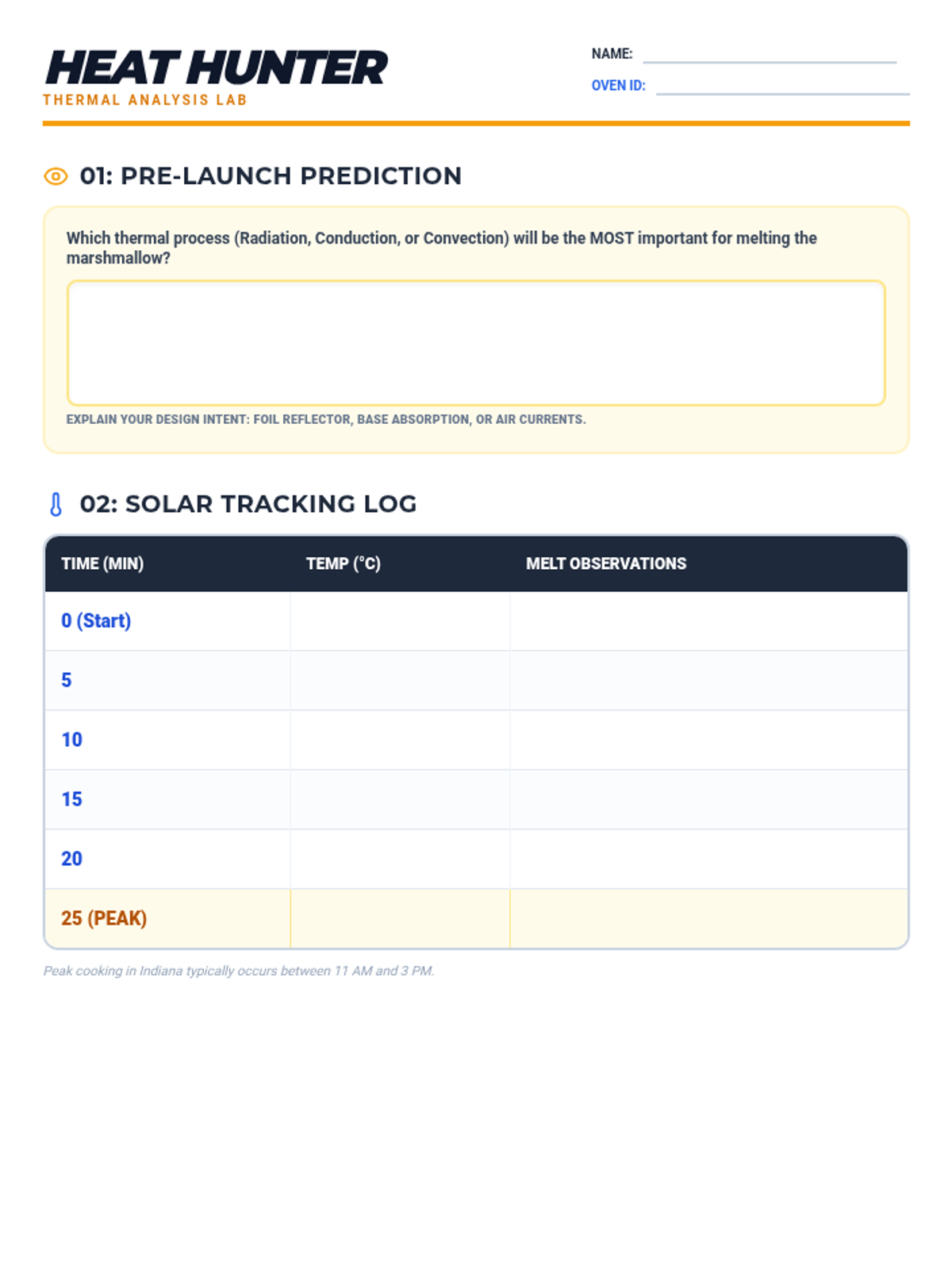
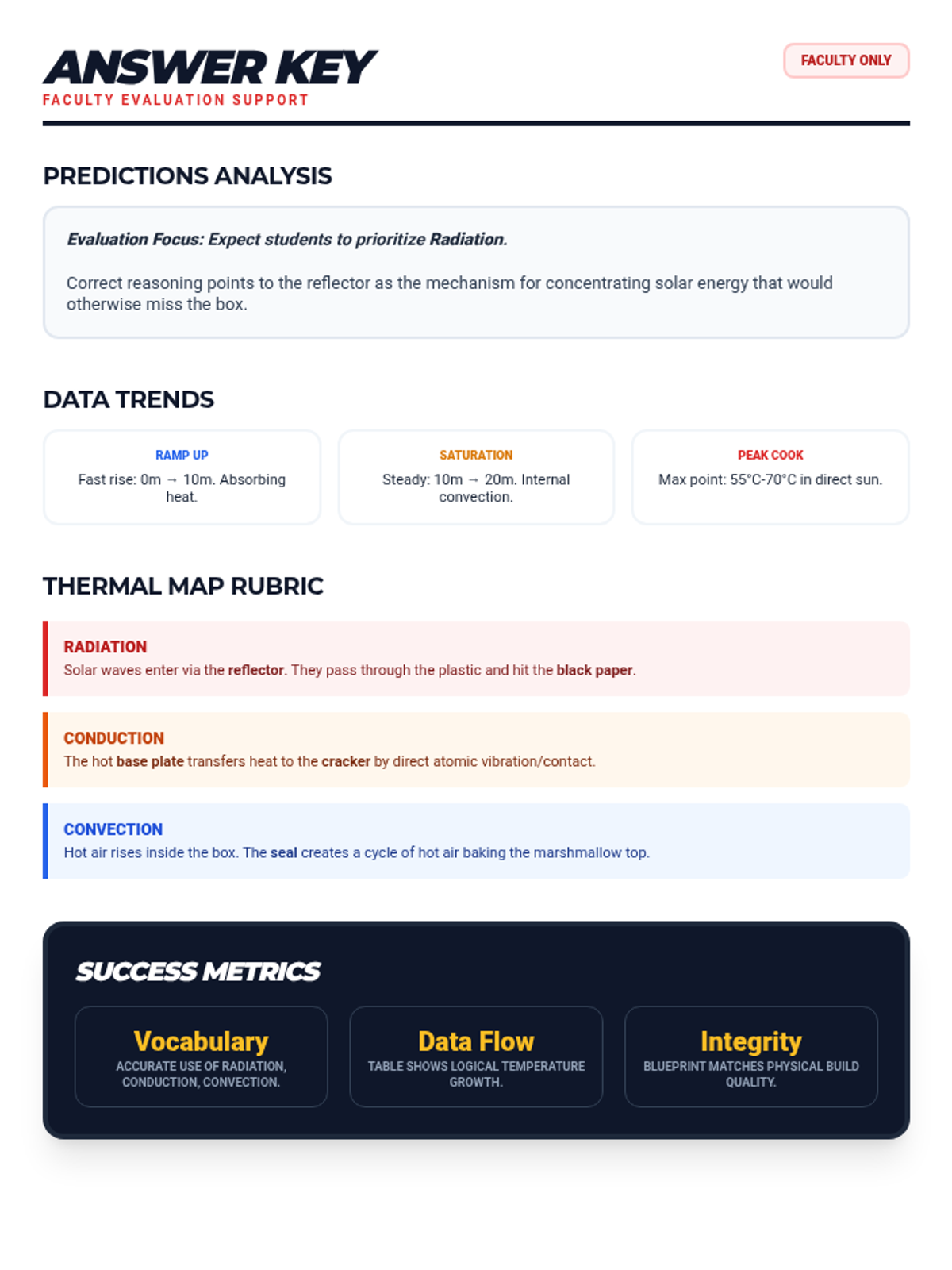
Students engineer functional solar ovens to investigate thermal energy transfer through convection, conduction, and radiation while celebrating the start of Indiana's summer weather.
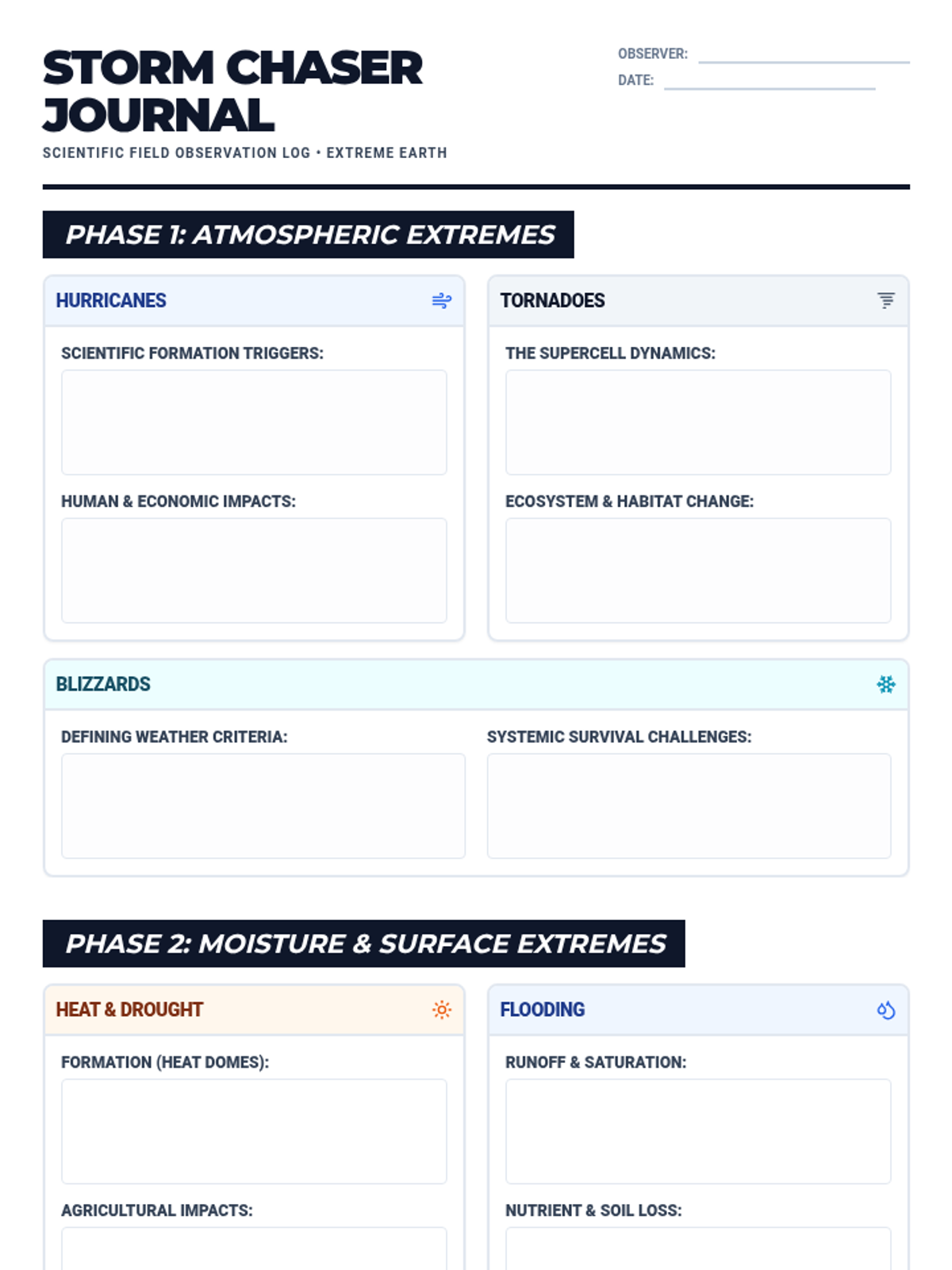
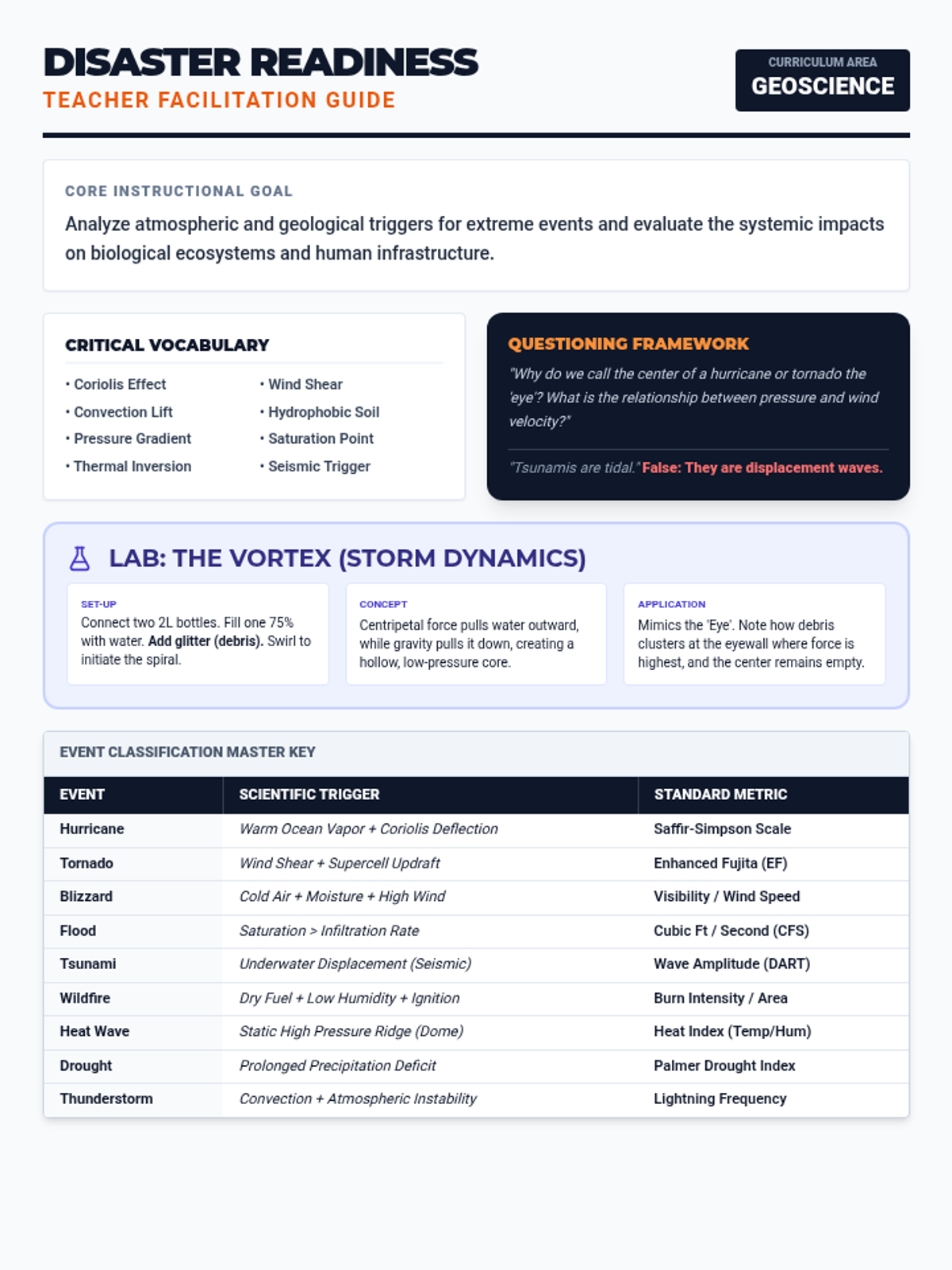
An exploration of Earth's most intense weather events, focusing on the atmospheric physics that drive them and their profound effects on the planet's residents and habitats.
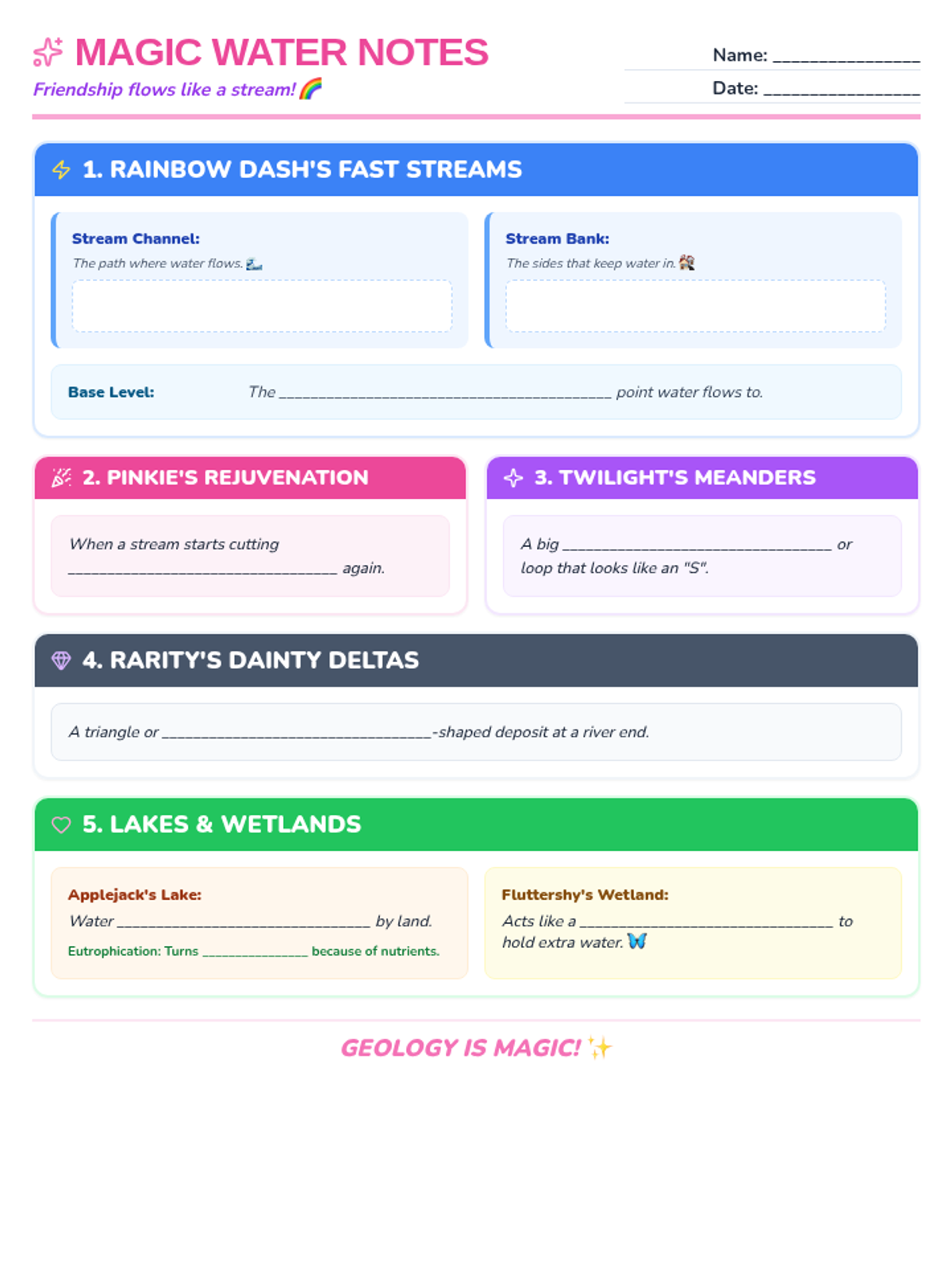
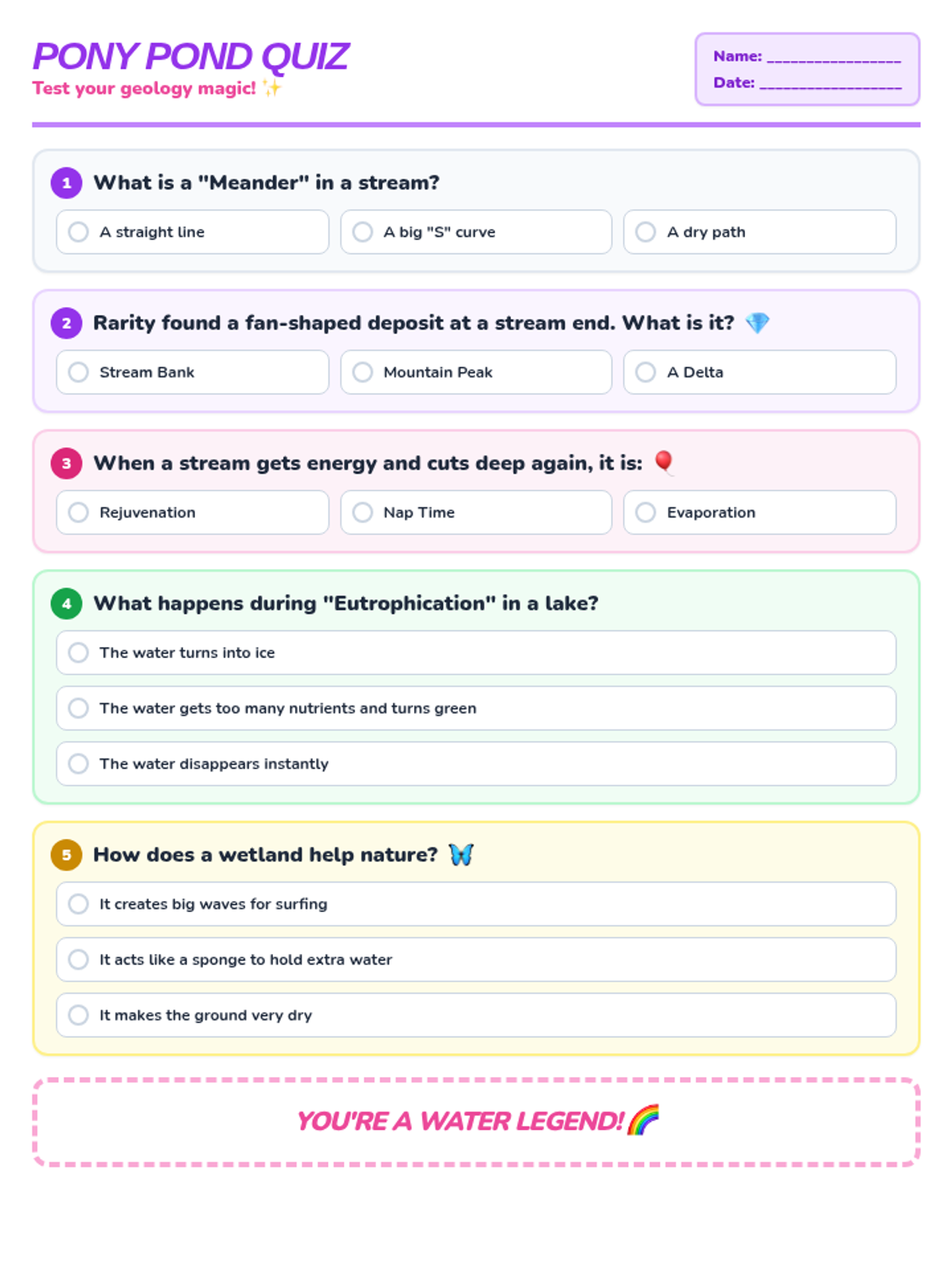
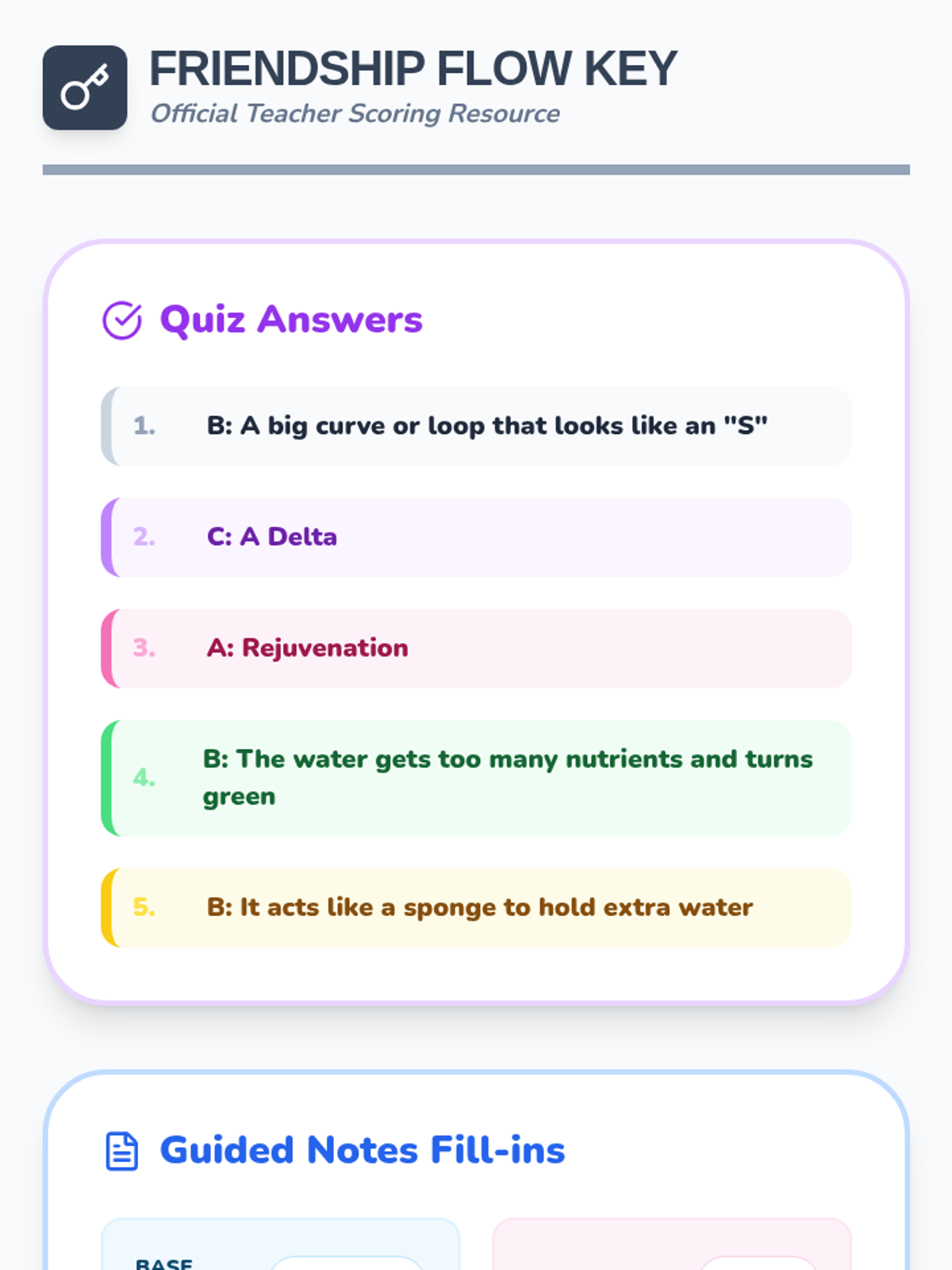
A lesson on surface water interactions with land, featuring My Little Pony characters to explain streams, lakes, and wetlands. Students learn key geological terms through simple bullet points and visual support.
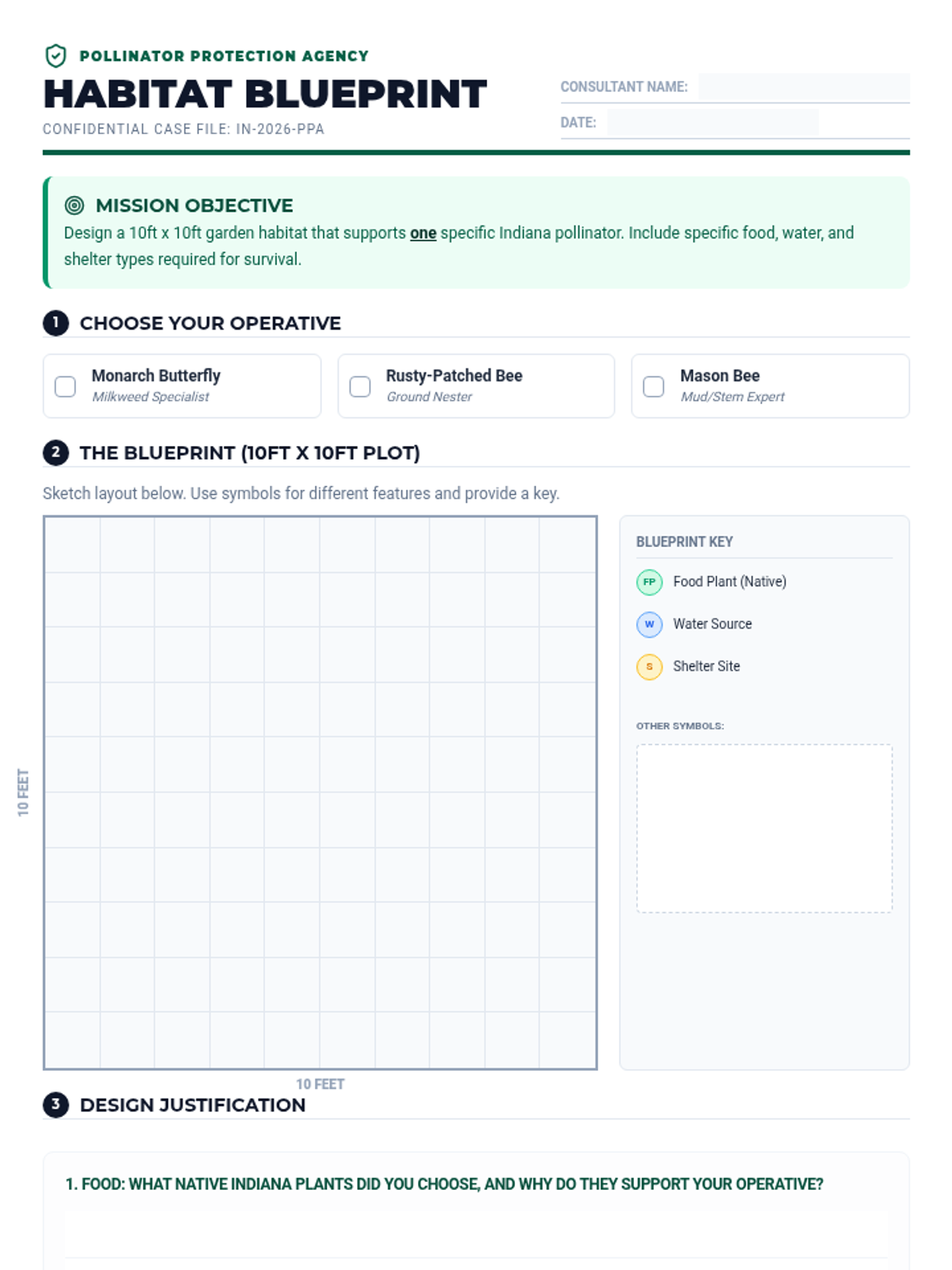
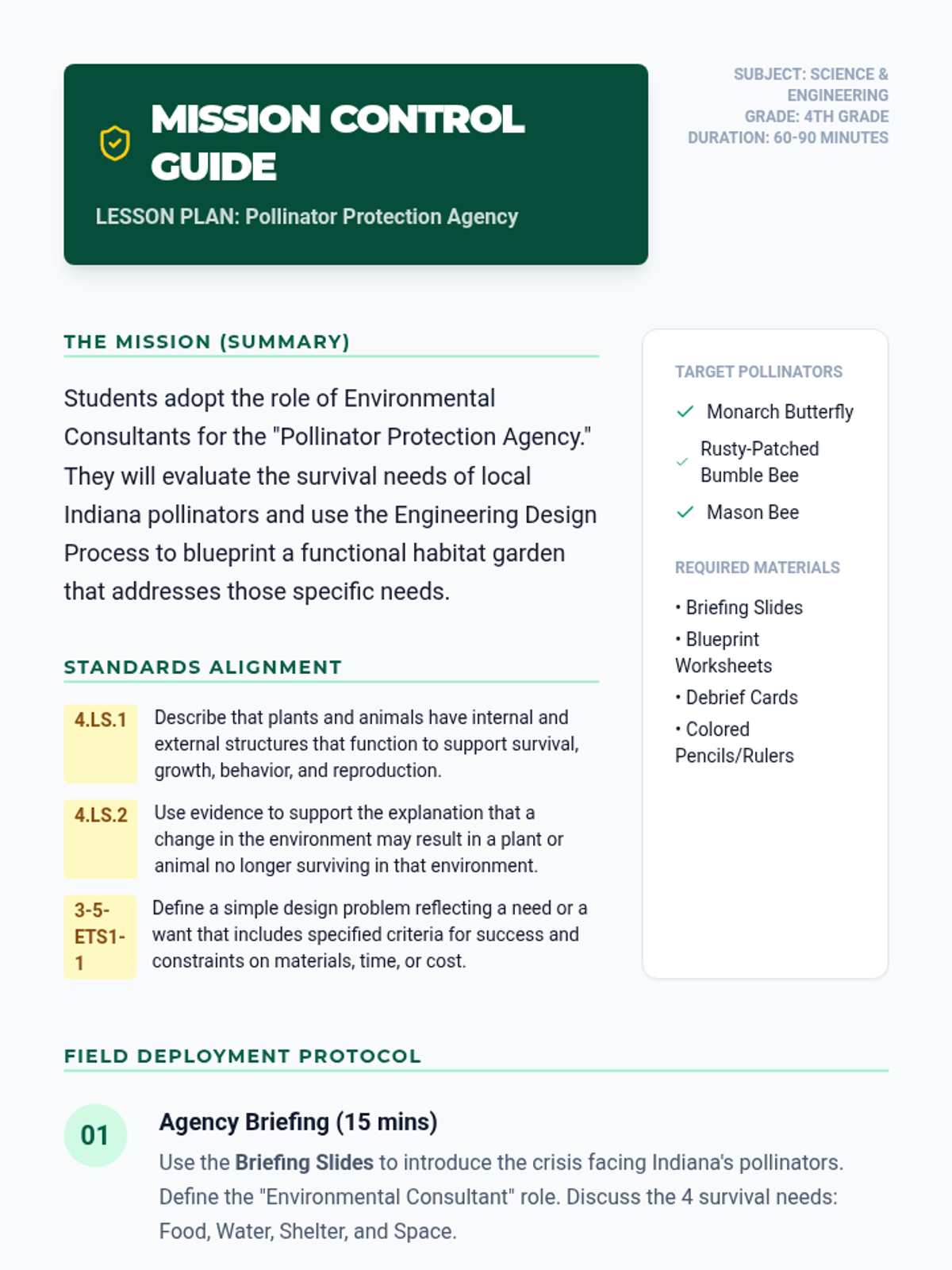
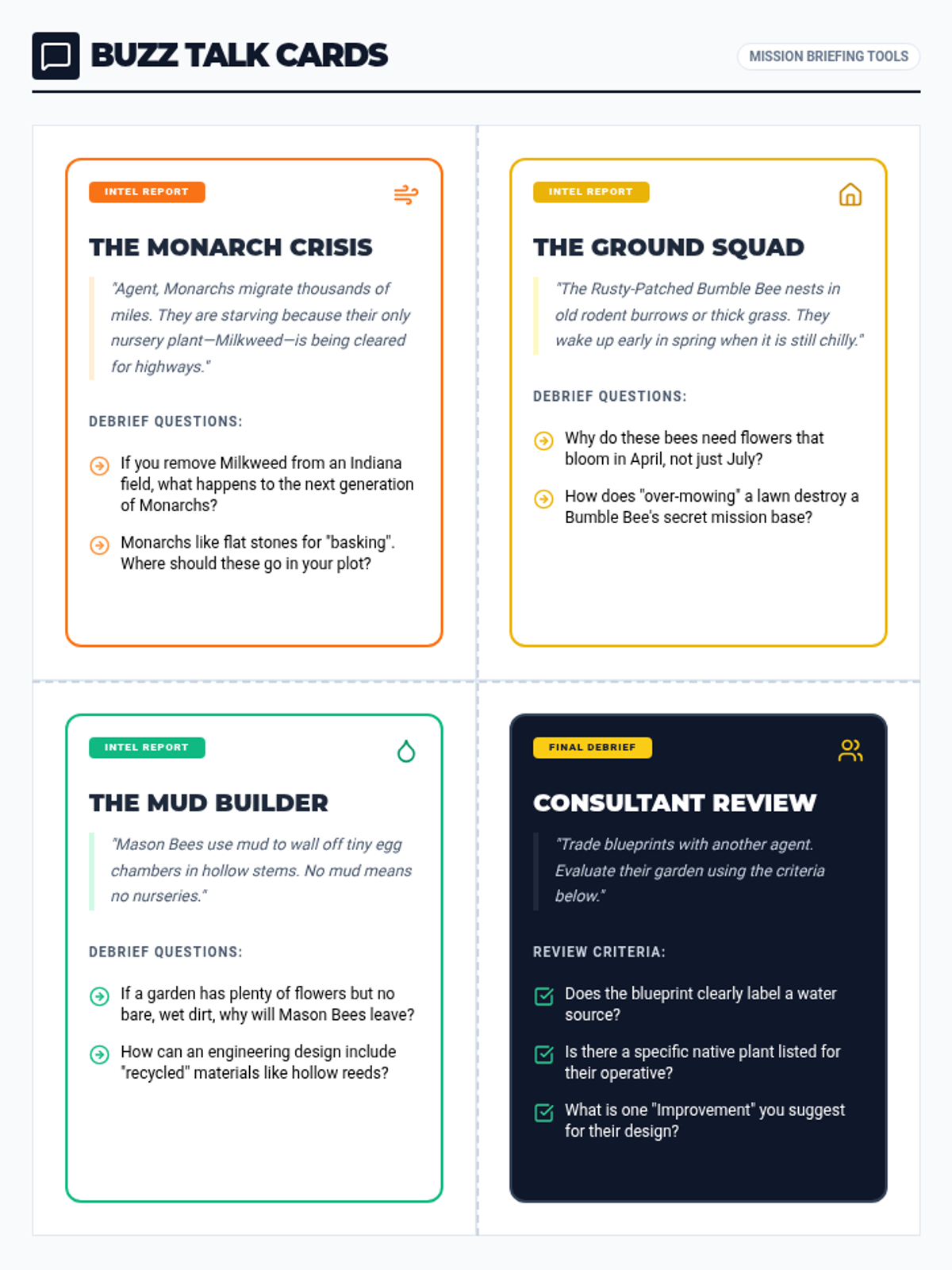
A 4th-grade science and engineering lesson where students become environmental consultants for the 'Pollinator Protection Agency' to design habitats for native Indiana bees and butterflies.
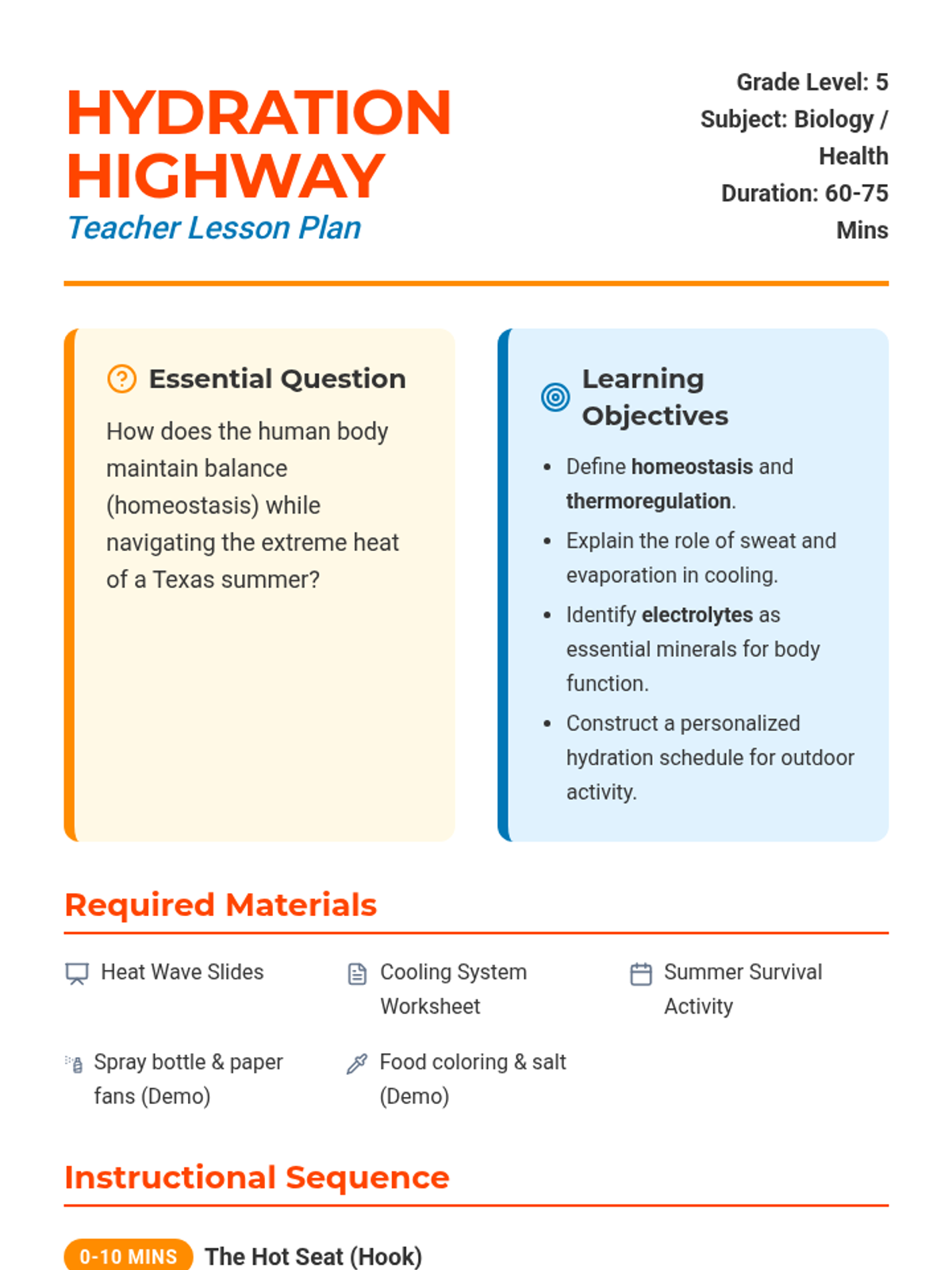
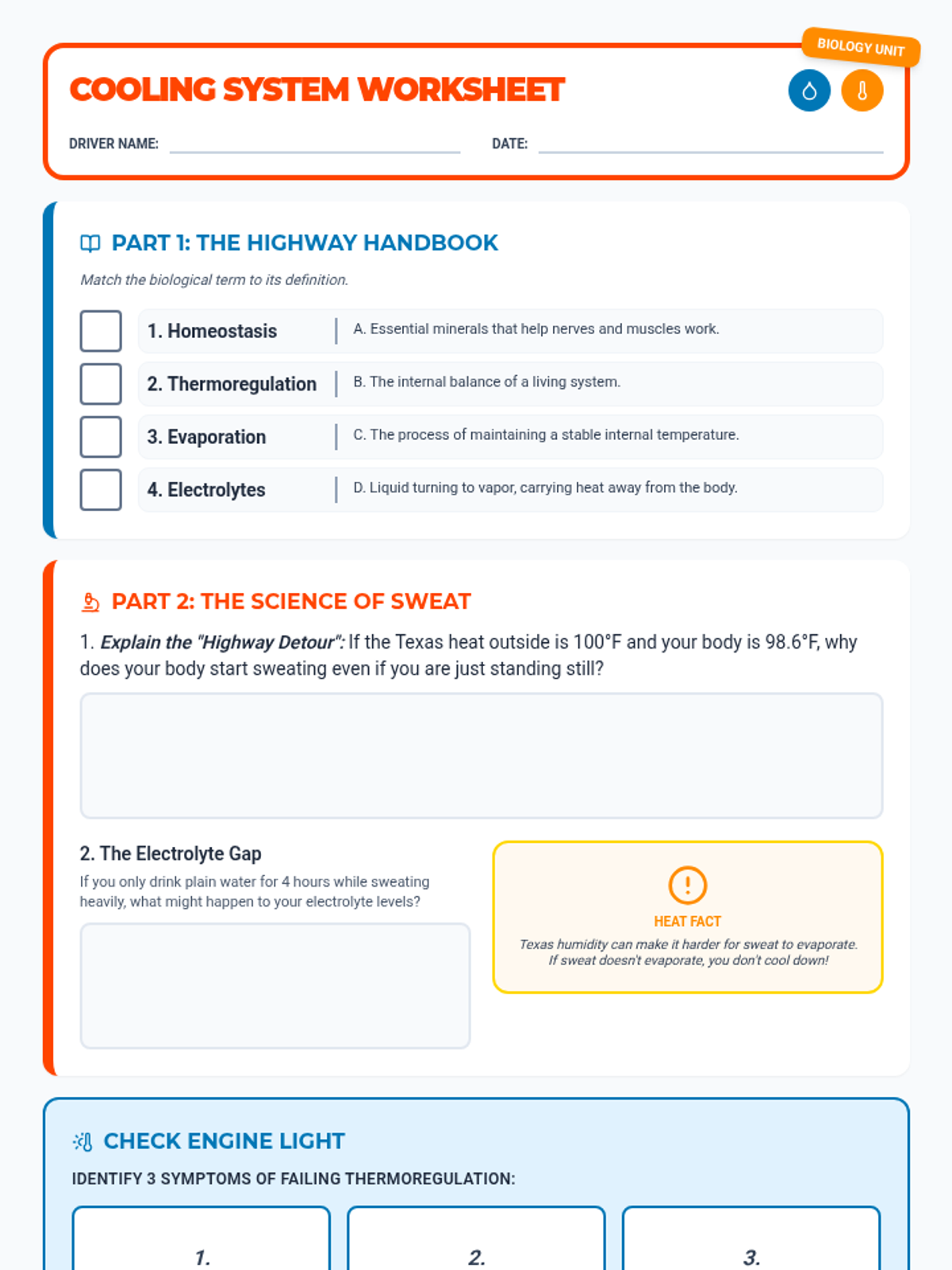
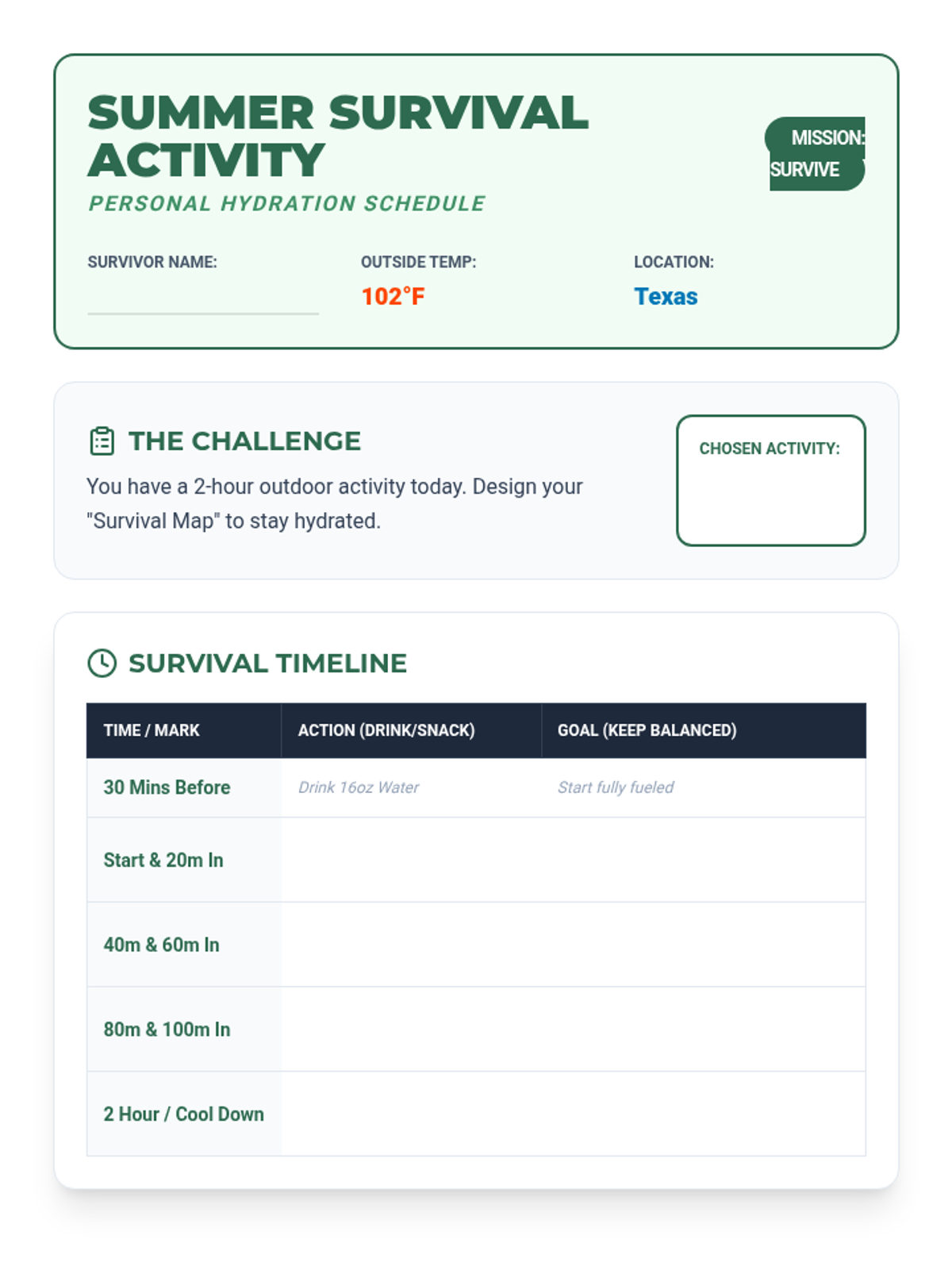
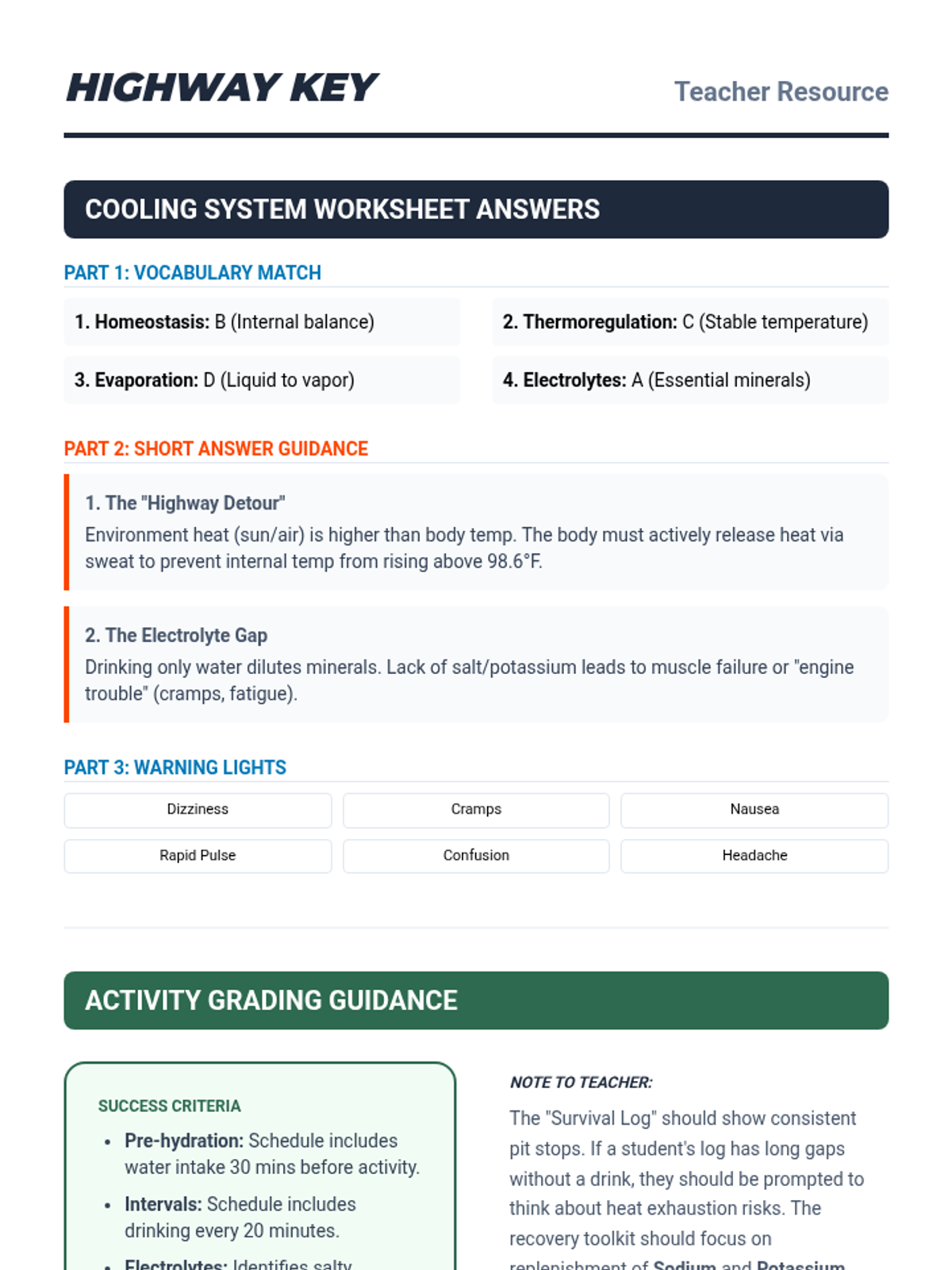
A biology and health lesson where students explore thermoregulation and hydration. They learn how the body stays cool in the Texas heat and design personal hydration plans to maintain homeostatic balance.
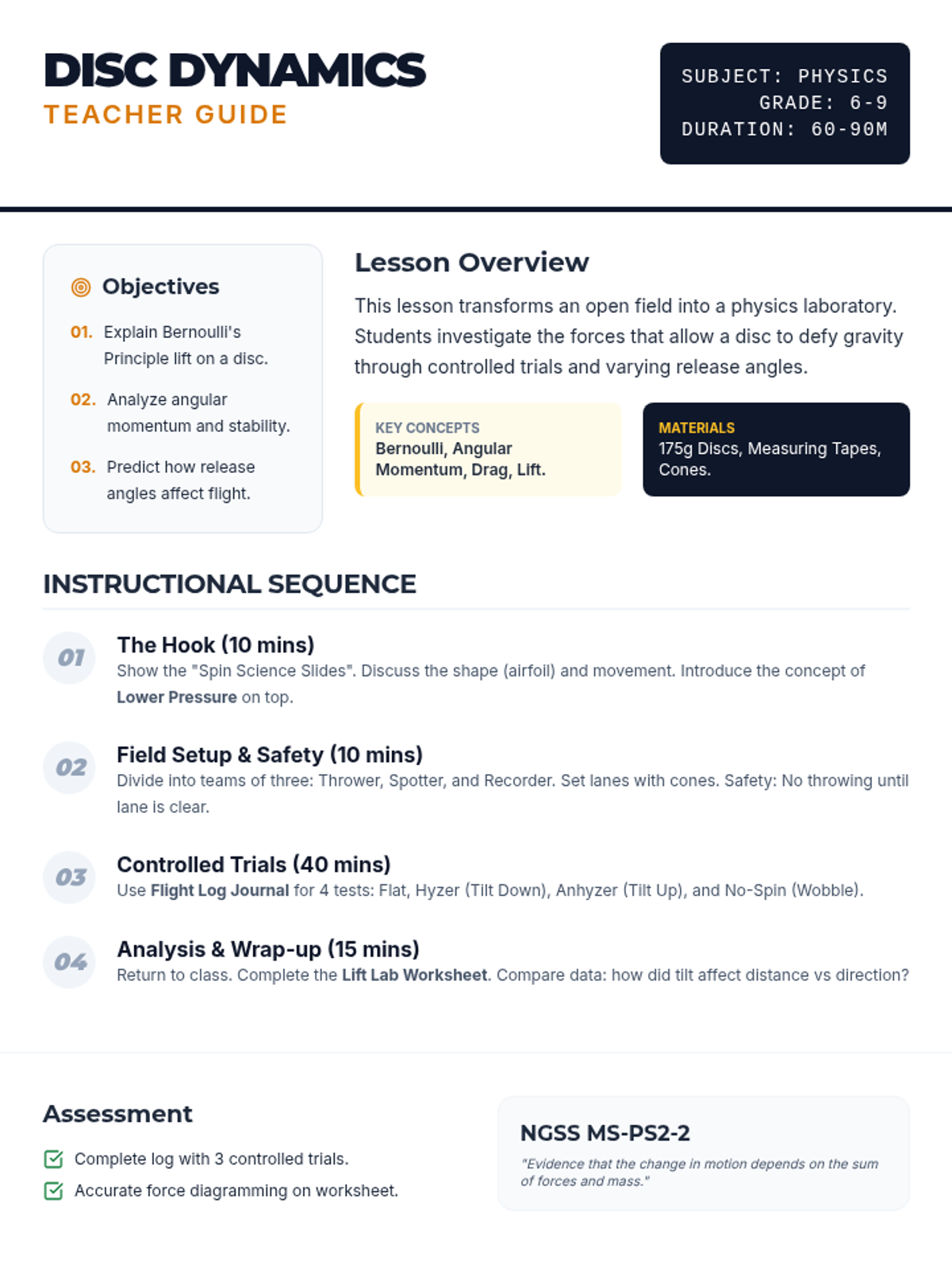
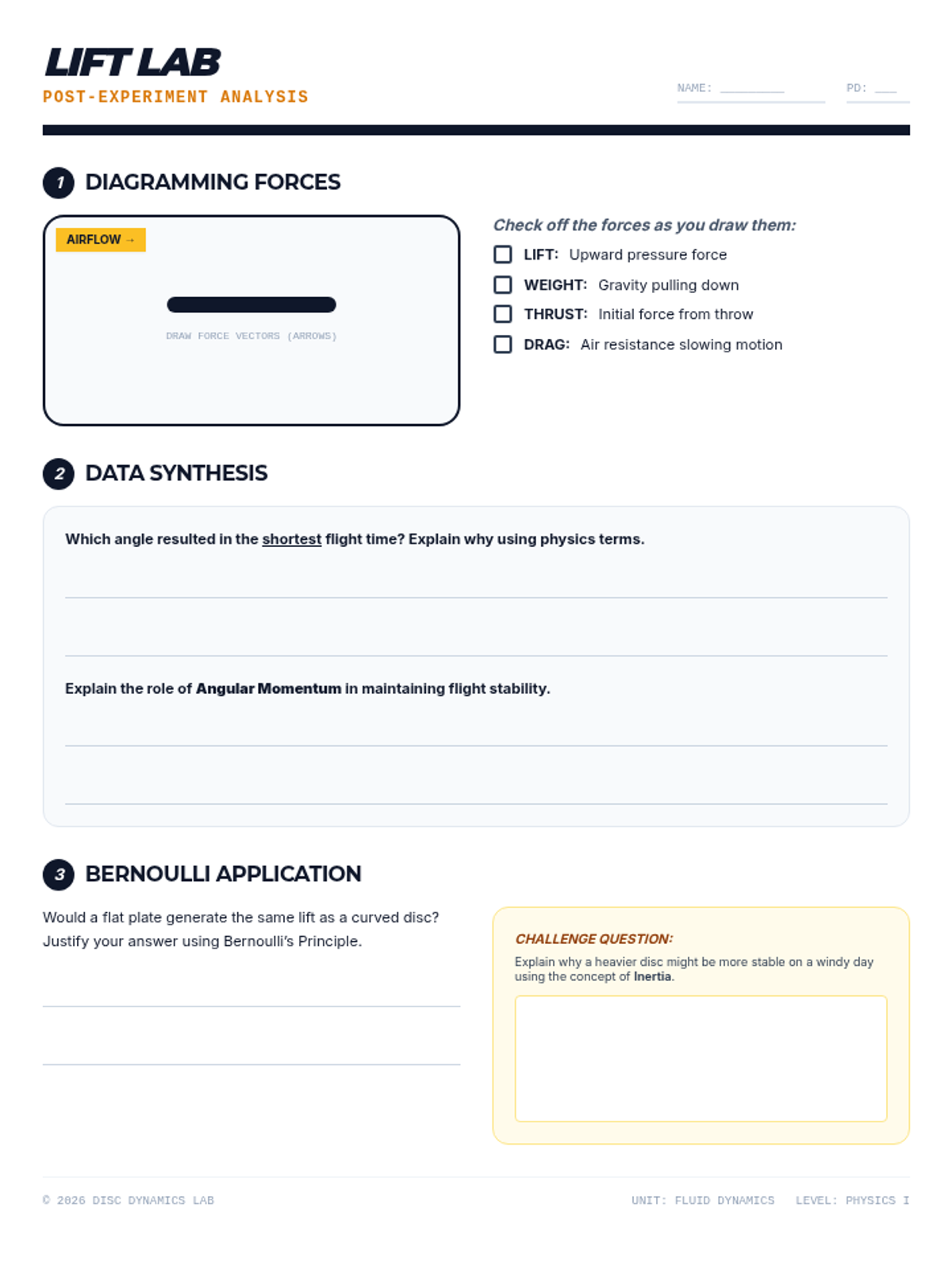
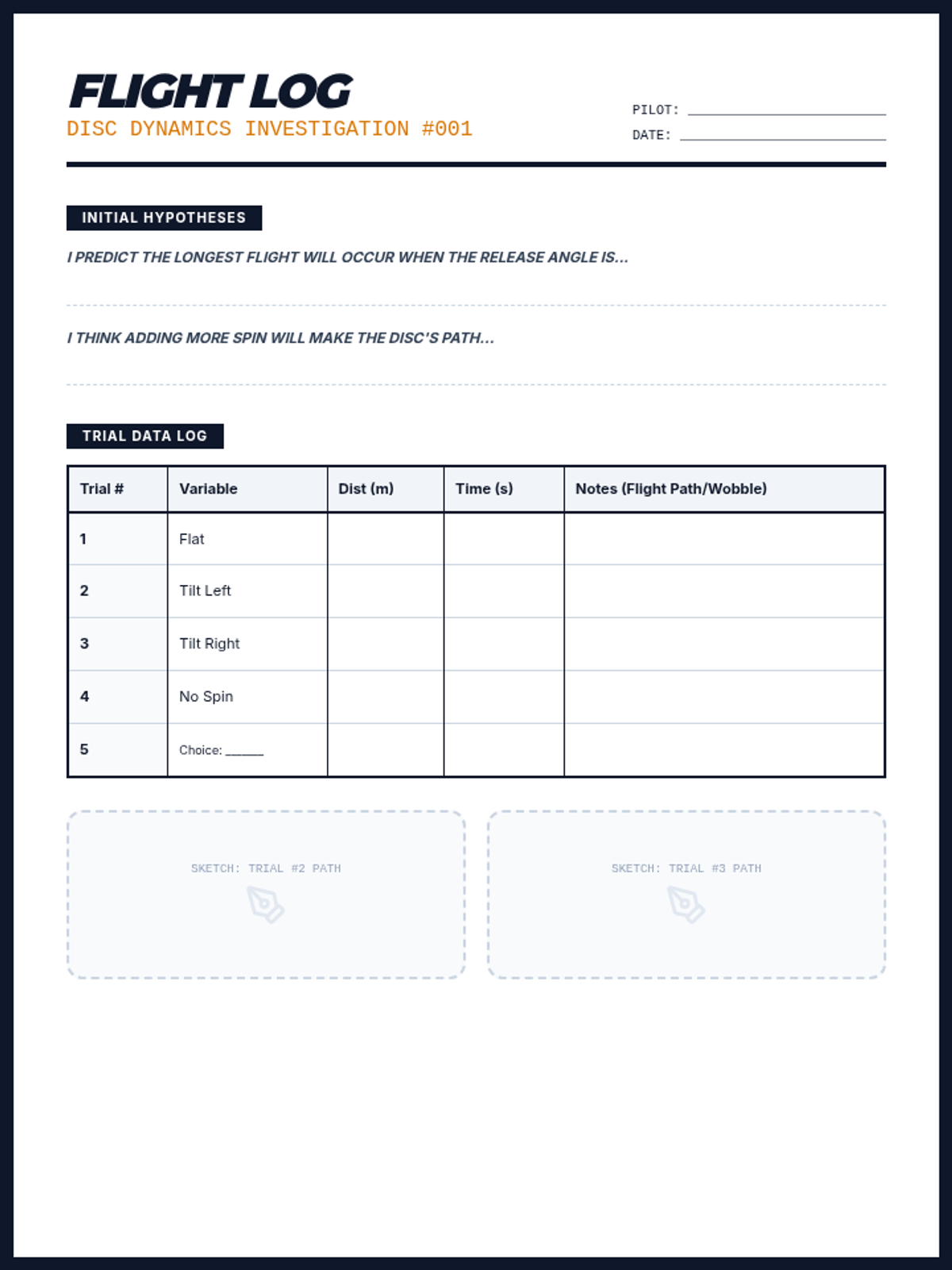
An interactive physics lesson exploring Bernoulli's principle and angular momentum through hands-on flying disc trials. Students analyze flight paths and vary release angles to observe lift and drag forces in action.
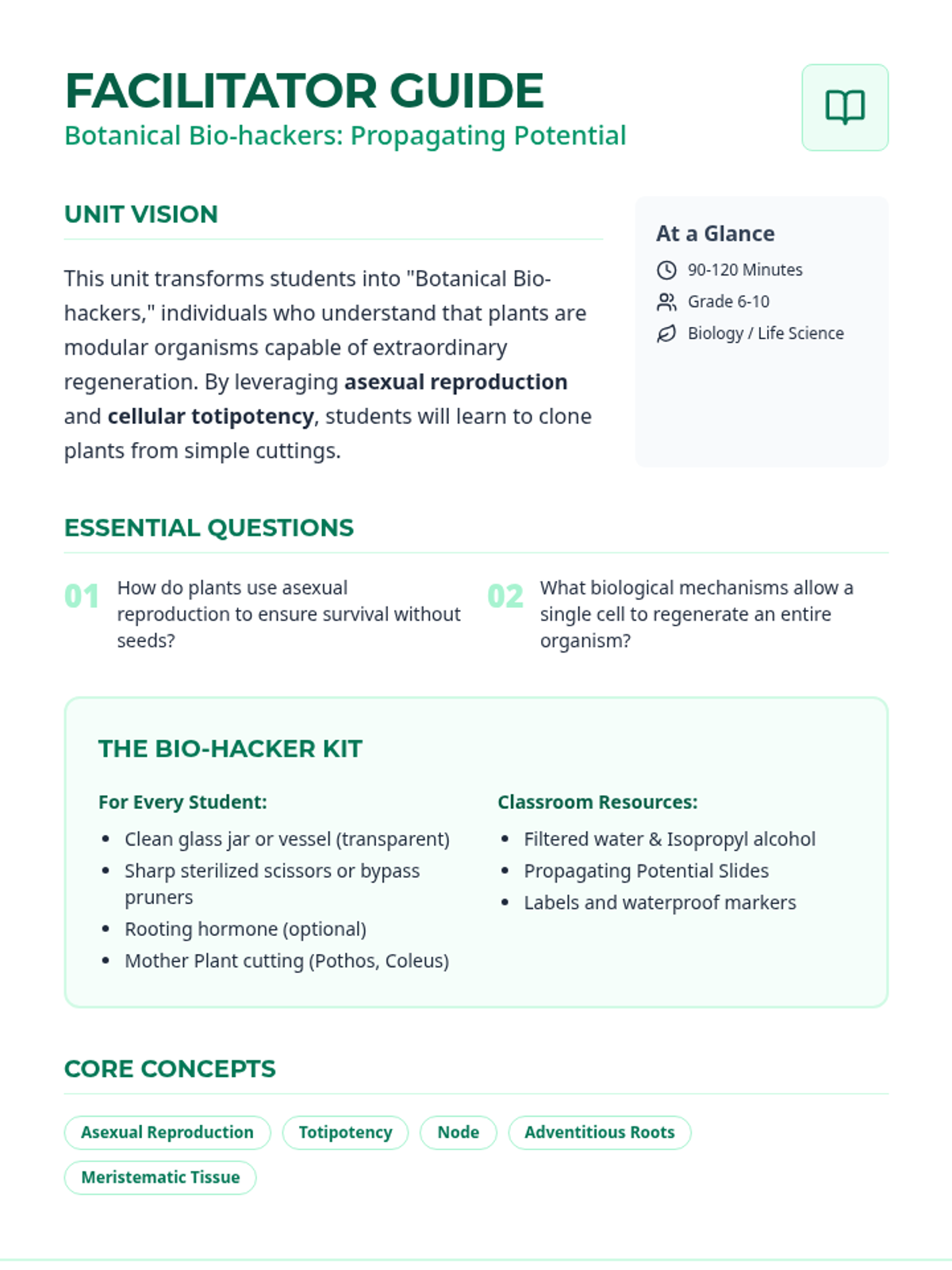
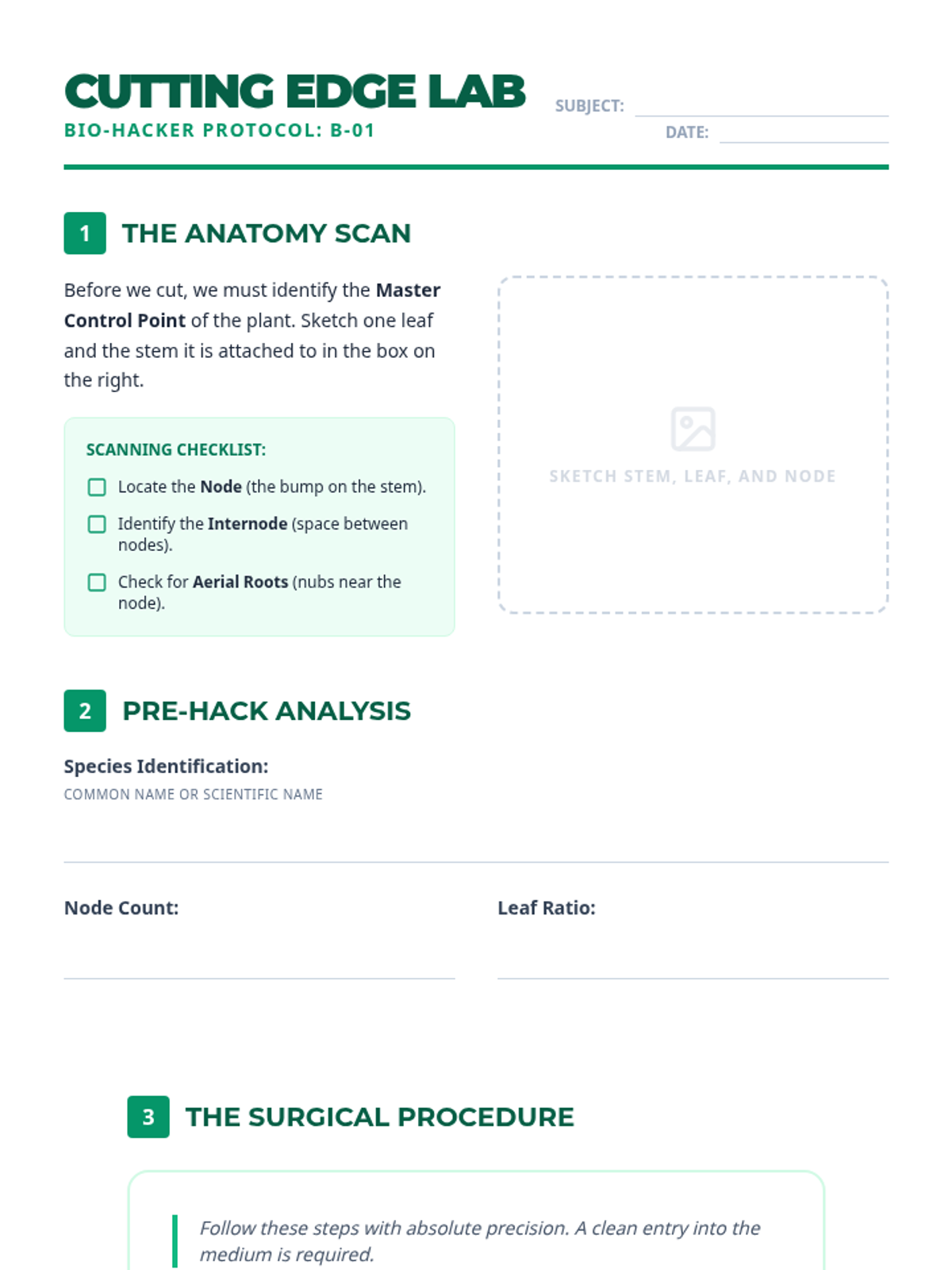
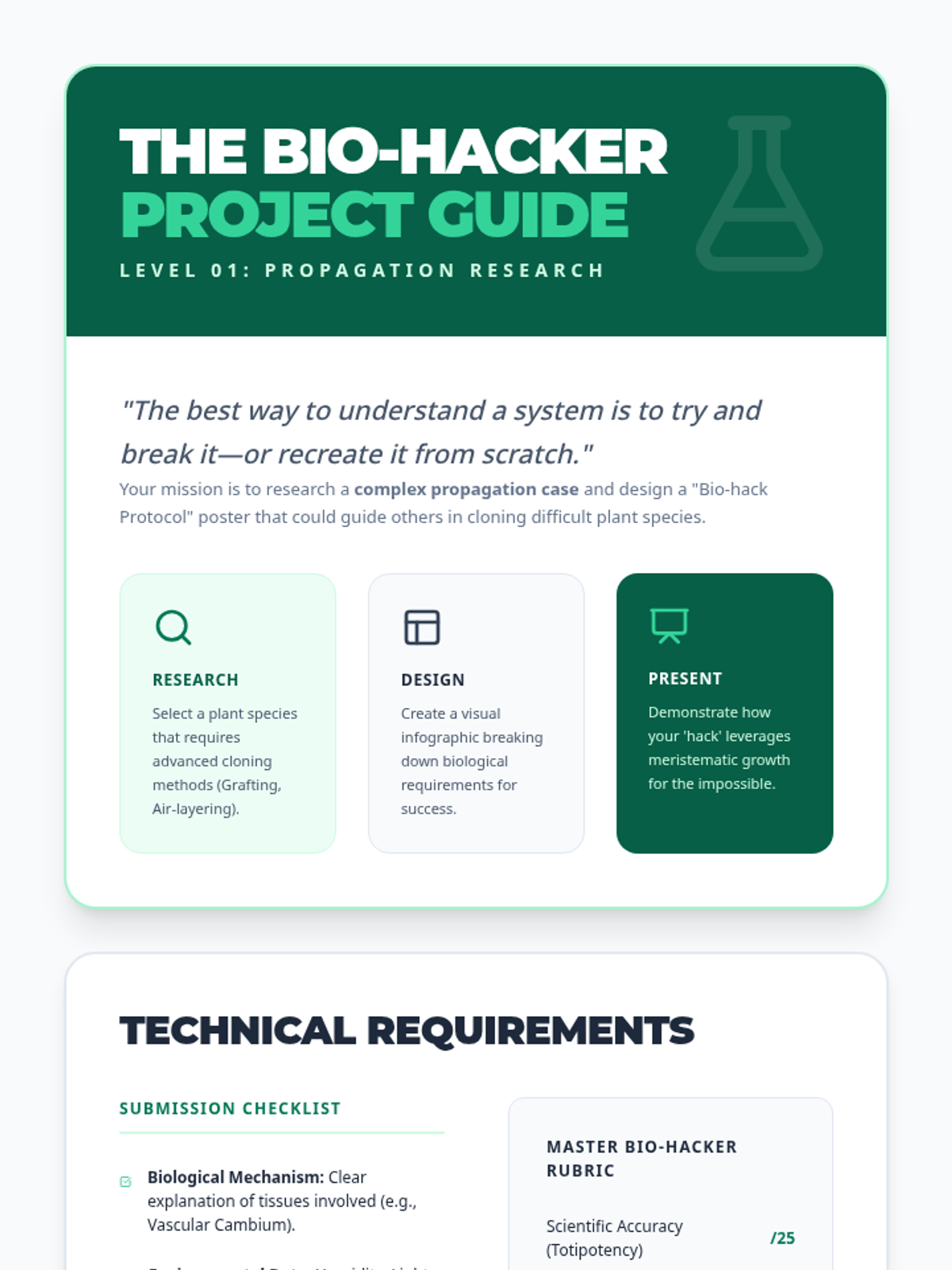
Students learn the mechanics of asexual reproduction and cellular regeneration through the process of taking and rooting plant cuttings. This lesson covers the biological foundations of totipotency and the practical application of propagation techniques.
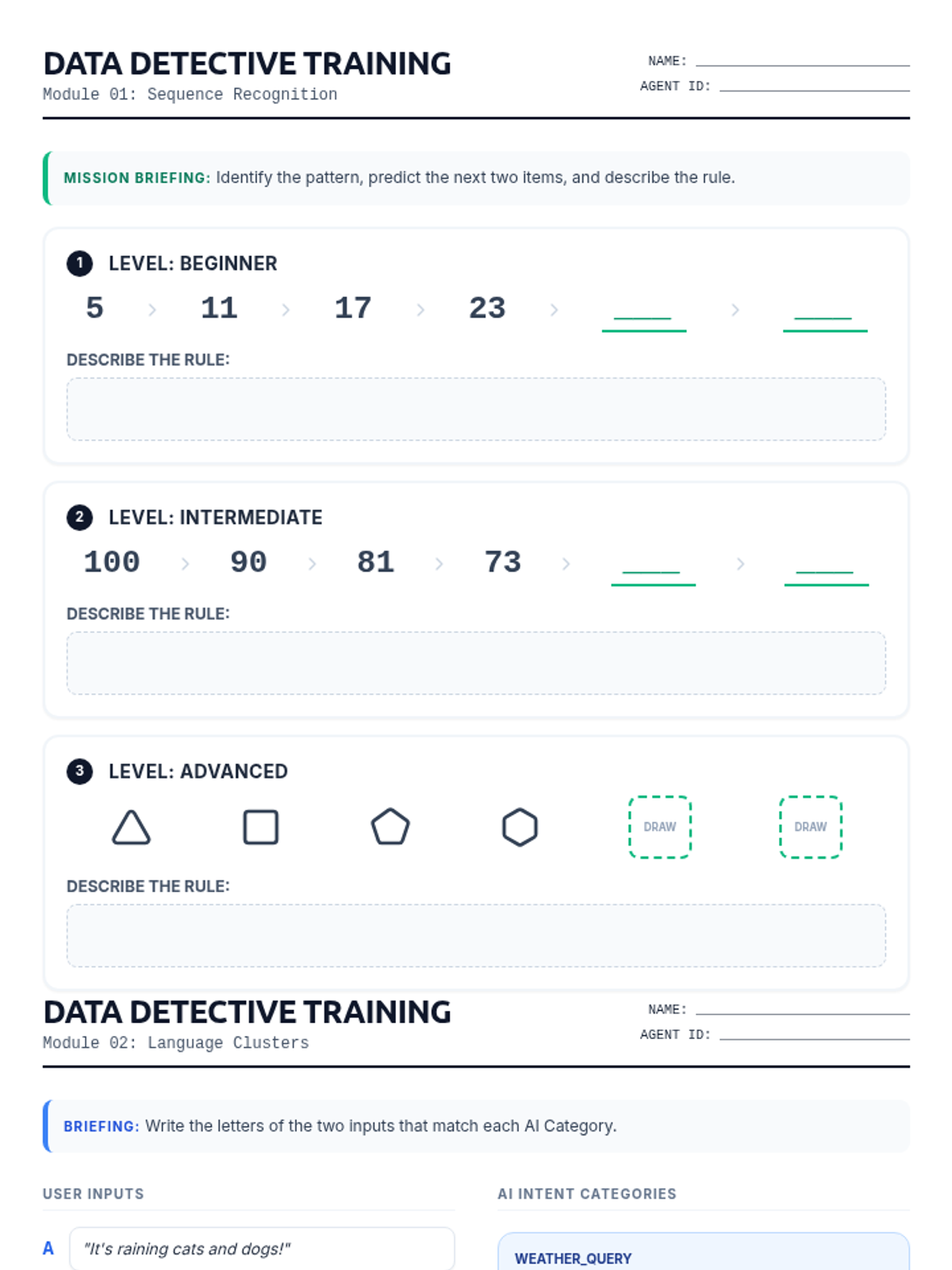
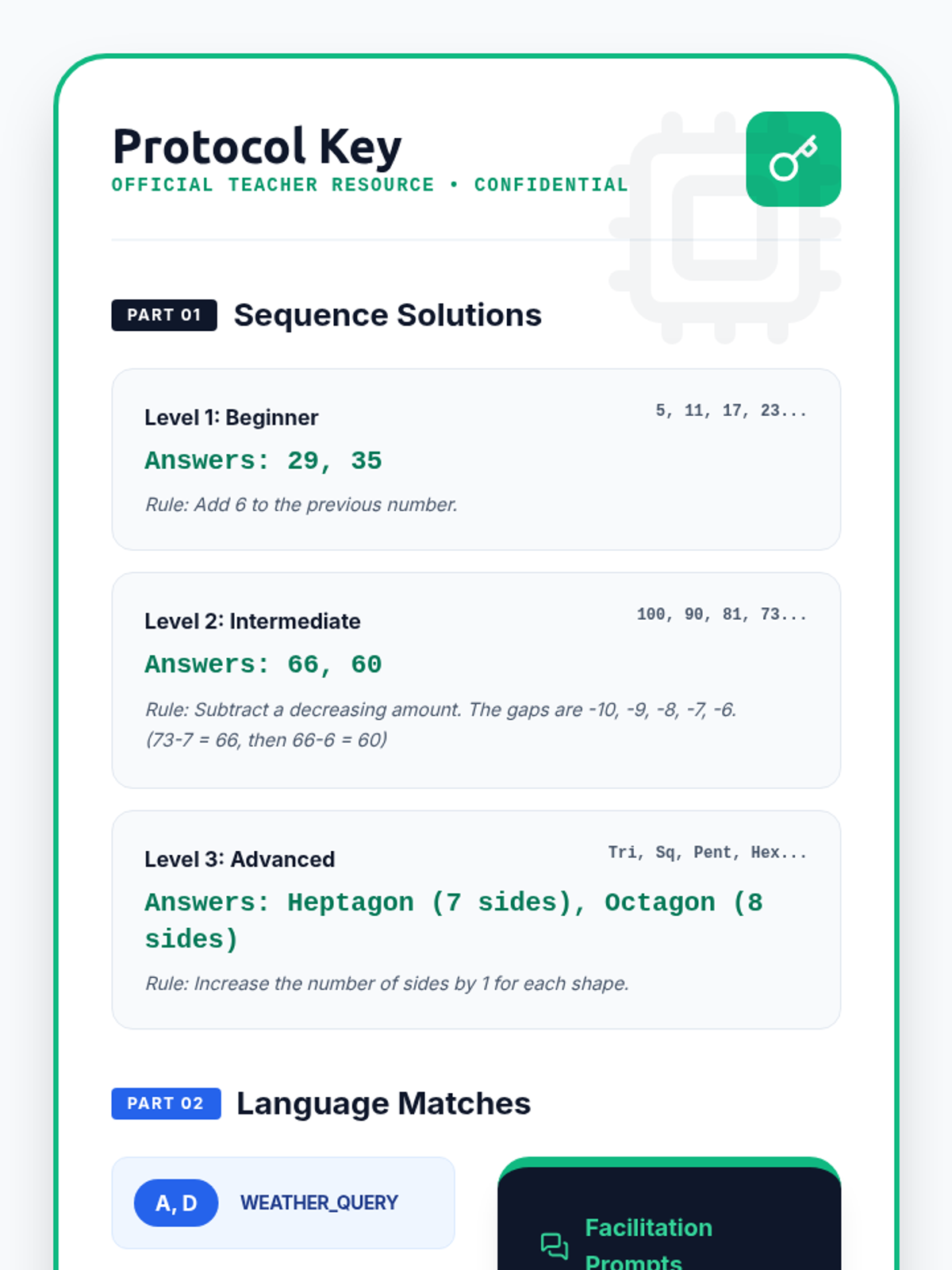
Students explore how AI uses pattern recognition to predict sequences and understand human language through hands-on logic puzzles and guided discussion.
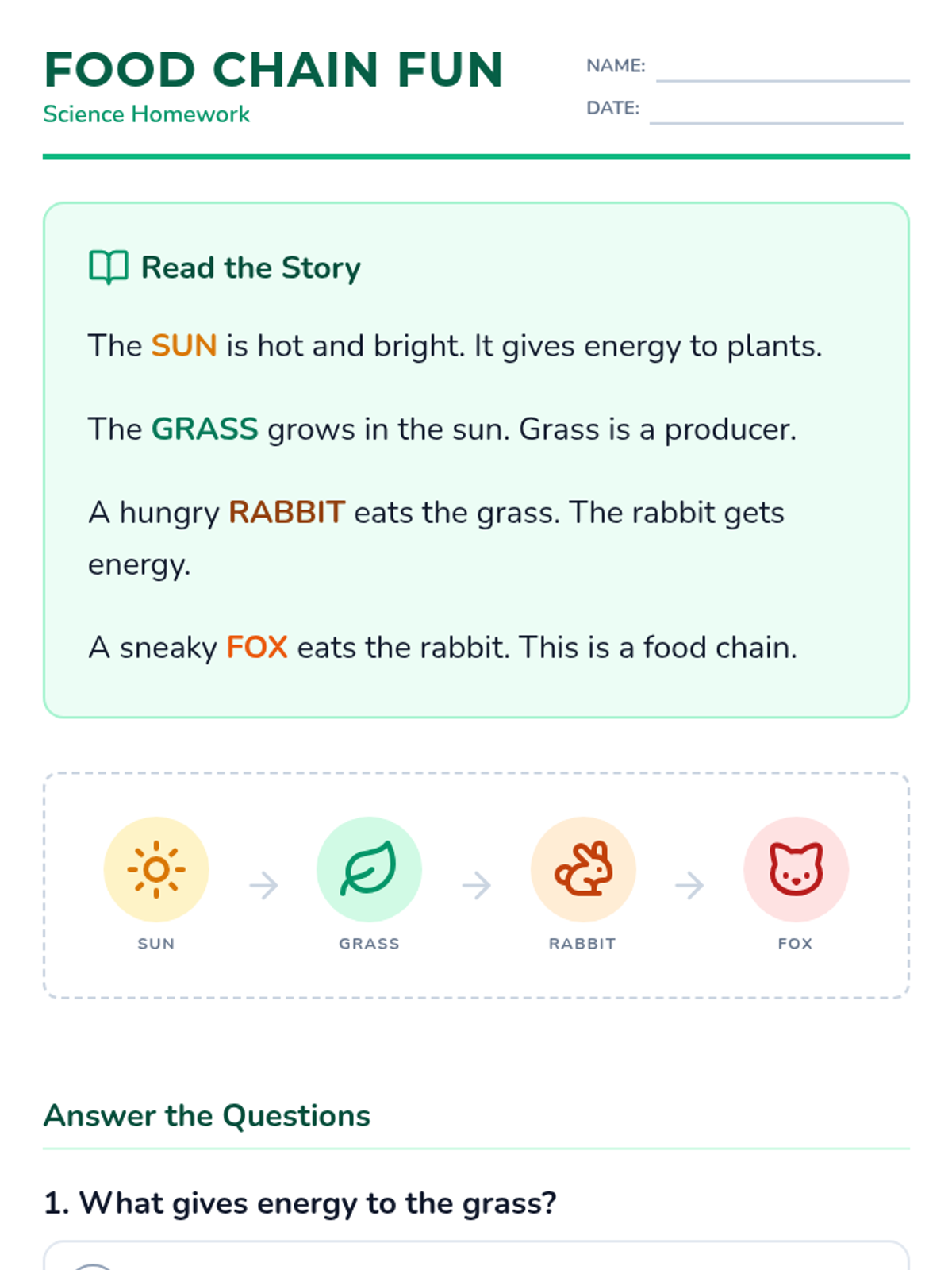
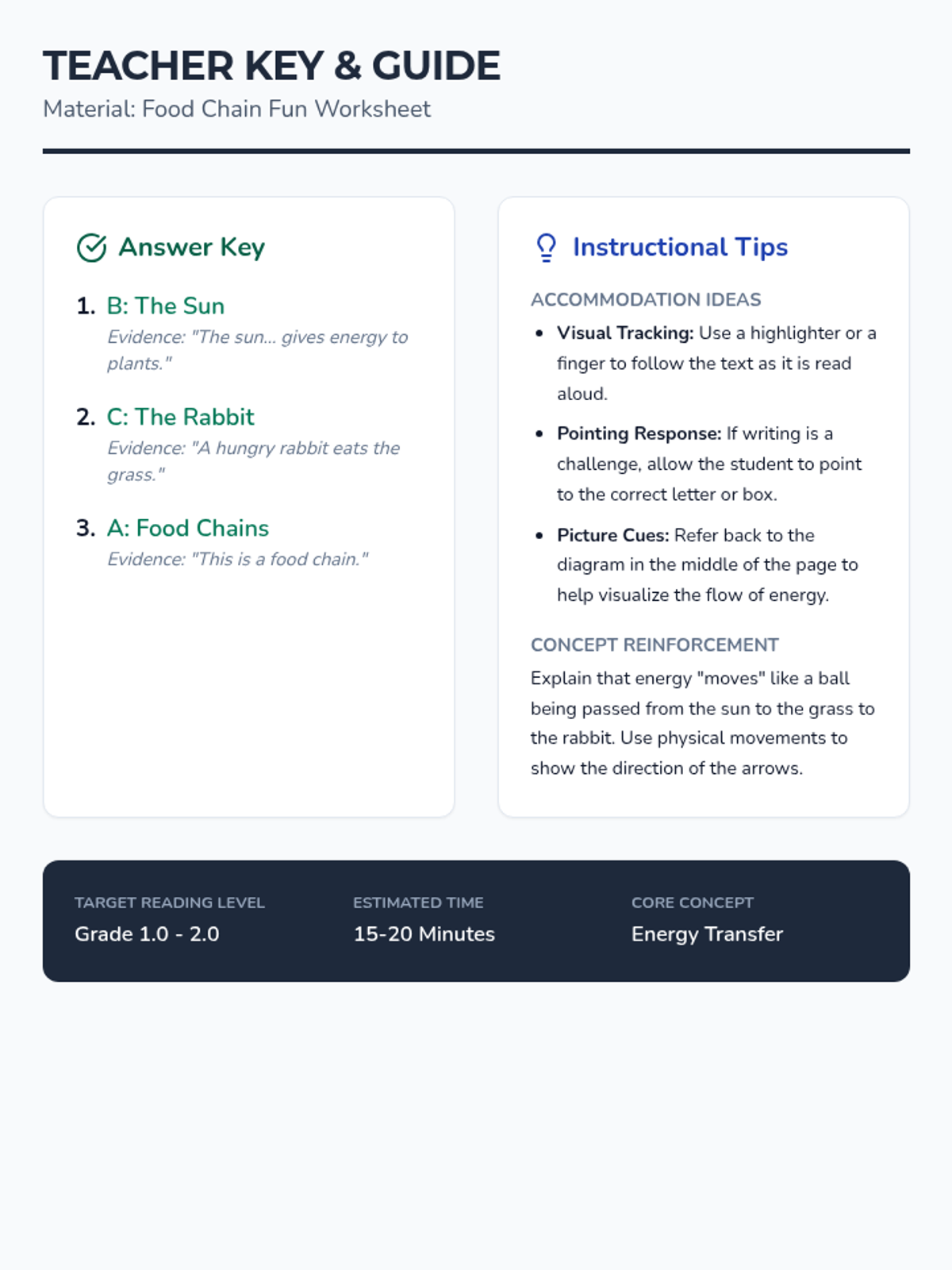
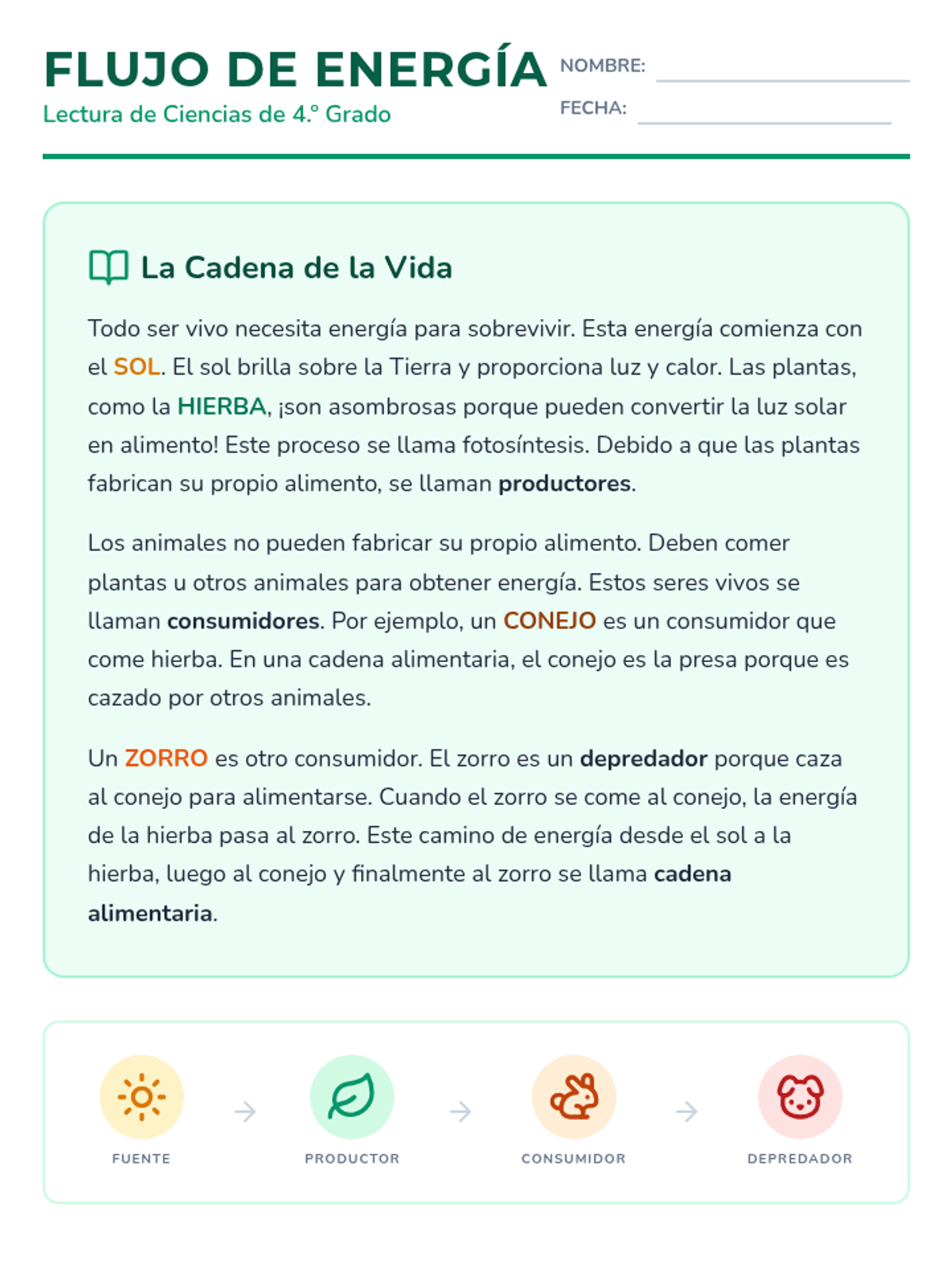
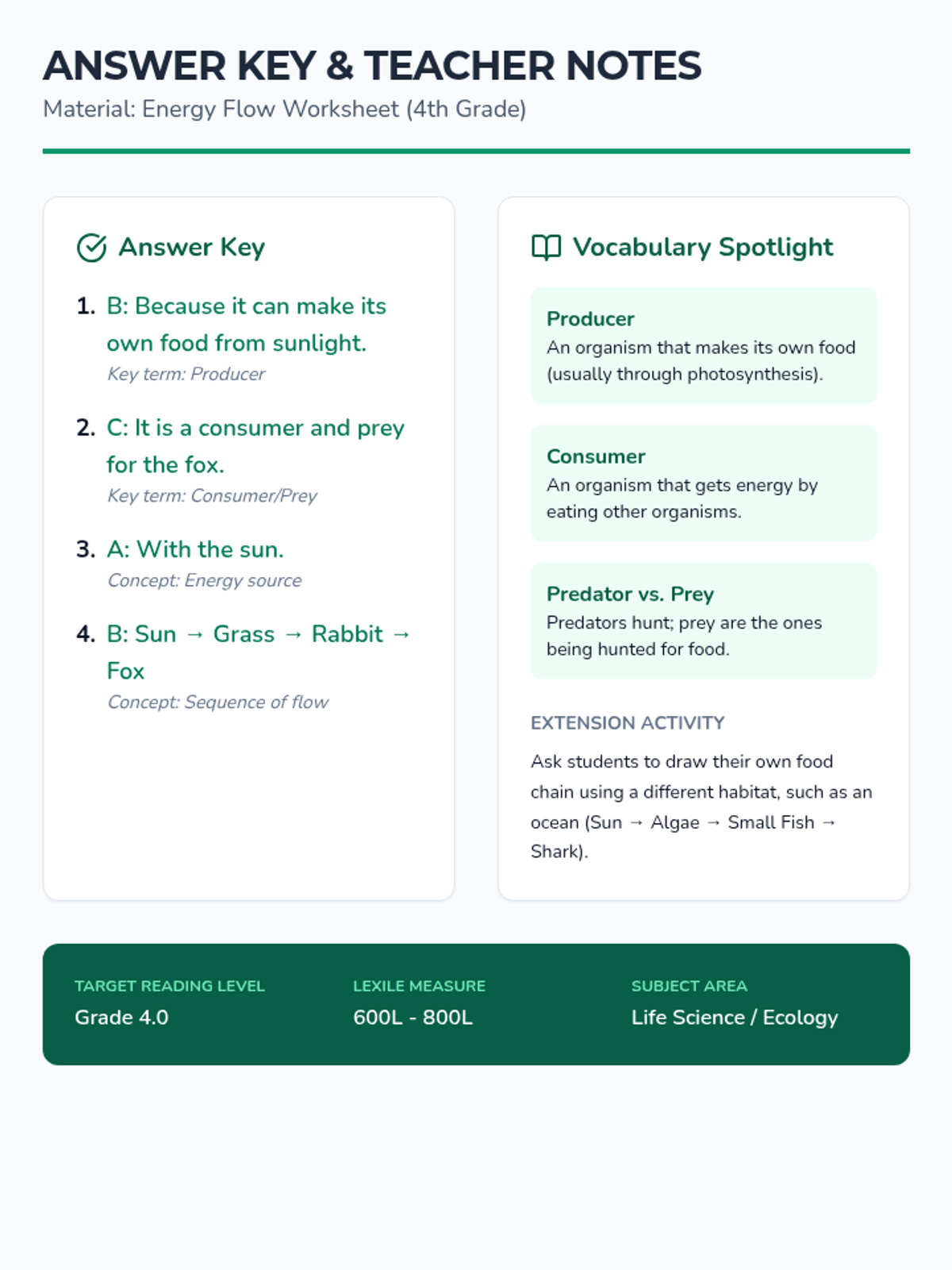
A simplified science lesson on food chains designed for 8th-grade students with severe disabilities, focusing on basic energy flow from sun to predator.
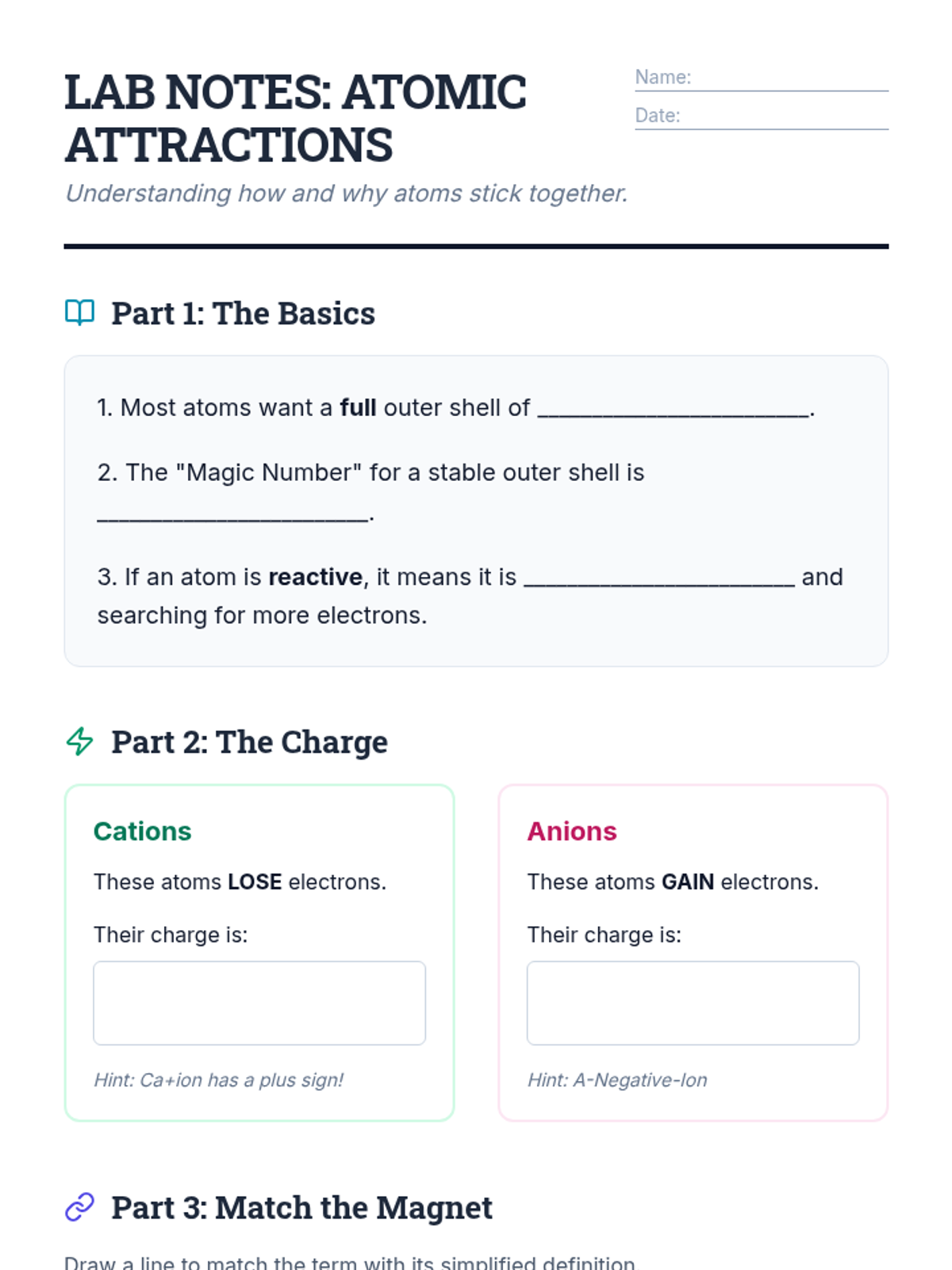
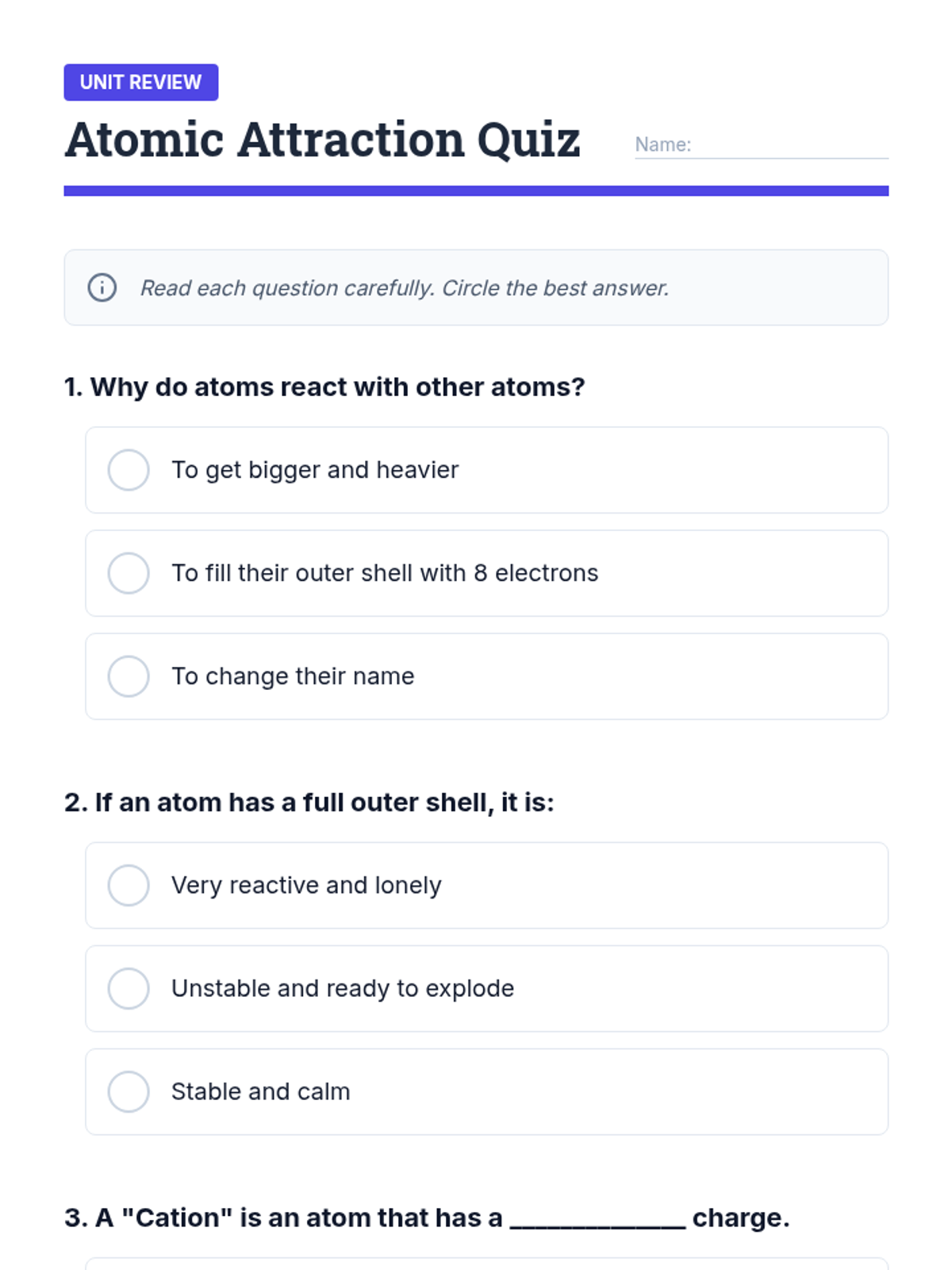
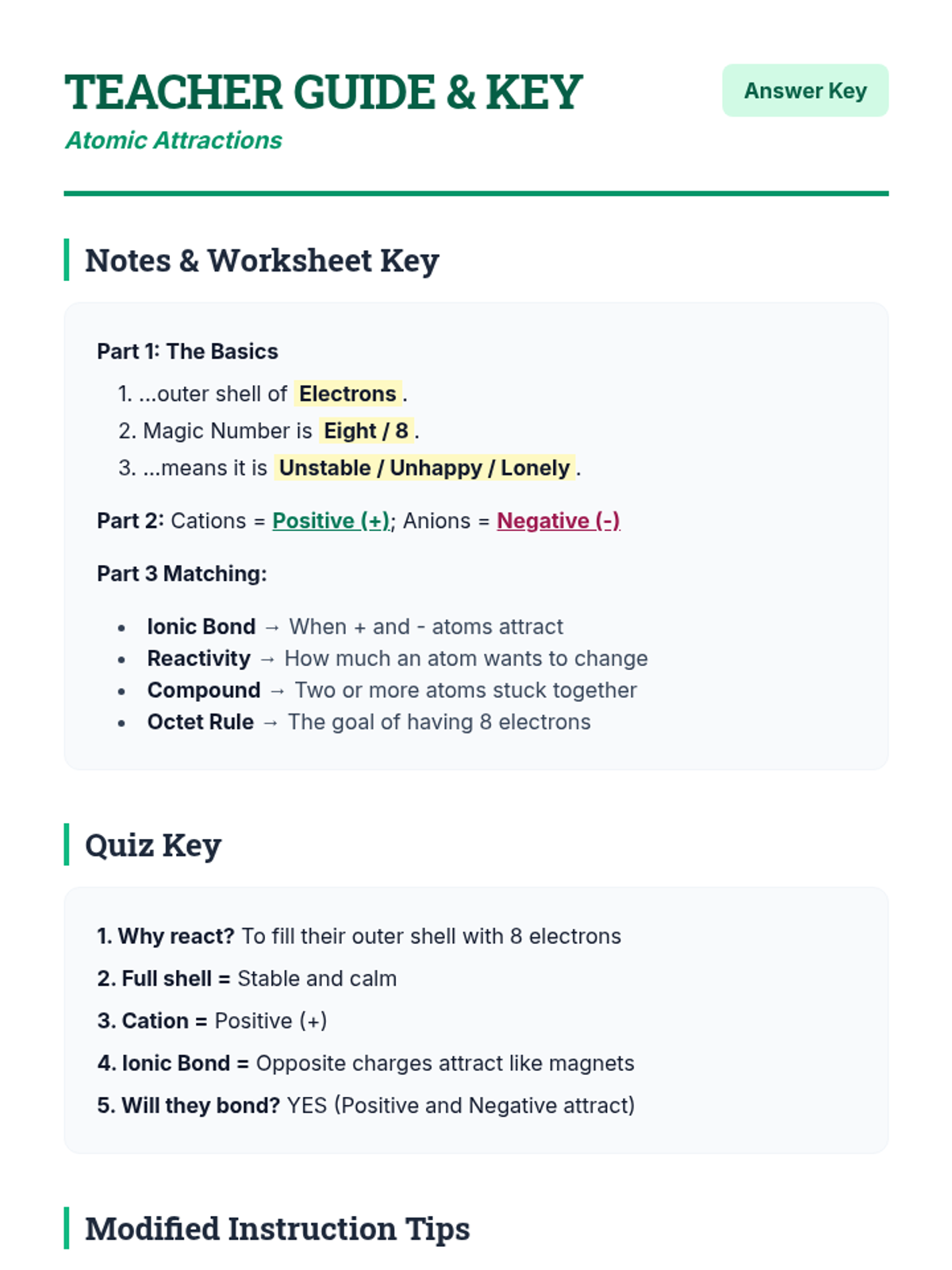
A modified-text lesson covering why elements react, the formation of cations and anions, and how ionic bonds are formed. Designed for lower reading levels with clear visuals and simplified language.
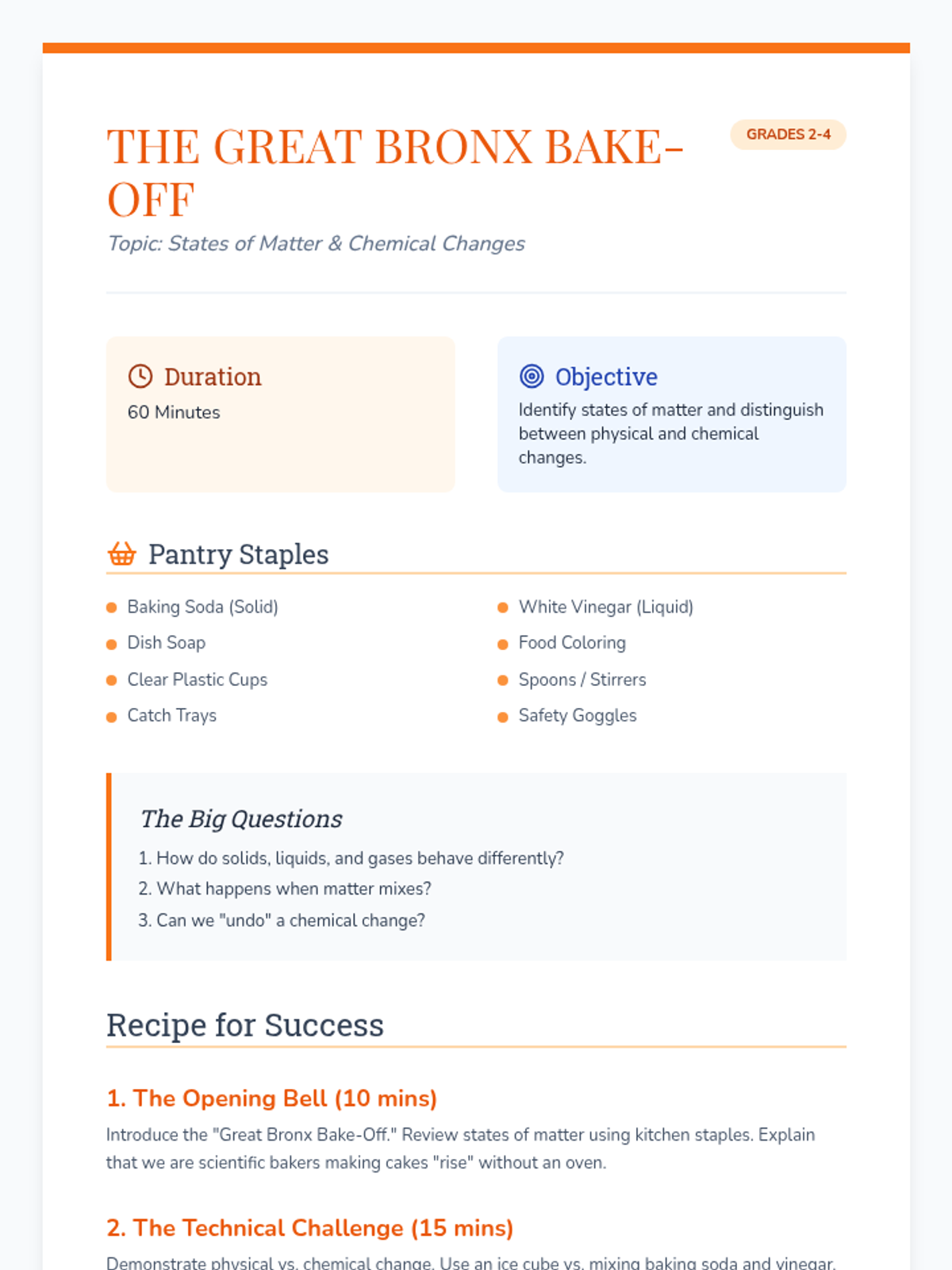
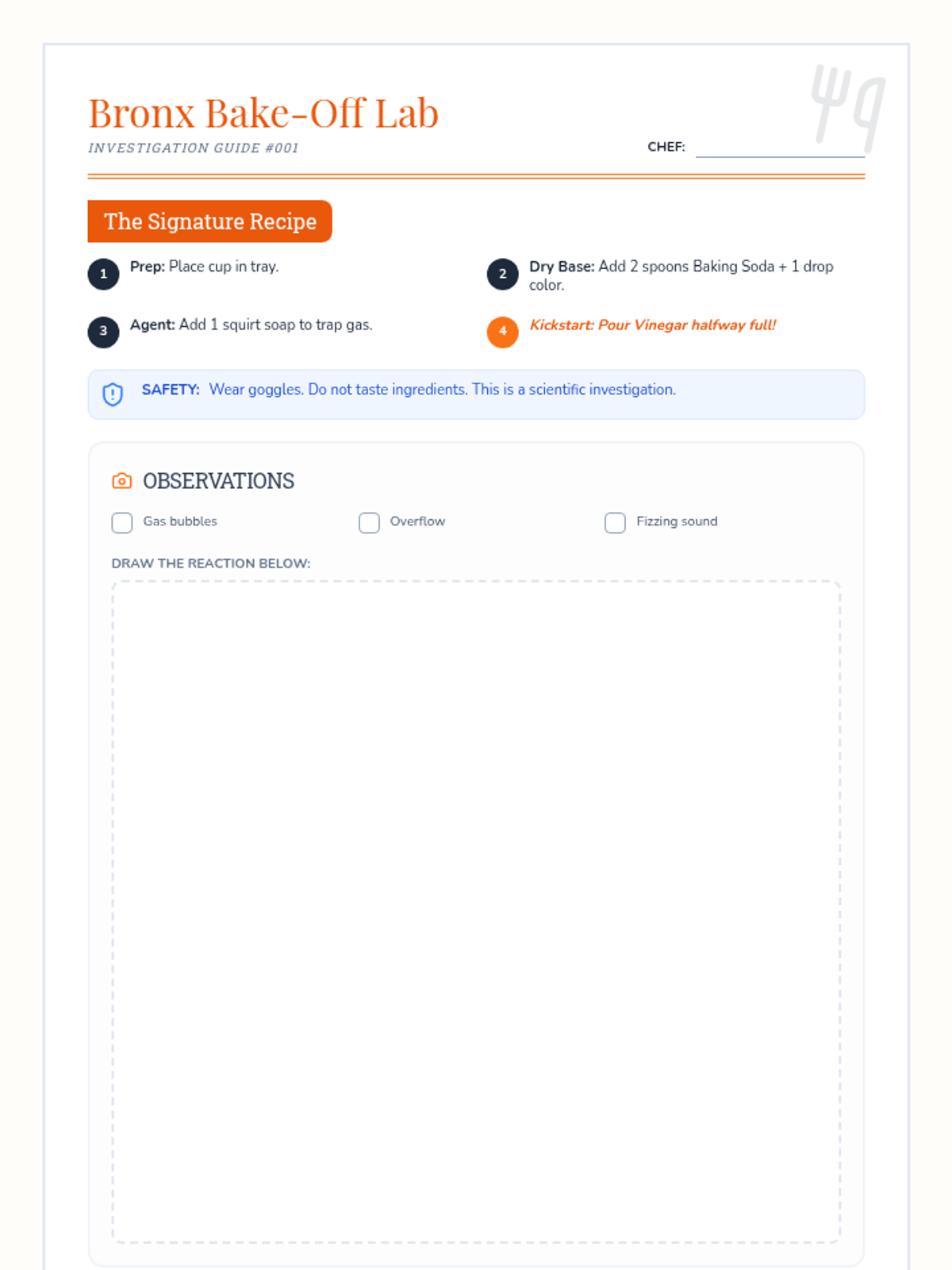
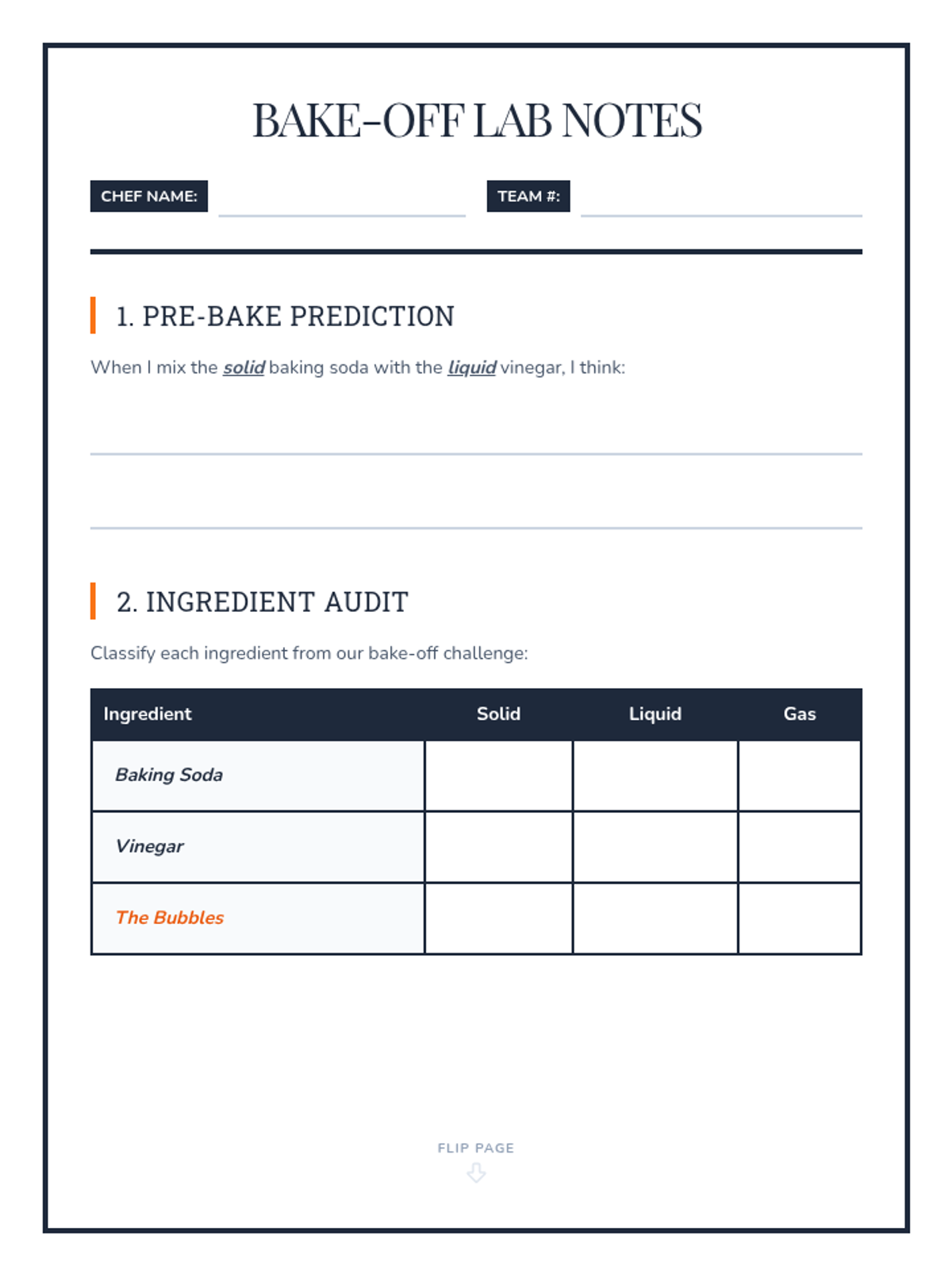
In this kitchen science inquiry, students investigate the three states of matter and observe chemical reactions by creating 'fizzing cakes' using baking soda and vinegar. They explore reversible and irreversible changes while competing in a simulated Bronx-style bake-off challenge.
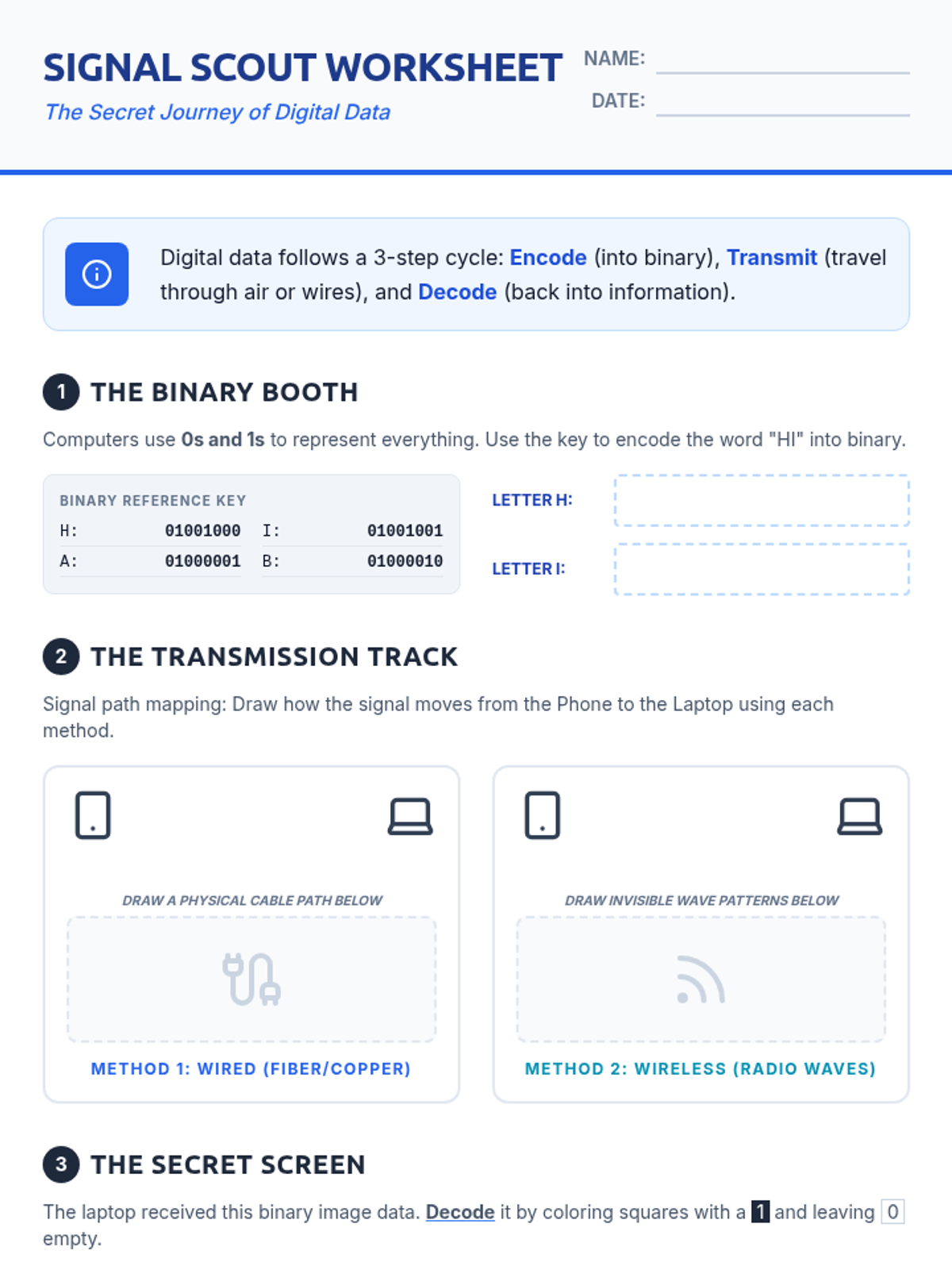
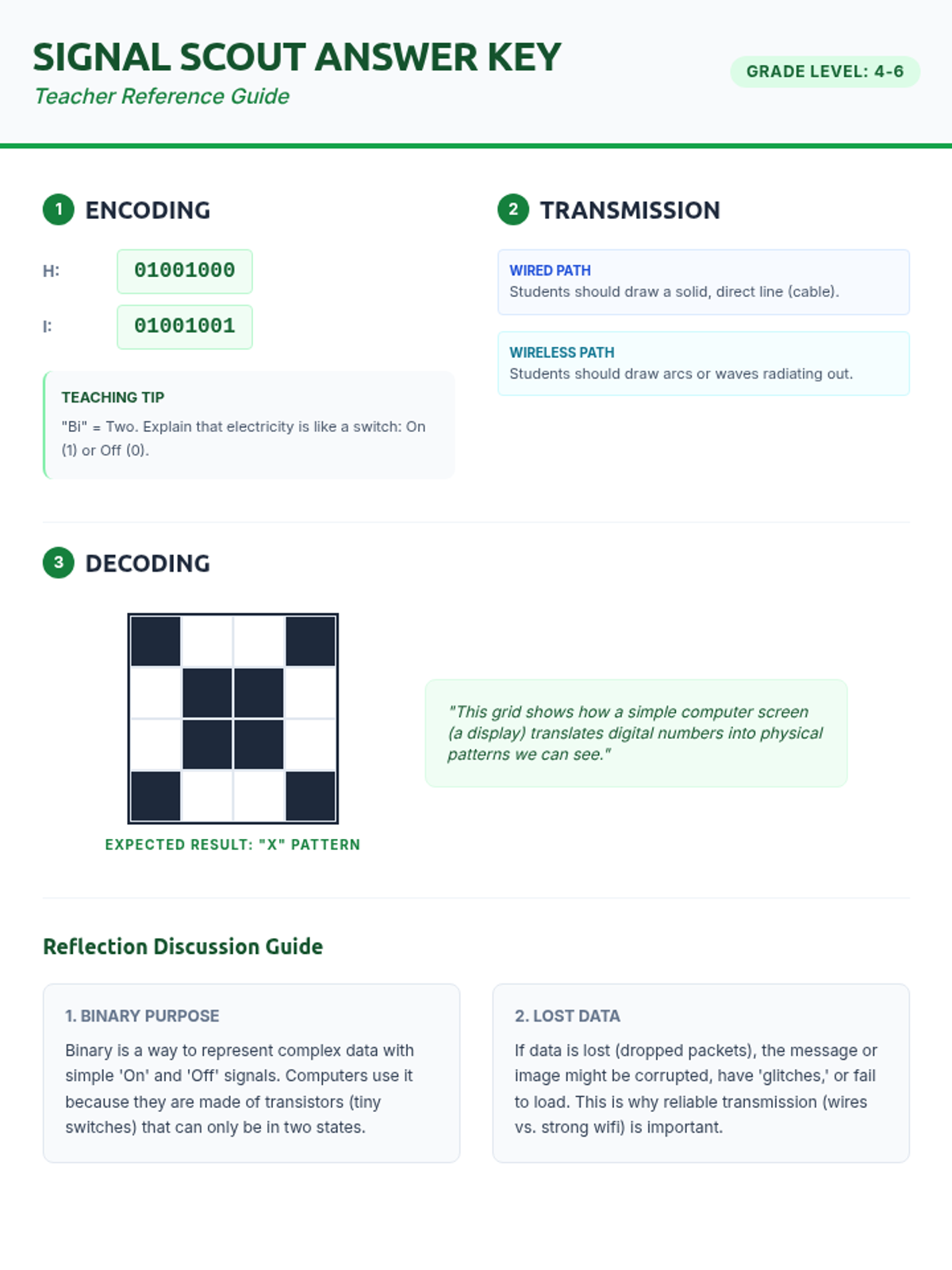
A hands-on lesson where students explore the journey of digital data, from encoding letters into binary to transmitting signals through wires or air, and finally decoding them back into information.
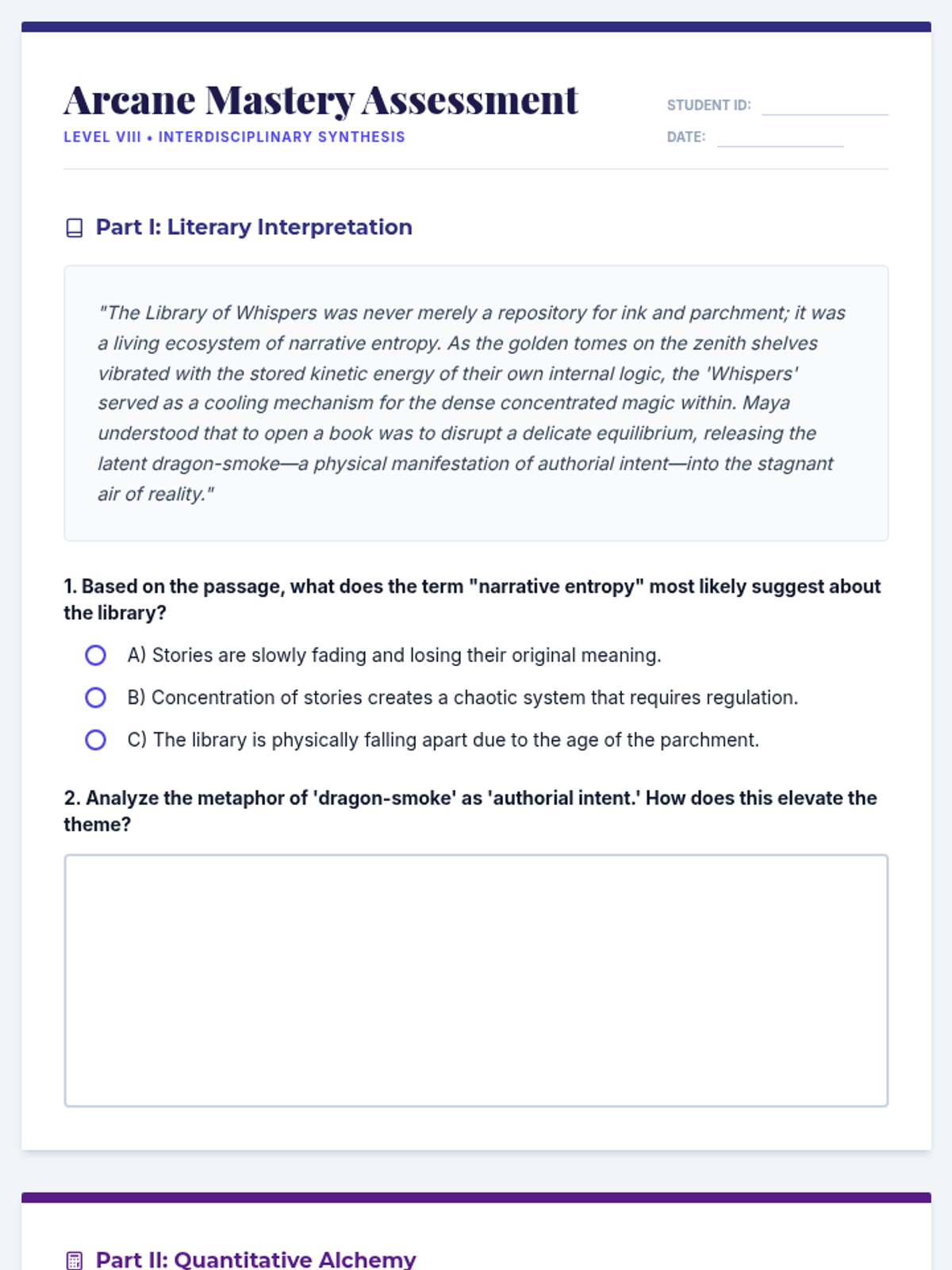
Advanced academic challenges for 8th-grade students, synthesizing reading, math, and science within a complex fantasy framework.
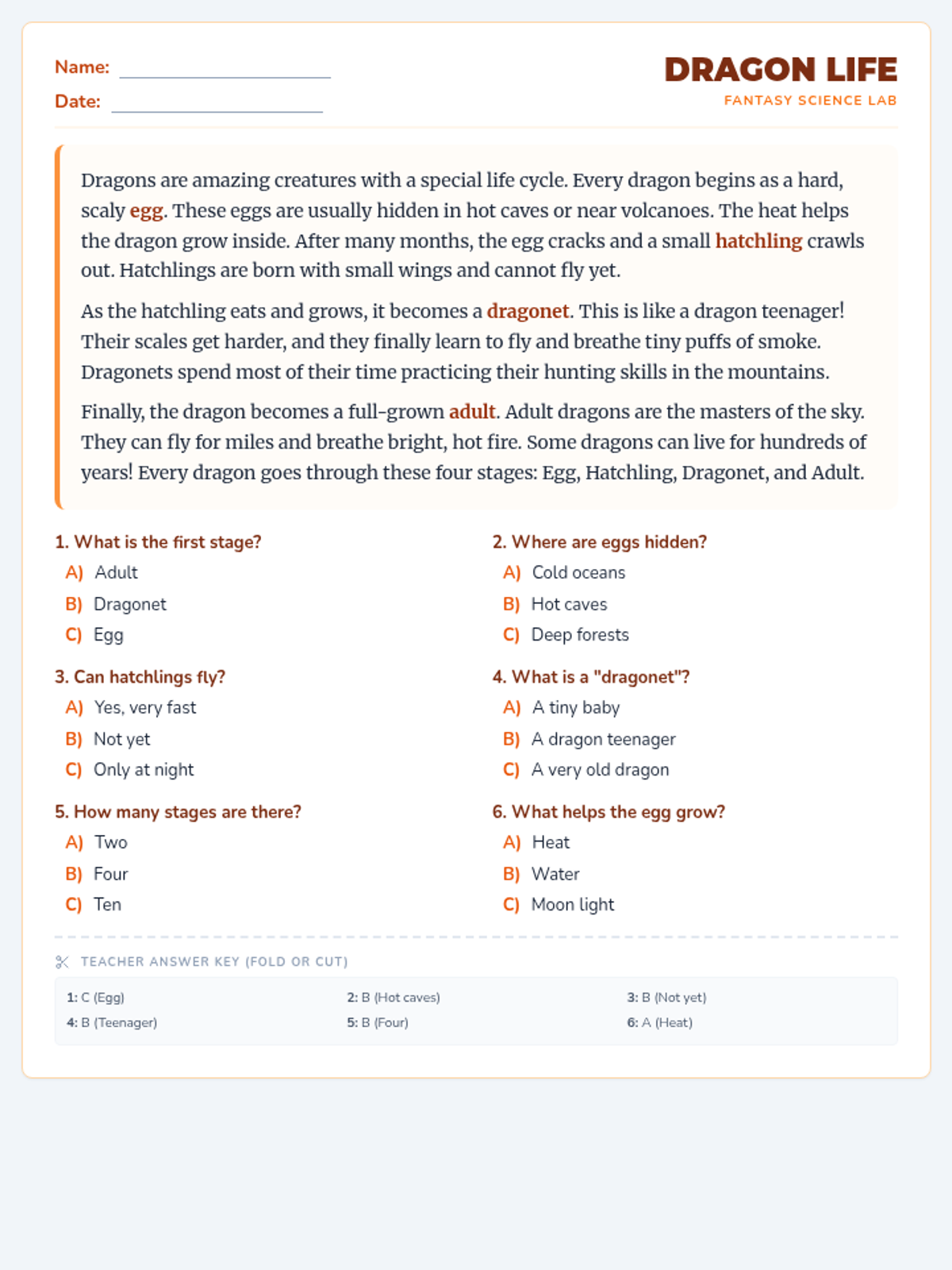
Science exploration through a fantasy lens, covering life cycles, habitats, and simple physical science for 2nd graders.
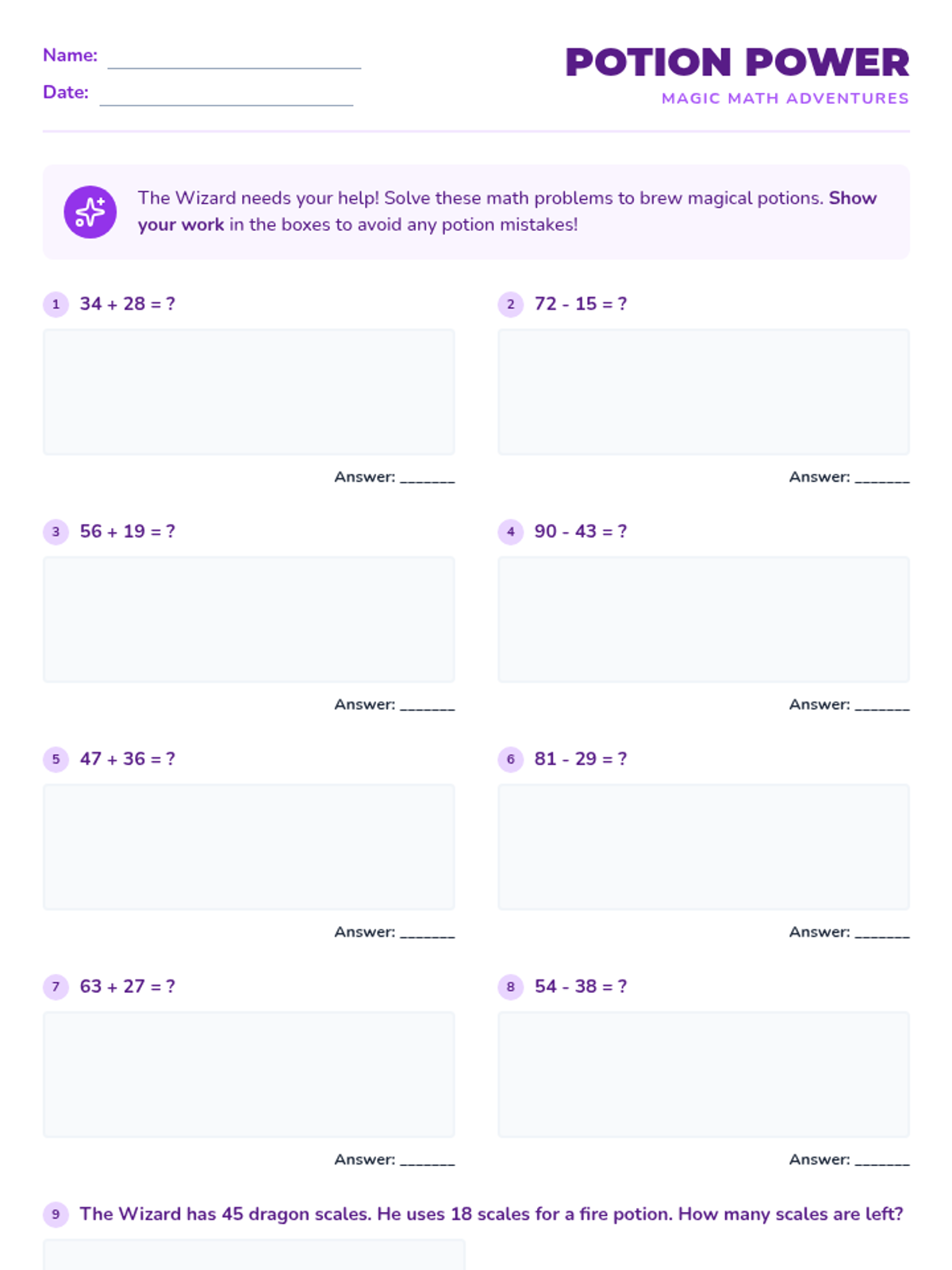
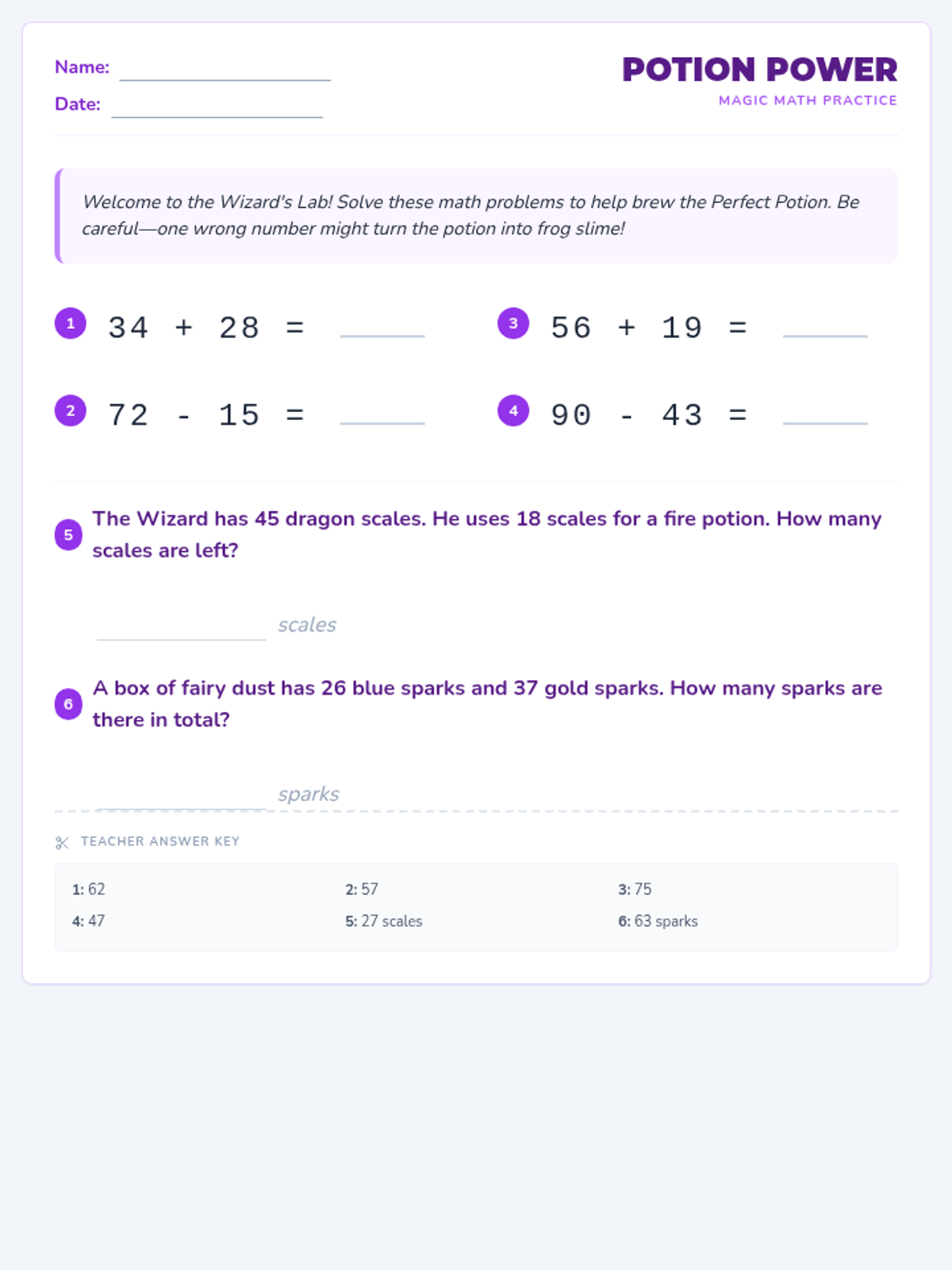
Fantasy-themed math practice for 2nd graders, focusing on addition, subtraction, and word problems in a magical setting.
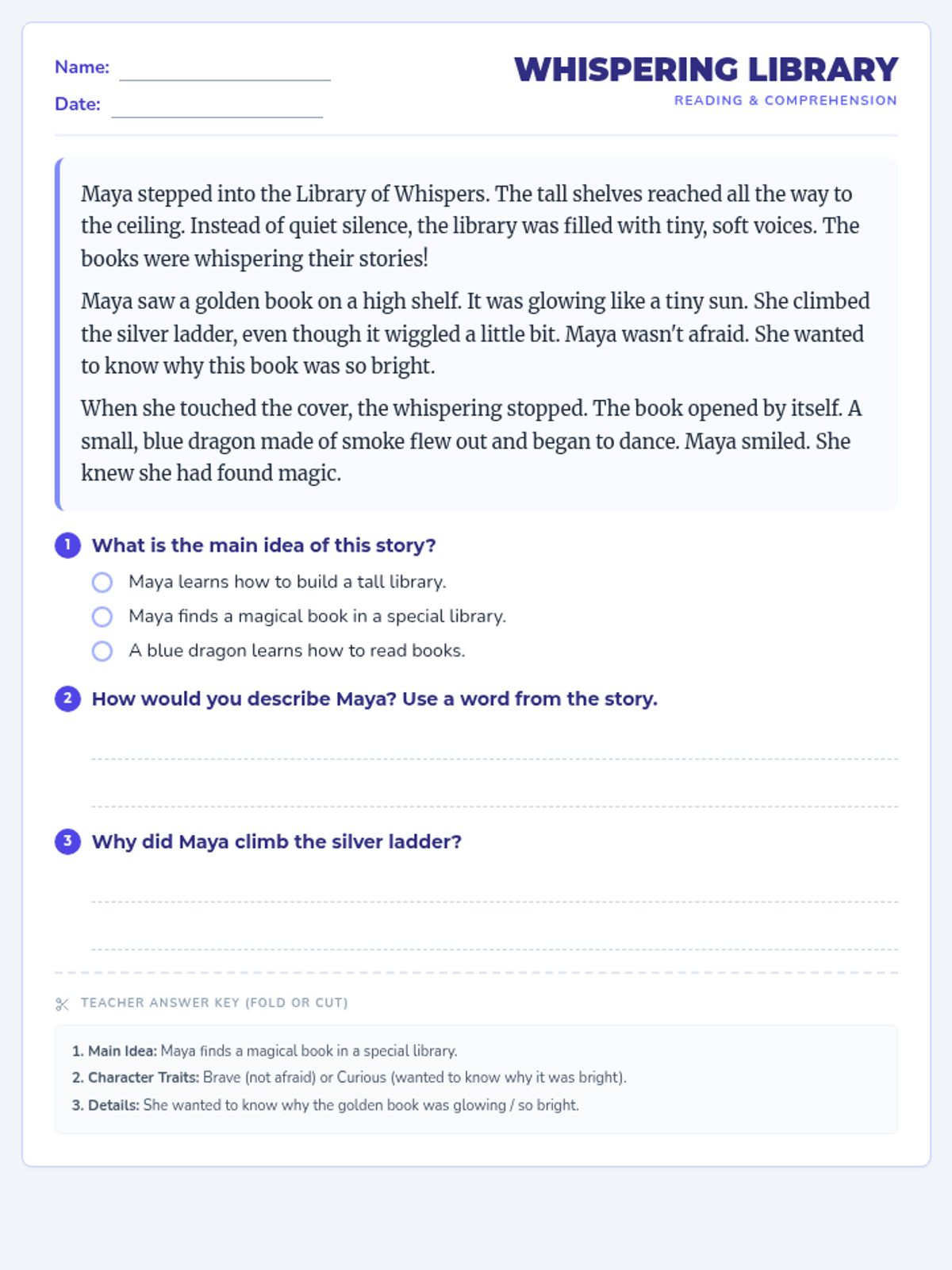
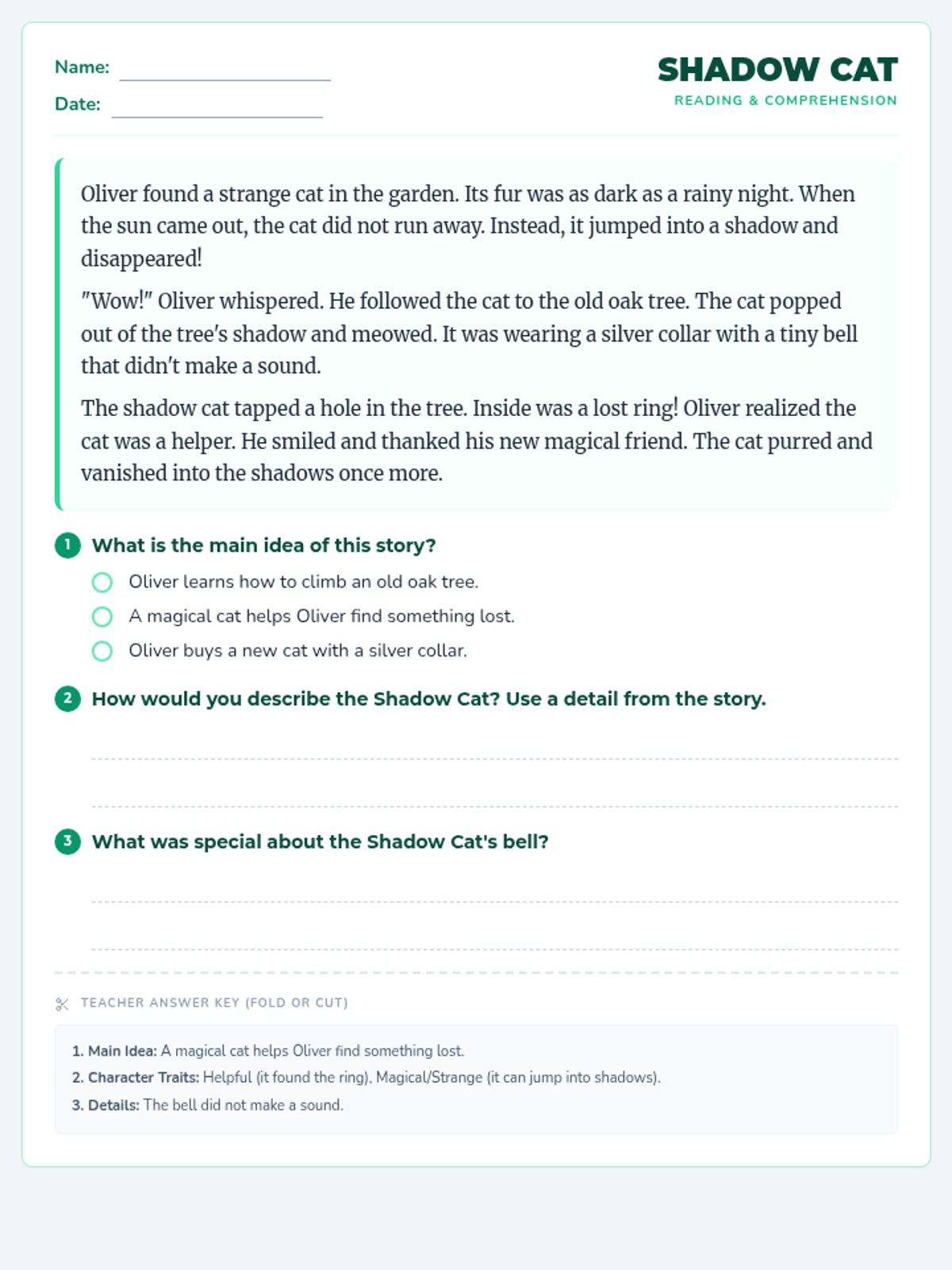
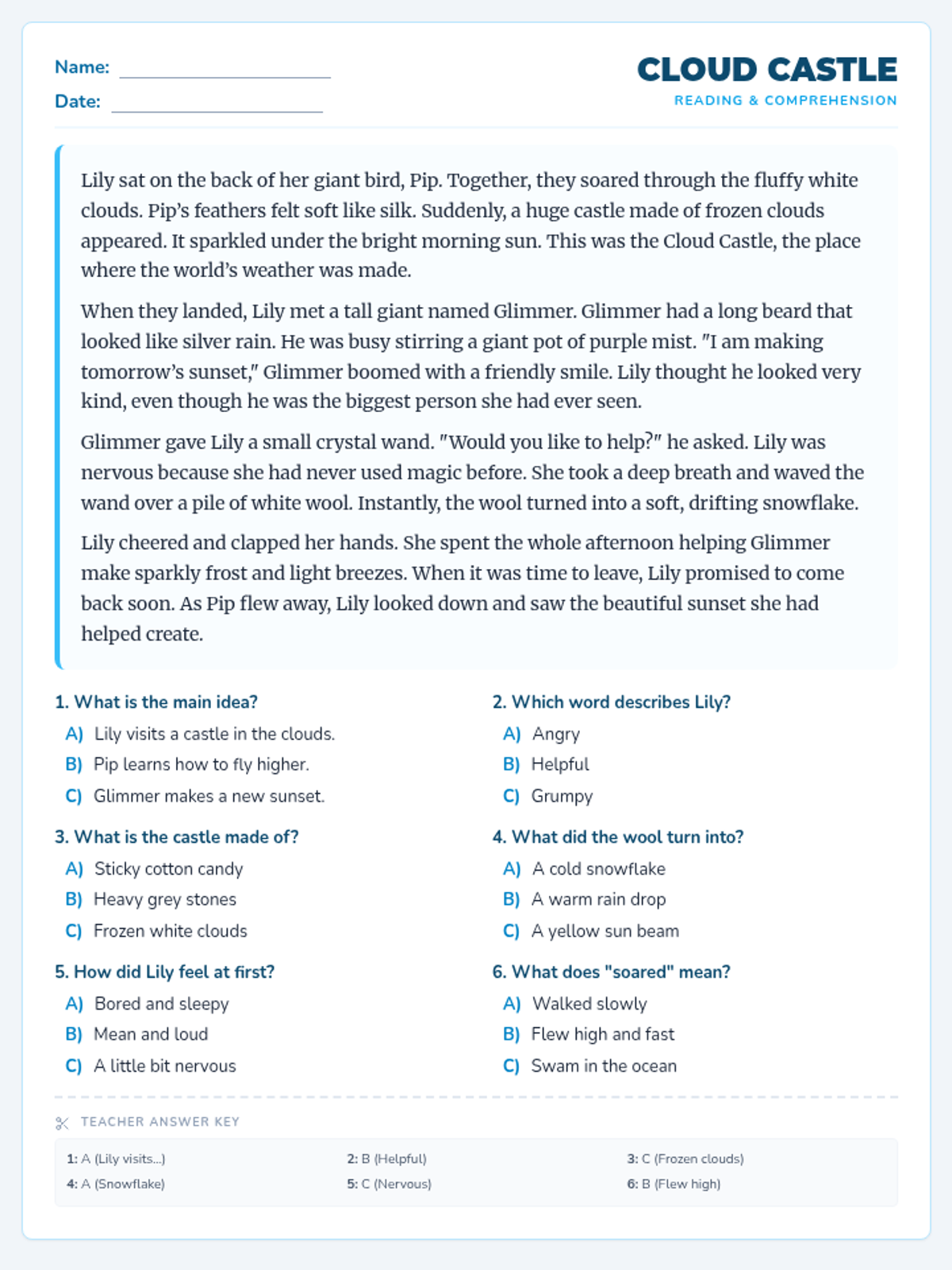
A collection of magical fantasy reading prompts designed for 2nd grade students to practice reading comprehension, main idea identification, and character trait analysis.
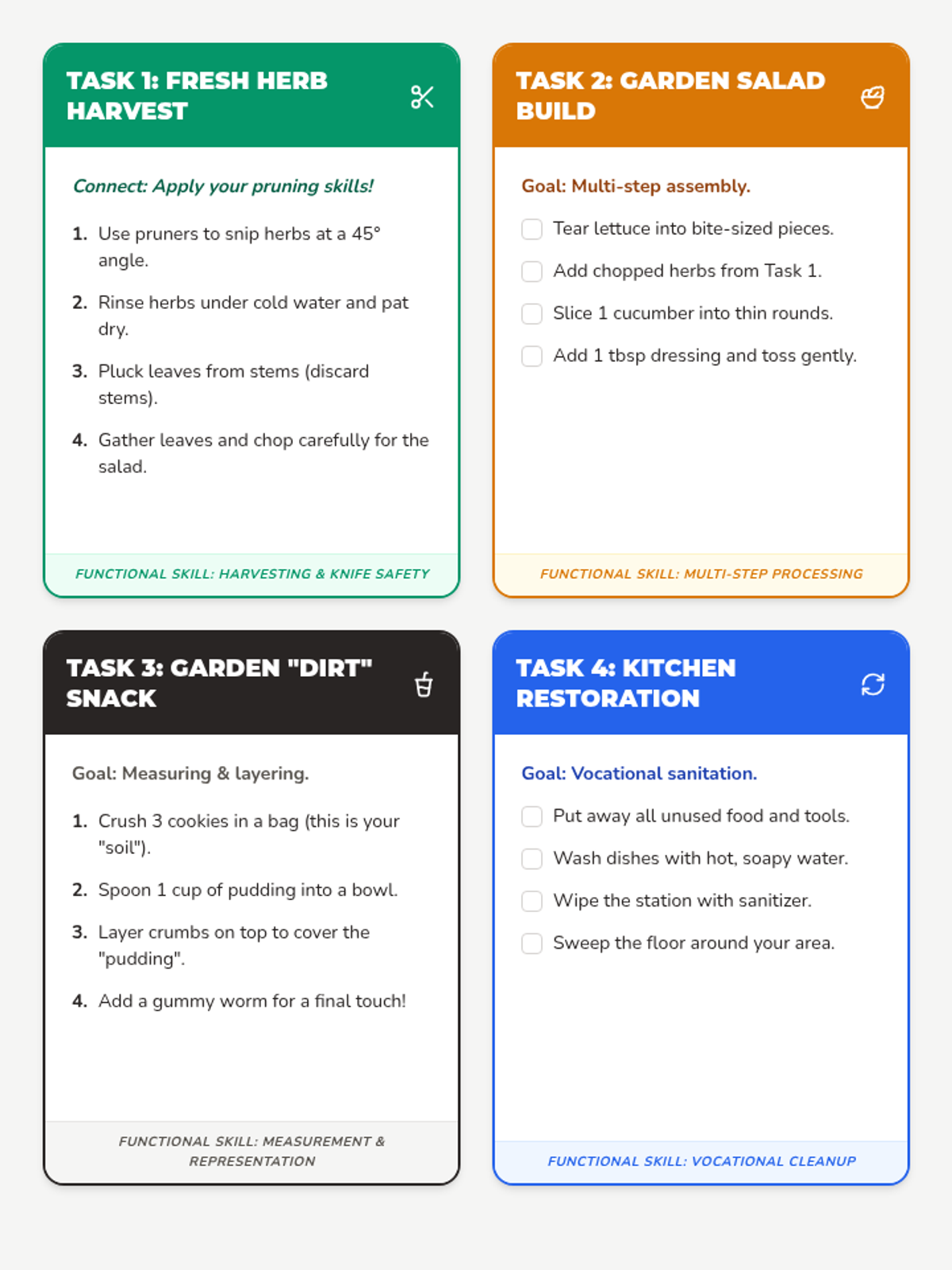
Functional life skills applied to cooking with fresh ingredients, focusing on step-by-step tasks and kitchen safety.
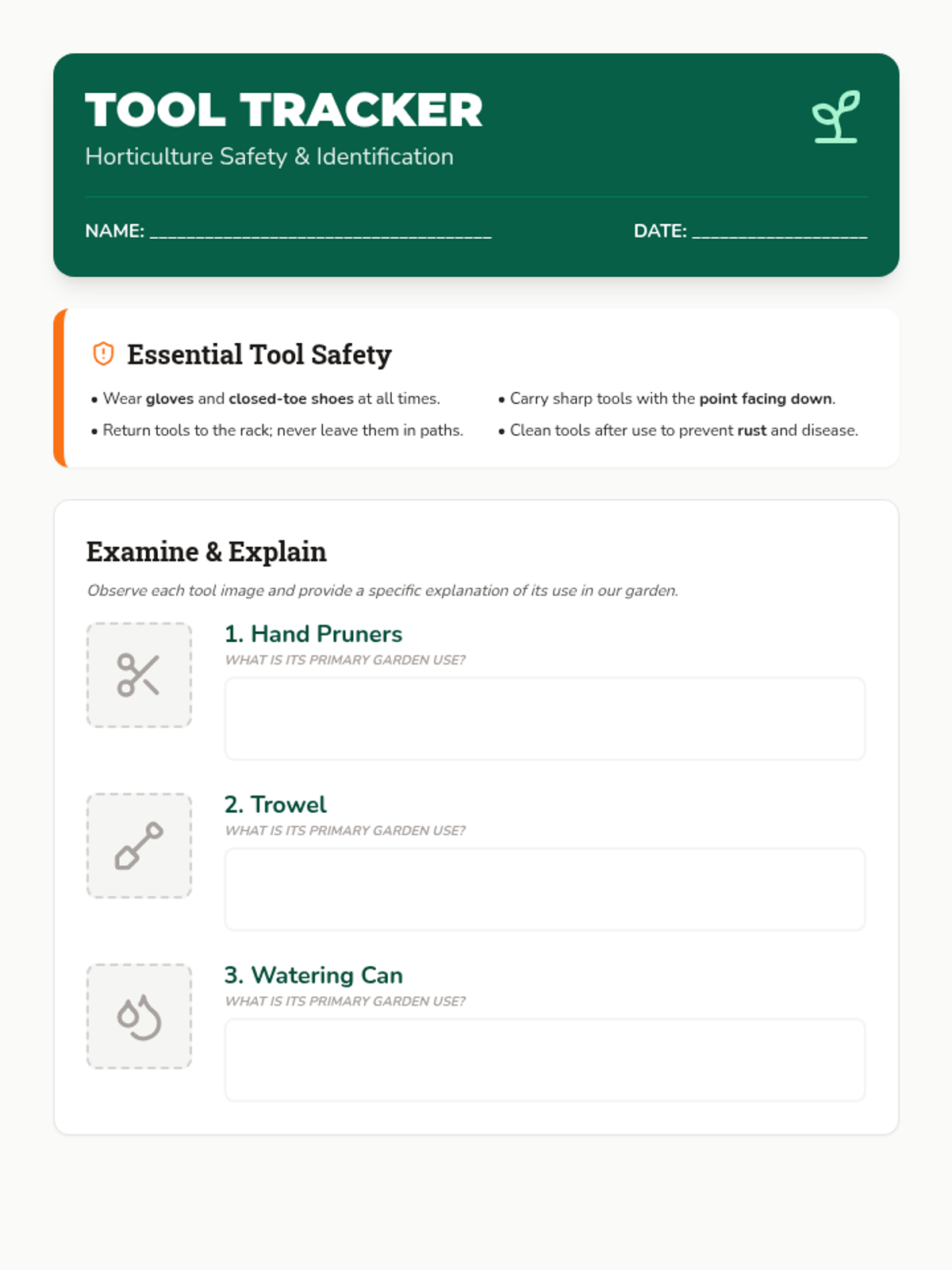
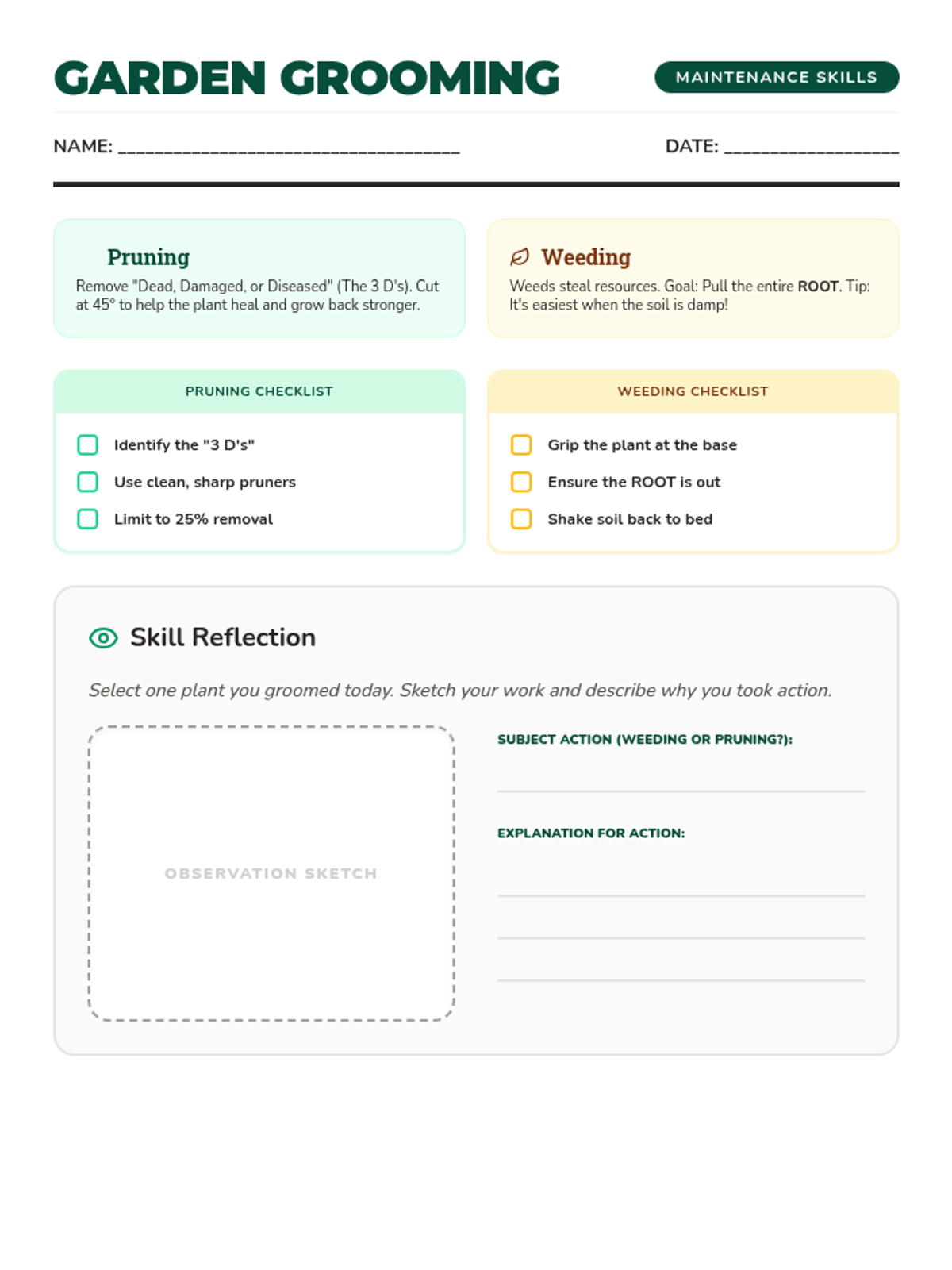
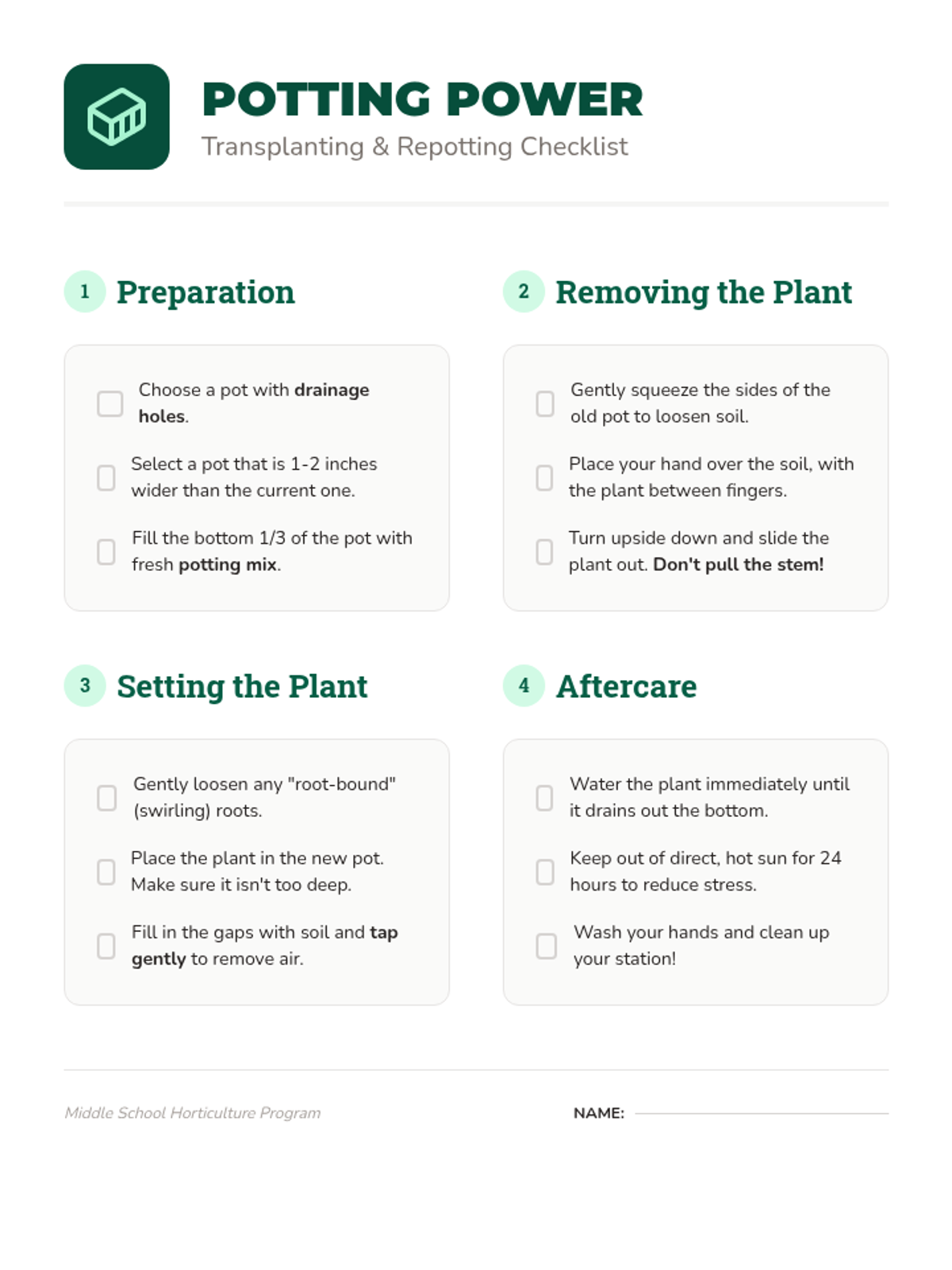
Hands-on horticulture skills focusing on tool safety, plant maintenance, and the art of potting and transplanting.